
 Texas Native
Bald Cypress Lindsey's Skyward
Taxodium distichum ‘Skyward’Local DFW Delivery Only
Product Details
Bald Cypress Lindsey's Skyward
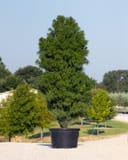
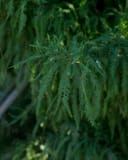
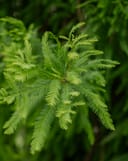
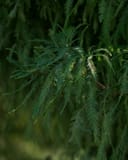
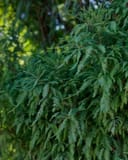
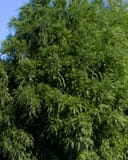
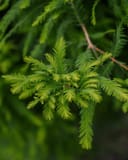
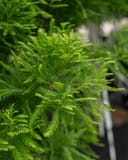
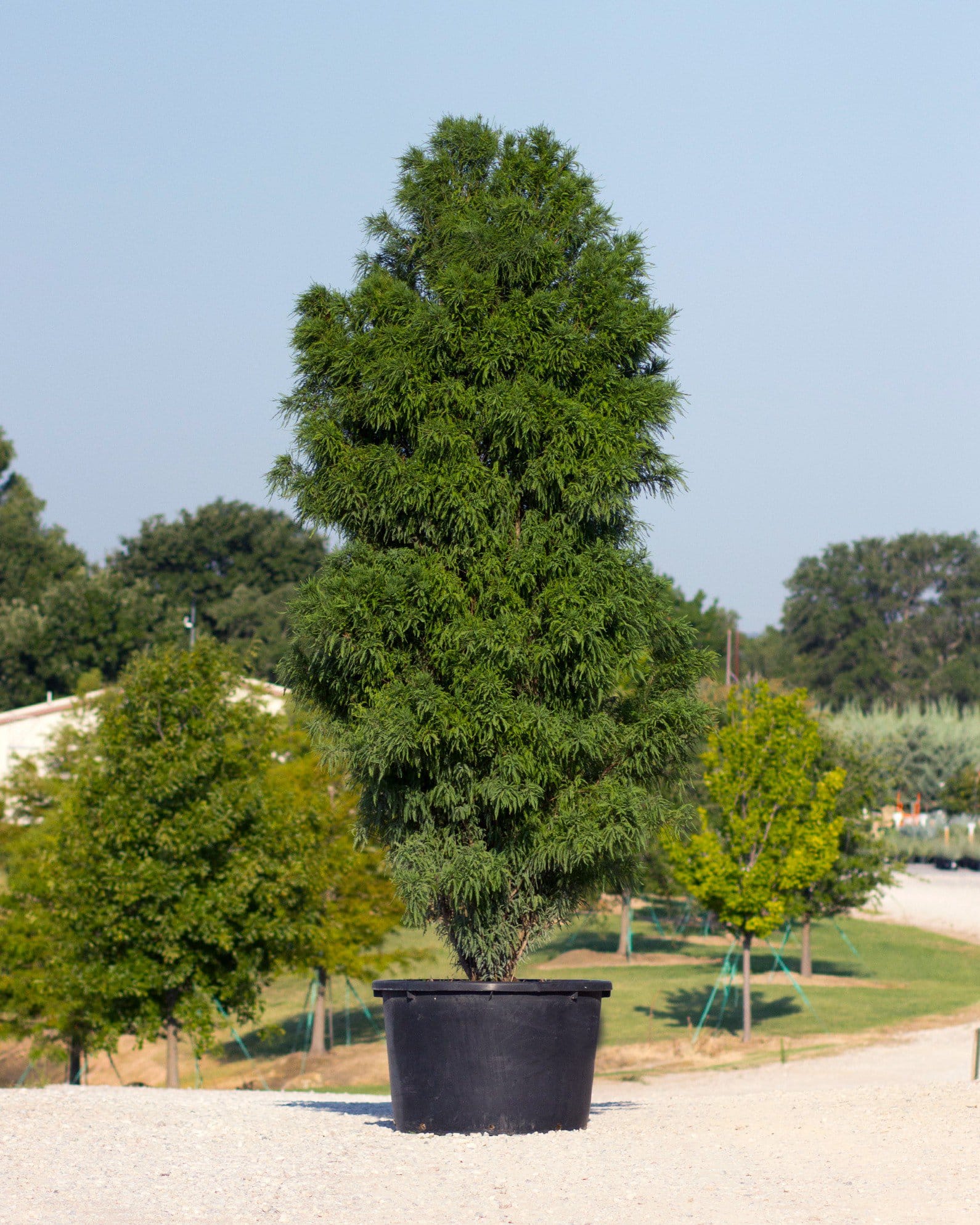
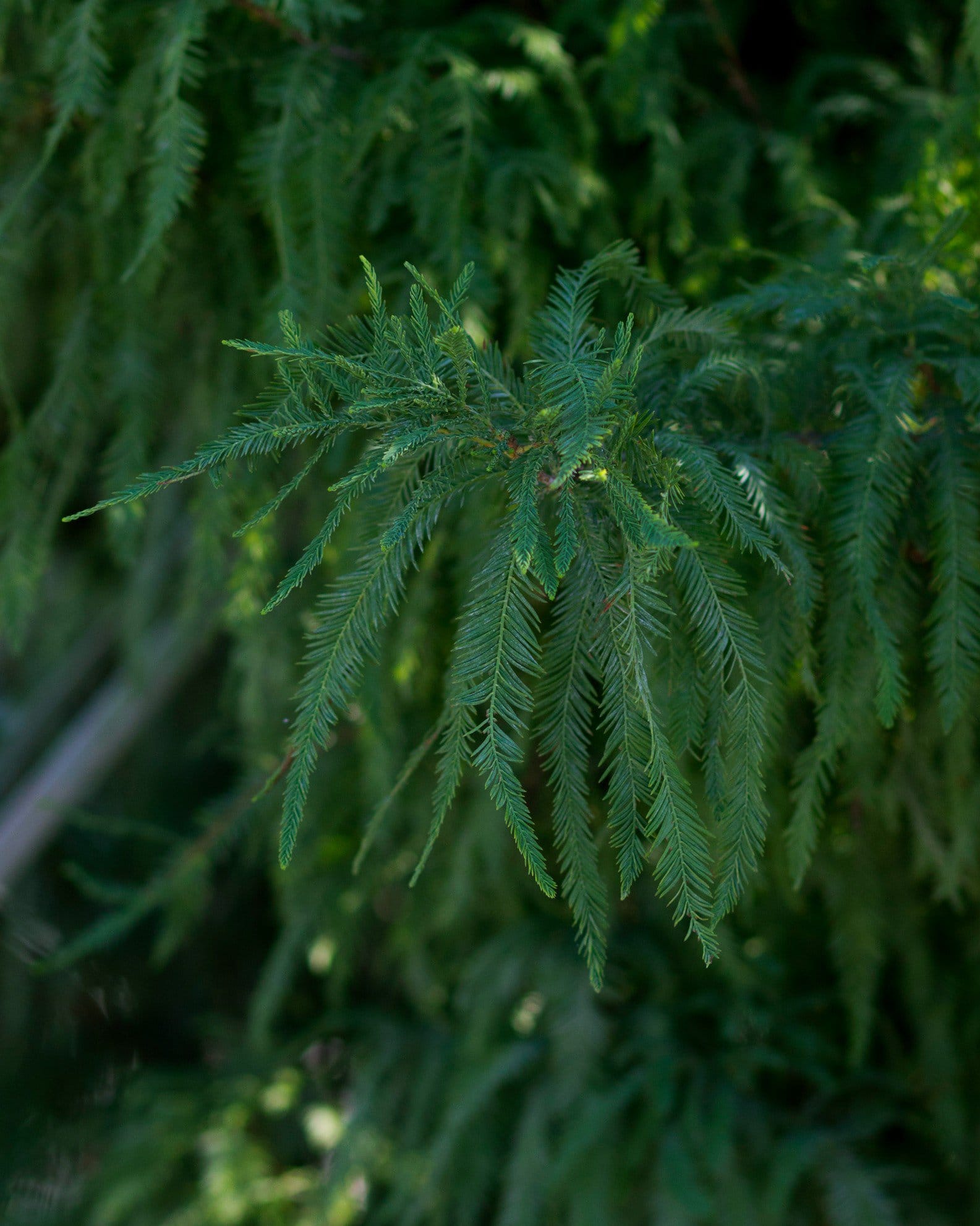
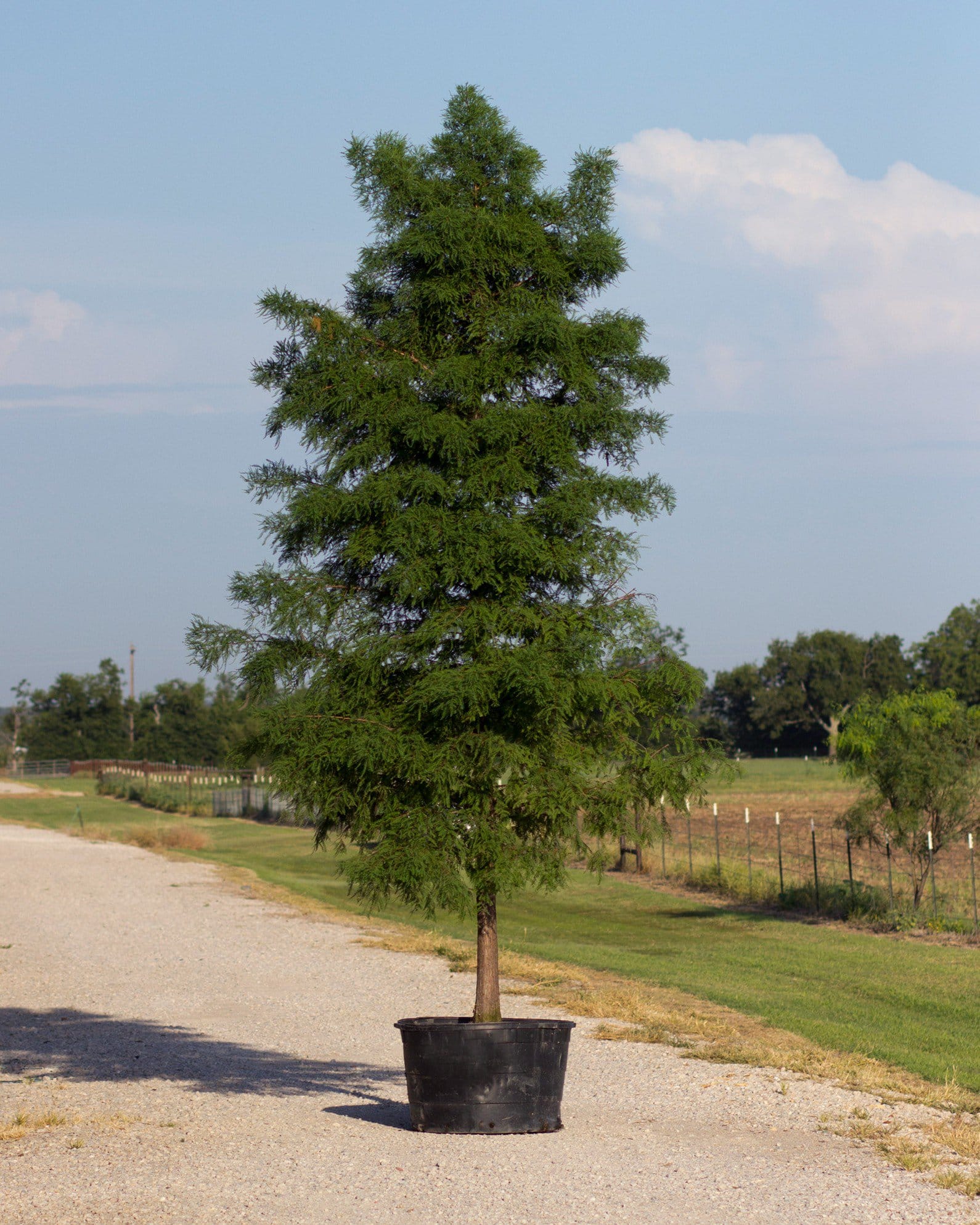
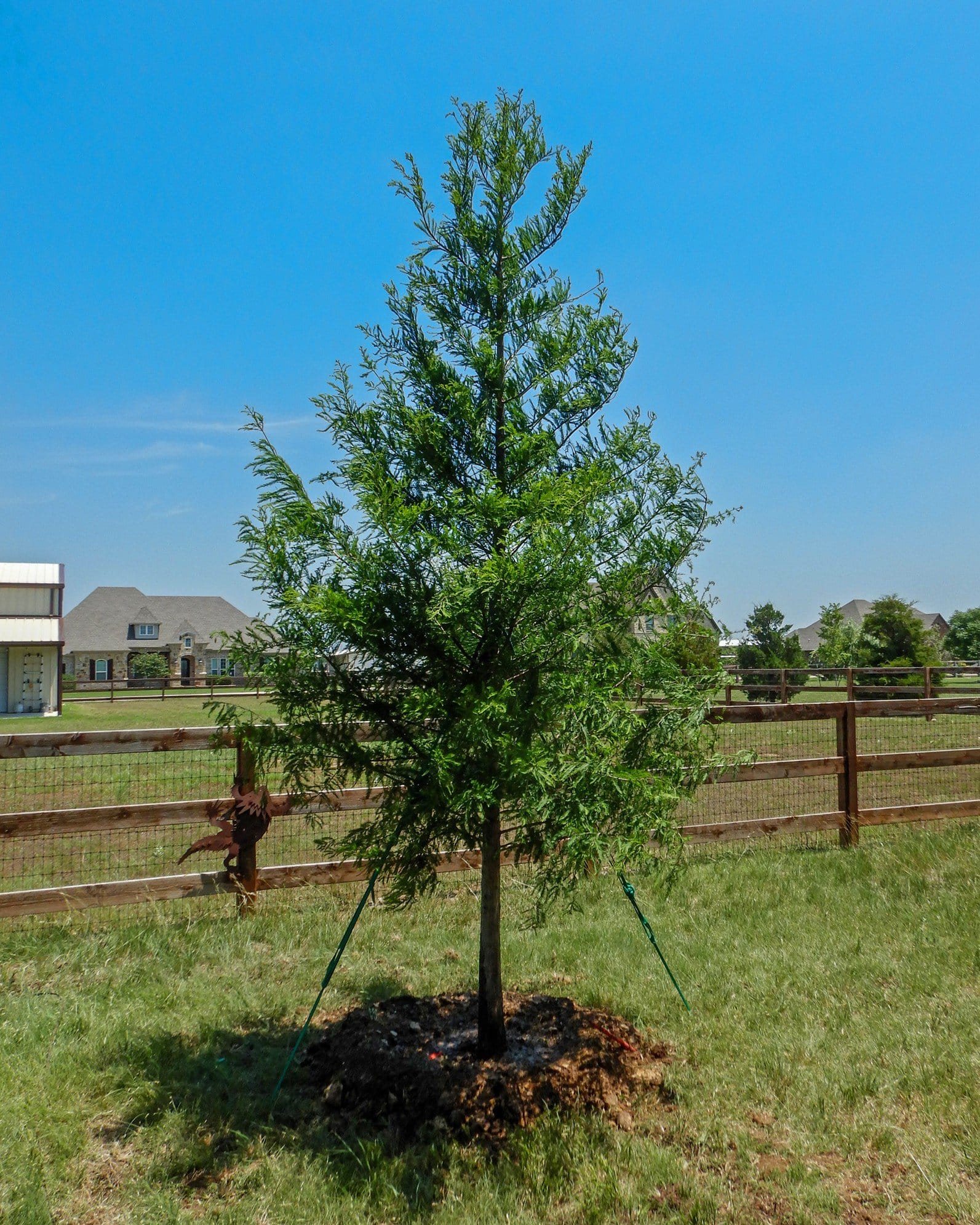
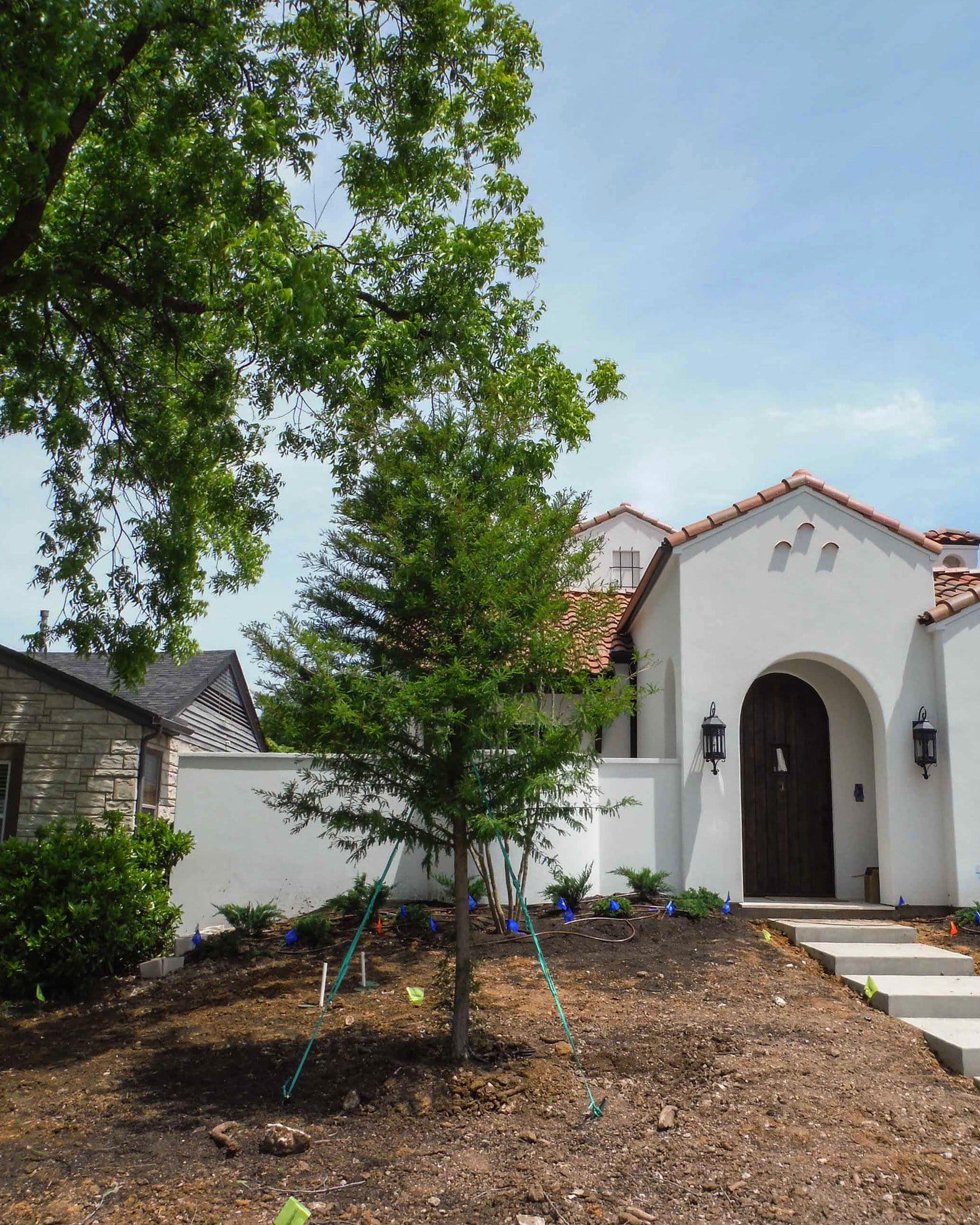
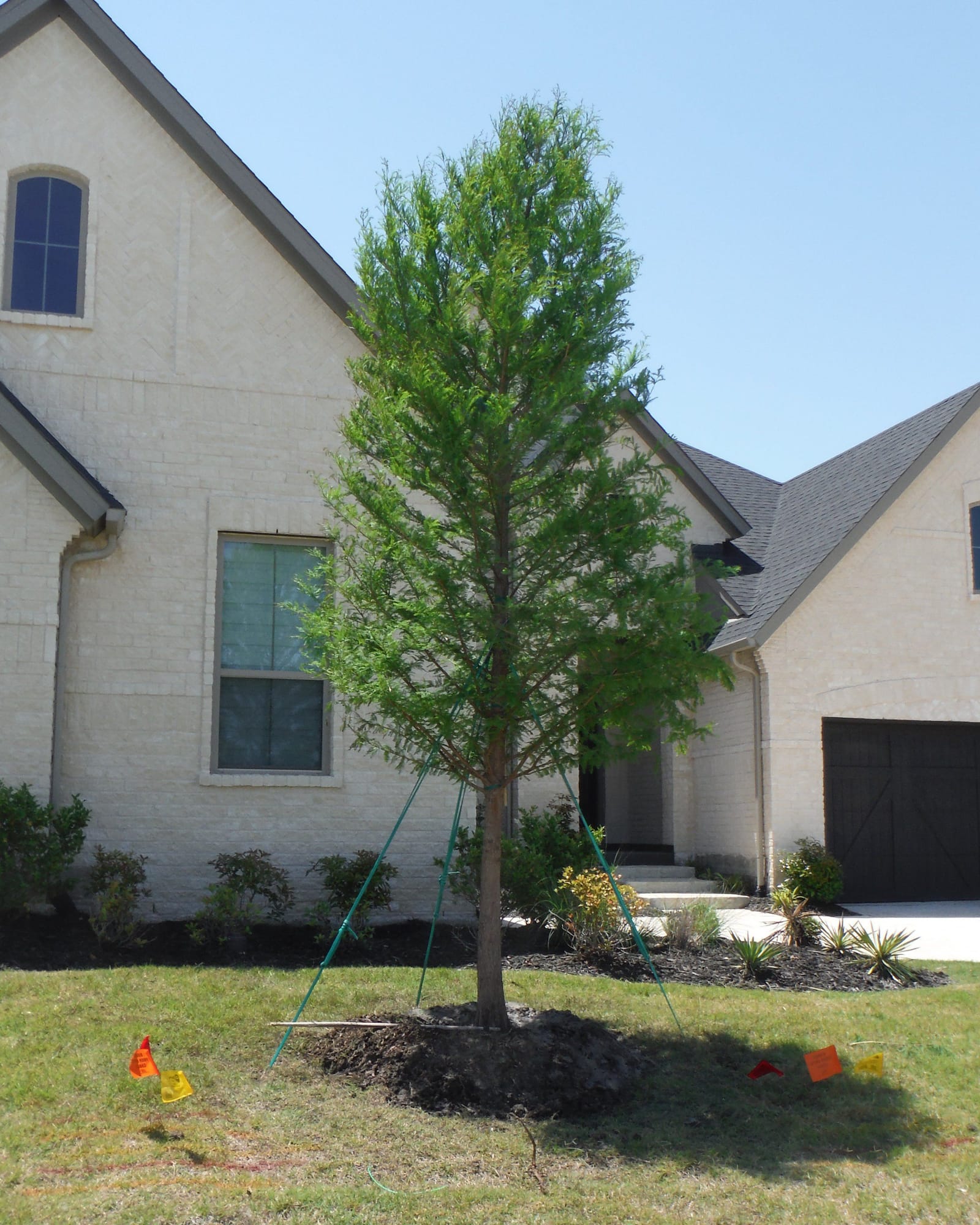
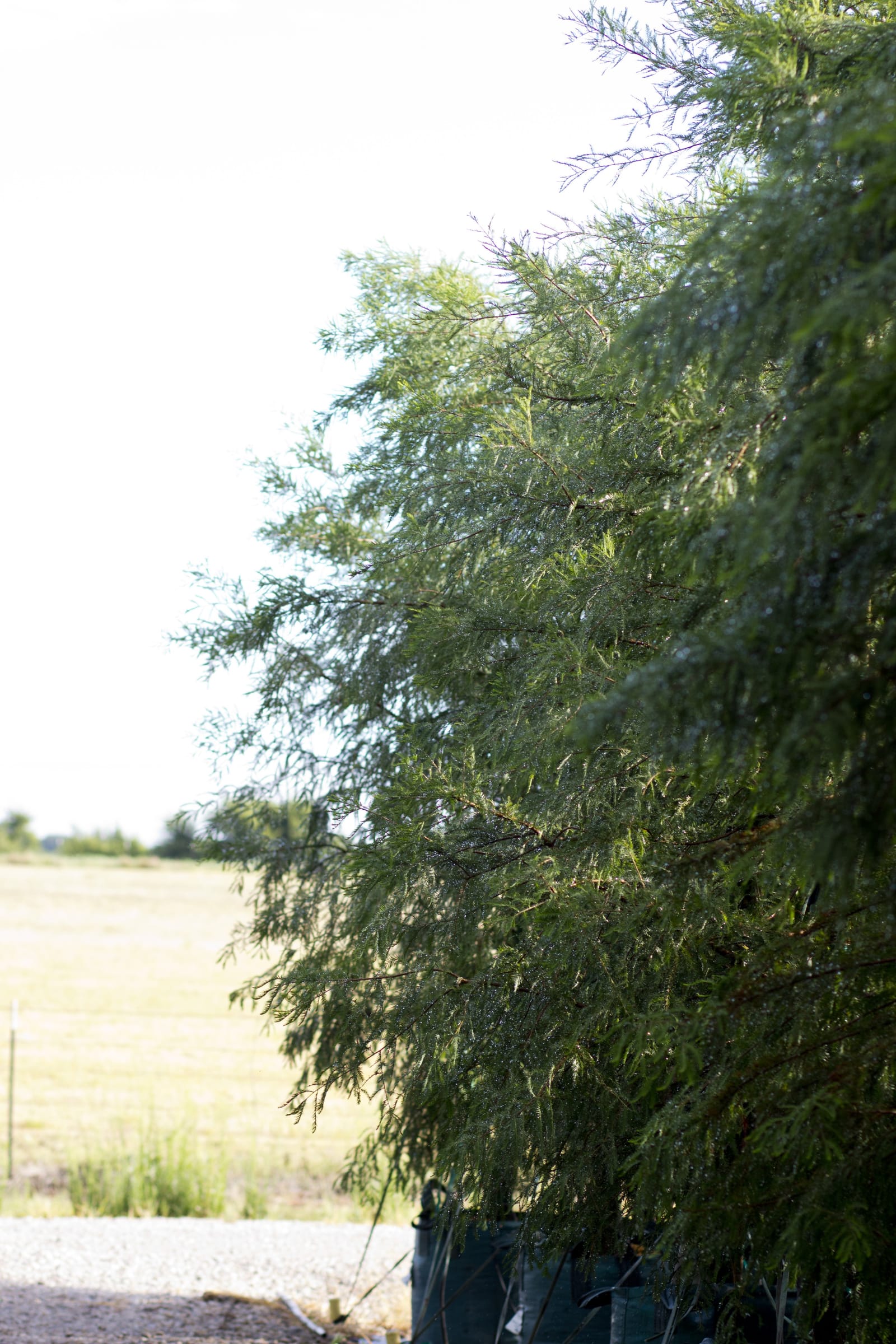
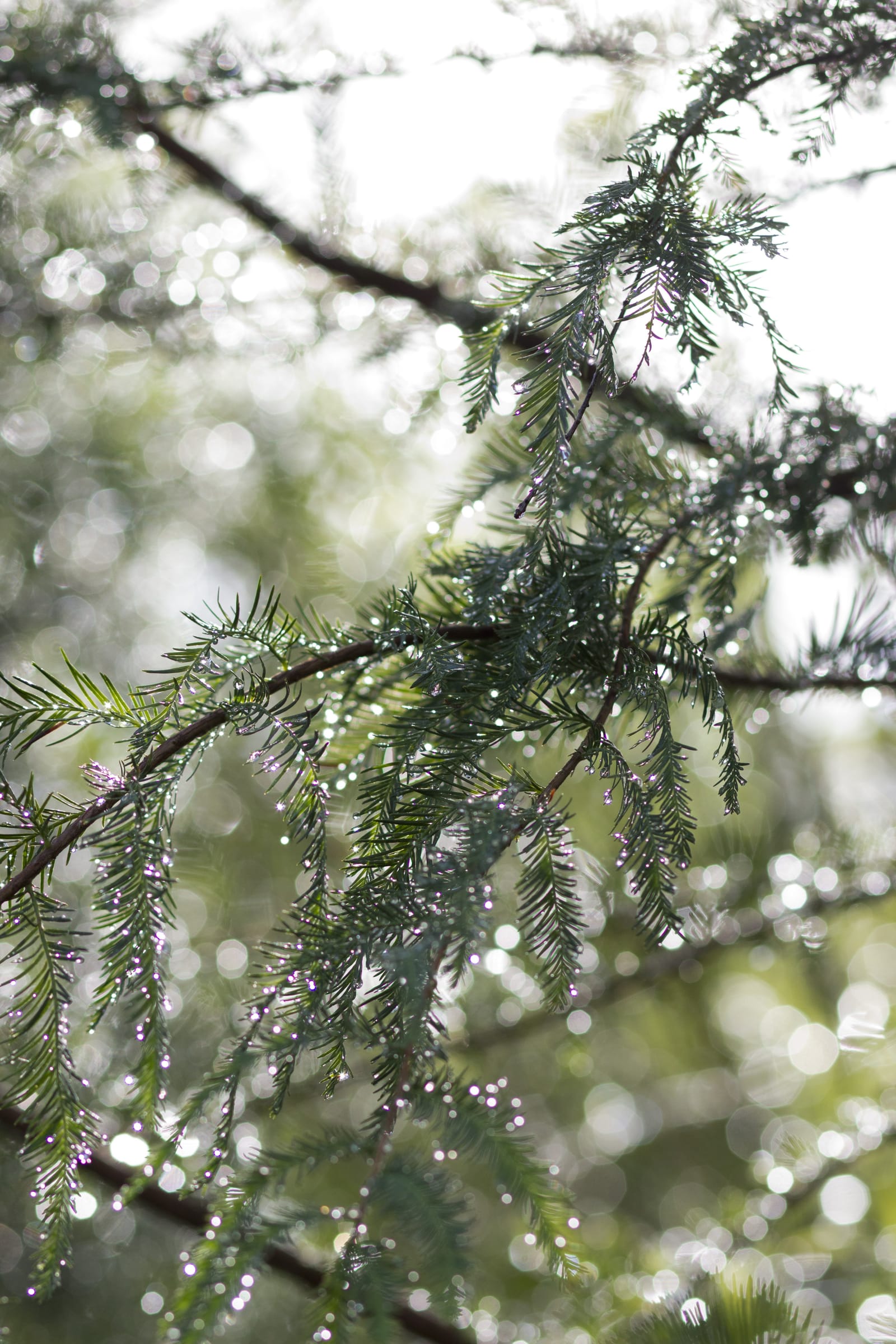
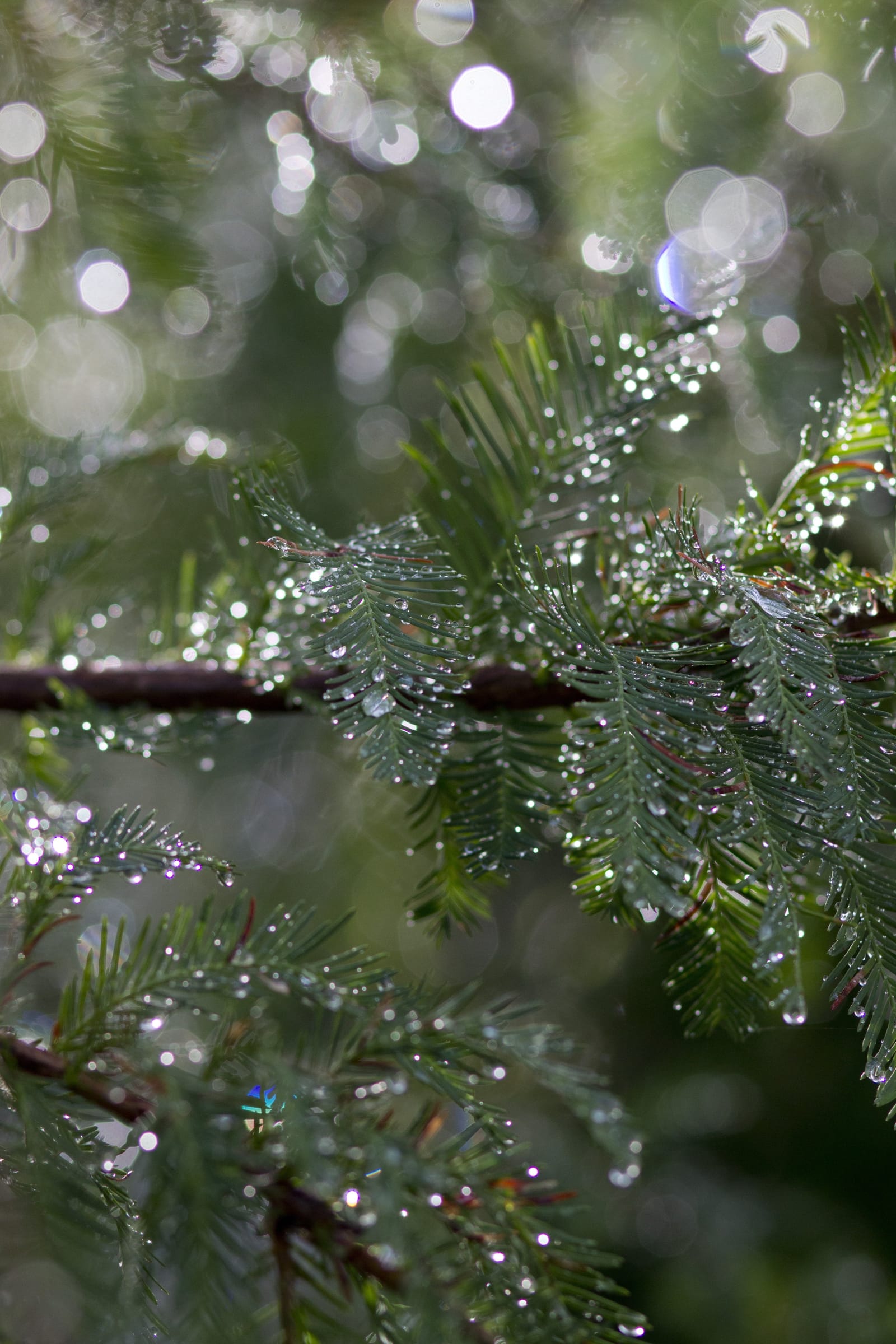
Taxodium distichum ‘Skyward’Bald Cypress Lindsey's Skyward is a unique columnar cultivar of the classic Bald Cypress, ideal for spaces where height is desired without the spread. It features soft, feathery green needles that transform into a striking copper-orange hue in fall. Unlike the traditional Bald Cypress, Lindsey's Skyward grows in a tight, upright form - reaching 30 feet tall and only 10 feet wide - making it an excellent choice for smaller landscapes or narrow spaces.
- Deciduous conifer
- Moderate growth rate with upright, columnar habit
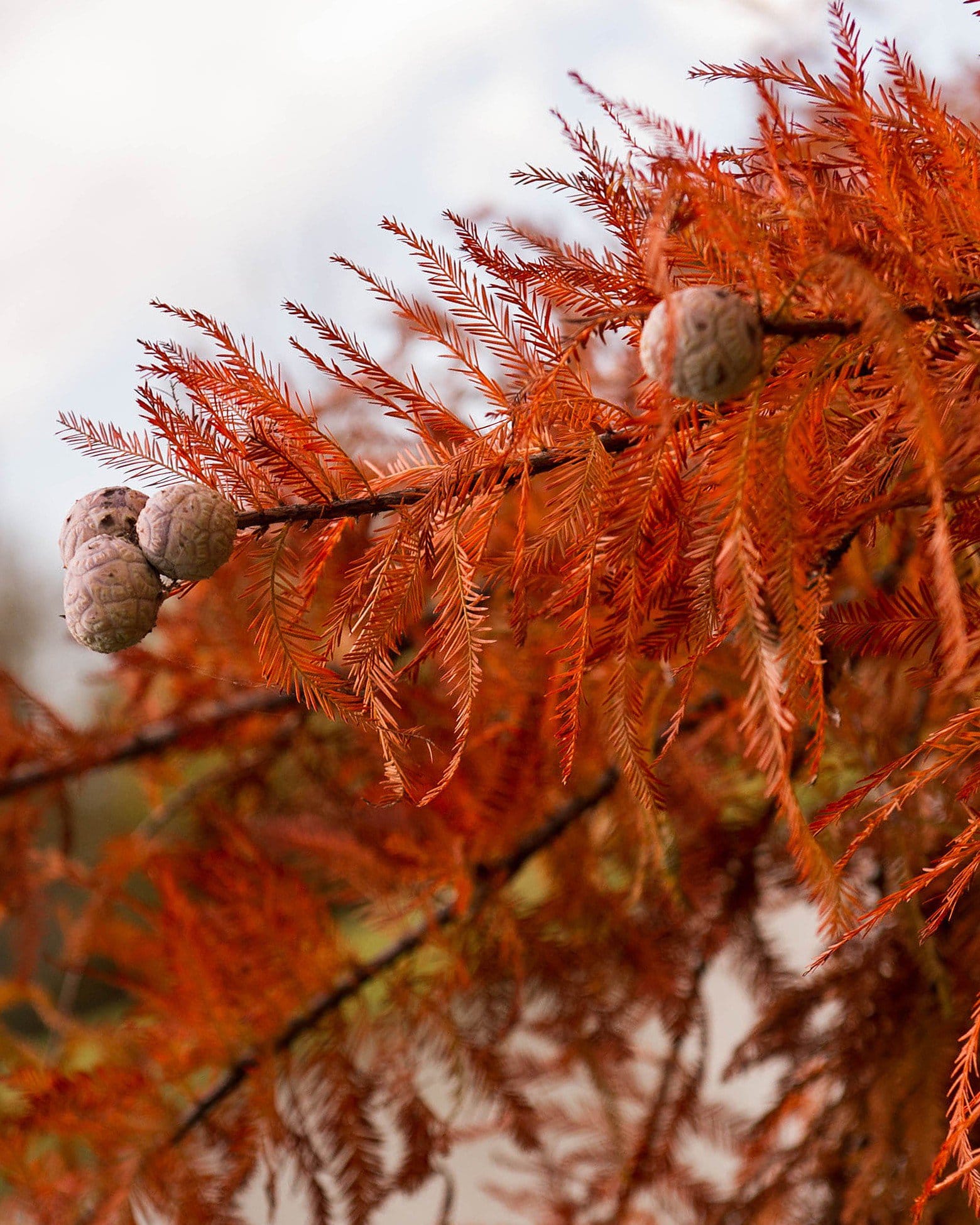
- Feathery green foliage turns copper-orange in fall
- Great for tight spaces and vertical accents
- Hardy and adaptable
This tree thrives in full sun and can handle a wide range of soil conditions, including both dry and wet sites. It's especially suitable for urban landscapes, entryways, or anywhere a tall, narrow tree is needed. Hardy in USDA zones 5 through 9, Lindsey's Skyward offers all the beauty of a Bald Cypress in a space-saving form.
Once established, this tree is notably low-maintenance and develops into a resilient landscape specimen that requires only modest seasonal care. This is all it needs to thrive:
- Watering: Water regularly during the first growing season to establish a deep and stable root system. After establishment, the tree adapts well to both moist and moderately dry soils, though occasional deep watering during extended dry periods helps maintain healthy growth.
- Pruning: Pruning needs are minimal and typically limited to removing damaged or poorly positioned branches. If shaping is desired, light pruning during late winter helps maintain a tidy vertical form.
- Fertilizing: Bald cypress generally performs well without regular fertilization in most soils. If growth appears slow, a balanced fertilizer applied in early spring can help encourage healthy development.
- Mulching: Apply a 2-3 inch layer of mulch around the root zone to retain soil moisture and moderate soil temperatures. Keep mulch slightly away from the trunk to prevent excess moisture buildup against the bark.
- Winter Care: Established trees tolerate cold temperatures within their growing range without special protection. Young trees benefit from mulch around the root zone during their first winter to stabilize soil temperatures.
Bald Cypress Lindsey's Skyward is a durable tree with relatively few serious problems. Occasional pests or environmental stress may appear, so here’s what to keep your eye out for:
- Spider Mites: Fine speckling or discoloration on foliage may indicate mite activity during hot, dry conditions. Periodic spraying with water helps reduce populations.
- Bagworms: Small cone-shaped bags may appear hanging from branches as caterpillars feed on foliage. Removing bags by hand helps prevent infestations from spreading.
- Chlorosis: Yellowing foliage may occur in soils lacking certain nutrients. Applying a balanced fertilizer or soil amendment typically improves leaf color.
- Root Stress from Construction: Soil disturbance around the root zone may temporarily affect growth. Protecting the surrounding soil and maintaining mulch helps reduce stress.
- Branch Breakage: Strong winds or storms may occasionally snap smaller limbs. Pruning damaged branches helps maintain overall plant health.
Bald cypress trees are extremely long-lived and may survive 100-600 years in favorable conditions. Even cultivated specimens can remain healthy for many decades.
Growth typically averages about 12-24 inches per year. Noticeable vertical structure develops within about 8-12 years.
This cultivar is known for its narrow, upright form that grows more vertically than traditional bald cypress trees. The shape allows it to fit comfortably in landscapes where space is limited.
Unlike most conifers, bald cypress sheds its needles each year. The soft foliage turns warm copper tones before dropping in autumn. This seasonal change makes it unusual among needle-bearing trees.
In very wet environments, bald cypress may produce woody root projections called knees. These structures rise above the soil or water surface. In typical landscape soils, knees are often minimal or absent.
Bald cypress trees provide habitat for birds and beneficial insects. The branches offer shelter, and the seeds may provide food for wildlife. This contributes to a healthier landscape ecosystem.
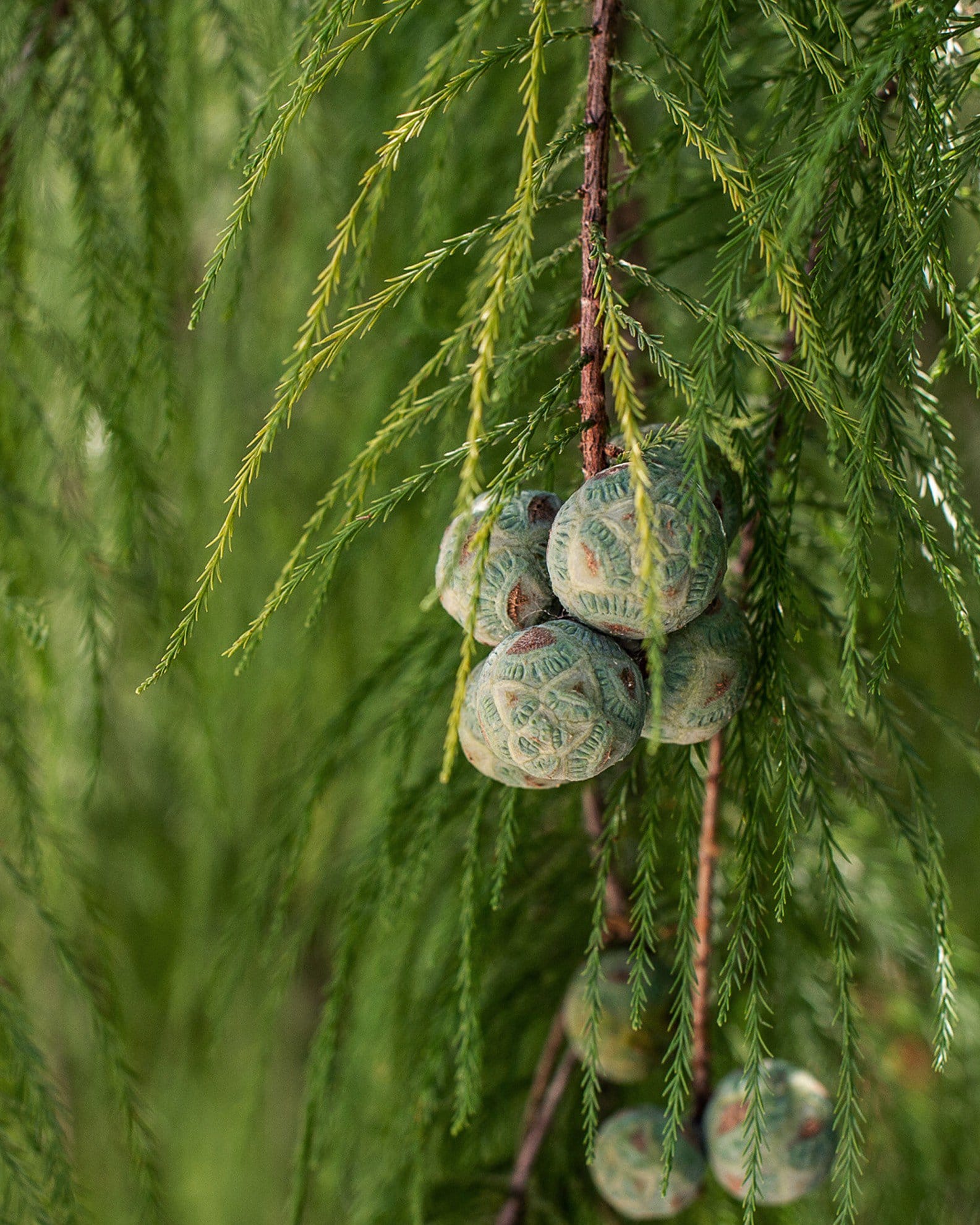
Small round cones develop on mature trees as part of their natural reproductive cycle. These cones contain seeds that are released once the cone breaks apart. The cones are generally unobtrusive.
The foliage typically shifts from green to warm copper or orange tones in fall. This seasonal transformation adds ornamental interest. The needles then drop before winter.
Its narrow vertical form allows it to fit into spaces where broader trees would not work. The upright shape also adds strong architectural structure. Many designers use it to create height without excessive spread.
Bald cypress is widely regarded as a durable species. Its ability to adapt to a variety of soil conditions makes it dependable in many environments. This resilience contributes to its popularity in landscape plantings.
Special Features
You might also like
Slender Silhouette Sweet Gum
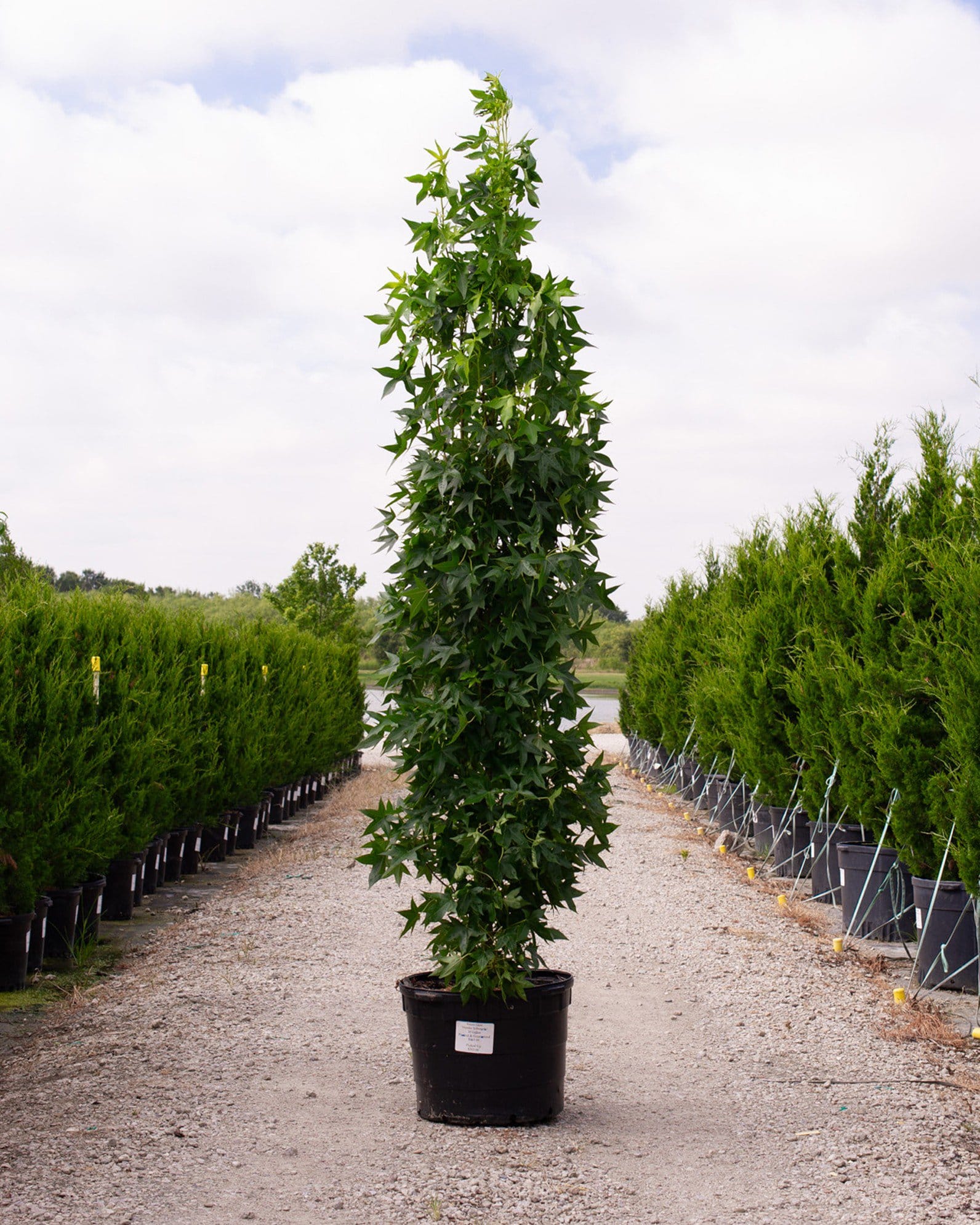
Maturity: 40' H x 5' W
Bald Cypress
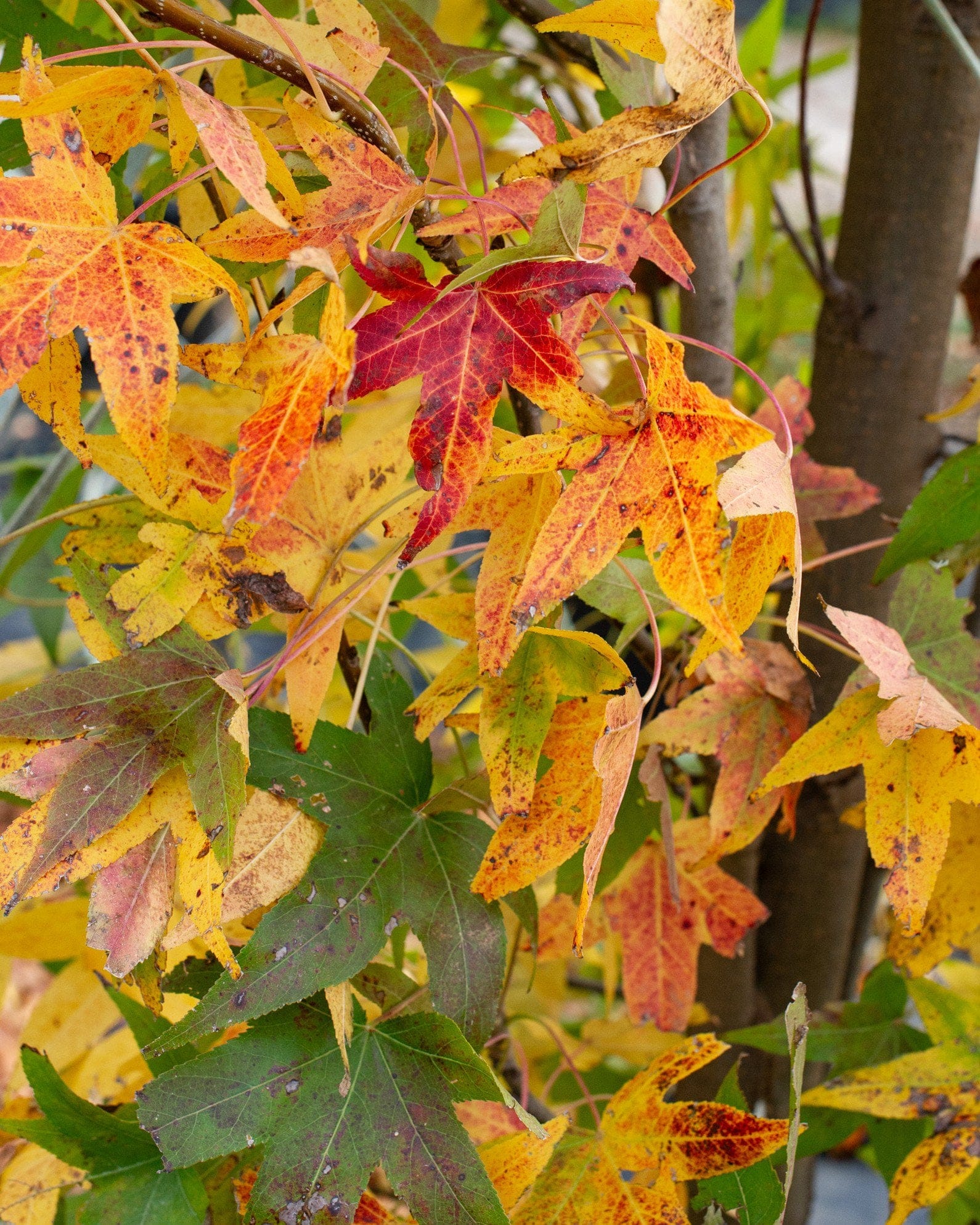
Maturity: 60' H x 40' W
Montezuma Cypress
Maturity: 60' H x 40' W
Bubba Desert Willow
Maturity: 15' H x 15' W
Chi Chi Ginkgo
Maturity: 10' H x 5' W
Sweet Bubba Desert Willow
Maturity: 15' H x 15' W
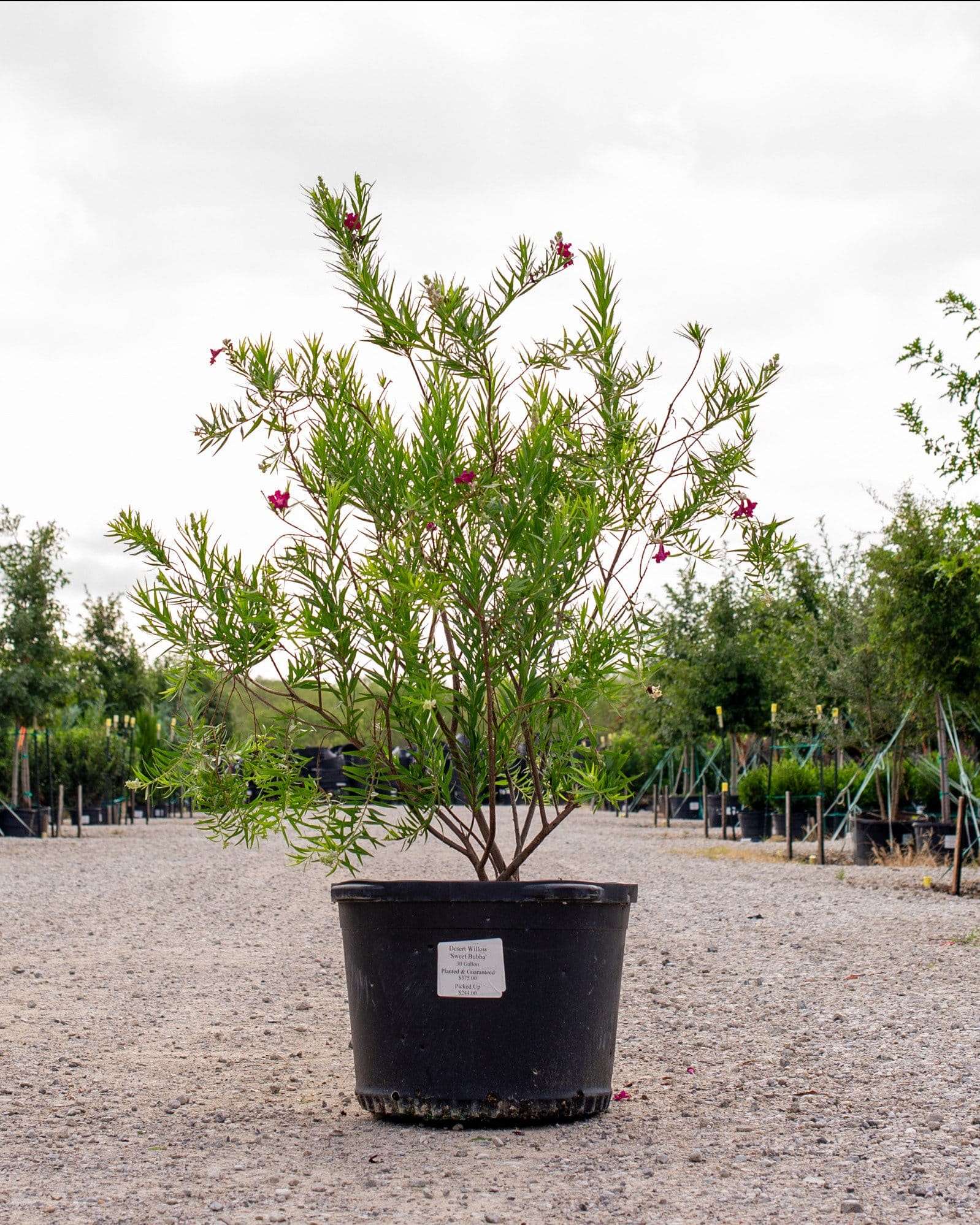
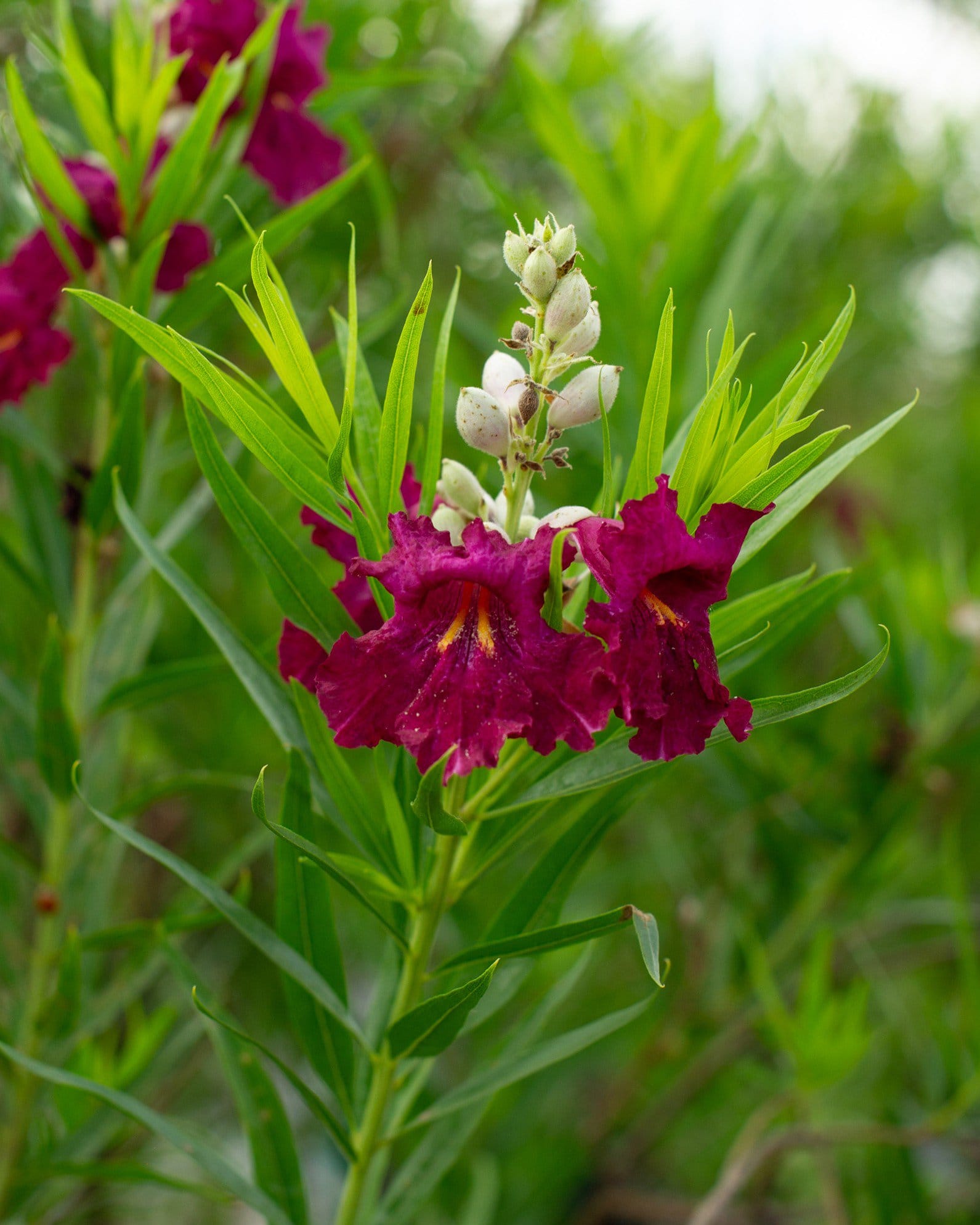
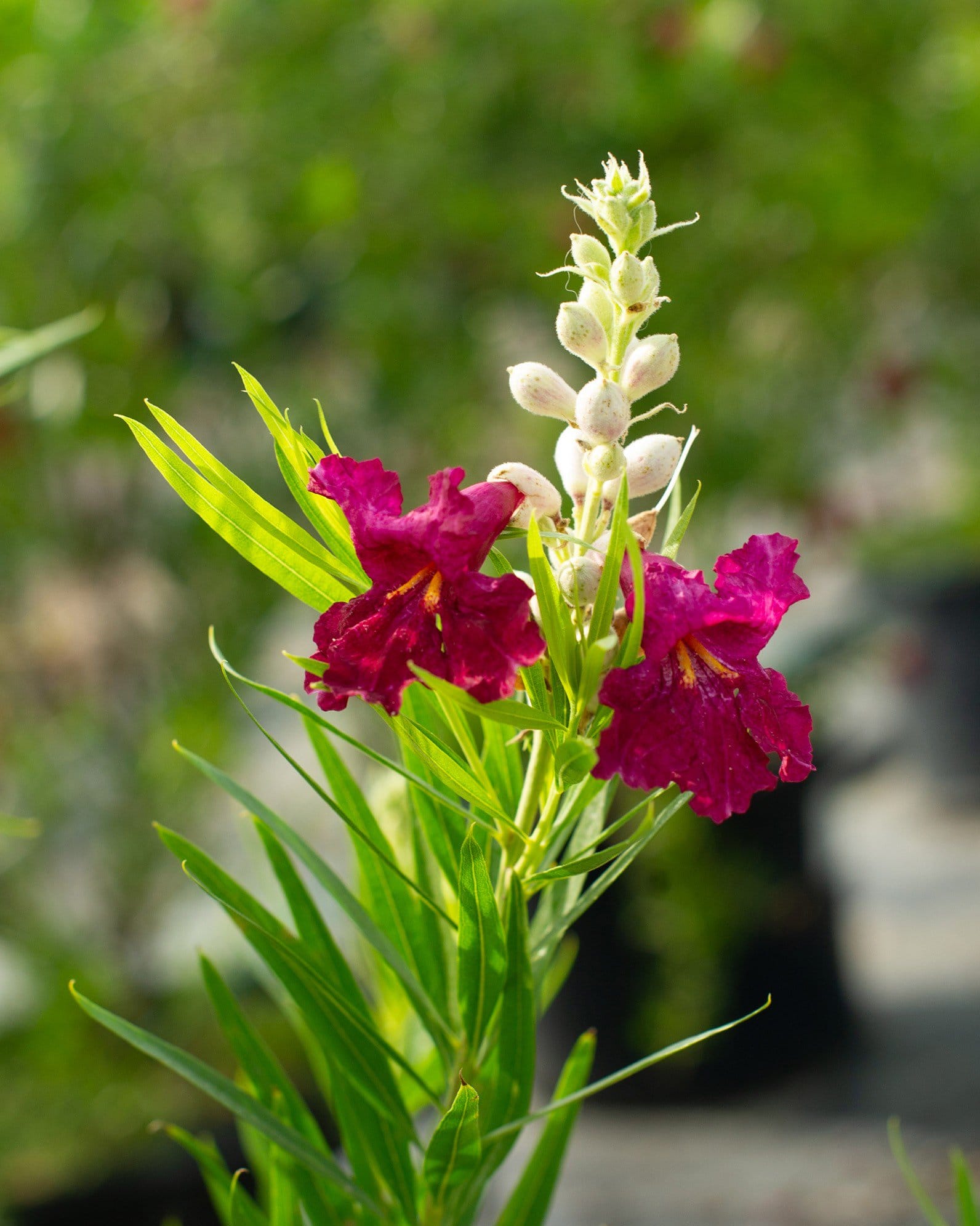
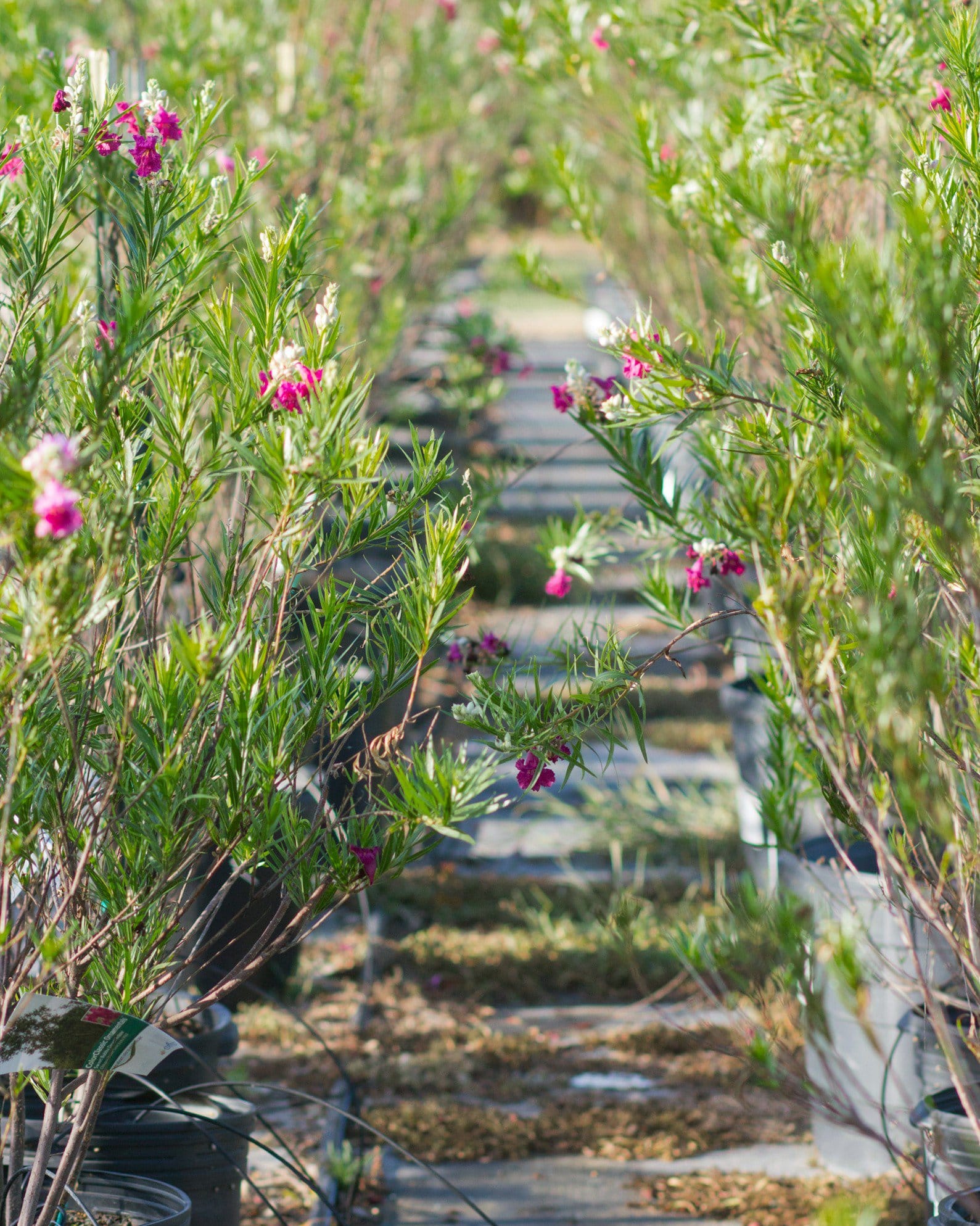
Sweet Bubba Desert Willow Tree Form
Maturity: 15' H x 15' W
White Pillar Althea
Maturity: 10' H x 4' W
Armstrong Gold Maple
Maturity: 40' H x 12' W
Autumn Flame Maple
Maturity: 45' H x 35' W
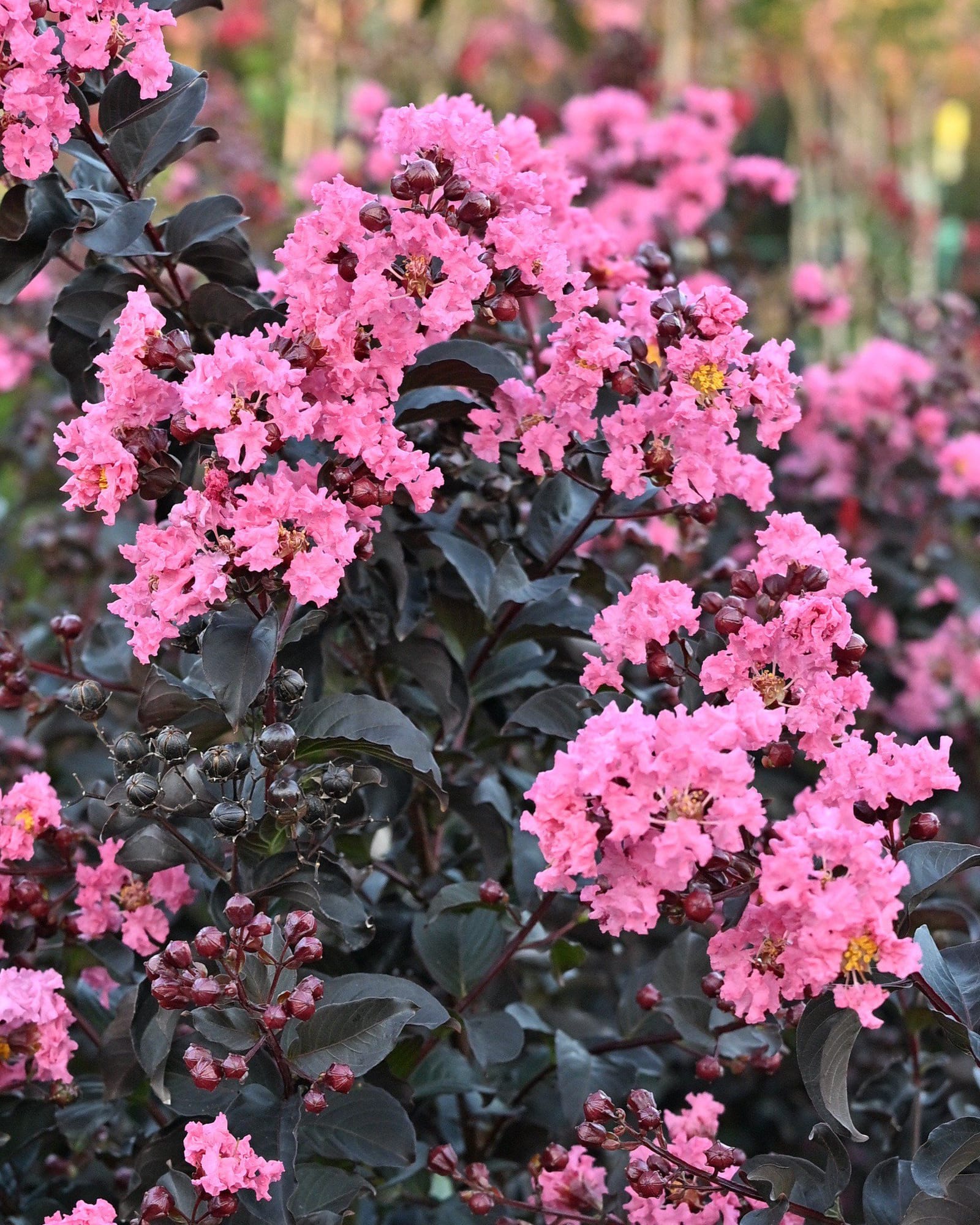
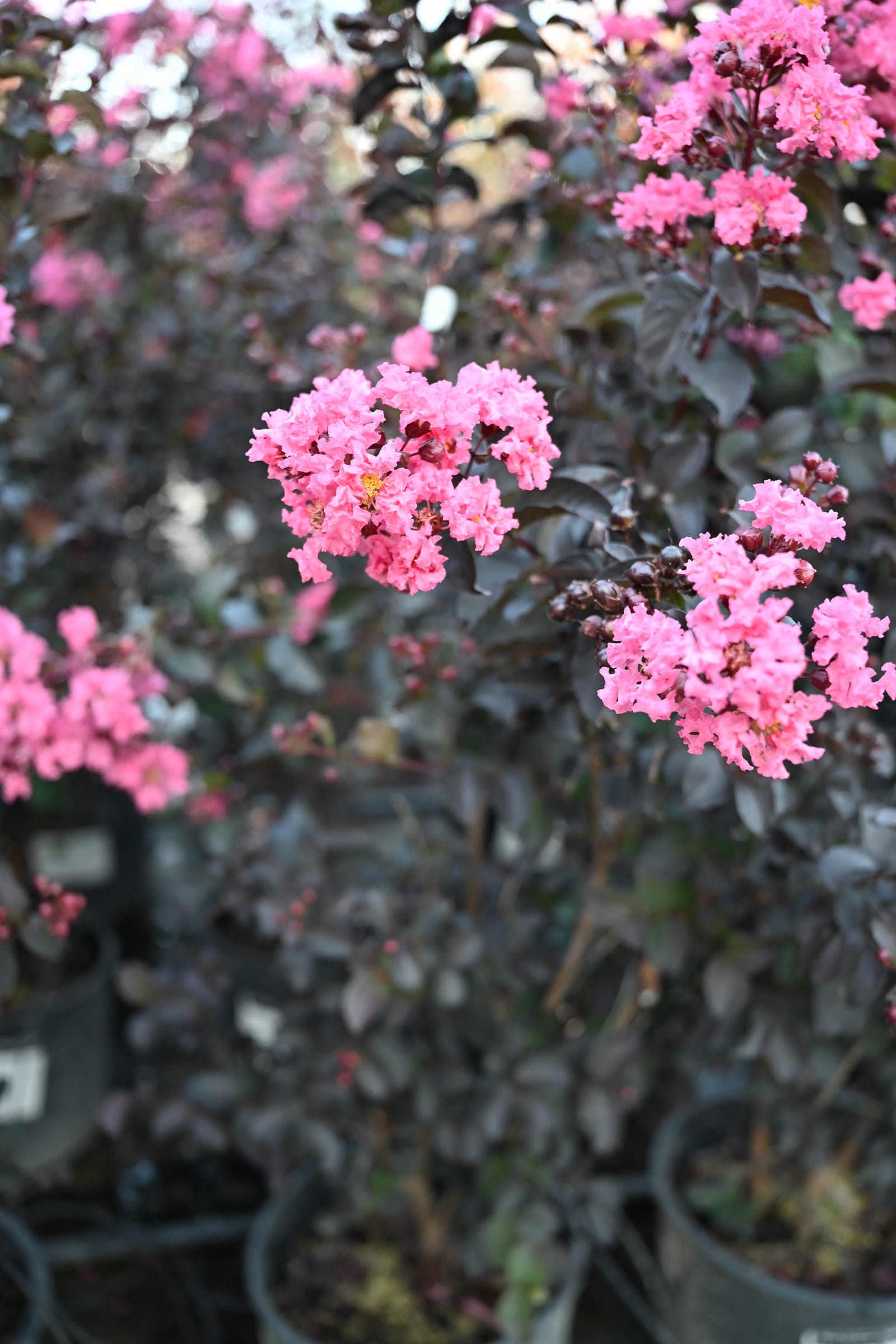
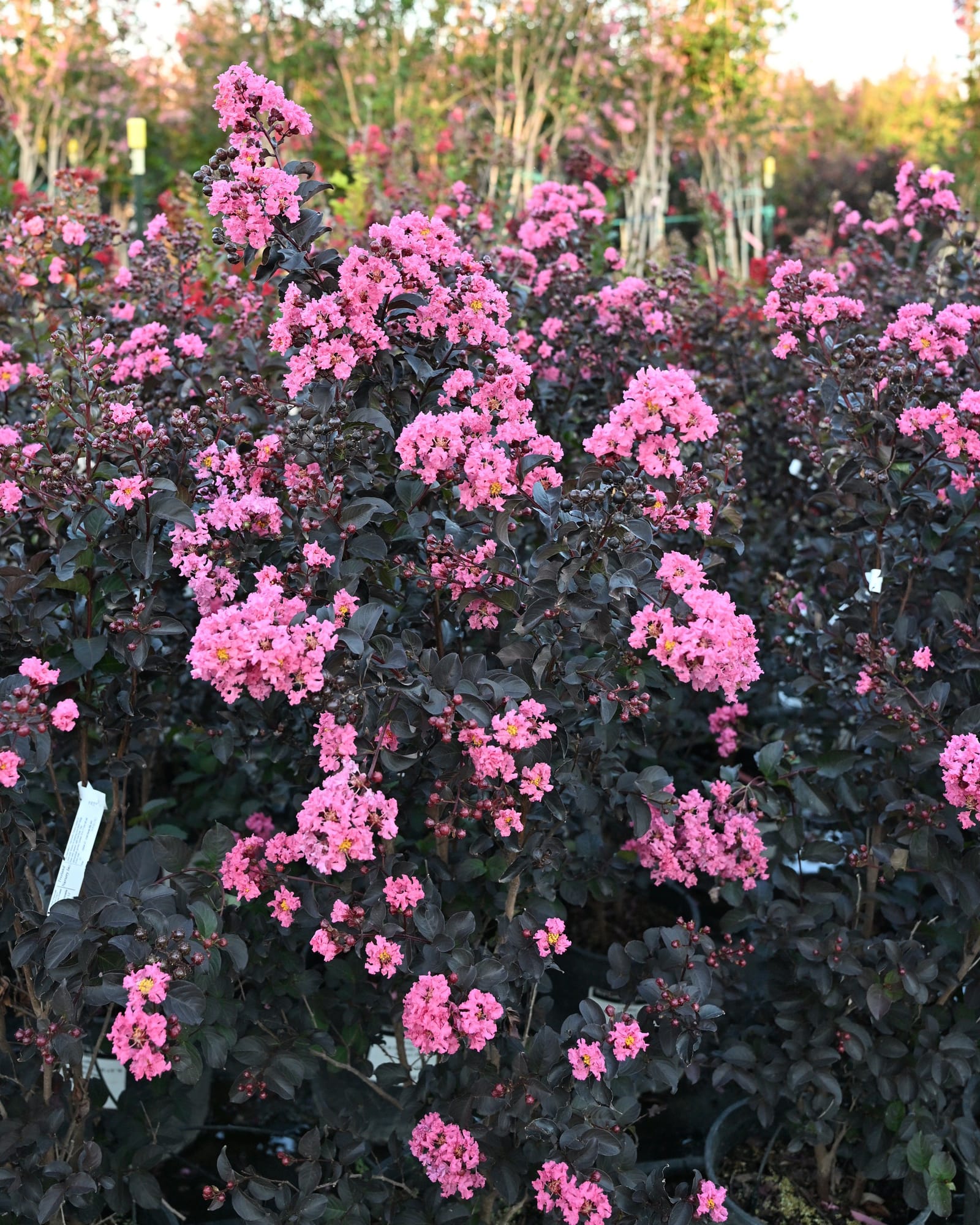
Black Diamond Shell Pink Crape Myrtle
Maturity: 12' H x 8' W
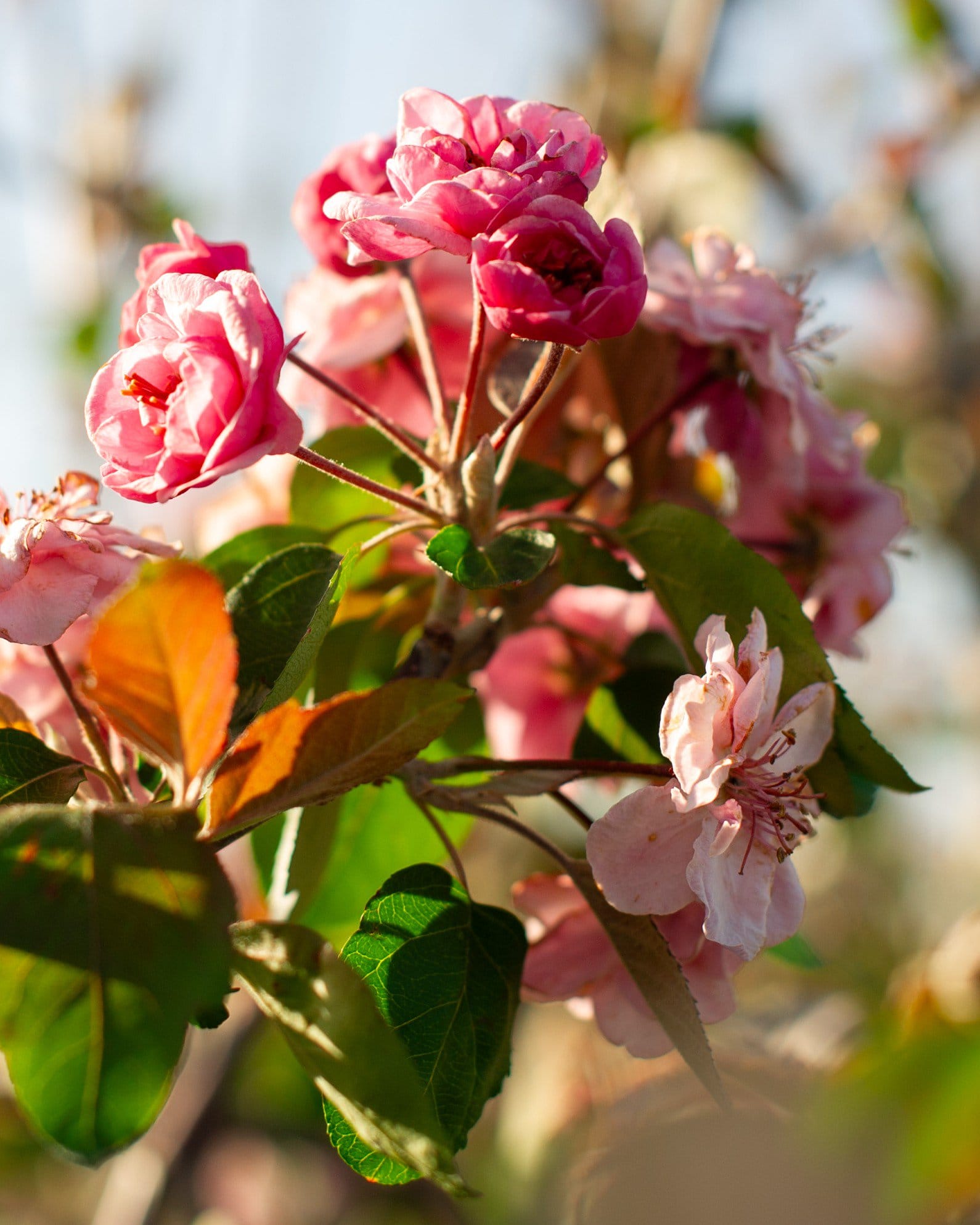
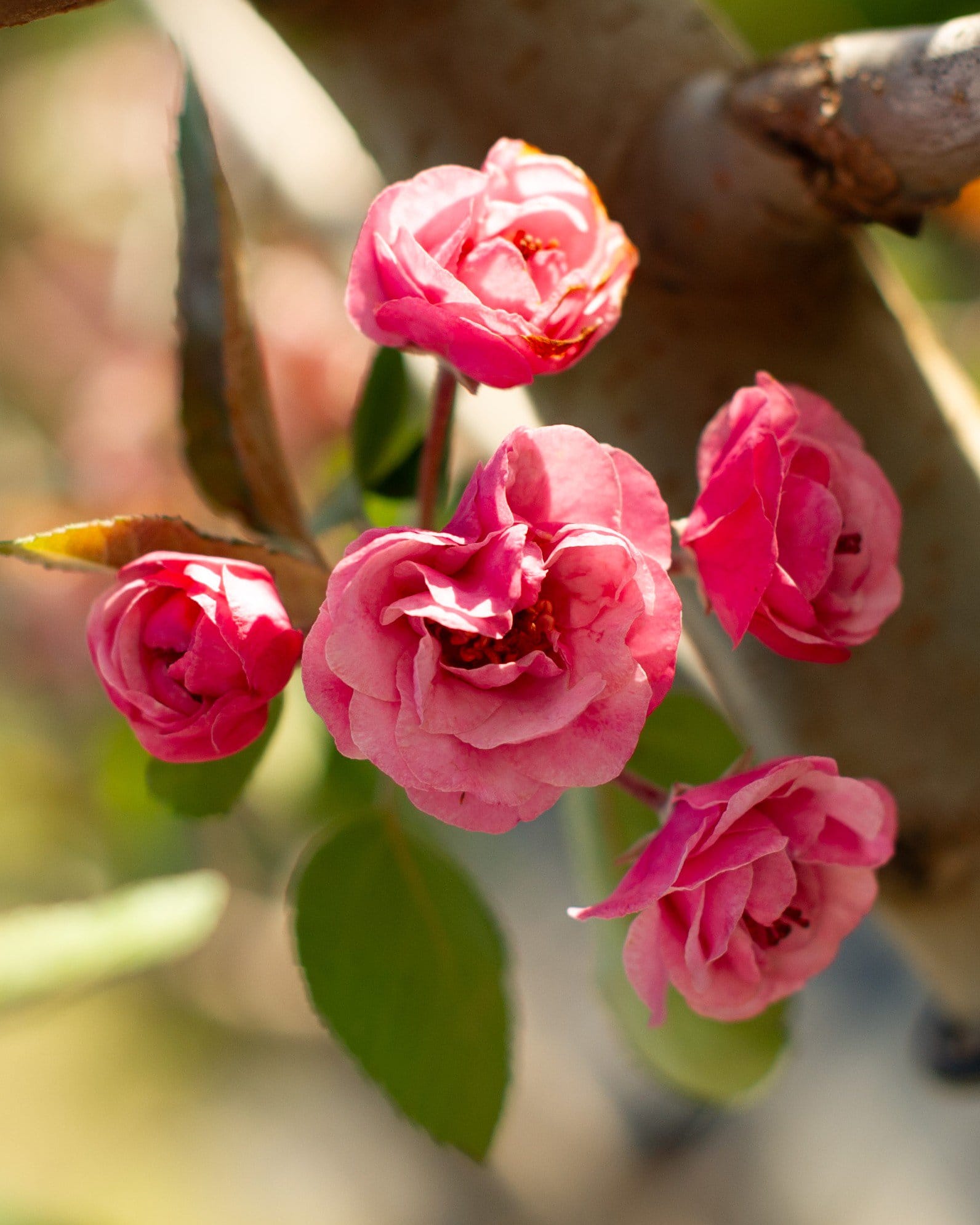
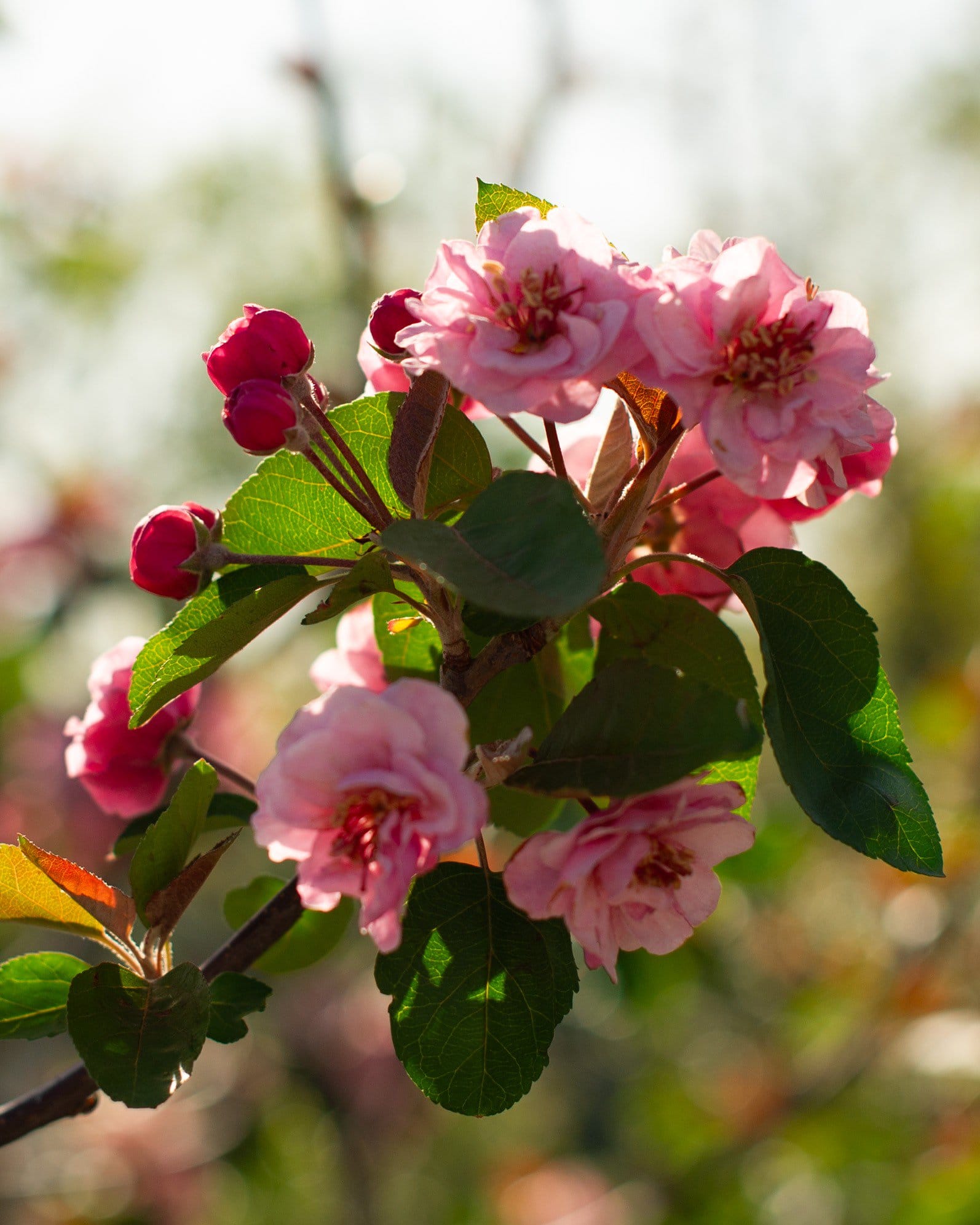
Brandywine Crabapple
Maturity: 20' H x 15' W
Cherokee Sweet Gum
Maturity: 45' H x 30' W
Coral Boom Crape Myrtle
Maturity: 15' H x 10' W
Coral Magic Crape Myrtle
Maturity: 8' H x 6' W
Compare Similar Plants
Bald Cypress Lindsey's Skyward This plant | ||
|---|---|---|
| Scientific Name | Taxodium distichum ‘Skyward’ | Liquidambar styraciflua 'Slender Silhouette' |
| Size at Maturity | 30' H x 10' W | 40' H x 5' W |
| Leaf Retention | Deciduous | Deciduous |
| Fall Color | Orange | Orange, Red & Yellow |
| Sizes Available | 95 gal | 30 gal |

Our 1-Year Planting Guarantee
We take pride in our plants and installation services. If any plants or trees installed by Treeland fail to thrive within the first year, we'll provide a replacement credit in accordance with our guarantee program.
Learn More About Our Guarantee