

 Popular
Local DFW Delivery Only
Product Details
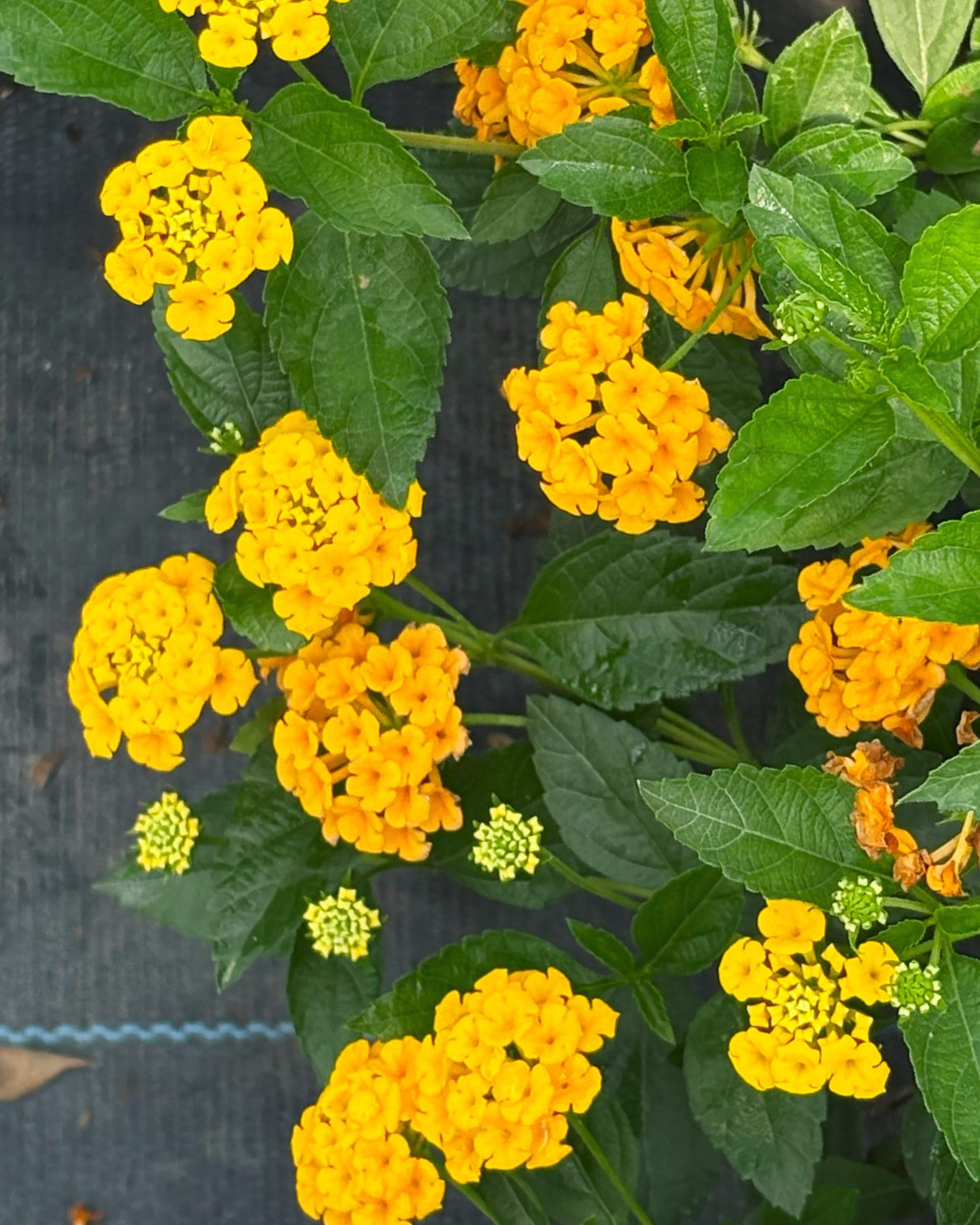
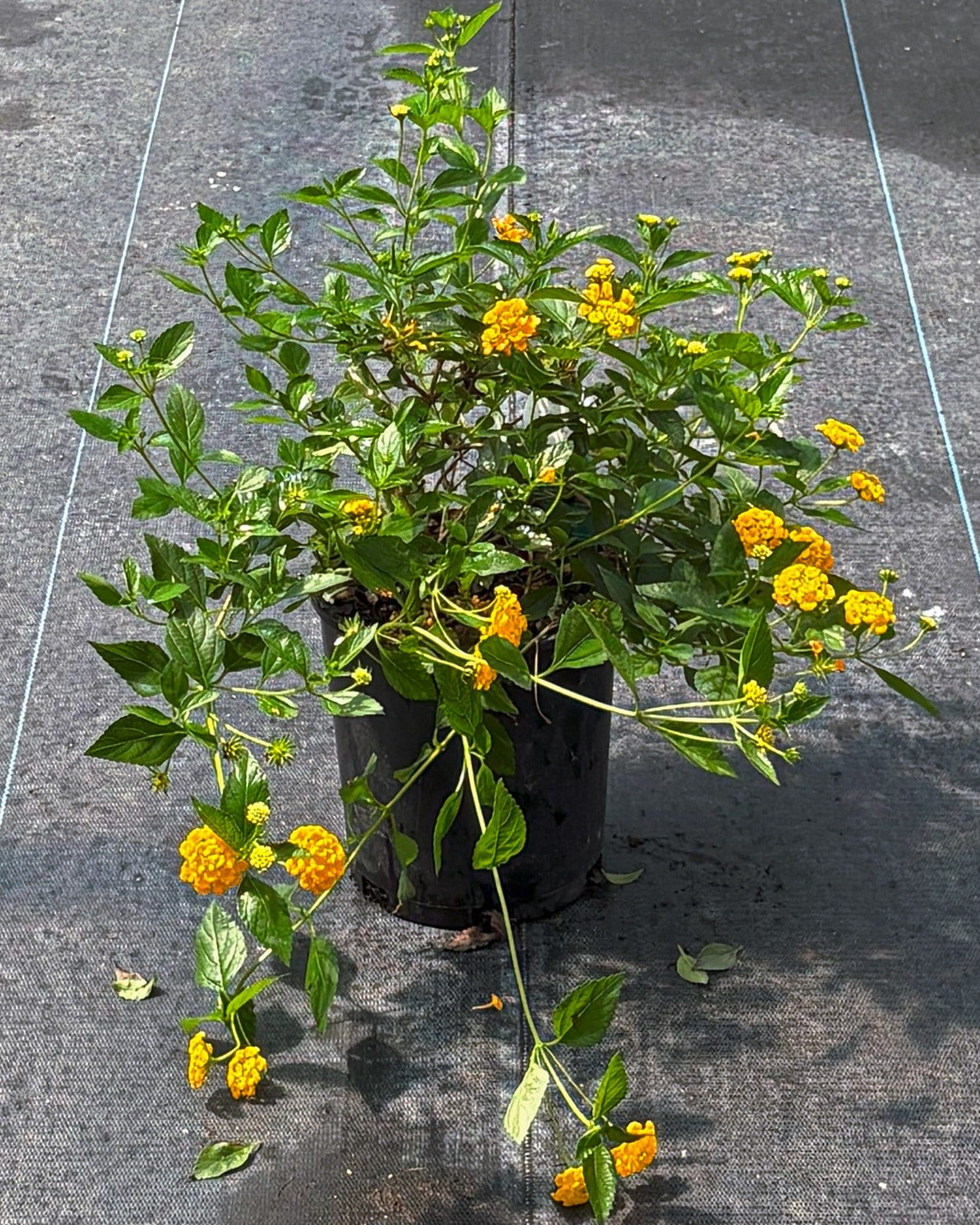
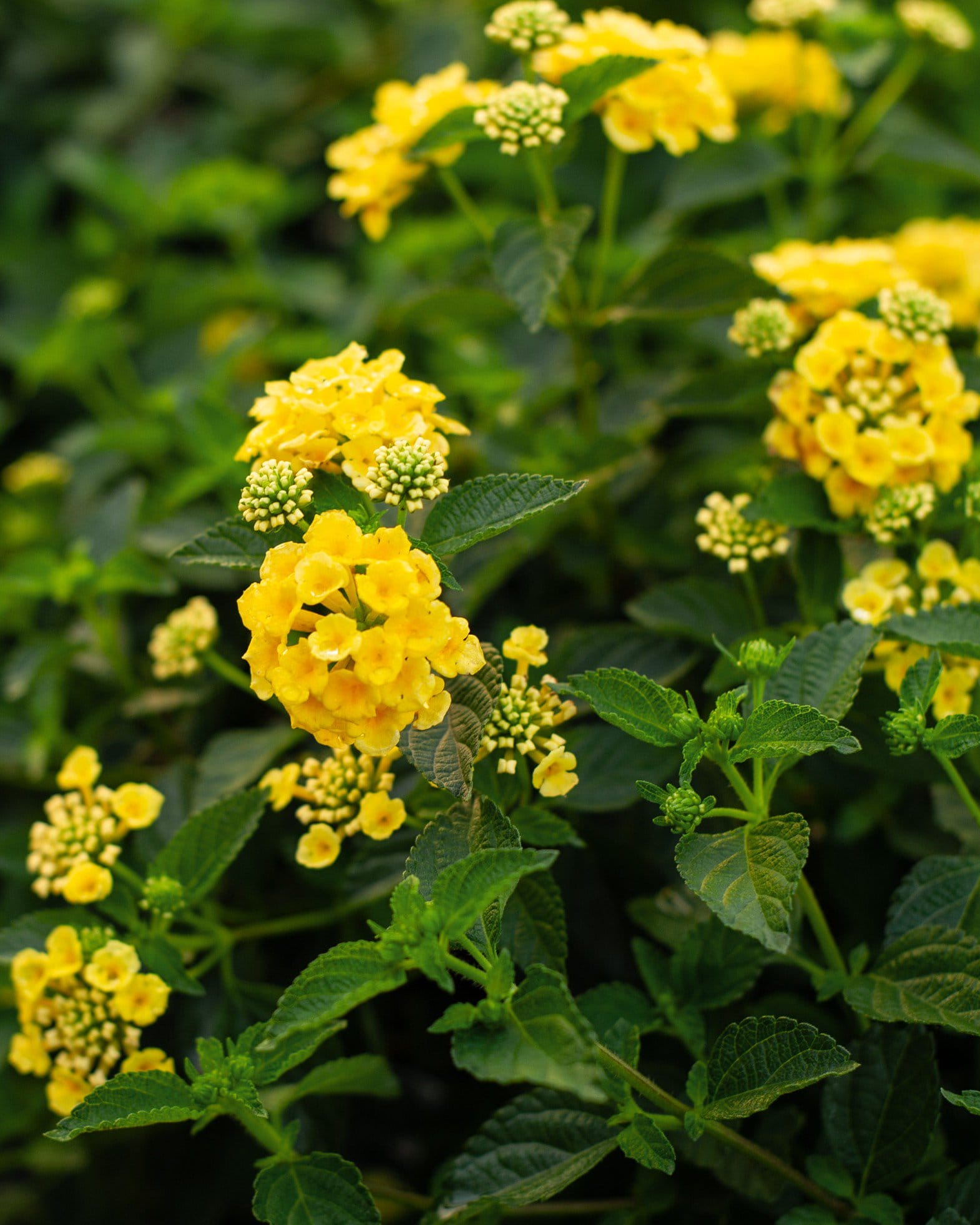
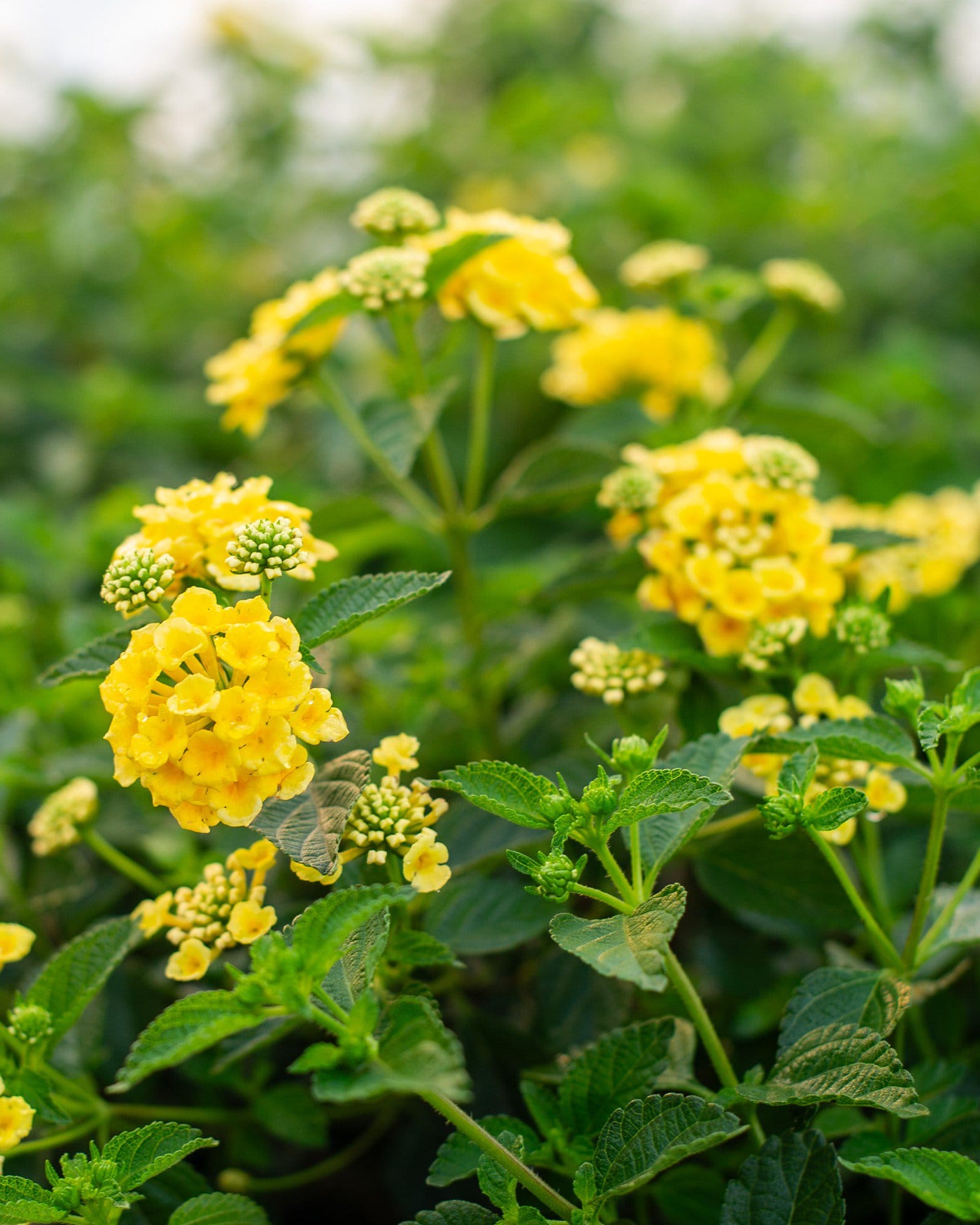
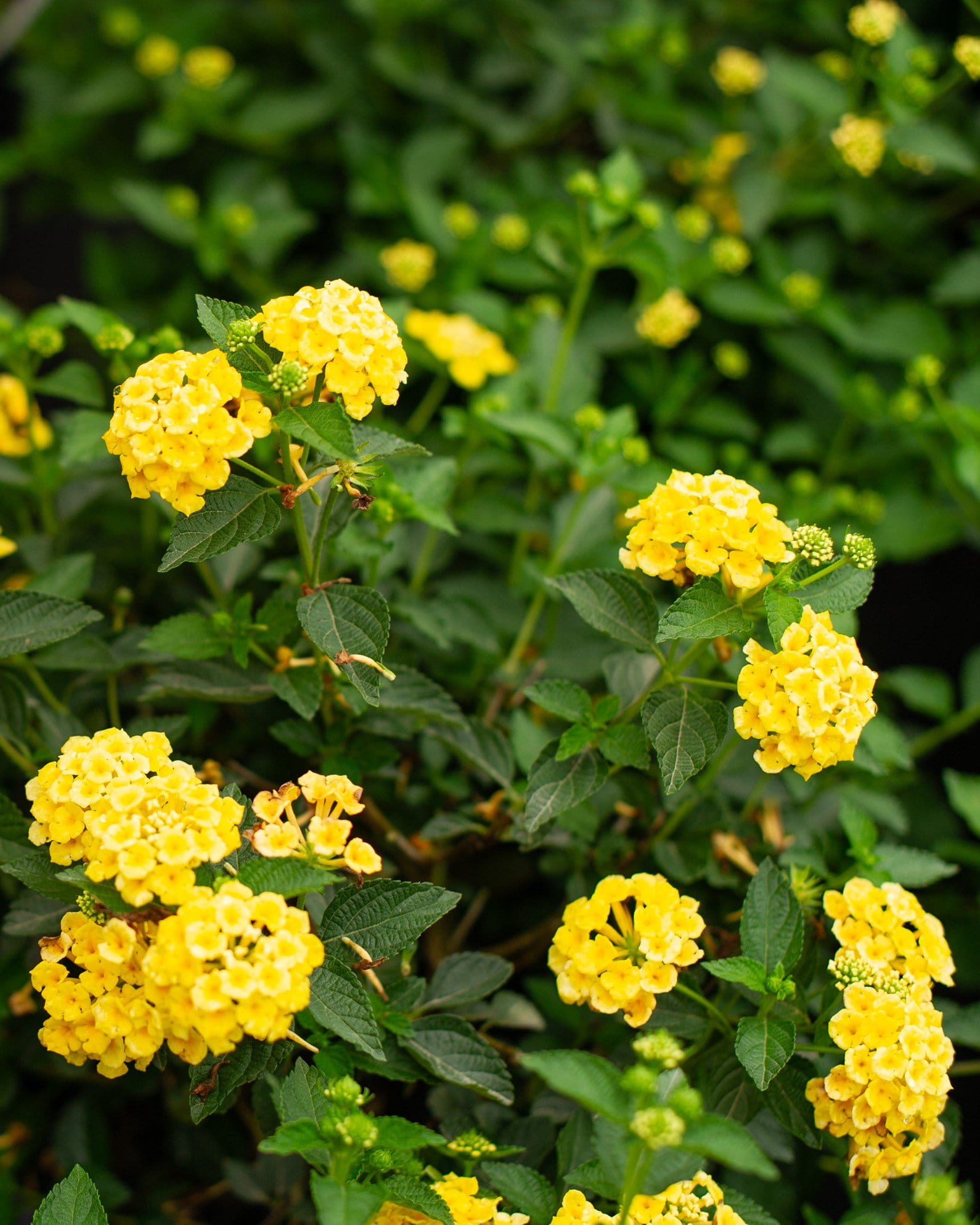
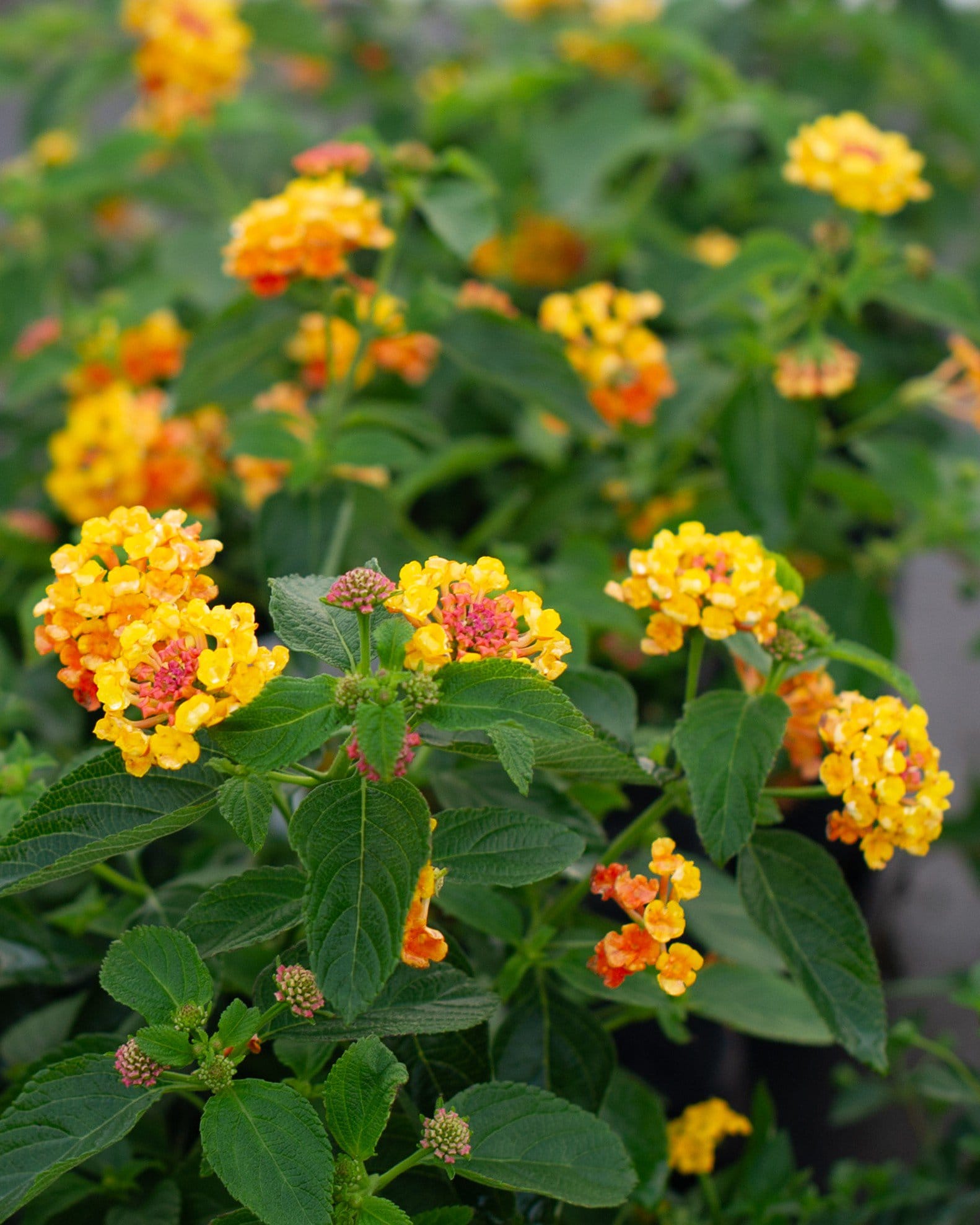
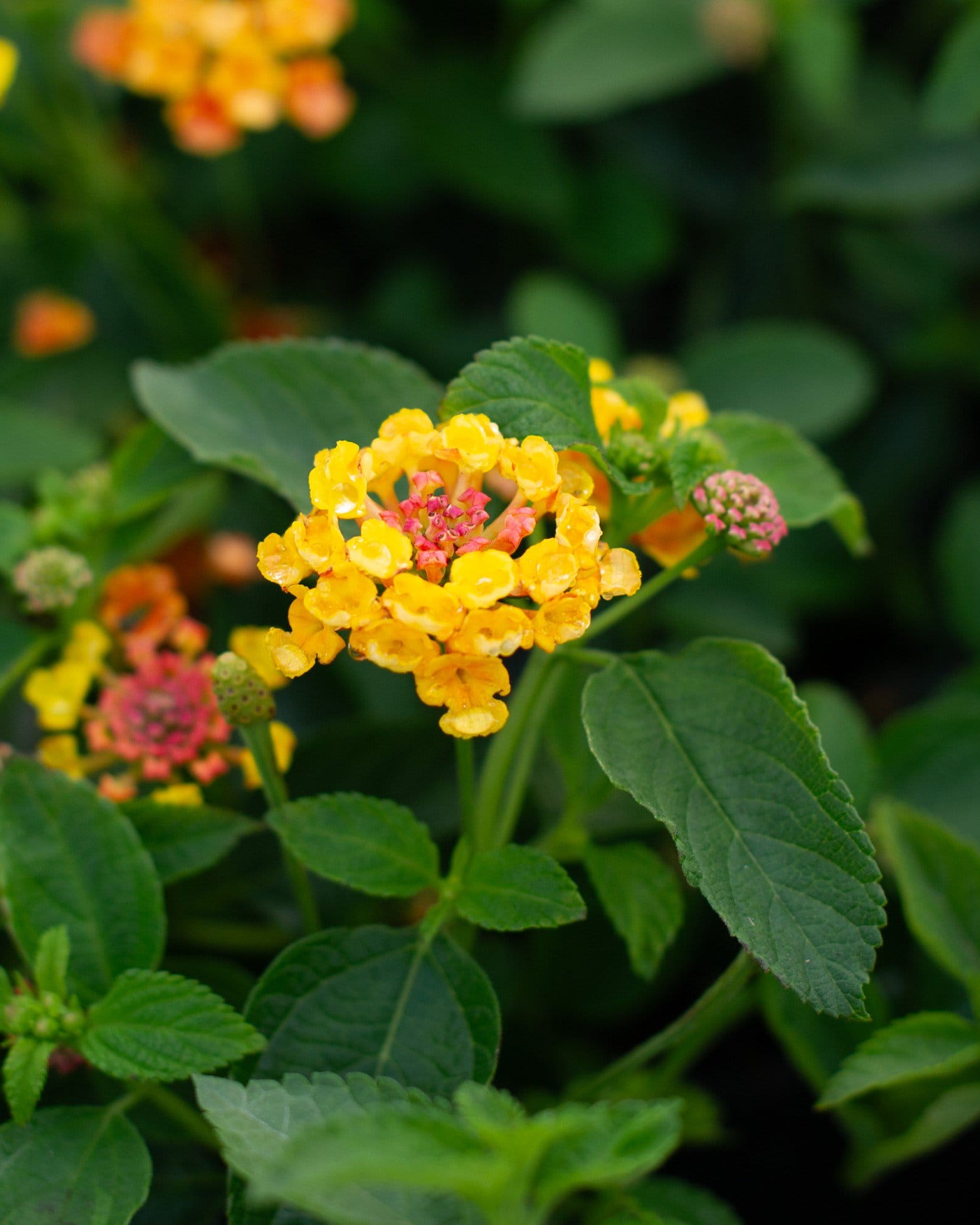
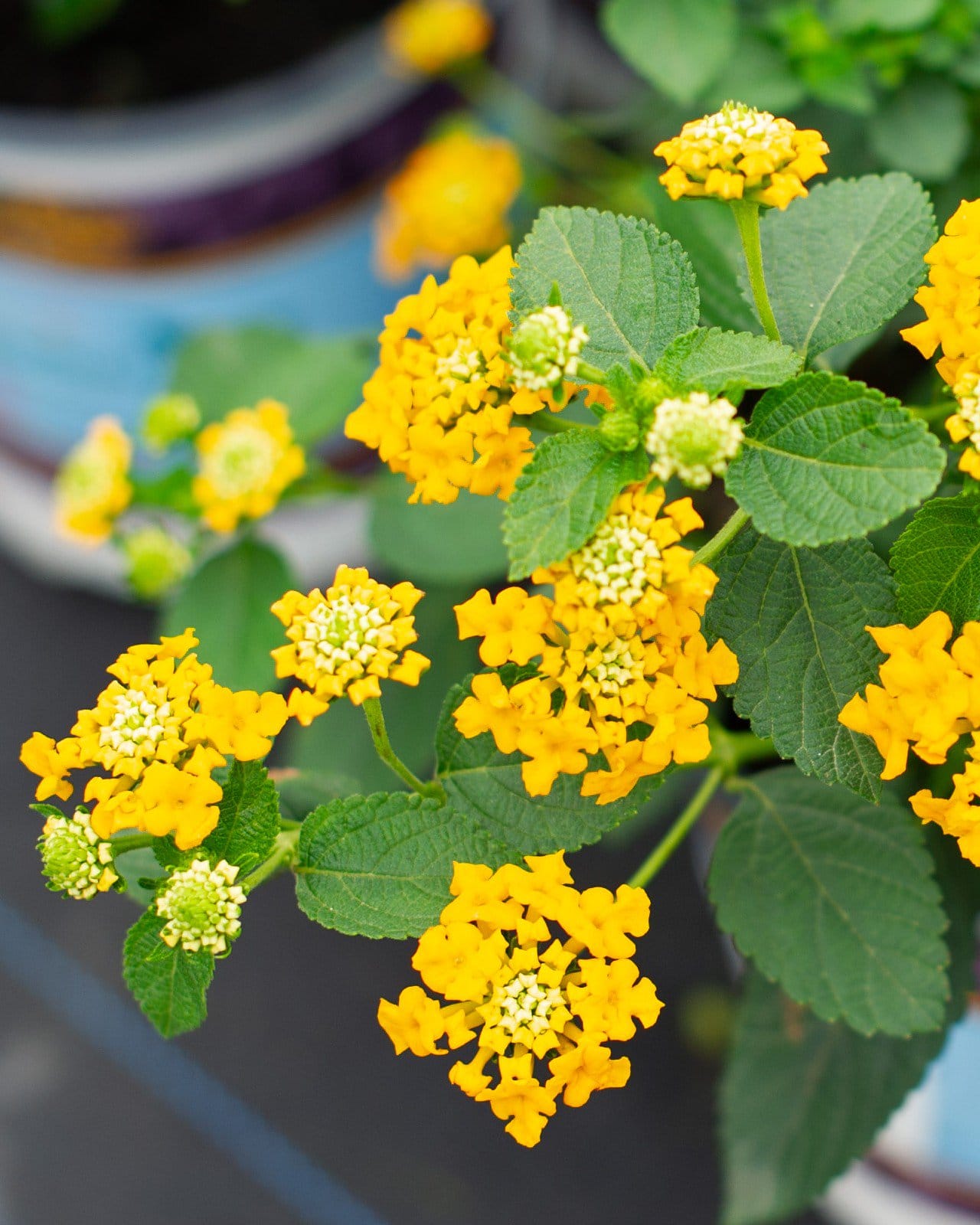
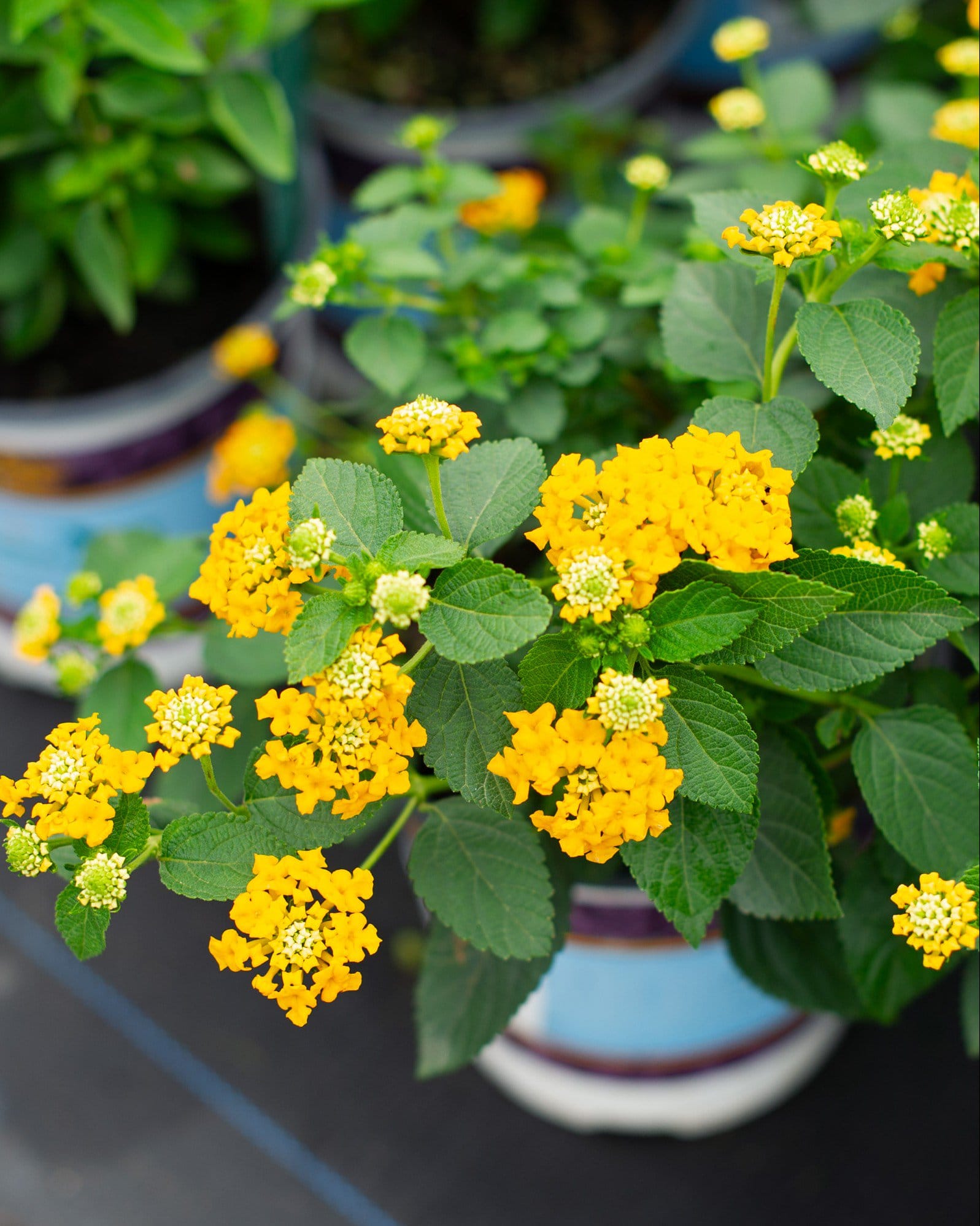
New Gold Lantana
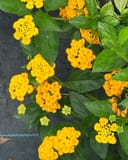
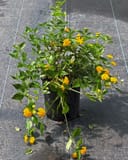
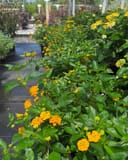
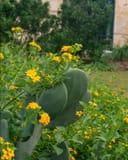
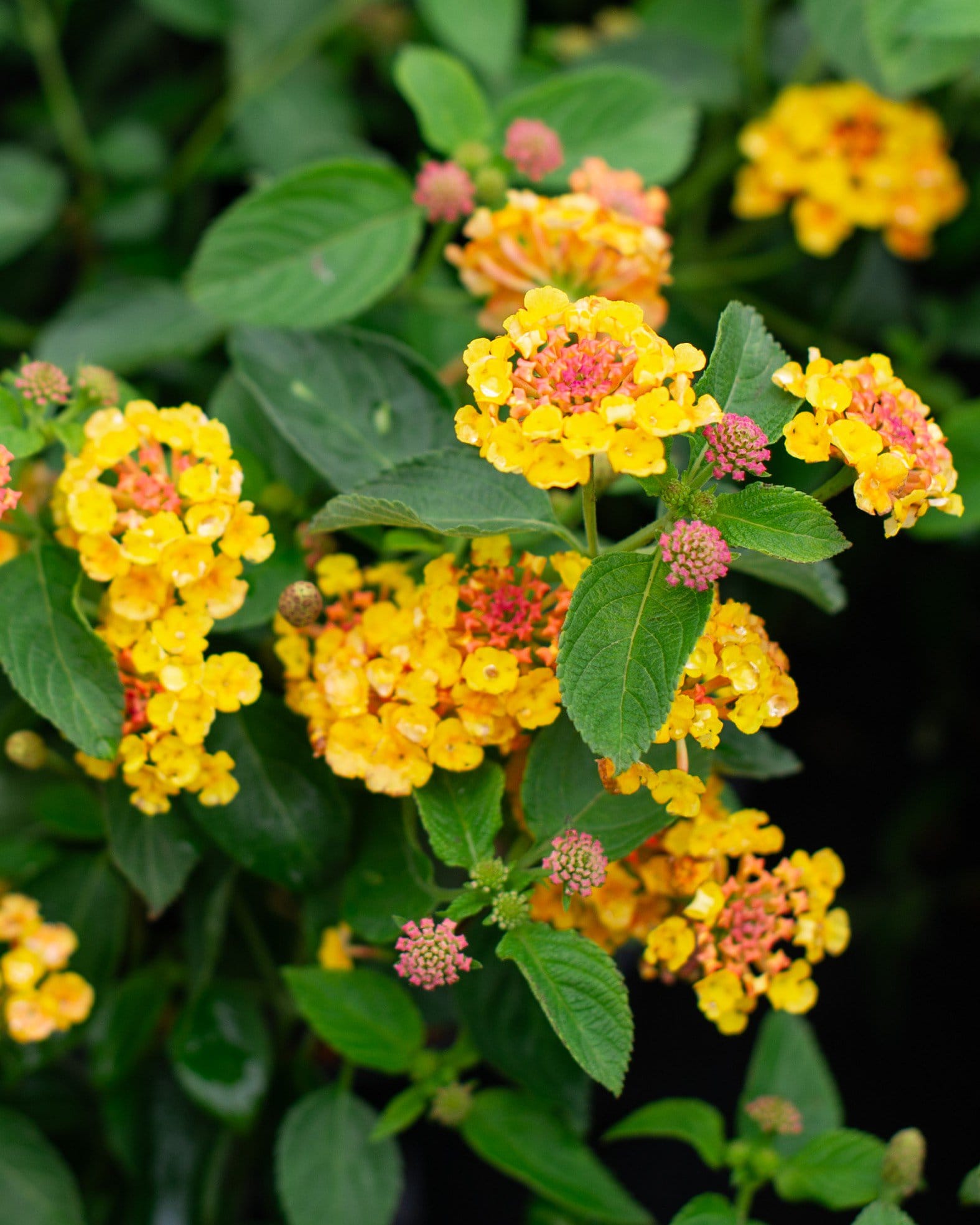
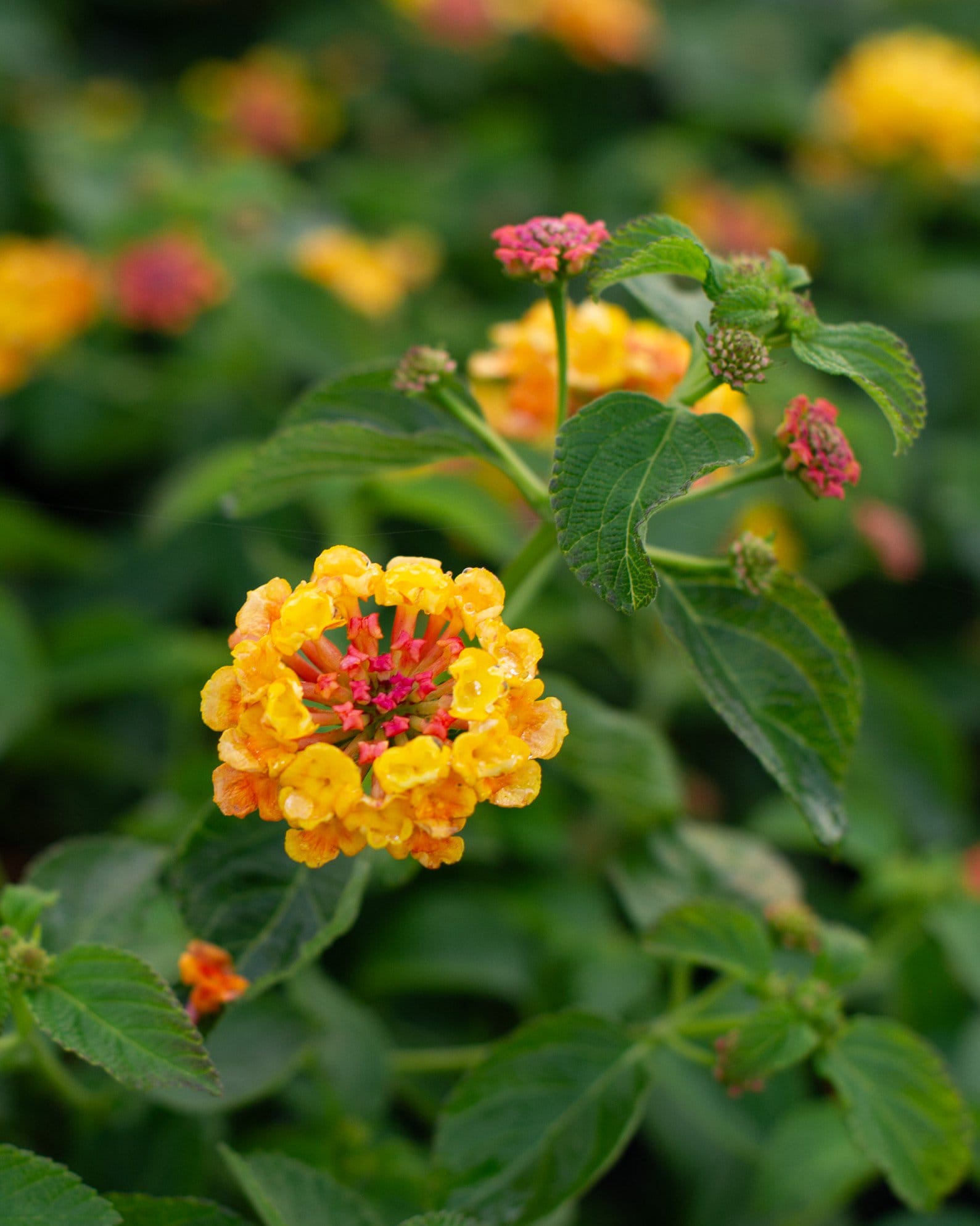
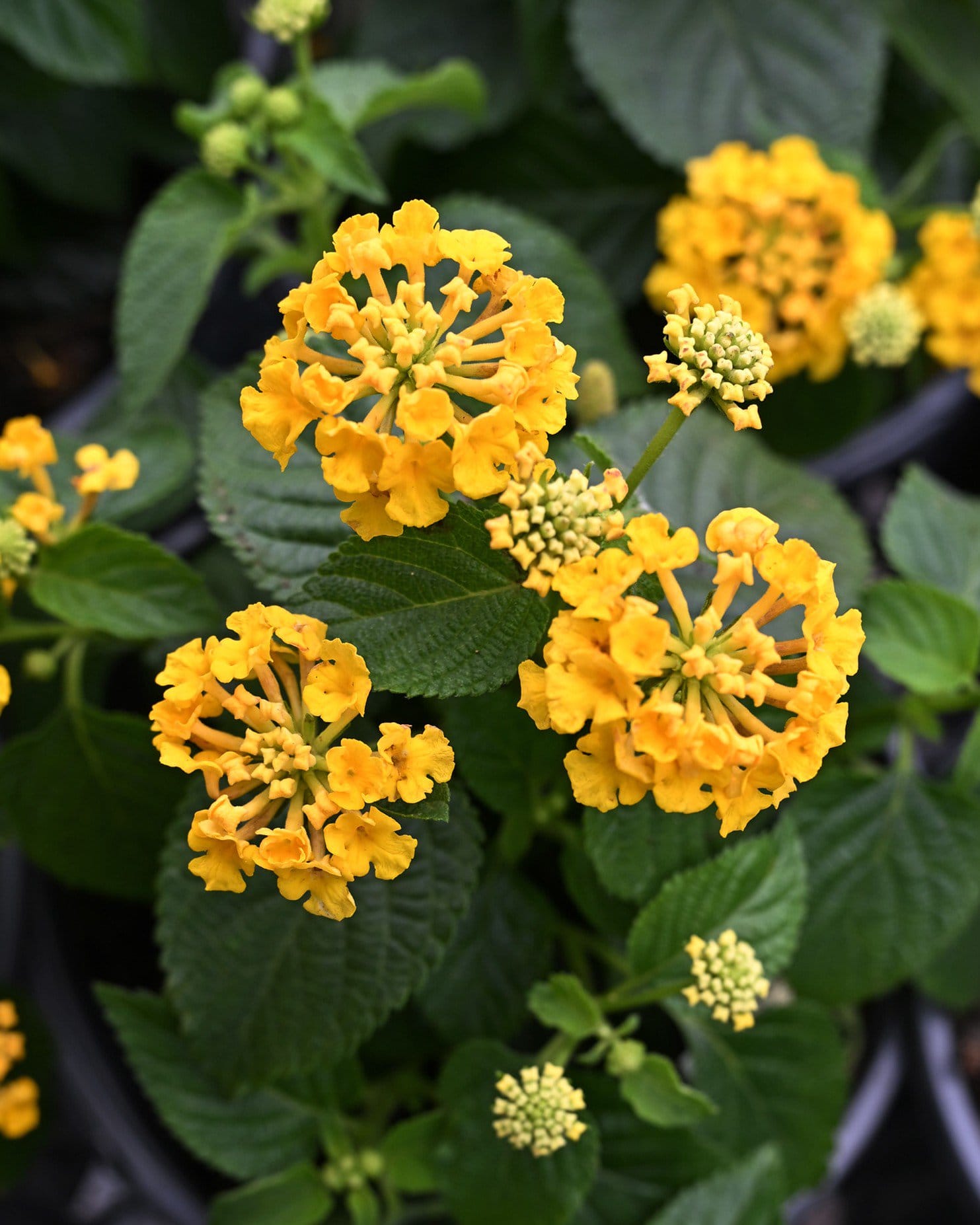
Lantana camara ‘New Gold’New Gold Lantana is a stunning addition to any landscape. It provides a touch of color with its clusters of bright yellow flowers that rise above the medium green, textured foliage. These showy flowers bloom from spring to fall. This perennial reaches 1 foot in height and 2 feet in width at maturity. It reaches maturity approximately 3-4 months after planting. It's a versatile plant, excellent for borders, containers, and hanging baskets. It has a spreading growth habit, making it suitable as a groundcover, too.
- A herbaceous perennial
- Spreading growth habit
- Moderate to fast growth rate
- Great for borders and containers
- Bright yellow flowers against the medium green foliage
Hardy in zones 10-11, this plant can be grown as an annual in your North Texas landscape. It thrives in full sun, although it will tolerate some partial shade. Ensure well-drained soil, and fertilize in spring to support healthy growth.
Maintenance
New Gold Lantana is a well-loved plant in Texas landscapes and it’s all thanks to its low-maintenance nature. Here’s how you can help it grow beautifully:
- Watering: Water regularly during the first growing season to establish deep roots. After that, it thrives on neglect - needing only occasional deep watering during extended dry periods. Allow soil to dry slightly between waterings to prevent root issues.
- Pruning: Lightly trim faded blooms and leggy stems every few weeks to encourage new growth and continuous flowering. In late winter or early spring, cut back by about one-third to refresh the plant before the new growing season.
- Fertilizing: Feed lightly in early spring with a slow-release, balanced fertilizer to support vigorous growth. Avoid high-nitrogen fertilizers, which can lead to leafy growth with fewer blooms.
- Mulching: Apply a 2-3 inch layer of mulch around the base to conserve moisture, moderate soil temperature, and suppress weeds. Keep mulch a few inches away from the crown to prevent rot. Refresh mulch annually each spring.
- Winter care: In mild regions, New Gold Lantana often stays evergreen. In colder zones, it may die back to the ground but will return reliably from the roots once temperatures warm. A light layer of mulch over the root zone in winter helps protect it from frost.
Common Issues and How to Take Care of Them
New Gold Lantana is famously resistant, but a few issues may appear if the weather turns extreme or plants become overcrowded:
- Powdery Mildew: White coating on leaves during humid conditions. Improve airflow, avoid overhead watering, and remove affected foliage to prevent spread.
- Aphids: Small, sap-sucking insects on new growth. Wash them off with a strong spray of water or apply insecticidal soap.
- Spider Mites: These pests cause stippling or bronzed leaves in hot, dry weather. Rinse foliage and use horticultural oil or neem oil for control.
- Root Rot: Caused by excessive moisture or poor drainage. Ensure well-draining soil and avoid watering too frequently.
- Leggy Growth: Natural in mid- to late summer. Lightly shear the plant to restore compact shape and promote a flush of new blooms.
- Petal Browning: May occur in extreme heat or after rain. Remove faded flowers to maintain vibrant color and tidy form.
It’s a long-lived perennial in warm regions and often persists for many years. In colder areas, it’s treated as an annual but easily regrows from the roots each spring where winters are mild.
It grows rapidly, reaching maturity within its first season. Once established, it maintains a steady, compact form that fills in quickly after winter cutbacks.
Yes - it’s a magnet for butterflies, bees, and hummingbirds. Its nectar-rich flowers provide a constant food source throughout the warm season.
Yes, deer typically avoid it due to its aromatic foliage, making it a top pick for rural and suburban gardens.
Absolutely. It performs beautifully in pots, hanging planters, and raised beds. Its trailing habit spills elegantly over edges for a lush, cascading effect.
Exceptionally well. It thrives where many other flowering plants struggle, maintaining bold color and vigor through high temperatures and dry spells.
Yes, mature plants recover well from light frost. Even if the top growth dies back, new shoots typically emerge from the base once warm weather returns.
Yes - take softwood cuttings in late spring or early summer and root them in moist soil. They establish quickly, making it easy to expand your garden or share with others.
Cut them back hard in early spring to encourage fresh, dense growth. Feeding lightly after pruning helps revive older plants and restore full-season color.
Yes - its heat, drought, and pollution tolerance make it a top performer in city planters, medians, and large-scale public plantings where durability and color are key.
Special Features
You might also like
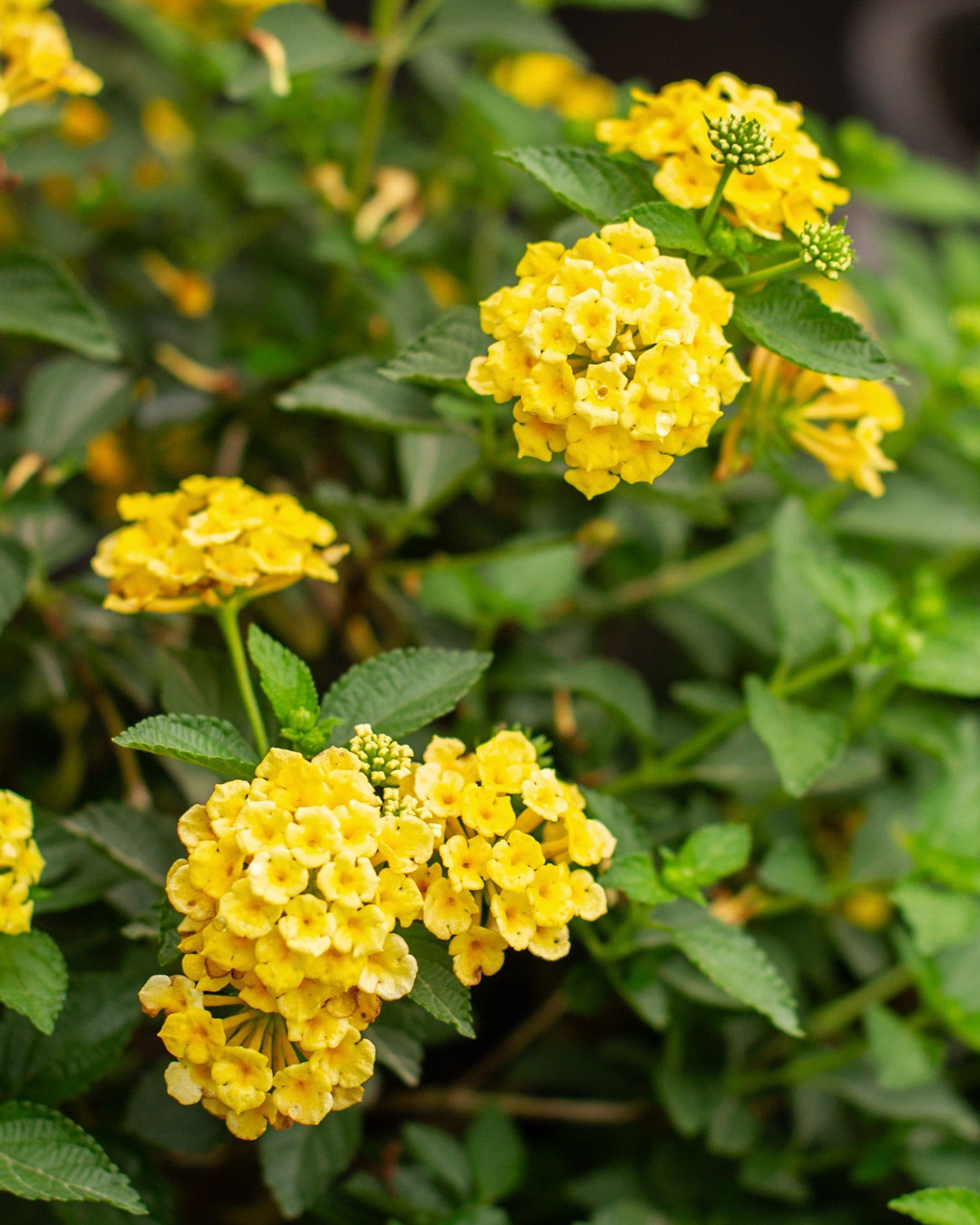
Chapel Hill Yellow Lantana
Maturity: 1.5' H x 2' W
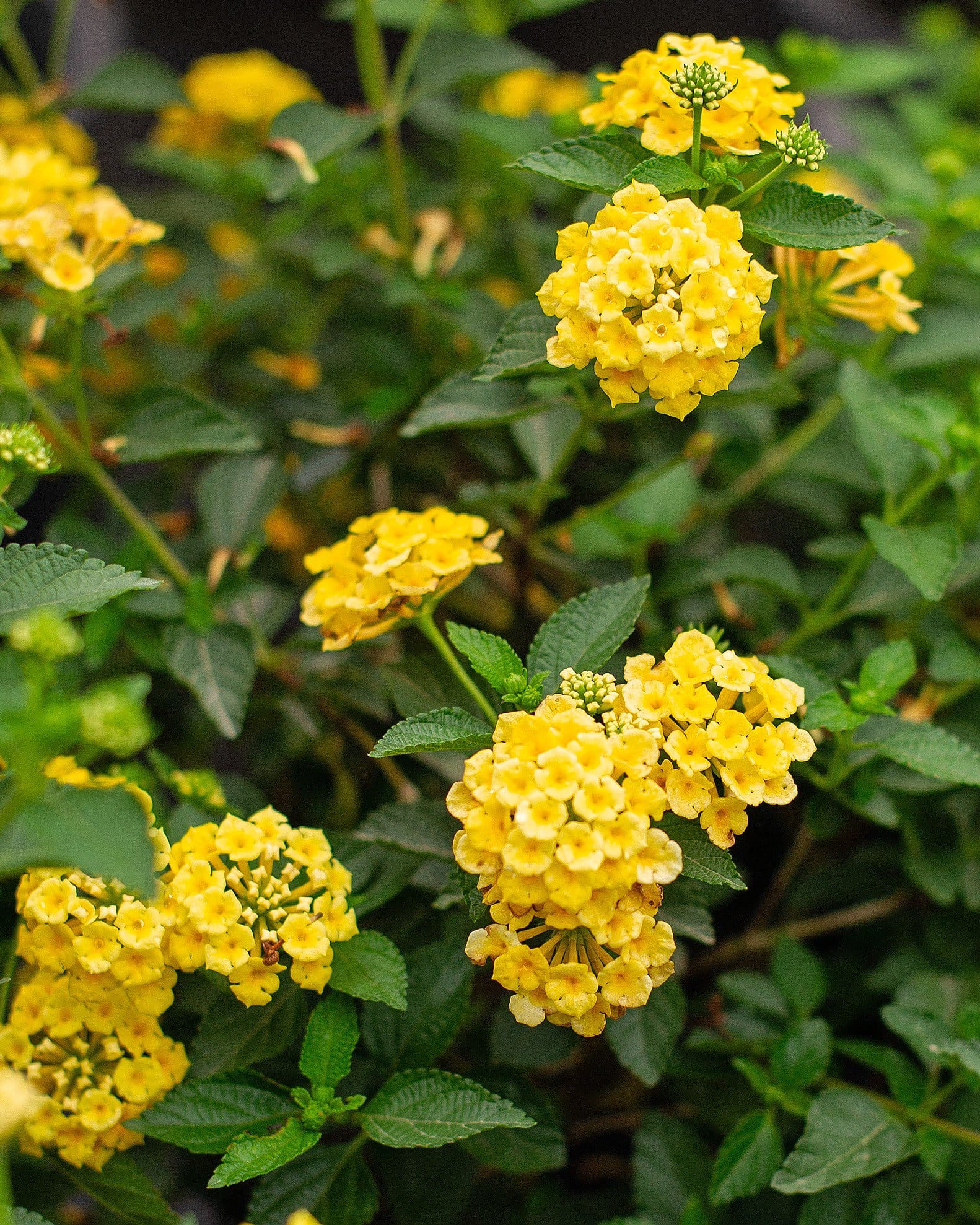
Dallas Red Lantana
Maturity: 3' H x 3' W

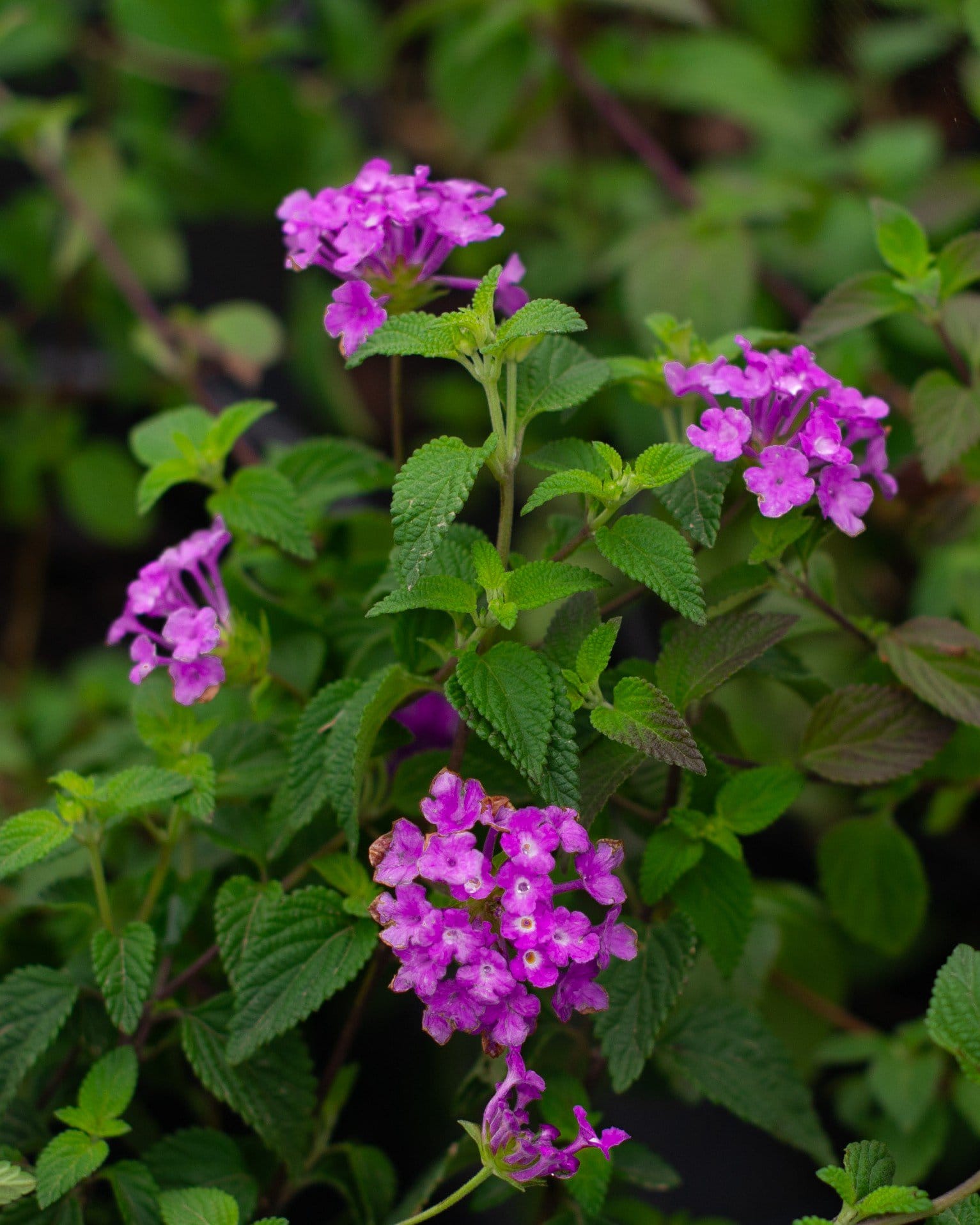
Purple Trailing Lantana
Maturity: 1' H x 4' W
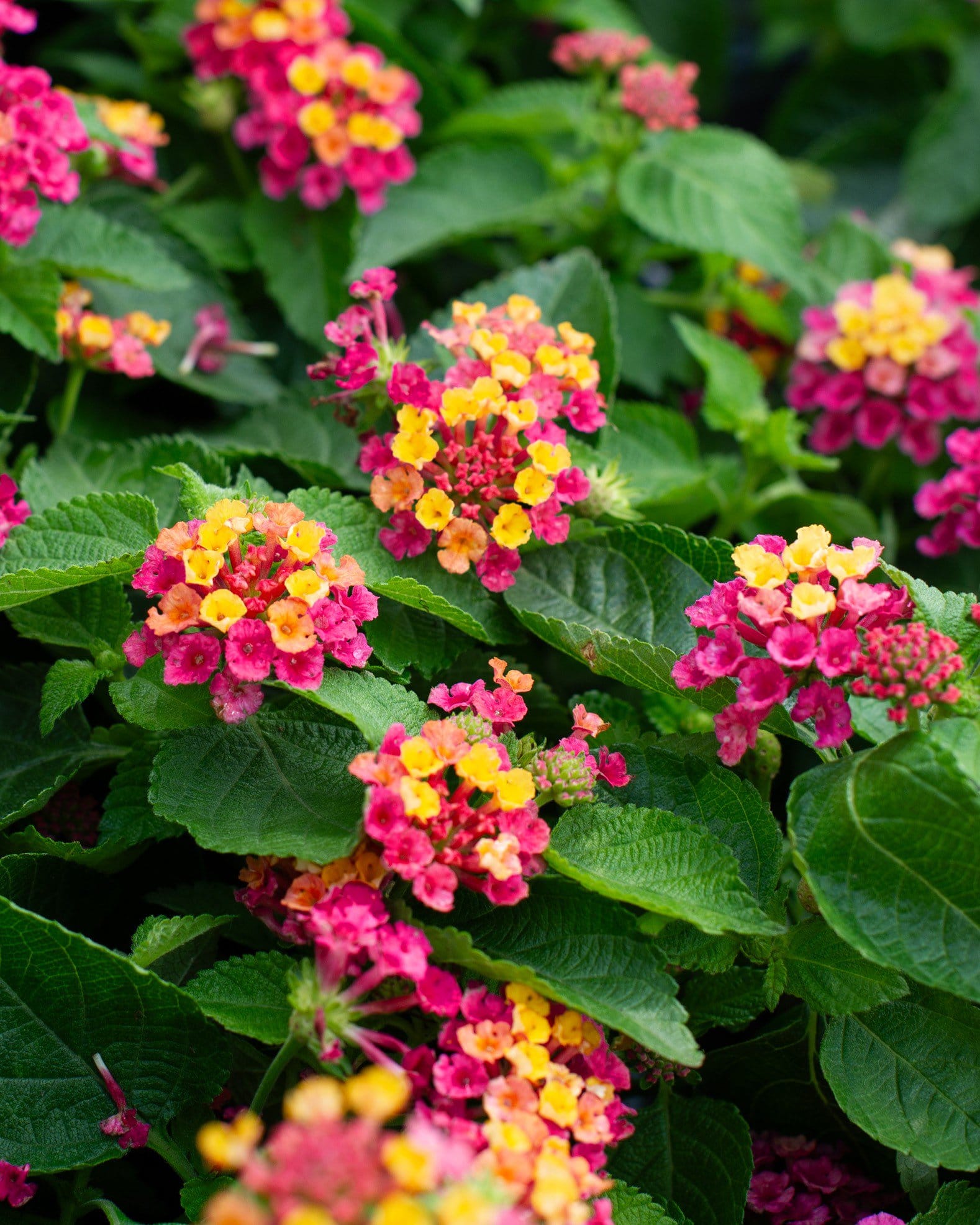
Bandana Cherry Sunrise Lantana
Maturity: 1.5' H x 1.5' W
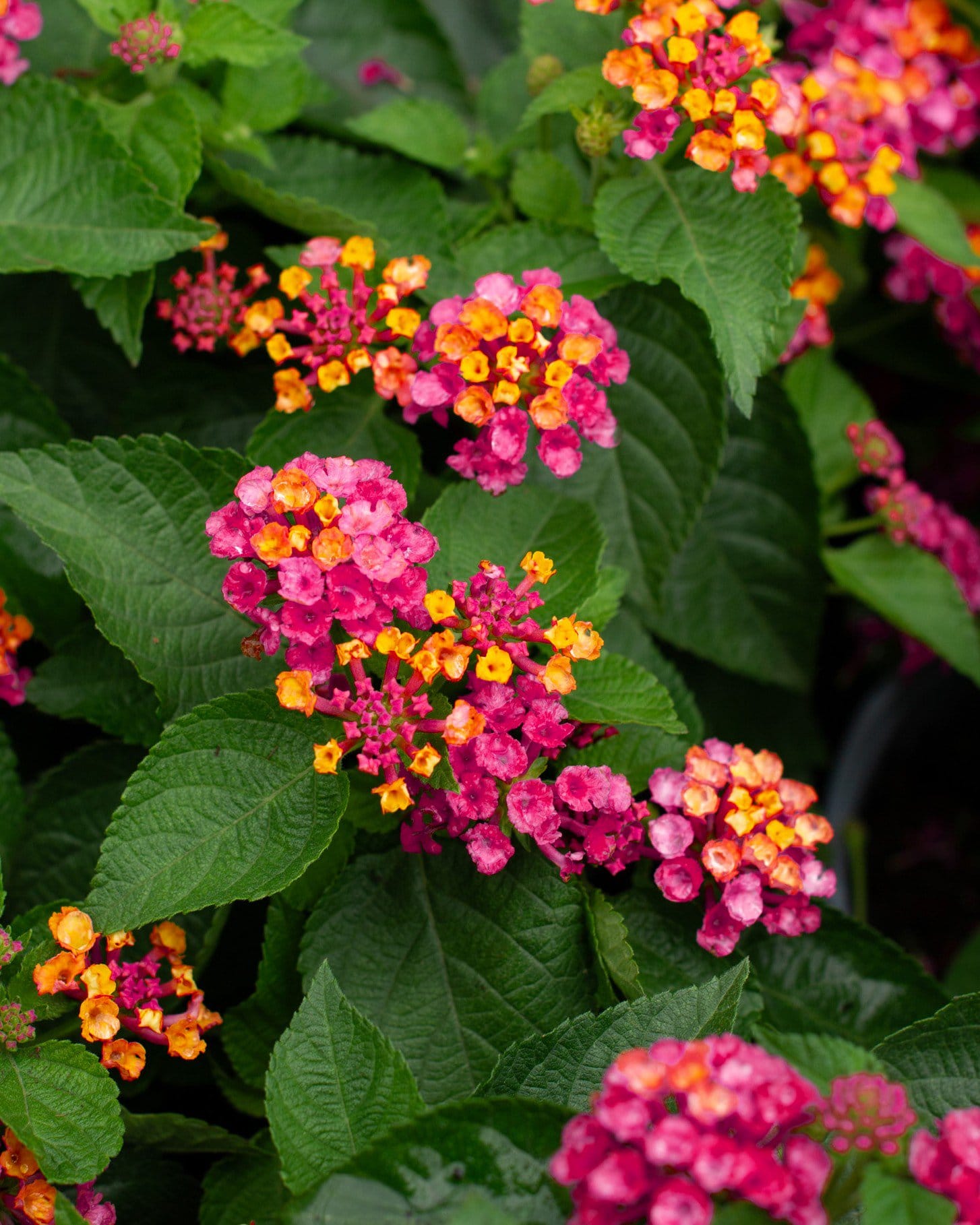
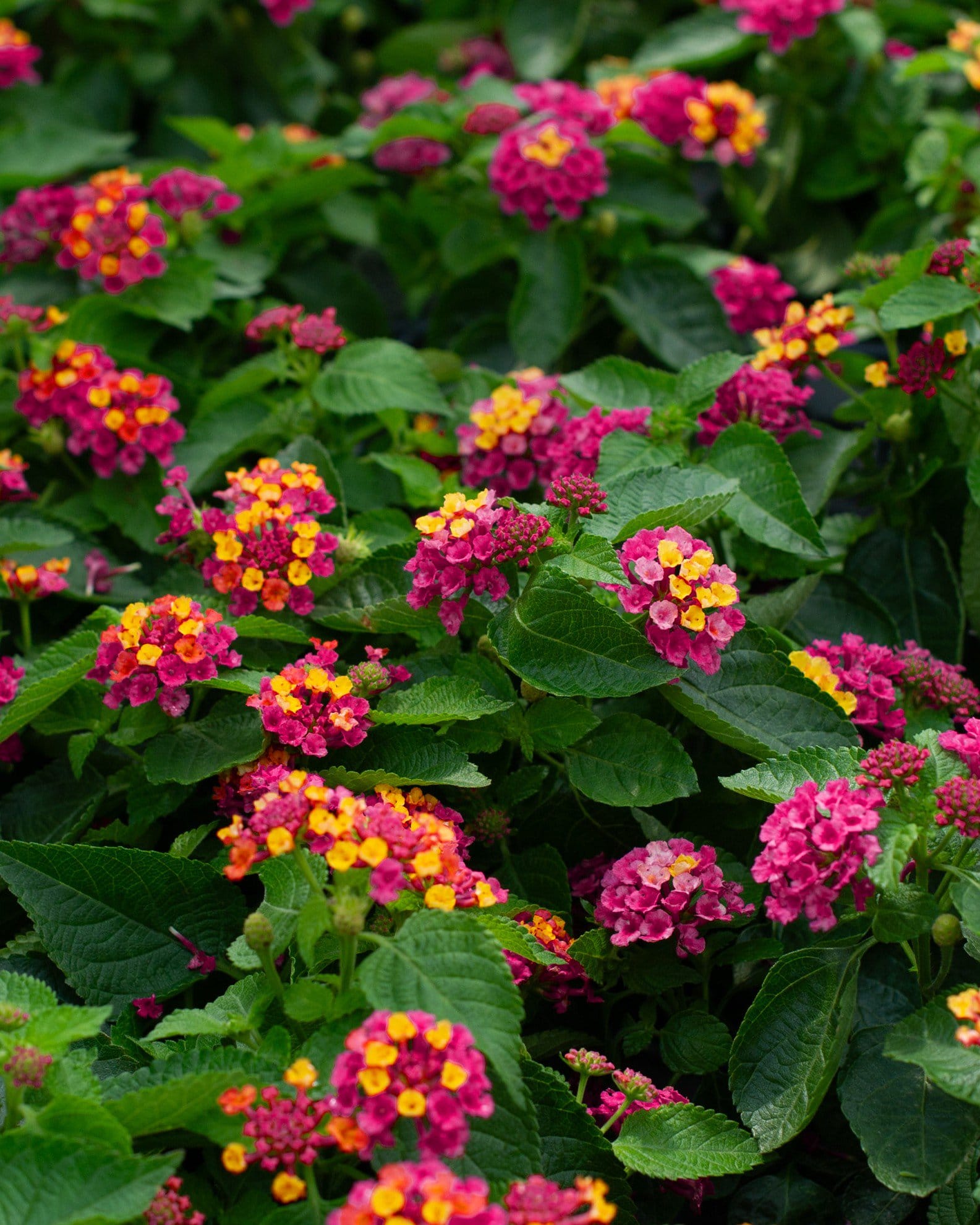
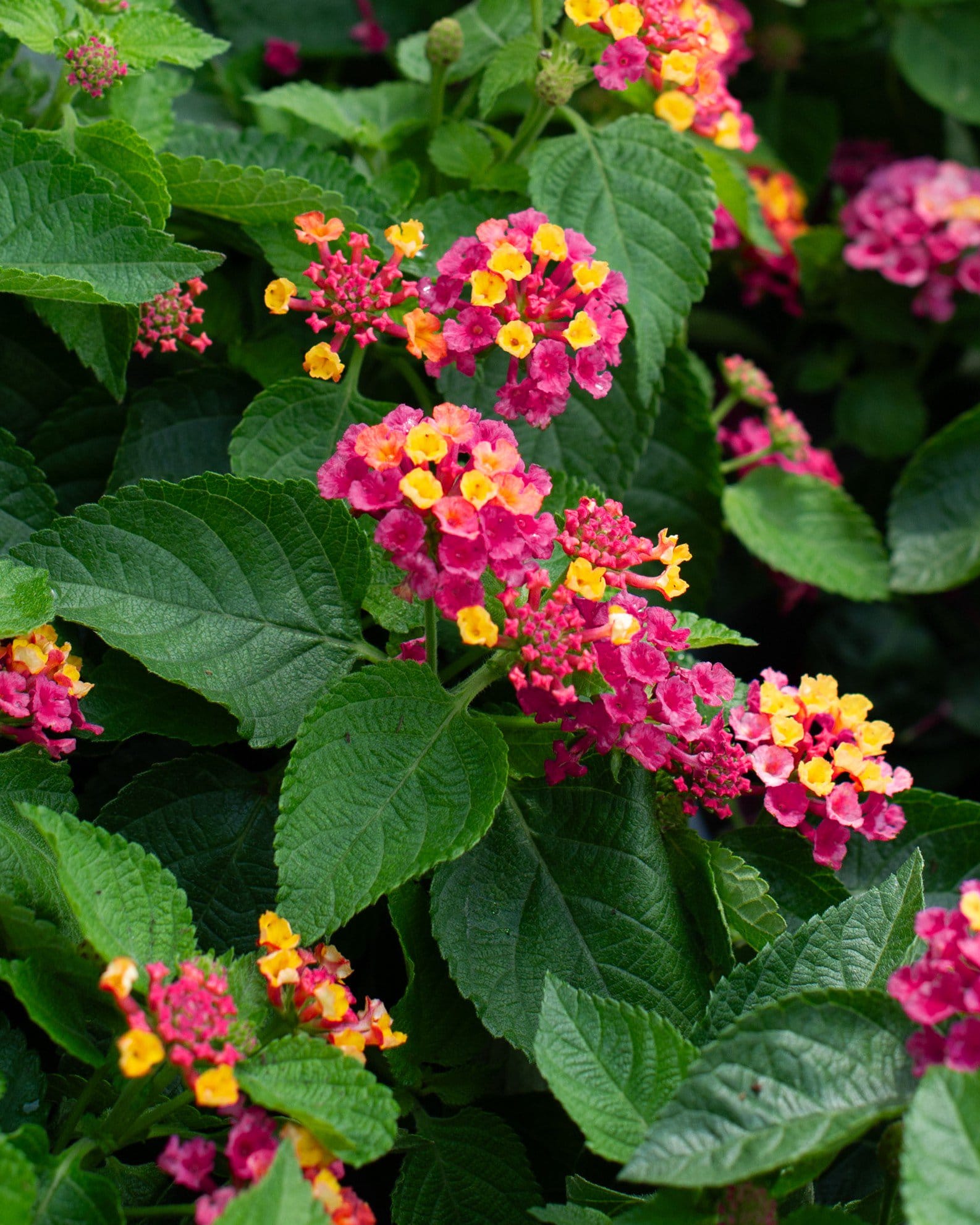
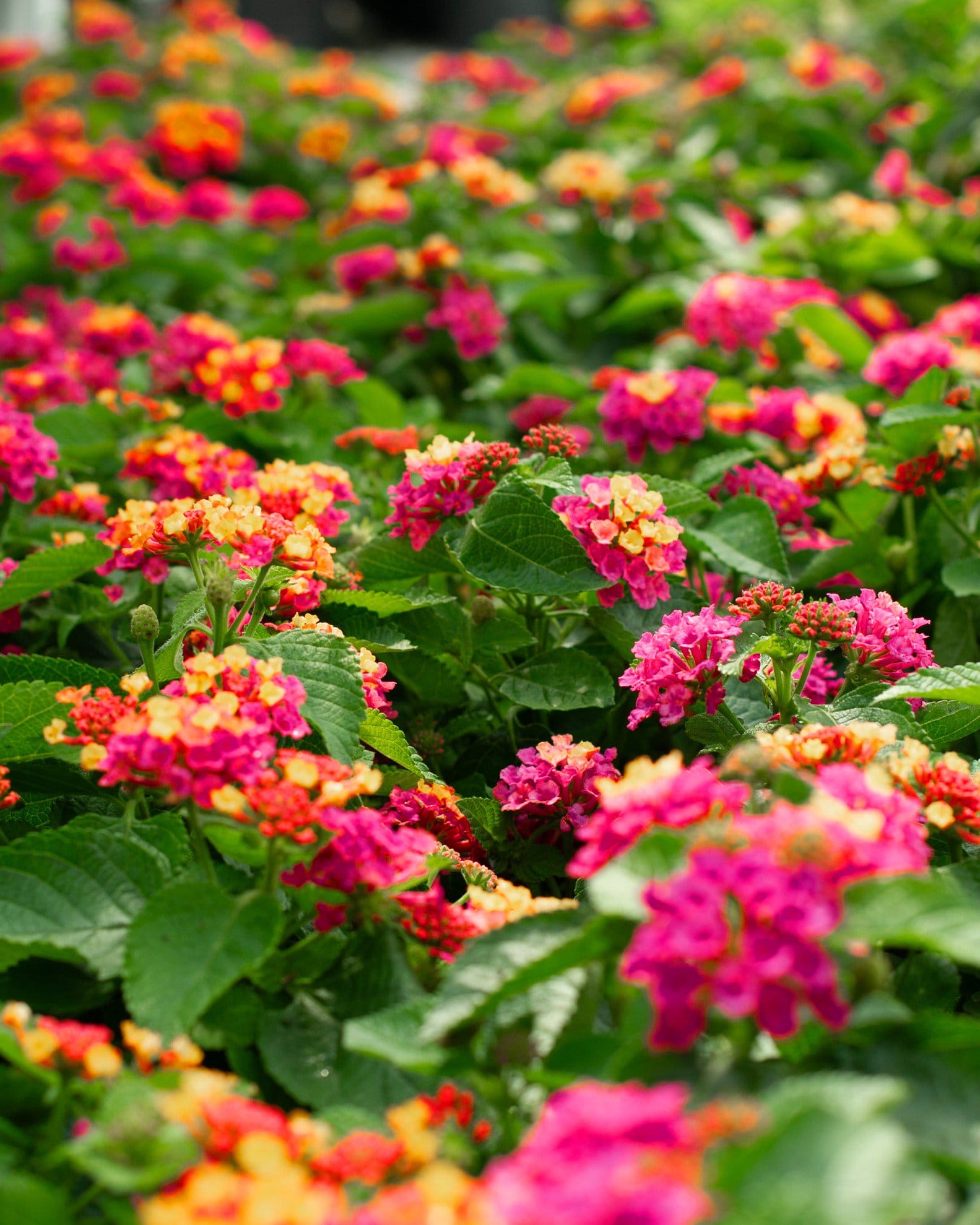
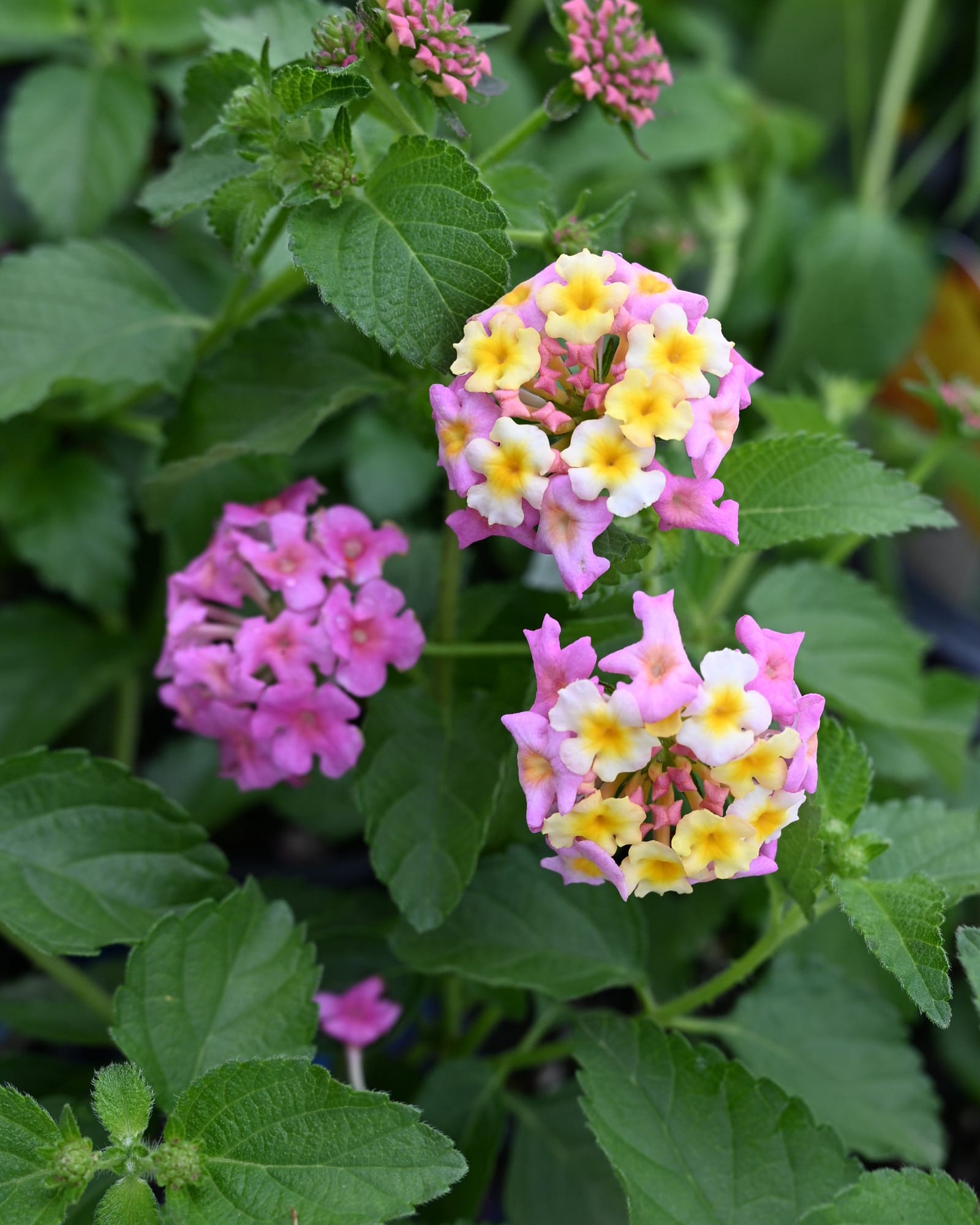
Chapel Hill Pink Huff Lantana
Maturity: 2' H x 3' W
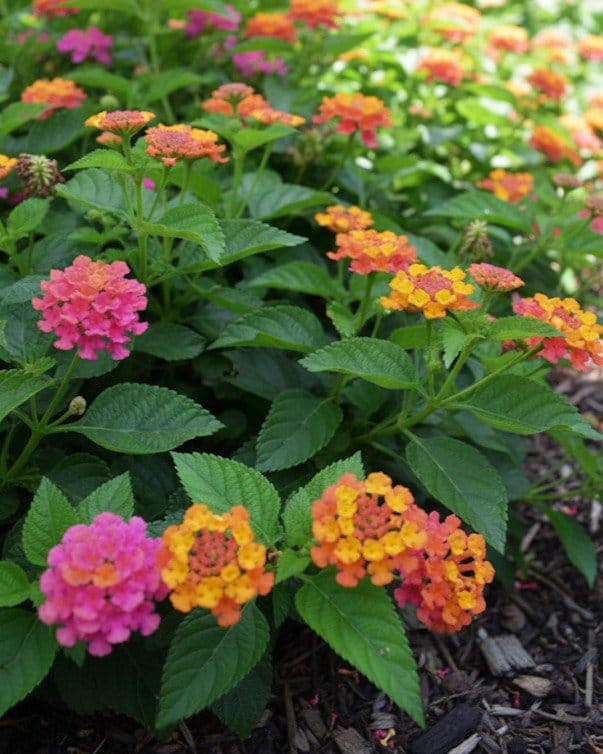
Havana Sunset Lantana
Maturity: 3' H x 3' W
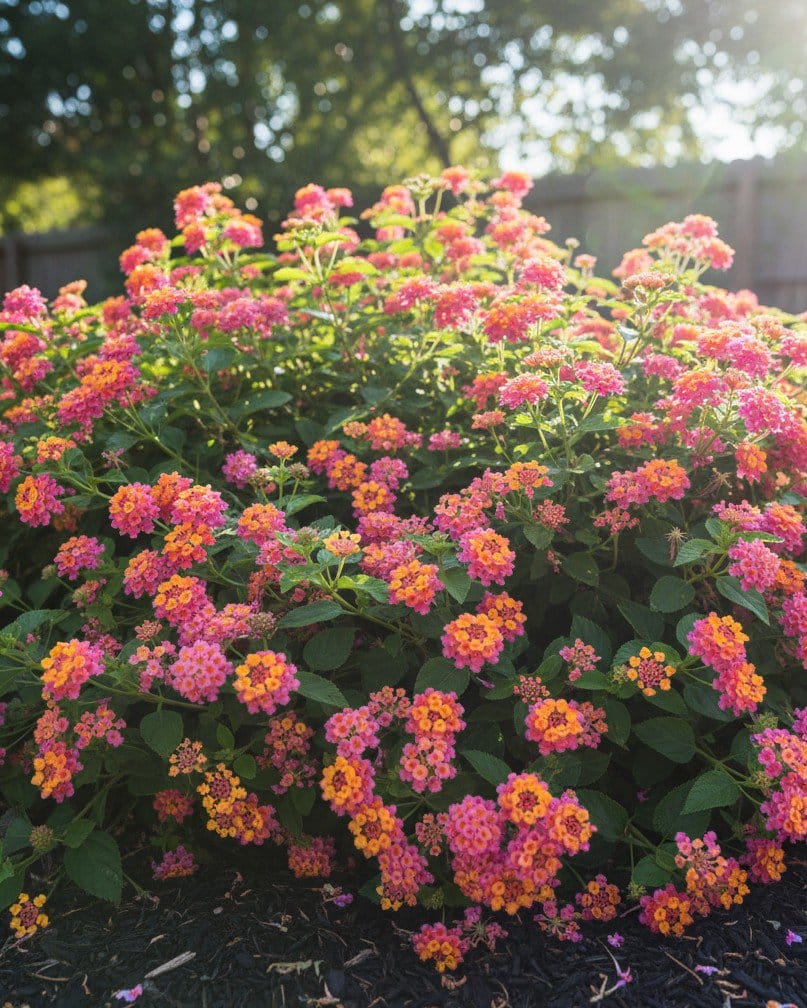
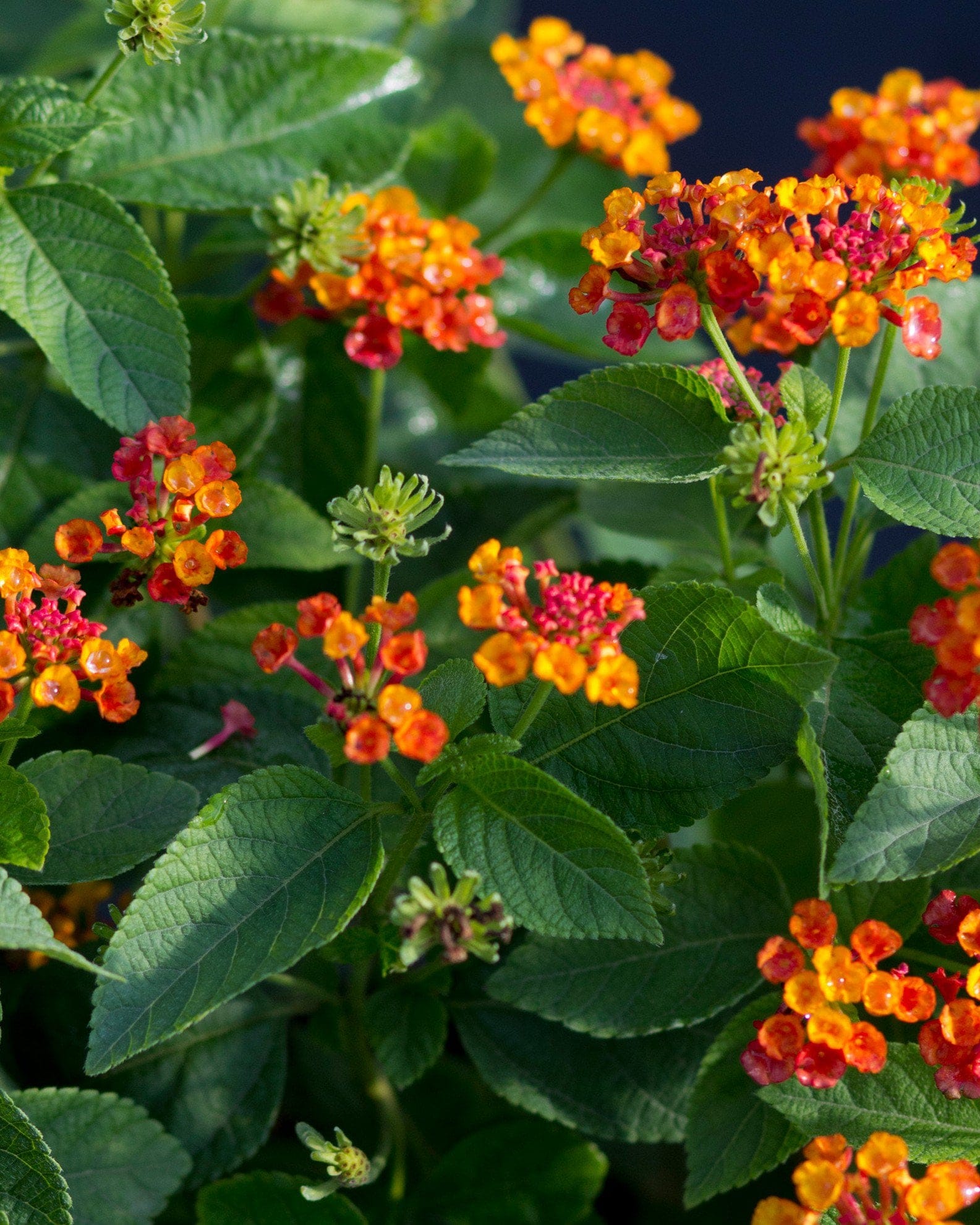
Hot Blooded Lantana
Maturity: 1.5' H x 1.5' W
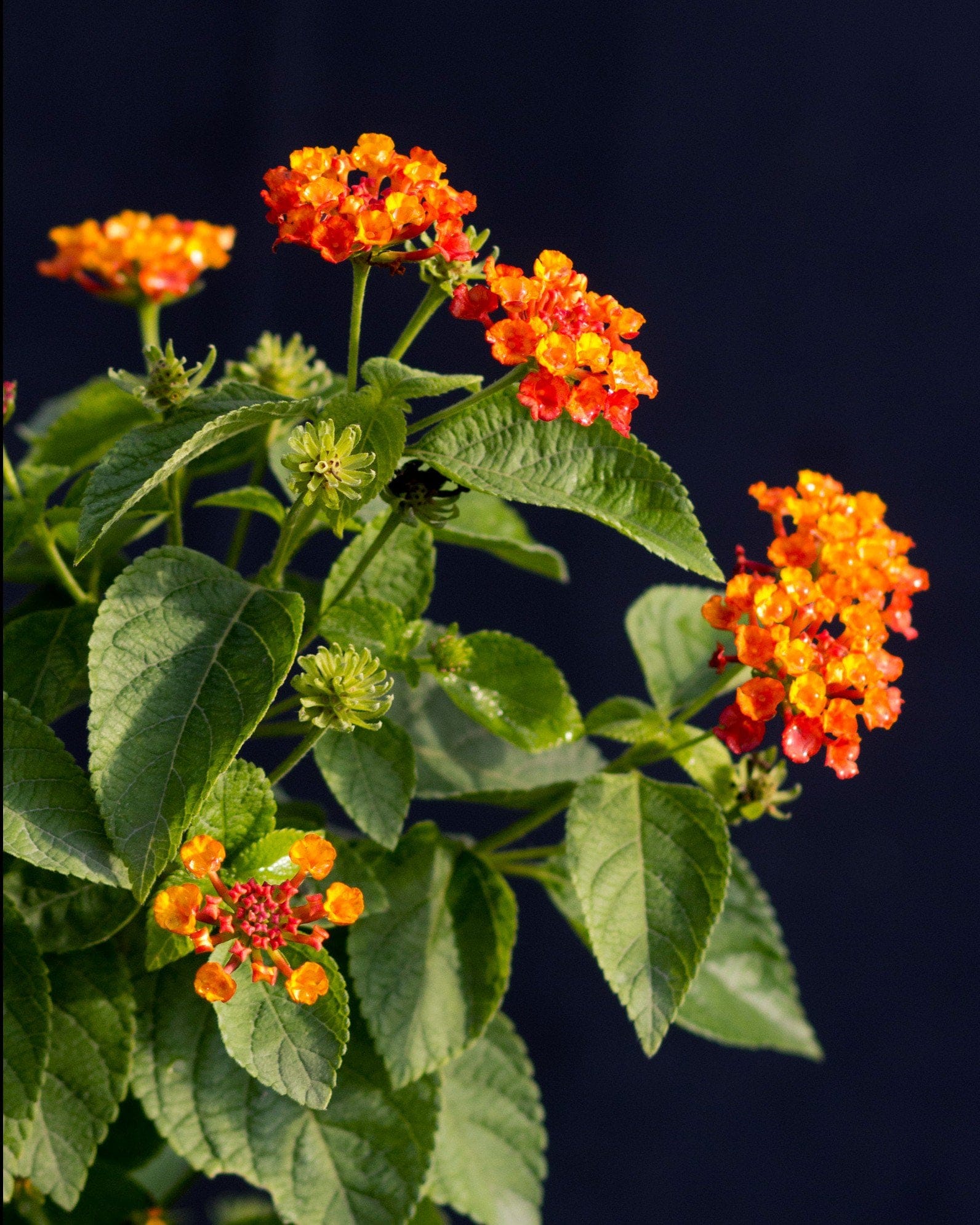
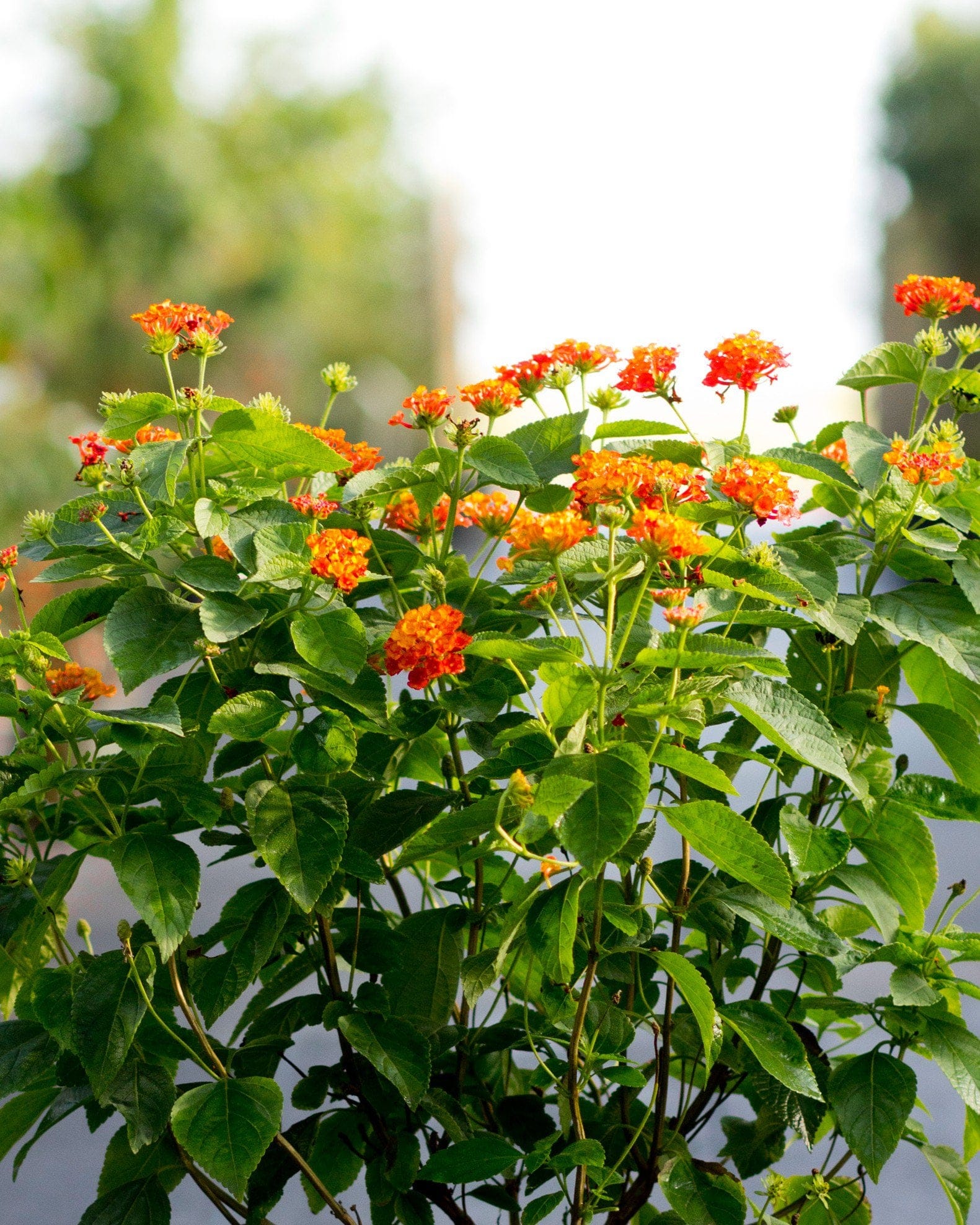
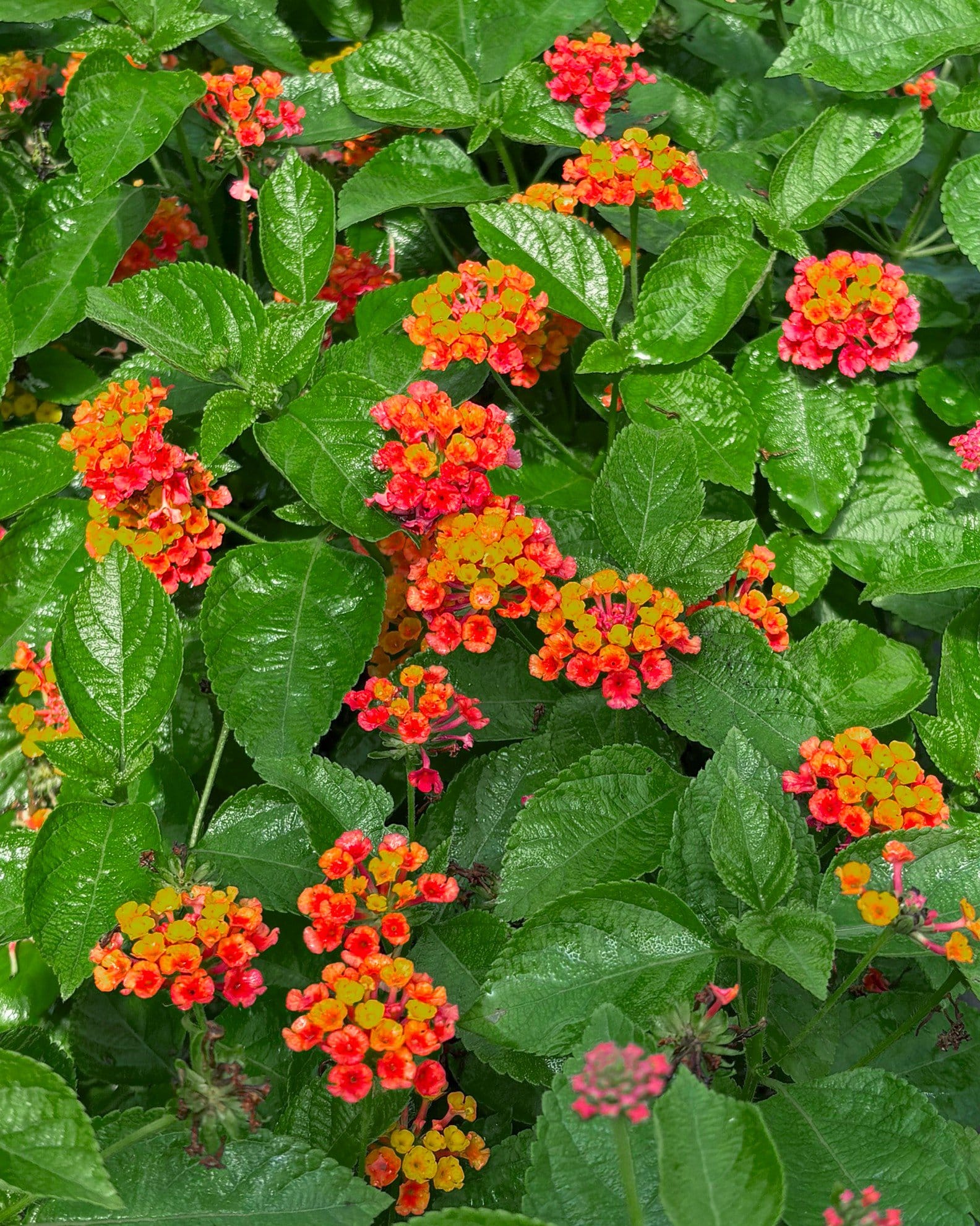
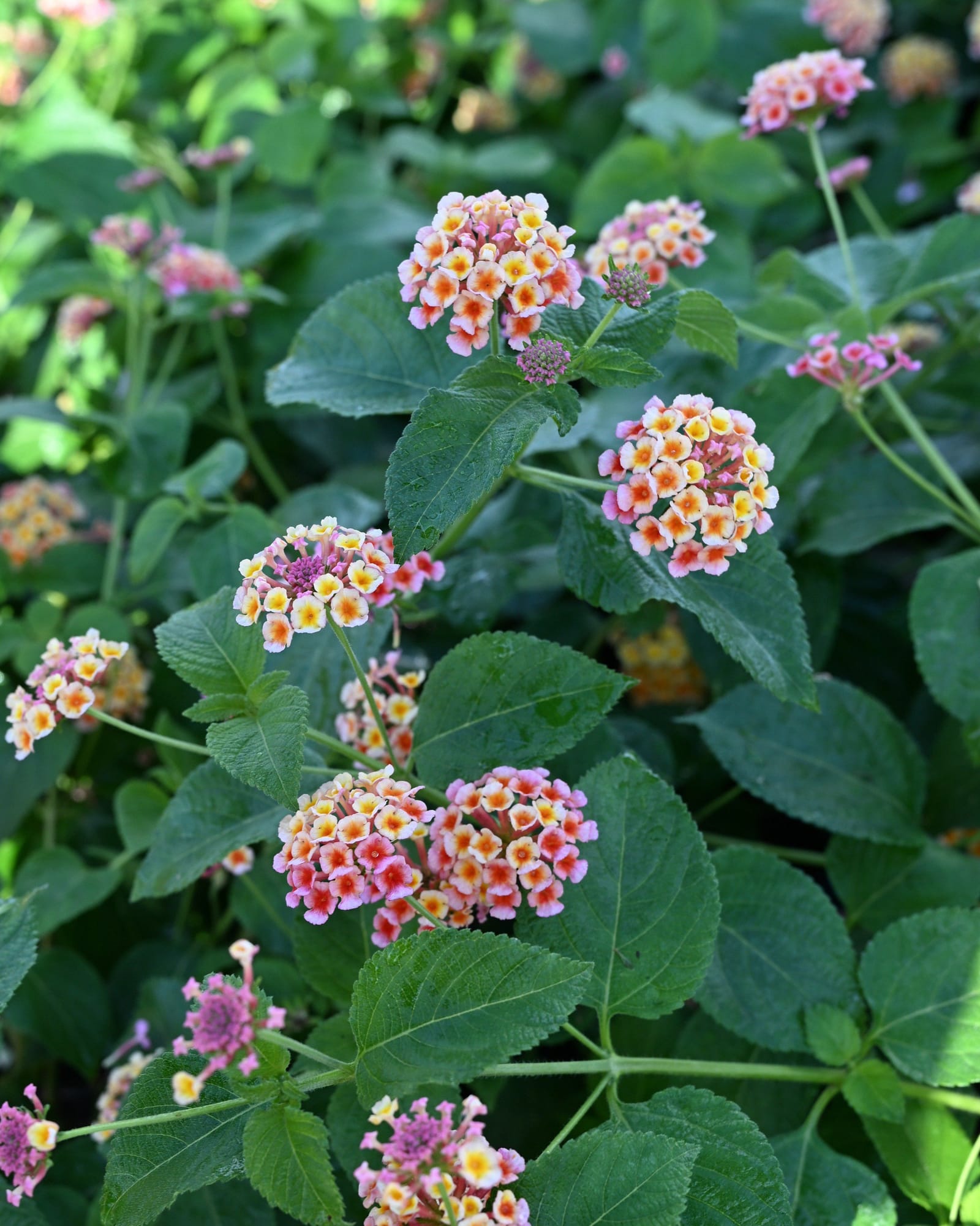
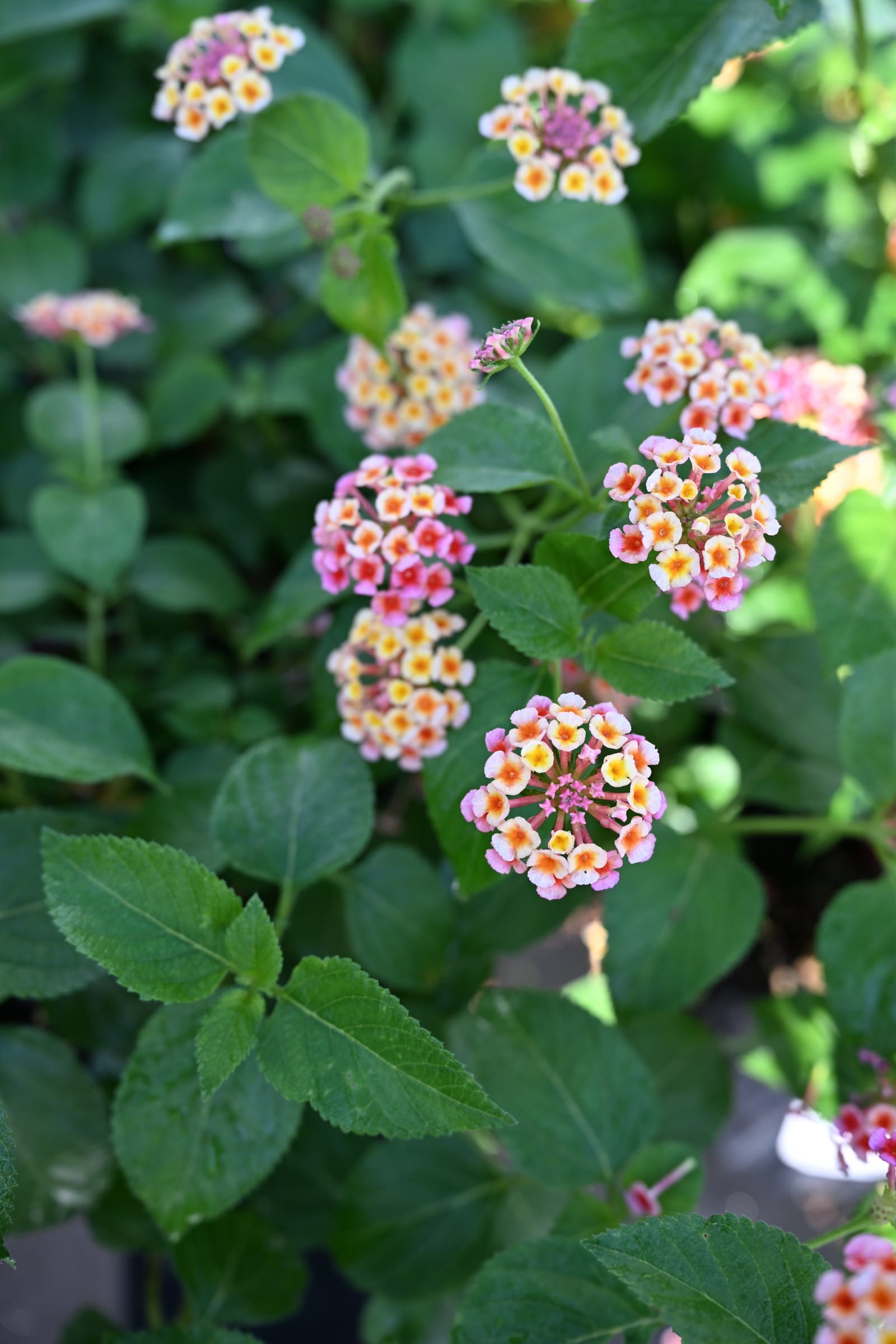
Irene Lantana
Maturity: 3' H x 3' W
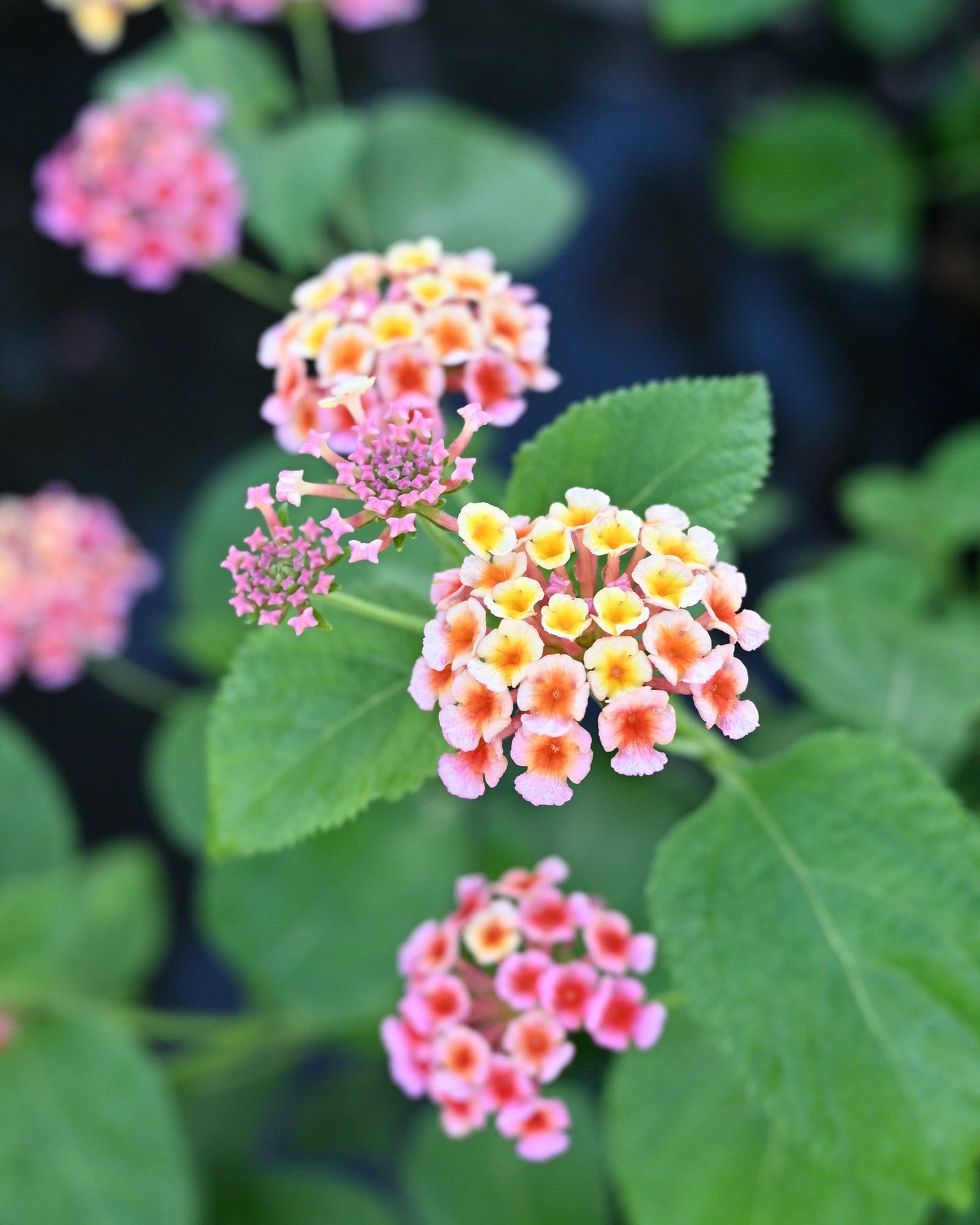
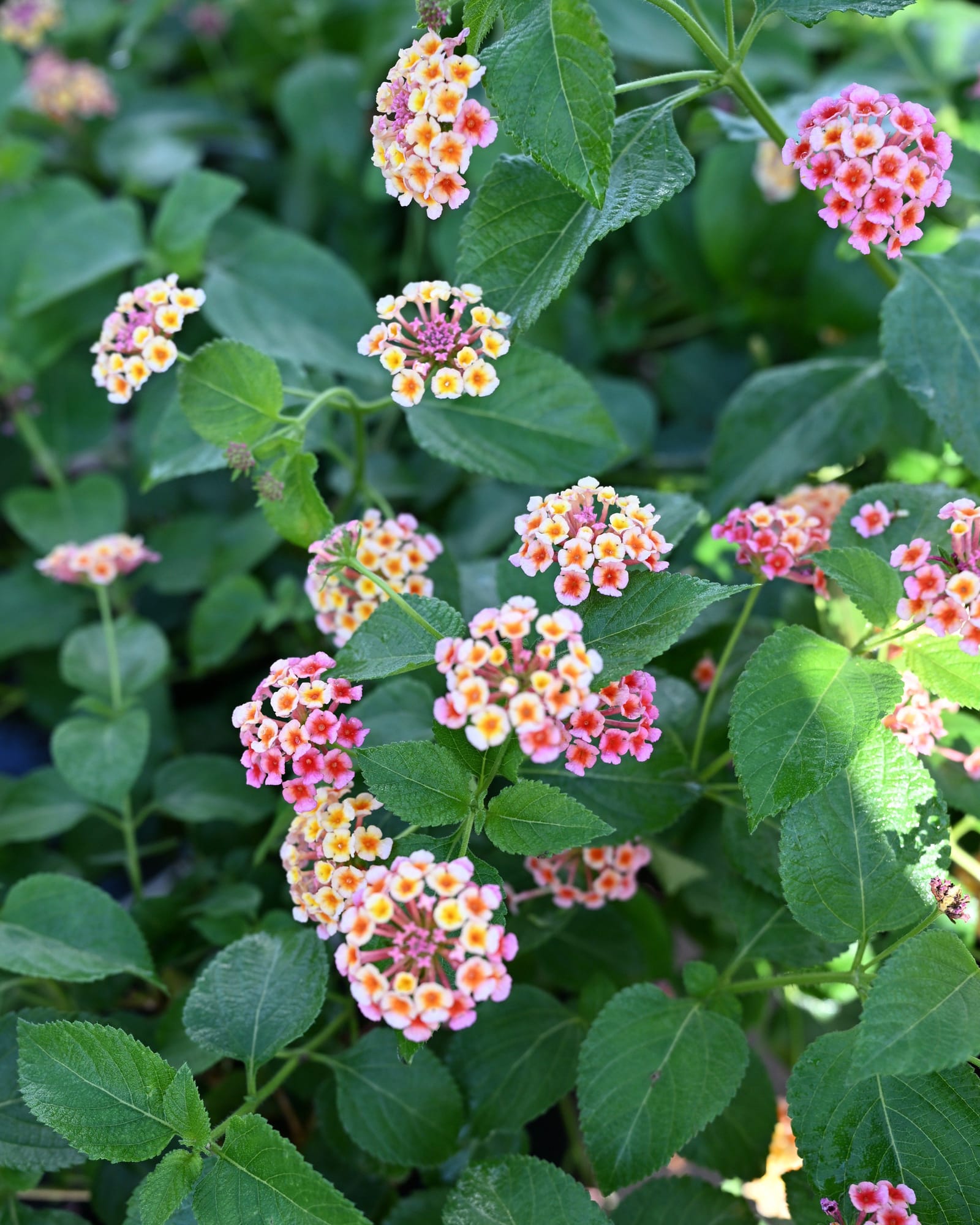
Landmark Citrus Lantana
Maturity: 1.5' H x 1.5' W
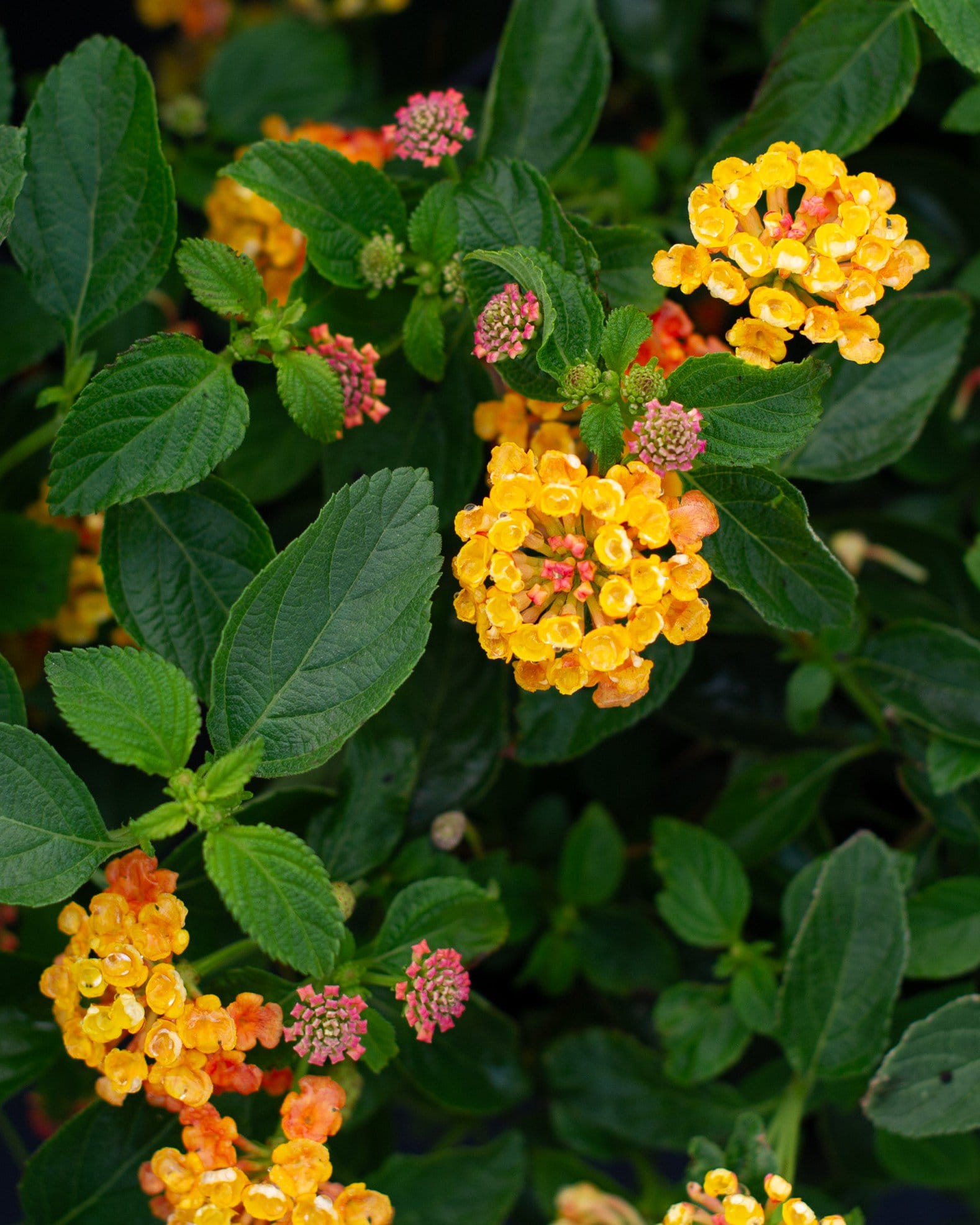
Lucky Pot of Gold Lantana
Maturity: 1' H x 1' W
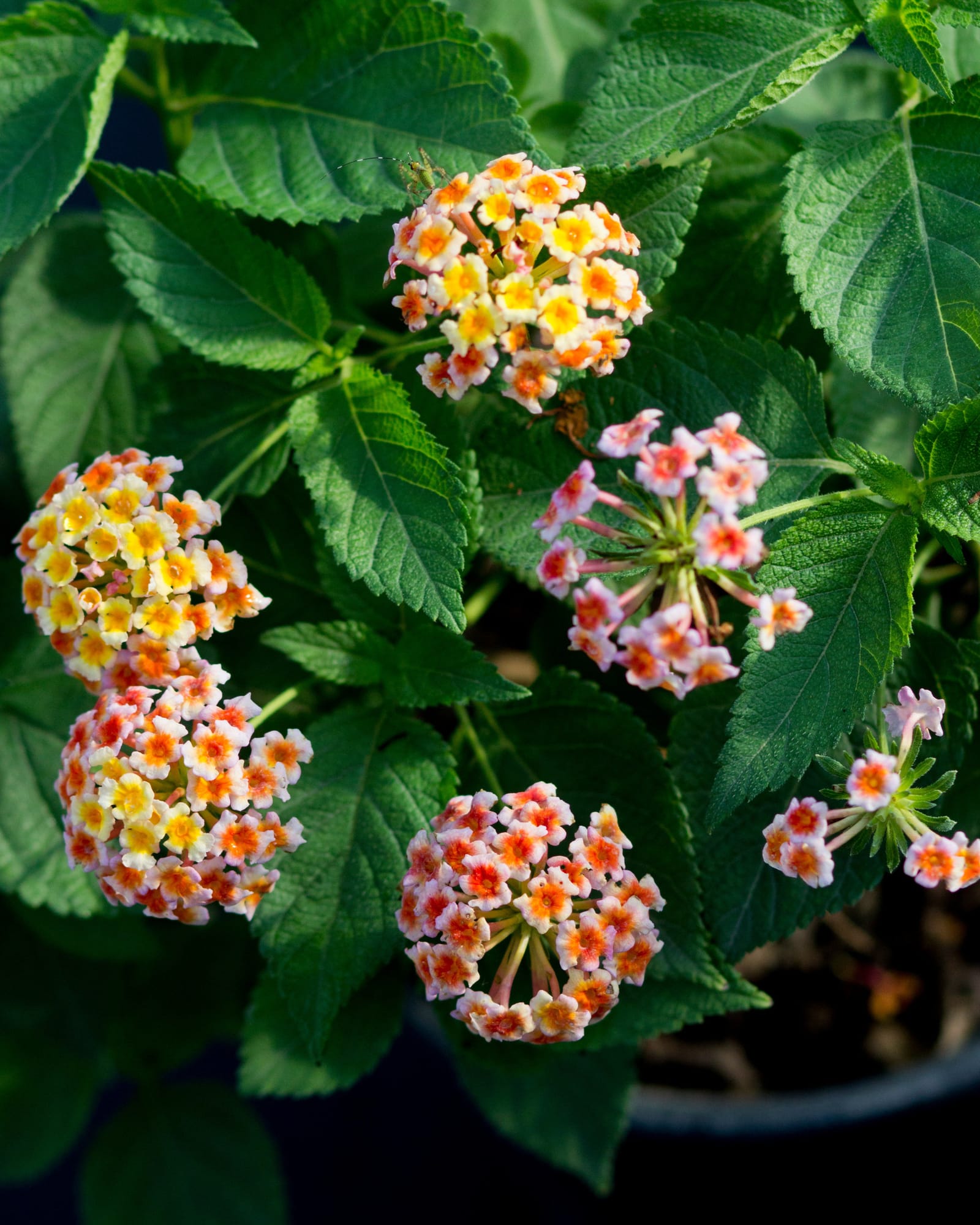
Shamrock Peach Lantana
Maturity: 1' H x 1' W
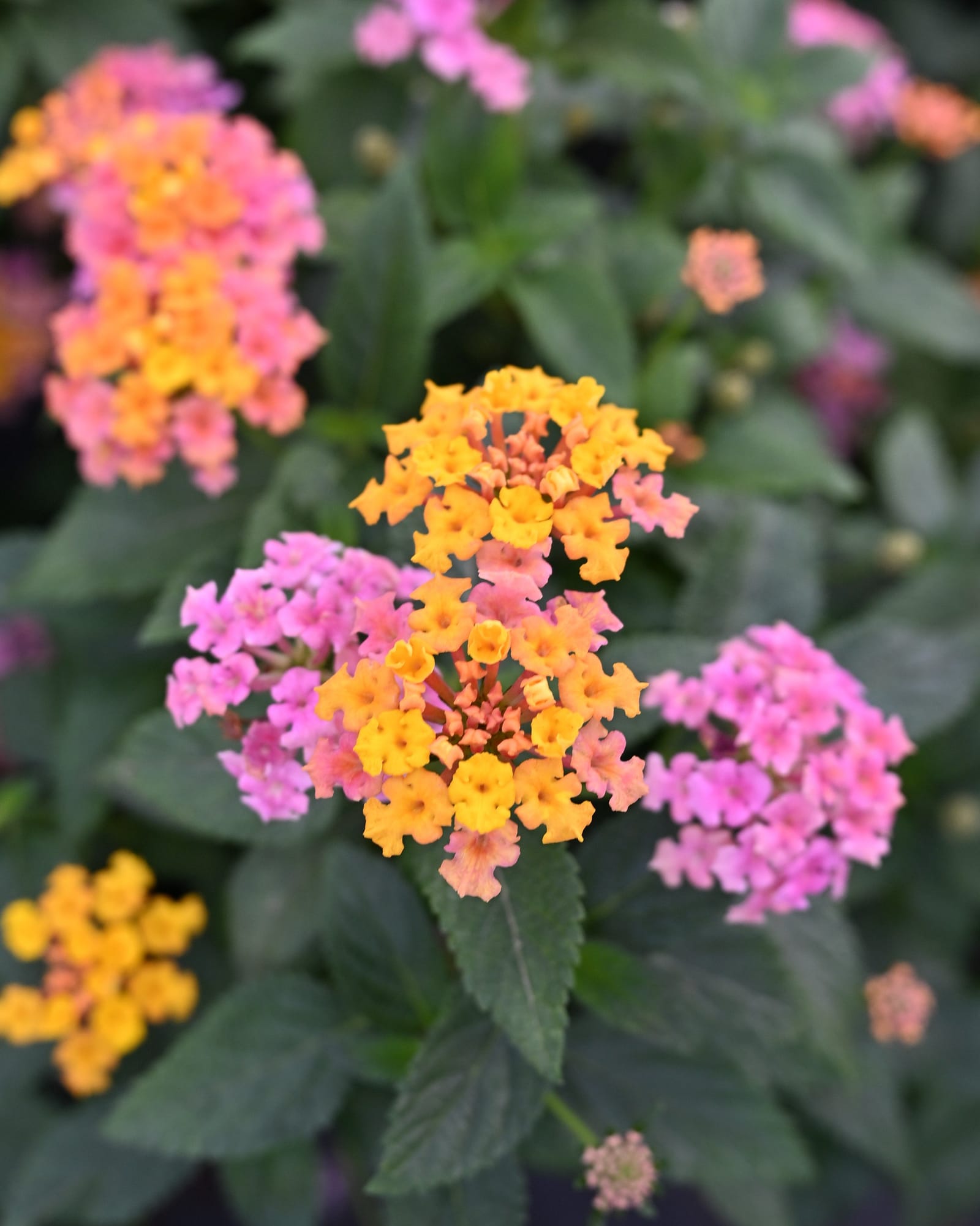
Shamrock Rose Gold Lantana
Maturity: 1' H x 1' W
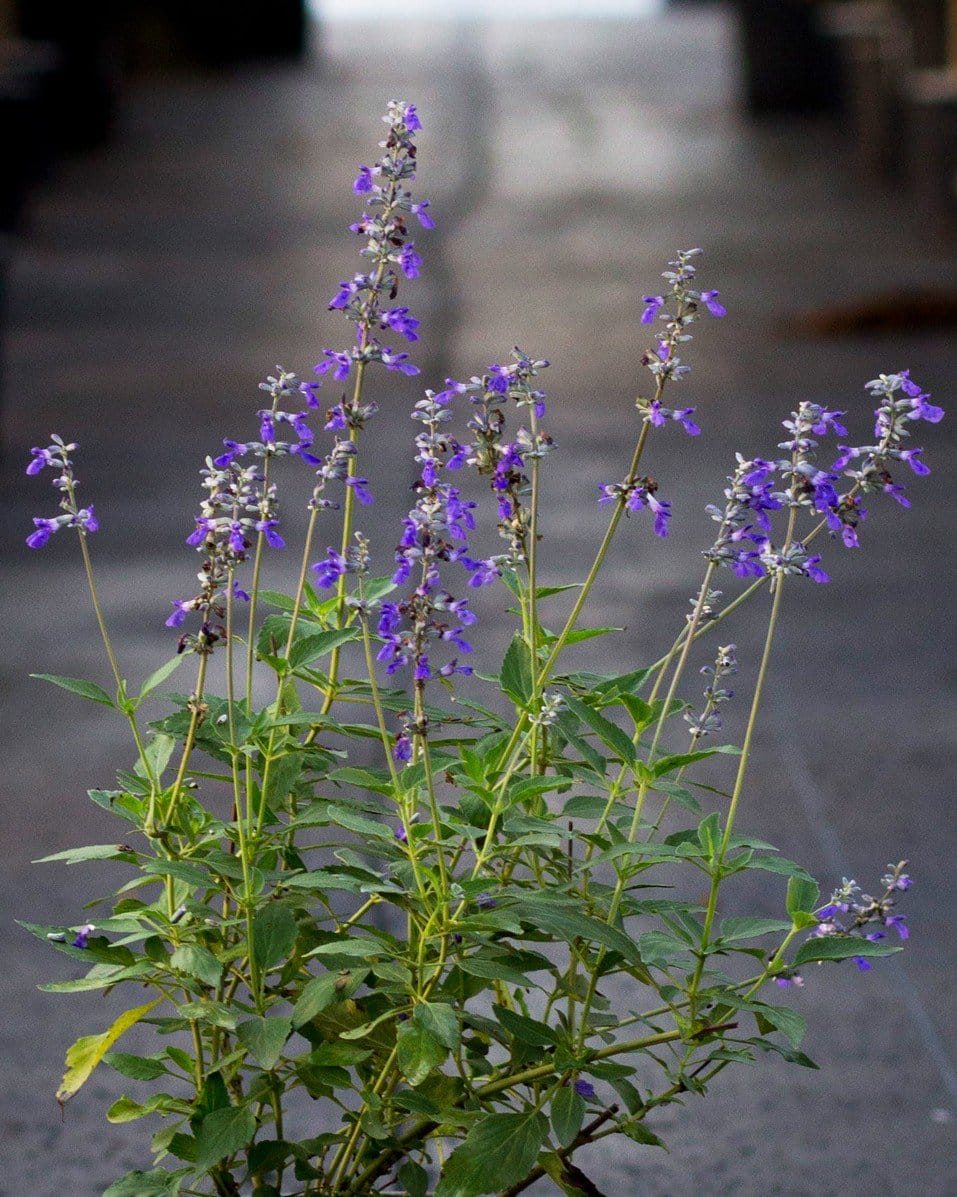
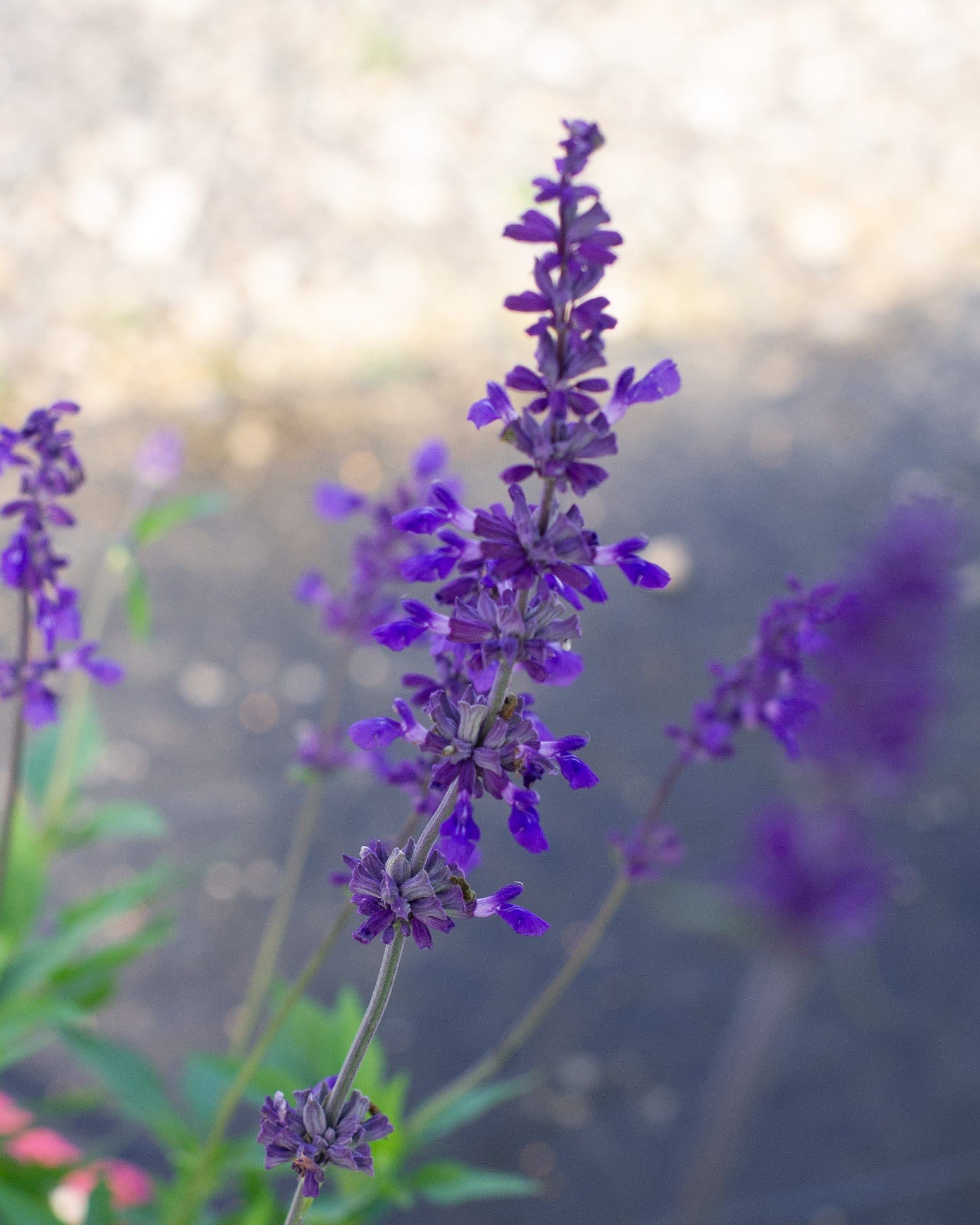
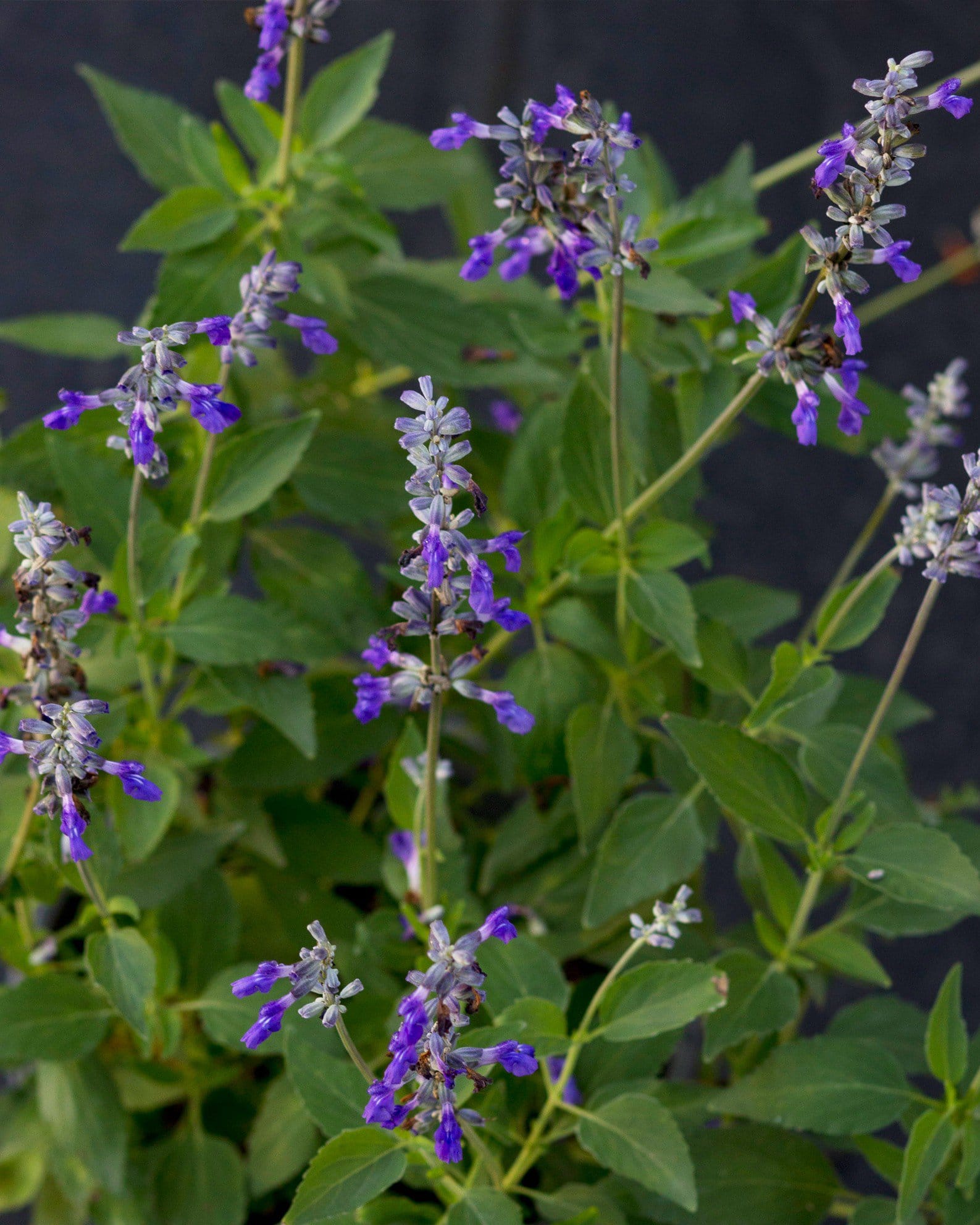
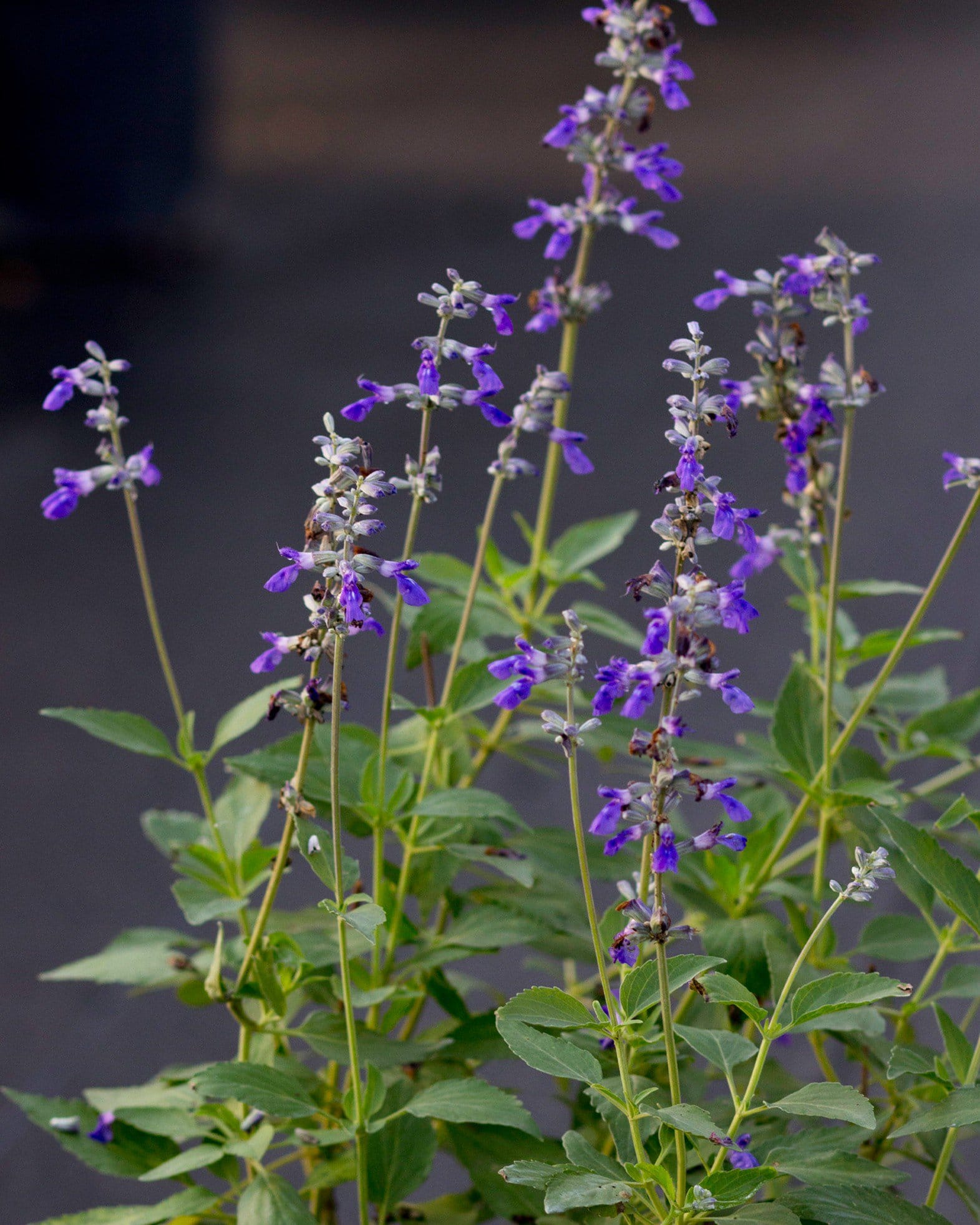
Henry Duelberg Salvia
Maturity: 3' H x 3' W
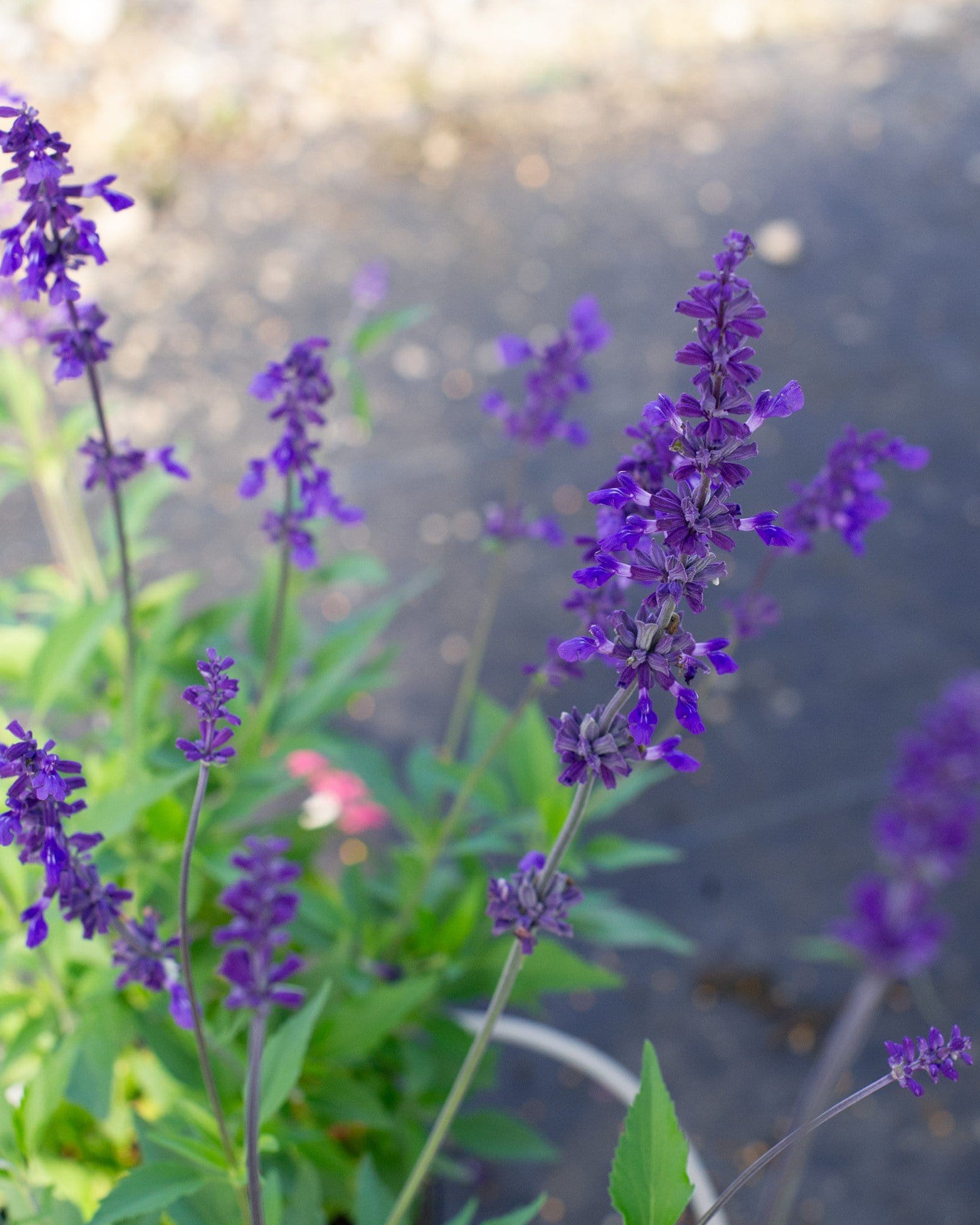
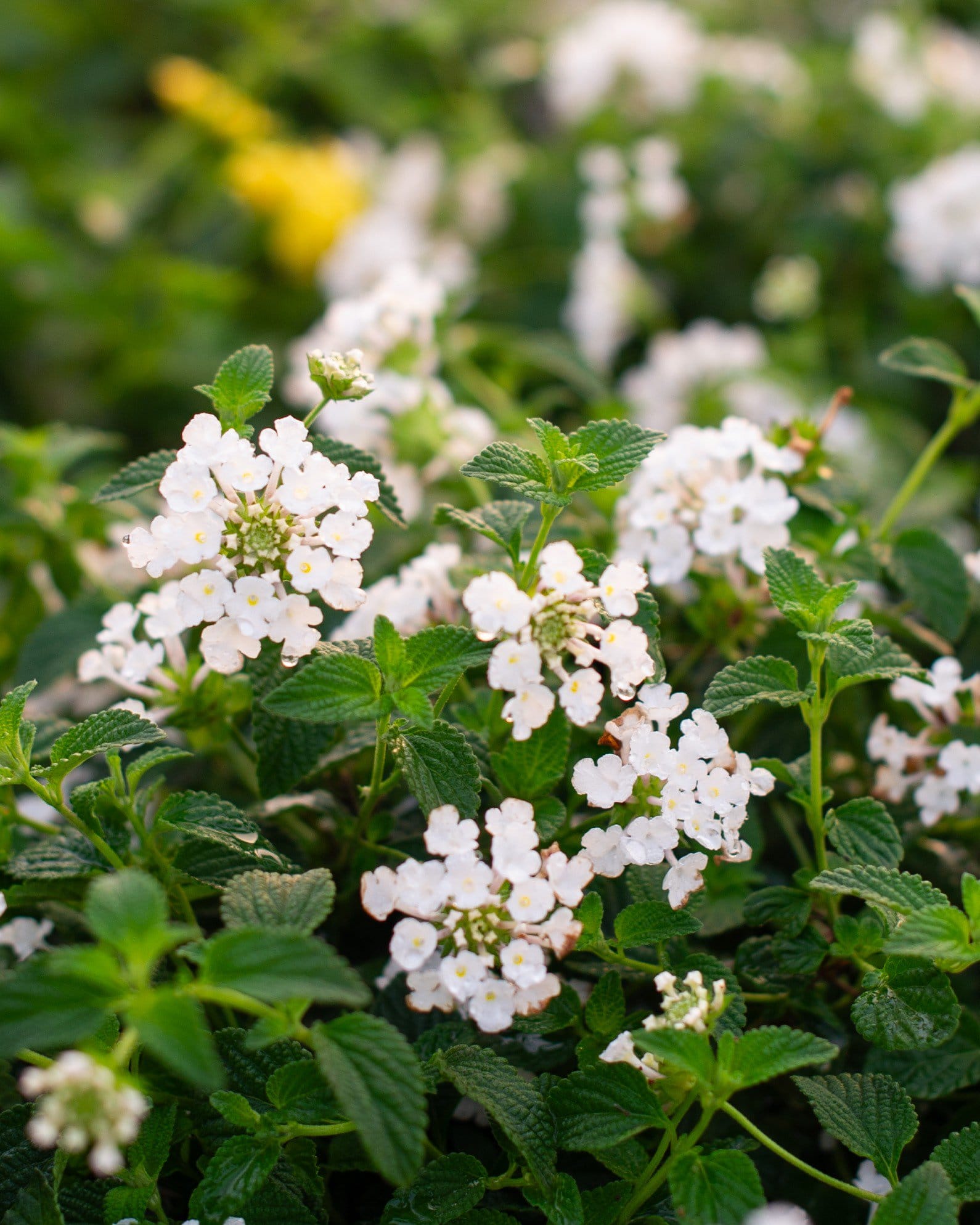
White Trailing Lantana
Maturity: 1' H x 3' W
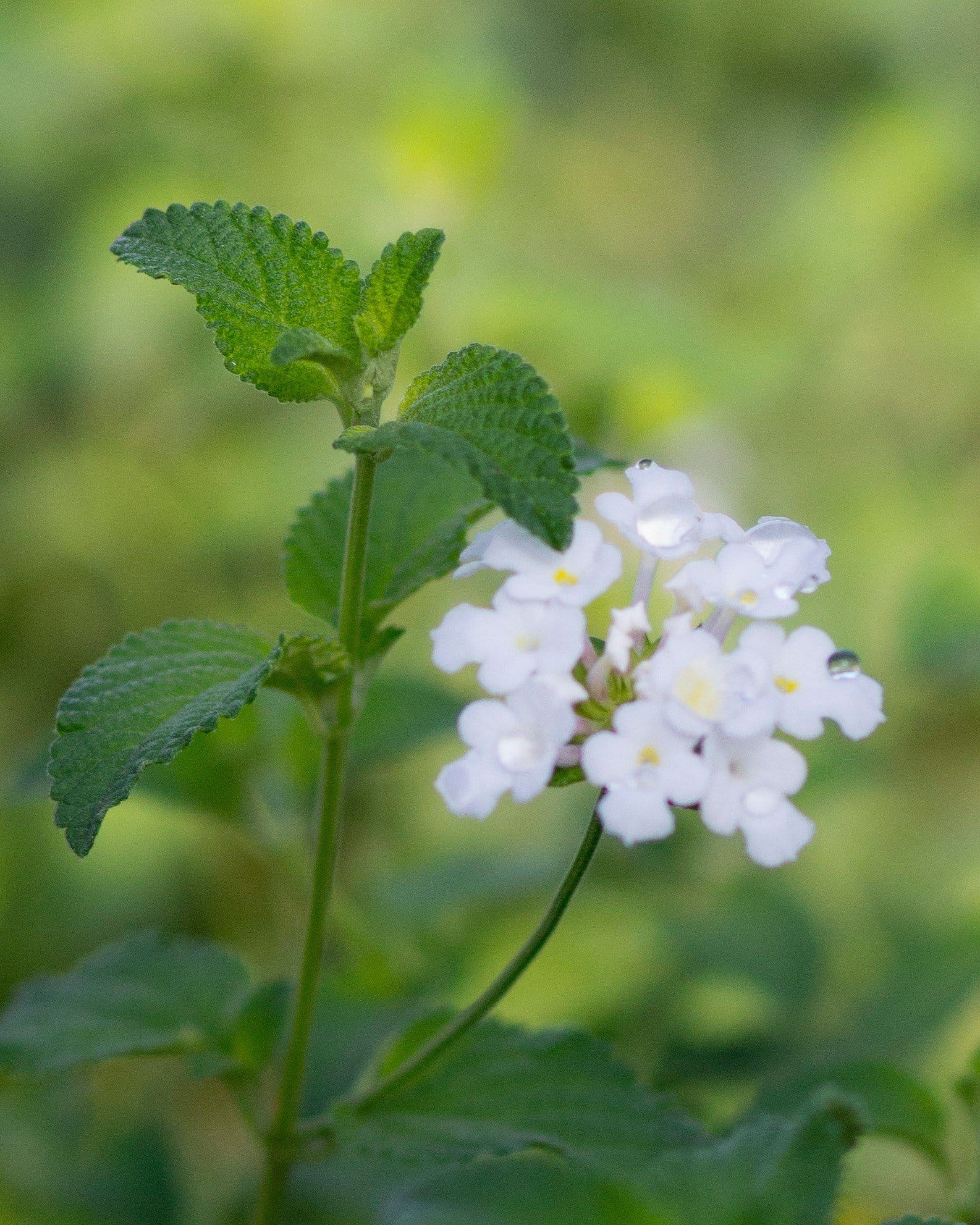
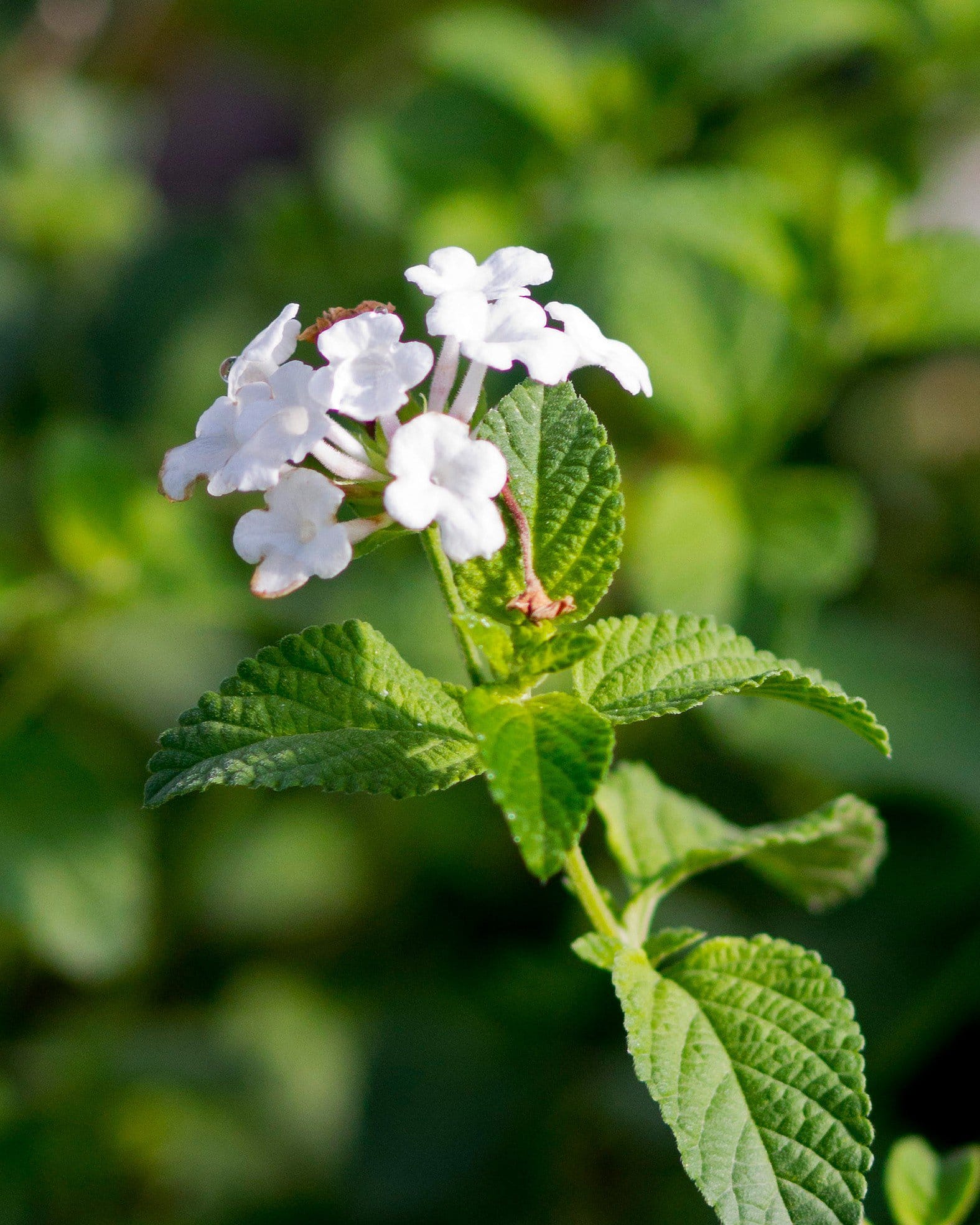
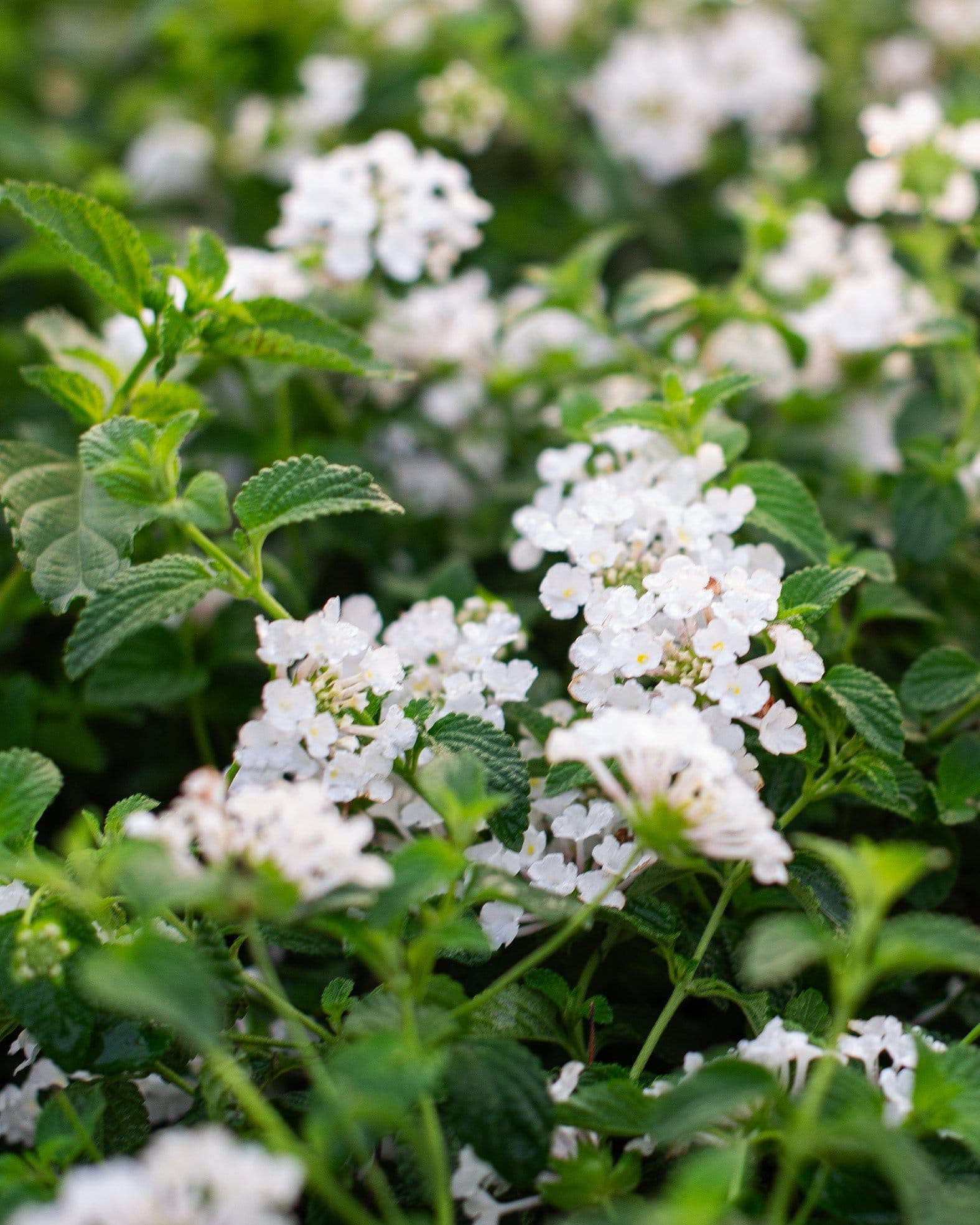
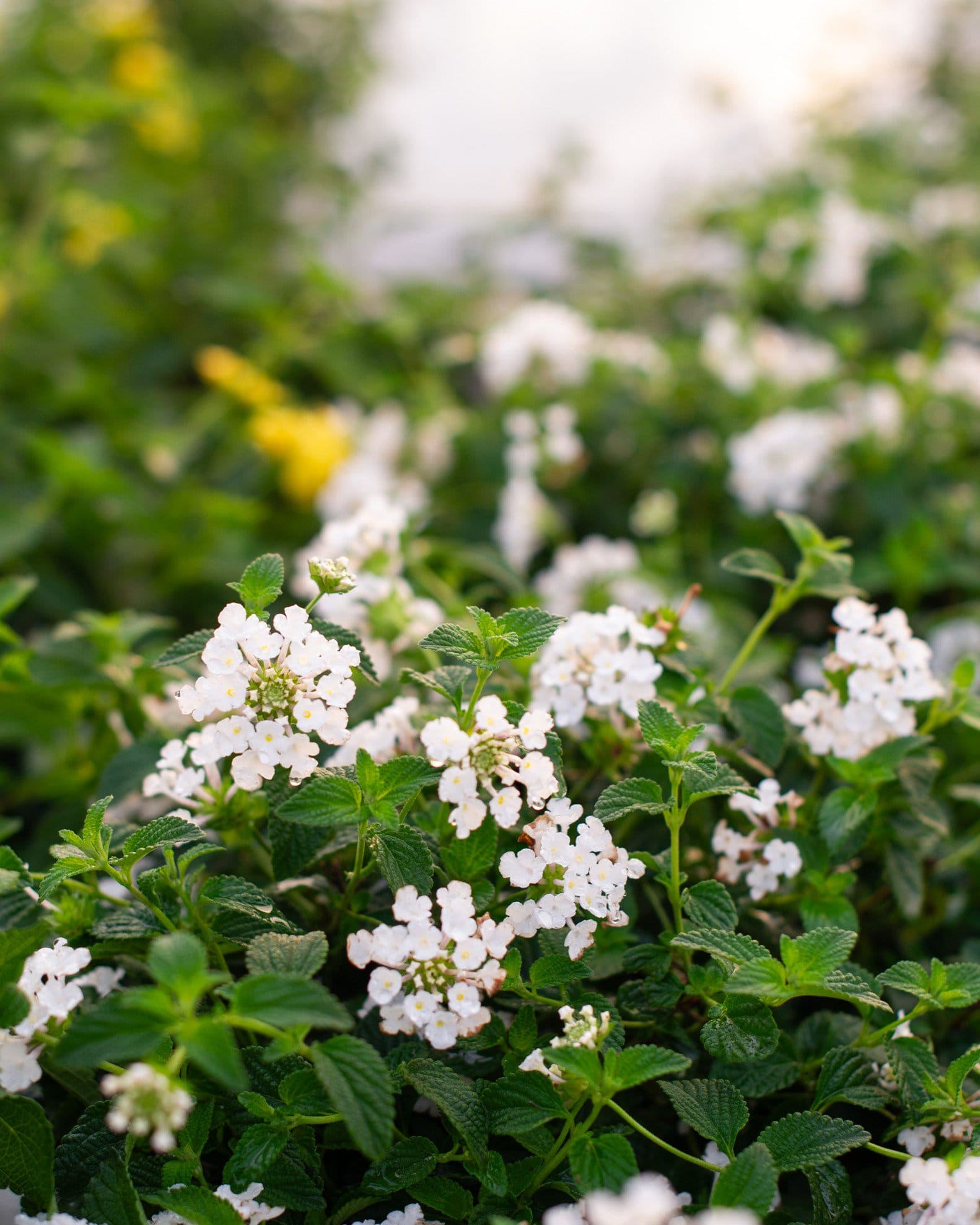
Bandana Gold Lantana
Maturity: 1.5' H x 1.5' W
Compare Similar Plants
New Gold Lantana This plant | ||
|---|---|---|
| Scientific Name | Lantana camara ‘New Gold’ | Lantana camara ‘Chapel Hill Yellow’ |
| Size at Maturity | 1' H x 2' W | 1.5' H x 2' W |
| Leaf Retention | Herbaceous | Herbaceous |
| Flower Color | Yellow | Yellow |
| Bloom Times | Spring, Summer & Fall | Spring, Summer & Fall |
| Sizes Available | 1, 3 gal | 1 gal |


Our 1-Year Planting Guarantee
We take pride in our plants and installation services. If any plants or trees installed by Treeland fail to thrive within the first year, we'll provide a replacement credit in accordance with our guarantee program.
Learn More About Our Guarantee