
 Popular
Local DFW Delivery Only
Product Details
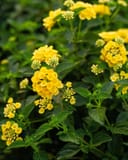
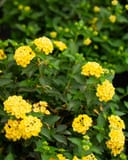
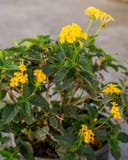
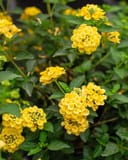
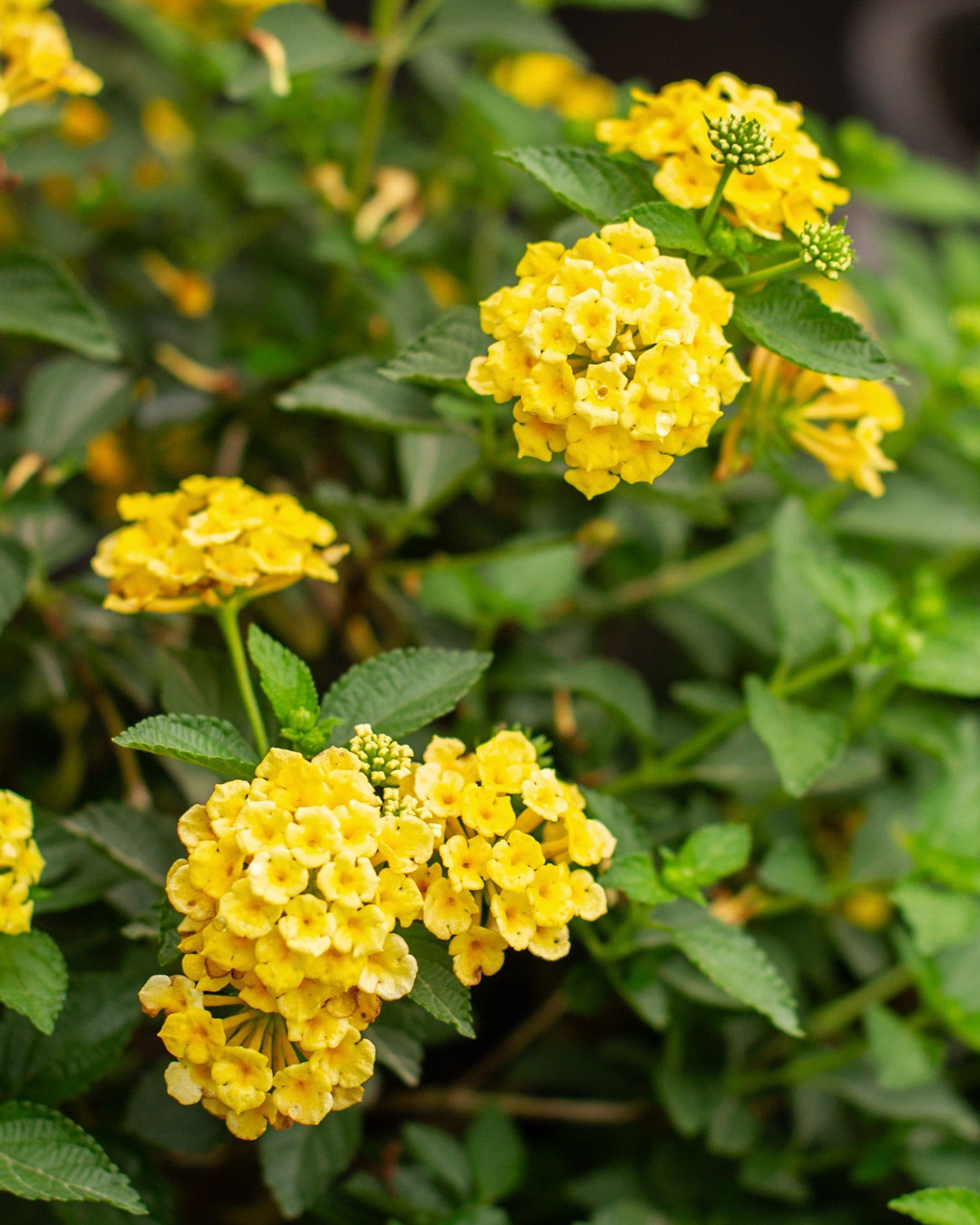
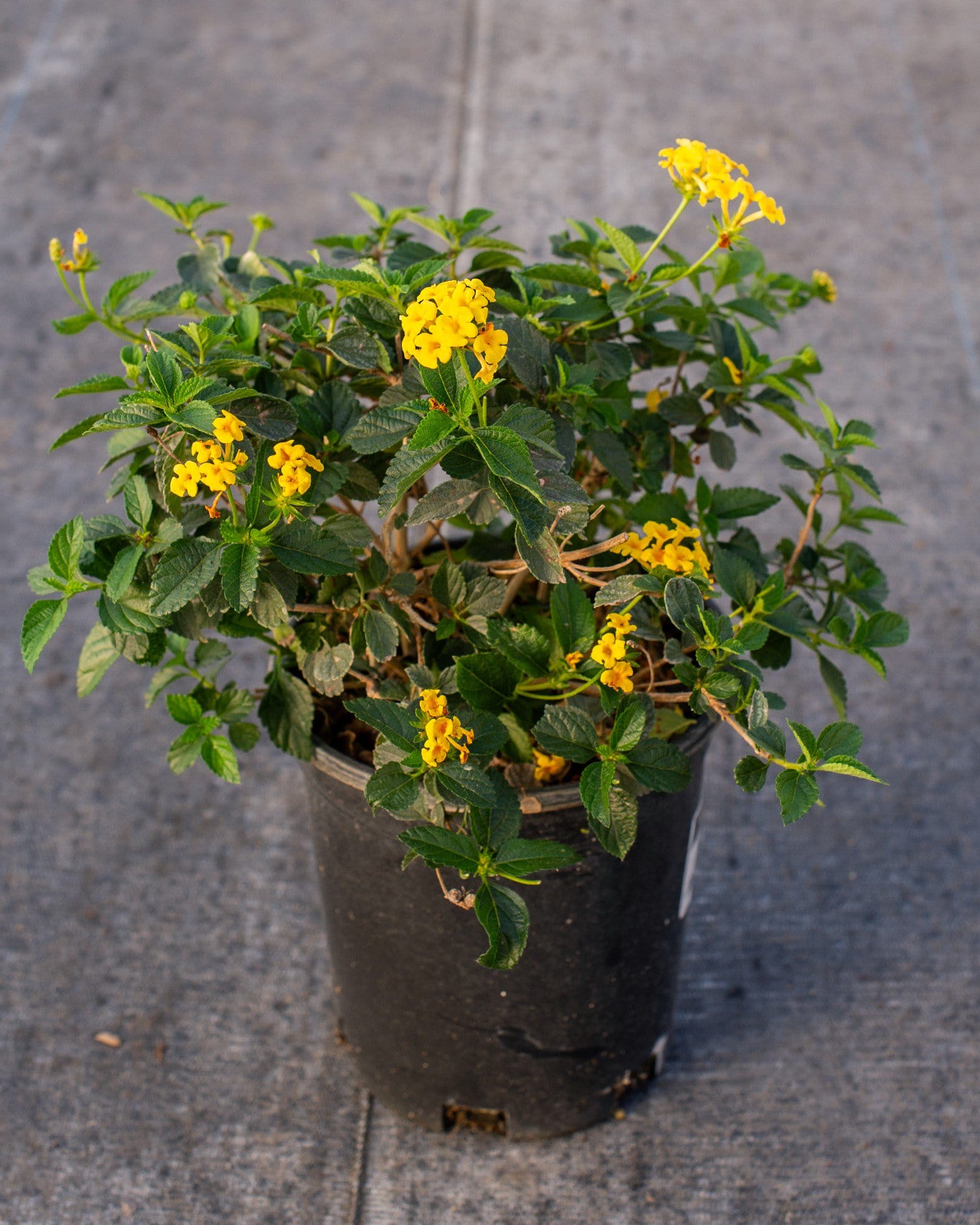
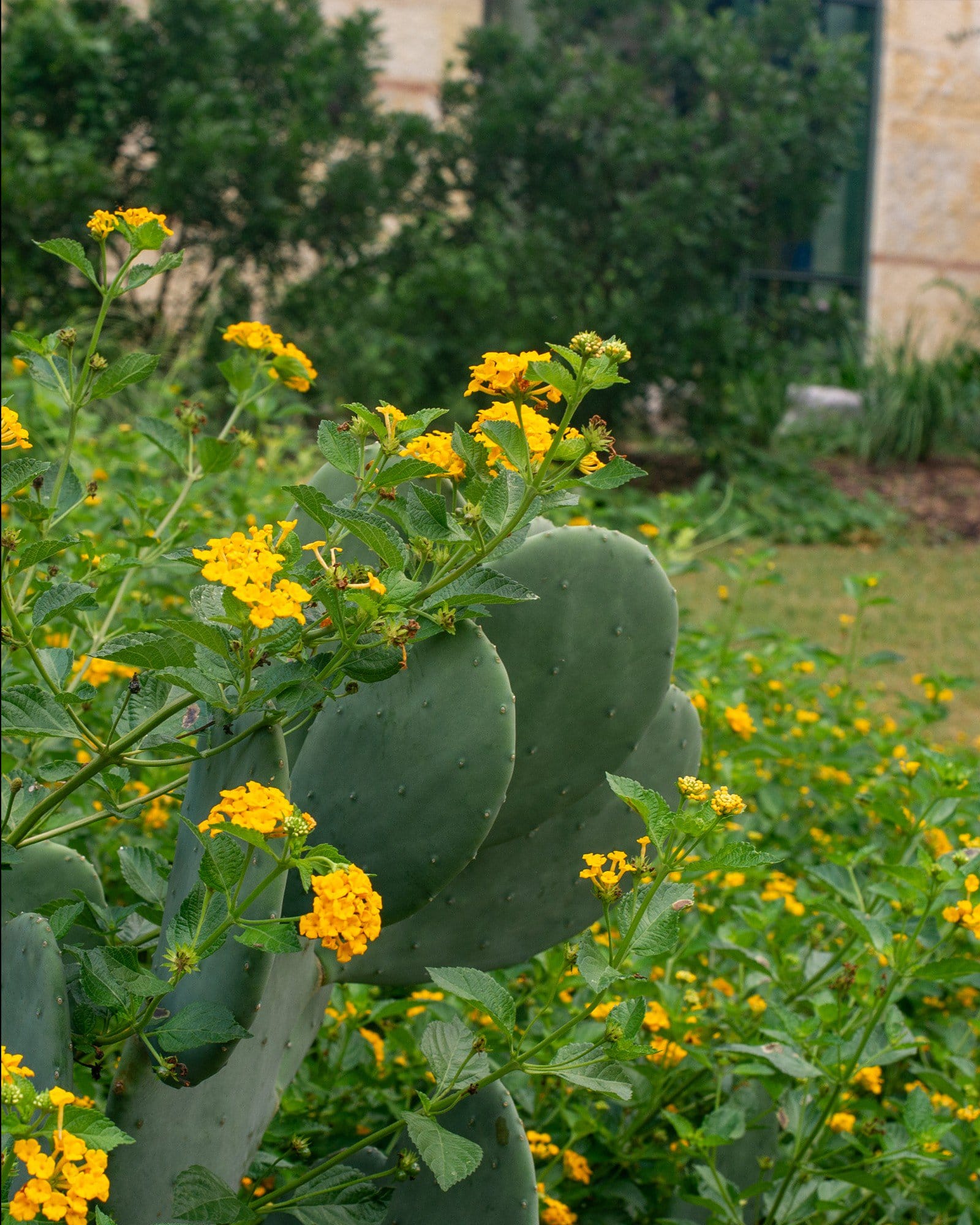
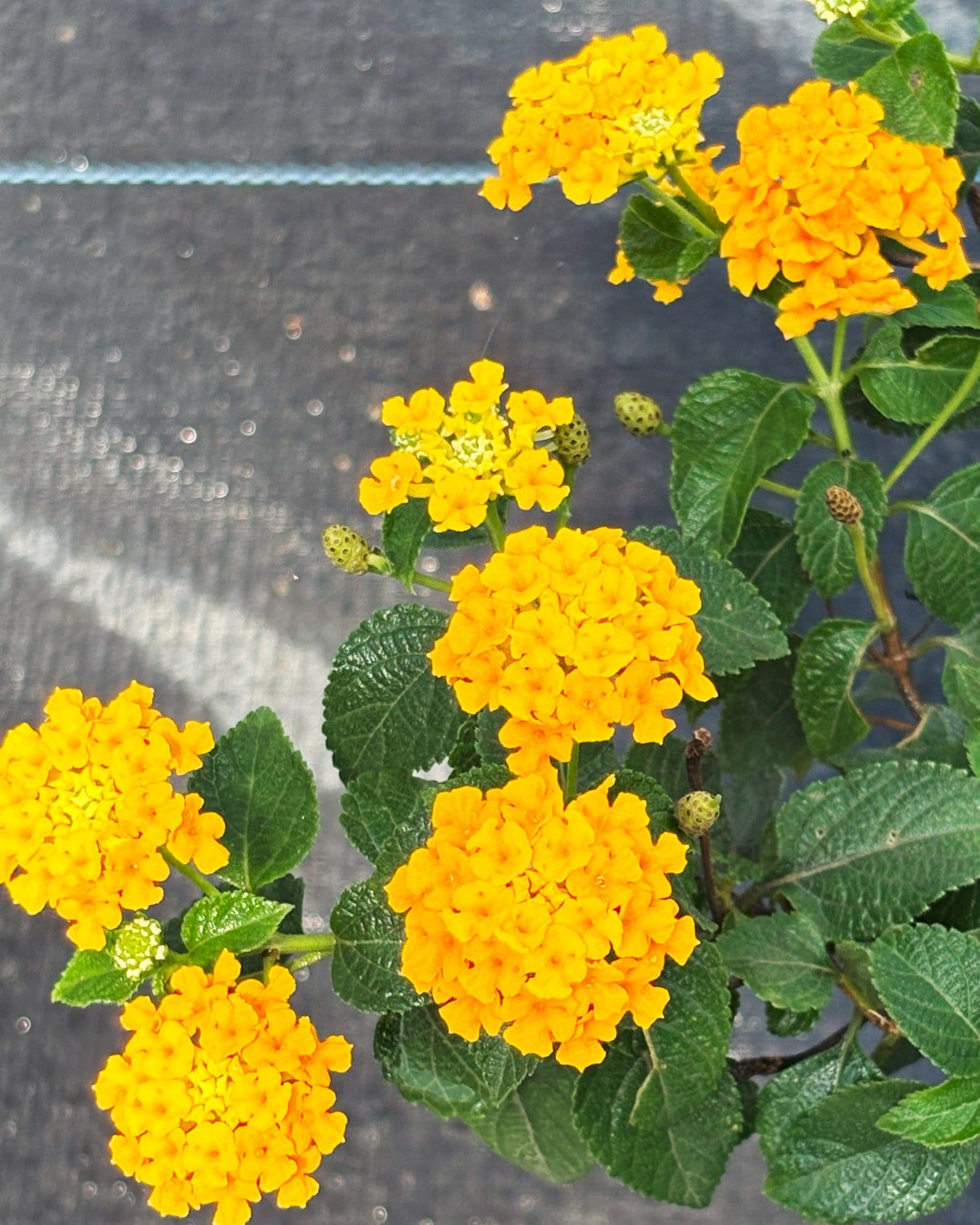
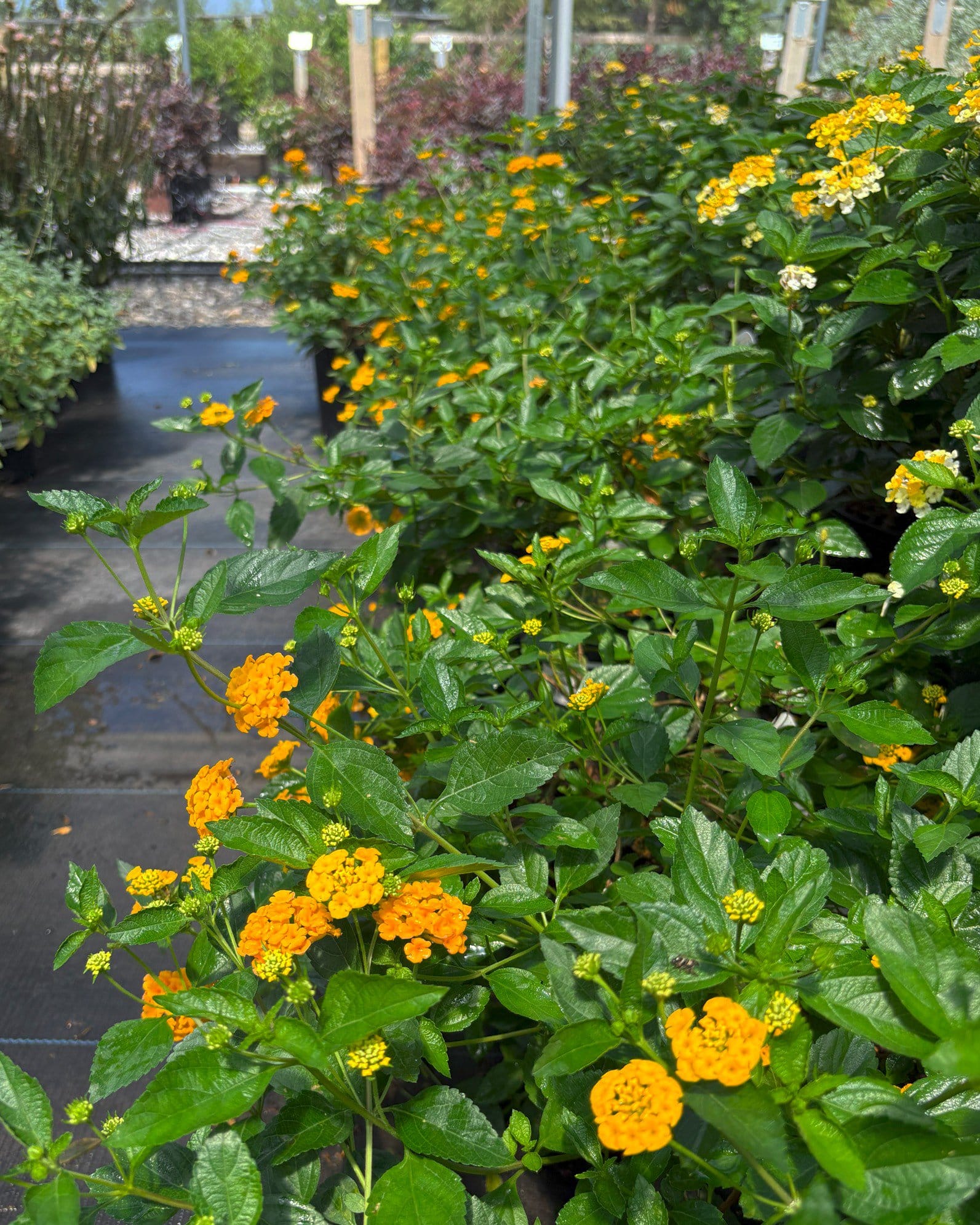
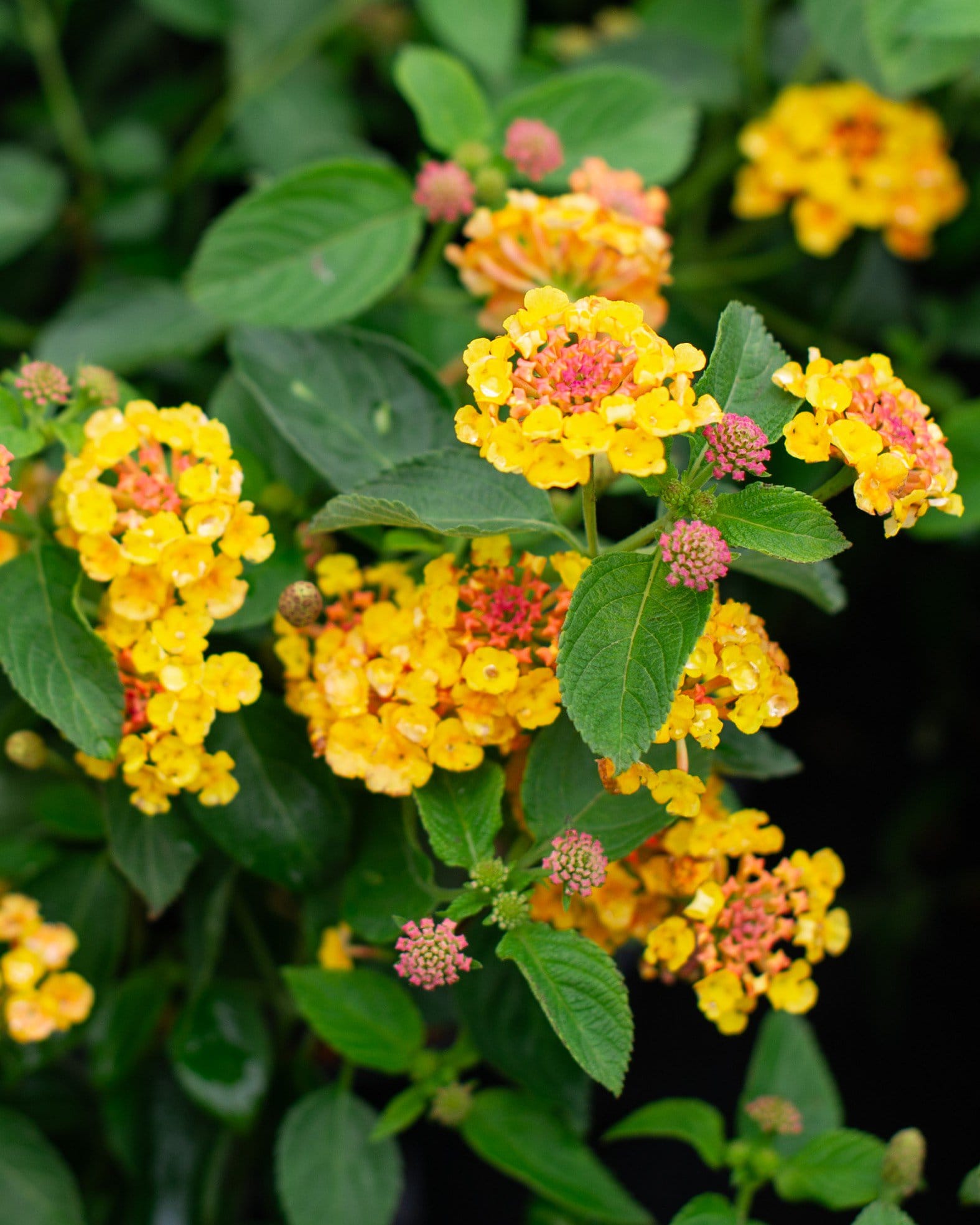
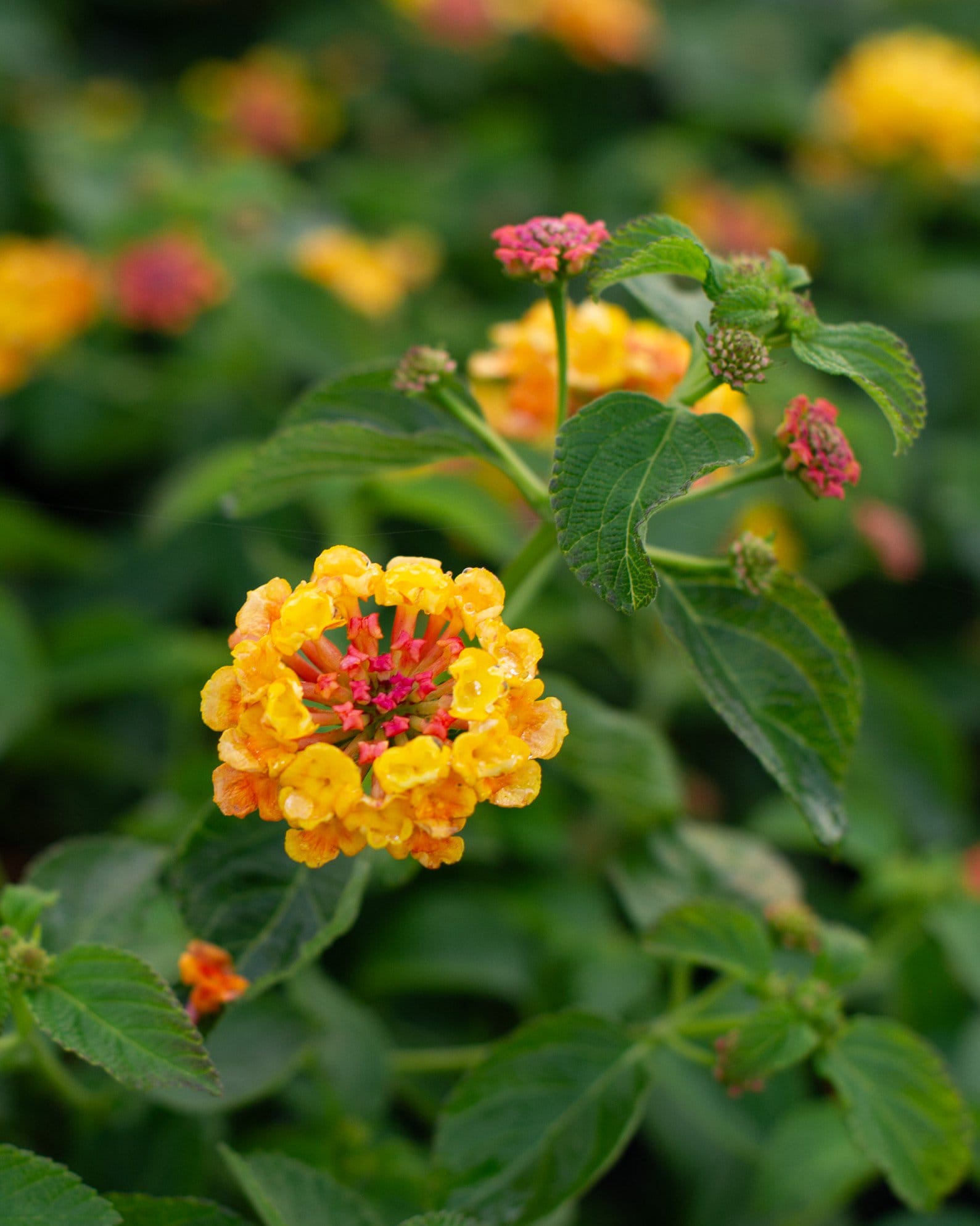
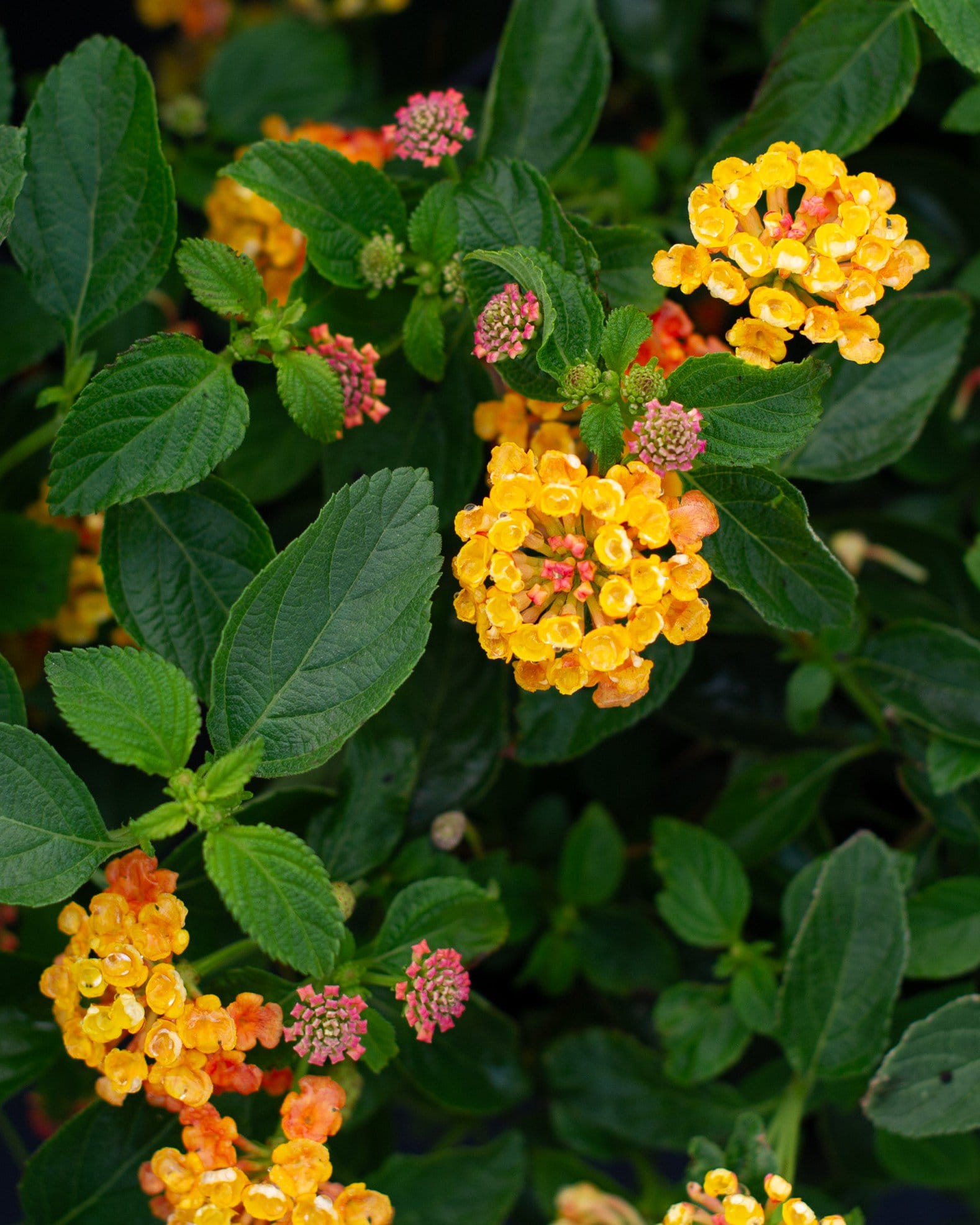
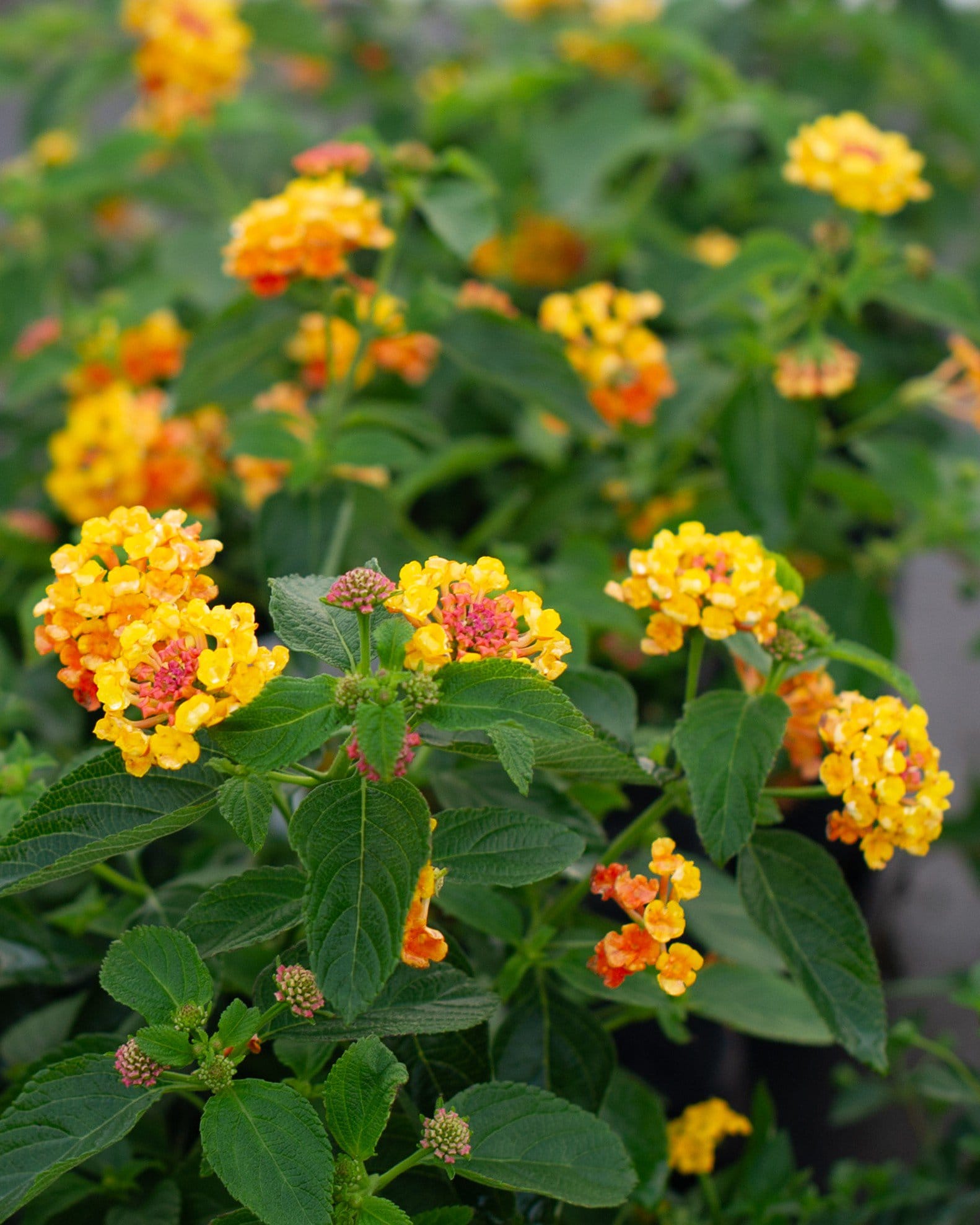
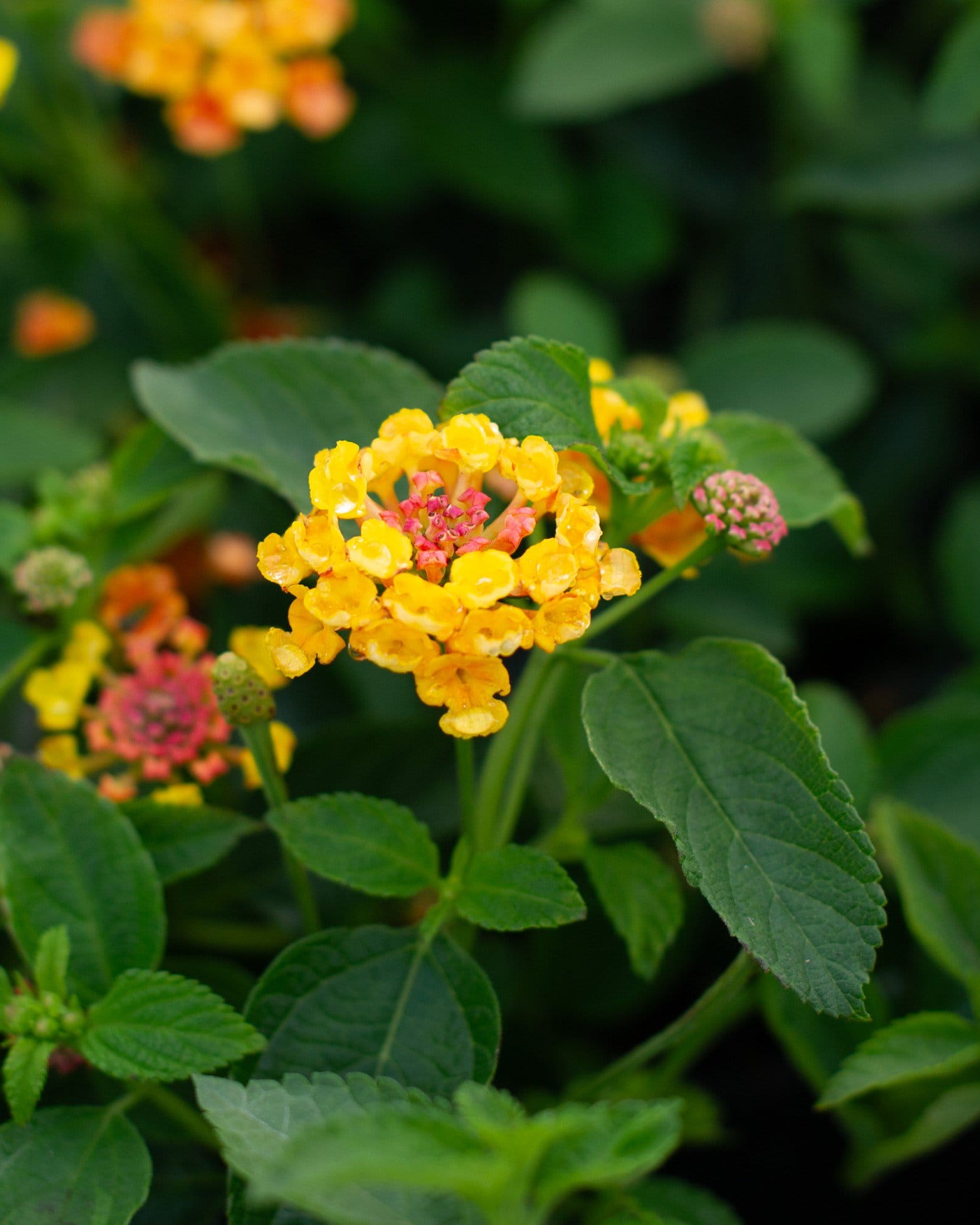
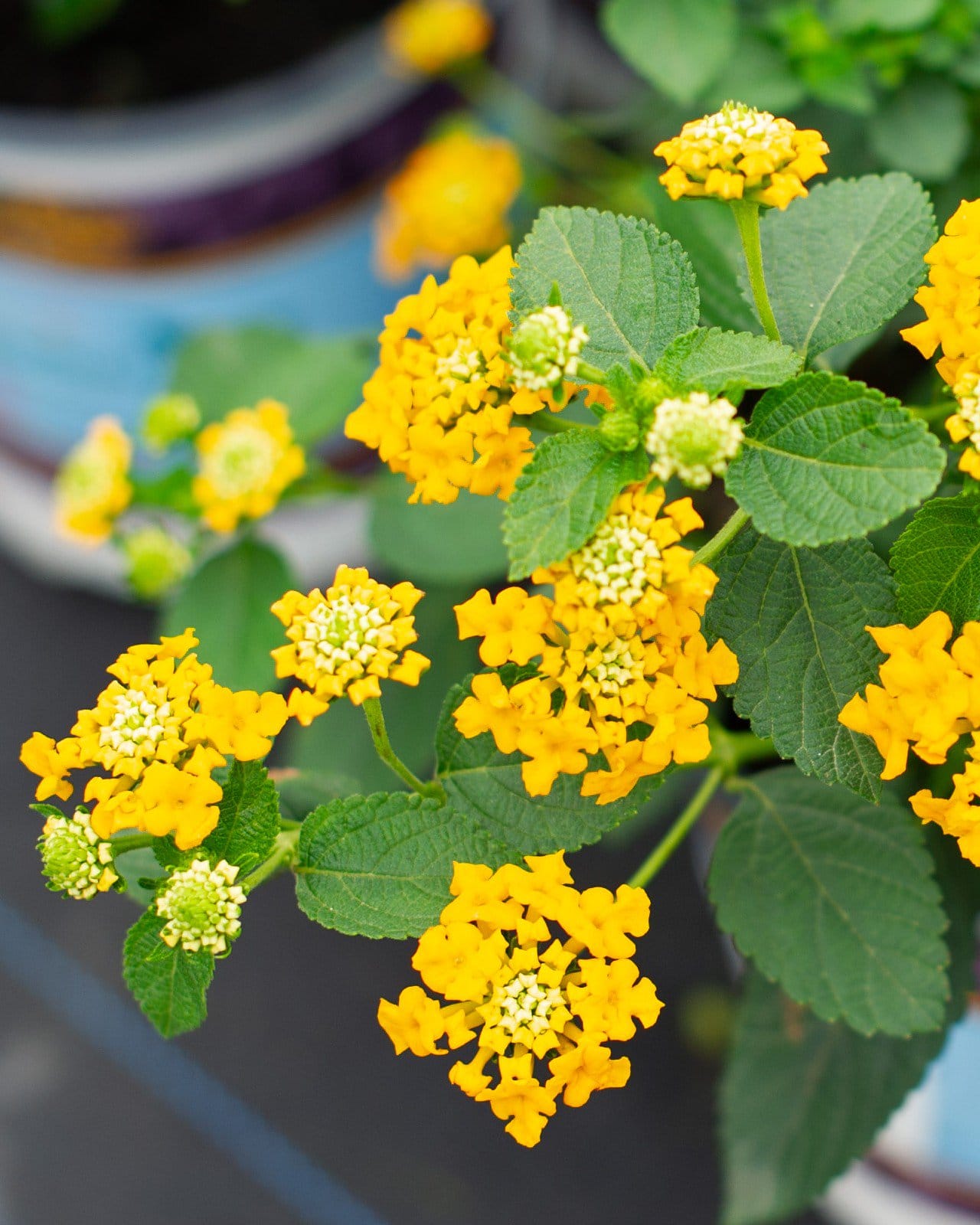
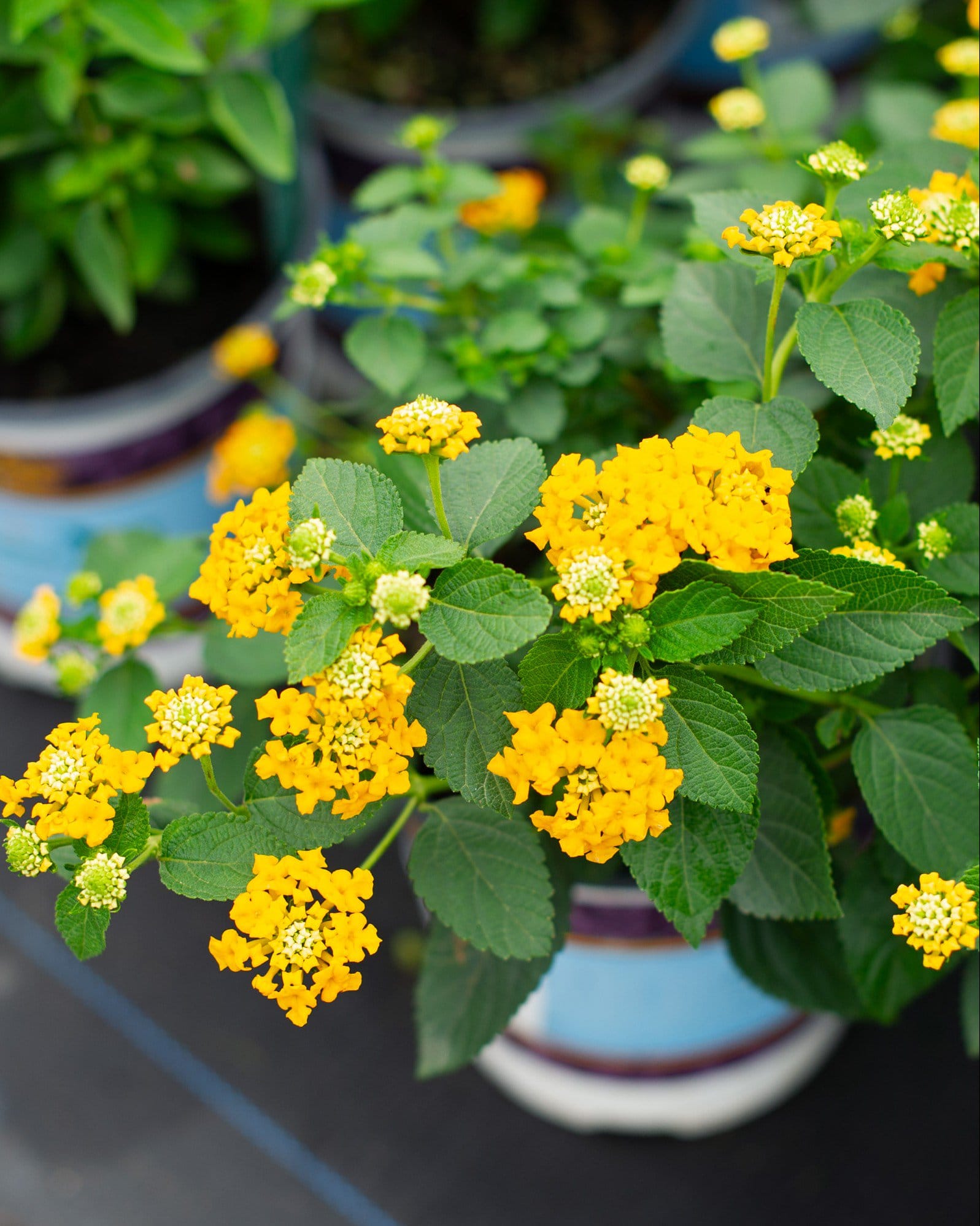
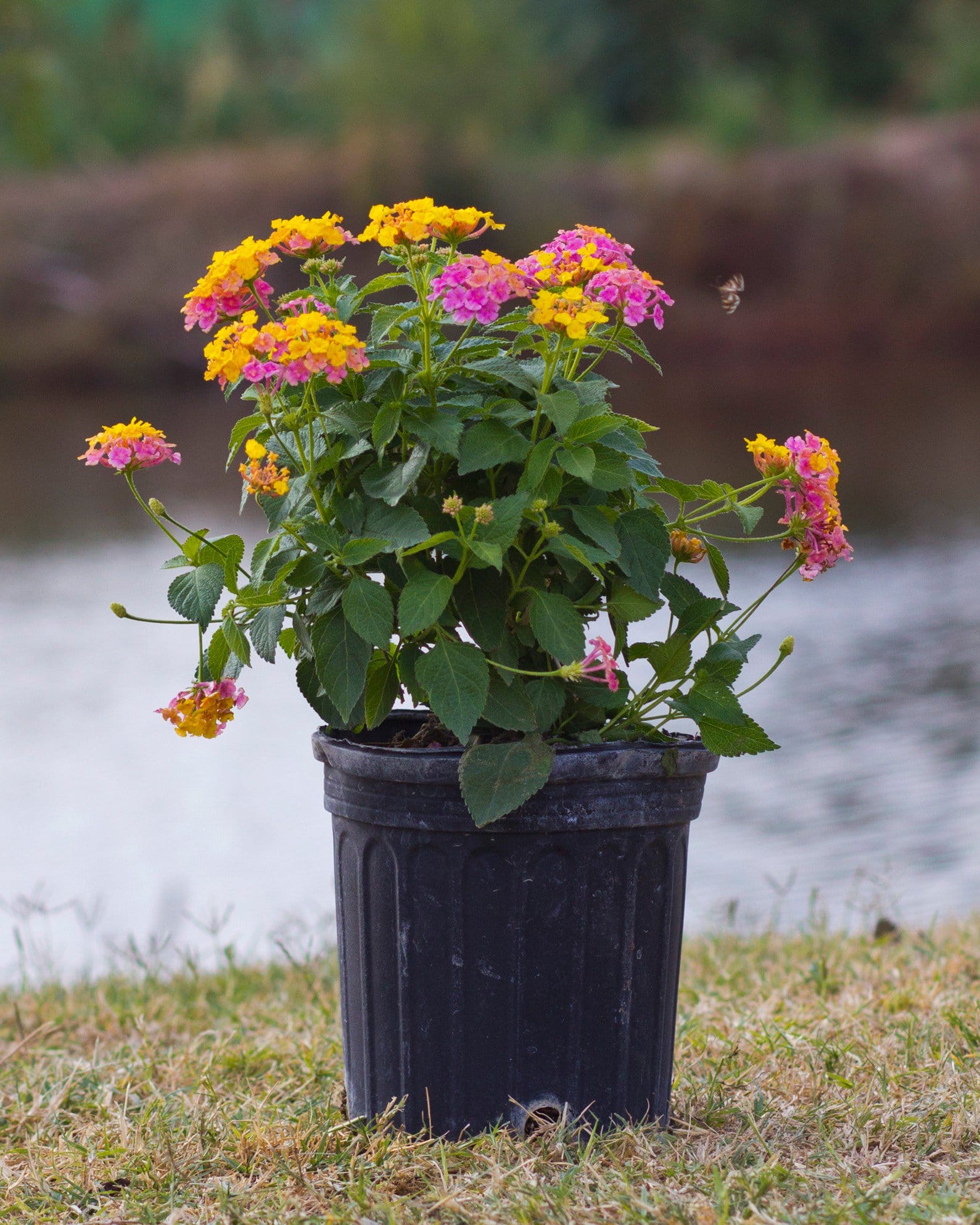
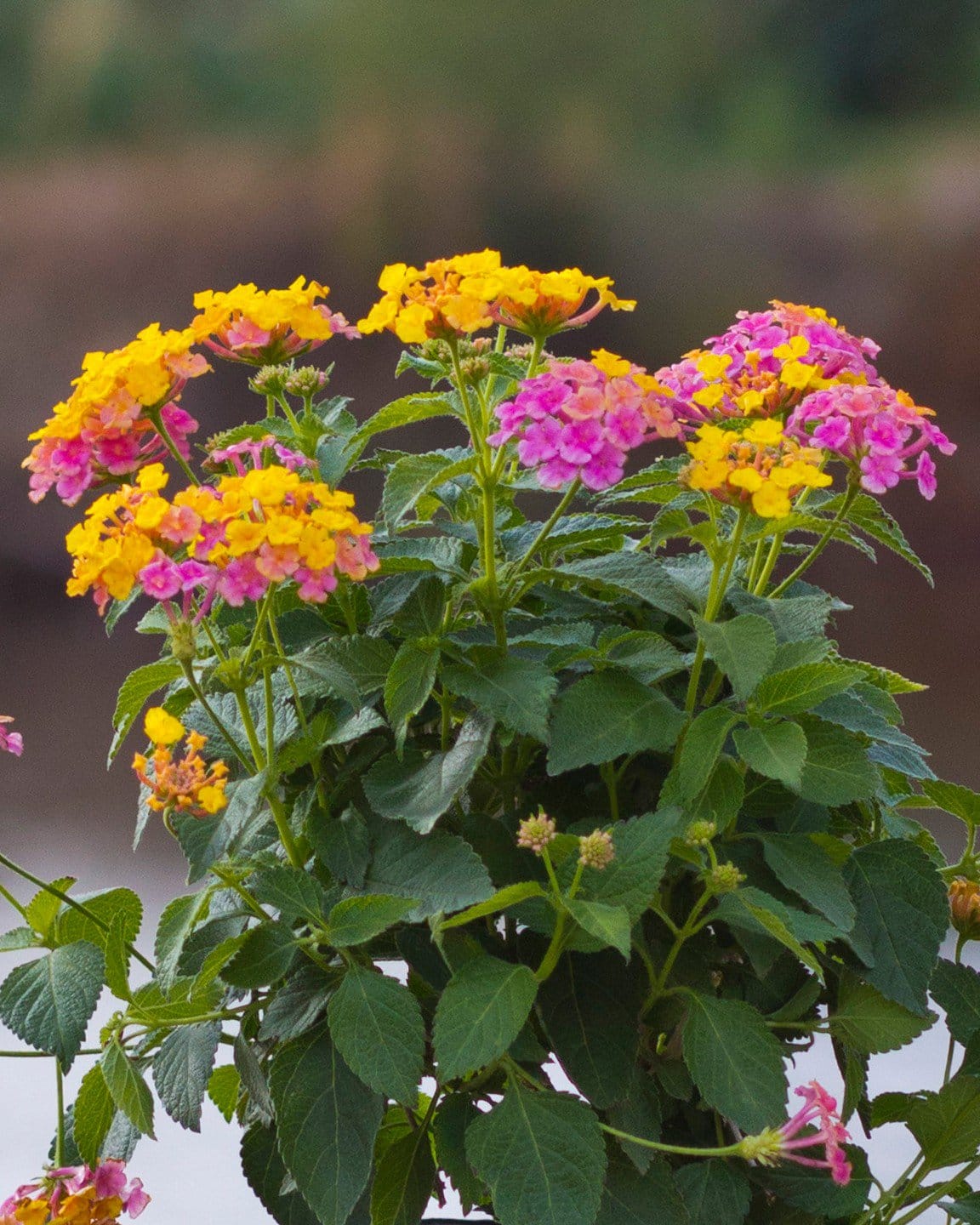
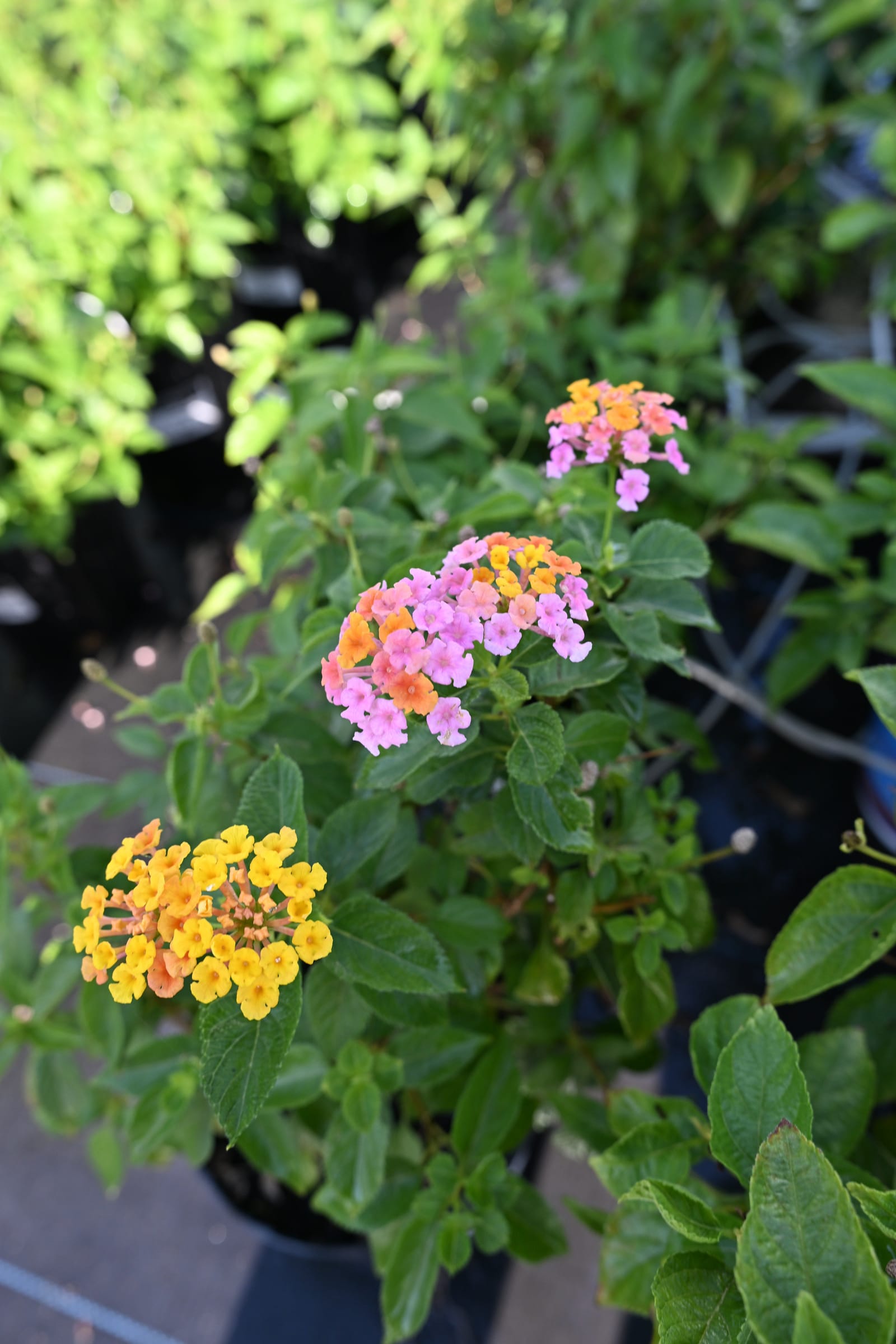
Chapel Hill Yellow Lantana
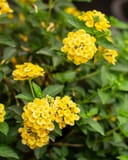
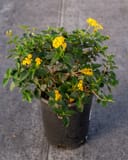
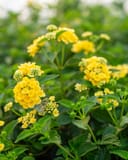
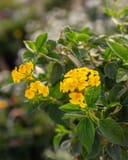
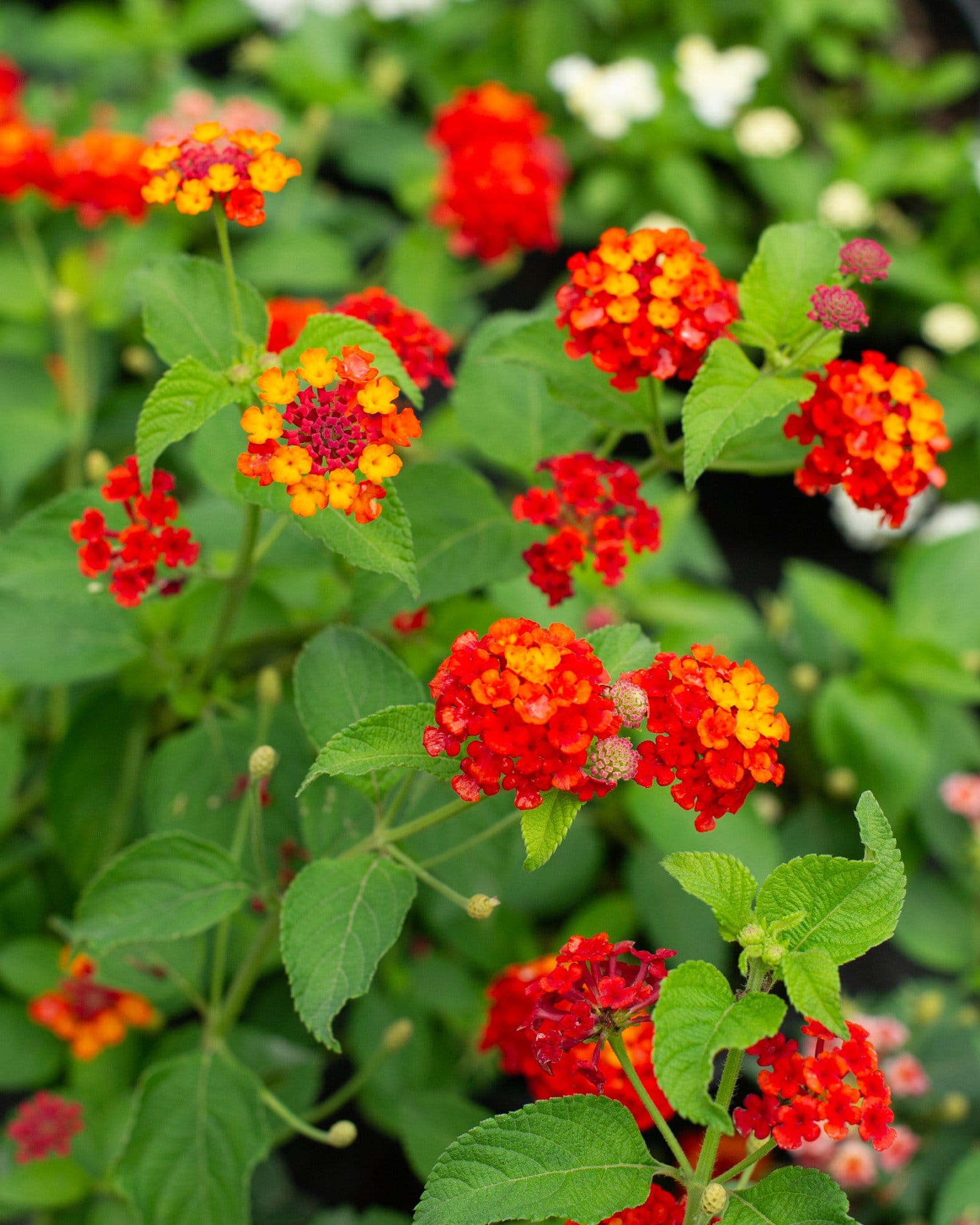
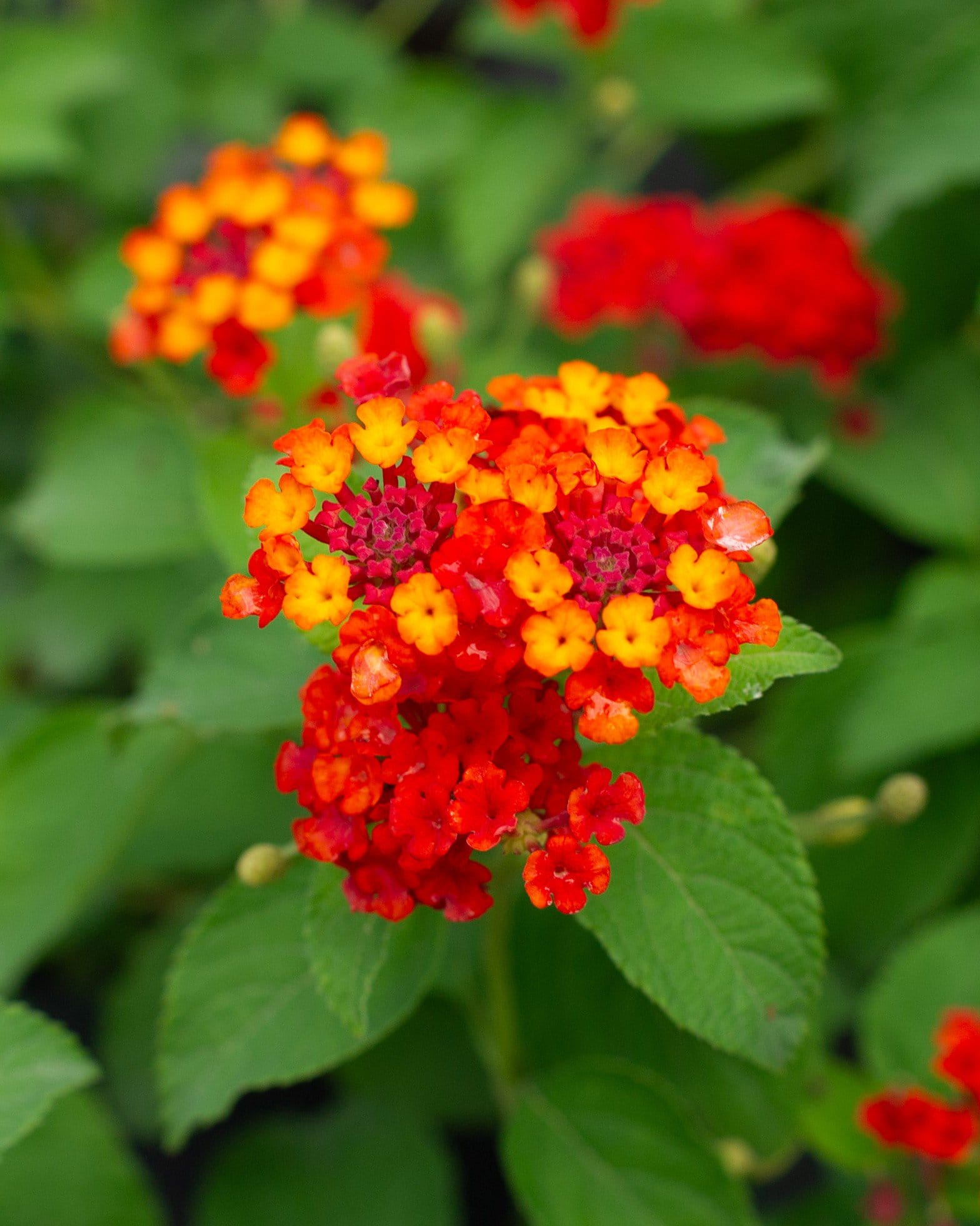
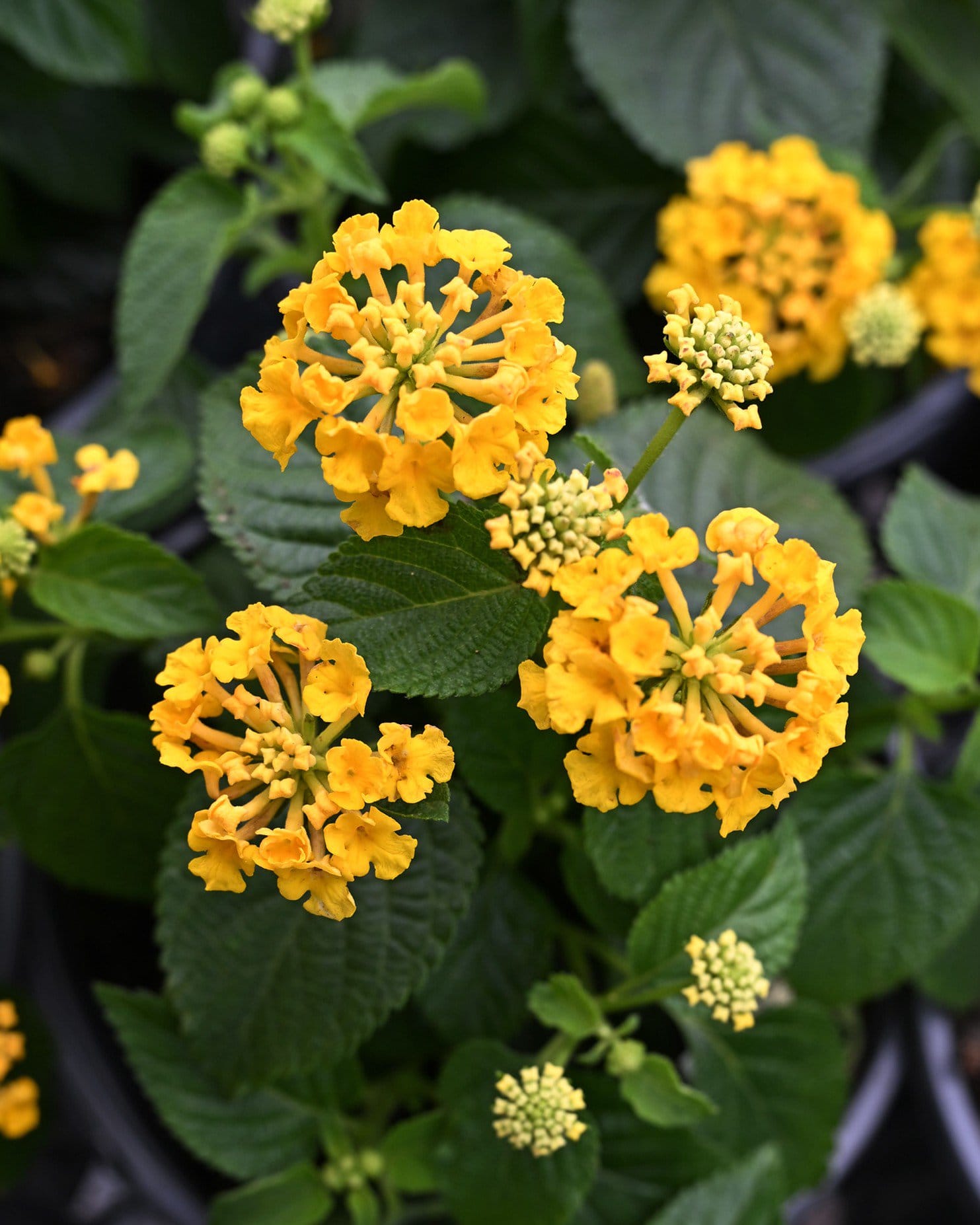
Lantana camara ‘Chapel Hill Yellow’Chapel Hill Yellow Lantana is a cold-hardy hybrid that delivers golden-yellow flower clusters from late spring into fall. It maintains a rounded, mounding shape at maturity, reaching 18 inches tall and up to 24 inches wide. The cheerful blooms contrast well with green foliage, bringing strong seasonal color to beds, borders, and decorative pots.
- A herbaceous perennial
- Fast growth rate
- Mounded growth habit
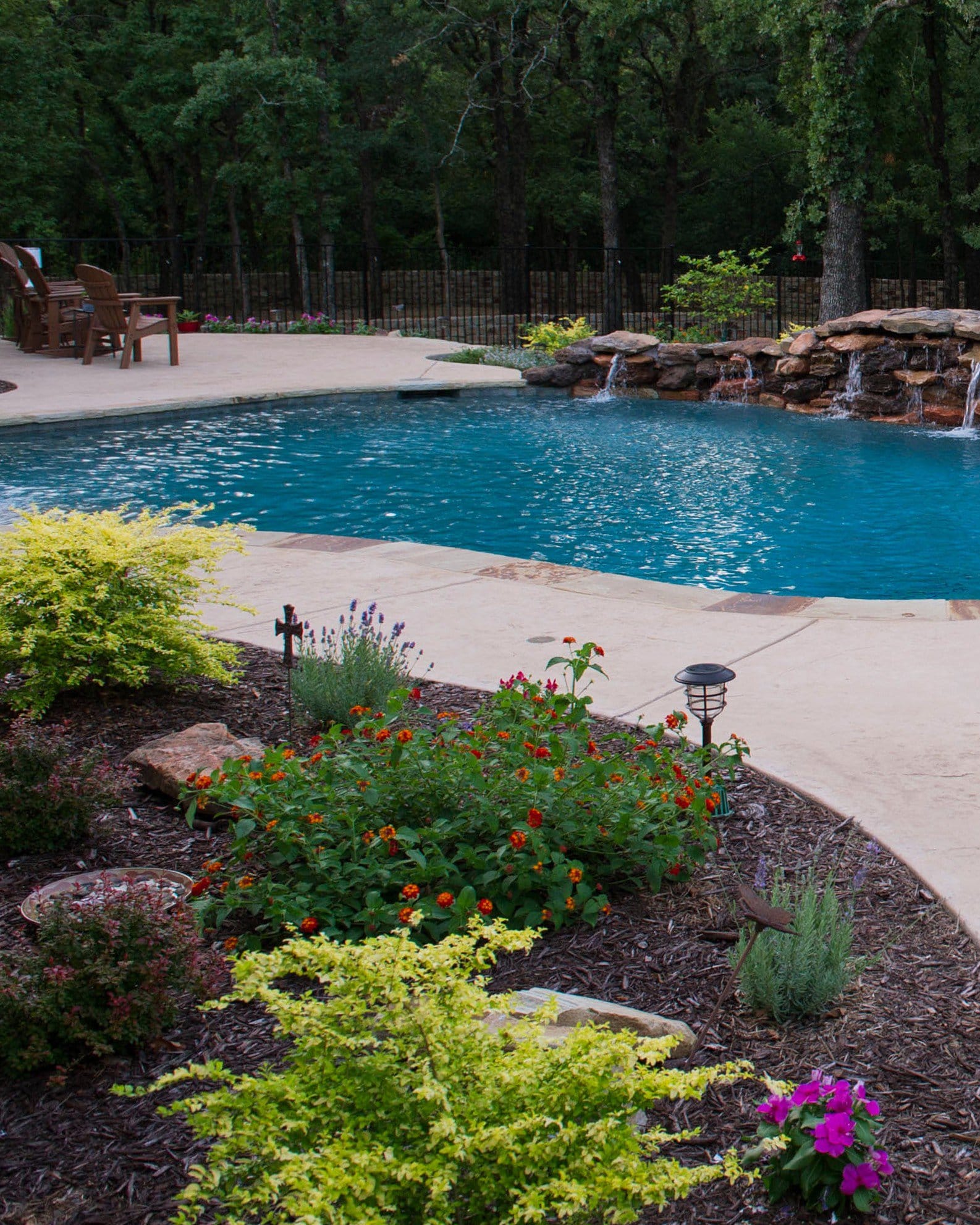
- Great for beds, borders, and containers
- Yellow flowers blooming from spring to fall
Hardy in USDA zones 7-11, this perennial will feel right at home in your North Texas landscape. This hardy variety thrives in full sun, requiring at least 6 hours of direct sunlight daily, although it can tolerate some partial shade. Plant it in well-drained soil. Apply light fertilization in spring to encourage healthy blooms. Remove spent flowers to promote new blooms and to ensure your Chapel Hill Yellow Lantana will grace the space for as long as possible.
Chapel Hill Yellow Lantana is a hardy, low-maintenance flowering shrub, but proper care ensures vibrant blooms and healthy growth.
- Watering: Water regularly during the first growing season to establish strong roots. Once mature, Chapel Hill Yellow Lantana is drought-tolerant and thrives on minimal supplemental watering. Deep watering during prolonged dry periods encourages robust flowering. Avoid overwatering, as soggy soil can lead to root rot.
- Pruning: Light pruning after flowering keeps the plant compact, encourages continuous blooms, and prevents legginess. Remove spent flowers, dead branches, or crossing stems to maintain a tidy, rounded shape. Hard pruning can be done in late winter or early spring if needed to rejuvenate the plant.
- Fertilizing: Apply a balanced, slow-release fertilizer in early spring to support strong growth and vibrant blooms. Established plants typically require minimal fertilization, as excessive nutrients can reduce flower production.
- Mulching: Spread a 2-3 inch layer of organic mulch, such as shredded bark or pine straw, around the base to retain moisture, suppress weeds, and regulate soil temperature. Keep mulch about 6 inches away from the crown to prevent rot.
- Spacing: For hedges or grouped plantings, space plants 2-3 feet apart for a continuous look, or 3-4 feet apart to allow individual growth. Proper spacing promotes airflow and reduces disease risk.
Common Issues and How to Take Care of Them
Chapel Hill Yellow Lantana is generally pest- and disease-resistant, but occasional issues can occur:
- Whiteflies: Tiny, winged insects that feed on plant sap, causing yellowing leaves. Treat with insecticidal soap or horticultural oil, or introduce natural predators like ladybugs.
- Aphids: Sap-feeding insects that cluster on new growth. Remove by spraying with water, insecticidal soap, or encouraging beneficial insects.
- Powdery Mildew: White, powdery coating on leaves, especially in humid conditions. Ensure proper spacing for airflow and water at the base rather than overhead.
- Root Rot: Caused by poorly draining soil or excessive watering. Plant in well-drained soil and allow the top layer to dry between waterings.
- Sooty Mold: Often develops on honeydew left by aphids or whiteflies. Controlling the pests helps prevent mold growth, and affected leaves can be washed off with a gentle spray of water.
Maintaining proper spacing, pruning regularly, and watering appropriately keeps Chapel Hill Yellow Lantana healthy and blooming profusely.
It grows moderately fast, reaching 2-4 feet in height and width within 2-3 years.
Light pruning can be done after flowering to encourage new blooms. Hard pruning is best in late winter or early spring to rejuvenate older plants.
Yes, once established, Chapel Hill Yellow Lantana withstands dry spells. Supplemental deep watering during extreme heat promotes optimal flowering.
Absolutely, choose large pots with well-draining soil and ensure frequent watering, especially during hot, dry periods.
With proper care, it can thrive for 5-10 years or more, especially with occasional pruning to maintain vigor.
Yes, it works beautifully as a border hedge, mass planting, or standalone specimen for a bright, tropical look.
Overwatering, poor drainage, or nutrient deficiencies may lead to yellow leaves. Adjust watering and amend soil as needed.
For dense coverage, space 2-3 feet apart. For a more individual shrub shape, 3-4 feet between plants is recommended.
The best time to plant Chapel Hill Yellow Lantana is in the spring, once the soil starts to warm up.
Yes, this variety can return, but whether it will depends on the climate conditions.
Special Features
You might also like
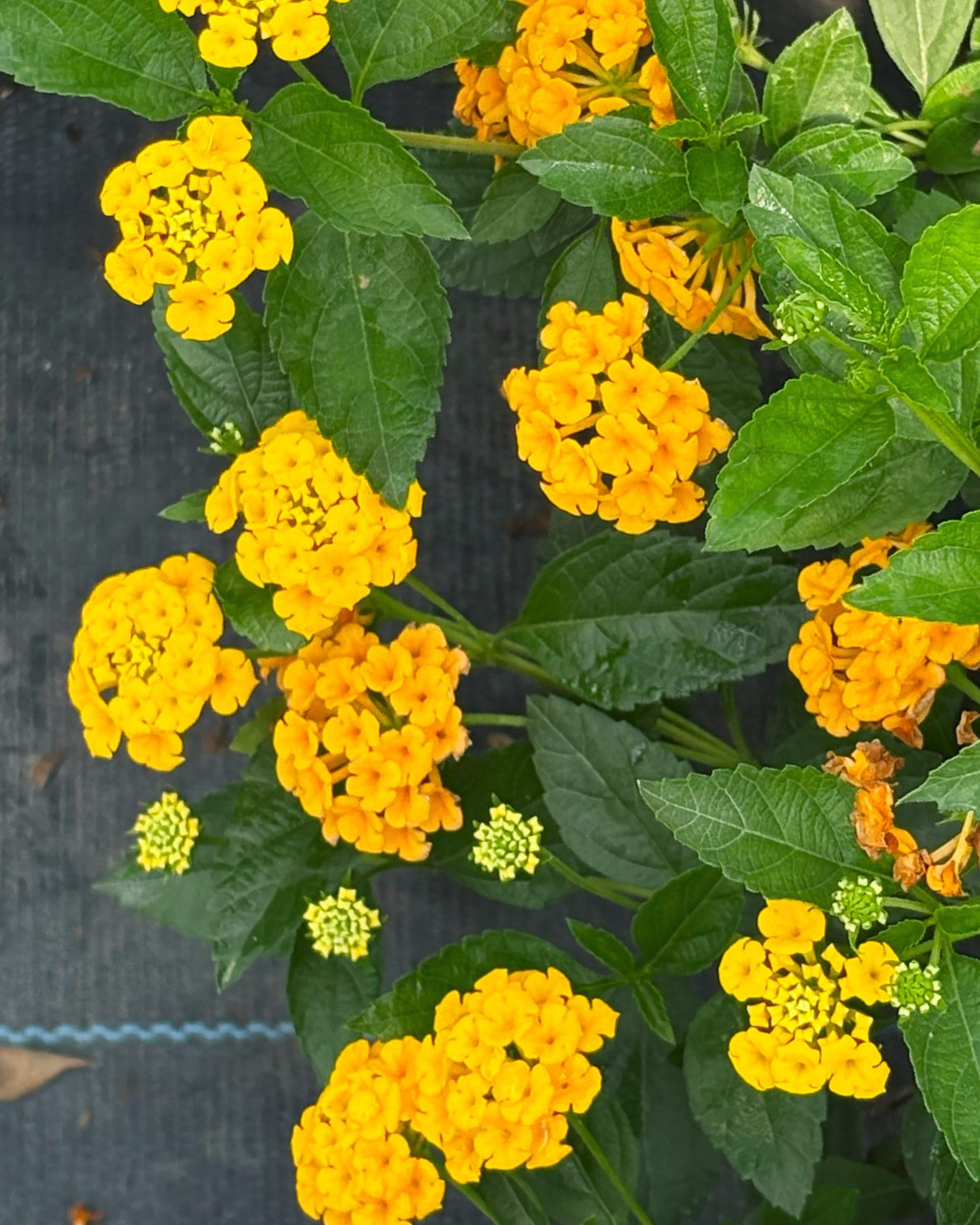
New Gold Lantana
Maturity: 1' H x 2' W
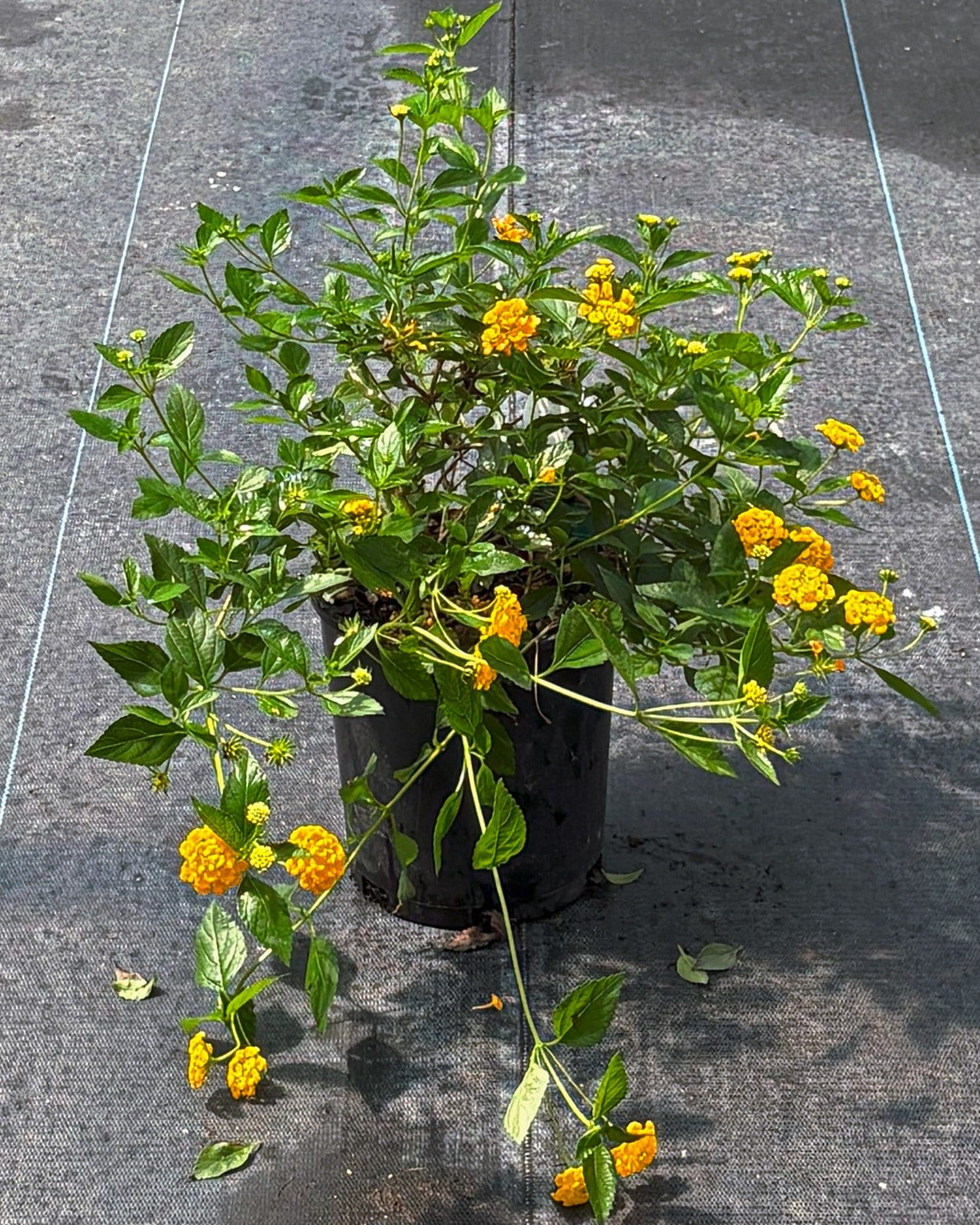
Dallas Red Lantana
Maturity: 3' H x 3' W
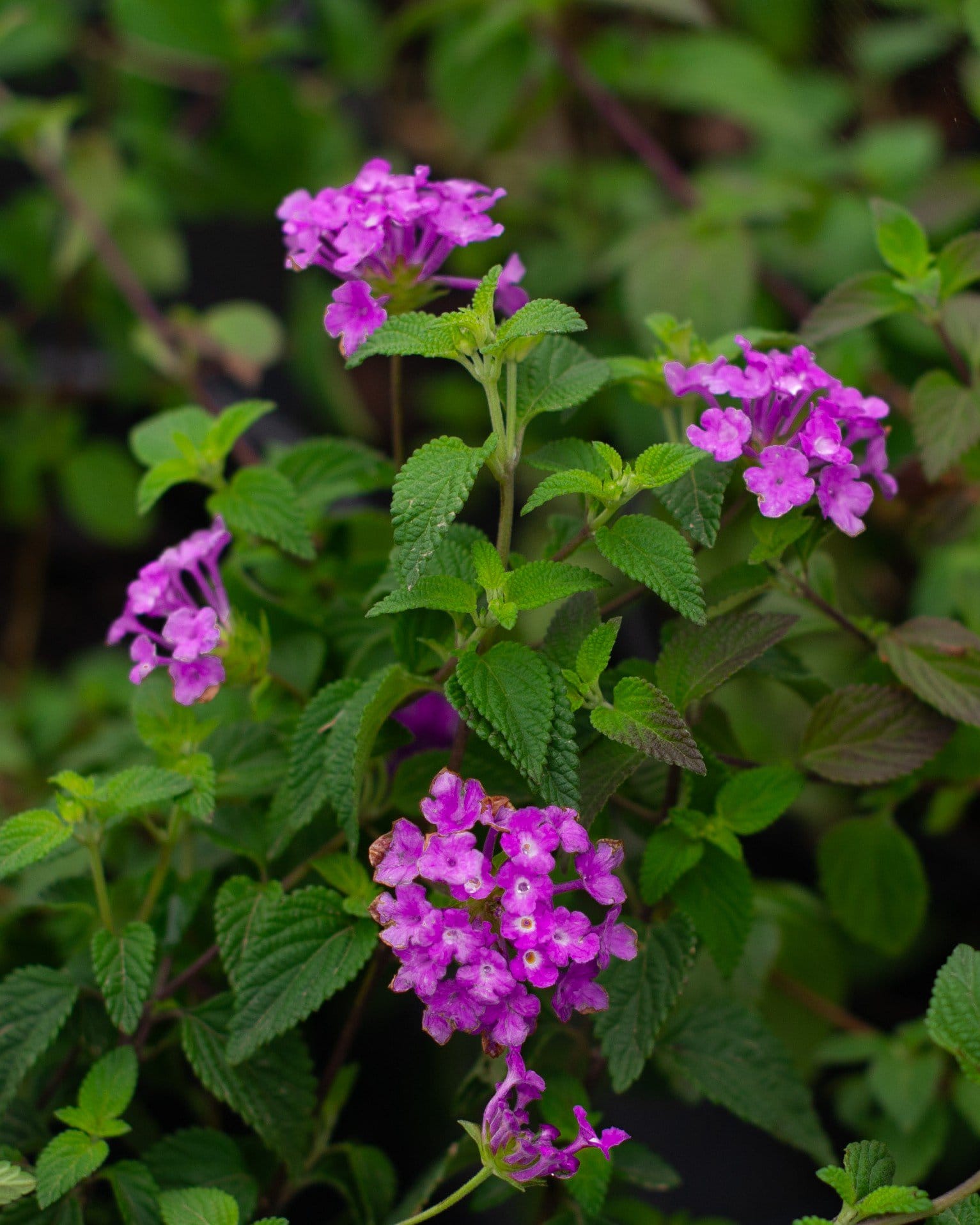
Purple Trailing Lantana
Maturity: 1' H x 4' W
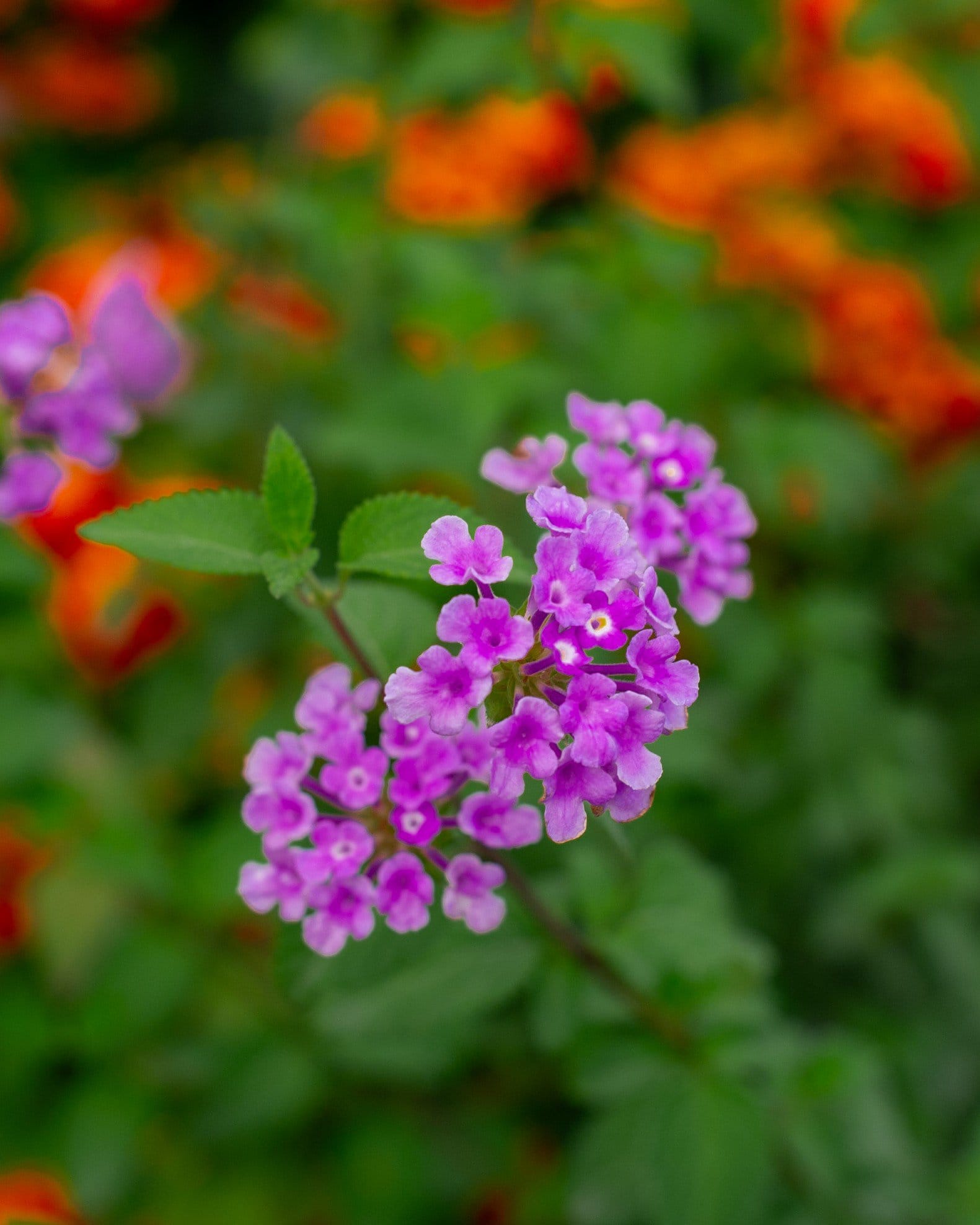
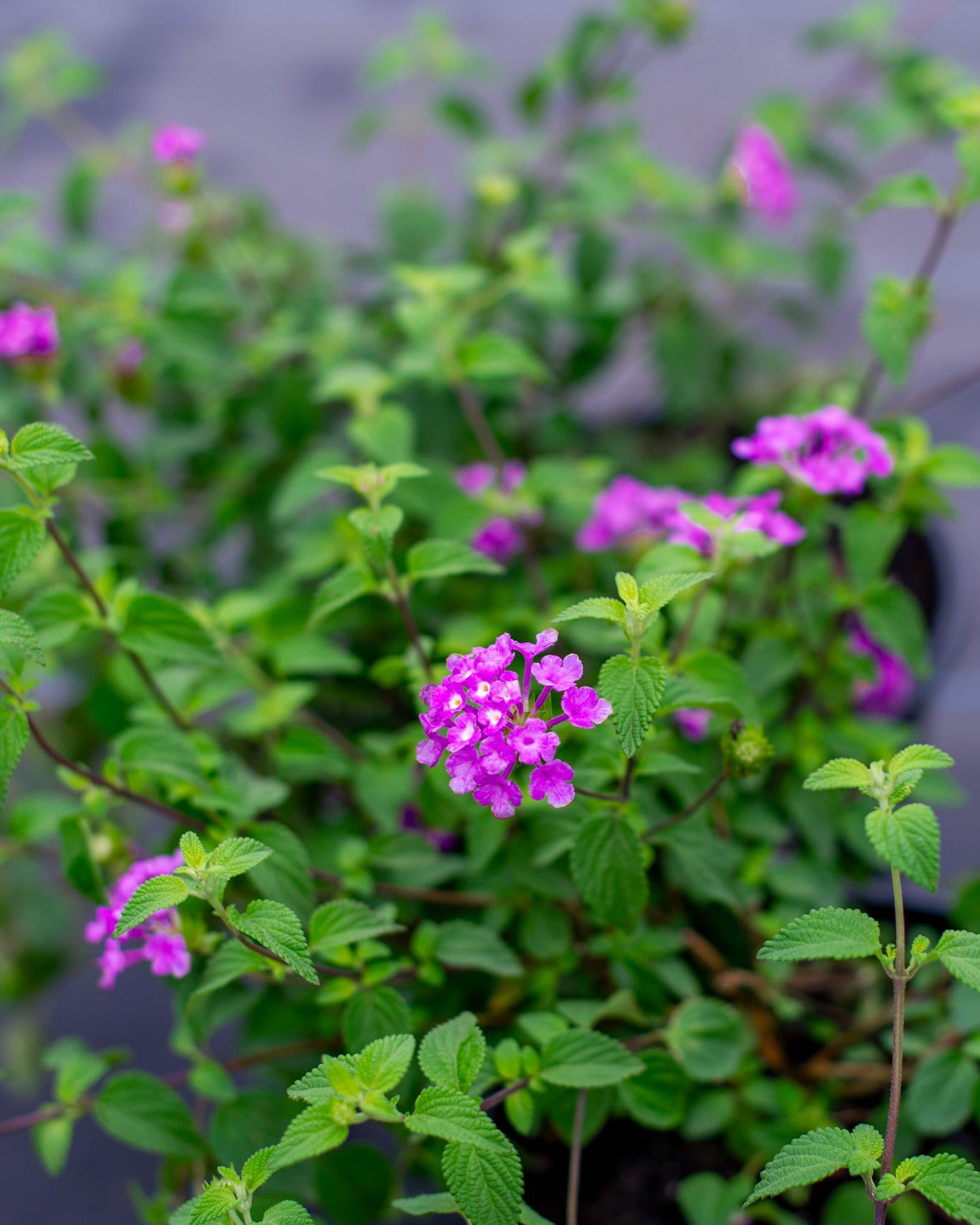
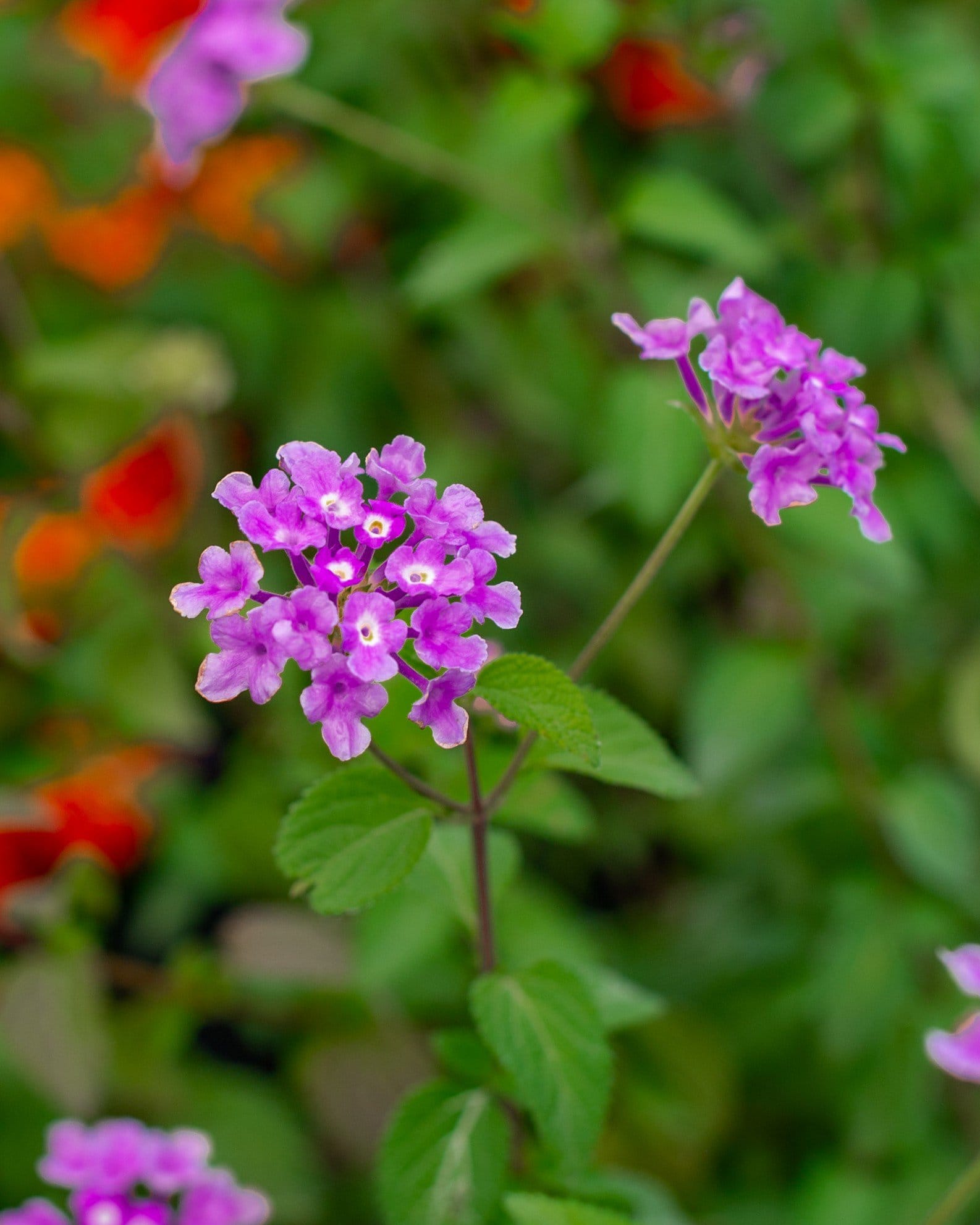
Bandana Cherry Sunrise Lantana
Maturity: 1.5' H x 1.5' W
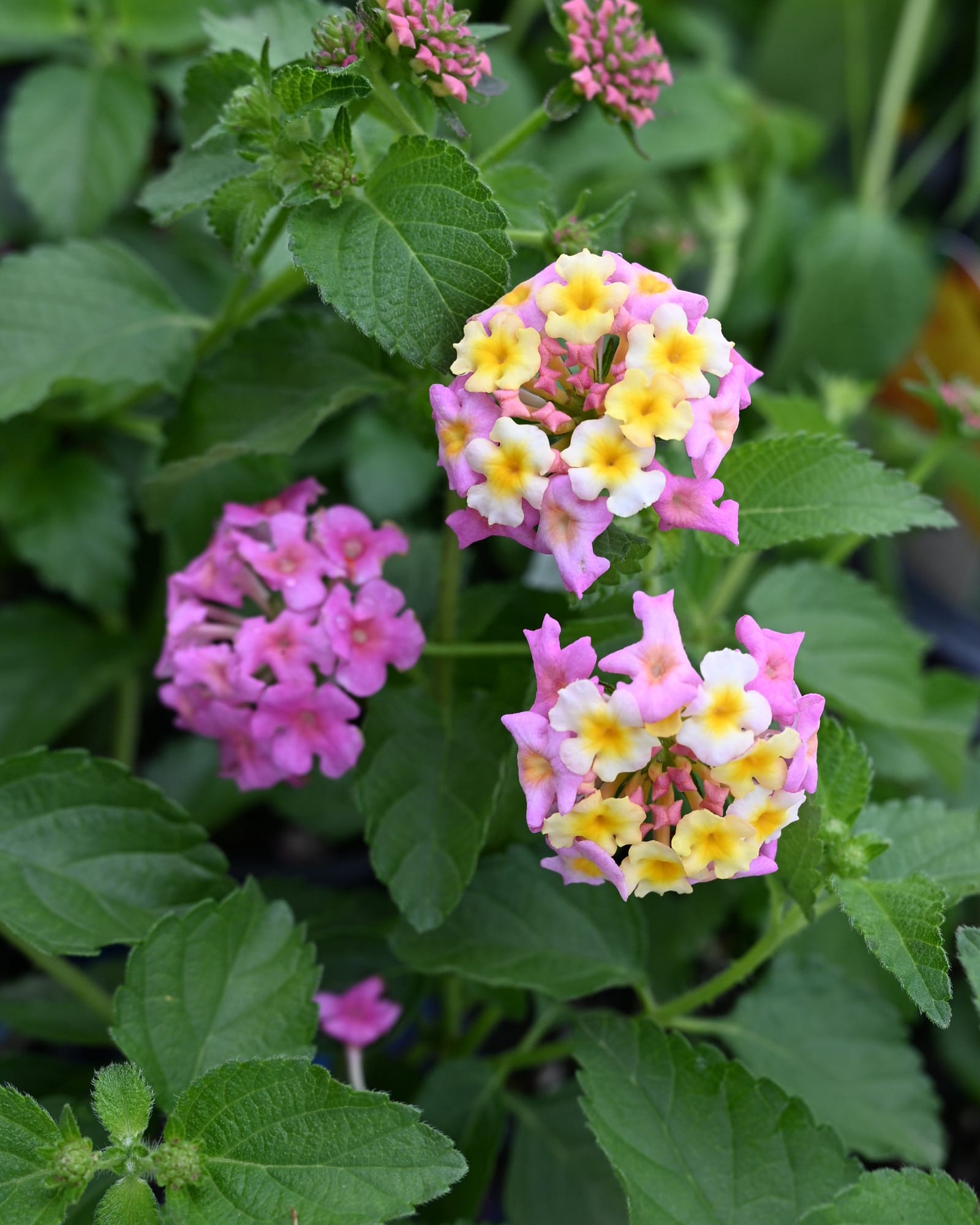
Chapel Hill Pink Huff Lantana
Maturity: 2' H x 3' W
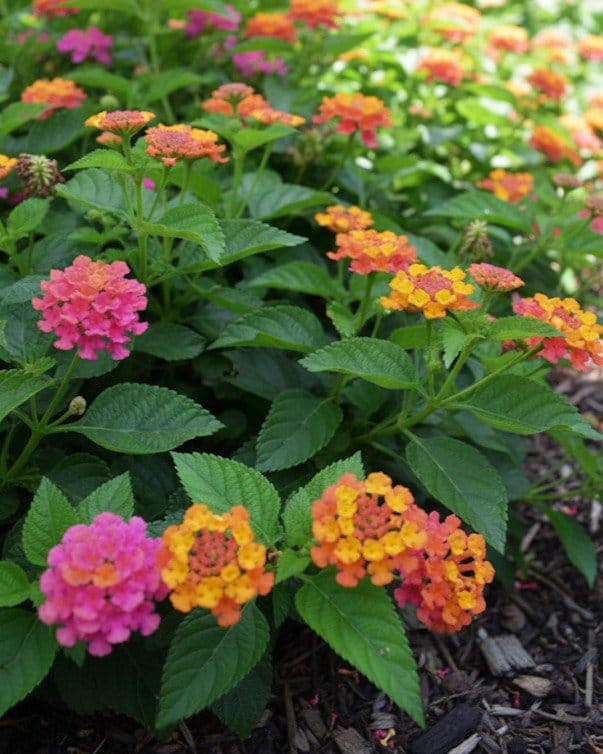
Havana Sunset Lantana
Maturity: 3' H x 3' W
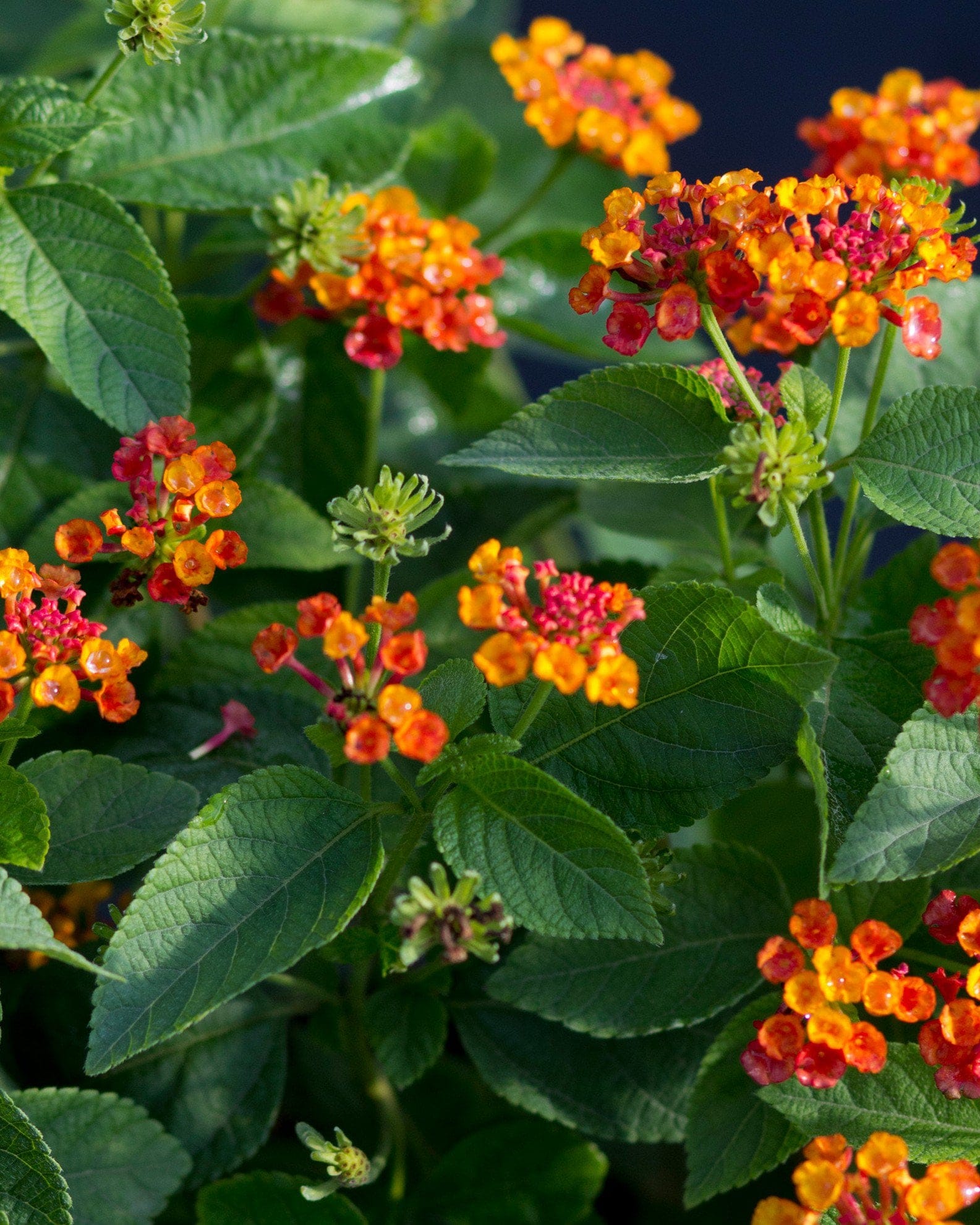
Hot Blooded Lantana
Maturity: 1.5' H x 1.5' W
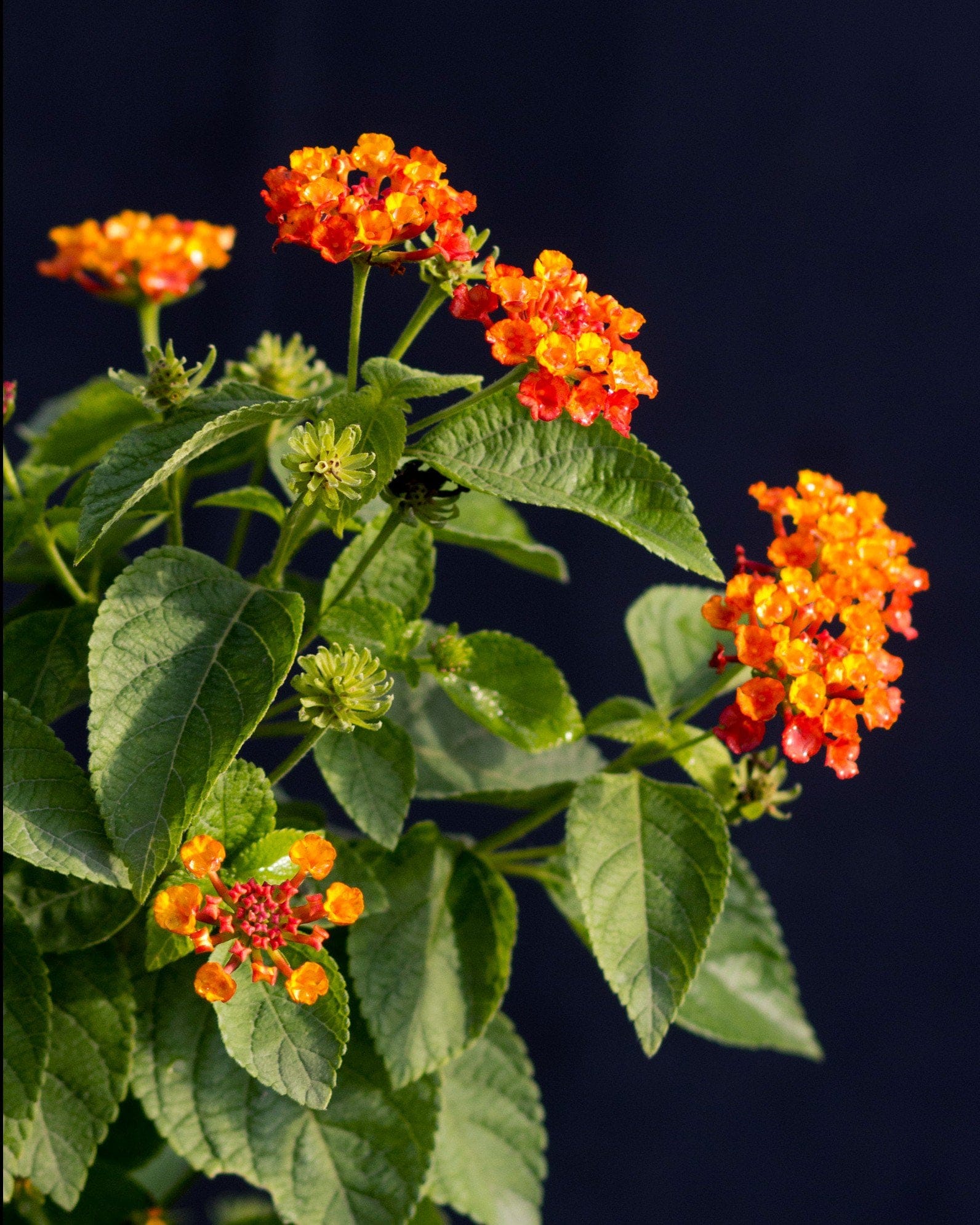
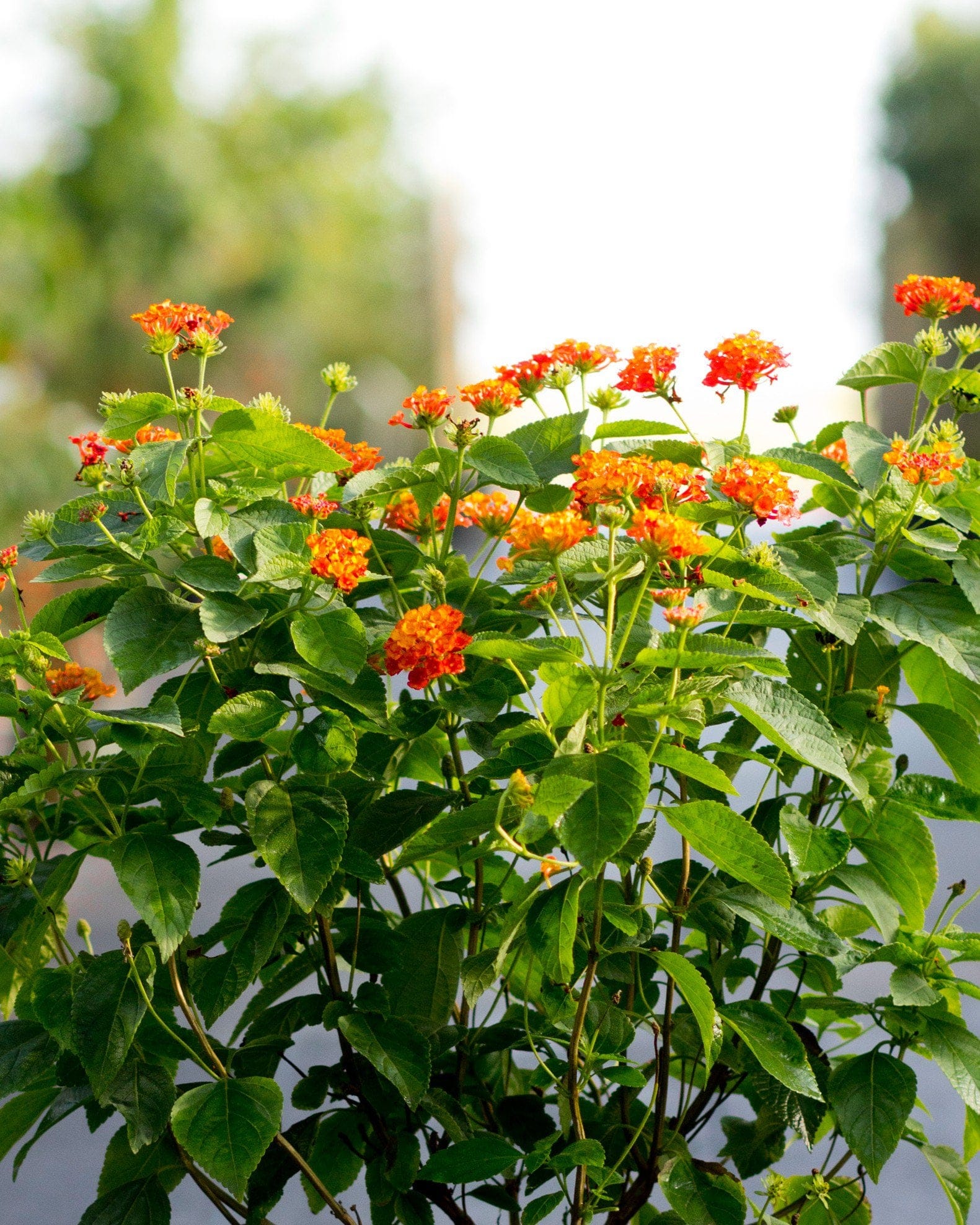
Irene Lantana
Maturity: 3' H x 3' W
Landmark Citrus Lantana
Maturity: 1.5' H x 1.5' W
Lucky Pot of Gold Lantana
Maturity: 1' H x 1' W
Shamrock Peach Lantana
Maturity: 1' H x 1' W
Shamrock Rose Gold Lantana
Maturity: 1' H x 1' W
Henry Duelberg Salvia
Maturity: 3' H x 3' W
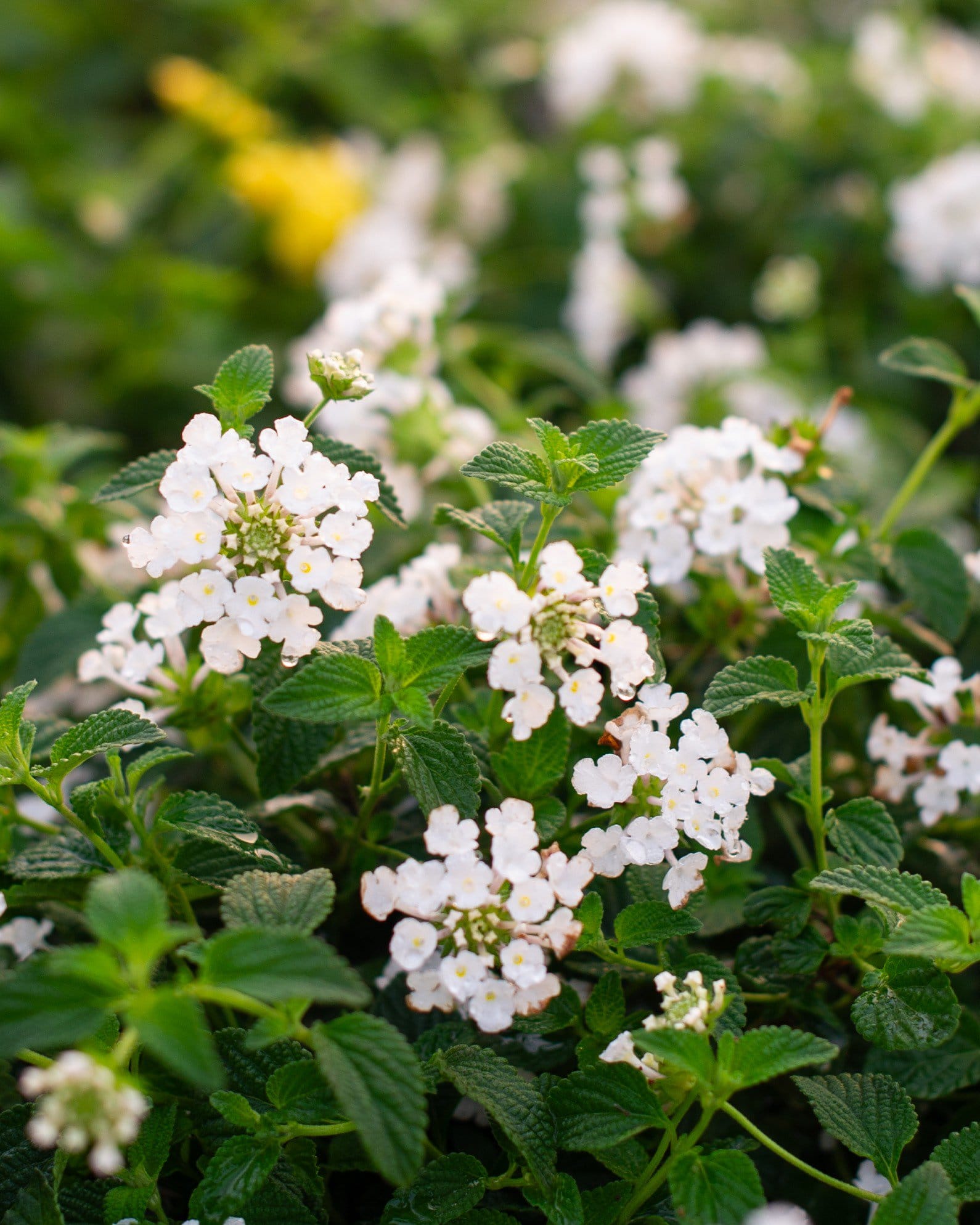
White Trailing Lantana
Maturity: 1' H x 3' W
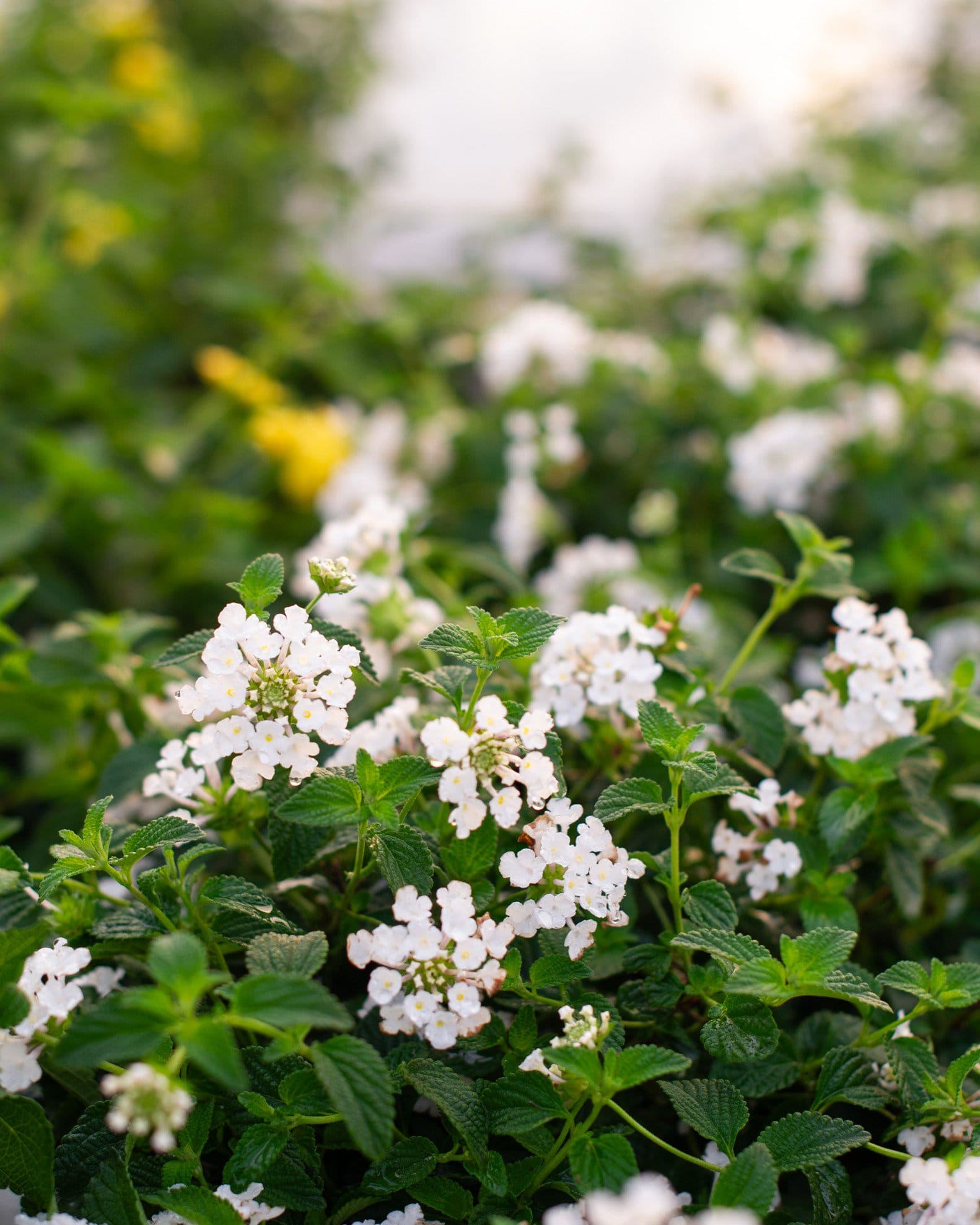
Bandana Gold Lantana
Maturity: 1.5' H x 1.5' W
Compare Similar Plants
Chapel Hill Yellow Lantana This plant | ||
|---|---|---|
| Scientific Name | Lantana camara ‘Chapel Hill Yellow’ | Lantana camara ‘New Gold’ |
| Size at Maturity | 1.5' H x 2' W | 1' H x 2' W |
| Leaf Retention | Herbaceous | Herbaceous |
| Flower Color | Yellow | Yellow |
| Bloom Times | Spring, Summer & Fall | Spring, Summer & Fall |
| Sizes Available | 1 gal | 1, 3 gal |


Our 1-Year Planting Guarantee
We take pride in our plants and installation services. If any plants or trees installed by Treeland fail to thrive within the first year, we'll provide a replacement credit in accordance with our guarantee program.
Learn More About Our Guarantee