

 Popular
Local DFW Delivery Only
Product Details
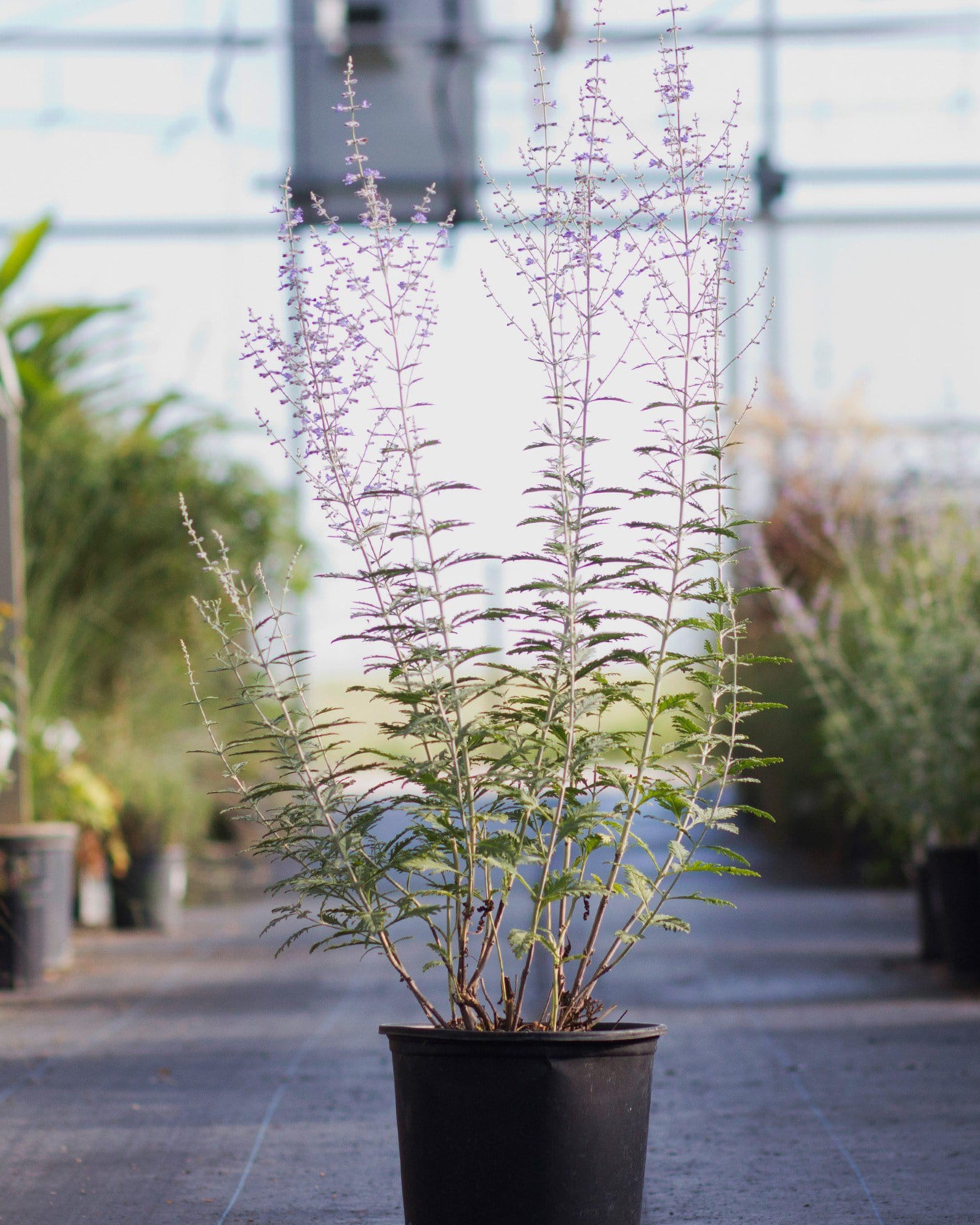
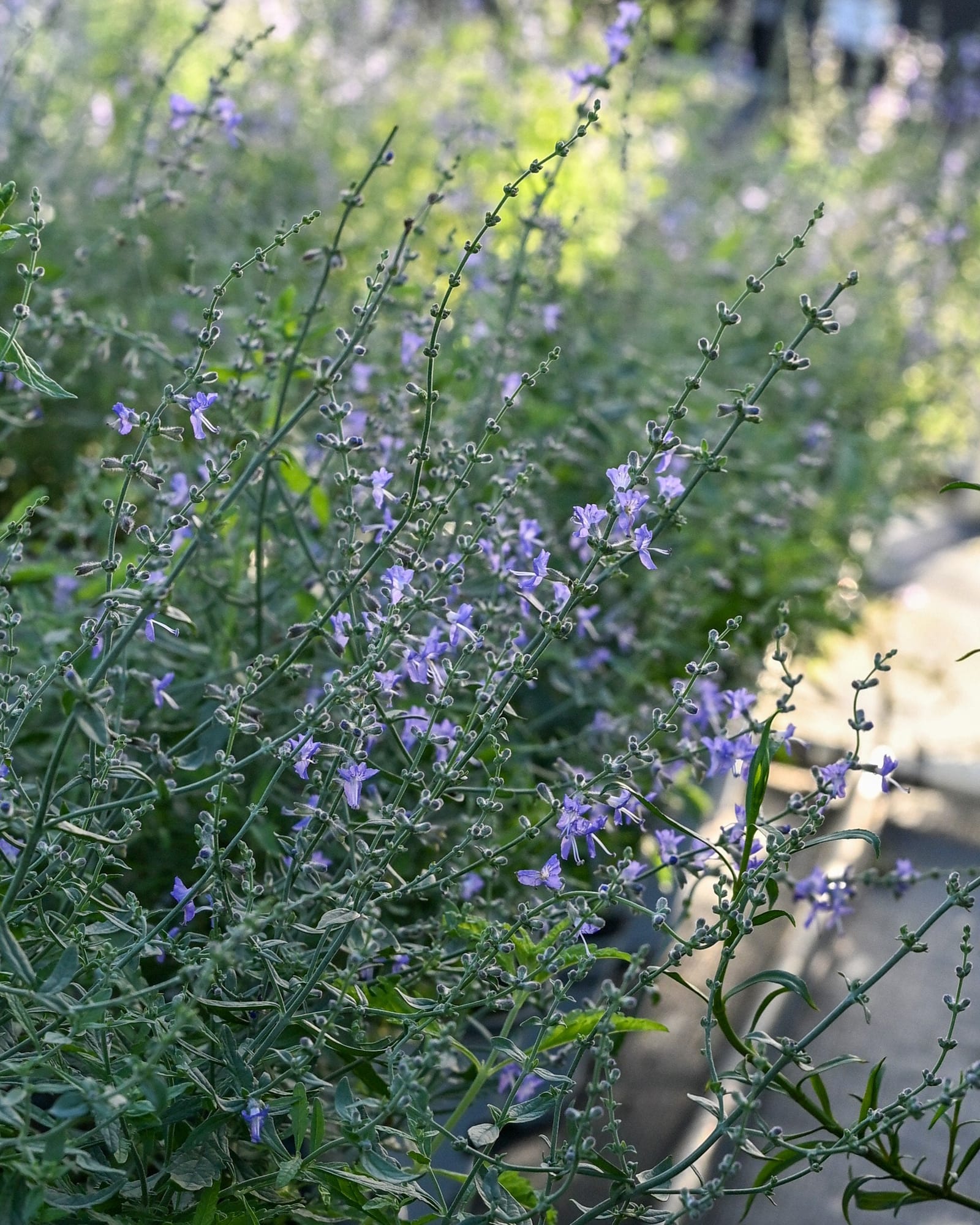
Russian Sage
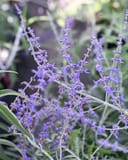
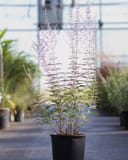
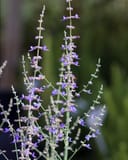
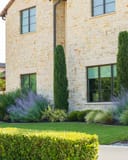
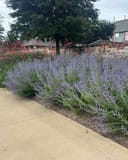
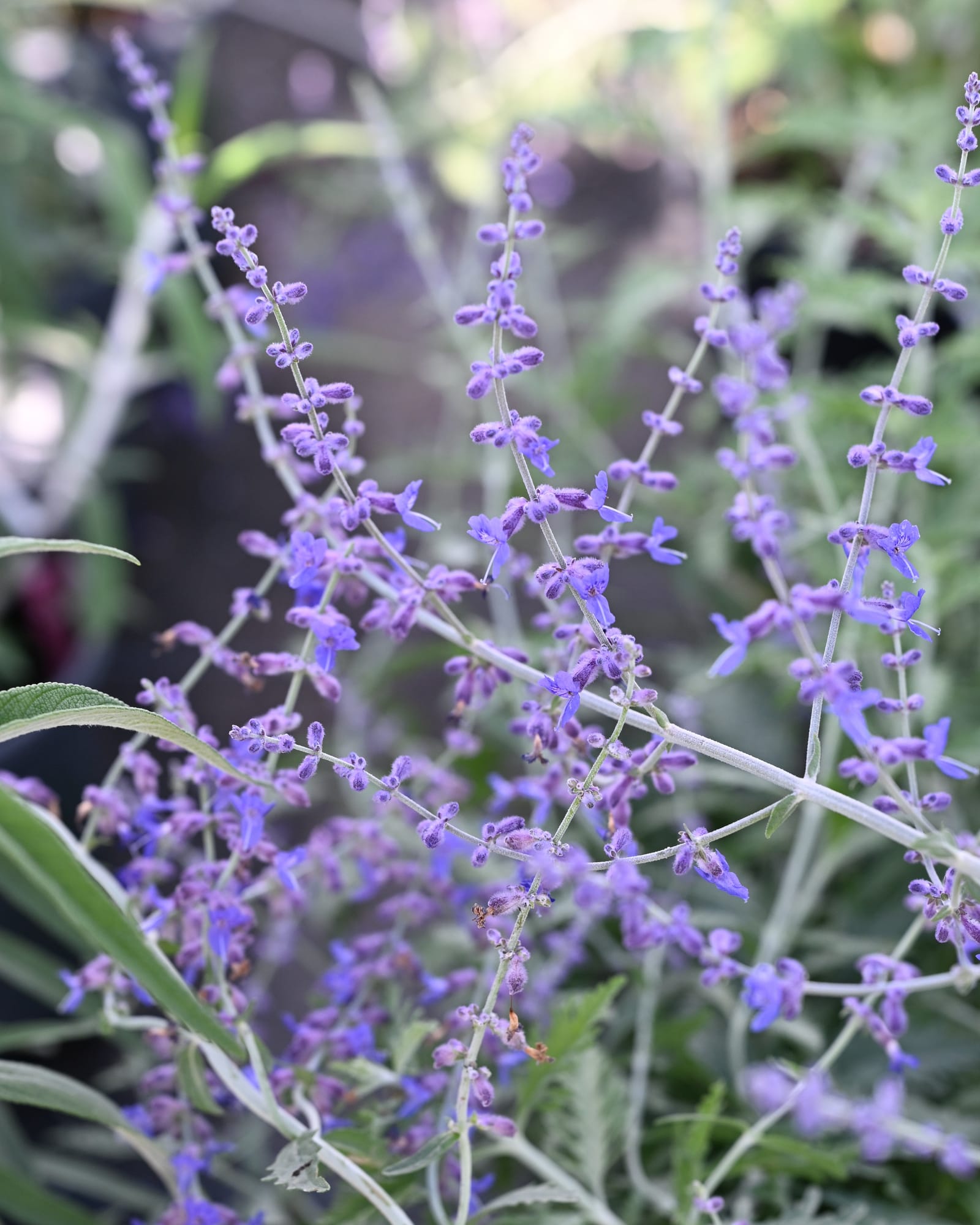
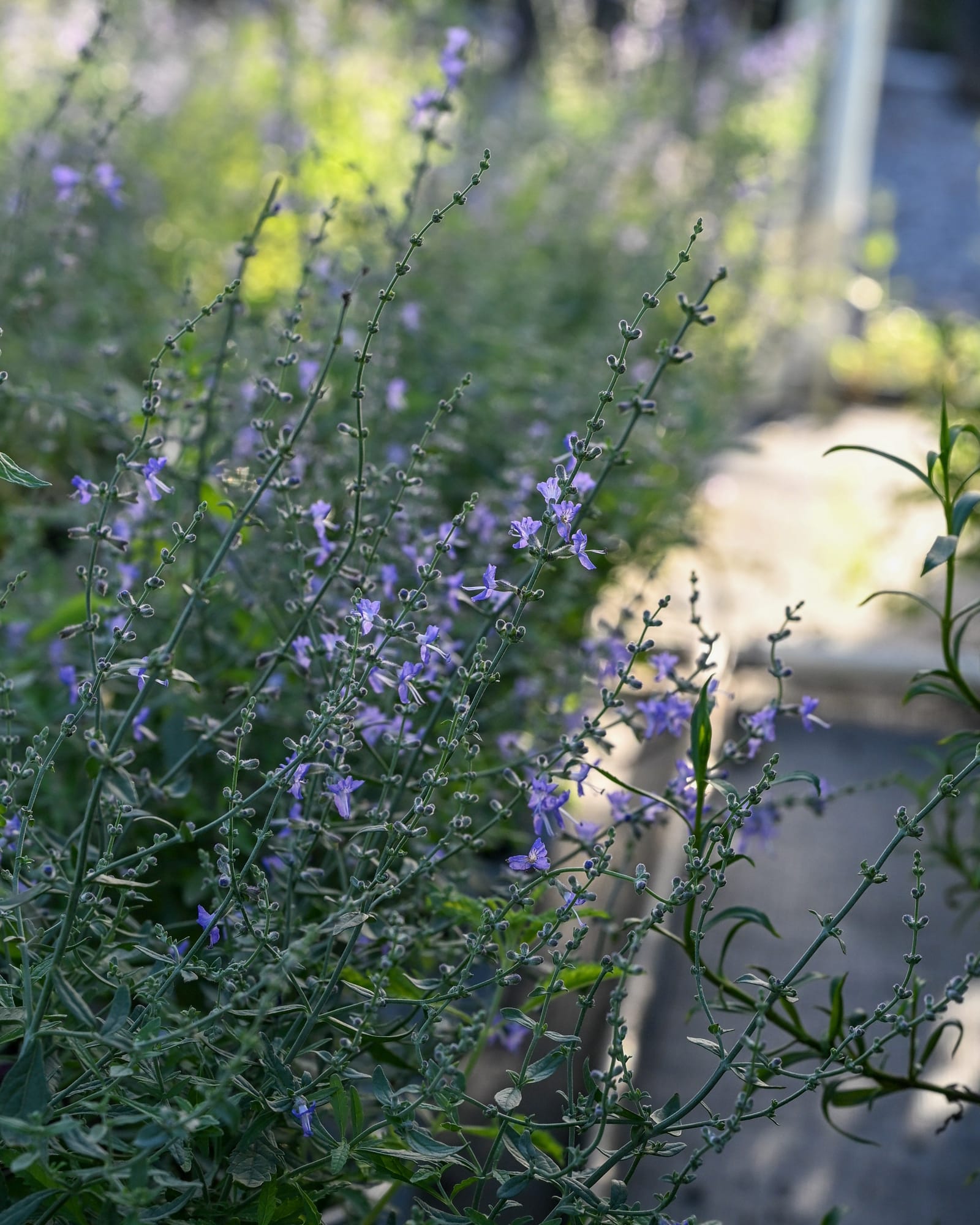
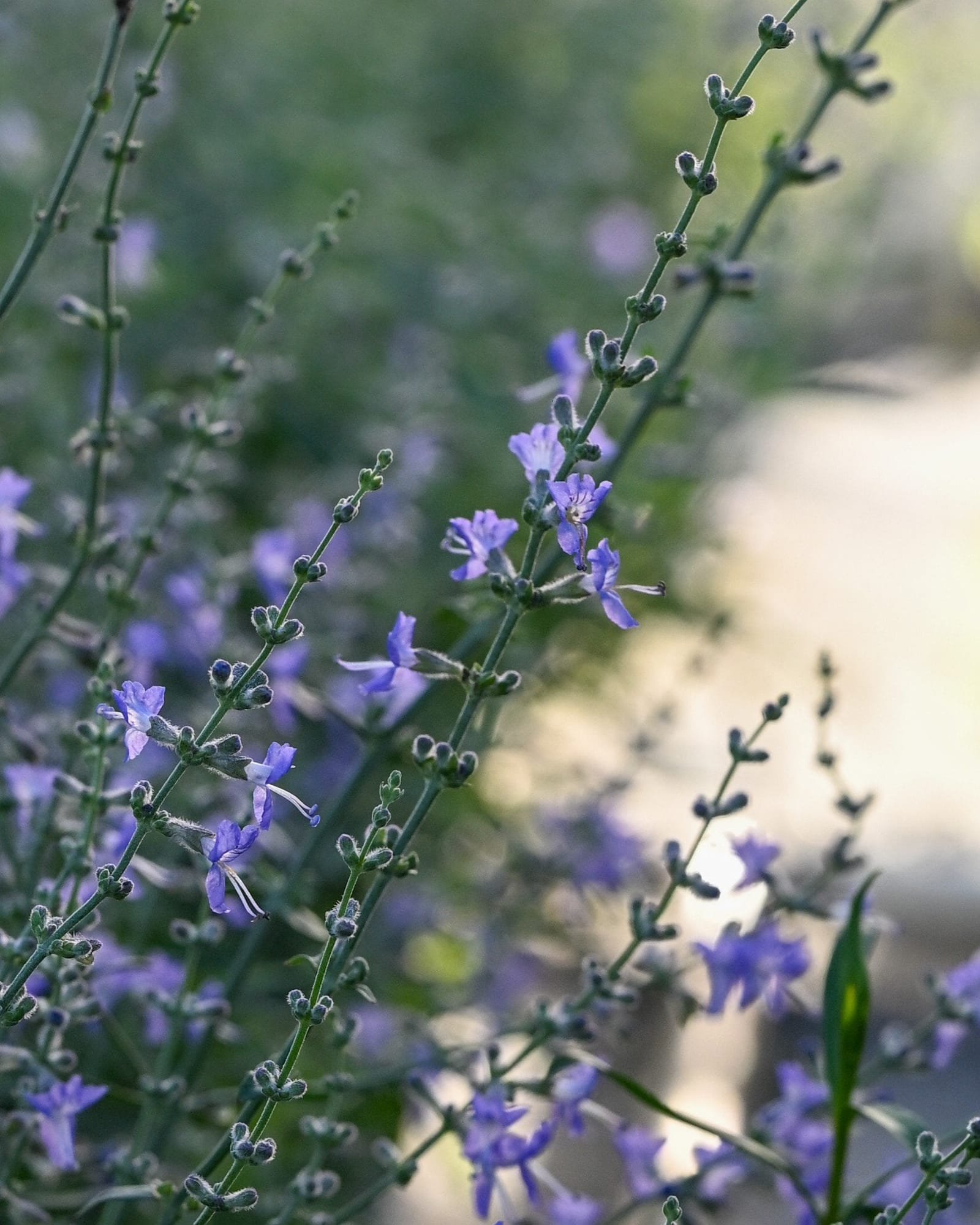
Perovskia atriplicifoliaRussian Sage is a drought-tolerant deciduous perennial prized for its tall, wispy form and extended bloom season. From mid-summer into fall, it produces clouds of small lavender-purple flowers along slender, upright stems covered in silvery, aromatic foliage. This plant reaches up to 3 feet in height and spreads up to 2 feet wide, creating a strong vertical presence that works well in layered beds, mass plantings, or naturalistic designs. Its light texture and silvery tone pair beautifully with bolder foliage and vibrant blooms. Russian Sage is especially well-adapted to the heat and dry soil conditions commonly found in North Texas.
- A deciduous perennial
- Tall, purple flower spikes
- Silvery, finely textured foliage
- Long blooming from summer to fall
- Great for borders, massing, or mixed beds
Plant in full sun with well-drained soil. Cut back old stems in late winter or early spring to encourage fresh growth. While best suited for outdoor use, it can be brought indoors short-term in large, sunny containers.
Maintenance
Russian Sage is an incredibly low-maintenance perennial that thrives where many plants struggle. This is all it needs to grow beautifully:
- Watering: Water regularly during the first growing season to establish deep roots. Once mature, Russian Sage is one of the most drought-tolerant perennials available, needing only occasional deep watering during prolonged dry spells.
- Pruning: Prune back hard in late winter or very early spring before new growth begins, cutting stems to about 6-8 inches above the ground. This encourages fresh, compact growth and prevents woody, leggy stems. Light deadheading during summer can promote continued blooming and maintain a tidy appearance.
- Fertilizing: Russian Sage doesn’t require heavy feeding. Apply a light dose of balanced, slow-release fertilizer in early spring to encourage healthy new growth. Avoid over-fertilizing, as it can make stems floppy and reduce bloom density.
- Mulching: Apply a thin 1-2 inch layer of mulch around the base to help conserve moisture and suppress weeds, but avoid covering the crown. Too much mulch can hold moisture against the stems, which this drought-adapted plant doesn’t need. Refresh lightly each spring to keep the area clean.
- Winter care: Russian Sage is reliably hardy through cold winters. Once pruned back, it requires no special protection. In areas with harsh freeze-thaw cycles, a light mulch around the root zone provides insulation and prevents heaving.
Common Issues and How to Take Care of Them
Russian Sage is remarkably resilient, but even the toughest perennials can face occasional problems:
- Flopping or Leggy Growth: Often caused by insufficient pruning or too much fertilizer. Cut back old stems in early spring and avoid overfeeding for strong, upright growth.
- Root Rot: Can occur in poorly drained soil or with overwatering. Ensure the planting site drains well and let the soil dry between waterings.
- Powdery Mildew: Rare but possible in overly humid or crowded areas. Increase air circulation and remove affected foliage.
- Aphids or Spider Mites: Occasionally appear during hot, dry spells. Spray with water or treat with insecticidal soap if infestations become visible.
- Yellowing Leaves: Usually a sign of excess moisture or poor drainage. Adjust watering and check soil conditions.
- Self-Seeding: Russian Sage may self-sow lightly in ideal conditions. Remove spent flowers before seeds mature if you prefer a tidier garden.
With proper care, it can live 10-15 years or longer. Once established, it often comes back stronger each spring and spreads gradually through its hardy root system.
It grows quickly and typically reaches maturity within two to three growing seasons. Once established, it expands steadily with minimal maintenance.
Yes, completely. The aromatic foliage naturally repels deer and rabbits, making it ideal for rural or wildlife-prone landscapes.
Yes - Russian Sage performs well in large containers with good drainage. Use a lightweight potting mix and prune annually to keep the plant compact.
Yes - it’s hardy through severe winters and rebounds easily in spring. Mulching in late fall can help protect young plants during their first year.
Yes, both the leaves and flowers release a refreshing herbal scent, especially when brushed or crushed. The aroma also helps deter many common pests.
Definitely. The long, airy flower spikes hold up well in arrangements and add a soft, textural element to bouquets.
Cut it back hard to just above ground level in late winter and remove any woody interior stems. The plant will regrow densely with stronger, fresher foliage.
Yes - its toughness, drought tolerance, and silvery beauty make it an ideal choice for city medians, parking lots, and large commercial plantings where low maintenance is key.
It combines the best of both worlds - bold, continuous color and near-total neglect tolerance. Its fine texture, fragrance, and movement in the breeze give it an airy elegance that stands out in any Texas landscape.
Special Features
You might also like
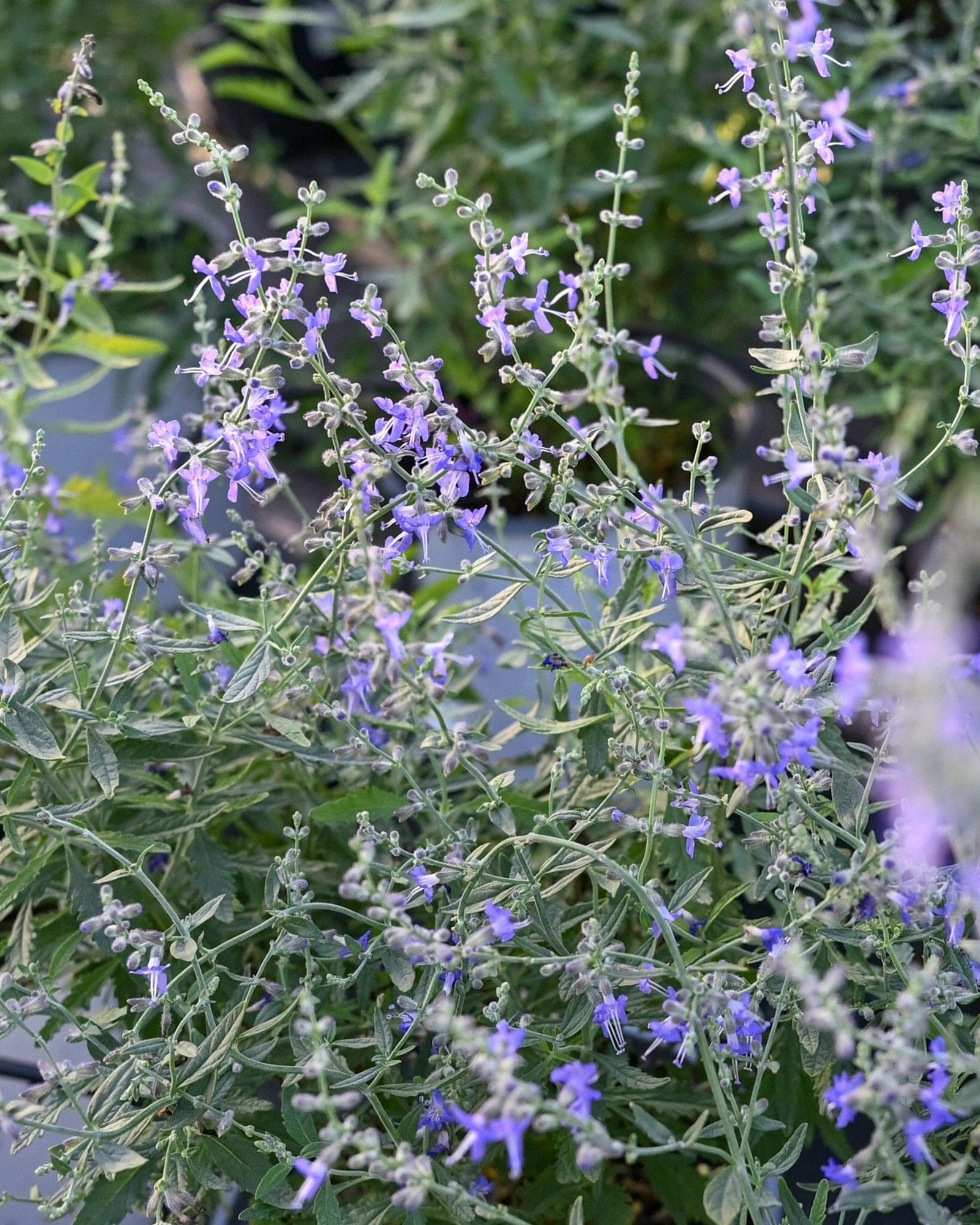
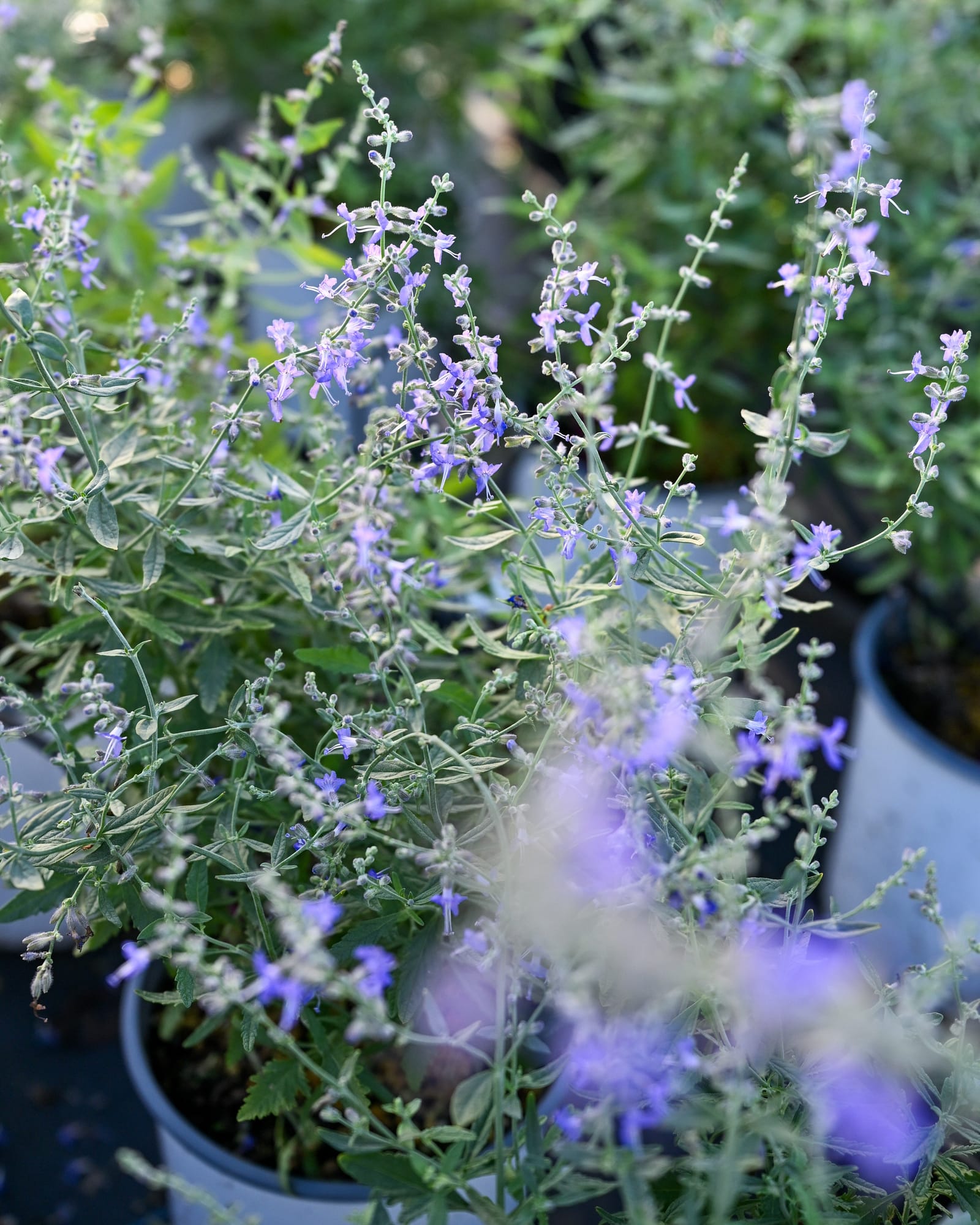
Russian Sage Crazy Blue
Maturity: 1.5' H x 1.5' W
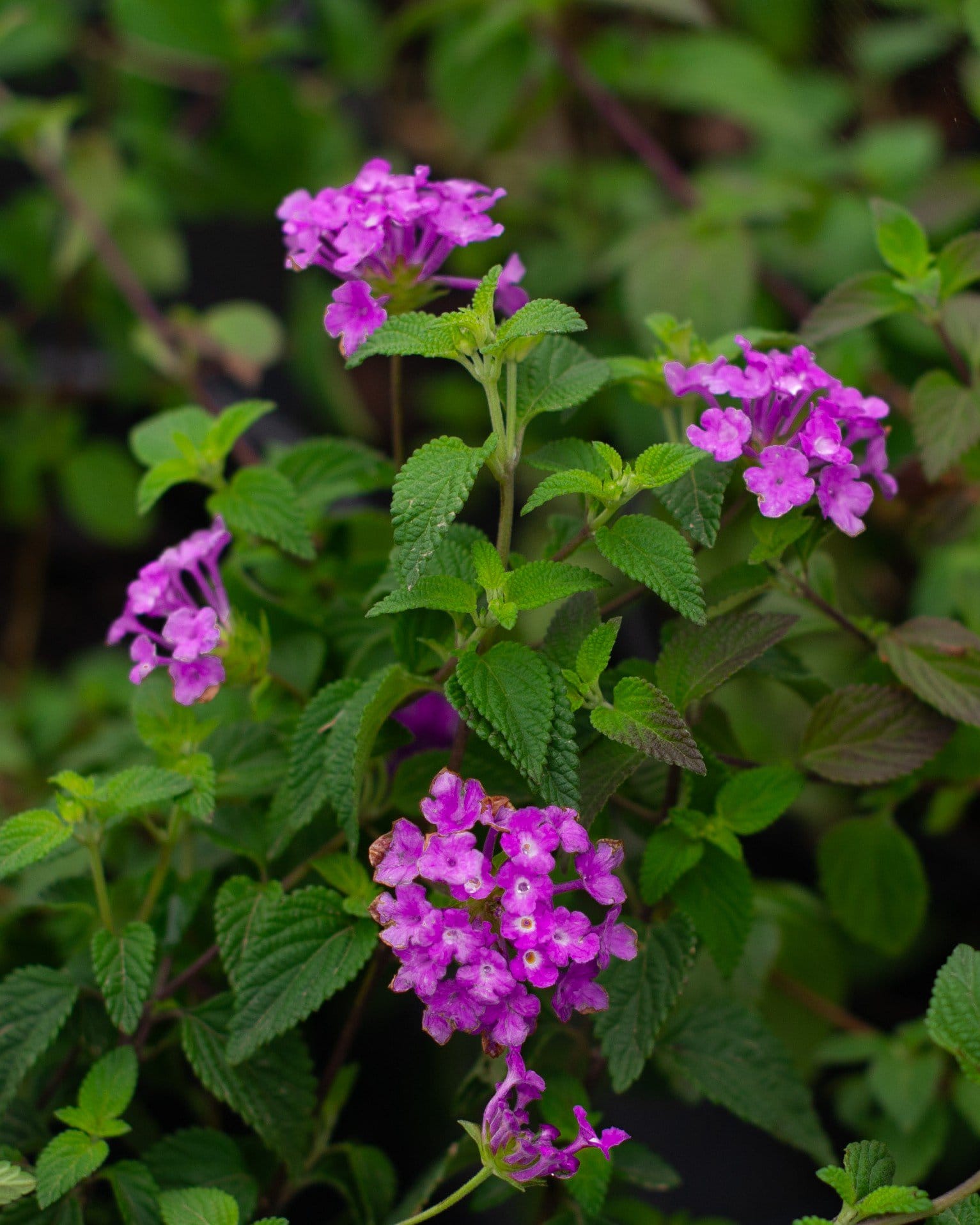
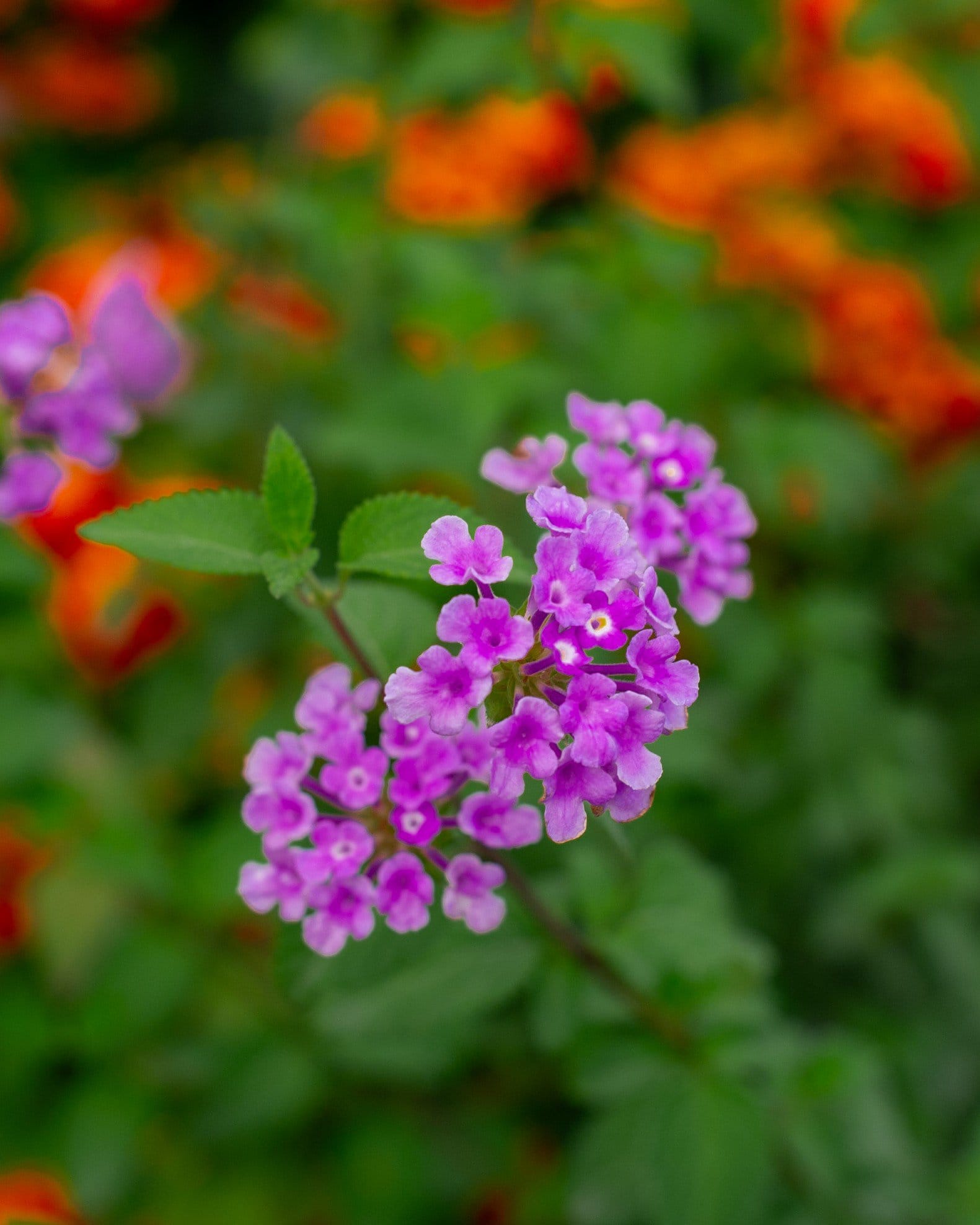
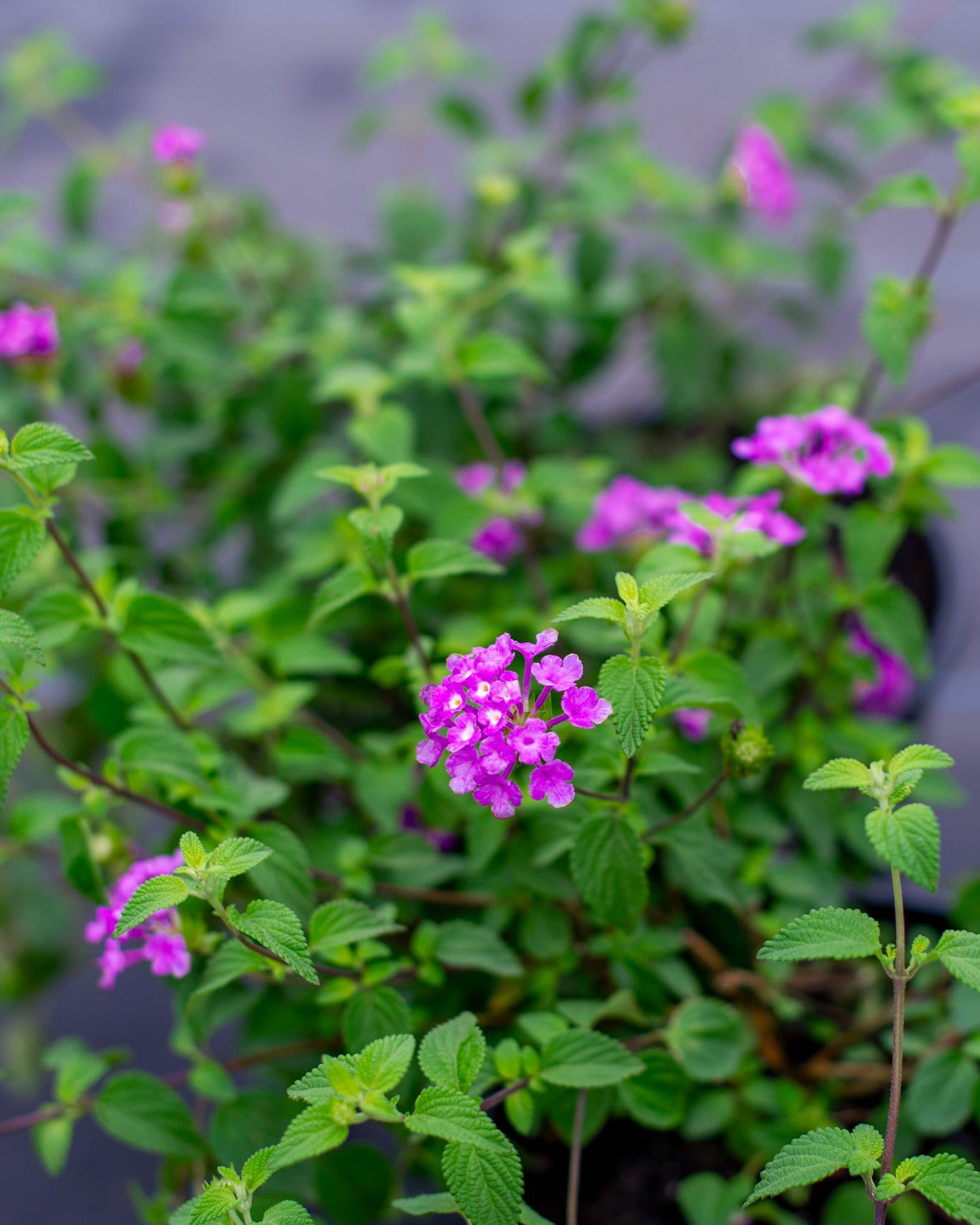
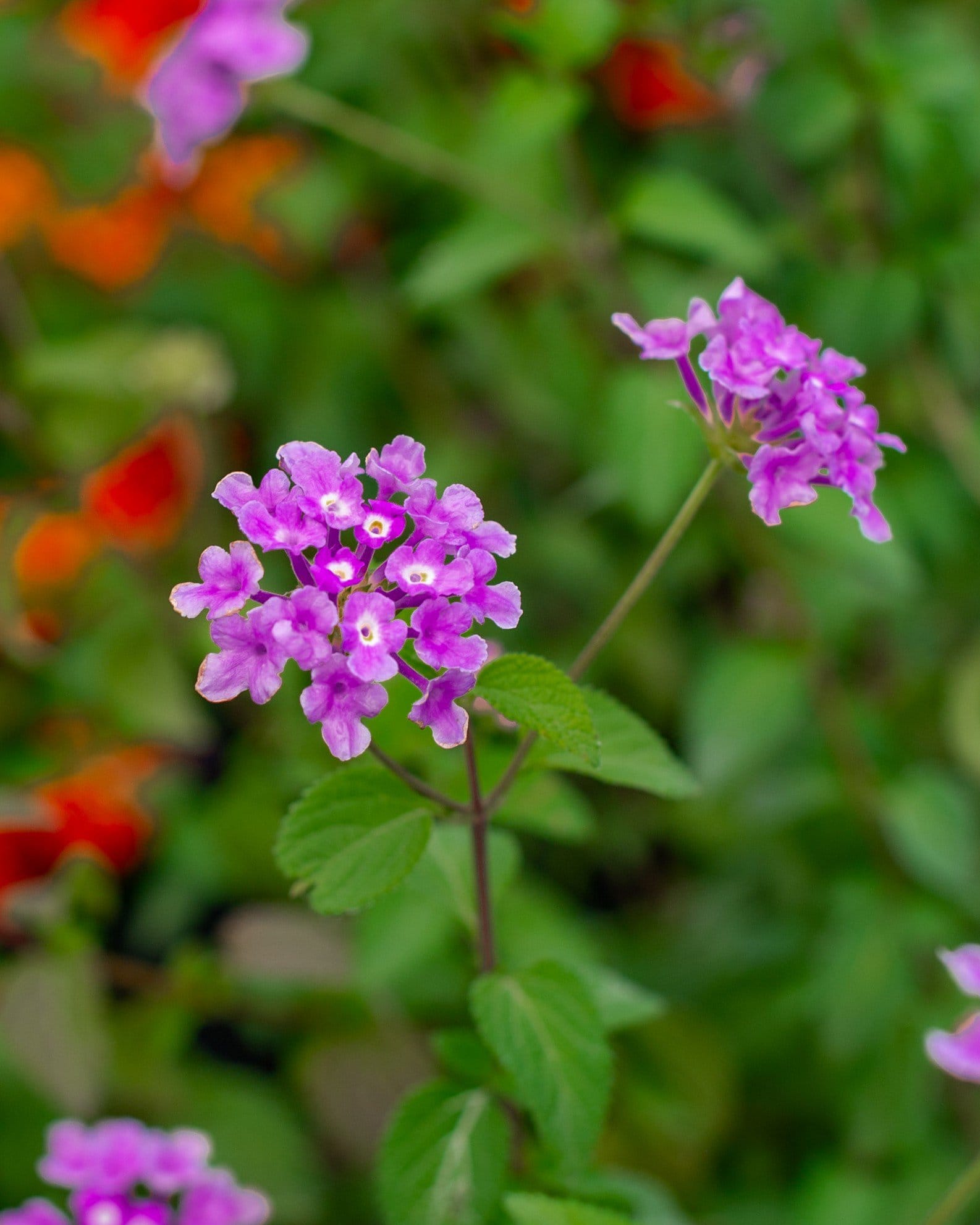
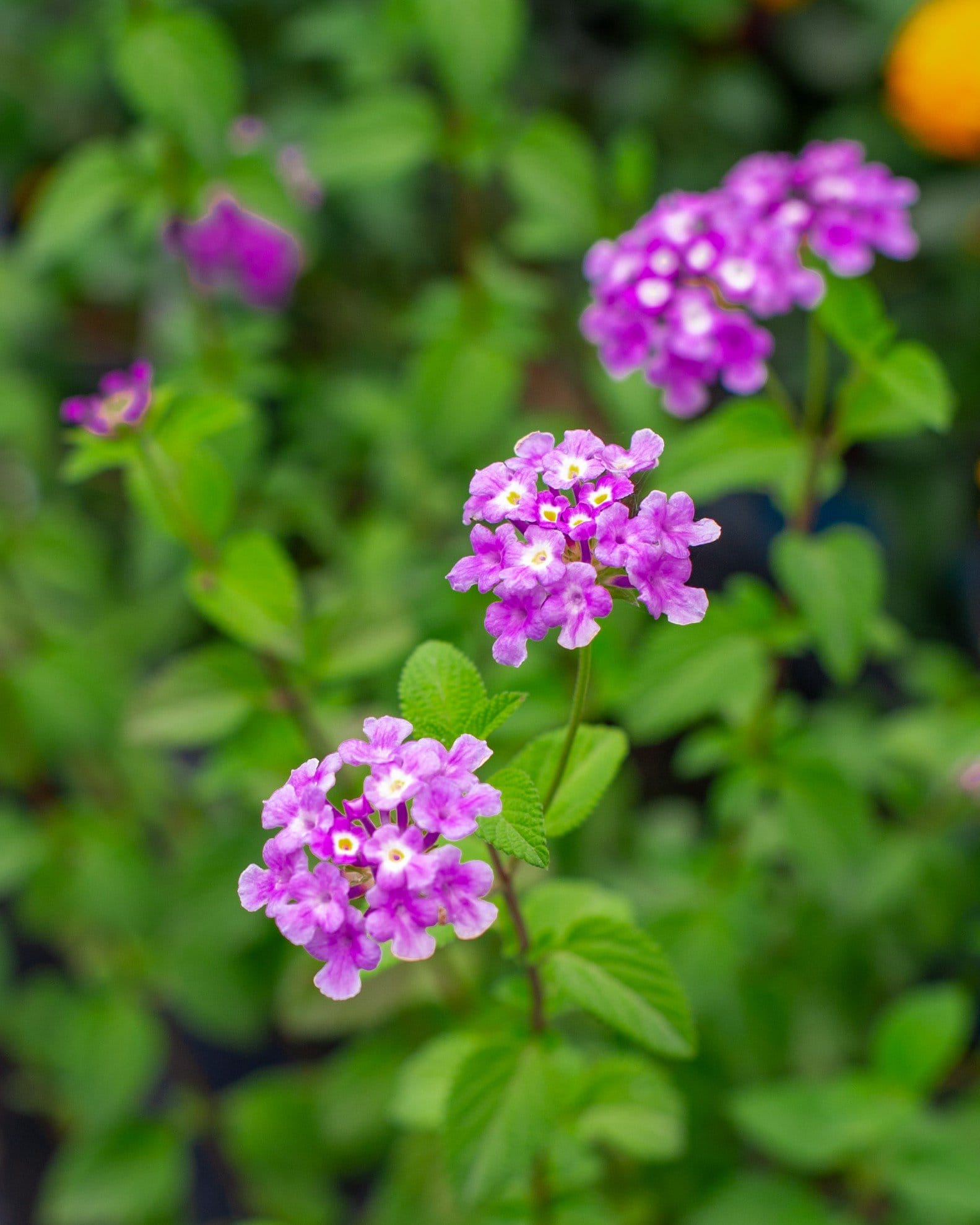
Purple Trailing Lantana
Maturity: 1' H x 4' W
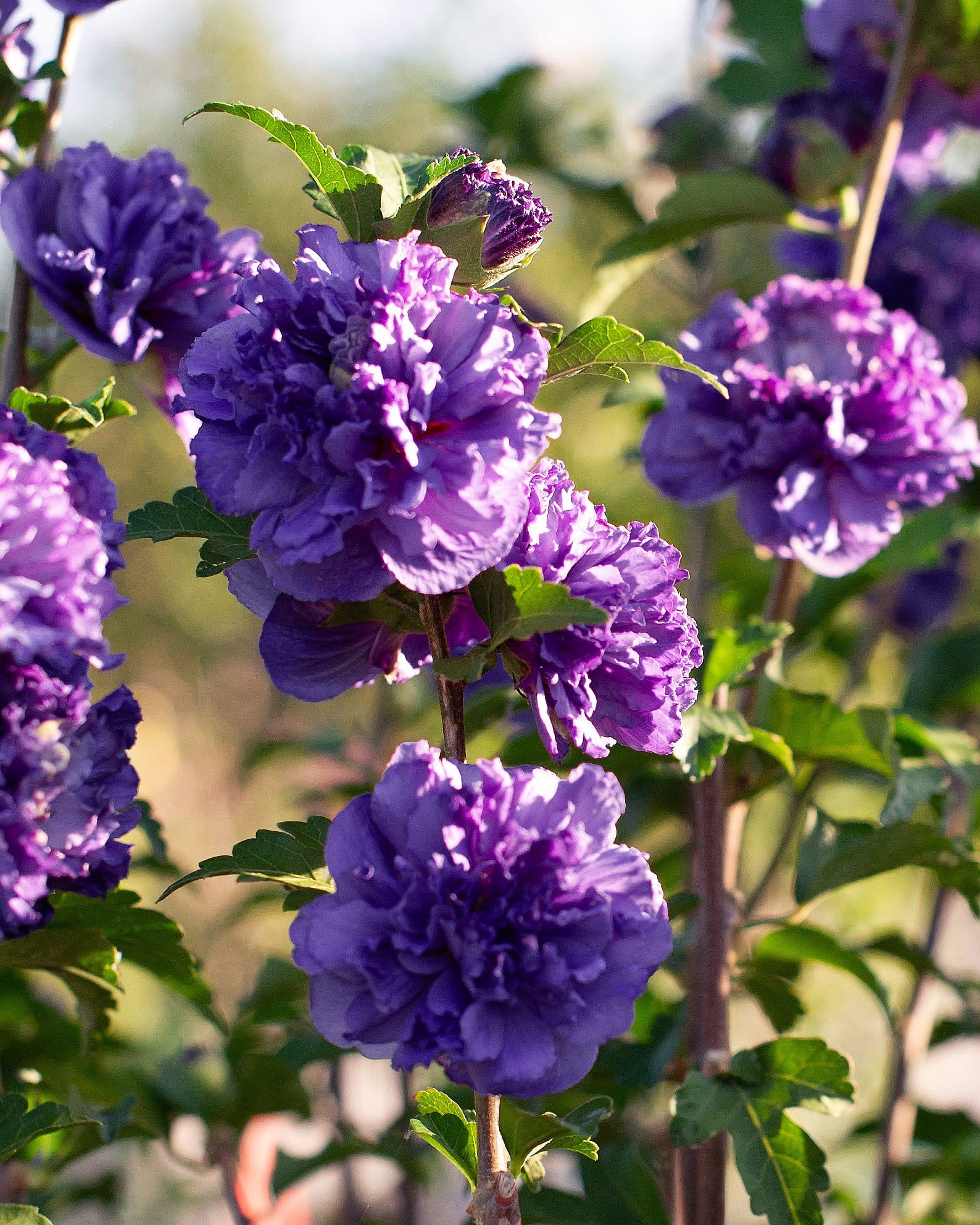
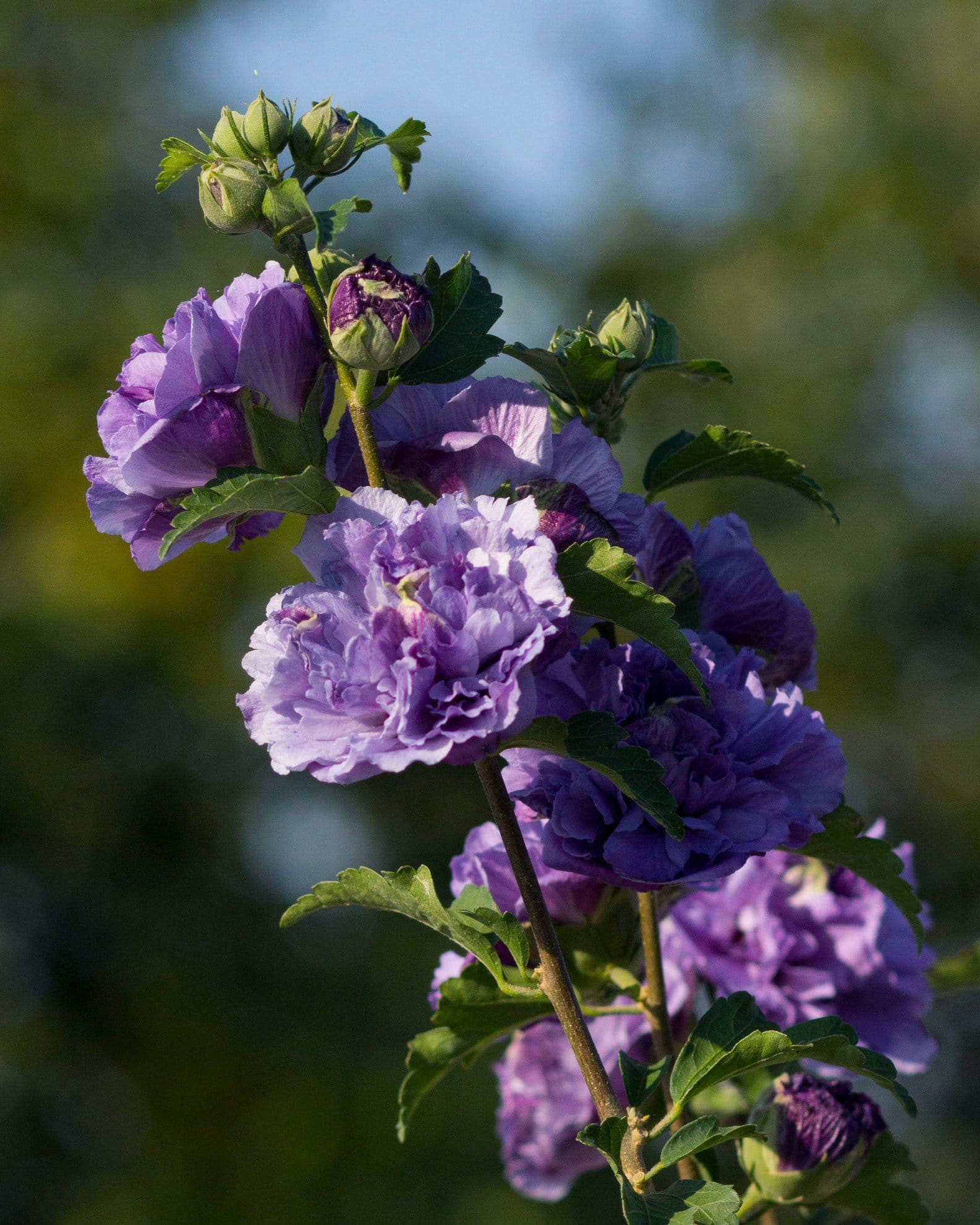
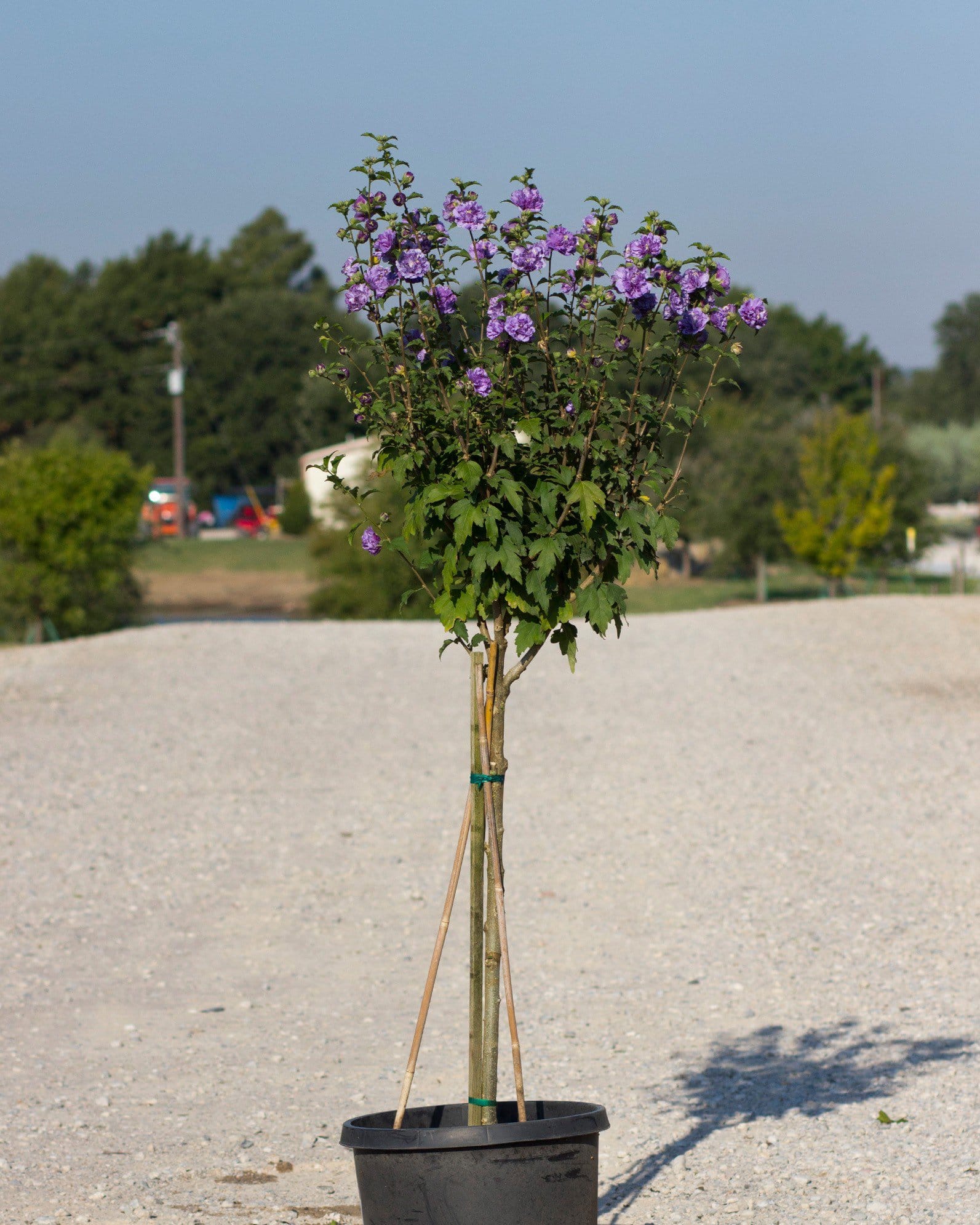
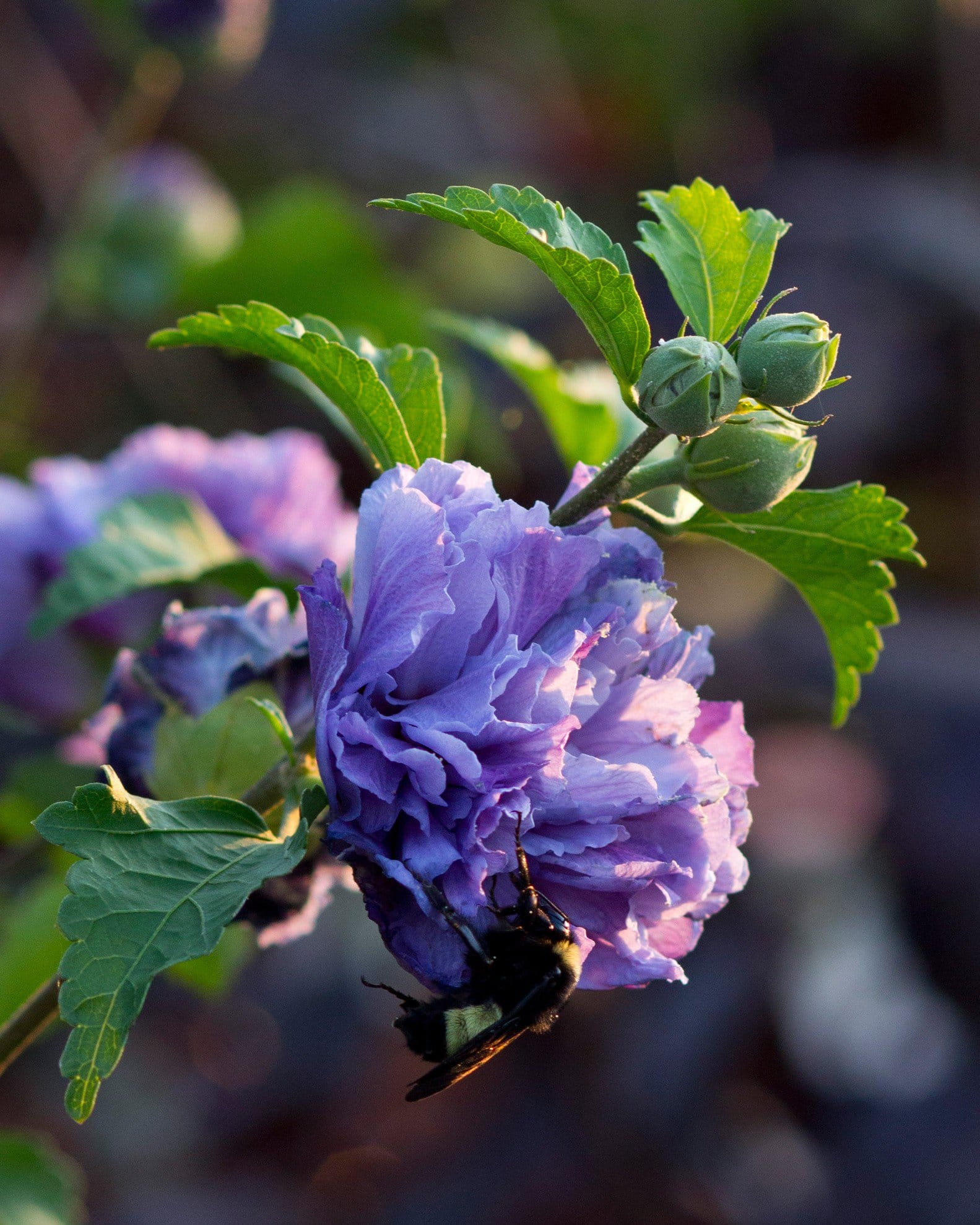
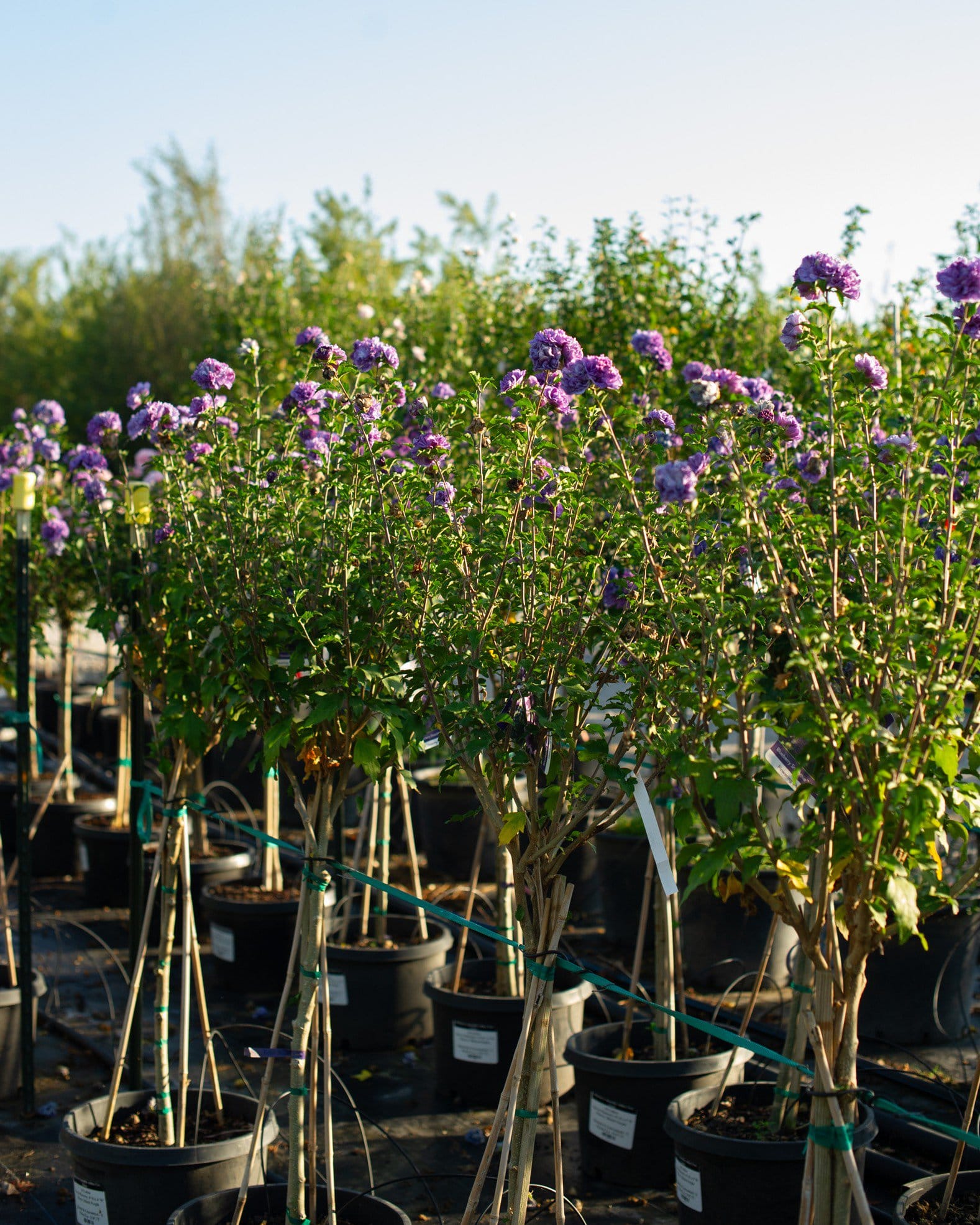
Blueberry Smoothie Althea Tree Form
Maturity: 8' H x 4' W
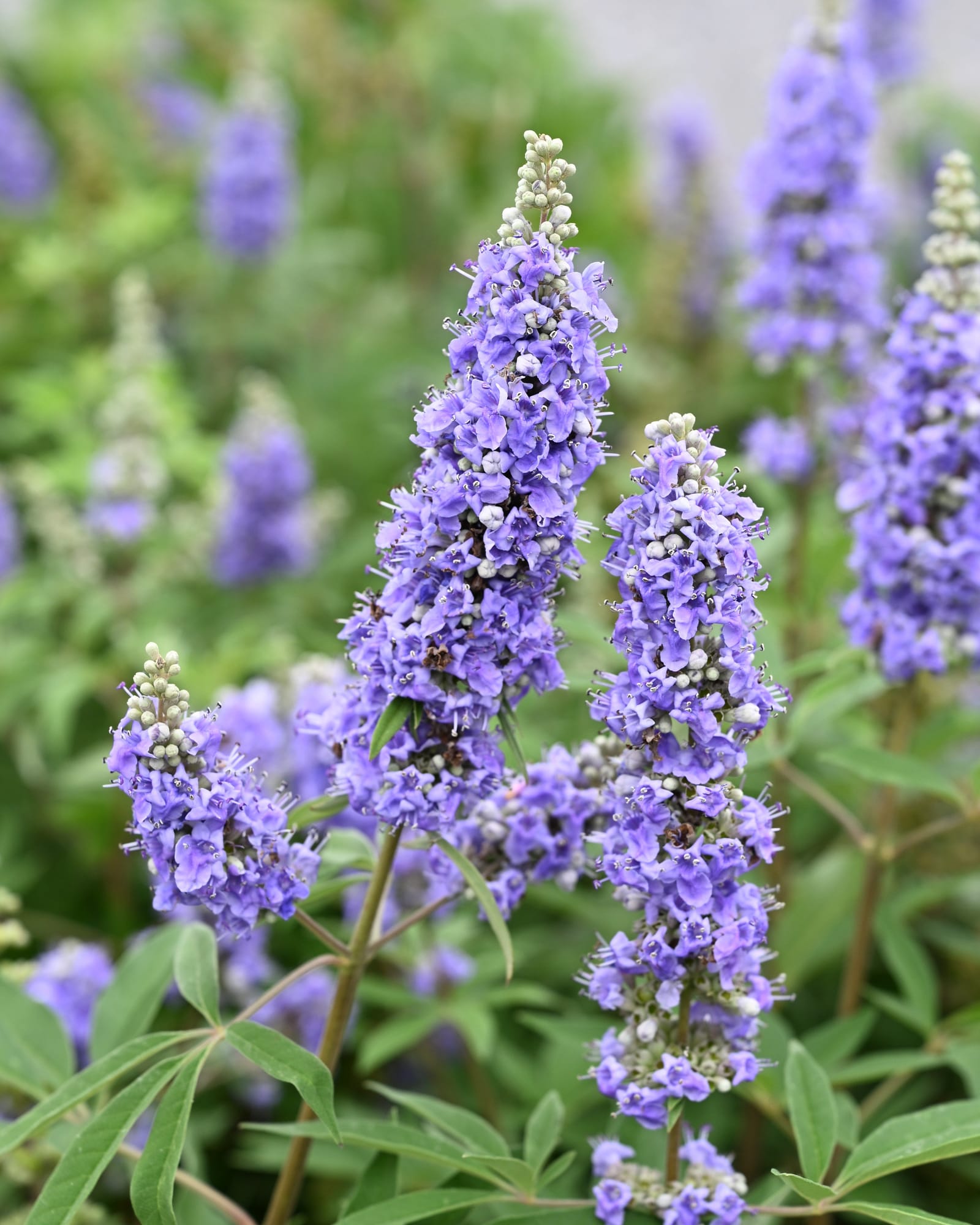
Vitex Shoal Creek
Maturity: 14' H x 14' W
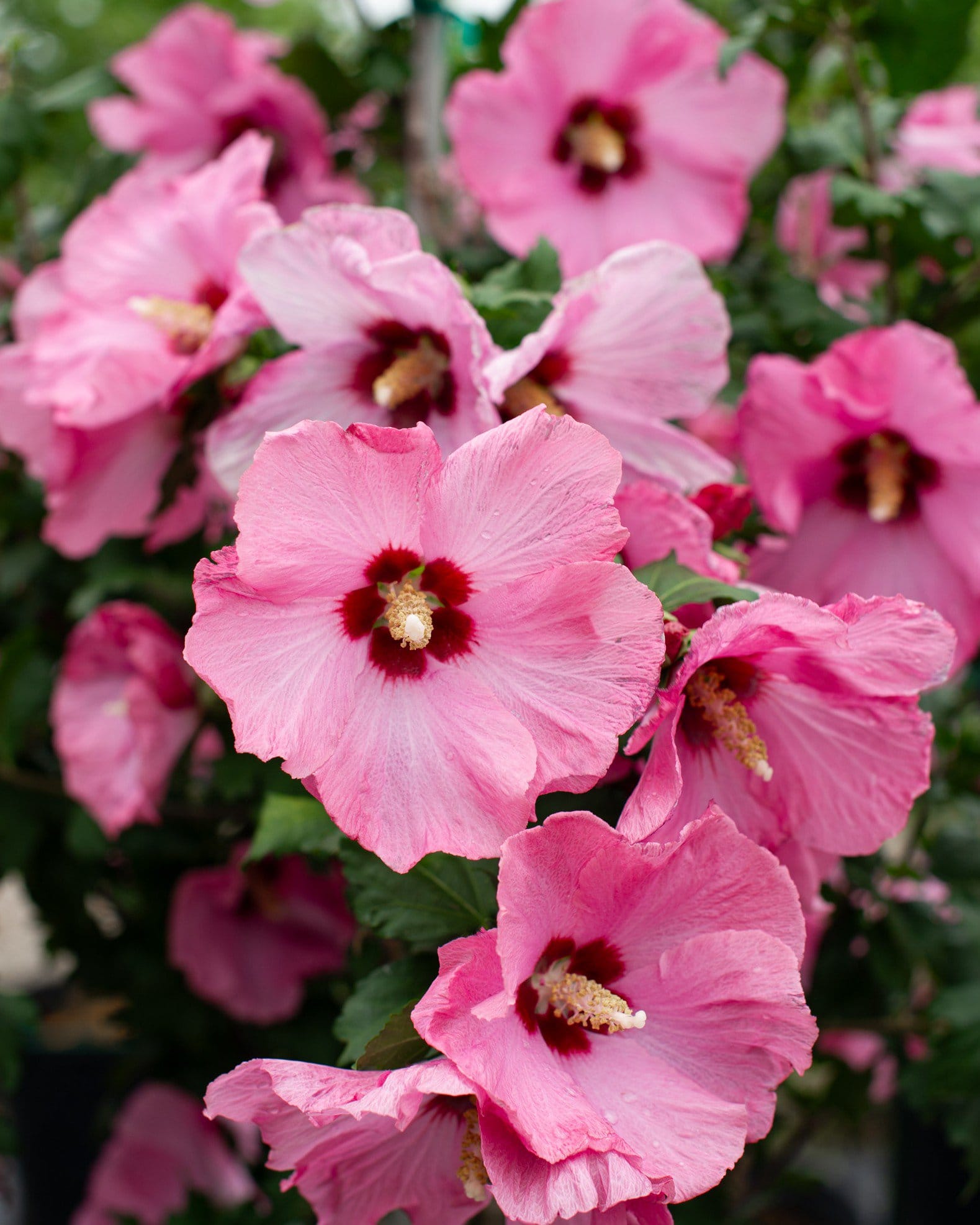
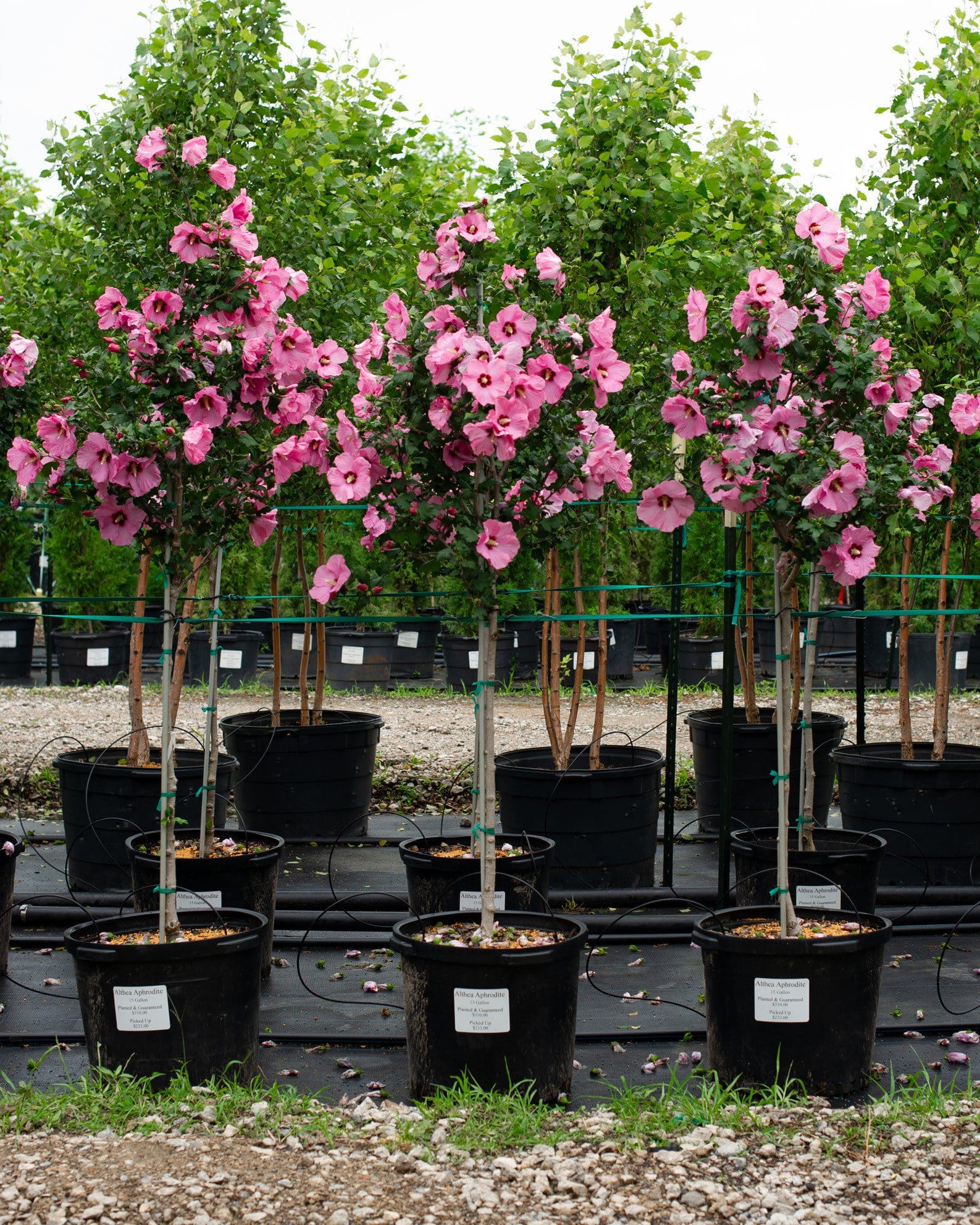
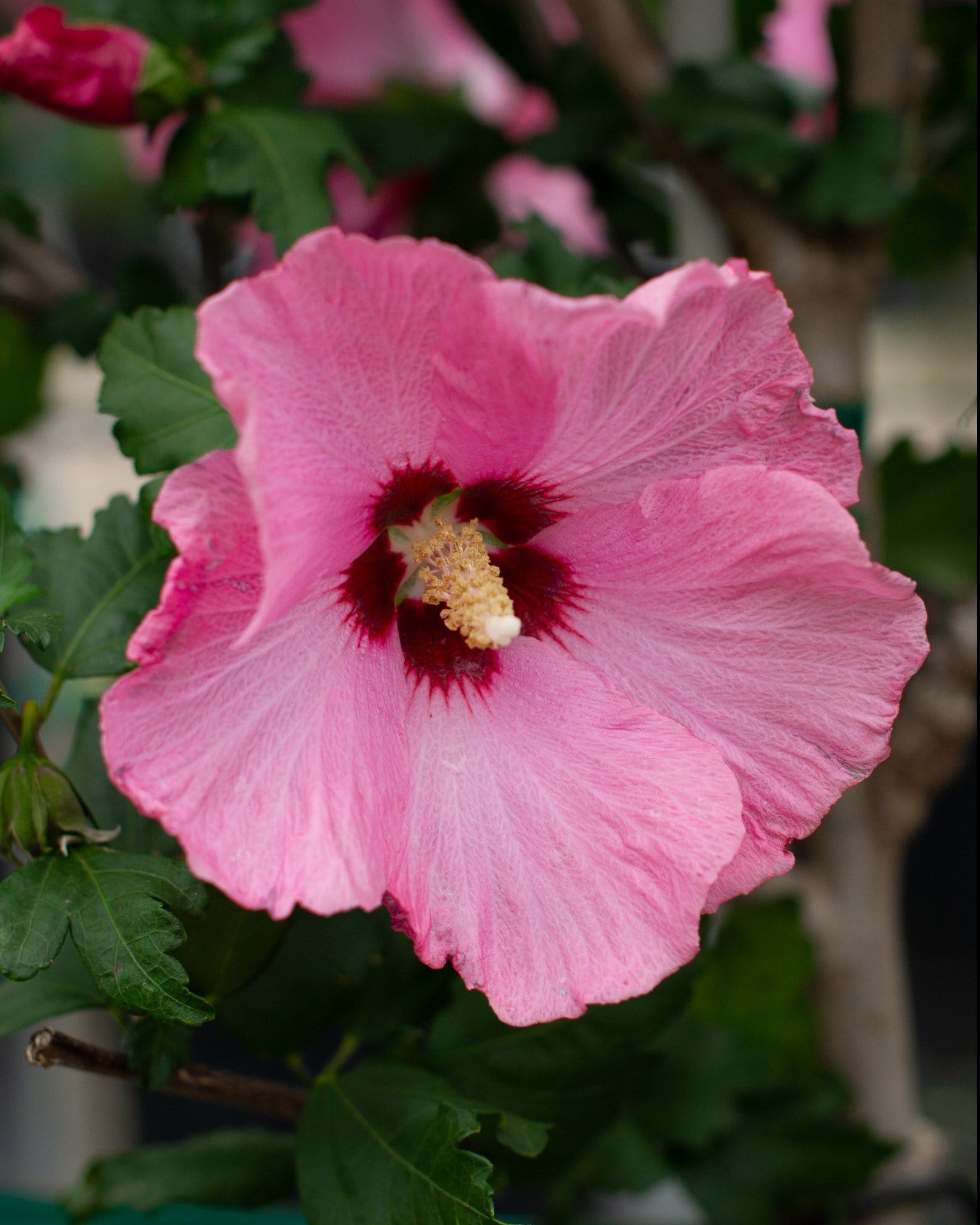
Aphrodite Althea Tree Form
Maturity: 8' H x 6' W
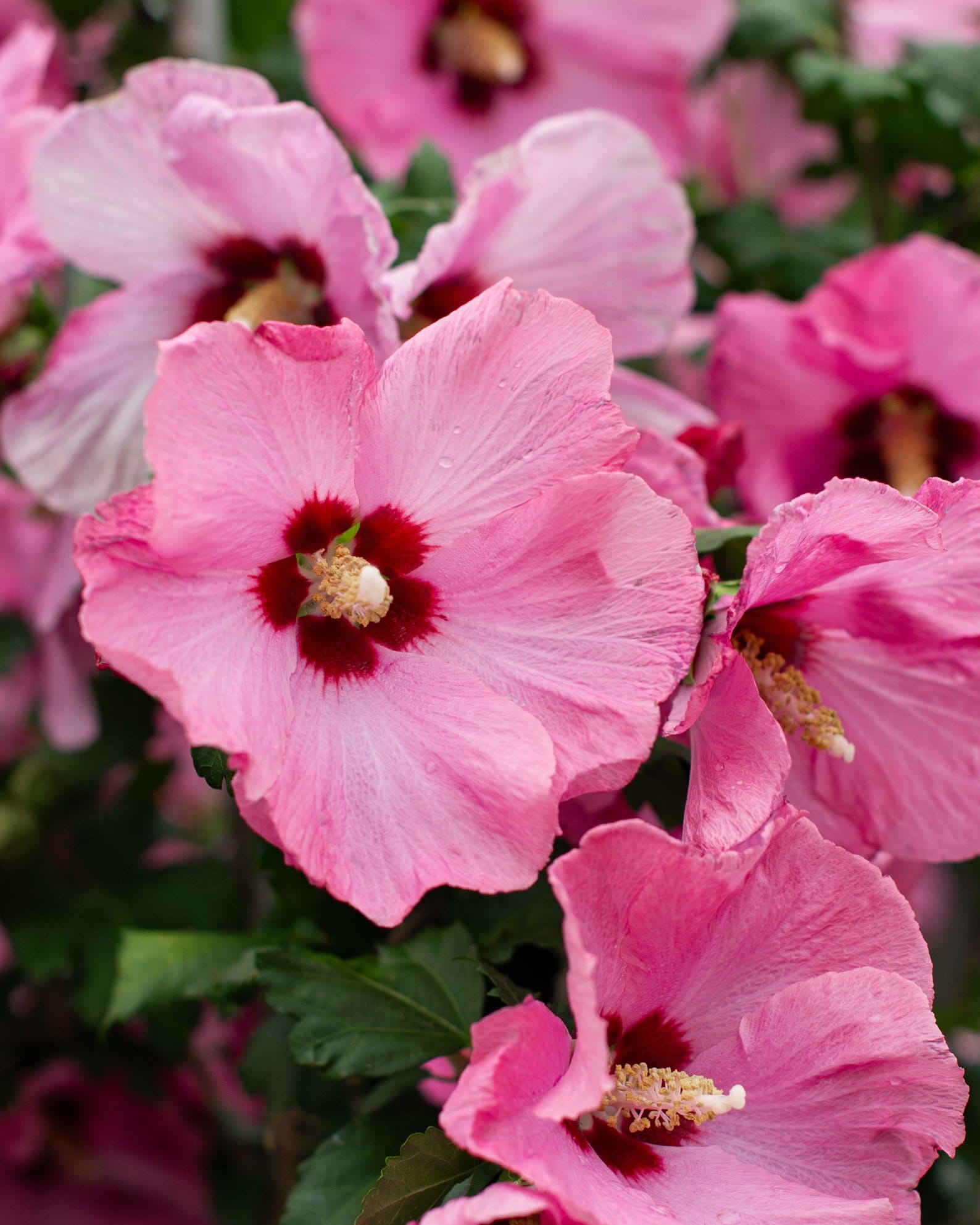
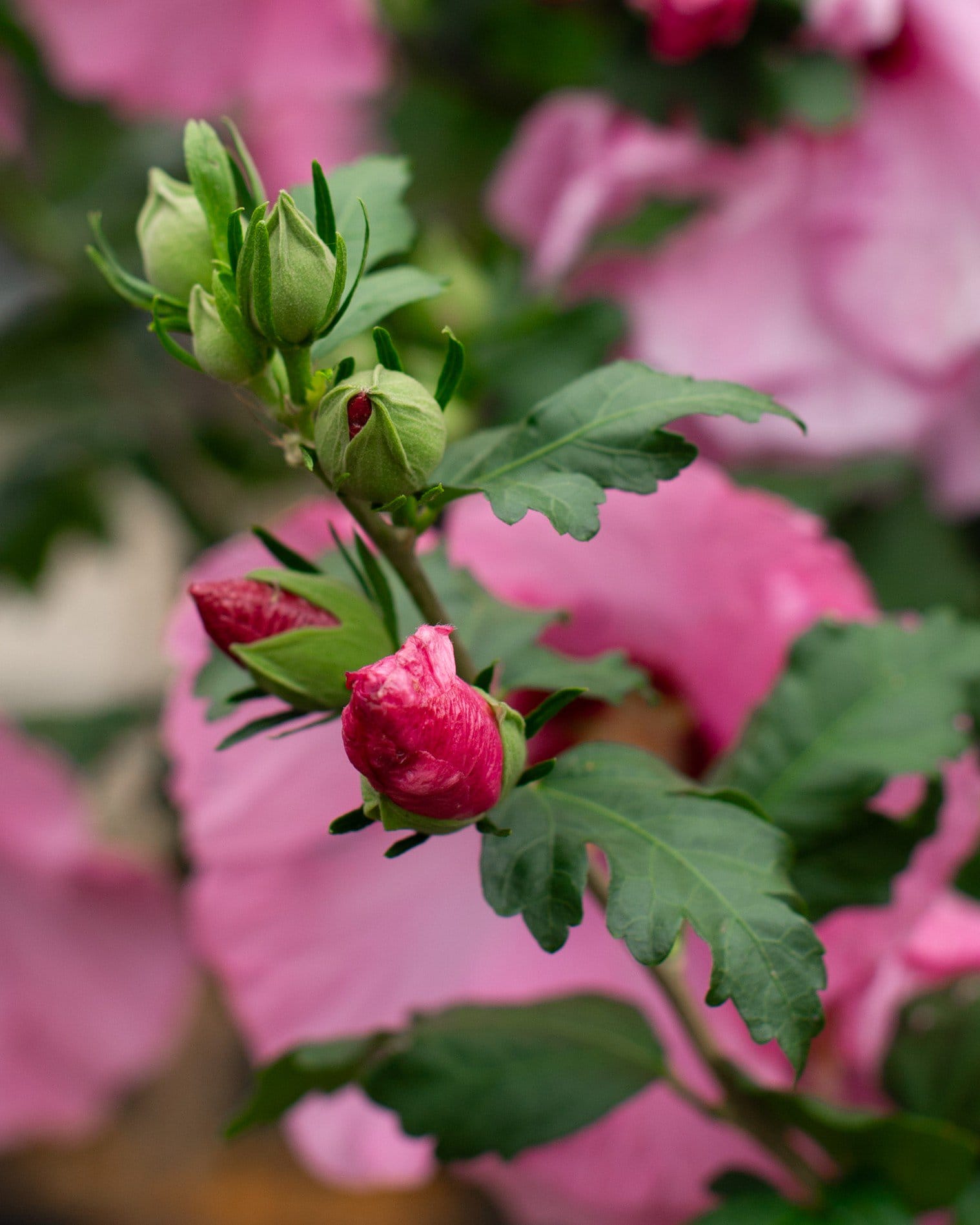
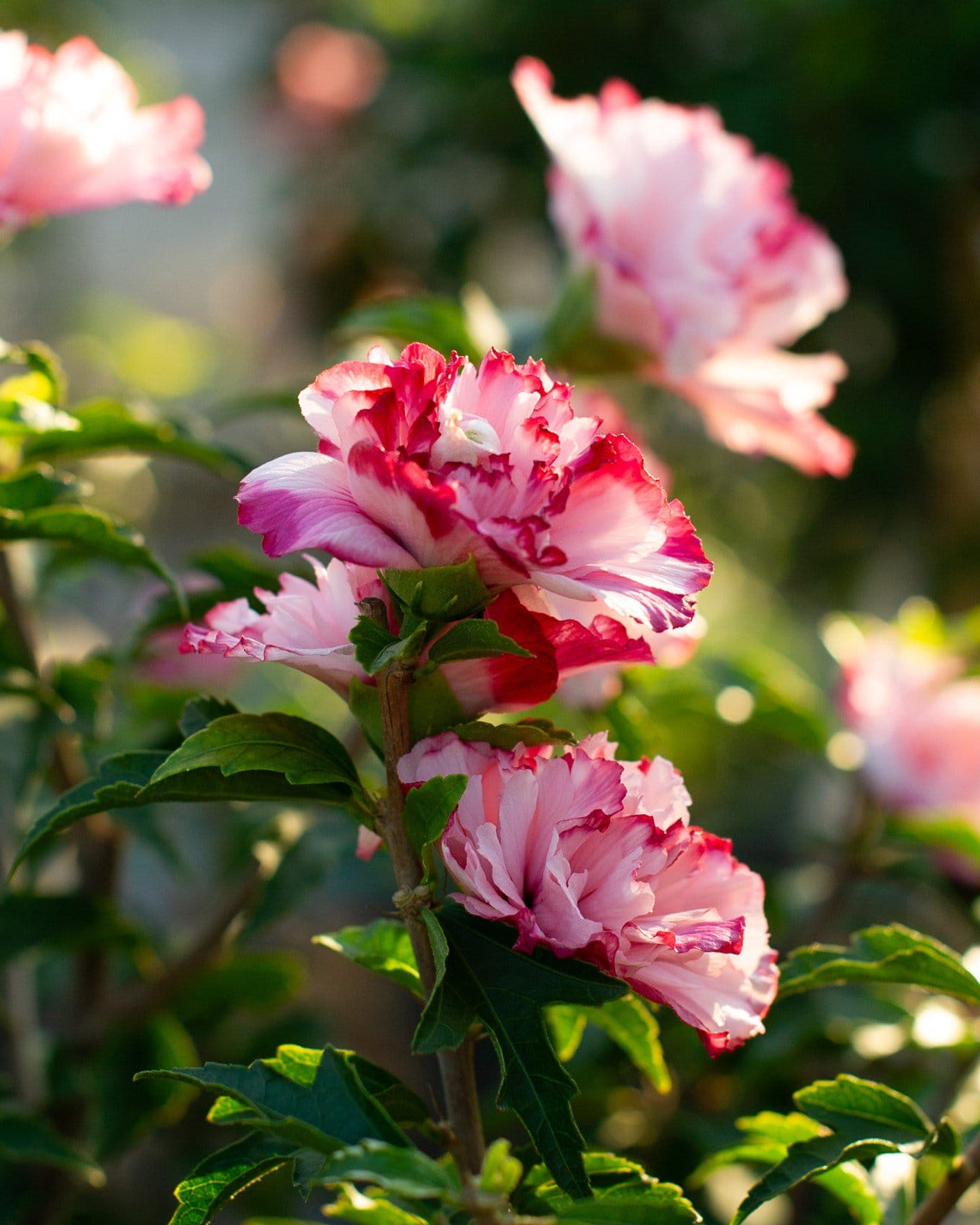
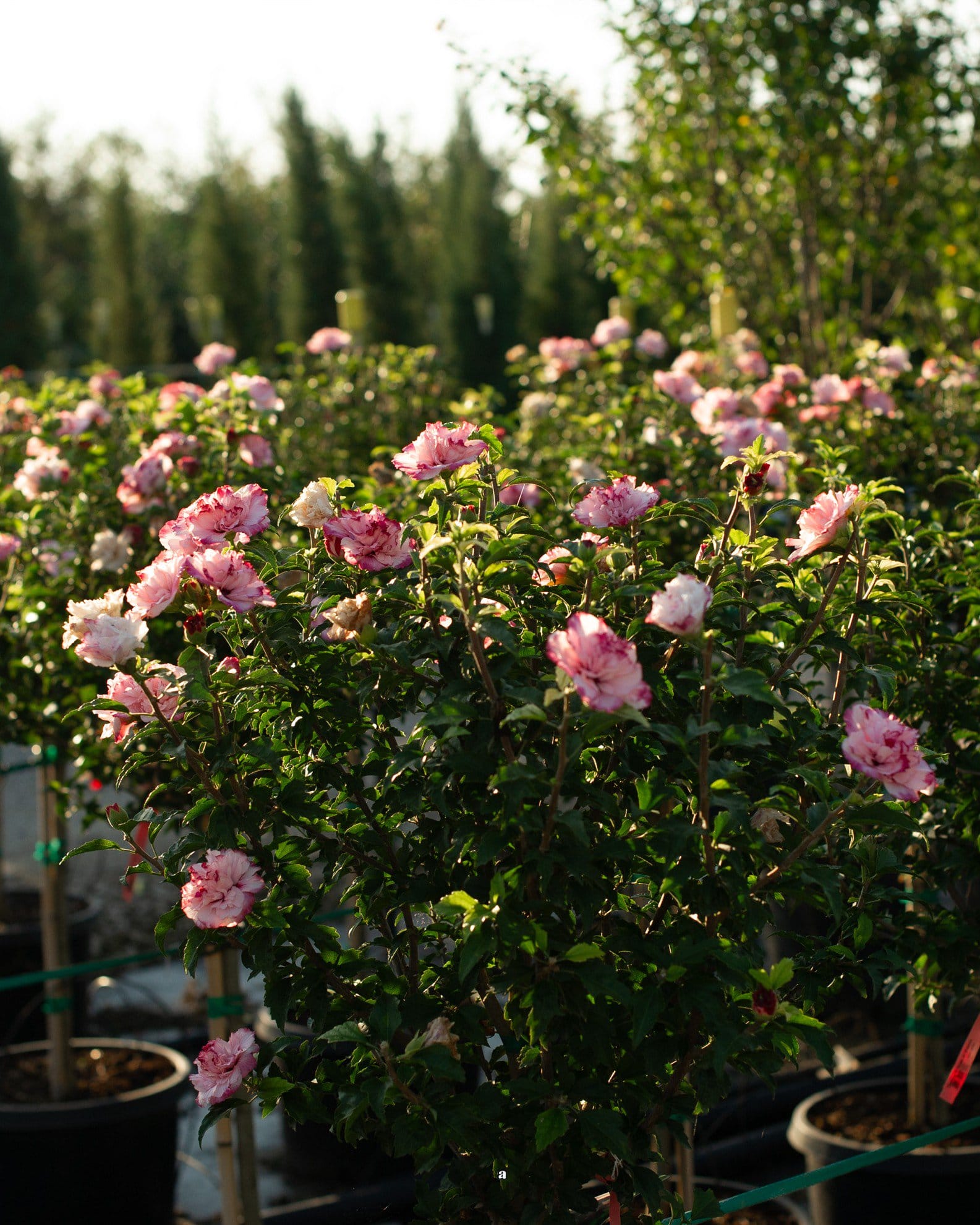
Danica Althea Tree Form
Maturity: 8' H x 5' W
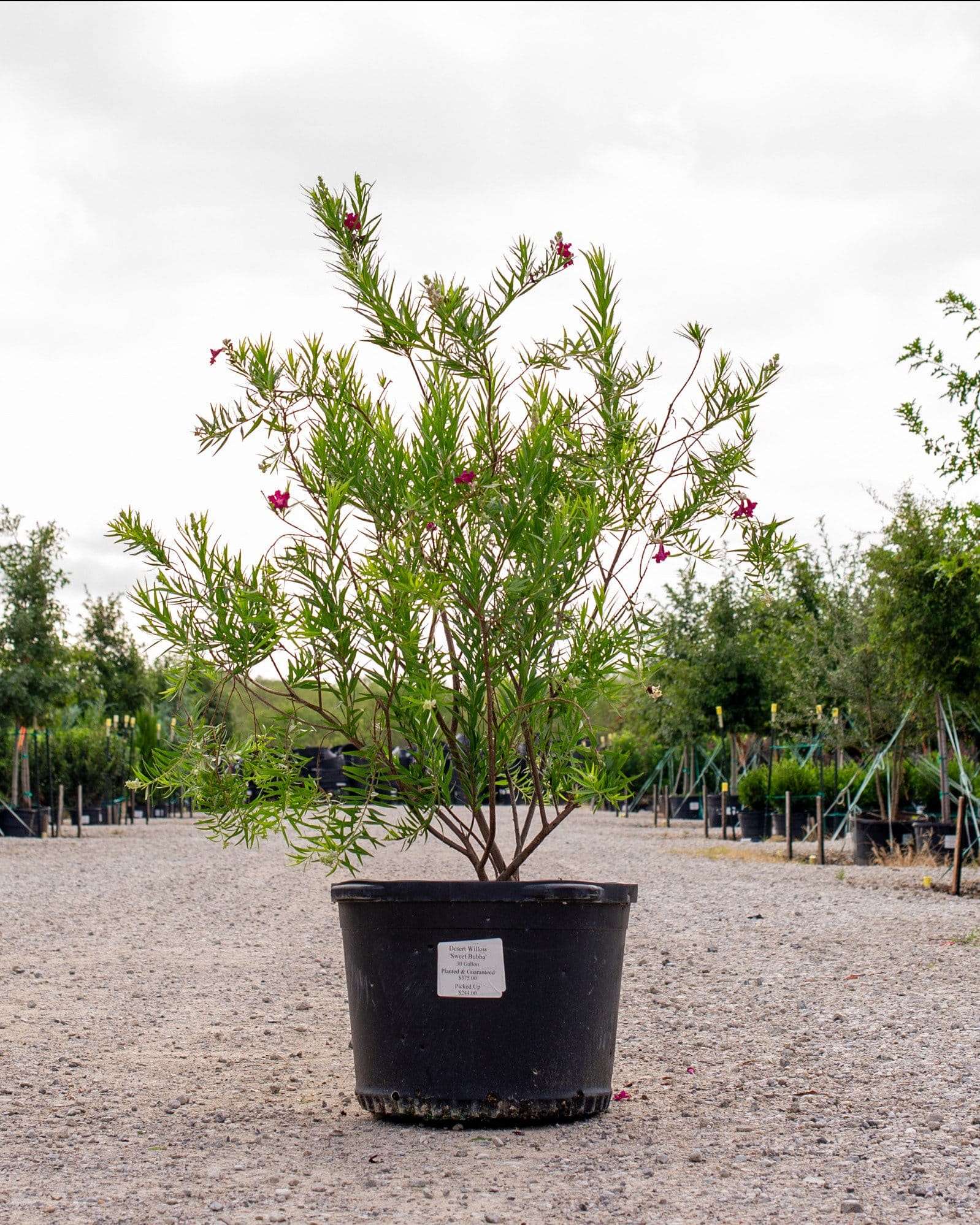
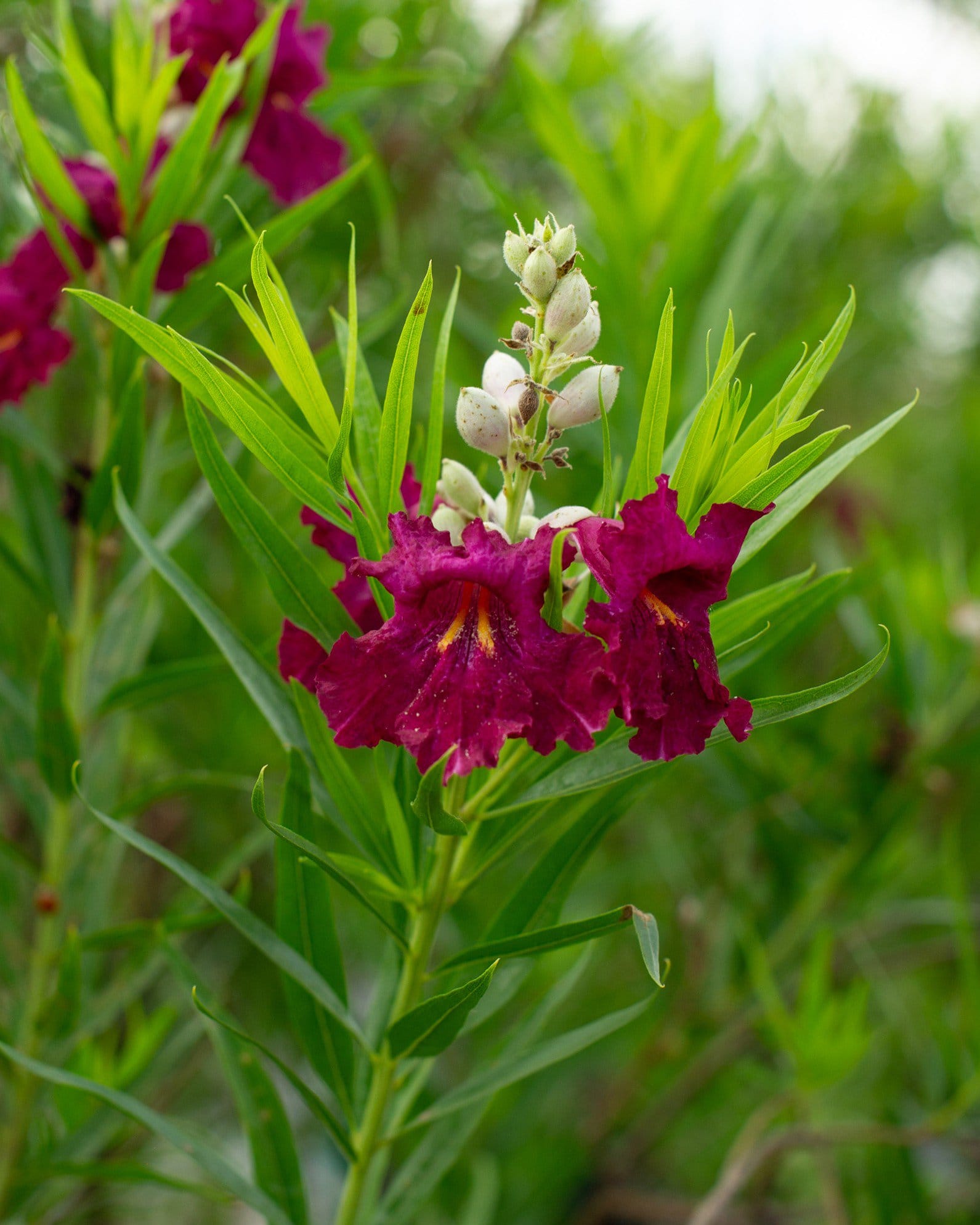
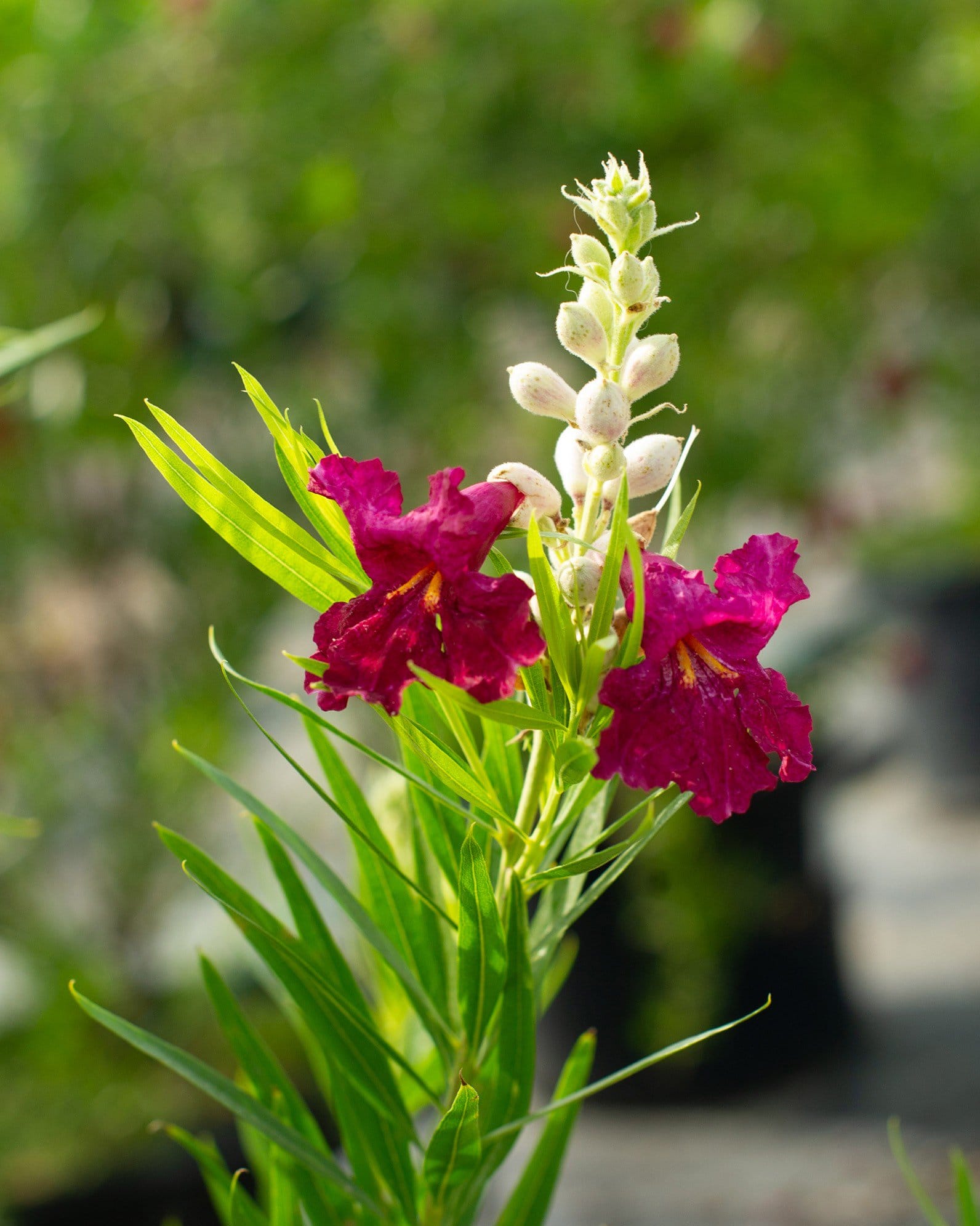
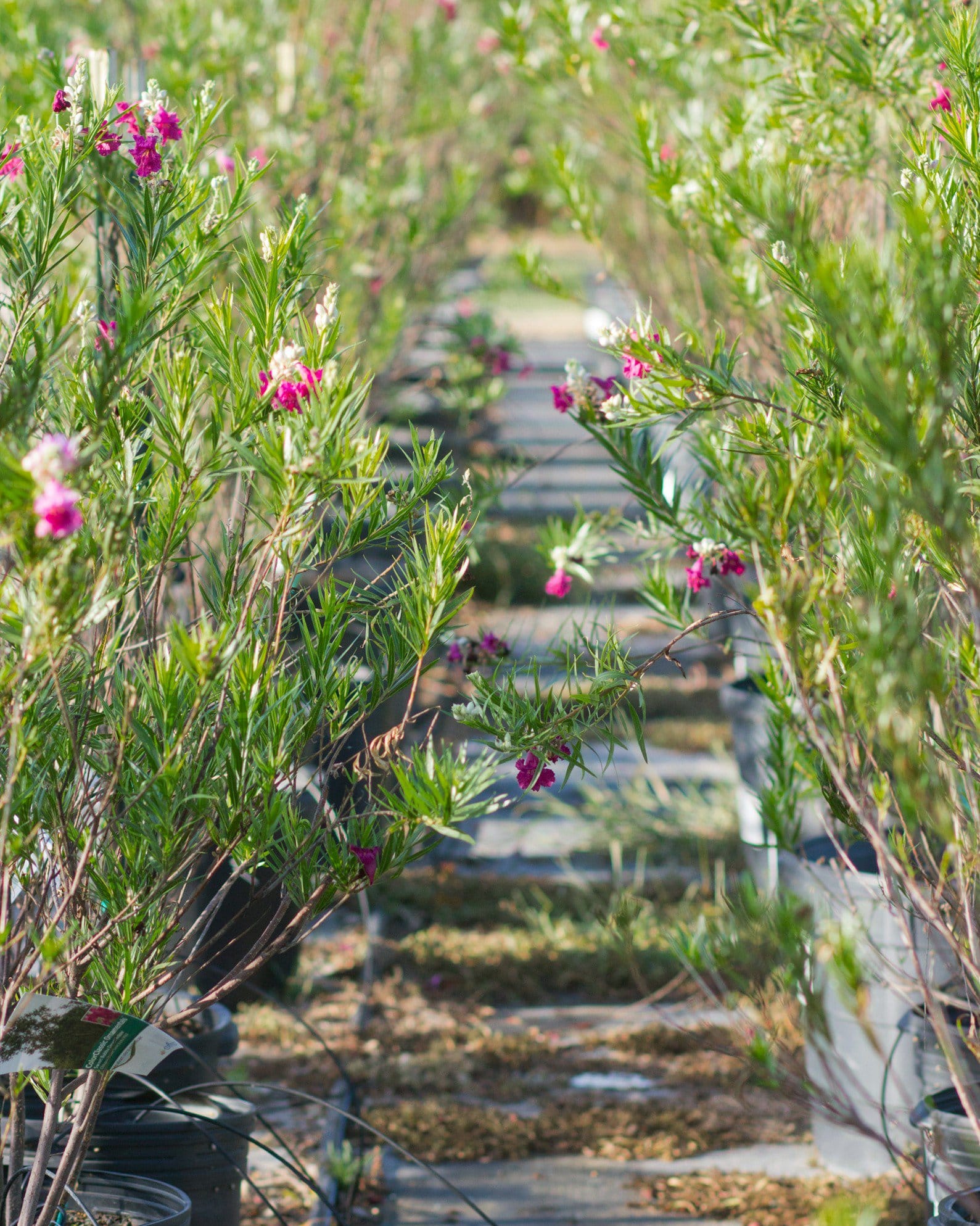
Sweet Bubba Desert Willow
Maturity: 15' H x 15' W
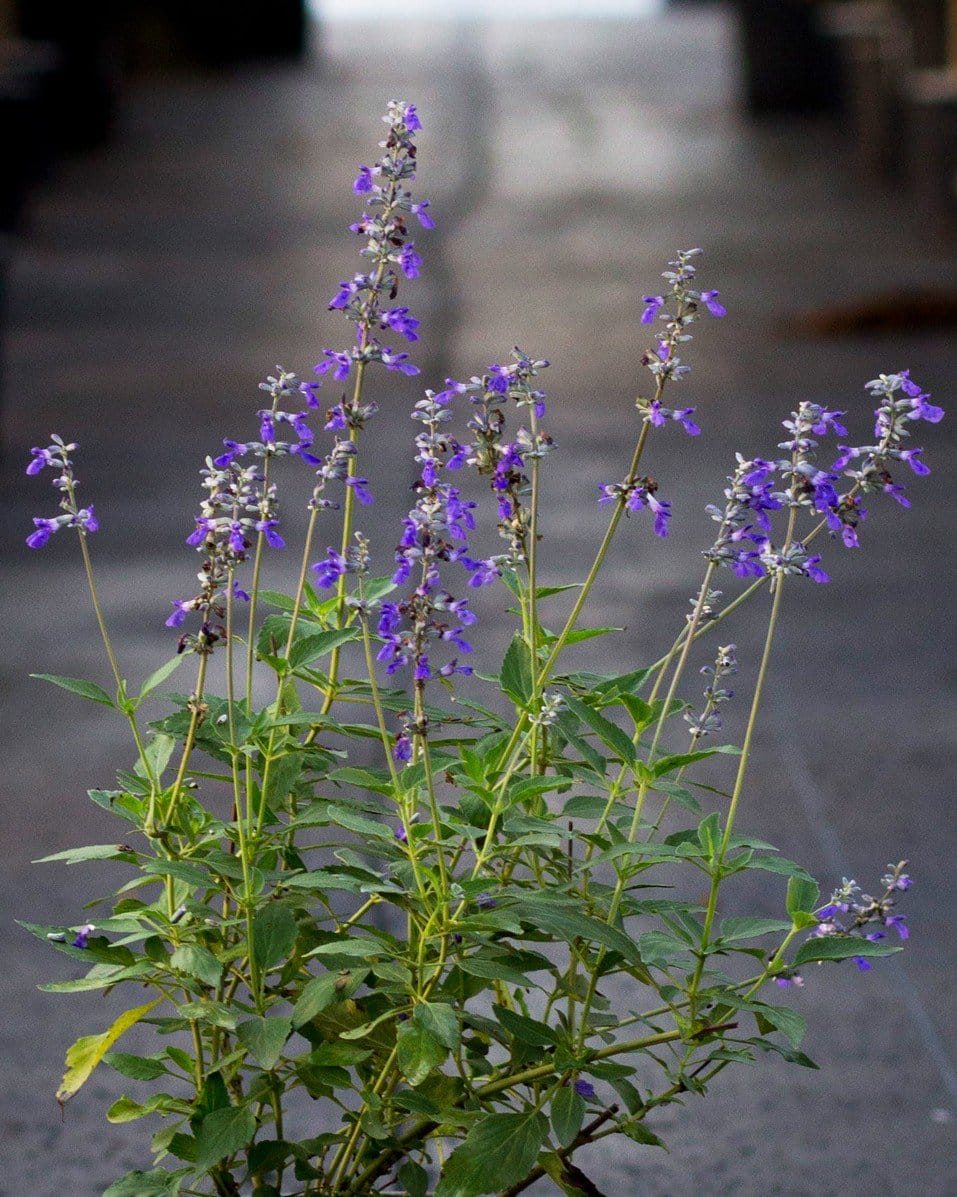
Henry Duelberg Salvia
Maturity: 3' H x 3' W
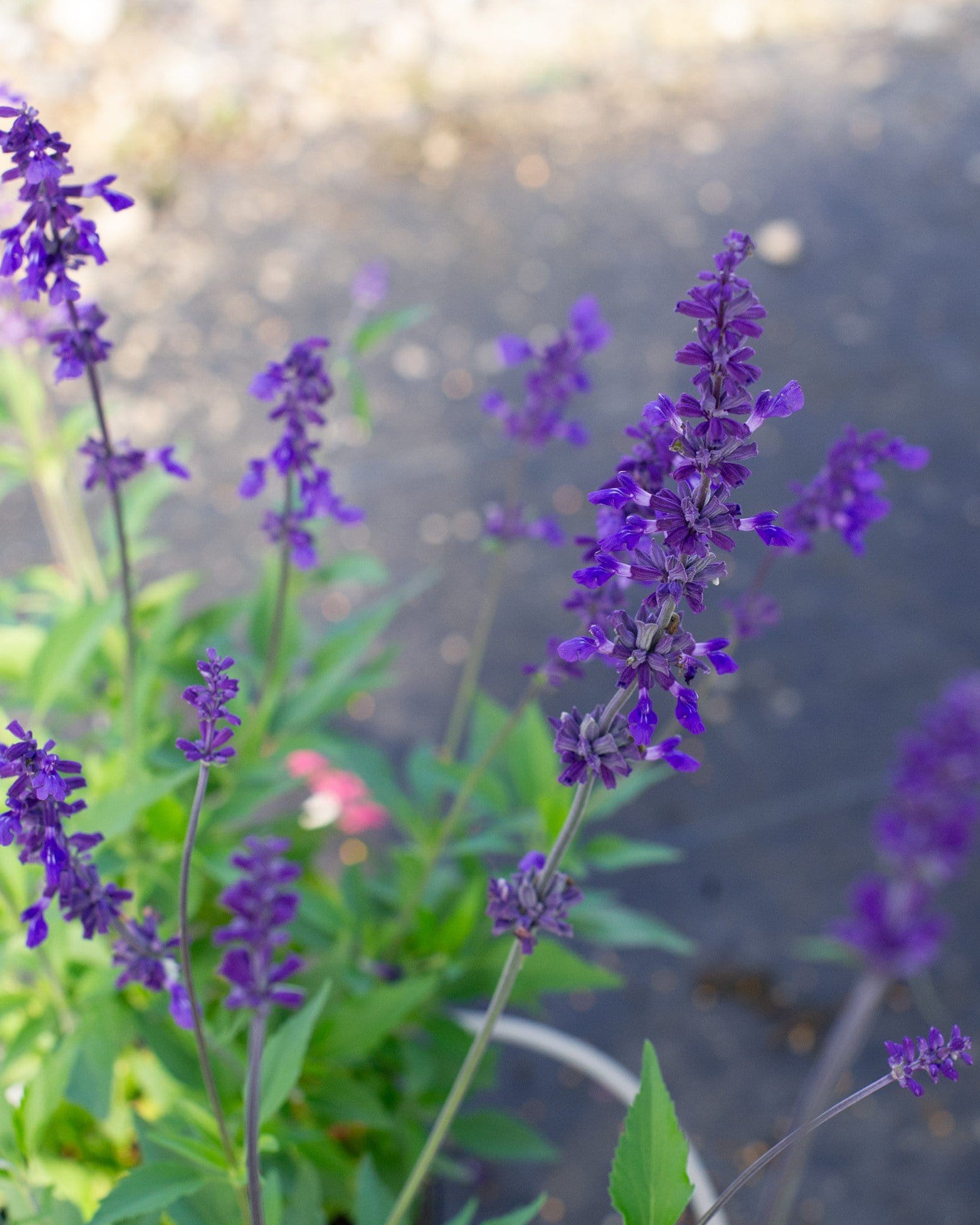
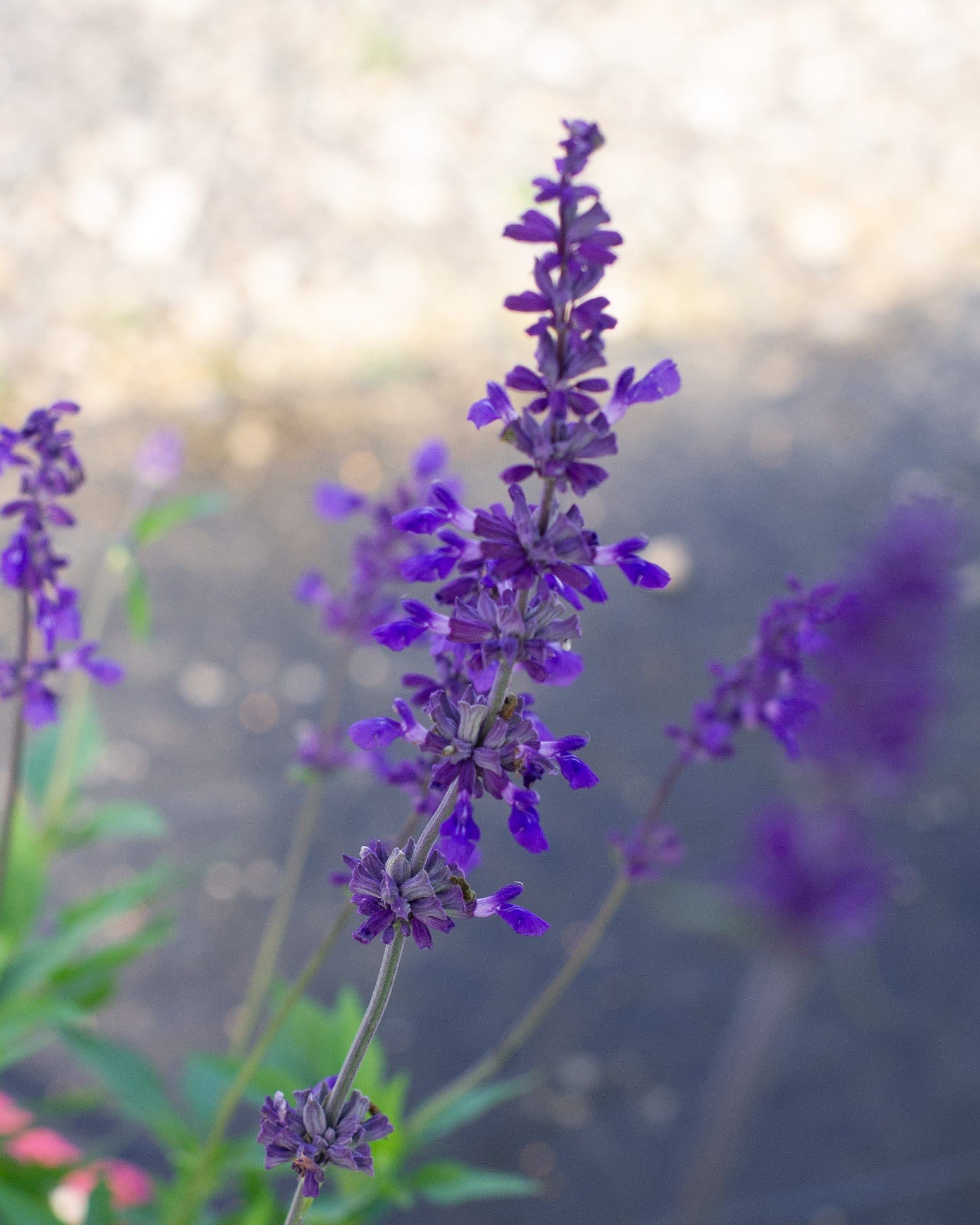
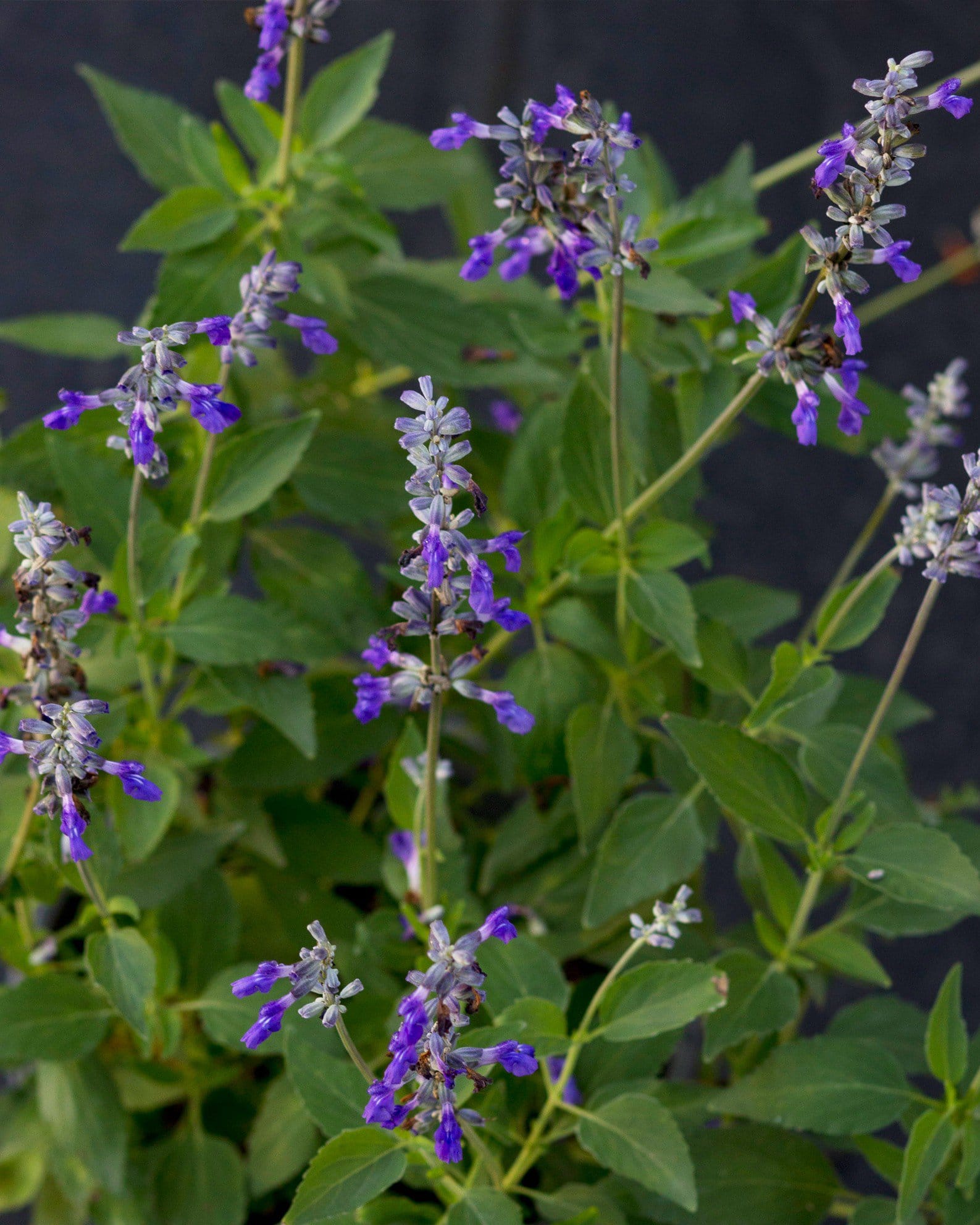
Homestead Purple Verbena
Maturity: 1' H x 2' W
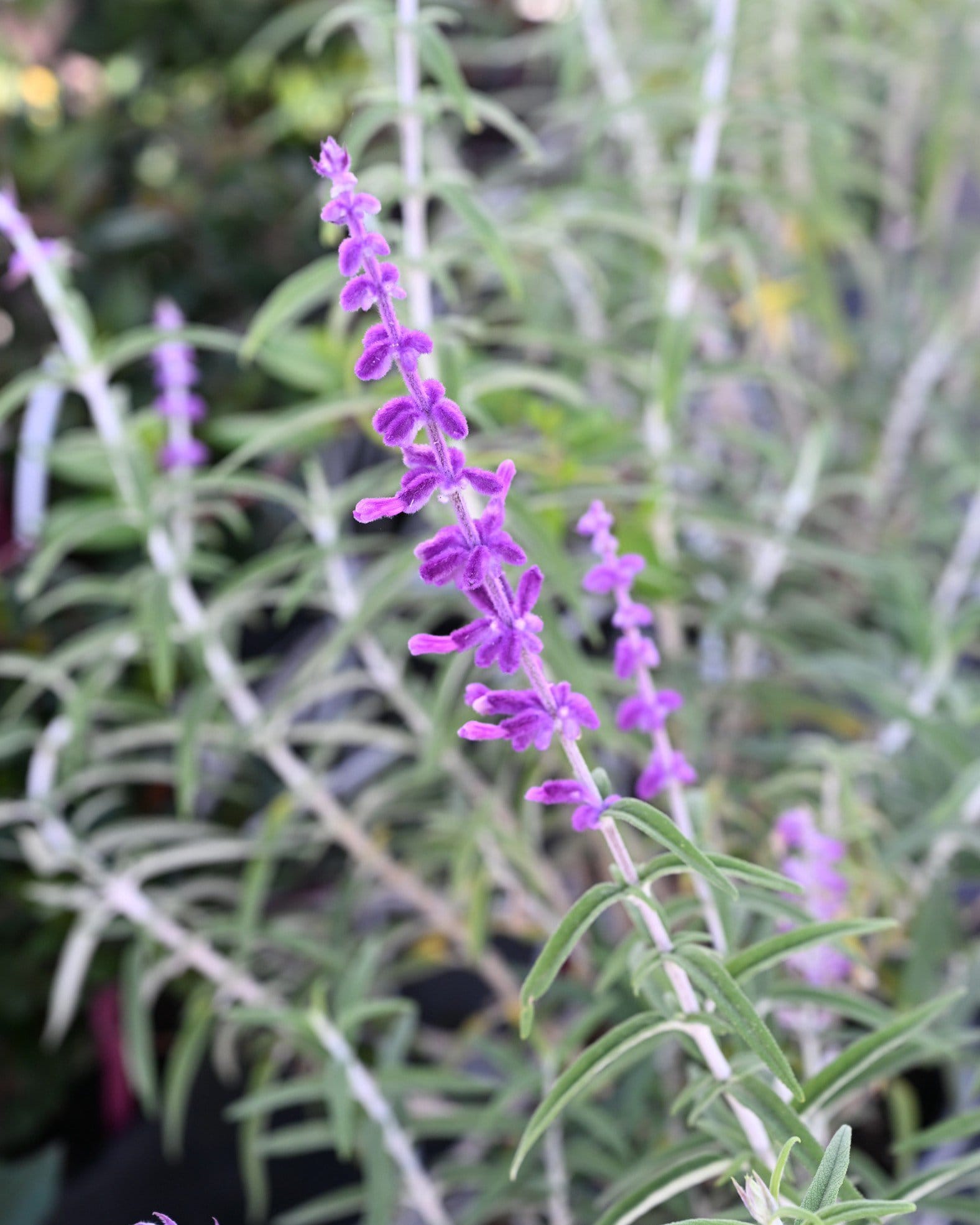
Mexican Bush Sage Santa Barbara
Maturity: 3' H x 3' W
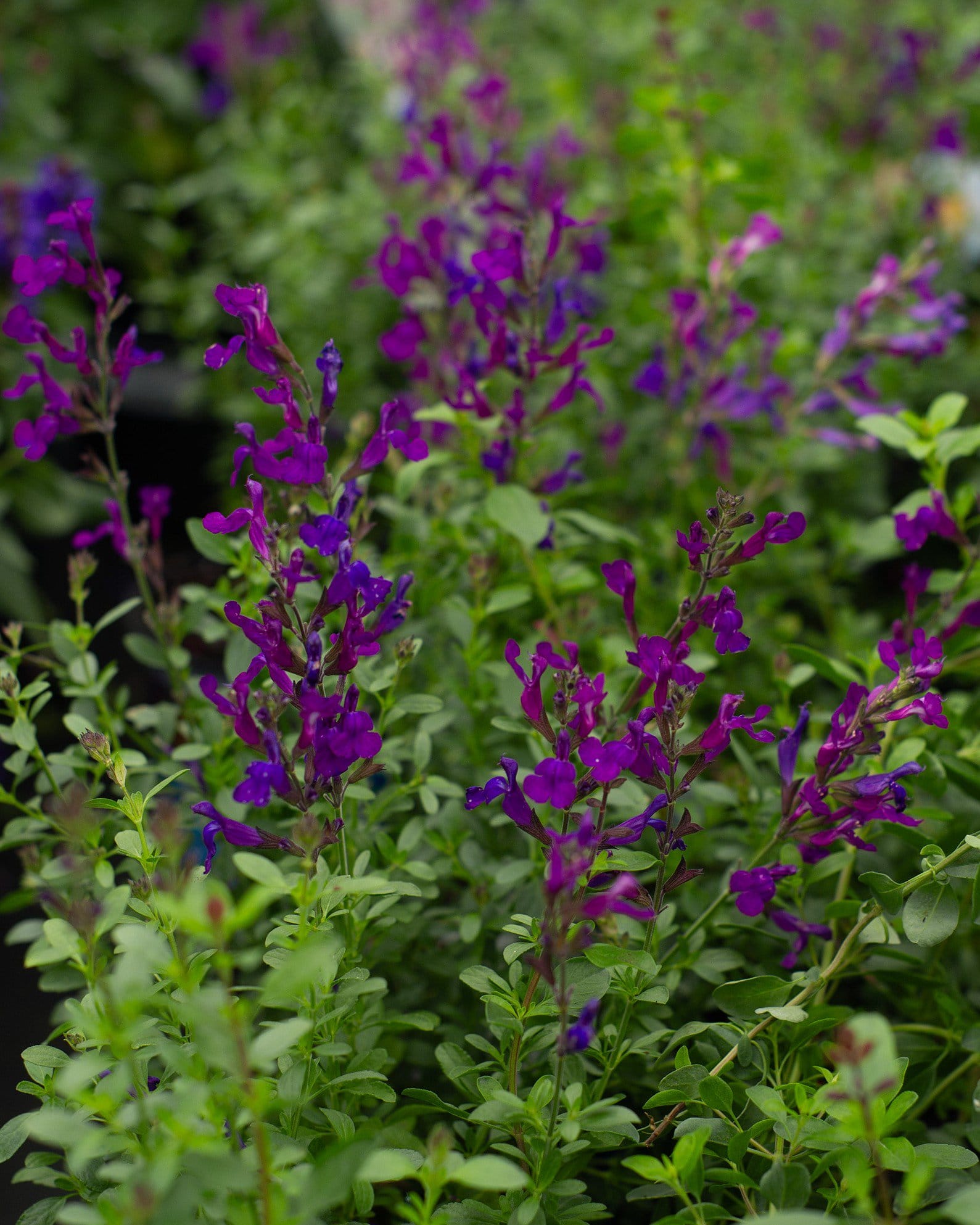
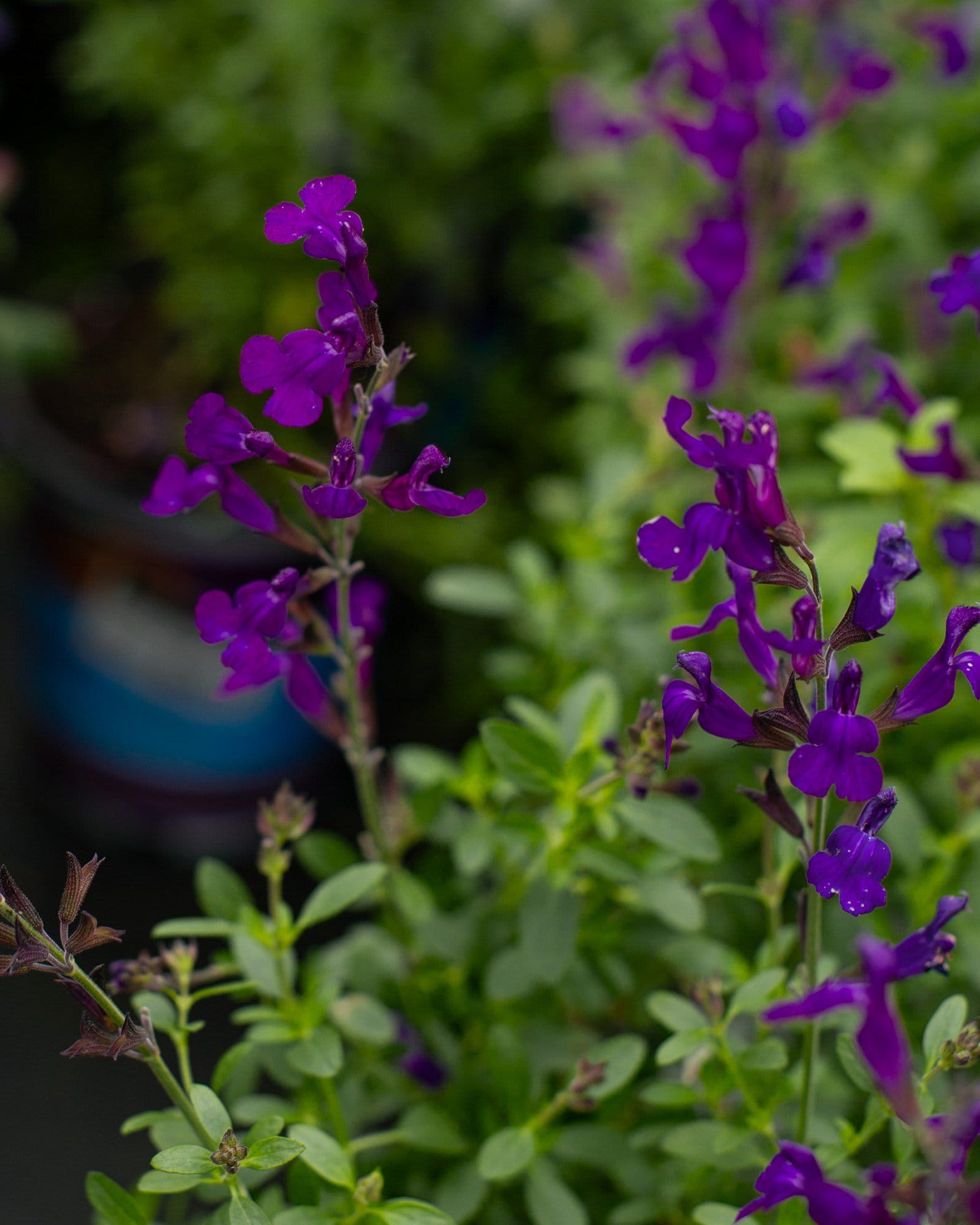
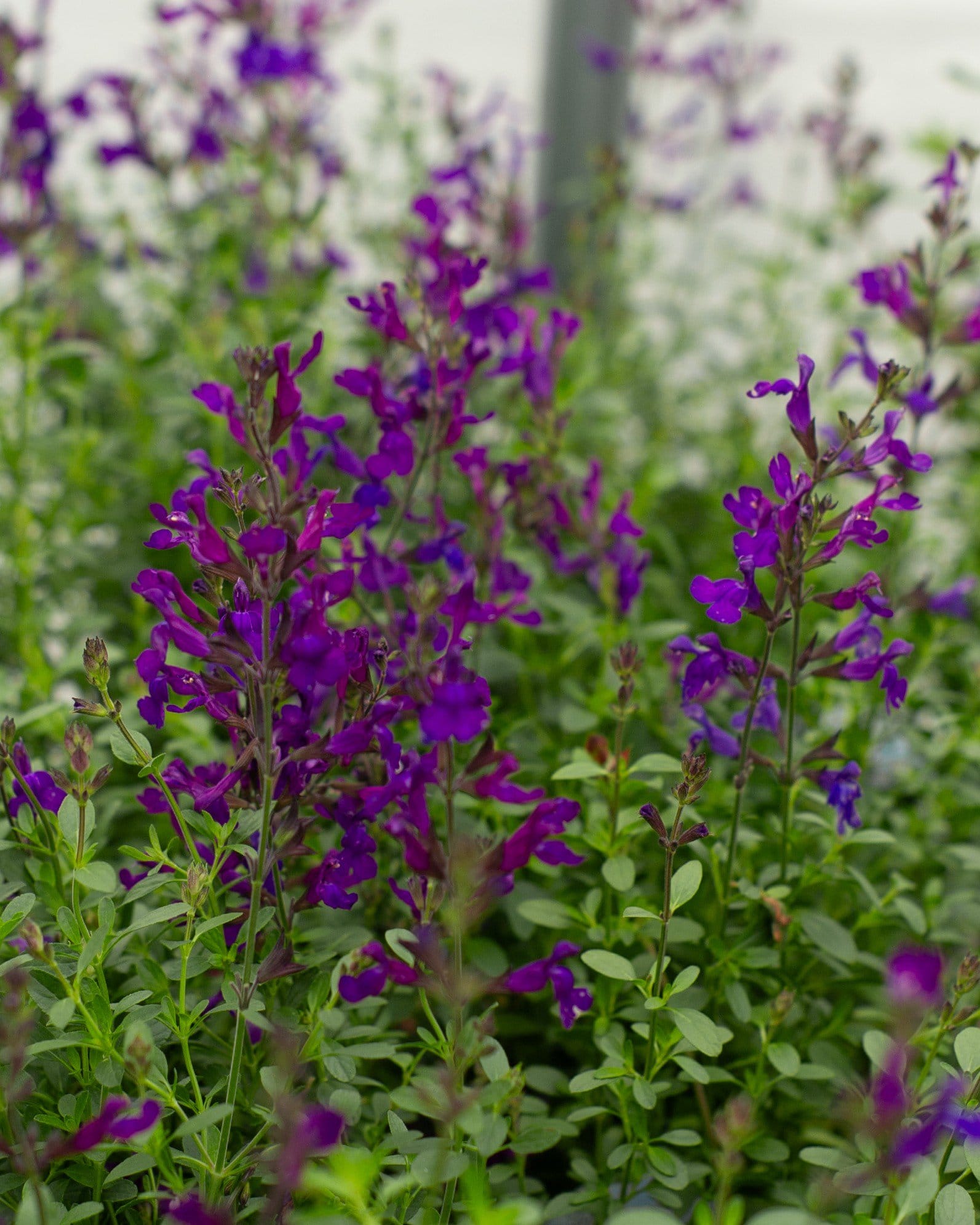
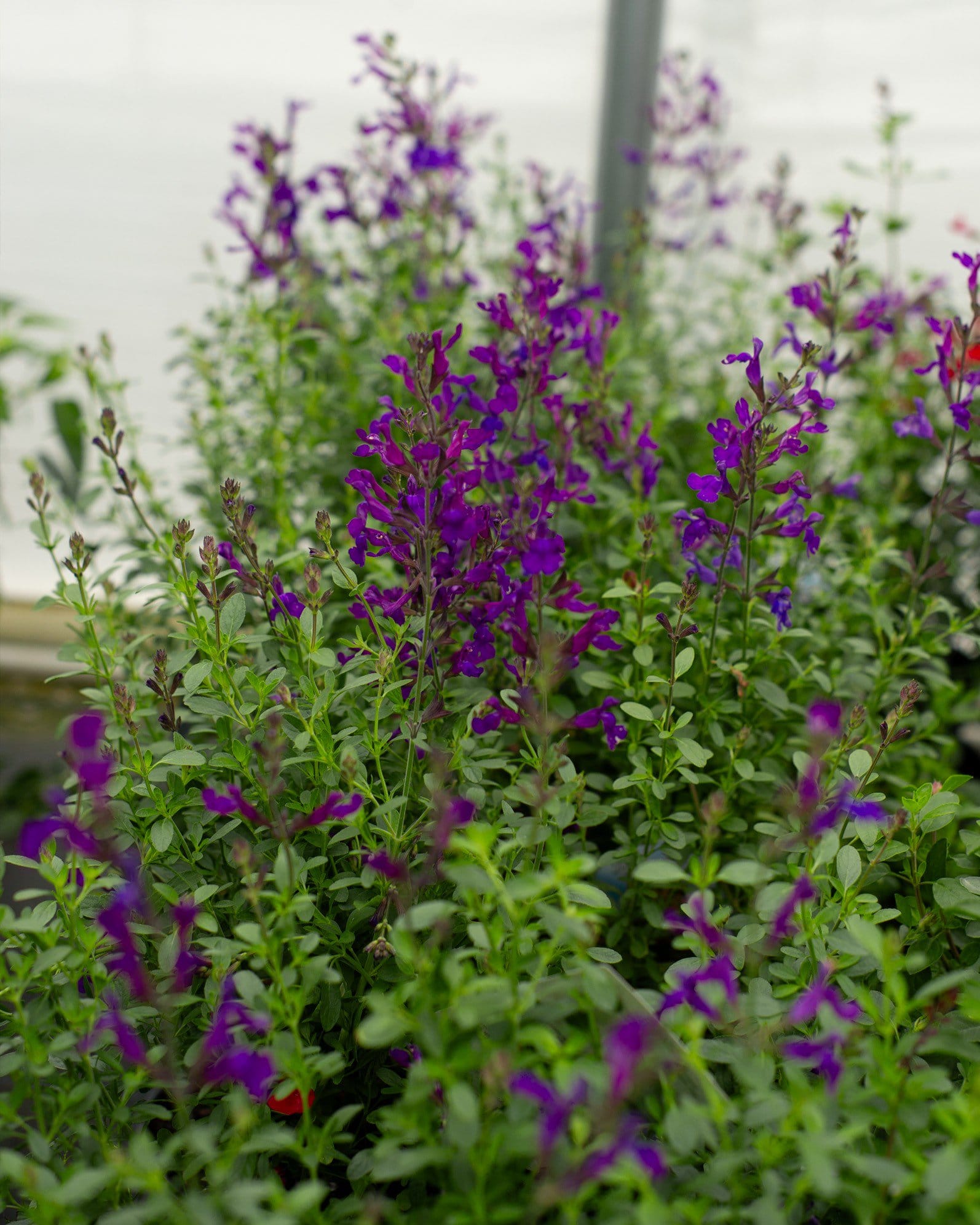
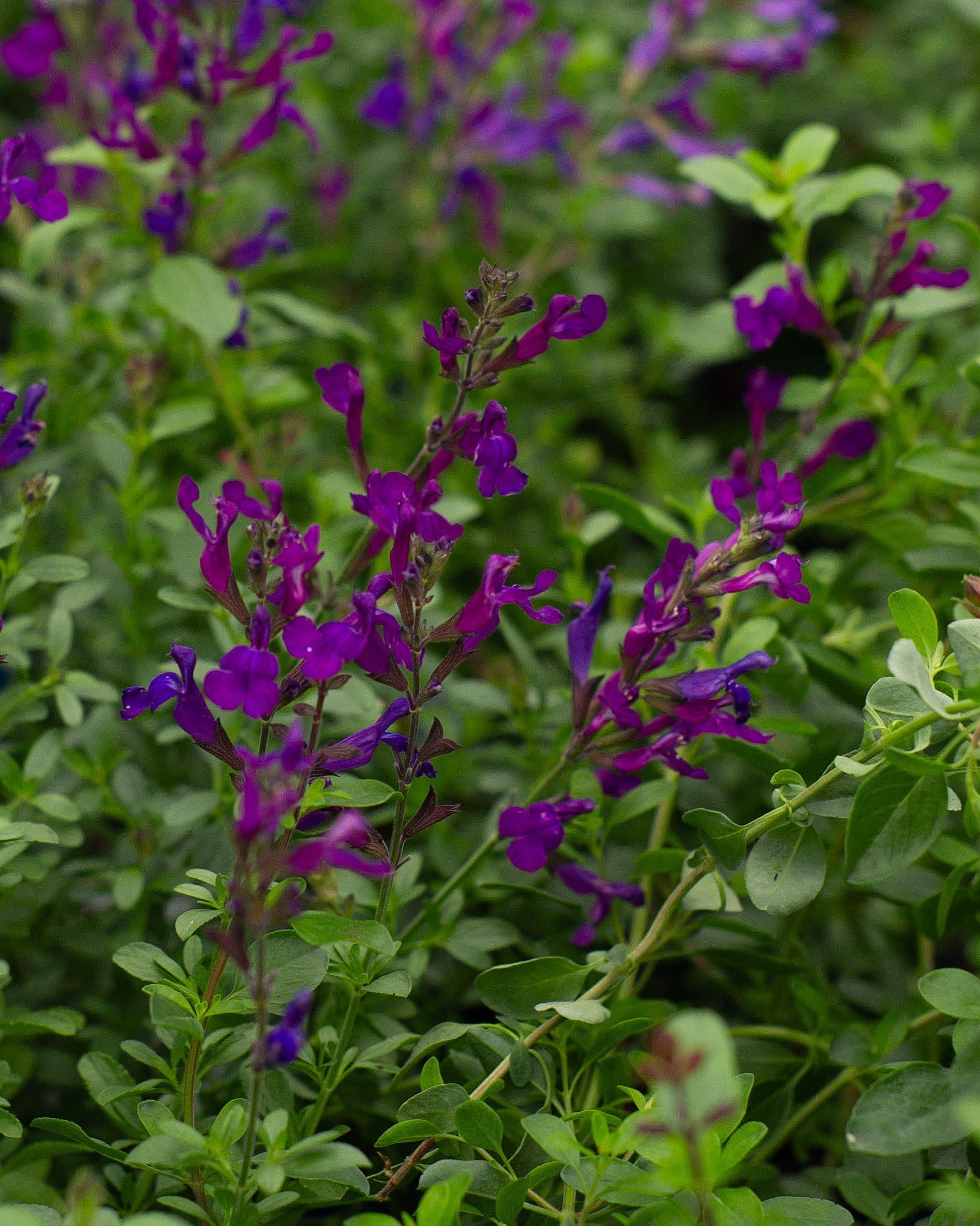
Mirage Deep Purple Salvia Greggii
Maturity: 1' H x 1' W
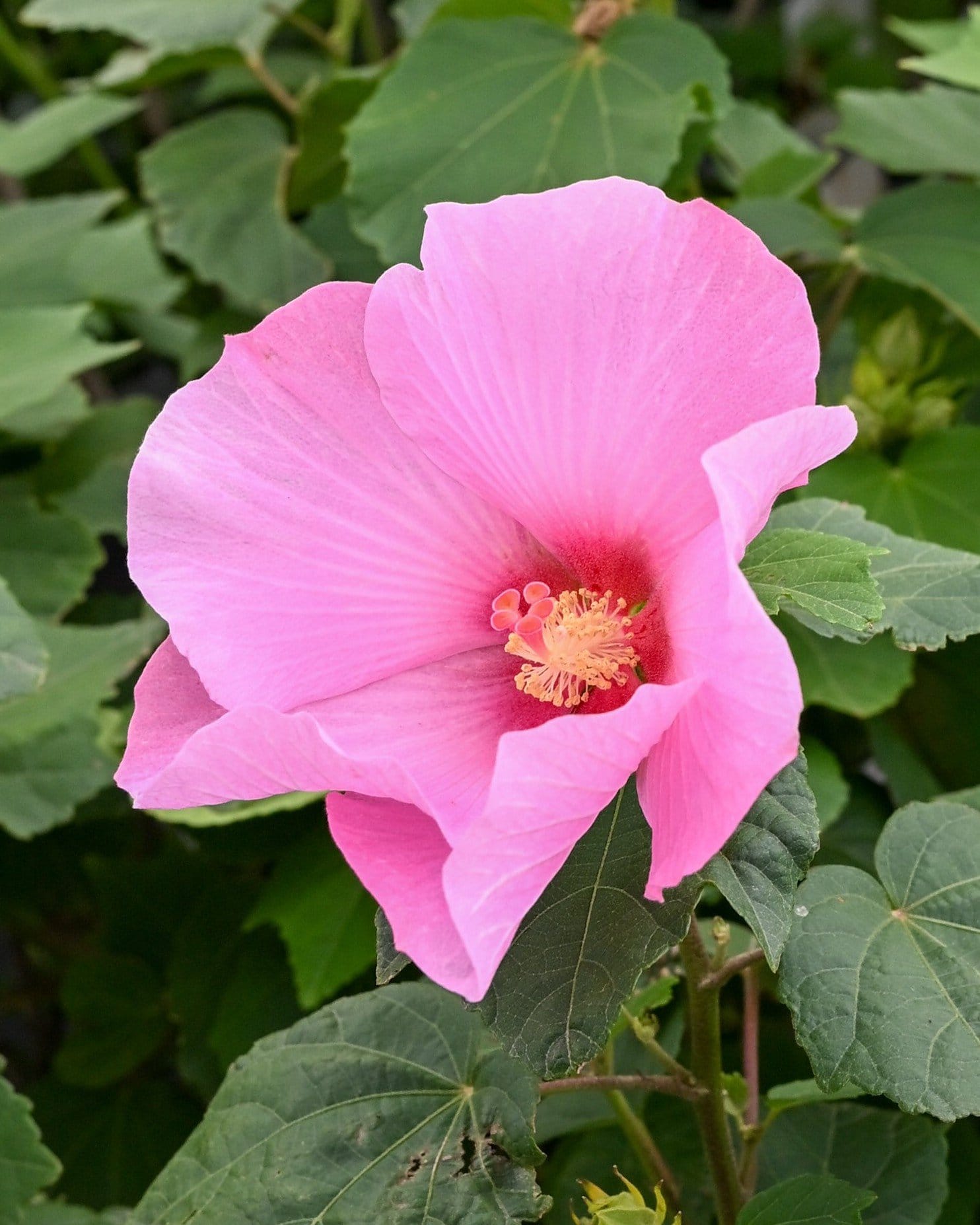
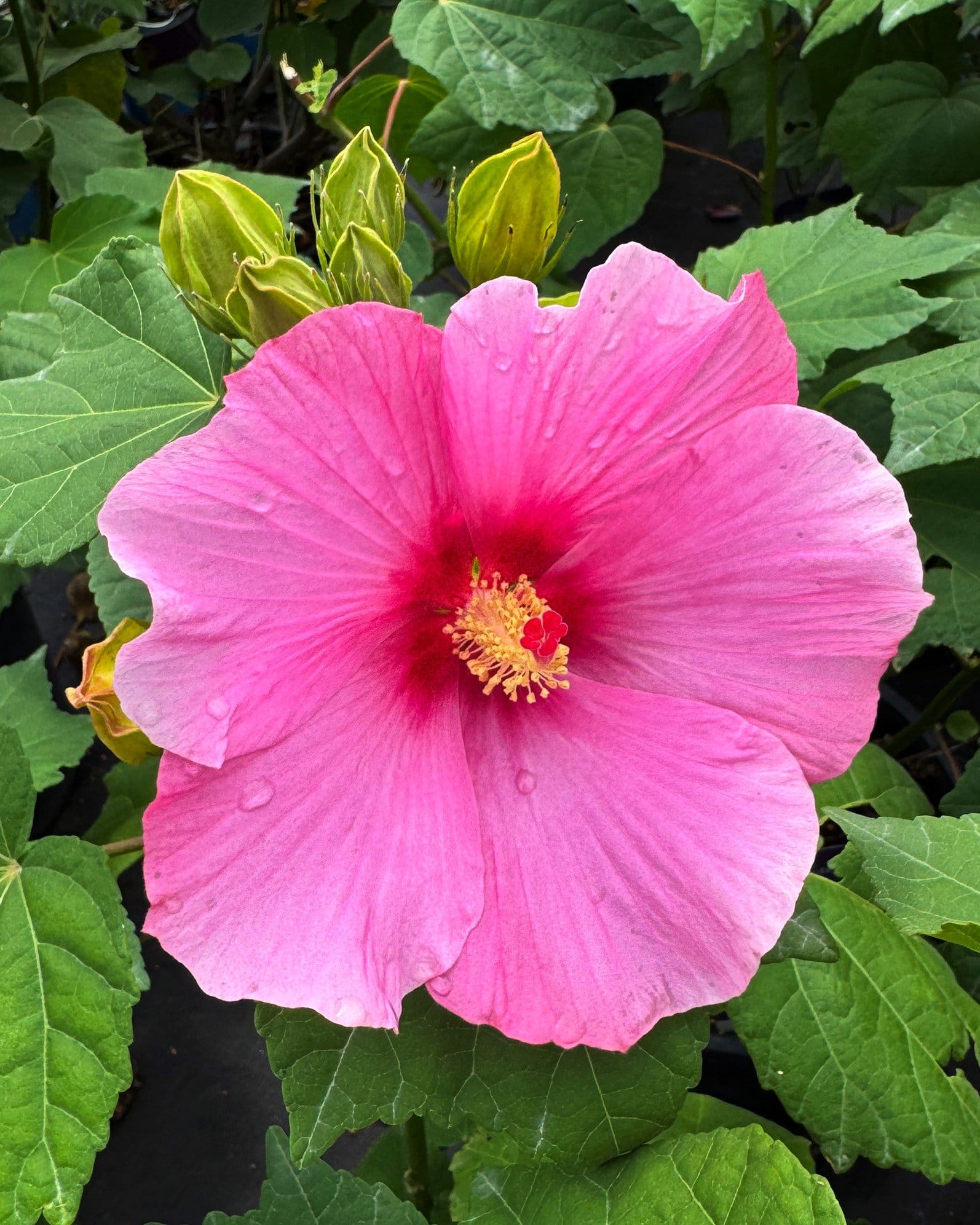
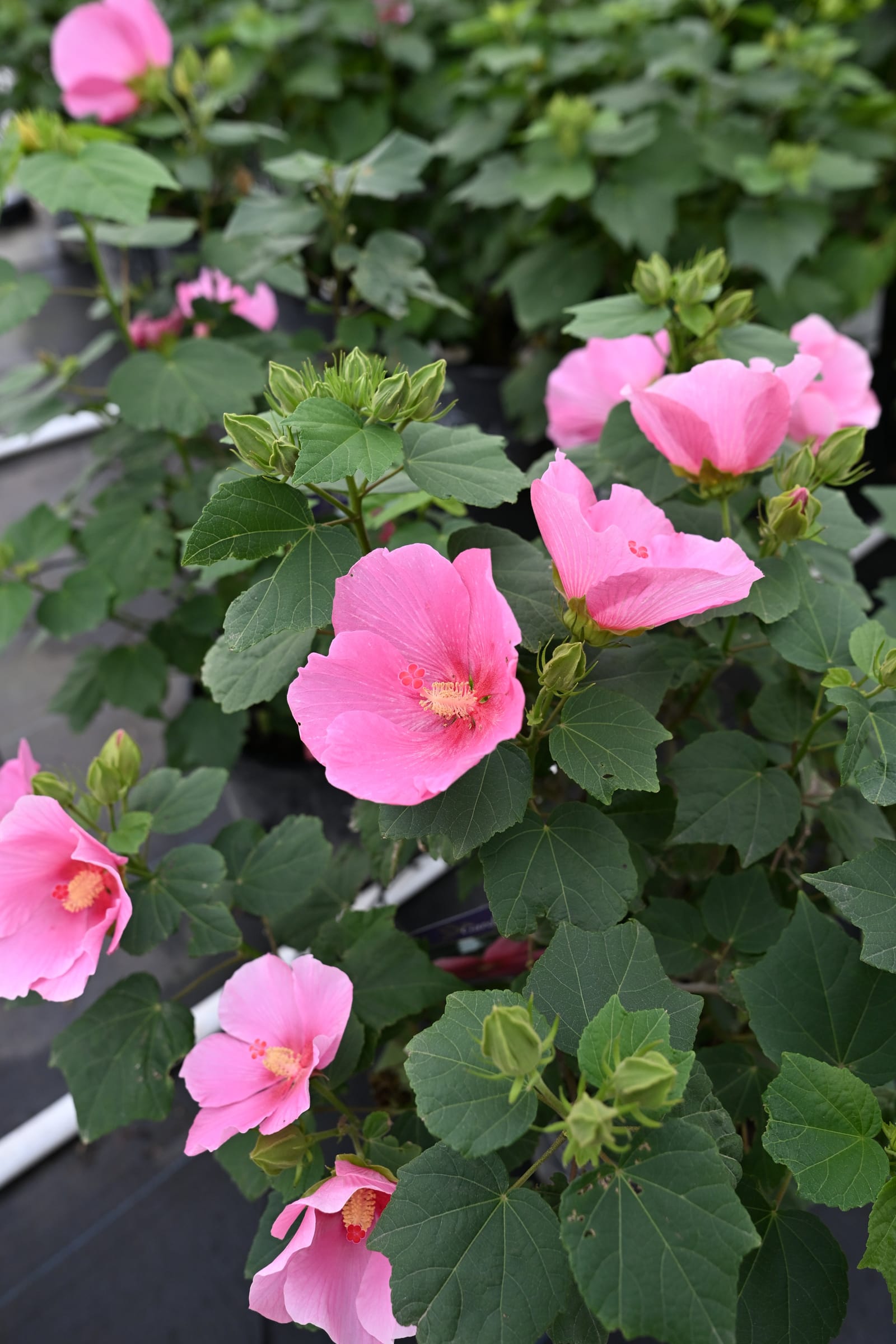
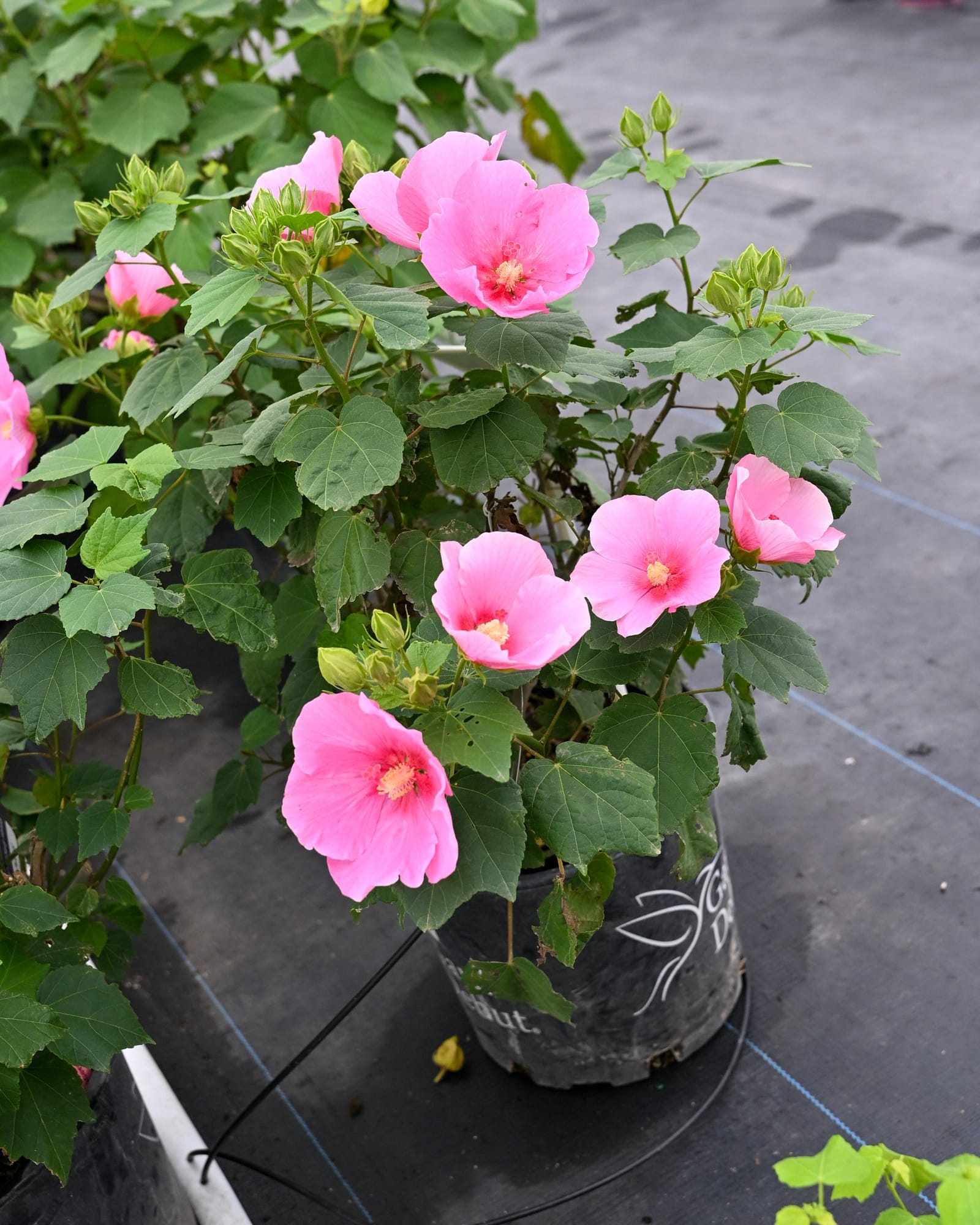
Big Hit Pink Hardy Hibiscus
Maturity: 5' H x 3' W
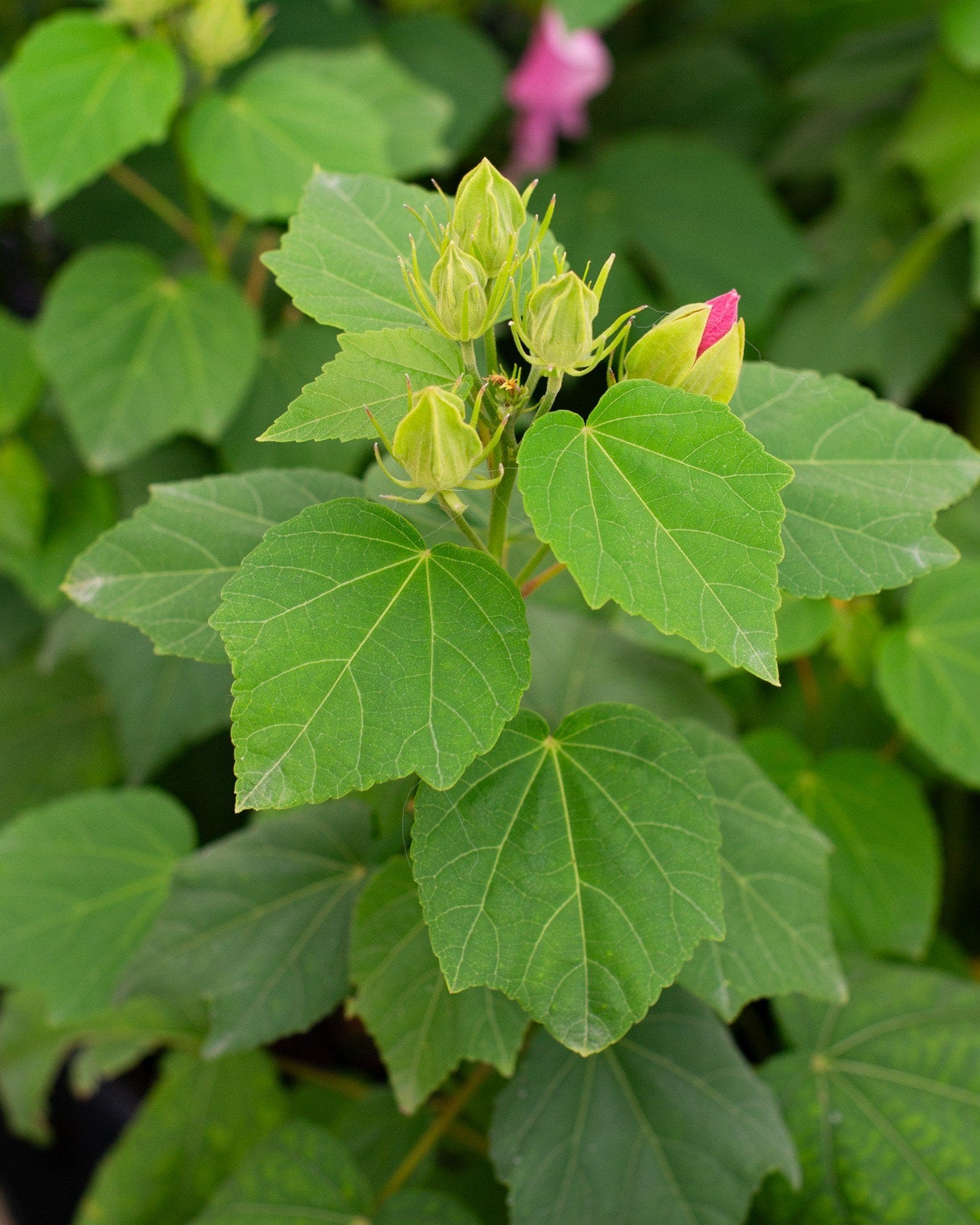
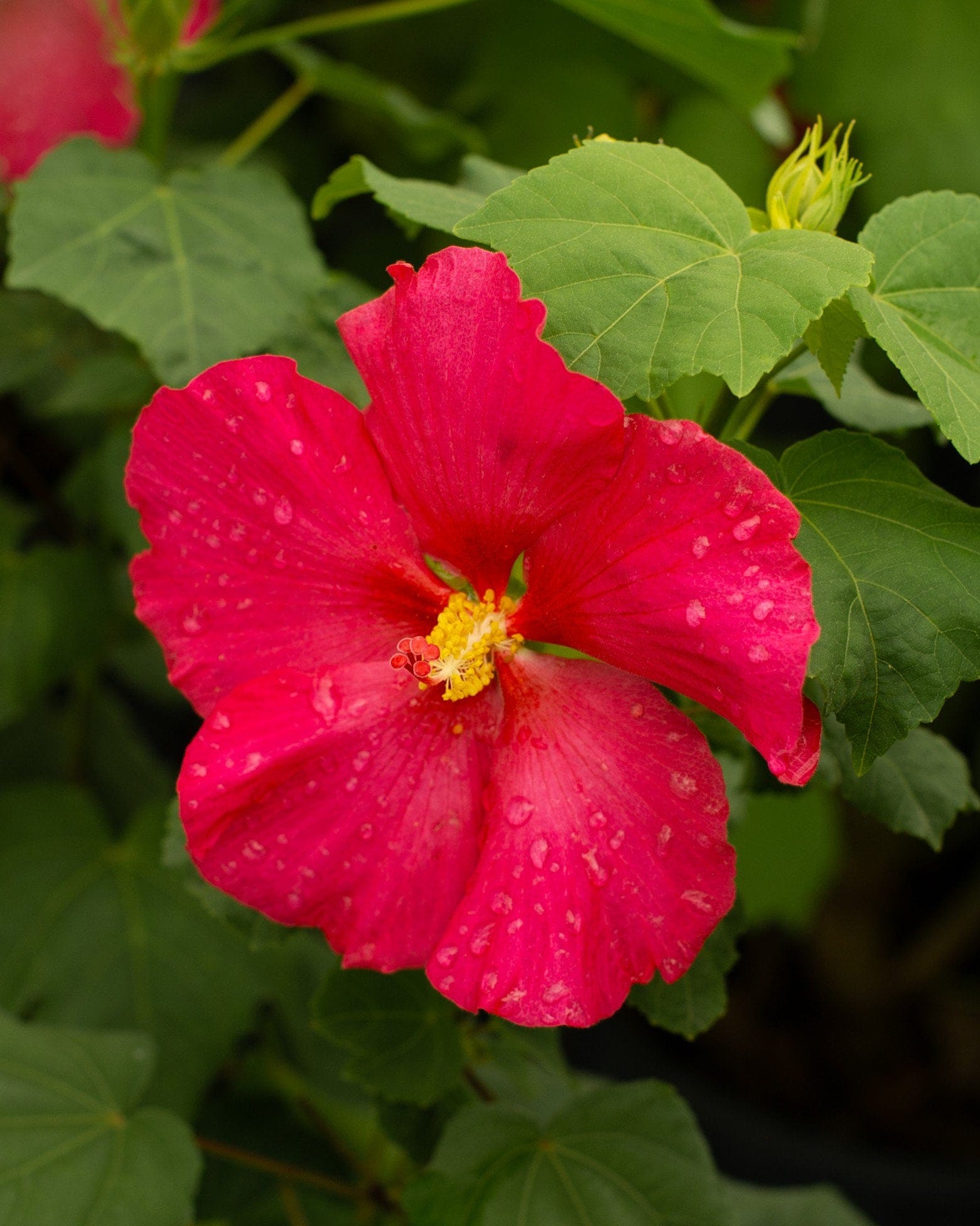
Big Hit Red Hardy Hibiscus
Maturity: 5' H x 3' W
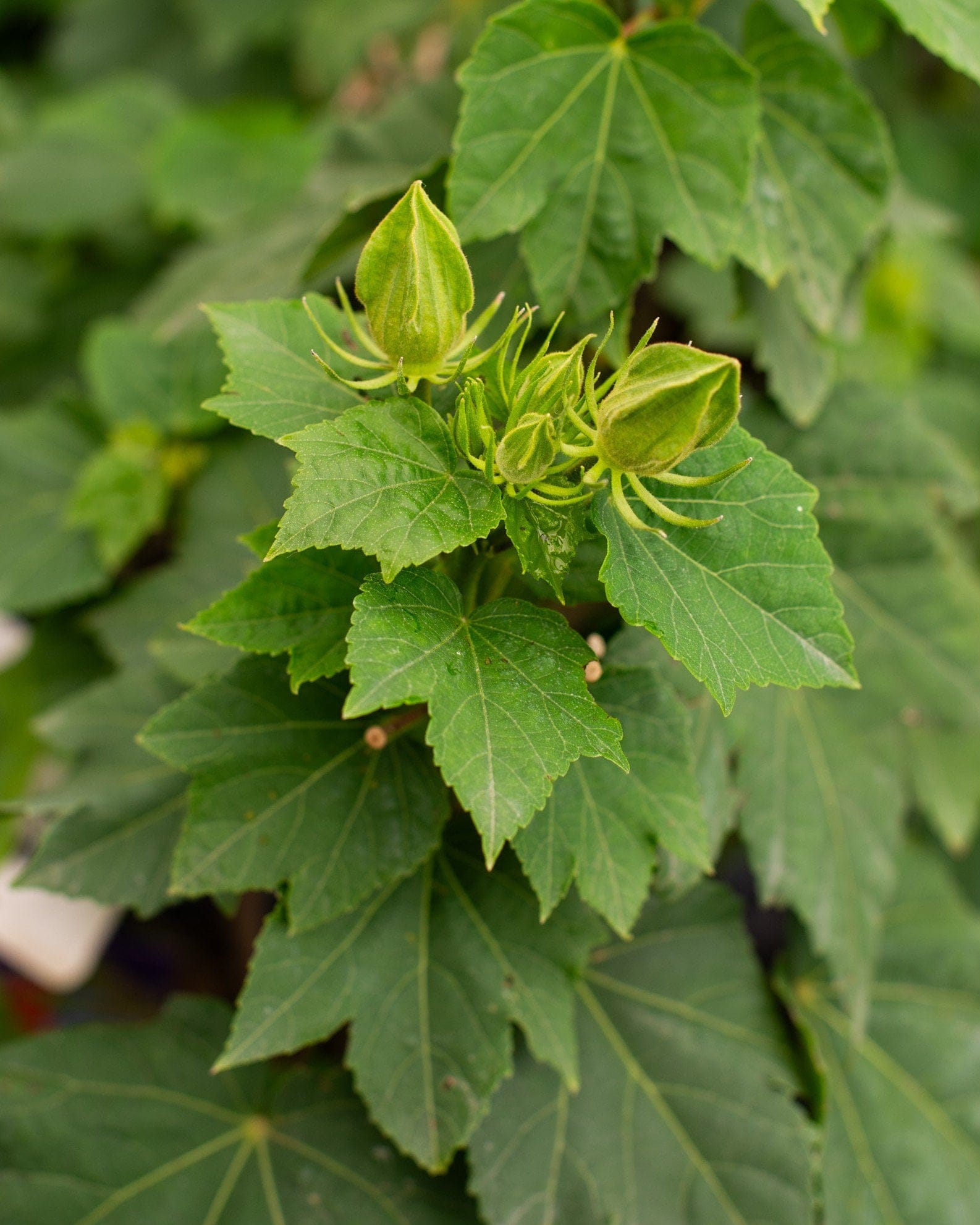
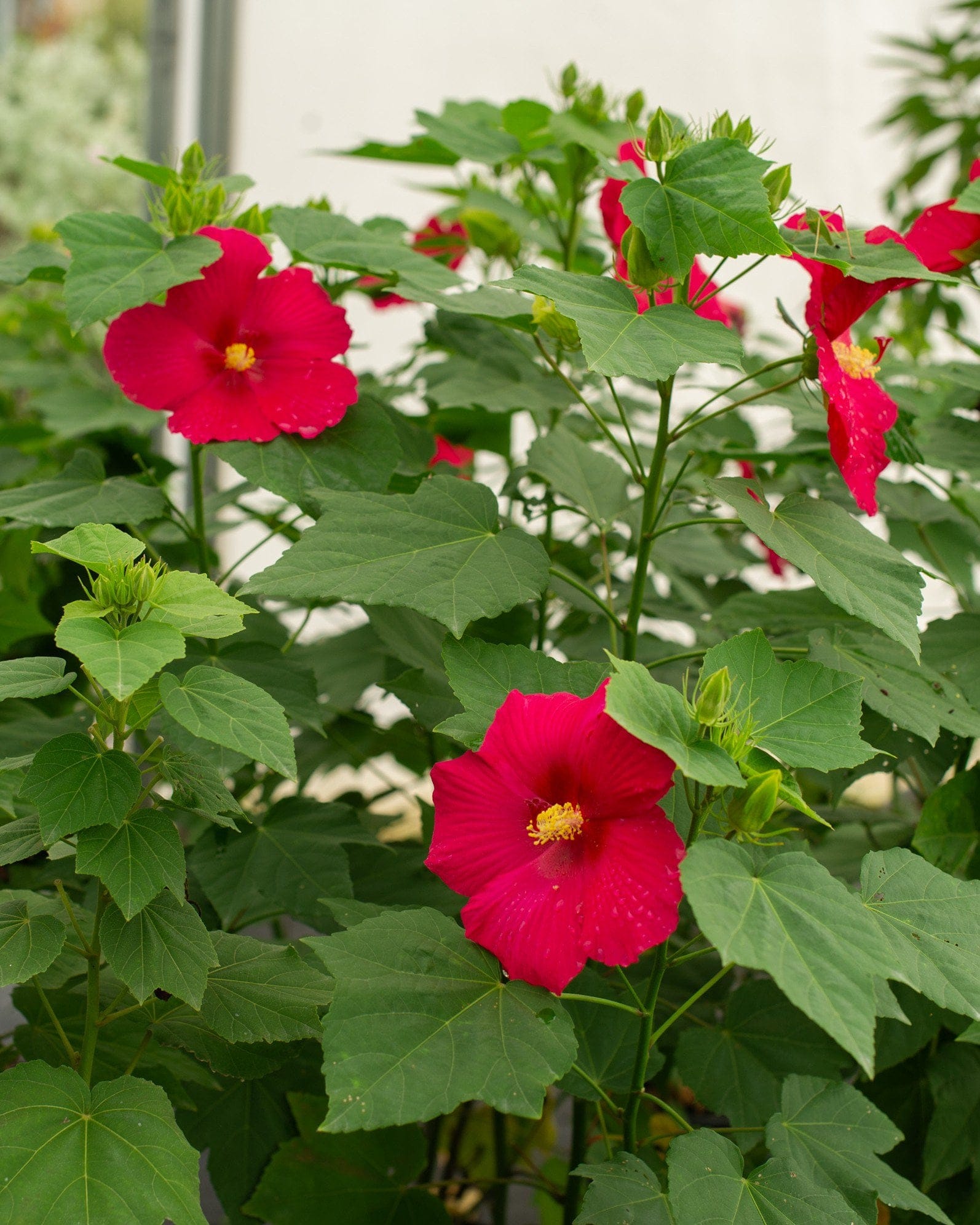
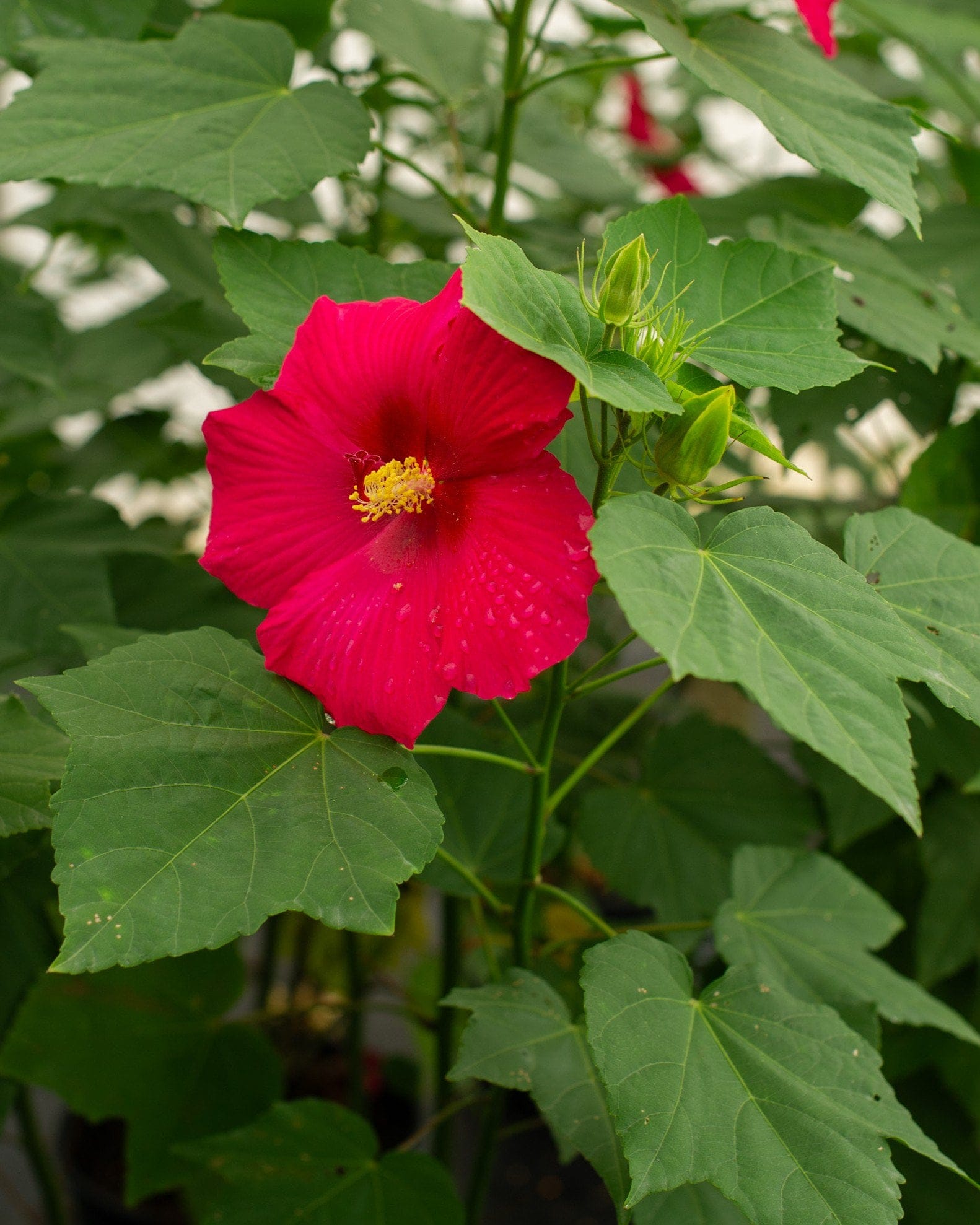
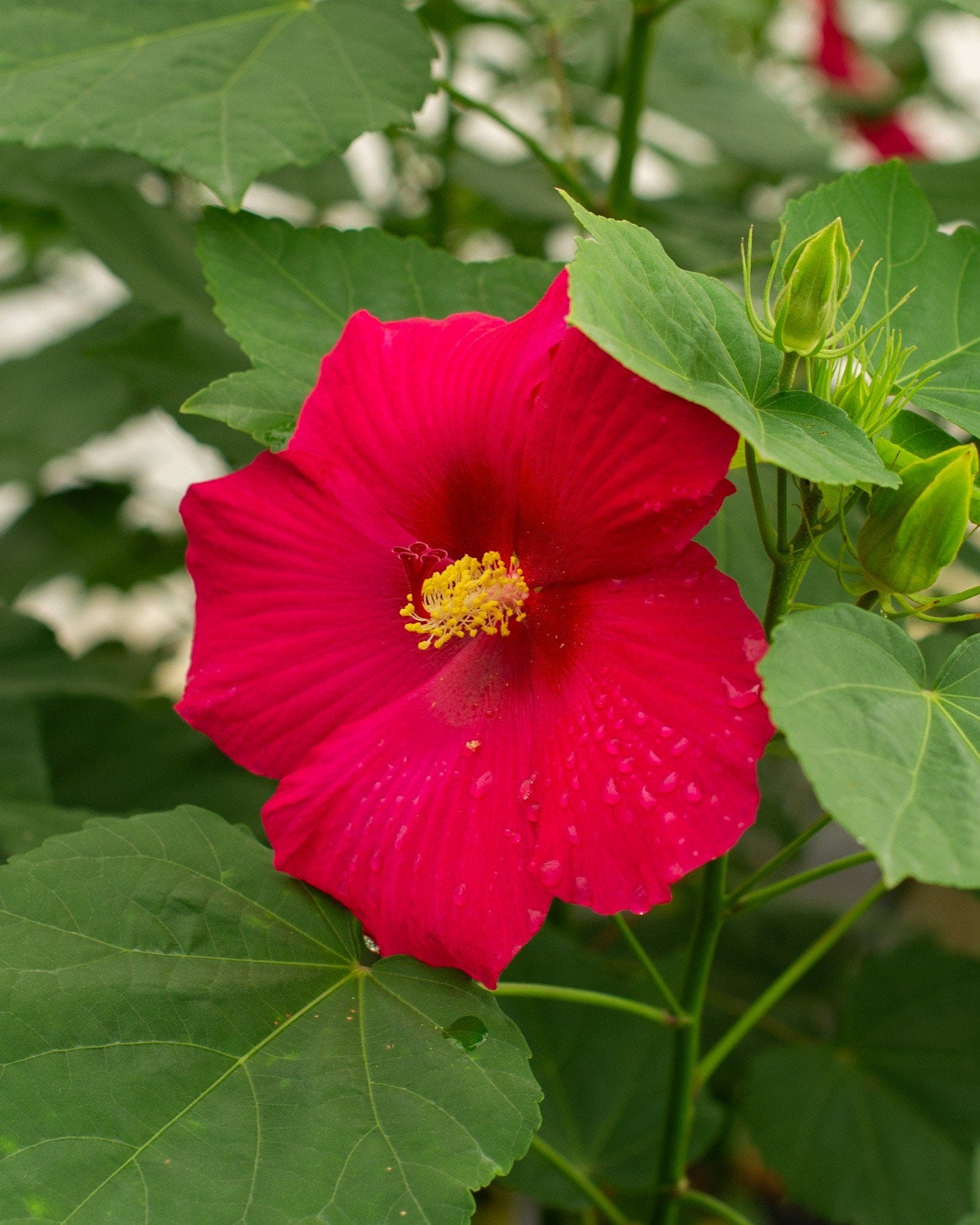
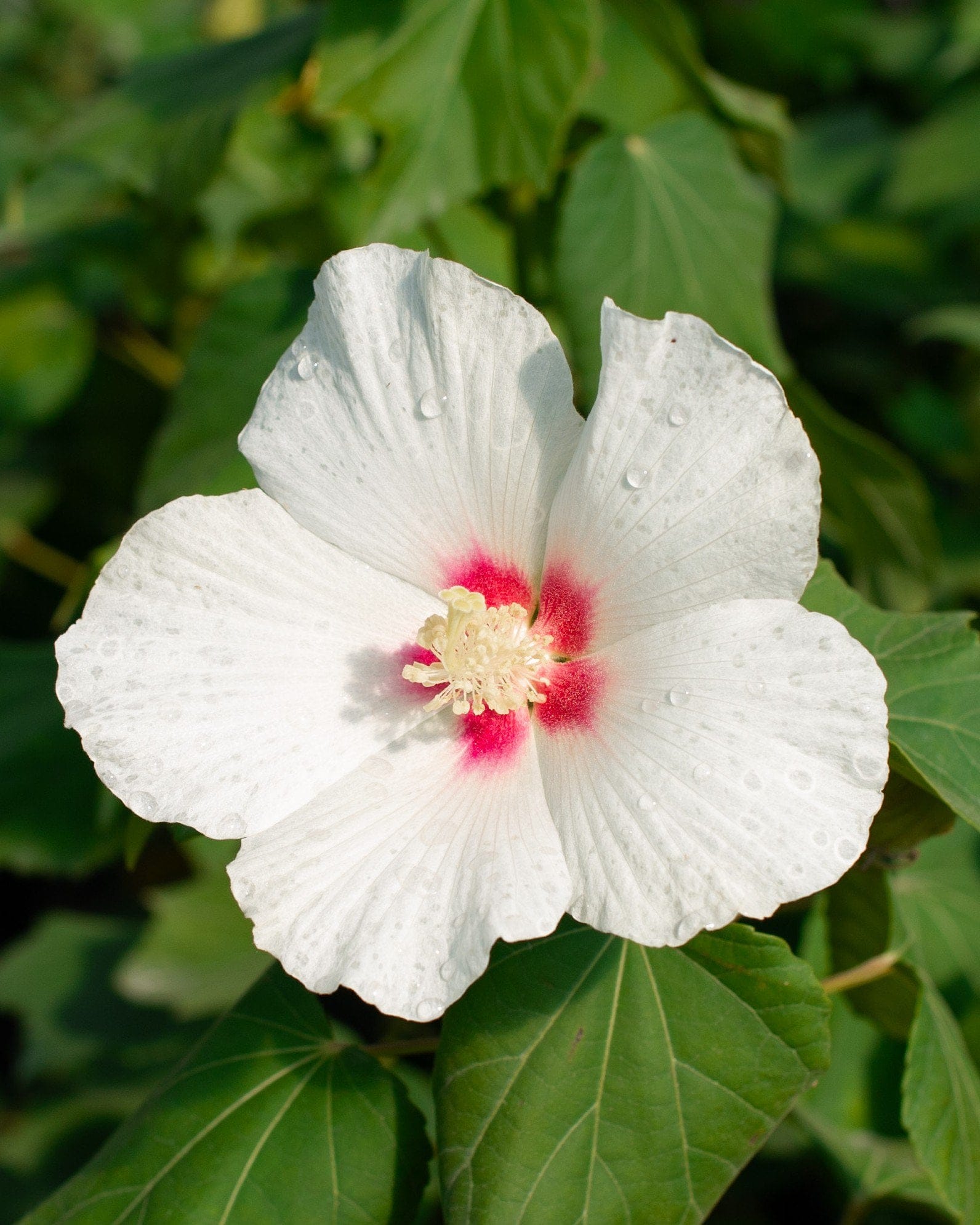
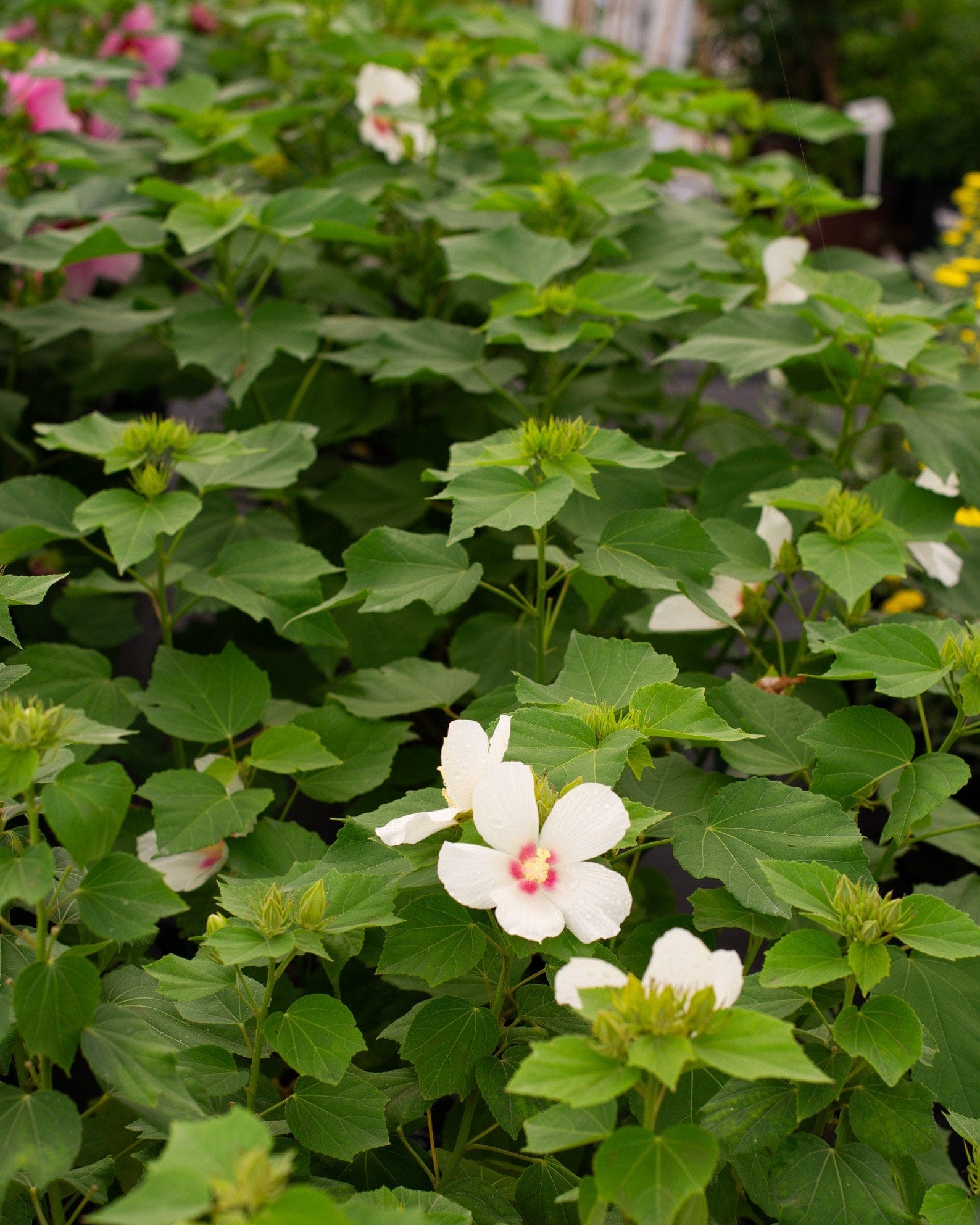
Big Hit White Hardy Hibiscus
Maturity: 5' H x 3' W
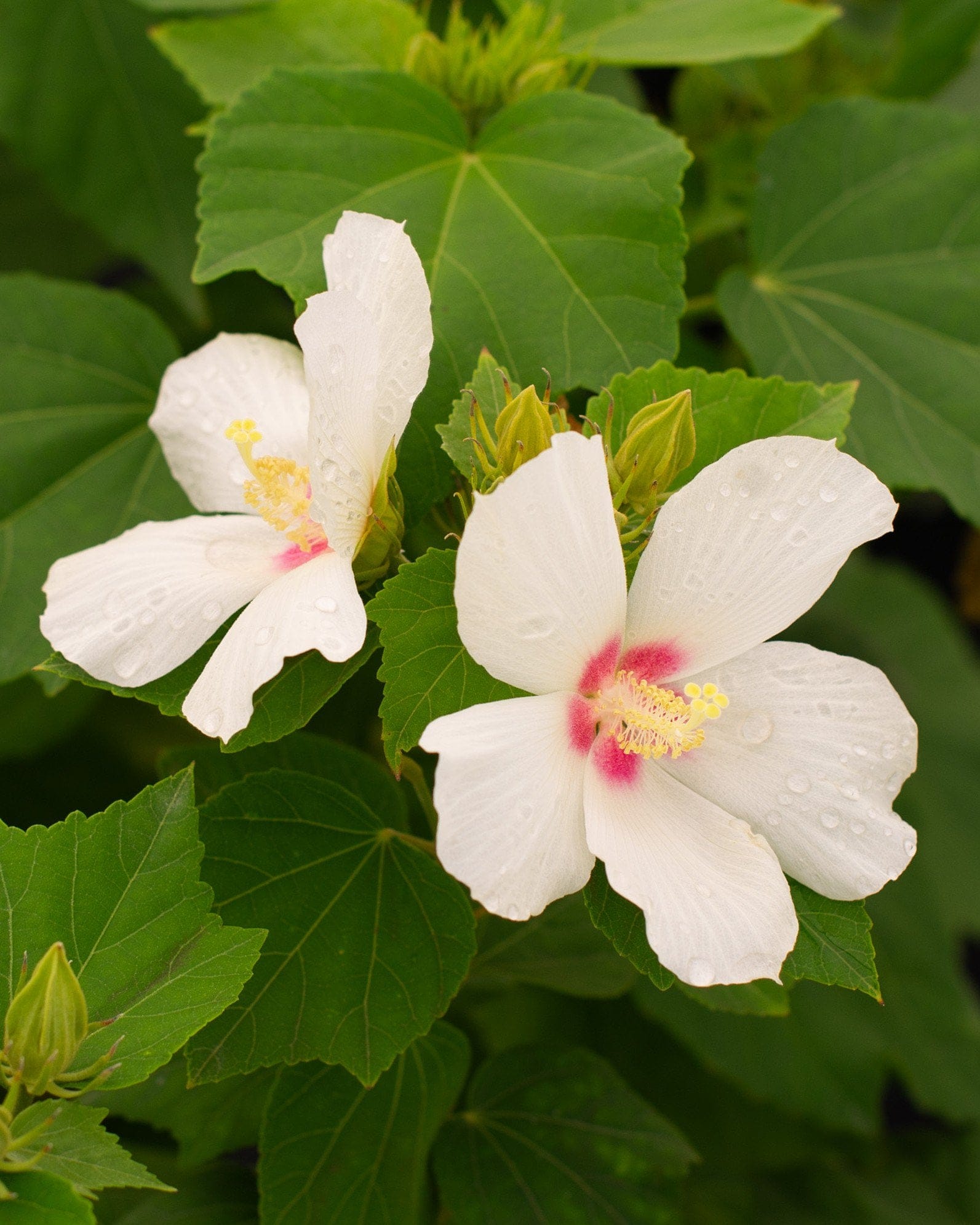
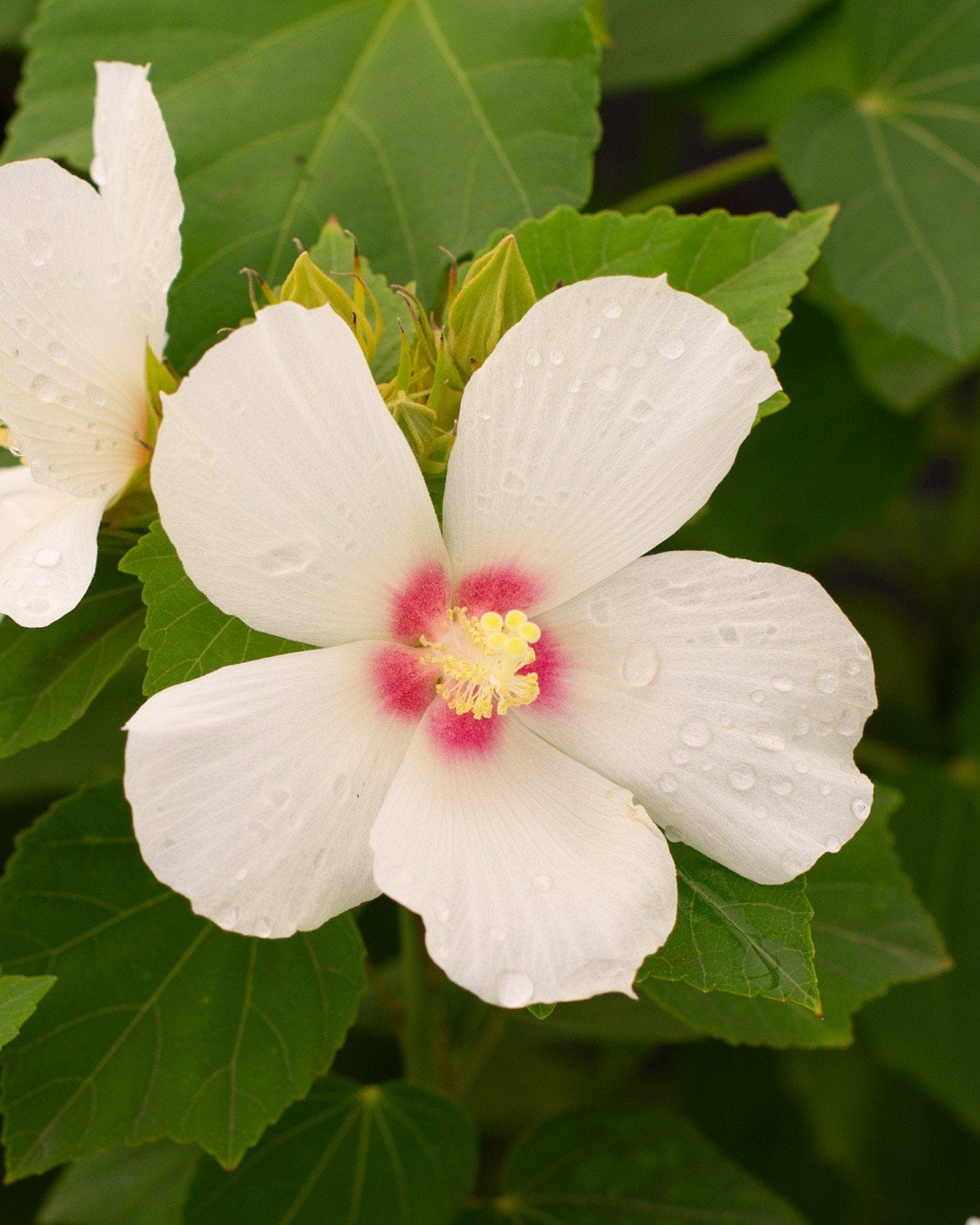
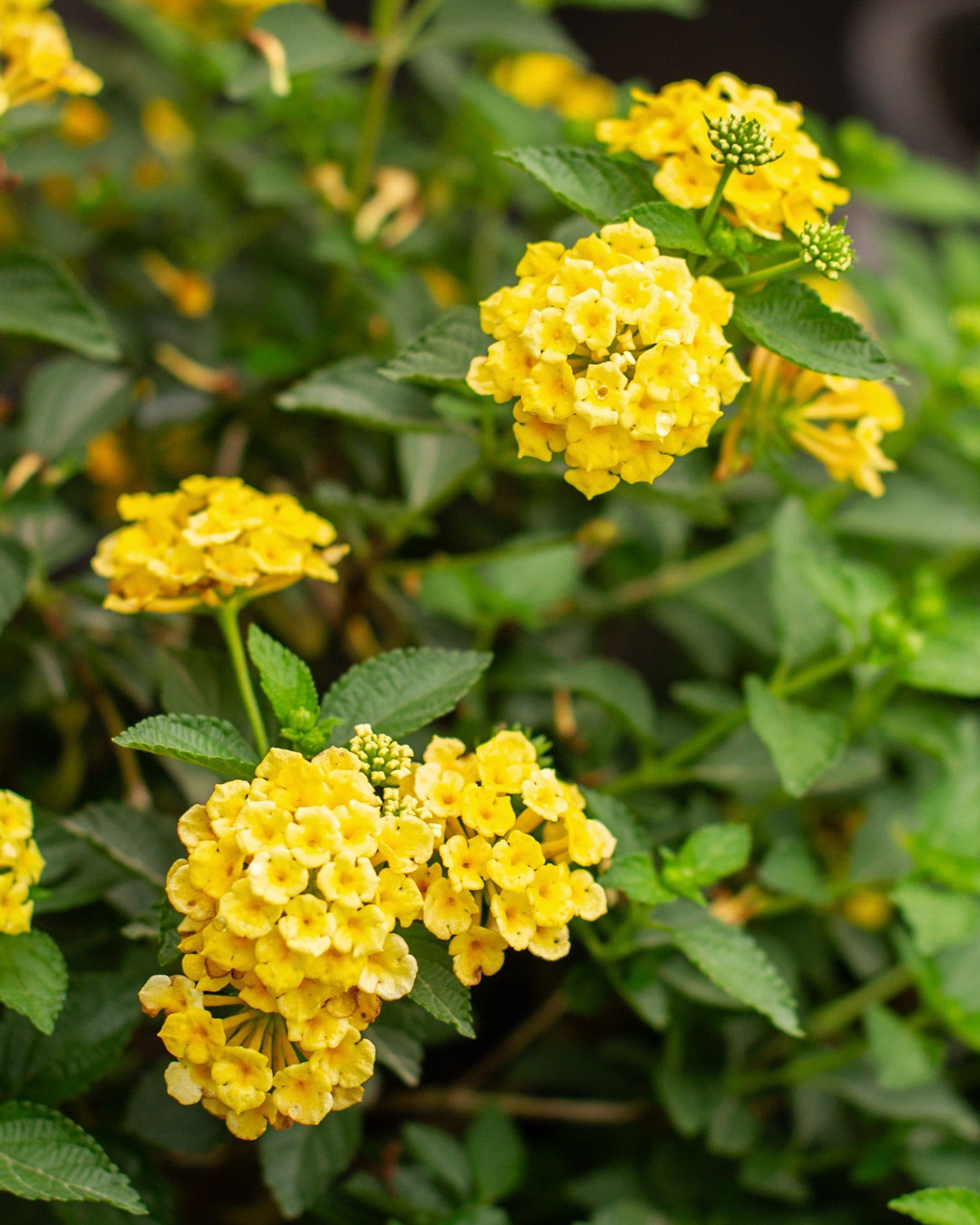
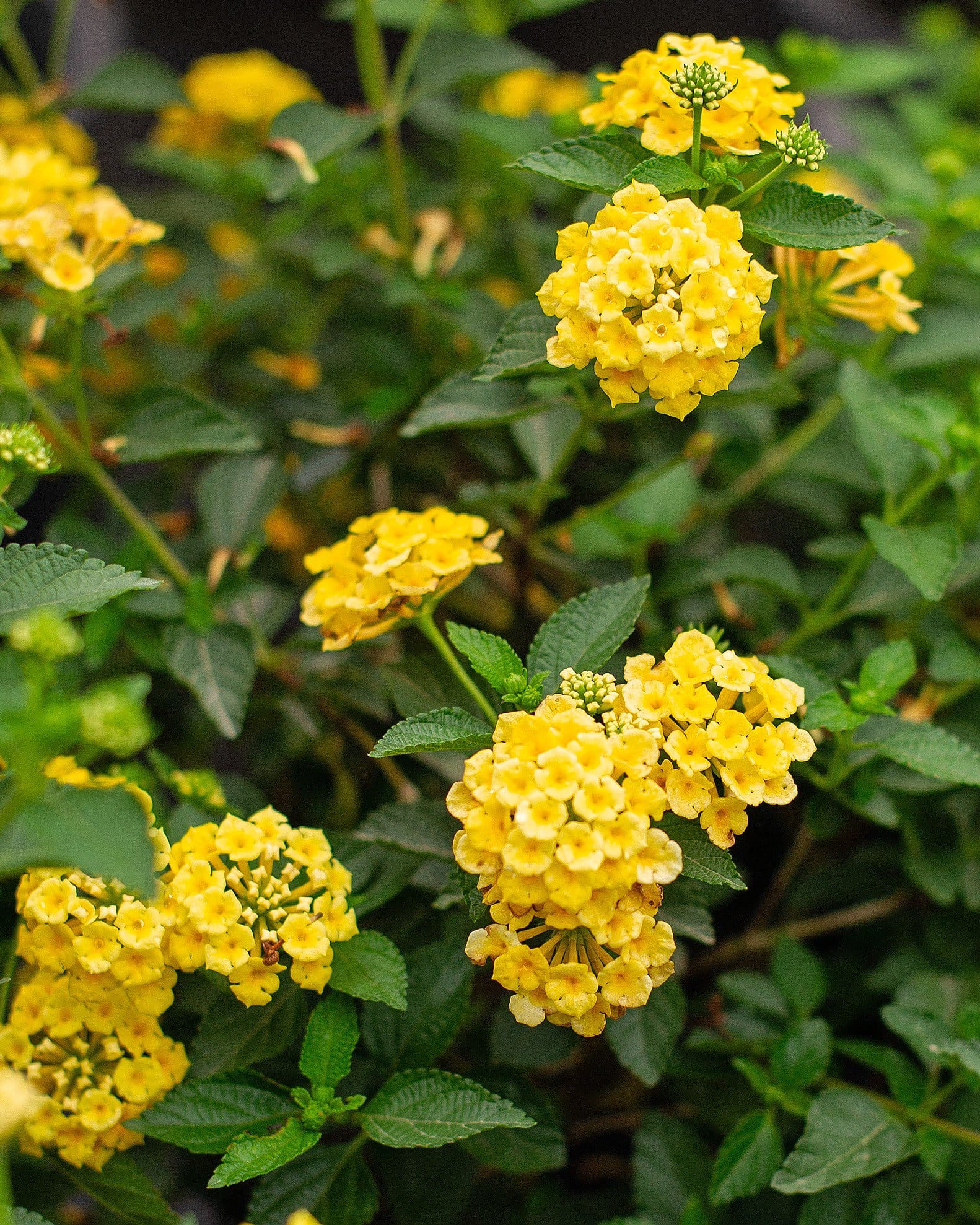
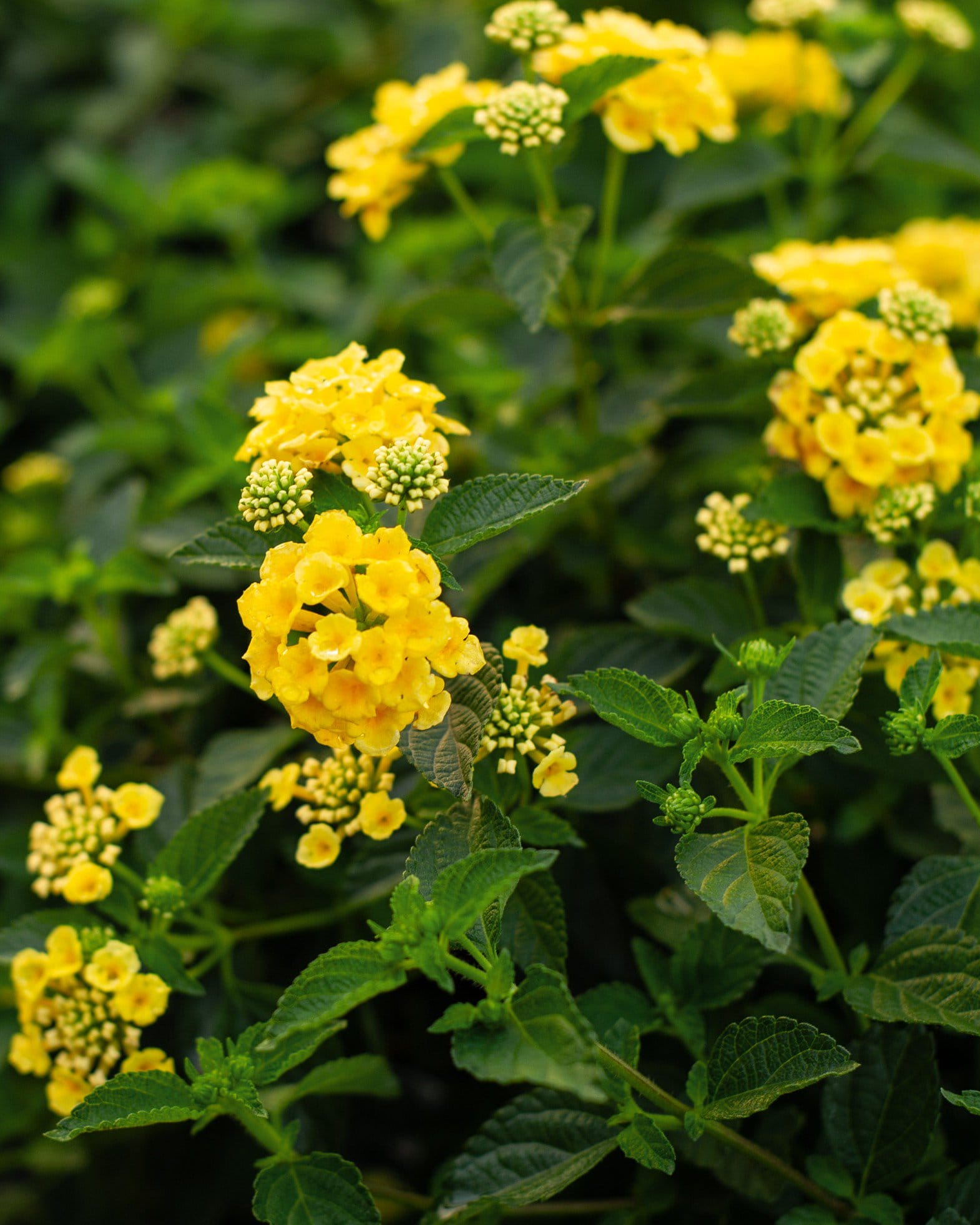
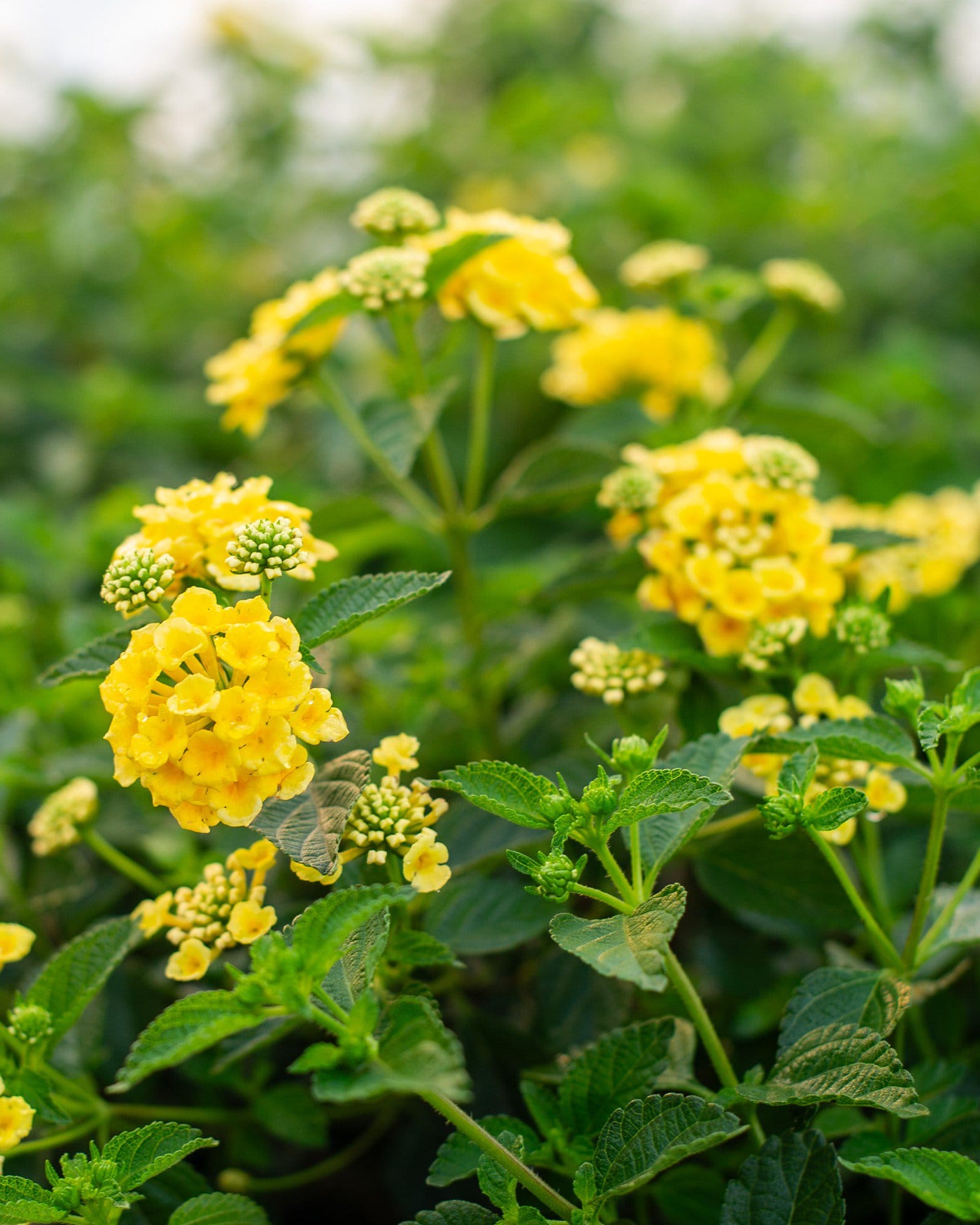
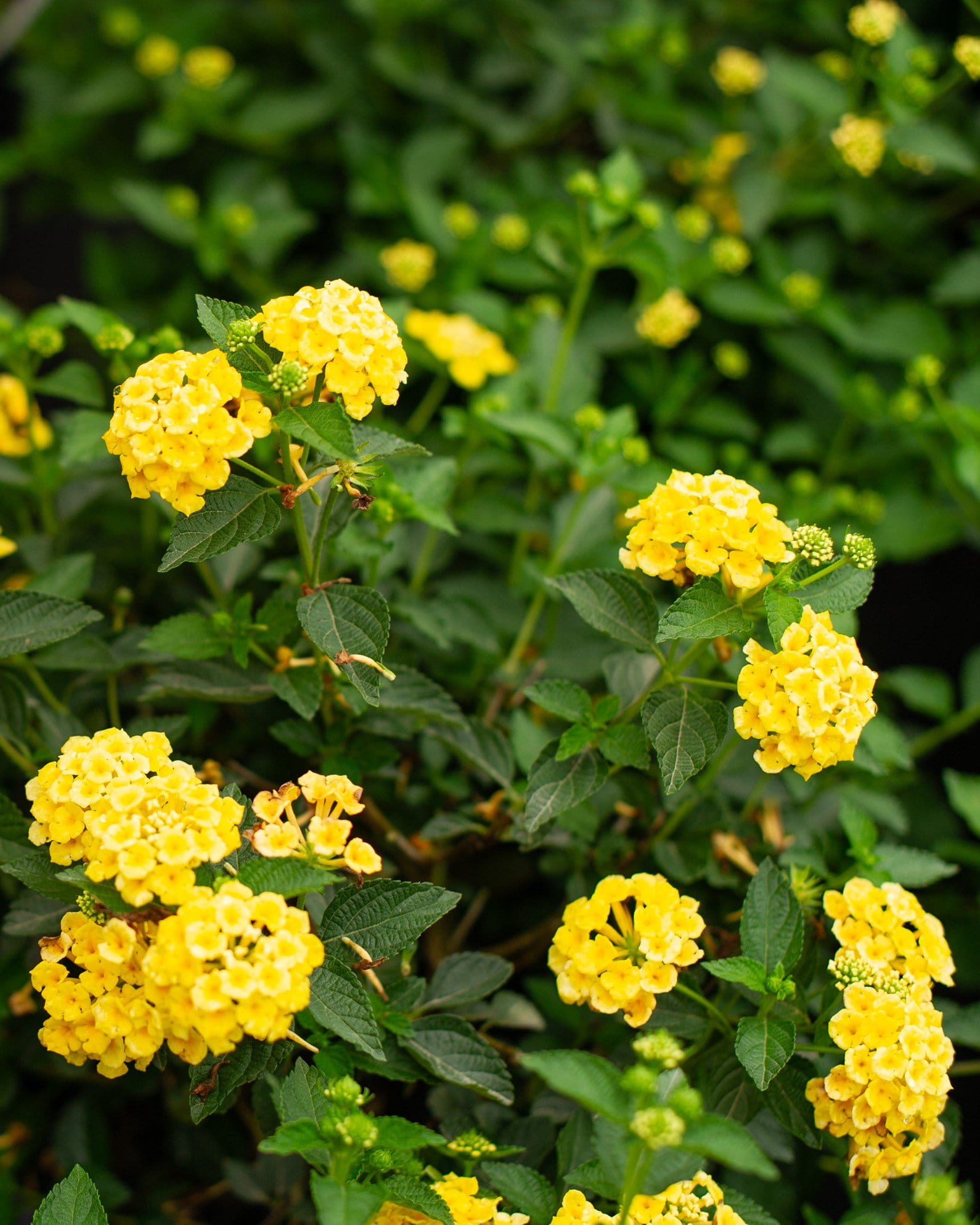
Chapel Hill Yellow Lantana
Maturity: 1.5' H x 2' W
Compare Similar Plants
Russian Sage This plant | ||
|---|---|---|
| Scientific Name | Perovskia atriplicifolia | Perovskia atriplicifolia 'CrazyBlue' |
| Size at Maturity | 3' H x 2' W | 1.5' H x 1.5' W |
| Leaf Retention | Deciduous | Deciduous |
| Flower Color | Purple | Purple |
| Bloom Times | Summer & Fall | Summer & Fall |
| Sizes Available | 1 gal | 1 gal |


Our 1-Year Planting Guarantee
We take pride in our plants and installation services. If any plants or trees installed by Treeland fail to thrive within the first year, we'll provide a replacement credit in accordance with our guarantee program.
Learn More About Our Guarantee