

 Popular
Local DFW Delivery Only
Product Details
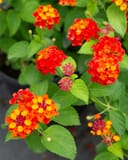
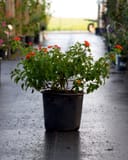
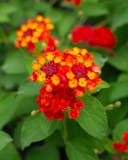
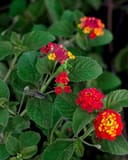
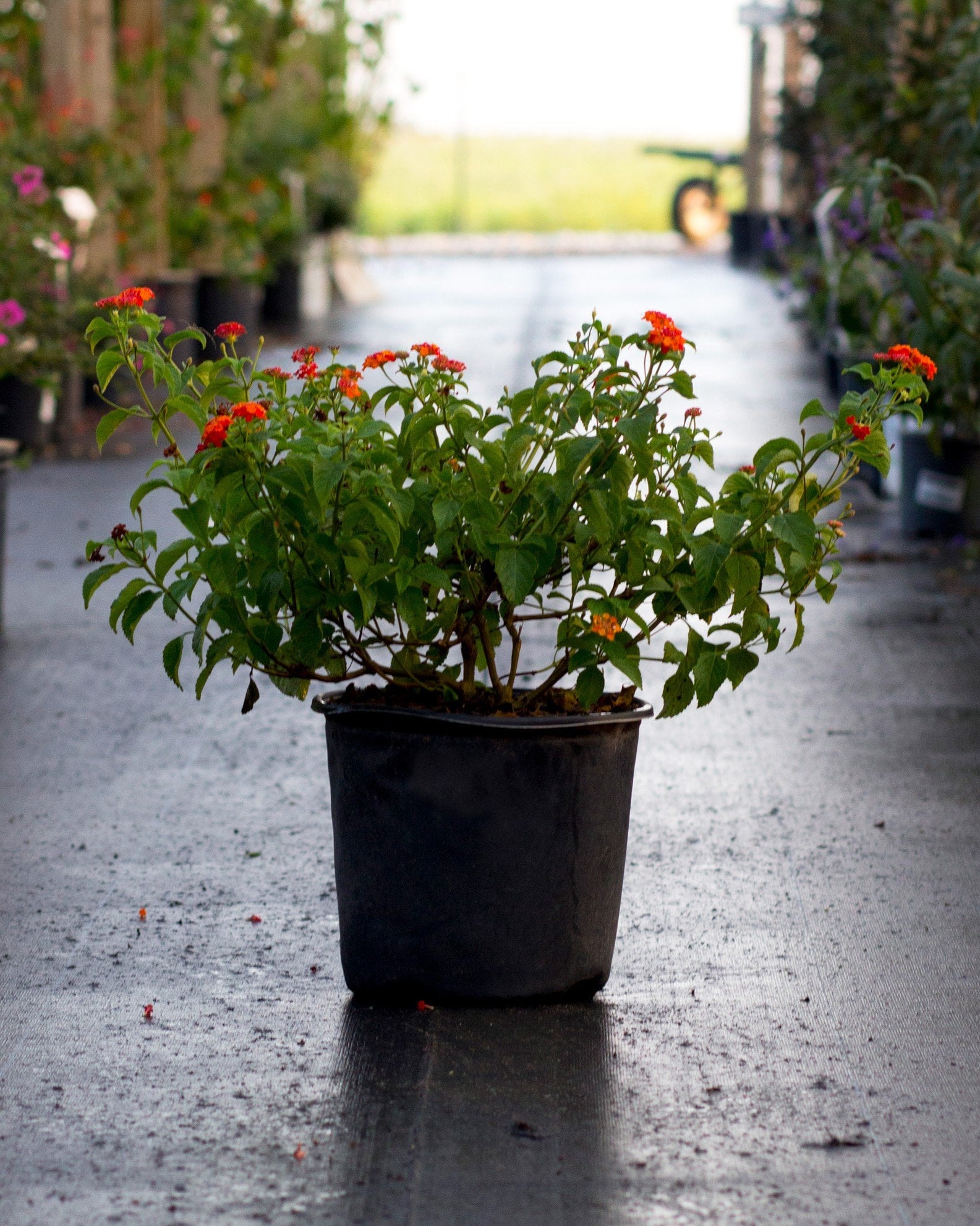
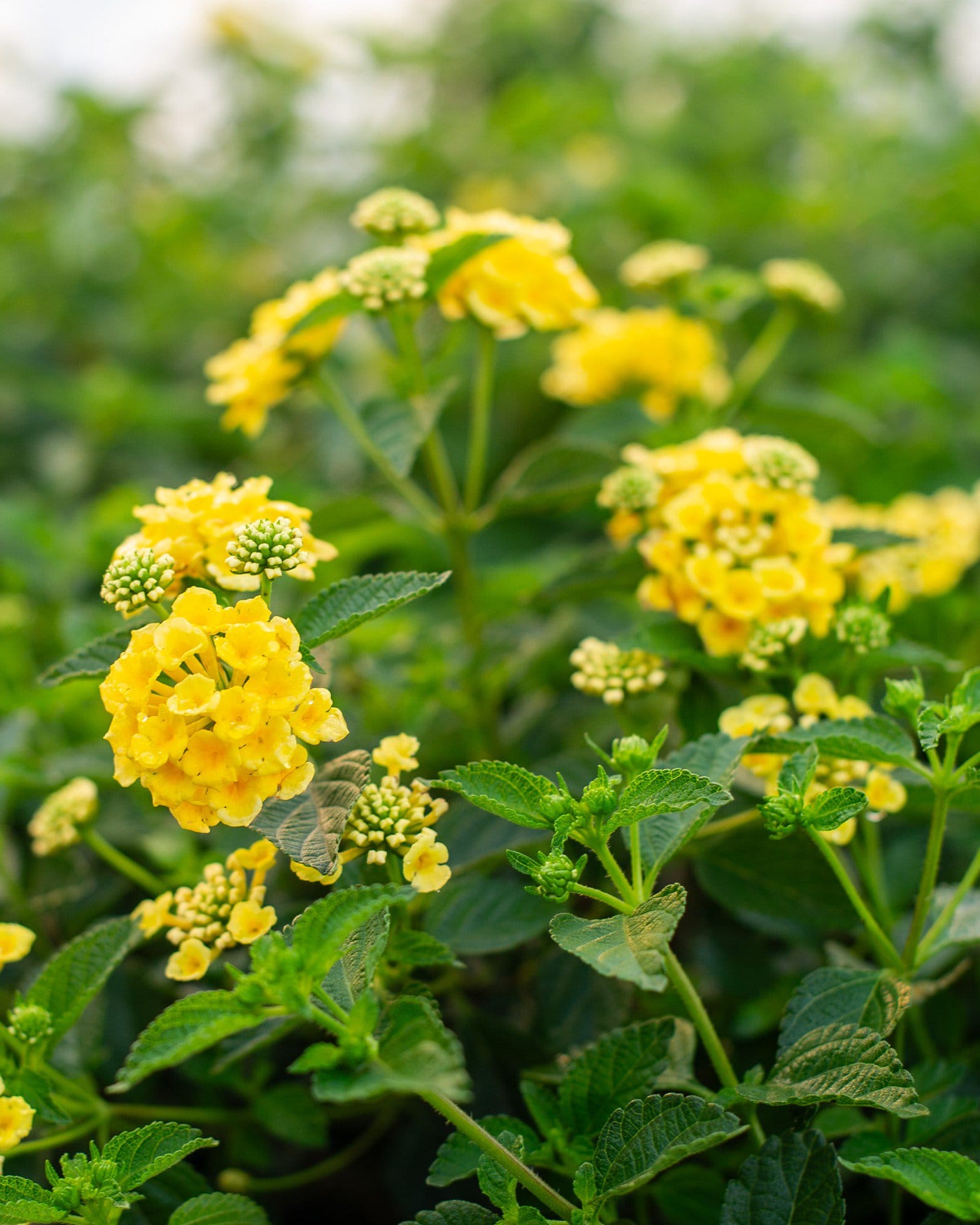
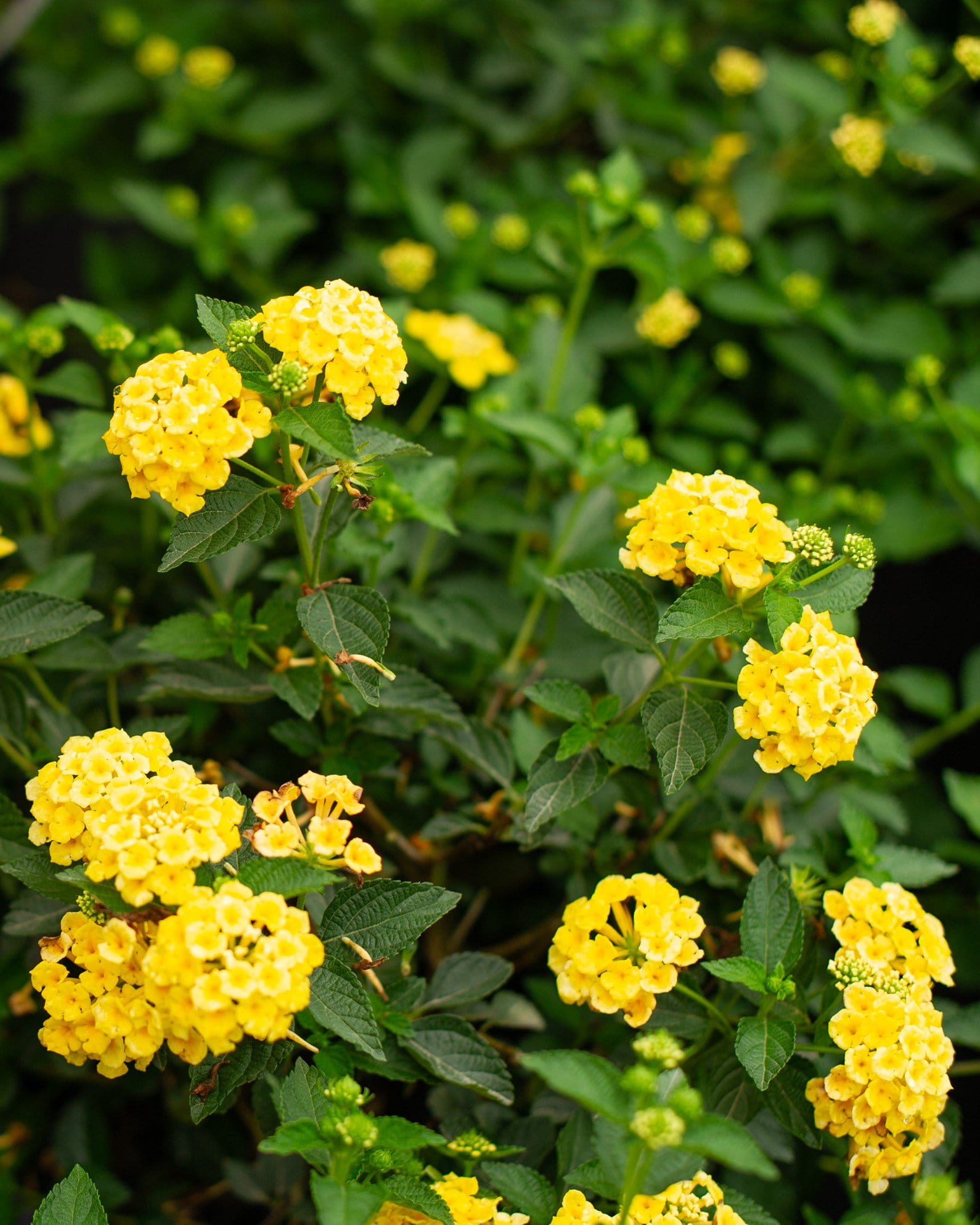
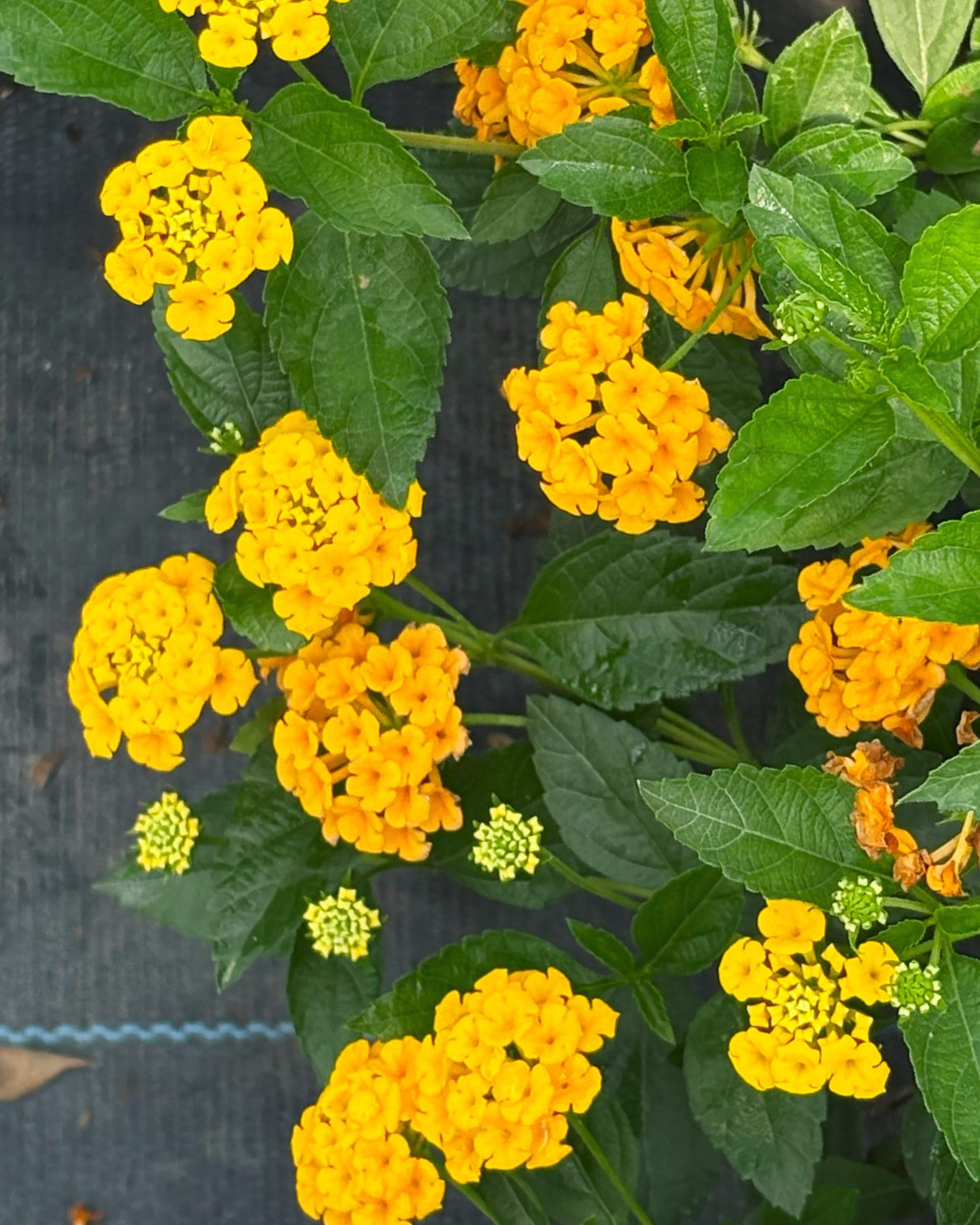
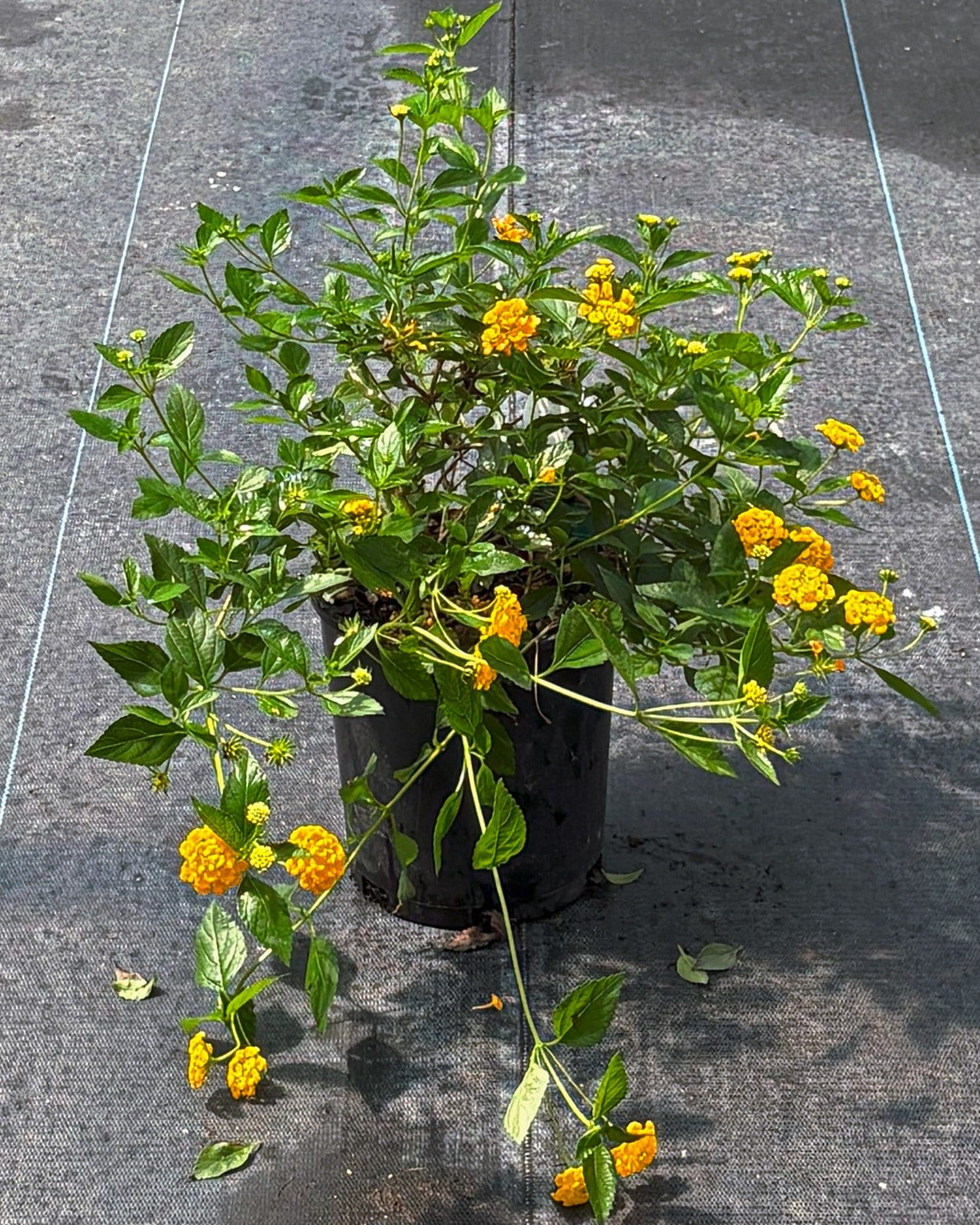
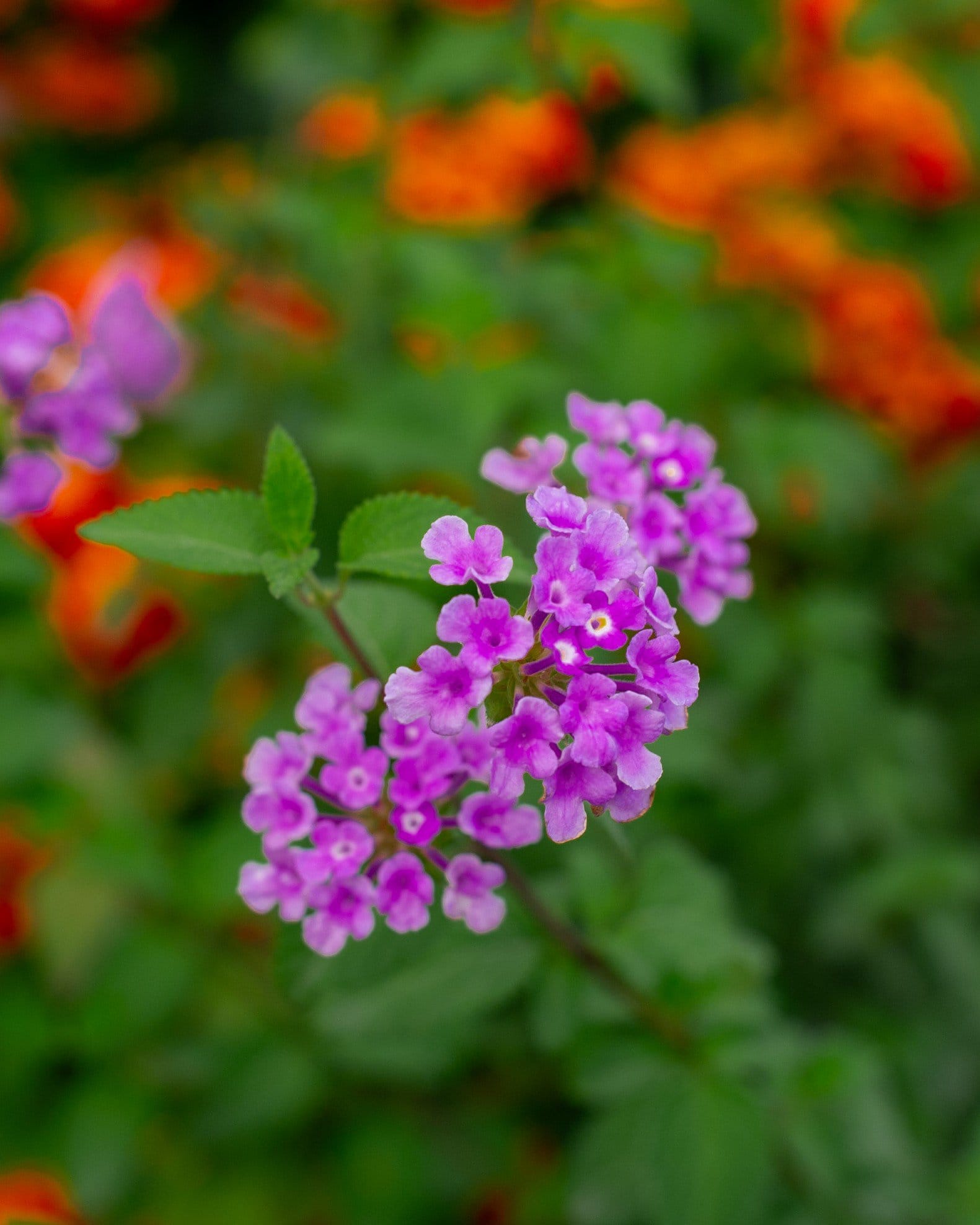
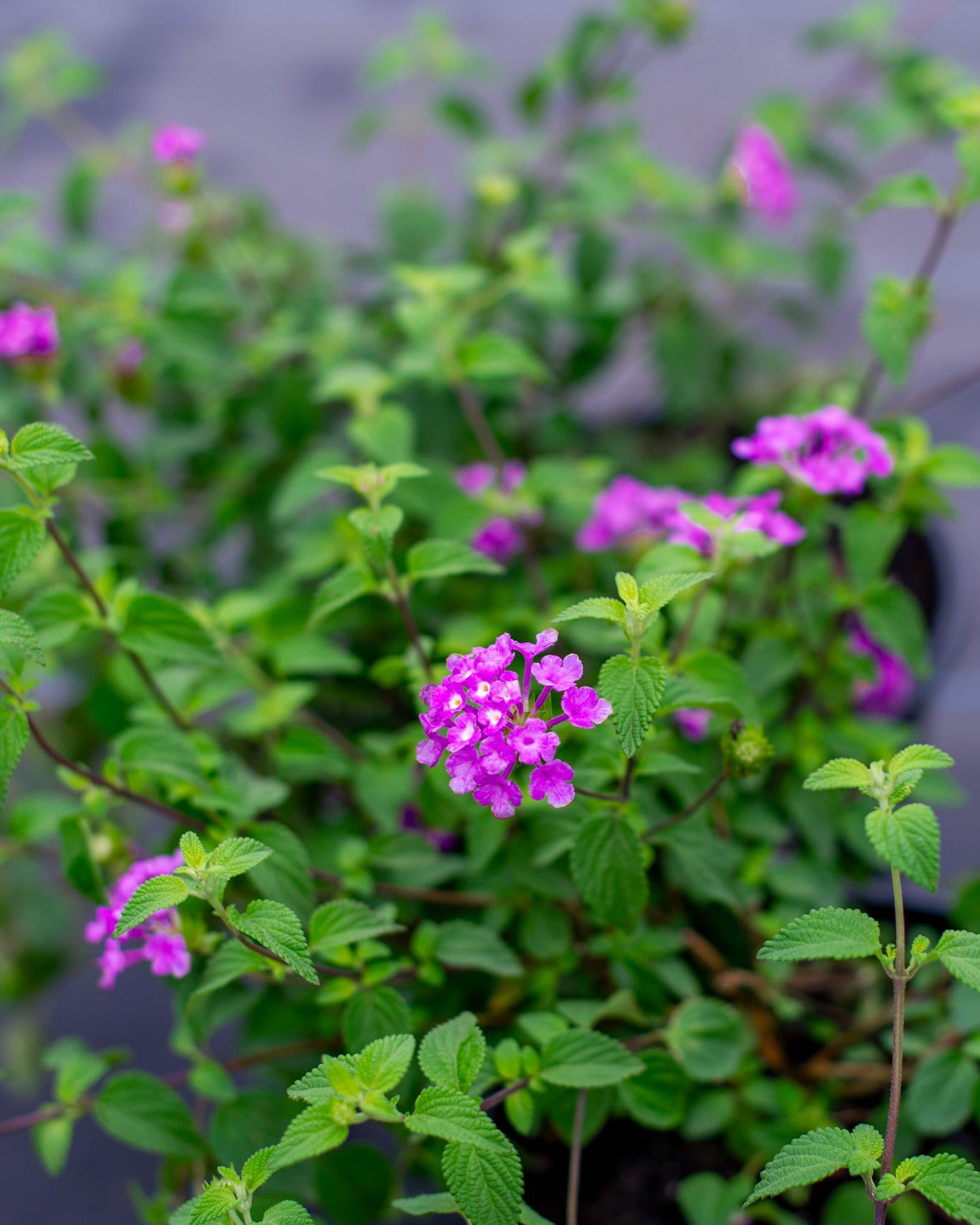
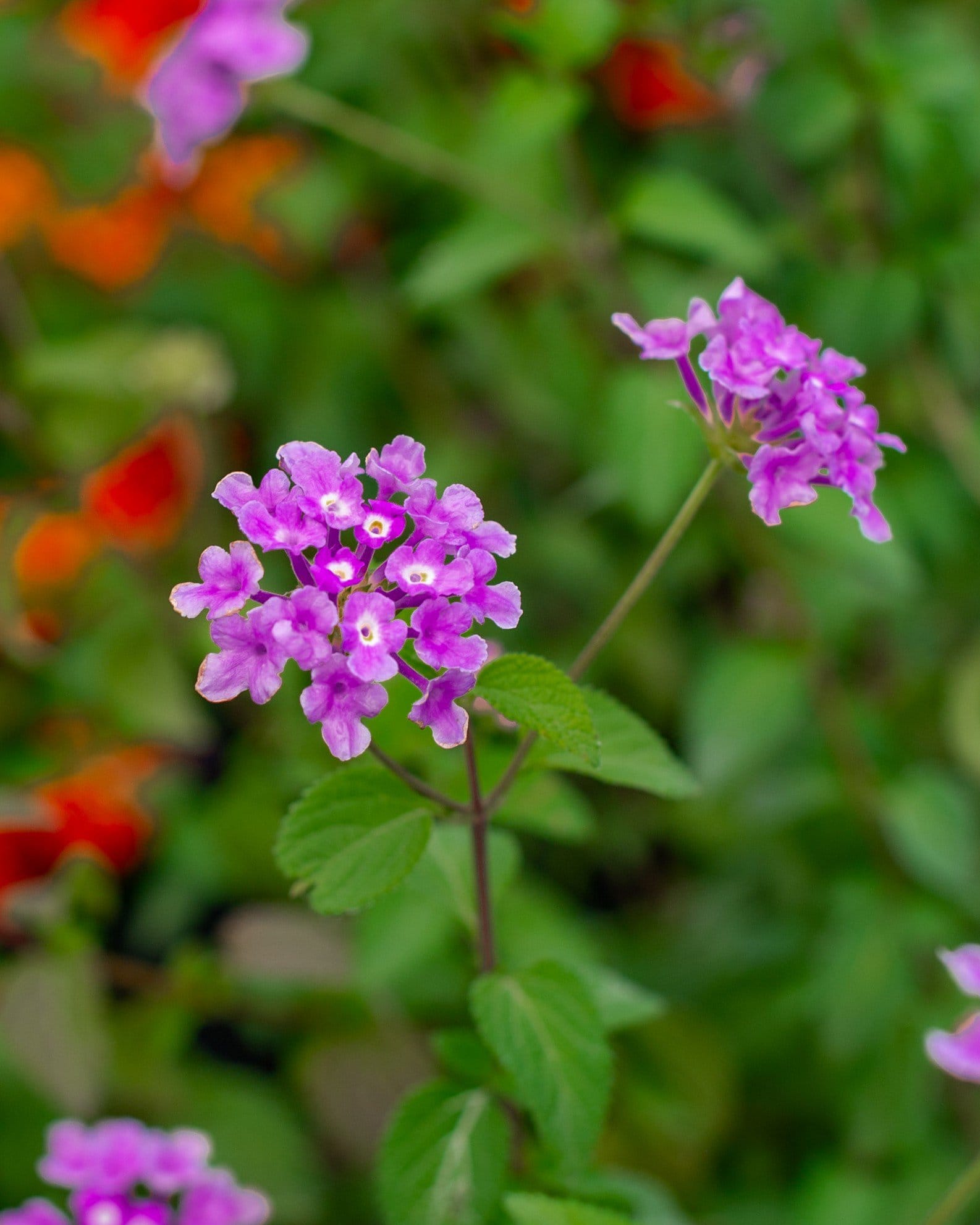
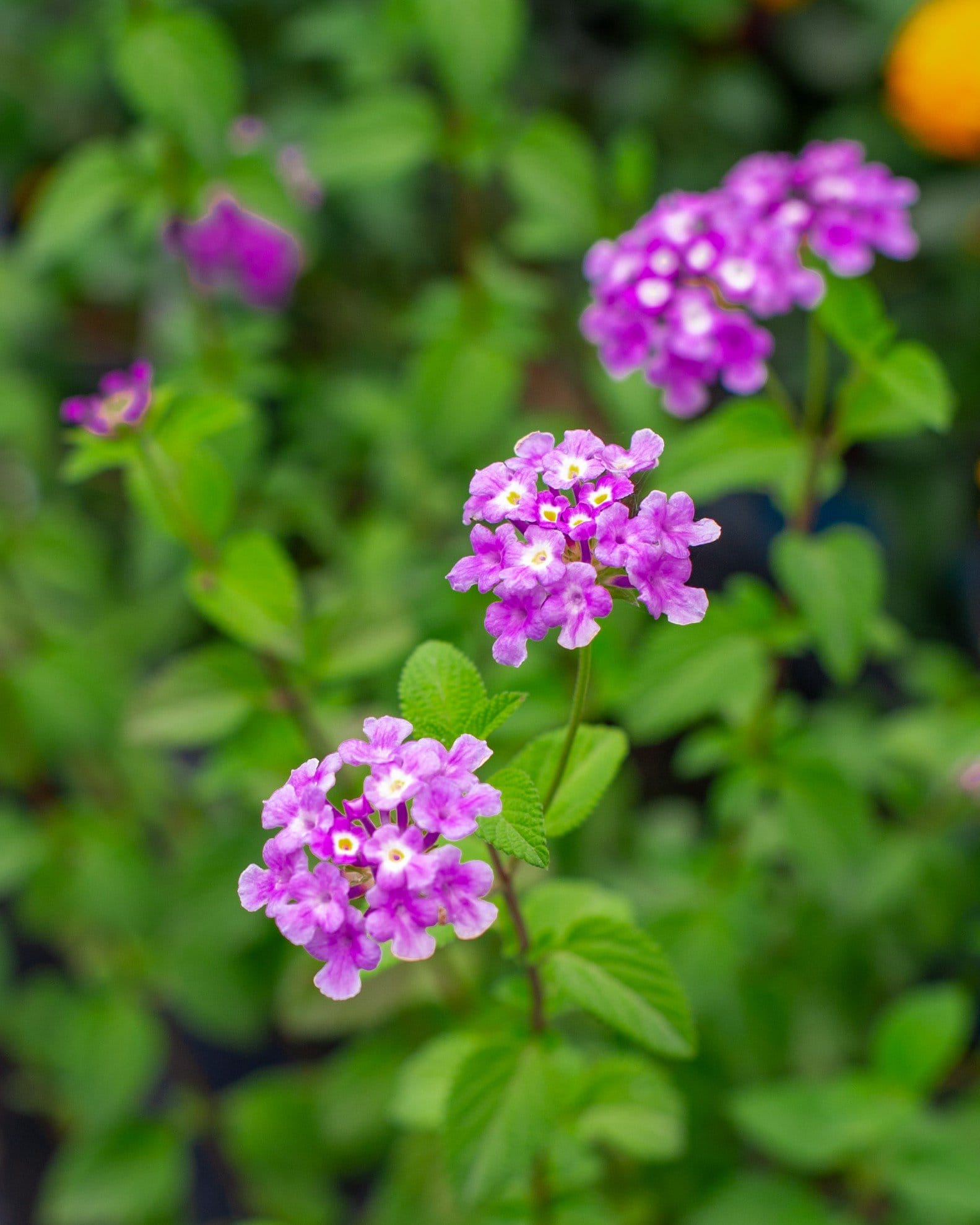
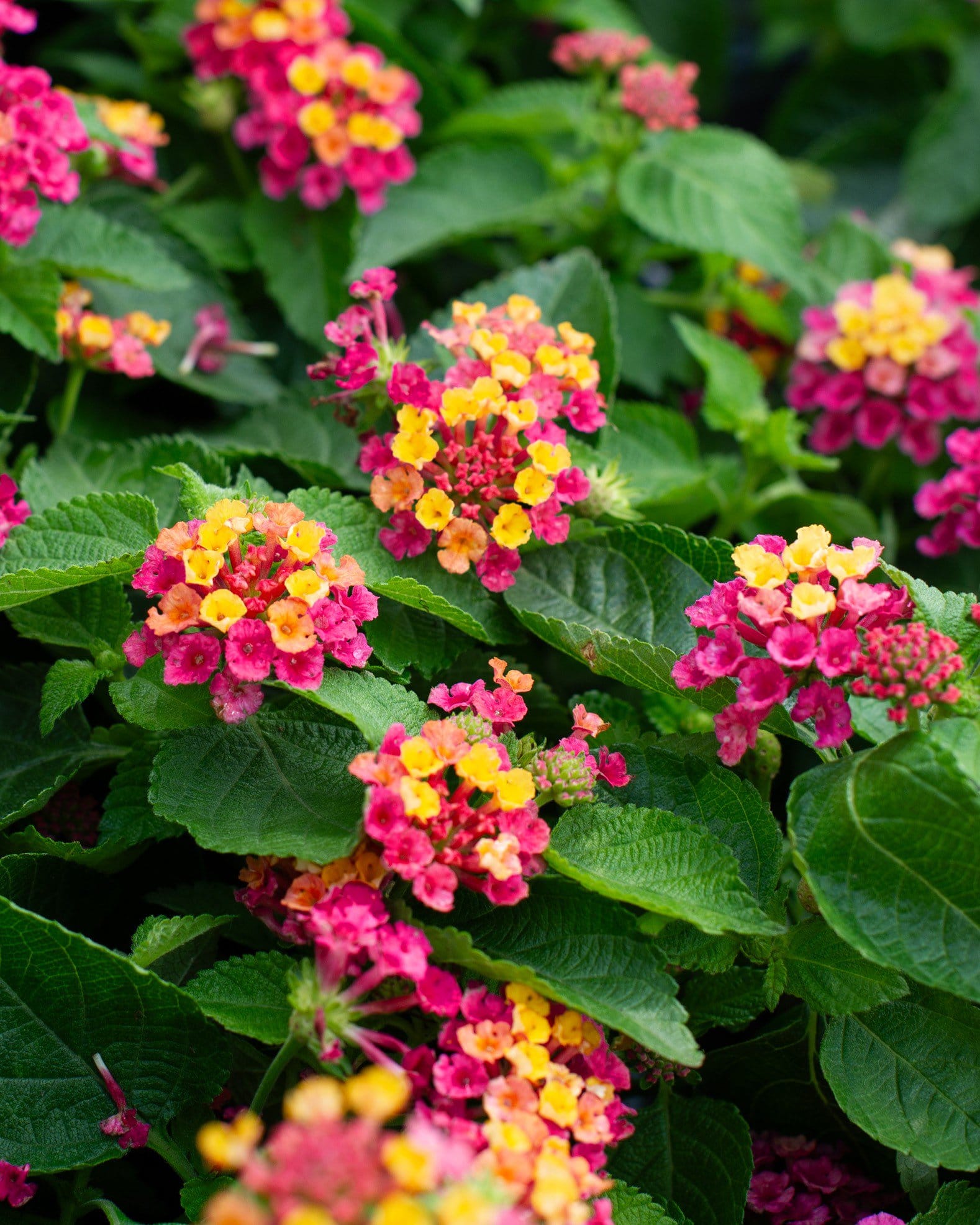
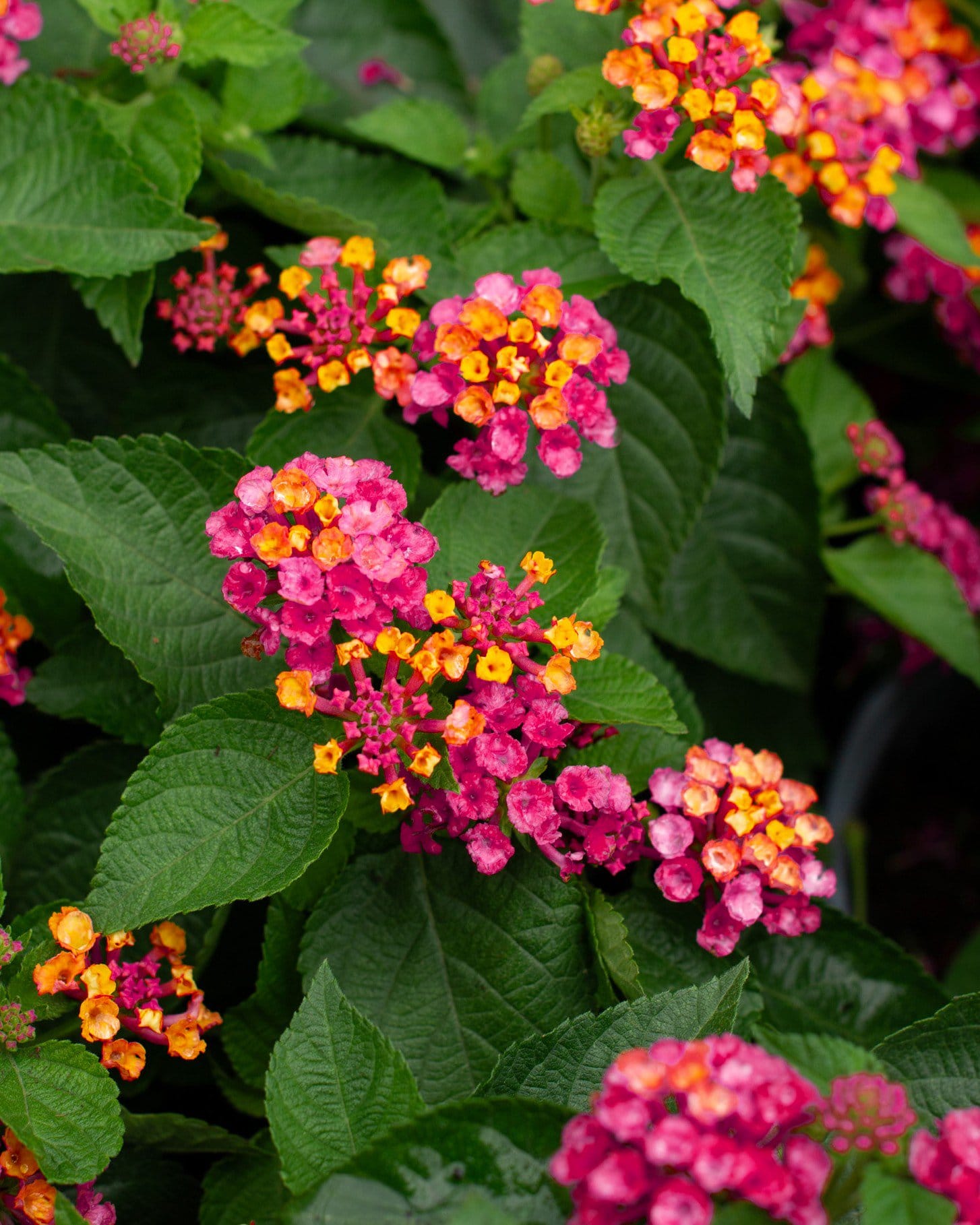
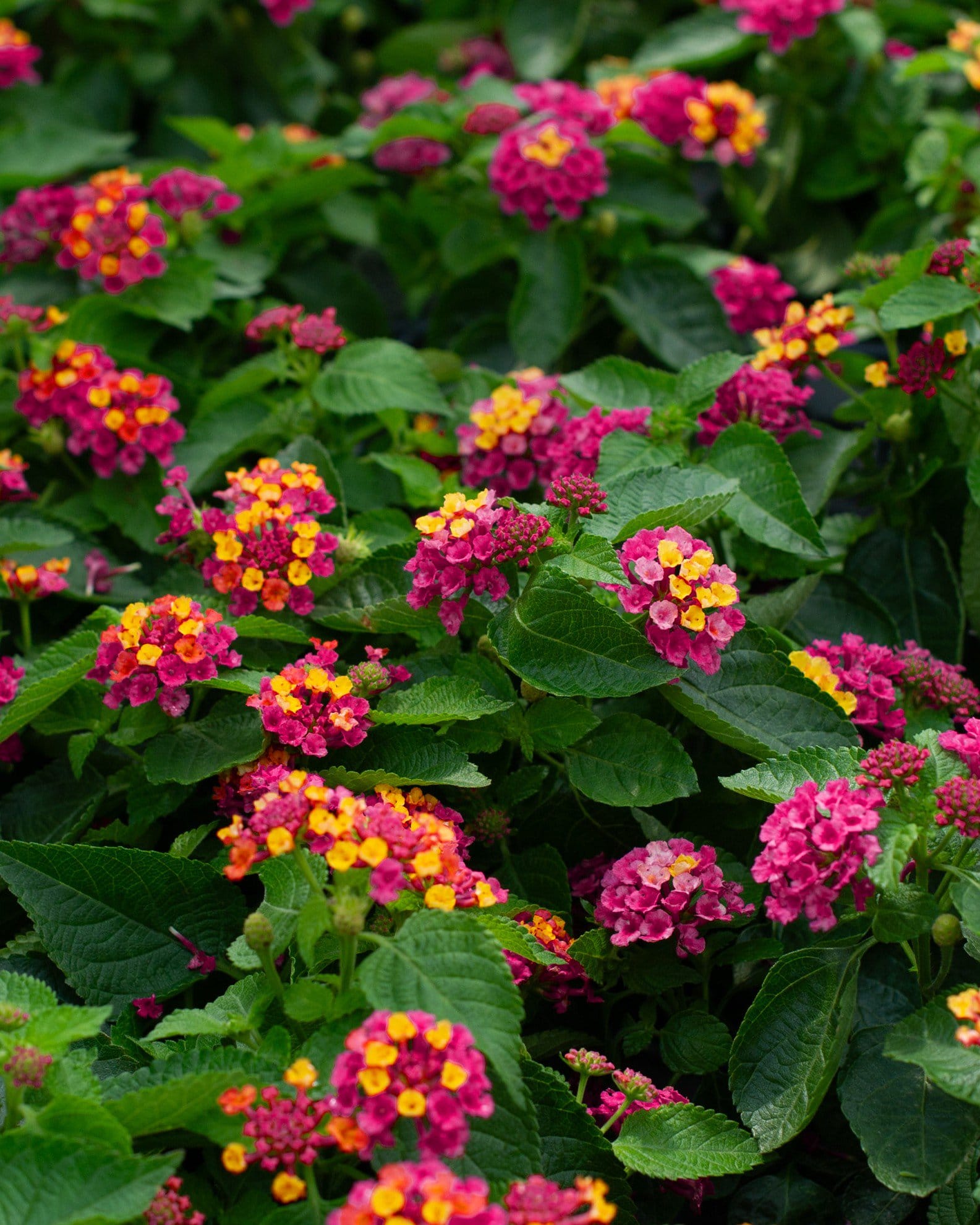
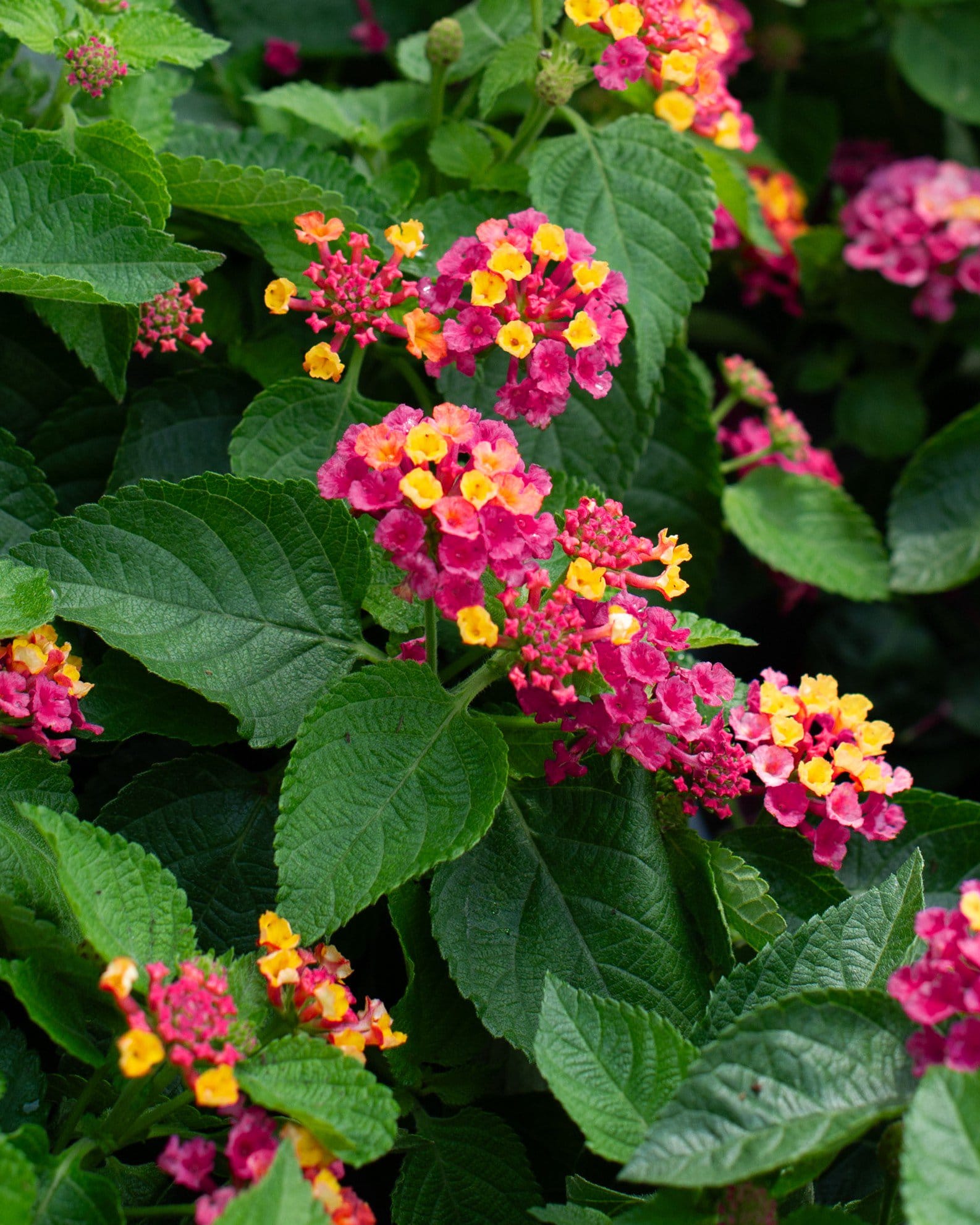
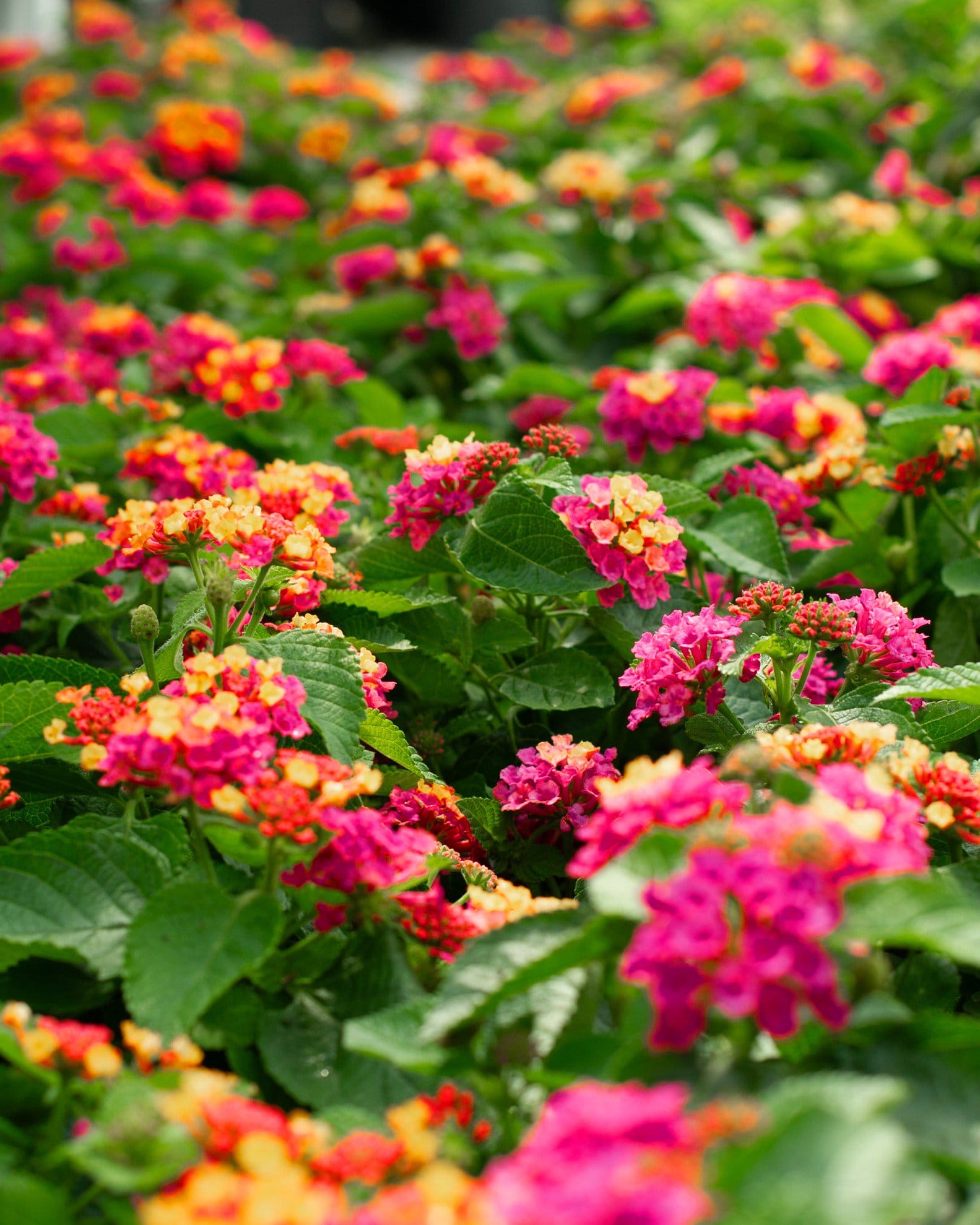
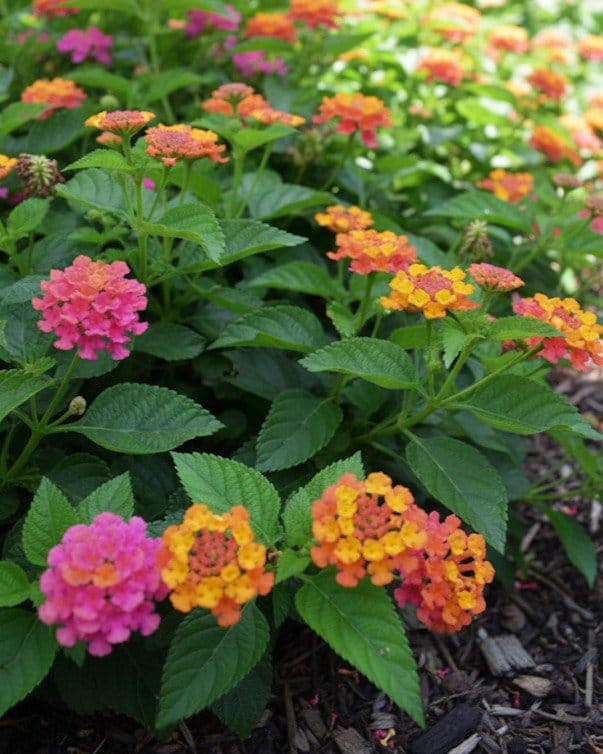
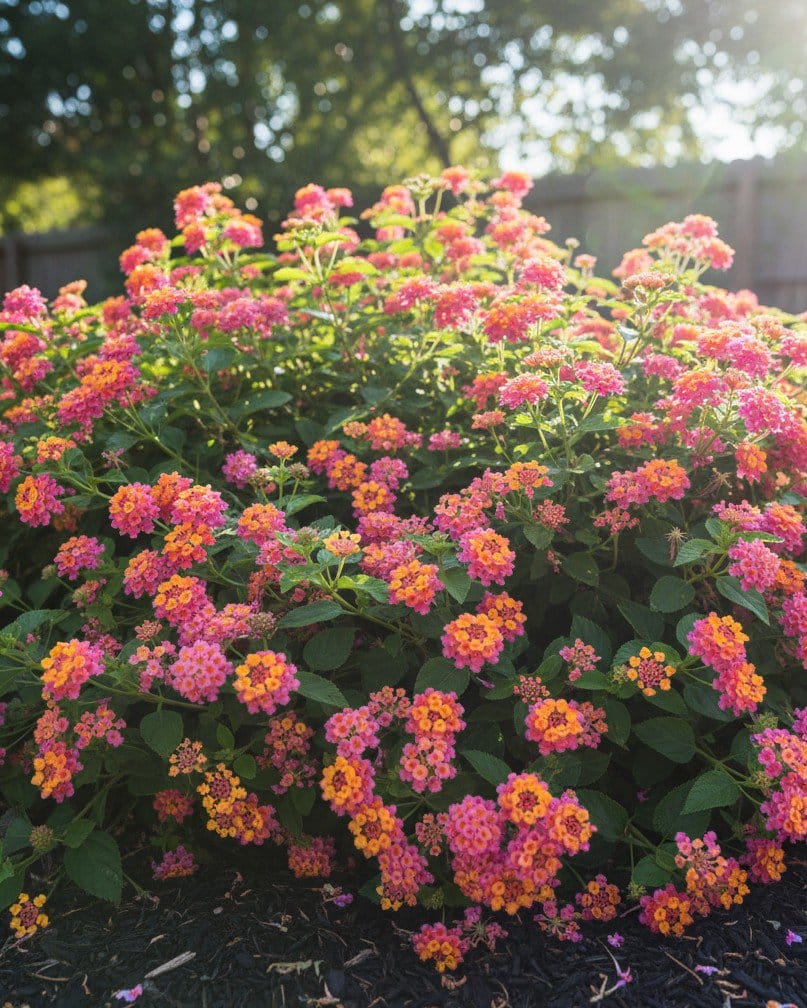
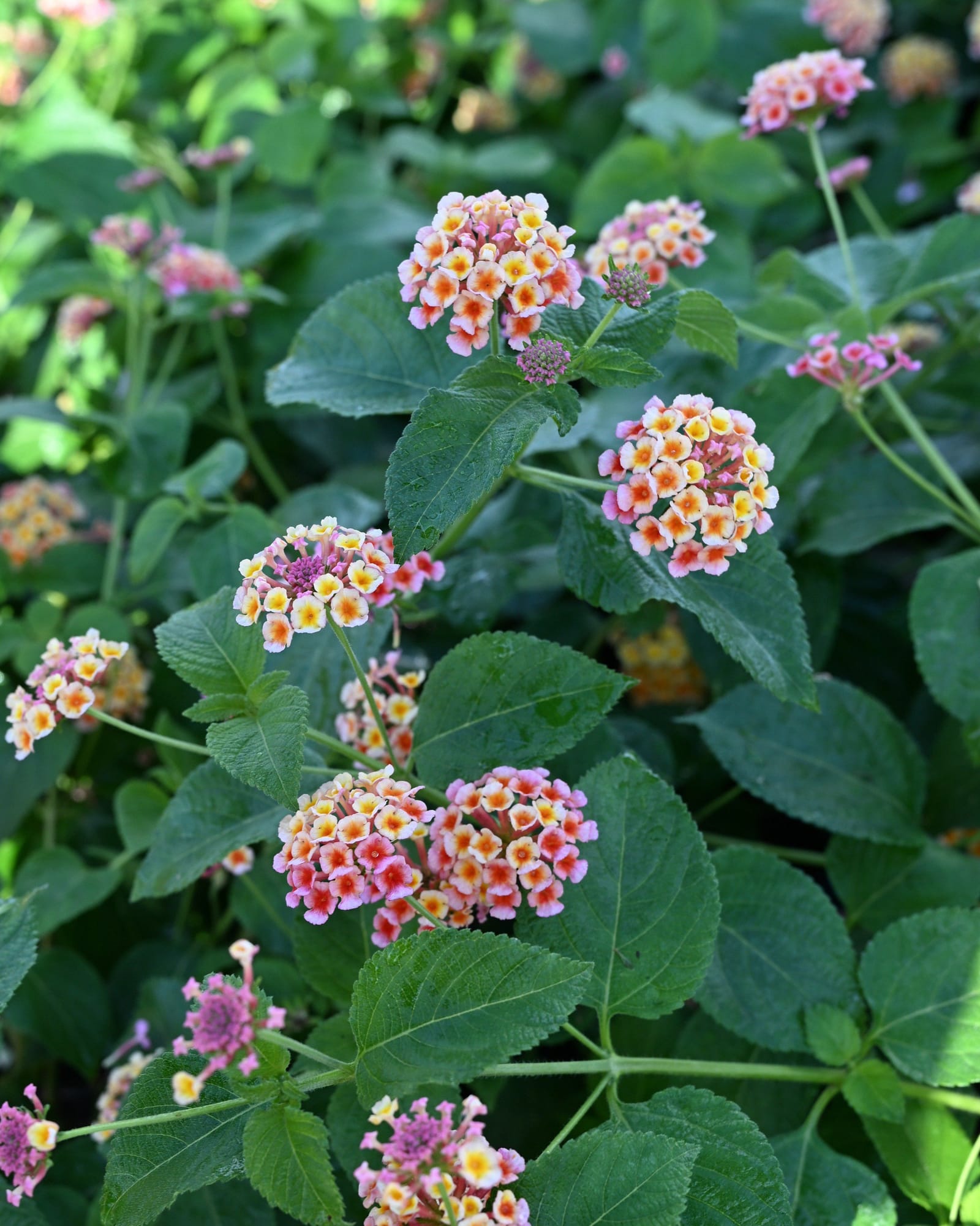
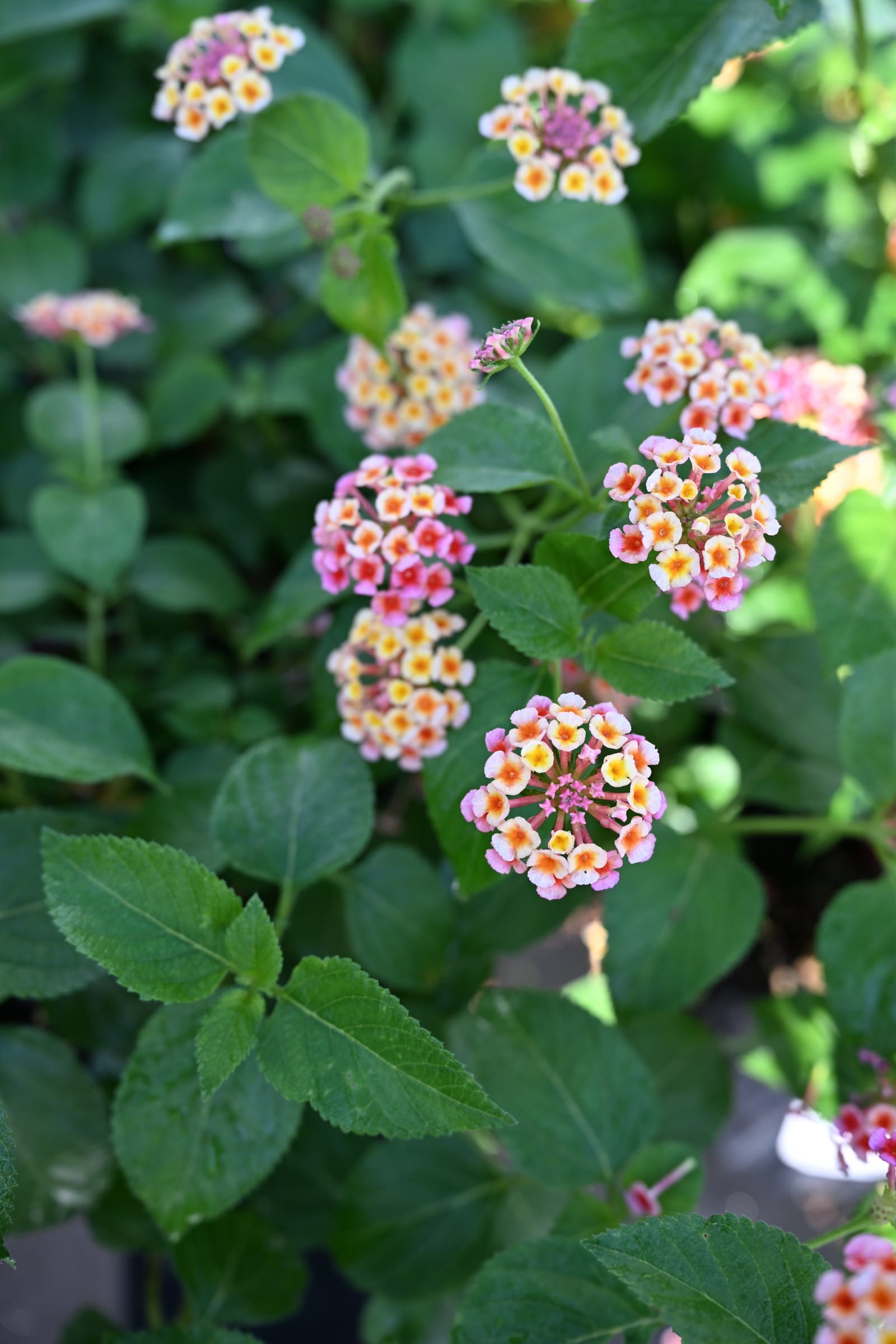
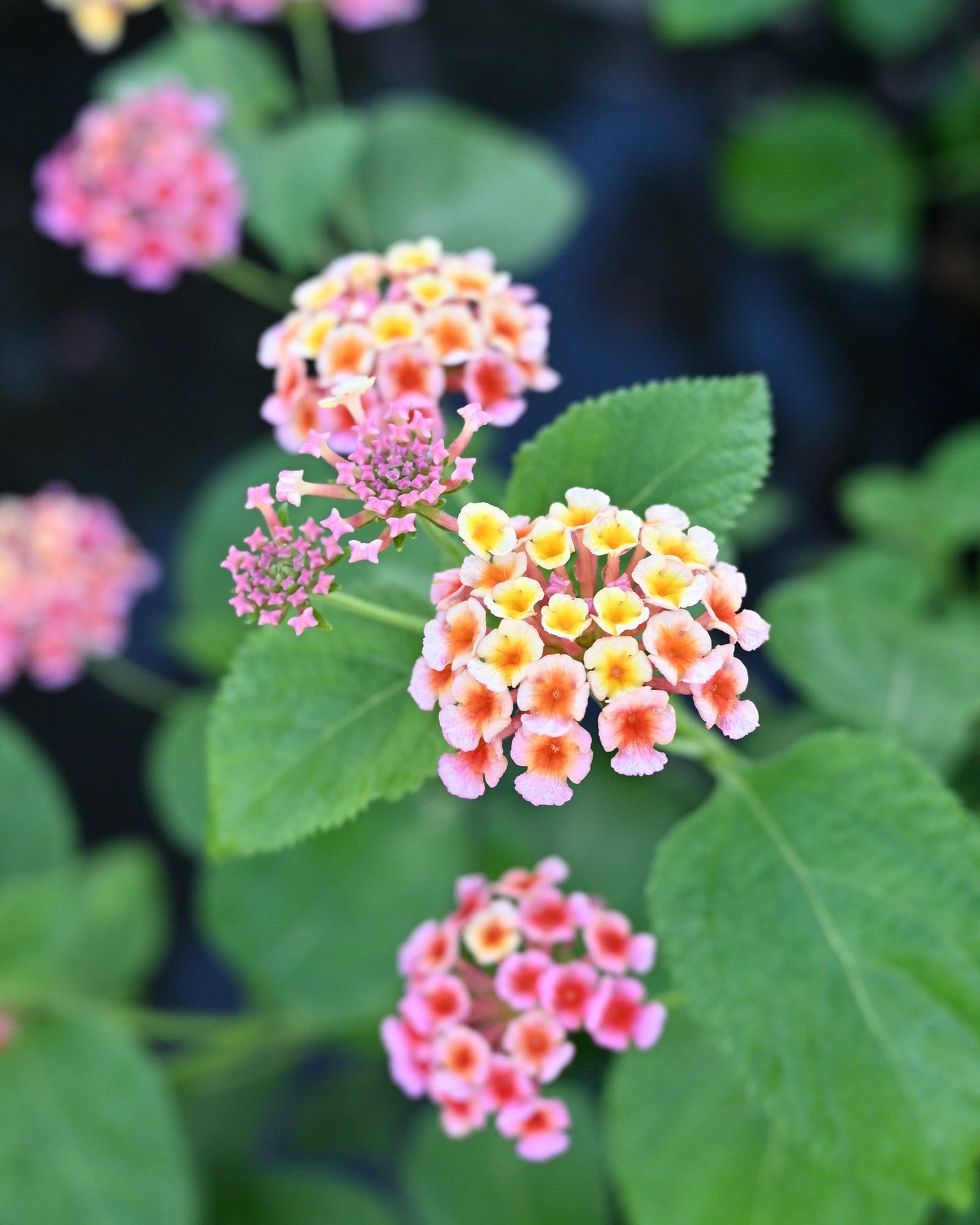
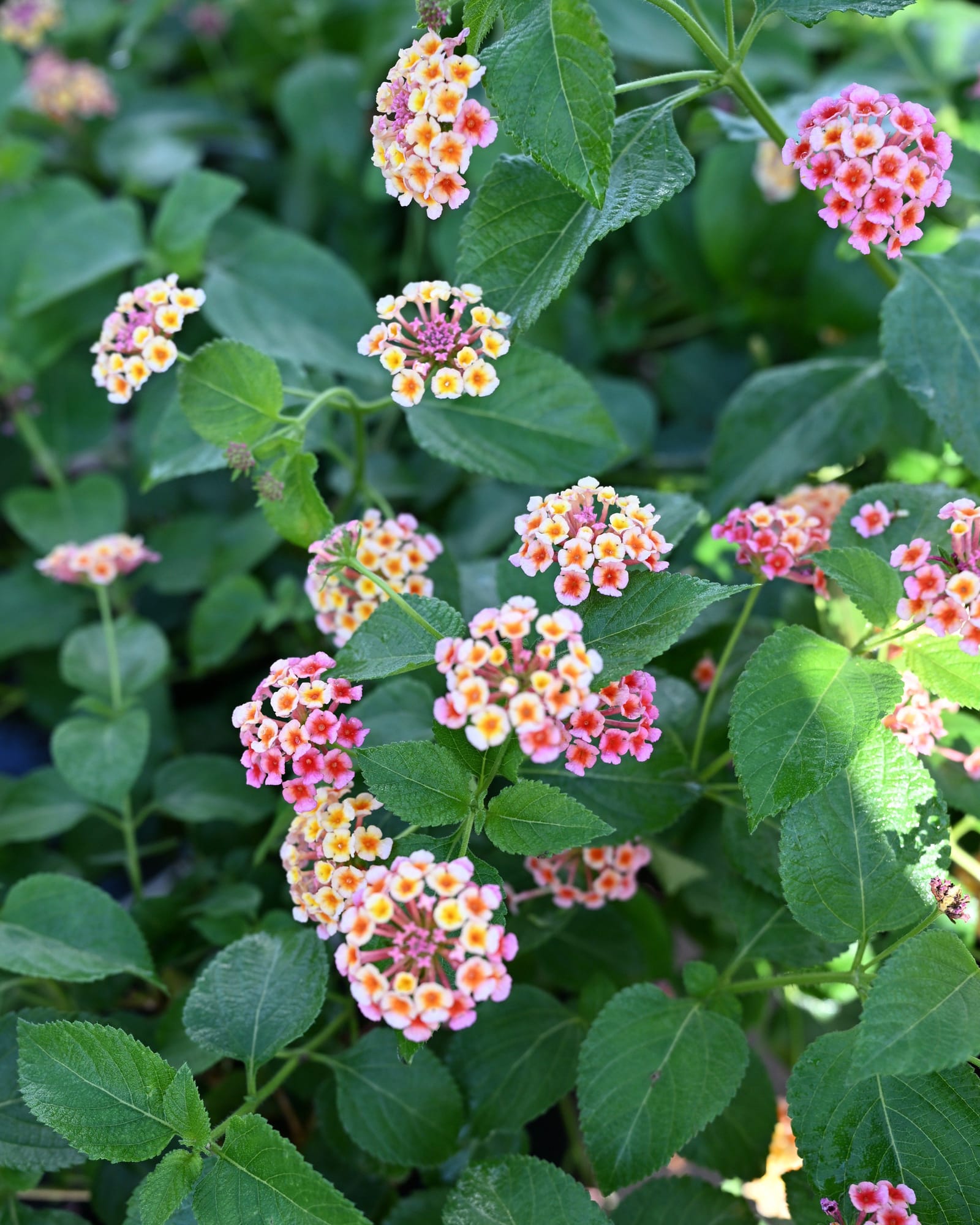
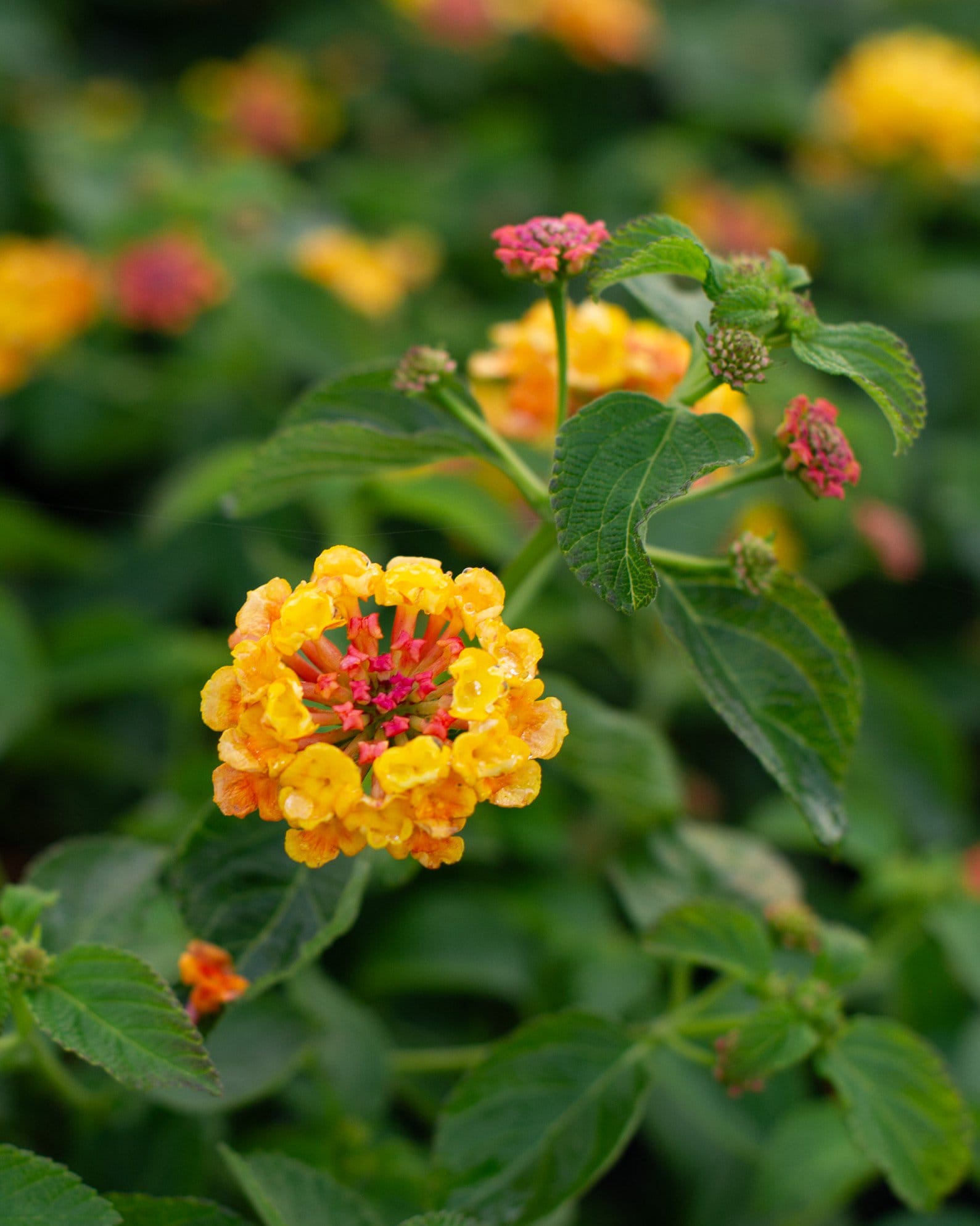
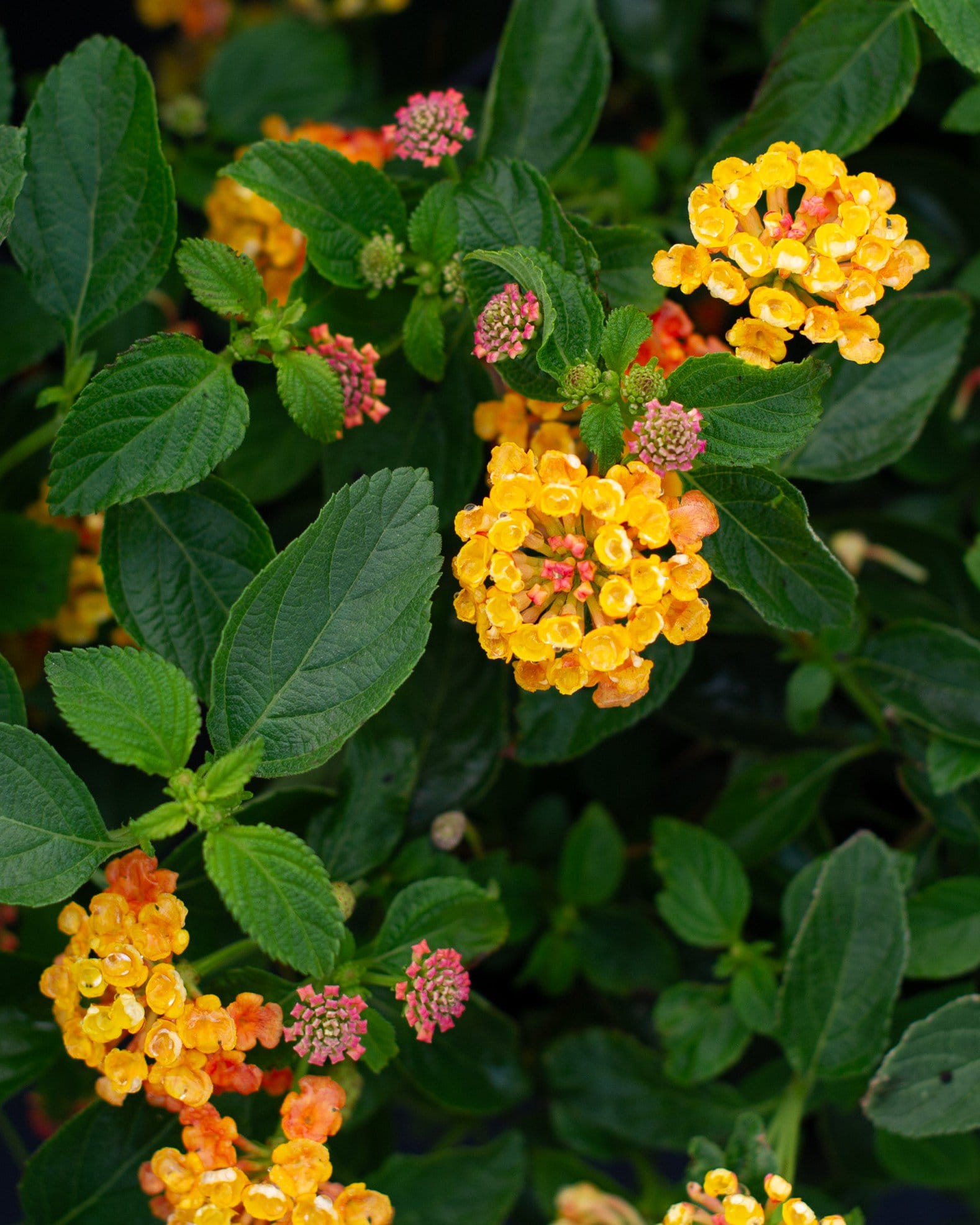
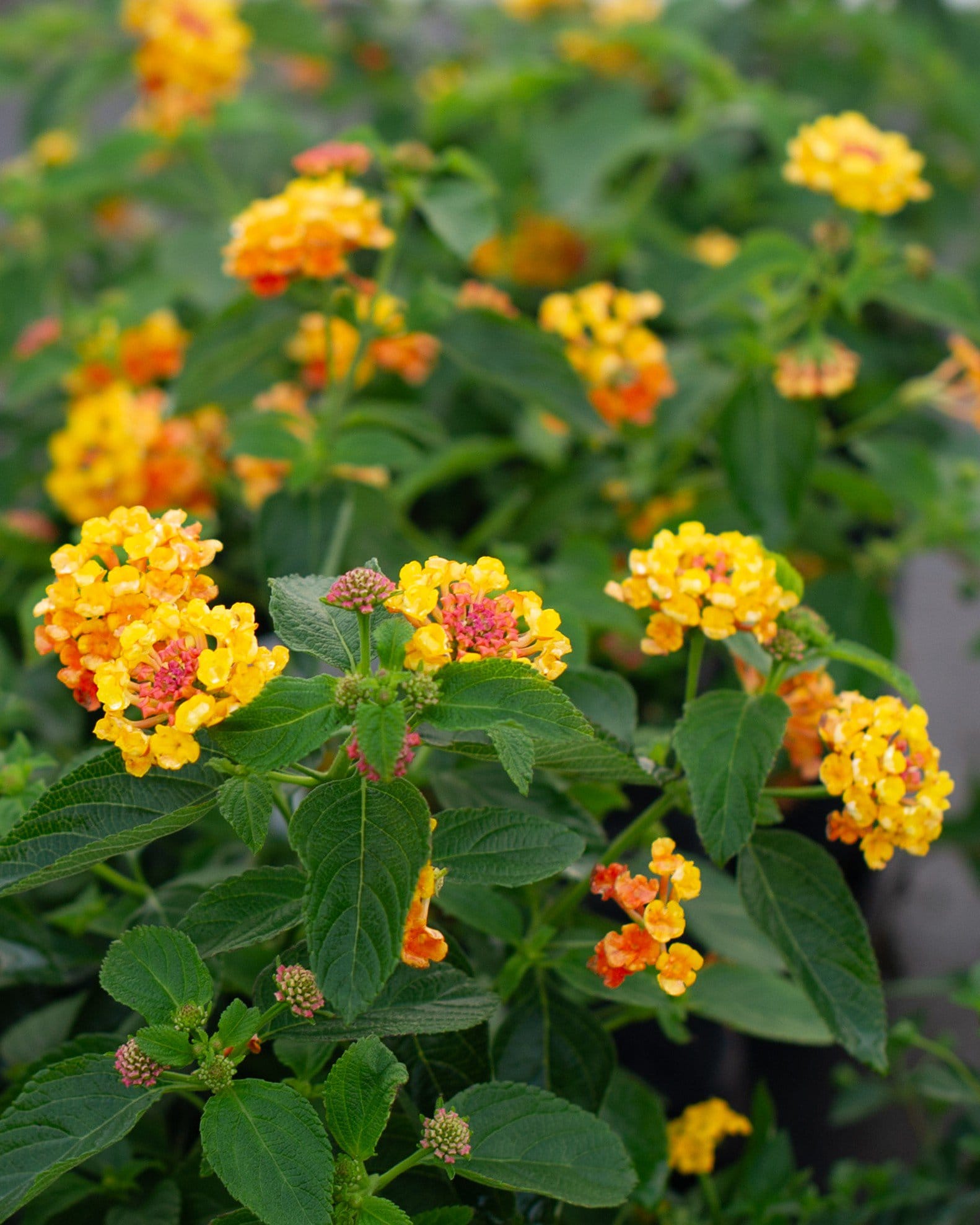
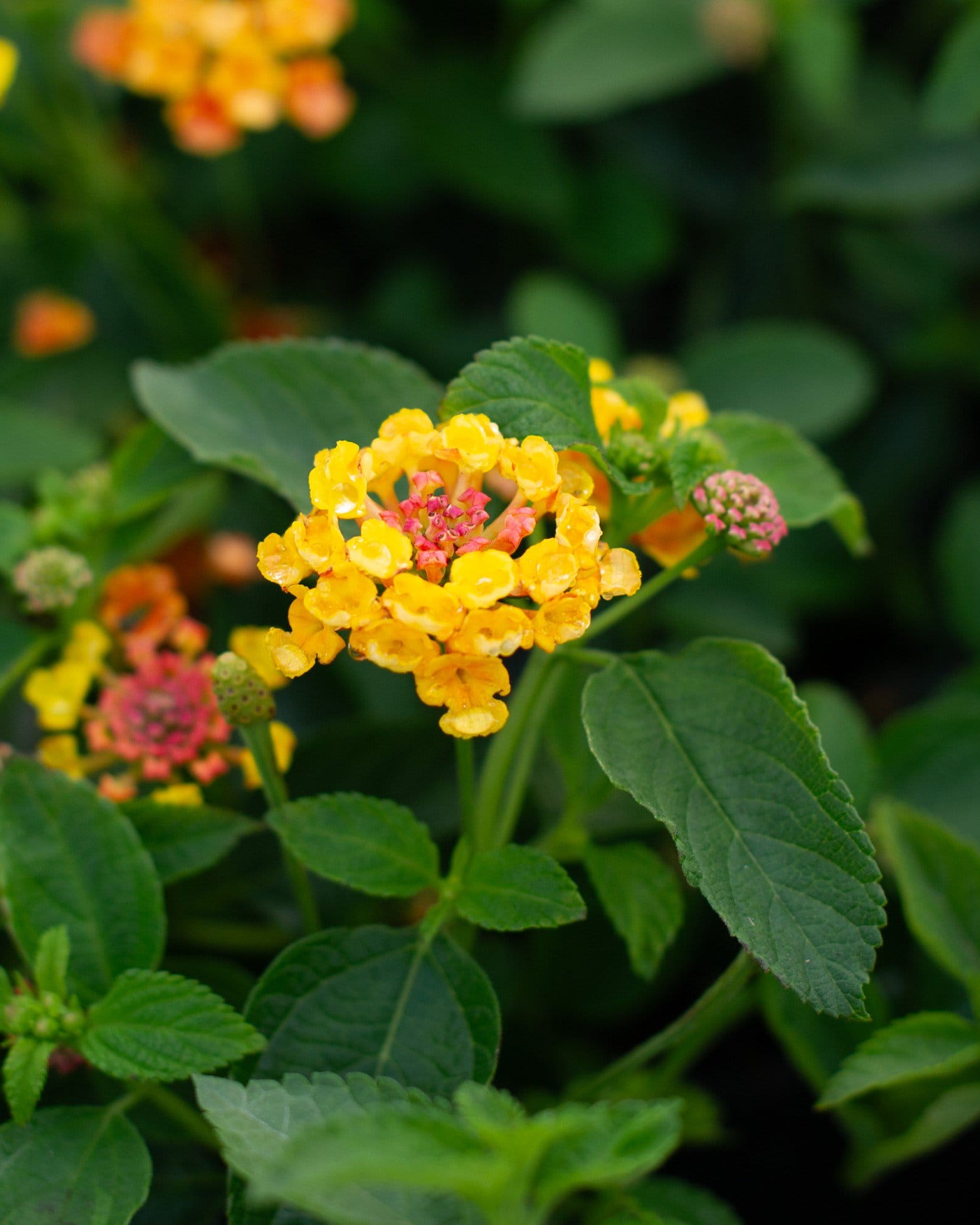
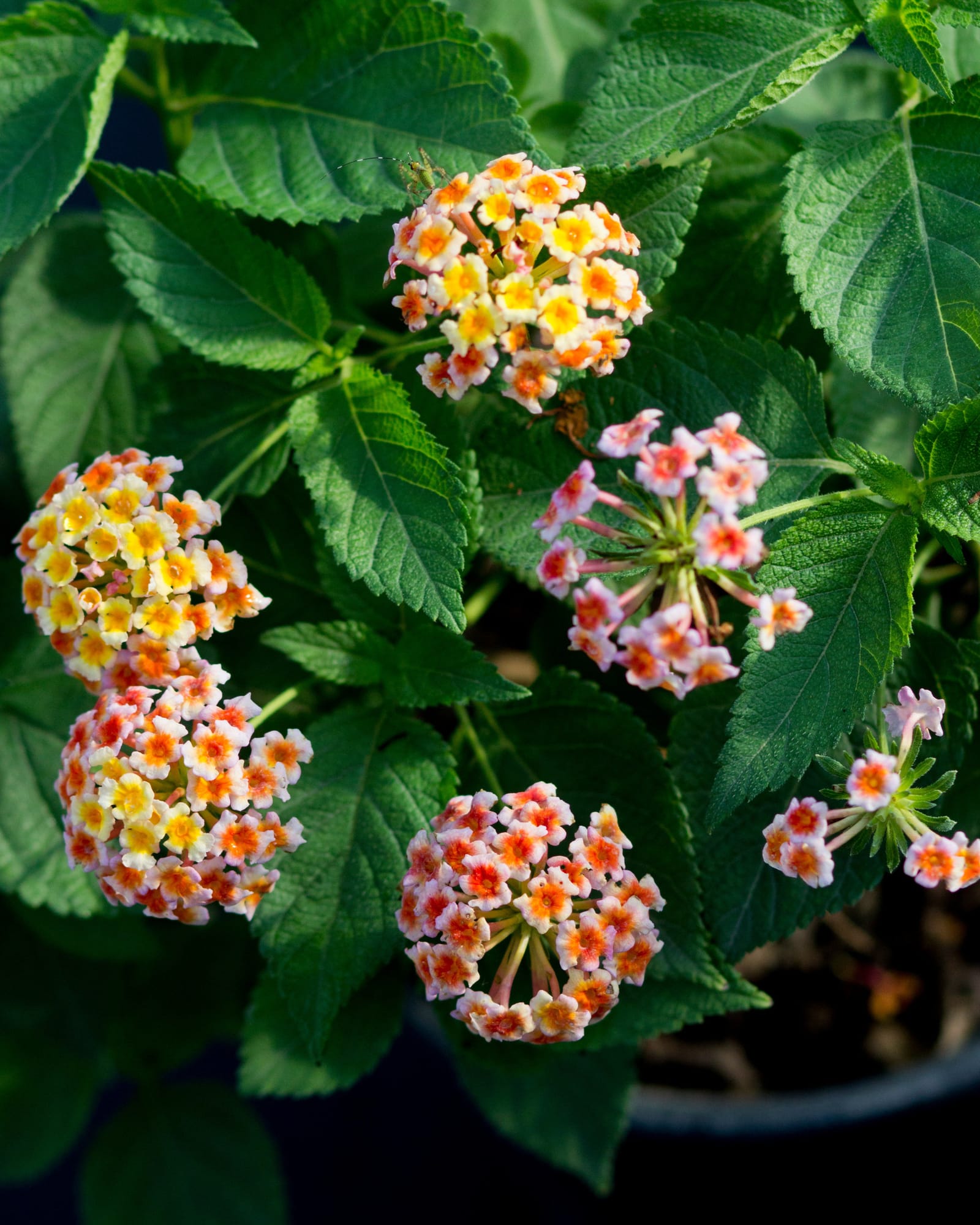
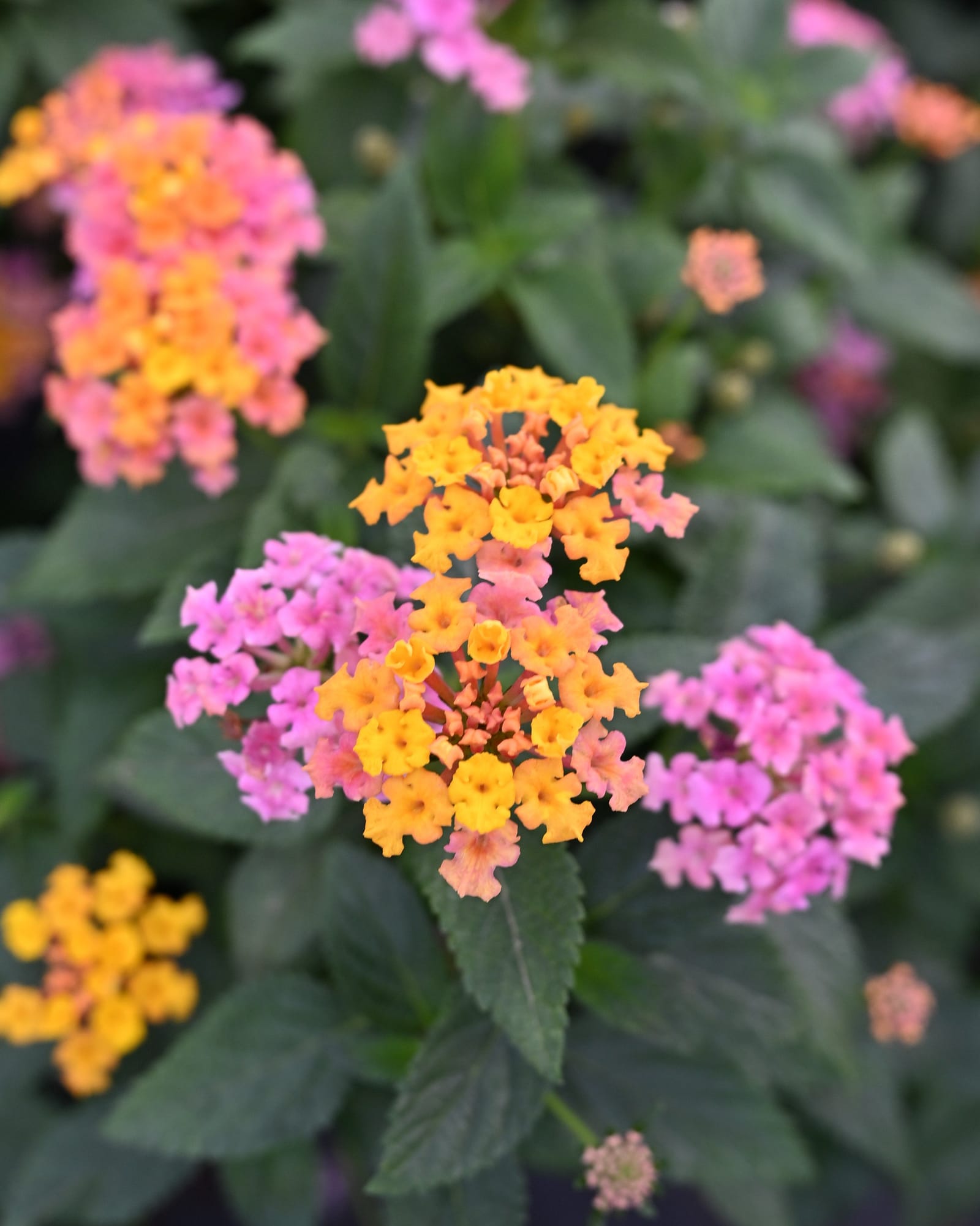
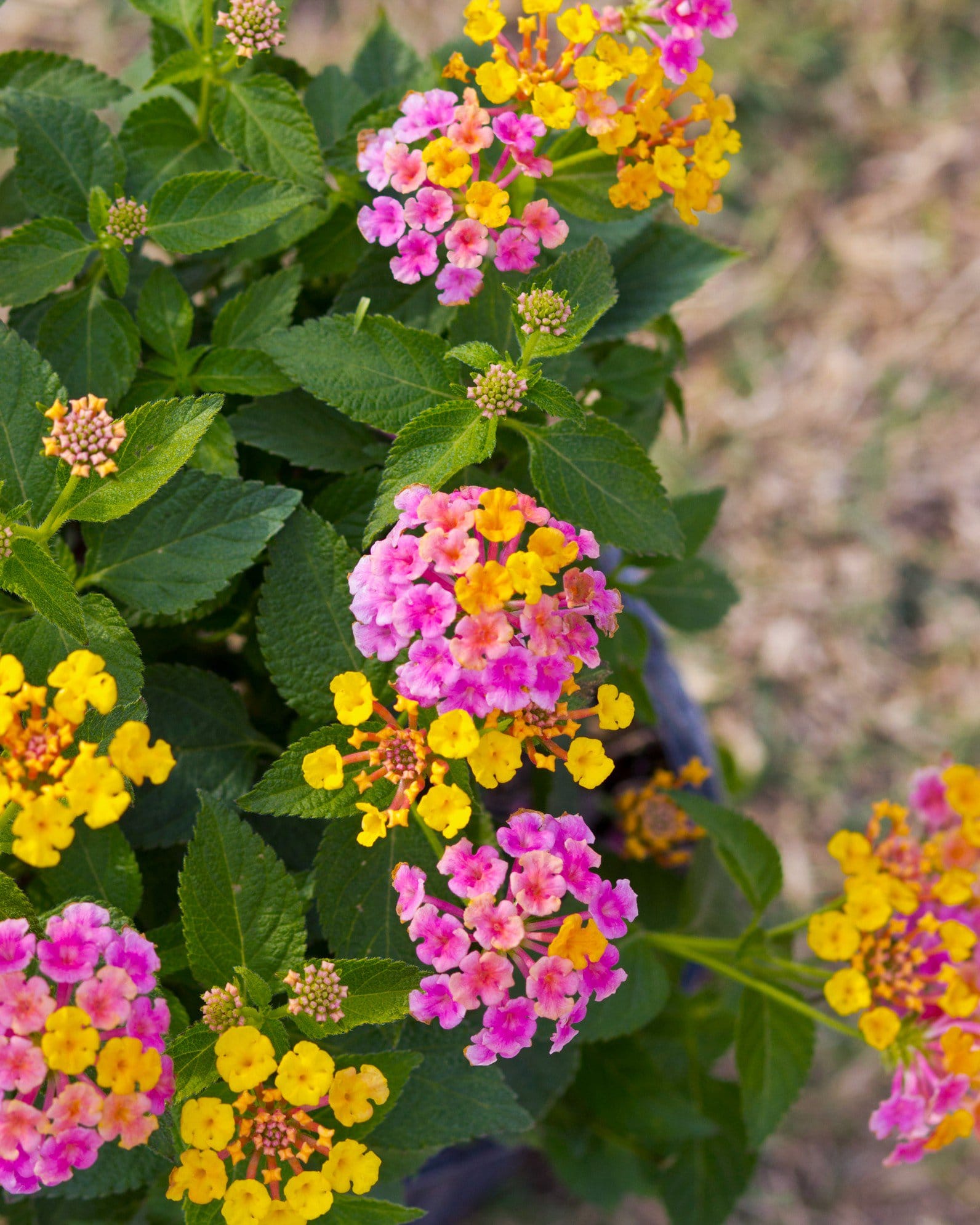
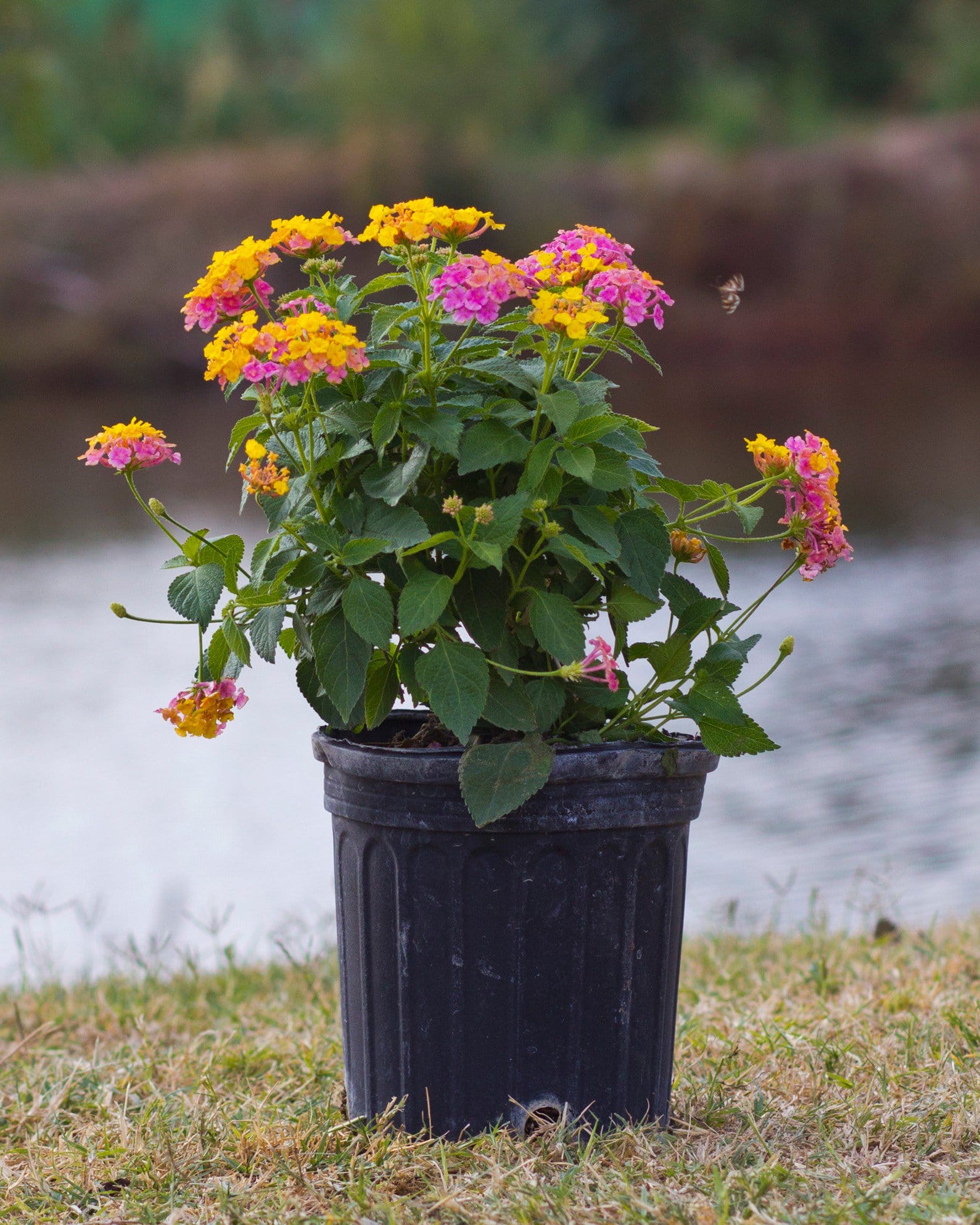
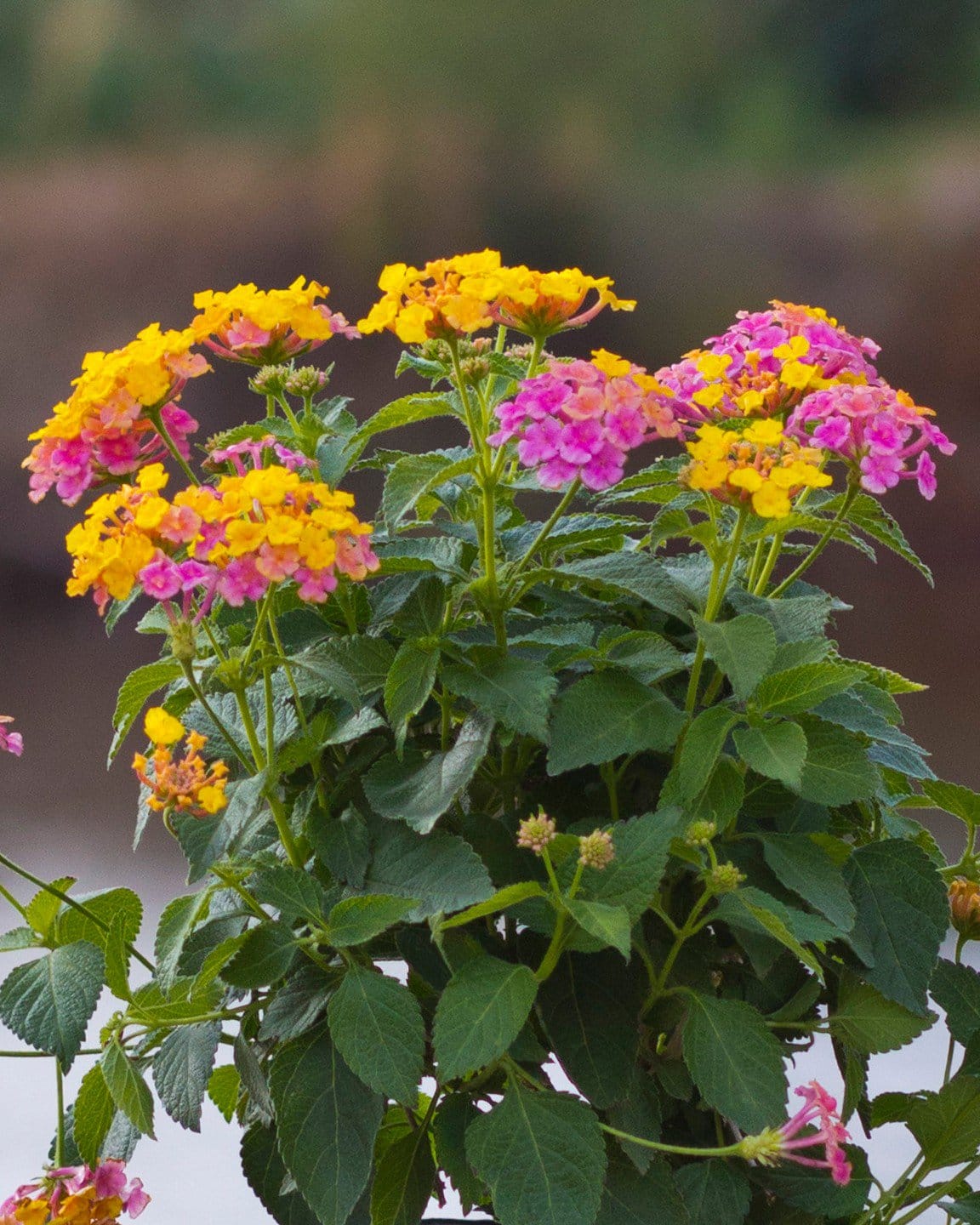
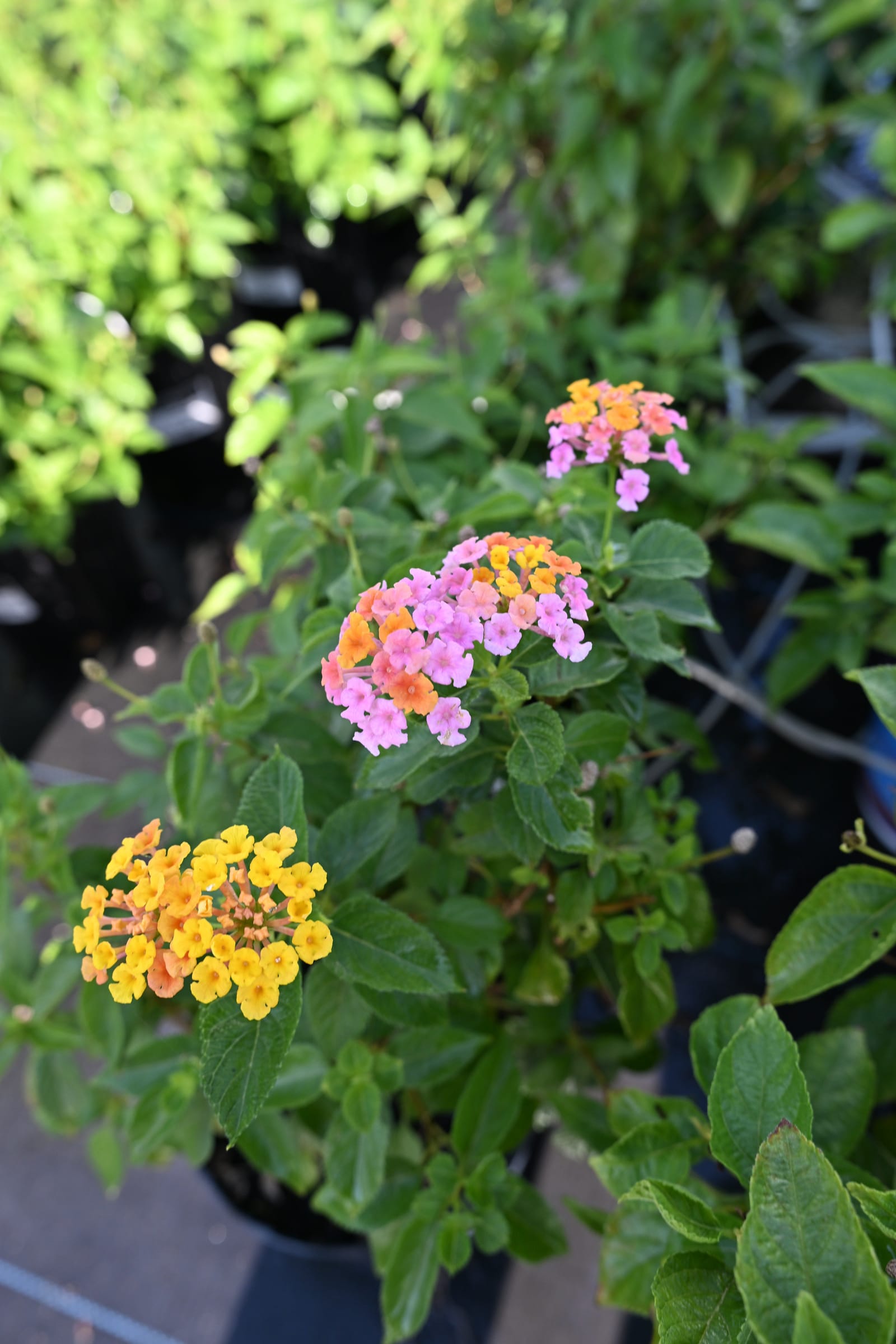
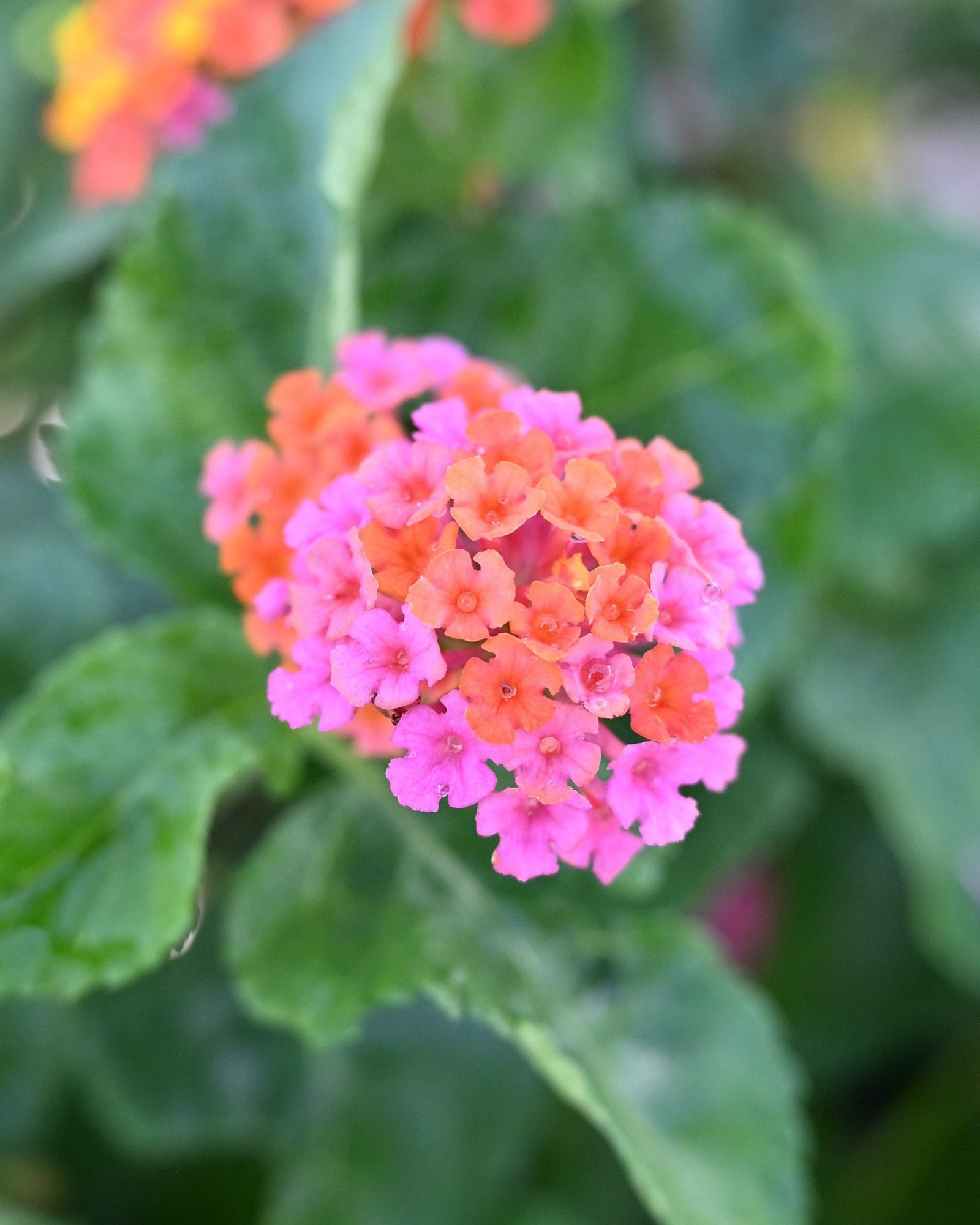
Dallas Red Lantana
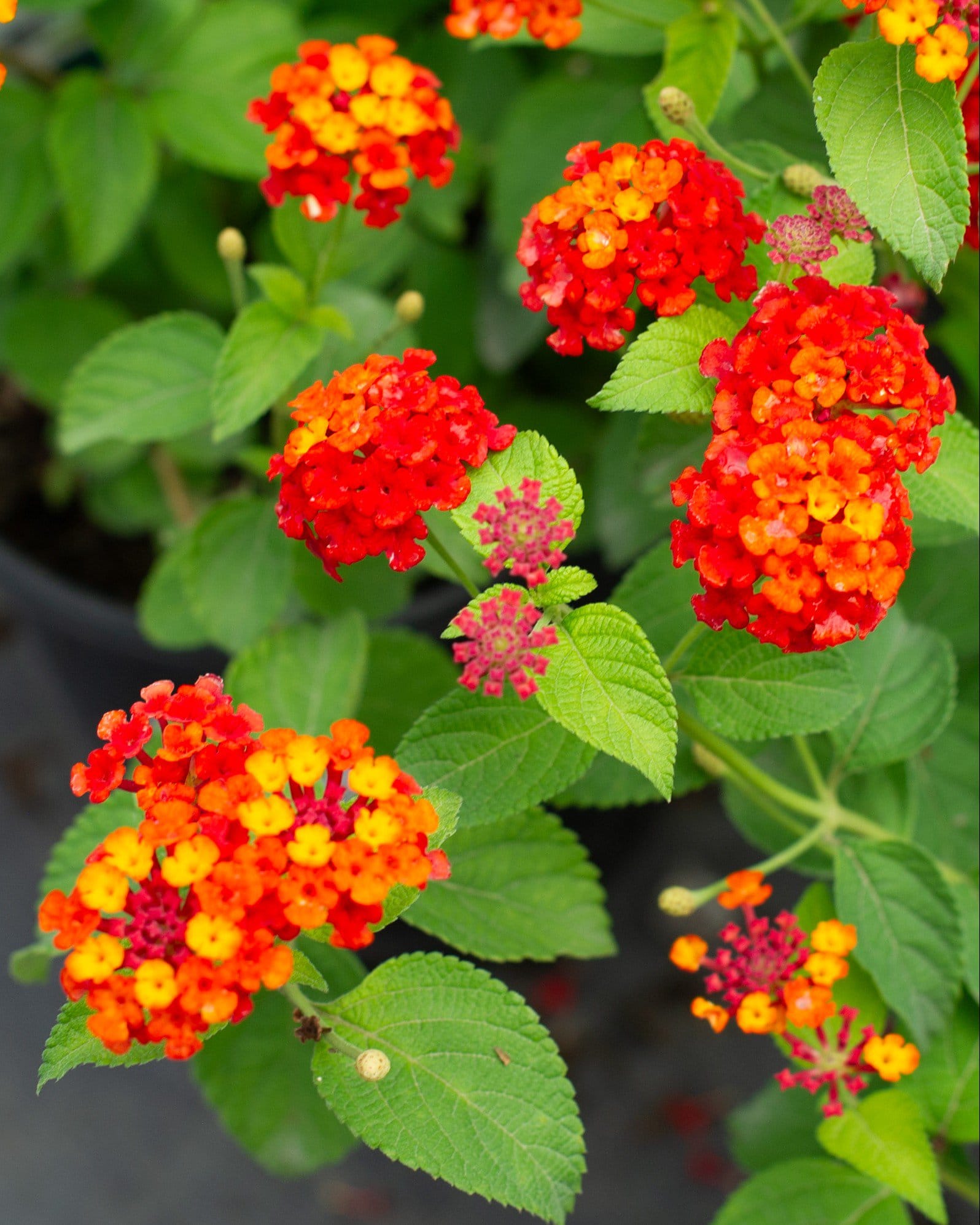
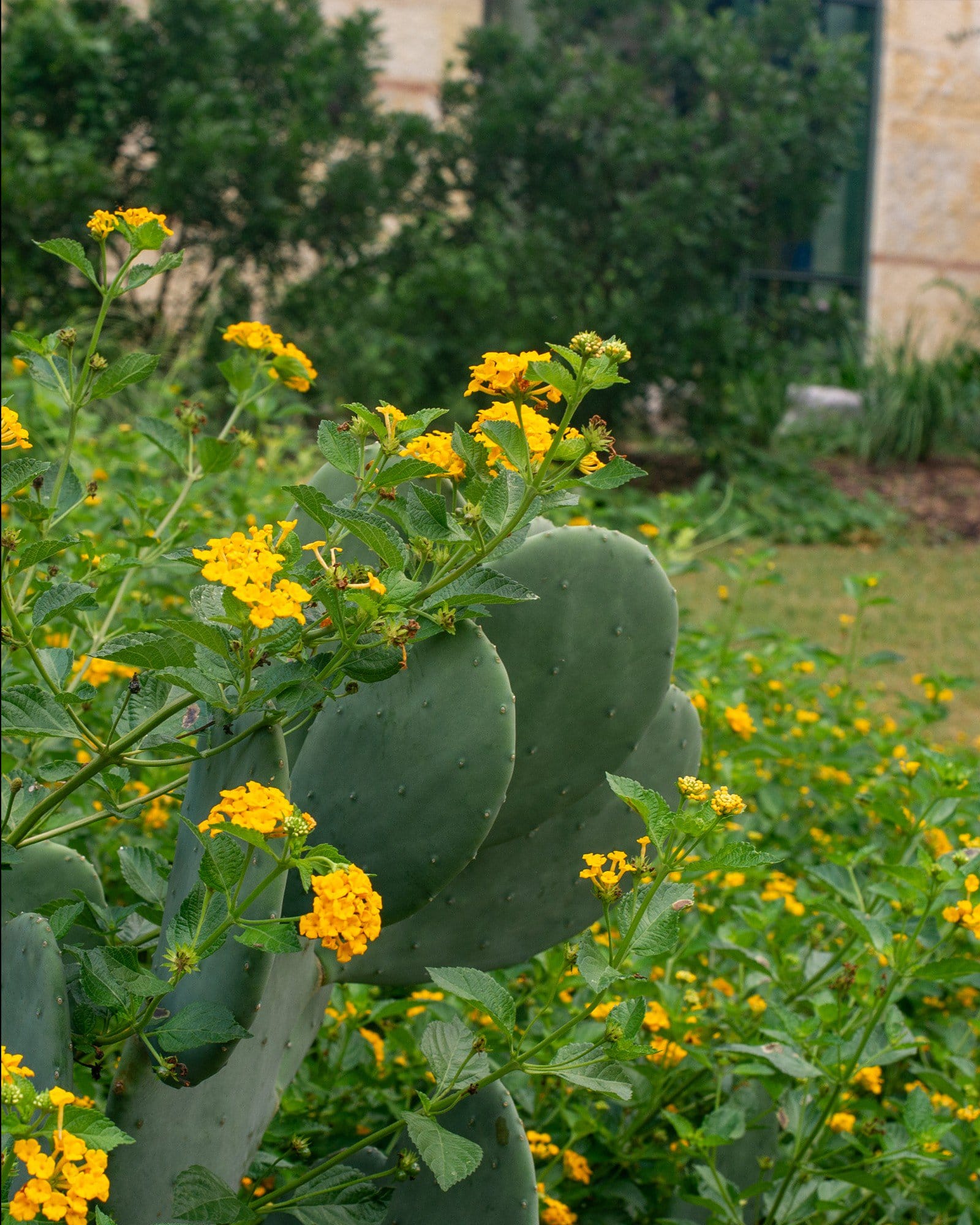
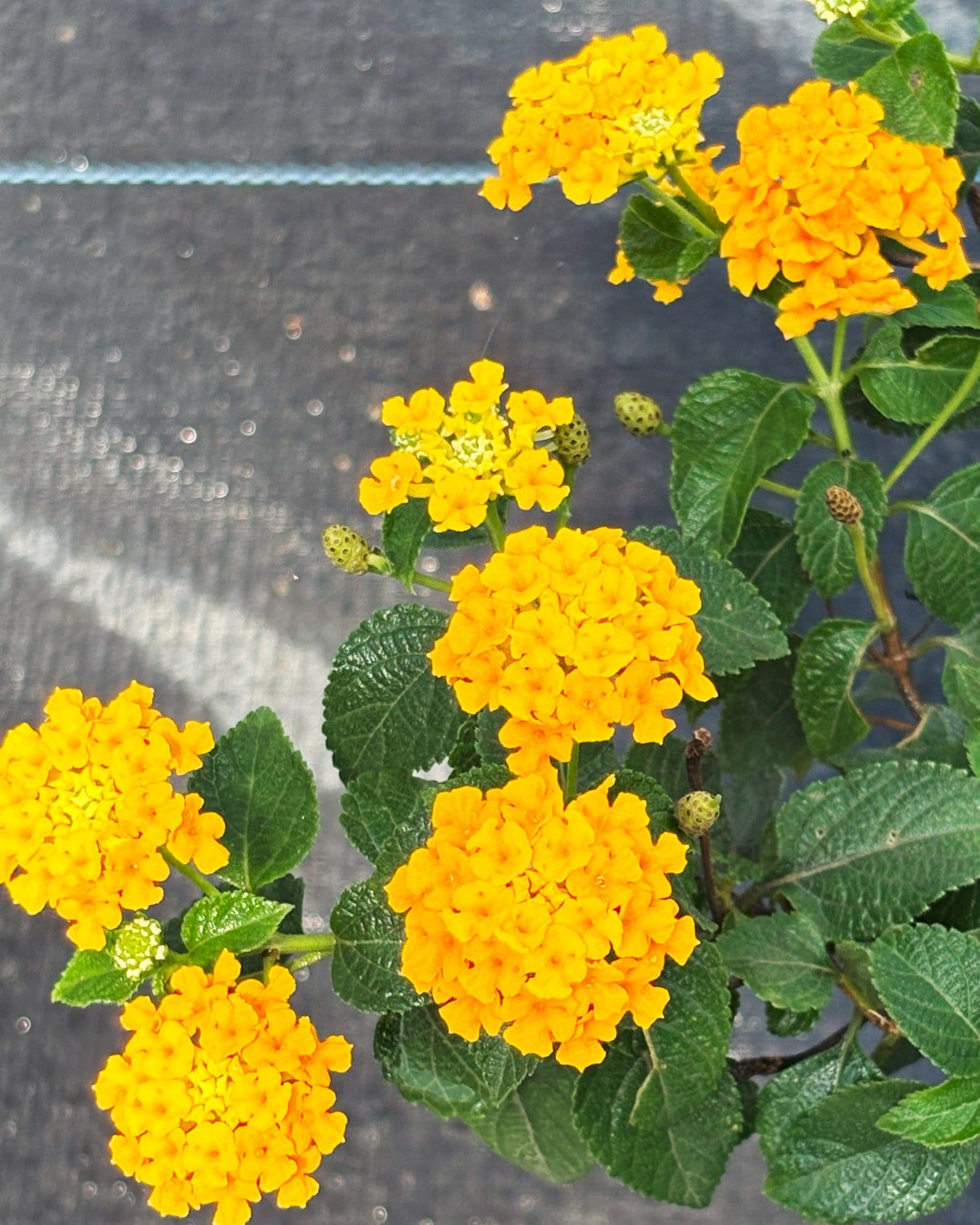
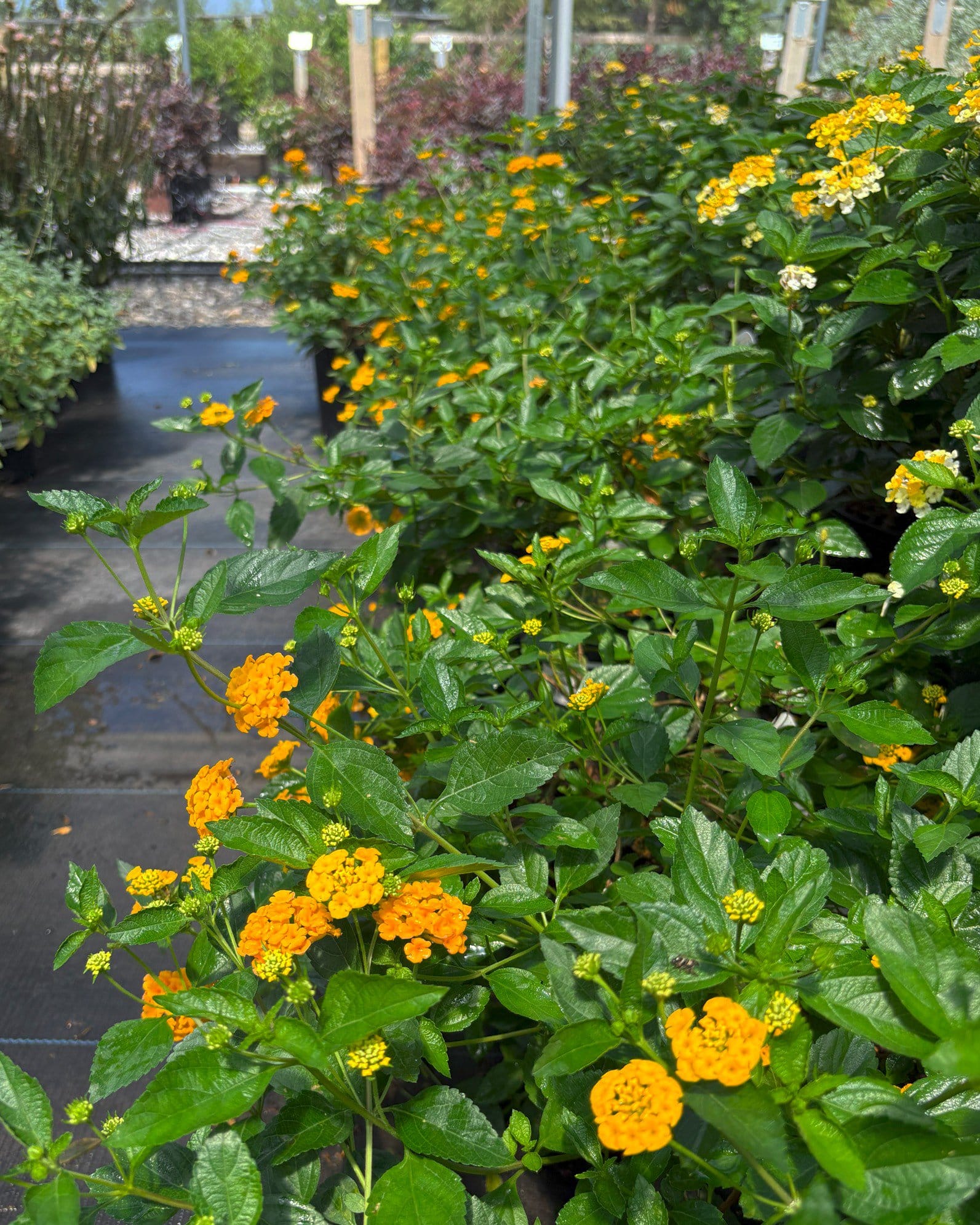
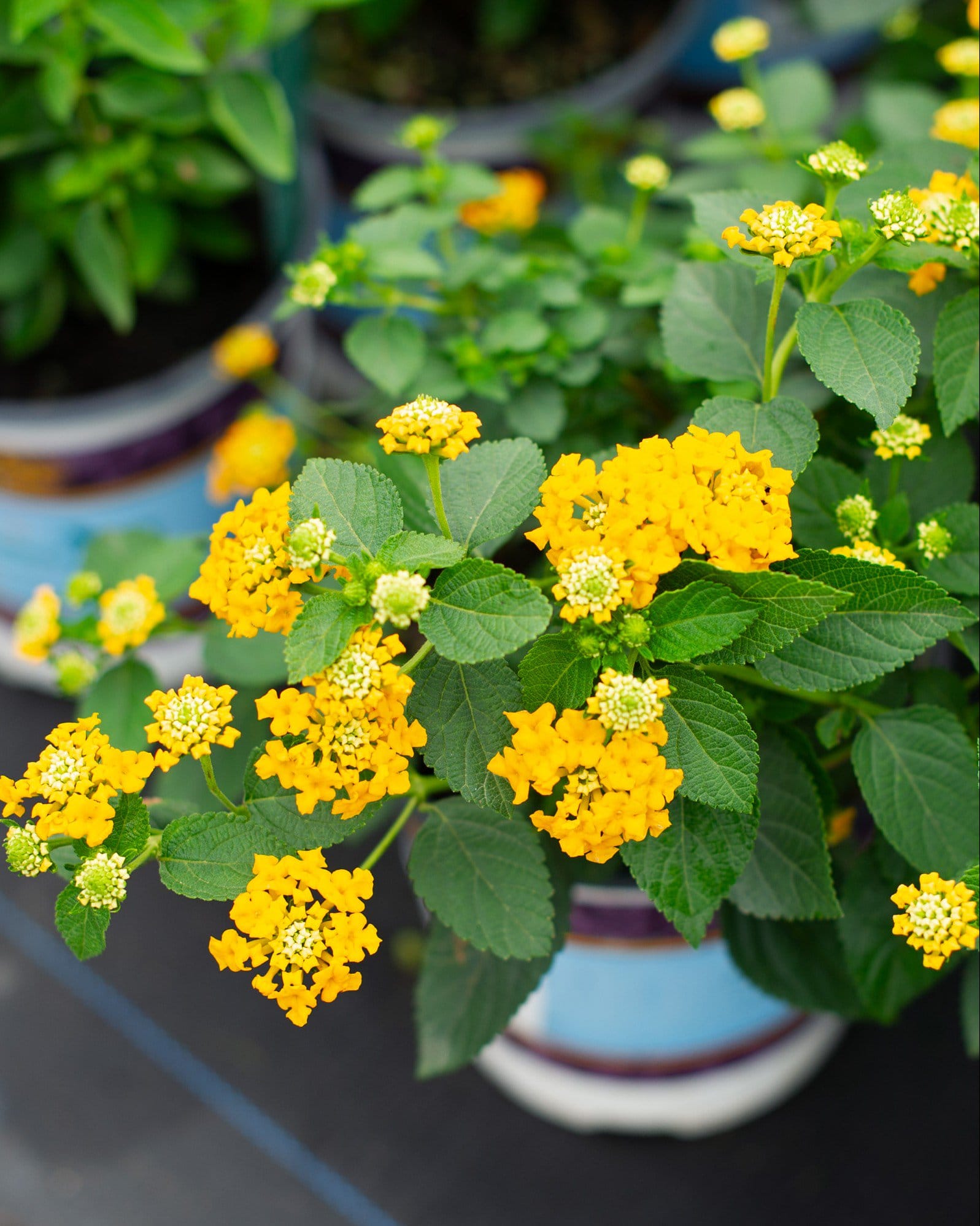
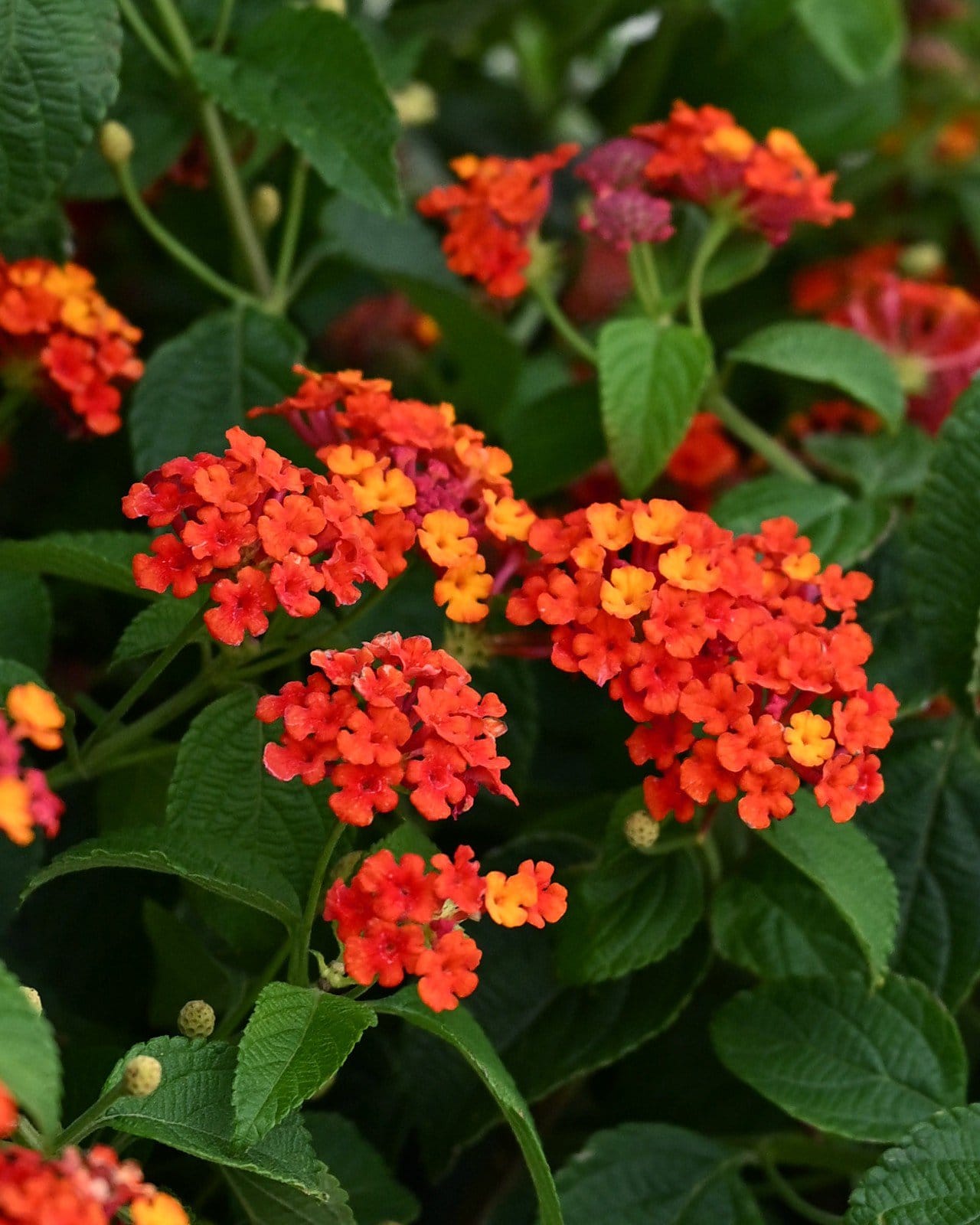
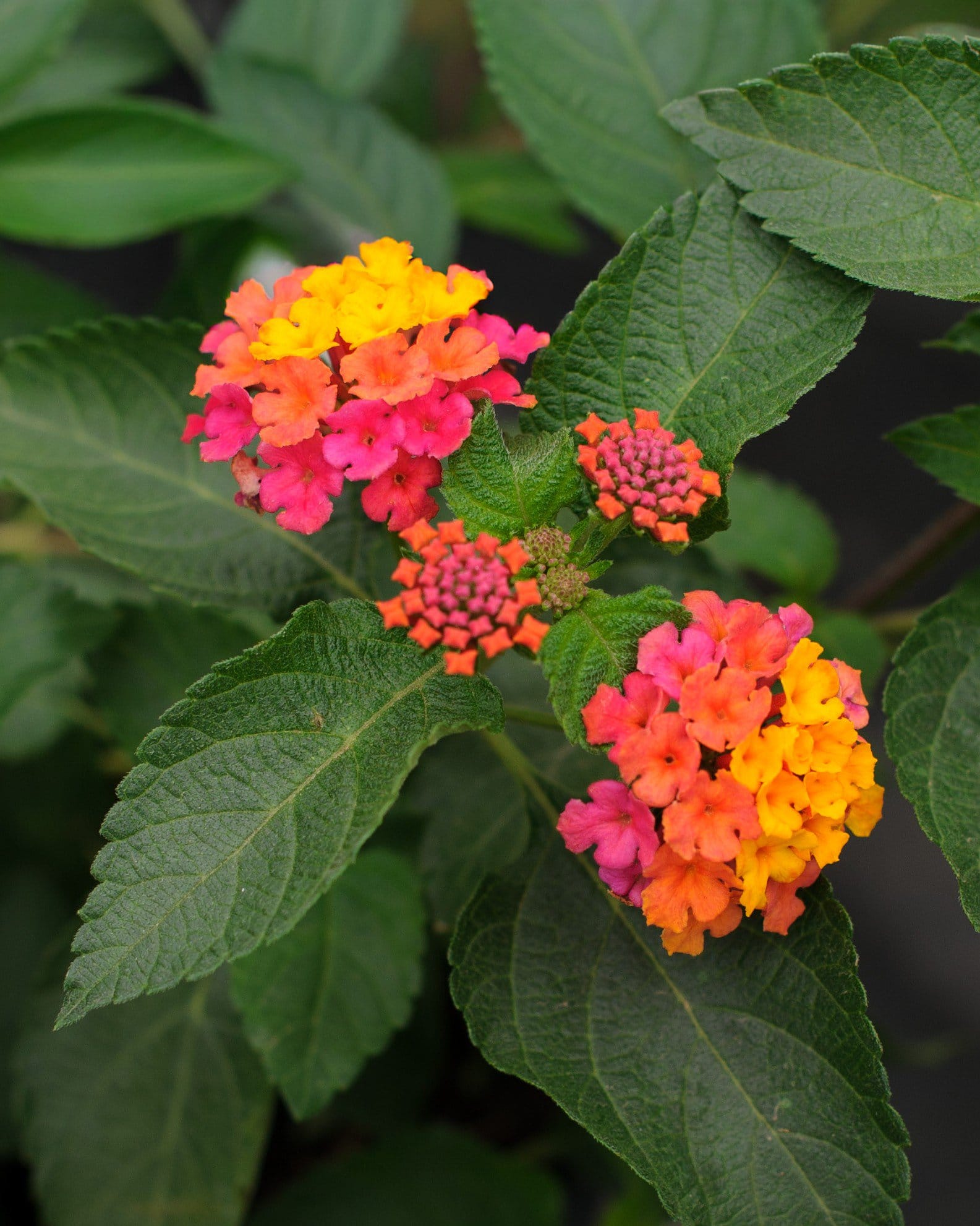
Lantana camara ‘Dallas Red’Dallas Red Lantana is a vigorous variety known for its bright red-orange blooms that appear in dense clusters from late spring until frost. The plant matures 3 feet tall and spreads up to 3 feet wide, creating a full, low-growing mass of color and pollinator activity. Its large footprint and intense bloom color make it ideal for large-scale beds, roadside plantings, or commercial landscapes.
- Red-orange blooms with long seasonal interest
- Wide-spreading habit up to 3 feet
- Strong performer in hot, dry areas
- Attracts bees and butterflies
- Best for large beds and landscape massing
Grow in full sun with well-drained soil. Deadhead to encourage repeat bloom and cut back in early spring to control size. Hardy in USDA zones 8–11, Dallas Red thrives in Texas’ hot, dry climate and is particularly reliable in North Texas plantings.
This Texas Superstar doesn't require much to be the perfect addition and a pop of color to your space. Here's what you should keep in mind:
- Watering: Water regularly during the first few weeks after planting to help roots establish. Once mature, Dallas Red Lantana is highly drought-tolerant. Deep water every 10-14 days during dry spells, but otherwise, less is more - overwatering can cause root rot or leggy growth.
- Pruning: Trim lightly throughout the growing season to encourage compact growth and more blooms. In early spring, prune back by about one-third to refresh the plant and remove winter damage. It rebounds fast once temperatures rise.
- Fertilizing: Lantana isn’t a heavy feeder - too much fertilizer actually reduces blooms. A light dose of slow-release, balanced fertilizer (10-10-10) in spring is plenty.
- Mulching: Apply a thin 1-2 inch layer of mulch to conserve moisture and prevent weeds, but avoid piling it against the base - lantana prefers airflow around the stems.
- Repotting (if grown in a pot): If a container plant seems to be drying out too quickly, it might need a larger pot. Repot it by making a few vertical cuts in the root ball and placing it in a larger container with fresh potting mix.
Common Issues and How to Take Care of Them
Dallas Red Lantana is a very tough plant, but even though it has a few potential issues, you should keep an eye on:
- Powdery Mildew: This fungal issue shows up as a fine, white coating on the leaves, especially if the lantana is in partial shade or crowded areas with poor airflow. To fix this issue, prune surrounding plants to open up air circulation, water early in the day so leaves dry quickly, and avoid overhead watering.
- Root Rot: The biggest enemy of lantana is soggy soil. Consistent overwatering or heavy clay that traps moisture leads to root rot - you’ll notice droopy, yellowing foliage that doesn’t perk up even after watering. To fix this, pull back on watering, check drainage, and amend the soil with sand or compost to loosen it up.
- Spider Mites: These tiny sap-sucking pests thrive in hot, dry weather and create fine webbing on the undersides of leaves. Leaves may turn speckled or look dusty. To fix this, blast them off with a strong jet of water or treat them with insecticidal soap.
- Frost Damage: In cooler zones, lantana can die back to the ground after a frost, but the roots often survive. If this worries you, cut back dead growth in early spring and mulch the base in late fall for insulation.
Dallas Red Lantana is a fast-growing plant, reaching its full size in just one growing season. In colder zones, it is treated as an annual, dying back in winter.
Best planted in spring after the last frost, once soil temperatures warm up.
This is usually due to improper watering, insufficient sunlight, or a pest infestation like lace bugs.
Lightly pinch or trim every few weeks during the growing season for bushier growth. A major cutback in spring keeps it tidy and blooming strong.
Absolutely! Butterflies, bees, and hummingbirds love it. It’s one of the best pollinator plants for hot climates.
It’s frost-sensitive but perennial in USDA zones 8-11. In cooler zones, grow it as an annual or overwinter in containers indoors.
Yes, its leaves have a slightly pungent scent that deer and rabbits tend to avoid.
Definitely! It thrives in pots as long as there’s good drainage and plenty of sunlight. Great for patios, balconies, and sunny porches.
Too much shade, fertilizer, or water can reduce blooms. Move it to full sun and ease off the feedings.
In tropical regions, Lantana can spread aggressively. In more temperate areas, it stays well-behaved, especially if trimmed and deadheaded regularly.
Special Features
You might also like
Compare Similar Plants
Dallas Red Lantana This plant | ||
|---|---|---|
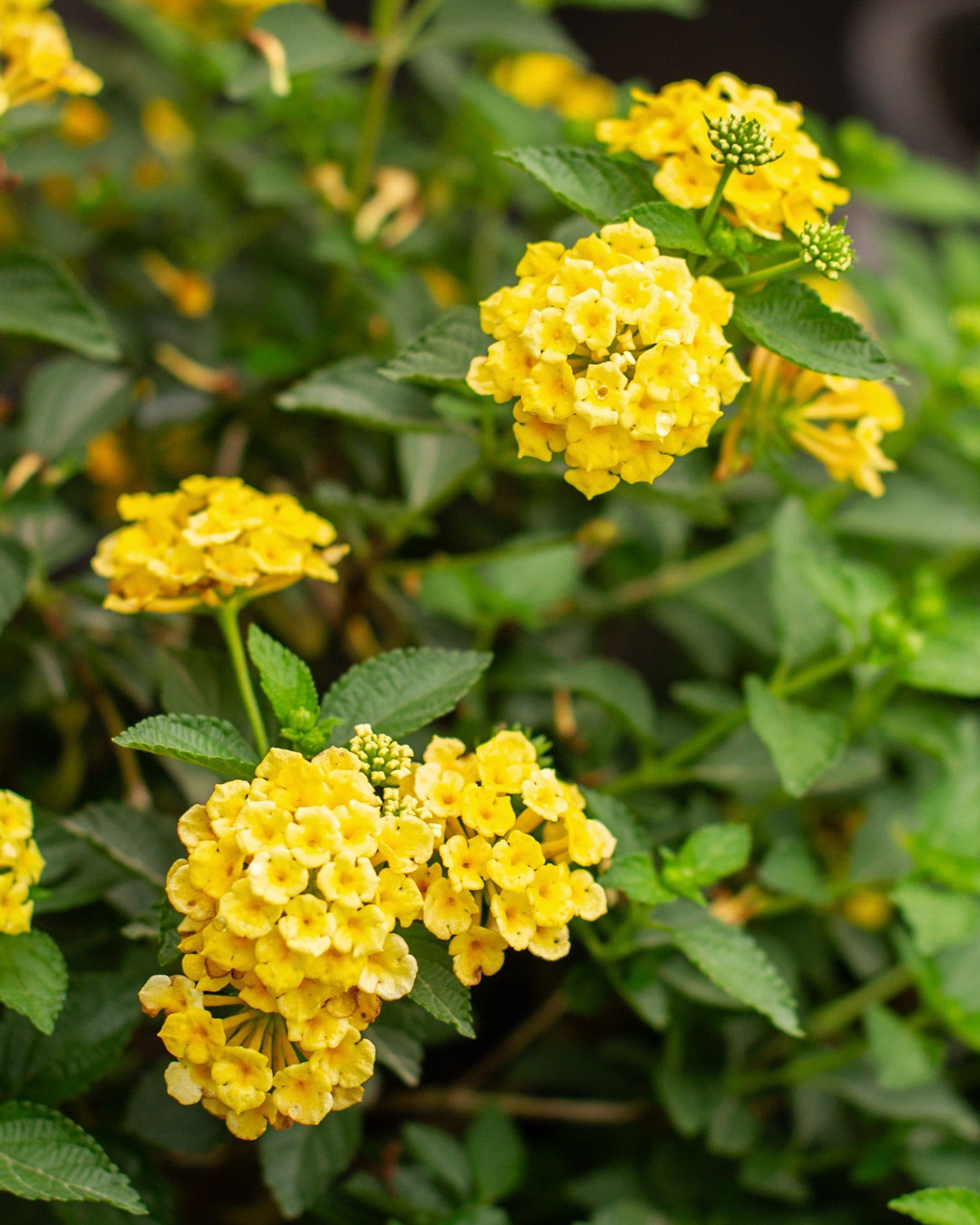
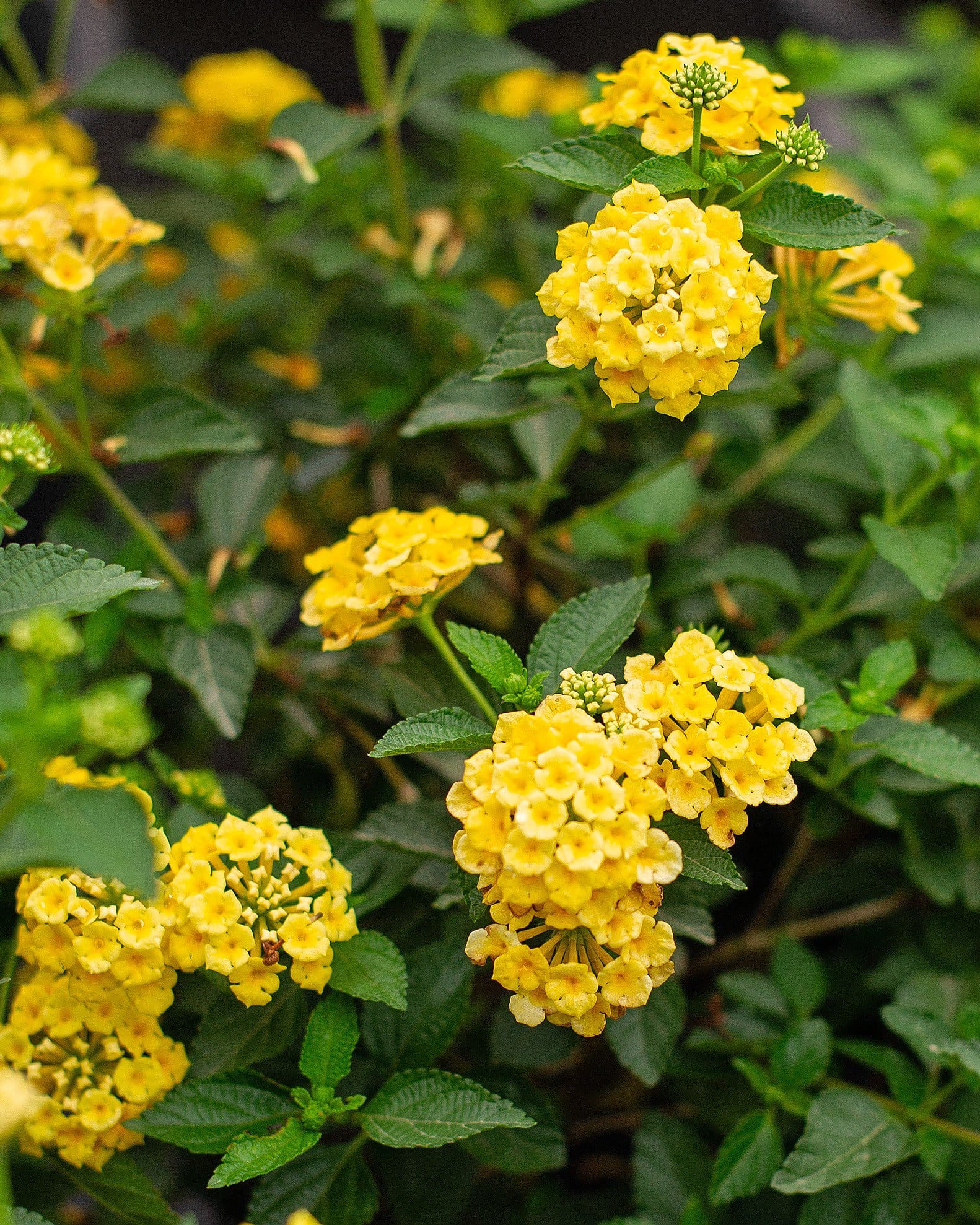
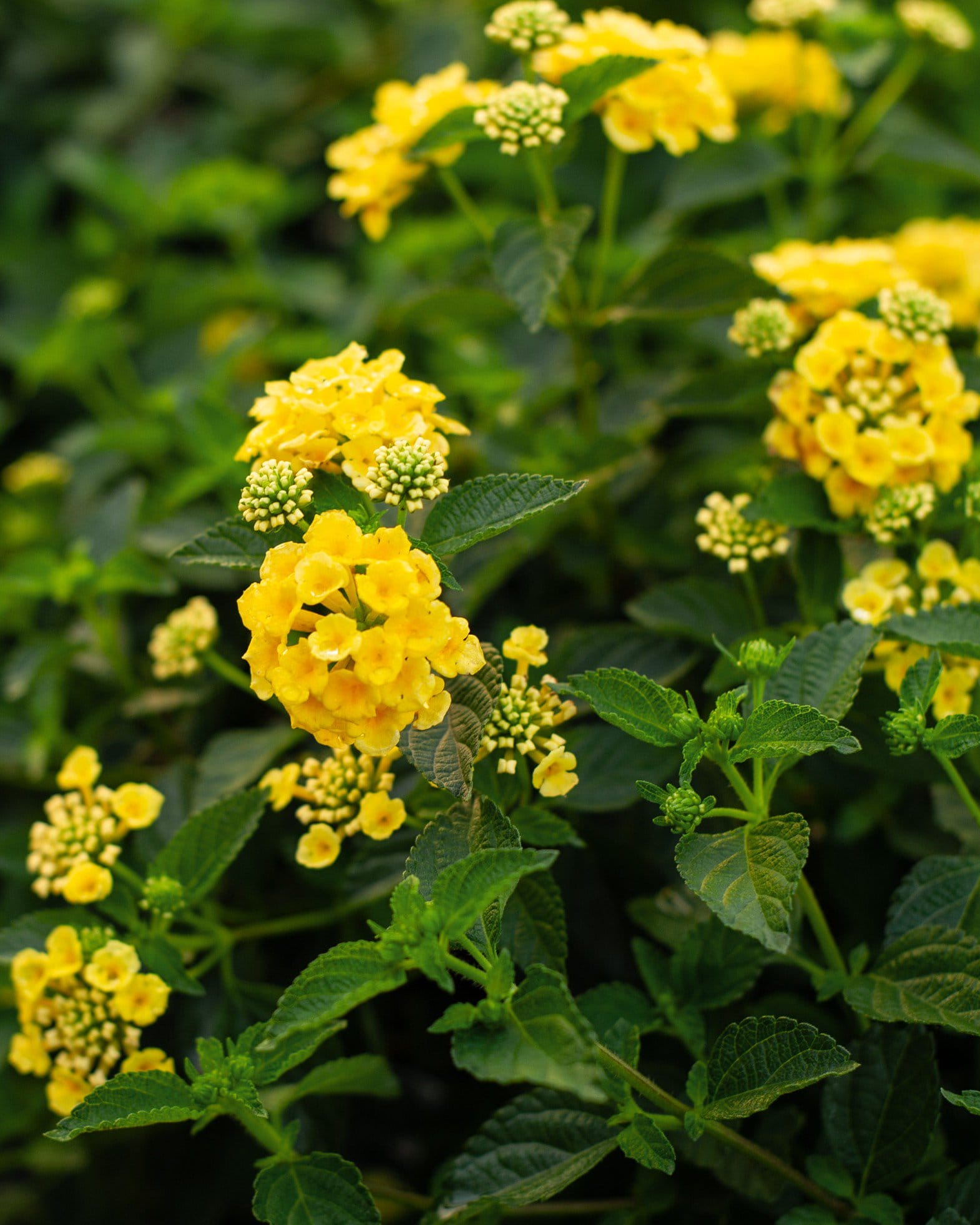
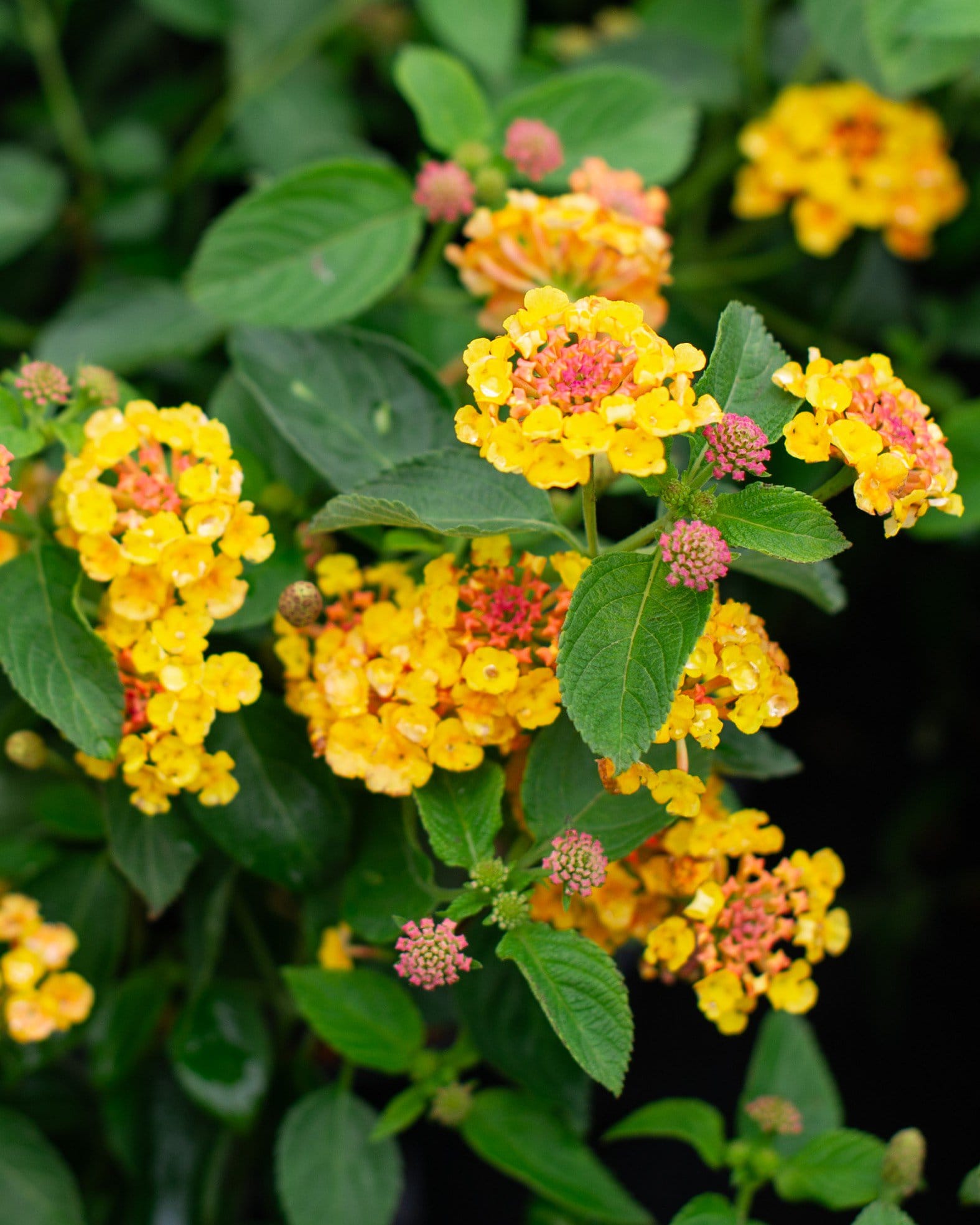
| Scientific Name | Lantana camara ‘Dallas Red’ | Lantana camara ‘Chapel Hill Yellow’ |
| Size at Maturity | 3' H x 3' W | 1.5' H x 2' W |
| Leaf Retention | Herbaceous | Herbaceous |
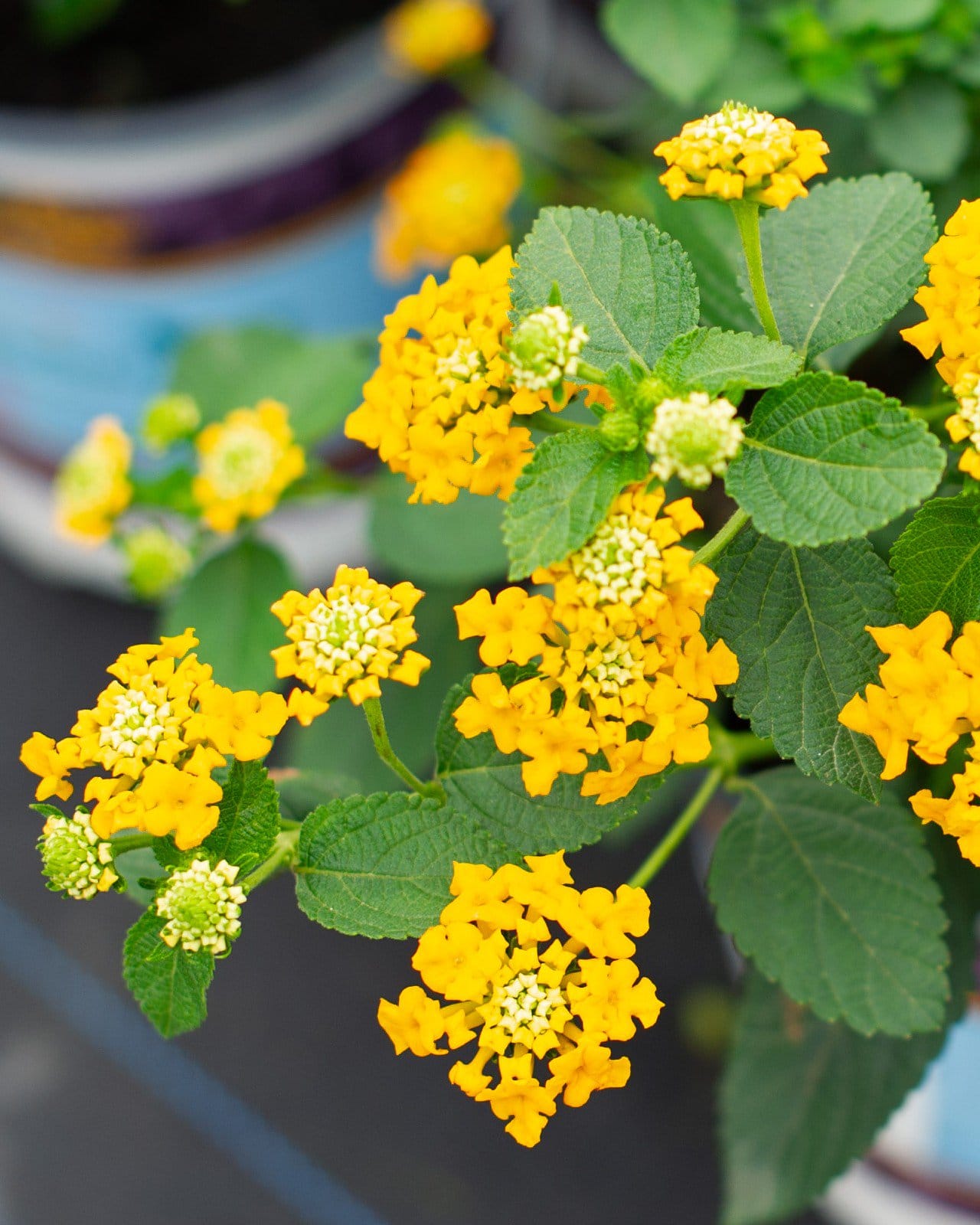
| Flower Color | Orange & Red | Yellow |
| Bloom Times | Spring, Summer & Fall | Spring, Summer & Fall |
| Sizes Available | 1, 3 gal | 1 gal |


Our 1-Year Planting Guarantee
We take pride in our plants and installation services. If any plants or trees installed by Treeland fail to thrive within the first year, we'll provide a replacement credit in accordance with our guarantee program.
Learn More About Our Guarantee