
 Texas Native
Mexican Buckeye
Ungnadia speciosaLocal DFW Delivery Only
Product Details
Mexican Buckeye
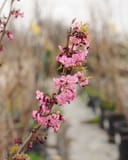
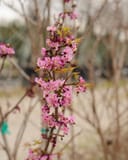
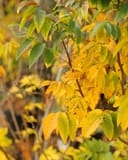
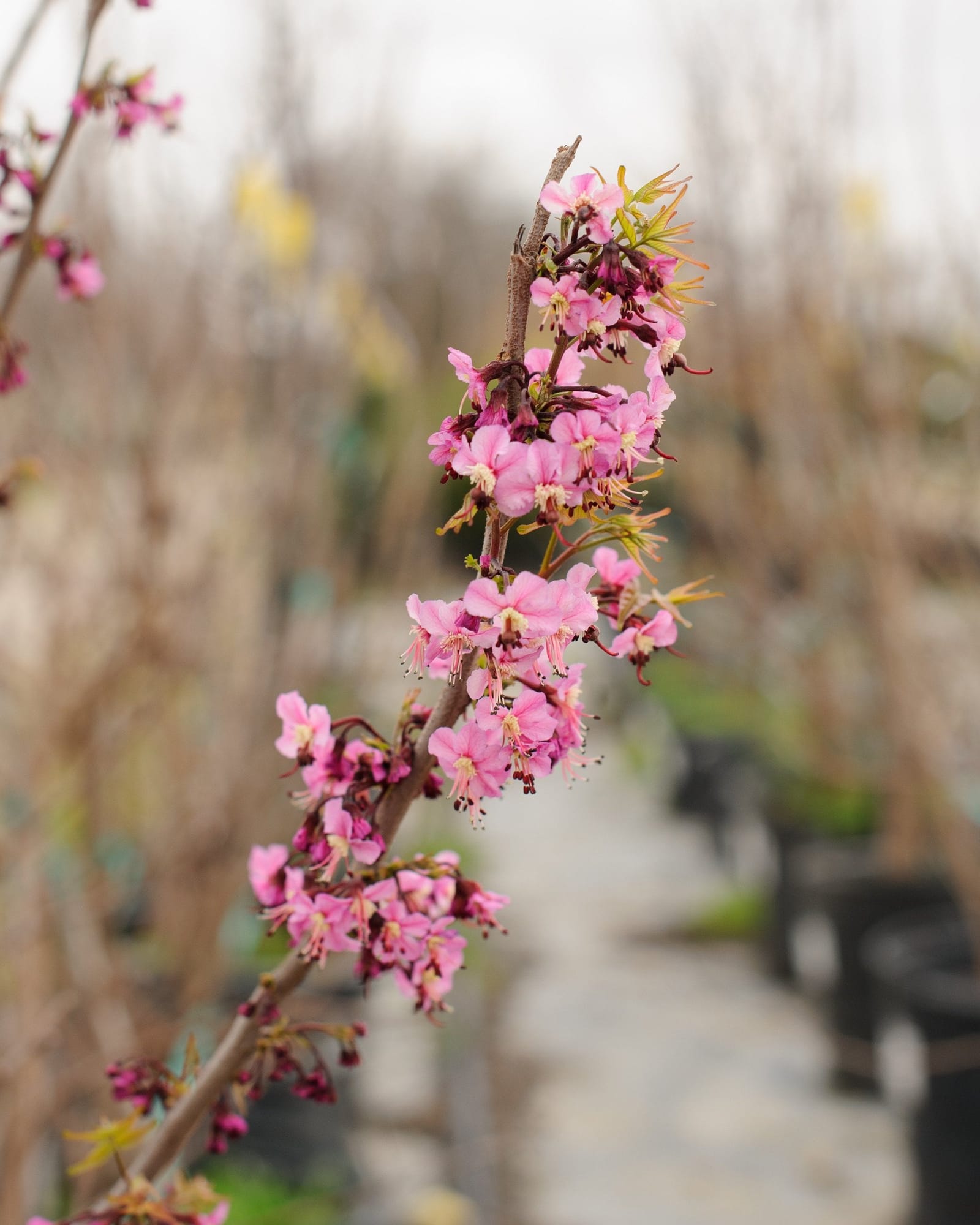
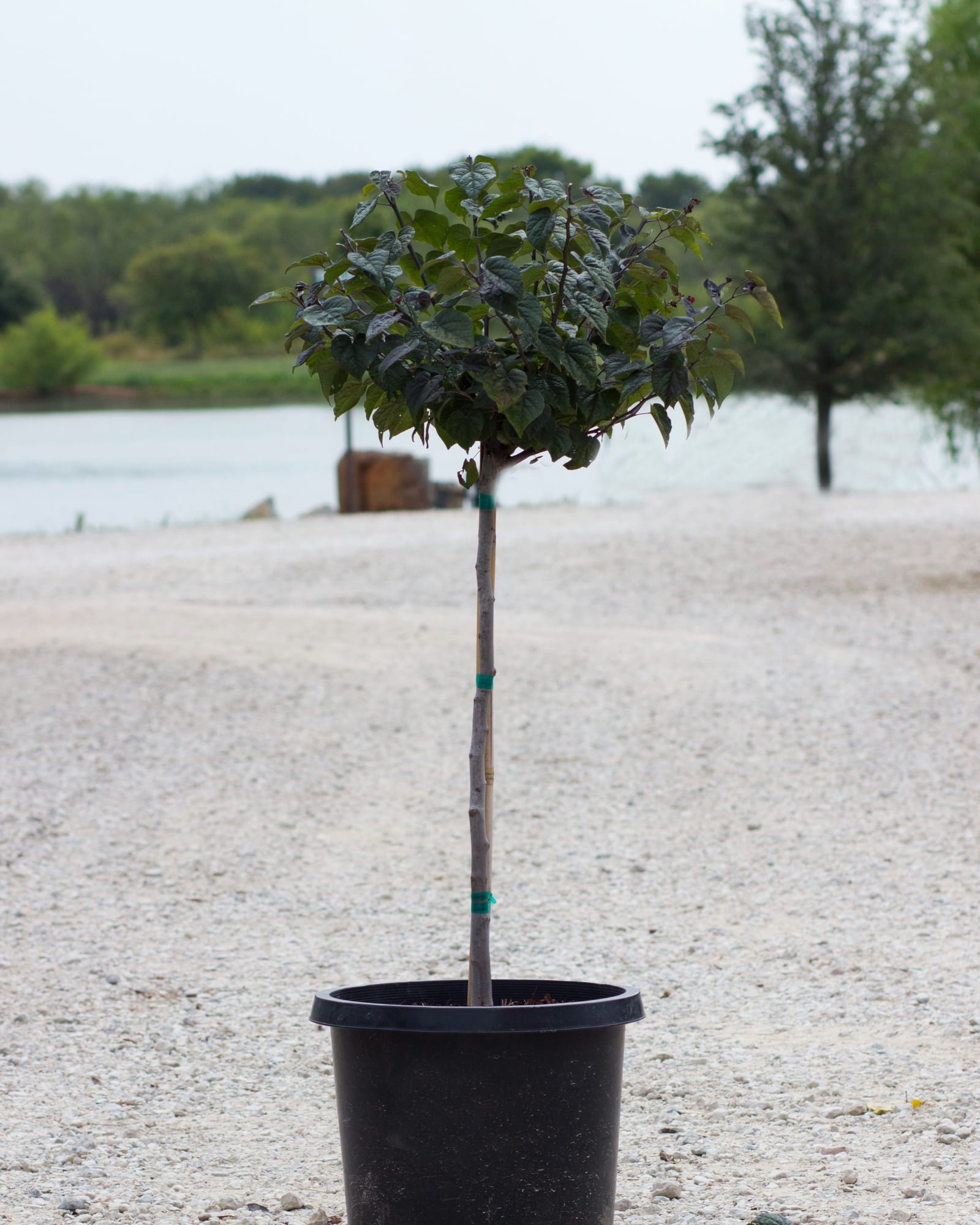
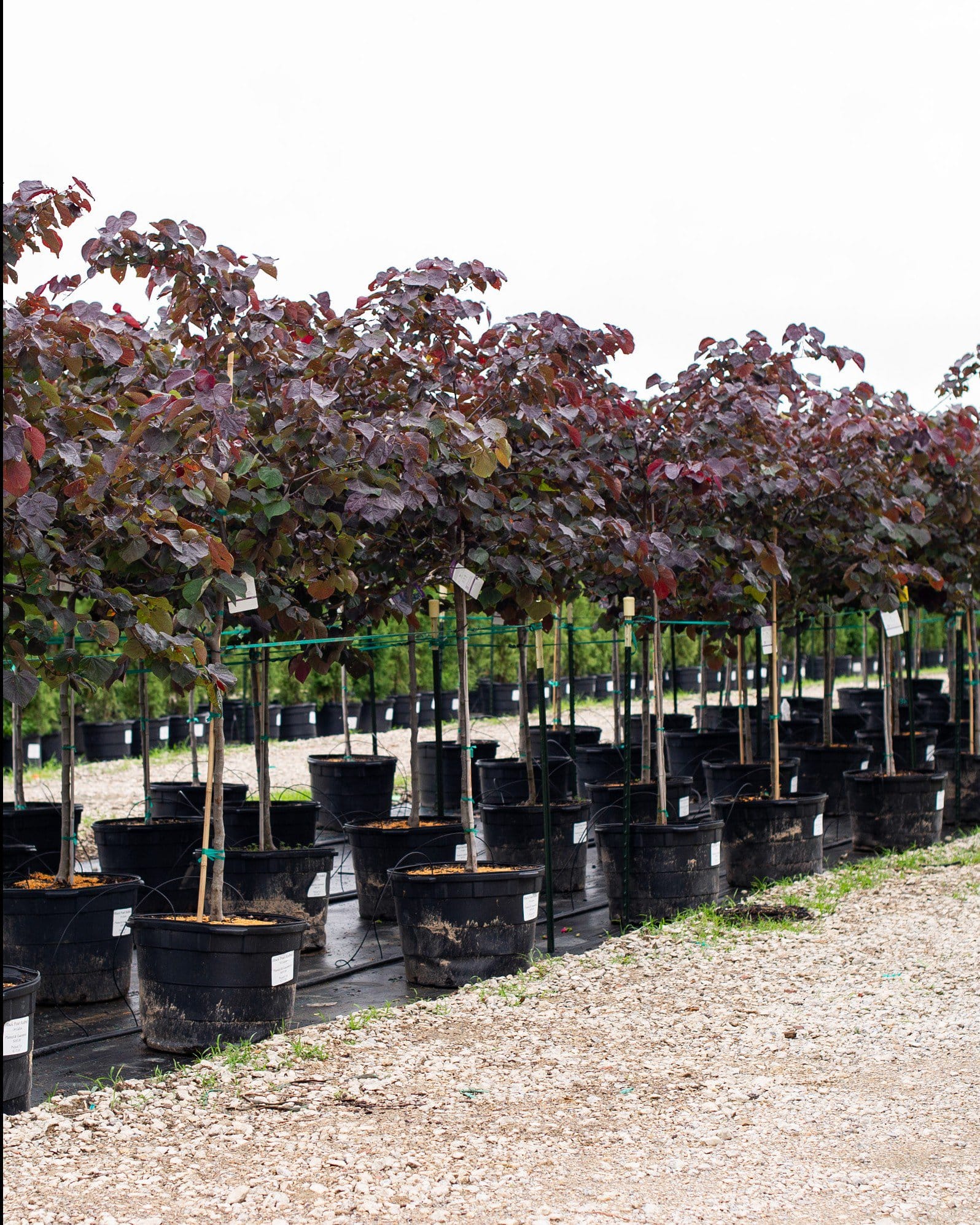
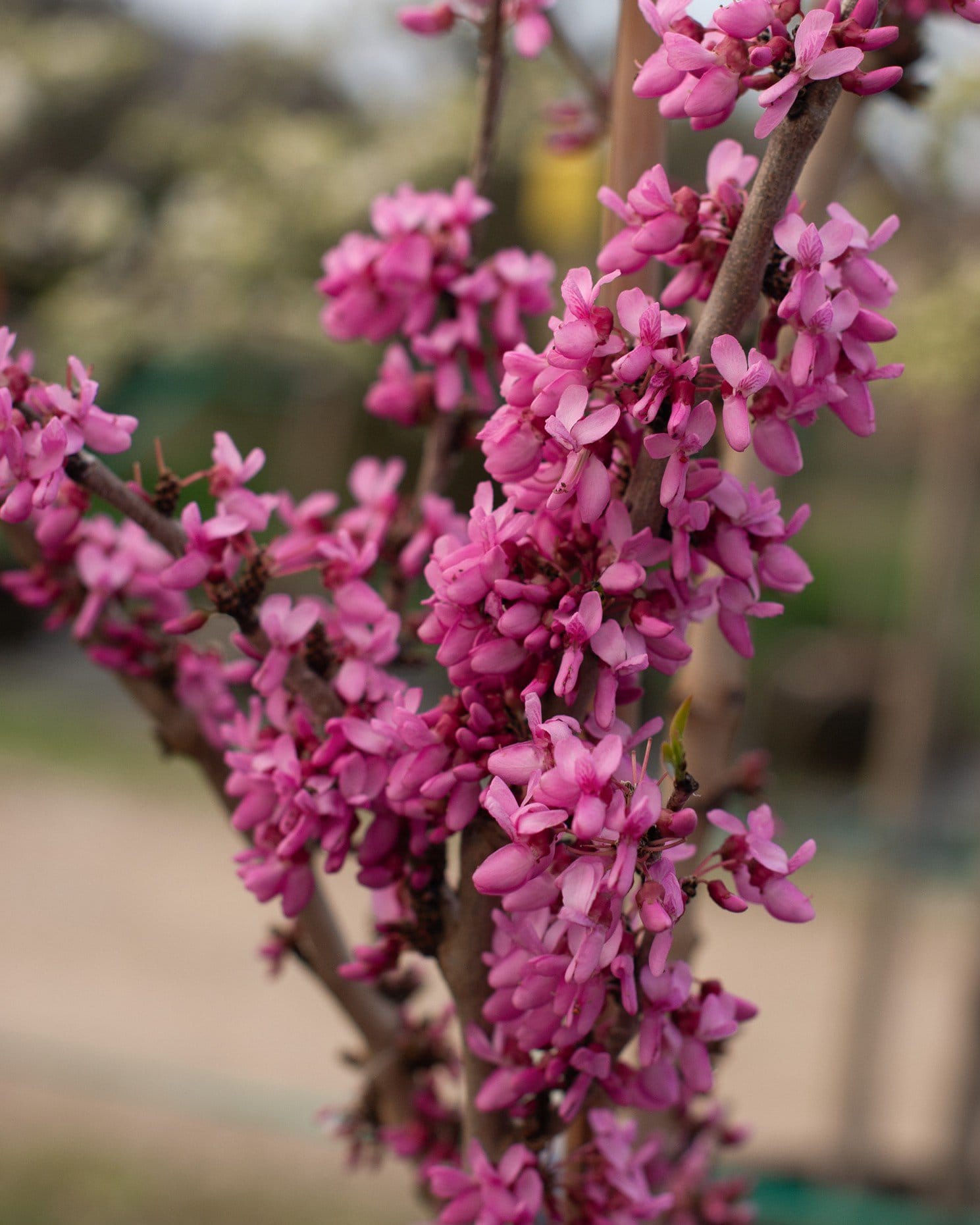
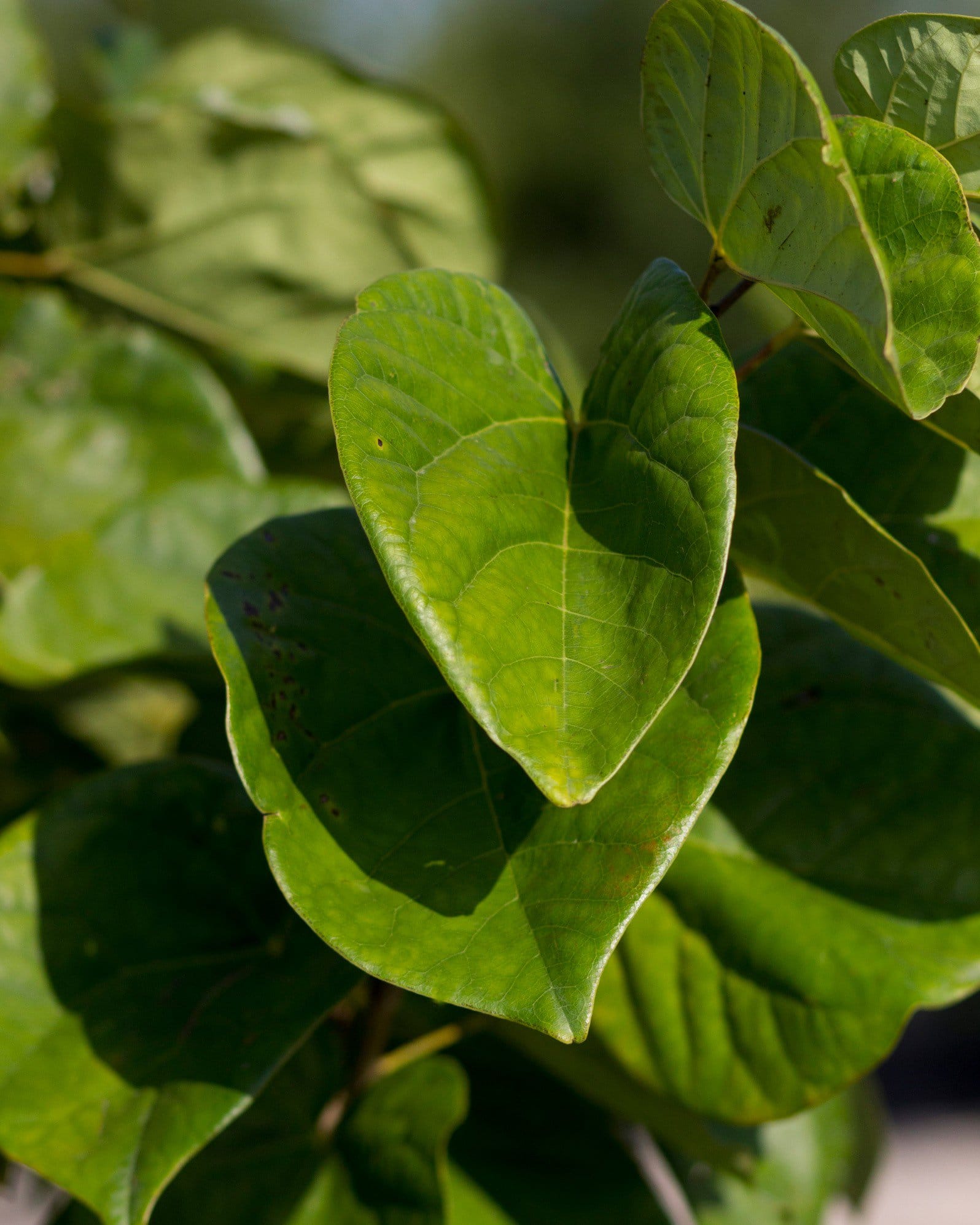
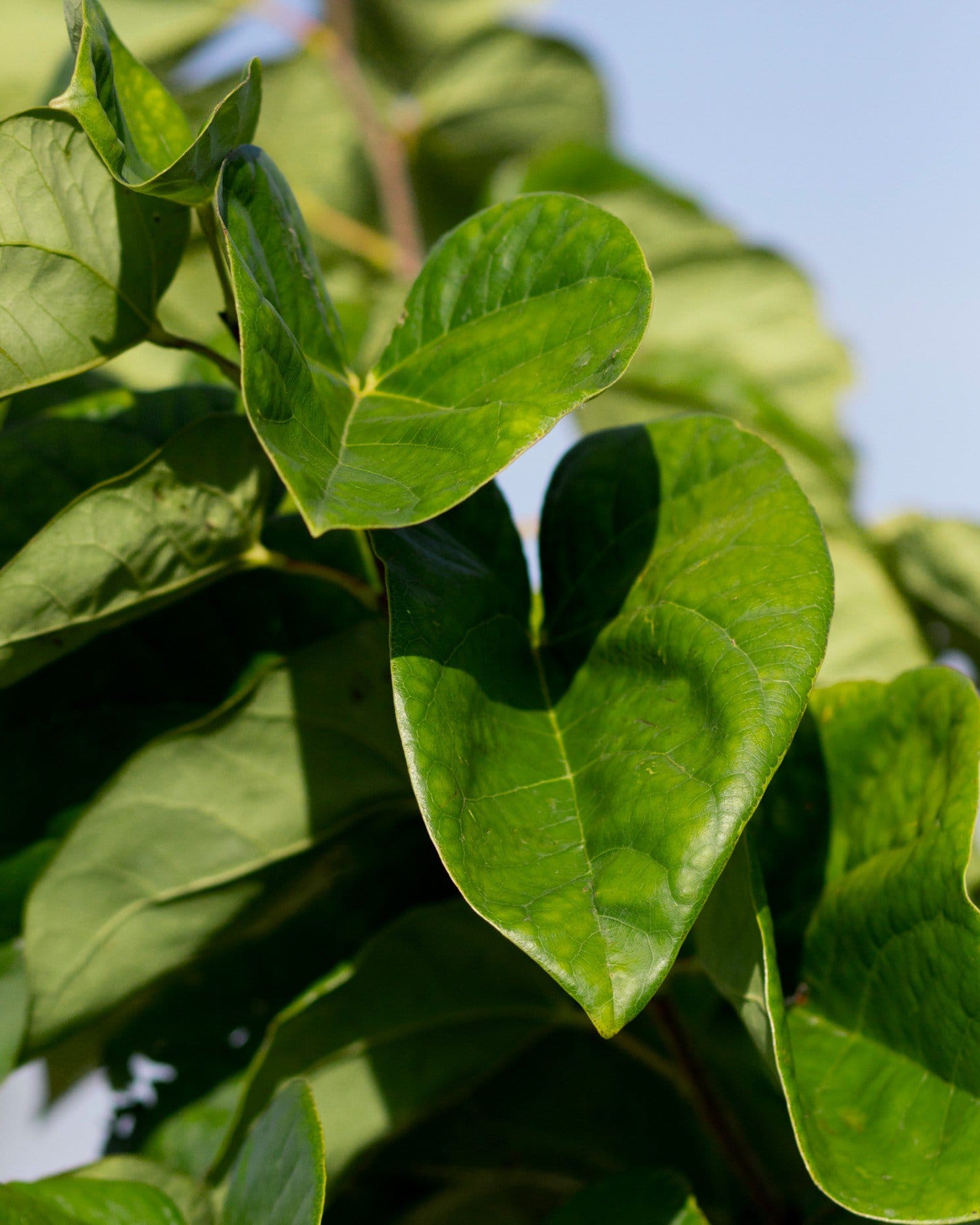
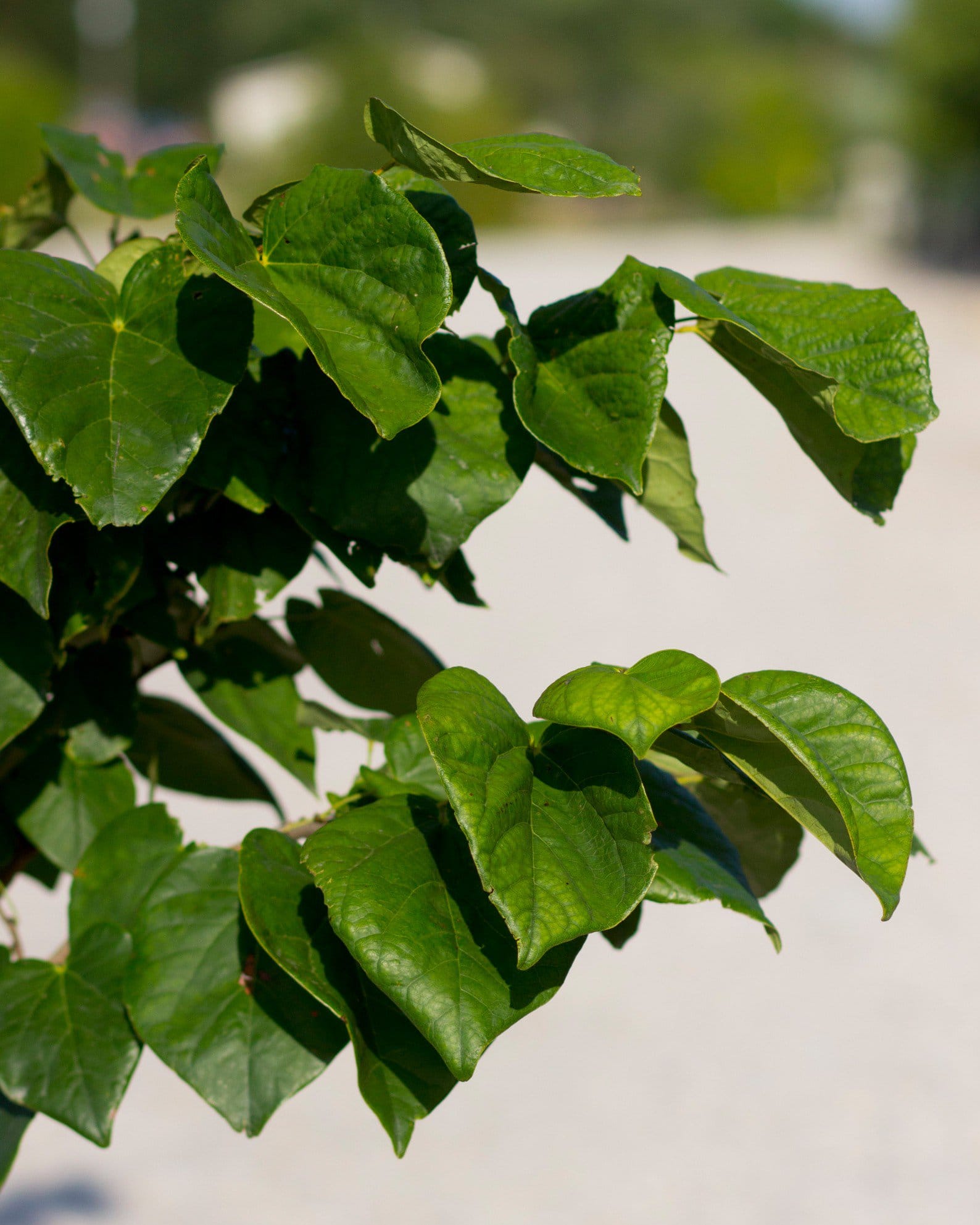
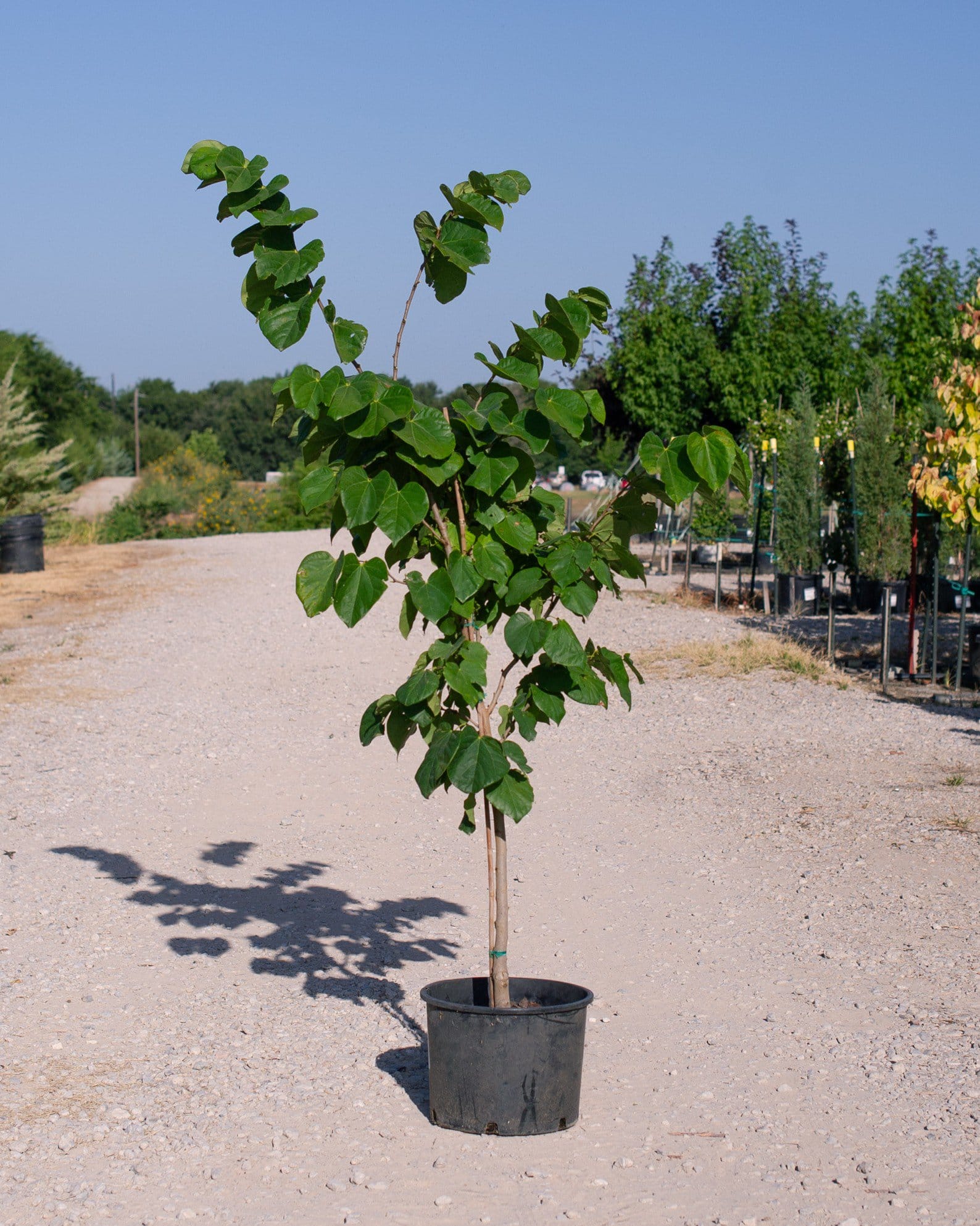
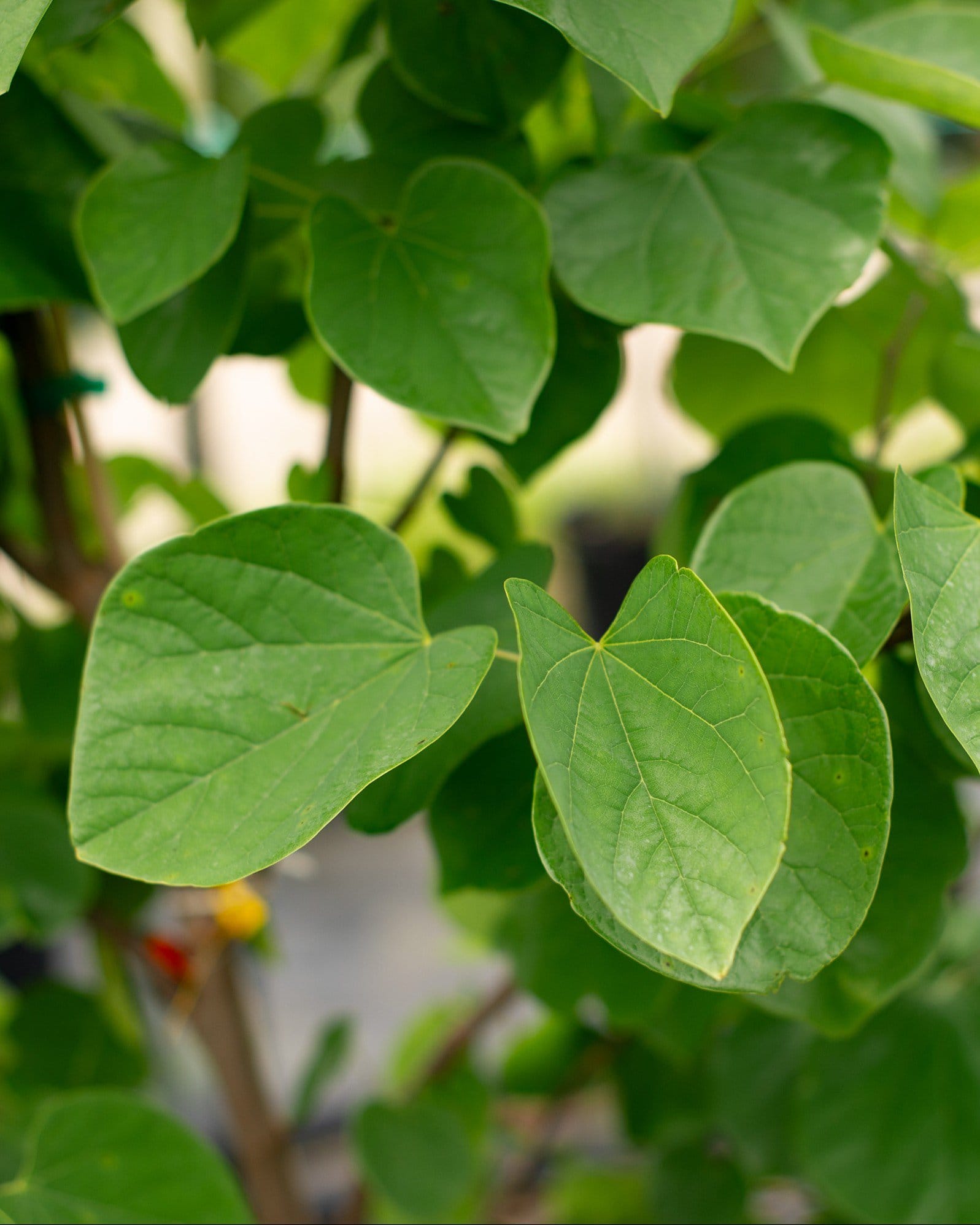
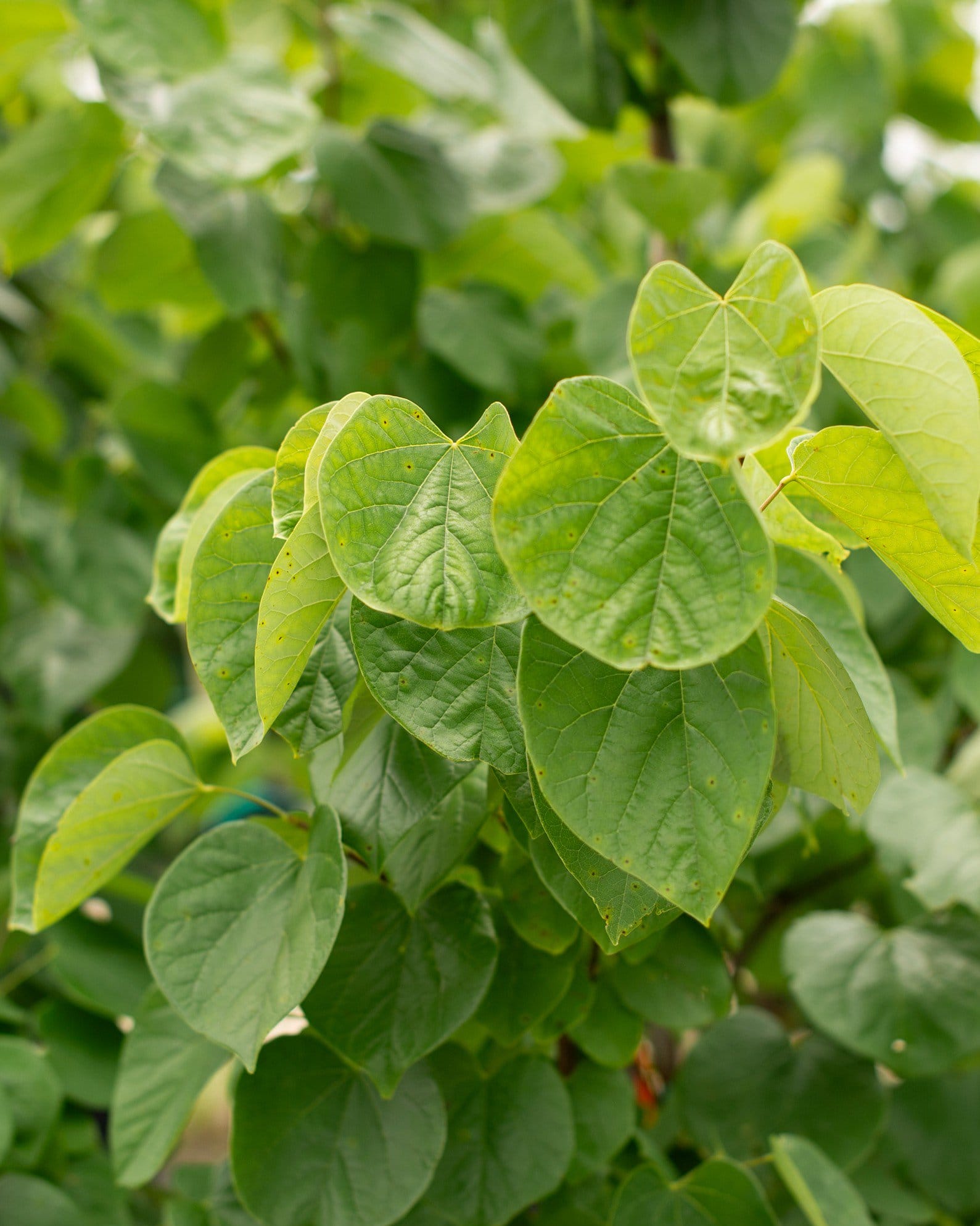
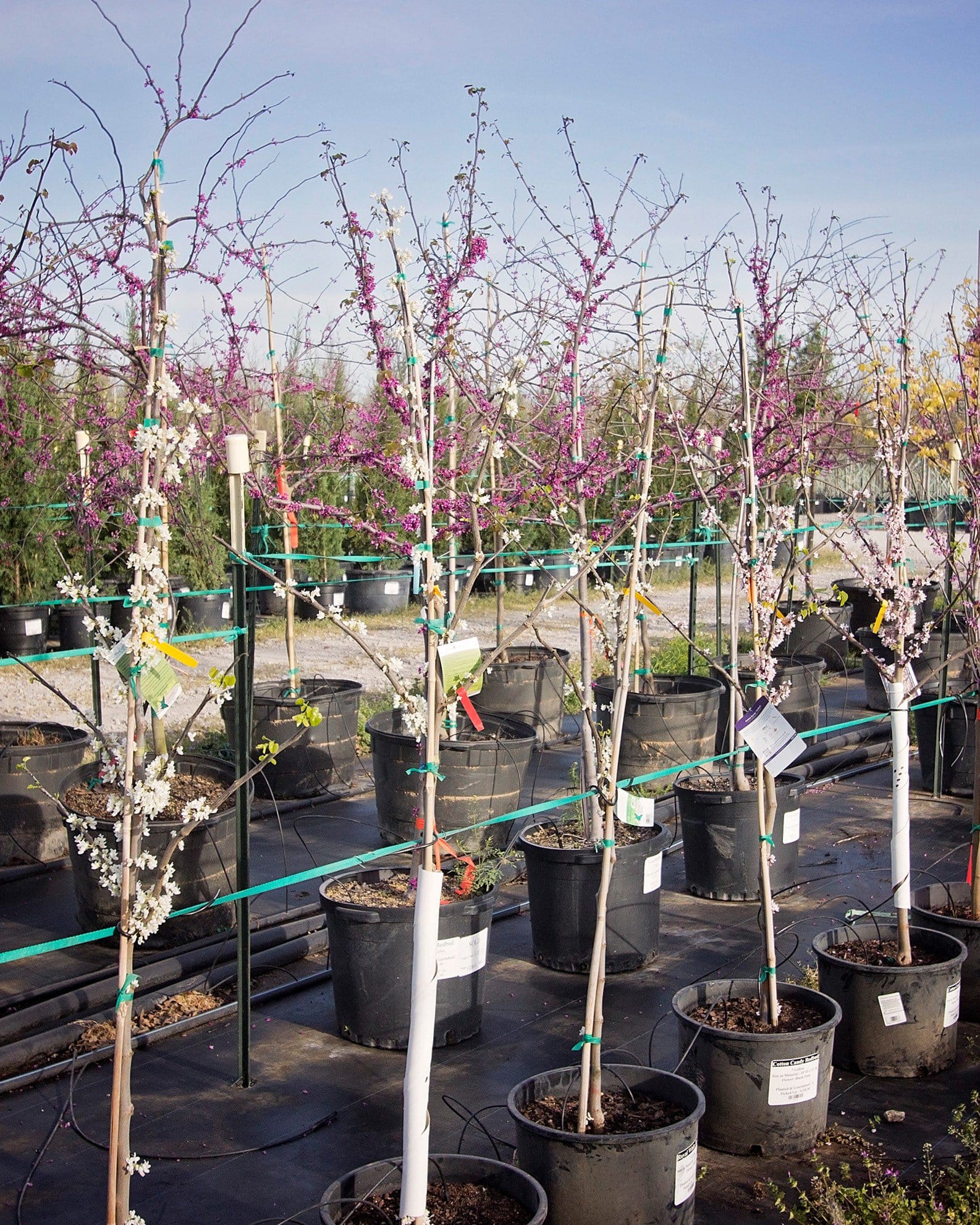
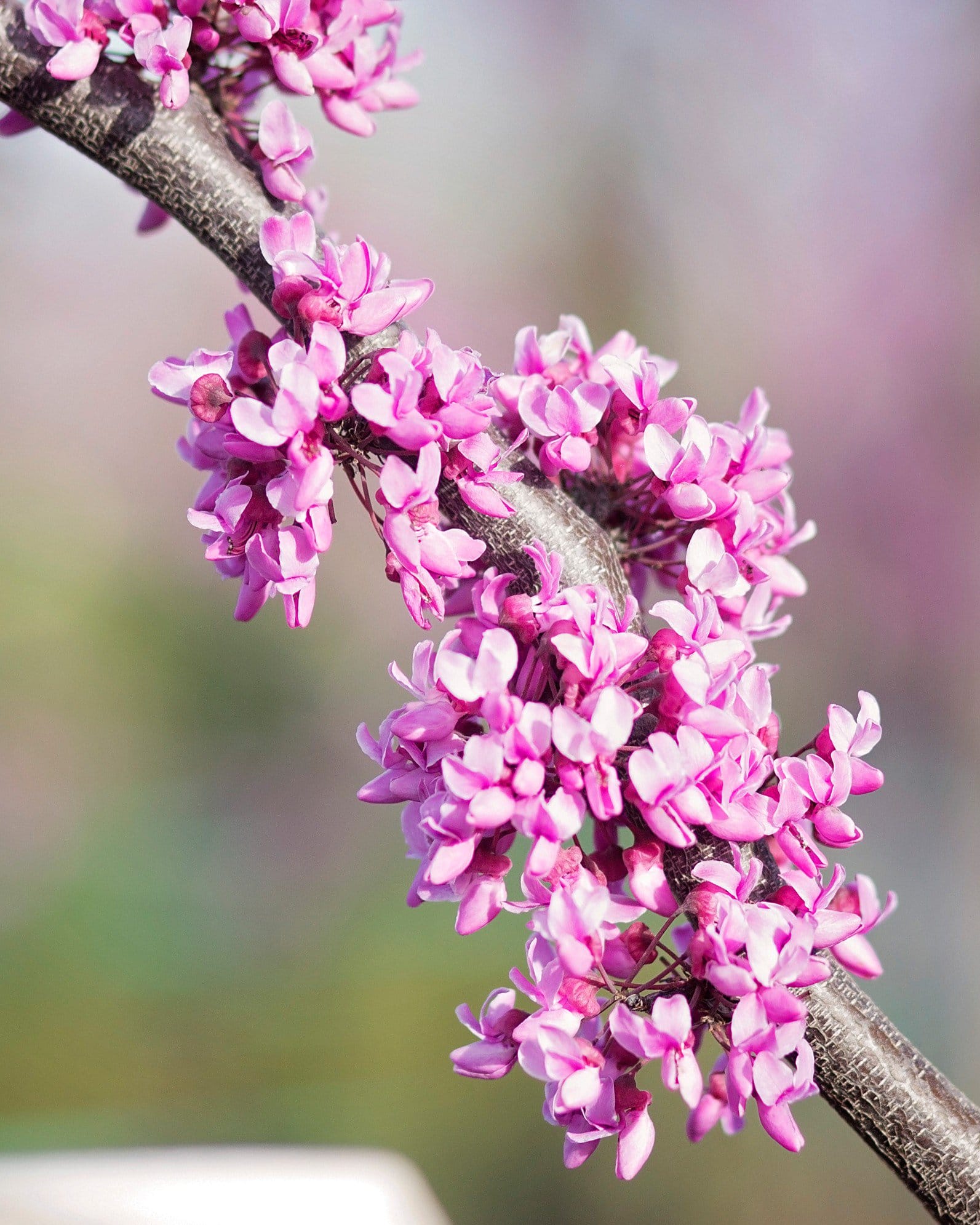
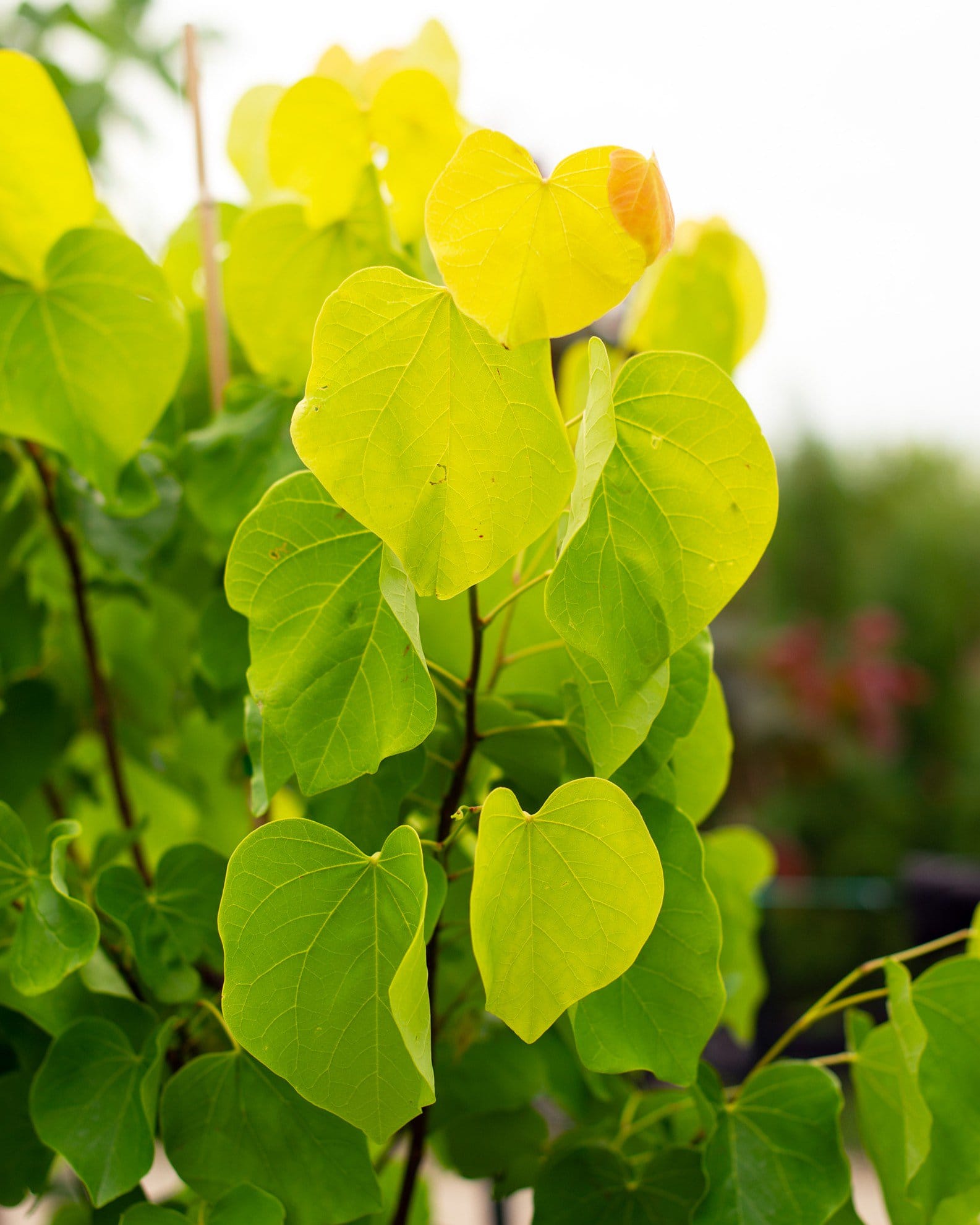
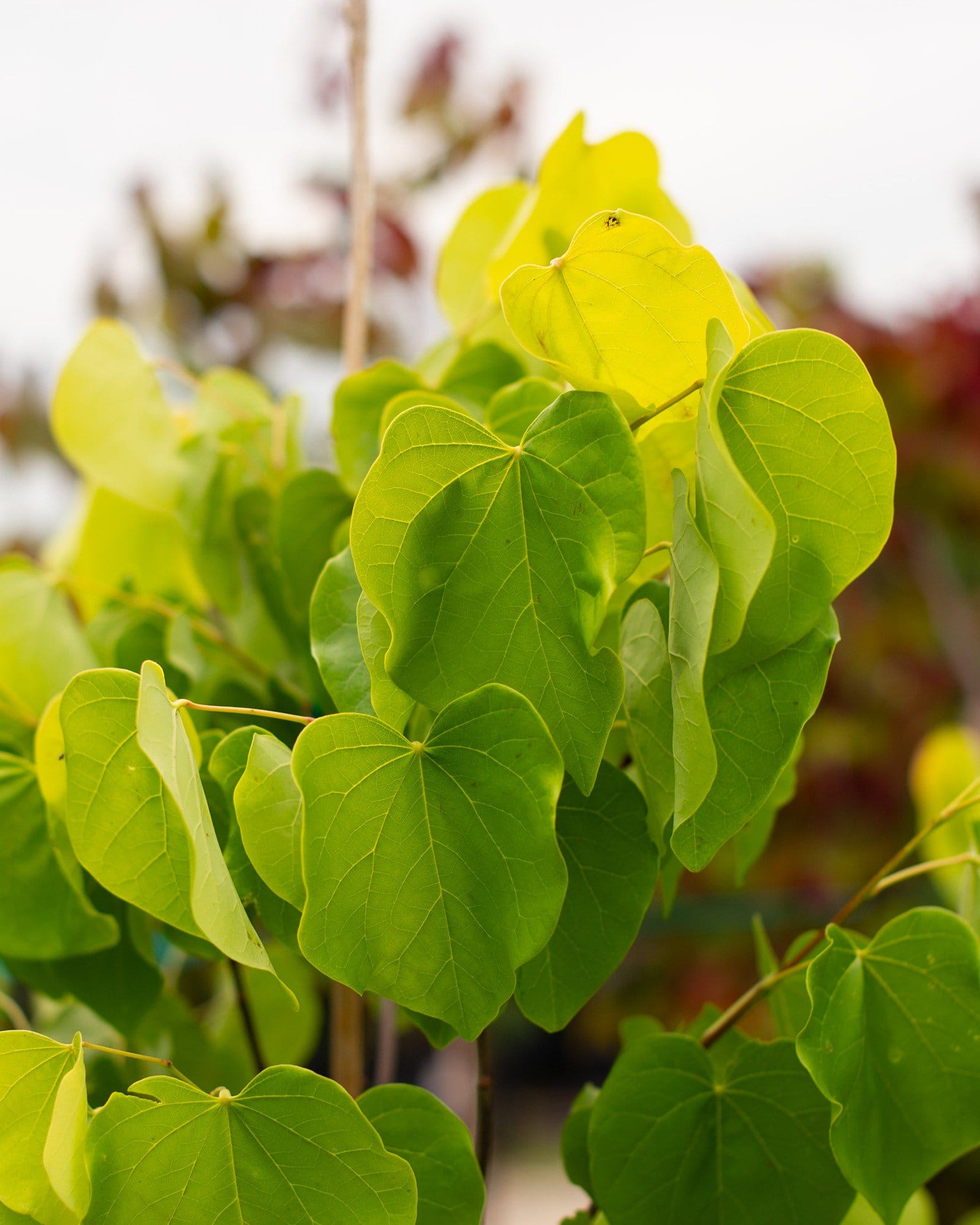
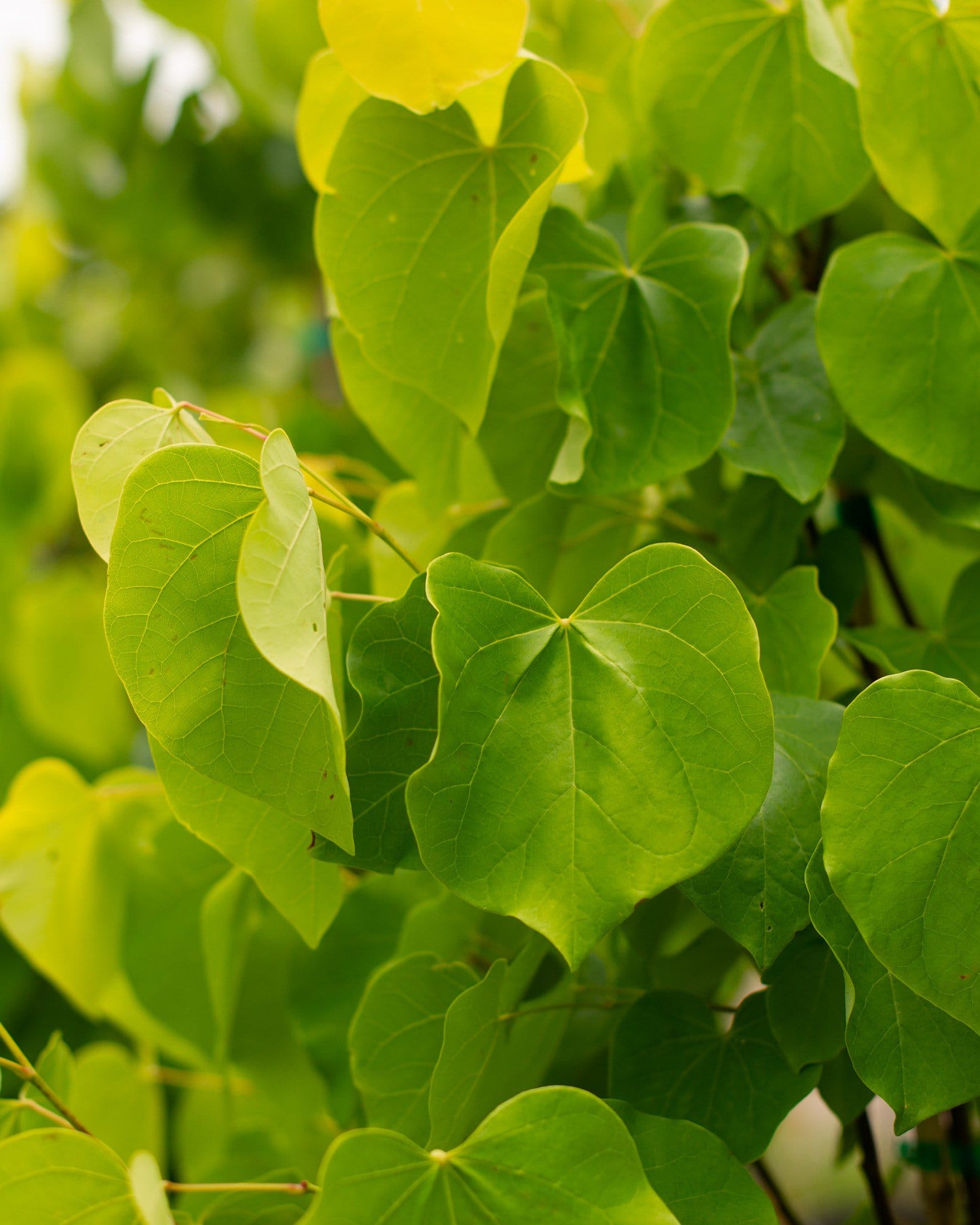
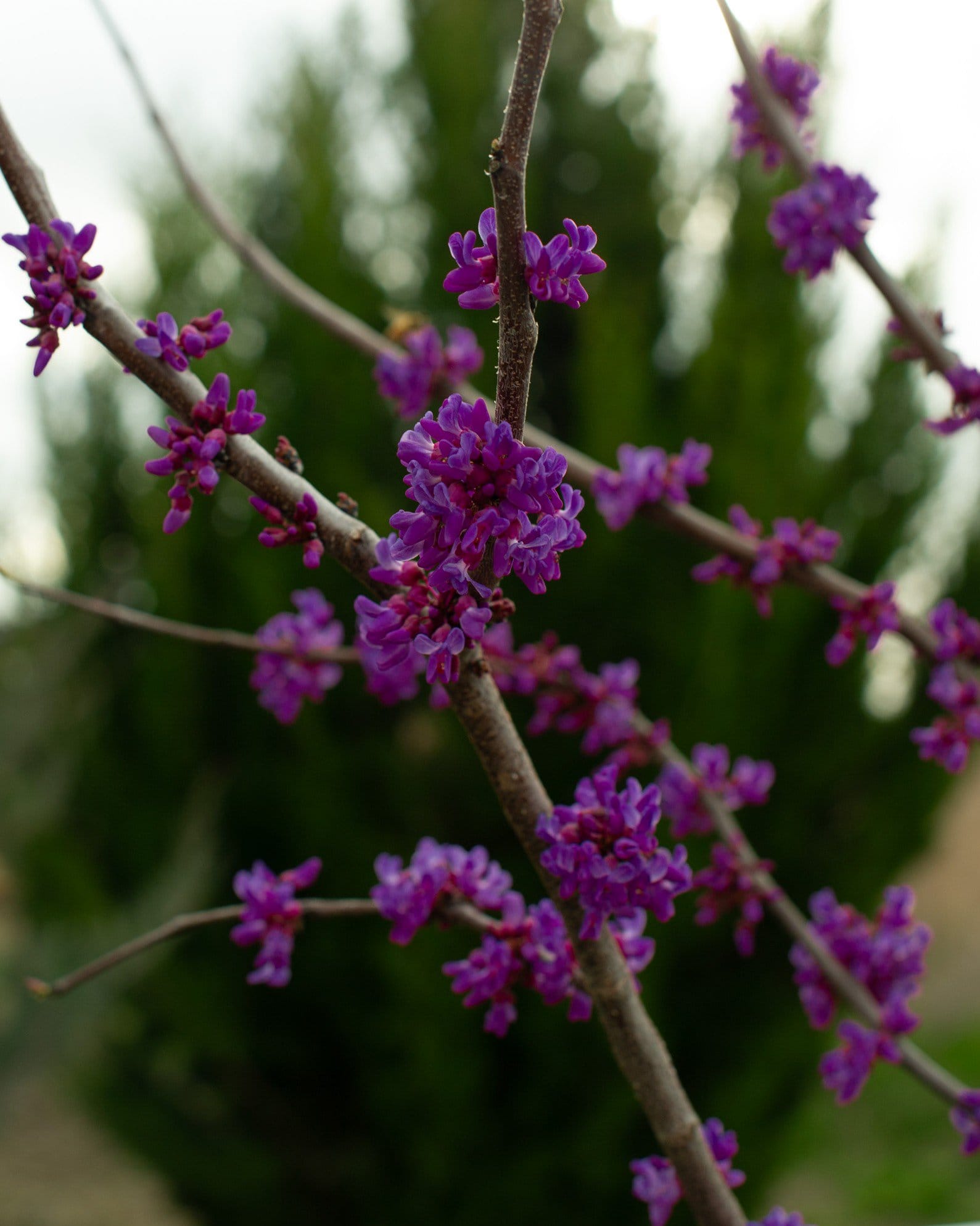
Ungnadia speciosaMexican Buckeye offers a delicate and refined presence for smaller landscapes and flower beds. This deciduous tree grows to approximately 20 feet in height and width, developing a rounded canopy that provides gentle shade and a lovely architectural form. In spring, it produces clusters of vibrant purple flowers that stand out beautifully against its fresh green leaves, adding a splash of seasonal color and interest. The tree’s naturally multi-trunked habit adds to its sculptural appeal, making it a distinctive feature in any planting scheme.
- Deciduous tree
- Slow to moderate growth rate
- Striking purple flowers bloom in spring
- Multi-trunked form provides visual texture and structure
- Ideal for accenting patios, entryways, and compact beds
Mexican Buckeye performs well in full sun to partial shade and prefers well-drained soil. Hardy in USDA zones 6 through 9, it is especially well-suited for North Texas climates and similar regions where smaller ornamental trees are desired.
Mexican Buckeye is incredibly adaptable to heat and lean soils, allowing it to perform reliably with minimal long-term intervention. This is all it needs to thrive:
- Watering: Water deeply during the first growing season to establish a strong, drought-resilient root system. Once established, Mexican Buckeye tolerates dry conditions well, though occasional deep watering during prolonged drought supports foliage density and overall vigor.
- Pruning: Prune in late winter to remove crossing branches and shape the structure while dormant. Minimal pruning is typically required, as it naturally develops a balanced, multi-trunk form.
- Fertilizing: Fertilizer is rarely necessary in average soils. If growth appears weak, a light application of balanced fertilizer in early spring can encourage healthy new growth without overstimulation.
- Mulching: Apply a 2-3 inch layer of mulch around the root zone to conserve moisture and regulate soil temperature. Keep mulch slightly away from the base of trunks to prevent excess moisture against bark.
- Winter Care: Established trees are hardy and require little protection. Young plants benefit from protection during severe cold snaps in the northern edge of their range.
Mexican Buckeye is generally resilient, though certain environmental stresses may occasionally appear. Early attention helps preserve both structure and seasonal interest.
- Leaf Scorch: Browning along leaf edges may develop during extreme drought or reflected heat. Deep, infrequent watering stabilizes moisture levels and reduces stress.
- Root Rot: Prolonged saturated soil may cause yellowing leaves and reduced vigor. Improving drainage and avoiding overwatering are critical preventative steps.
- Aphids: New growth may show curling and sticky residue from insect feeding. A strong spray of water typically controls light infestations.
- Canker: Sunken or cracked areas on branches may indicate fungal infection, particularly on stressed trees. Pruning affected limbs and maintaining tree vigor helps limit spread.
- Twig Dieback: Some small branches may fail to leaf out after harsh winter exposure. Pruning back to healthy wood encourages strong replacement growth.
Mexican Buckeye commonly lives 30-50 years under favorable conditions. Proper drainage and moderate irrigation support long-term health. Established trees remain reliable ornamental specimens for decades.
It typically grows 12-24 inches per year in suitable conditions. Structural maturity often develops within 8-12 years. Its moderate growth rate supports stable branch development.
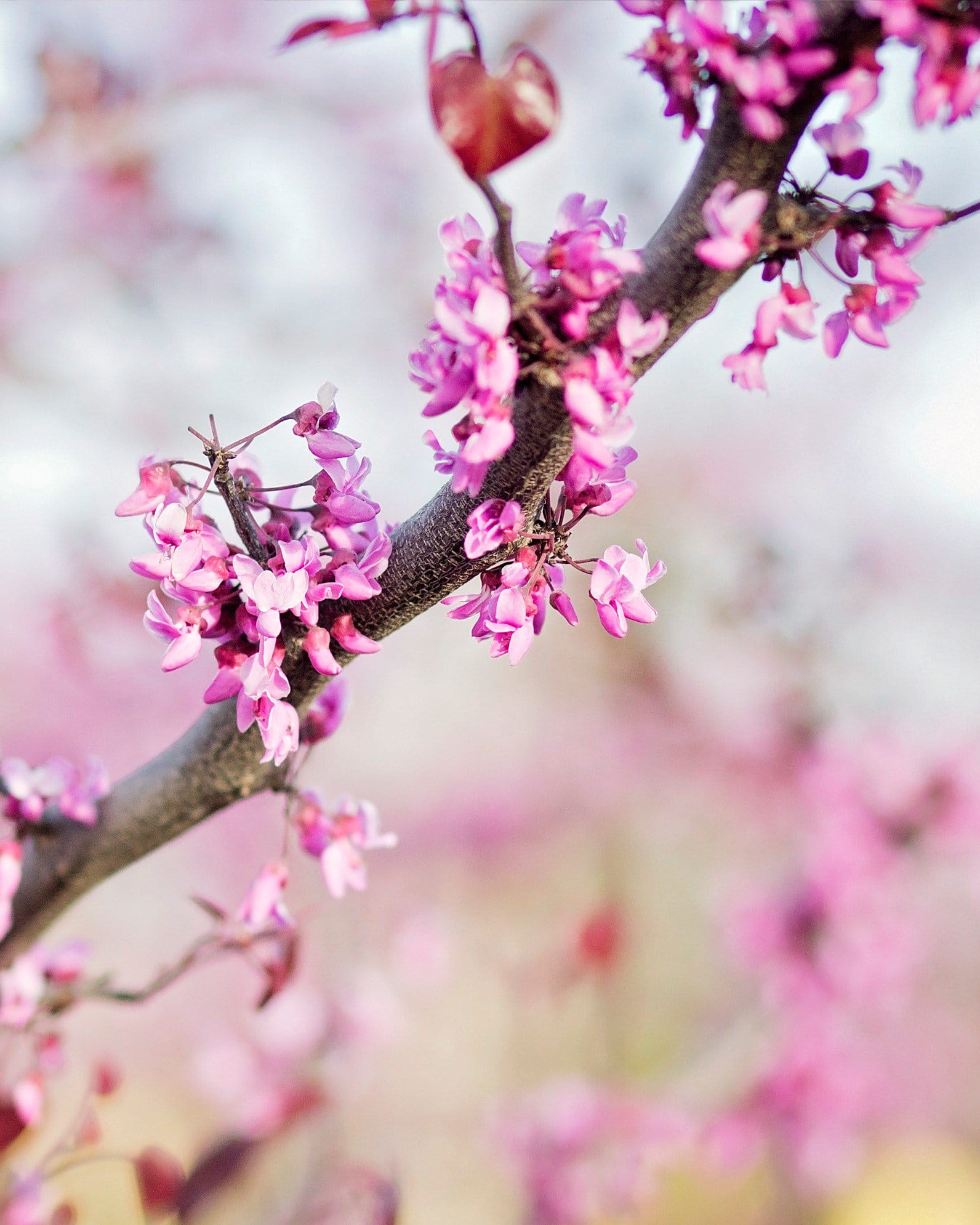
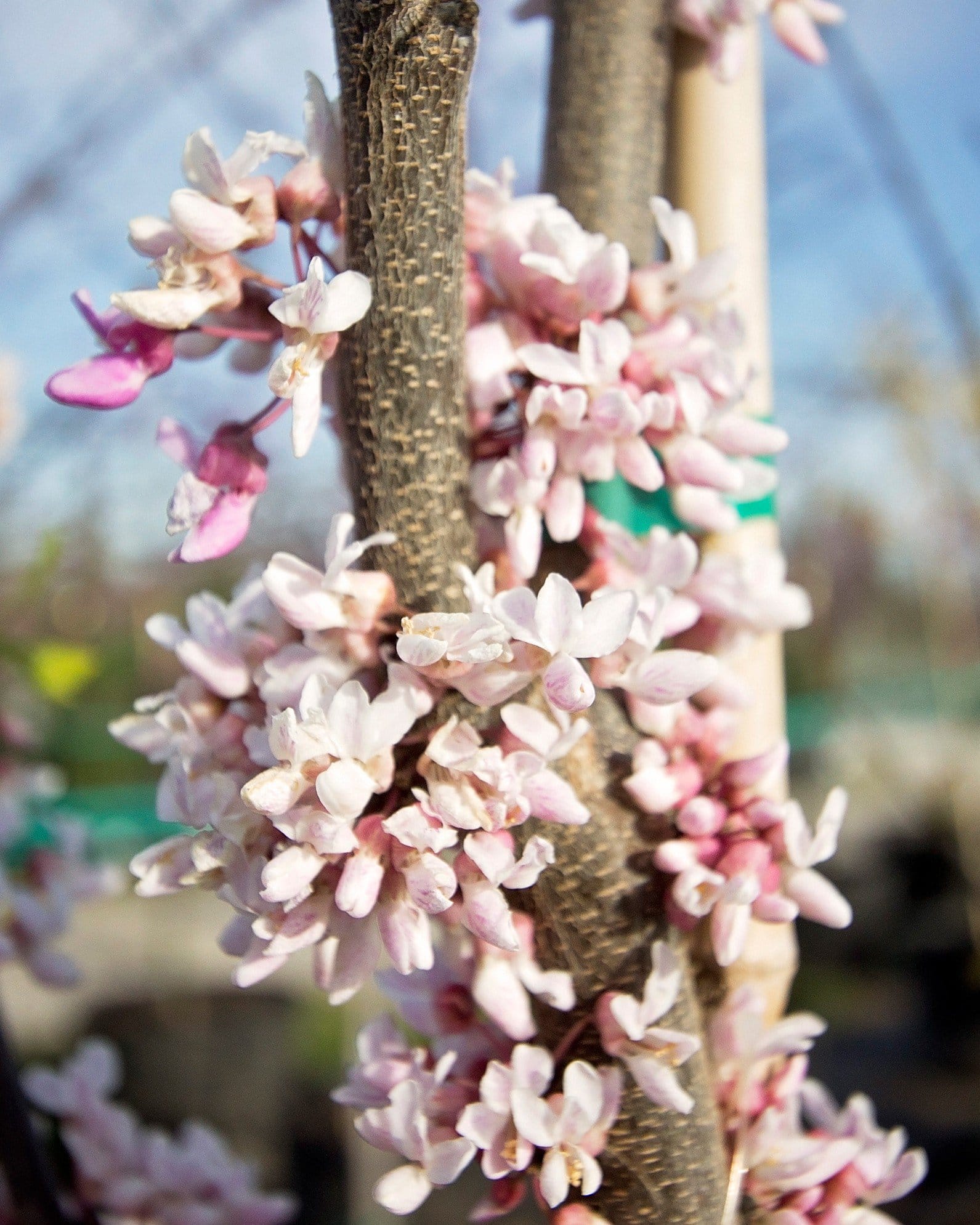
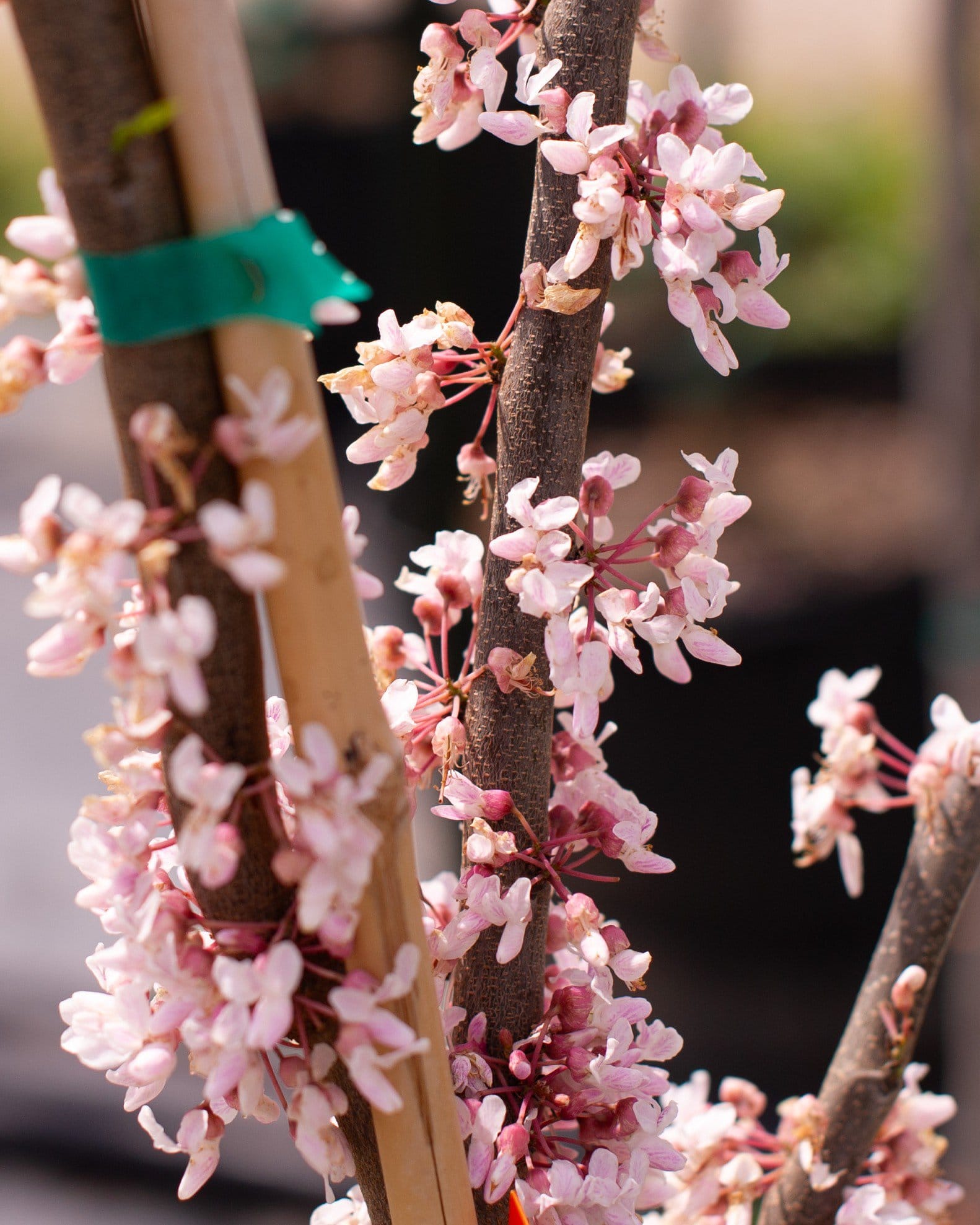
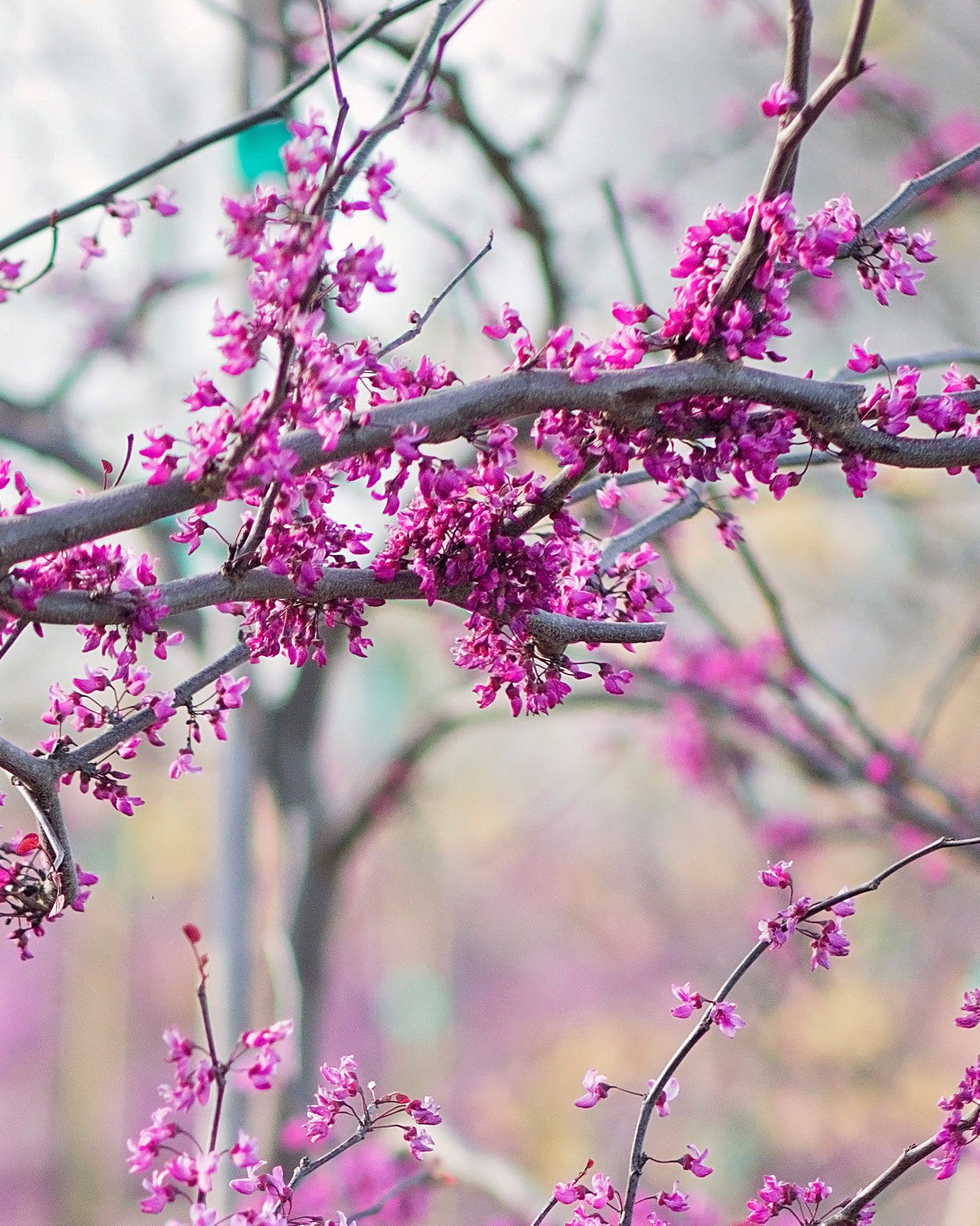
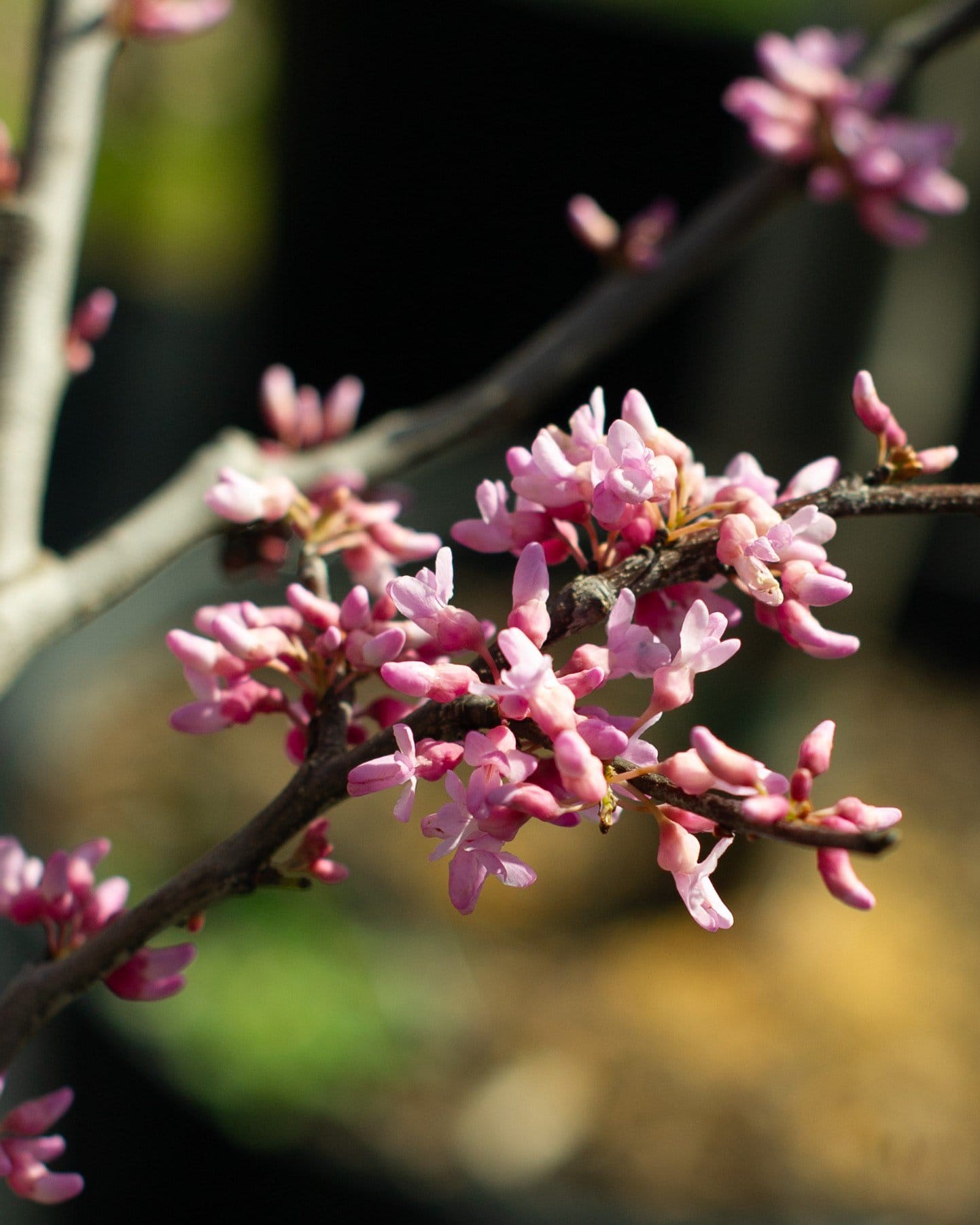
It is prized for its early spring display of vibrant pink, orchid-like blooms that appear before or alongside emerging leaves. The showy flowers create dramatic seasonal contrast. Its ornamental seed pods add additional visual interest later in the year.
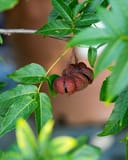
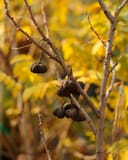
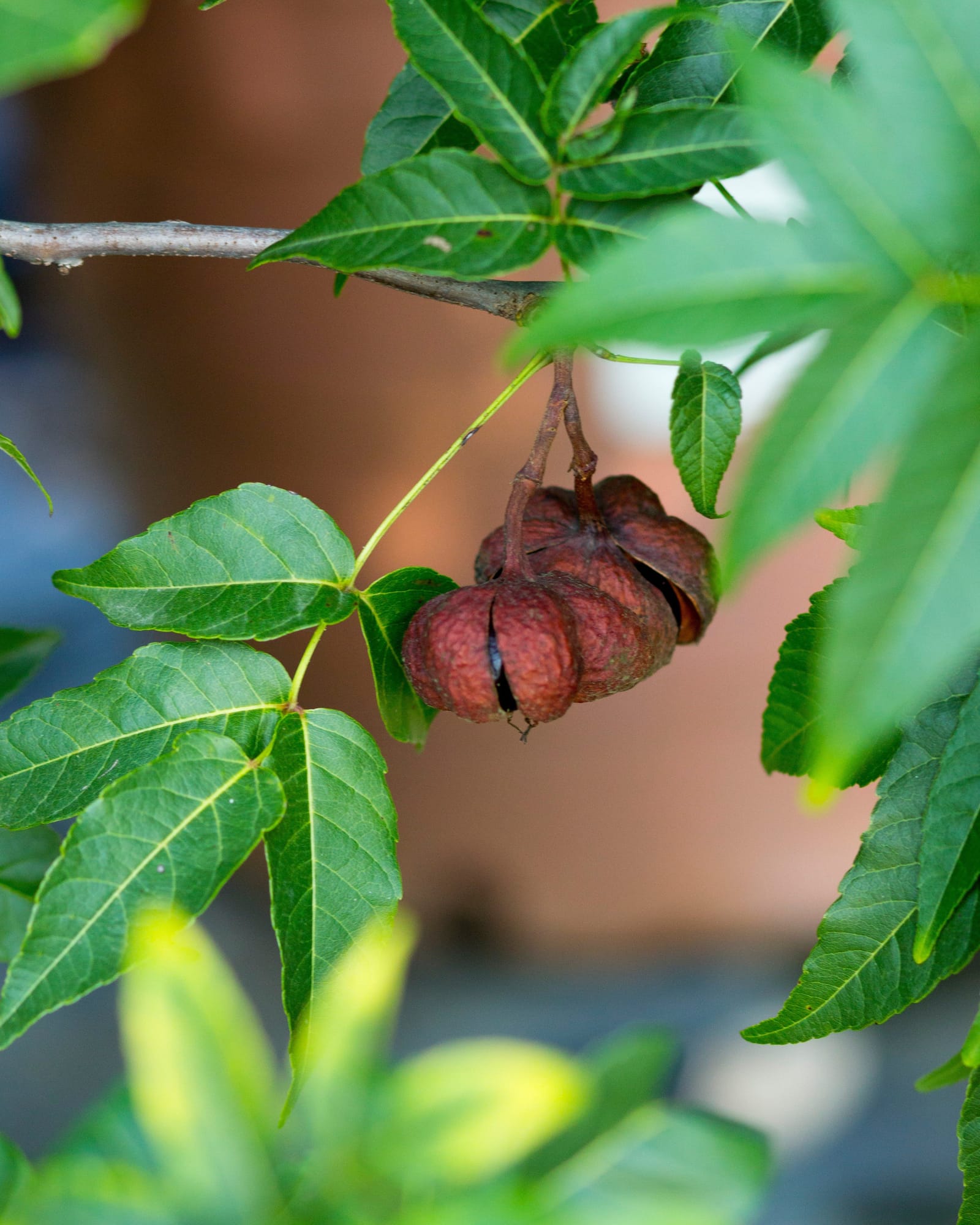
Yes, it develops three-lobed pods that split open to reveal glossy black seeds. The pods add ornamental value in late season. The seeds themselves are visually striking but should not be ingested.
Once established, it handles dry conditions well. Extended drought may reduce leaf density but rarely causes permanent damage in healthy trees. Occasional deep watering improves resilience during extreme heat.
Its early-season blooms attract bees and other pollinating insects. The flowers provide nectar at a time when few other trees are in bloom. This supports early spring ecosystem activity.
It remains a small to medium ornamental tree rather than developing into a large shade tree. Its moderate mature size makes it manageable in residential landscapes. Growth remains controlled without aggressive spreading.
It adapts well to alkaline conditions common in parts of Texas. Proper drainage is more critical than soil fertility. Native adaptability supports consistent performance in challenging soils.
During extended dry periods, it may drop leaves as a protective response. This helps reduce water loss under stress. Foliage typically returns normally the following growing season.
It is generally considered moderately deer-resistant. While not immune, it is not typically a preferred food source. Protection may still be advisable in areas with heavy browsing pressure.
Special Features
You might also like
Amethyst Redbud
Maturity: 8' H x 8' W
Black Pearl Redbud
Maturity: 20' H x 20' W
Bubble Gum Redbud
Maturity: 15' H x 12' W
Cotton Candy Redbud
Maturity: 20' H x 15' W
Eastern Redbud
Maturity: 20' H x 20' W
Flame Thrower Redbud
Maturity: 15' H x 15' W
Gilded Hearts Redbud
Maturity: 15' H x 15' W
Luscious Lavender Redbud
Maturity: 15' H x 15' W
Merlot Redbud
Maturity: 15' H x 15' W
Mexican Plum
Maturity: 20' H x 15' W
Oklahoma Sparkler Redbud
Maturity: 15' H x 15' W
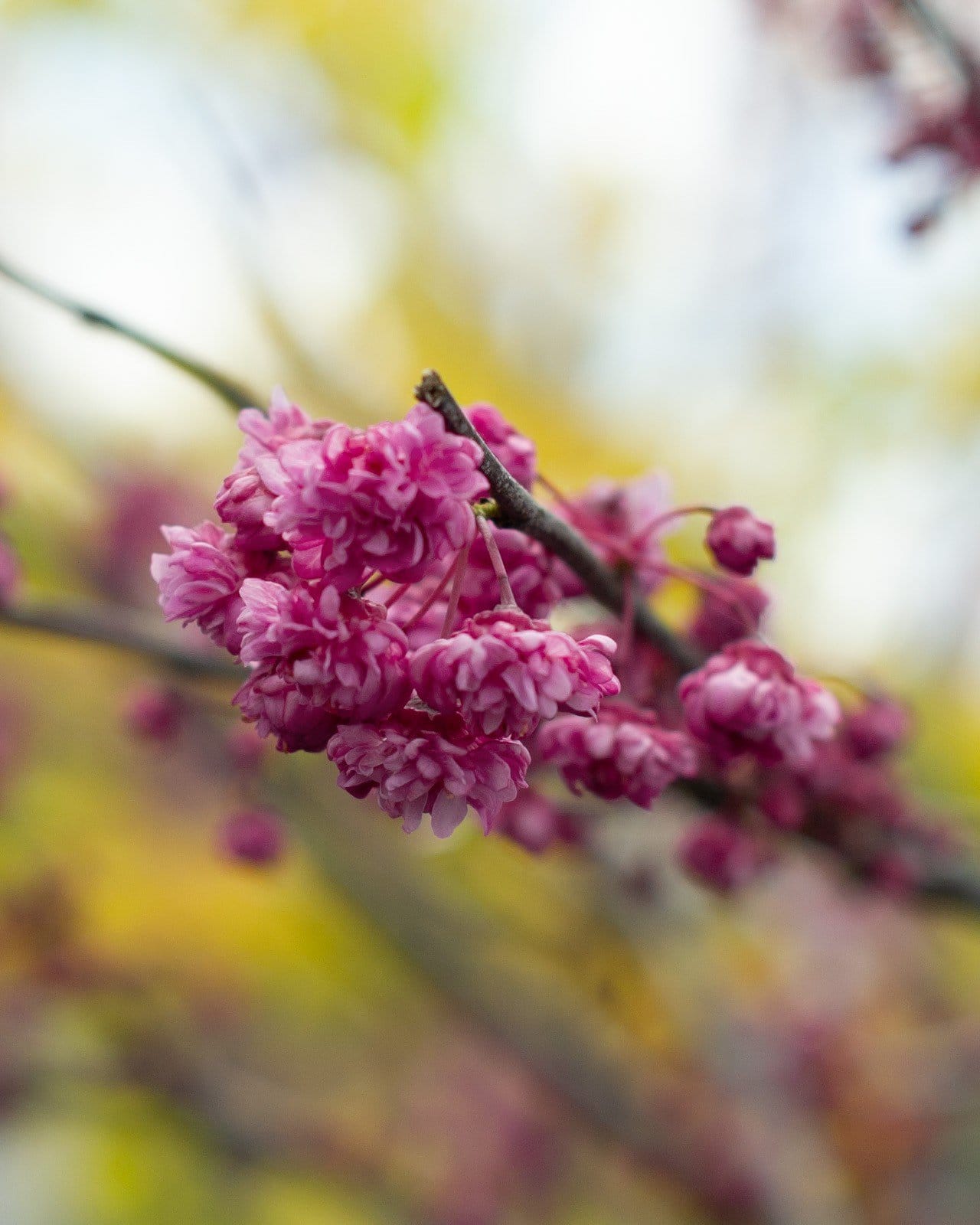
Pink Pom Poms Redbud
Maturity: 15' H x 15' W
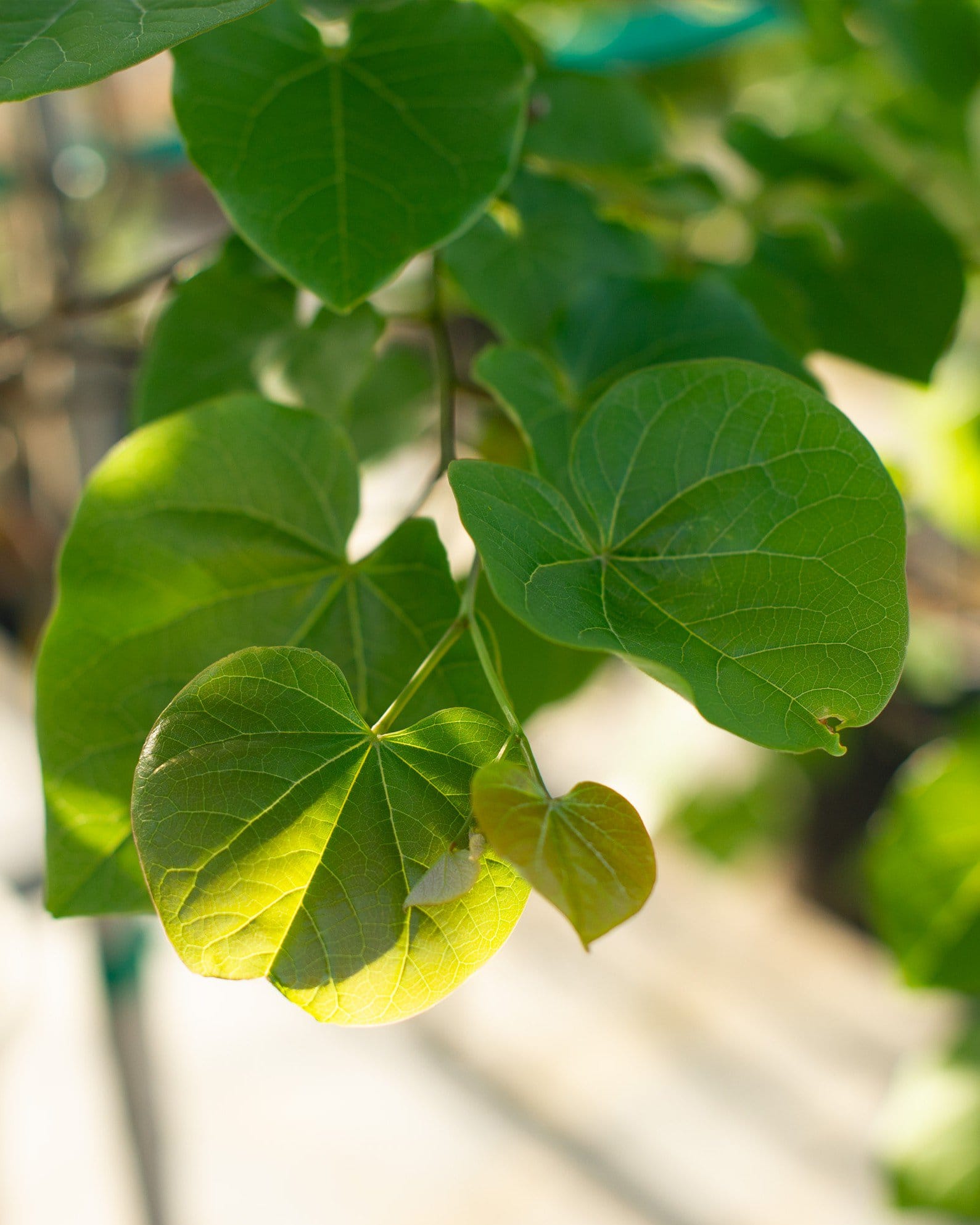
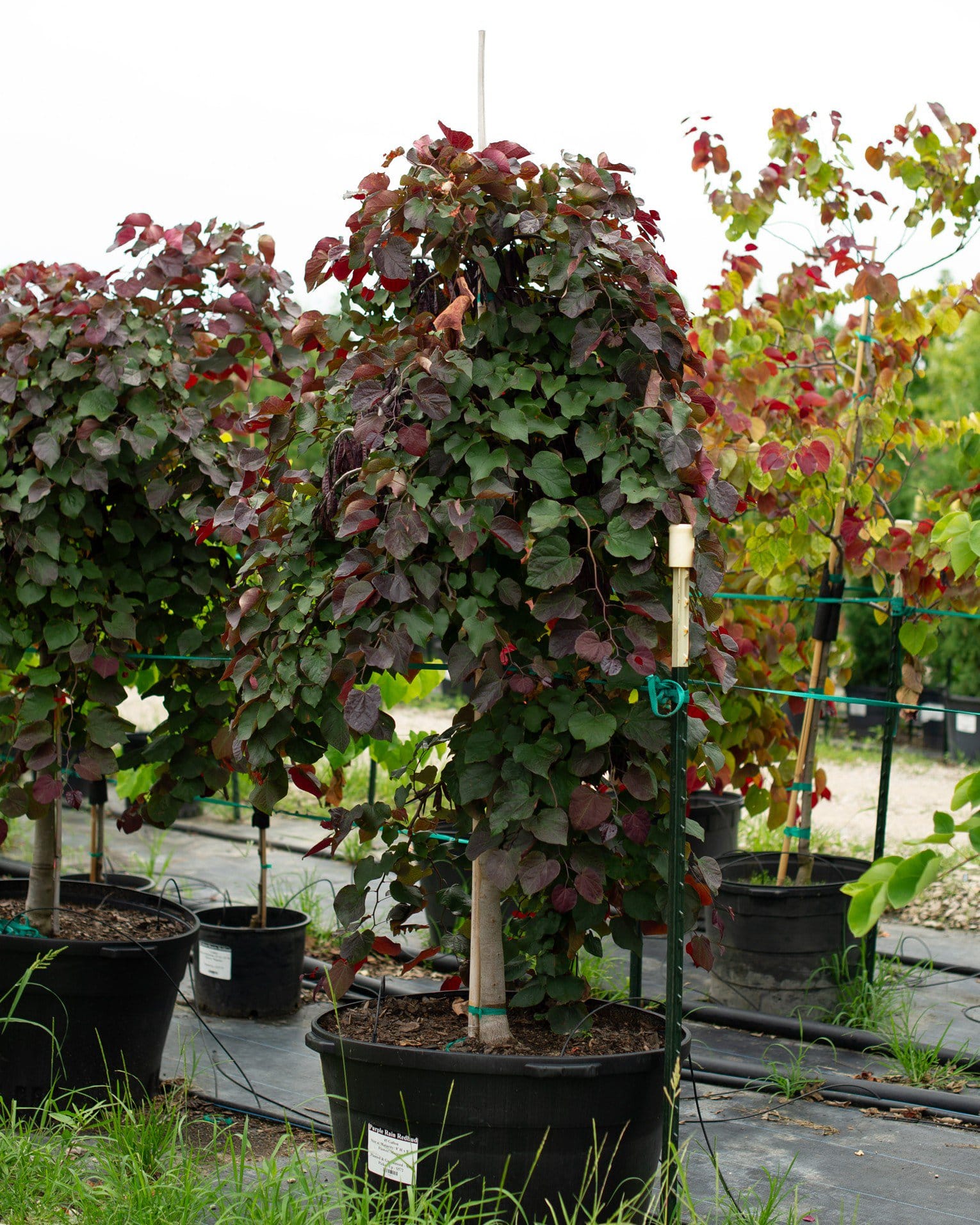
Purple Rain Weeping Redbud
Maturity: 8' H x 8' W
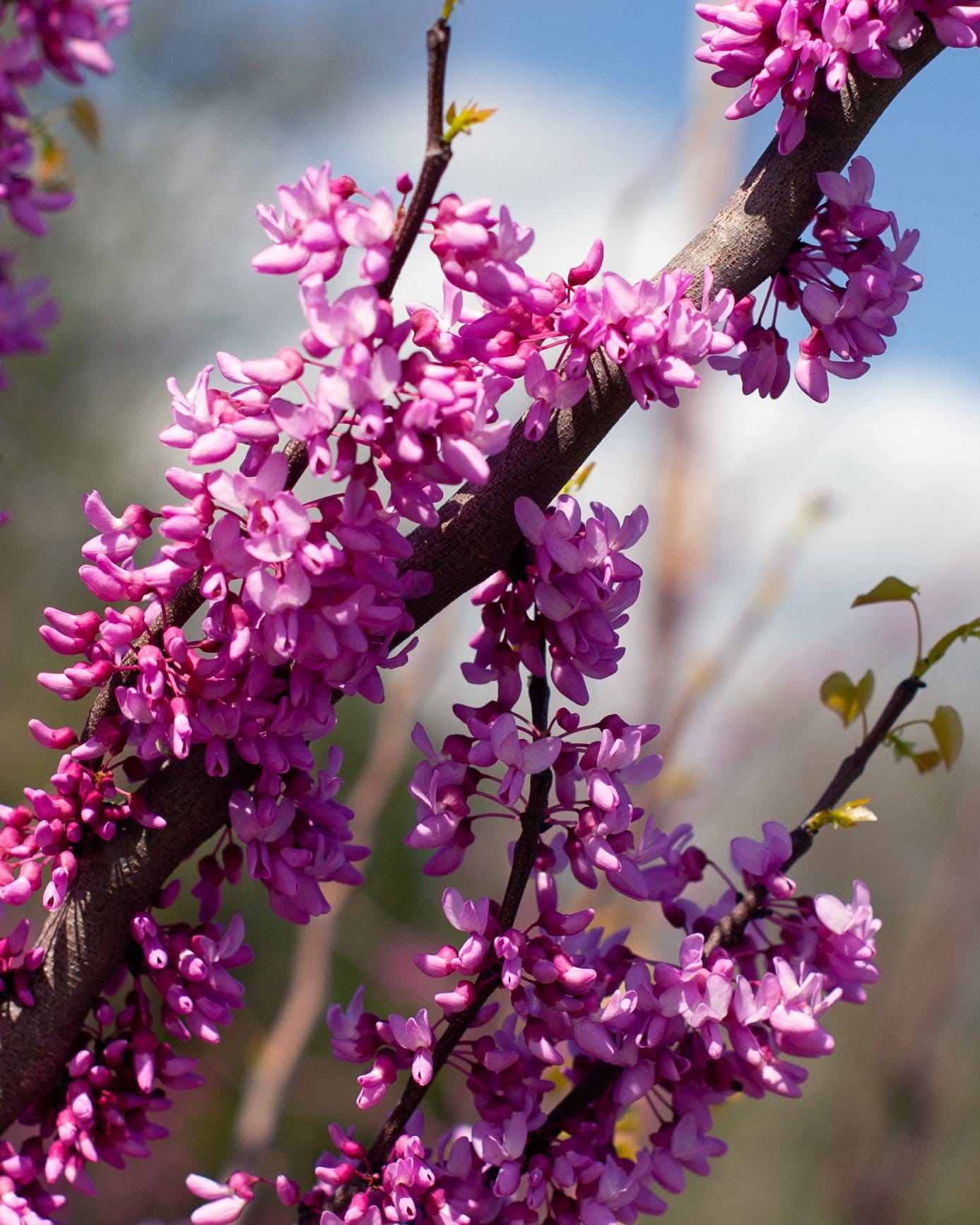
Rise 'N Shine Redbud
Maturity: 20' H x 15' W
Rising Sun Redbud
Maturity: 15' H x 15' W
Compare Similar Plants
Mexican Buckeye This plant | ||
|---|---|---|
| Scientific Name | Ungnadia speciosa | Cercis canadensis 'NC2017-6' |
| Size at Maturity | 20' H x 20' W | 8' H x 8' W |
| Leaf Retention | Deciduous | Deciduous |
| Fall Color | Yellow | Yellow |
| Flower Color | Purple | Pink |
| Bloom Times | Spring | Spring |
| Sizes Available | 7, 10 gal | 15 gal |


Our 1-Year Planting Guarantee
We take pride in our plants and installation services. If any plants or trees installed by Treeland fail to thrive within the first year, we'll provide a replacement credit in accordance with our guarantee program.
Learn More About Our Guarantee