
 Popular
 Texas Native
Artichoke Agave
Agave parryi var. truncataLocal DFW Delivery Only
Product Details
Artichoke Agave
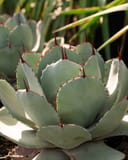
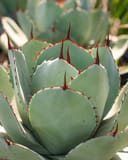
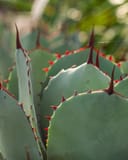
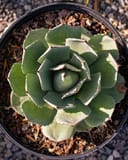
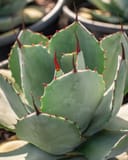
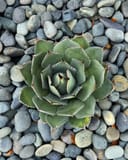
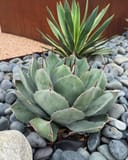
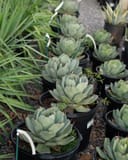
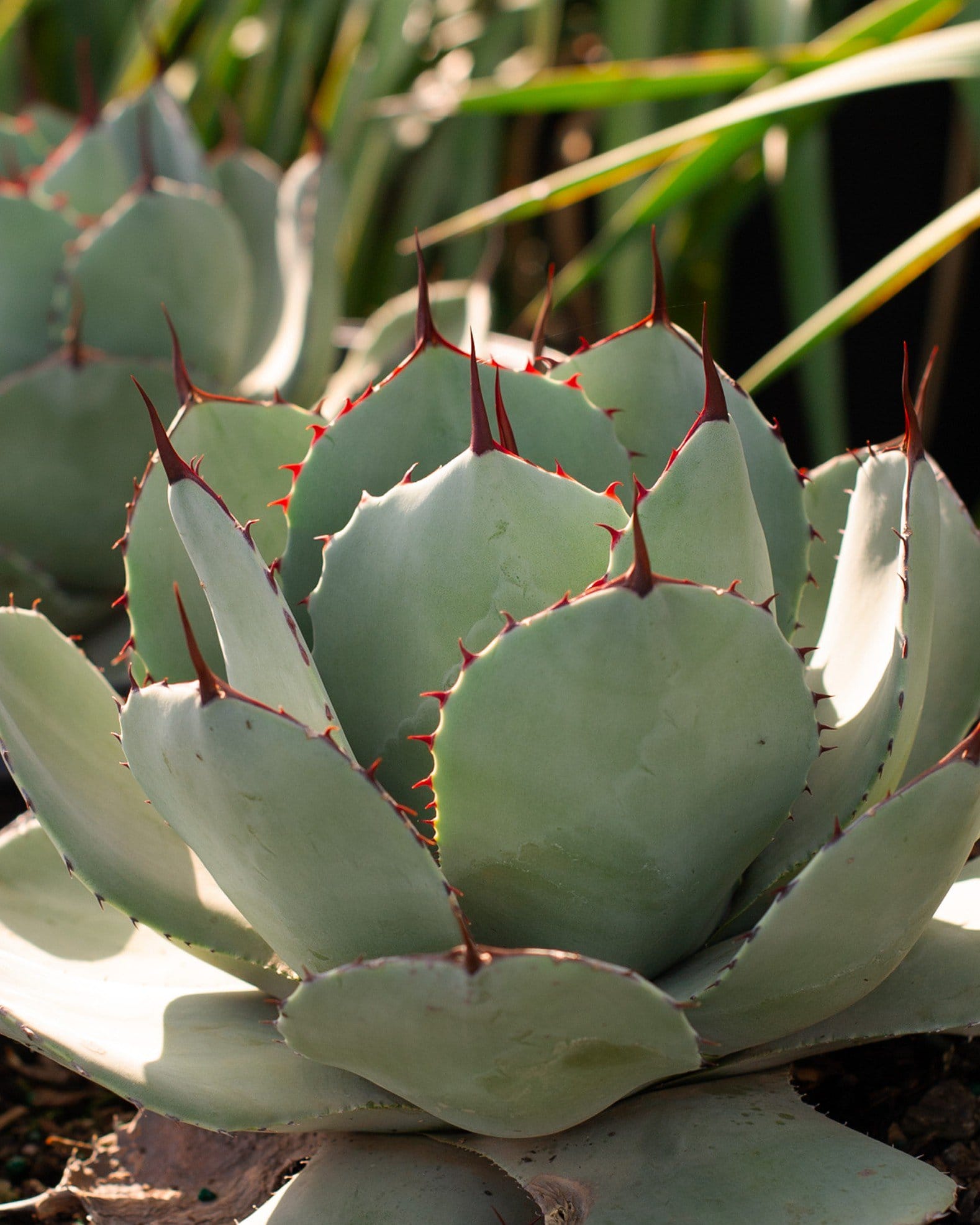
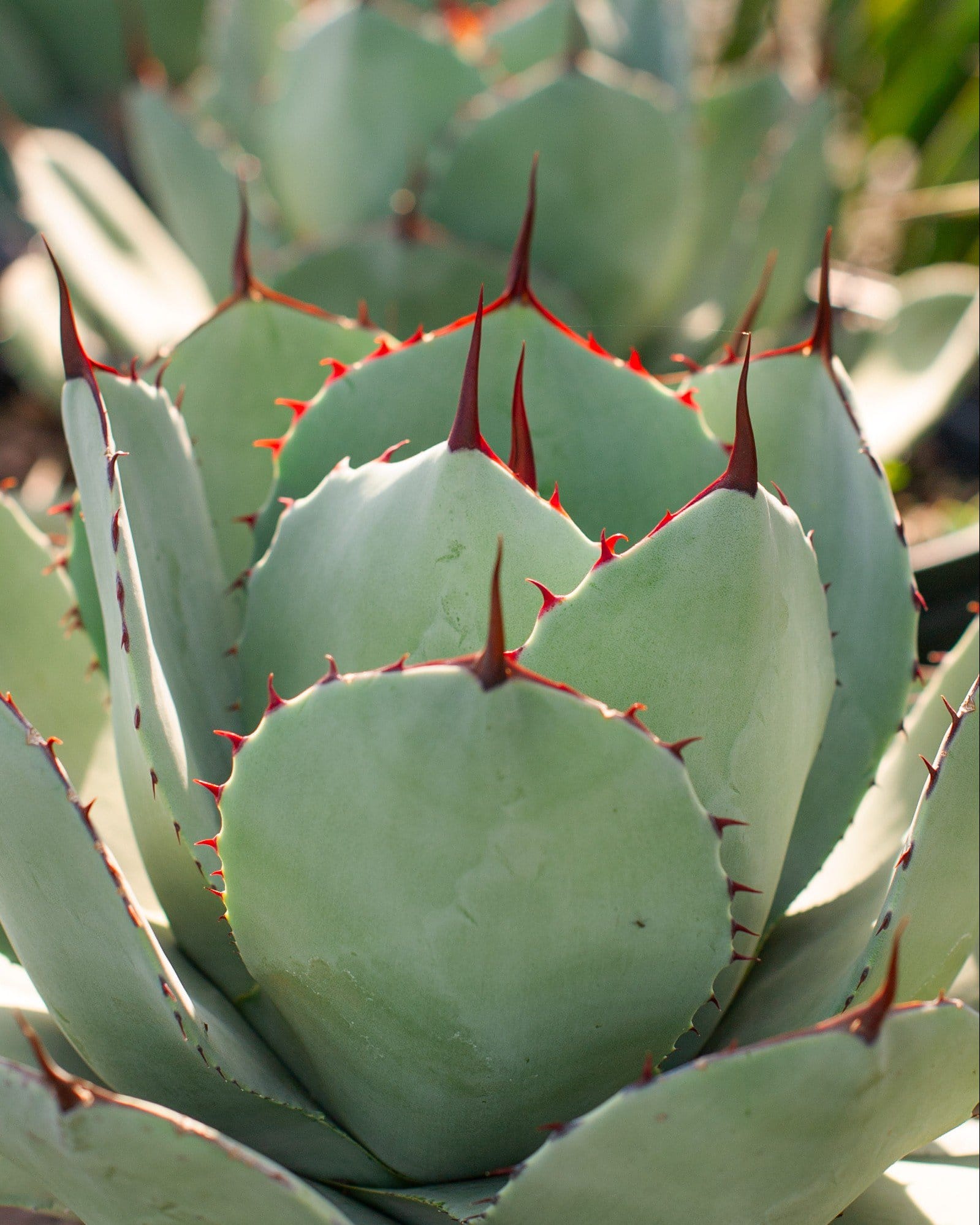
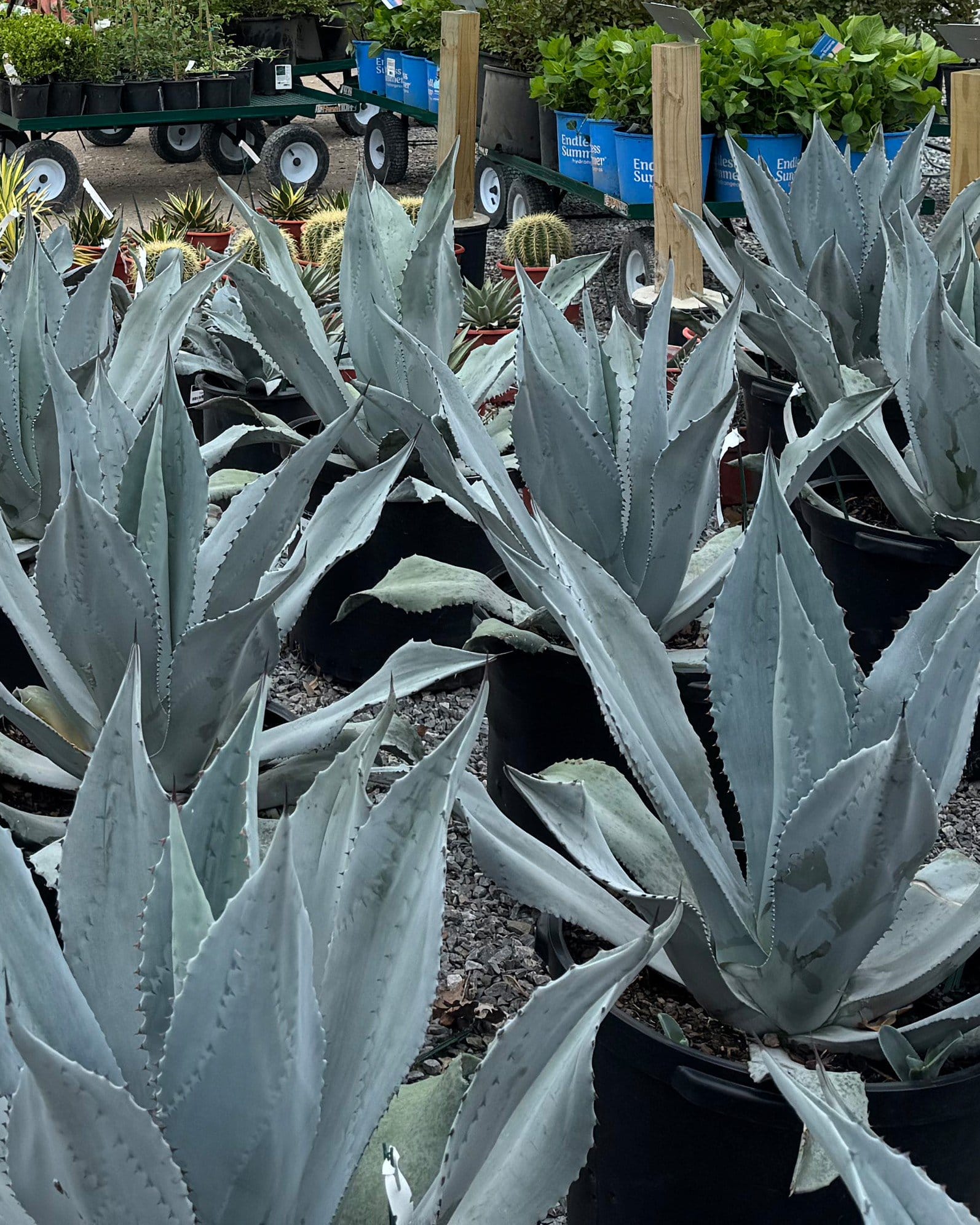
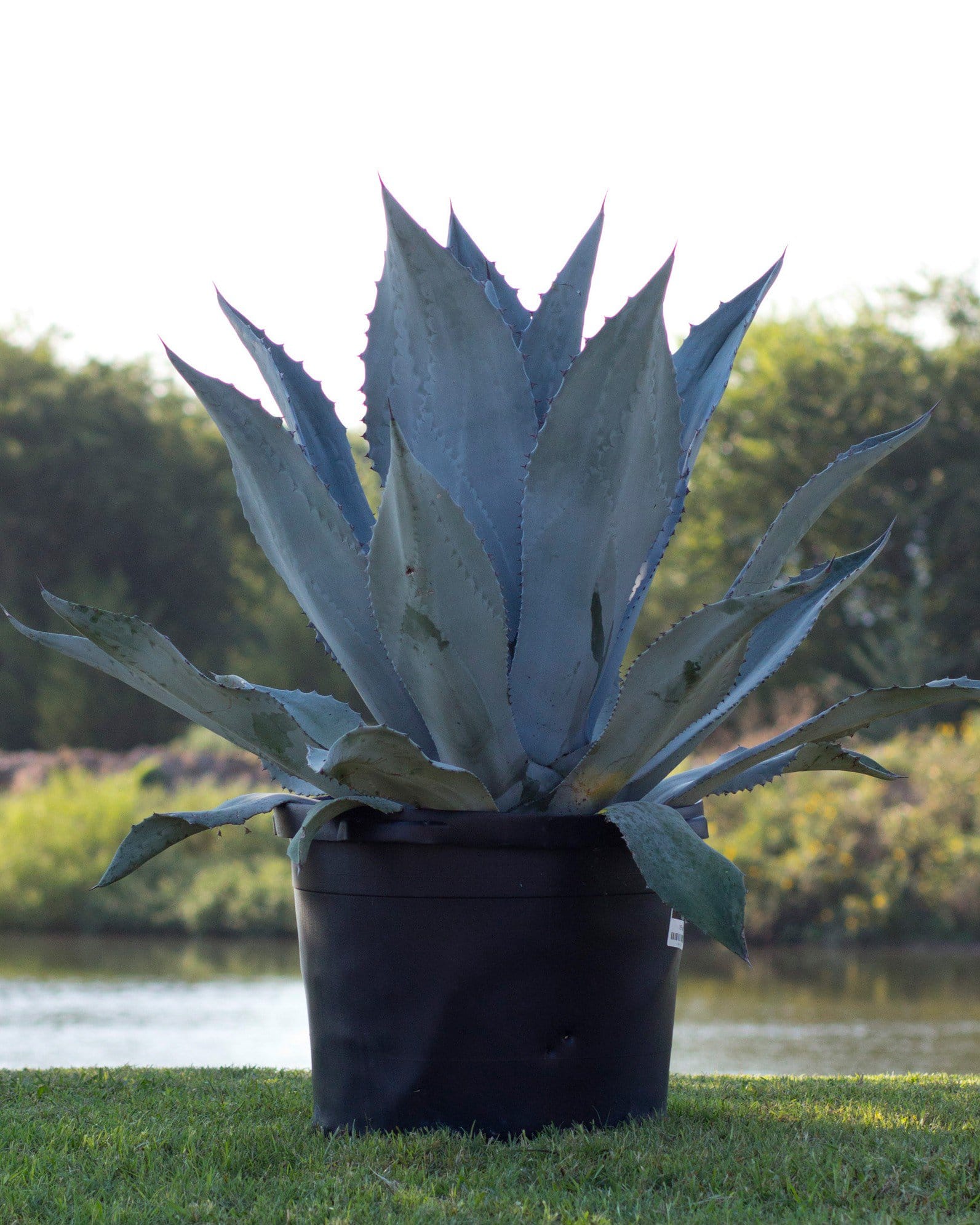
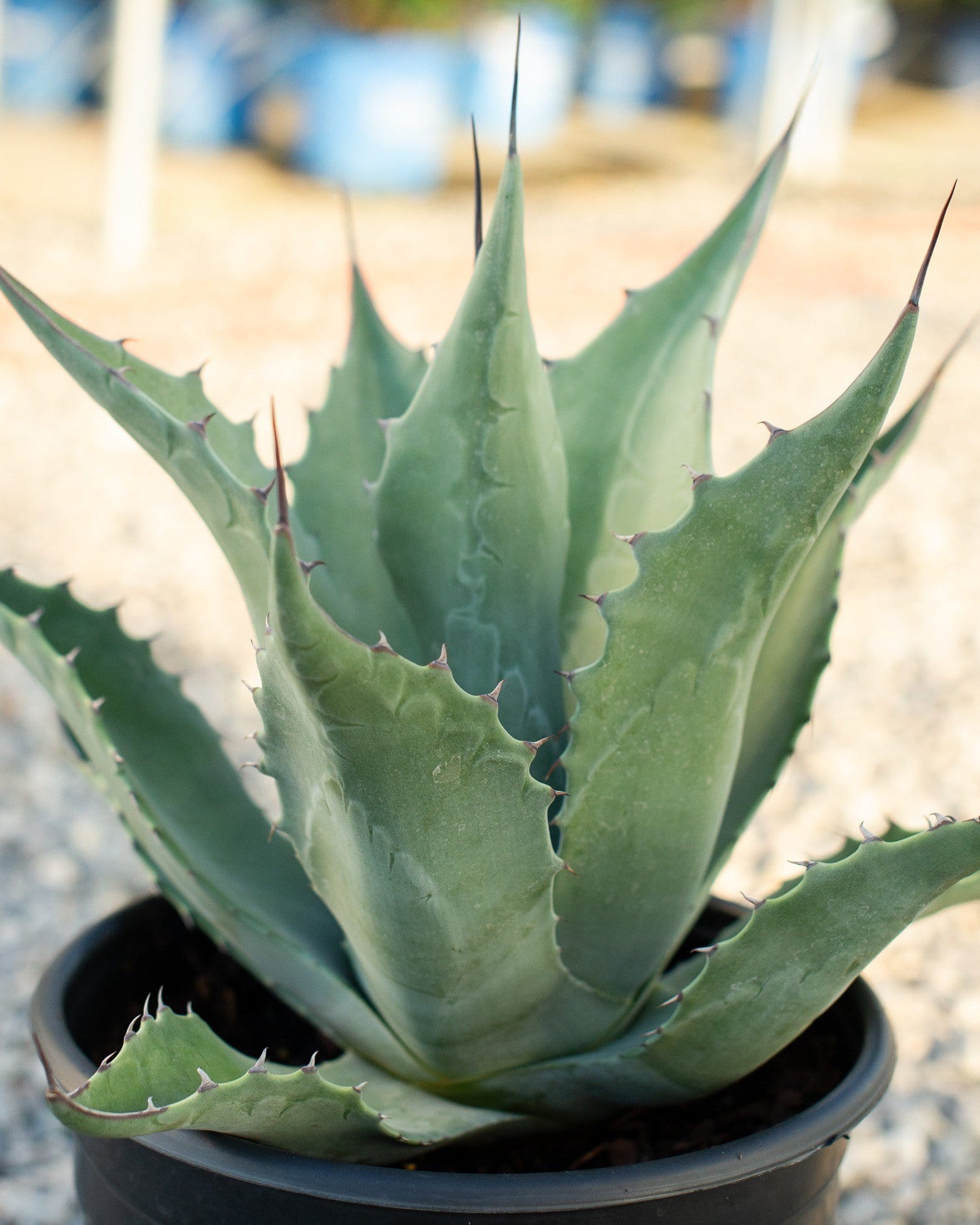
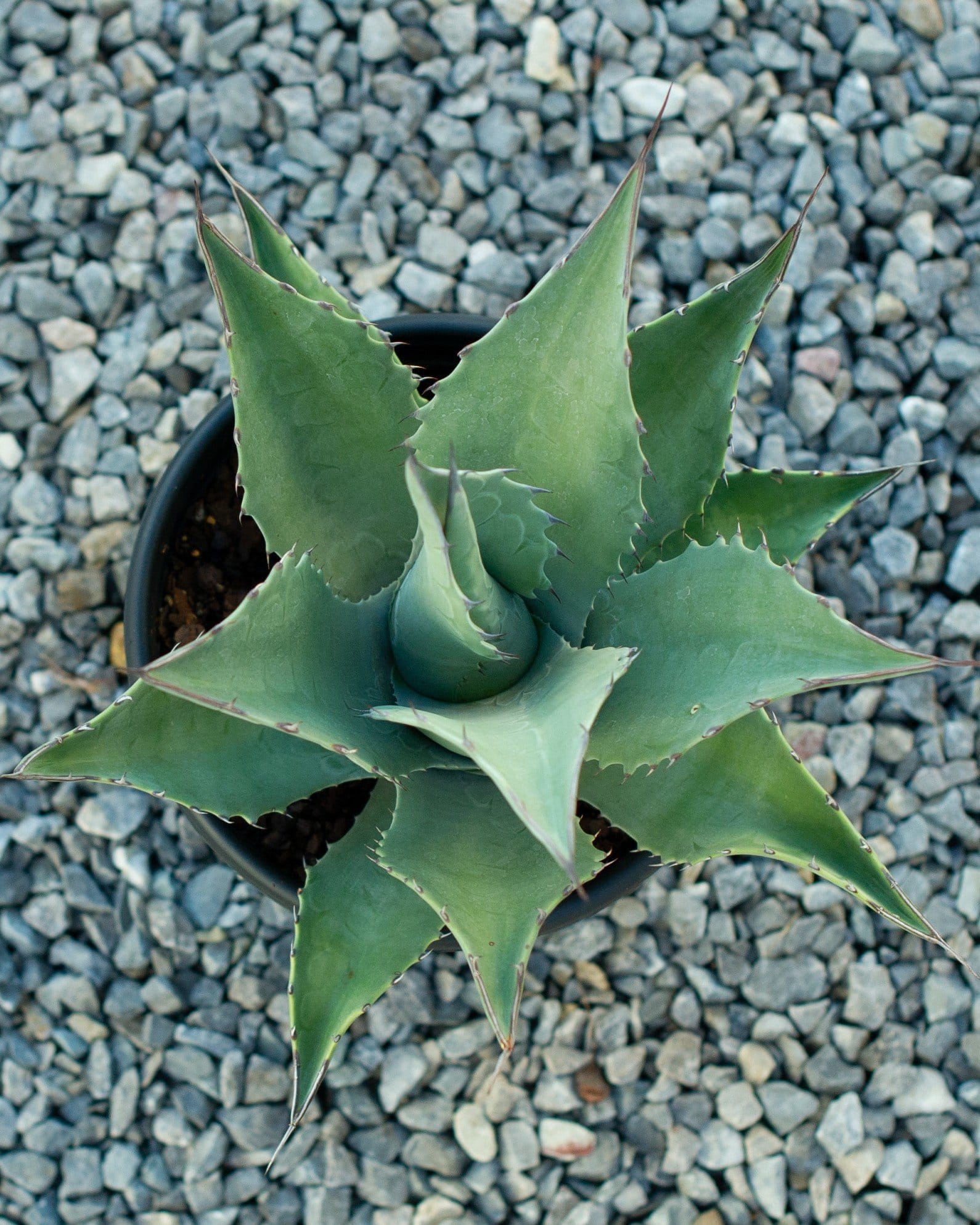
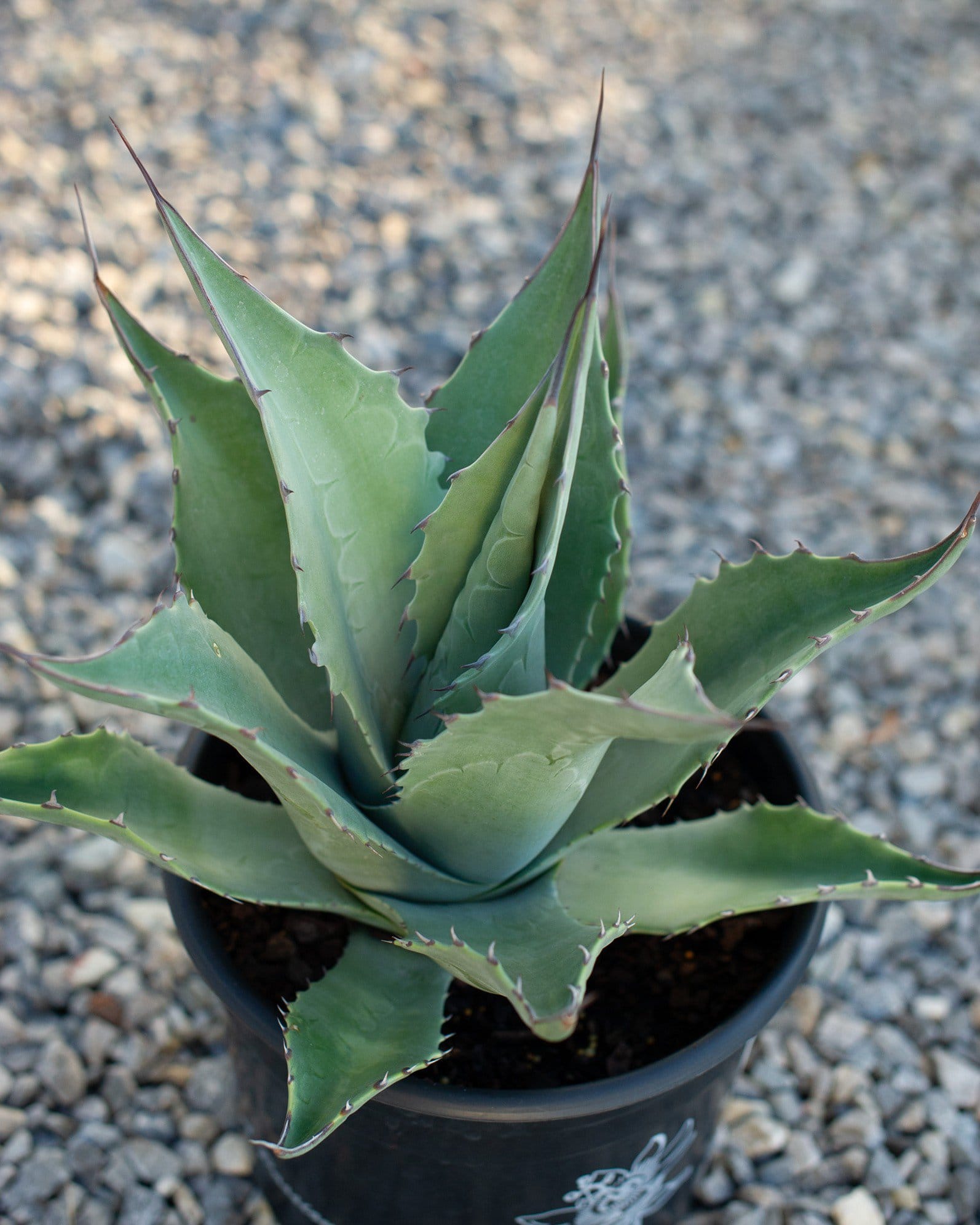
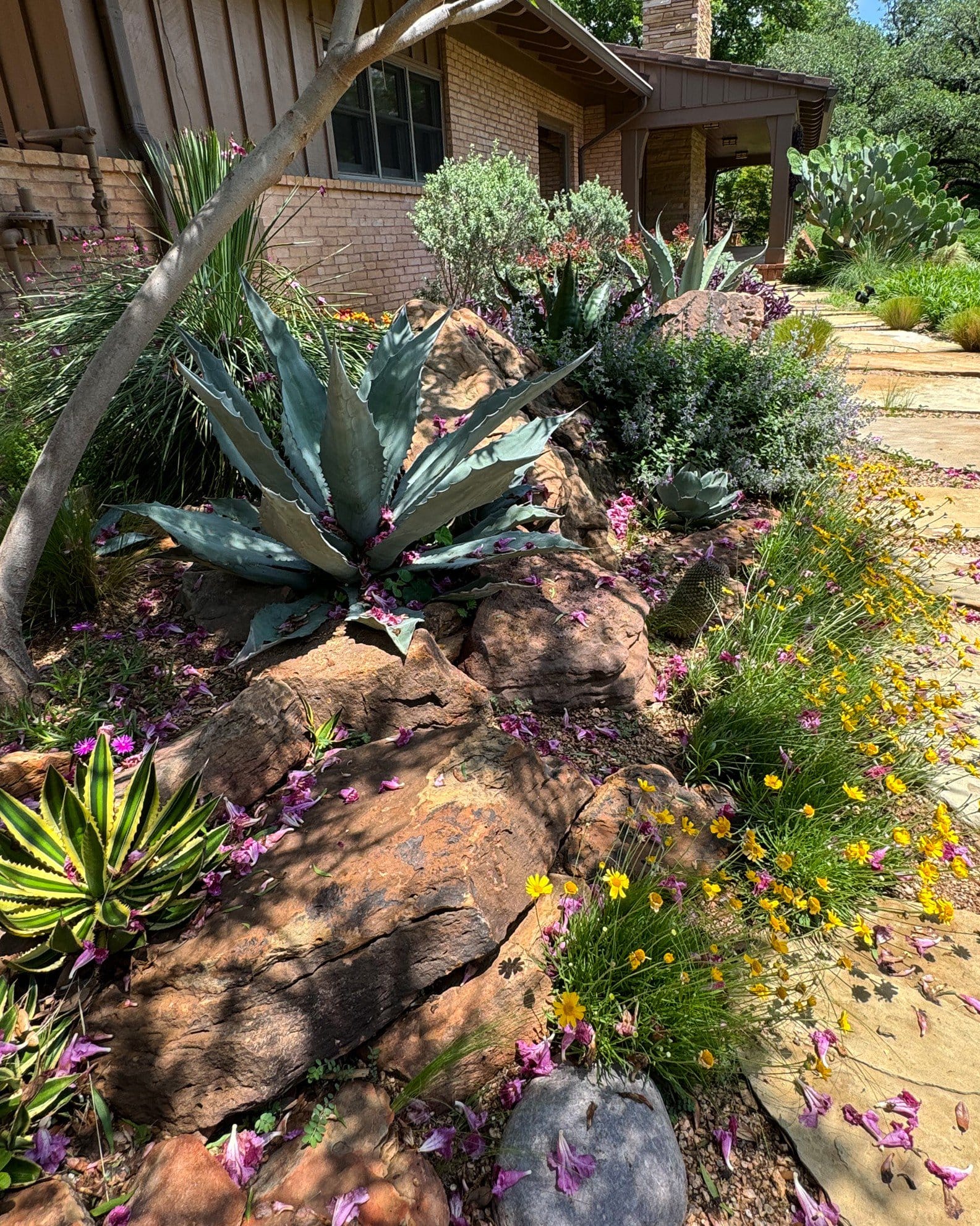
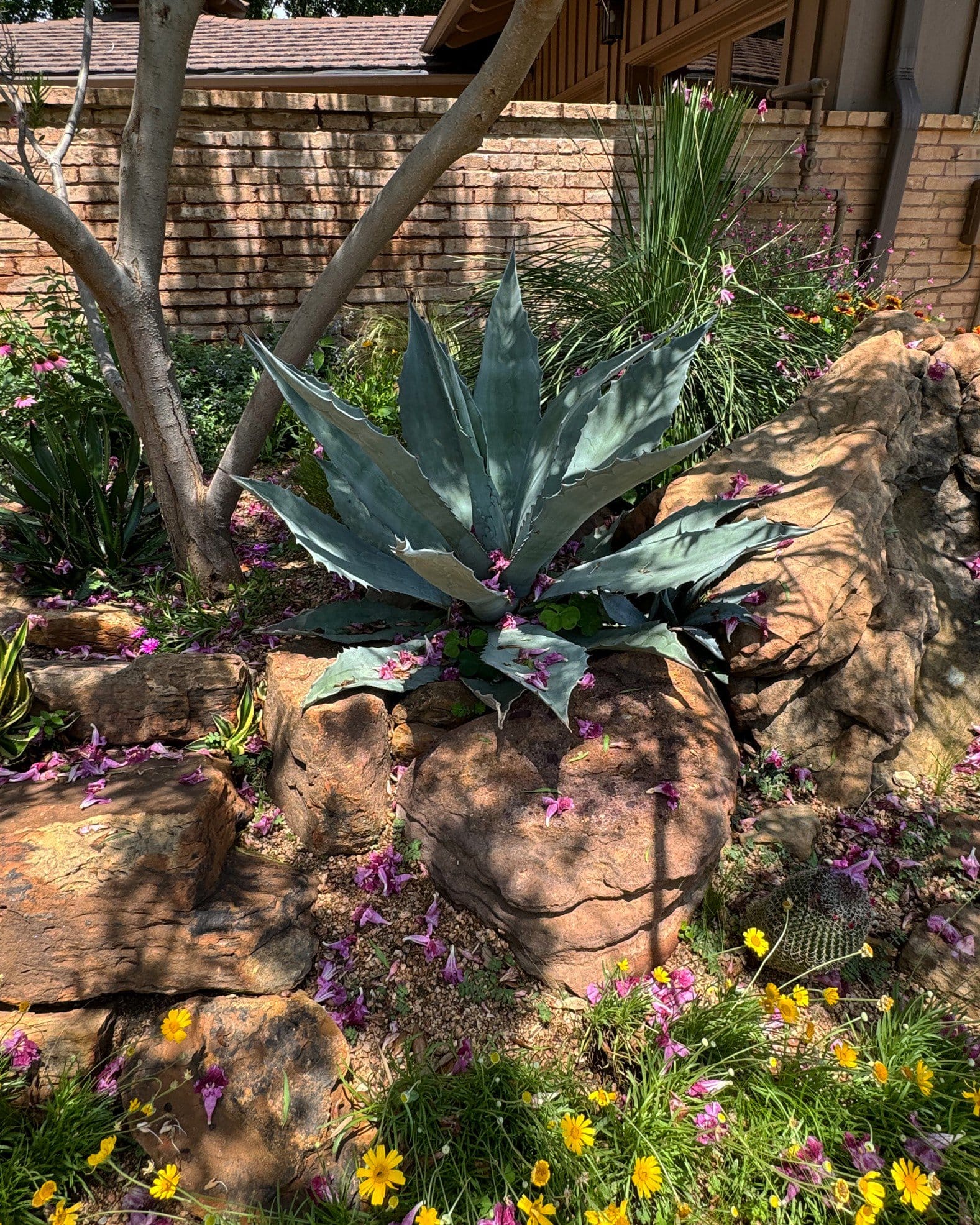
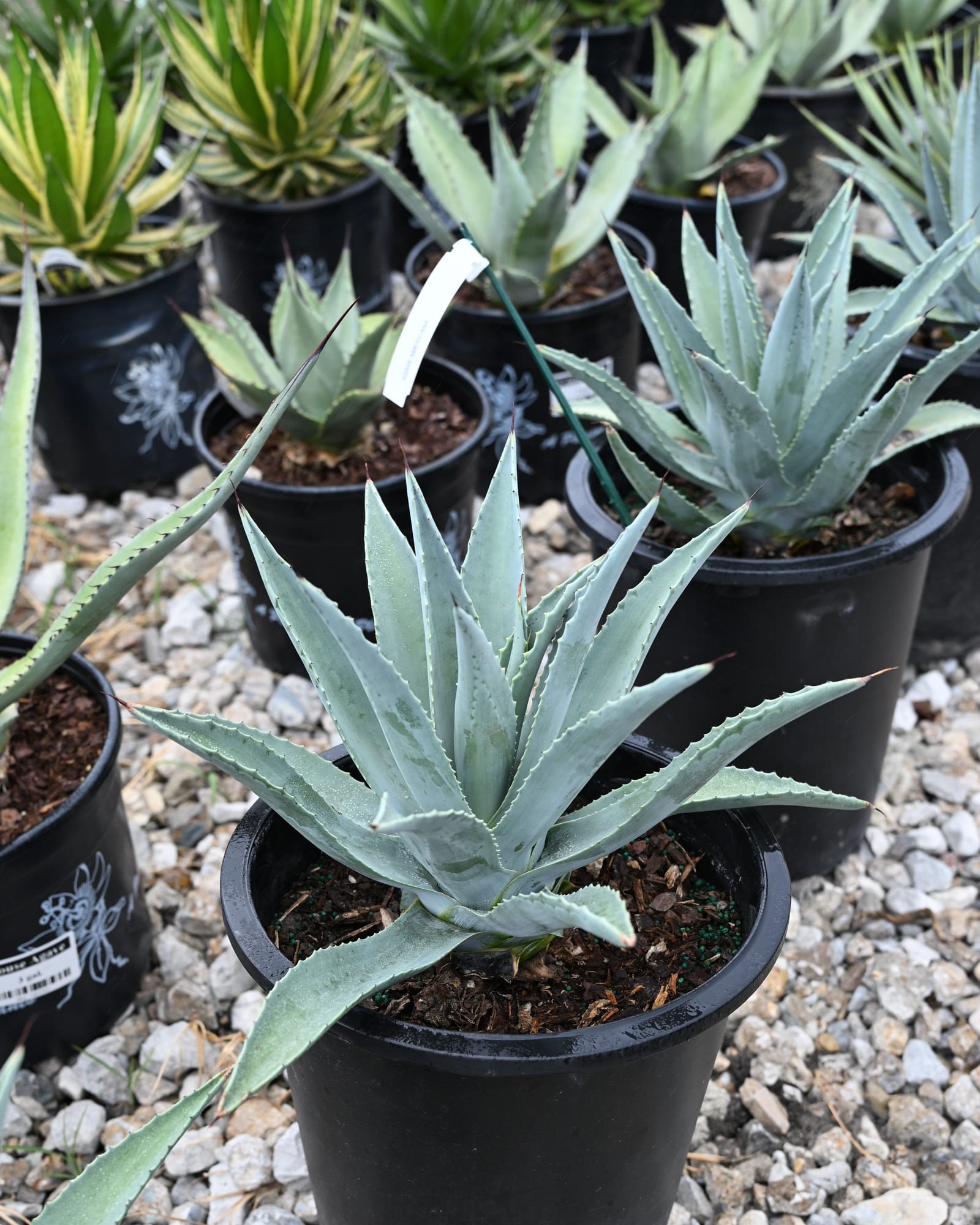
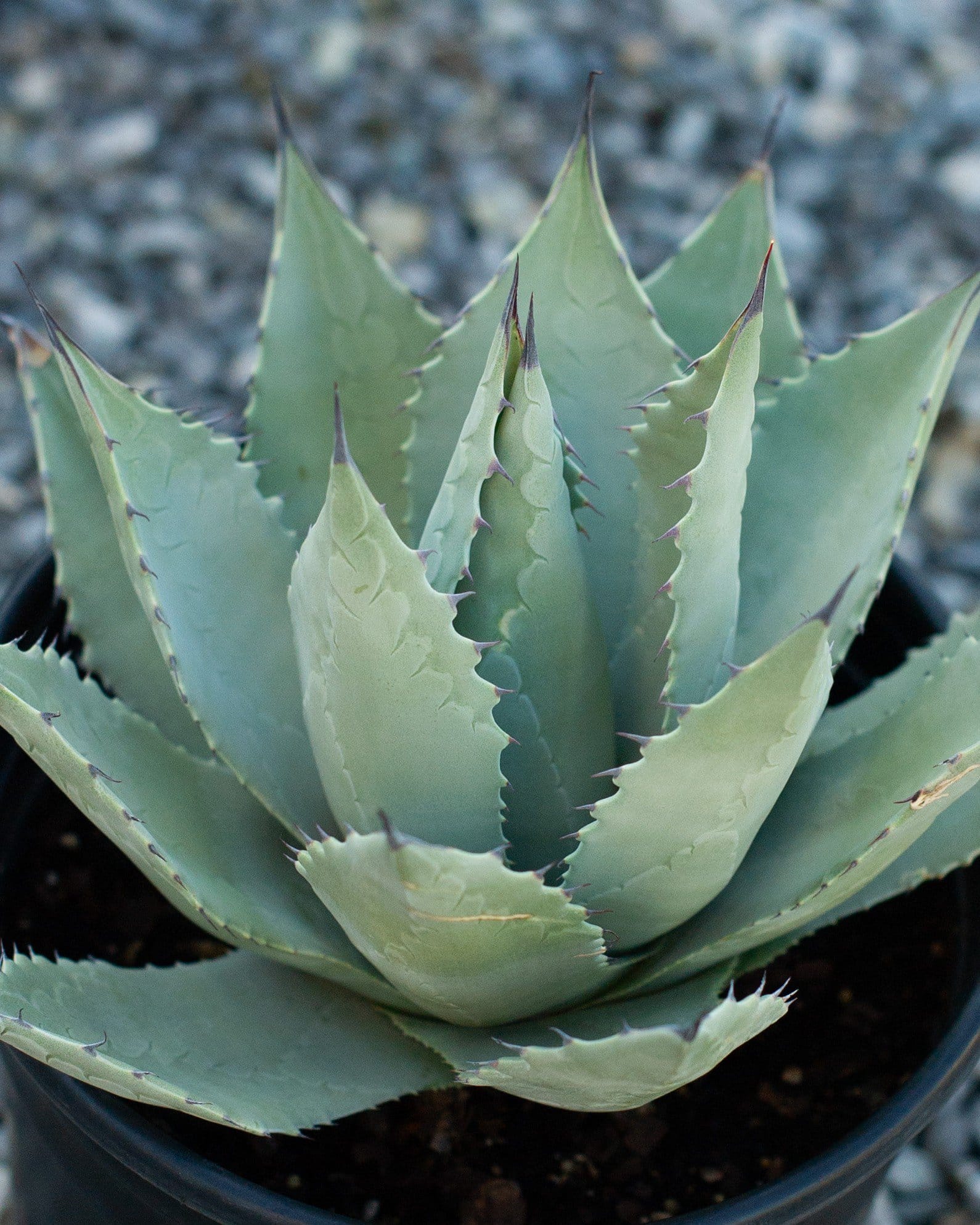
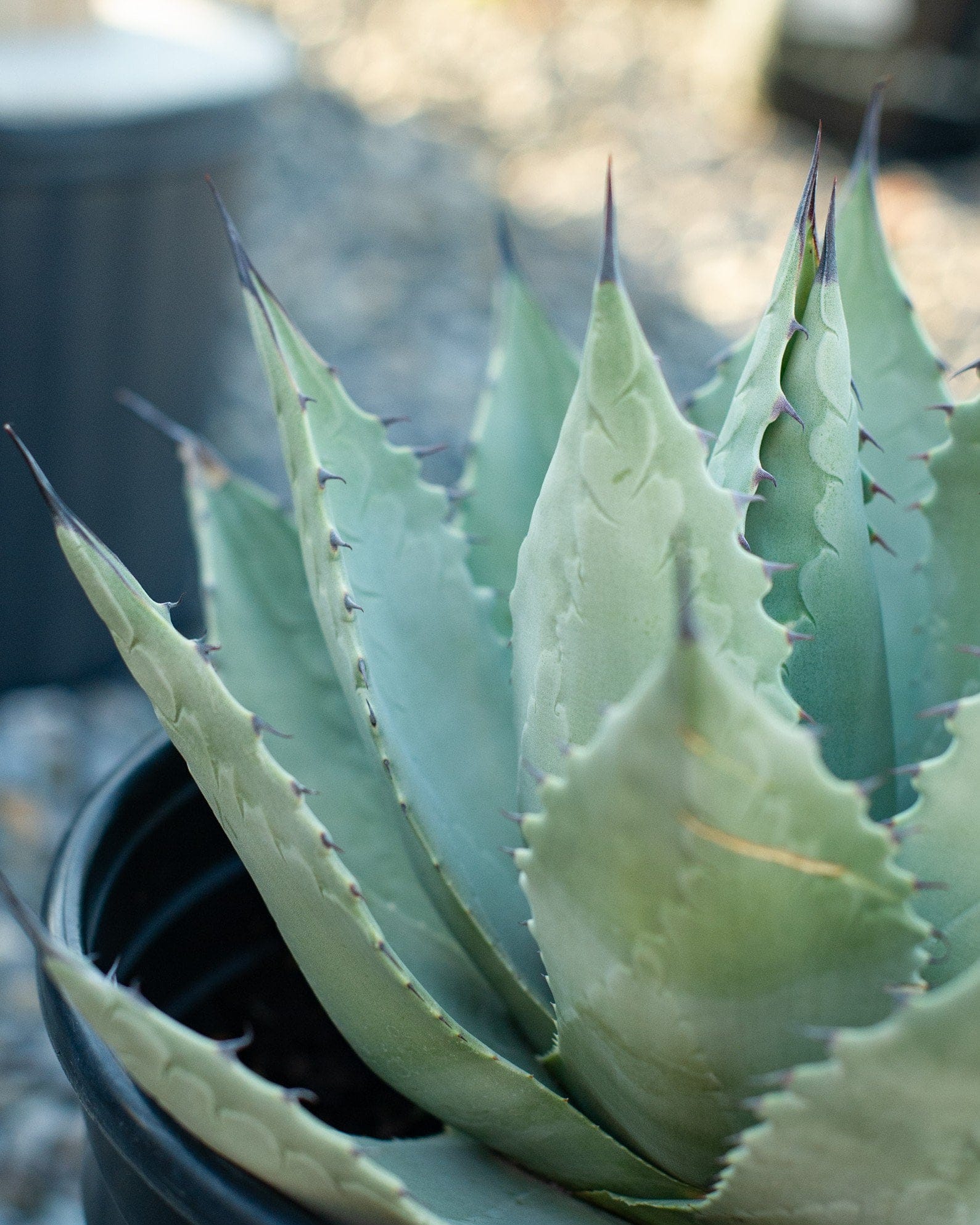
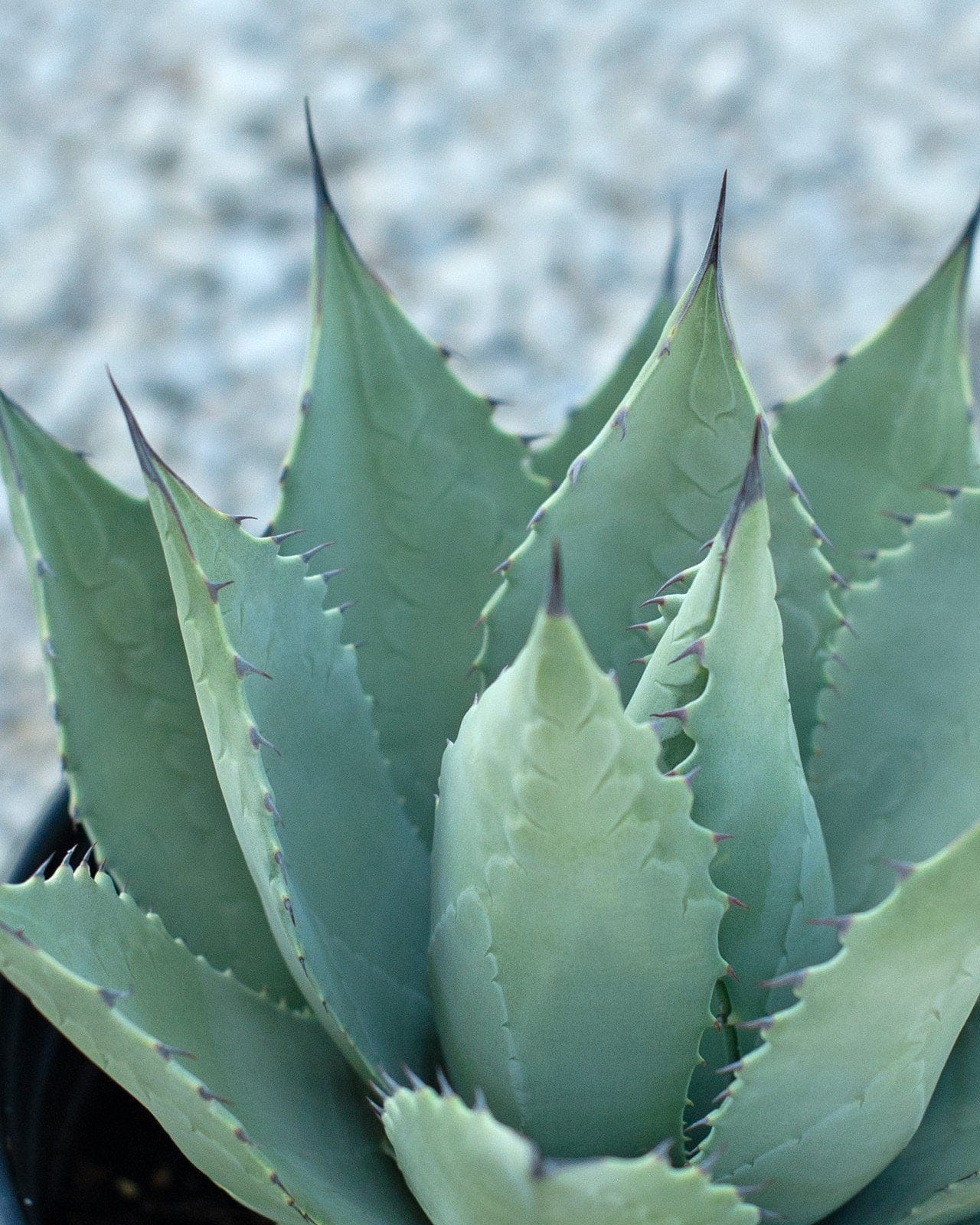
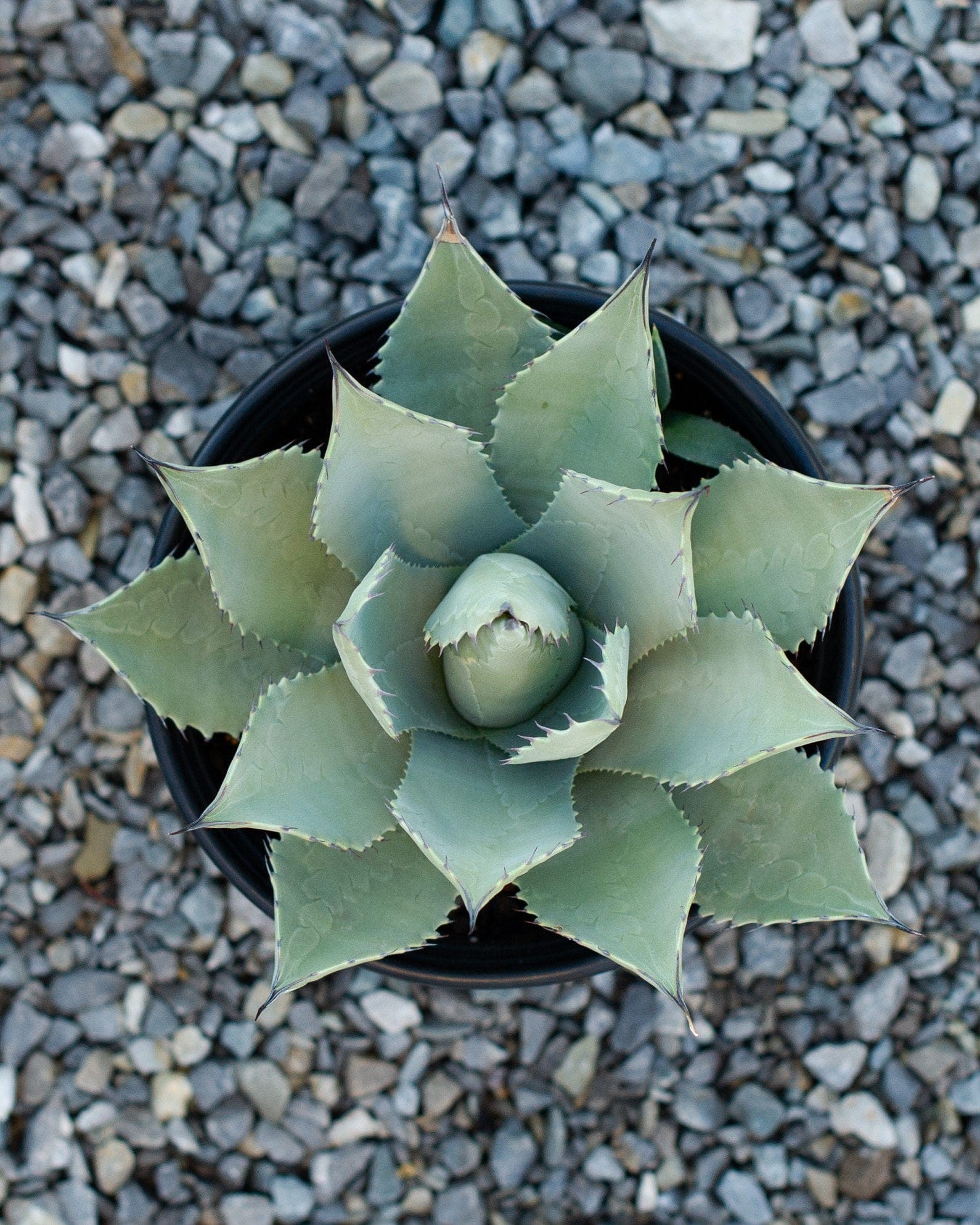
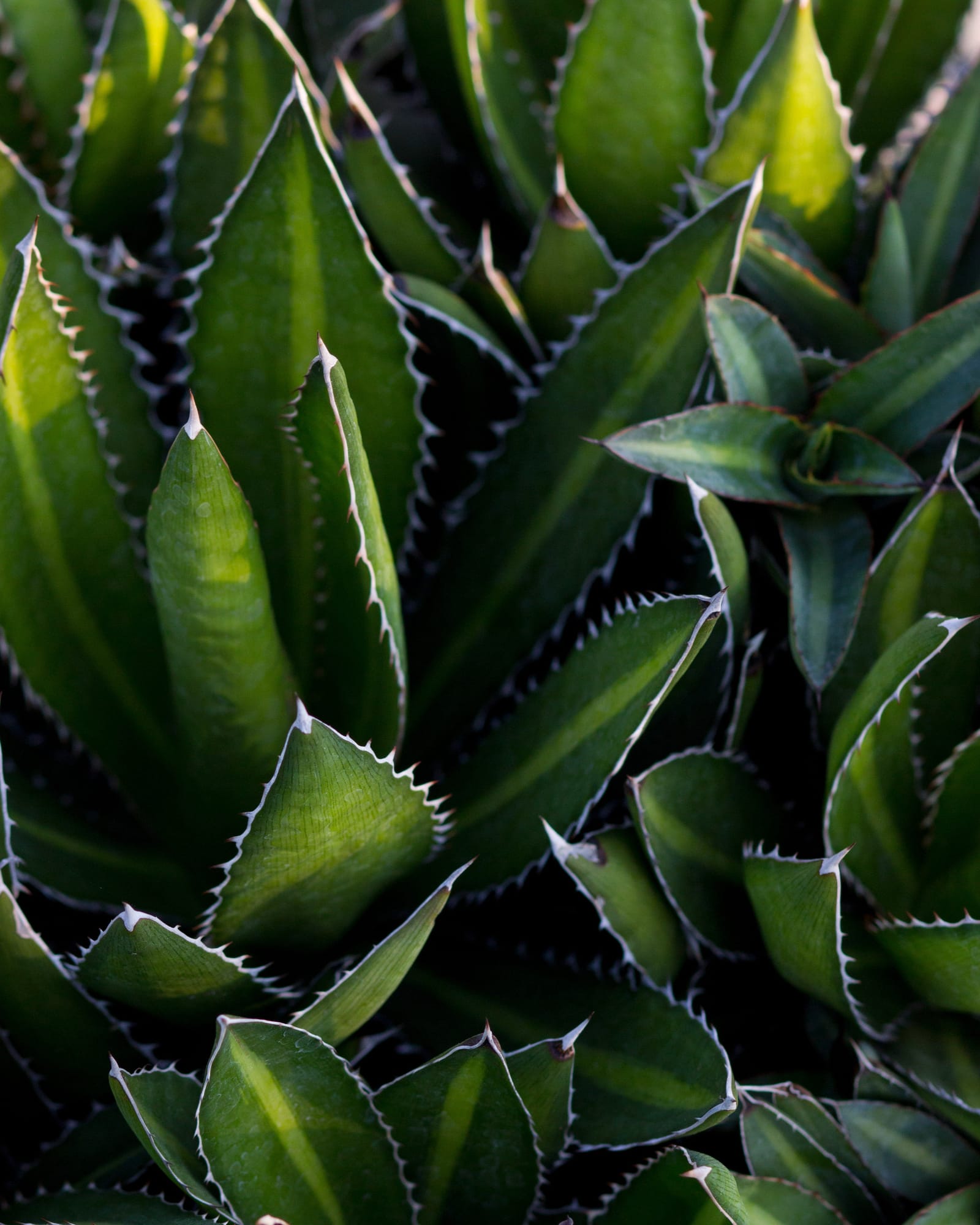
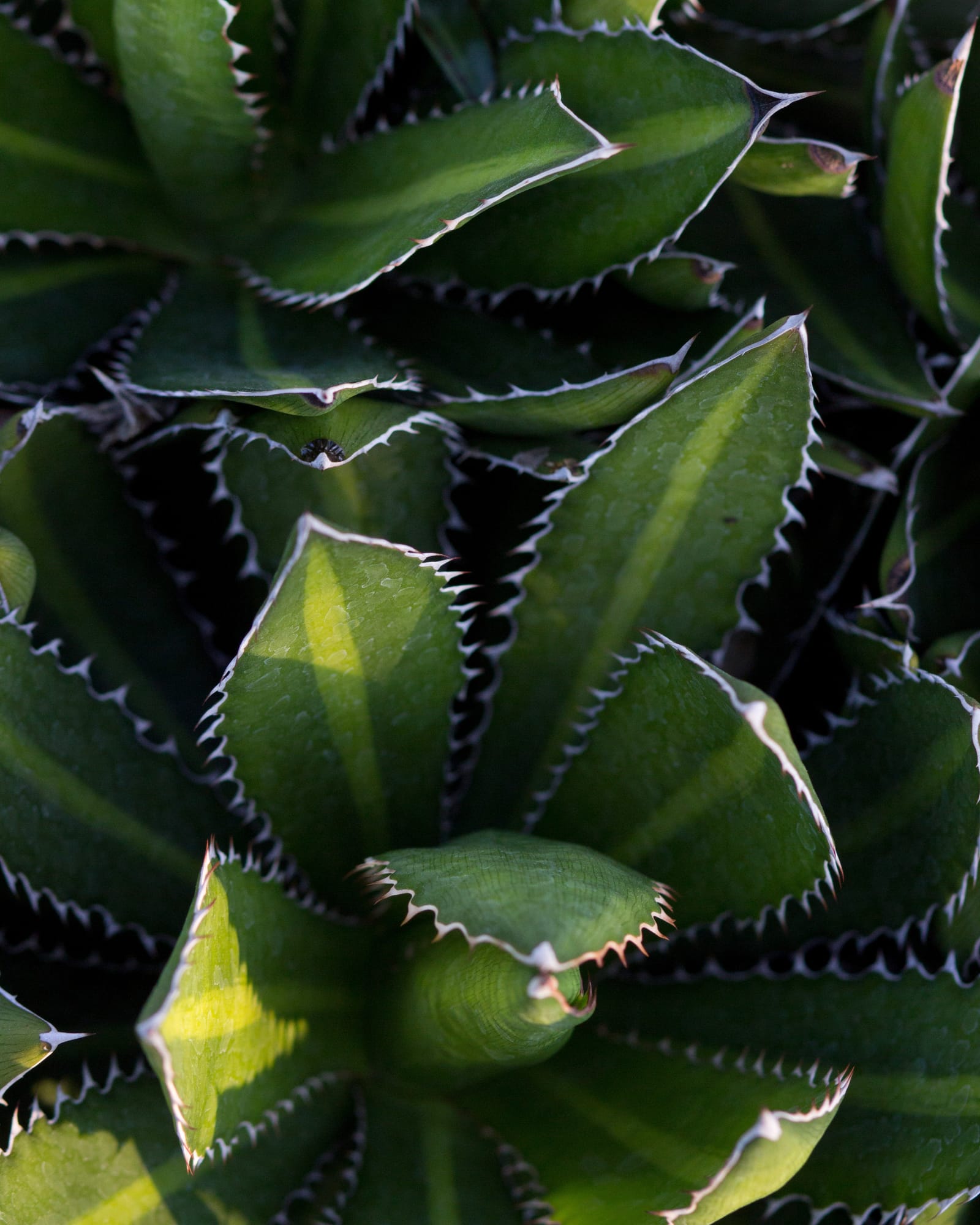
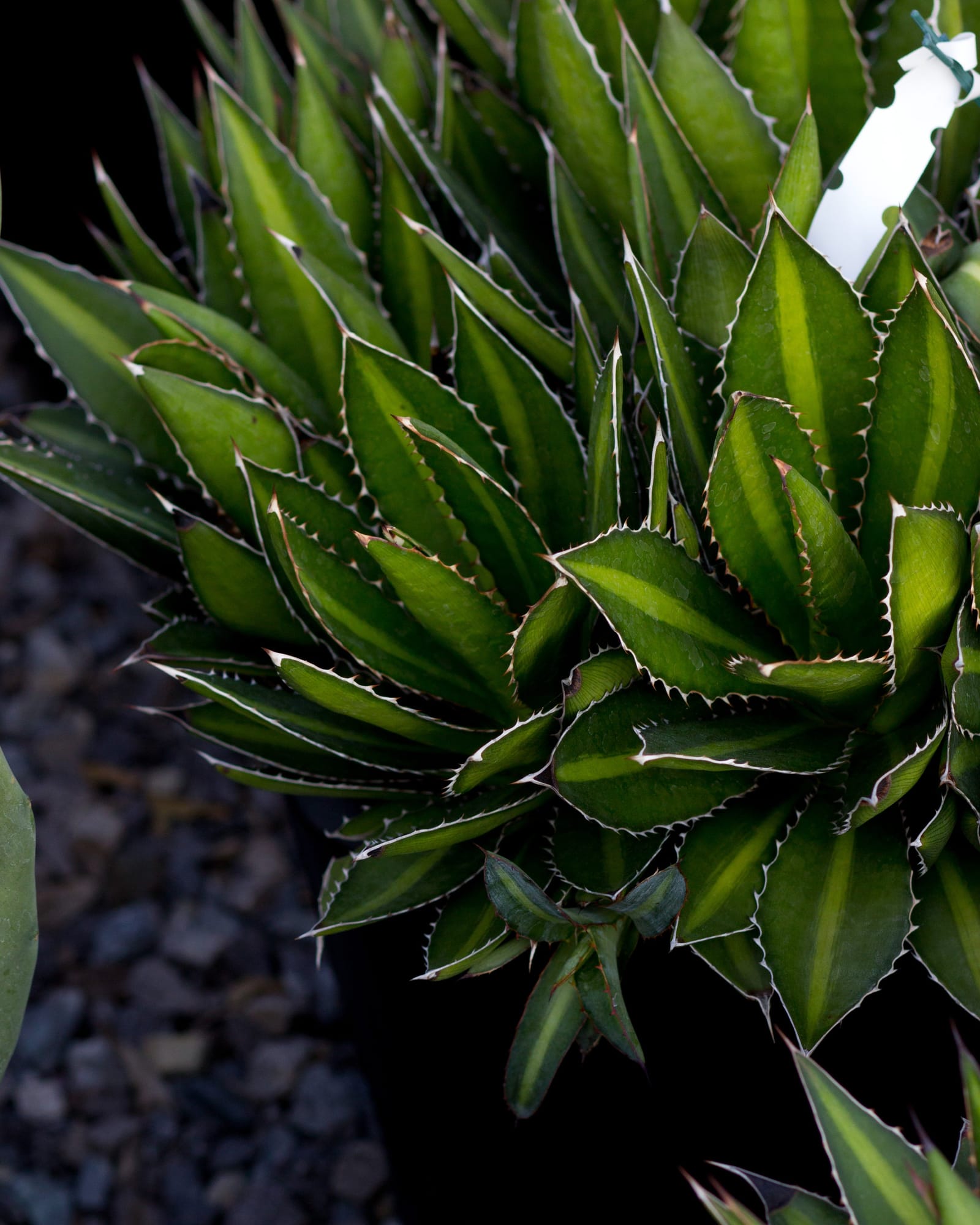
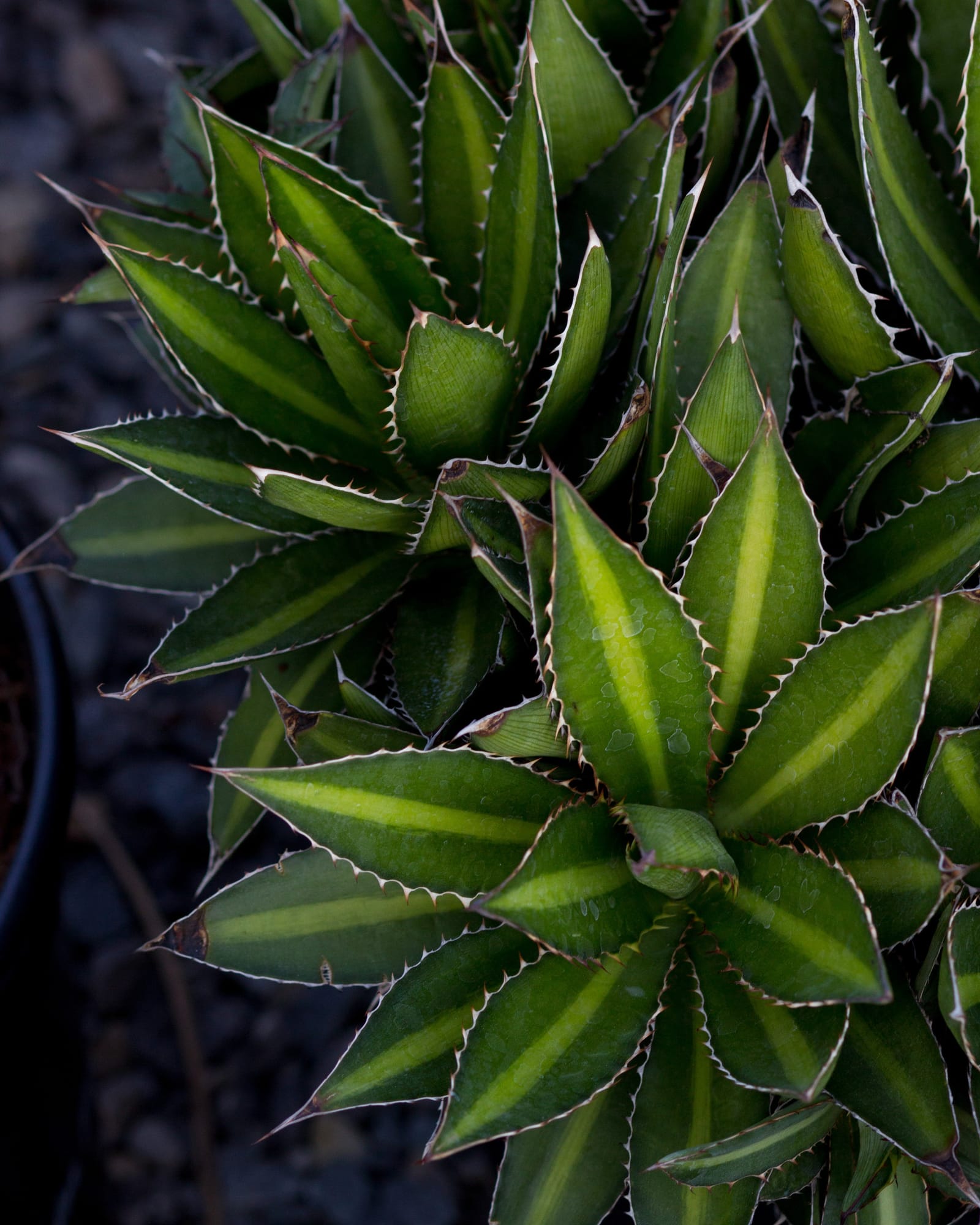
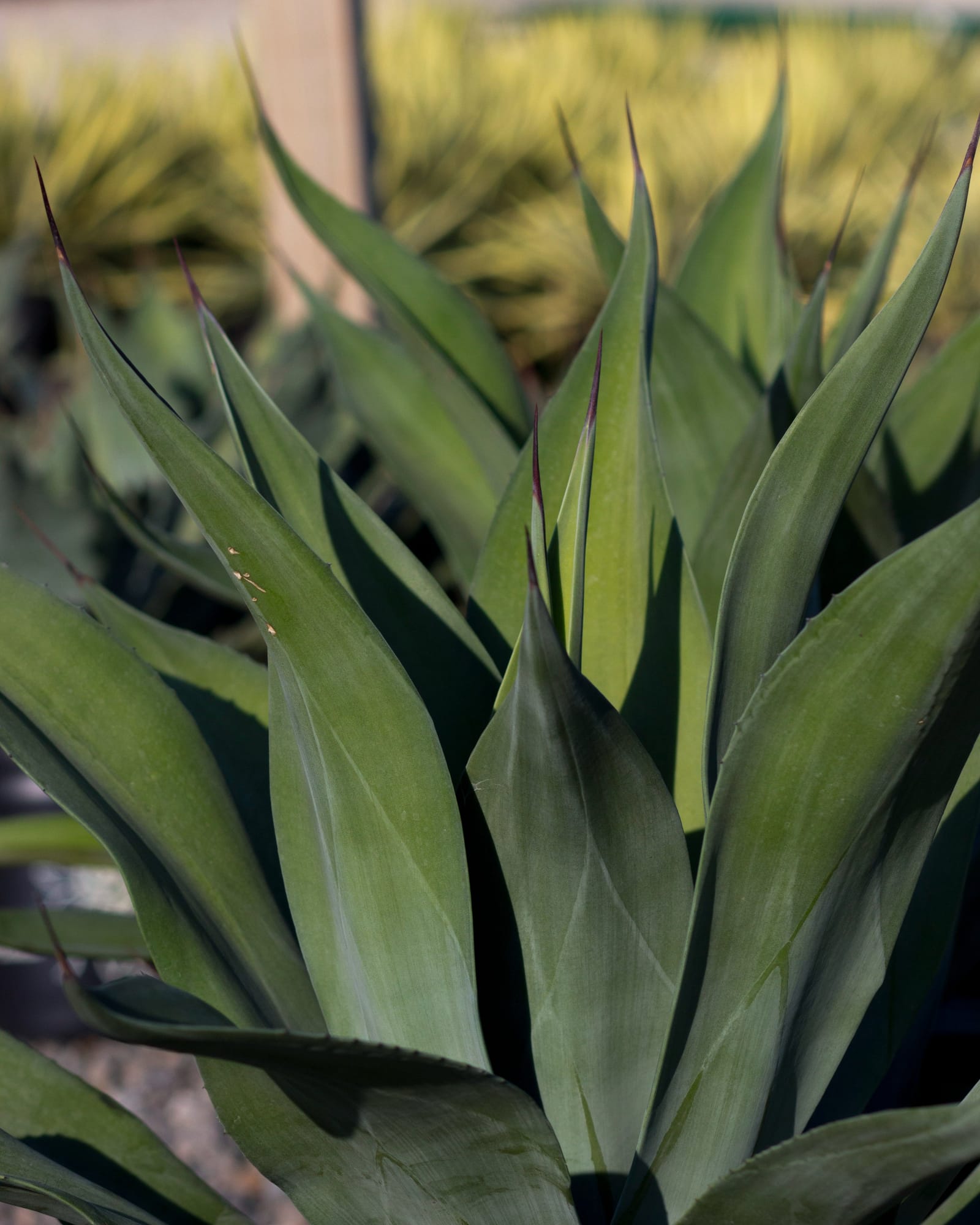
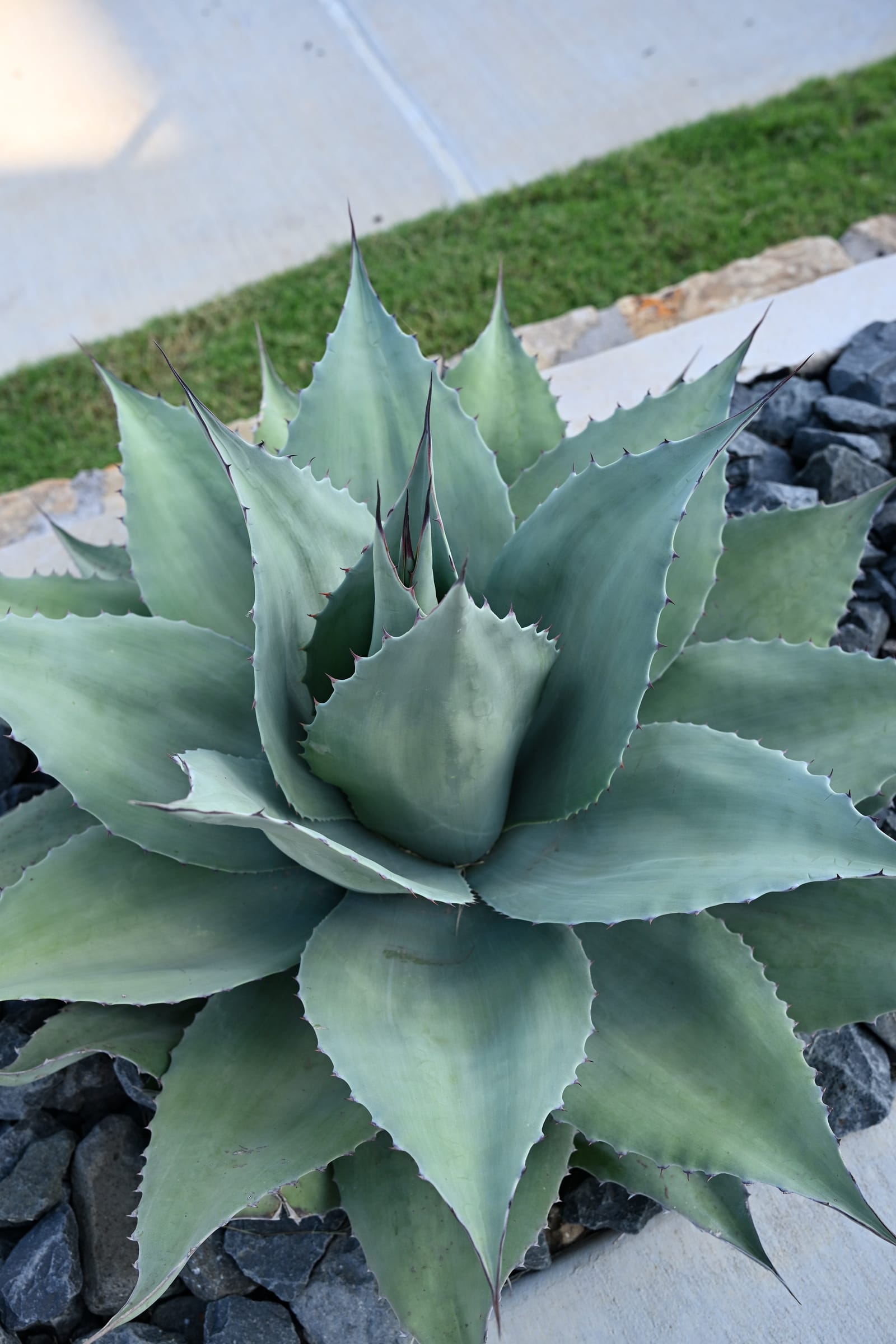
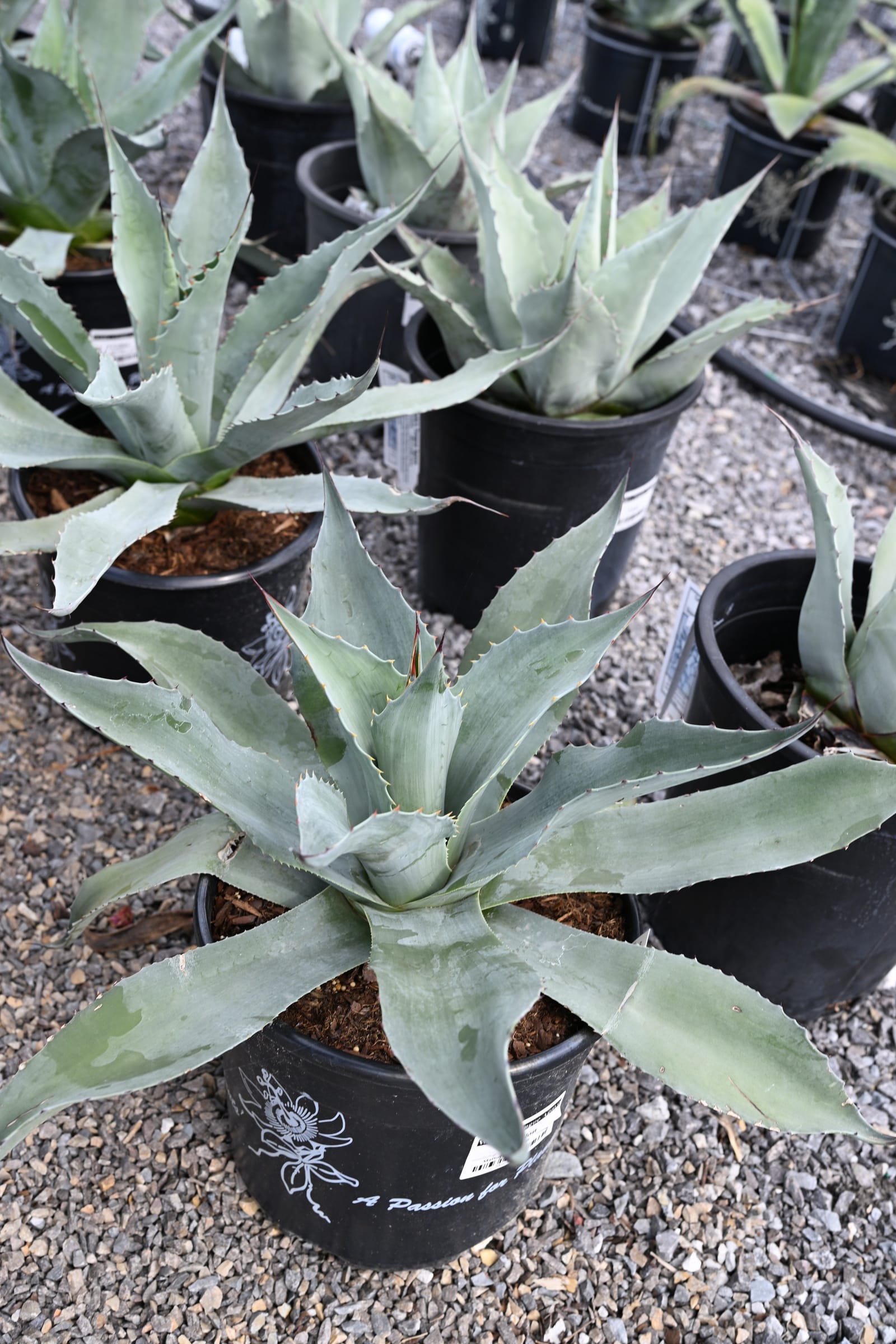
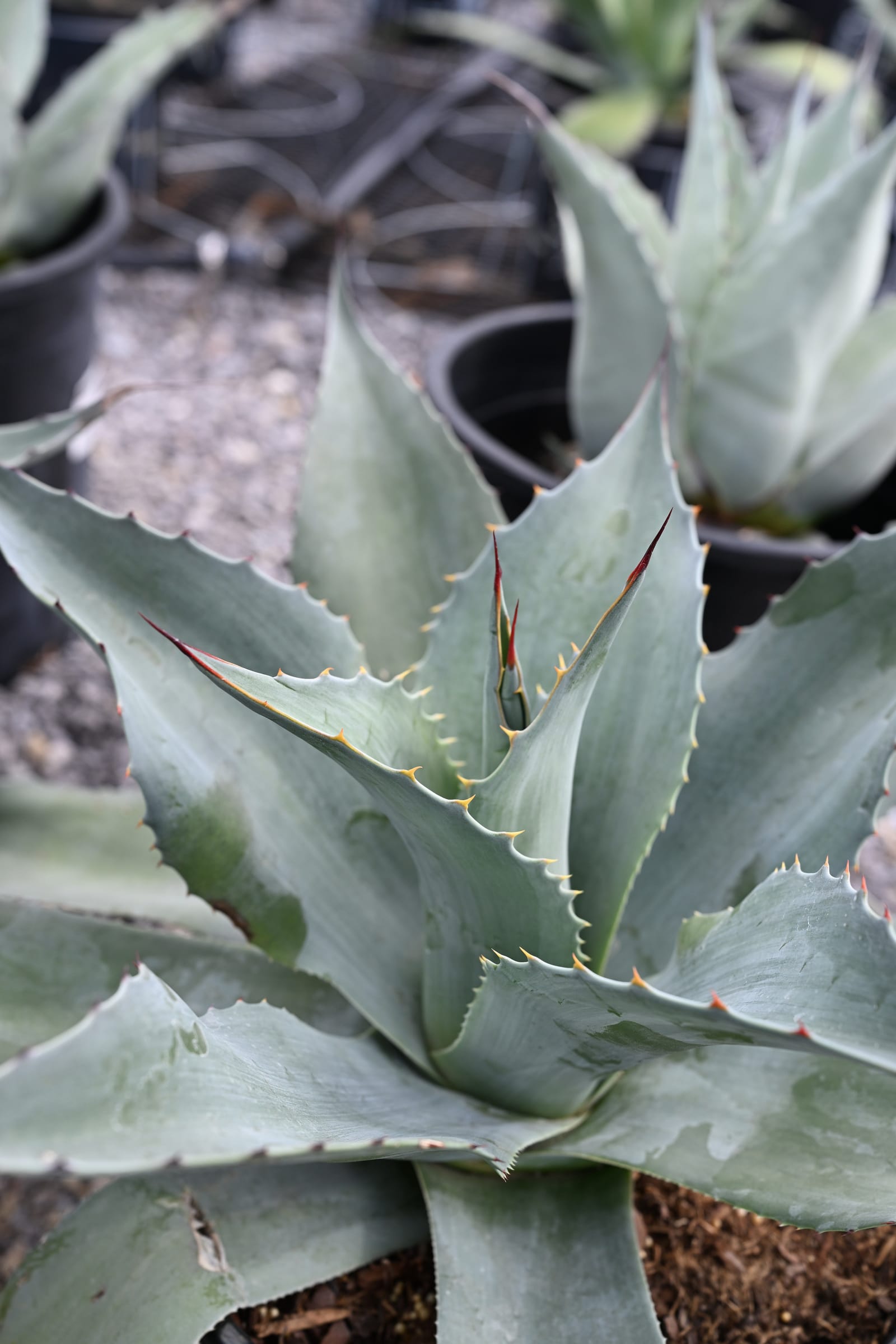
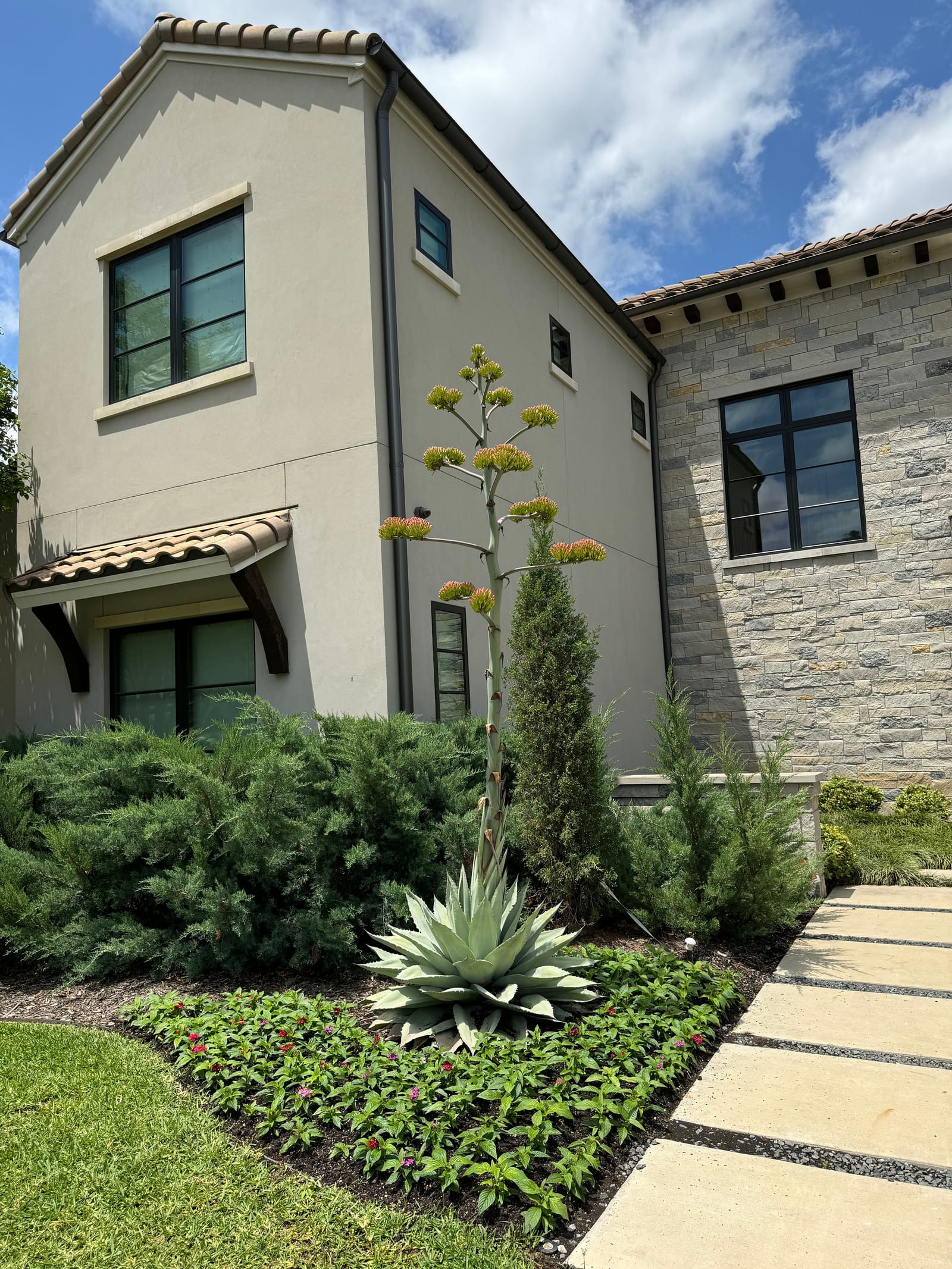
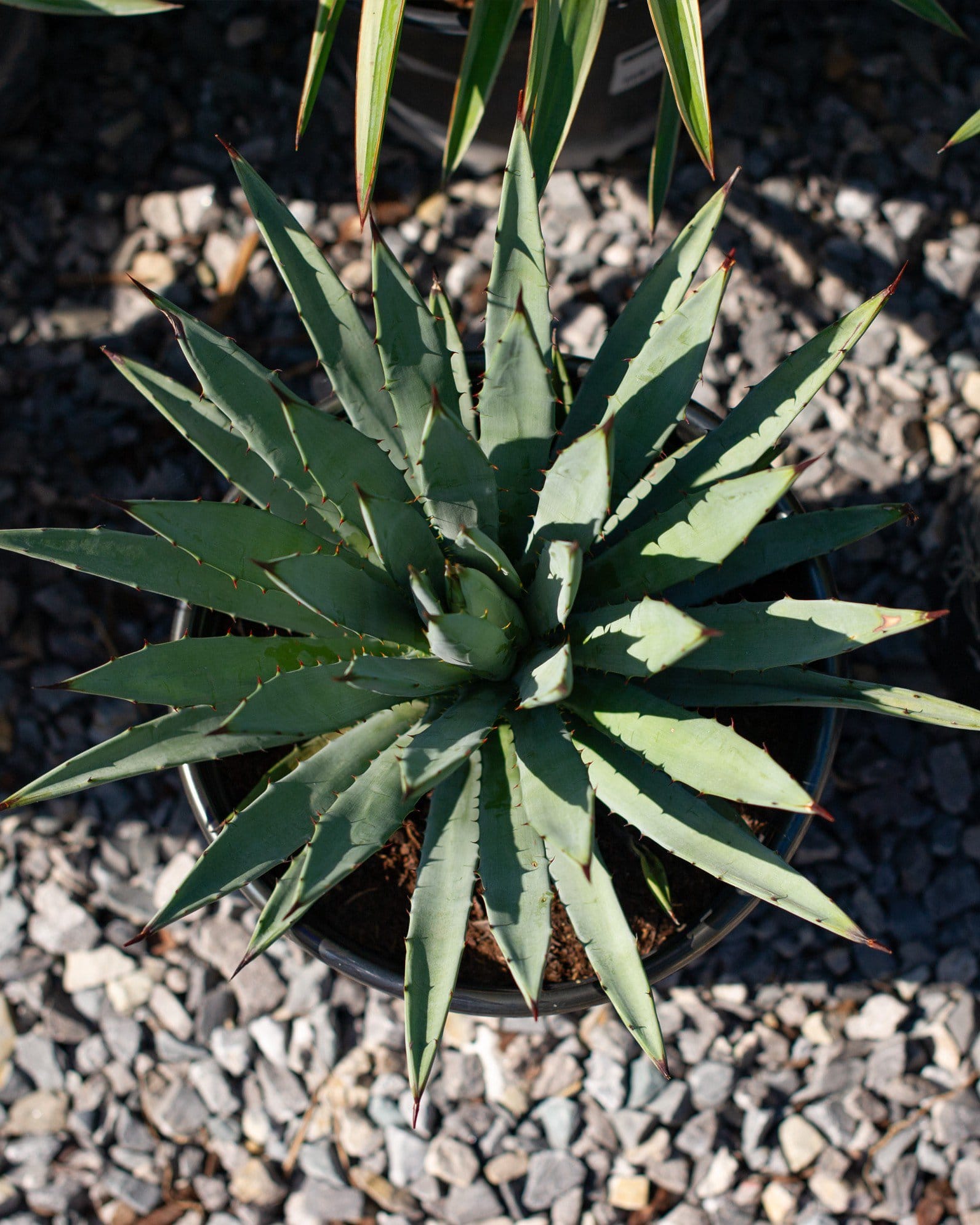
Agave parryi var. truncataArtichoke Agave is prized for its compact, symmetrical rosette and distinctive leaf shape. The short, full, wide, blue-gray leaves form a rounded dome that reaches about 3 feet tall and up to 5 feet wide. The dense, artichoke-like silhouette makes it an ideal choice for sculptural plantings or container displays. Each leaf is tipped with a terminal spine and finely toothed edges, giving the plant a dramatic yet contained presence. Its sculptural rosette holds form beautifully through the seasons, adding consistent texture even in dormancy.
- Rounded blue-gray rosette
- Leaf shape mimics an artichoke
- Dense form to 5 feet wide
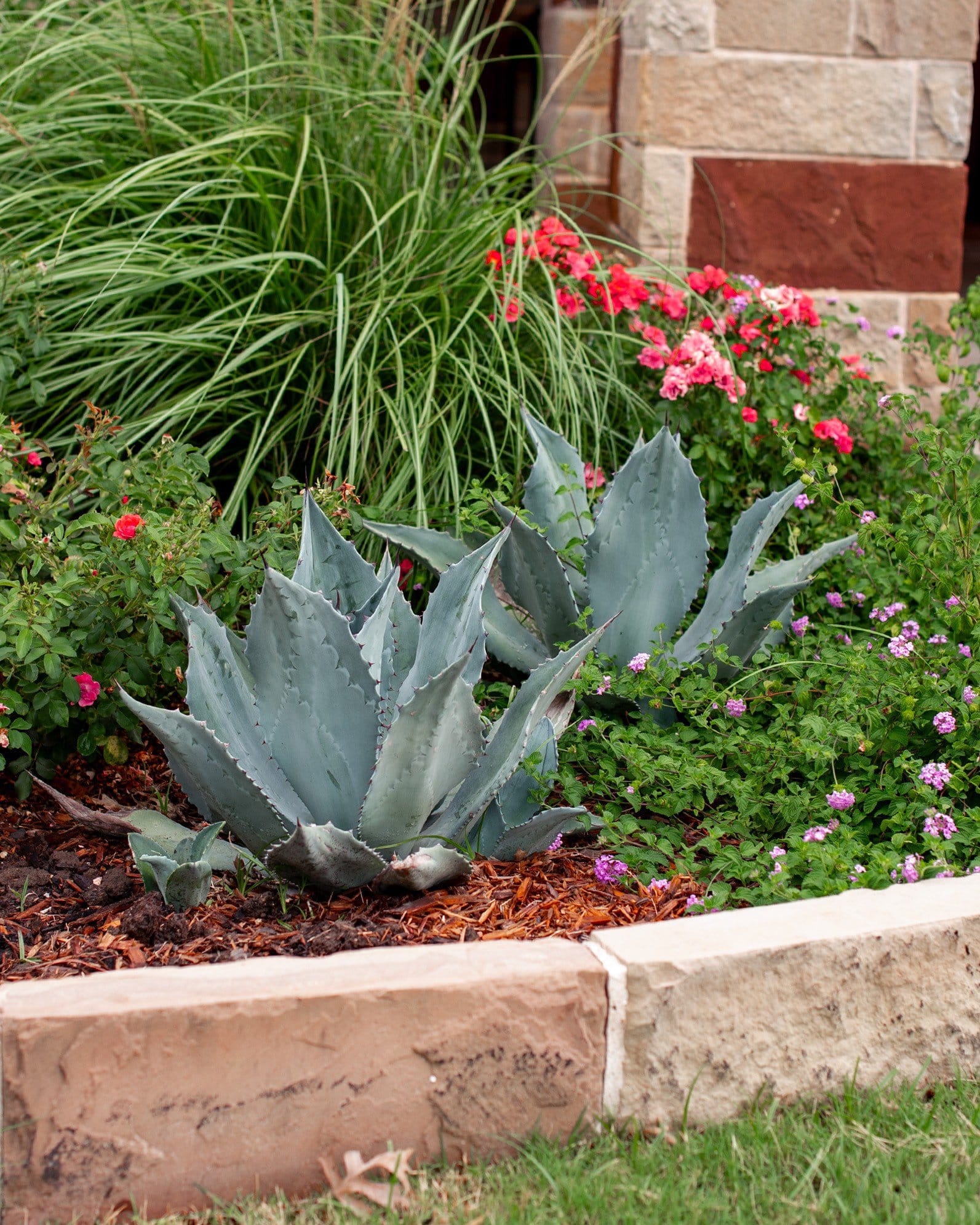
- Great for containers or accents
- Excellent texture for desert-themed designs
This agave consistently thrives in full sun, and in soil with excellent drainage. Hardy in USDA zones 7–10, it’s well adapted for North Texas dry beds and modern designs. Maintenance is limited to removing old leaves as needed to preserve shape.
Artichoke Agave is incredibly low-maintenance once settled, but a few habits will help it look its best:
- Watering: Water regularly during the first growing season to establish roots. After that, water deeply but infrequently - only when the soil is completely dry. You can also lower the frequency in winter when the plant is dormant. Overwatering is the most common mistake.
- Pruning: Minimal pruning is required and it's rarely necessary as the plant naturally sheds older leaves. However, you can still remove dead or damaged foliage to maintain looks and form, or prevent injury from the spines.
- Fertilizing: Fertilization is rarely needed. If desired, apply a diluted cactus or succulent fertilizer in spring for a slight growth boost. But again, this is not essential.
- Mulching: Use gravel mulch rather than organic material to prevent excess moisture retention and discourage rot. You can also do decomposed granite or crushed rock.
Common Issues and How to Take Care of Them
Artichoke Agave is resilient and generally pest-free, but a few issues can occasionally arise:
- Root rot: The most common problem, caused by poor drainage or overwatering. Always let soil dry completely before watering again.
- Agave Snout Weevil: A serious pest that burrows into the base and lays eggs. Watch for sudden leaf collapse or black ooze near the crown. Remove and dispose of infected plants promptly, and treat surrounding soil with a systemic insecticide if necessary.
- Scale and mealybugs: Appear as small white or brown bumps. Wipe affected areas with a cotton swab dipped in rubbing alcohol or use insecticidal soap.
- Sunburn: Newly transplanted agaves may scorch in full sun; provide temporary shade until established.
Proper siting and good drainage are the best defenses against most issues.
As long as you respect its sunlight, soil, and water requirements, it can grow beautifully inside your home or office space.
Yes, it’s among the hardier agaves which can tolerate temperatures as low as 15°F once established.
Yes, it’s monocarpic, meaning the main rosette dies after blooming which is a phenomenon called the "death bloom." However, it often produces offsets (pups) before that, which can be replanted.
During the first year, water every 1-2 weeks. Once mature, monthly watering during dry spells is usually enough. Always check how wet the soil is before watering, so you don't overwater your Agave.
Definitely. When growing your Artichoke Agave in a pot, make sure to choose one with excellent drainage so your plant has the best growing conditions and use a cactus mix or gritty soil blend.
Ideally, Artichoke Agave wants full sun for the best color and form. However, it will tolerate partial sun in very hot Texas climates.
Artichoke Agave has a slow to moderate growth rate as they blooming and reach mature size in 10 to 30 years, depending on the conditions.
Wait until offsets (pups) are at least 4-6 inches wide, then separate with a clean, sharp knife and replant in dry soil after letting the cut end callus for a few days.
Usually, the yellow leaves will come from overwatering or poor drainage, the most common mistake people make with their Artichoke Agave. Allow soil to dry completely and check for root rot.
Since Artichoke Agave dies after blooming, it can live anywhere from 10 to 30 years. However, it does produce pups and regrows, so don't let its death alarm you.
Special Features
You might also like
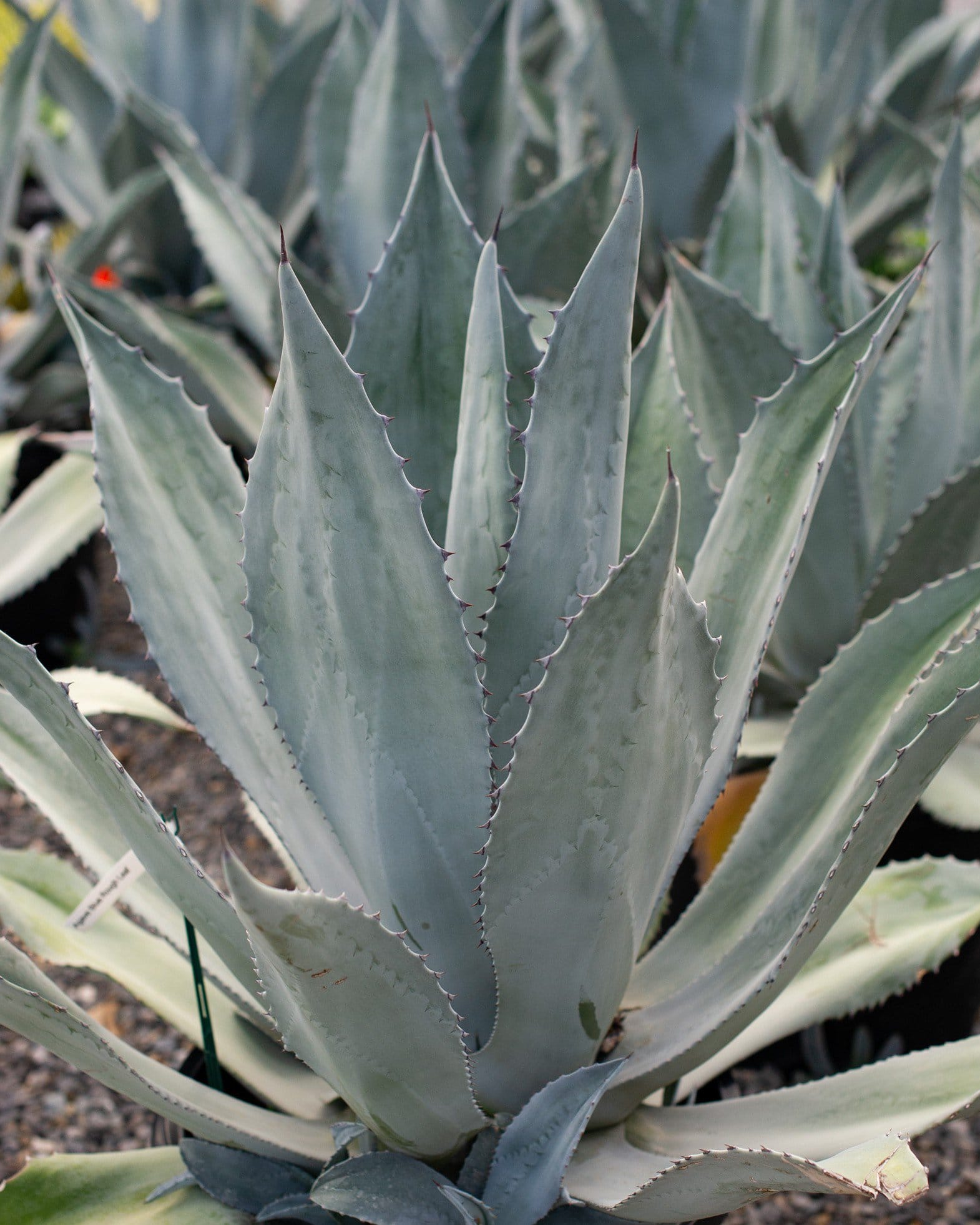
Blue Rough Leaf Agave
Maturity: 3' H x 3' W
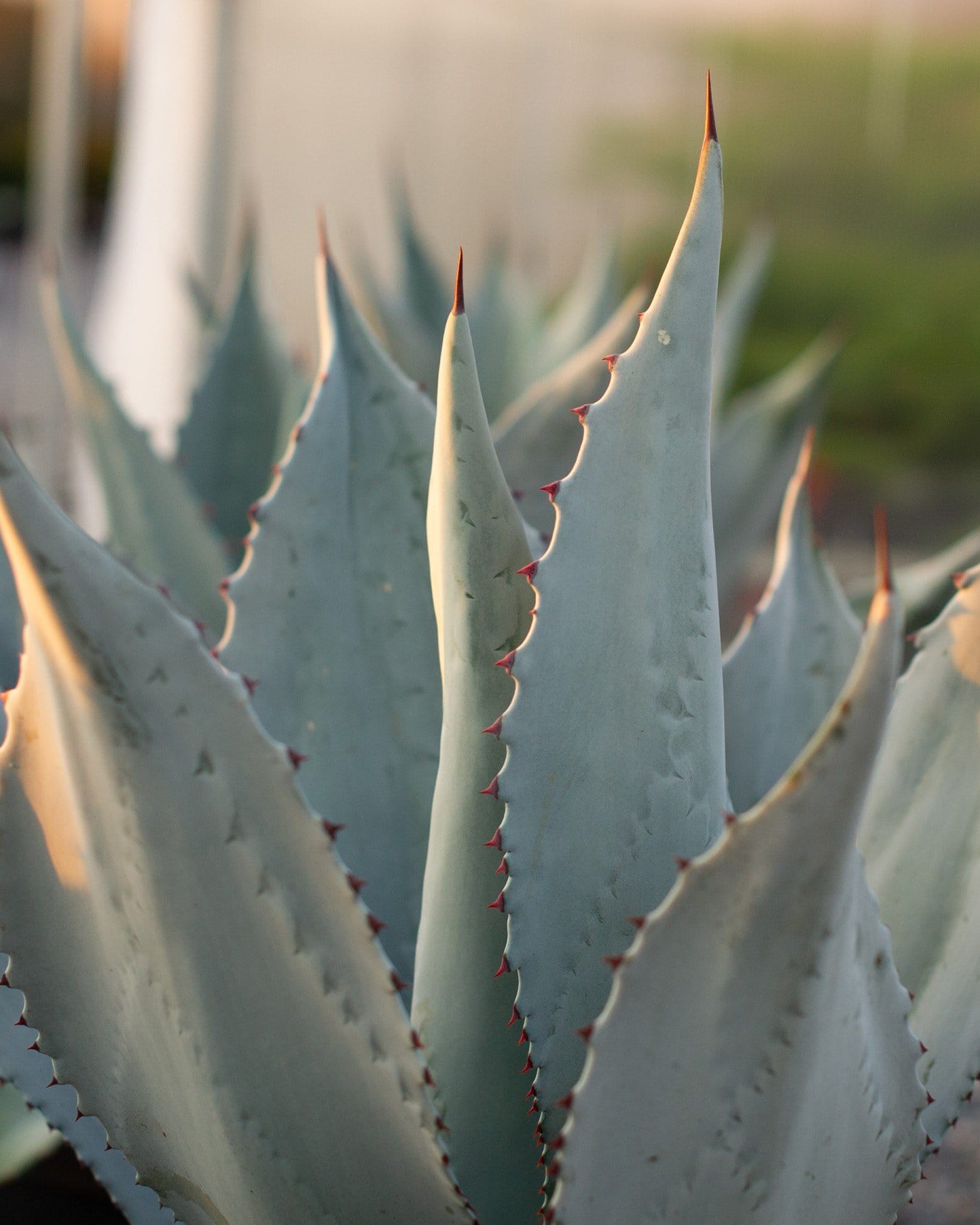
Havardiana Agave
Maturity: 2' H x 3' W
Americana Agave
Maturity: 6' H x 8' W
Americana Agave Opal
Maturity: 4' H x 6' W
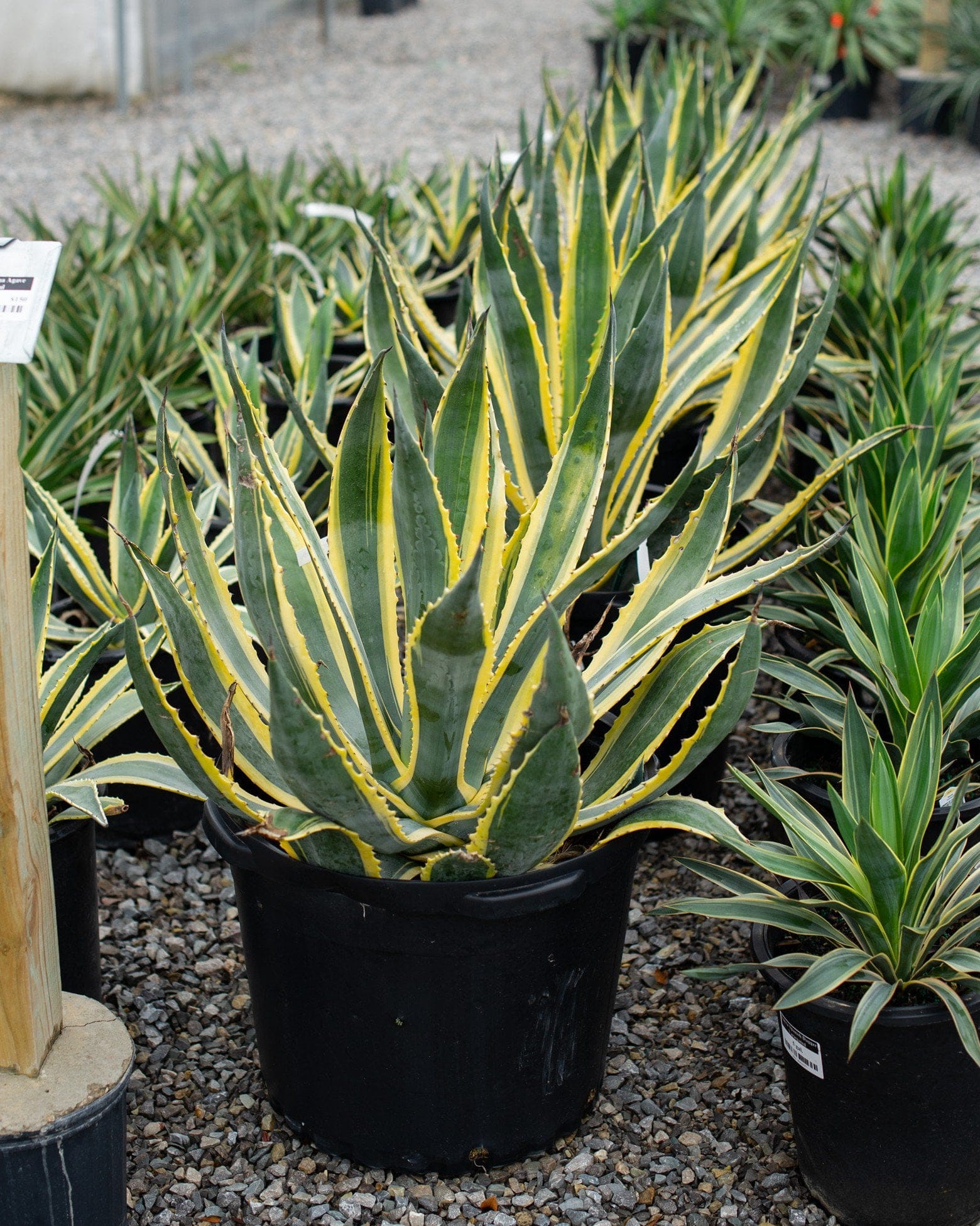
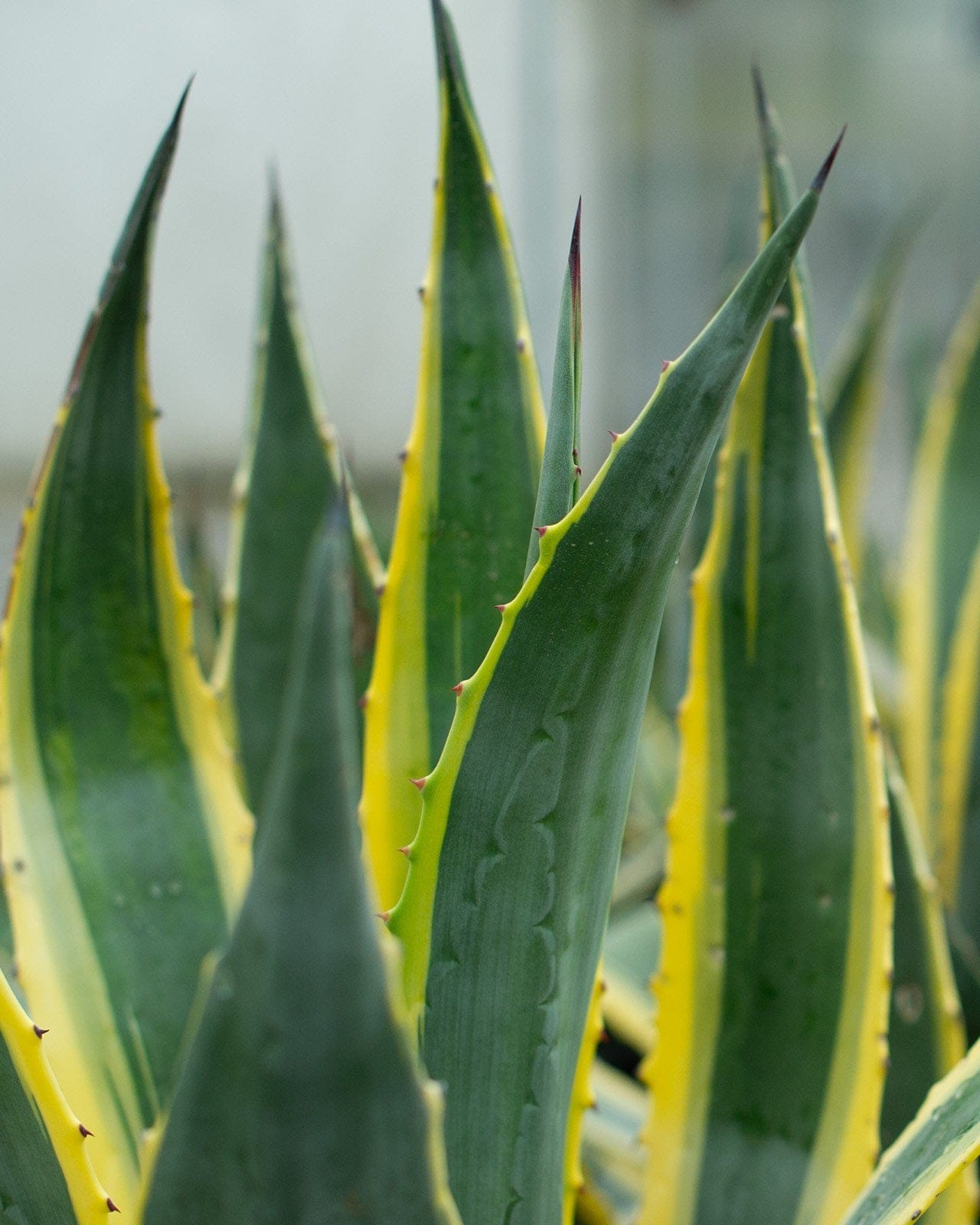
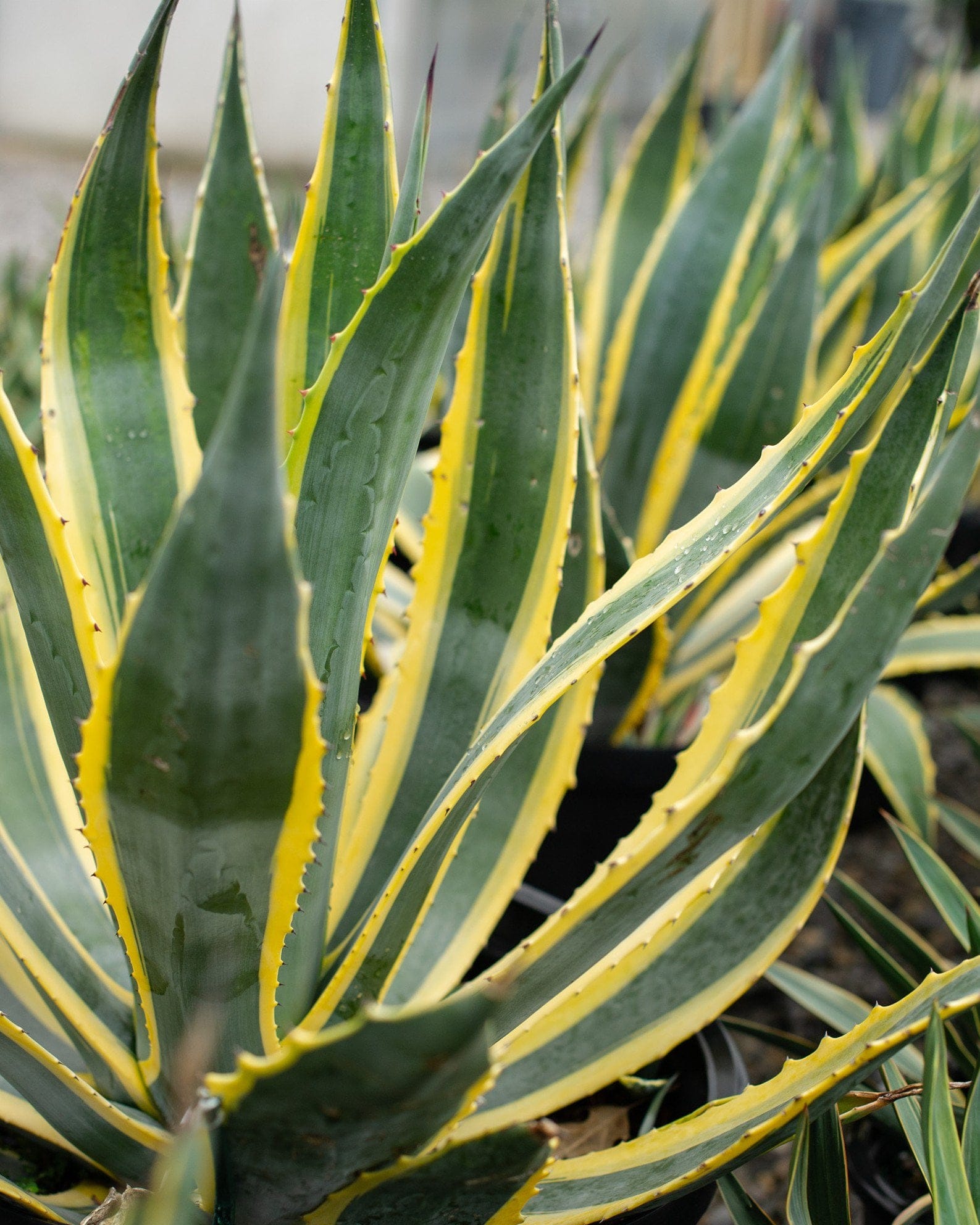
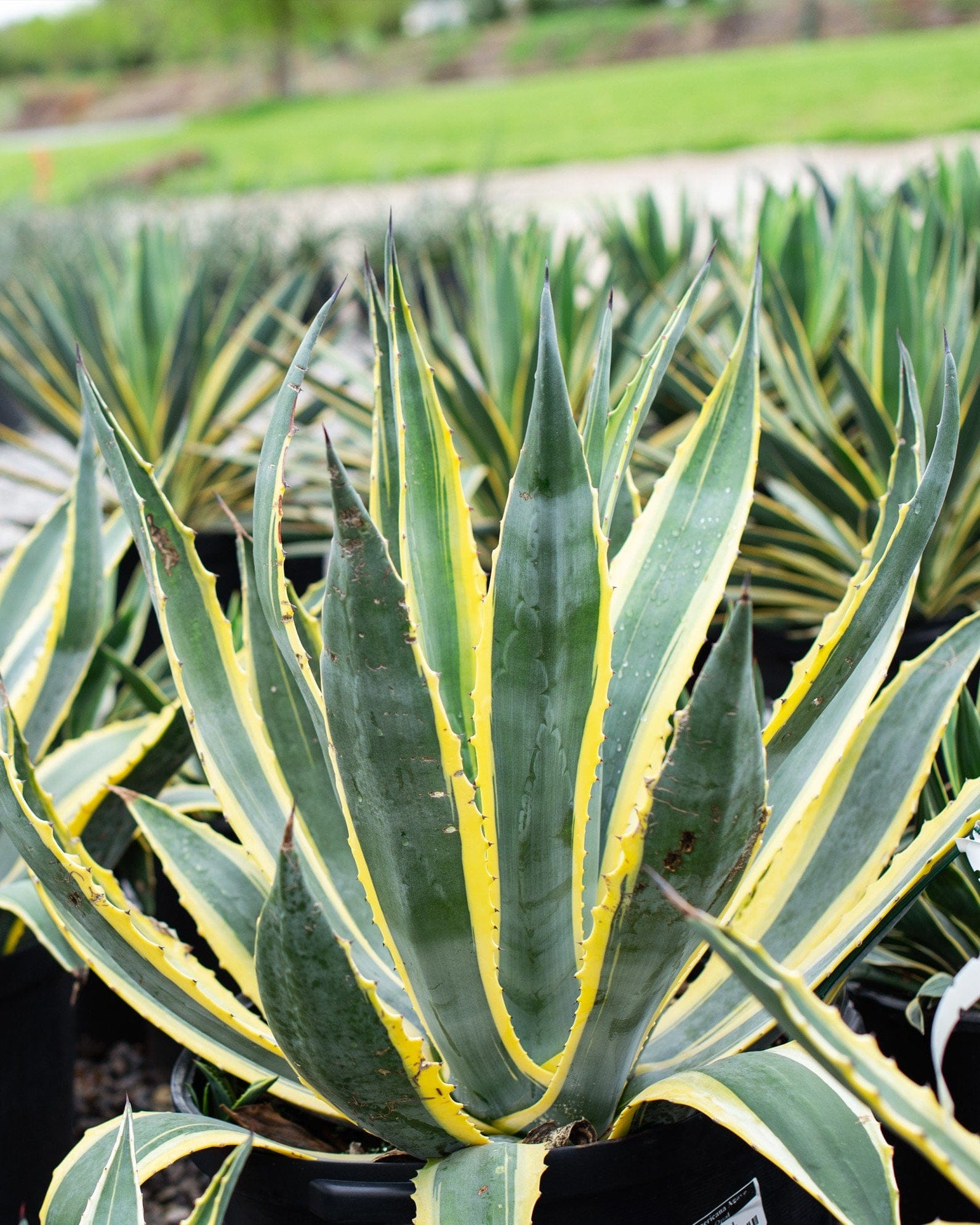
Parry's Agave
Maturity: 1.5' H x 2' W
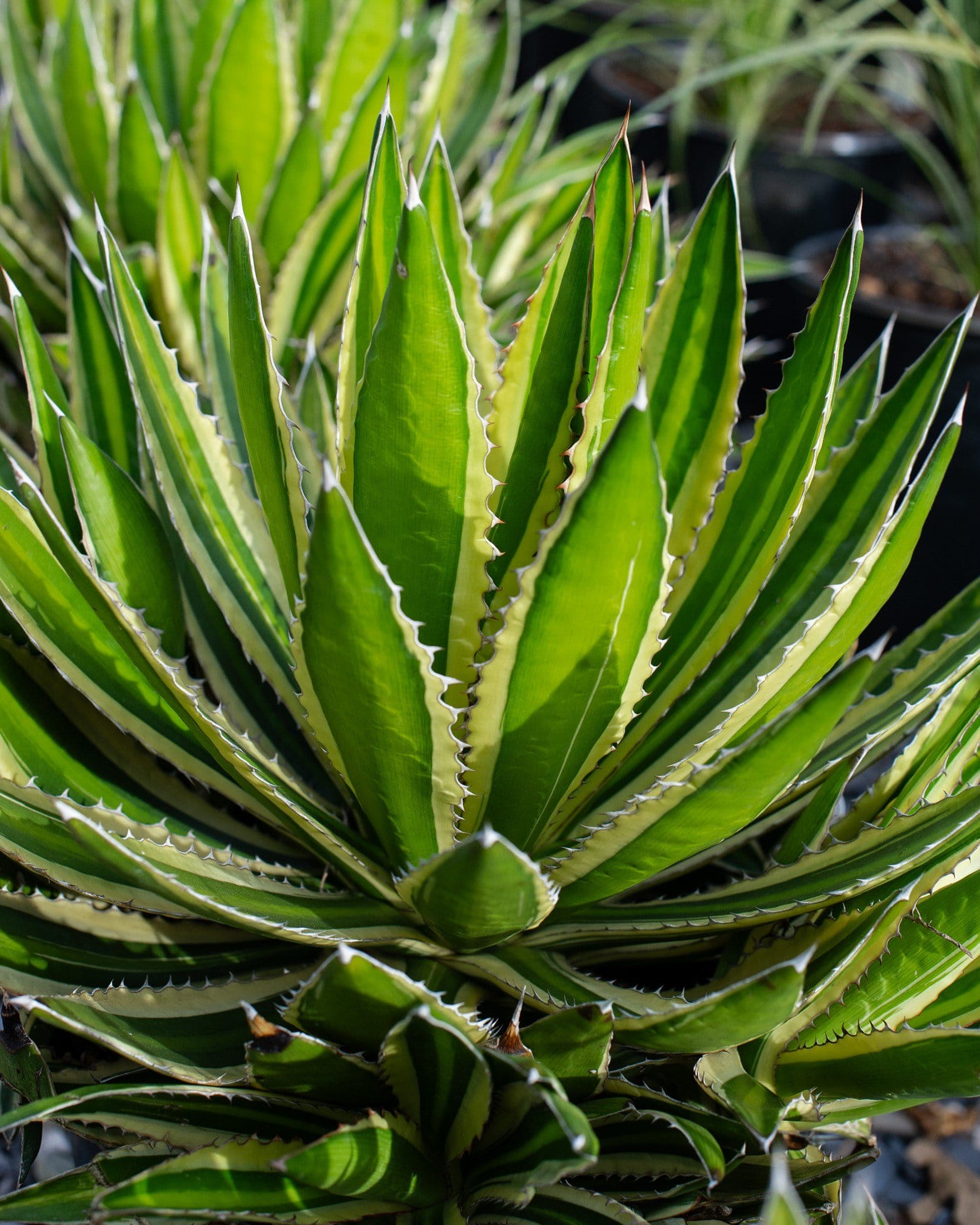
Quadricolor Agave
Maturity: 1.5' H x 2' W
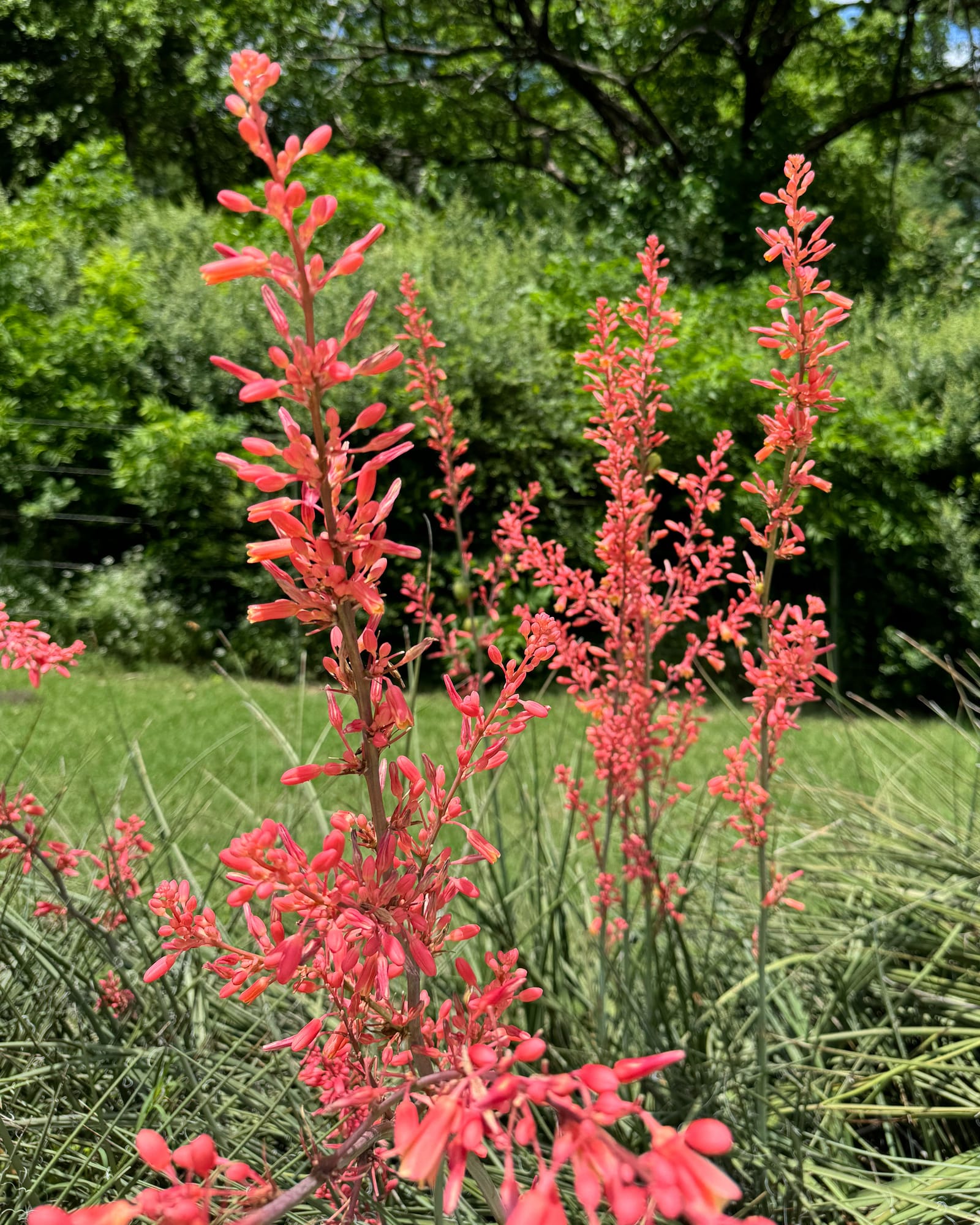
Red Yucca
Maturity: 3' H x 3' W
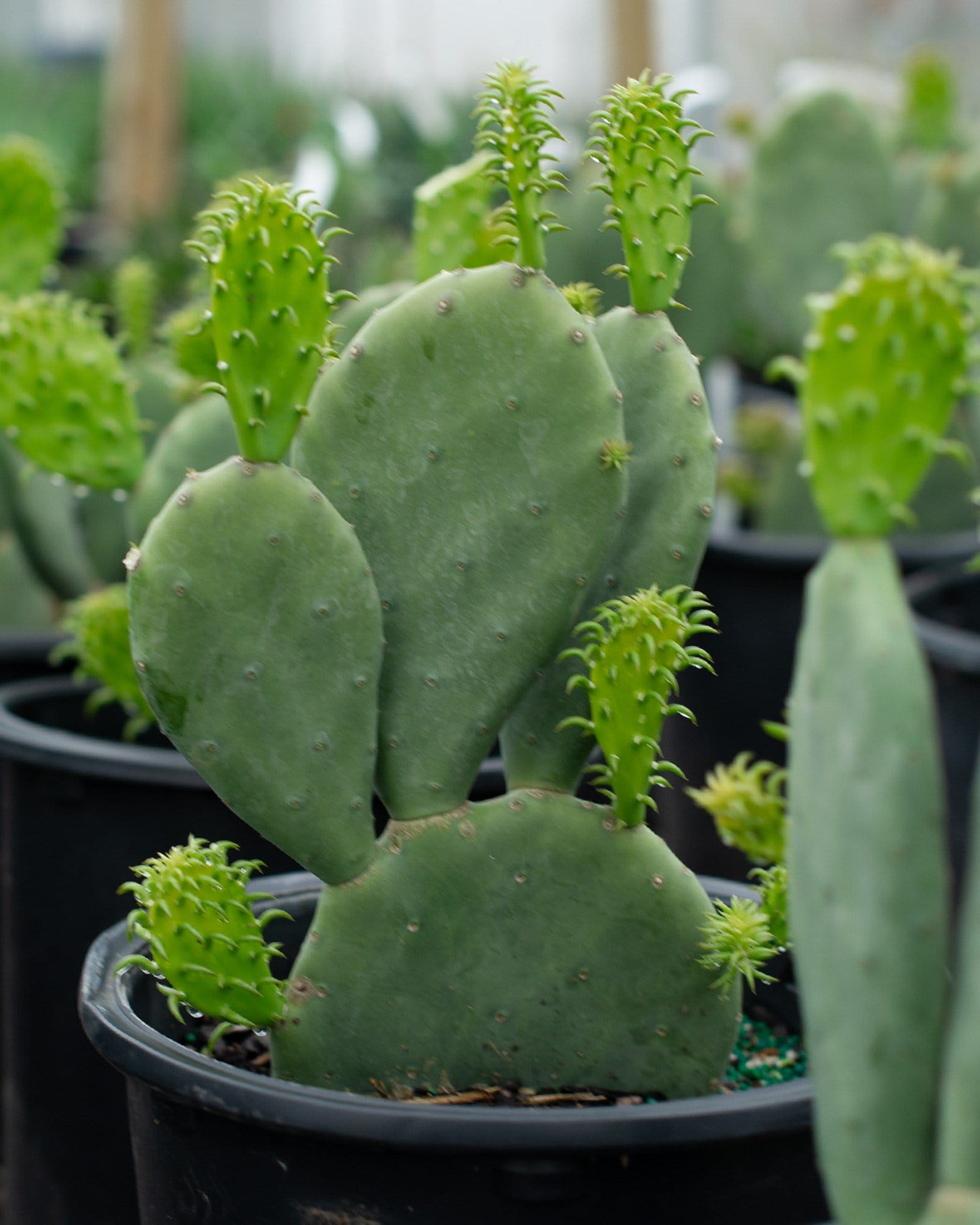
Spineless Prickly Pear Cactus
Maturity: 3' H x 4' W
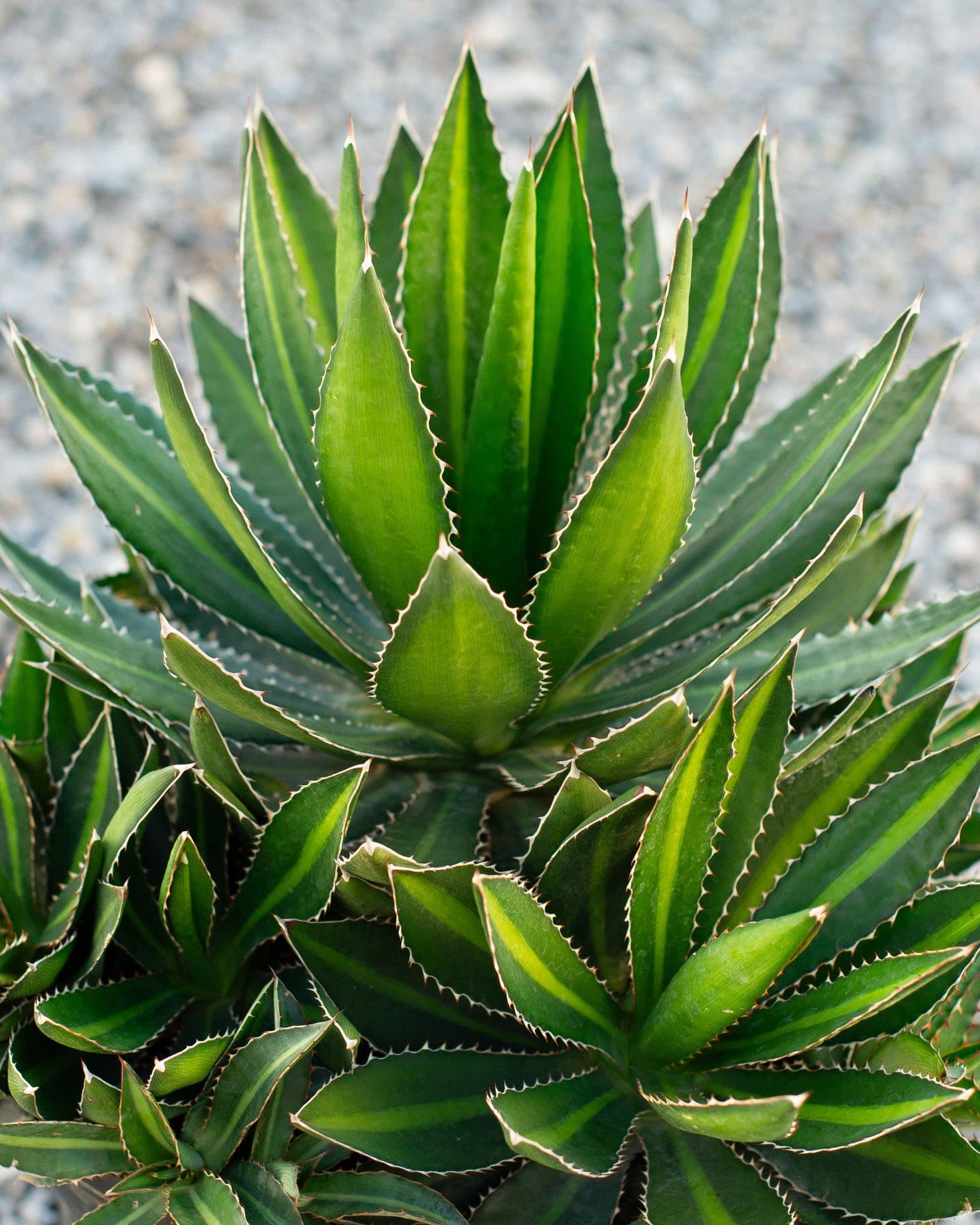
Splendida Agave
Maturity: 1.5' H x 3' W
Weber's Agave
Maturity: 4' H x 6' W
Whale's Tongue Agave
Maturity: 3' H x 4' W
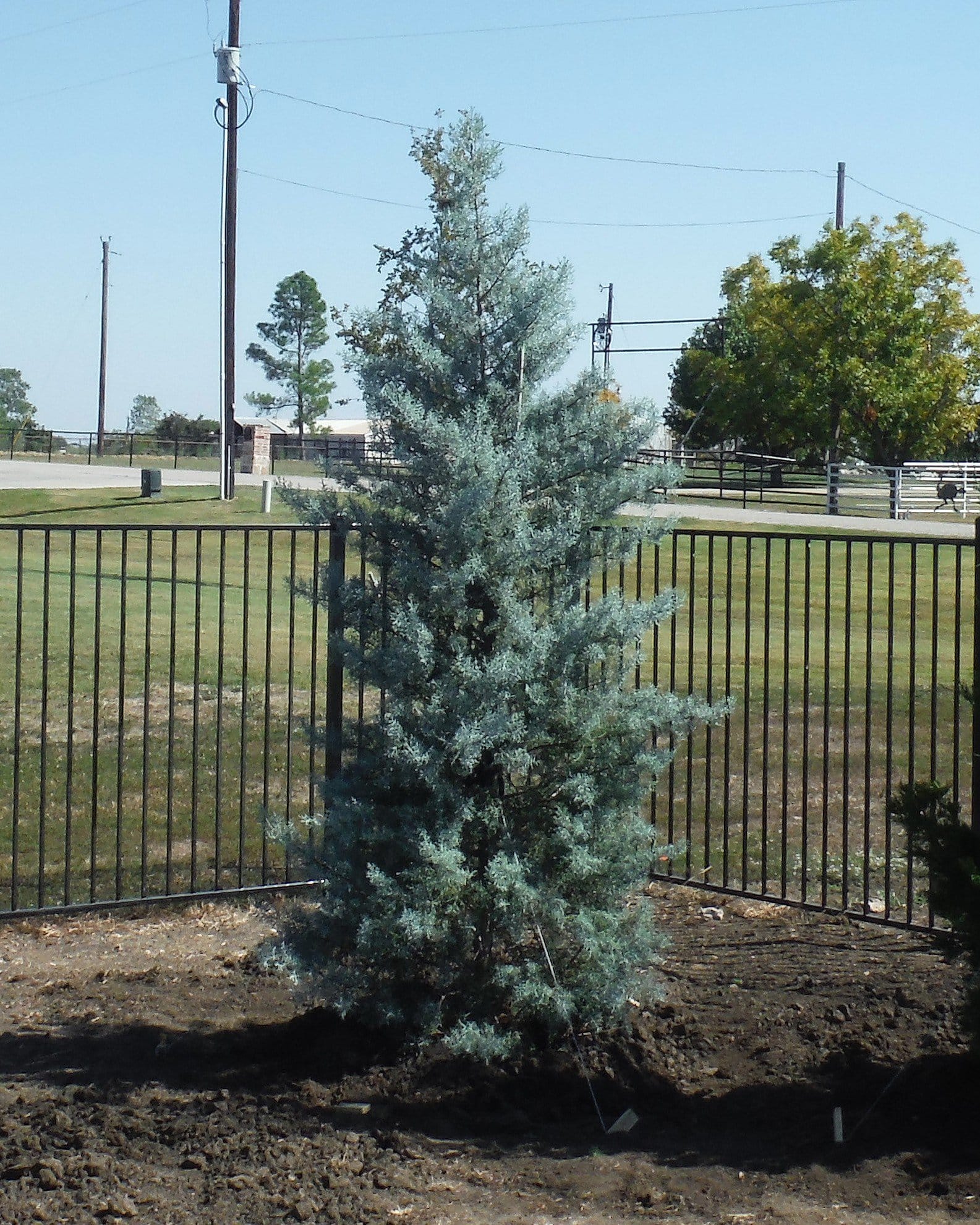
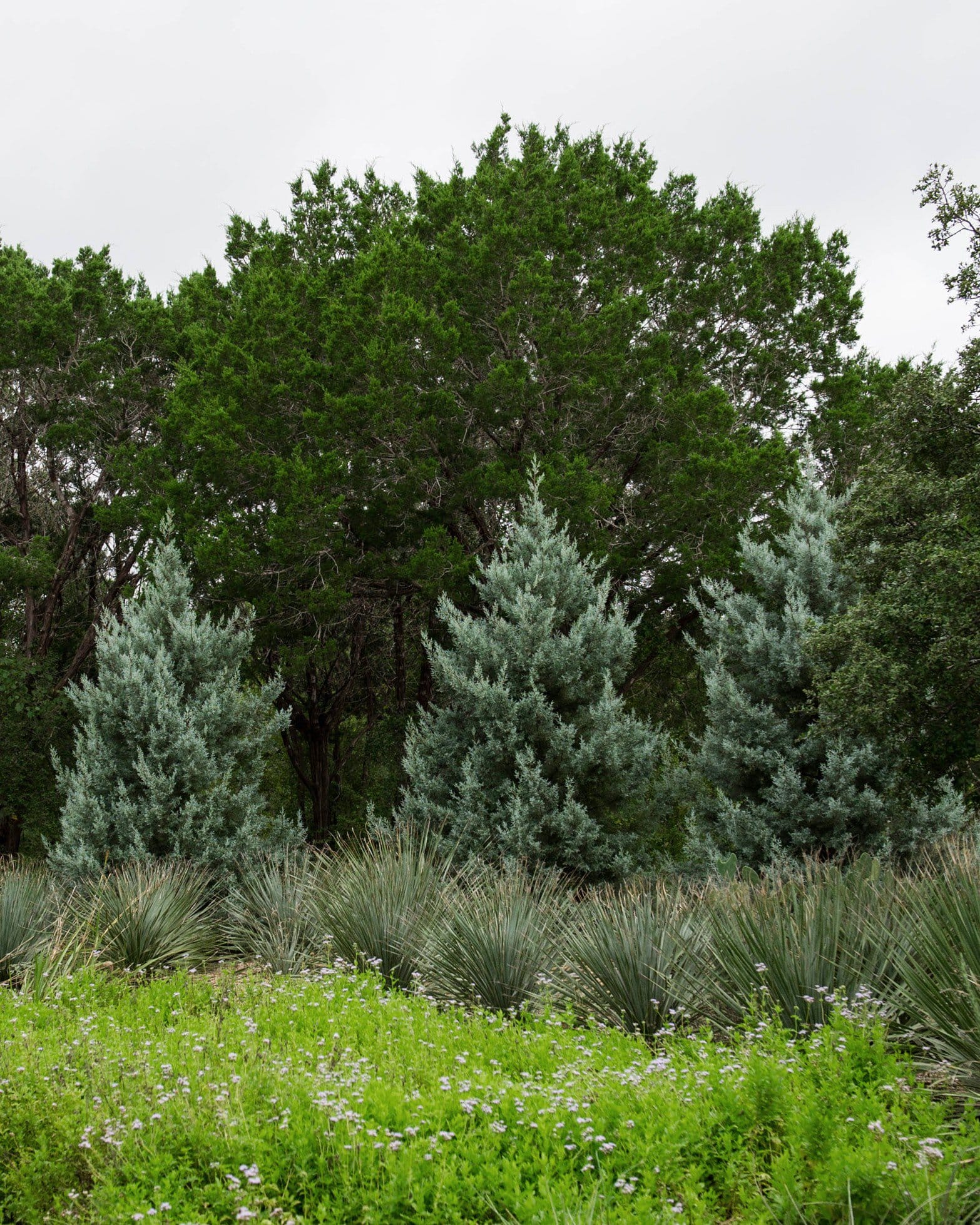
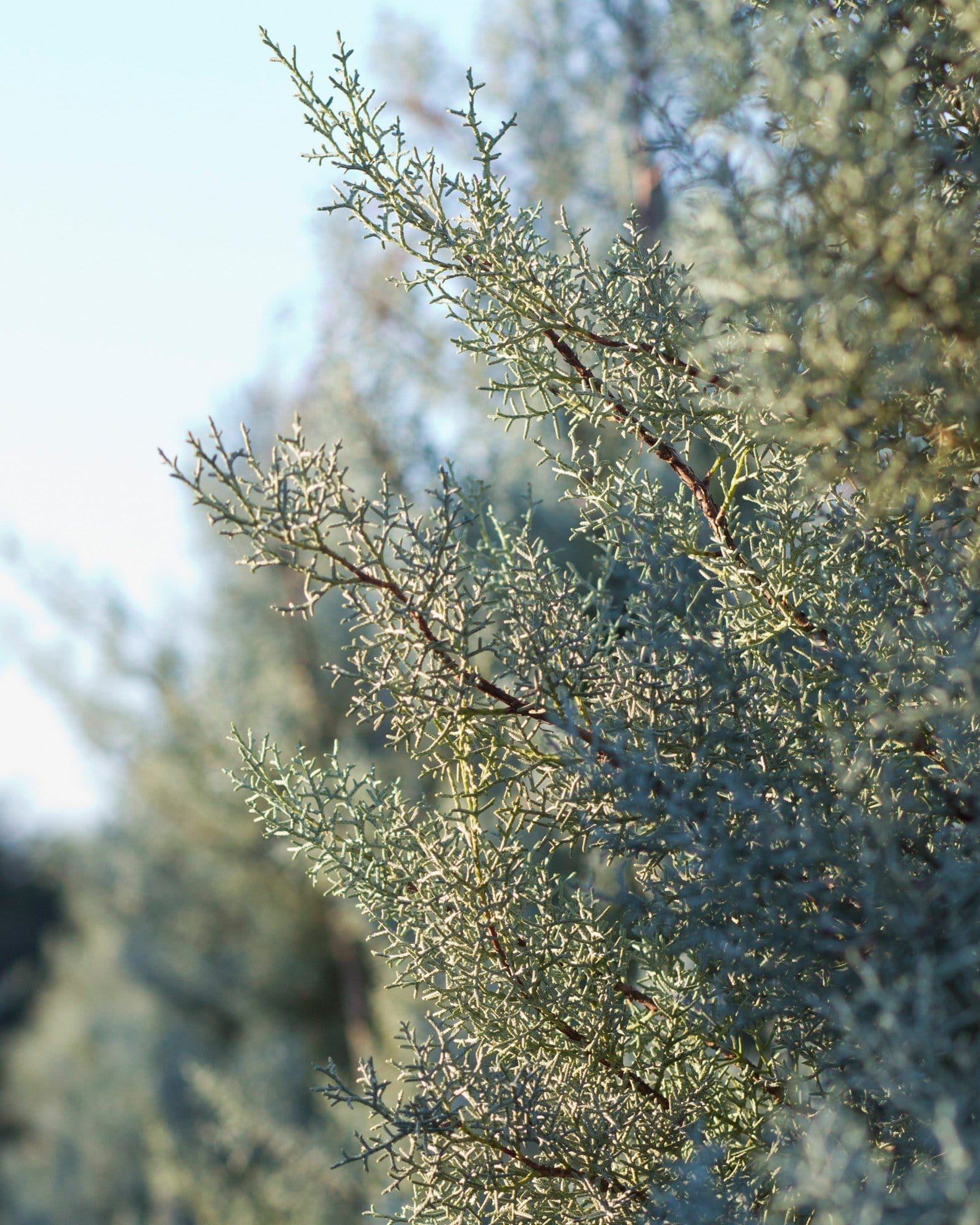
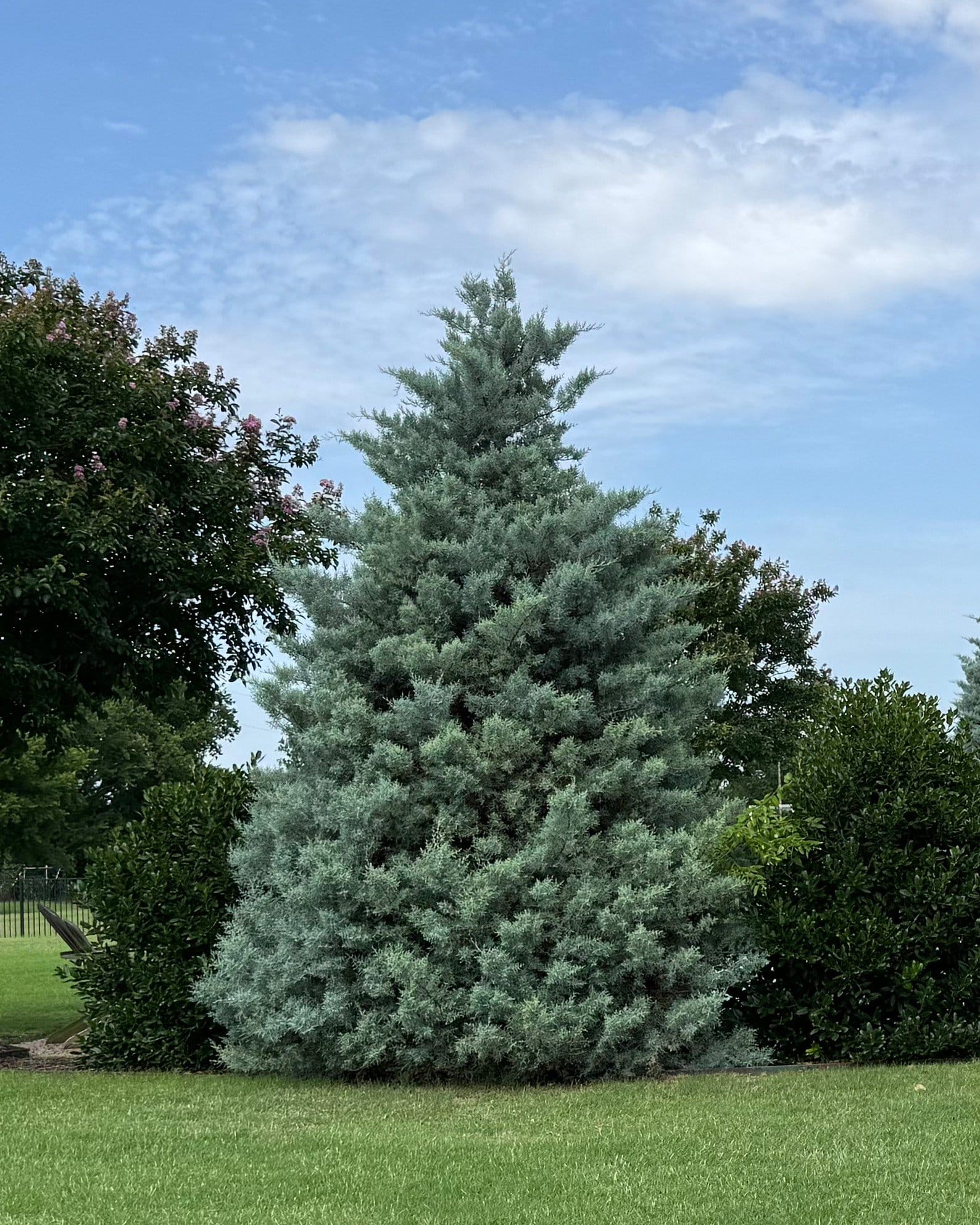
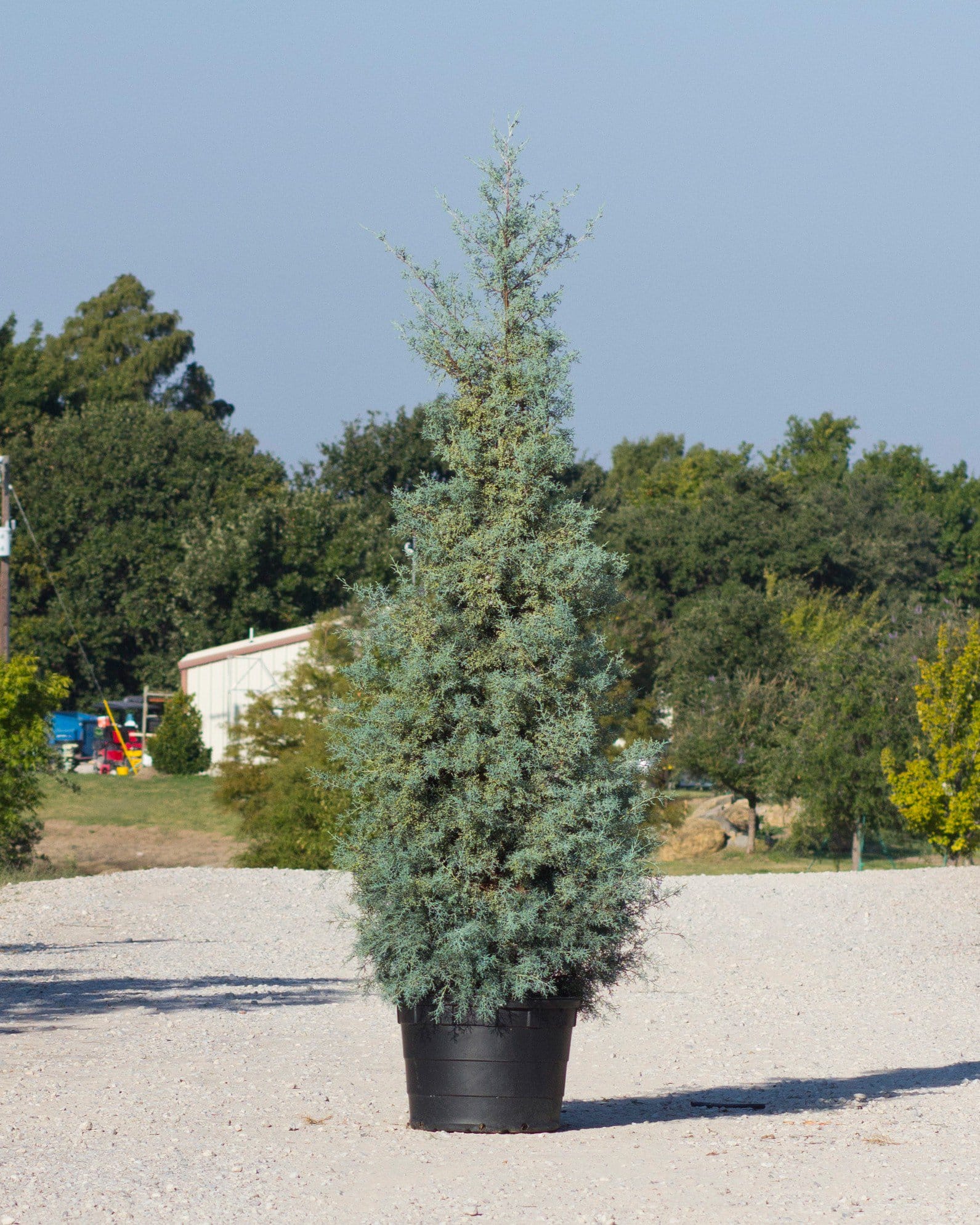
Arizona Cypress Blue Ice
Maturity: 25' H x 15' W
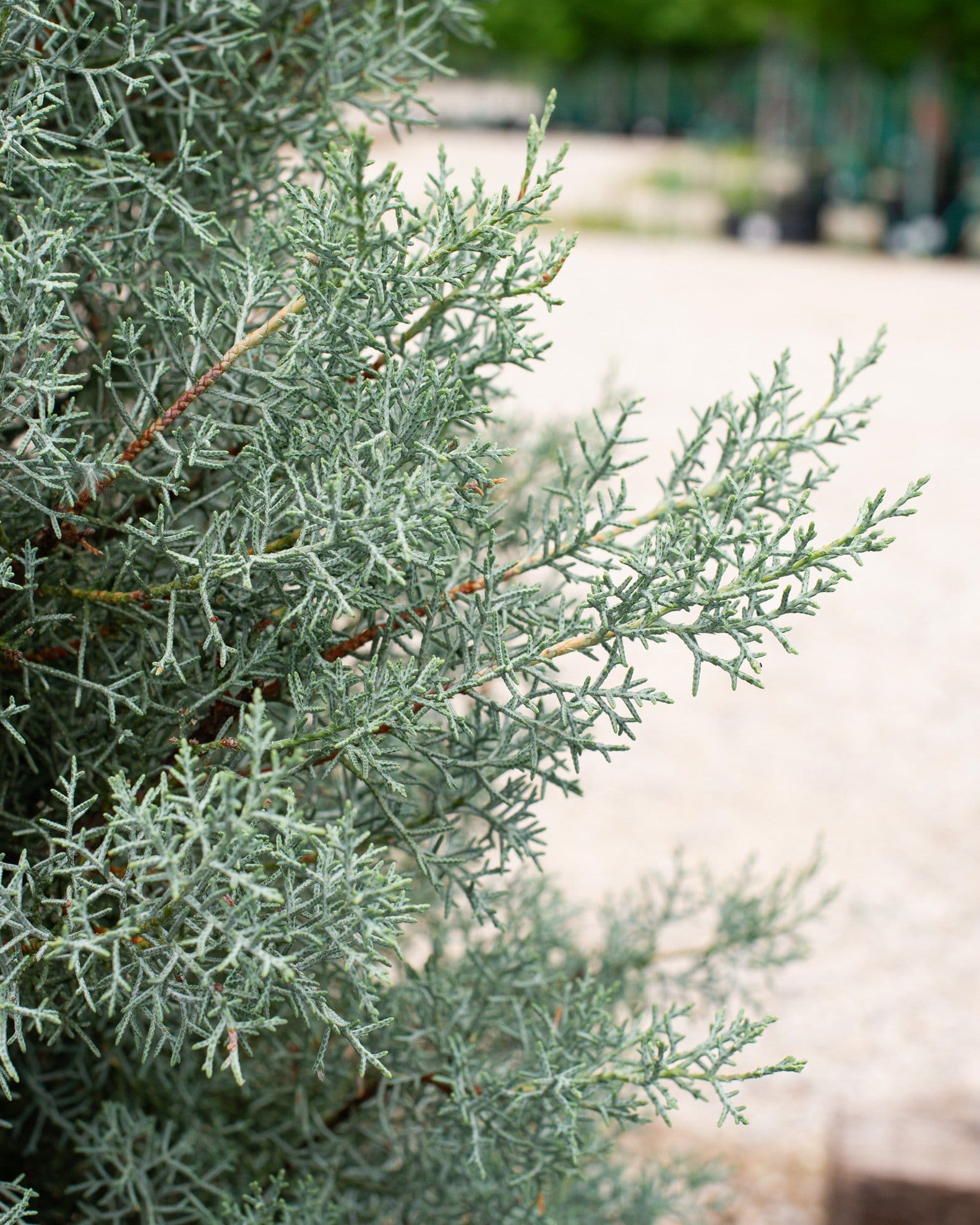
Arizona Cypress Carolina Sapphire
Maturity: 30' H x 20' W
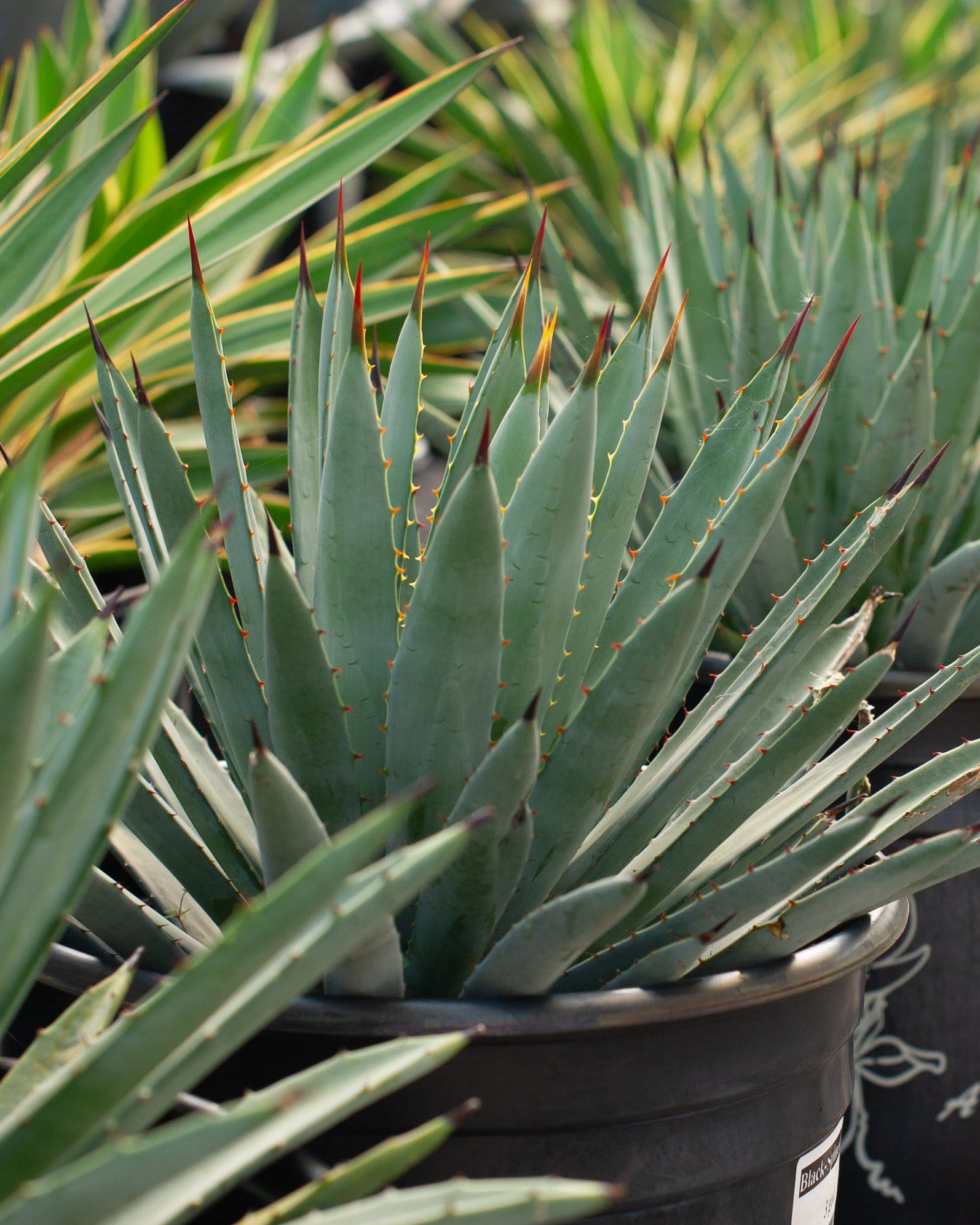
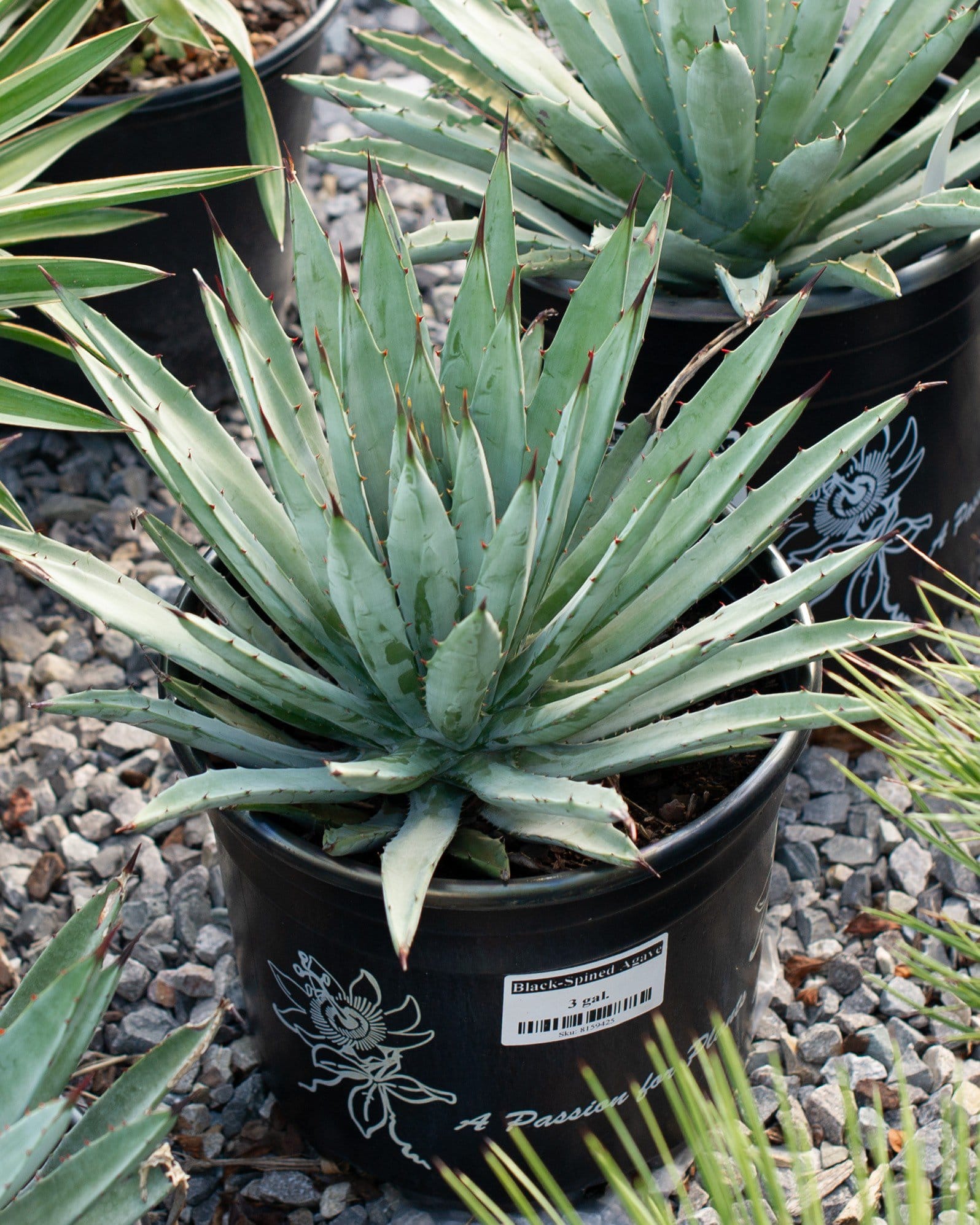
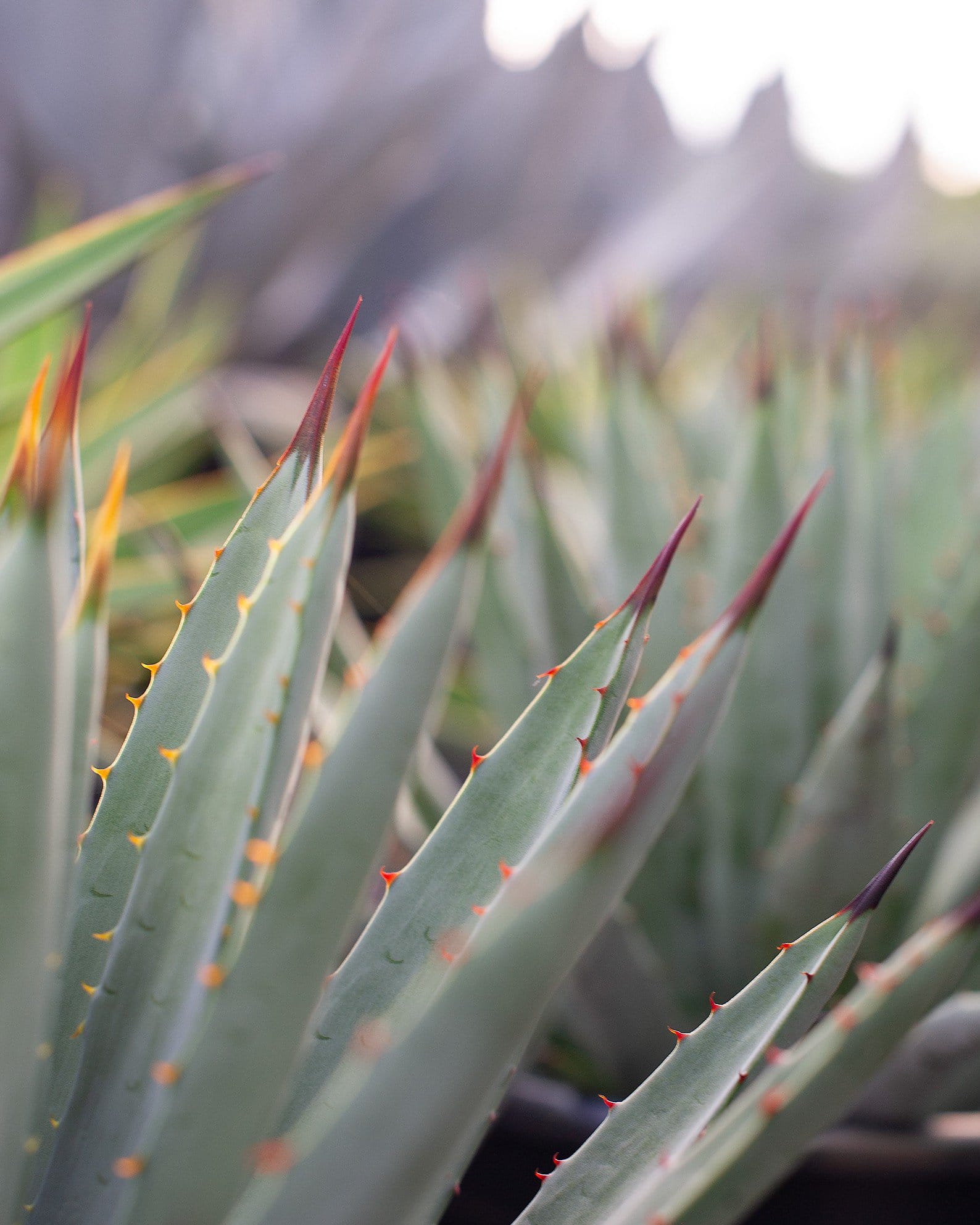
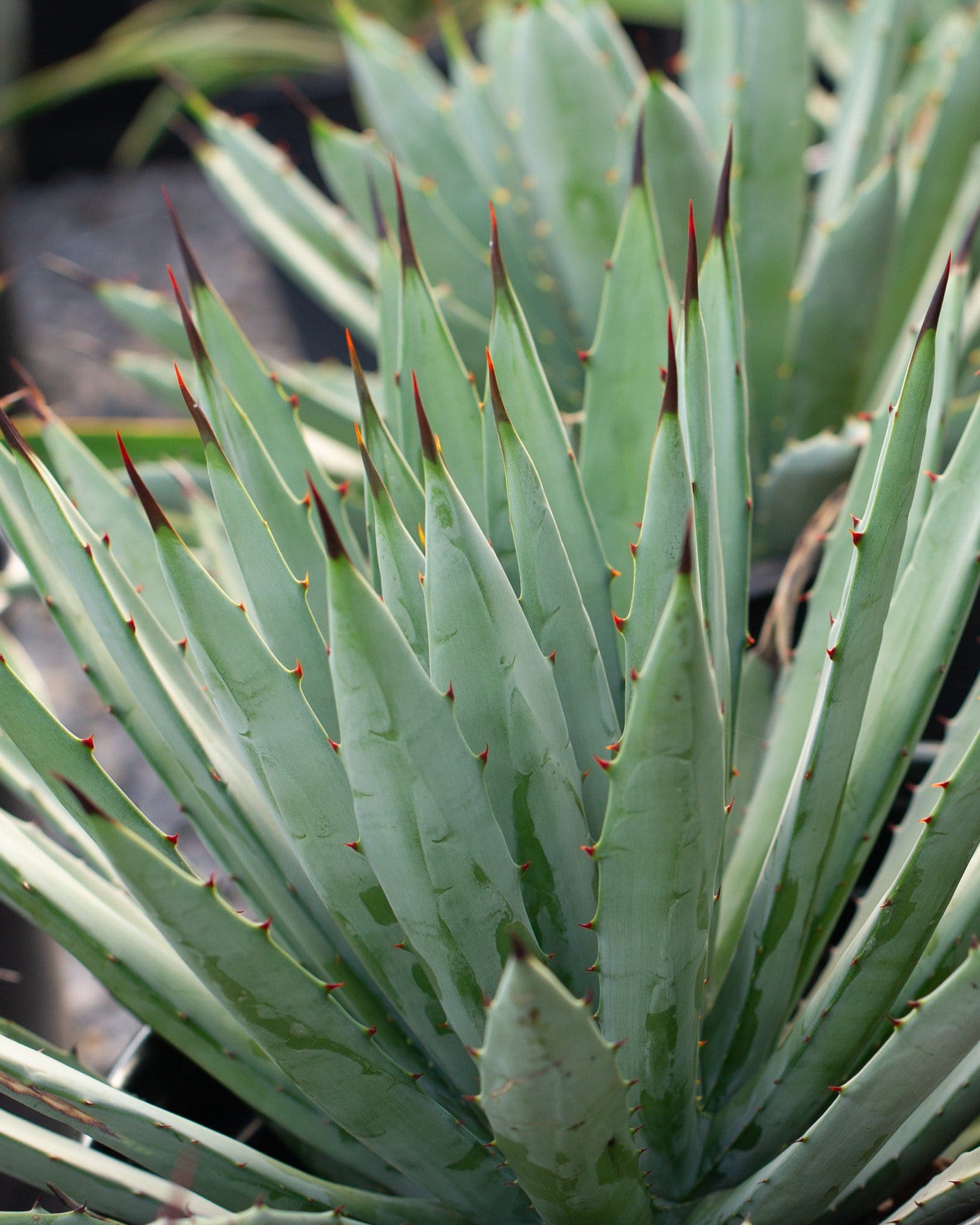
Black-Spined Agave
Maturity: 1.5' H x 2' W
Brakelights Yucca
Maturity: 2' H x 2' W
Compare Similar Plants
Artichoke Agave This plant | ||
|---|---|---|
| Scientific Name | Agave parryi var. truncata | Agave asperrima |
| Size at Maturity | 3' H x 5' W | 3' H x 3' W |
| Leaf Retention | Evergreen | Evergreen |
| Sizes Available | 1, 3, 5, 7, 15 gal | 5, 15, 30 gal |


Our 1-Year Planting Guarantee
We take pride in our plants and installation services. If any plants or trees installed by Treeland fail to thrive within the first year, we'll provide a replacement credit in accordance with our guarantee program.
Learn More About Our Guarantee