
 Popular
 Texas Native
Eastern Red Cedar Burkii
Juniperus virginiana ‘Burkii’Local DFW Delivery Only
Product Details
Eastern Red Cedar Burkii
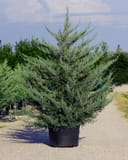
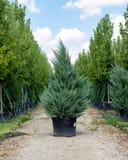
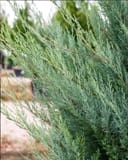
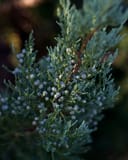
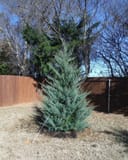
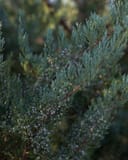
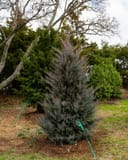
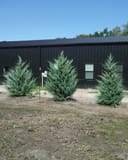
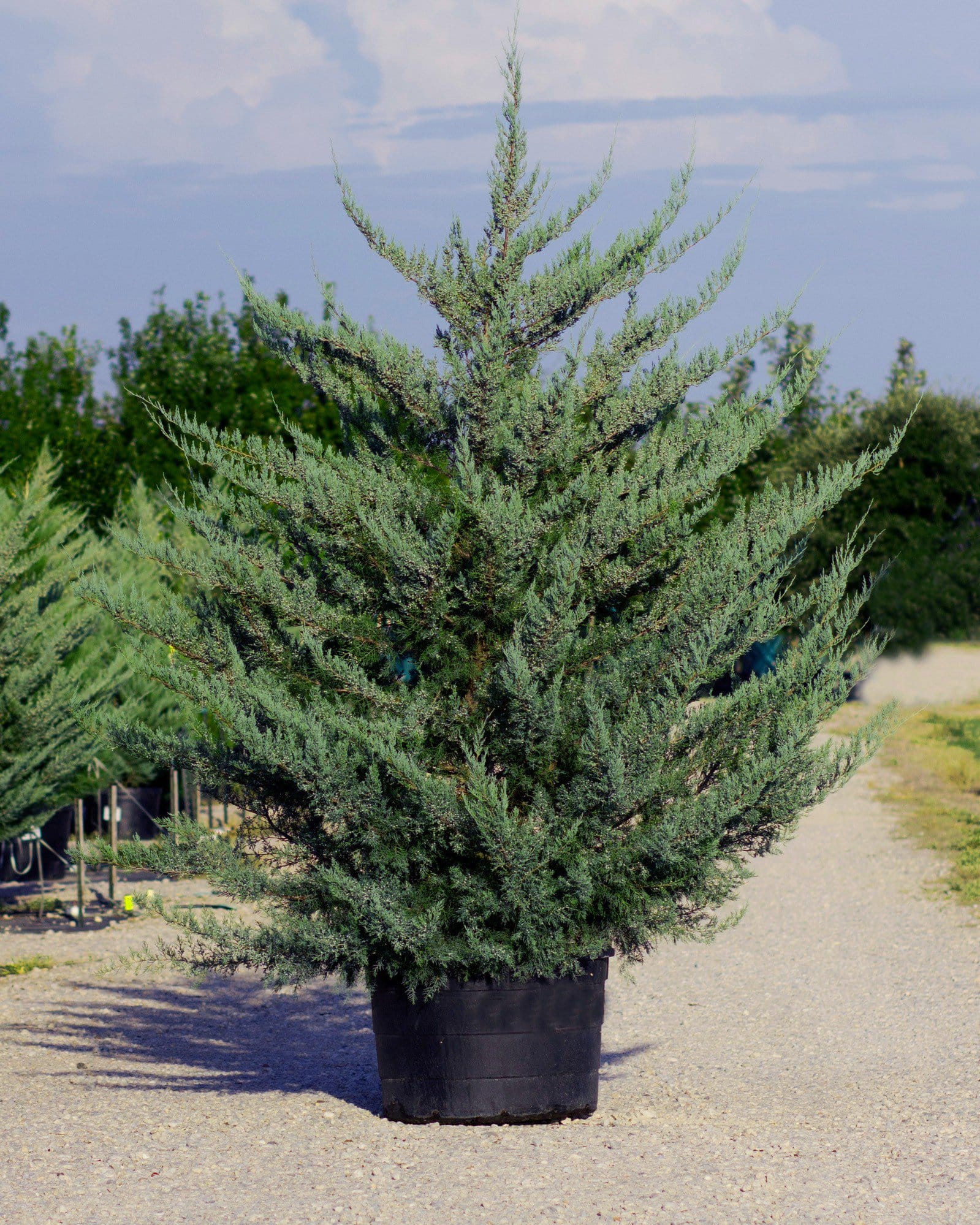
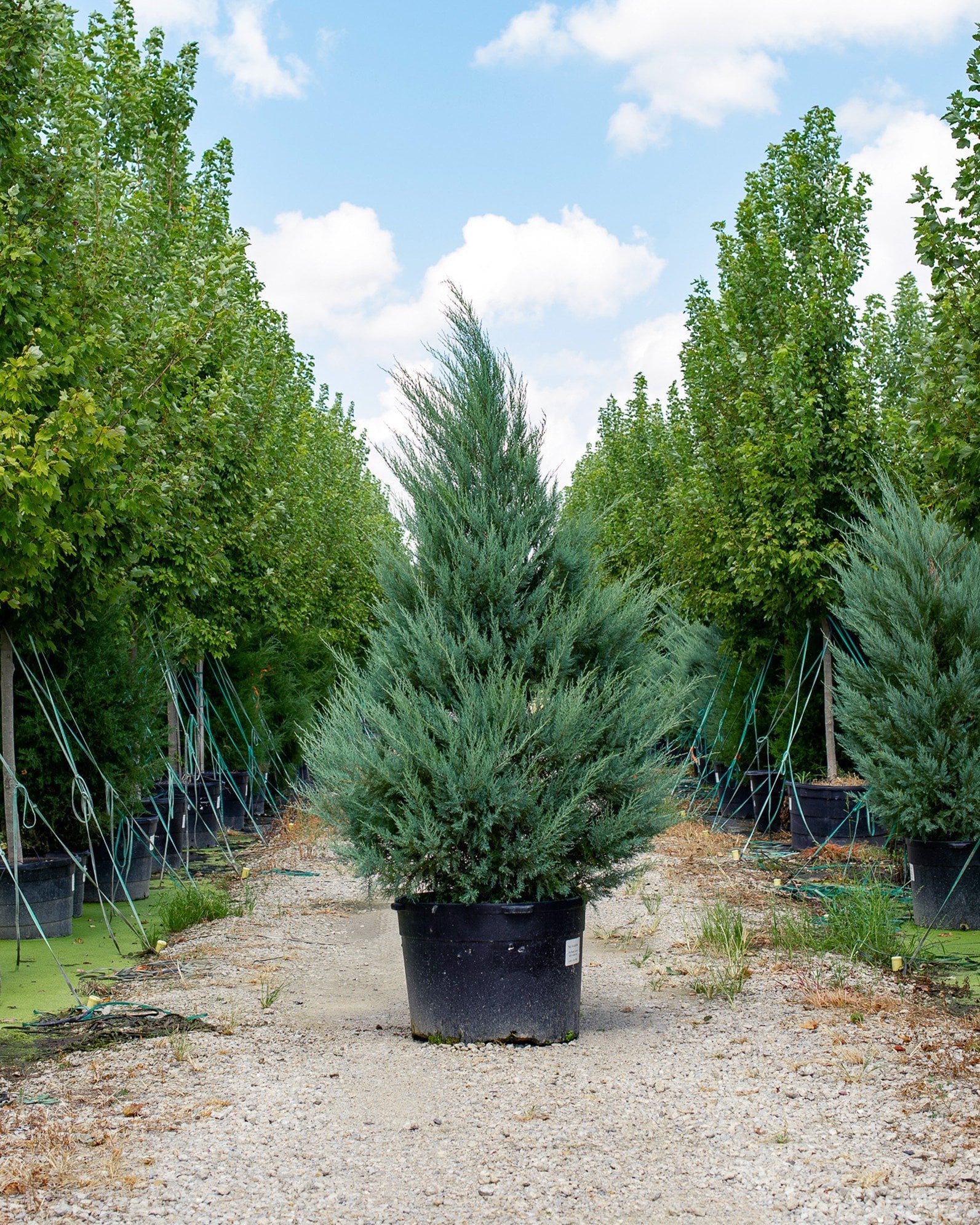
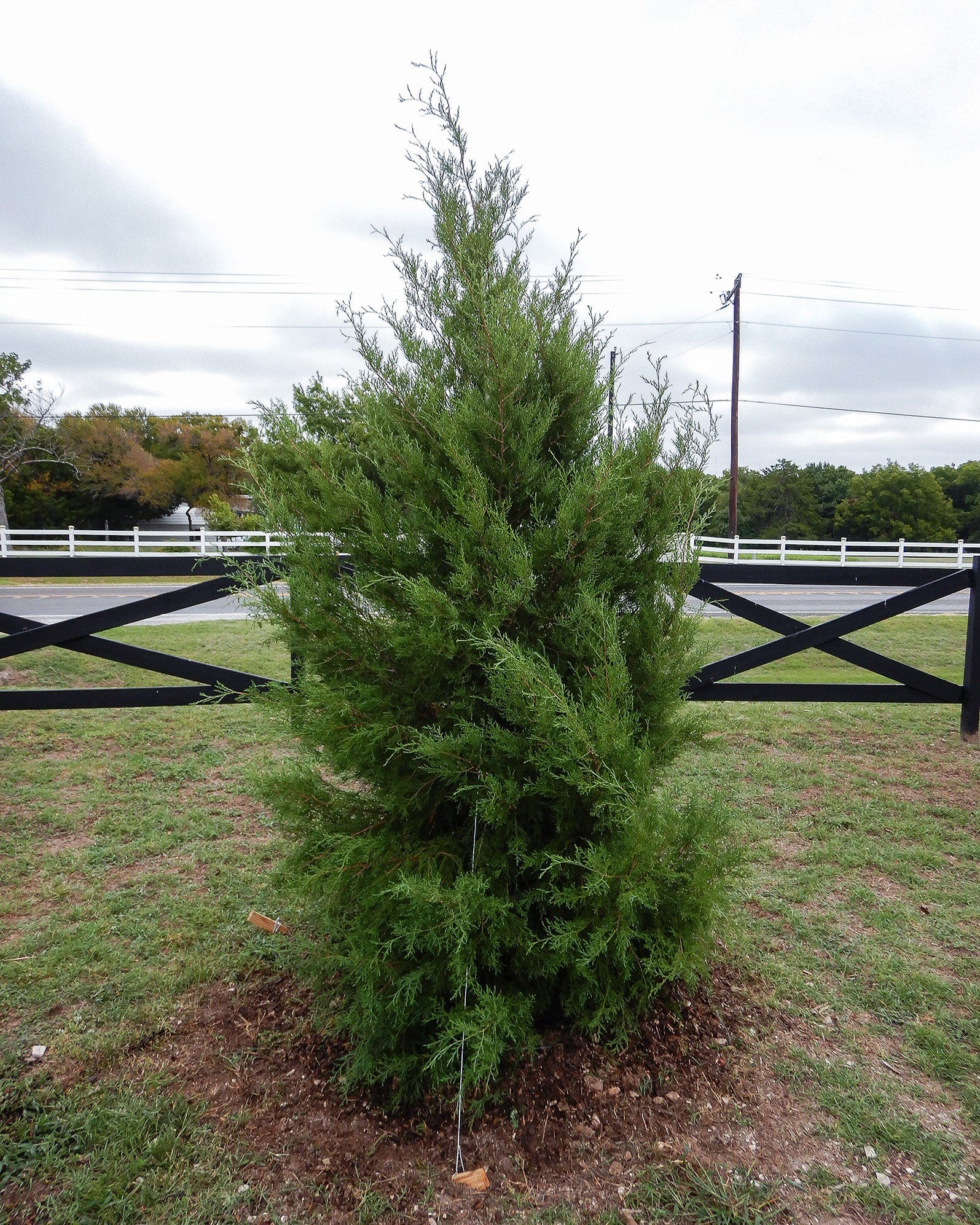
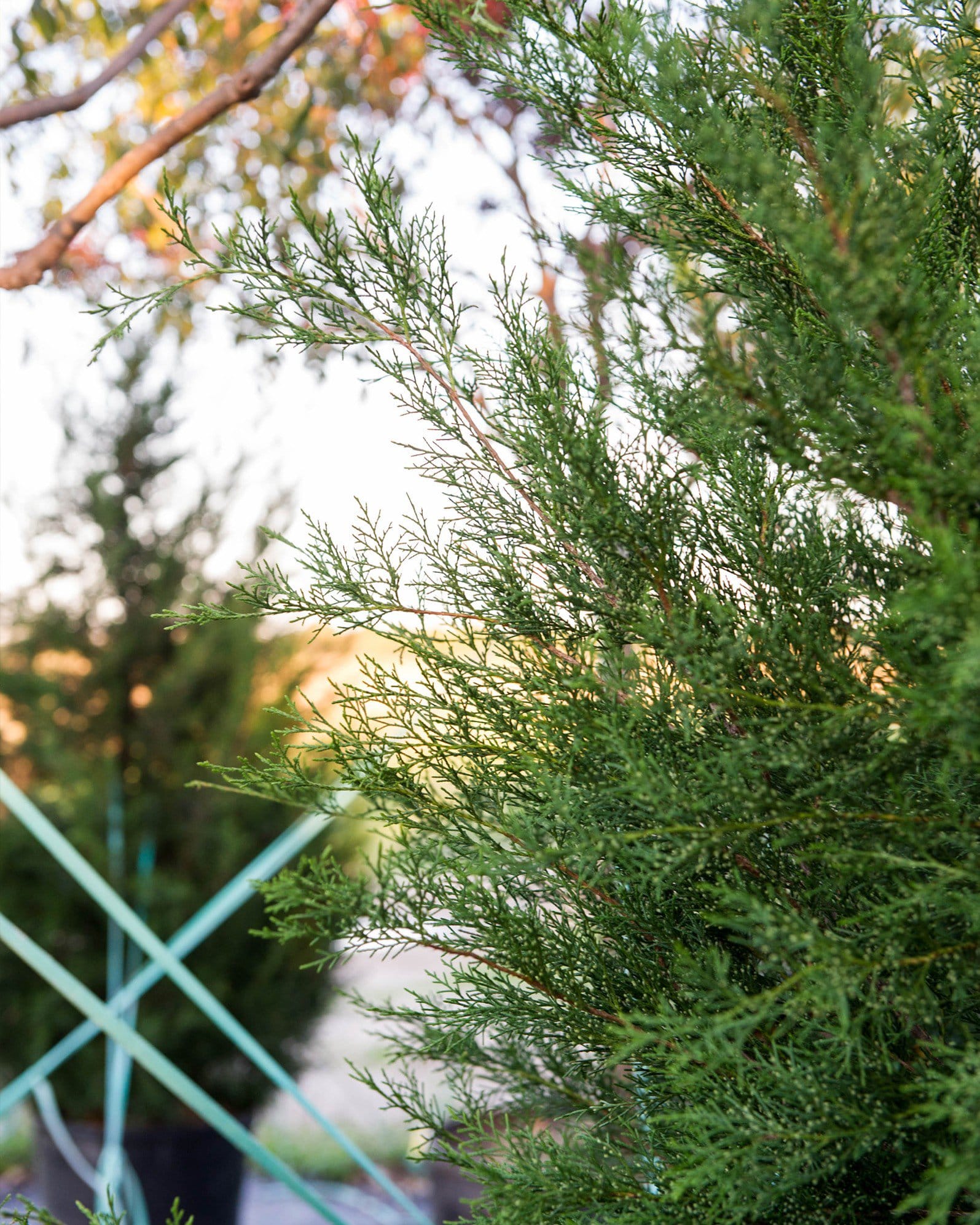
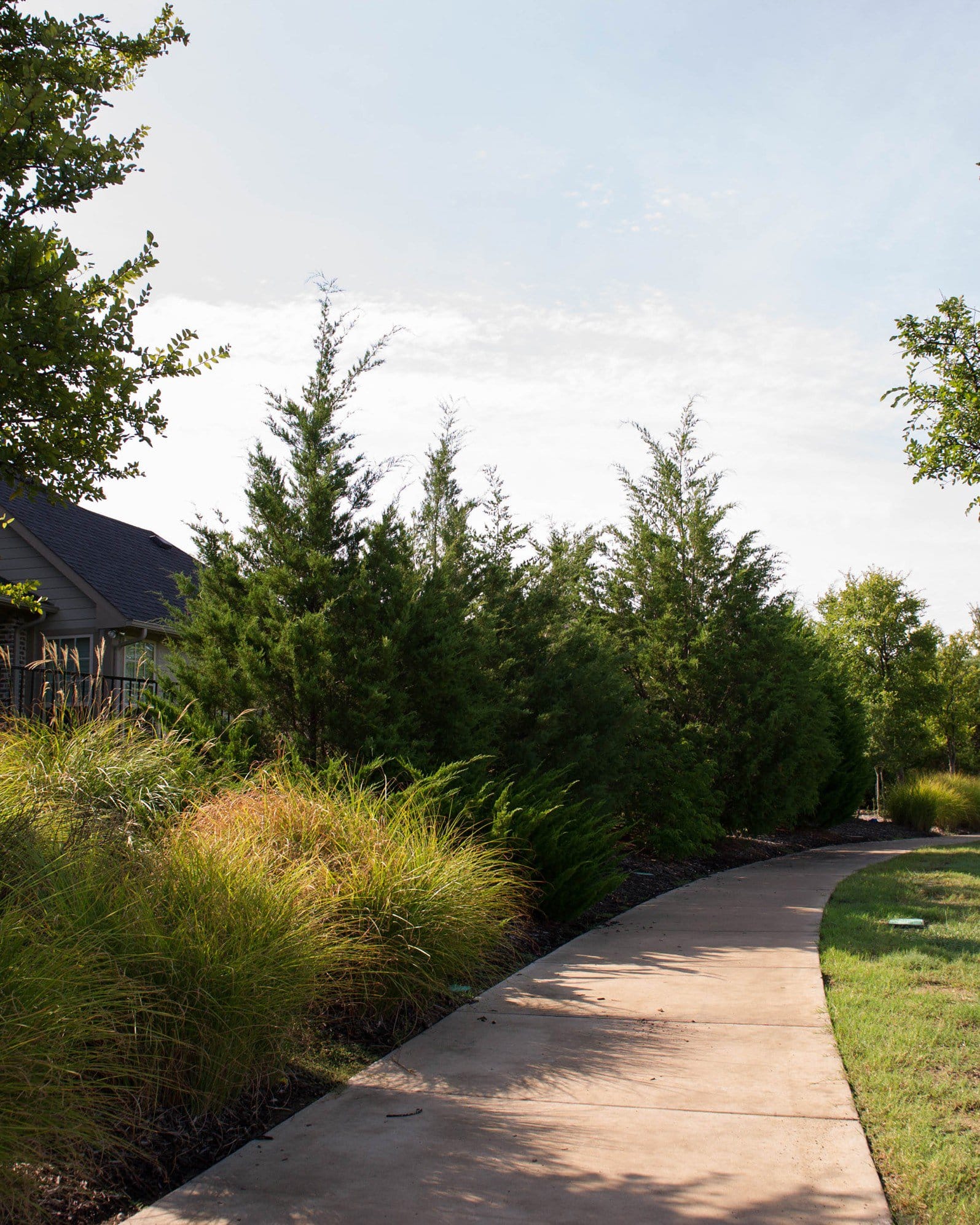
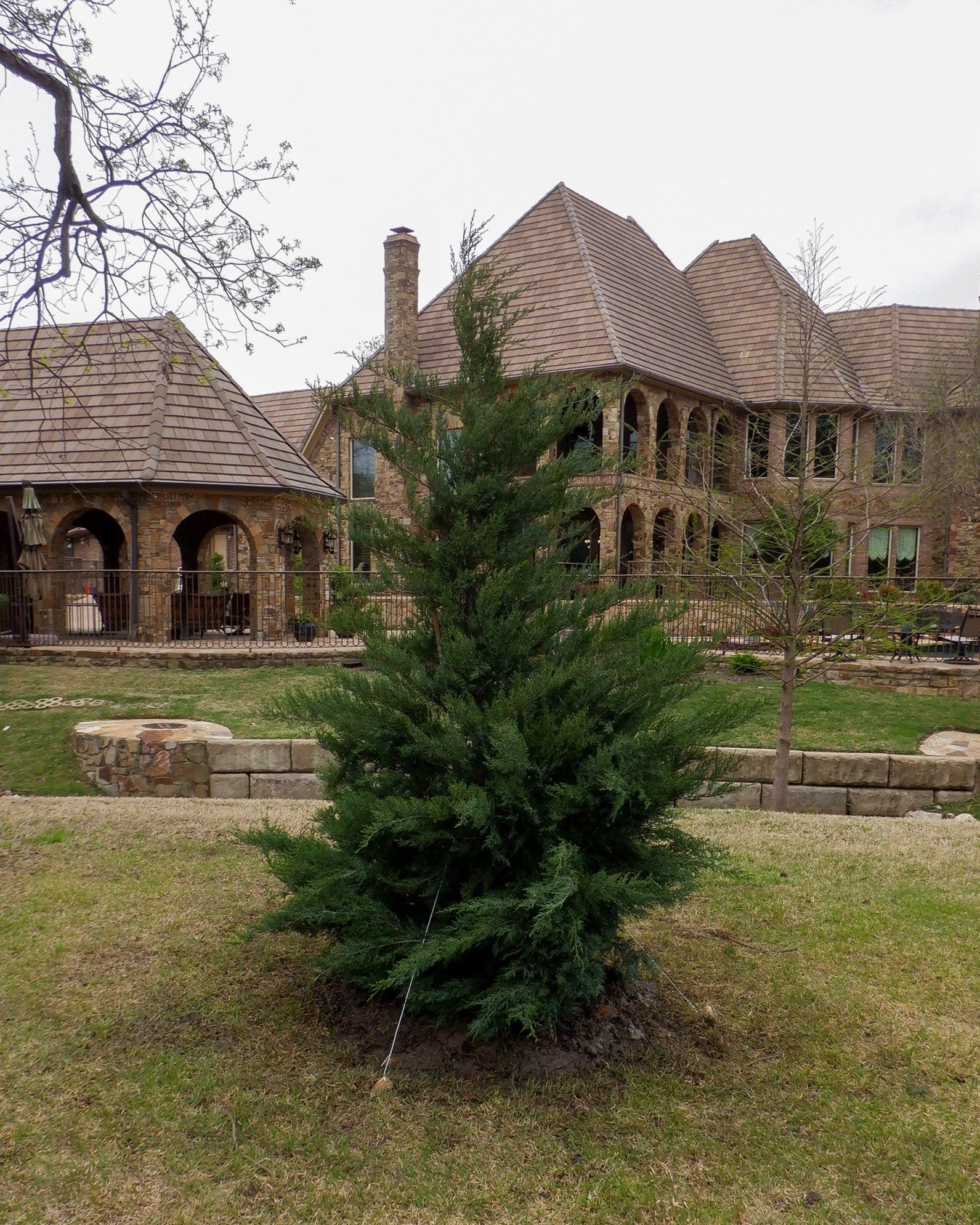
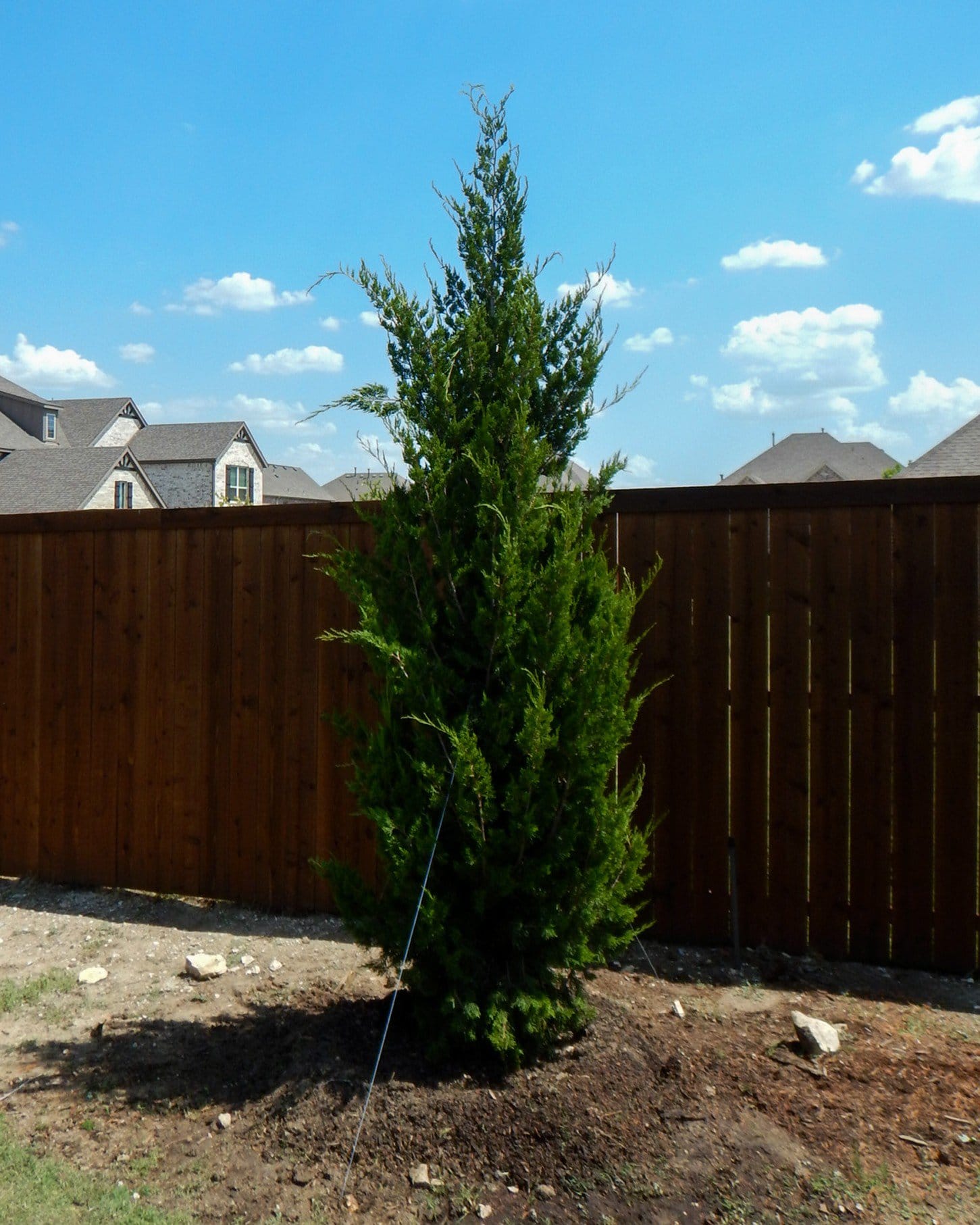
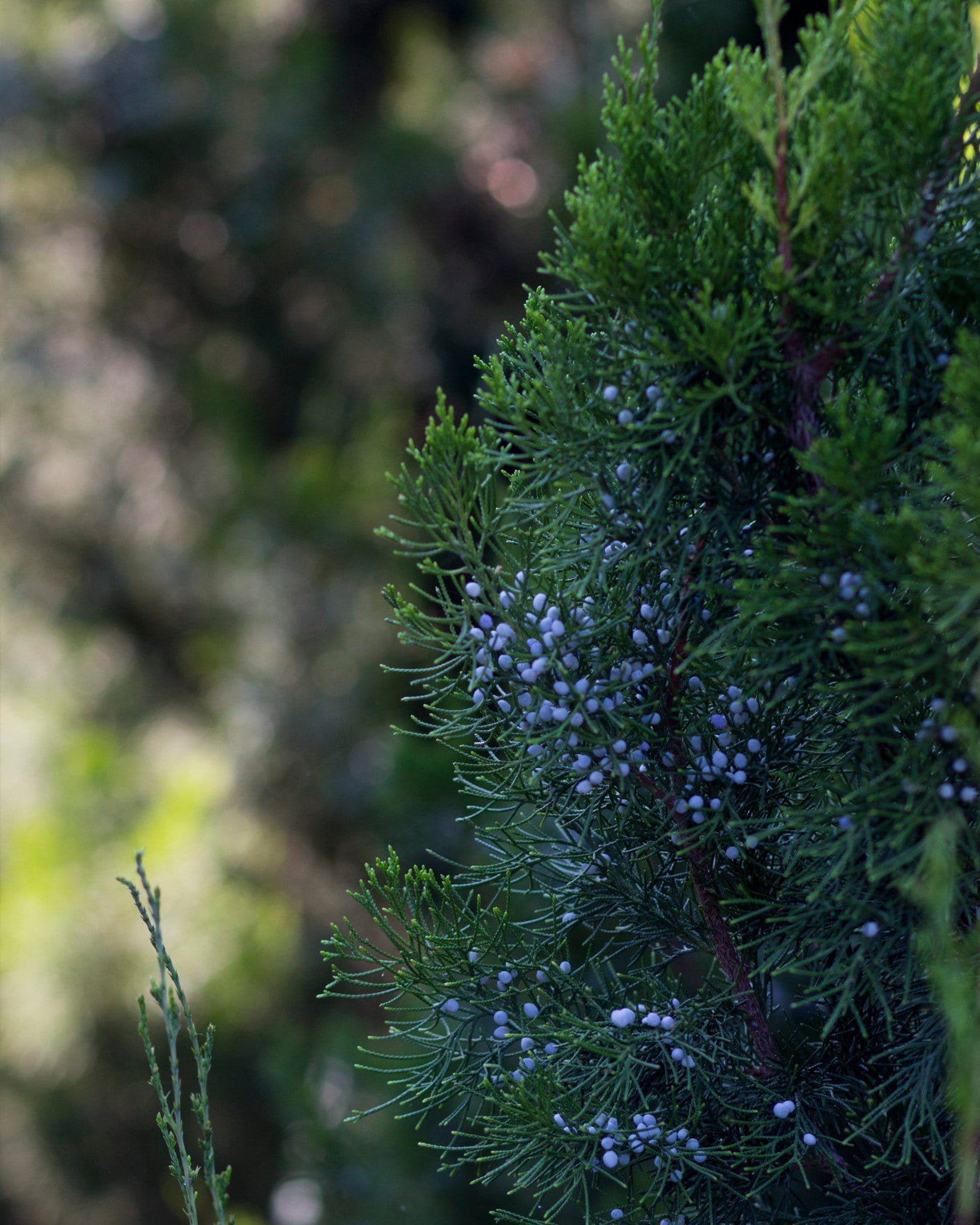
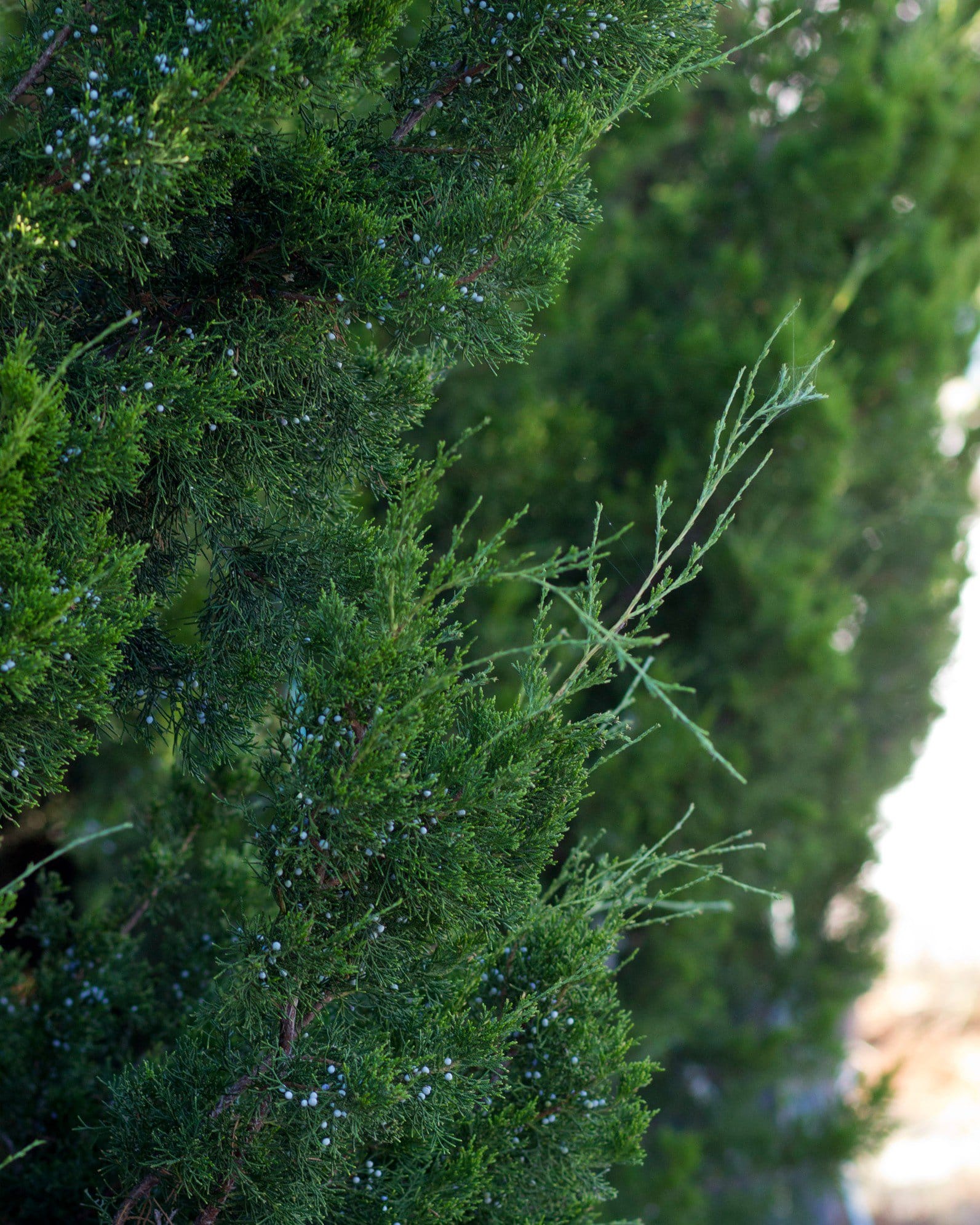
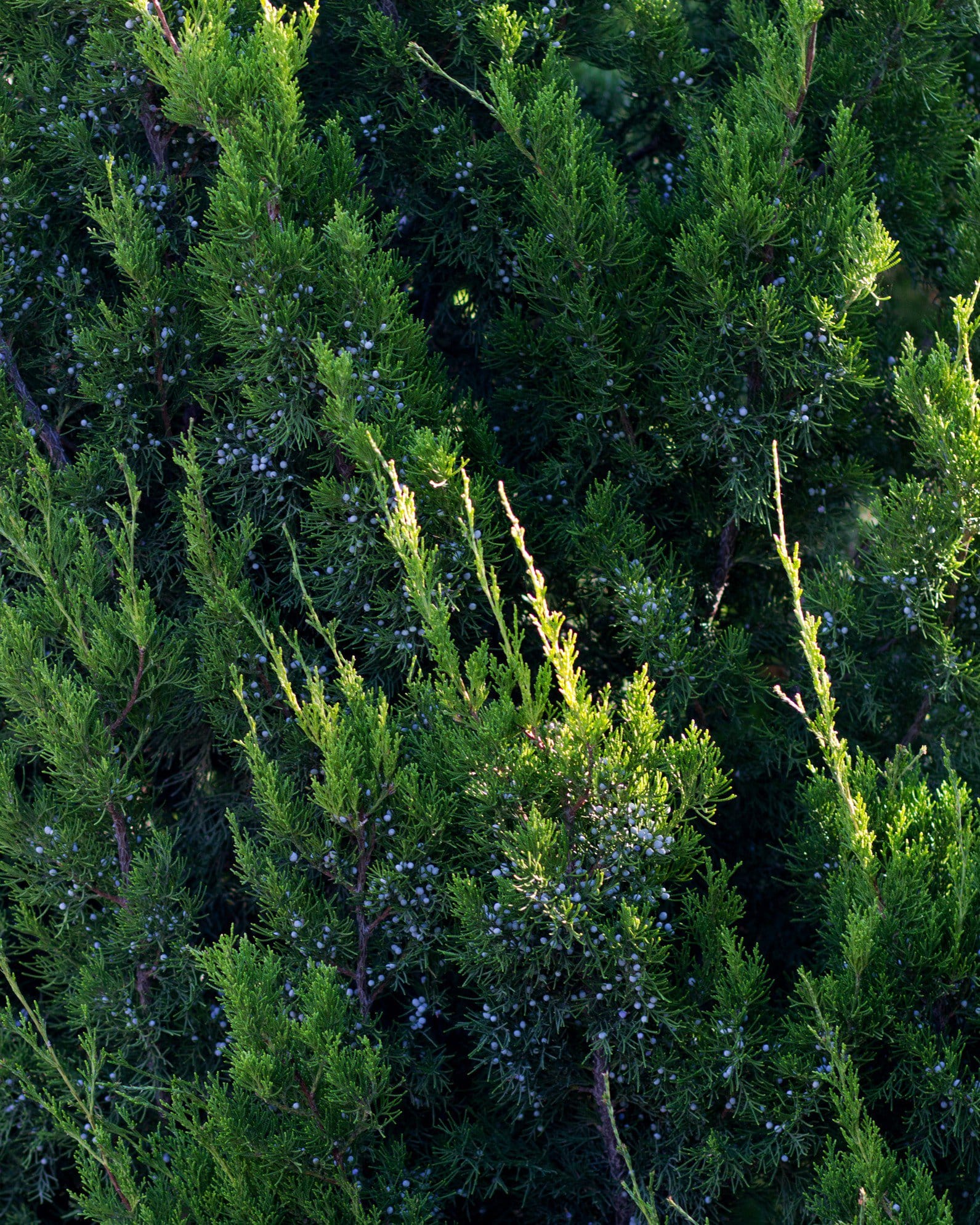
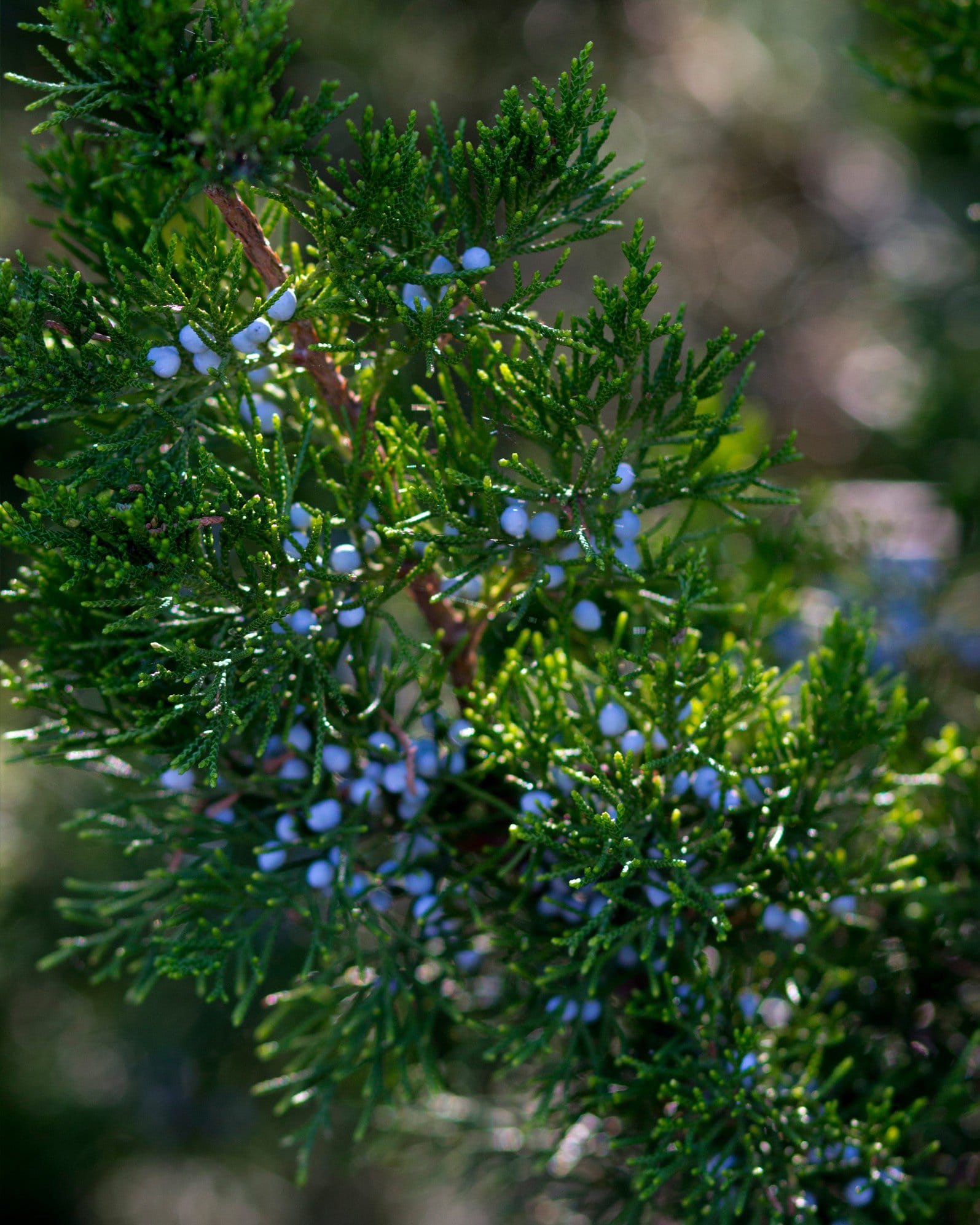
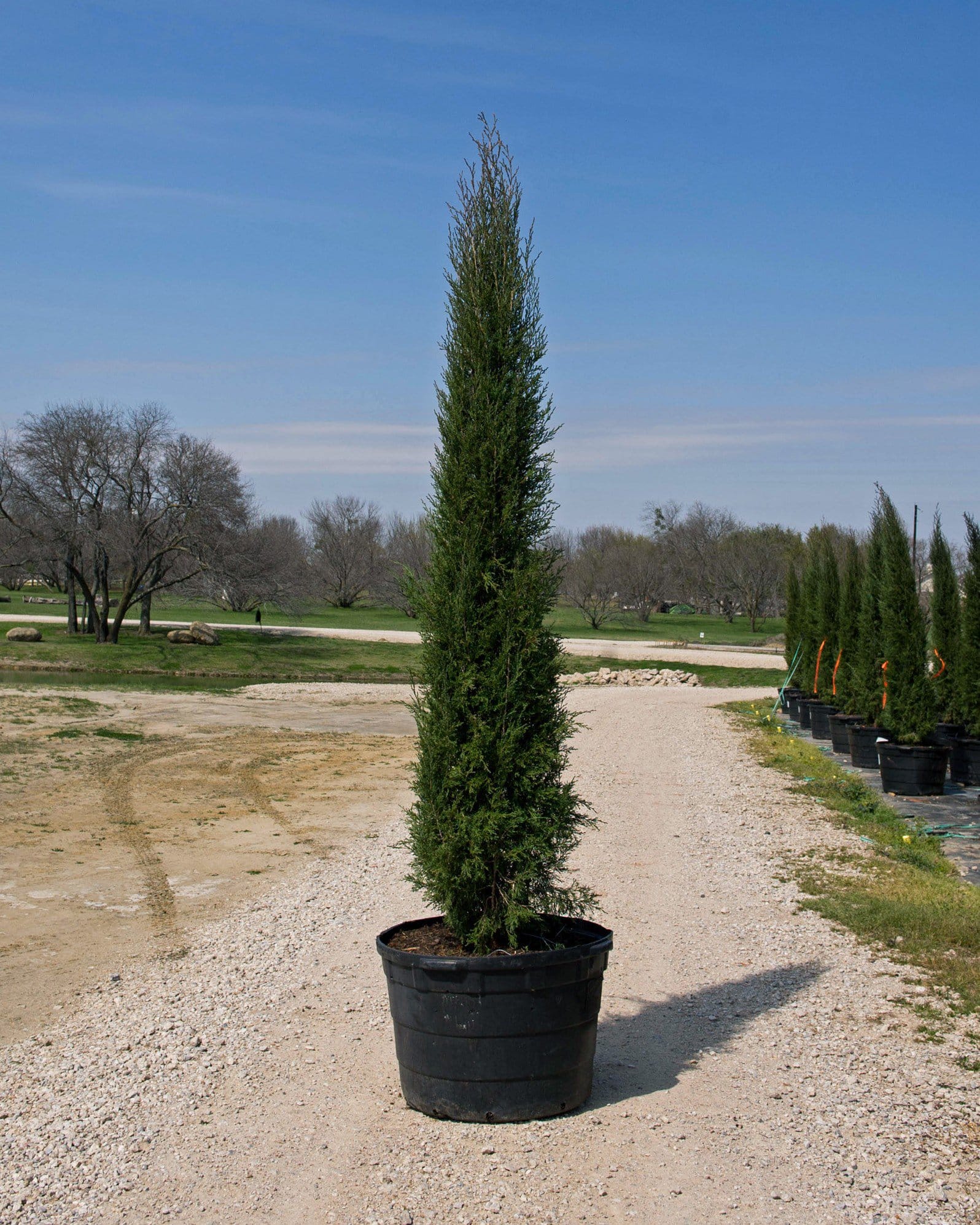
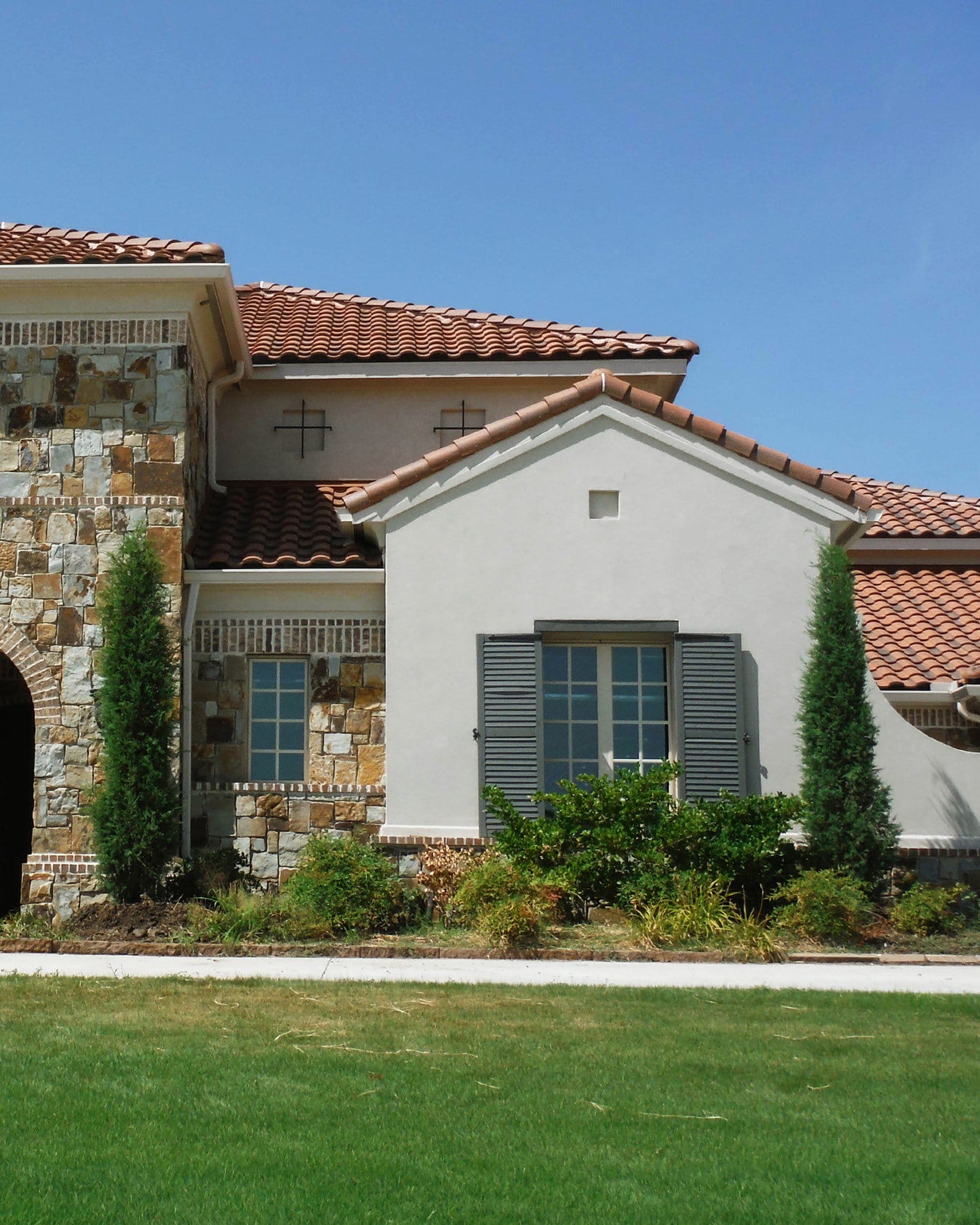
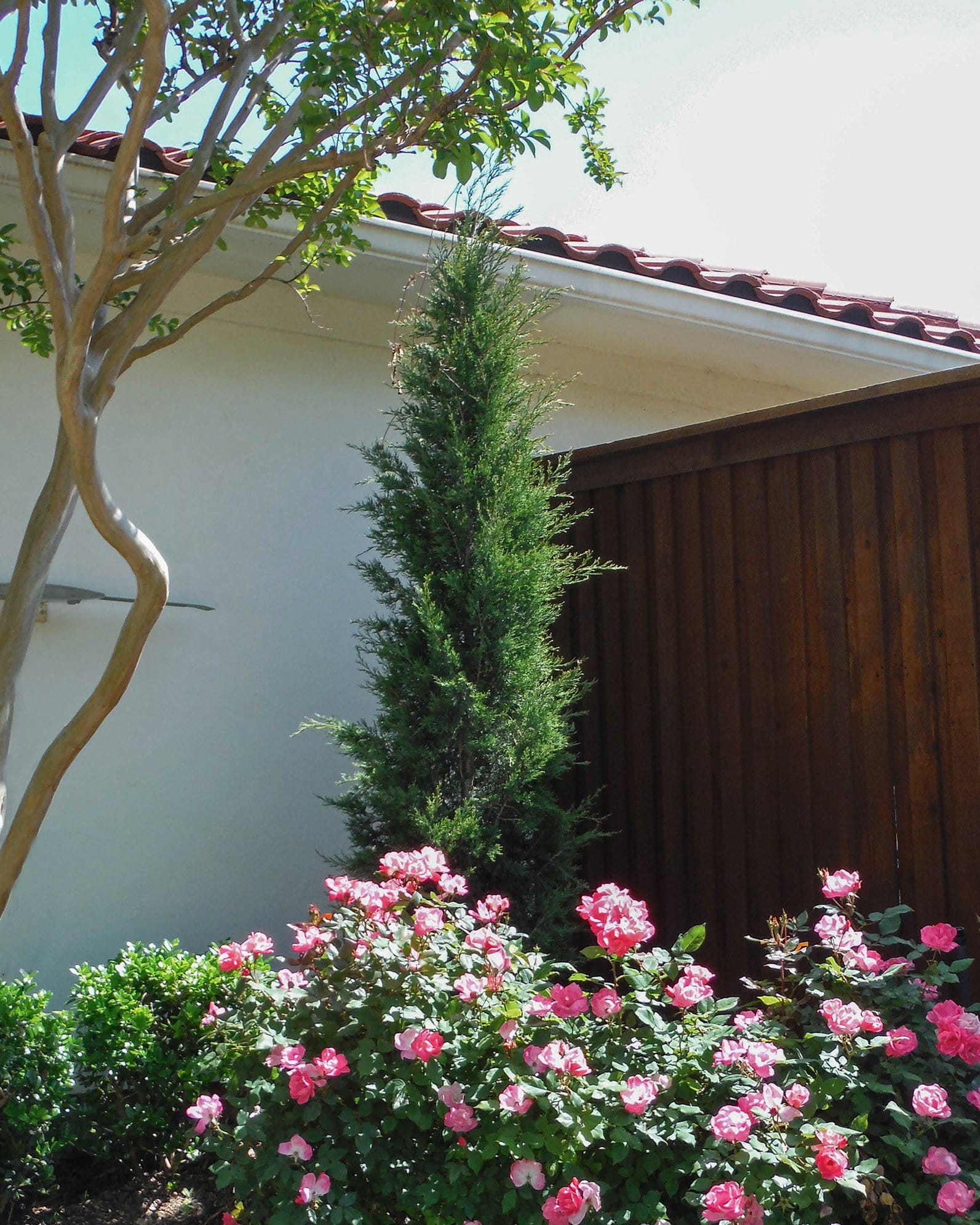
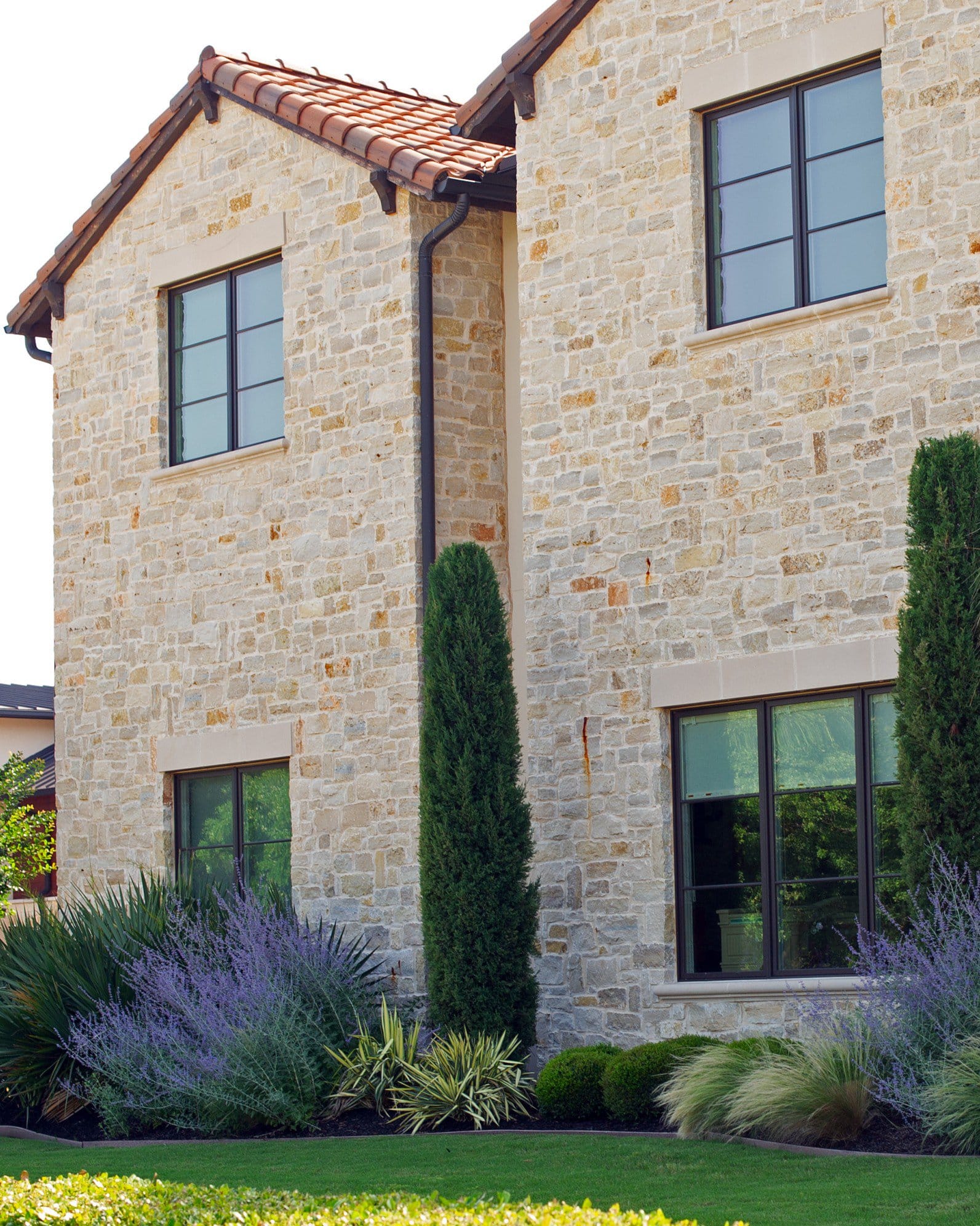
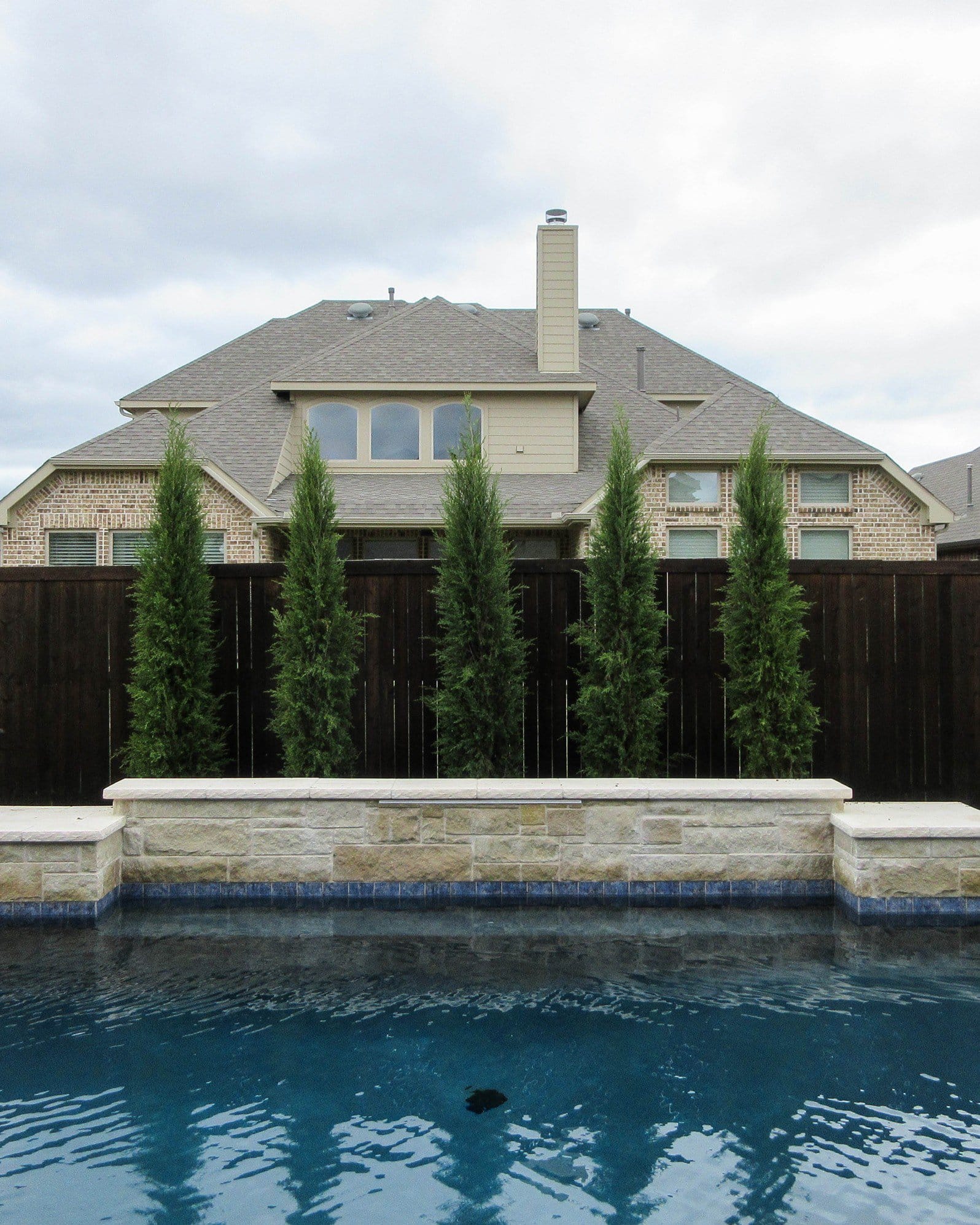
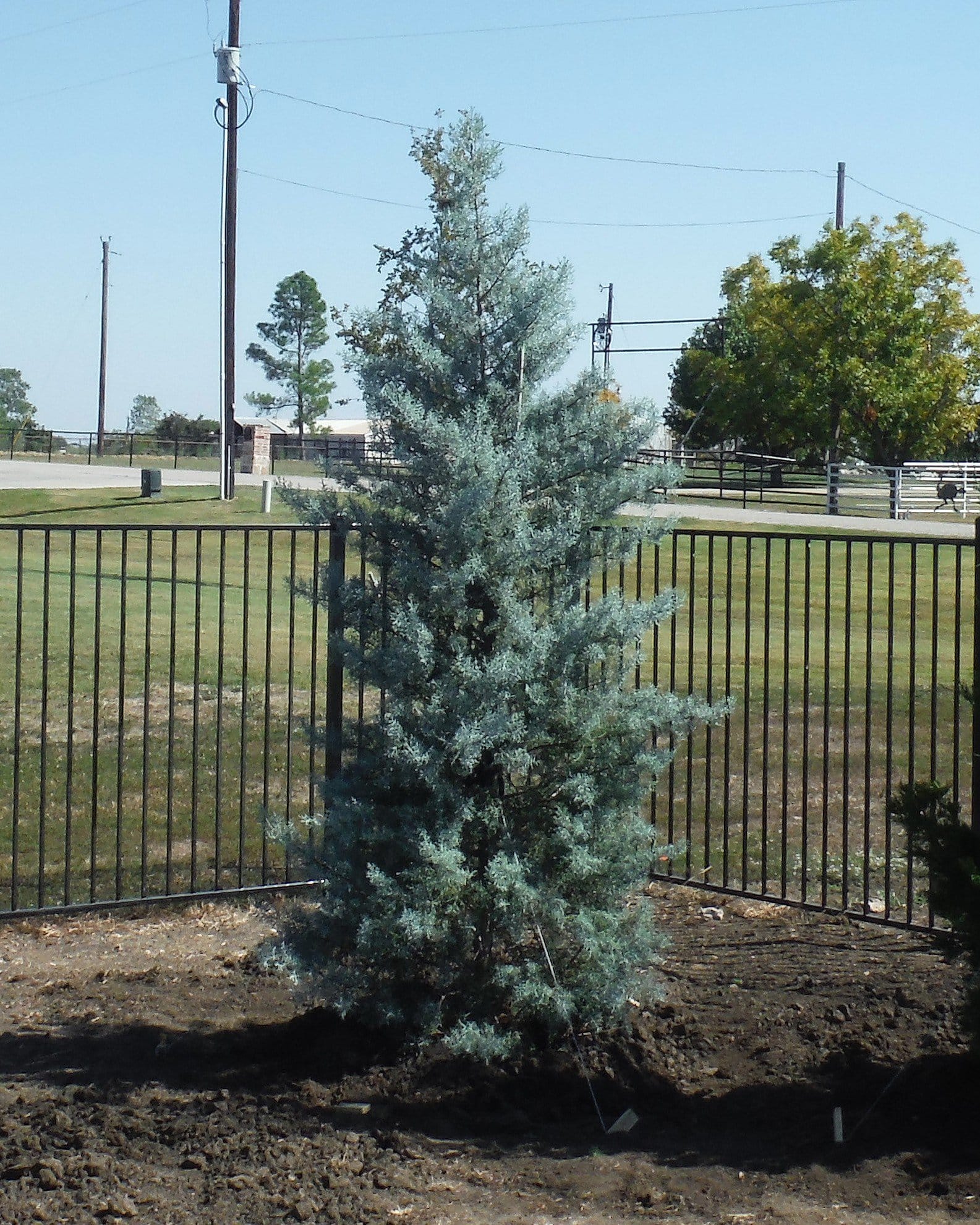
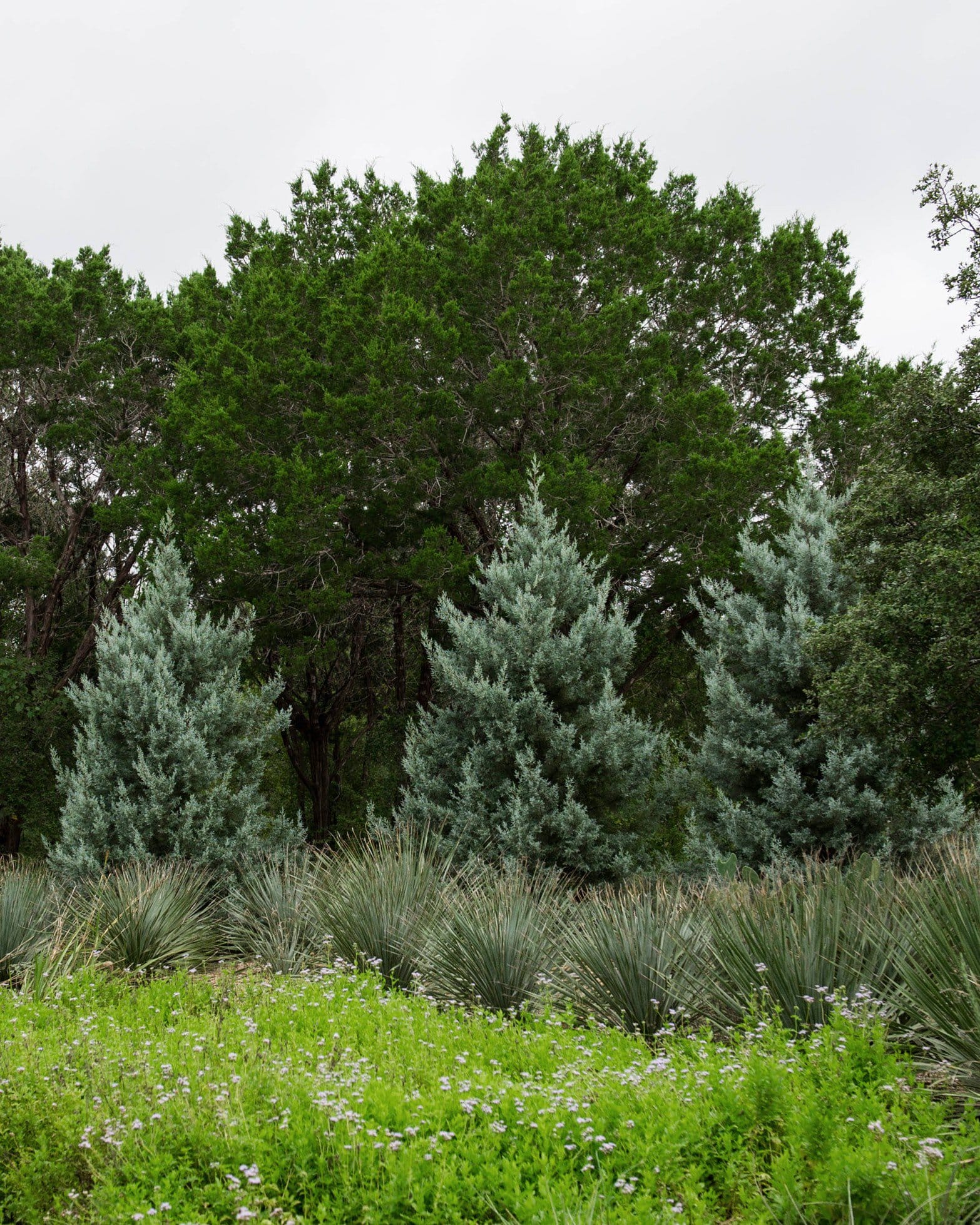
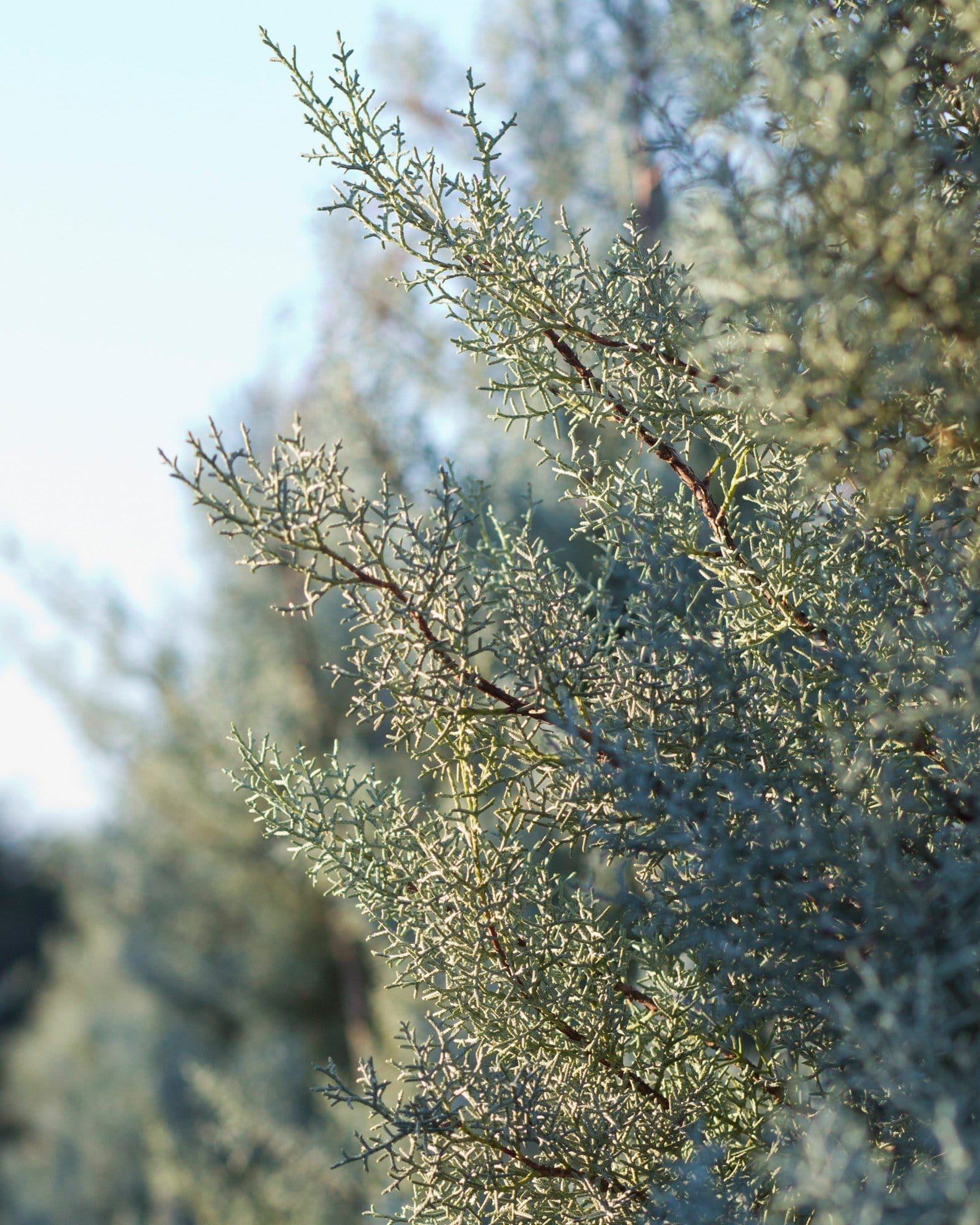
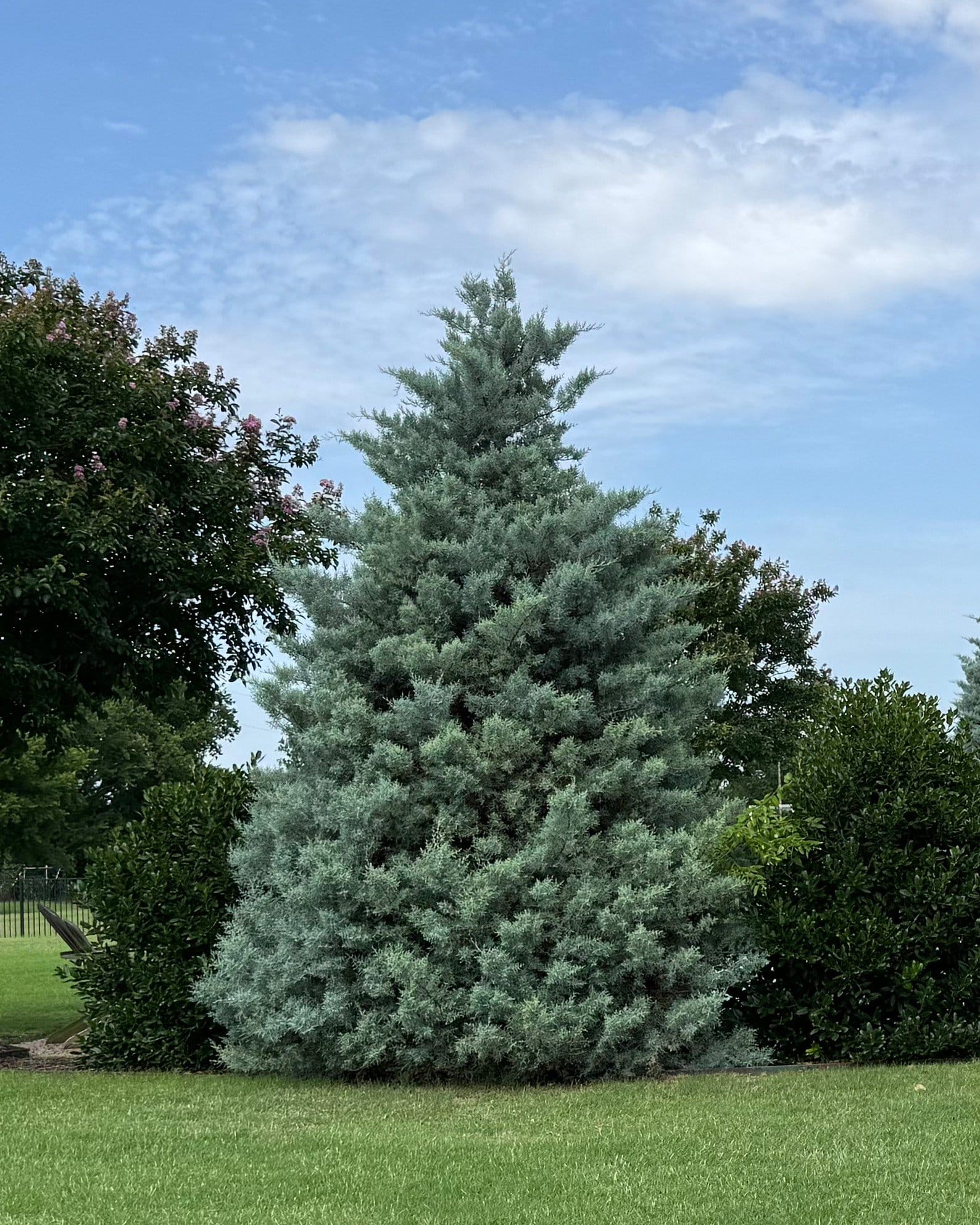
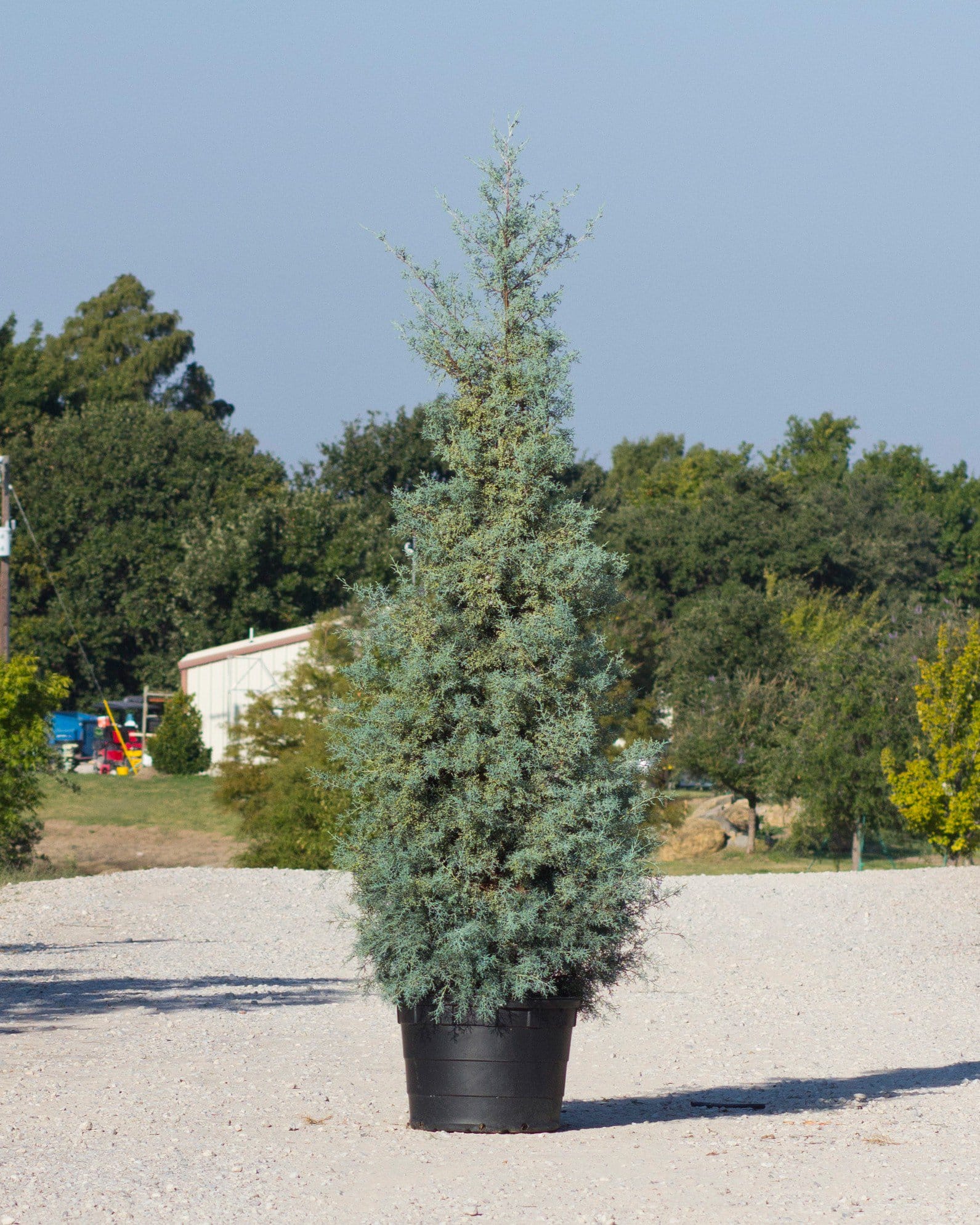
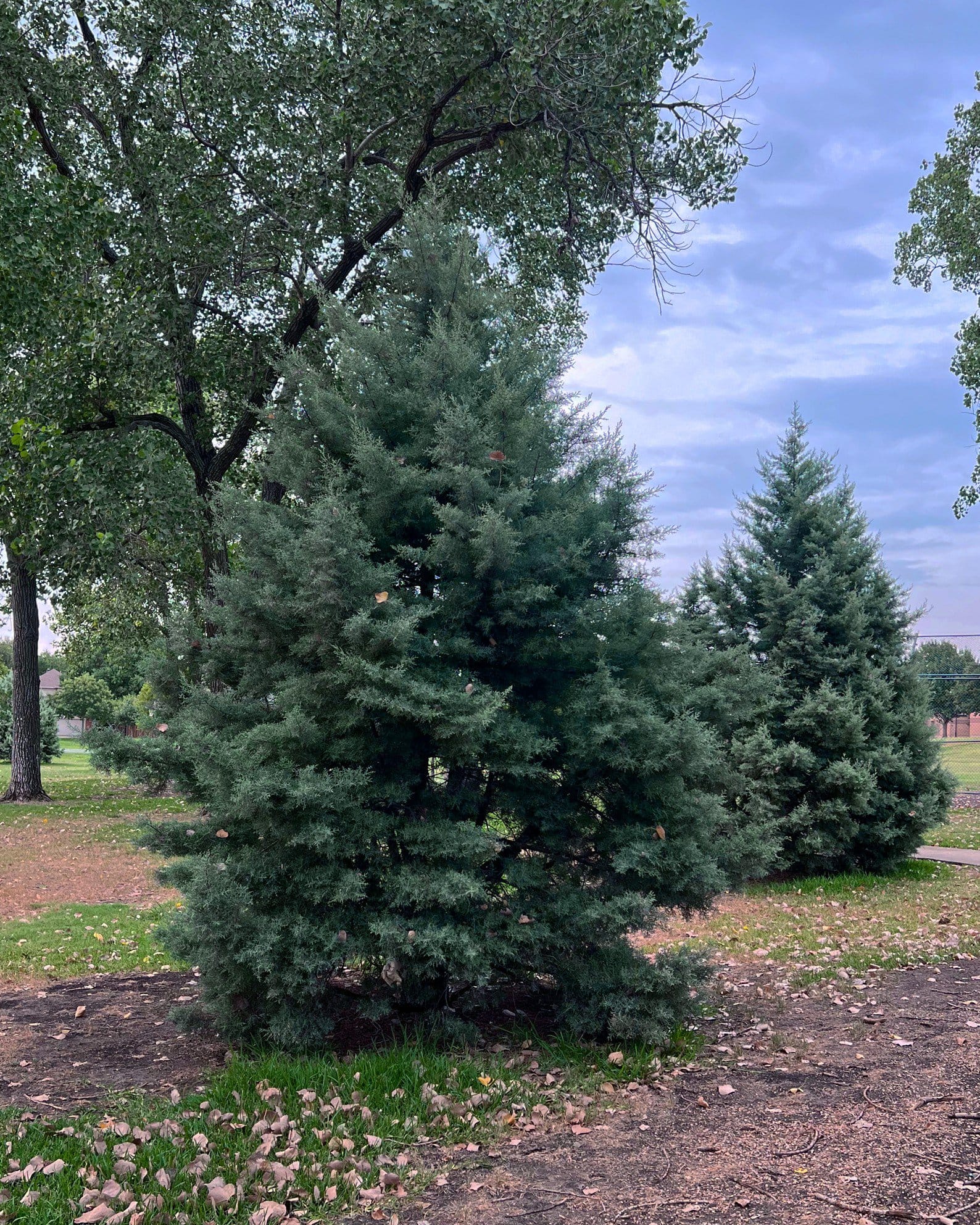
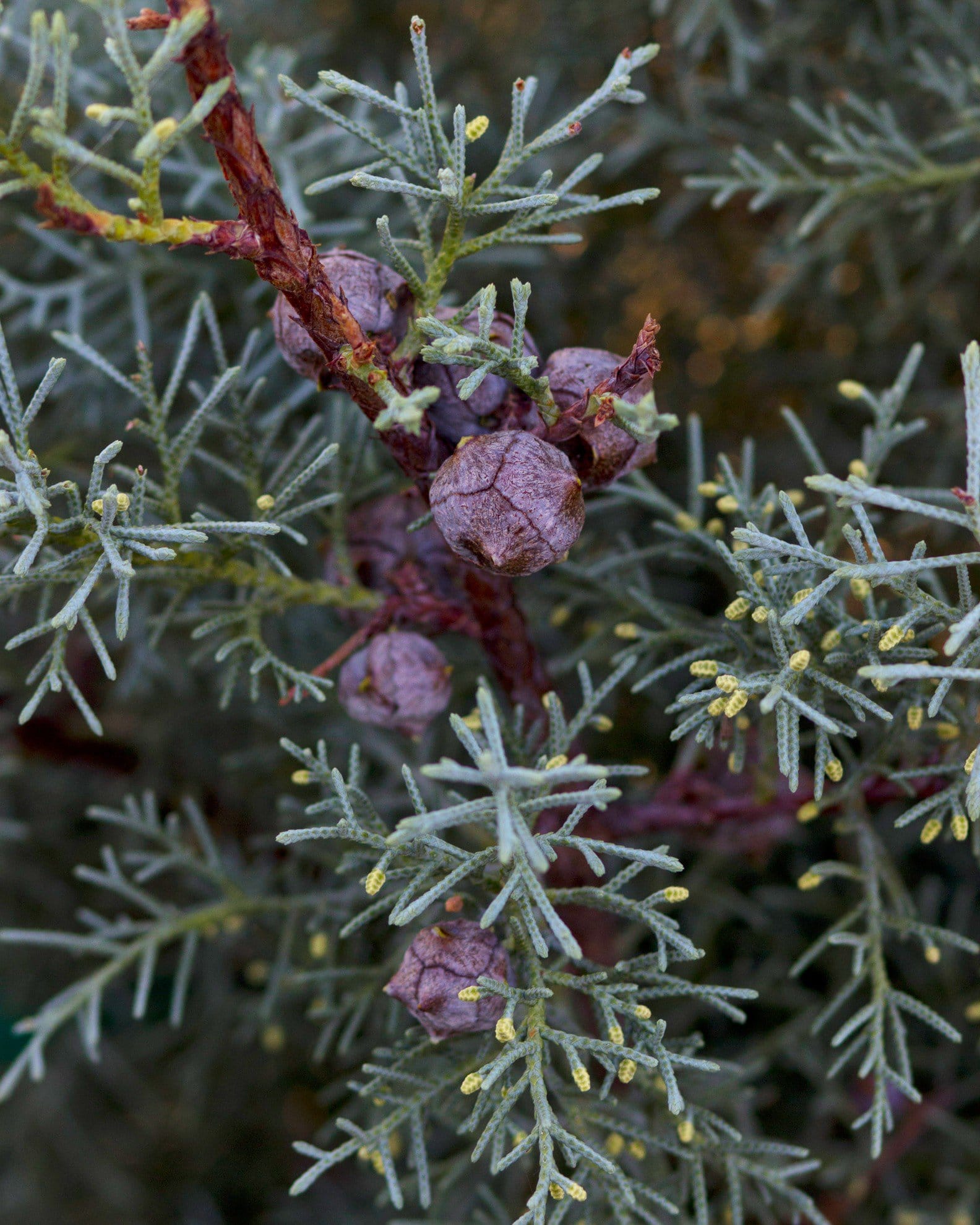
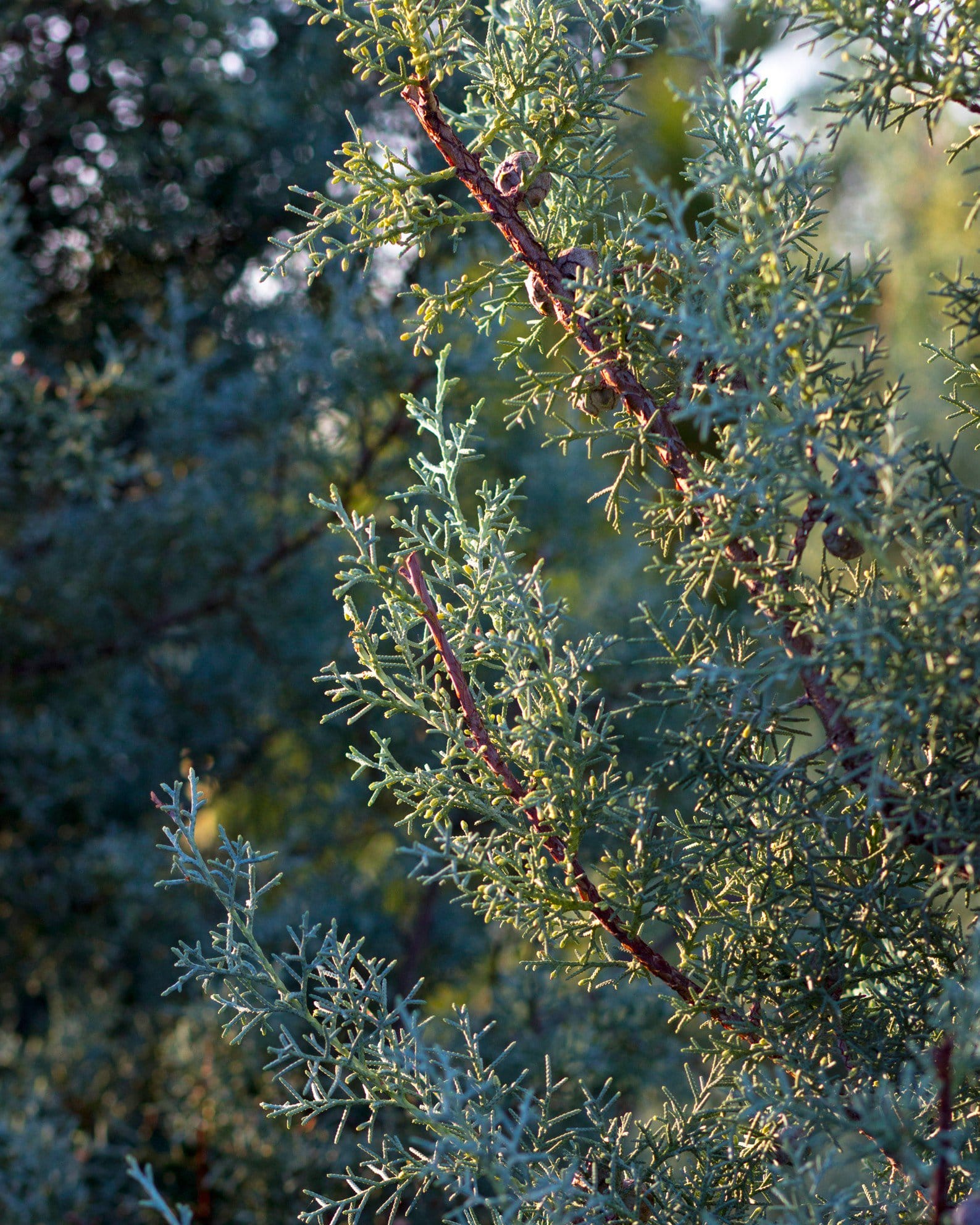
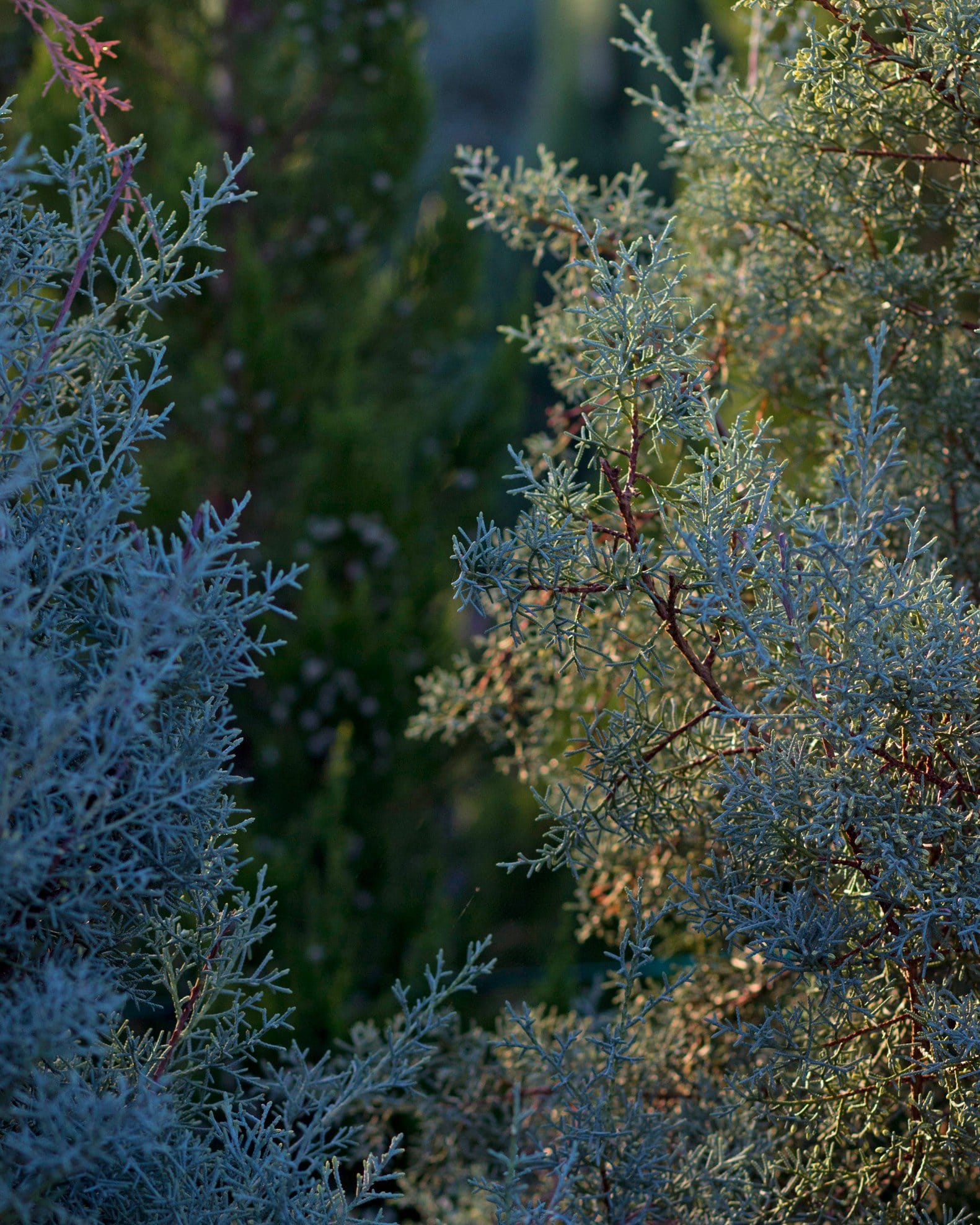
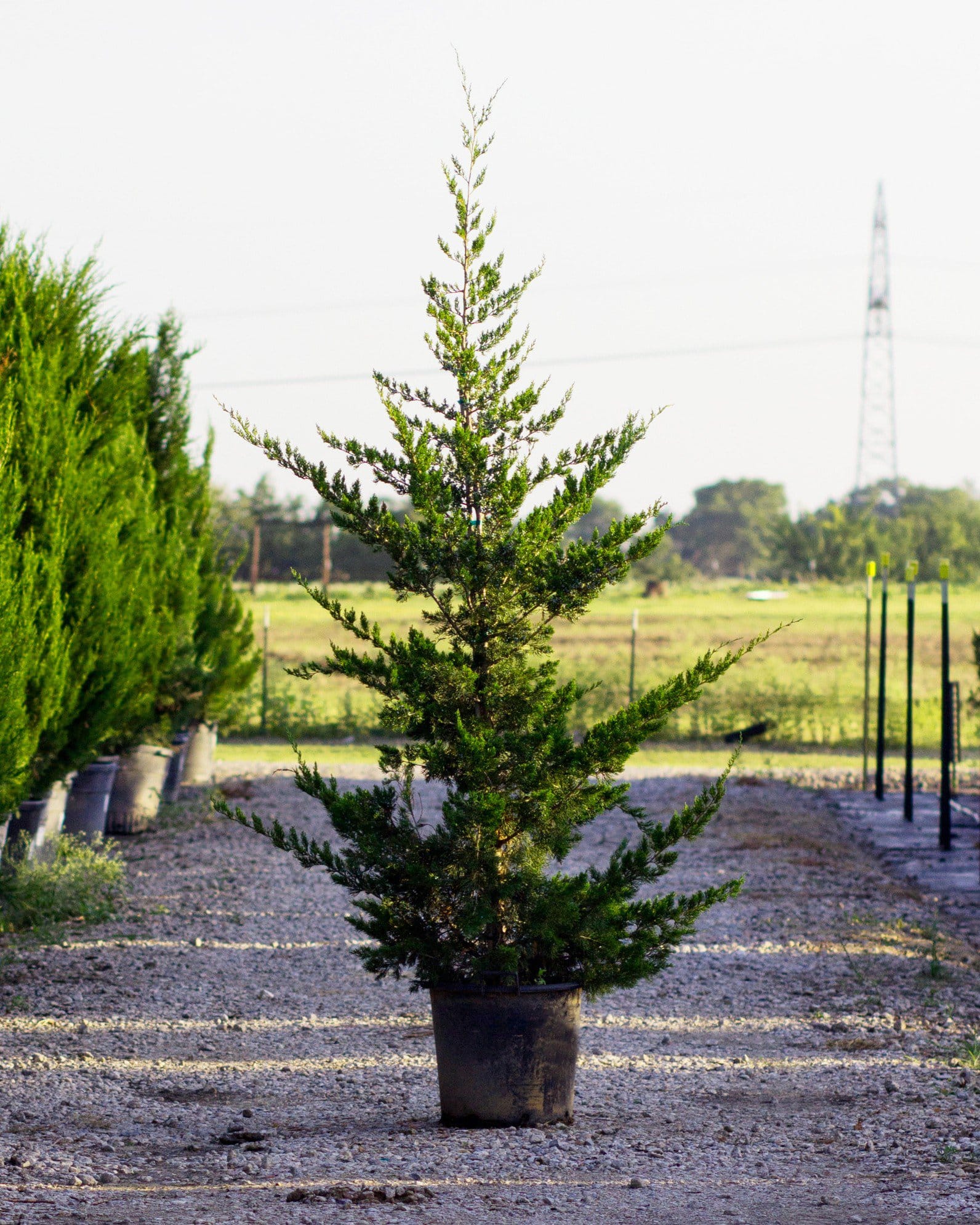
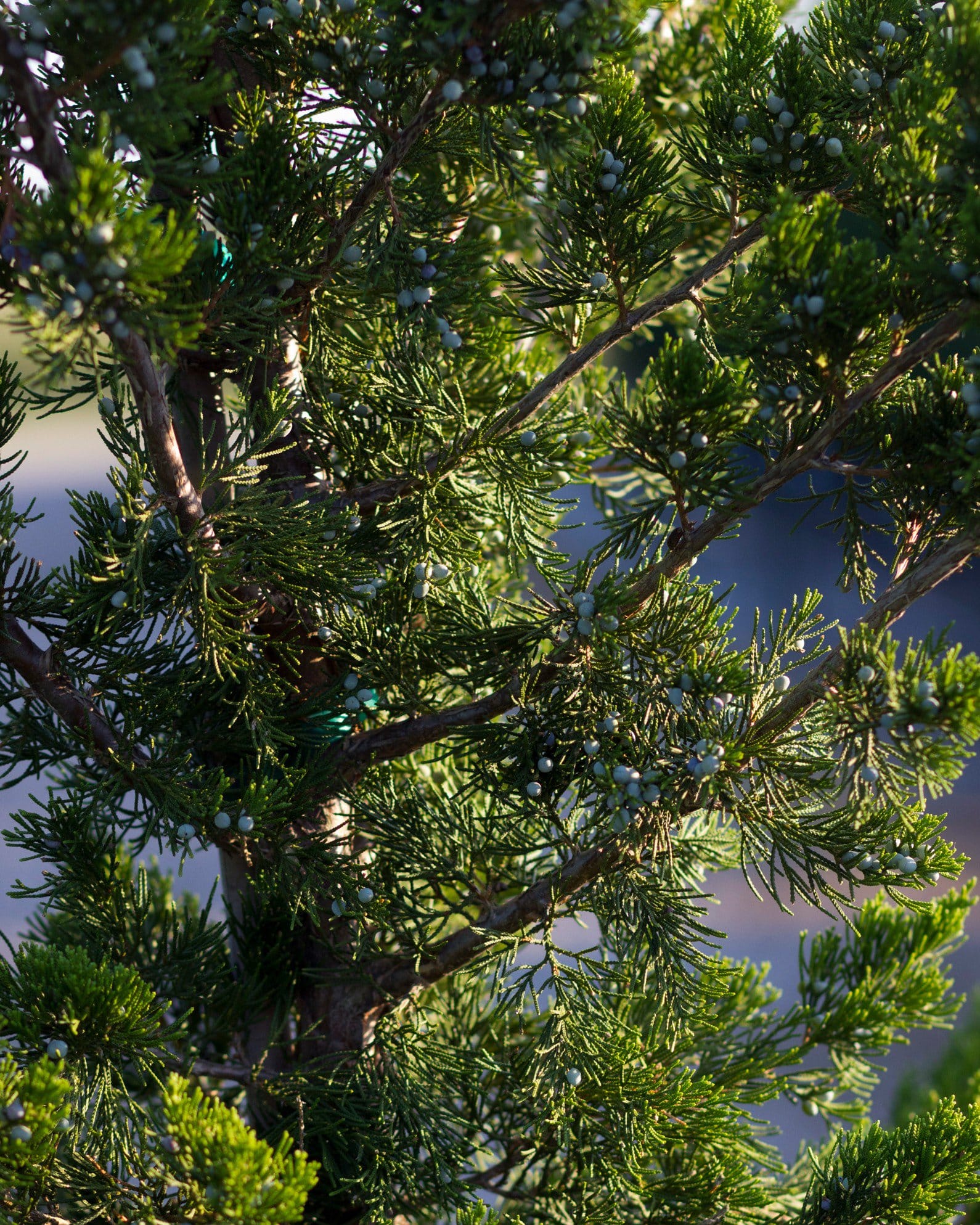
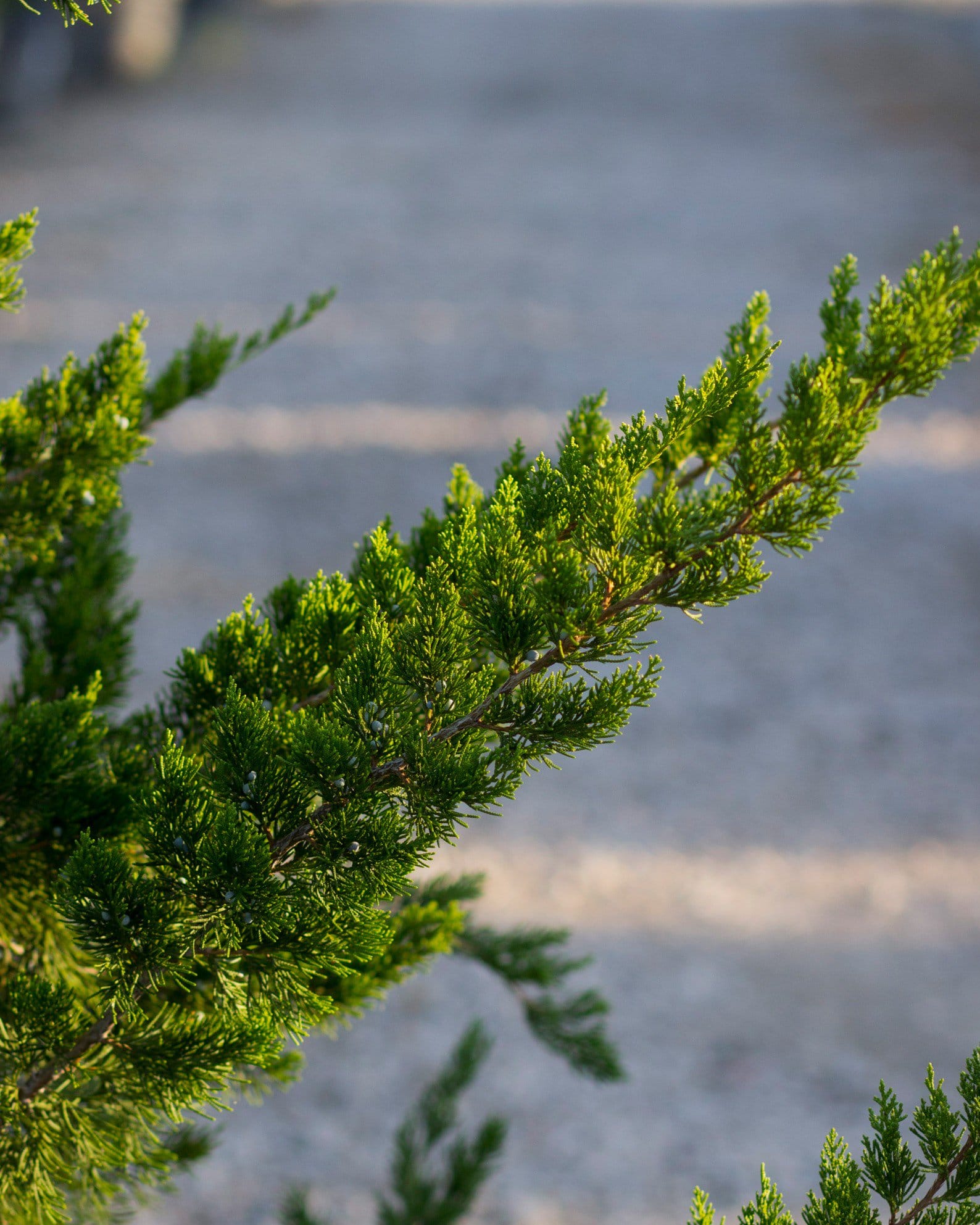
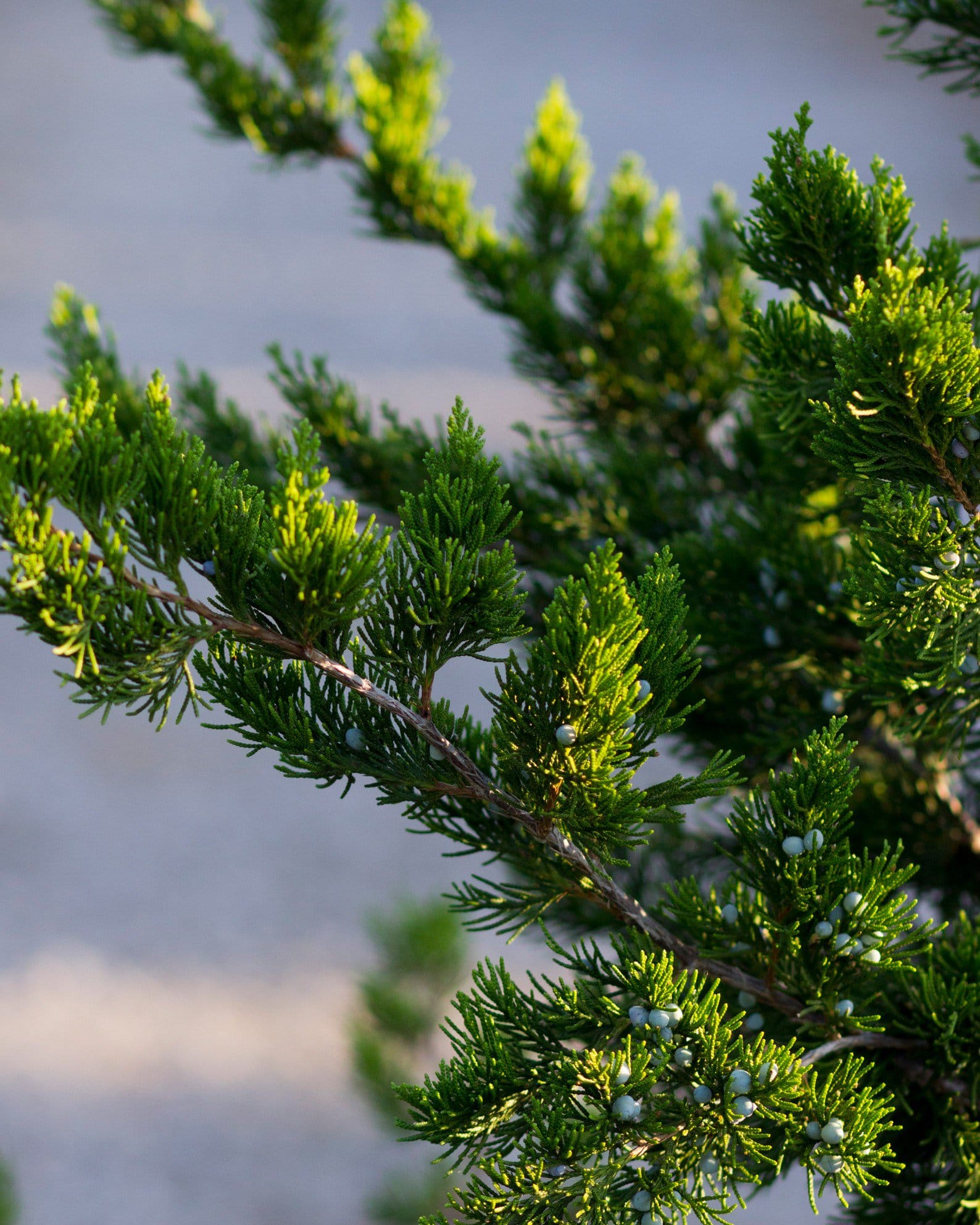
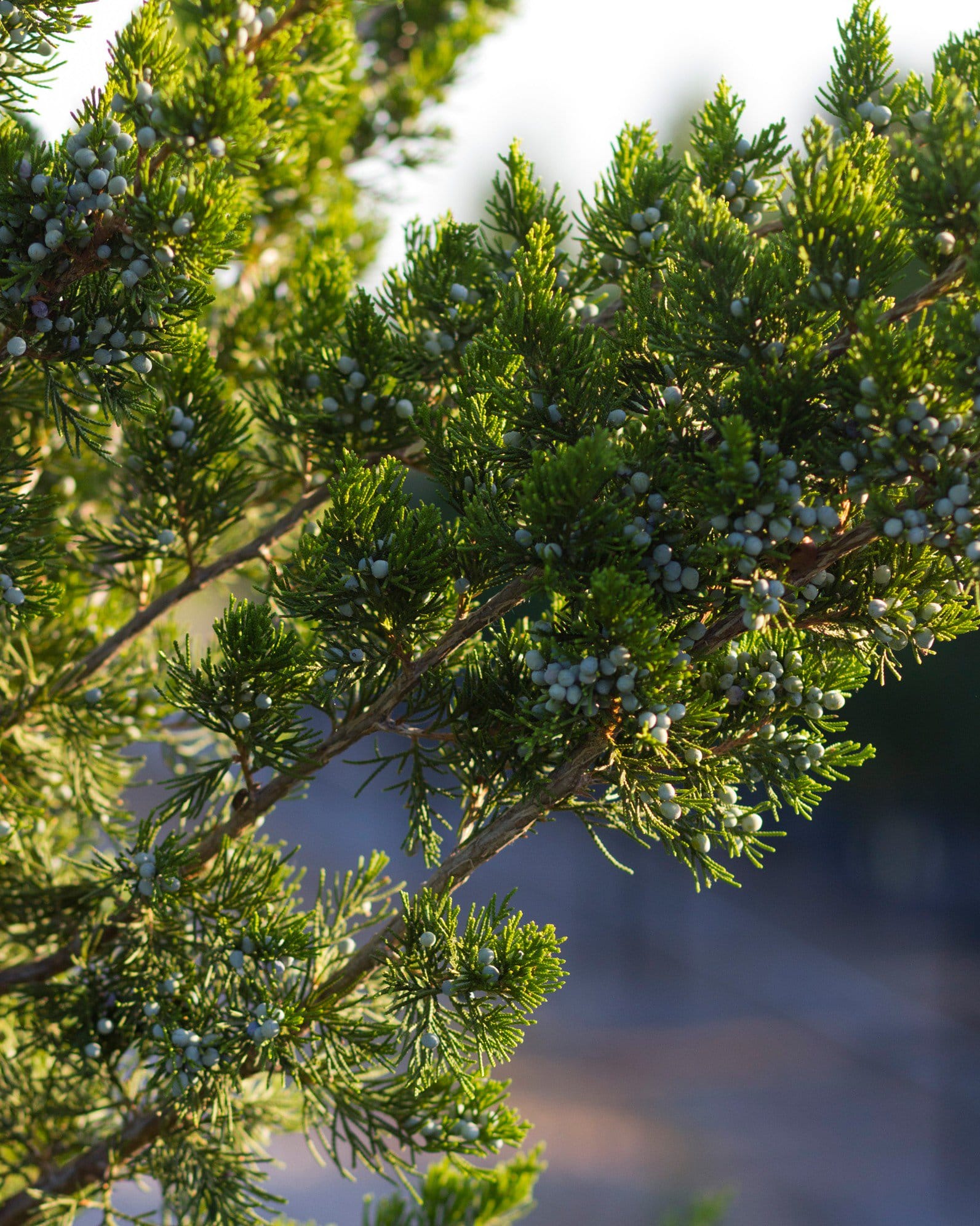
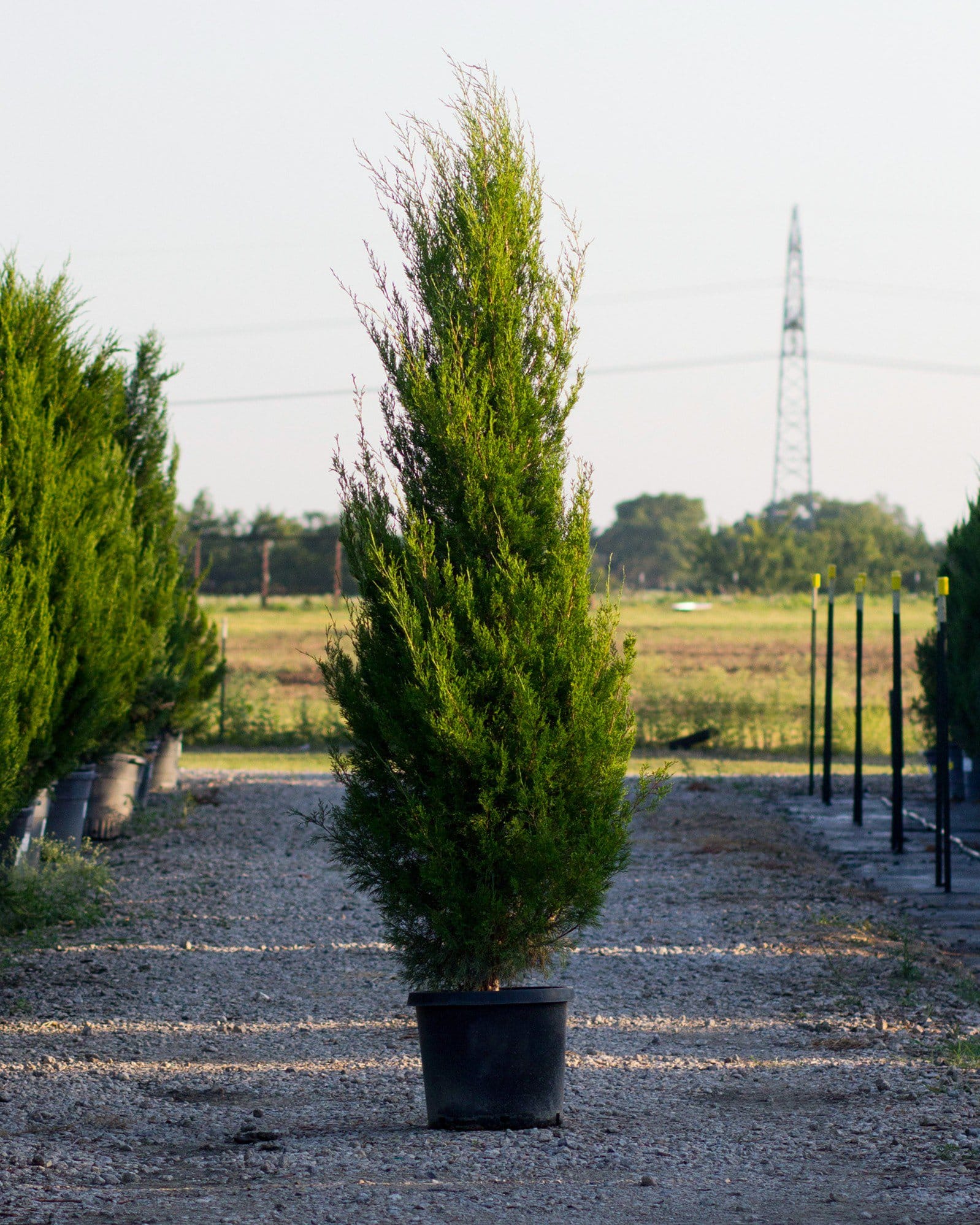
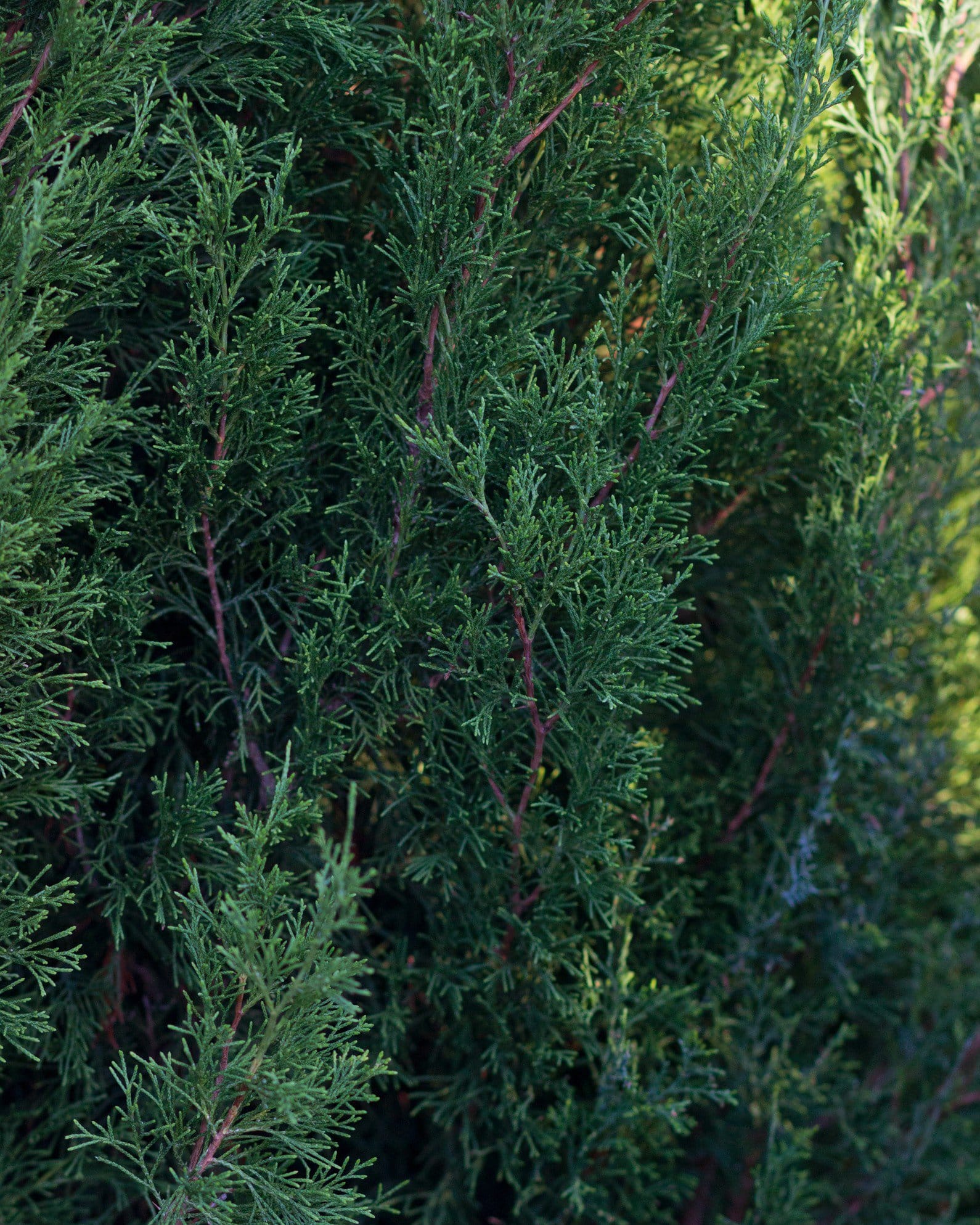
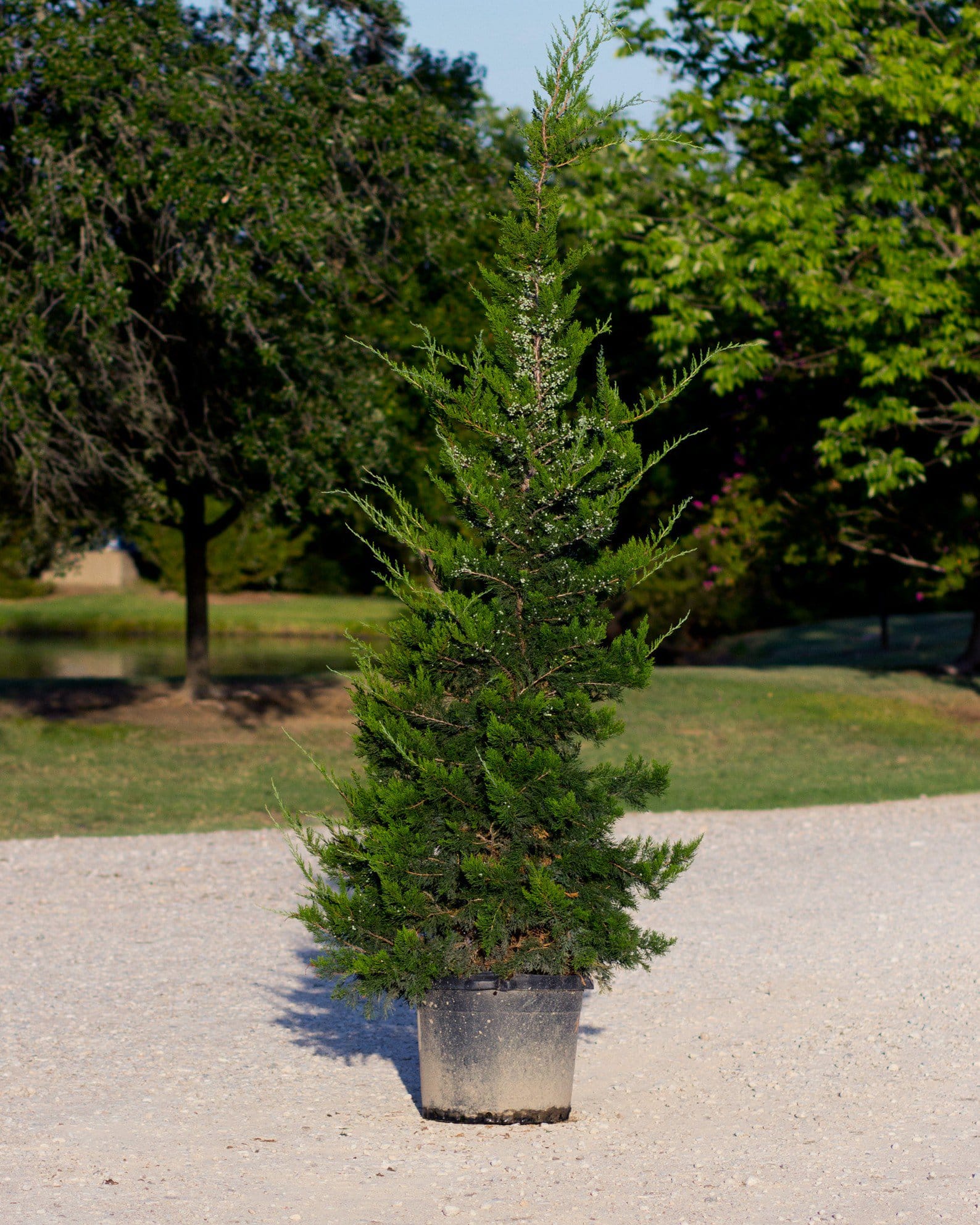
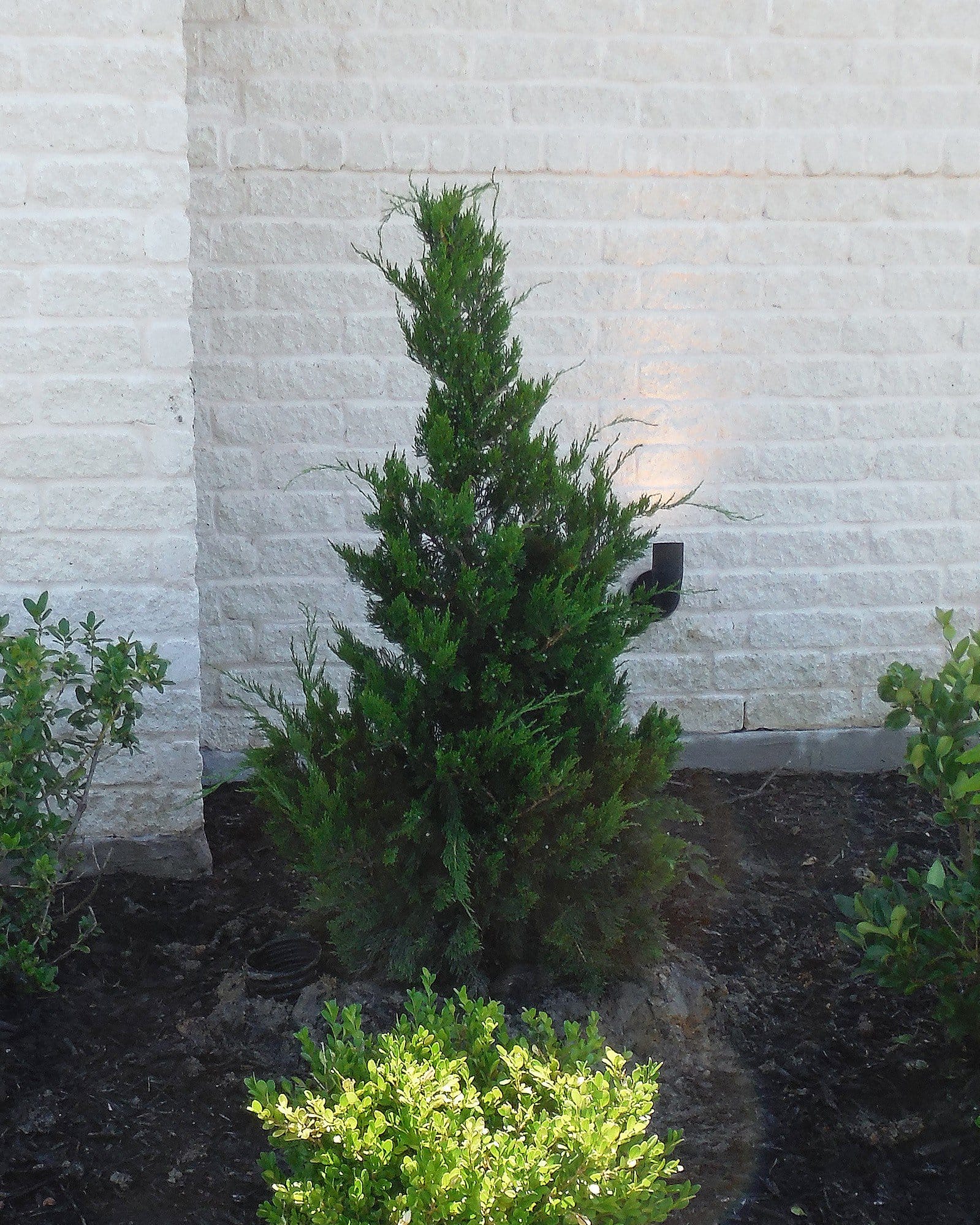
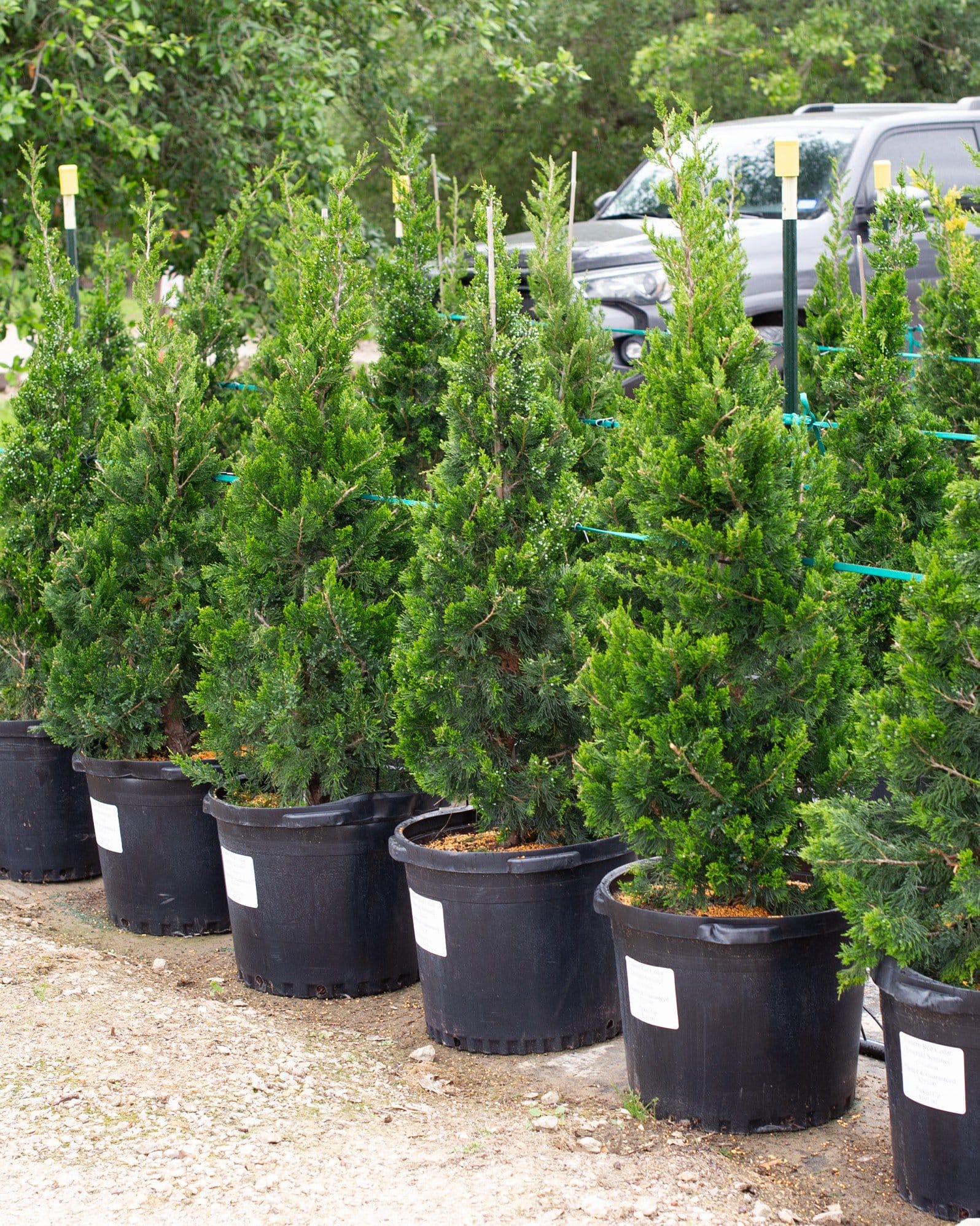
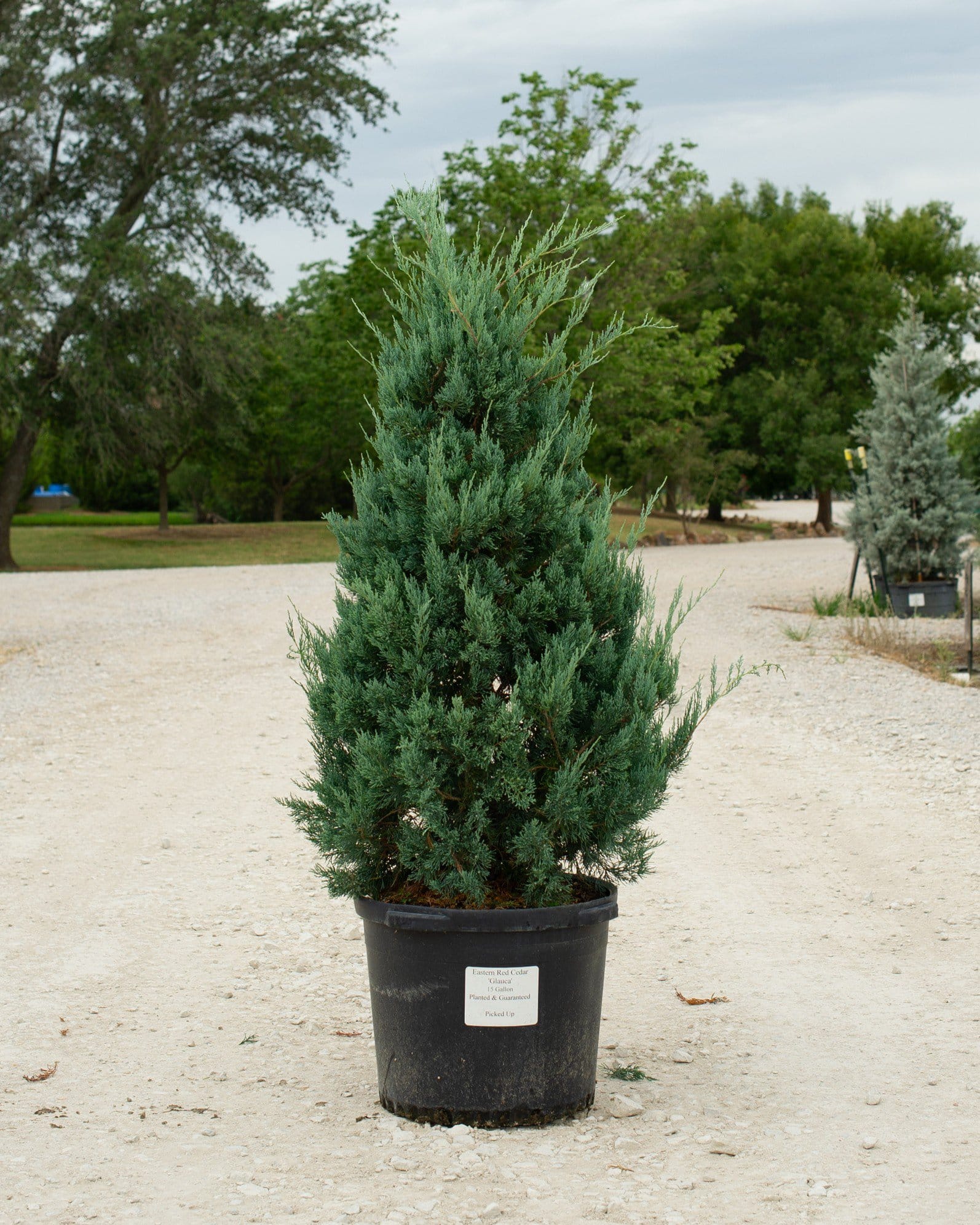
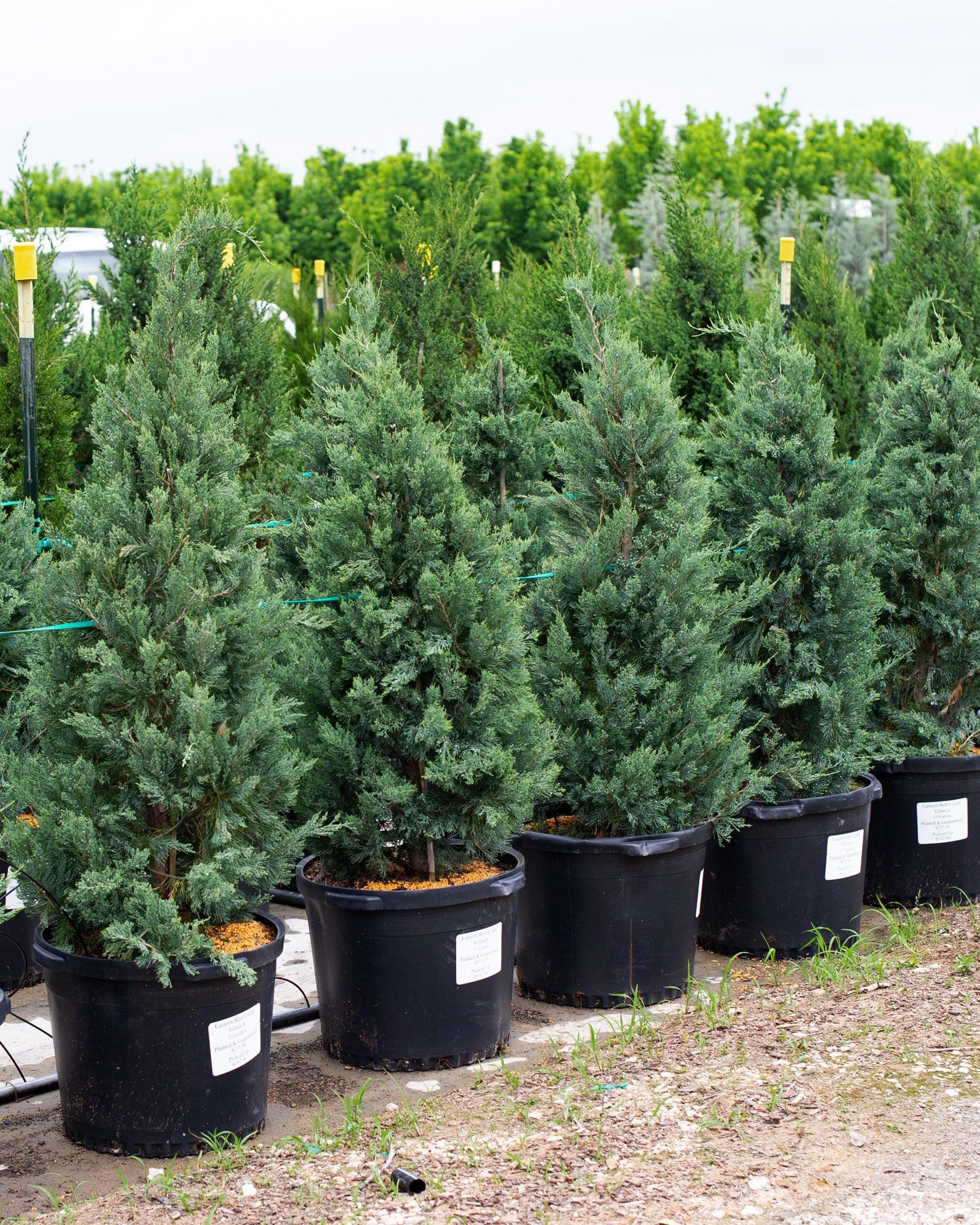
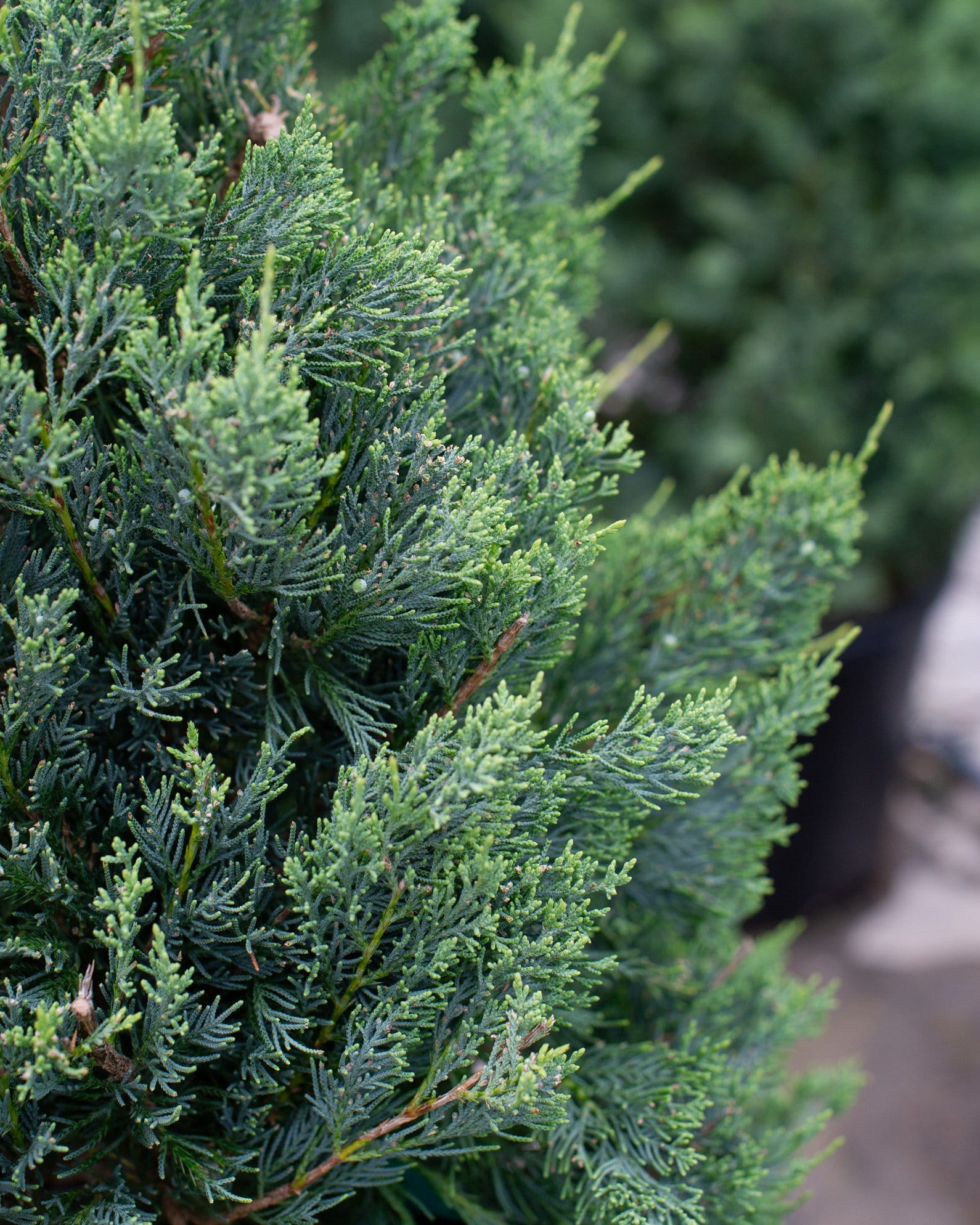
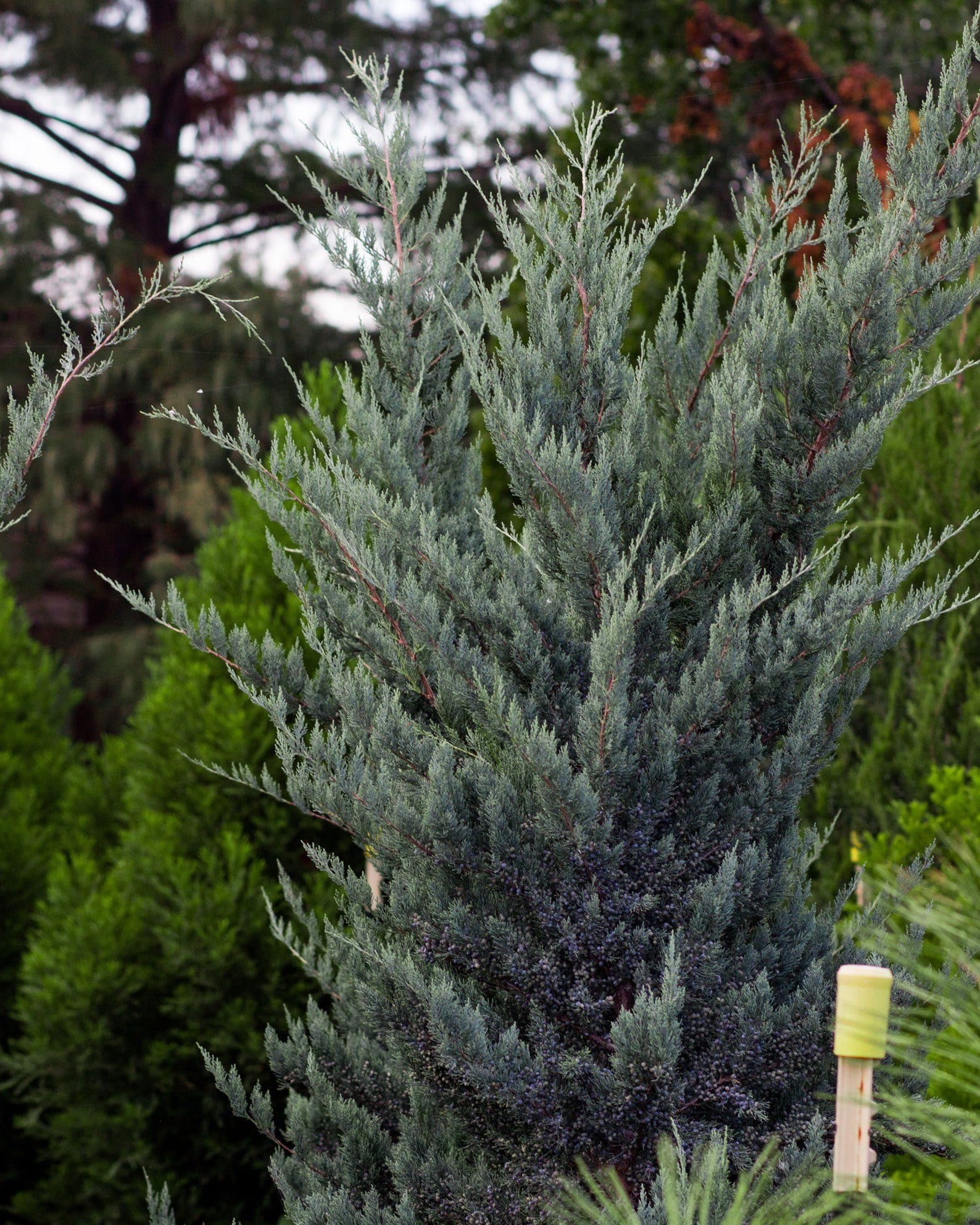
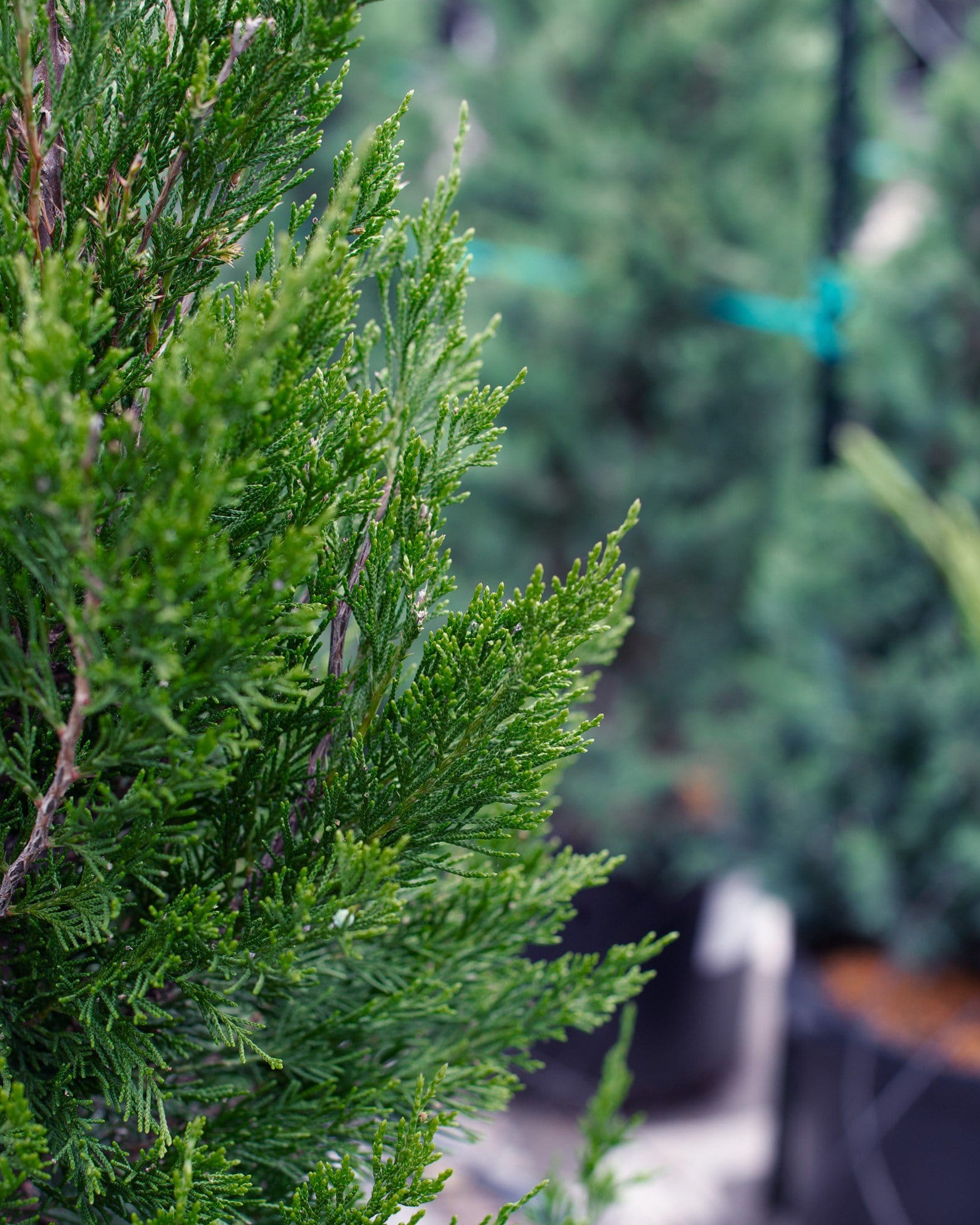
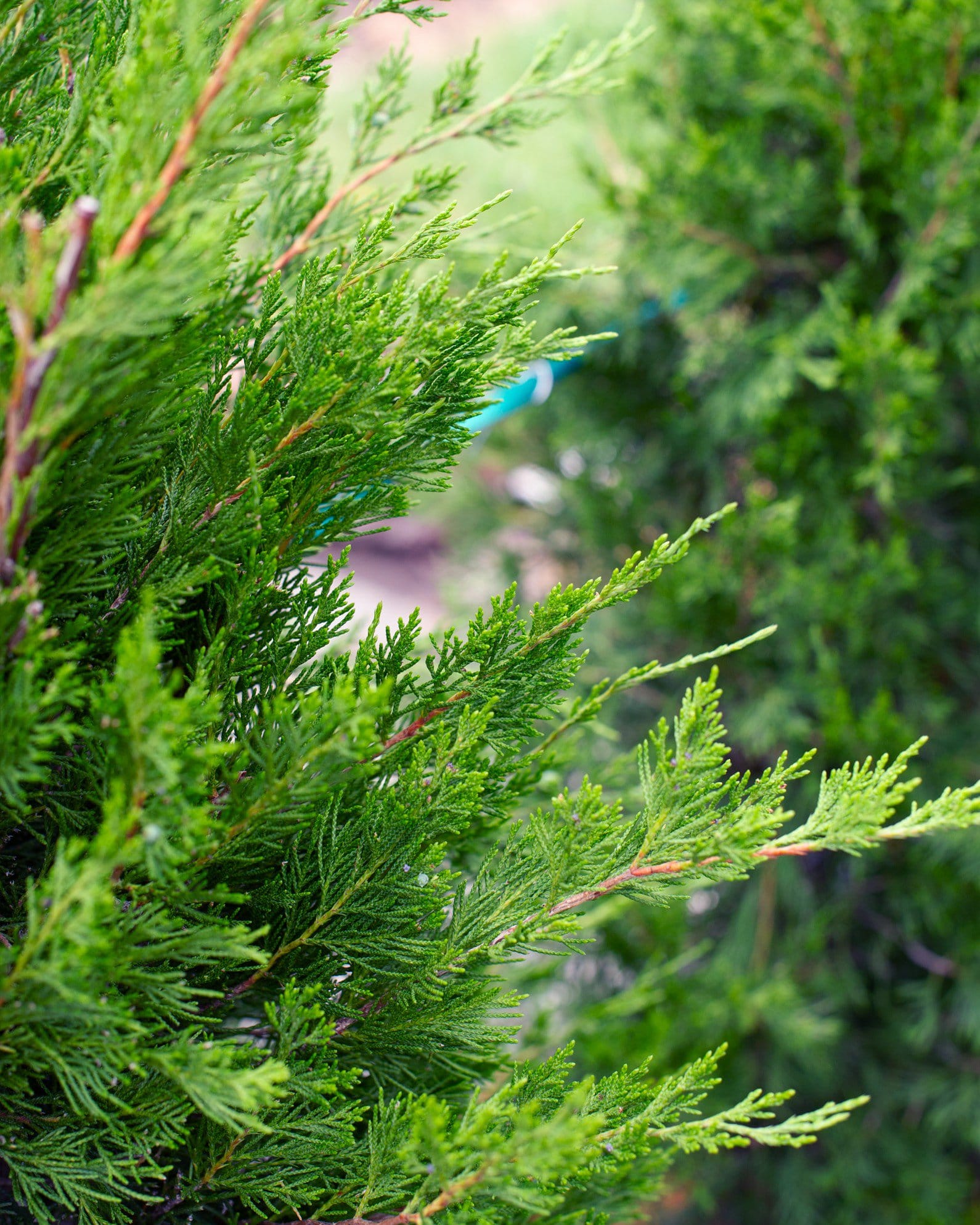
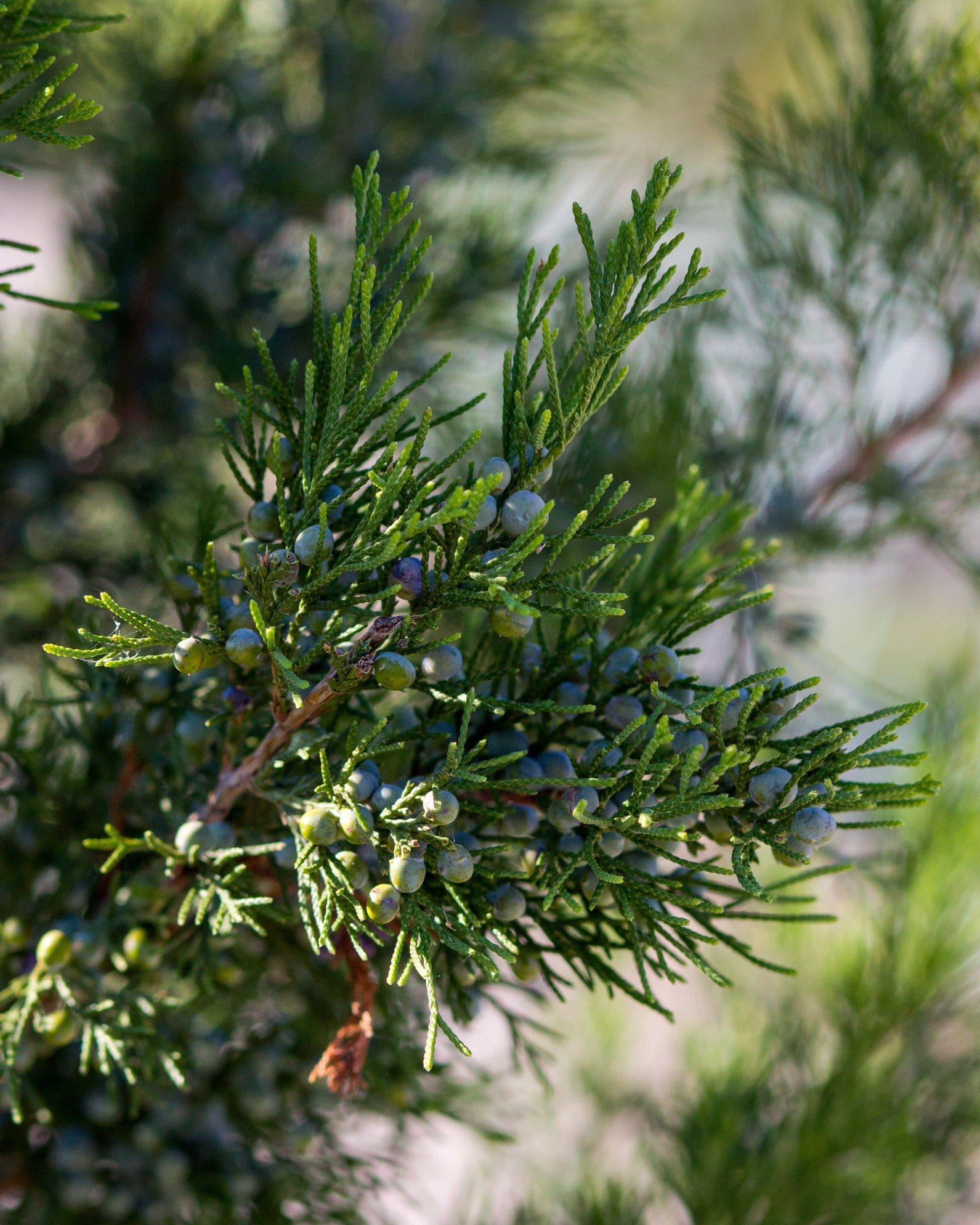
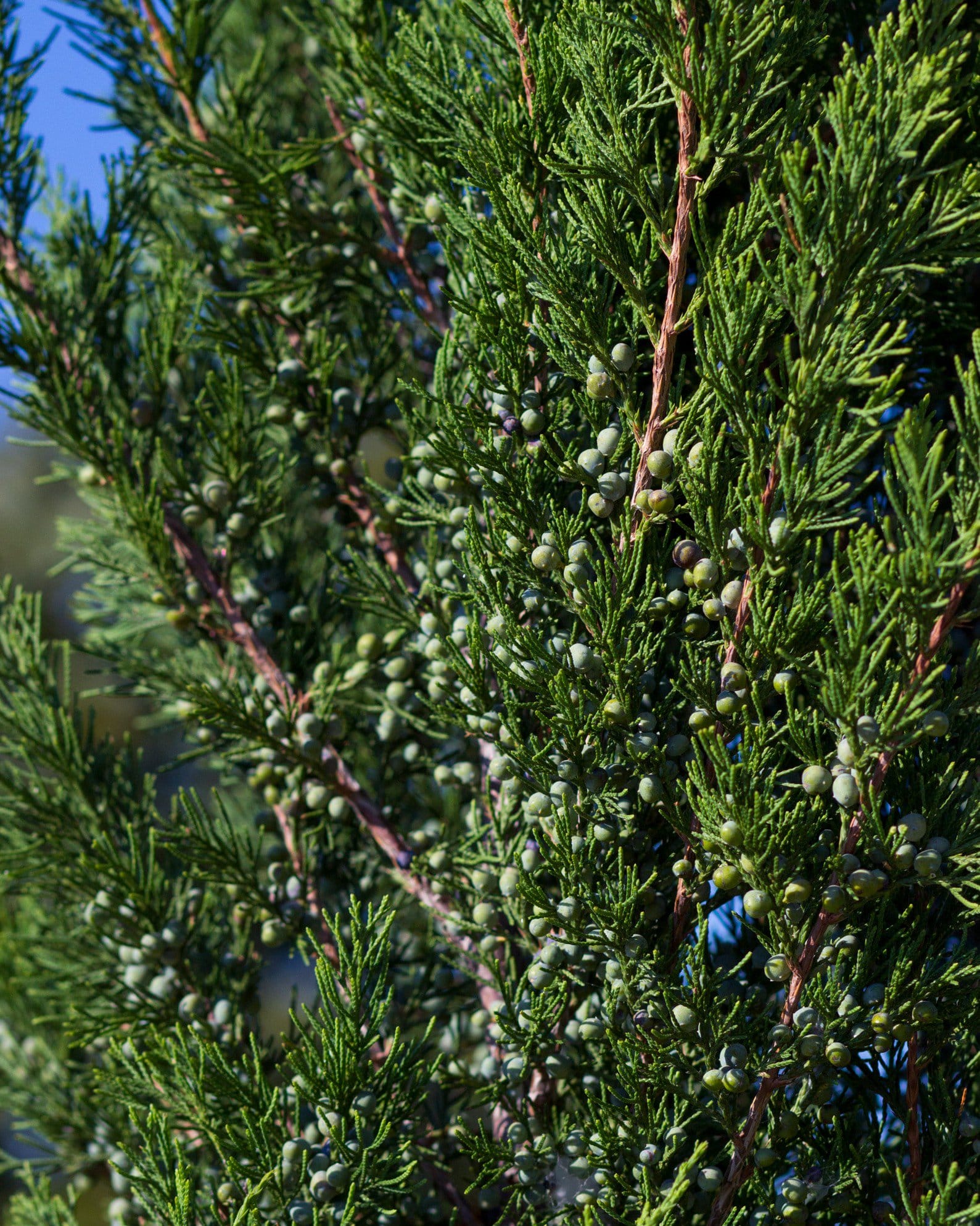
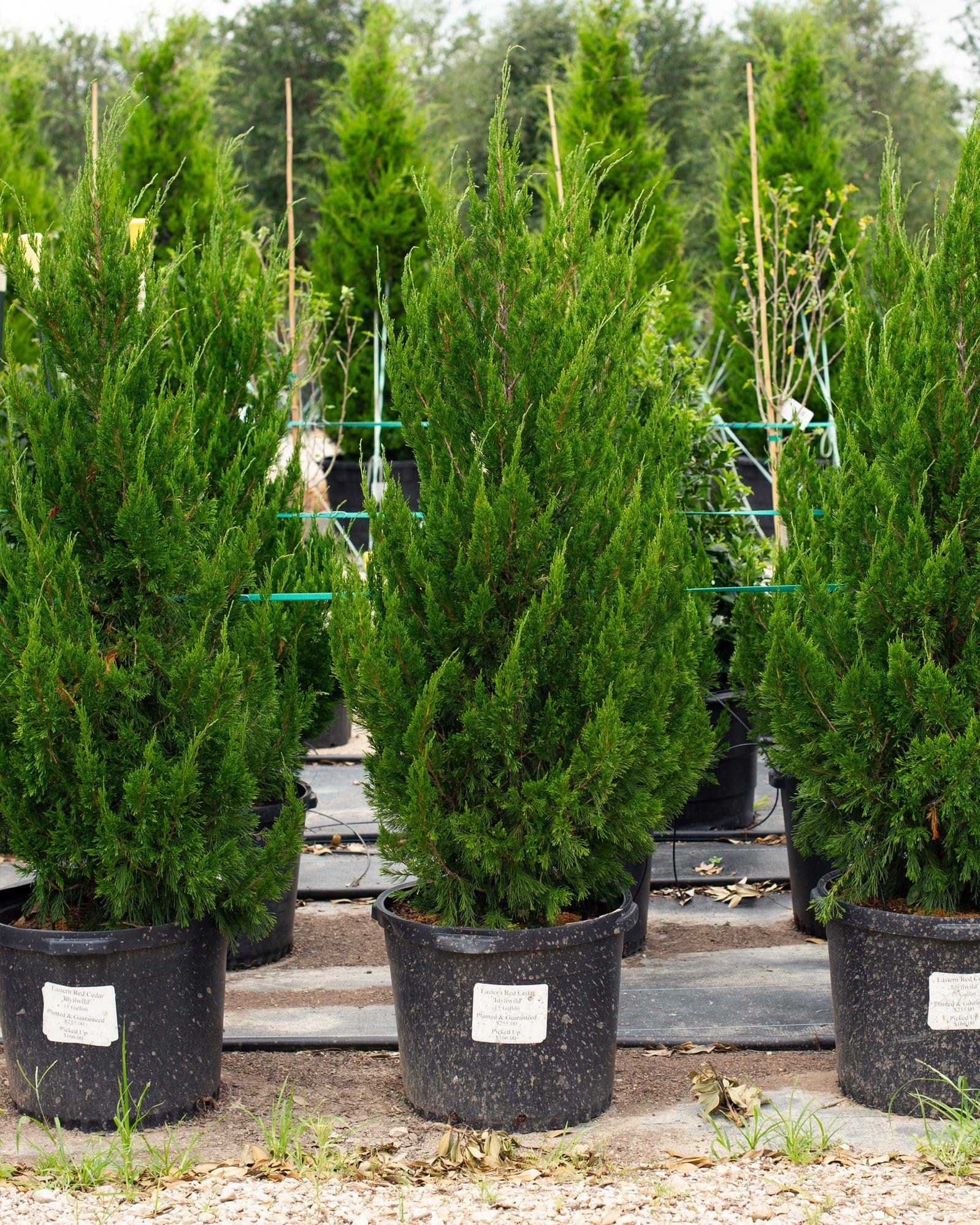
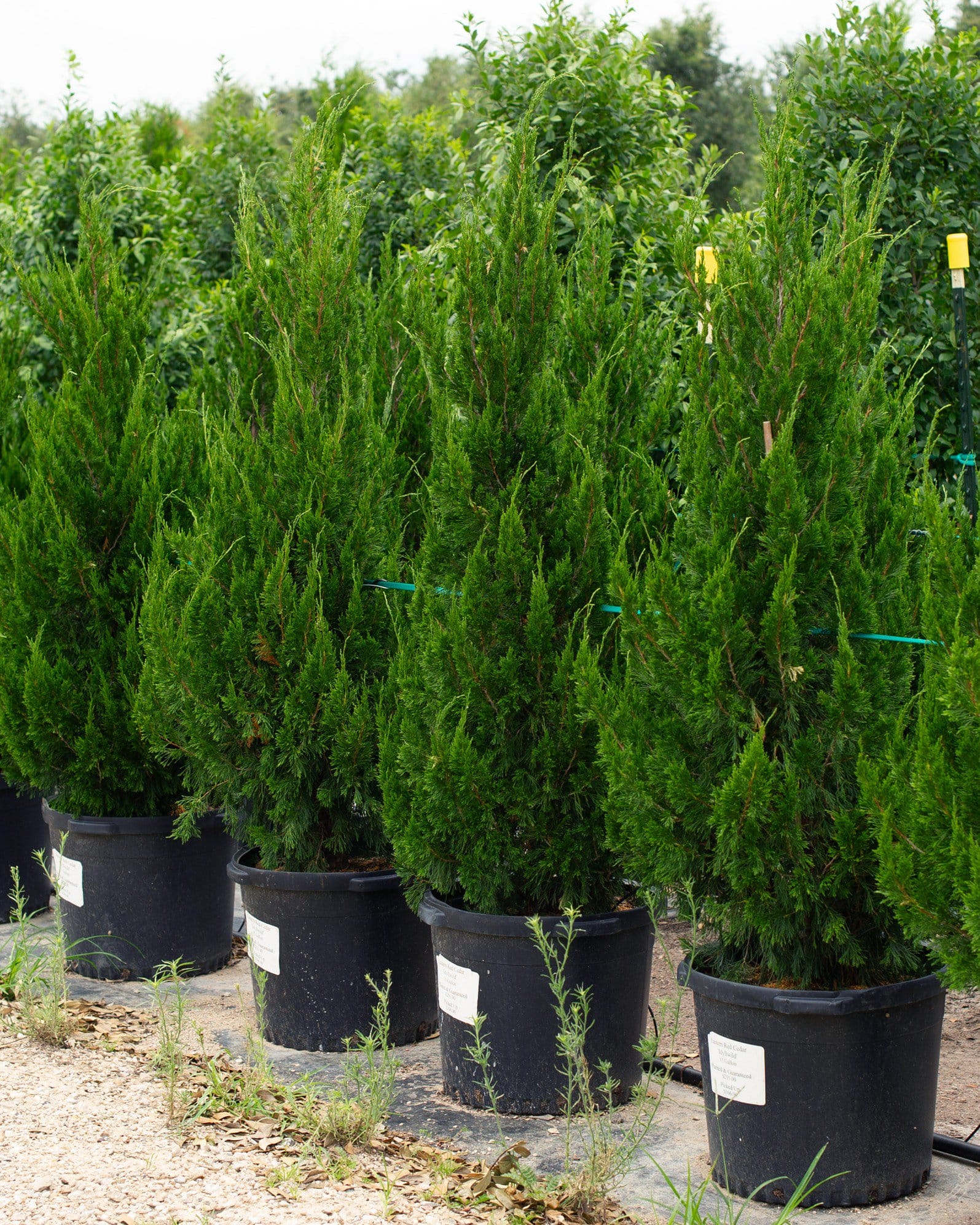
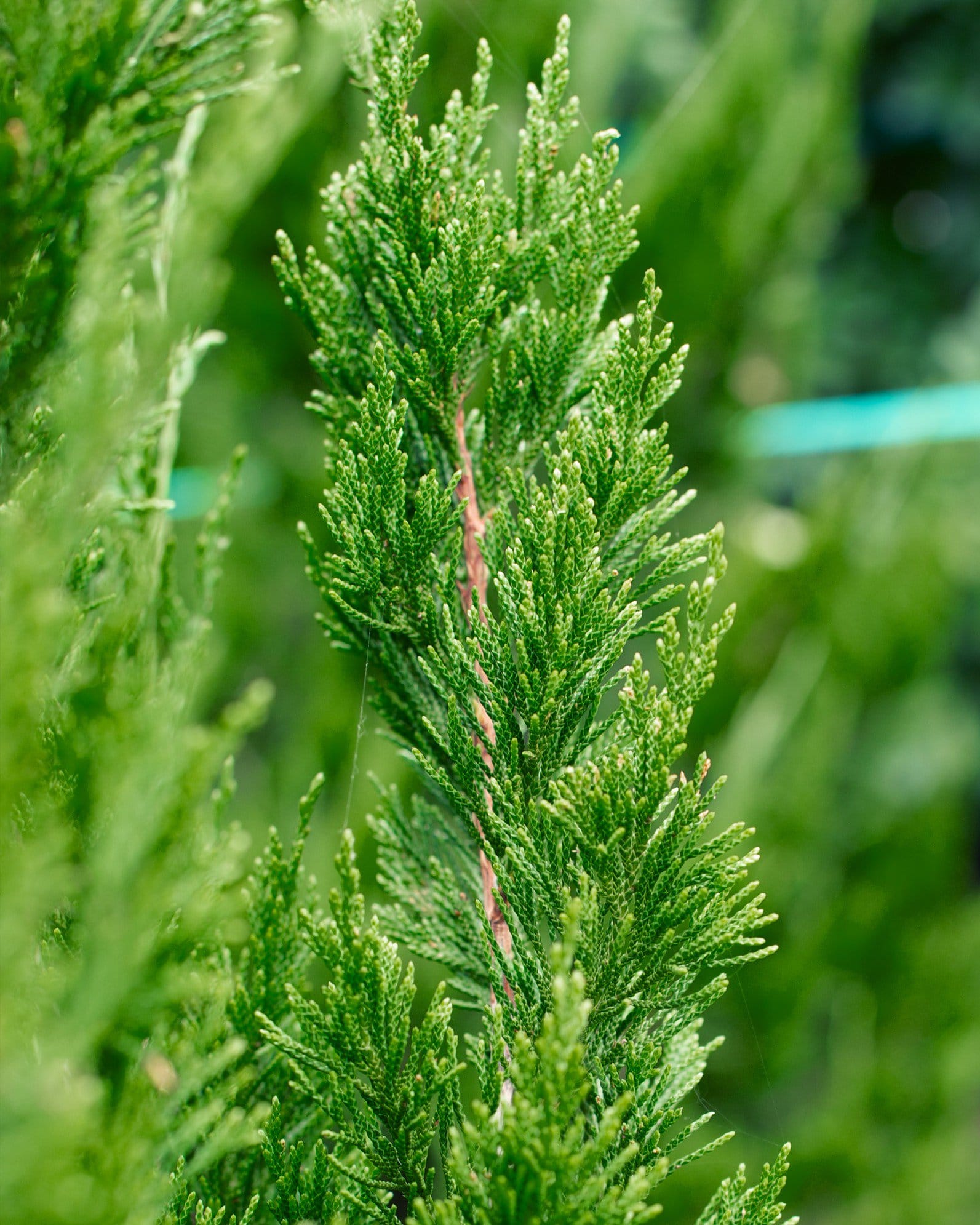
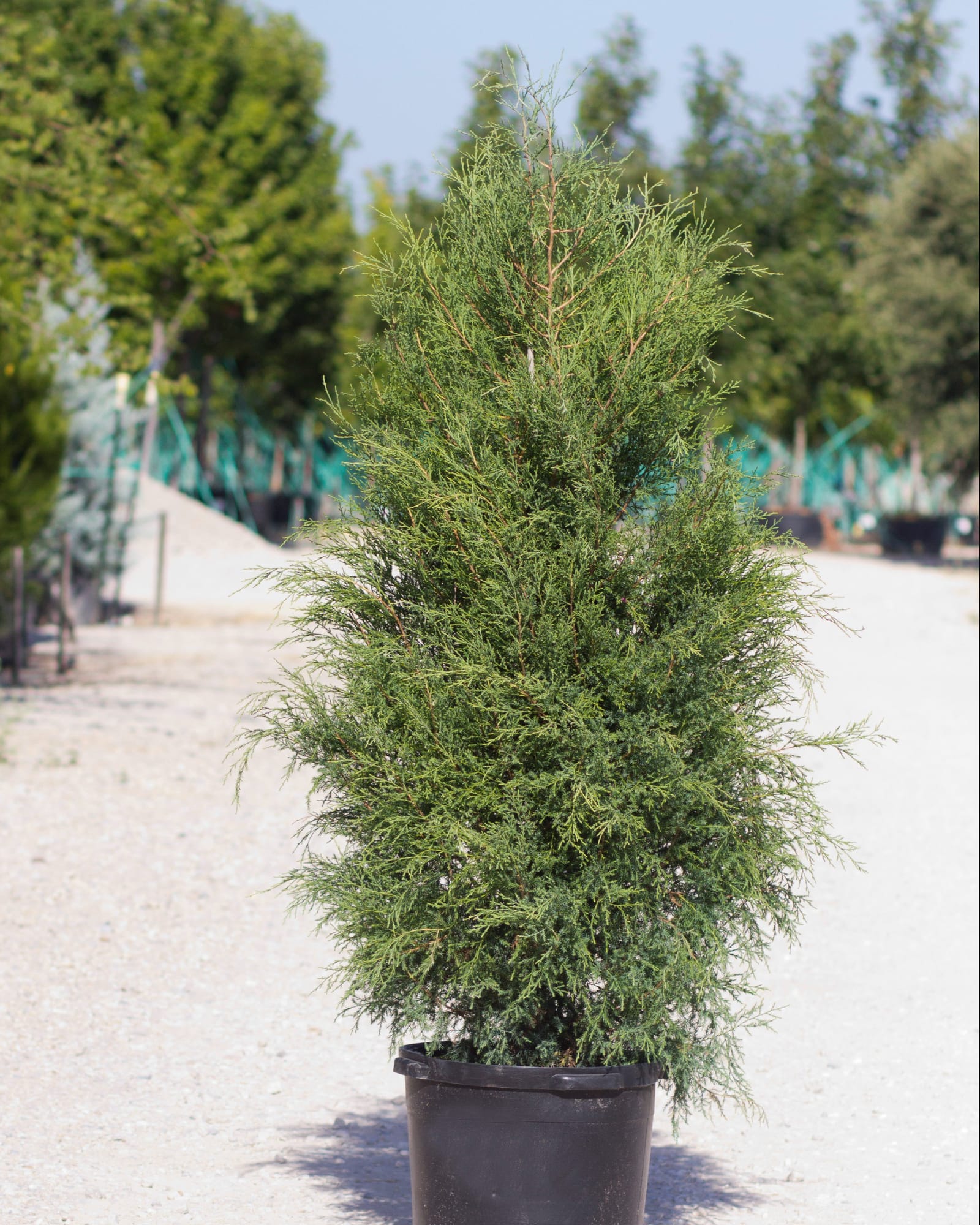
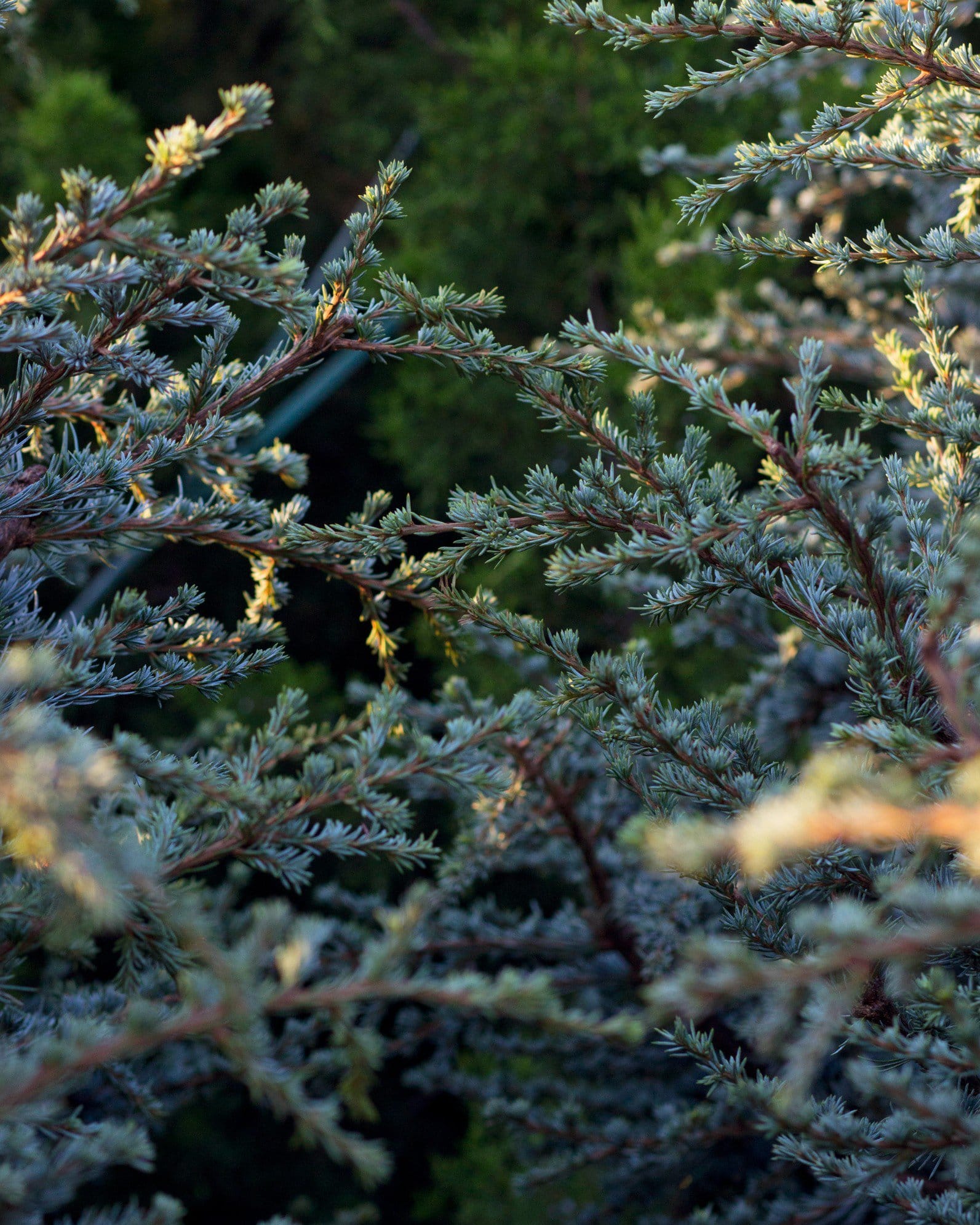
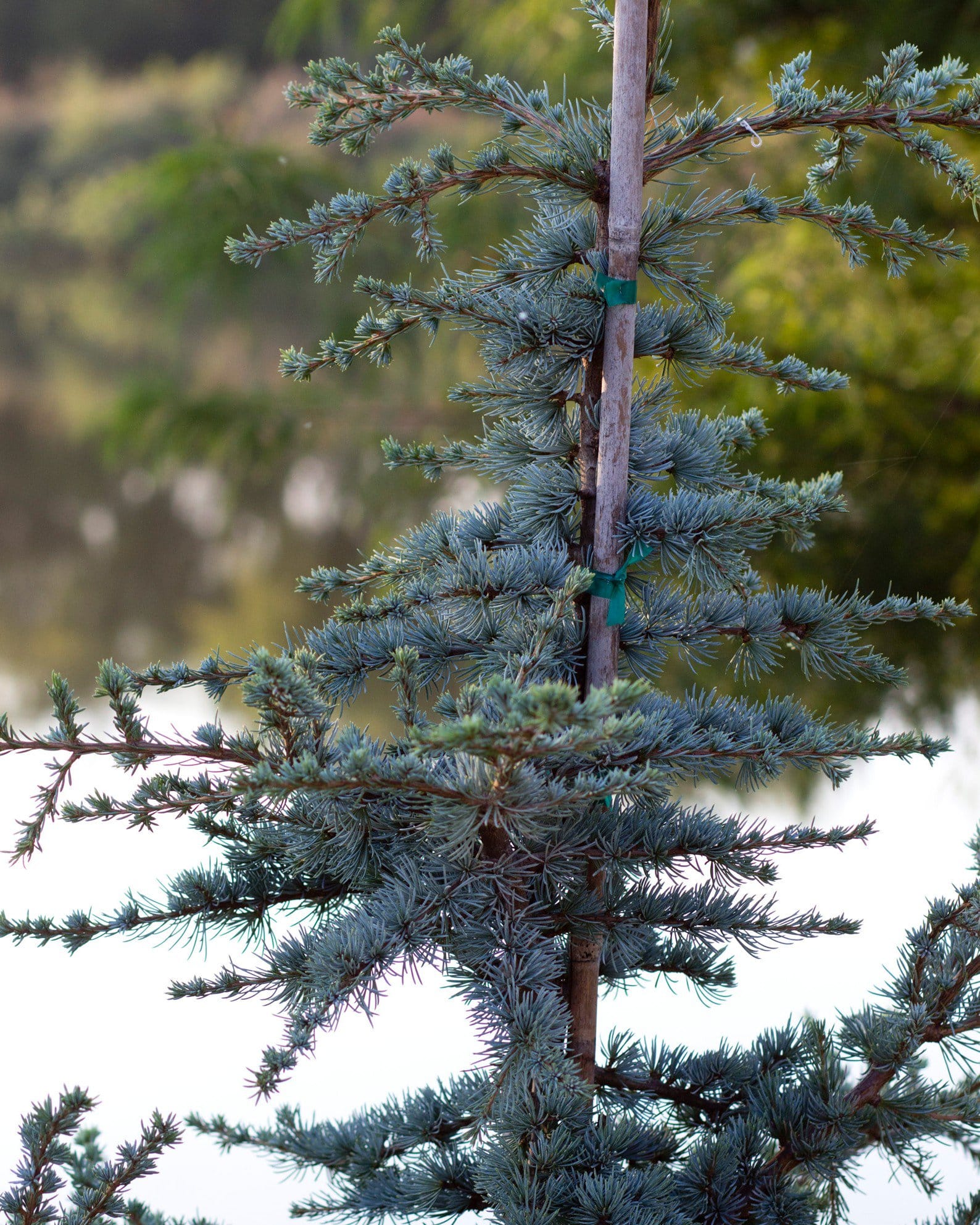
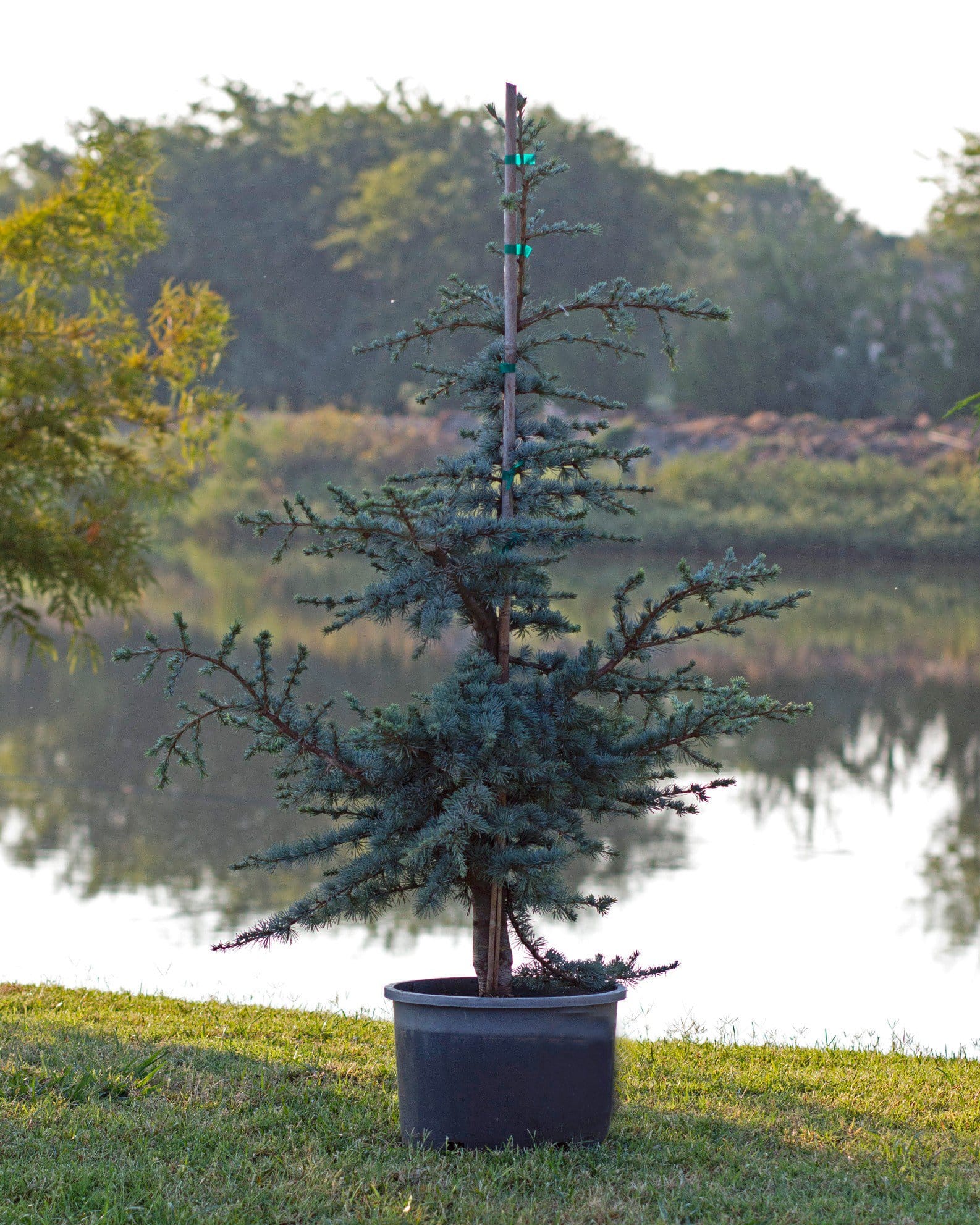
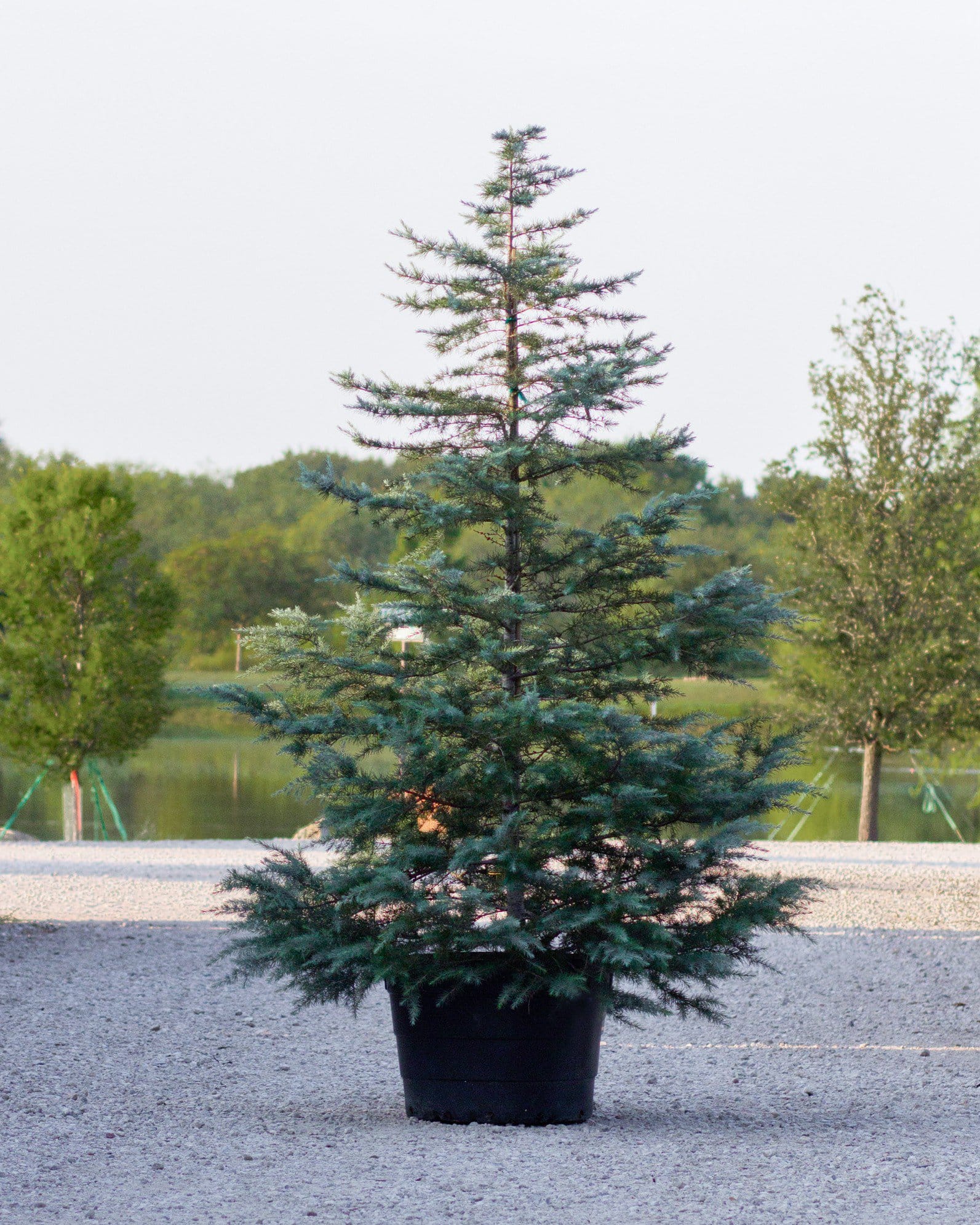
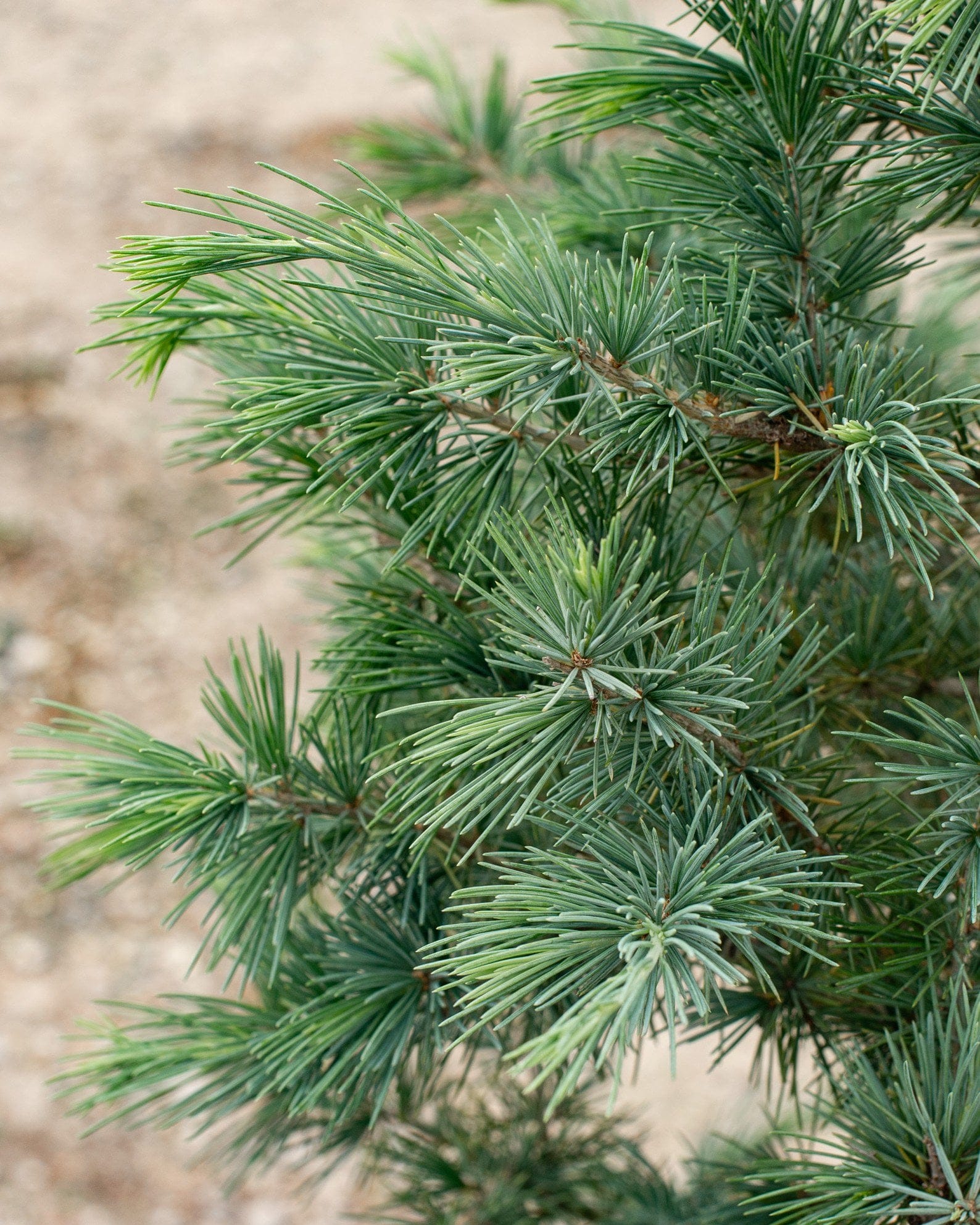
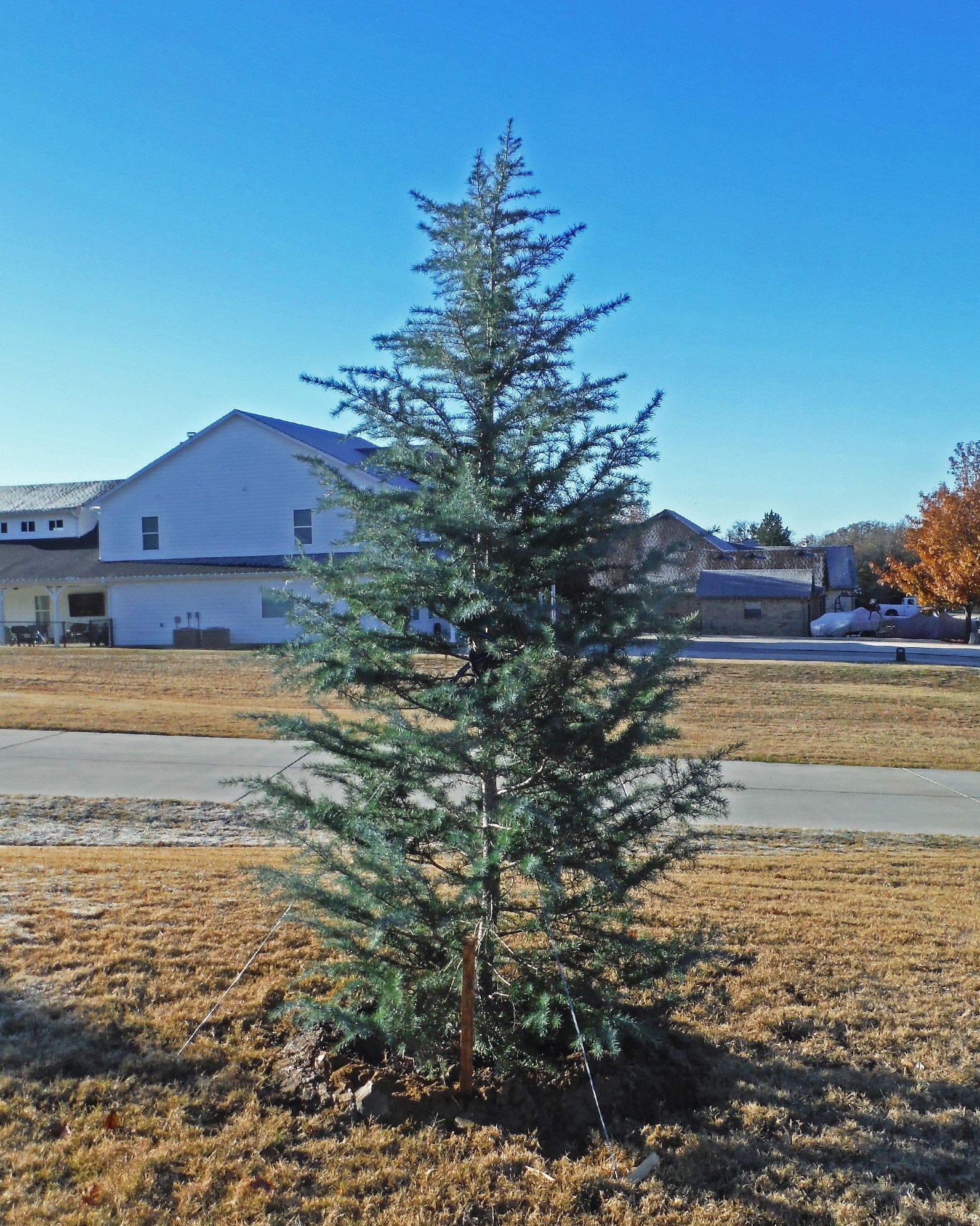
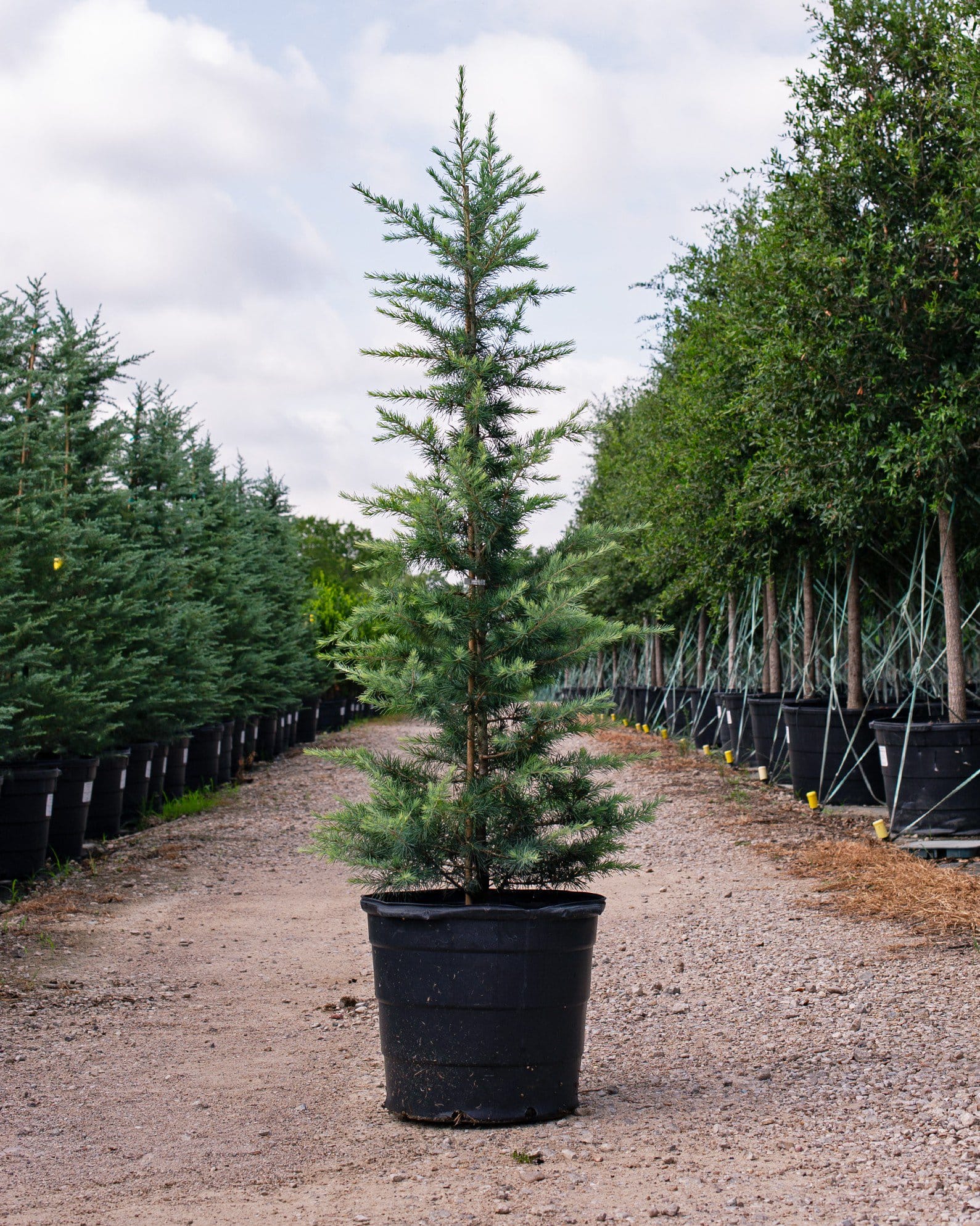
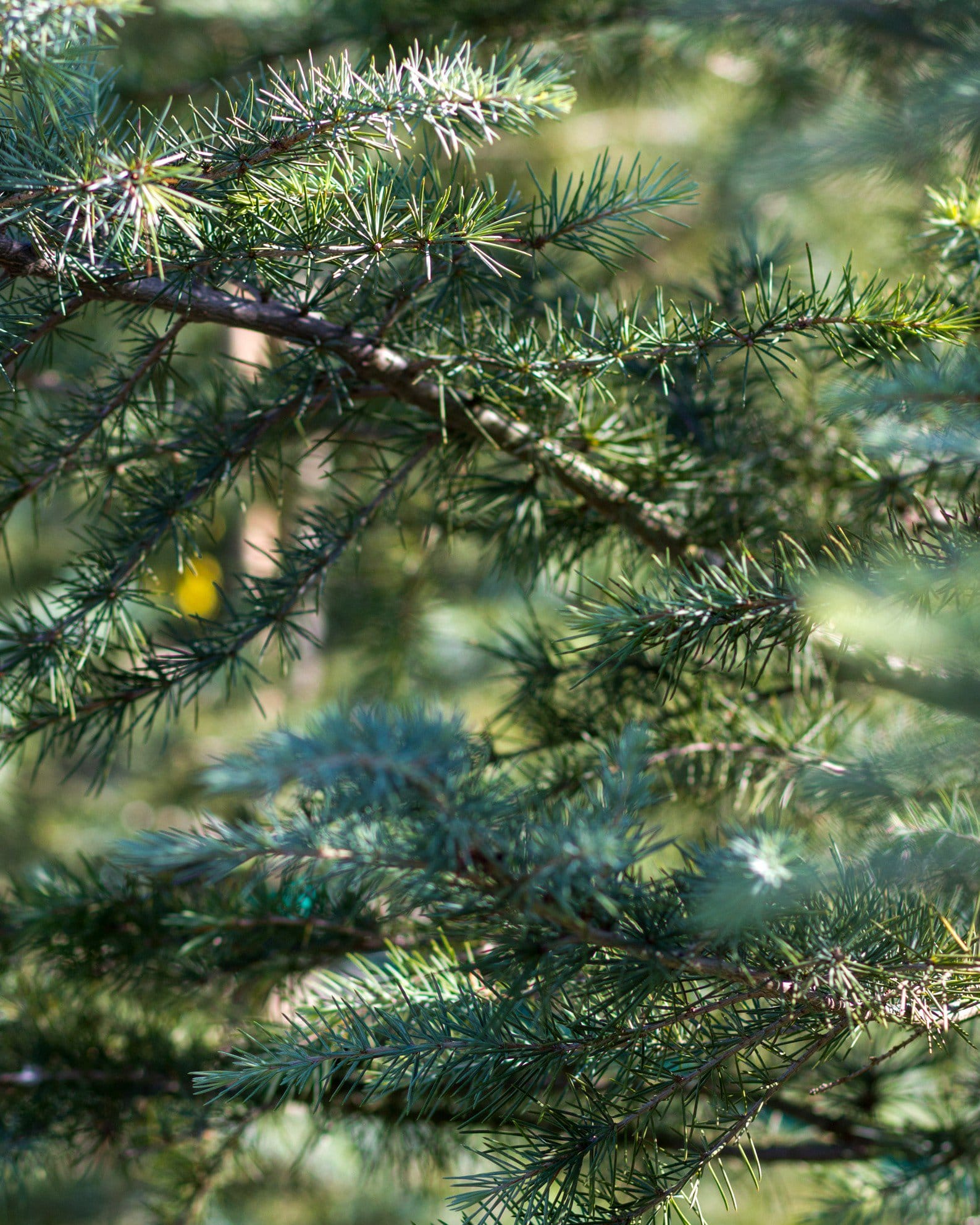
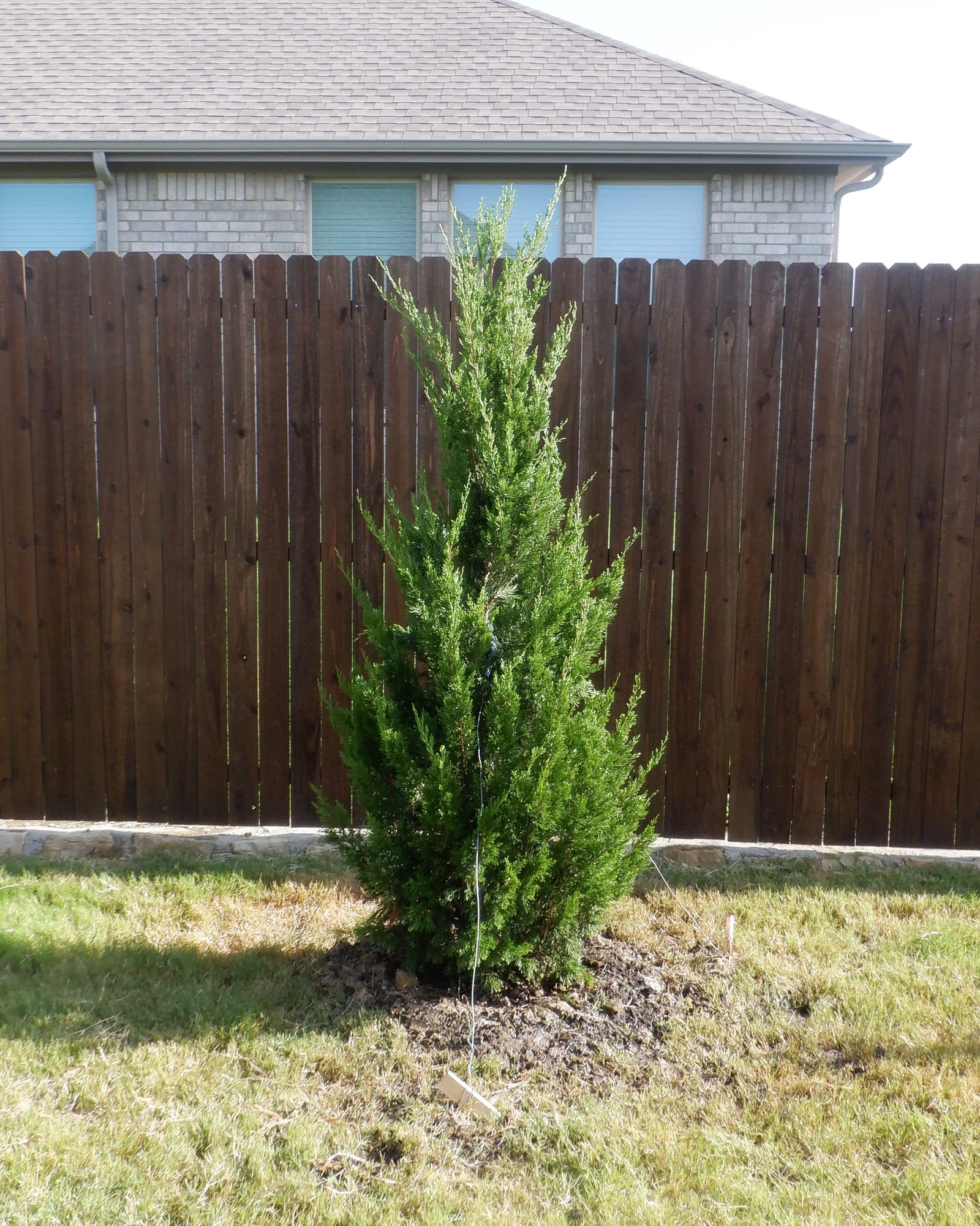
Juniperus virginiana ‘Burkii’Eastern Red Cedar ‘Burkii’ is a standout evergreen prized for its elegant structure and blue-green foliage. Its naturally narrow, pyramidal growth makes it perfect for spaces that need height without overwhelming width. Growing 25 feet tall and 20 feet wide, this cedar is ideal for hedges, or as a striking vertical element in a landscape. It adapts well to a variety of soil types and climates, performing beautifully across Texas and beyond.
- Evergreen tree
- Moderate to fast growth rate
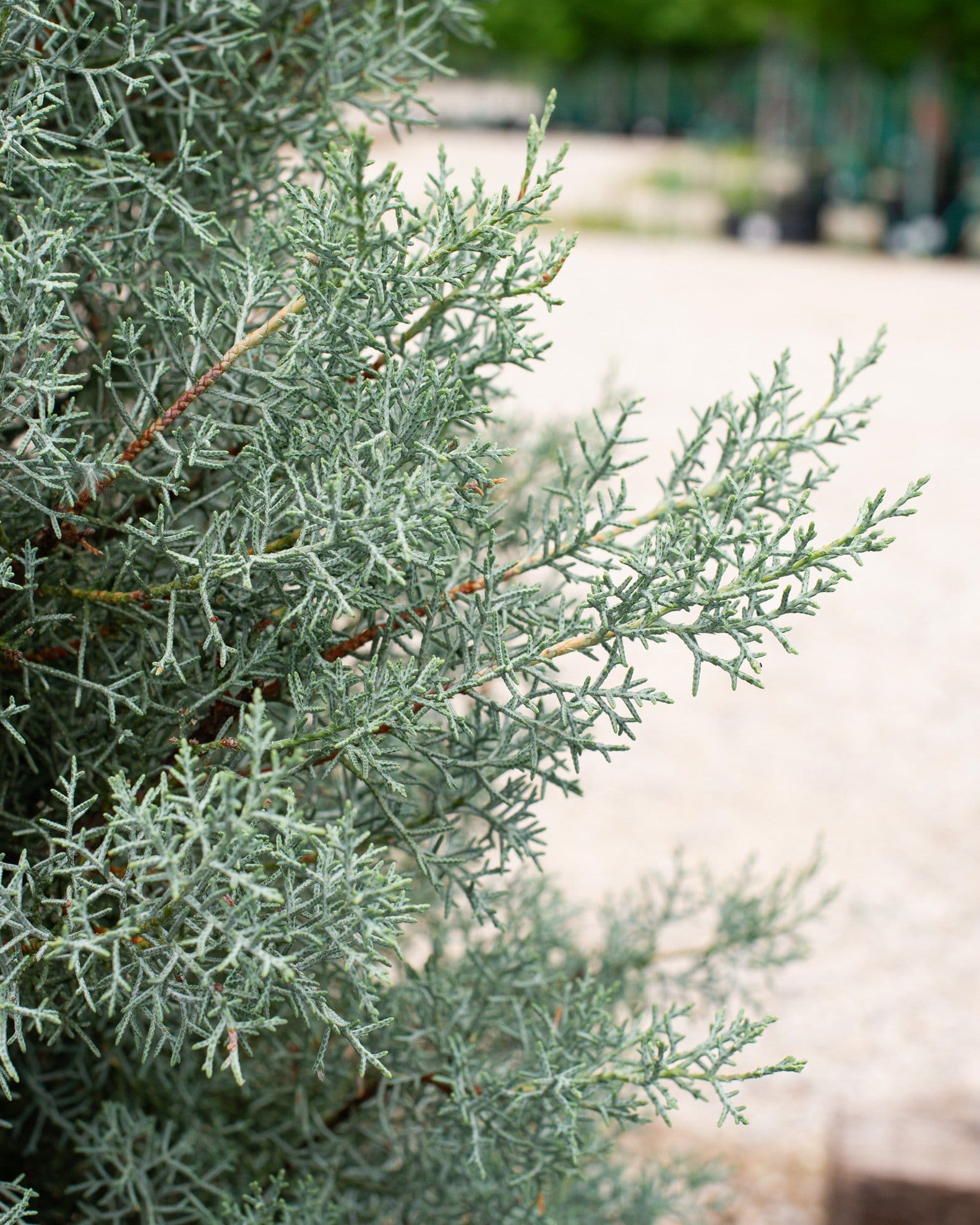
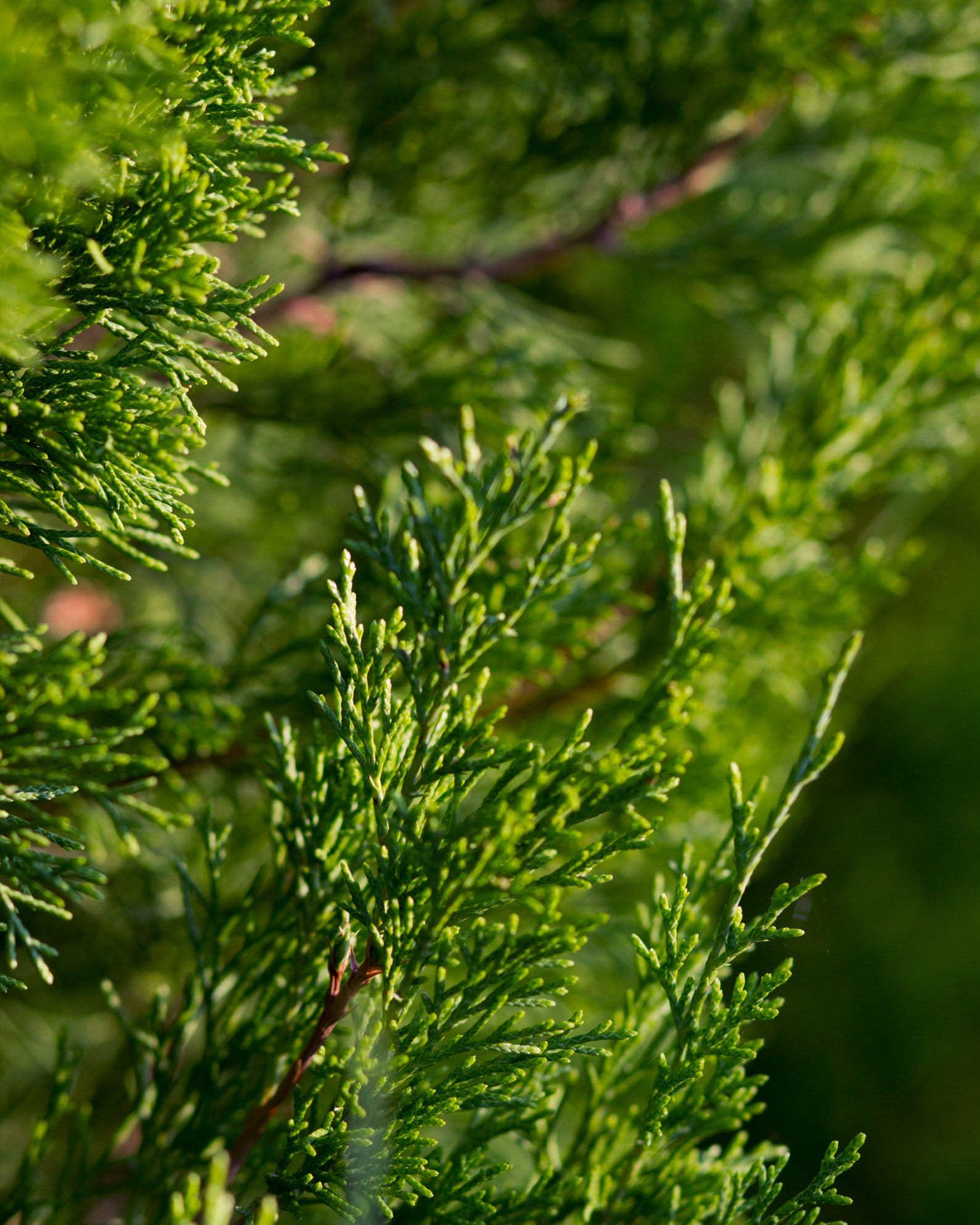
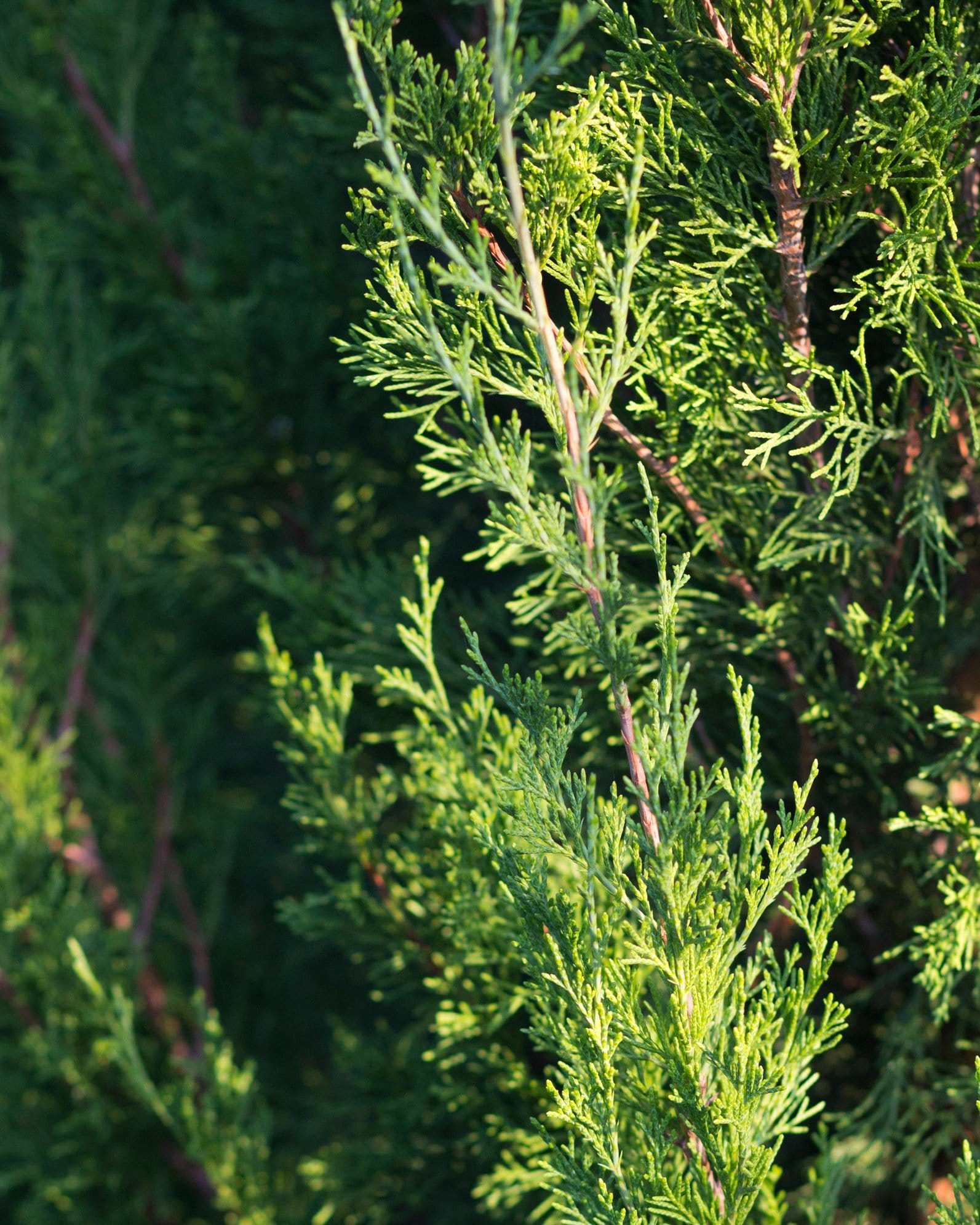
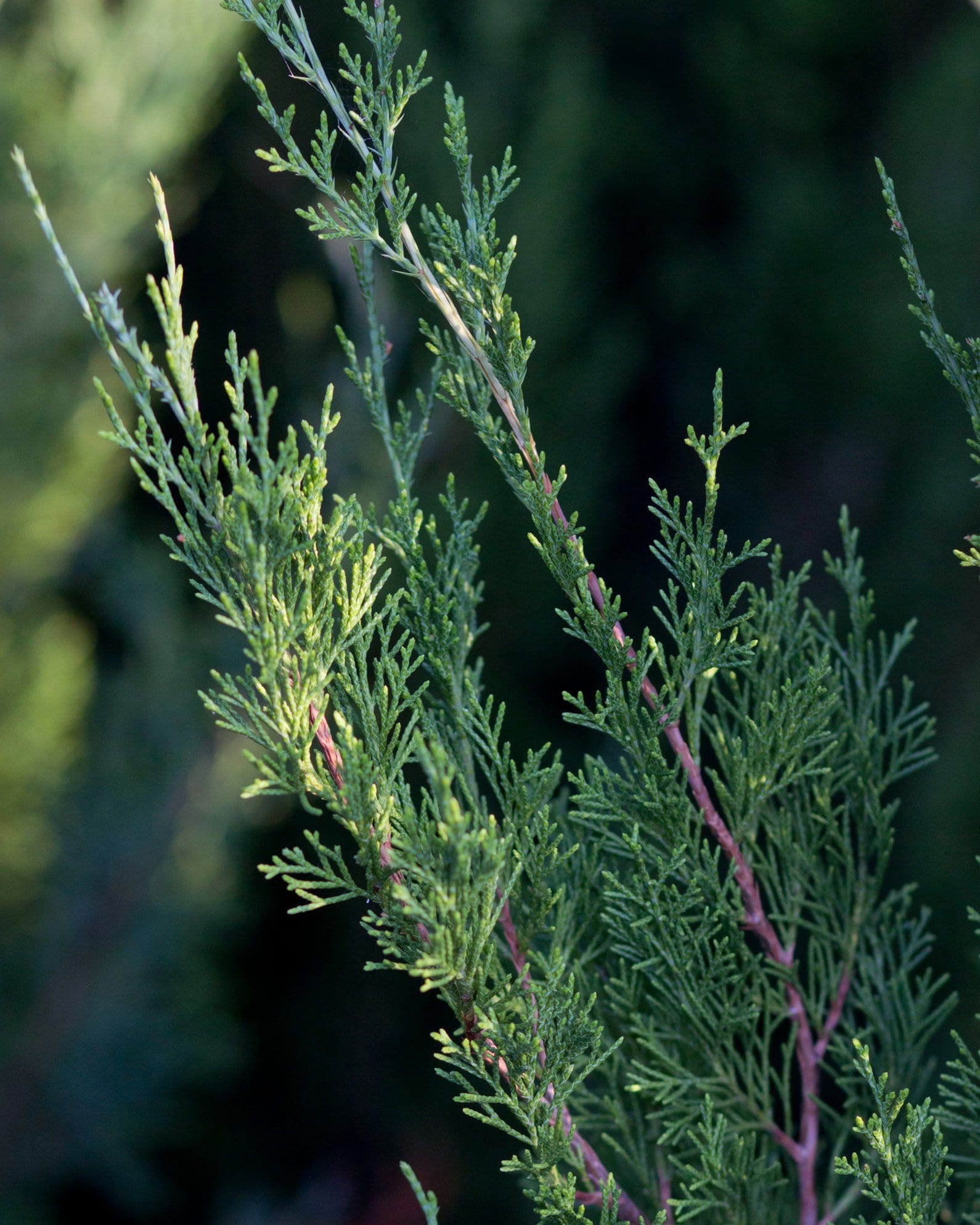
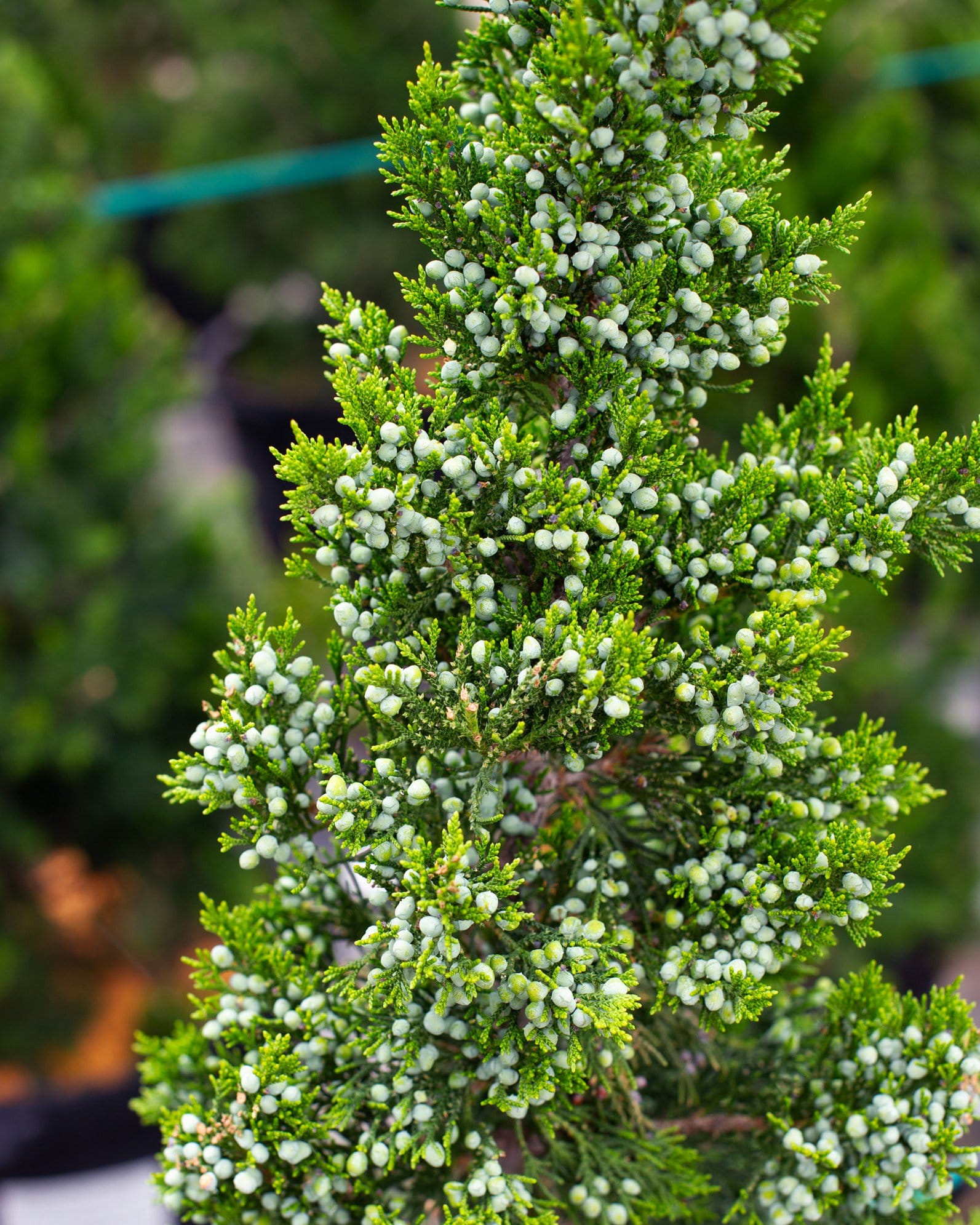
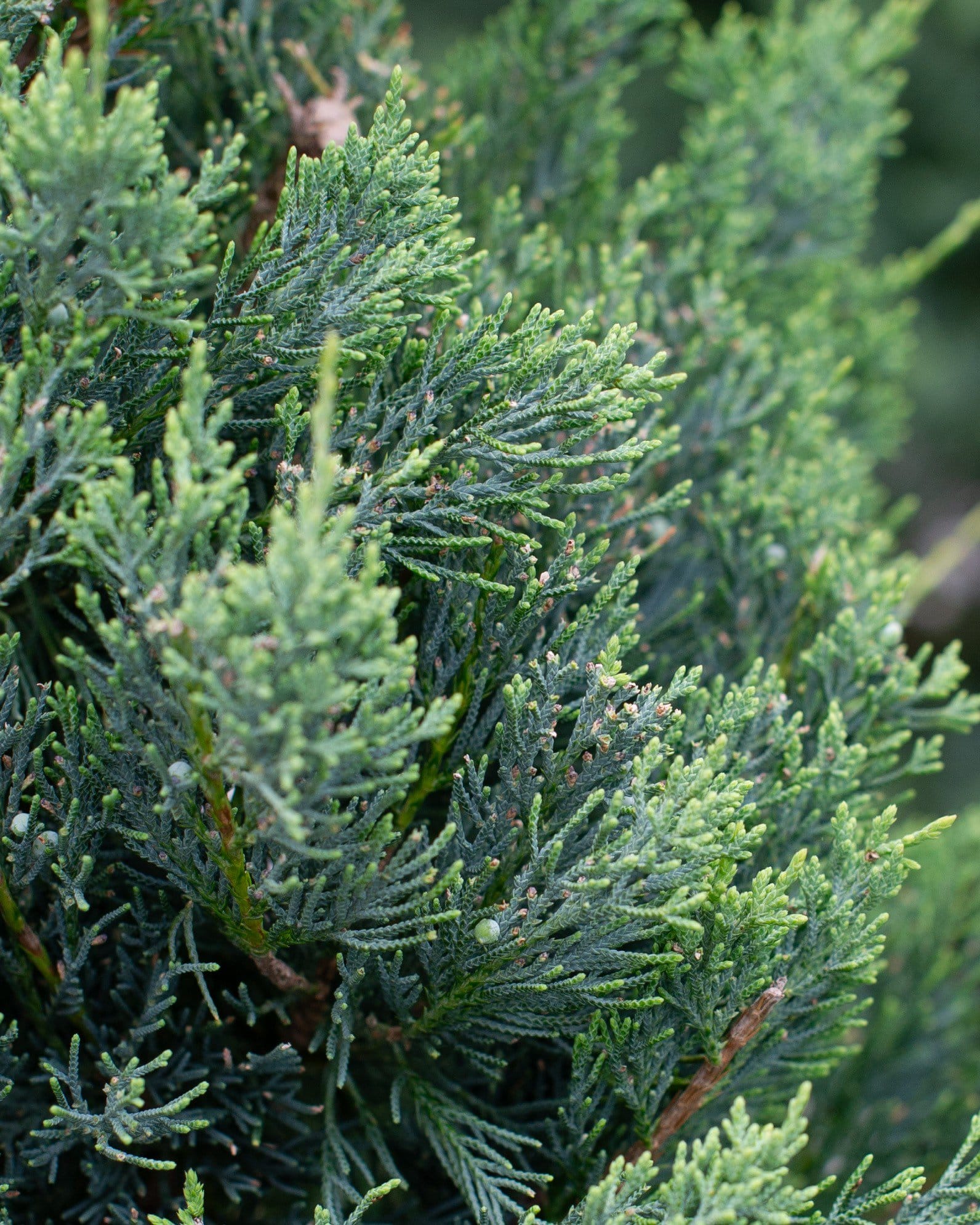
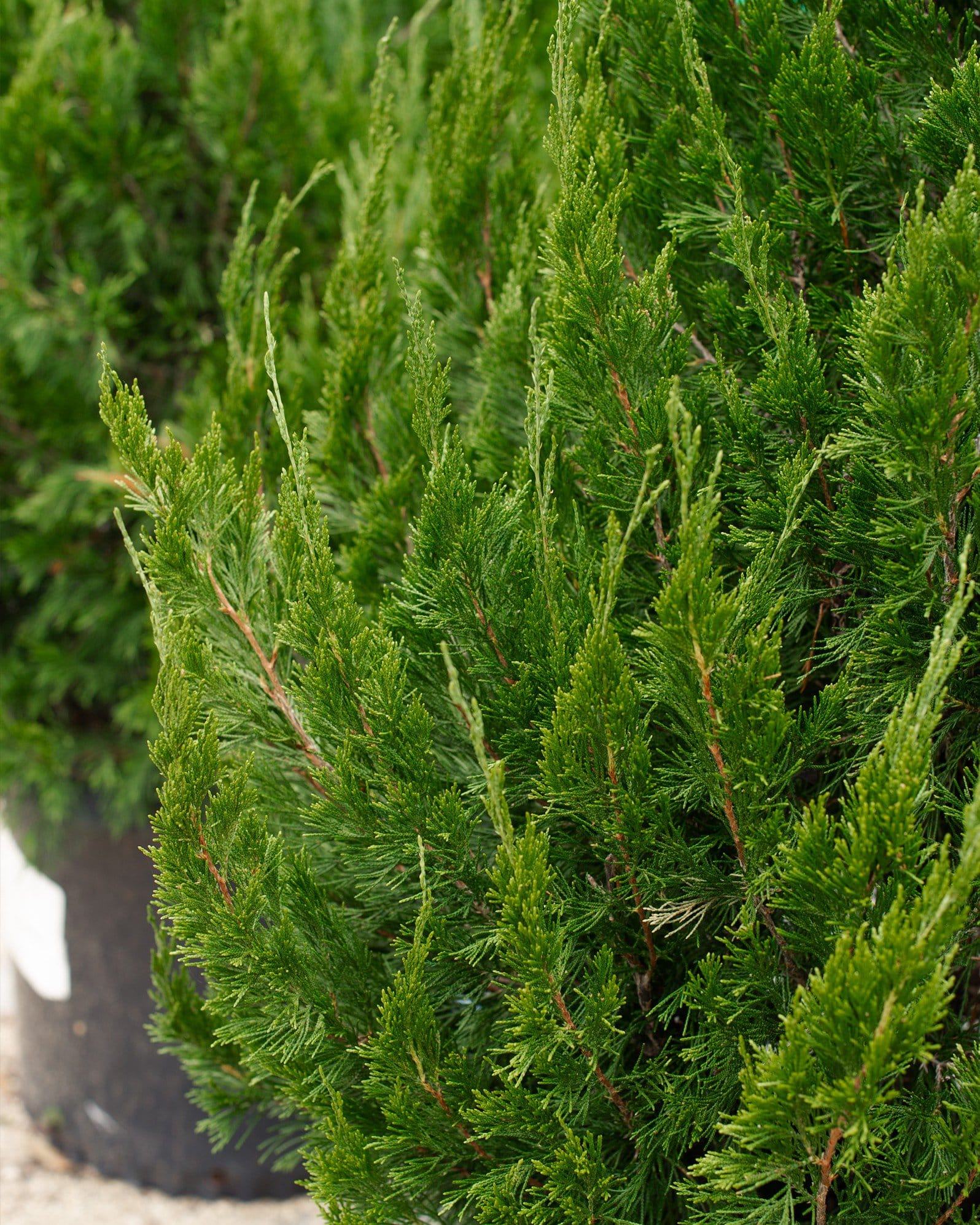
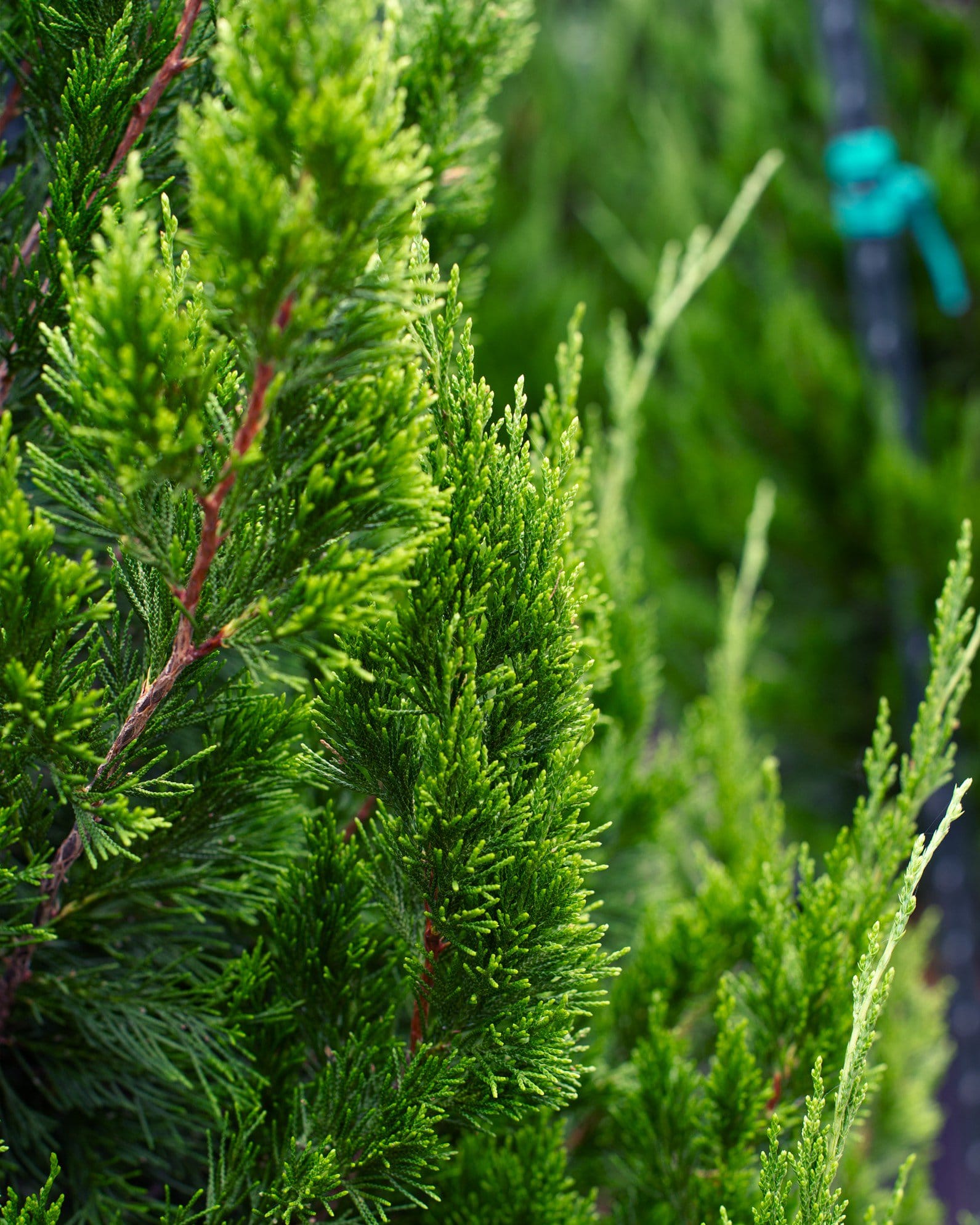
- Blue-green foliage
- Excellent for privacy screens, accent plantings, or borders
- Hardy and adaptable at maturity
Plant in full sun and well-drained soil for best results. Minimal maintenance is required - just let it grow into its natural shape and enjoy its architectural beauty. Performs well in USDA zones 2 through 9, making it an ideal choice for North Texas landscapes.
Burkii Eastern Red Cedar are resilient, low-maintenance evergreen that thrives in tough conditions. Here’s what it needs to grow beautifully:
- Watering: Once mature, ‘Burkii’ is highly drought-tolerant and typically requires little supplemental watering except during prolonged dry spells. Always let the top few inches of soil dry out before watering again, as this cedar doesn’t like soggy roots.
- Pruning: Minimal pruning is needed. Shape lightly in late winter or early spring before new growth appears, removing any dead, diseased, or crossing branches. Avoid heavy pruning into old wood - it doesn’t regrow well from bare sections. For dense foliage and a neat shape, small touch-ups once a year are more than enough.
- Fertilizing: In most soils, fertilization isn’t necessary. If the tree looks pale or sluggish, apply a balanced slow-release fertilizer (like 10-10-10) in early spring. Don’t overfeed - excessive nitrogen encourages weak, leggy growth.
- Mulching: Spread a 2-3 inch layer of organic mulch (pine bark, wood chips, or shredded leaves) around the base to conserve moisture and regulate soil temperature. Keep the mulch at least 6 inches from the trunk to prevent rot and pest buildup.
- Staking: Young trees benefit from staking in their first year, especially in windy or exposed sites. Use soft ties and remove stakes after one growing season once roots anchor firmly.
Common Issues and How to Take Care of Them
Burkii are known for its toughness and resistance to most pests and diseases, but even hardy trees need occasional attention.
- Bagworms: These pests form small cone-like bags on branches and feed on foliage. Handpick and destroy the bags in winter before larvae emerge. For larger infestations, apply Bacillus thuringiensis (Bt) or horticultural oil in early summer.
- Cedar Apple Rust: A fungal disease that causes orange spots on leaves. It requires both junipers and apple/crabapple trees to complete its life cycle. Prune out visible galls in winter, and if rust is persistent, consider avoiding nearby apple-family plantings.
- Spider Mites: Often appear during hot, dry periods. Look for stippling or webbing on foliage. Rinse the tree thoroughly with water or use insecticidal soap for control. Keeping the tree healthy and hydrated helps prevent outbreaks.
- Root Rot: Occurs only in poorly drained soils. Always plant in well-draining locations, preferably on slight elevations if the area holds water.
- Needle Browning: Can occur due to winter burn or drought stress. Deep watering before winter helps prevent it, and minor browning often resolves with spring growth.
Healthy, established Burkii cedars rarely experience serious issues - proper planting and spacing are your best defense.
It’s moderately fast-growing, averaging 12-24 inches per year under good conditions.
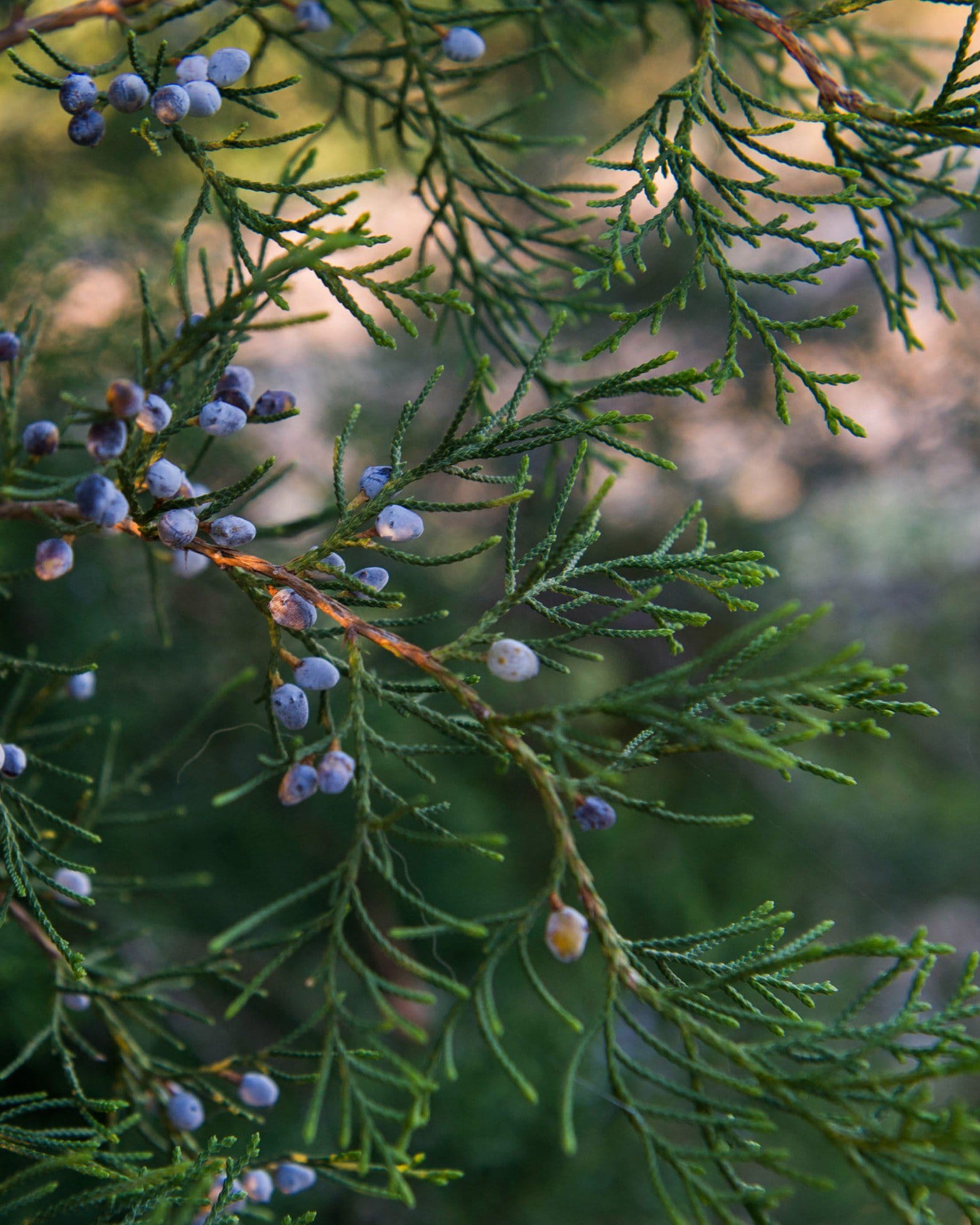
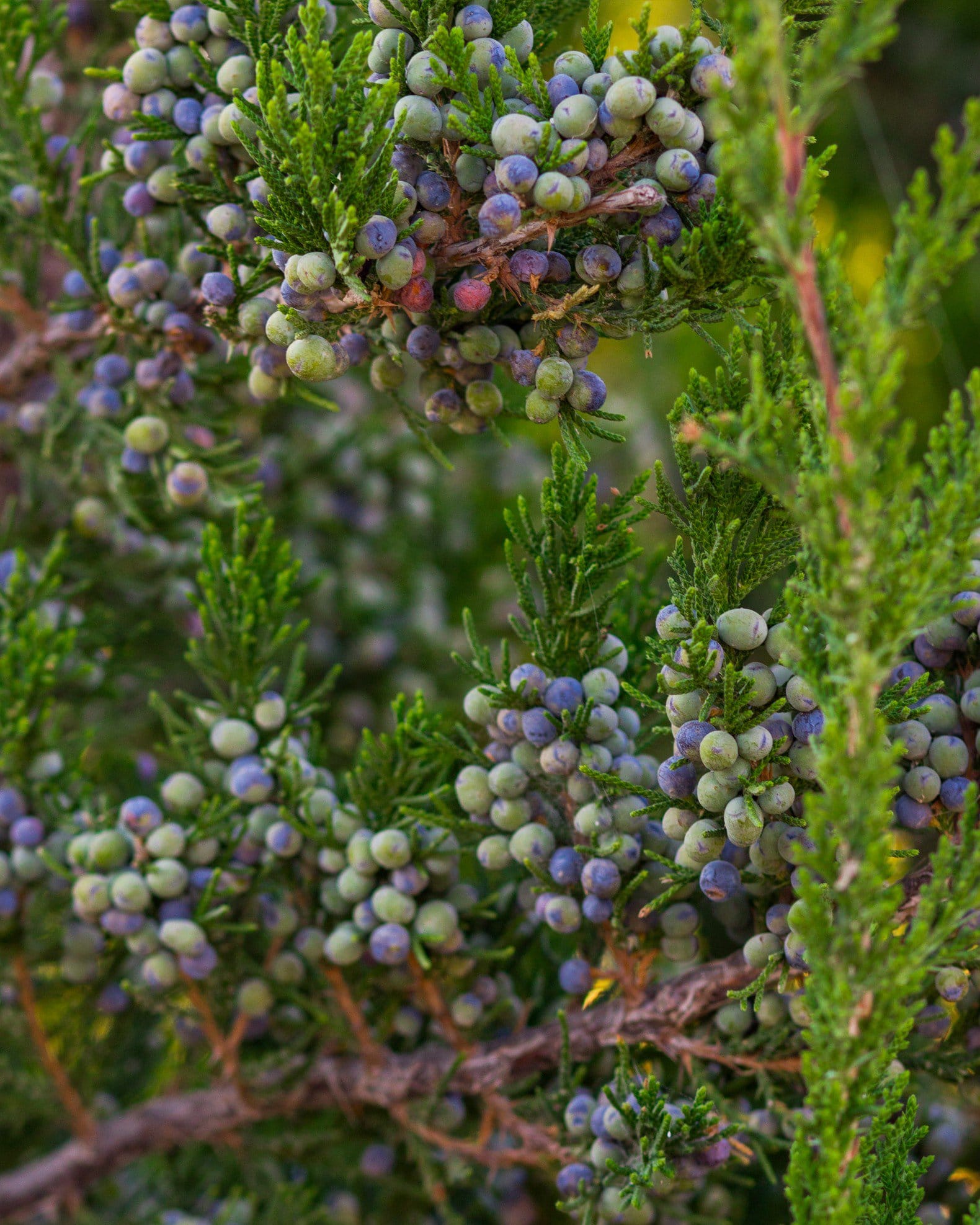
It's not considered highly poisonous, but its berries and other parts shouldn't be ingested in large quantities due to some compounds that can be mildly to moderately toxic.
Yes - one of its biggest advantages! The aromatic foliage naturally repels deer and many browsing animals.
Anytime between fall and spring is best, giving roots time to settle before heat or frost. Avoid planting in frozen or waterlogged soil.
Young trees can be kept in large containers for a few years, but they prefer to be planted in the ground long-term due to their strong taproot system.
Water deeply every 1-2 weeks during hot, dry periods. Otherwise, natural rainfall is typically enough.
Absolutely. Its dense, and broad growth makes it an excellent choice for evergreen hedges or windbreaks, especially in open or exposed areas.
Yes, it’s cold-hardy down to USDA Zone 3 and handles freezing temperatures without issue.
Full sun exposure and occasional deep watering during extreme drought will help maintain its signature blue-gray tones.
It tolerates many soil types, including clay, as long as drainage is good. If your soil tends to hold water, plant slightly elevated or amended with sand and organic matter.
When it comes to spacing there is no right or wrong answer. We prefer to give trees the most amount of separation possible and aesthetically this leads to a prettier looking tree at maturity because they develop naturally wider, fuller and more symmetrical canopies. As far as the tree's health is concerned it will not be affected by how closely it is planted to another tree but the shape of the canopy will become taller and thinner and begin to overlap, which will create a continuous hedge. If privacy is not of immediate concern and we are just looking to diffuse the view, then we could plant the trees where they barely touch at maturity.
For example, we could plant Burkii Eastern Red Cedars 20' apart (their mature width is 20') and at maturity their canopies would barely touch or we could space them even further apart than 20' which would leave a gap between the trees. Most of us don't have the luxury of planting trees this far apart and waiting 10-15 years for them to grow together and get privacy. For people that need more immediate privacy then the question to answer is "how long do you want to wait before you have a solid privacy screen?" Most answers that we get to this question will either be immediate or they are willing to wait between 2-4 years before they get solid coverage. Again, there is no right or wrong answer to this question, and it is solely dependent upon how quickly privacy is needed. For example, if a customer is looking for immediate coverage and they are planting Burkii Eastern Red Cedars, then we need to find out how wide the trees that are being planted are and then plant them that far apart. If we find Burkii Eastern Red Cedars that are 3' wide, then we would need to plant them 3' apart from trunk to trunk which allows for the branches to touch immediately at the time of planting. If we are looking for coverage in 3-4 years, then the spacing would be dependent upon how quickly the trees grow per year in width and what size tree the customer decides to start with. Let's look at the previous example of Burkii Eastern Red Cedars that are currently 3' wide. We know that they grow about 1’ per year in terms of width so over 3 years they will be about 6’ wide and therefore we would space them 6’ apart (trunk to trunk) so that the trees would be touching in 3 years.
Special Features
You might also like
Compare Similar Plants
Eastern Red Cedar Burkii This plant | ||
|---|---|---|
| Scientific Name | Juniperus virginiana ‘Burkii’ | Juniperus virginiana |
| Size at Maturity | 25' H x 20' W | 30' H x 20' W |
| Leaf Retention | Evergreen | Evergreen |
| Sizes Available | 15, 30, 45, 65 gal | 3, 7, 15, 30, 45 gal |

Our 1-Year Planting Guarantee
We take pride in our plants and installation services. If any plants or trees installed by Treeland fail to thrive within the first year, we'll provide a replacement credit in accordance with our guarantee program.
Learn More About Our Guarantee