
 Popular
 Texas Native
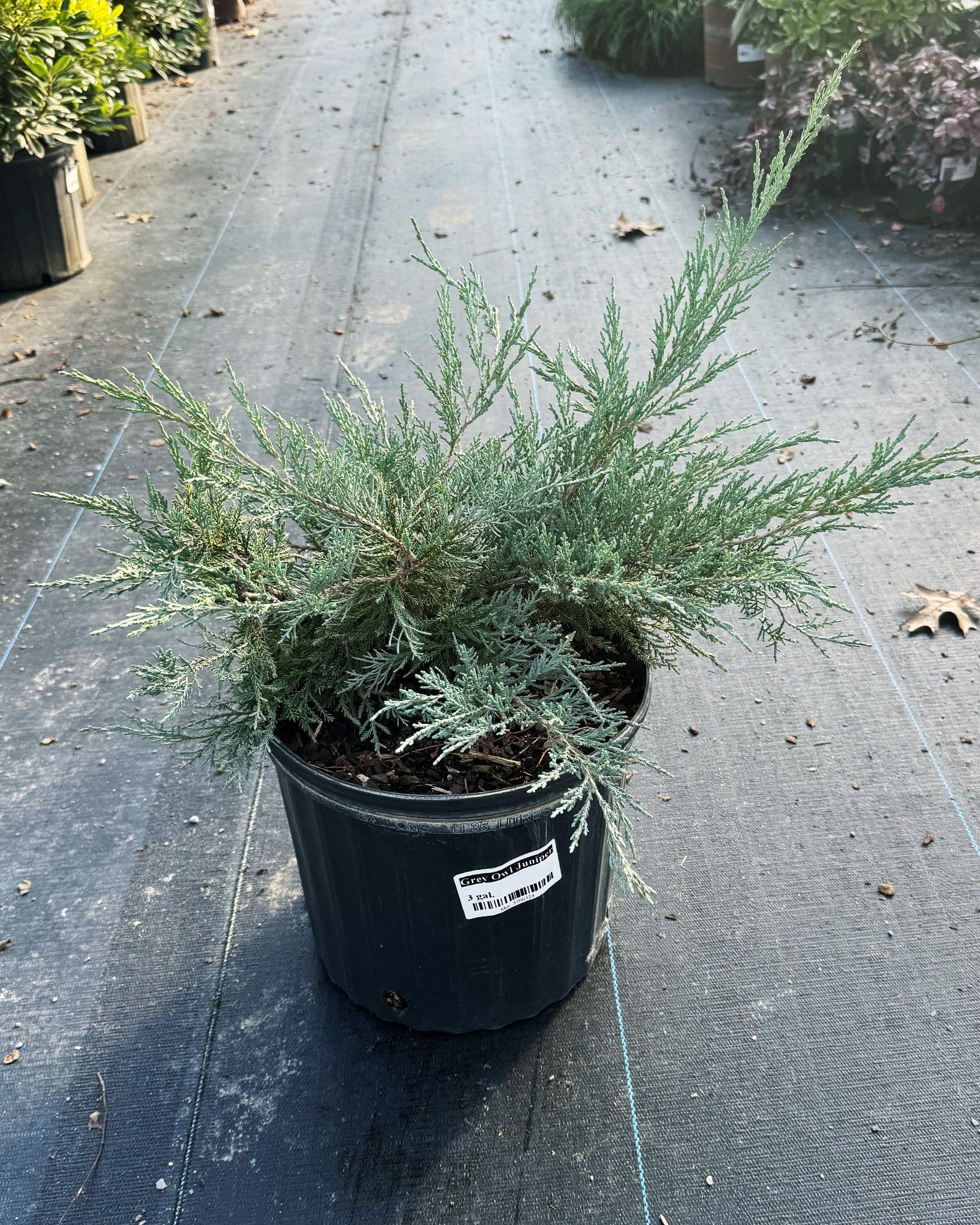
Grey Owl Juniper
Juniperus virginiana ‘Grey Owl’Local DFW Delivery Only
Product Details
Grey Owl Juniper
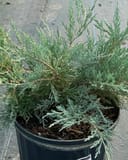
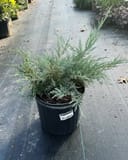
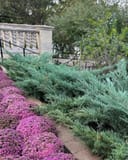
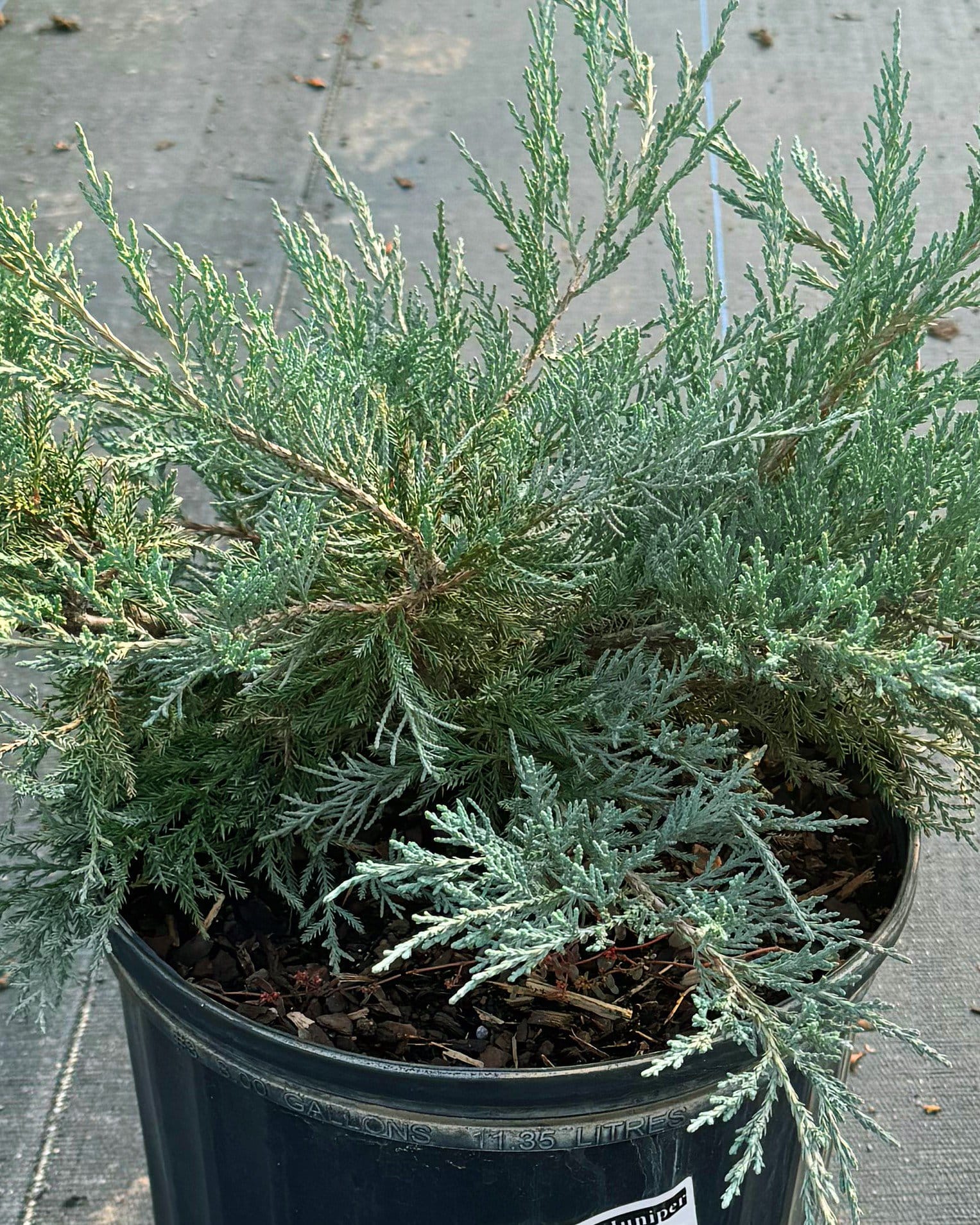
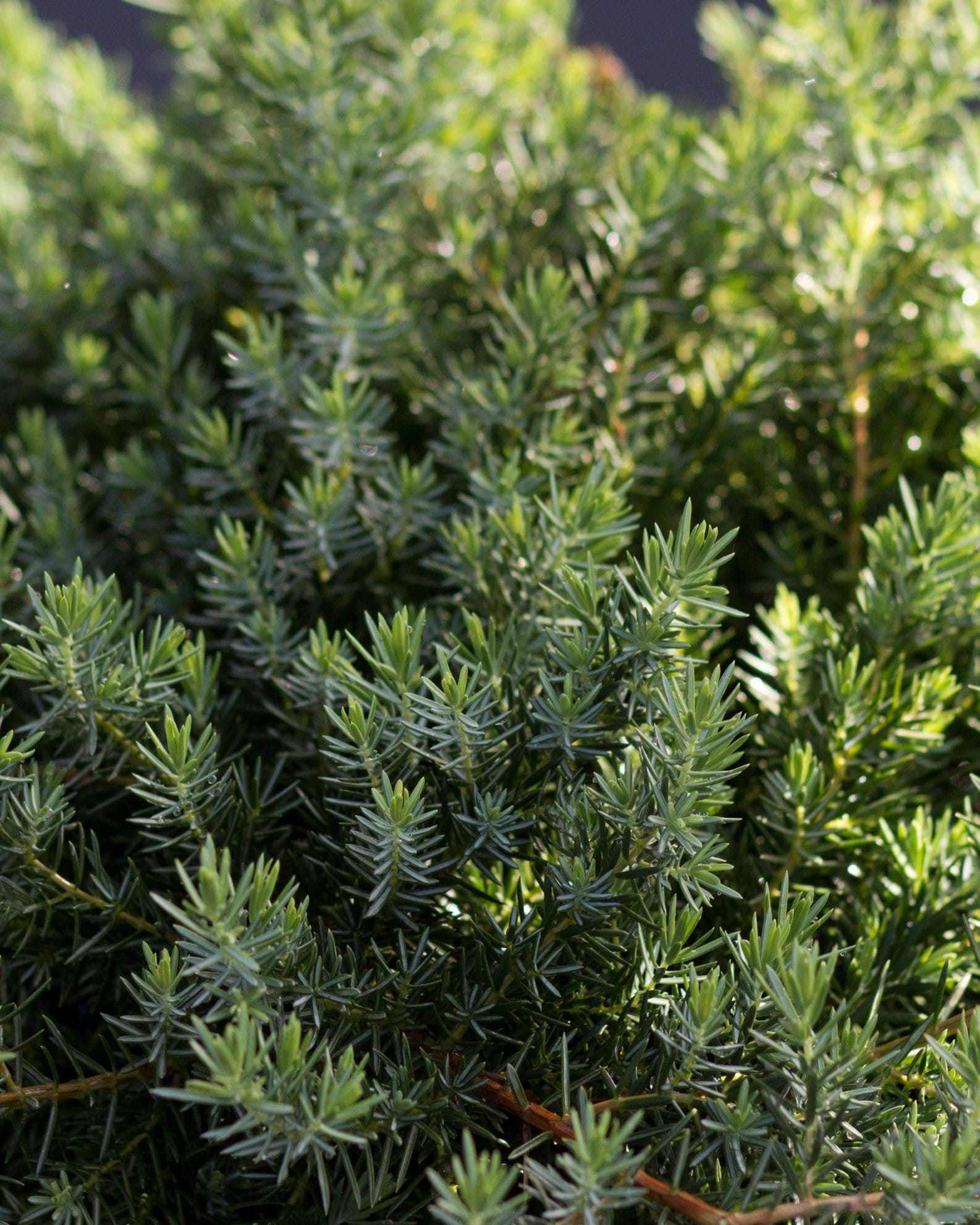
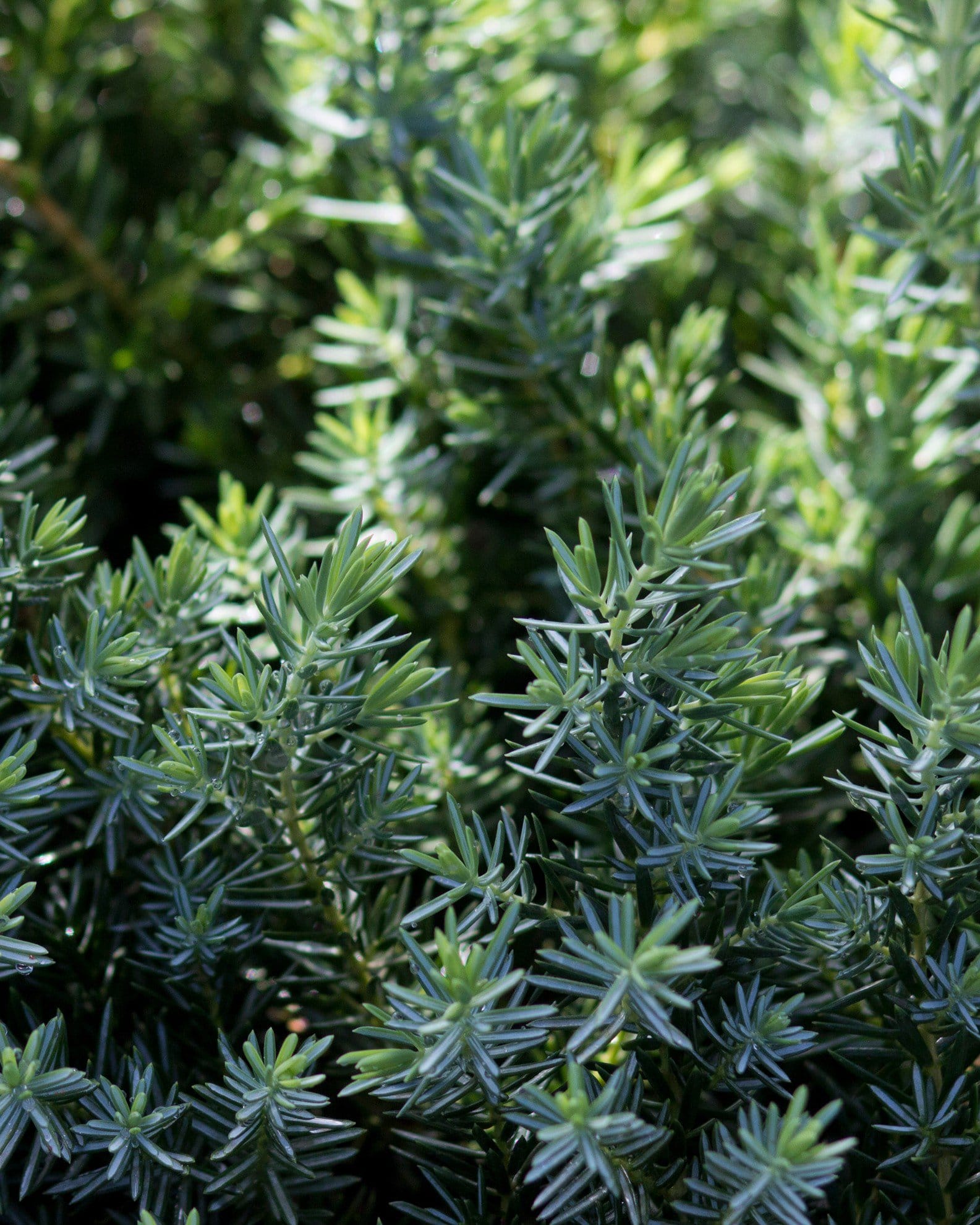
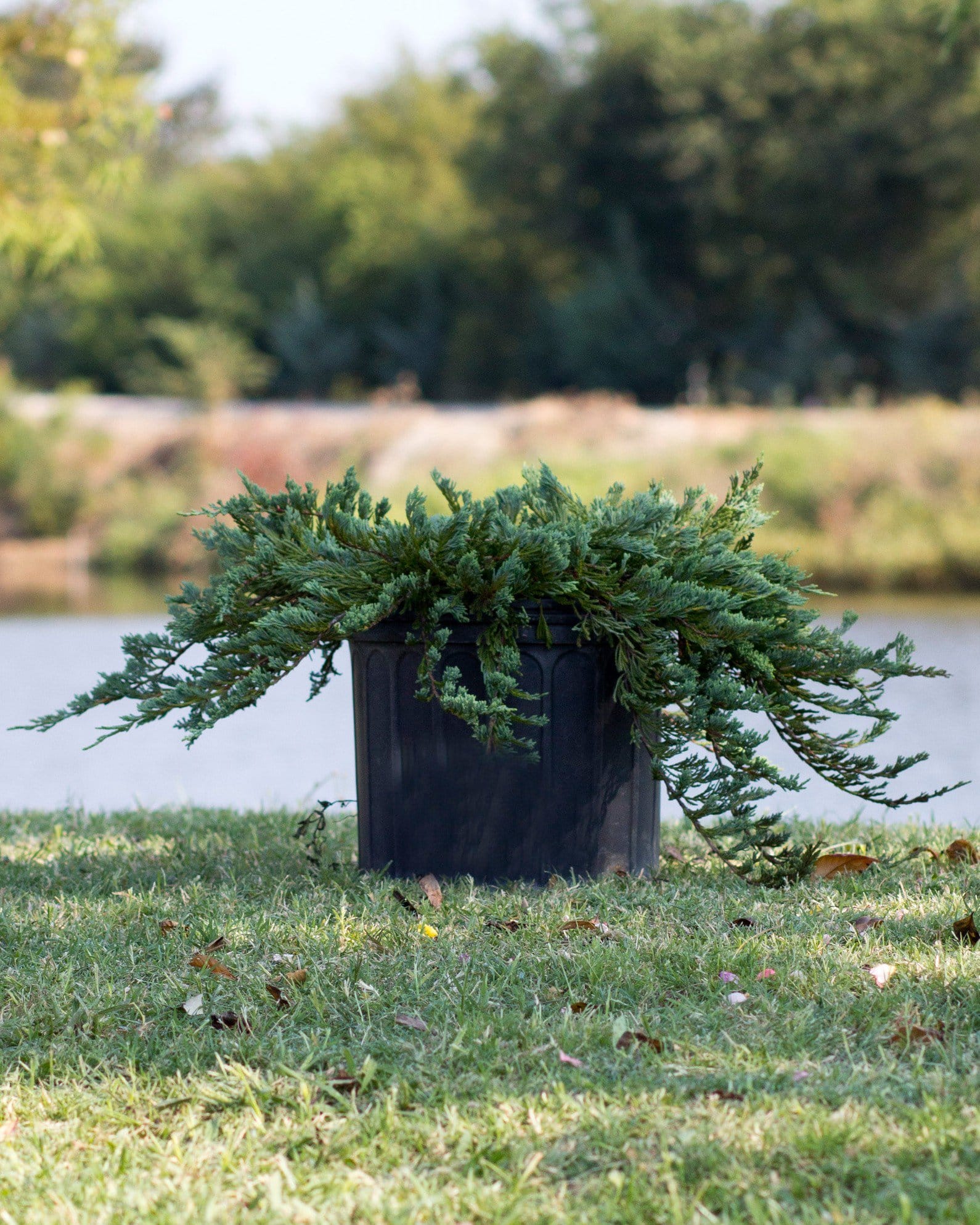
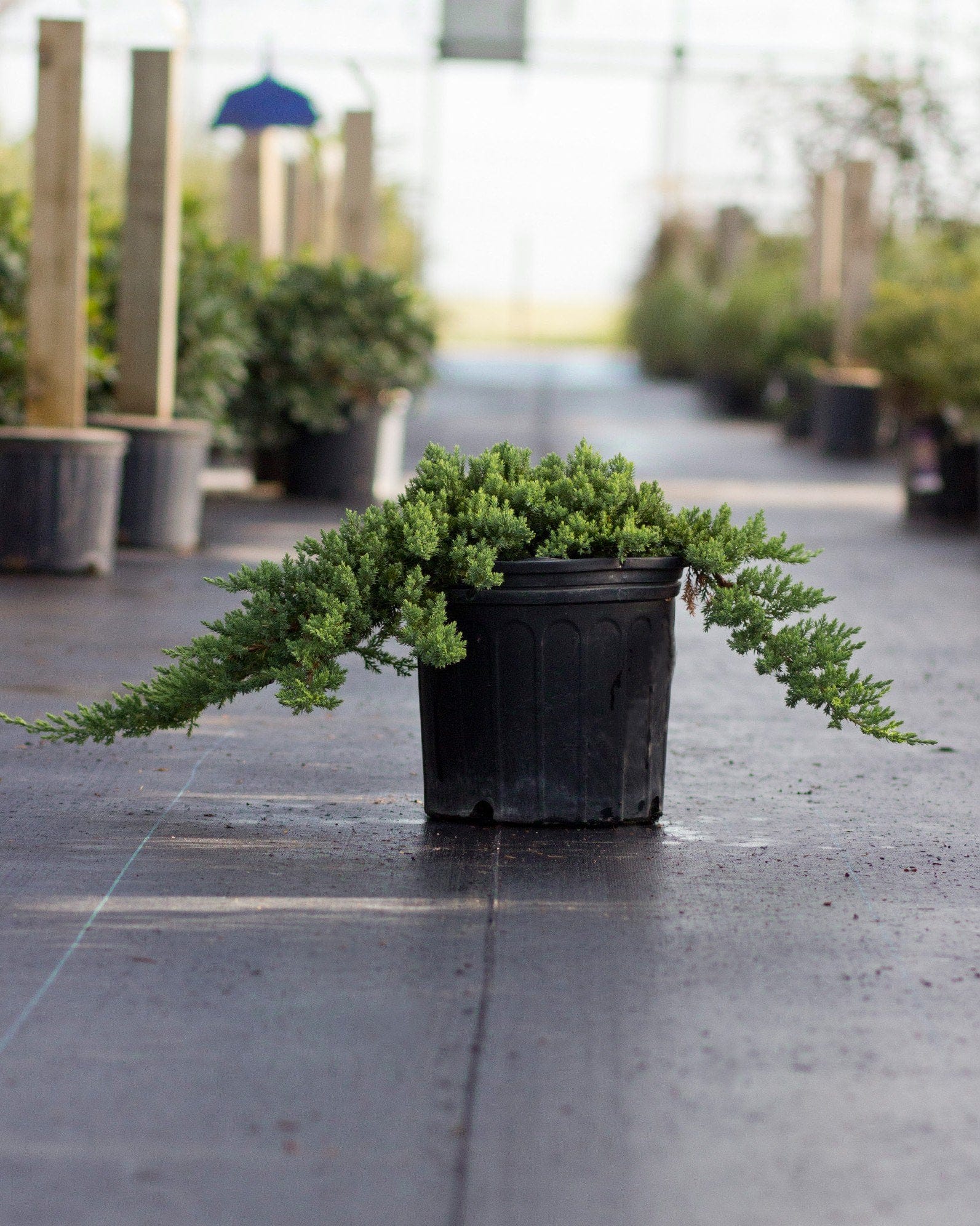
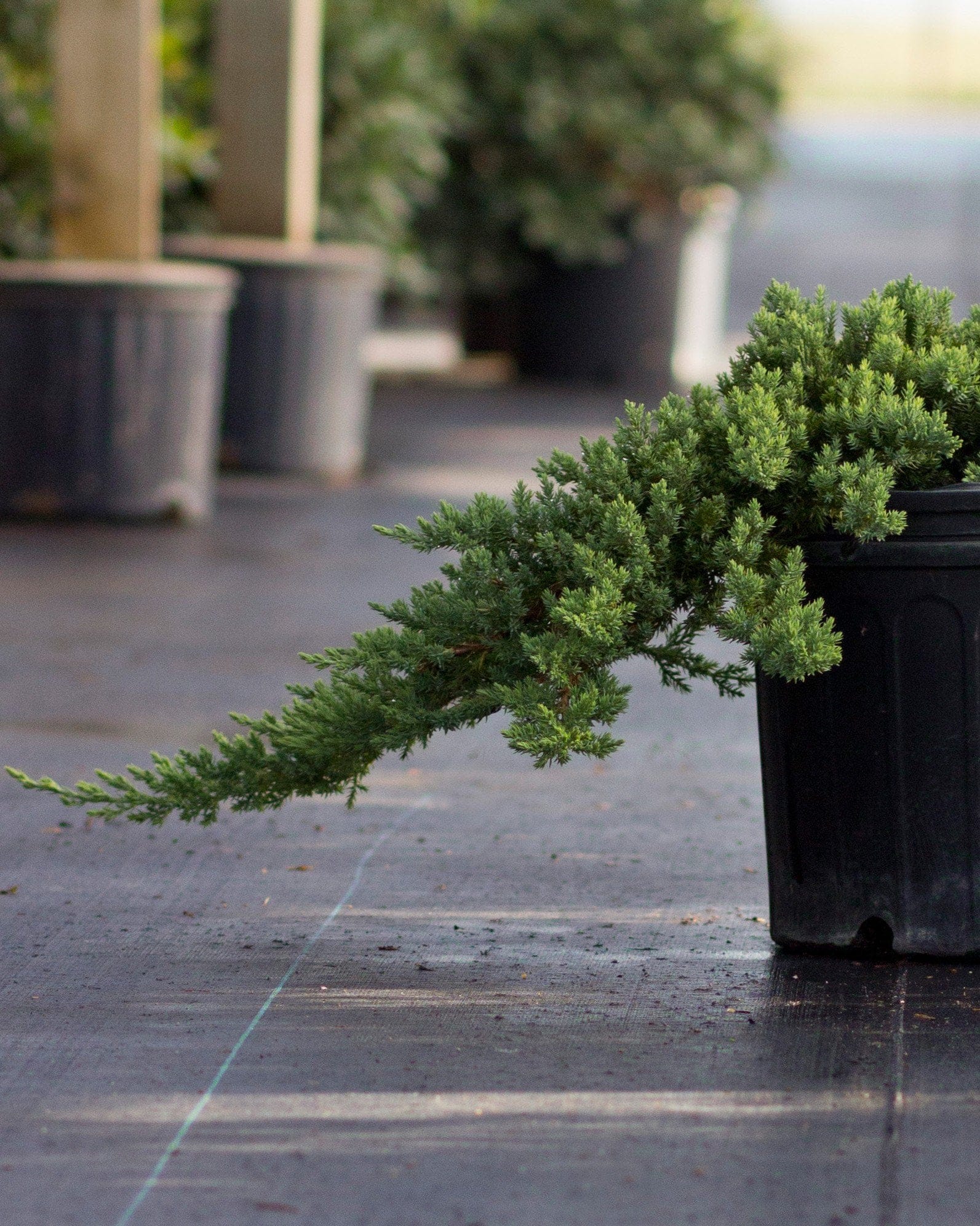
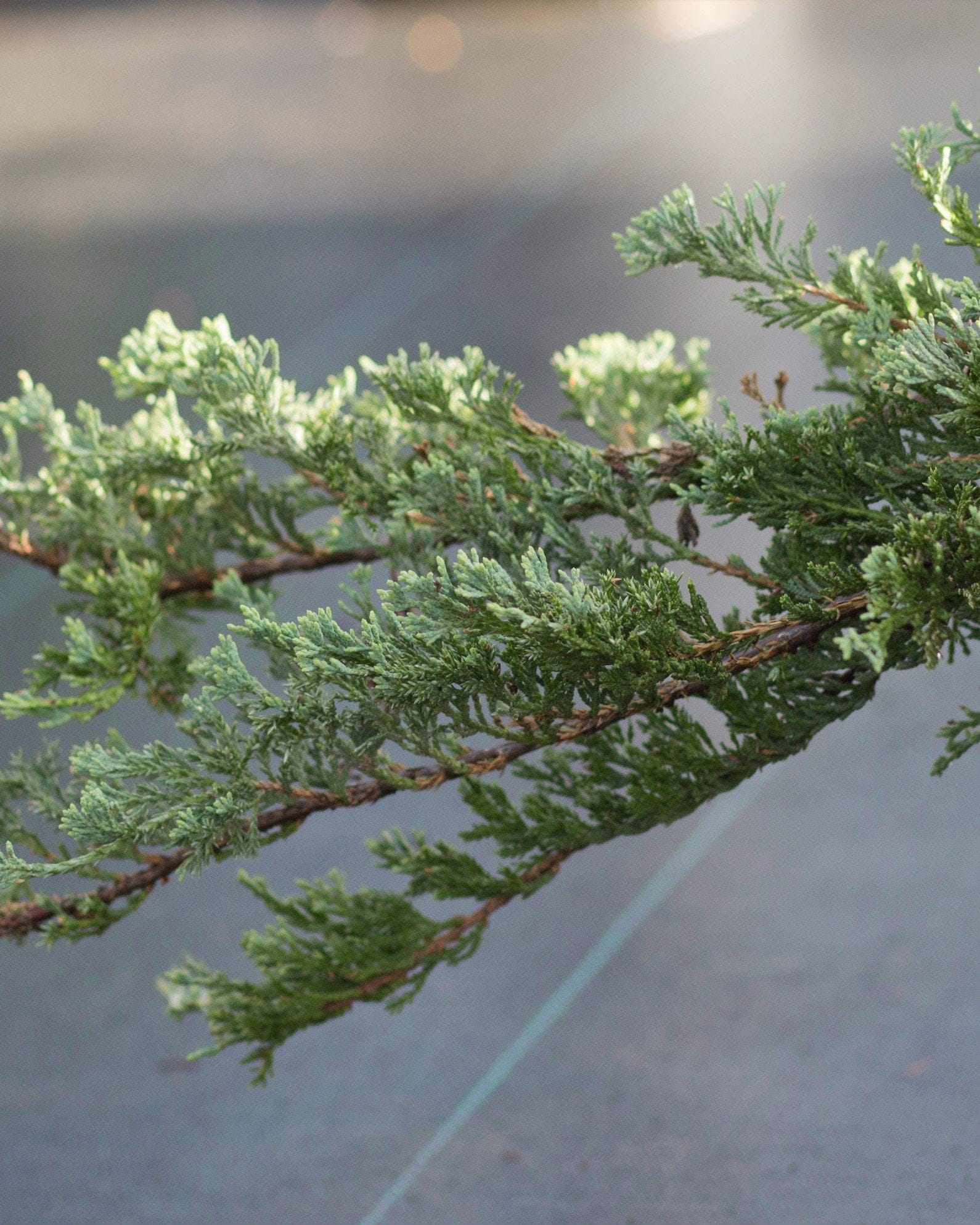
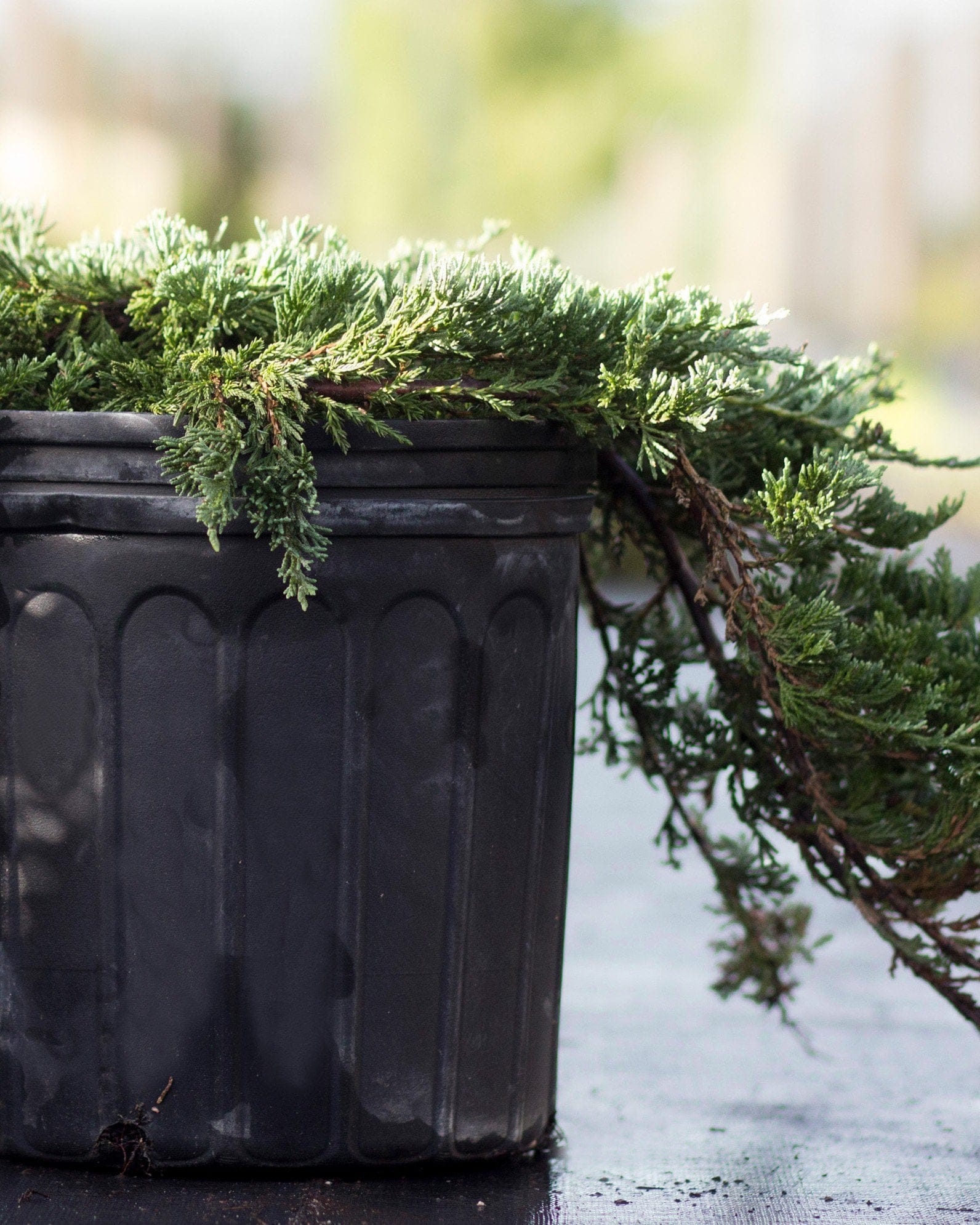
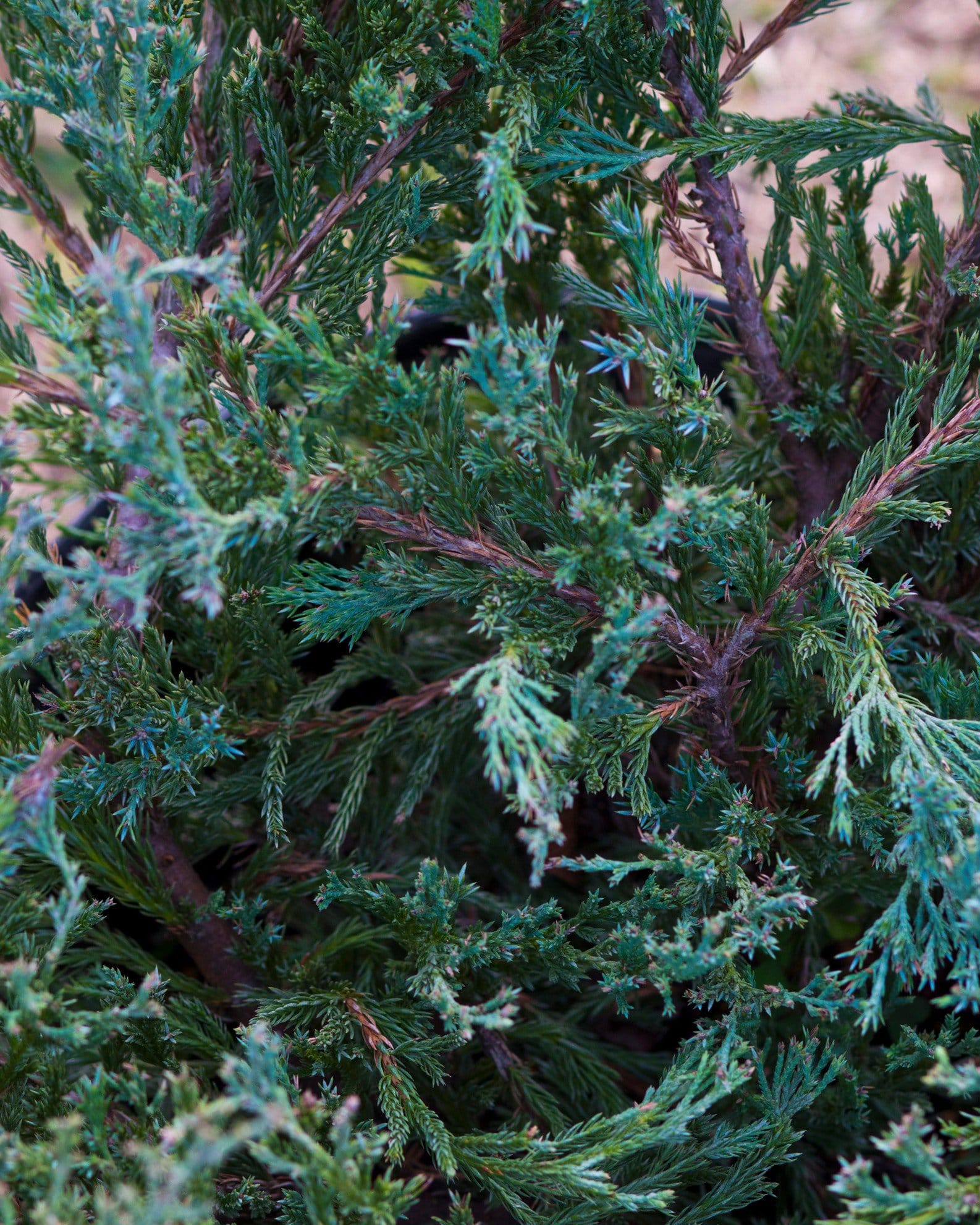
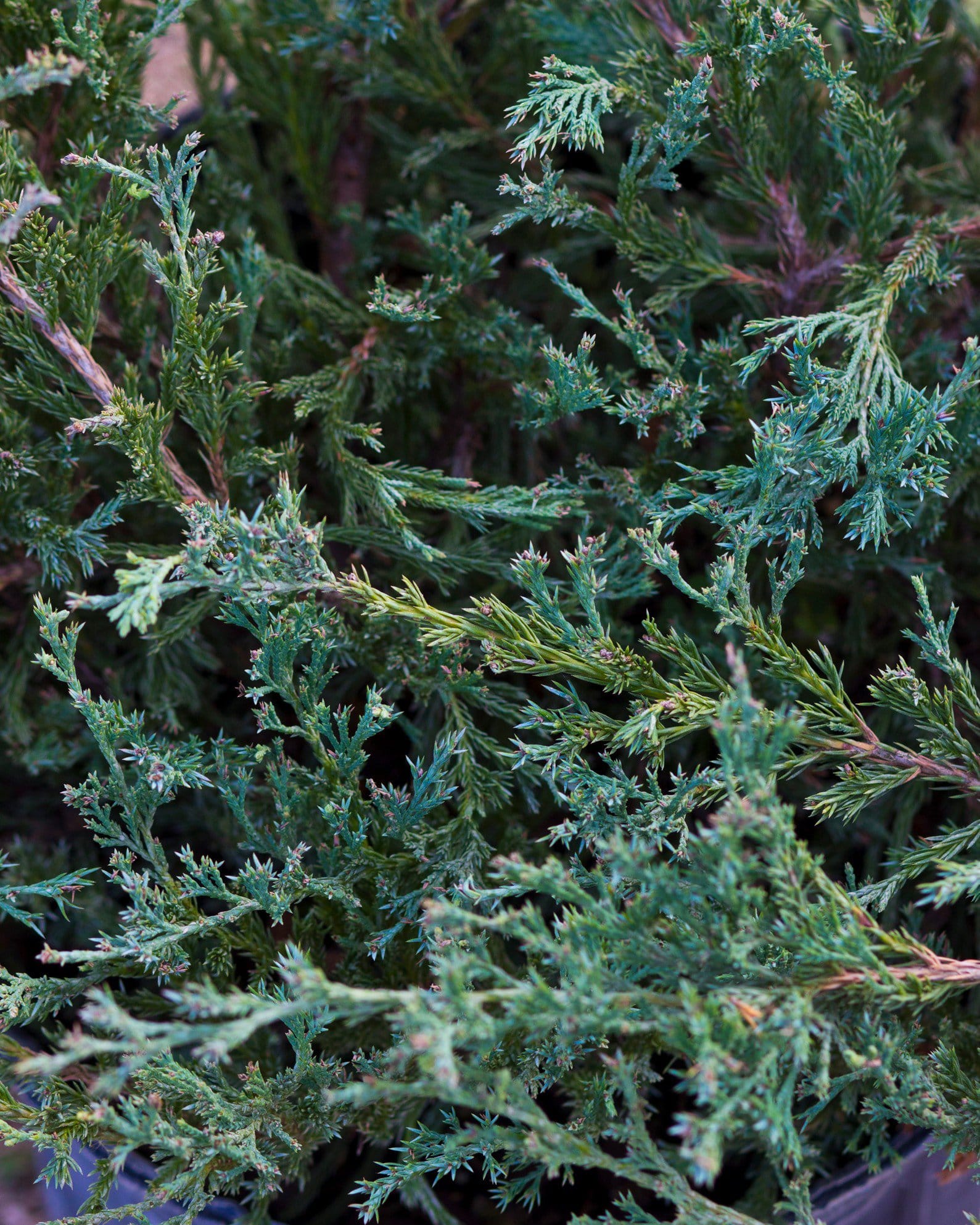
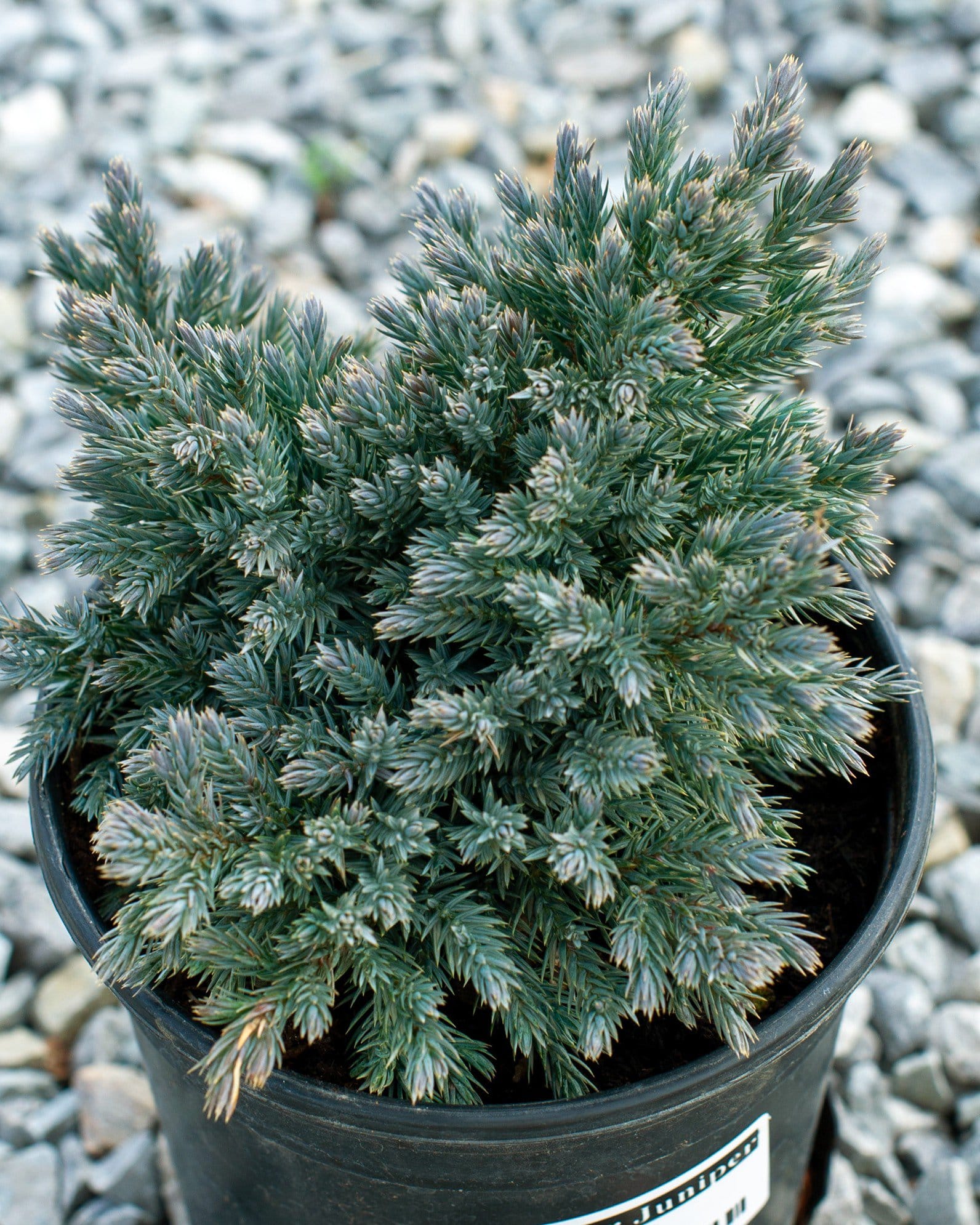
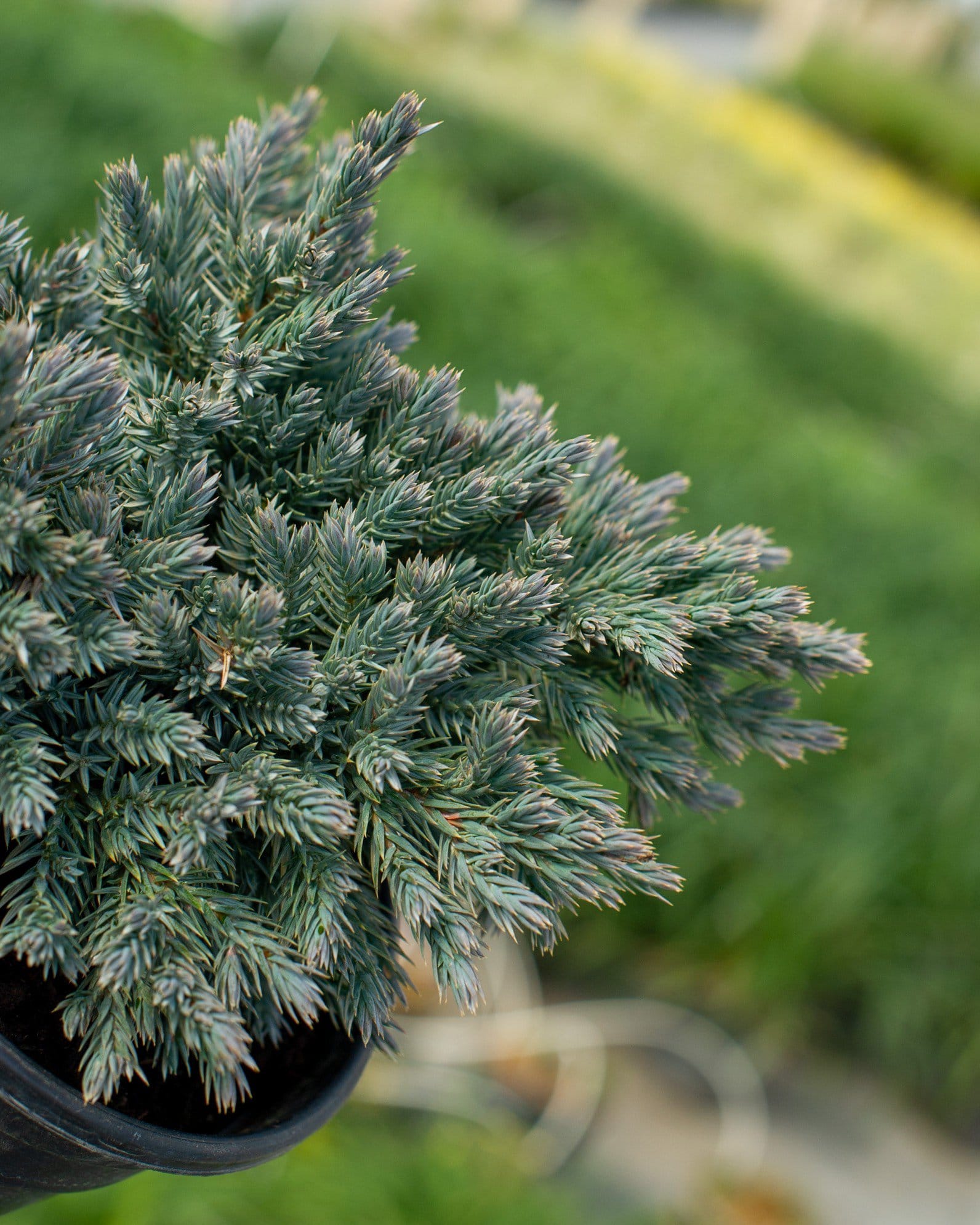
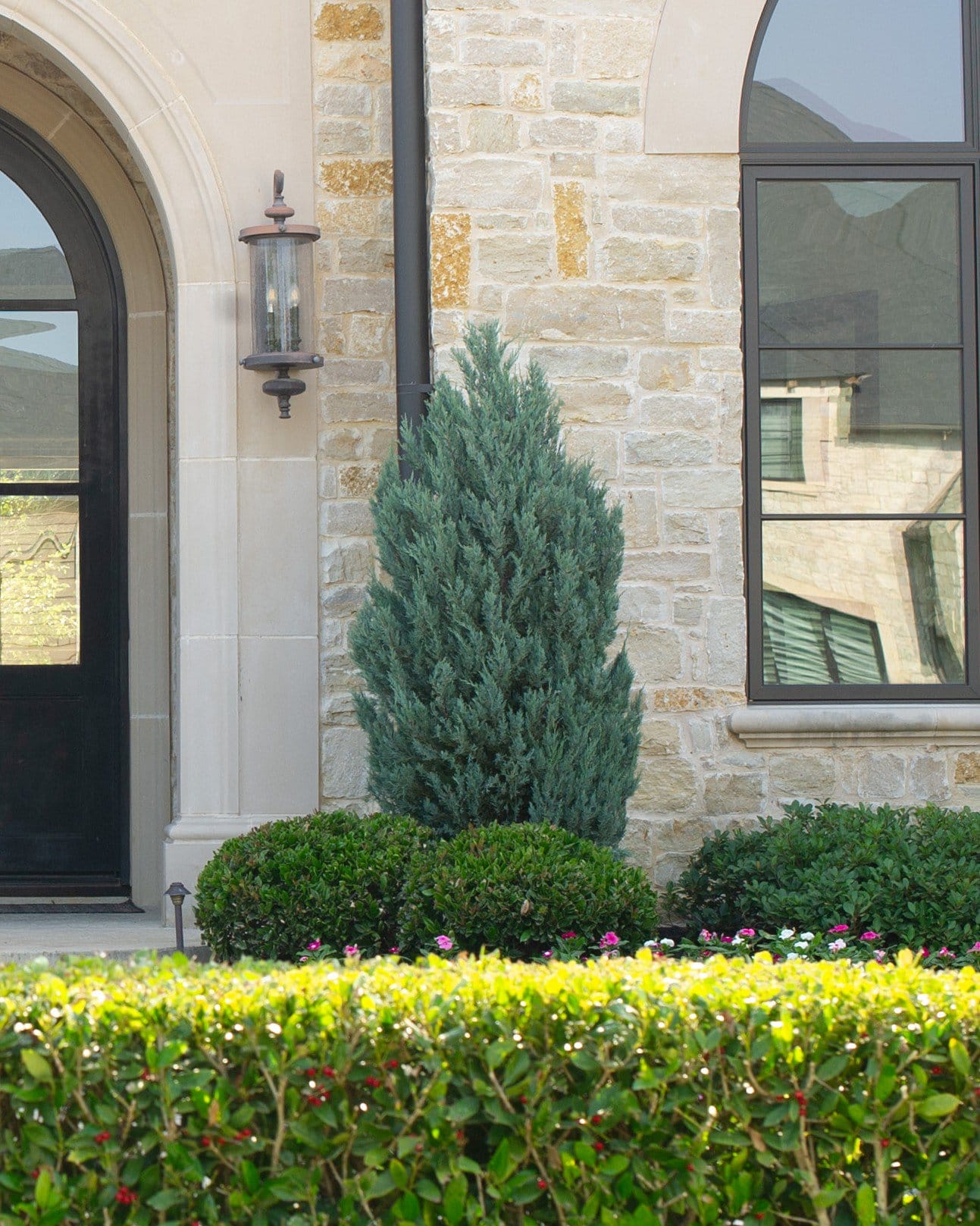
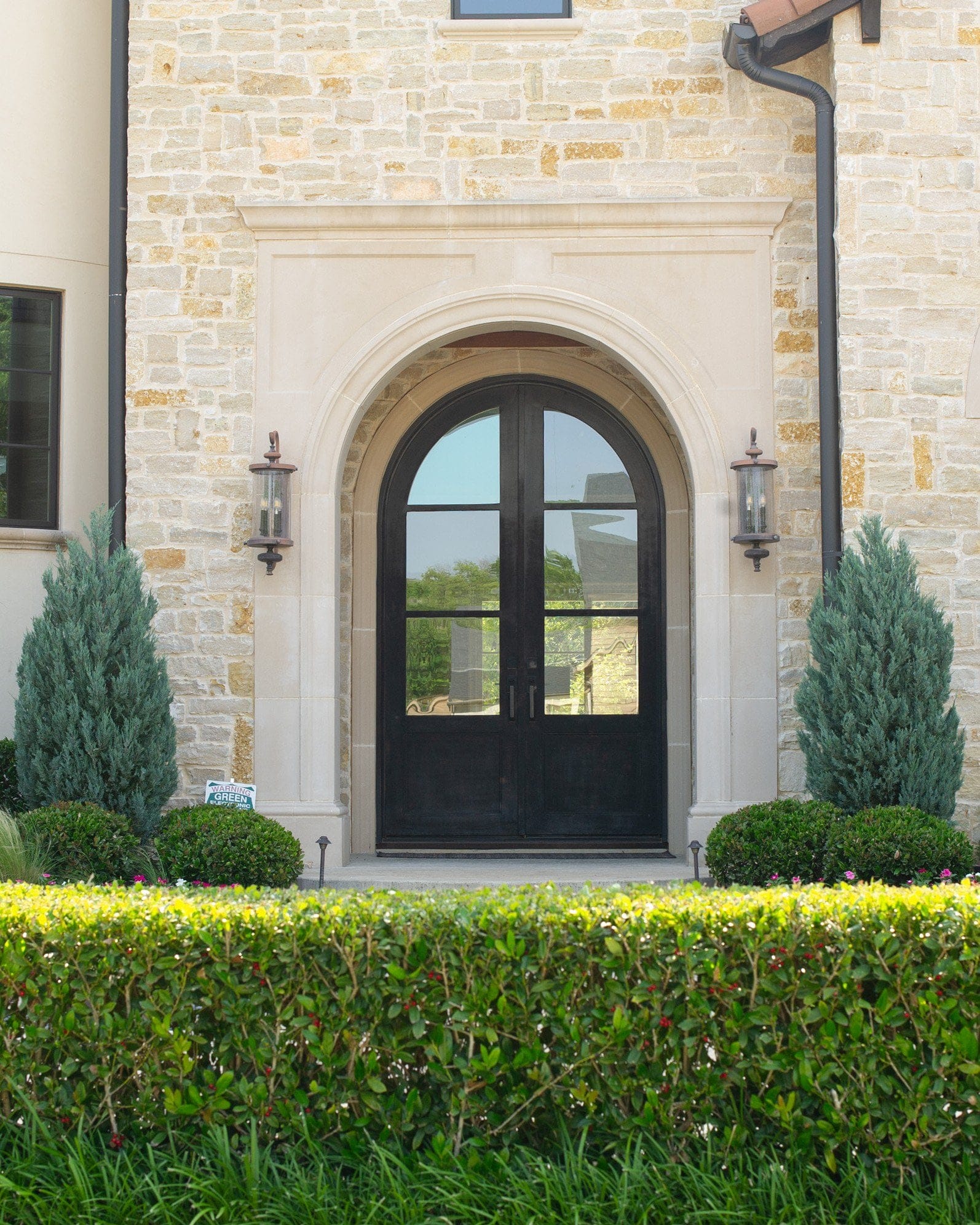
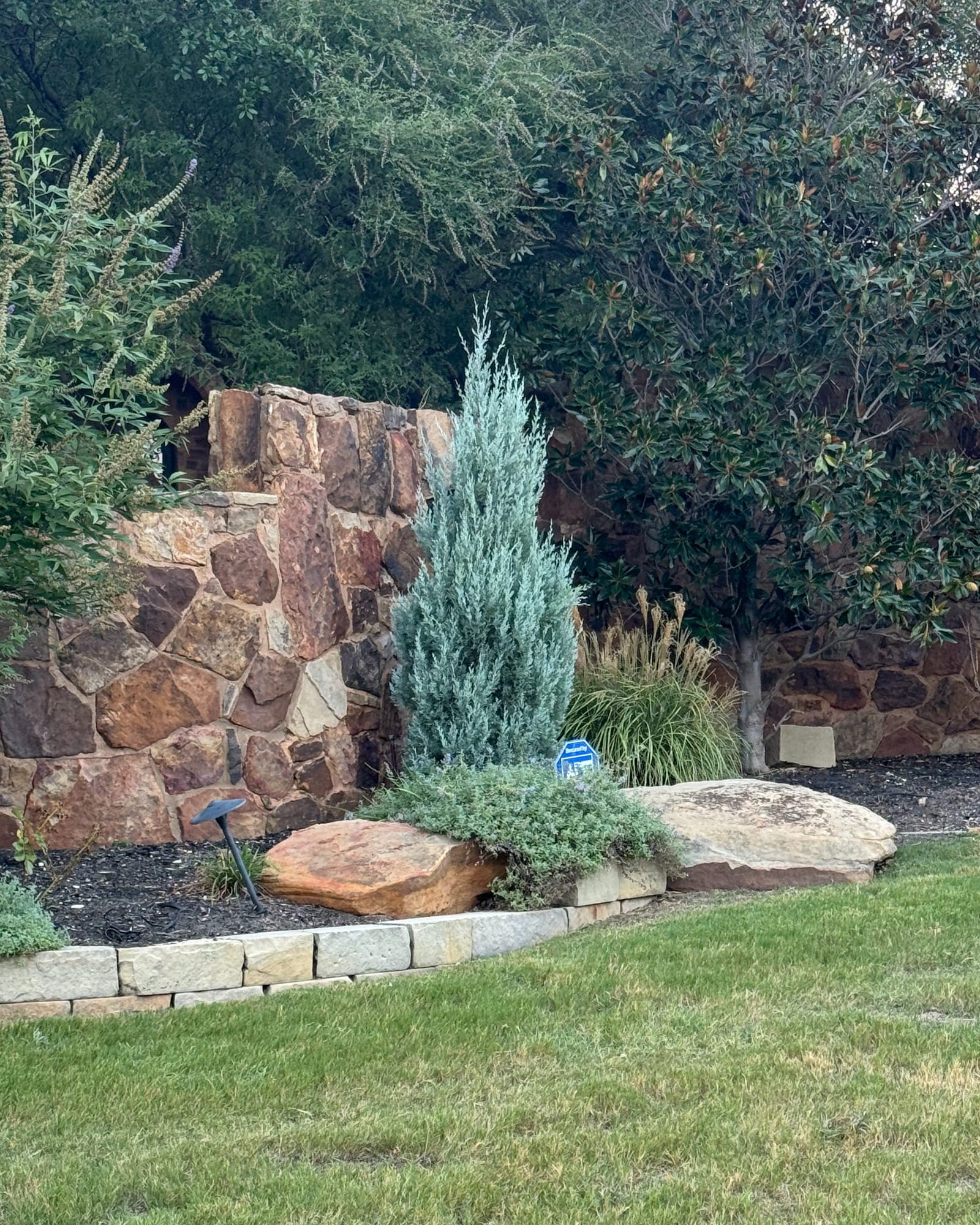
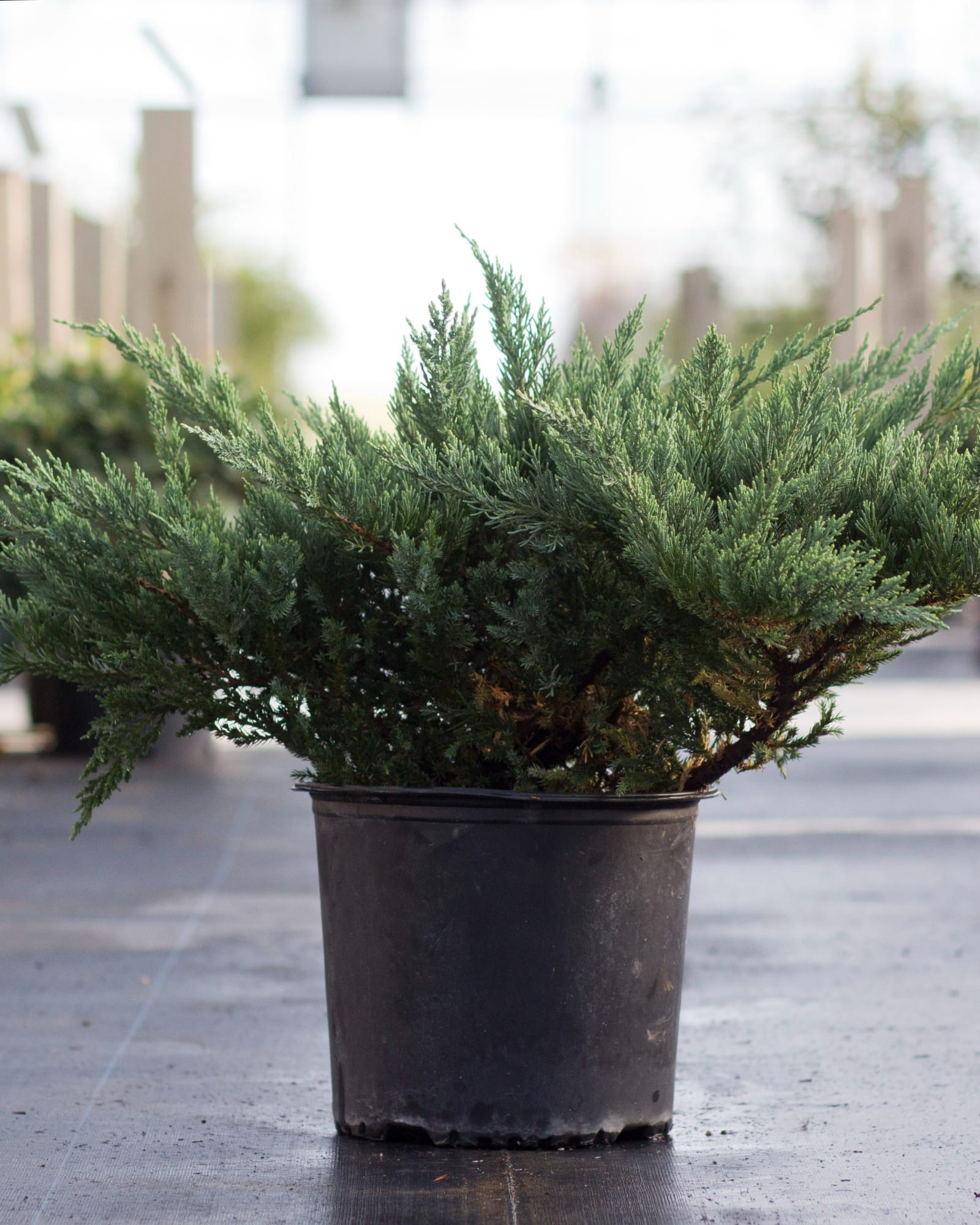
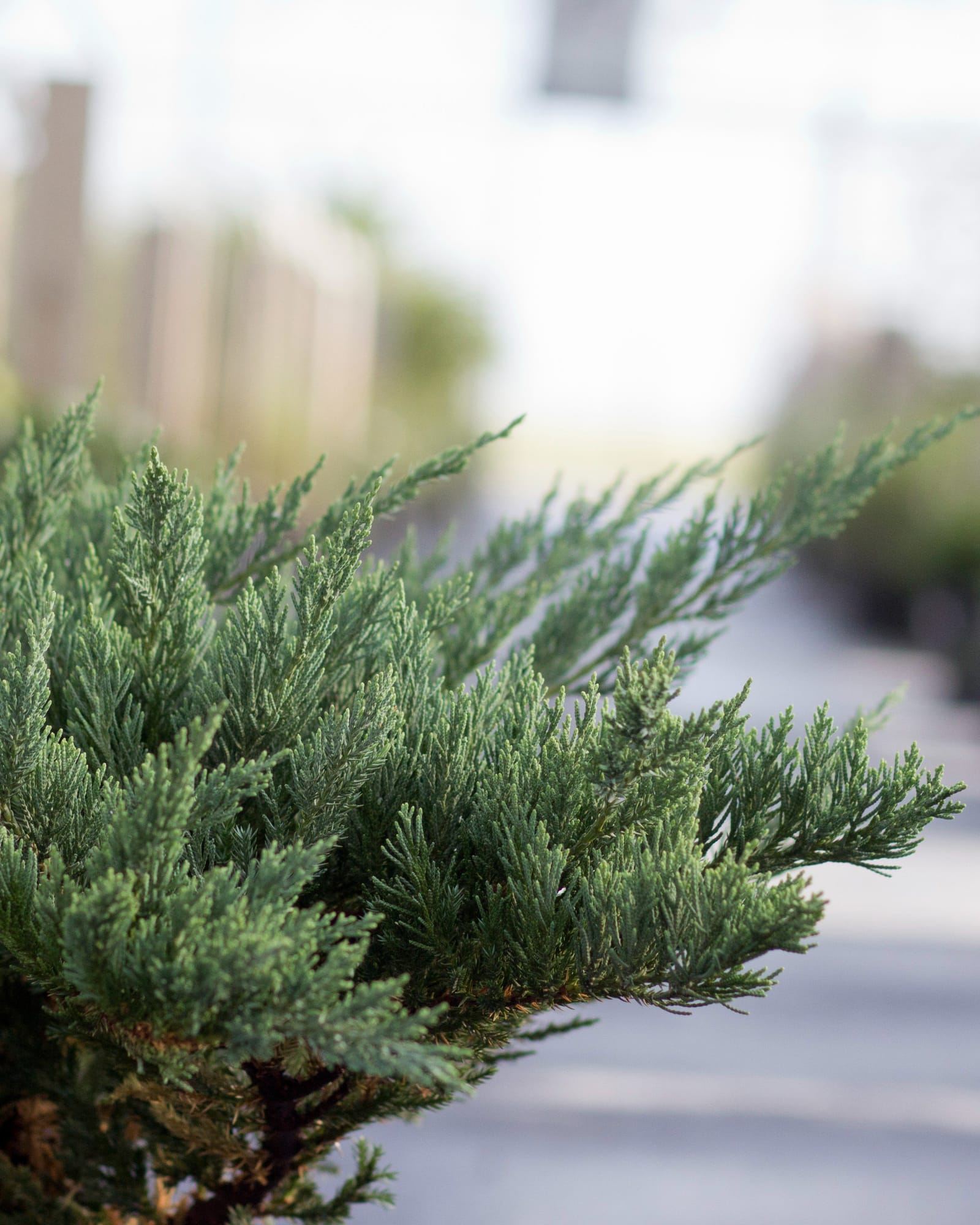
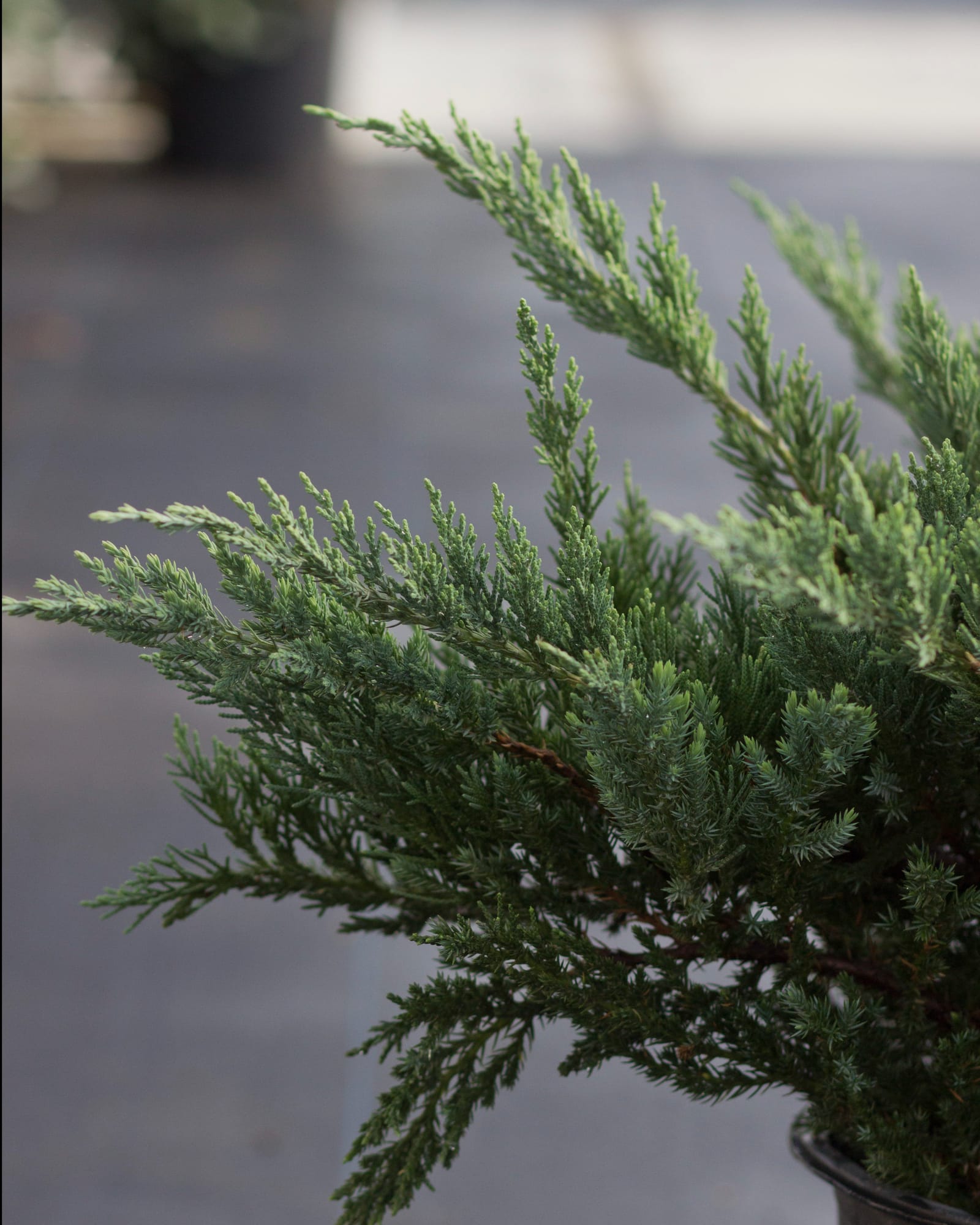
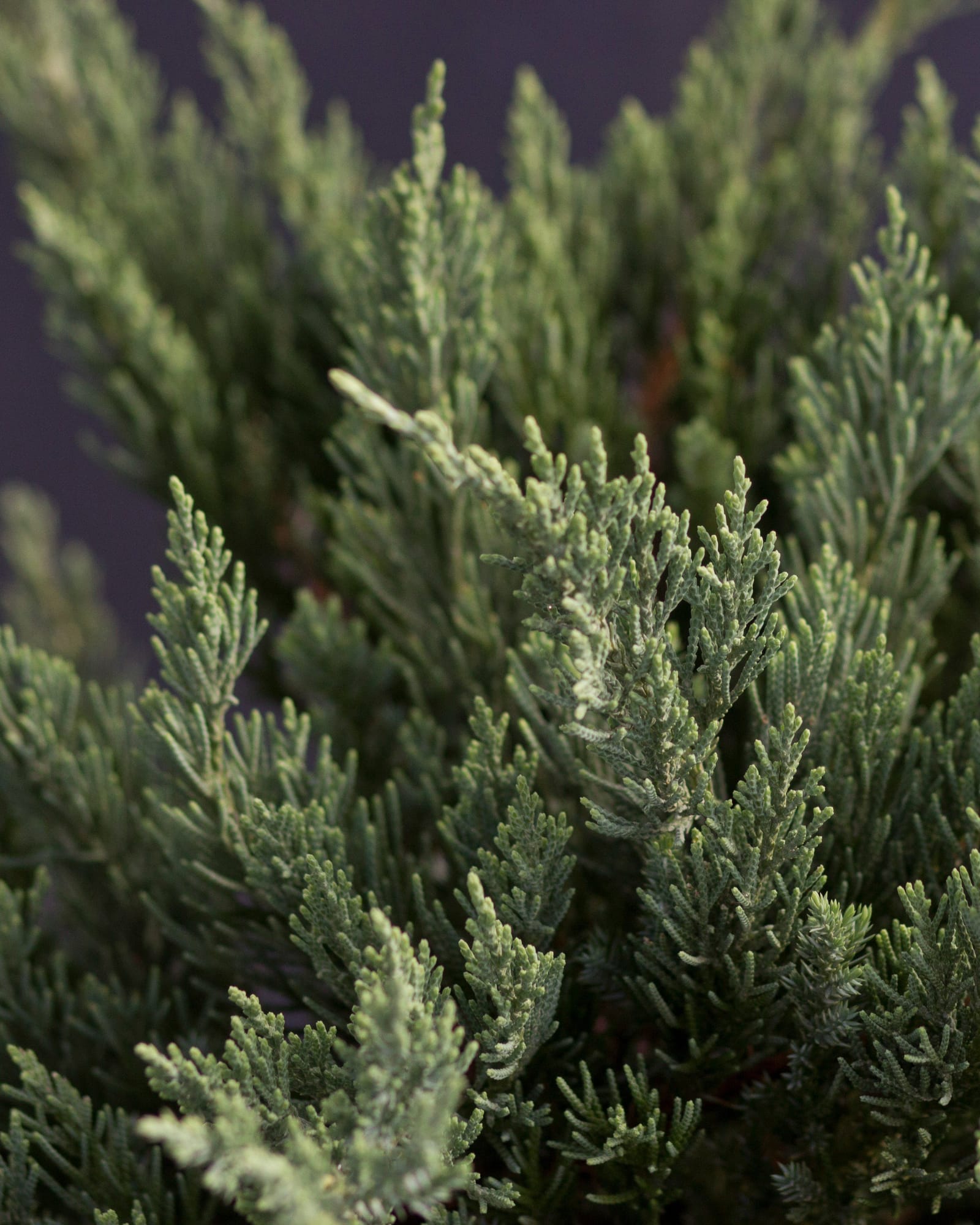
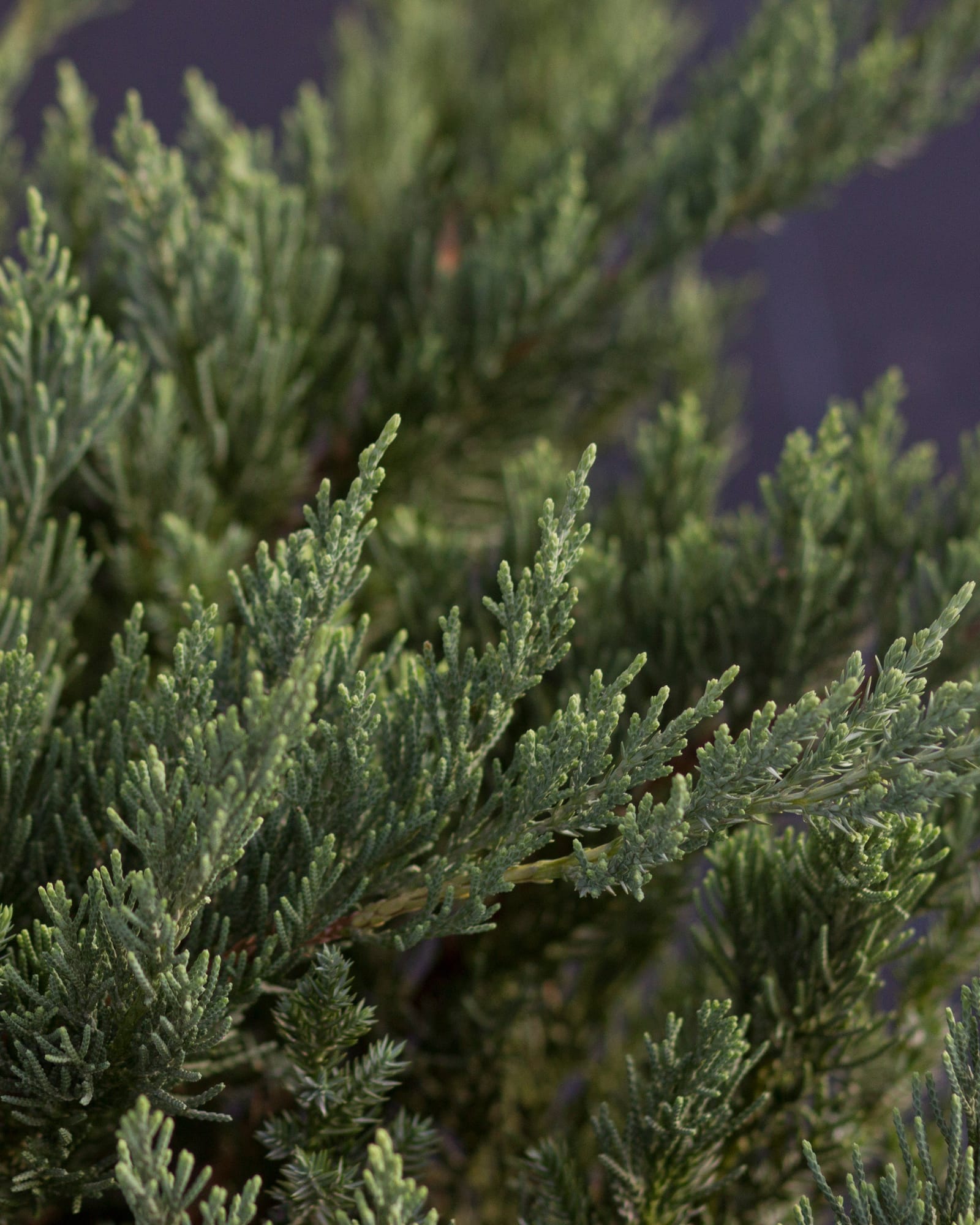
Juniperus virginiana ‘Grey Owl’The Grey Owl Juniper is an evergreen groundcover perfect for texturizing your landscape. It grows 2 feet in height and 4 feet in width. This plant features sturdy brown branches with foliage in various shades of green - from deep to bright at the tips. While the Grey Owl Juniper is an exceptional choice for a groundcover, it's also great as a low hedge.
- Evergreen groundcover
- Moderate growth rate
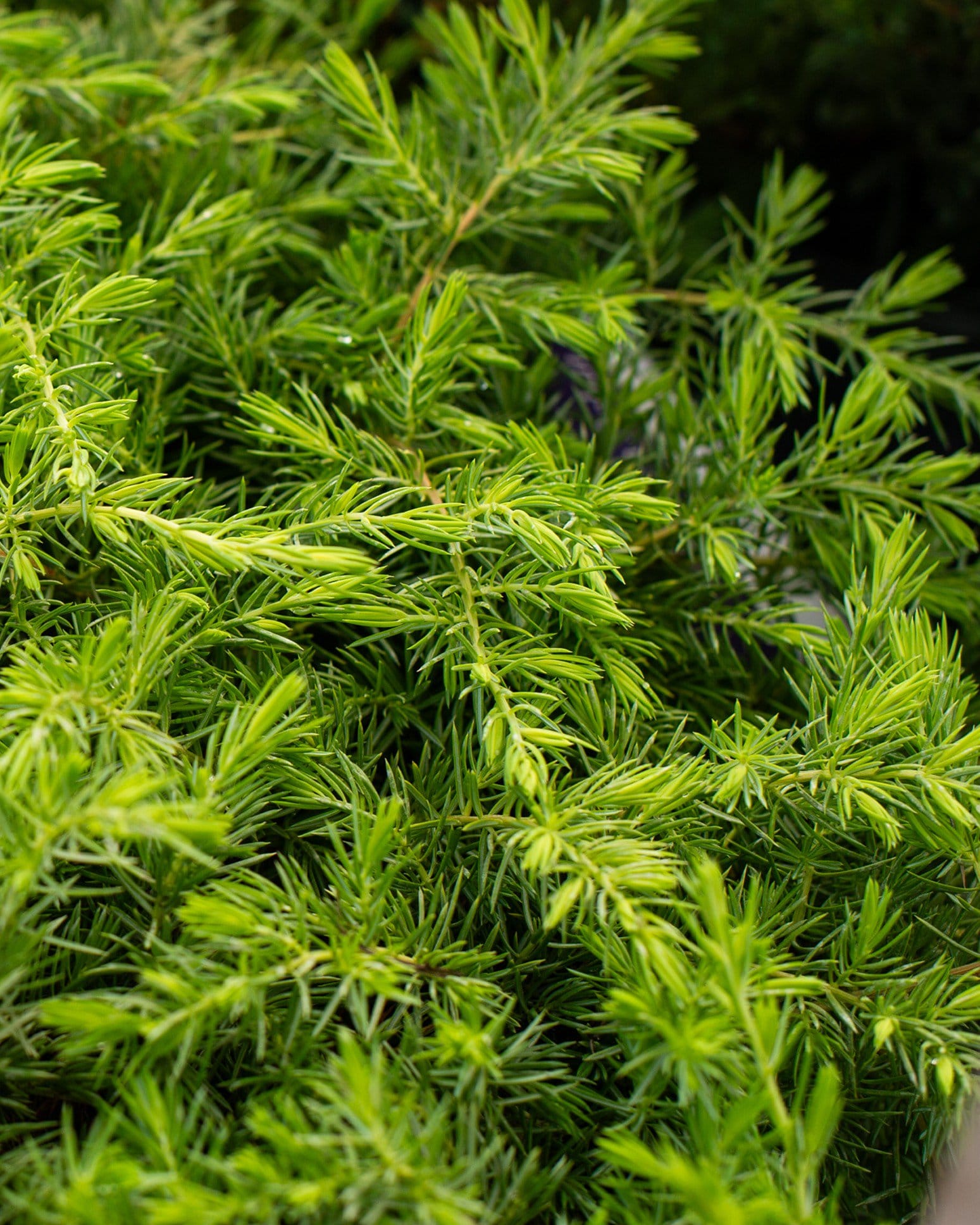
- Gradient green, fine-textured foliage
- A good groundcover and hedge option
- Quite hardy
Like many other juniper varieties, the Grey Owl Juniper also produces berries. However, they're not edible. This plant feels right at home in USDA zones 4 through 9, making it perfect for all of Texas, except the southernmost parts. It loves full sun and will tolerate all kinds of soils. To maintain its shape and size to your liking, trim as necessary.
Maintenance
Grey Owl Juniper is a hardy, low-maintenance evergreen that thrives with some helpful tips.
- Watering: Water regularly during the first year to establish a strong root system. Once established, Grey Owl Juniper is highly drought-tolerant and requires only occasional deep watering during prolonged dry spells. Avoid overwatering, as soggy soil can lead to root rot.
- Pruning: Minimal pruning is required. Lightly trim to remove dead or damaged branches in late winter or early spring, or to maintain shape and size. Avoid heavy pruning, as junipers do not readily regrow from old wood.
- Fertilizing: Grey Owl Juniper typically thrives without regular feeding. If growth appears slow or foliage dull, apply a balanced, slow-release fertilizer in early spring. Over-fertilization may cause weak, leggy growth.
- Mulching: Apply a 2-3 inch layer of mulch around the base to conserve soil moisture, regulate temperature, and suppress weeds. Keep mulch several inches away from the crown to prevent rot.
- Winter Care: Hardy in most regions, Grey Owl Juniper generally requires no special winter protection. In areas with extreme cold or heavy snow, a light mulch around the root zone can protect against freezing damage.
Common Issues and How to Take Care of Them
- Phomopsis Tip Blight: A fungal disease causing browning or dieback on new shoots. Prune infected branches, improve airflow, and apply fungicide in severe cases.
- Spider Mites: Tiny pests that cause stippled or bronzed foliage, often in hot, dry conditions. Spray with water or use insecticidal soap or horticultural oil.
- Bagworms: Caterpillars that feed on foliage while living in small protective cases. Remove by hand in winter or apply Bacillus thuringiensis early in the growing season.
- Root Rot: Caused by poorly drained soils or overwatering. Ensure excellent drainage and avoid compacted sites to prevent decay.
- Cedar-Apple Rust: A fungal disease producing galls on juniper branches when planted near apple or crabapple trees. Remove affected branches and maintain spacing to reduce disease spread.
With proper spacing, full sun, and occasional pruning, Grey Owl Juniper provides a durable, low-maintenance ground cover or accent plant that stays visually appealing year-round.
It has a slow to moderate growth rate, typically spreading 6-12 inches per year. This allows it to gradually cover areas as a dense ground cover or accent feature.
Anytime between fall and spring is great, allowing roots to establish before summer heat. Planting during these seasons reduces transplant shock and promotes healthy initial growth.
Water deeply once or twice per week during the first year. Once established, occasional deep watering during dry periods is sufficient, but consistent moisture supports more vigorous growth and denser foliage.
Yes, once established, Grey Owl Juniper thrives in hot, dry conditions and requires minimal supplemental watering.
Yes, it performs well in large pots or planters with well-draining soil. Container-grown plants may require more frequent watering and occasional fertilization to maintain optimal growth.
Yes, its aromatic, dense foliage generally deters deer, making it suitable for areas with moderate wildlife activity.
With proper care, Grey Owl Juniper can live 20-30 years or more, maintaining its dense, silvery-blue foliage and low-maintenance appeal over time.
Yes, Grey Owl Juniper adapts well to city landscapes, tolerating heat, compacted soils, and pollution. Its hardiness and low maintenance make it ideal for streetscapes, rock gardens, or urban yards.
Absolutely. Its dense, spreading roots stabilize soil effectively, making it perfect for slopes, banks, or areas prone to erosion.
Yes, it is considered mildly toxic to dogs and can cause minor illnesses, but it is not fatal.
Special Features
You might also like
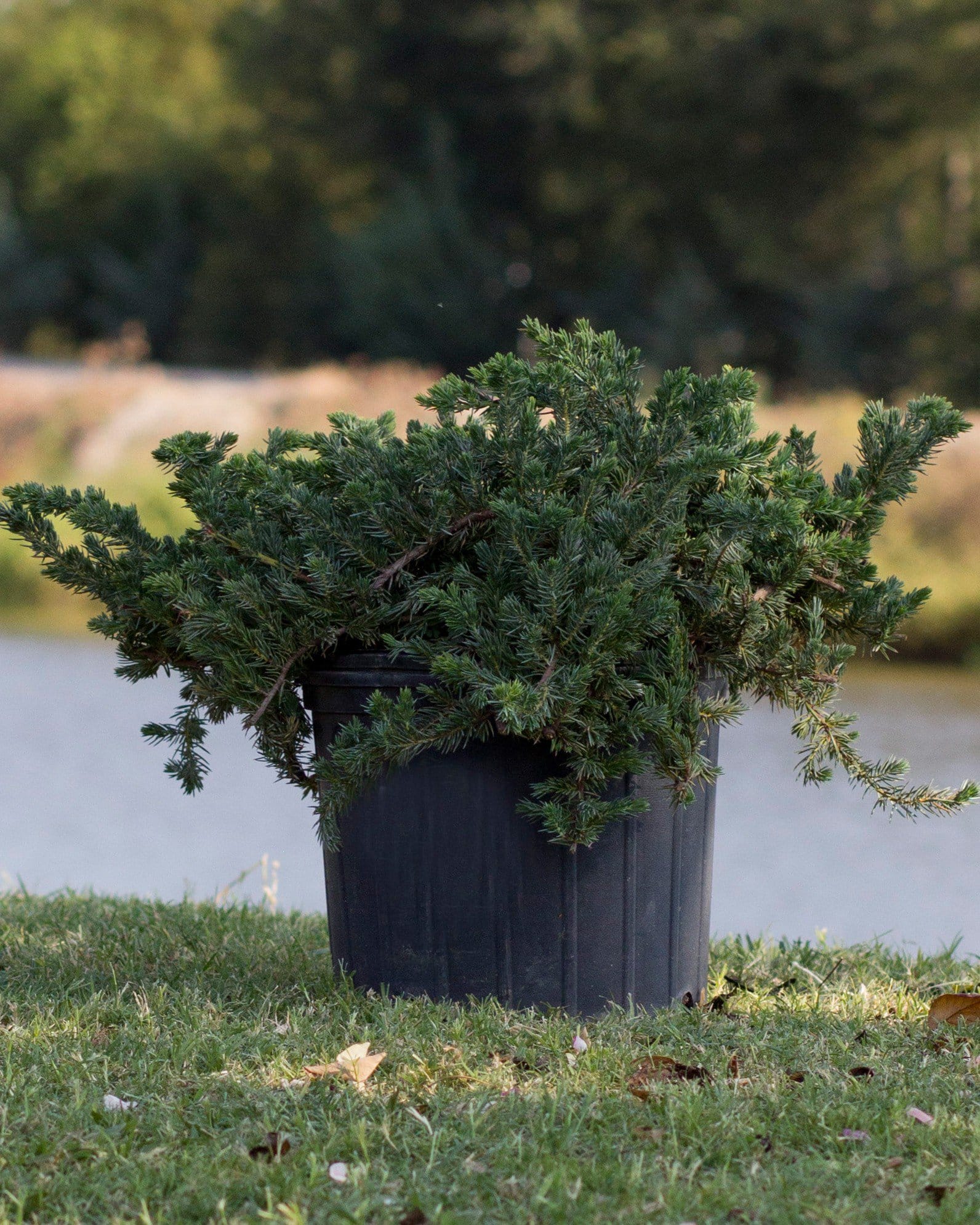
Blue Pacific Juniper
Maturity: 1' H x 3' W
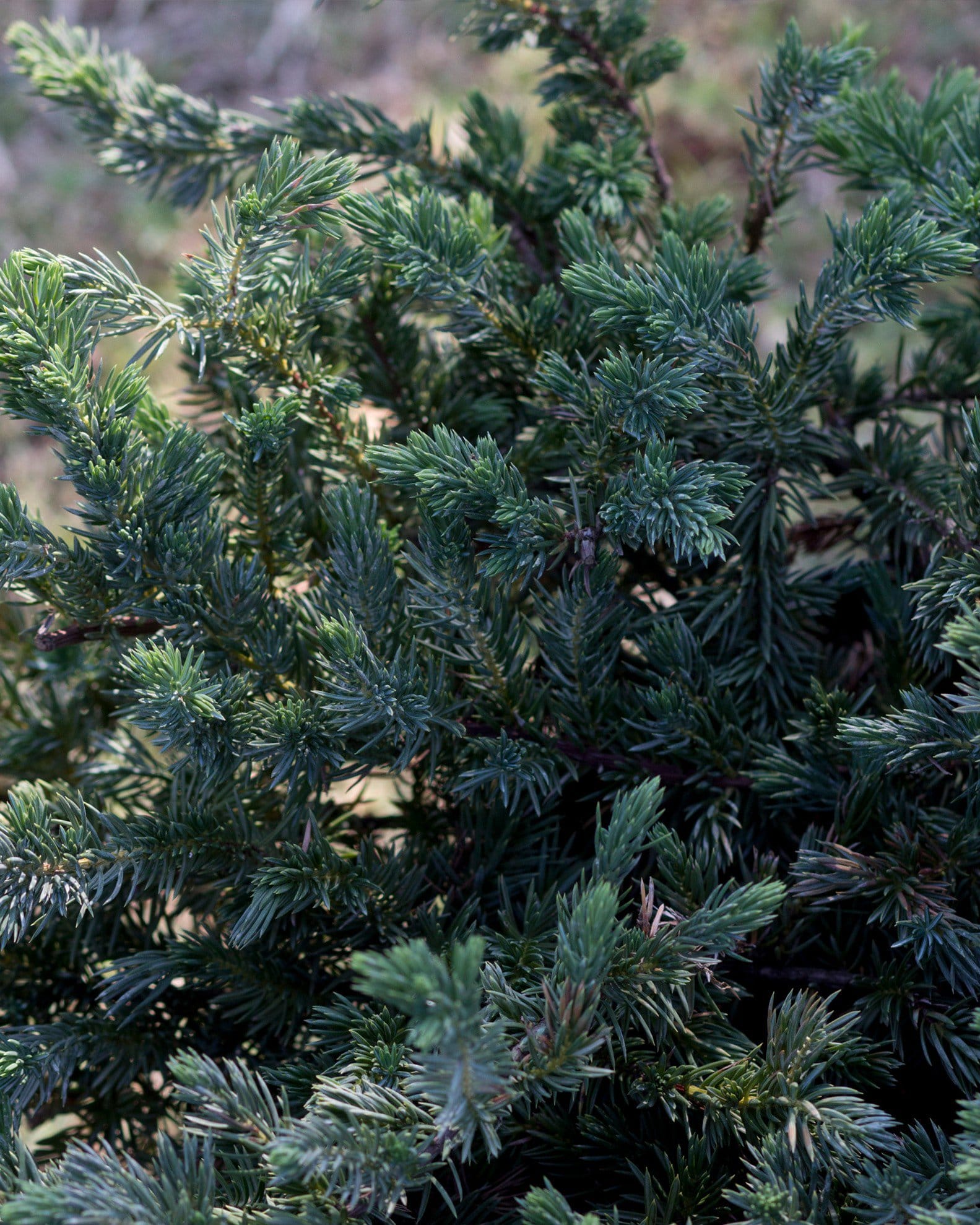
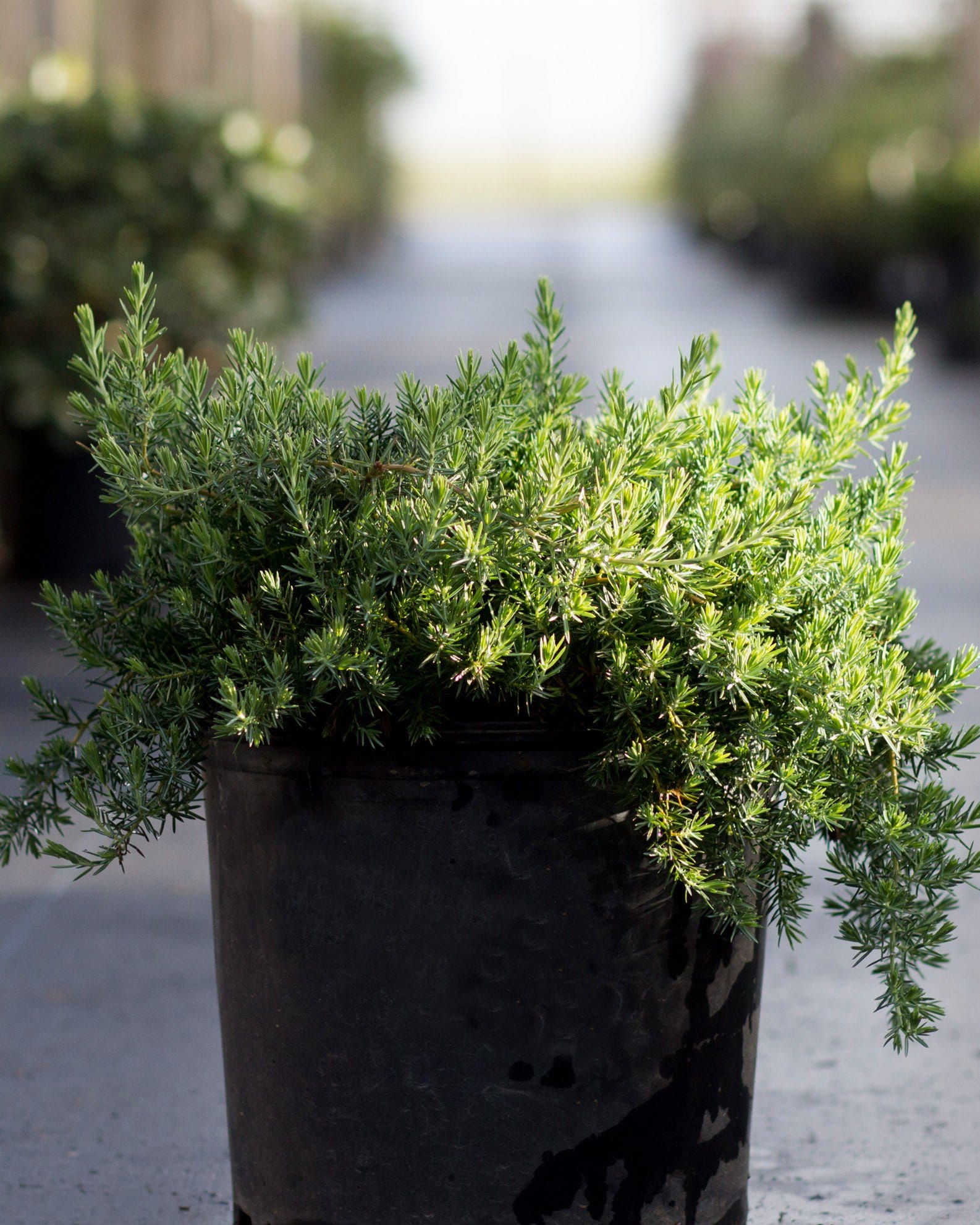
Blue Rug Juniper
Maturity: 0.5' H x 6' W
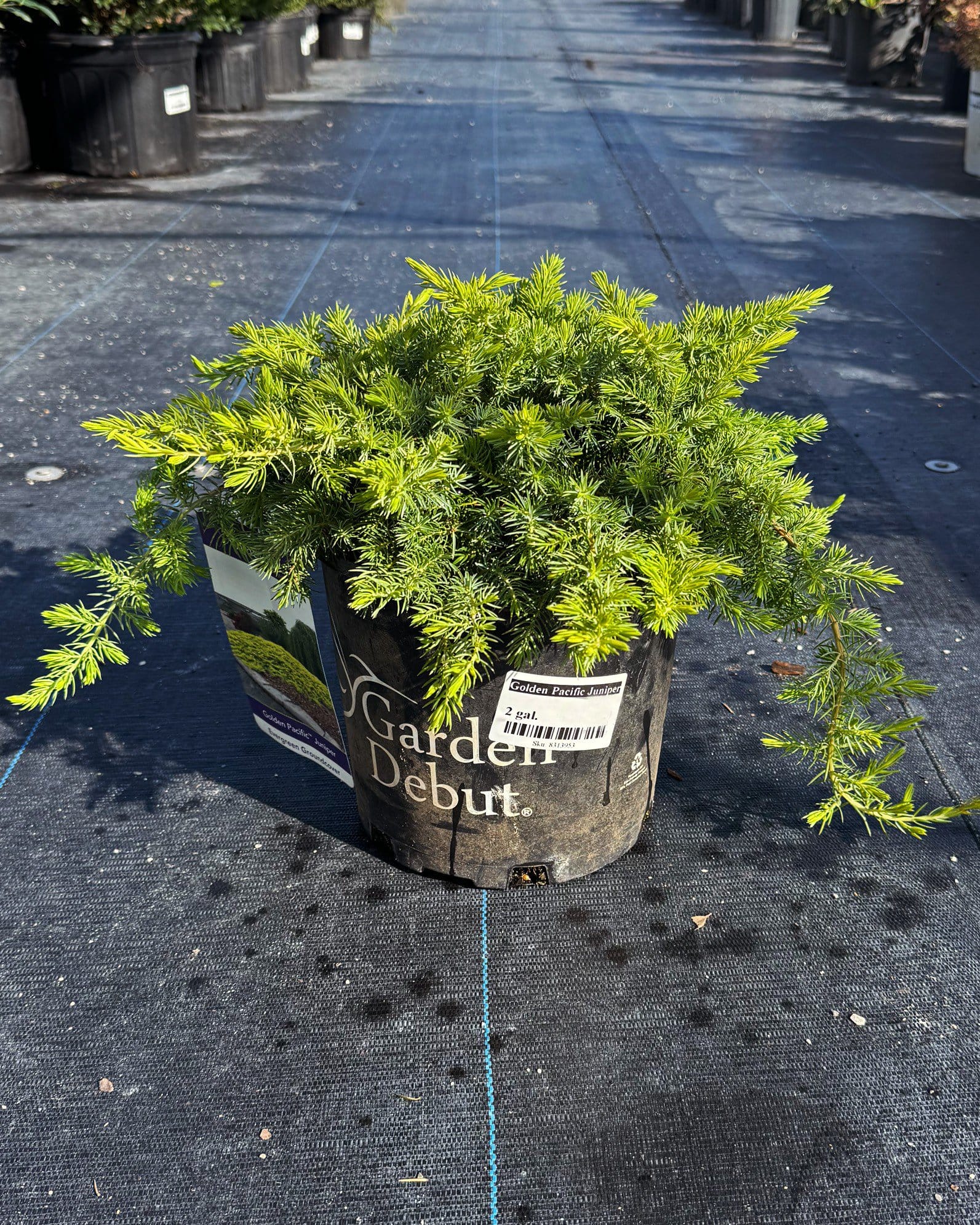
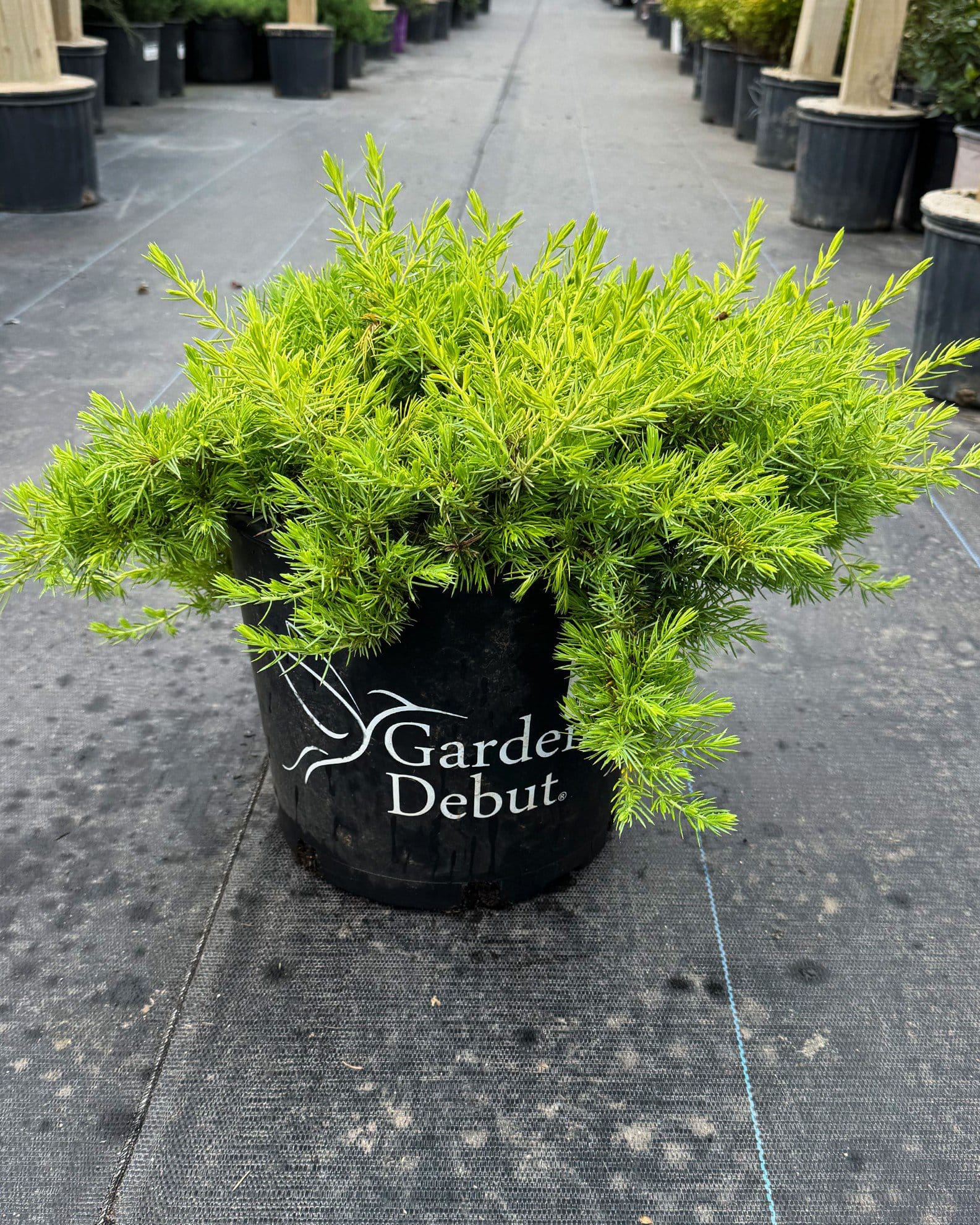
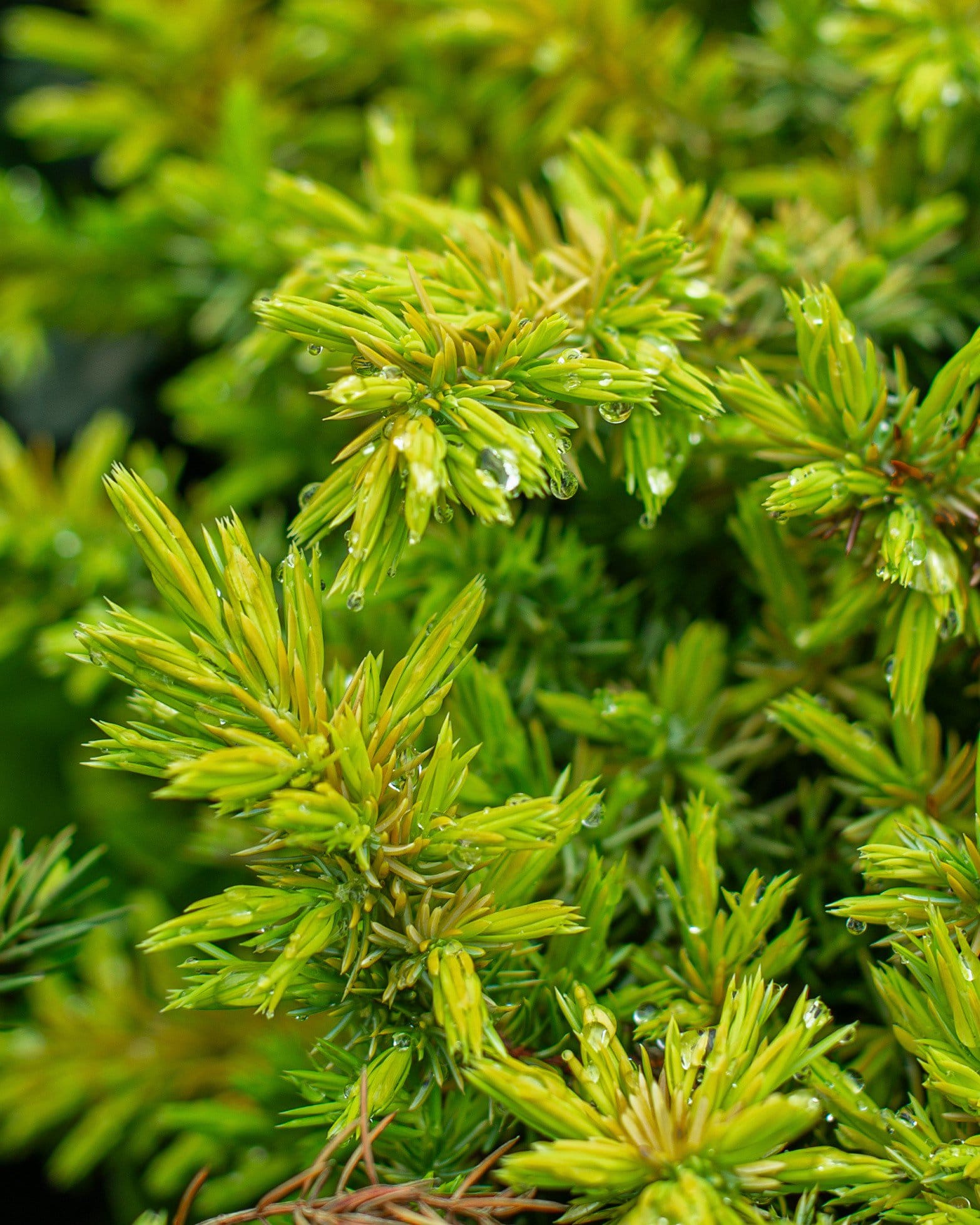
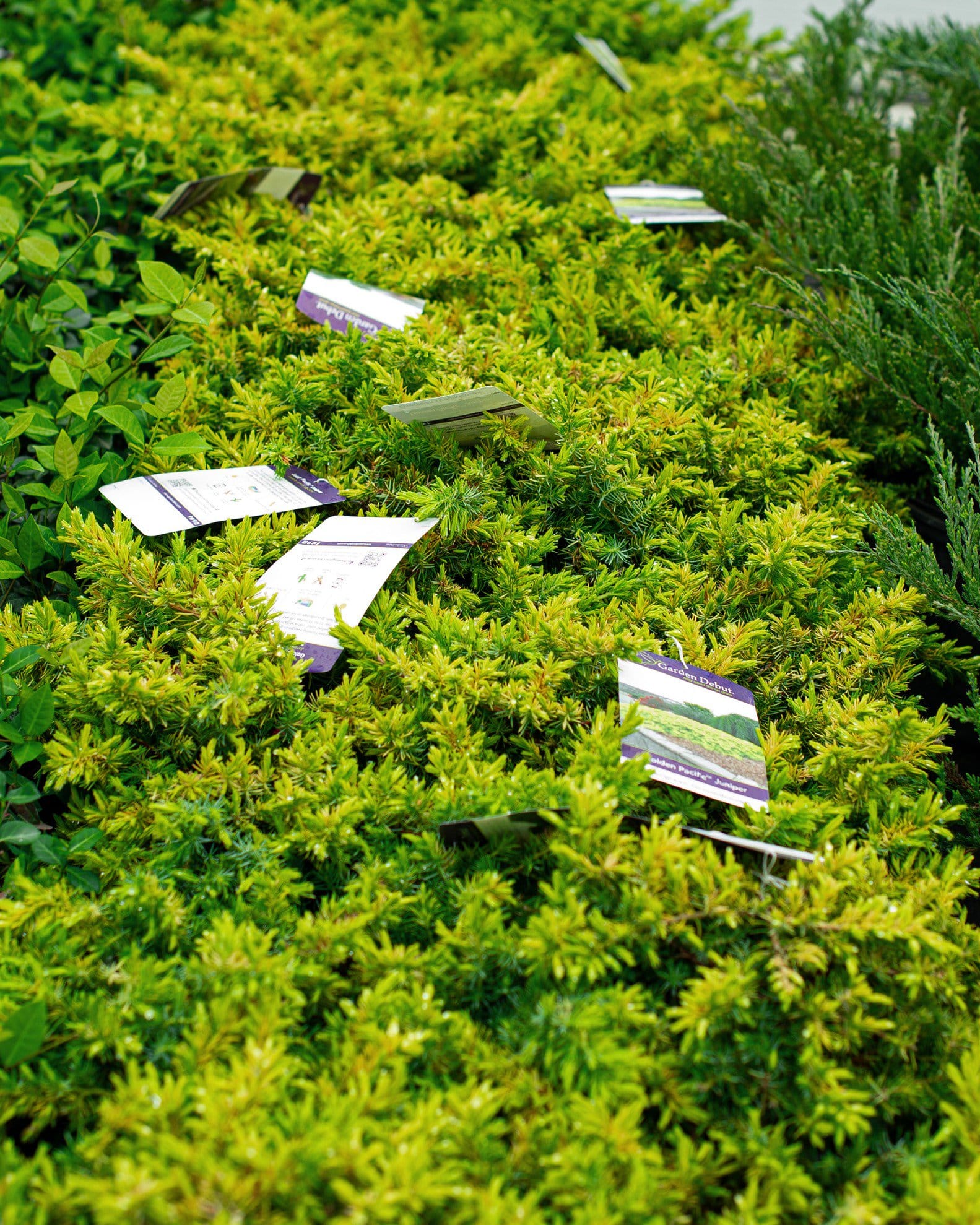
Golden Pacific Juniper
Maturity: 0.75' H x 4' W
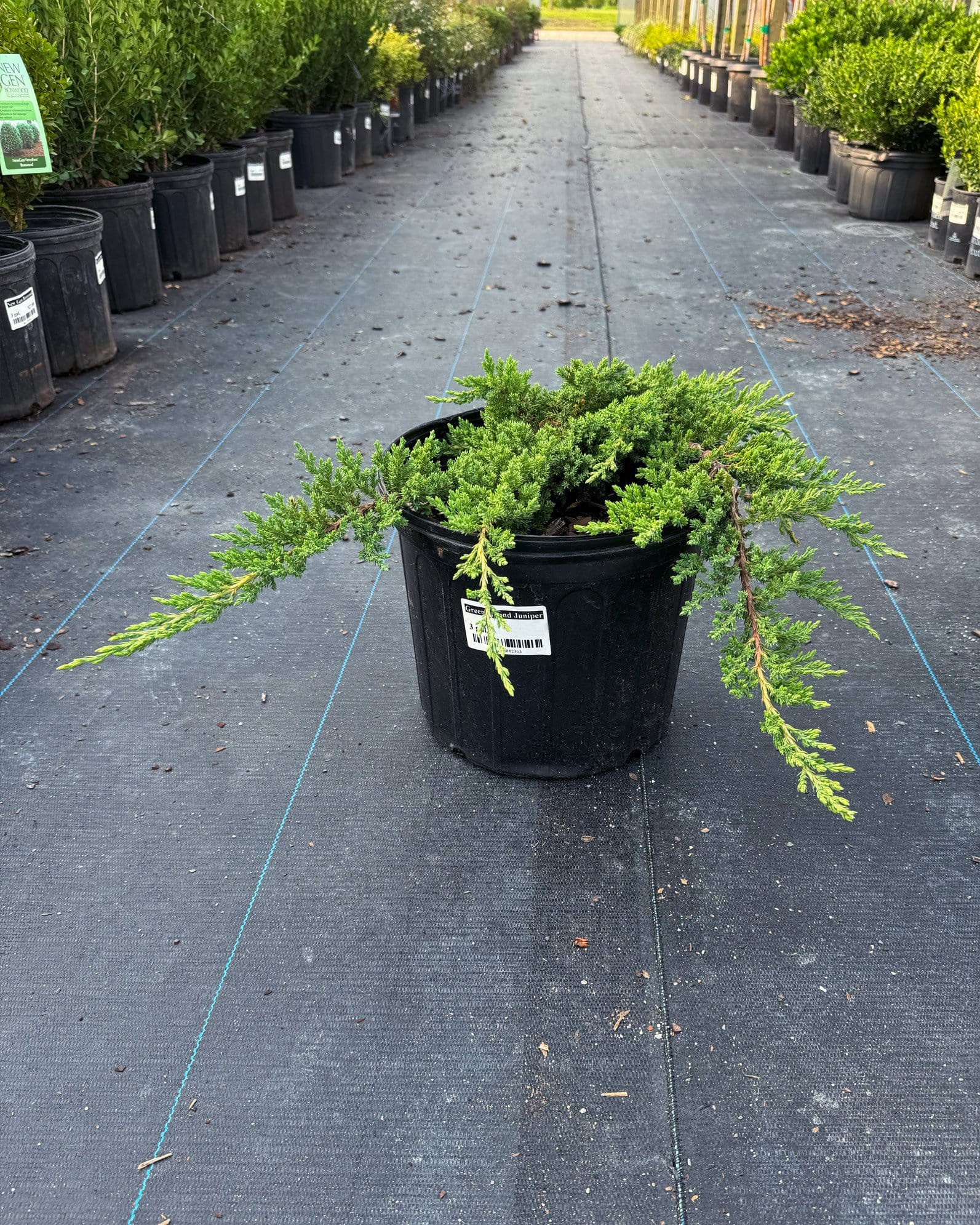
Green Mound Juniper
Maturity: 1' H x 10' W
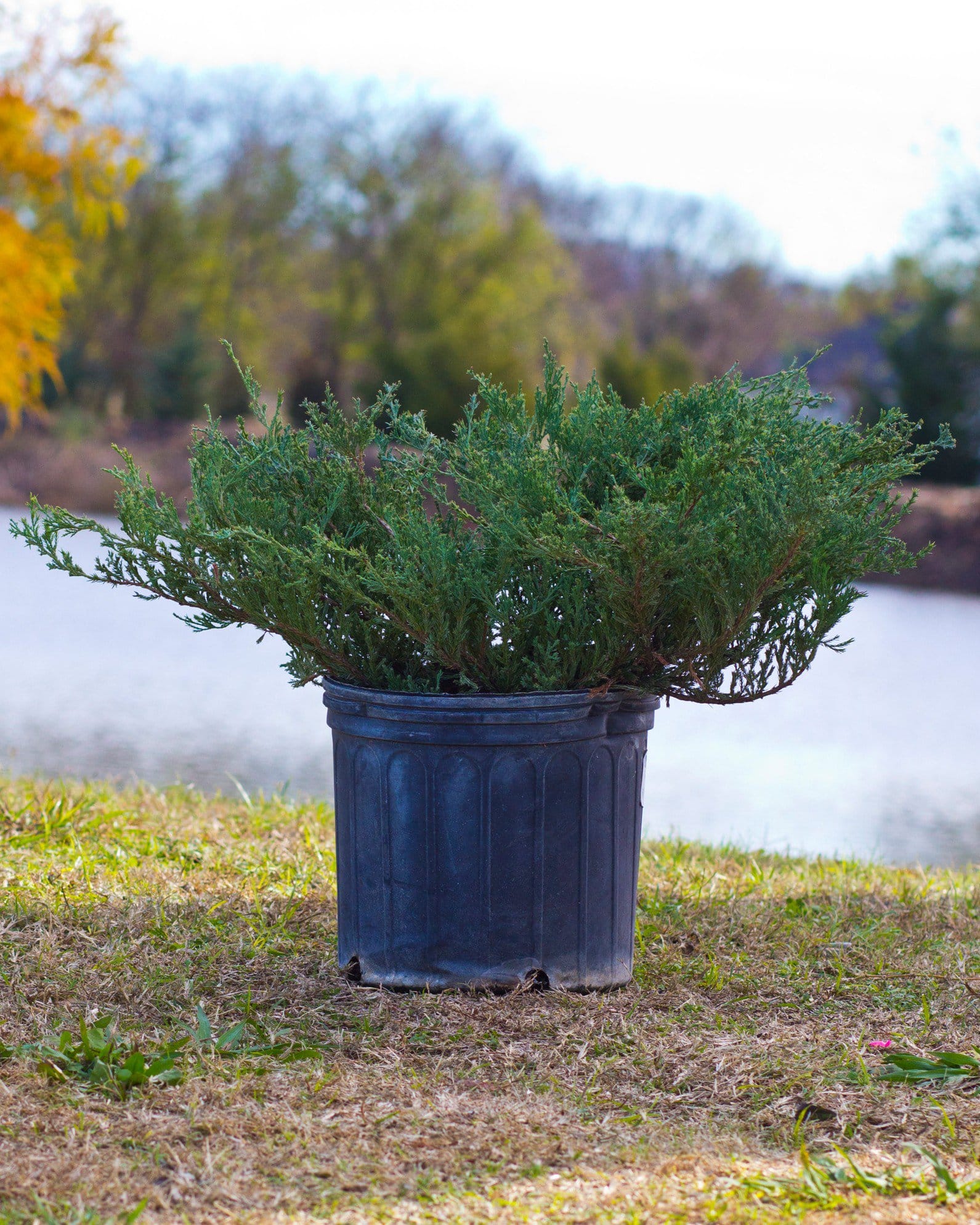
Andorra Juniper
Maturity: 1' H x 4' W
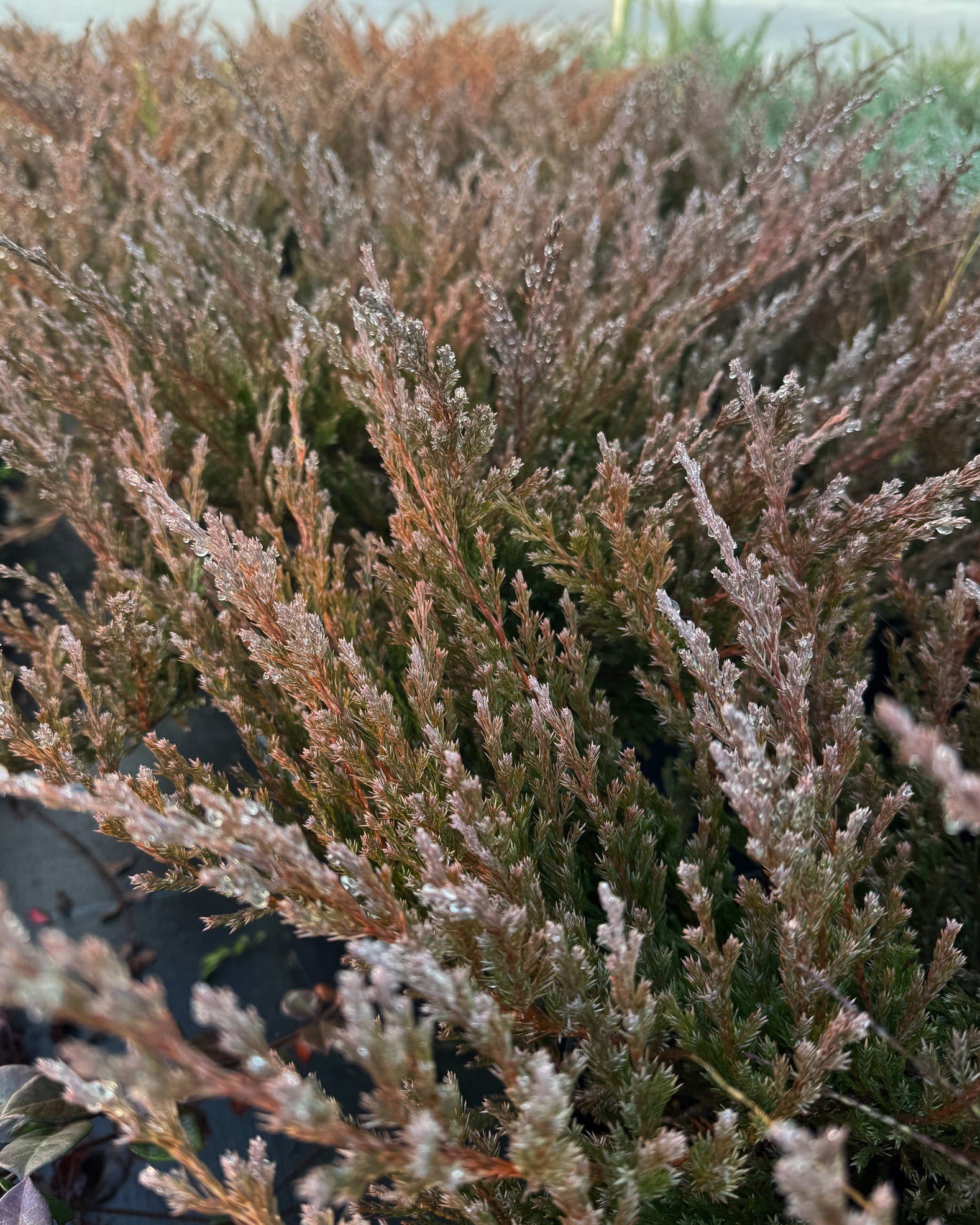
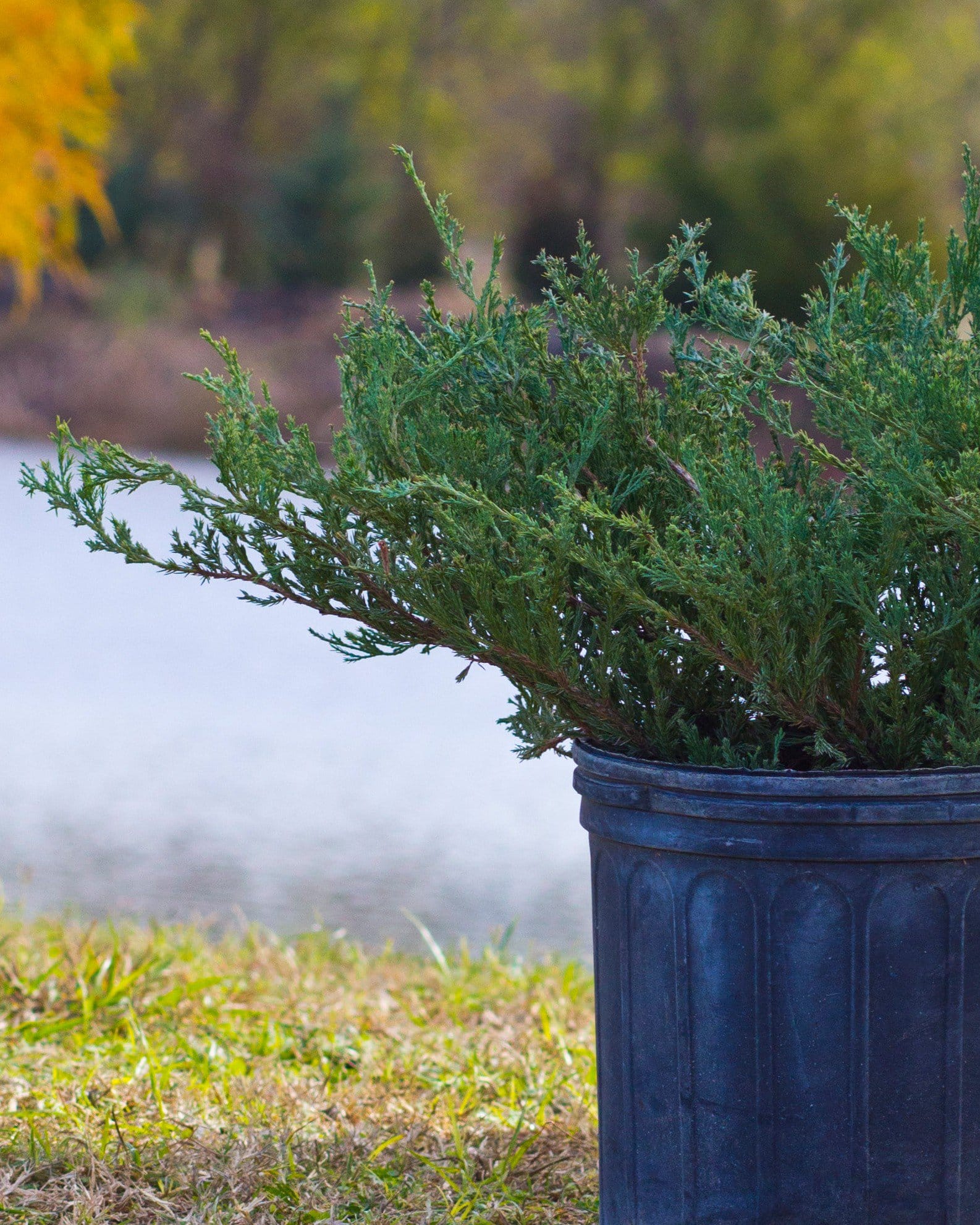
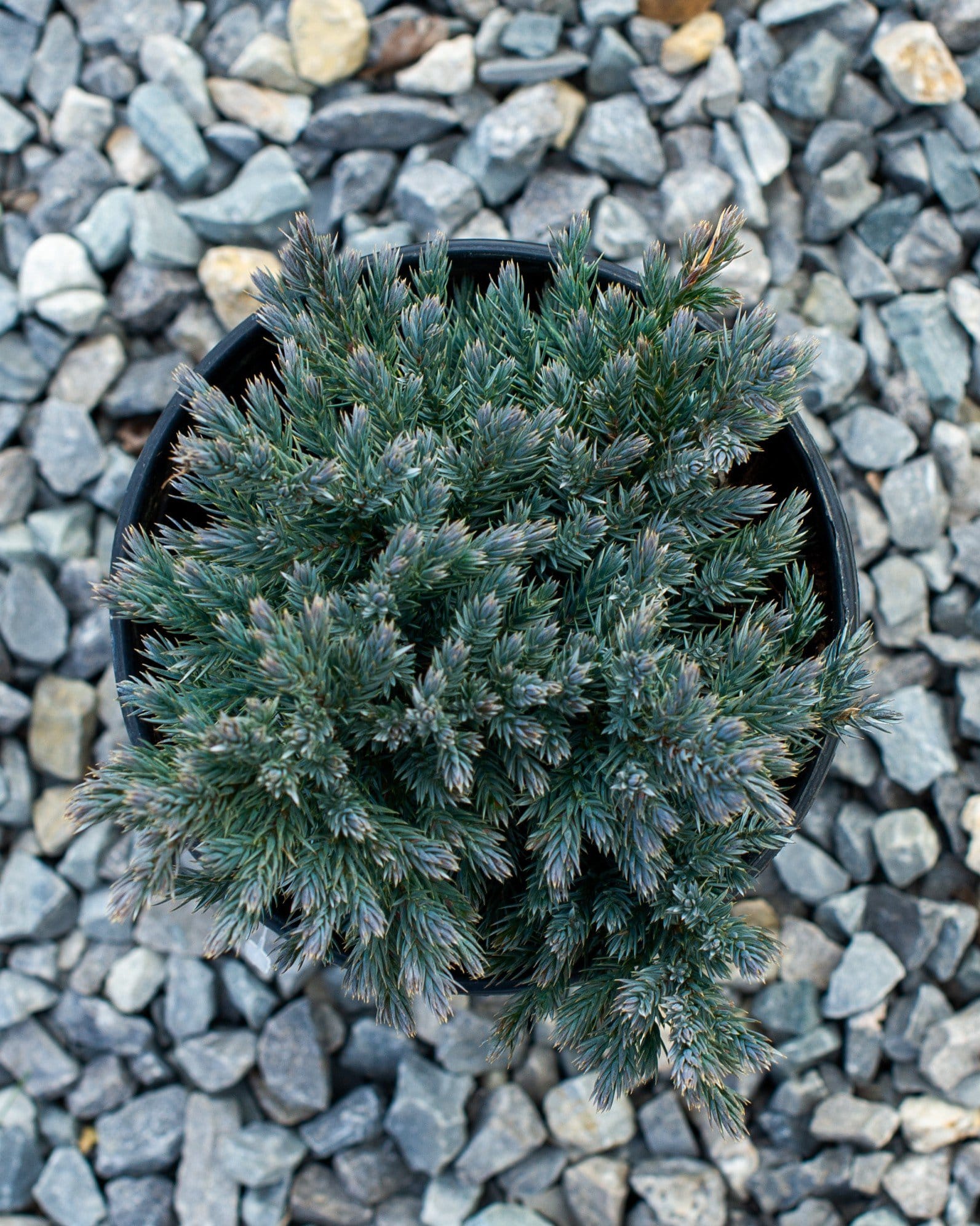
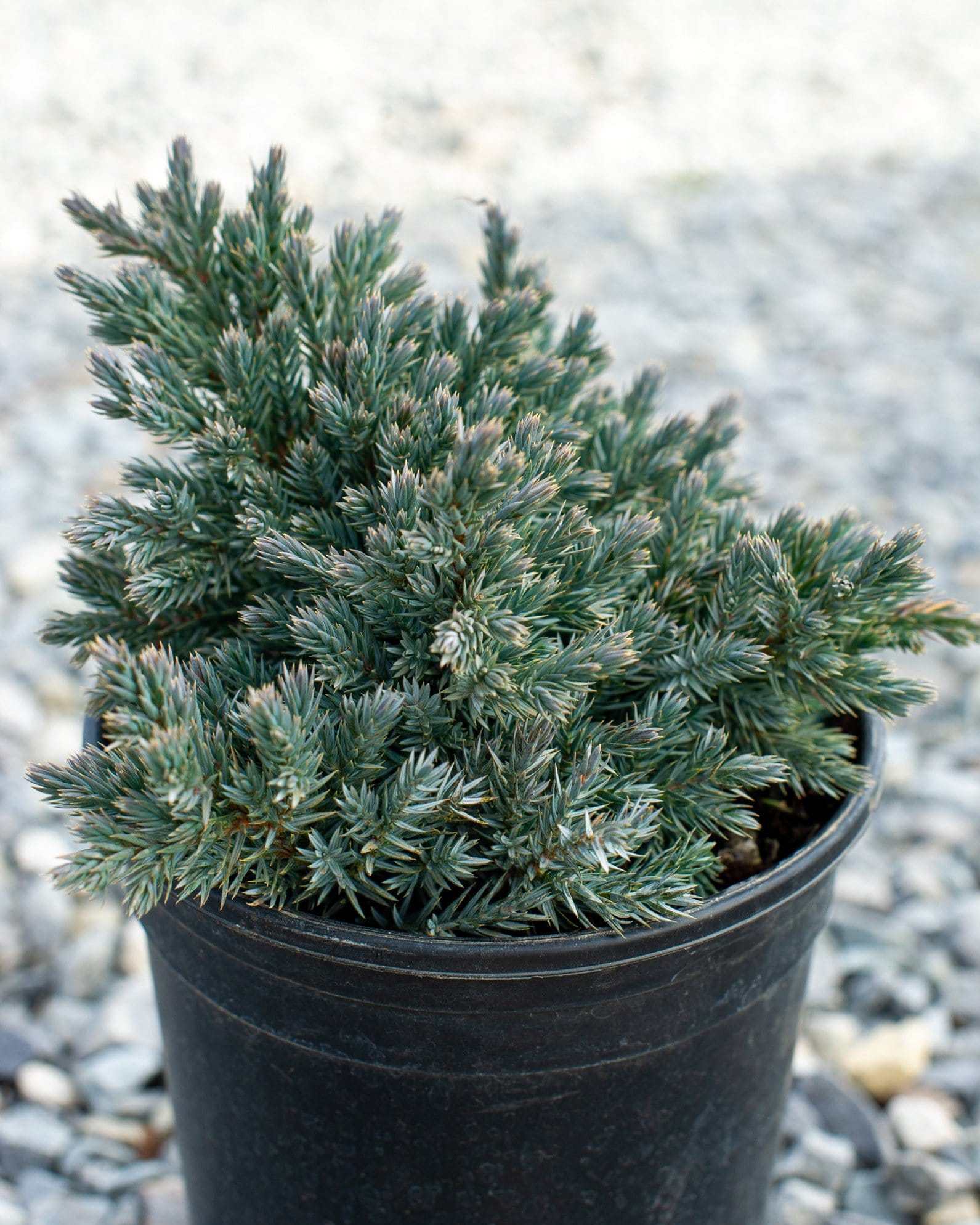
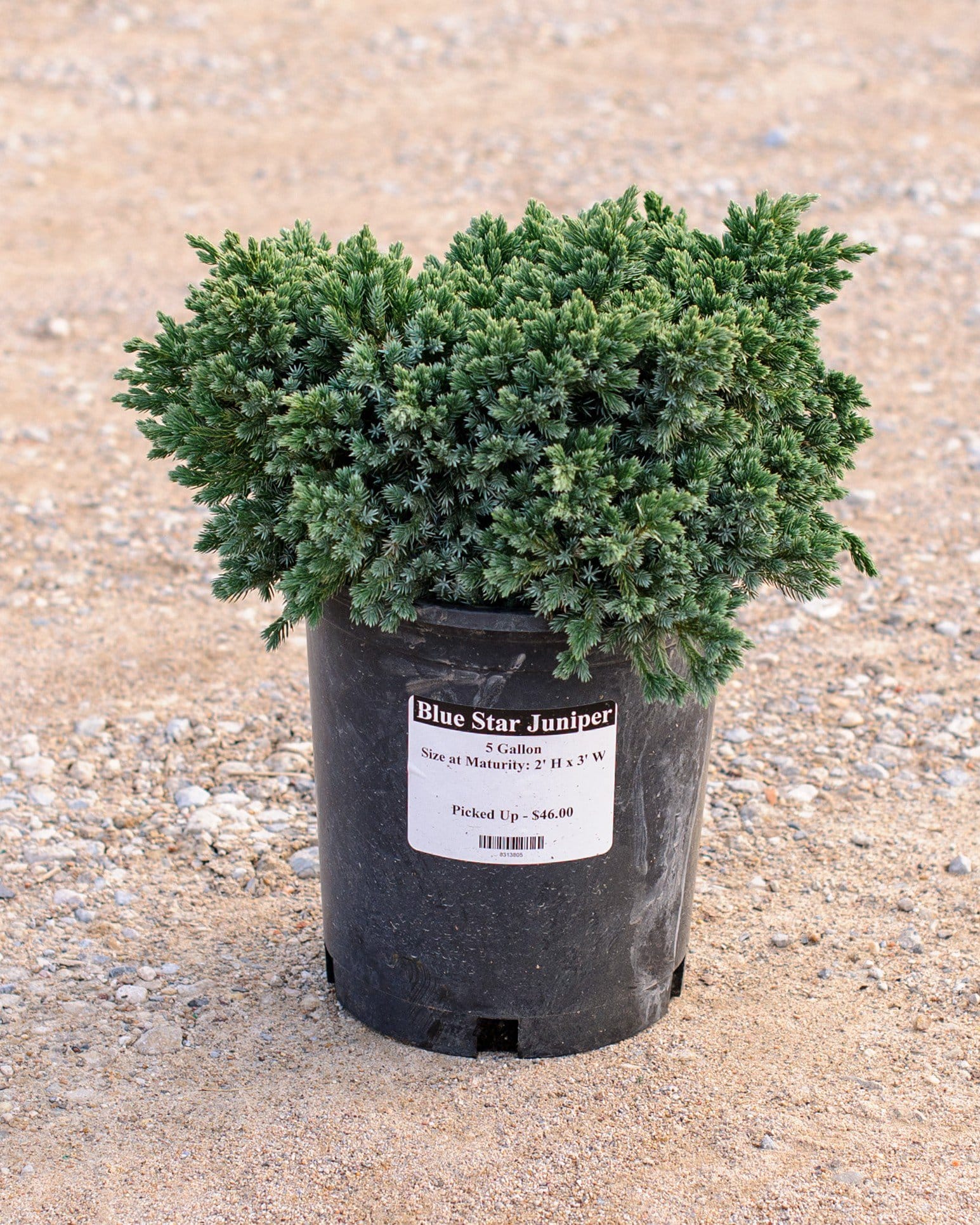
Blue Star Juniper
Maturity: 2' H x 3' W
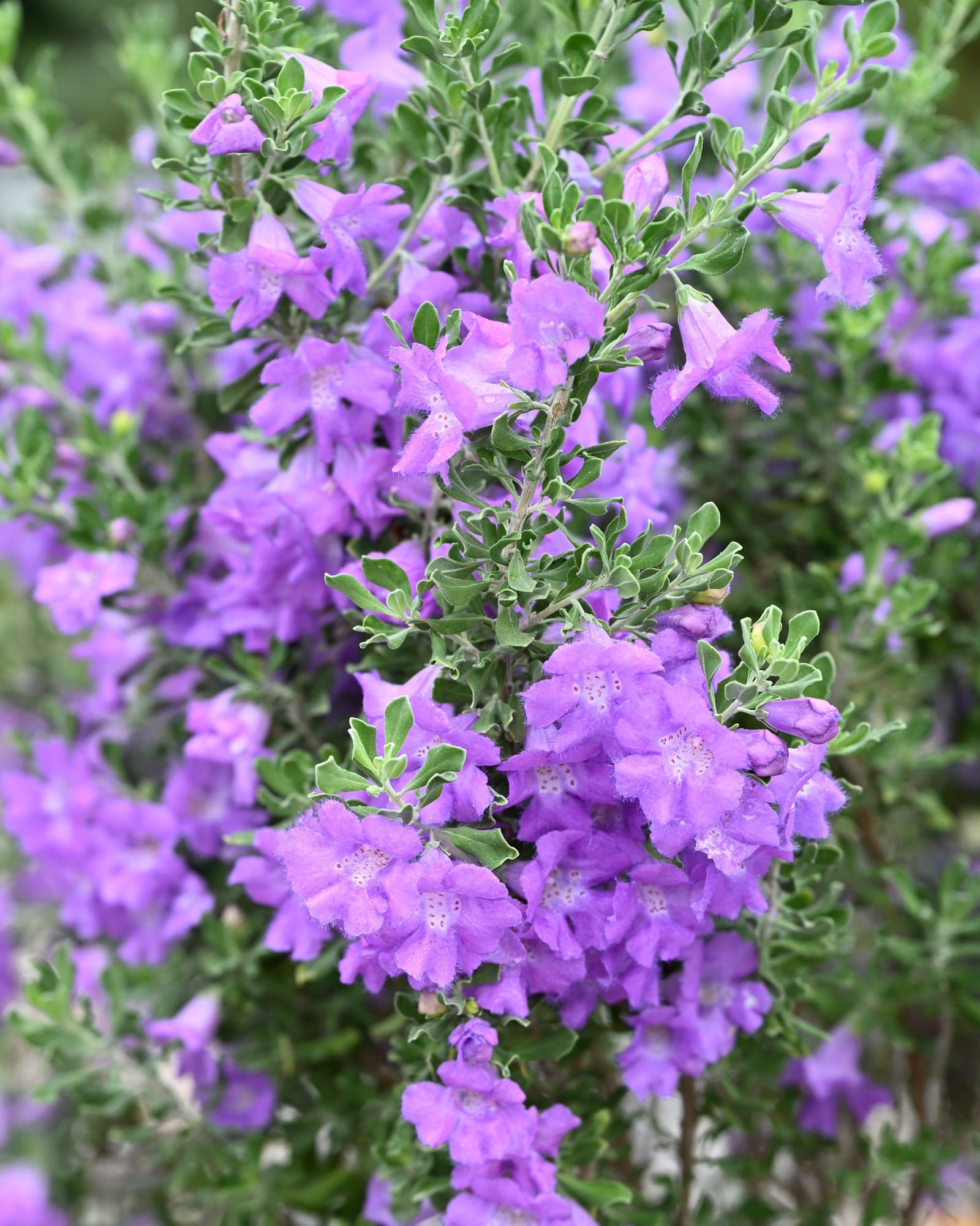
Compacta Texas Sage
Maturity: 3' H x 3' W
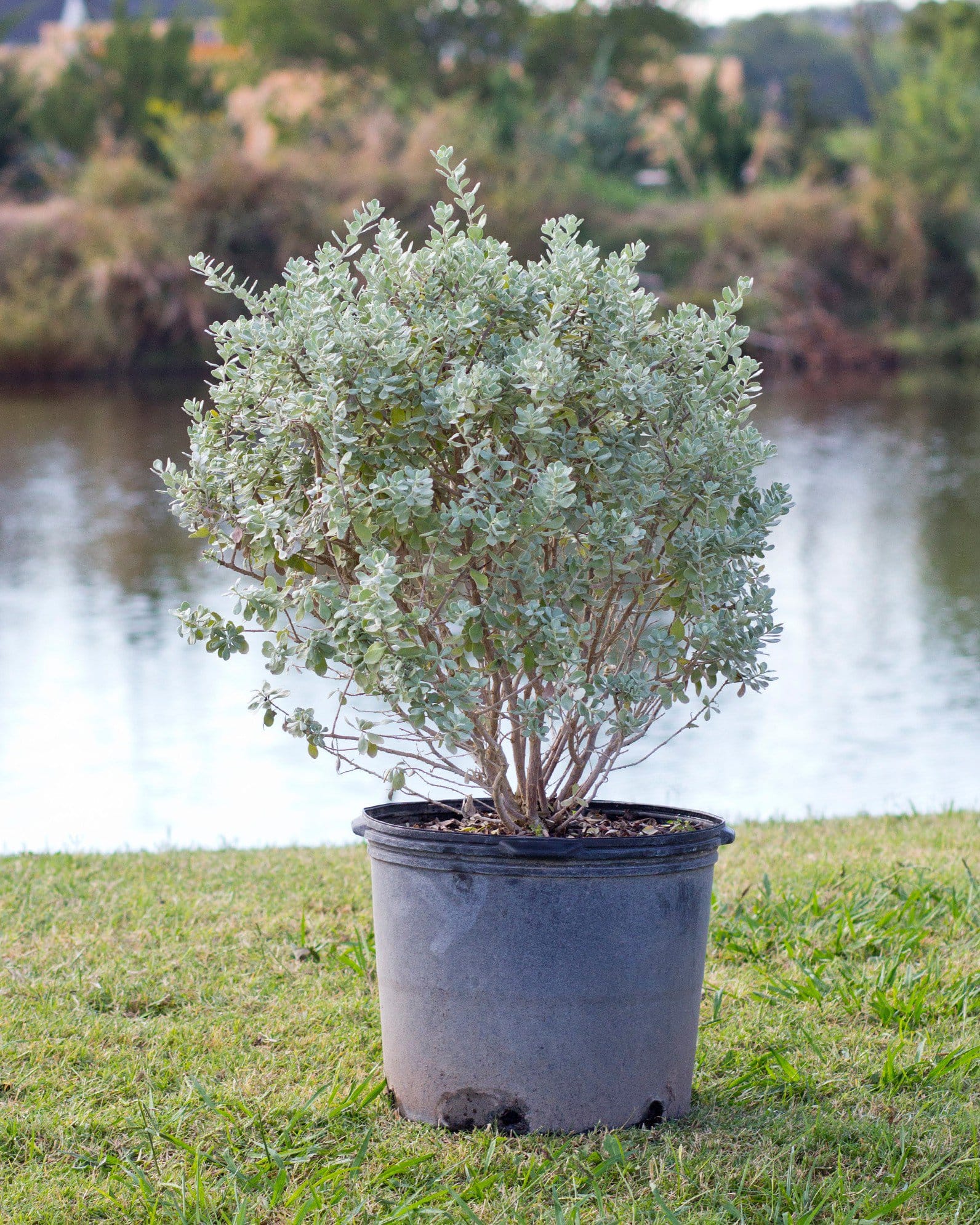
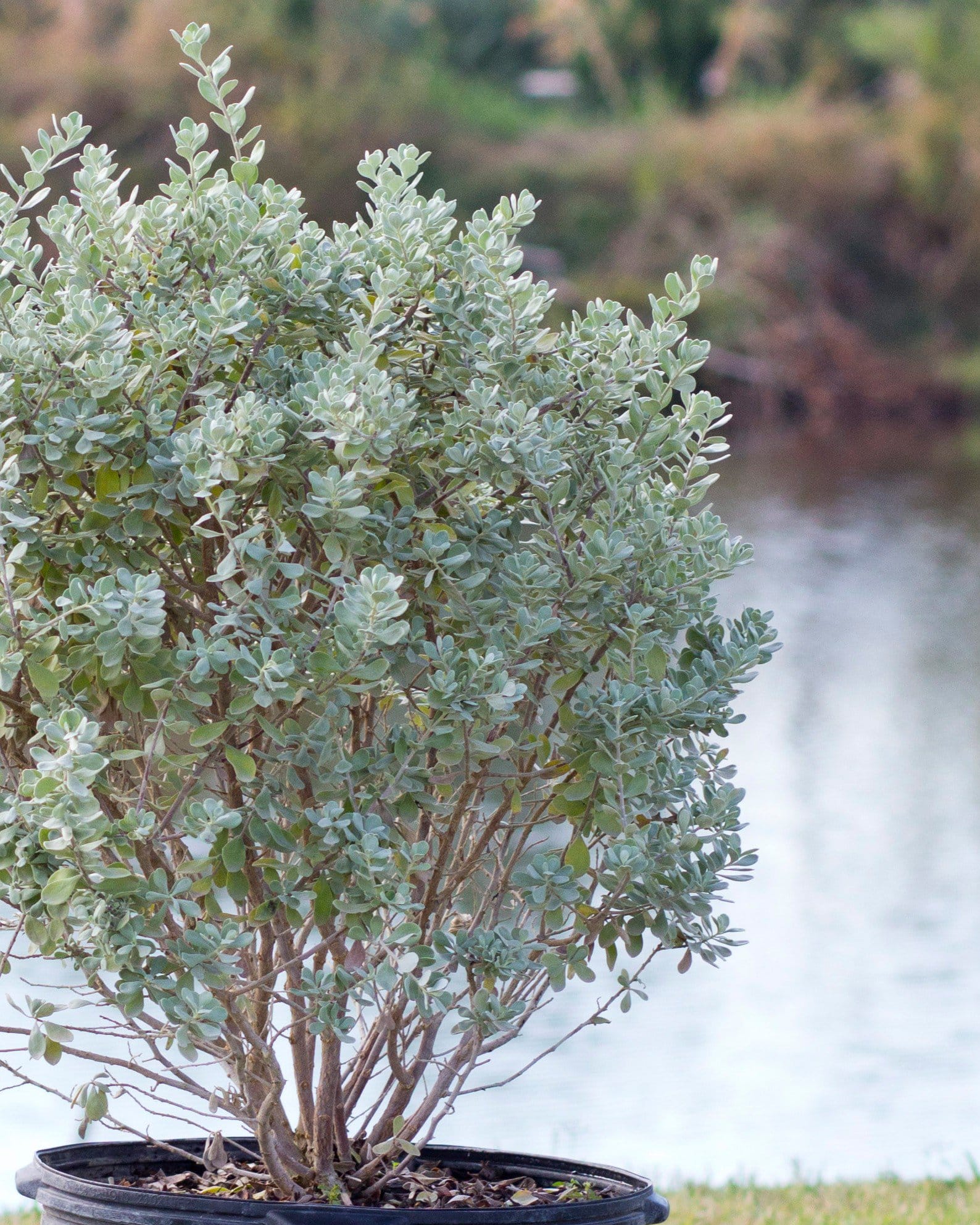
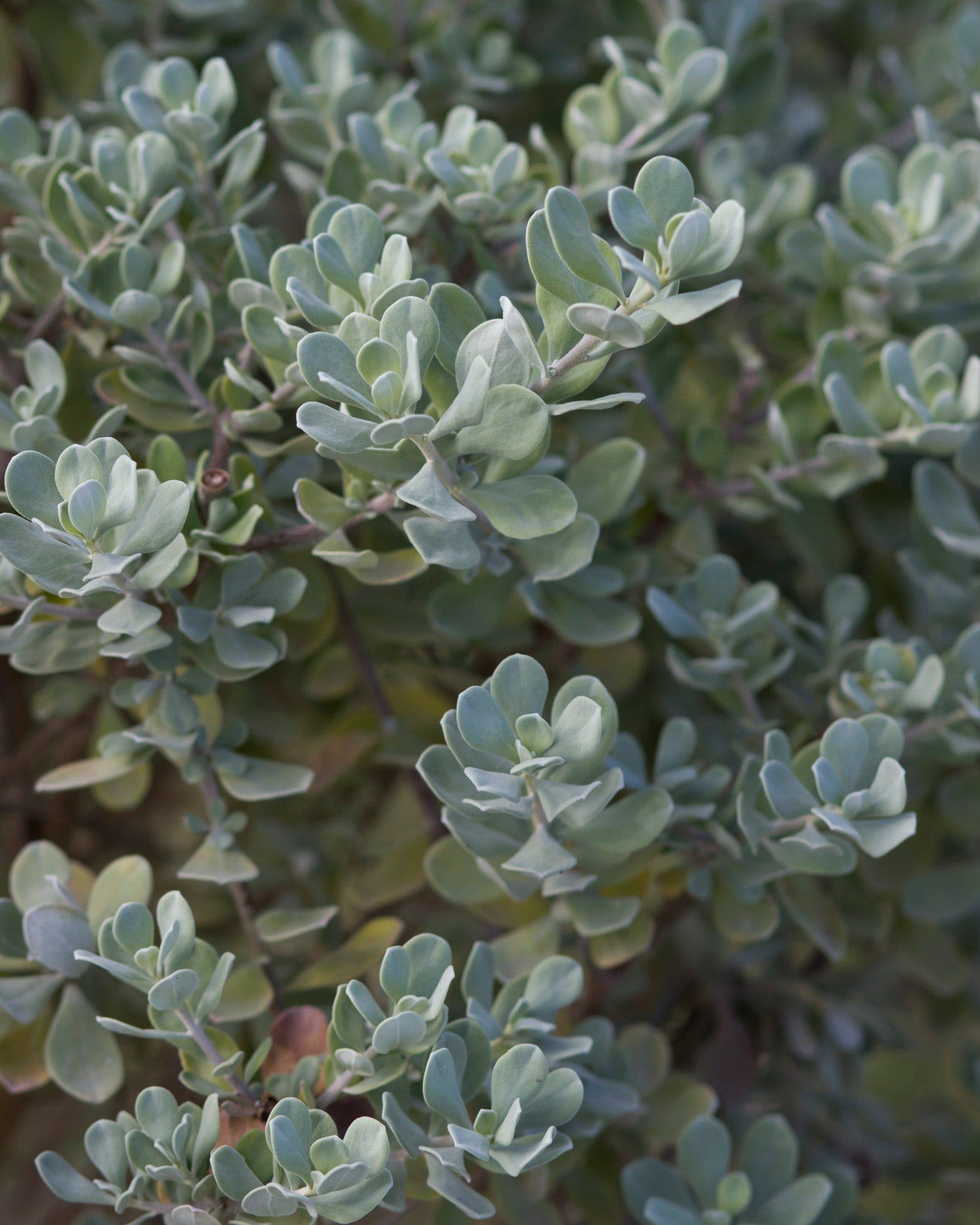
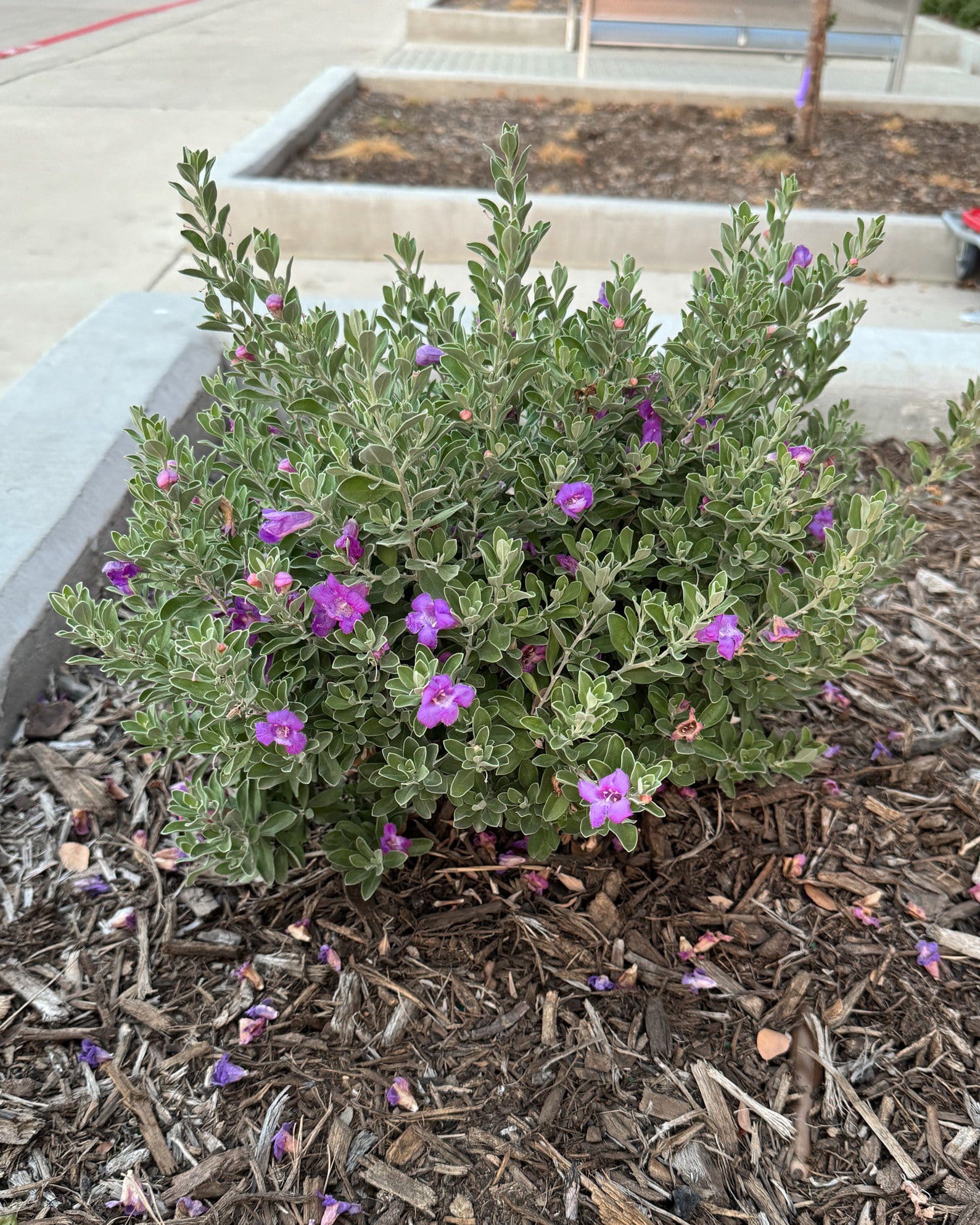
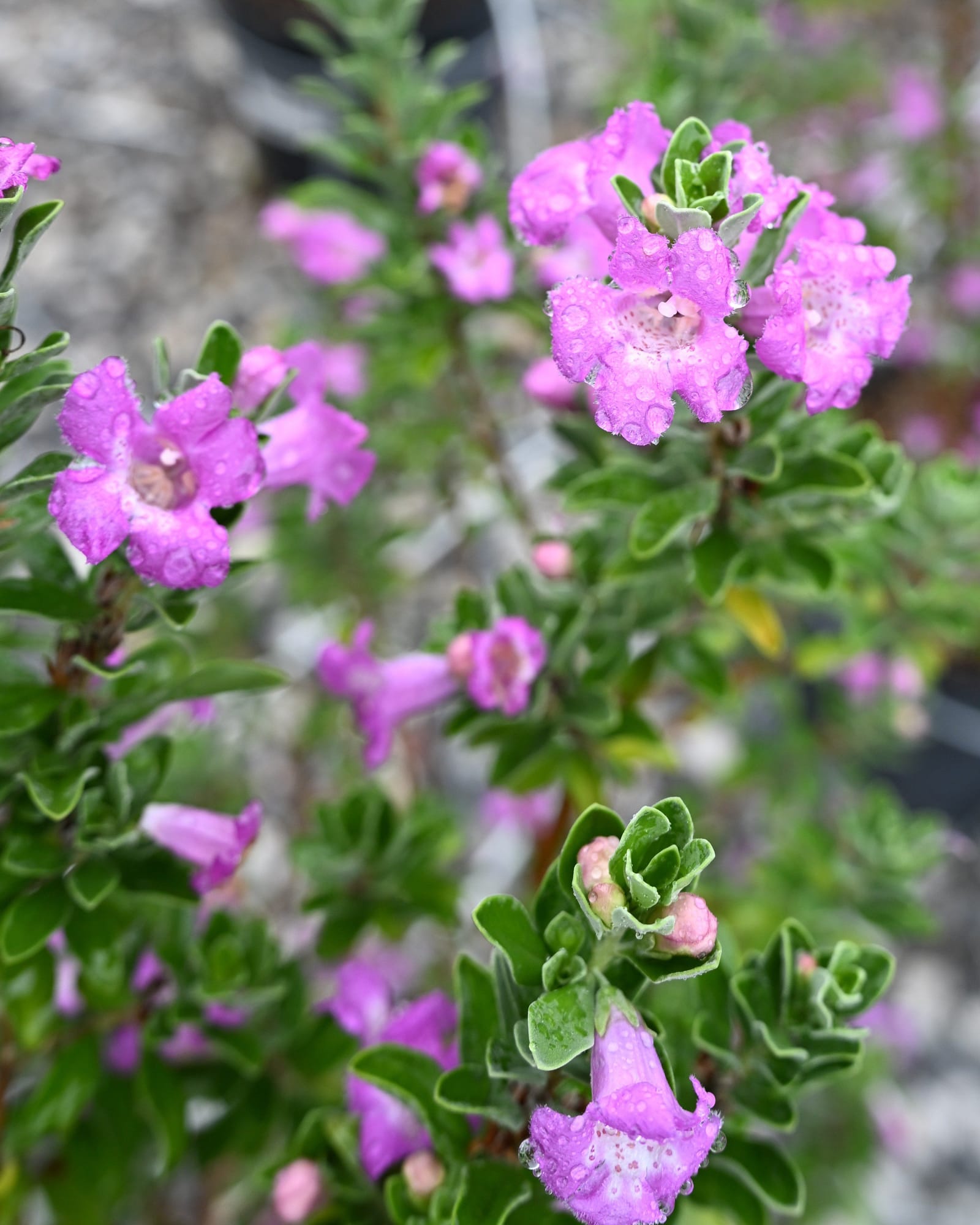
Green Cloud Texas Sage
Maturity: 6' H x 6' W
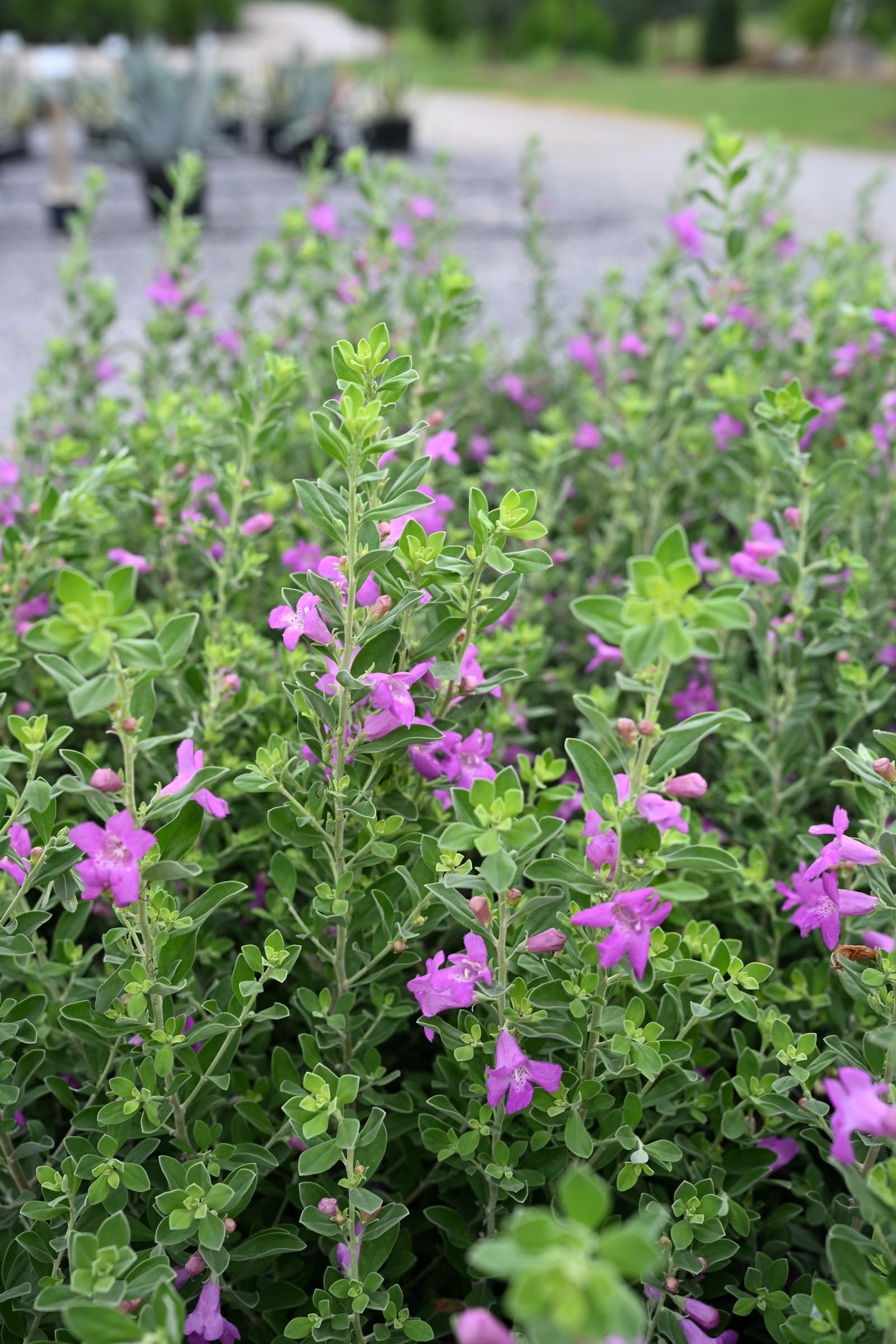
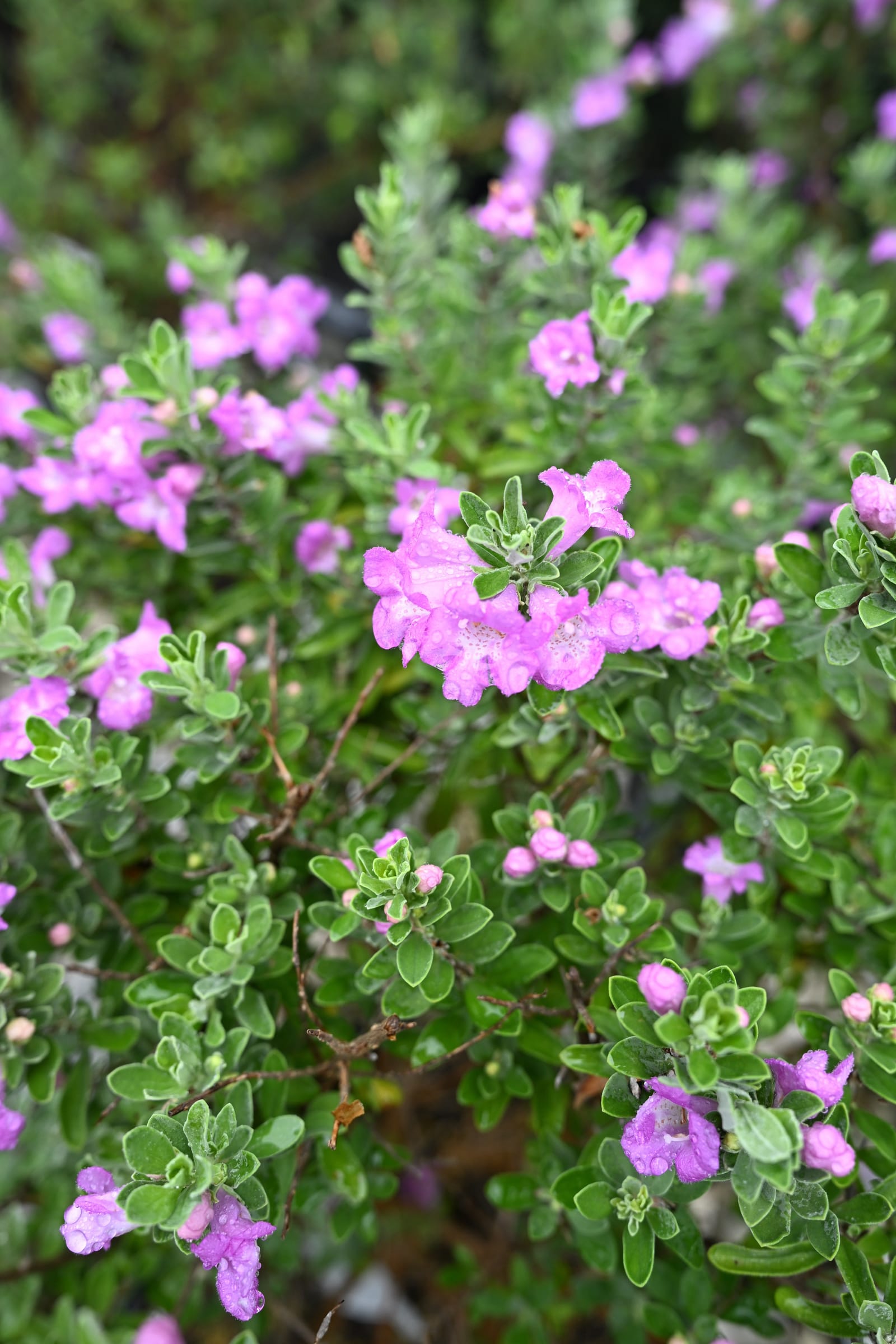
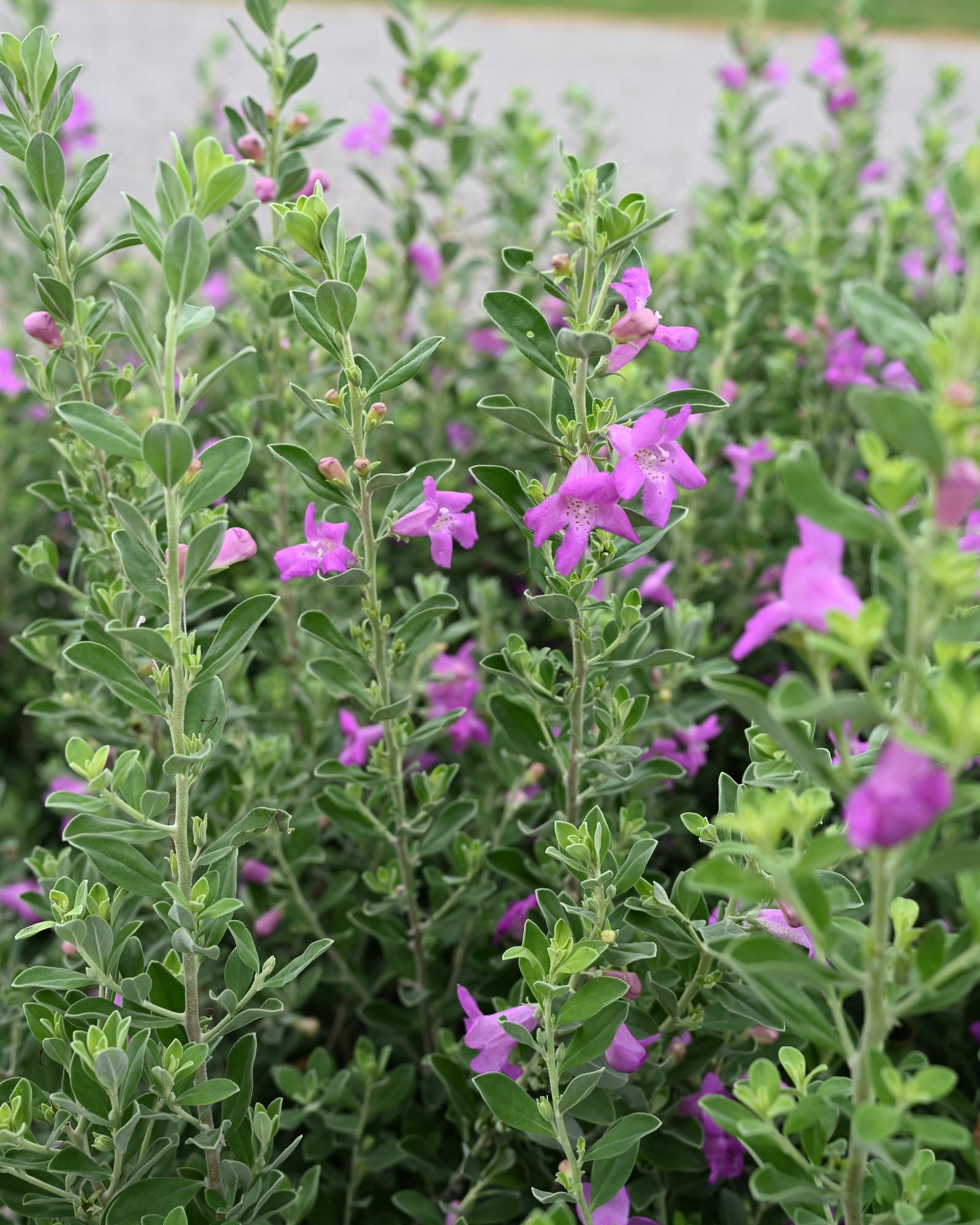
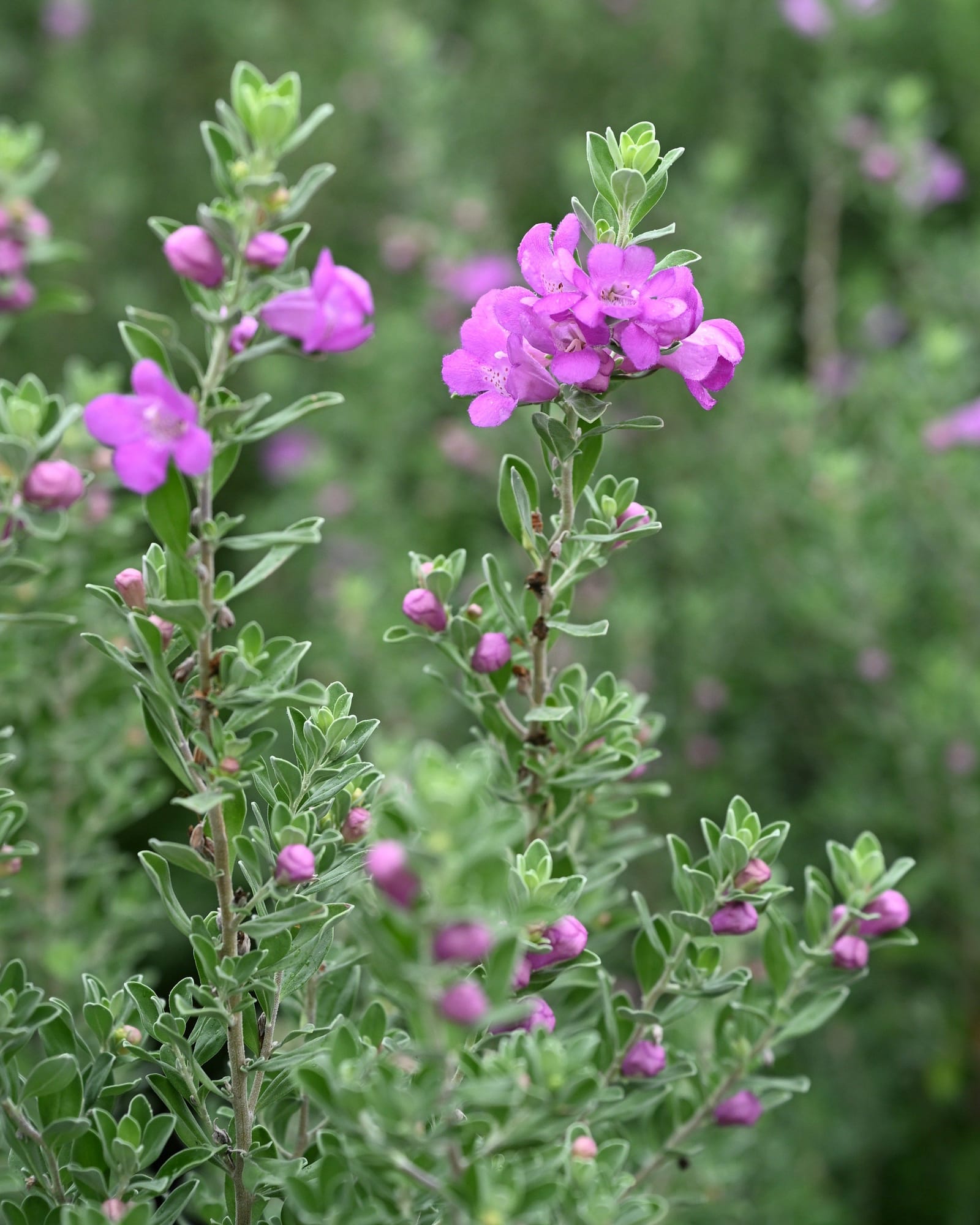
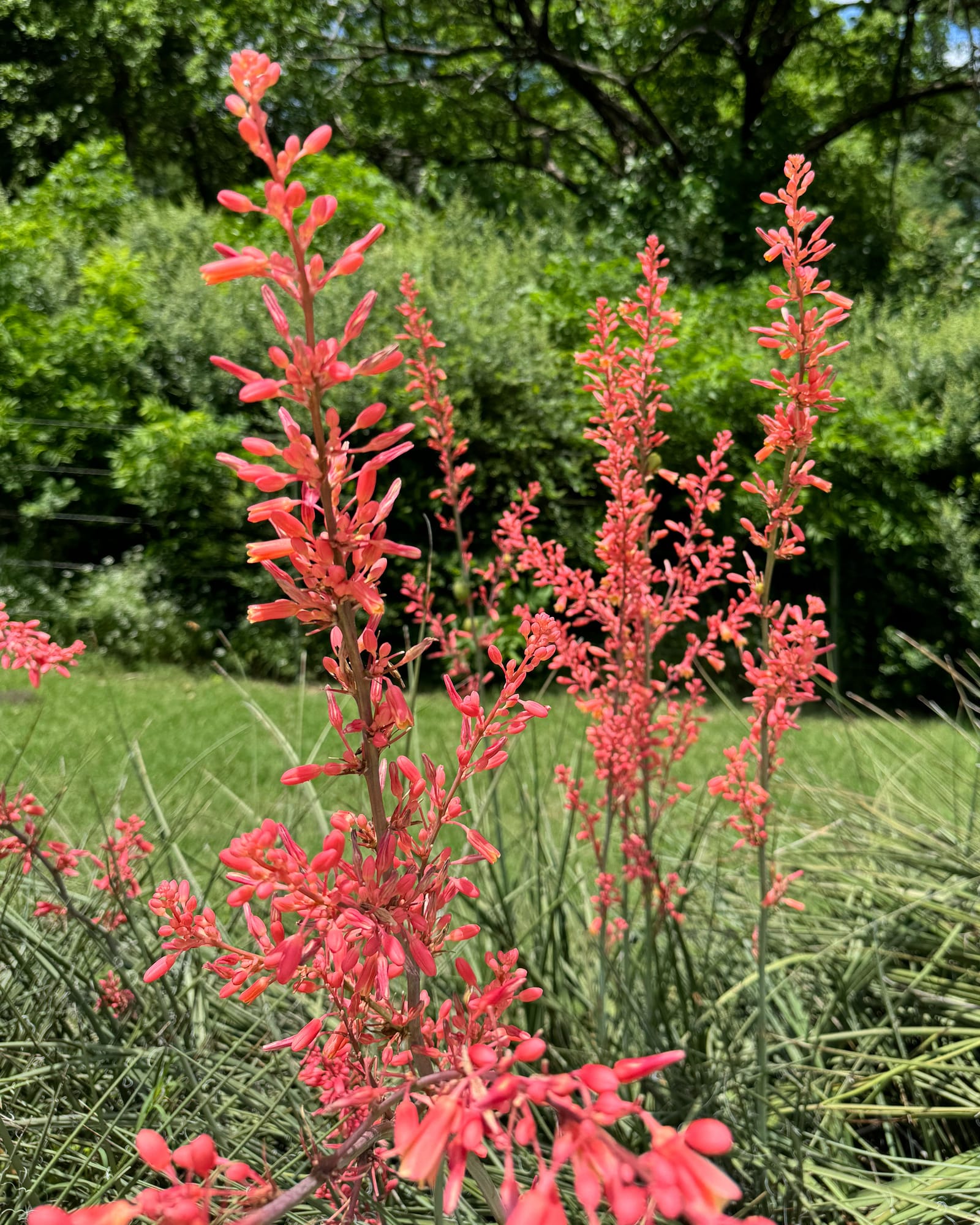
Red Yucca
Maturity: 3' H x 3' W
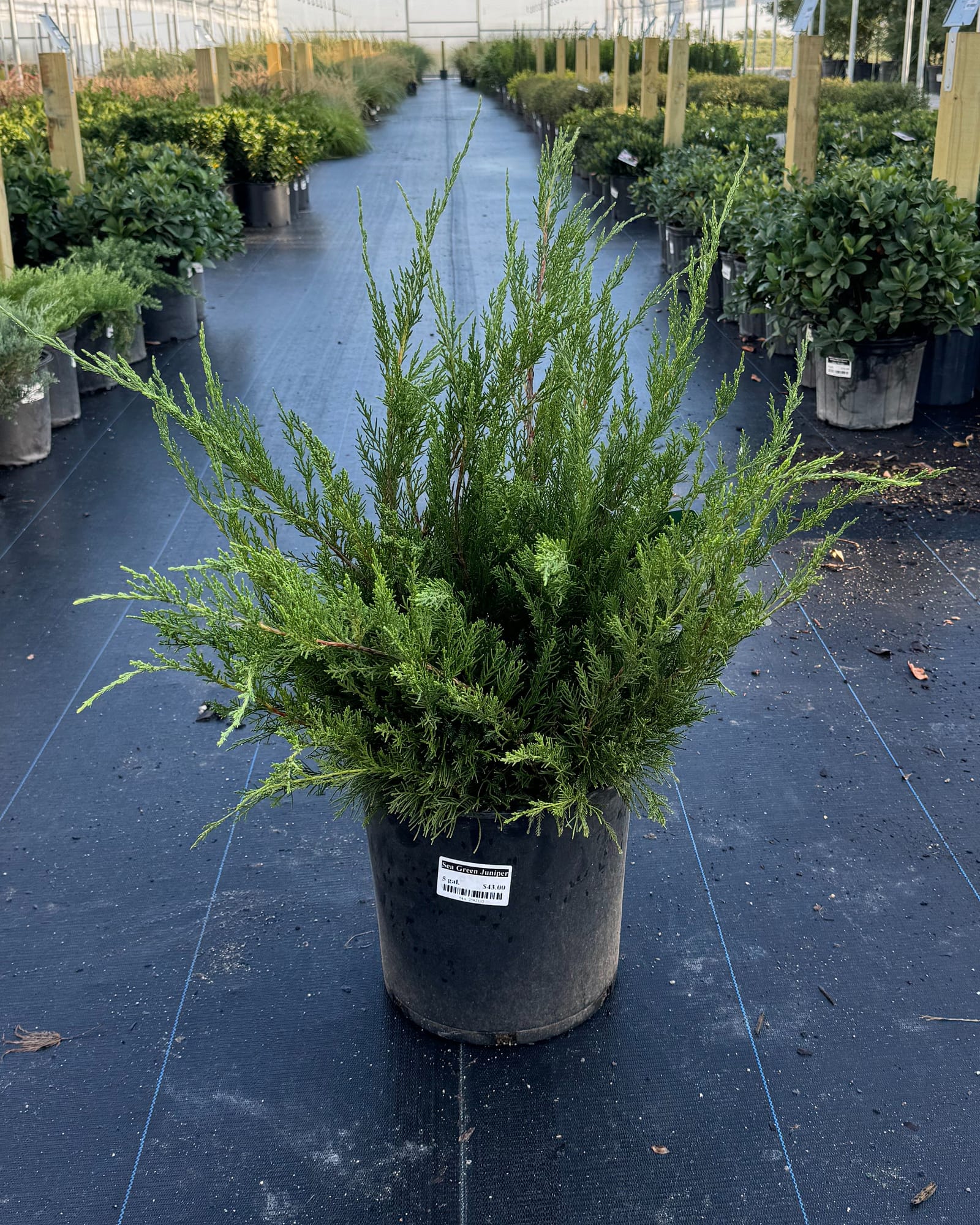
Sea Green Juniper
Maturity: 4' H x 6' W
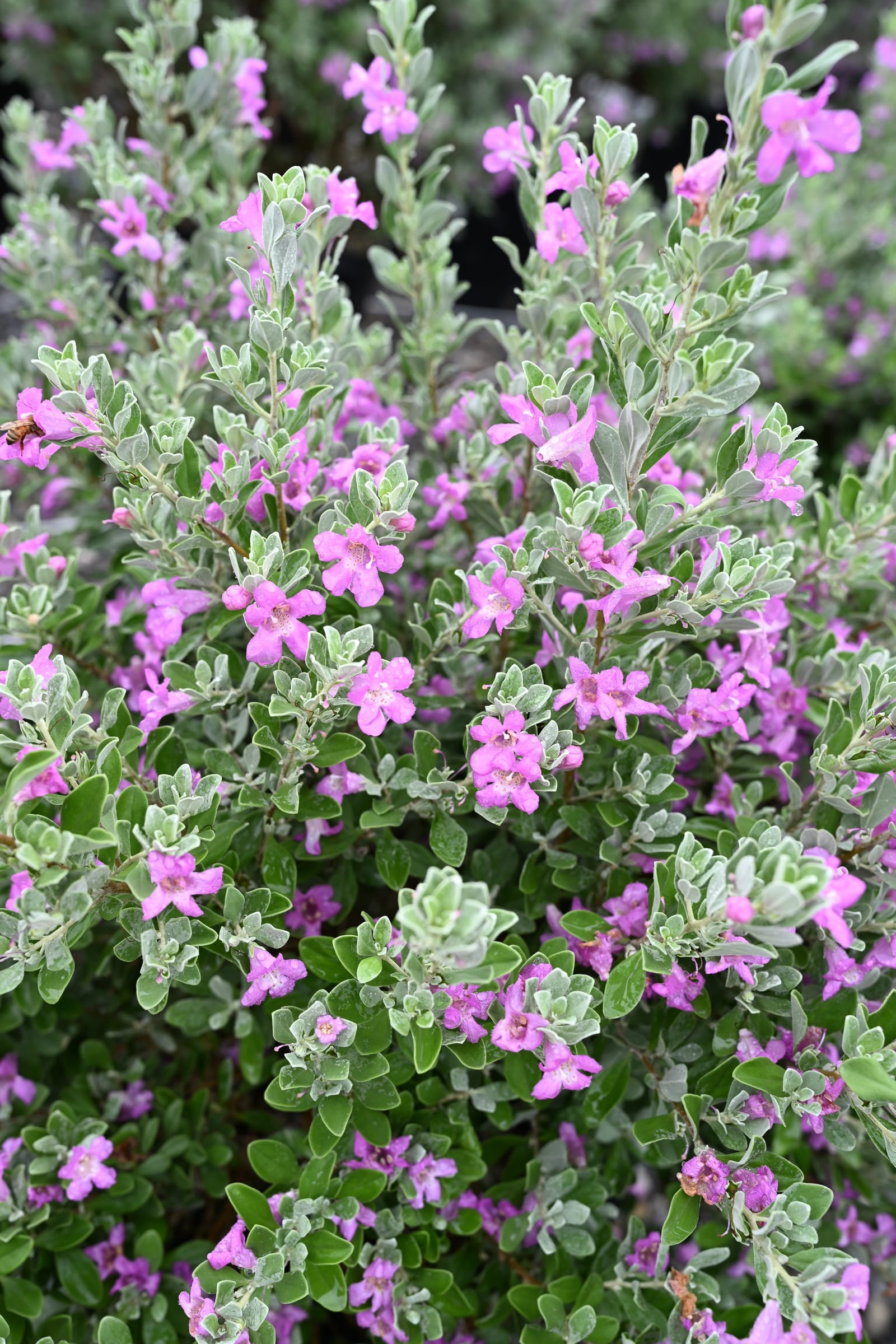
Silver Star Texas Sage
Maturity: 4' H x 4' W
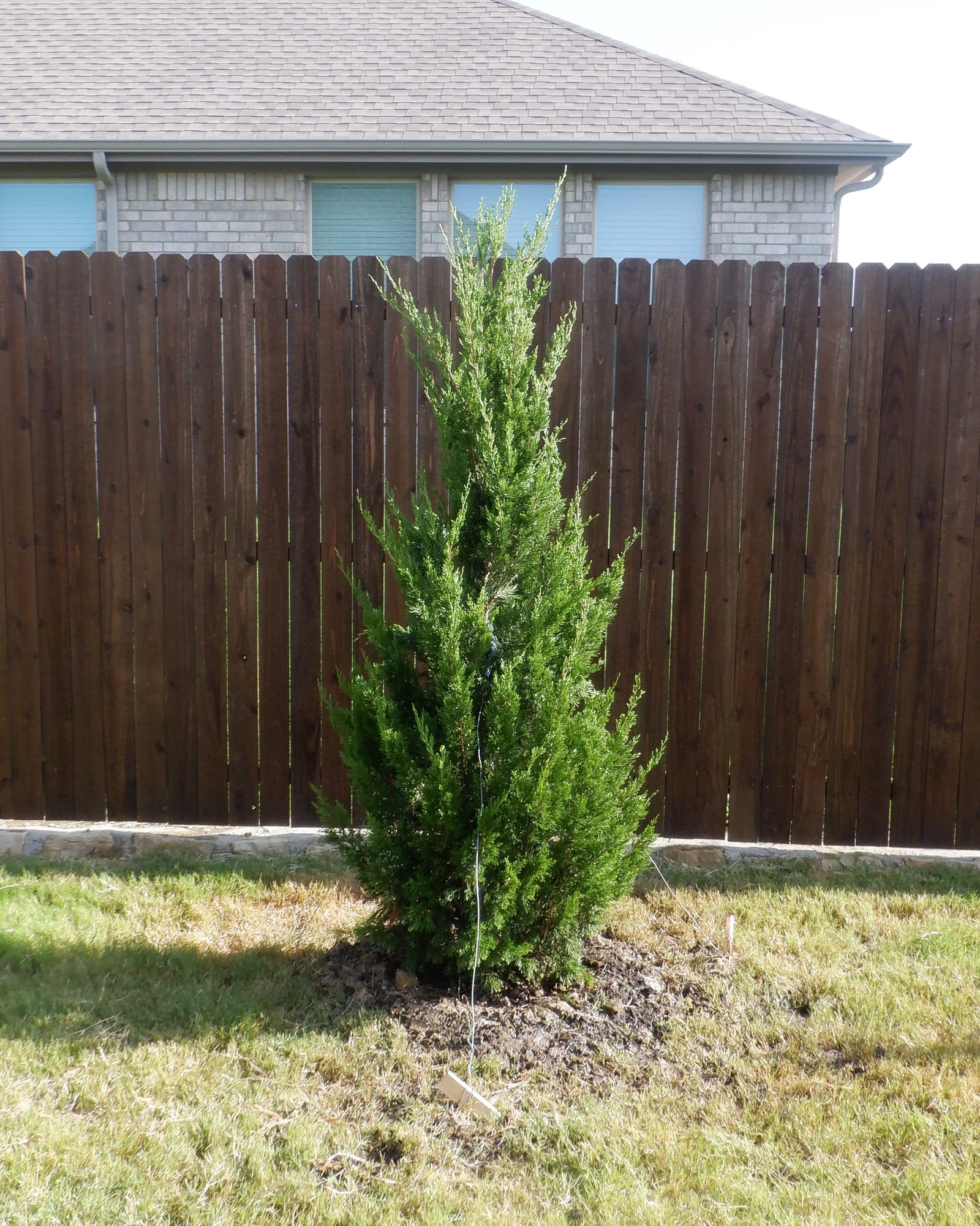
Spartan Juniper
Maturity: 17' H x 7' W
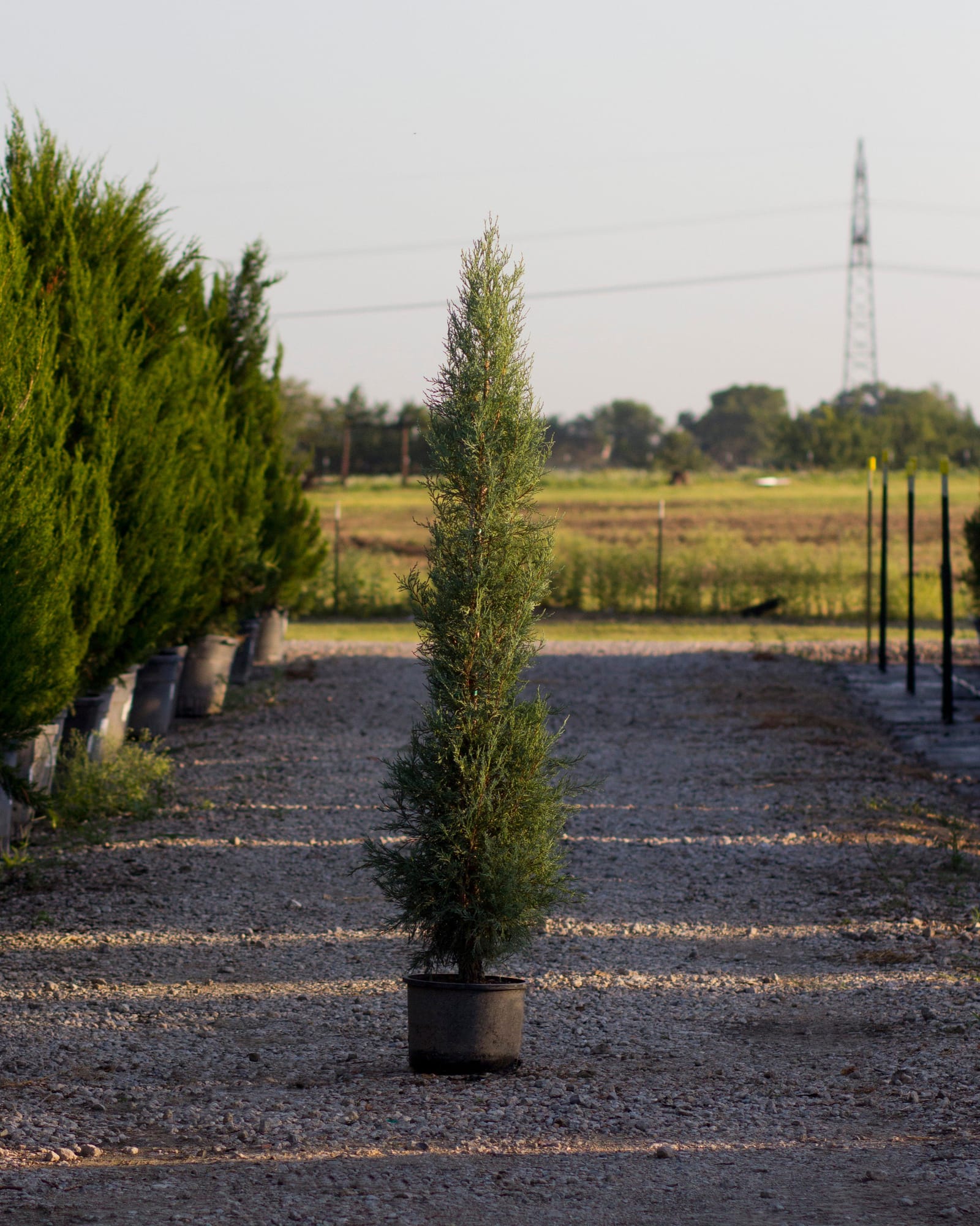
Woodward Juniper
Maturity: 20' H x 4' W
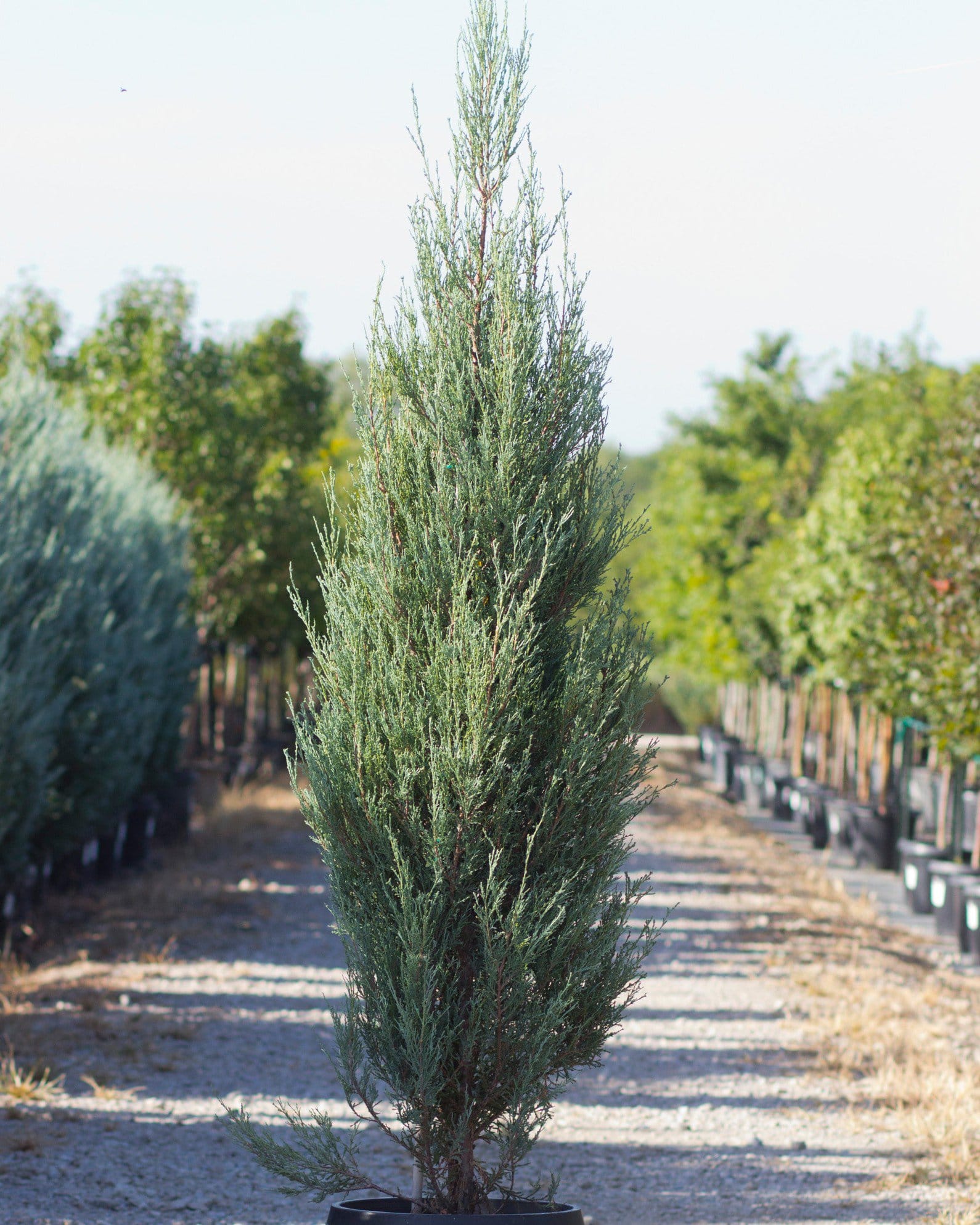
Blue Arrow Juniper
Maturity: 12' H x 2' W
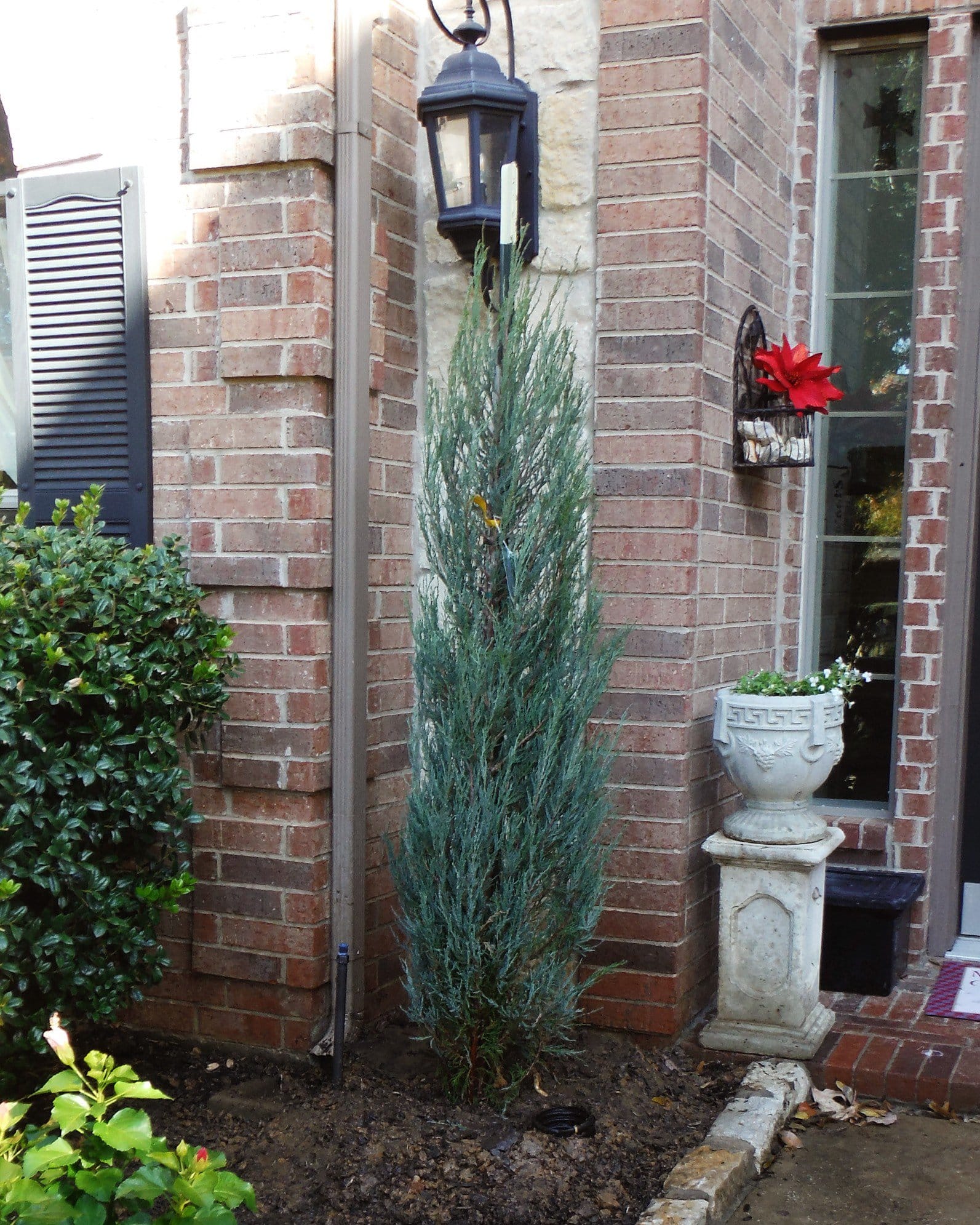
Parsoni Juniper
Maturity: 2' H x 4' W
Compare Similar Plants
Grey Owl Juniper This plant | ||
|---|---|---|
| Scientific Name | Juniperus virginiana ‘Grey Owl’ | Juniperus conferta ‘Blue Pacific’ |
| Size at Maturity | 2' H x 4' W | 1' H x 3' W |
| Leaf Retention | Evergreen | Evergreen |
| Sizes Available | 3 gal | 3 gal |


Our 1-Year Planting Guarantee
We take pride in our plants and installation services. If any plants or trees installed by Treeland fail to thrive within the first year, we'll provide a replacement credit in accordance with our guarantee program.
Learn More About Our Guarantee