
 Popular
Local DFW Delivery Only
Product Details
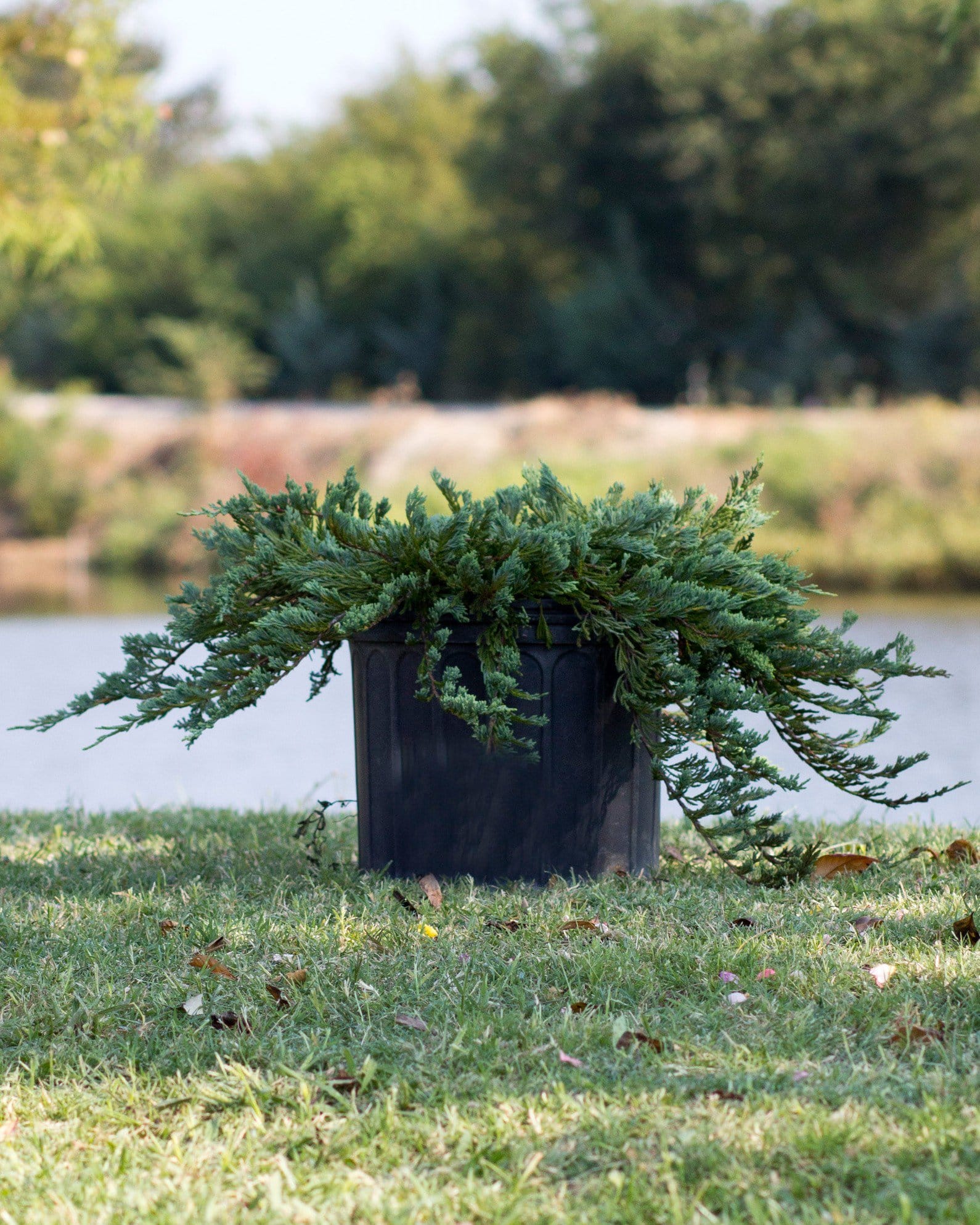
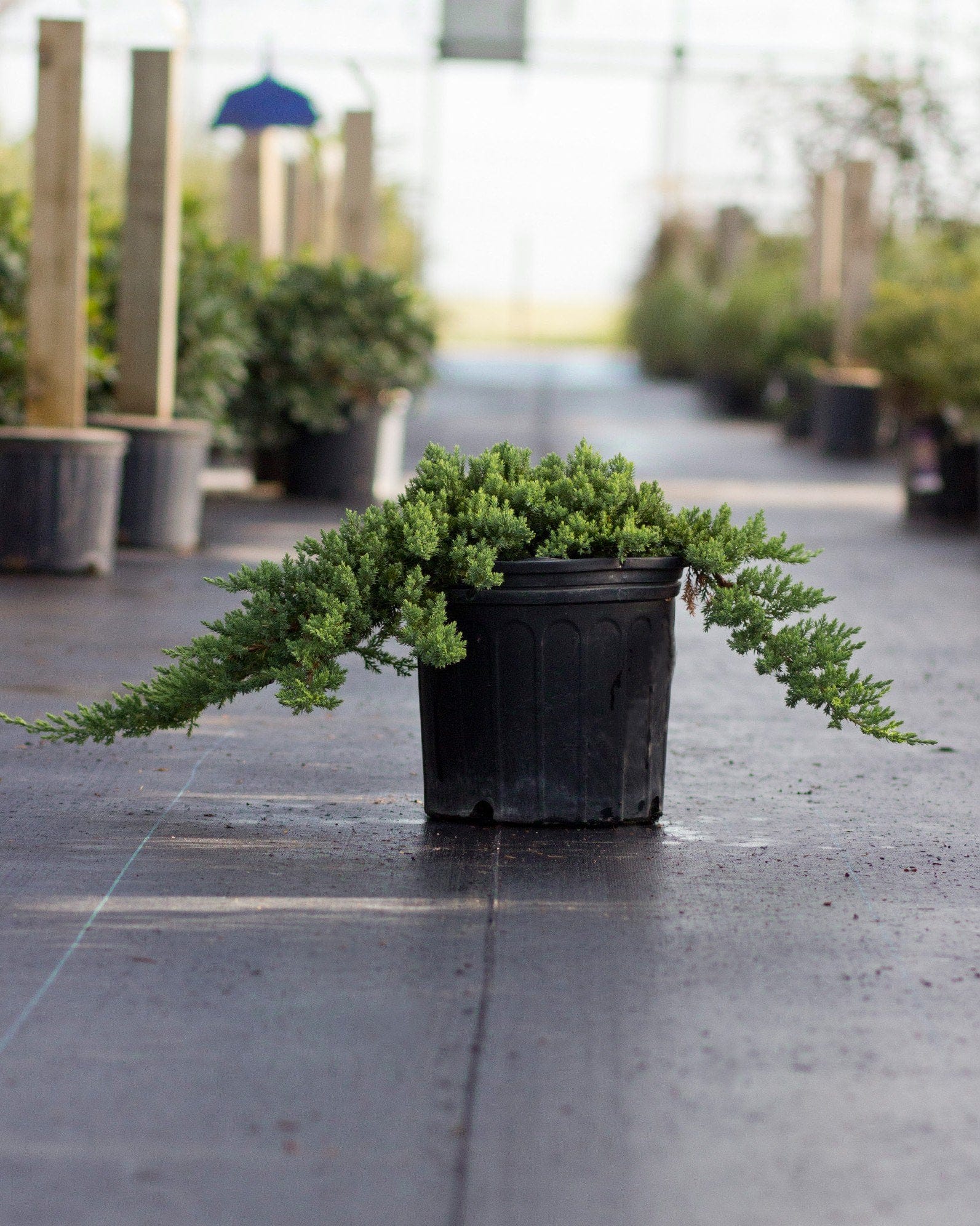
Blue Pacific Juniper
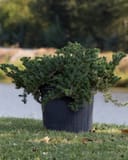
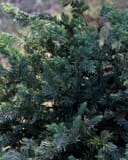
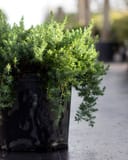
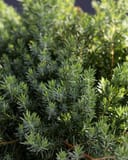
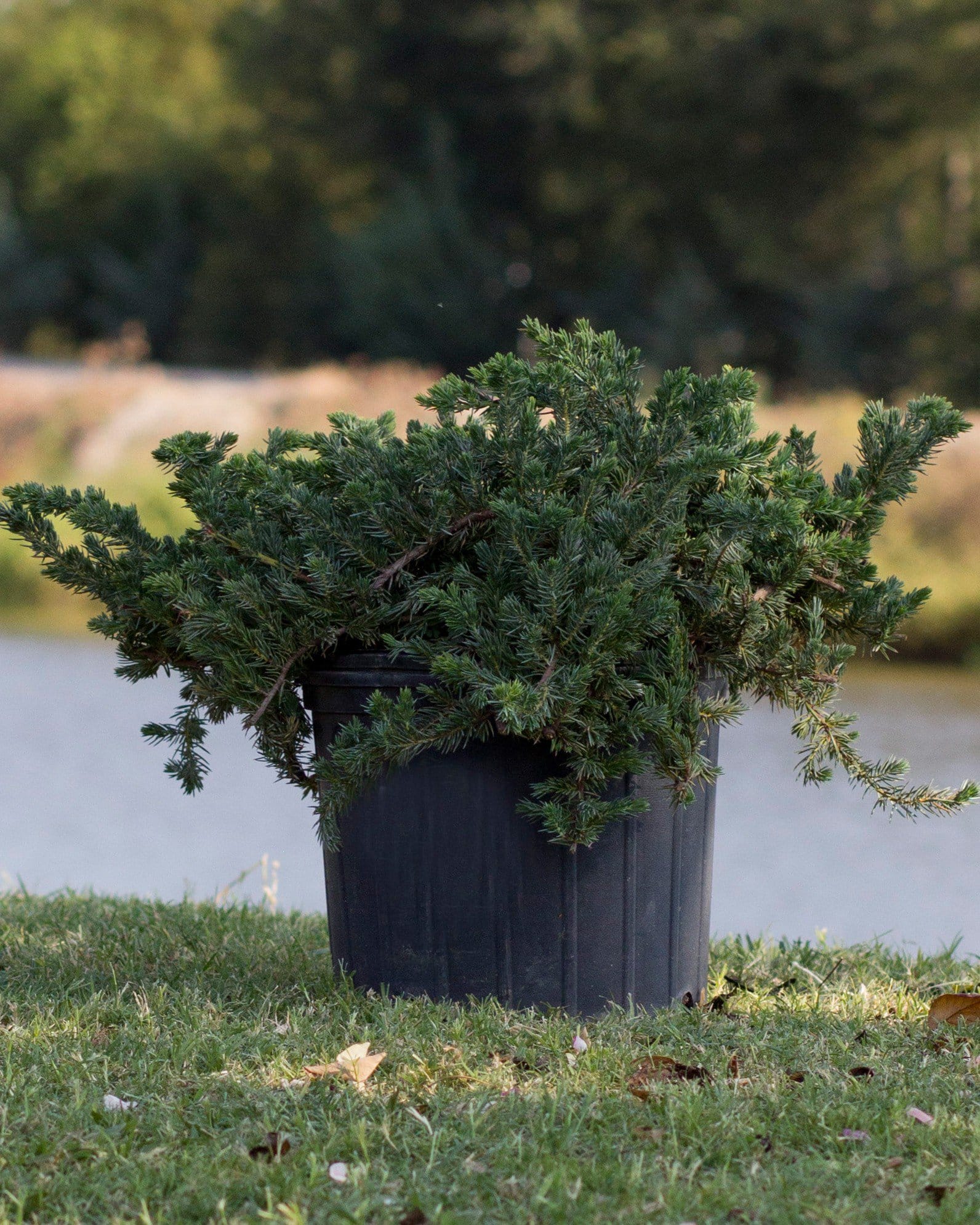
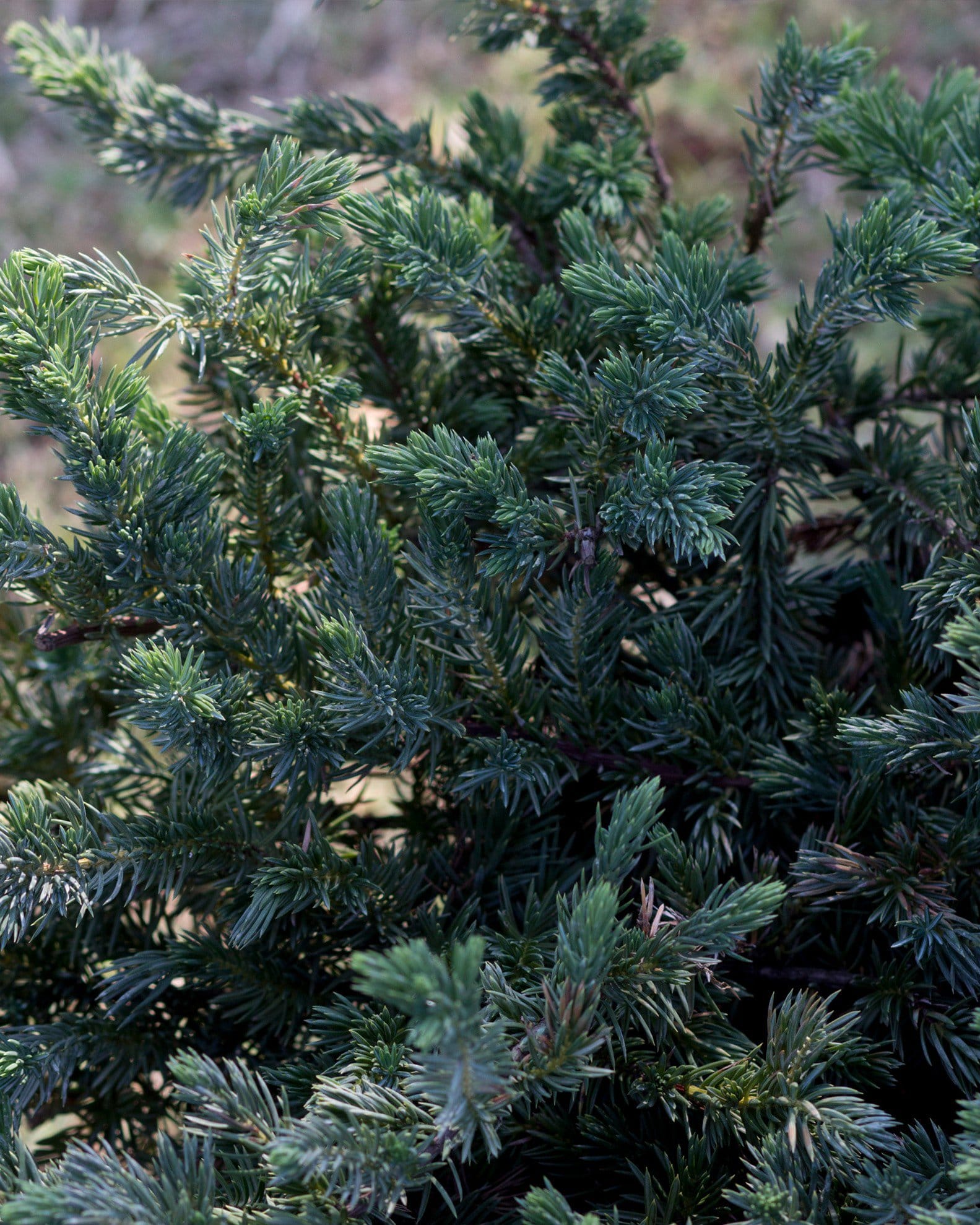
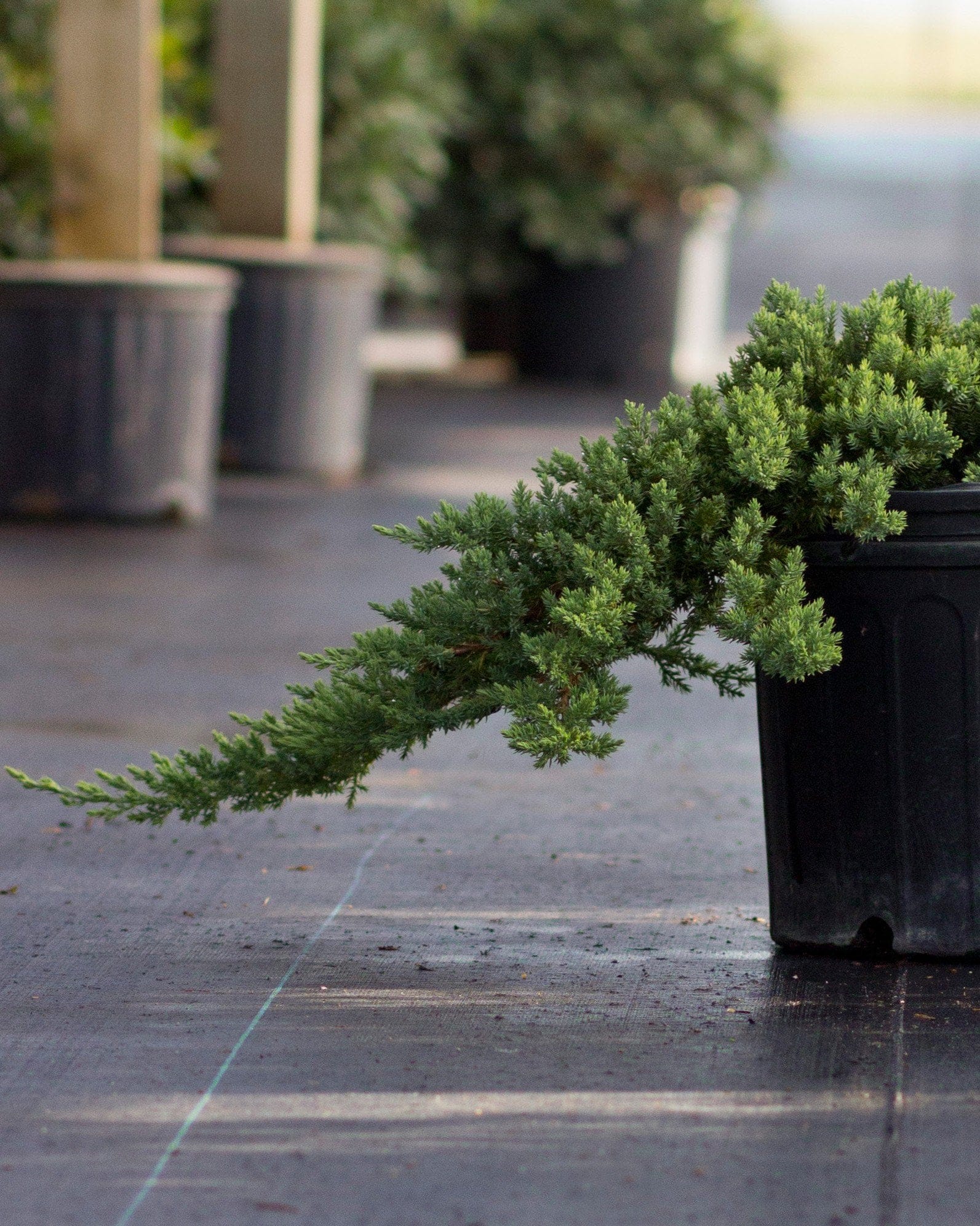
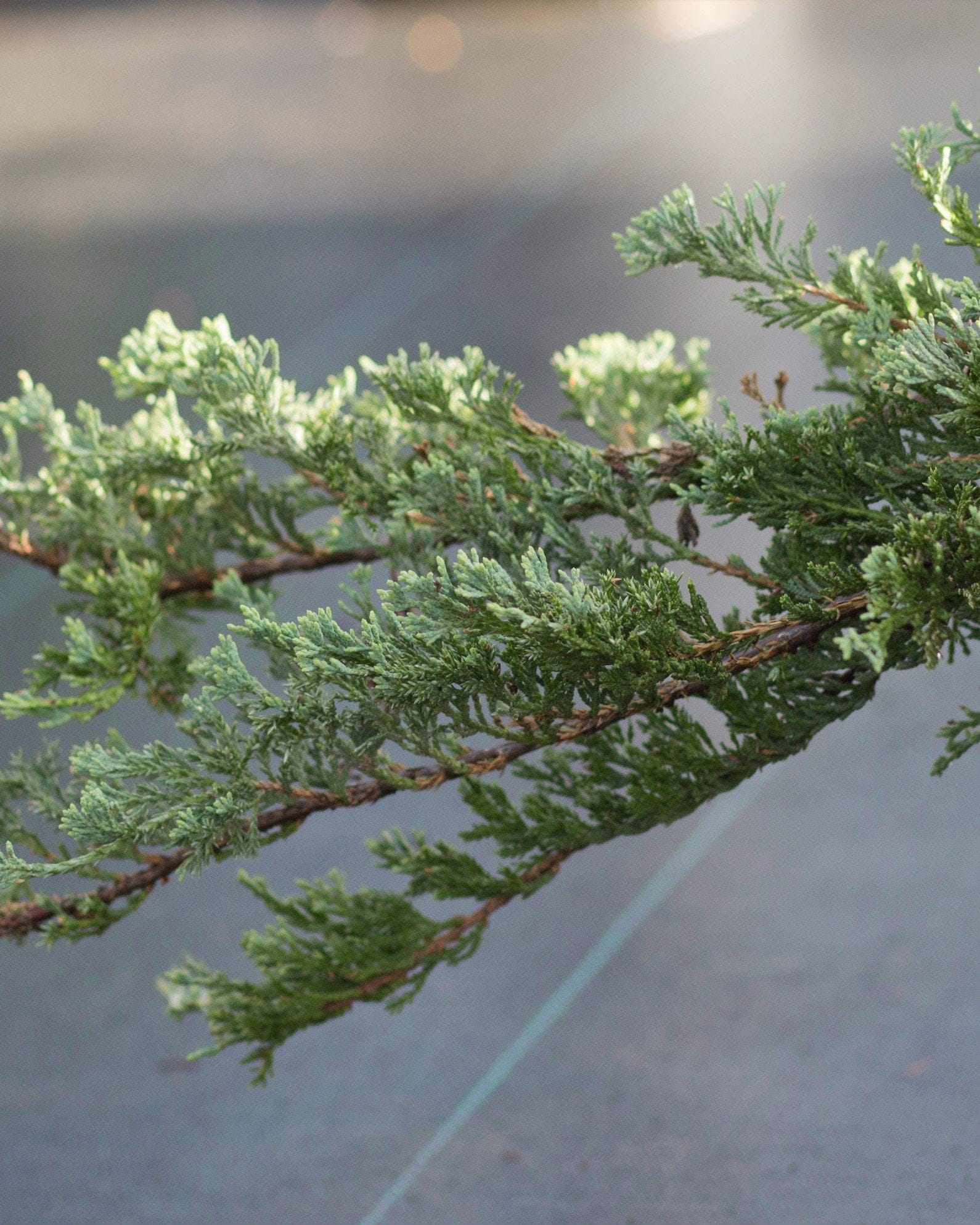
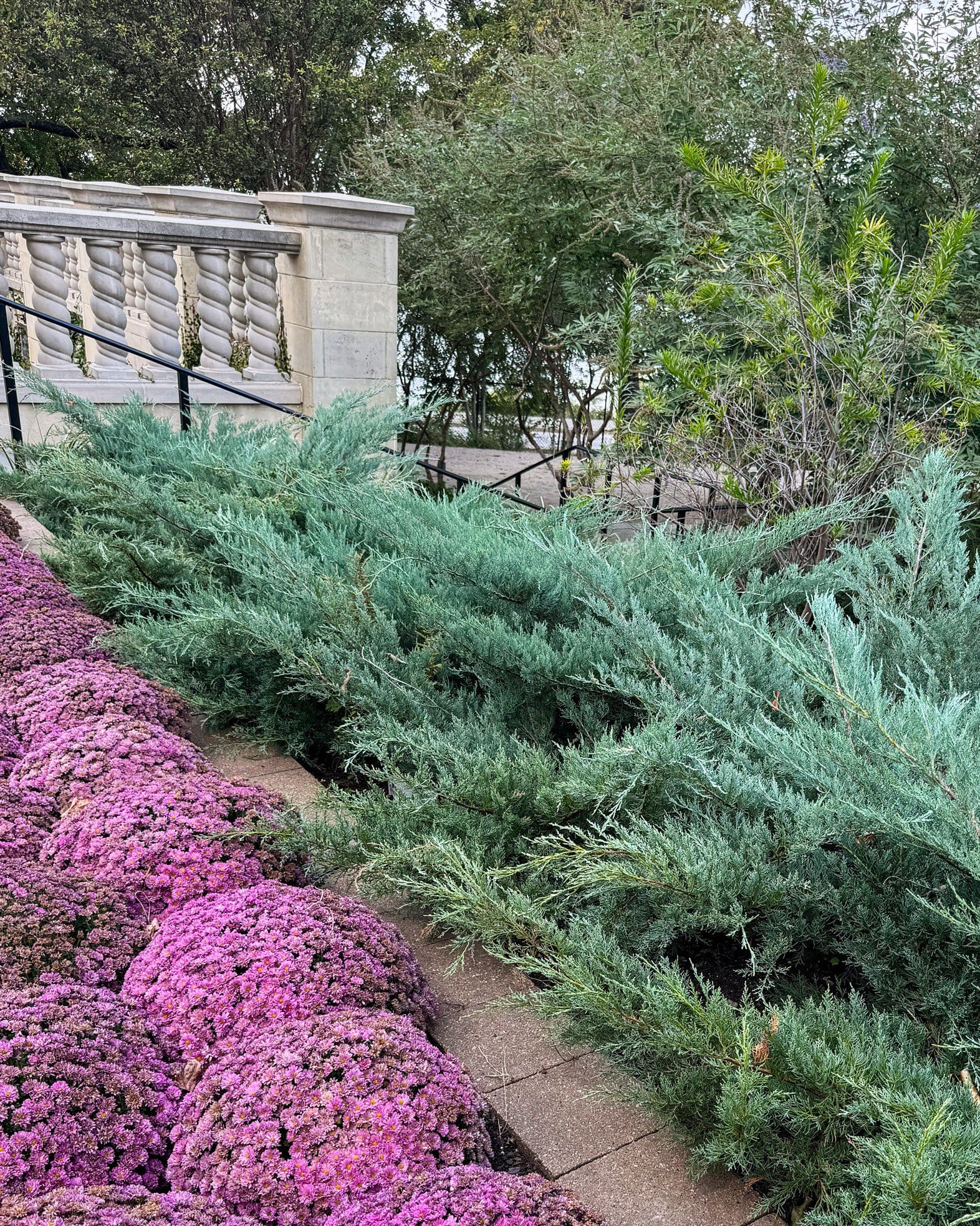
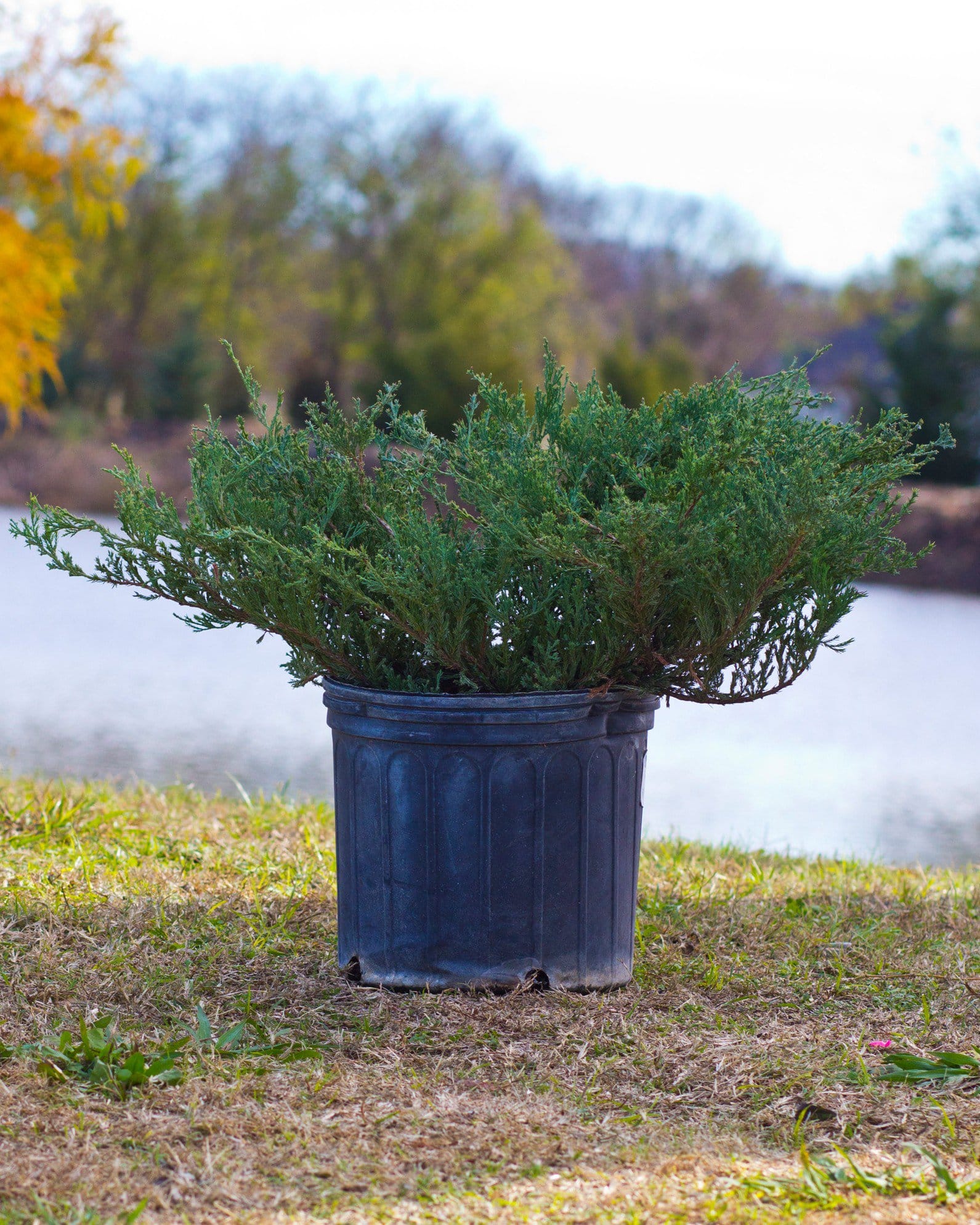
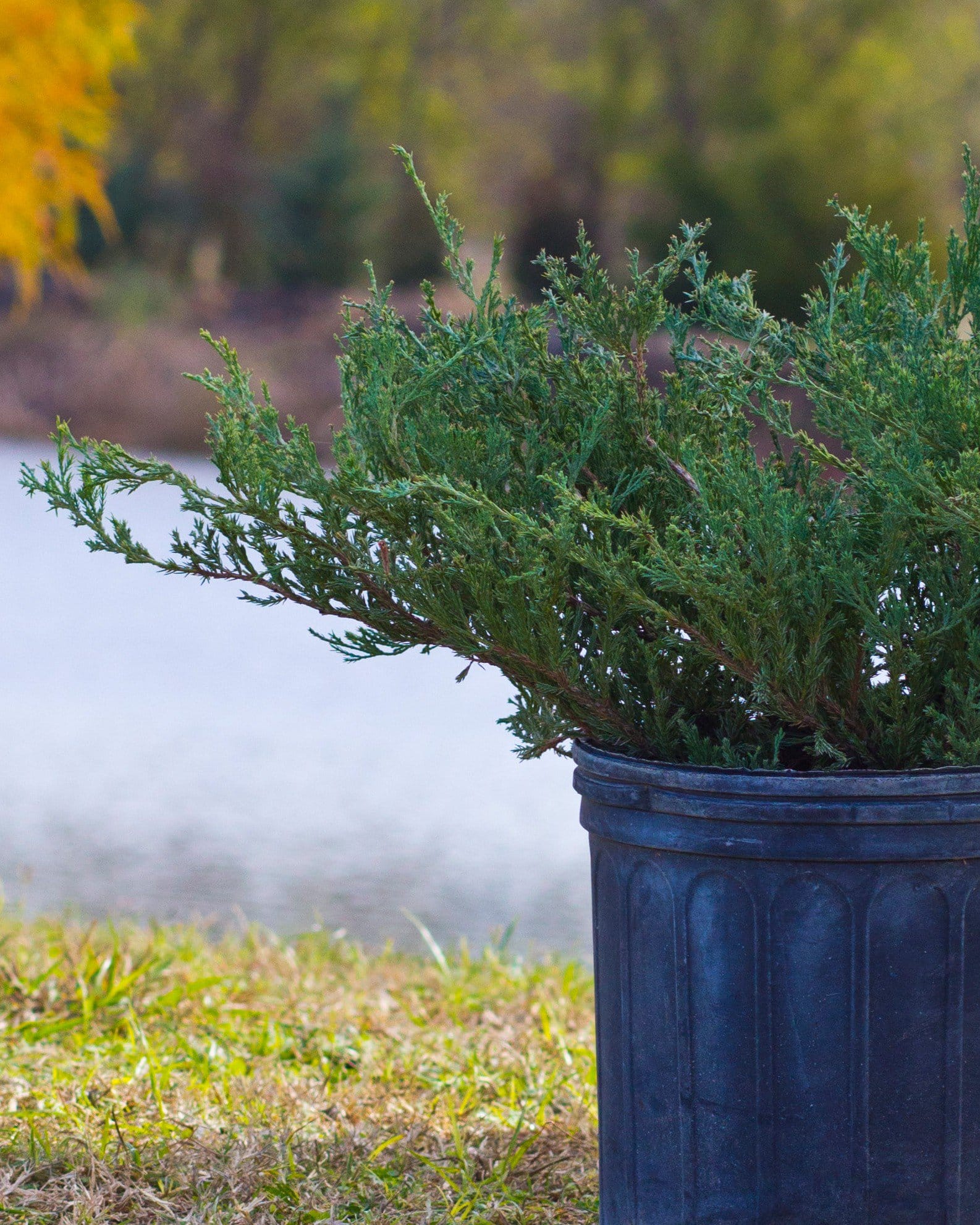
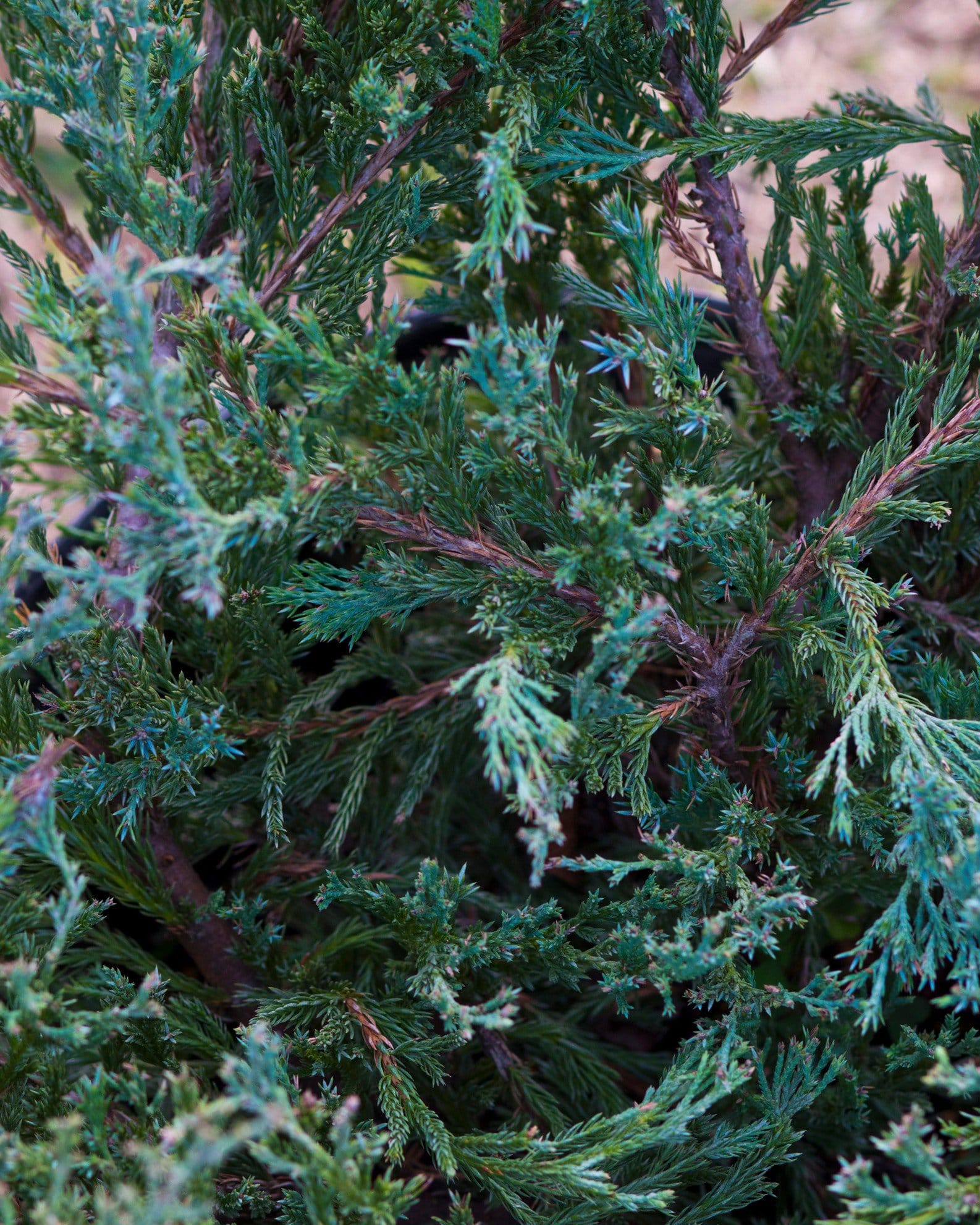
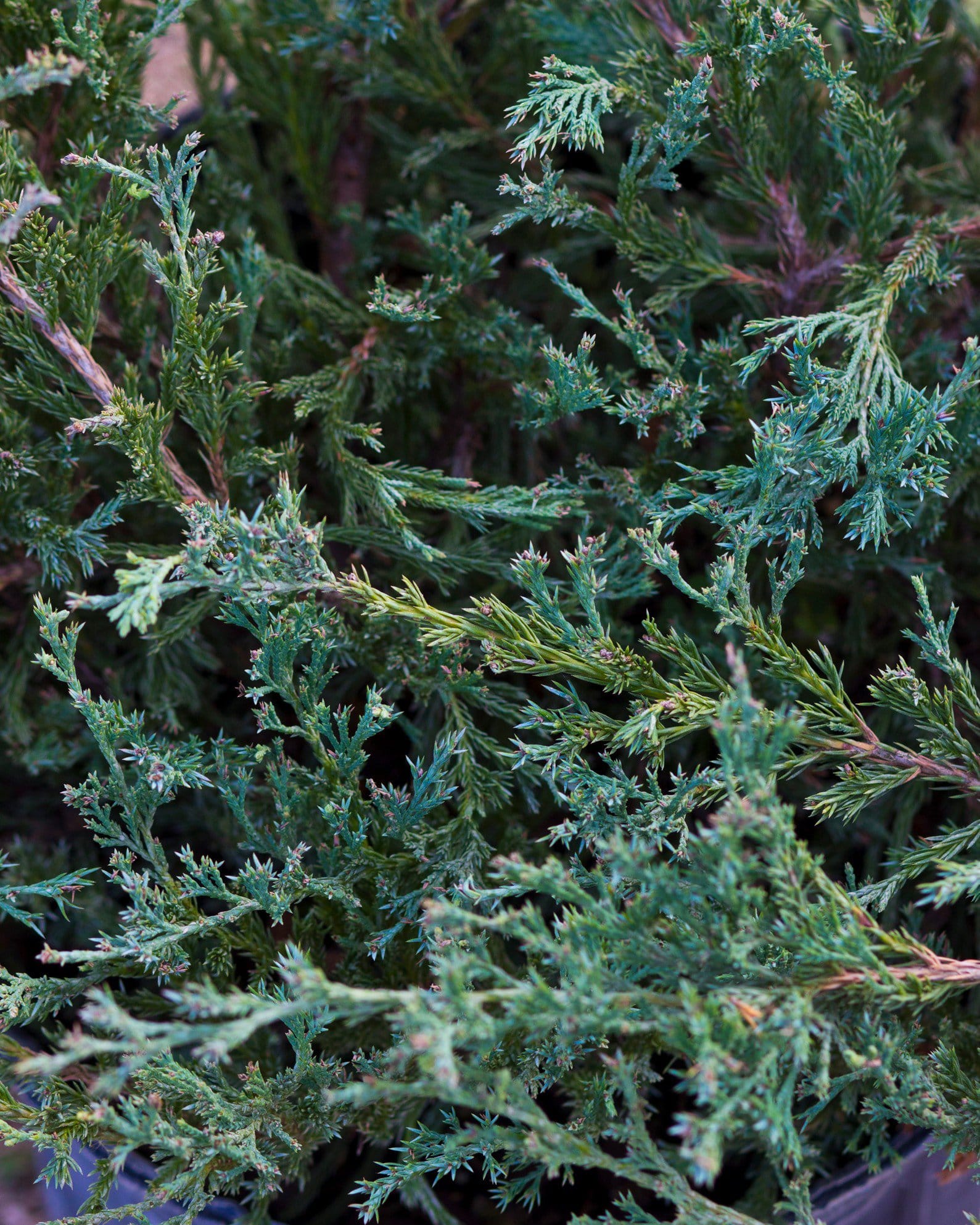
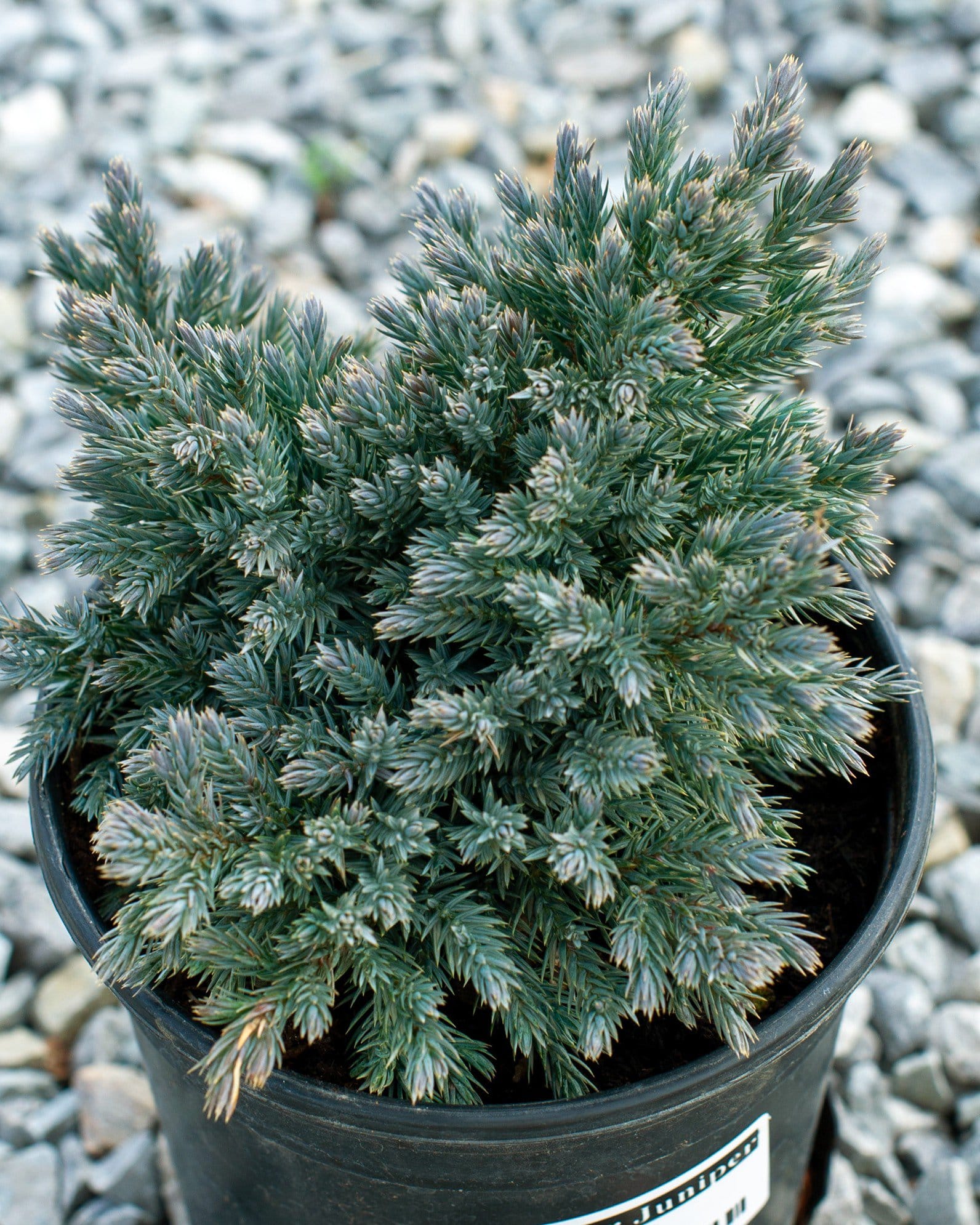
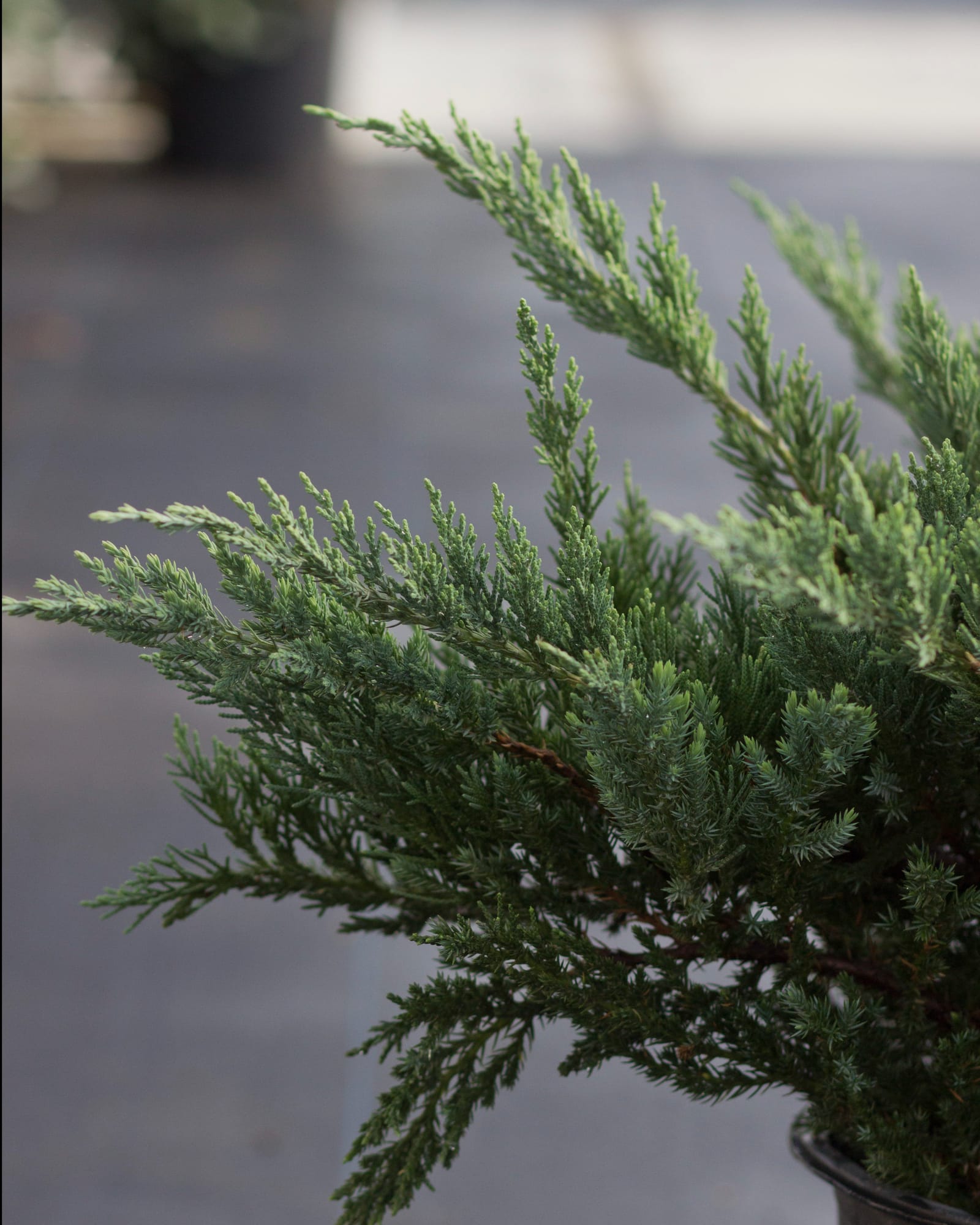
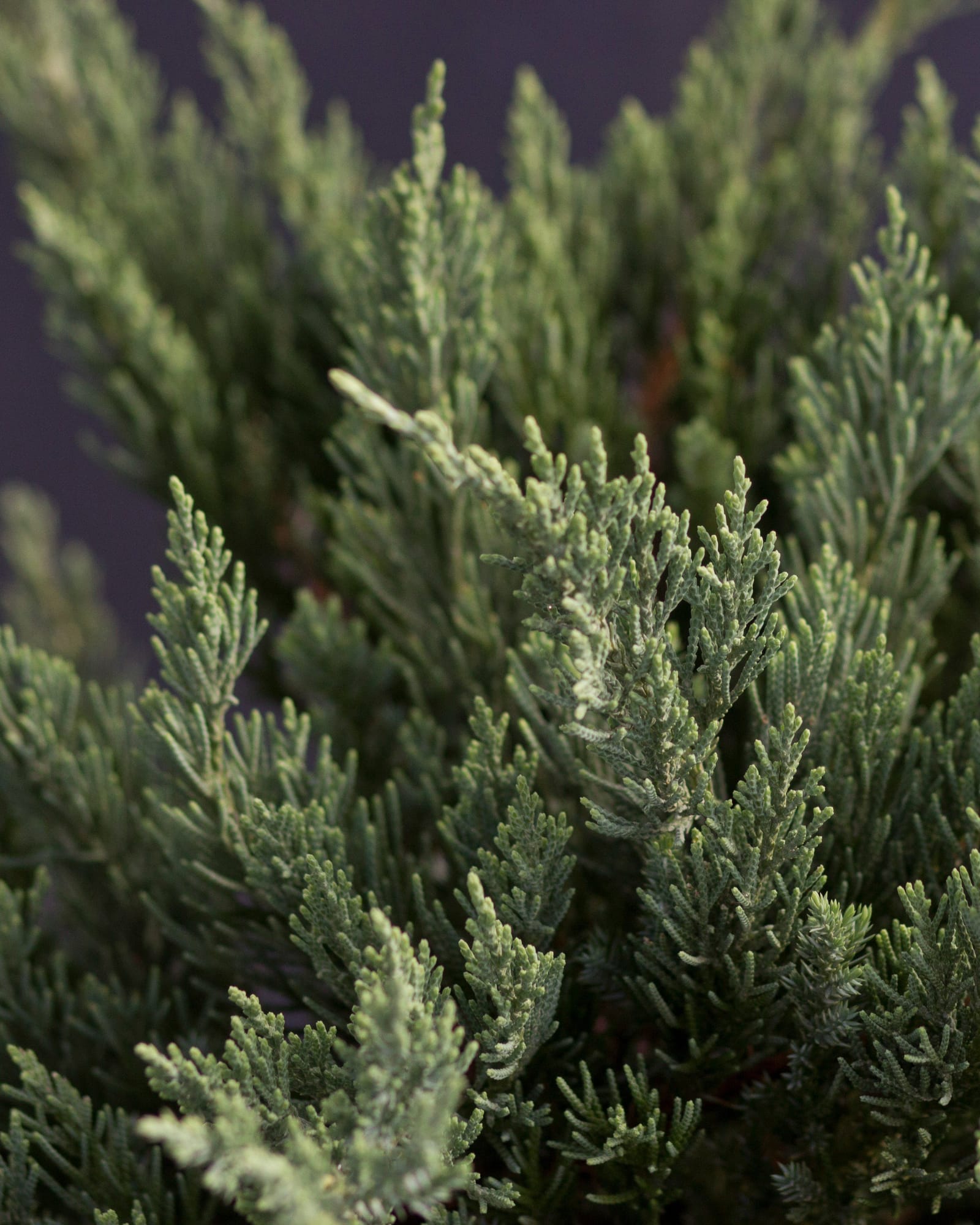
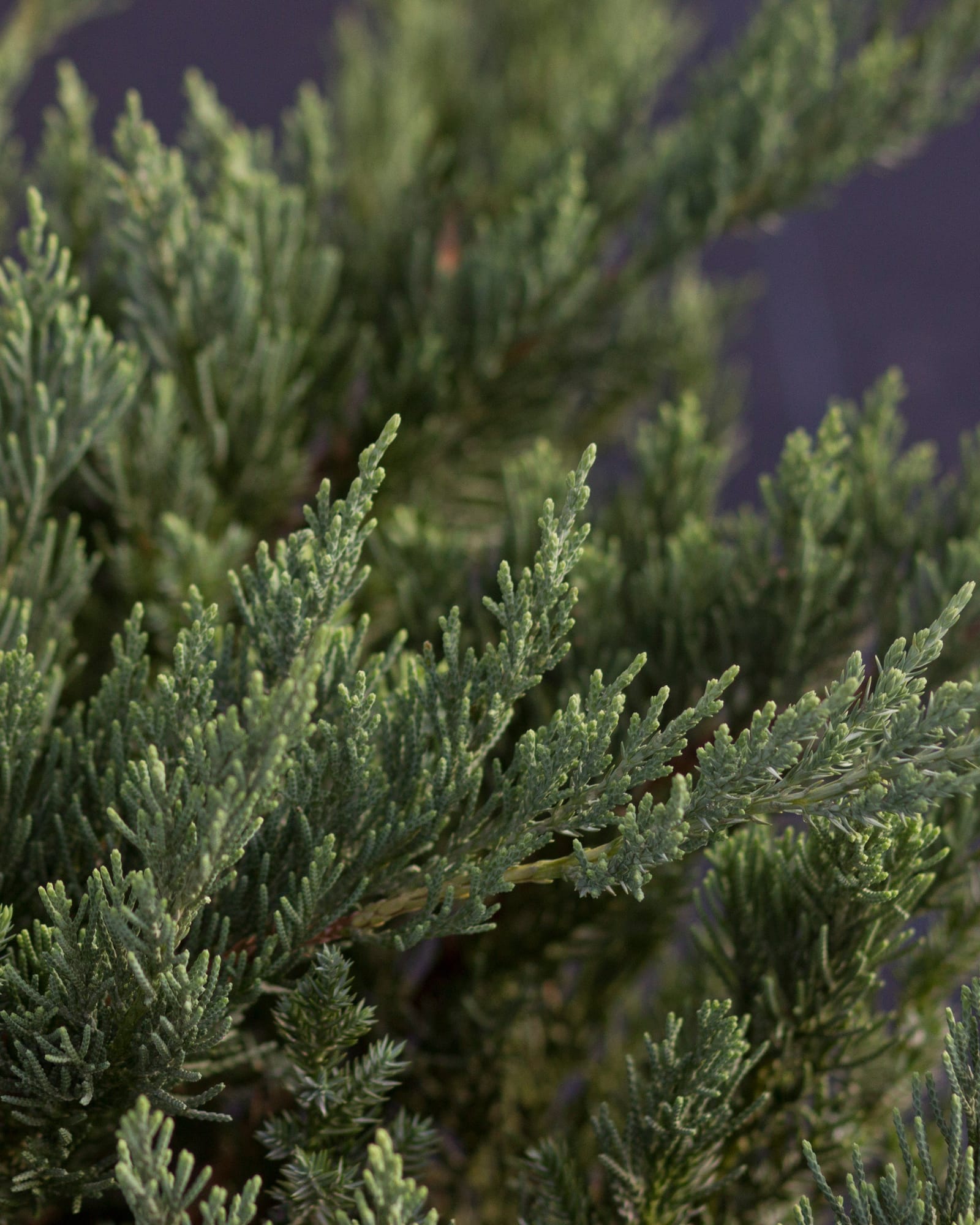
Juniperus conferta ‘Blue Pacific’Blue Pacific Juniper is an evergreen plant, reaching 1 foot in height and spreading up to 3 feet wide at maturity. This slow-growing plant is prized for its gorgeous foliage. The leaves are textured and somewhat prickly to the touch. It makes for a wonderful groundcover, due to its wide-spreading form, but it's great for borders and containers, too.
- Evergreen plant
- Excellent as a groundcover, for borders and containers
- Spreading growth habit
- Slow growth rate
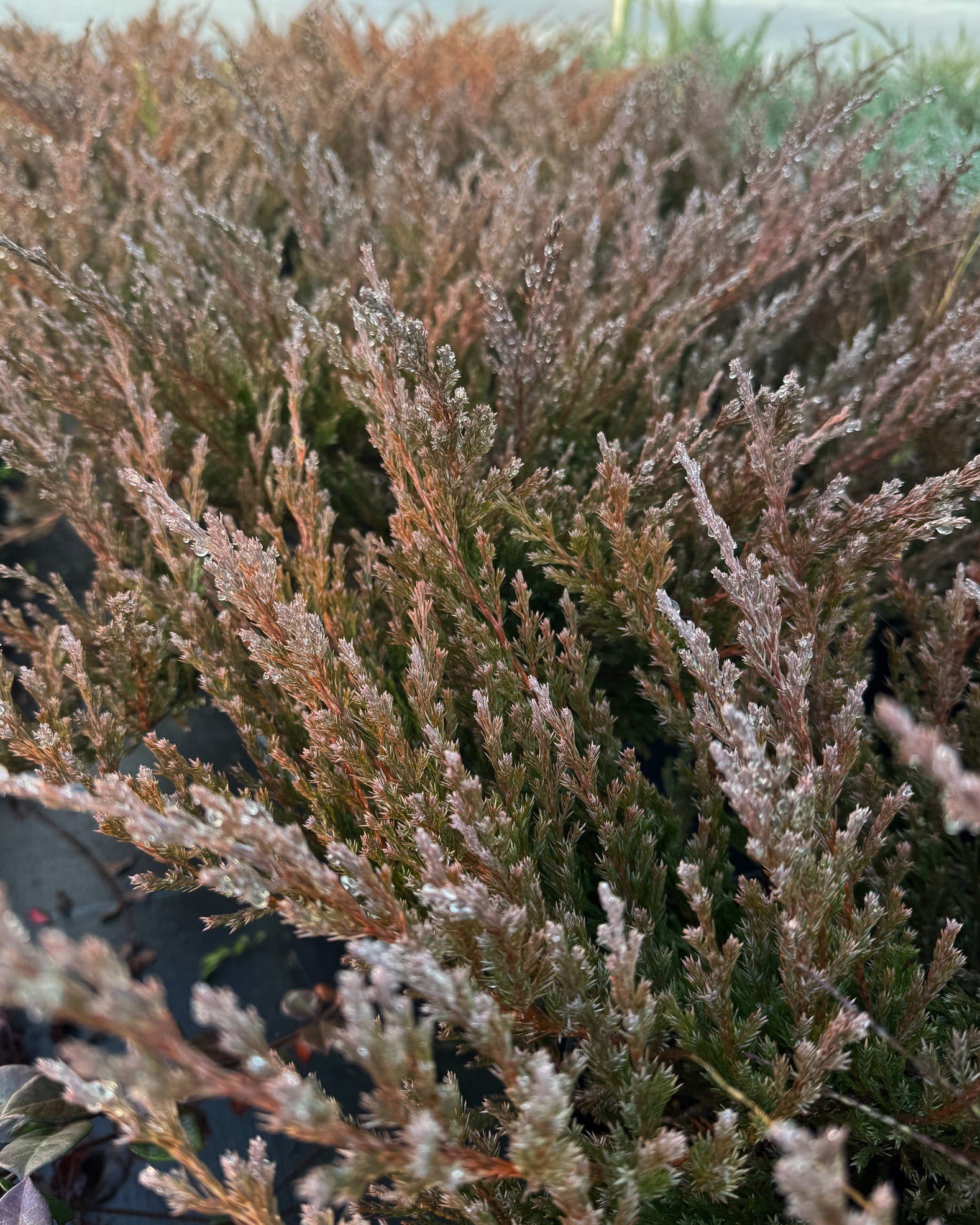
- Attractive blue-green leaves
This beautiful plant thrives in full sun. Hardy in zones 5 to 9, it will look amazing in your North Texas landscape. Blue Pacific Juniper is adaptable to most types of soil as long as they are well drained. If you're looking for a unique-looking groundcover to create that carpet-like feel, then this stunning plant is the perfect choice.
The Blue Pacific Juniper is a hardy and resistant specimen, thriving with little maintenance, including:
- Watering: Water regularly during the first growing season to help roots establish. Once mature, Blue Pacific is highly drought-tolerant and prefers infrequent but deep watering. Overwatering can lead to root rot, so always let the soil dry slightly between waterings.
- Pruning: Pruning is optional, but it can help keep its shape tidy. Trim back overgrown or leggy branches in early spring before new growth appears. Avoid cutting into old wood, as junipers don’t regrow from bare stems.
- Fertilizing: Generally doesn’t require much feeding. If growth seems sluggish, apply an all-purpose, slow-release fertilizer in spring. Too much fertilizer can weaken the plant or dull its color, so be careful about dosing.
- Mulching: A 2-3 inch layer of mulch helps conserve soil moisture, control weeds, and protect roots from temperature extremes. Keep mulch at least 6 inches away from the crown to prevent rot.
- Spacing: When planting multiple Blue Pacific Junipers, space them about 3 feet apart. They’ll spread and fill in beautifully within 2–3 years, forming a dense, soft mat.
Common Issues and How to Take Care of Them
Blue Pacific Juniper is exceptionally tough but, like all junipers, can face a few challenges:
- Phomopsis tip blight: Causes browning and dieback on young shoots. Prune infected branches and apply a fungicide if needed. Avoid overhead watering to reduce moisture on foliage.
- Spider mites: Look for stippled or faded needles and fine webbing. Treat with horticultural oil or insecticidal soap, and keep the plant hydrated during hot spells.
- Bagworms: These pests feed on needles while living inside small, bag-like cocoons. Remove them by hand or use Bacillus thuringiensis (Bt) early in the season.
- Root rot: Occurs in waterlogged soils. Always ensure excellent drainage and avoid compacted planting sites.
- Rust diseases: Rare but possible if planted near crabapples, hawthorns, or serviceberries. Remove affected branches and ensure proper airflow.
- Cedar-apple rust: Fungal disease that can infect both junipers and apples, producing galls on branches. Prevent this fungus by using fungicidal sprays in early spring as flowers and foliage start coming out.
Most problems can be prevented with good spacing, full sun, and well-drained soil. Avoid constantly wet conditions, and your Blue Pacific will stay lush and vivid year-round.
People usually confuse the Blue Pacific and Blue Rug because of their similar names, but their differences are vast. They're from different parent species, have different hardiness zones, and even different foliage hues with Blue Pacific having blue-green needles and Blue Rug having silvery-blue.
It grows moderately fast and at a steady rate, adding 6 to 12 inches in diameter annually, and reaches maturity in around 5-10 years in ideal conditions.
Pair your Blue Pacific Juniper with other drought-tolerant sun lovers like ornamental grasses, sedum, and thyme. You can also go for texture and color contrasts and pair your Blue Pacific with variegated foliage plants like Japanese Iris.
Yes, once established, it thrives in dry conditions and needs minimal watering.
Absolutely, it’s one of the best junipers for erosion control thanks to its spreading roots and dense foliage.
Not really. It stays naturally low and compact. Only trim to control the spread or remove damaged stems.
Yes, it’s salt-tolerant, making it an excellent choice for coastal landscapes and seaside gardens.
Space plants 2.5 to 3 feet apart for full coverage within a few growing seasons.
Yes, deer tend to avoid it due to its aromatic foliage.
With minimal care and proper conditions, it can live 15-20 years or more, maintaining its vibrant blue-green color and dense form.
Special Features
You might also like
Blue Rug Juniper
Maturity: 0.5' H x 6' W
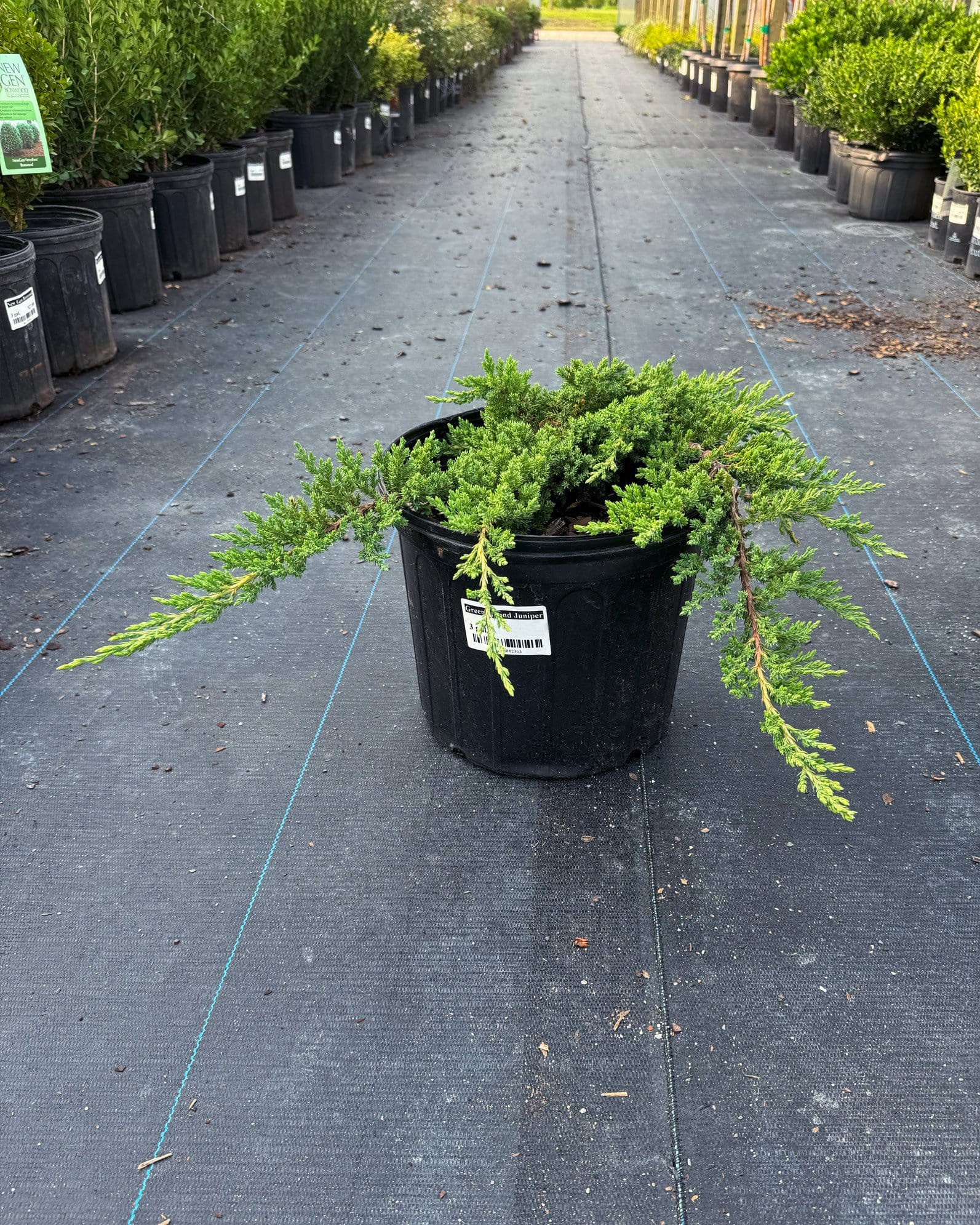
Green Mound Juniper
Maturity: 1' H x 10' W
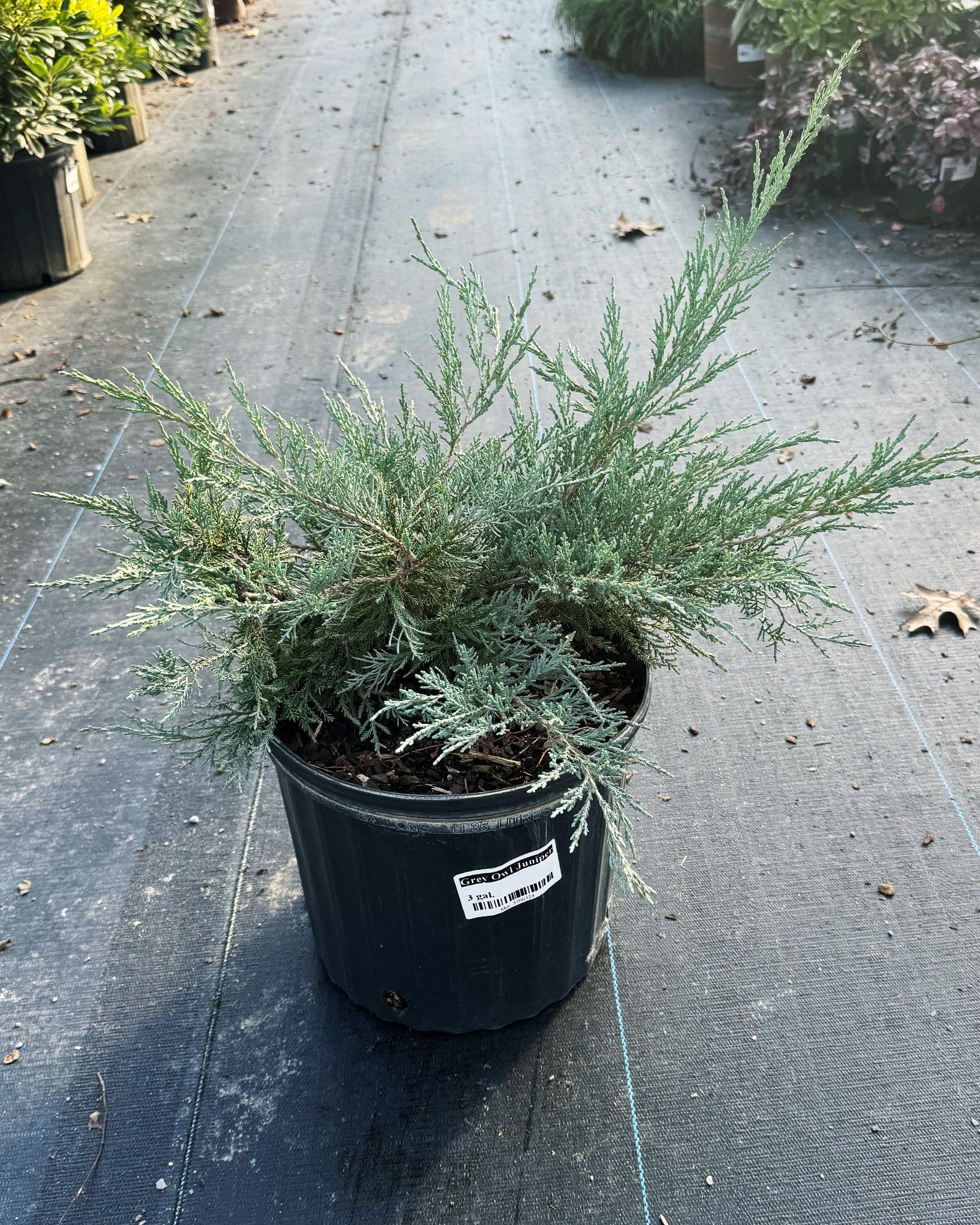
Grey Owl Juniper
Maturity: 2' H x 4' W
Andorra Juniper
Maturity: 1' H x 4' W
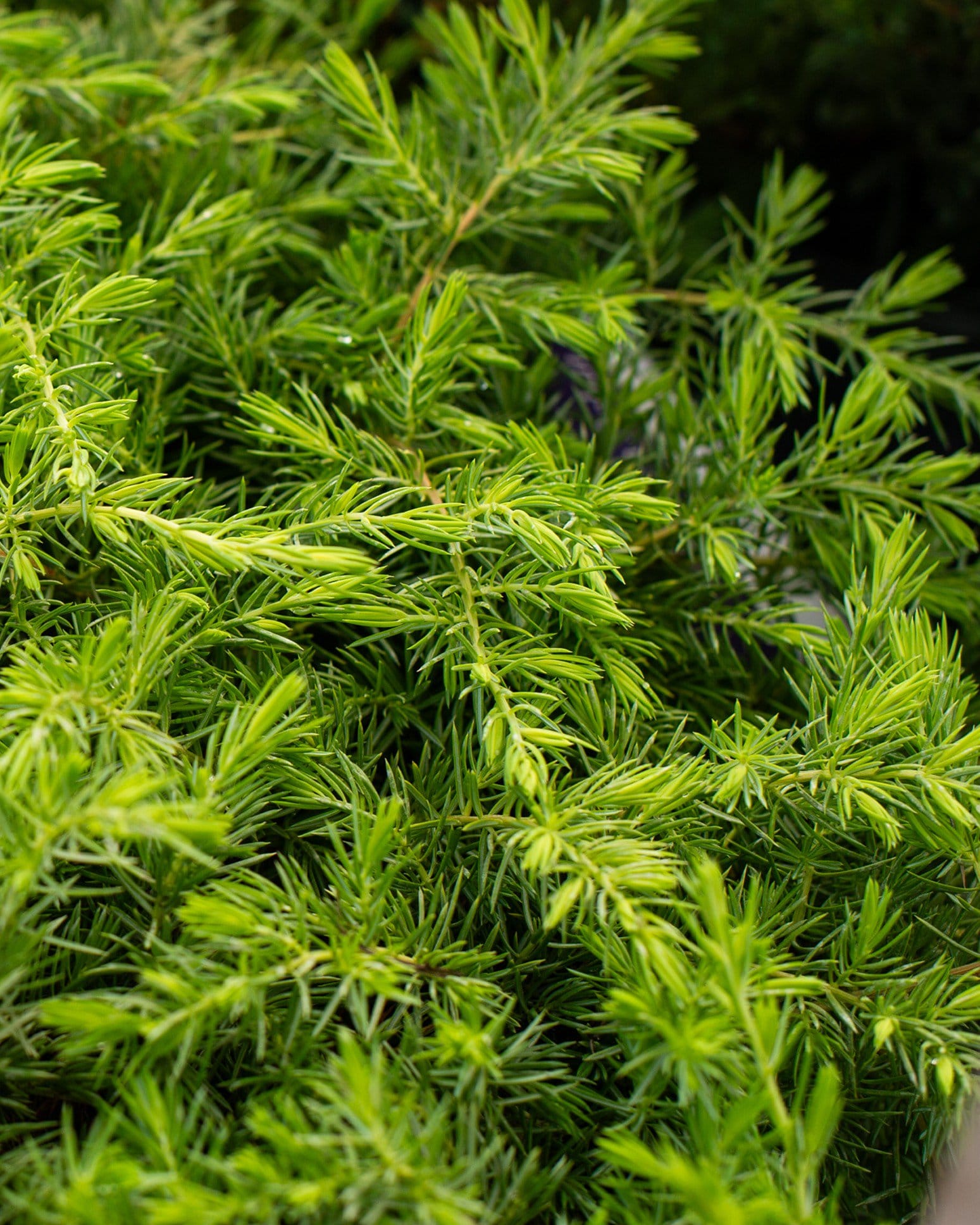
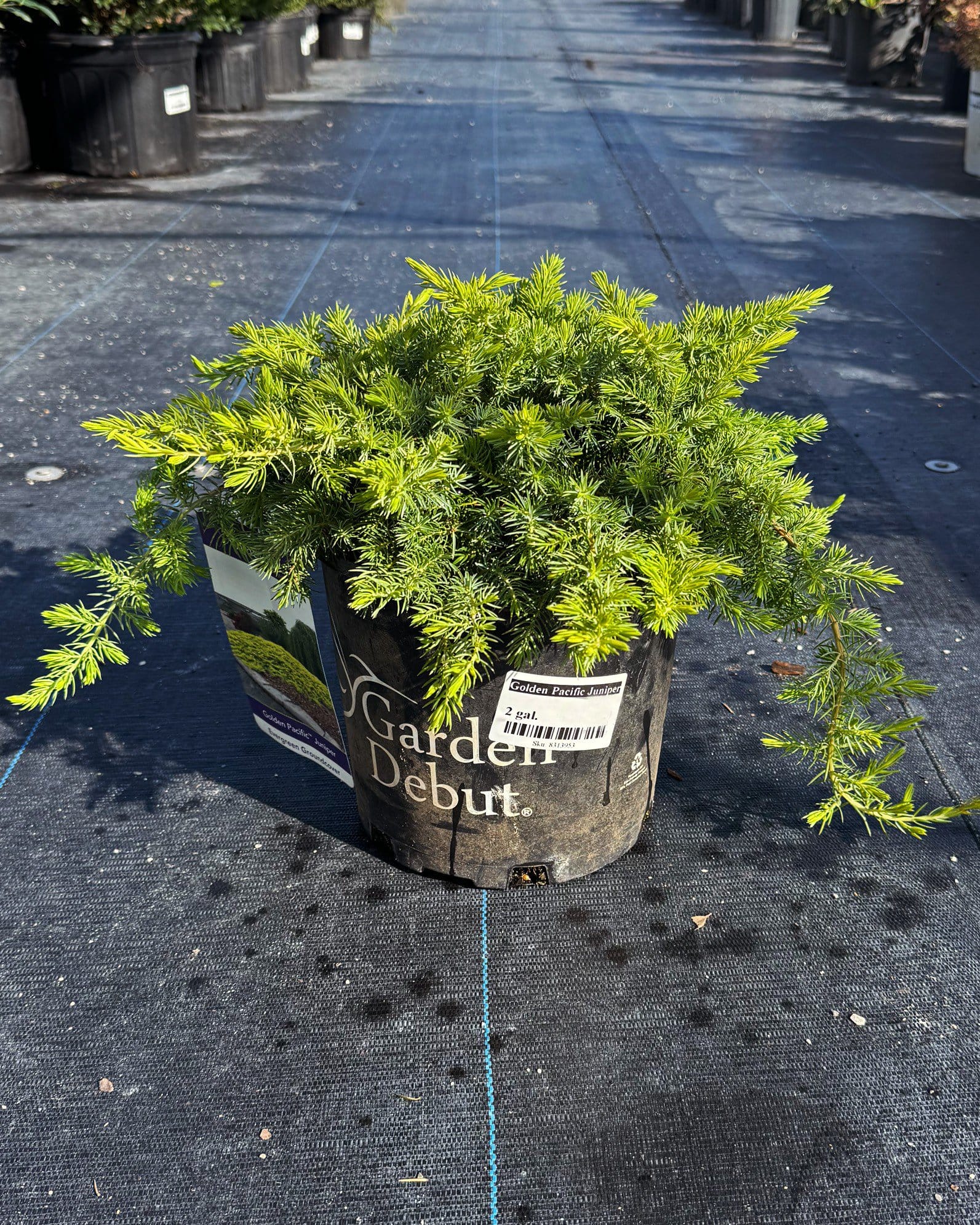
Golden Pacific Juniper
Maturity: 0.75' H x 4' W
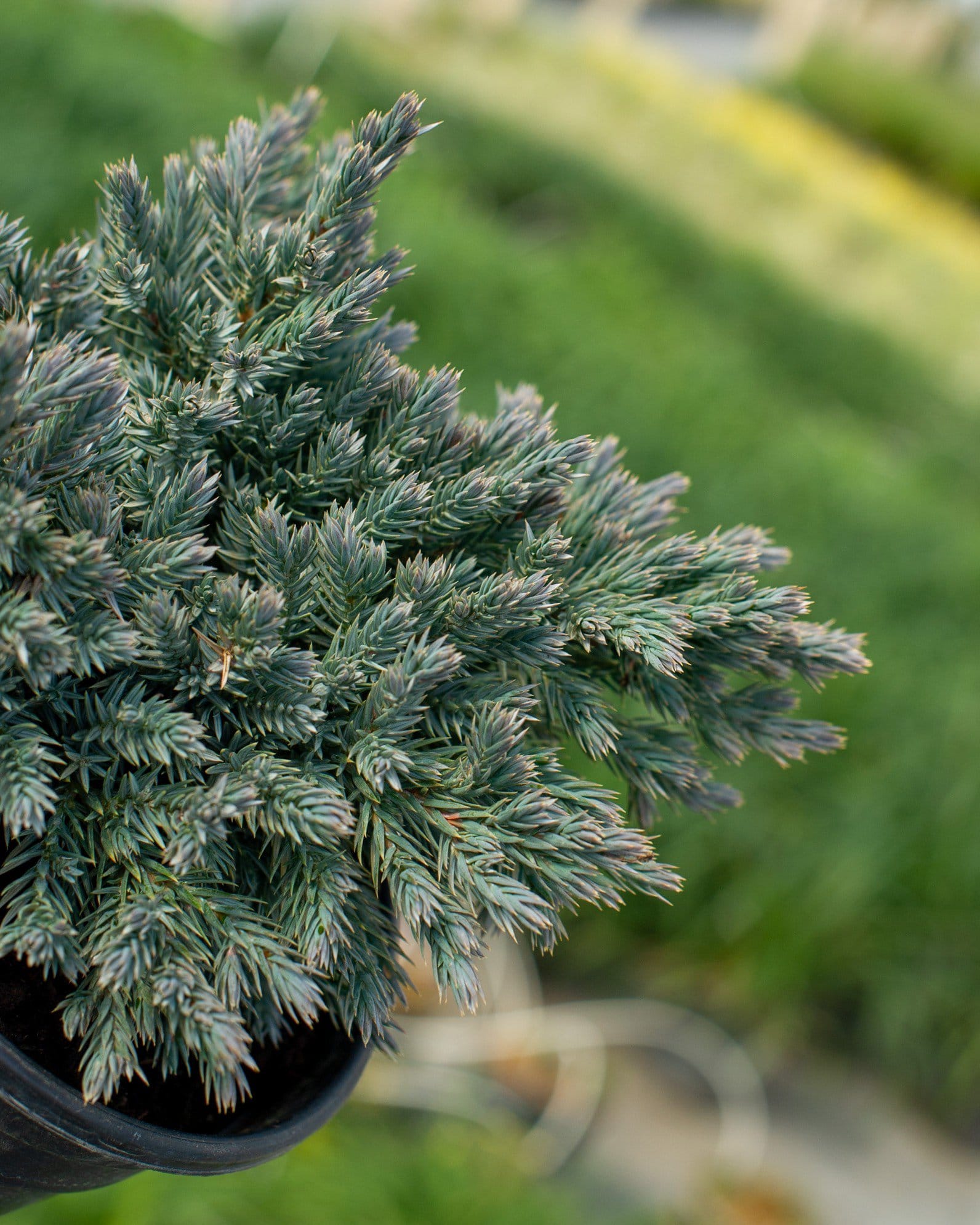
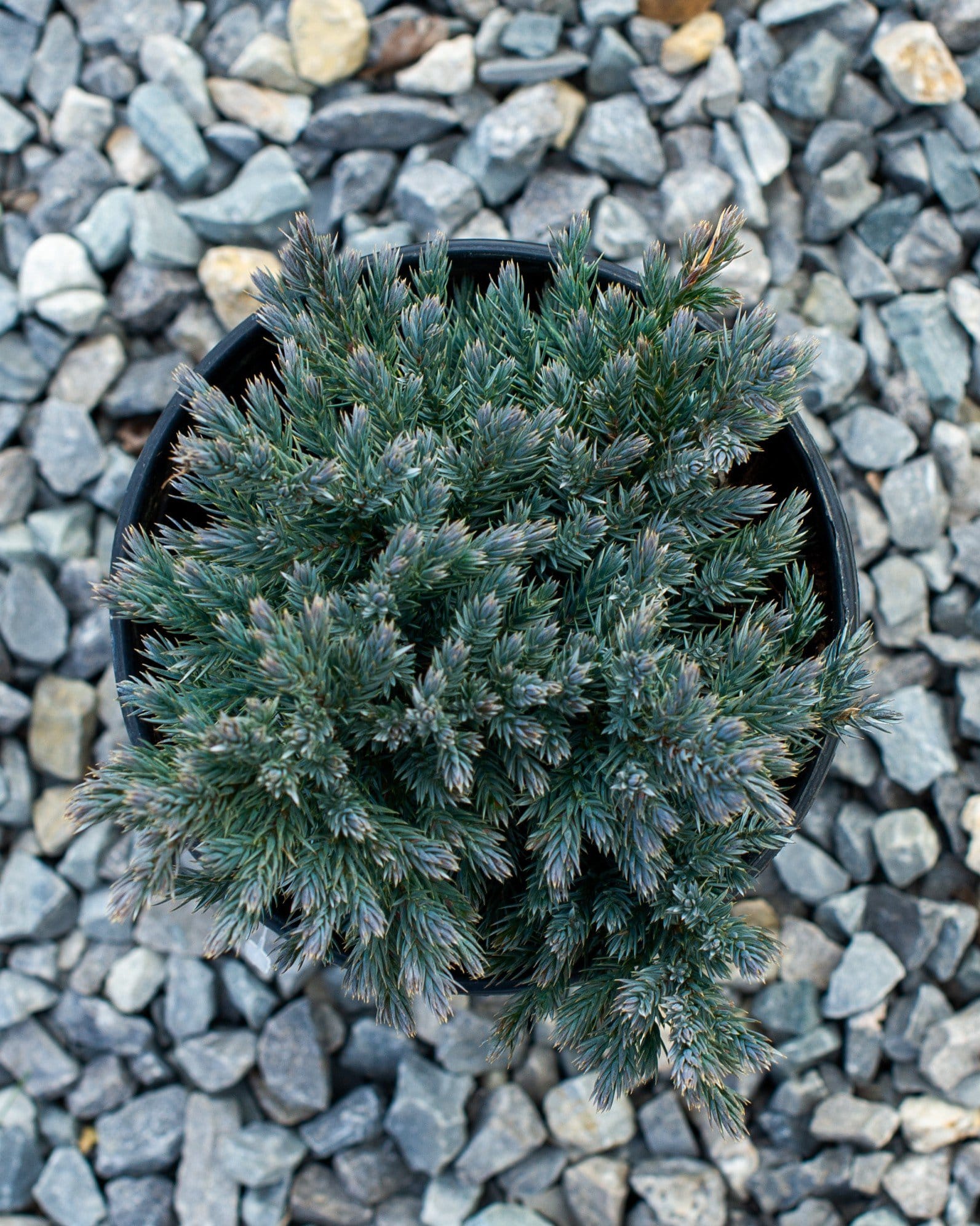
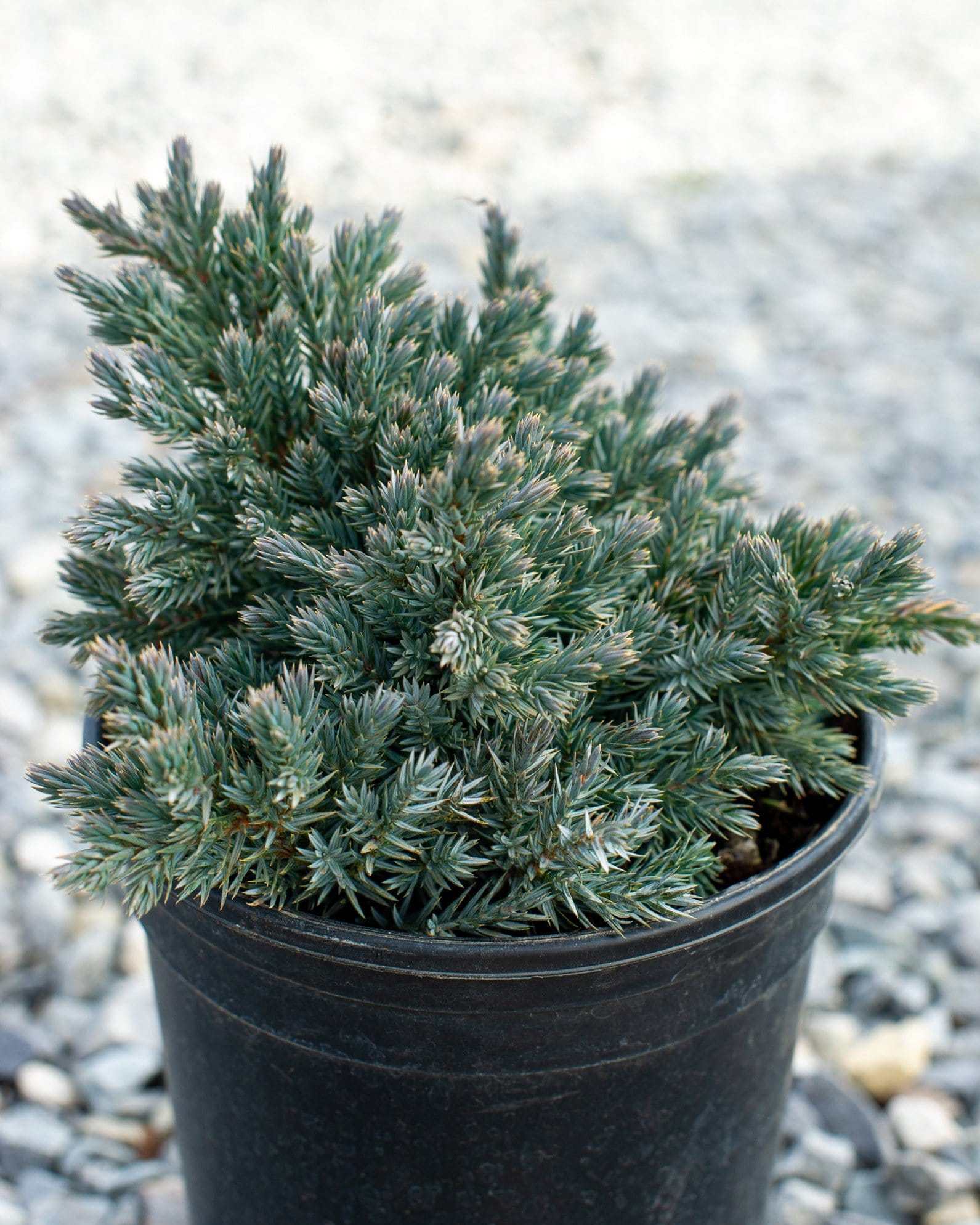
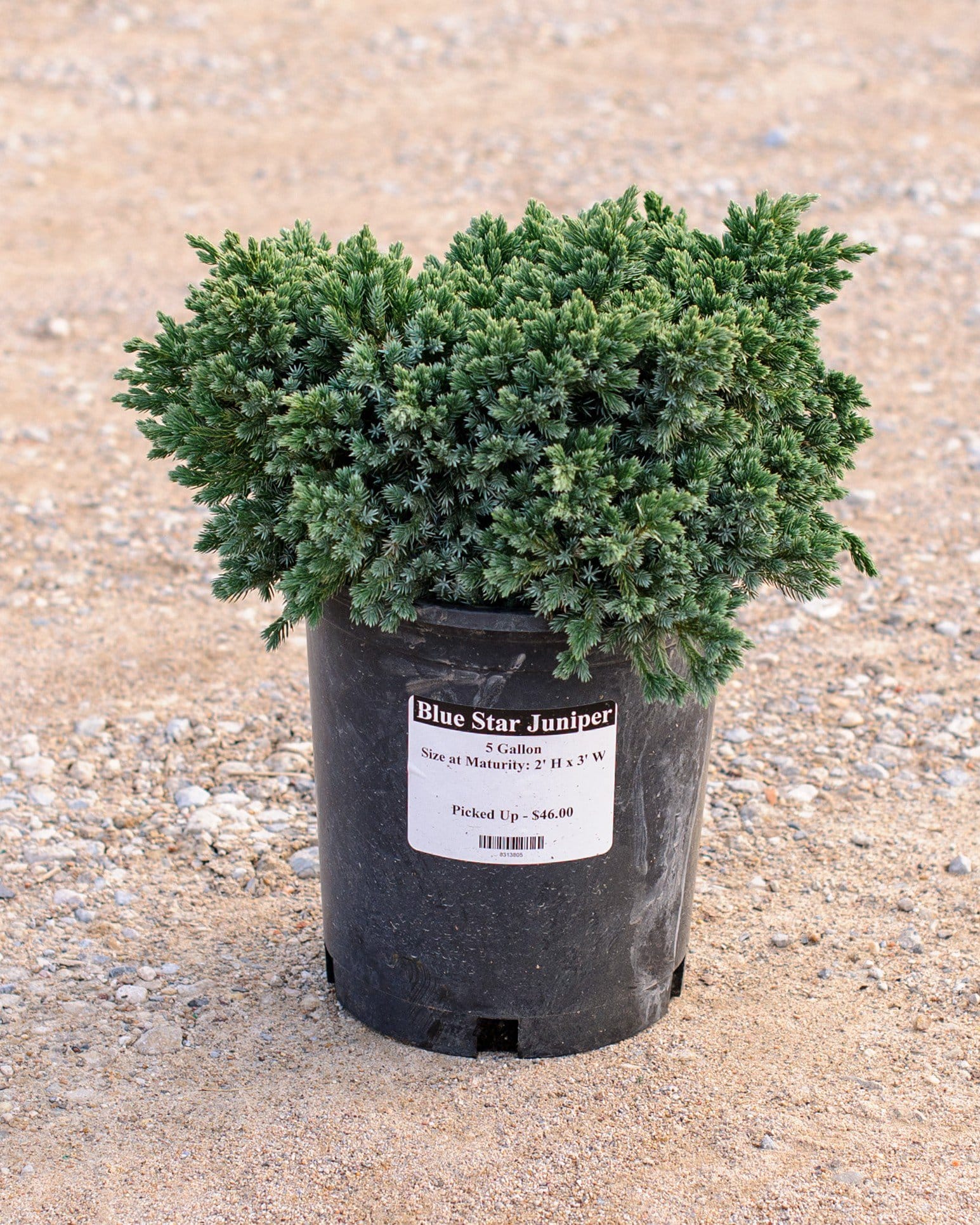
Blue Star Juniper
Maturity: 2' H x 3' W
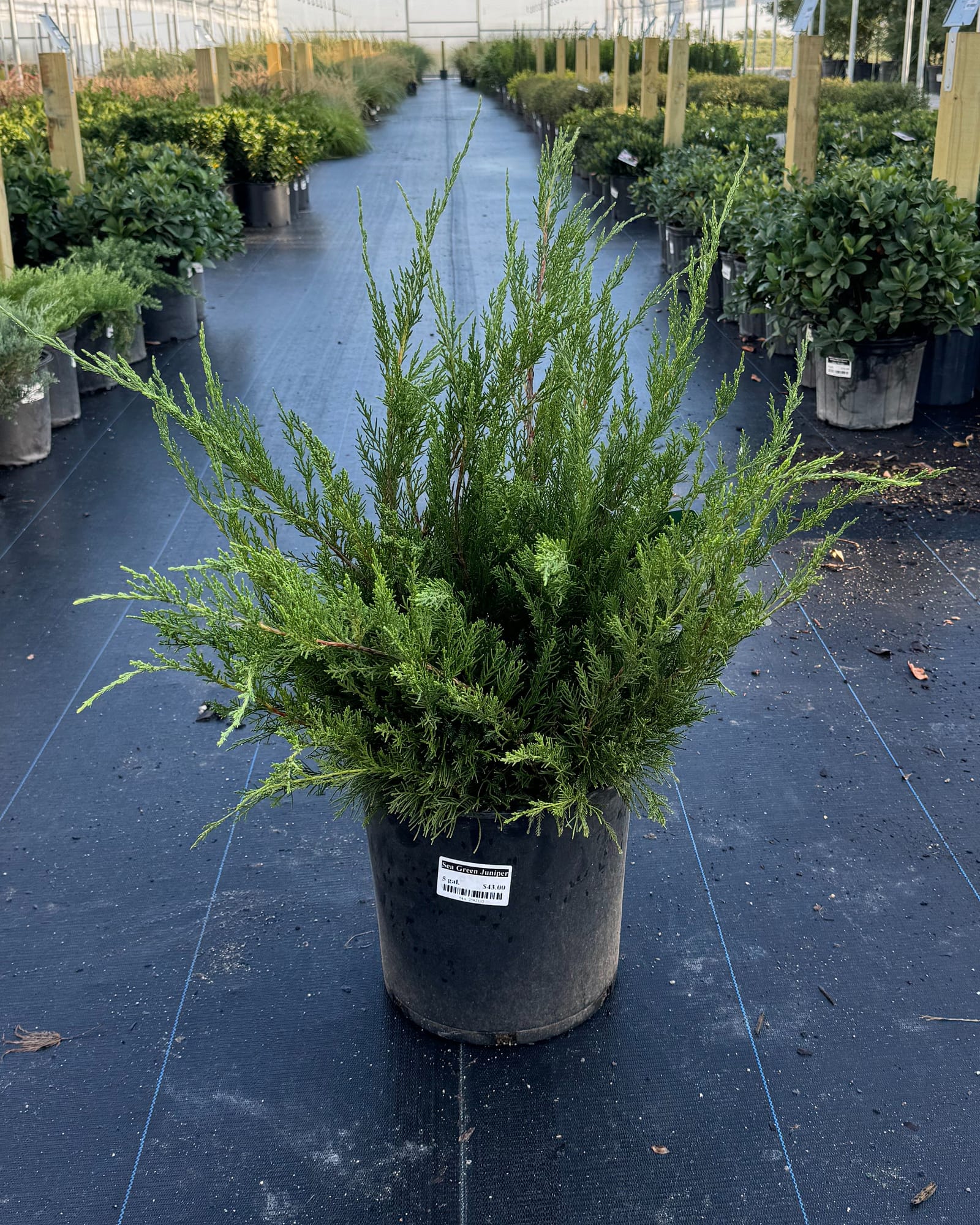
Sea Green Juniper
Maturity: 4' H x 6' W
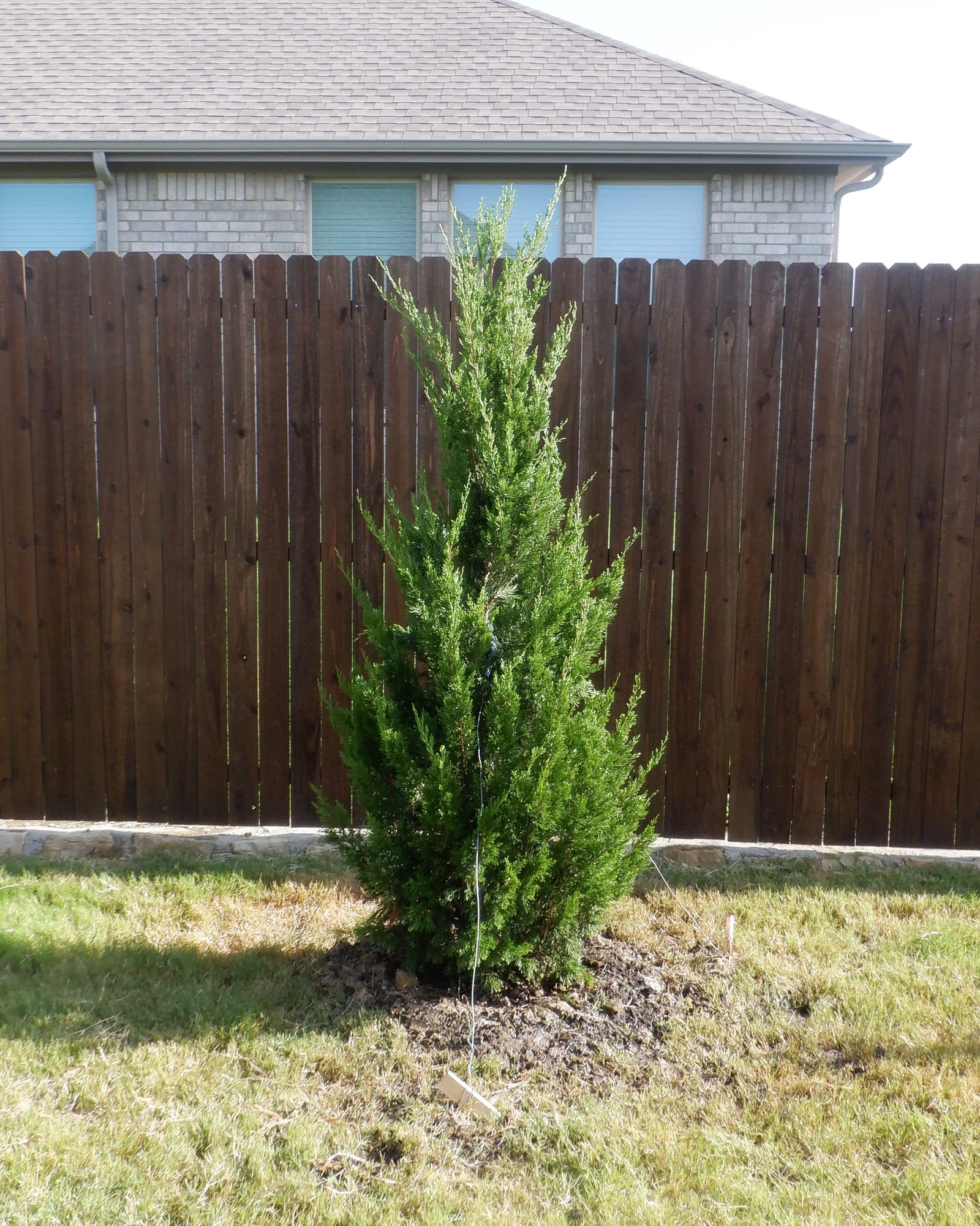
Spartan Juniper
Maturity: 17' H x 7' W
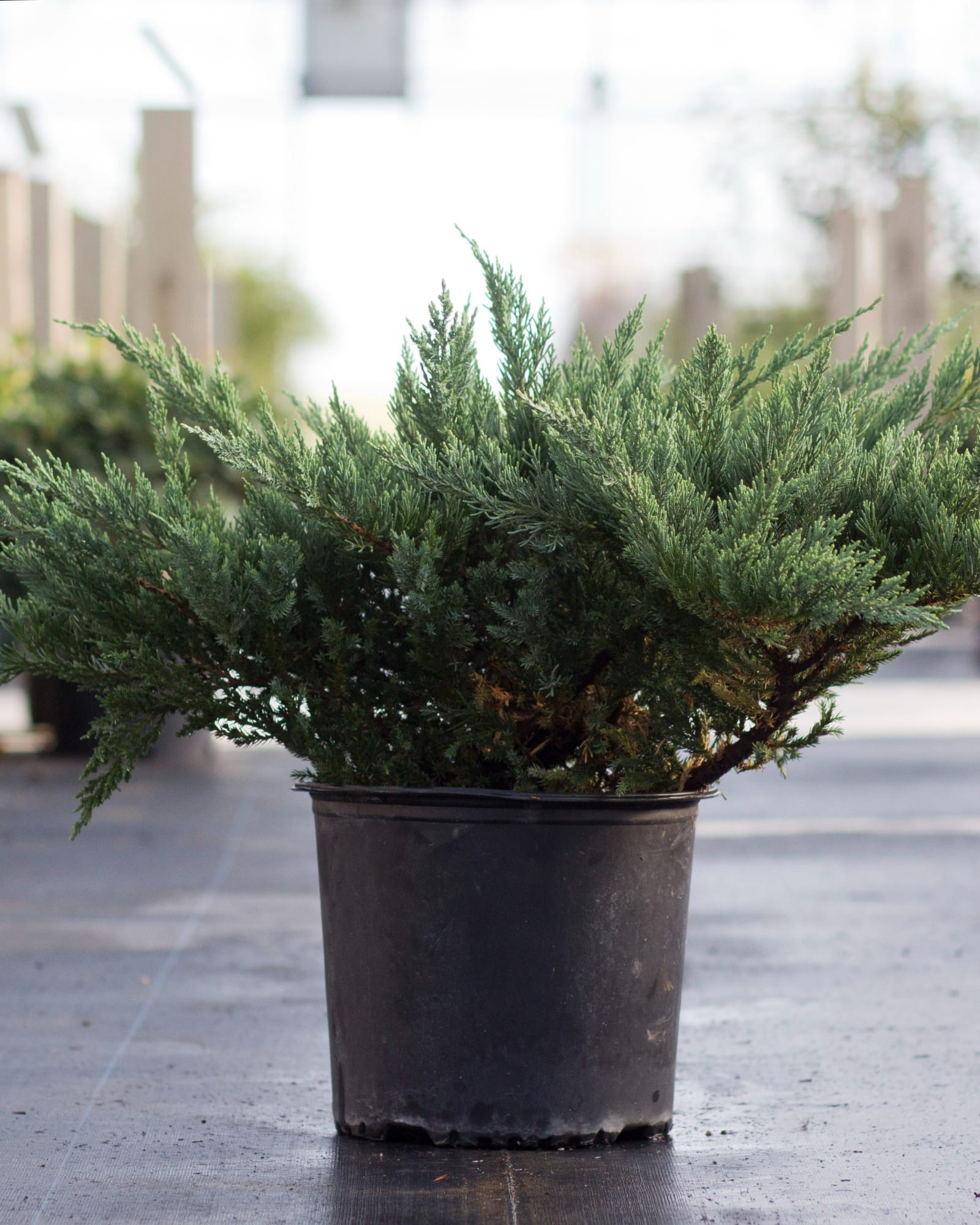
Parsoni Juniper
Maturity: 2' H x 4' W
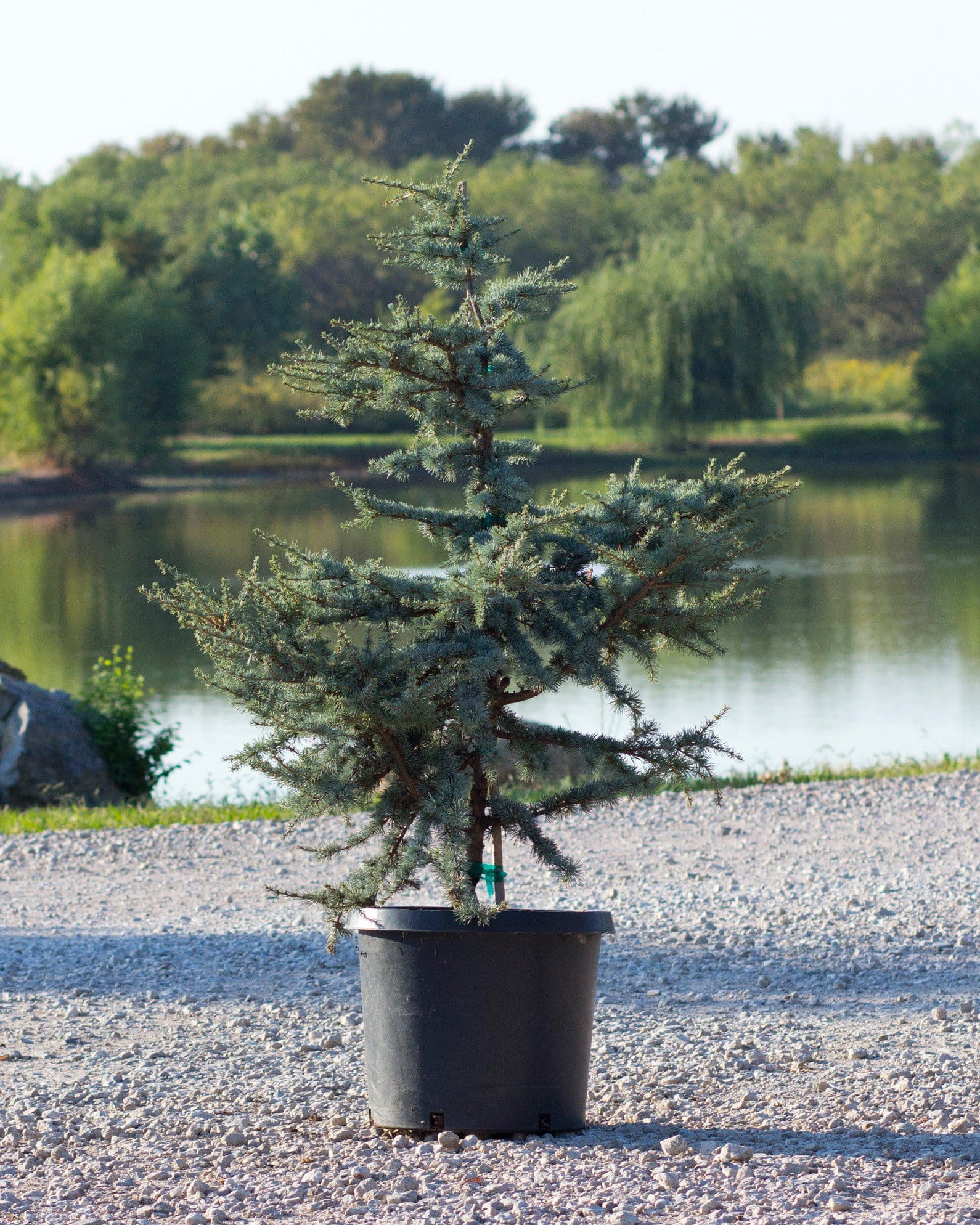
Blue Atlas Cedar Horstmann
Maturity: 10' H x 6' W
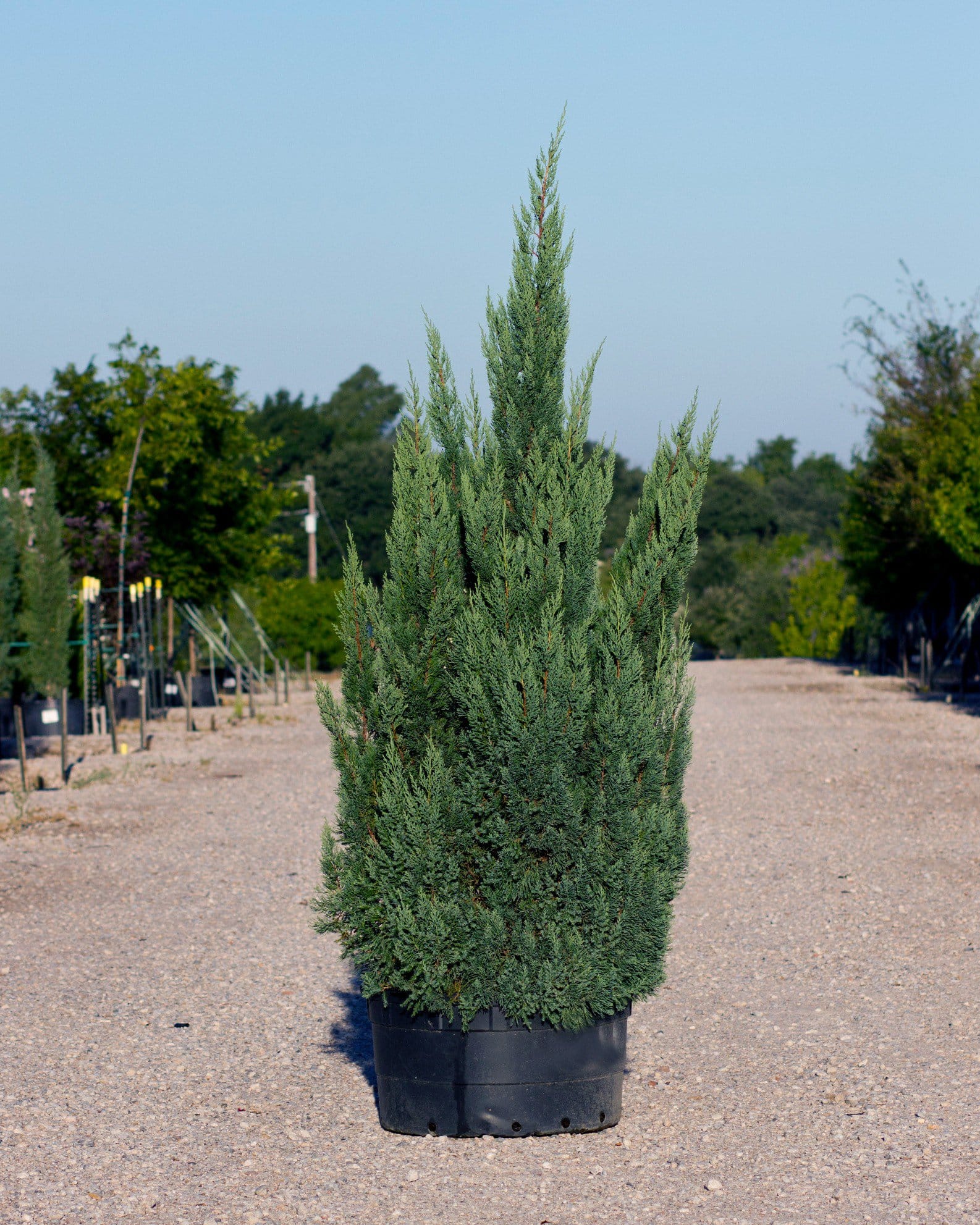
Blue Point Juniper
Maturity: 12' H x 7' W
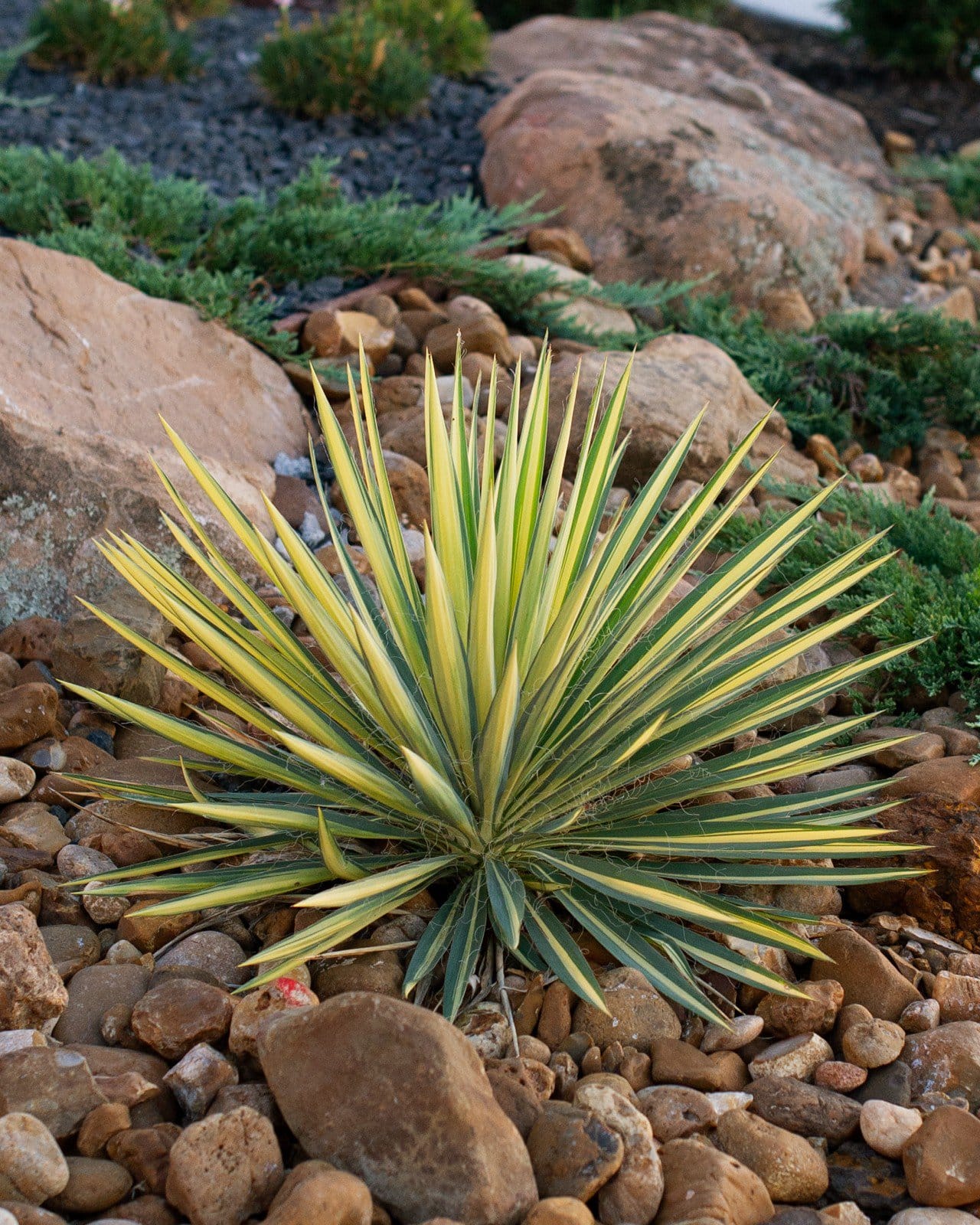
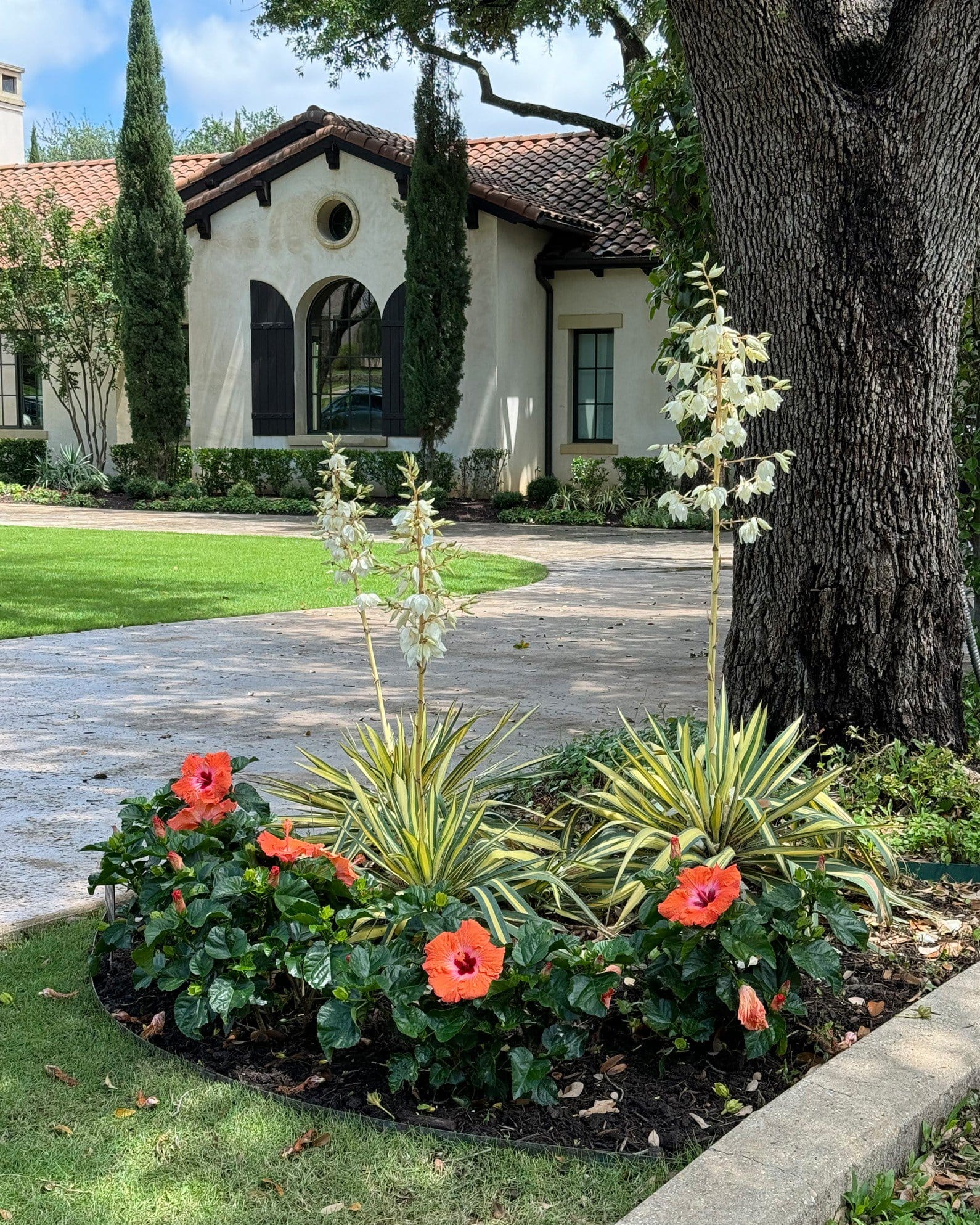
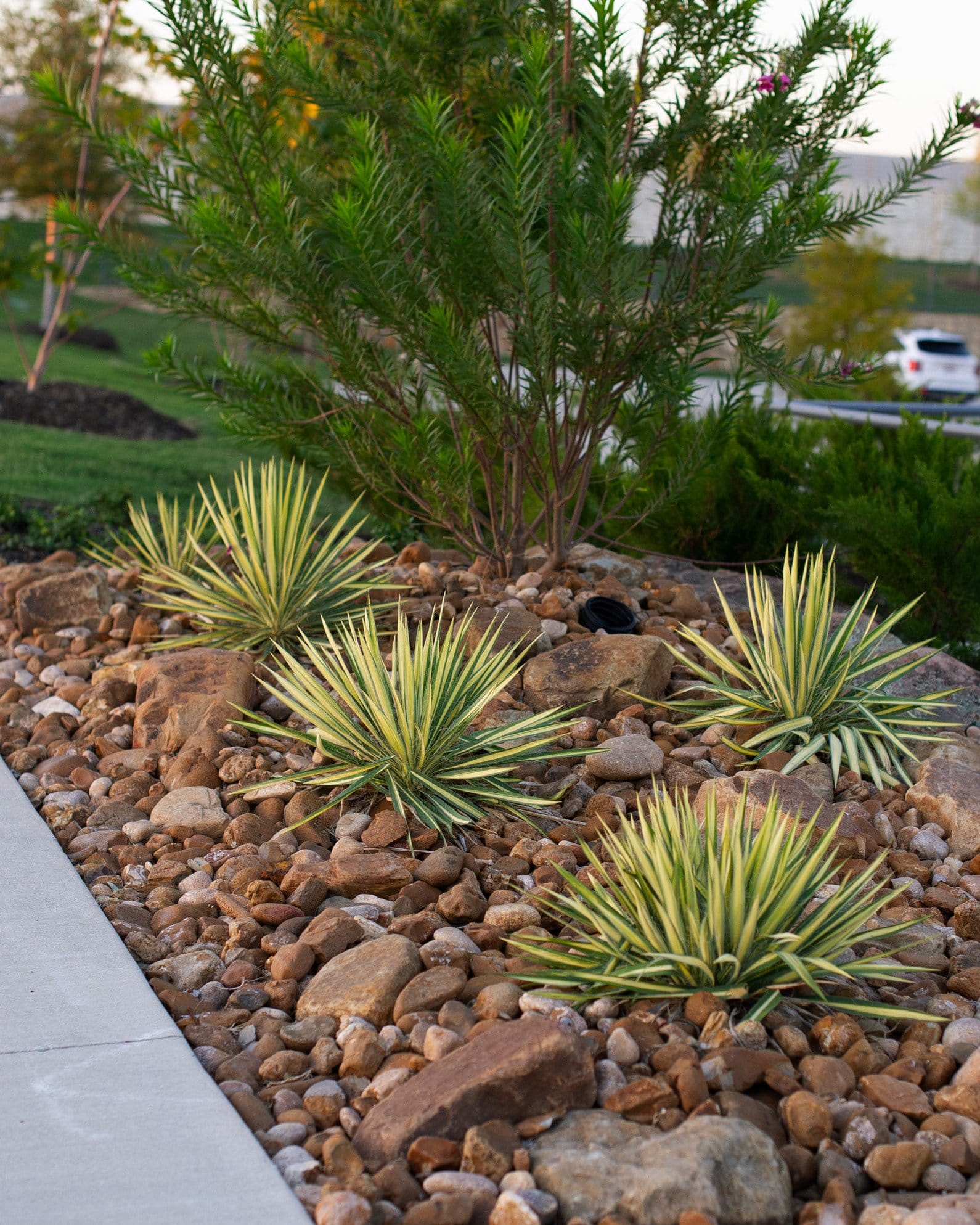
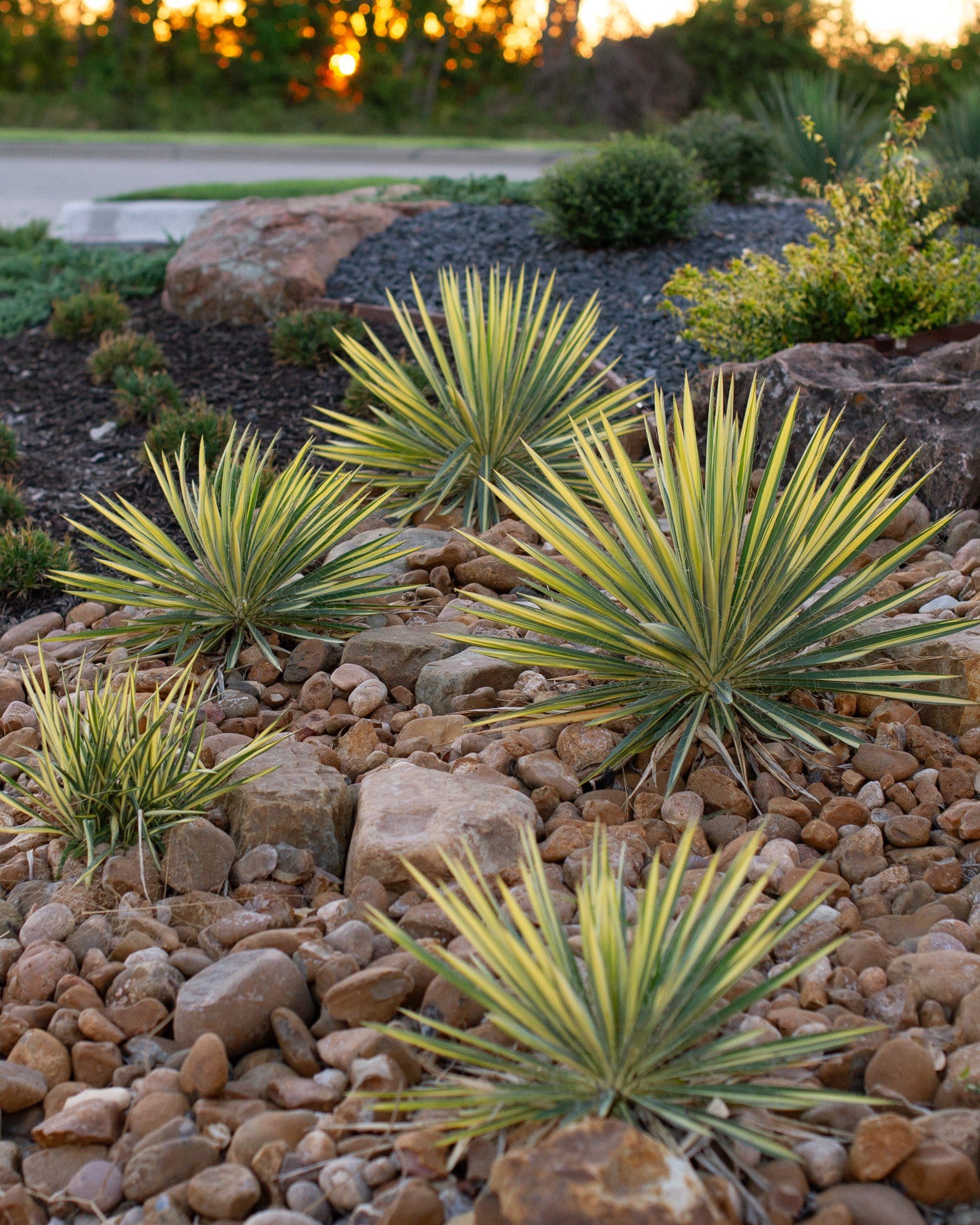
Color Guard Yucca
Maturity: 2' H x 2' W
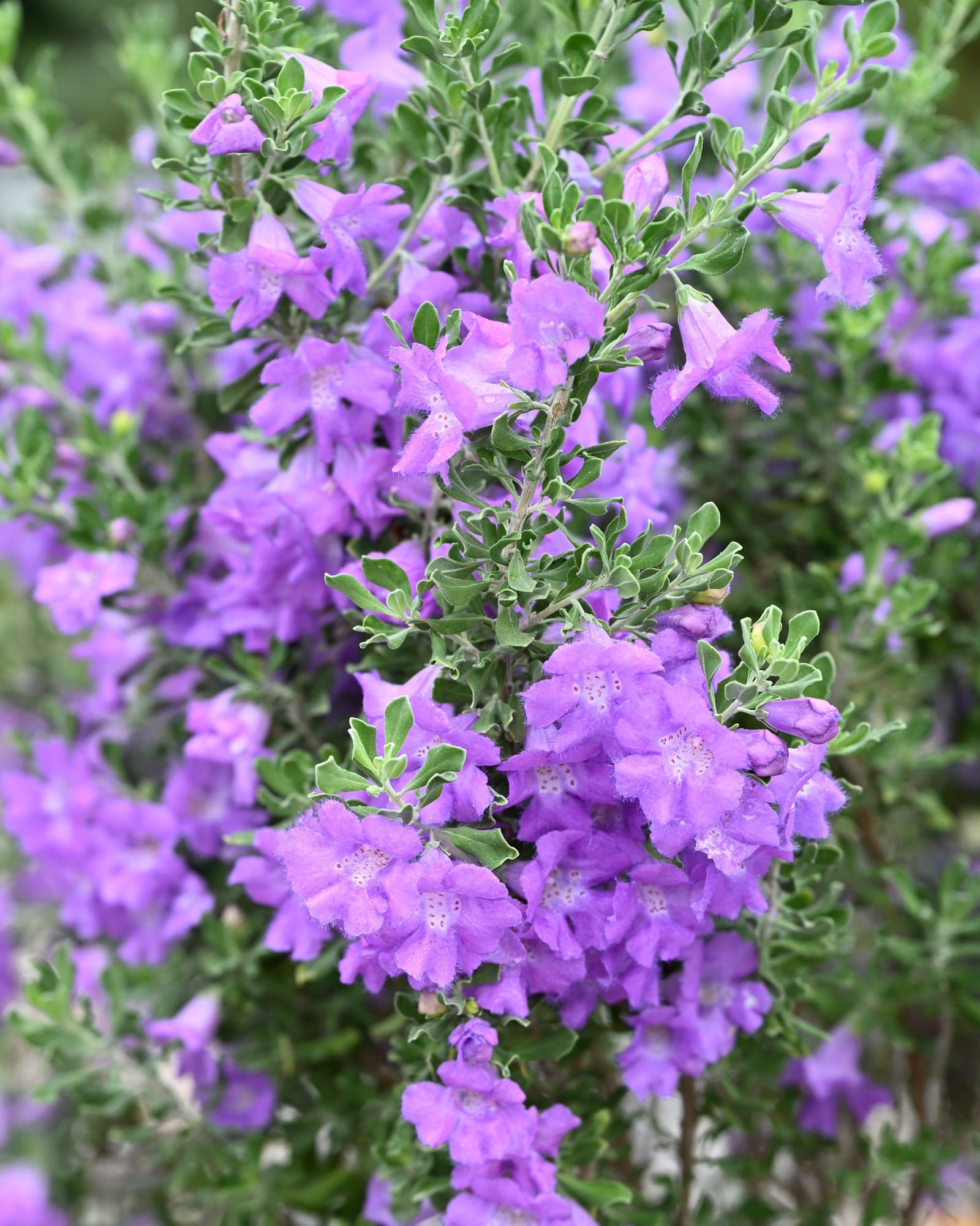
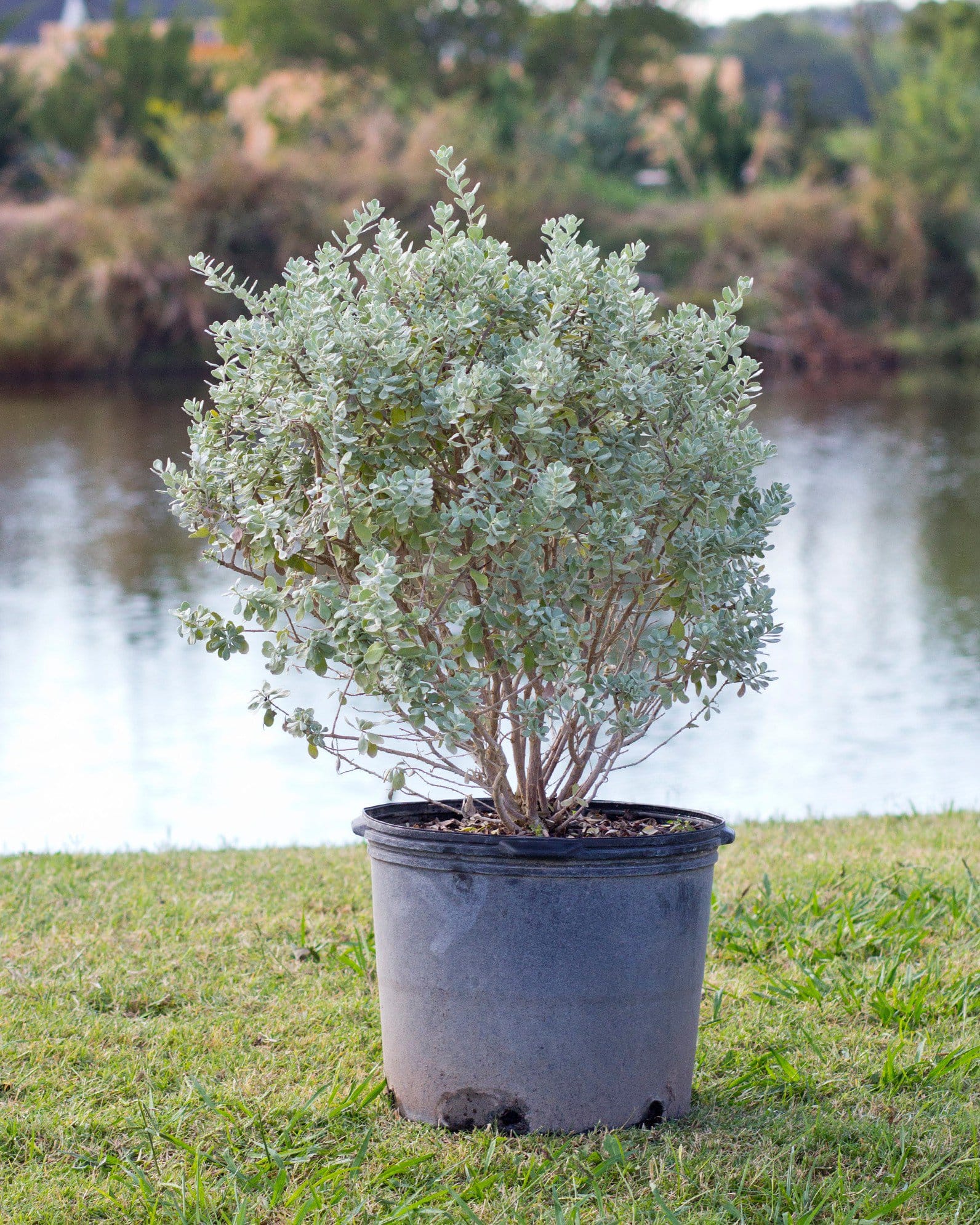
Compacta Texas Sage
Maturity: 3' H x 3' W
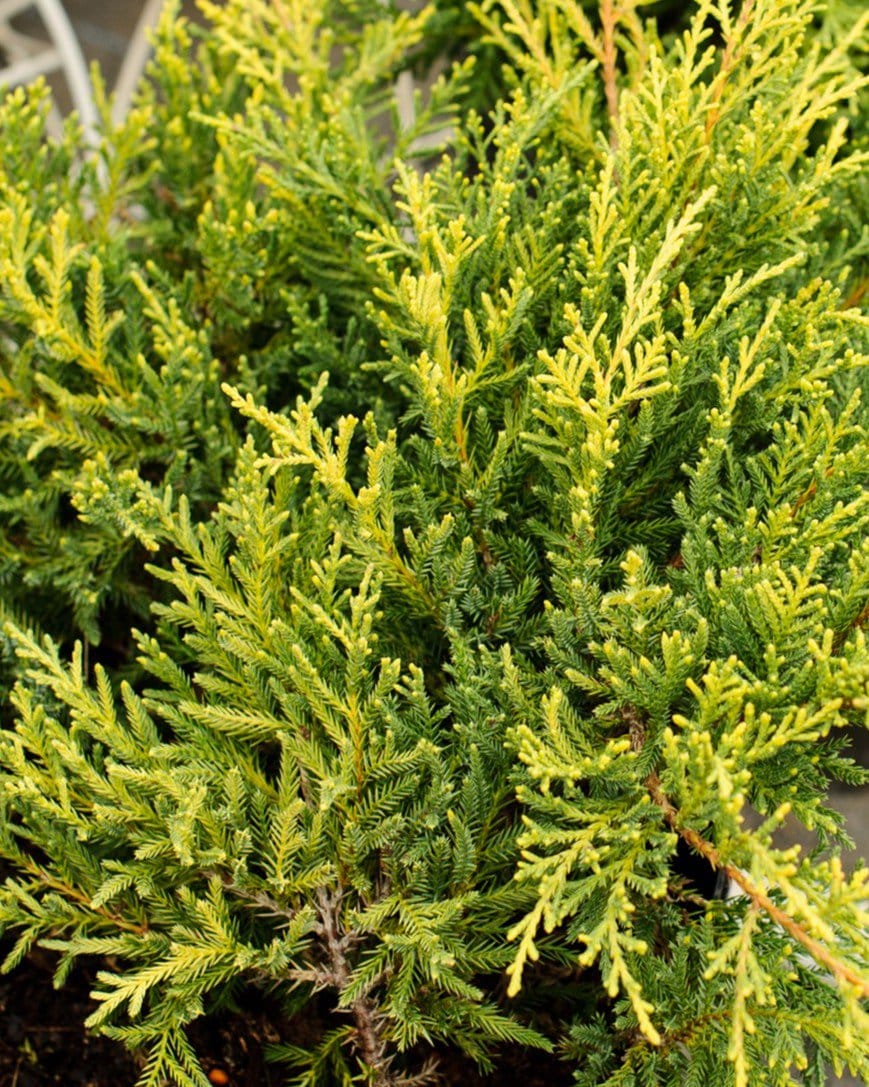
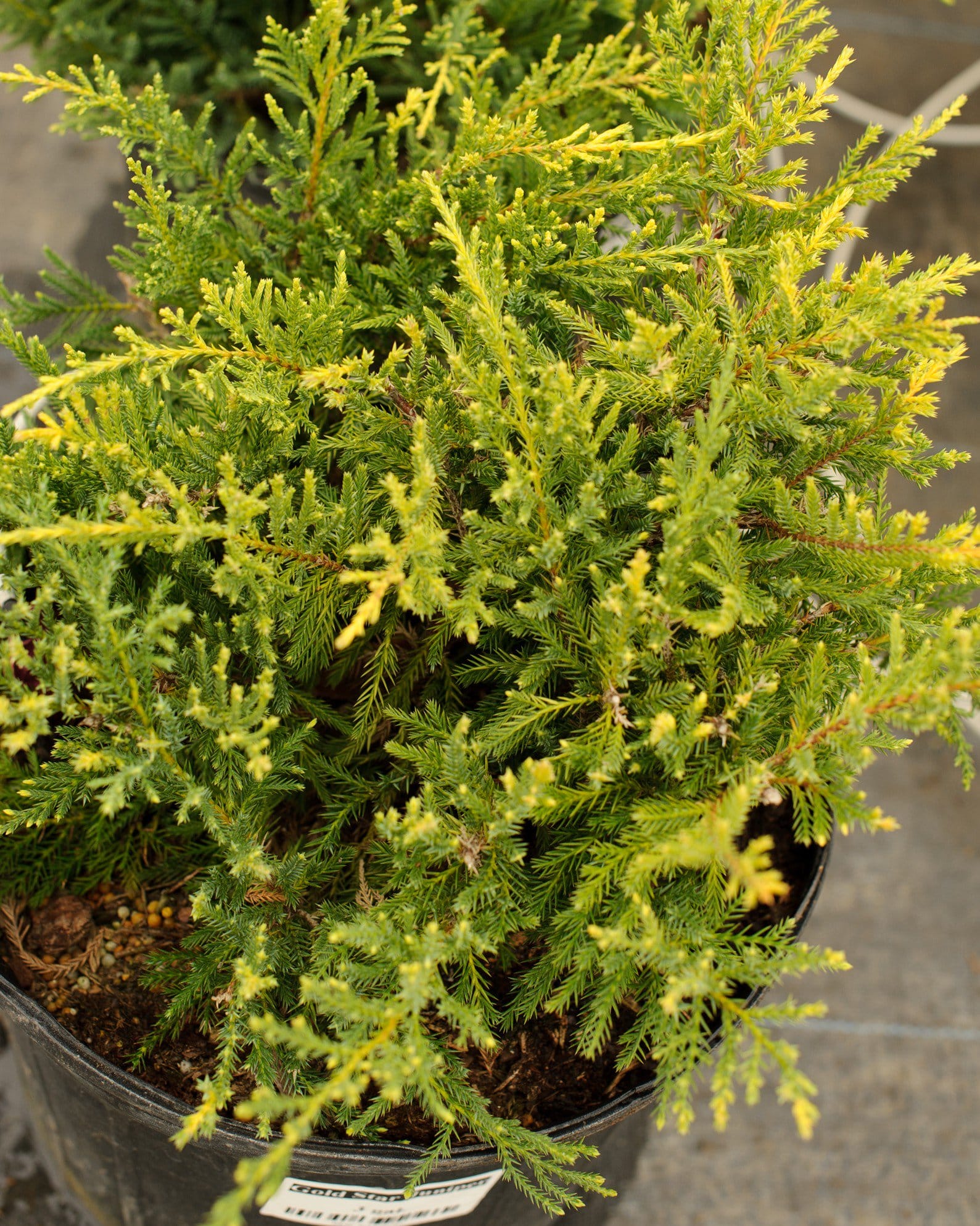
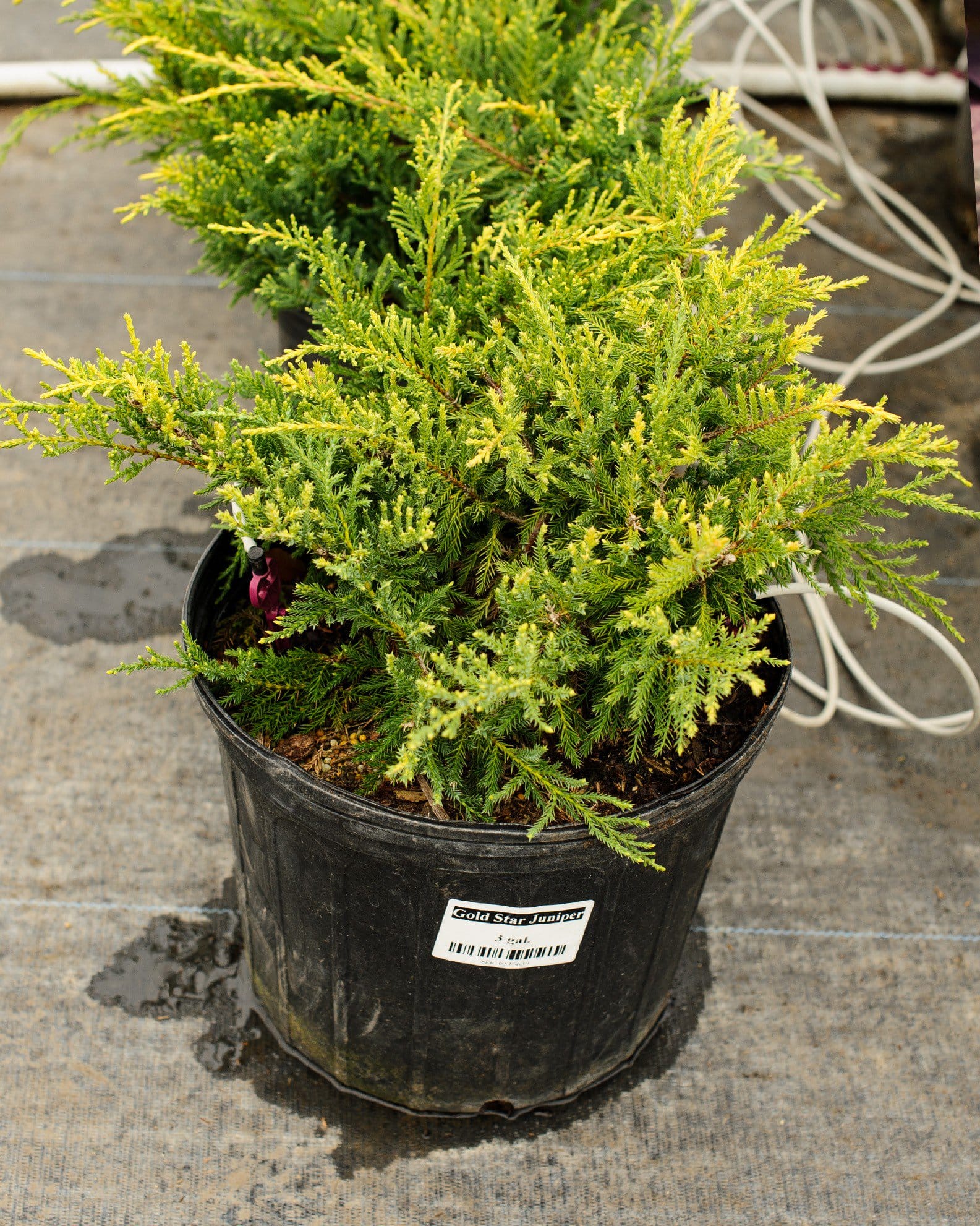
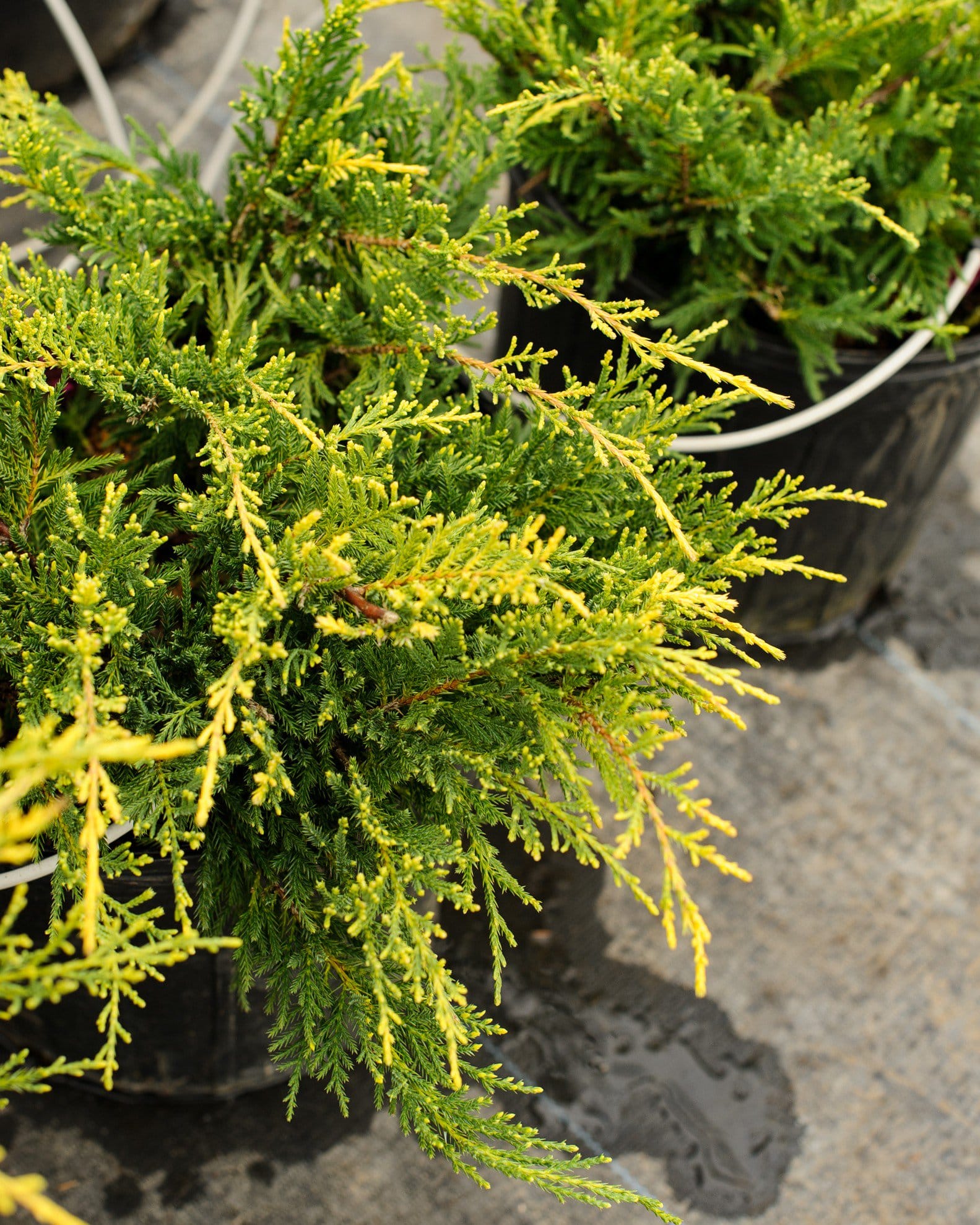
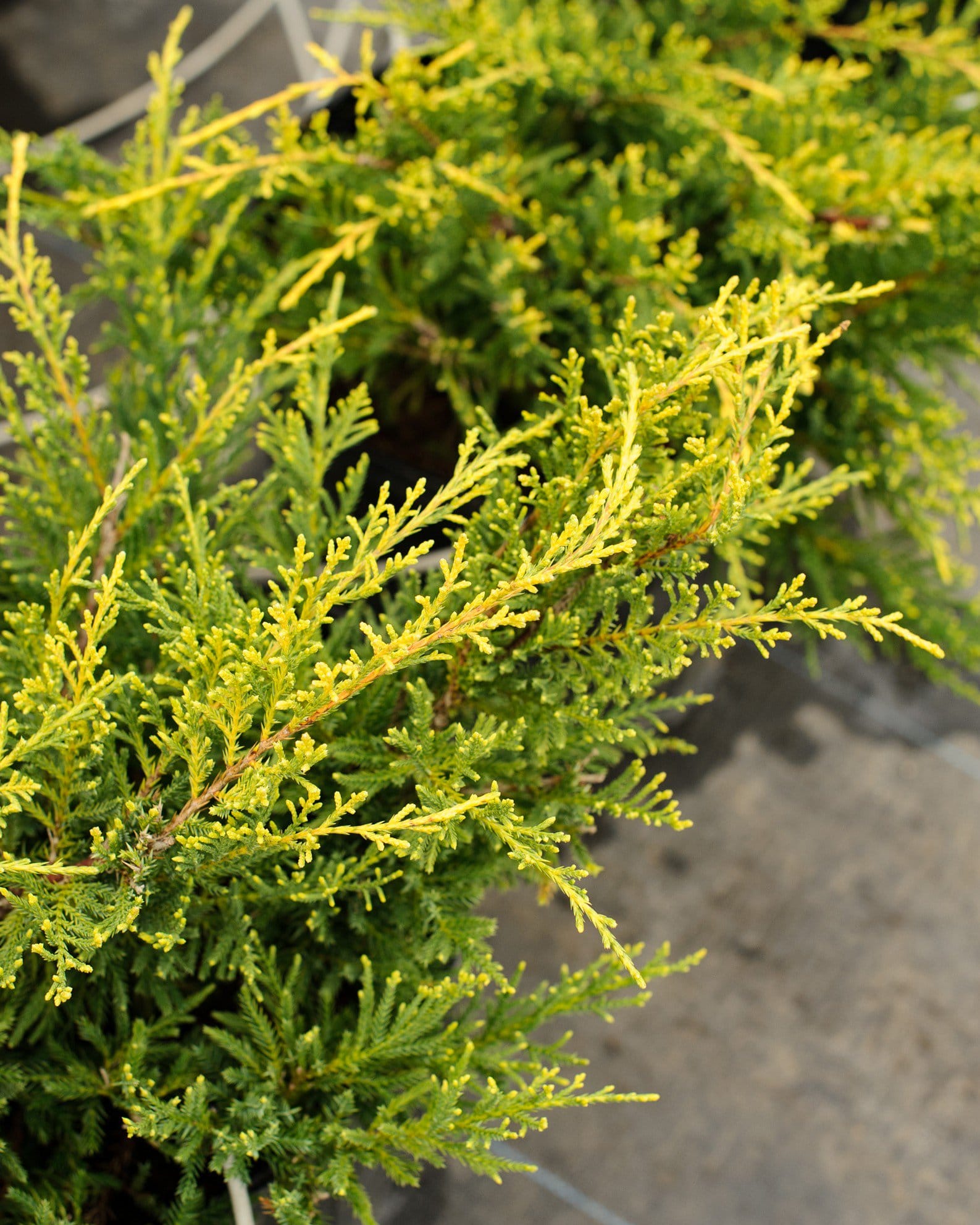
Gold Star Juniper
Maturity: 3' H x 4' W
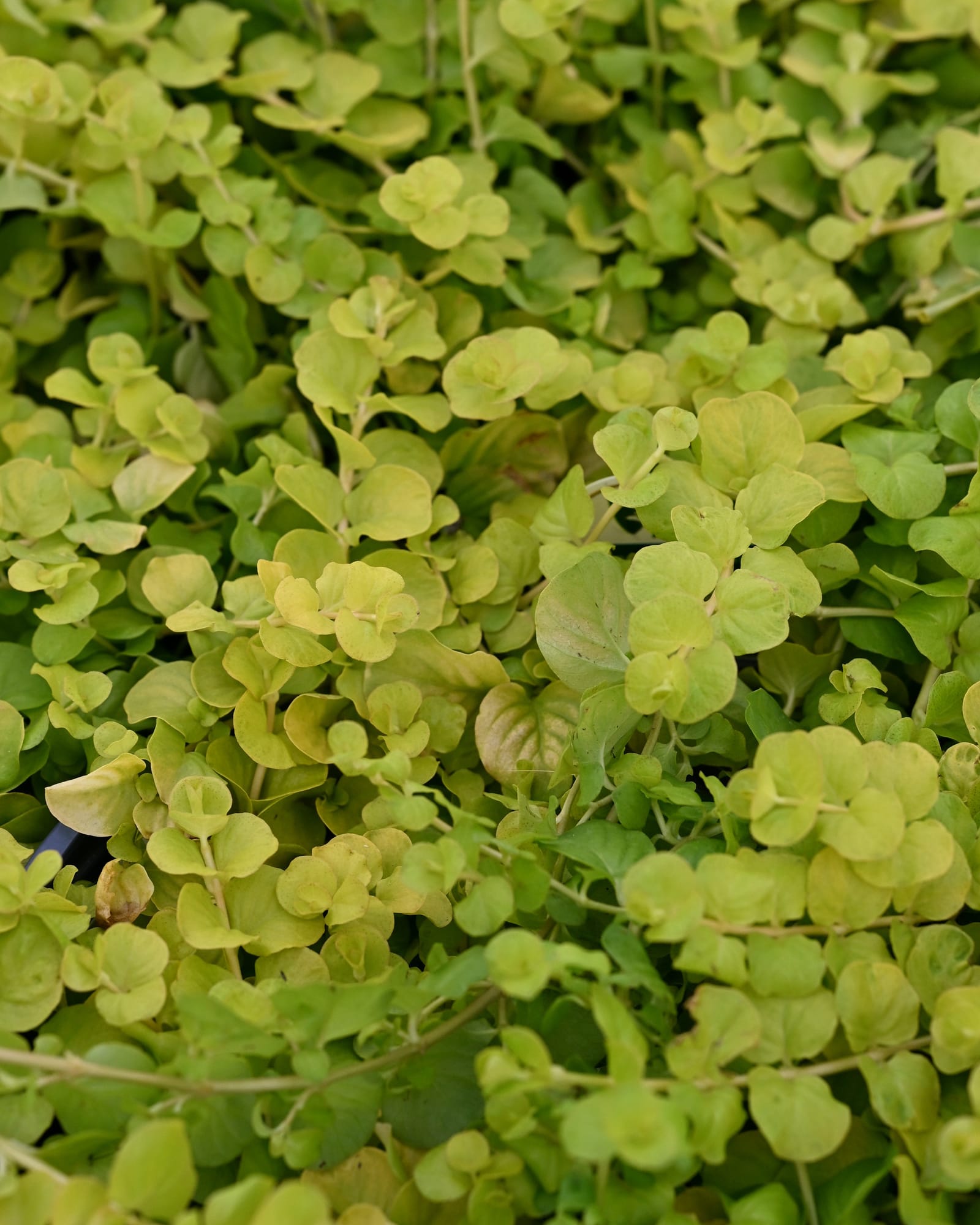
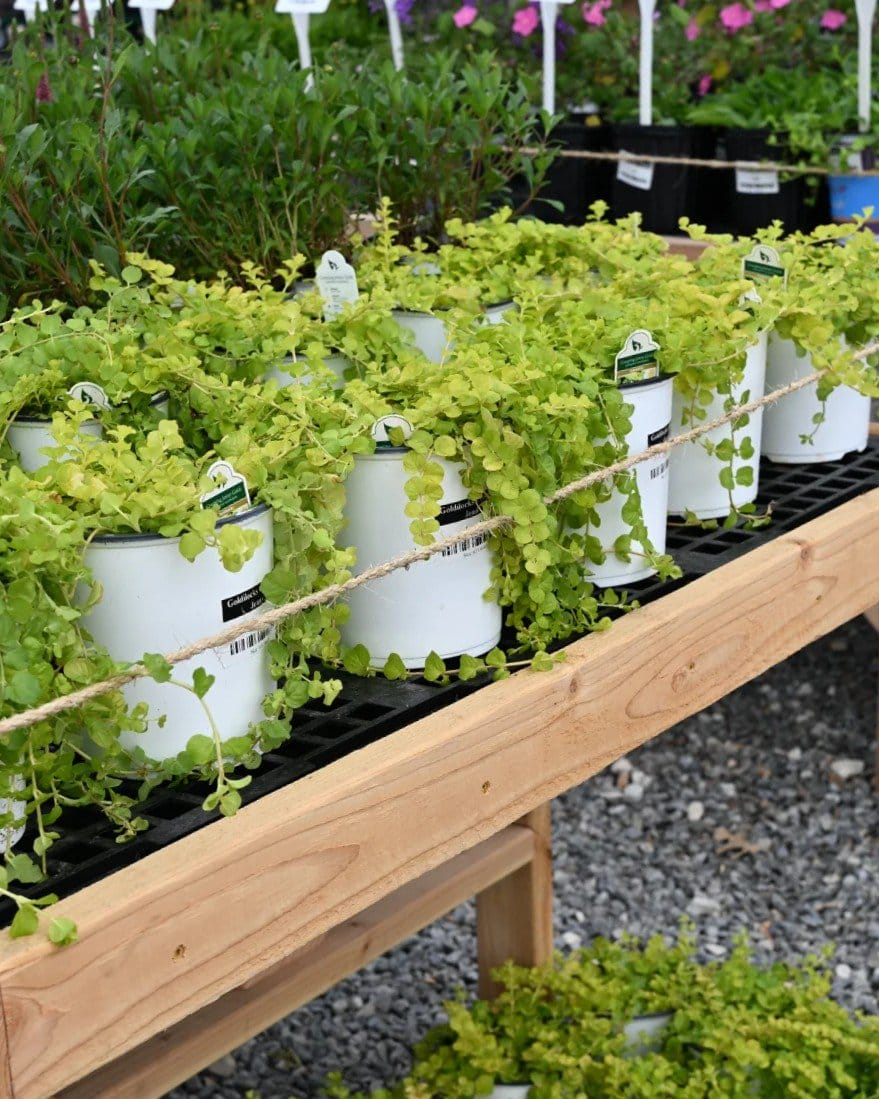
Goldilocks Creeping Jenny
Maturity: 2' H x 1' W
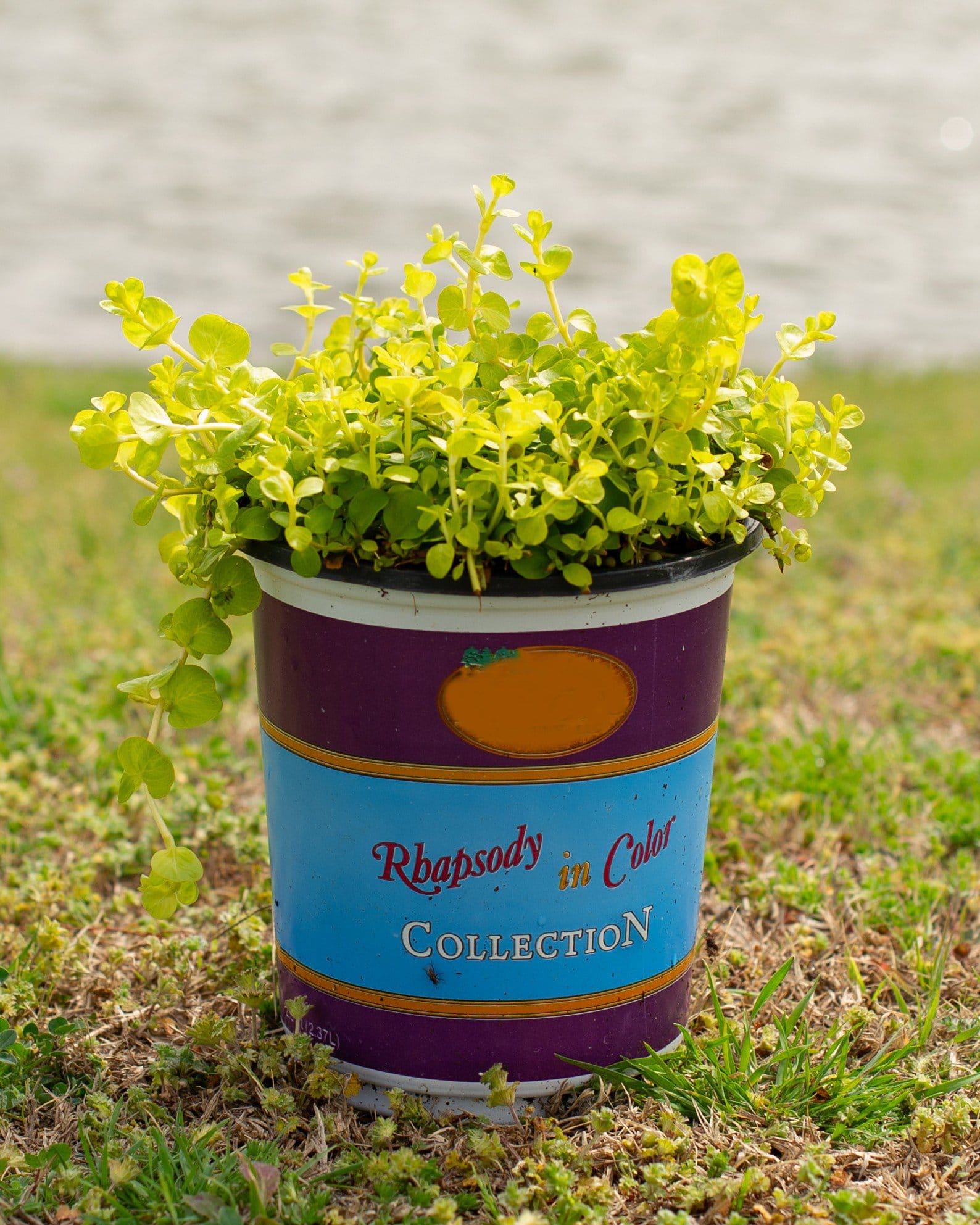
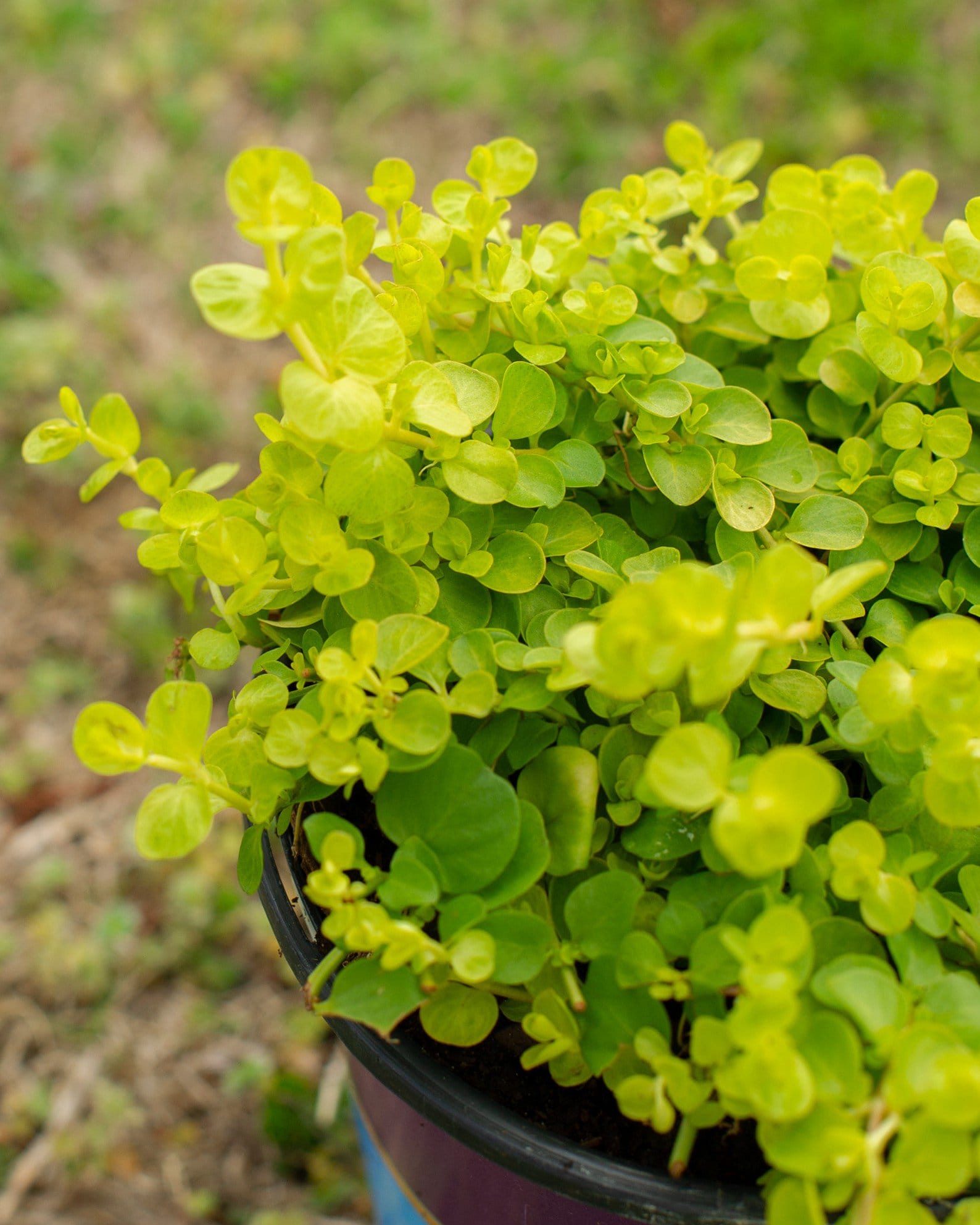
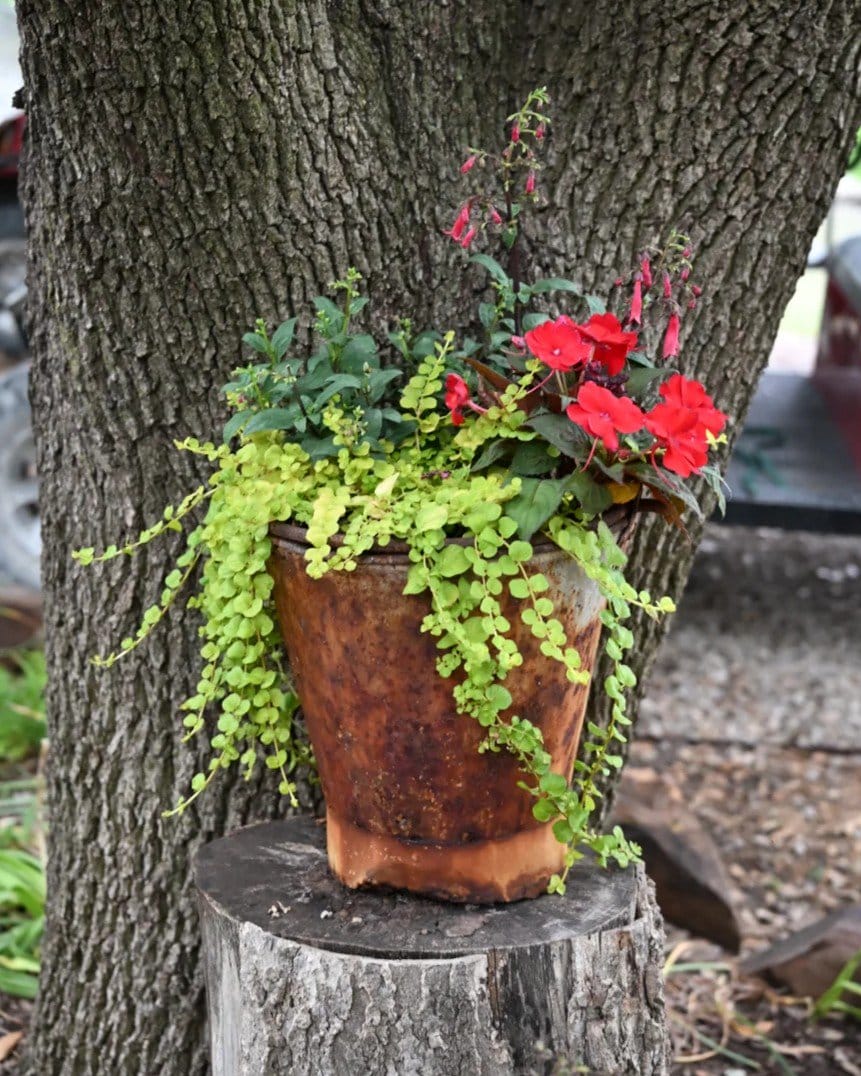
Compare Similar Plants
Blue Pacific Juniper This plant | ||
|---|---|---|
| Scientific Name | Juniperus conferta ‘Blue Pacific’ | Juniperus horizontalis ‘Wiltonii’ |
| Size at Maturity | 1' H x 3' W | 0.5' H x 6' W |
| Leaf Retention | Evergreen | Evergreen |
| Sizes Available | 3 gal | 1, 3 gal |


Our 1-Year Planting Guarantee
We take pride in our plants and installation services. If any plants or trees installed by Treeland fail to thrive within the first year, we'll provide a replacement credit in accordance with our guarantee program.
Learn More About Our Guarantee