
 Popular
 Texas Native
Compacta Texas Sage
Leucophyllum frutescens ‘Compacta’Local DFW Delivery Only
Product Details
Compacta Texas Sage
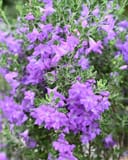
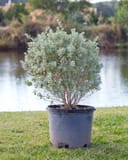
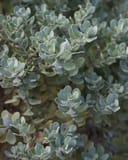
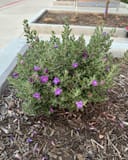
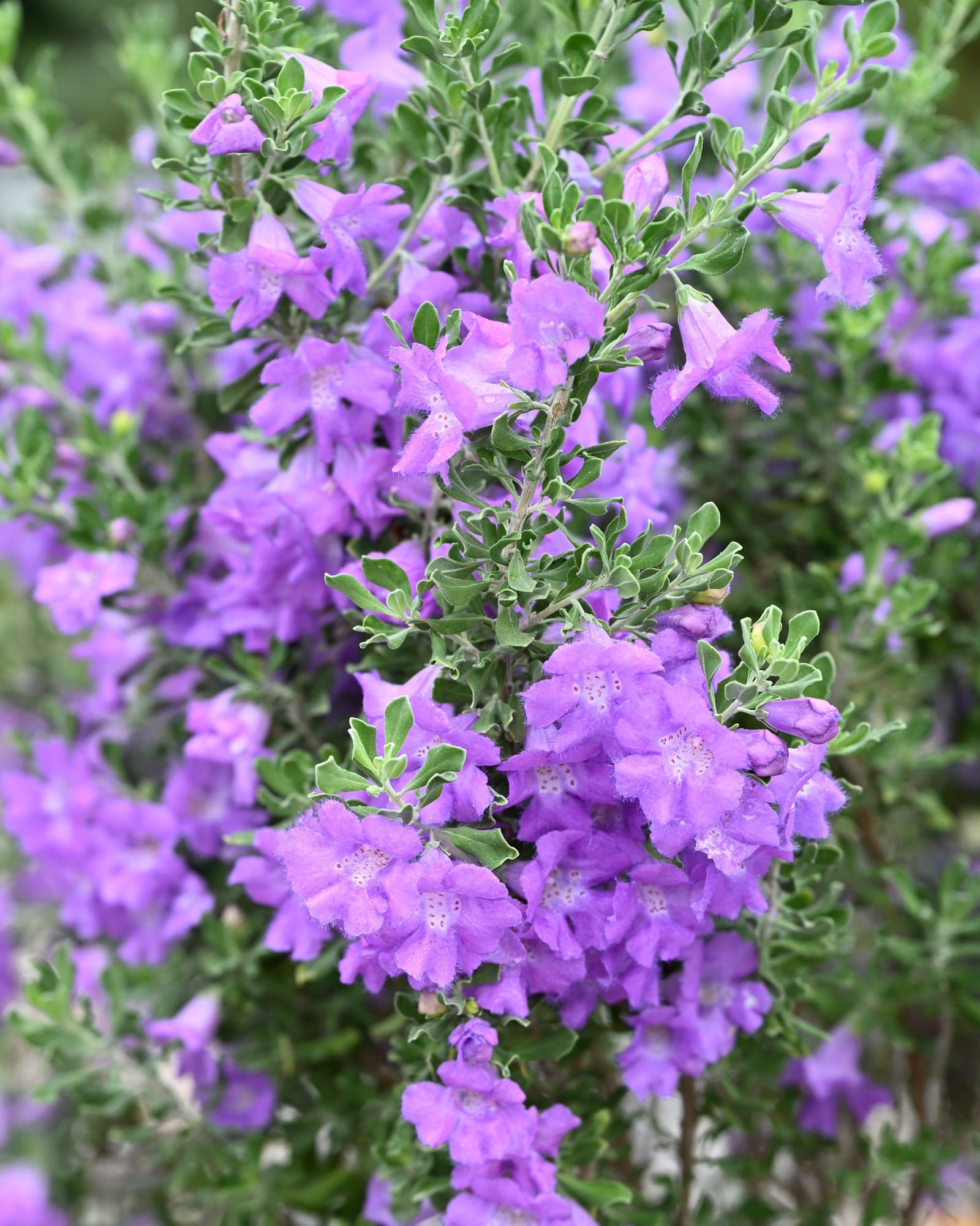
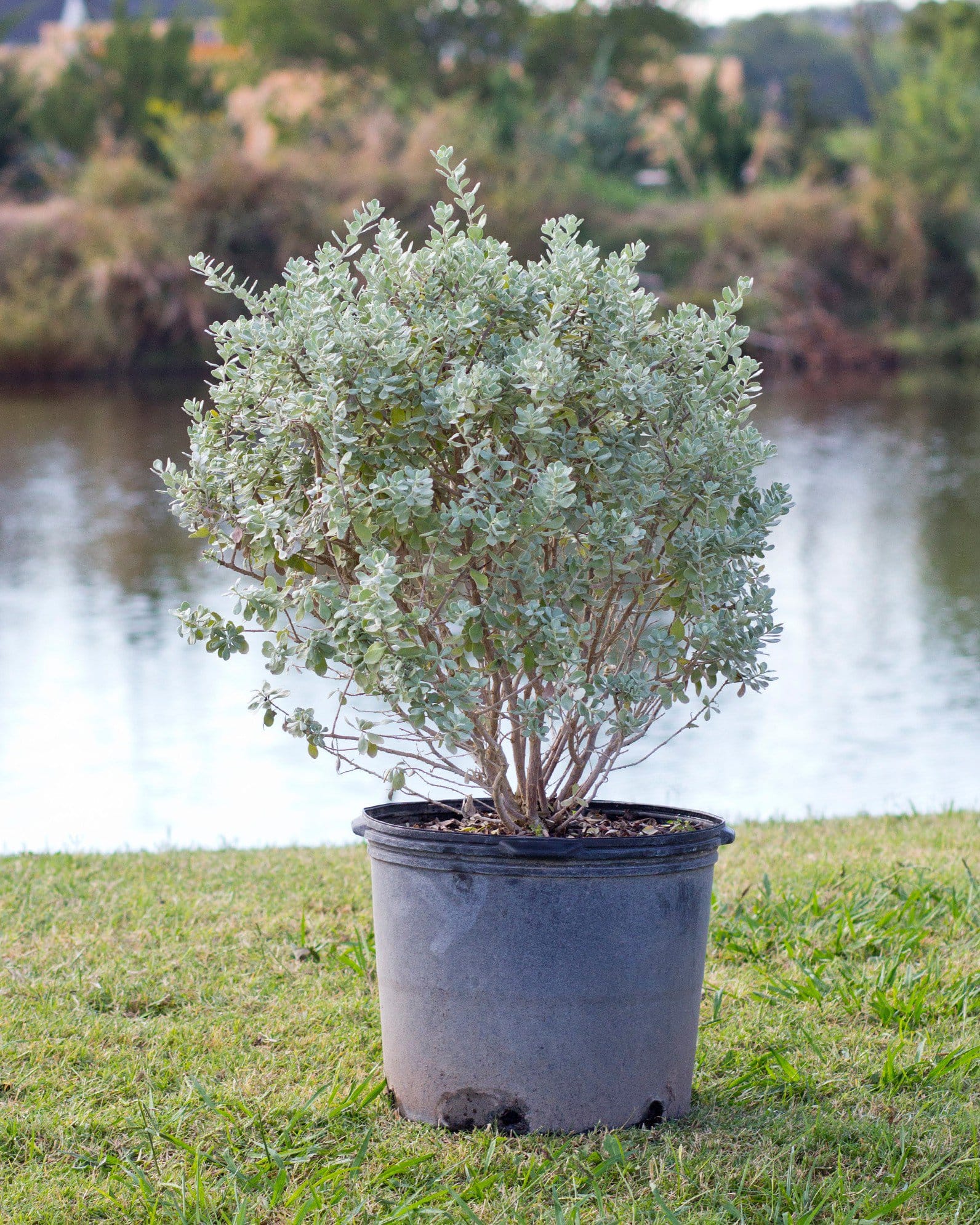
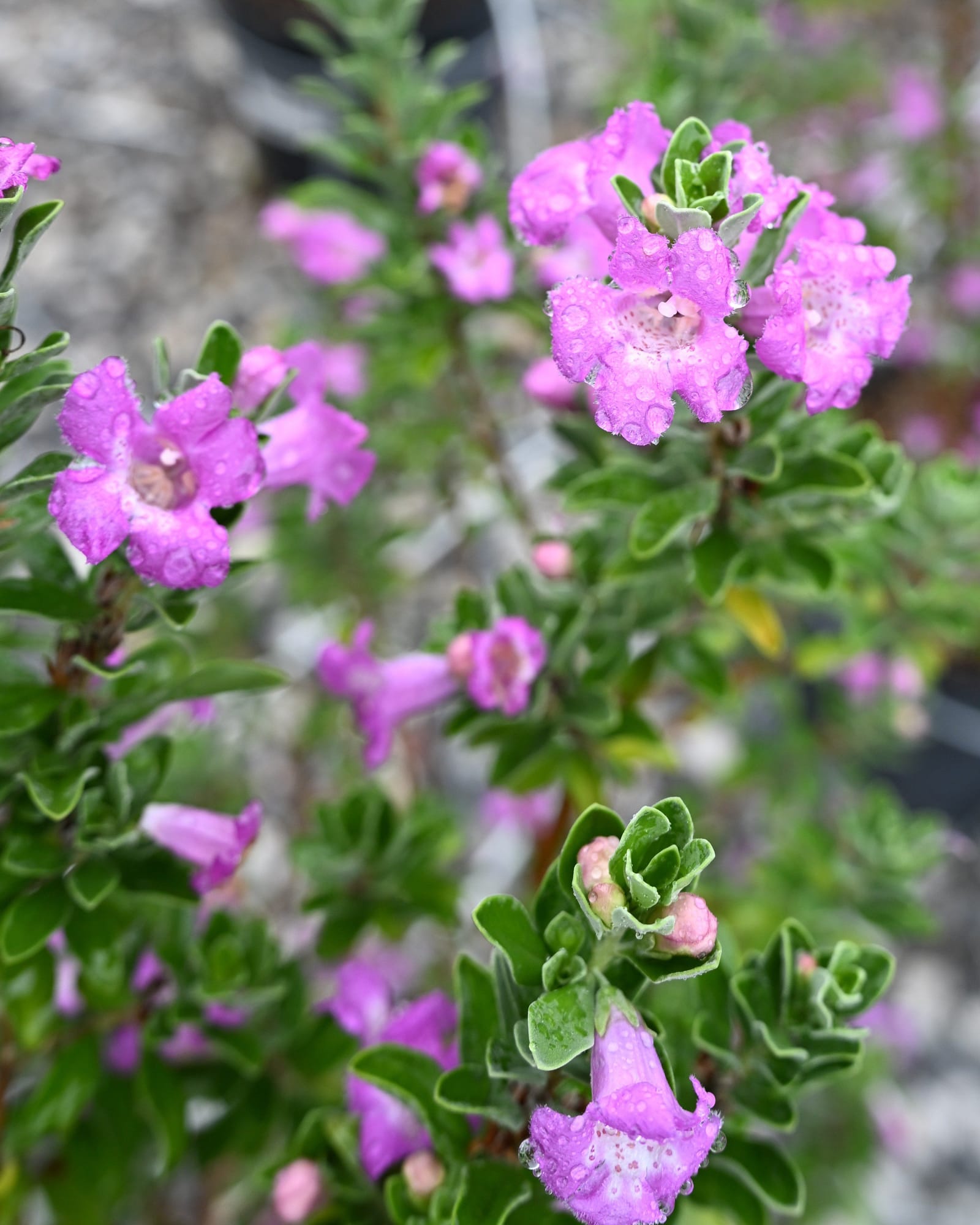
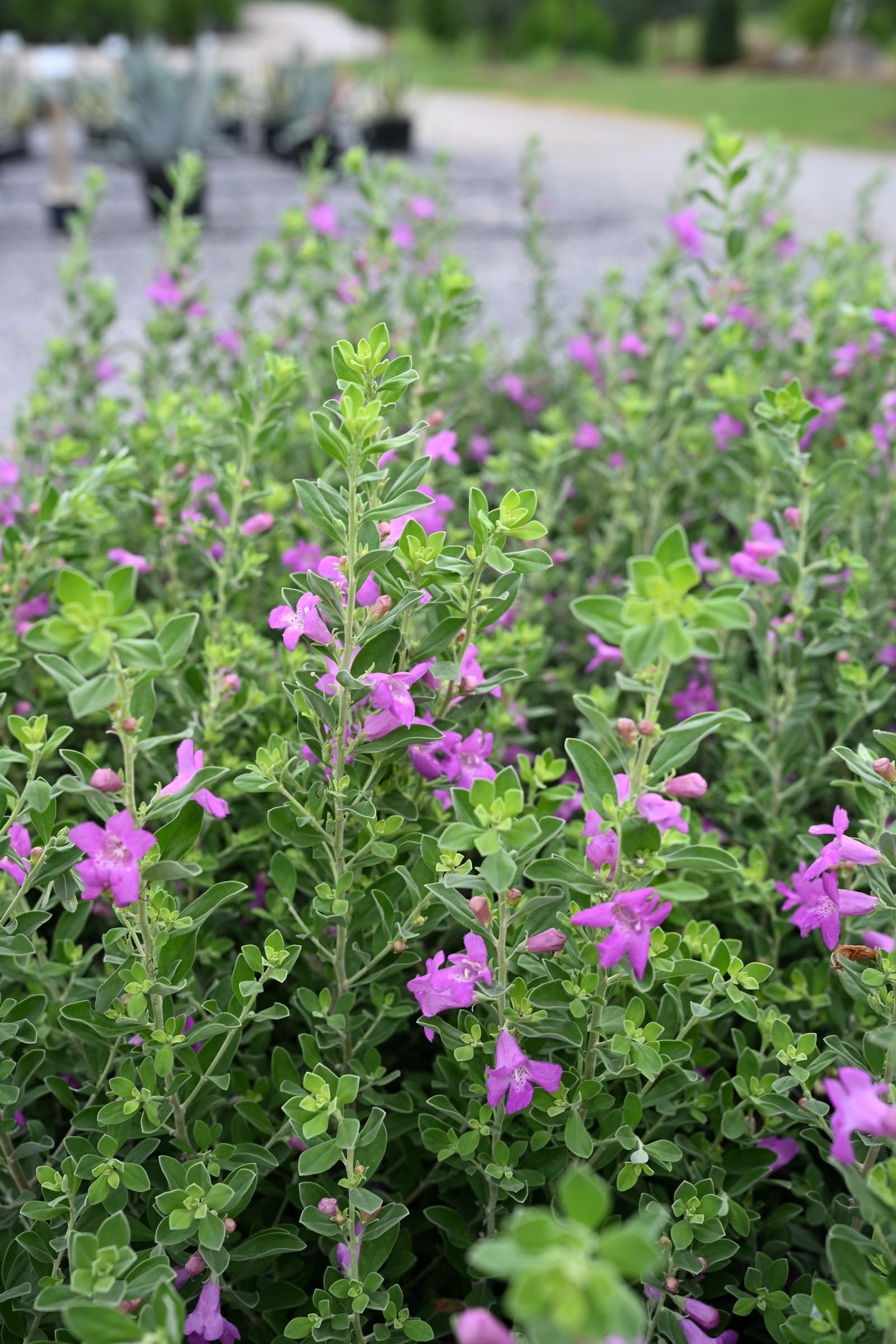
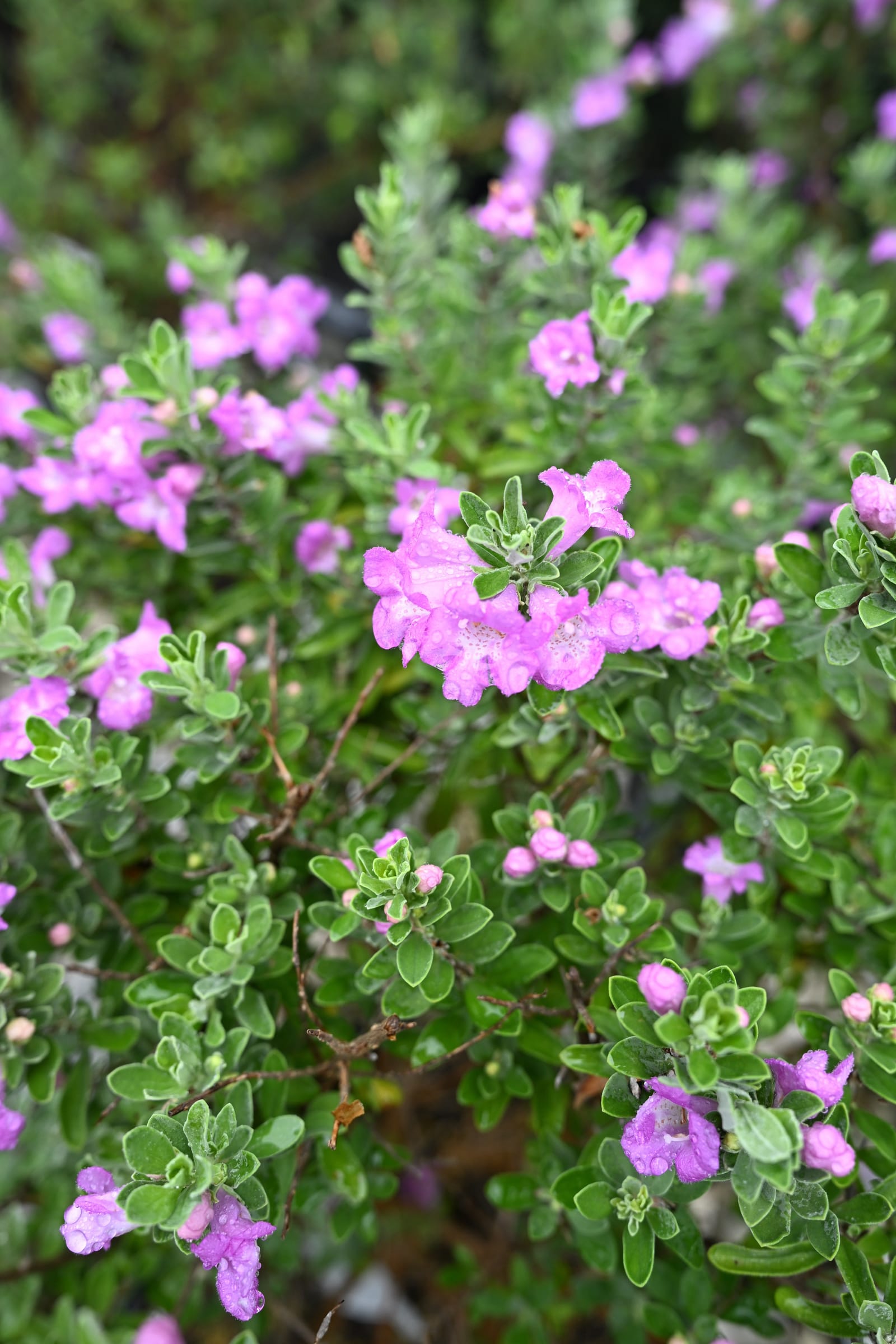
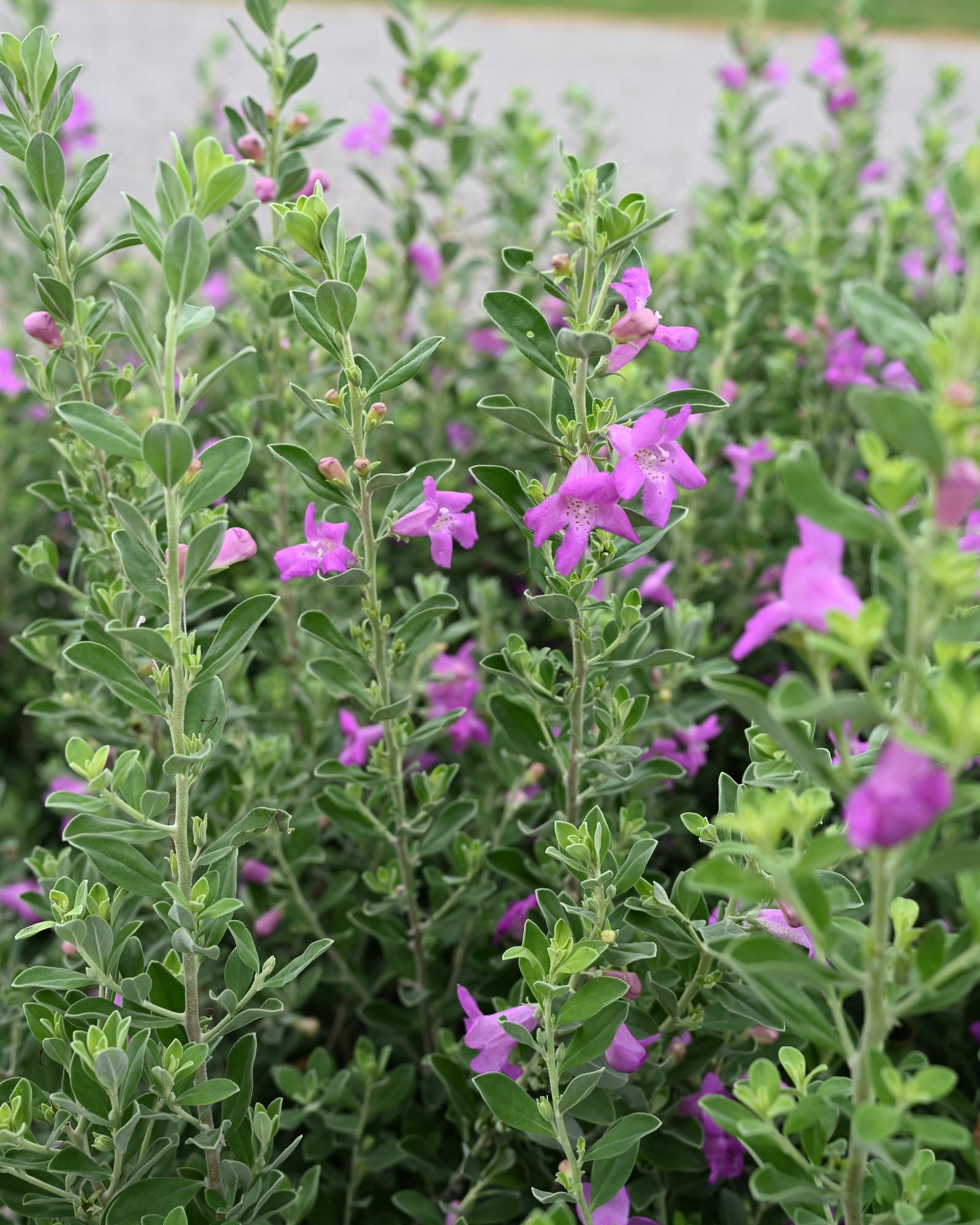
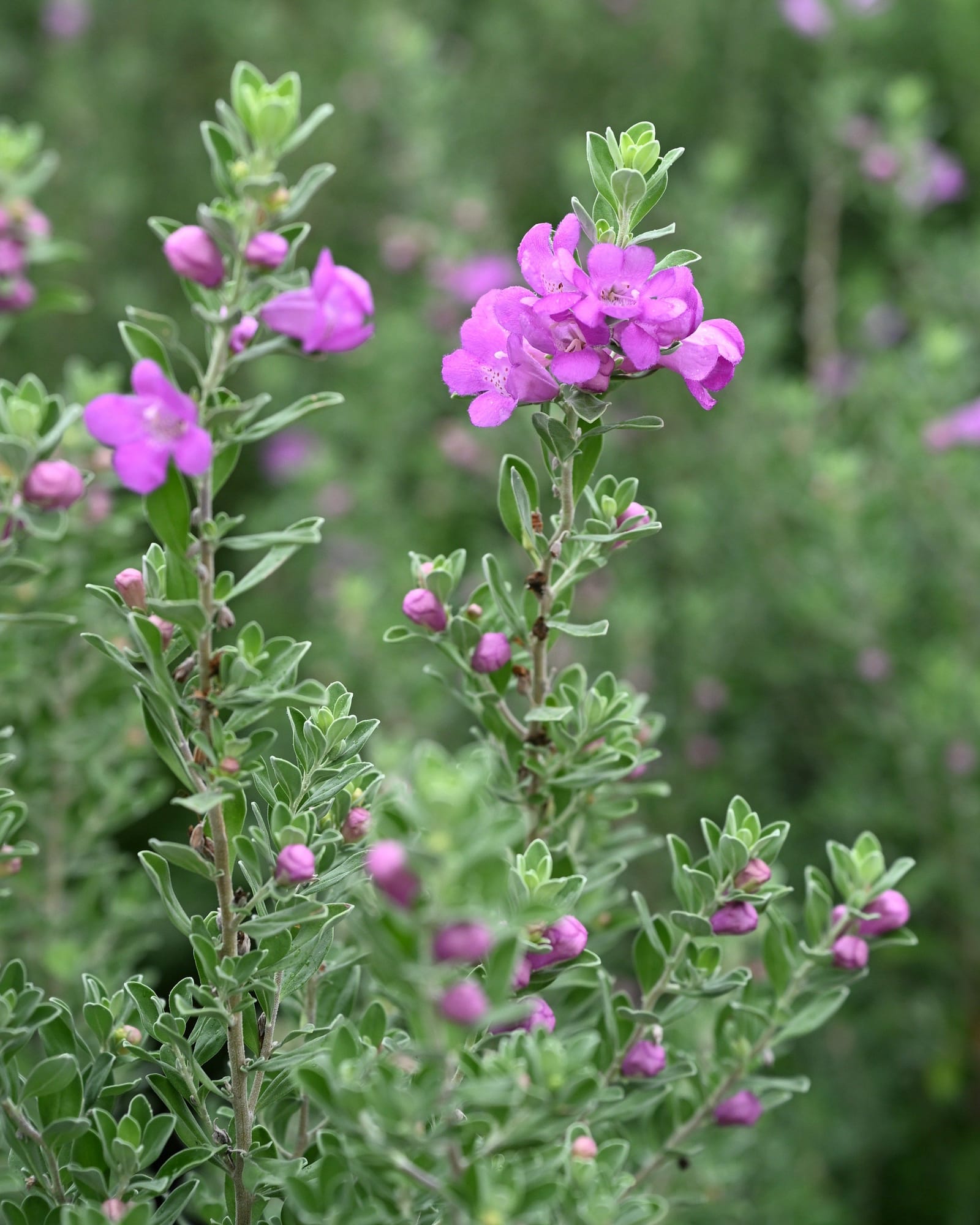
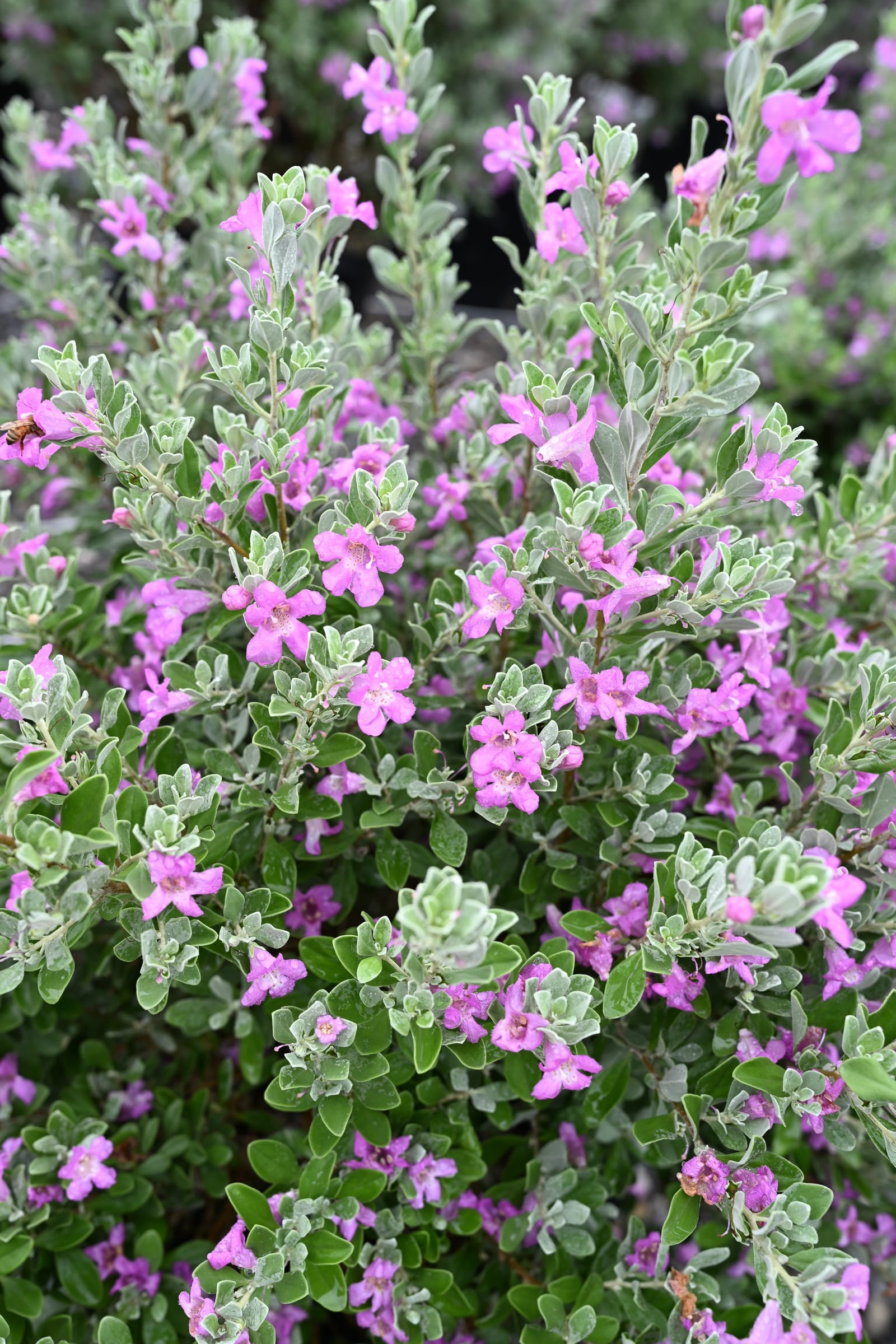
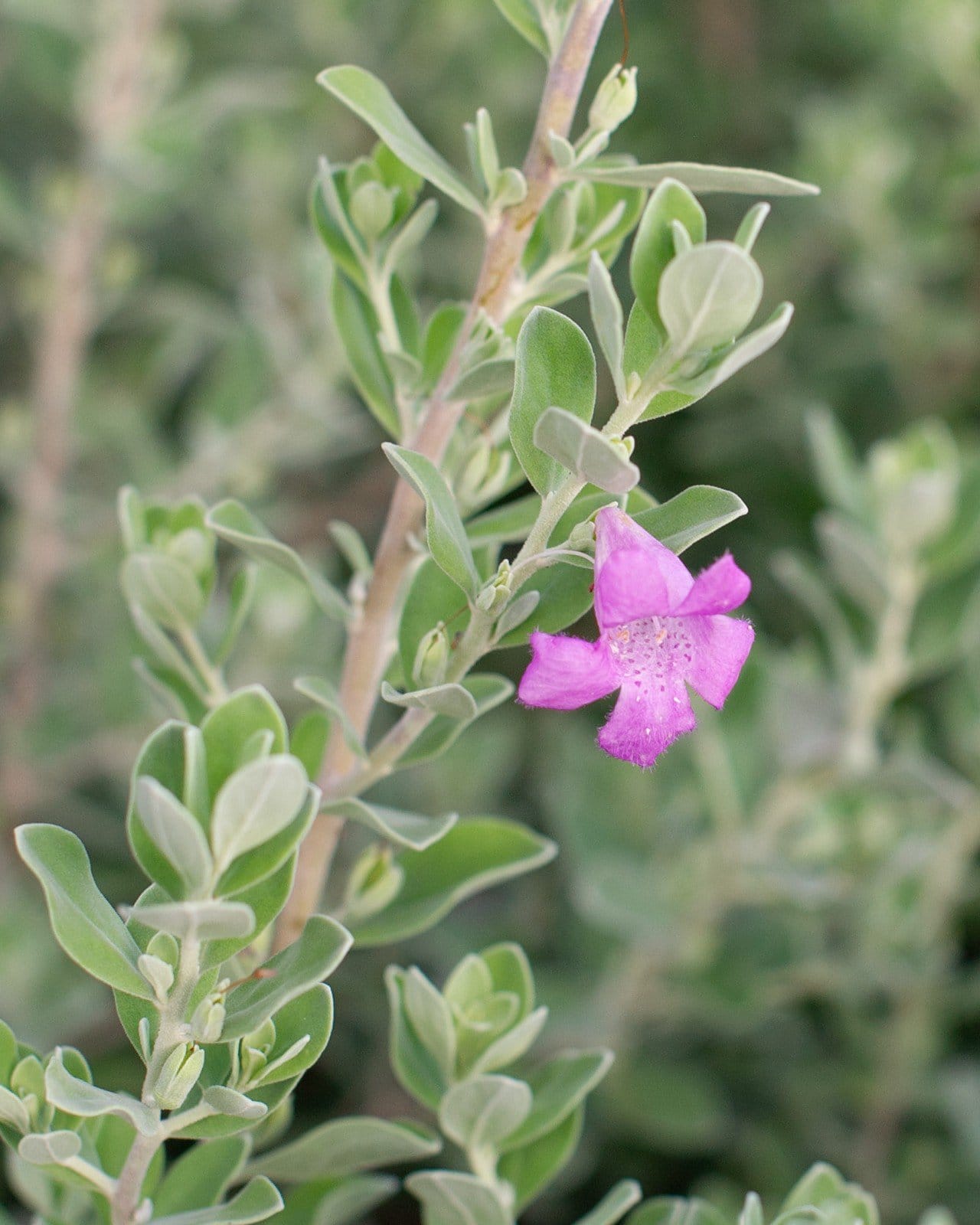
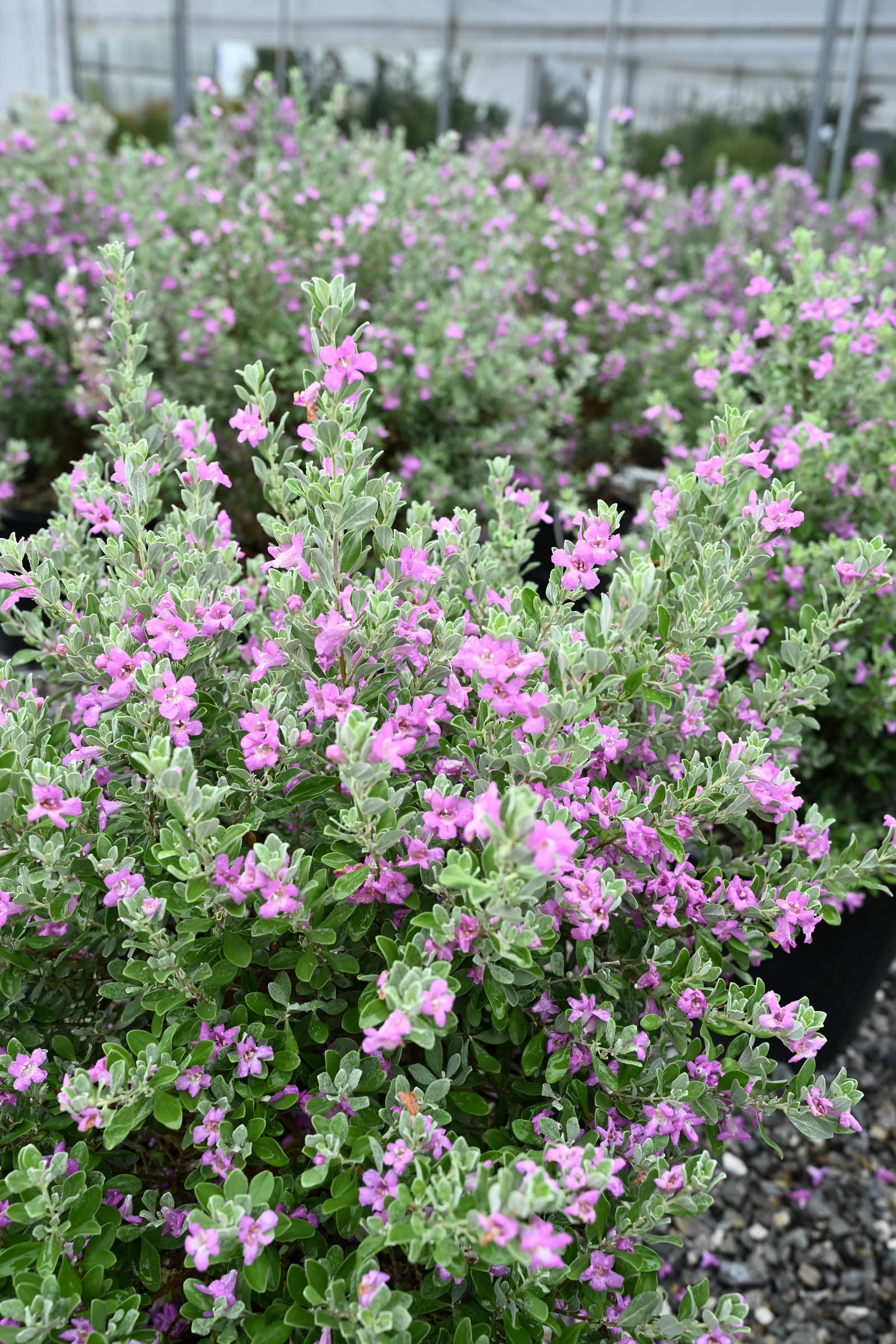
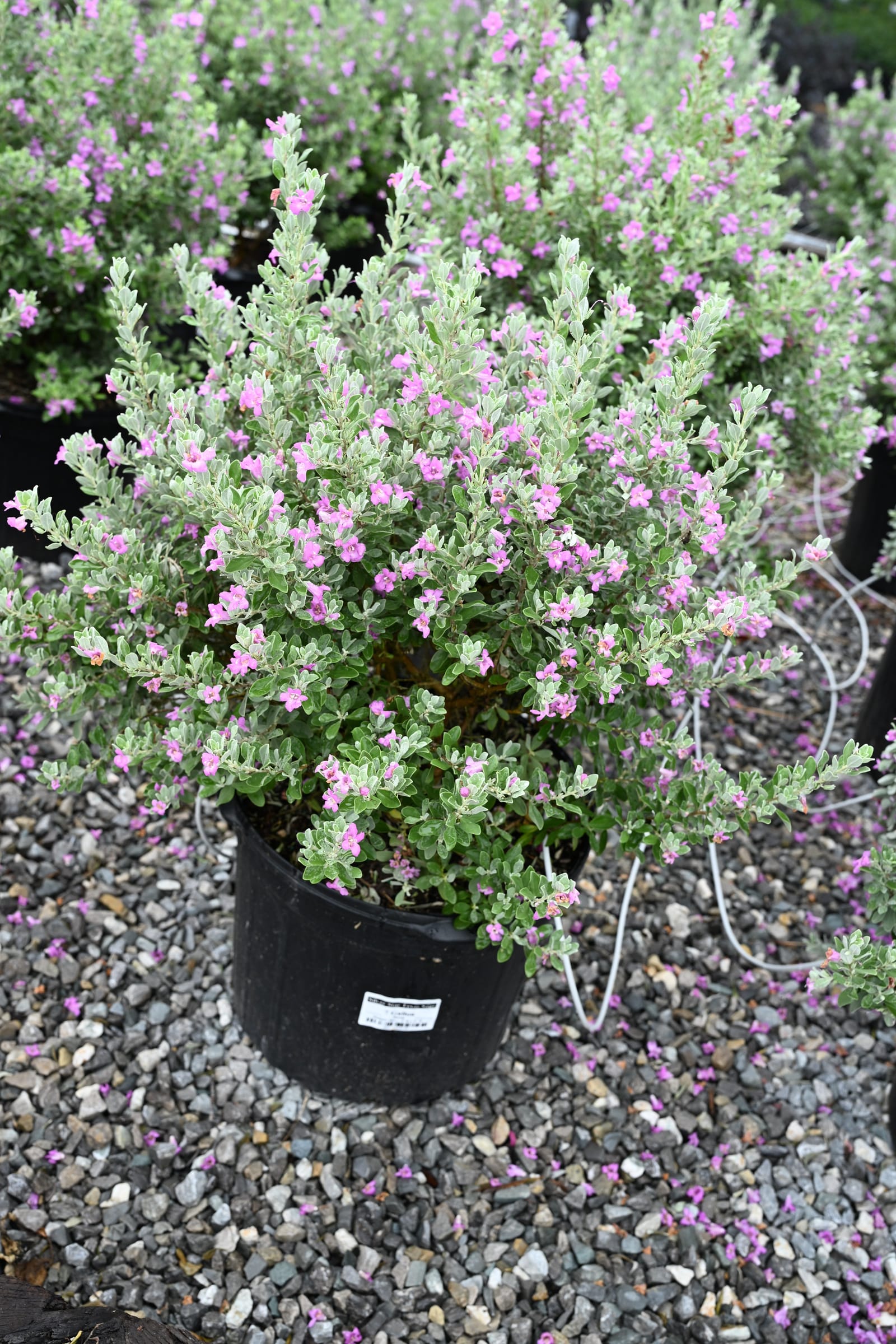
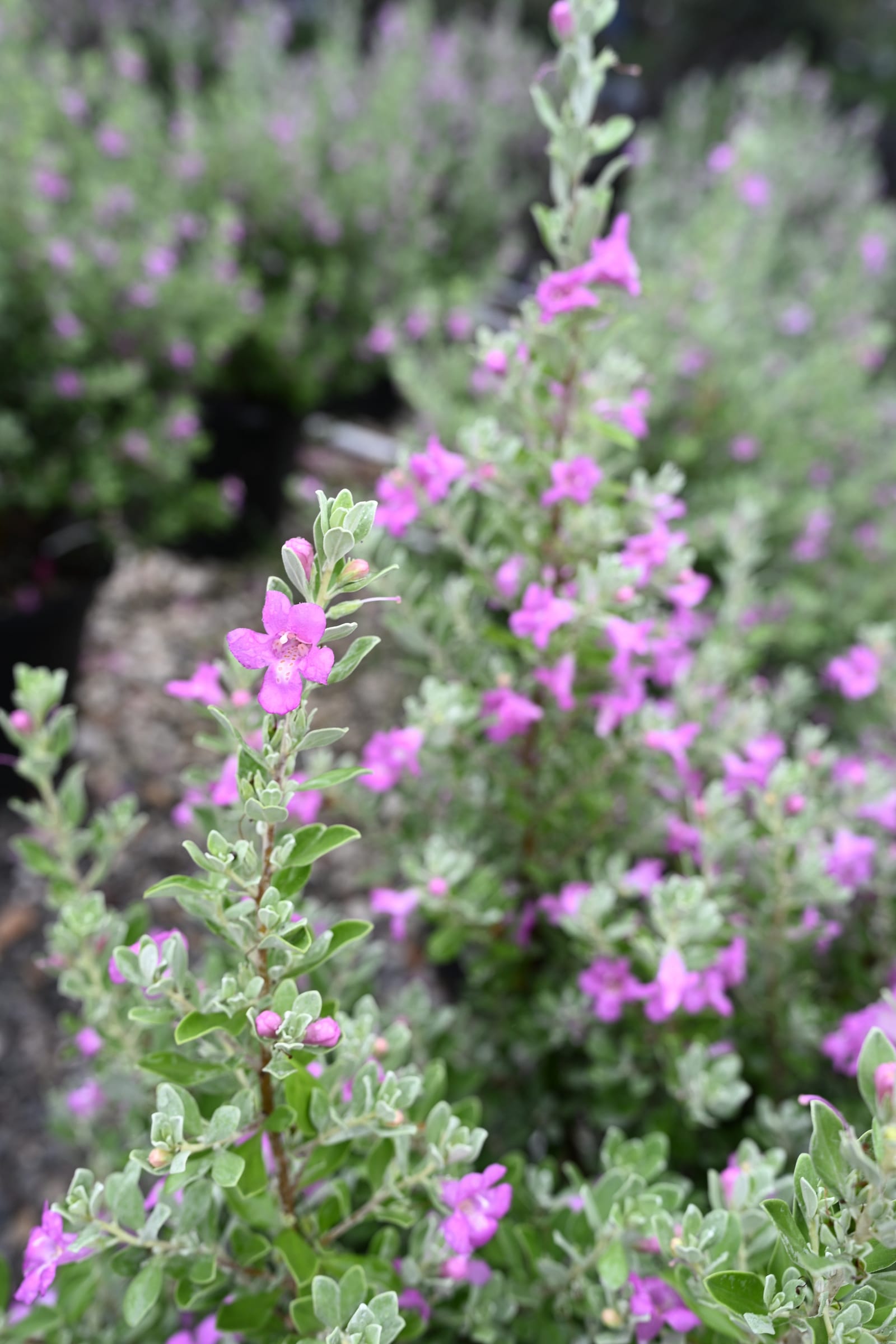
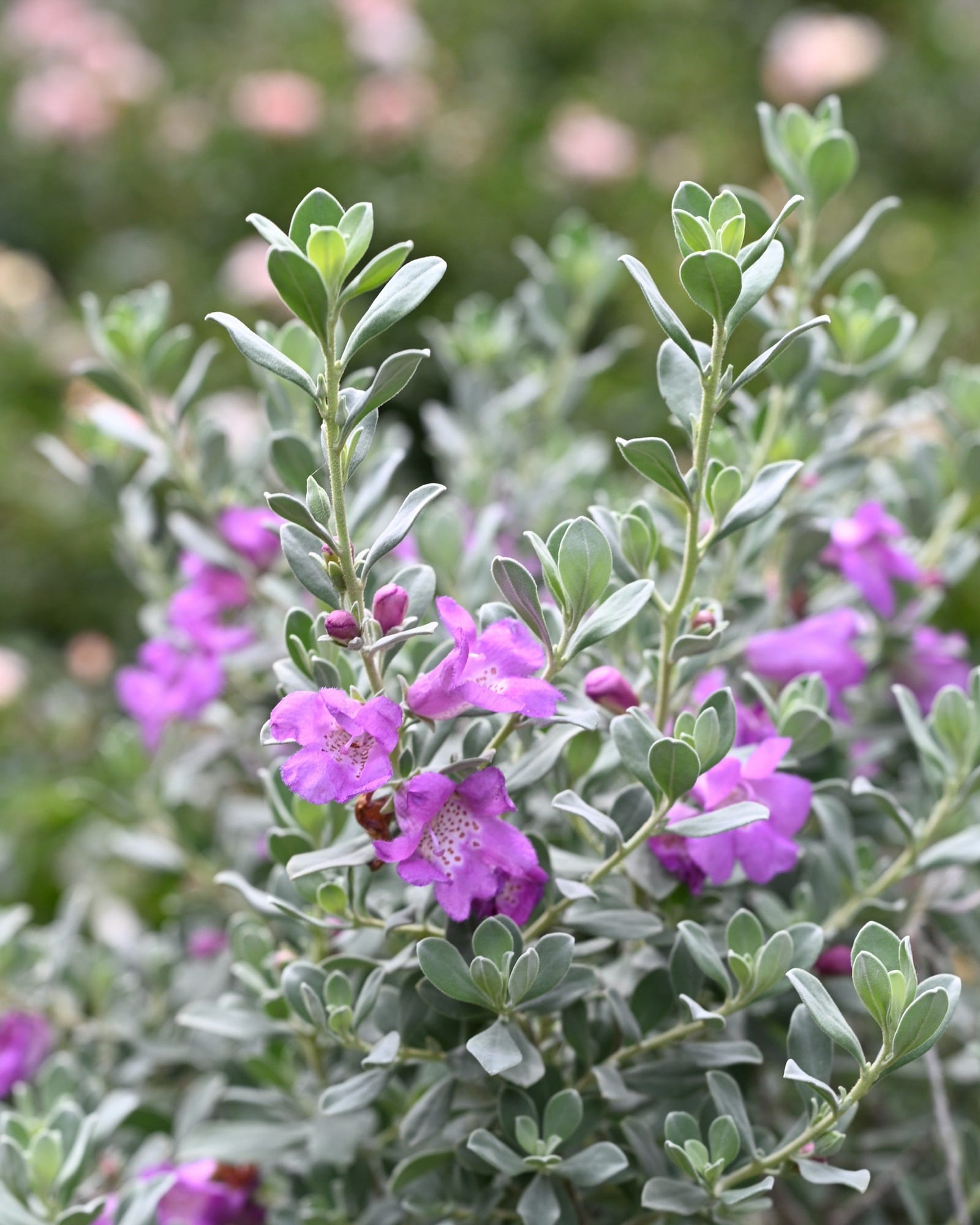
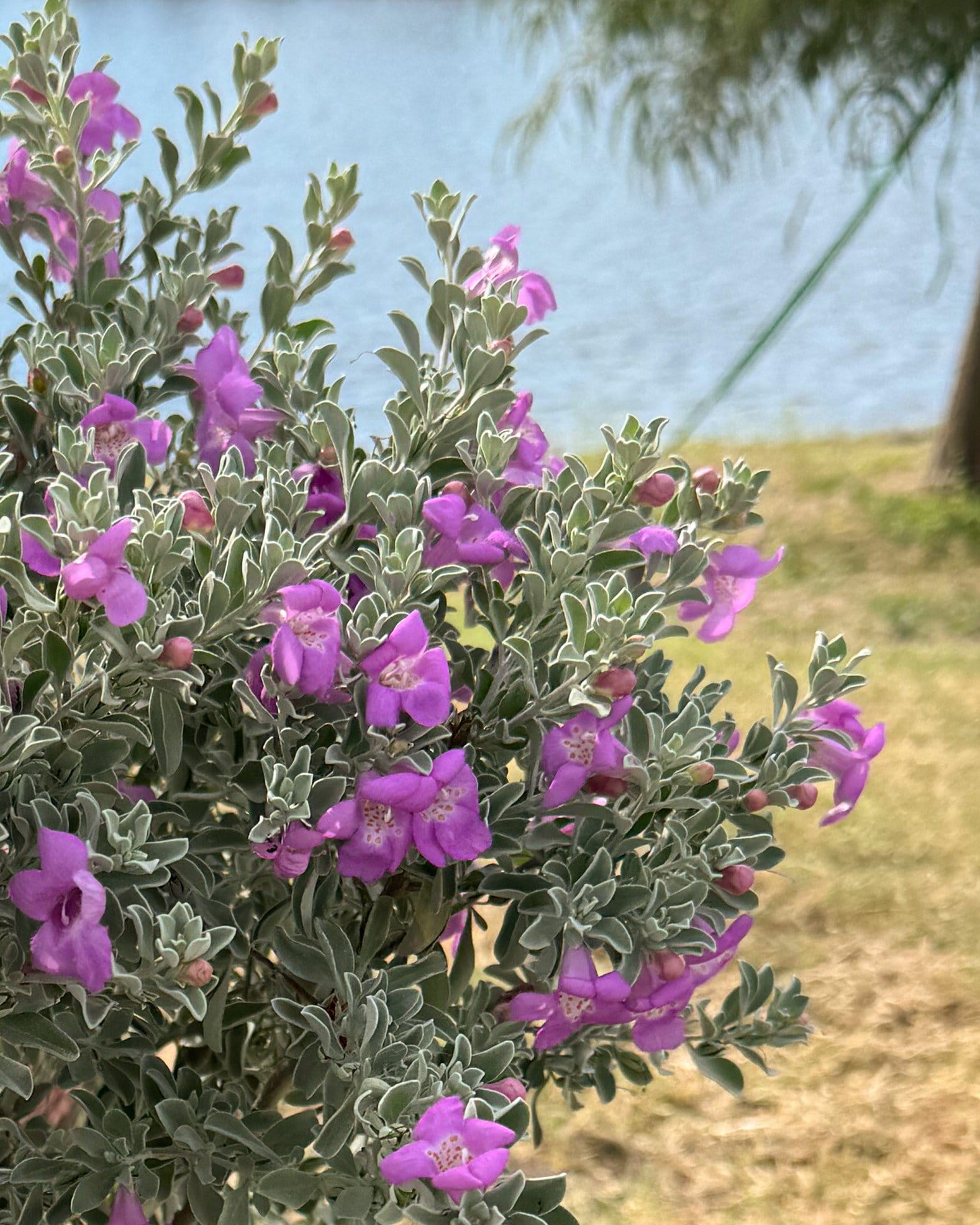
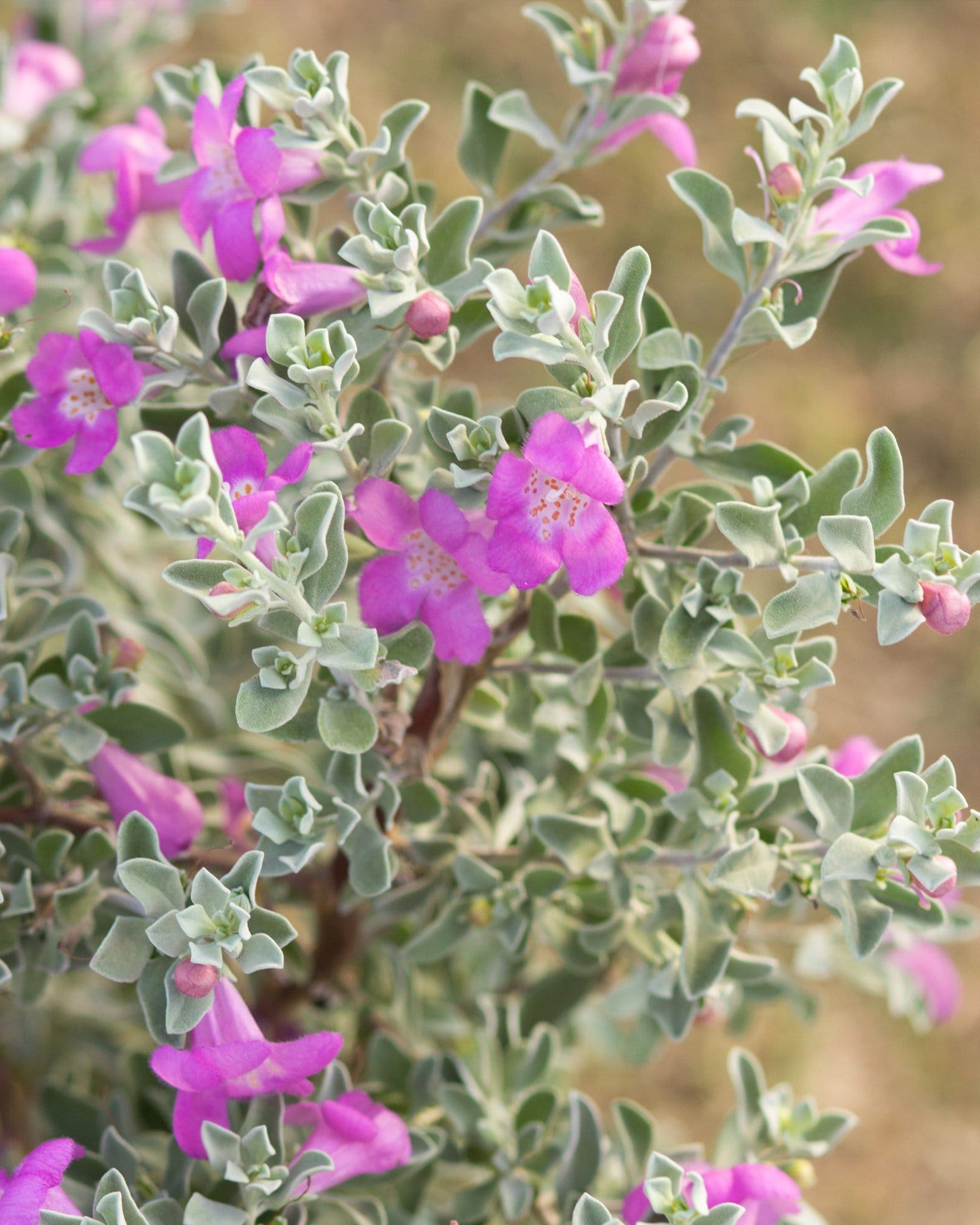
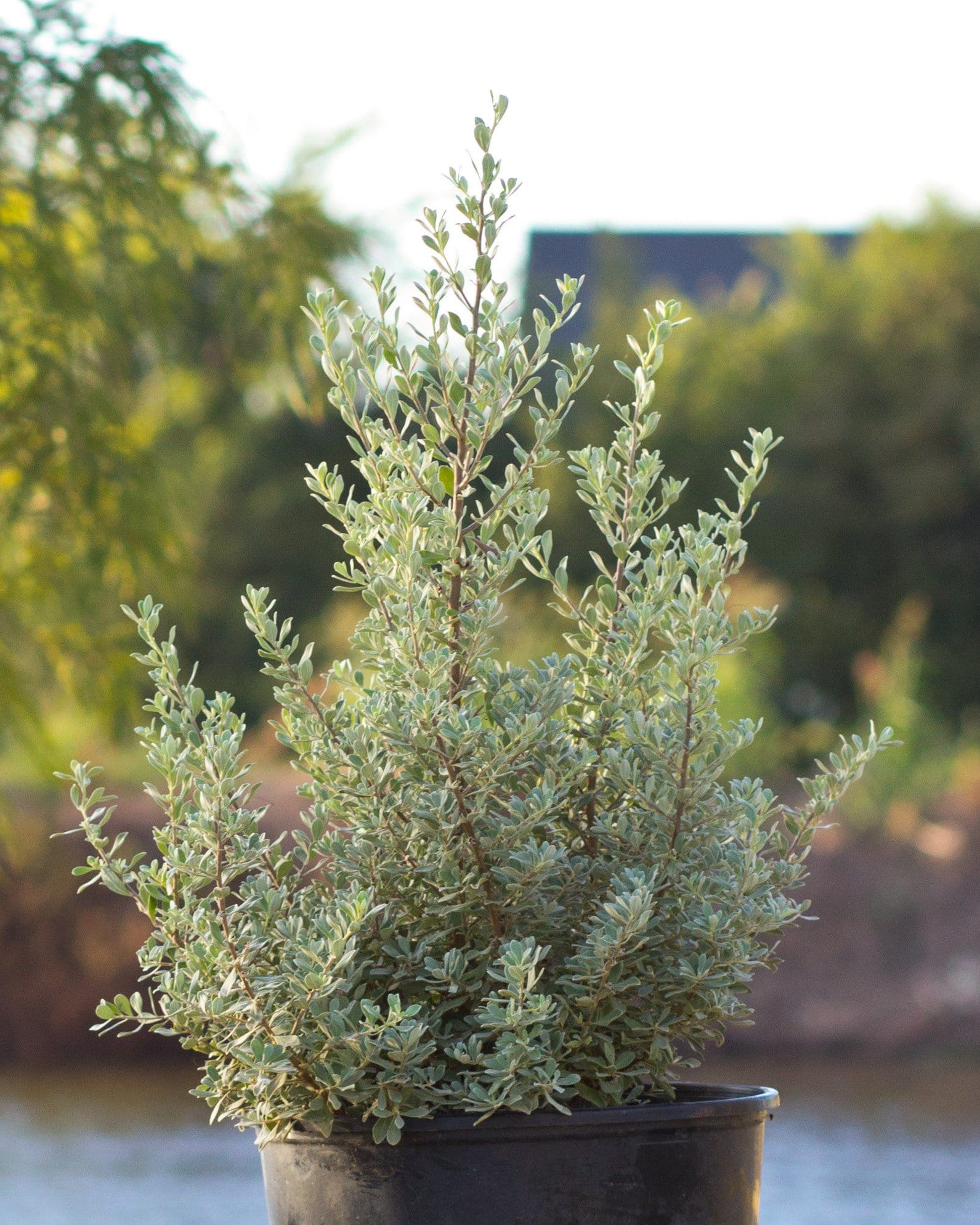
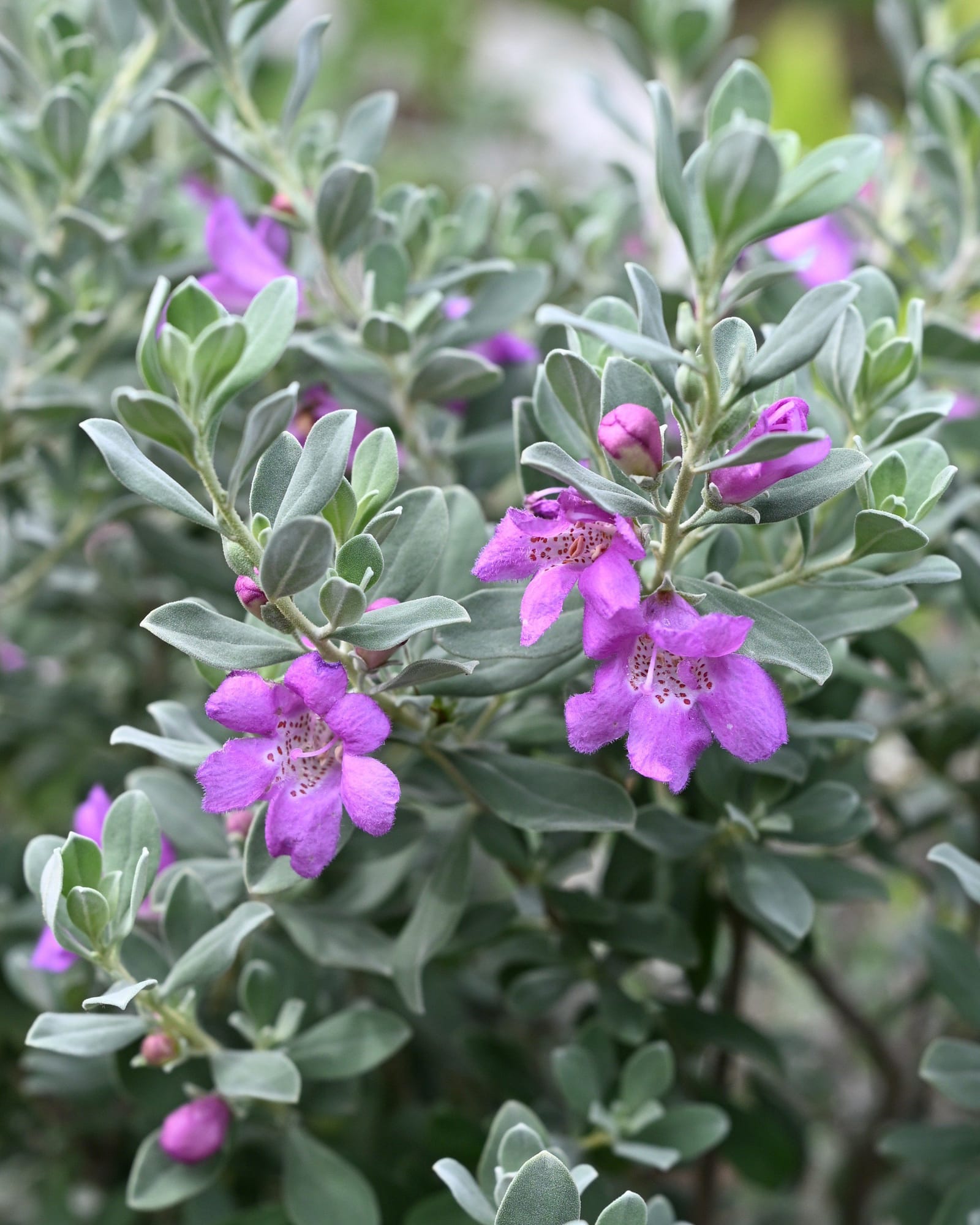
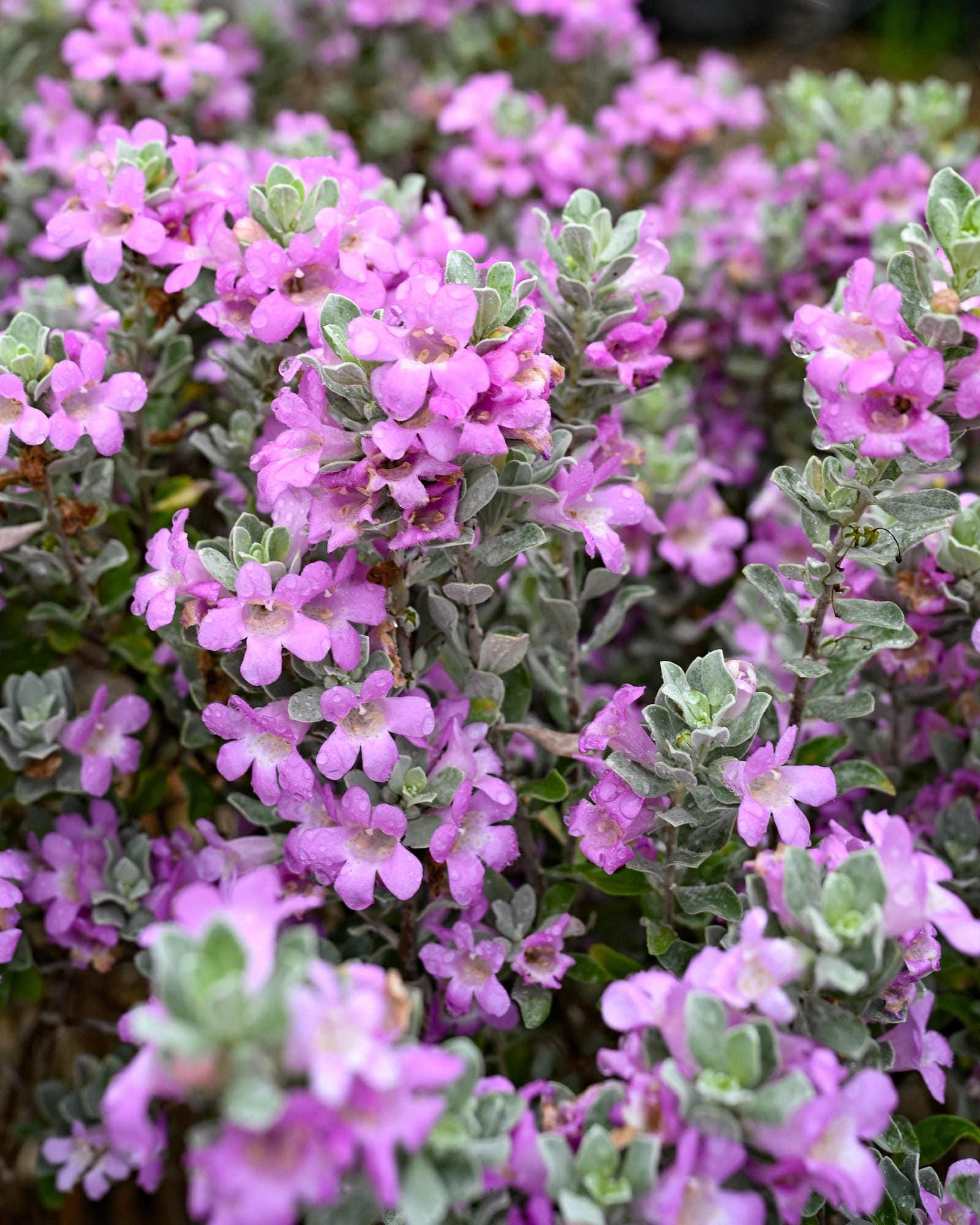
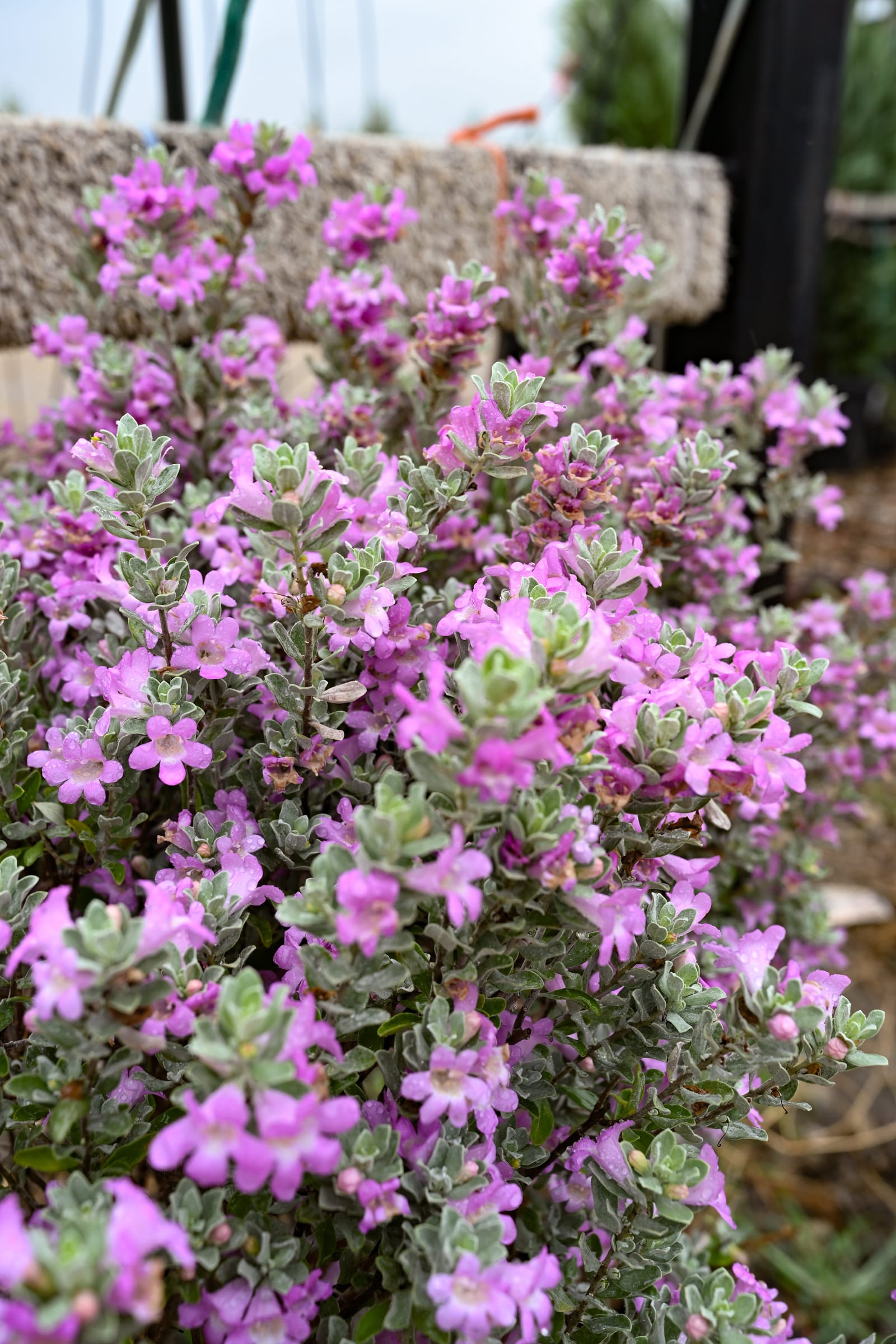
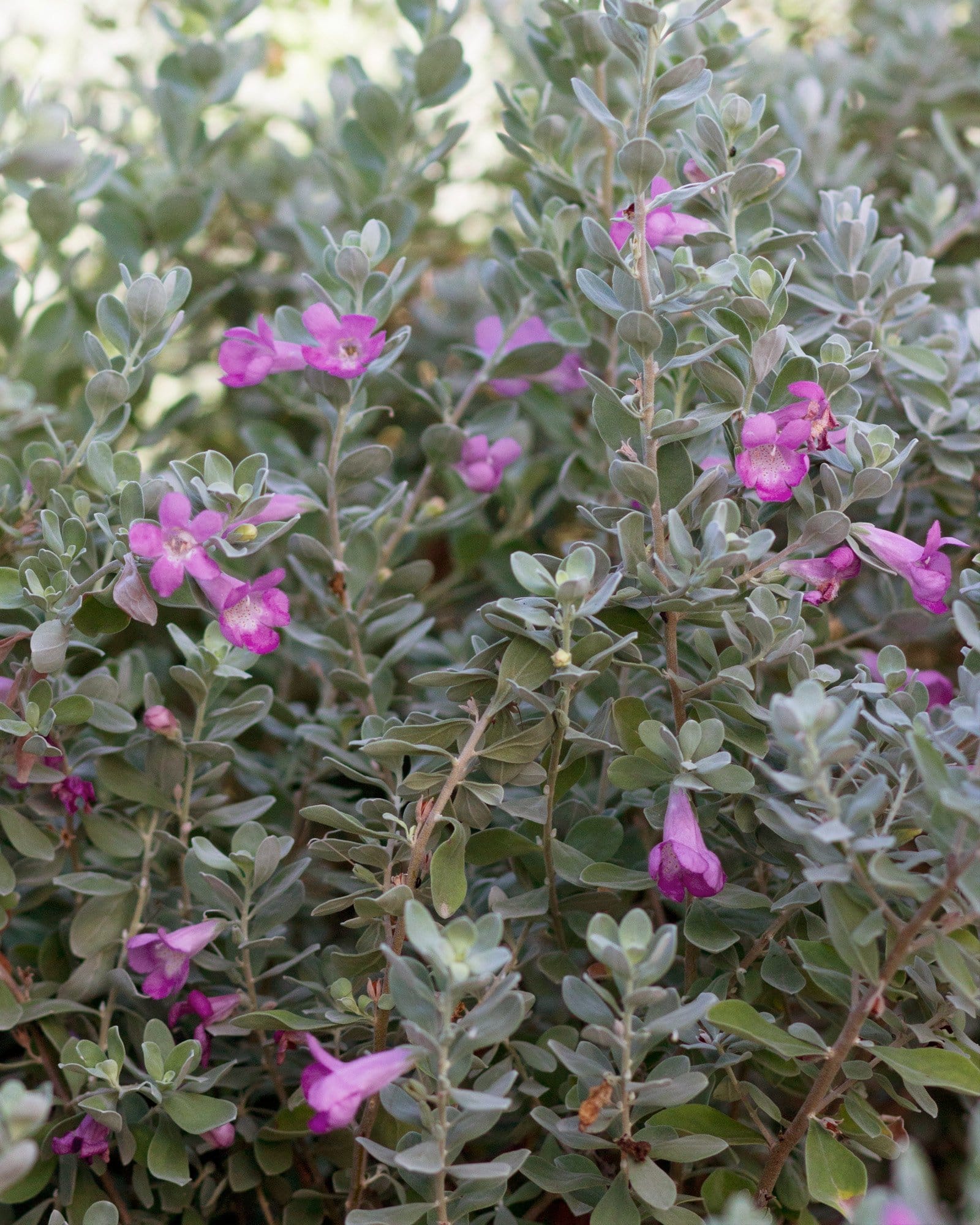
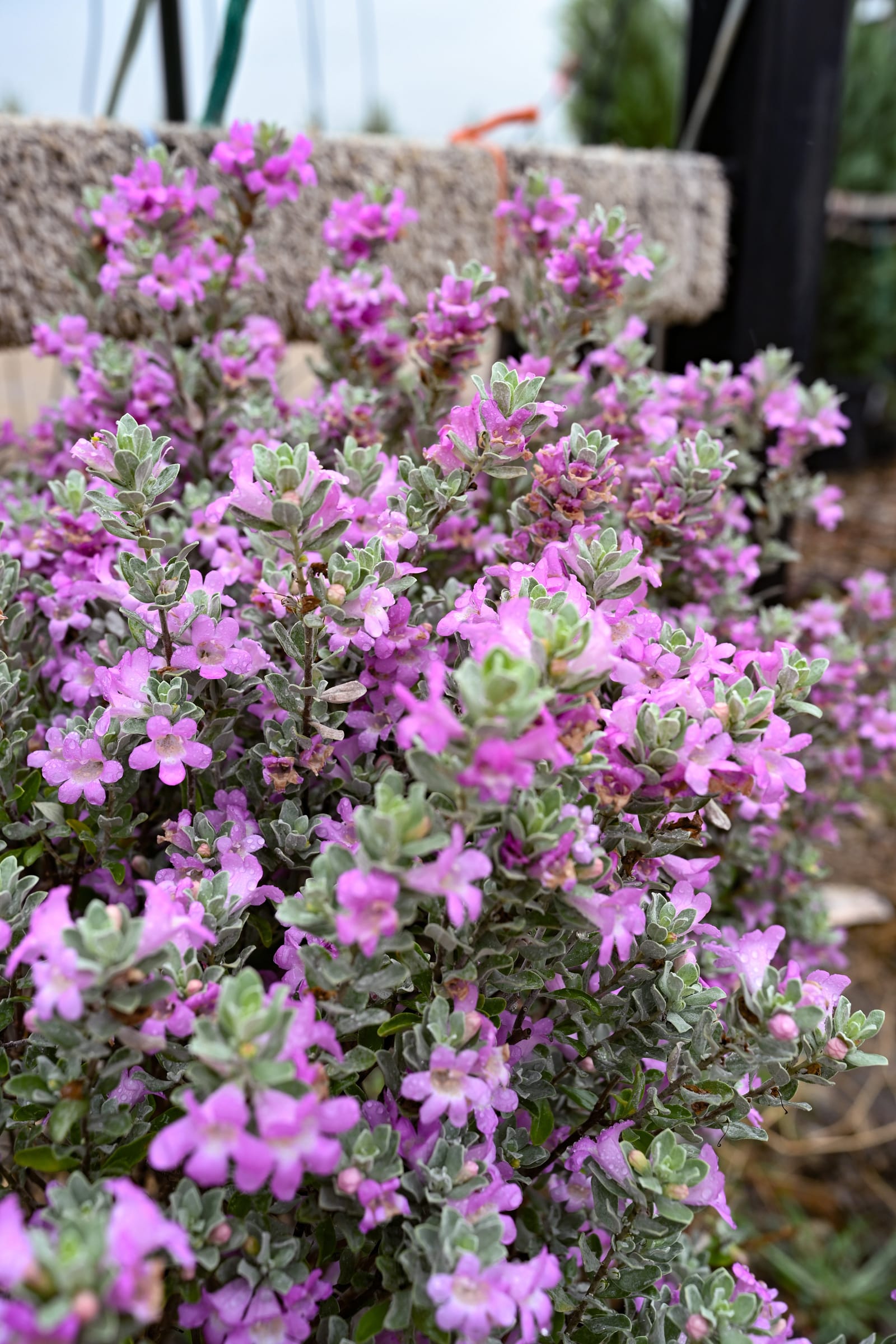
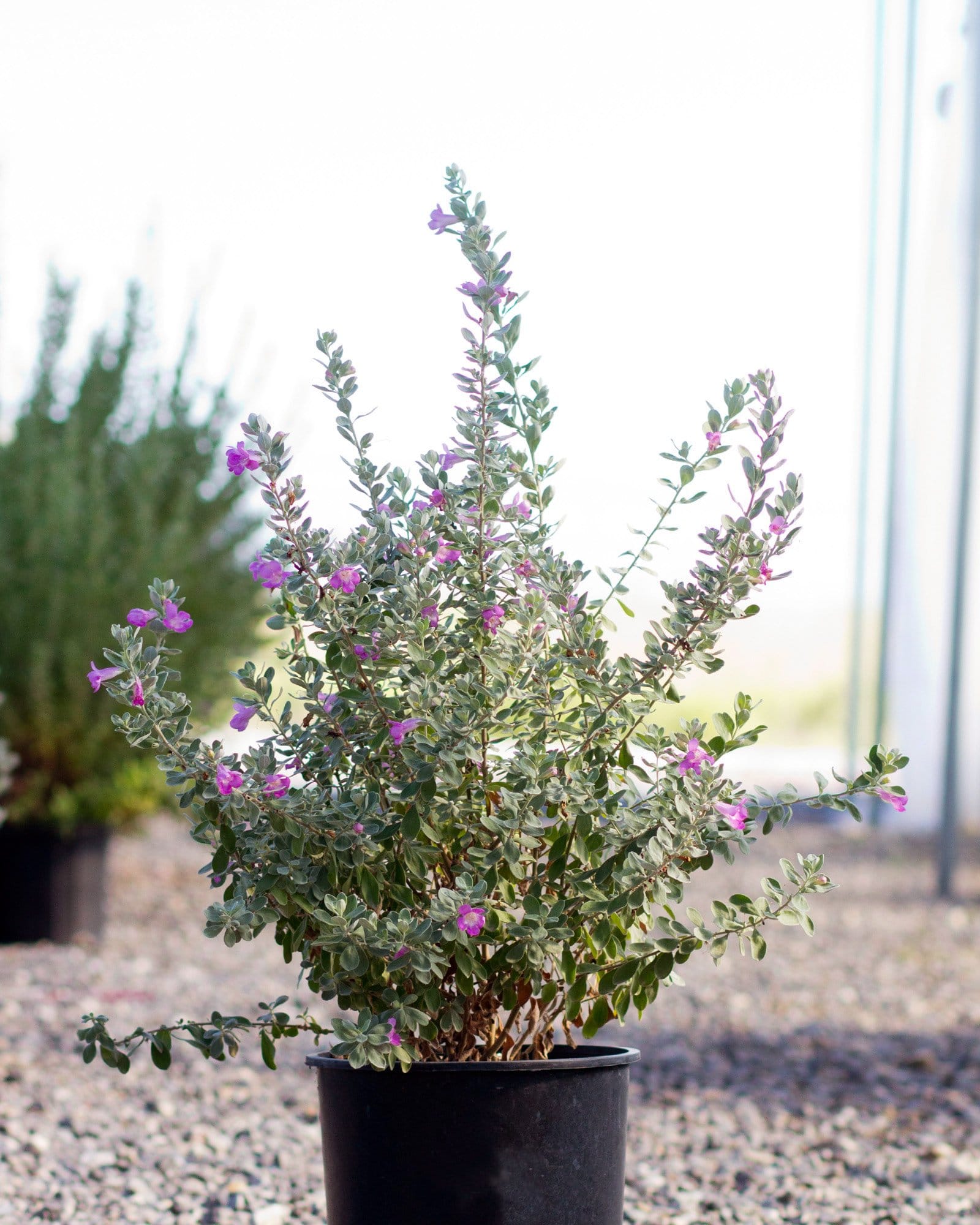
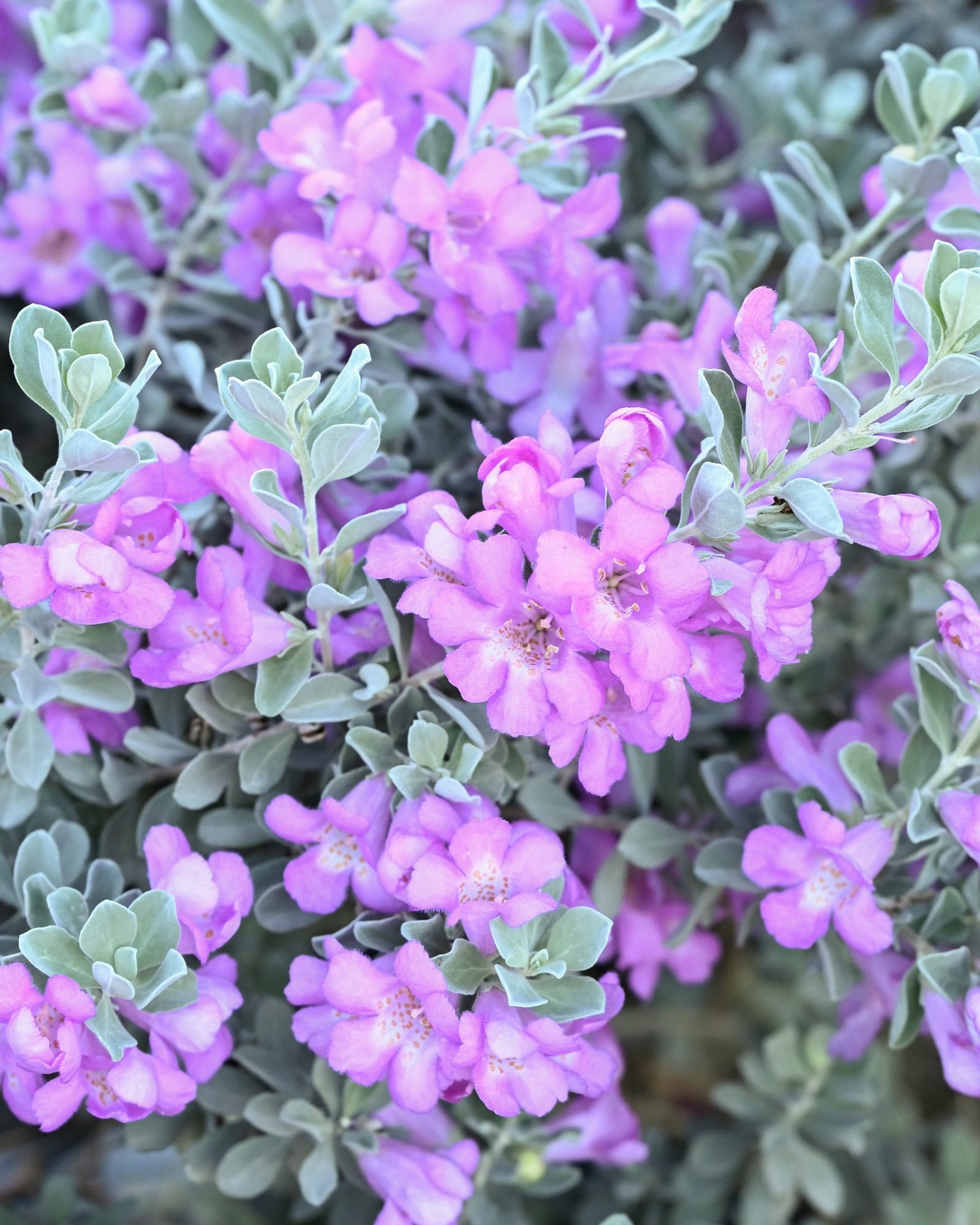
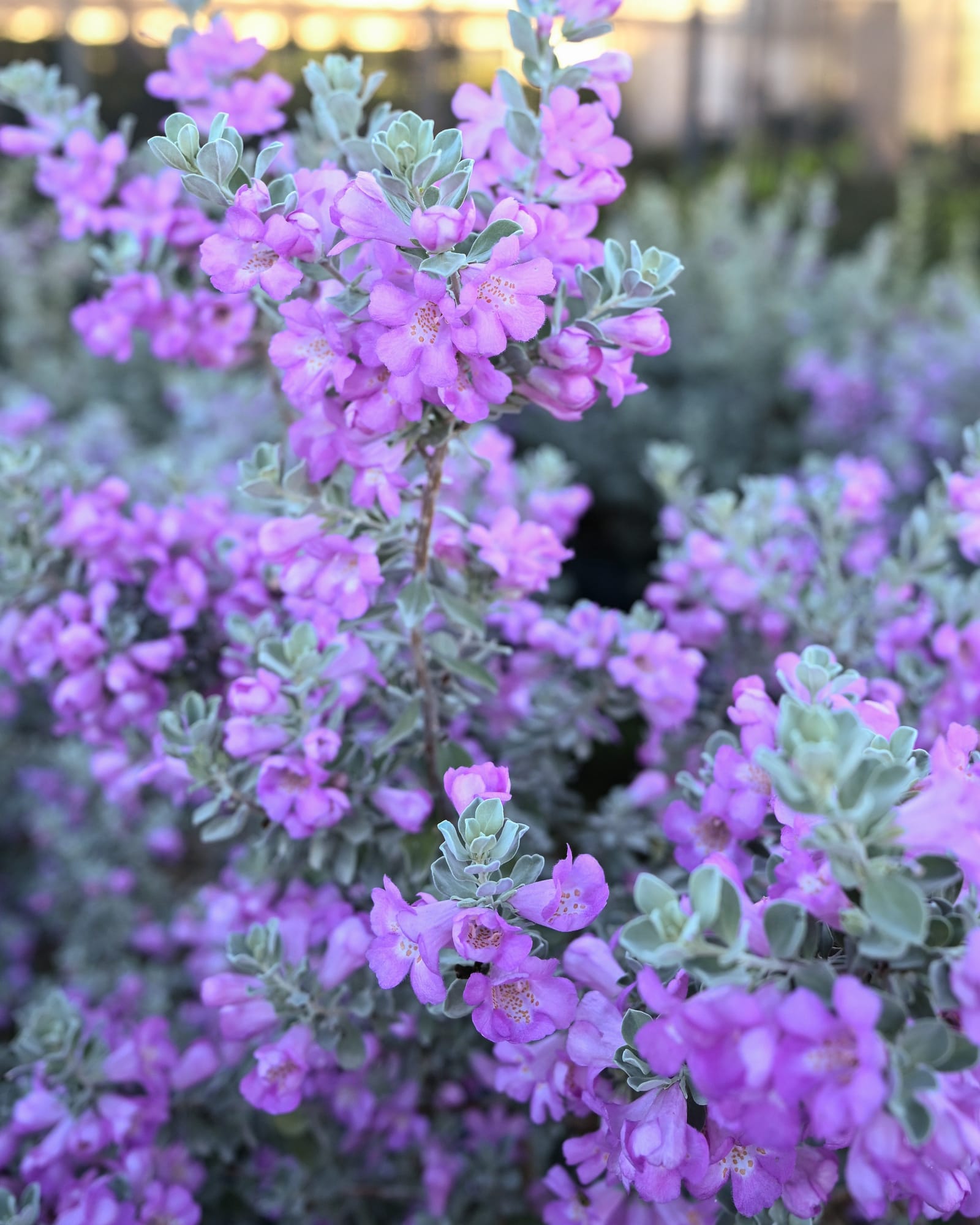
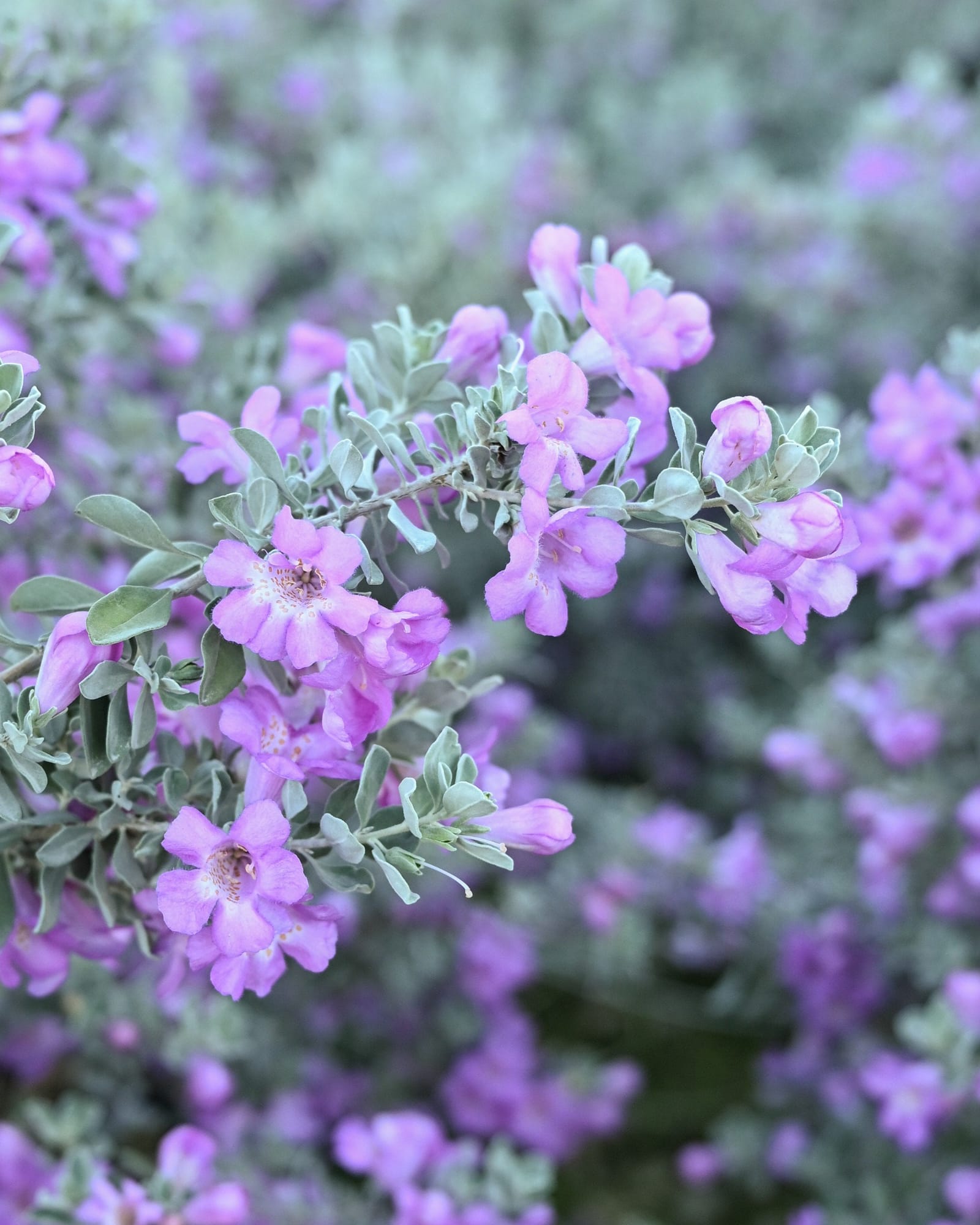
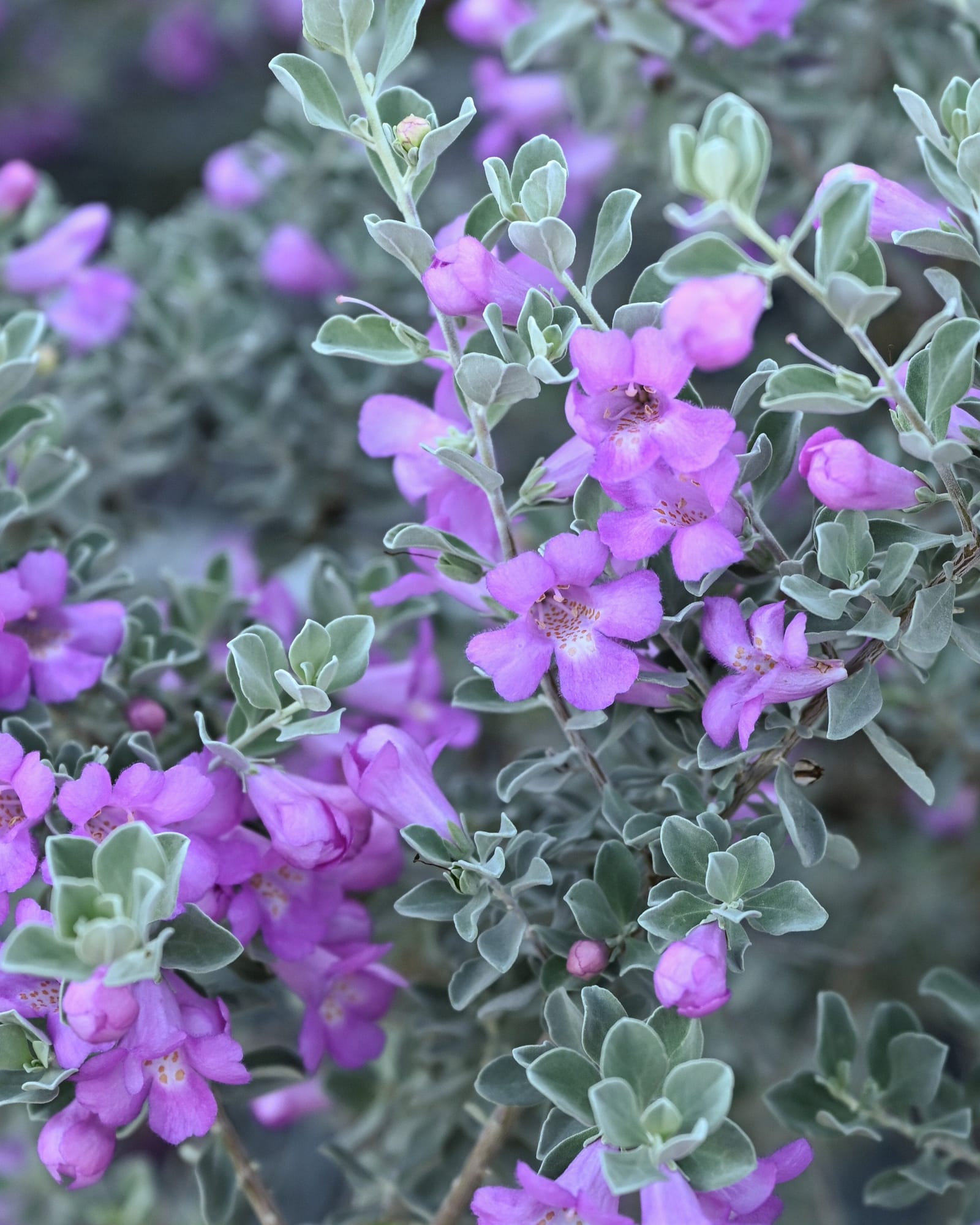
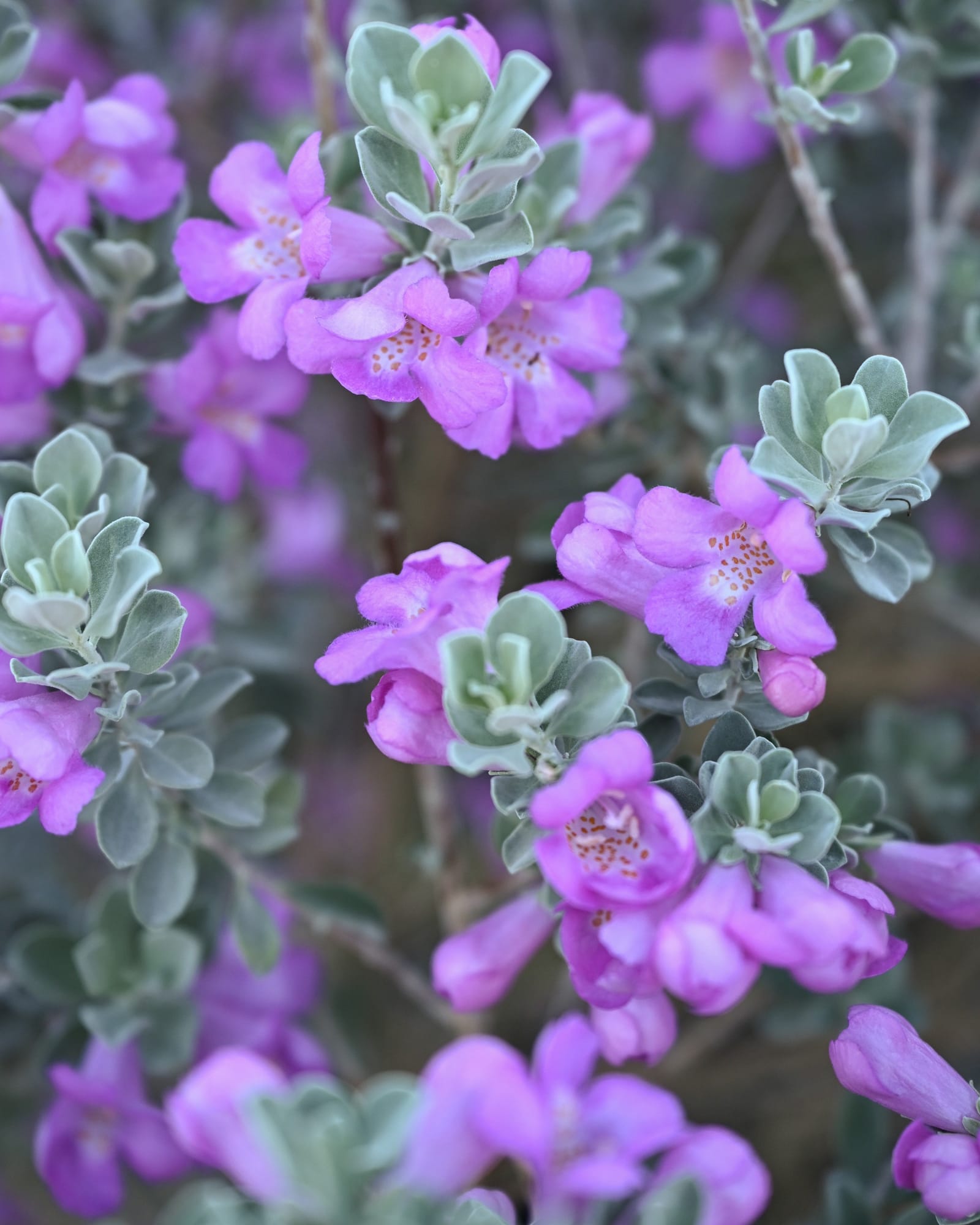
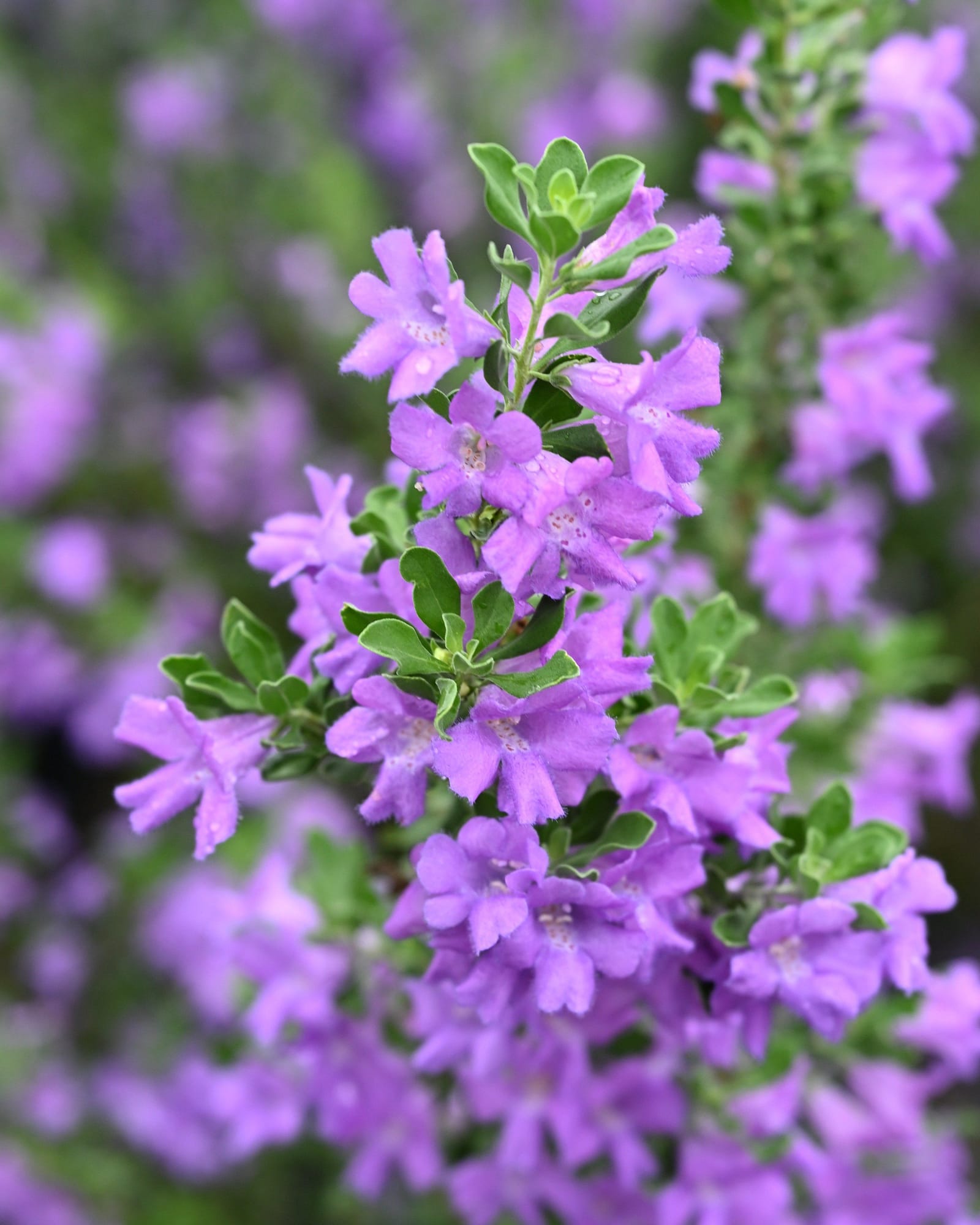
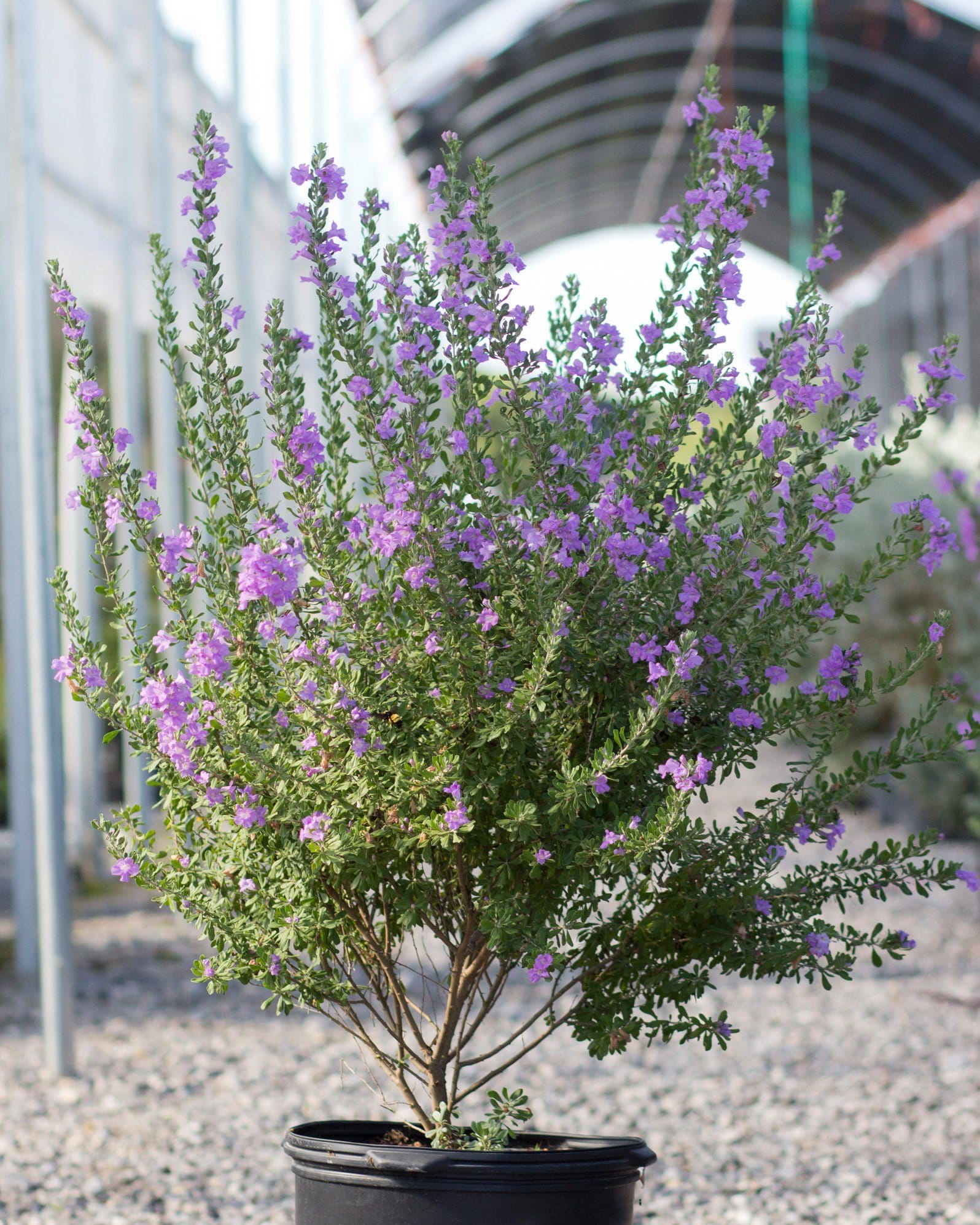
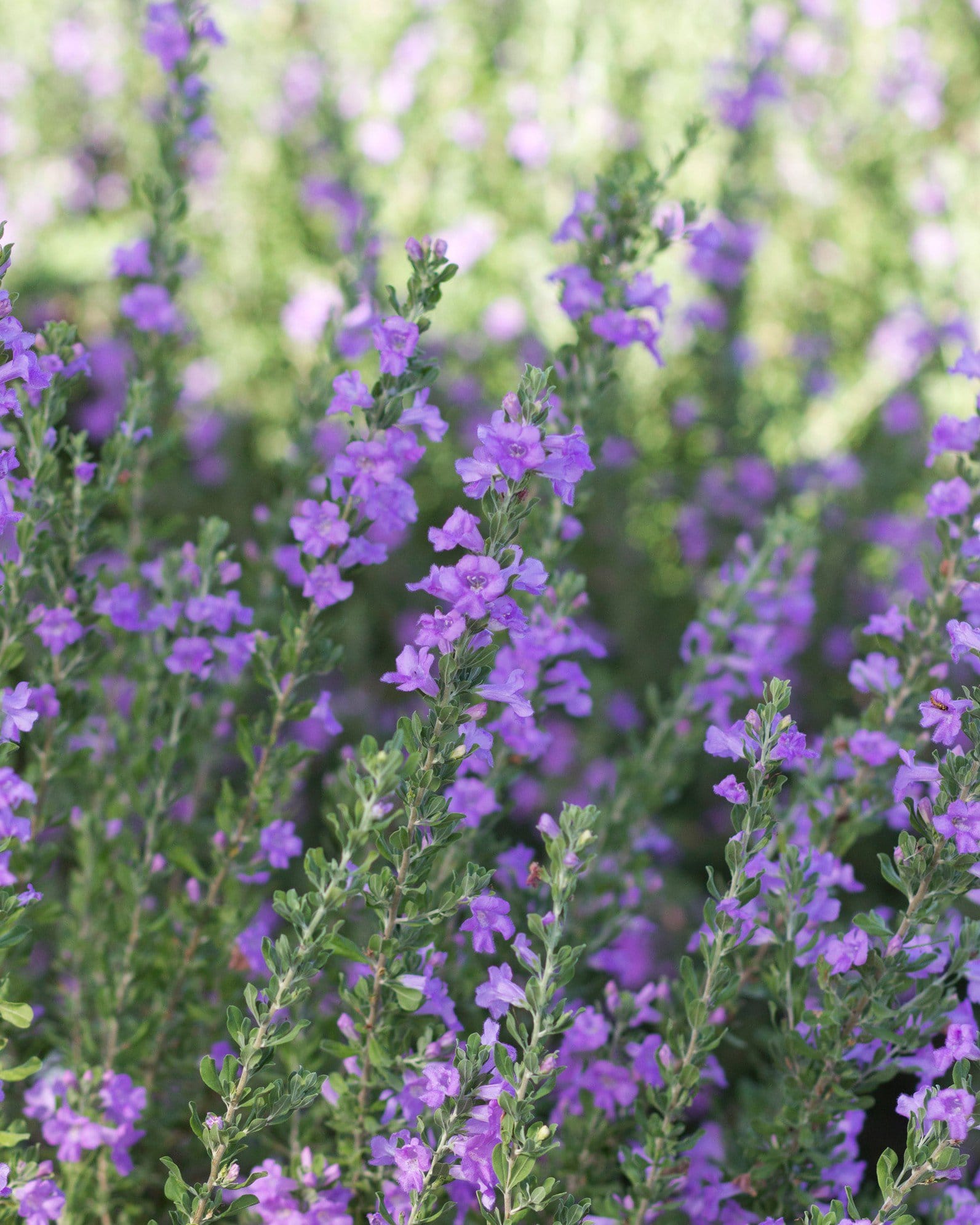
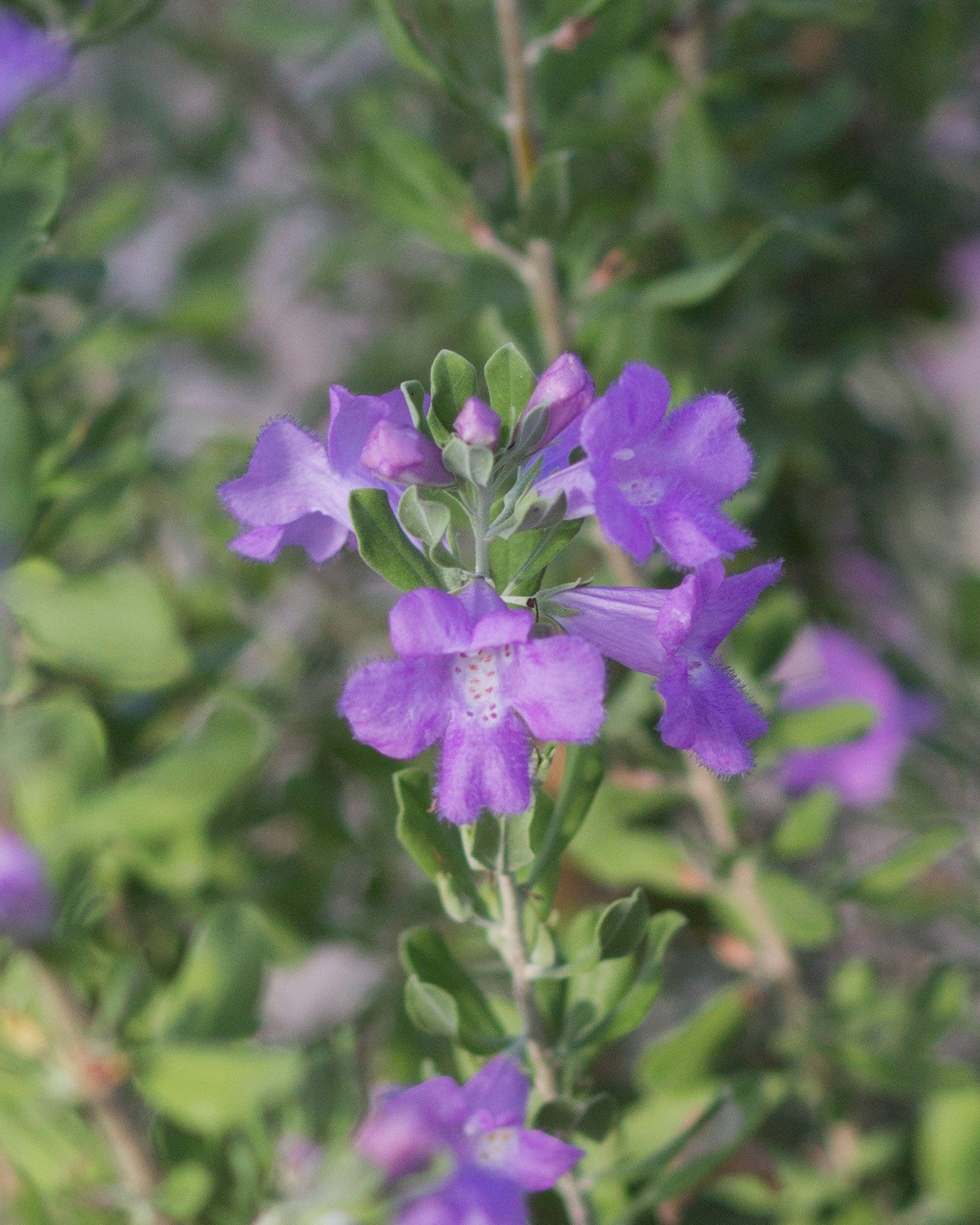
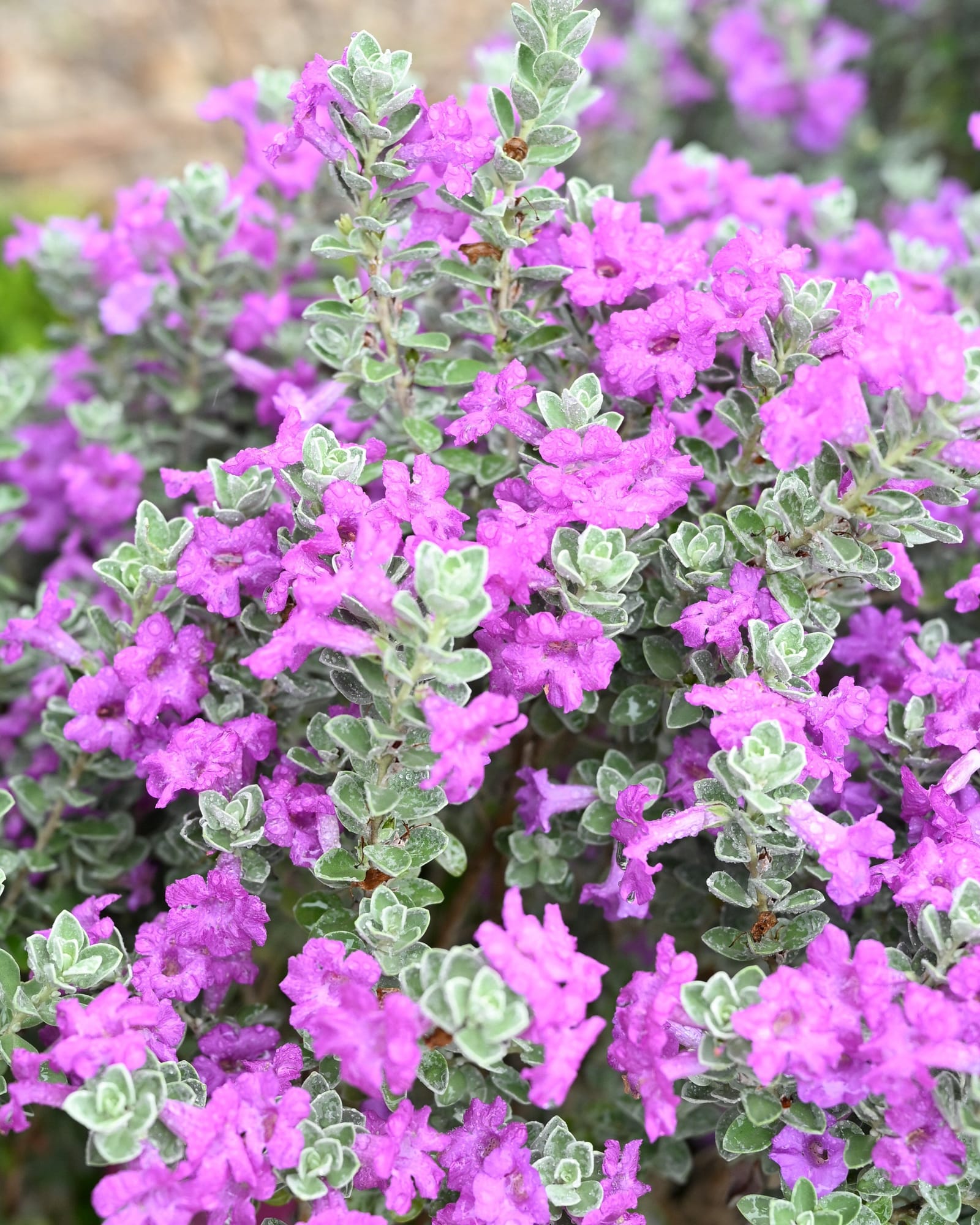
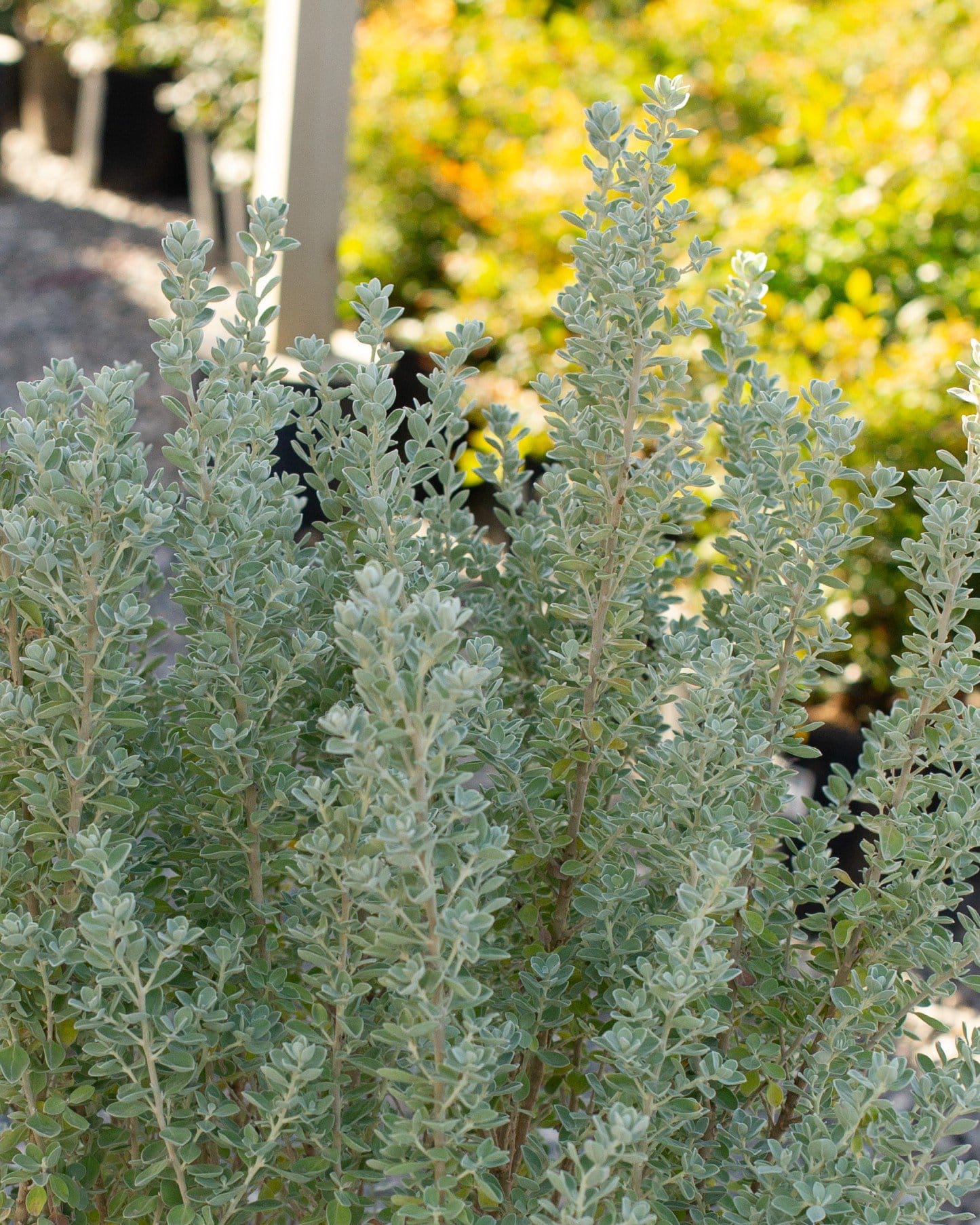
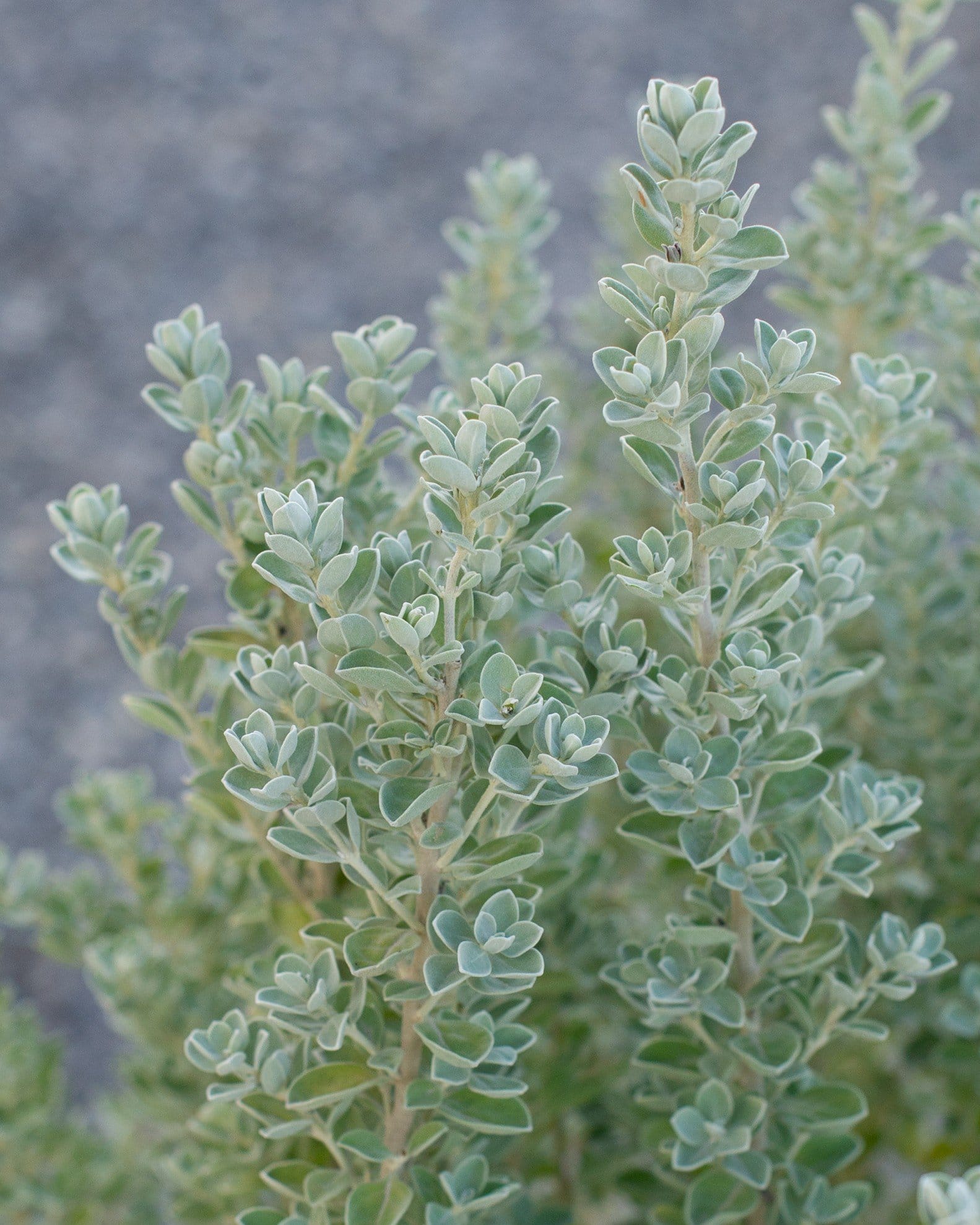
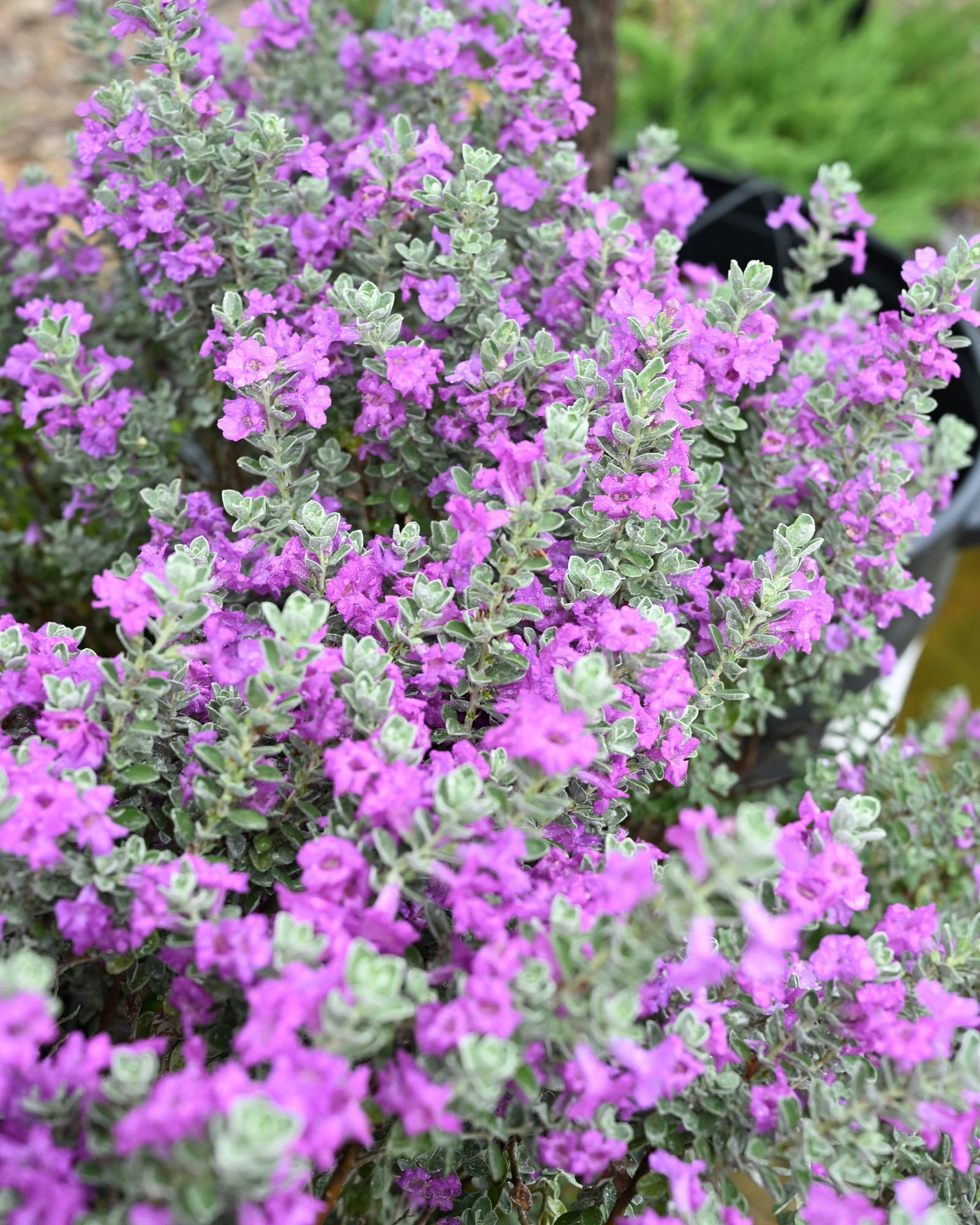
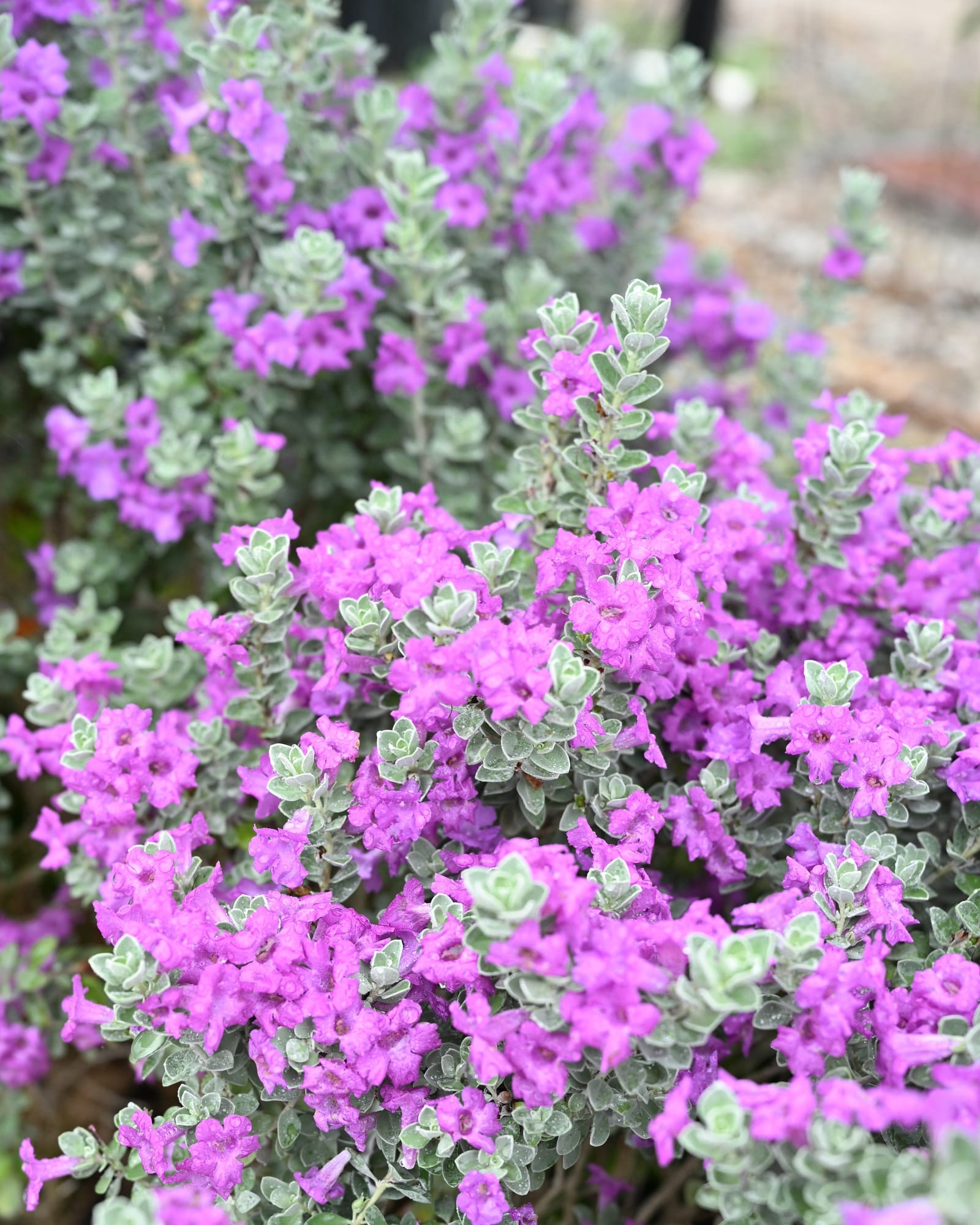
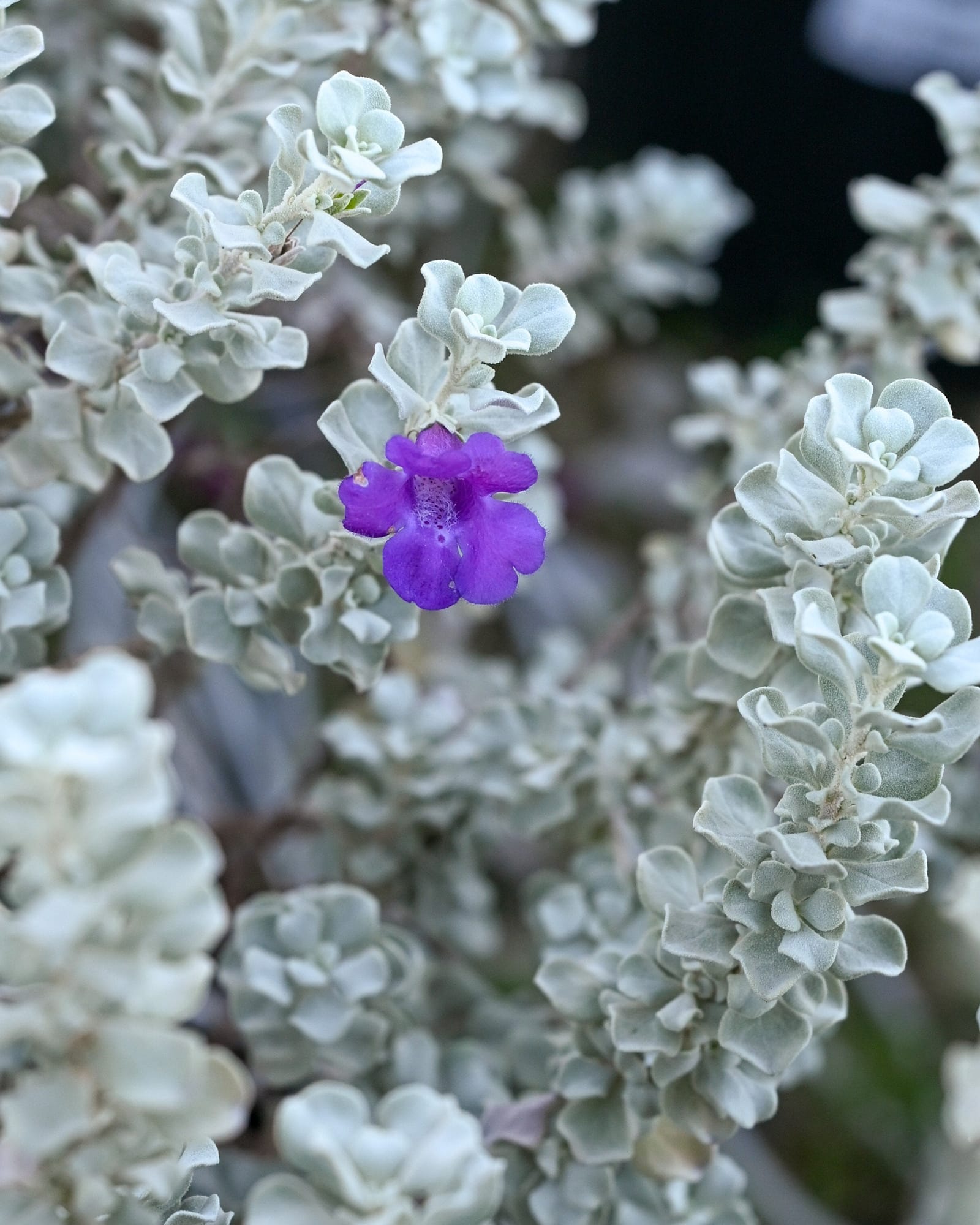
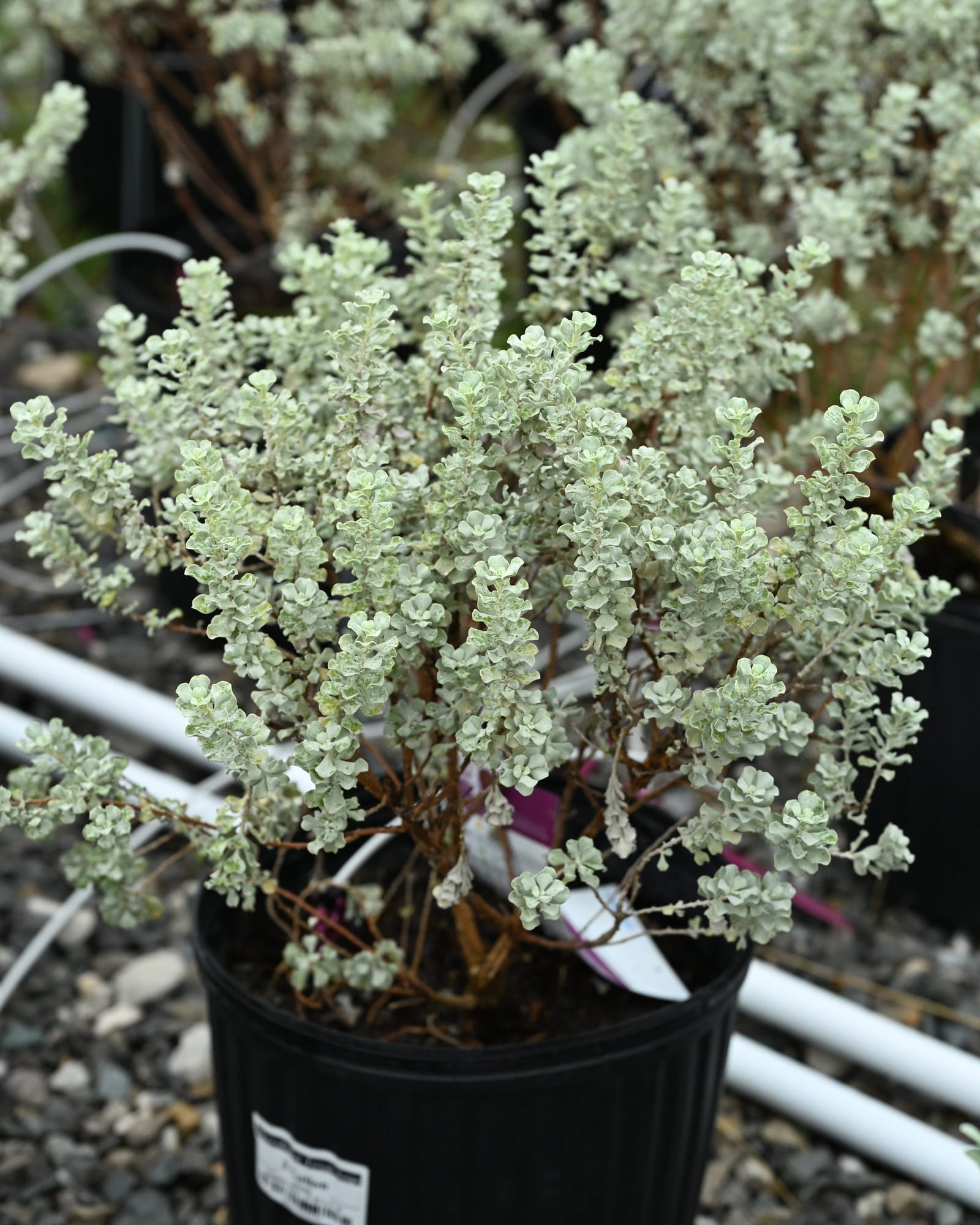
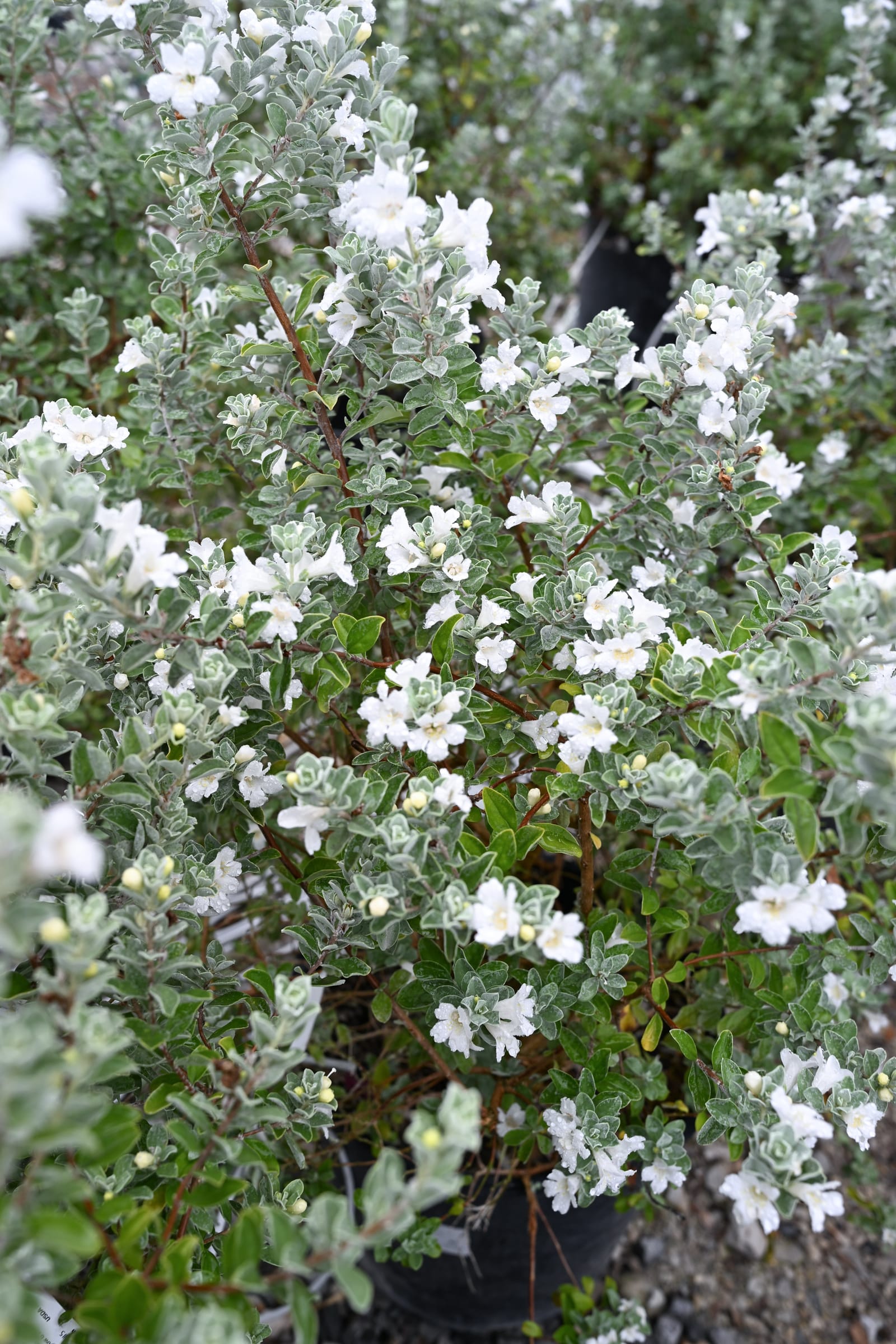
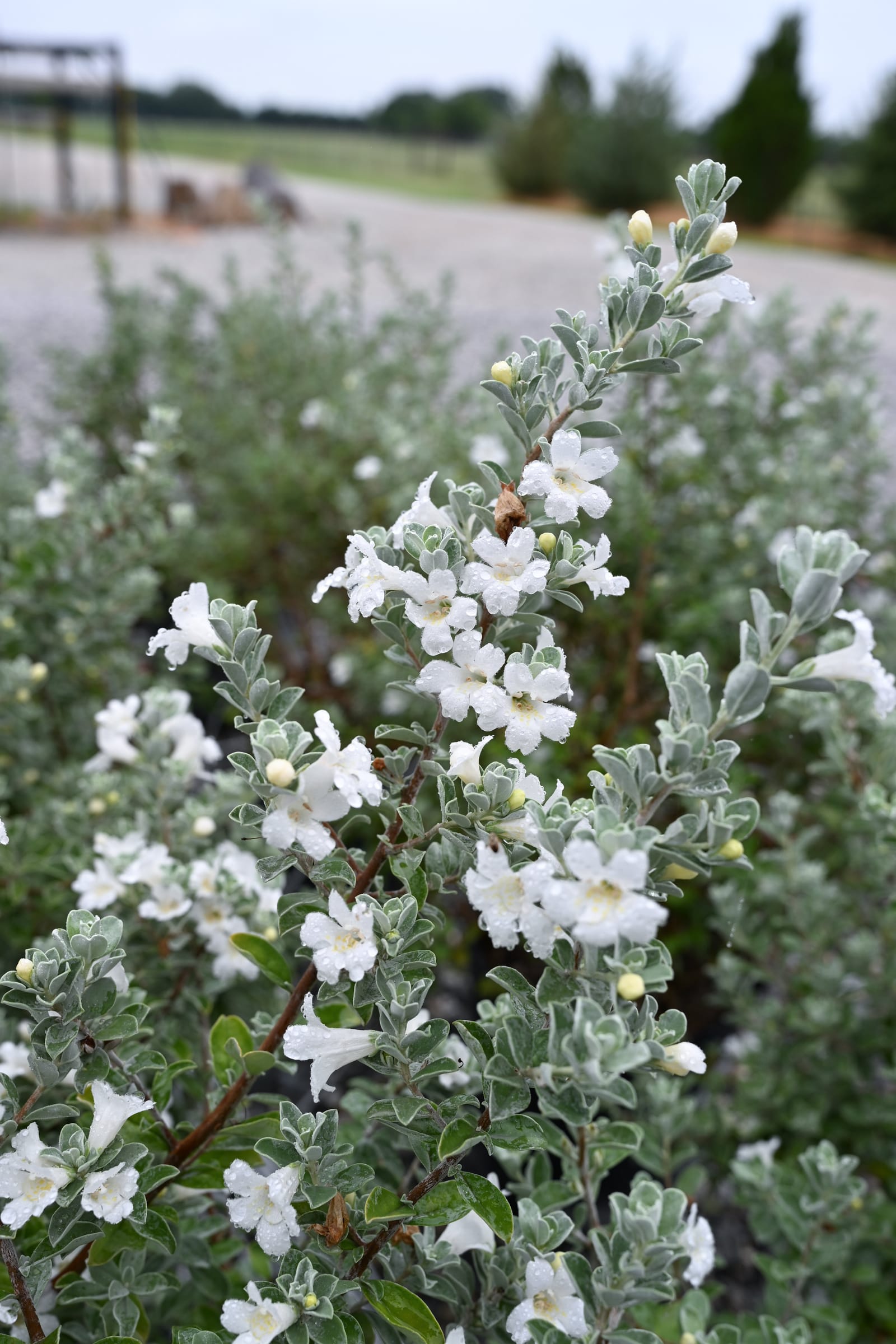
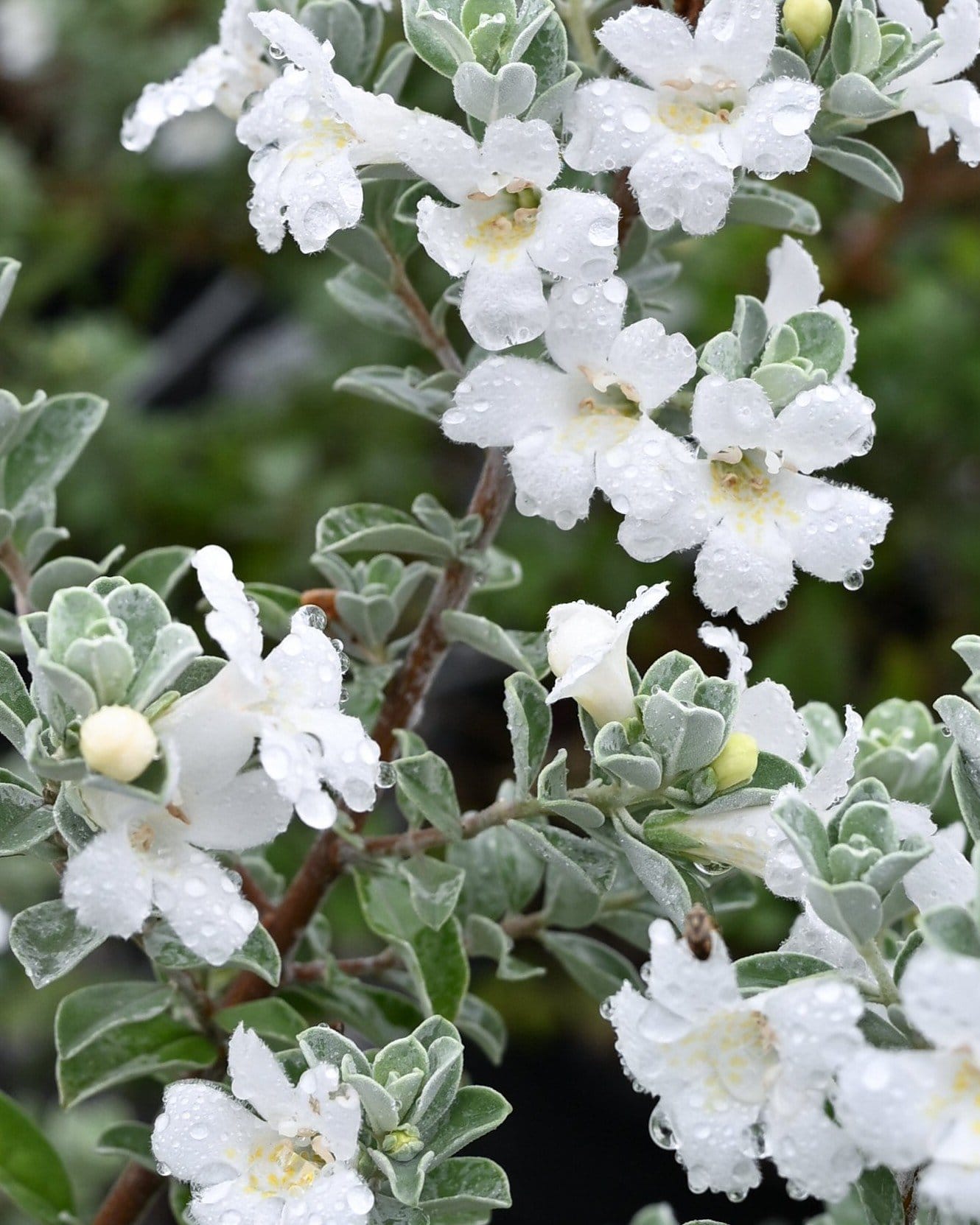
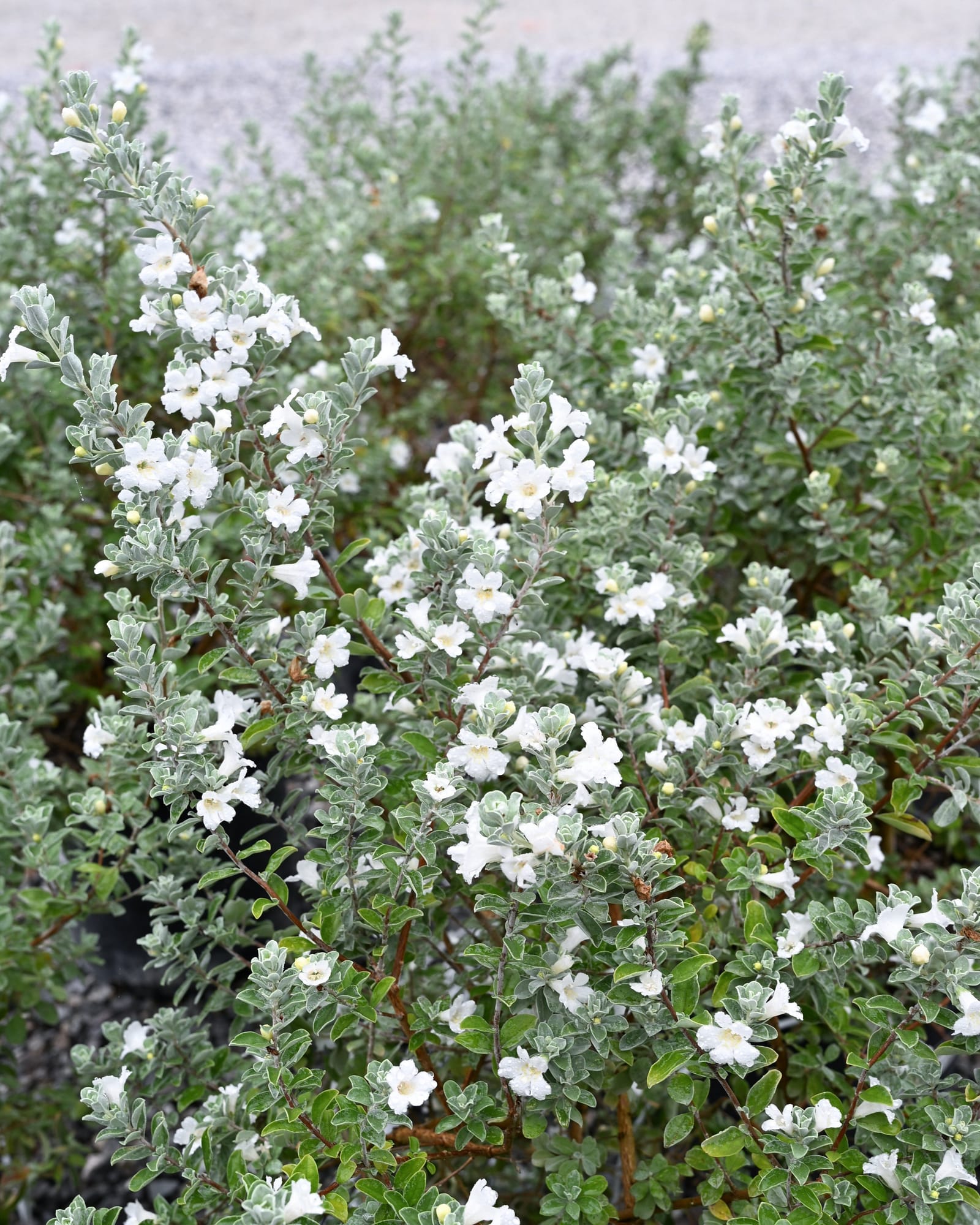
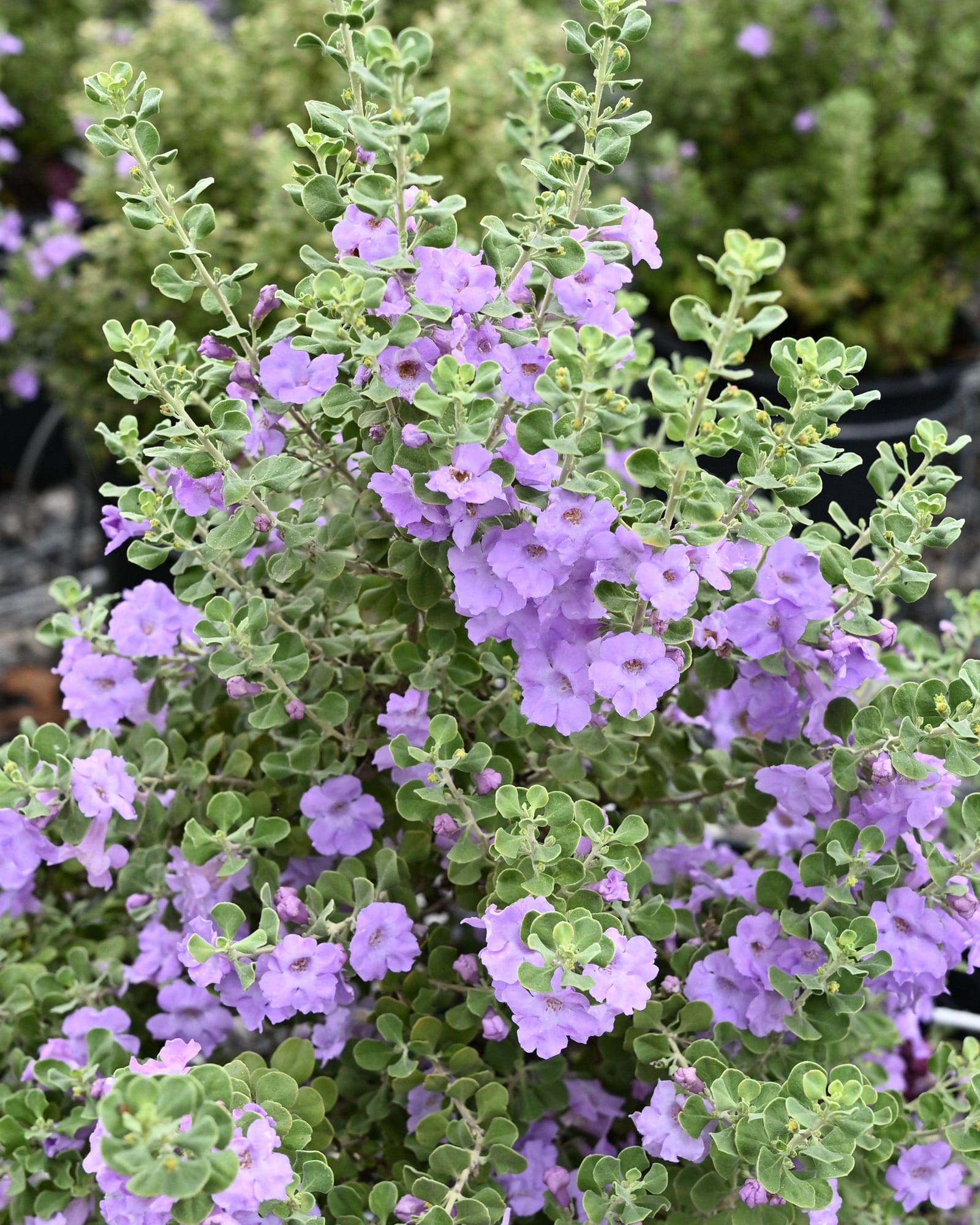
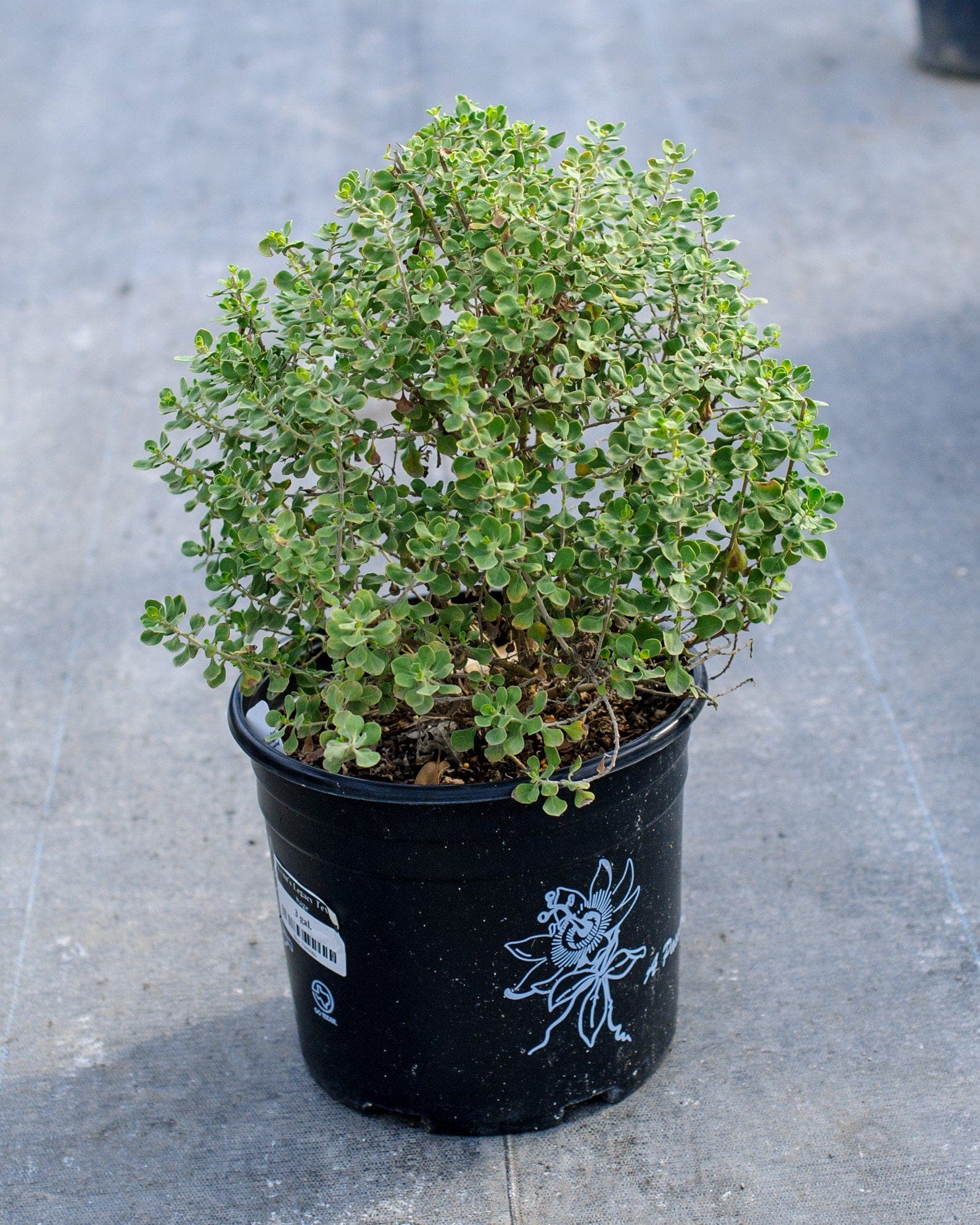
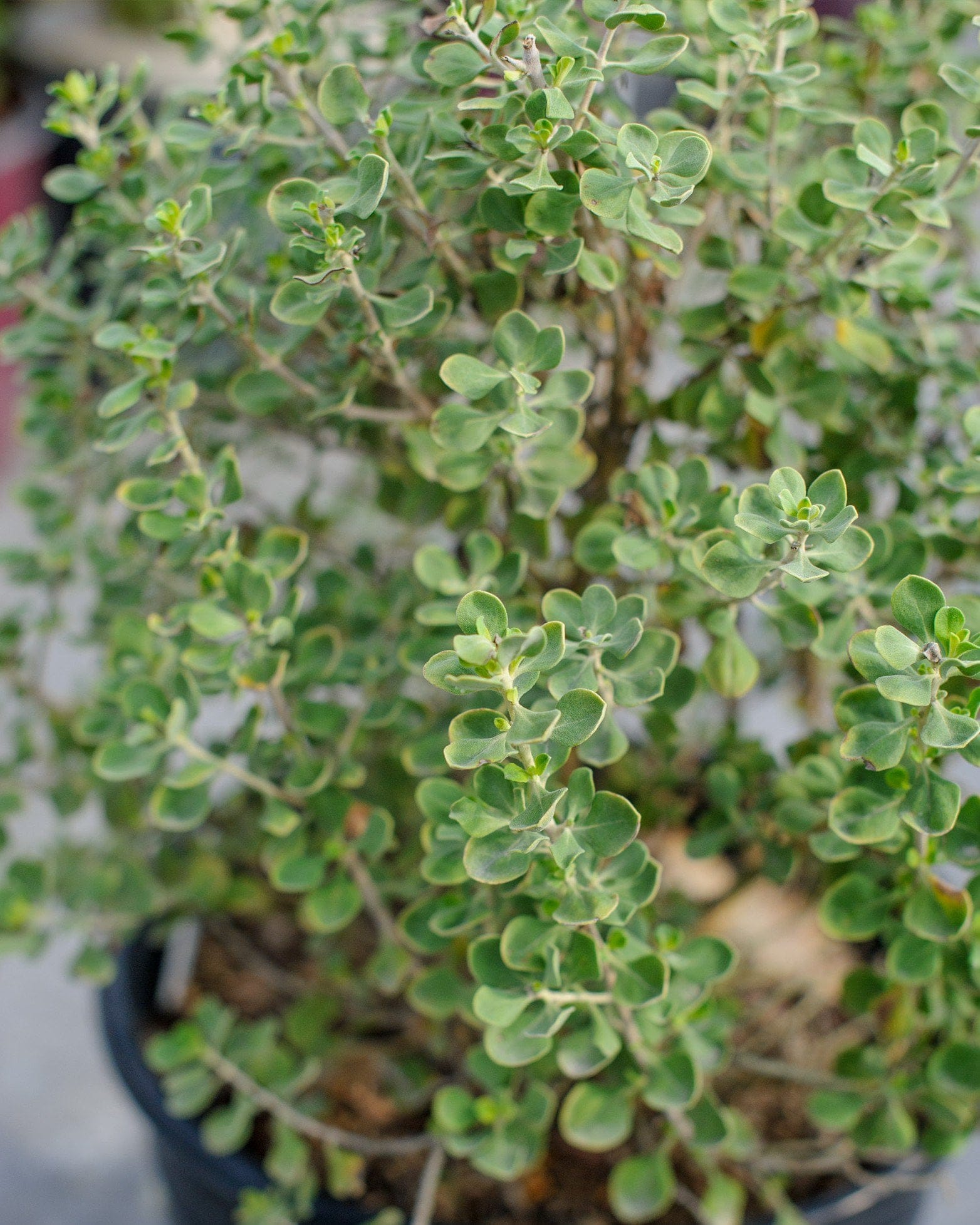
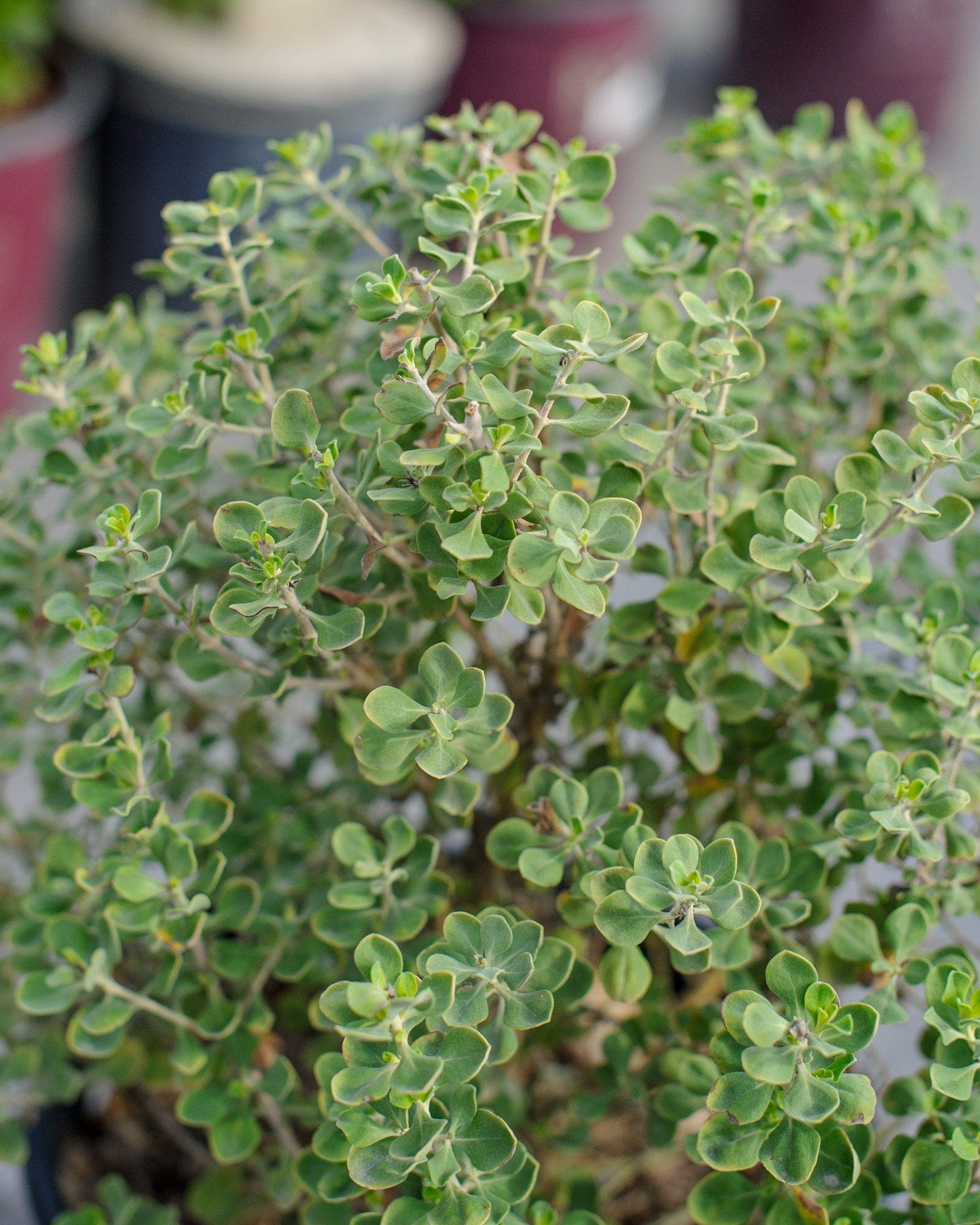
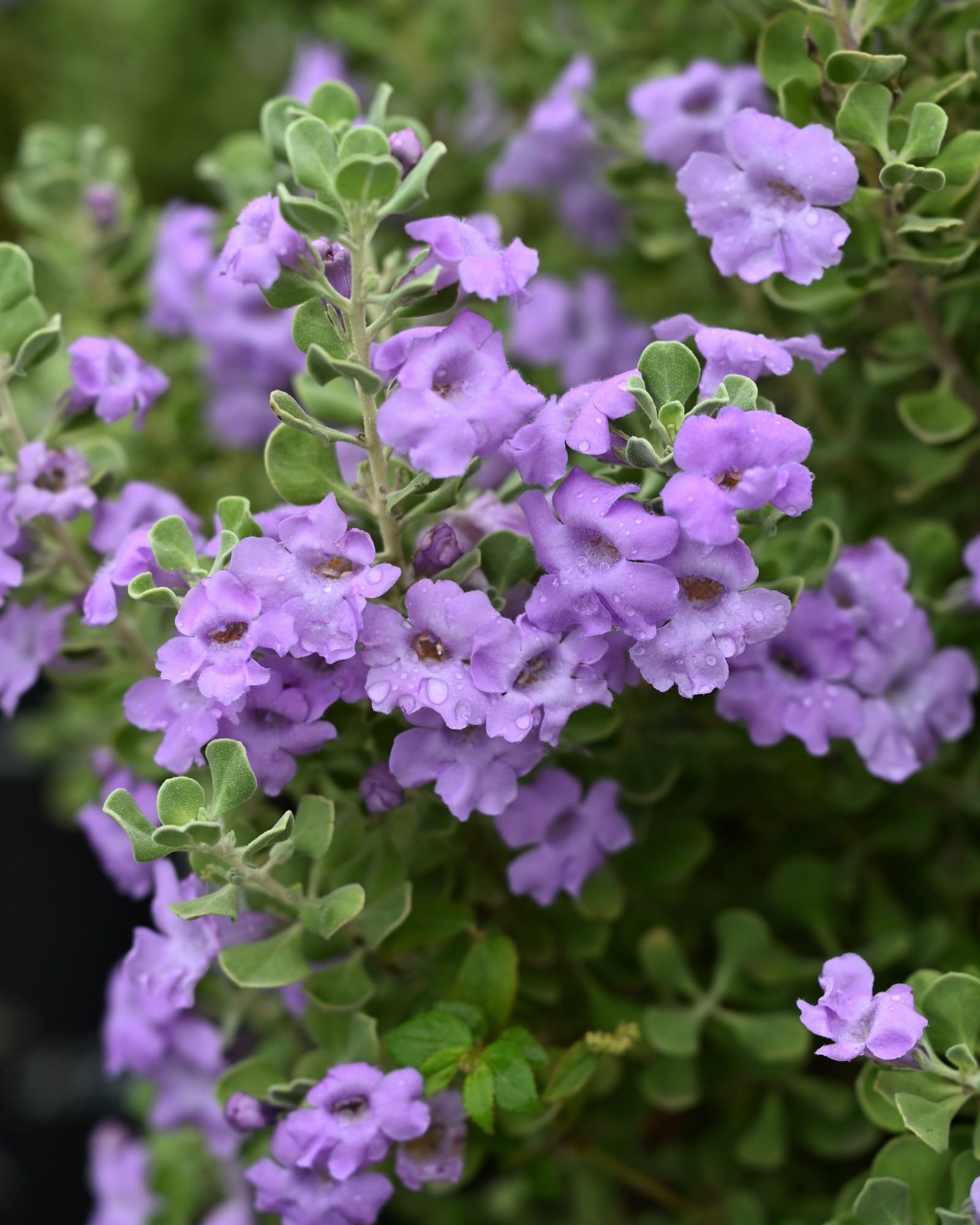
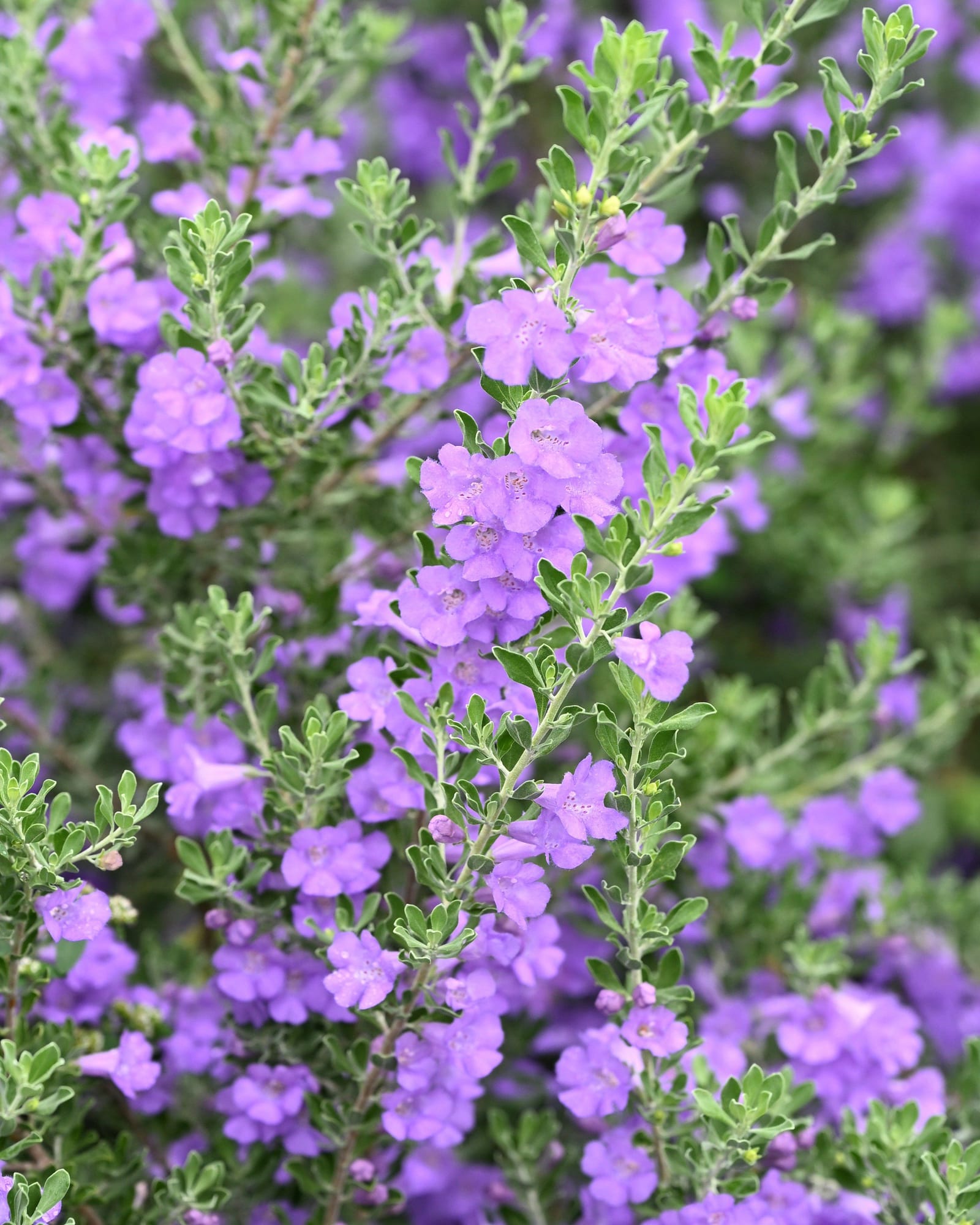
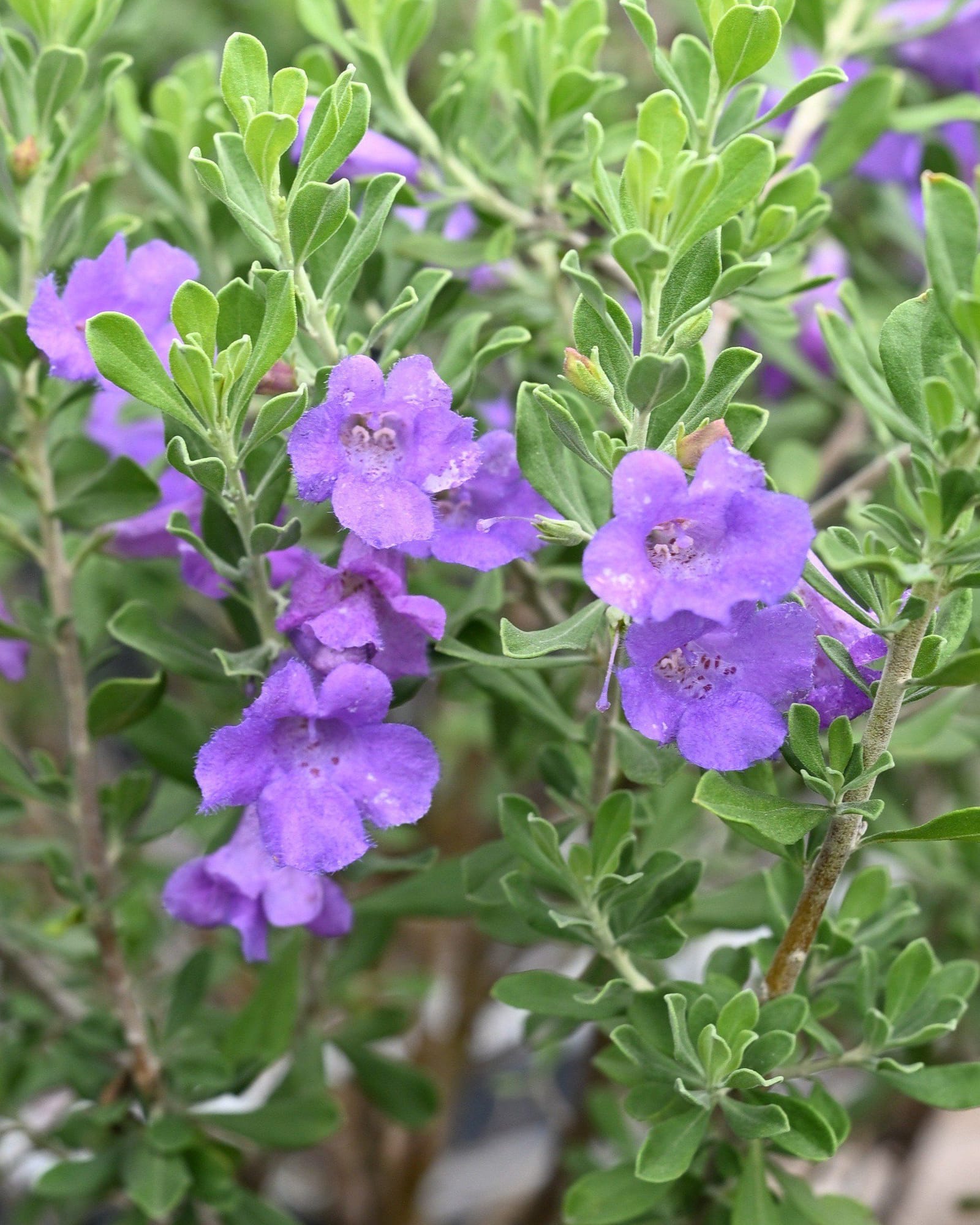
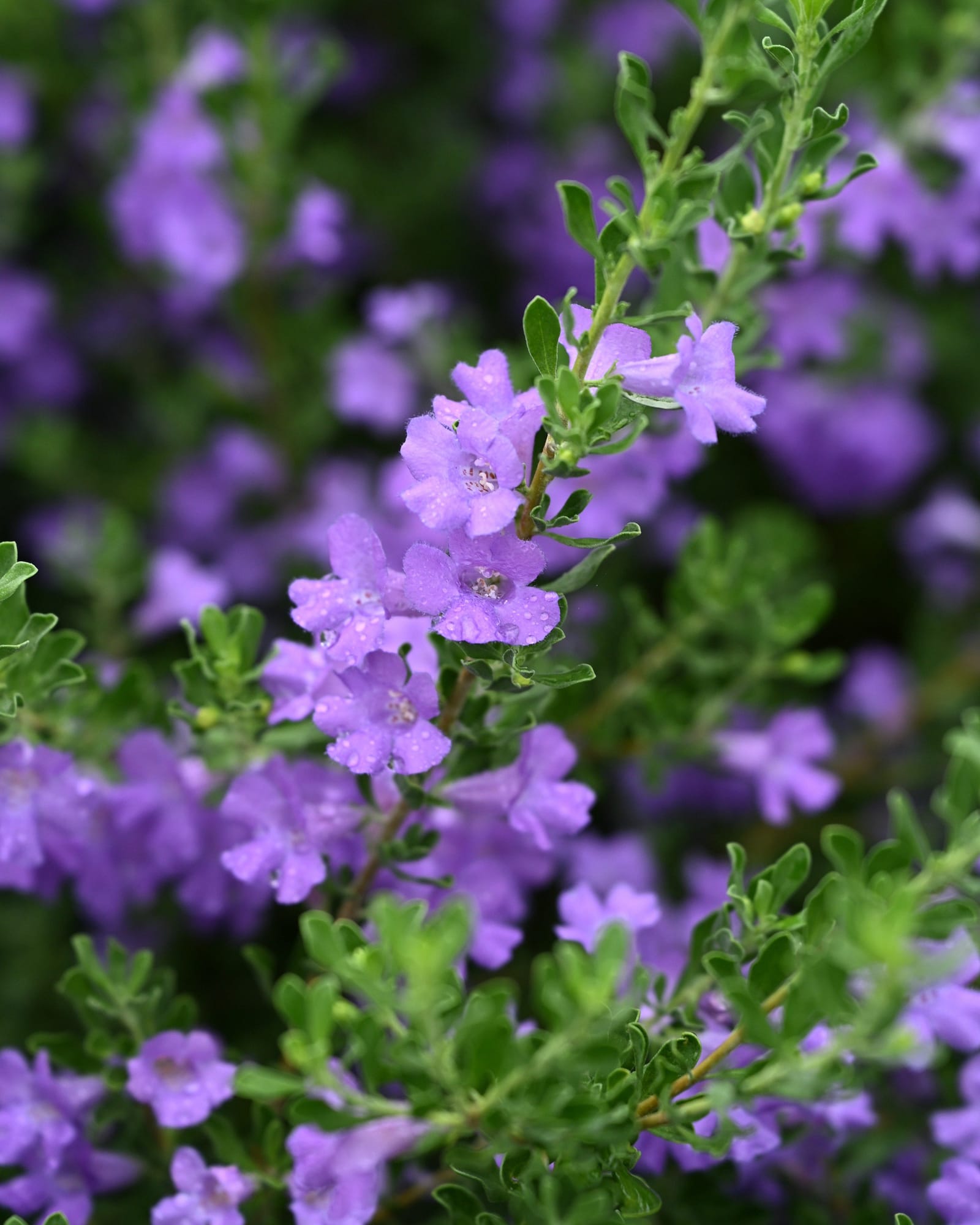
Leucophyllum frutescens ‘Compacta’Compacta Texas Sage is a standout evergreen shrub that brings both color and character to your landscape. Its dense, silver-gray foliage that contrasts beautifully with bright purple flowers blooming in summer and fall. This vibrant display creates a striking focal point in any space. Compacta Texas Sage is perfect for planting along borders, in containers, or as a colorful accent in flower beds. At maturity, it reaches up to 3 feet tall and about 3 feet wide, offering a balanced shape that suits a variety of landscape designs.
- An evergreen shrub
- Compact, mounded growth habit
- Moderate growth rate
- Purple flowers blooming in summer and fall
- Great for borders, containers, and flower beds
Hardy in zones 8-10, Compacta Texas Sage adapts well to the North Texas climate. Plant it in full sun, ensuring it receives at least 6 hours of direct sunlight daily. Use well-drained soil to promote healthy growth and enjoy its colorful seasonal blooms year after year.
Maintenance
Compacta Texas Sage is a true symbol of low-maintenance elegance in Southern and Southwestern landscapes. Here’s what it takes for it to thrive:
- Watering: Water regularly during the first growing season to help roots establish deeply. Once mature, Compacta Texas Sage thrives on neglect — it’s highly drought-tolerant and should only be watered during long, dry spells. Let the ground dry completely between waterings.
- Pruning: Compacta naturally grows into a rounded, uniform mound, so minimal pruning is required. Lightly trim after flowering to maintain shape or encourage denser branching. Pruning too often or too severely can reduce blooming, as flowers develop on new growth.
- Fertilizing: Texas Sage rarely needs feeding. In poor soil, a light dose of slow-release, balanced fertilizer in spring is enough to maintain vigor. Overfertilization encourages lush green growth at the expense of flowers.
- Mulching: Apply a light layer of gravel or decomposed granite around the base to help retain soil moisture and emphasize the plant’s desert aesthetic. Avoid thick organic mulch that traps humidity.
- Winter care: Compacta Texas Sage is cold-hardy and maintains its silvery foliage beautifully through winter. In areas that experience hard freezes, a light mulch layer helps protect the roots.
Common Issues and How to Take Care of Them
Compacta Texas Sage is exceptionally easy to grow and largely pest-free, but a few minor issues can arise under stress or poor conditions:
- Root Rot: The most common problem. Always ensure good drainage and allow the soil to dry completely between waterings. Yellowing leaves are a sign of too much moisture.
- Sparse Blooming: Caused by overfertilizing, too much shade, or excessive pruning. Texas Sage needs full sun and lean soil to flower abundantly.
- Leaf Spot or Mildew: Rare but possible in prolonged humidity. Improve air circulation and water at the base instead of overhead to prevent leaf wetness.
- Aphids or Whiteflies: Occasionally appear on new growth after rain. Rinse with water or treat with insecticidal soap if necessary.
- Wind or Cold Damage: Young plants may show slight browning after harsh winter winds. Trim affected tips lightly in spring - new growth quickly fills in.
With proper care, it can live 20 to 25 years or more. Once established, it becomes a permanent feature in the landscape, needing only occasional trimming and cleanup.
It grows moderately, reaching mature form within 3 to 5 years. Its compact habit allows it to maintain a dense, rounded look naturally without frequent pruning.
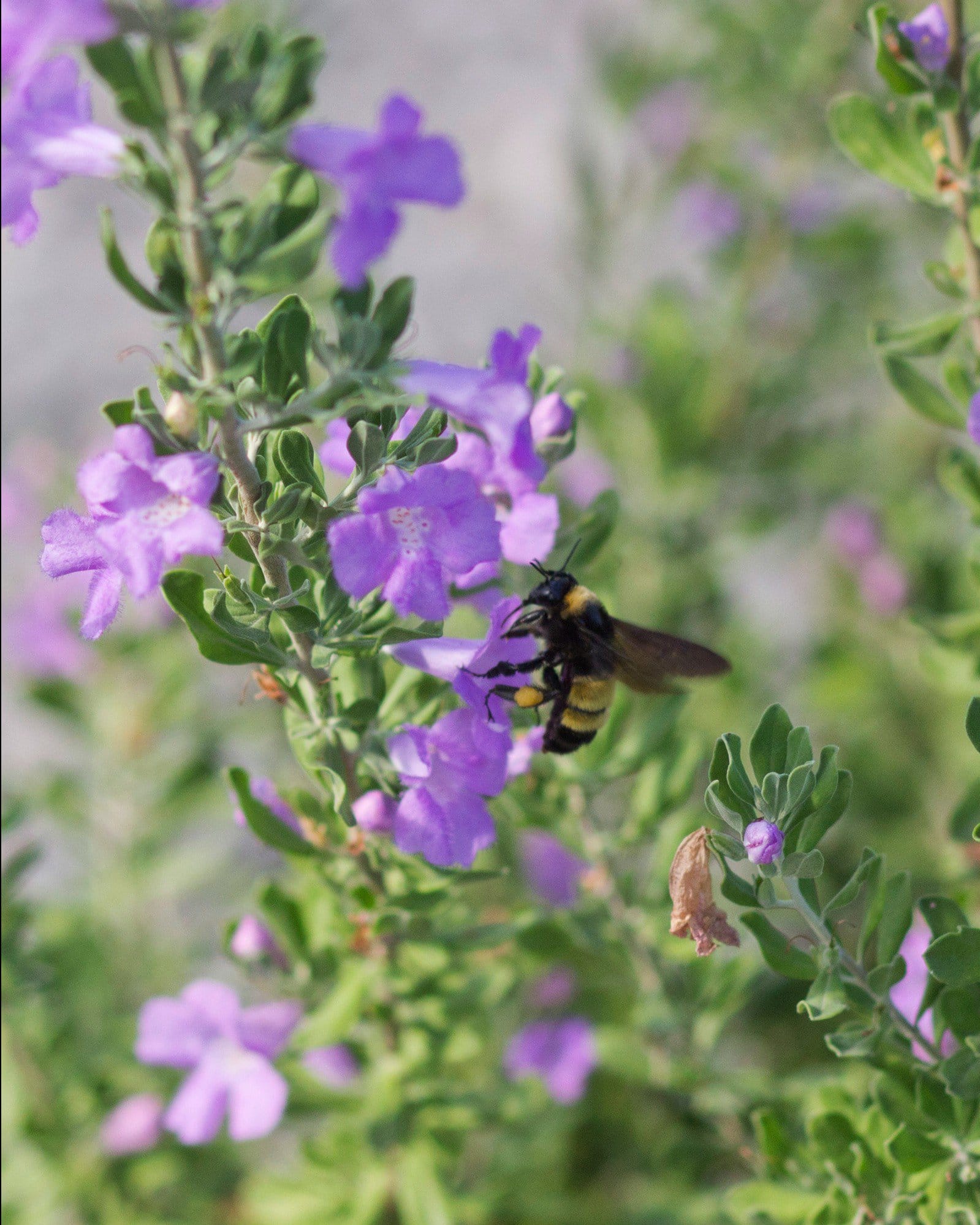
Yes - the profusion of purple blooms attracts bees, butterflies, and hummingbirds throughout summer and fall, making it a magnet for pollinators.
Yes, it’s highly deer-resistant. Its leathery, aromatic foliage naturally deters browsing animals, making it ideal for rural and wildlife-prone areas.
Extremely well. It thrives in full sun and dry, rocky soil, staying lush and colorful even in triple-digit heat. It’s one of the best plants for desert and Mediterranean climates.
Yes - it performs beautifully in large pots with excellent drainage. Container-grown plants need slightly more frequent watering but prefer to stay on the dry side.
Absolutely. It’s tolerant of reflected heat, salt spray, wind, and air pollution, making it an excellent choice for city courtyards, coastal gardens, and commercial plantings.
Yes. In early spring, prune back up to one-third of the oldest branches to encourage fresh, vigorous new growth. Avoid cutting into bare wood, as regrowth may be slow.
Yes - its foliage releases a subtle, clean herbal scent when brushed or after rain, adding to its appeal as a sensory garden plant.
Its smaller, neater growth habit and fine-textured leaves make it ideal for more refined landscape designs. While other varieties can grow sprawling or coarse, Compacta stays dense, tidy, and full of color - the perfect choice for formal borders, modern desert gardens, and small-space landscapes that need year-round beauty with almost no care.
Special Features
You might also like
Green Cloud Texas Sage
Maturity: 6' H x 6' W
Silver Star Texas Sage
Maturity: 4' H x 4' W
Desperado Texas Sage
Maturity: 6' H x 4' W
San Antonio Texas Sage
Maturity: 4' H x 4' W
Silver Dream Texas Sage
Maturity: 6' H x 4' W
Heavenly Cloud Texas Sage
Maturity: 6' H x 5' W
Laredo Texas Sage
Maturity: 6' H x 6' W
Microburst Texas Sage
Maturity: 3' H x 3' W
Silver Snow Texas Sage
Maturity: 6' H x 4' W
Lynn's Legacy Texas Sage
Maturity: 5' H x 5' W
Purple Rain Texas Sage
Maturity: 5' H x 5' W
High Fragrance Camellia
Maturity: 8' H x 6' W
Kanjiro Camellia
Maturity: 8' H x 6' W
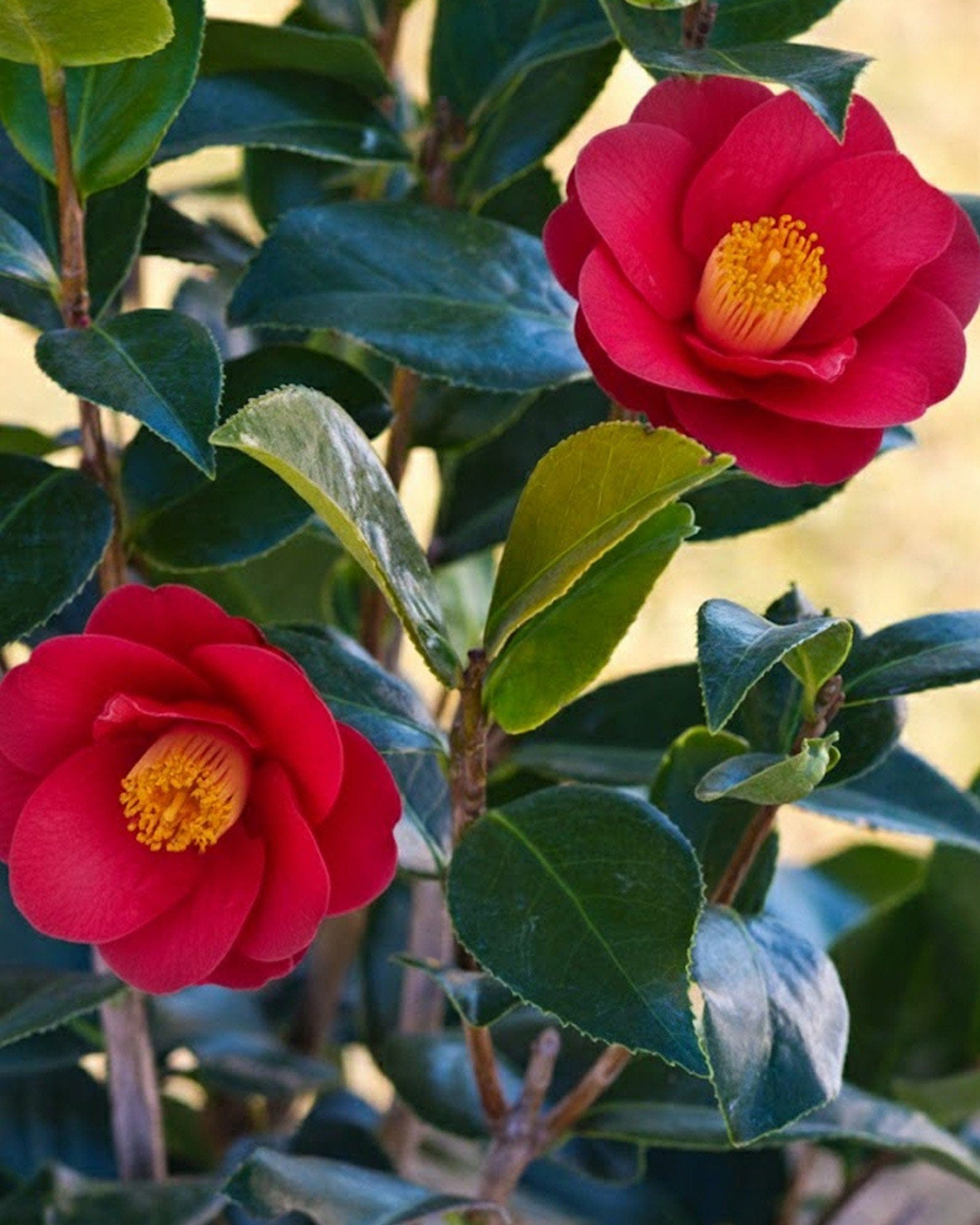
Royal Velvet Camellia
Maturity: 6' H x 6' W
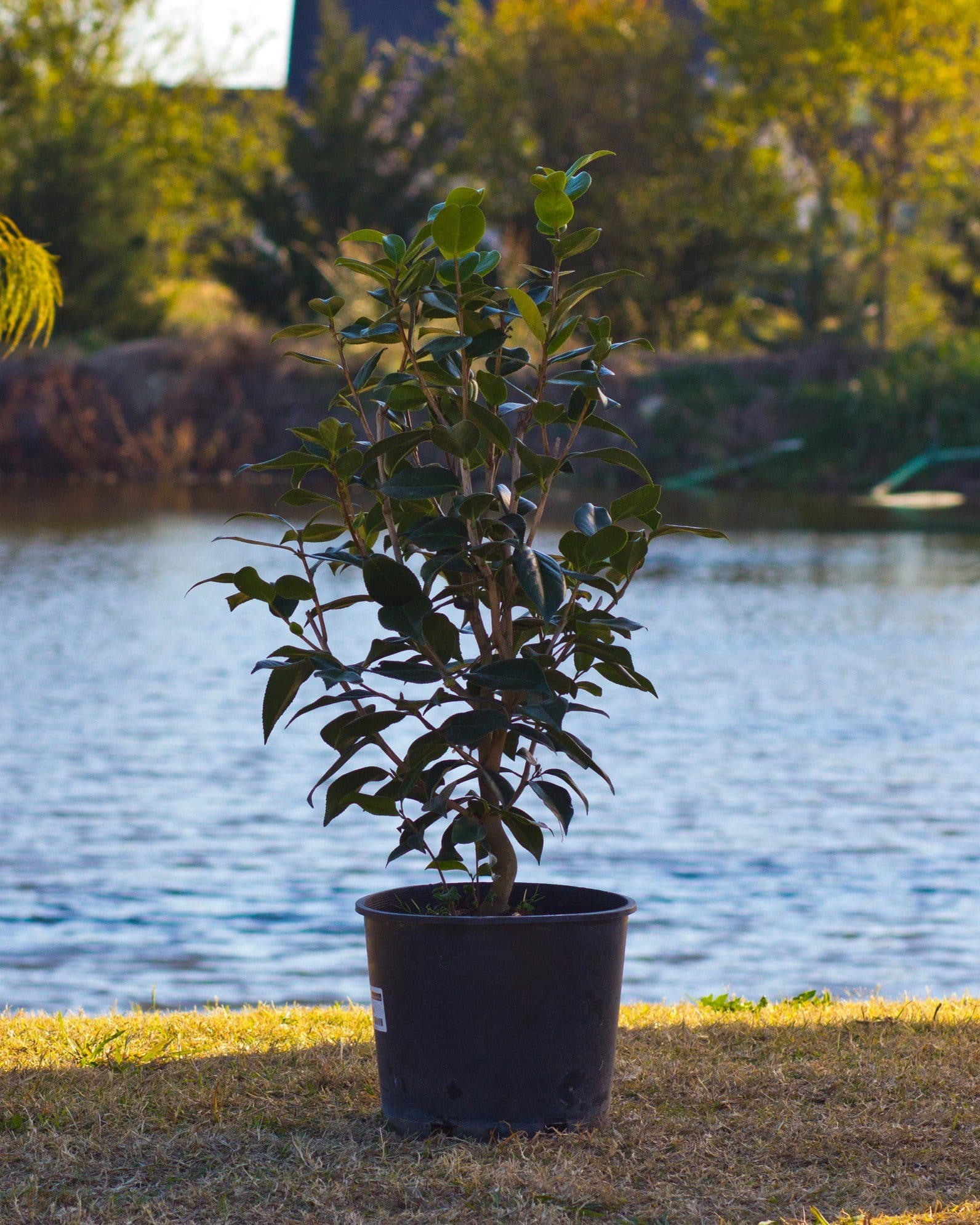
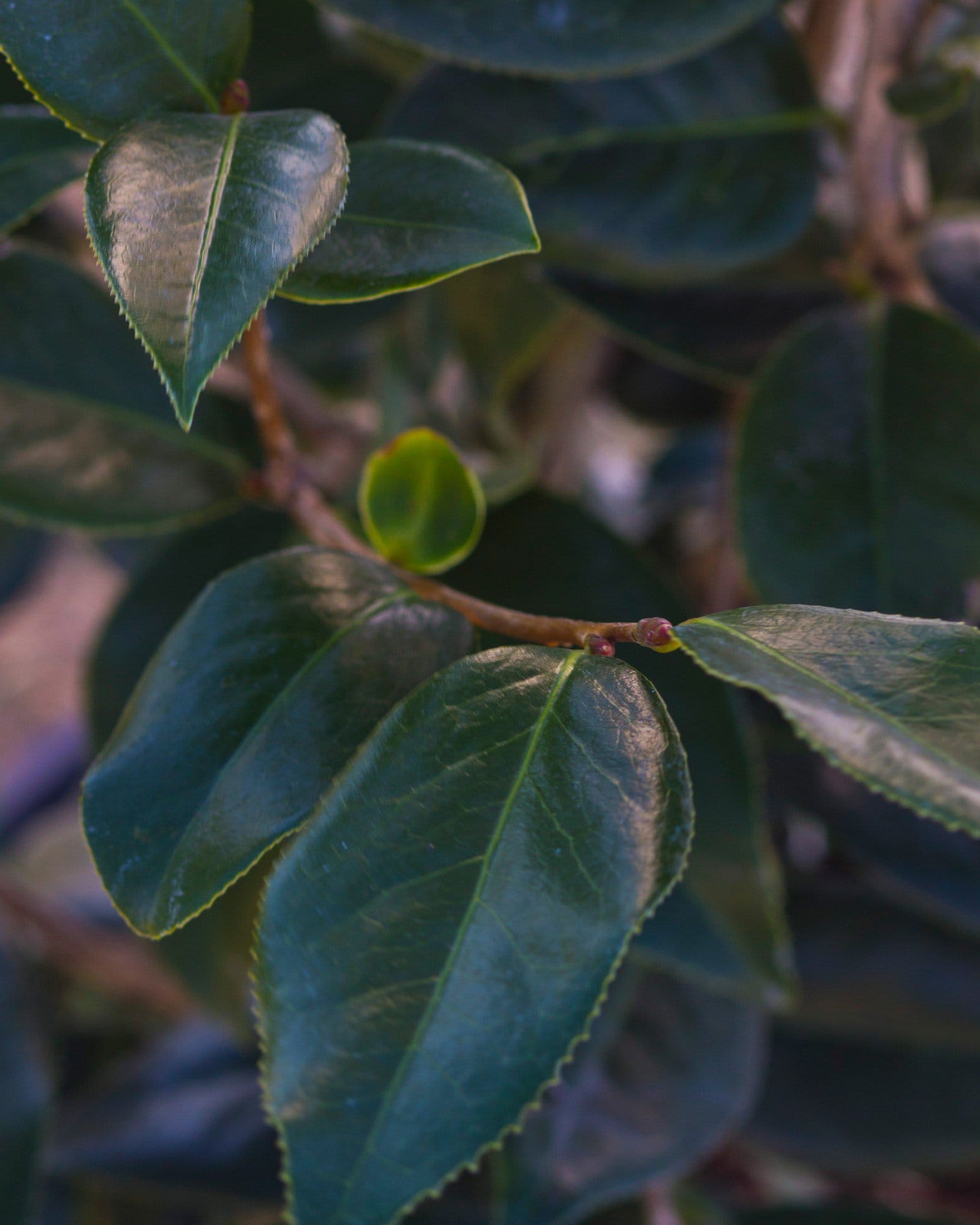
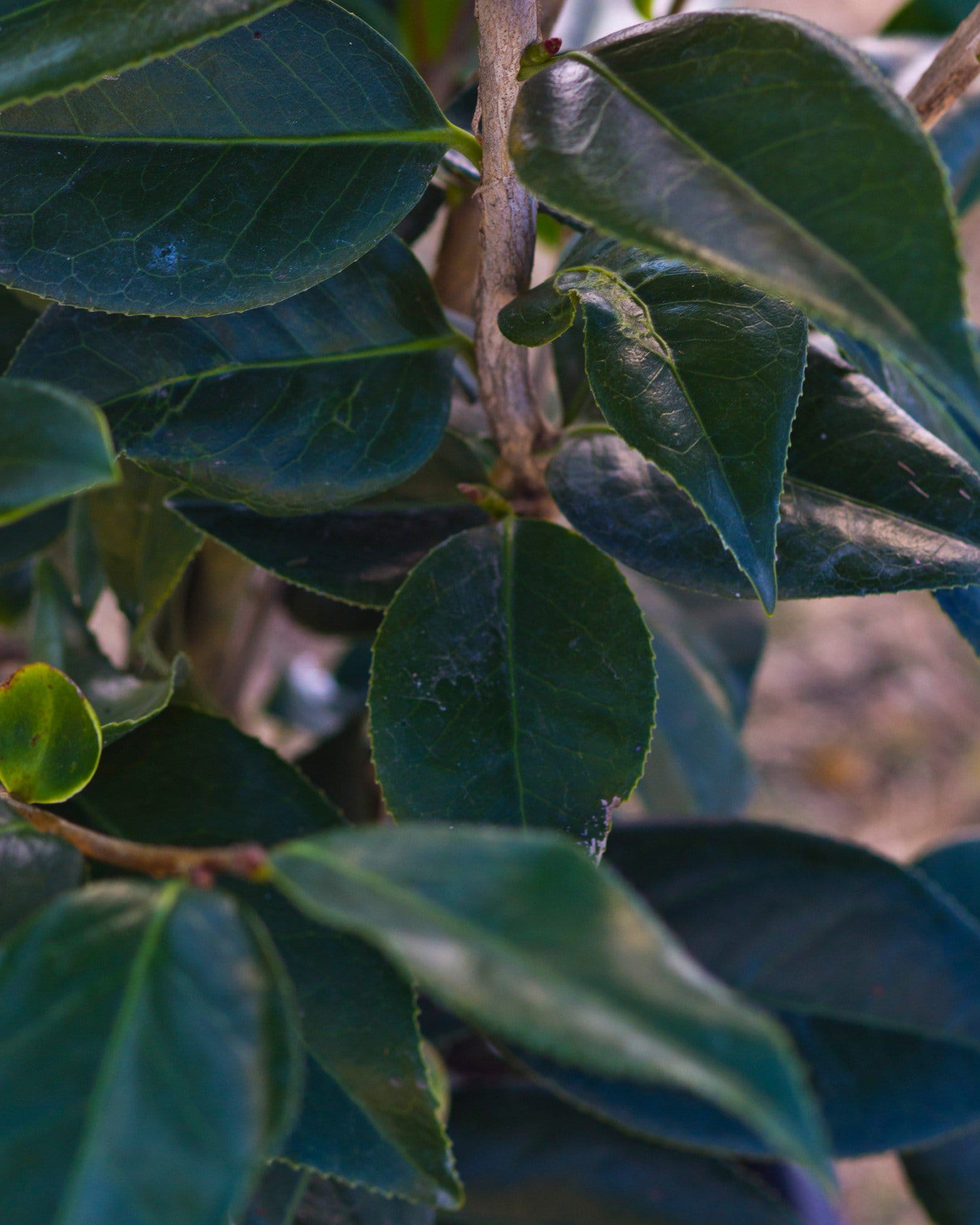
Shishi Gashira Camellia
Maturity: 4' H x 6' W
Compare Similar Plants
Compacta Texas Sage This plant | ||
|---|---|---|
| Scientific Name | Leucophyllum frutescens ‘Compacta’ | Leucophyllum frutescens ‘Green Cloud’ |
| Size at Maturity | 3' H x 3' W | 6' H x 6' W |
| Leaf Retention | Evergreen | Evergreen |
| Flower Color | Purple | Purple |
| Bloom Times | Summer & Fall | Summer & Fall |
| Sizes Available | 3 gal | 3, 7 gal |


Our 1-Year Planting Guarantee
We take pride in our plants and installation services. If any plants or trees installed by Treeland fail to thrive within the first year, we'll provide a replacement credit in accordance with our guarantee program.
Learn More About Our Guarantee