
 Popular
 Texas Native
Red Yucca
Hesperaloe parvifloraLocal DFW Delivery Only
Product Details
Red Yucca
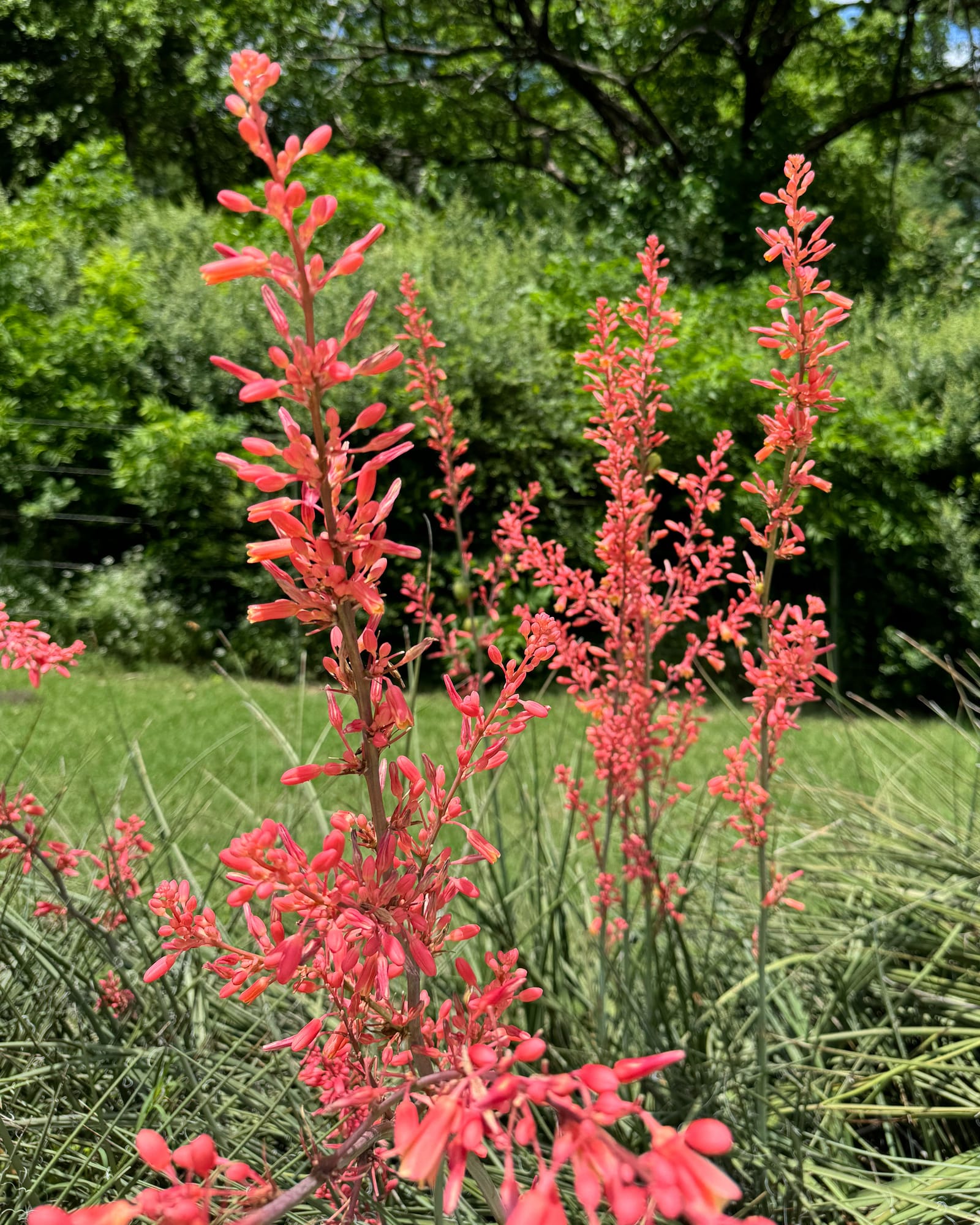
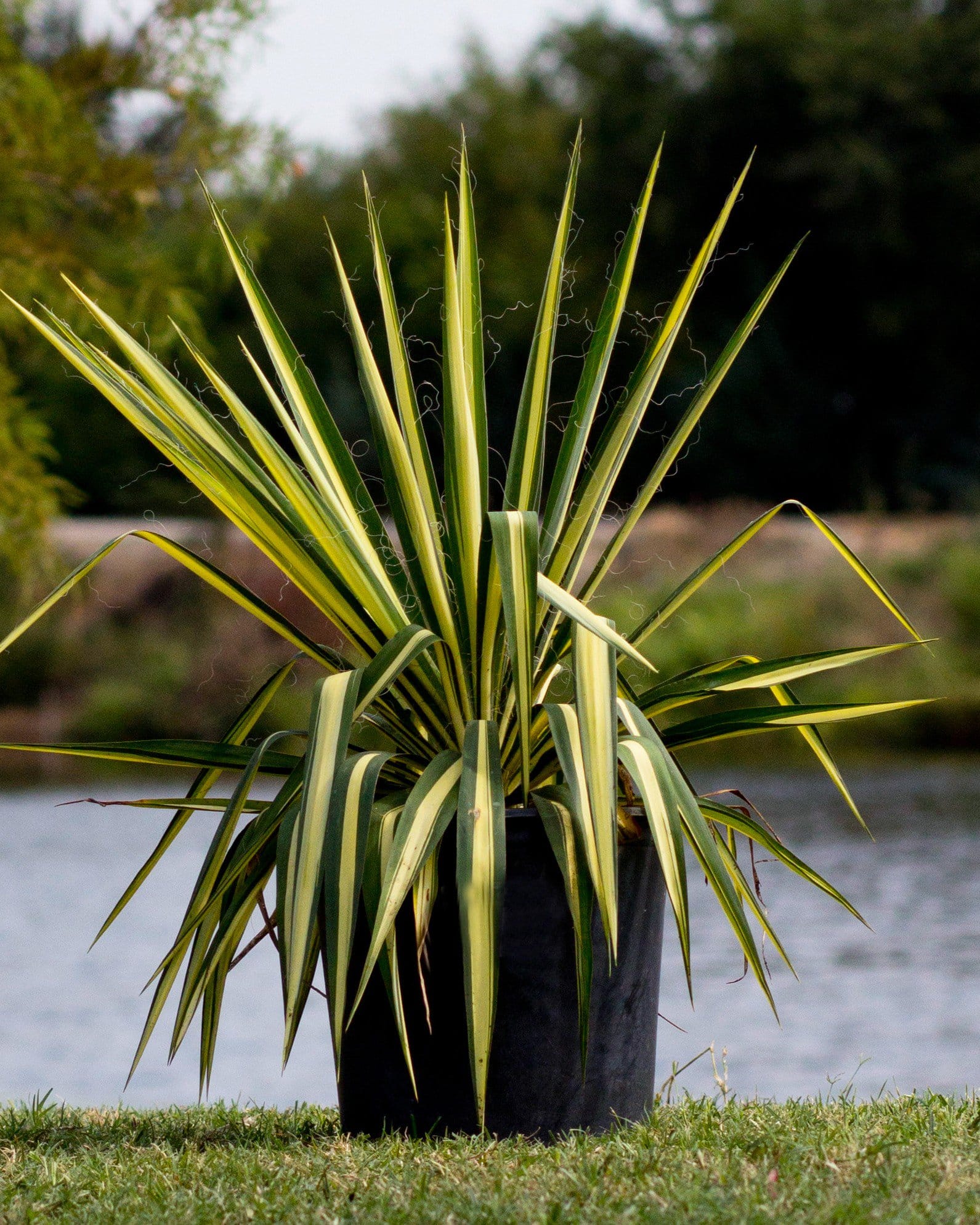
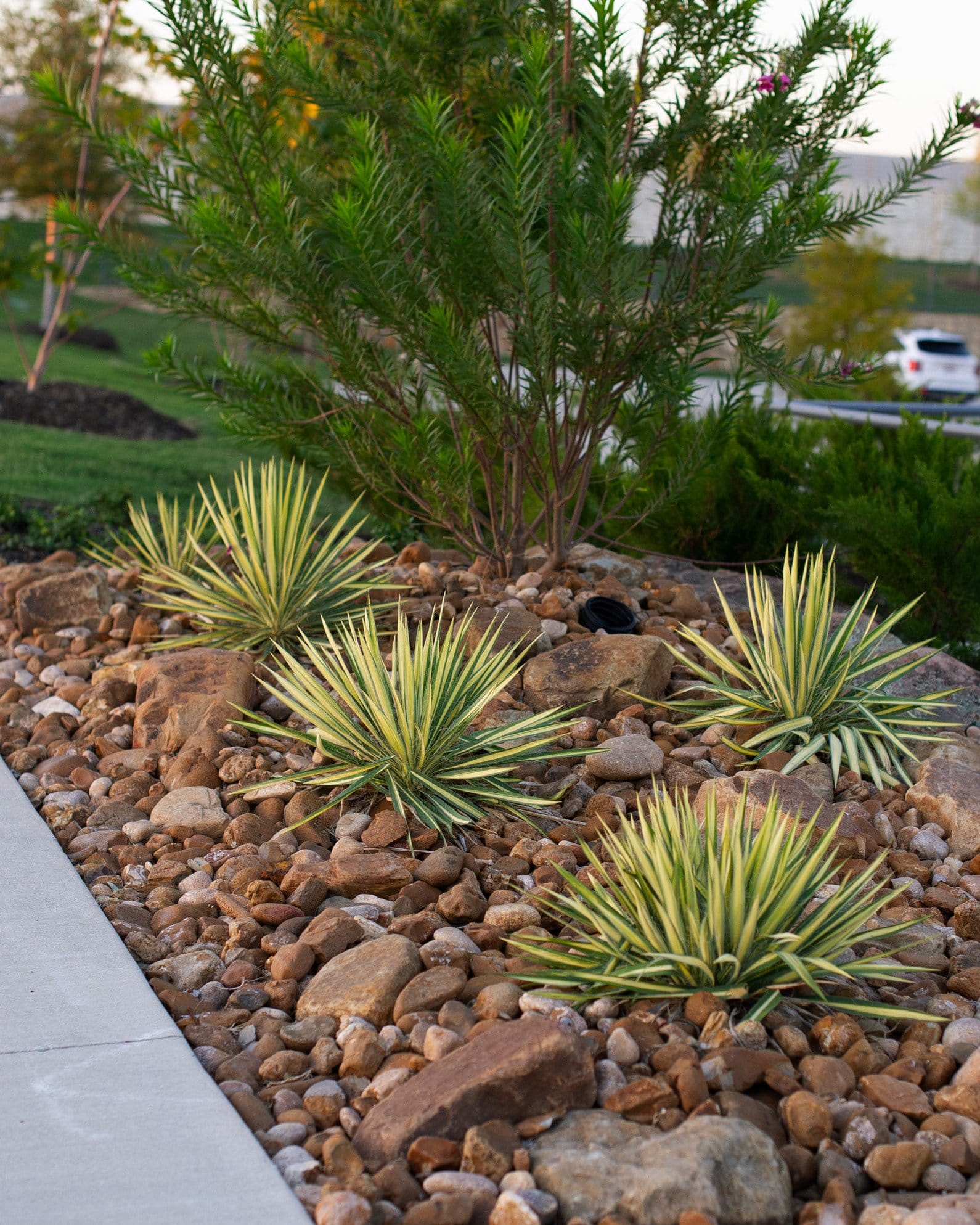
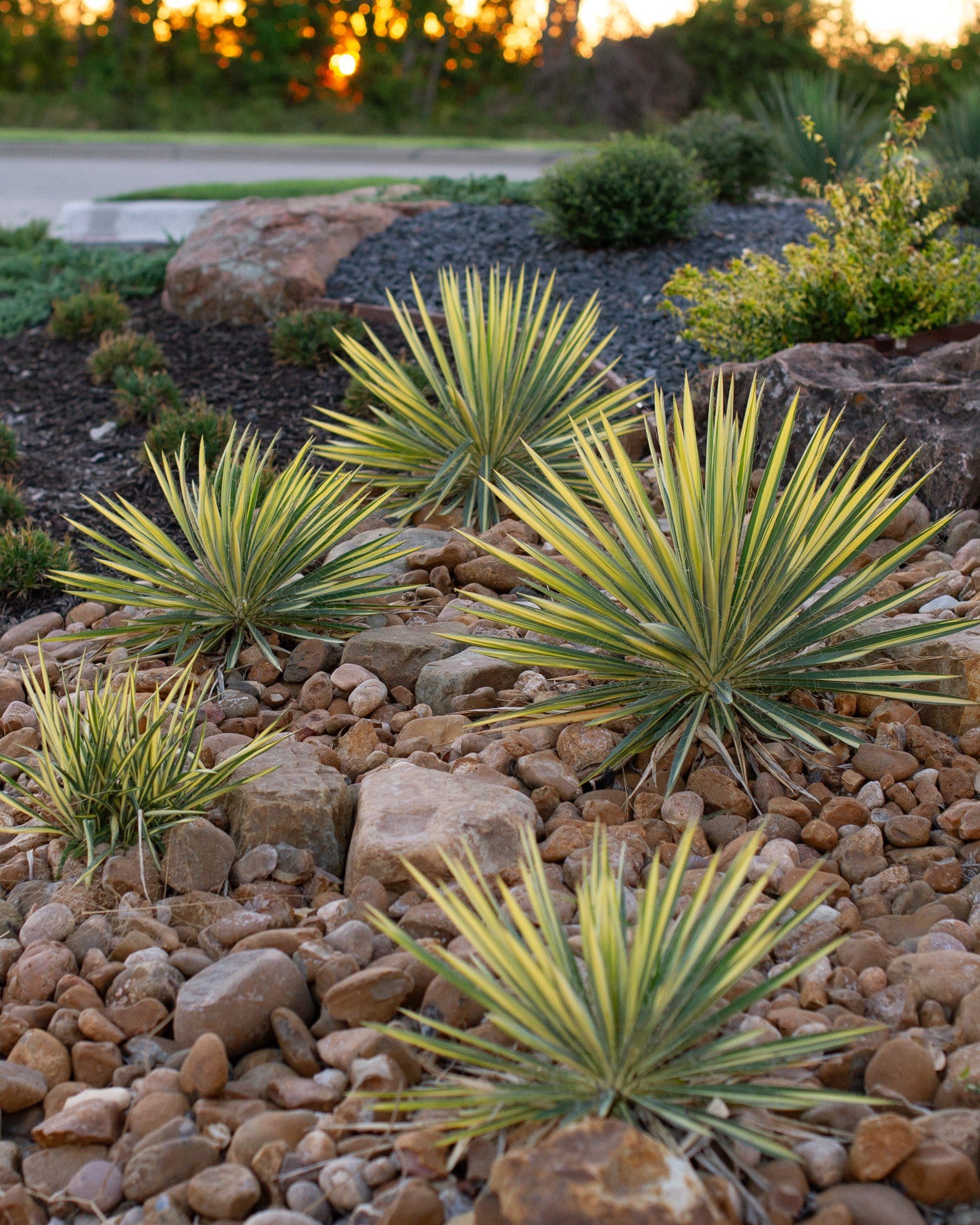
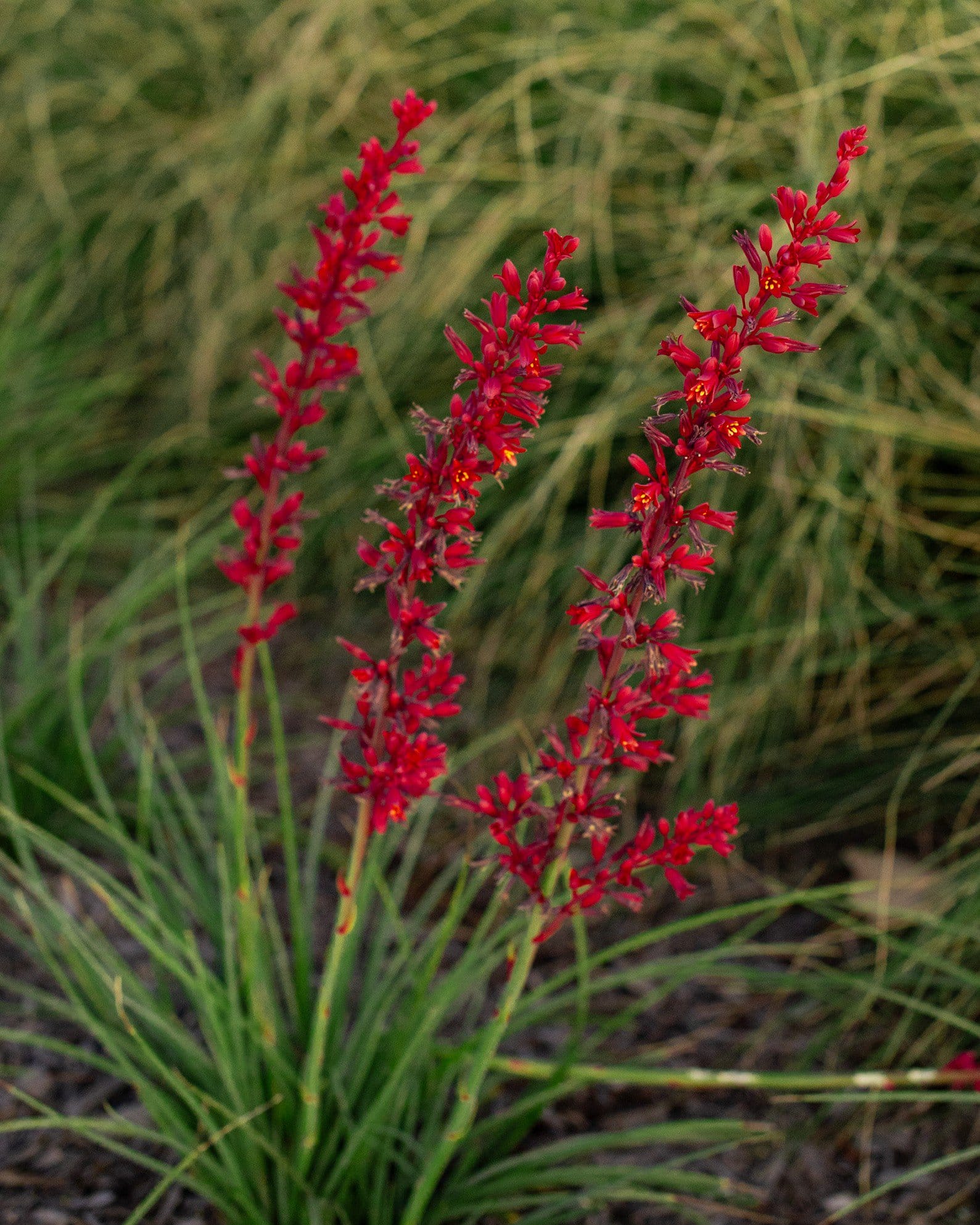
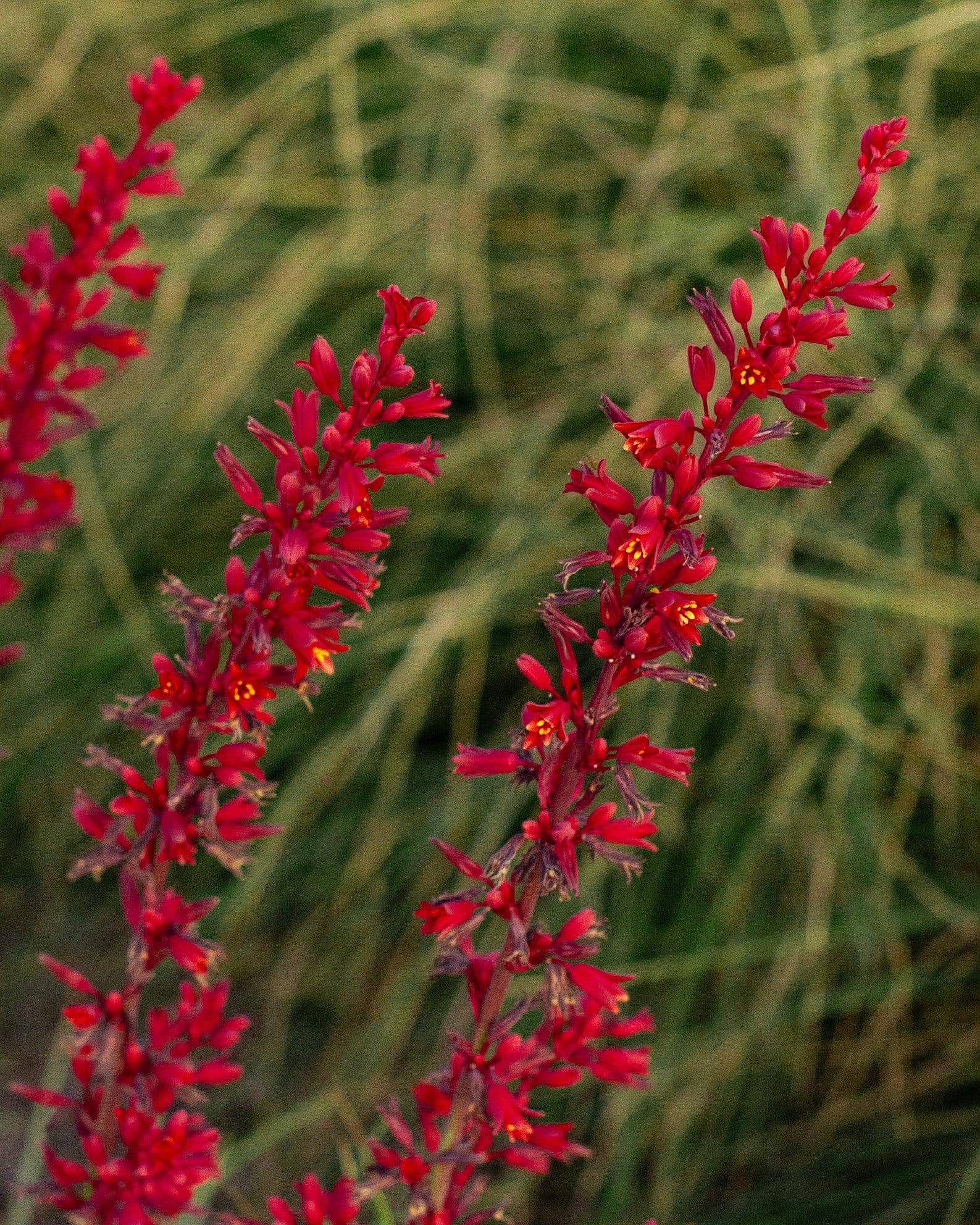
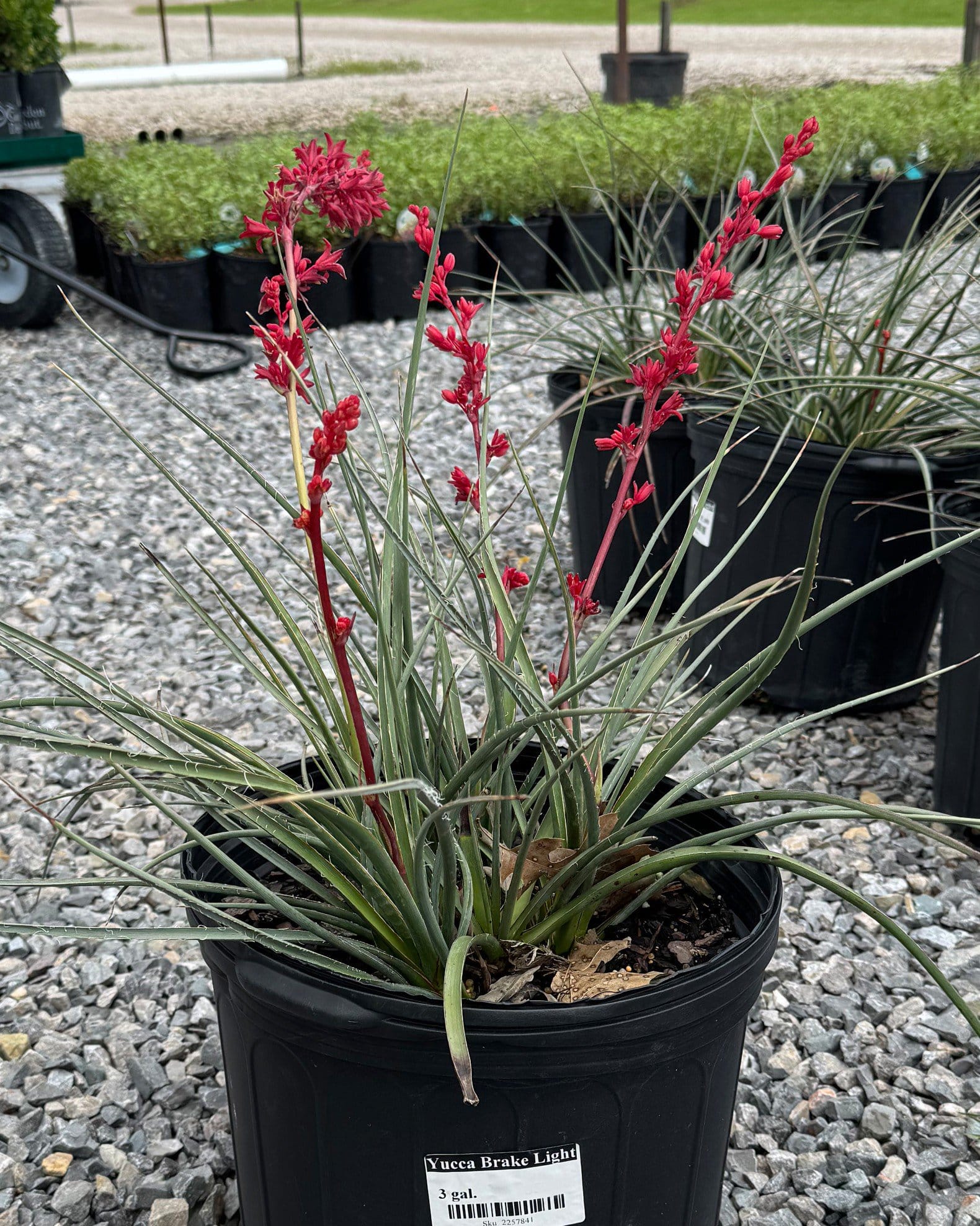
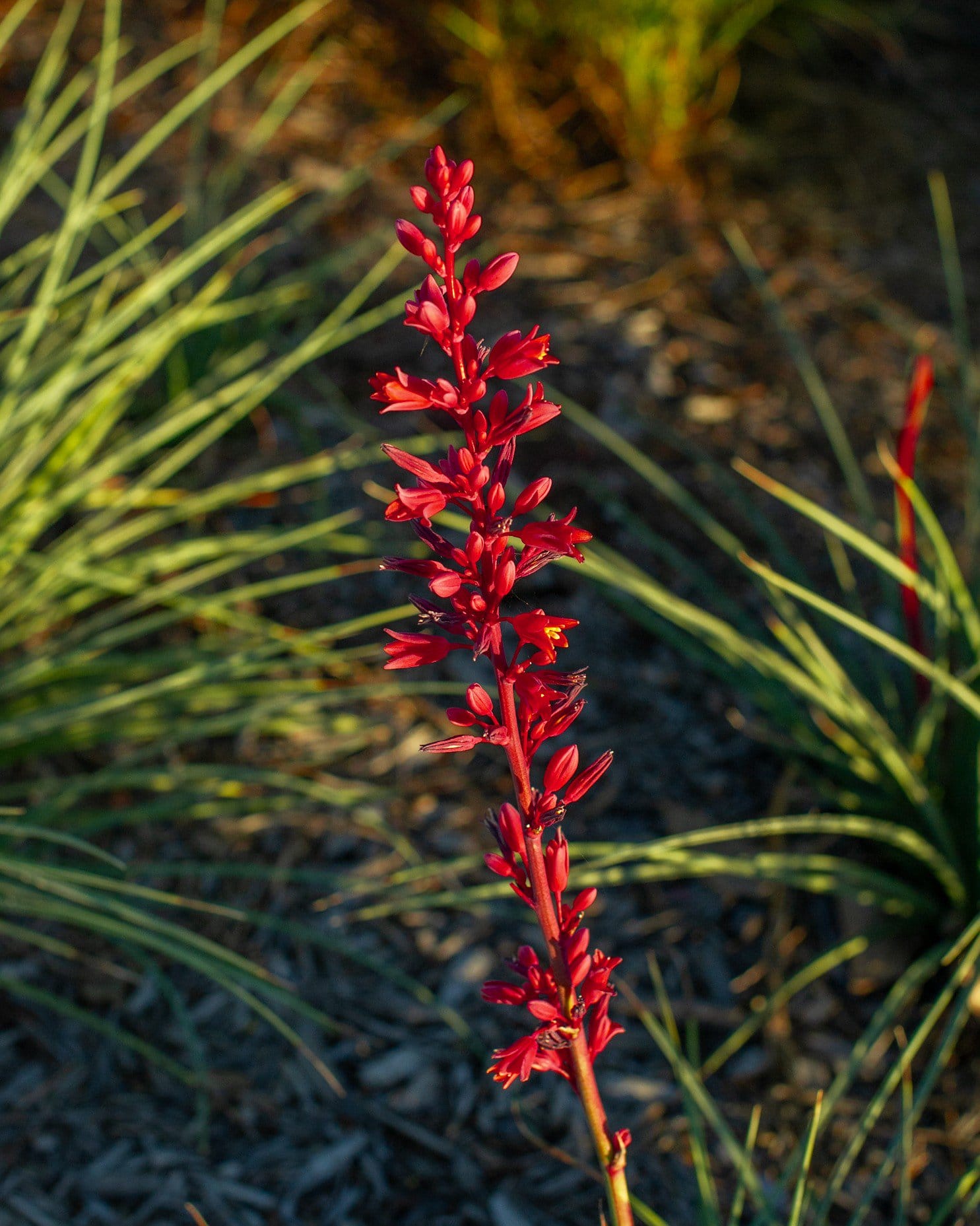
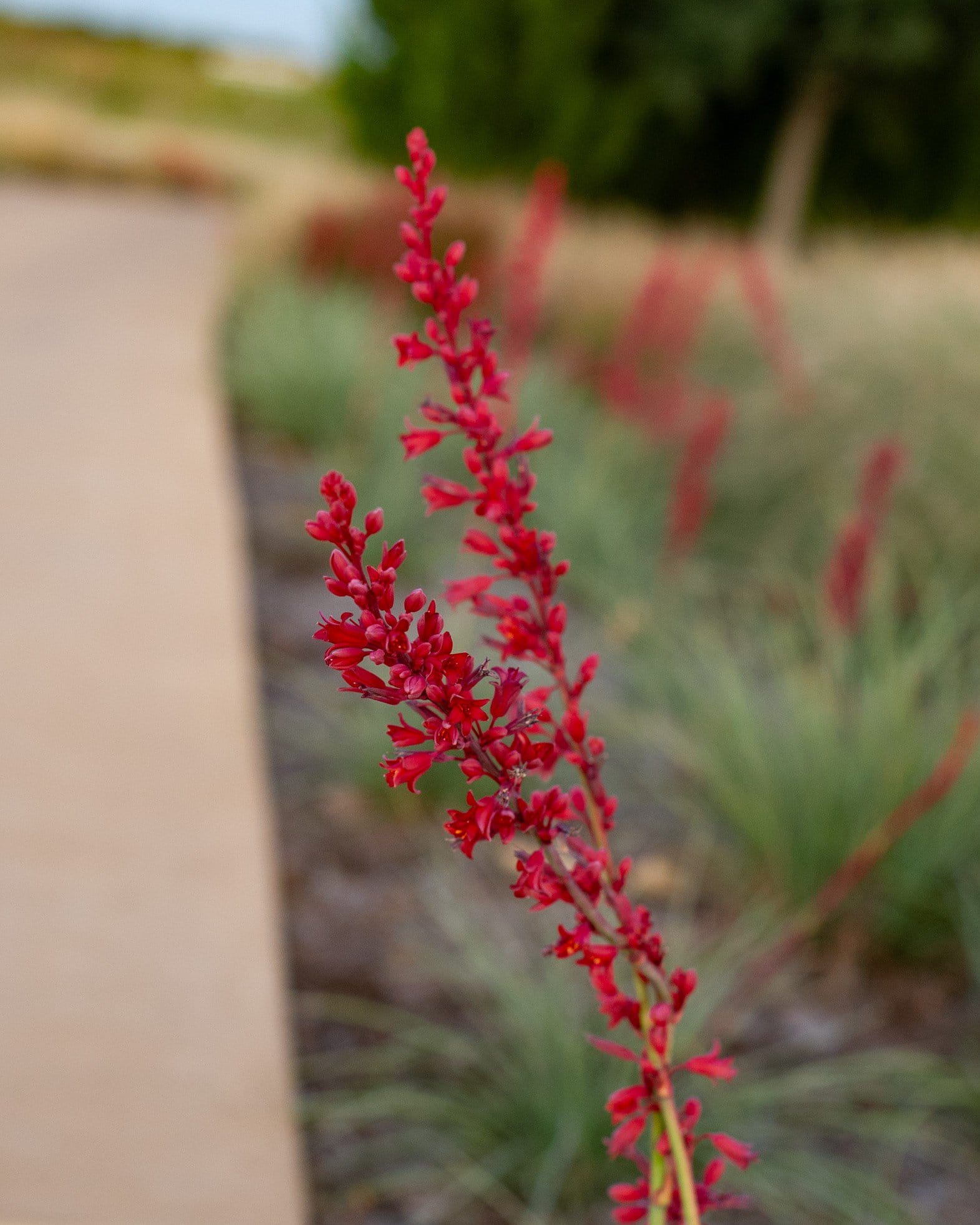
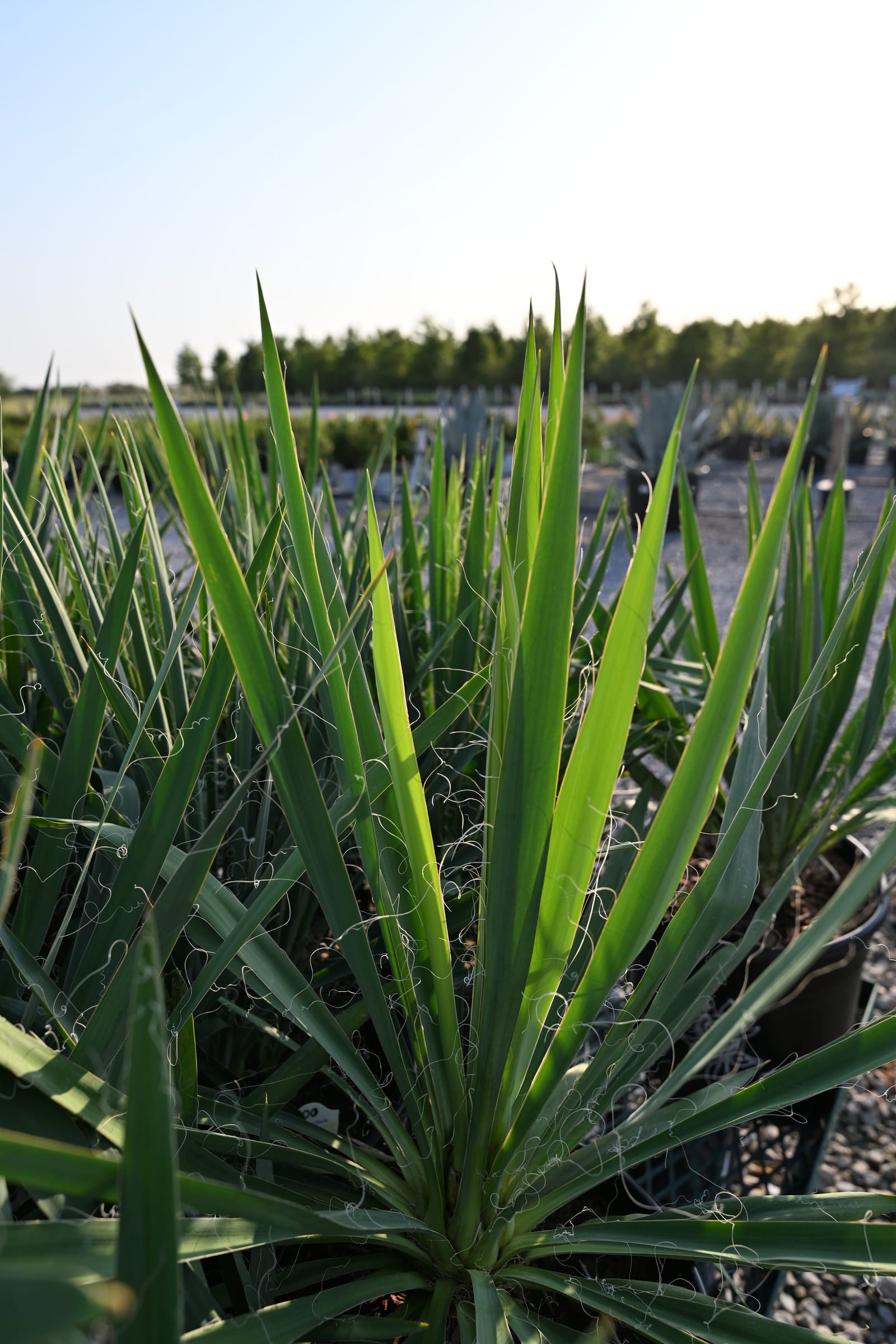
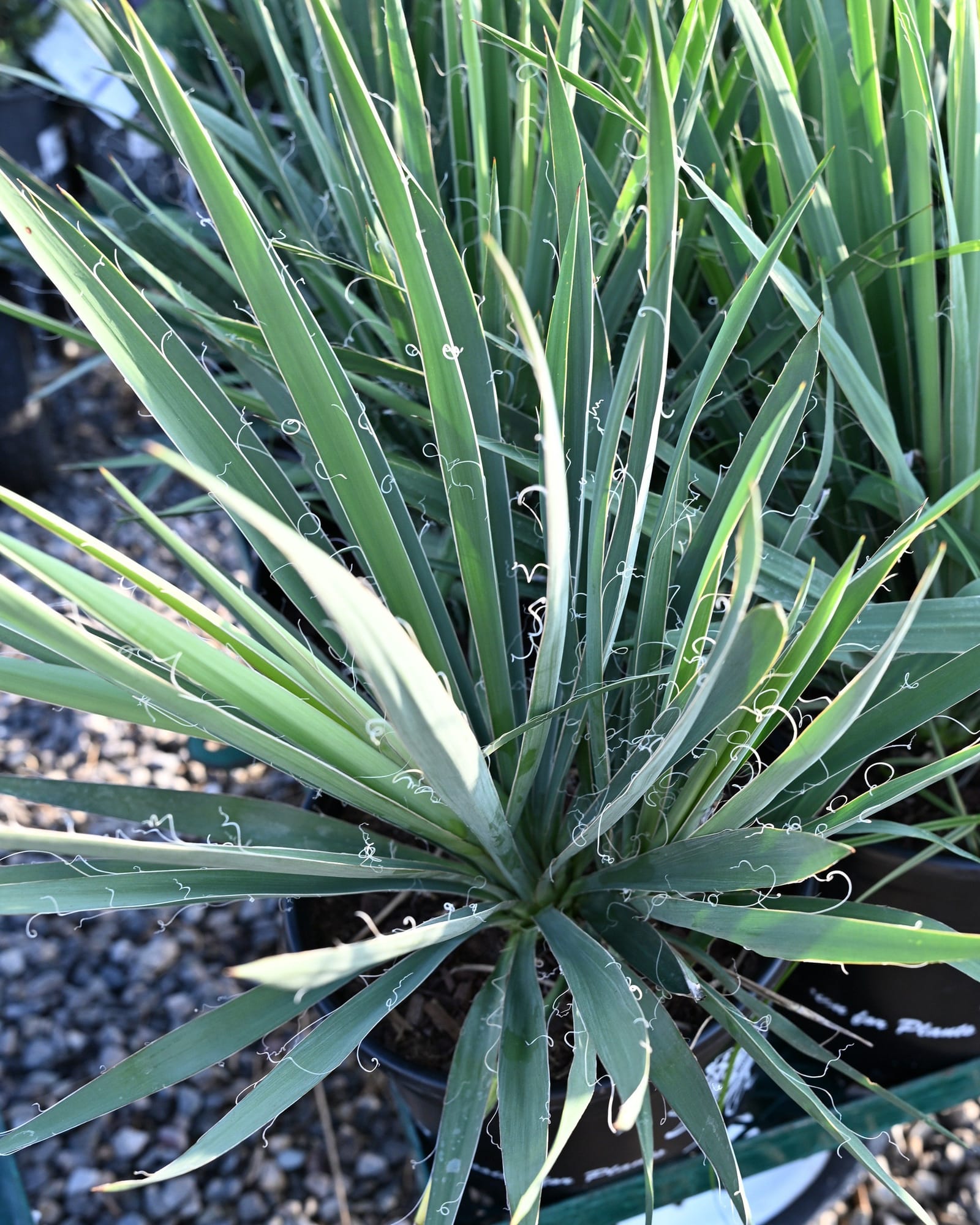
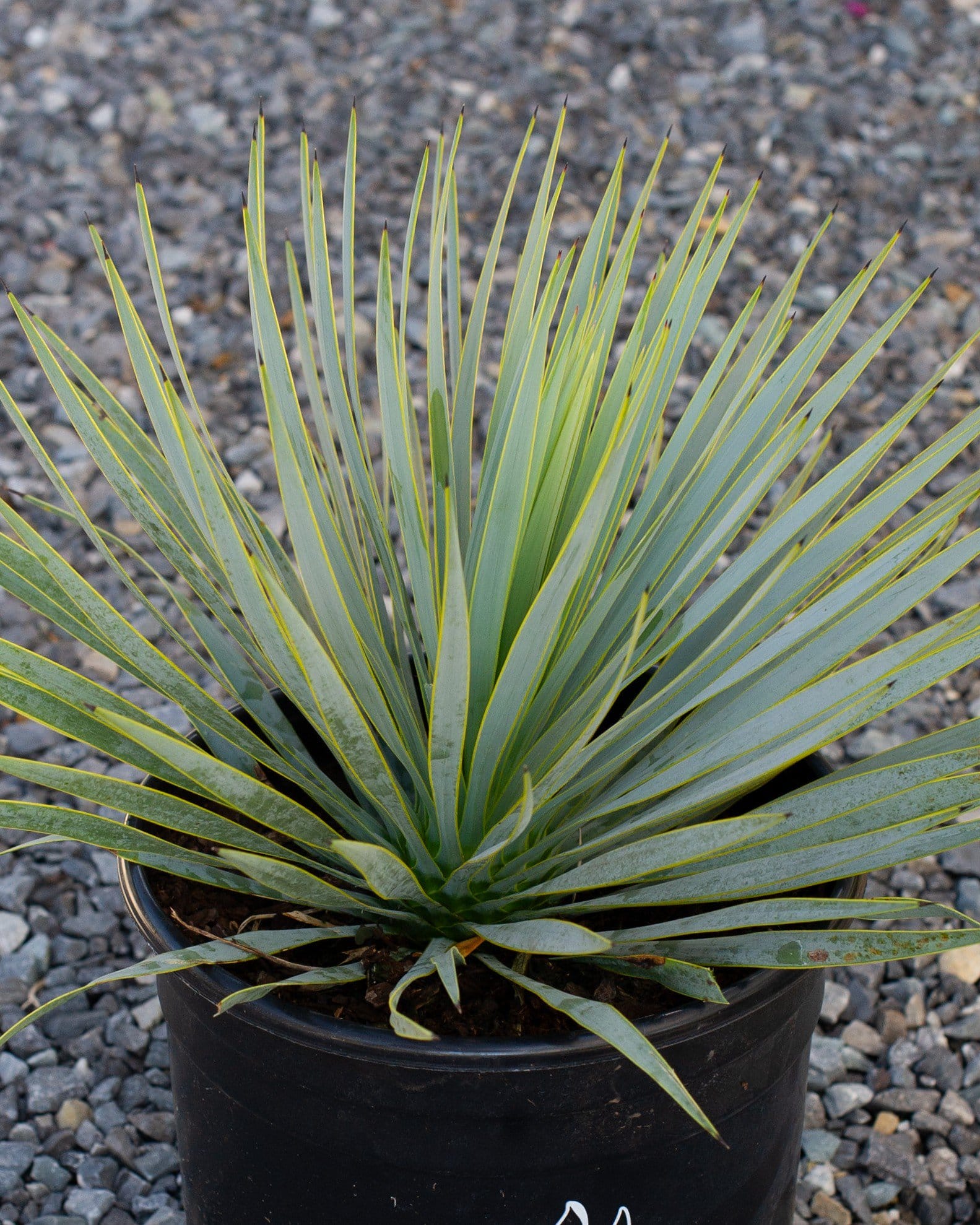
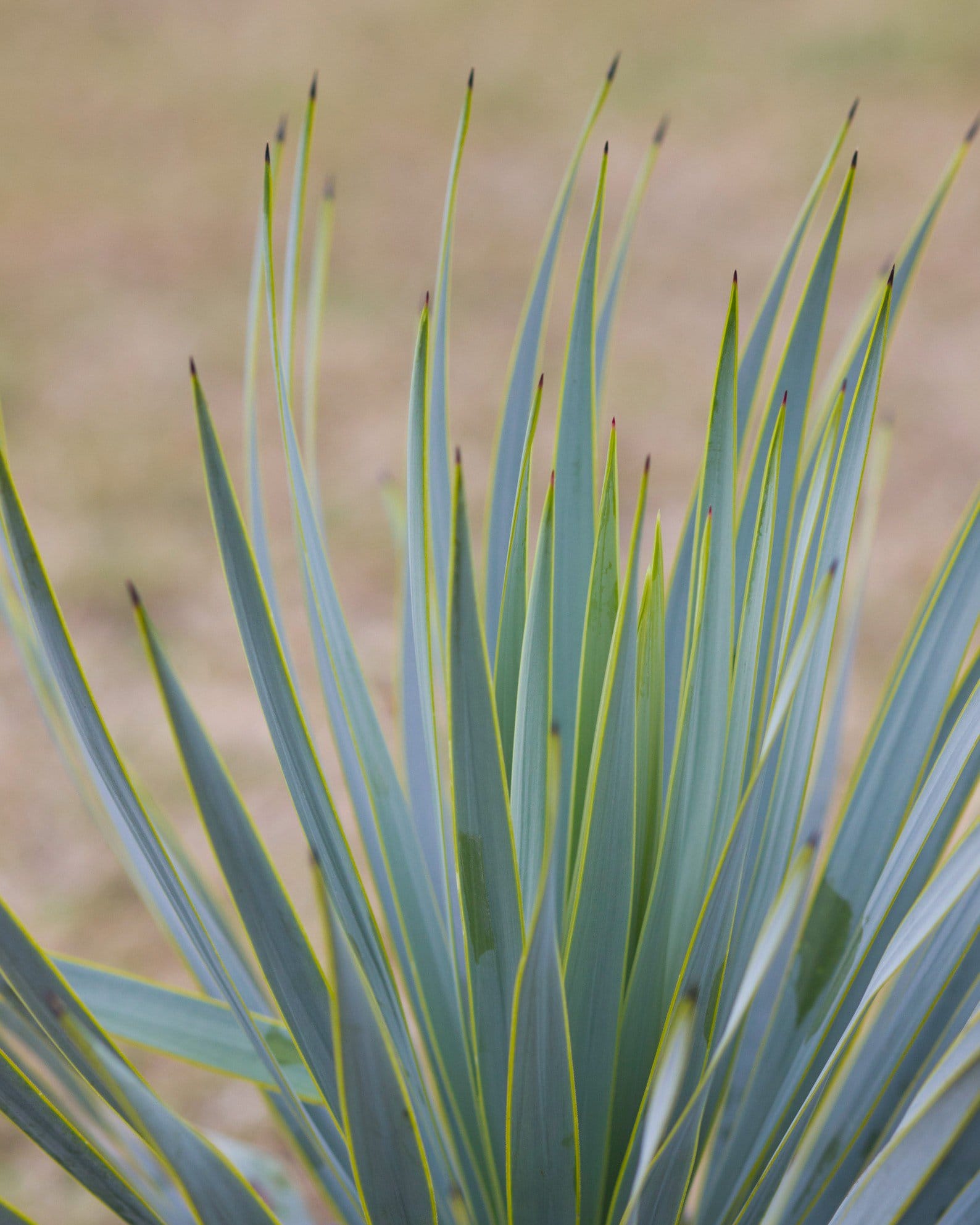
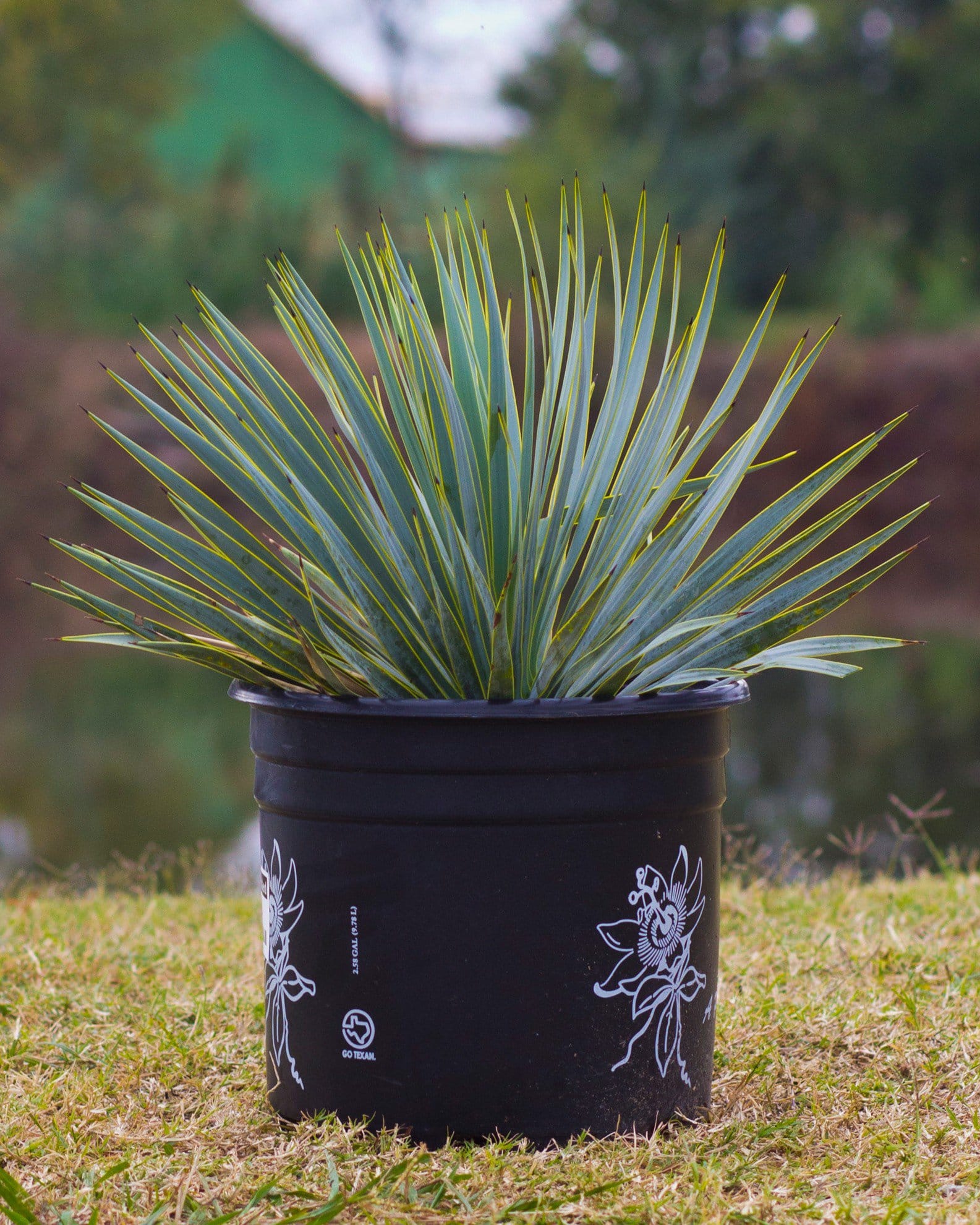
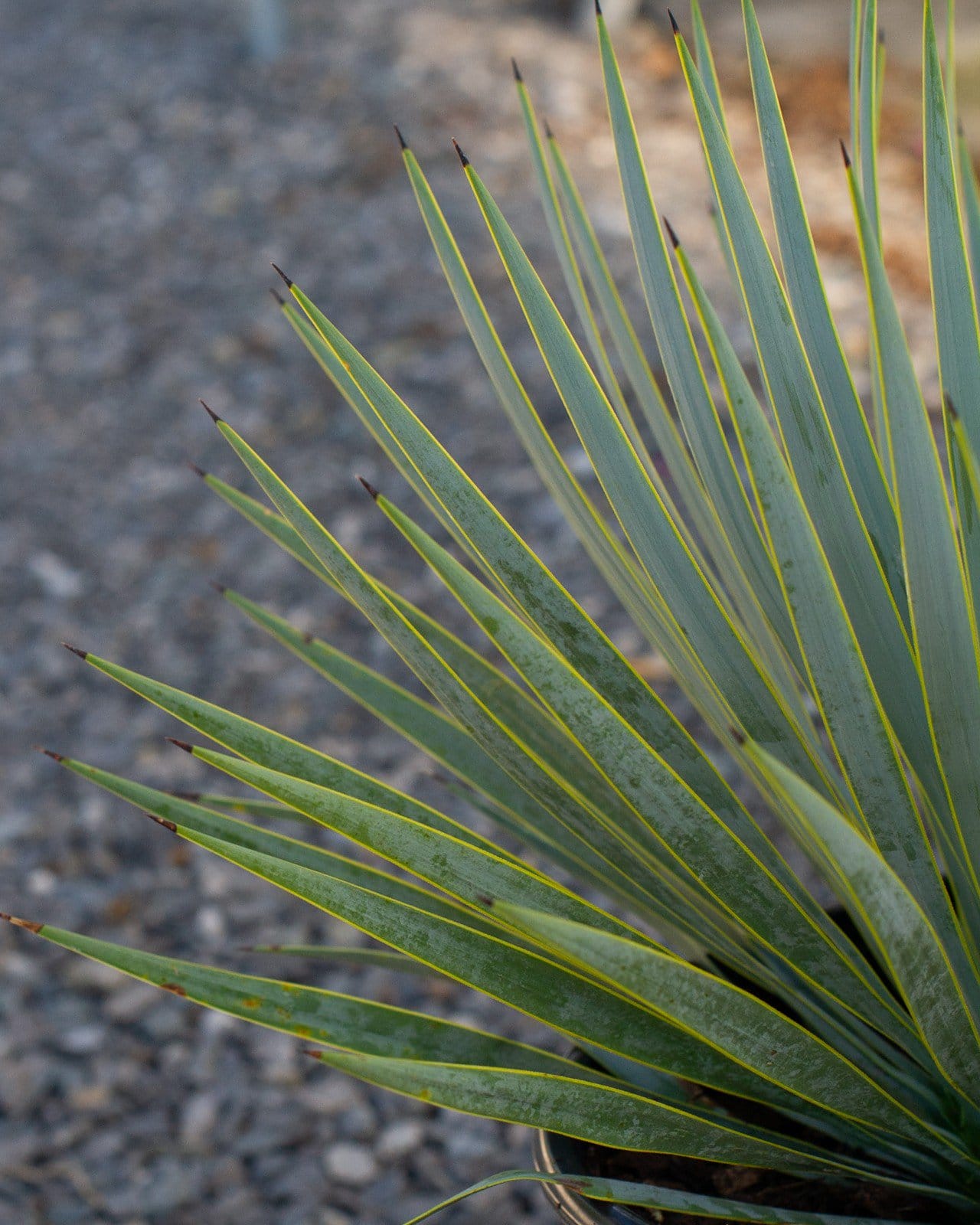
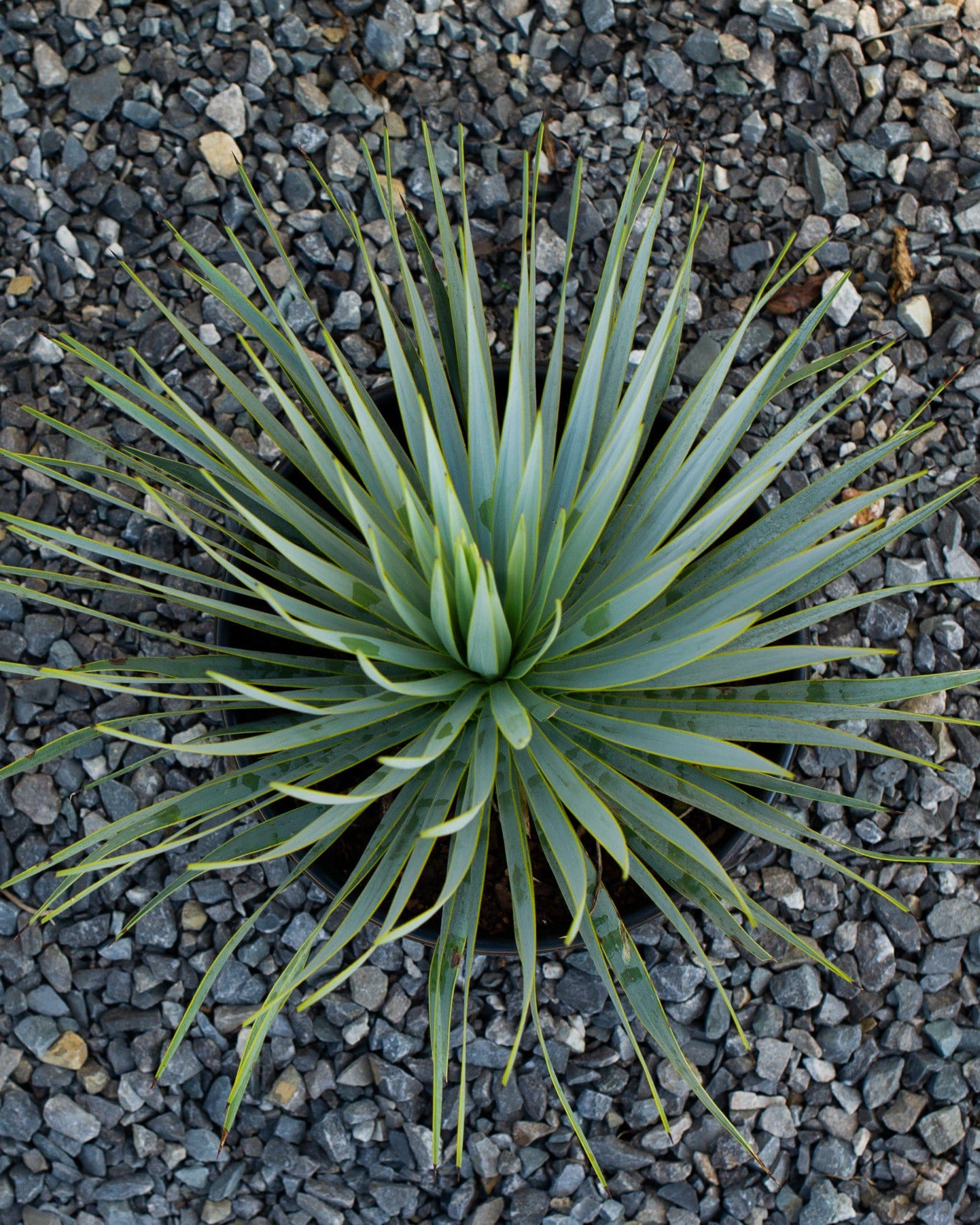
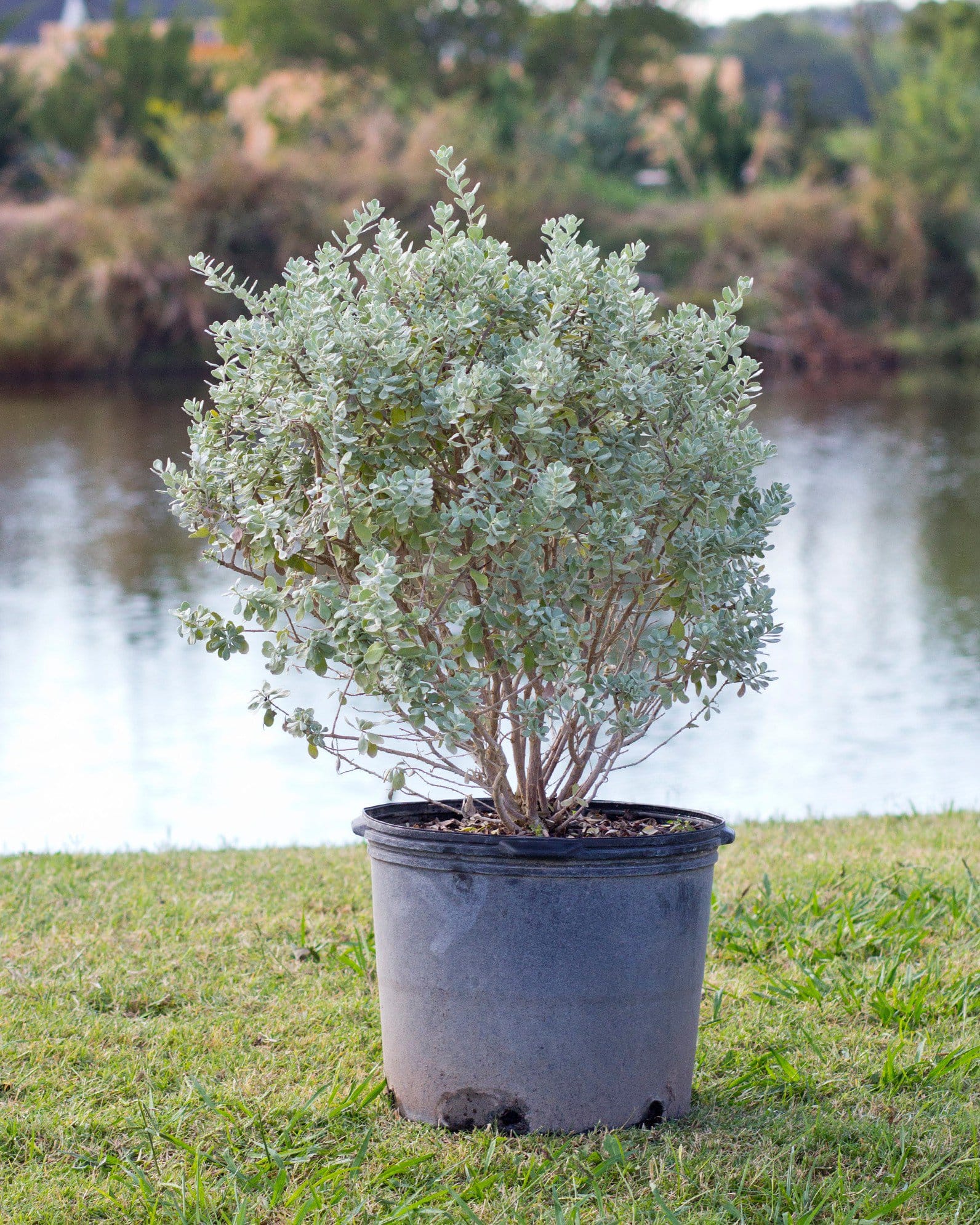
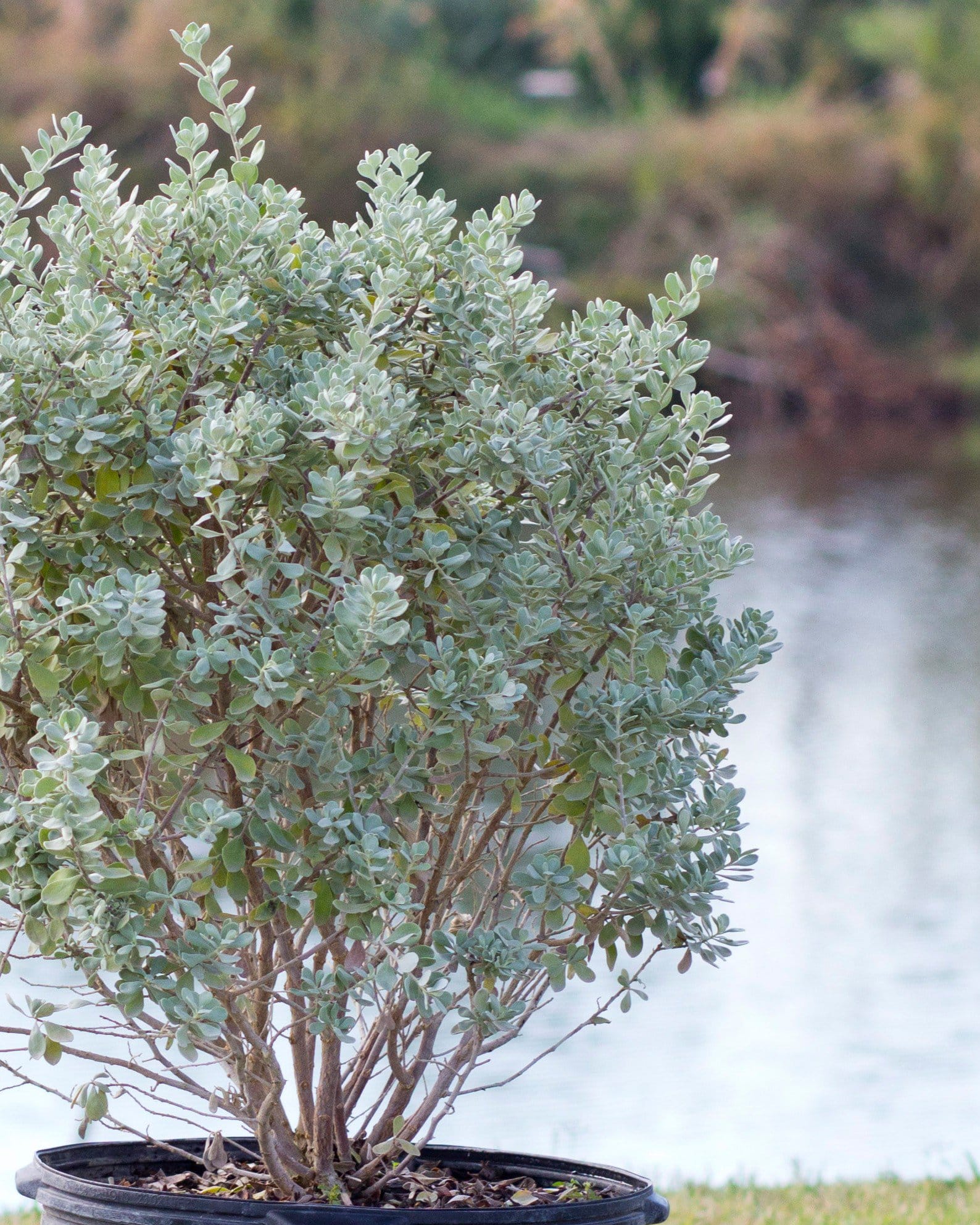
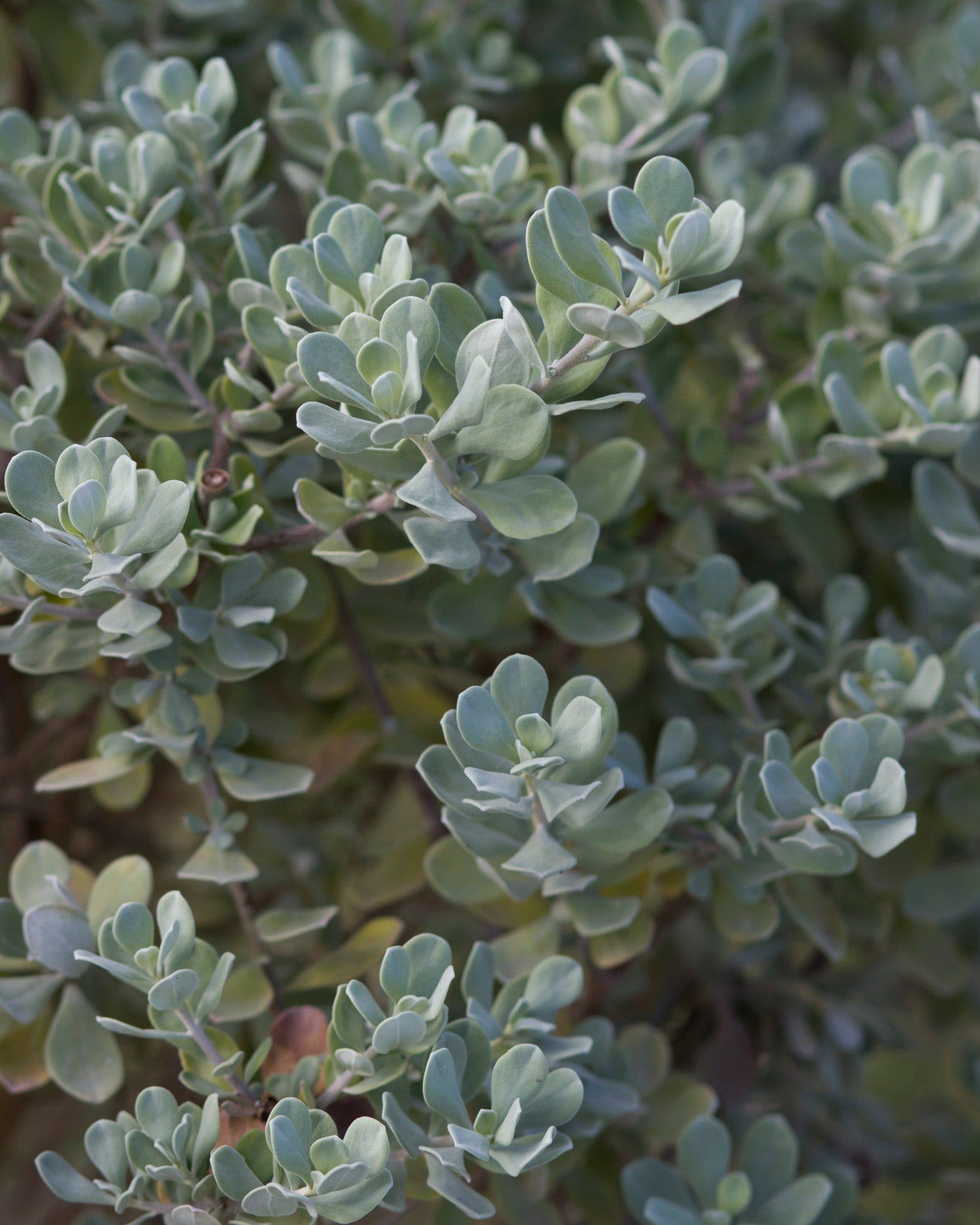
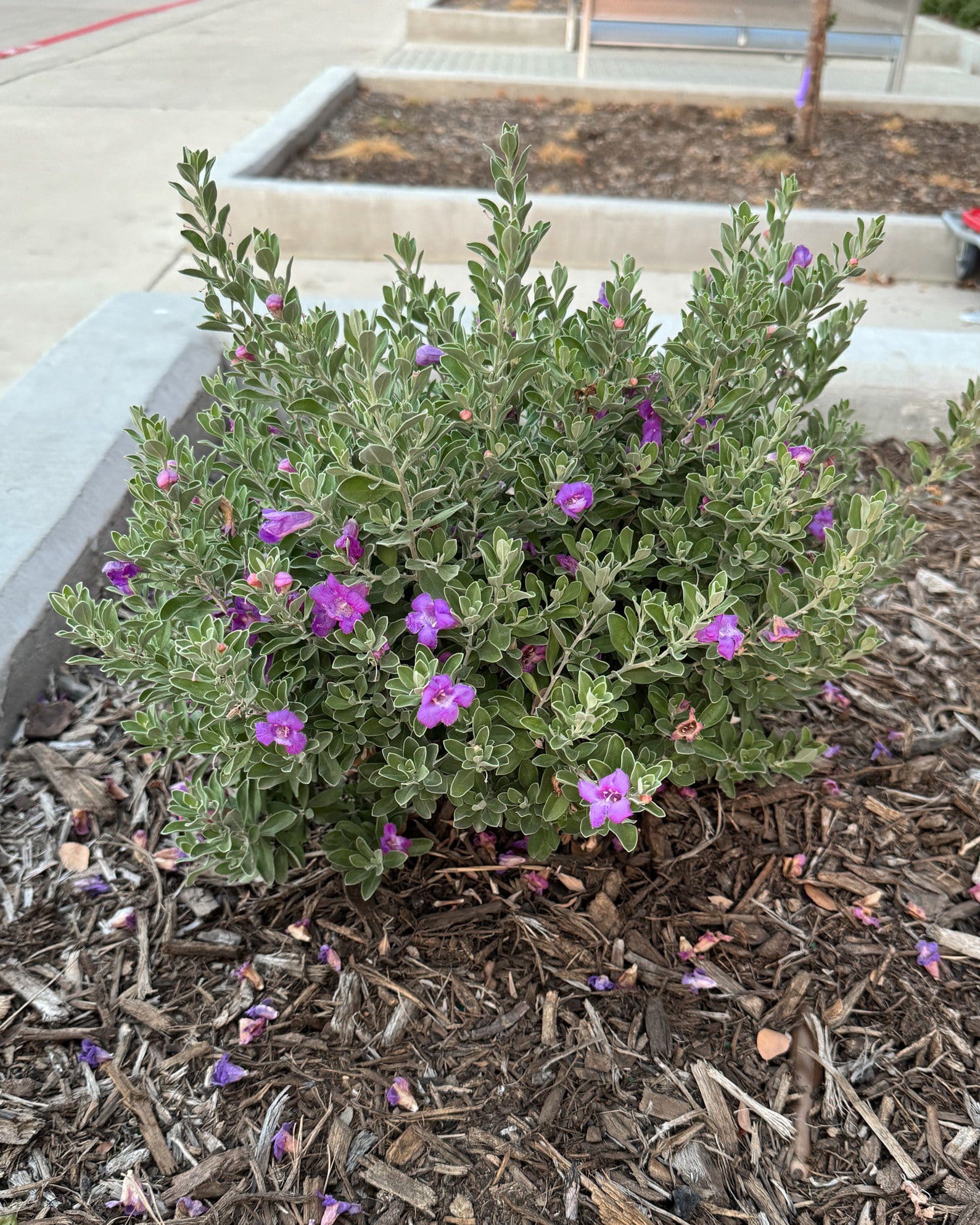
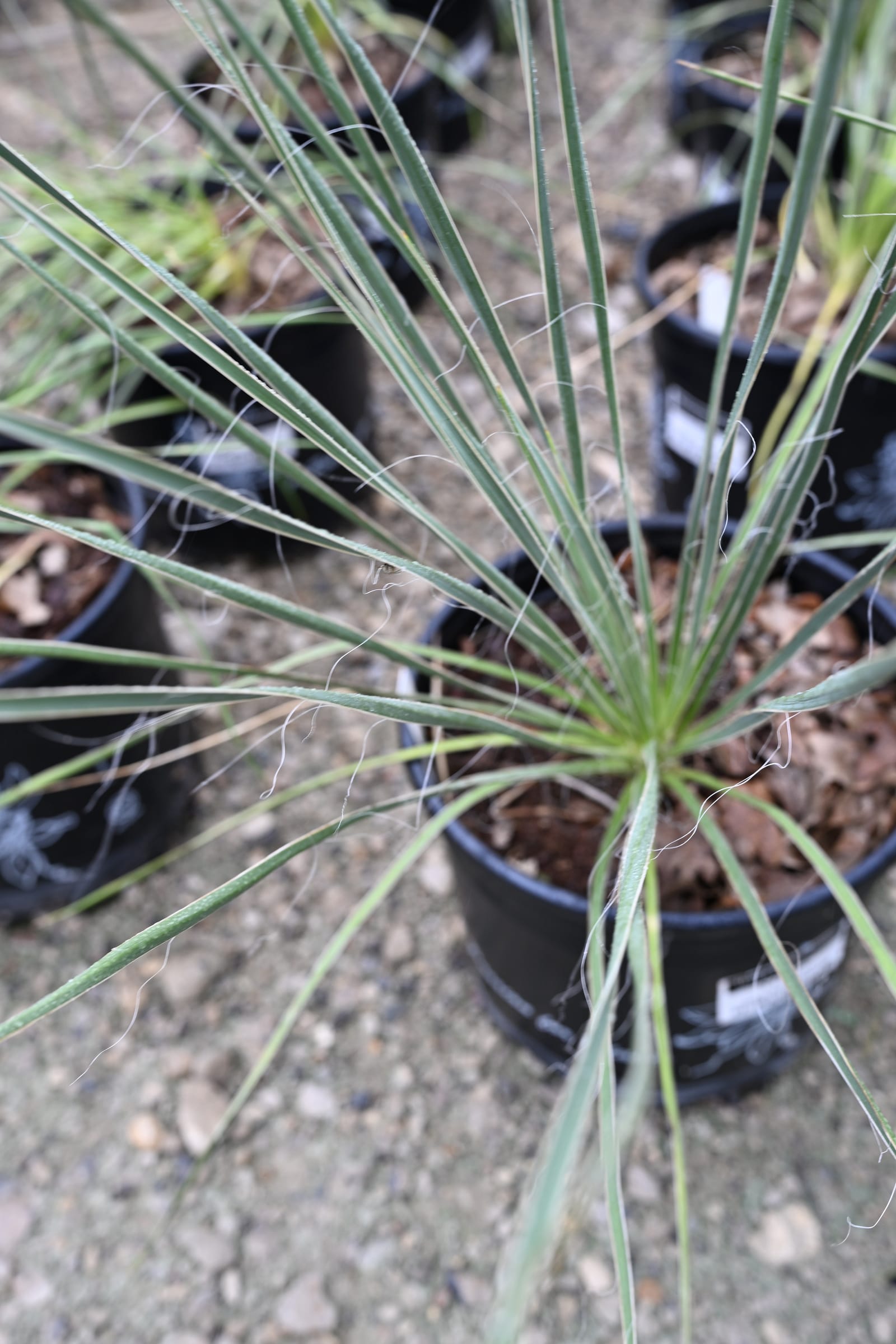
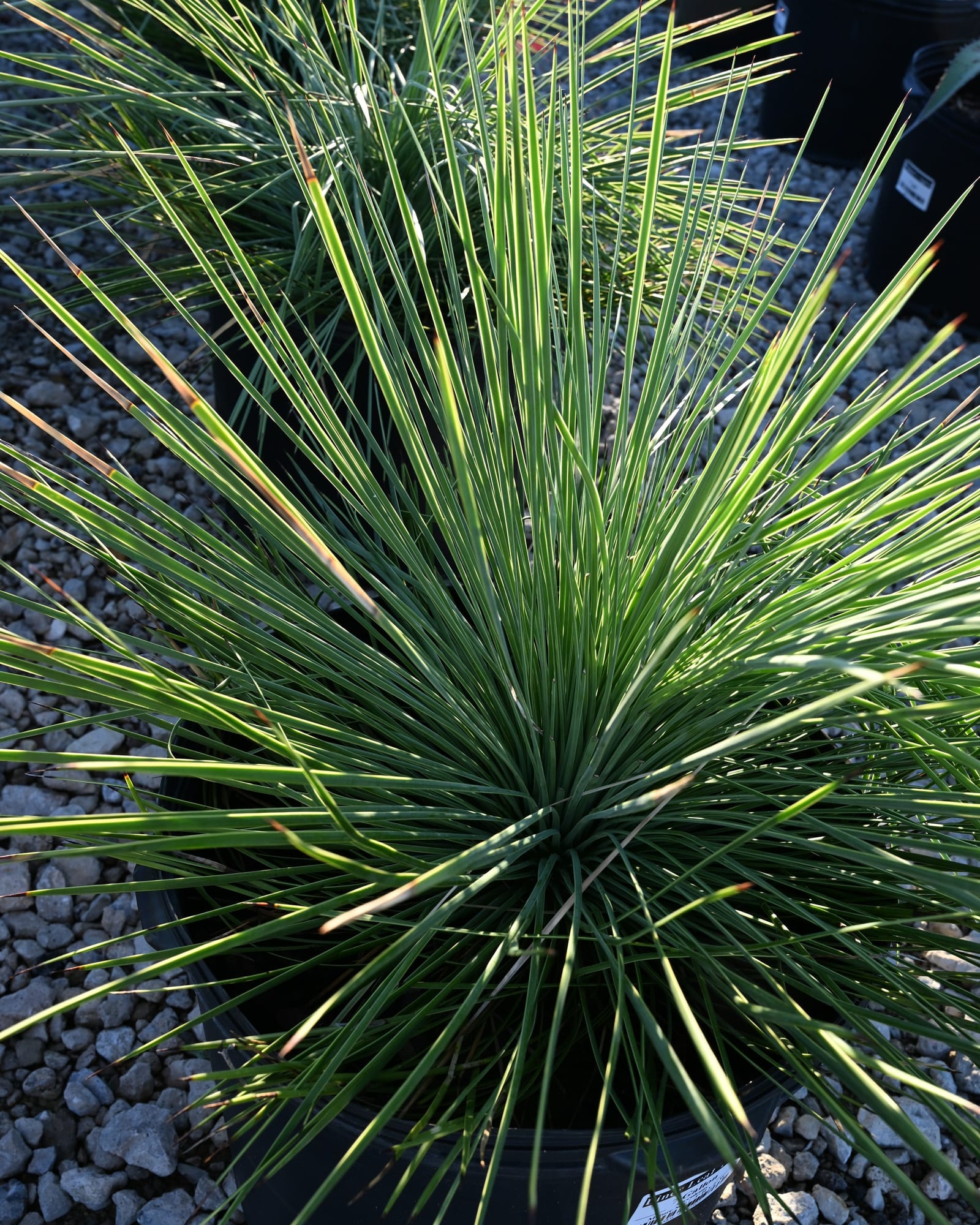
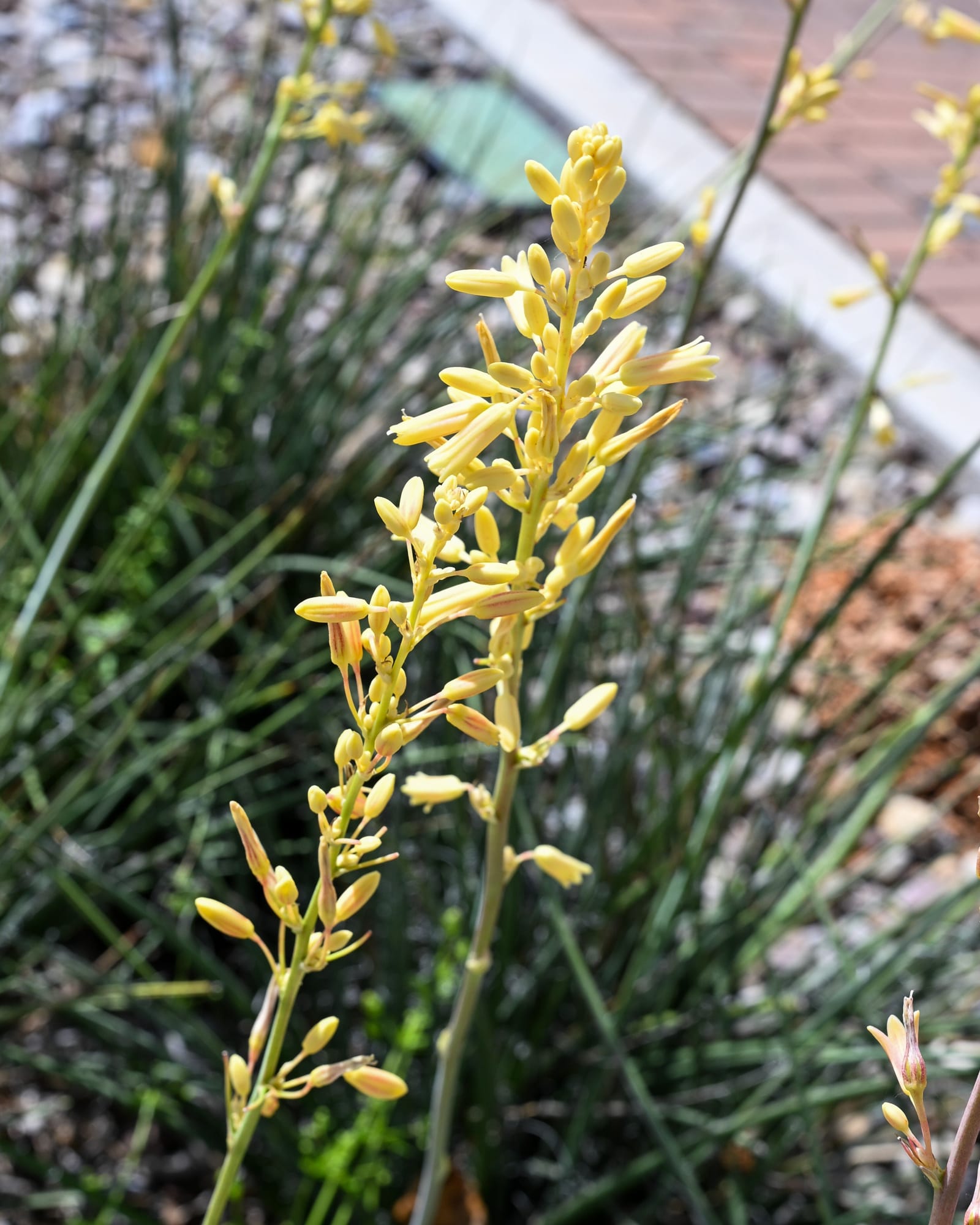
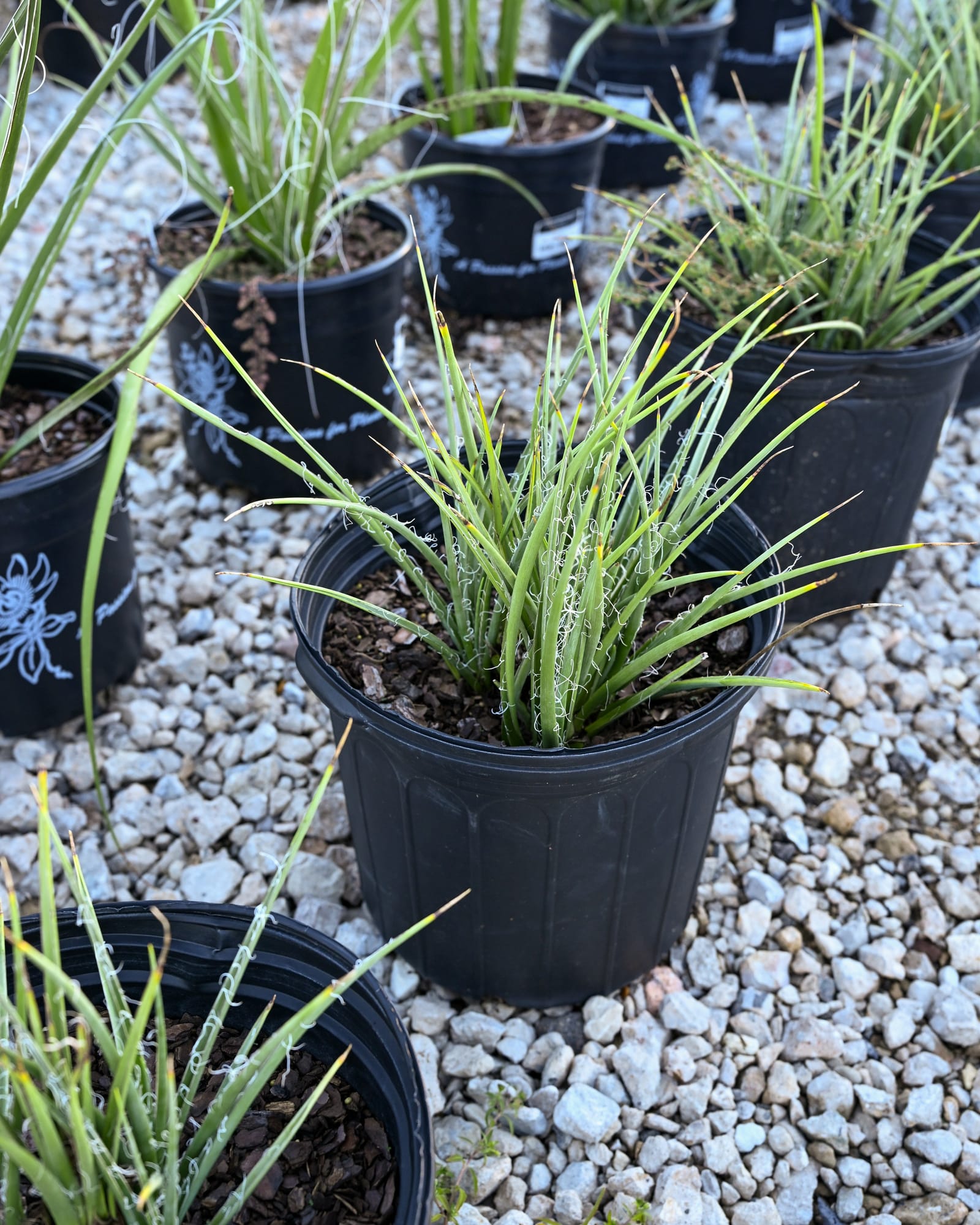
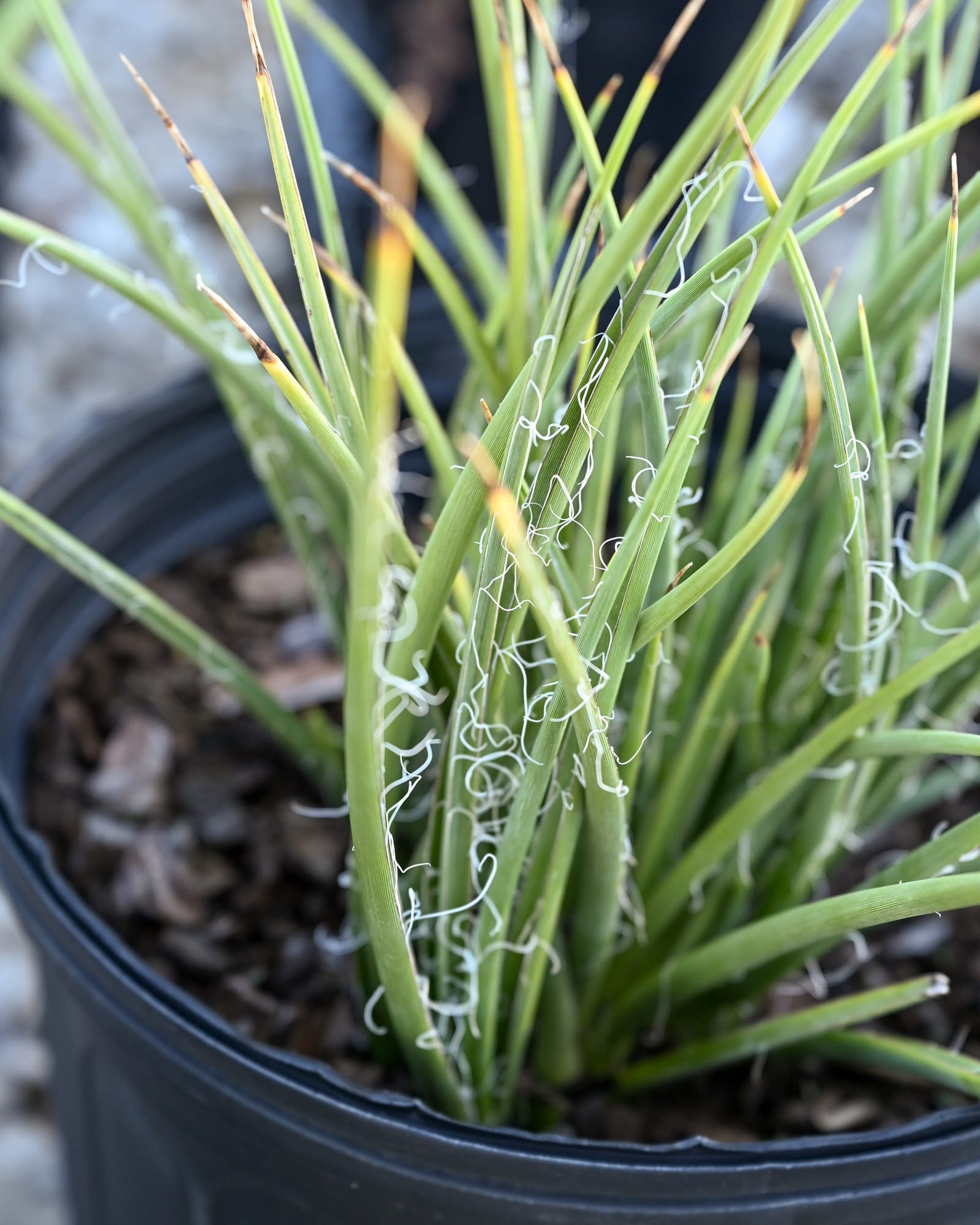
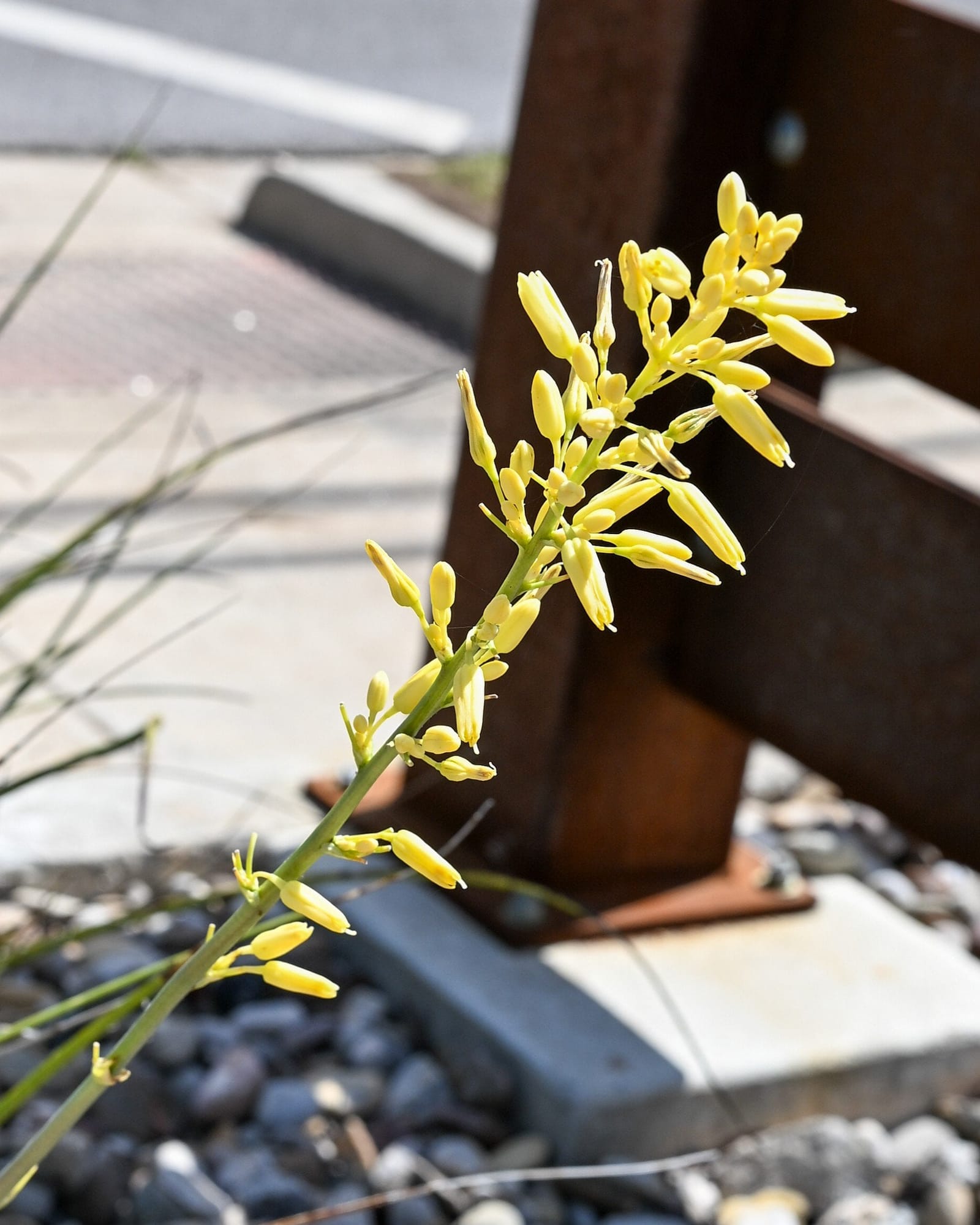
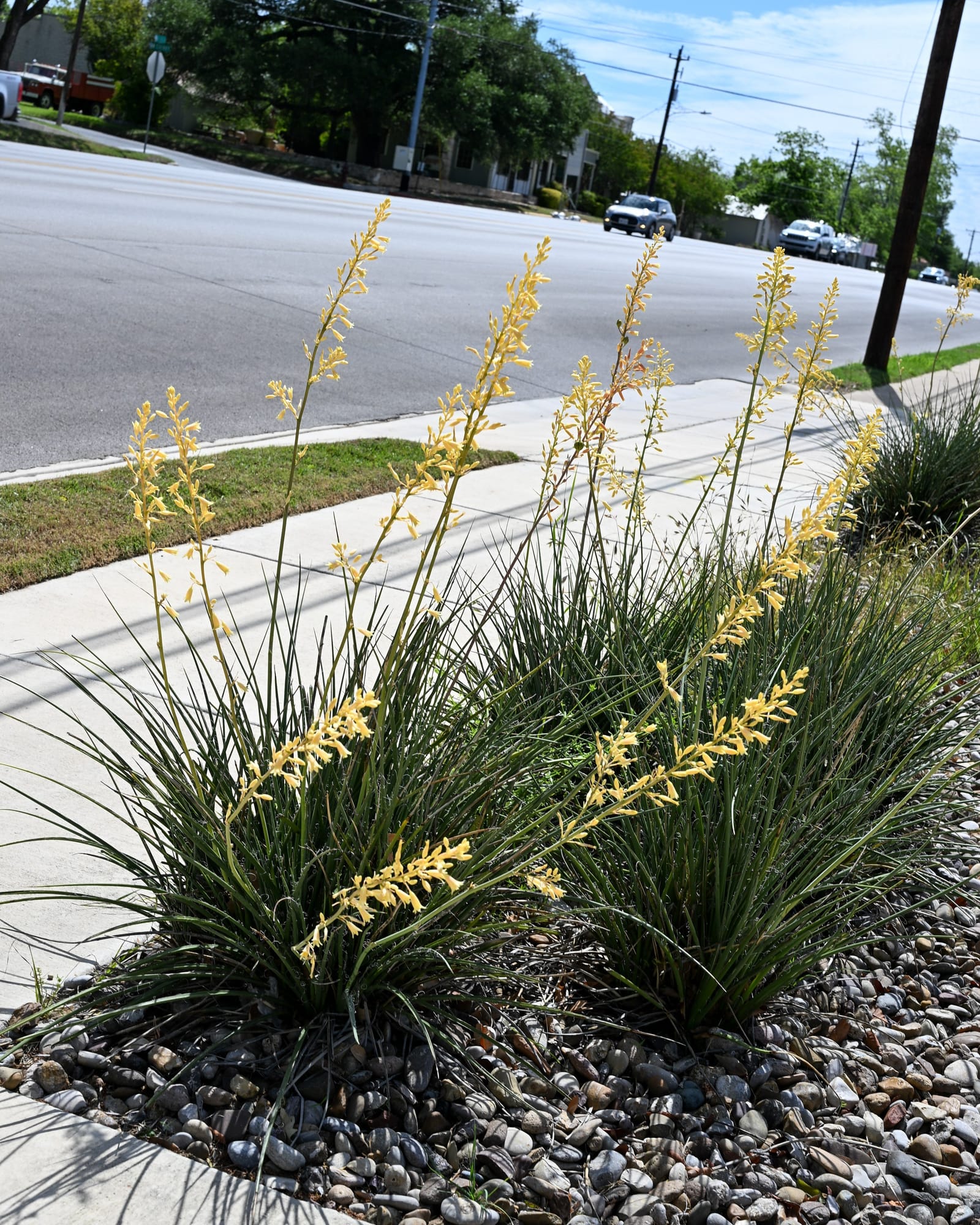
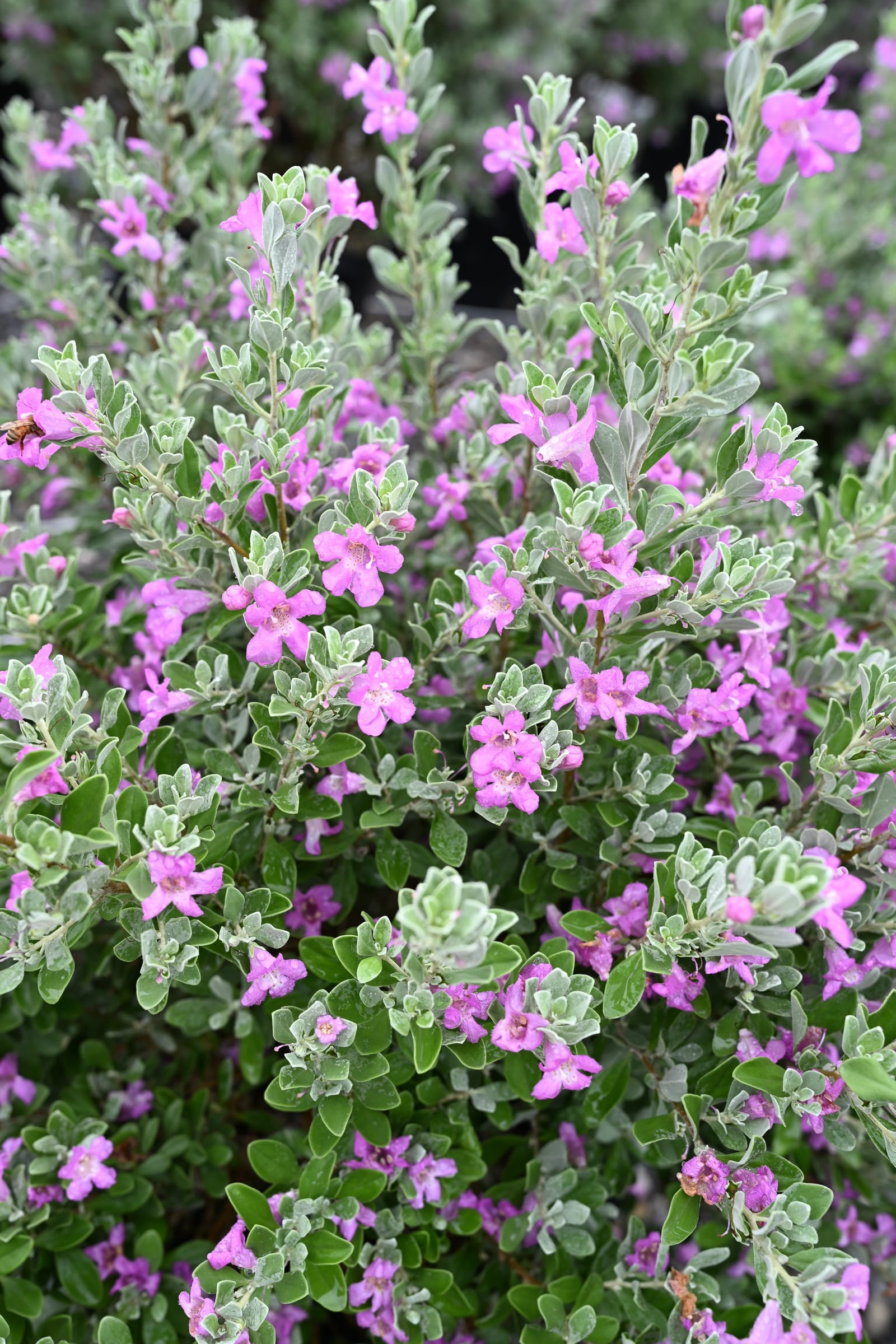
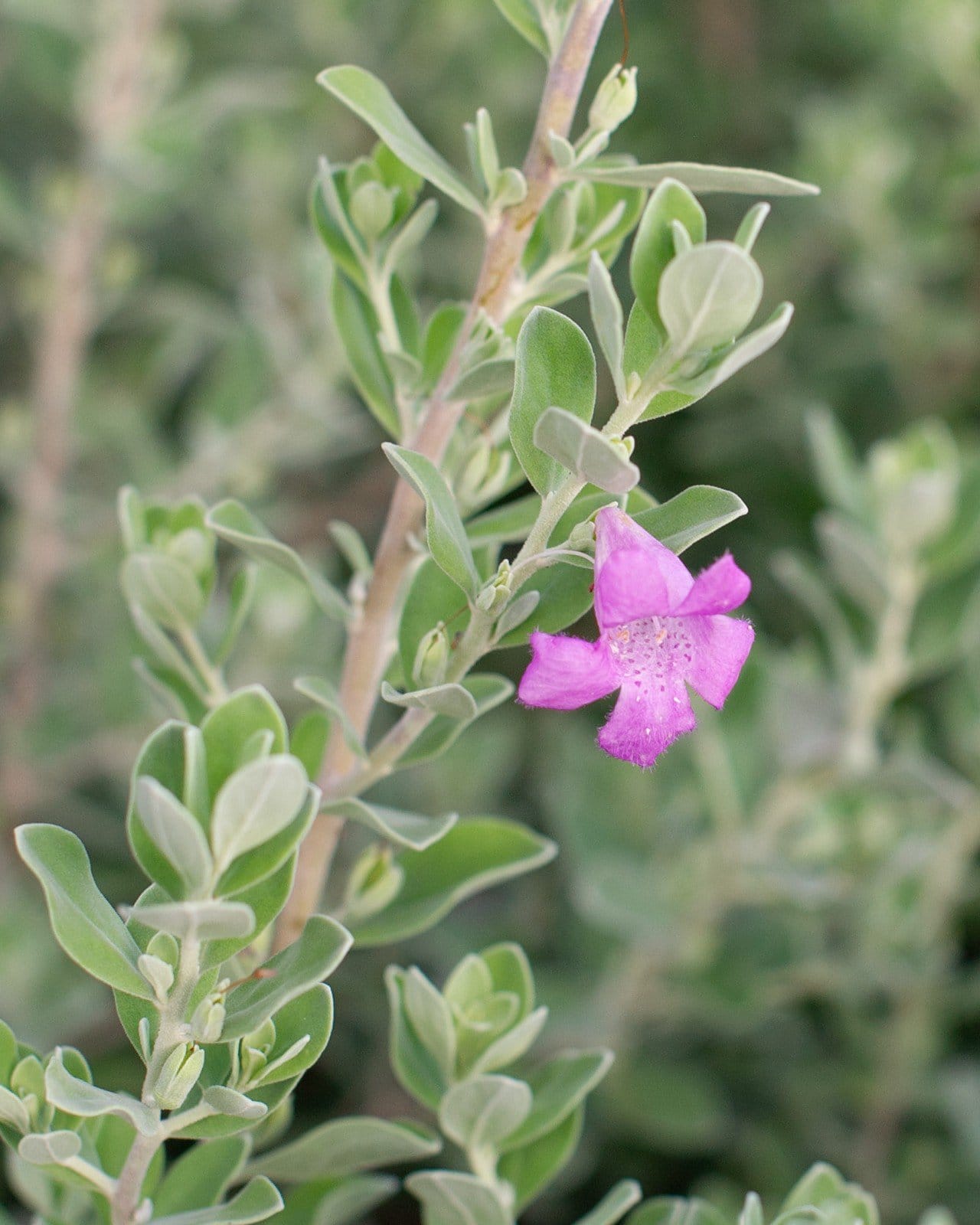
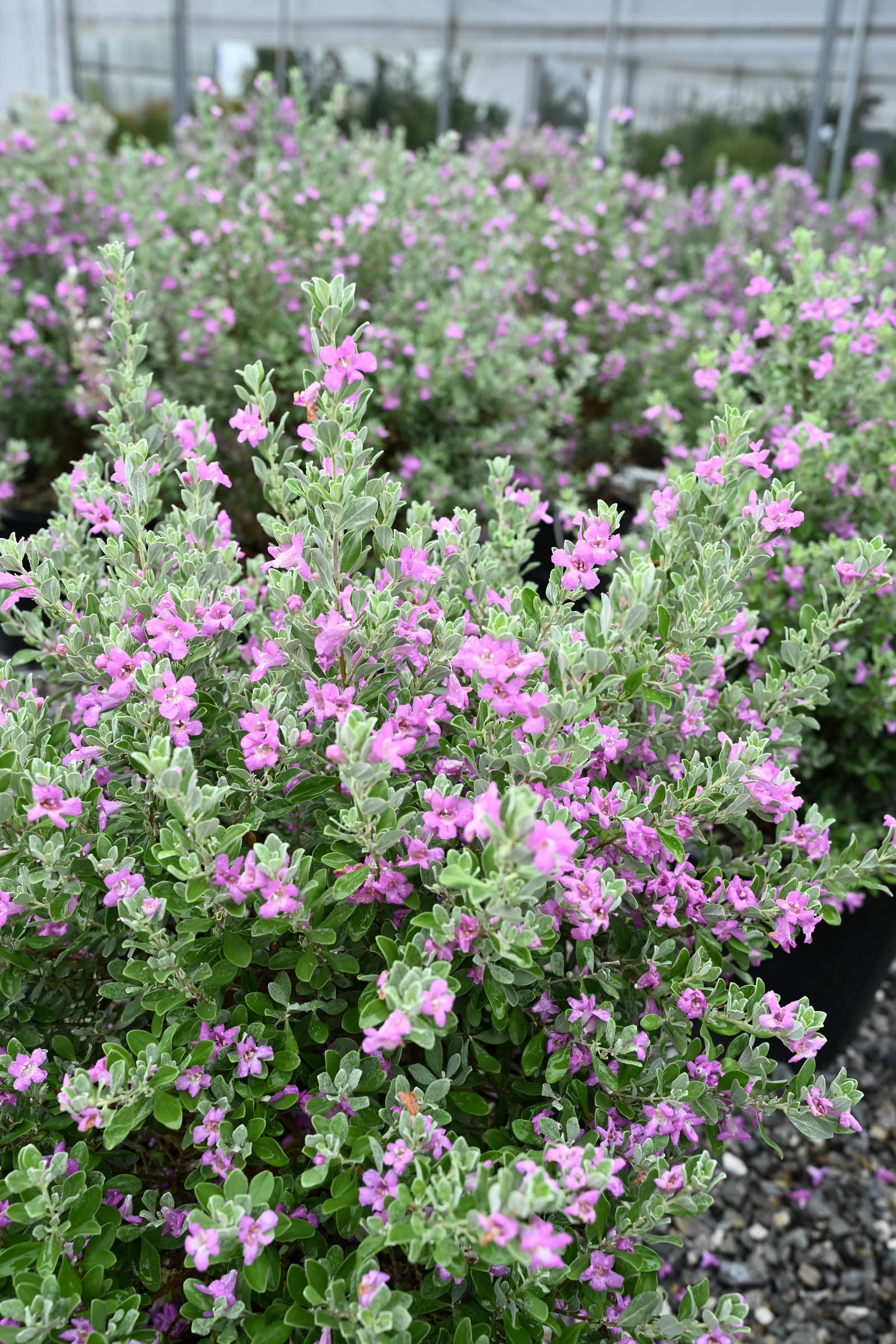
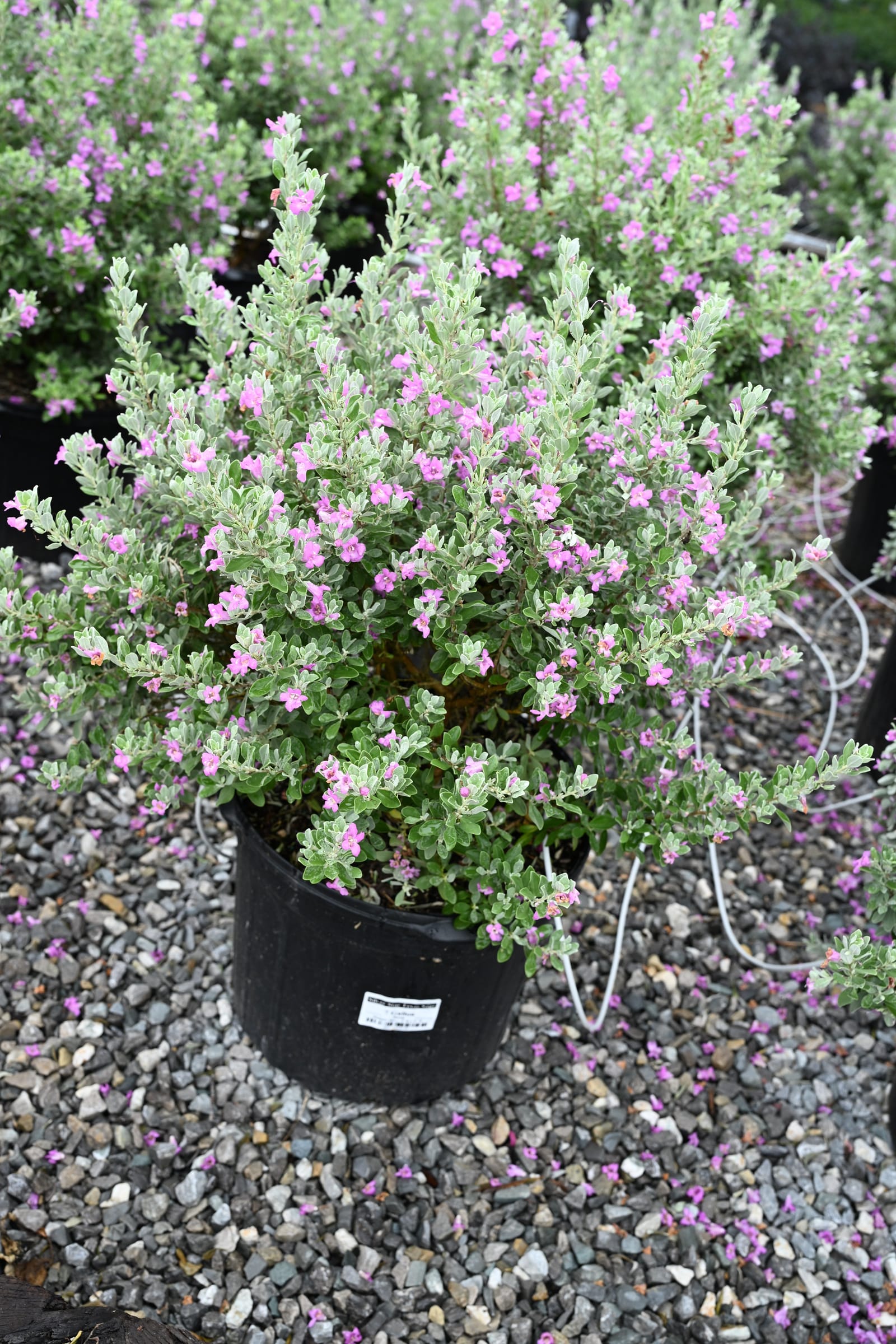
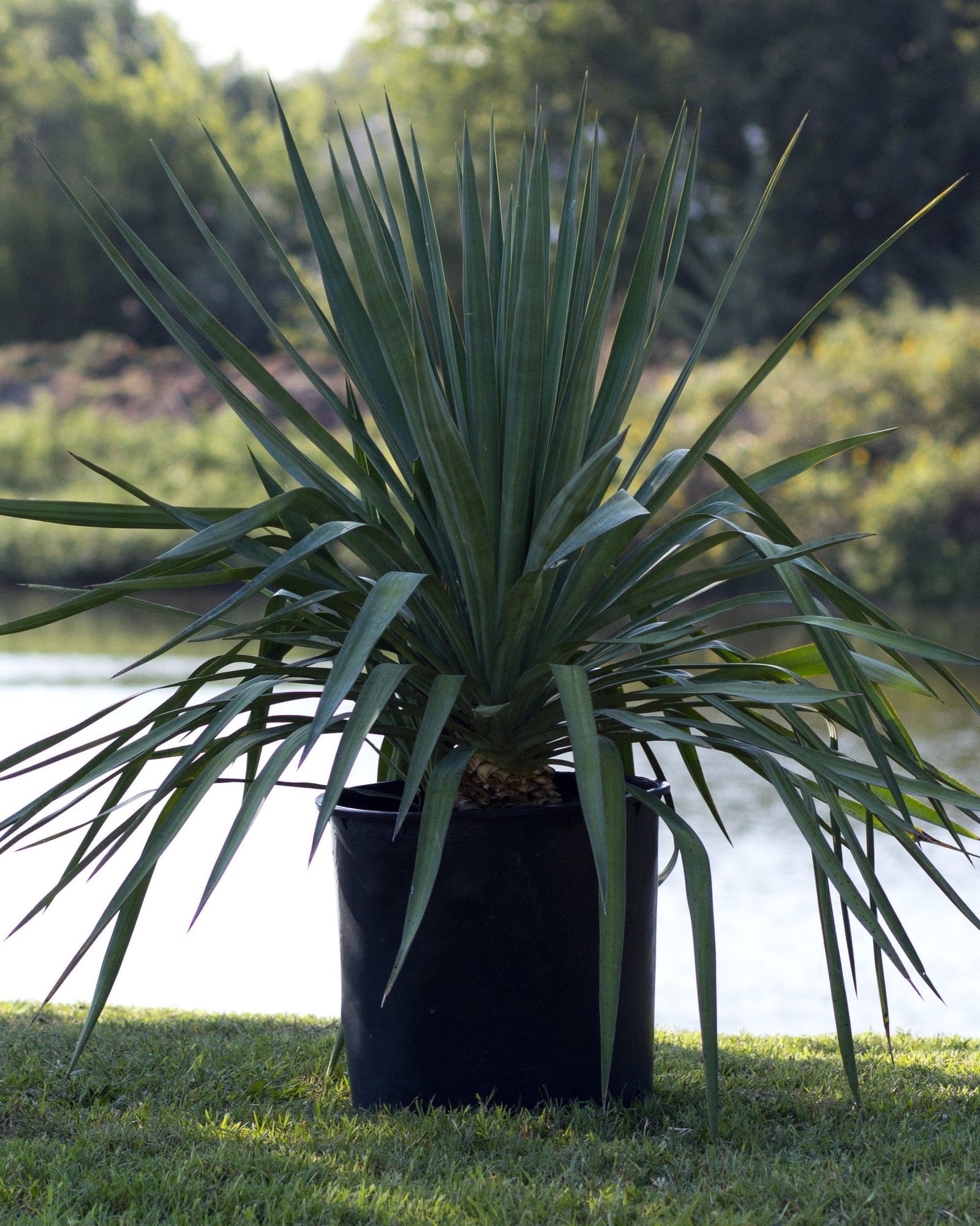
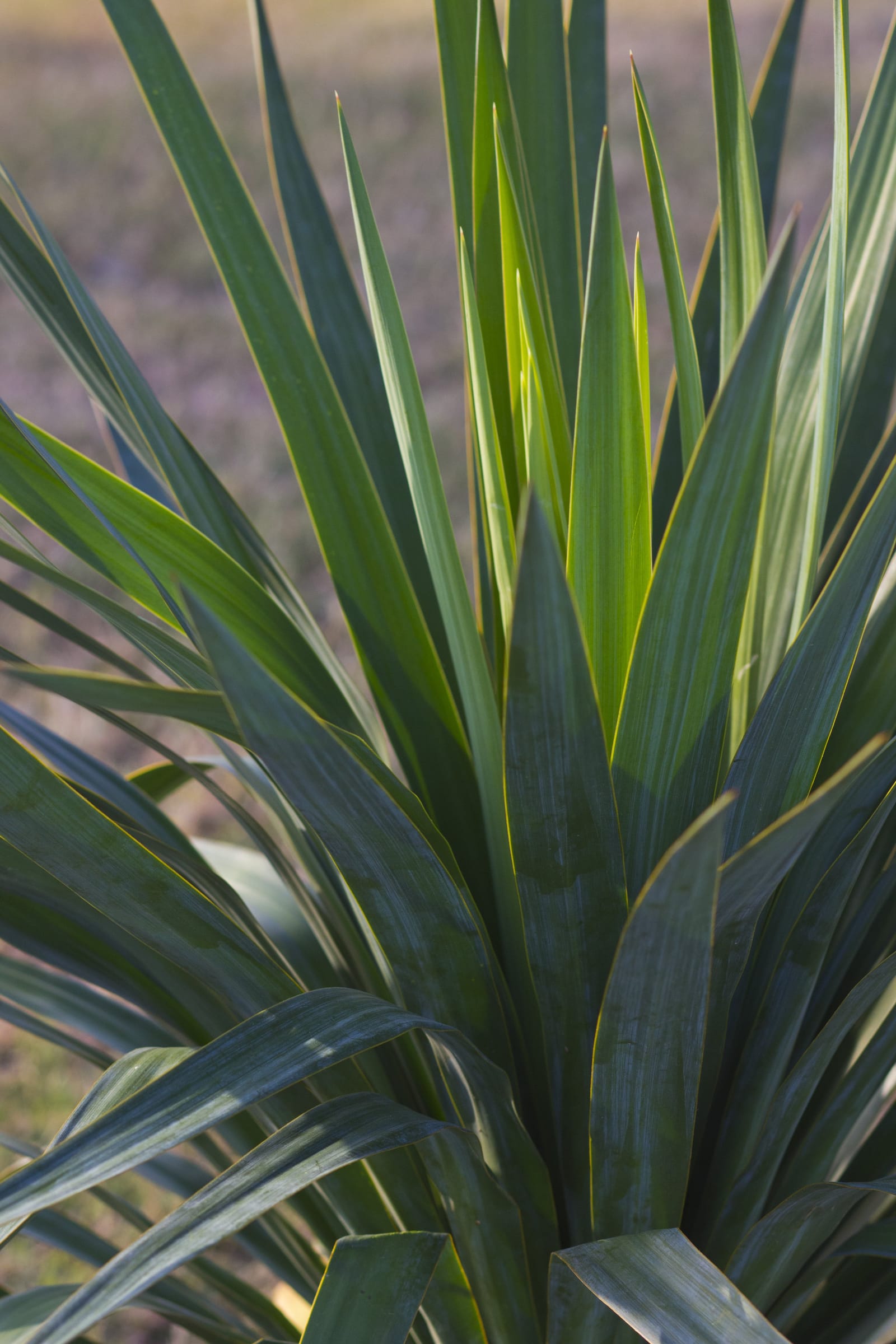
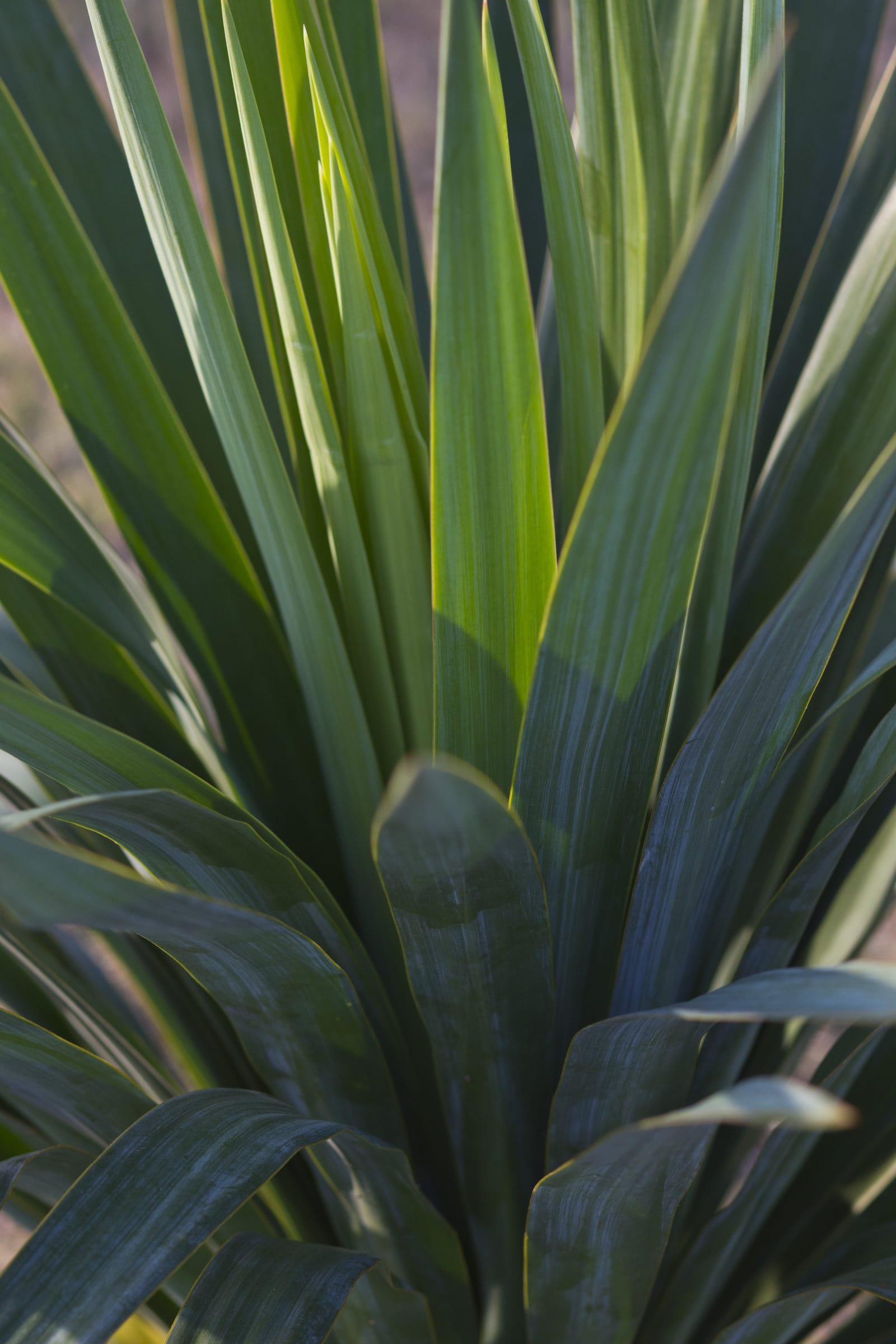
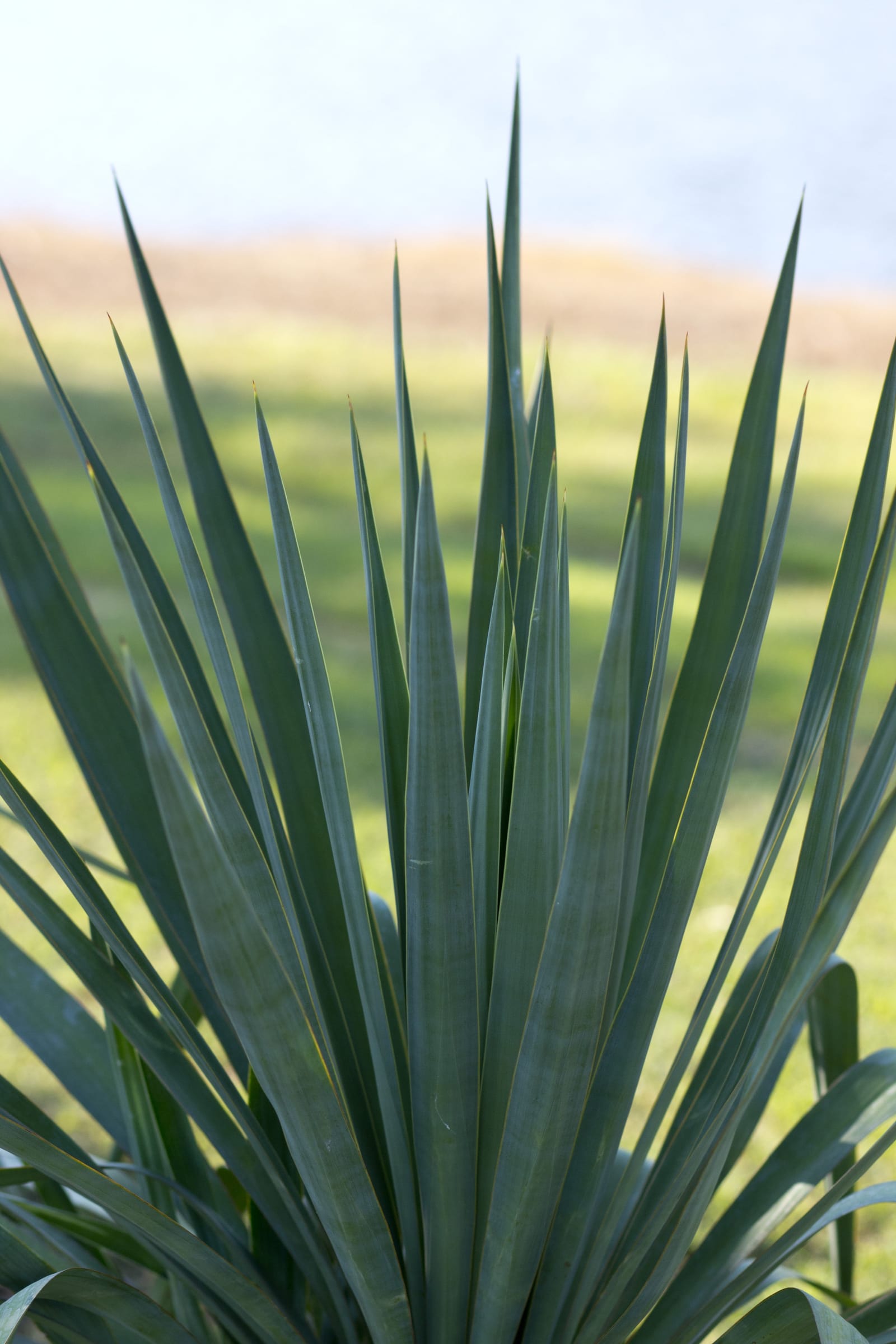
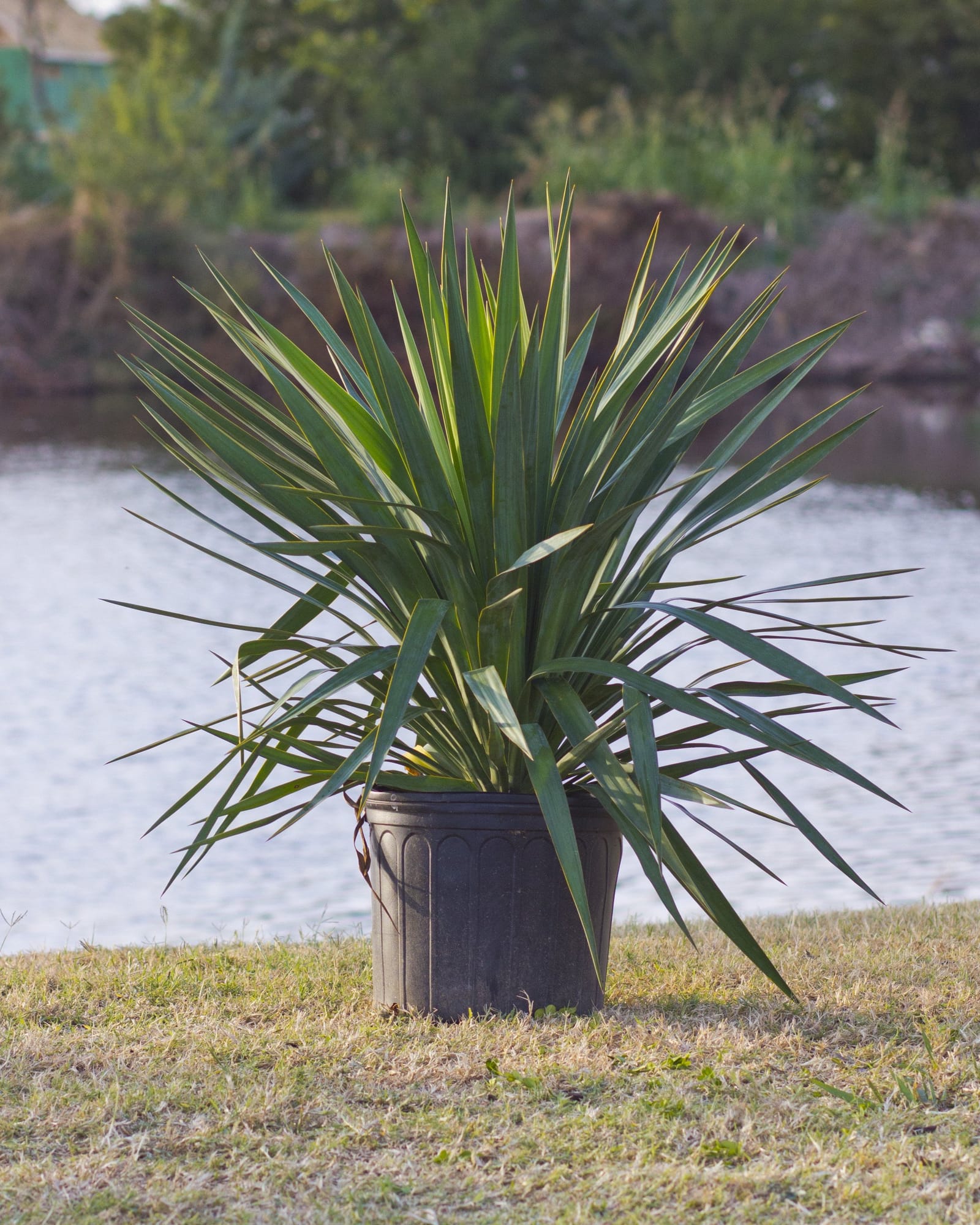
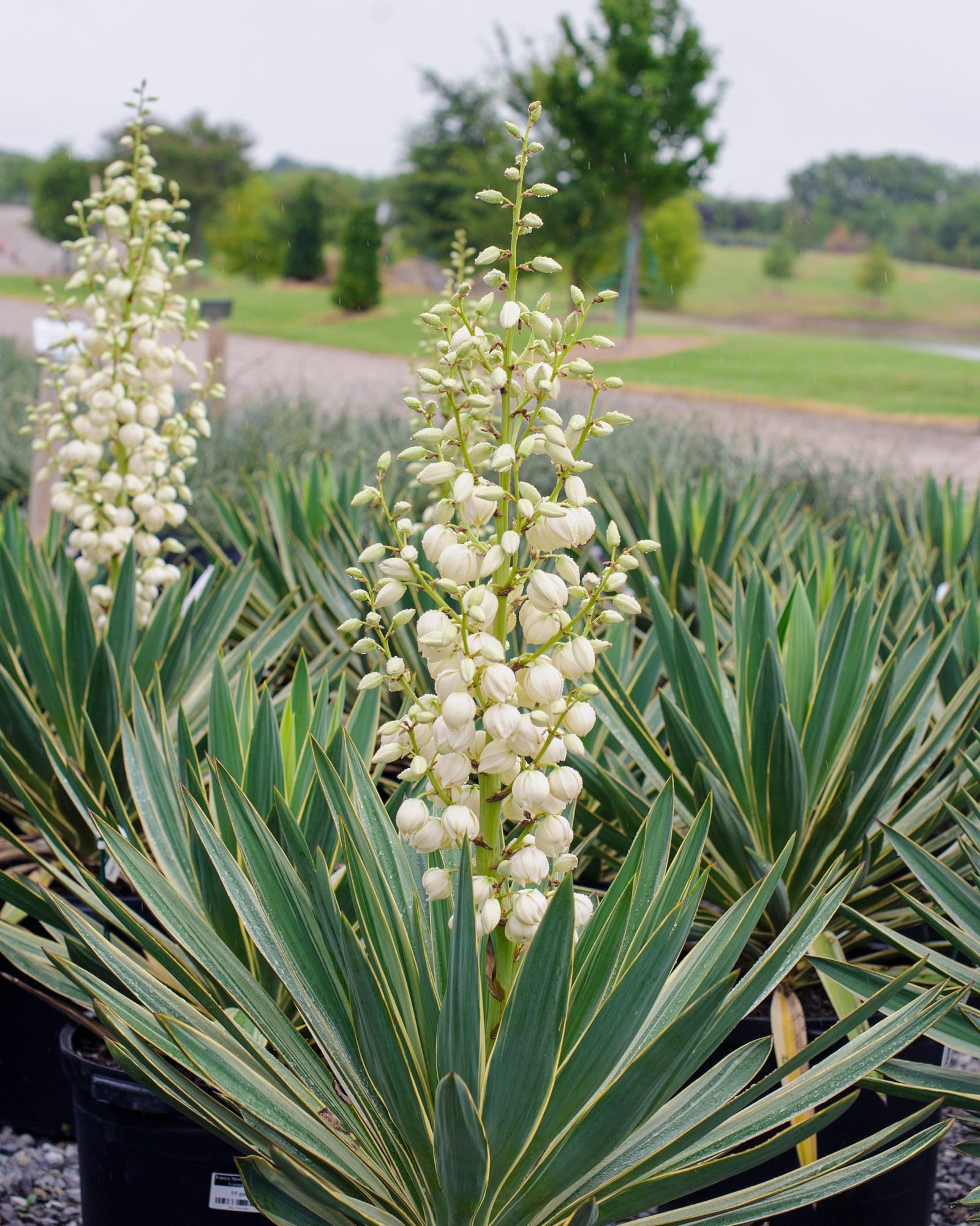
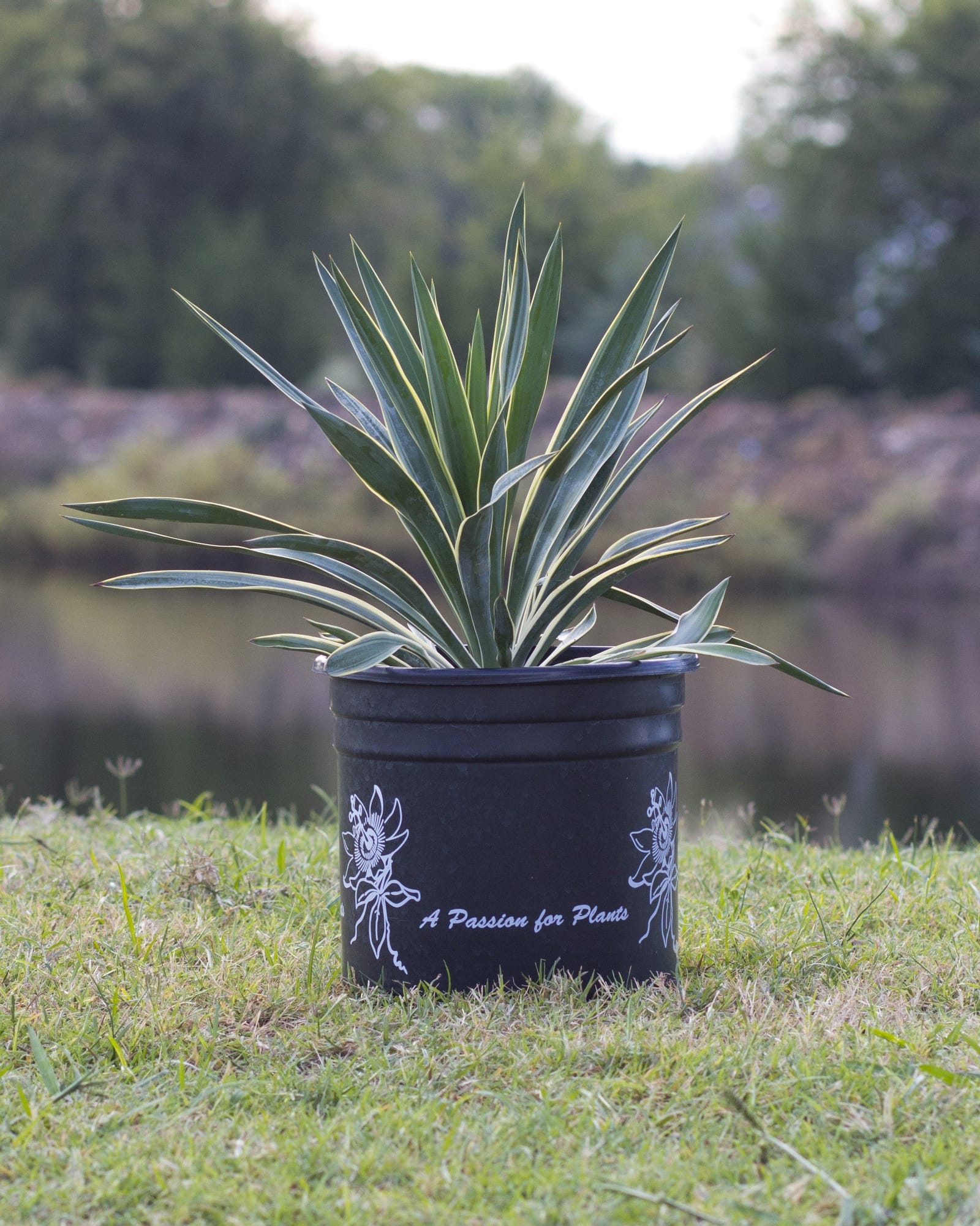
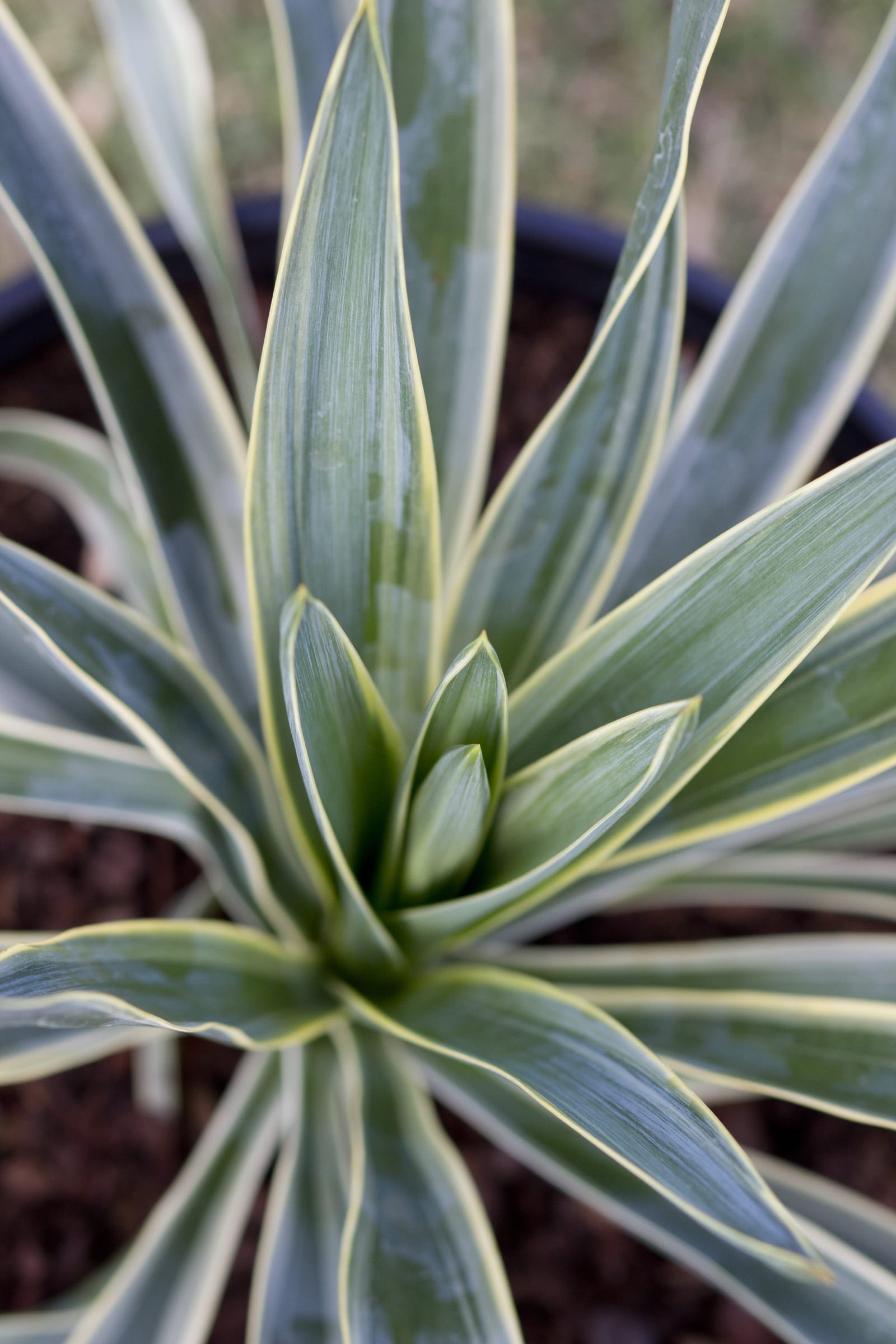
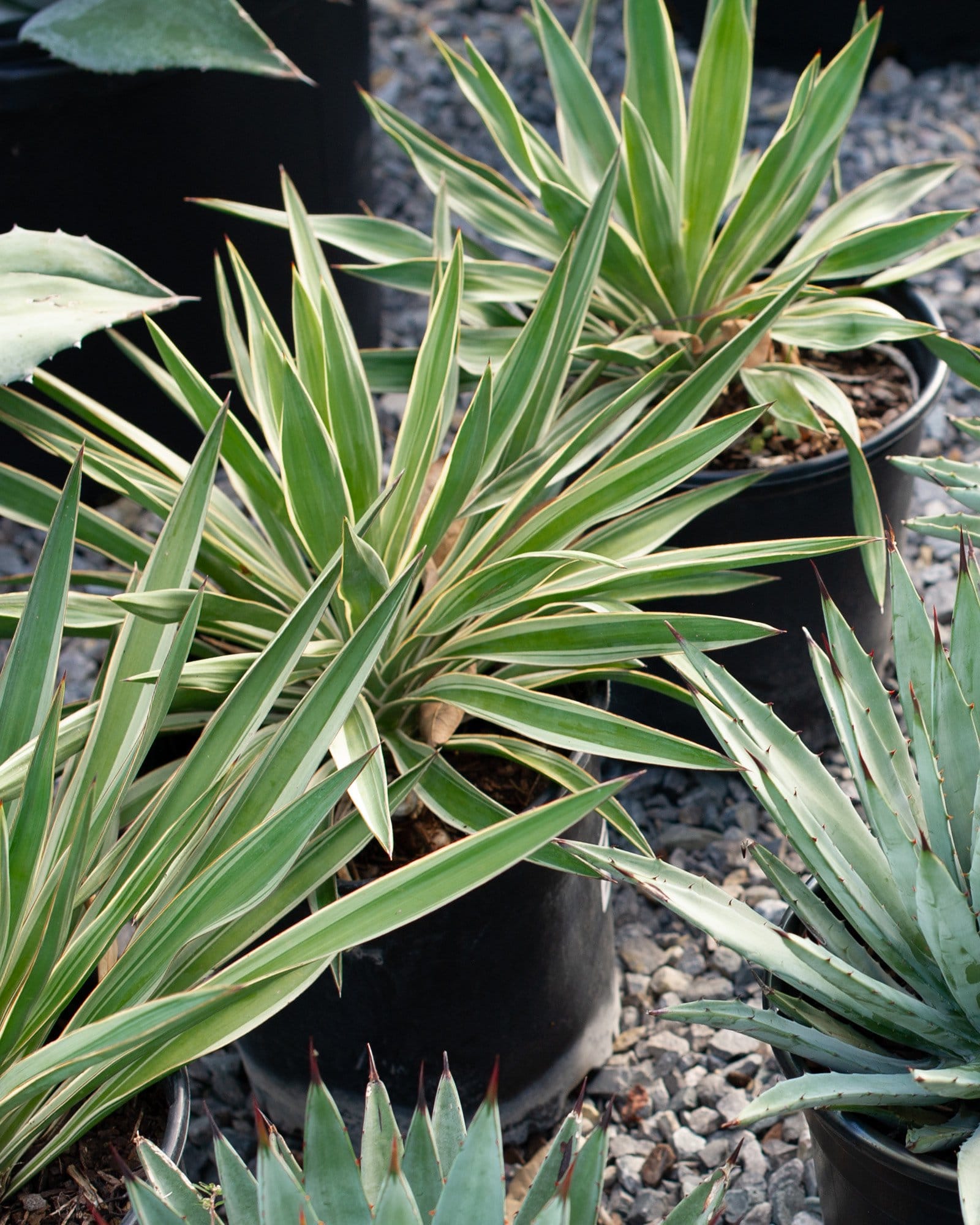
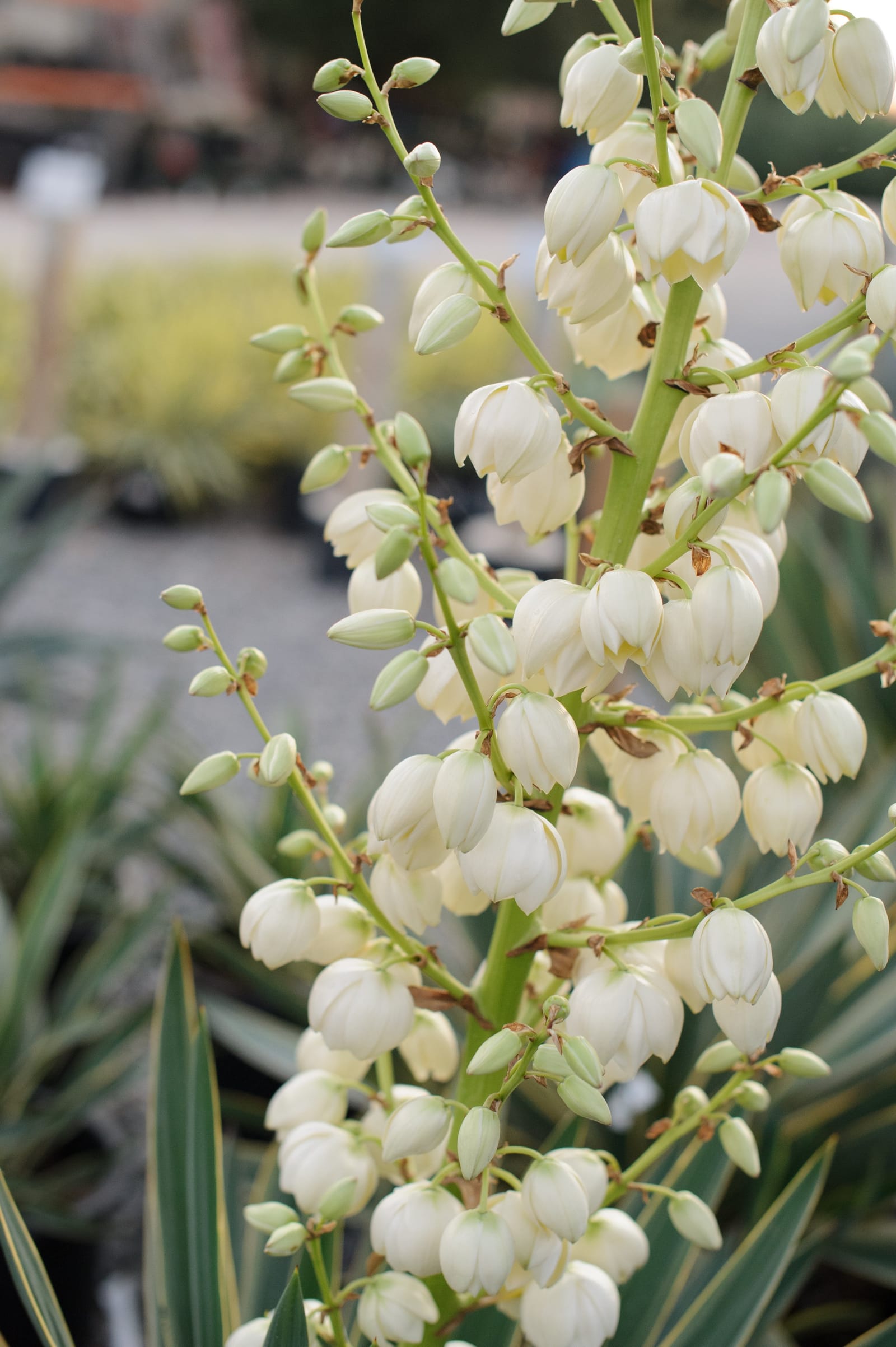
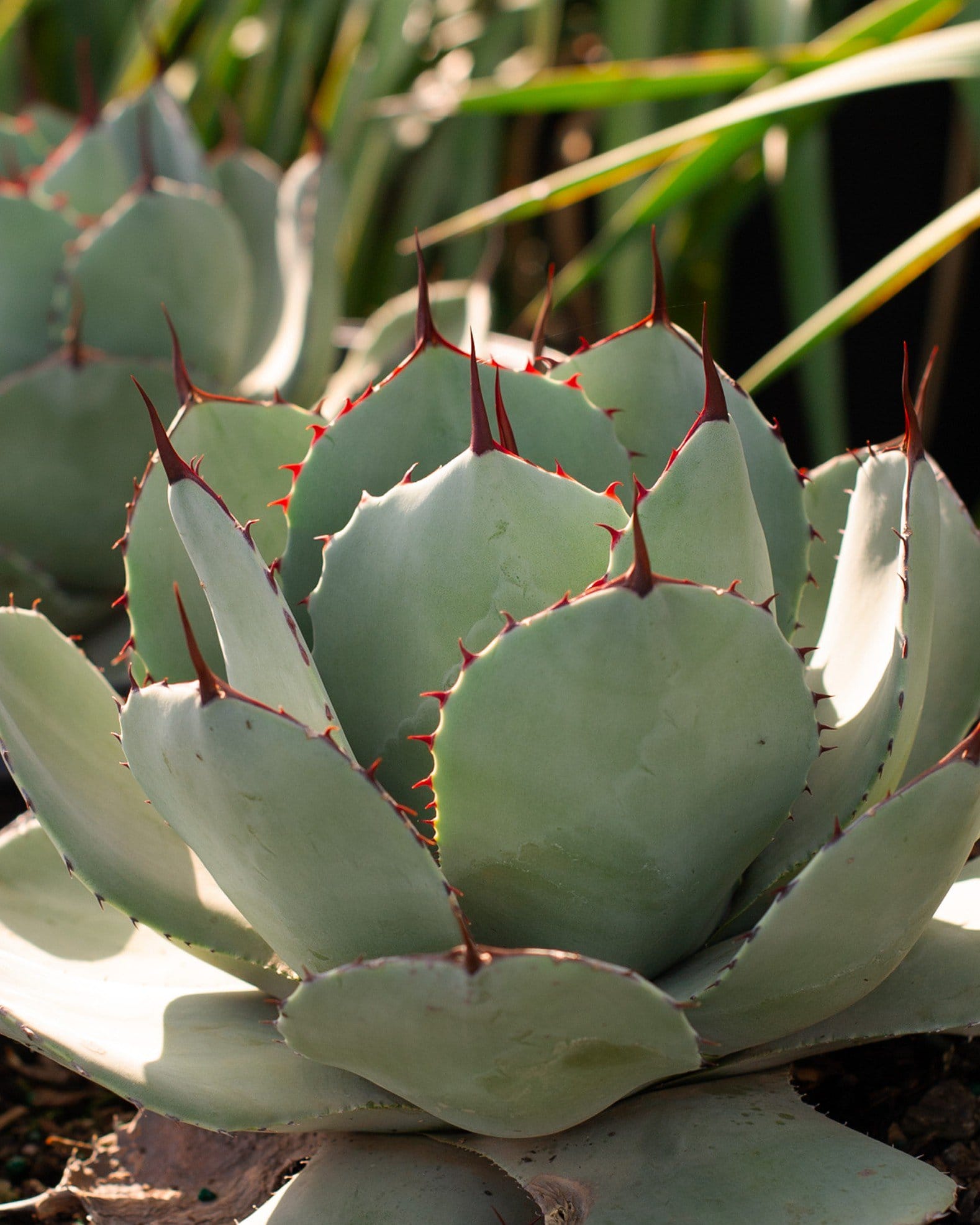
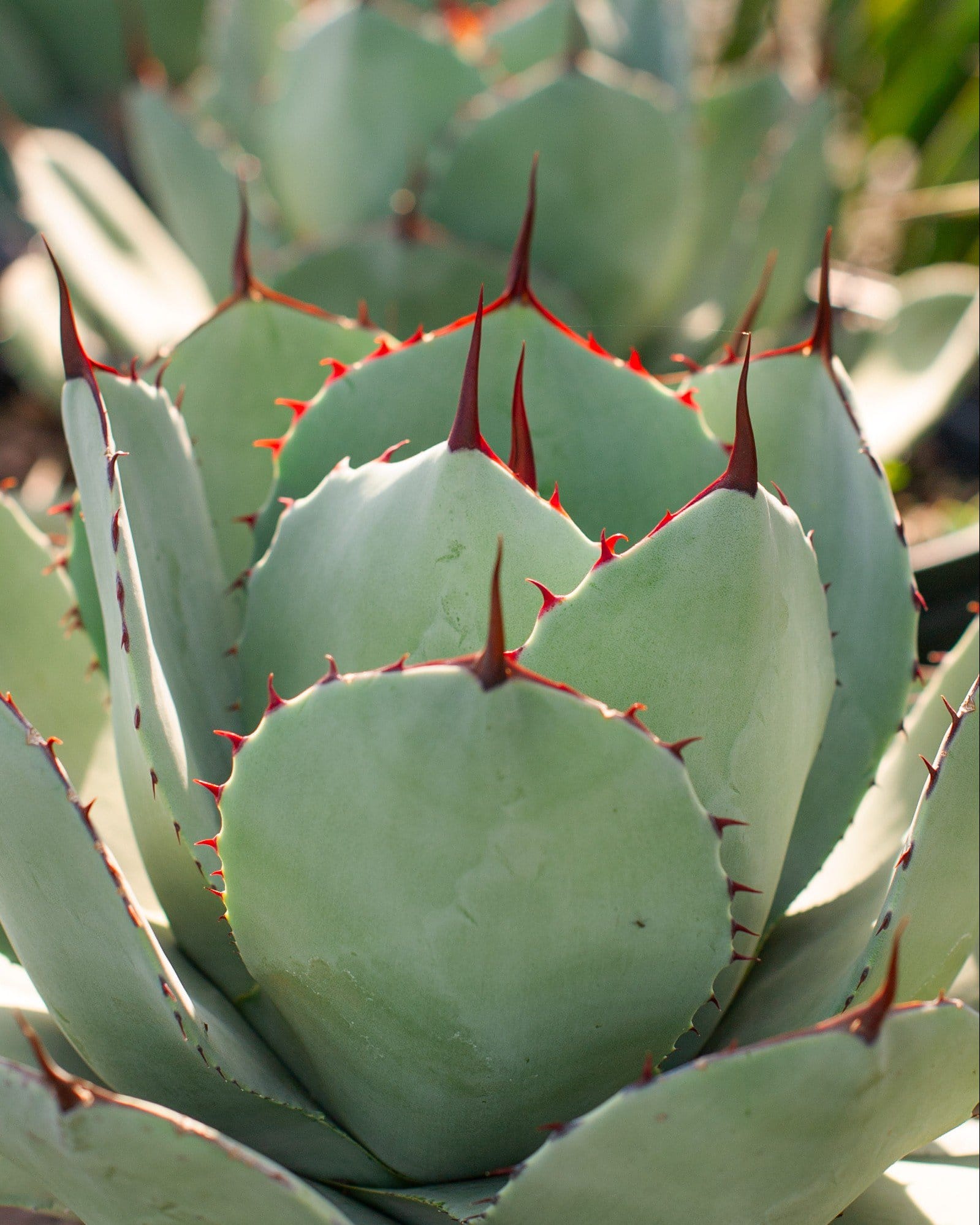
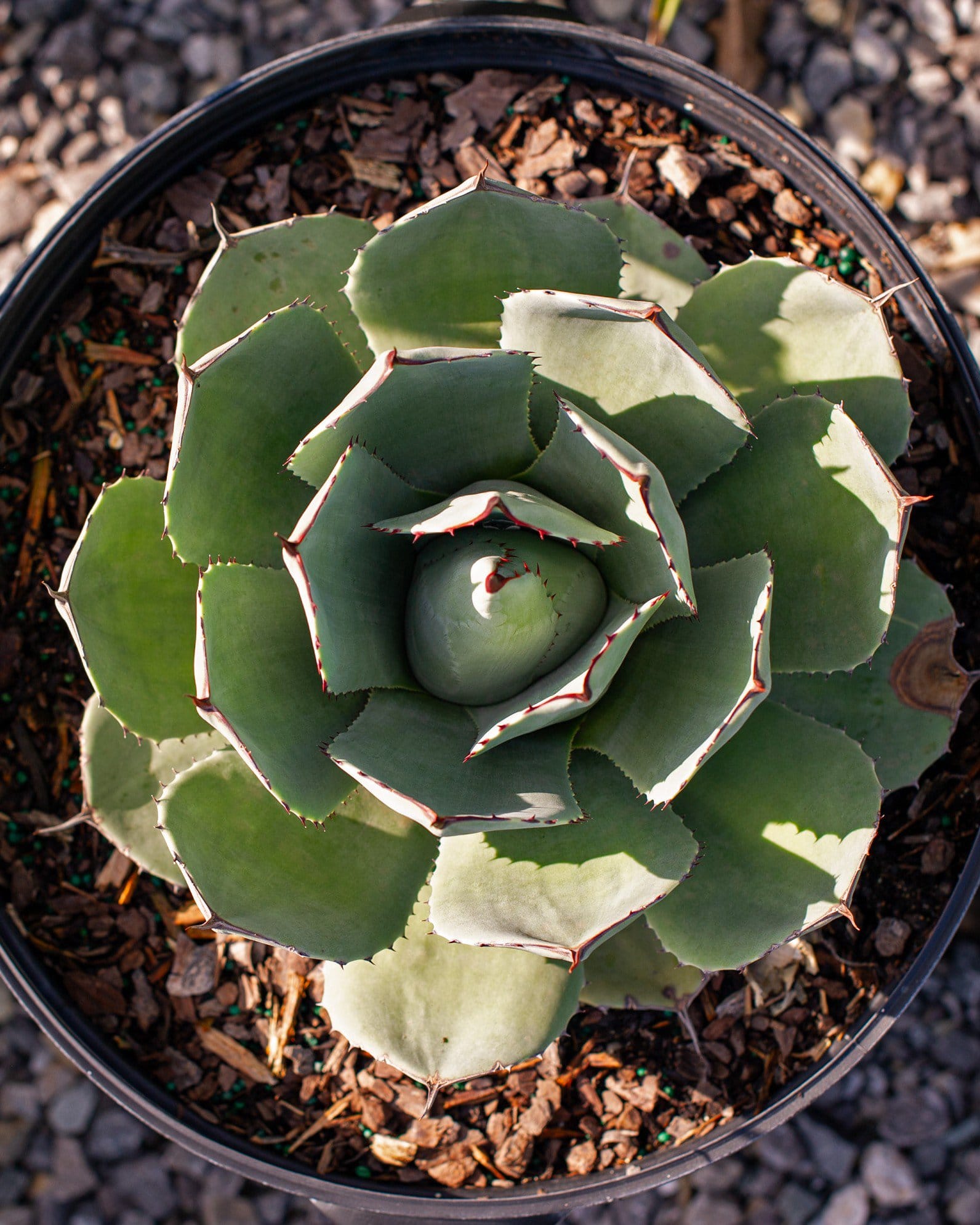
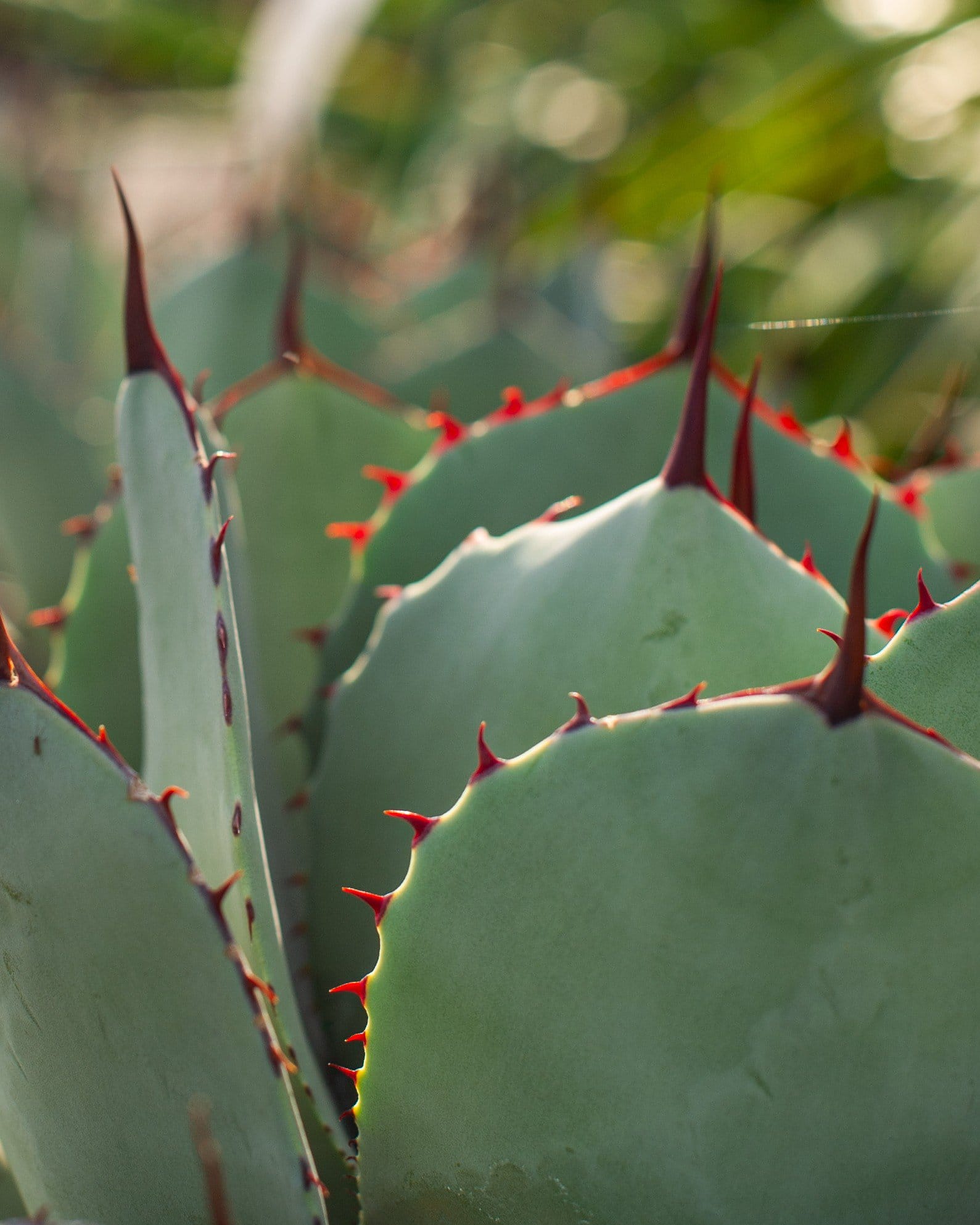
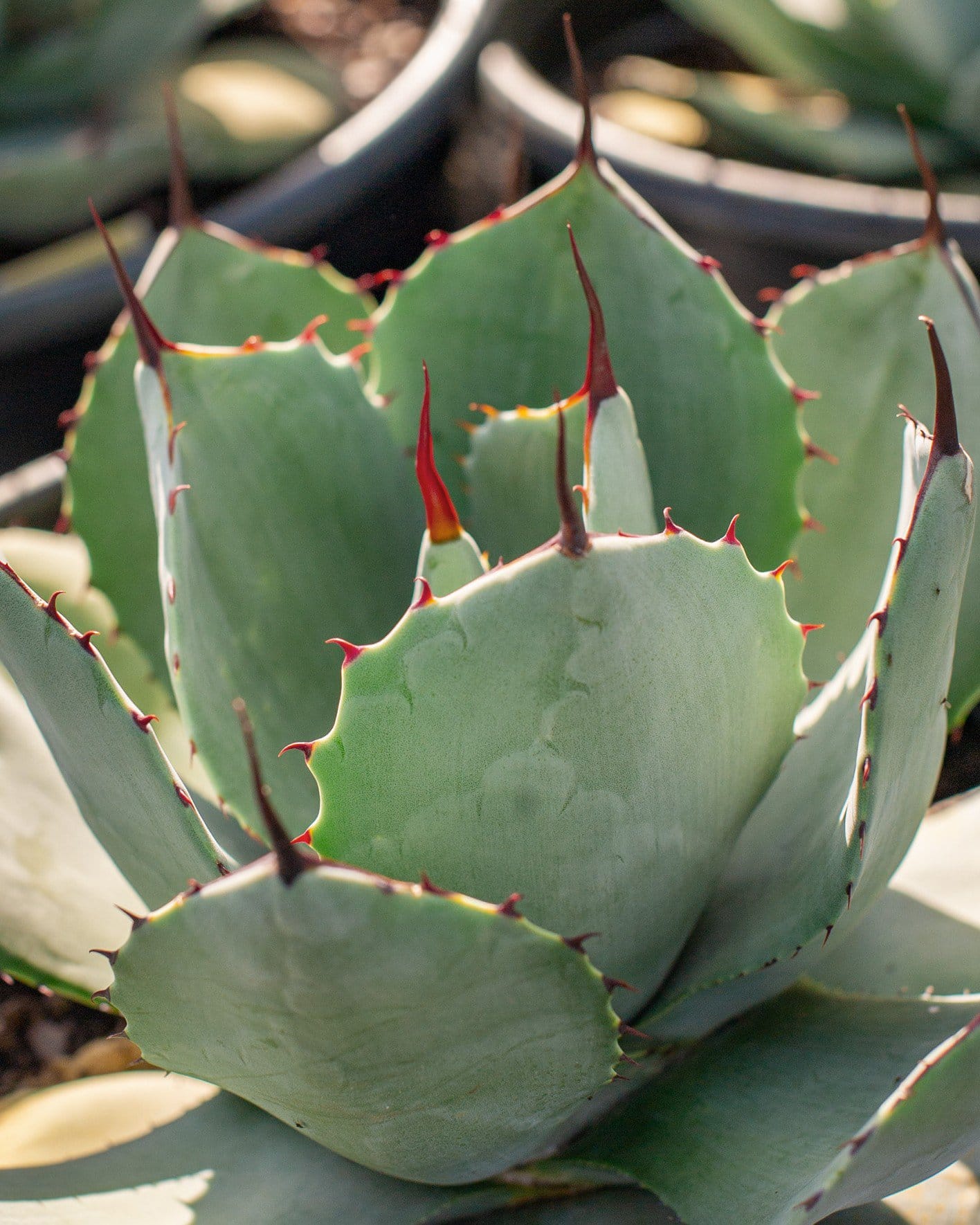
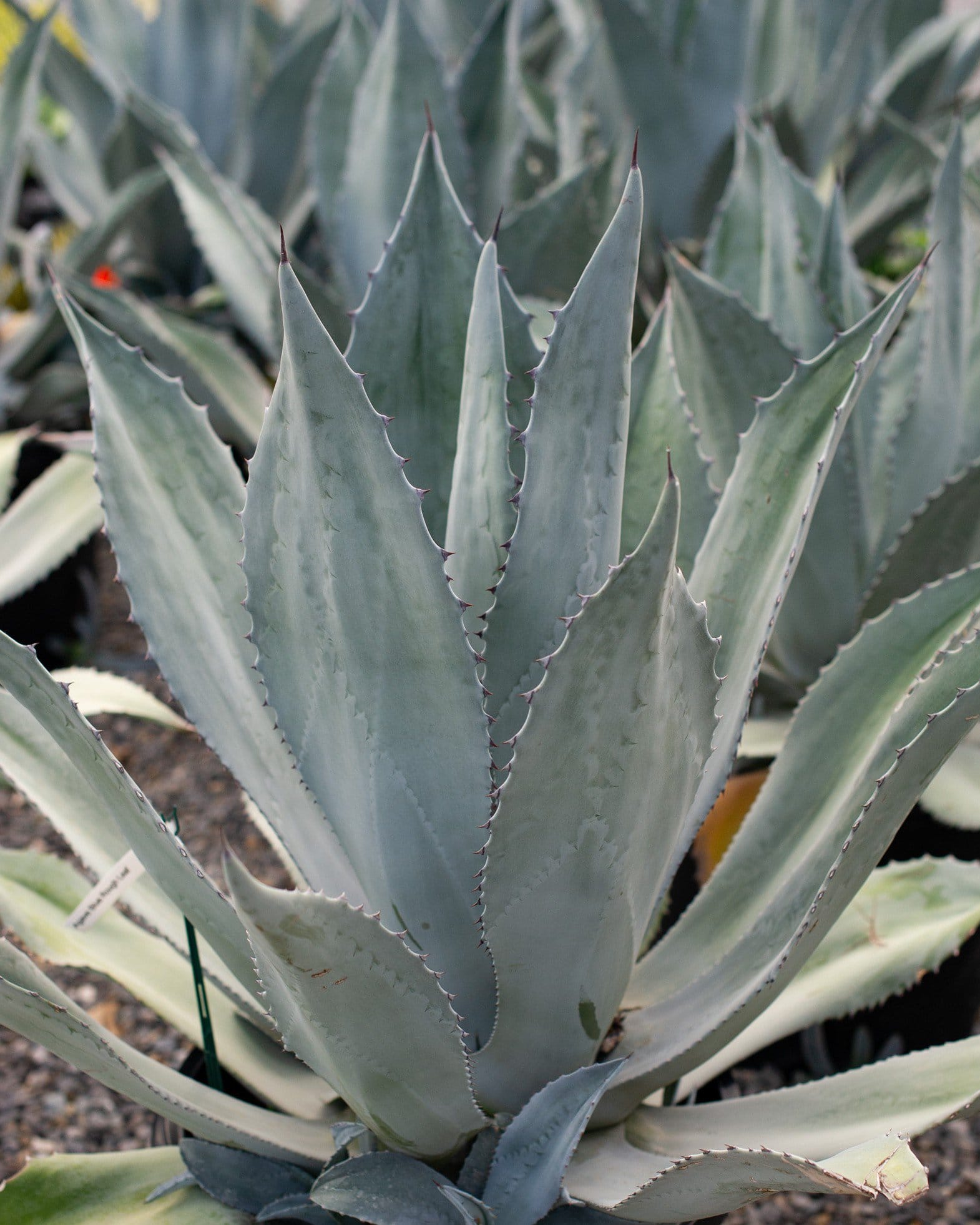
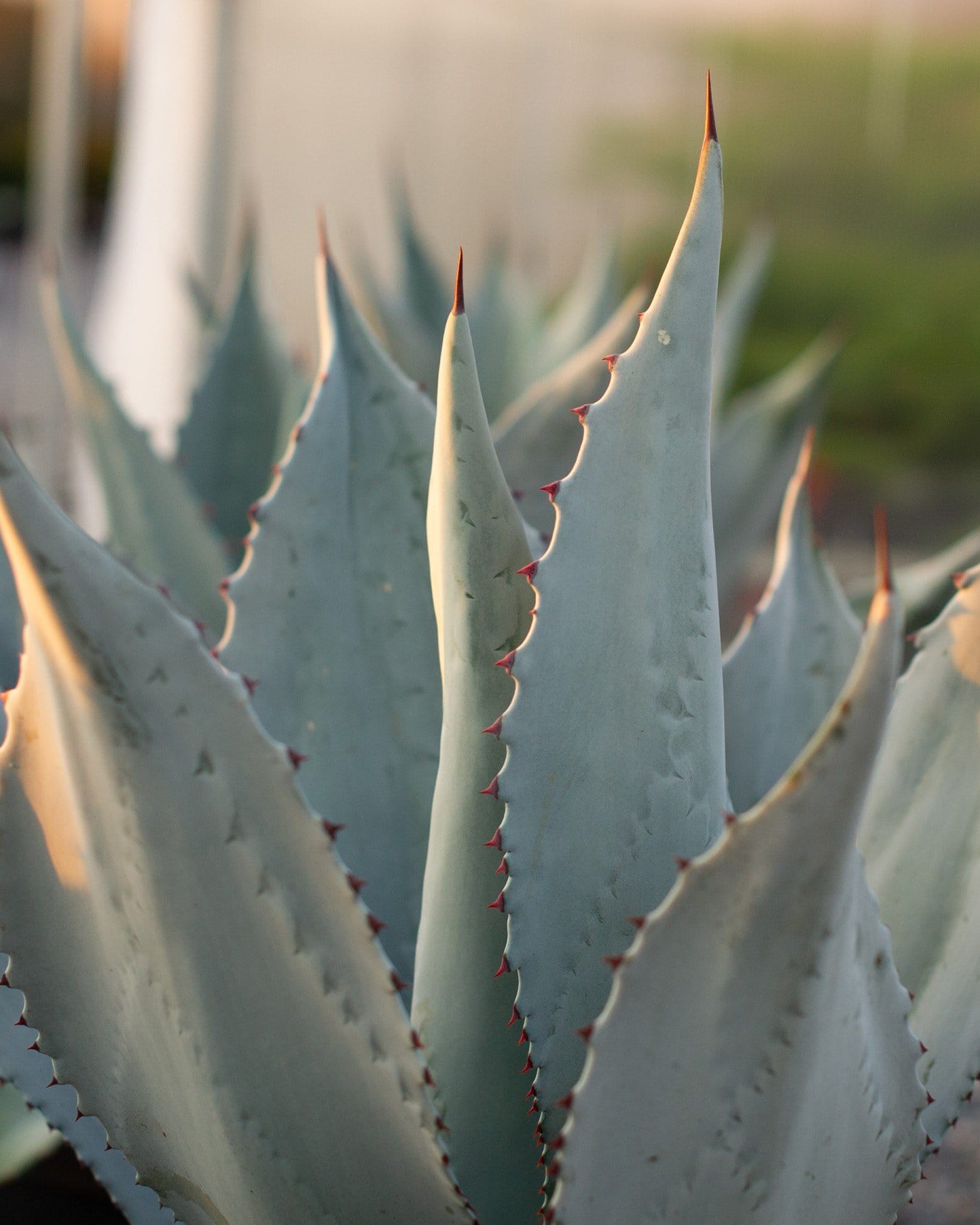
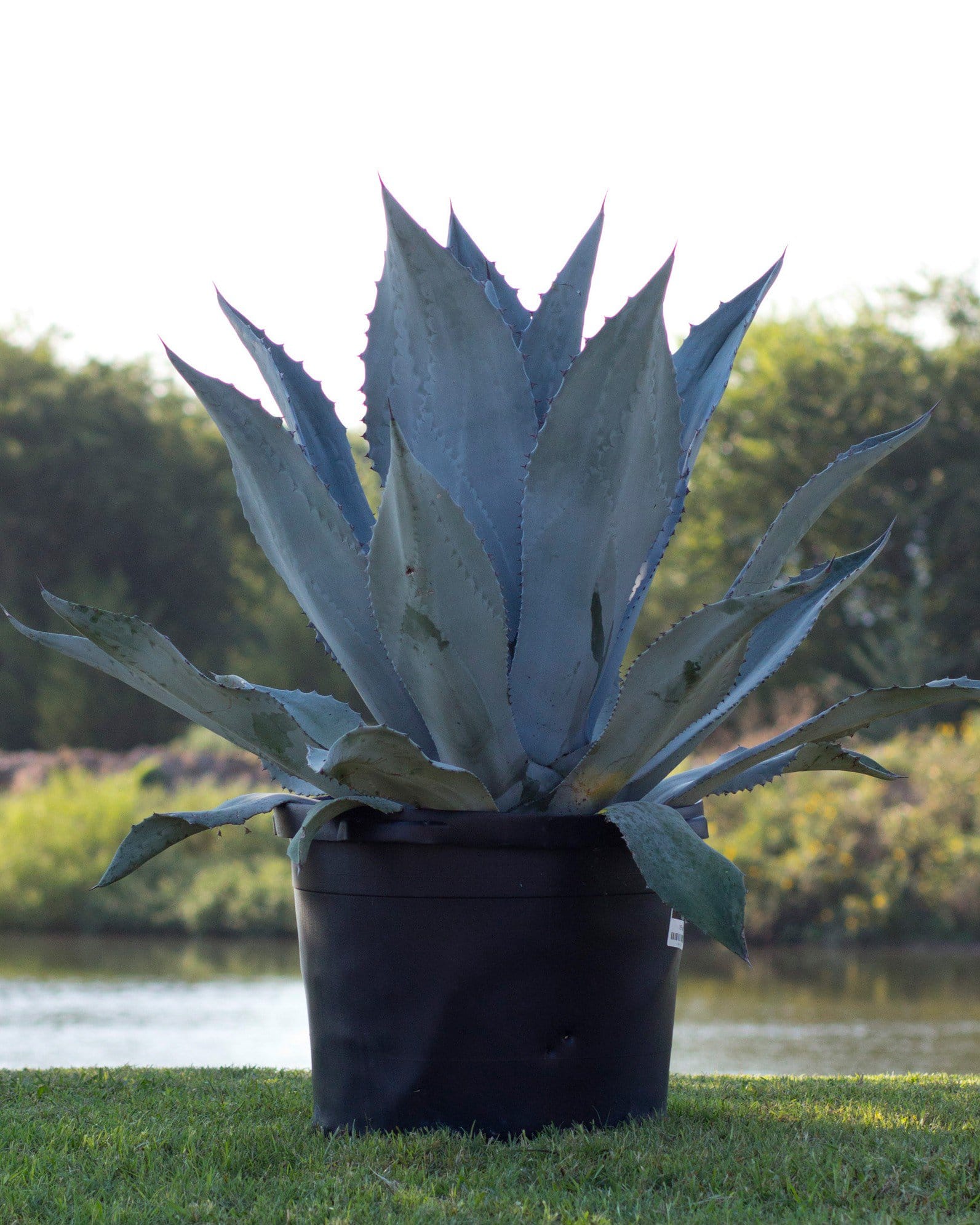
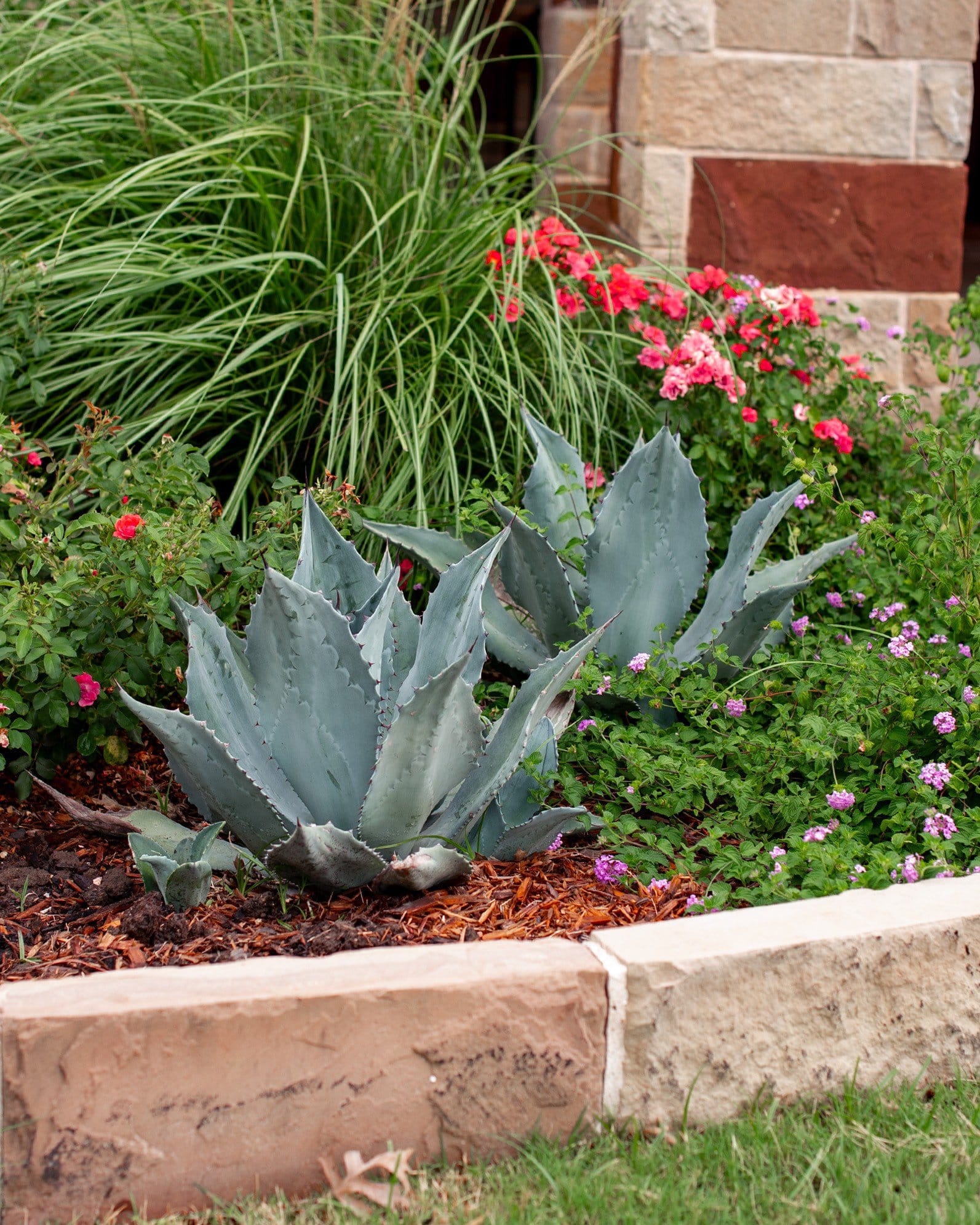
Hesperaloe parvifloraYucca Red brings a vibrant twist to classic yucca form with its rich, reddish-purple leaves that add instant drama and color to any landscape. Its sword-like leaves create a spiky, symmetrical rosette that looks stunning on its own or paired with contrasting greenery and grasses. In summer, tall stalks rise above the foliage bearing creamy white bell-shaped flowers that attract pollinators and add even more vertical interest. This plant grows 3 feet in both height and width.
- Evergreen succulents
- Slow growth rate
- Striking red foliage provides year-round color
- Drought- and heat-tolerant once established
- Excellent in modern, desert, or Mediterranean-style landscapes
Thrives in full sun and well-drained soil, but will tolerate average conditions as well. Hardy in USDA zones 5 through 11, Yucca Red Whether planted in-ground or in containers, this yucca adds a fiery focal point to your bed with almost no effort.
Maintenance
Red Yucca thrives with little to no effort in landscapes across Texas. Here’s all it needs to grow beautifully:
- Watering: Water regularly during the first growing season to establish deep, resilient roots. Once mature, Red Yucca is extremely drought-tolerant and can survive months without irrigation. During extended droughts, an occasional deep watering every 3-4 weeks keeps foliage looking fresh and promotes heavier blooming.
- Pruning: Red Yucca needs minimal pruning. After flowering, remove spent bloom stalks at the base to maintain a tidy appearance. Trim away dead or damaged leaves once a year, typically in late winter or early spring. Avoid cutting healthy green leaves.
- Fertilizing: Red Yucca requires little to no feeding. In poor soil, a light application of slow-release, balanced fertilizer in early spring can boost vigor and flower production. Avoid excessive nitrogen, which may encourage soft, floppy growth.
- Mulching: Use gravel, decomposed granite, or small stones around the base to help drainage and enhance its natural desert appeal. Avoid thick organic mulches that trap moisture.
- Winter care: Red Yucca is remarkably cold-hardy and tolerates frost down to around 0°F once established. In colder regions, protect the base with a light mulch layer during winter. Avoid trimming green leaves before frost, as they provide insulation and protect the growing crown.
Common Issues and How to Take Care of Them
Red Yucca is nearly pest-free and one of the toughest plants available, but a few minor issues can occasionally arise:
- Overwatering or Root Rot: The most common cause of decline. Ensure fast-draining soil and avoid watering too frequently. If the leaves begin to yellow or wilt, reduce irrigation immediately.
- Scale Insects: Rare, but may appear on flower stalks. Remove by wiping with a soft cloth dipped in soapy water or apply horticultural oil if needed.
- Snails or Slugs: Can occasionally damage young plants in damp conditions. Use traps or gravel barriers to deter them.
- Cold Burn: In unusually harsh freezes, leaf tips may brown or curl. Trim affected parts in spring to allow new growth to emerge cleanly.
- Lack of Flowering: Usually due to excessive shade or overly fertile soil. Red Yucca blooms best in full sun and lean, well-drained conditions.
Red Yucca is exceptionally long-lived - often thriving for 20 years or more. Mature clumps grow larger and more dramatic with age, producing more flower stalks each season.
It grows moderately, forming full-sized clumps within 3 to 5 years. Once established, it flowers reliably each summer and slowly expands into a graceful, dense rosette.
Absolutely. Its tubular red or coral-pink flowers are magnets for hummingbirds, bees, and butterflies, making it a key plant for pollinator-friendly and xeriscape gardens.
Yes - it’s highly deer- and rabbit-resistant. Its fibrous, leathery leaves and sharp tips naturally deter browsing animals.
Exceptionally well. It thrives in full sun, scorching temperatures, and minimal water - conditions that would wither most plants.
Yes. It performs beautifully in large, well-draining pots or decorative planters. Use a gritty, cactus-style soil mix and water only when the soil is completely dry.
Yes - it’s extremely tolerant of heat, pollution, salt, and reflected light, making it ideal for city rooftops, street medians, and coastal landscapes.
Yes. Remove dead leaves and flower stalks in late winter, and thin crowded clumps every 5-6 years. Replant divisions to start new specimens easily.
Yes, mature plants withstand subfreezing temperatures without damage. Young plants benefit from a winter mulch layer in colder zones.
Its combination of durability and beauty is unmatched. Red Yucca blends the resilience of a succulent with the graceful movement of ornamental grass, delivering year-round structure and vivid, hummingbird-attracting blooms - all with virtually no upkeep.
Special Features
You might also like
Compare Similar Plants
Red Yucca This plant | ||
|---|---|---|
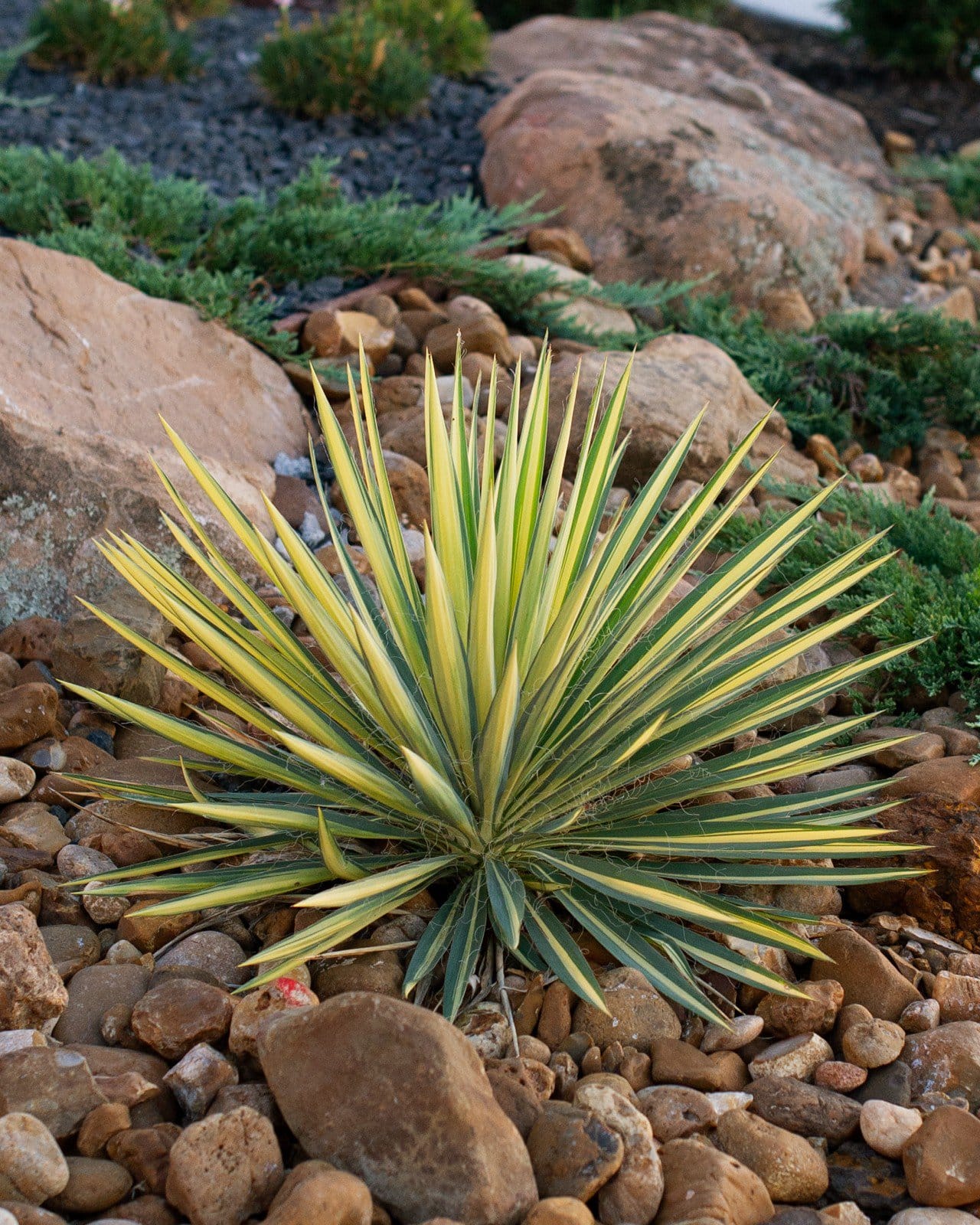
| Scientific Name | Hesperaloe parviflora | Yucca filamentosa ‘Color Guard’ |
| Size at Maturity | 3' H x 3' W | 2' H x 2' W |
| Leaf Retention | Evergreen | Evergreen |
| Flower Color | Red | White |
| Bloom Times | Summer | Summer |
| Sizes Available | 1, 3, 15 gal | 3 gal |


Our 1-Year Planting Guarantee
We take pride in our plants and installation services. If any plants or trees installed by Treeland fail to thrive within the first year, we'll provide a replacement credit in accordance with our guarantee program.
Learn More About Our Guarantee