
 Popular
Local DFW Delivery Only
Product Details
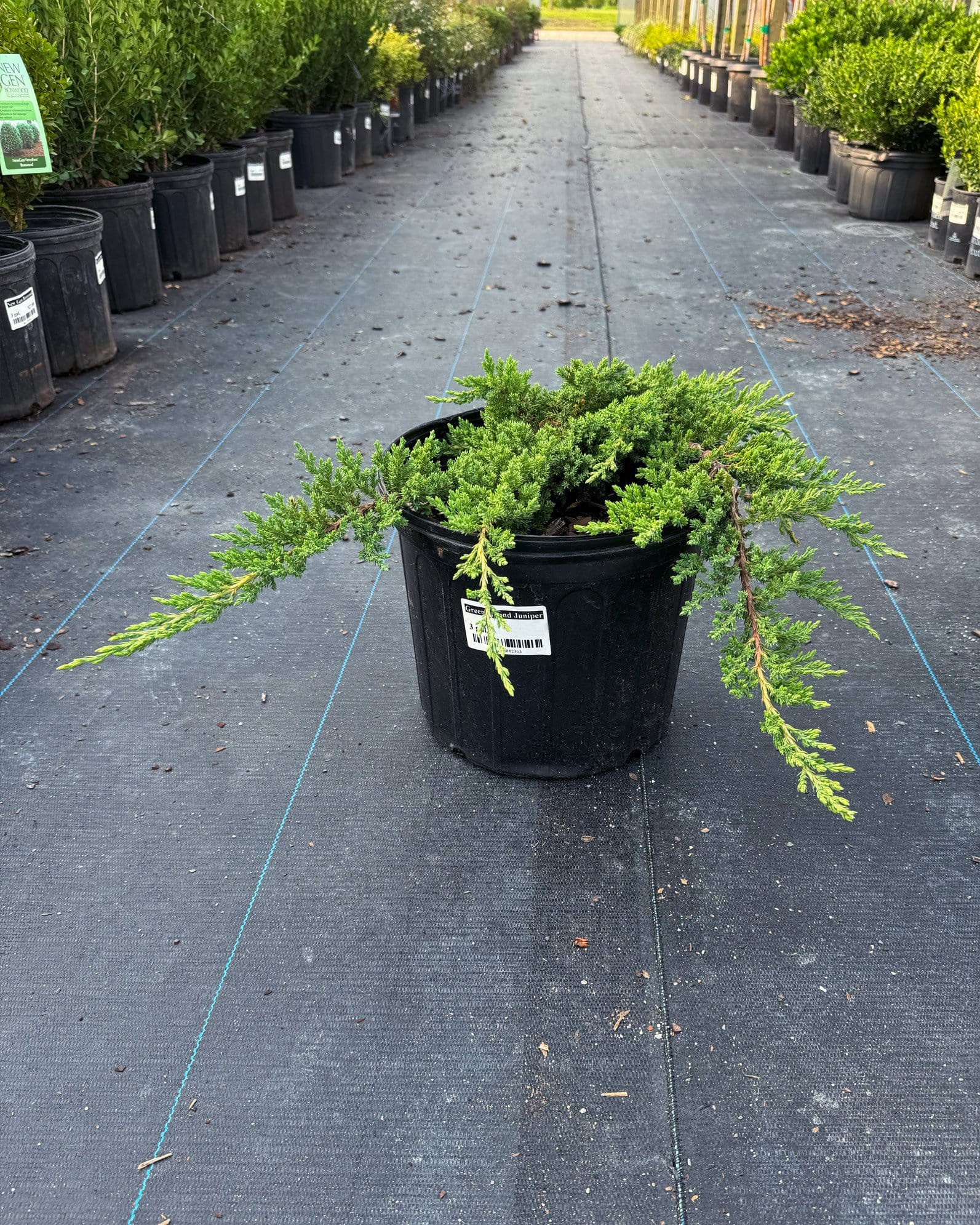
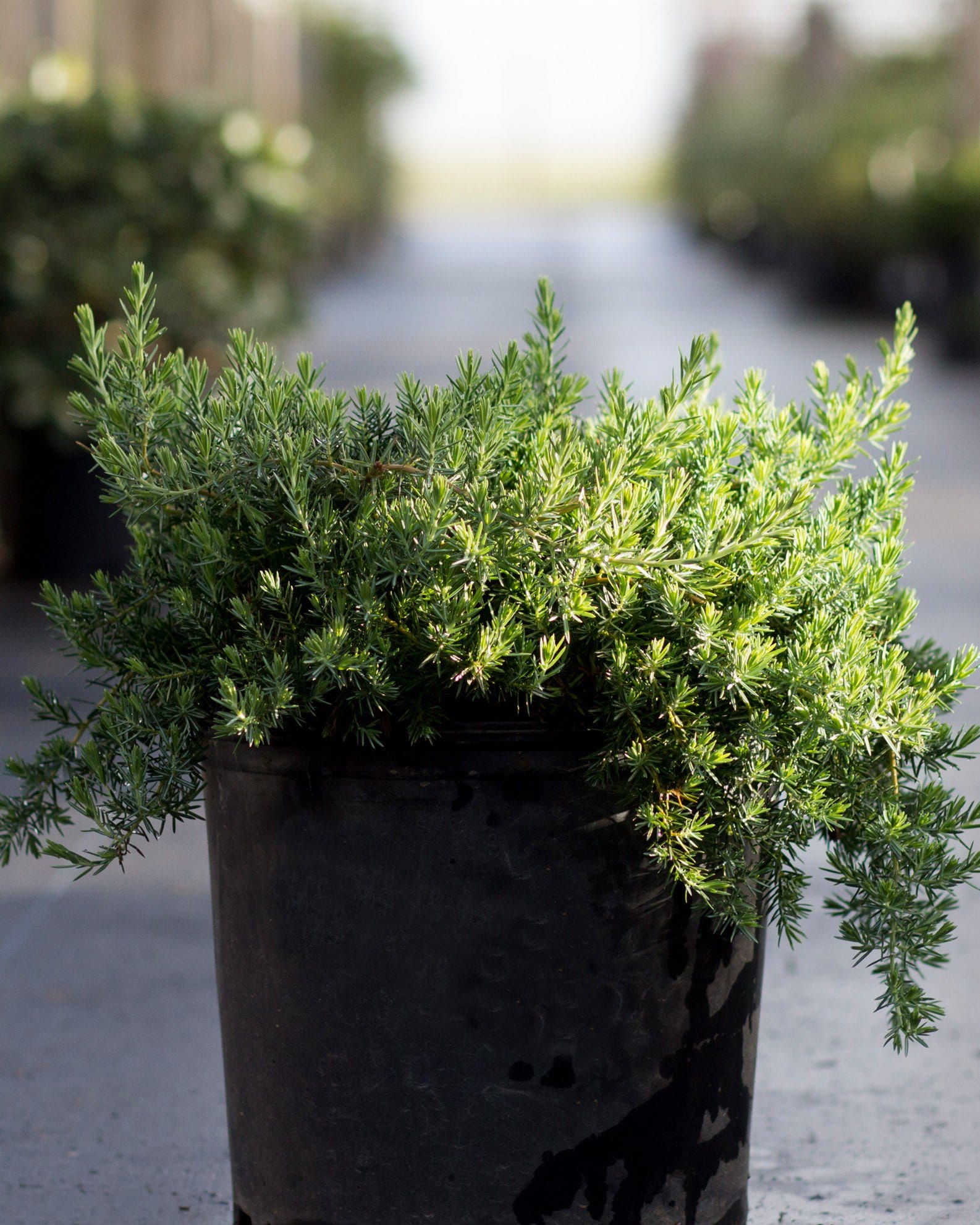
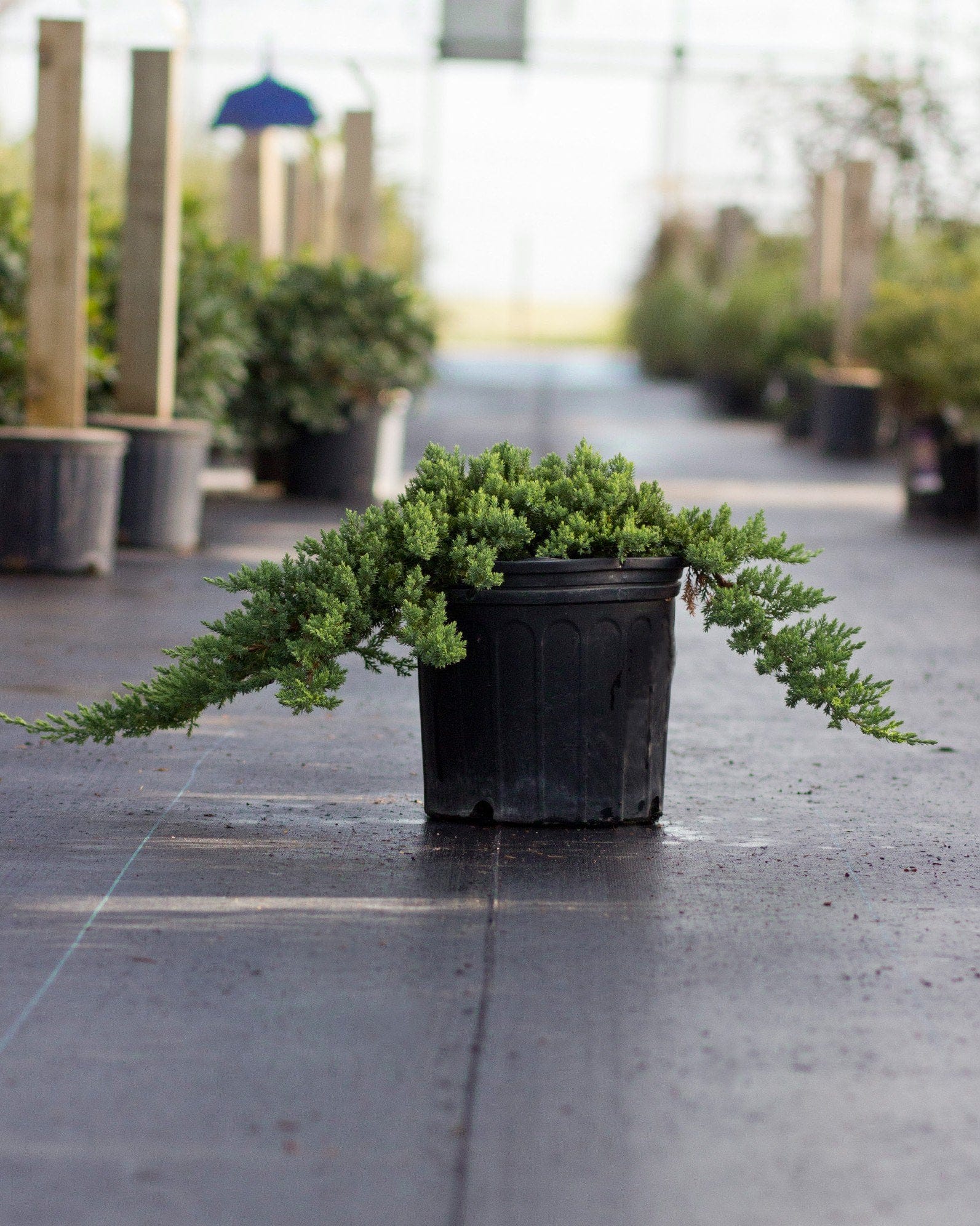
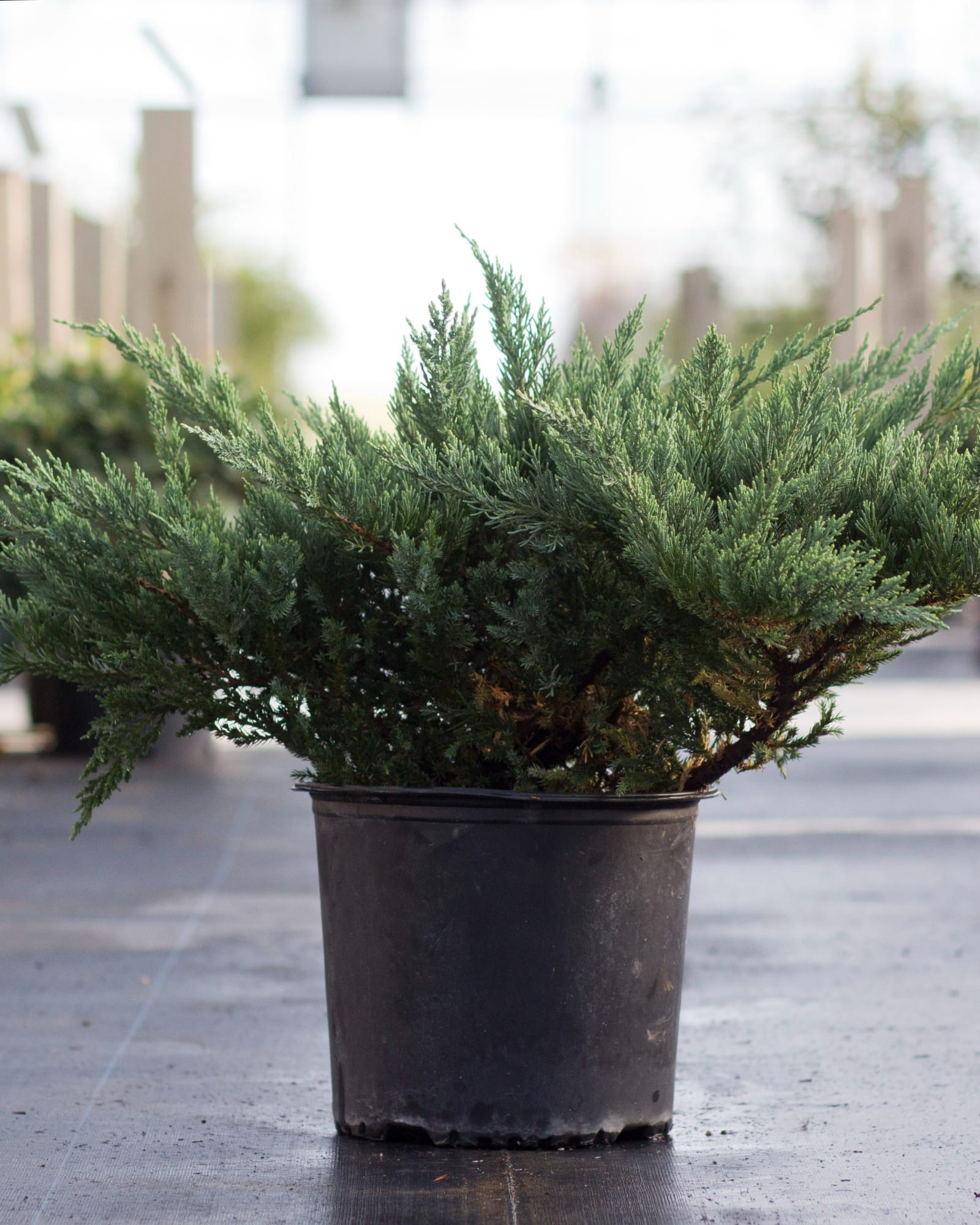
Green Mound Juniper
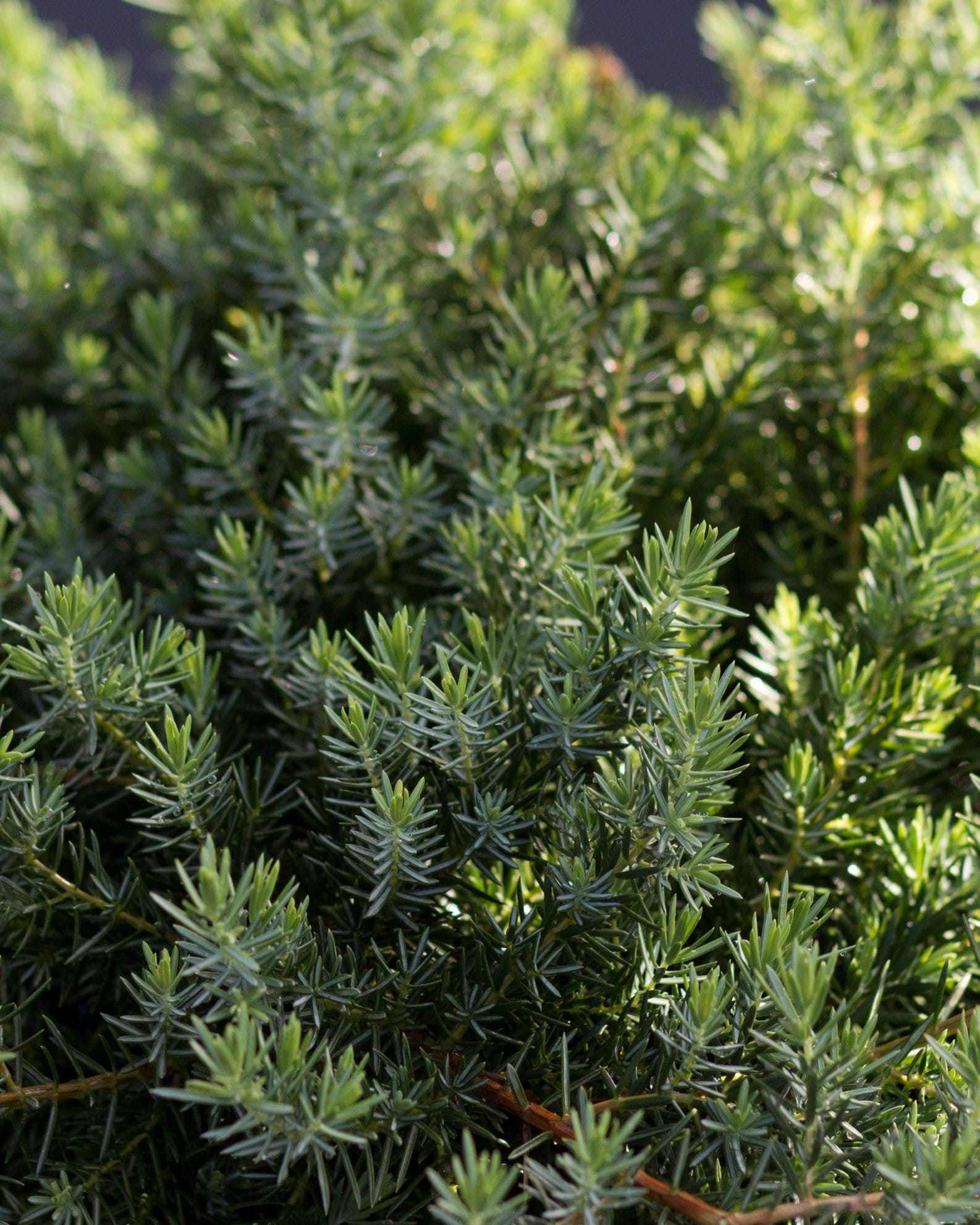
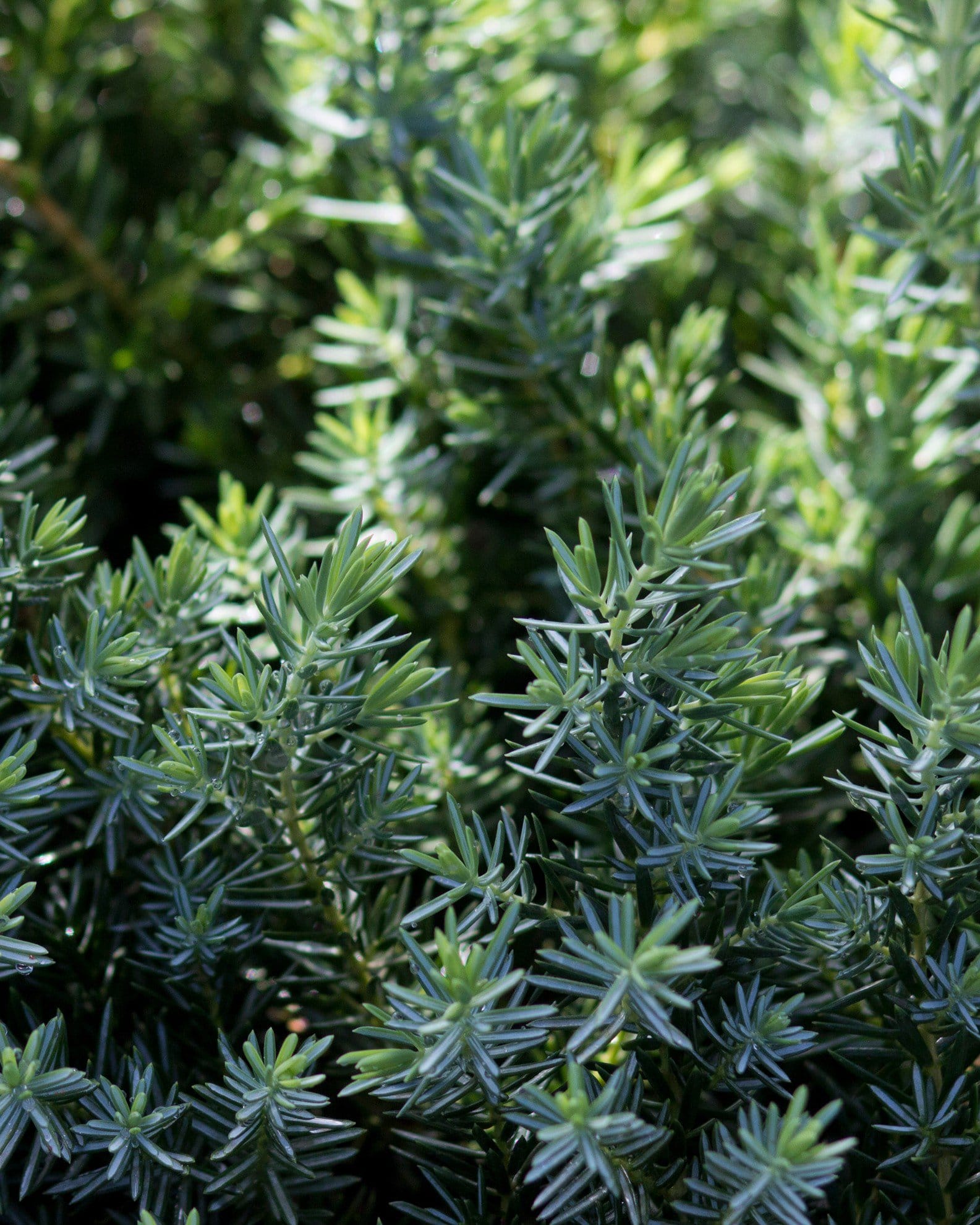
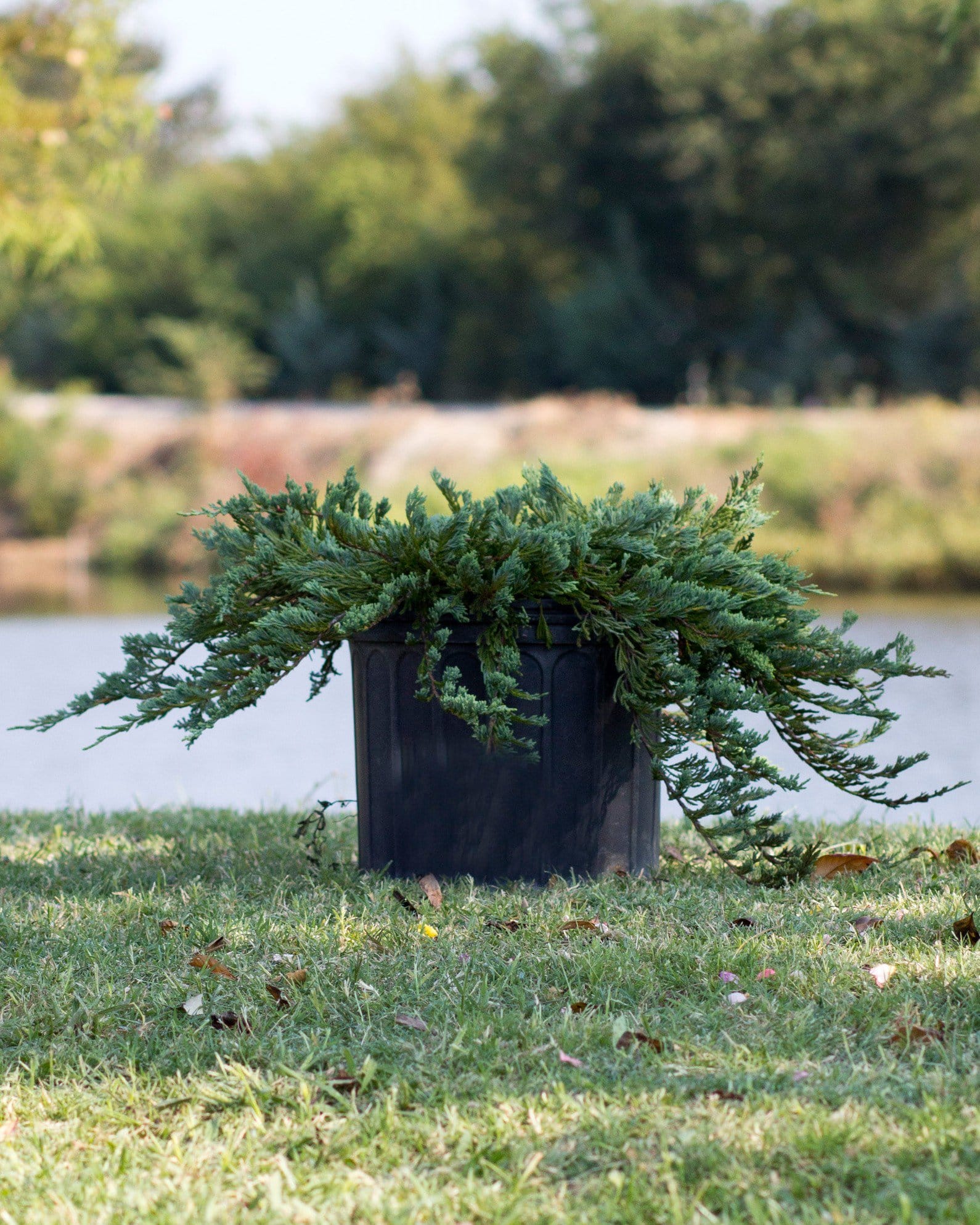
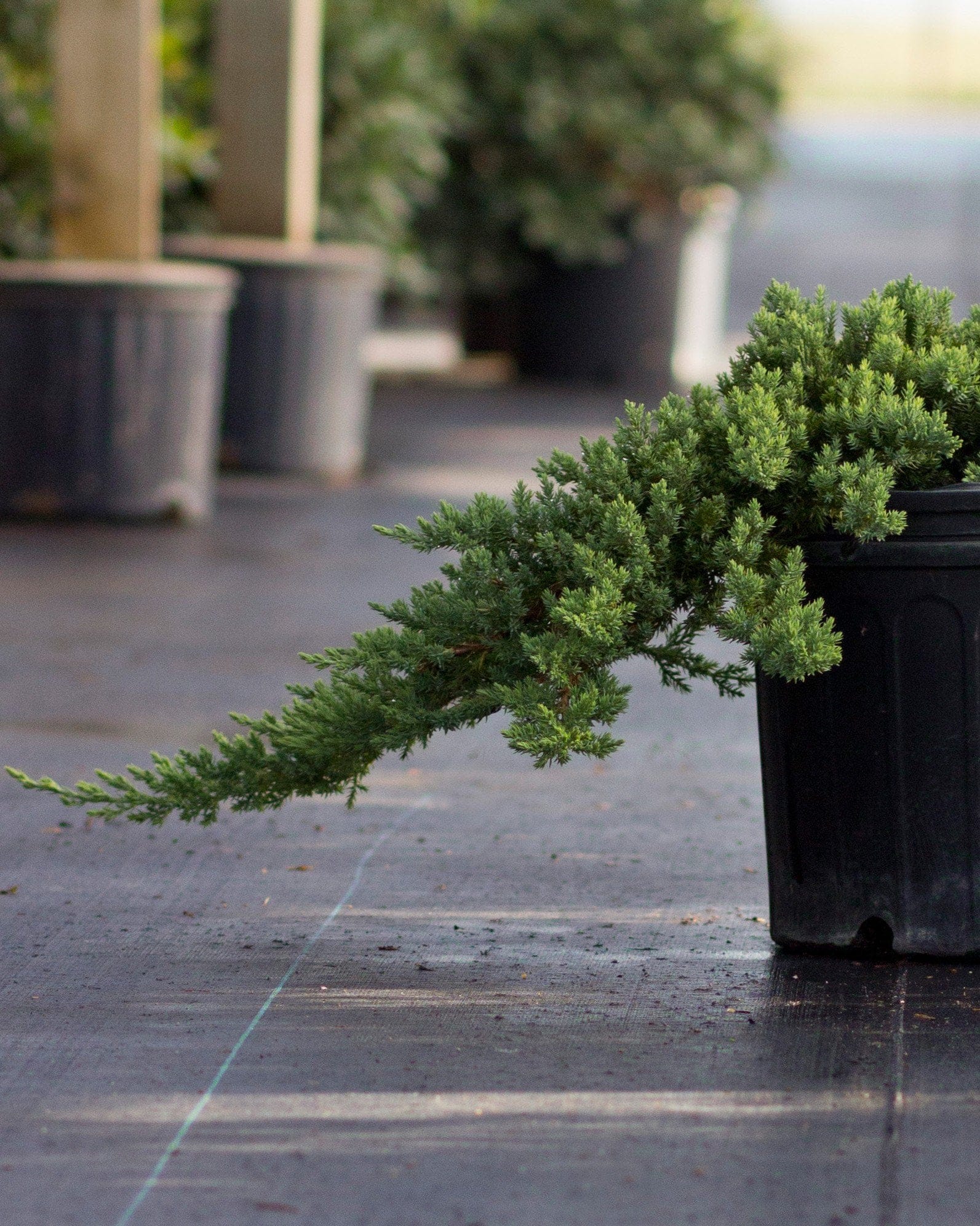
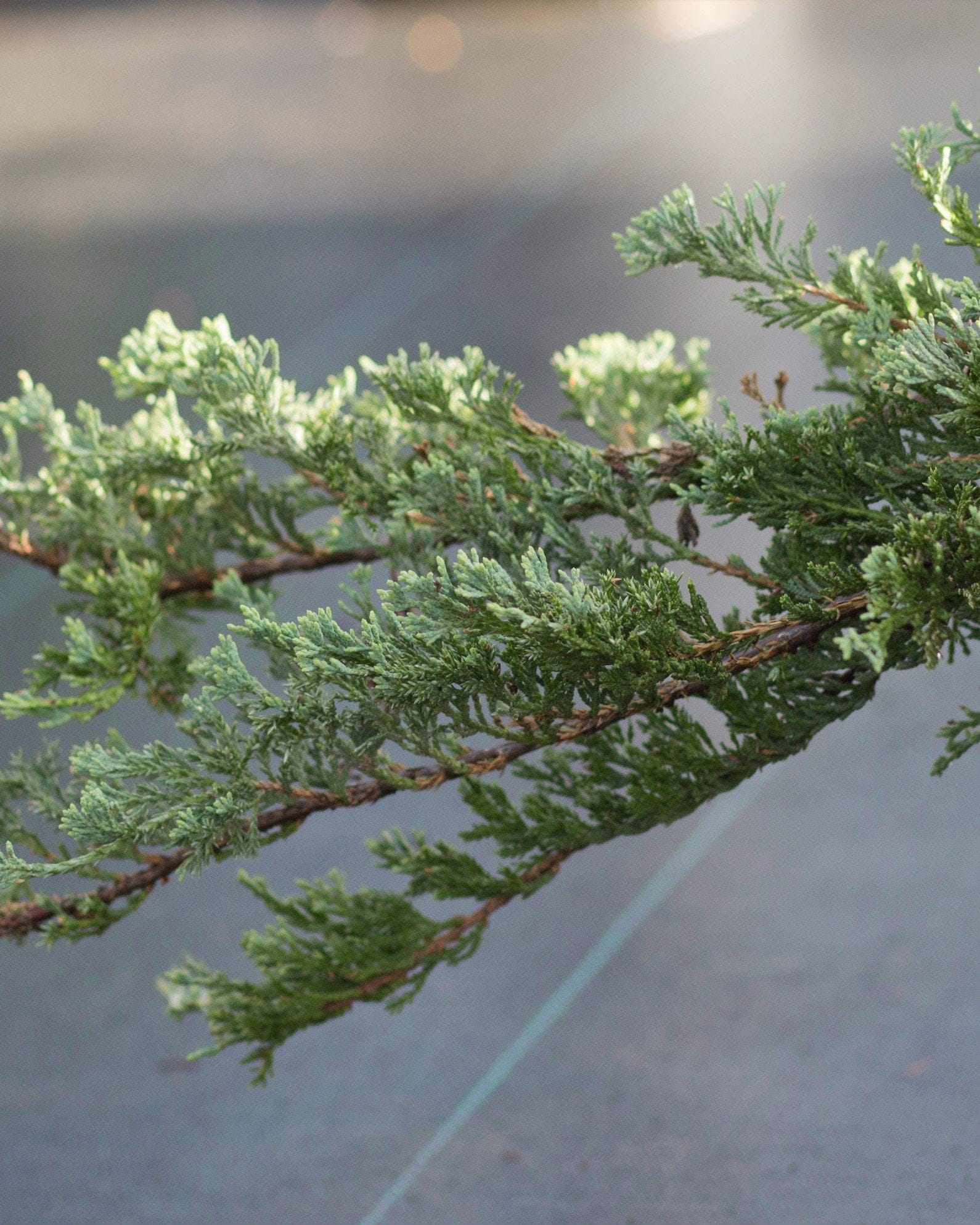
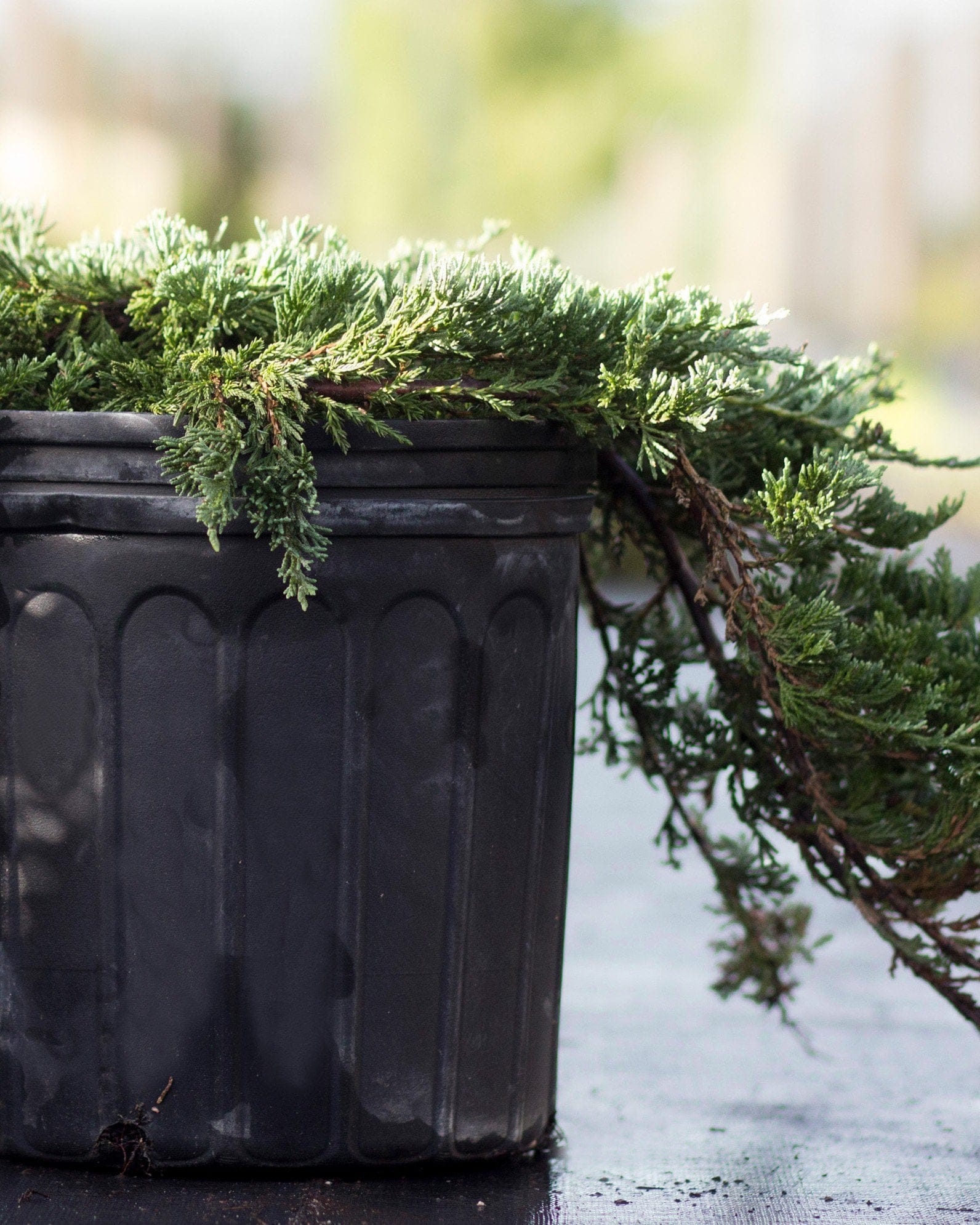
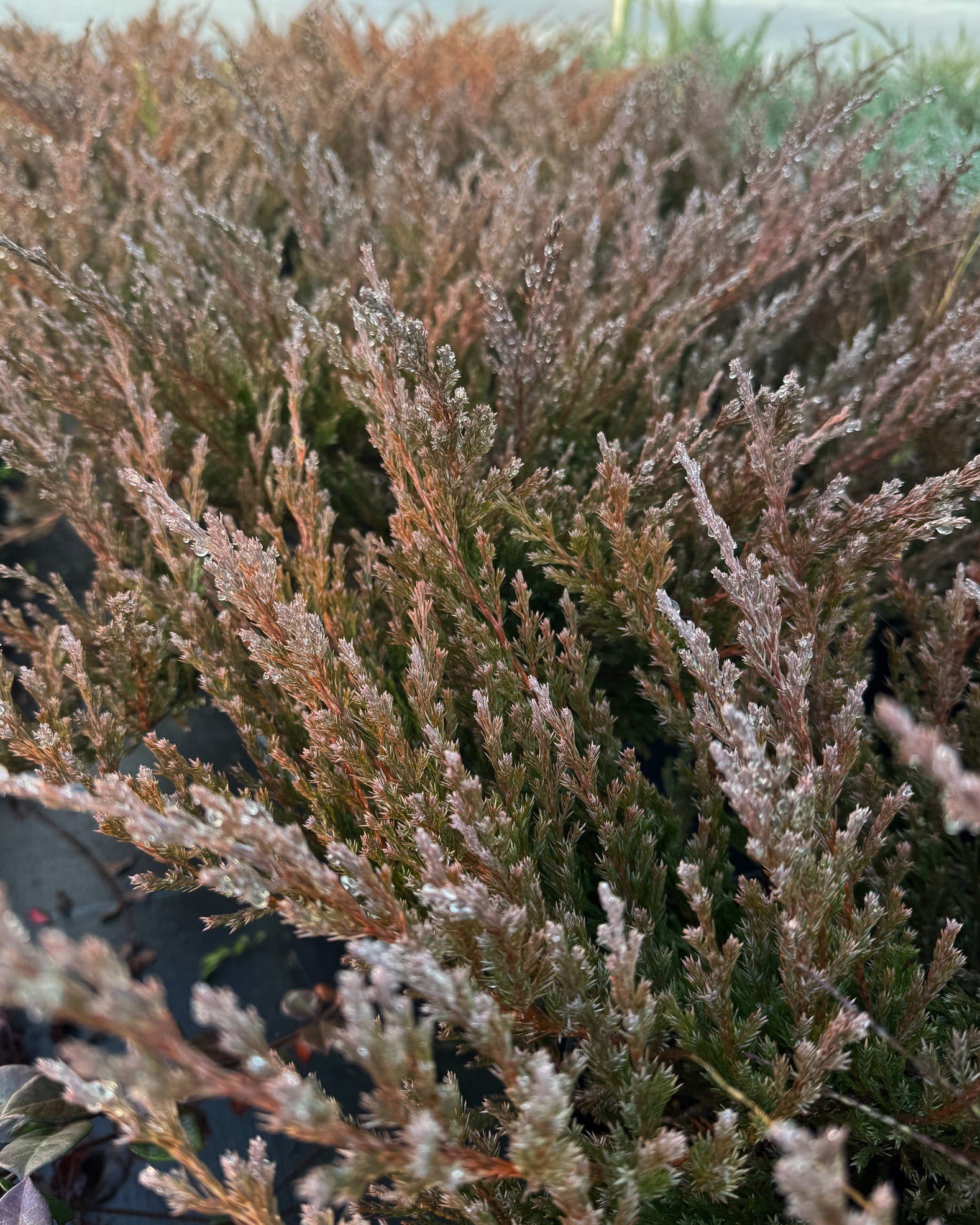
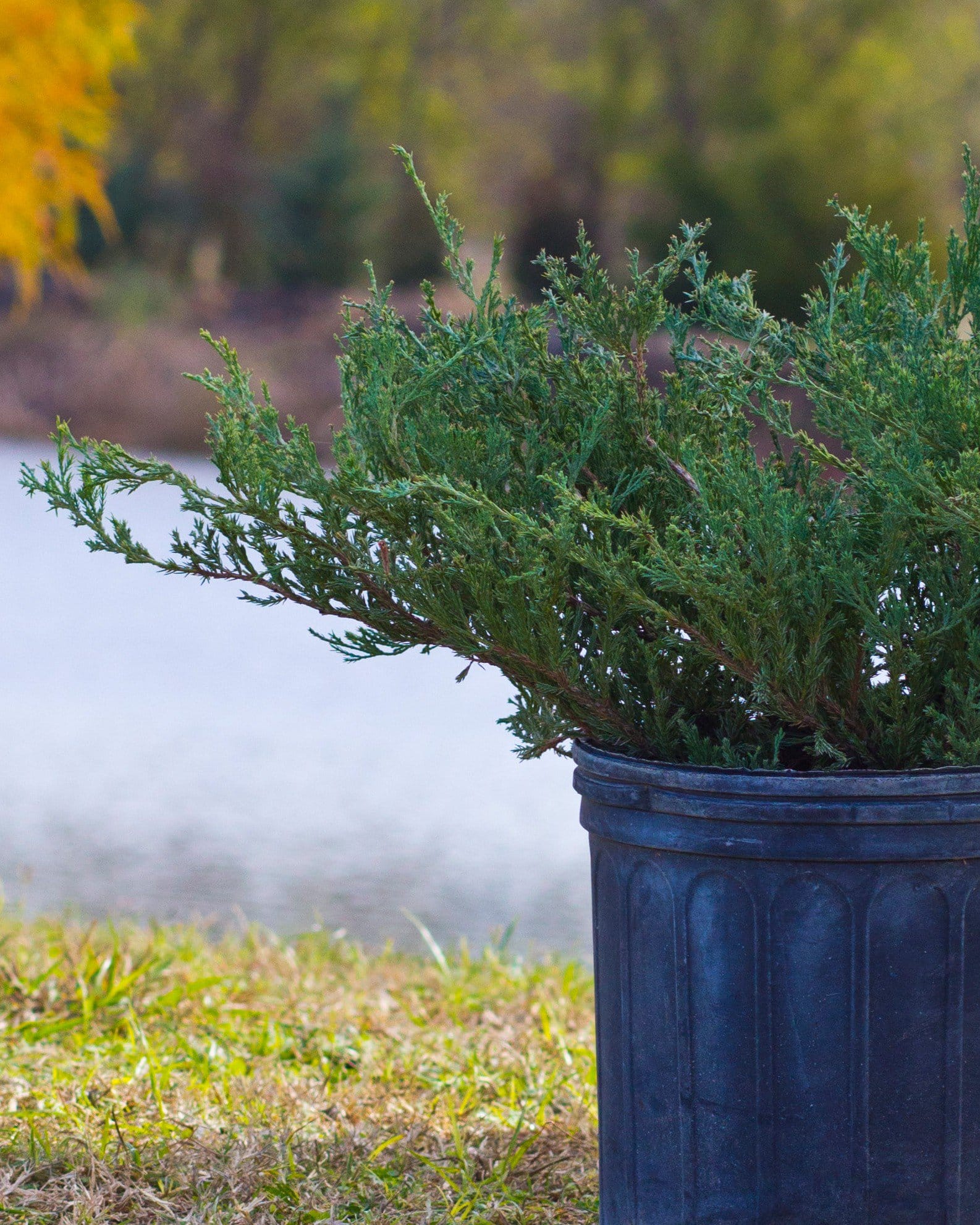
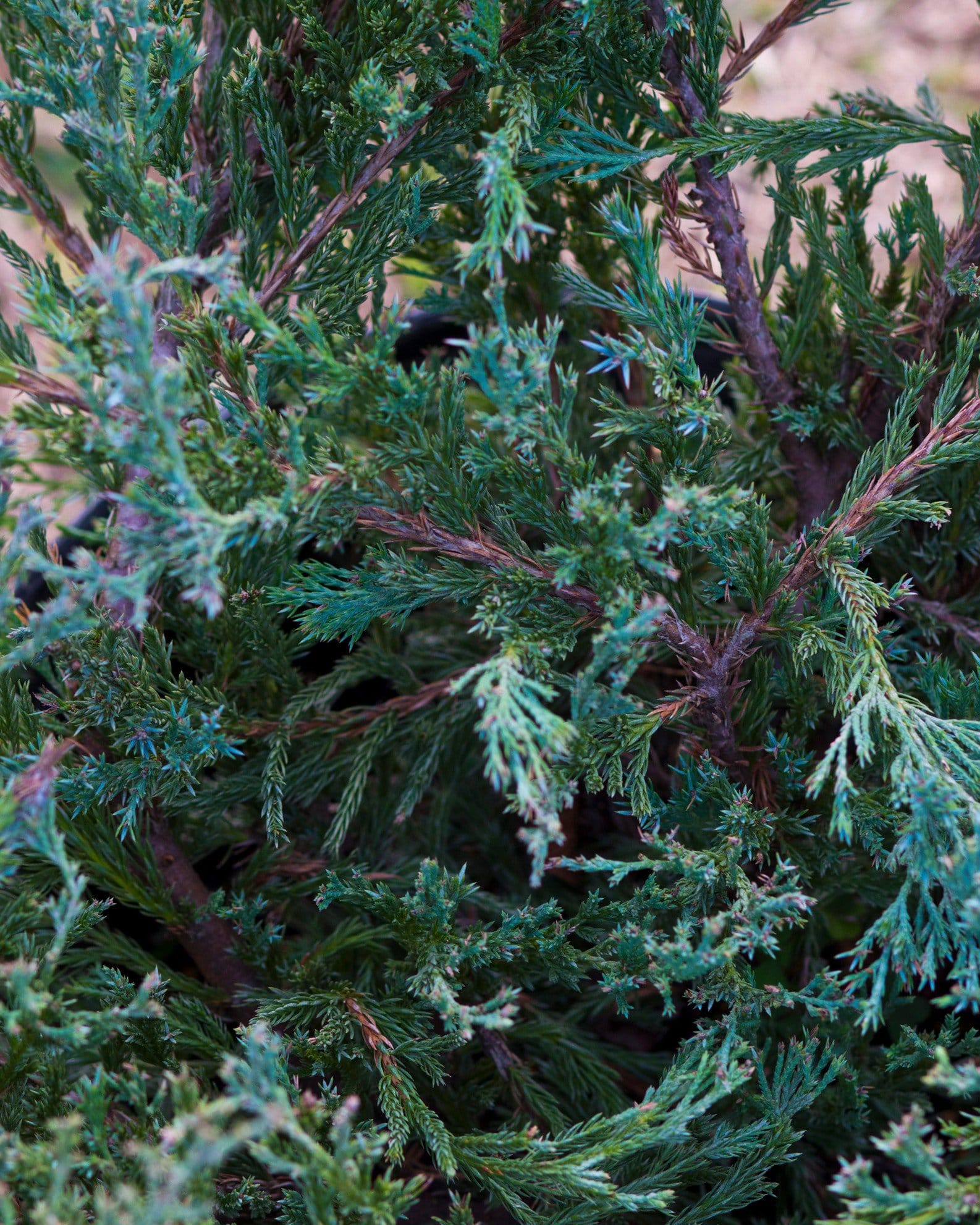
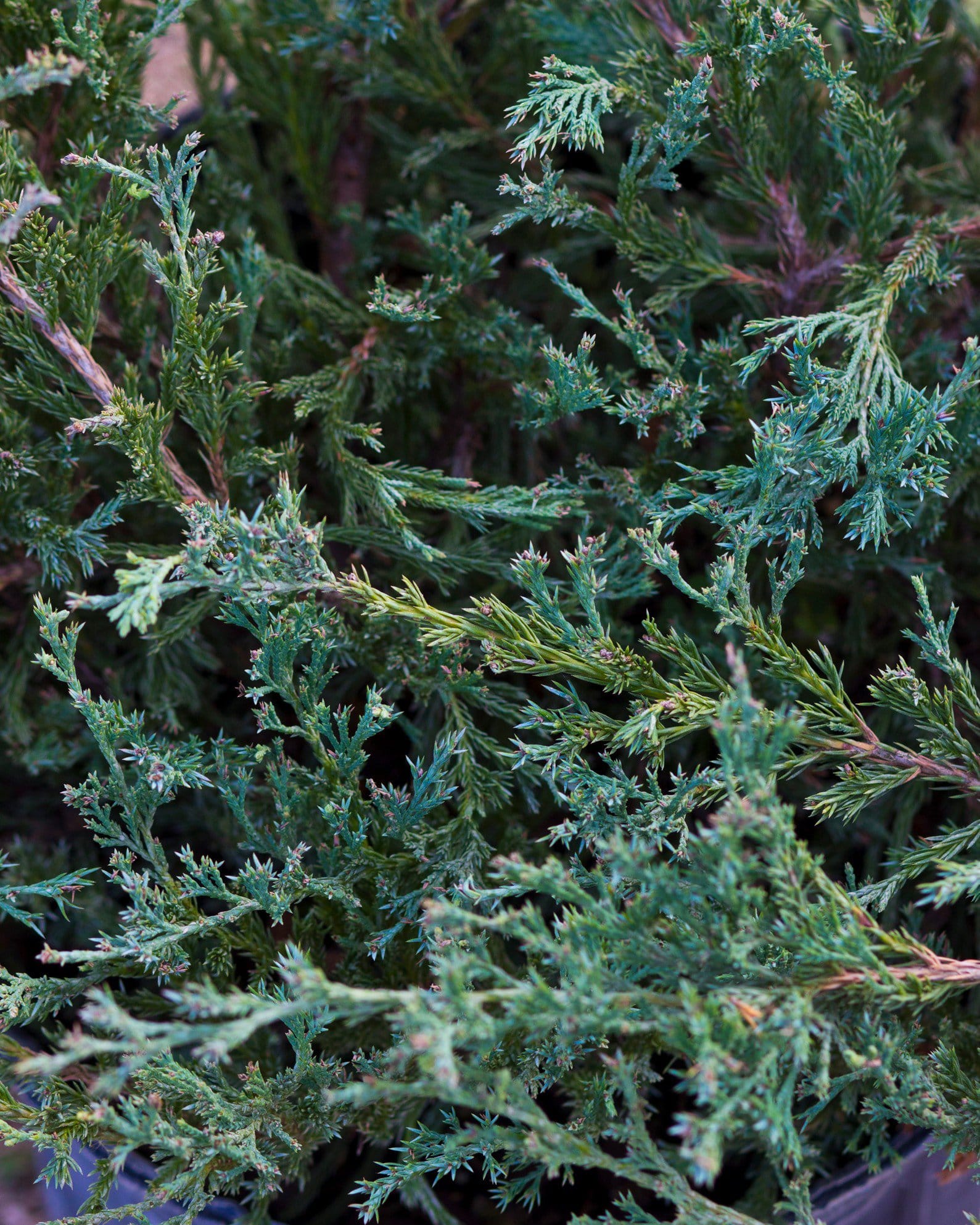
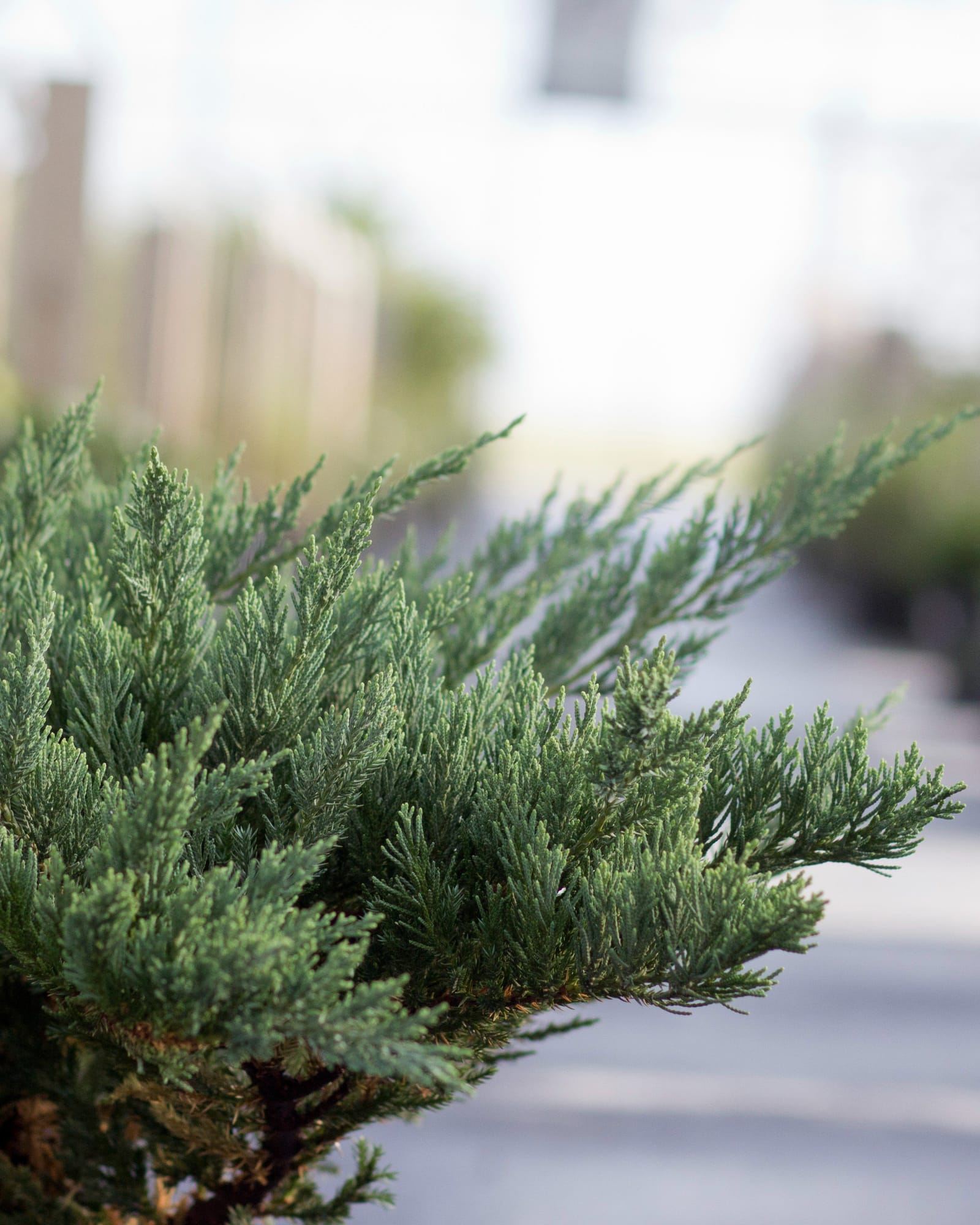
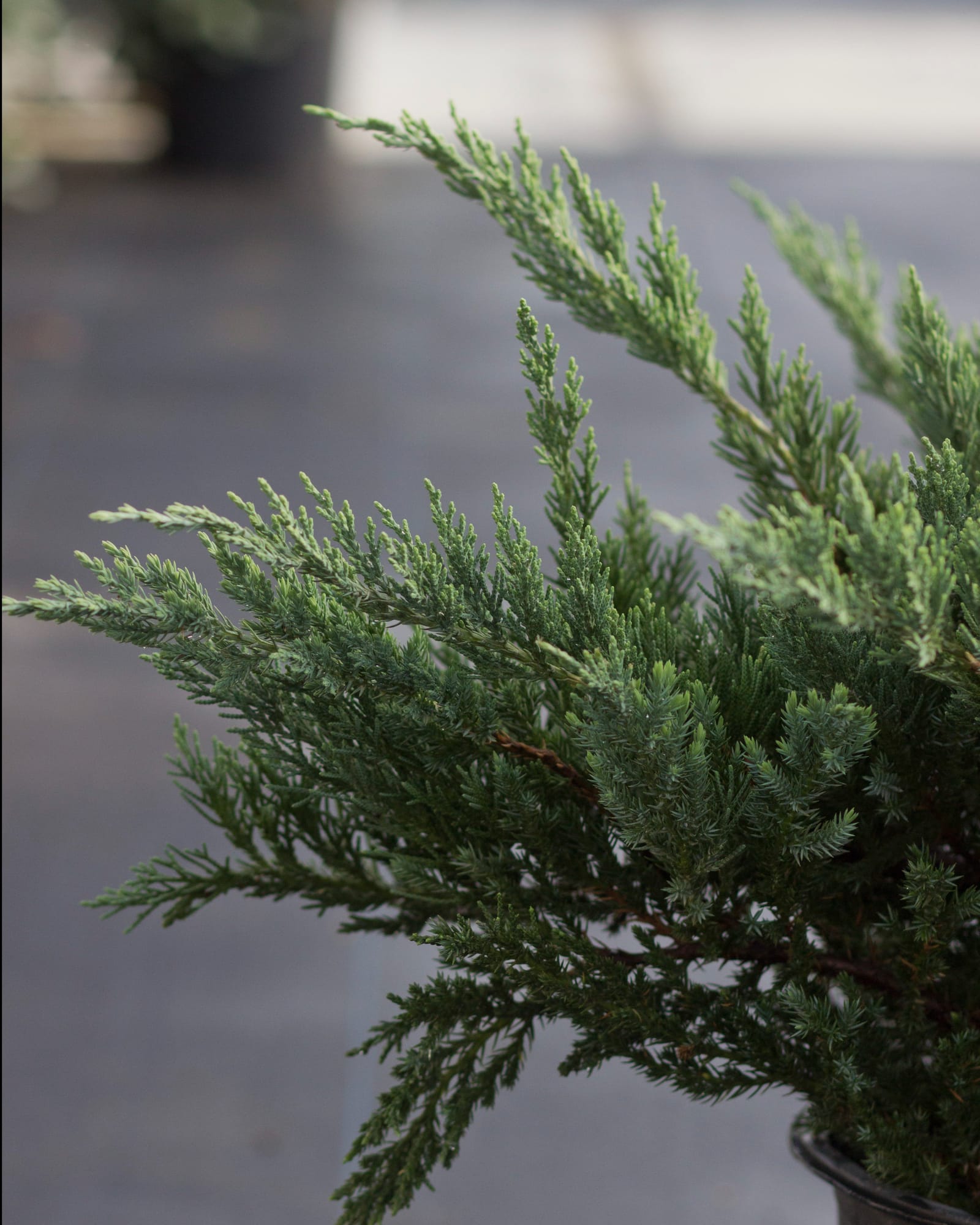
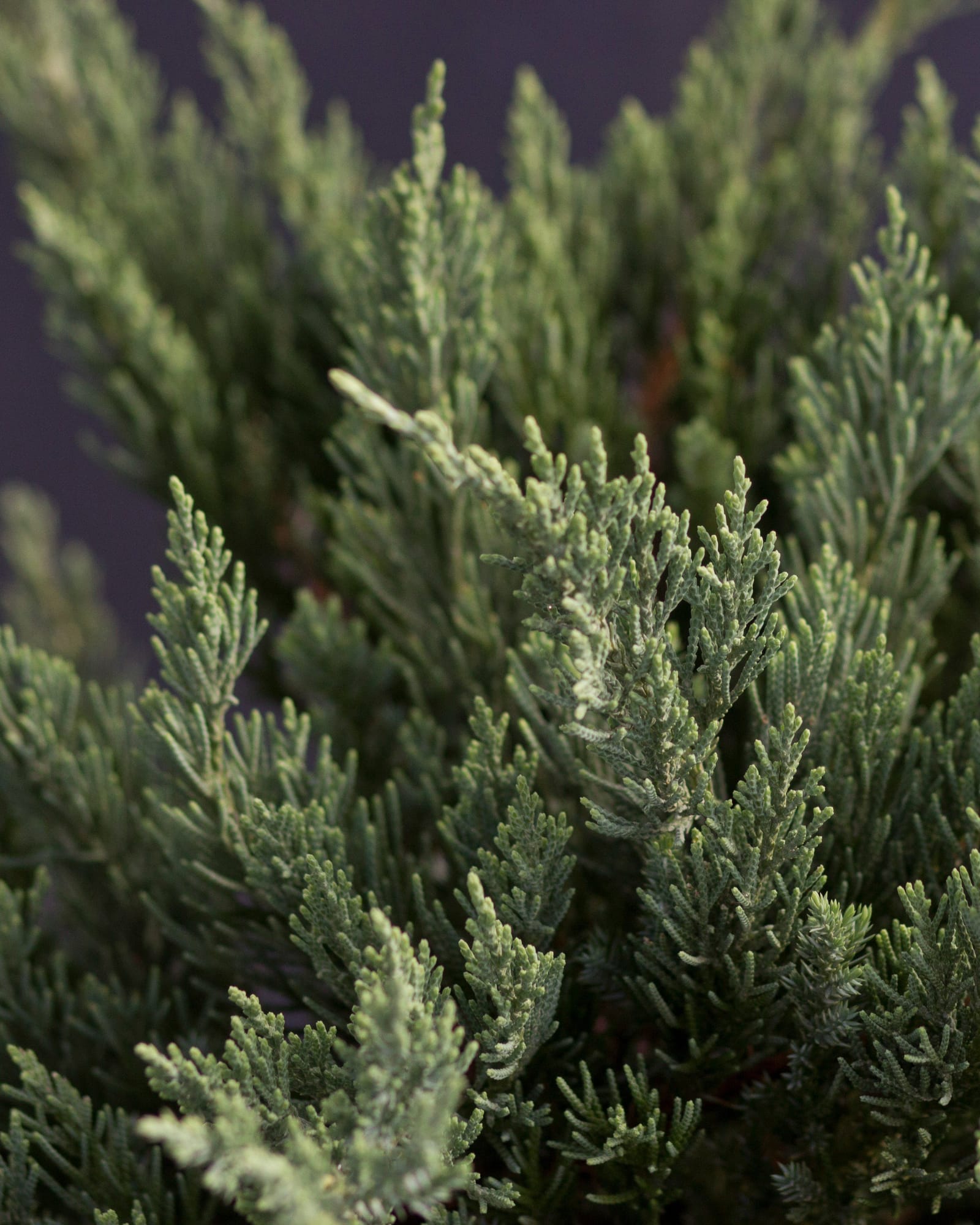
Juniperus procumbens ‘Green Mound’This low-growing plant reaches just a foot in height but spreads out to 10 feet in width at maturity. It's ideal for a groundcover and will fit in beautifully in any rocky or barren areas, adding a touch of color. The color is its most loved attribute; the leaves are short and prickly, green with bluish hues. Their dense growth gives it a carpet-like feel while blocking weed growth. An all-around superstar, this evergreen perennial is an ideal choice for your landscape.
- Evergreen groundcover
- Moderate growth rate
- Attractive blue-green foliage
- Suitable for groundcovers, borders, and hedges
- Tough, cold-hardy plant
As with all other Juniper varieties, this plant thrives in full sunlight. It tolerates all types of soil, but the soil needs to be well-drained. Hardy in zones 4-9, it will thrive in the North Texas climate.
Green Mound Juniper thrives with minimal maintenance and exceptional tolerance to heat, cold, and drought once it establishes. Here’s what you need to do to take proper care of it:
- Watering: Water regularly during the first growing season to establish deep, sturdy roots. After establishment, Green Mound Juniper is highly drought-tolerant and prefers infrequent, deep watering rather than frequent shallow irrigation. Overwatering is the most common mistake with this species.
- Pruning: Minimal pruning is needed. Trim only to shape or remove damaged branches in late winter or early spring before new growth begins. Avoid shearing too tightly - Green Mound naturally maintains a dense, pyramidal habit that looks best unforced.
- Fertilizing: Fertilizer is rarely necessary. If growth appears slow or foliage shows signs of fading, apply a balanced, slow-release fertilizer (10-10-10 or similar) in early spring. Avoid high-nitrogen formulas that can cause weak or overly lush growth.
- Mulching: Apply a 2-inch layer of mulch or decorative gravel around the base to retain moisture and regulate soil temperature. Keep mulch a few inches away from the trunk to prevent rot and pest issues.
- Spacing: For hedges or screens, space 4-6 feet apart. As a specimen plant, allow 6-8 feet of space for full, natural development.
Common Issues and How to Take Care of Them
Even the toughest plants sometimes struggle with issues, and for Green Mound Juniper, these are the most common ones:
- Root rot: Caused by excessive moisture or poor drainage. Green Mound prefers dry conditions once established - always ensure the soil drains freely.
- Spider mites: These tiny pests may appear during long dry spells. A quick rinse of foliage with water or horticultural oil spray helps manage infestations.
- Needle browning: Often due to overwatering, compacted soil, or sudden environmental changes. Prune out brown areas and adjust watering habits.
- Tip dieback: May occur from mechanical injury, extreme cold, or fungal pathogens. Prune affected tips and allow new growth to replace them.
- Sparse foliage near the base: Usually due to overcrowding or lack of sunlight. Space plants adequately and prune lightly to improve airflow and light penetration.
- Salt stress: In urban areas, salt exposure from roads or irrigation can cause browning. Rinse foliage occasionally to wash off salt buildup.
With a little patience and proper spacing, Green Mound Juniper quickly develops into a handsome, resilient evergreen structure that anchors any landscape year-round.
It grows at a moderate rate - about 6 to 12 inches per year - and typically reaches maturity in around 10 years.
Generally, one full growing season. After that, it becomes highly drought-tolerant and much less dependent on supplemental watering.
It only reaches 1 foot tall at maturity so it wouldn't a great choice as a privacy screen.
Yes, it’s naturally unappealing to deer and other browsing animals due to its aromatic, resinous foliage.
Only as needed - once or twice a year for shaping or removing damaged growth is plenty. Over-pruning can expose bare wood that doesn’t readily regrow.
Yes. It’s highly cold-hardy and maintains a vibrant green color even during winter dormancy.
Yes! Its dense branches provide excellent shelter for small birds, and its berries are occasionally eaten by wildlife.
Plant 4-6 feet apart for a tight hedge. If you want individual specimens, give them 6-8 feet of breathing room.
Ensure proper drainage, avoid overwatering, and prune lightly to improve air circulation. Periodically rinse off dust or salt buildup if grown near roads.
With good drainage and minimal disturbance, Green Mound Juniper can live 30-50 years or more, making it a long-term investment in your landscape’s structure and beauty.
Special Features
You might also like
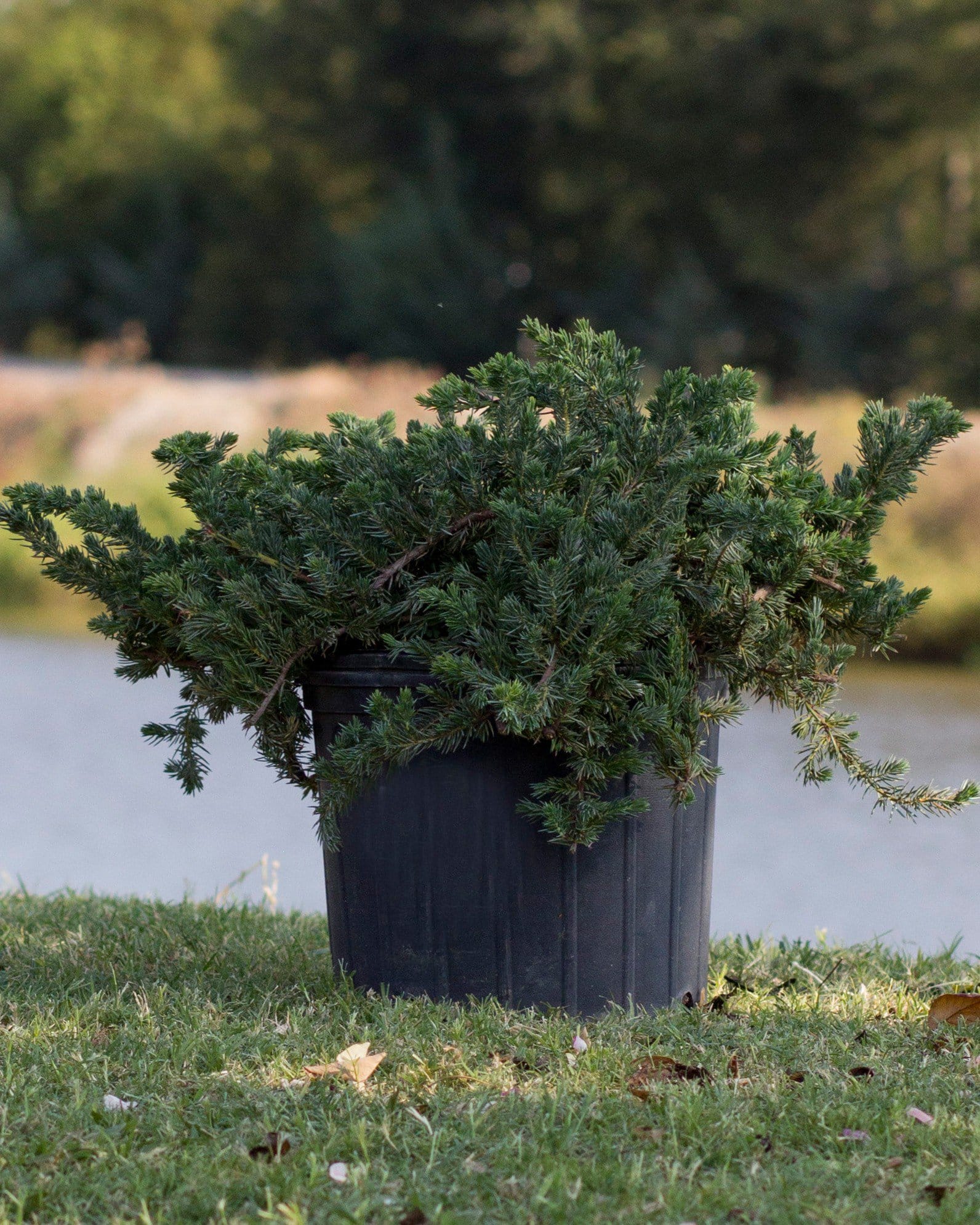
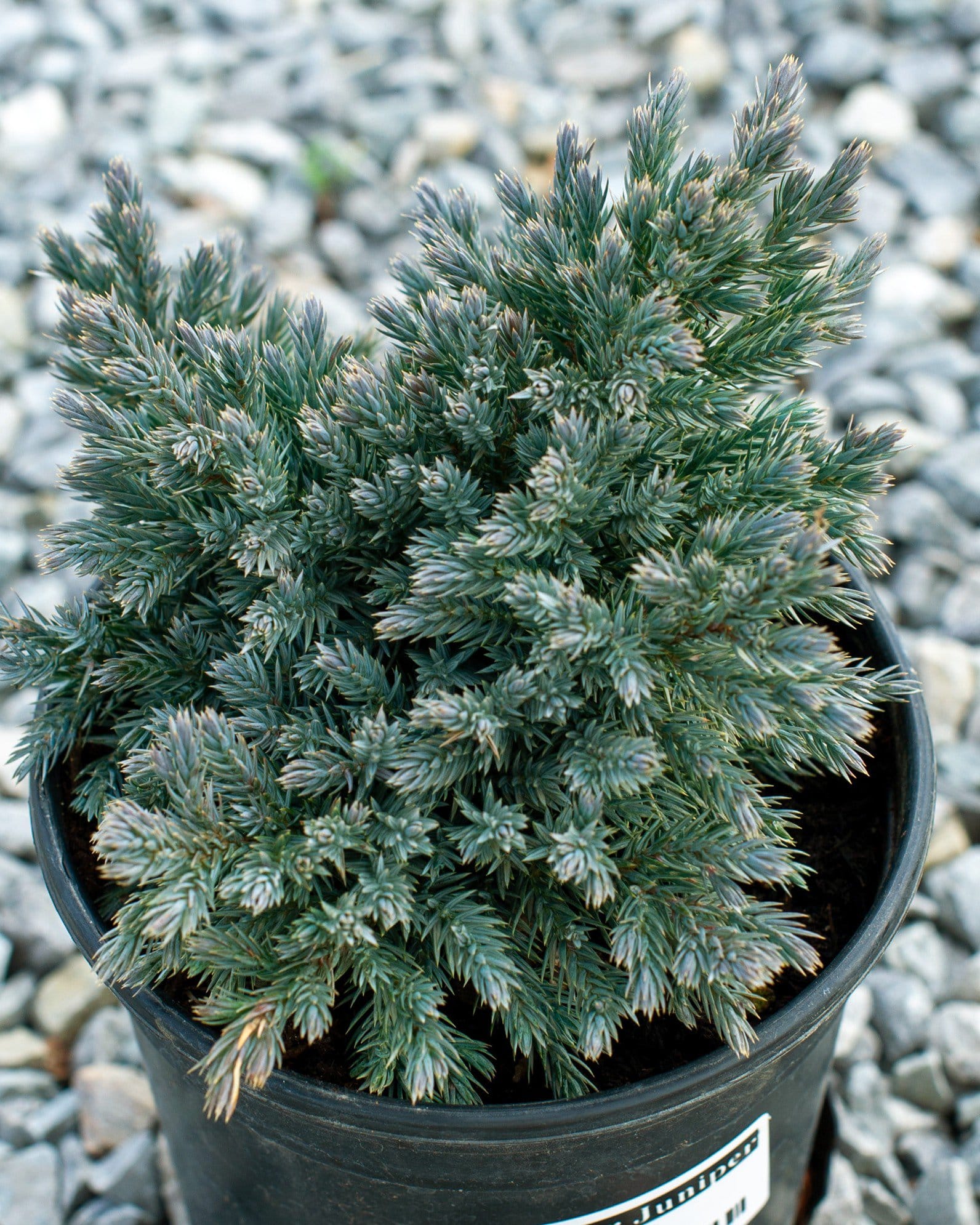
Blue Pacific Juniper
Maturity: 1' H x 3' W
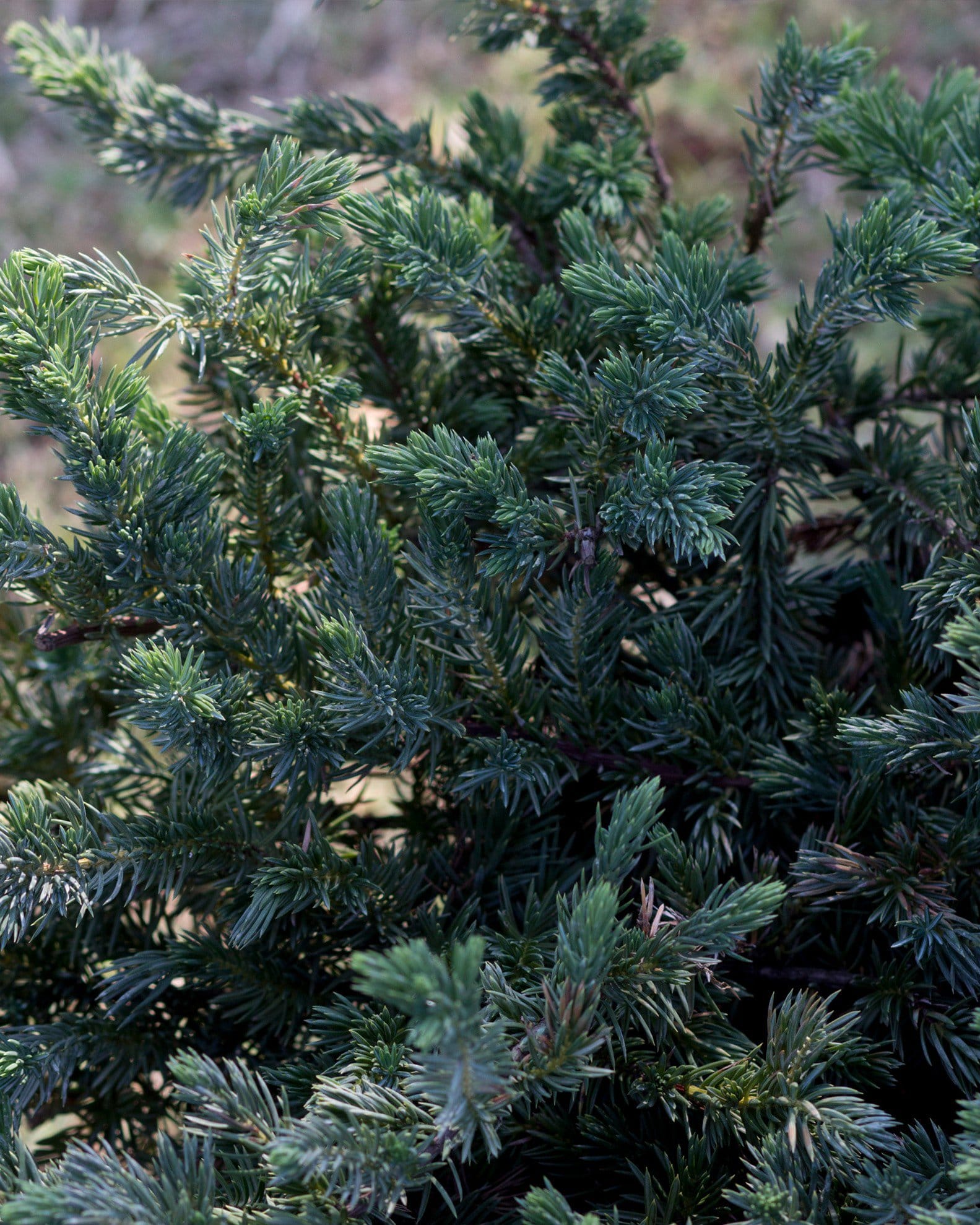
Blue Rug Juniper
Maturity: 0.5' H x 6' W
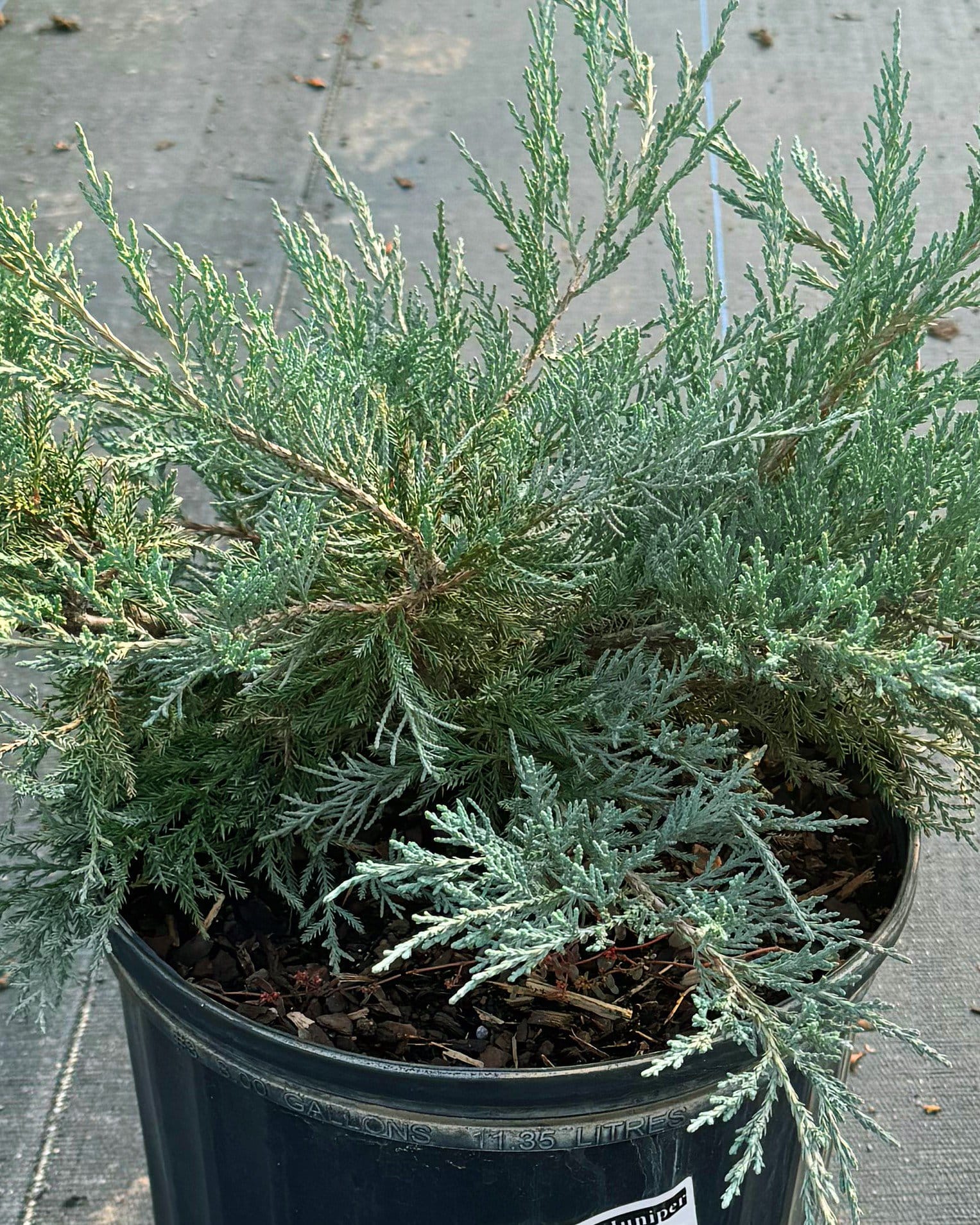
Grey Owl Juniper
Maturity: 2' H x 4' W
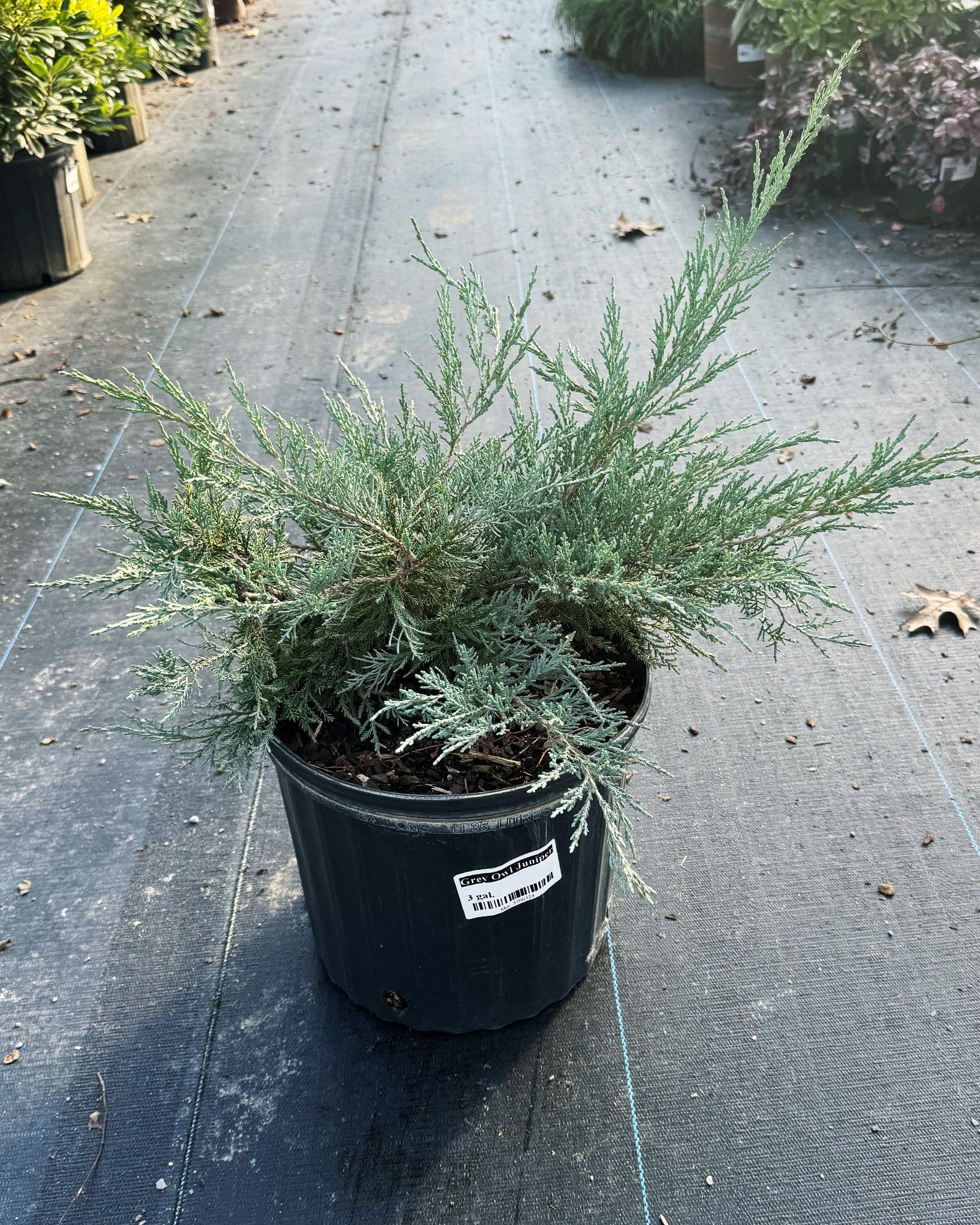
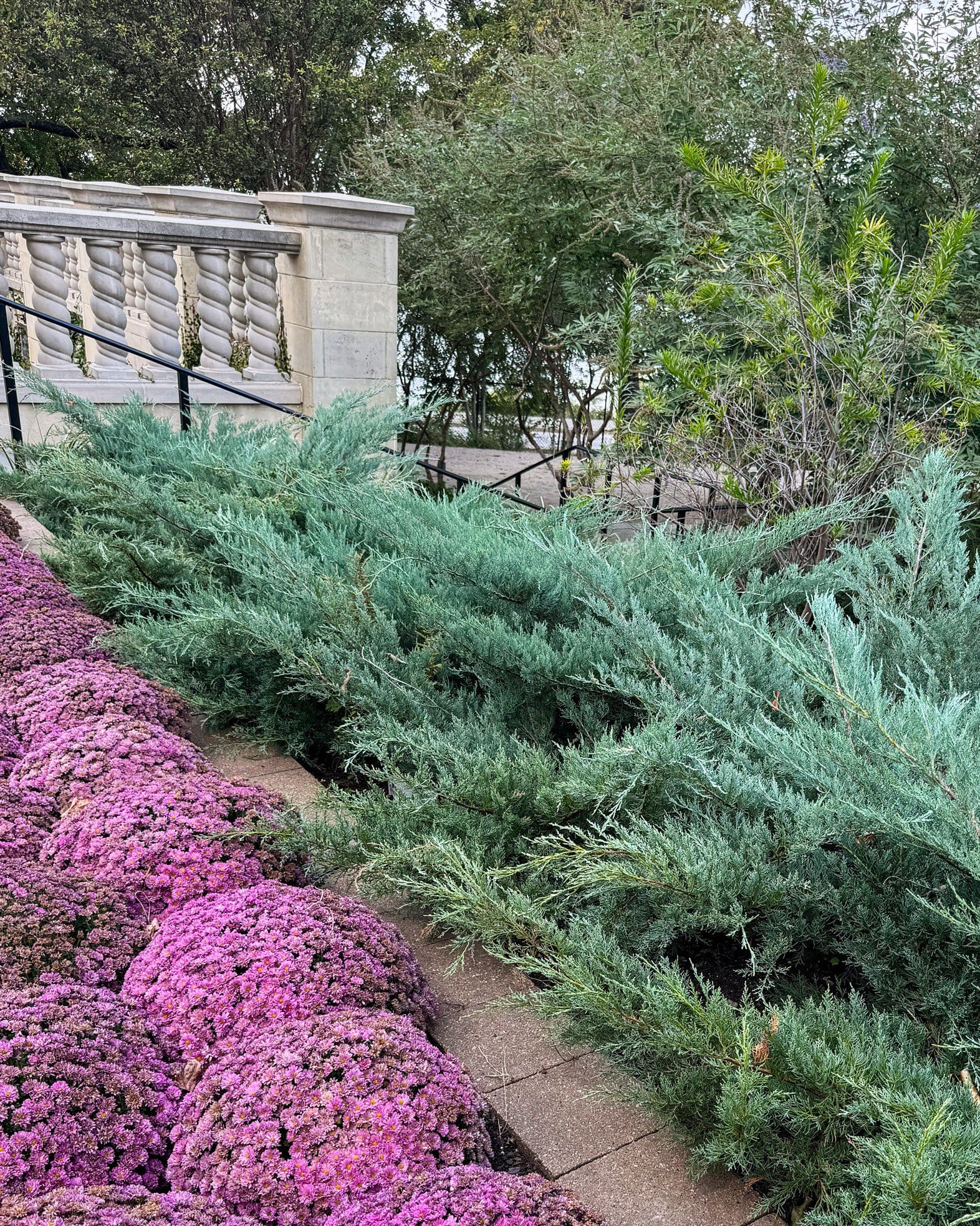
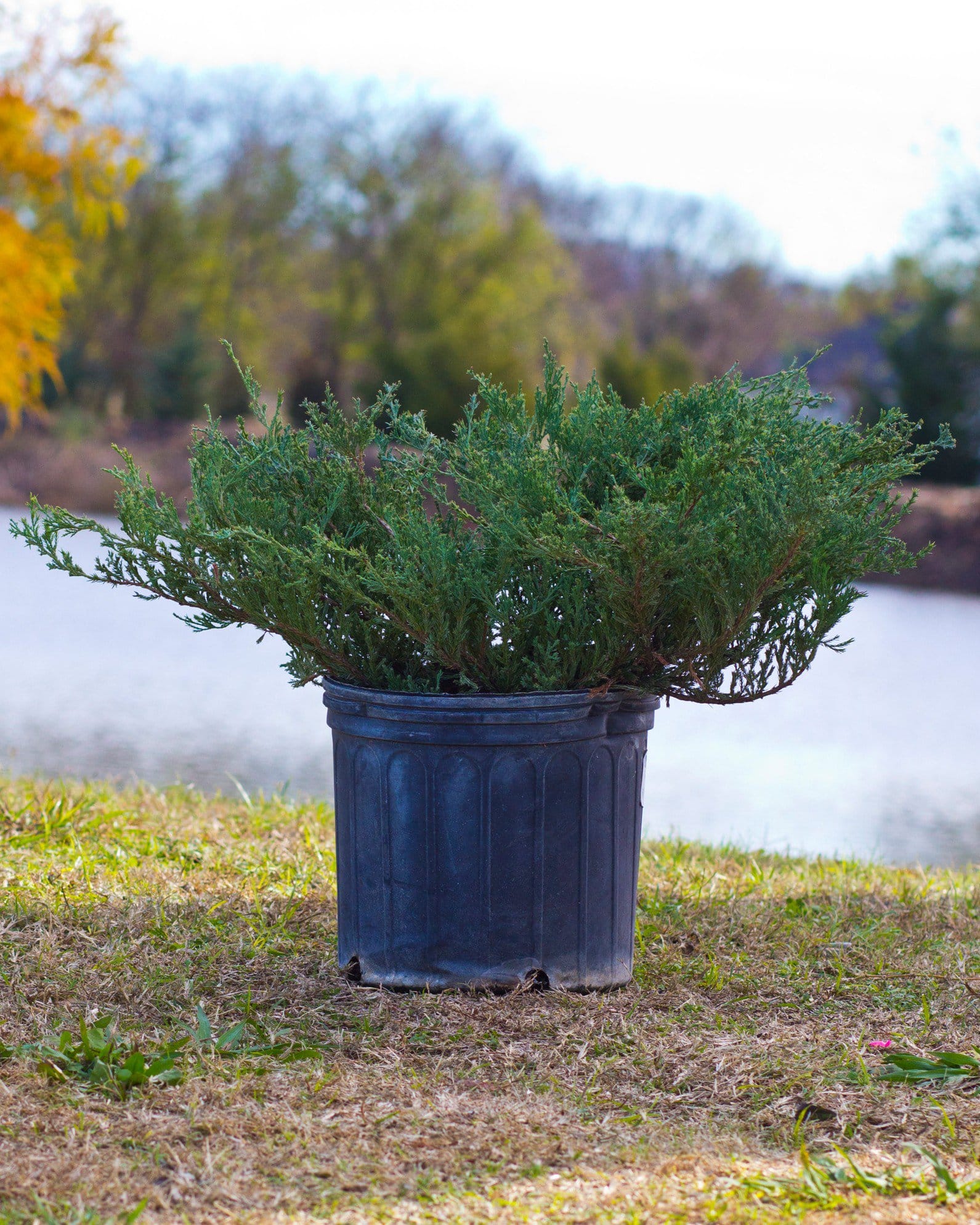
Andorra Juniper
Maturity: 1' H x 4' W
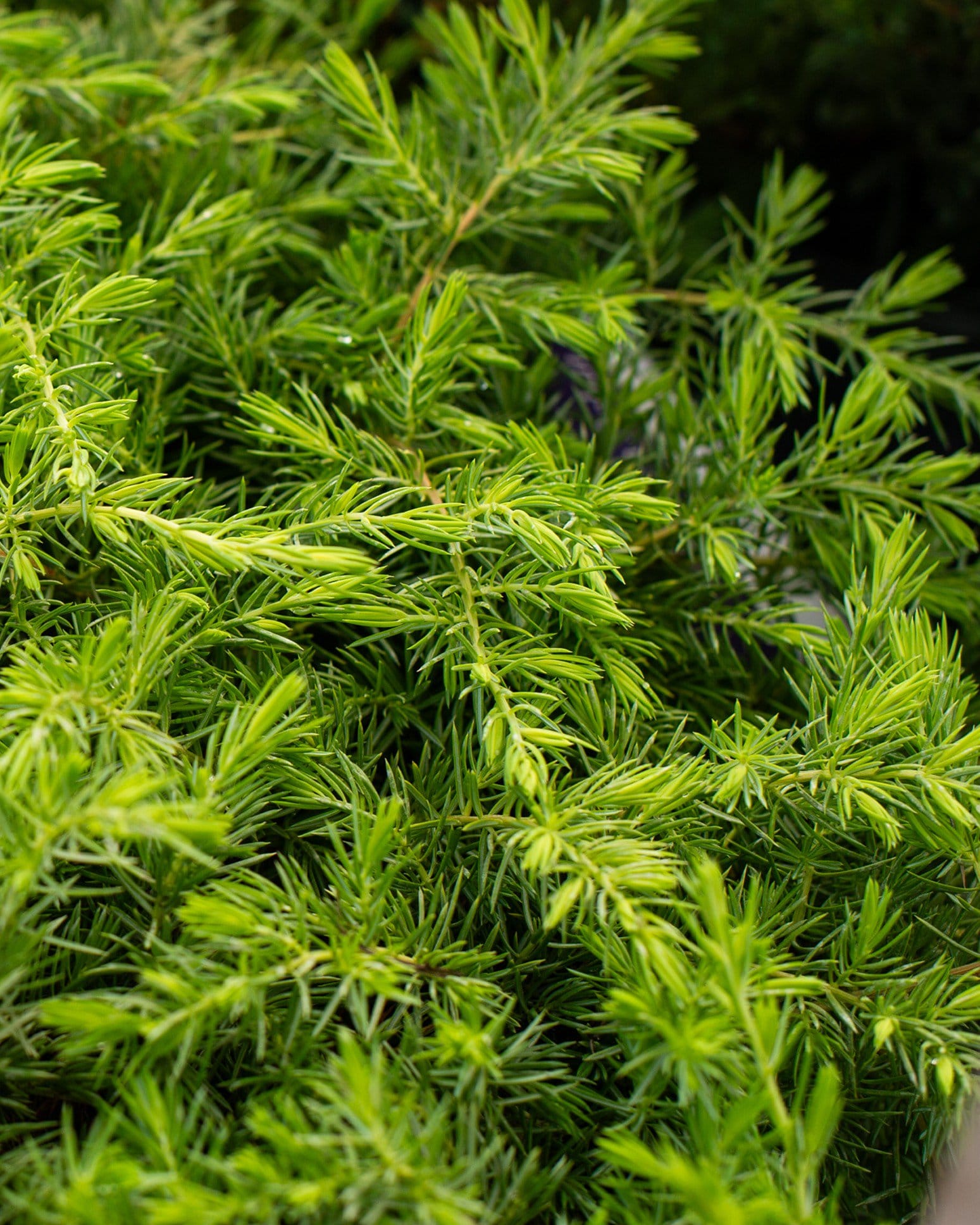
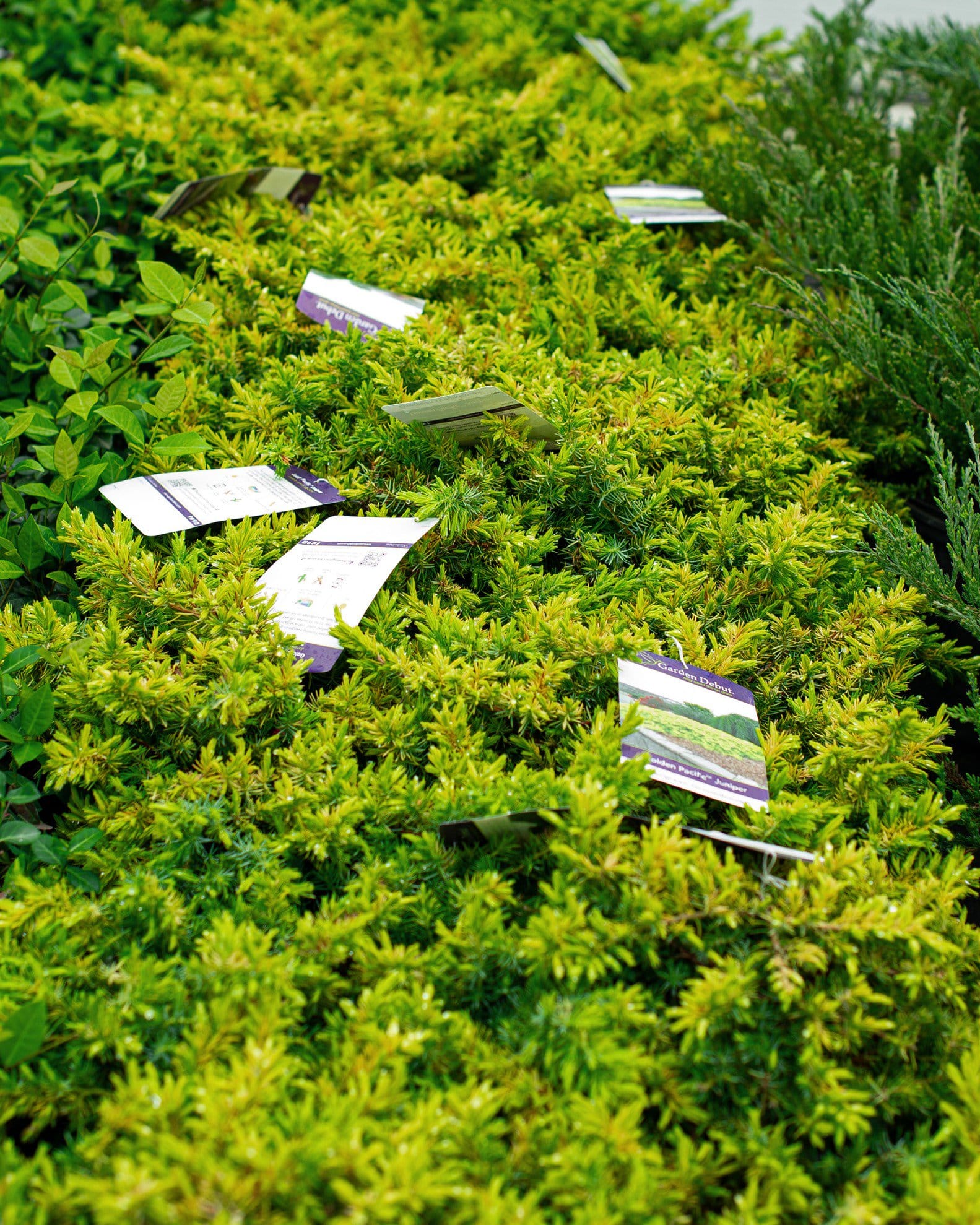
Golden Pacific Juniper
Maturity: 0.75' H x 4' W
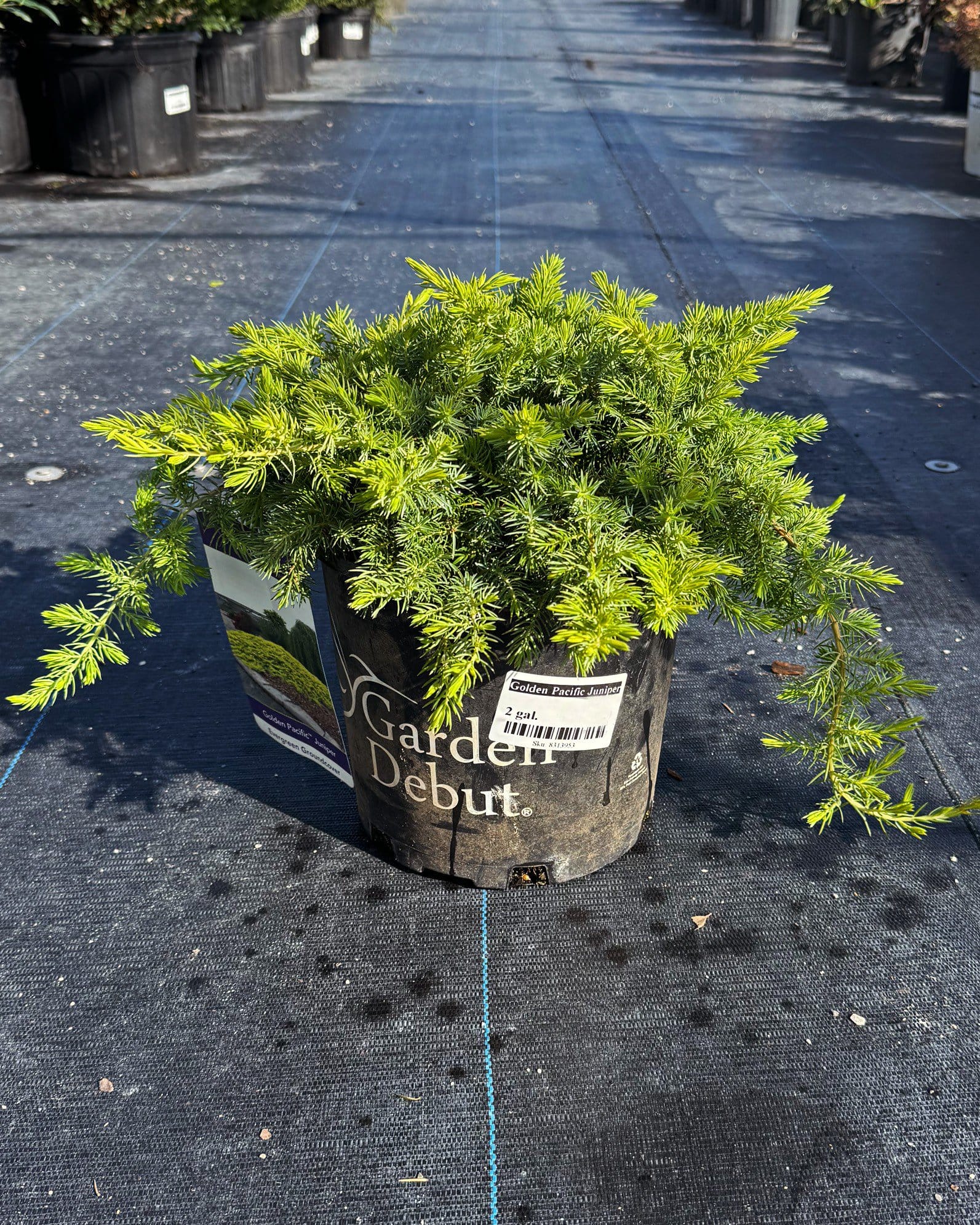
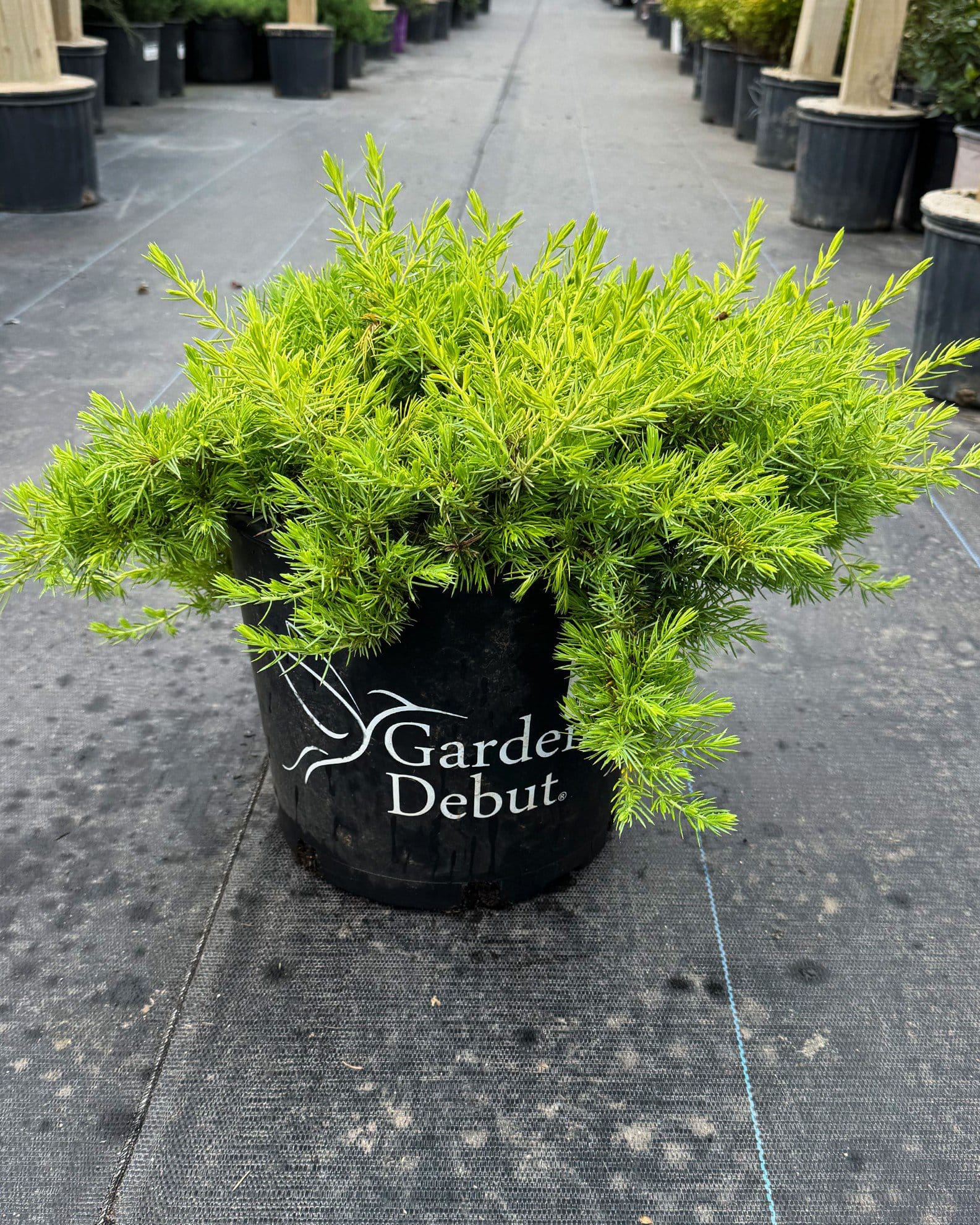
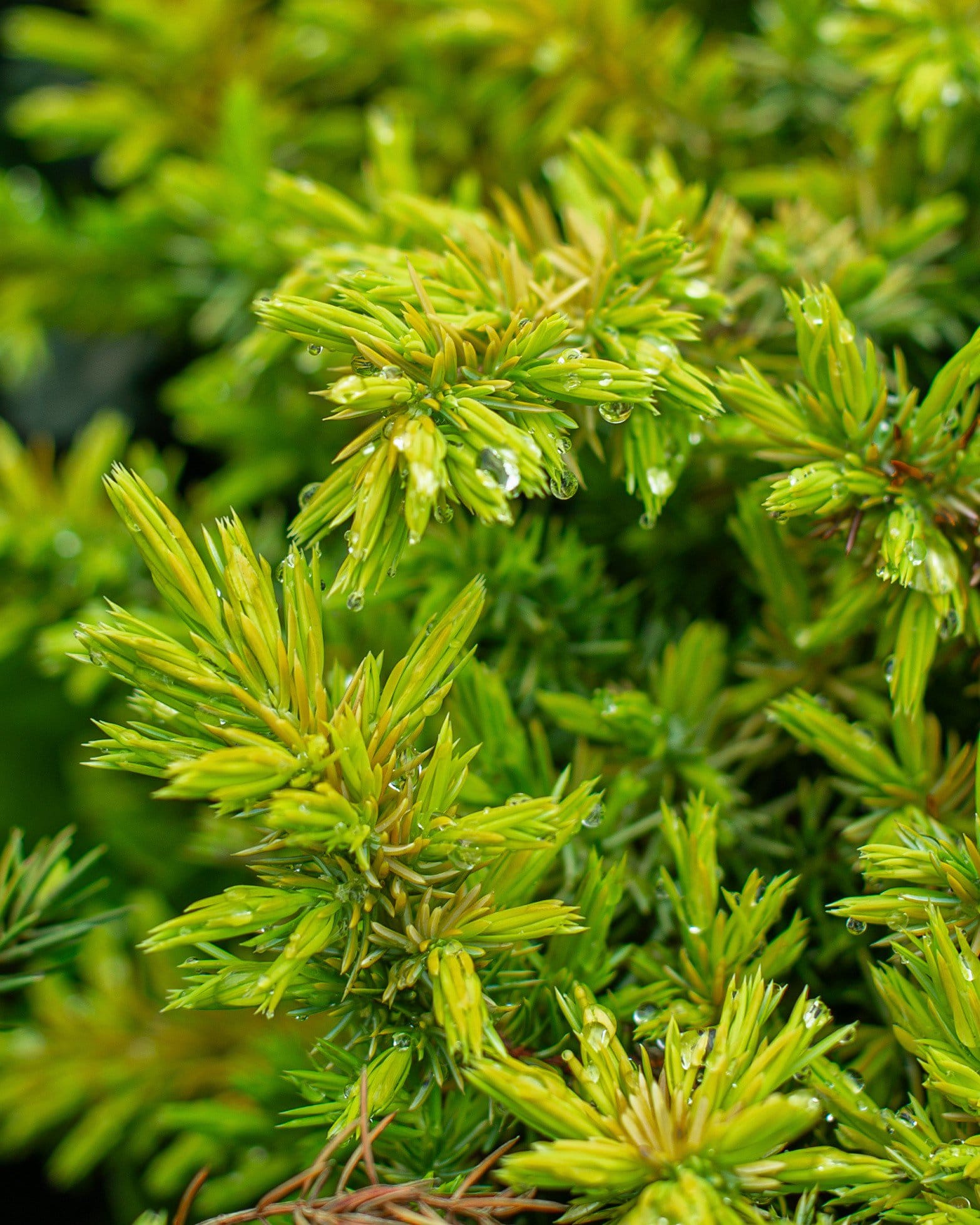
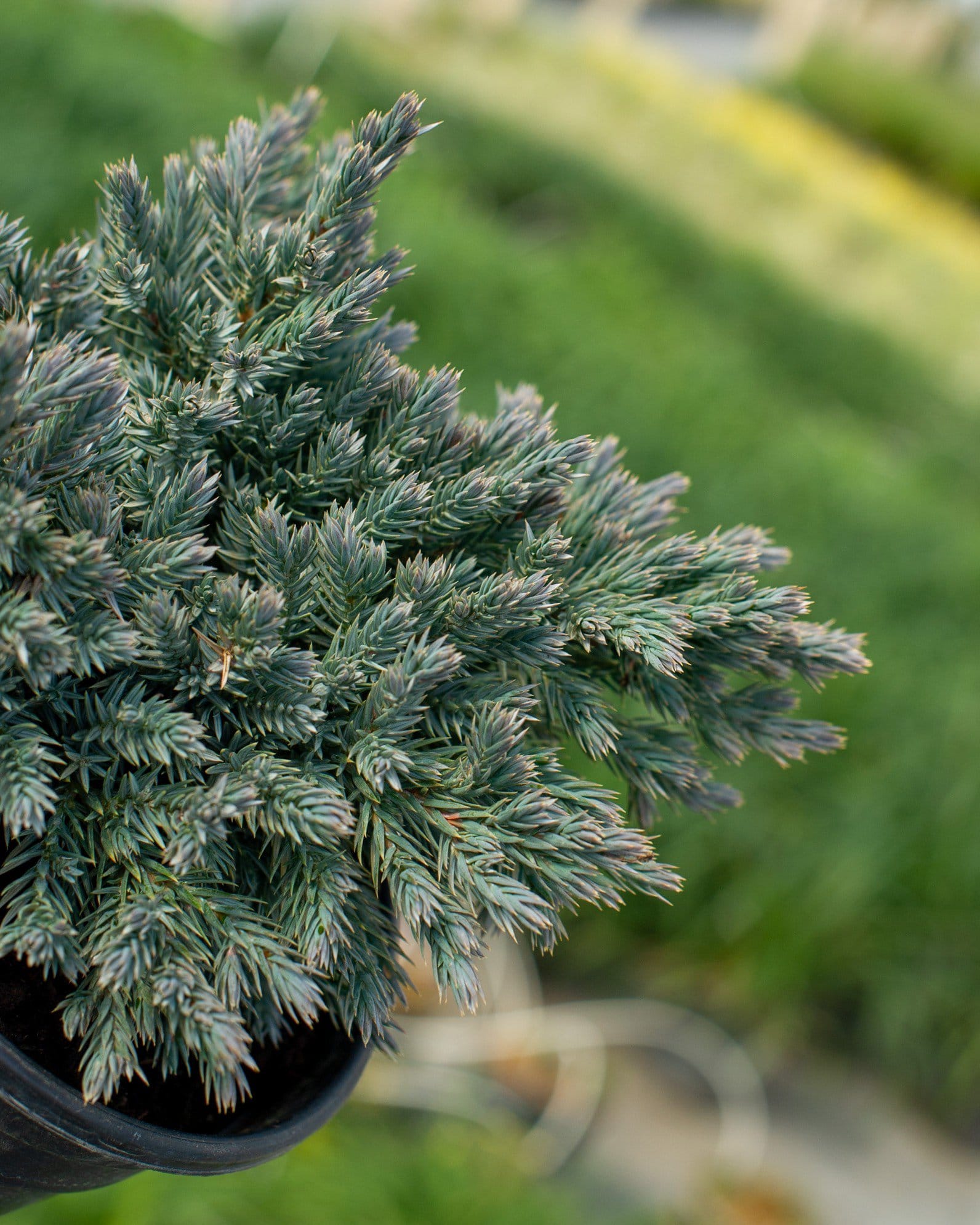
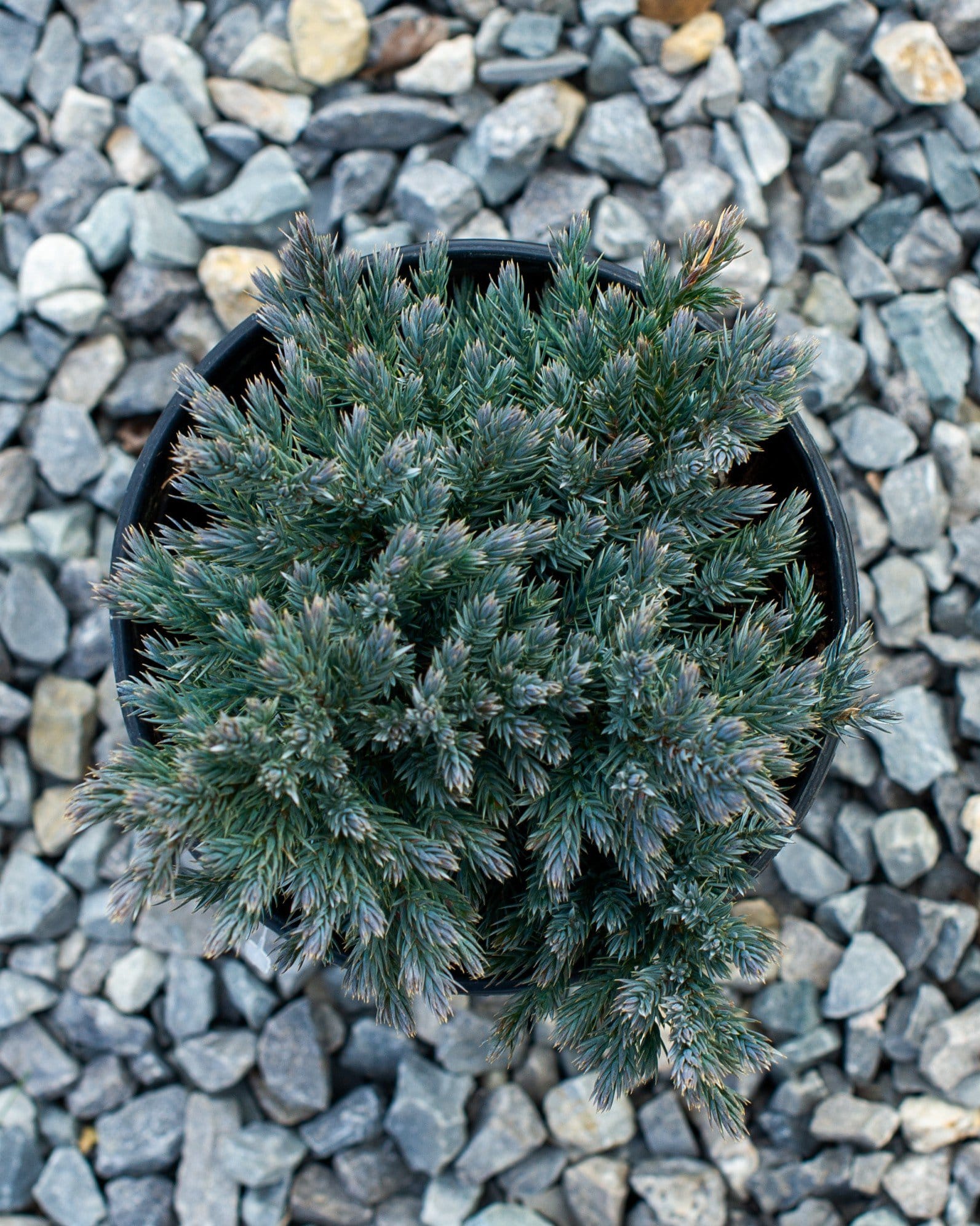
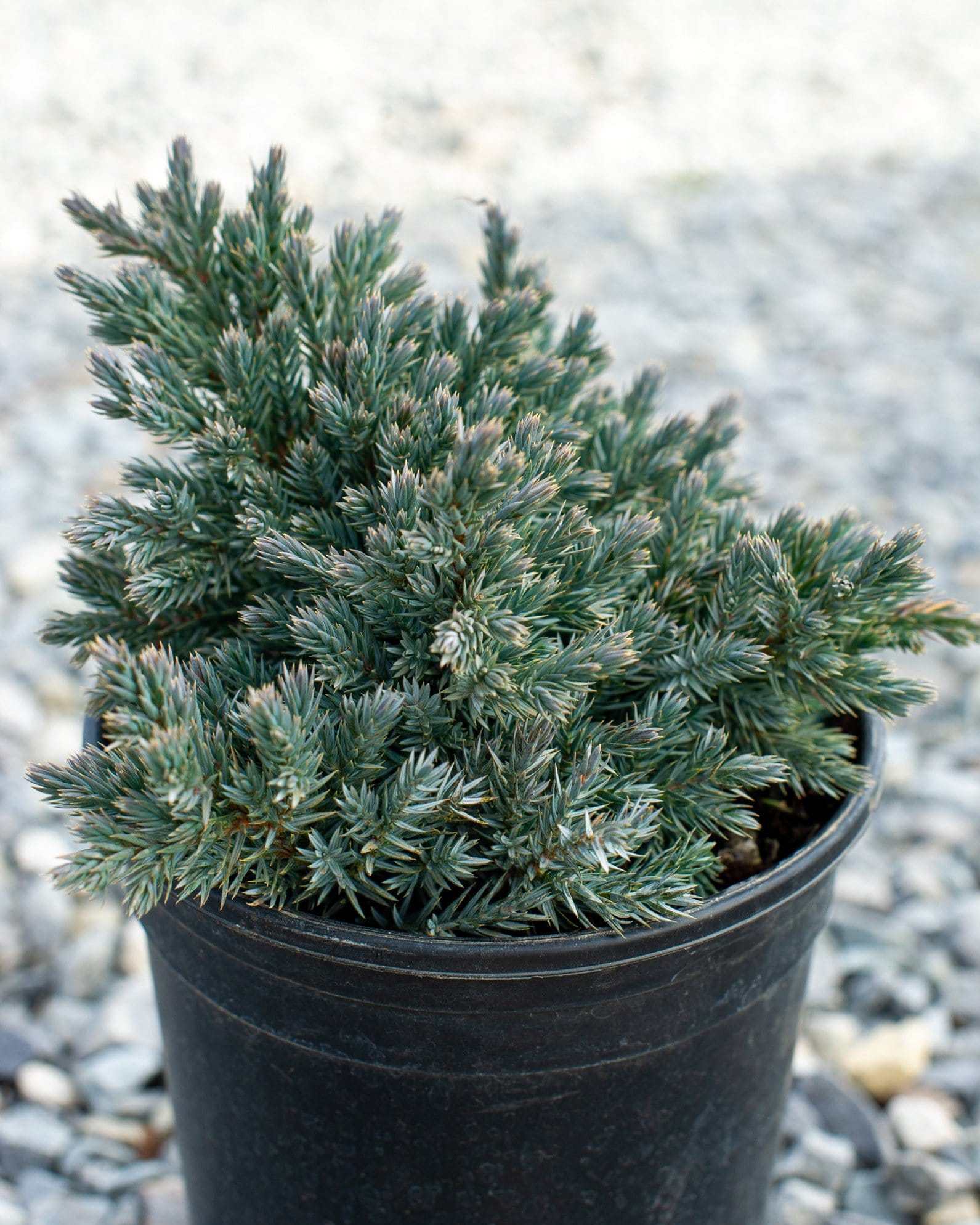
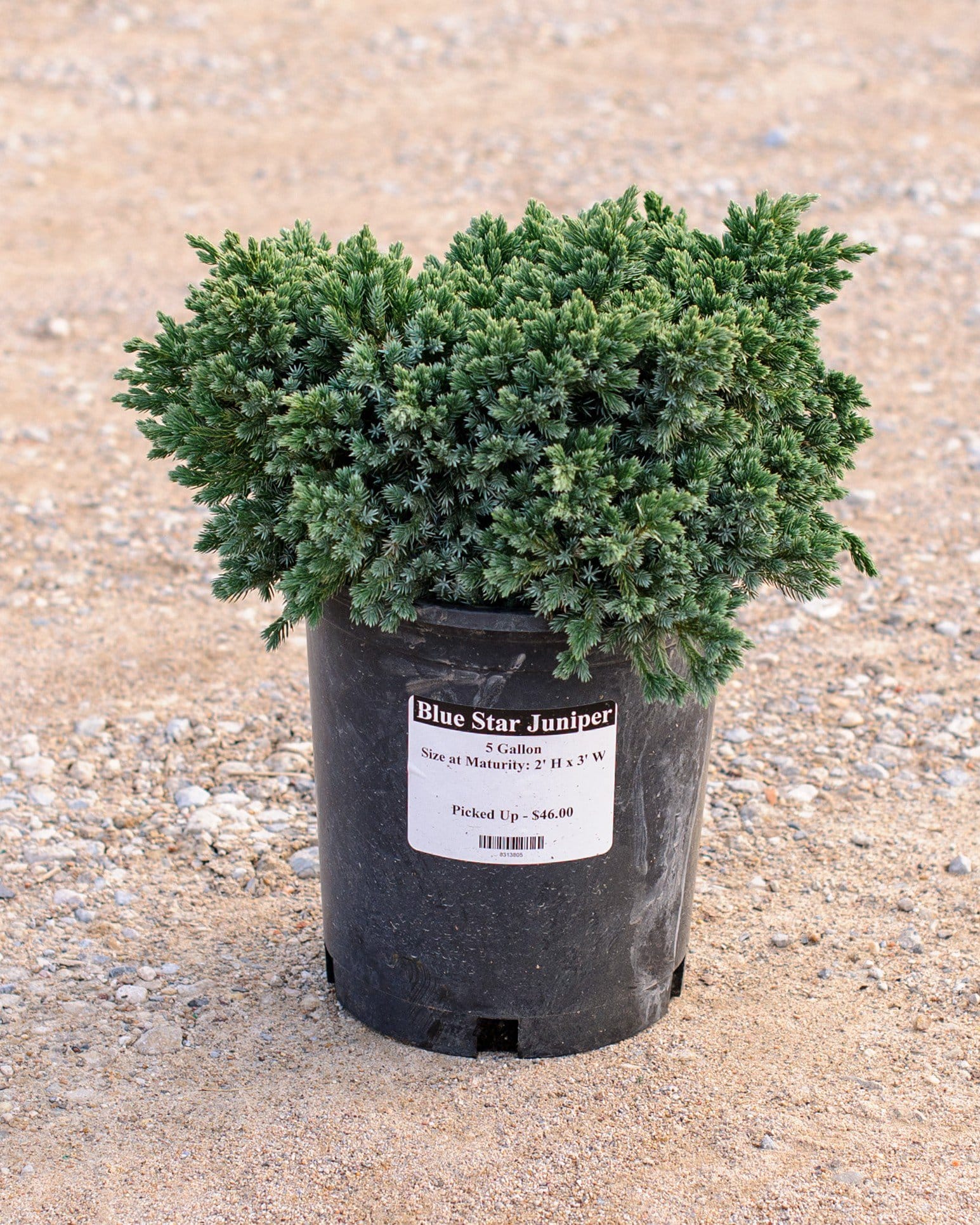
Blue Star Juniper
Maturity: 2' H x 3' W
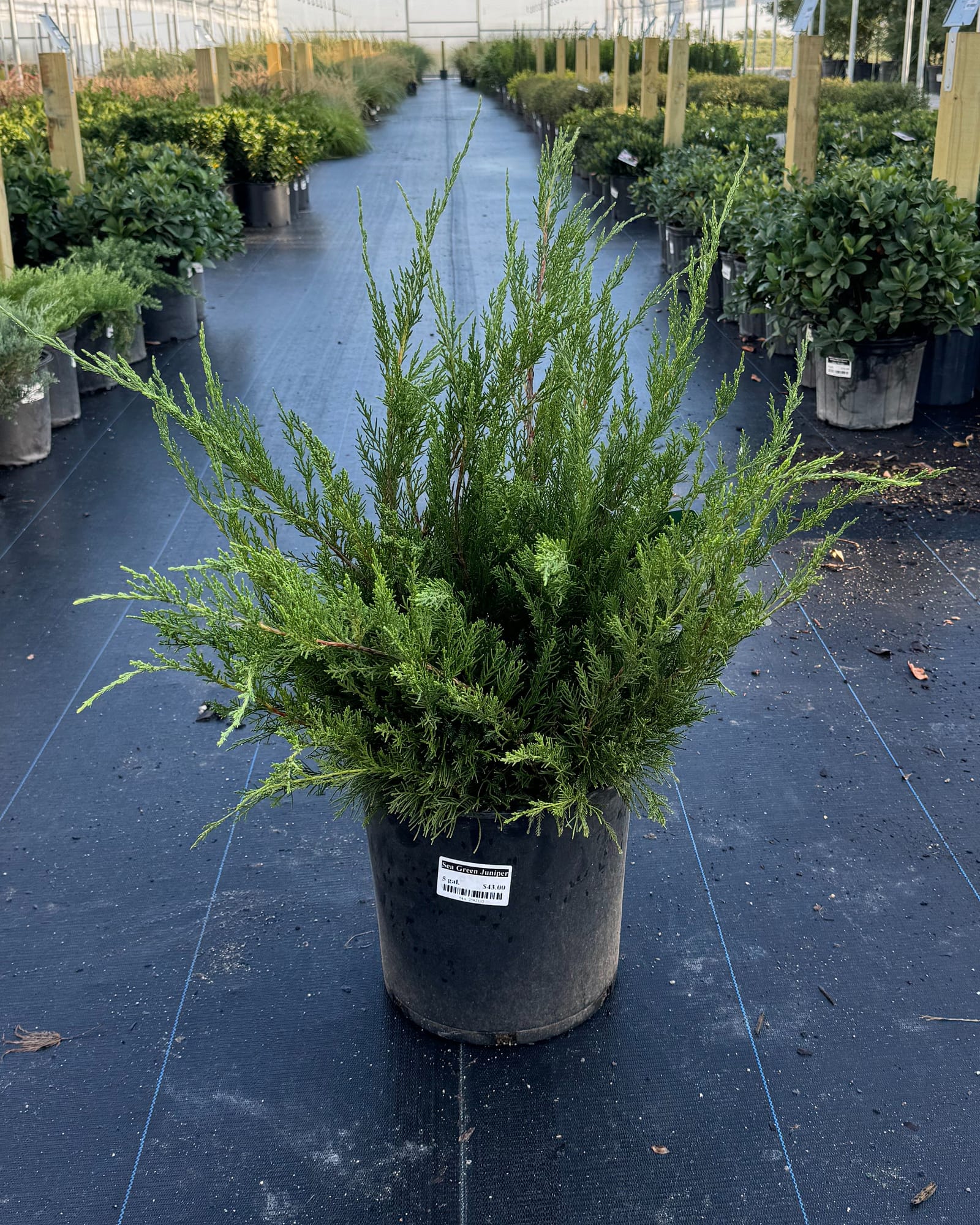
Sea Green Juniper
Maturity: 4' H x 6' W
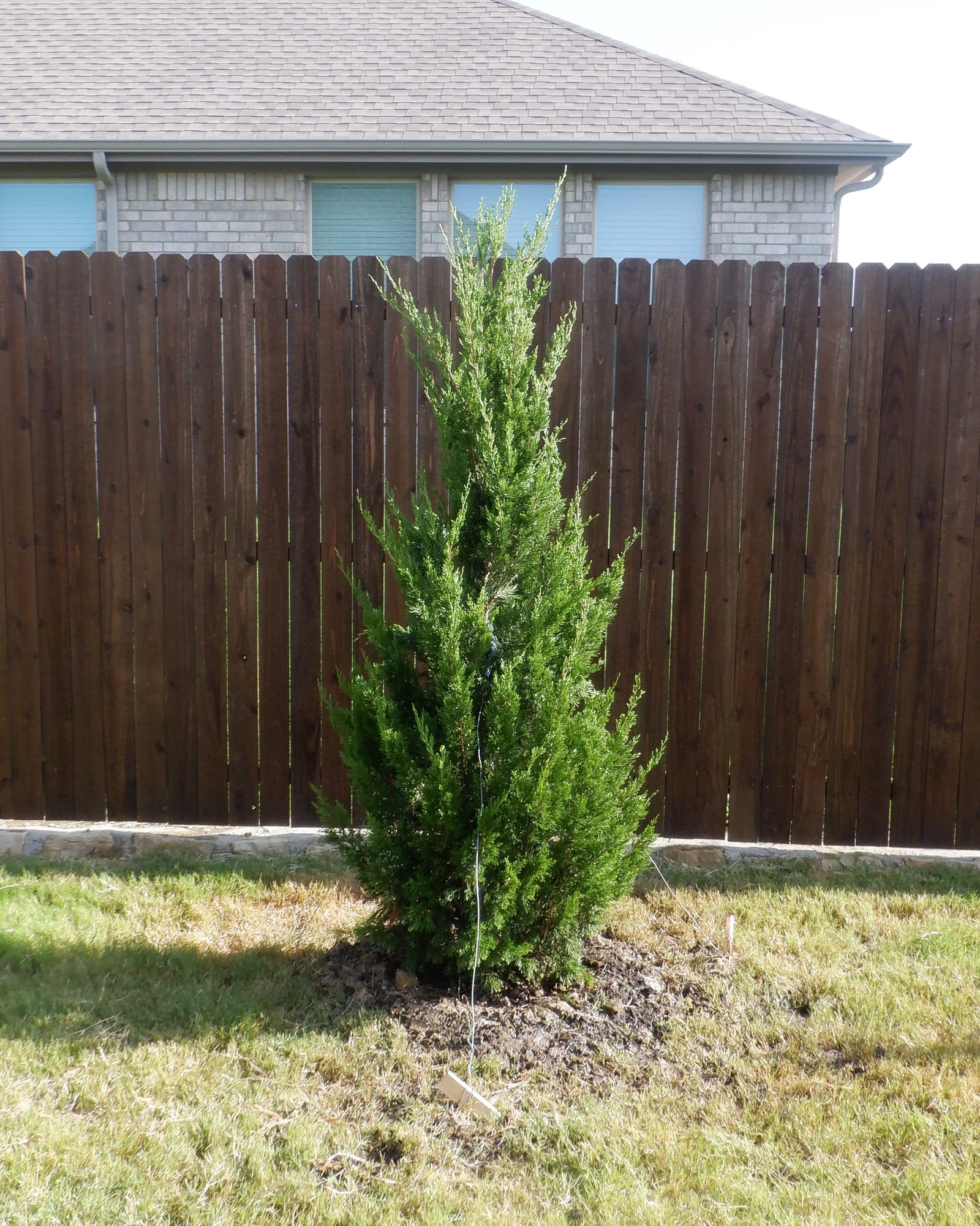
Spartan Juniper
Maturity: 17' H x 7' W
Parsoni Juniper
Maturity: 2' H x 4' W
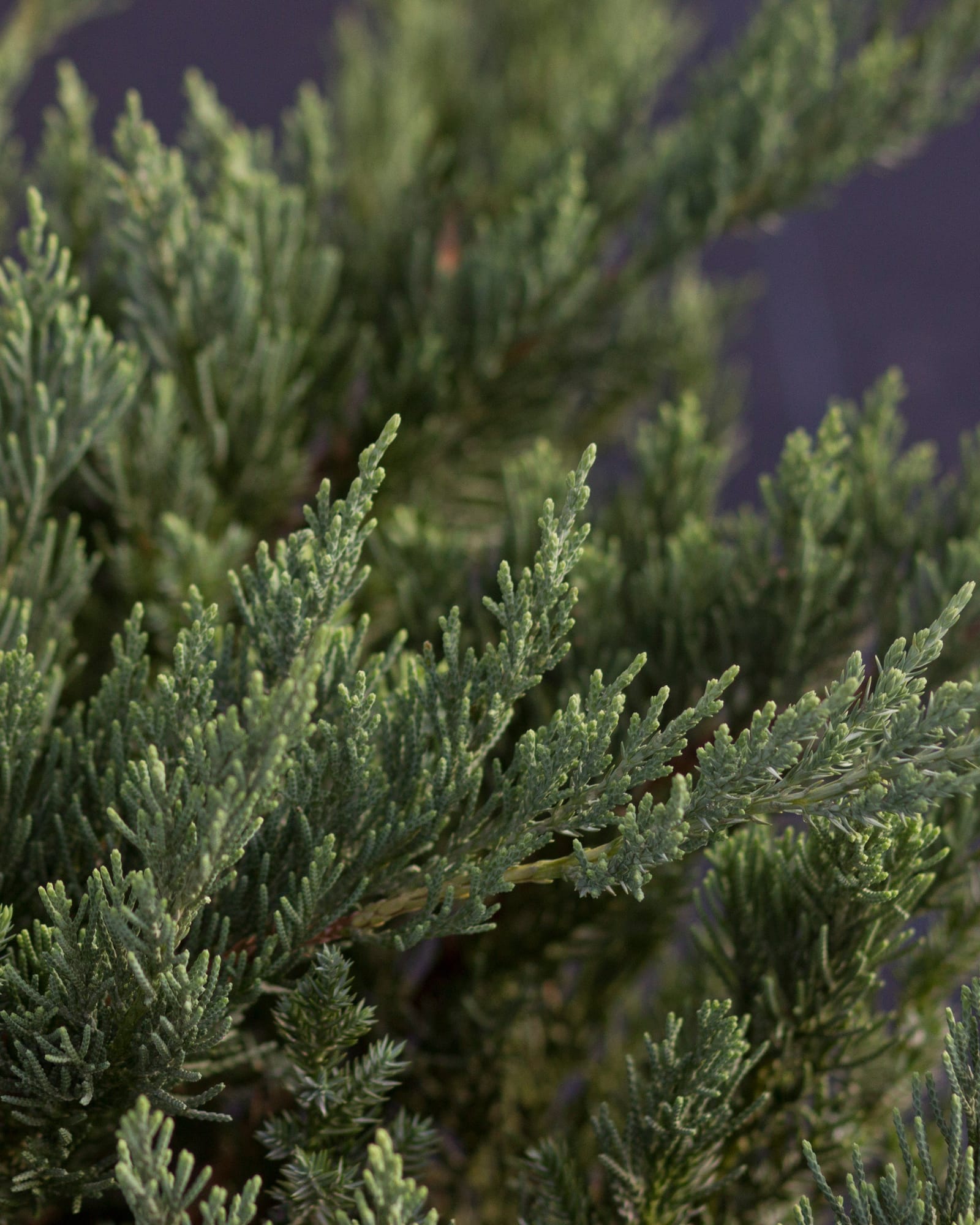
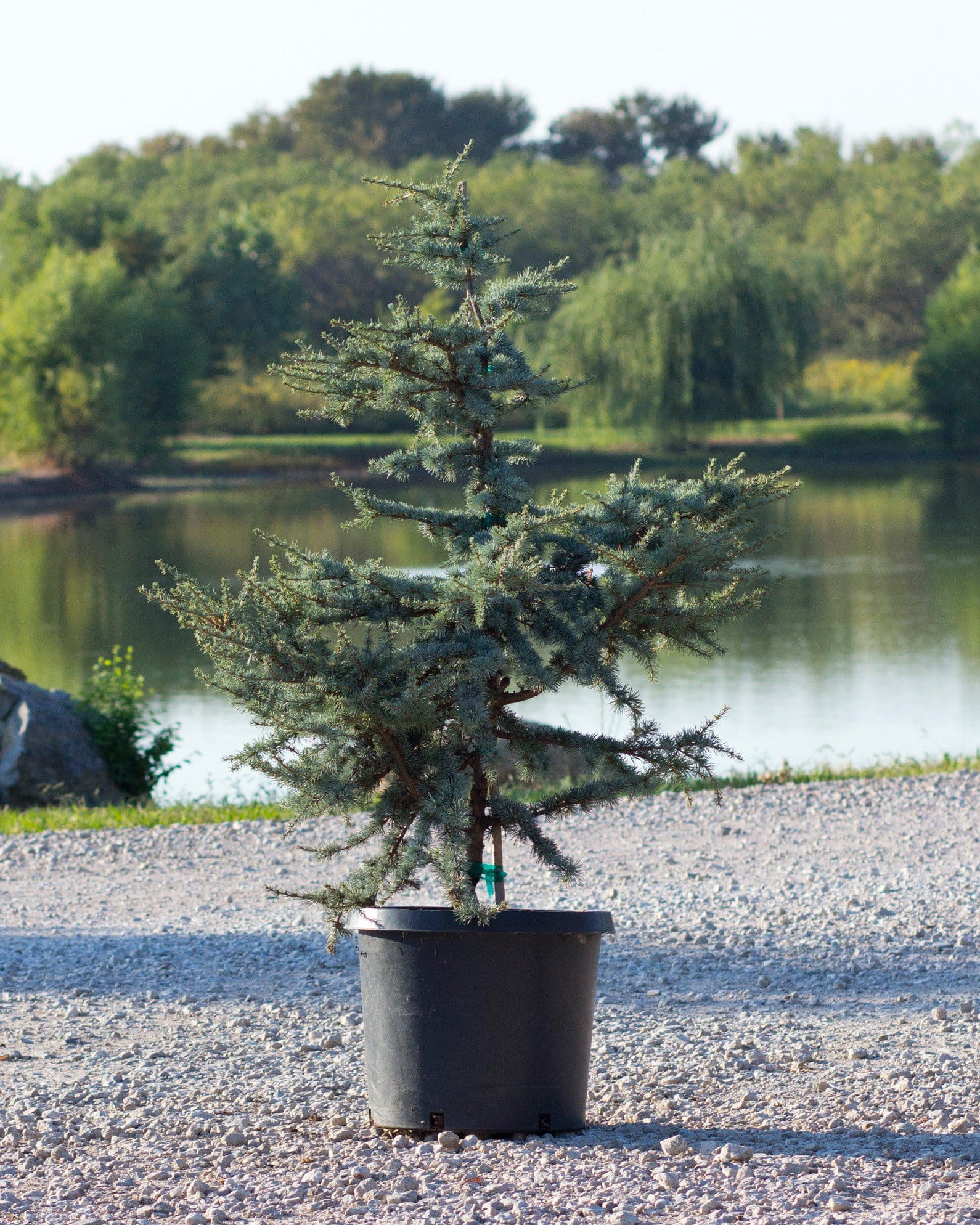
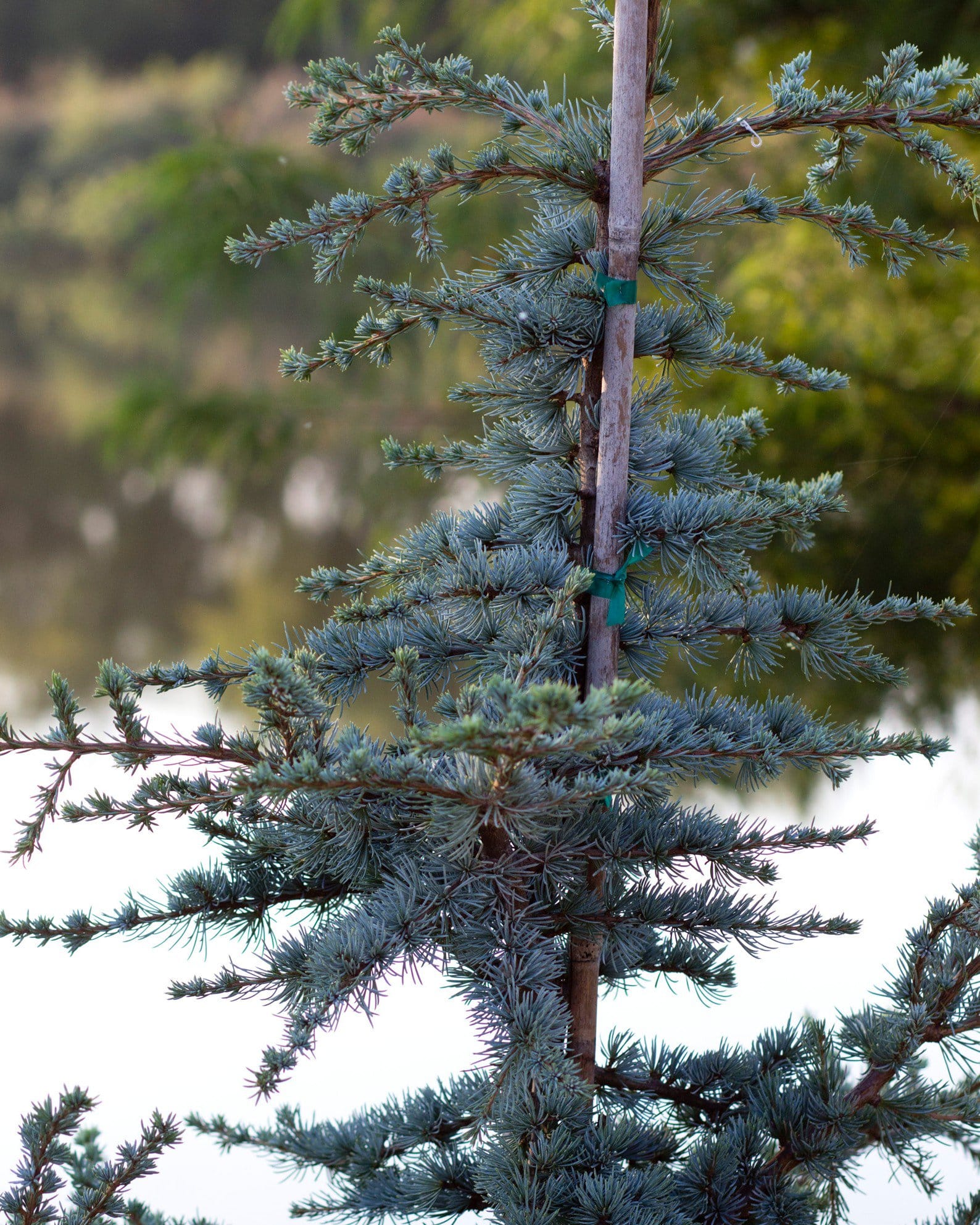
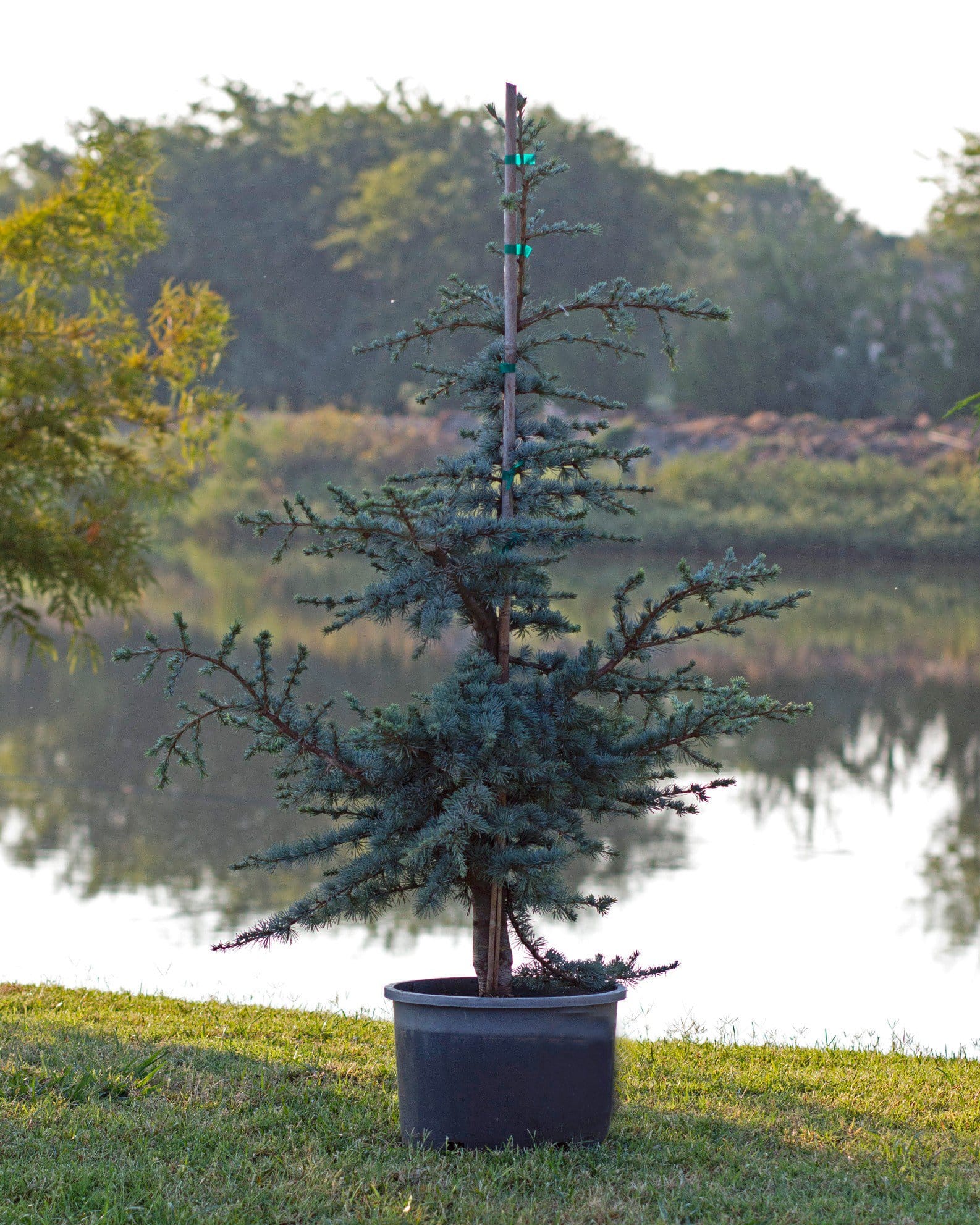
Blue Atlas Cedar Horstmann
Maturity: 10' H x 6' W
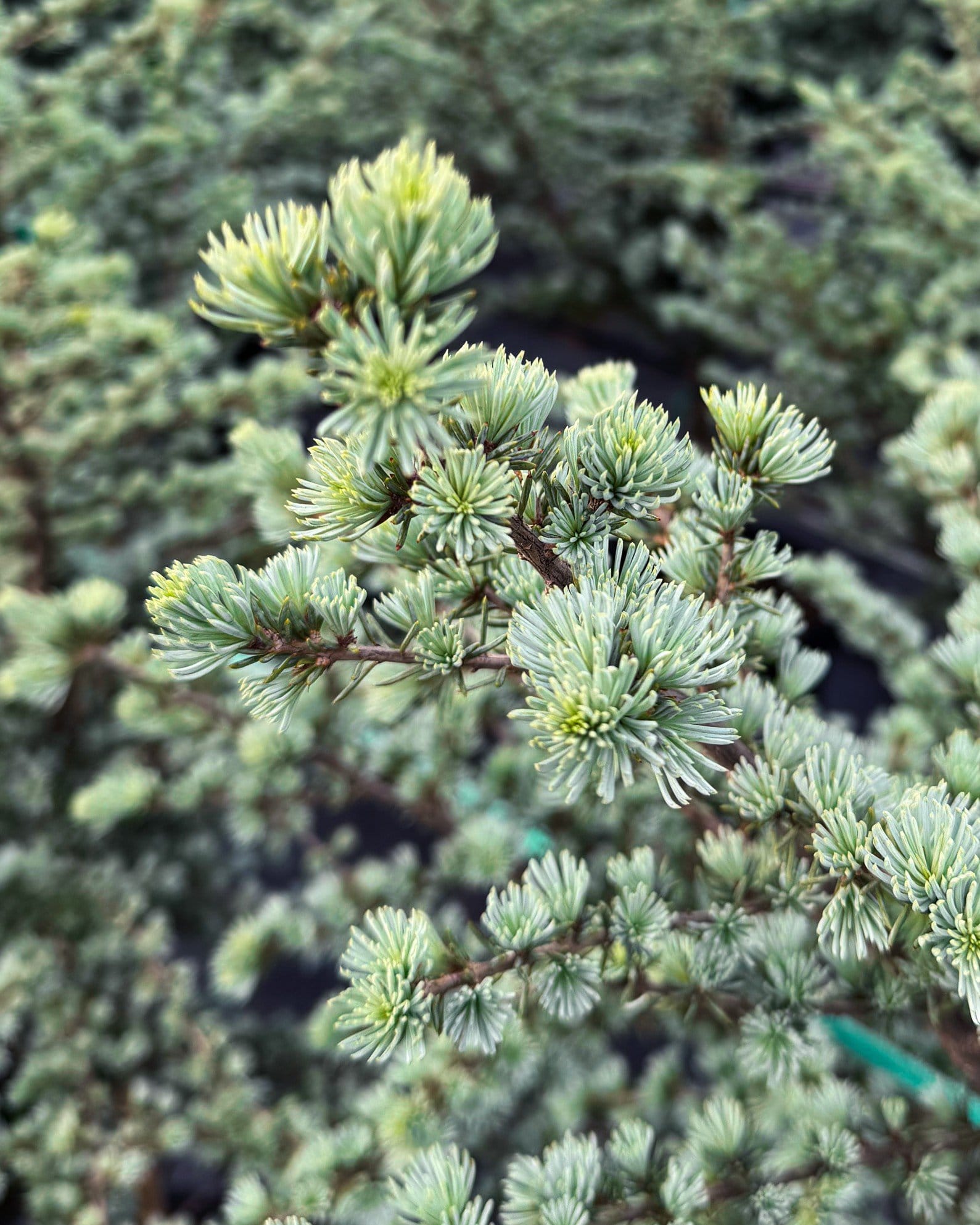
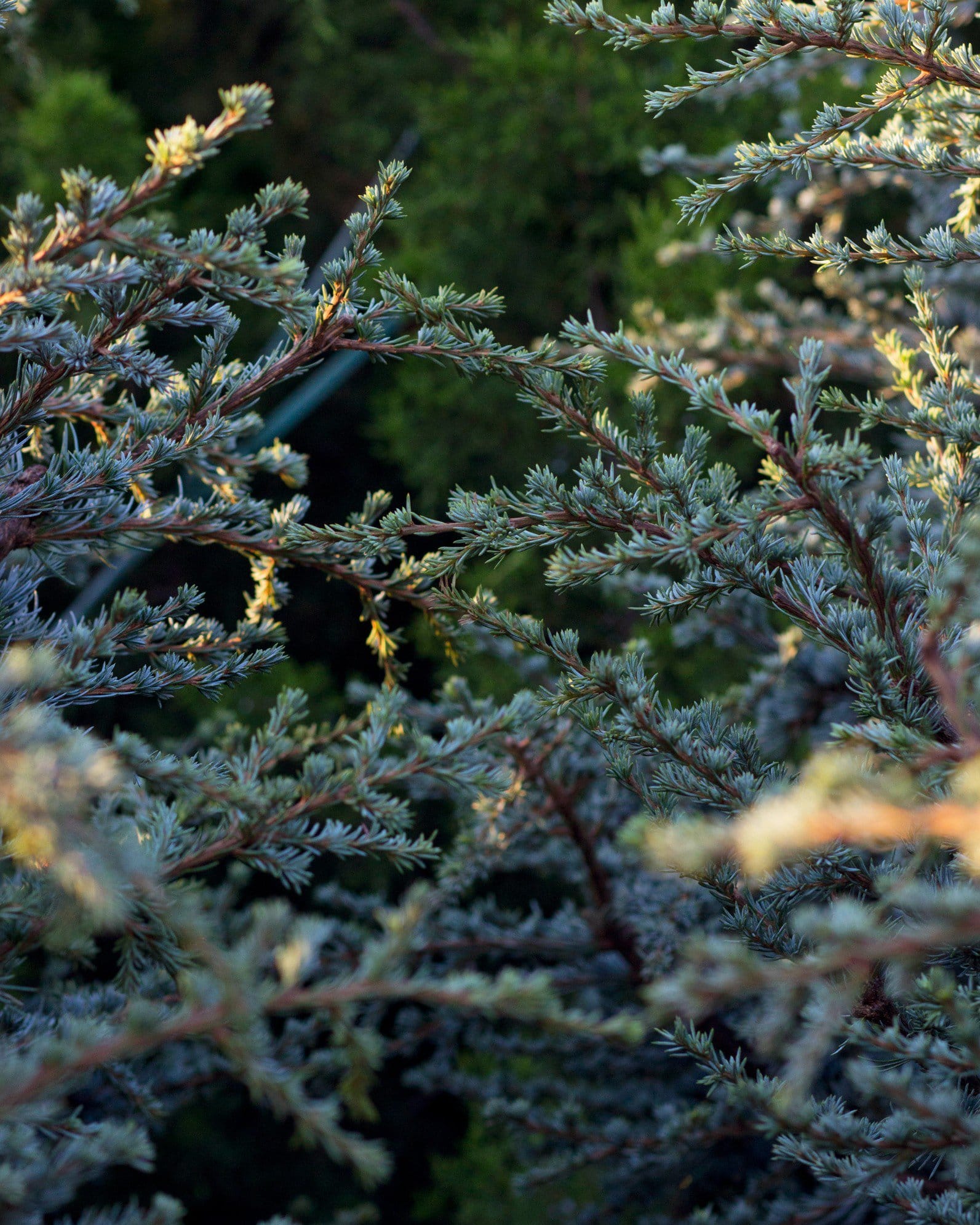
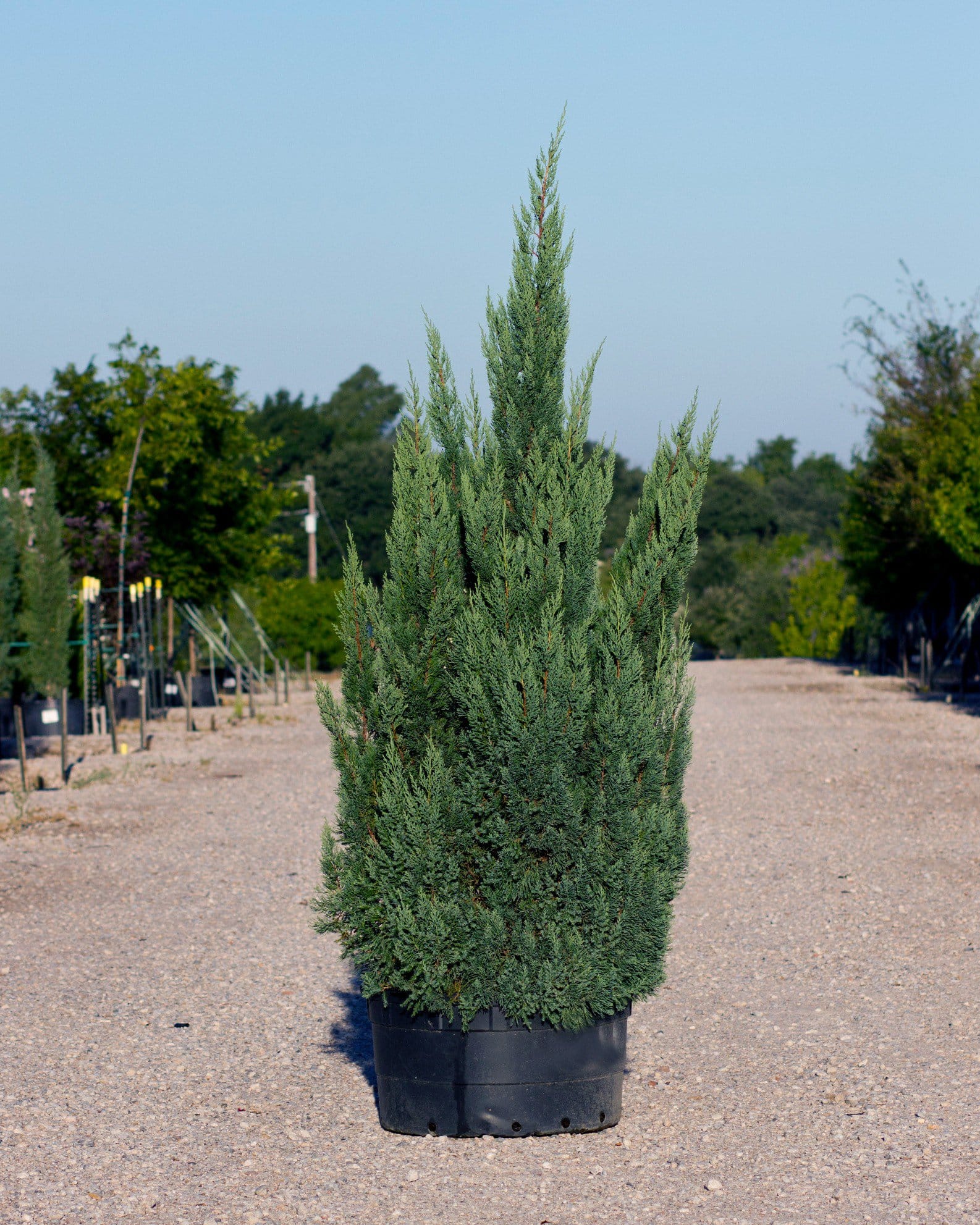
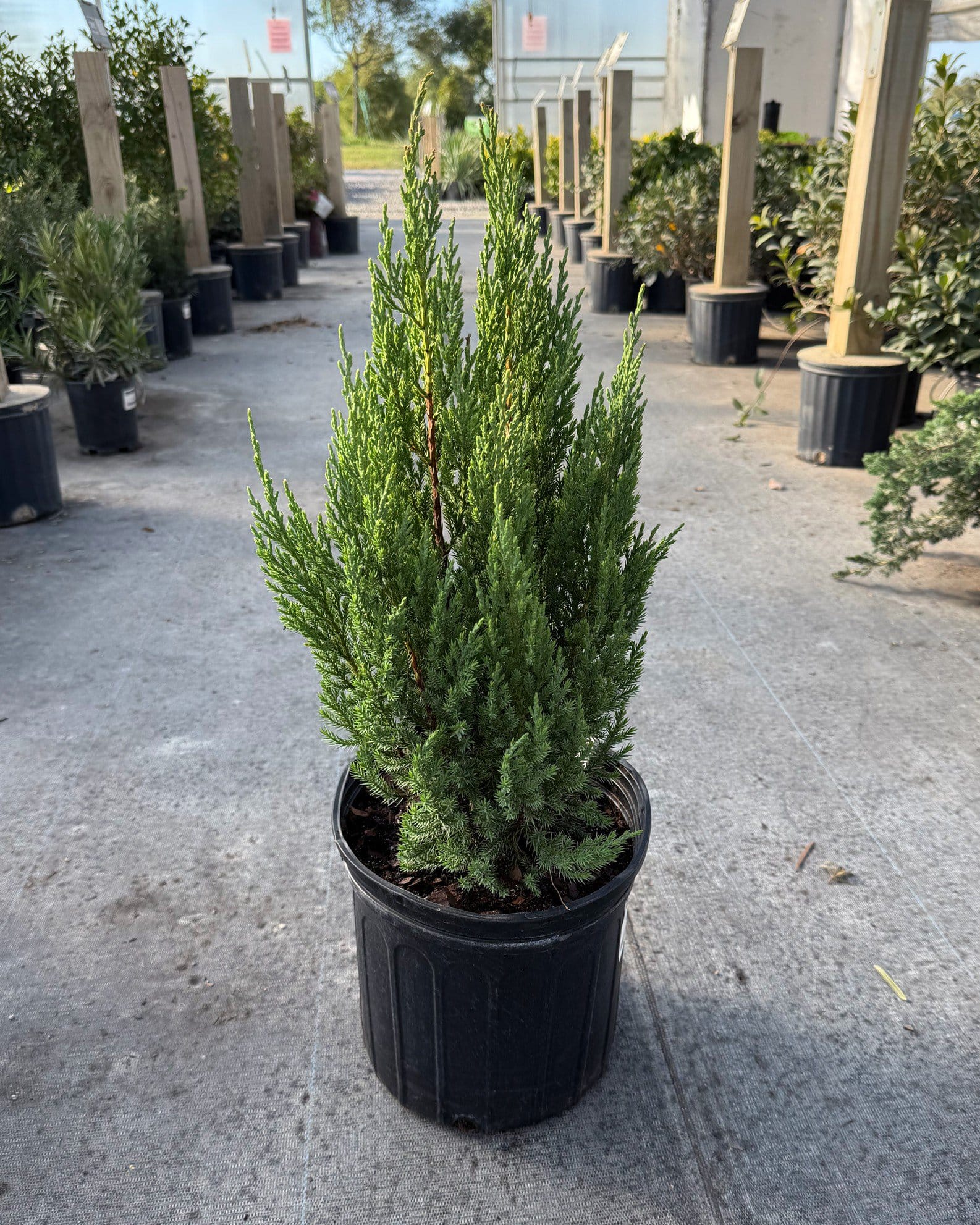
Blue Point Juniper
Maturity: 12' H x 7' W
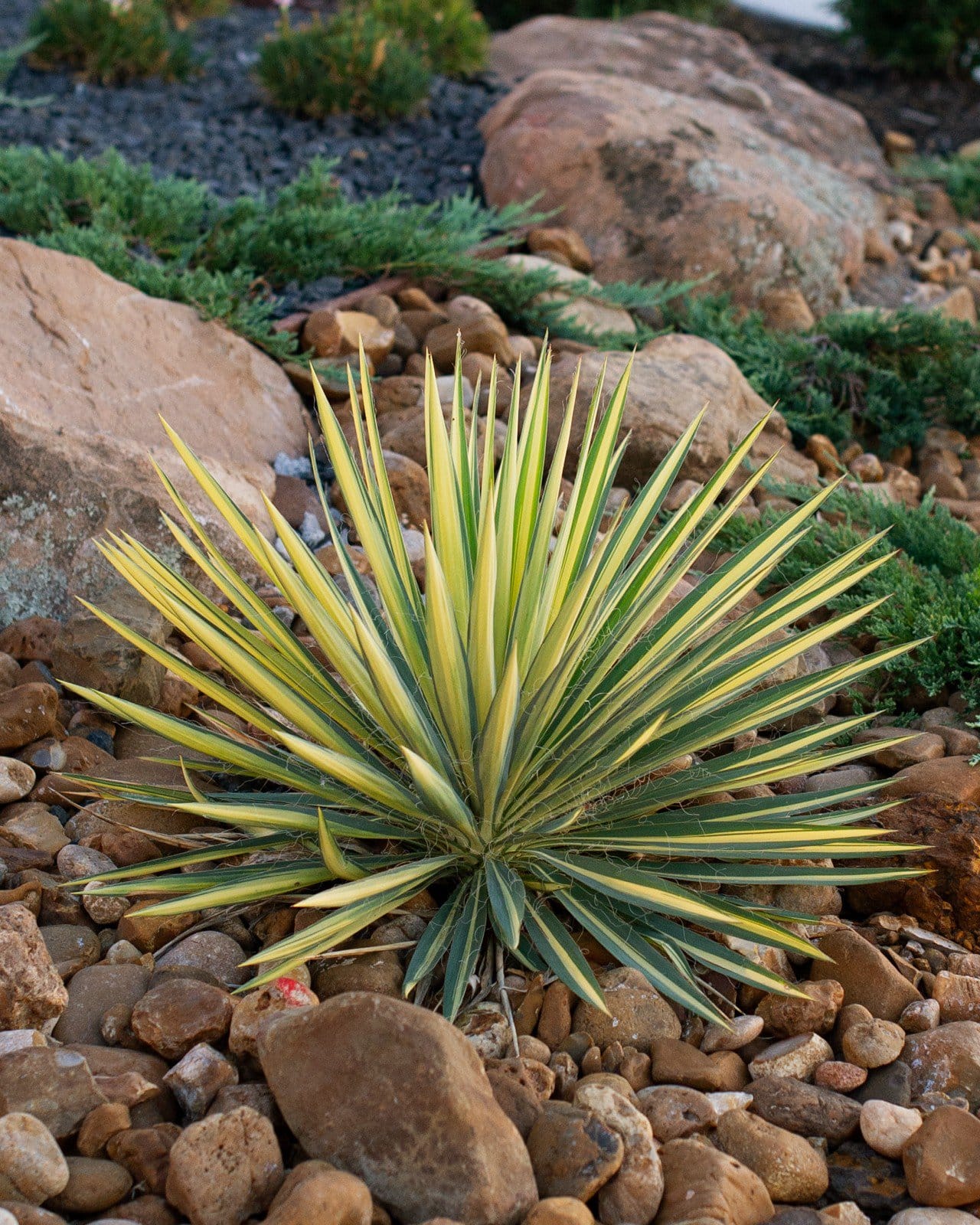
Color Guard Yucca
Maturity: 2' H x 2' W
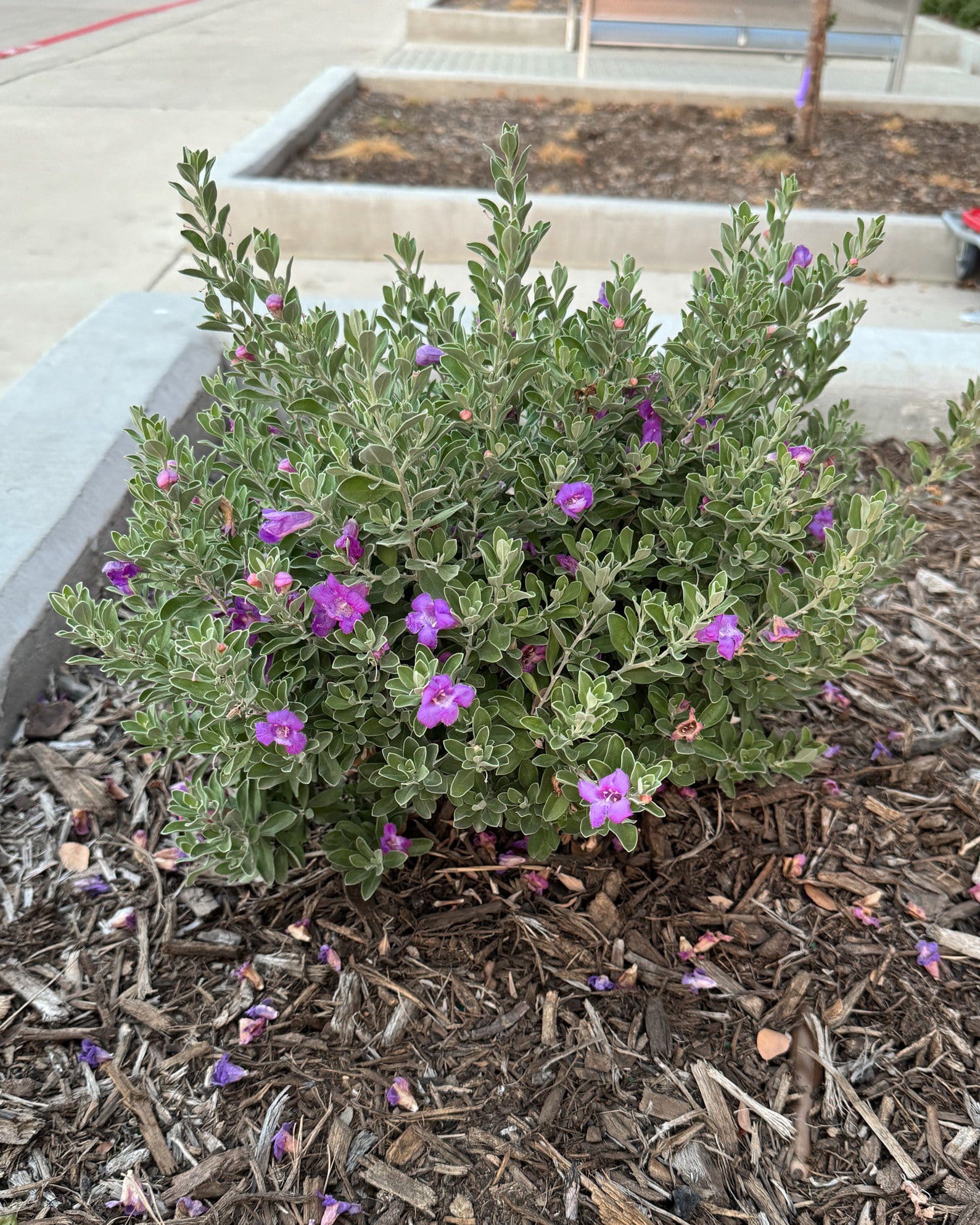
Compacta Texas Sage
Maturity: 3' H x 3' W
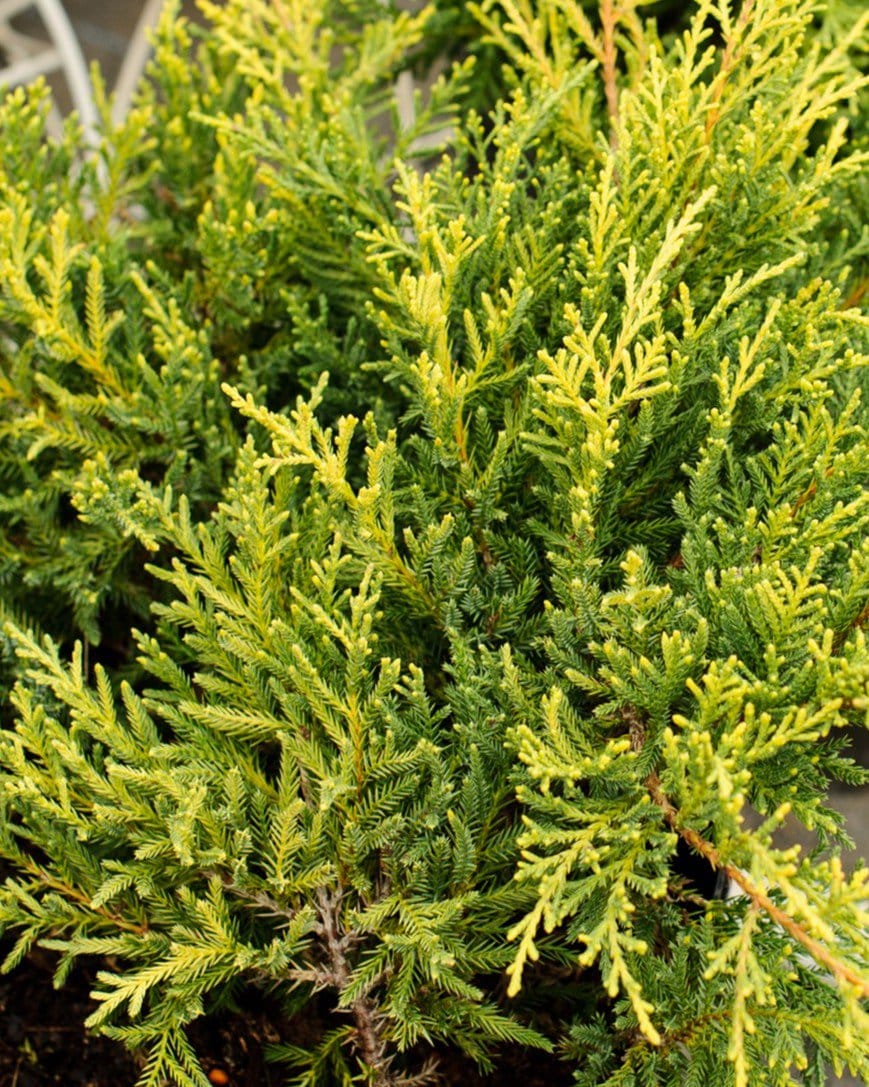
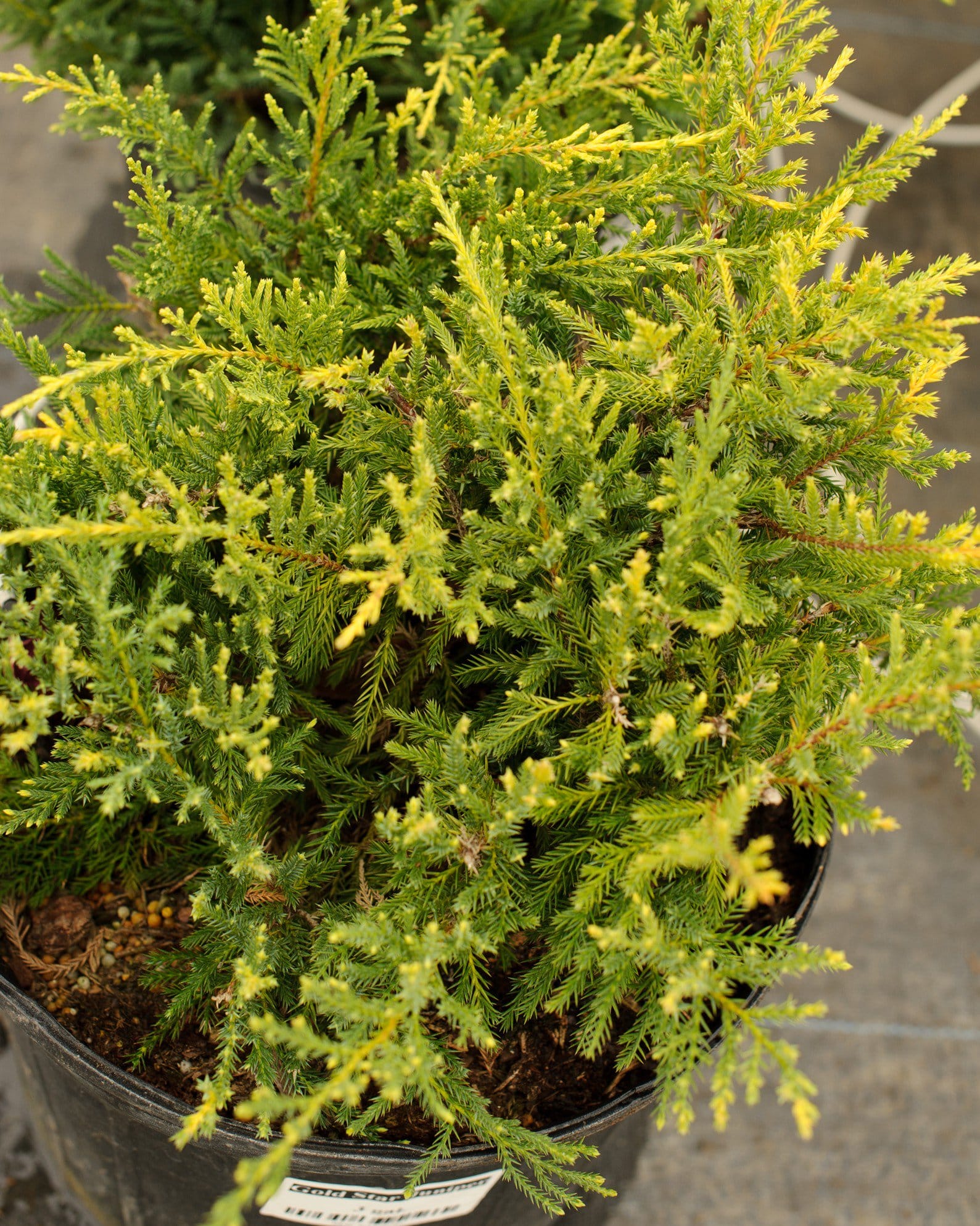
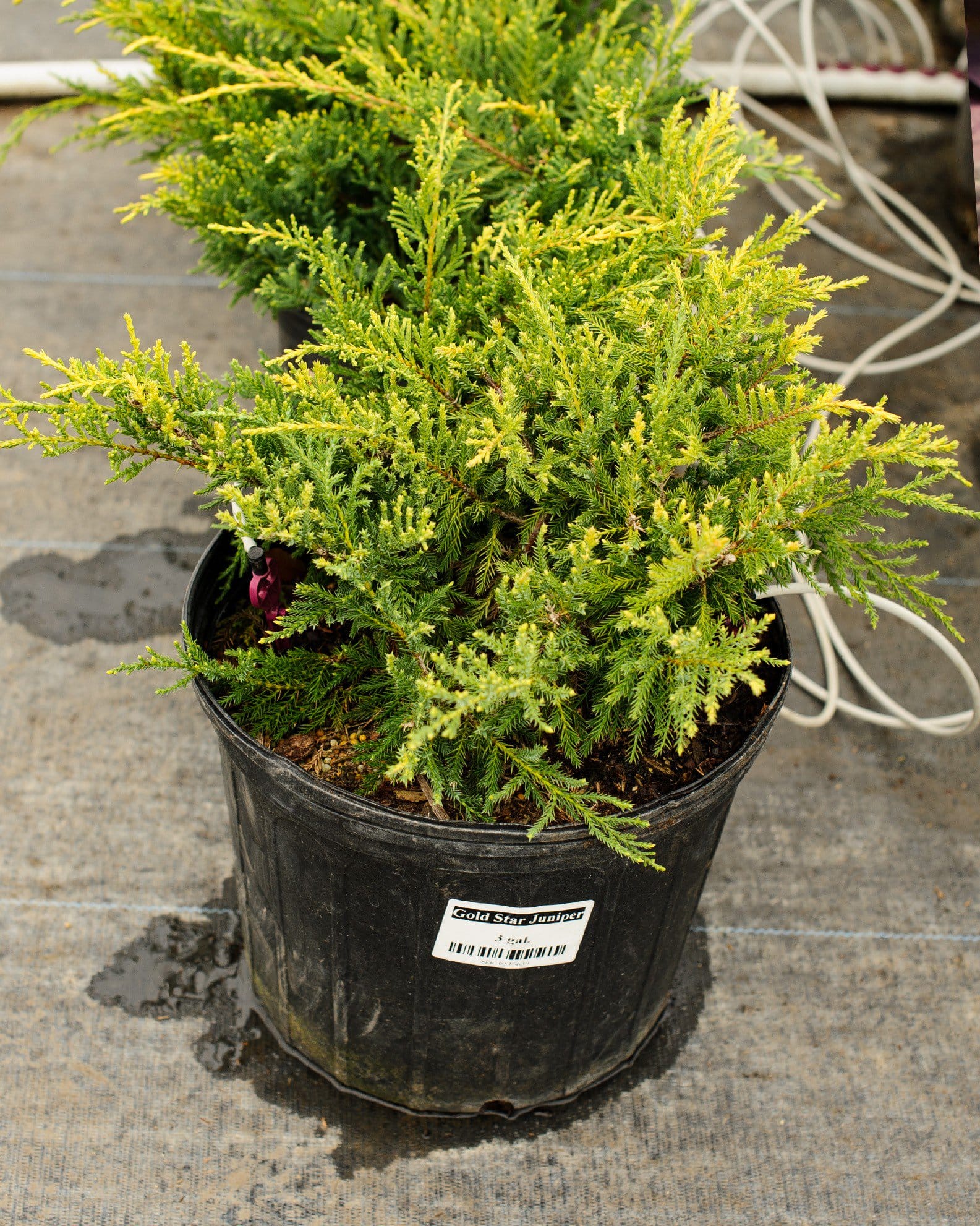
Gold Star Juniper
Maturity: 3' H x 4' W
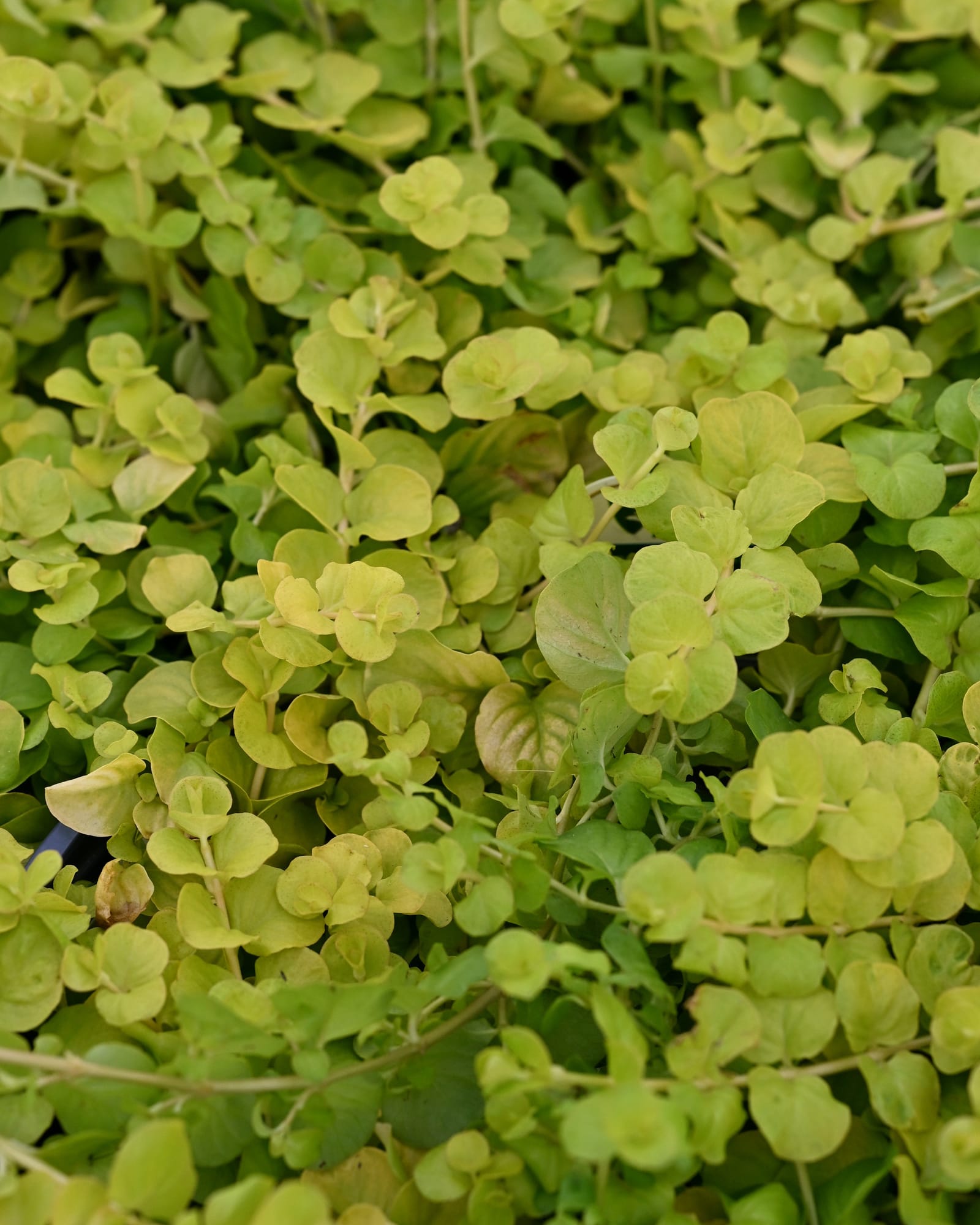
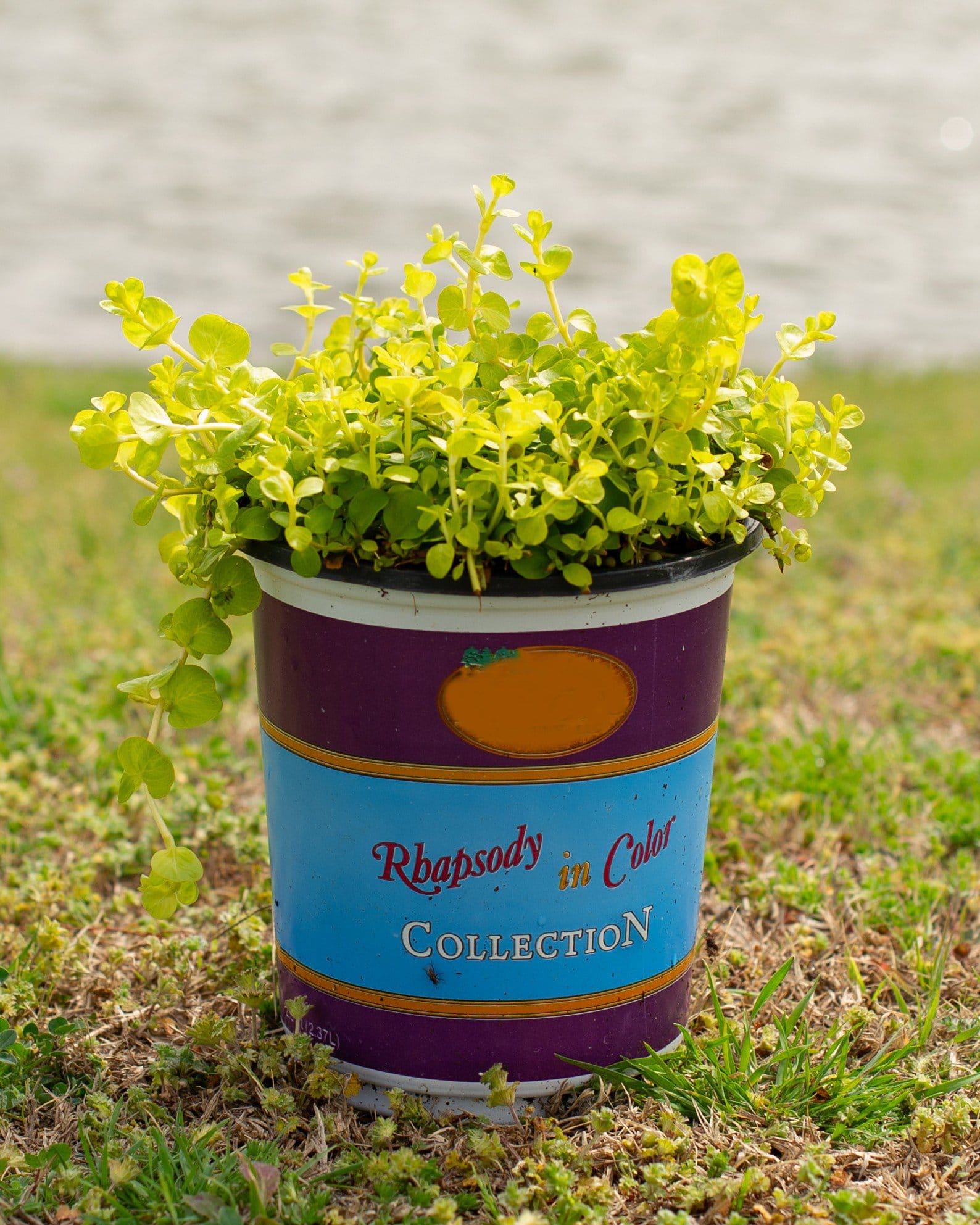
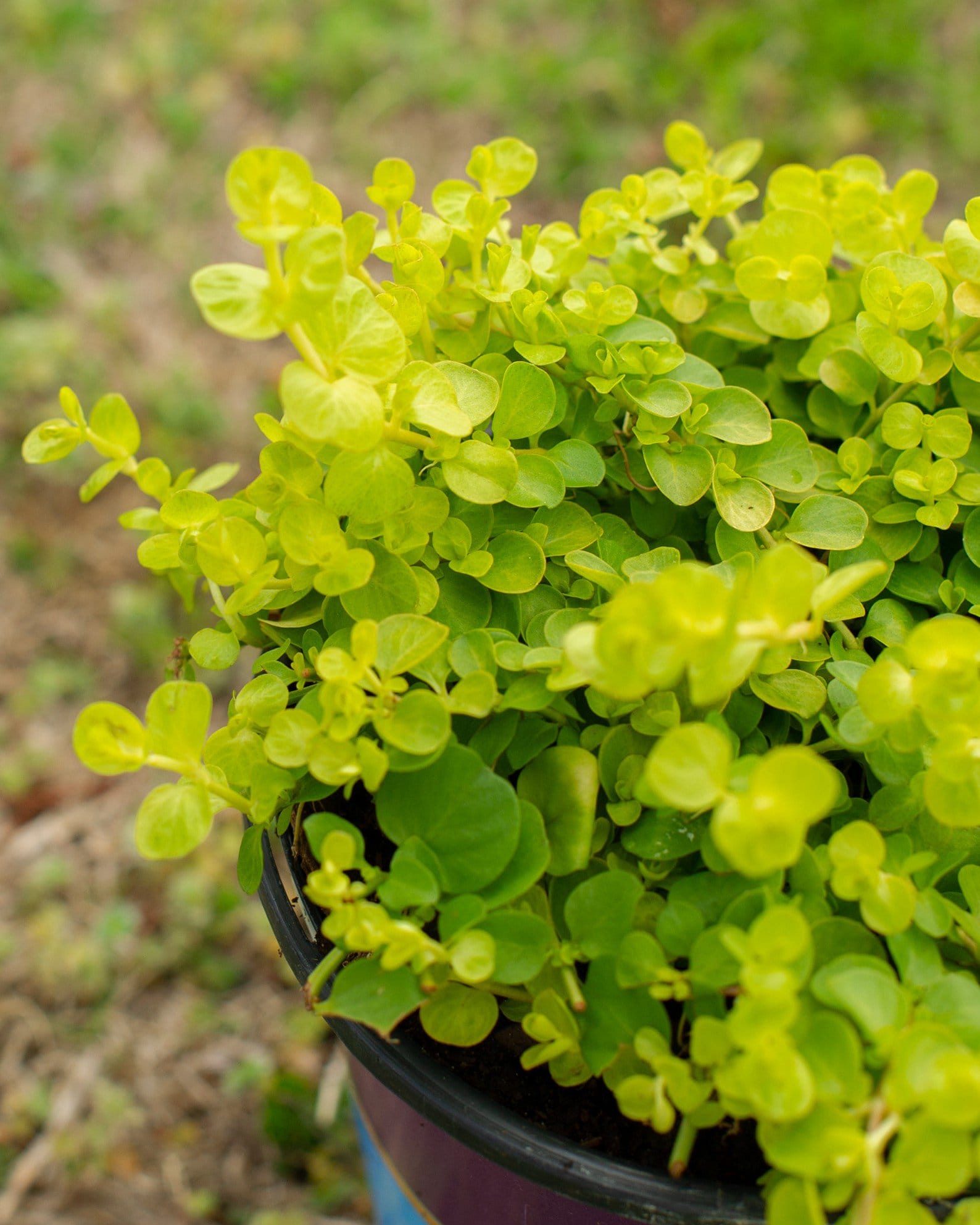
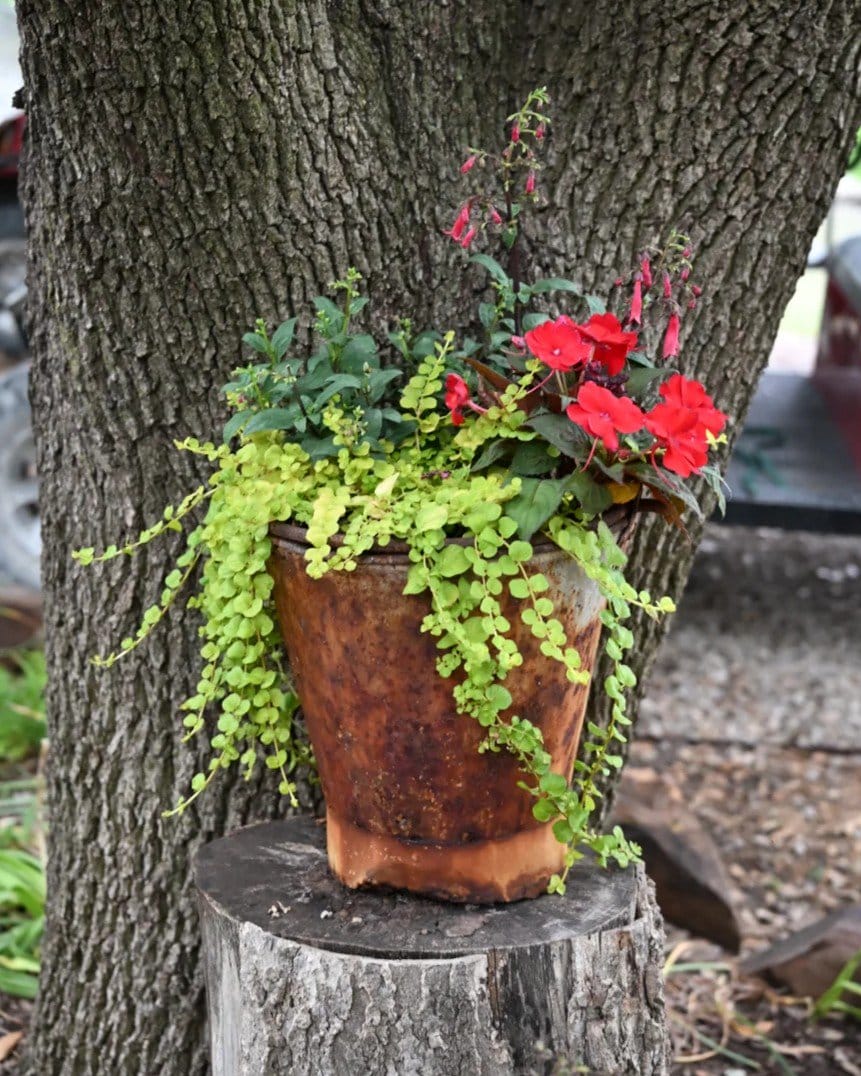
Goldilocks Creeping Jenny
Maturity: 2' H x 1' W
Compare Similar Plants
Green Mound Juniper This plant | ||
|---|---|---|
| Scientific Name | Juniperus procumbens ‘Green Mound’ | Juniperus conferta ‘Blue Pacific’ |
| Size at Maturity | 1' H x 10' W | 1' H x 3' W |
| Leaf Retention | Evergreen | Evergreen |
| Sizes Available | 3 gal | 3 gal |


Our 1-Year Planting Guarantee
We take pride in our plants and installation services. If any plants or trees installed by Treeland fail to thrive within the first year, we'll provide a replacement credit in accordance with our guarantee program.
Learn More About Our Guarantee