
 Popular
 Texas Native
Blue Arrow Juniper
Juniperus scopulorum 'Blue Arrow'Local DFW Delivery Only
Product Details
Blue Arrow Juniper
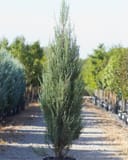
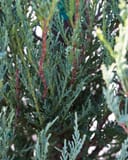
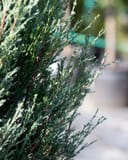
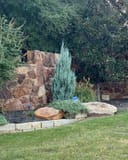
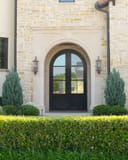
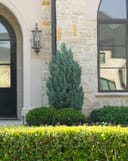
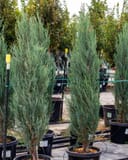
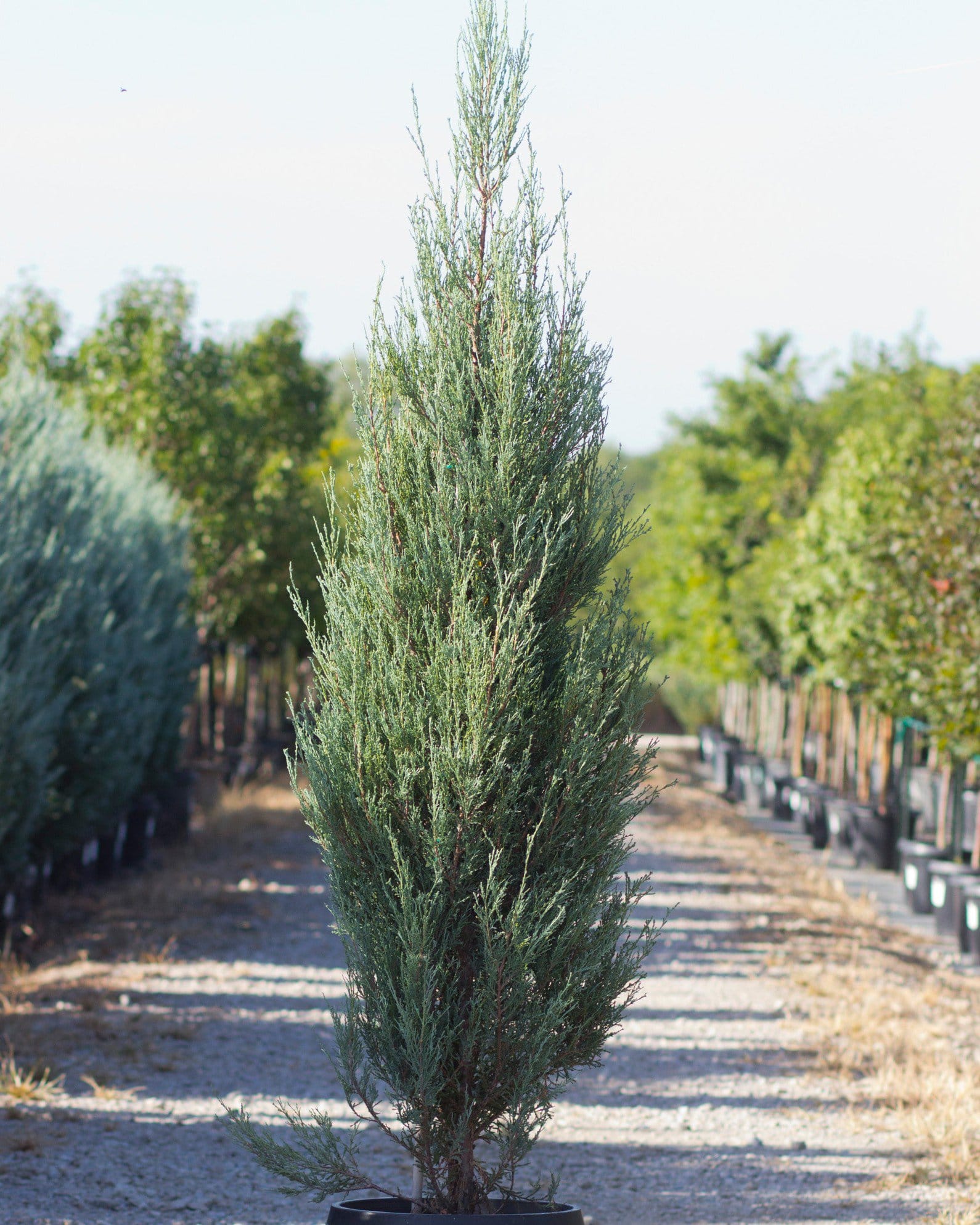
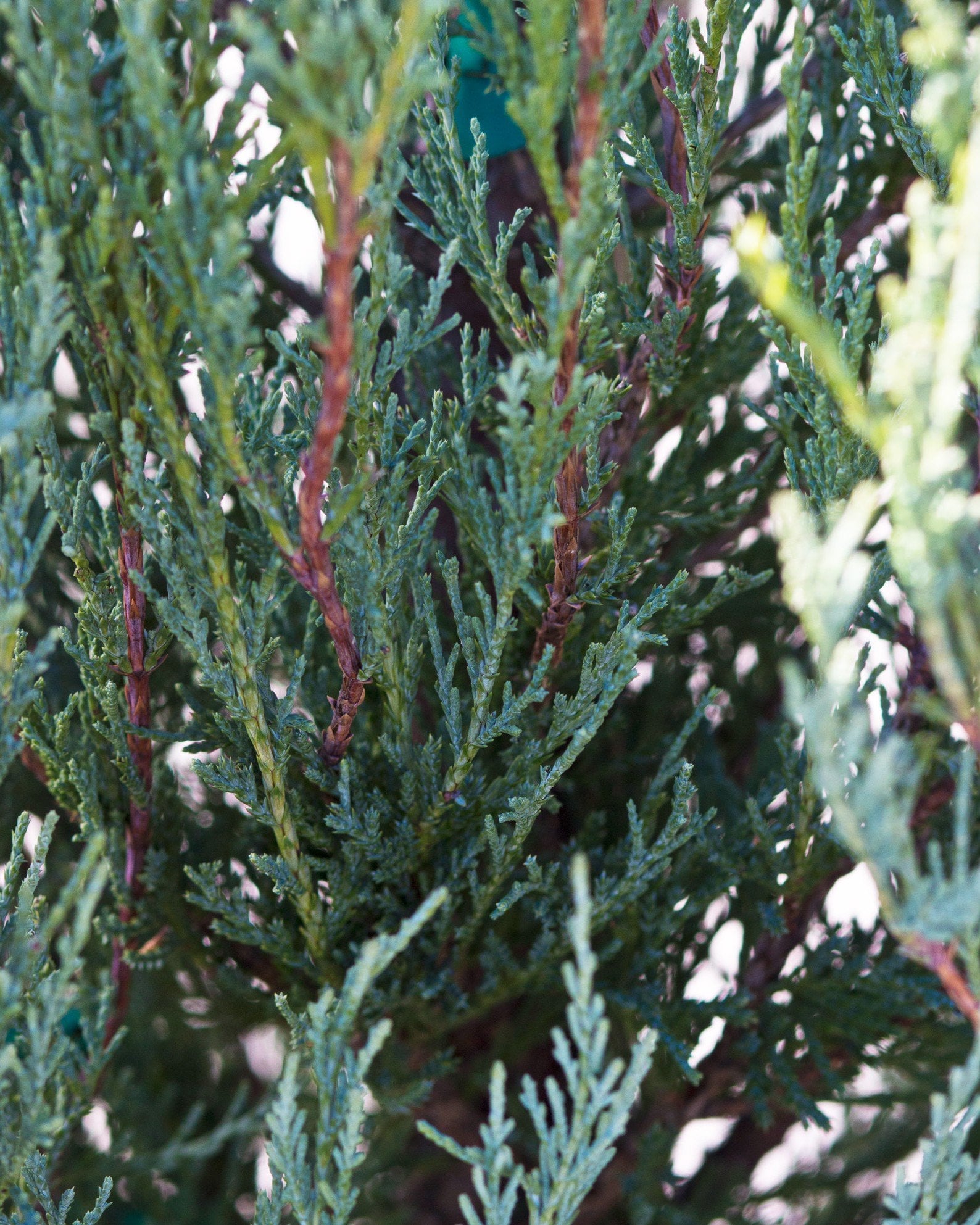
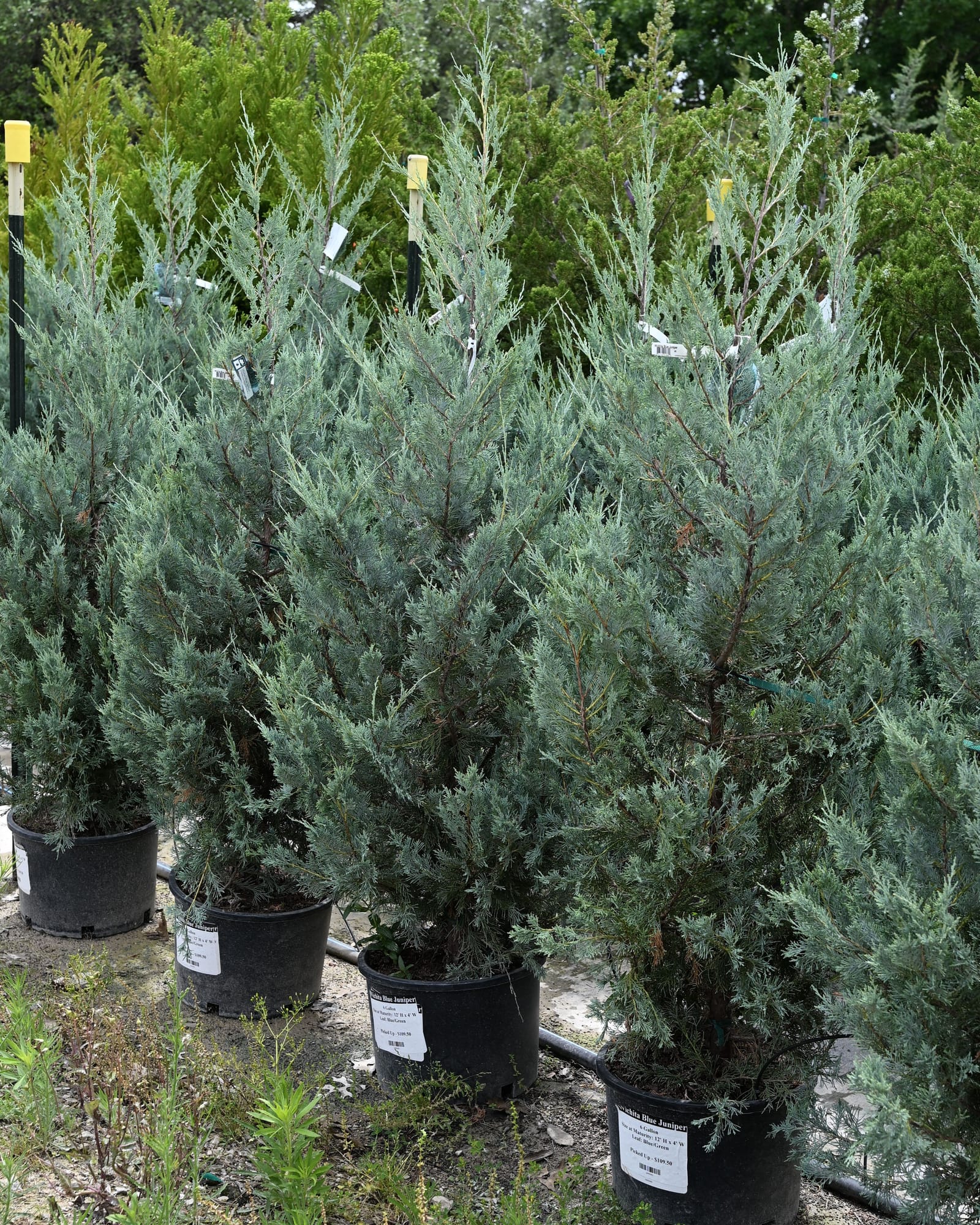
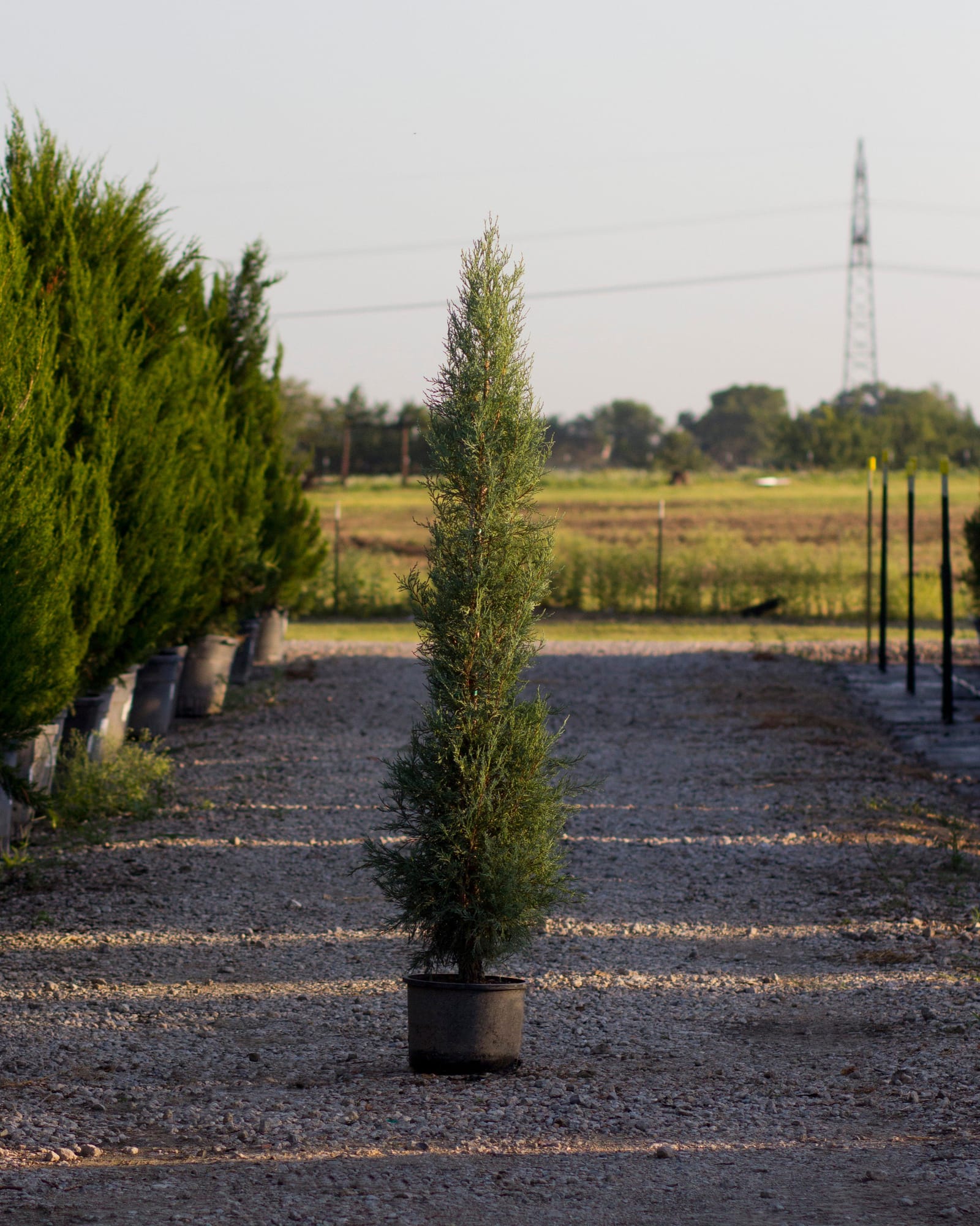
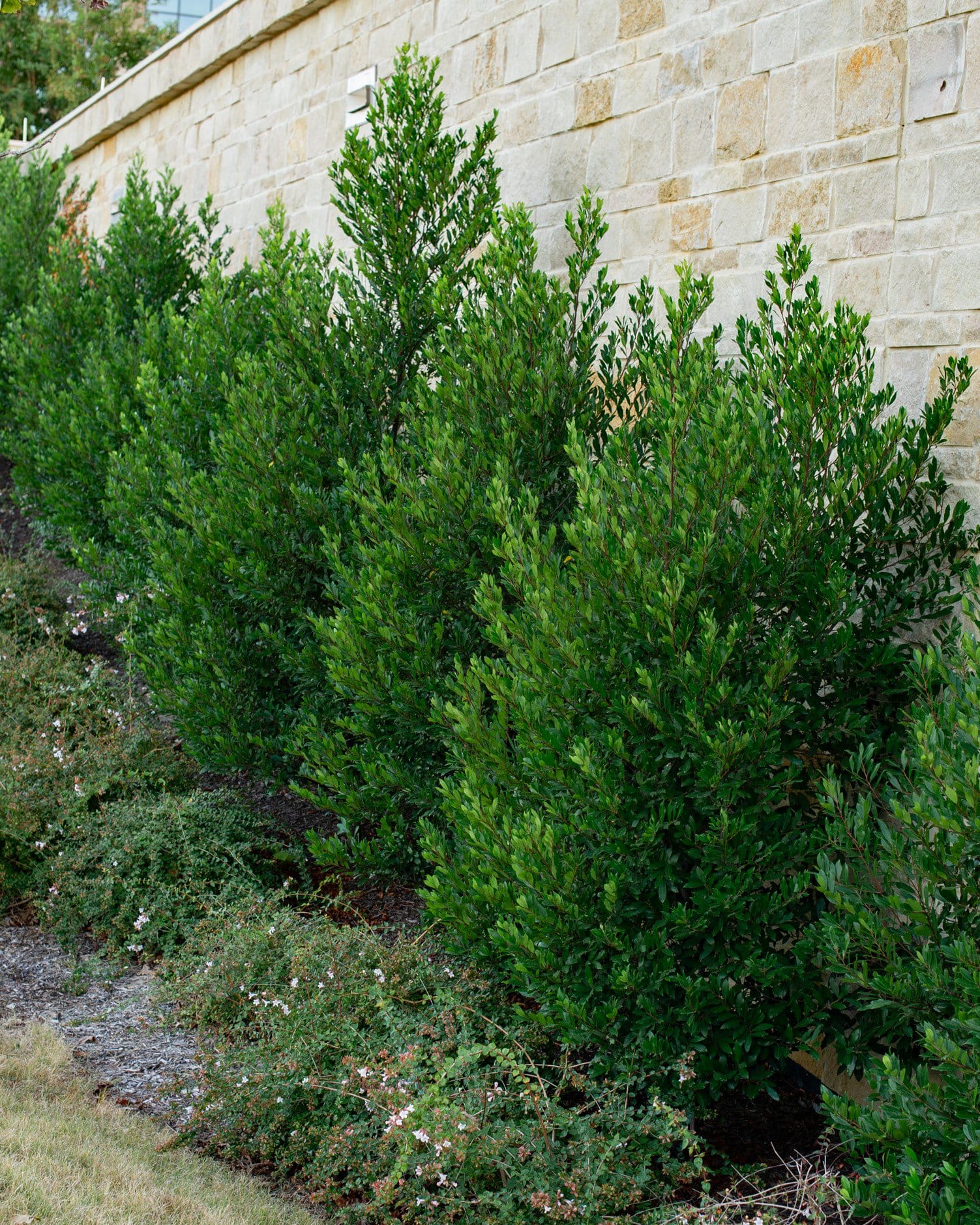
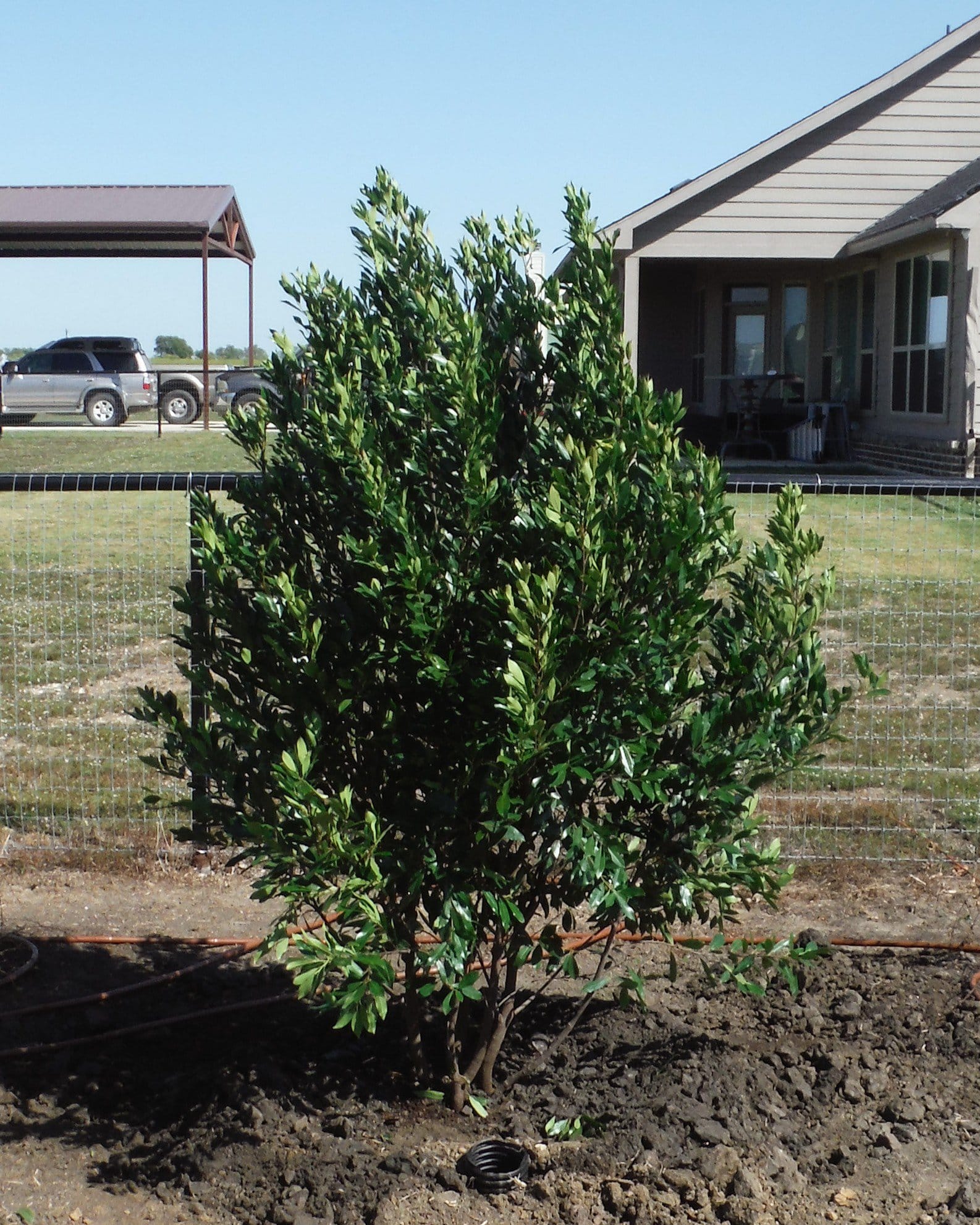
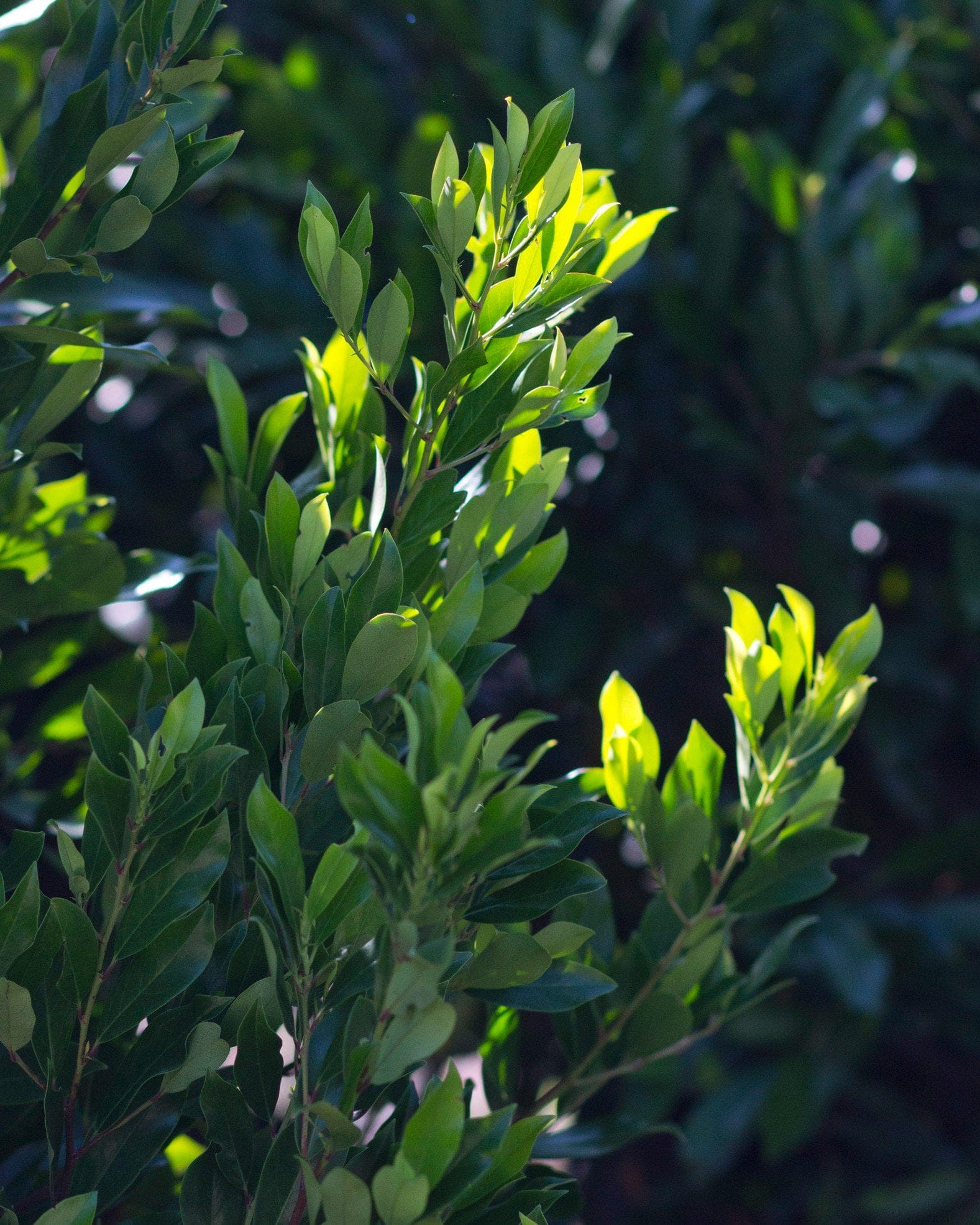
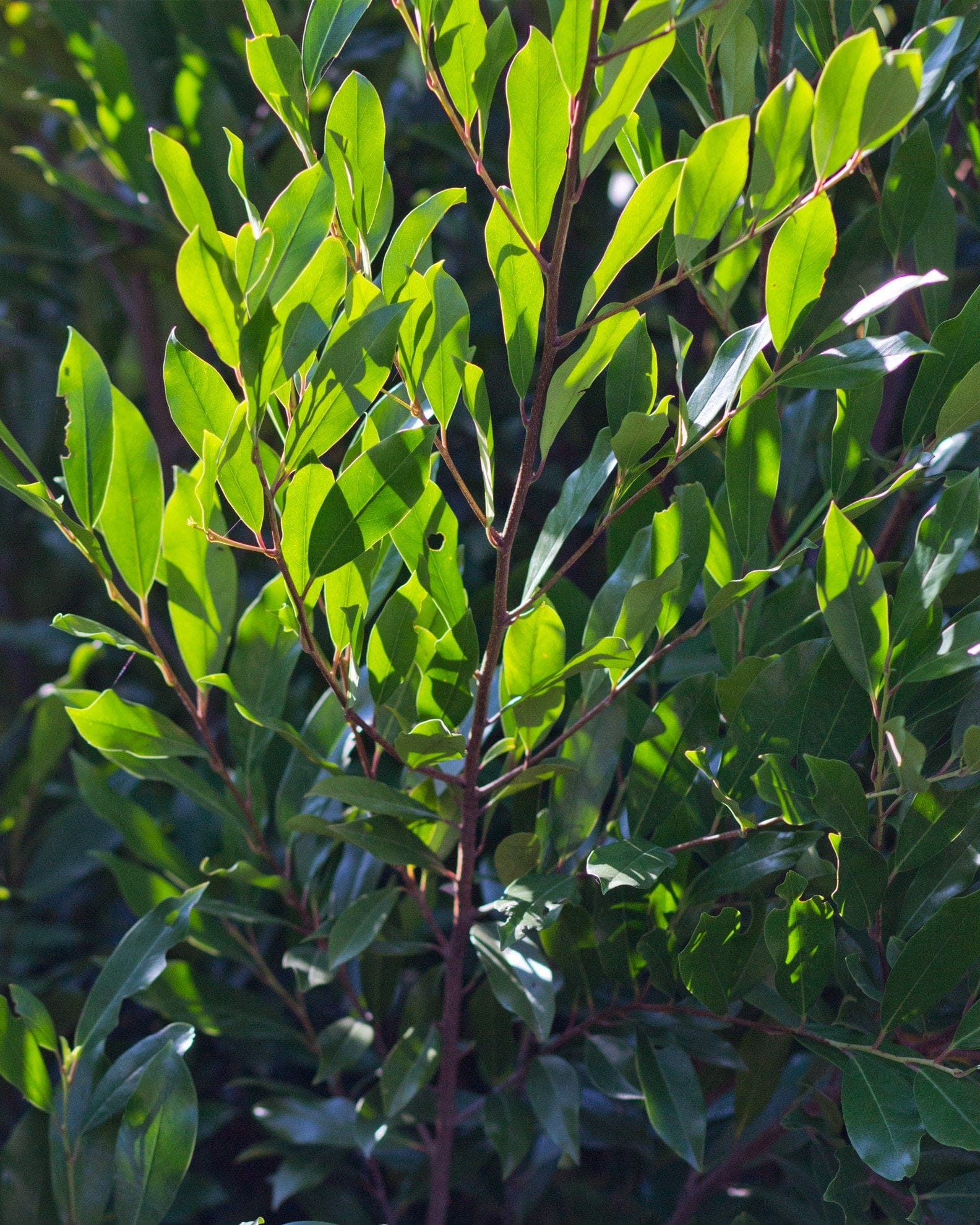
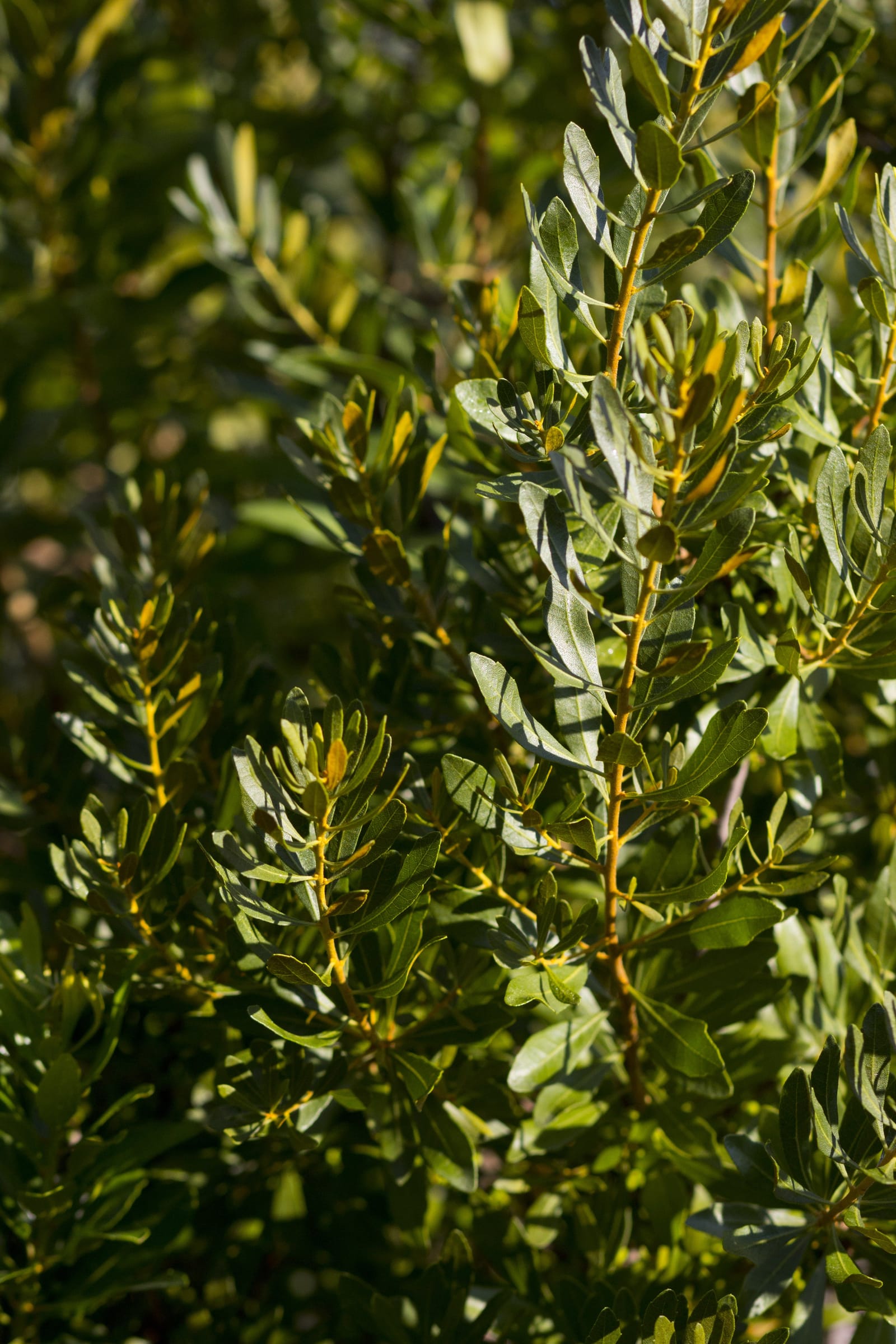
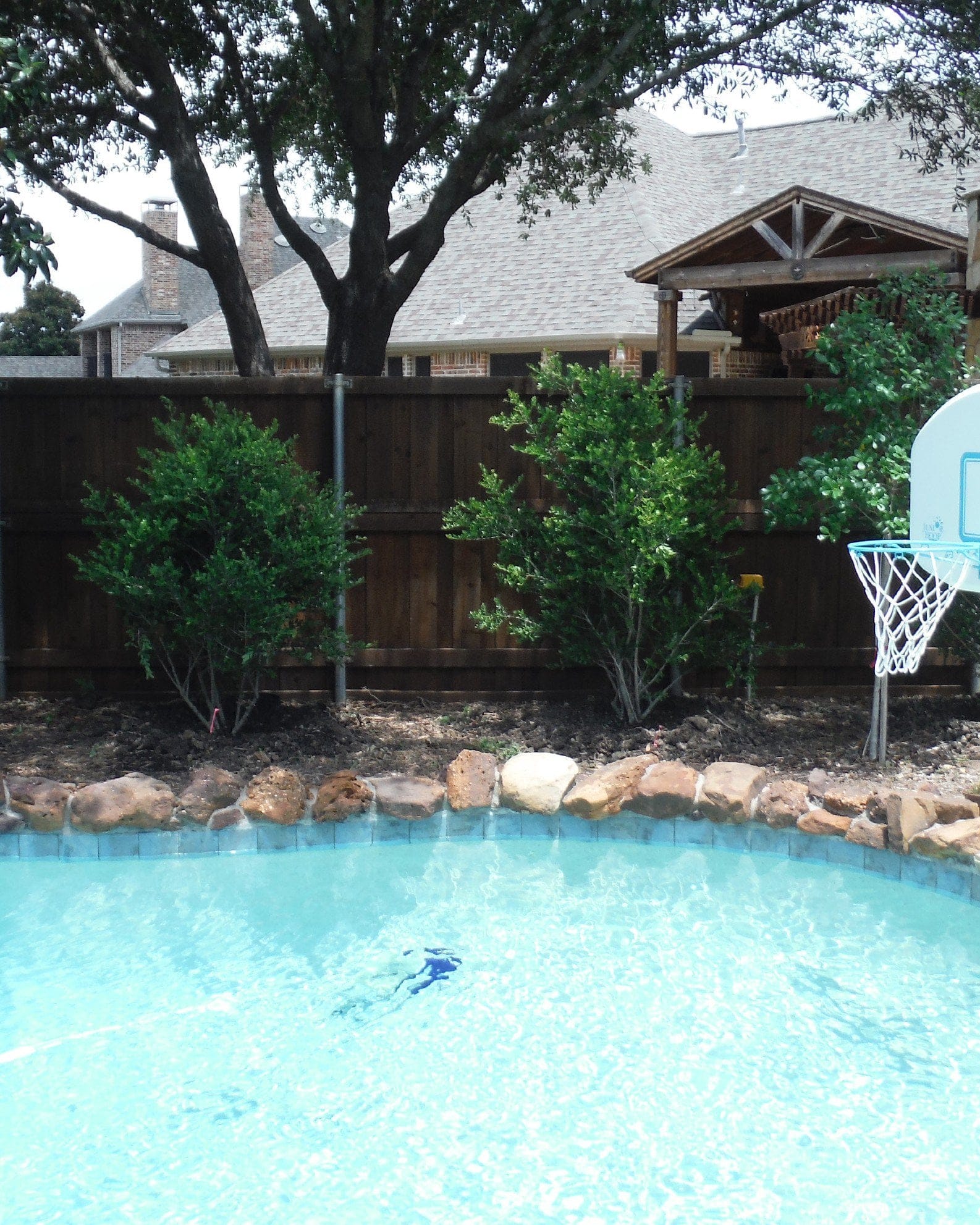
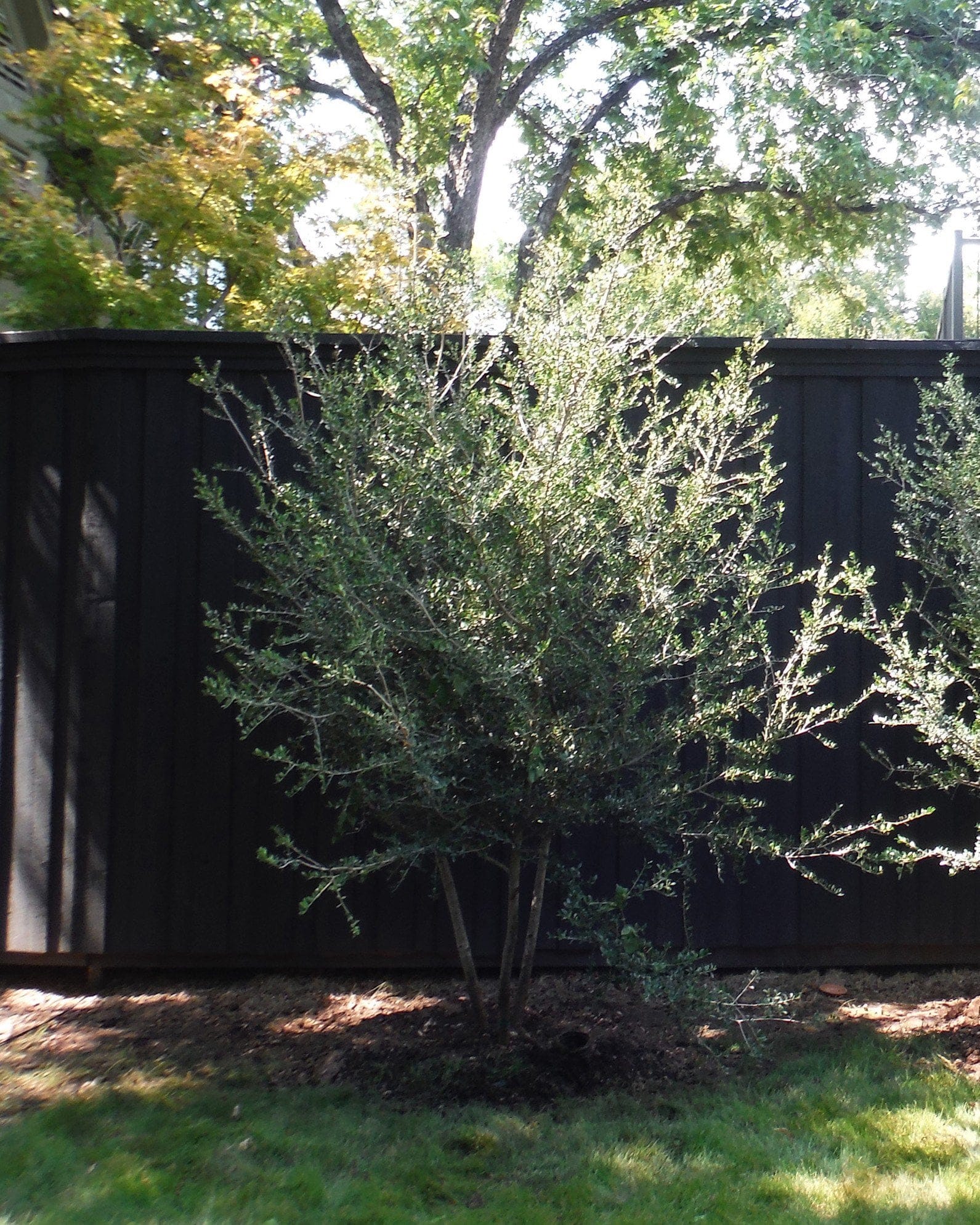
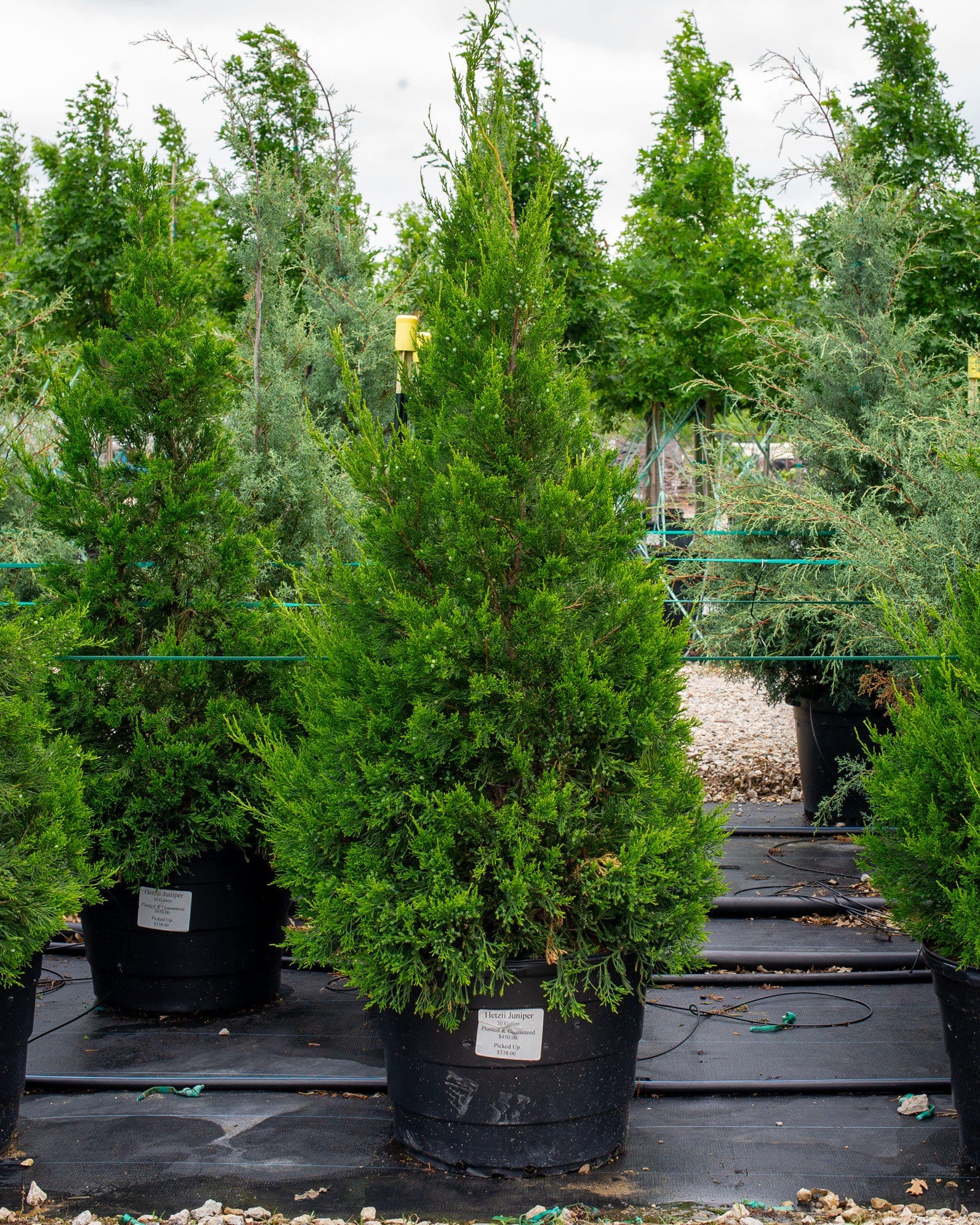
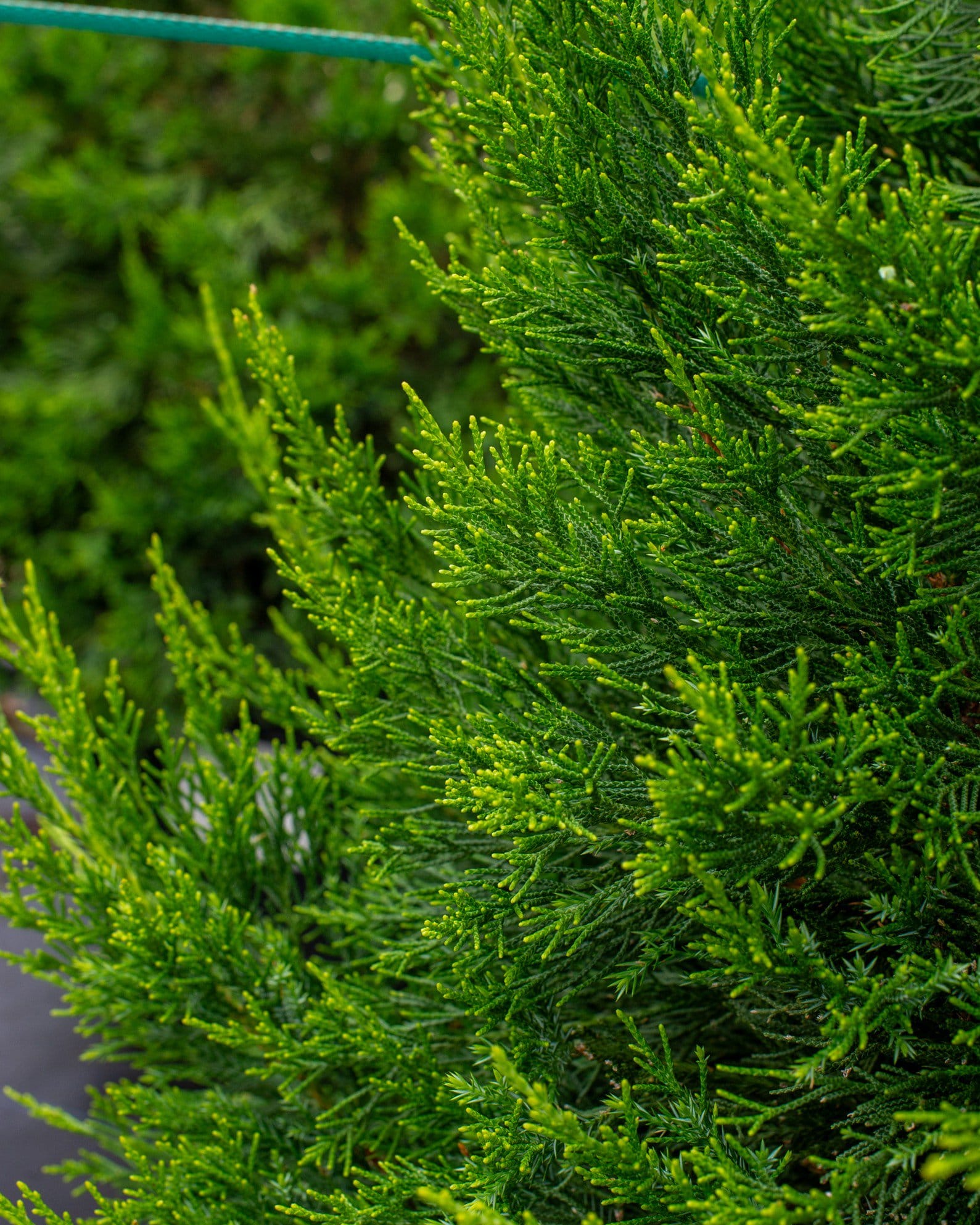
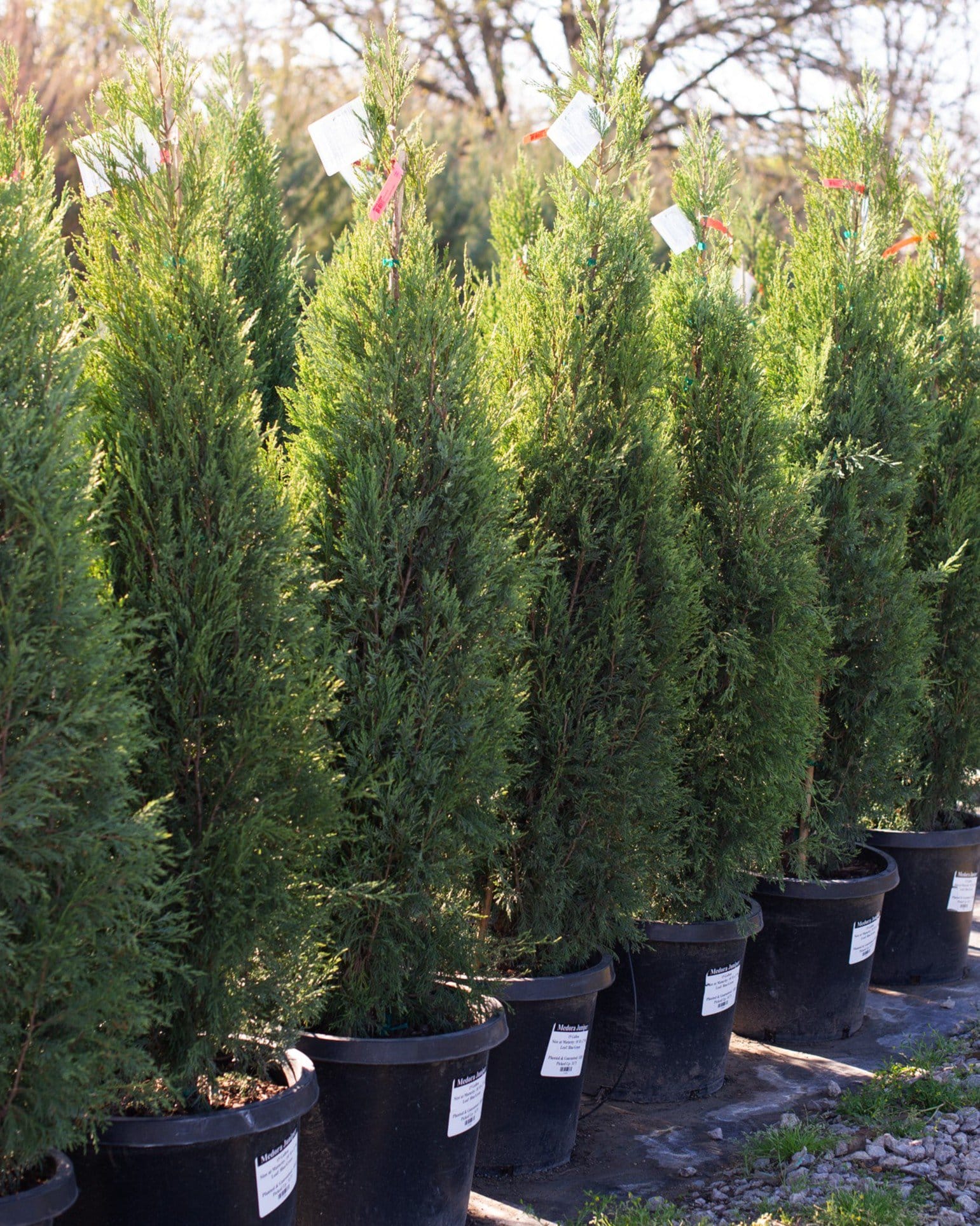
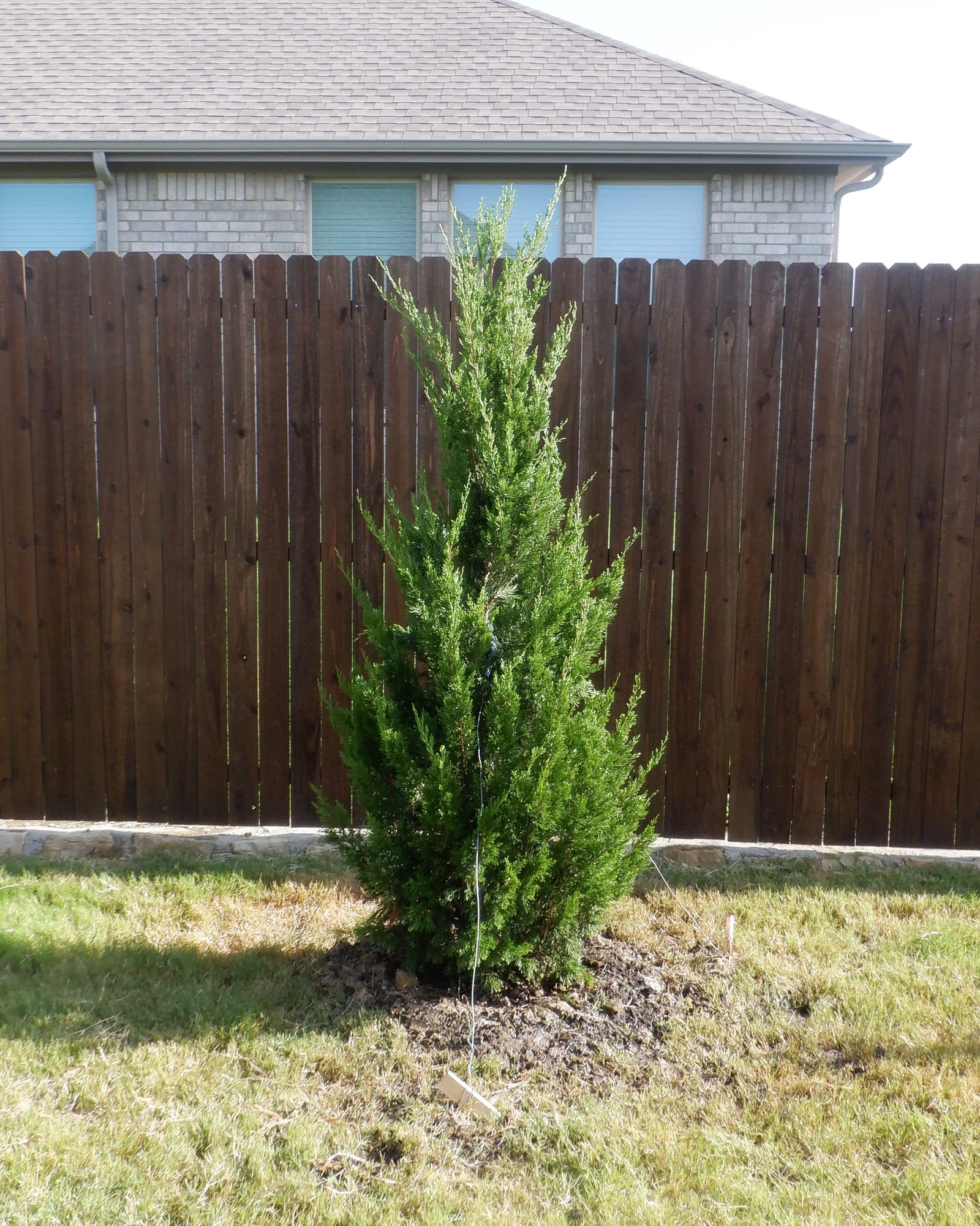
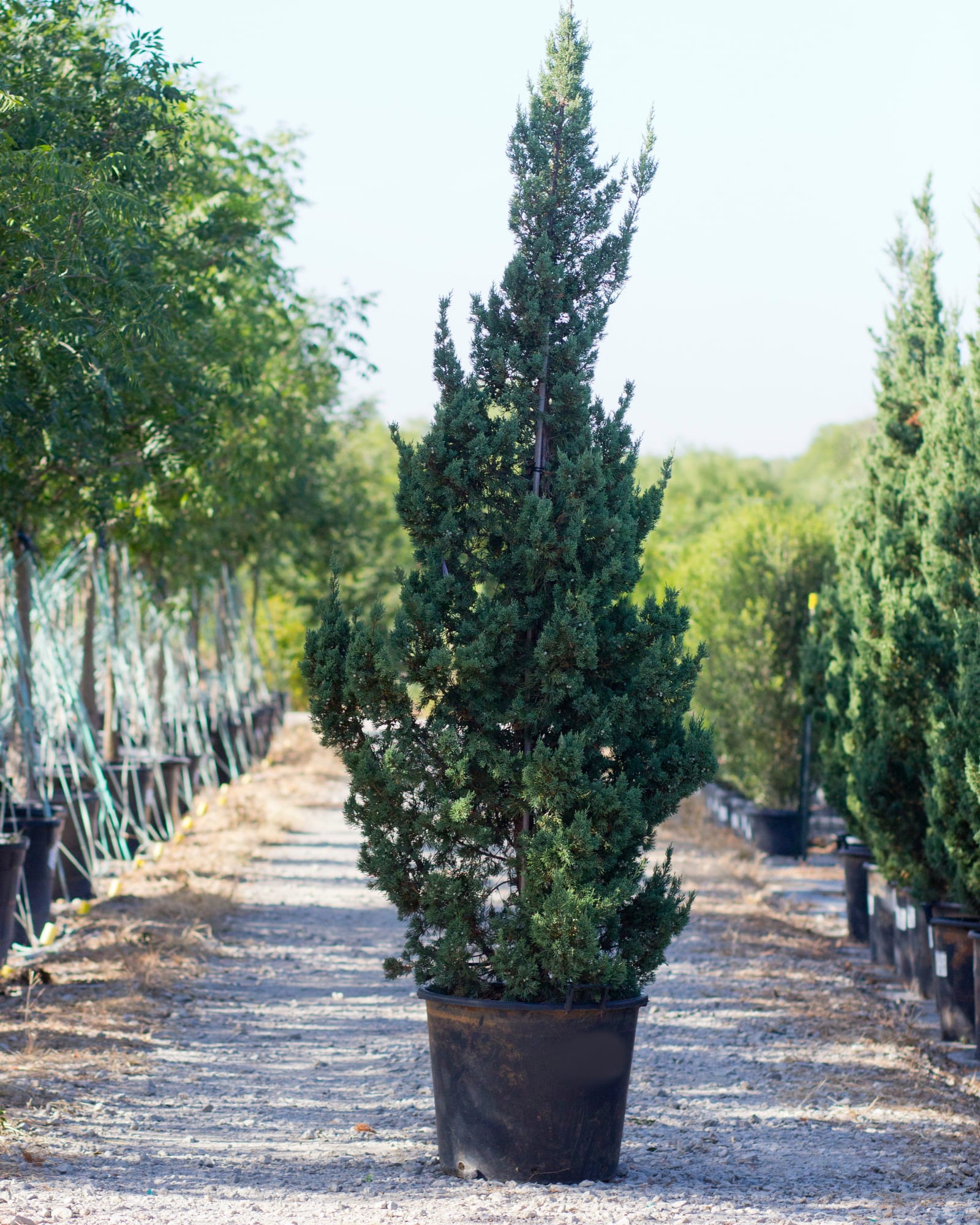
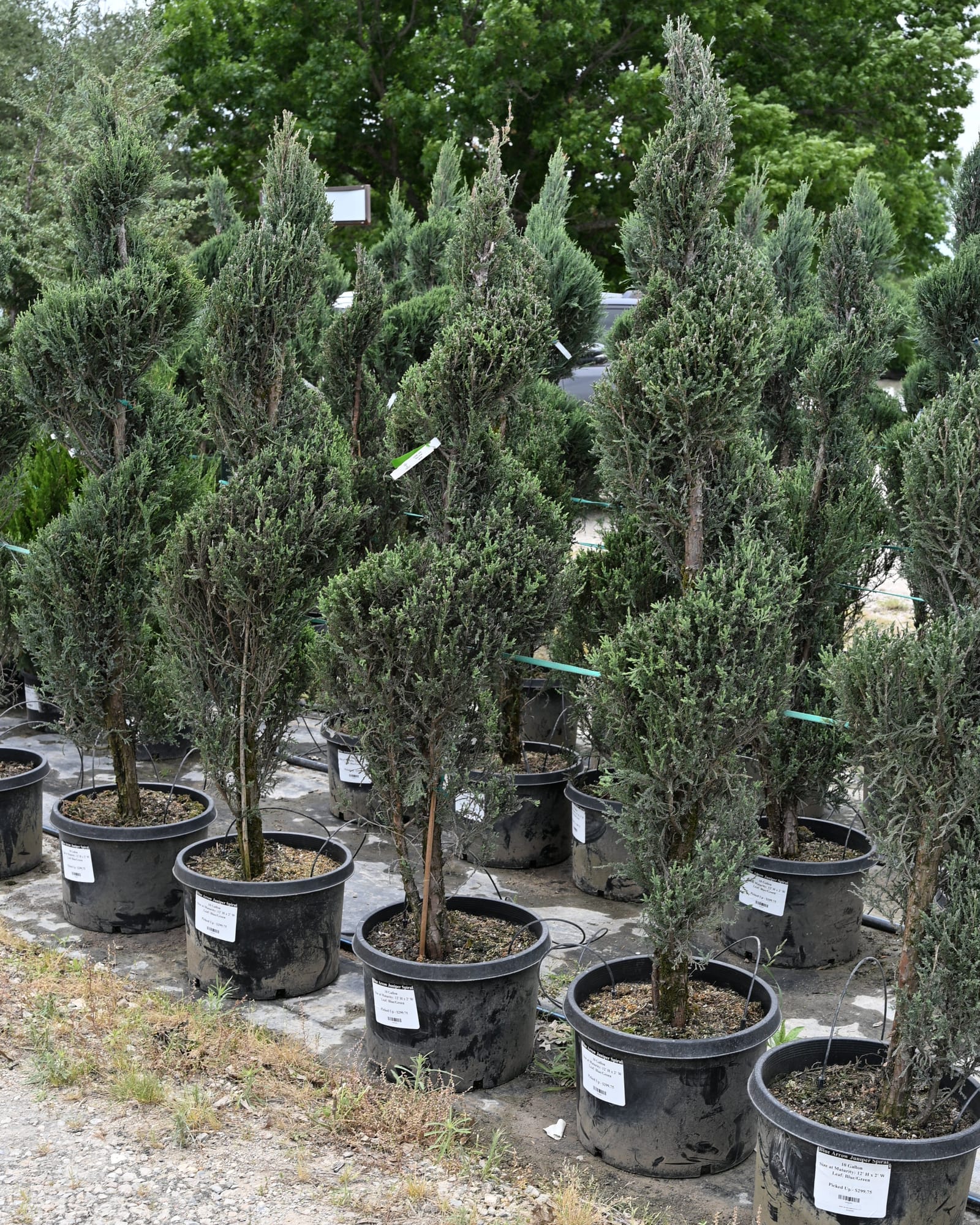
Juniperus scopulorum 'Blue Arrow'Blue Arrow Juniper is a sleek, architectural evergreen prized for its dramatic blue color and slender, upright growth. Its fine-textured, needle-like foliage holds a silvery-blue hue year-round, creating a bold contrast against other greenery in the landscape. It grows 12 feet in height and only 2 feet in width, making it a favorite for planting in rows as a modern screen or flanking entryways.
- Evergreen tree
- Moderate growth rate
- Intense blue foliage that holds color through all seasons
- Naturally columnar shape
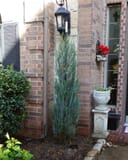
- Excellent for narrow spaces, privacy screens, or accents
Plant in full sun with well-drained soil. Hardy in USDA zones 4 through 9, Blue Arrow Juniper is a go-to for those seeking clean lines, bold color, and effortless sophistication in the landscape. It’s also stunning as a single specimen in small beds or urban courtyards where space is limited but style is not.
Blue Arrow Juniper is one of the most elegant, low-maintenance evergreens out there. Here’s what it takes for it to grow beautifully:
- Watering: Water regularly during the first growing season to establish a strong root system. Once established, Blue Arrow is highly drought-tolerant and only needs deep watering during extended dry spells. Avoid overwatering, as this species dislikes soggy soil.
- Pruning: Pruning is rarely needed due to its naturally tidy form. If shaping is desired, lightly trim stray or damaged branches in late winter or early spring before new growth appears. Avoid cutting into old wood, as junipers don’t regenerate from bare stems.
- Fertilizing: Feed in early spring with a balanced slow-release fertilizer if growth seems sluggish or foliage appears dull. Otherwise, mature junipers typically thrive without regular feeding.
- Mulching: Apply a 2-3 inch layer of mulch around the base to conserve soil moisture, regulate temperature, and suppress weeds. Keep mulch at least 4-6 inches away from the trunk to prevent rot.
- Sunlight: Full sun is essential. At least 6 hours of direct sunlight daily helps maintain its tight shape and rich blue color.
- Winter care: Ensure your Blue Arrow Juniper is watered deeply before the ground freezes to protect it.
Common Issues and How to Take Care of Them
Blue Arrow Juniper is tough and disease-resistant, but it can run into a few issues if conditions aren’t ideal:
- Phomopsis tip blight: A fungal disease that causes browning at the shoot tips. Prune off infected parts and improve air circulation. Use fungicide in severe cases.
- Bagworms: Caterpillars that form protective cases and feed on foliage. Remove them by hand or apply Bacillus thuringiensis early in the season.
- Spider mites: Tiny pests that thrive in hot, dry conditions. Look for fine webbing and faded needles. Treat with insecticidal soap or horticultural oil if needed.
- Canker: Fungal infections cause cankers to form at the base of branches or at the junction of live and dead wood.
- Root rot: Caused by overwatering or poorly drained soil. Ensure the site drains well before planting.
- Rust diseases: Rare but can cause orange spores on needles. Remove affected branches and avoid planting near apple or hawthorn trees (which share the same fungal hosts).
Good airflow, full sun, and proper watering are key to keeping this upright juniper pristine and vibrant all year long.
The Blue Arrow Juniper is considered a better version of Skyrocket, it has more intense color and a tighter shape, making it ideal for tight spaces. It's also considered an improvement because its short branches are more resistant to snow damage.
It grows at a moderate rate, adding around 1-2 feet of height per year under ideal conditions. On average, it takes 10-20 years to reach maturity.
This juniper does well with plants that attract pollinators but deter pests, something like lavender and coneflowers would do beautifully.
Absolutely. Once established, it thrives with minimal water and tolerates heat and dry soil very well.
Well-drained soil is a must. It tolerates sandy, rocky, or even poor soils, as long as they don’t stay wet.
Yes, its narrow shape makes it perfect for tight spaces. Just leave about 2-3 feet from walls or fences for airflow and maintenance.
No, it naturally maintains its slender form. Only trim dead or out-of-place branches to keep it neat.
Yes, Blue Arrow does well in large containers with good drainage, adding vertical interest to patios or entrances.
Yes, deer typically avoid it due to its aromatic foliage and dense texture.
With proper care, it can live 50 years or more, staying tall, slim, and beautifully blue the entire time.
When it comes to spacing there is no right or wrong answer. We prefer to give trees the most amount of separation possible and aesthetically this leads to a prettier looking tree at maturity because they develop naturally wider, fuller and more symmetrical canopies. As far as the tree's health is concerned it will not be affected by how closely it is planted to another tree but the shape of the canopy will become taller and thinner and begin to overlap, which will create a continuous hedge. If privacy is not of an immediate concern and we are just looking to diffuse the view then we could plant the trees where they barely touch at maturity.
For example, we could plant Blue Arrow 2' apart (their mature width is 2') and at maturity their canopies would barely touch or we could space them even further apart than 2' which would leave a gap between the trees. Most of us don't have the luxury of planting trees this far apart and waiting 10-15 years for them to grow together and get privacy. For people that need more immediate privacy then the question to answer is "how long do you want to wait before you have a solid privacy screen?" Most answers that we get to this question will either be immediate or they are willing to wait between 2-4 years before they get solid coverage. Again, there is no right or wrong answer to this question and it is solely dependent upon how quickly the privacy is needed. For example, if a customer is looking for immediate coverage and they are planting Blue Arrow, then we need to find out how wide the trees are that are being purchased and then plant them that far apart. If we find Blue Arrow that are 1' wide then we would need to plant them 1' apart from trunk to trunk which allows for the branches to touch immediately at the time of planting. If we are looking for coverage in 3-4 years then the spacing would be dependent upon how quickly the trees grown per year in width and what size tree the customer decides to start with. Let's look at the previous example of Blue Arrow that is currently 1' wide. We know that they grow about 3 inches per year in terms of width so over 3 years they will be about 1.5’ wide and therefore we would space them 1.5’ apart (trunk to trunk) so that the trees would be touching in 3 years.
Special Features
You might also like
Compare Similar Plants
Blue Arrow Juniper This plant | ||
|---|---|---|
| Scientific Name | Juniperus scopulorum 'Blue Arrow' | Juniperus scopulorum 'Blue Arrow' |
| Size at Maturity | 12' H x 2' W | 12' H x 2' W |
| Leaf Retention | Evergreen | Evergreen |
| Sizes Available | 15 gal | 10 gal |


Our 1-Year Planting Guarantee
We take pride in our plants and installation services. If any plants or trees installed by Treeland fail to thrive within the first year, we'll provide a replacement credit in accordance with our guarantee program.
Learn More About Our Guarantee