
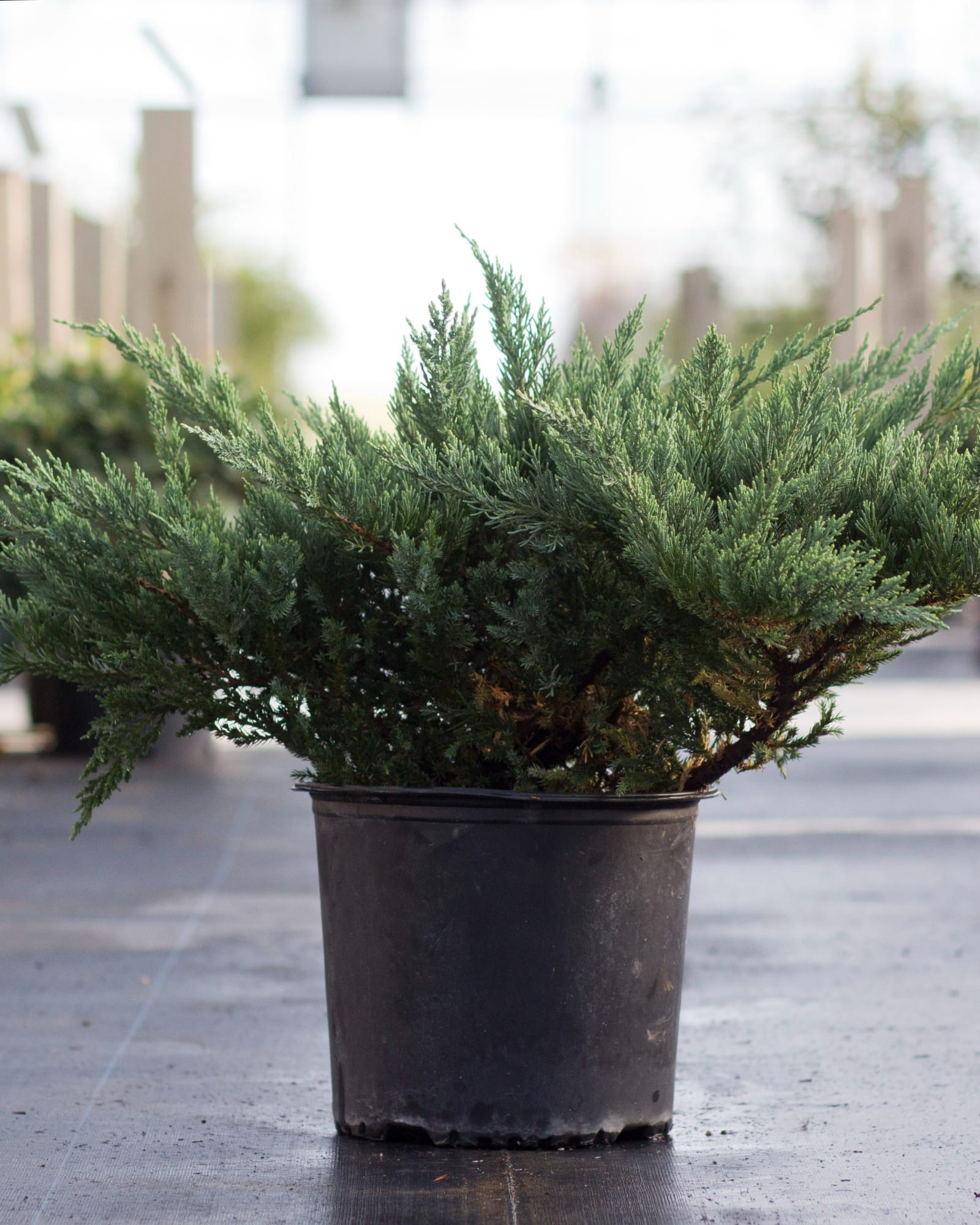
Parsoni Juniper
Juniperus chinensis 'Parsonii'Local DFW Delivery Only
Product Details
Parsoni Juniper
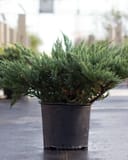
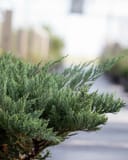
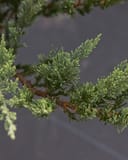
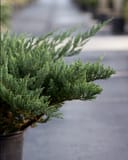
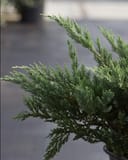
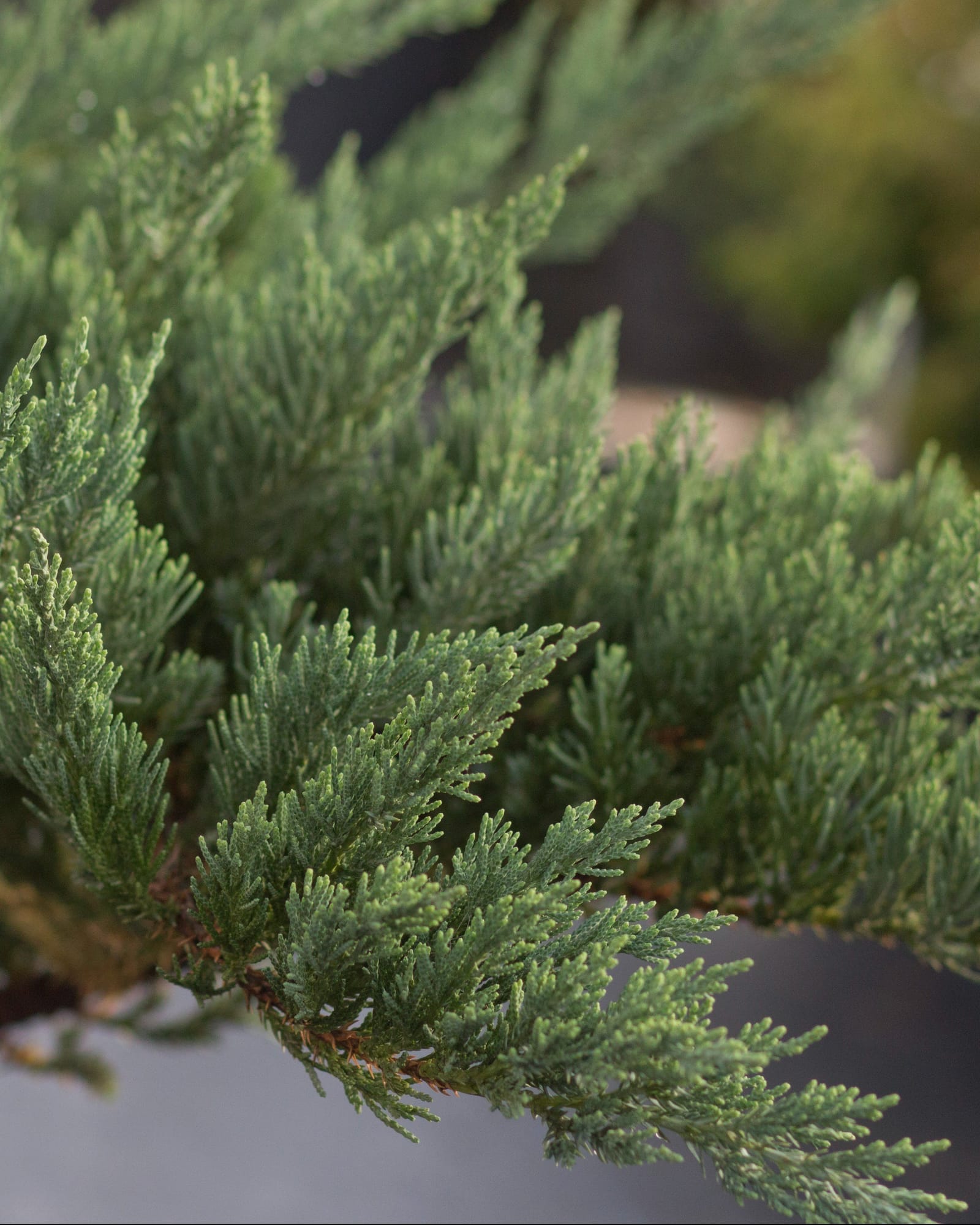
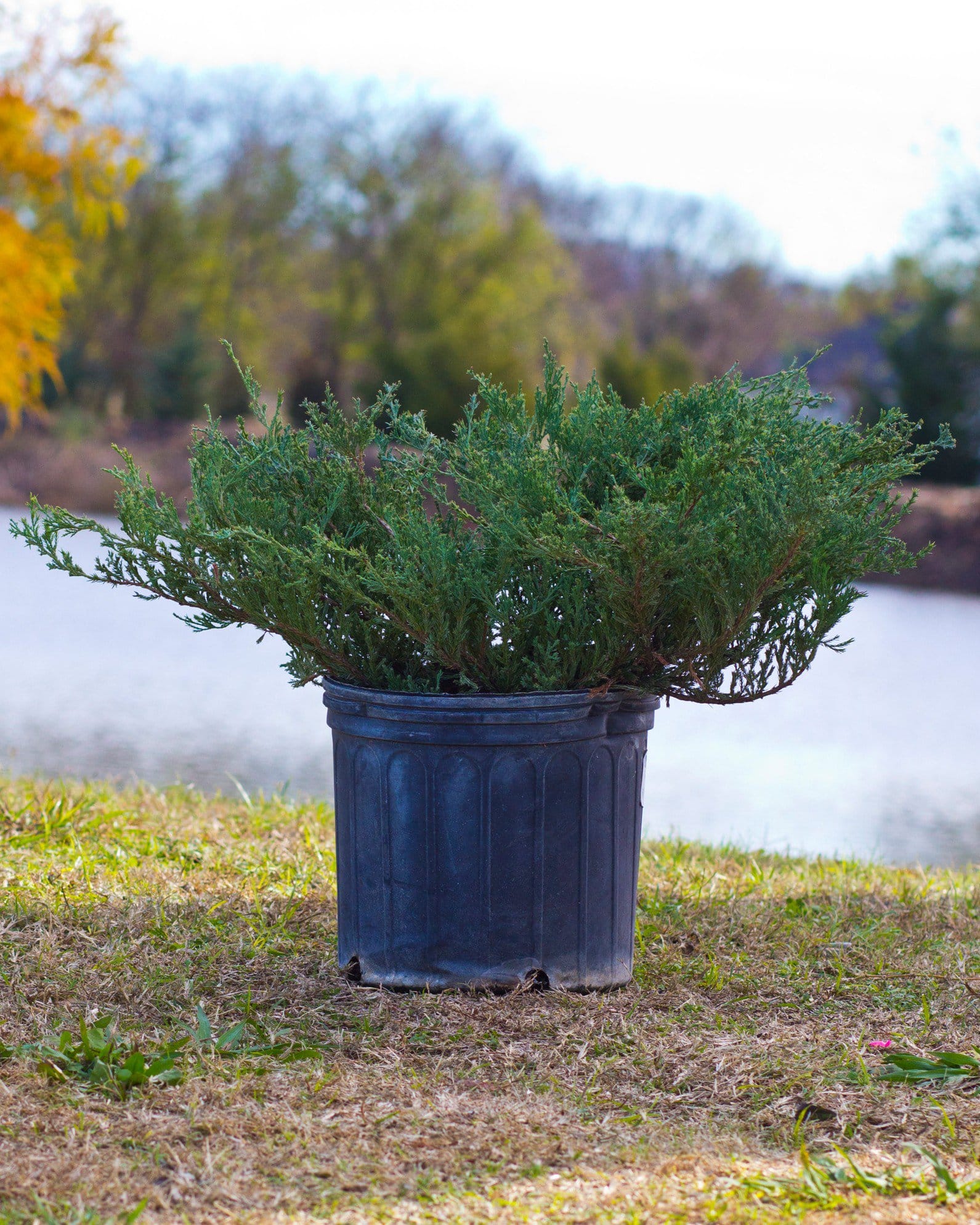
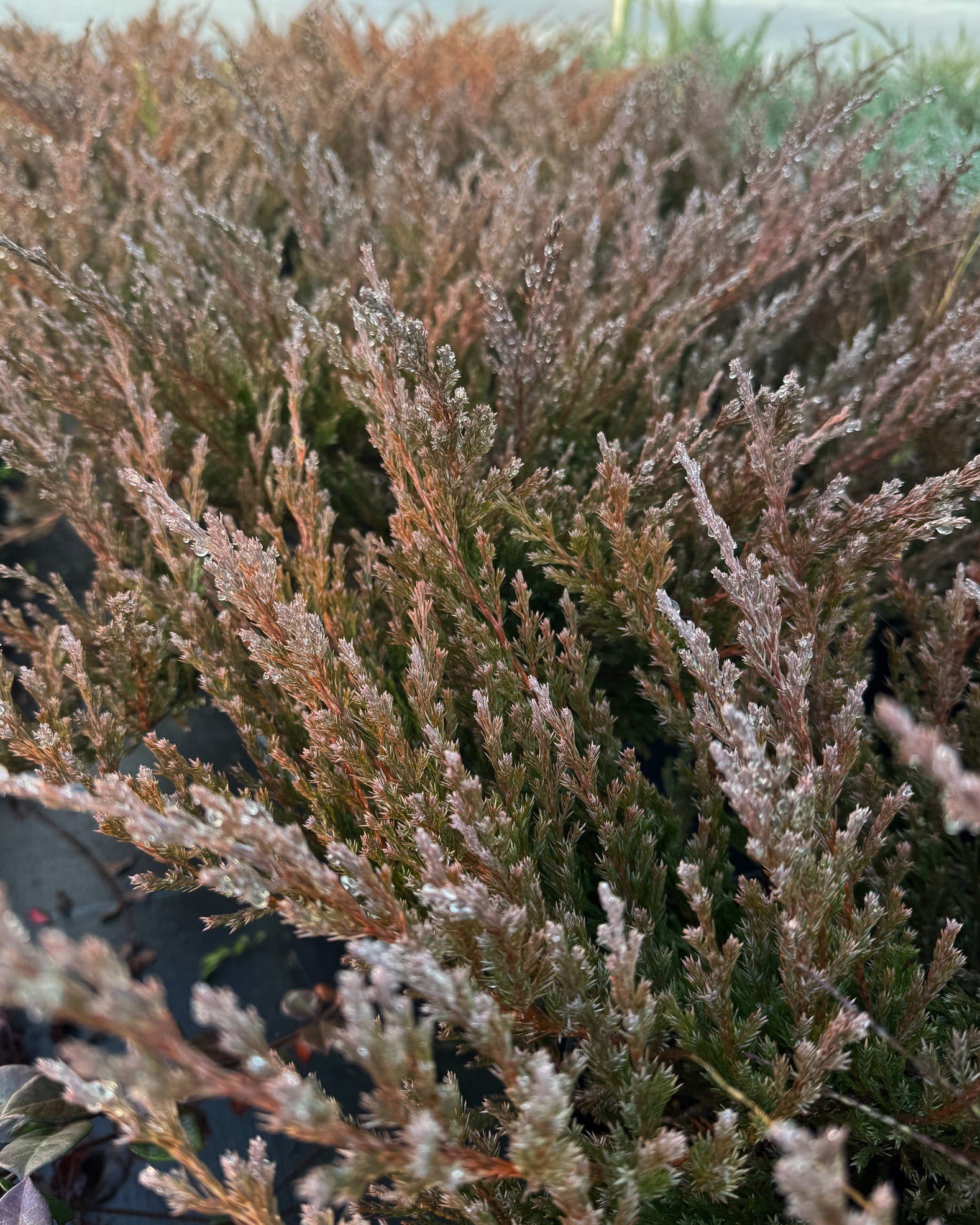
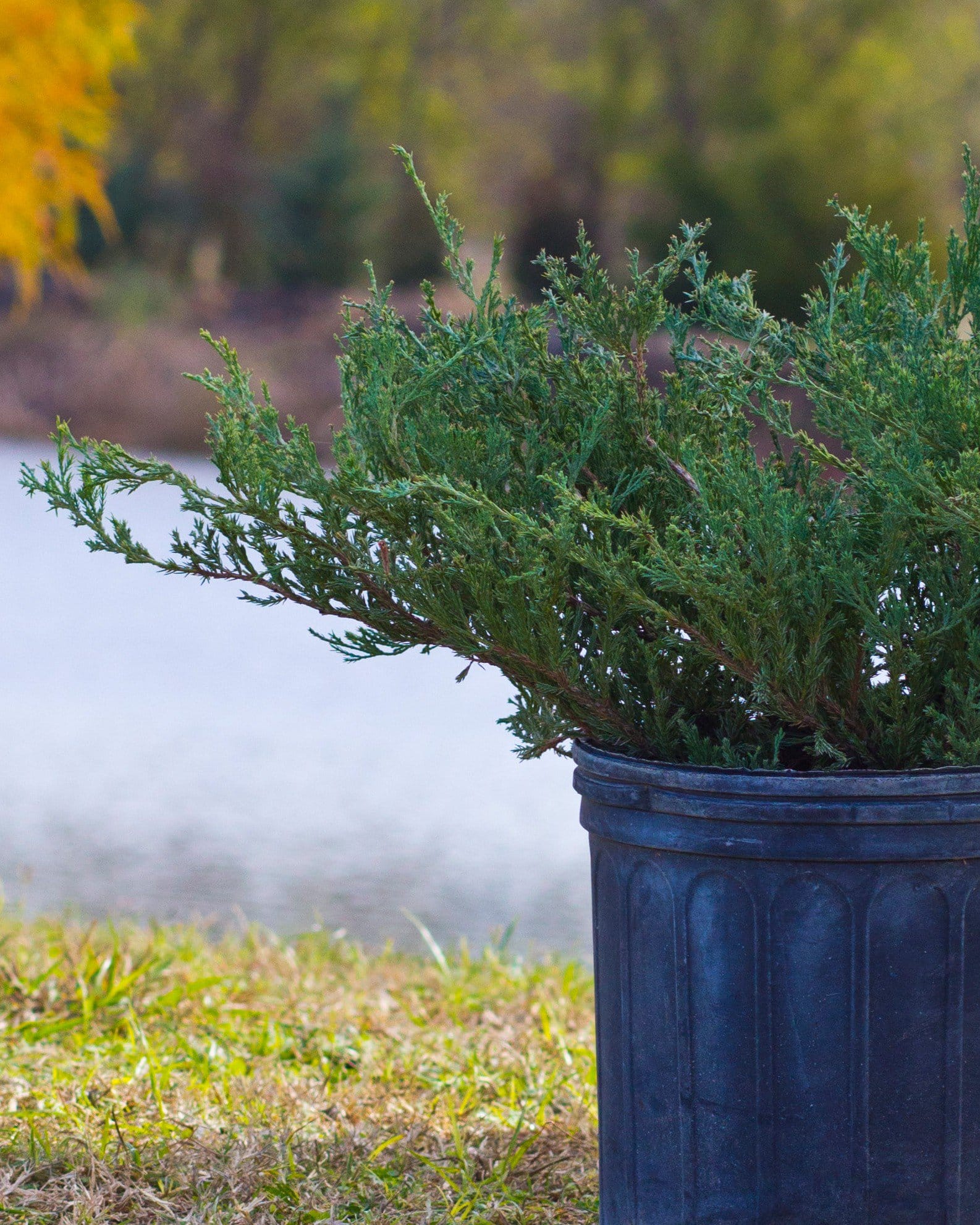
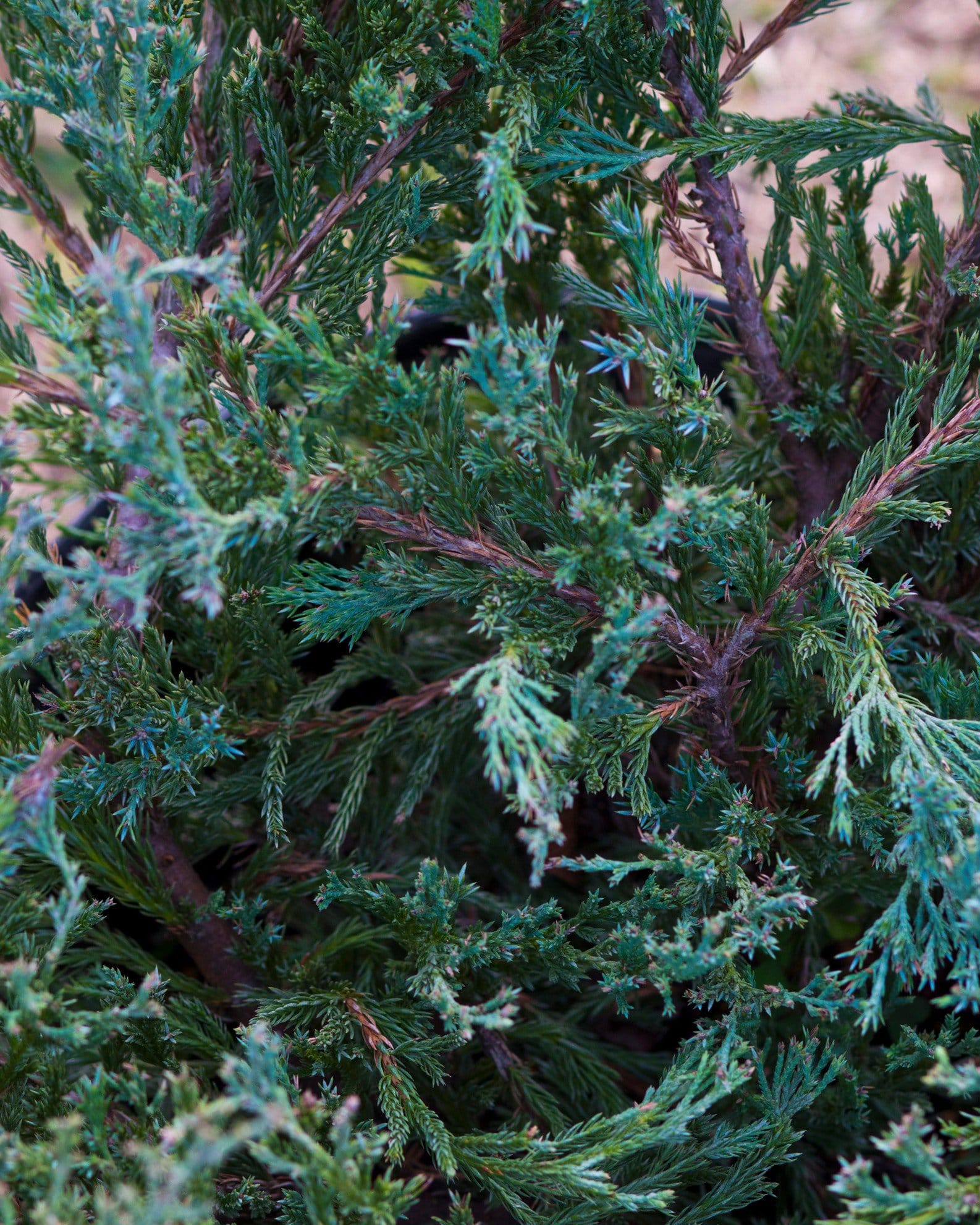
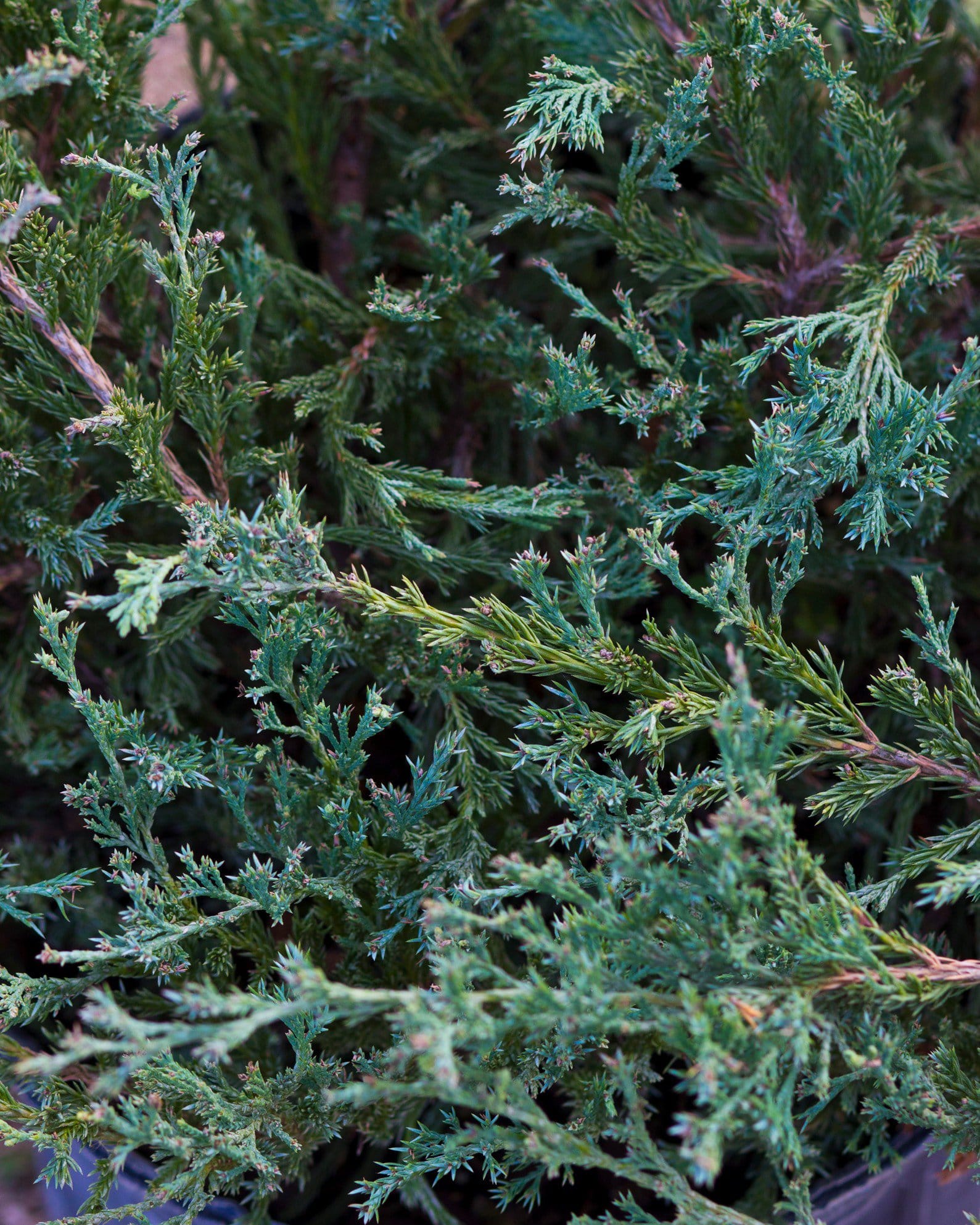
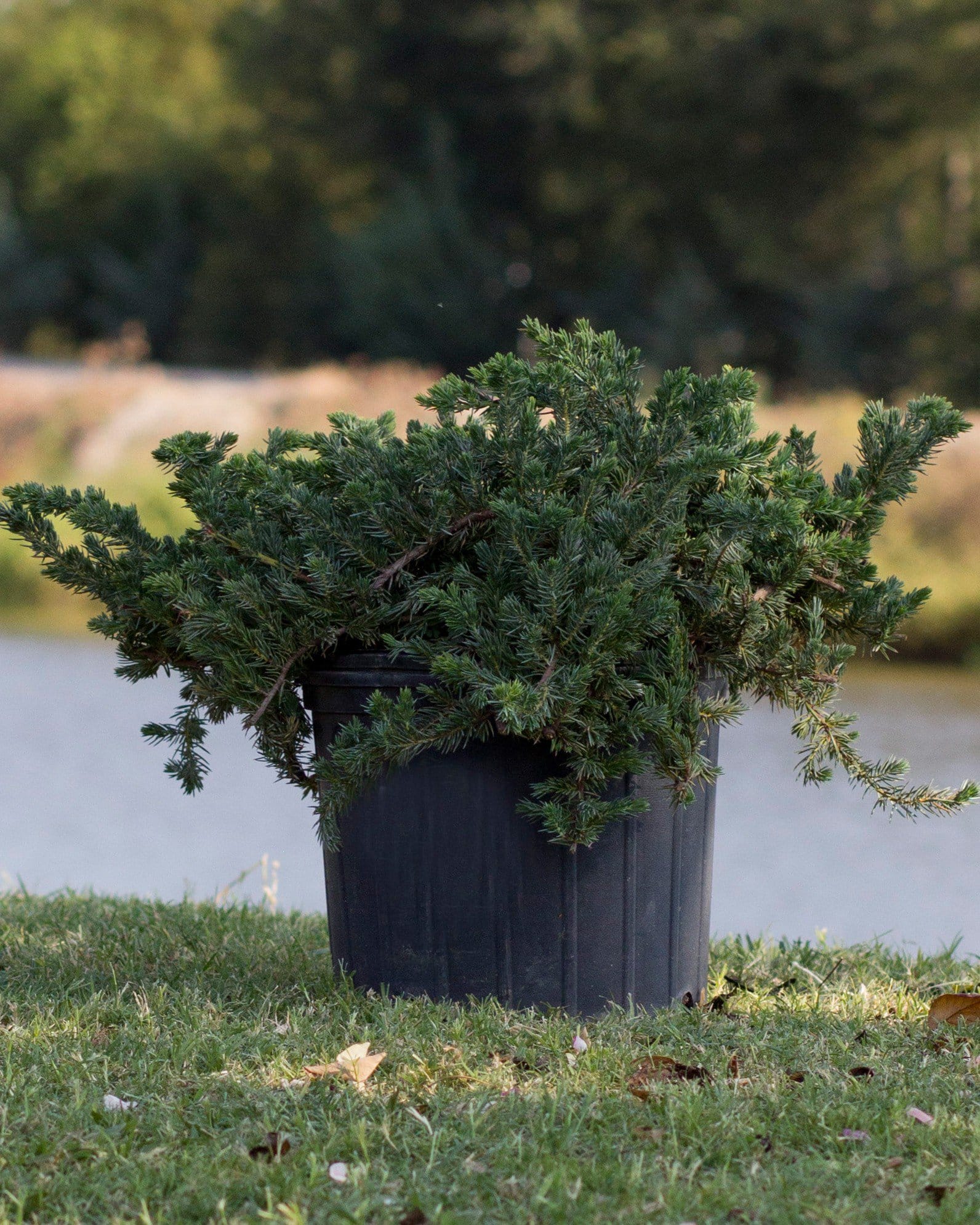
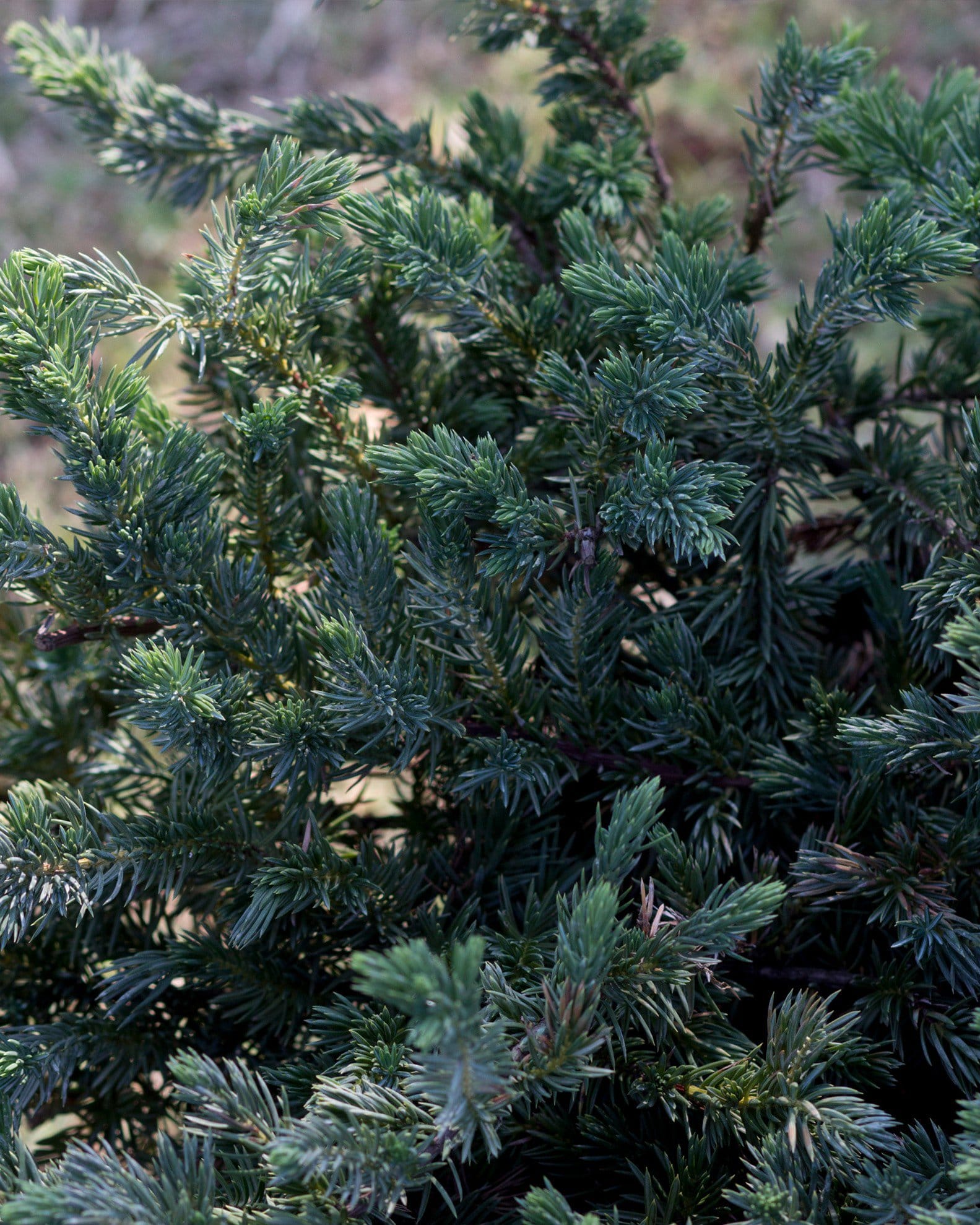
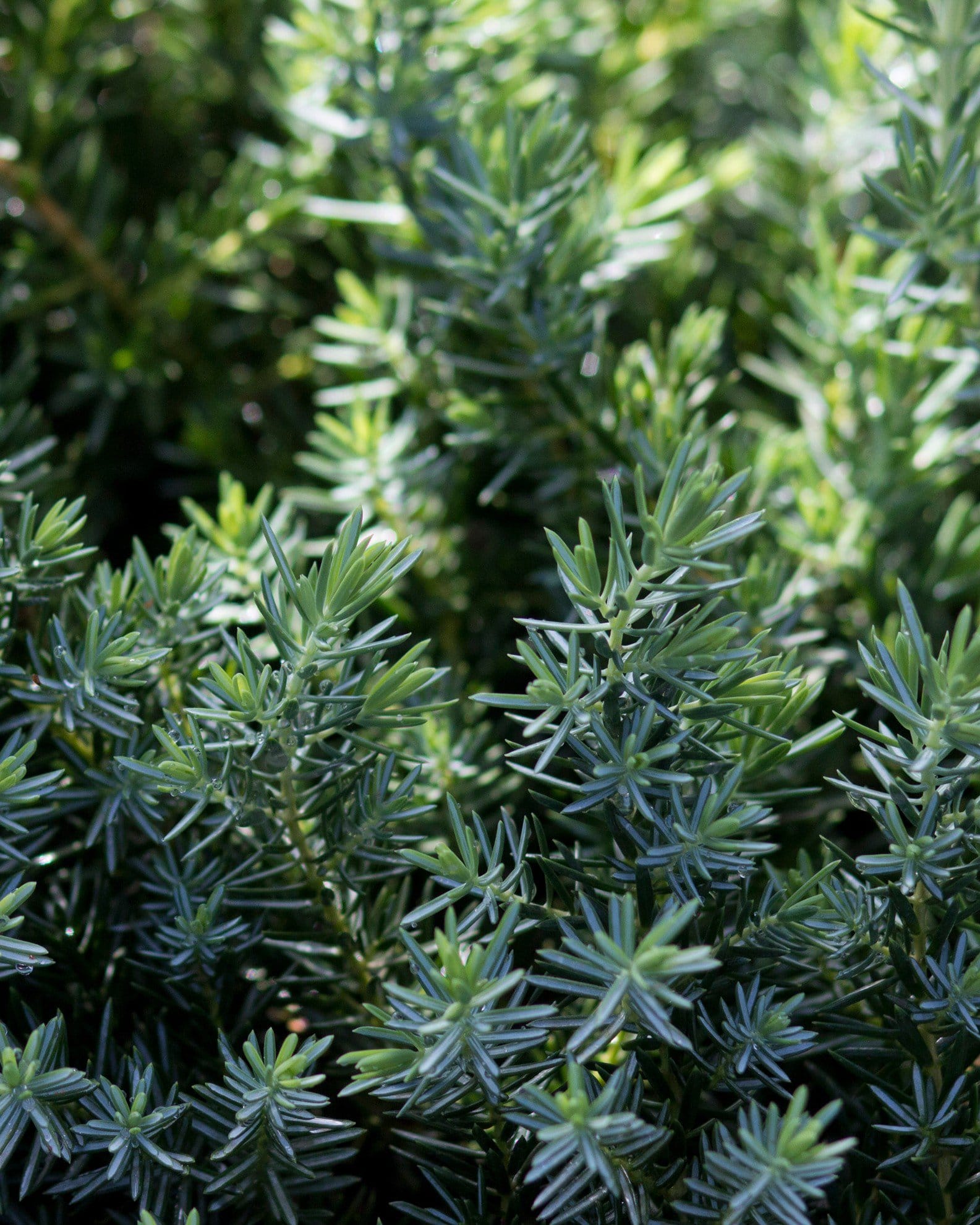
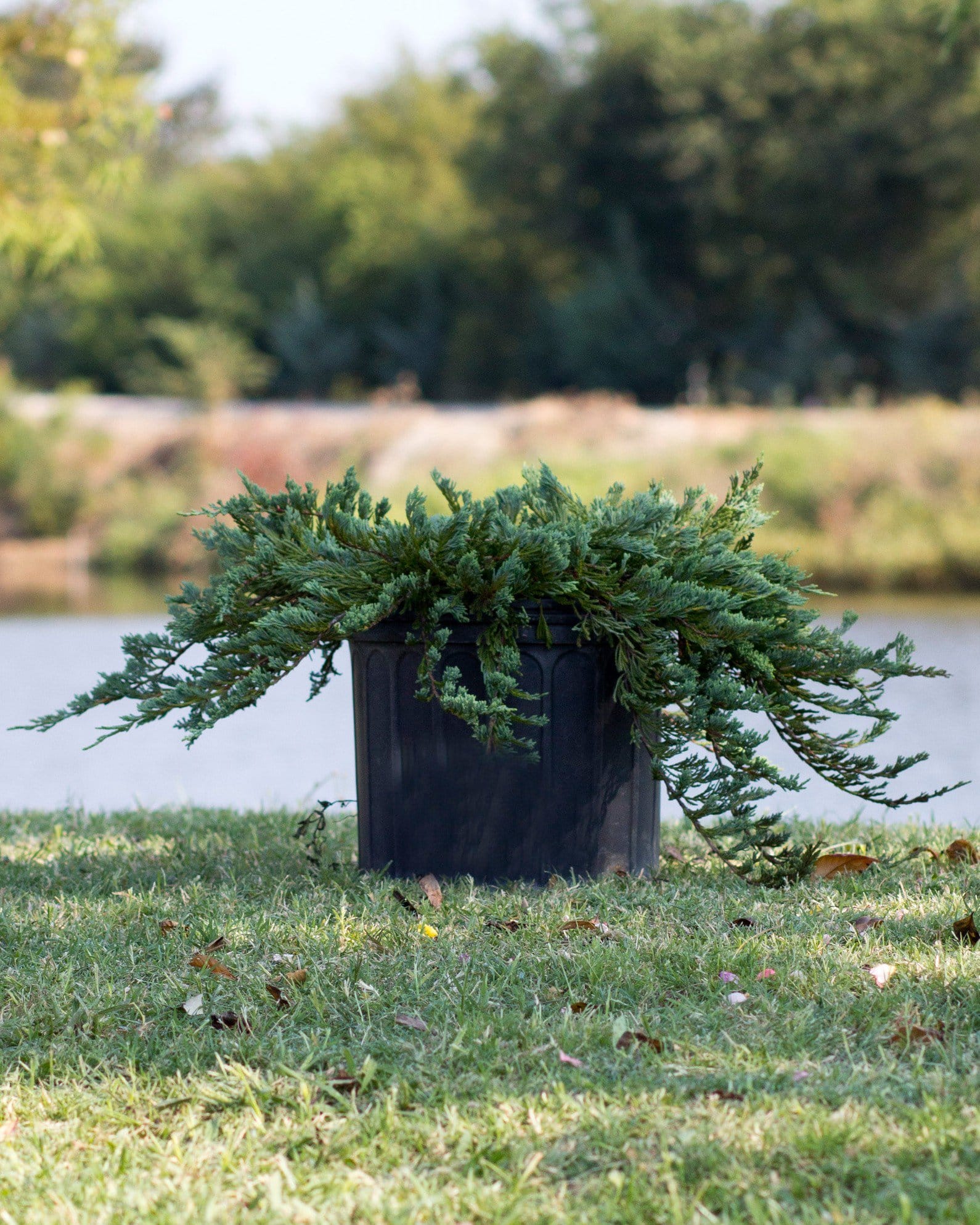
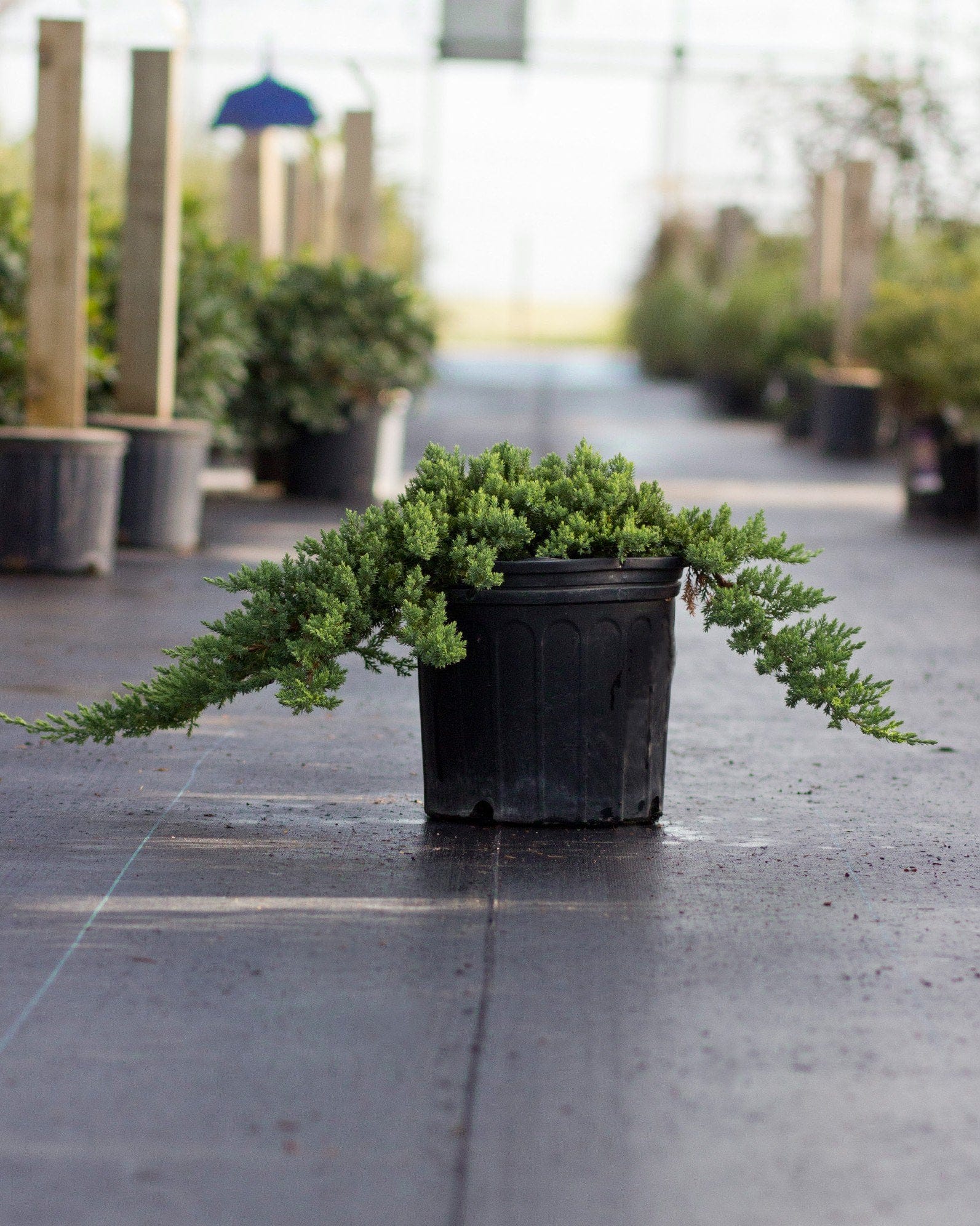
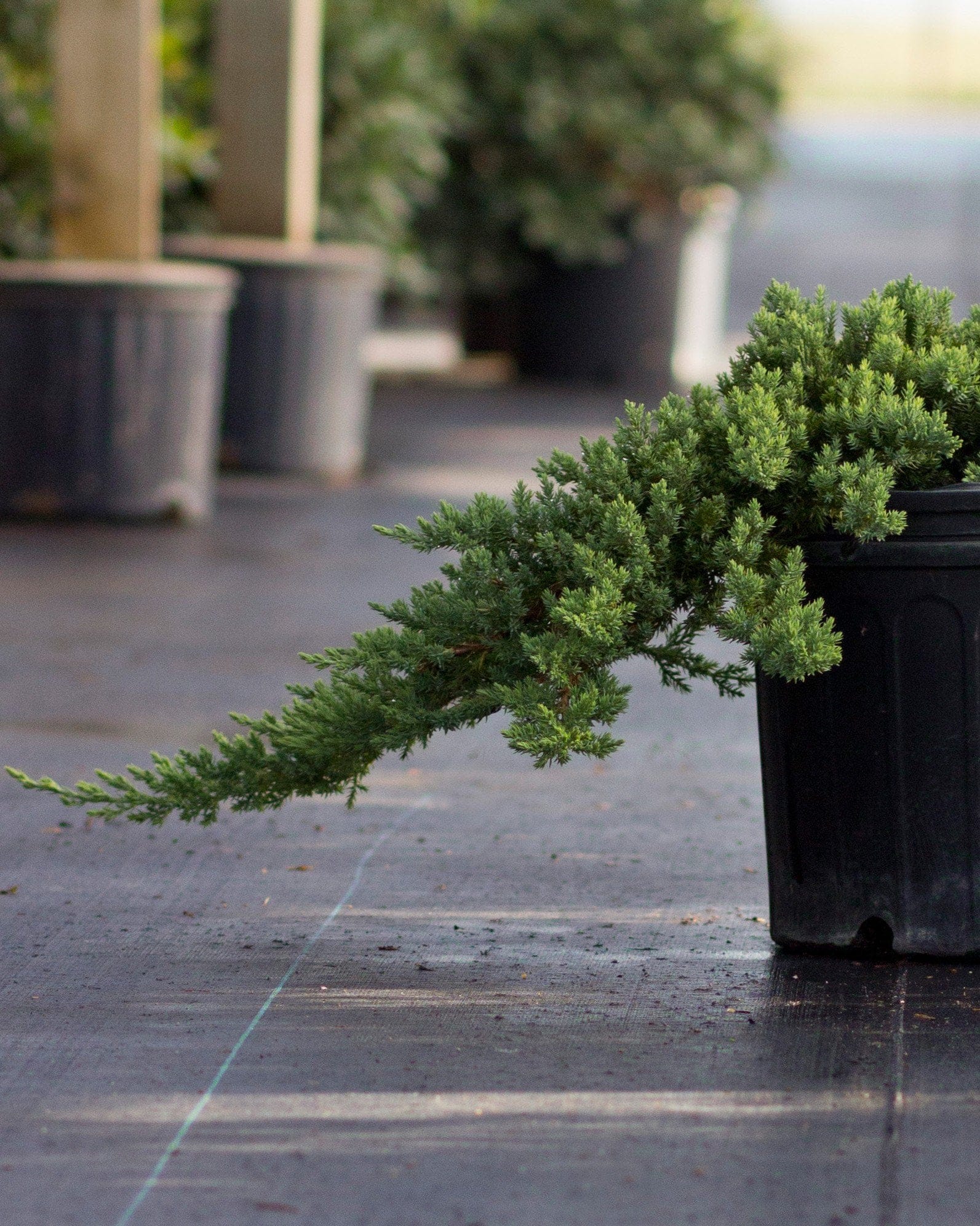
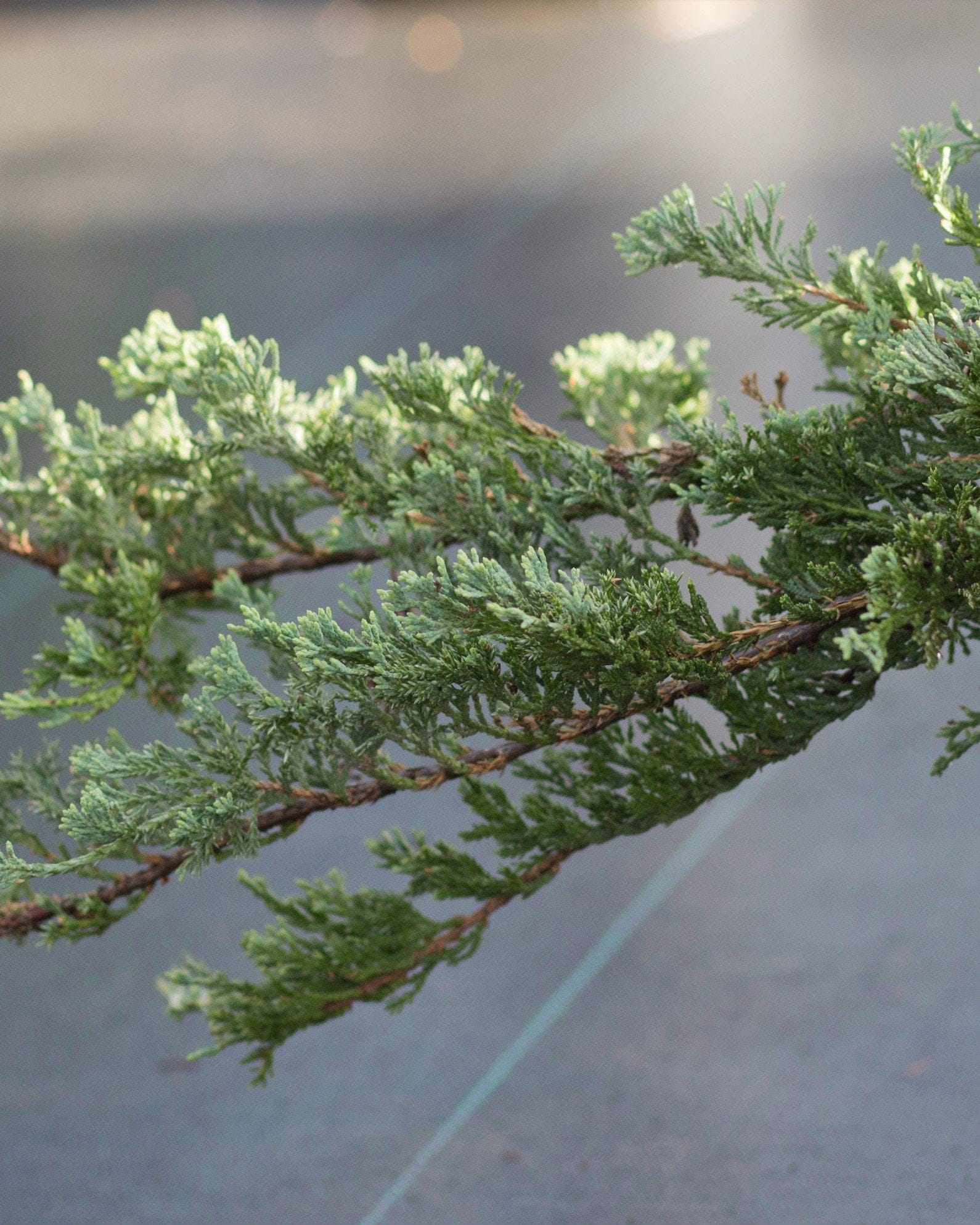
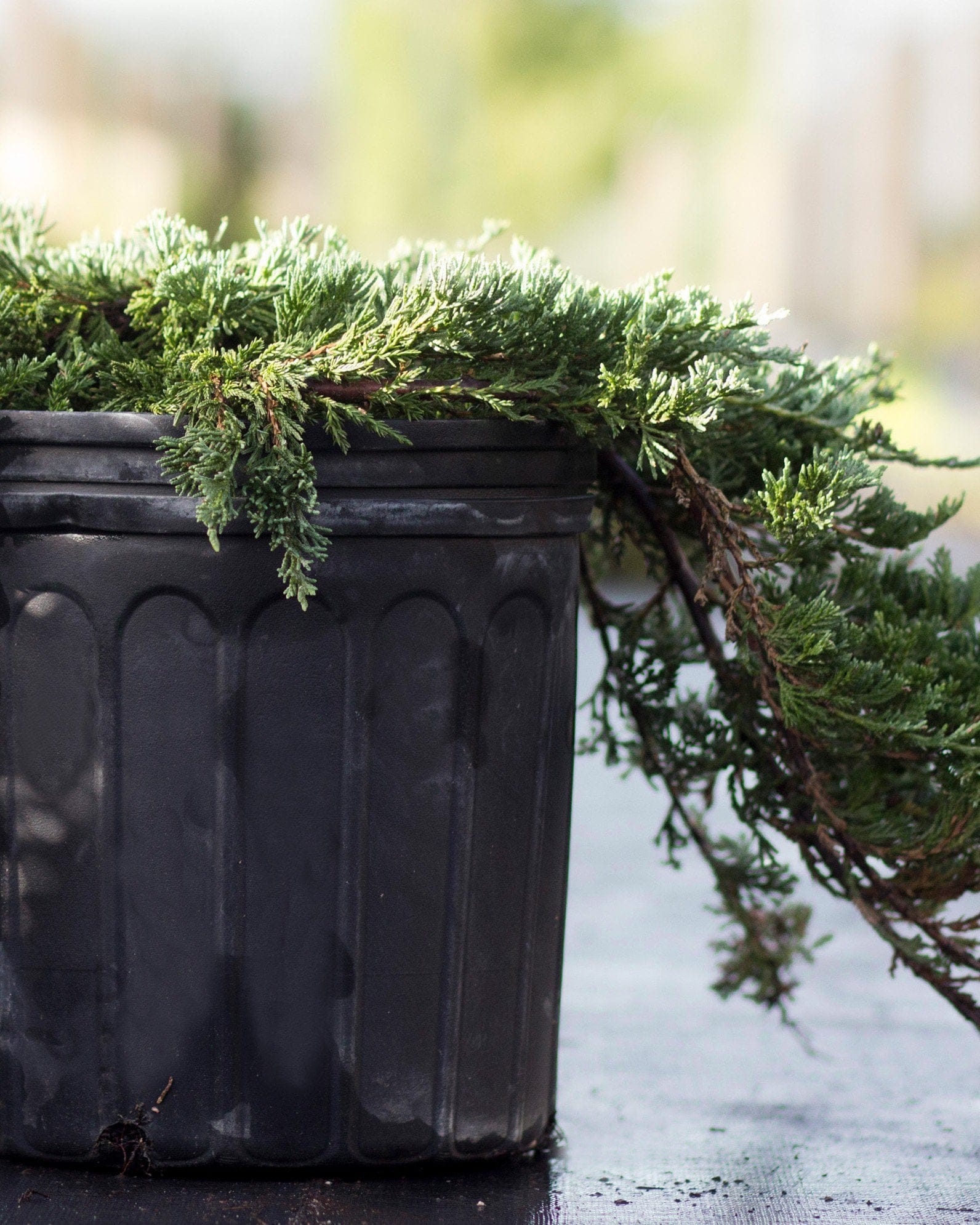
Juniperus chinensis 'Parsonii'The Parsoni Juniper is an evergreen groundcover, exceptional for bringing some texture into your landscape. It grows 2 feet in height and 4 feet across, and features emerald foliage on sturdy branches. But this plant is an excellent choice for more than just groundcover. Use it as a low hedge or on the edges of your pathways.
- Evergreen groundcover
- Moderate growth rate
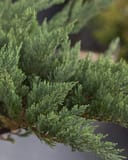
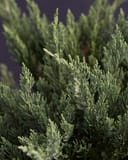
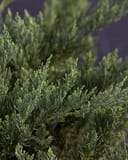
- Deep emerald foliage, adding texture and color to your landscape throughout the year
- Very hardy
- A versatile choice for both groundcovers and low hedges
The Parsoni Juniper produces edible, bluish-purple berries. It's quite hardy, feeling right at home in USDA zones 4 through 9. This makes it perfect for North Texas. Plant it in full to partial sunlight and almost any kind of soil, since this juniper variety is pretty tolerant. To maintain its shape and size, trim down as necessary.
Parsoni Juniper is one of Texas favorites because of its low-maintenance nature. Here’s all it needs to grow beautifully:
- Watering: Water regularly during the first growing season to help roots establish deeply. Once established, Parsoni Juniper becomes highly drought-tolerant and prefers infrequent, deep watering. Avoid waterlogged soil.
- Pruning: Minimal pruning is needed to maintain its naturally compact form. Lightly shear or shape in late winter or early spring to control spread and remove any broken or dead tips. Avoid cutting into bare, woody stems, as new growth does not emerge from old wood.
- Fertilizing: Feed in early spring with a slow-release, balanced fertilizer to encourage rich color and strong growth. Overfertilization can make the plant grow too soft and reduce its natural density.
- Mulching: Apply a 2-3 inch layer of mulch or small gravel around the base to retain moisture and suppress weeds. Keep mulch away from the stems to improve air circulation and prevent rot. Refresh annually for neatness and consistent moisture regulation.
- Winter Care: Parsoni Juniper is cold-hardy and holds its blue-green color throughout winter. In snowy regions, gently brush off heavy snow to prevent branch breakage.
Parsoni Juniper is resilient and low-maintenance, but a few minor issues can occur under stress or poor conditions:
- Root Rot: Caused by heavy, compacted, or waterlogged soil. Improve drainage and plant slightly above grade to protect the roots.
- Tip Blight: Fungal diseases that cause browning and dieback of shoot tips, especially in cool, wet springs. Prune out affected branches and apply a fungicide labeled for junipers in early spring.
- Spider Mites: Tiny pests that thrive in hot, dry weather, causing stippled or bronzed foliage. Spray foliage periodically with water and apply horticultural oil during infestations.
- Scale Insects: Small, waxy bumps on stems that drain plant sap and dull foliage color. Treat with horticultural oil in early spring to suffocate overwintering scales.
- Rust: A fungal issue appearing as orange swellings or gelatinous spores, often when near crabapple or hawthorn trees. Remove infected twigs and avoid planting near susceptible hosts.
- Bagworms: Small caterpillars that form cone-like bags and feed on foliage. Remove by hand before they hatch, or use a biological control such as Bacillus thuringiensis (Bt) if infestations are severe.
With proper care, it can thrive for 40 years or more, becoming a long-term structural element in the landscape. Its slow, steady growth and rugged constitution make it one of the most enduring evergreens you can plant.
It grows moderately, typically spreading 6-12 inches per year. Within 4-6 years, it forms a thick, uniform mat that requires virtually no upkeep.
Yes - it tolerates salt spray and windy conditions remarkably well. It’s an excellent choice for seaside gardens, dunes, or coastal slopes.
It provides shelter for small birds and beneficial insects but is largely ignored by deer and rabbits. Its aromatic foliage naturally deters most browsing animals.
Absolutely. Its deep, fibrous roots bind soil effectively, making it perfect for stabilizing banks, slopes, and dry hillsides. It continues to expand gradually, reinforcing soil structure year after year.
Yes - it adapts well to large pots or trough planters. Its trailing habit spills attractively over edges, making it excellent for cascading effects in container gardens.
Yes. It’s non-toxic and safe for households with children and pets. The dense foliage also acts as a natural ground barrier in play areas and low-traffic zones.
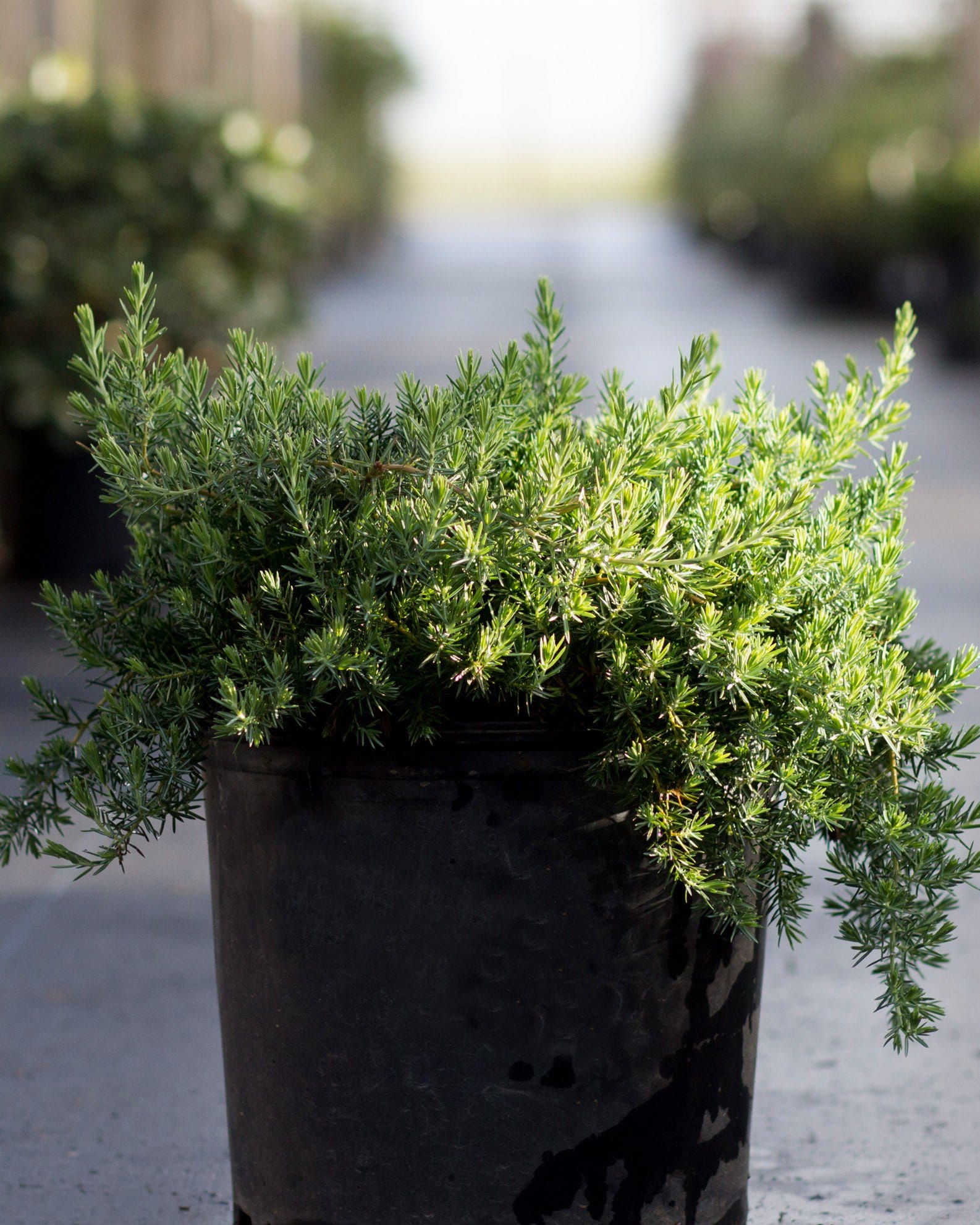
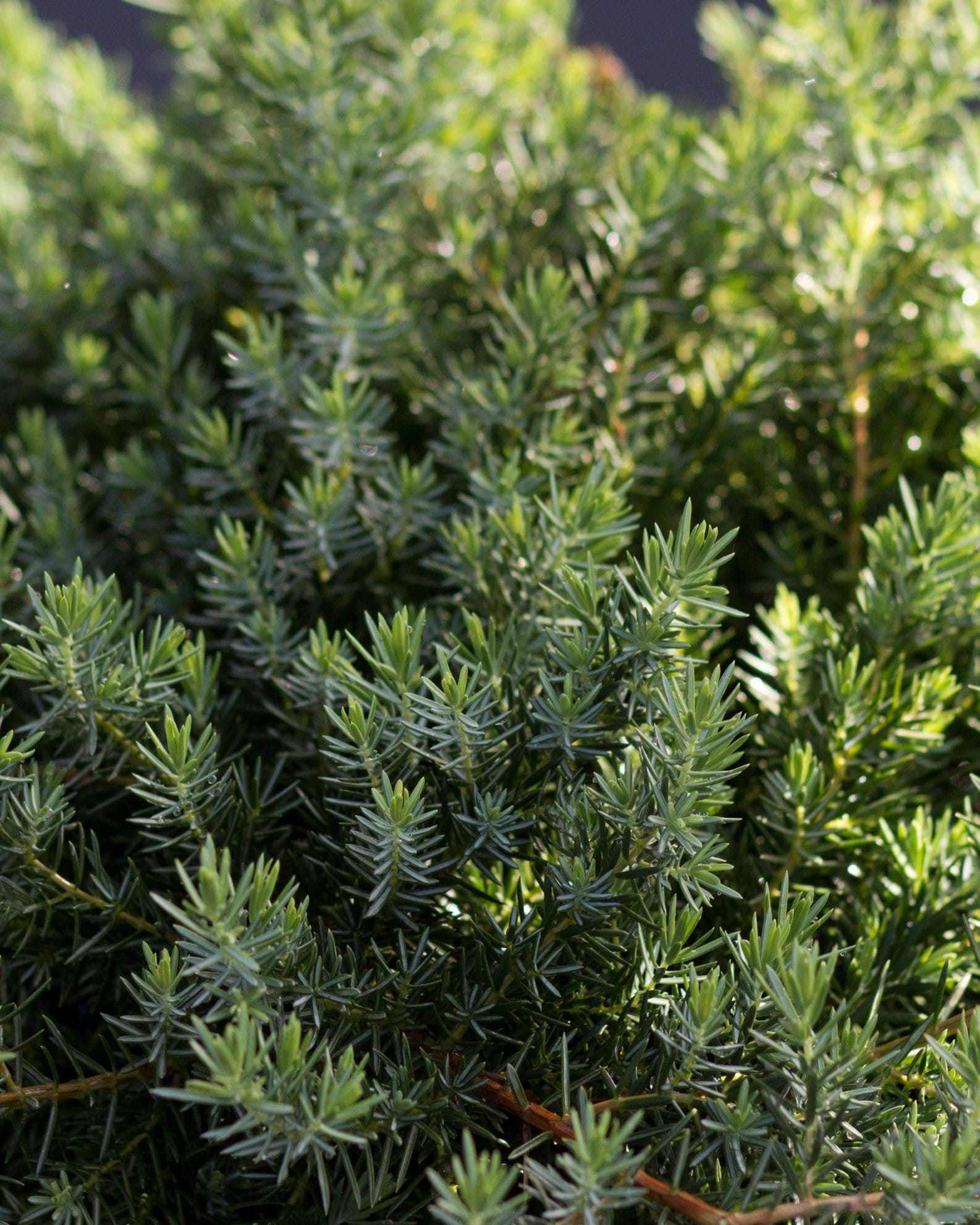
Parsoni has a slightly taller, fuller growth habit and retains a deeper blue-green tone, while Blue Rug is flatter and more silvery-blue. Both are hardy, but Parsoni provides a richer texture and thicker ground coverage.
Exceptionally well. Once established, it thrives in full sun, poor soils, and long dry periods with little or no supplemental watering.
Lightly prune the tips in early spring to encourage denser new growth. Avoid cutting into bare wood - gentle shaping over a few seasons restores fullness naturally.
Special Features
You might also like
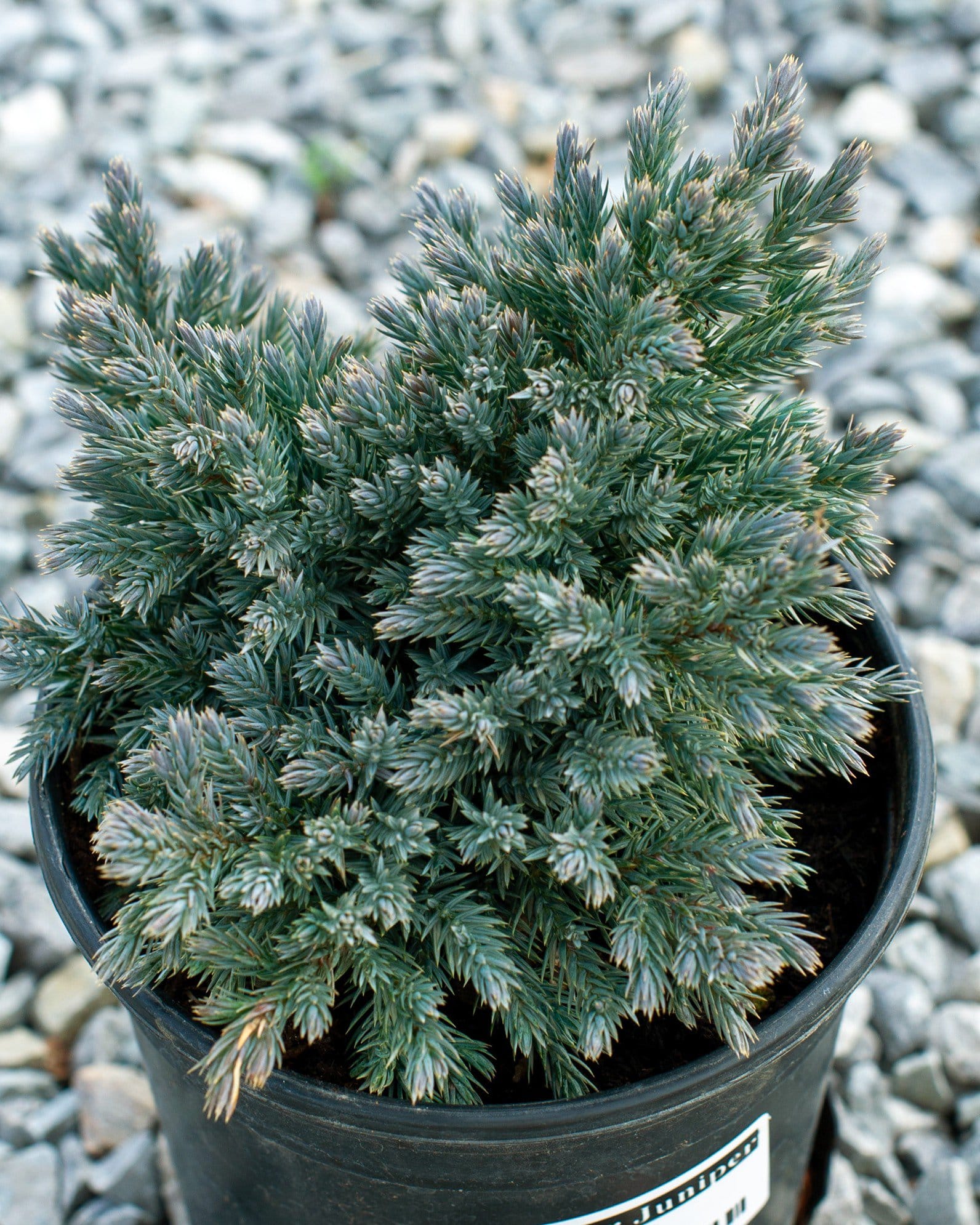
Blue Star Juniper
Maturity: 2' H x 3' W
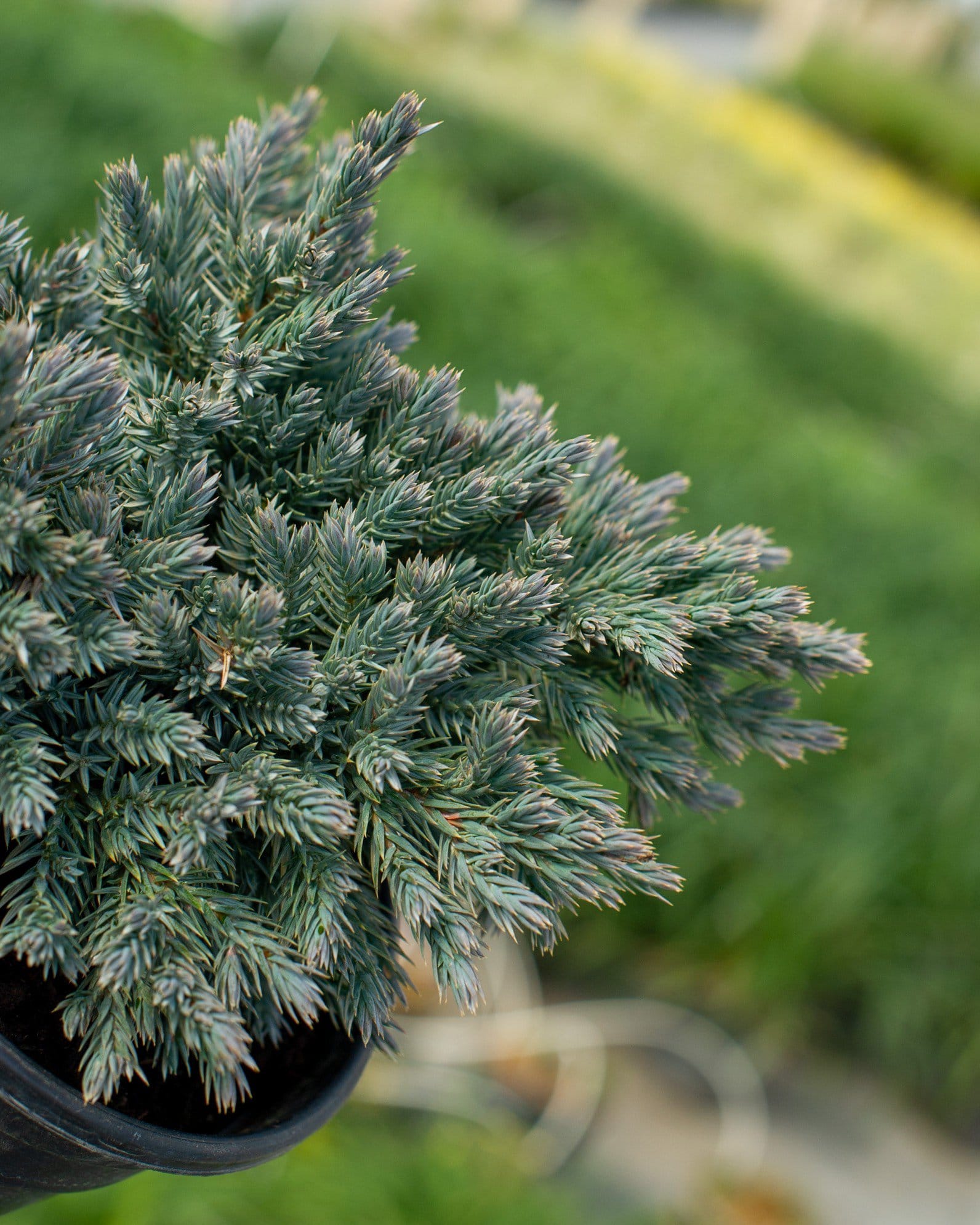
Andorra Juniper
Maturity: 1' H x 4' W
Blue Pacific Juniper
Maturity: 1' H x 3' W
Blue Rug Juniper
Maturity: 0.5' H x 6' W
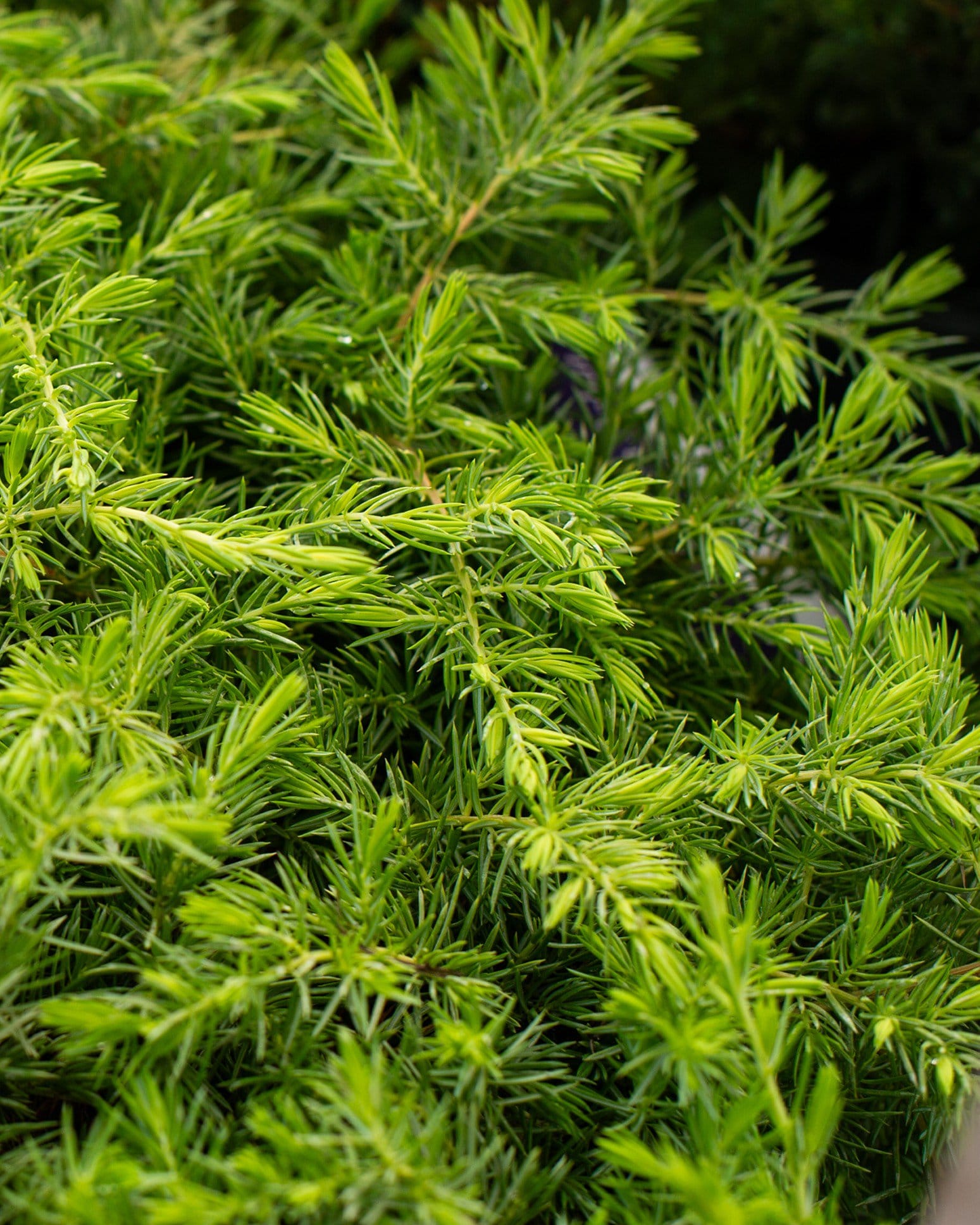
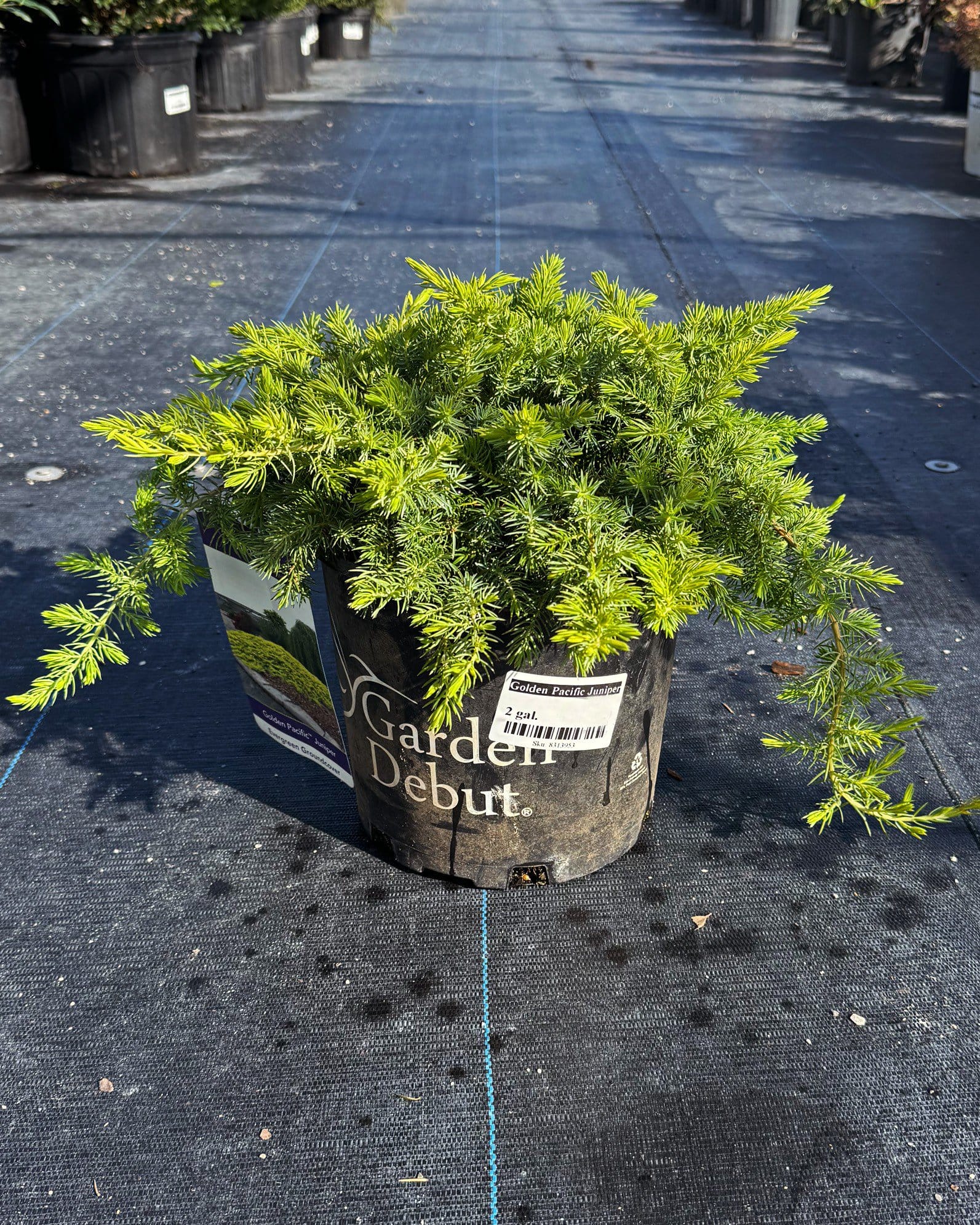
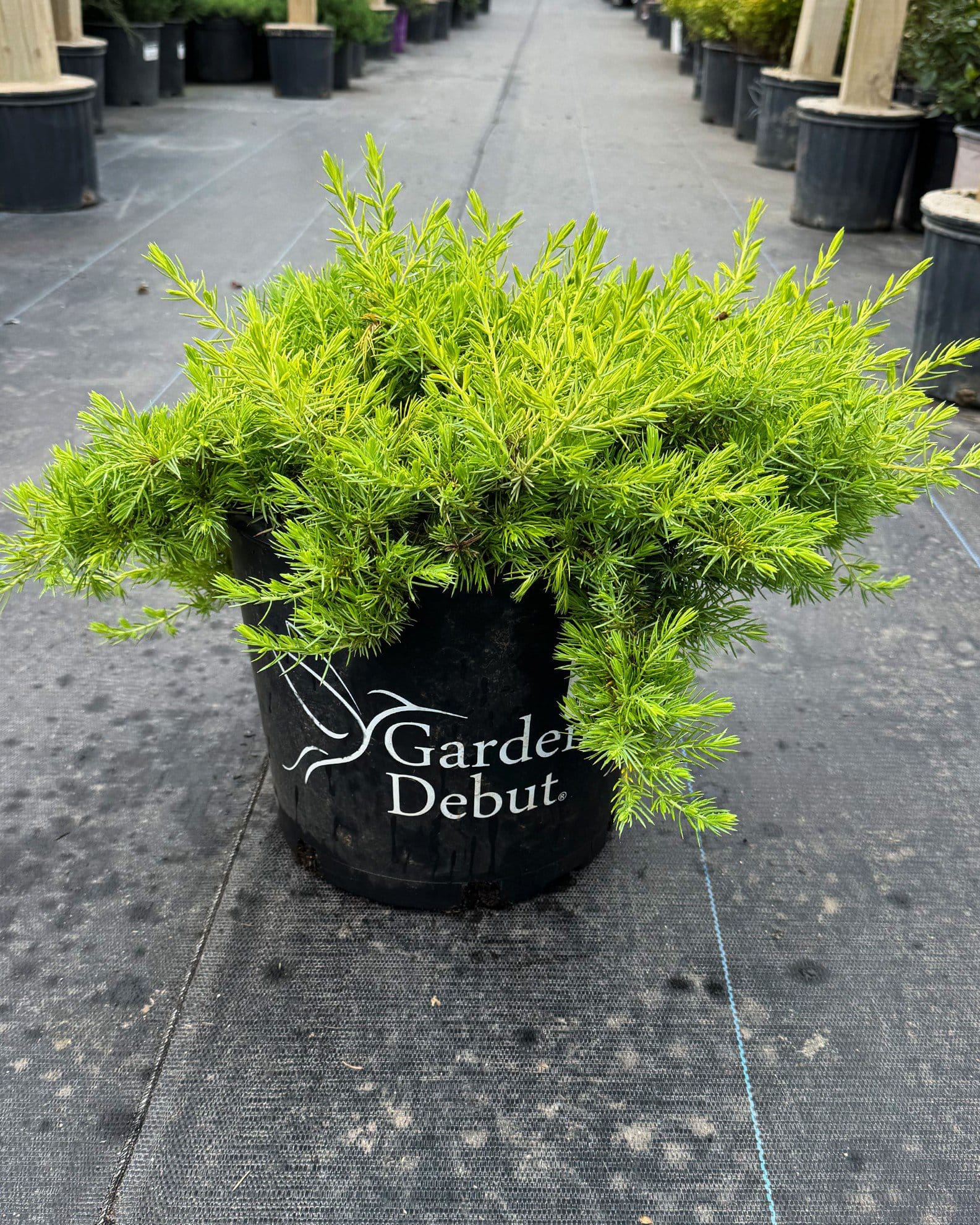
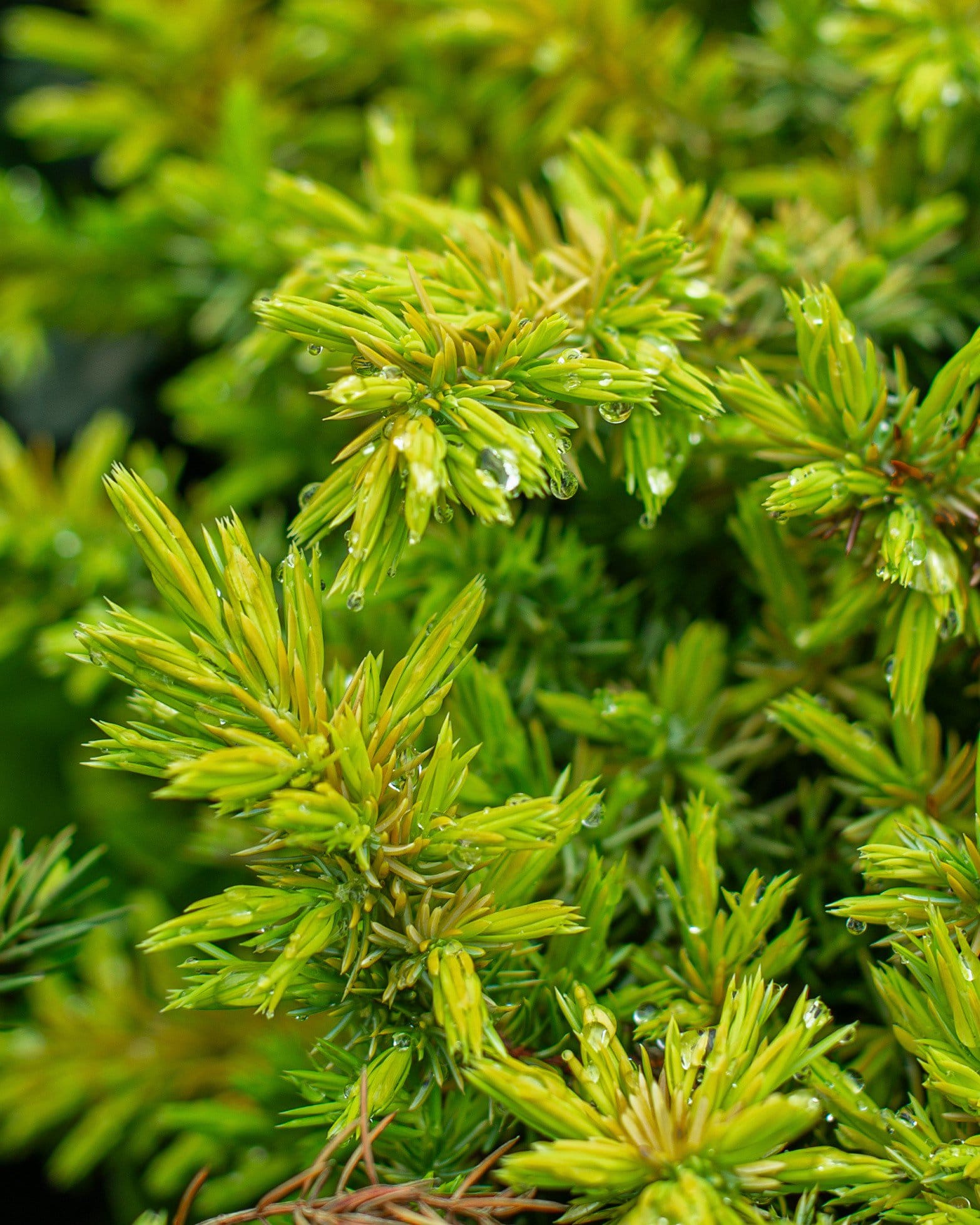
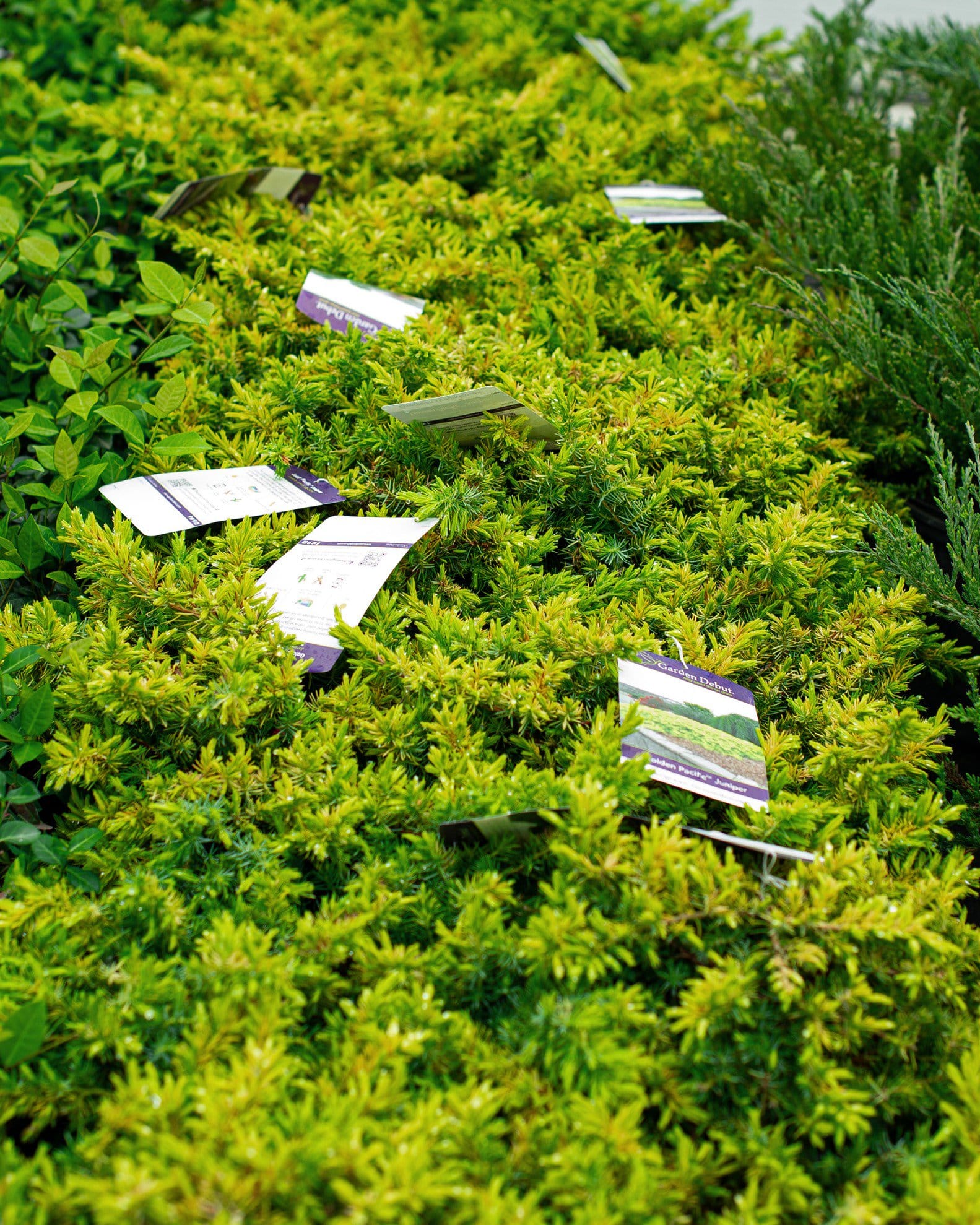
Golden Pacific Juniper
Maturity: 0.75' H x 4' W
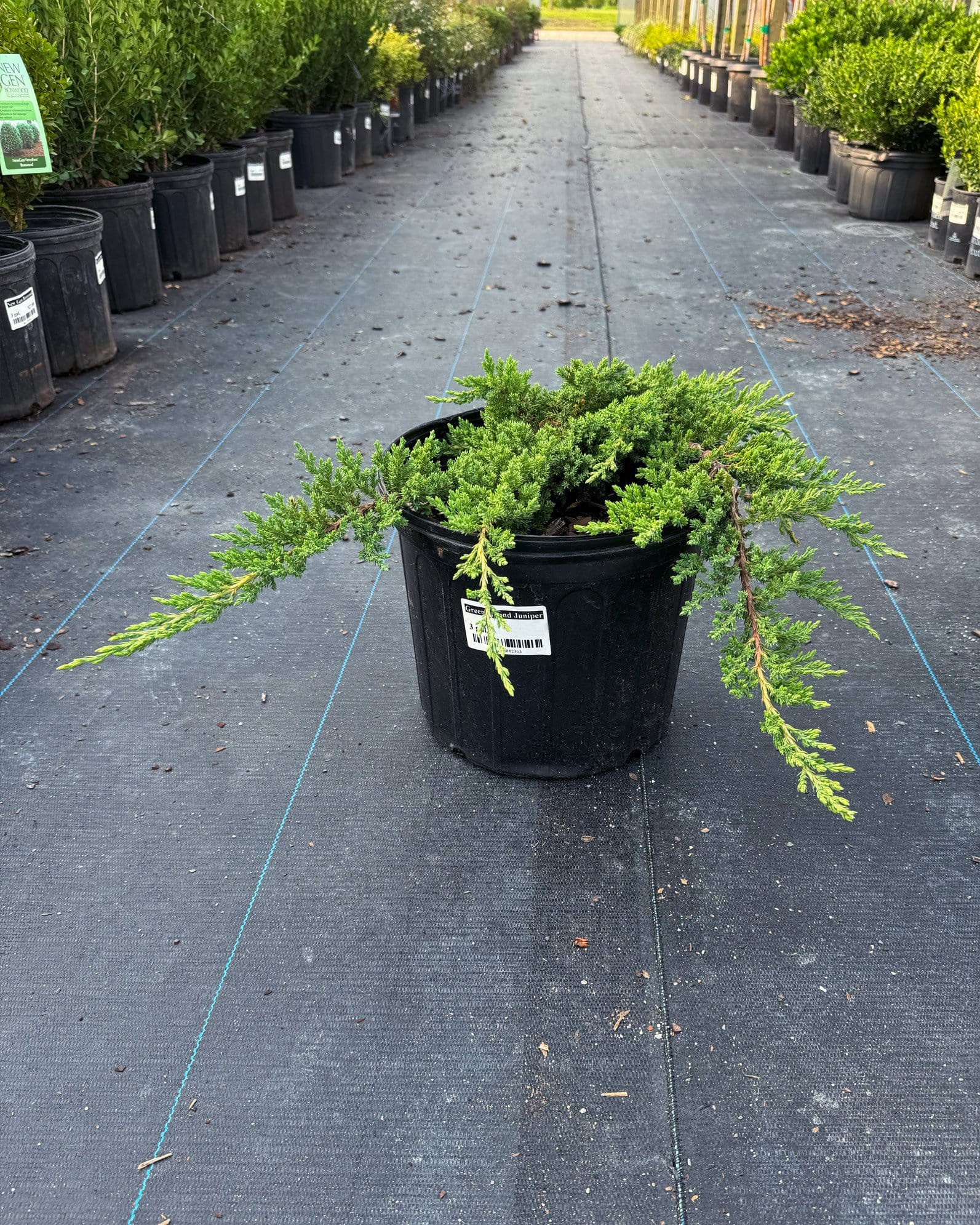
Green Mound Juniper
Maturity: 1' H x 10' W
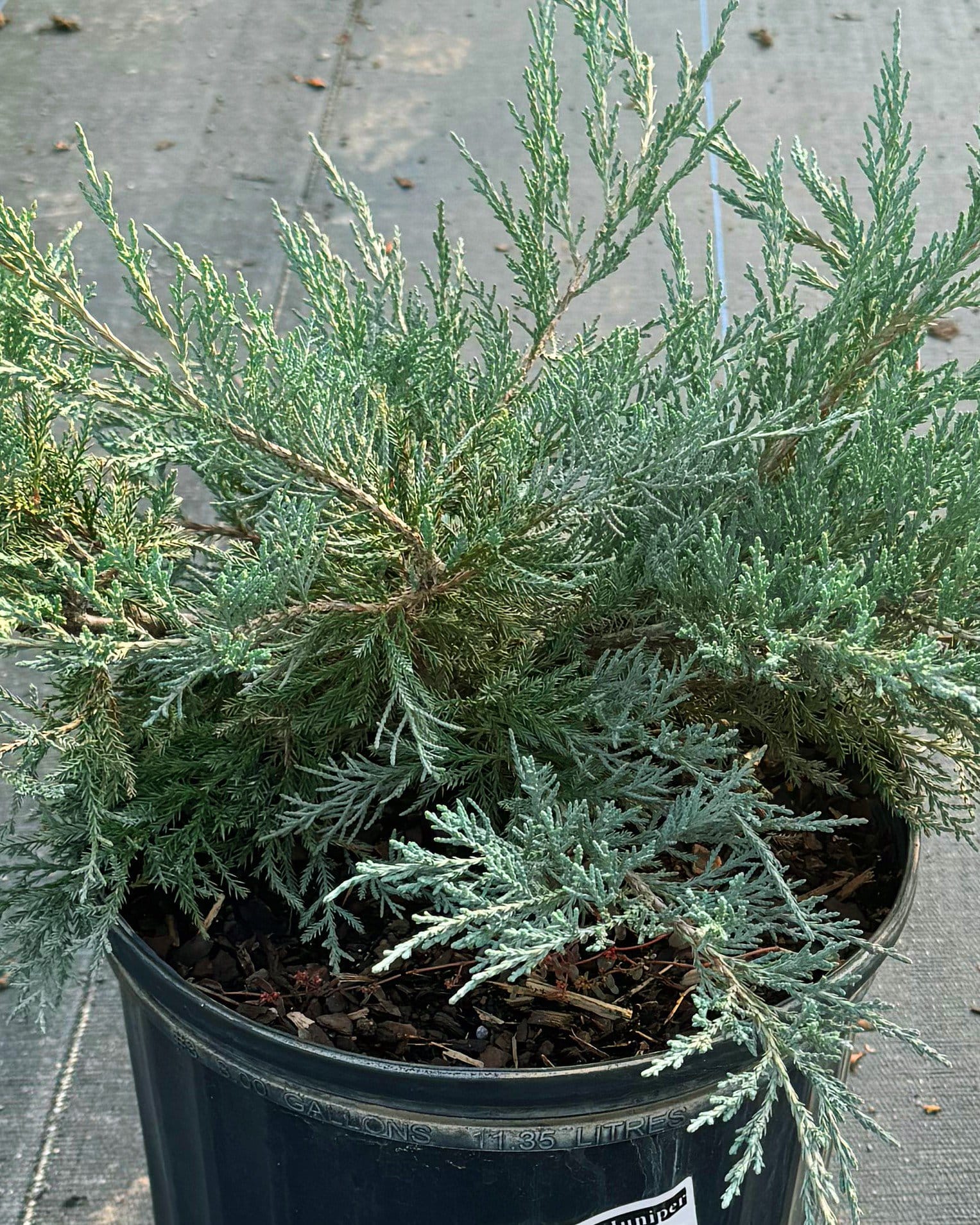
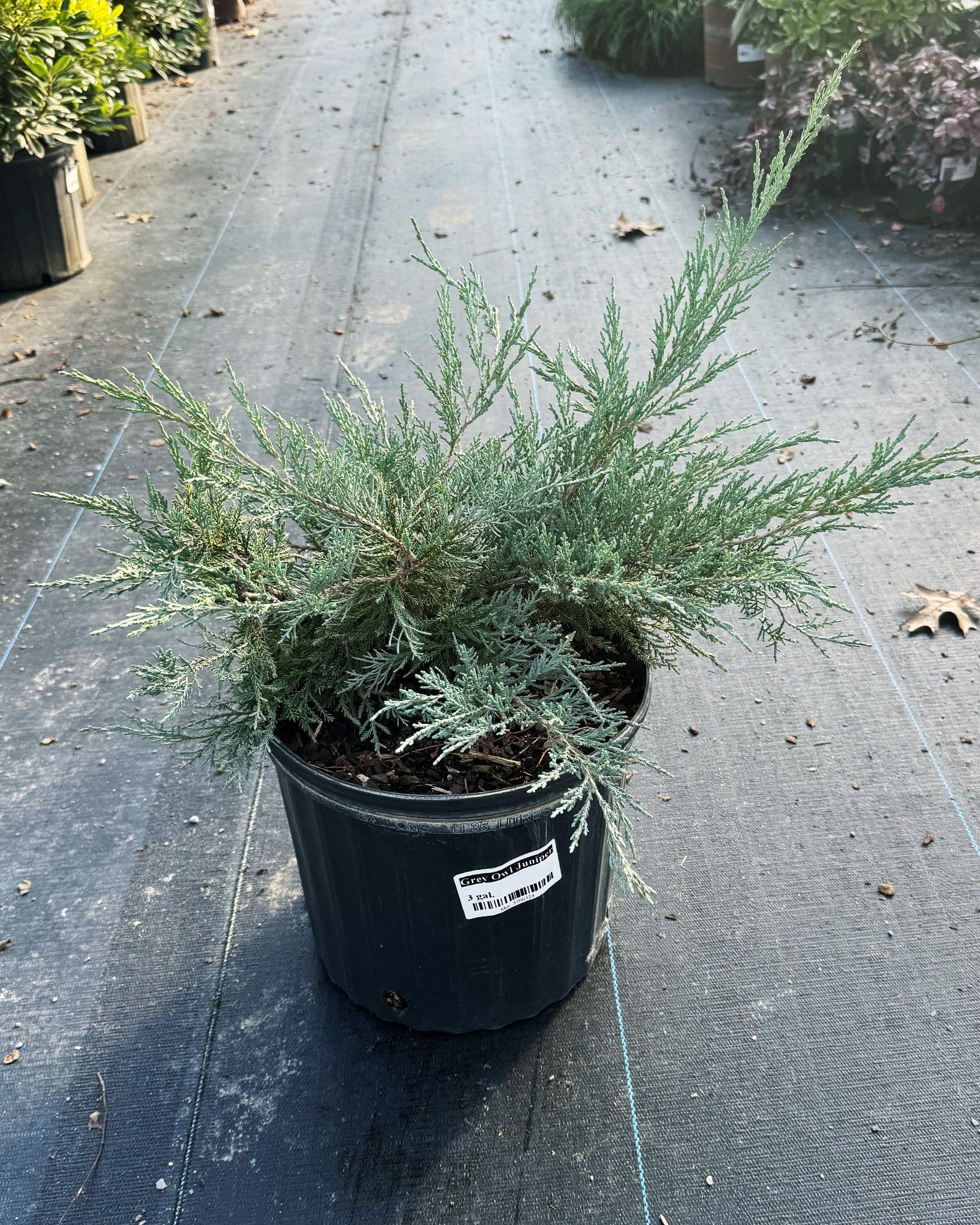
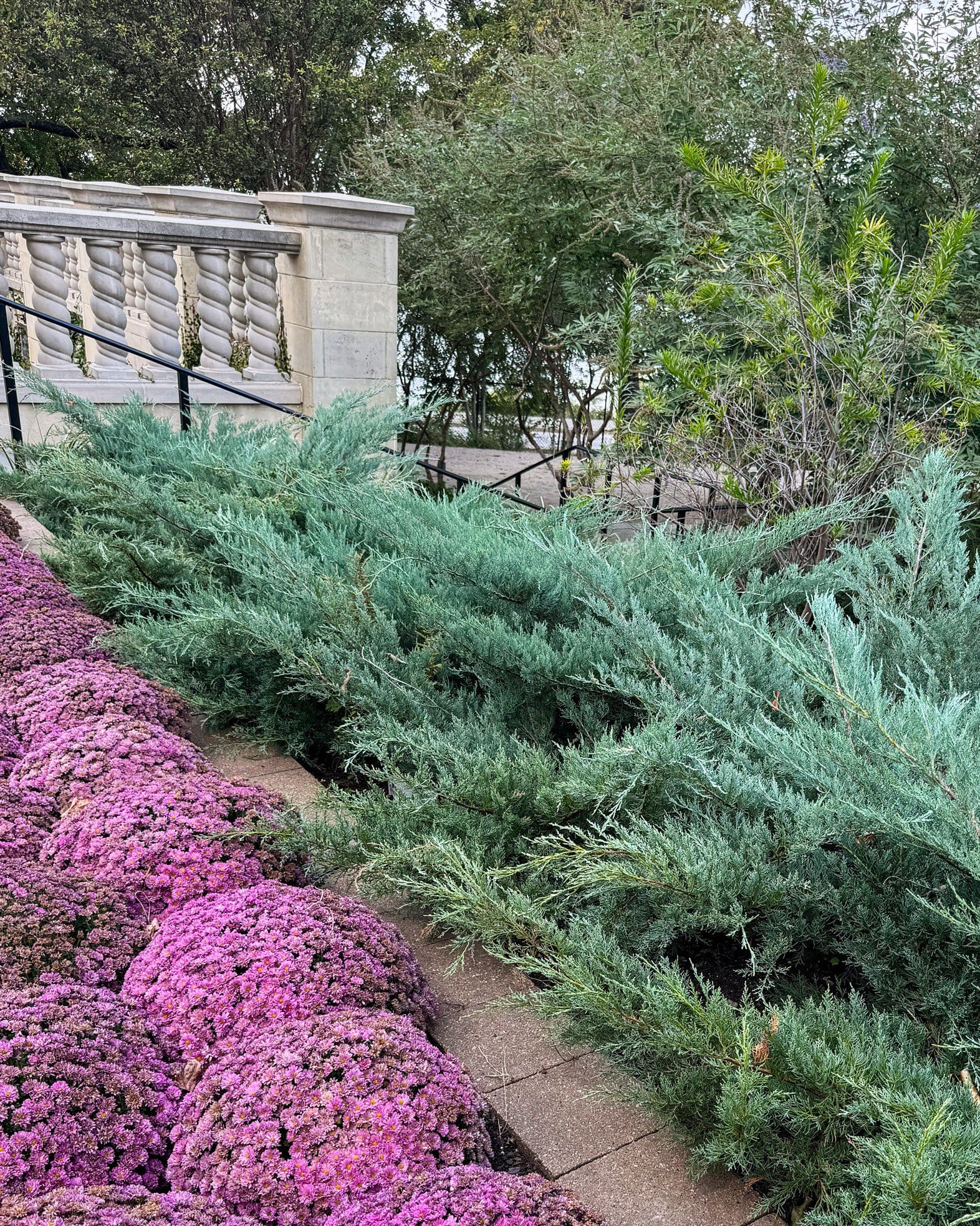
Grey Owl Juniper
Maturity: 2' H x 4' W
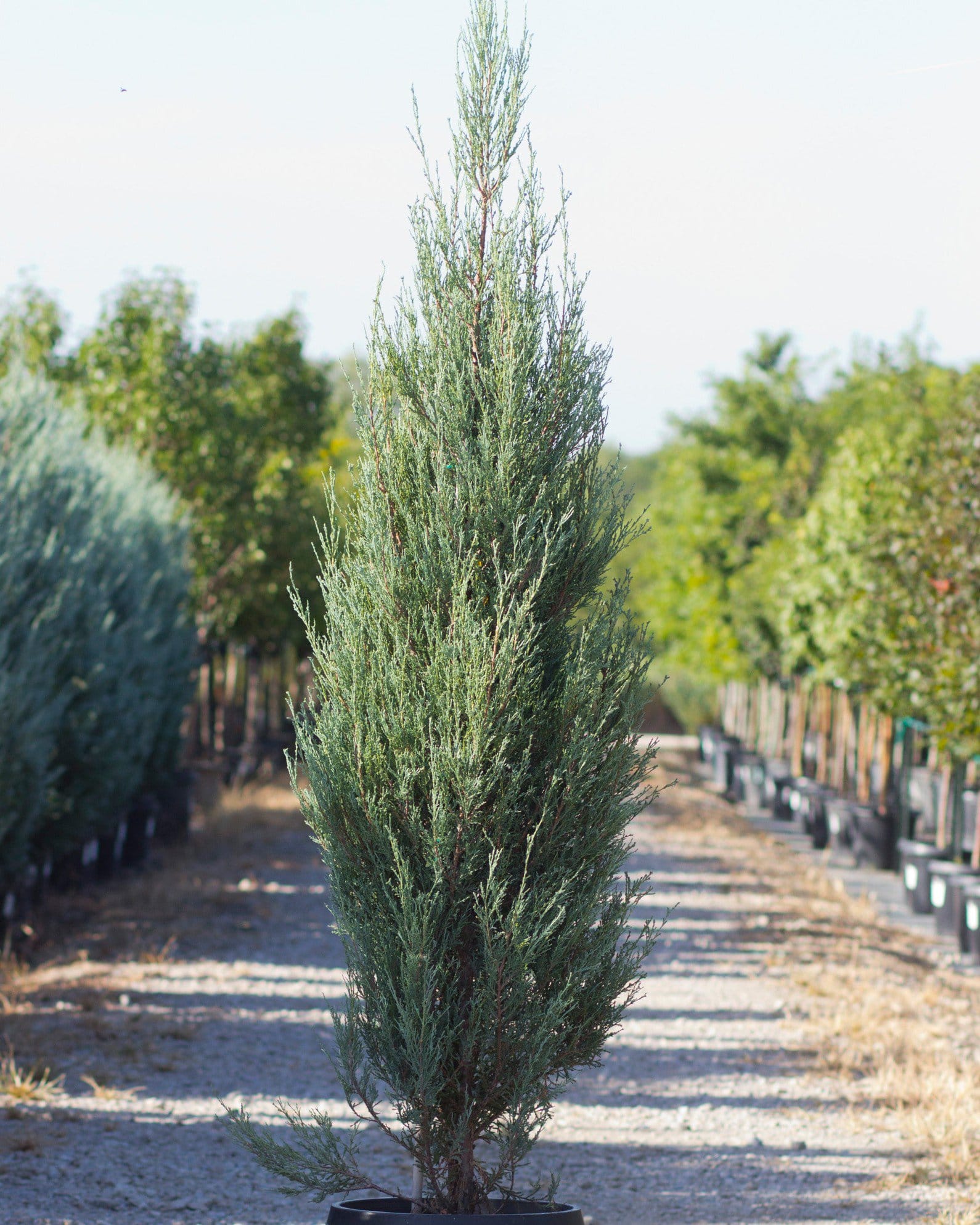
Blue Arrow Juniper
Maturity: 12' H x 2' W
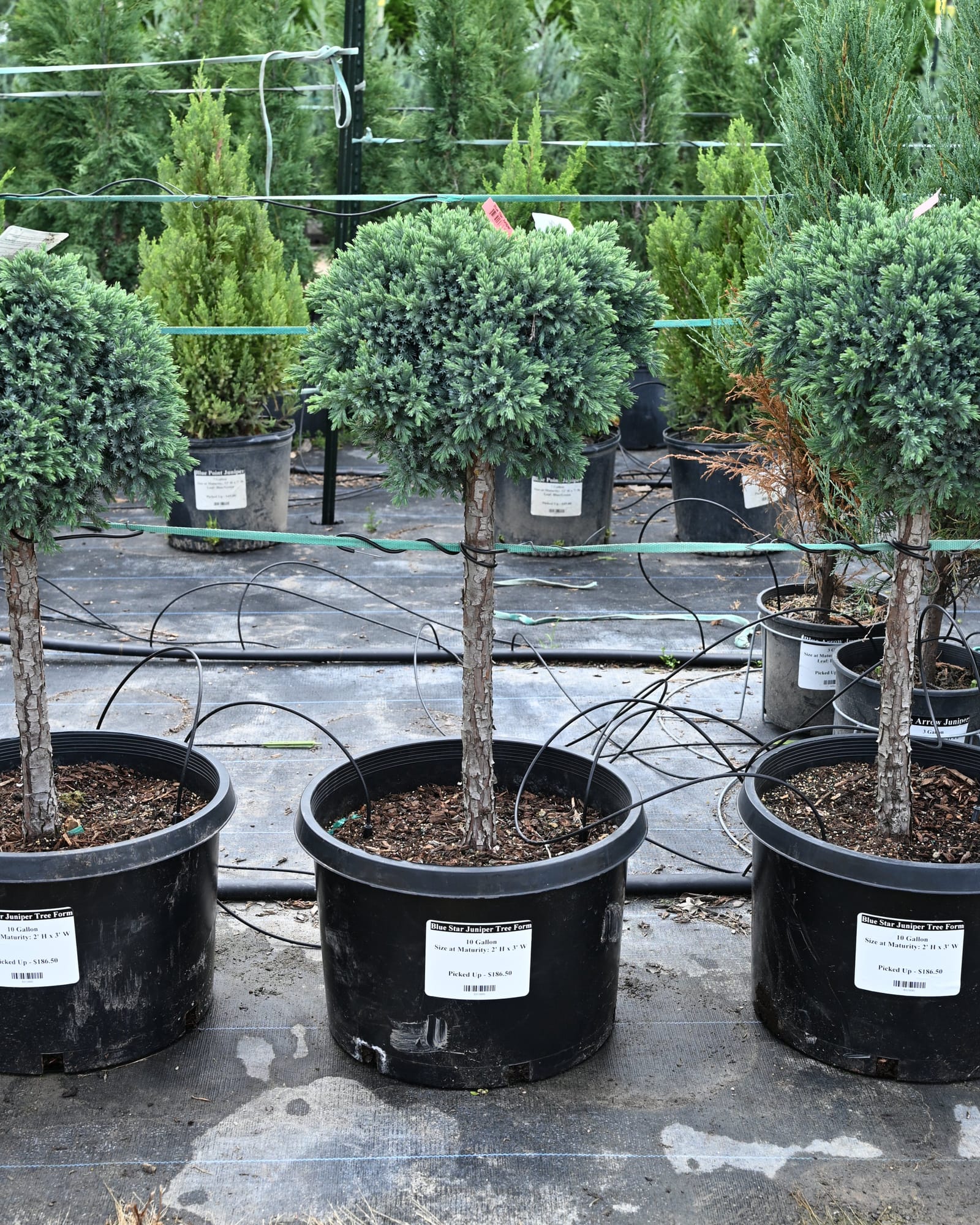
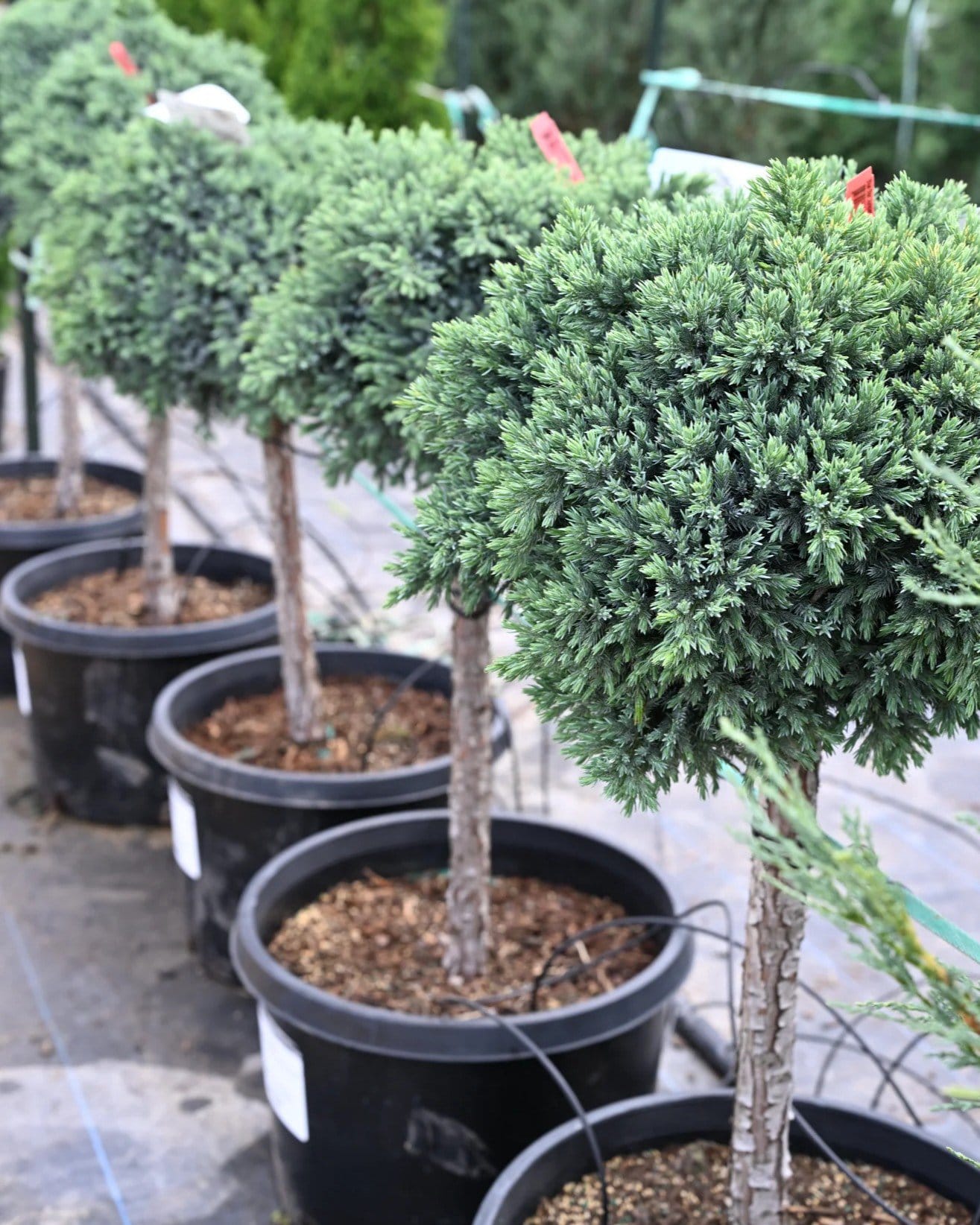
Blue Star Juniper Tree Form
Maturity: 2' H x 3' W
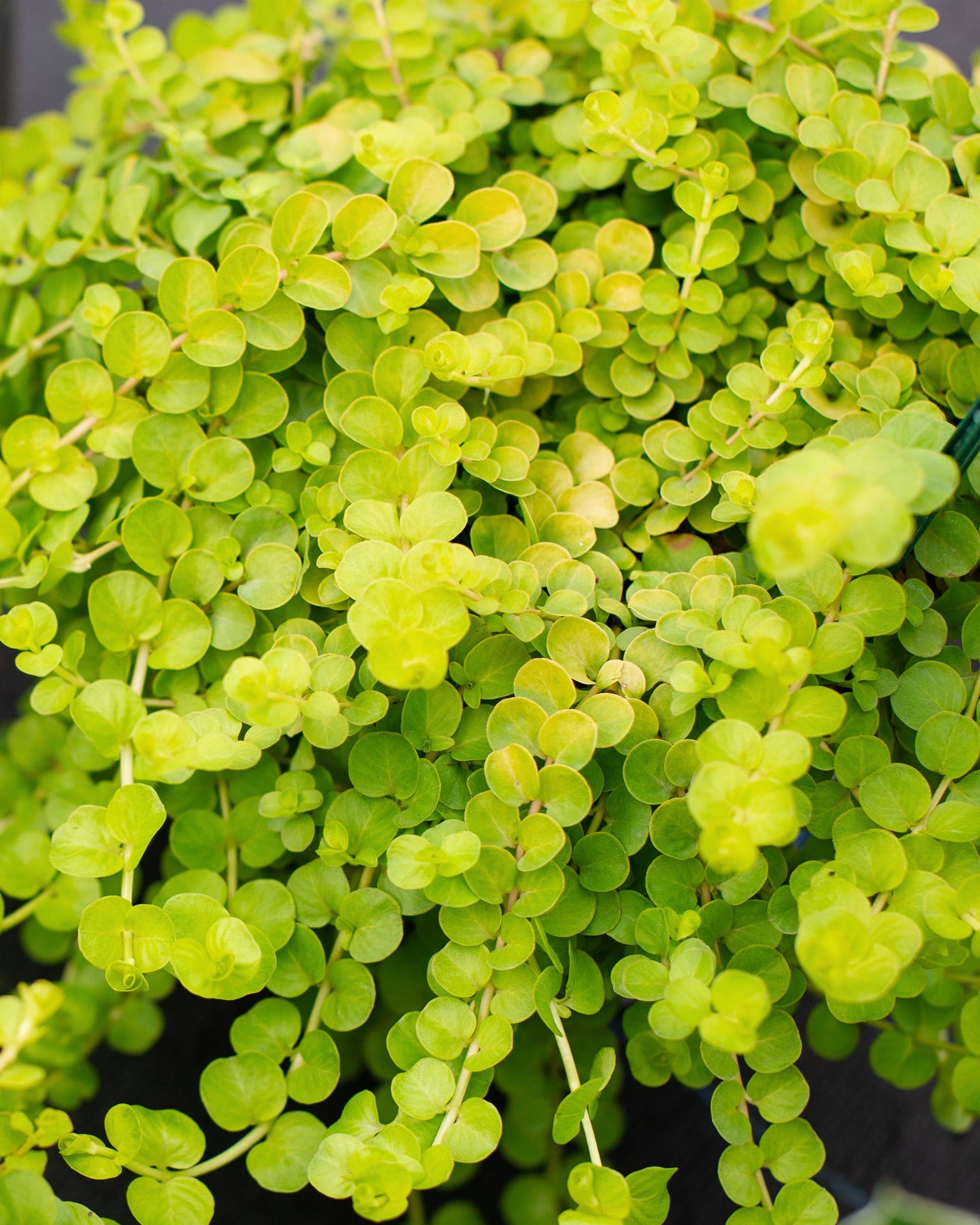
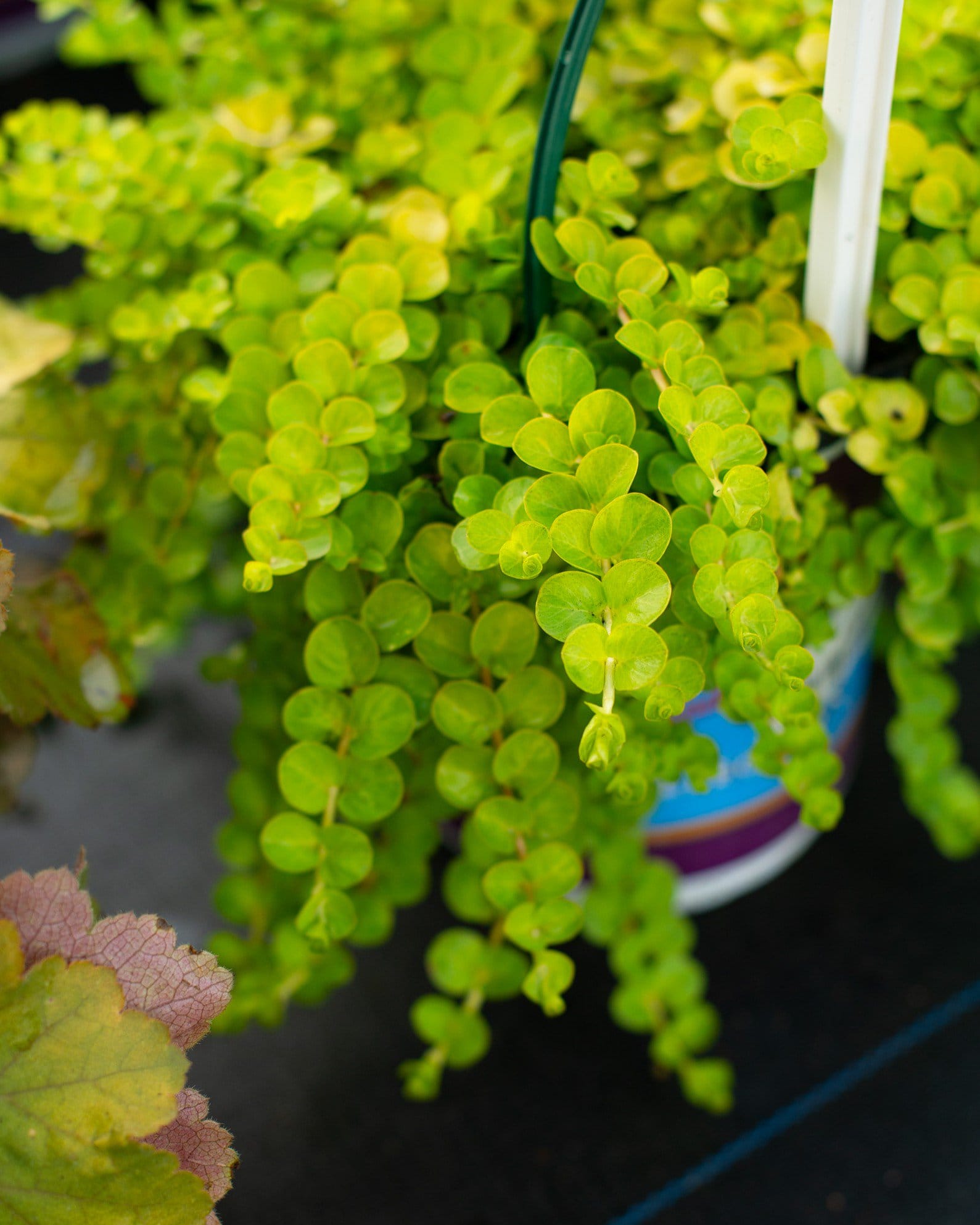
Creeping Jenny
Maturity: 0.5' H x 1' W
Goldilocks Creeping Jenny
Maturity: 2' H x 1' W
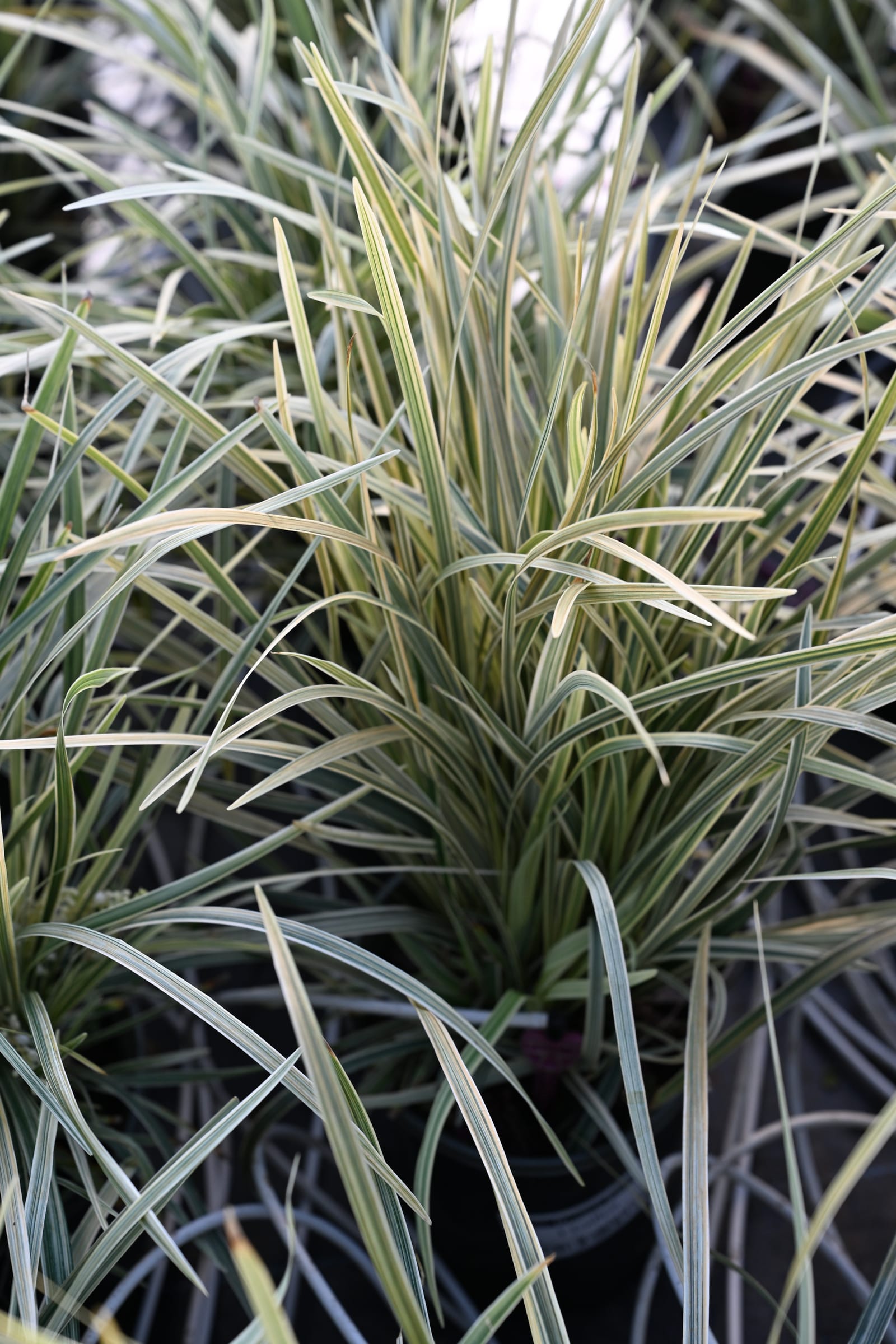
Silver Dragon Liriope
Maturity: 1' H x 1.5' W
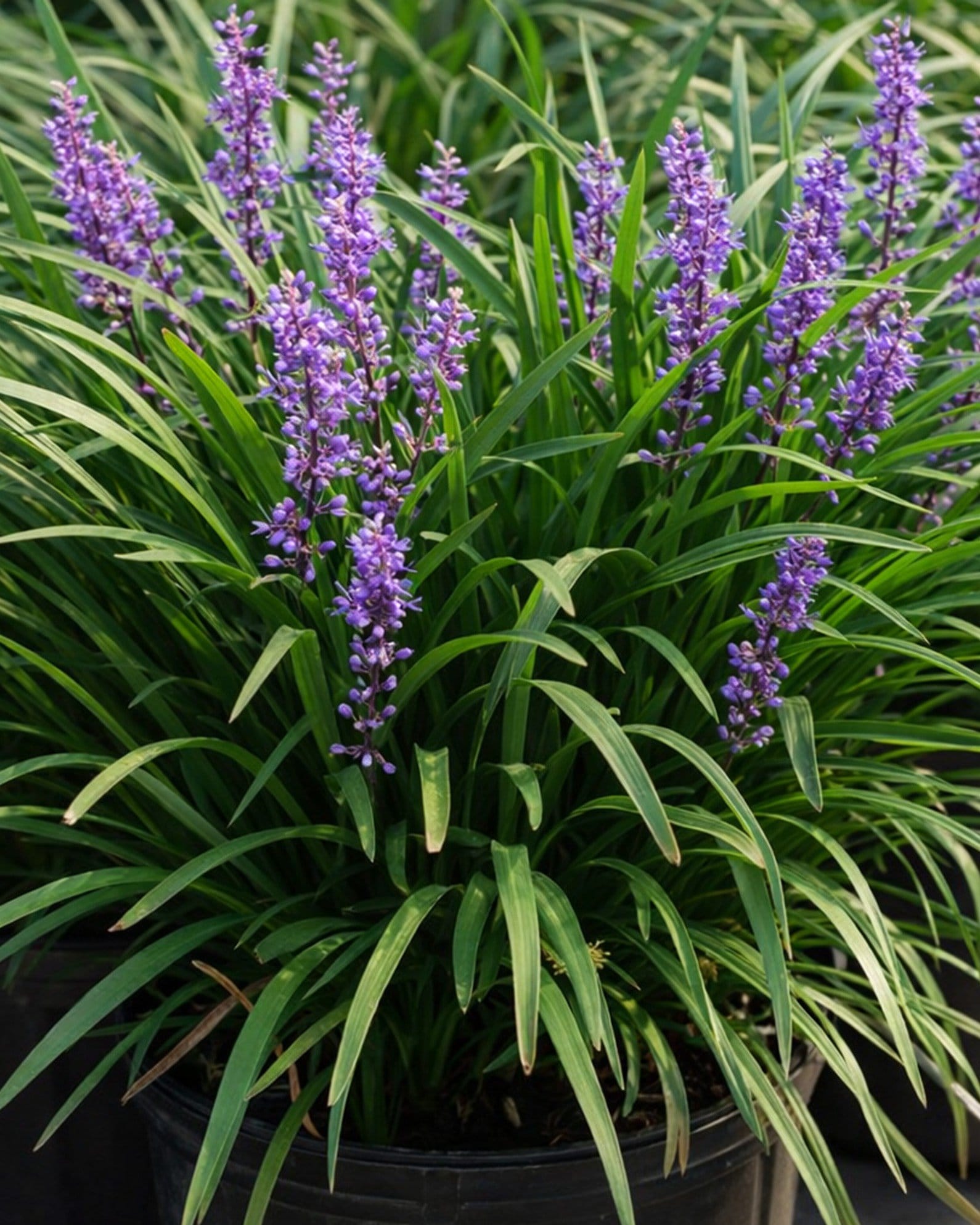
Super Blue Liriope
Maturity: 1.5' H x 1.5' W
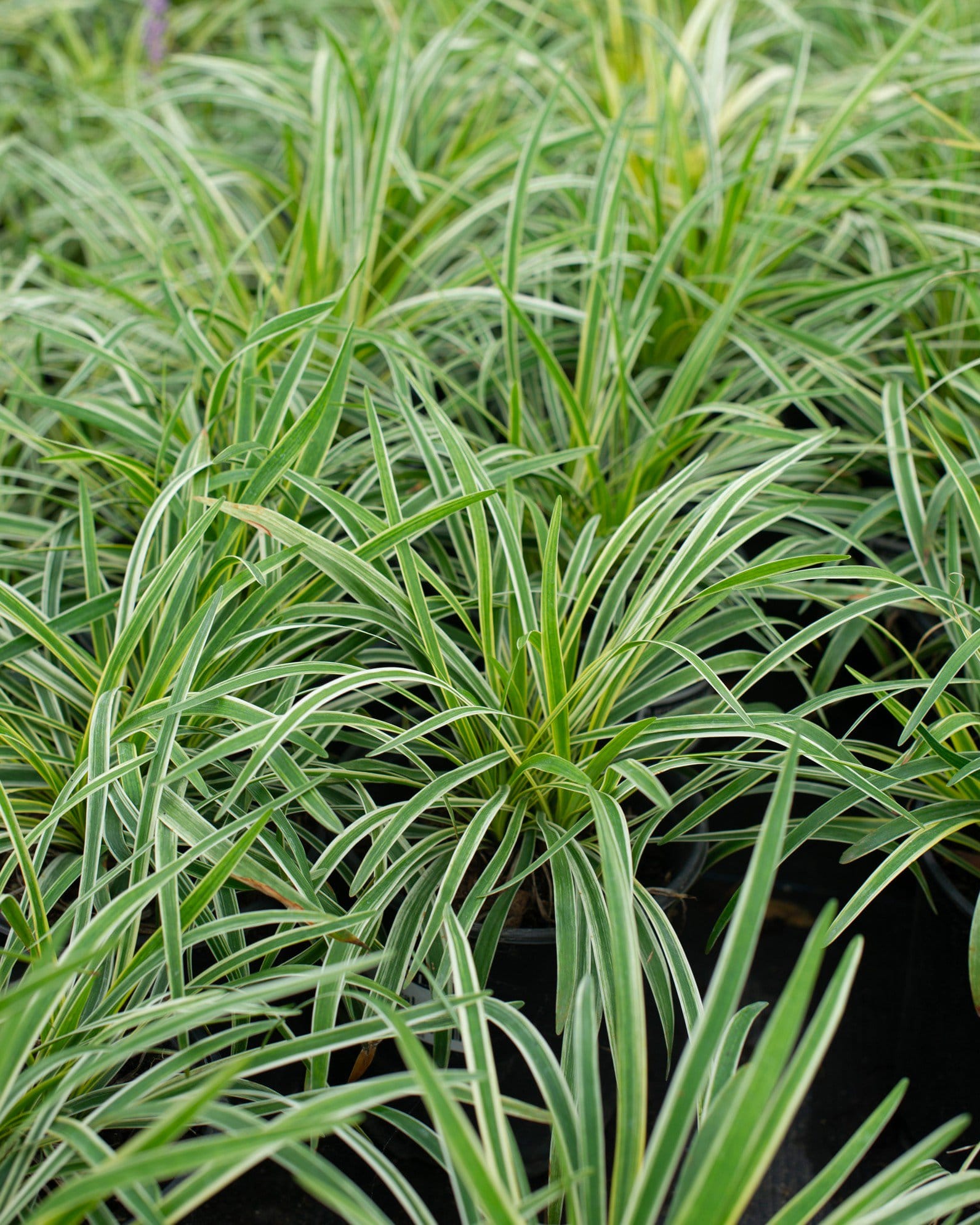
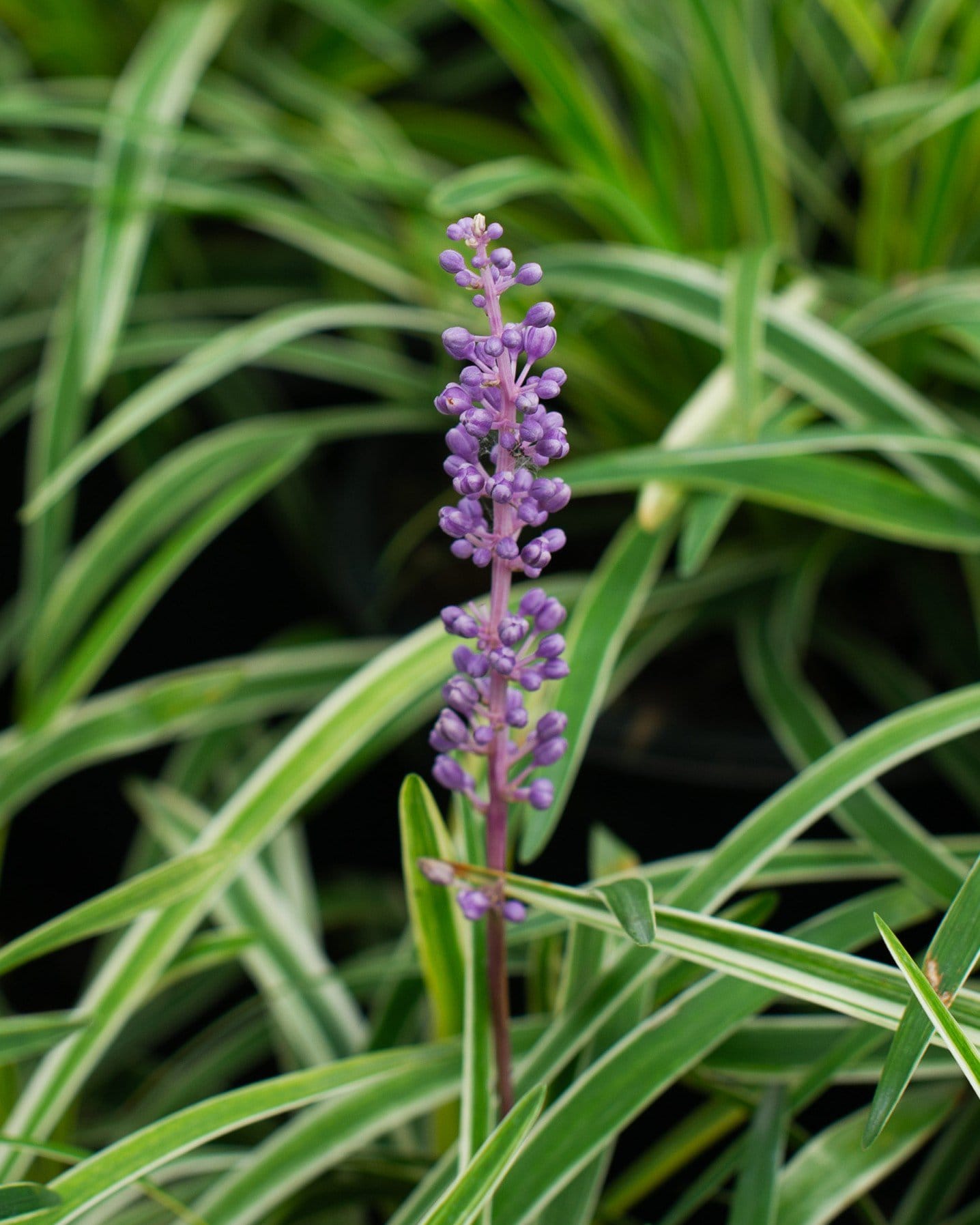
Variegated Liriope
Maturity: 1' H x 1' W
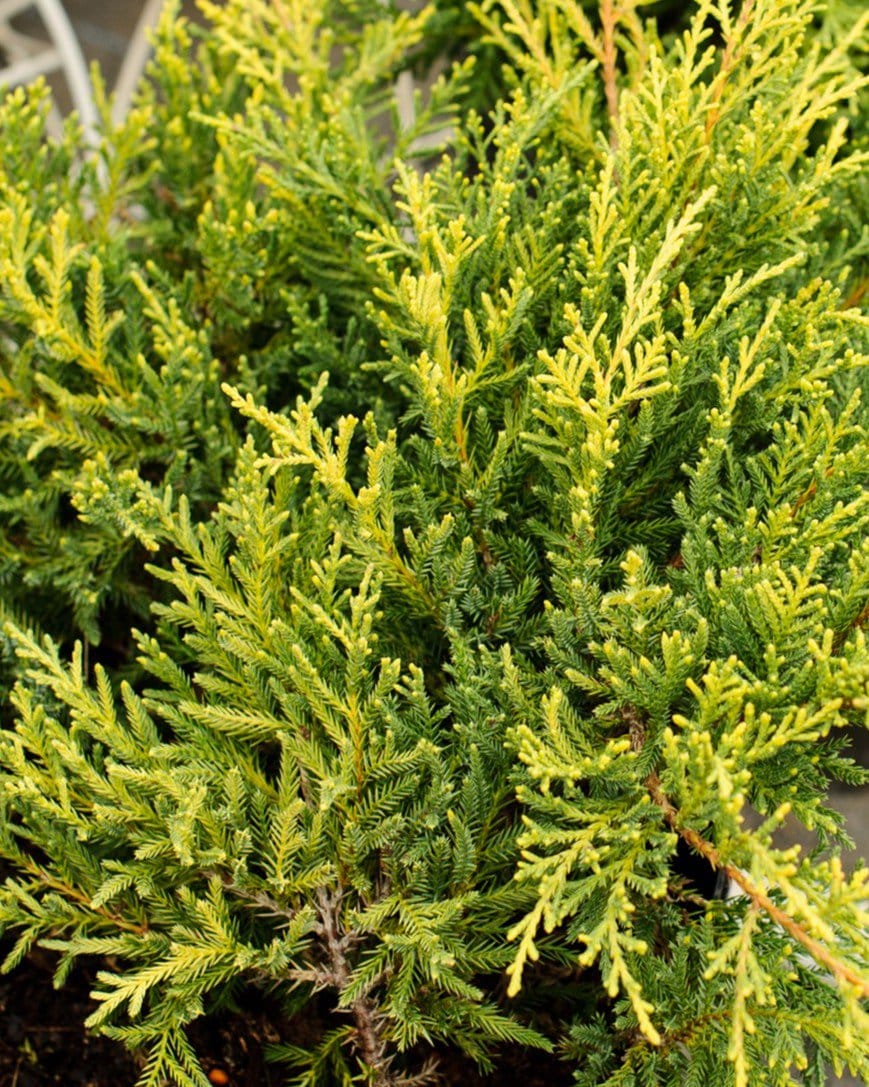
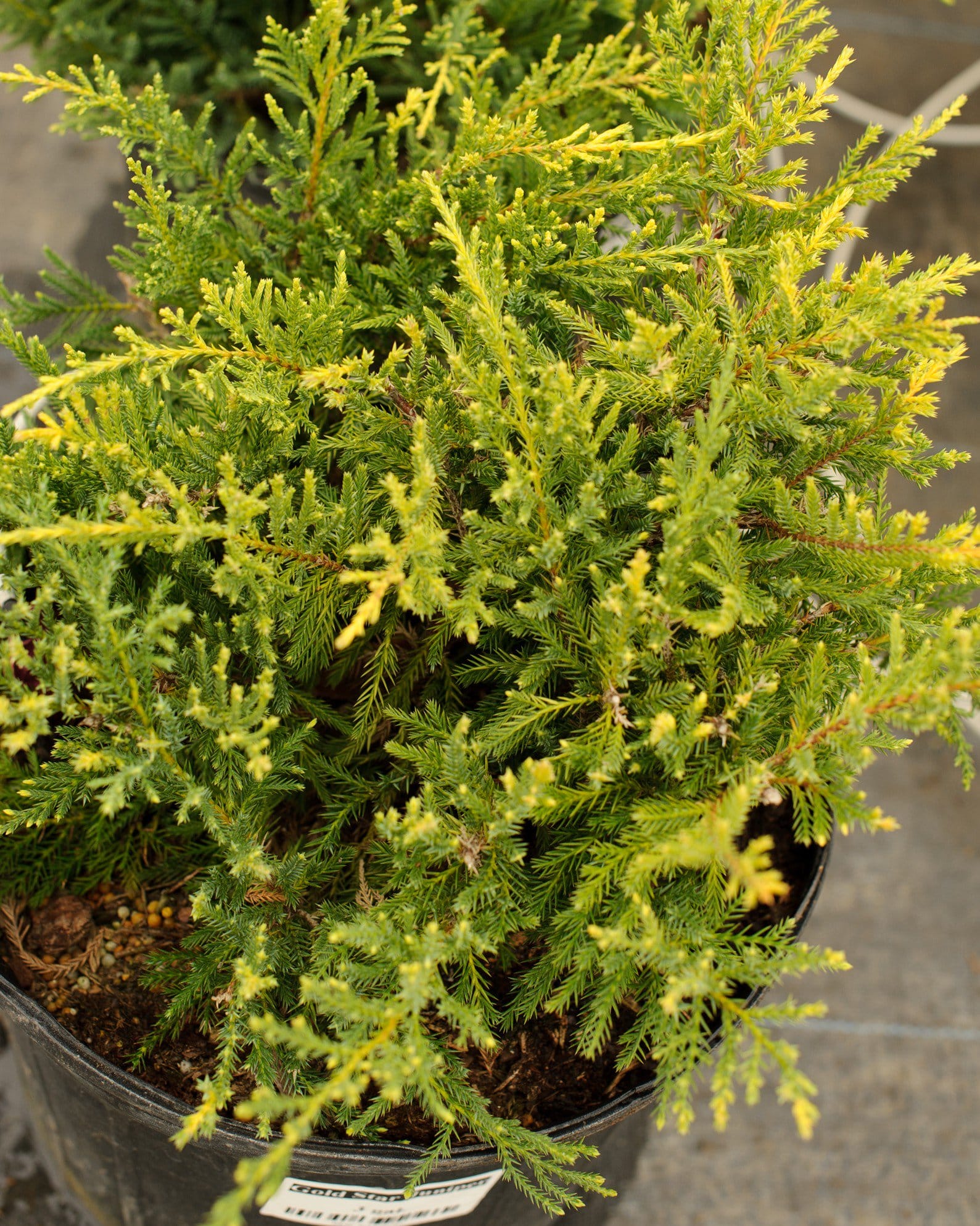
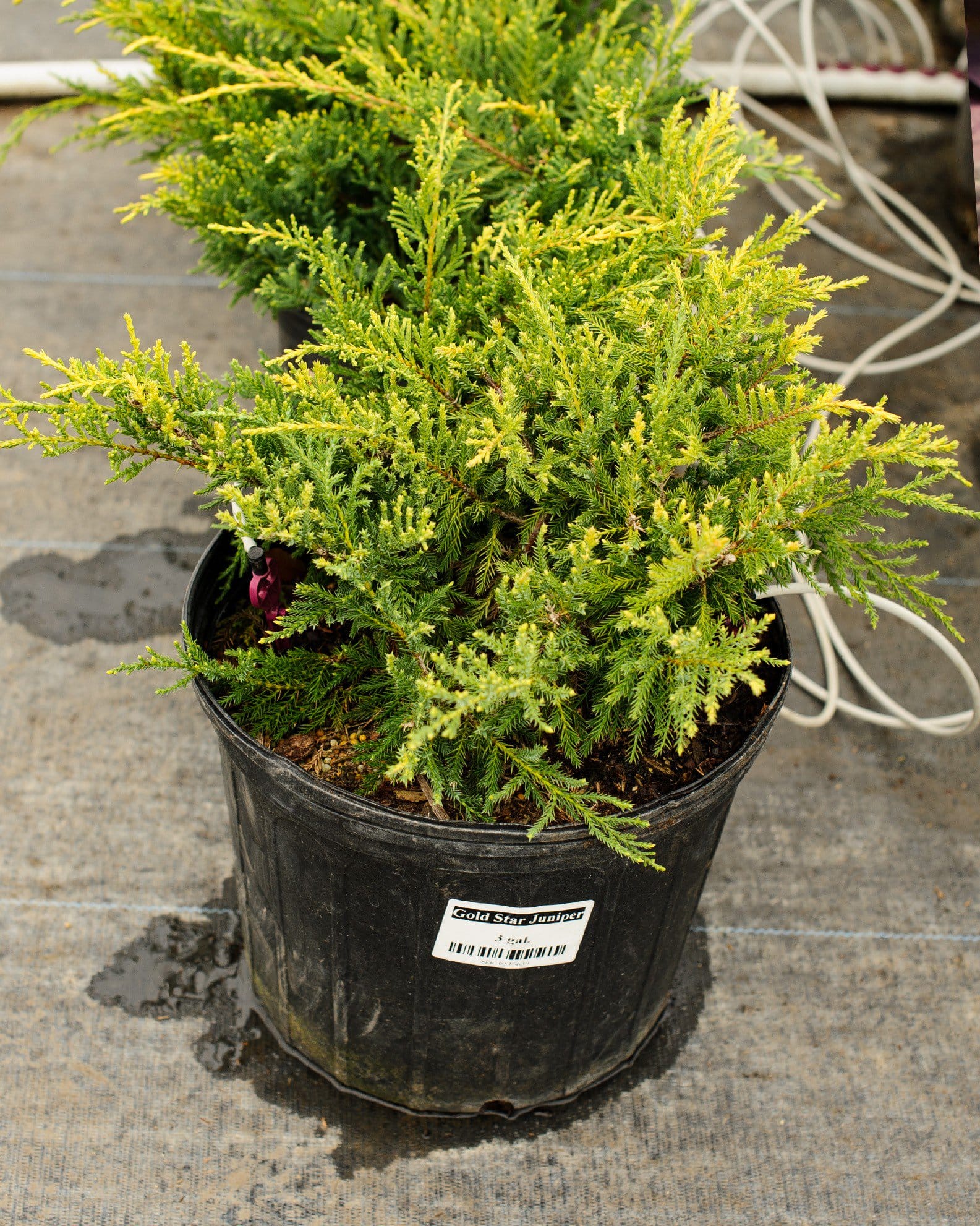
Gold Star Juniper
Maturity: 3' H x 4' W
Compare Similar Plants
Parsoni Juniper This plant | ||
|---|---|---|
| Scientific Name | Juniperus chinensis 'Parsonii' | Juniperus squamata 'Blue Star' |
| Size at Maturity | 2' H x 4' W | 2' H x 3' W |
| Leaf Retention | Evergreen | Evergreen |
| Sizes Available | 3 gal | 5 gal |


Our 1-Year Planting Guarantee
We take pride in our plants and installation services. If any plants or trees installed by Treeland fail to thrive within the first year, we'll provide a replacement credit in accordance with our guarantee program.
Learn More About Our Guarantee