
 Popular
Local DFW Delivery Only
Product Details
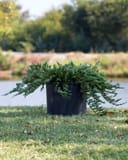
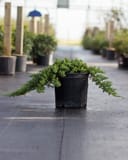
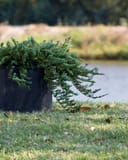
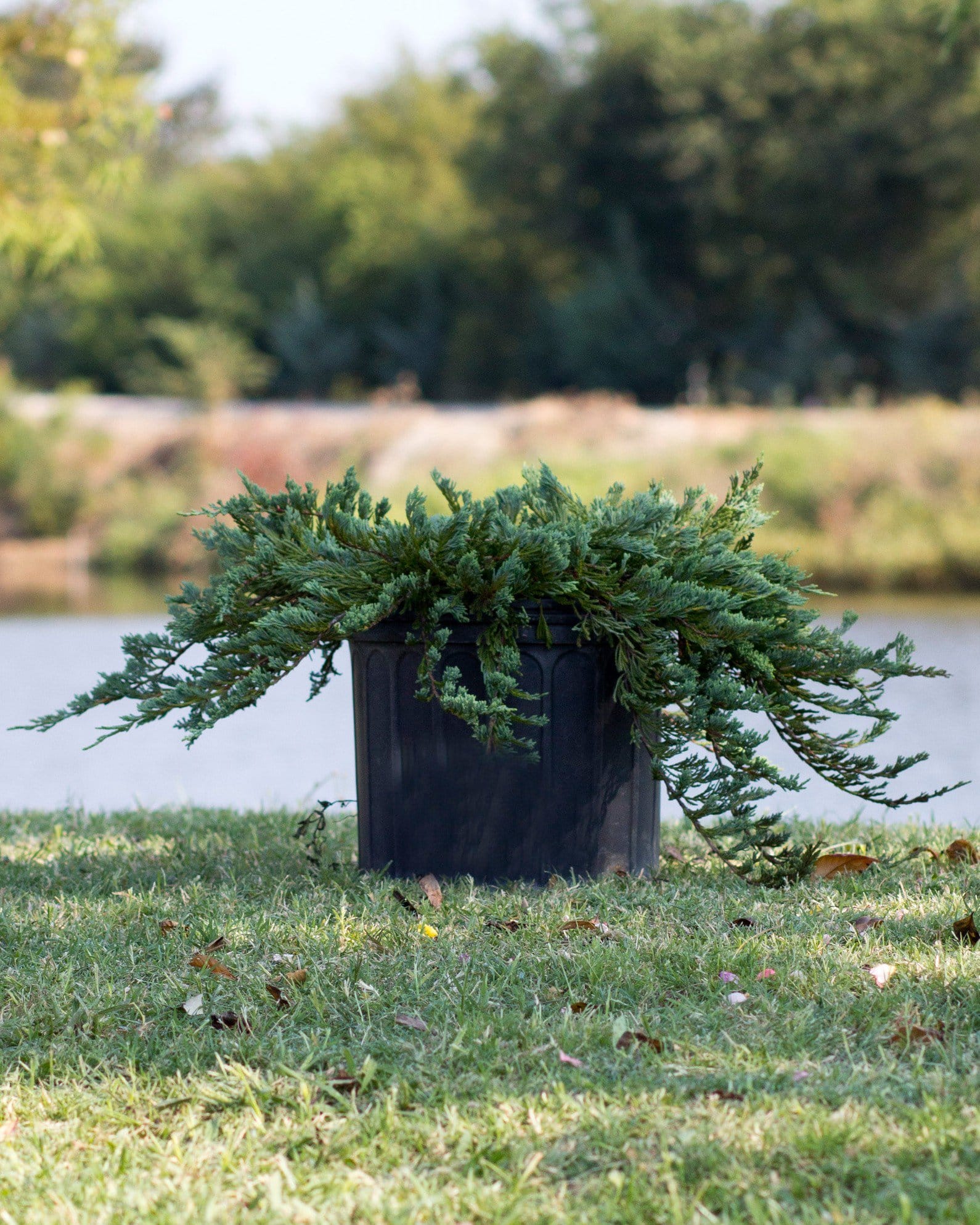
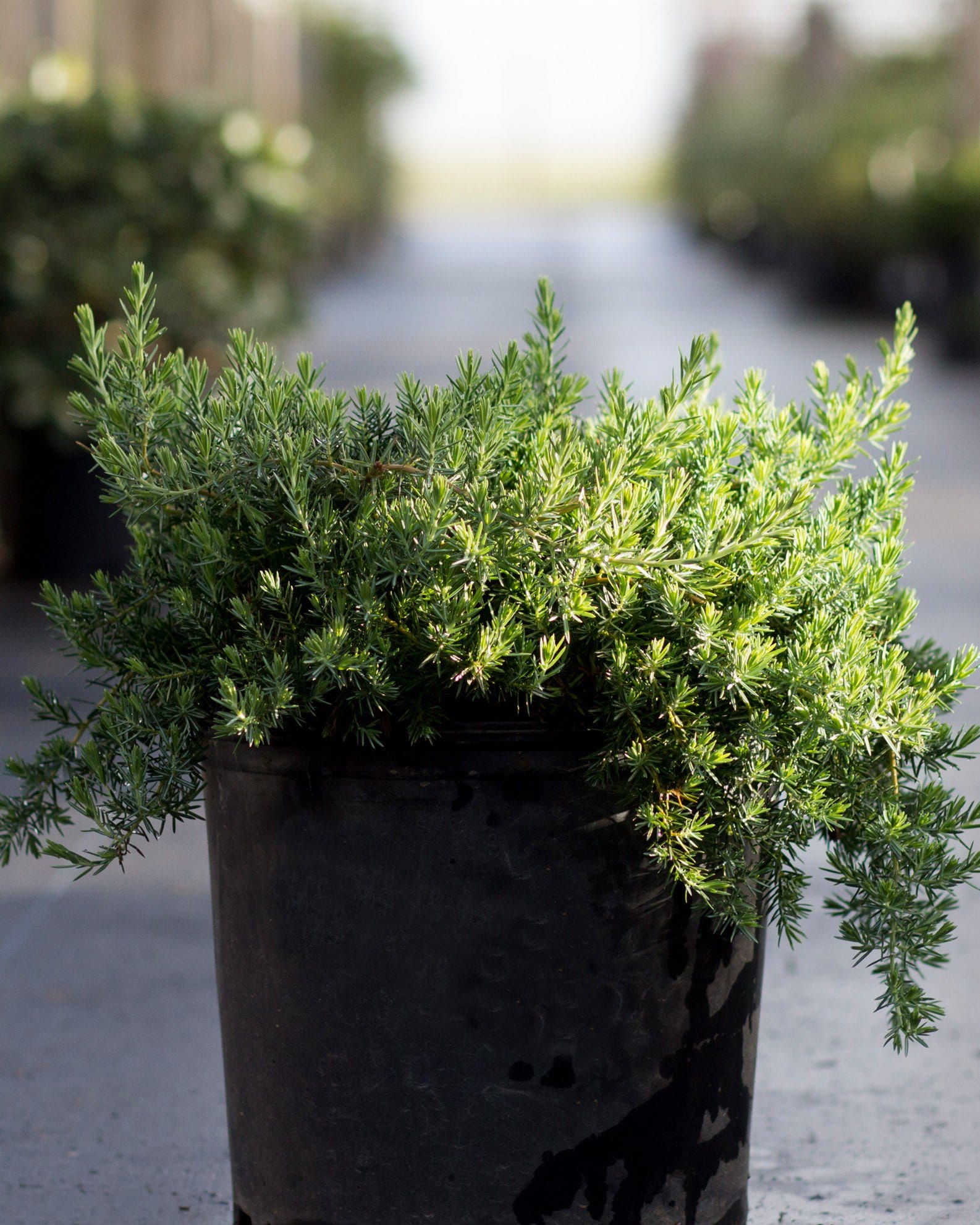
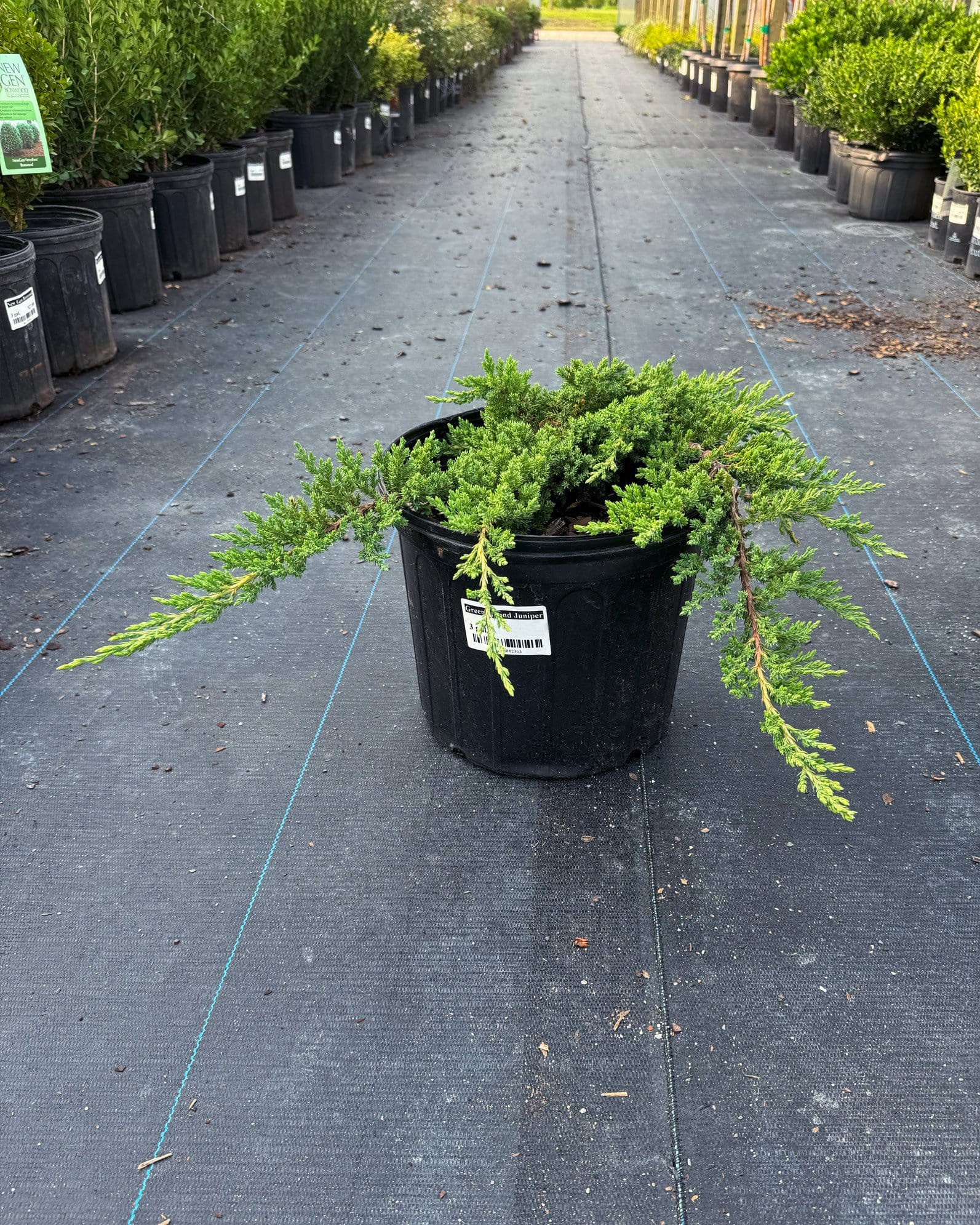
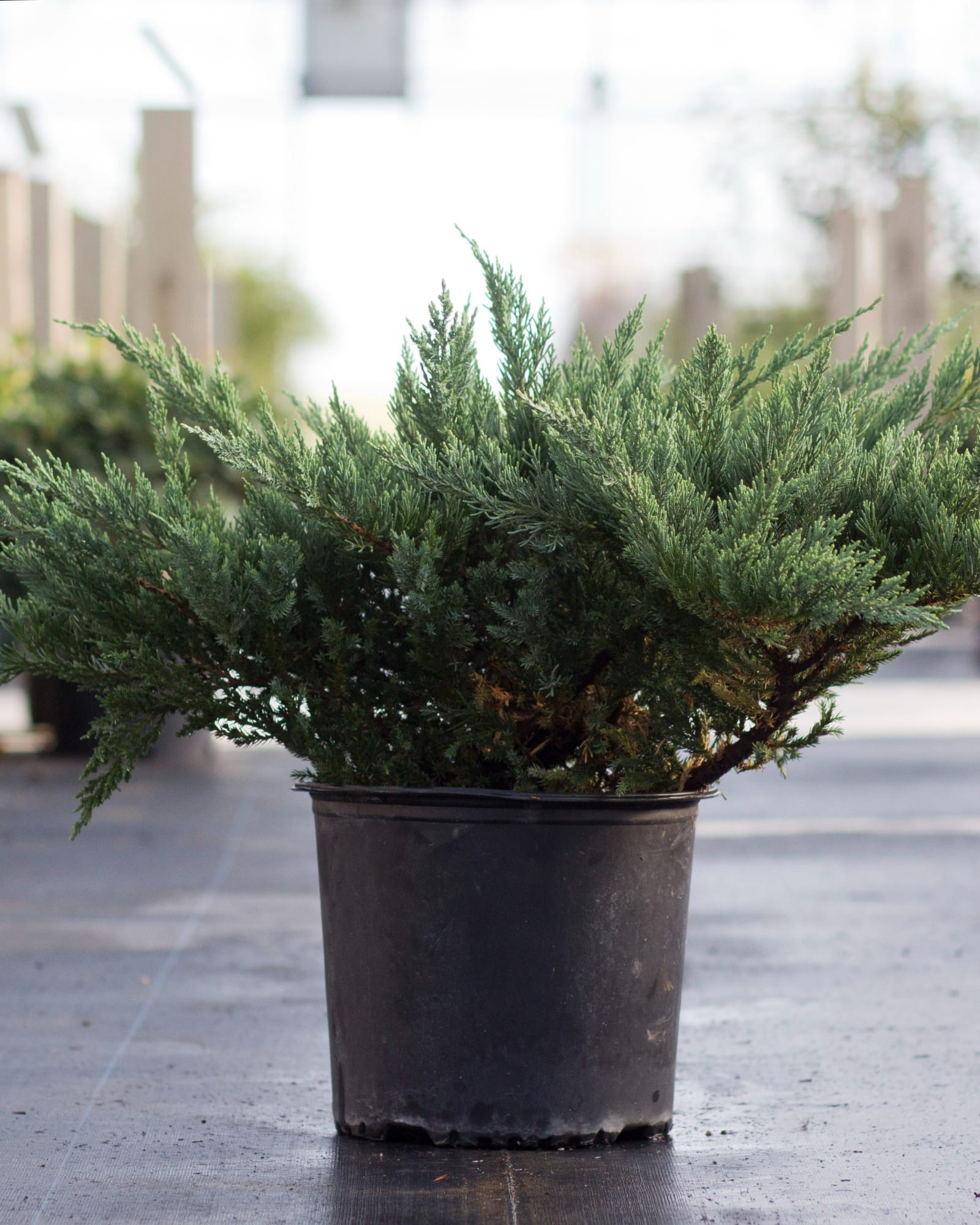
Blue Rug Juniper
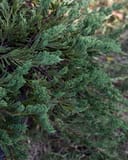
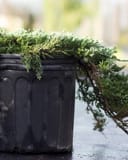
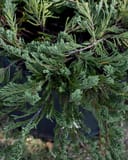
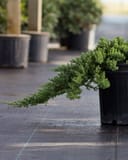
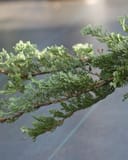
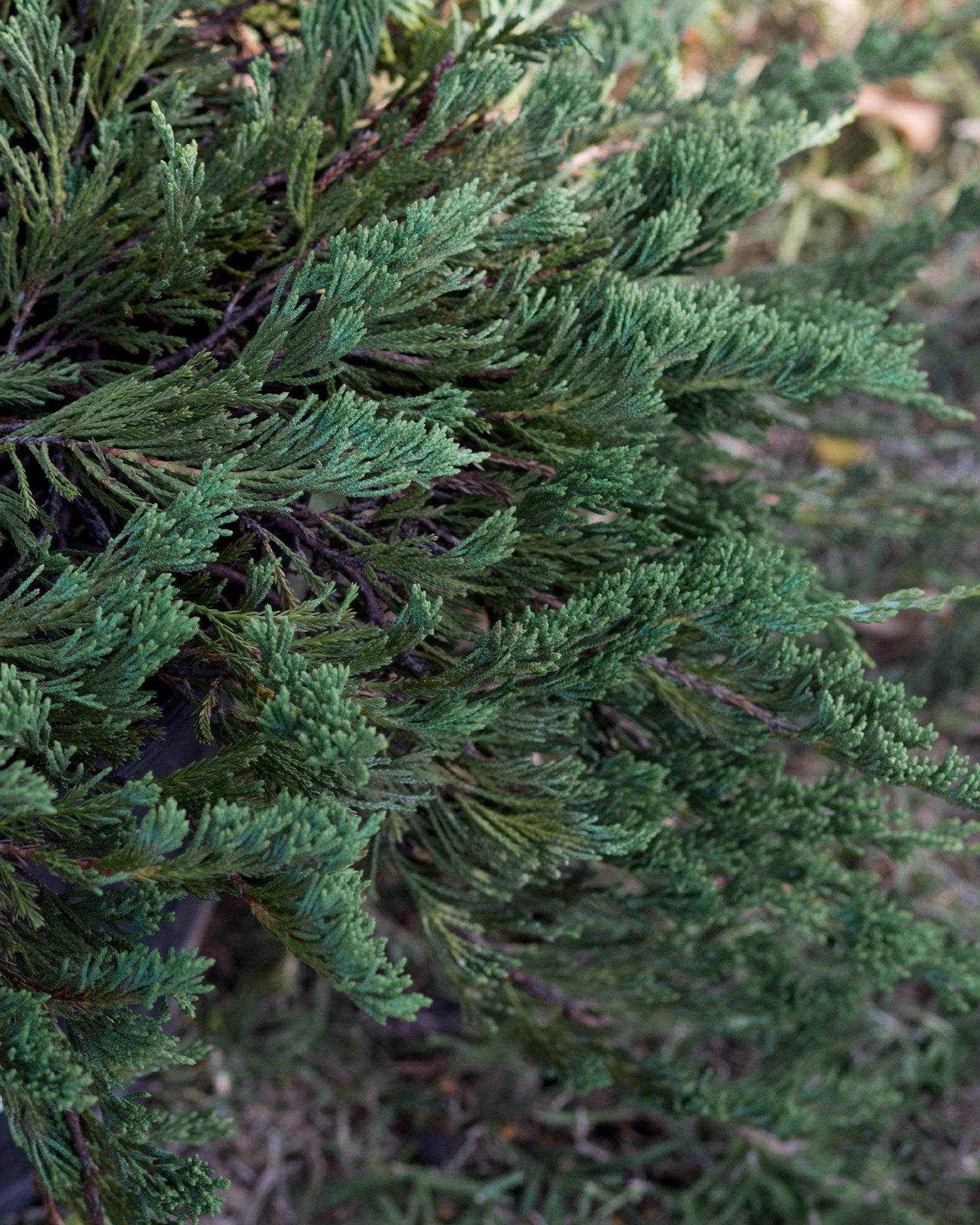
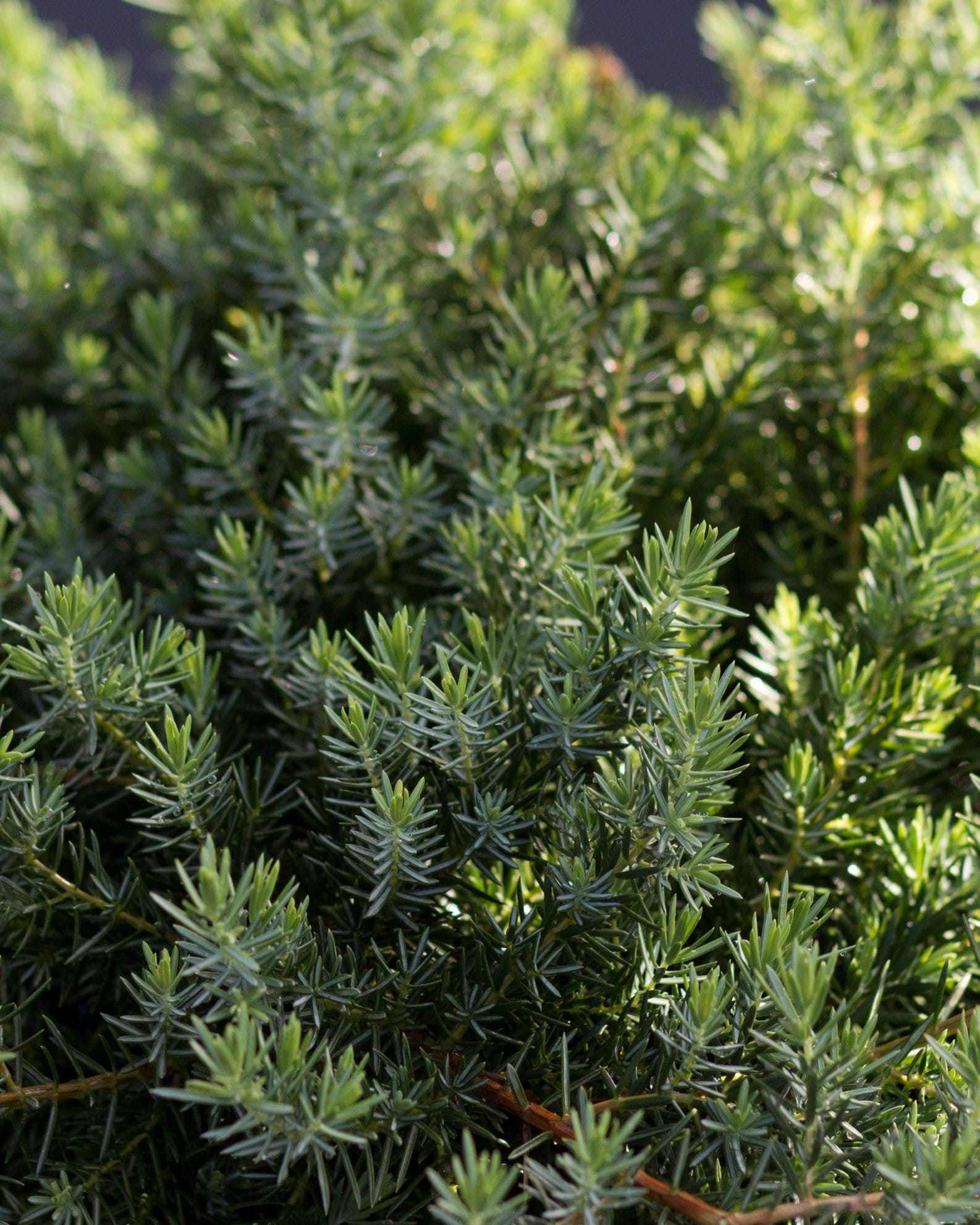
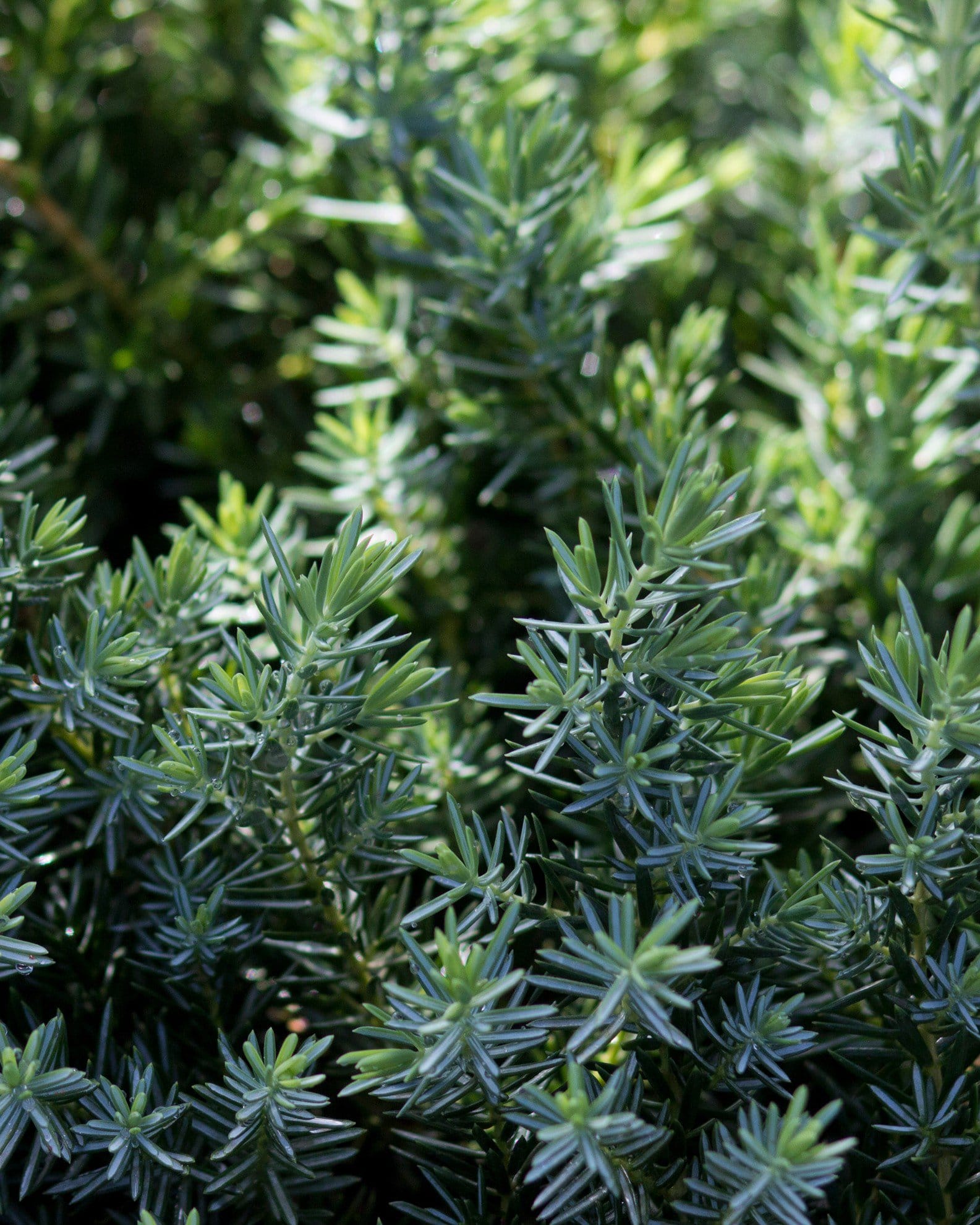
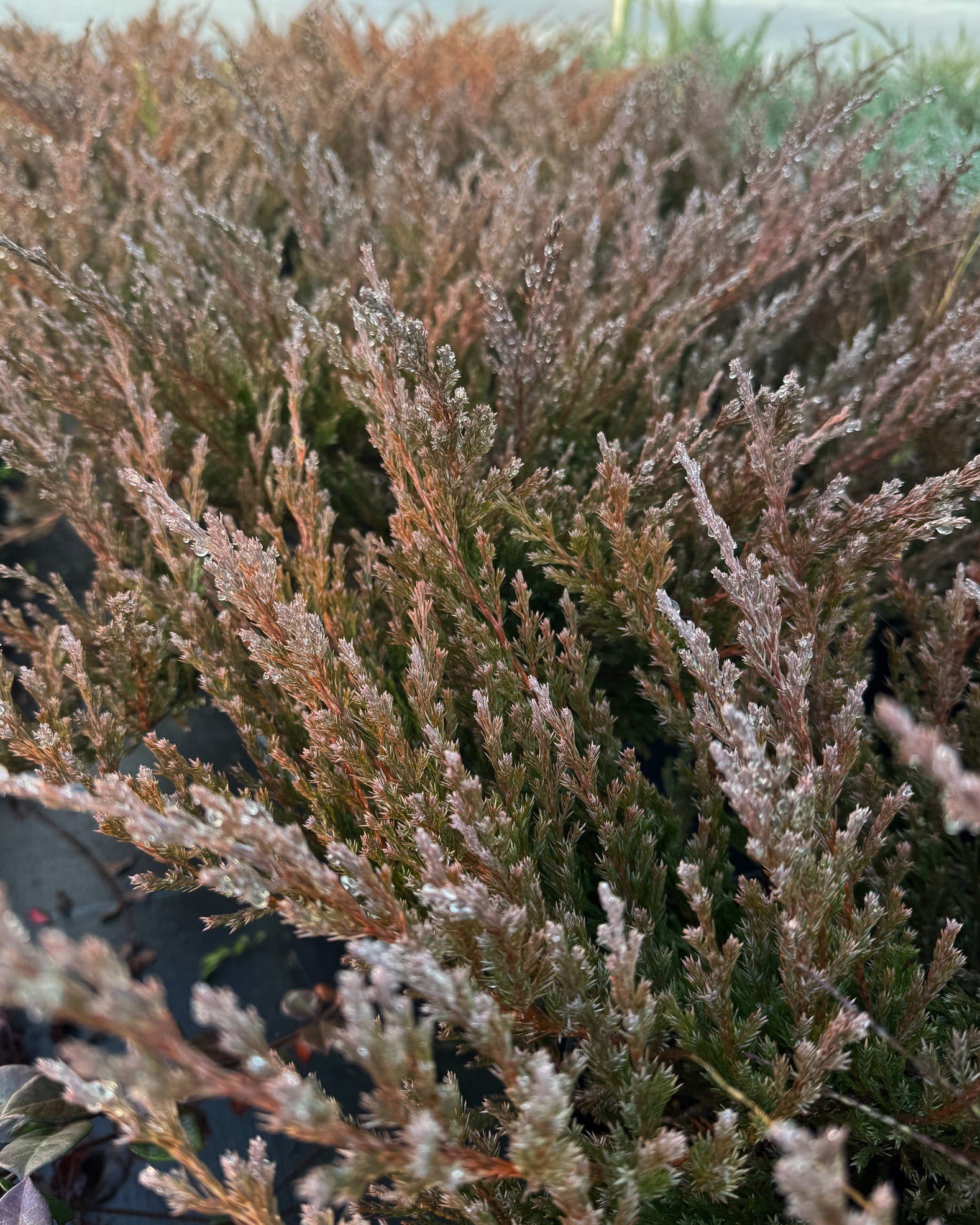
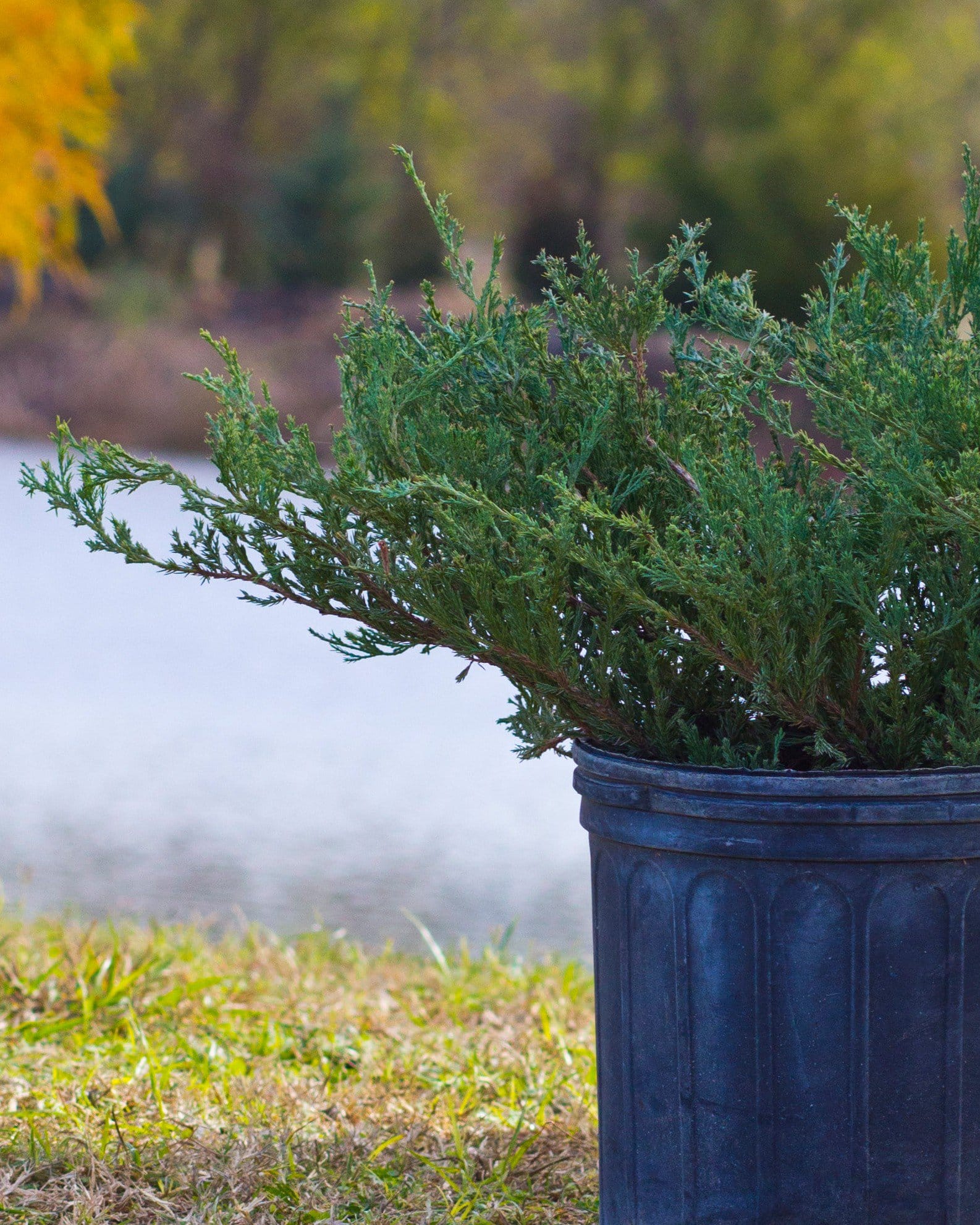
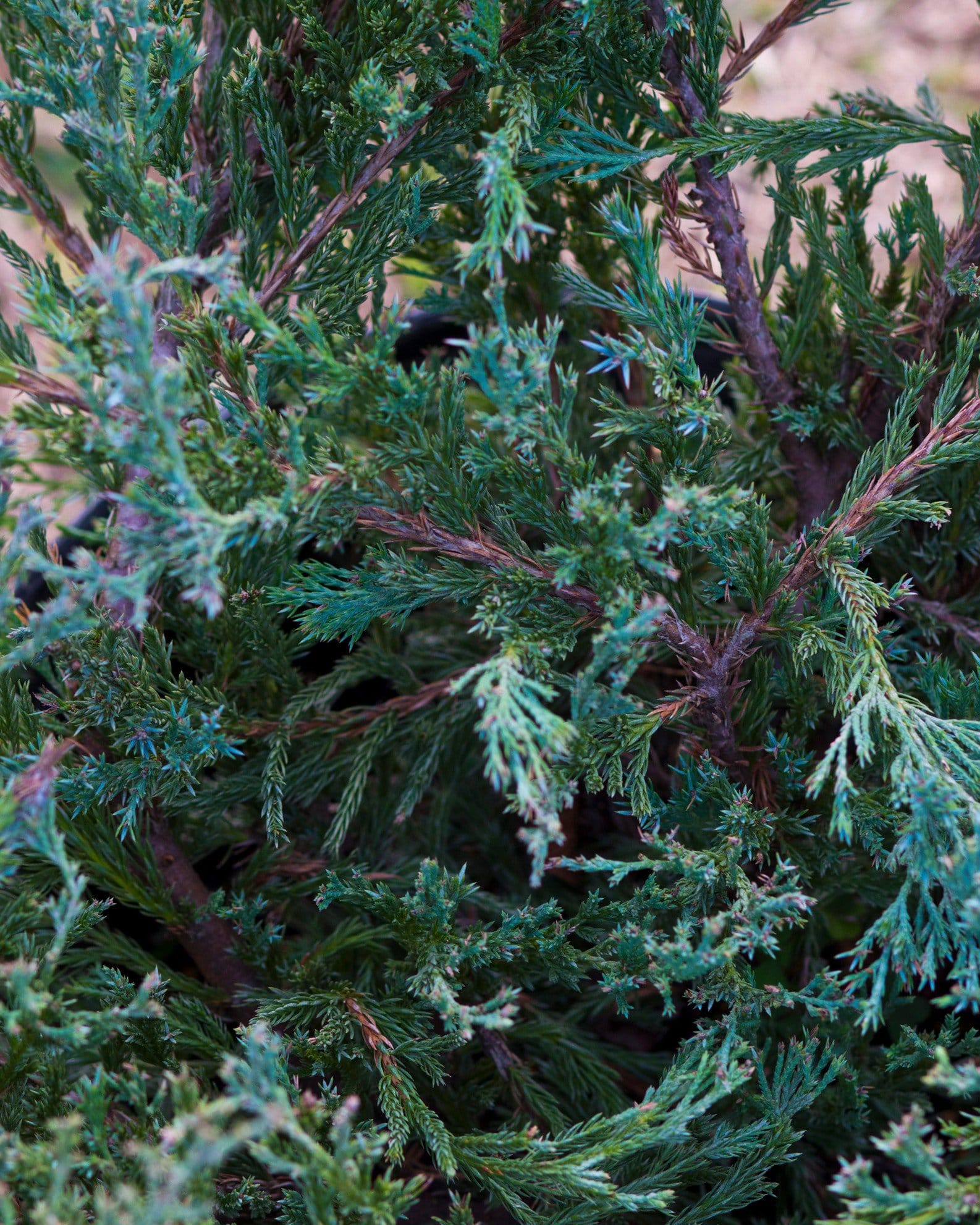
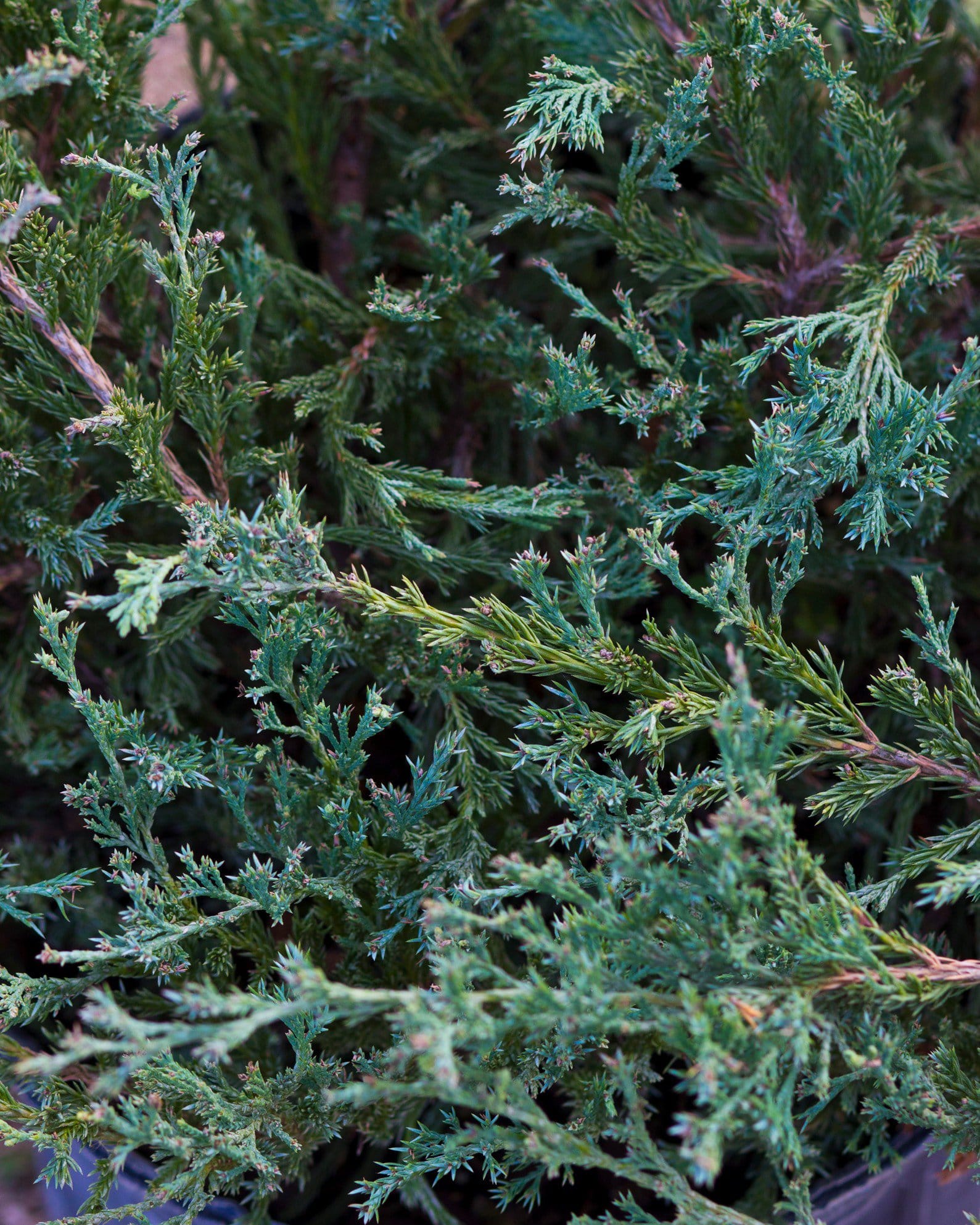
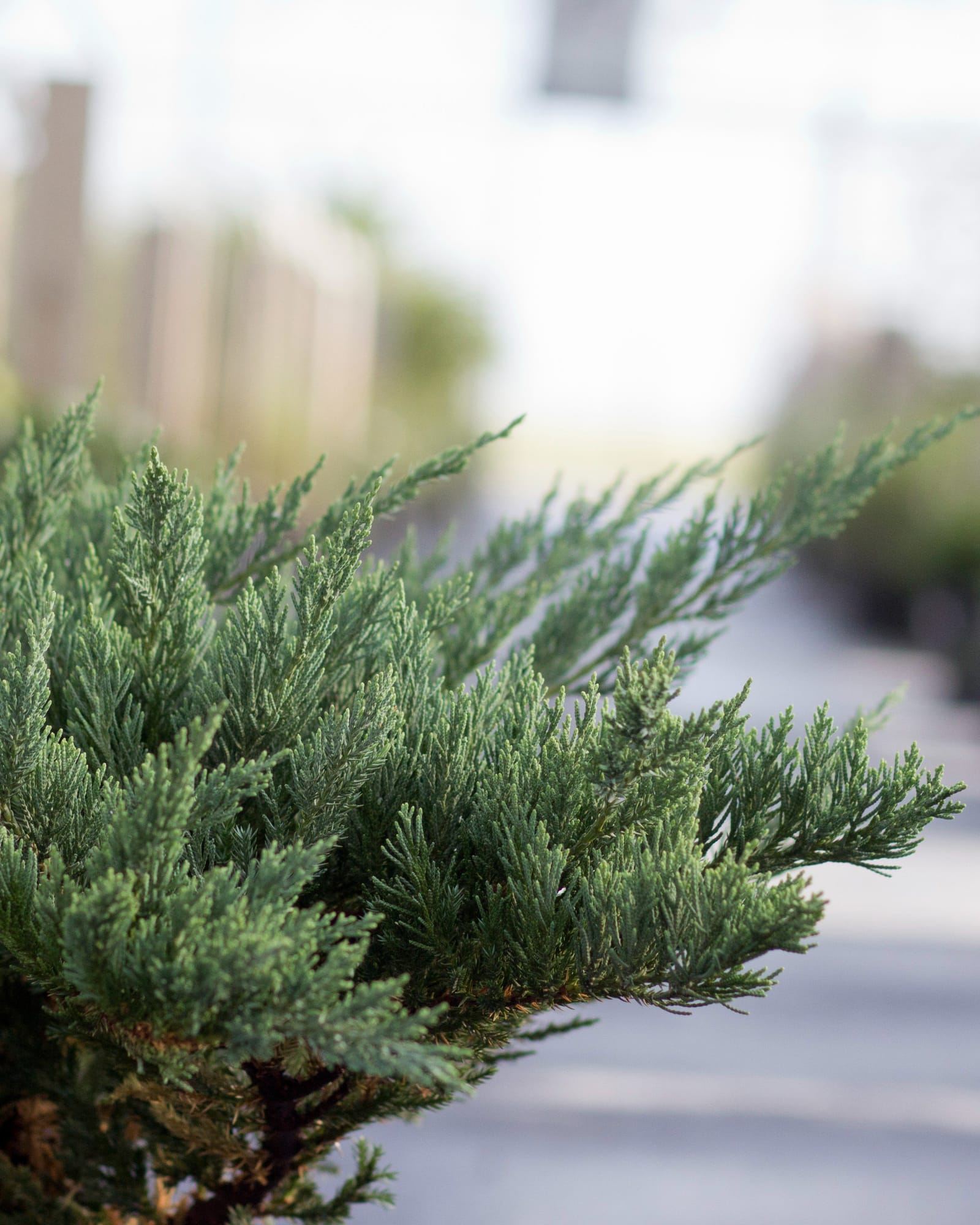
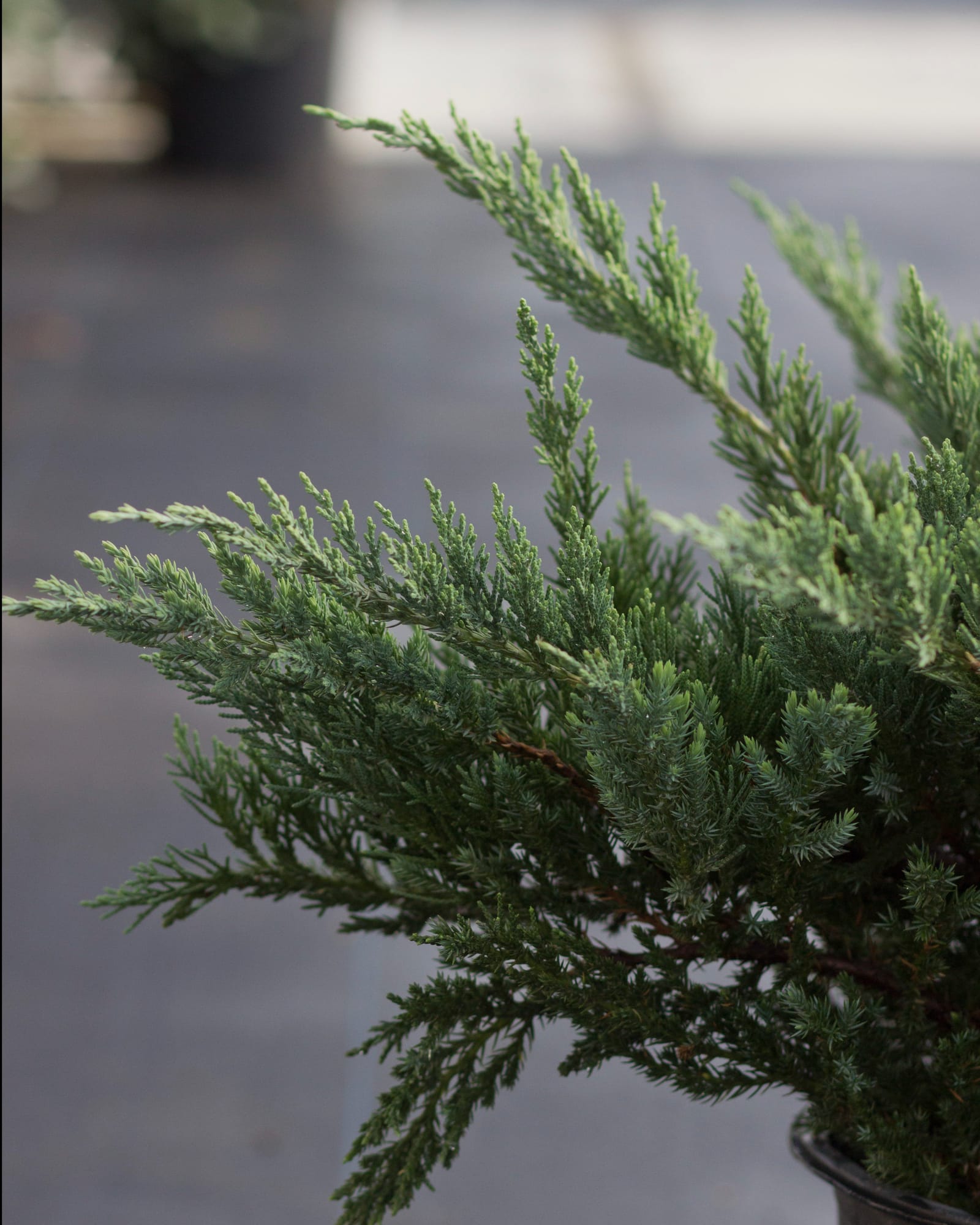
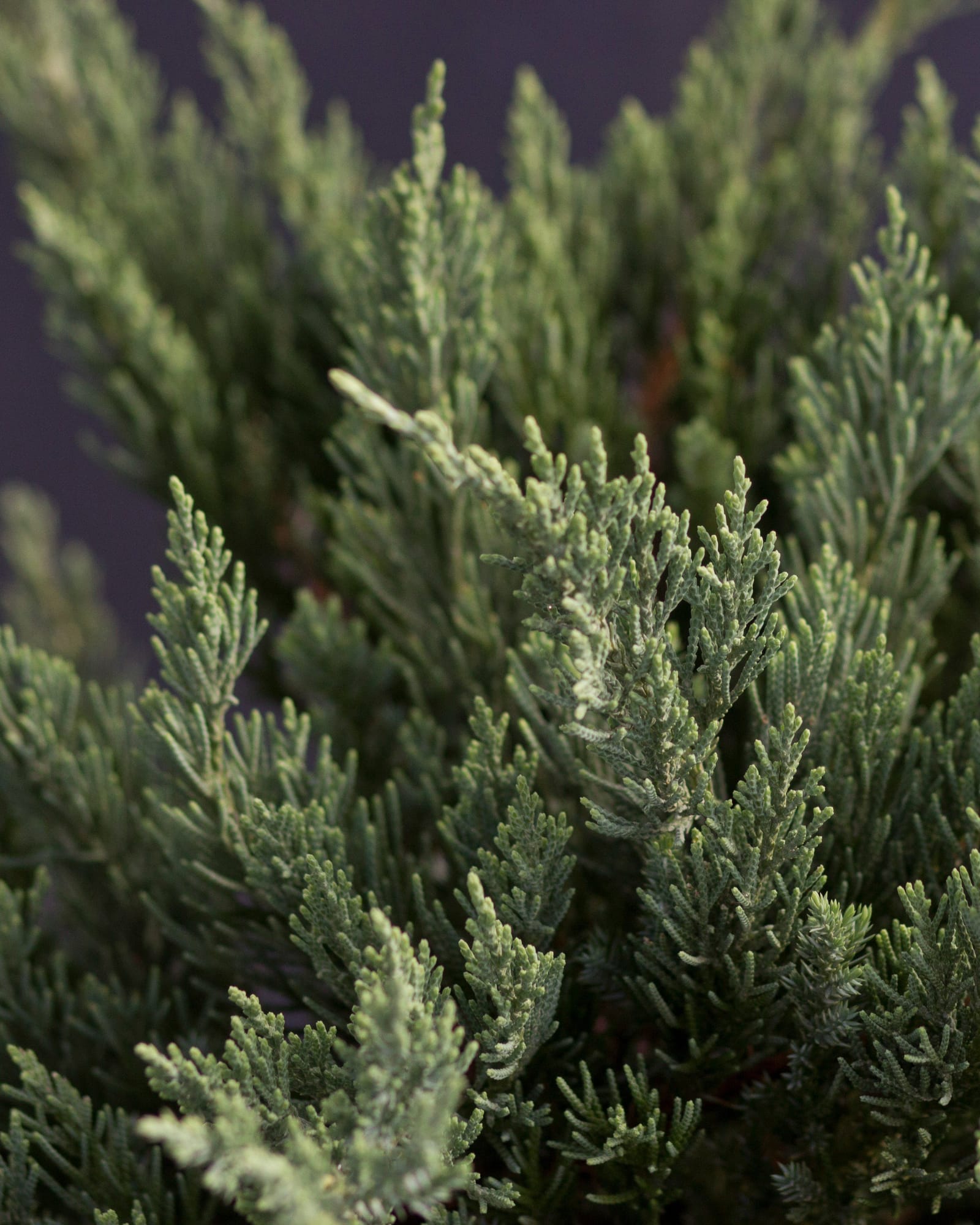
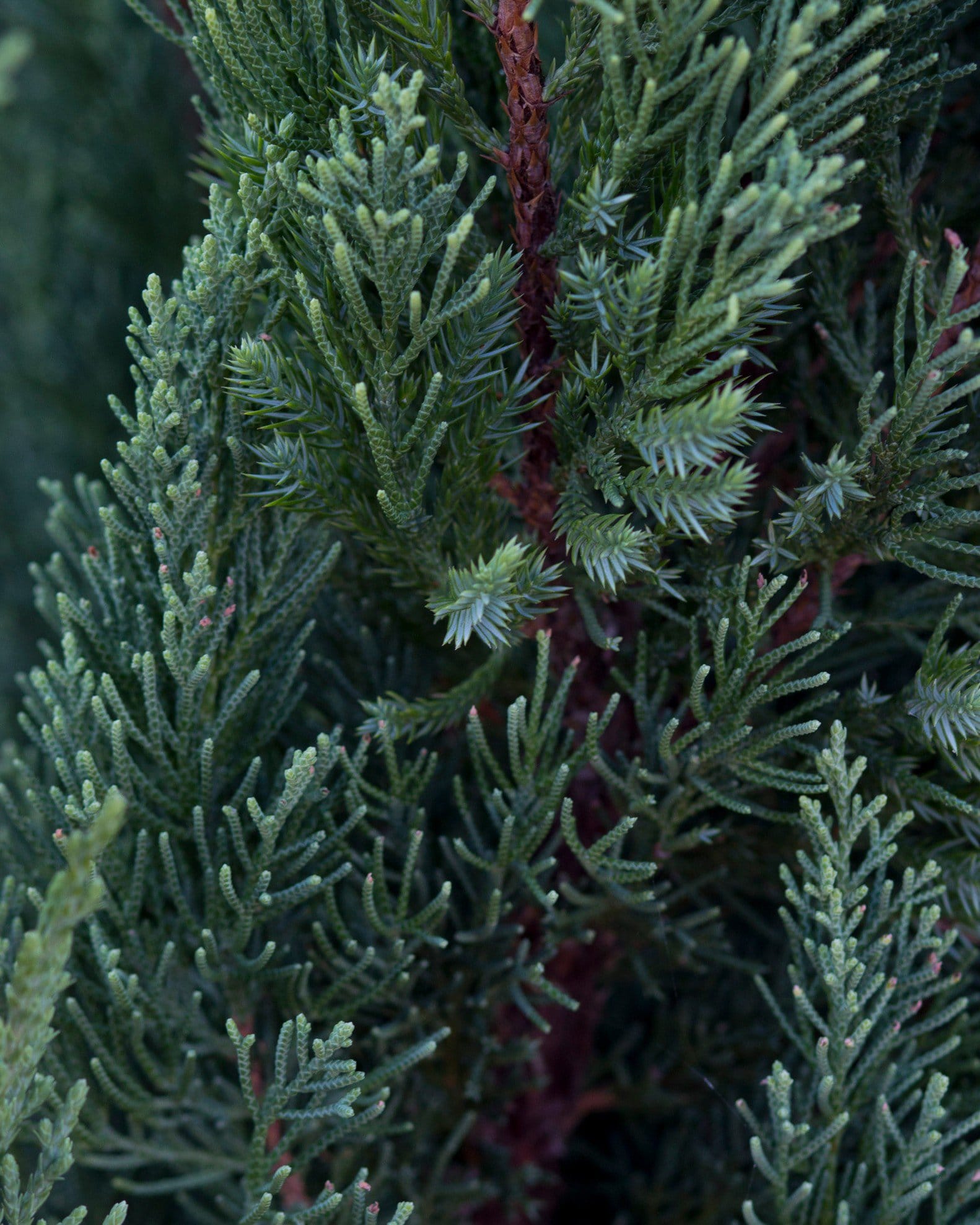
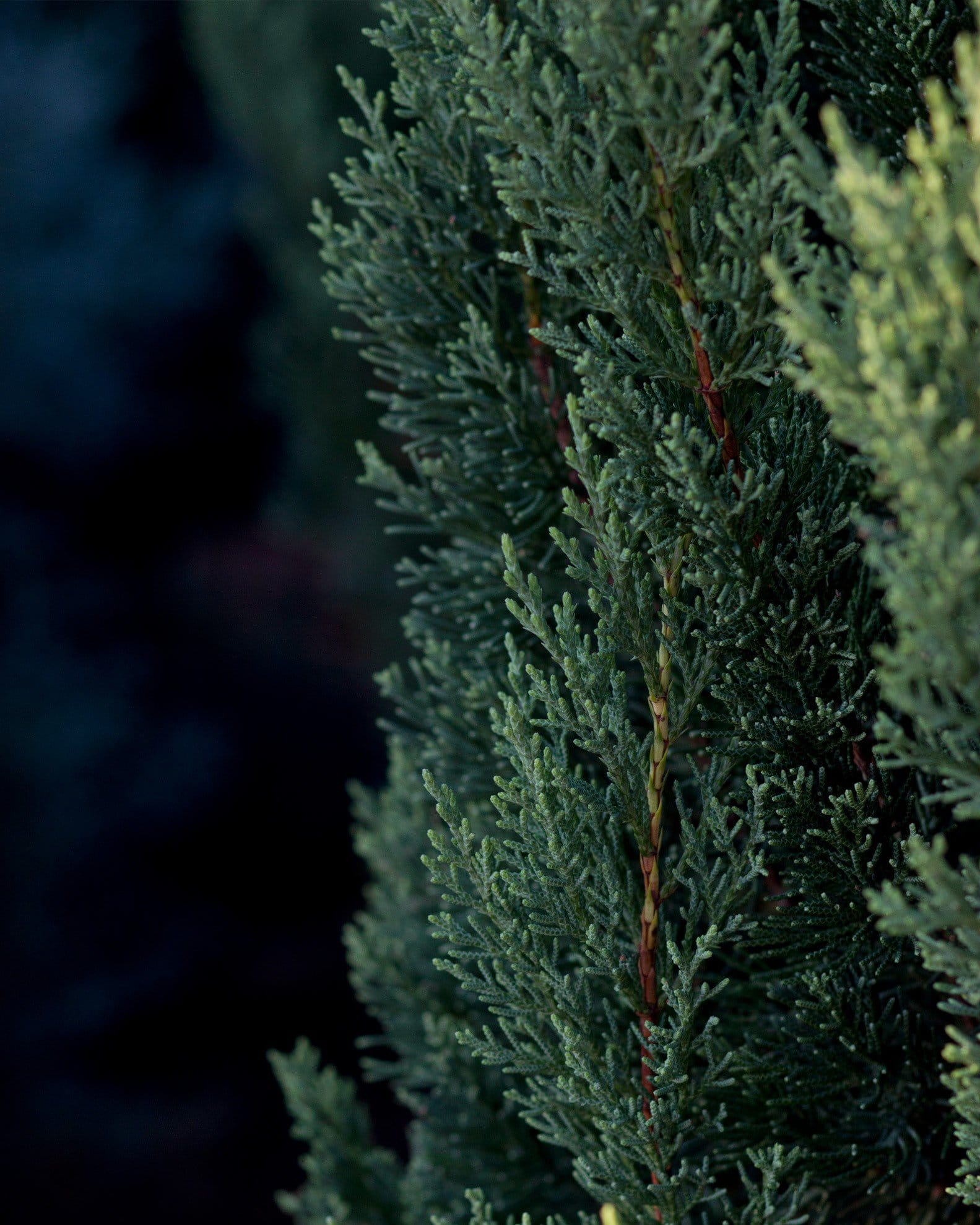
Juniperus horizontalis ‘Wiltonii’Perfect as a groundcover due to its spreading growth habit, this plant reaches 0.5 feet in height and up to 6 feet wide at maturity. This plant is a great addition to borders, where it will complement your other plants beautifully. It's prized for its attractive foliage. The leaves are silvery-blue, turning a lovely shade of purple in fall. It produces small, bluish-purple berries that look decorative but are not edible and shouldn't be consumed.
- Evergreen perennial
- Excellent for borders and as a groundcover
- Spreading growth habit
- Fast growth rate
- Silvery-blue foliage that turns purple in fall
Blue Rug Juniper prospers in full sun, so make sure that it gets at least 6 hours of direct sunlight daily. Hardy in zones 3 to 9, it will look delightful in your North Texas landscape. Trimming is not necessary, but you can do it lightly to maintain the shape you prefer.
Though known for being low-maintenance, Blue Rug Juniper requires some care and attention in order to thrive.
- Watering: During its first year, water regularly to help roots establish deeply. Once established, Blue Rug Juniper becomes highly drought-tolerant and generally requires little supplemental watering. Deep watering every time during extended dry spells is ideal.
- Pruning: Minimal pruning is needed. Trim in early spring to remove dead or damaged tips, shape edges, or control spread. Avoid heavy. Light trimming encourages denser growth and a tidier appearance.
- Fertilizing: Blue Rug Juniper typically thrives without much feeding. However, if growth appears slow or foliage dull, apply a slow-release, balanced fertilizer in early spring. Avoid over-fertilizing, which can lead to weak, leggy growth.
- Mulching: A layer of mulch helps conserve moisture, suppress weeds, and moderate soil temperature. Keep mulch 3-4 inches away from the base of the stems to prevent moisture buildup and rot.
Common Issues and How to Take Care of Them
Although it’s known for its toughness, Blue Rug Juniper can face a few common issues you should be aware of.
- Phomopsis Tip Blight: A fungal disease that causes browning and dieback on new shoots, especially in wet conditions. Prune affected branches promptly and improve airflow. Applying a copper-based fungicide can help prevent the spread.
- Spider Mites: Tiny pests that thrive in hot, dry weather, causing stippling or bronzing on foliage. Regularly rinse foliage with water or treat with insecticidal soap if infestations appear.
- Bagworms: Caterpillars that form cone-shaped bags from needles and webbing. Remove and destroy visible bags before larvae hatch in early summer.
- Root Rot: Often caused by poorly drained soil or prolonged periods of standing water. Roots begin to decay, leading to yellowing, browning, or wilting foliage and reduced plant vigor. Avoid overwatering and ensure the planting area drains well.
Water deeply but infrequently to promote strong roots, prune only as needed with sanitized tools, and maintain 4-6 feet of spacing for airflow; keep mulch away from stems to prevent fungus and pests.
It spreads quickly, growing 6-12 inches outward per year, eventually covering 6-8 feet in width.
Spring or early fall are ideal planting times, allowing roots to establish before extreme summer heat or winter cold.
Plant Blue Rug Juniper along retaining walls, curbs, slopes, or rock gardens where its low, spreading habit can cascade beautifully and help control erosion.
No, it requires minimal pruning. Light trimming in spring can help maintain its shape or keep it from spreading beyond its intended area.
It tolerates very light foot traffic, but frequent walking can damage stems. Use stepping stones or pathways for areas with regular use.
Yes, Blue Rug Juniper is mildly toxic to dogs. Contact your vet or a pet poison control center right away if your dog eats any part of the plant.
Browning often indicates overwatering, poor drainage, or fungal disease. Trim affected areas, improve soil drainage, and avoid overhead watering. If the soil remains waterlogged, consider replanting in a raised area or amending with sand or gravel to improve aeration.
Absolutely. Its dense, spreading roots stabilize soil effectively, making it perfect for slopes and banks prone to erosion.
Yes. Its low, trailing habit looks beautiful in containers, cascading over edges, or weaving through rocks in alpine gardens. Just ensure excellent drainage.
With proper care, it can live 15-20 years or longer, maintaining its dense mat-like form throughout its lifespan.
Special Features
You might also like
Blue Pacific Juniper
Maturity: 1' H x 3' W
Green Mound Juniper
Maturity: 1' H x 10' W
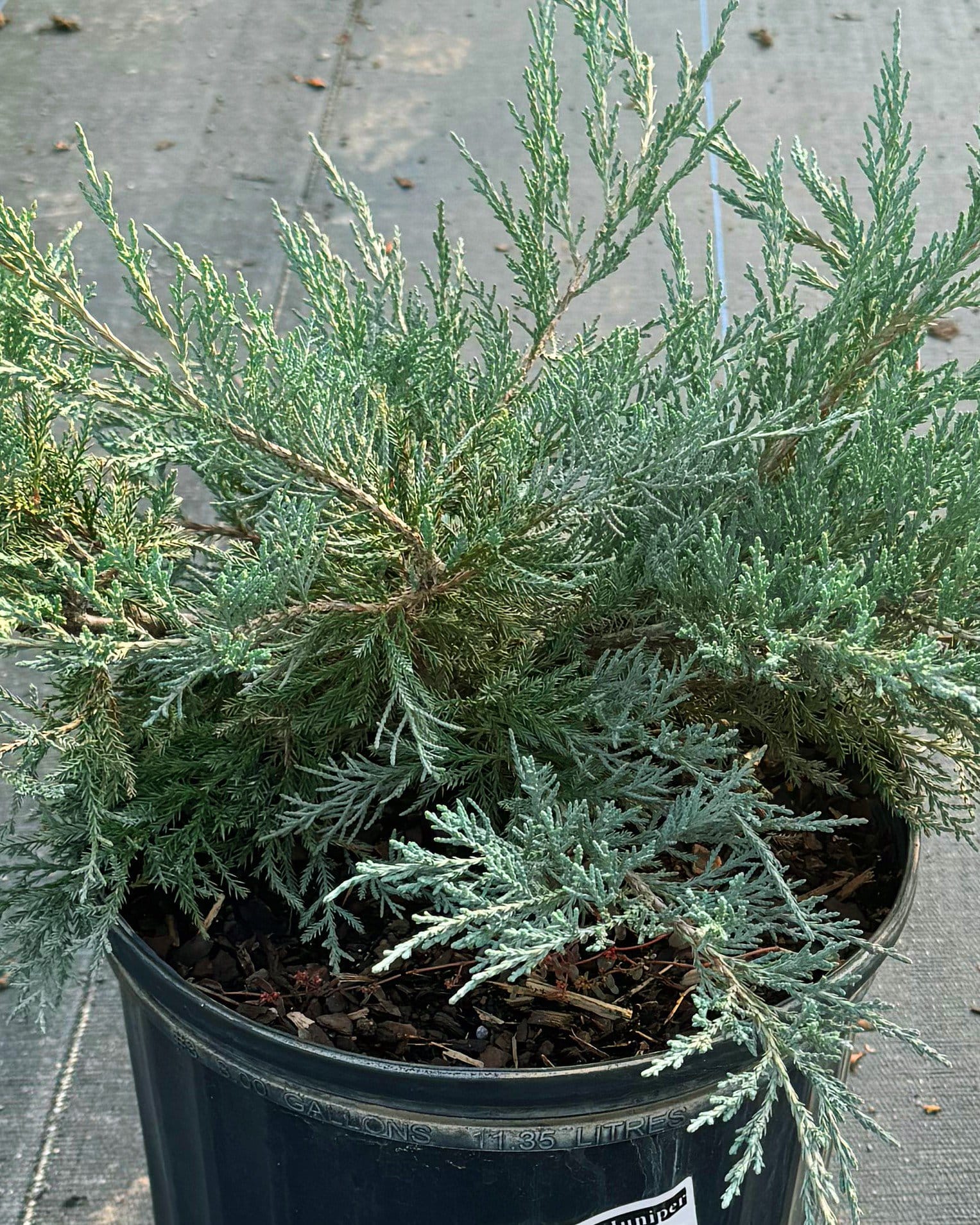
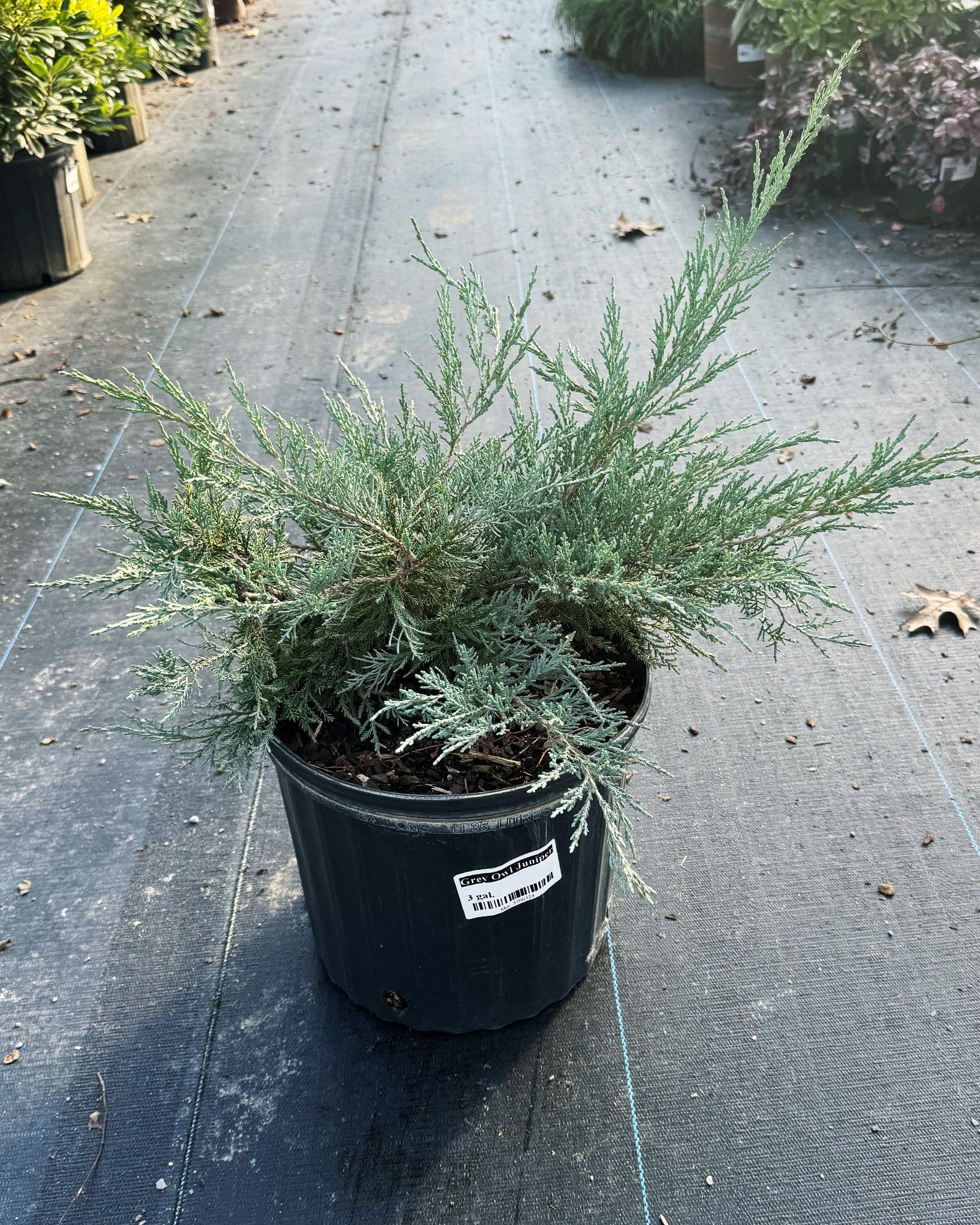
Grey Owl Juniper
Maturity: 2' H x 4' W
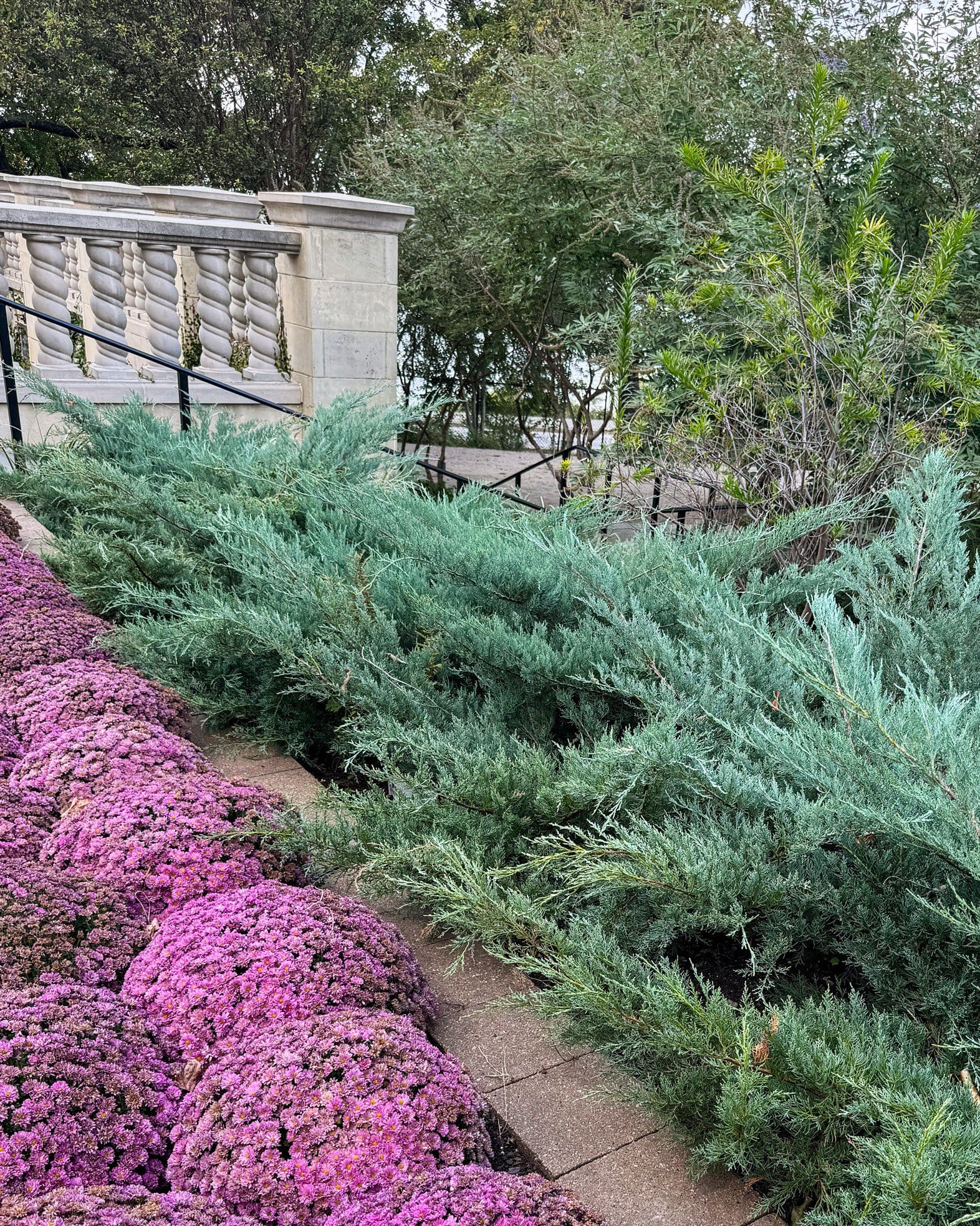
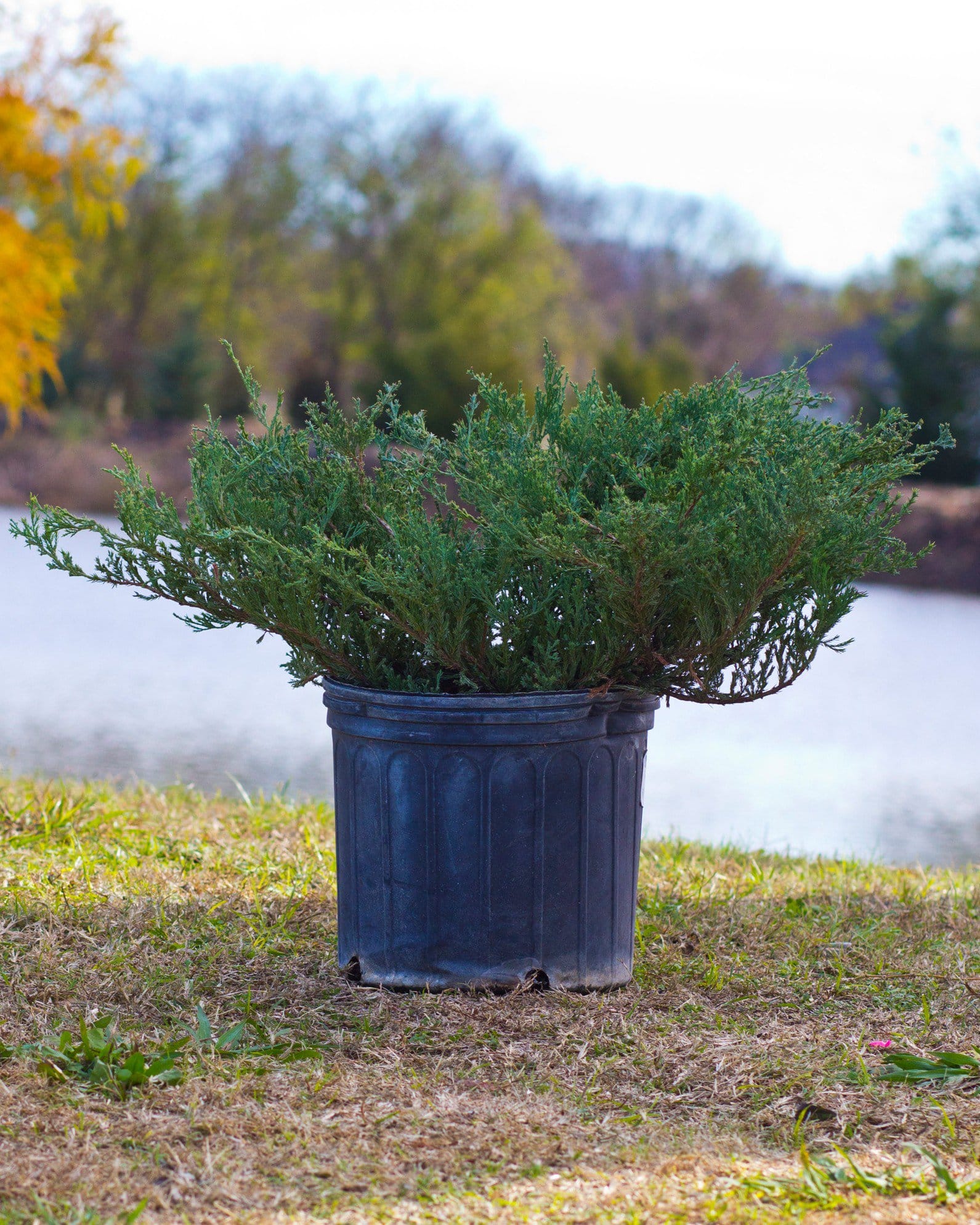
Andorra Juniper
Maturity: 1' H x 4' W
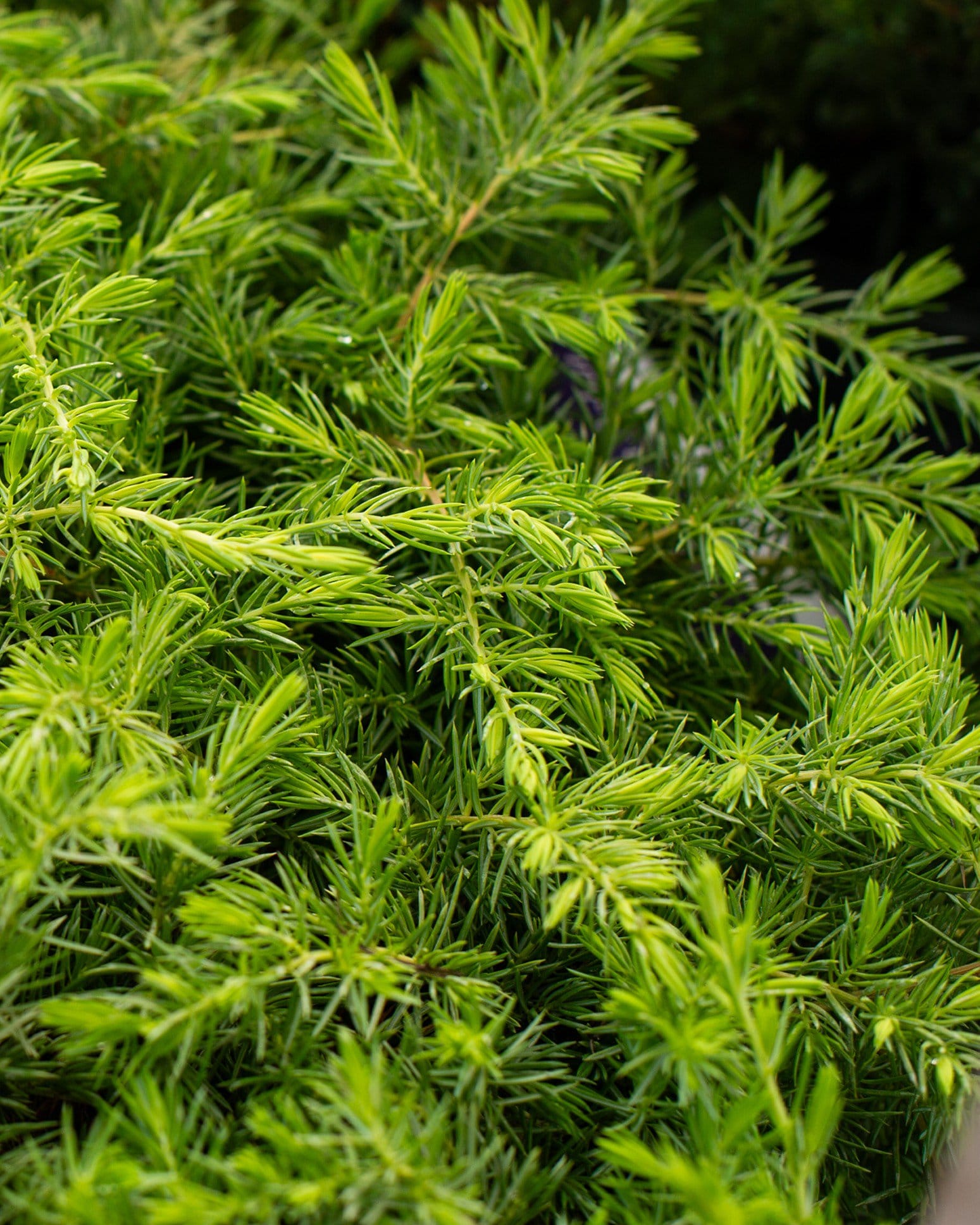
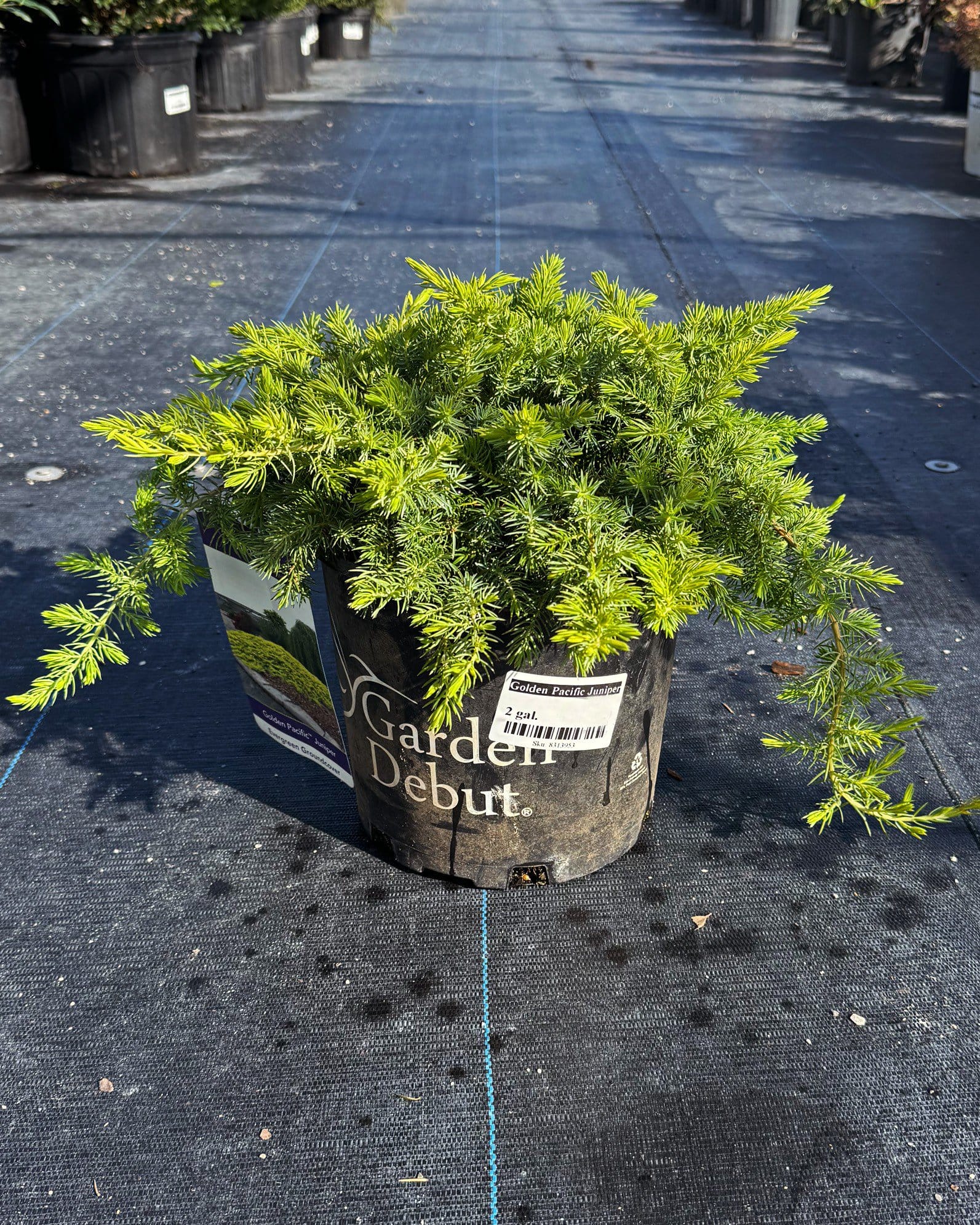
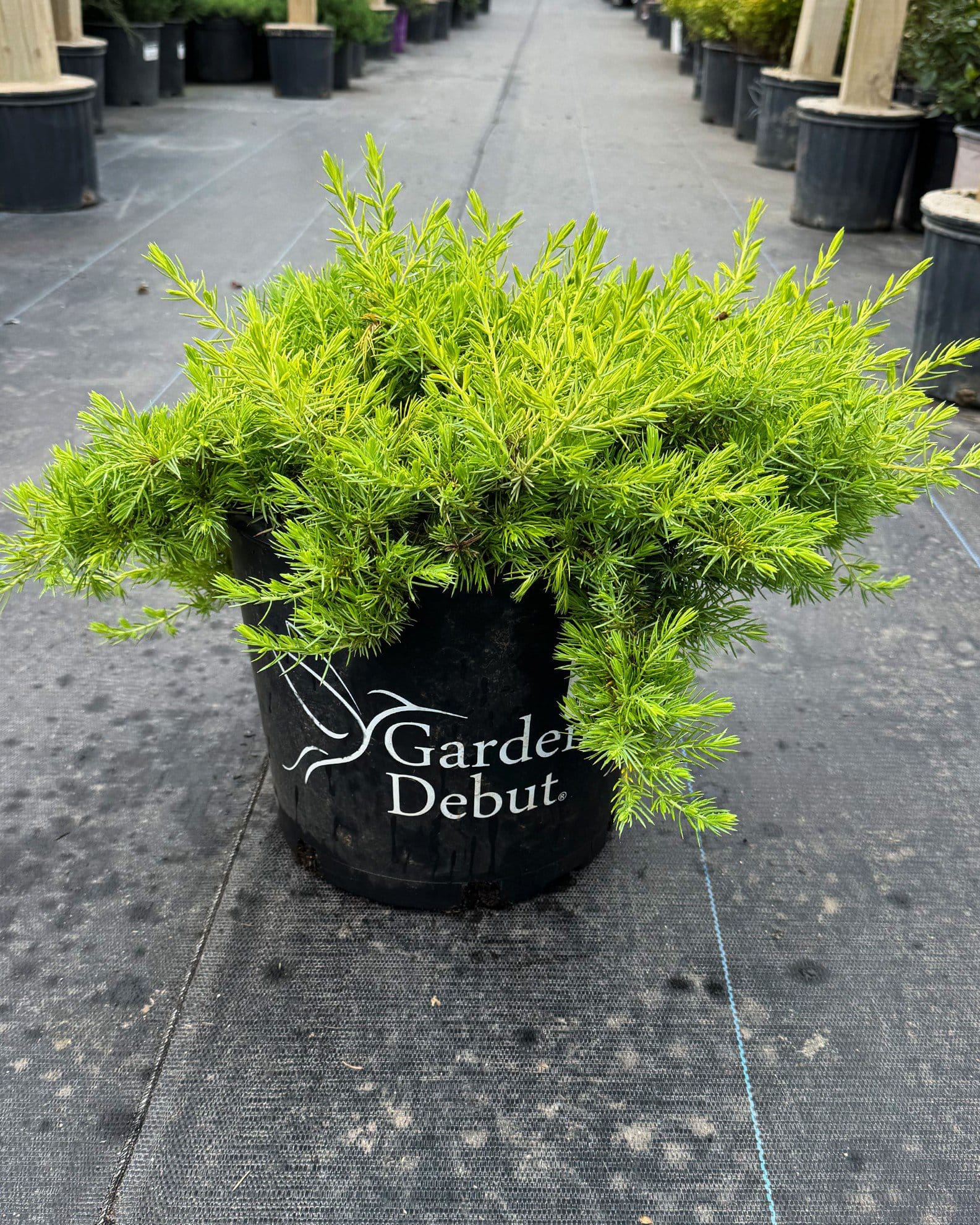
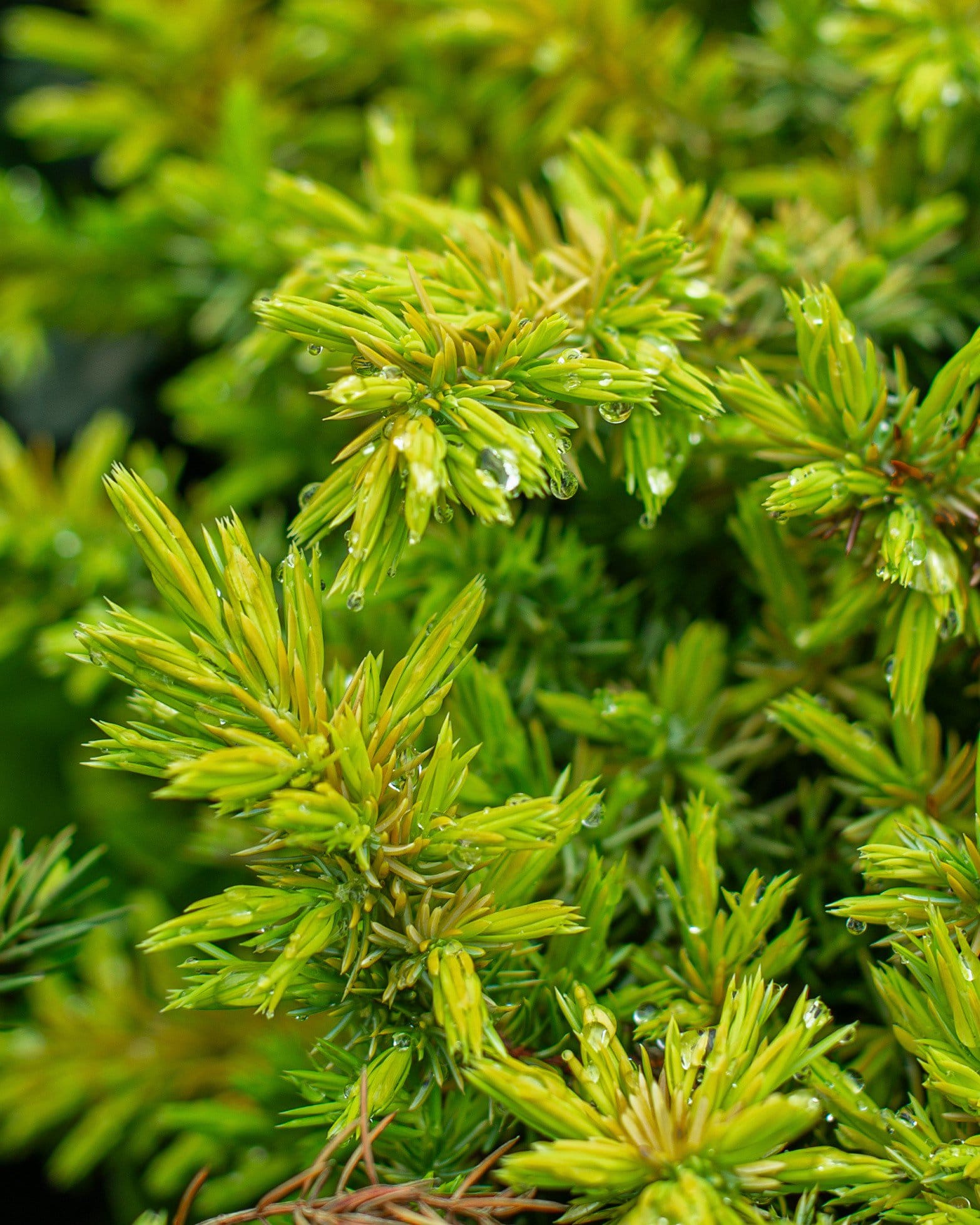
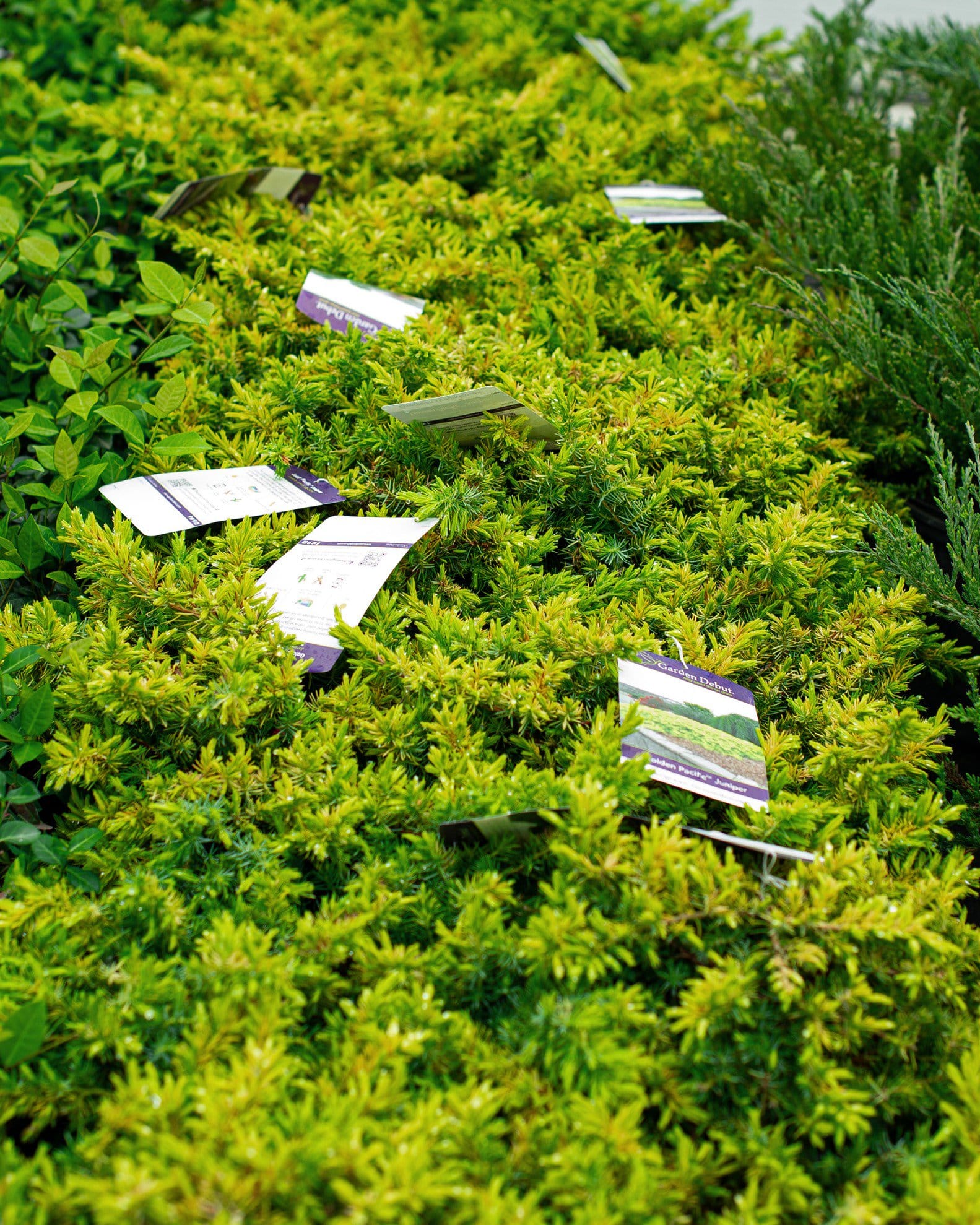
Golden Pacific Juniper
Maturity: 0.75' H x 4' W
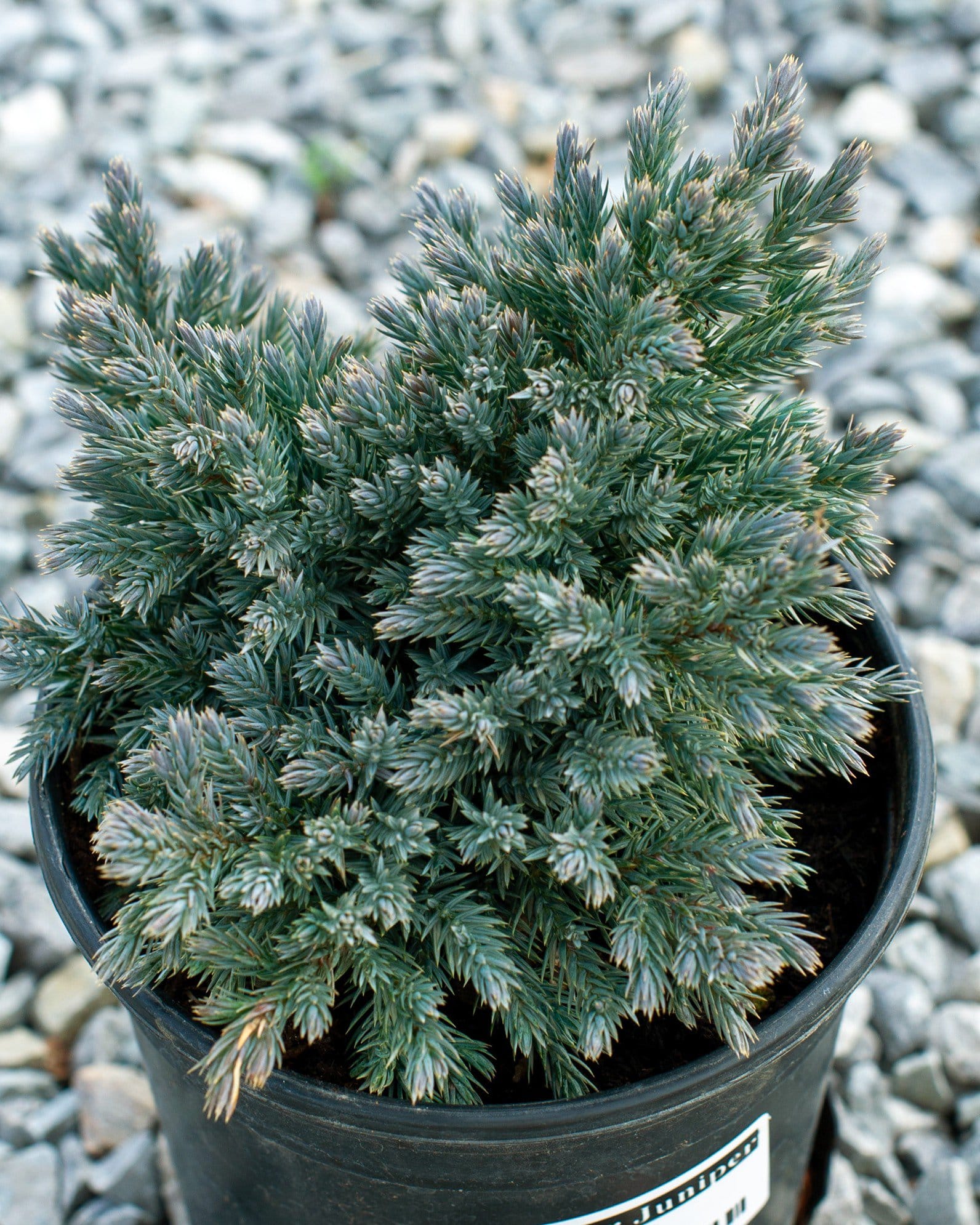
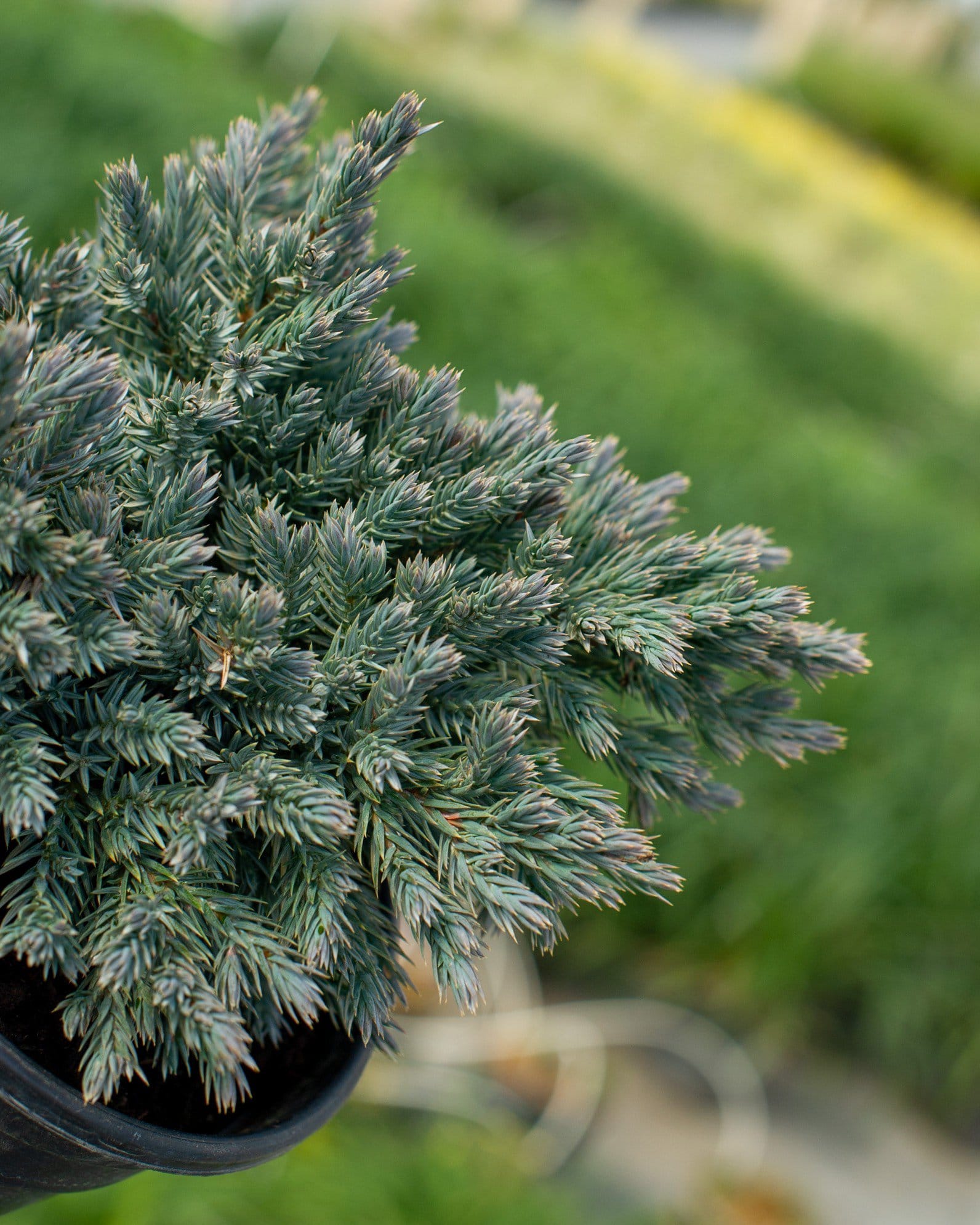
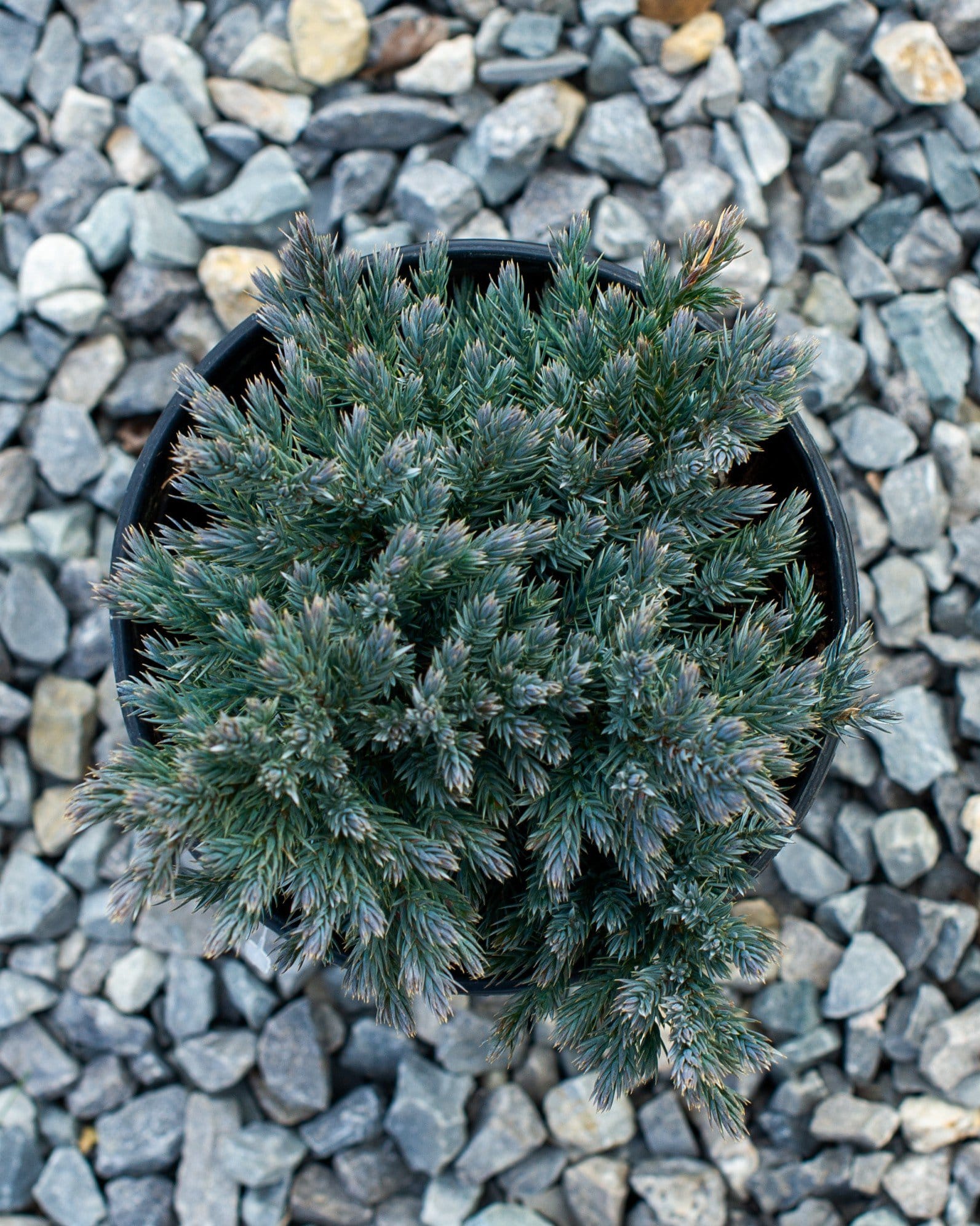
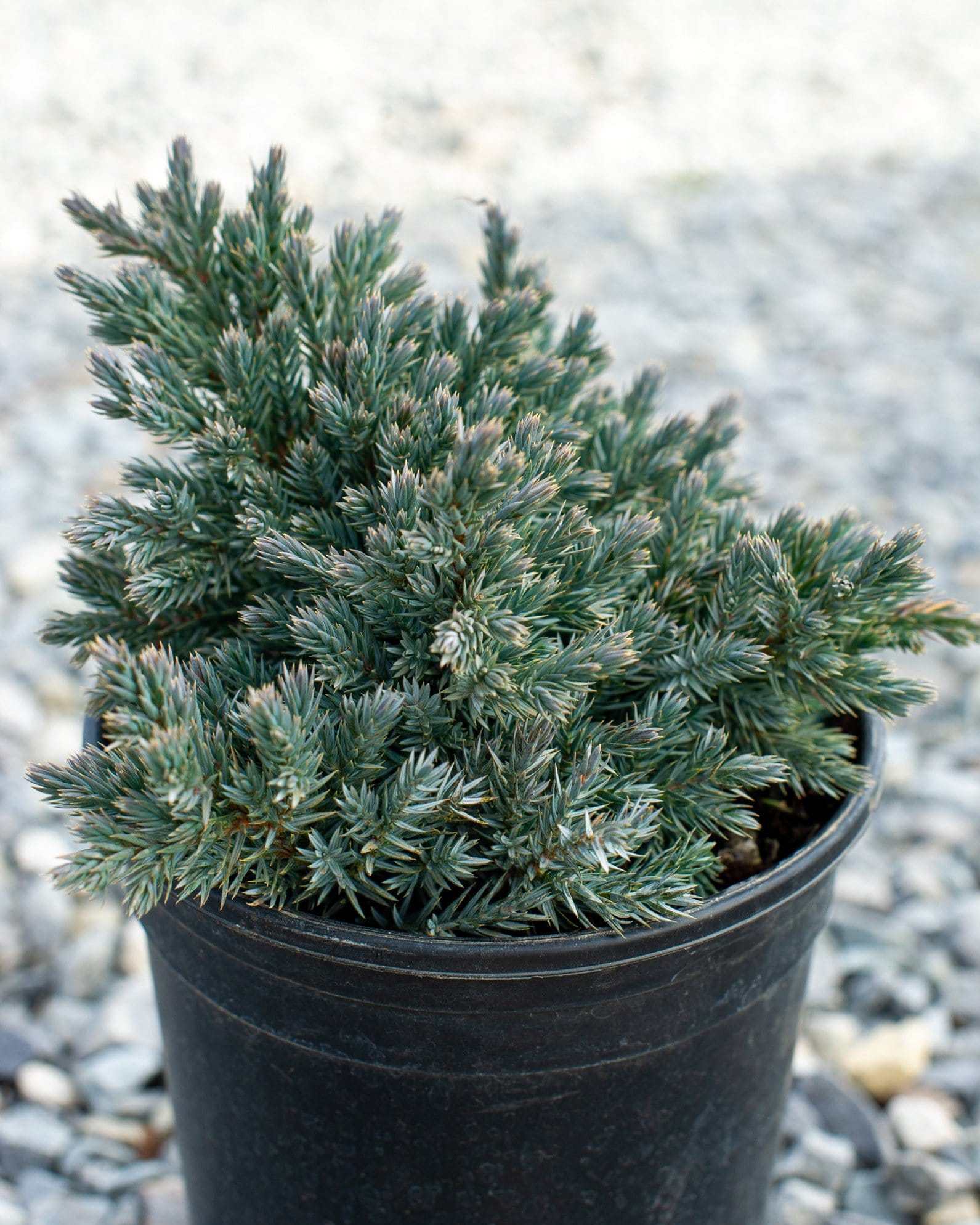
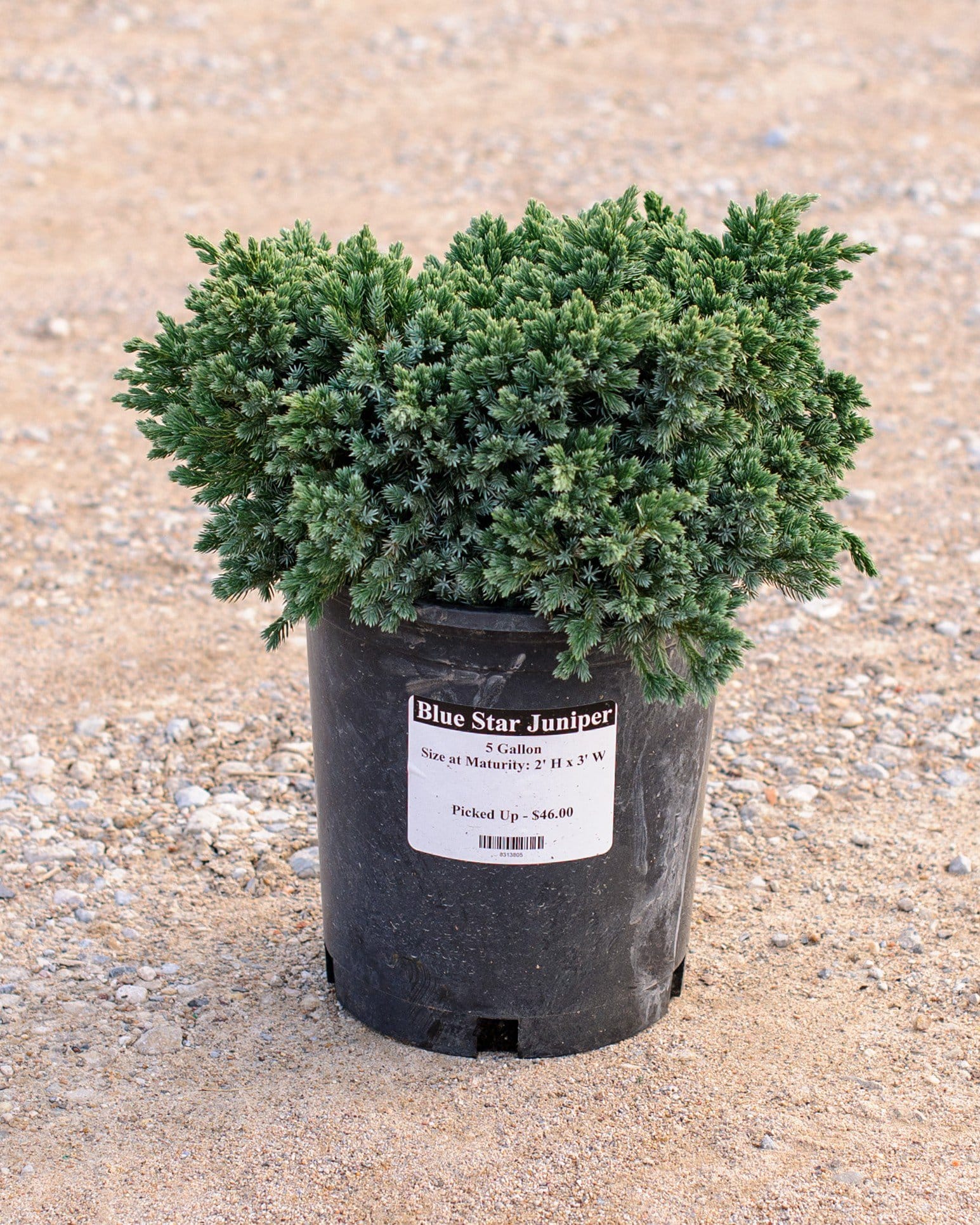
Blue Star Juniper
Maturity: 2' H x 3' W
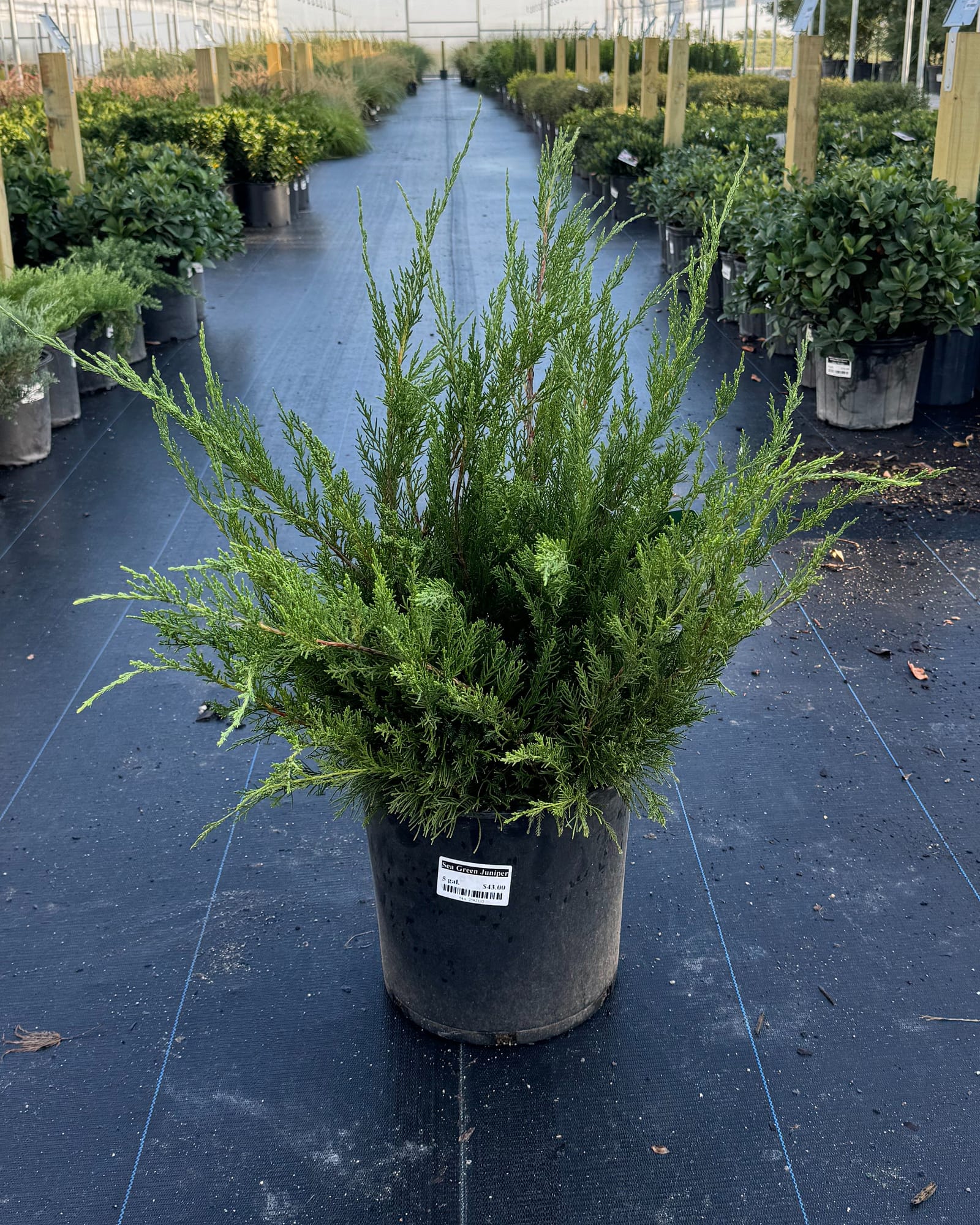
Sea Green Juniper
Maturity: 4' H x 6' W
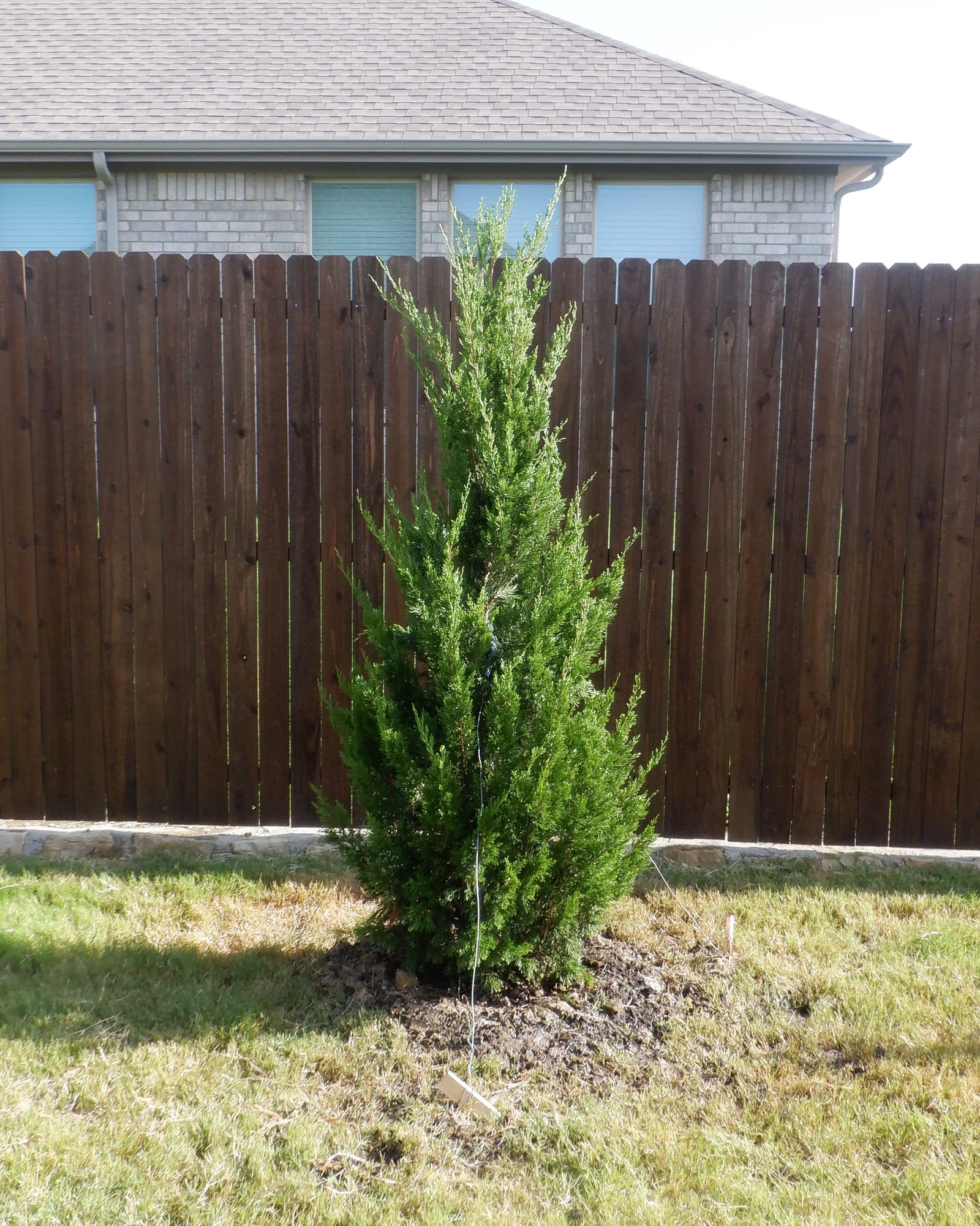
Spartan Juniper
Maturity: 17' H x 7' W
Parsoni Juniper
Maturity: 2' H x 4' W
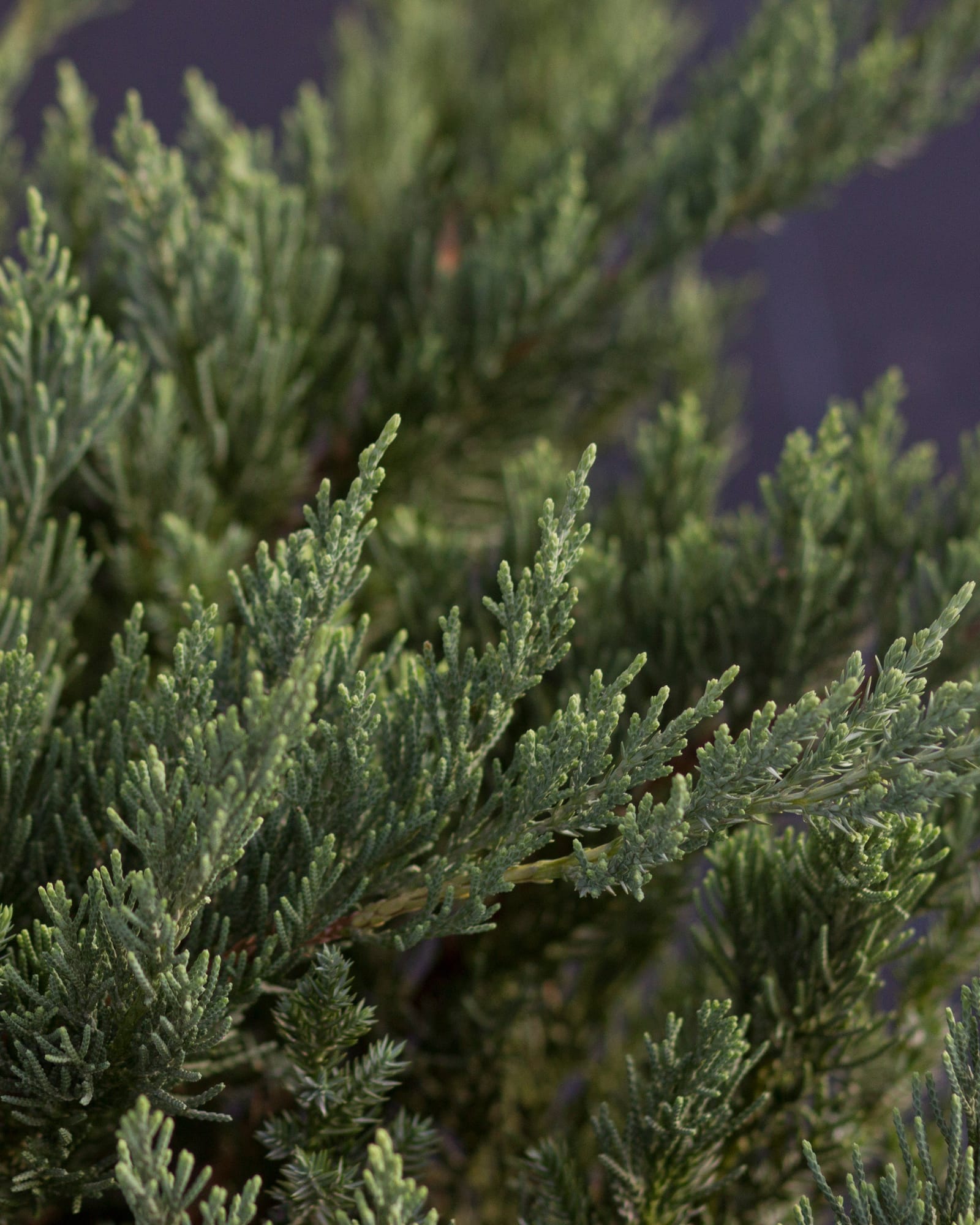
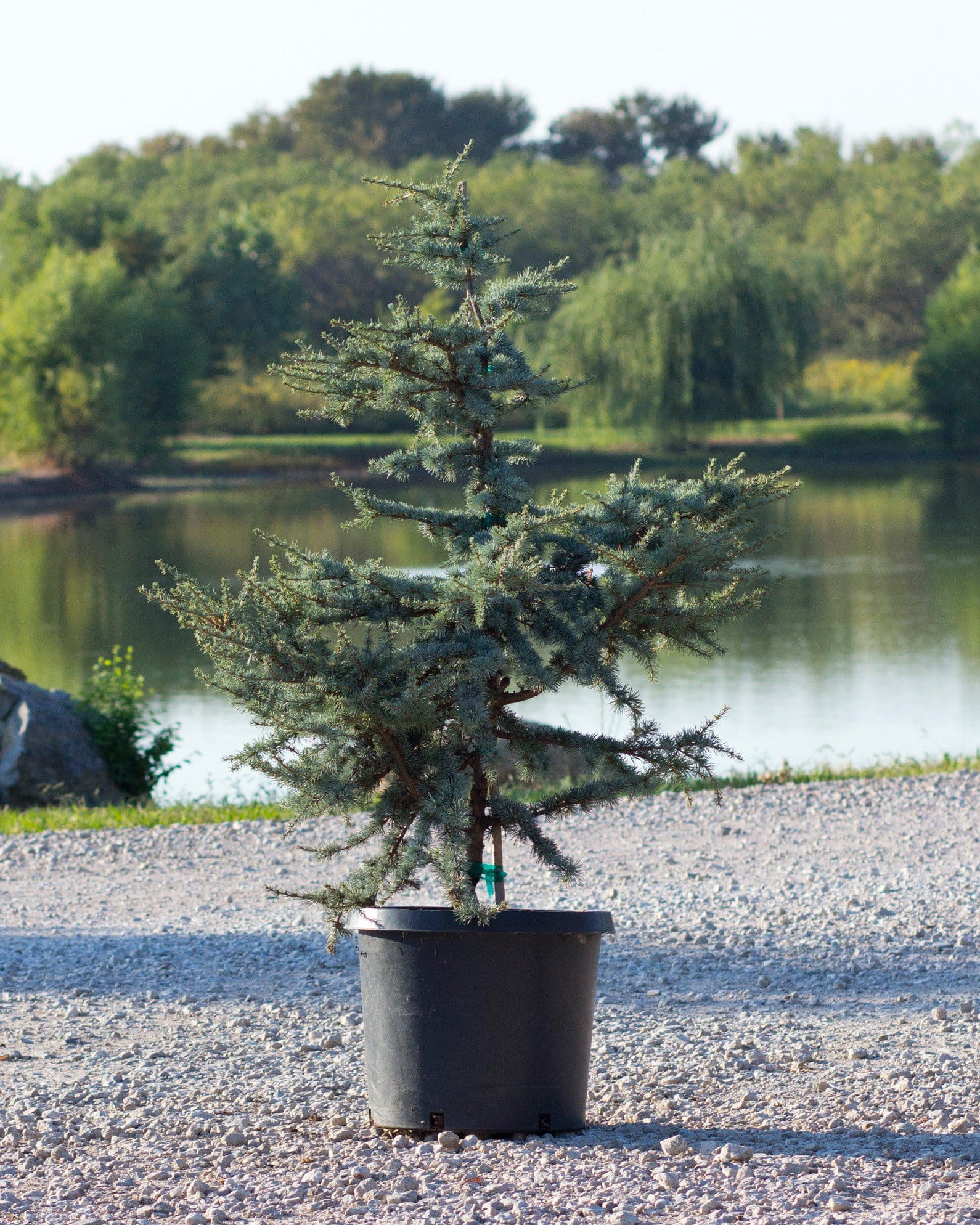
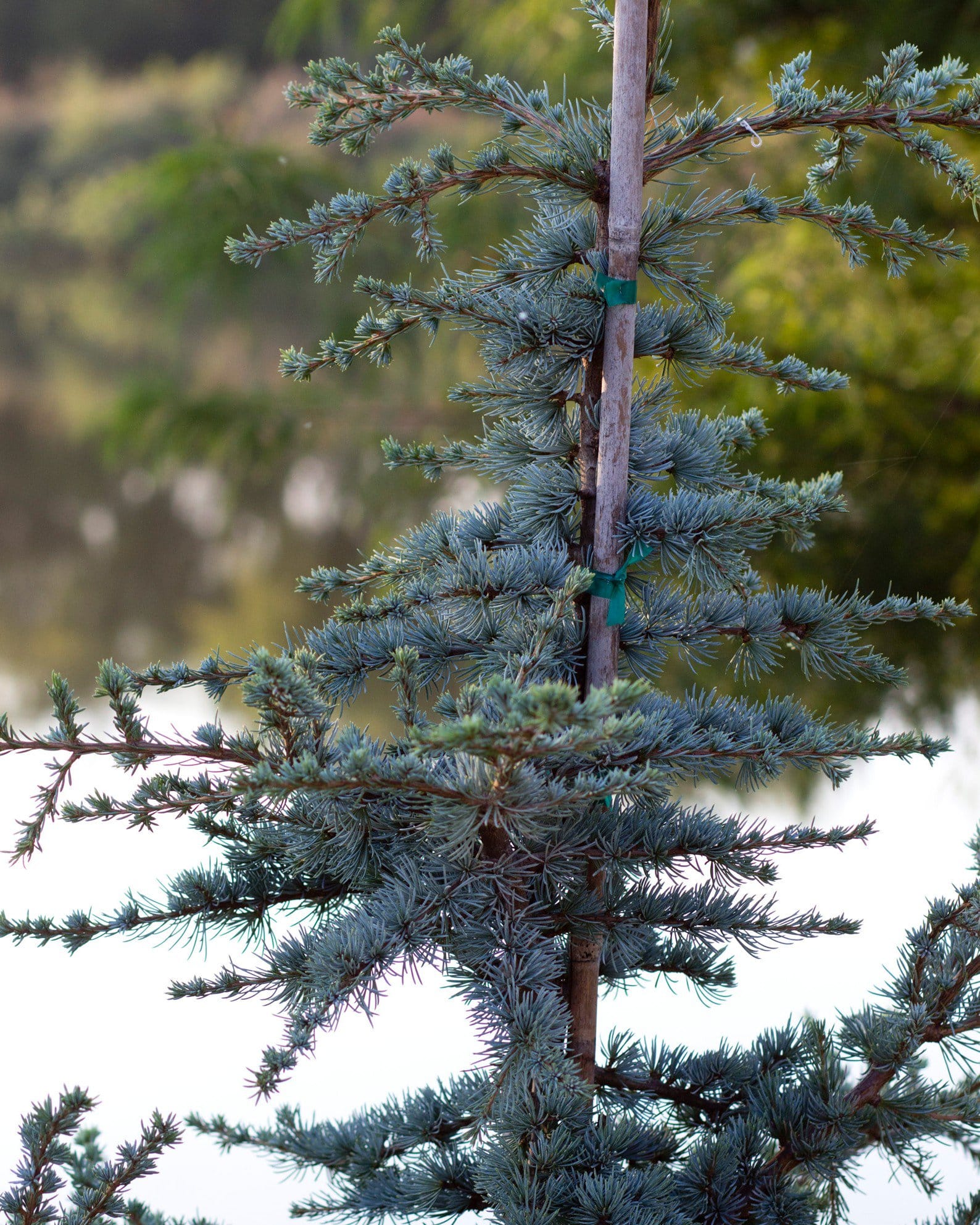
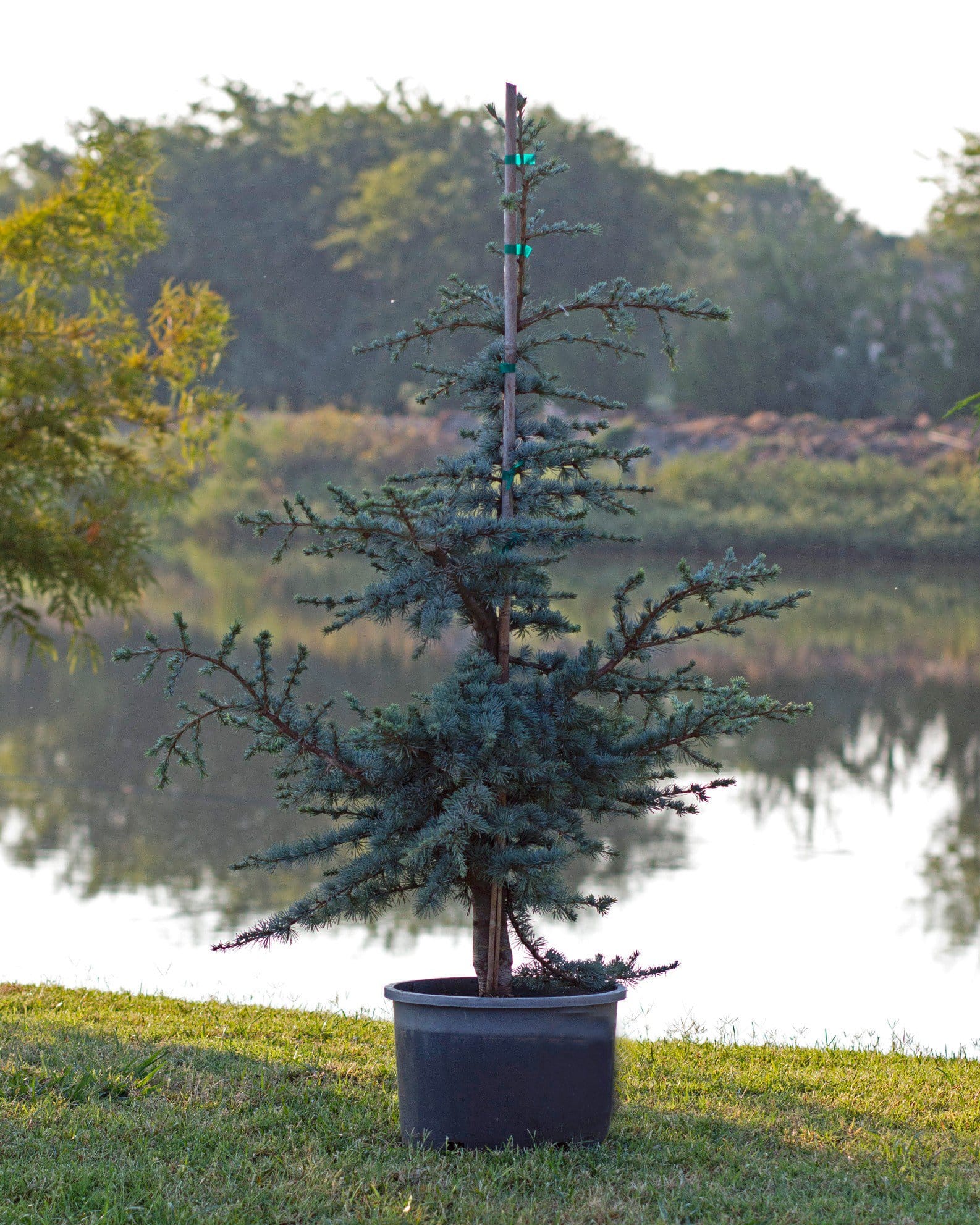
Blue Atlas Cedar Horstmann
Maturity: 10' H x 6' W
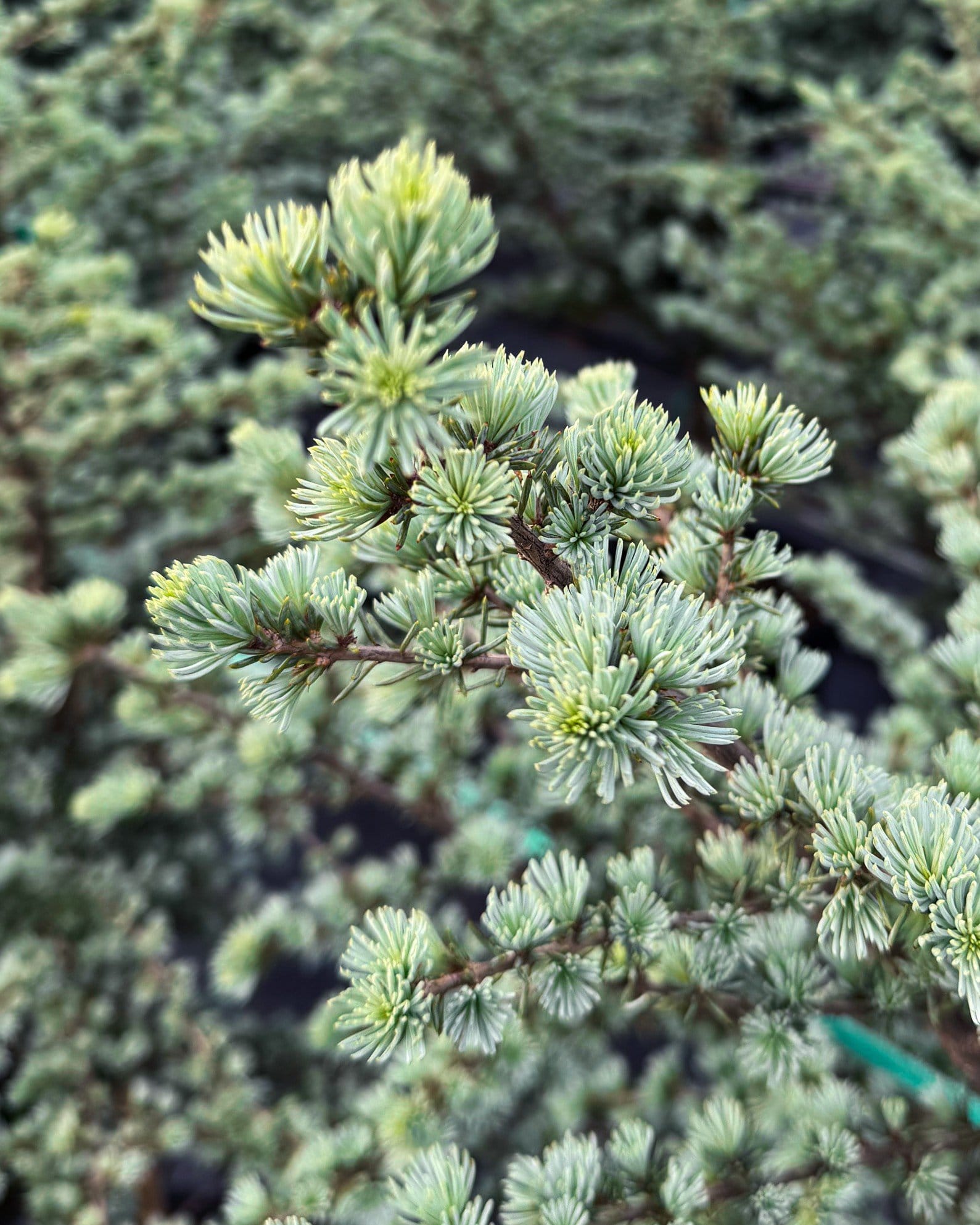
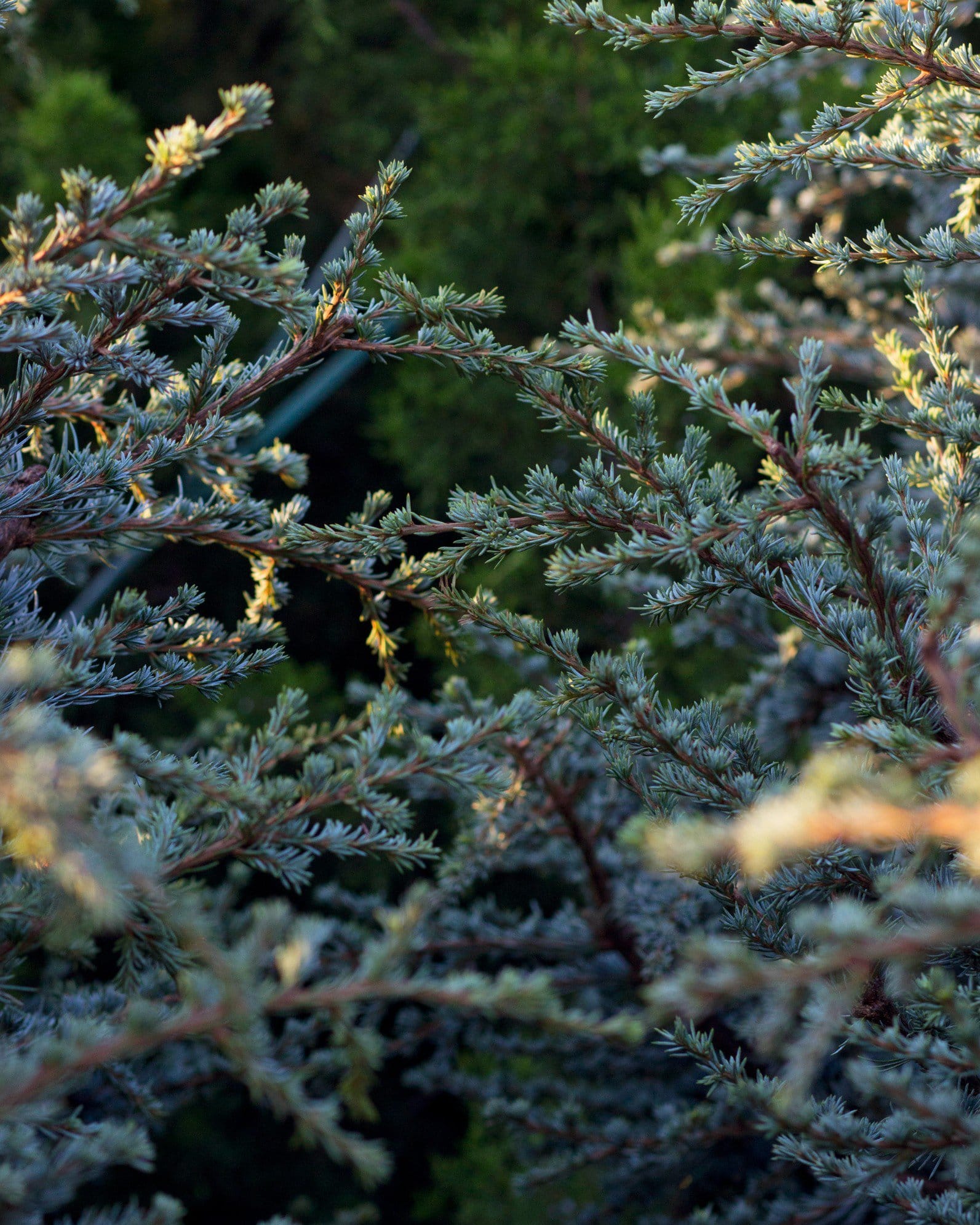
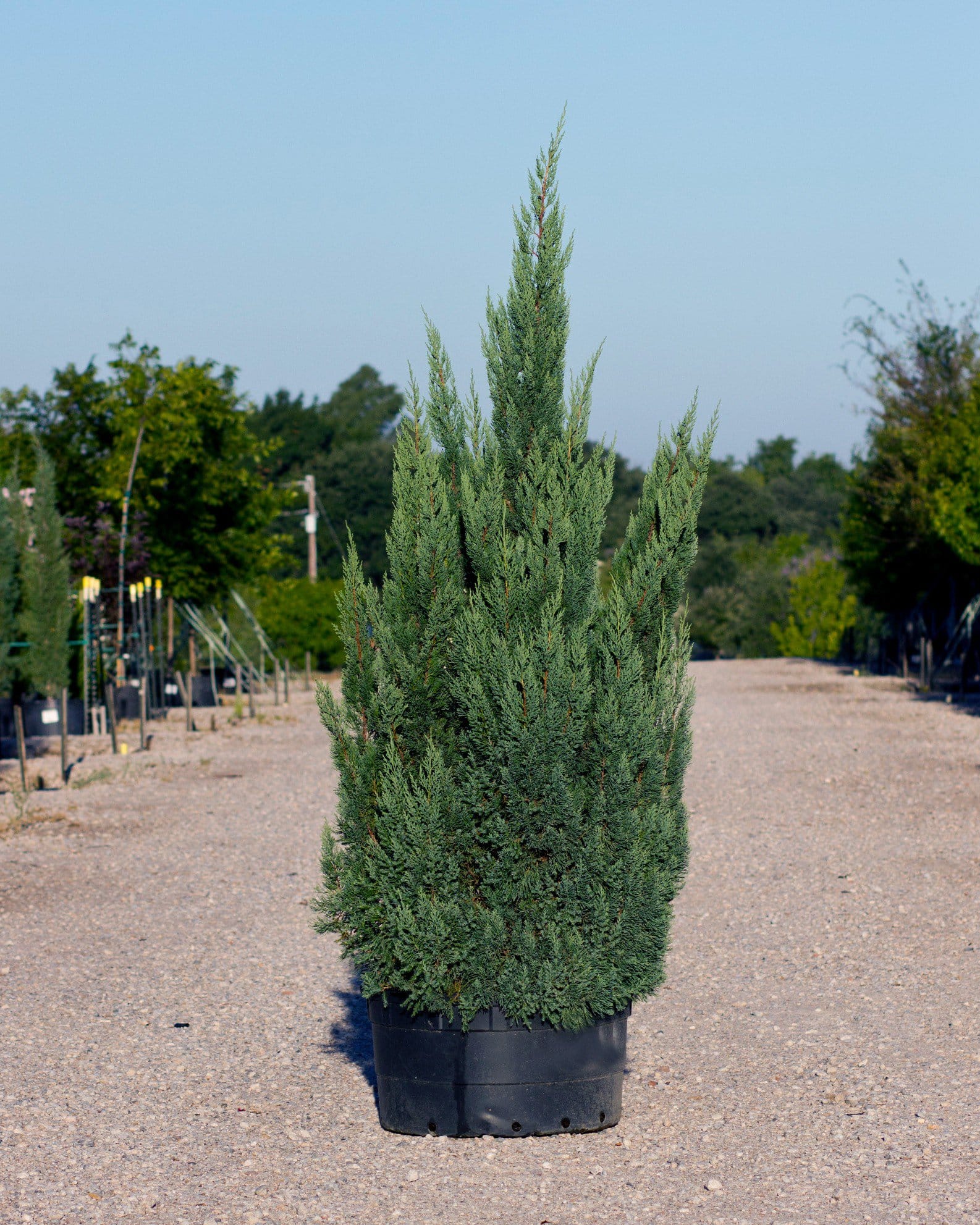
Blue Point Juniper
Maturity: 12' H x 7' W
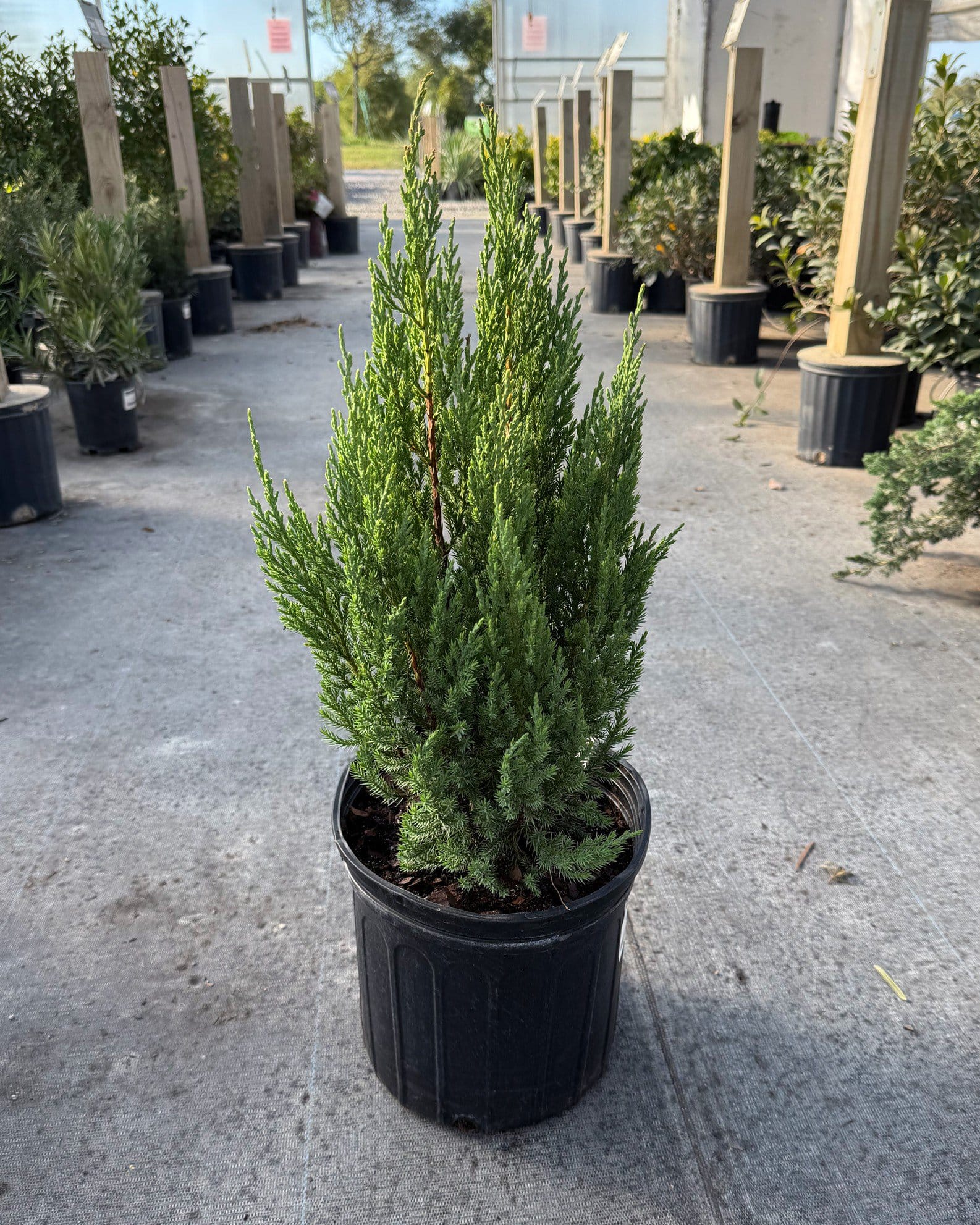
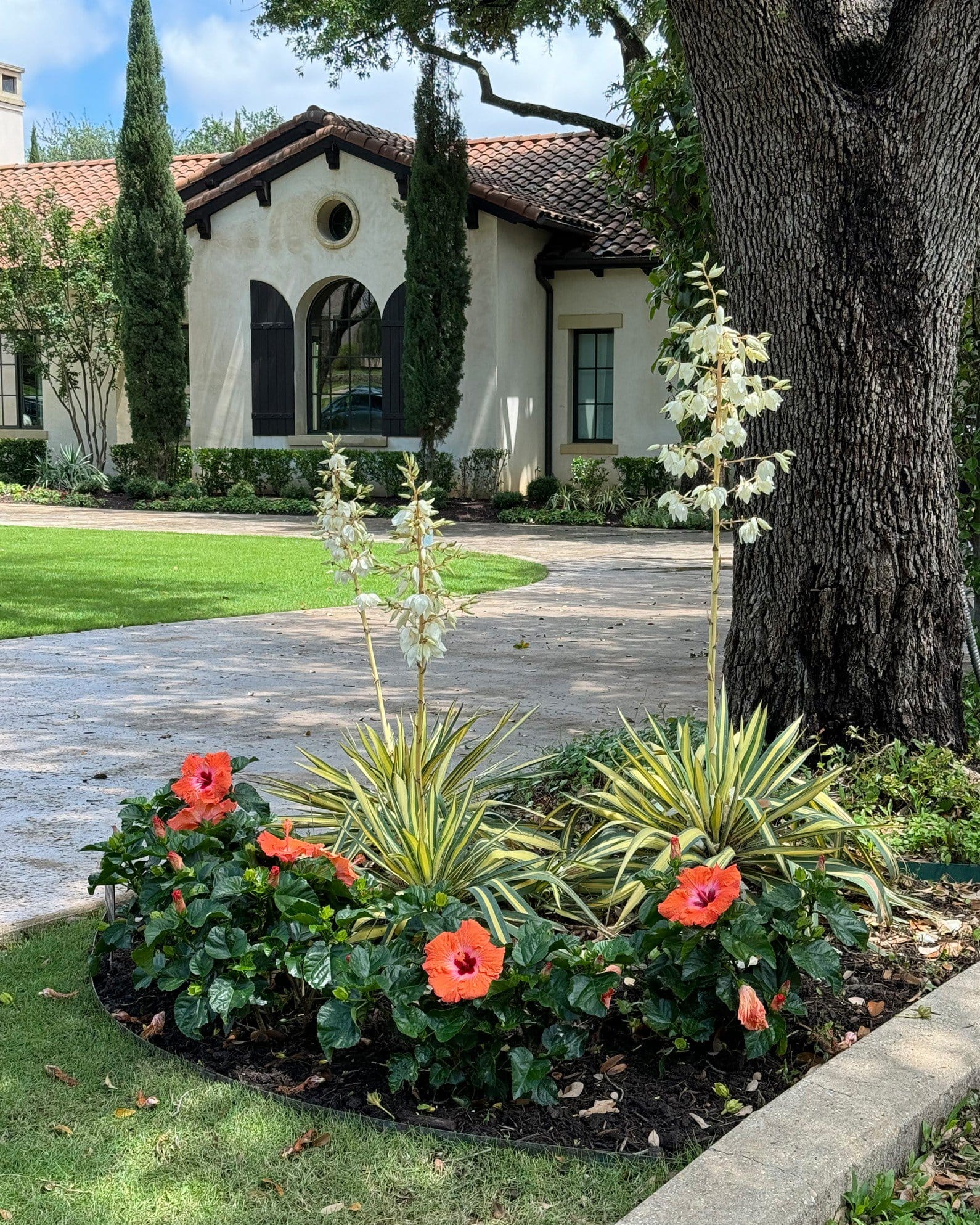
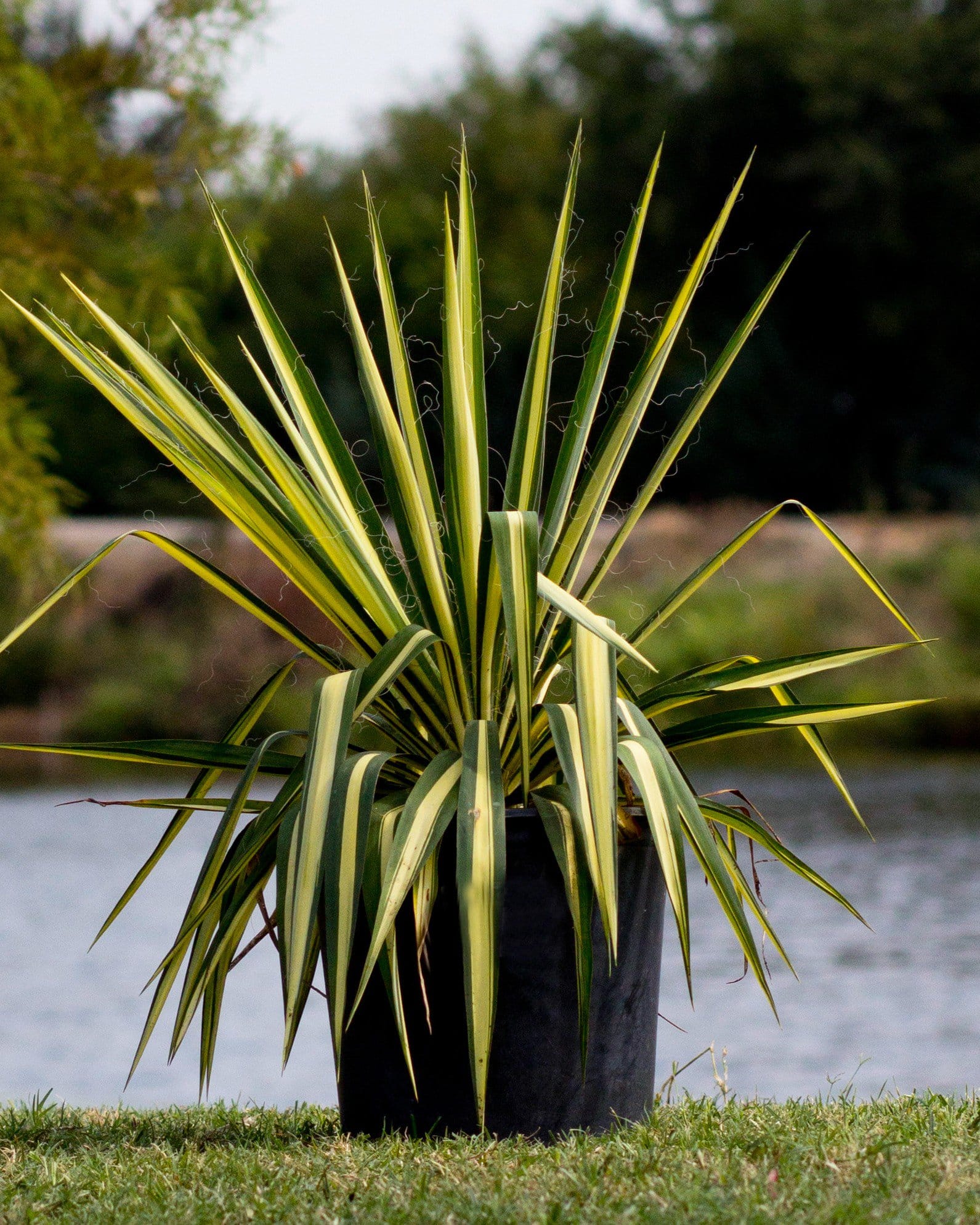
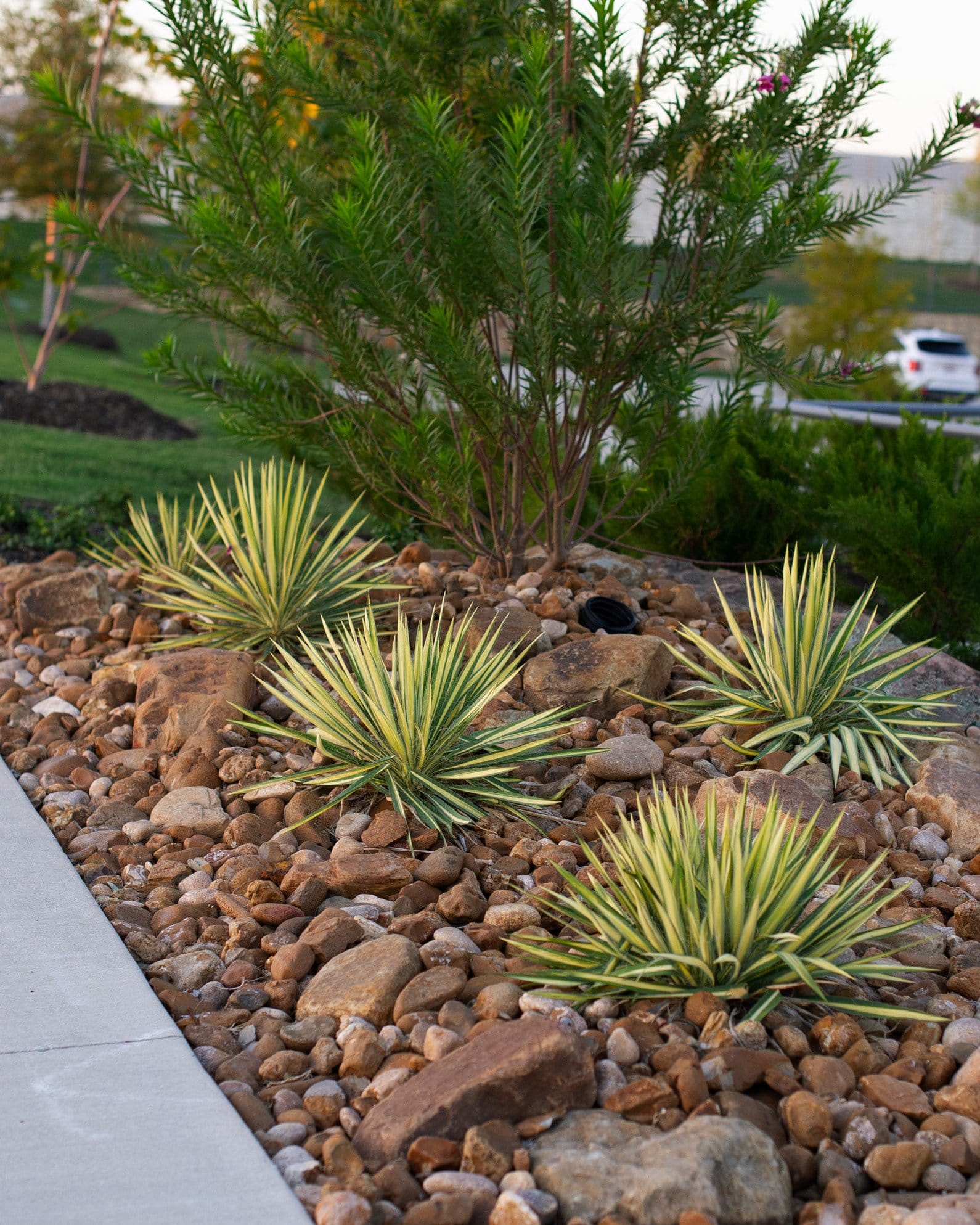
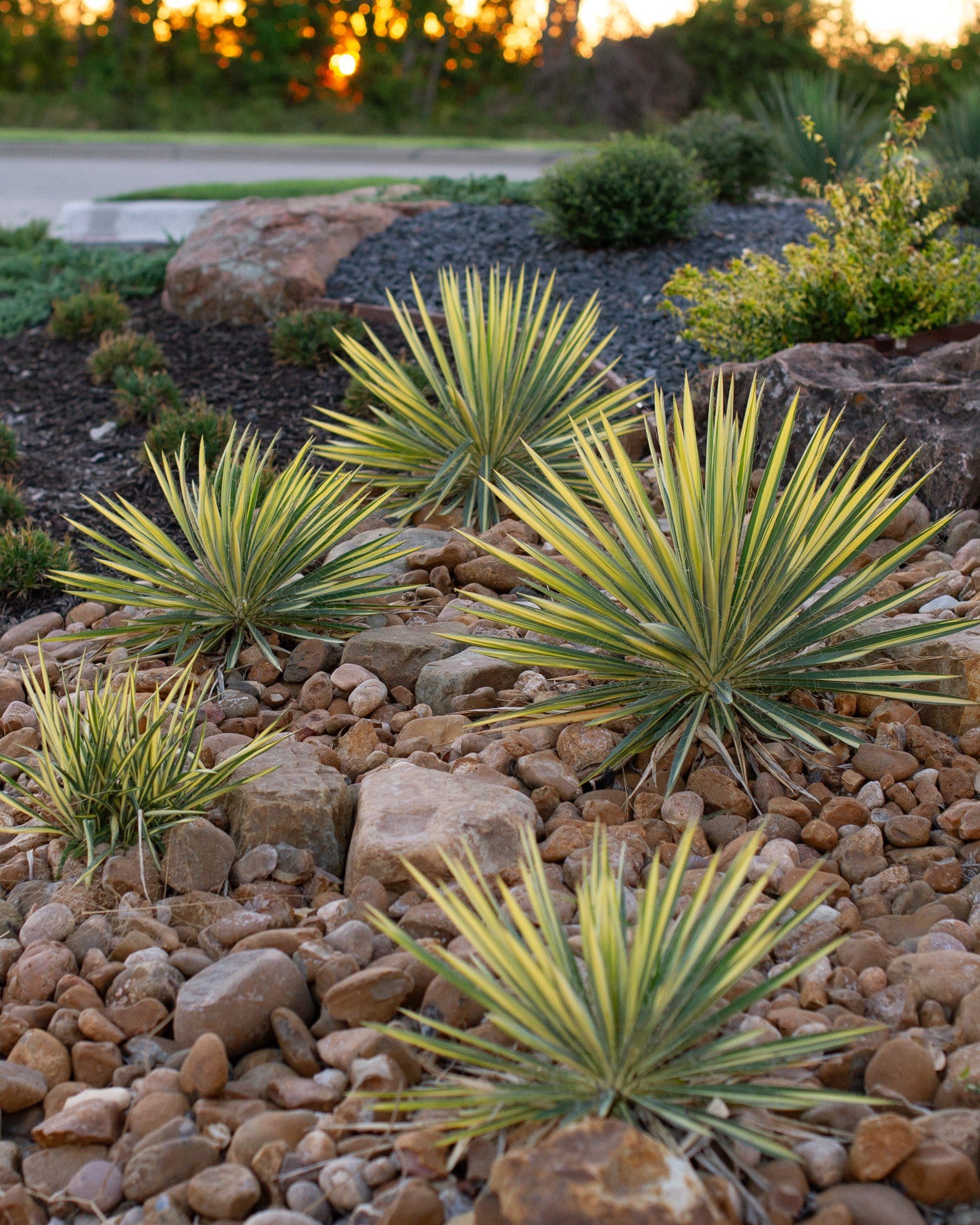
Color Guard Yucca
Maturity: 2' H x 2' W
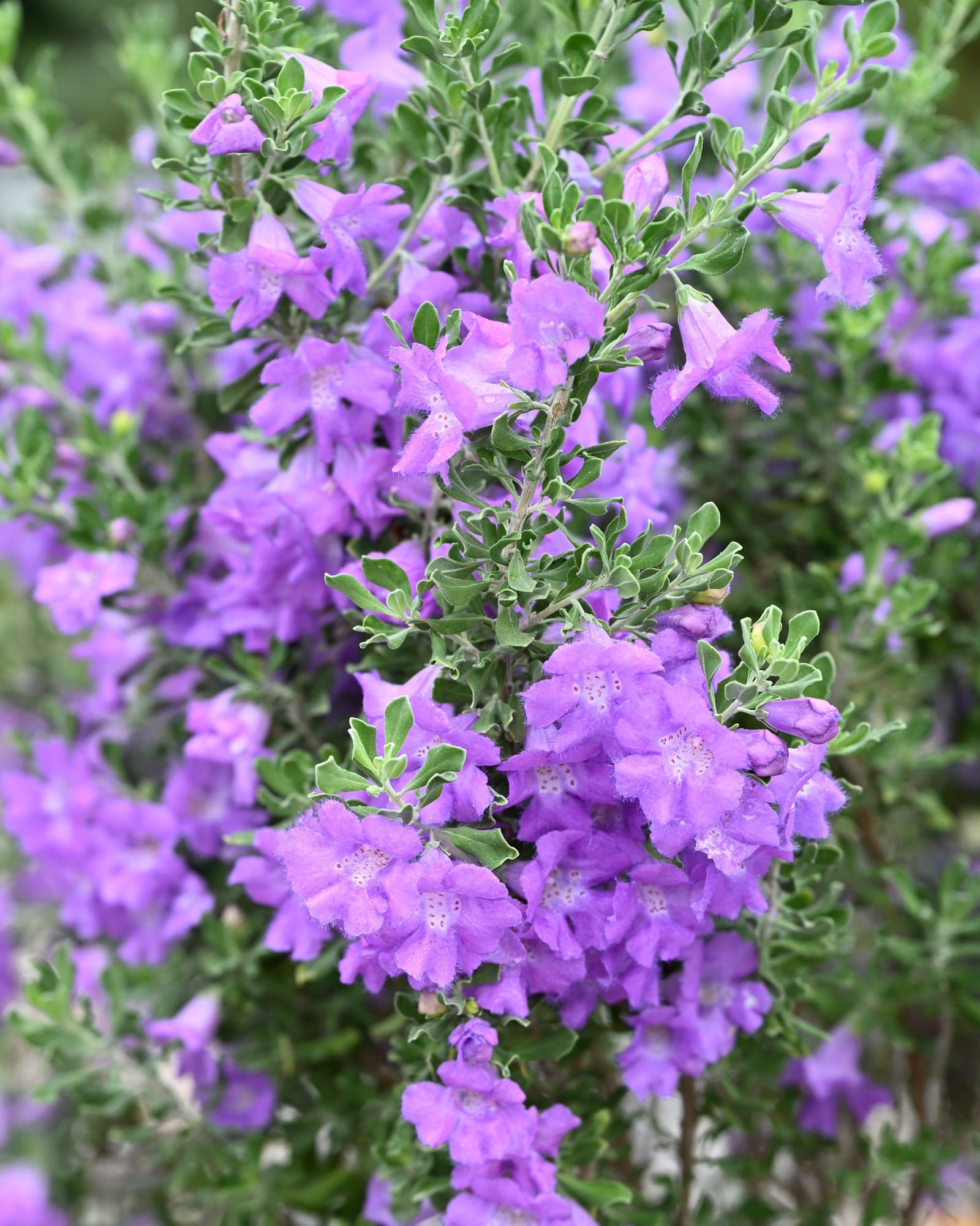
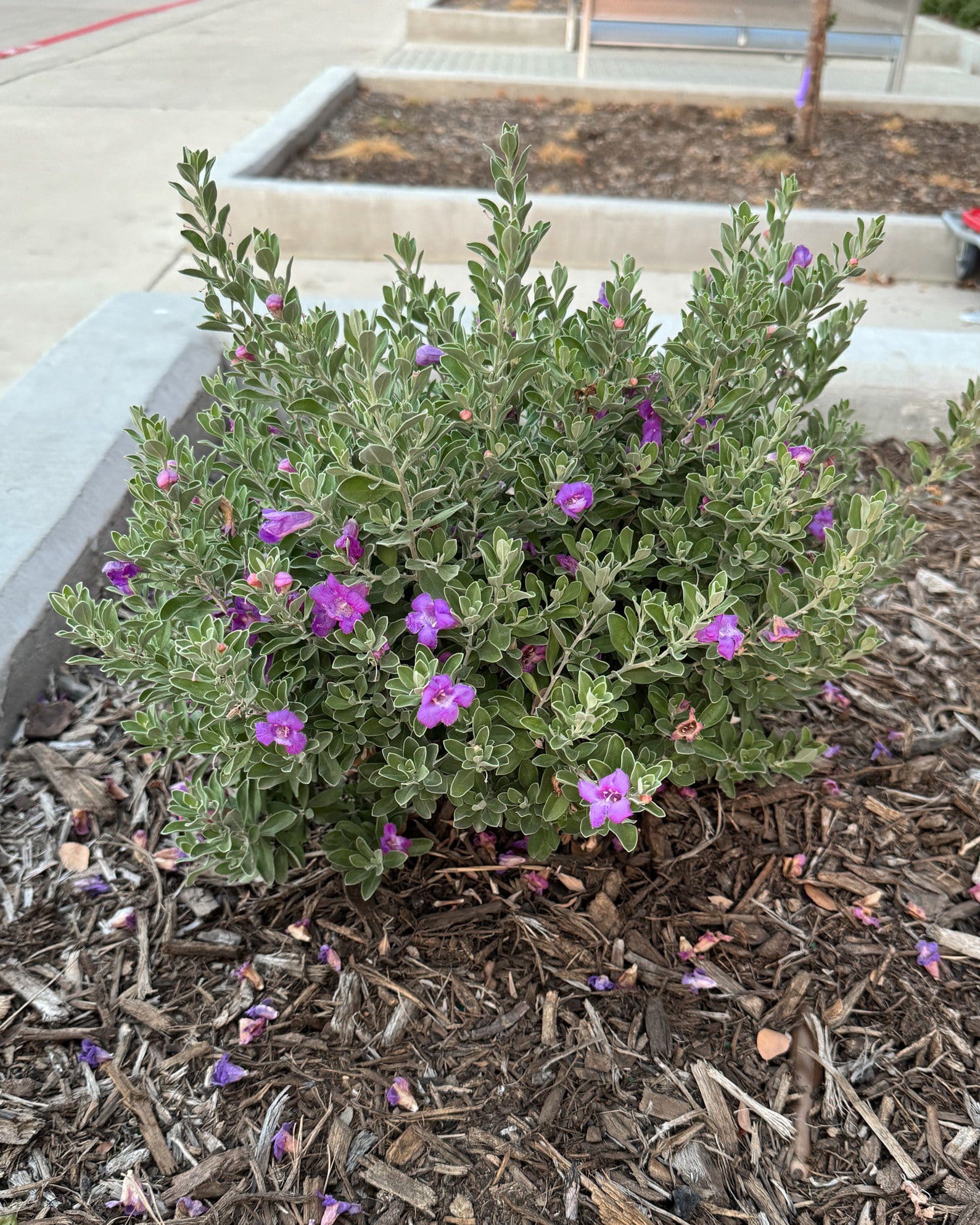
Compacta Texas Sage
Maturity: 3' H x 3' W
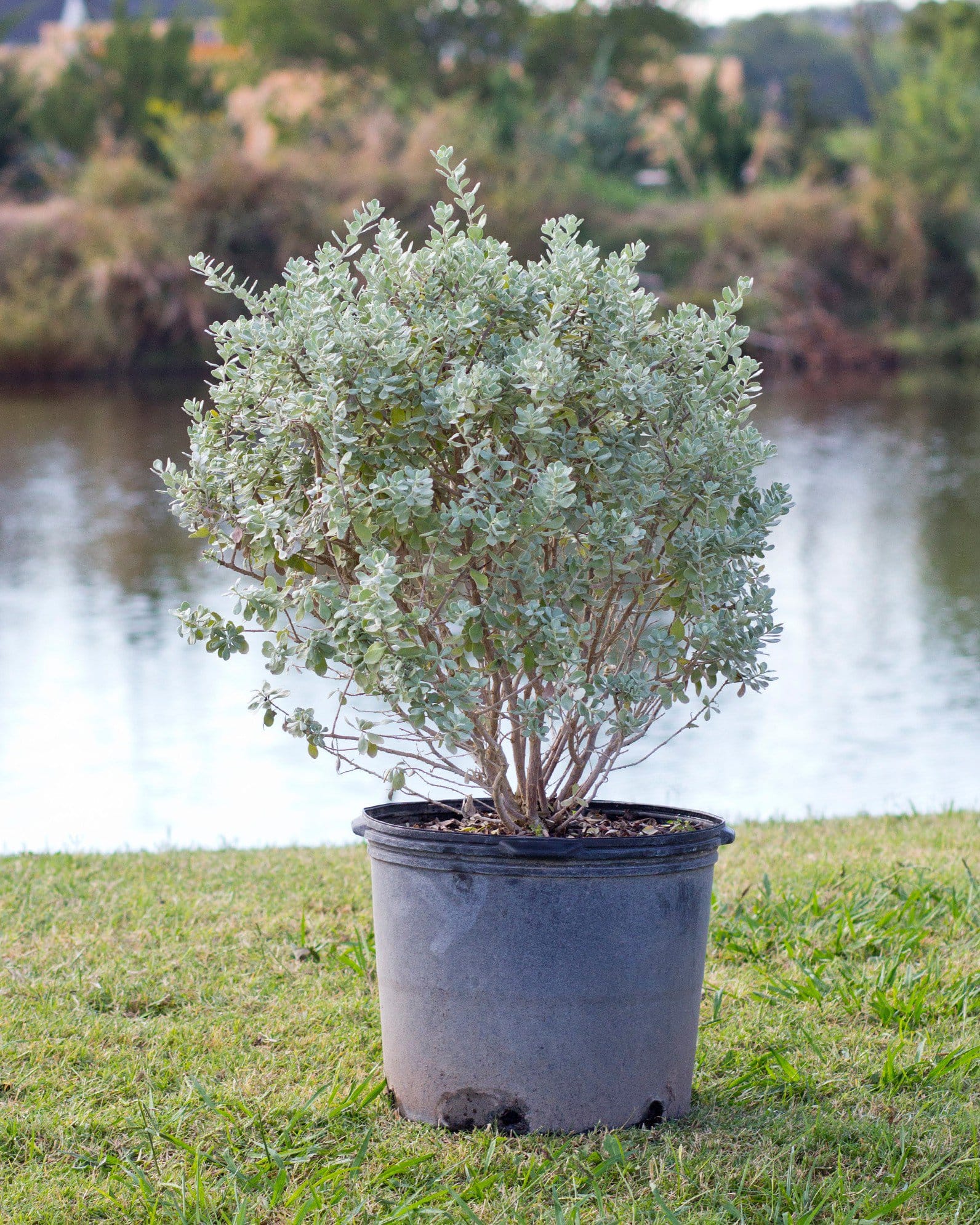
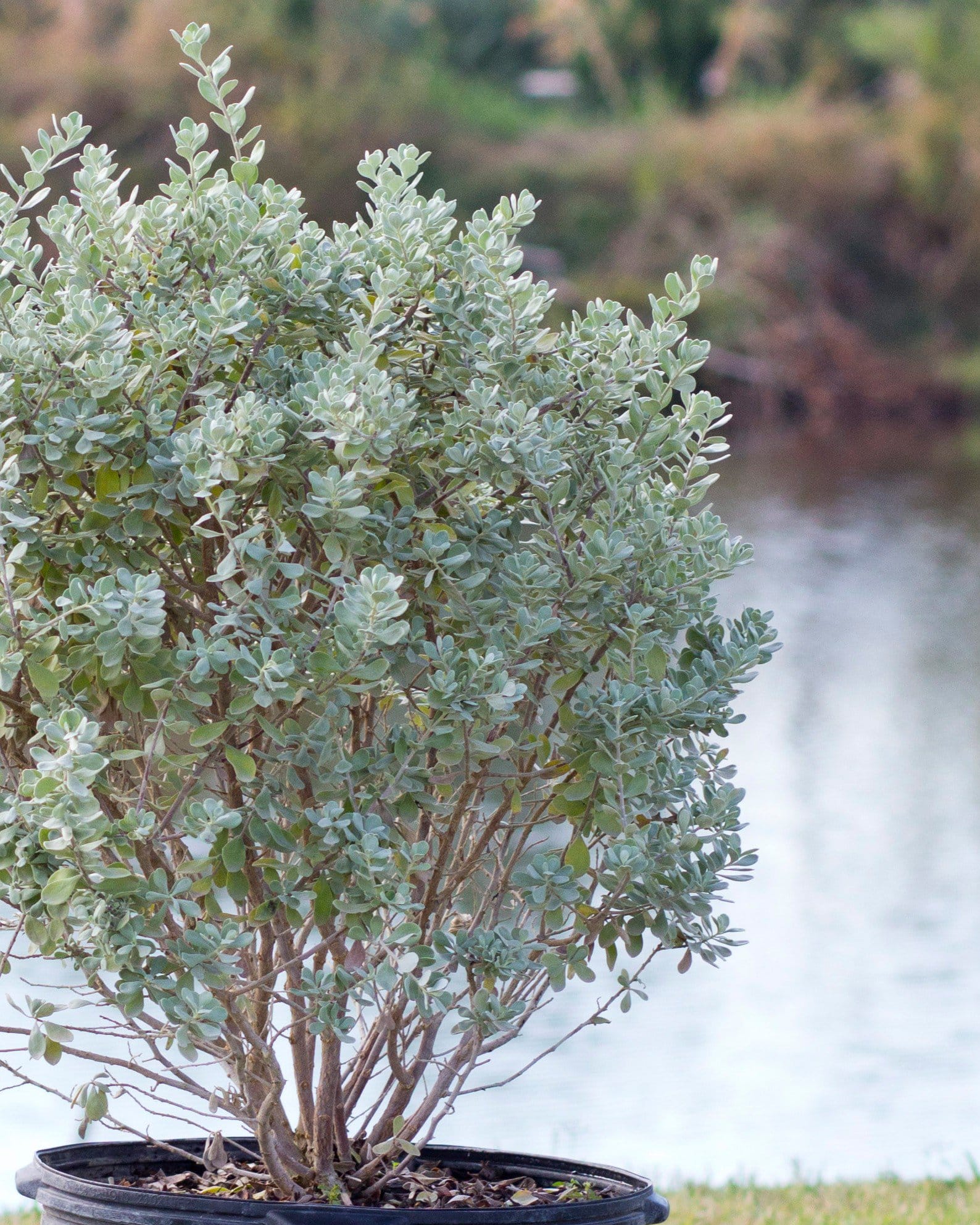
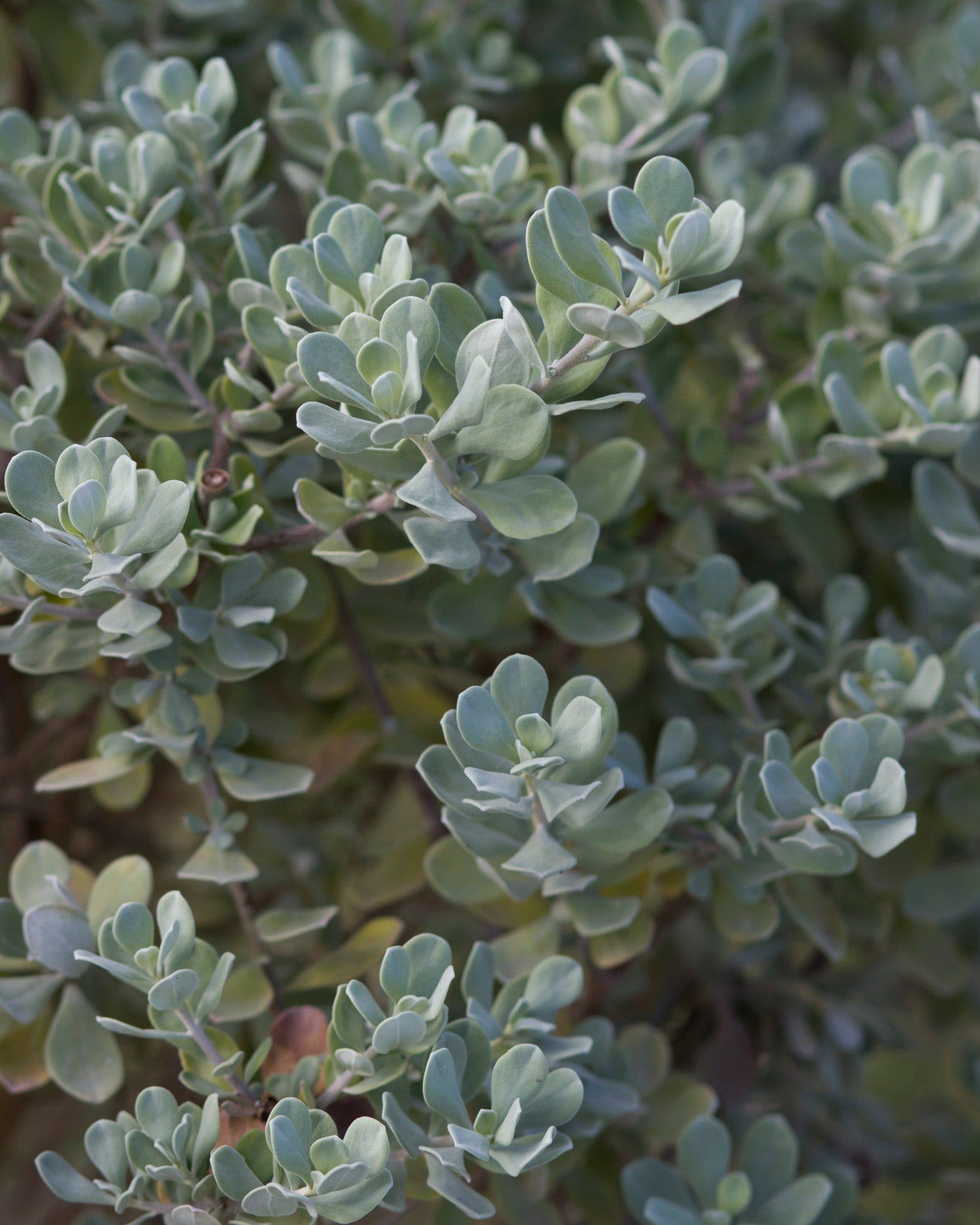
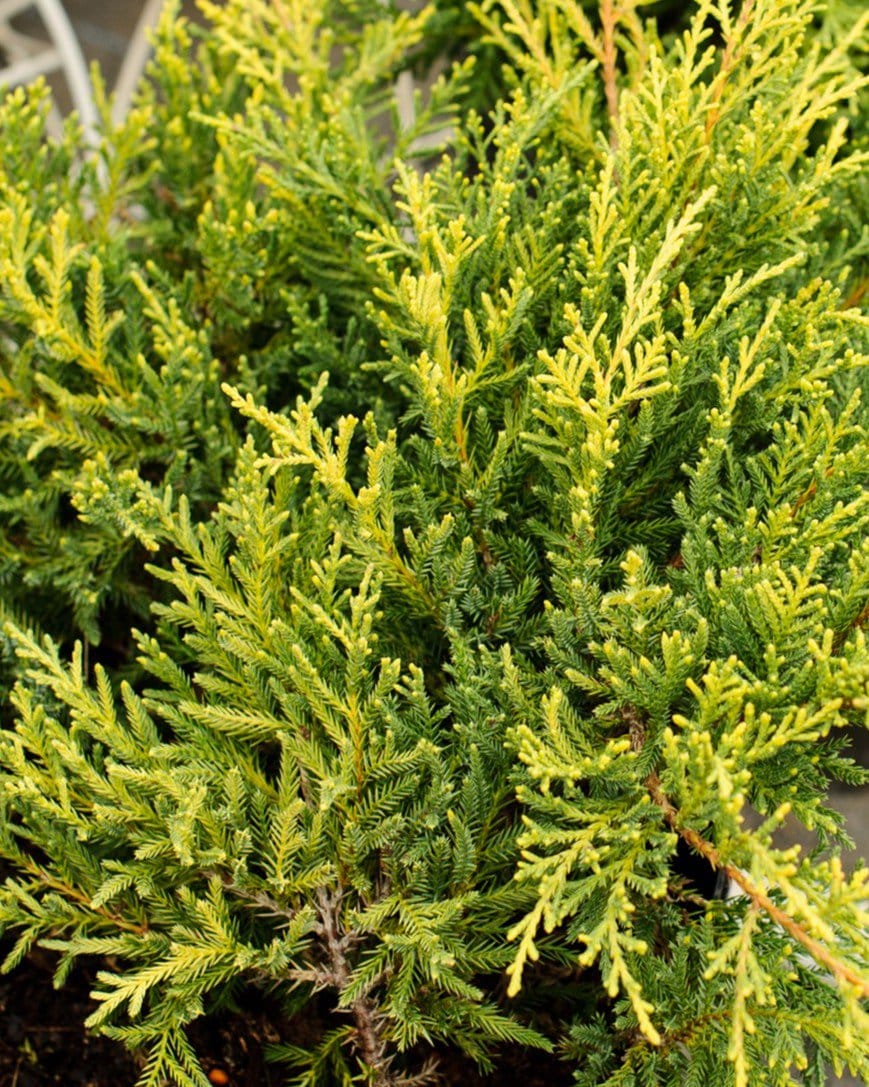
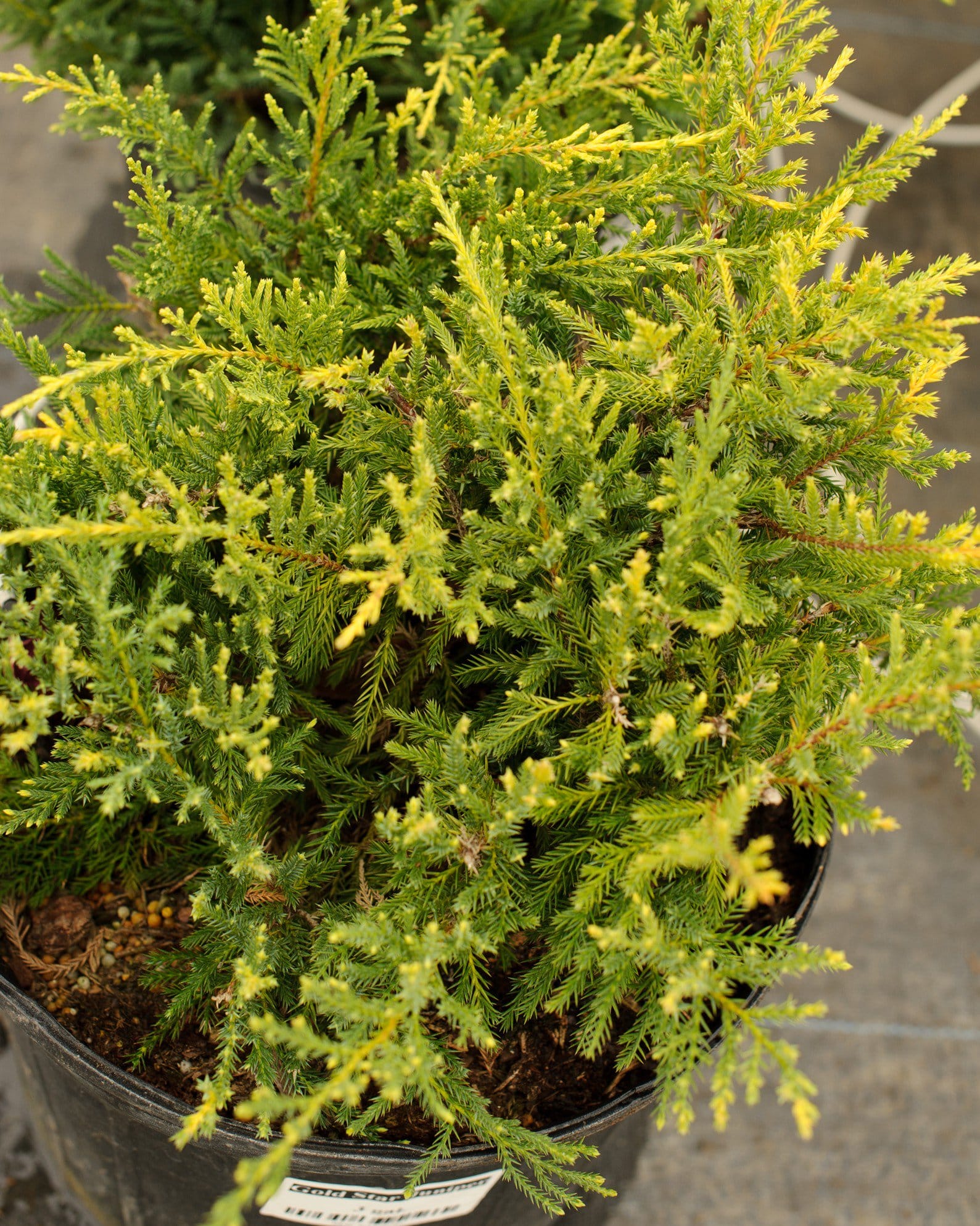
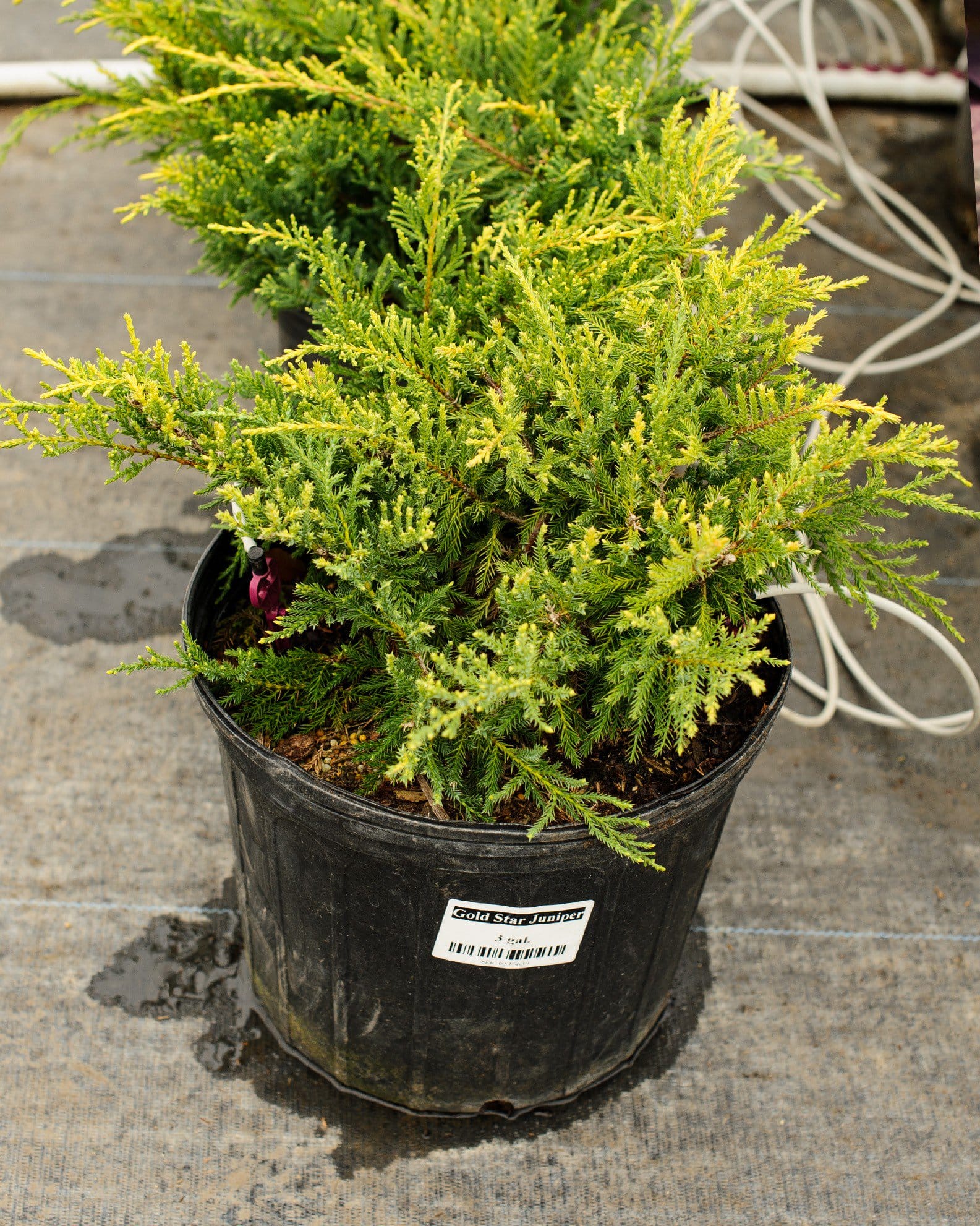
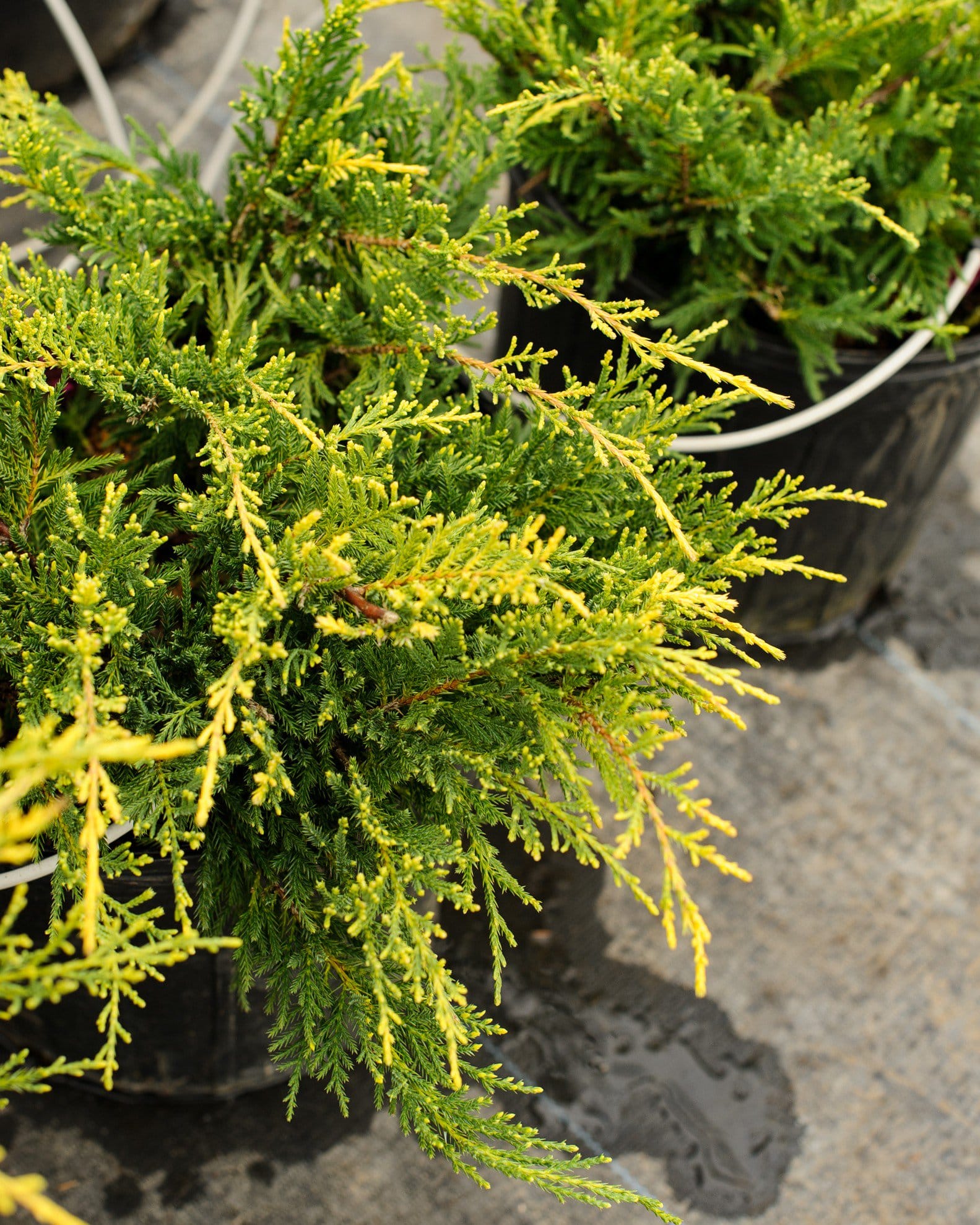
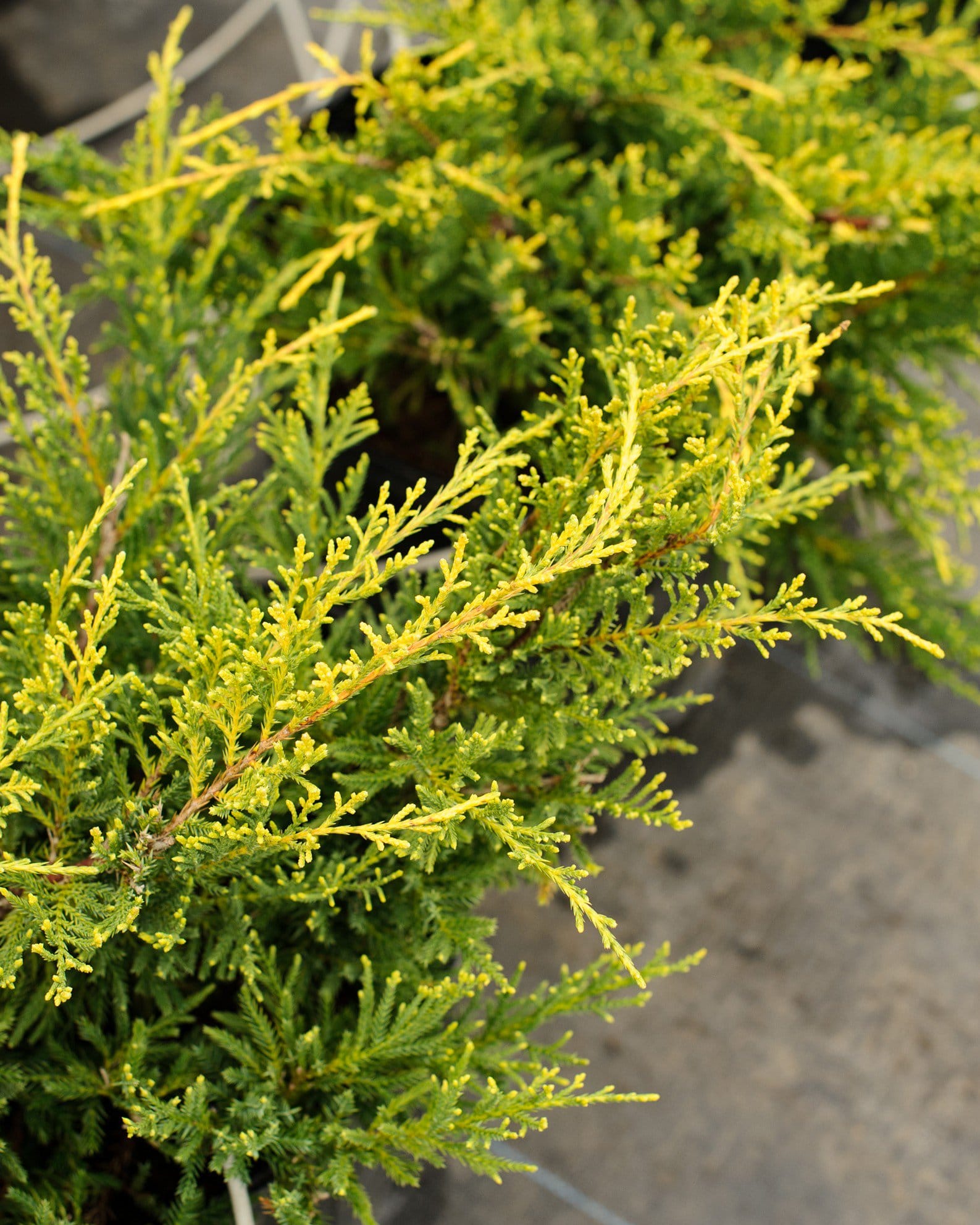
Gold Star Juniper
Maturity: 3' H x 4' W
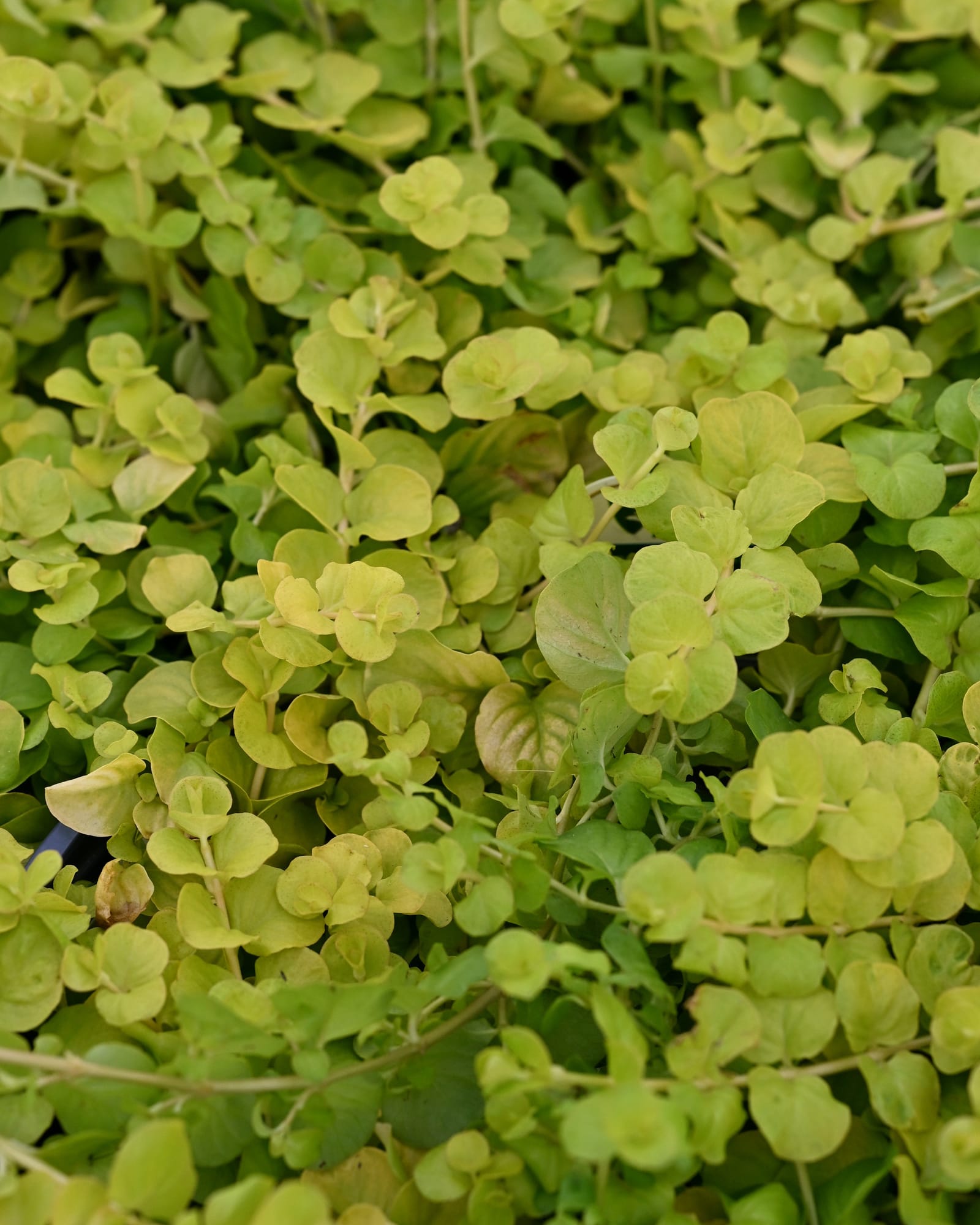
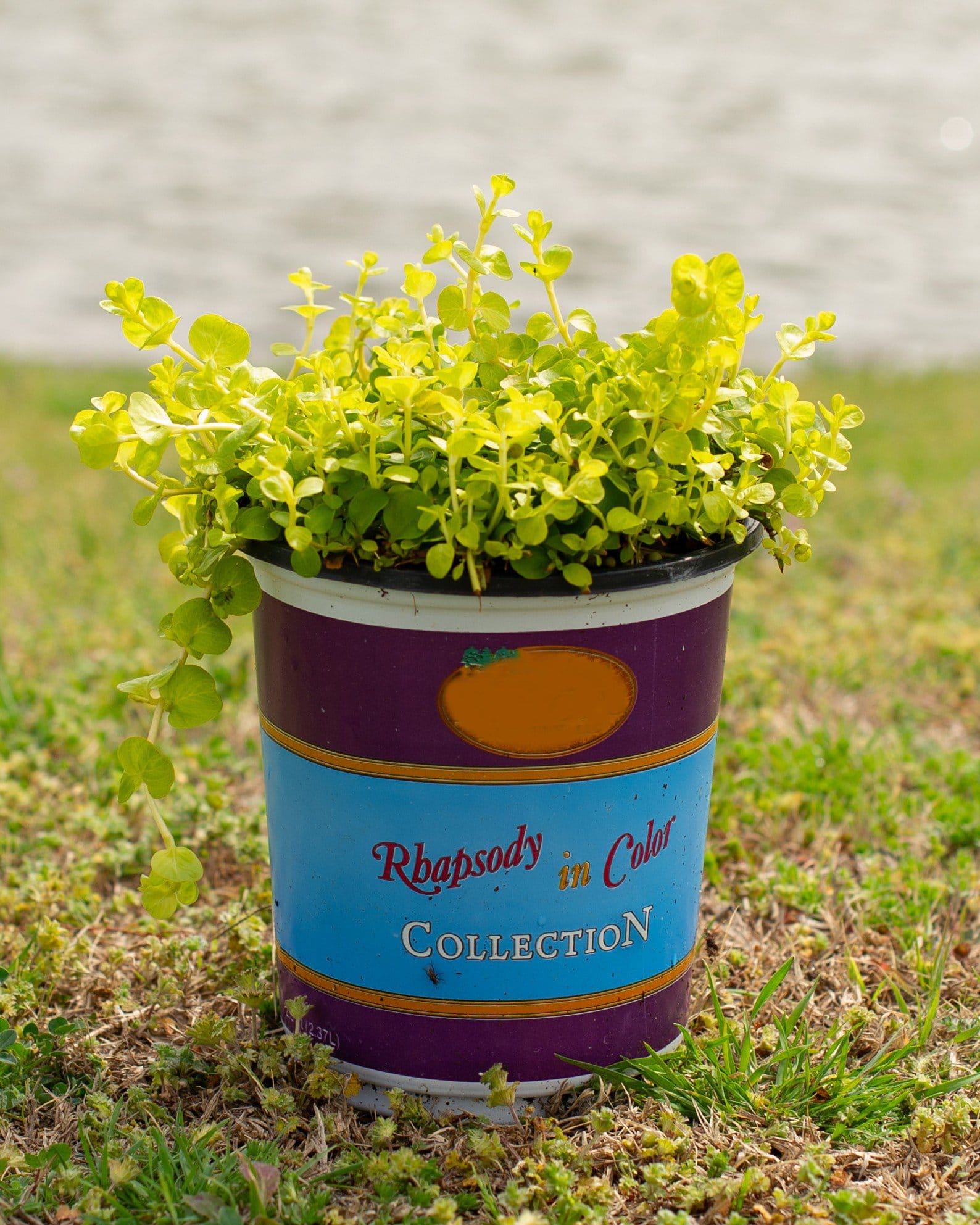
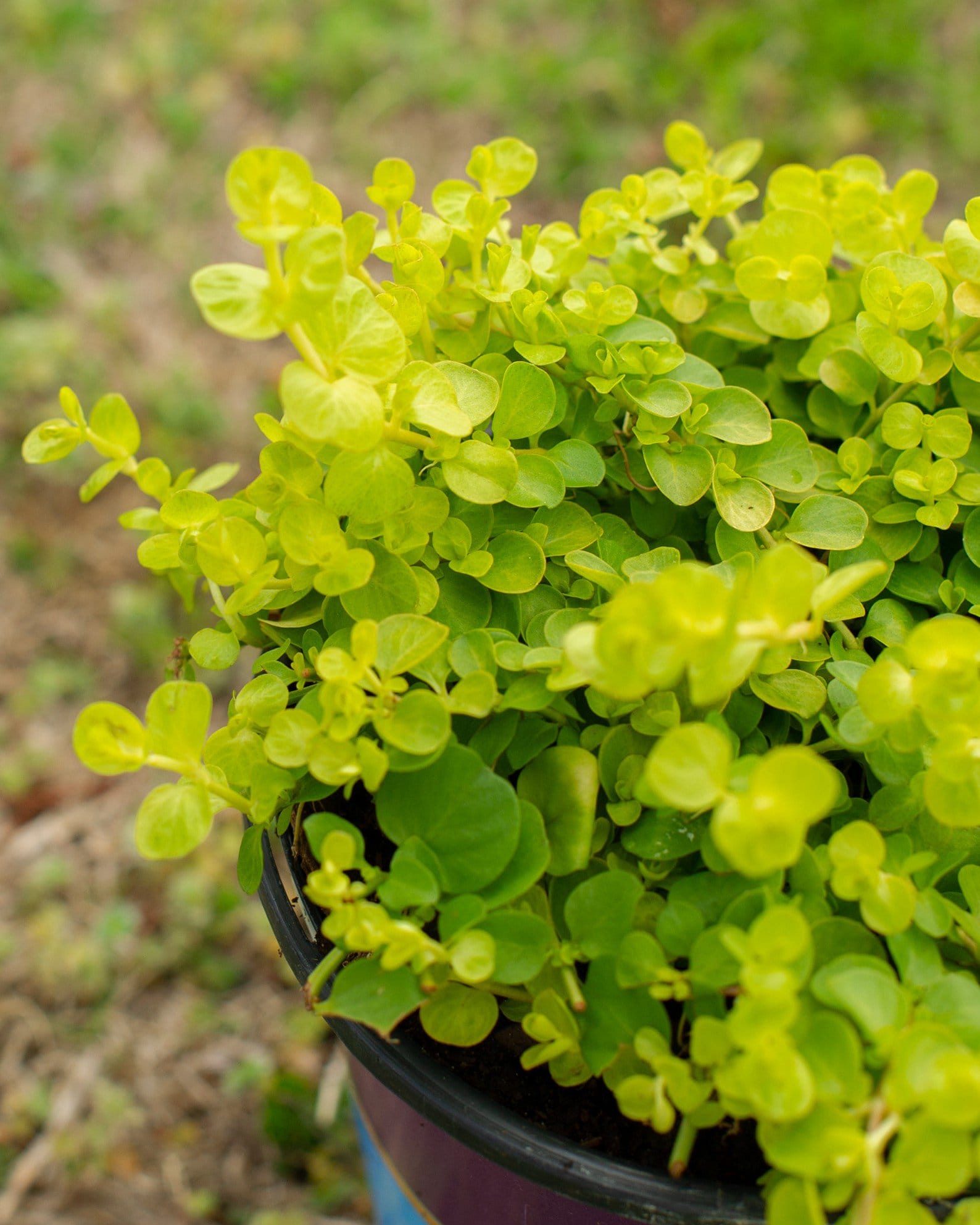
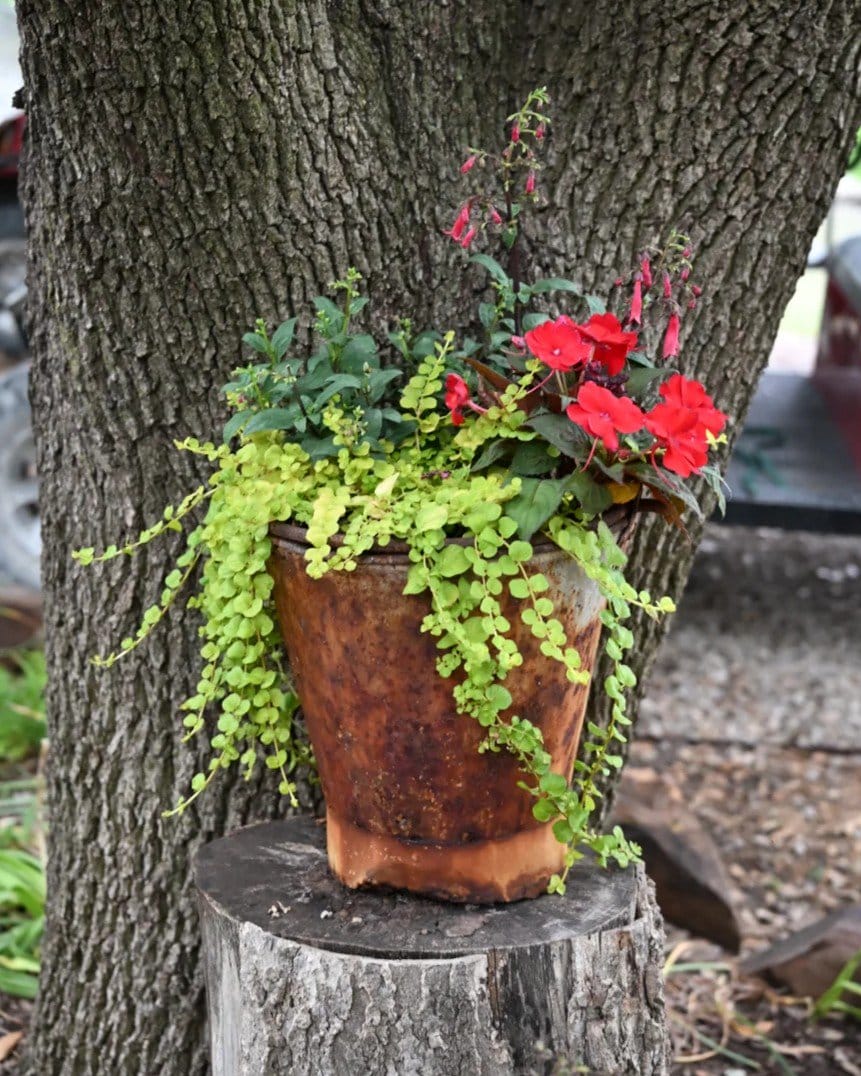
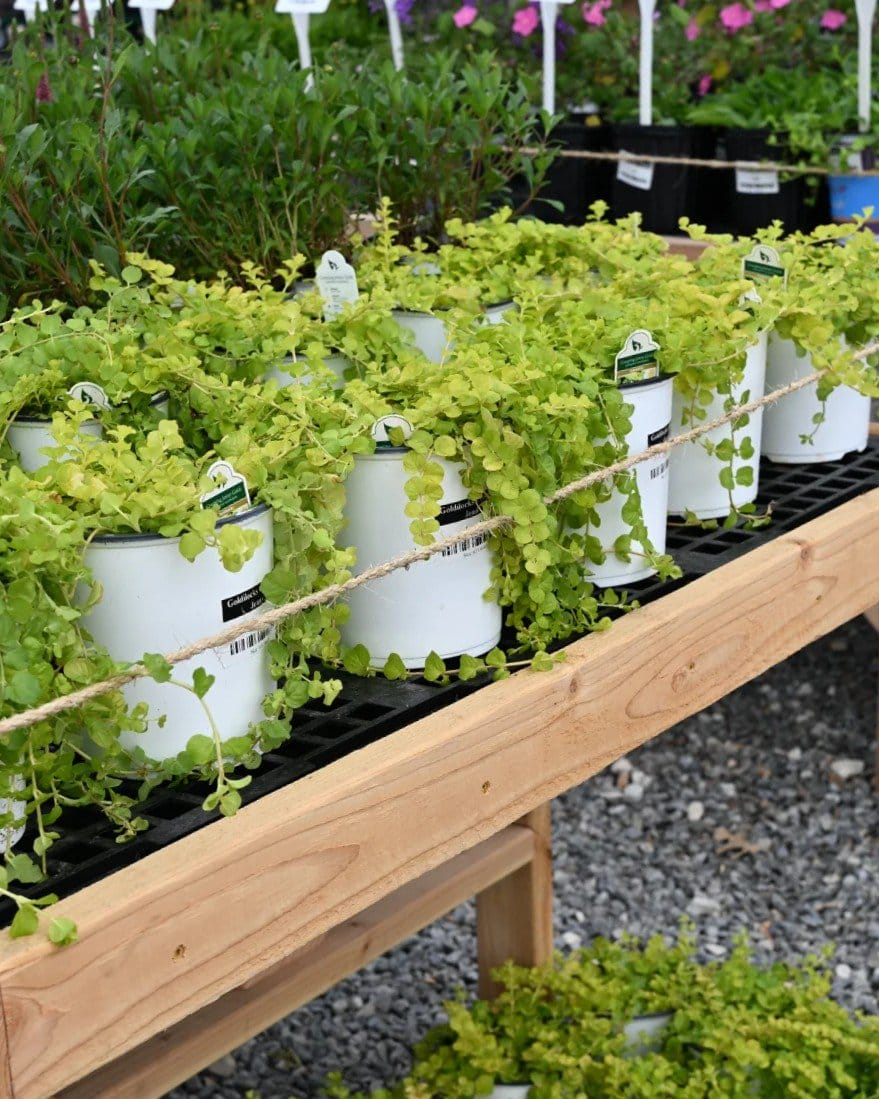
Goldilocks Creeping Jenny
Maturity: 2' H x 1' W
Compare Similar Plants
Blue Rug Juniper This plant | ||
|---|---|---|
| Scientific Name | Juniperus horizontalis ‘Wiltonii’ | Juniperus conferta ‘Blue Pacific’ |
| Size at Maturity | 0.5' H x 6' W | 1' H x 3' W |
| Leaf Retention | Evergreen | Evergreen |
| Sizes Available | 1, 3 gal | 3 gal |


Our 1-Year Planting Guarantee
We take pride in our plants and installation services. If any plants or trees installed by Treeland fail to thrive within the first year, we'll provide a replacement credit in accordance with our guarantee program.
Learn More About Our Guarantee