

 Texas Native
Carolina Sweetheart Redbud
Cercis canadensis 'NCCC1'Local DFW Delivery Only
Product Details
Carolina Sweetheart Redbud
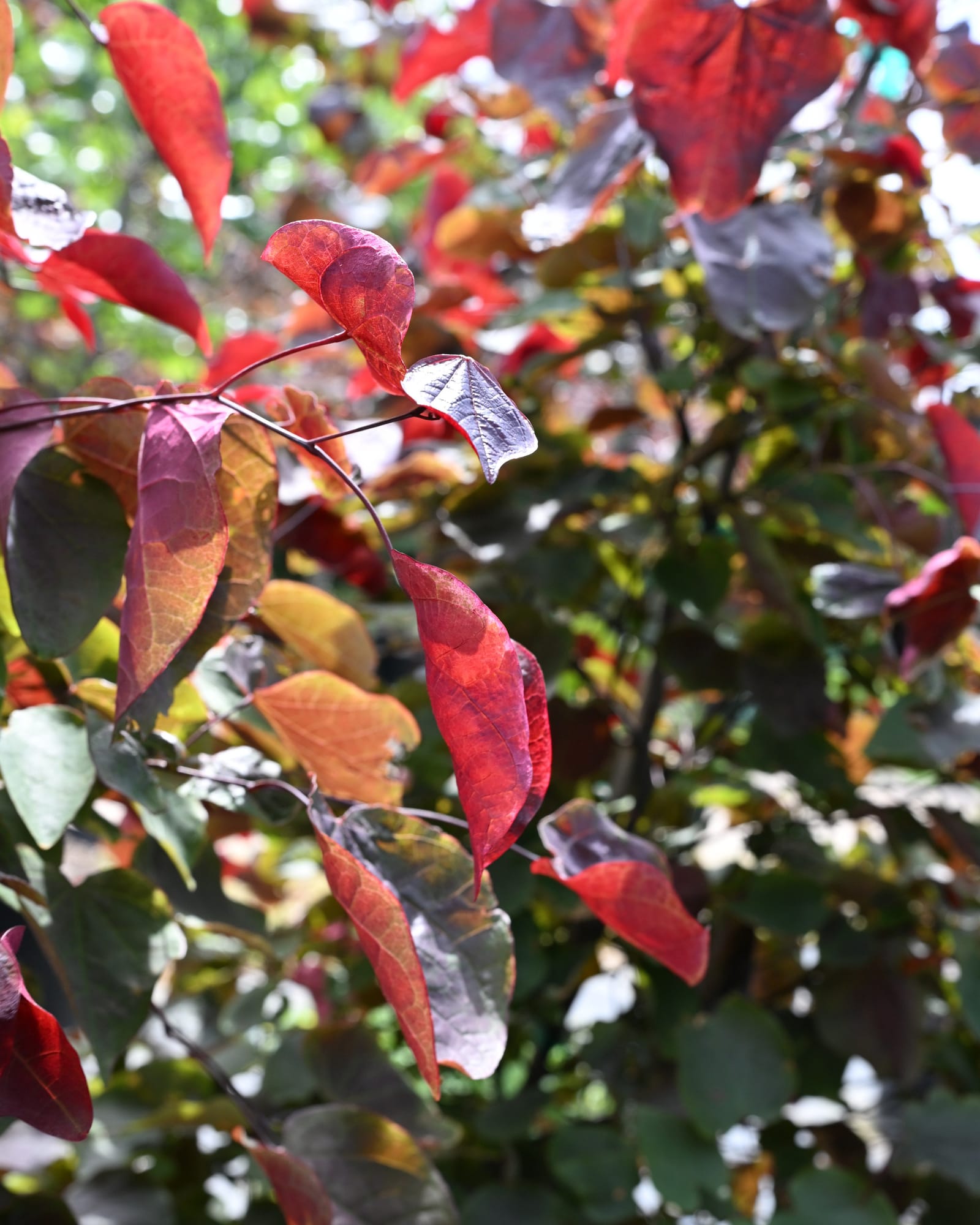
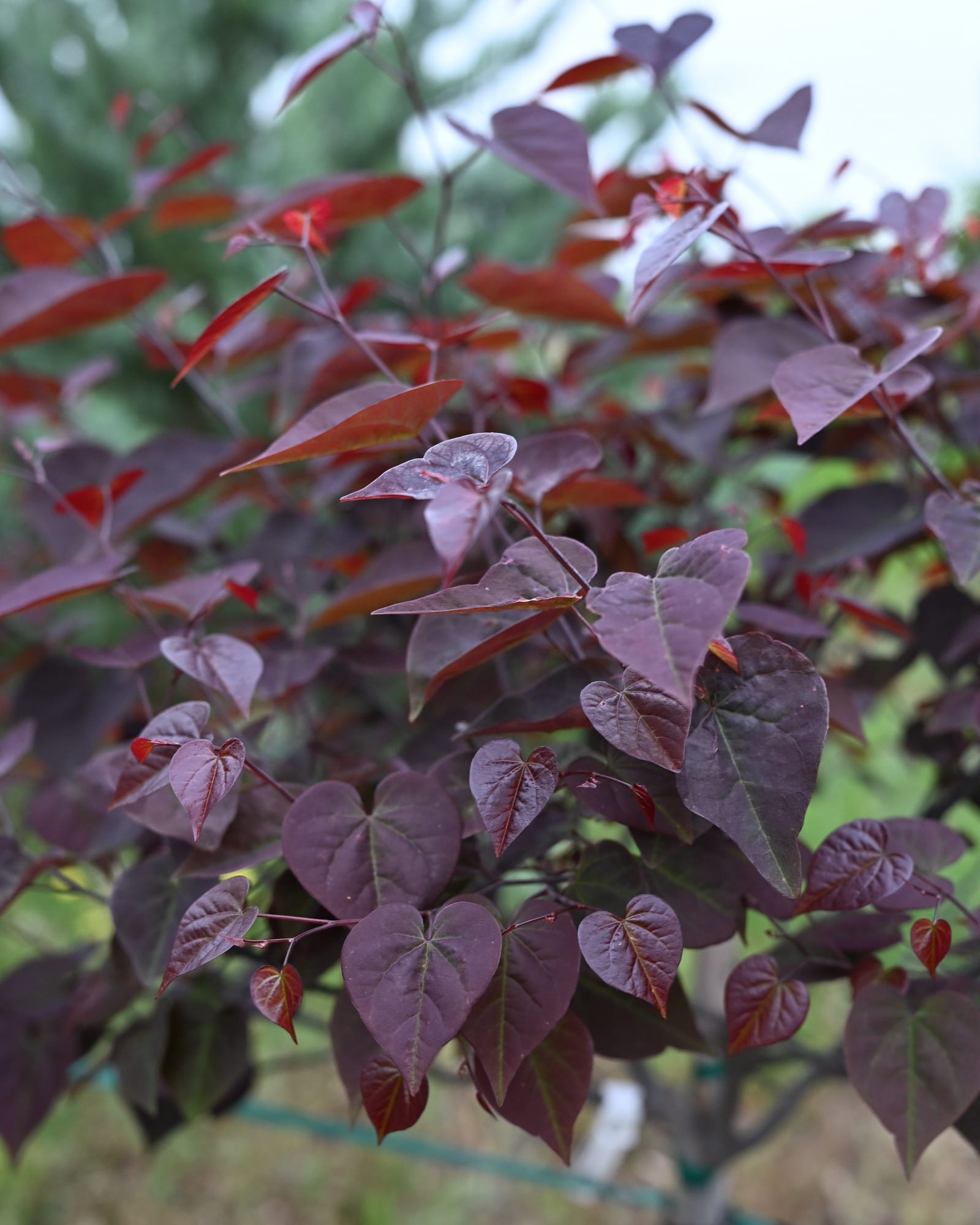
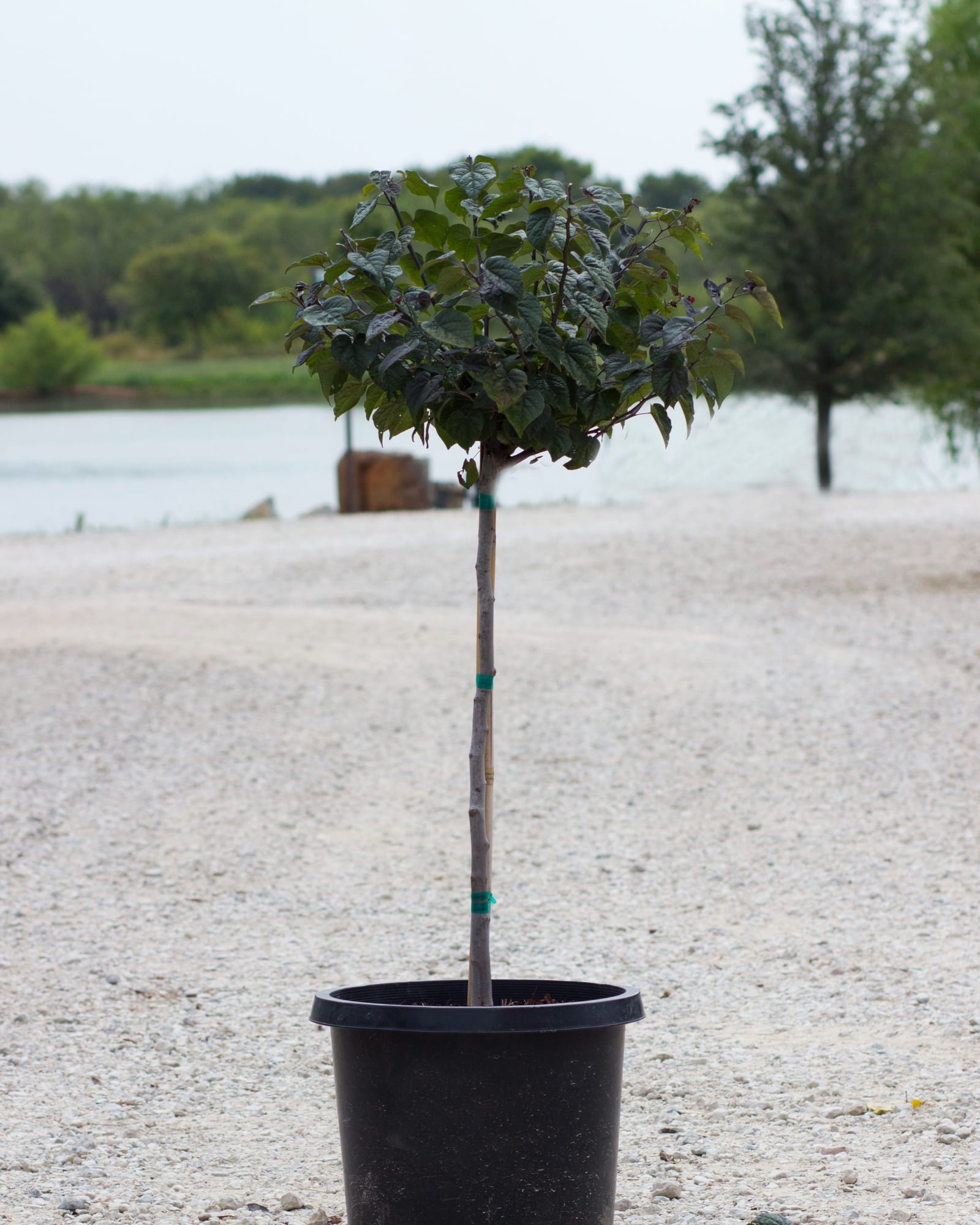
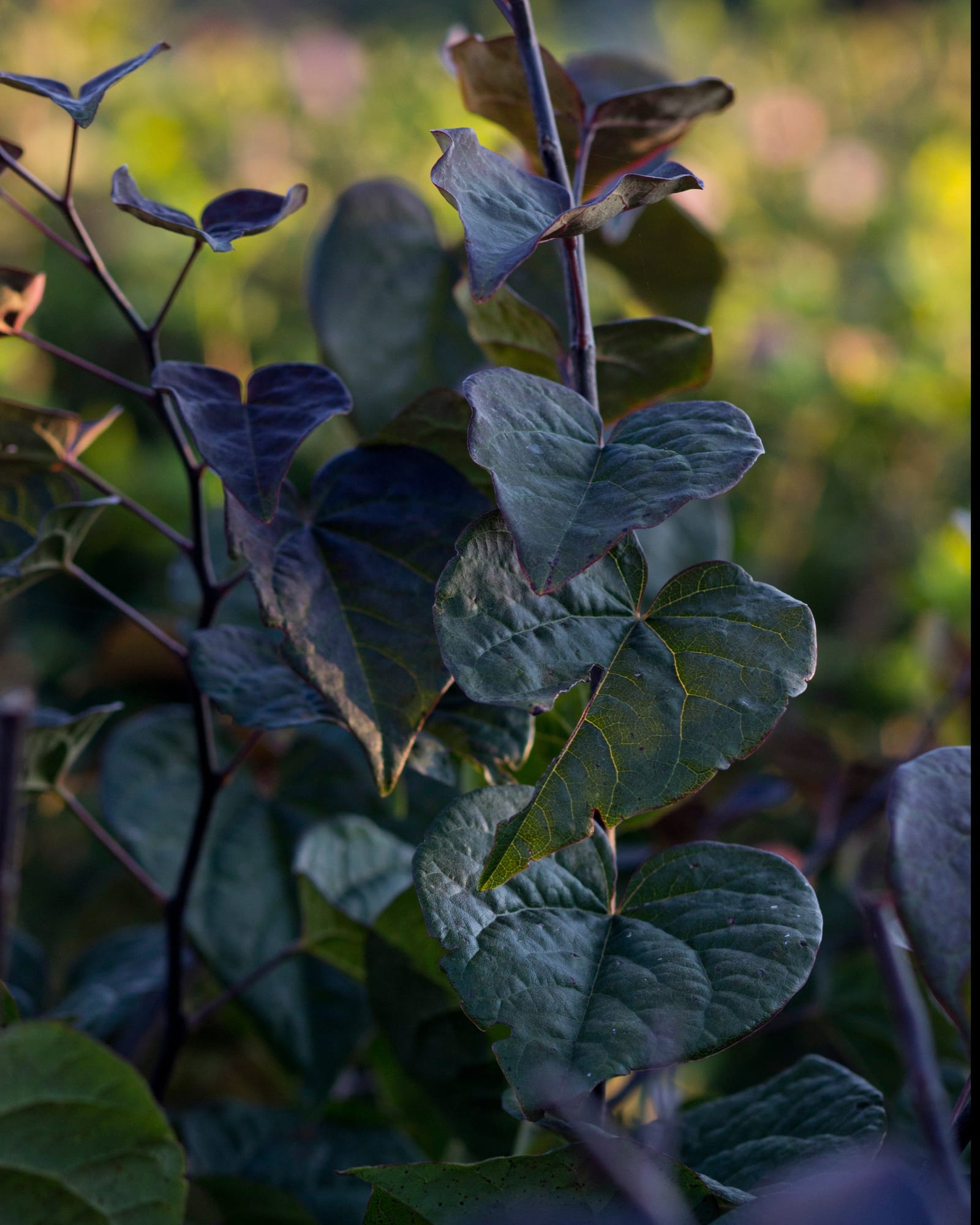
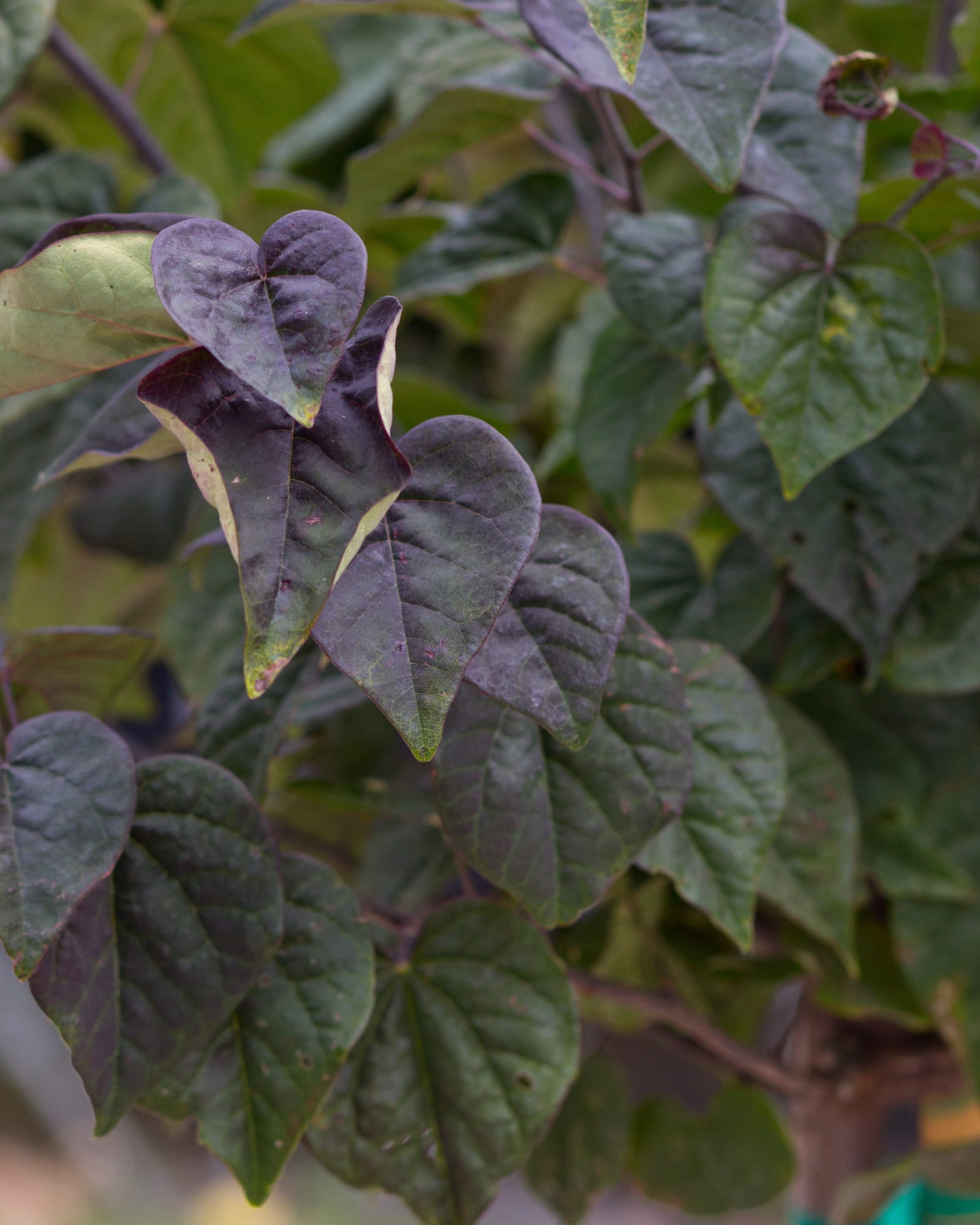
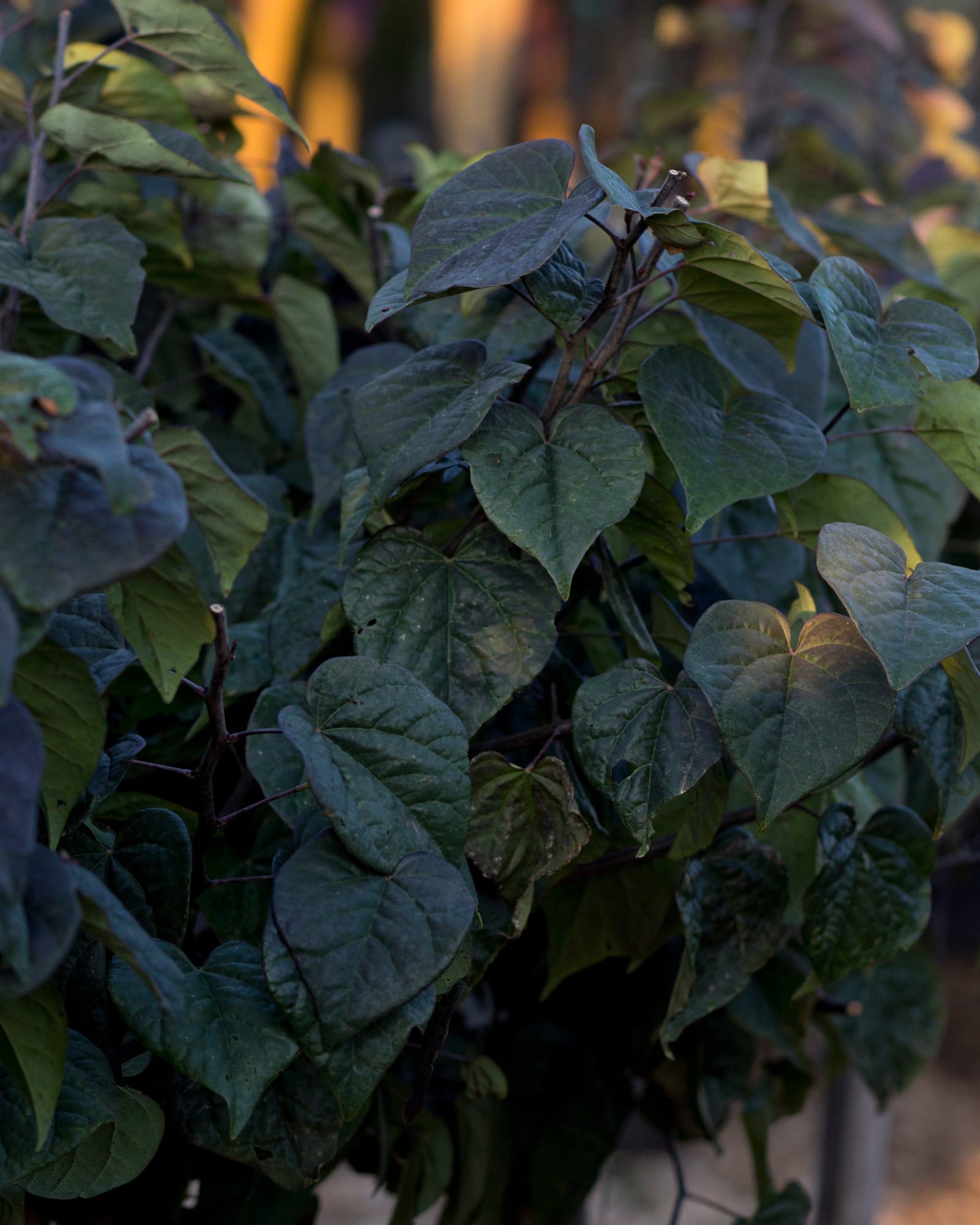
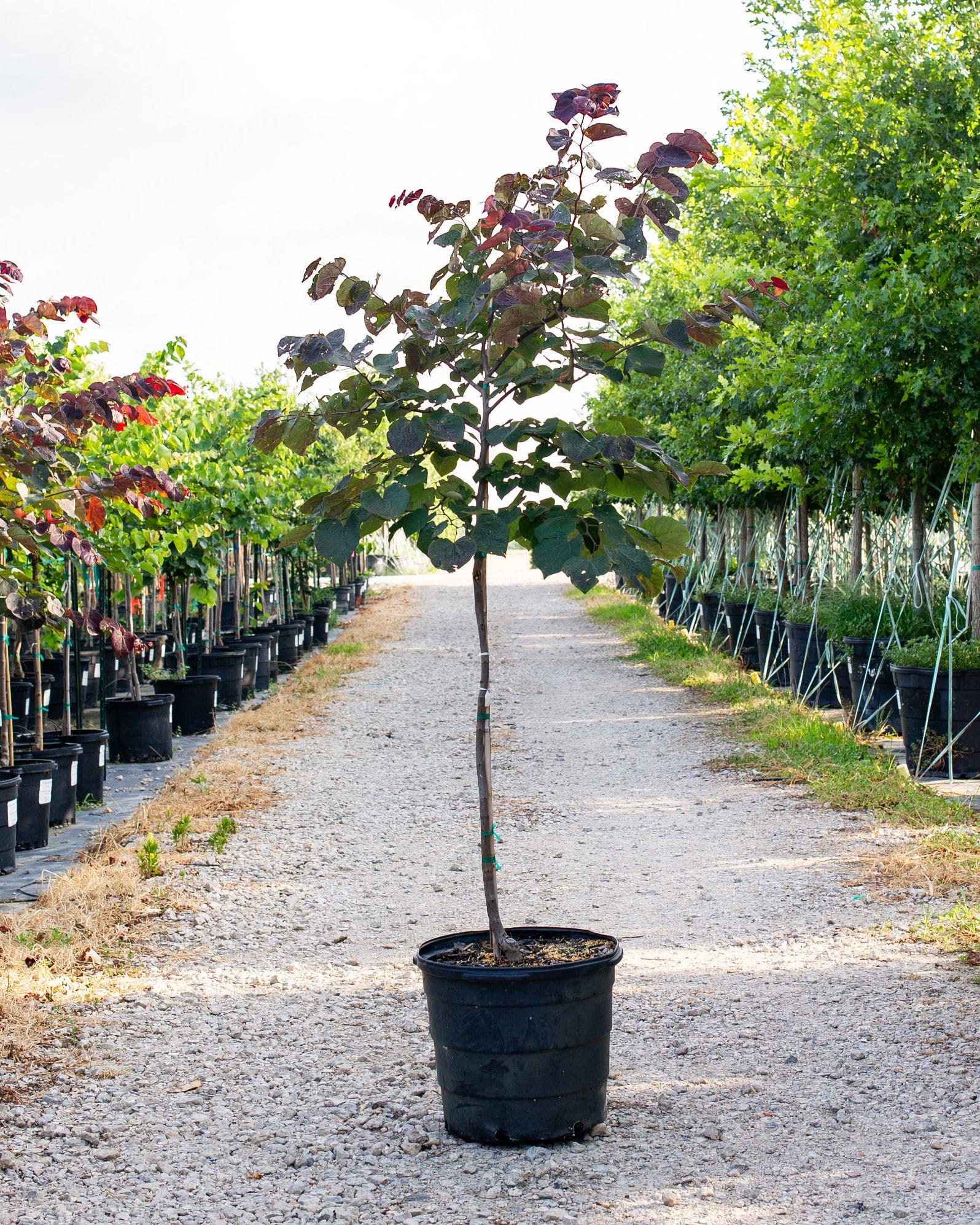
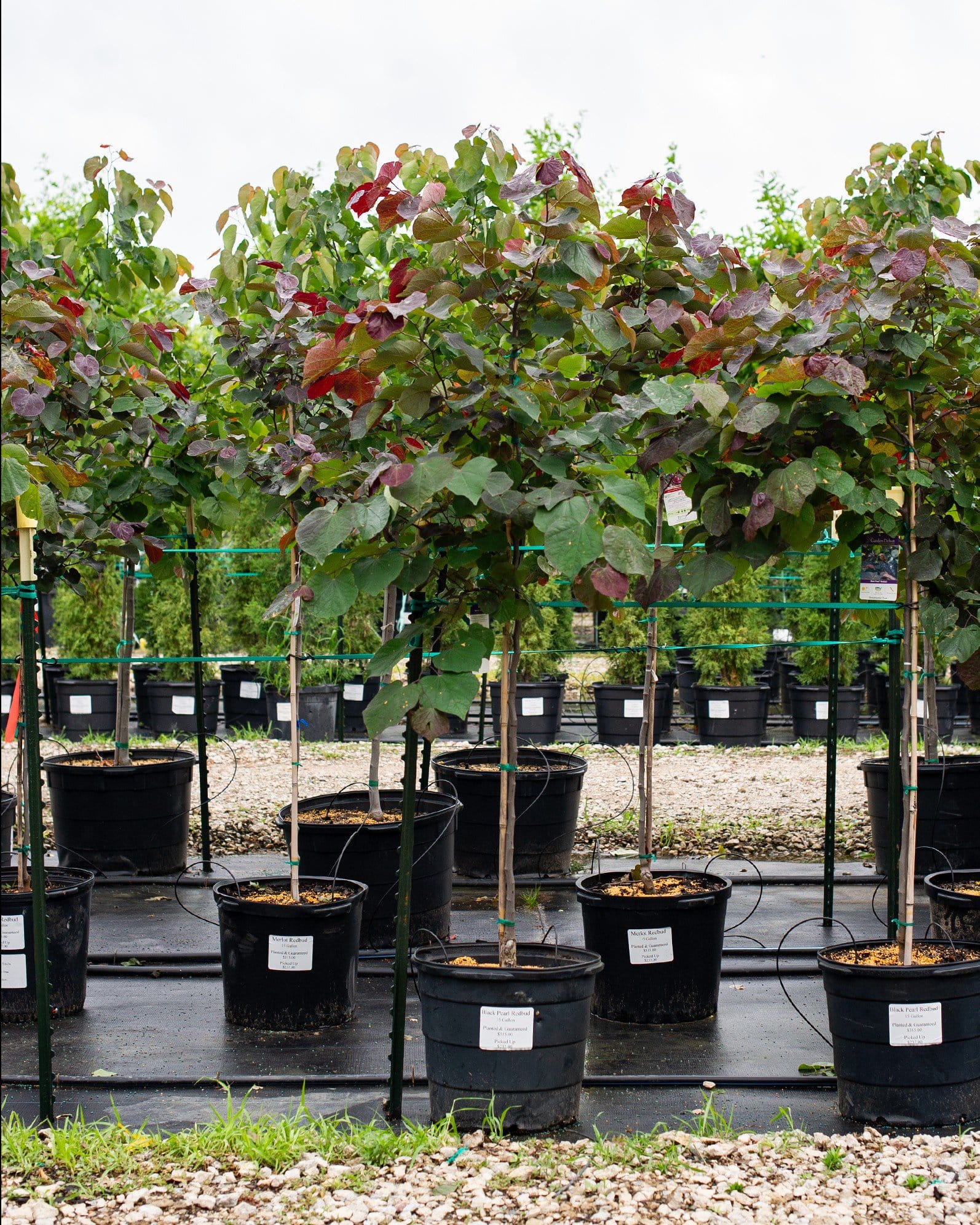
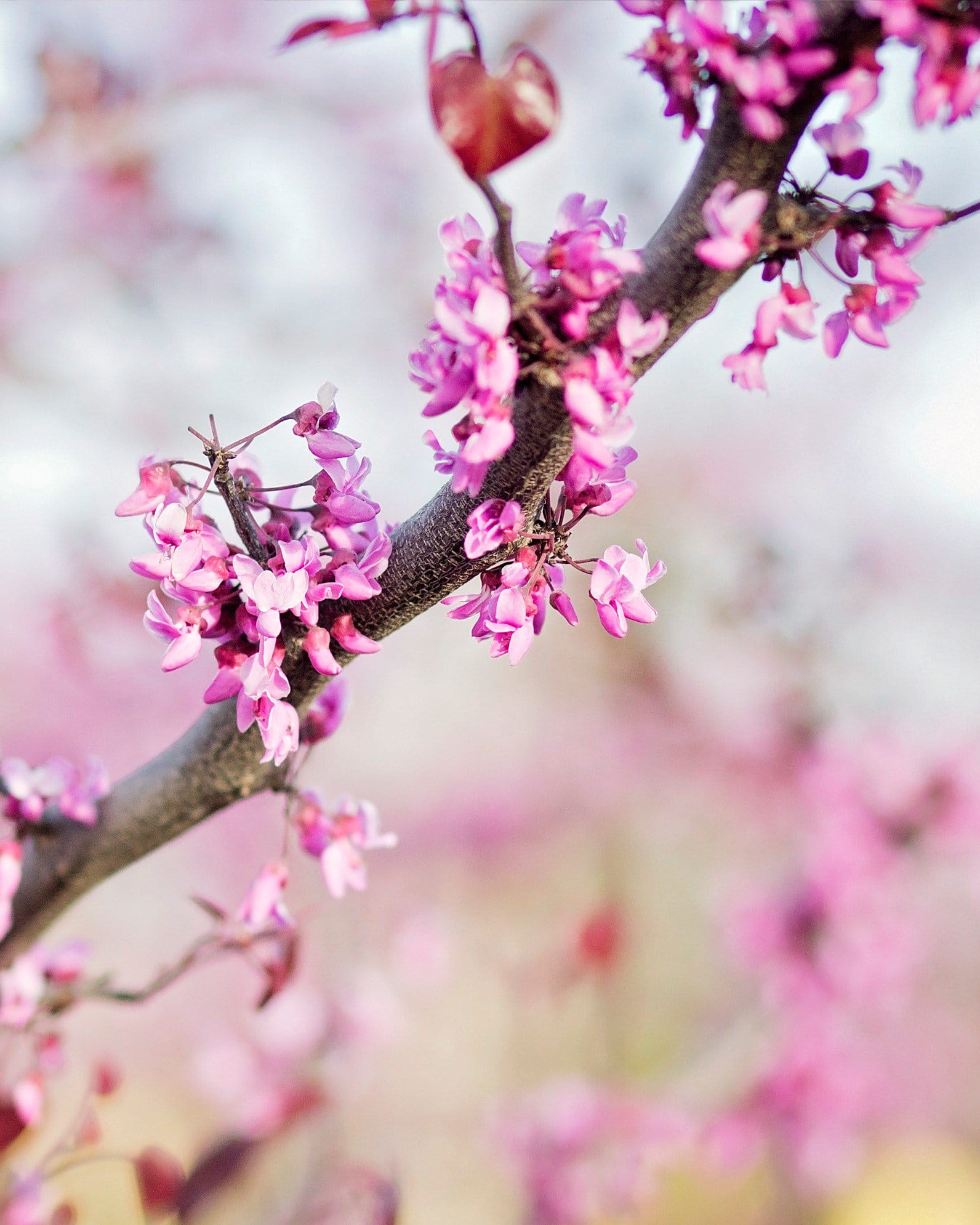
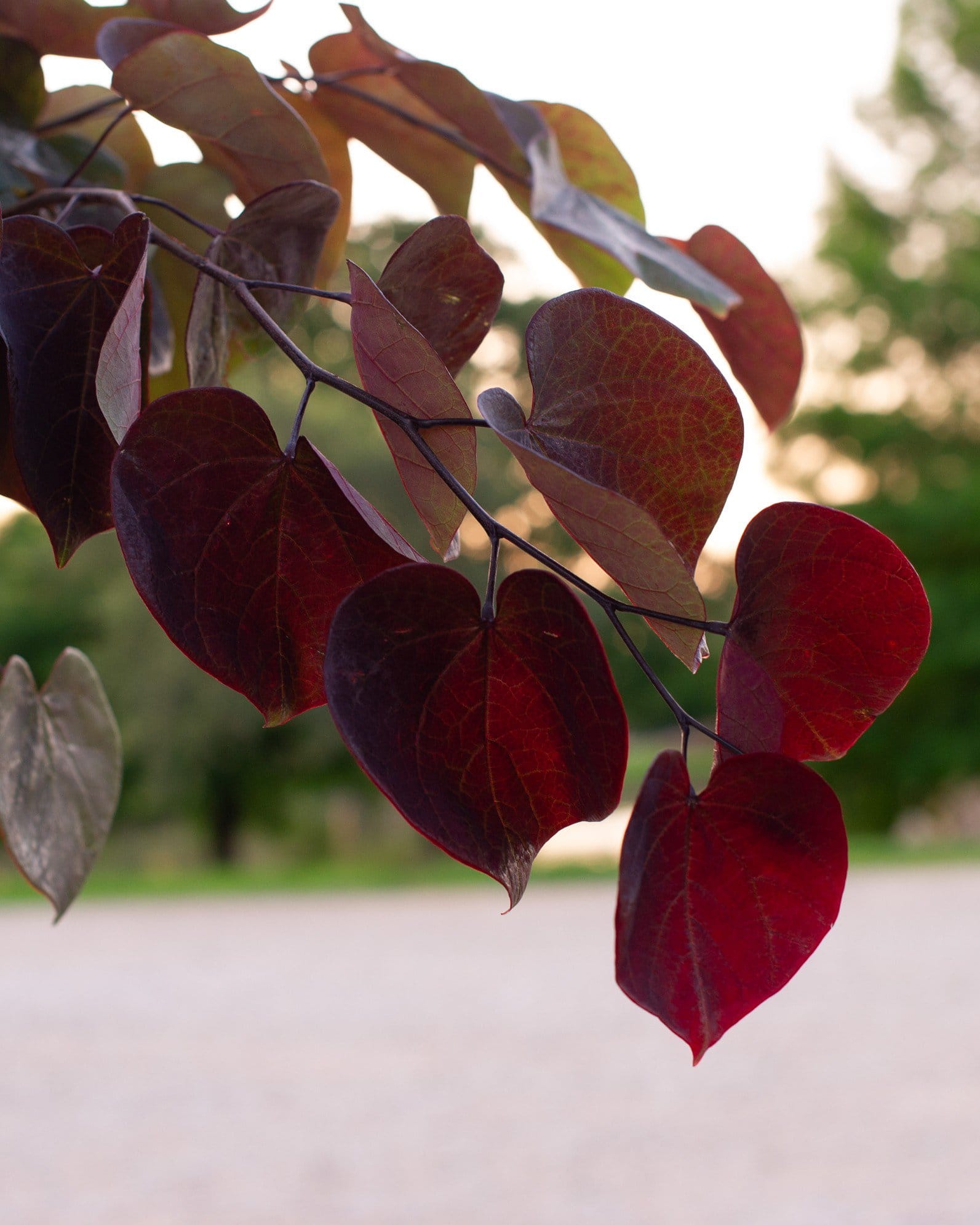
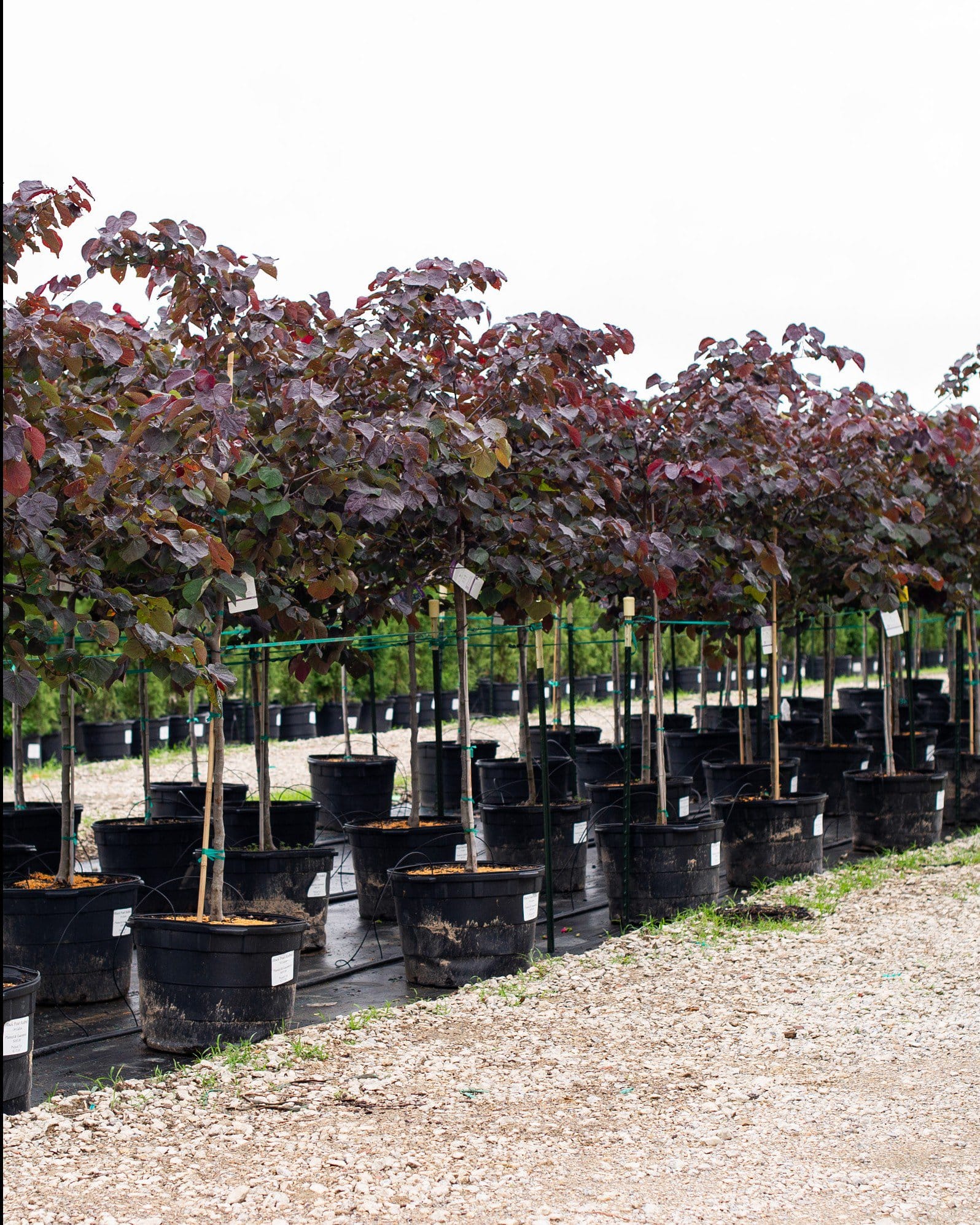
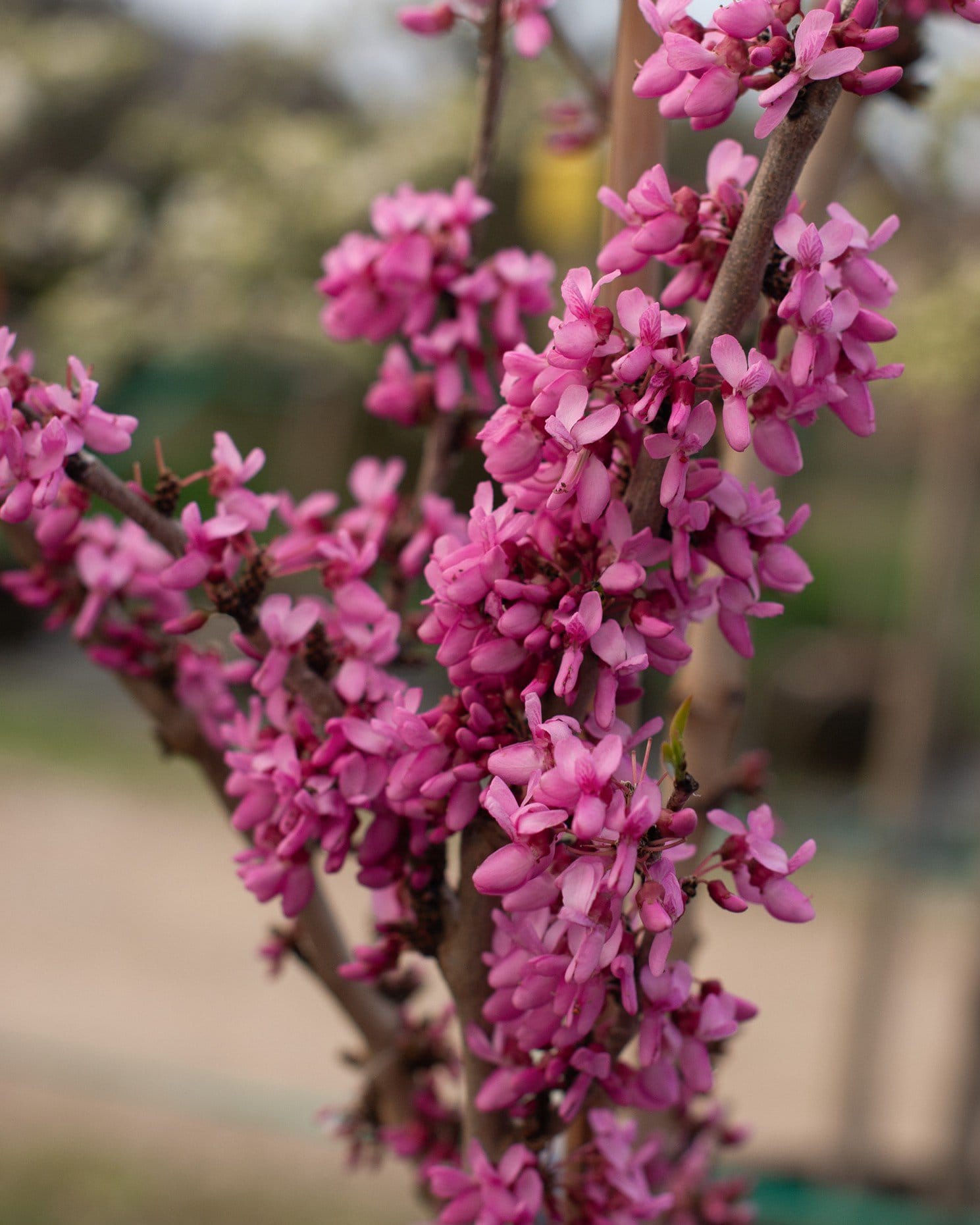
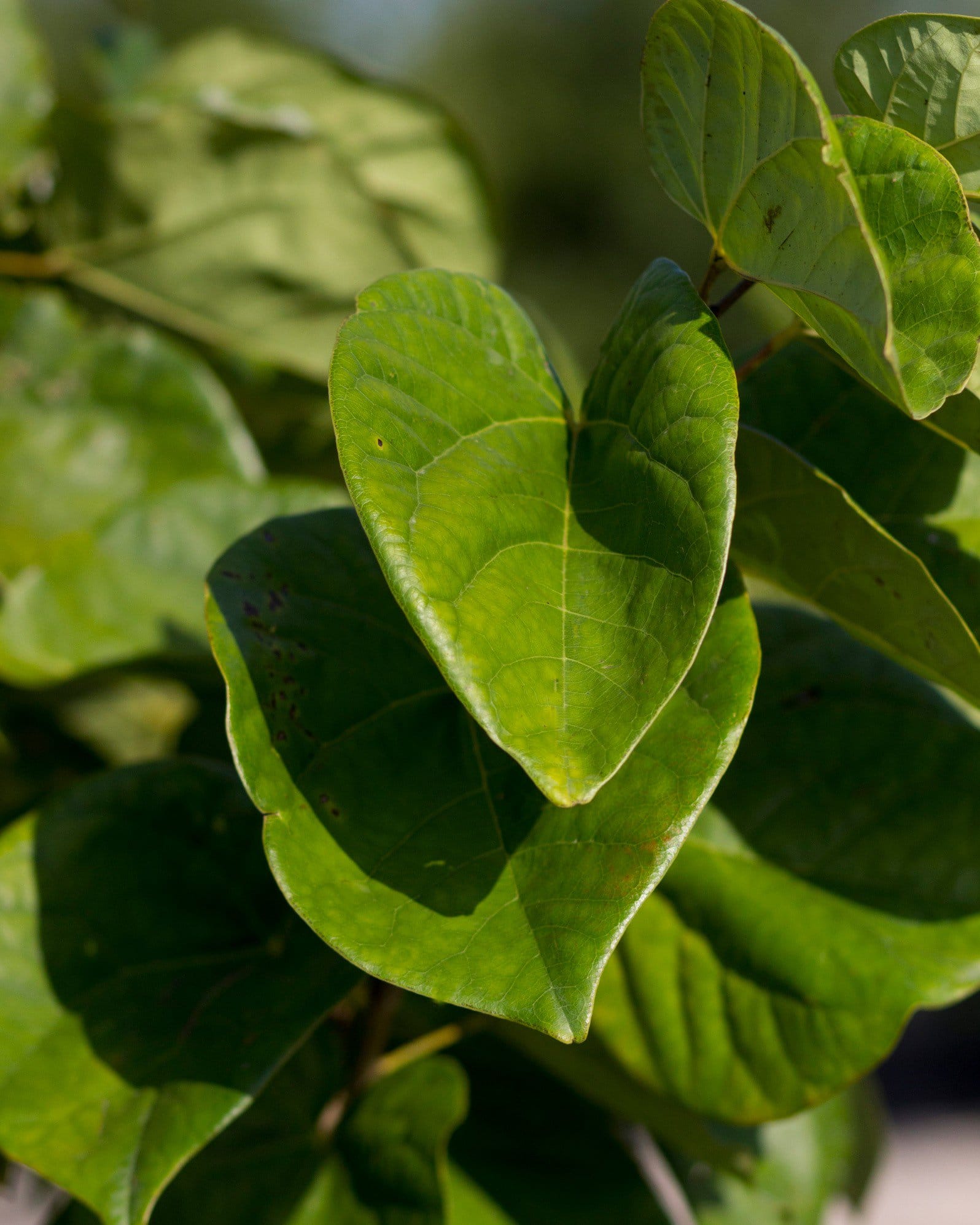
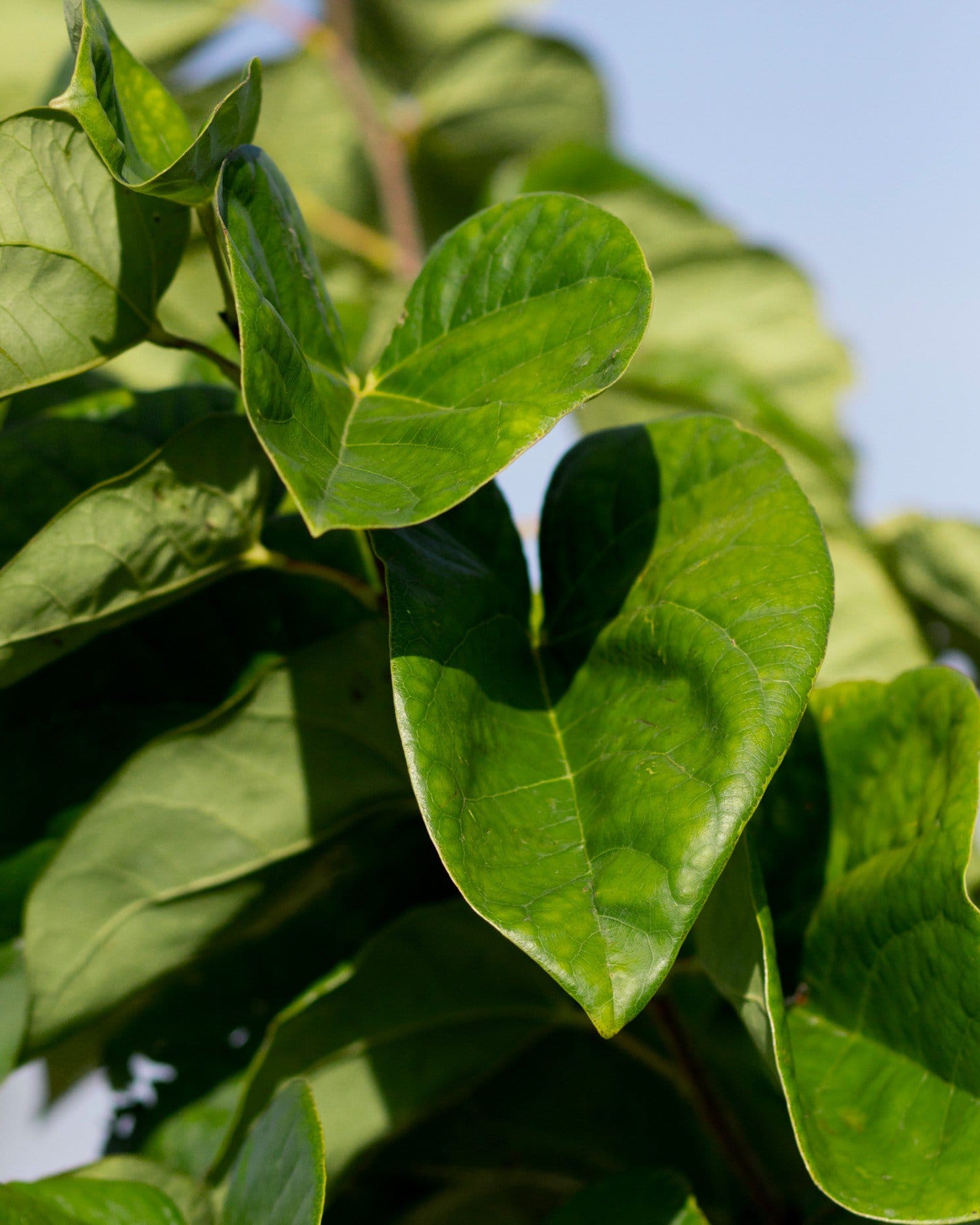
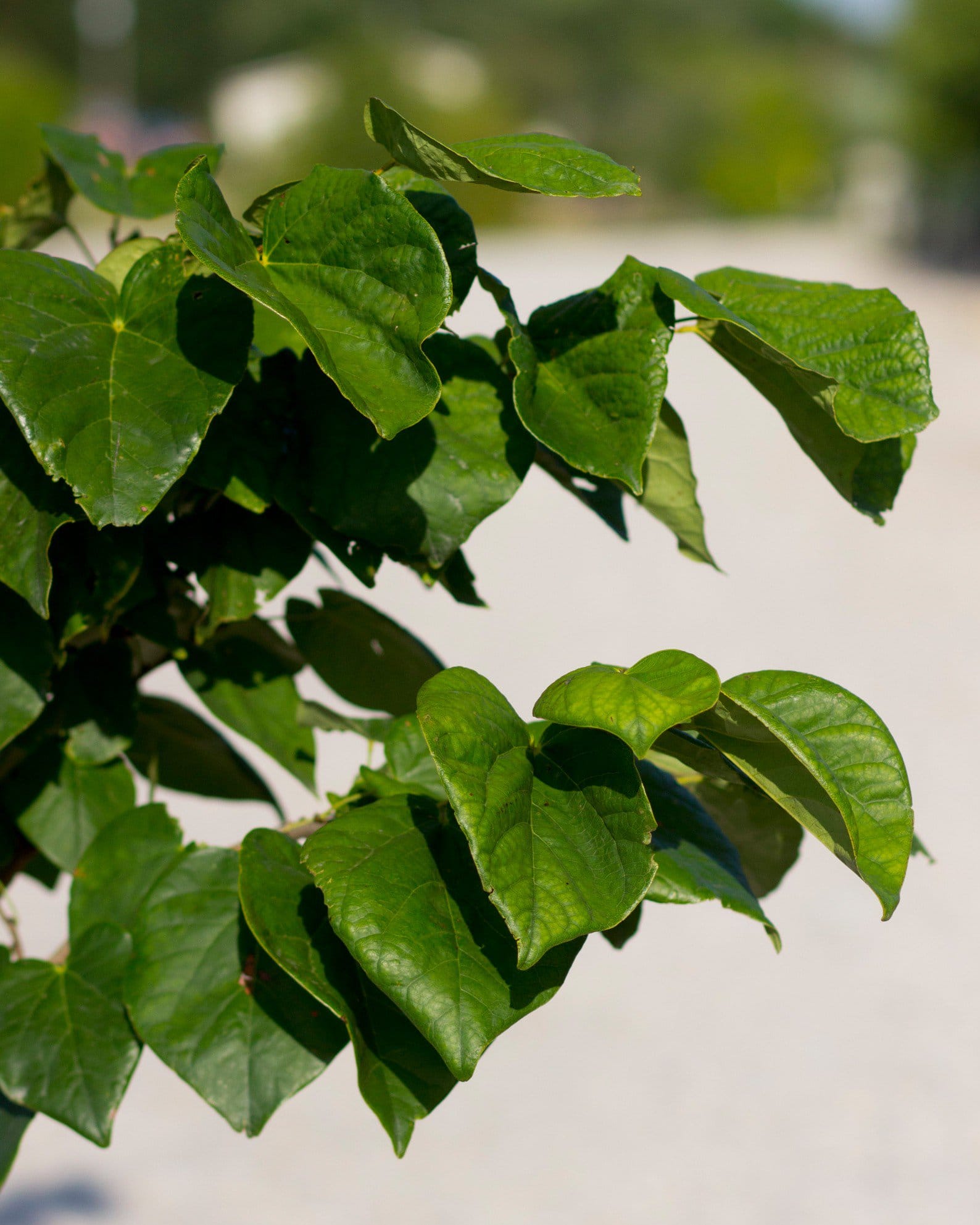
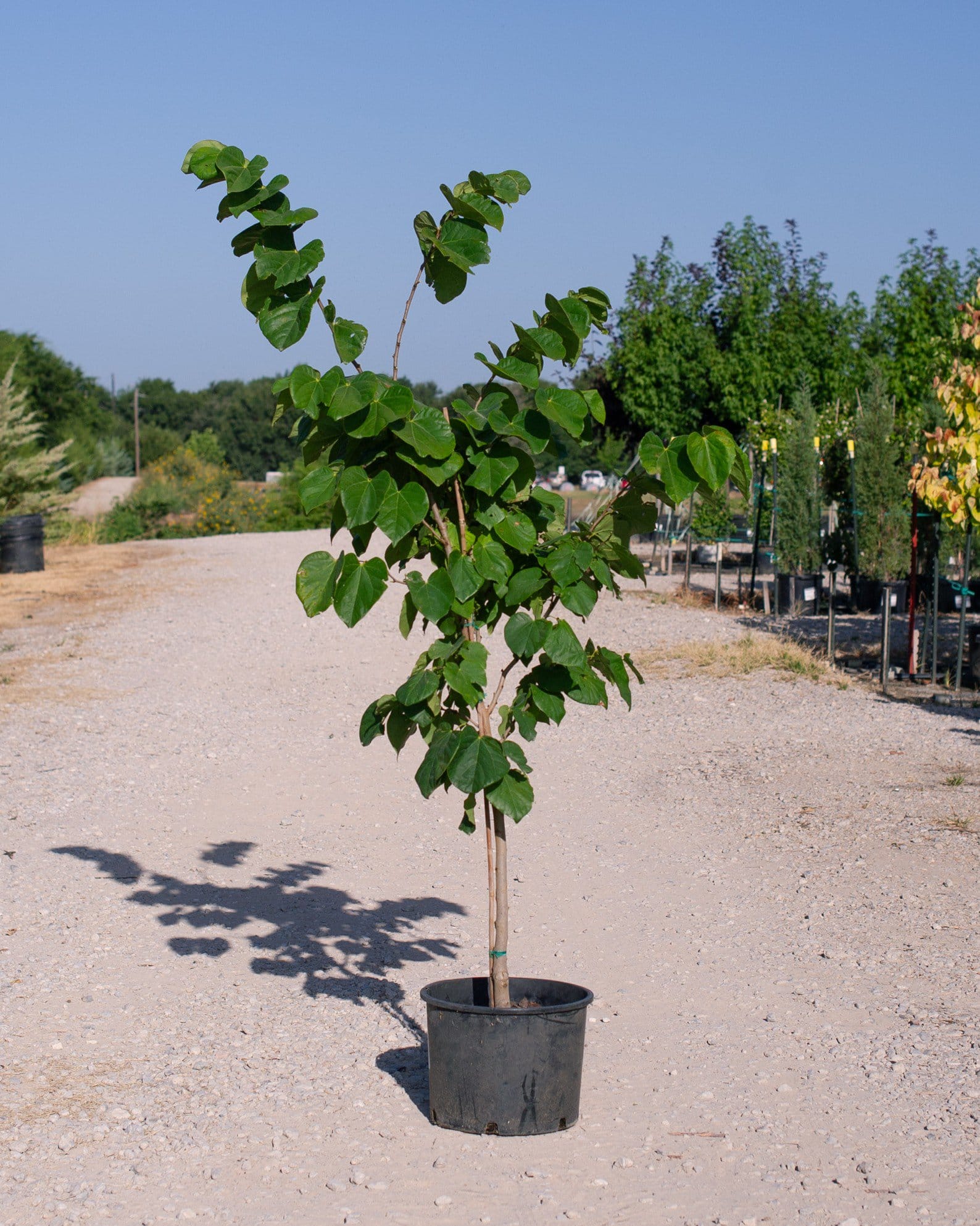
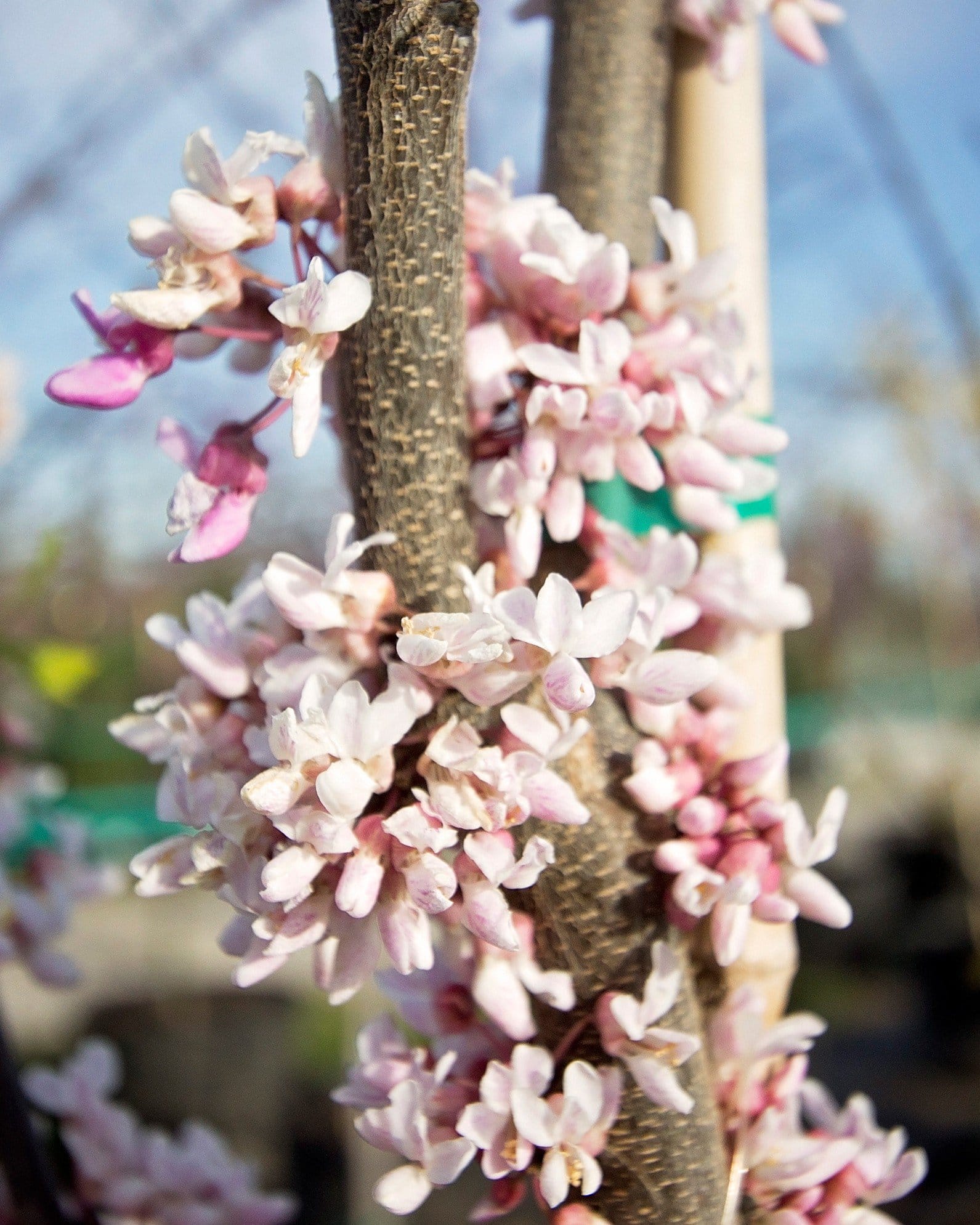
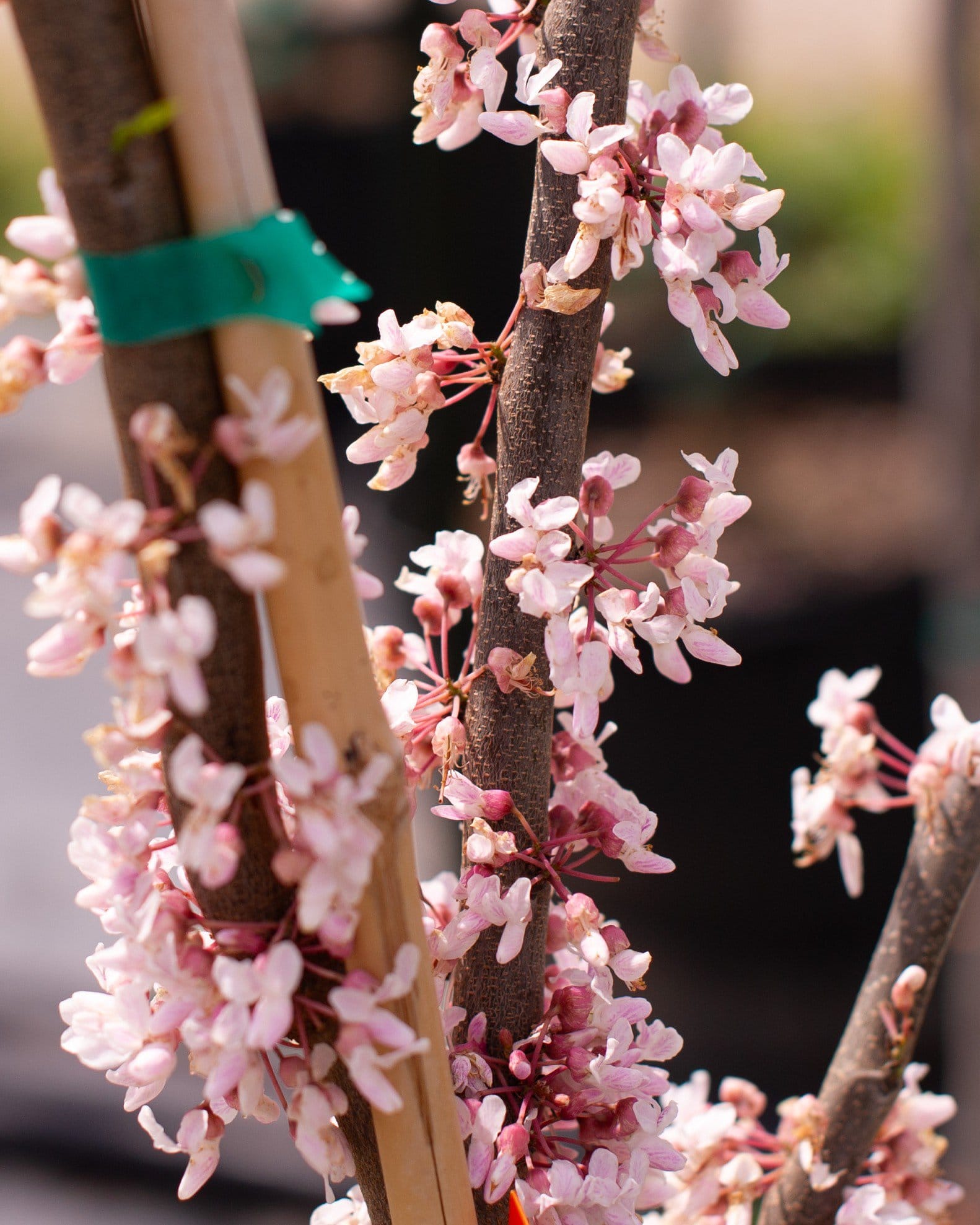
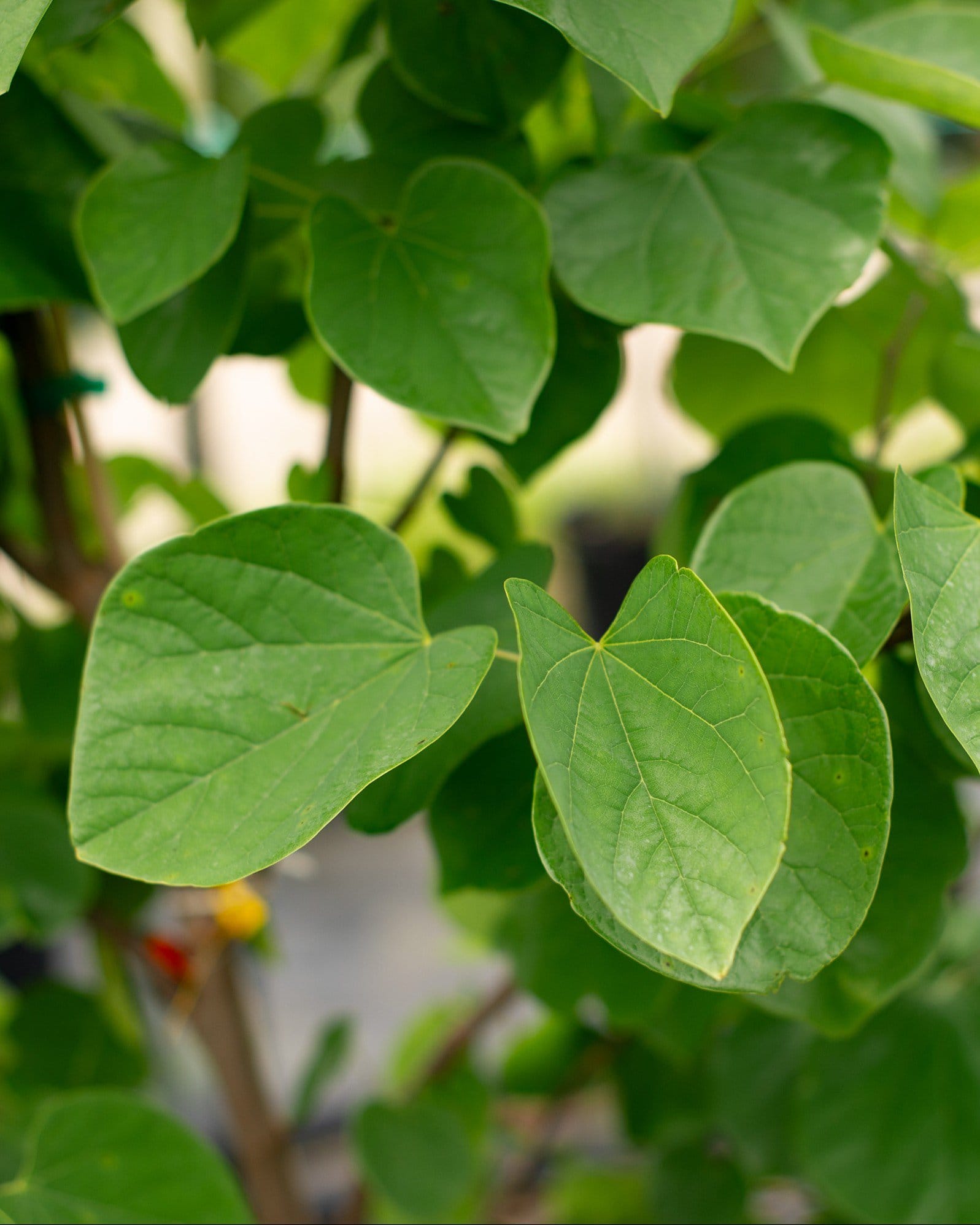
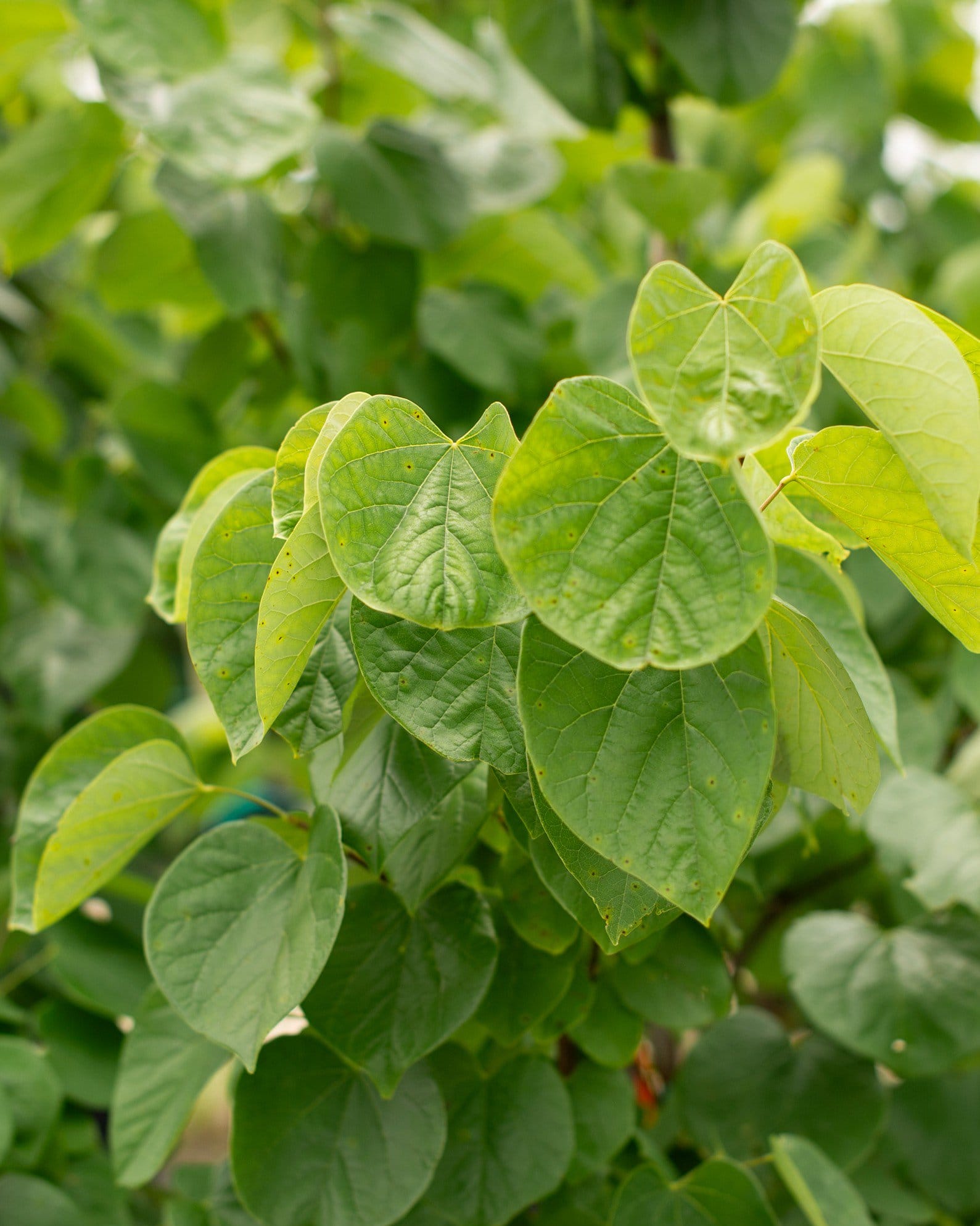
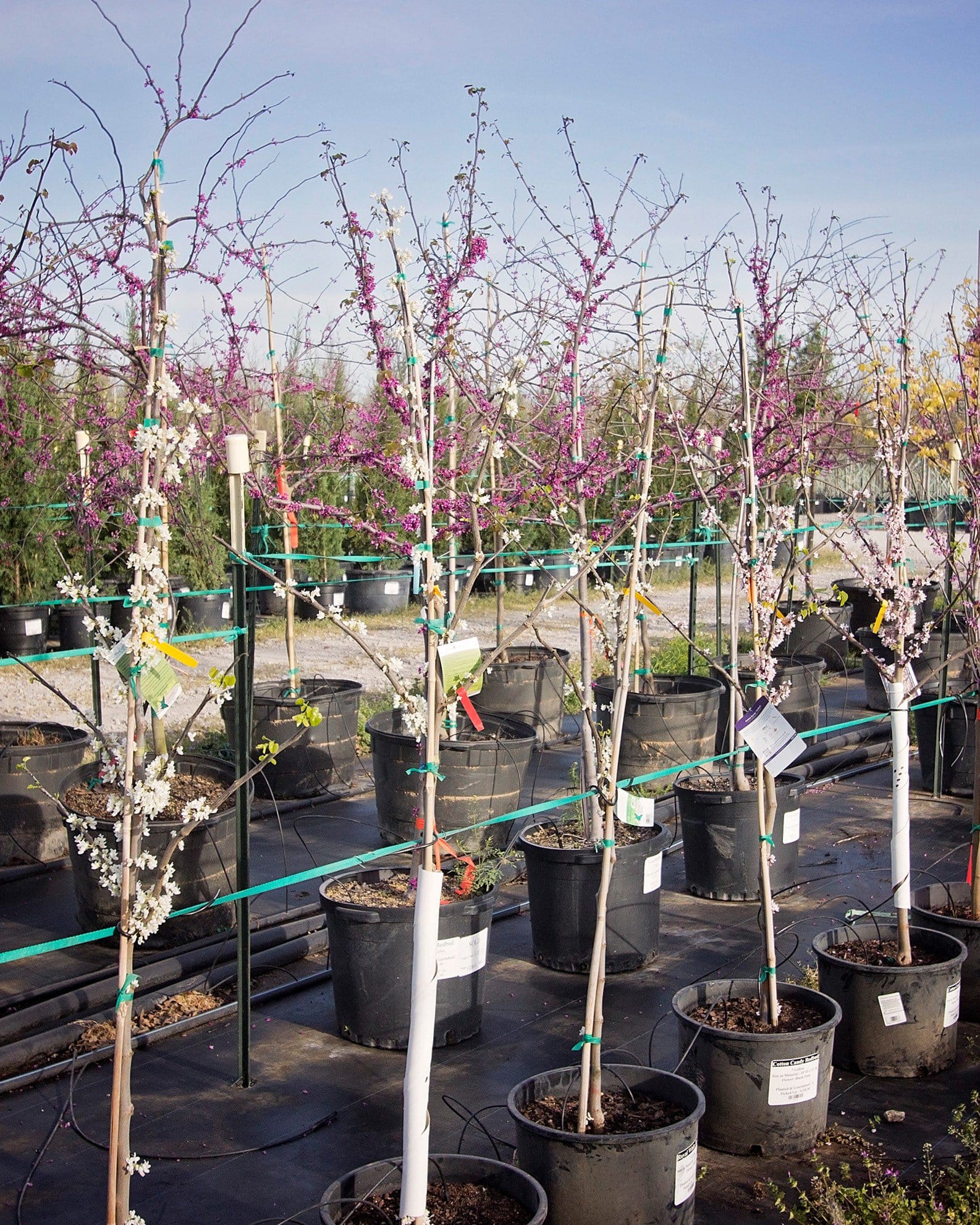
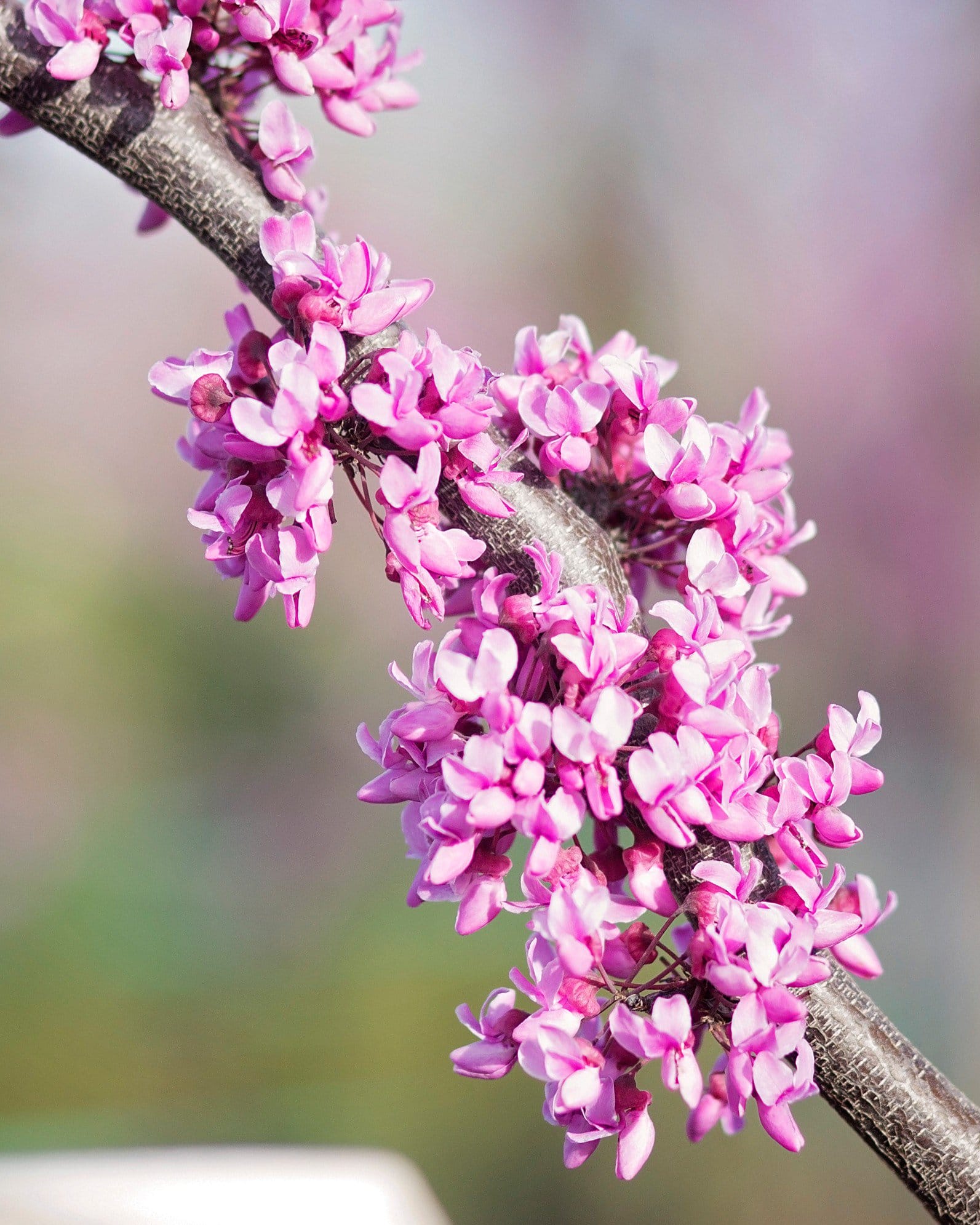
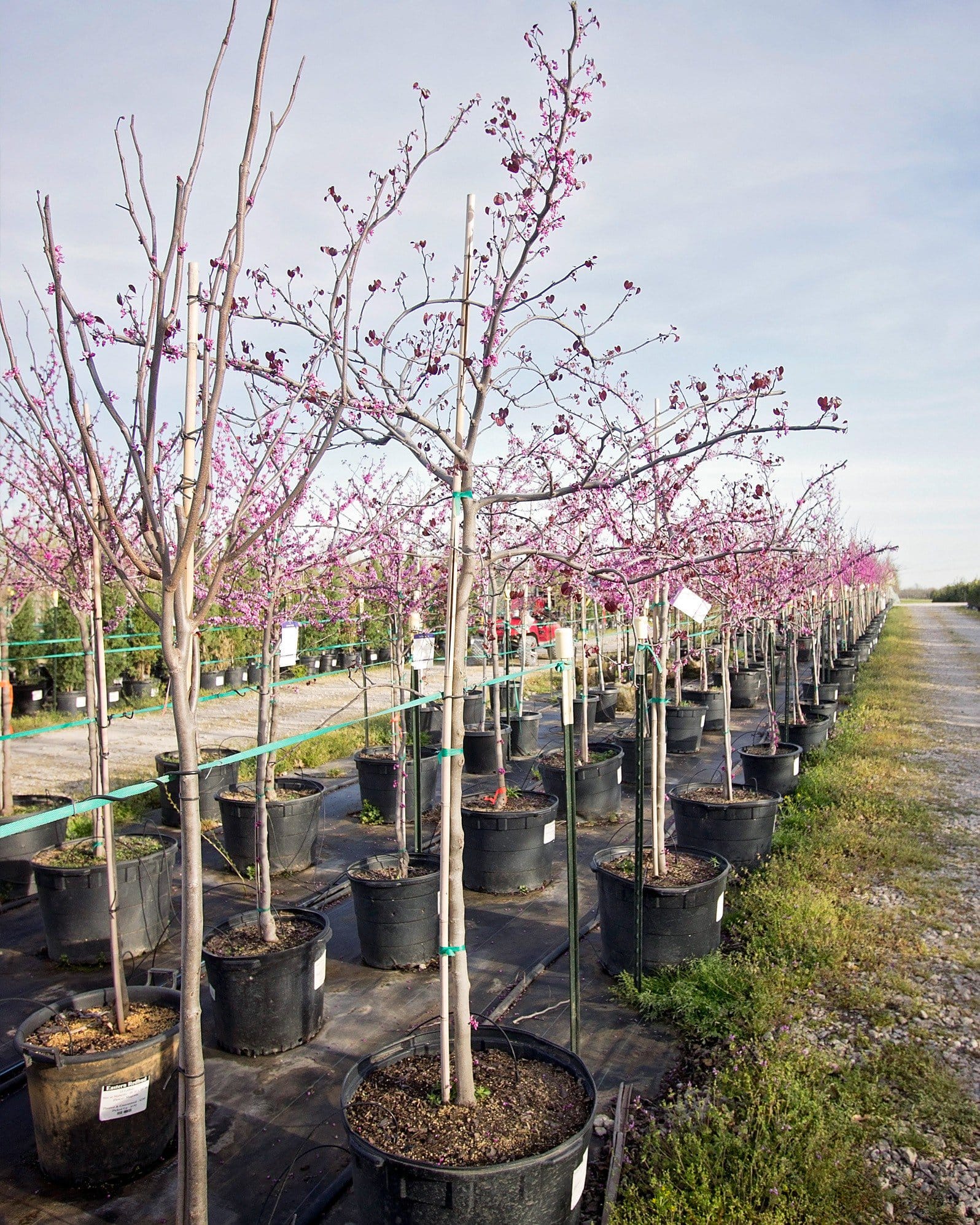
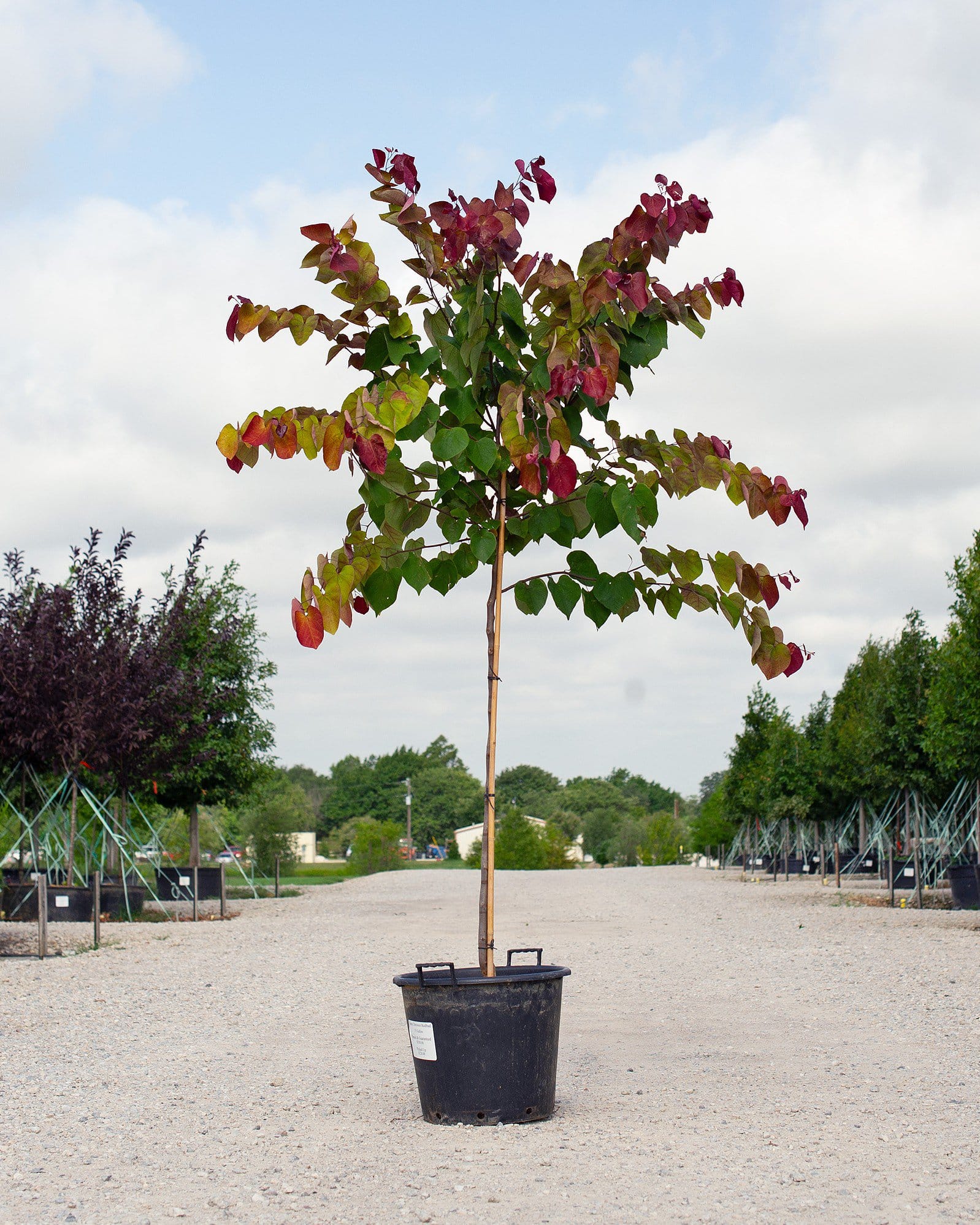
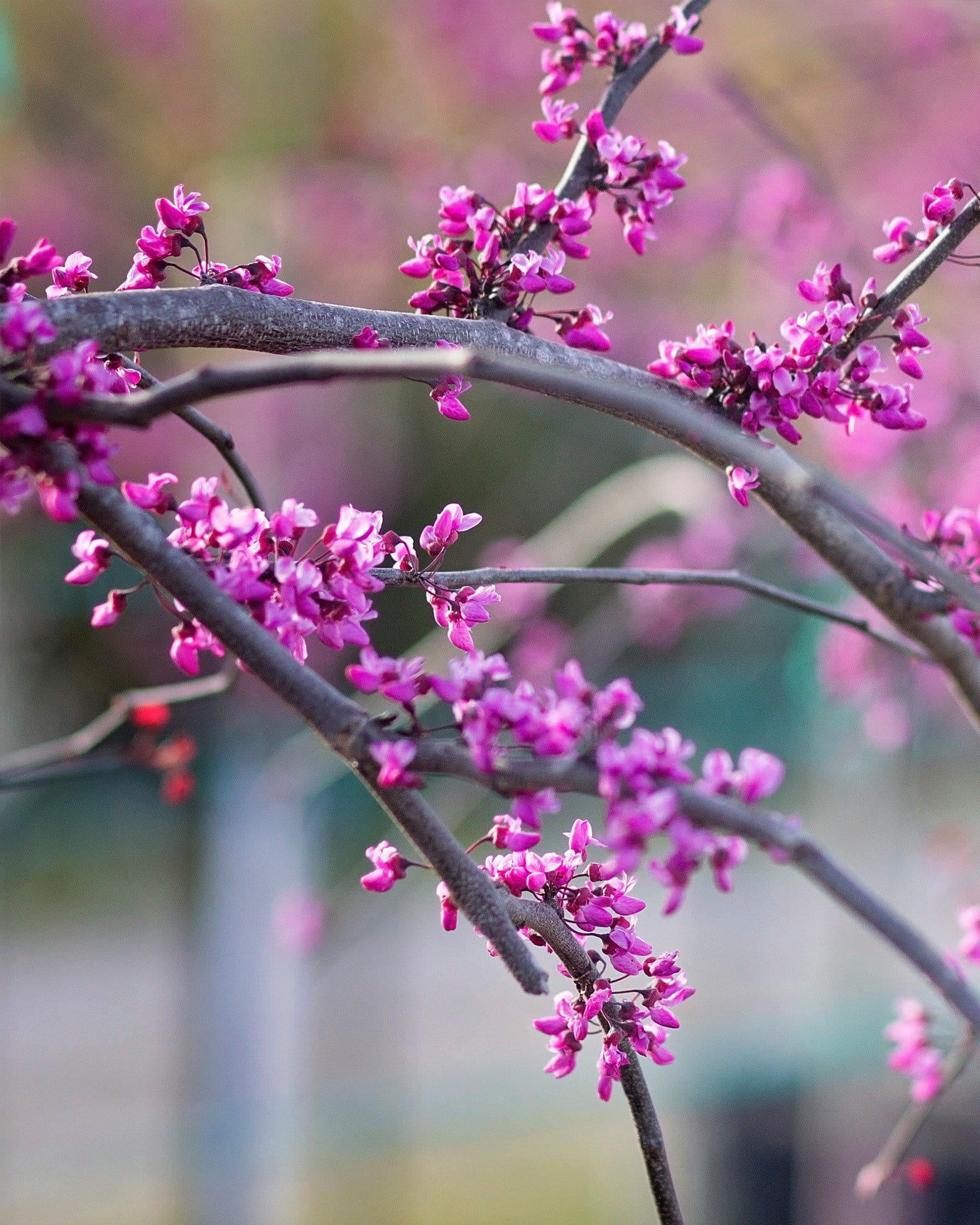
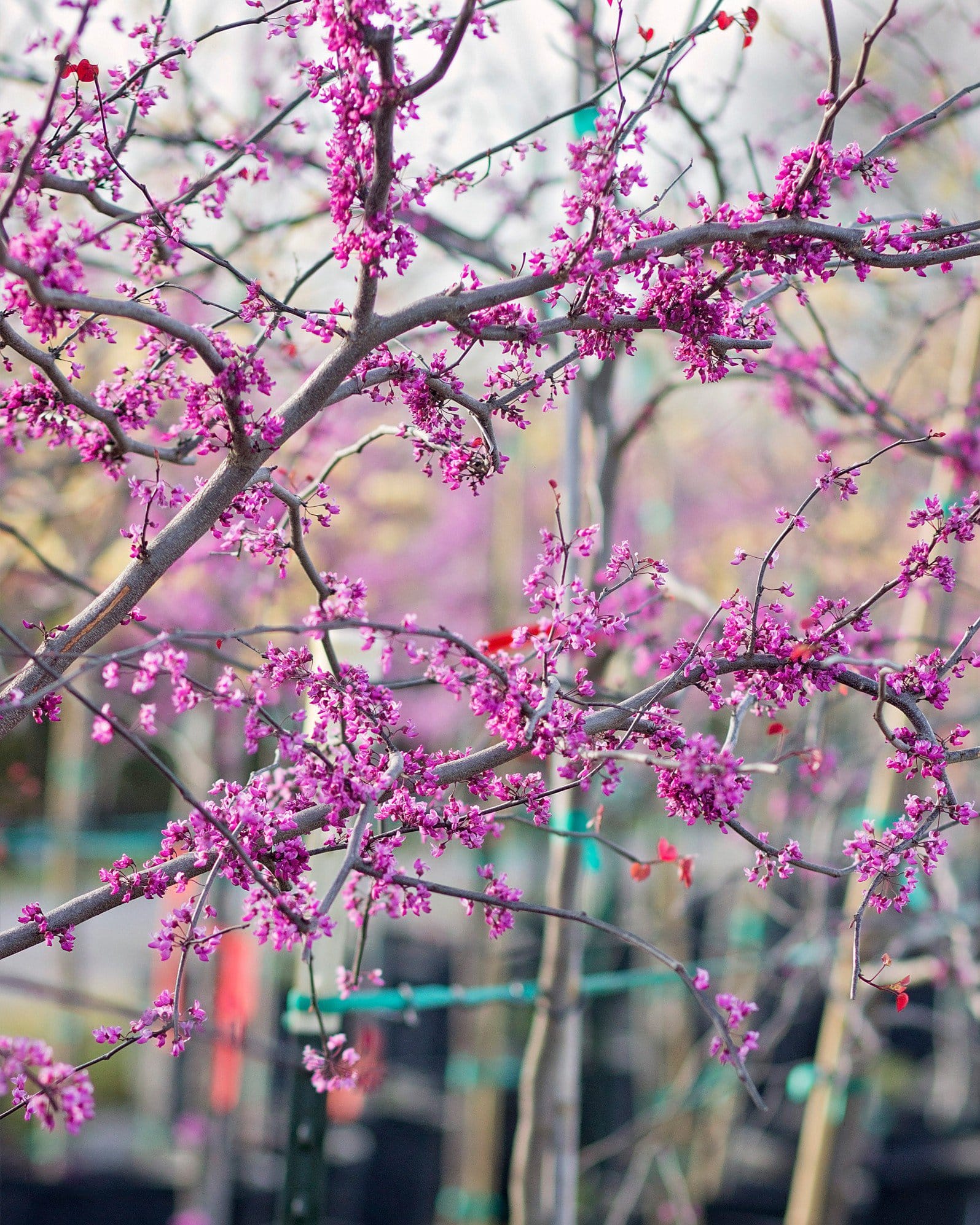
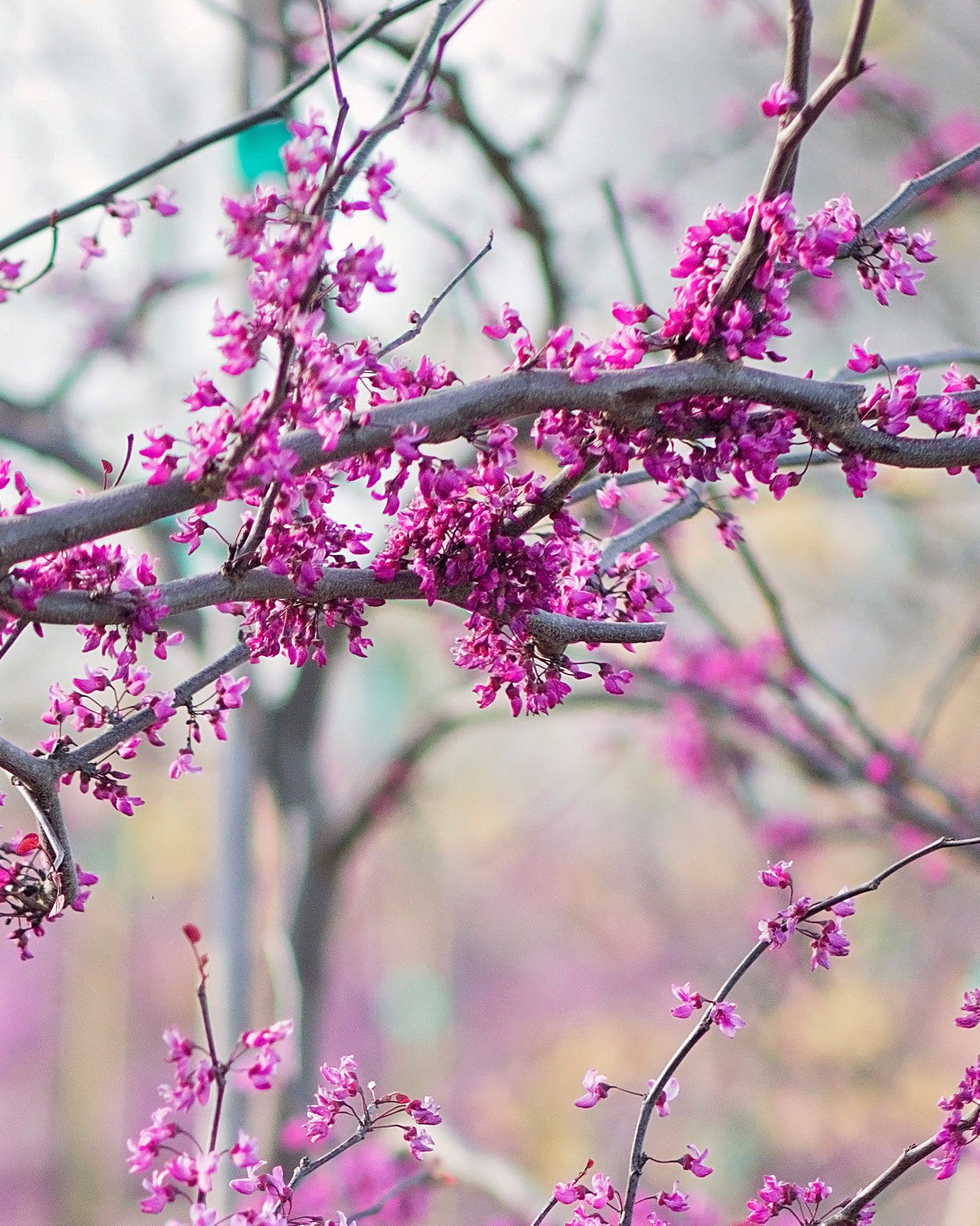
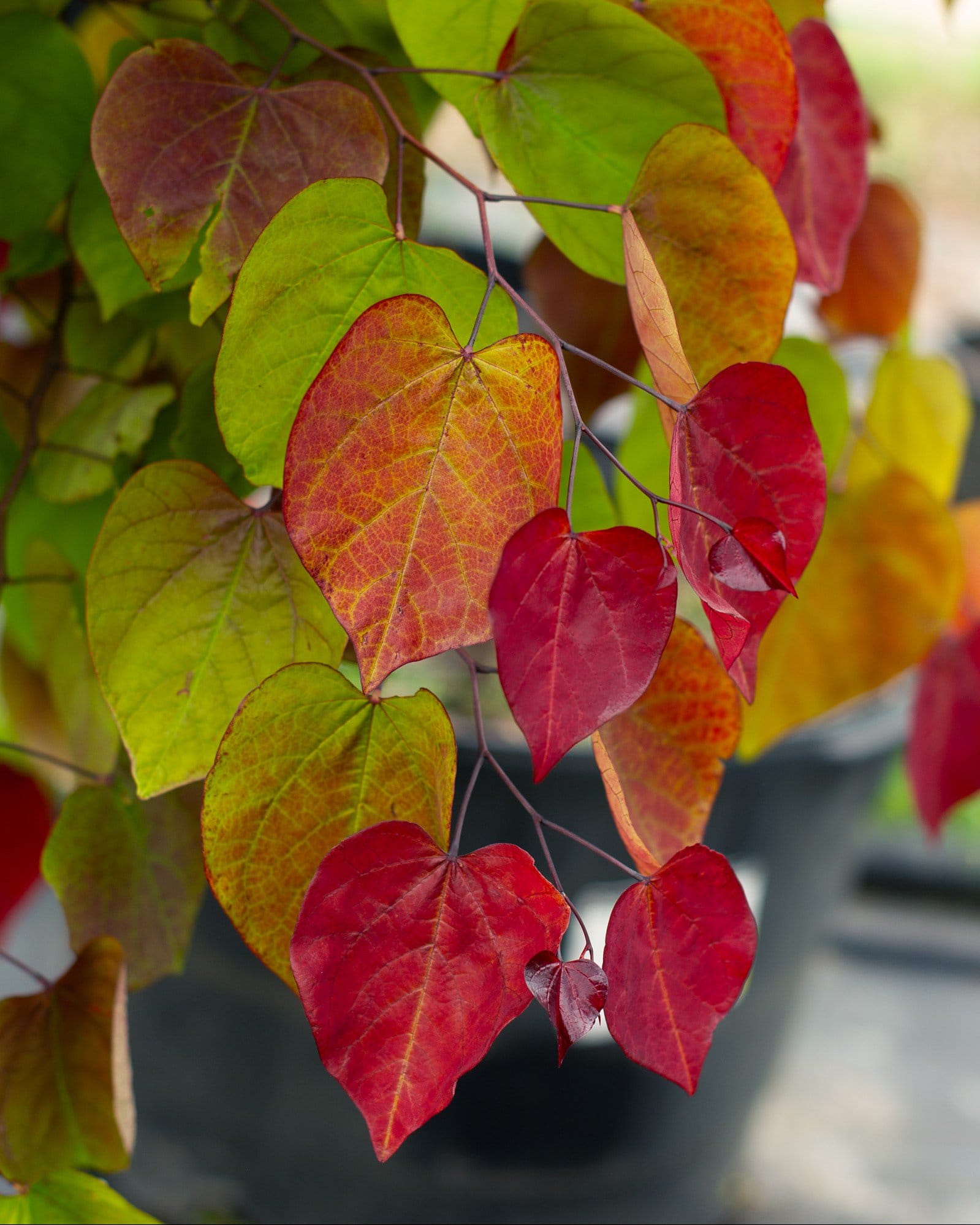
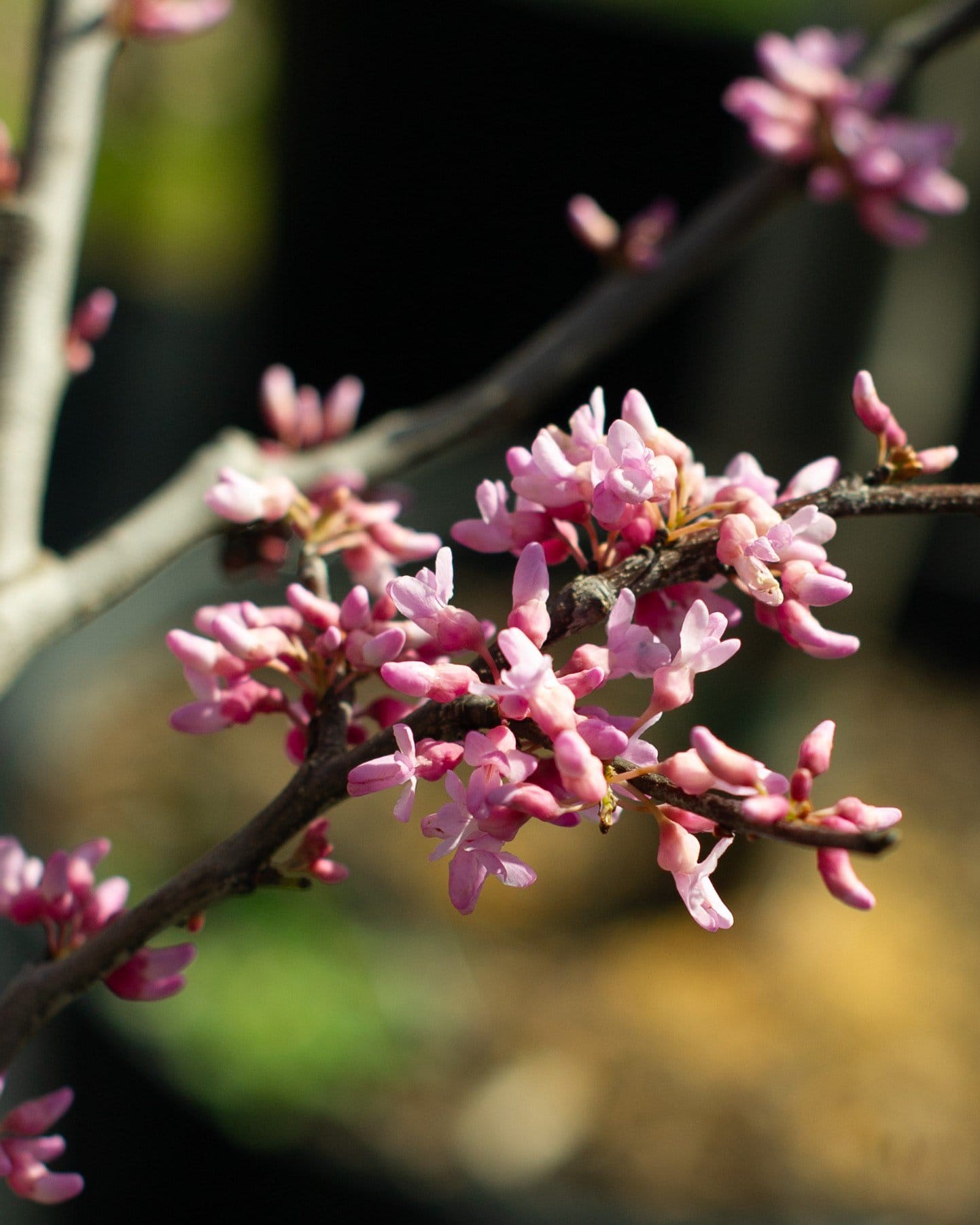
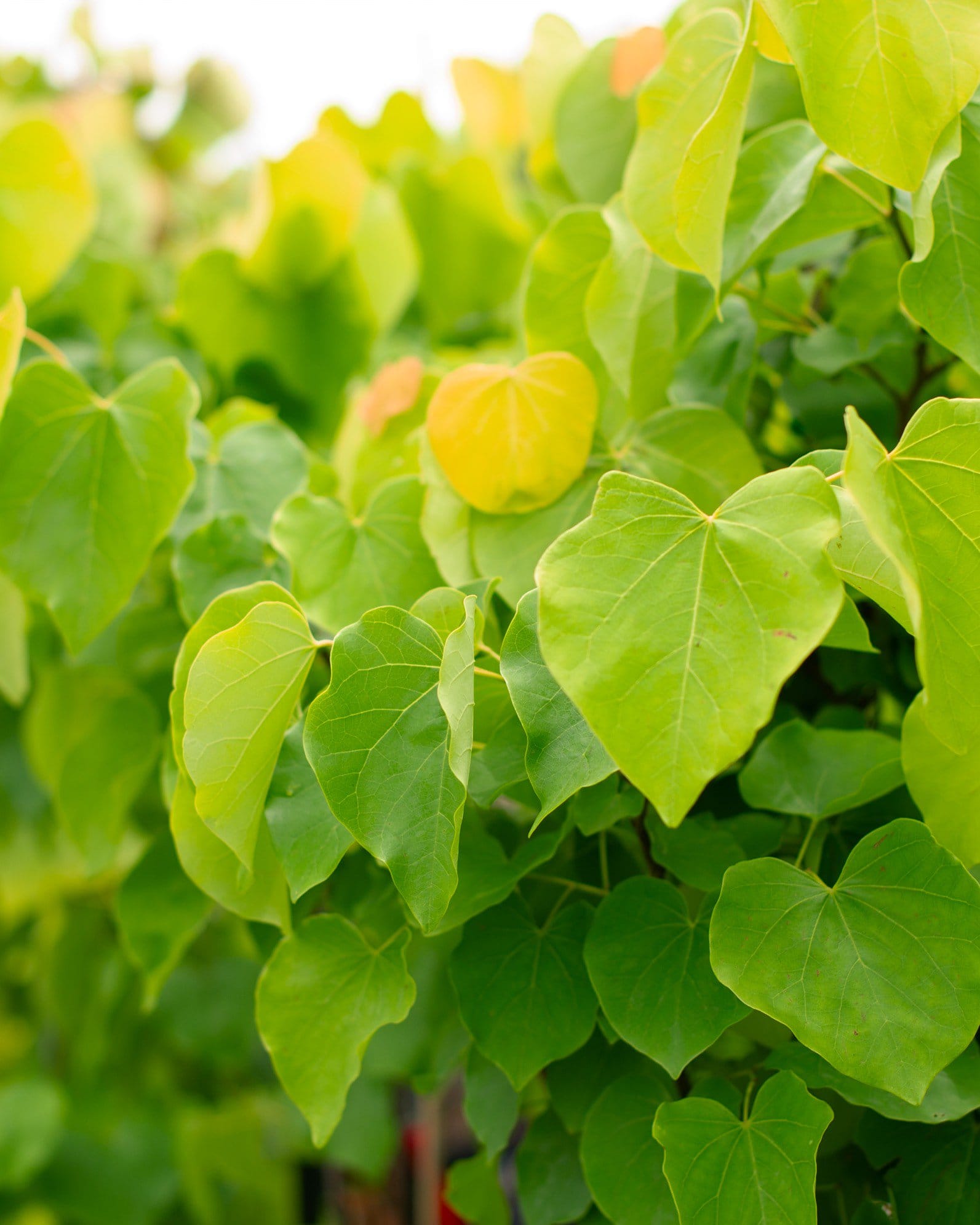
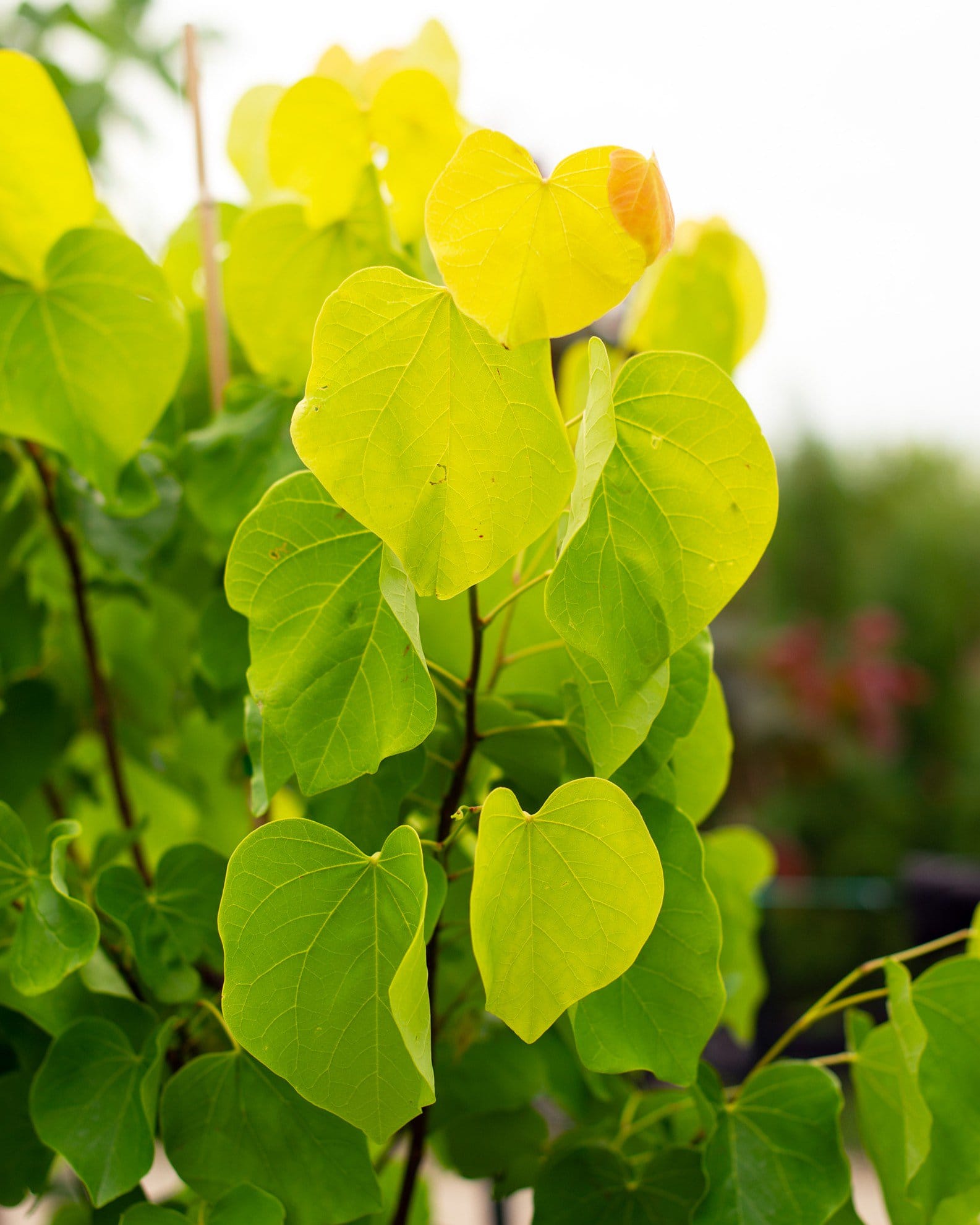
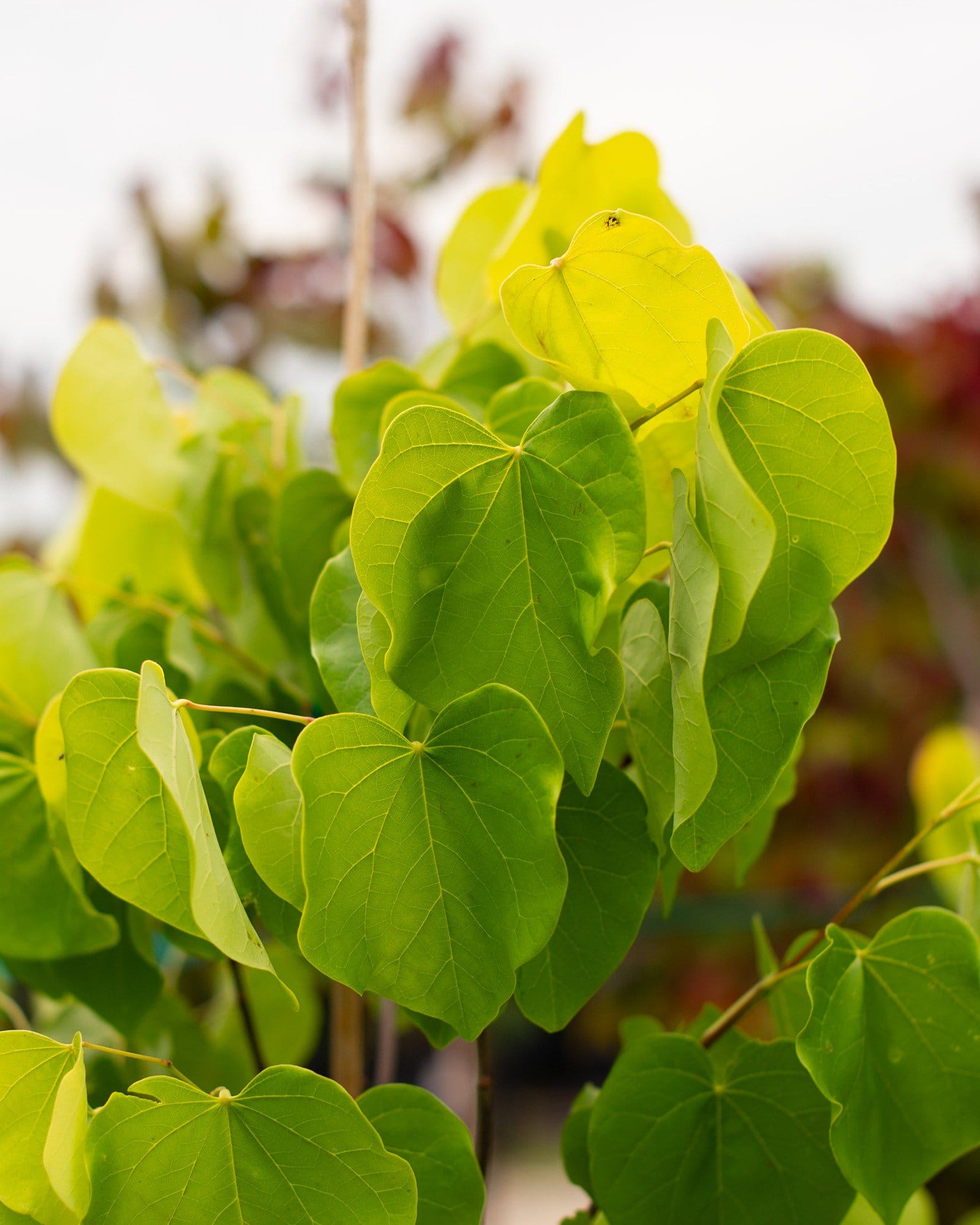
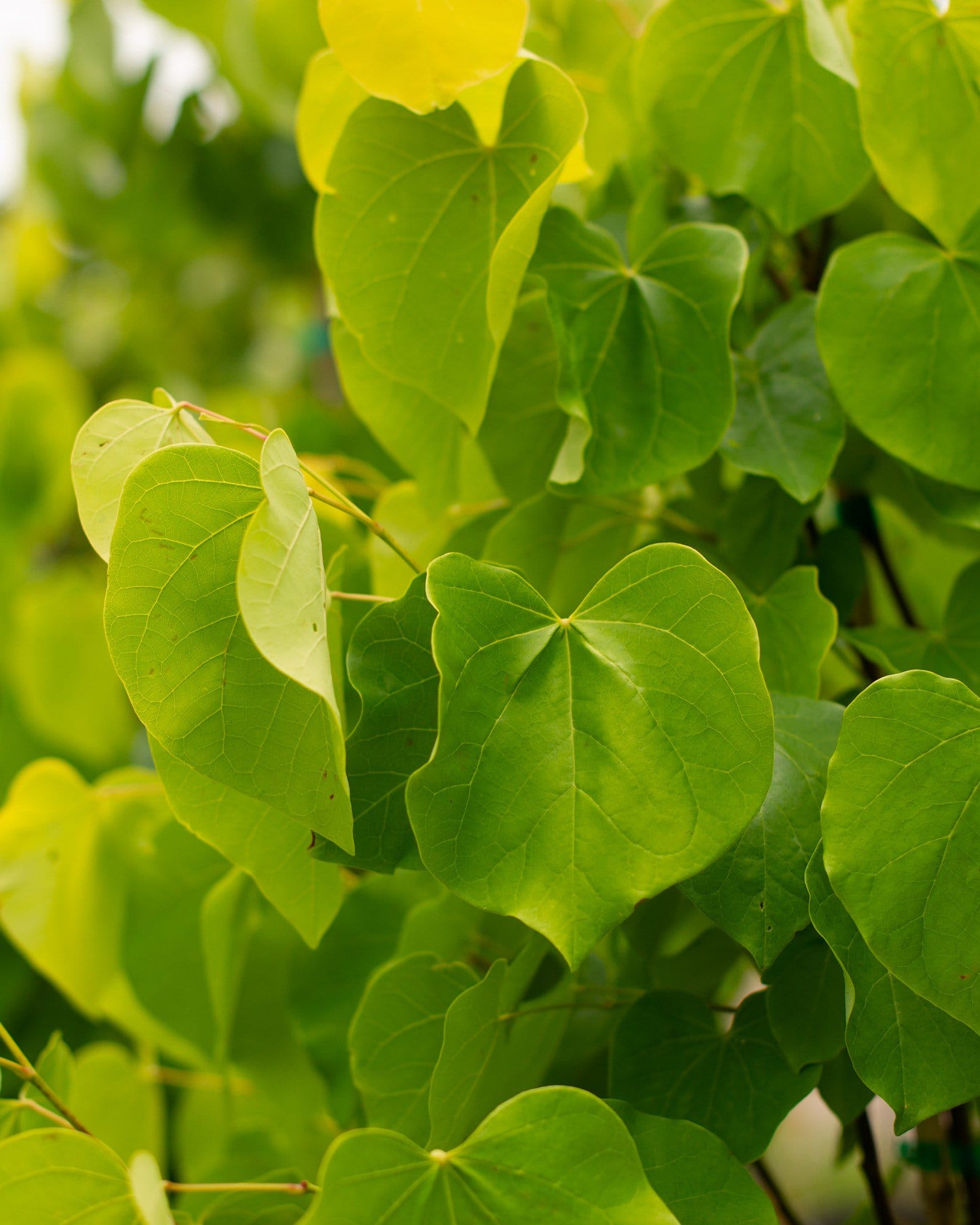
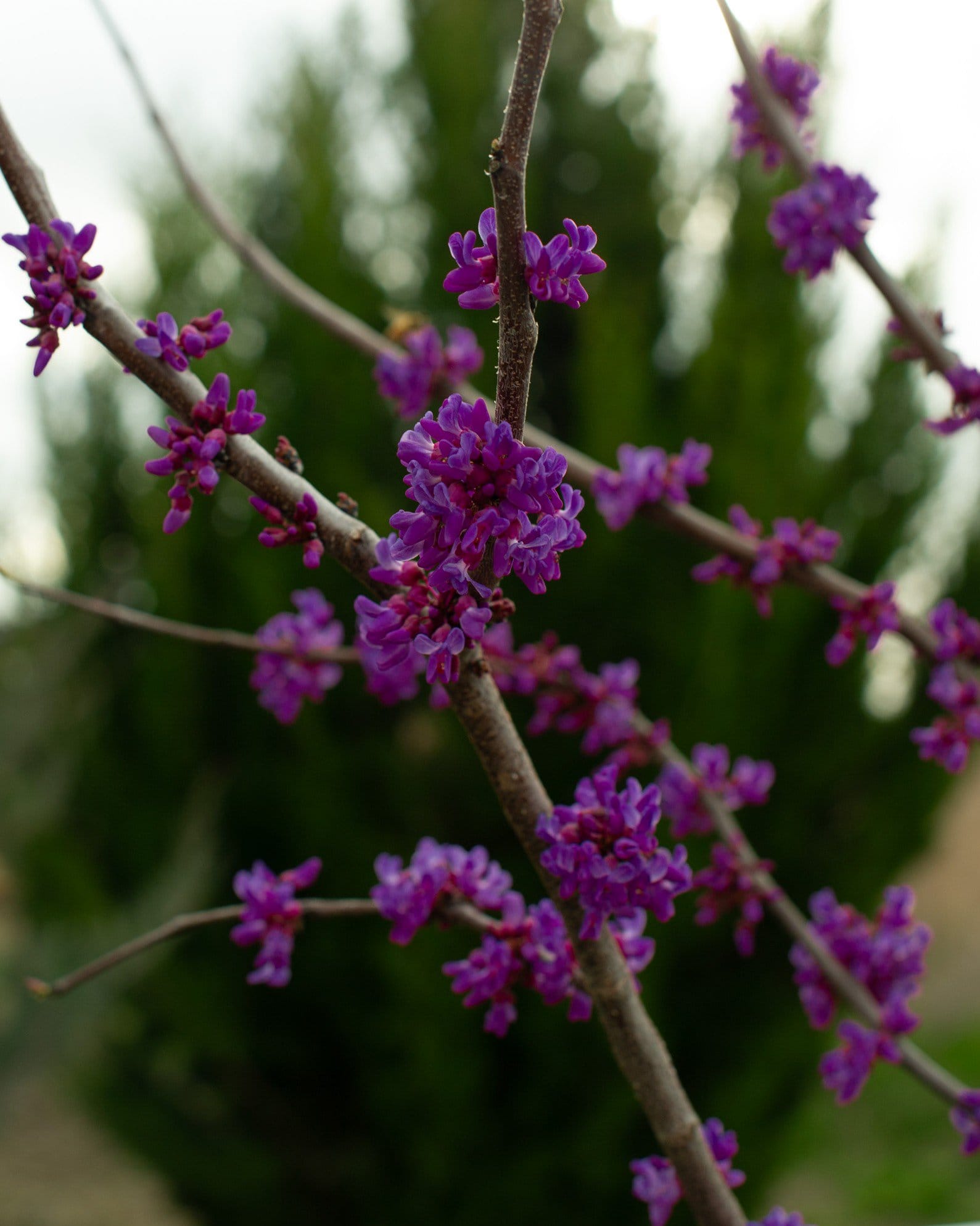
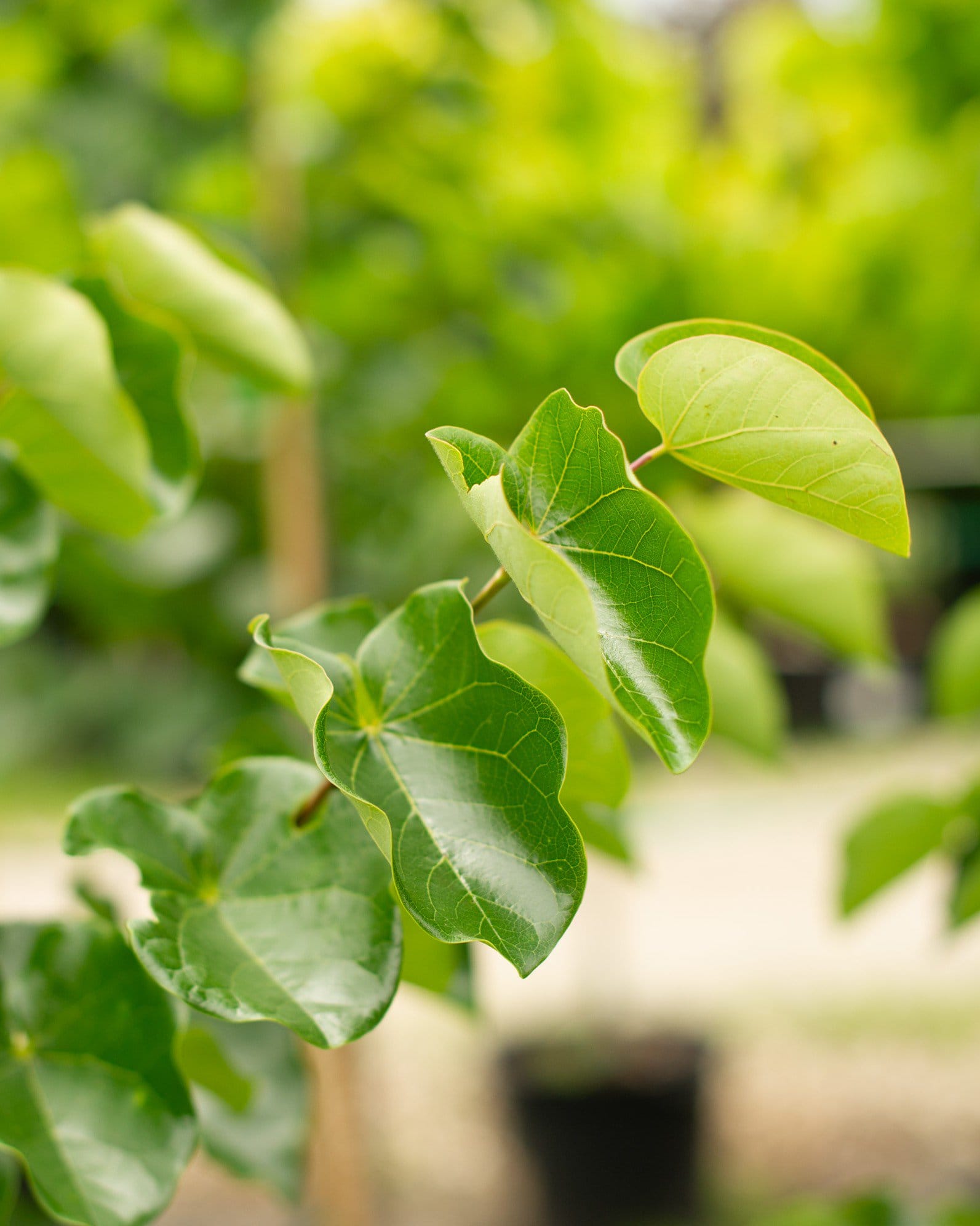
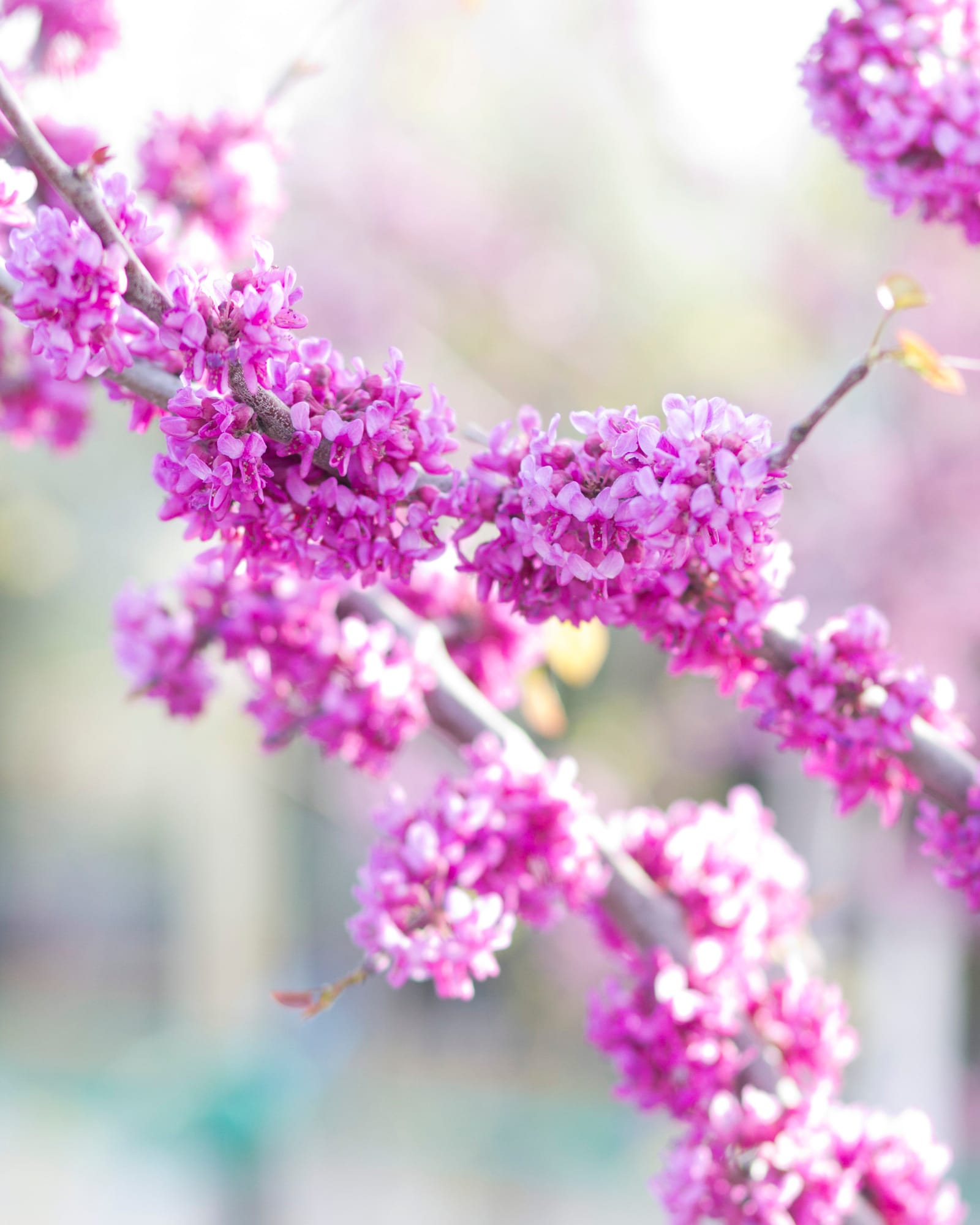
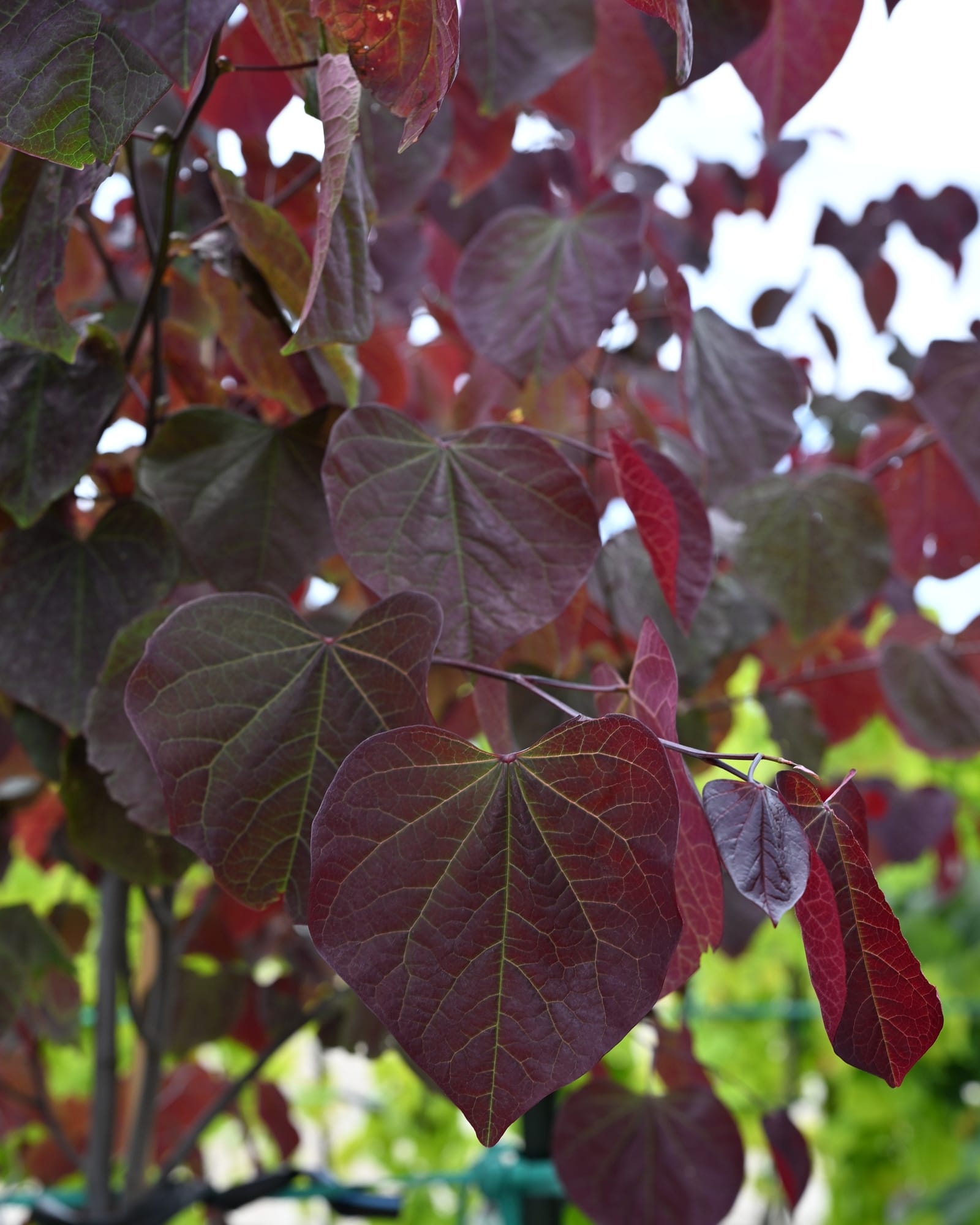
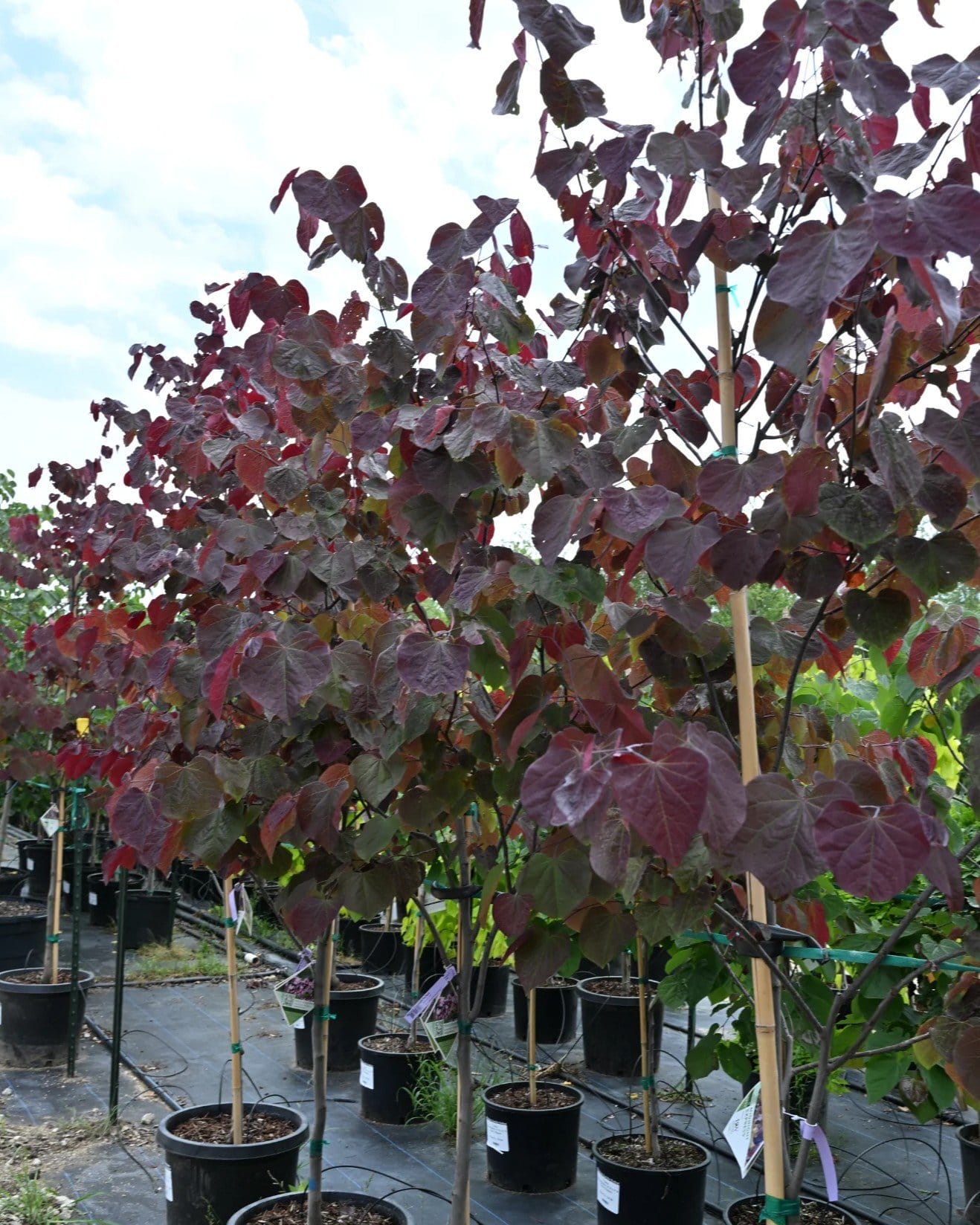
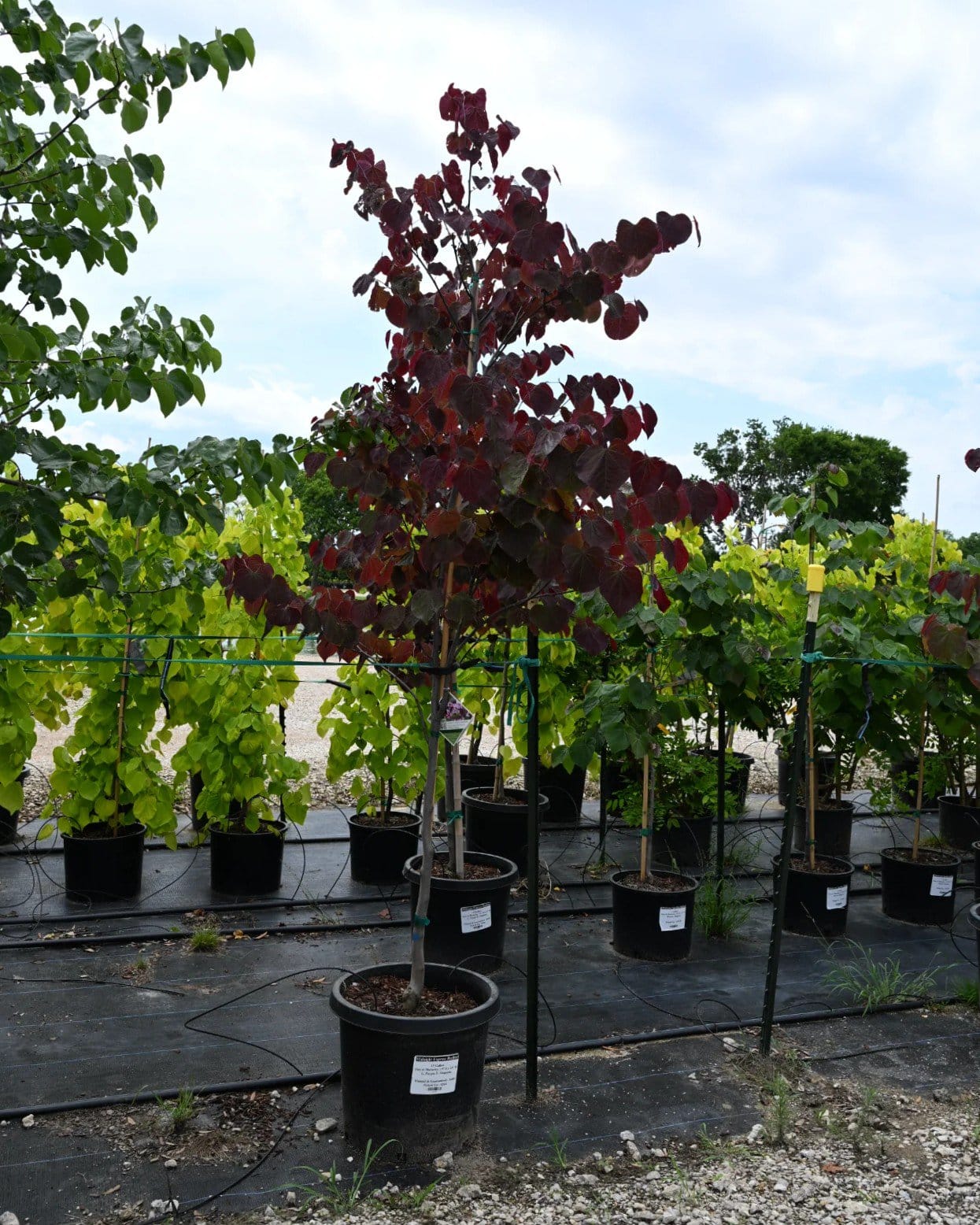
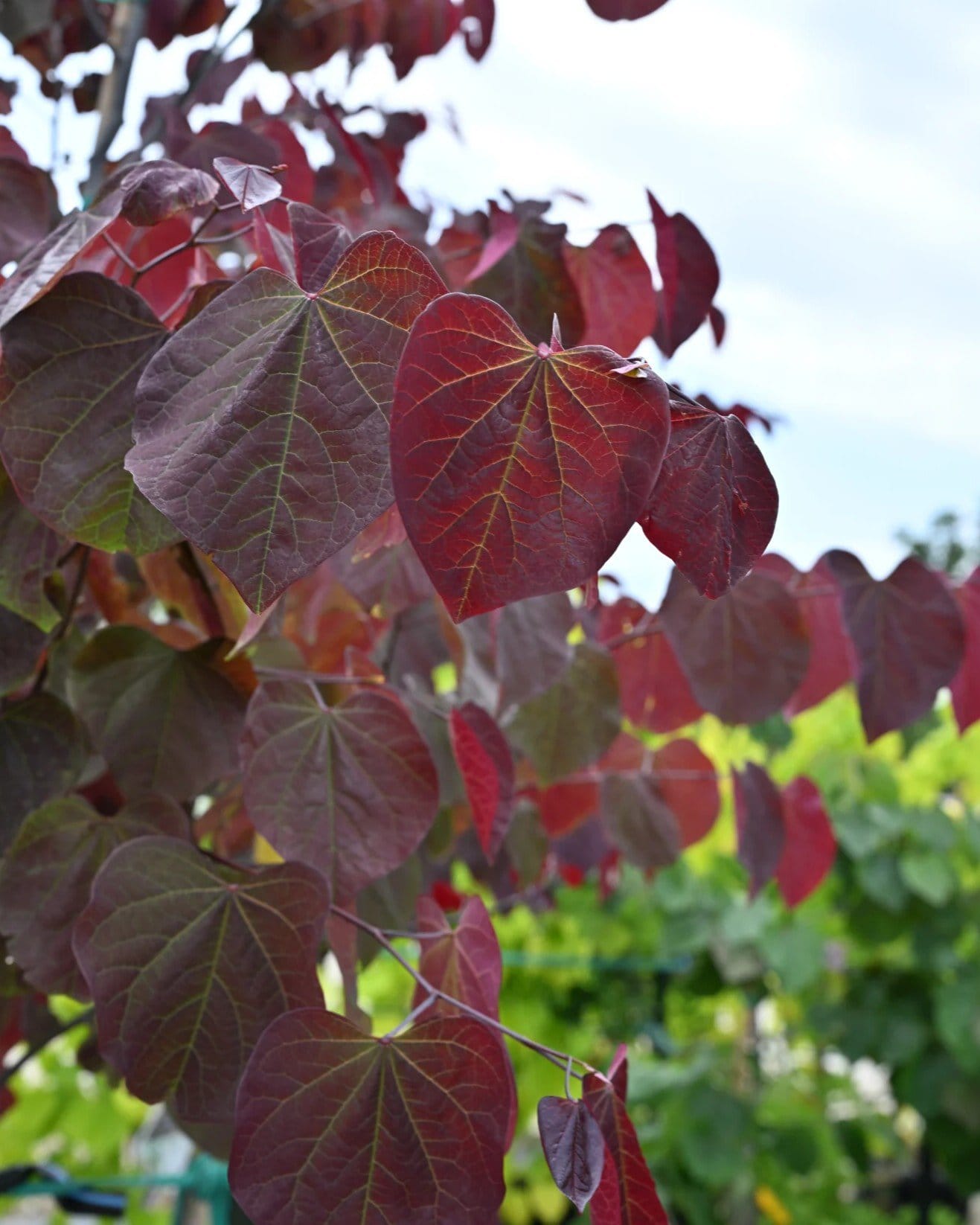
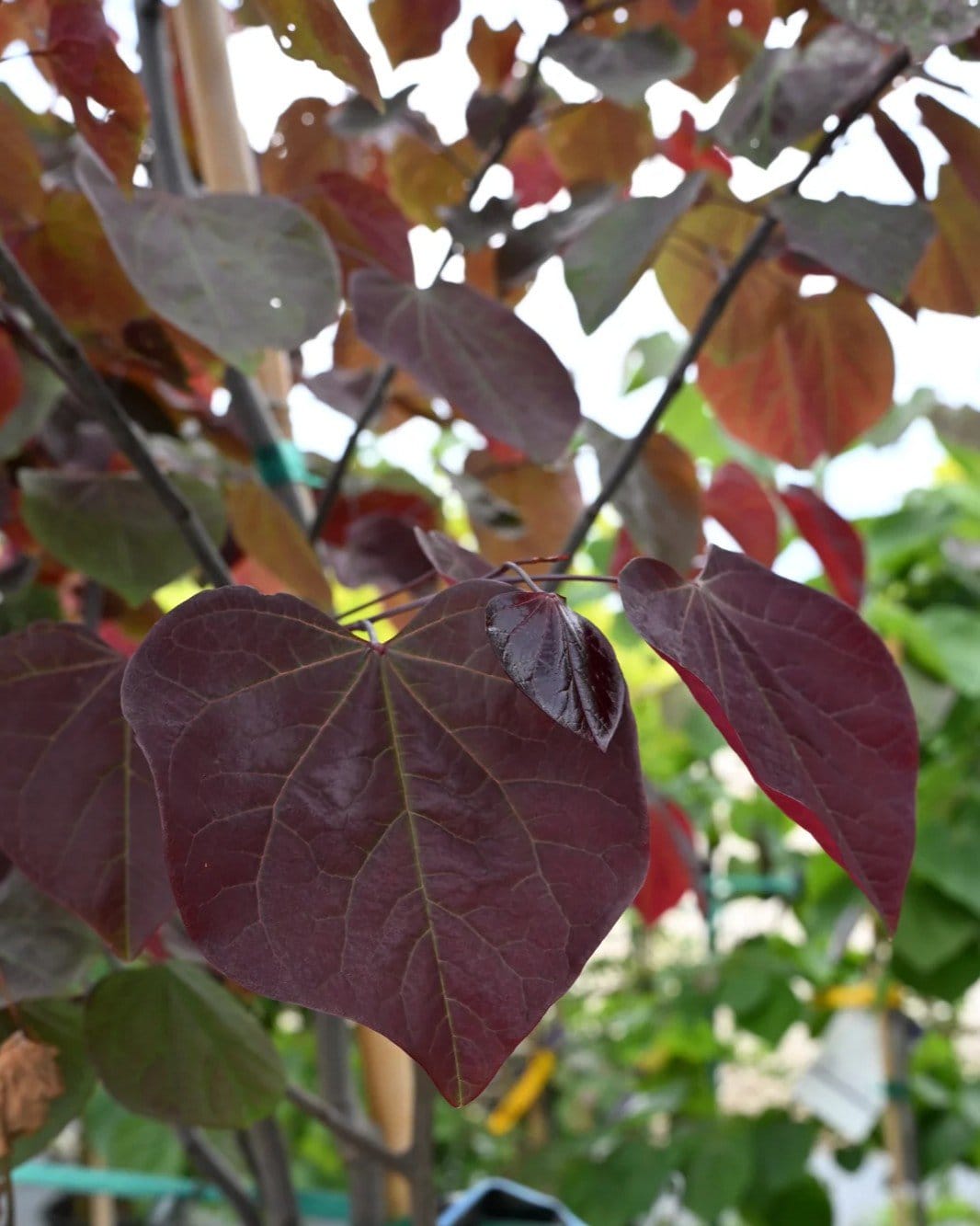
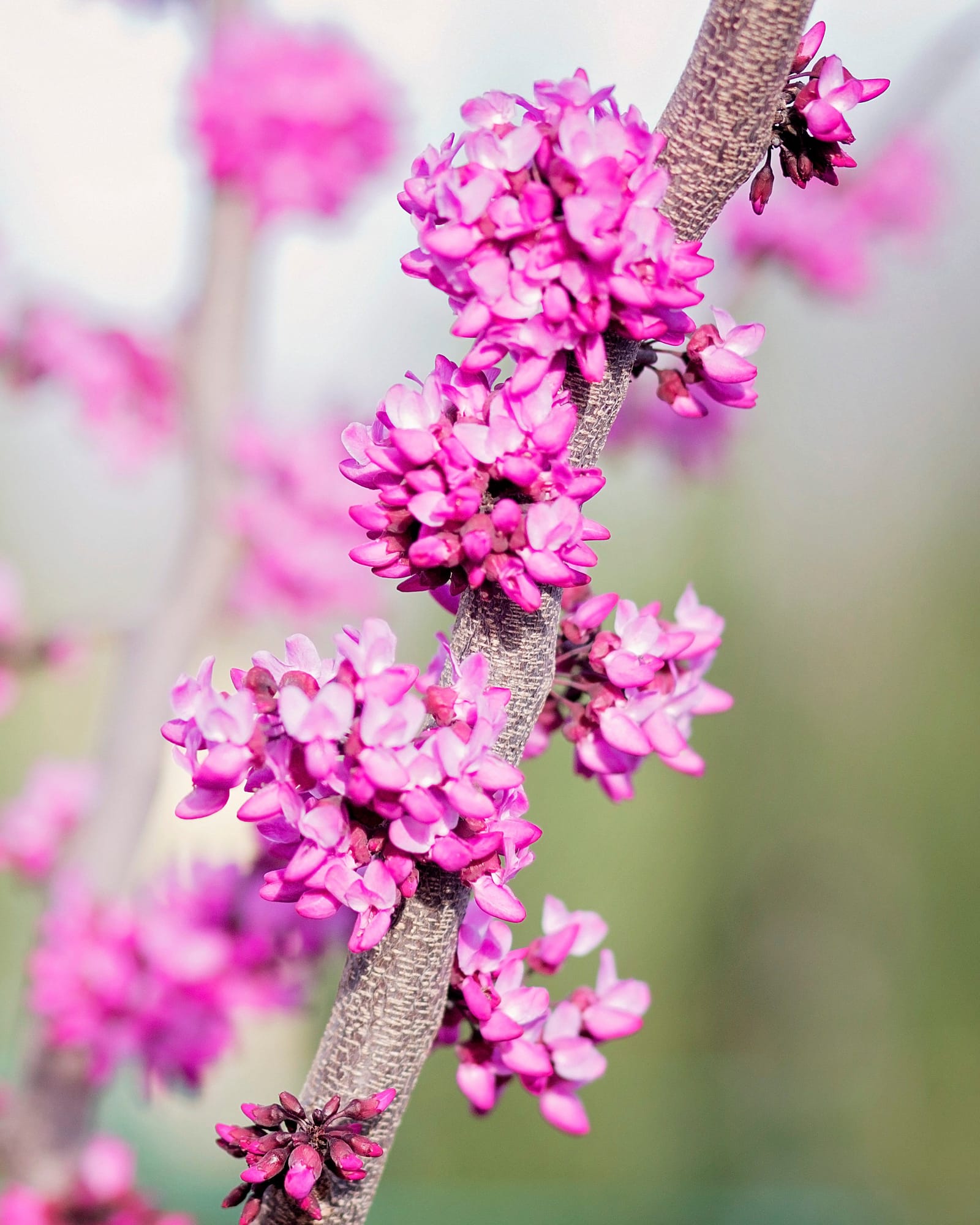
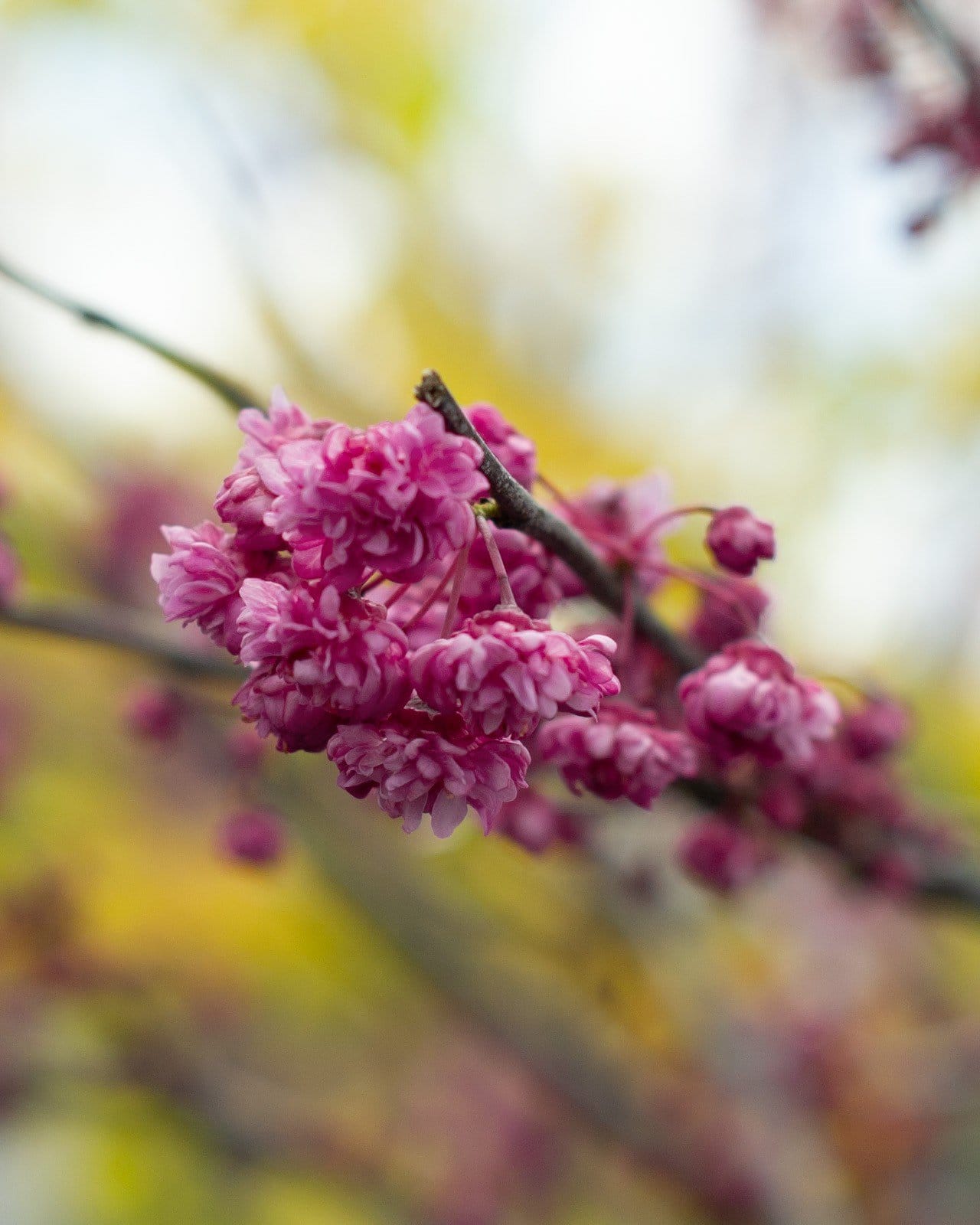
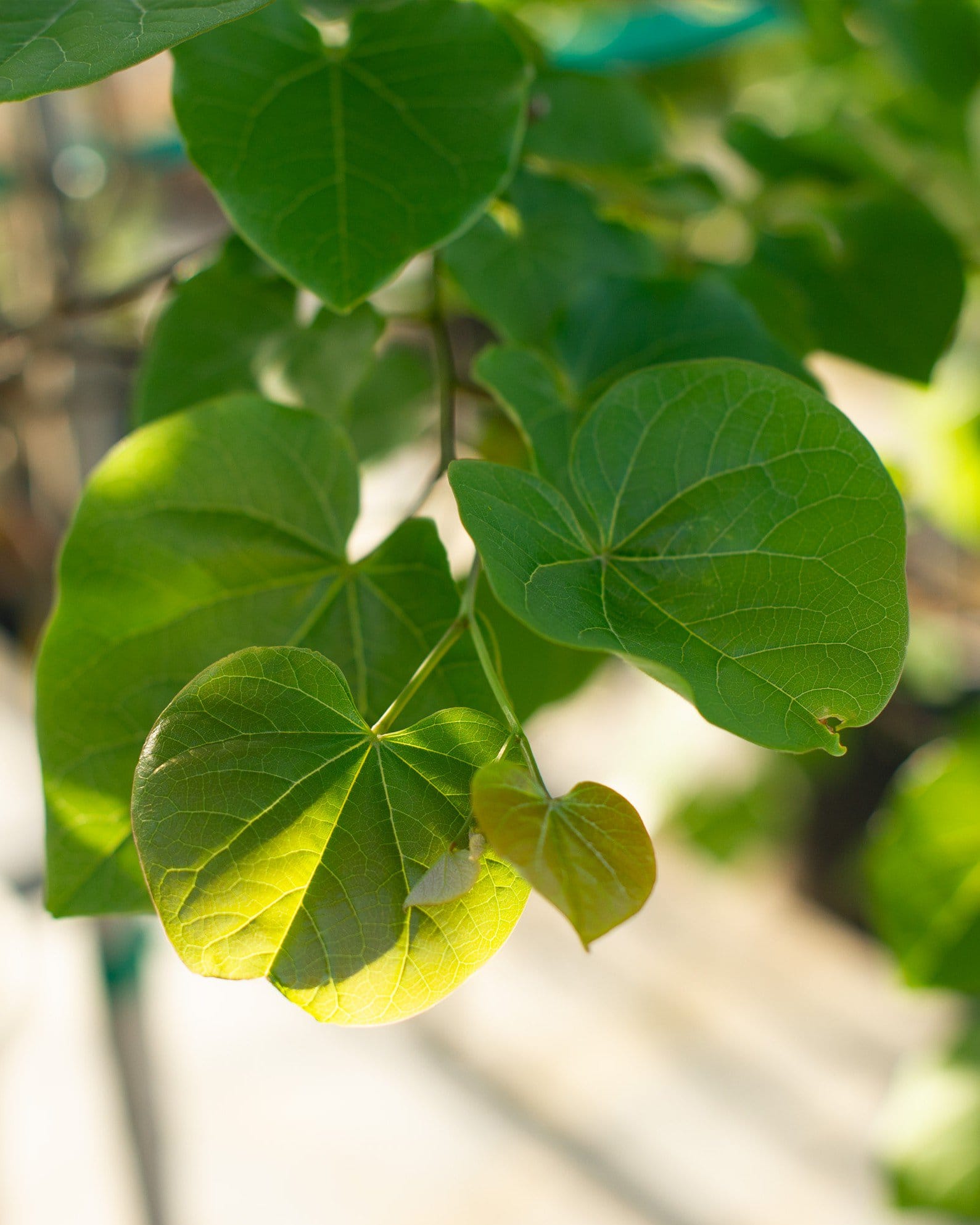
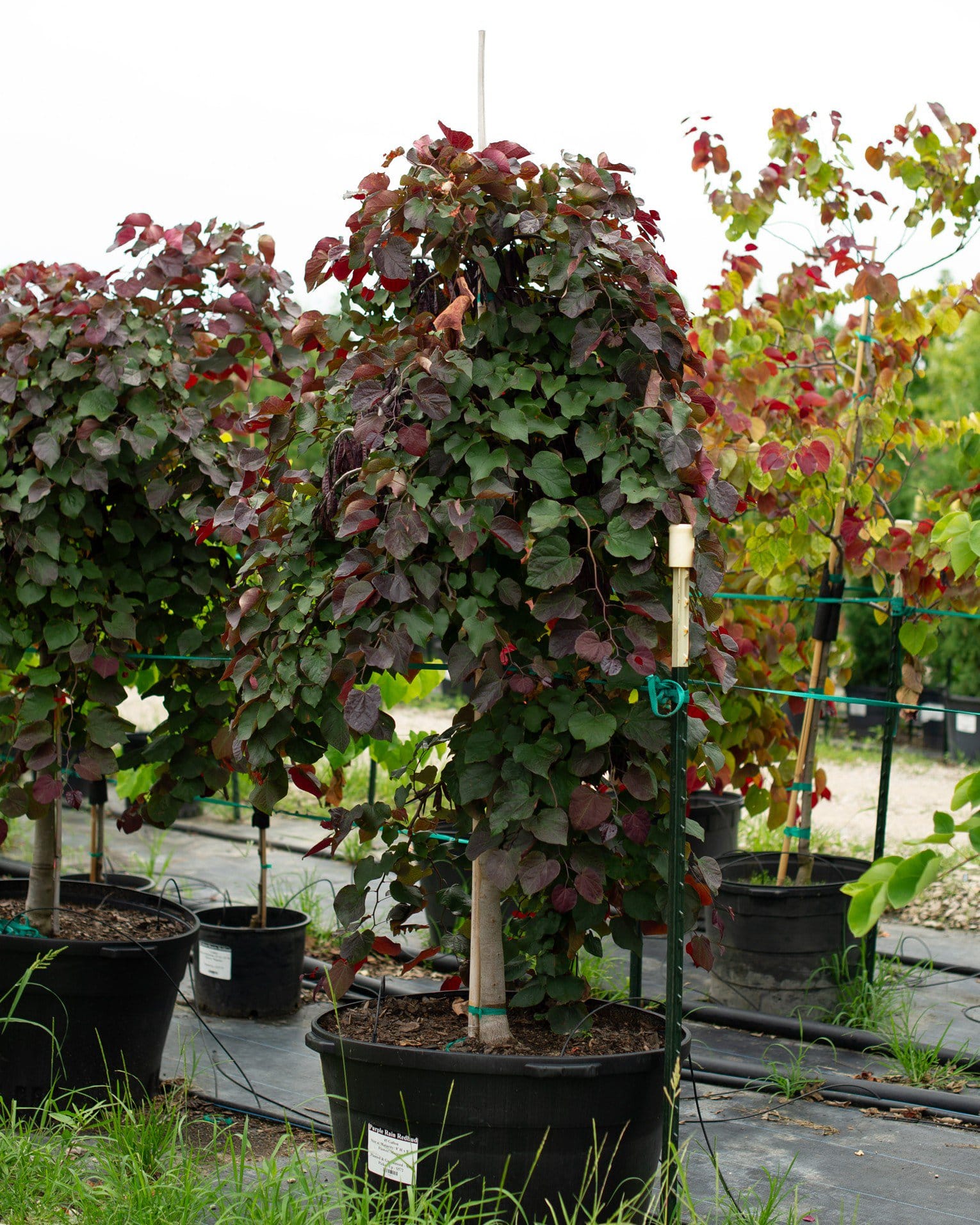
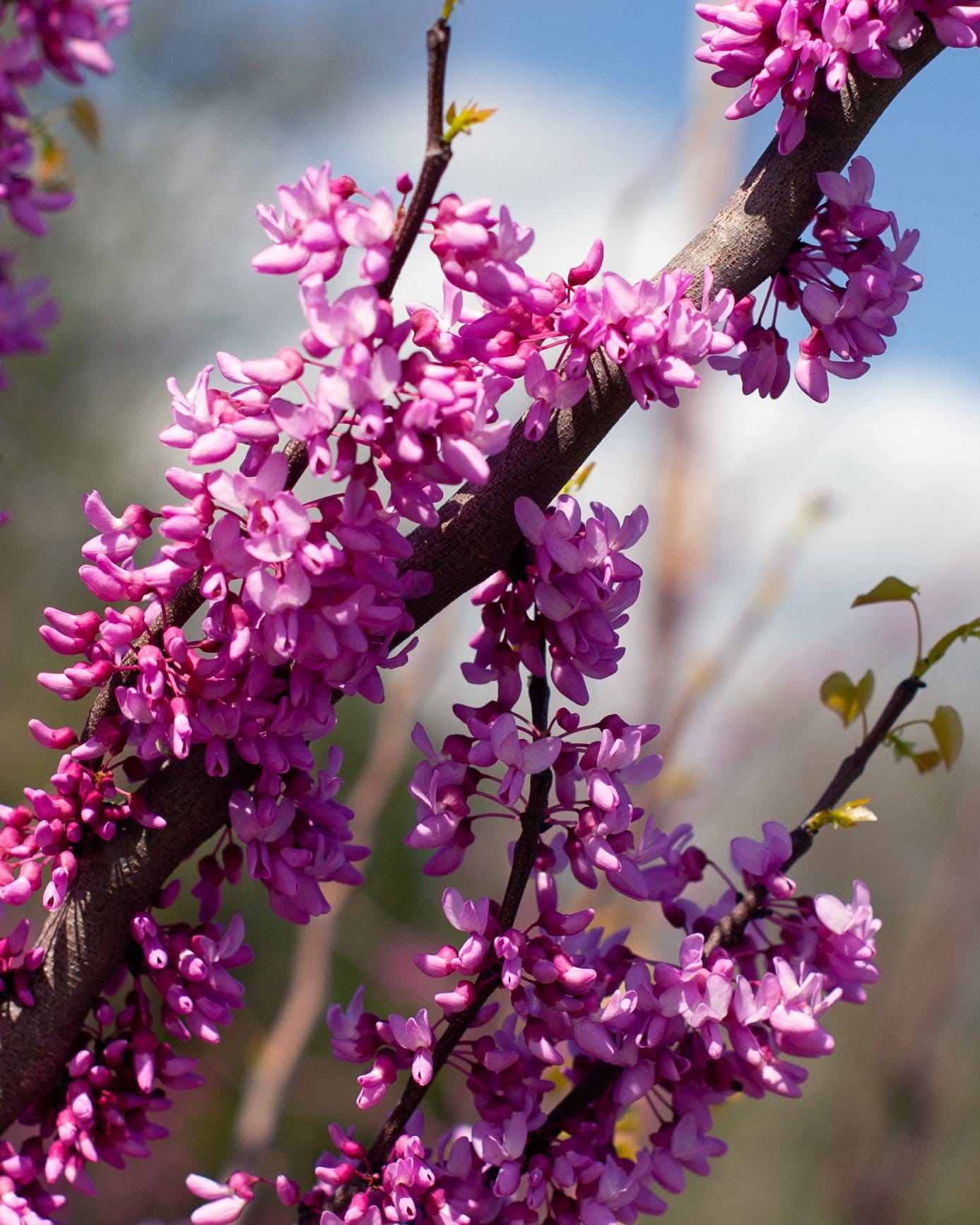
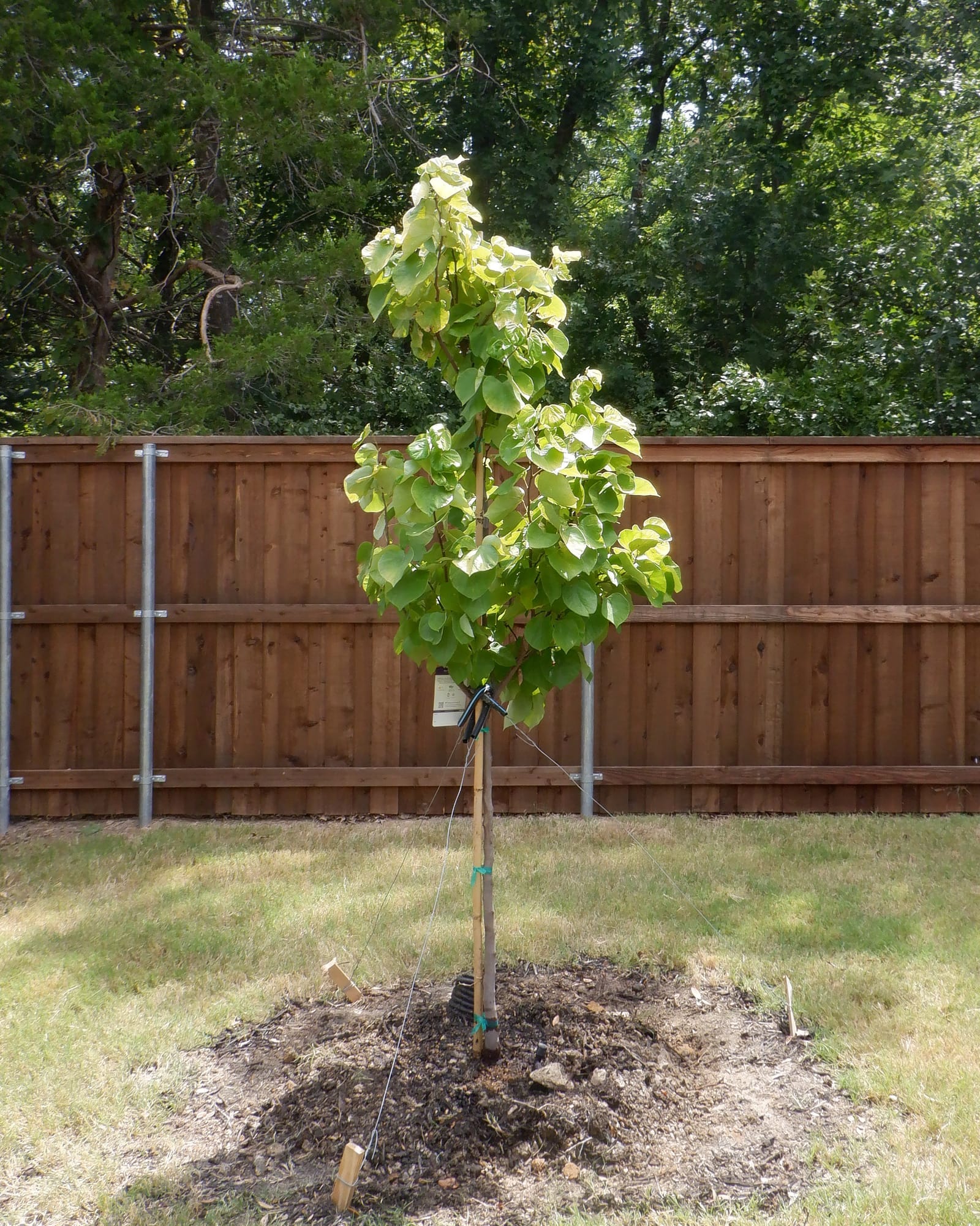
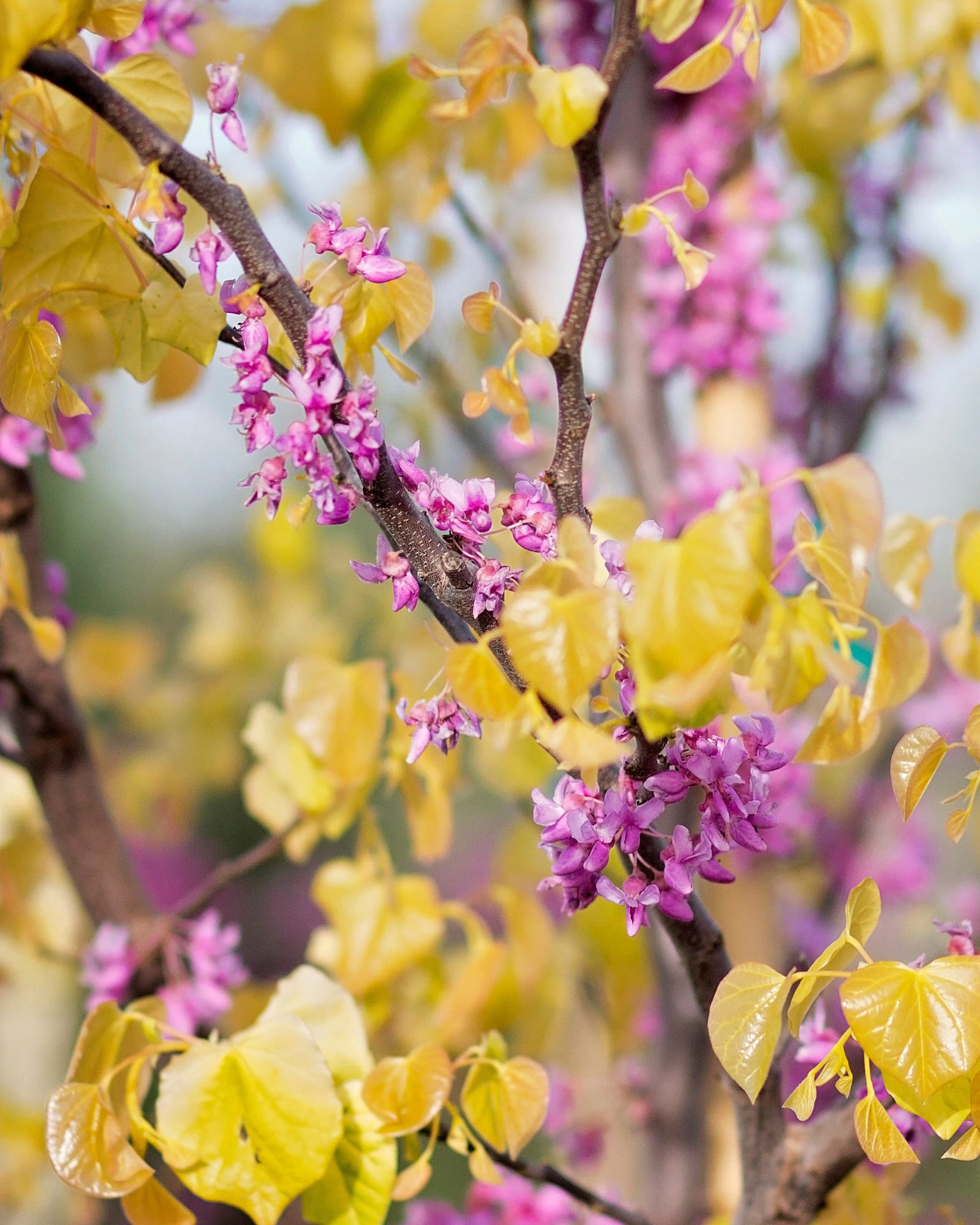
Cercis canadensis 'NCCC1'Carolina Sweetheart Redbud stands out for its exceptional foliage color and elegant branching structure. In spring, soft lavender-pink flowers appear along bare branches, followed by heart-shaped leaves that open in shades of pink and coral before transitioning to a striking mix of green, cream, and blush tones. As the season progresses, the foliage continues to shift, providing ongoing visual interest. At maturity, this ornamental tree reaches 15 to 20 feet tall and wide, making it an excellent specimen for lawns, courtyards, or mixed landscape beds.
- Deciduous ornamental tree
- Moderate growth rate
- Spring lavender-pink blooms followed by multicolored foliage
- Excellent as a focal point or specimen planting
- Provides multi-season interest with changing leaf color
Carolina Sweetheart Redbud grows best in full sun to partial shade and prefers well-drained soil. Hardy in USDA zones 6 through 9, it performs well in Texas landscapes and adds distinctive character and color throughout the year.
With thoughtful early care and light long-term maintenance, Carolina Sweetheart Redbud develops into a graceful, colorful focal point well suited to residential landscapes:
- Watering: Water deeply and regularly during the first two growing seasons to establish a strong, spreading root system. Once established, Carolina Sweetheart prefers consistent moisture but tolerates short dry periods.
- Pruning: Prune lightly and selectively, focusing on removing dead, crossing, or poorly placed branches. Structural pruning in the early years helps create a balanced canopy and strong branching angles. Avoid heavy pruning.
- Fertilizing: Apply a balanced, slow-release fertilizer in early spring to support healthy foliage and steady growth. In average soils, fertilizing every other year is often sufficient. Avoid excessive nitrogen.
- Mulching: Apply a 2-3 inch layer of organic mulch around the base to conserve moisture and regulate soil temperature. Keep mulch several inches away from the trunk to prevent rot. Expanding the mulch ring as the tree grows protects surface roots.
- Winter Care: Carolina Sweetheart Redbud is cold-hardy within its recommended range but benefits from protection when young. Mulching helps insulate roots during temperature swings.
Carolina Sweetheart Redbud is generally dependable, though its colorful foliage can make stress more visible:
- Leaf Scorch: Leaf edges turn brown during hot or dry periods. Maintain consistent watering and mulch to protect roots from heat stress.
- Chlorosis: Leaves yellow while veins remain green, often due to nutrient imbalance. Apply chelated iron and improve soil conditions to restore color.
- Canker Disease: Sunken or darkened areas appear on branches, leading to dieback. Prune affected wood promptly and avoid trunk injuries.
- Verticillium Wilt: Sudden wilting and branch dieback occur without warning. Maintain overall tree health and remove affected branches promptly.
- Spider Mites: Fine stippling and dull foliage appear during hot, dry weather. Increase humidity and rinse foliage occasionally to reduce populations.
With proper care, Carolina Sweetheart Redbud typically lives 30-50 years. Its moderate growth rate supports good structural longevity. Mature trees develop increasing character as the canopy broadens.
It grows at a moderate rate of about 12-24 inches per year. A well-developed ornamental canopy usually forms within 8-12 years. Growth is steady rather than aggressive. This pace helps maintain branch strength and form.
Its spring flowers attract bees and other early pollinators. Blooms appear before leaves, making nectar easy to access. Pollinator activity is often noticeable during flowering season. This early support benefits the surrounding garden ecosystem.
Deer may browse young foliage, especially during establishment. Mature trees experience less frequent browsing. Temporary protection during the first few years is often beneficial. Once established, damage is usually minimal.
It can be grown in large containers for several years. Container planting allows close appreciation of its colorful foliage. Long-term success requires ample root space and careful watering. Eventually, planting in the ground provides best results.
Division is not recommended due to its woody structure. Propagation is done through grafting. This ensures the cultivar’s unique foliage pattern remains consistent. Home division methods are not effective.
It works best as a specimen or small grouping rather than mass planting. Individual placement allows foliage color to stand out. Repetition in curated designs creates rhythm without crowding. Too many planted together can dilute its impact.
It pairs beautifully with shade-tolerant perennials, ornamental grasses, and evergreen shrubs. Companion plants help highlight its changing foliage colors. Soft textures contrast nicely with its heart-shaped leaves. Underplantings also add seasonal depth.
It performs well in protected urban gardens and courtyards. The moderate size fits smaller landscapes comfortably. Shelter from harsh conditions improves longevity. Its colorful foliage adds charm to built environments.
Its variegated foliage shifts from pink to white to green throughout the season. This continual color change sets it apart from other redbuds. Combined with spring flowers, it offers multi-season interest.
Special Features
You might also like
Compare Similar Plants
Carolina Sweetheart Redbud This plant | ||
|---|---|---|
| Scientific Name | Cercis canadensis 'NCCC1' | Cercis canadensis 'NC2017-6' |
| Size at Maturity | 20' H x 15' W | 8' H x 8' W |
| Leaf Retention | Deciduous | Deciduous |
| Fall Color | Yellow | Yellow |
| Flower Color | Pink | Pink |
| Bloom Times | Spring | Spring |
| Sizes Available | 7 gal | 15 gal |


Our 1-Year Planting Guarantee
We take pride in our plants and installation services. If any plants or trees installed by Treeland fail to thrive within the first year, we'll provide a replacement credit in accordance with our guarantee program.
Learn More About Our Guarantee