
 Popular
Local DFW Delivery Only
Product Details
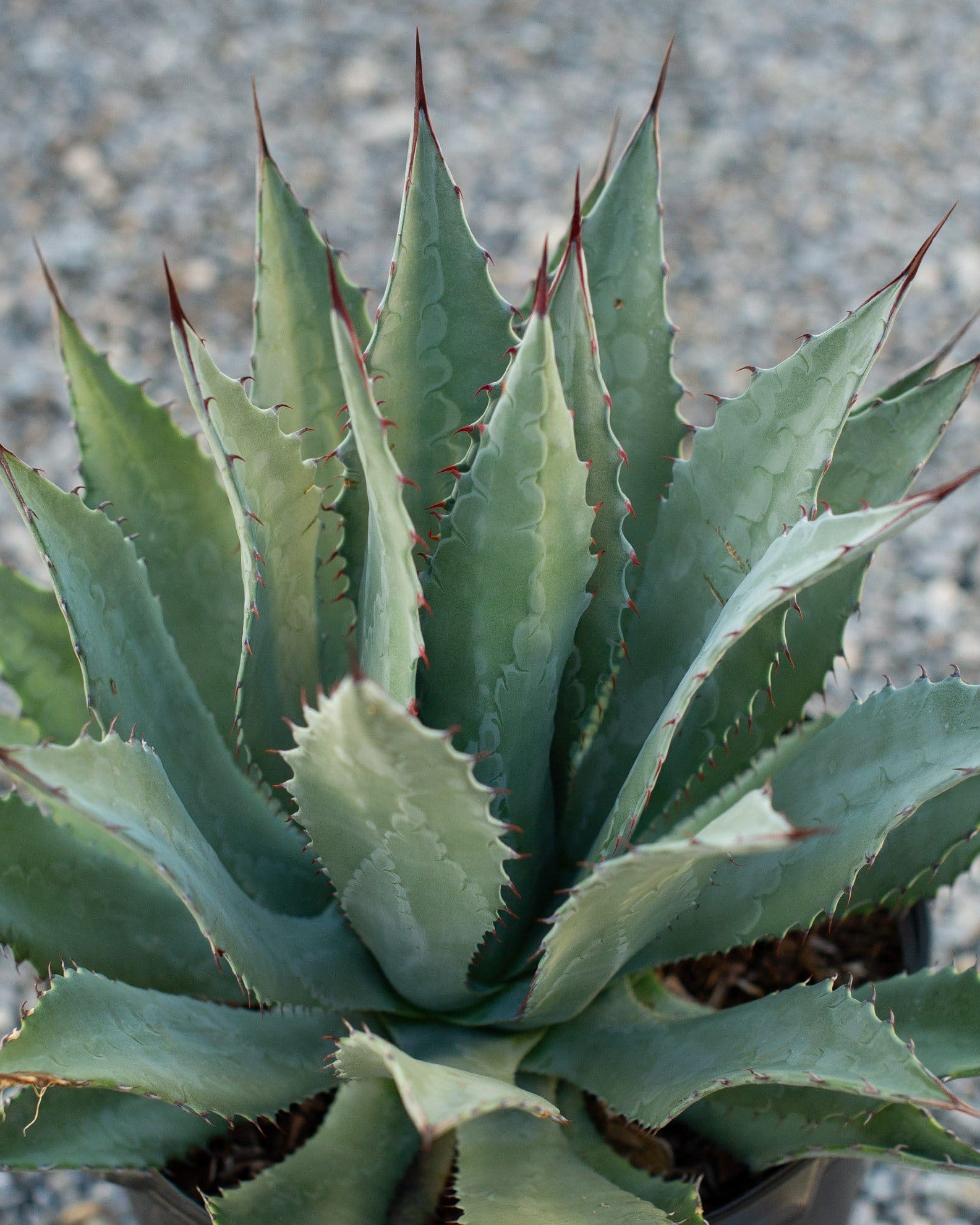
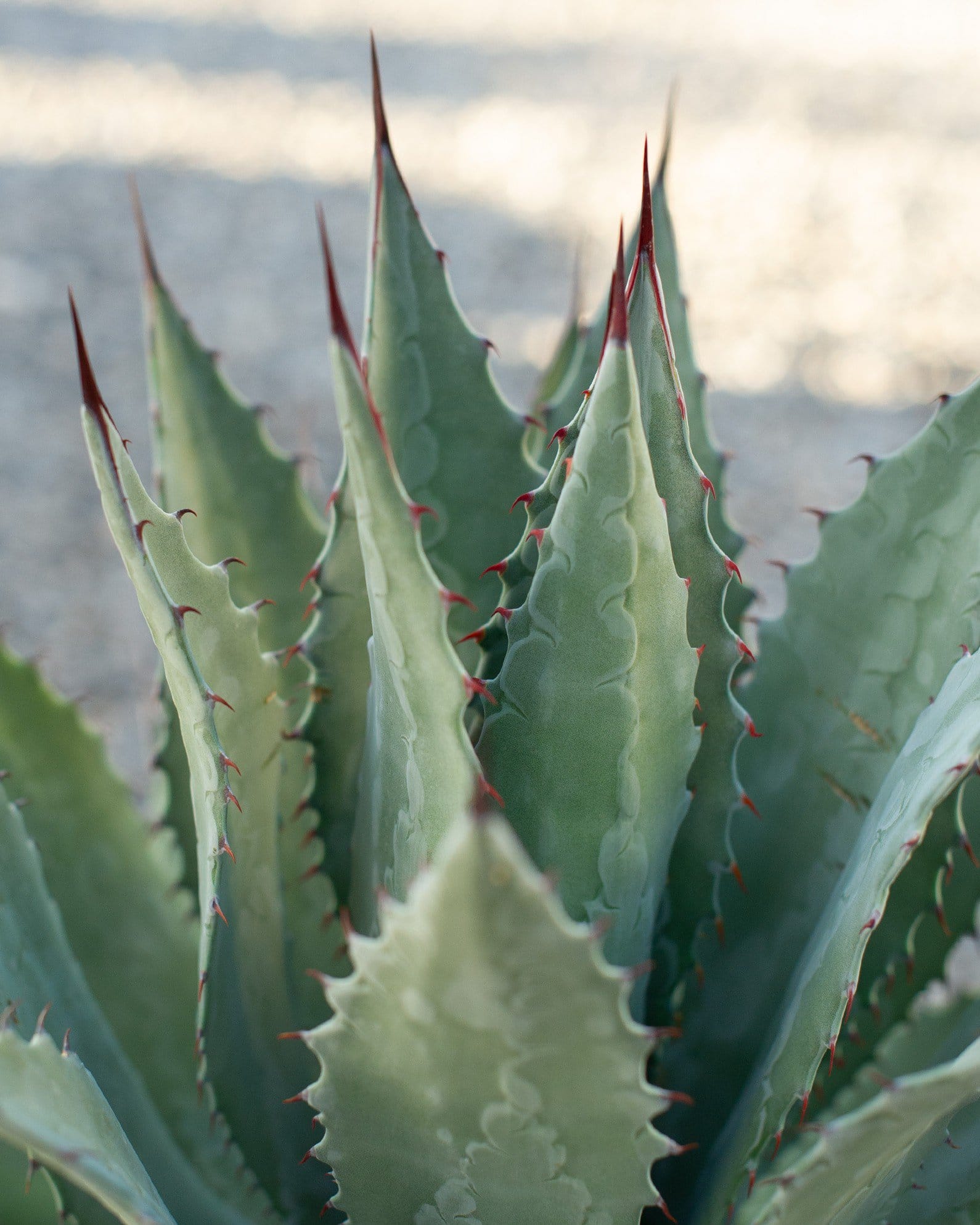
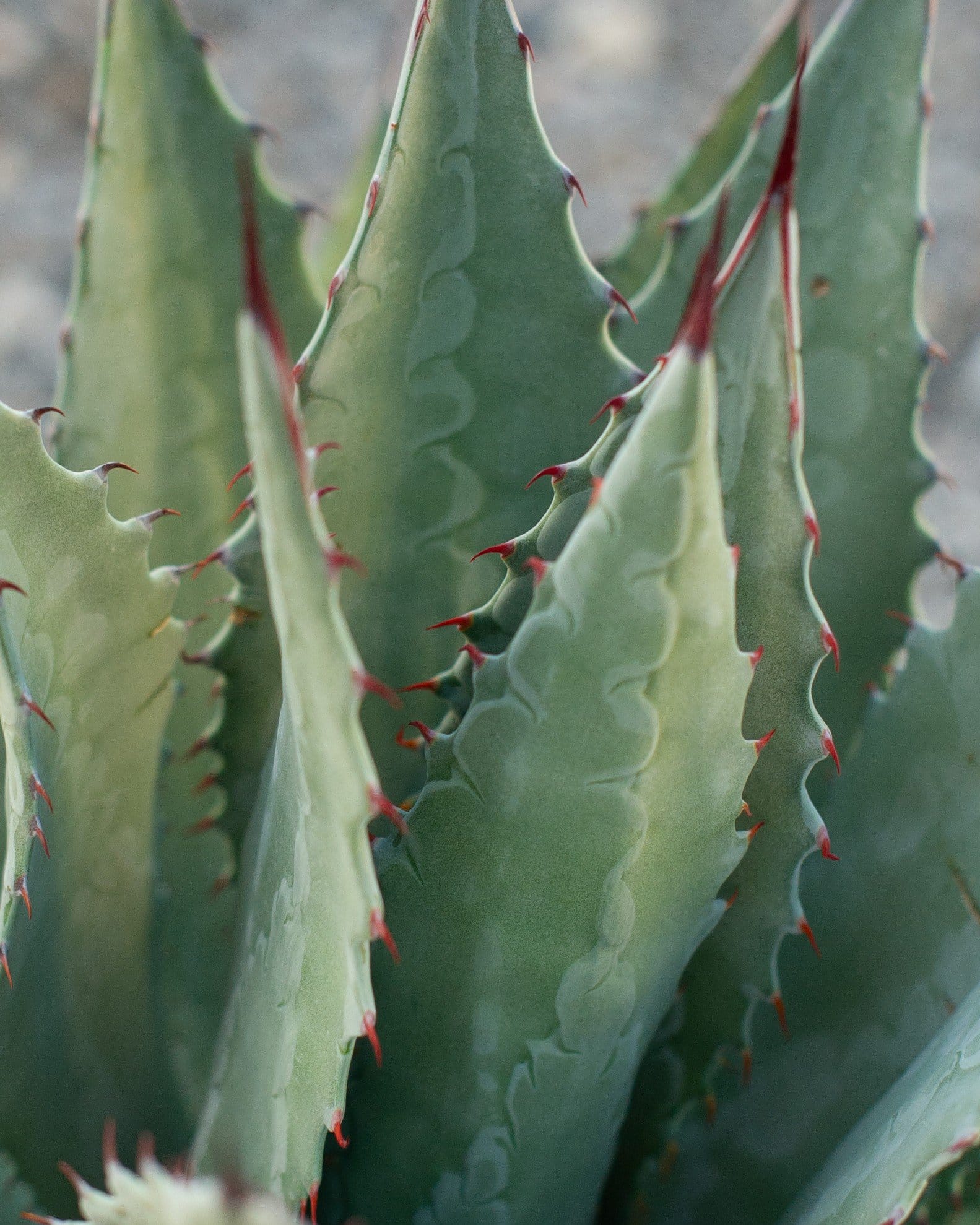
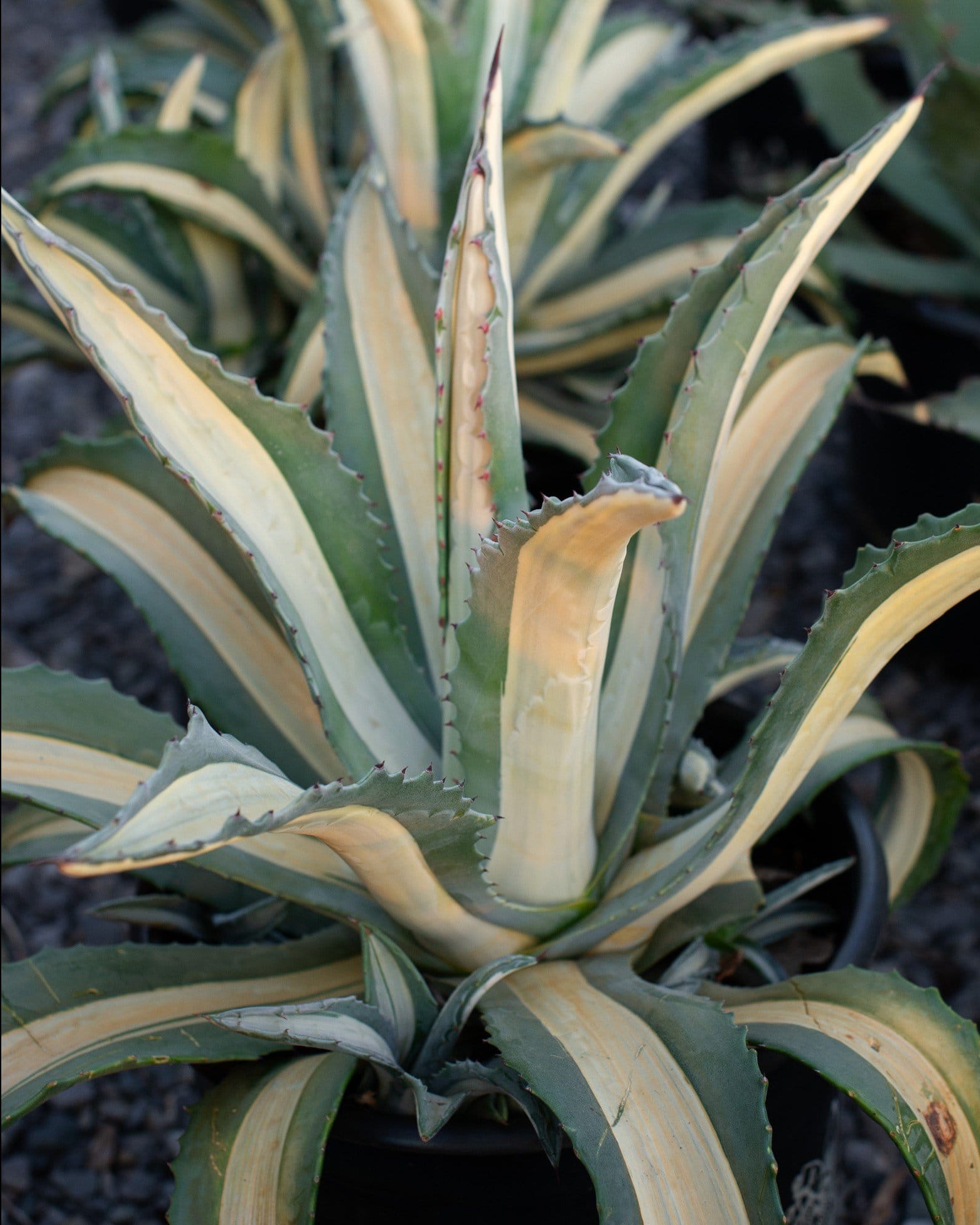
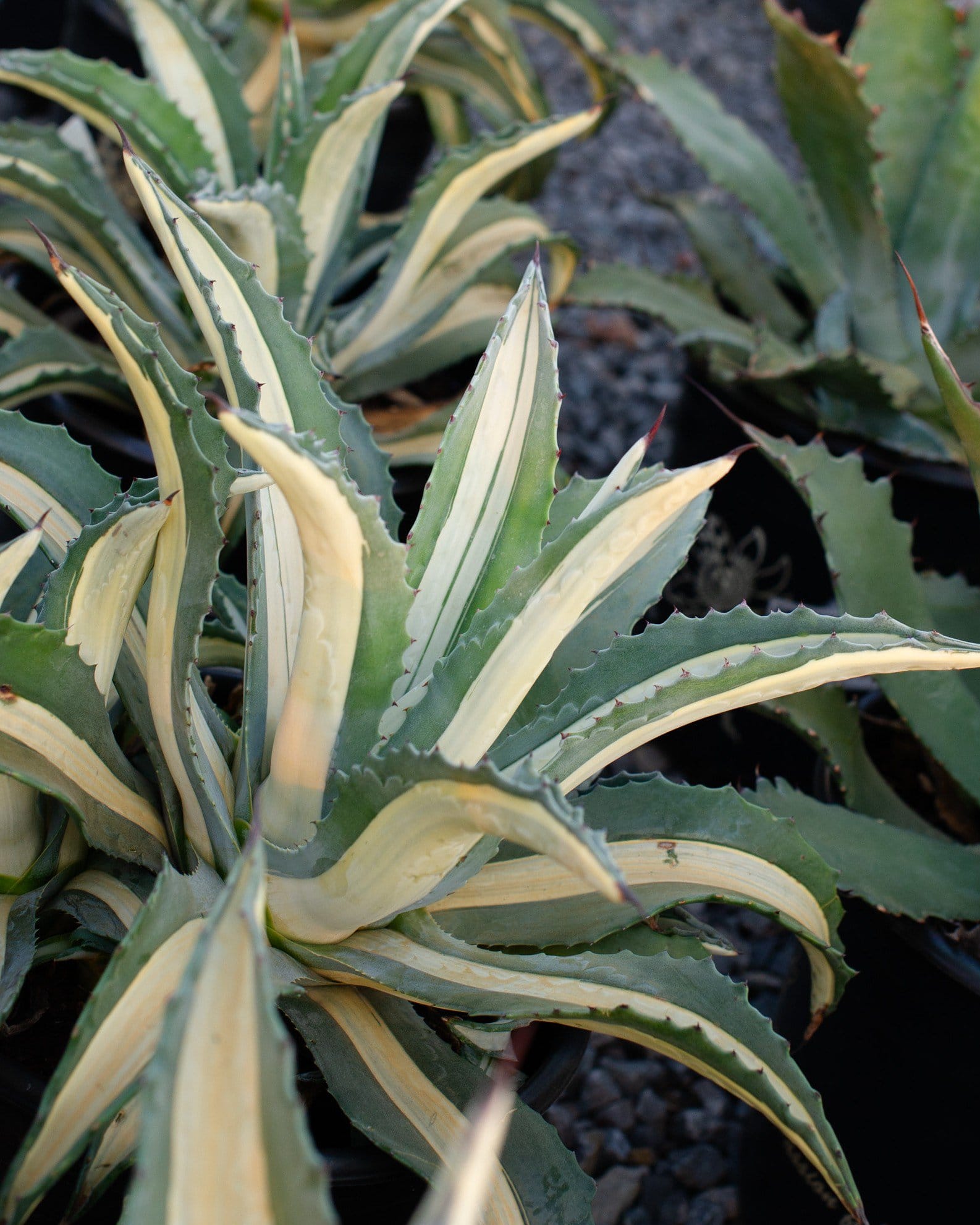
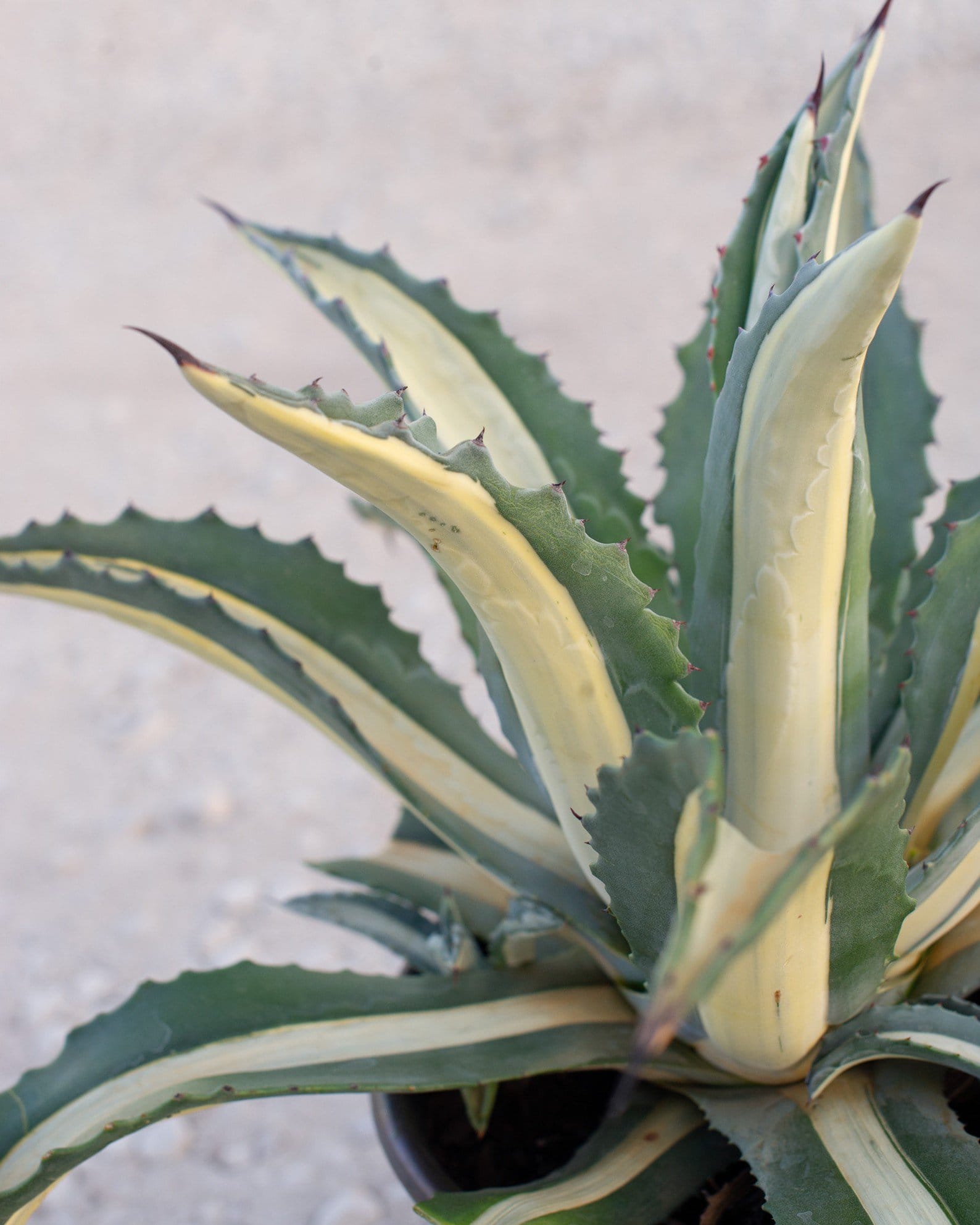
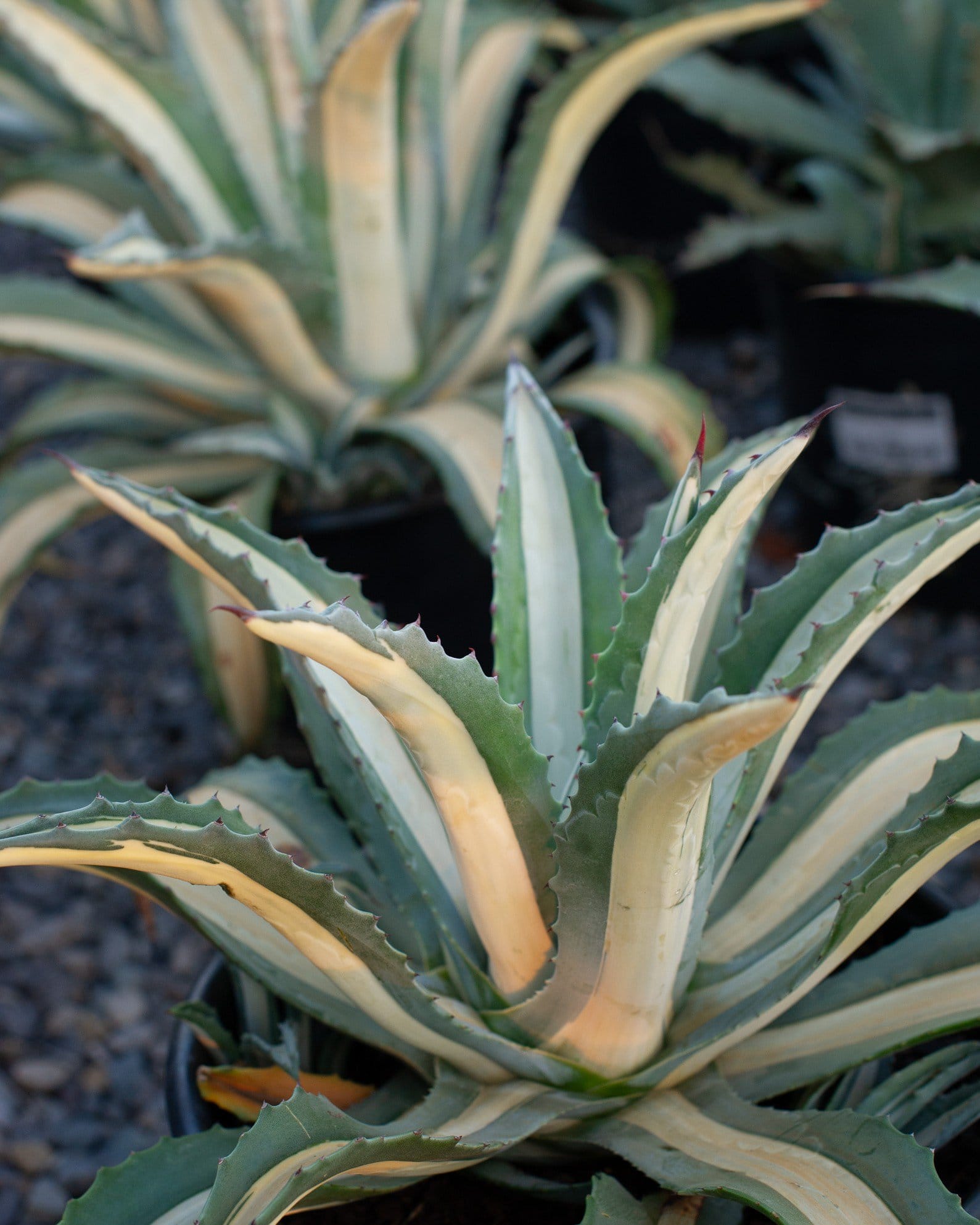
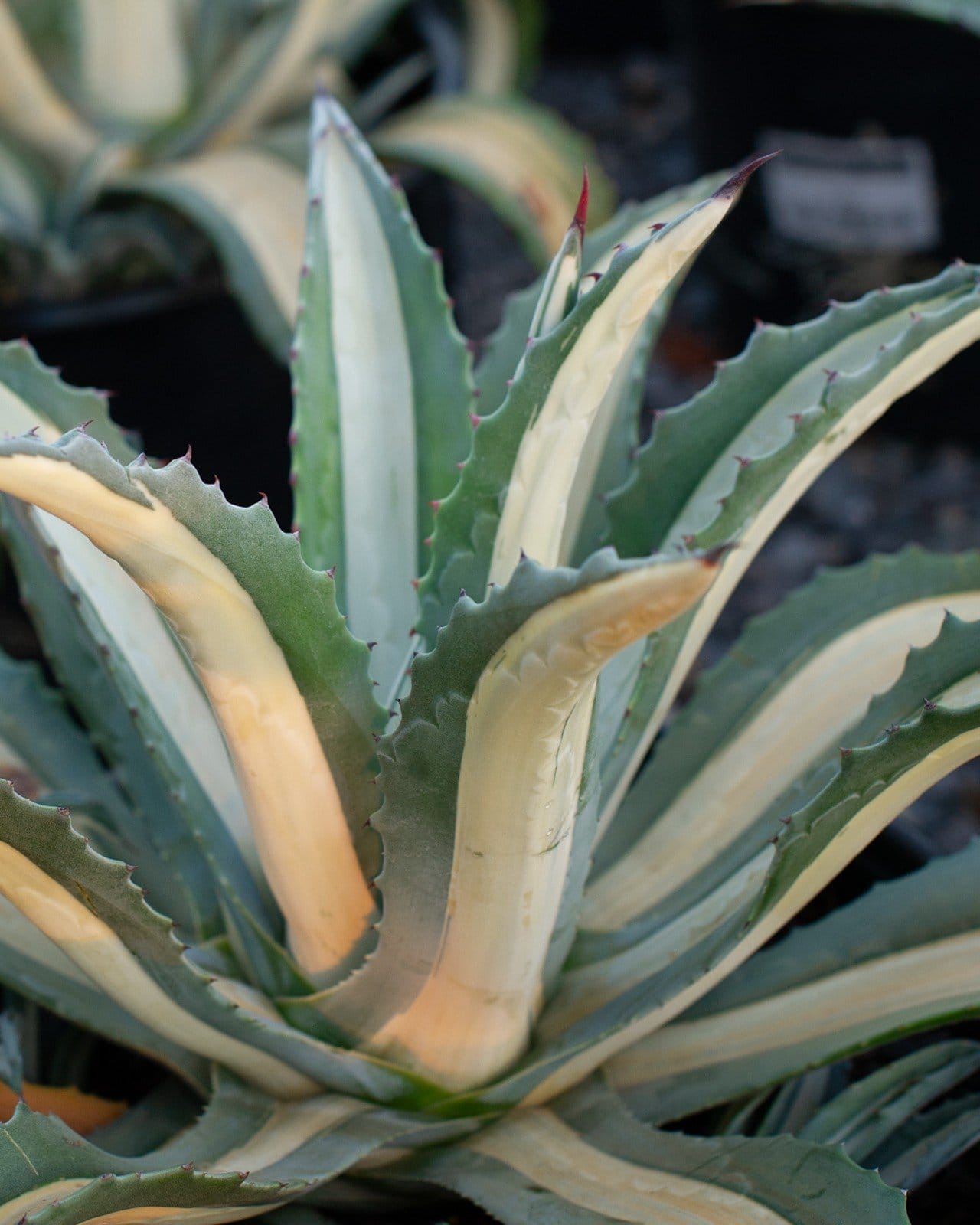
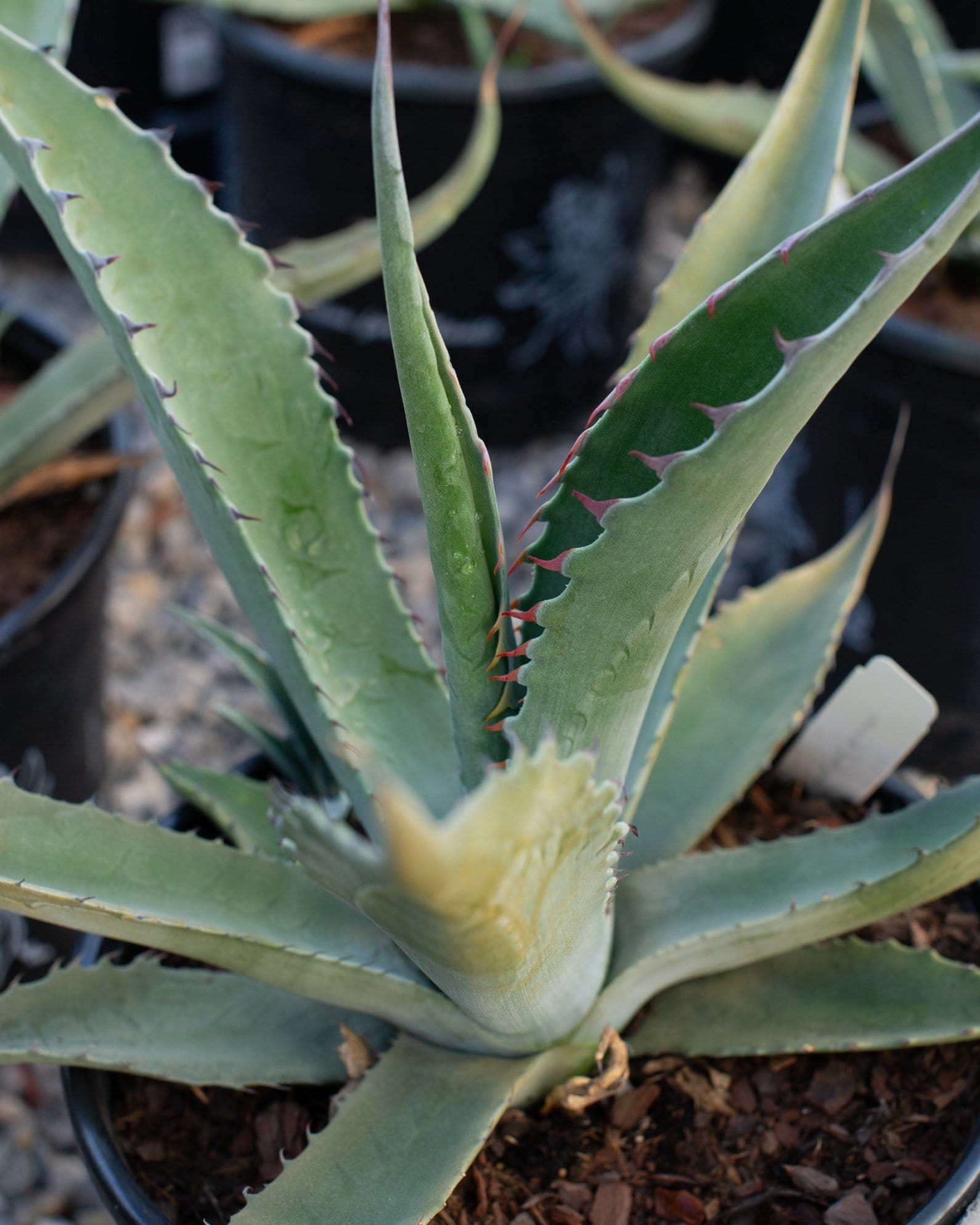
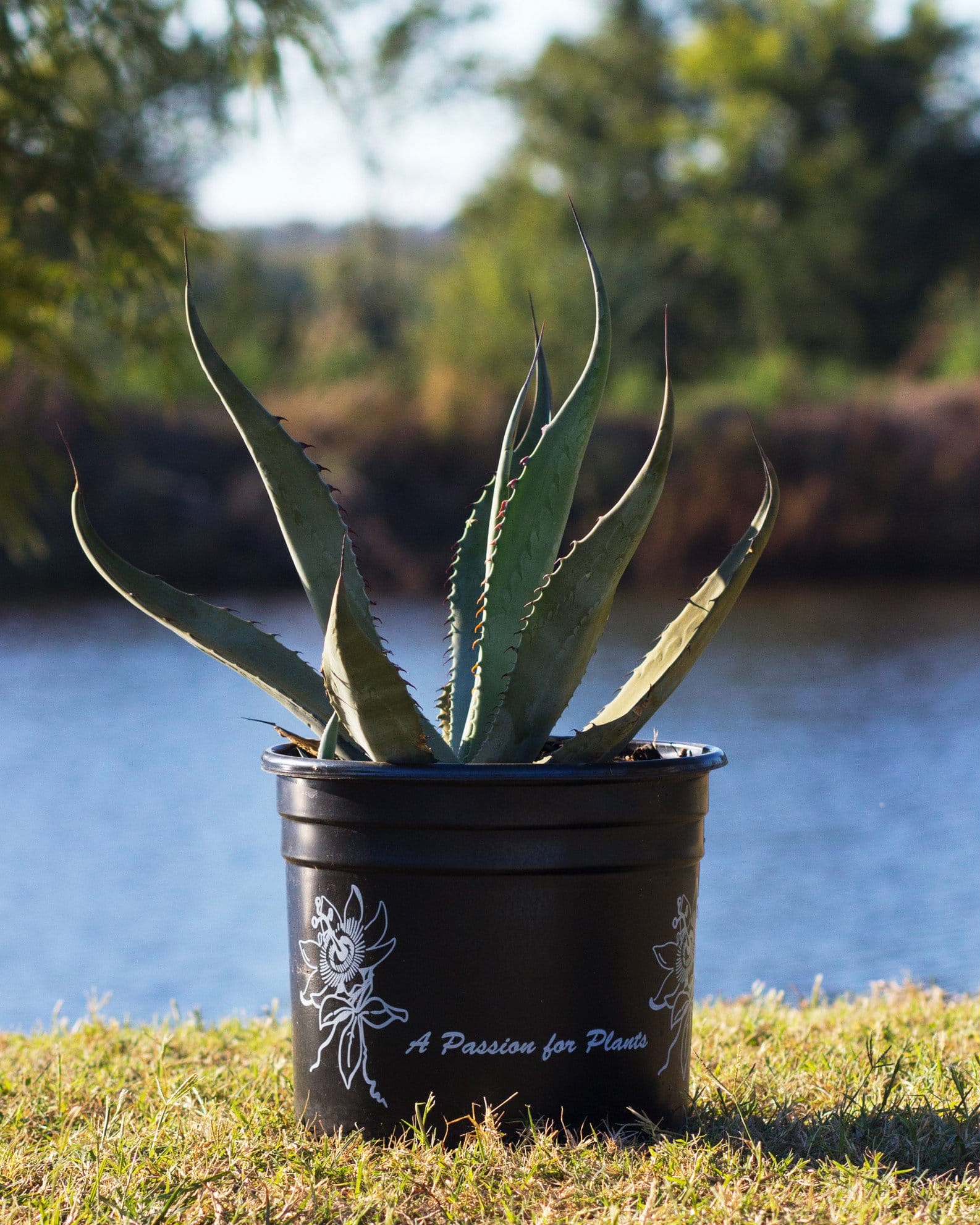
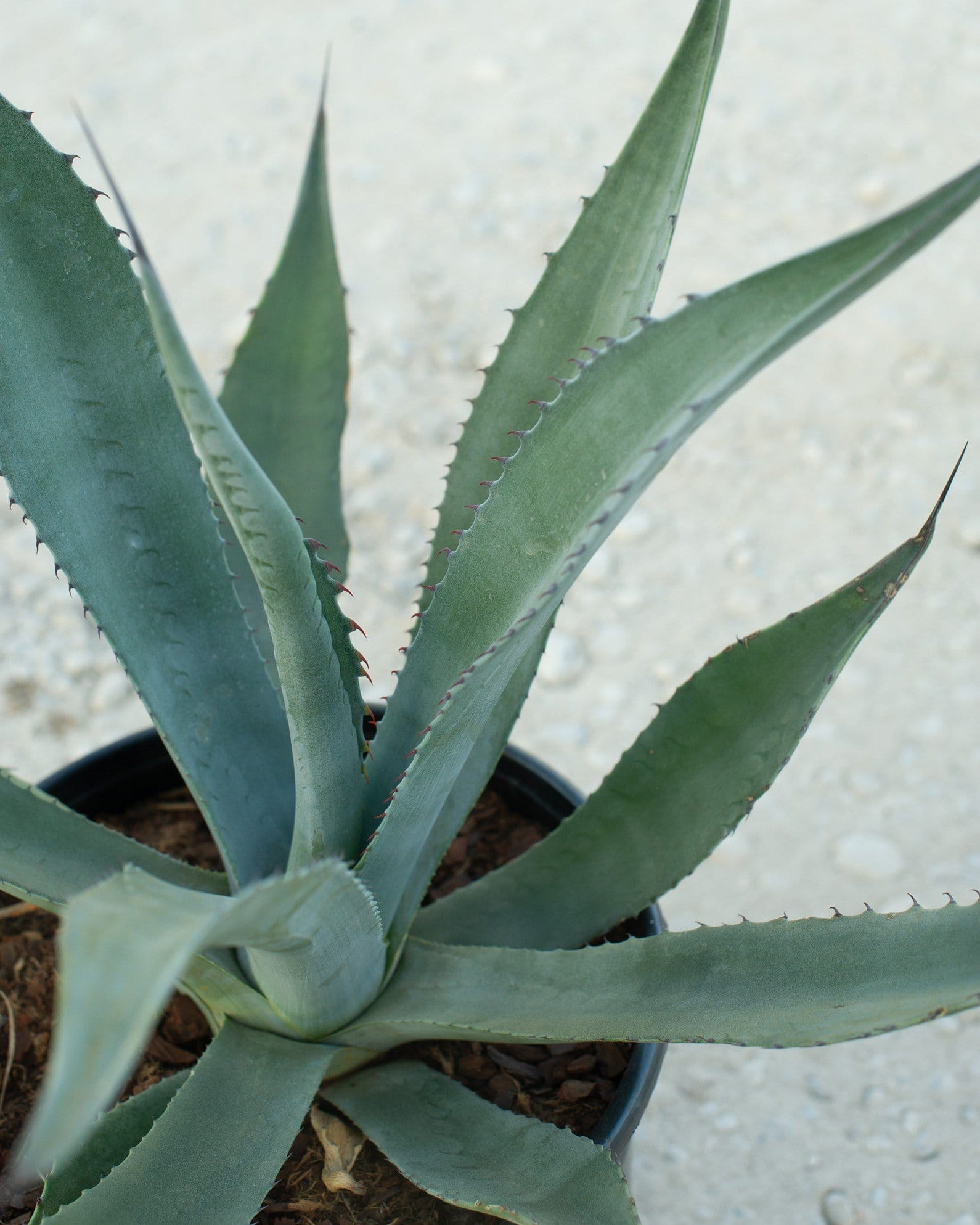
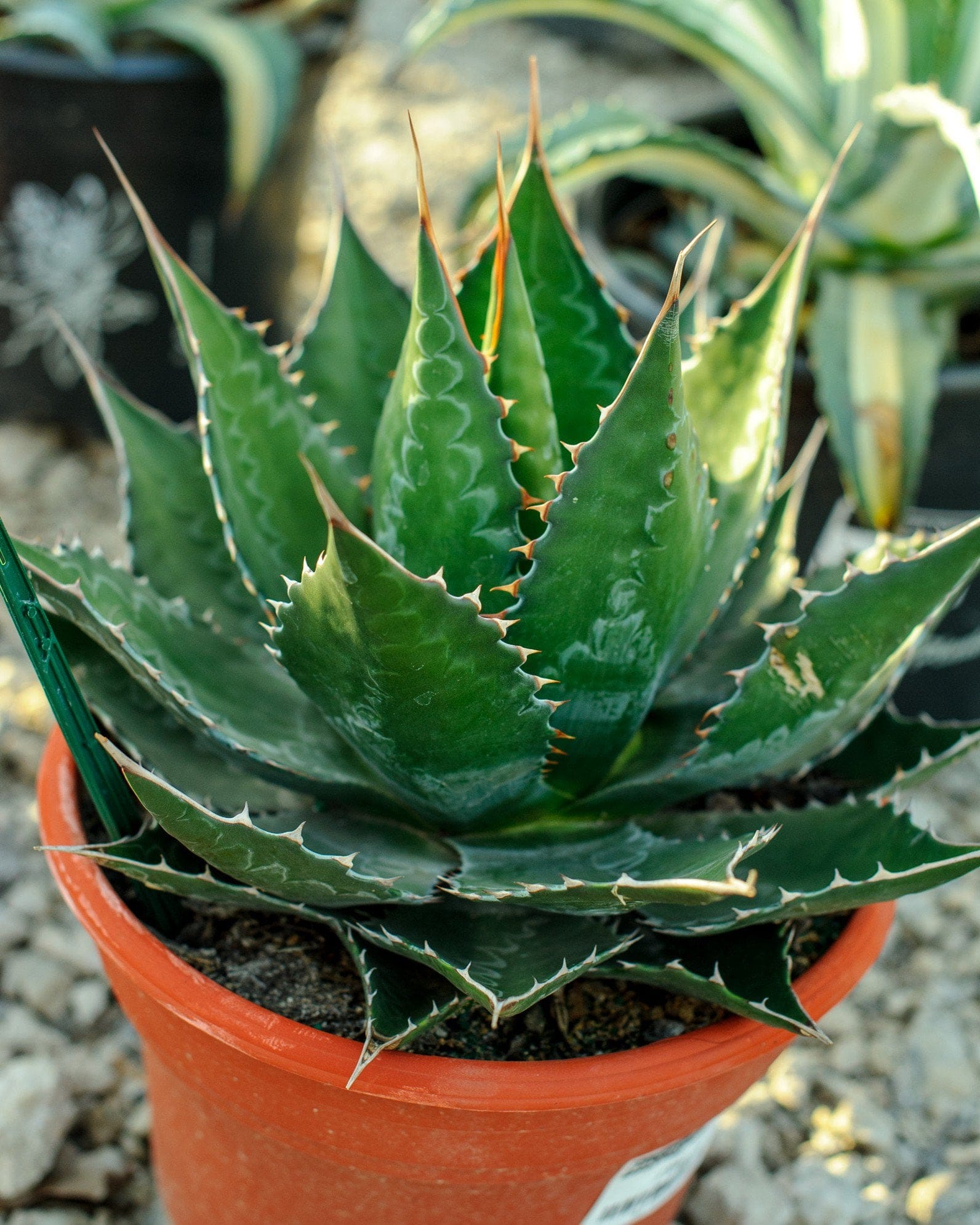
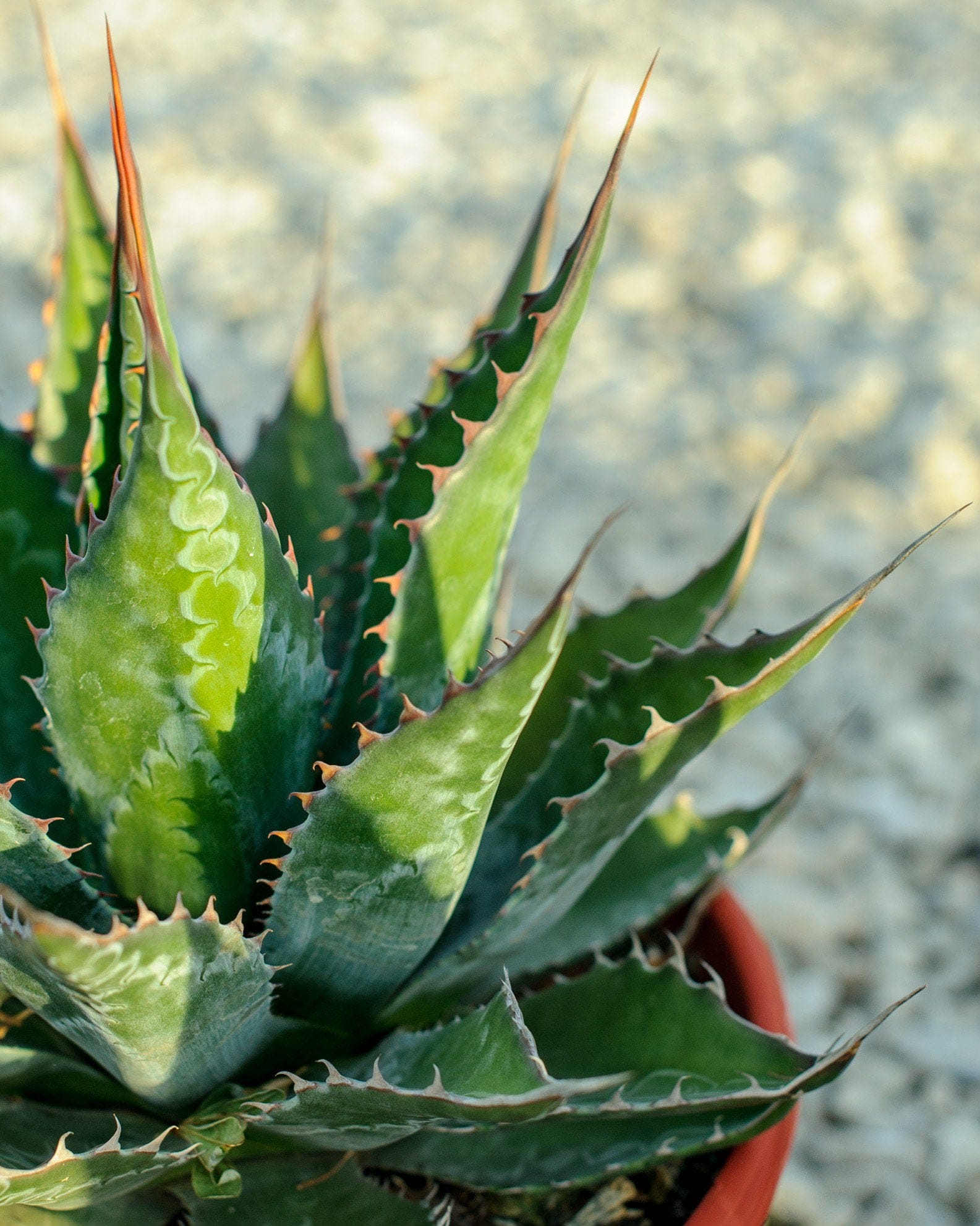
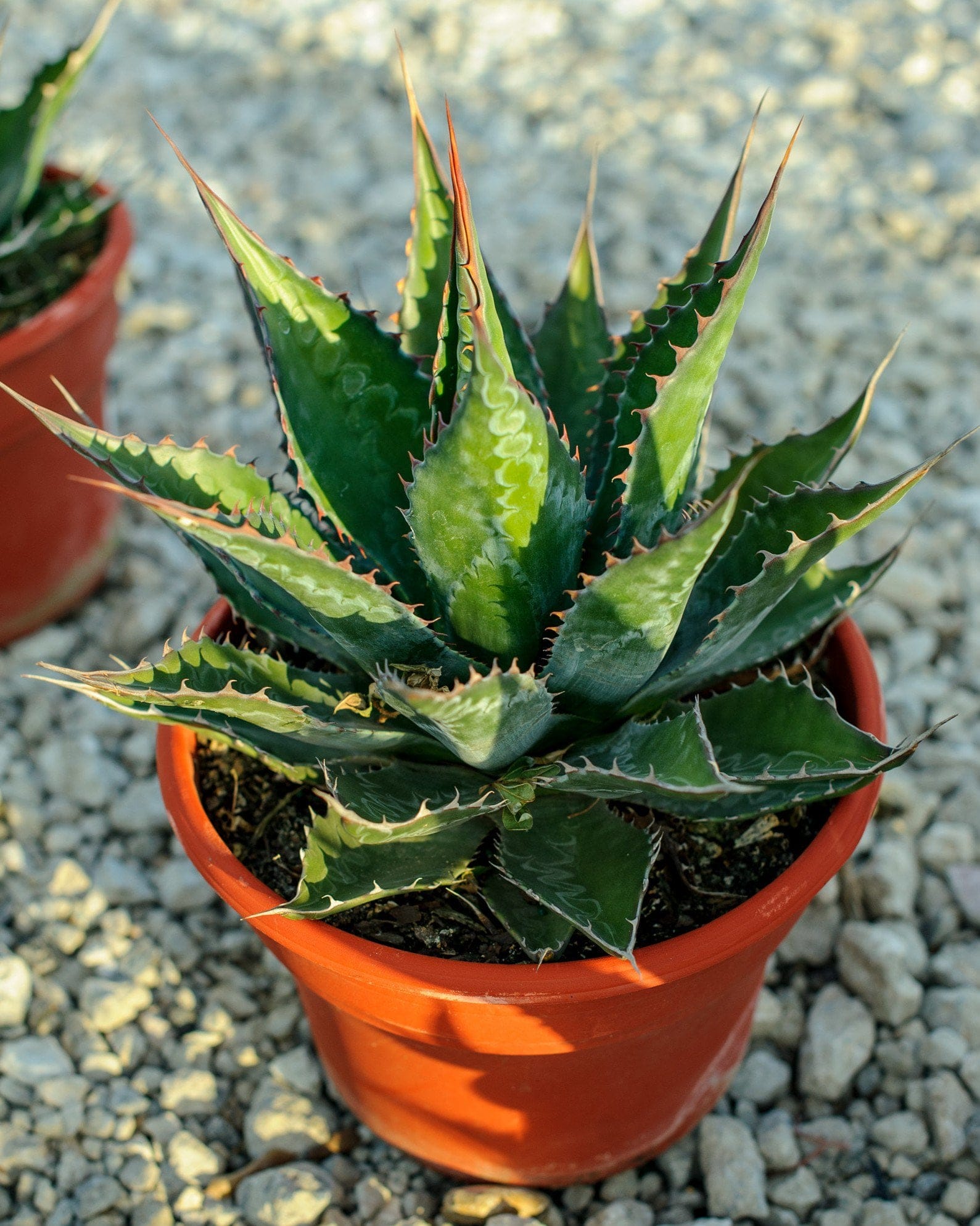
Weber's Agave
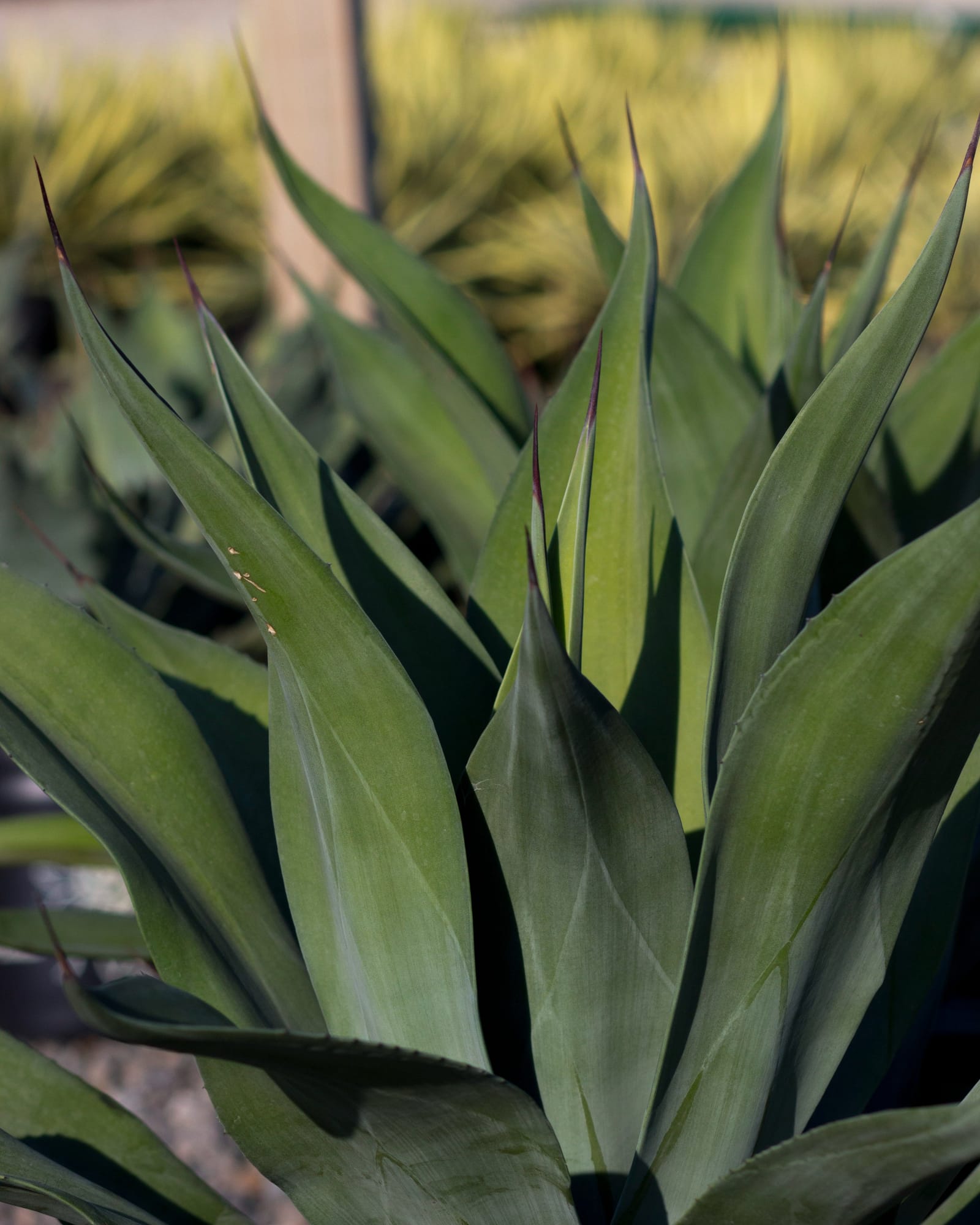
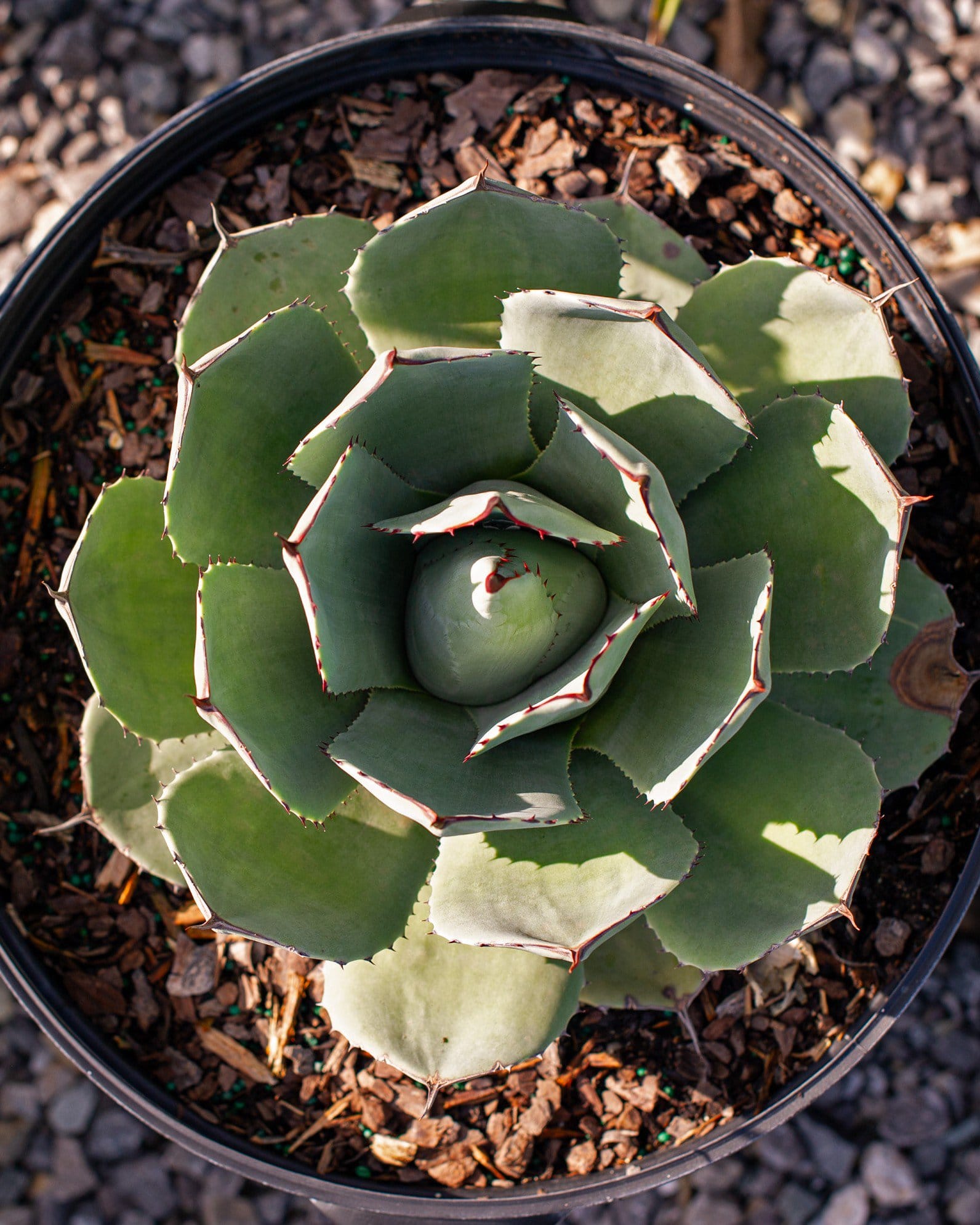
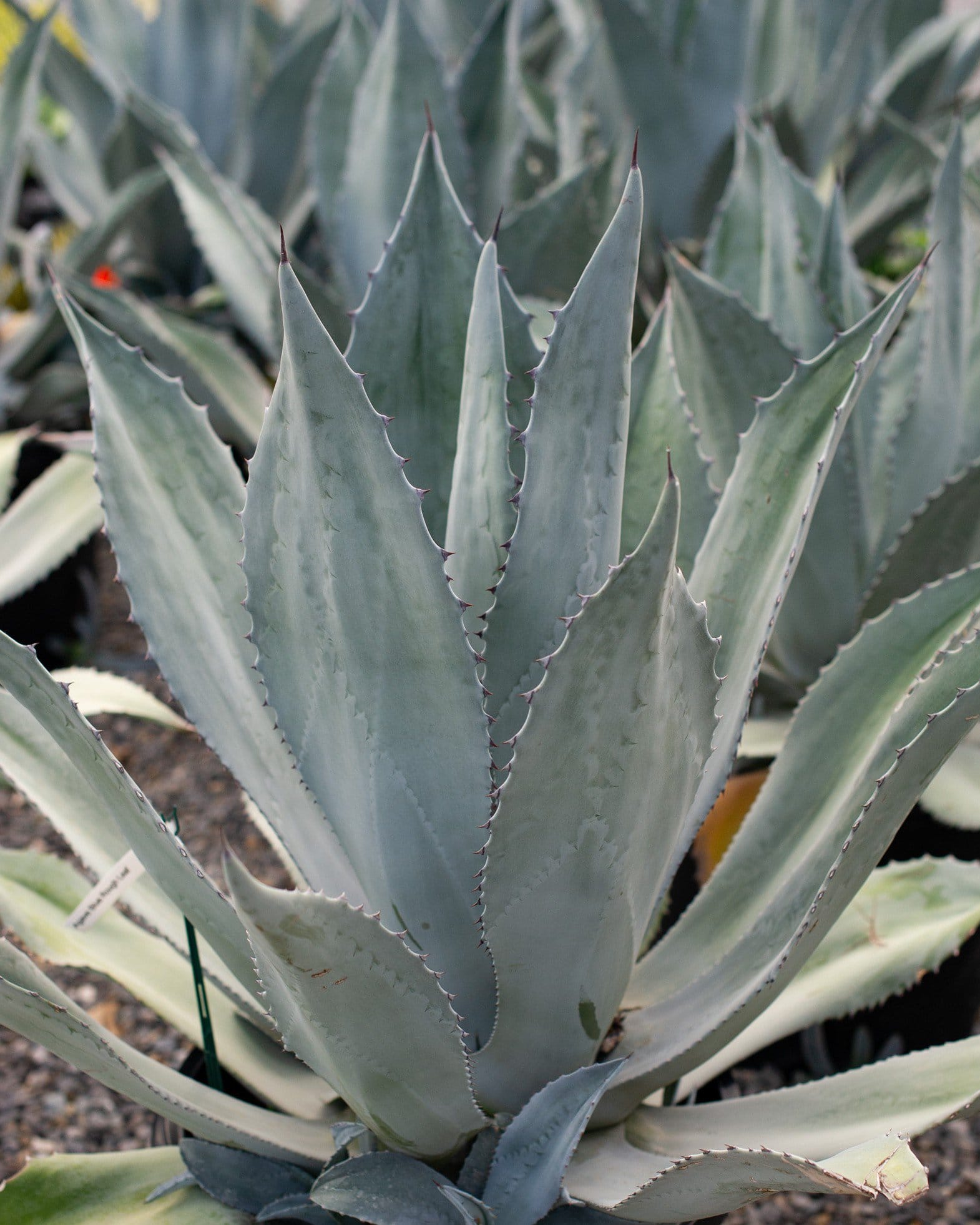
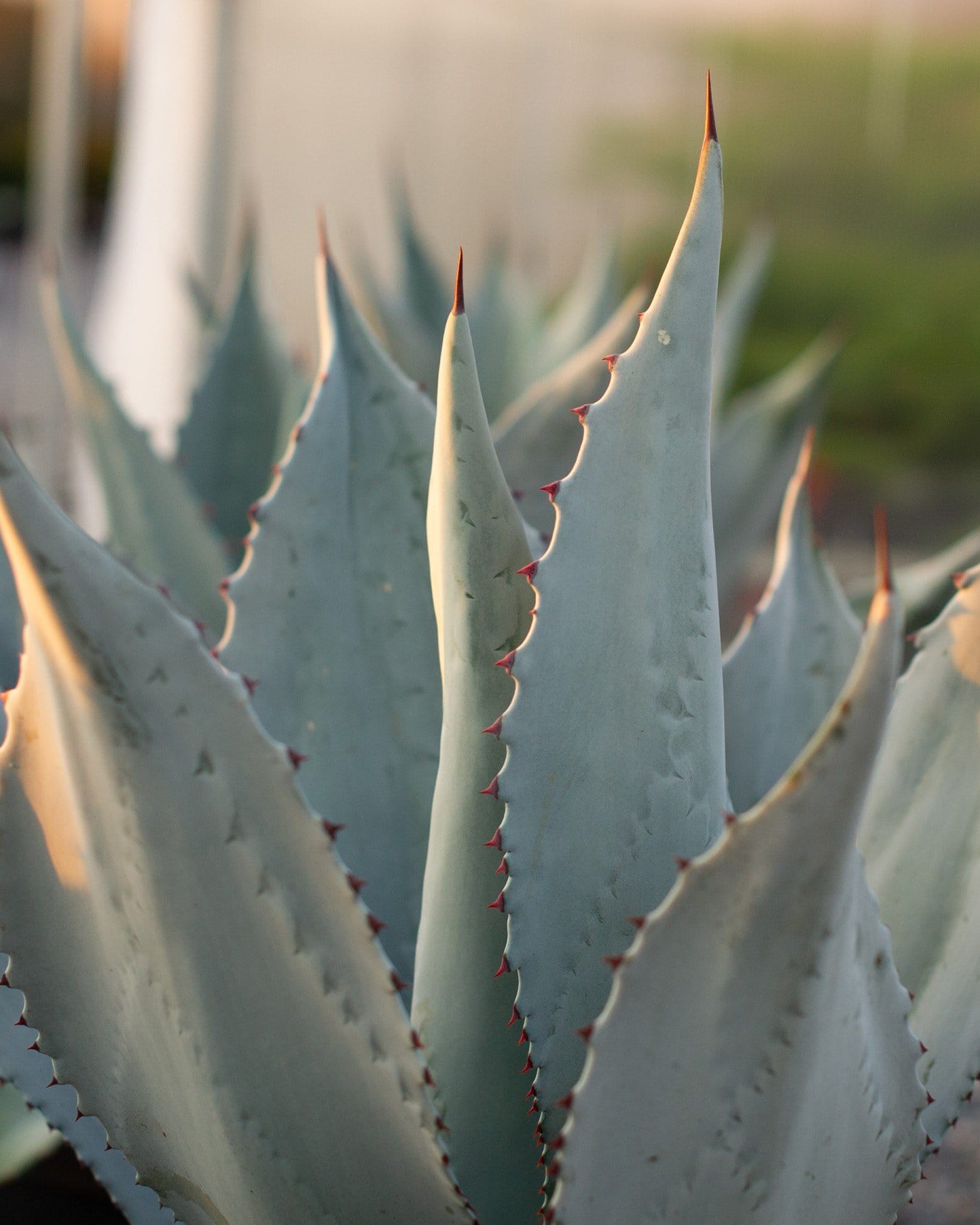
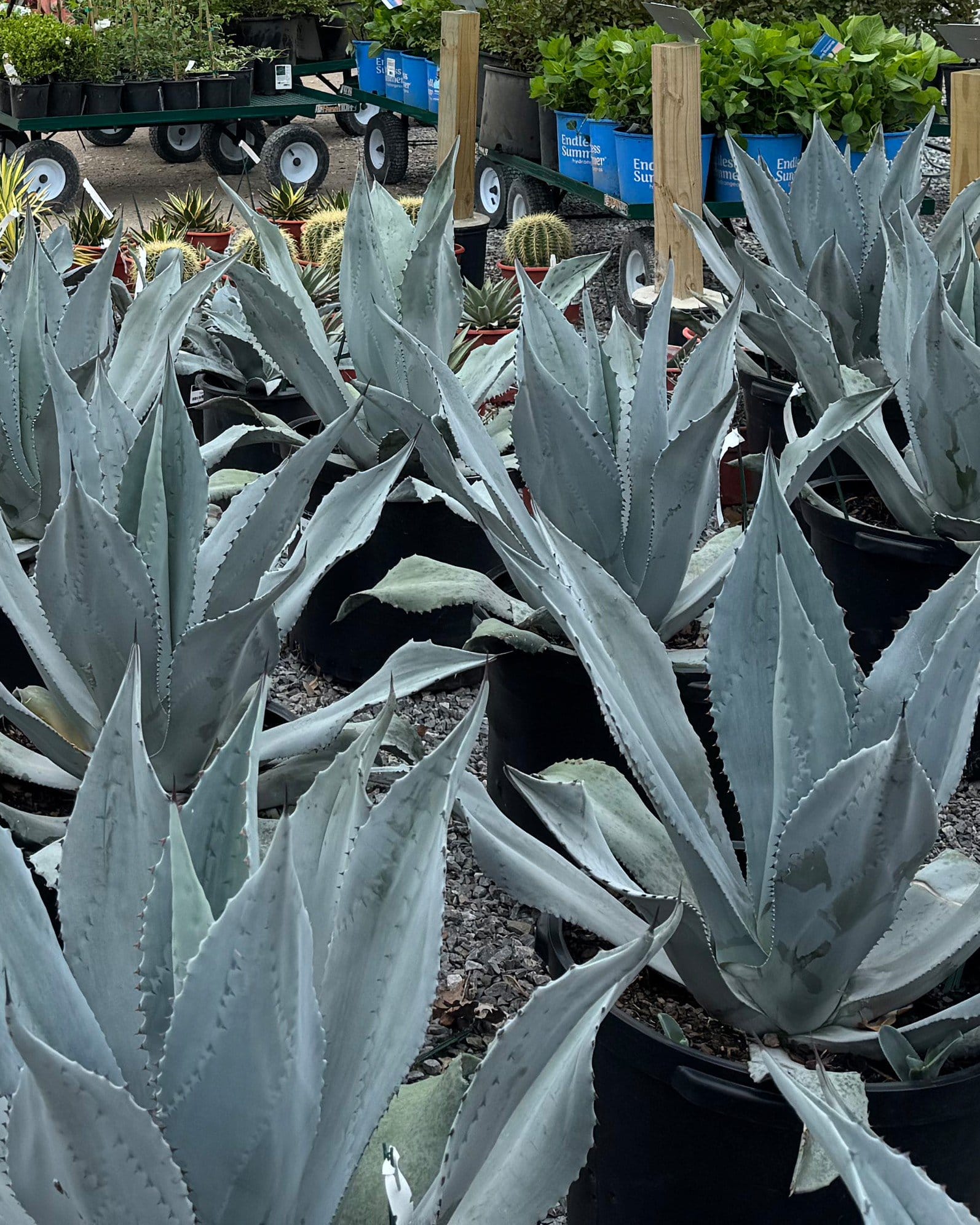
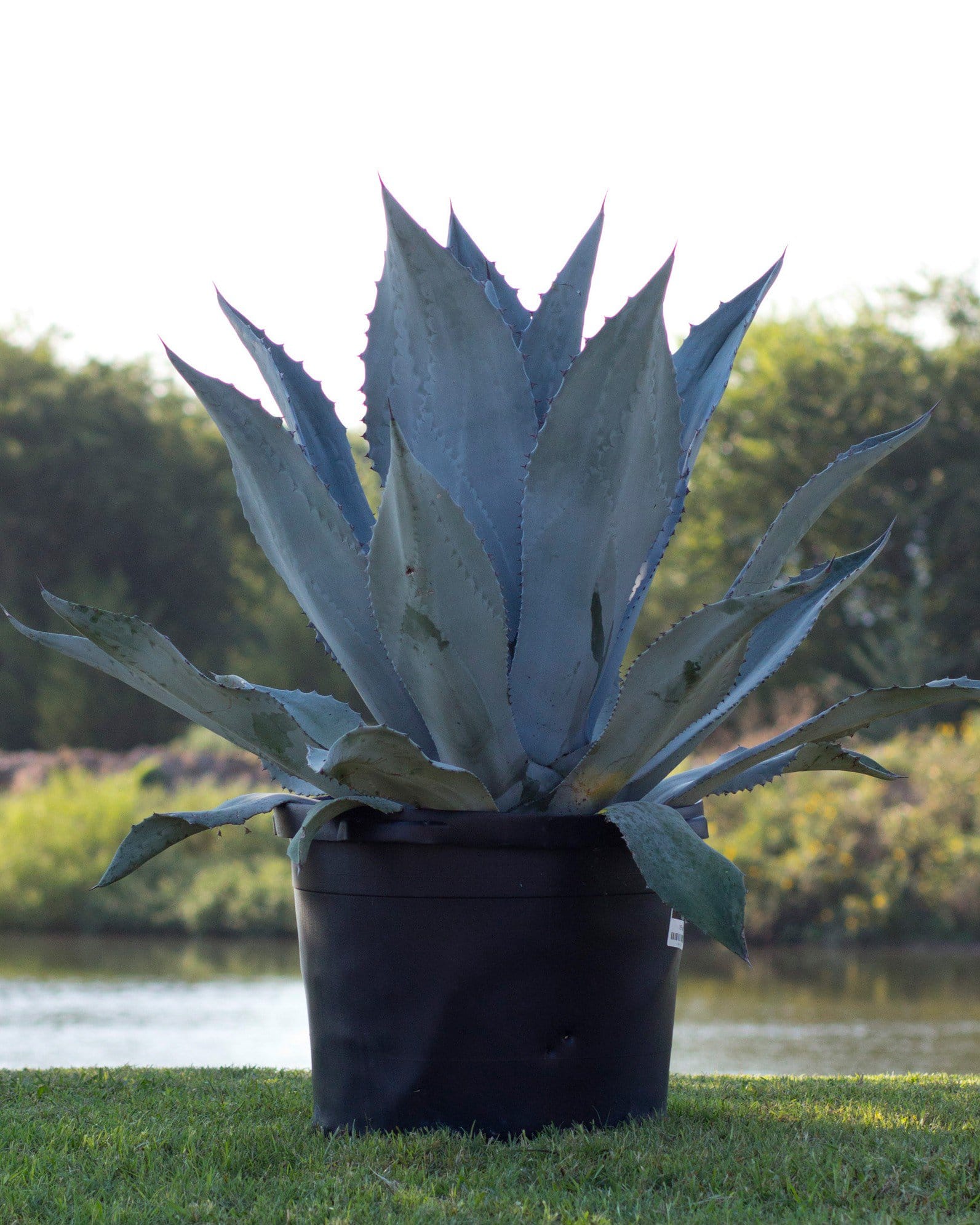
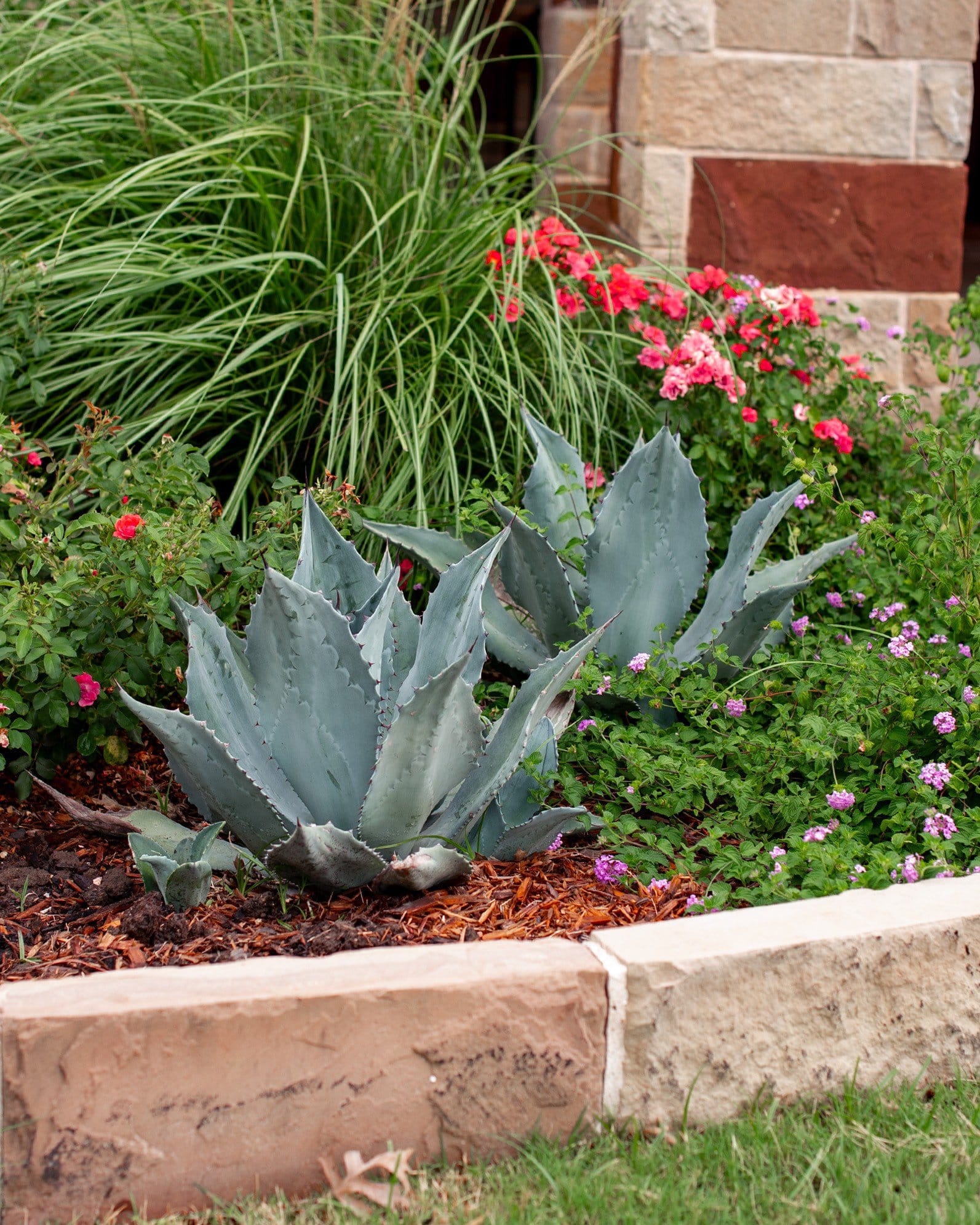
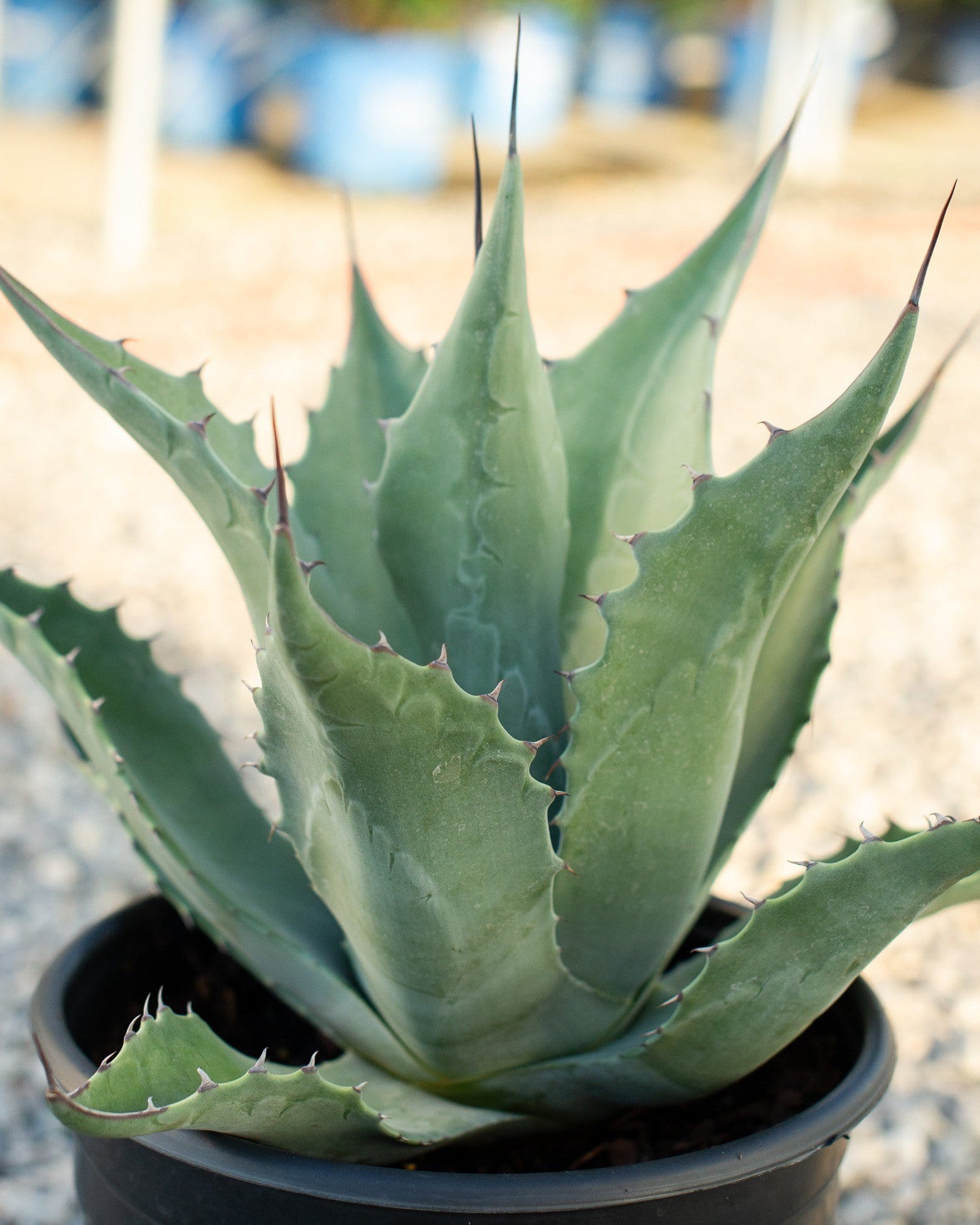
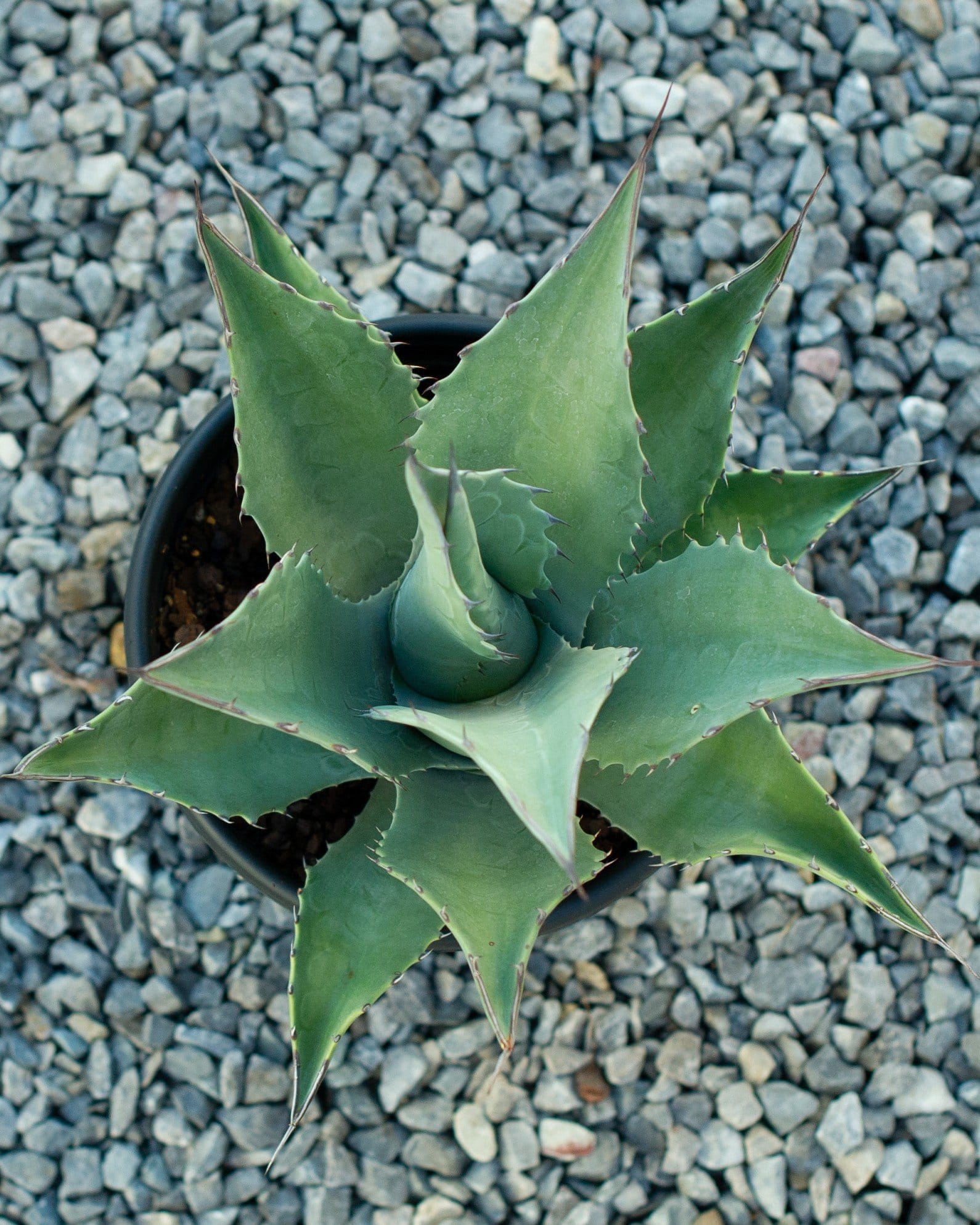
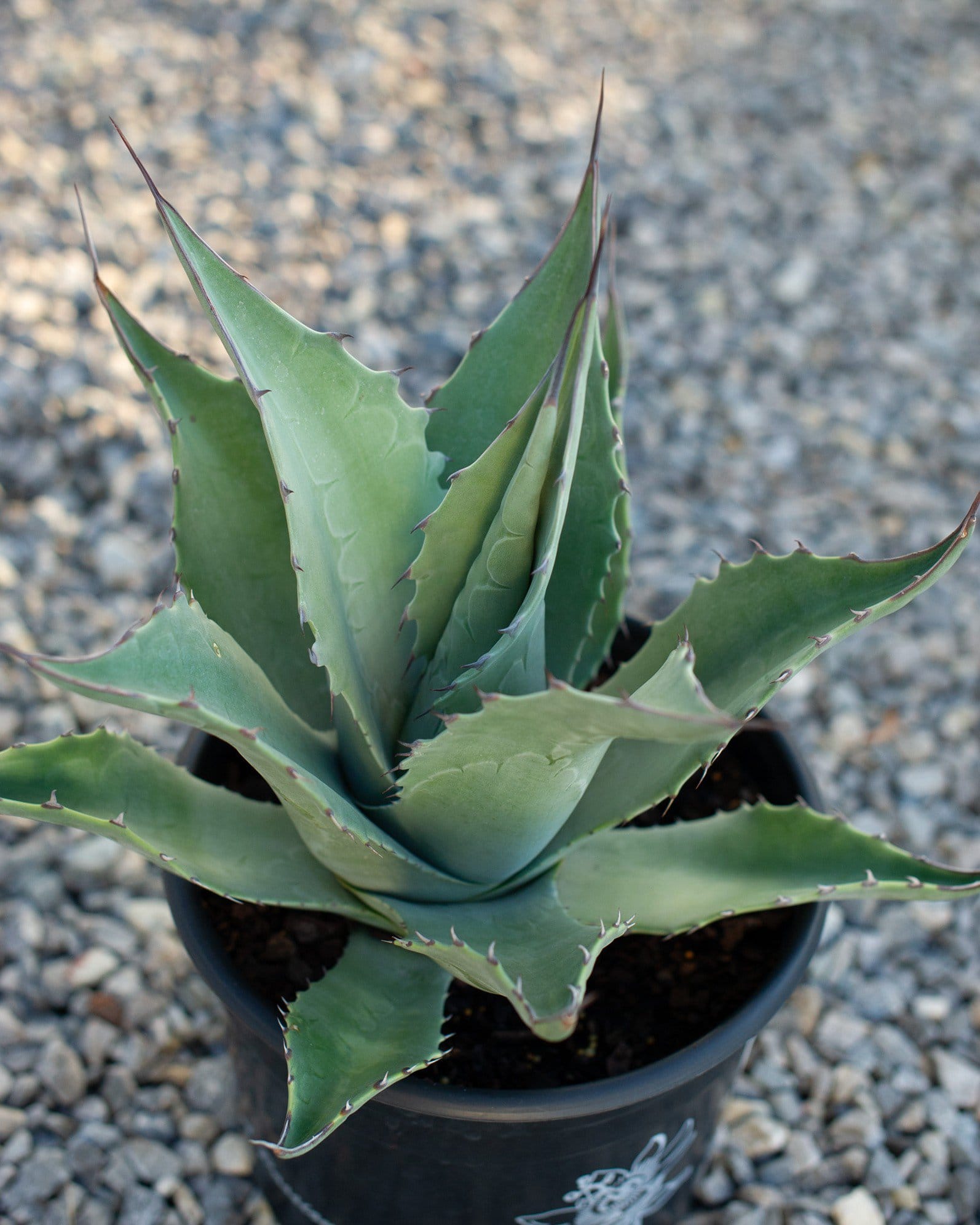
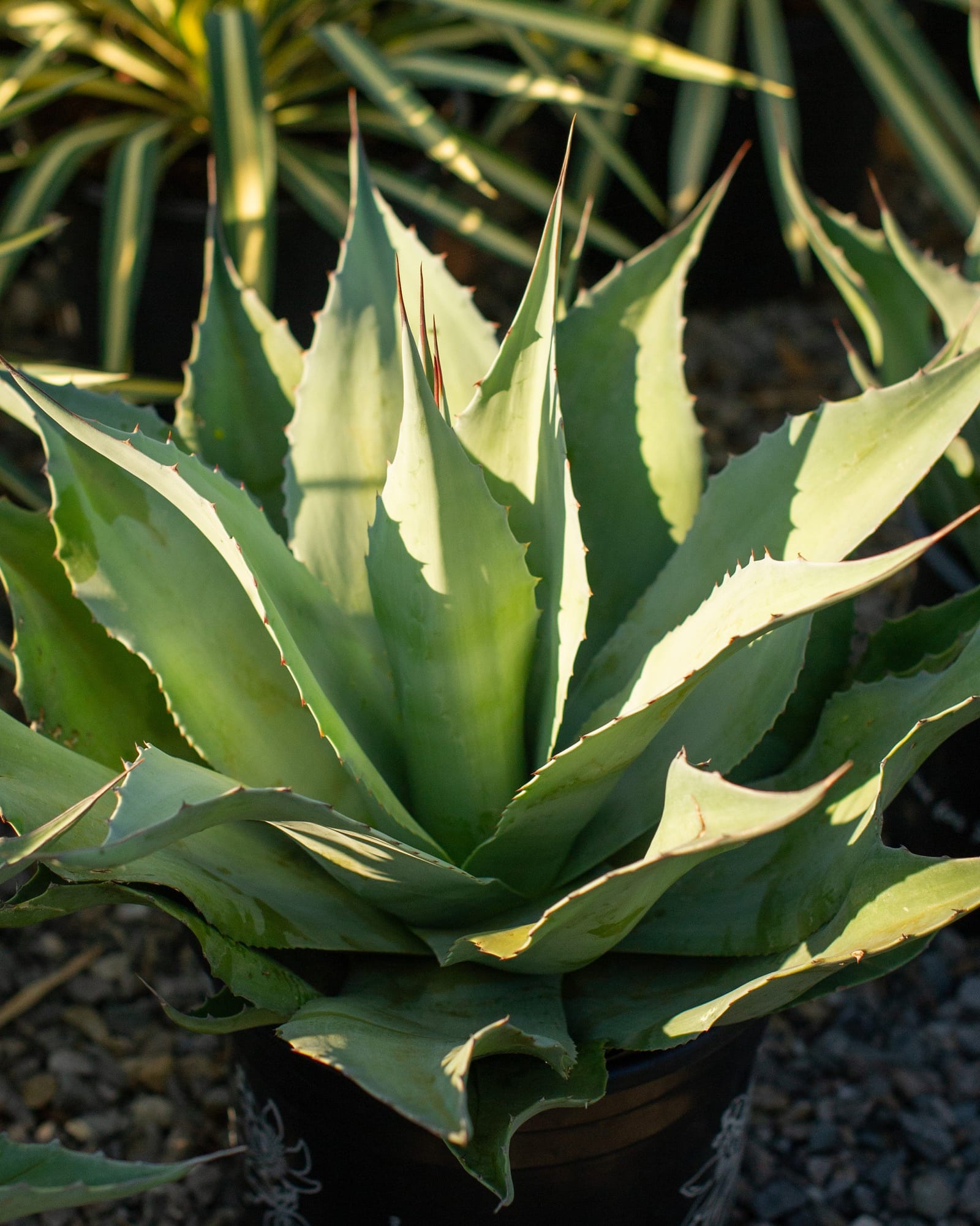
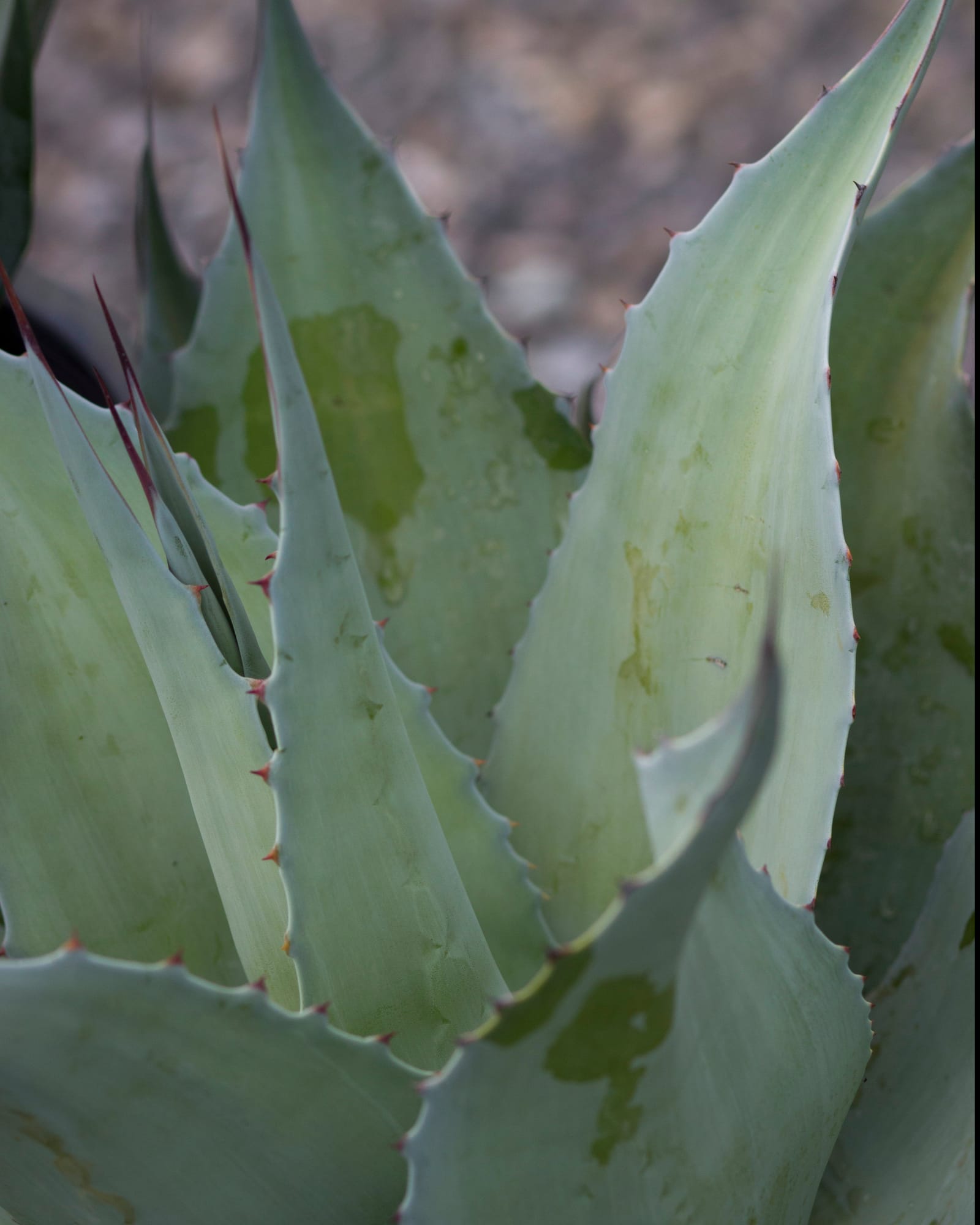
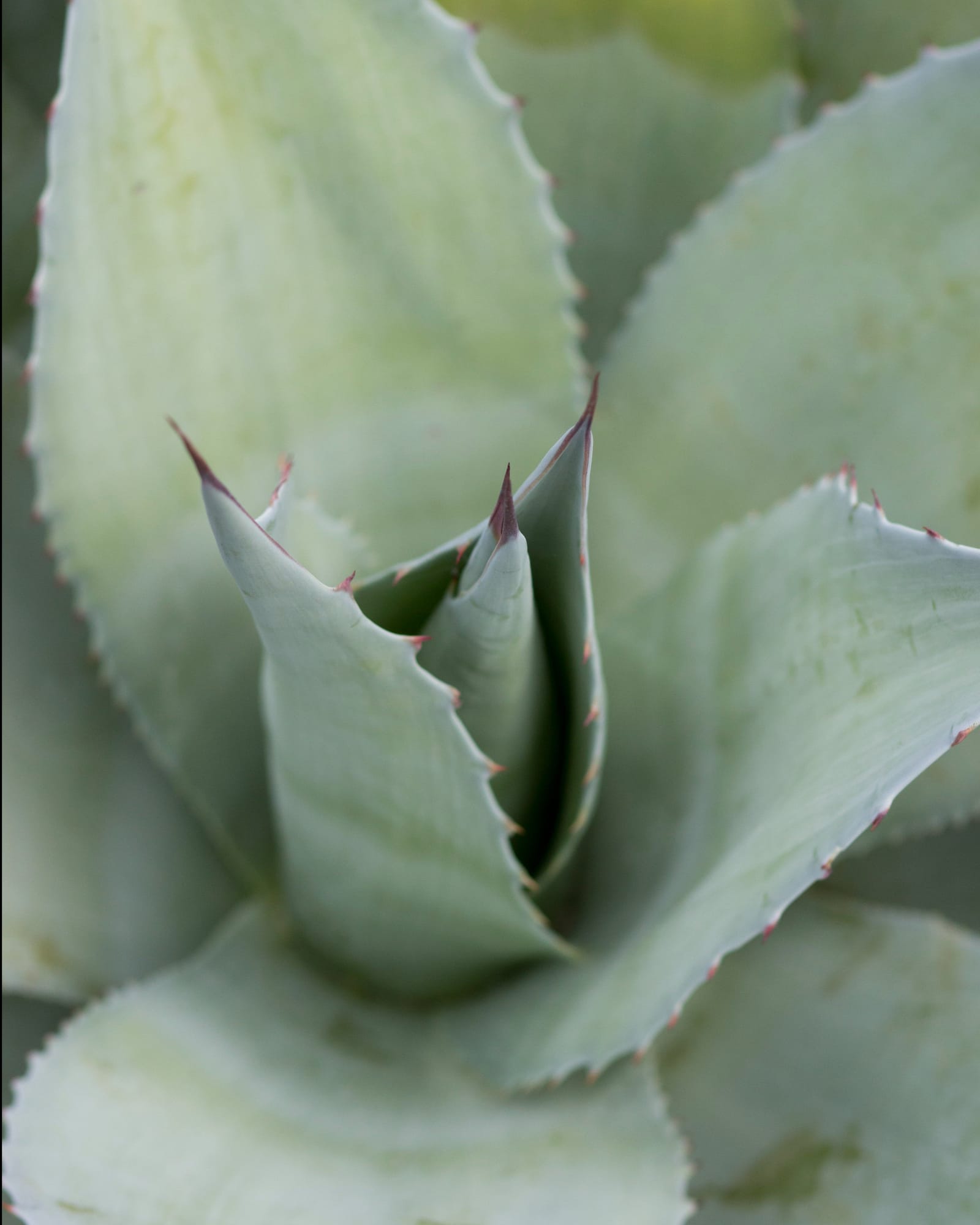
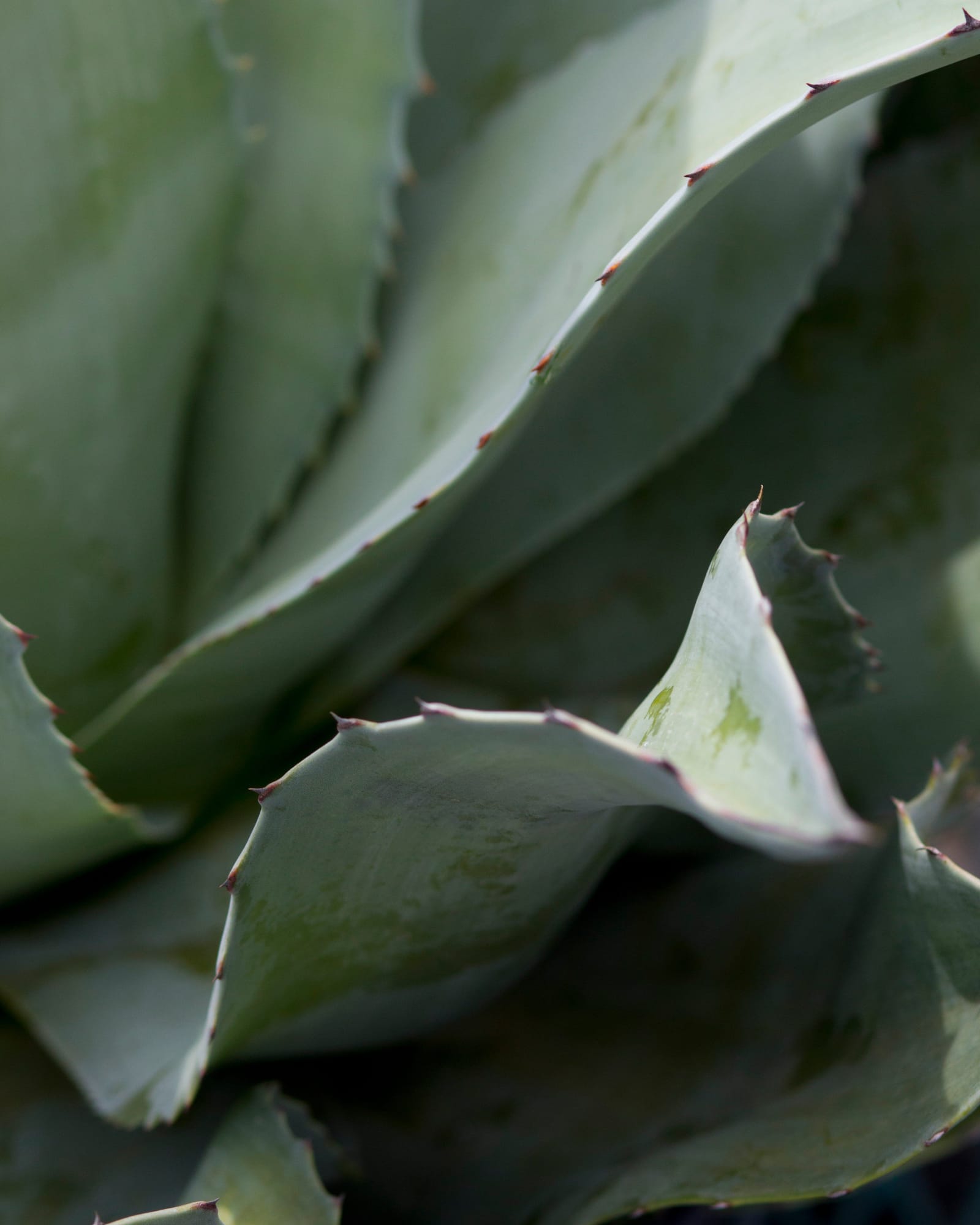
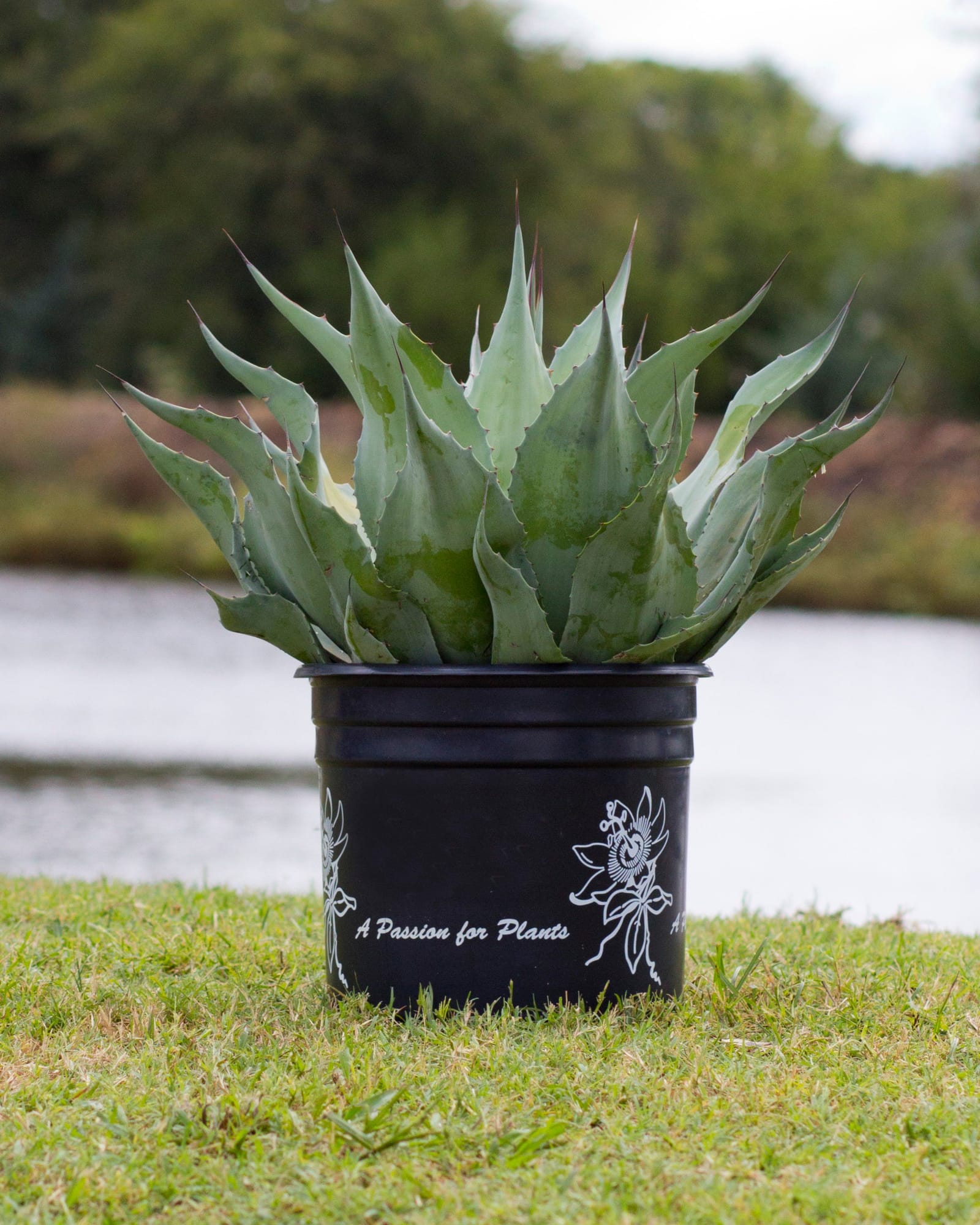
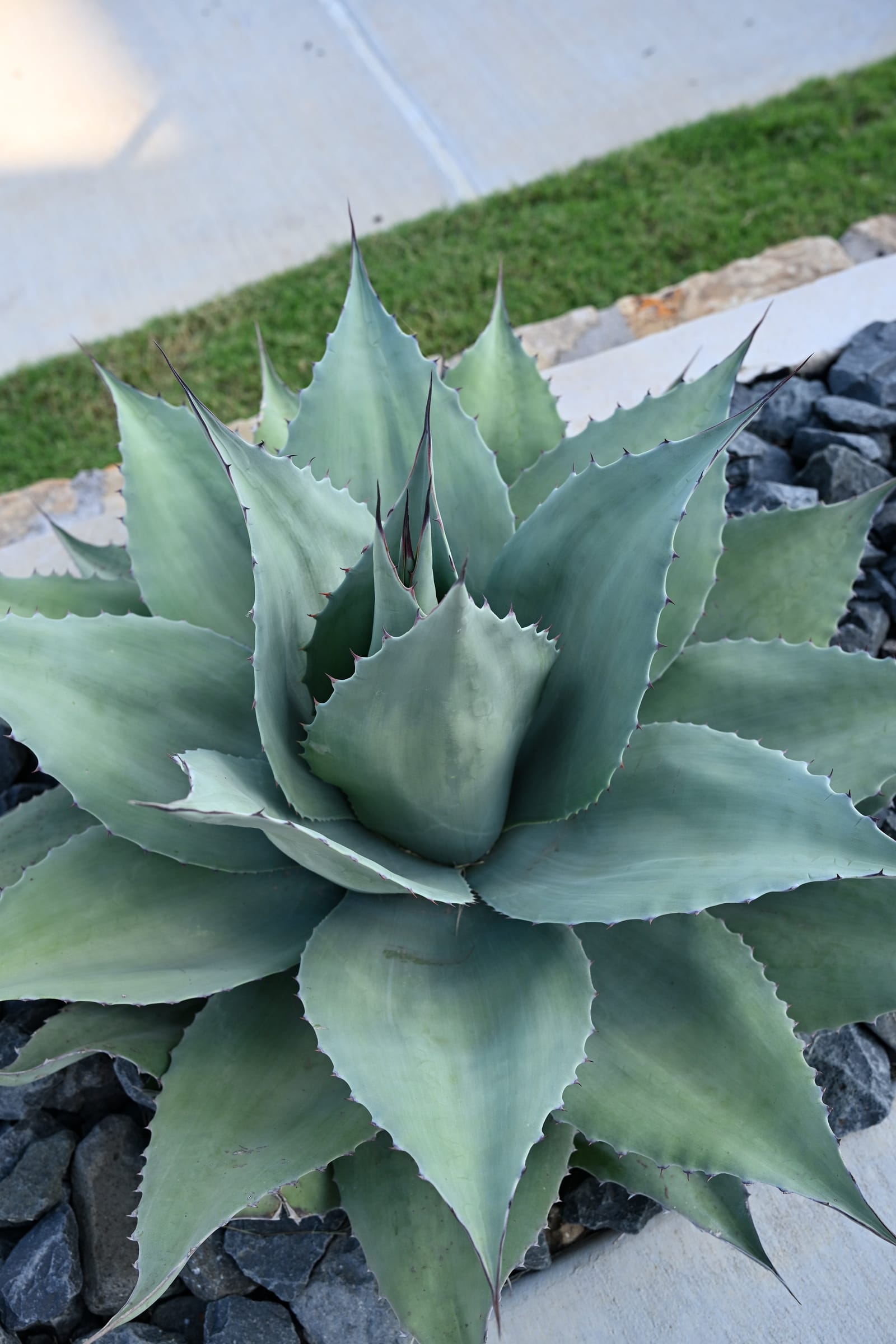
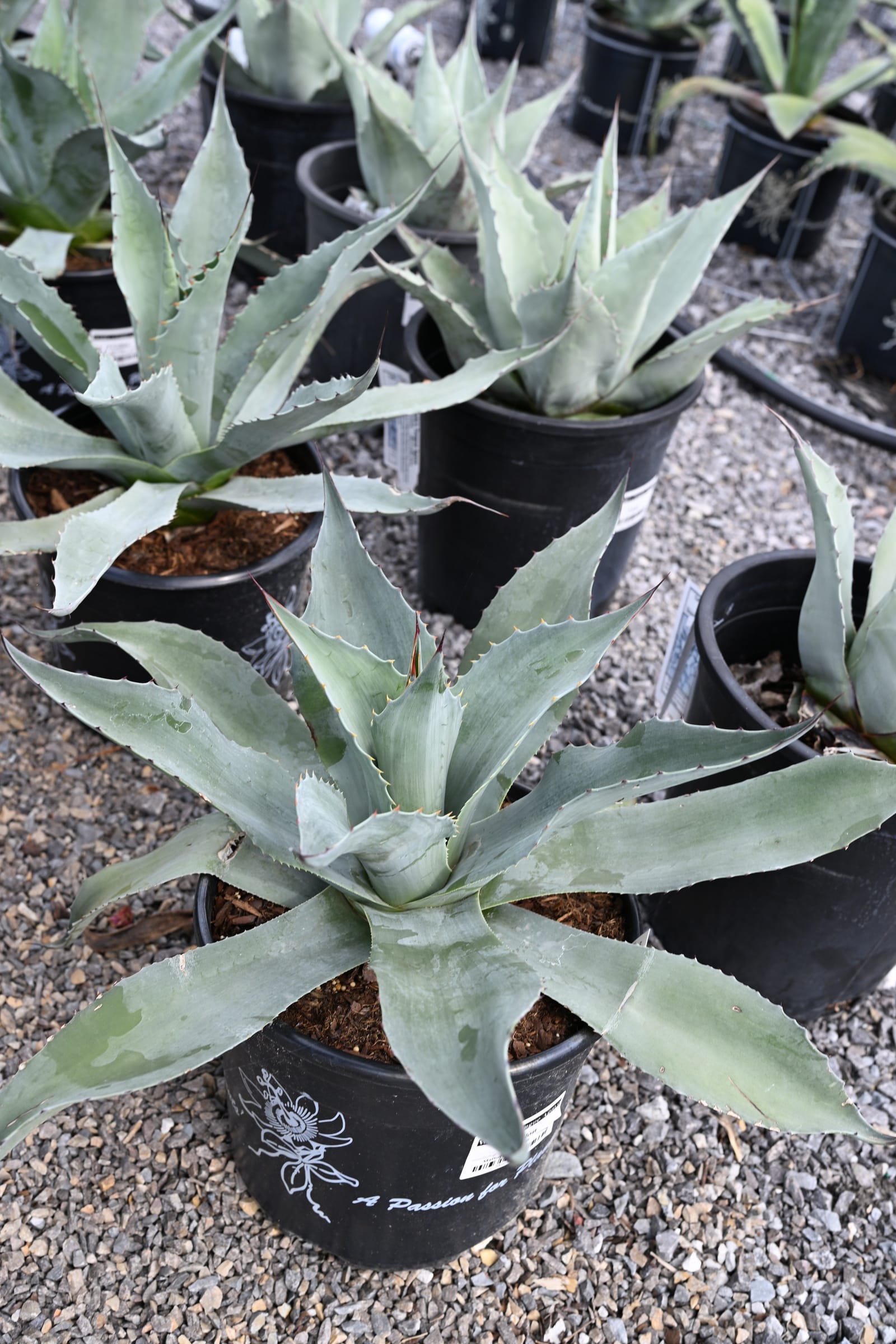
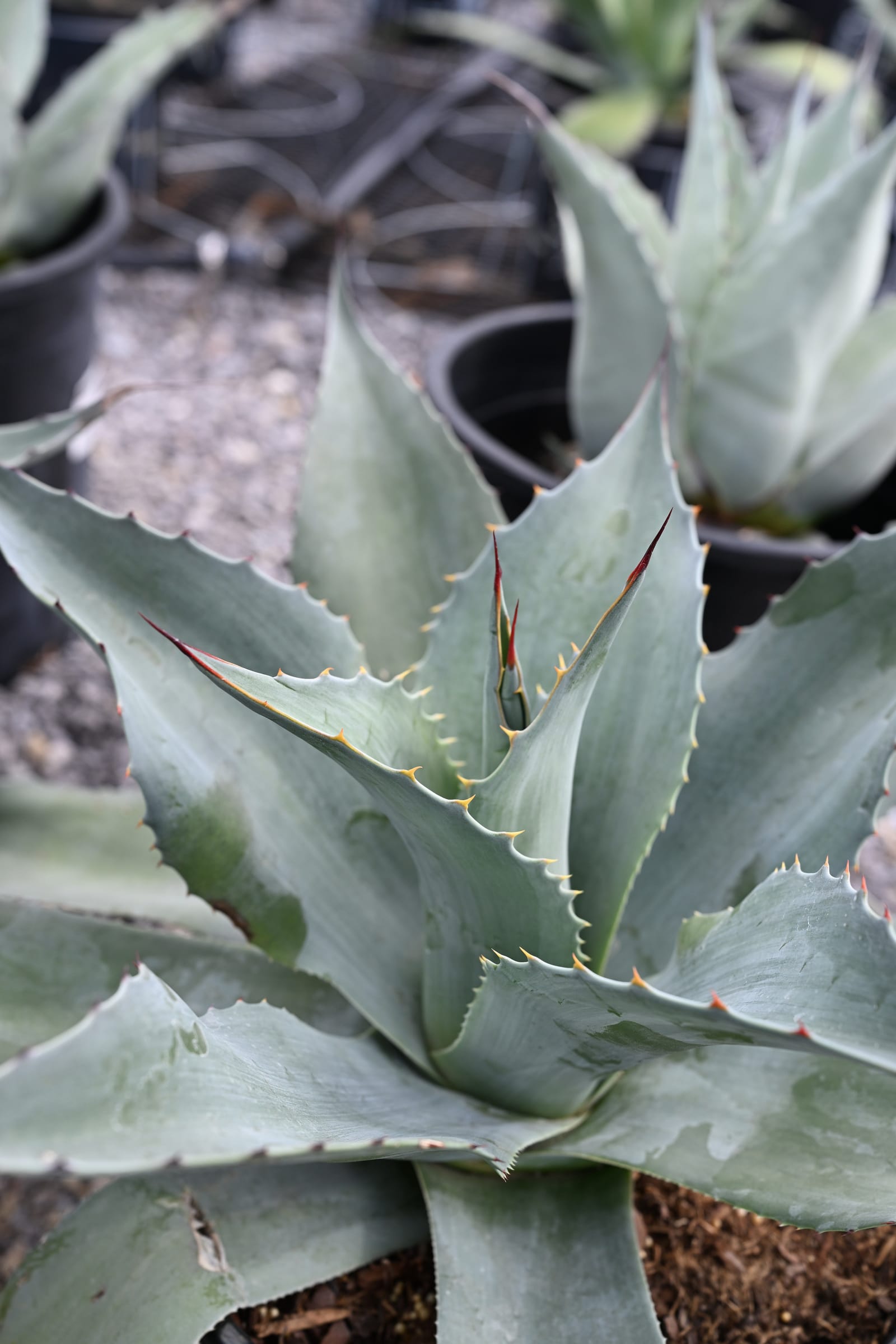
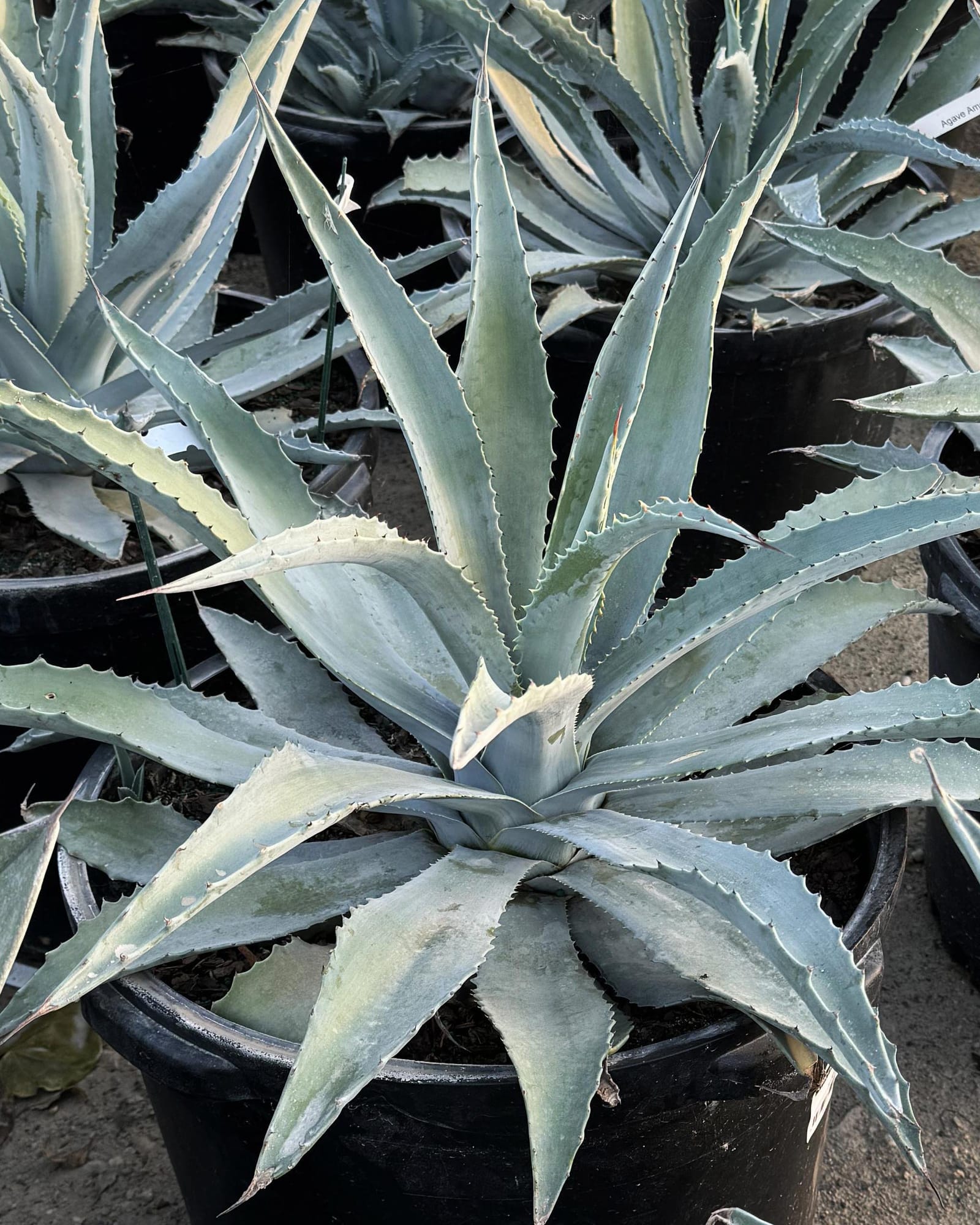
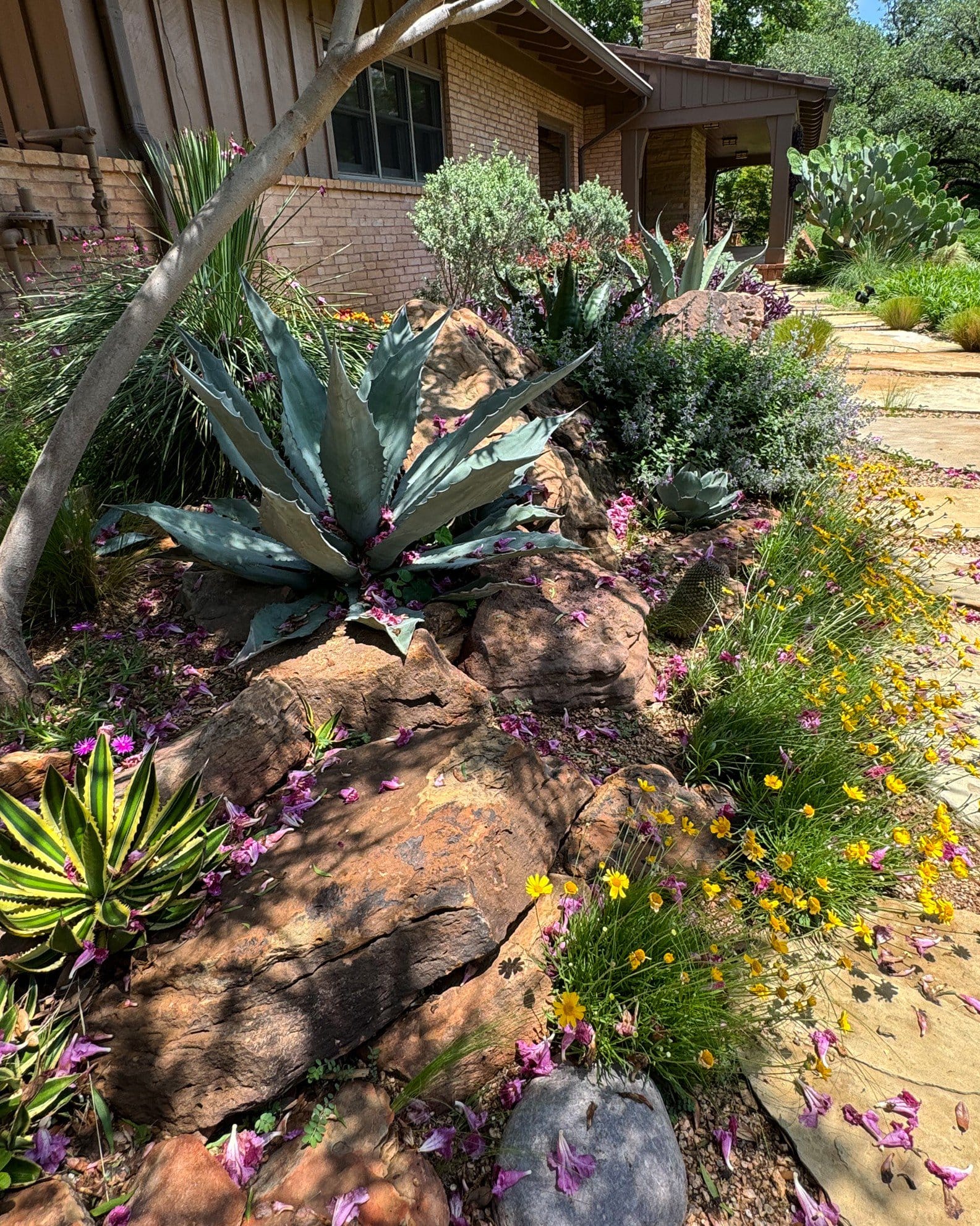
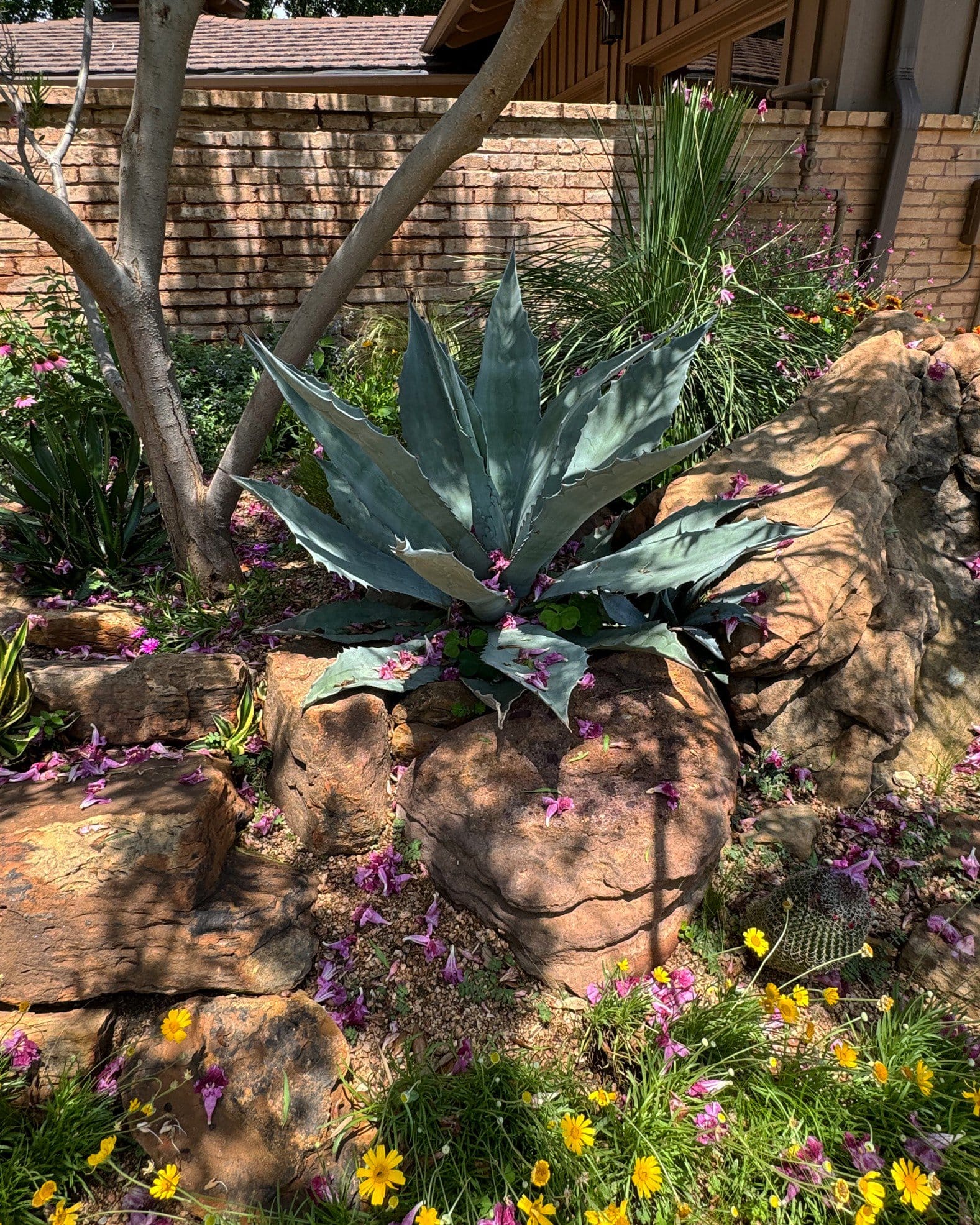
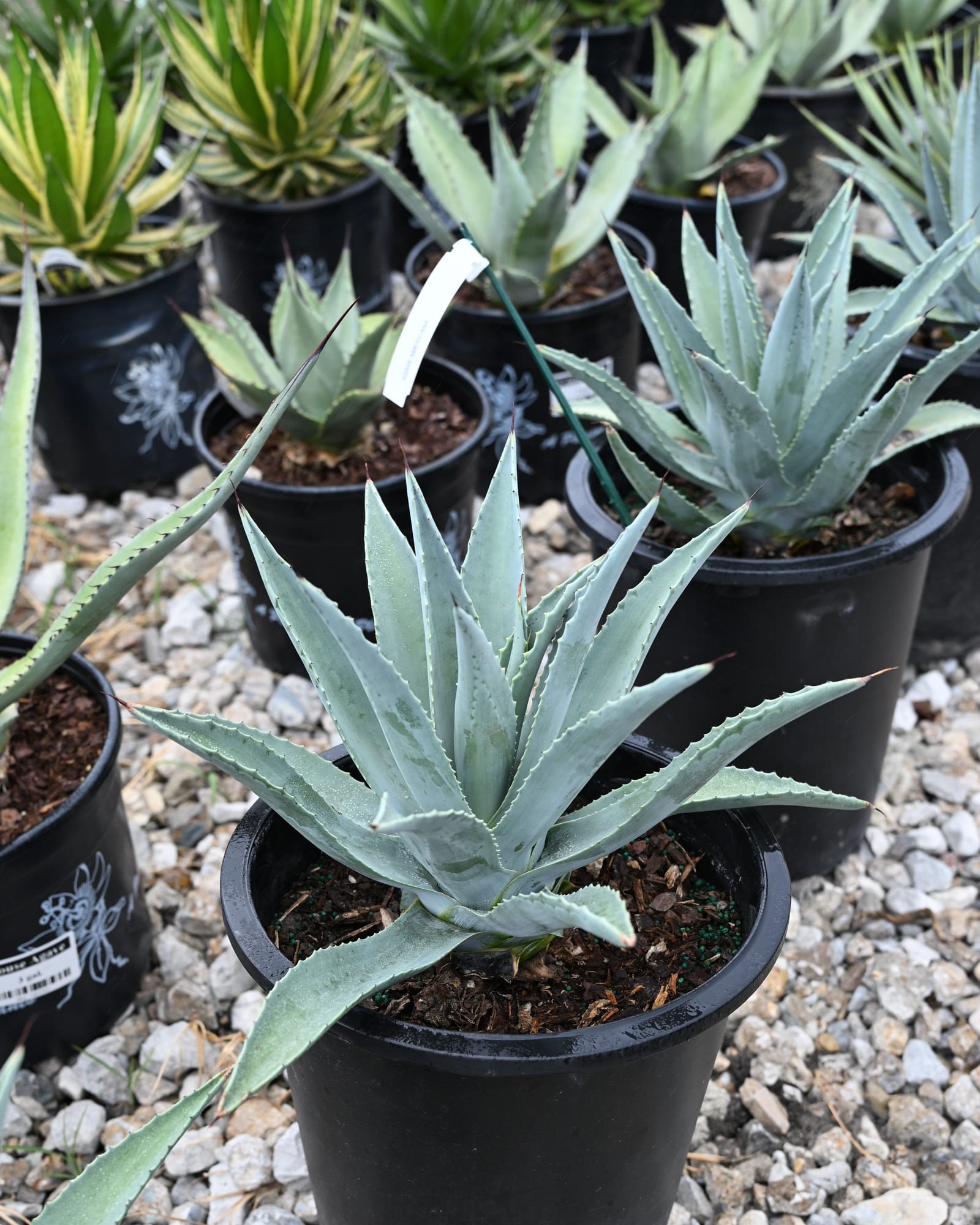
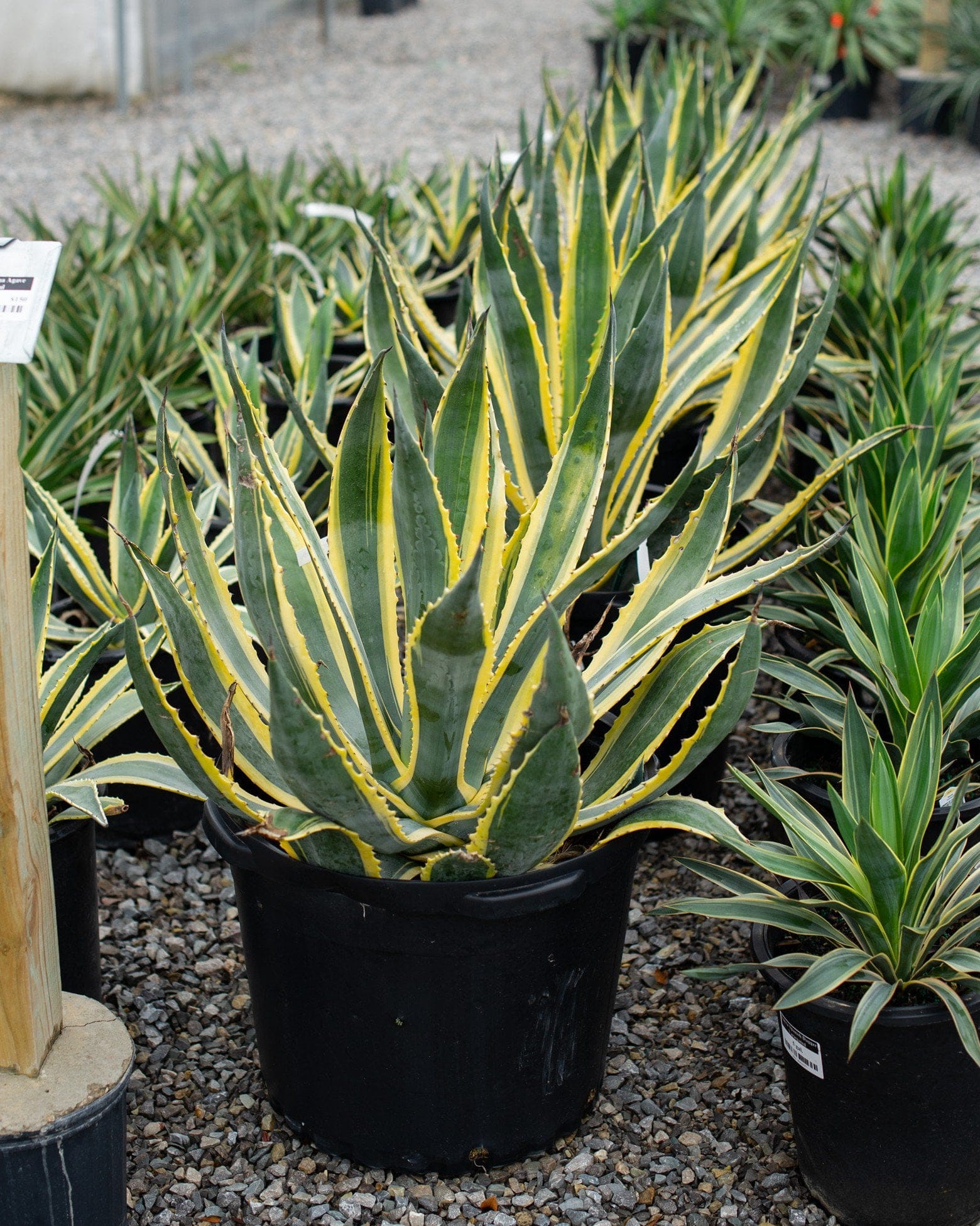
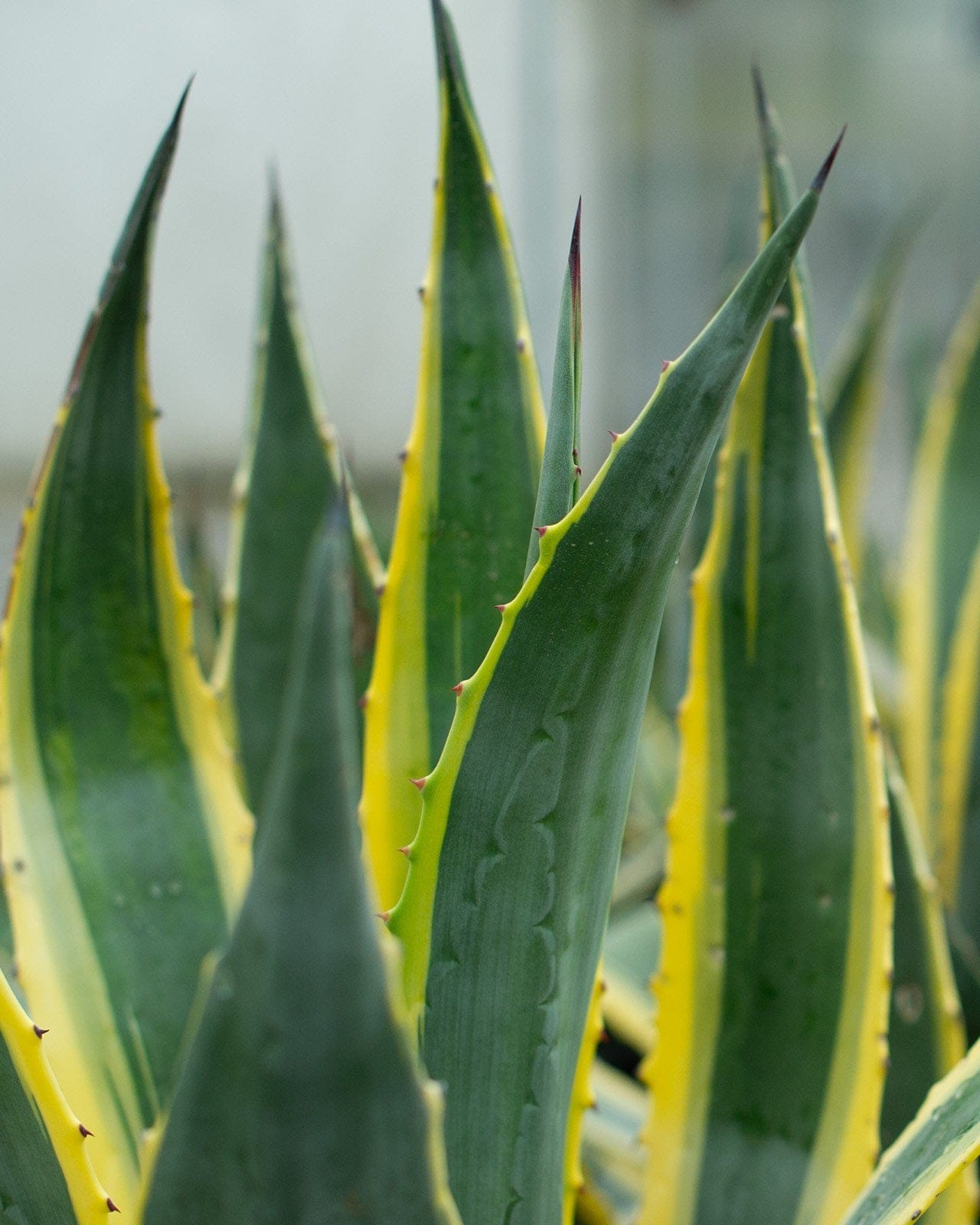
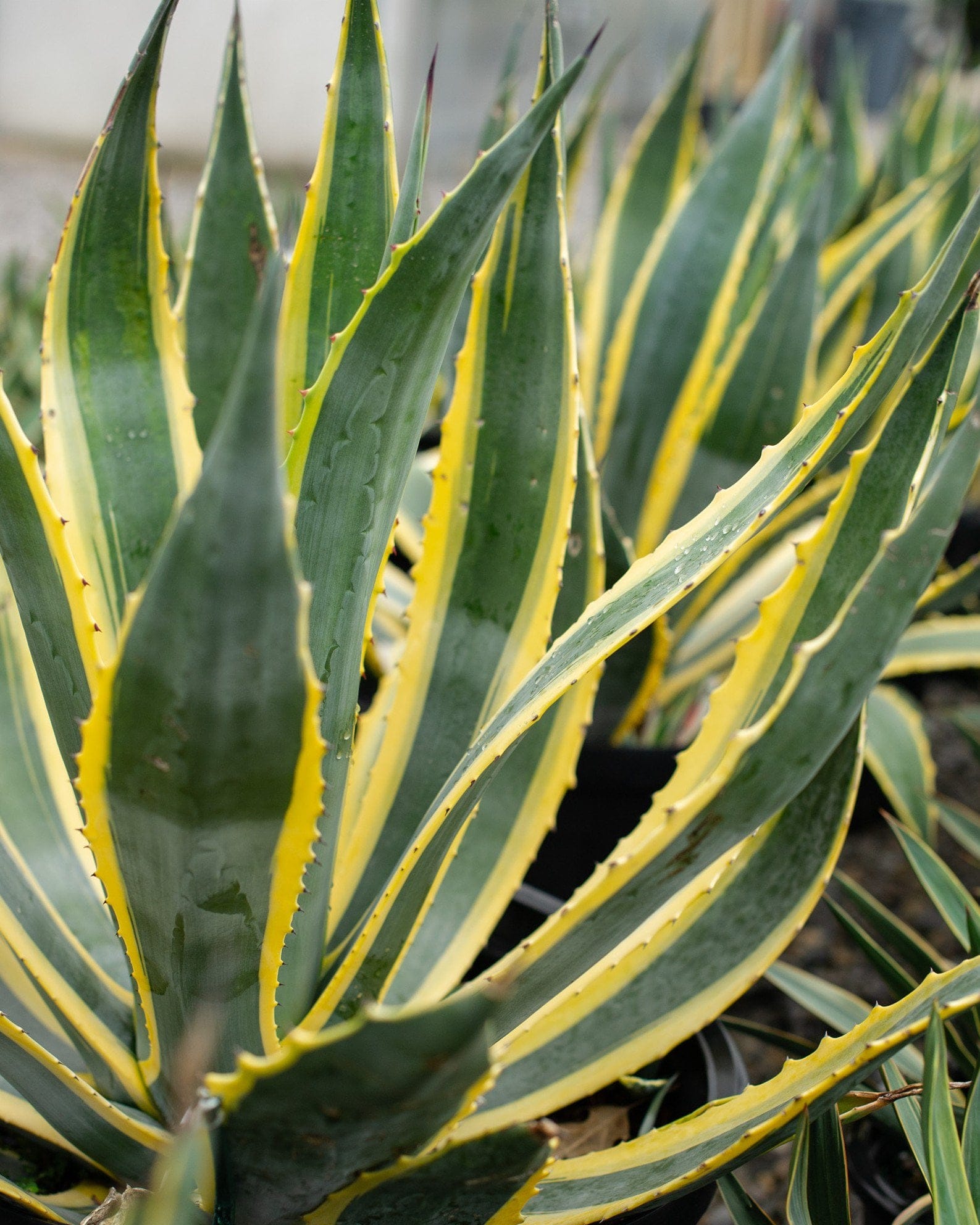
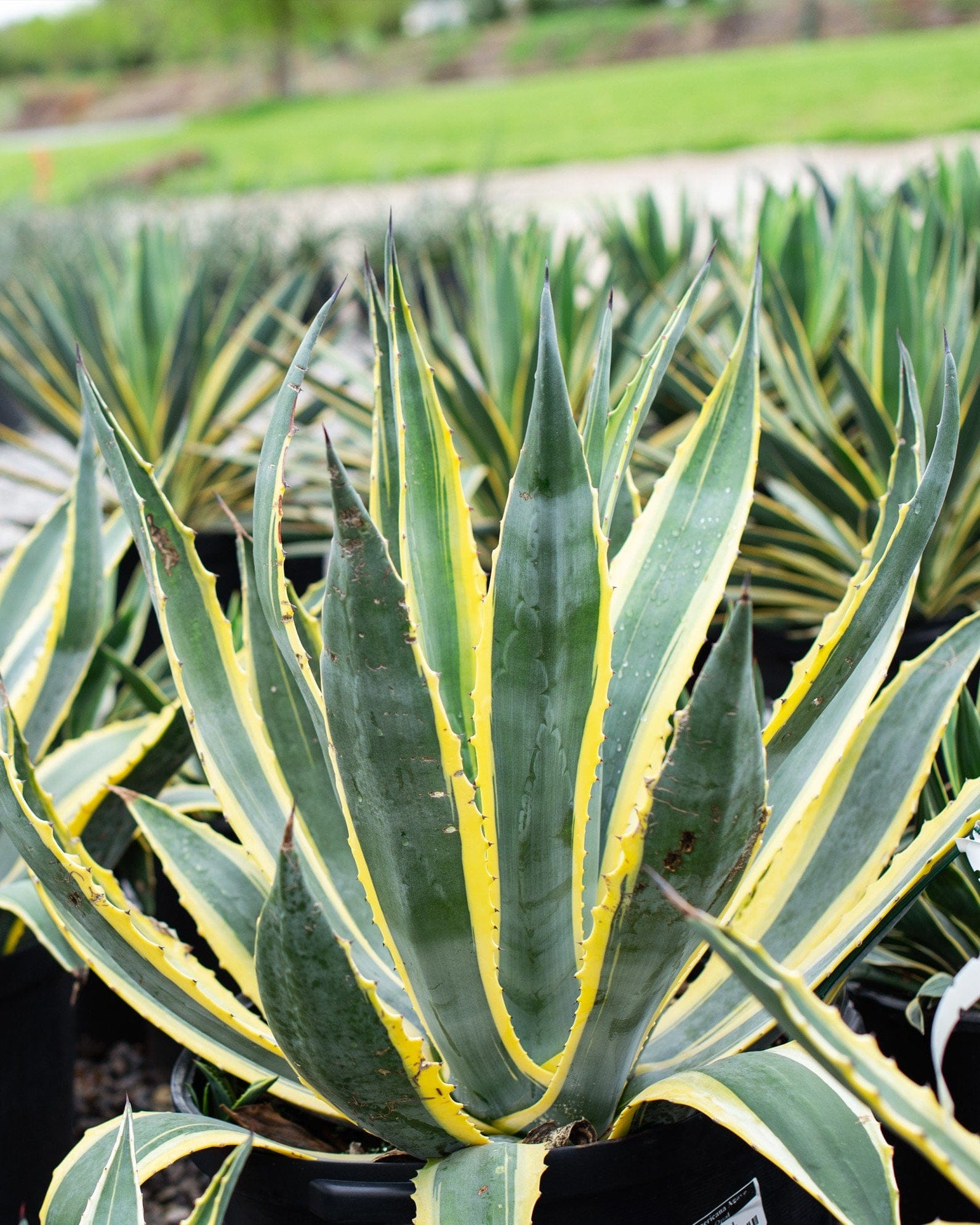
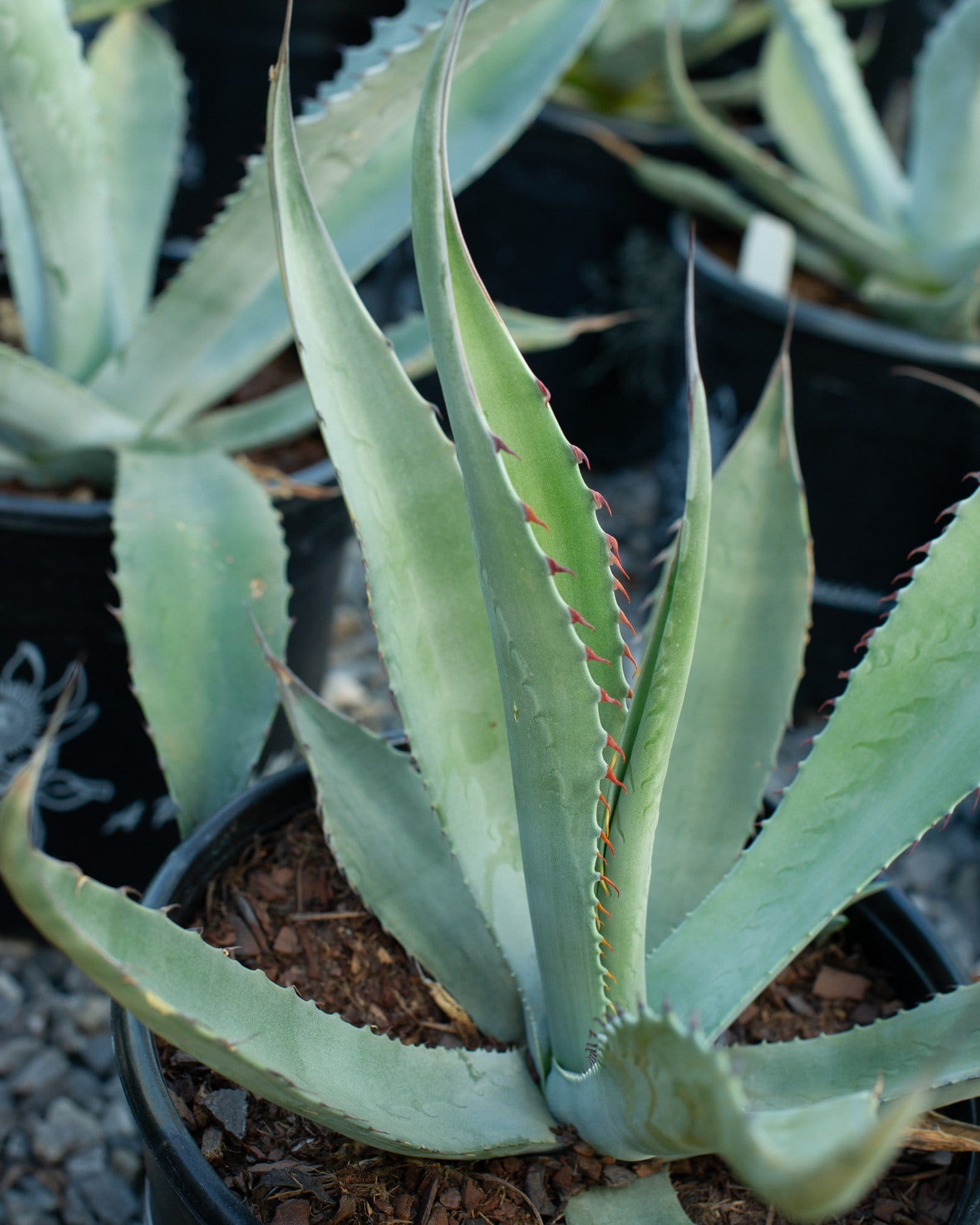
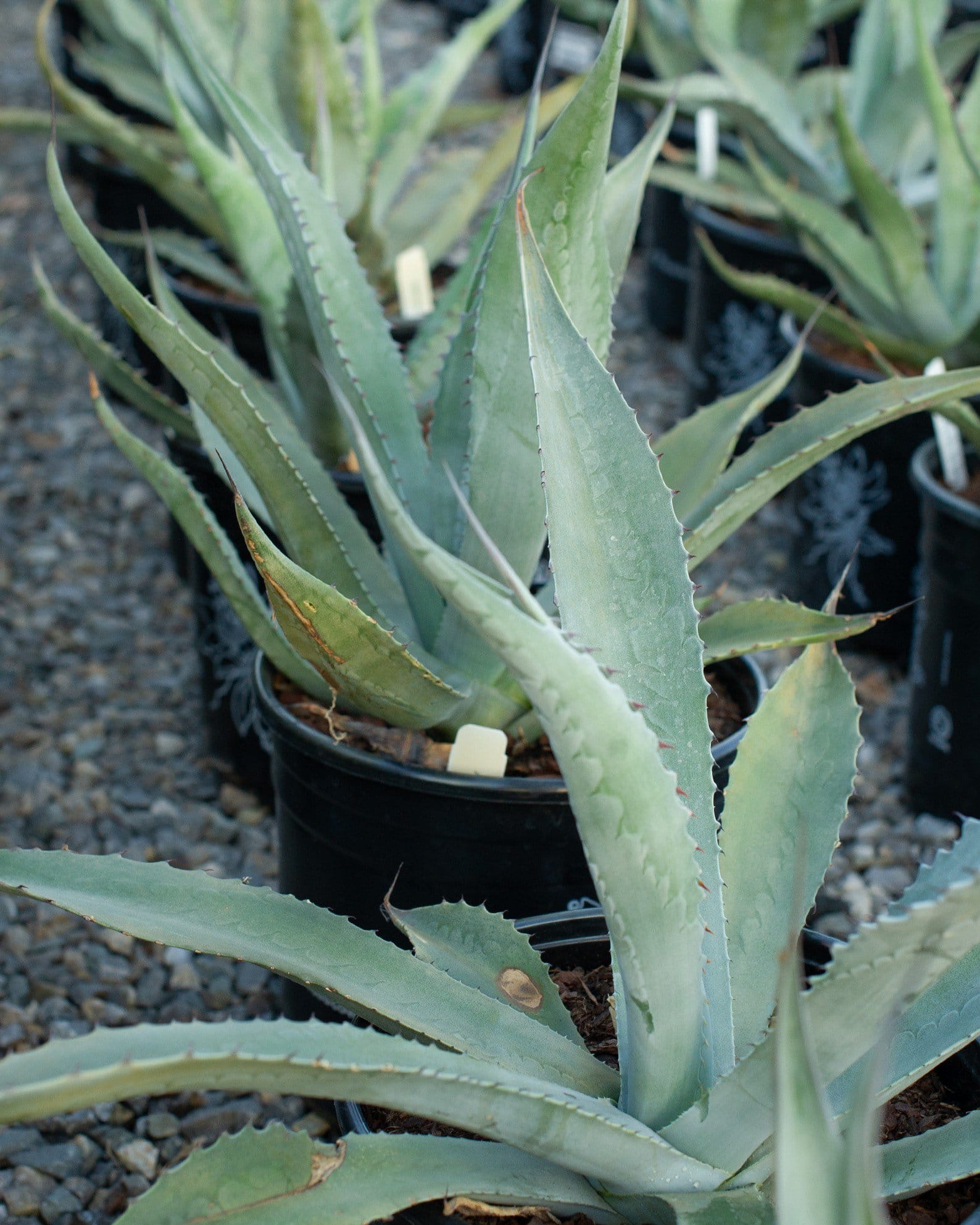
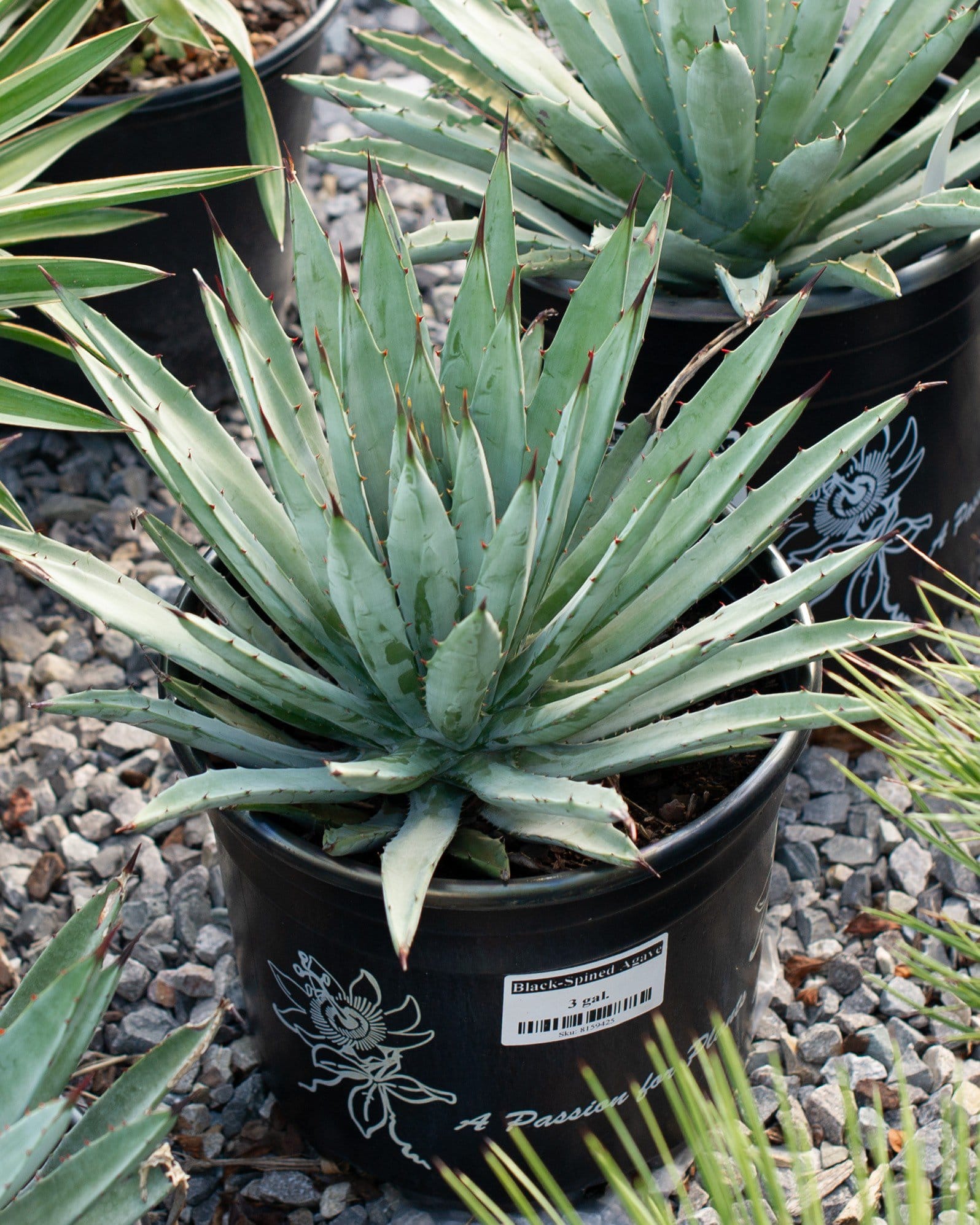
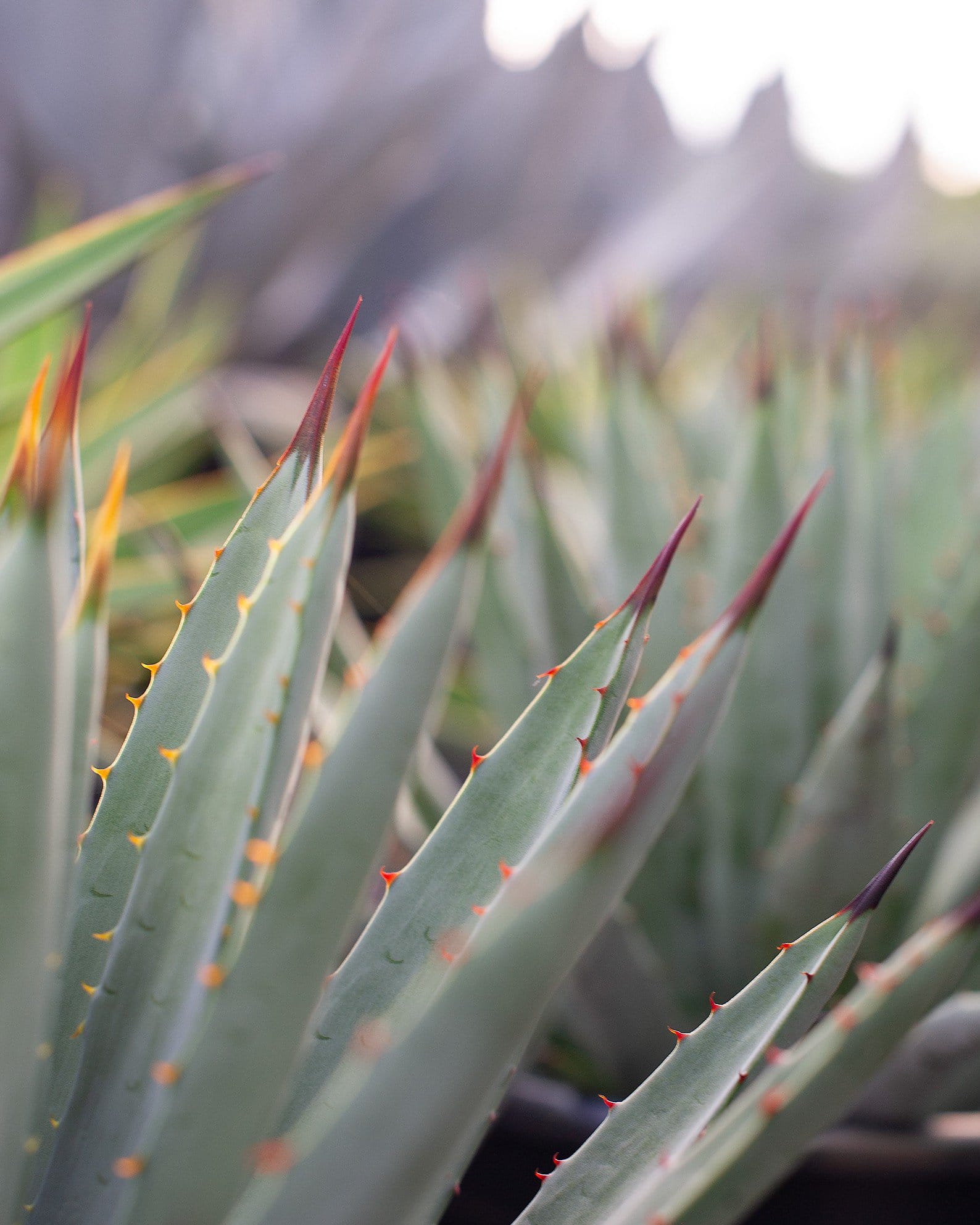
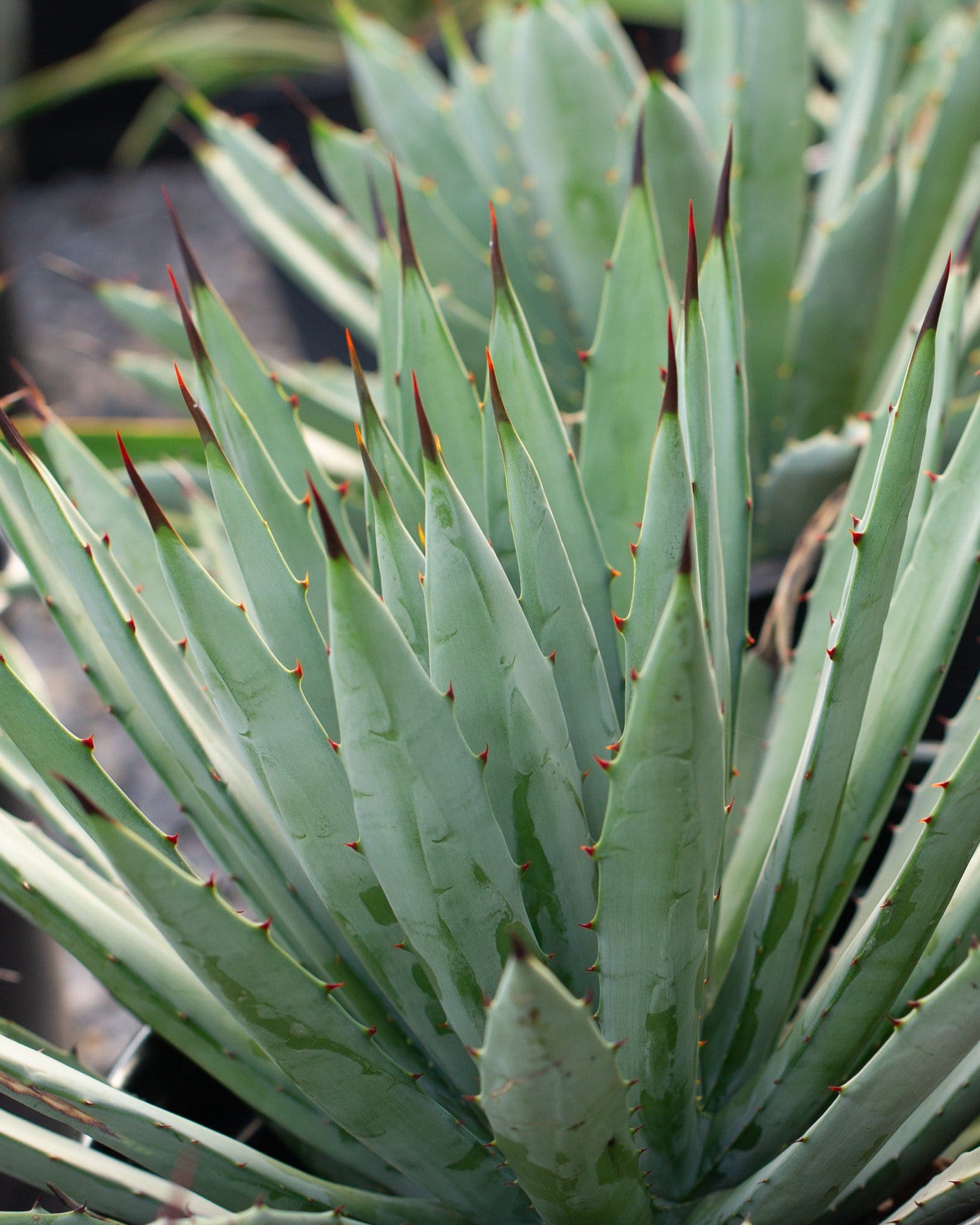
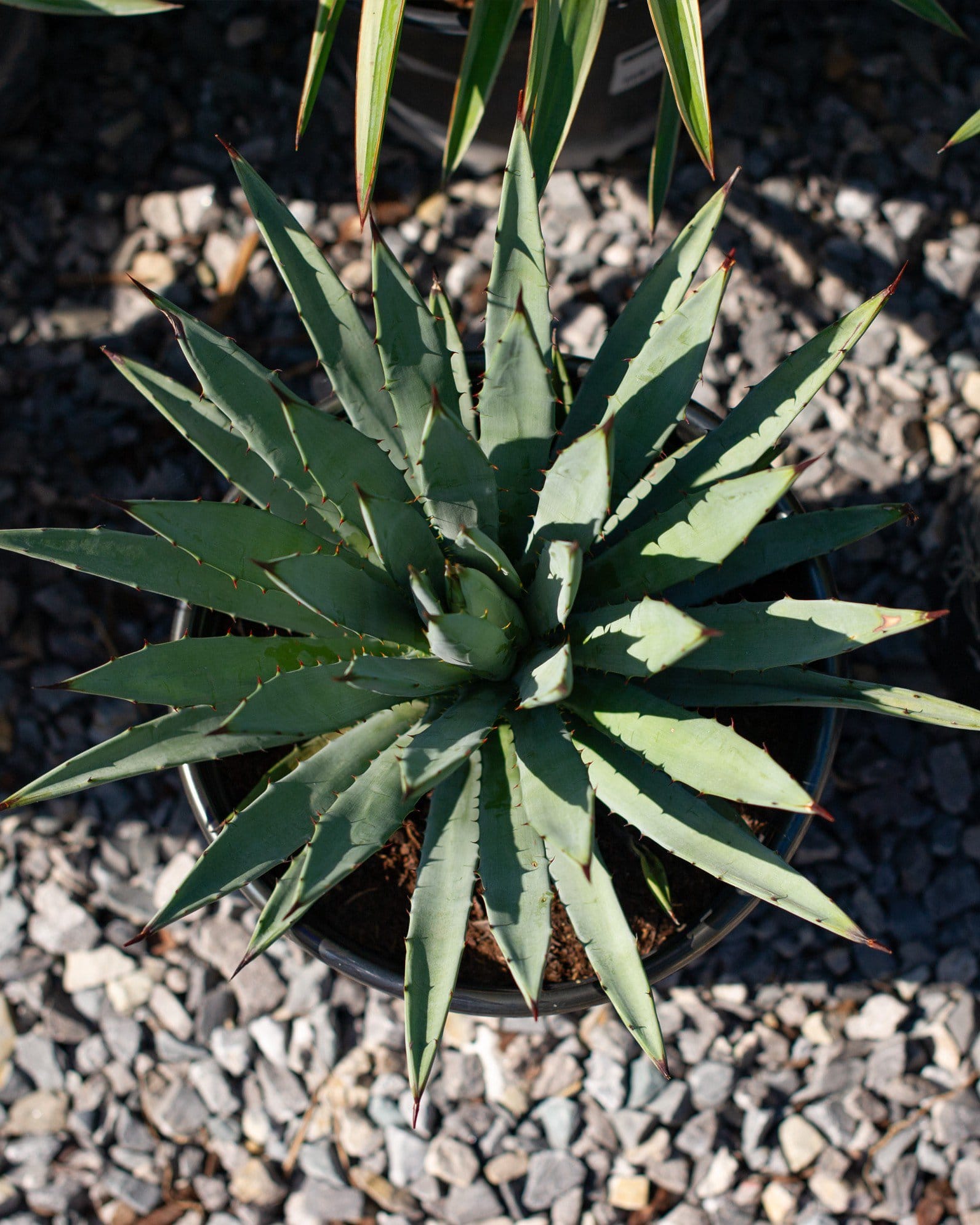
Agave weberiWeber’s Agave Blue is a standout succulent with a commanding silhouette. Its broad, silver-blue leaves form a wide, open rosette, creating sculptural impact in expansive, sun-filled spaces. This variety grows up to 4 feet in height and width, making it an excellent structural plant for borders or focal points in arid designs. The smooth, slightly arching leaves feature soft margins and a sharp terminal spine, offering a balanced mix of grace and definition. Its size and symmetry lend themselves well to repetition along walkways or as standalone statements in gravel beds or desert-style layouts.
- Large rosette of broad silver-blue leaves
- Grows to 4 feet tall and wide
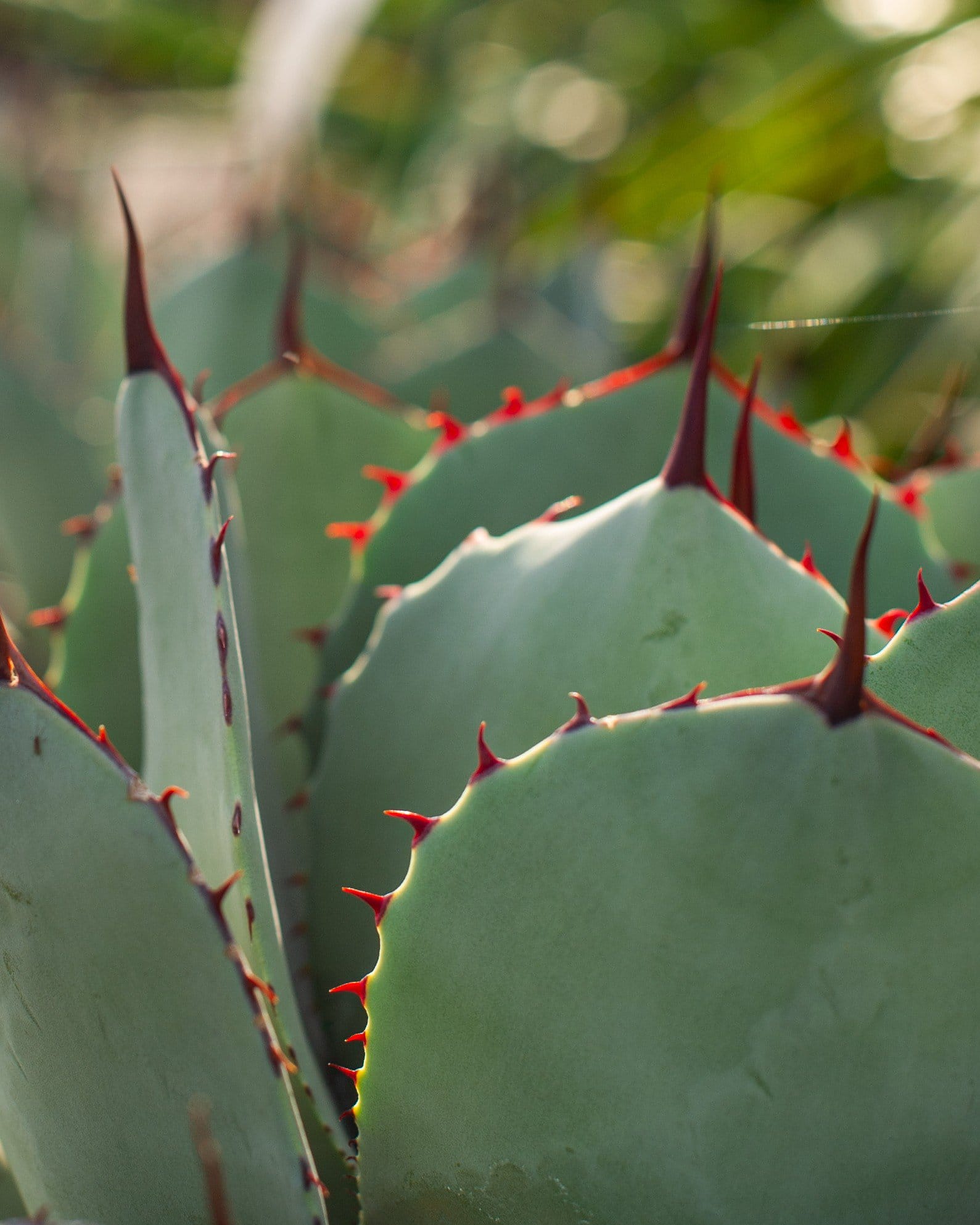
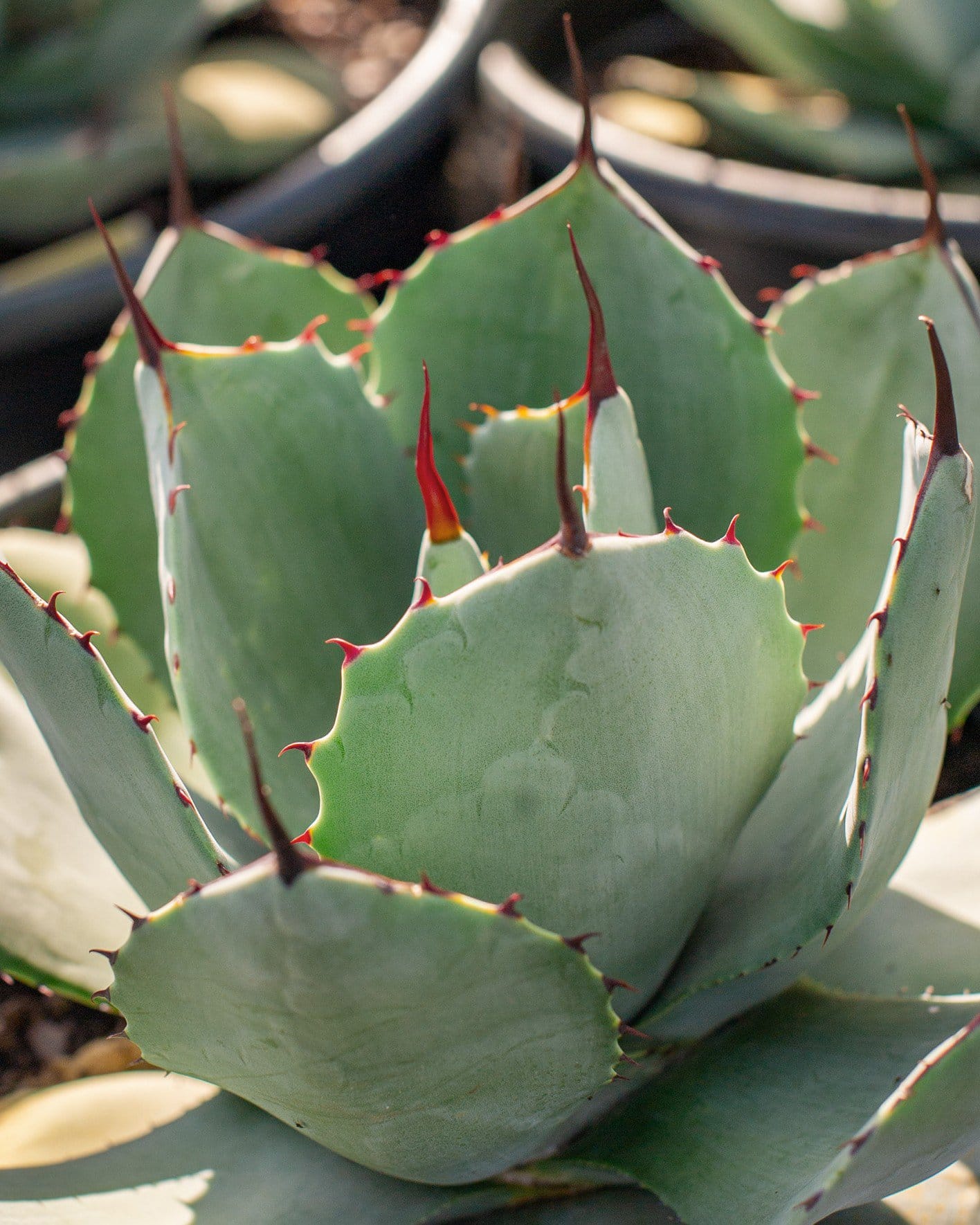
- Smooth leaf edges with sharp terminal tips
- Evergreen structure for year-round appeal
- Ideal for large beds or xeric commercial spaces
Weber’s Agave Blue thrives in full sun and well draining soil. It is hardy in USDA zones 8-10 and performs reliably in North Texas landscapes with minimal care. Occasional removal of older outer leaves maintains its form and keeps it visually clean.
Maintenance
Weber’s Agave grows beautifully with almost no maintenance at all. This is everything you’ll need to do to help it thrive:
- Watering: Water regularly during the first growing season to help roots establish deeply. Once mature, Weber’s Agave is extremely drought-tolerant and thrives on neglect. In fact, too much water is one of the few things that can harm it. Allow the soil to dry completely between waterings, and reduce irrigation during cool months. Try not to overwater.
- Pruning: Minimal pruning is required. Remove only spent flower stalks or dead lower leaves as needed to maintain a clean appearance. Always use caution when handling - the leaves are rigid with small marginal teeth and a terminal spine. Prune in late spring or summer when the plant is actively growing, and avoid trimming green, healthy leaves.
- Fertilizing: Weber’s Agave requires little to no feeding. In nutrient-poor soils, apply a light dose of slow-release, low-nitrogen fertilizer in spring to encourage steady growth. Avoid overfertilization.
- Mulching: Use gravel, decomposed granite, or small river rock around the base to improve drainage and highlight the plant’s form. Avoid organic mulch, which retains moisture and can lead to rot. Gravel mulch also reflects sunlight, enhancing the plant’s silvery blue color.
- Winter care: Weber’s Agave is hardy to around 20°F once mature and tolerates short frosts without issue. In colder climates, plant in a raised bed or near a heat-retaining wall for added protection. During extreme cold, cover the crown with frost cloth or a temporary tarp.
Common Issues and How to Take Care of Them
Weber’s Agave is remarkably tough and pest-resistant, but a few manageable issues may appear in extreme conditions:
- Root Rot: The most common issue. Ensure excellent drainage and minimal irrigation, especially in cool or humid weather.
- Agave Snout Weevil: A rare but serious pest that burrows into the plant’s base. Remove and destroy affected plants immediately, and avoid replanting agaves in the same spot for several months. Prevent by keeping plants dry and healthy - stressed agaves are more susceptible.
- Leaf Scarring: May occur from hail or handling damage. The plant will naturally grow out of it as new leaves emerge.
- Cold Burn: Brown leaf tips after frost are common but cosmetic. Trim damaged areas in spring once new growth resumes.
- Sun Scorch on New Plants: Occasionally affects young agaves not yet acclimated to full sun. Gradually expose them to intense light over several weeks.
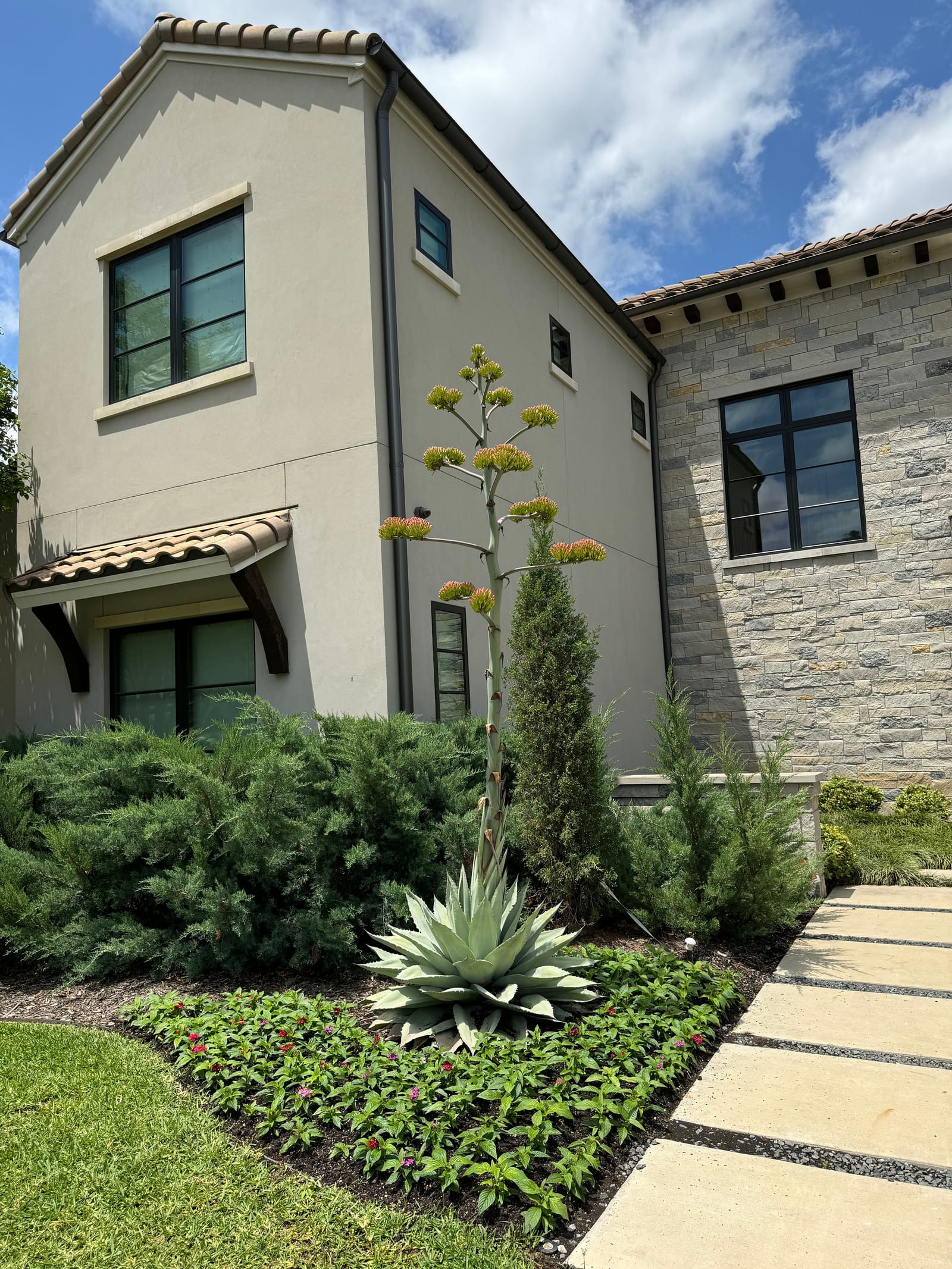
Typically 10 to 15 years, though some specimens live longer. Like most agaves, it blooms once at the end of its life - producing a tall, spectacular flower spike before slowly dying back. Offsets (“pups”) ensure its legacy continues.
It grows moderately, reaching full size within 8 to 12 years under ideal conditions. Growth is faster in warm, sunny climates with well-drained soil.
Yes - its towering flower stalks are magnets for hummingbirds, bees, and bats when in bloom, creating a stunning natural spectacle.
Completely. Its tough, fibrous leaves and spined tips naturally deter deer, rabbits, and other wildlife.
Exceptionally well. It’s built for full sun, reflected heat, and long dry spells - one of the most heat-tolerant landscape plants available.
Yes - though large, it performs beautifully in oversized pots or modern planters. Use a gritty, fast-draining cactus mix, and water sparingly.
Absolutely. It tolerates salt spray, wind, and pollution, making it ideal for coastal gardens and city landscapes alike.
Not directly - since it’s a monocarpic species, once it blooms, the main rosette will decline. However, you can separate and replant the offsets (“pups”) to create new, vigorous plants.
It’s hardy to about 20°F once established. In colder regions, plant in fast-draining soil and protect the crown during deep freezes.
Its large, symmetrical rosette, soft blue tones, and gentler leaf edges make it more landscape-friendly than many species. Unlike sharp, rigid agaves, Weber’s Agave offers a grand architectural look without being overly aggressive - a perfect balance of strength, grace, and durability for modern xeriscapes and Southwestern gardens.
Special Features
You might also like
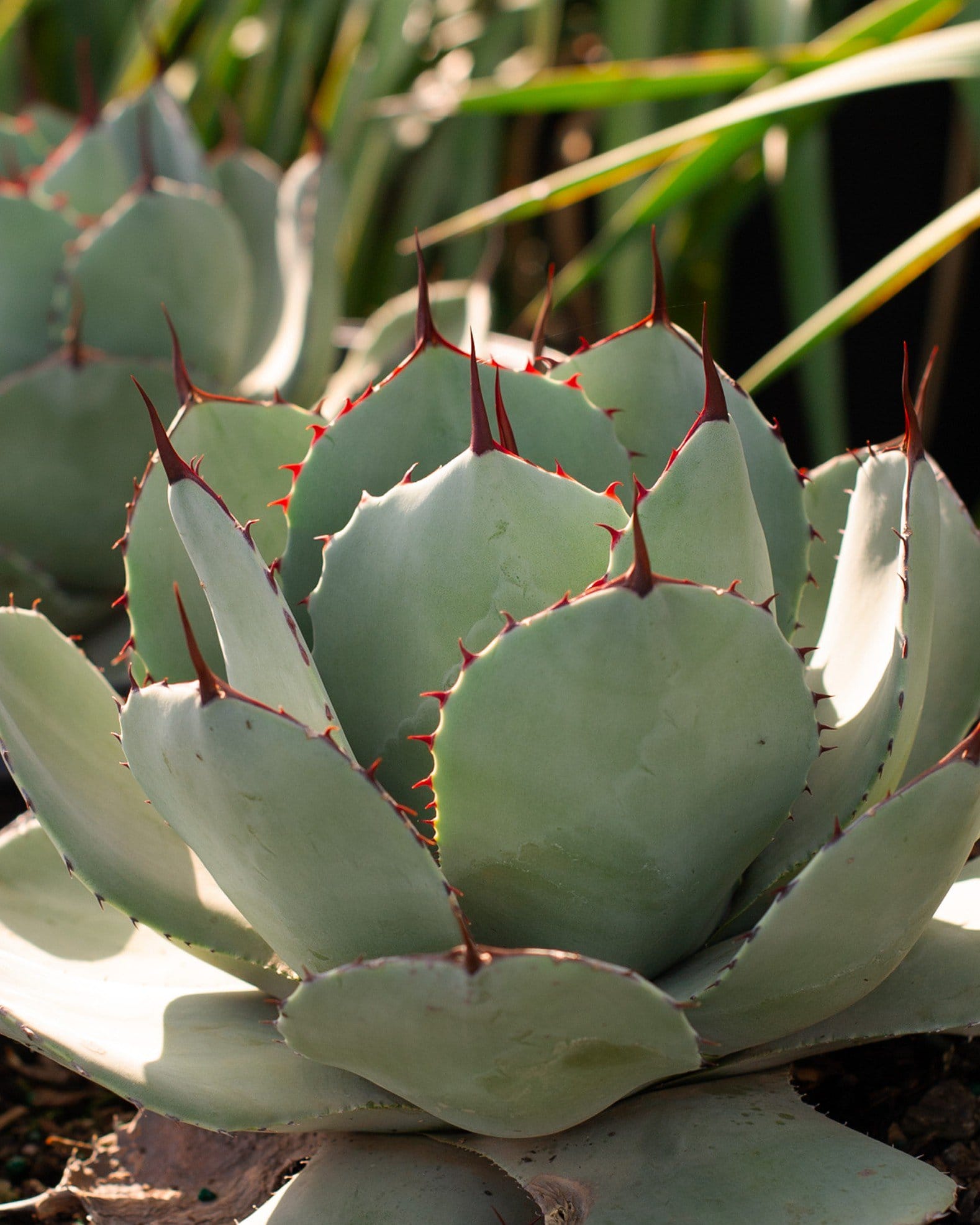
Artichoke Agave
Maturity: 3' H x 5' W
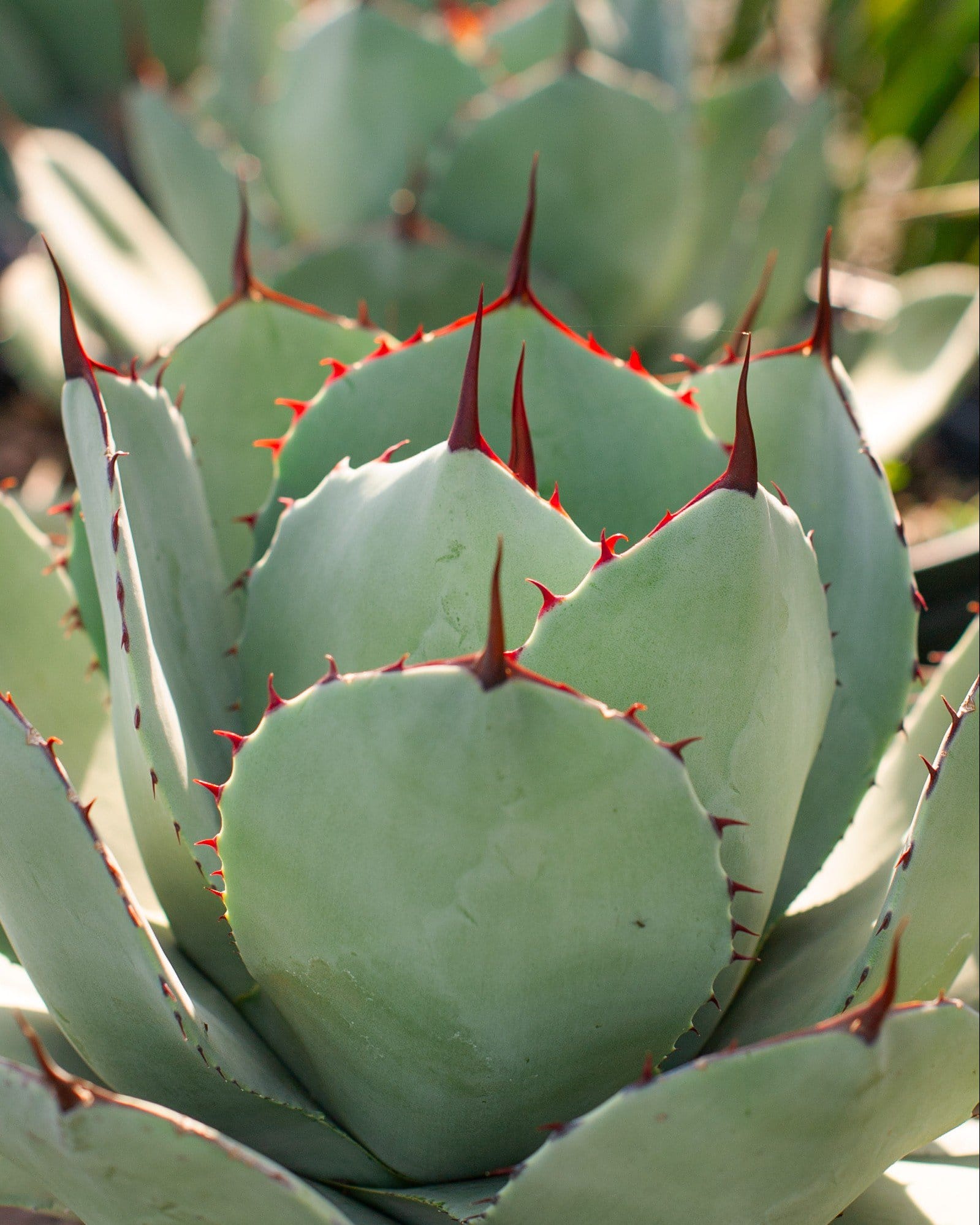
Blue Rough Leaf Agave
Maturity: 3' H x 3' W
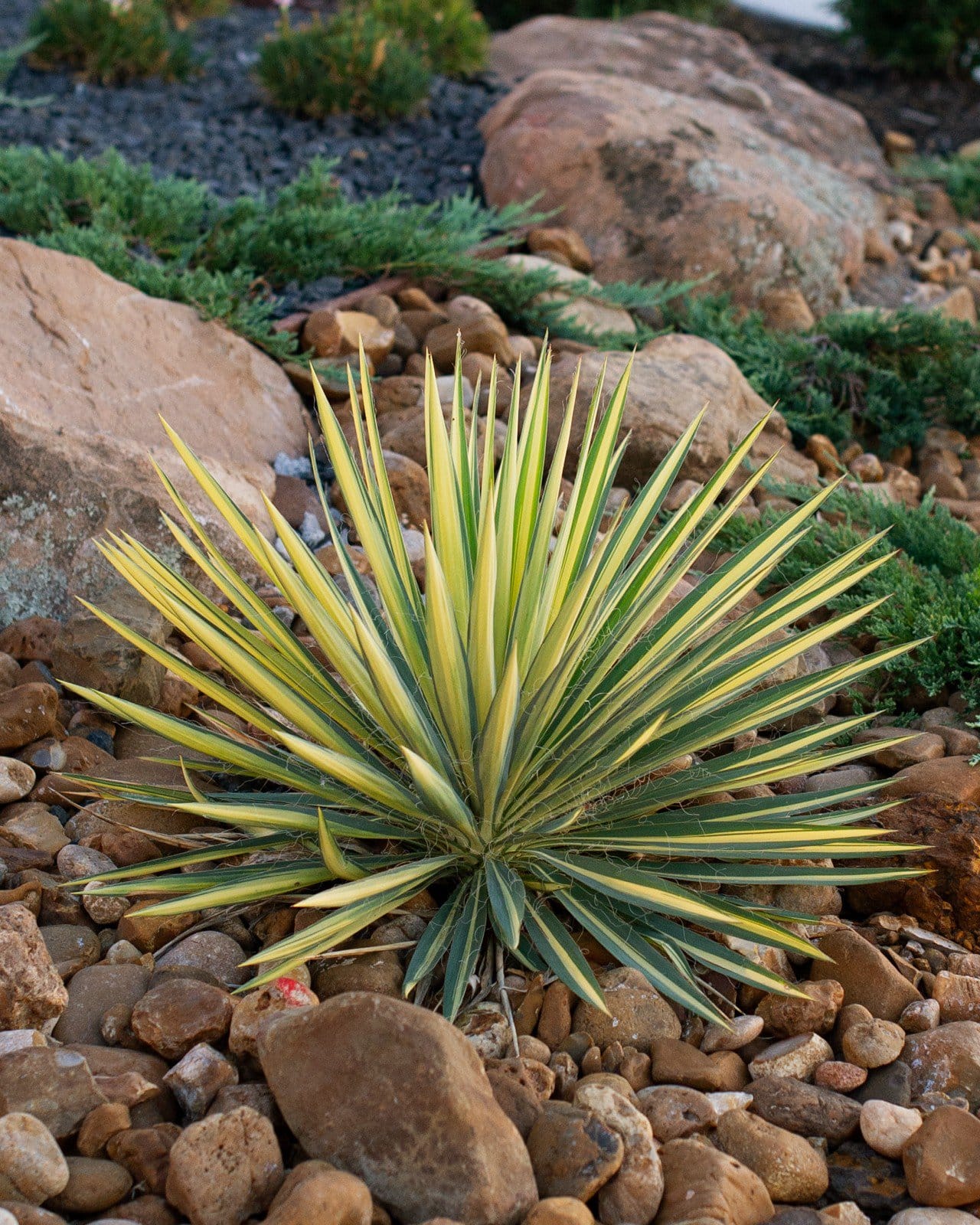
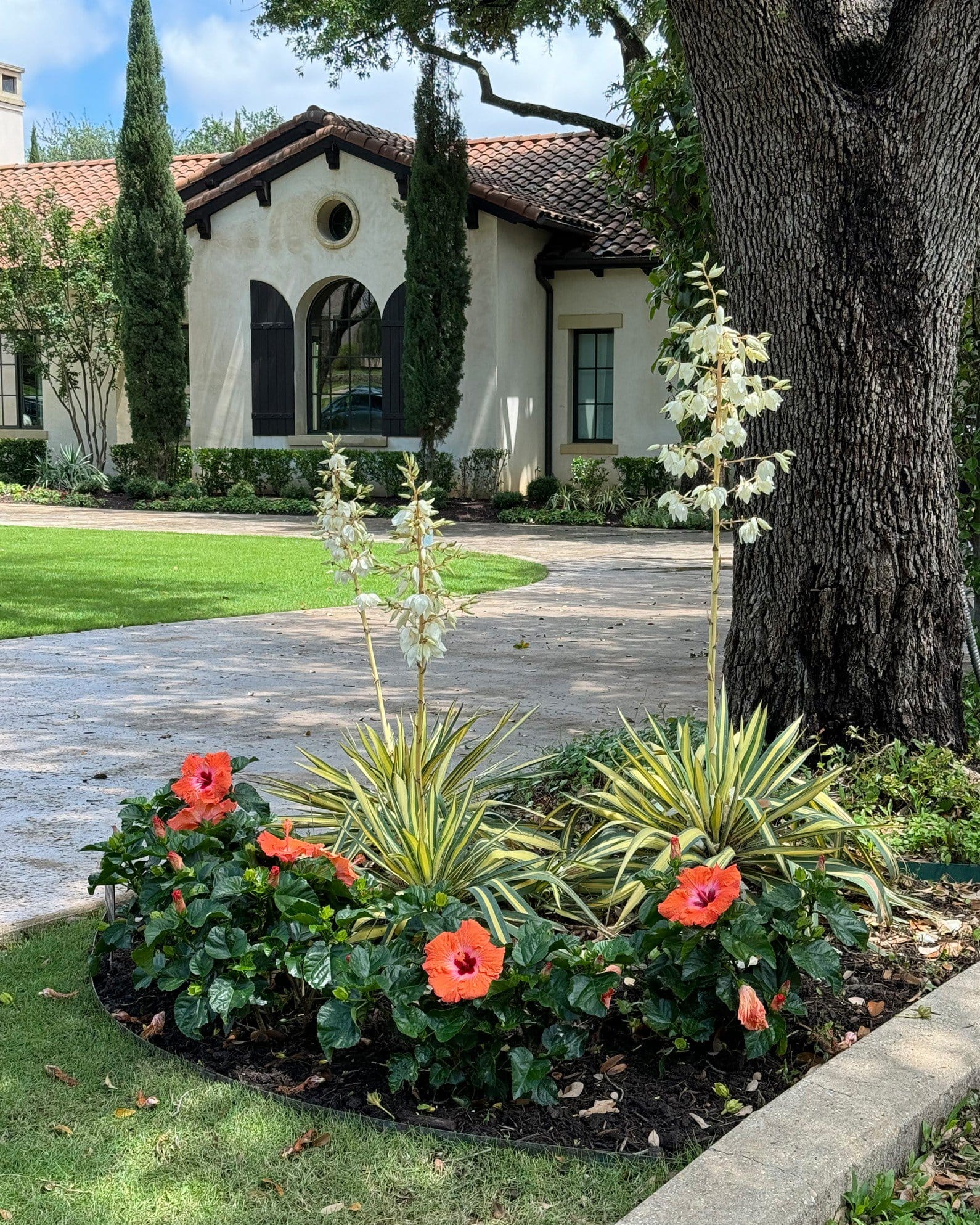
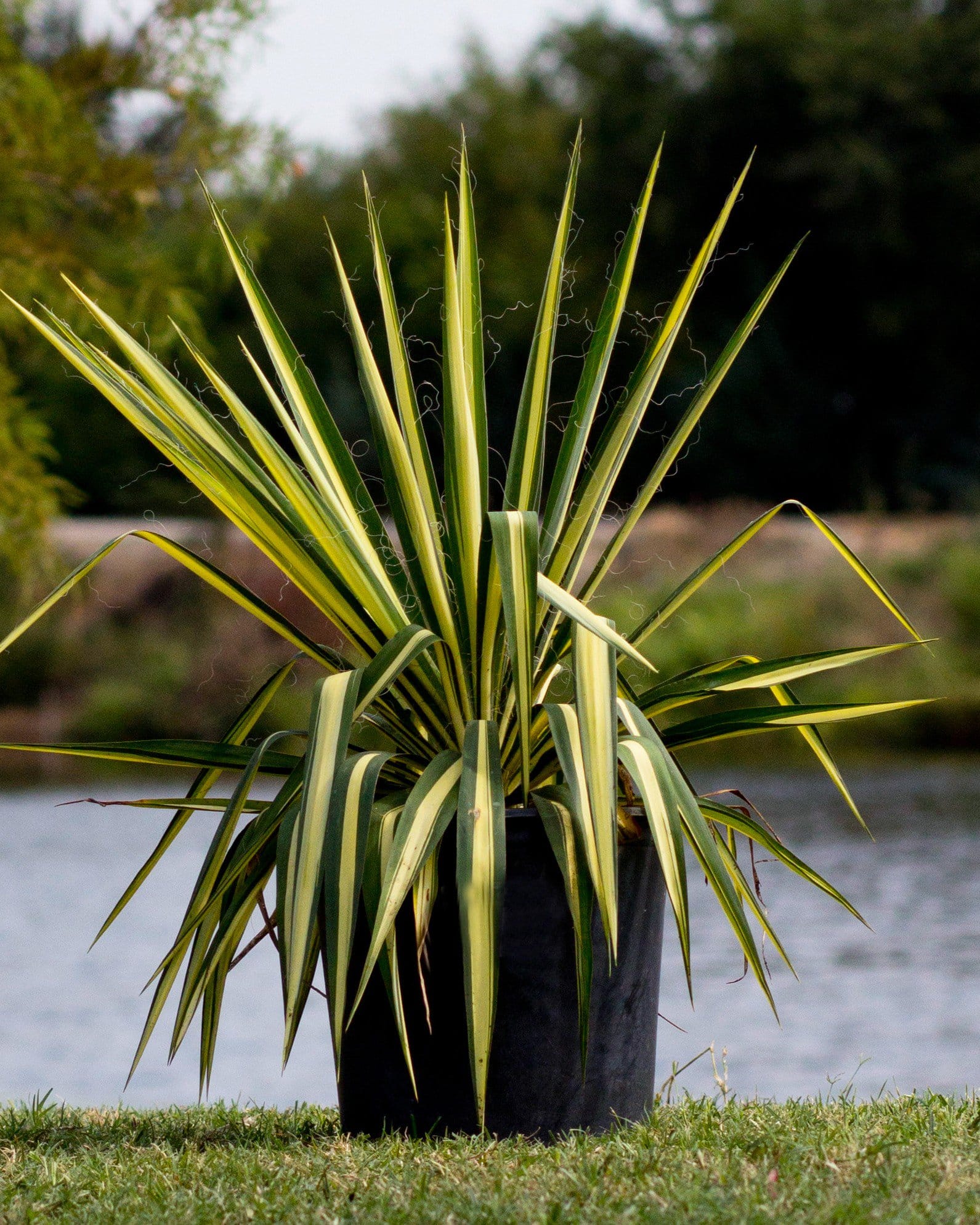
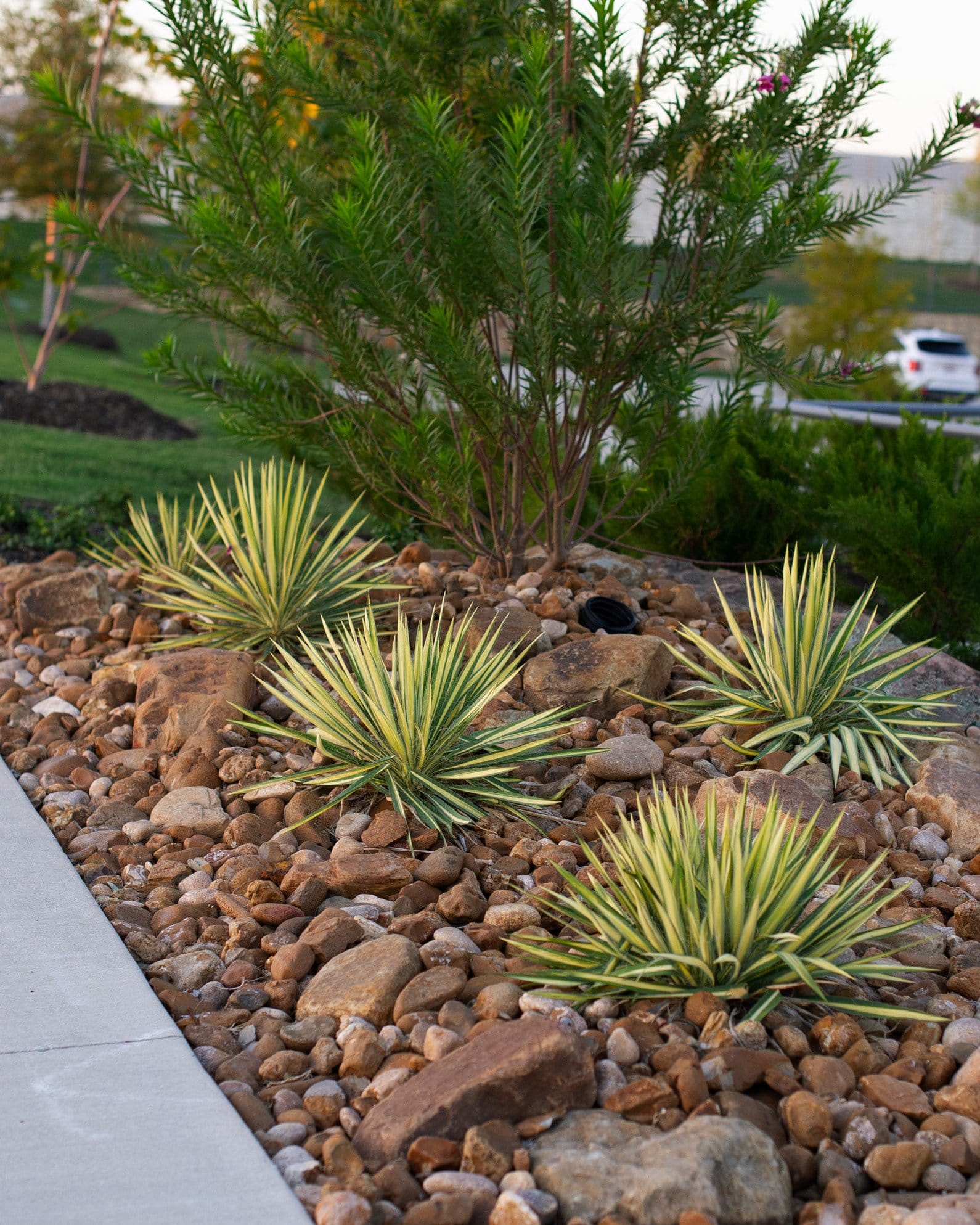
Color Guard Yucca
Maturity: 2' H x 2' W
Havardiana Agave
Maturity: 2' H x 3' W
Palmer's Agave
Maturity: 4' H x 4' W
Red Yucca
Maturity: 3' H x 3' W
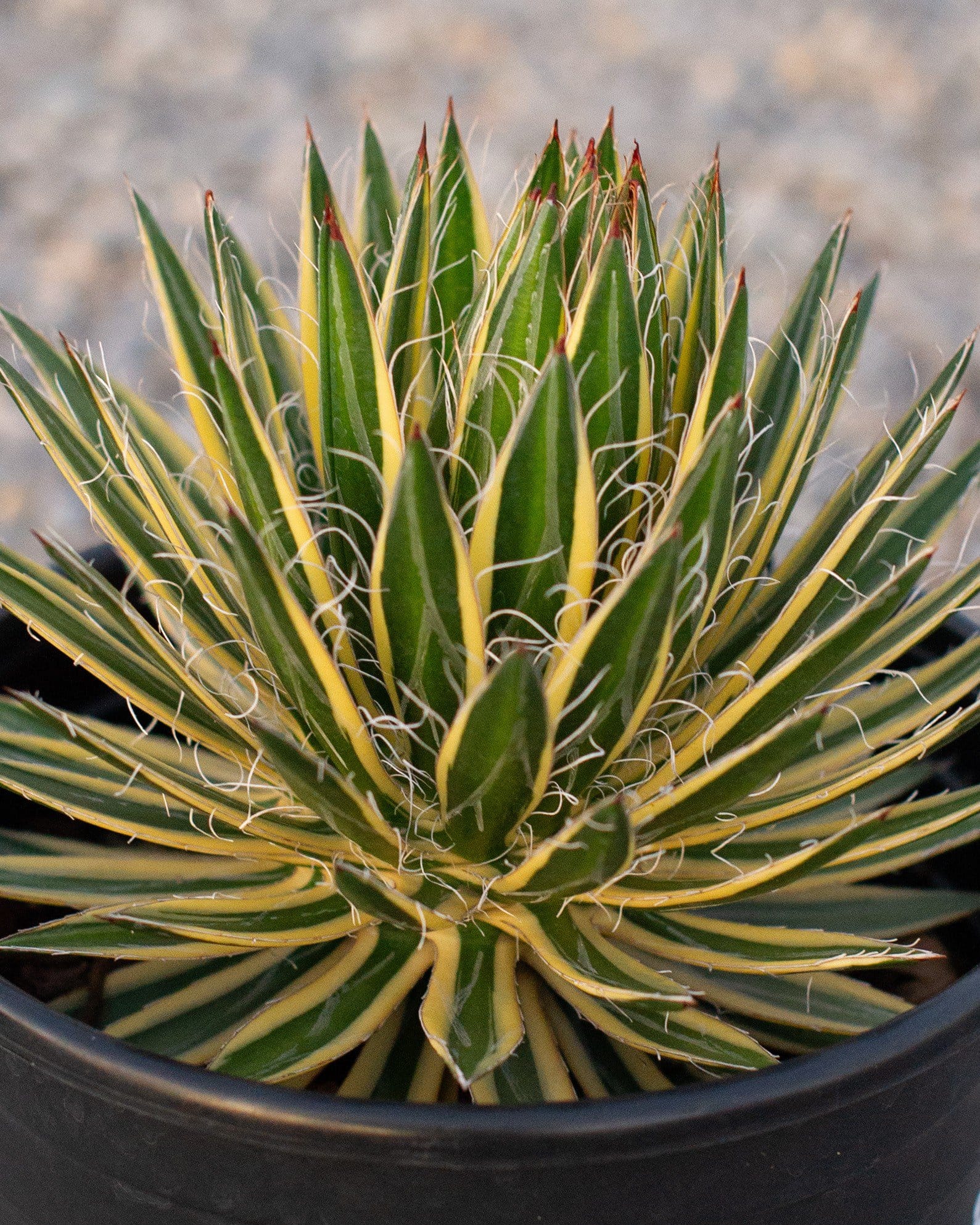
Royal Flush Agave
Maturity: 1' H x 1.5' W
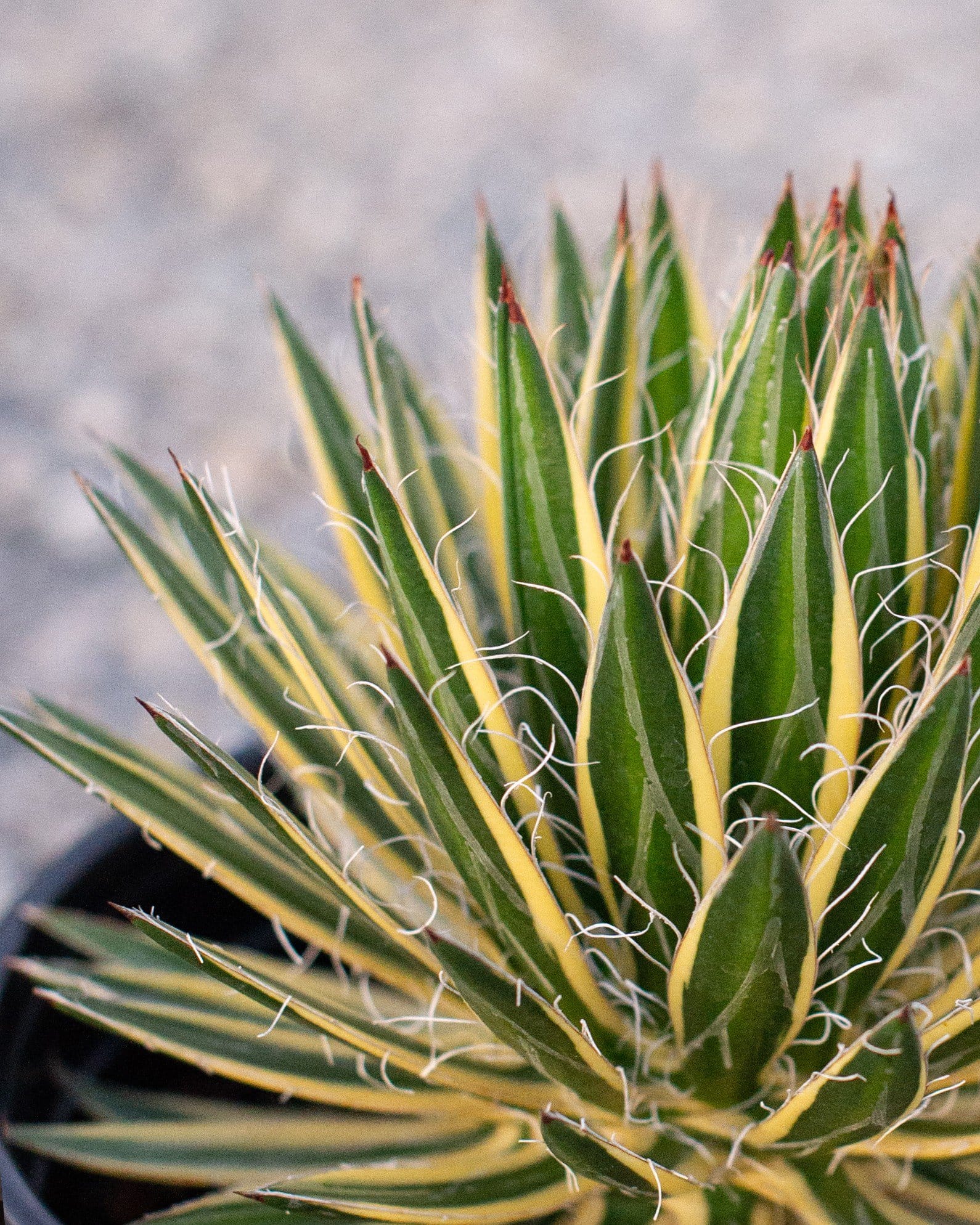
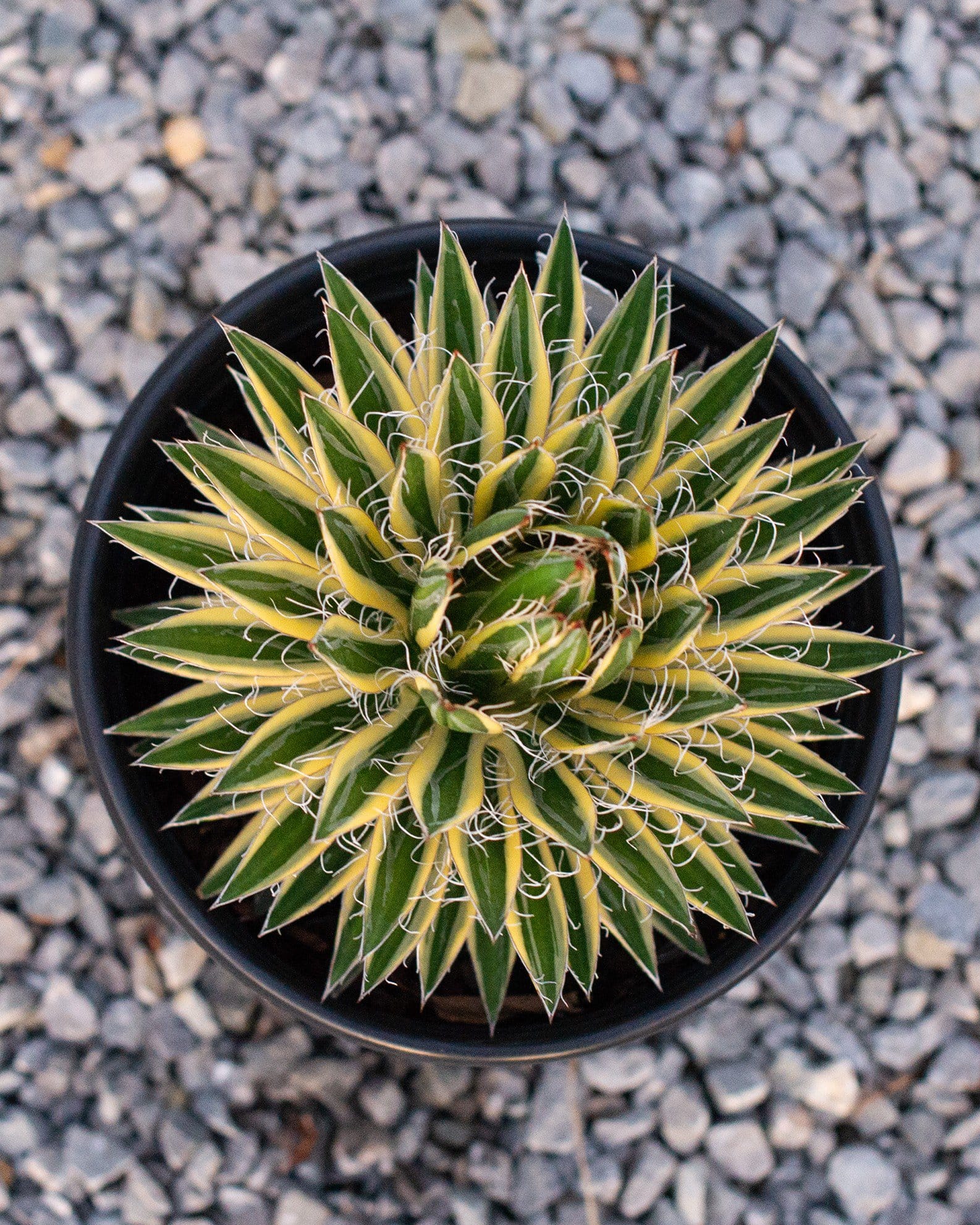
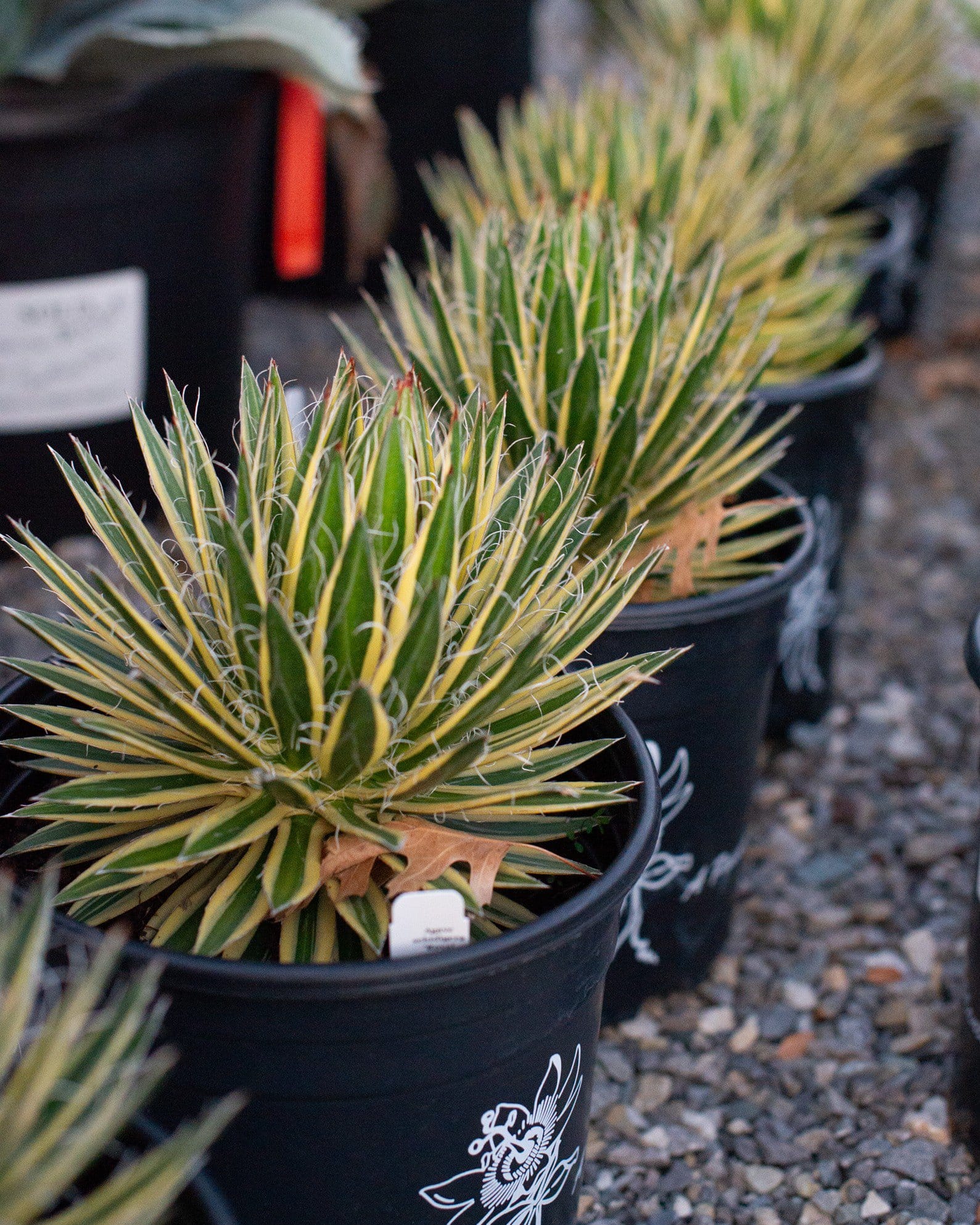
Vanzie Agave
Maturity: 4' H x 6' W
Whale's Tongue Agave
Maturity: 3' H x 4' W
Americana Agave
Maturity: 6' H x 8' W
Americana Agave Opal
Maturity: 4' H x 6' W
Americana Agave White Striped
Maturity: 3' H x 4' W
Azul Monterrey Agave
Maturity: 2' H x 2' W
Baccarat Agave
Maturity: 3' H x 3' W
Black-Spined Agave
Maturity: 1.5' H x 2' W
Compare Similar Plants
Weber's Agave This plant | ||
|---|---|---|
| Scientific Name | Agave weberi | Agave parryi var. truncata |
| Size at Maturity | 4' H x 6' W | 3' H x 5' W |
| Leaf Retention | Evergreen | Evergreen |
| Sizes Available | 3, 7 gal | 1, 3, 5, 7, 15 gal |


Our 1-Year Planting Guarantee
We take pride in our plants and installation services. If any plants or trees installed by Treeland fail to thrive within the first year, we'll provide a replacement credit in accordance with our guarantee program.
Learn More About Our Guarantee