
 Texas Native
Parry's Agave
Agave parryiLocal DFW Delivery Only
Product Details
Parry's Agave
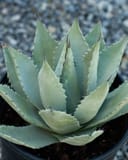
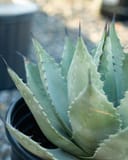
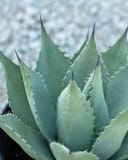
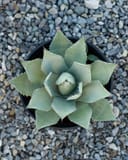
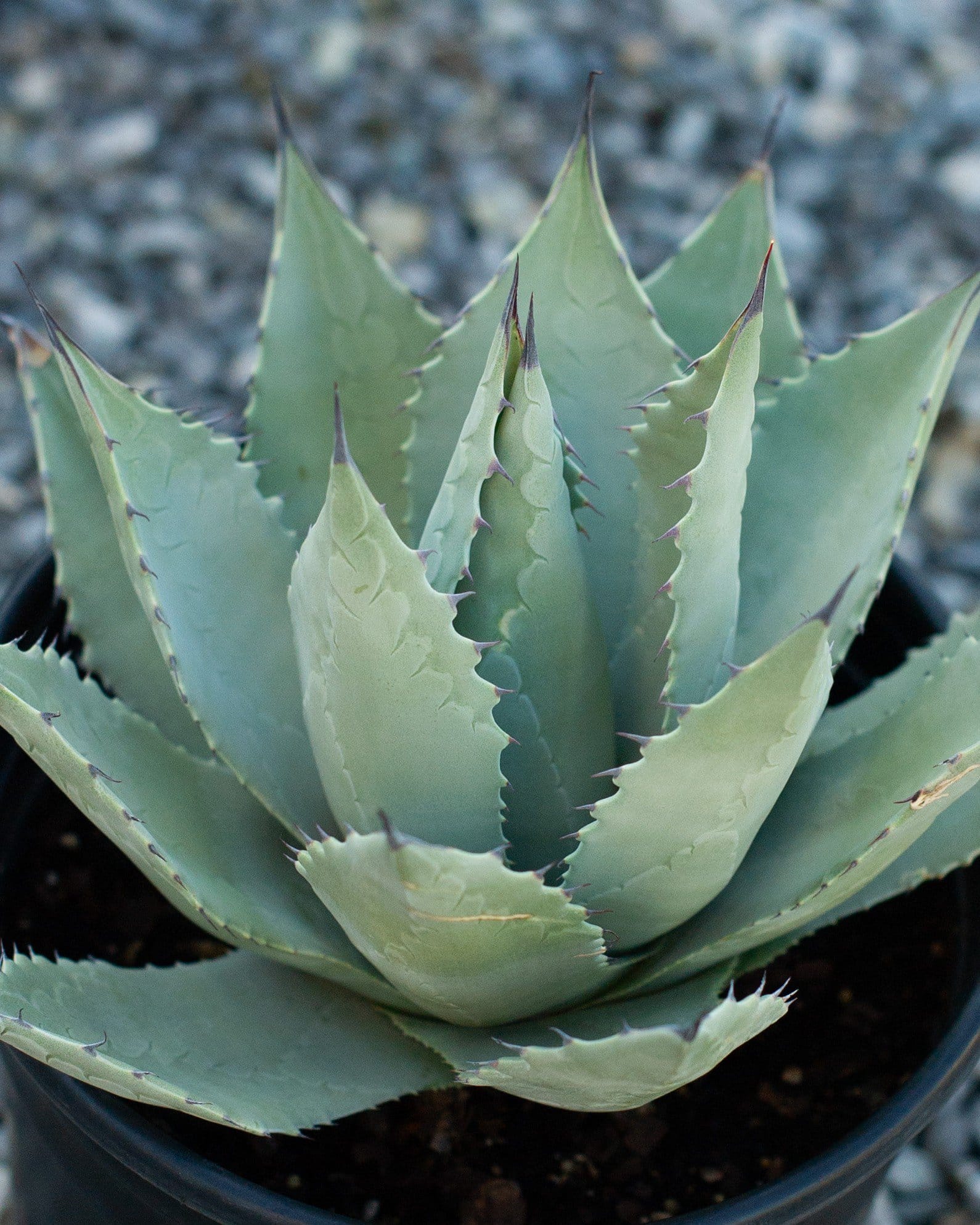
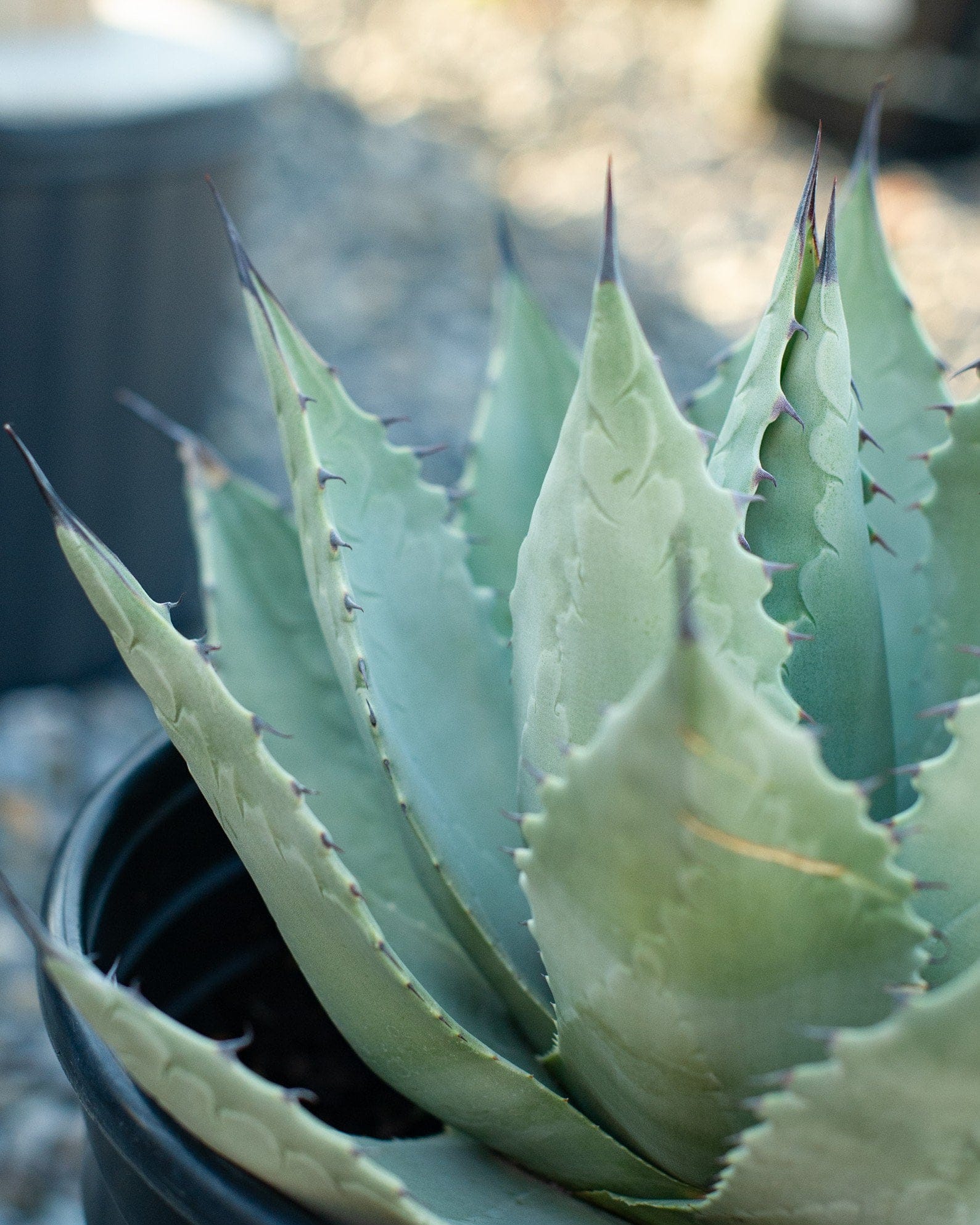
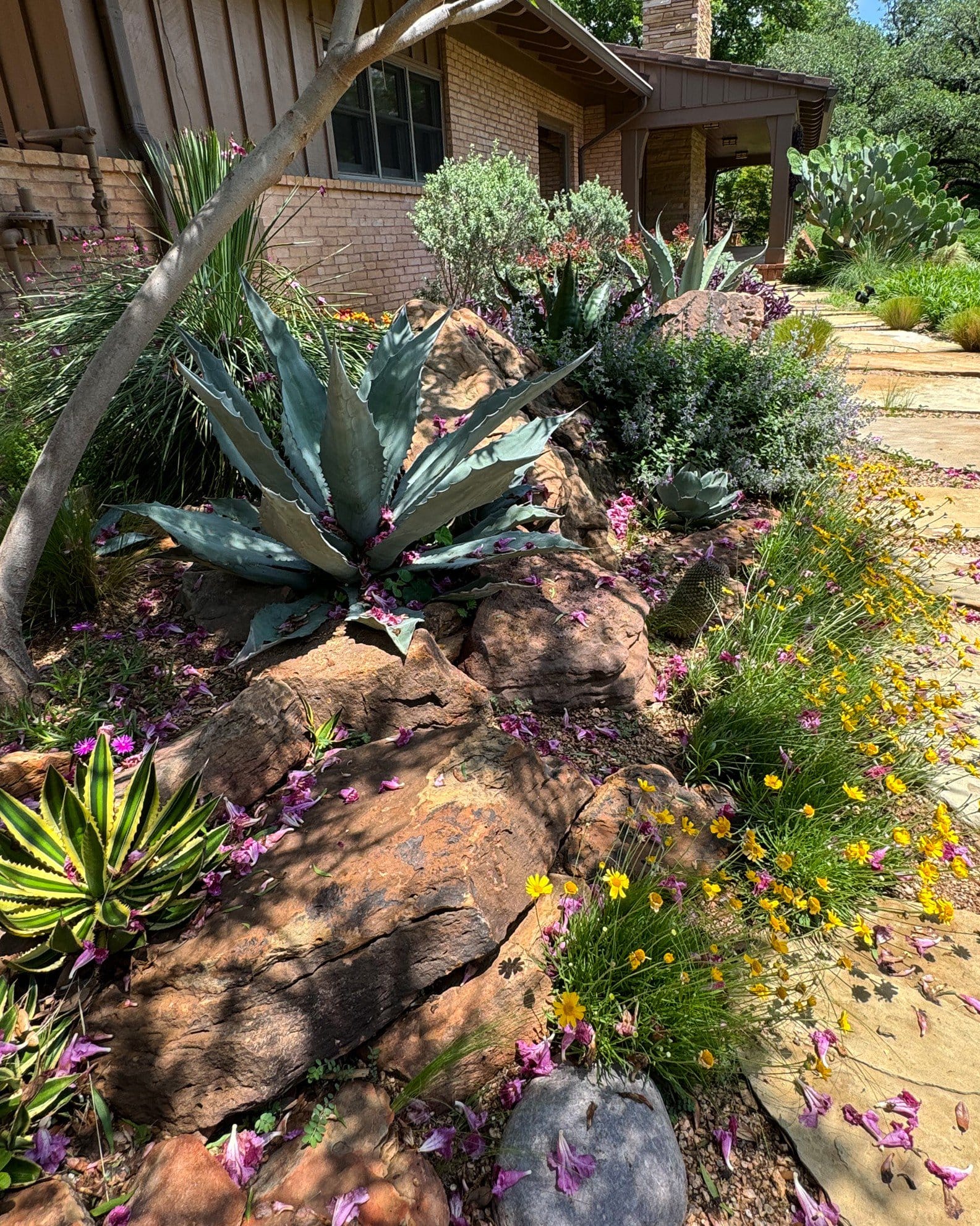
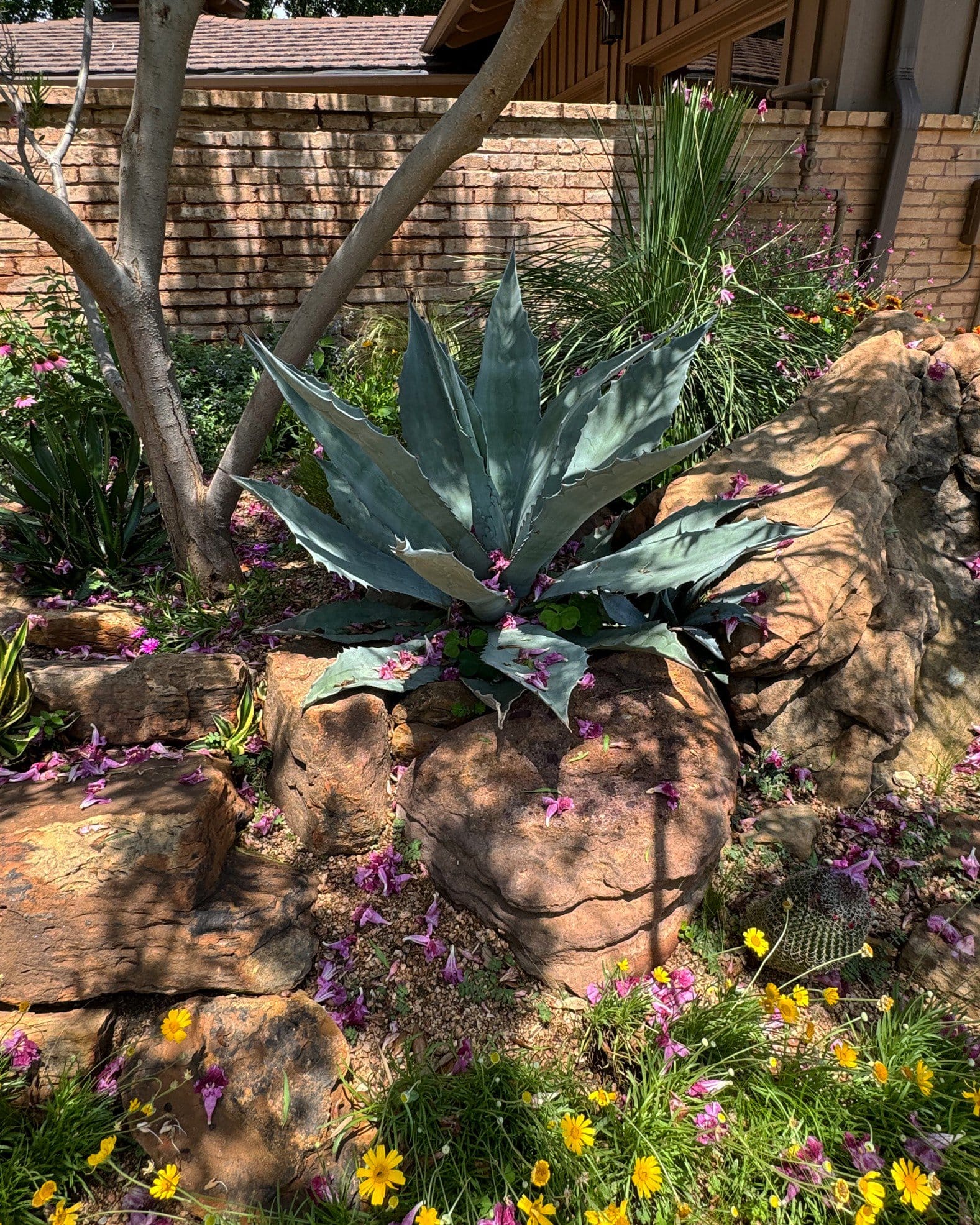
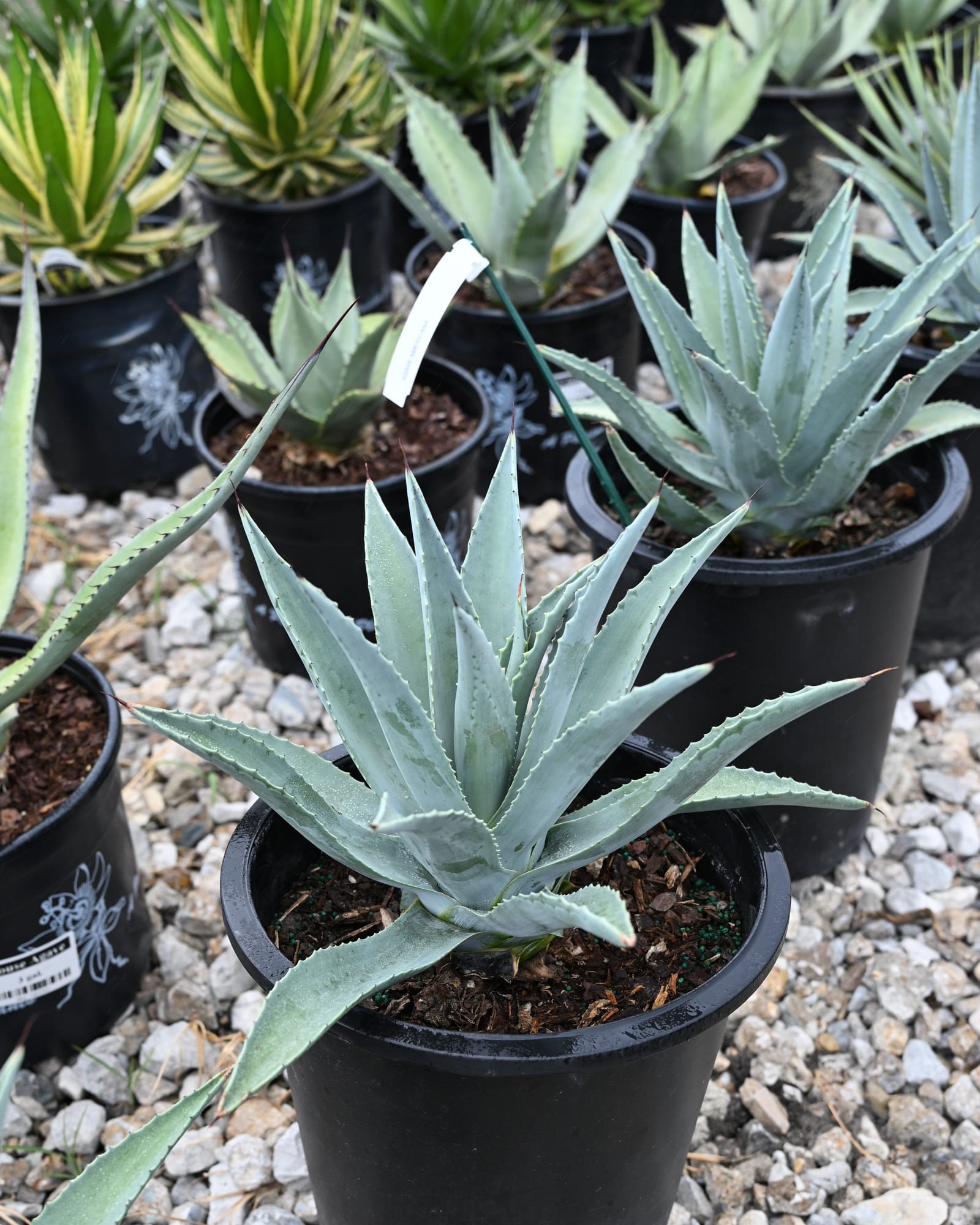
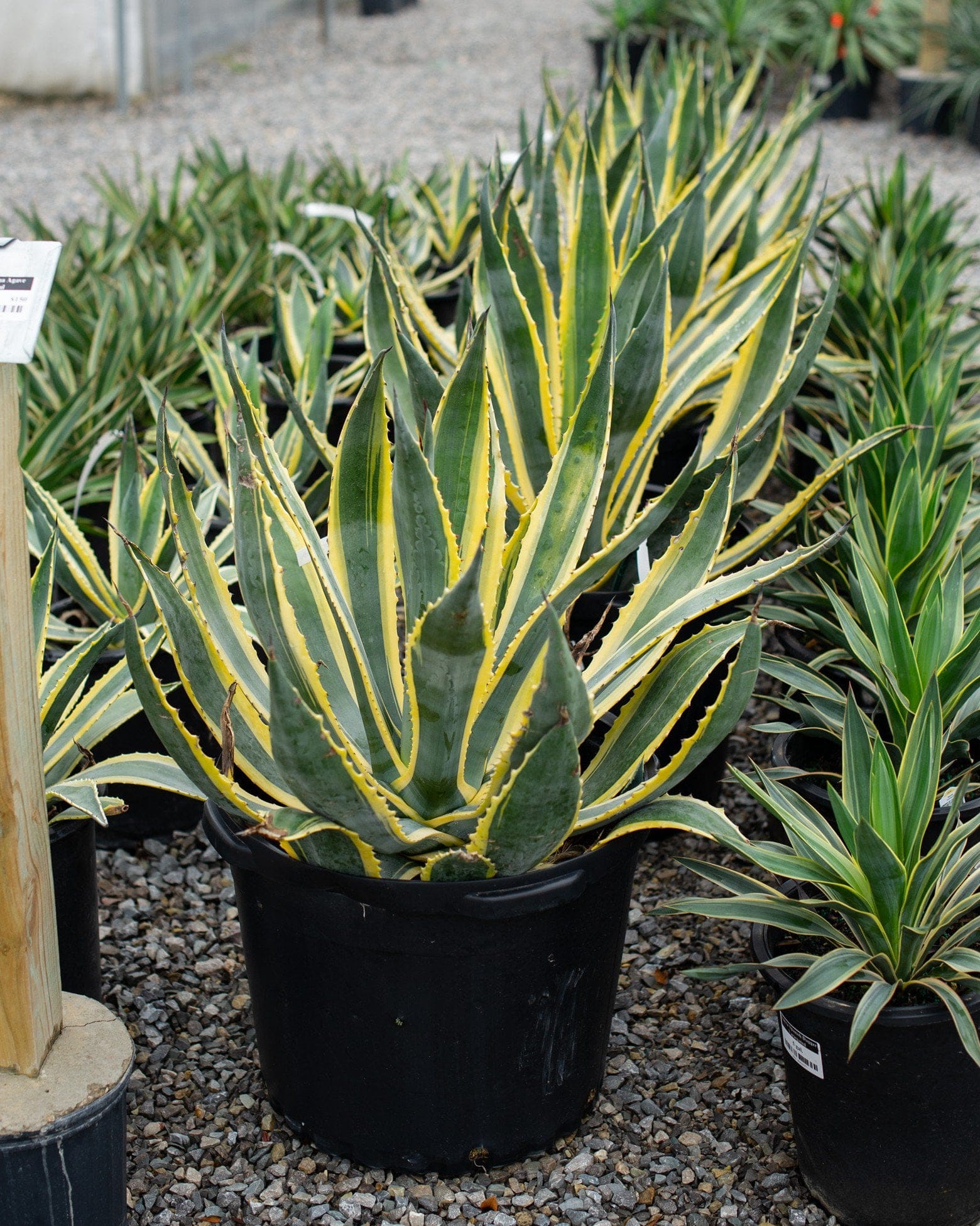
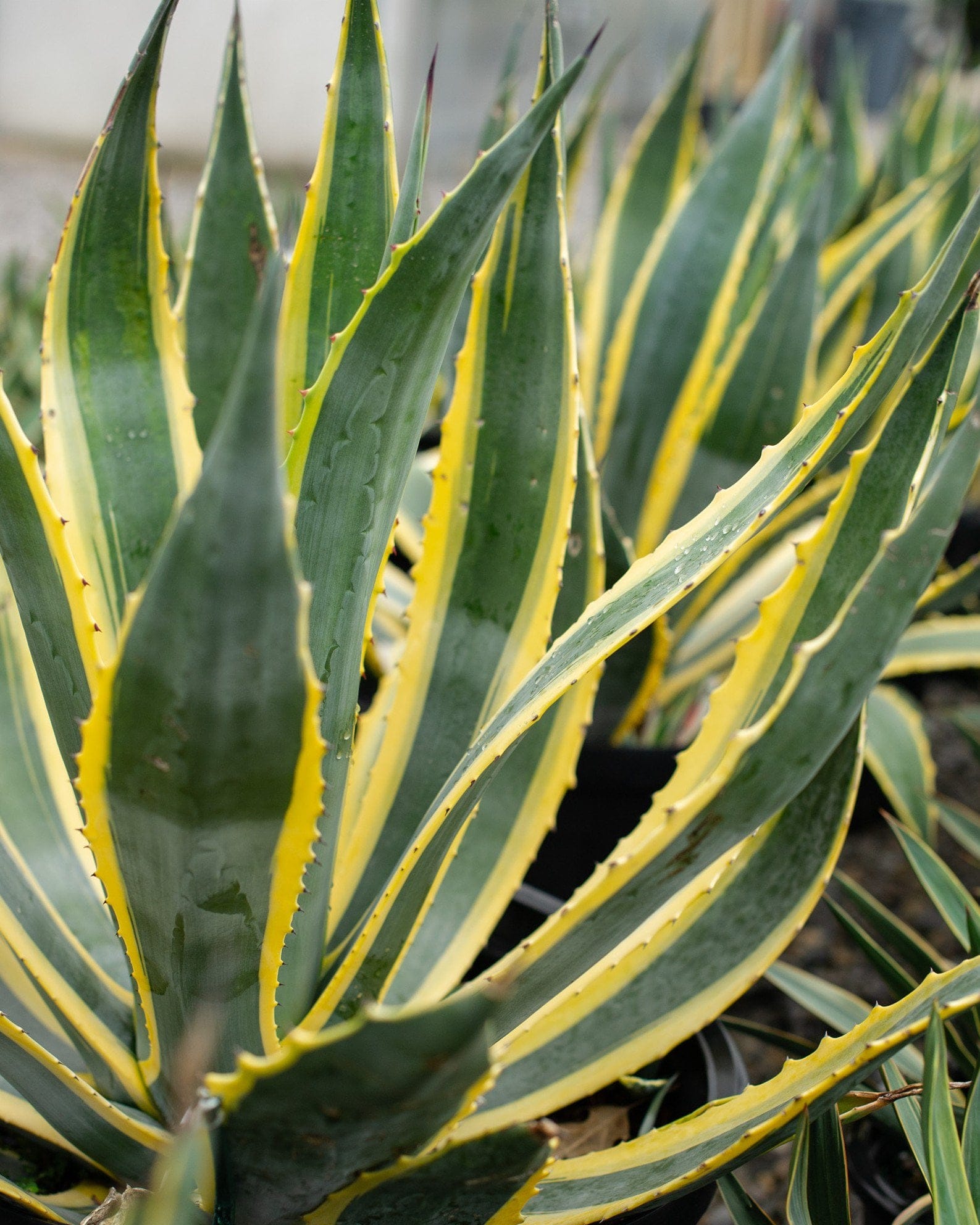
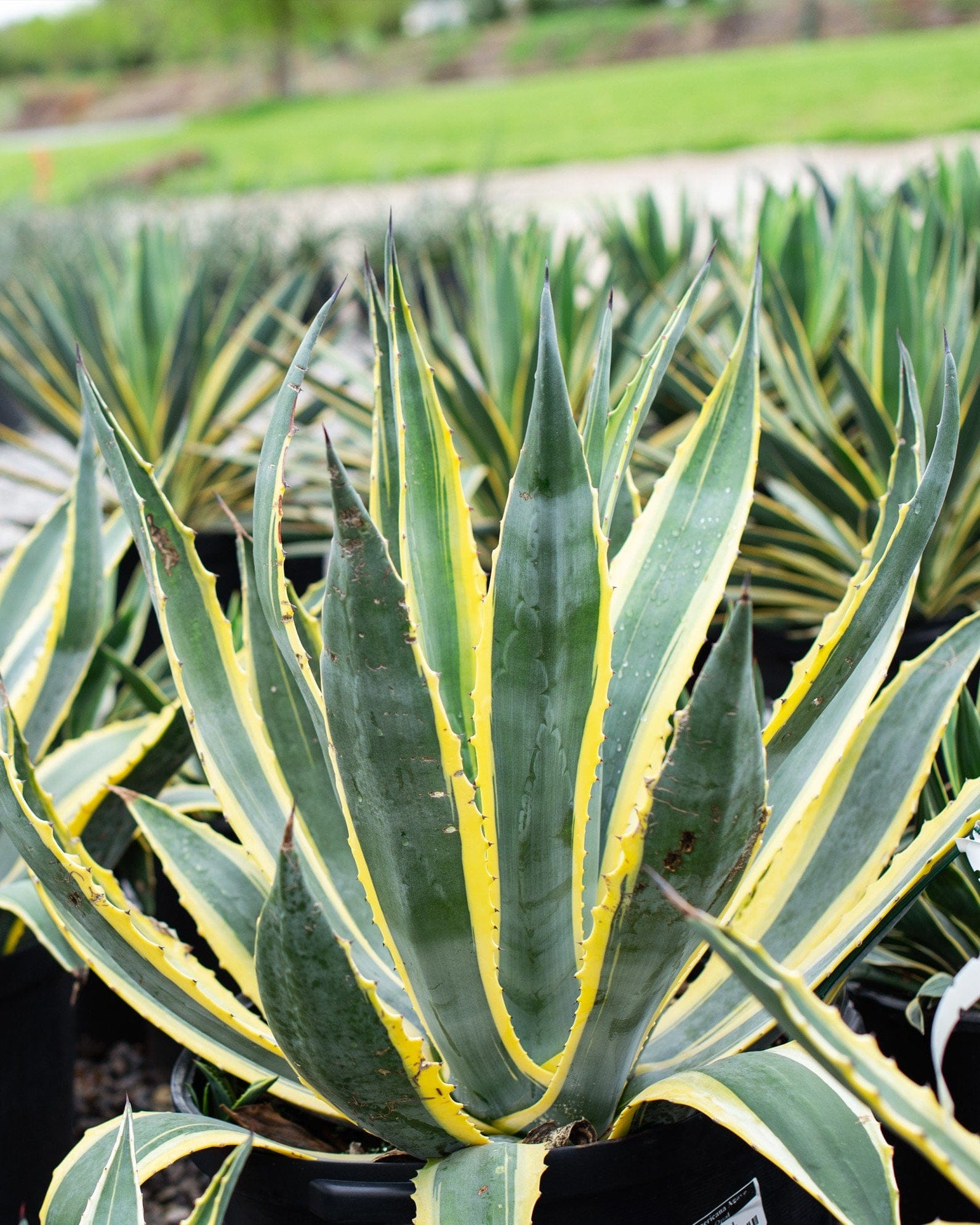
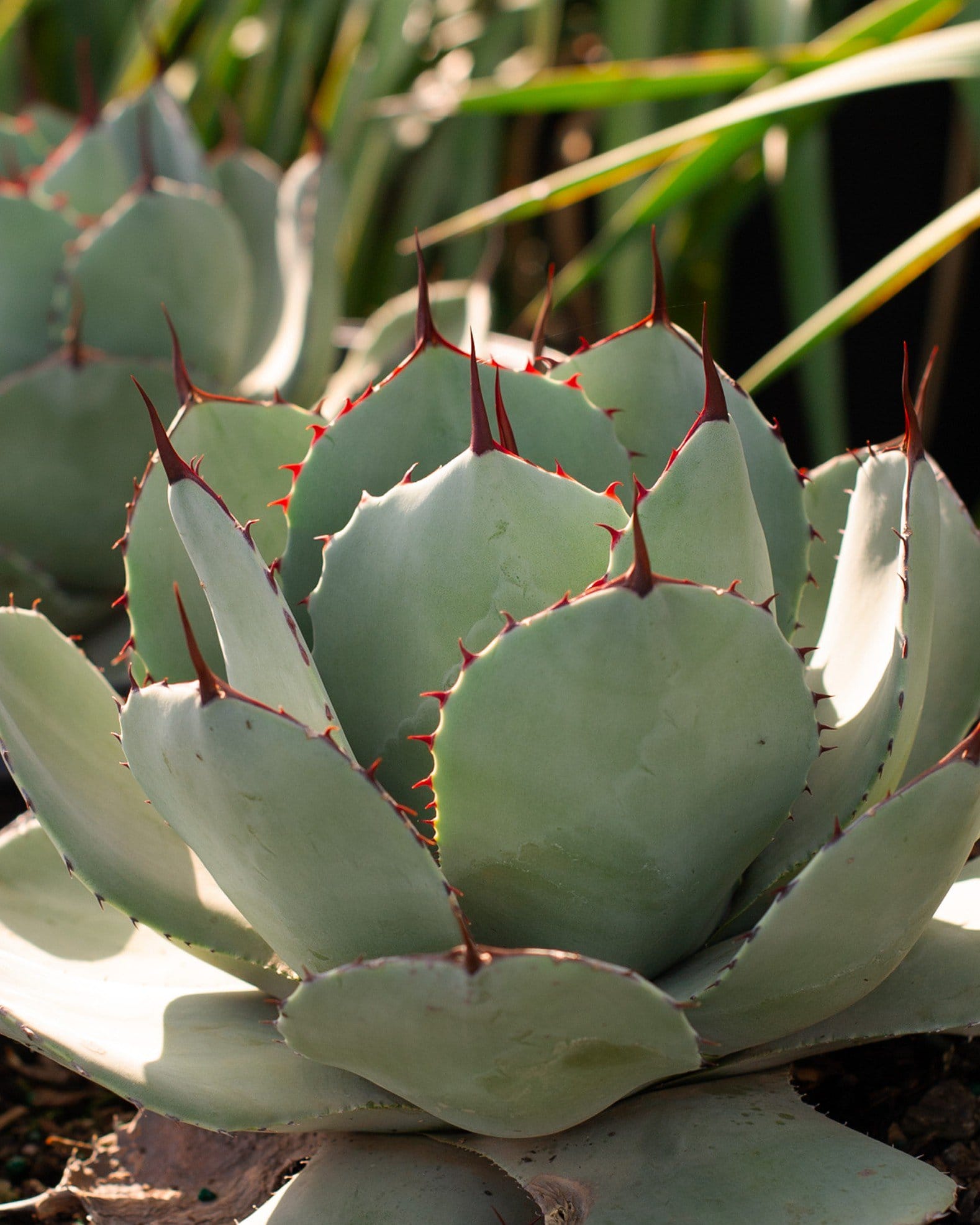
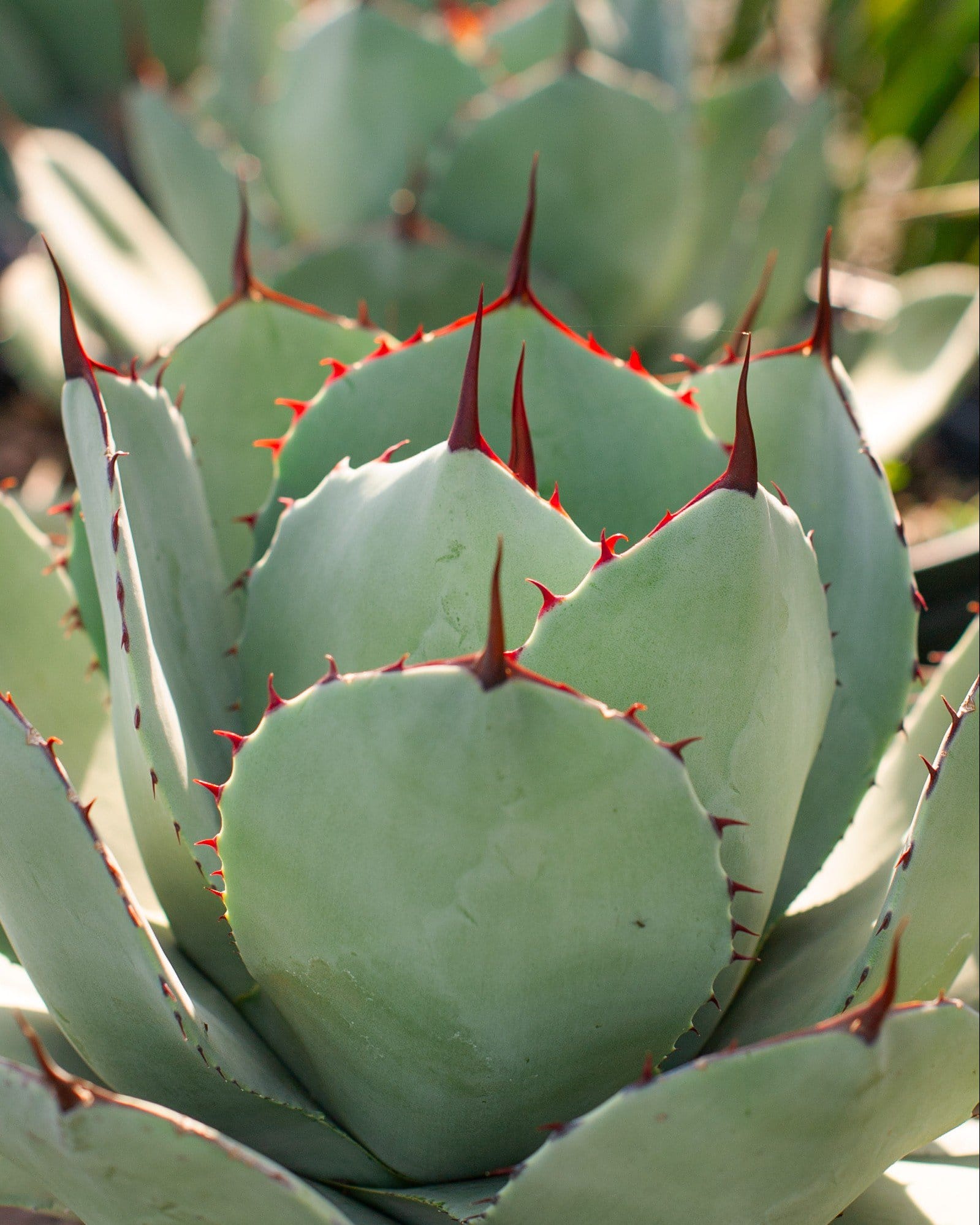
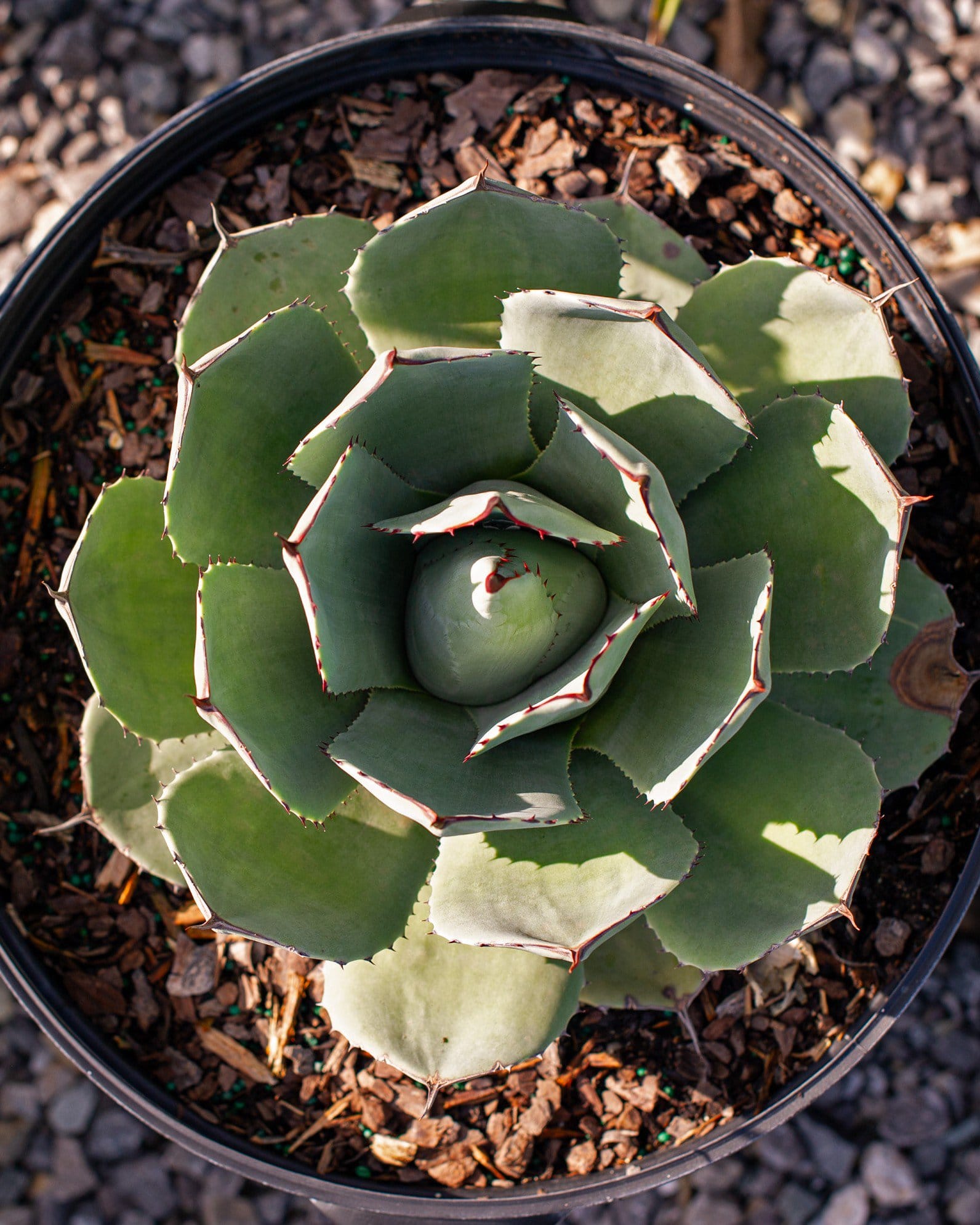
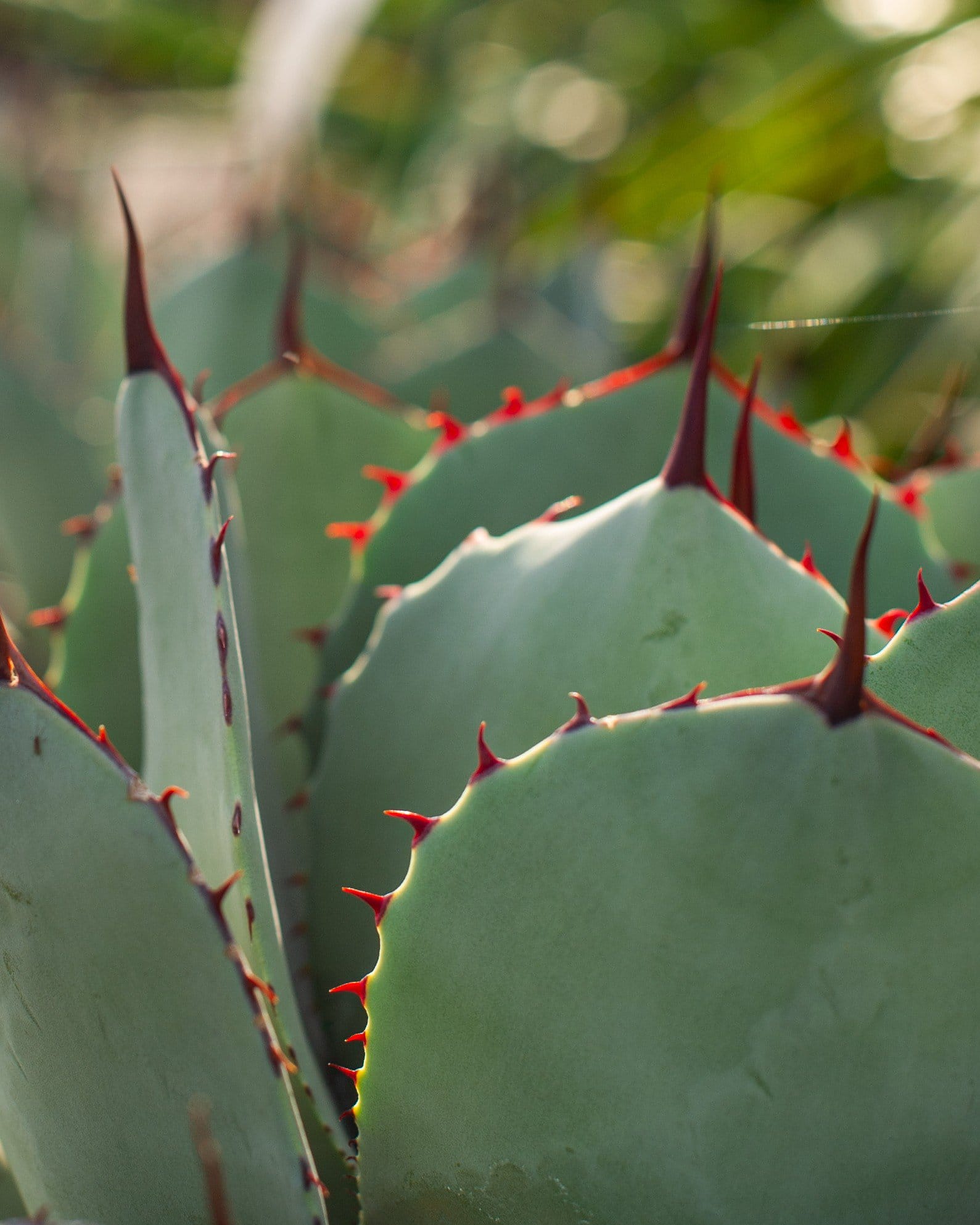
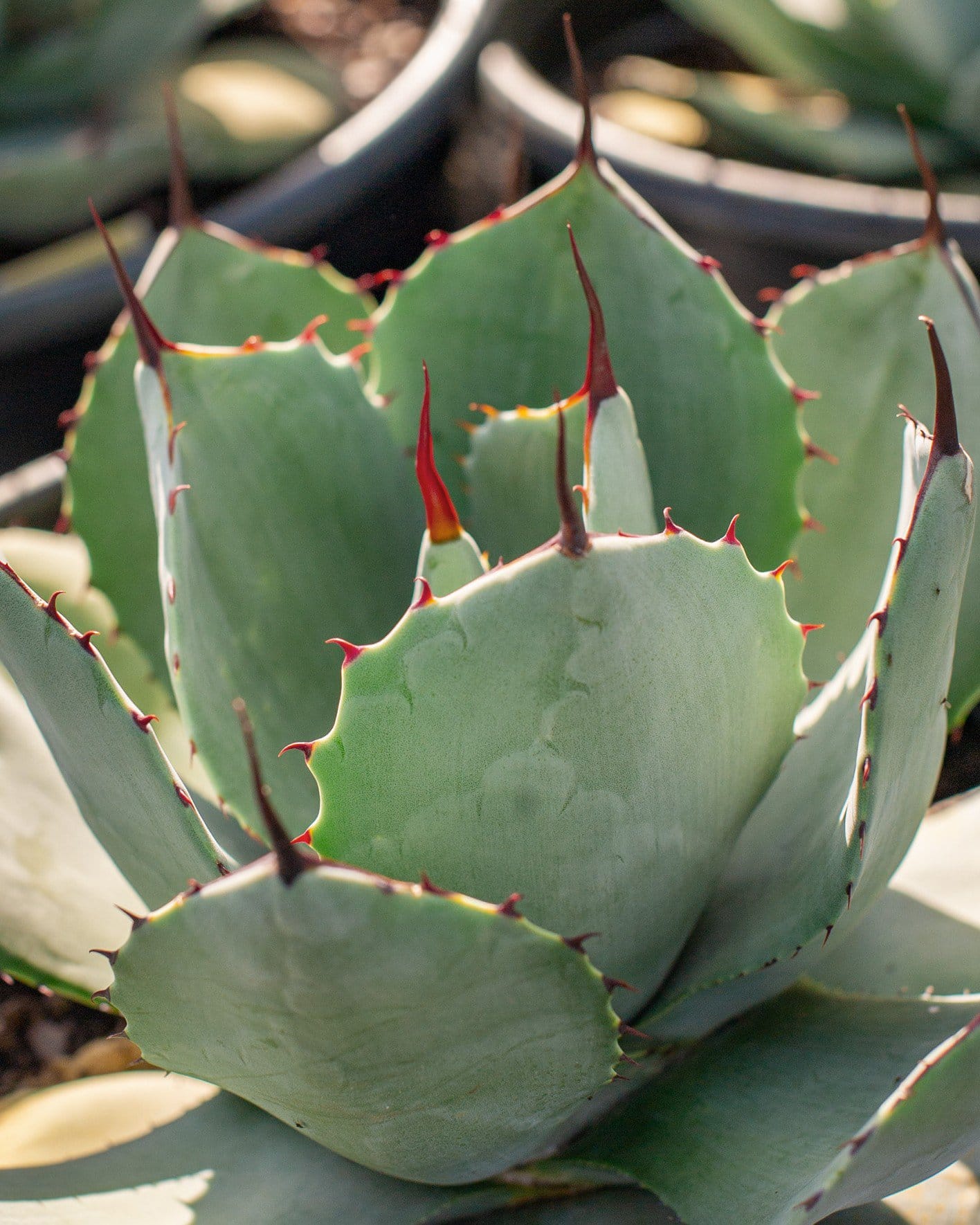
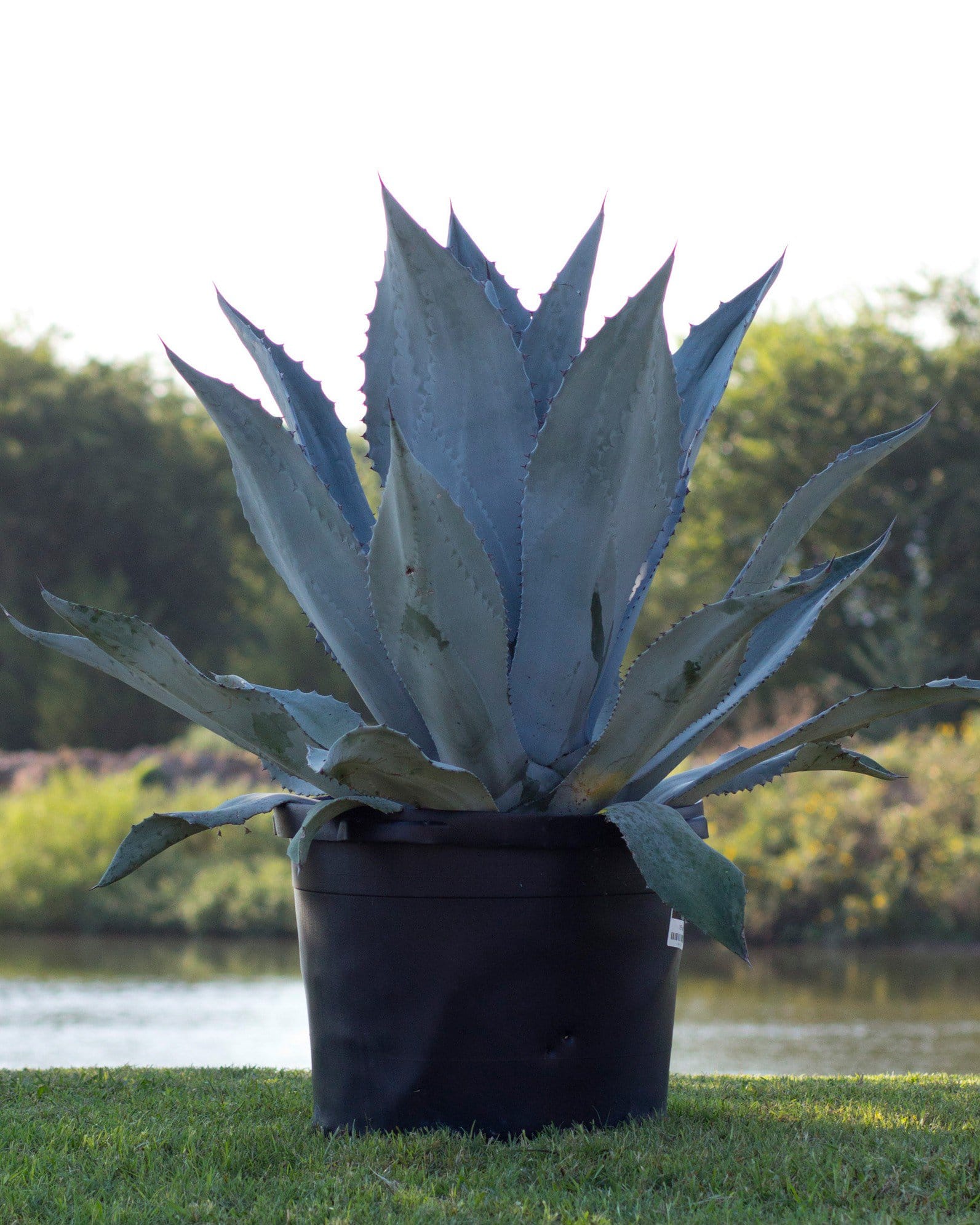
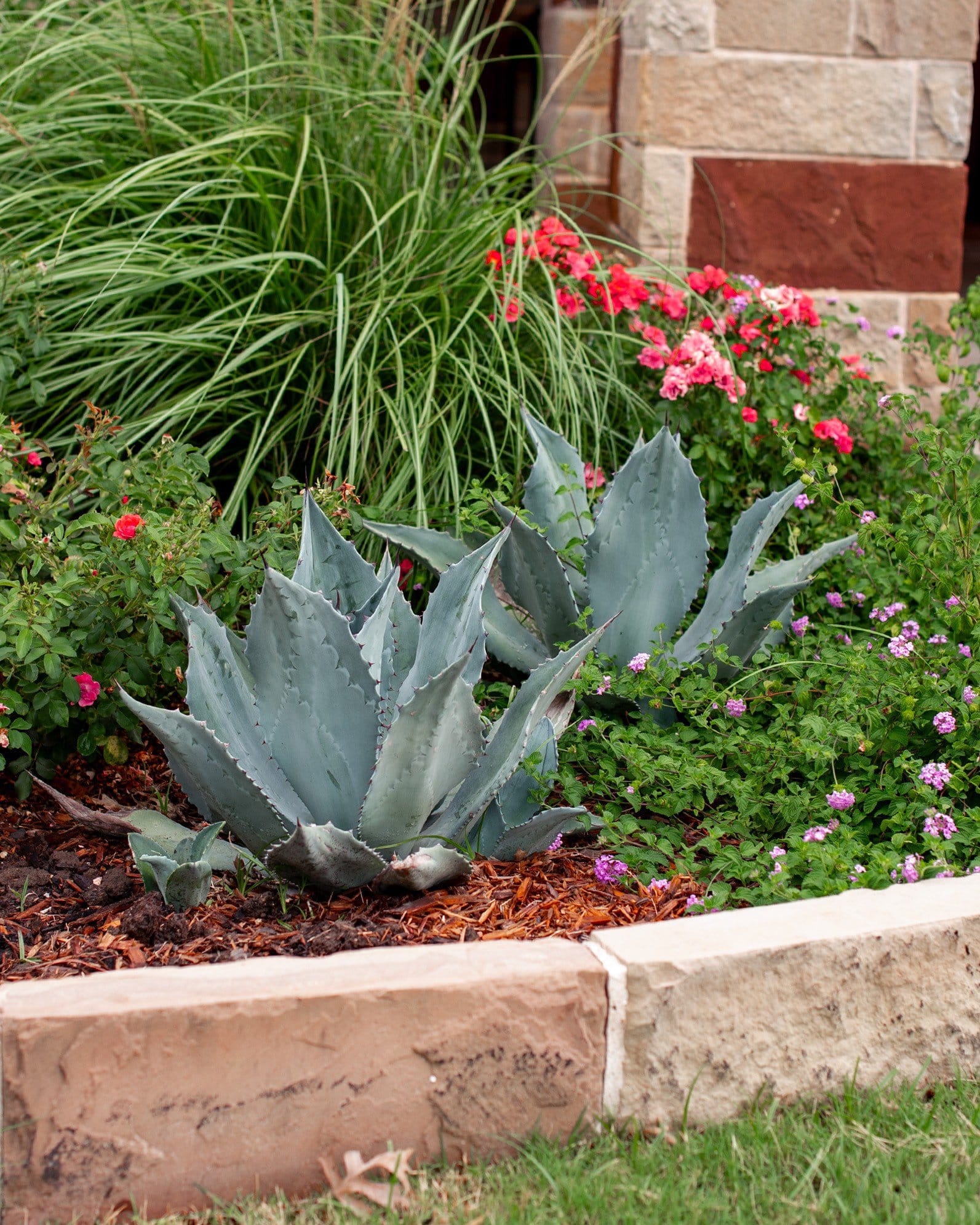
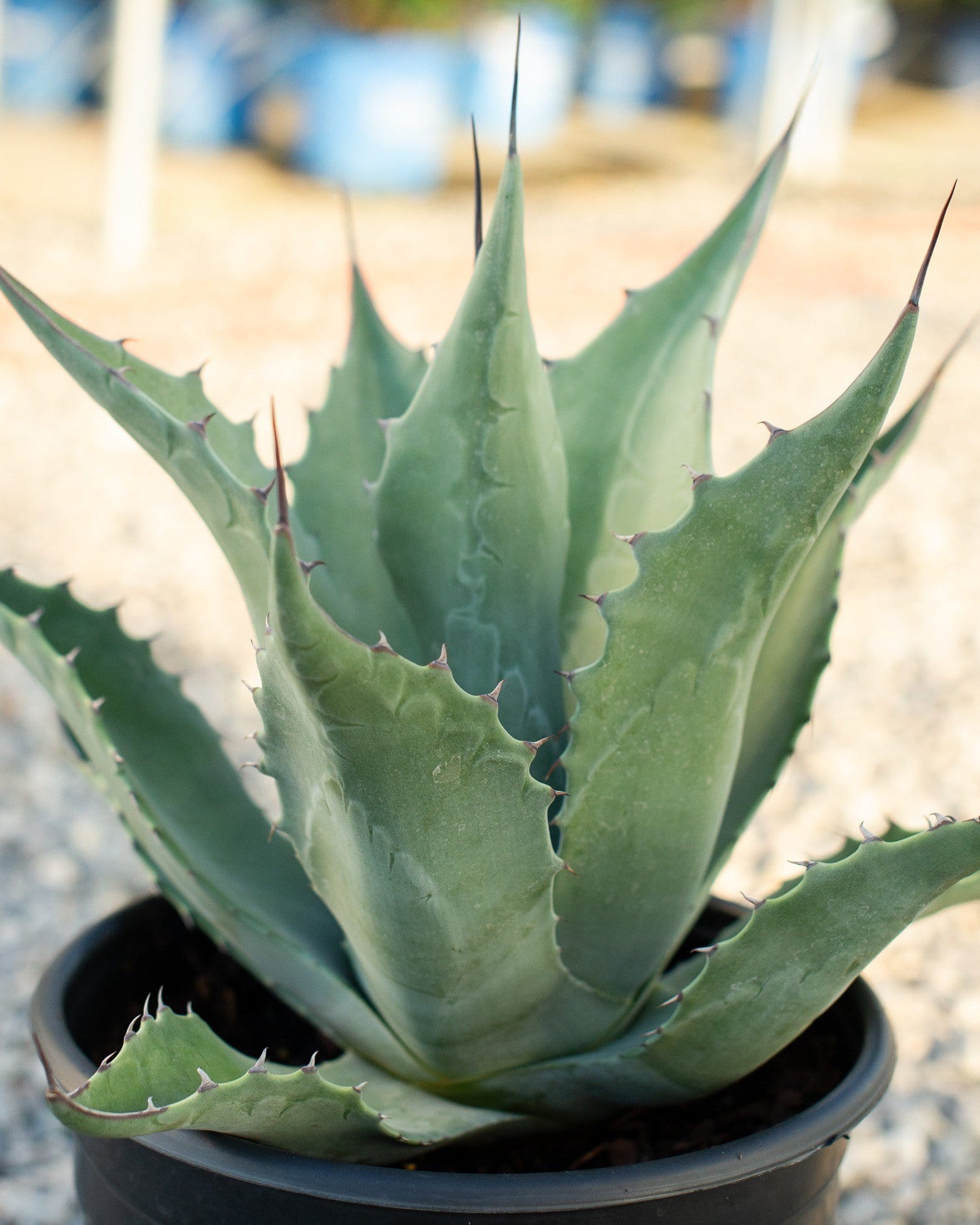
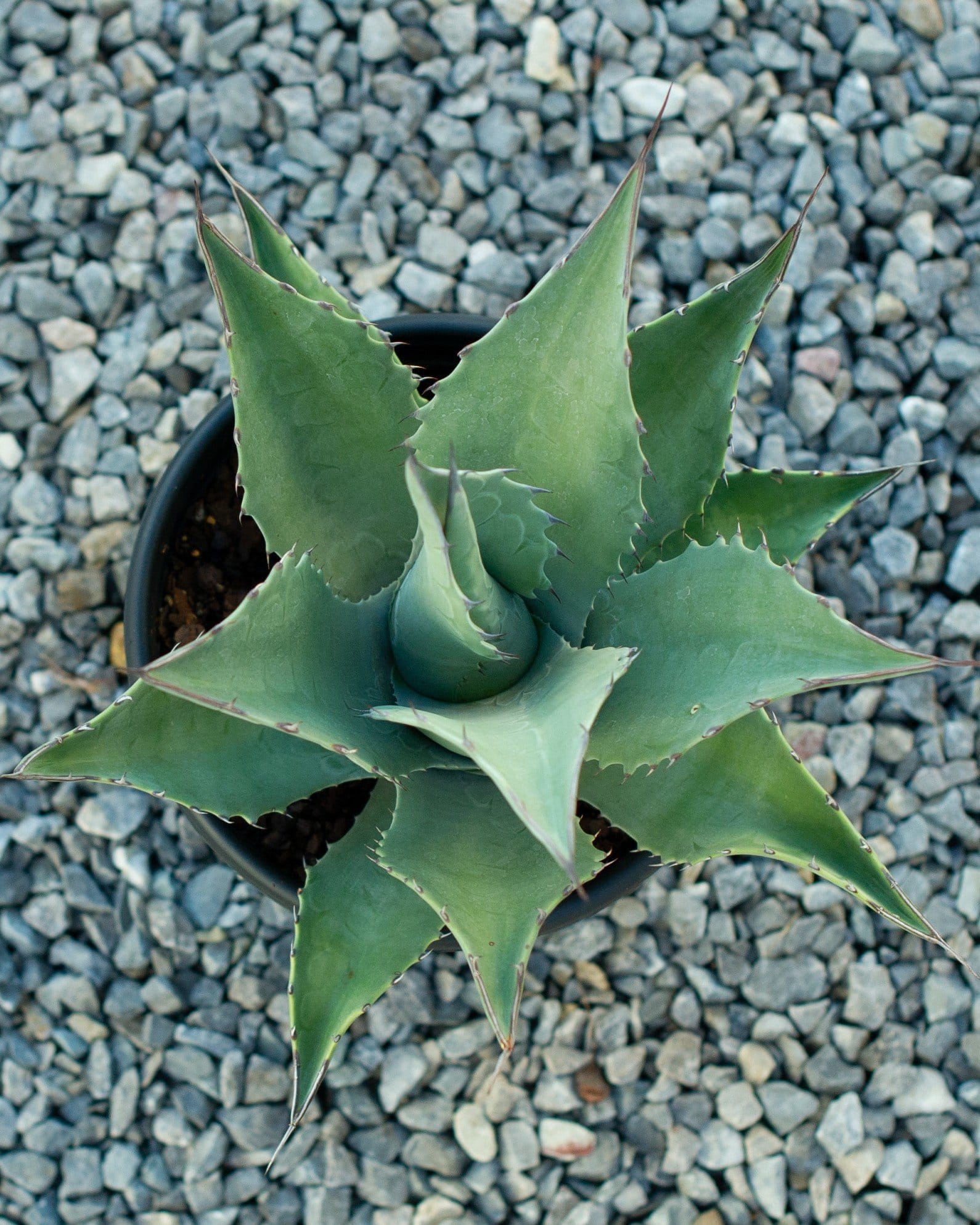
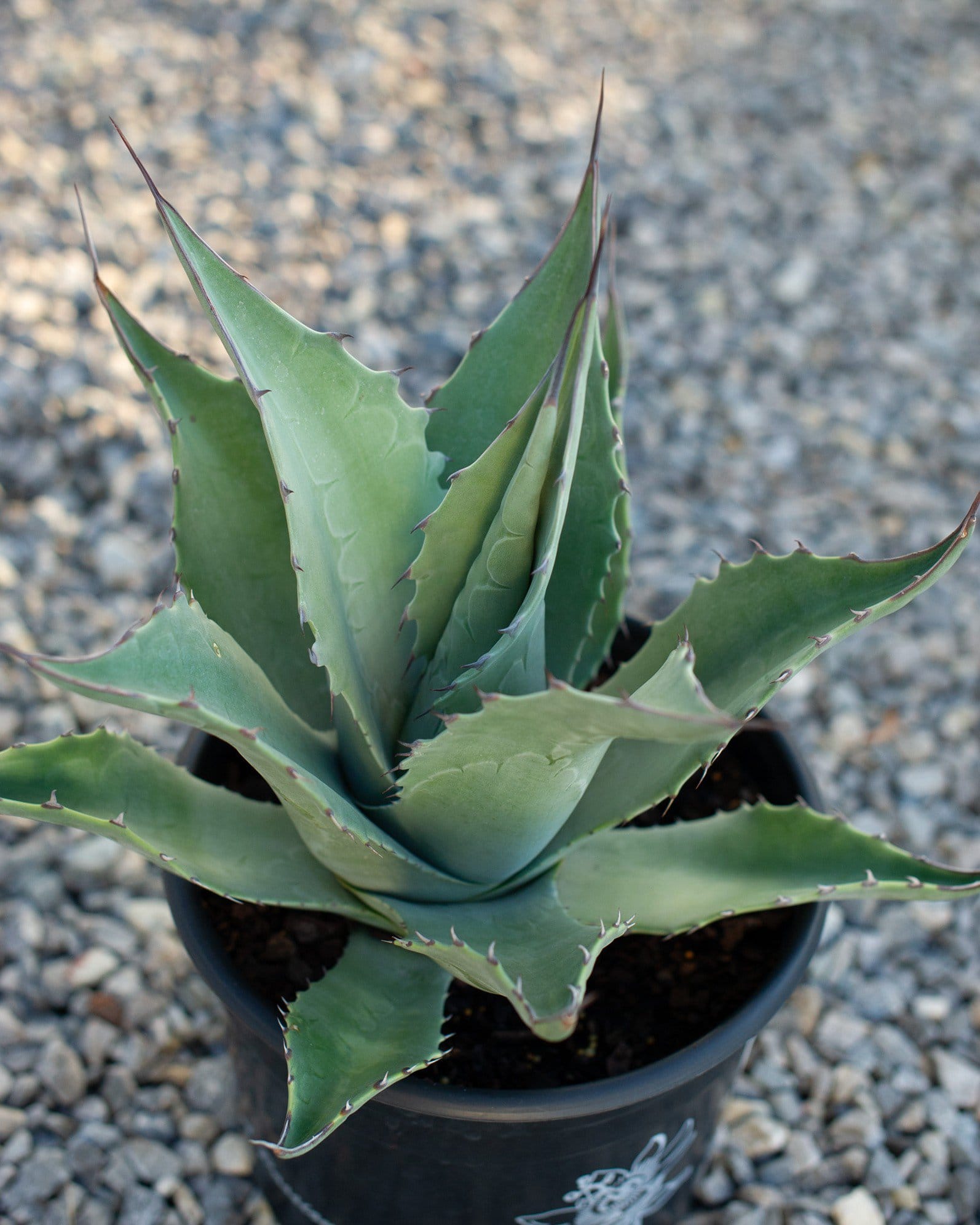
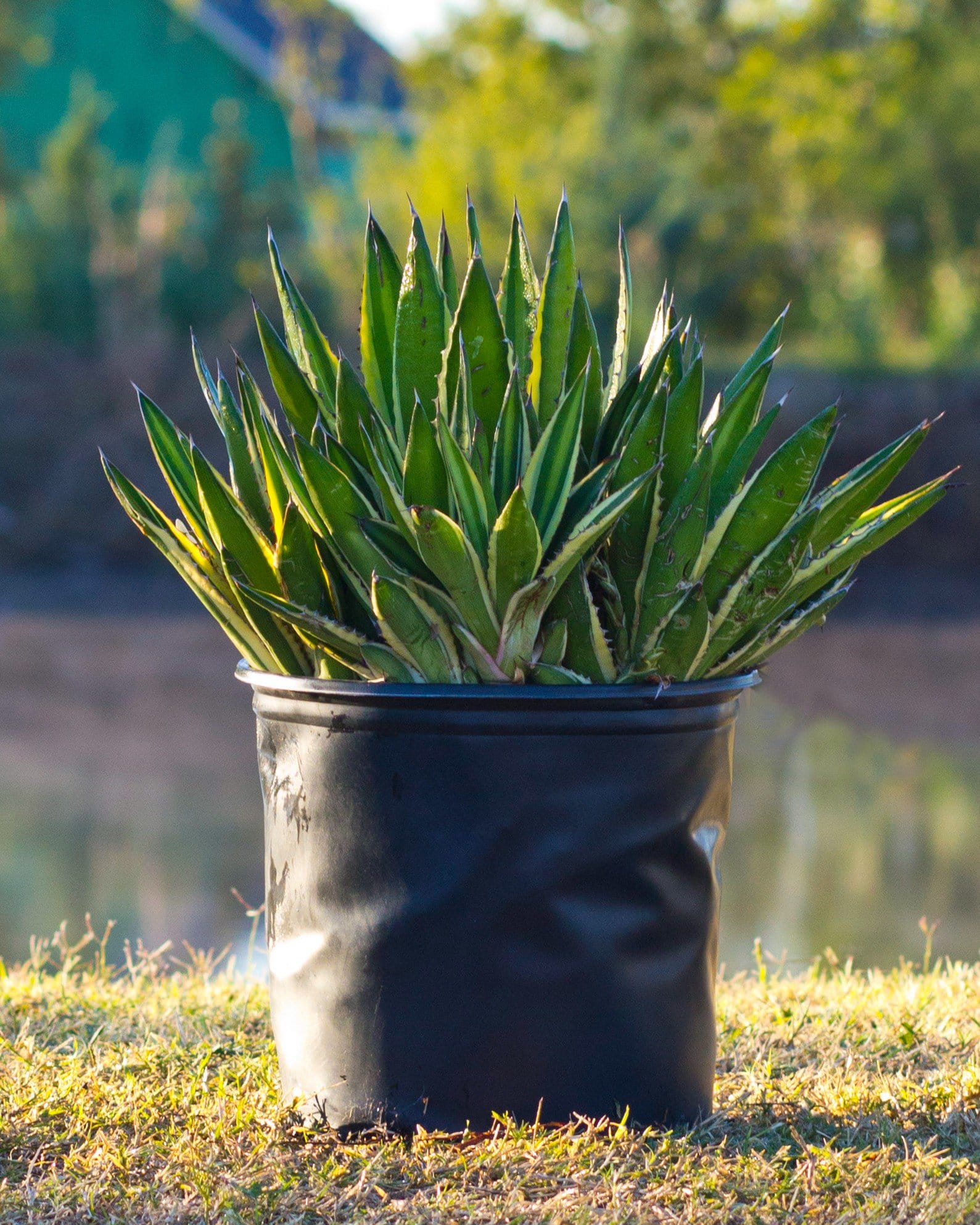
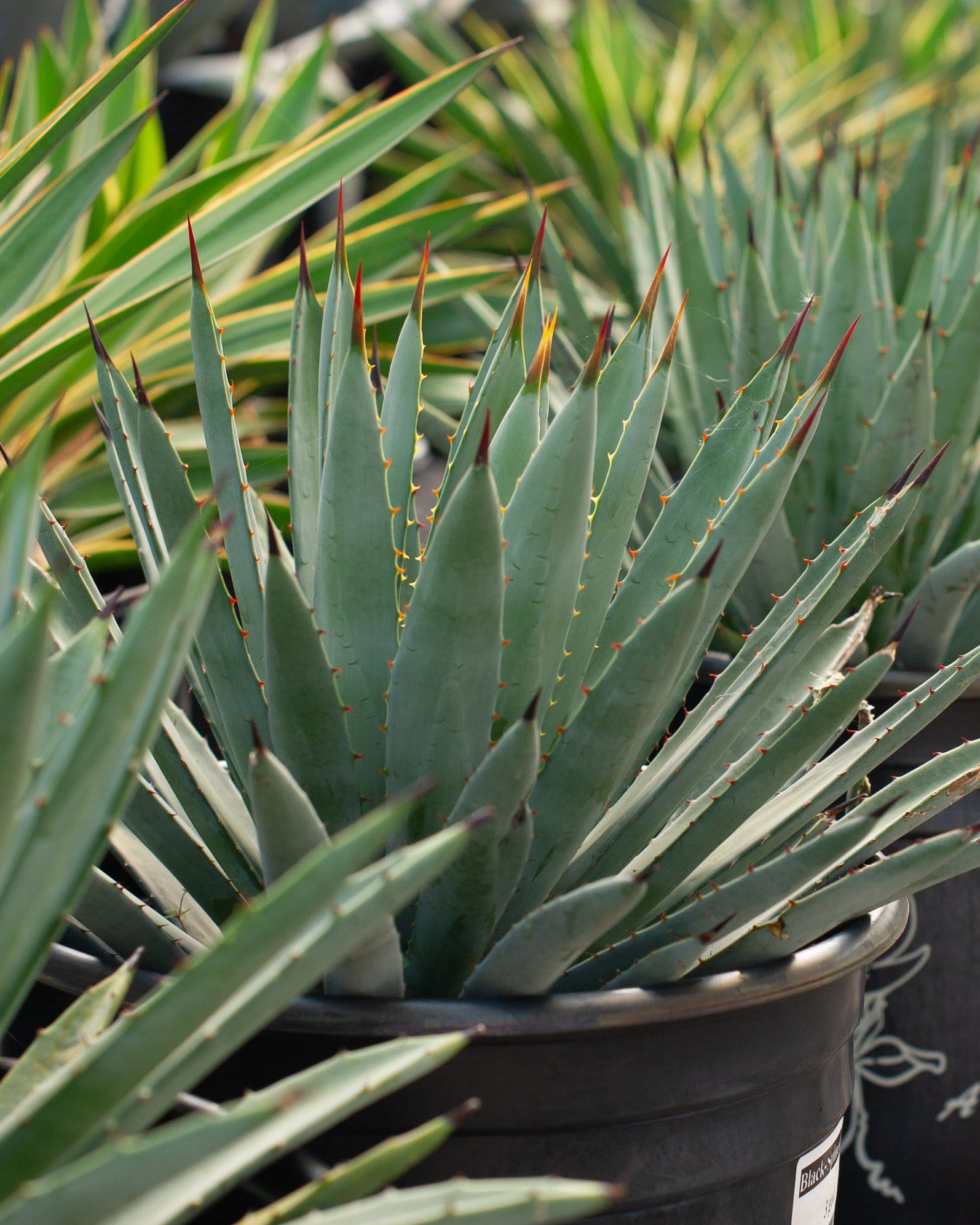
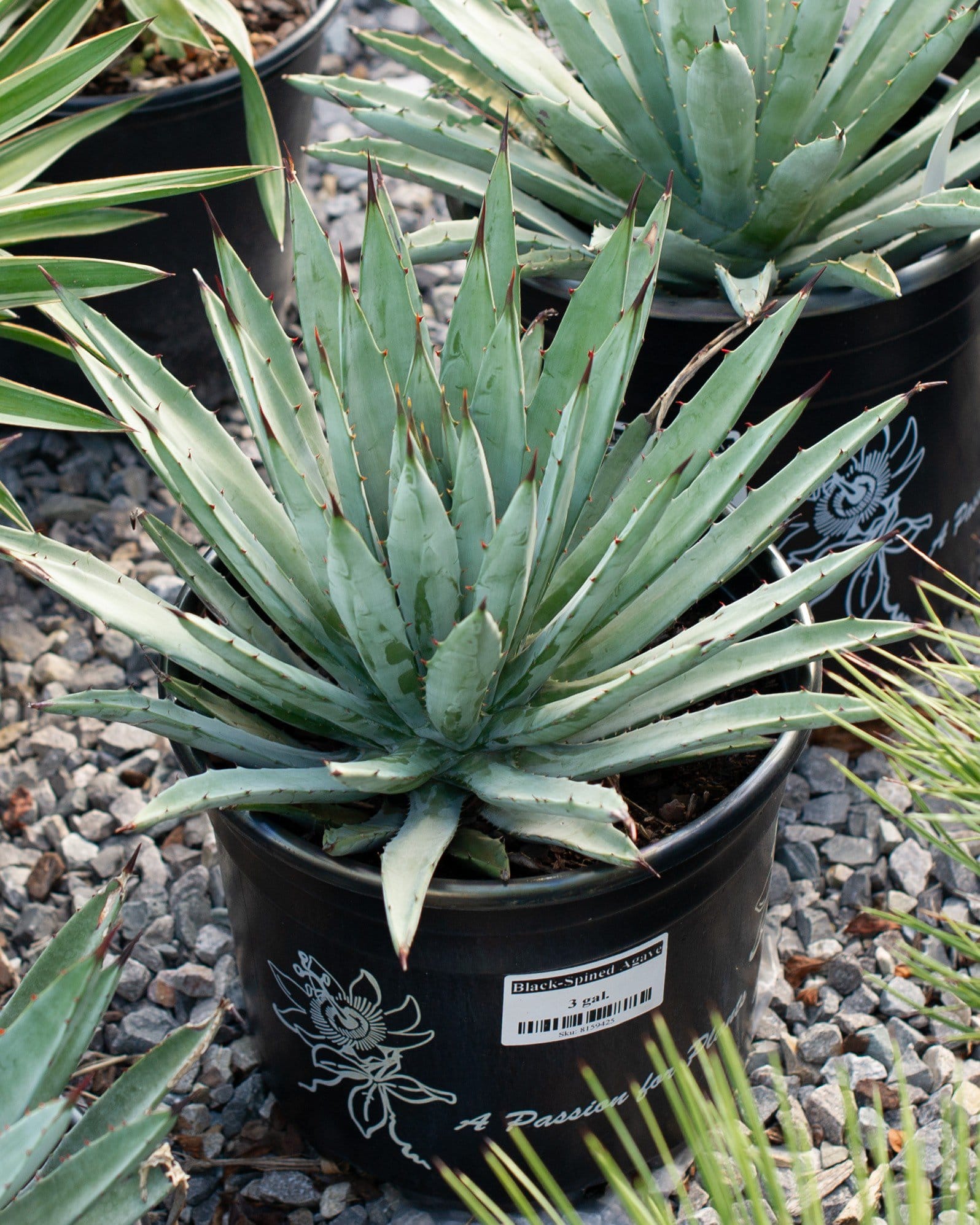
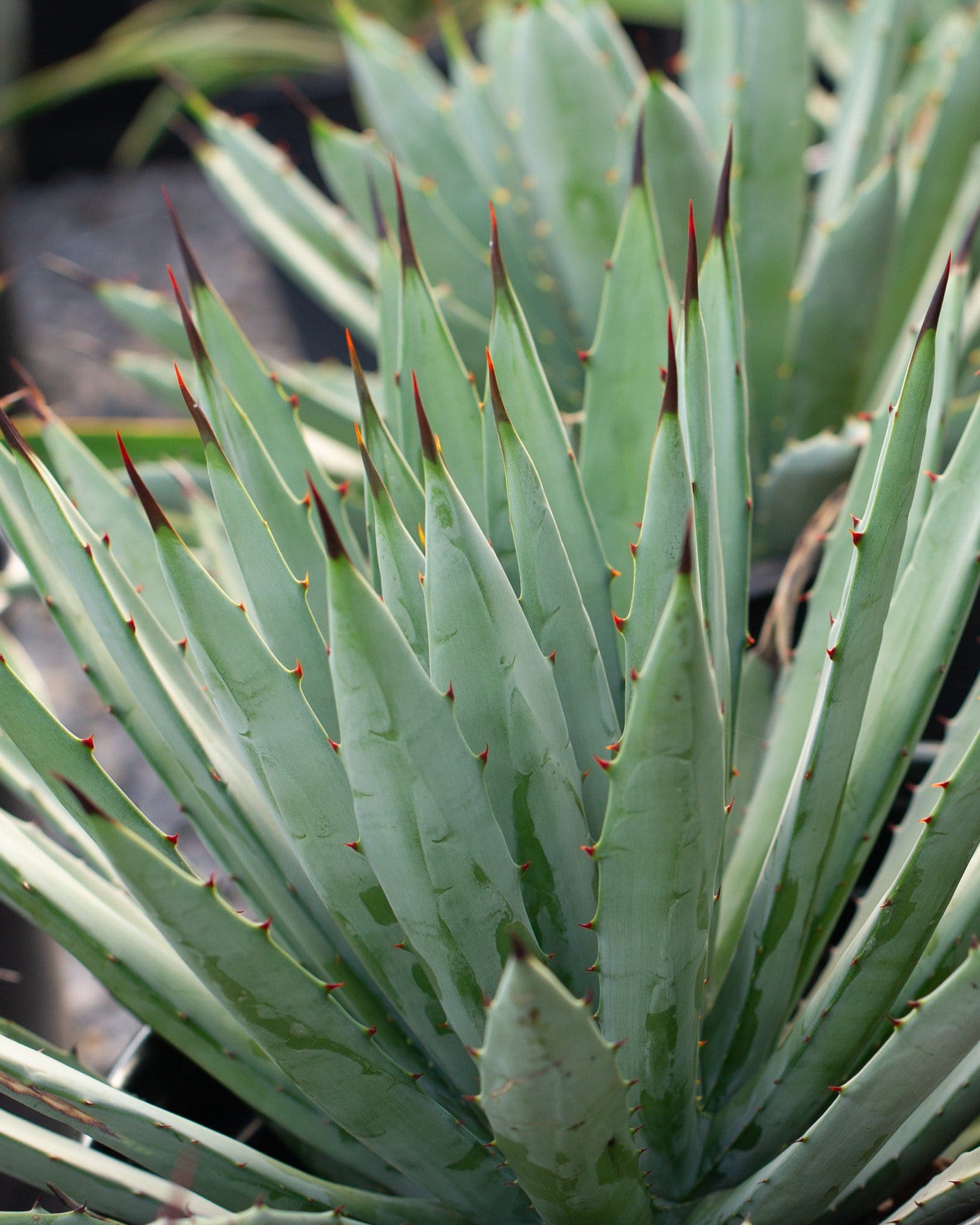
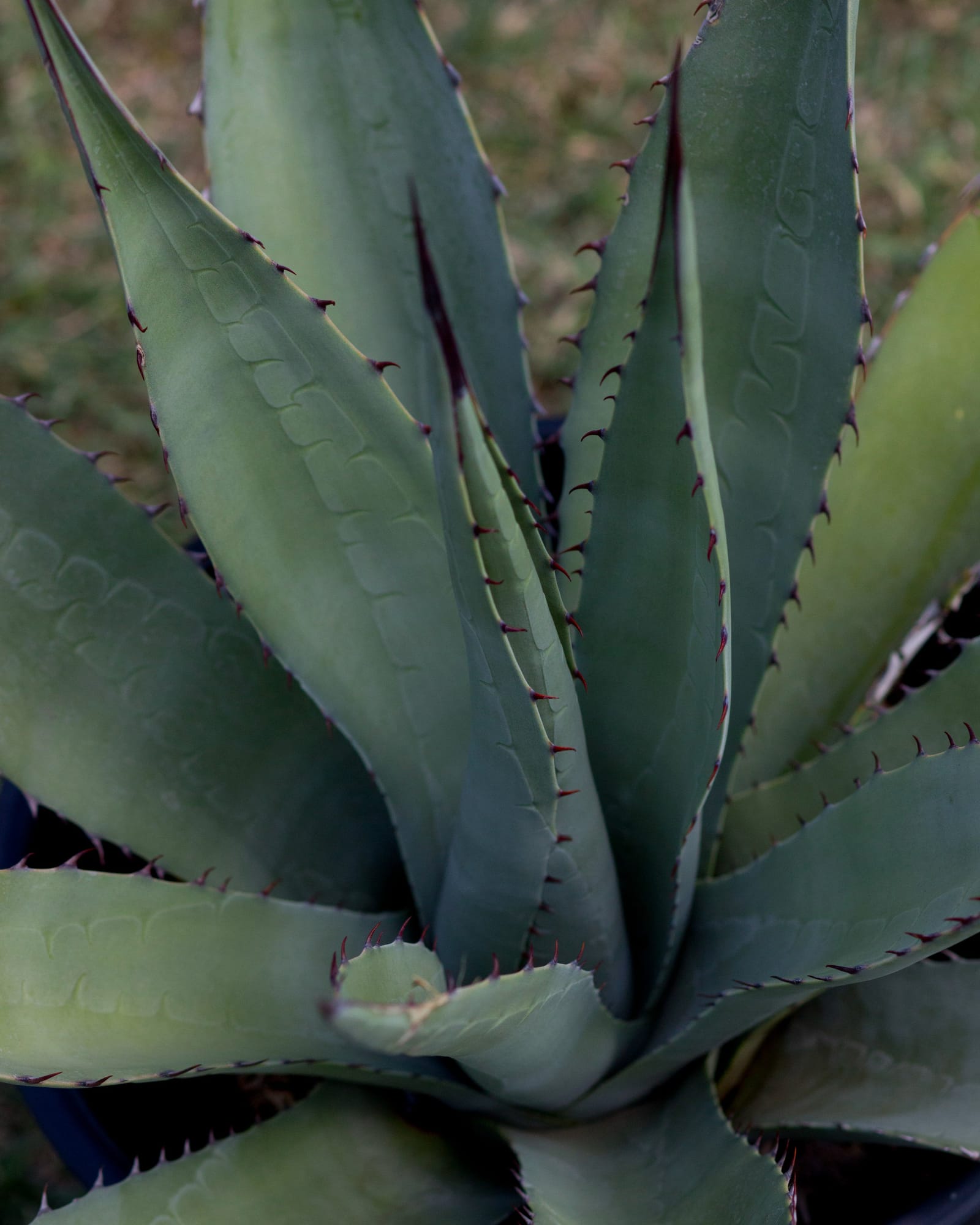
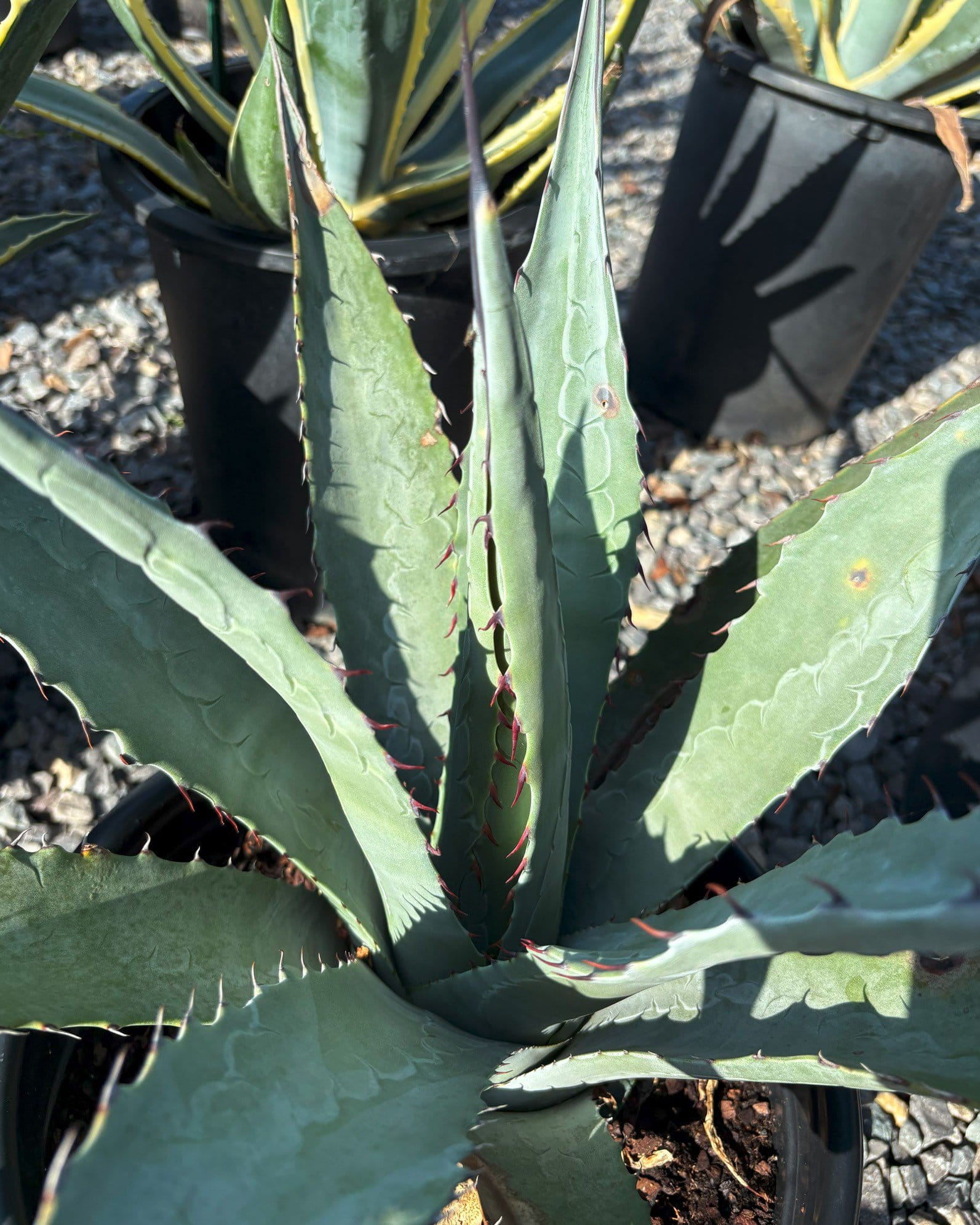
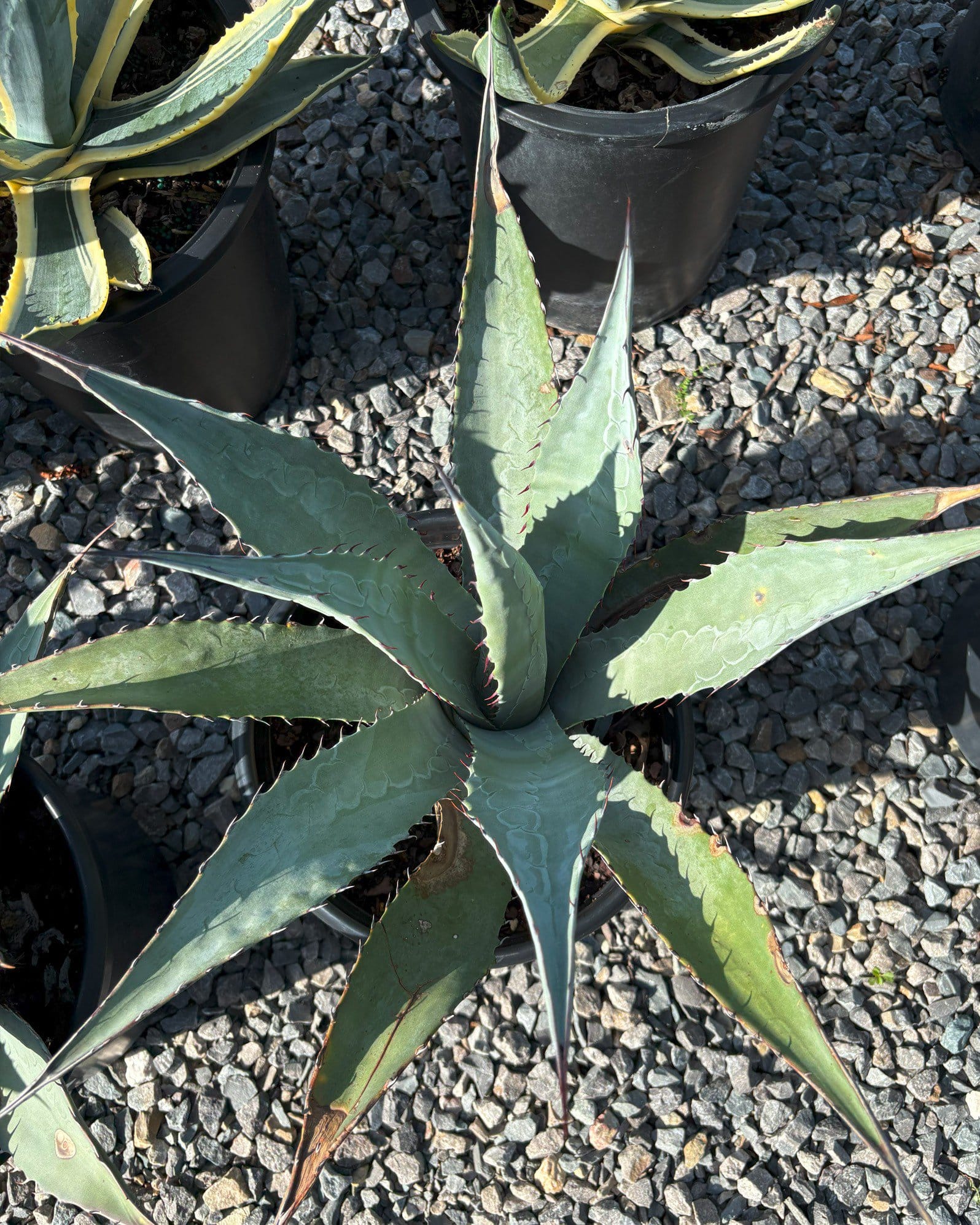
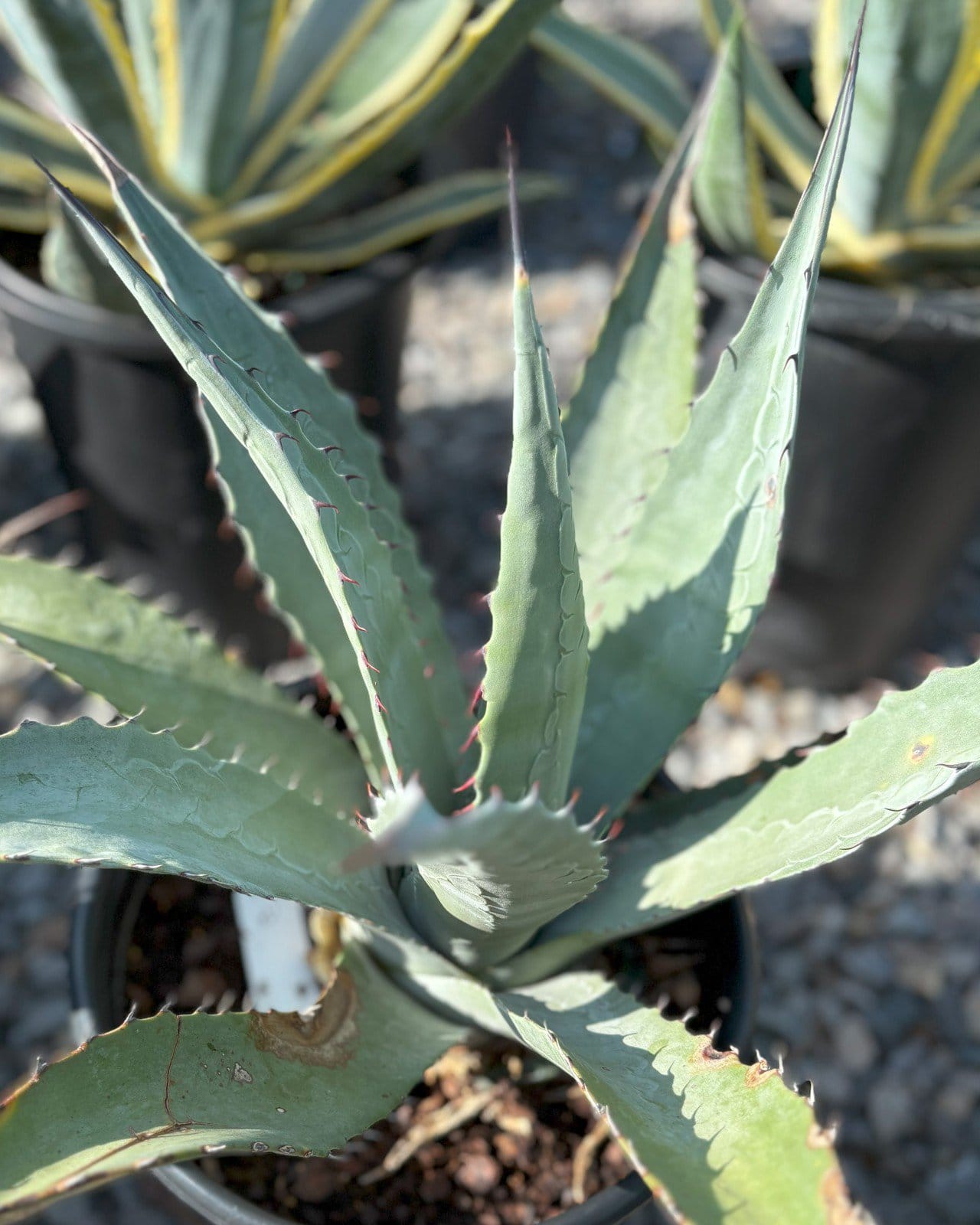
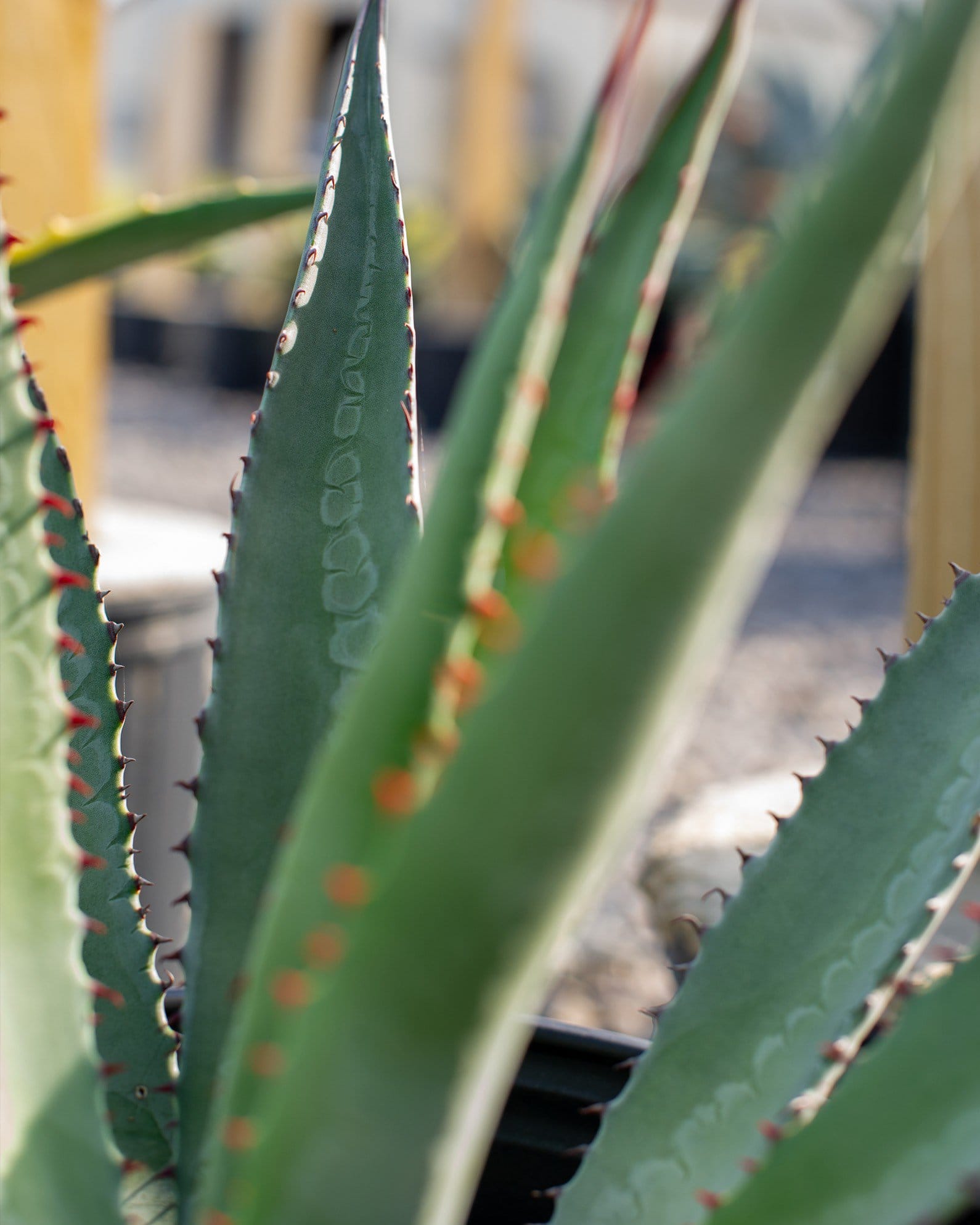
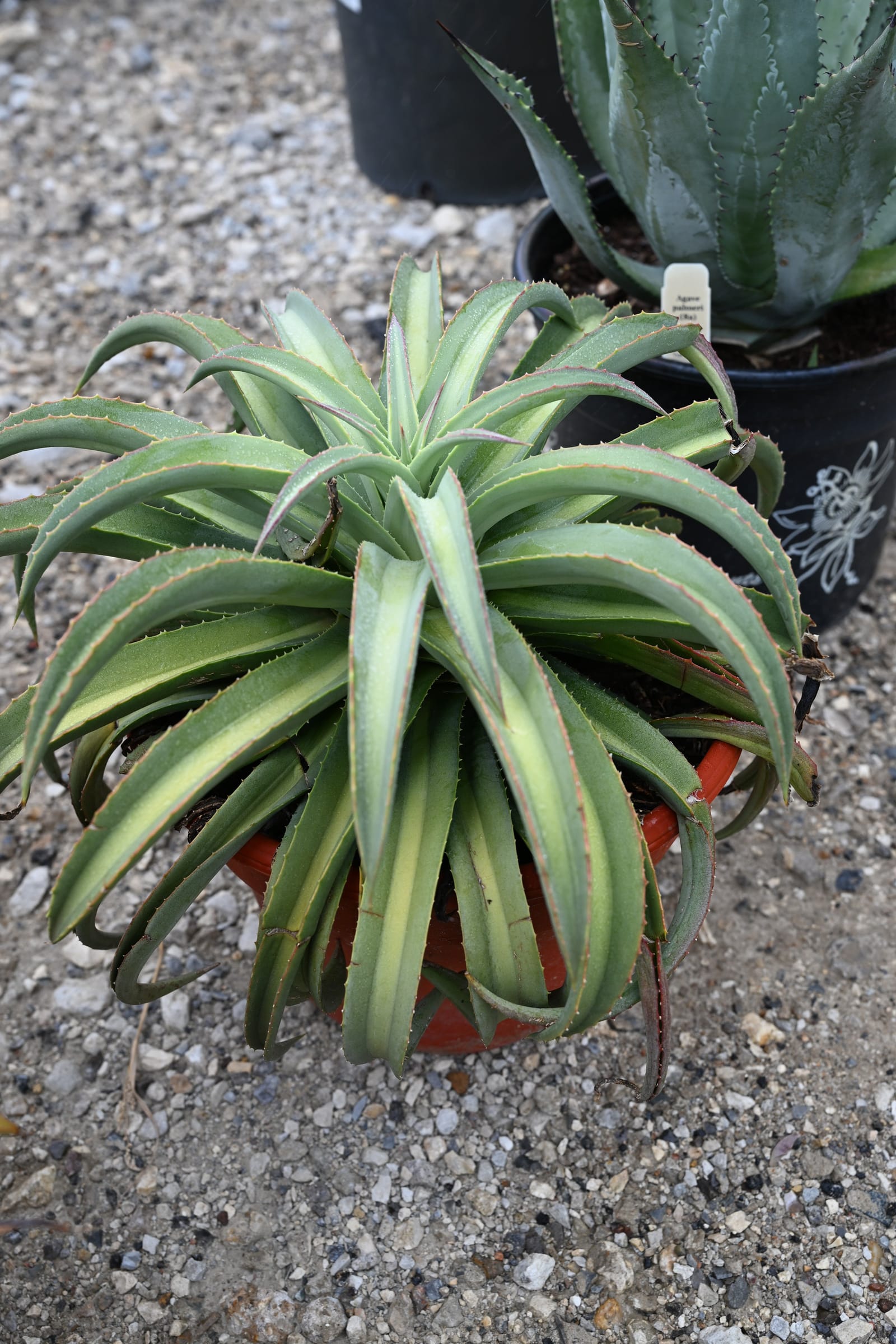
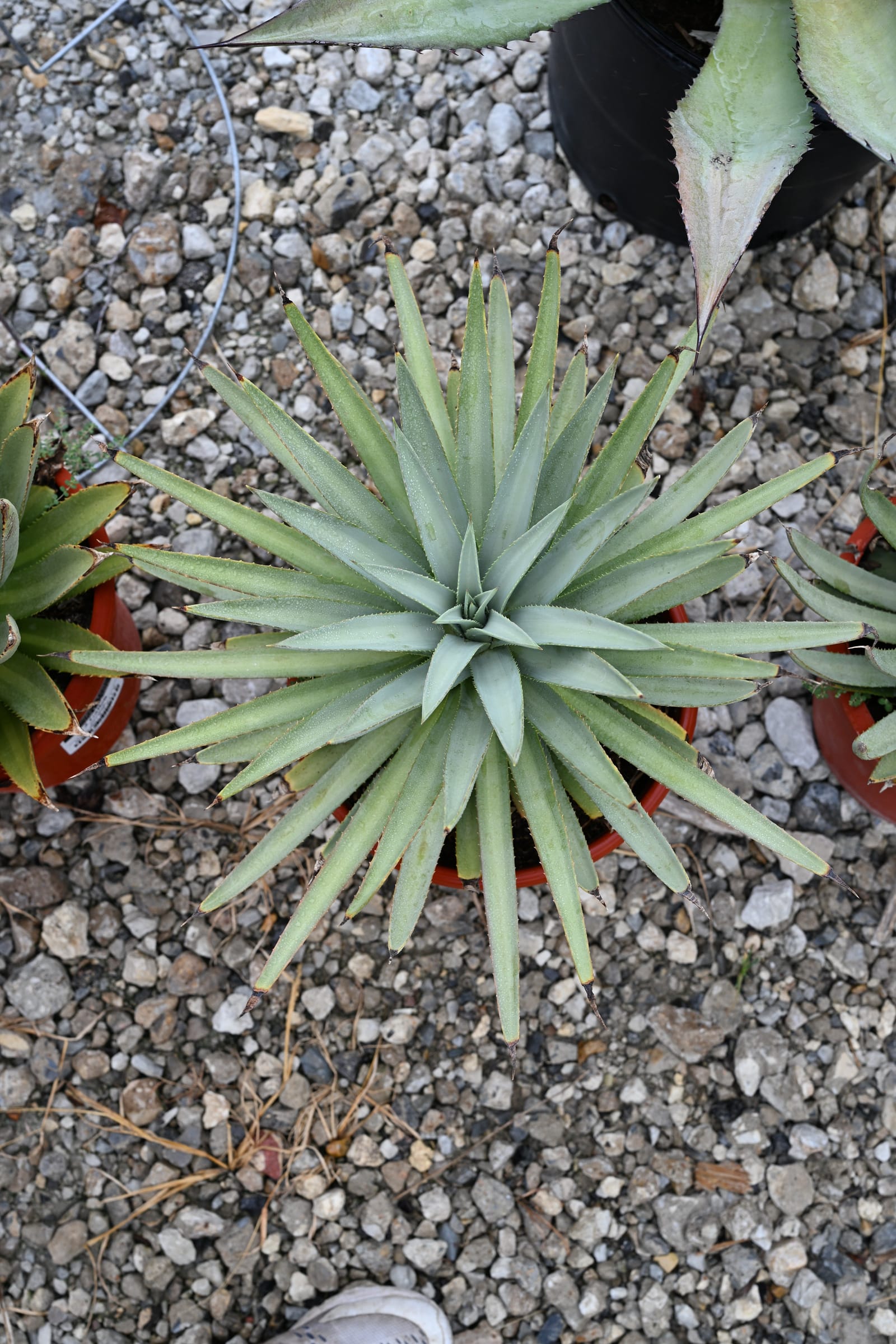
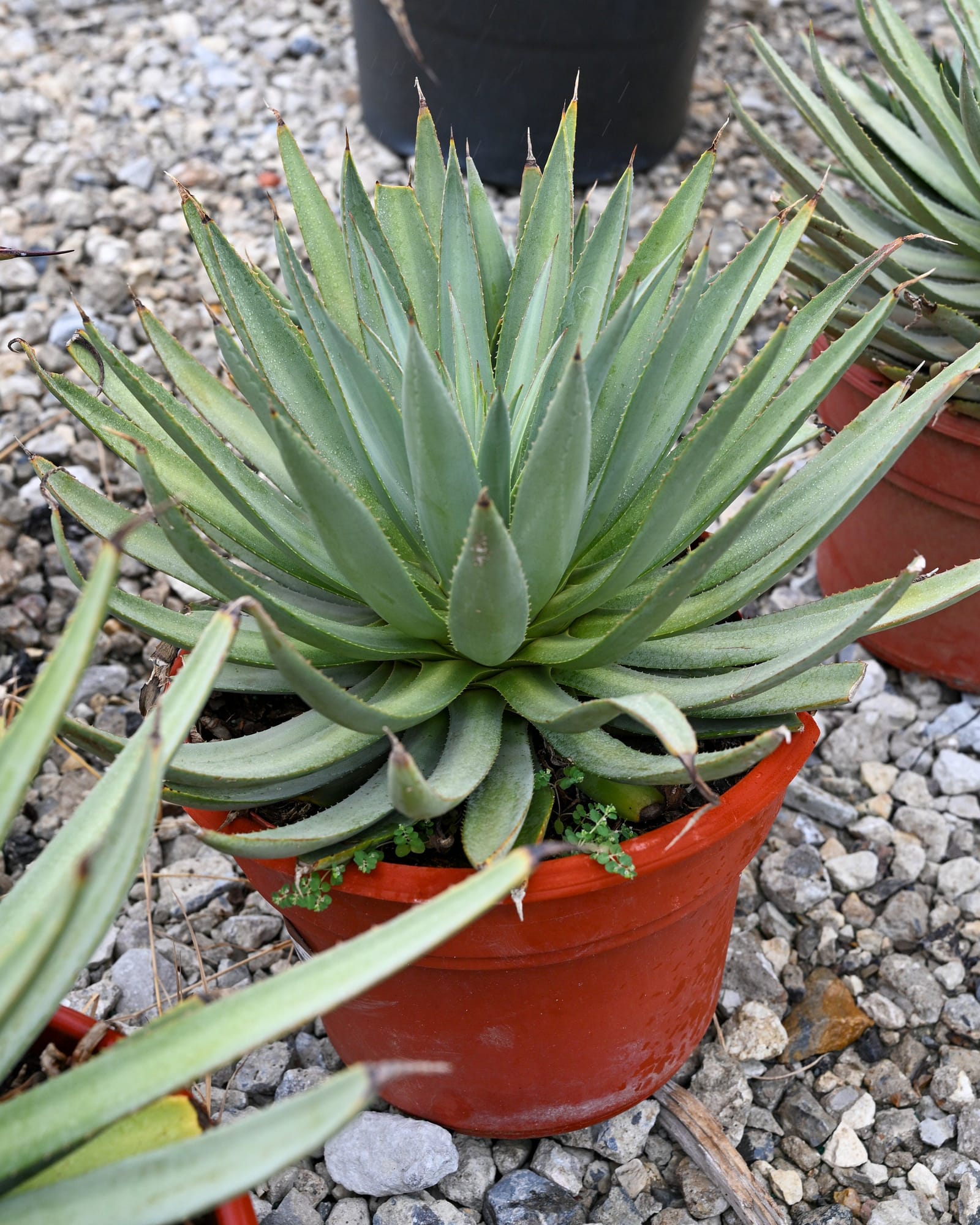
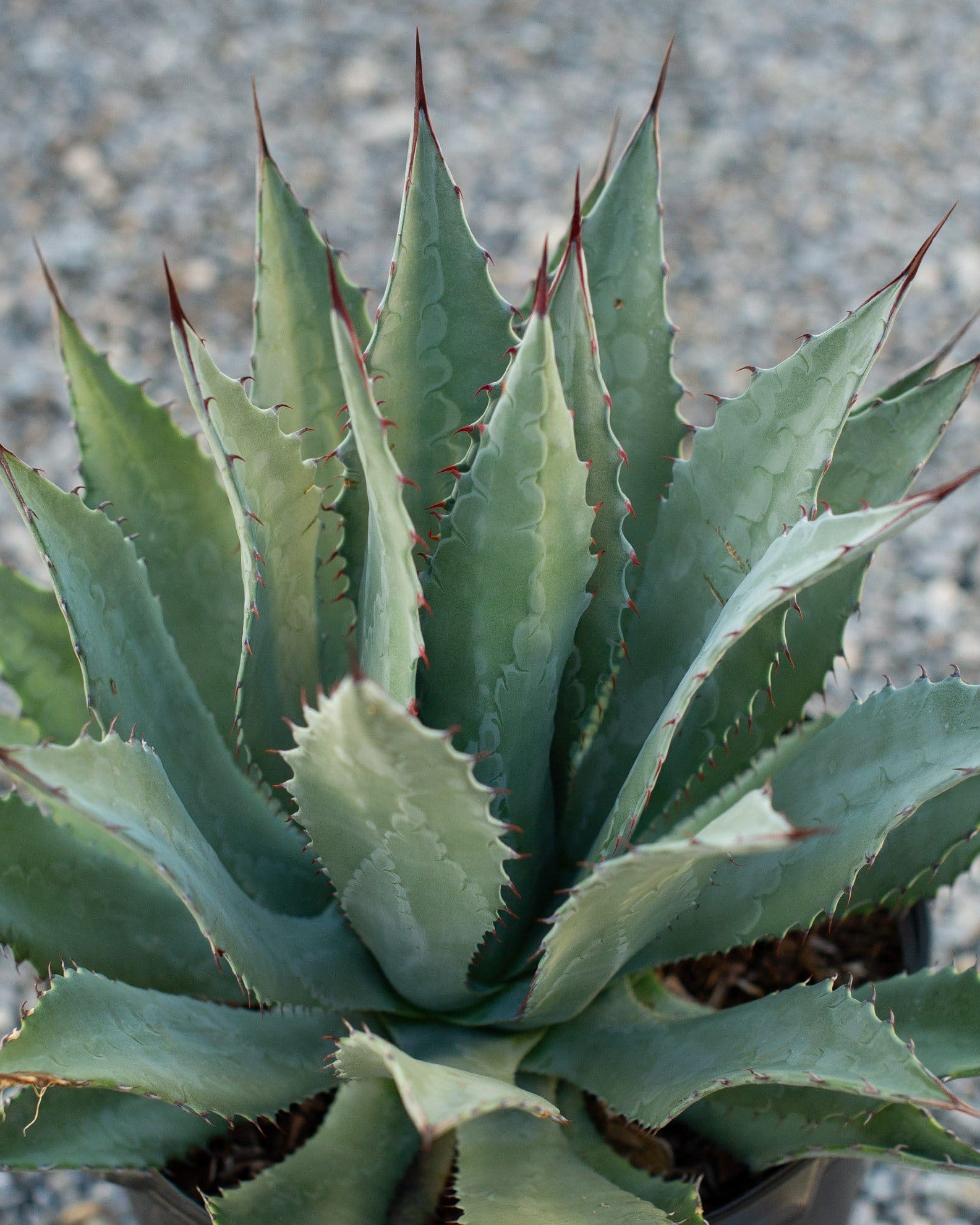
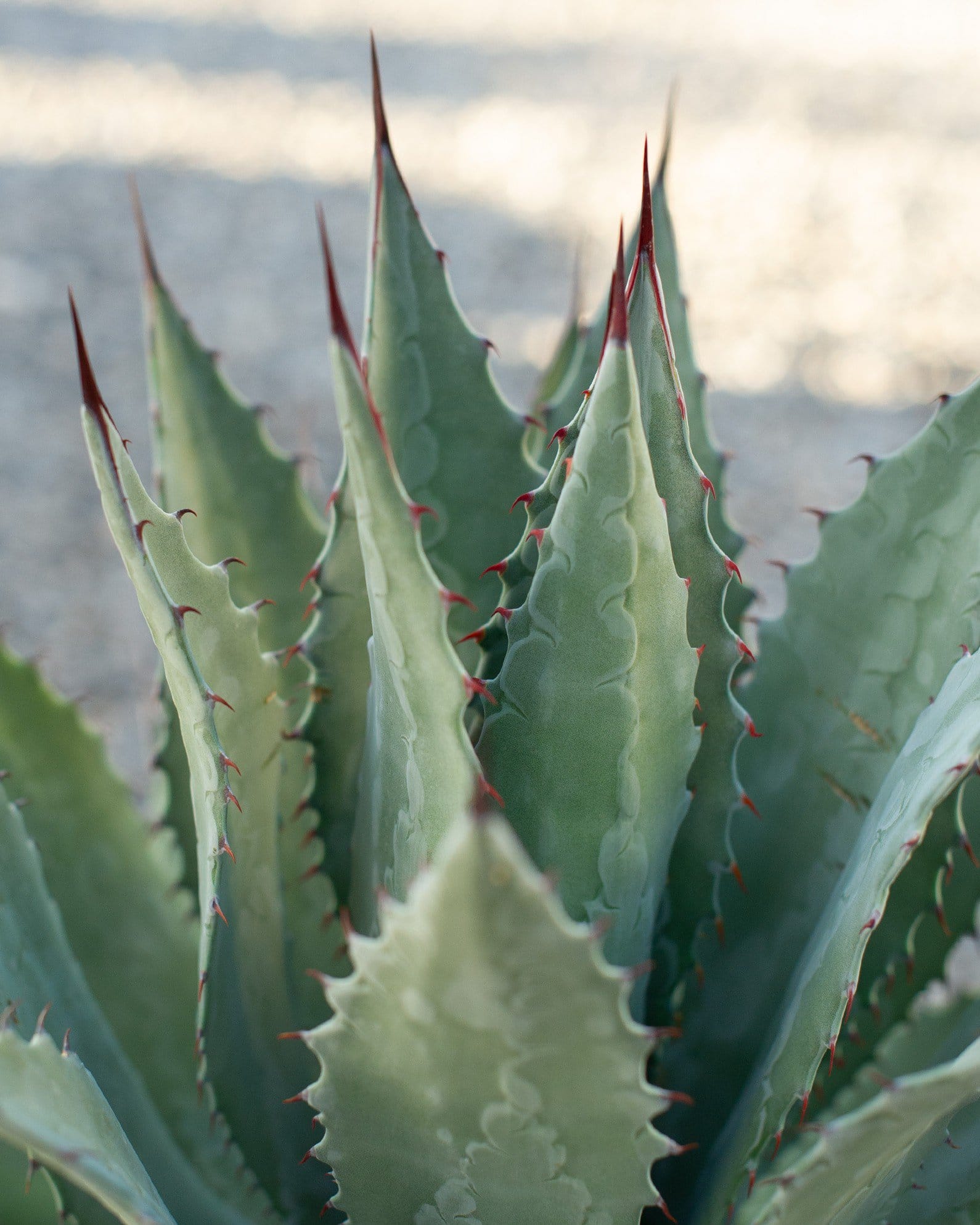
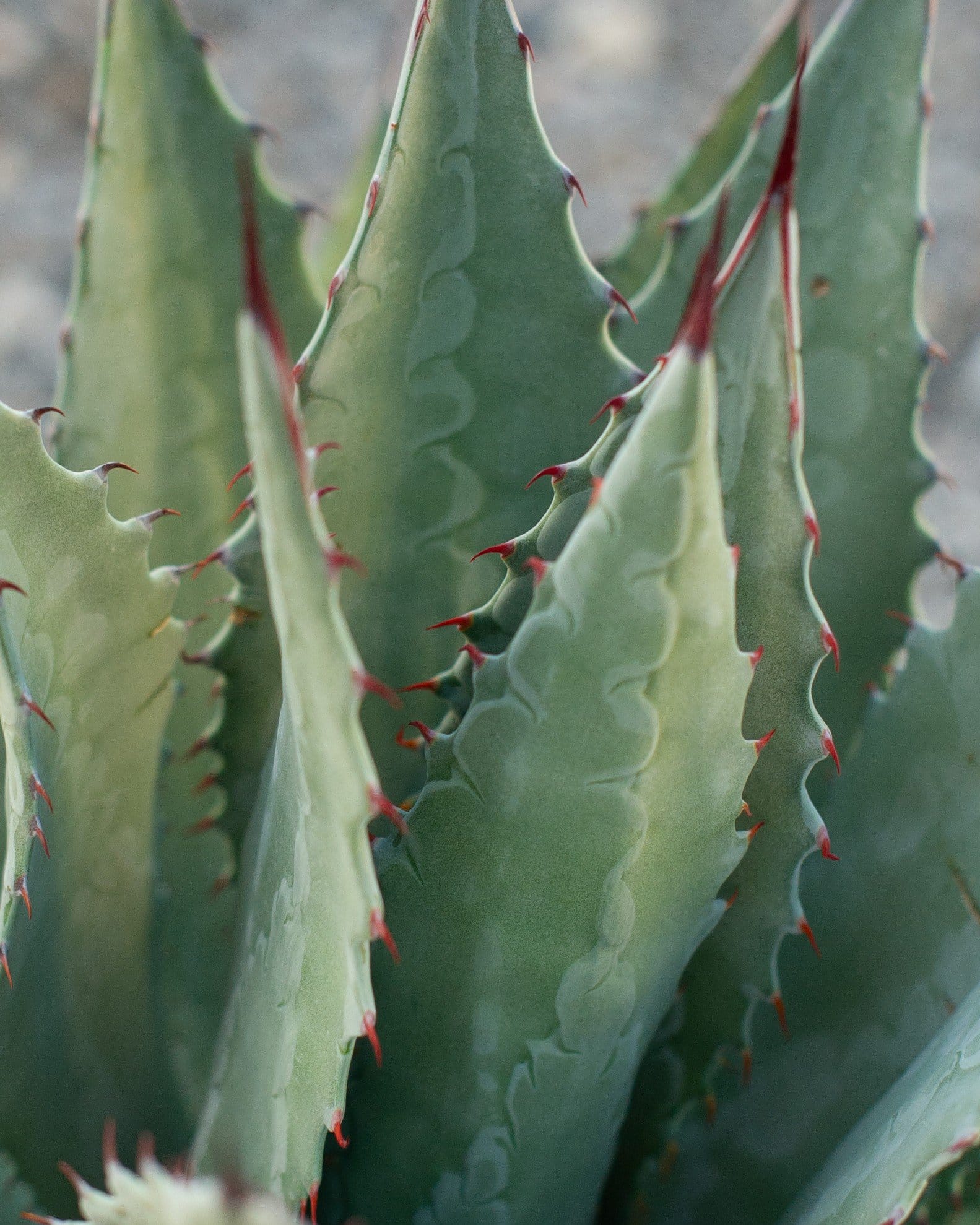
Agave parryiParry’s Agave offers timeless beauty and sculptural form, making it a standout choice for your landscape. This evergreen succulent showcases thick, blue-gray leaves arranged in a tight rosette, each leaf delicately edged with small spines that add texture without overwhelming the design. Growing up to 1.5 feet tall and 2 feet wide at maturity, it works beautifully in containers, borders, or as a bold accent among gravel and stone. Its architectural shape and striking color create year-round interest, contrasting nicely with flowering perennials or darker foliage.
- An evergreen succulent
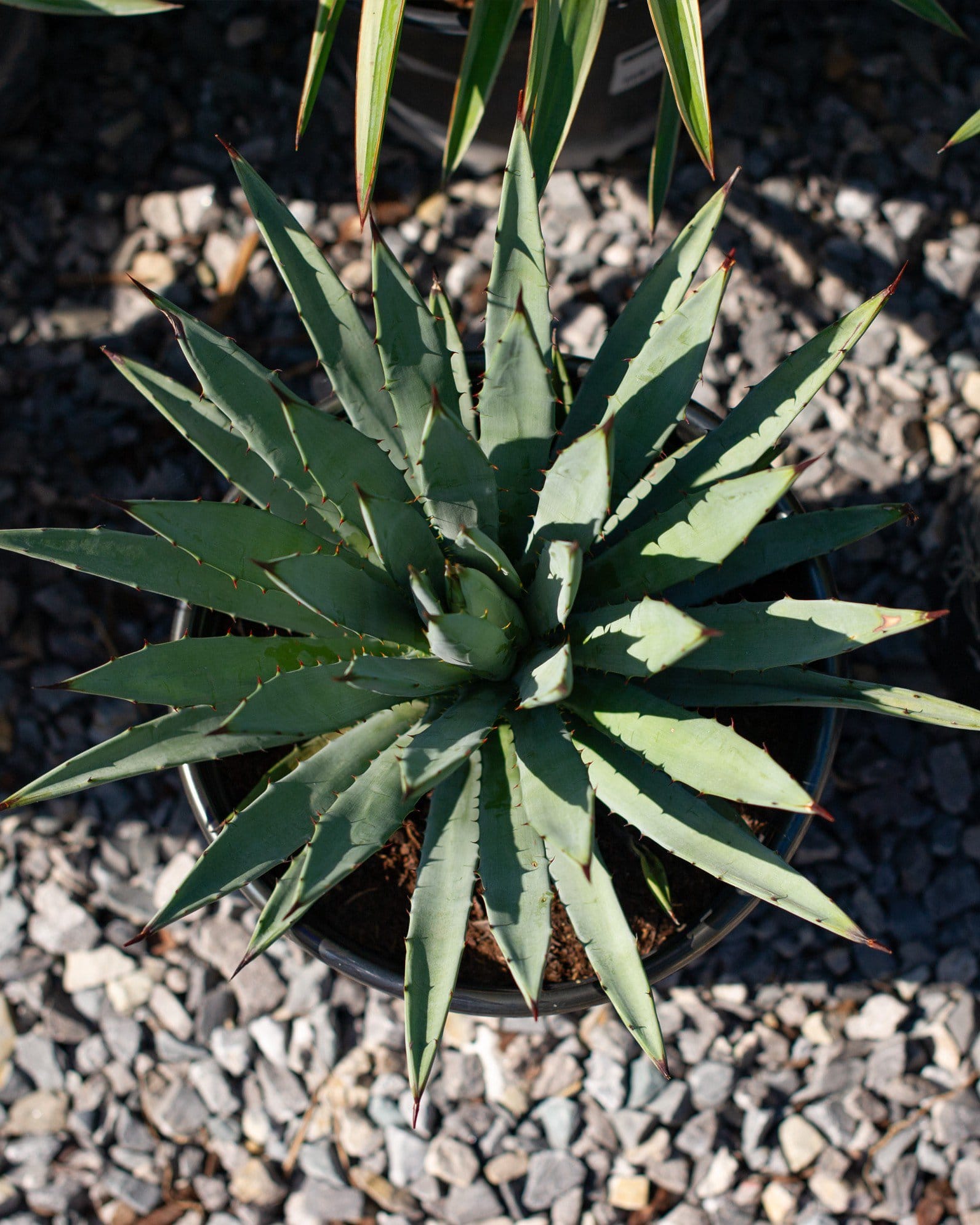
- Compact, rounded rosette growth habit
- Slow growth rate
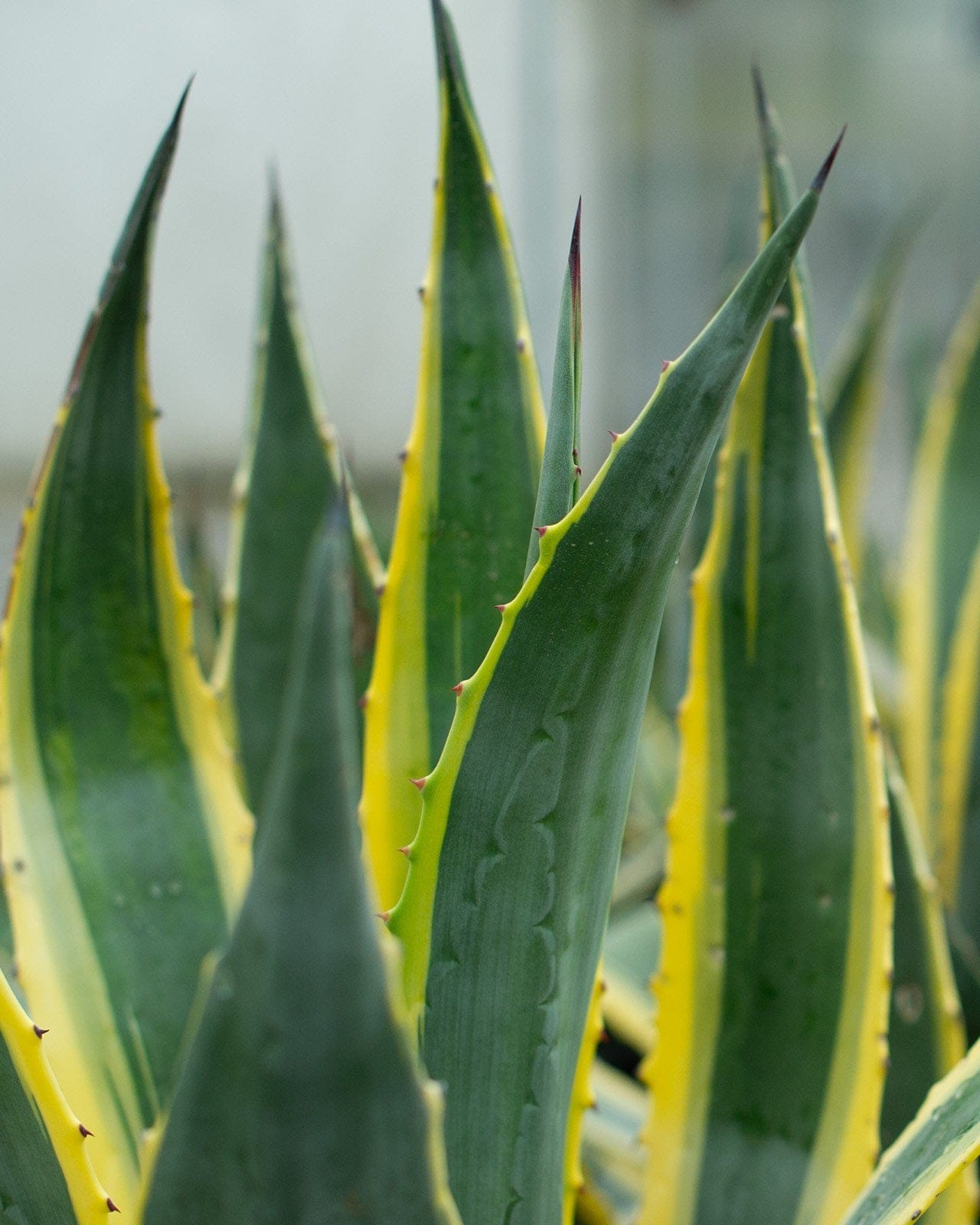
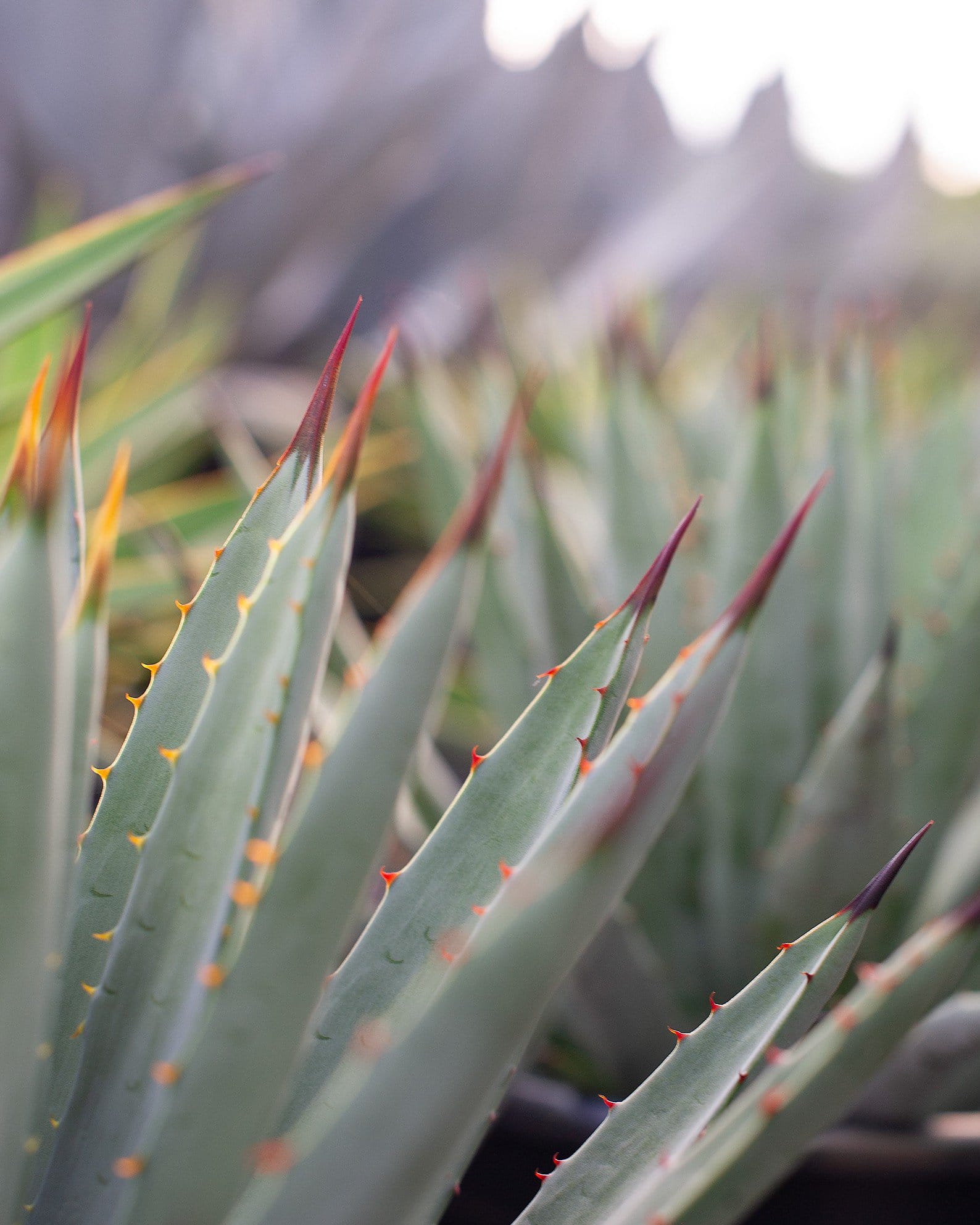
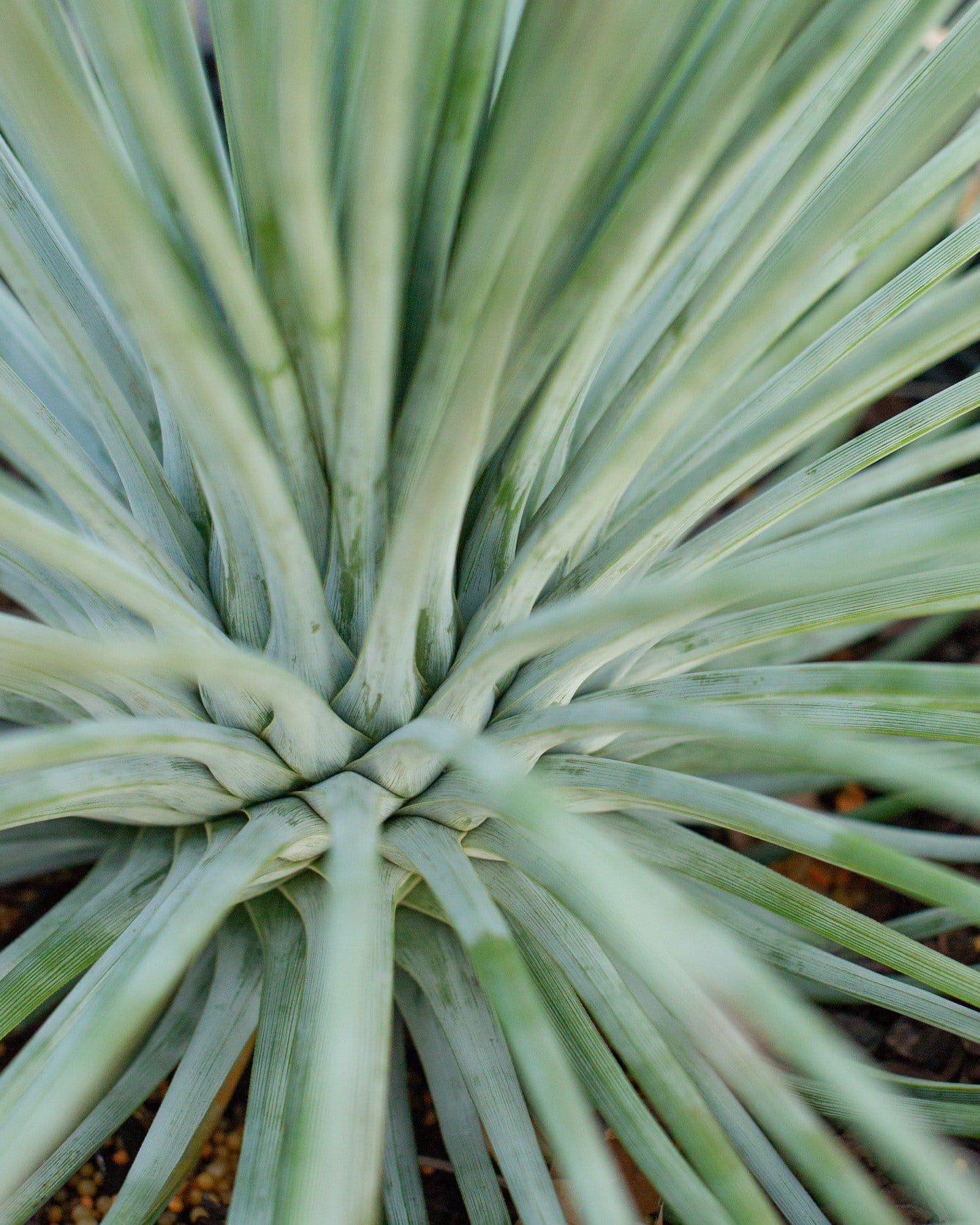
- Thick, blue-gray foliage with finely detailed edges
- Great for containers, rock features, and flower beds
Hardy in zones 5-11, Parry’s Agave adapts well to the North Texas climate. It thrives in full sun, needing at least 6-8 hours of direct sunlight daily. For best results, plant it in well-drained, sandy or rocky soil to help maintain its neat form and highlight its distinctive blue-gray tones.
Once established in well-drained soil, Parry’s Agave requires very little maintenance and remains strikingly sculptural for many years. Here’s what it needs to thrive:
- Watering: Water moderately during the first growing season to establish a deep, stable root system. Once established, Parry’s Agave is highly drought-tolerant and typically requires irrigation only during extended periods of extreme dryness. Allow soil to dry thoroughly between waterings to prevent crown or root rot.
- Pruning: Pruning is minimal and usually limited to removing aging or damaged lower leaves. Always wear gloves when handling due to sharp terminal spines and marginal teeth. Avoid cutting into the central rosette, which preserves the plant’s symmetry.
- Fertilizing: Parry’s Agave performs best in lean, well-drained soils and rarely requires feeding. If growth appears sluggish, apply a very light dose of balanced fertilizer in early spring. Overfertilization may reduce its tight, compact form.
- Mulching: Use gravel or mineral mulch to improve drainage and keep moisture away from the crown. Avoid organic mulch that retains excess moisture. Proper airflow around the base is essential for long-term health.
- Winter Care: Parry’s Agave is notably cold-hardy compared to many agaves and tolerates lower temperatures well when drainage is excellent. Protection during prolonged hard freezes may help prevent leaf damage in colder regions. Winter moisture control is more important than temperature alone.
Parry’s Agave is extremely resilient, though a few specific concerns may occasionally arise.
- Crown Rot in Wet Conditions: Softening at the center or leaf discoloration may indicate trapped moisture. Ensuring sharp drainage prevents most rot problems.
- Agave Snout Weevil: Sudden collapse can occur if infested by this destructive insect. Prompt removal of affected plants reduces spread.
- Cold Moisture Damage: Leaf tissue may darken after prolonged wet freezes. Improving winter drainage significantly reduces risk.
- Sunburn After Transplanting: Recently installed plants may show pale patches if abruptly exposed to intense sun. Gradual acclimation prevents stress.
- Mechanical Injury: Thick leaves may scar if bumped. Cosmetic damage rarely affects overall plant health.
Parry’s Agave typically lives 15-30 years before flowering. After blooming once, the primary rosette completes its life cycle. Offsets often develop beforehand, allowing the colony to persist.
Growth averages 3-6 inches per year under favorable conditions. A mature rosette generally forms within 8-15 years. Its slow growth contributes to its tight, compact symmetry.
Yes, it is among the more cold-tolerant agave species. When planted in well-drained soil, it can withstand significantly lower temperatures than many tropical types. Winter drainage remains critical to success.
It commonly produces pups around the base as it matures. These offsets can be separated and replanted once established. Over time, small clusters may develop naturally.
Yes, it produces a tall flowering stalk once in its lifetime. The bloom stalk can reach 10-20 feet tall. After flowering, the main rosette declines naturally.
Its compact form and silver-blue coloration make it ideal for rock gardens. Mineral surroundings highlight its symmetry. It pairs beautifully with other drought-tolerant plants.
When grown in full sun with proper drainage, it maintains a remarkably balanced rosette. Even light exposure supports uniform growth. Its symmetry becomes more defined with age.
Young plants perform well in large containers with excellent drainage. Containers allow easier control of winter moisture. Long-term growth is often best achieved in-ground.
Leaf color may intensify in cooler weather, developing stronger blue-gray tones. Mild environmental stress can enhance coloration. Seasonal shifts add subtle visual depth.
Parry’s Agave stands out for its nearly perfect rosette symmetry and silvery-blue foliage. It combines compact size with impressive cold tolerance. Few agaves deliver such refined desert architecture with minimal care.
Special Features
You might also like
Americana Agave
Maturity: 6' H x 8' W
Americana Agave Opal
Maturity: 4' H x 6' W
Artichoke Agave
Maturity: 3' H x 5' W
Blue Rough Leaf Agave
Maturity: 3' H x 3' W
Havardiana Agave
Maturity: 2' H x 3' W
Quadricolor Agave
Maturity: 1.5' H x 2' W
Splendida Agave
Maturity: 1.5' H x 3' W
Black-Spined Agave
Maturity: 1.5' H x 2' W
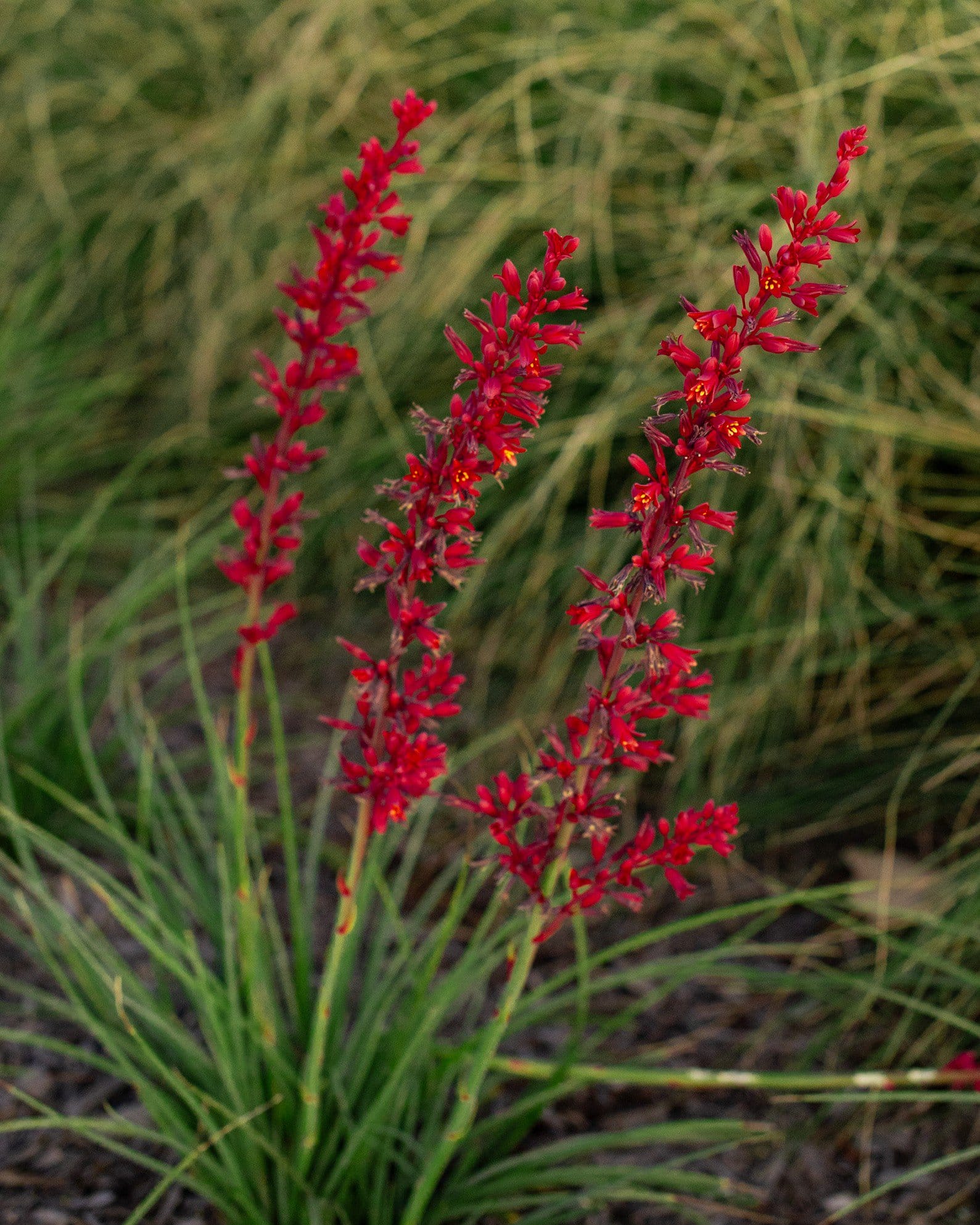
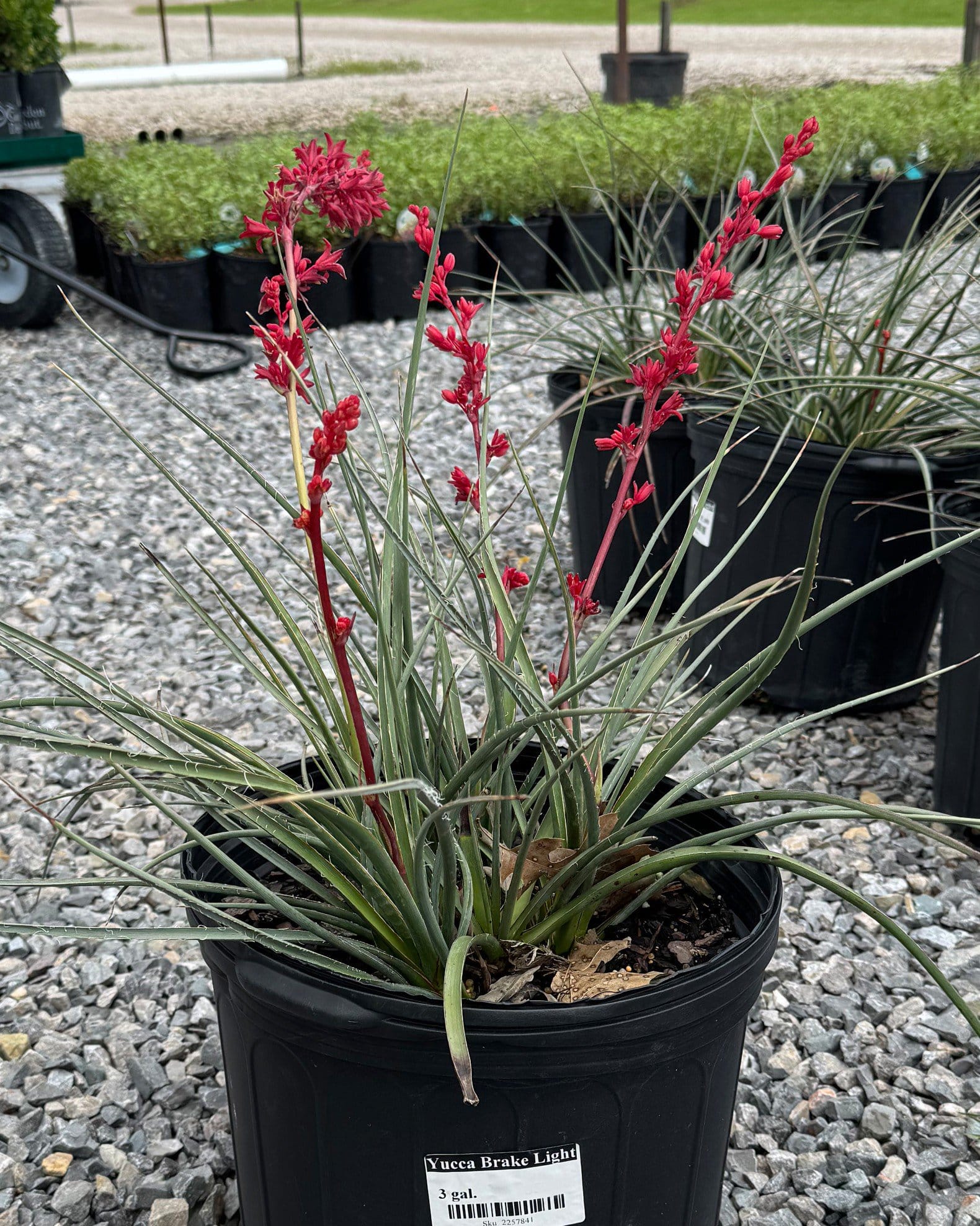
Brakelights Yucca
Maturity: 2' H x 2' W
Goldenflower Agave
Maturity: 3' H x 6' W
Grassy Sotol
Maturity: 4' H x 4' W
Liner Leaf Yucca
Maturity: 3' H x 2' W
Mangave Agave Frosted Elegance
Maturity: 0.75' H x 1' W
Narrow Leaf Agave Azul
Maturity: 1' H x 2' W
Palmer's Agave
Maturity: 4' H x 4' W
Compare Similar Plants
Parry's Agave This plant | ||
|---|---|---|
| Scientific Name | Agave parryi | Agave americana |
| Size at Maturity | 1.5' H x 2' W | 6' H x 8' W |
| Leaf Retention | Evergreen | Evergreen |
| Sizes Available | 3, 15 gal | 5, 7, 15 gal |


Our 1-Year Planting Guarantee
We take pride in our plants and installation services. If any plants or trees installed by Treeland fail to thrive within the first year, we'll provide a replacement credit in accordance with our guarantee program.
Learn More About Our Guarantee