
 Texas Native
Quadricolor Agave
Agave lophantha ‘Quadricolor’Local DFW Delivery Only
Product Details
Quadricolor Agave
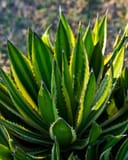
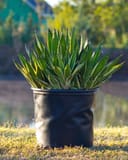
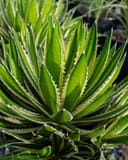
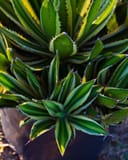
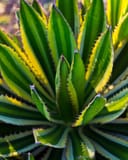
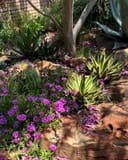
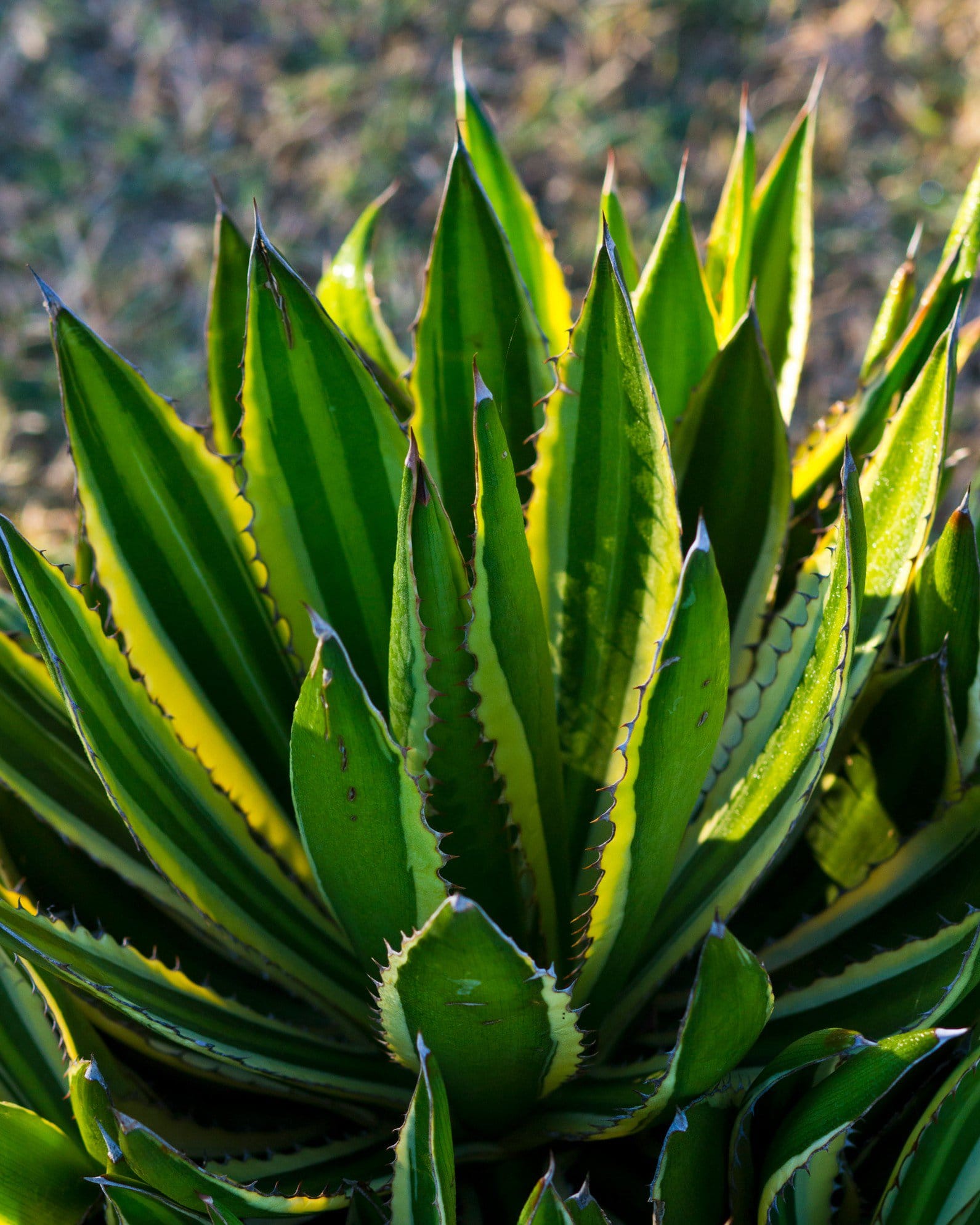
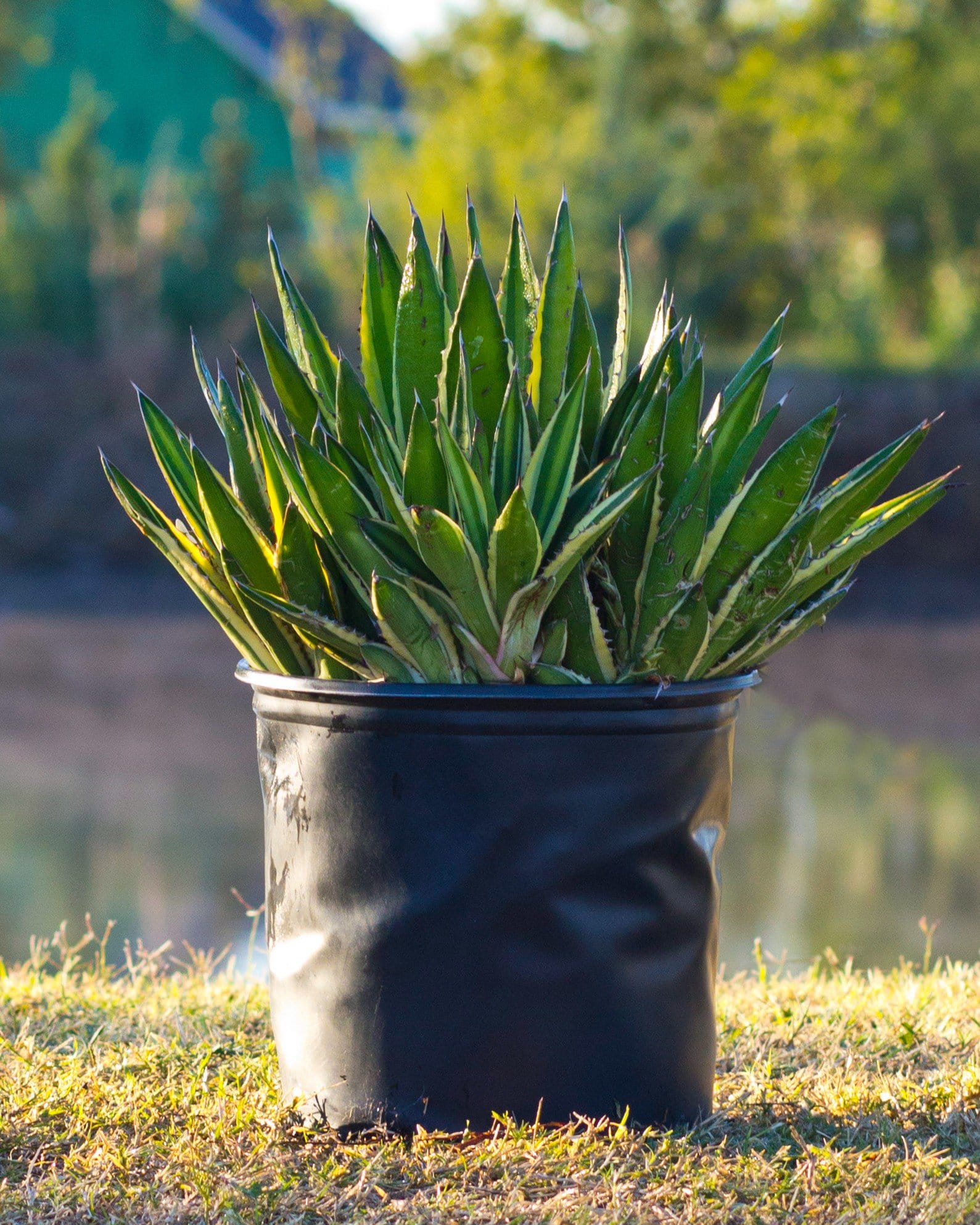
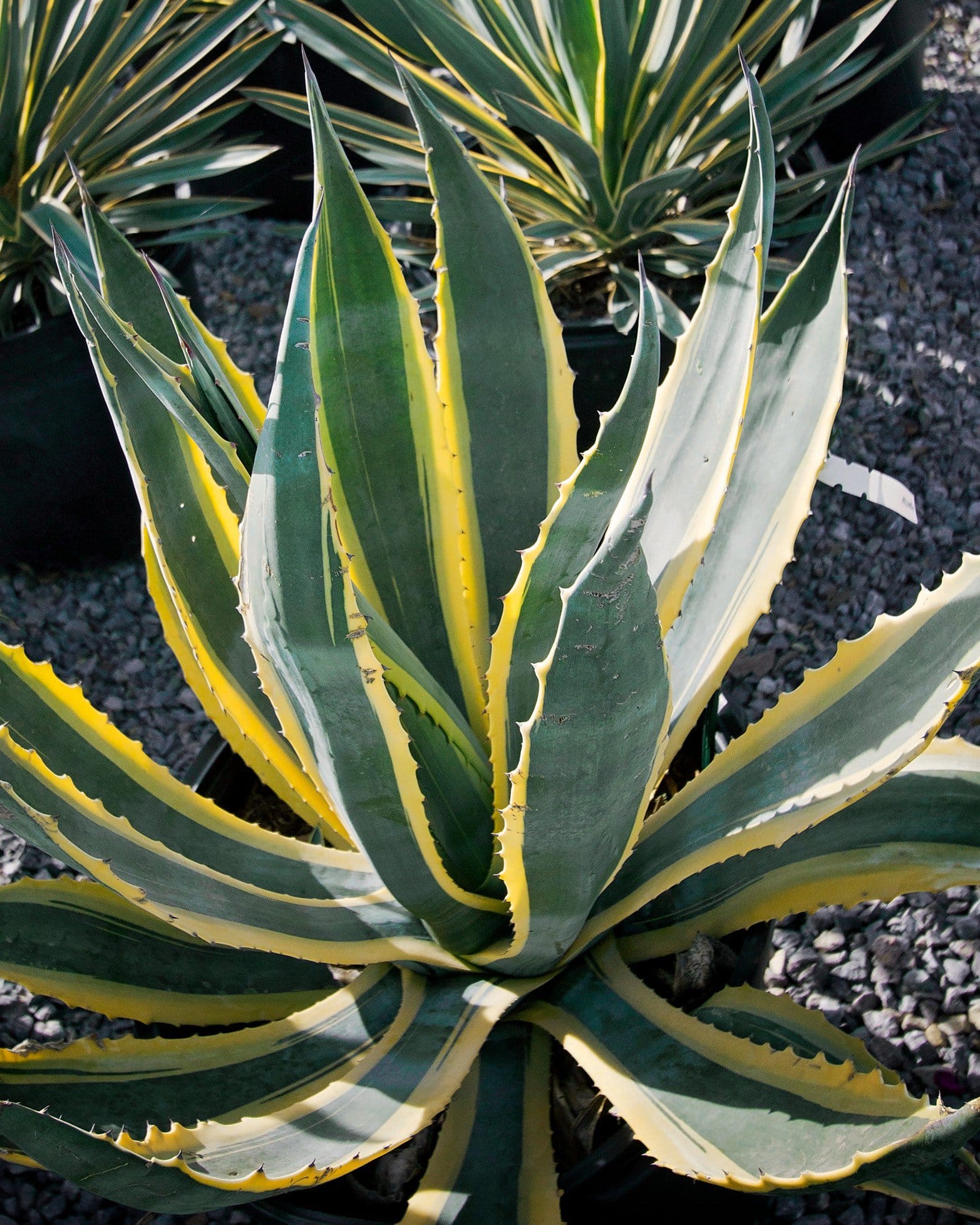
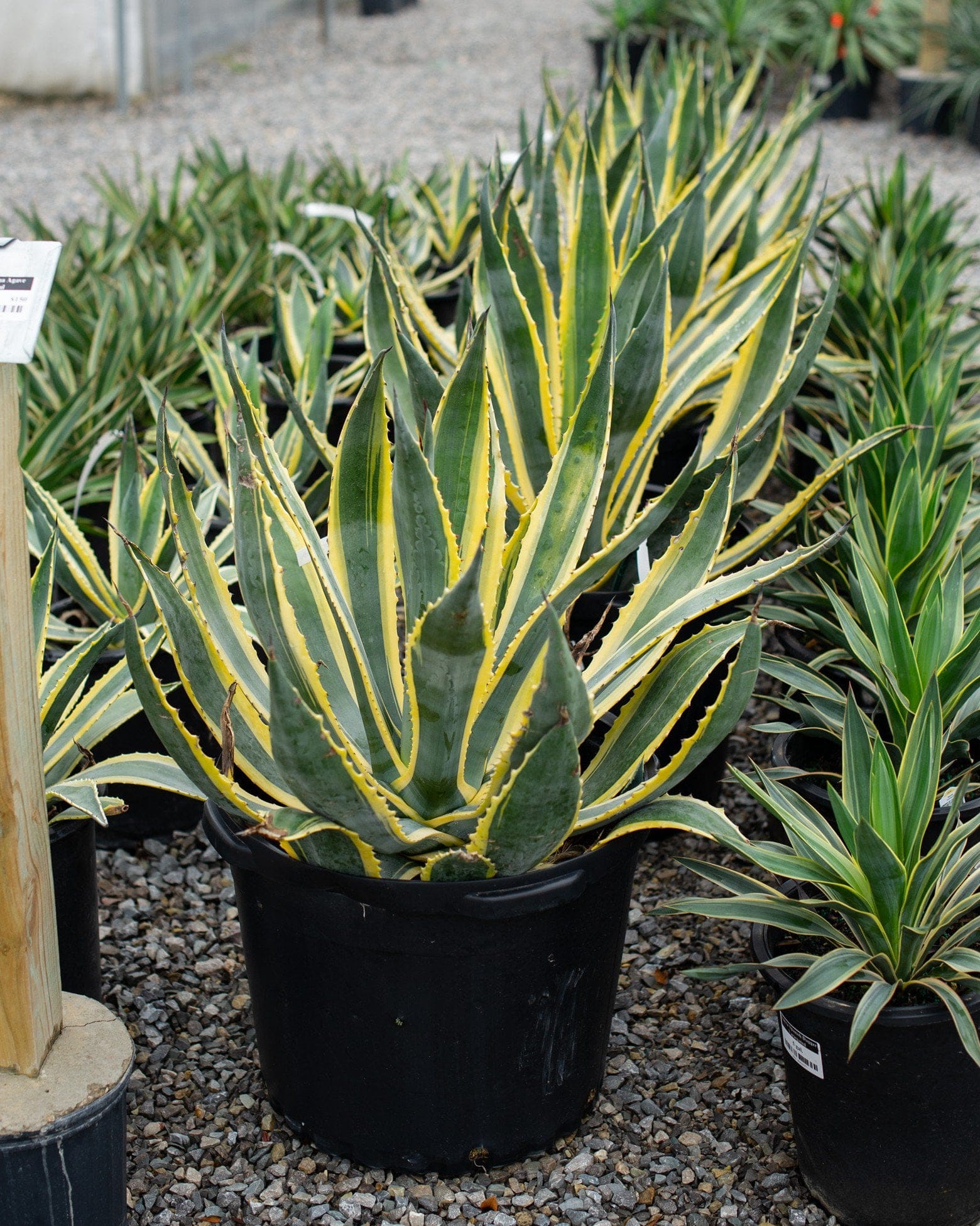
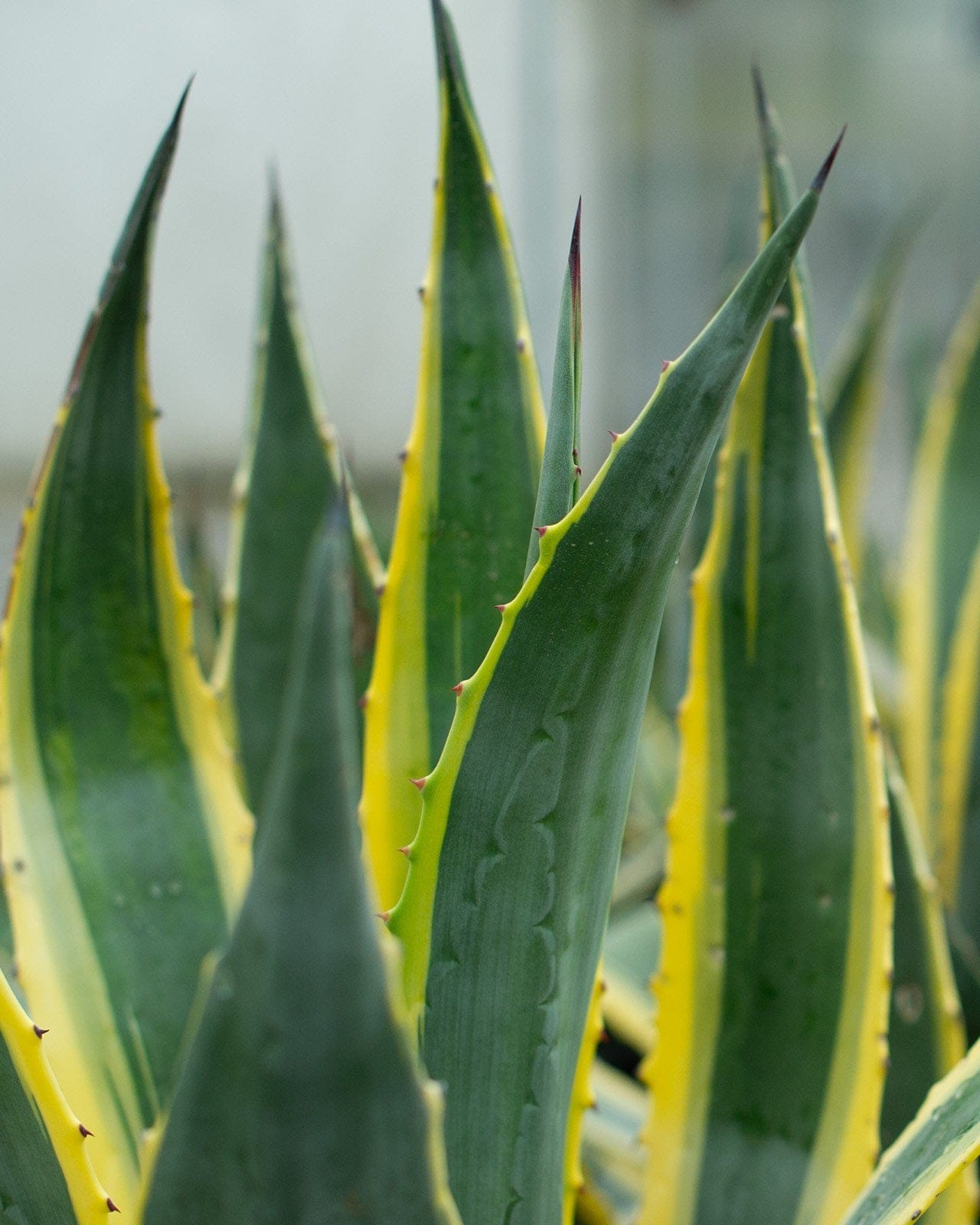
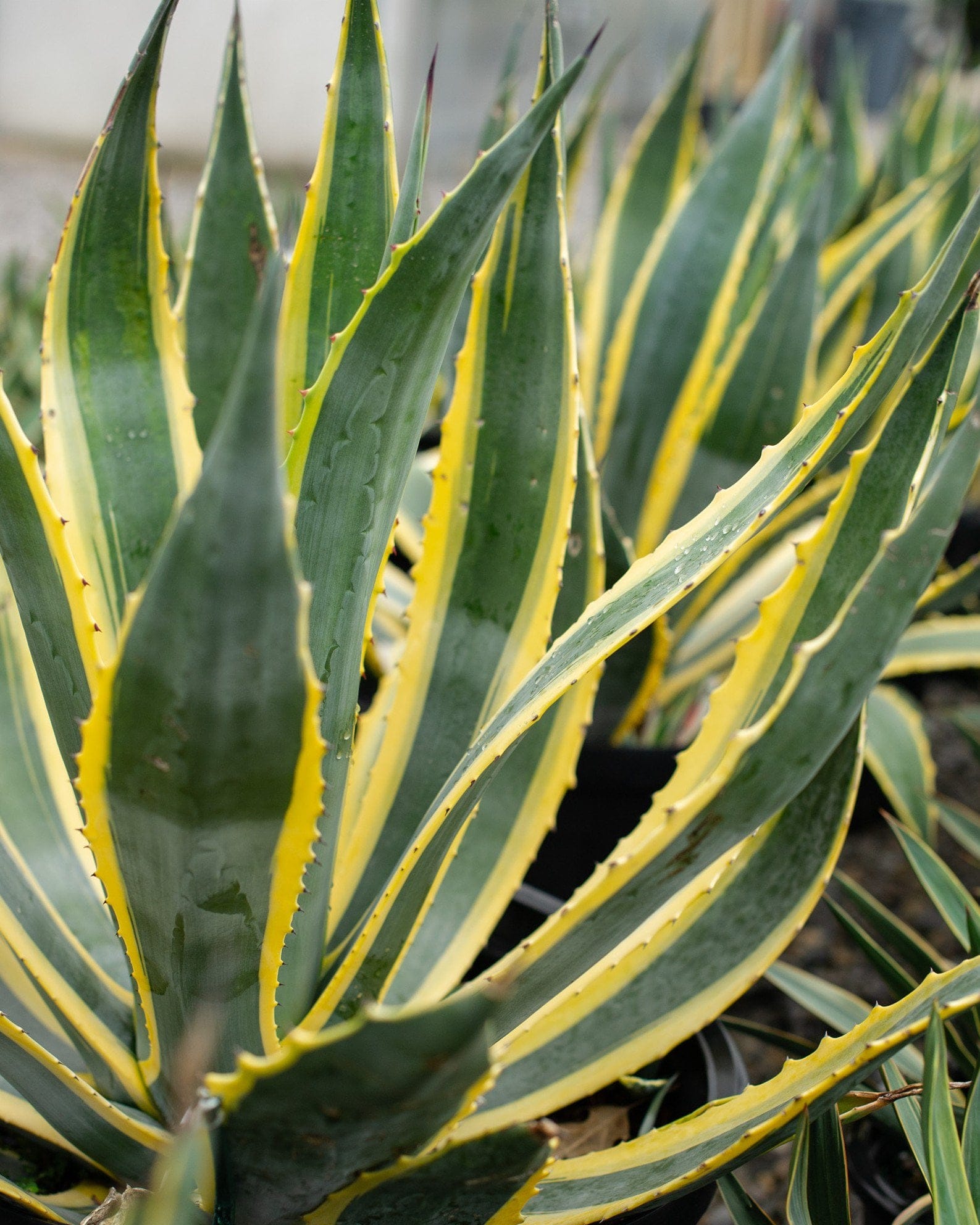
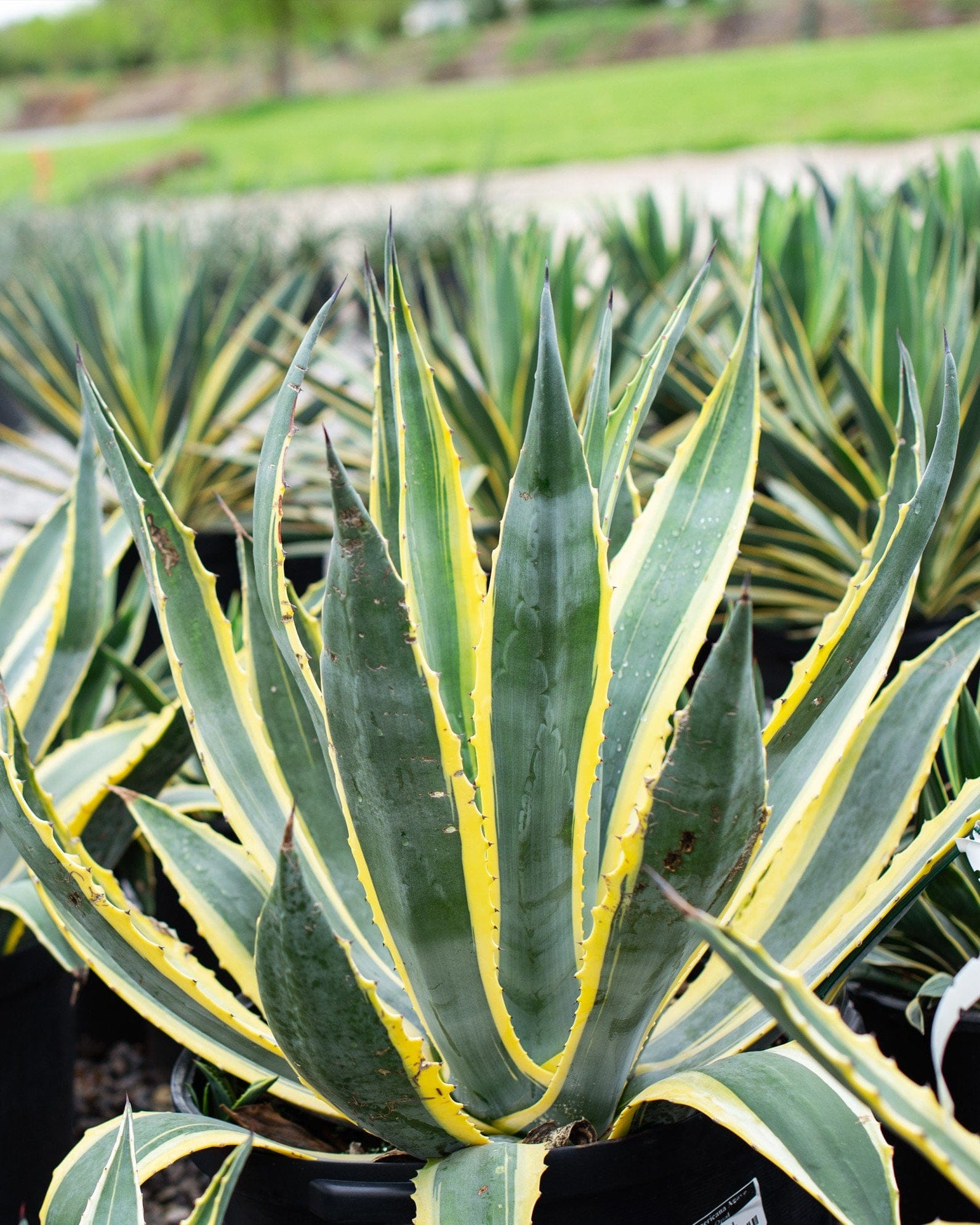
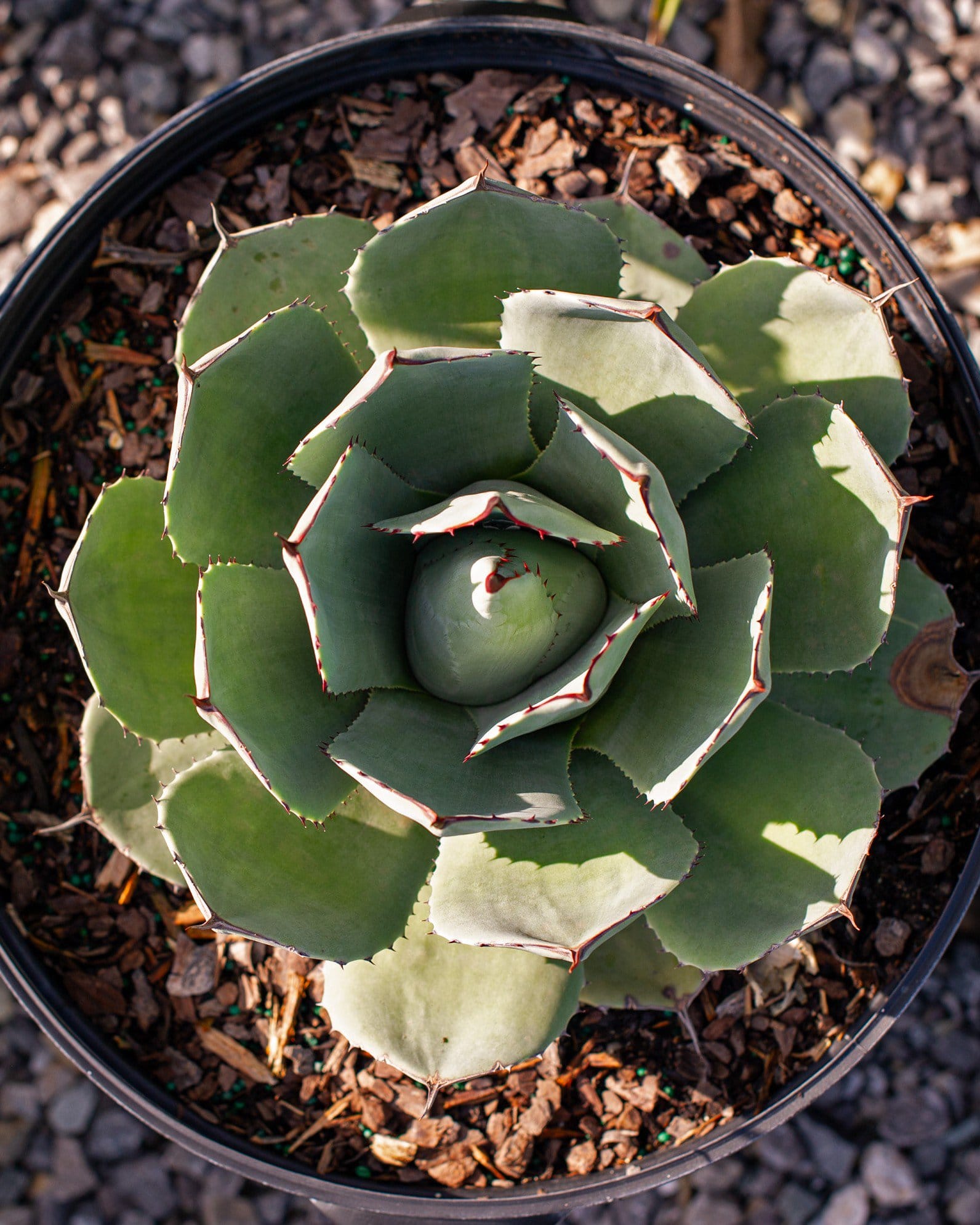
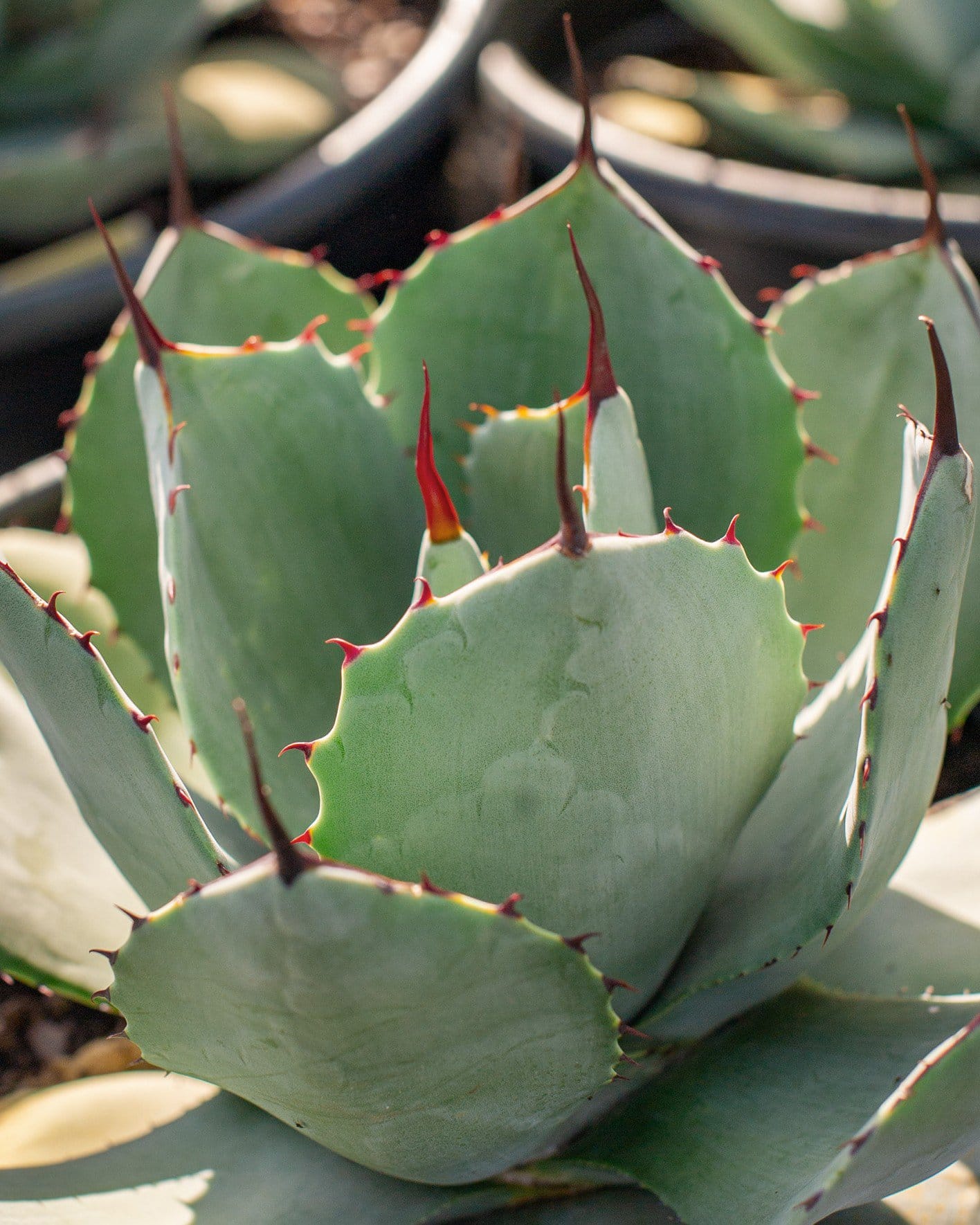
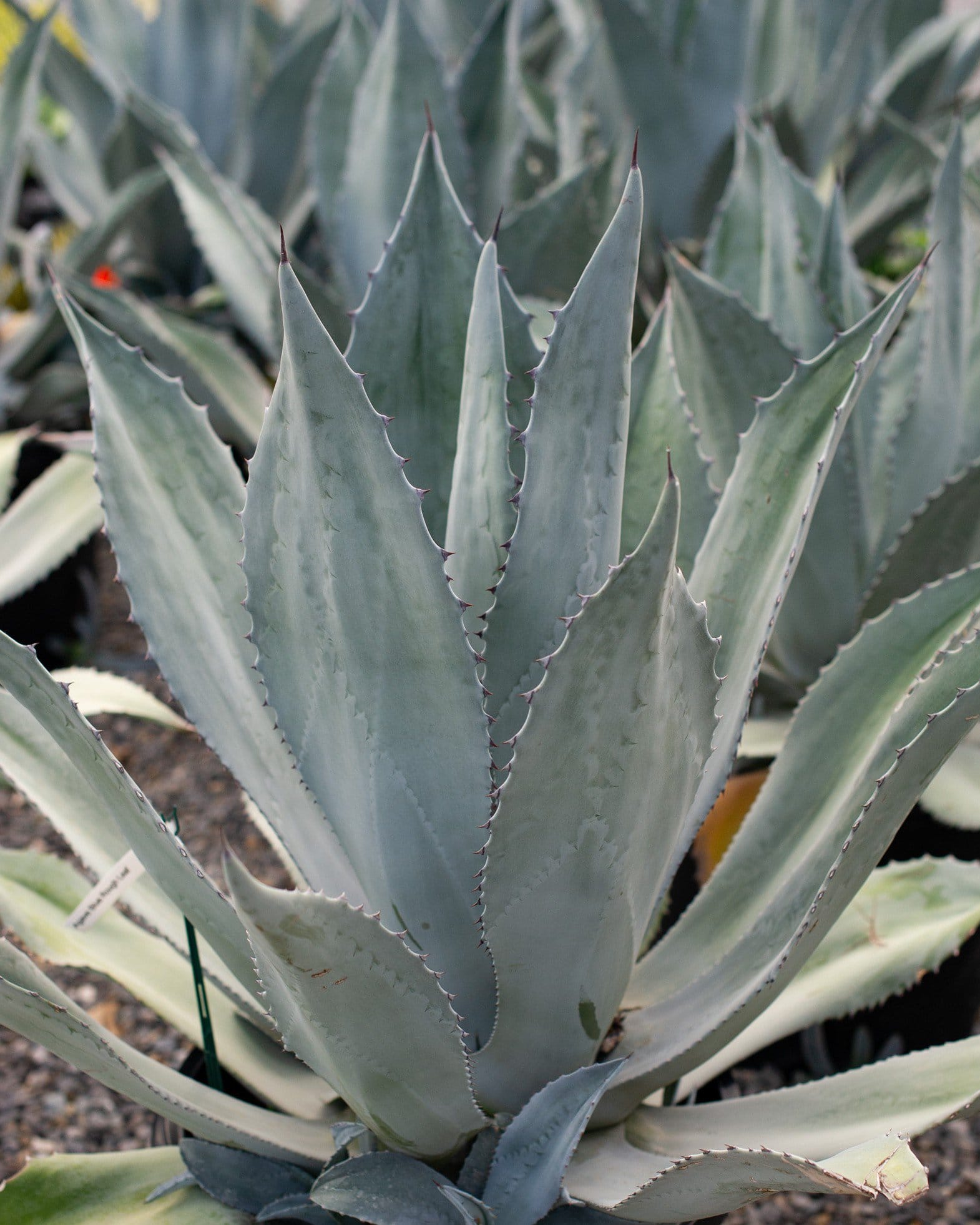
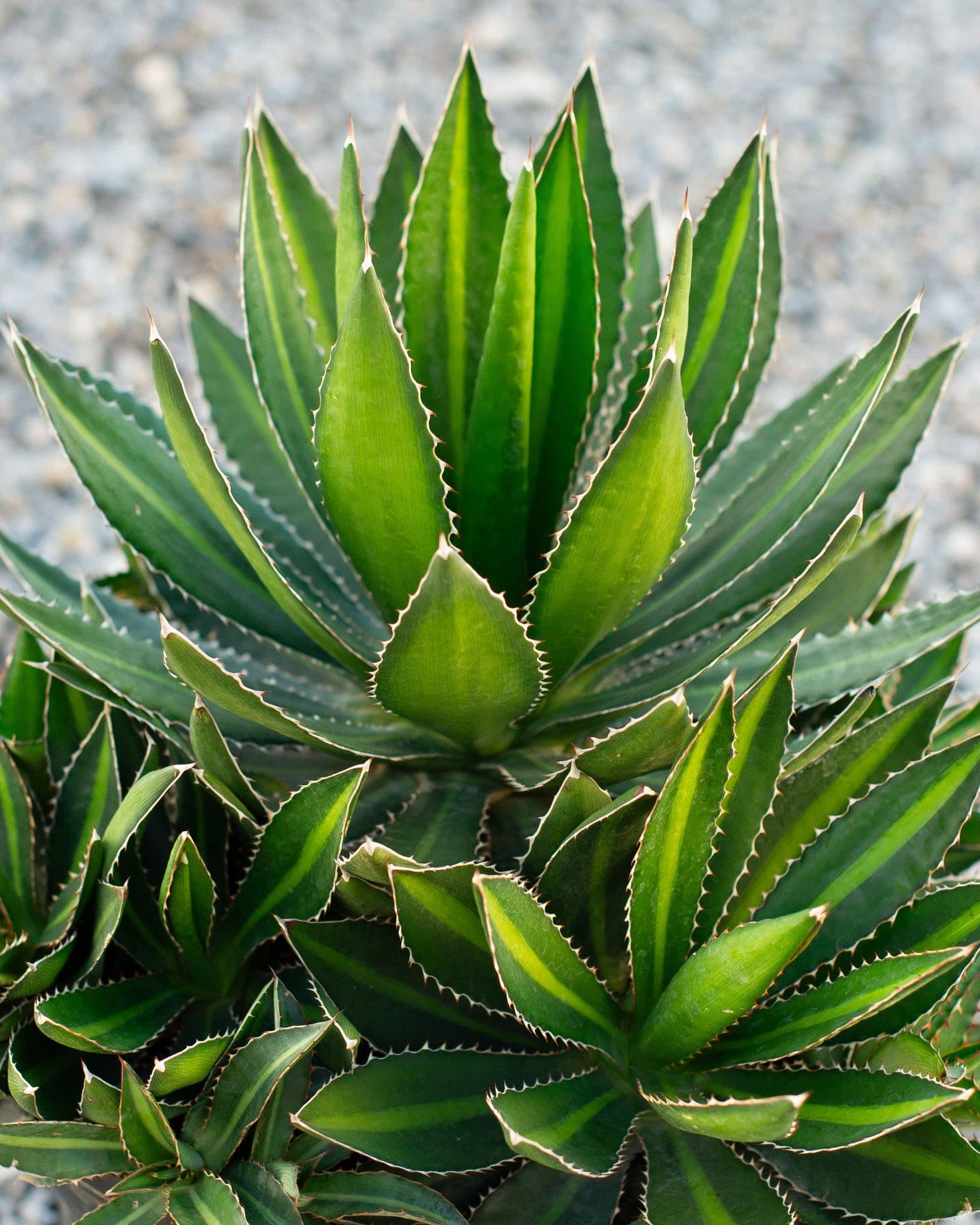
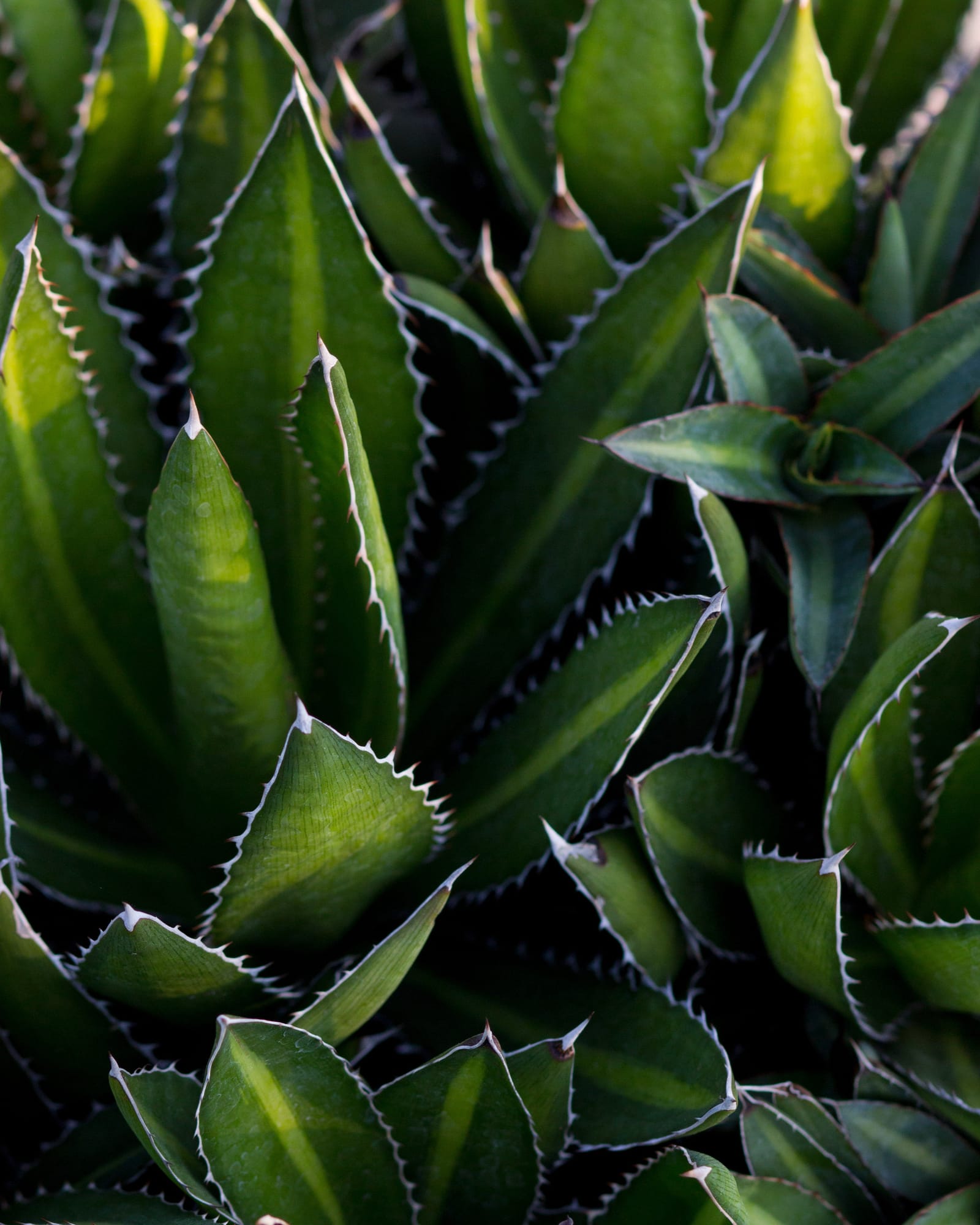
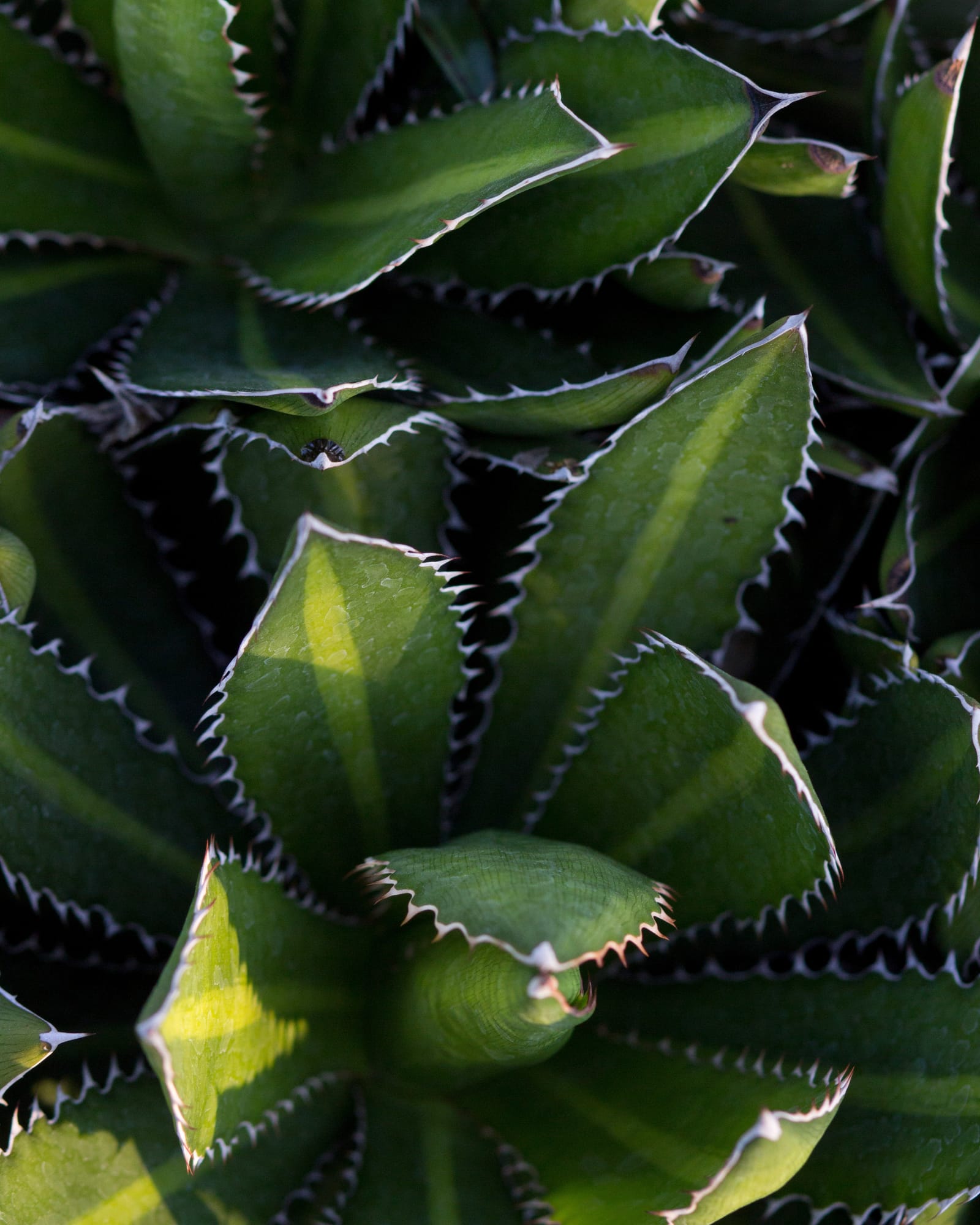
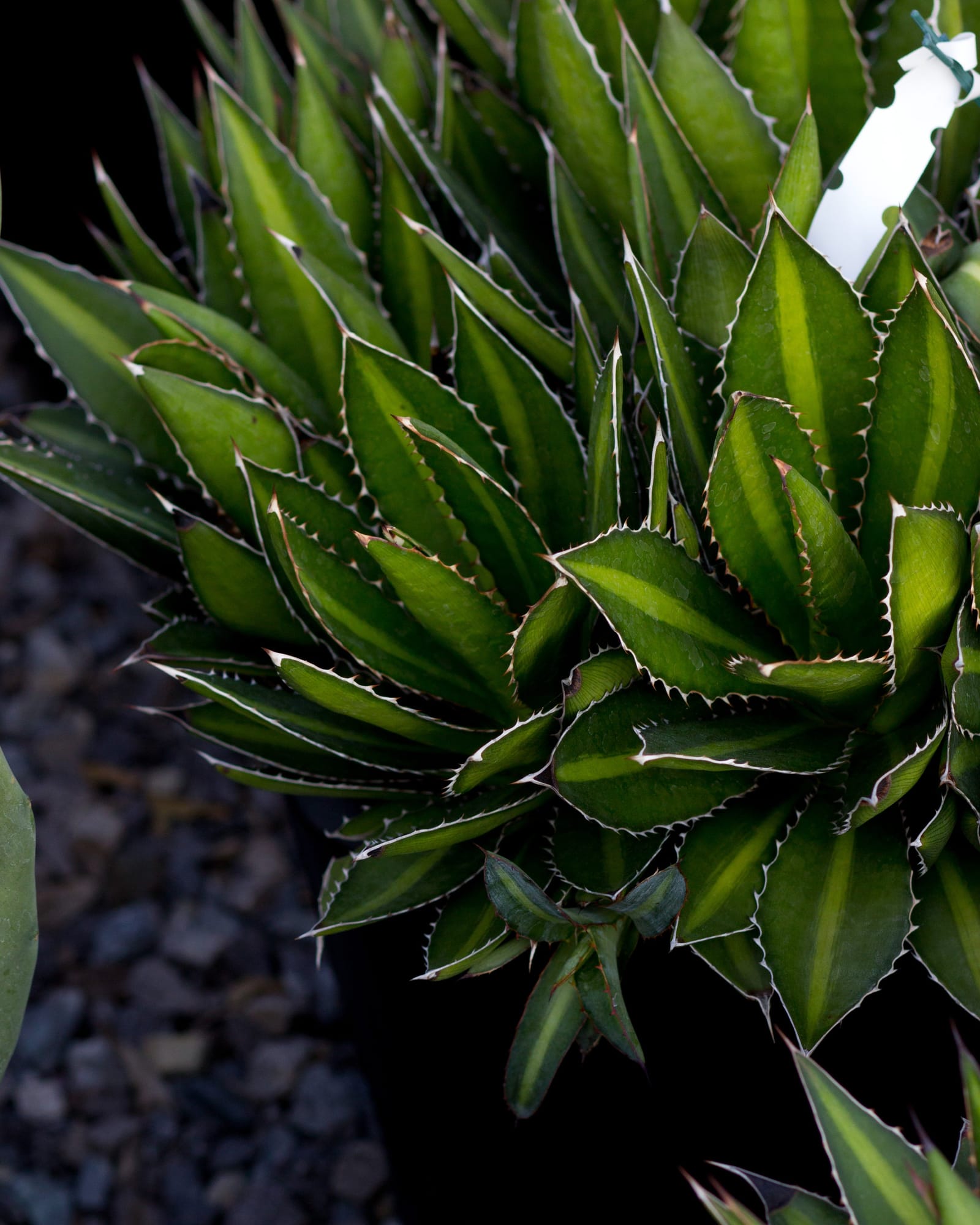
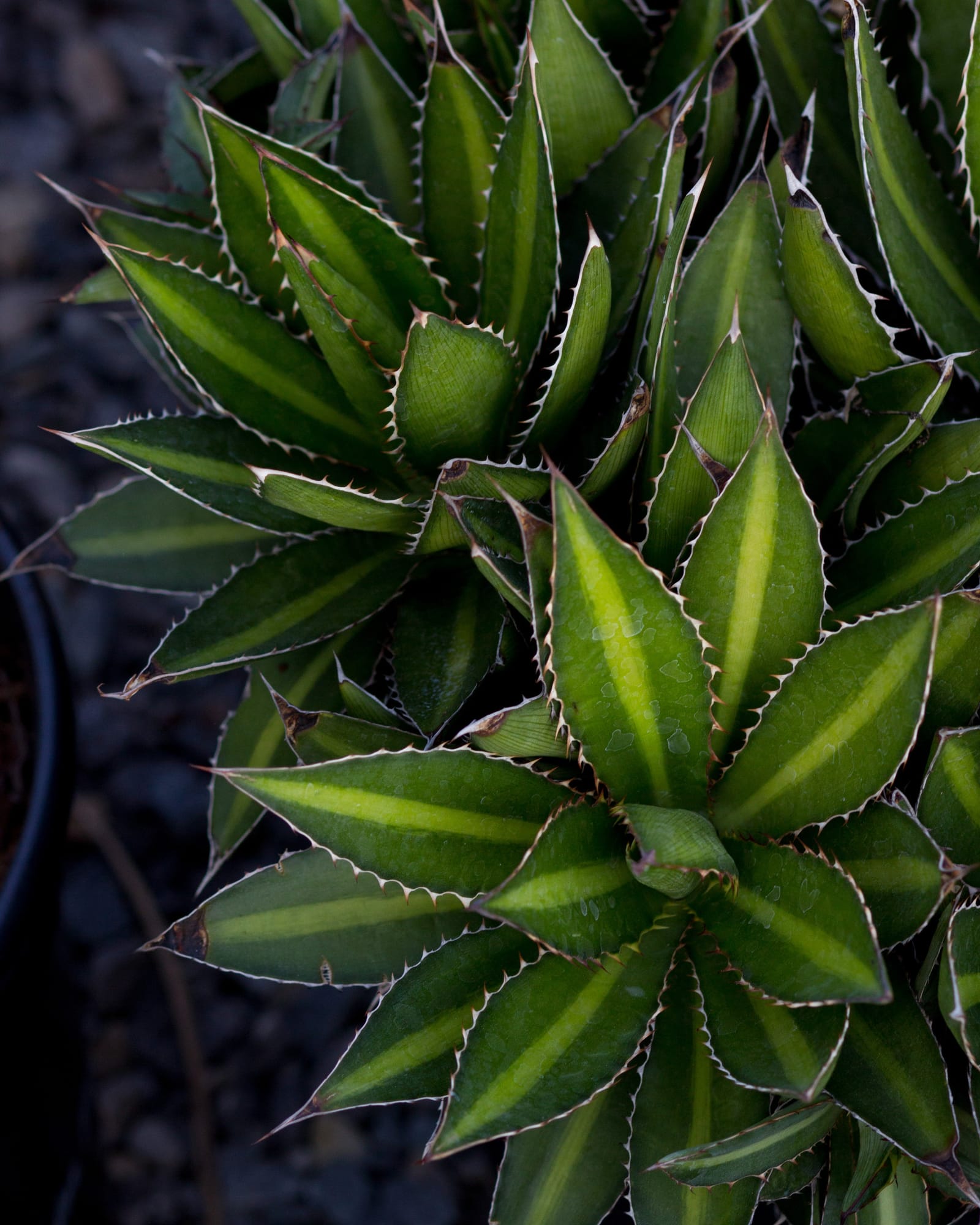
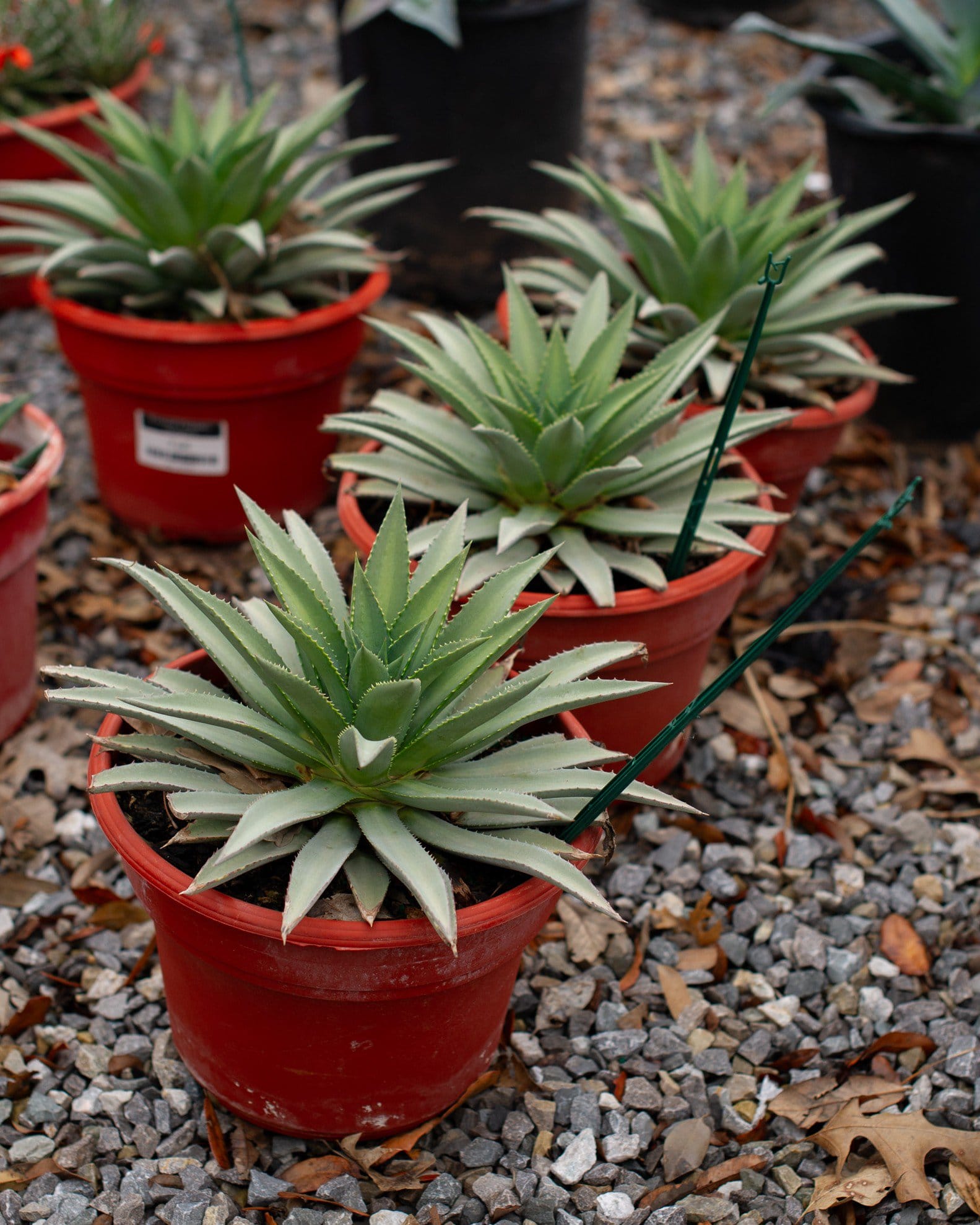
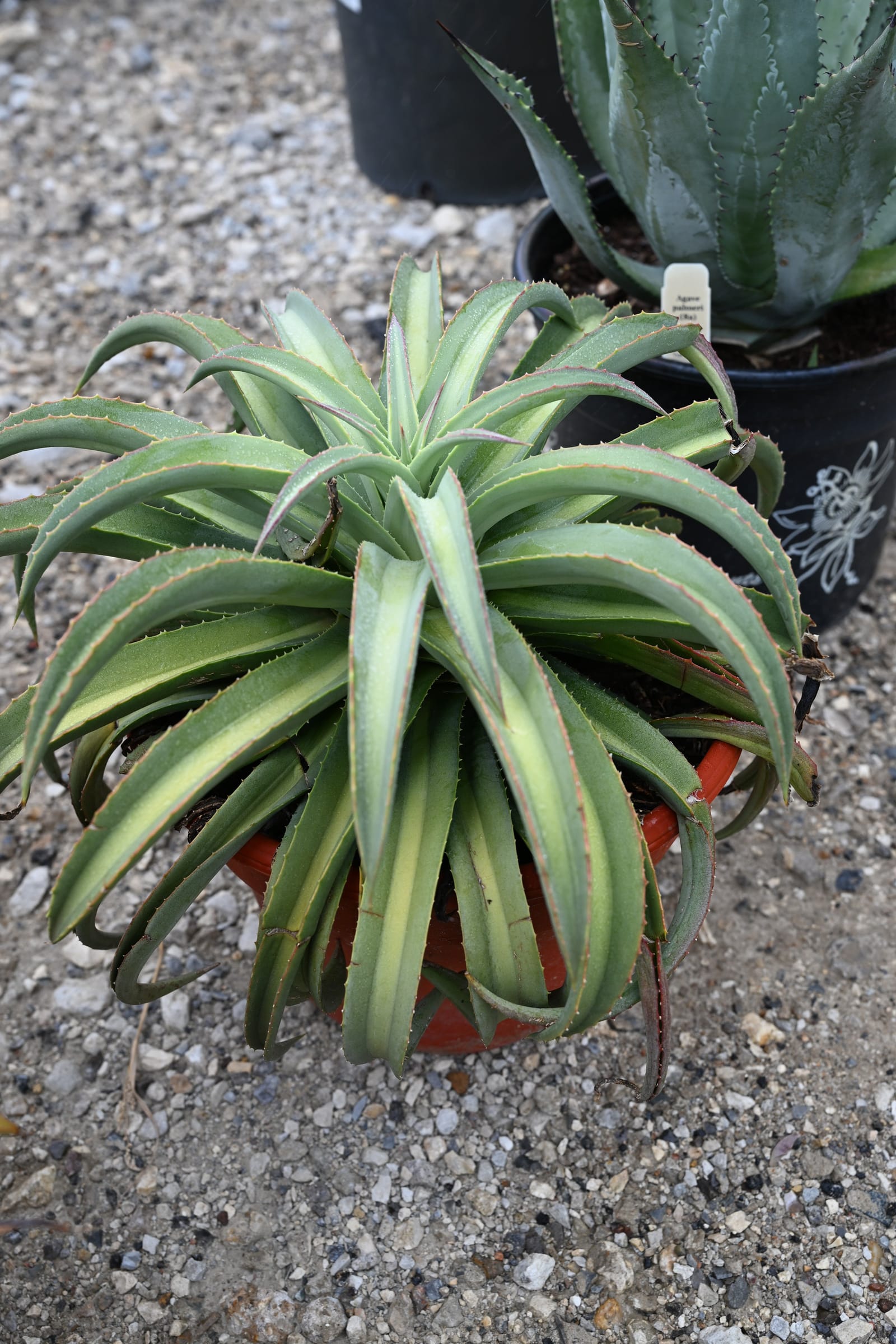
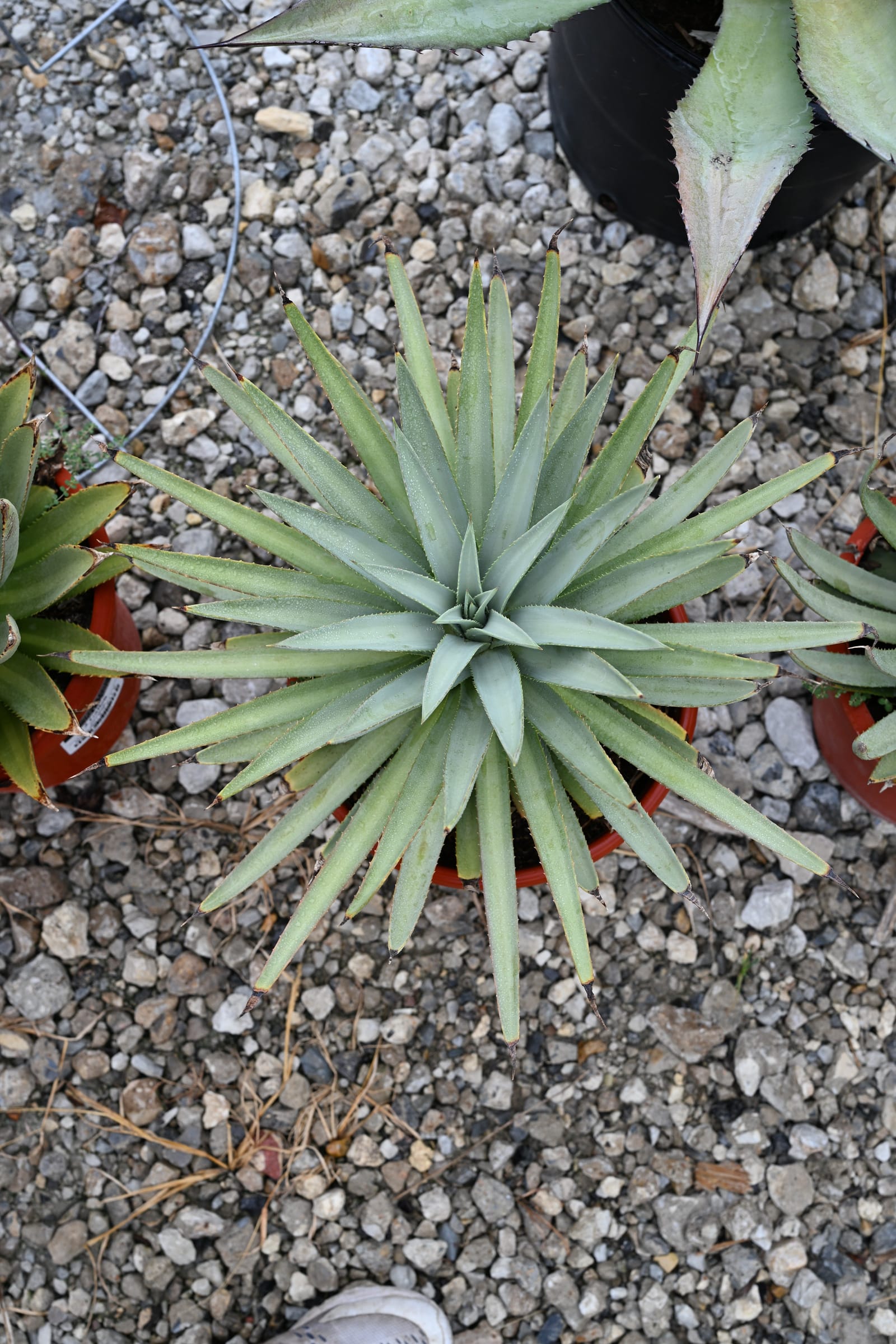
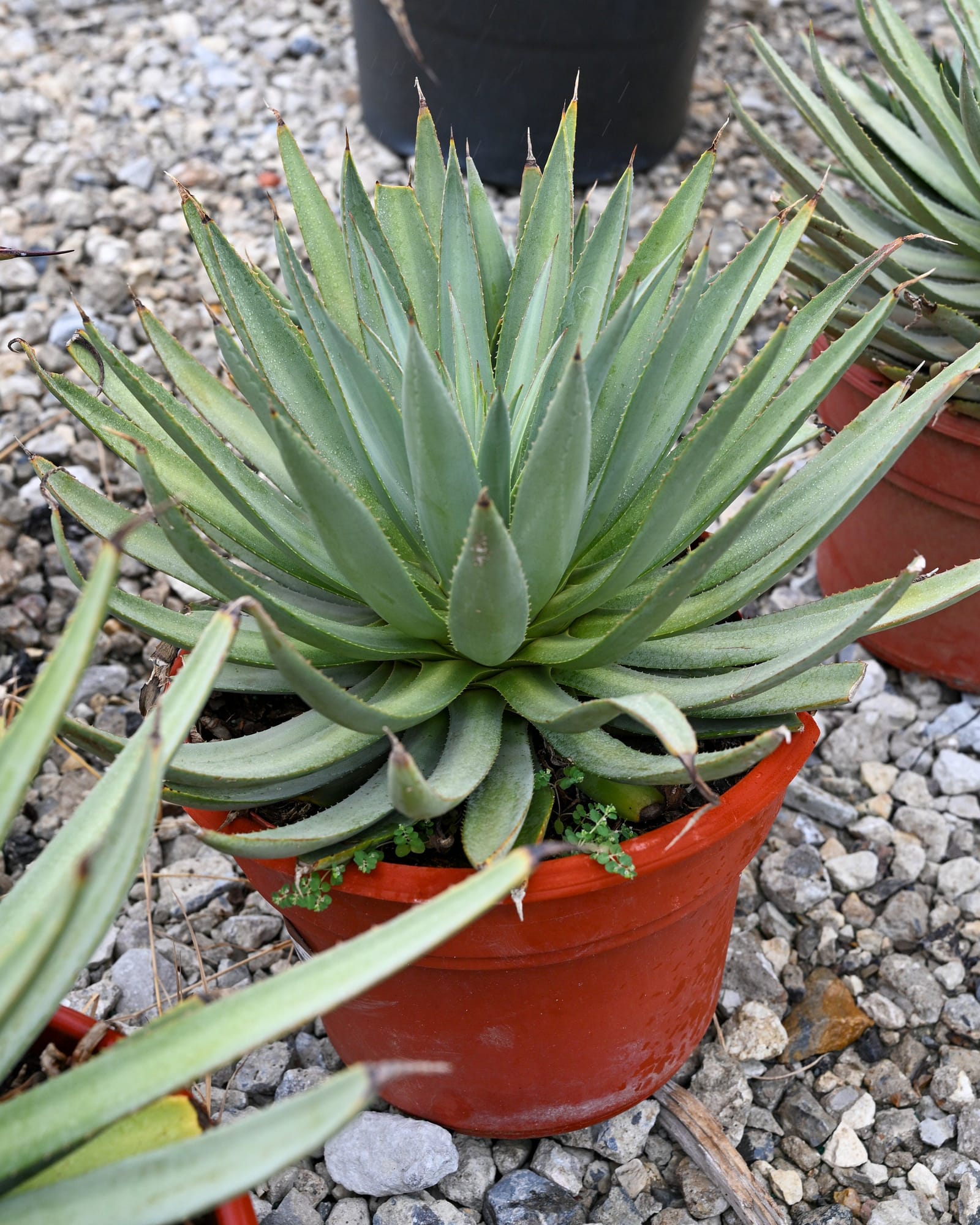
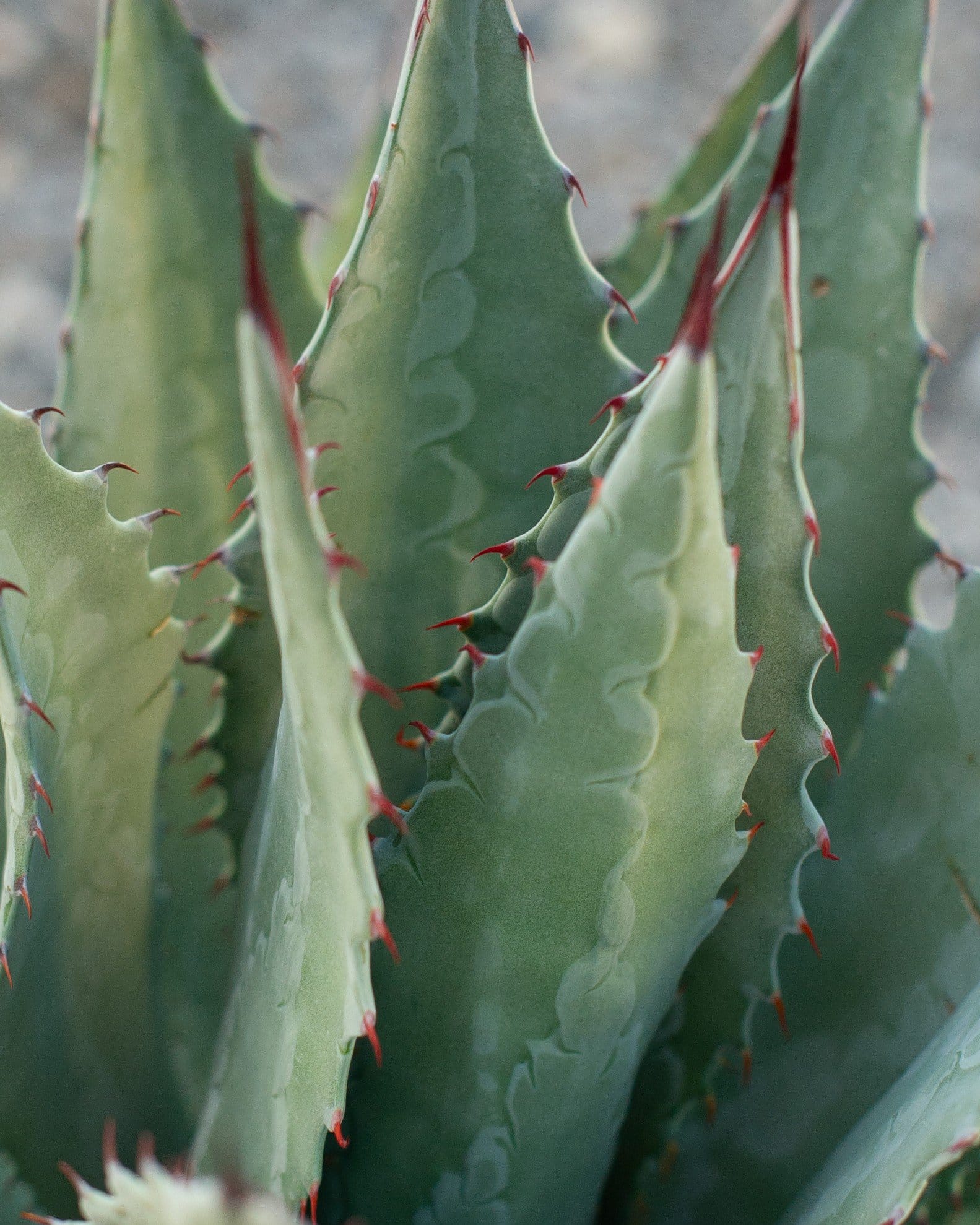
Agave lophantha ‘Quadricolor’Quadricolor Agave brings vivid color and architectural flair to your landscape. This evergreen succulent forms a compact rosette of sword-like leaves highlighted with bold green centers, creamy yellow stripes, and reddish edges that intensify in bright light. Growing up to 1.5 feet tall and spreading 2 feet wide at maturity, it serves beautifully as an accent in rock features, containers, or among mixed plantings in flower beds. Its unique coloration creates eye-catching contrast against gravel, stone, or darker foliage, adding year-round visual appeal.
- An evergreen succulent
- Compact rosette growth habit
- Slow growth rate
- Dramatic multicolored foliage in green, yellow, cream, and red
- Excellent for containers, borders, and flower beds
Hardy in zones 8-10, Quadricolor Agave thrives in the North Texas climate when provided with full sun, requiring at least 6-8 hours of direct sunlight daily. For healthy growth and best color, plant it in well-drained, sandy or rocky soil, helping preserve its bold tones and tidy form.
Once established in well-drained soil, Quadricolor Agave is low-maintenance and highly adaptable in warm climates. These practices are how you help it grow beautifully and thrive in your landscape:
- Watering: Water regularly during the first growing season to encourage strong root development. Once established, Quadricolor Agave is drought-tolerant but benefits from occasional deep watering during prolonged dry spells. Allow soil to dry between waterings to prevent root or crown rot.
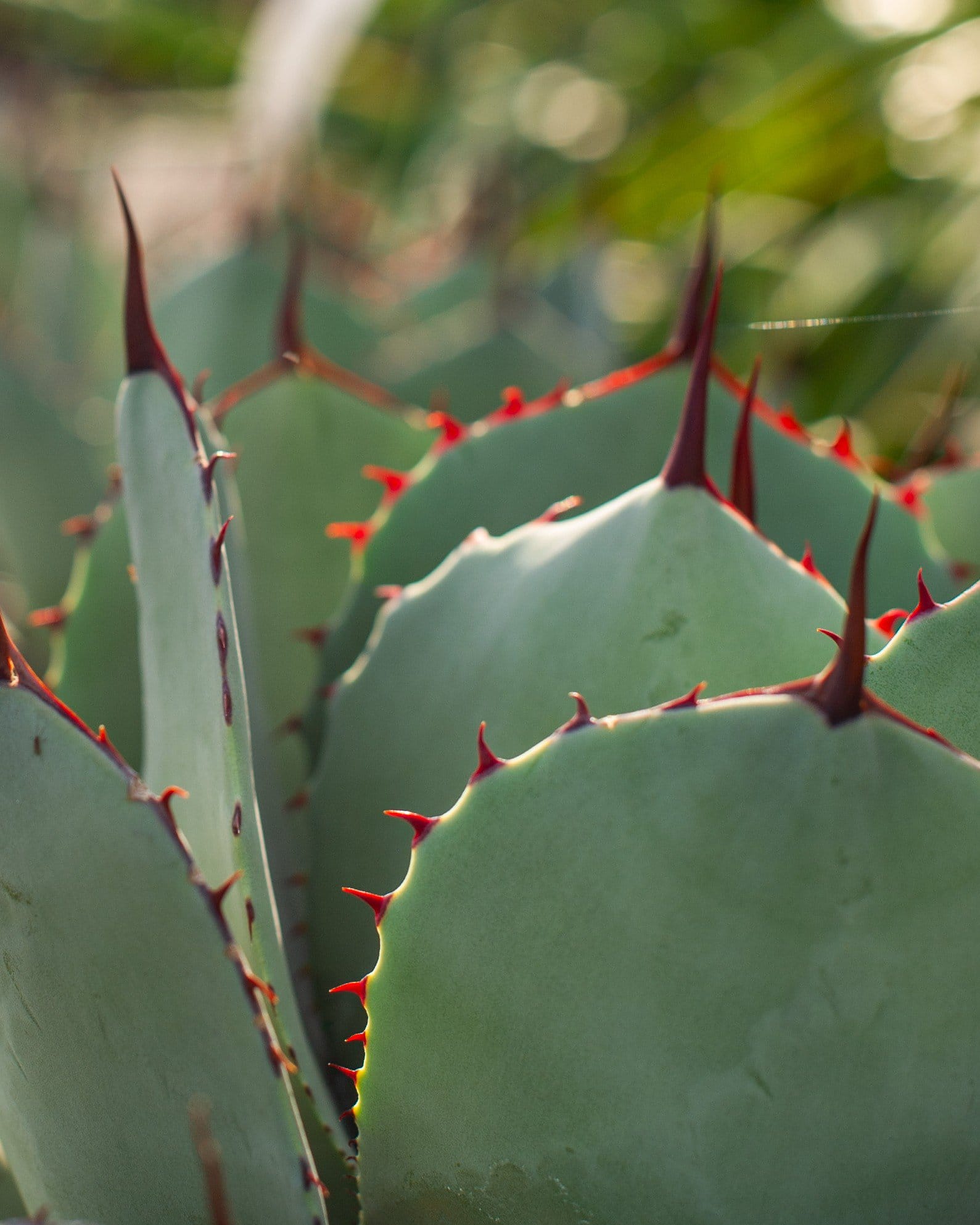
- Pruning: Pruning is minimal and typically limited to removing aging lower leaves to maintain a clean appearance. Use gloves when handling due to small marginal teeth and a terminal spine. Avoid cutting into the central rosette to preserve structure and variegation balance.
- Fertilizing: Quadricolor Agave can respond moderately to light feeding in early spring. A balanced, slow-release fertilizer may enhance growth and coloration. Avoid excessive fertilization, which can weaken variegation and cause soft growth.
- Mulching: Use gravel or mineral mulch to maintain proper drainage and airflow around the base. Avoid organic mulch that traps moisture near the crown. Sharp drainage is essential for long-term health.
- Winter Care: Quadricolor Agave is less cold-hardy than some solid-green agaves and may require protection during prolonged hard freezes. Excellent winter drainage greatly improves survival. In colder climates, container growing allows easier seasonal protection.
Quadricolor Agave is resilient, though a few meaningful concerns may occasionally arise.
- Root or Crown Rot: Softening at the base or discoloration near the center may indicate excessive moisture. Improving drainage and reducing irrigation can prevent most rot problems.
- Agave Snout Weevil: Sudden collapse can occur if infested by this destructive pest. Prompt removal of affected plants reduces the risk of spread.
- Cold Damage: Leaf tissue may darken or collapse after extended hard freezes. Removing damaged foliage in spring encourages recovery.
- Reversion of Variegation: Occasionally, solid-green shoots may appear and grow more vigorously than variegated sections. Removing reverted growth helps preserve the plant’s distinctive coloration.
- Fungal Leaf Spot in Humid Conditions: Dark spots may develop during prolonged wet, humid weather. Improving airflow and reducing overhead watering helps prevent recurrence.
Quadricolor Agave typically lives 8-15 years before flowering. After blooming once, the primary rosette declines. Offsets usually develop beforehand, allowing the clump to persist.
Growth averages 6-12 inches per year in warm climates. A mature rosette generally forms within 4-7 years. Its clumping habit develops steadily as pups emerge.
Yes, it produces offsets more freely than many larger agave species. Over time, attractive clusters form naturally. Clumps can be divided if they become crowded.
Its variegation is genetically stable, producing bands of green, cream, yellow, and sometimes red margins. Sun exposure intensifies color contrast. Cooler temperatures may deepen red edging.
Yes, variegated tissue tends to be slightly less cold-hardy. Protection during extended freezes improves survival. Sharp drainage remains critical.
It produces a tall flower stalk once in its lifetime. The bloom adds dramatic vertical interest. After flowering, the primary rosette completes its life cycle.
Its moderate size and clumping nature make it well-suited to container culture. Containers allow easier winter protection in colder climates. Proper drainage is essential.
Its firm leaves and spines deter browsing. Deer damage is uncommon. Wildlife typically avoids it.
Its bold striping pairs beautifully with clean architectural lines. It adds strong visual contrast in gravel-based plantings. The color variation makes it a natural focal point.
Quadricolor Agave stands out for its vivid multi-colored striping and clumping habit. It delivers architectural structure with added ornamental flair. Few agaves combine bold color and manageable scale so effectively.
Special Features
You might also like
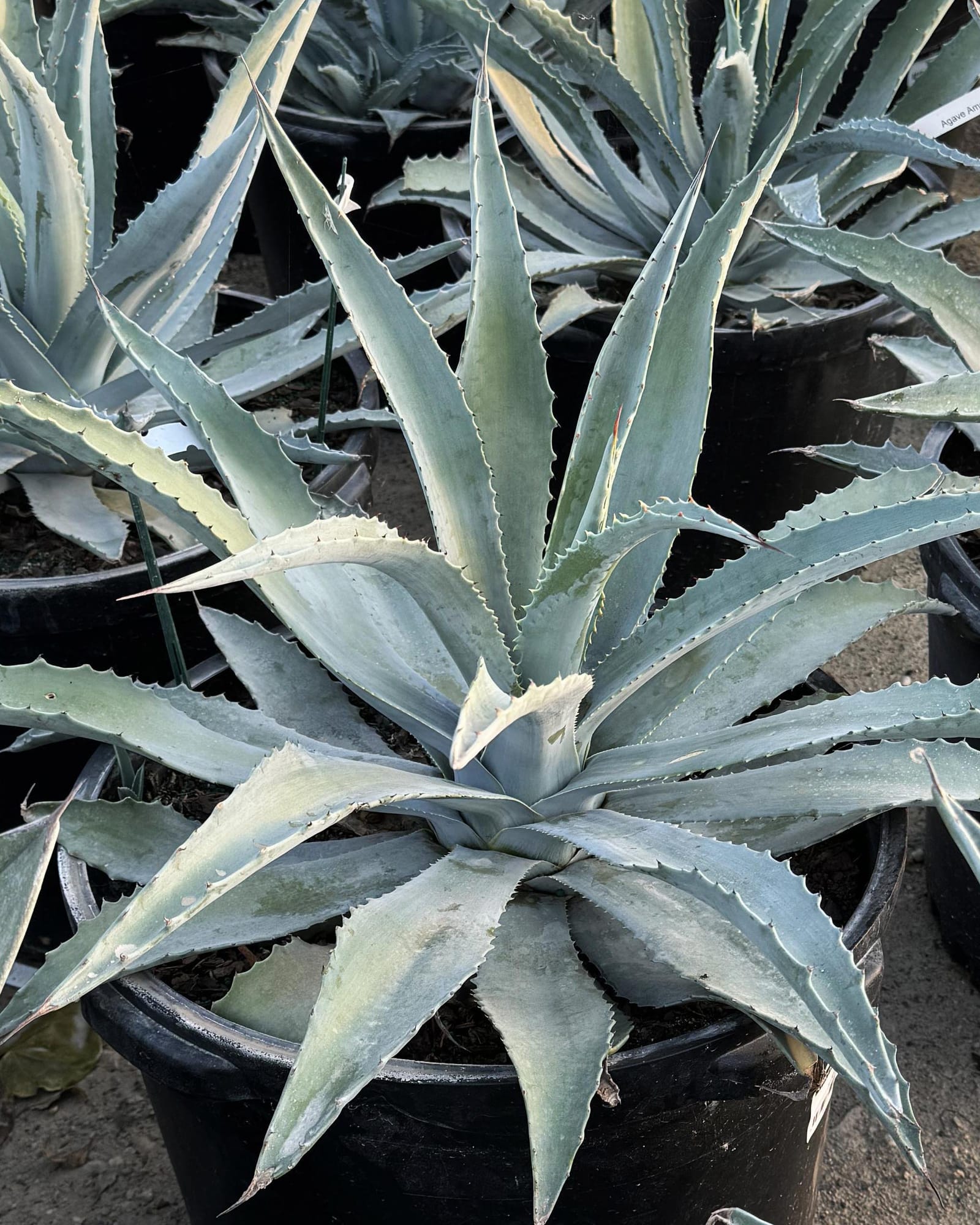
Americana Agave
Maturity: 6' H x 8' W
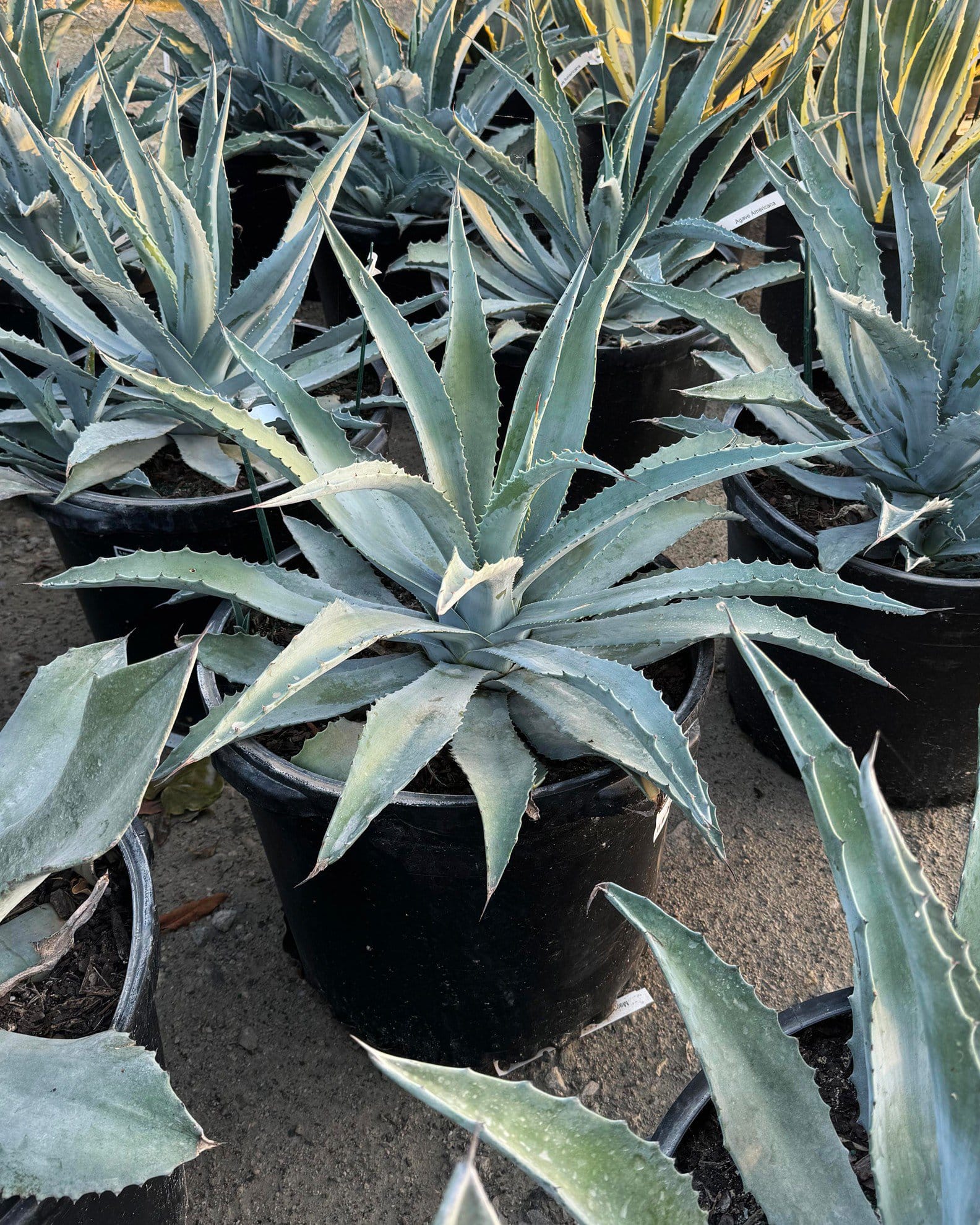
Americana Agave Opal
Maturity: 4' H x 6' W
Artichoke Agave
Maturity: 3' H x 5' W
Blue Rough Leaf Agave
Maturity: 3' H x 3' W
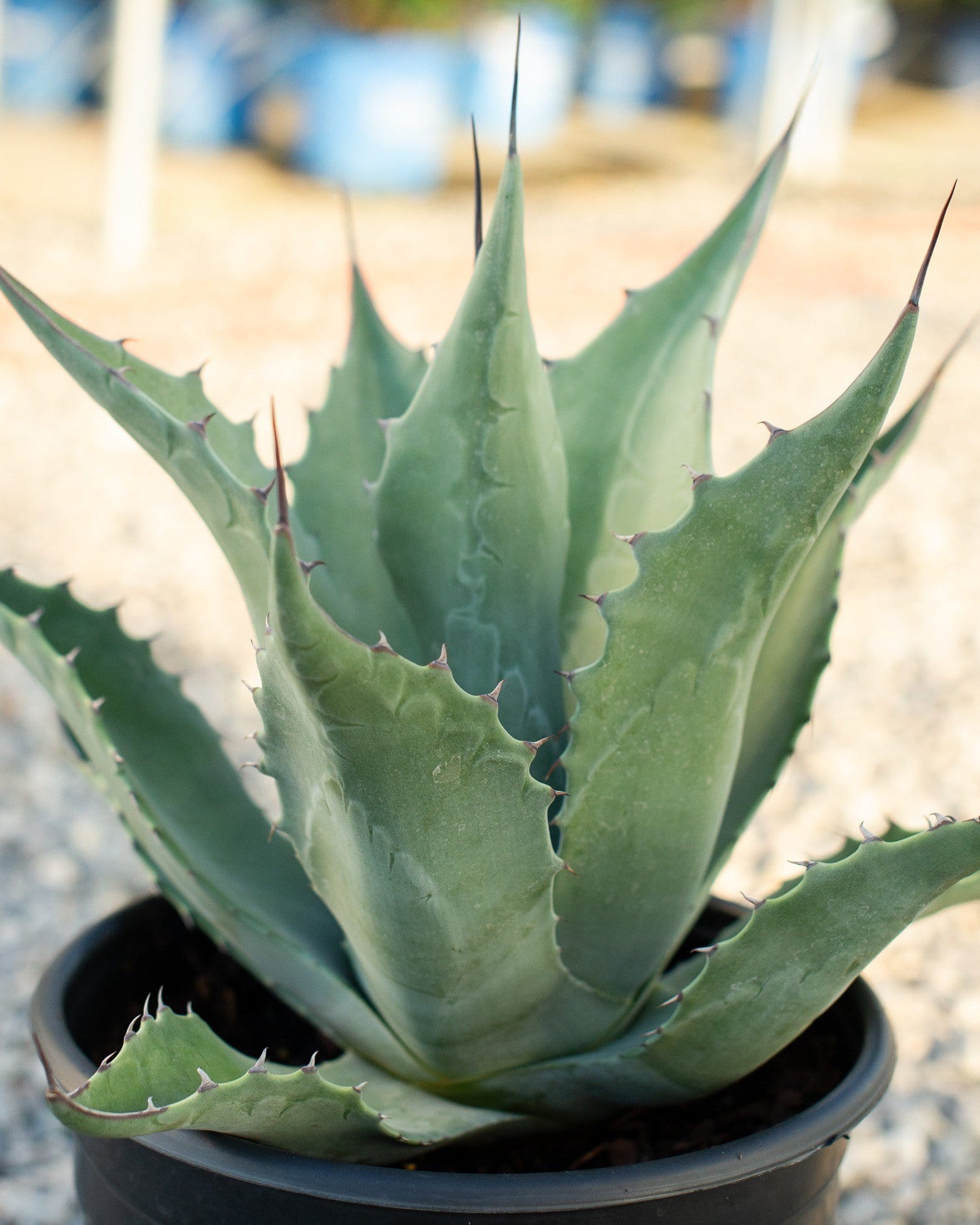
Havardiana Agave
Maturity: 2' H x 3' W
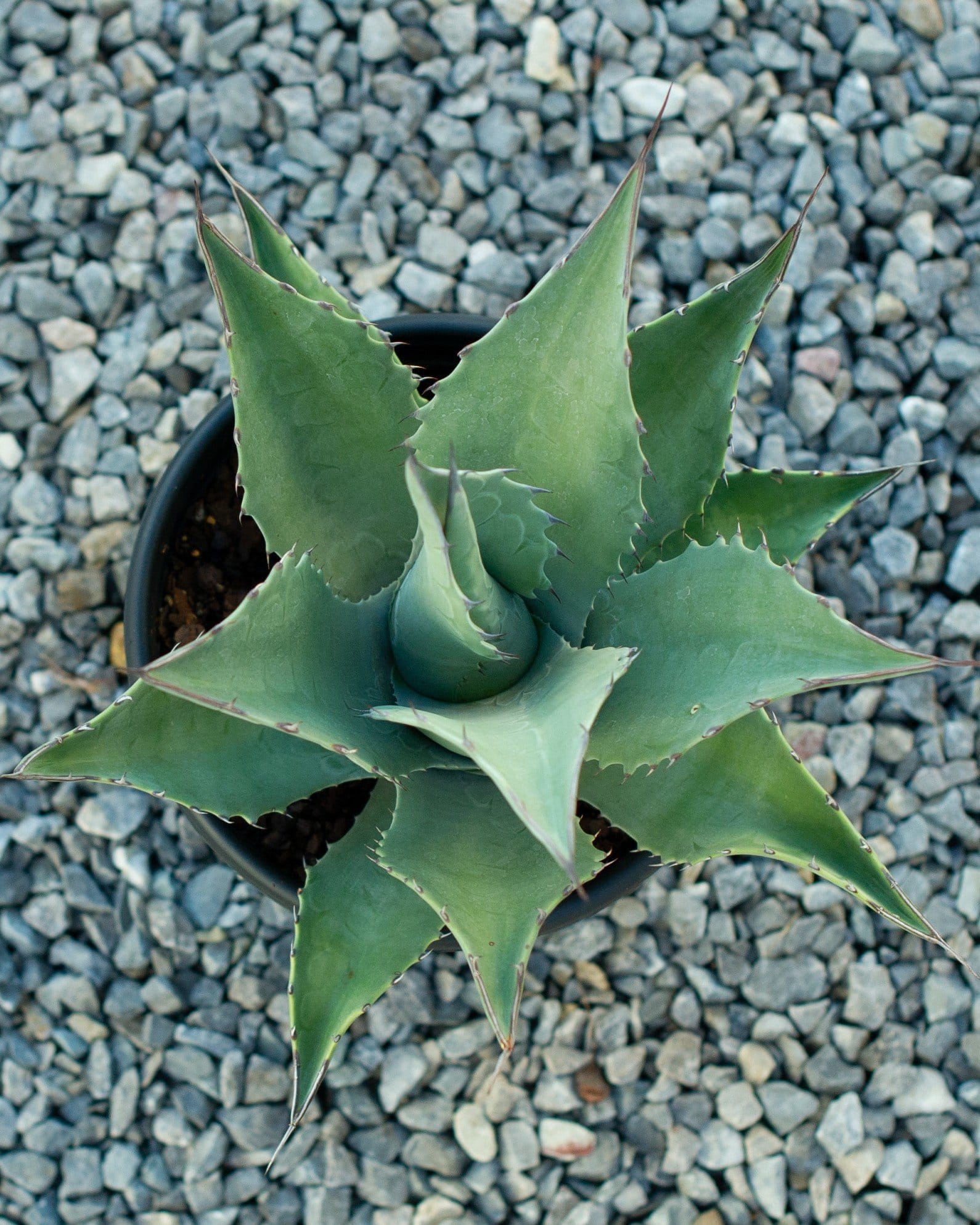
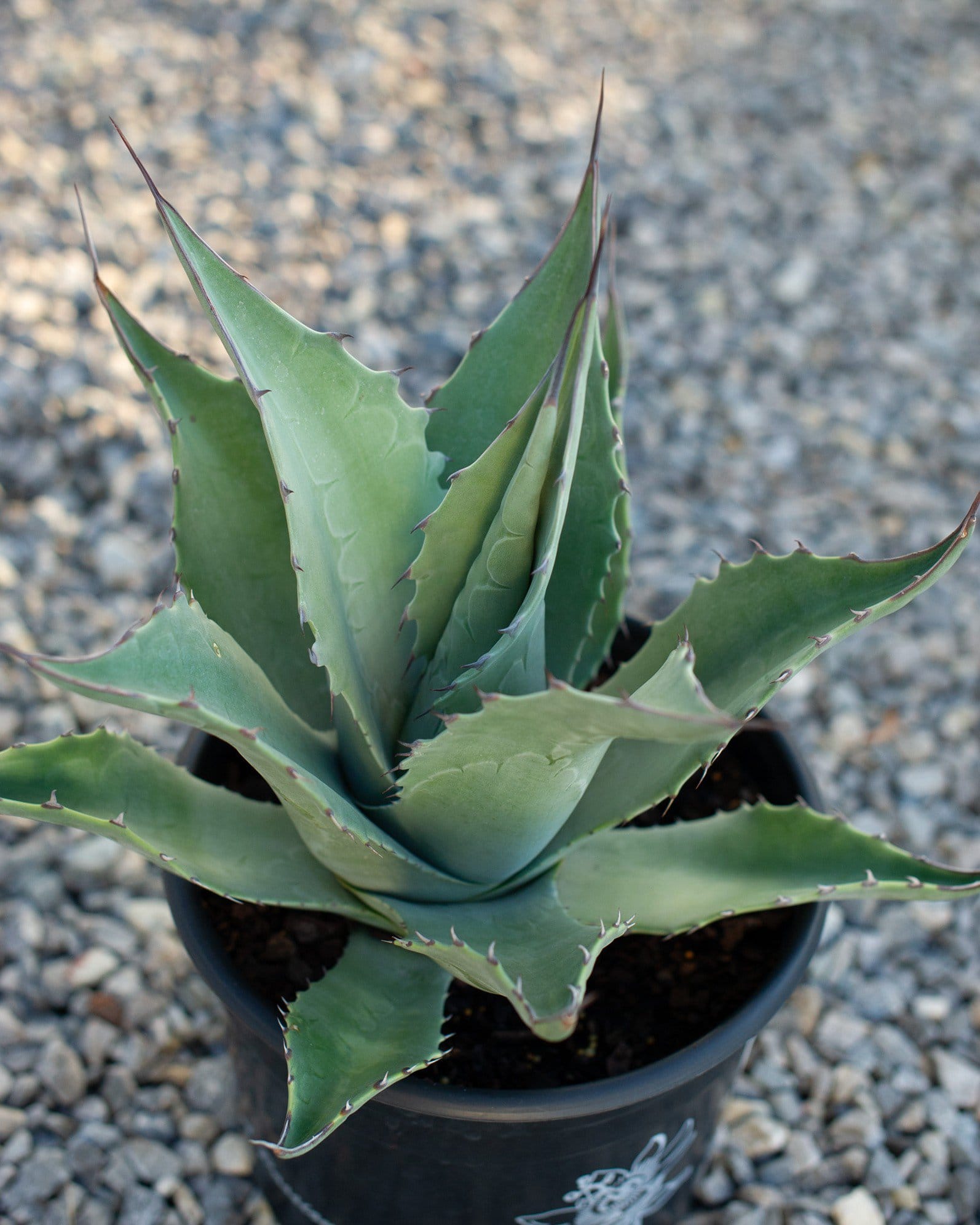
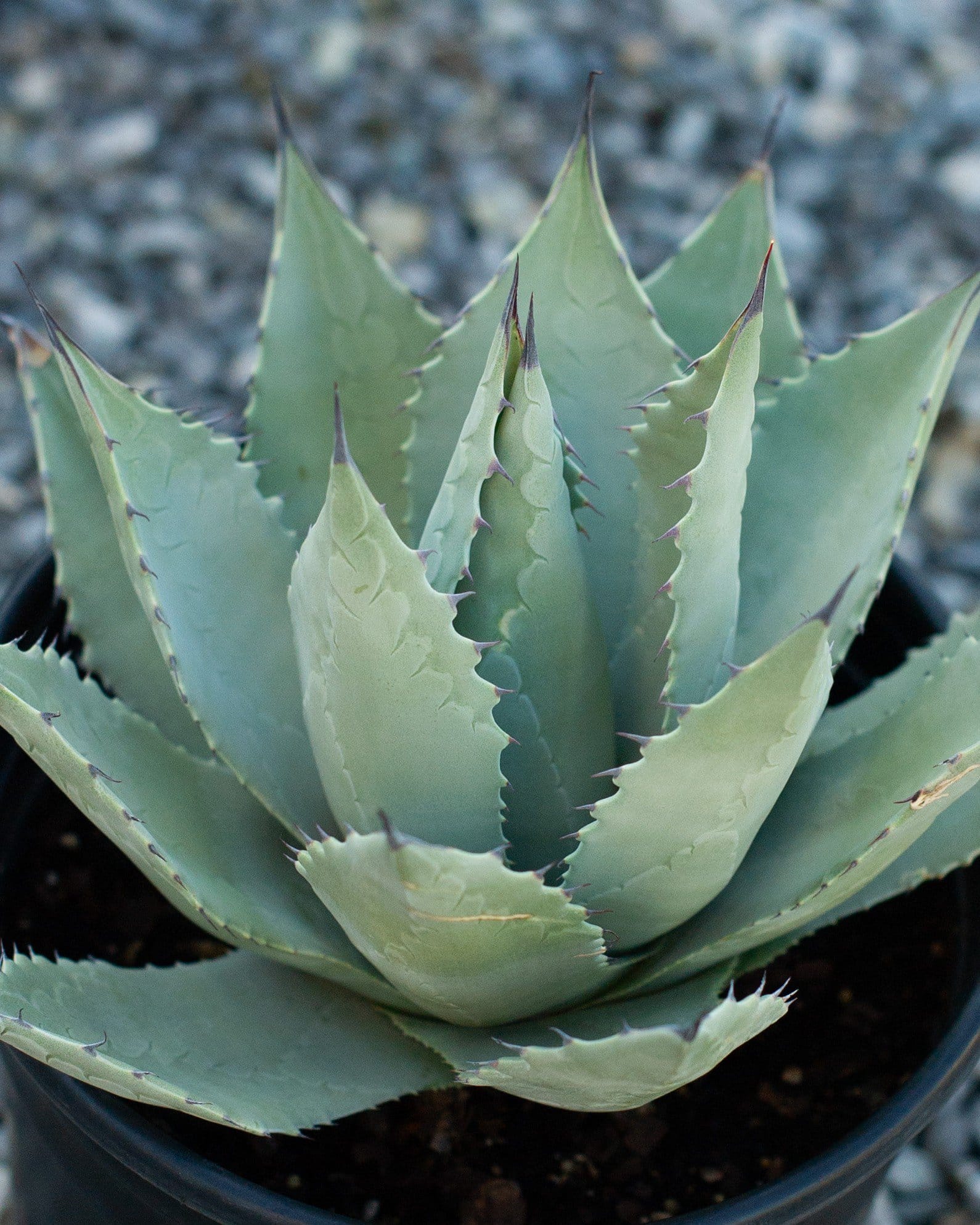
Parry's Agave
Maturity: 1.5' H x 2' W
Splendida Agave
Maturity: 1.5' H x 3' W
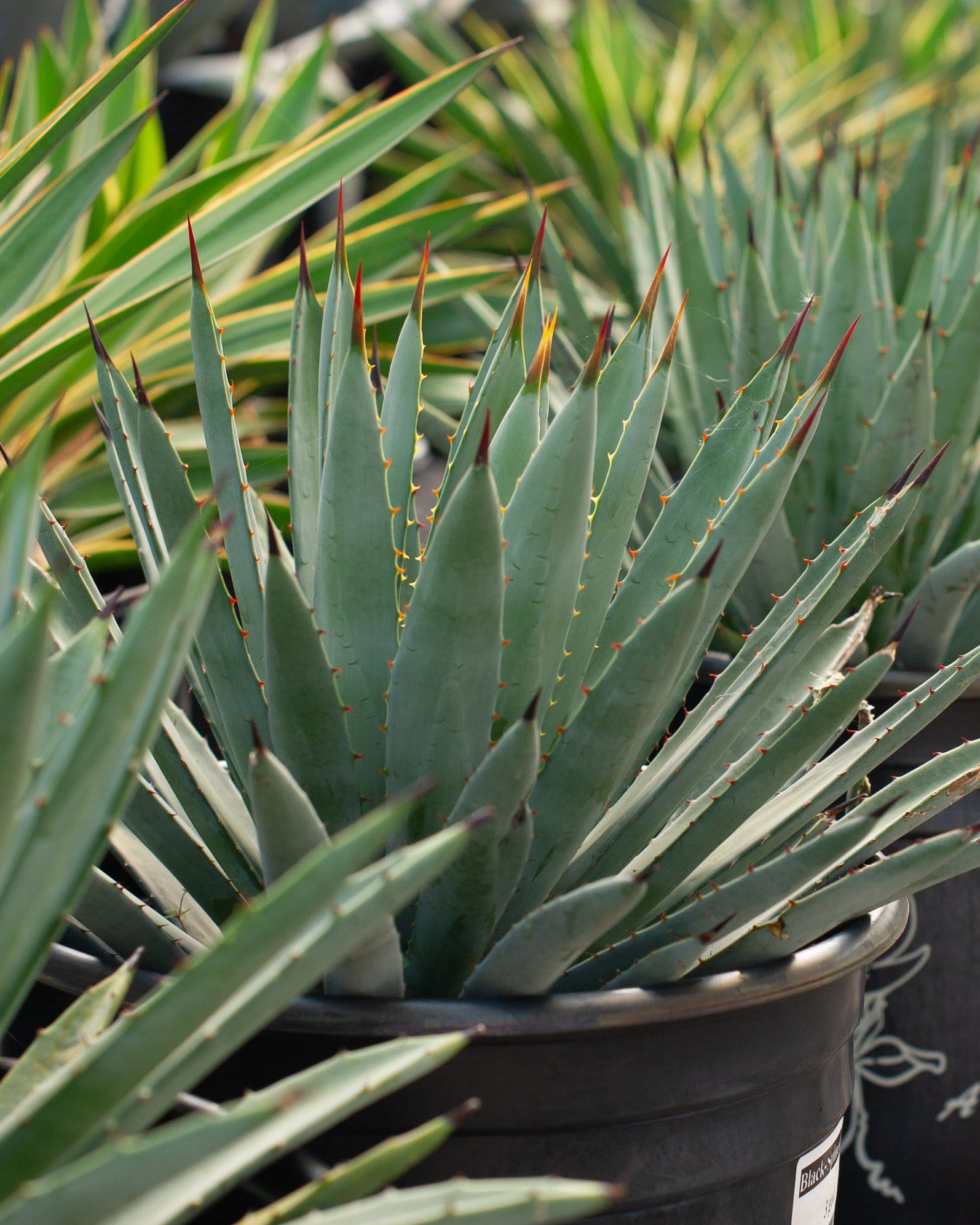
Black-Spined Agave
Maturity: 1.5' H x 2' W
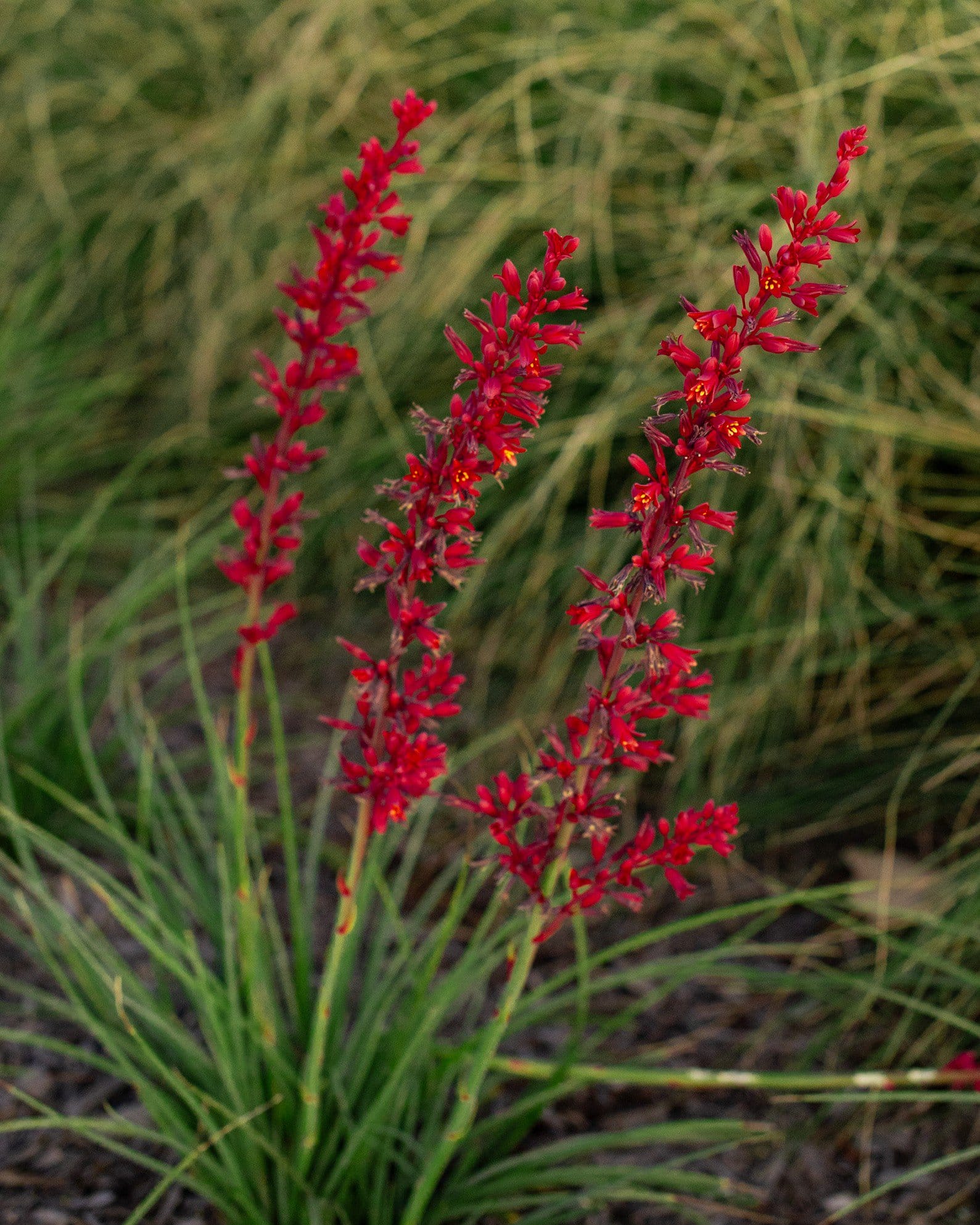
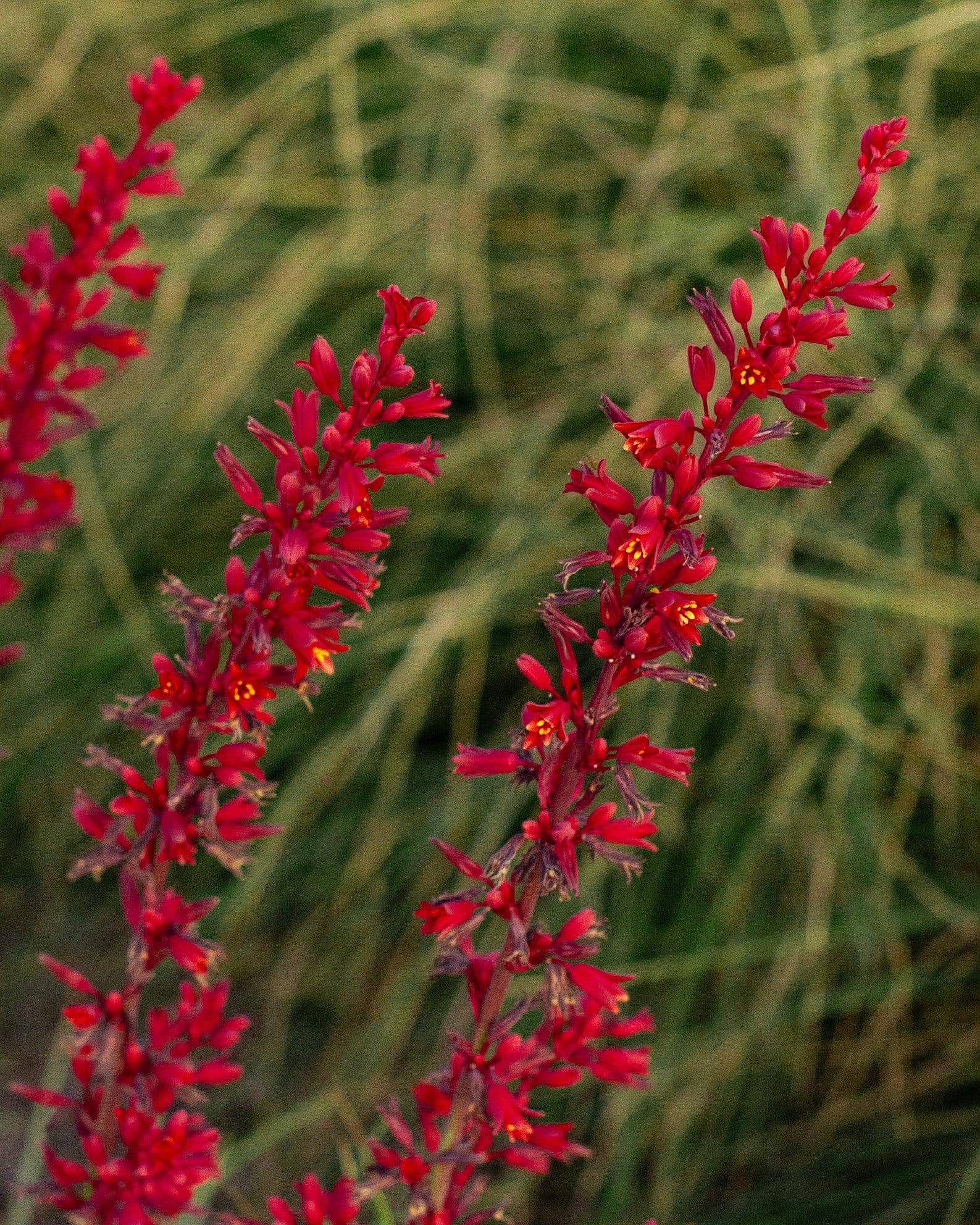
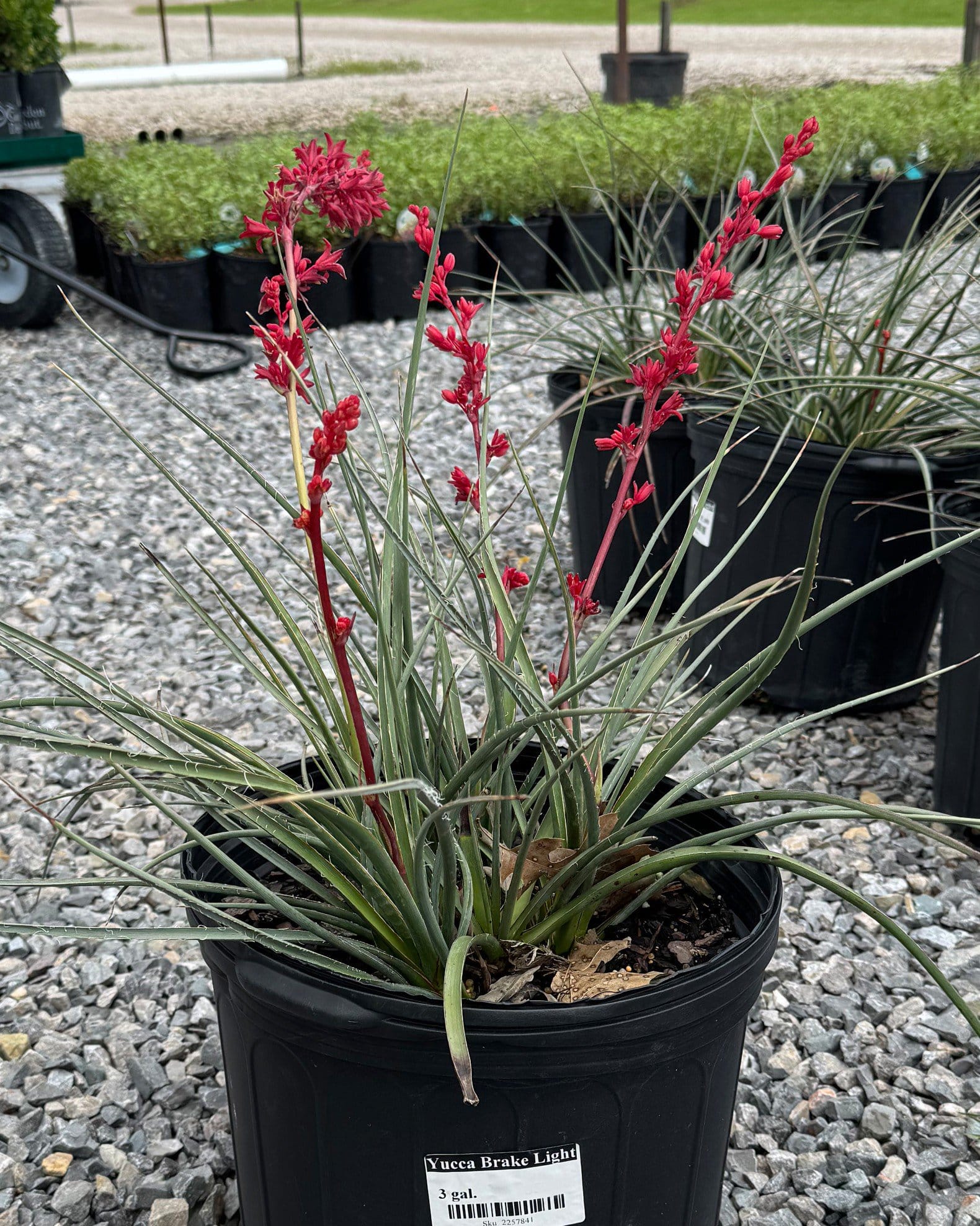
Brakelights Yucca
Maturity: 2' H x 2' W
Goldenflower Agave
Maturity: 3' H x 6' W
Grassy Sotol
Maturity: 4' H x 4' W
Liner Leaf Yucca
Maturity: 3' H x 2' W
Mangave Agave Frosted Elegance
Maturity: 0.75' H x 1' W
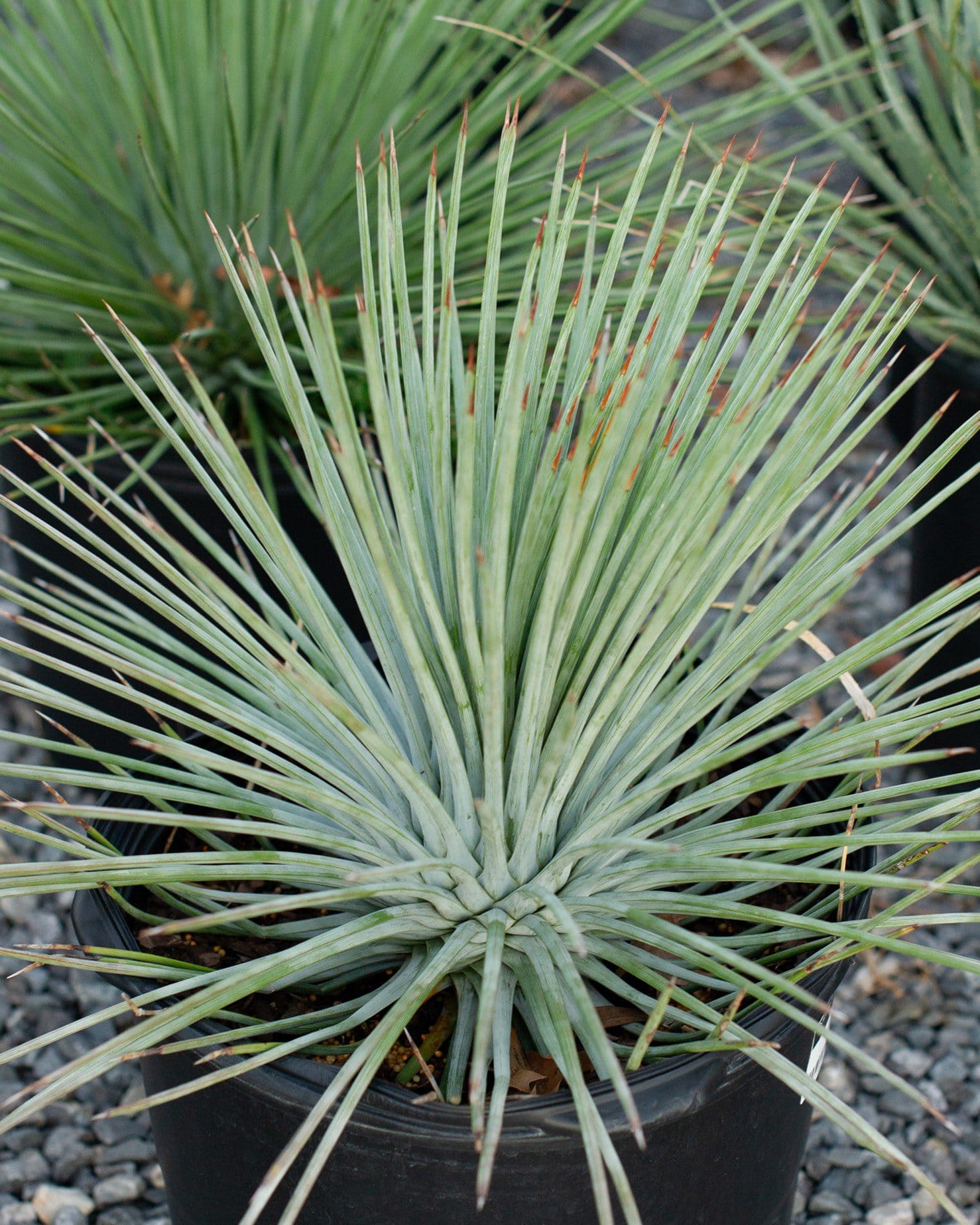
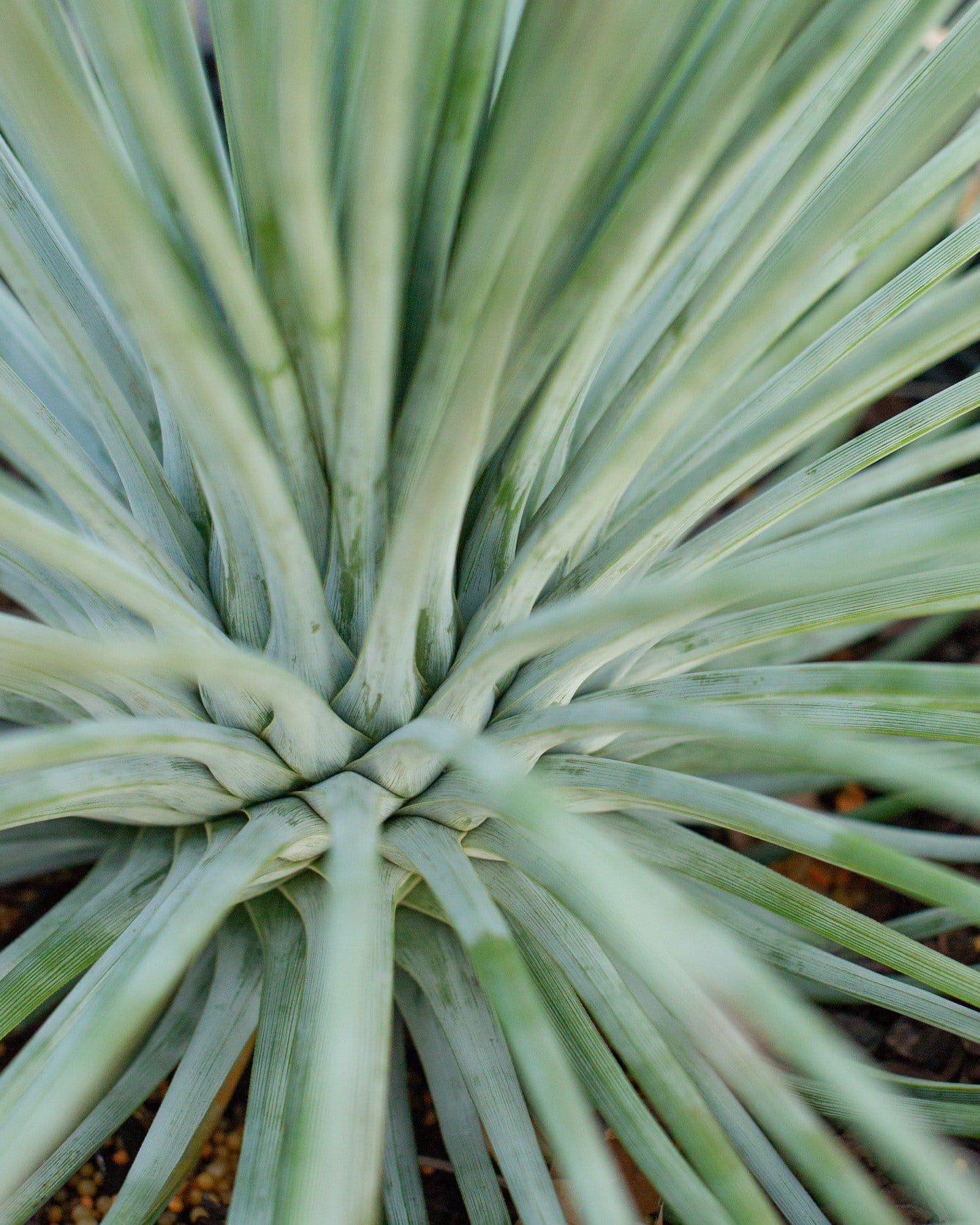
Narrow Leaf Agave Azul
Maturity: 1' H x 2' W
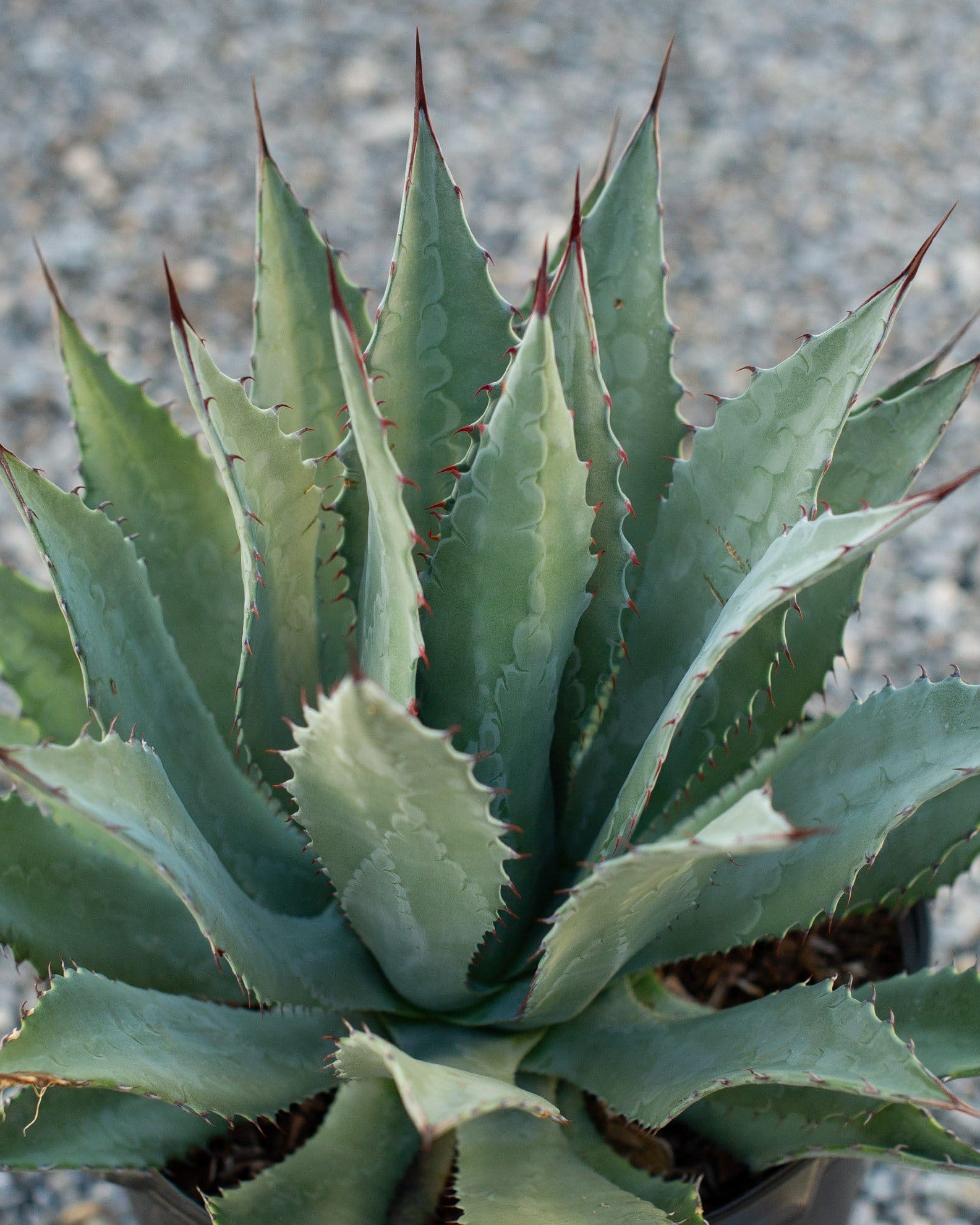
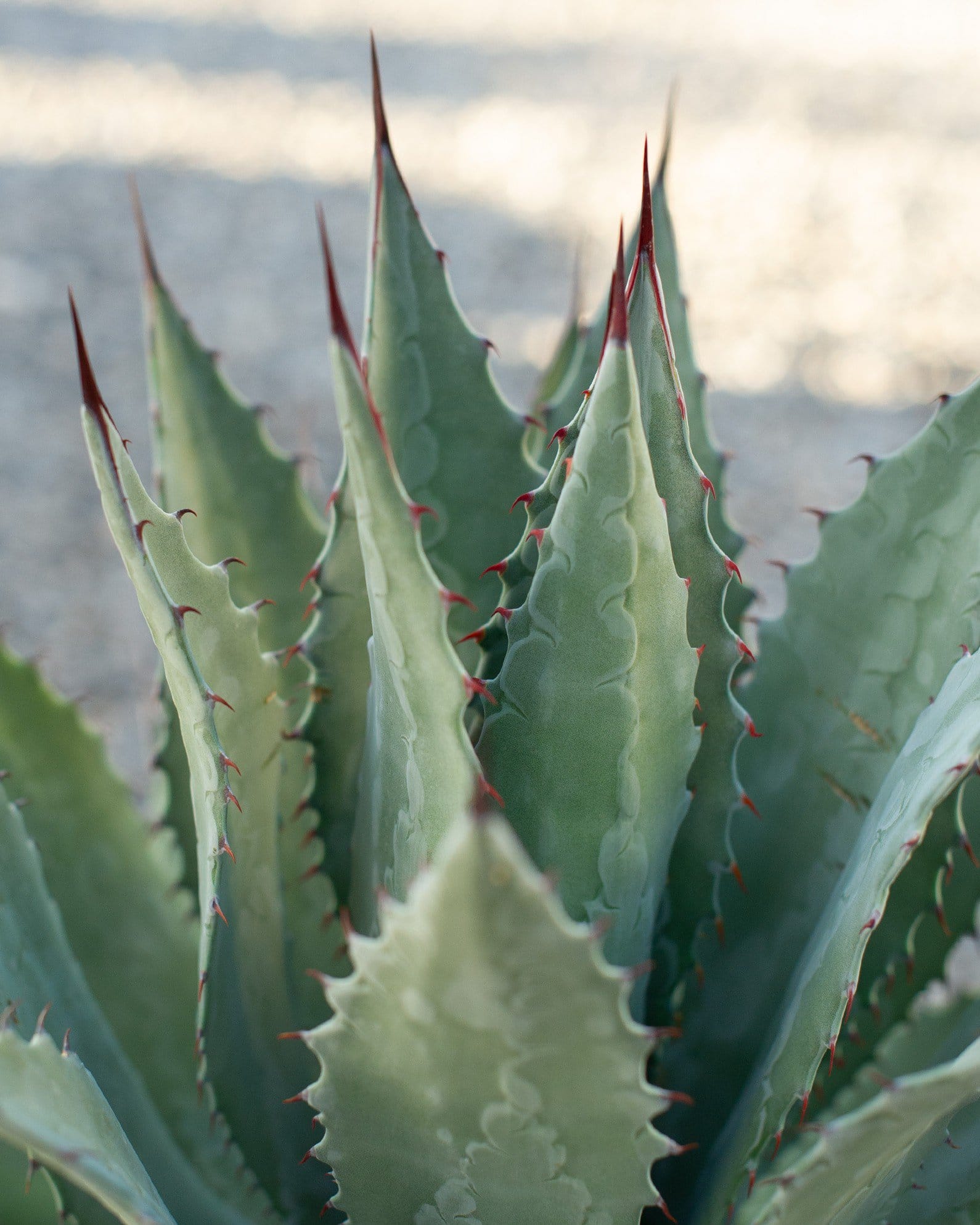
Palmer's Agave
Maturity: 4' H x 4' W
Compare Similar Plants
Quadricolor Agave This plant | ||
|---|---|---|
| Scientific Name | Agave lophantha ‘Quadricolor’ | Agave americana |
| Size at Maturity | 1.5' H x 2' W | 6' H x 8' W |
| Leaf Retention | Evergreen | Evergreen |
| Sizes Available | 1, 3 gal | 5, 7, 15 gal |


Our 1-Year Planting Guarantee
We take pride in our plants and installation services. If any plants or trees installed by Treeland fail to thrive within the first year, we'll provide a replacement credit in accordance with our guarantee program.
Learn More About Our Guarantee