
 Popular
Local DFW Delivery Only
Product Details
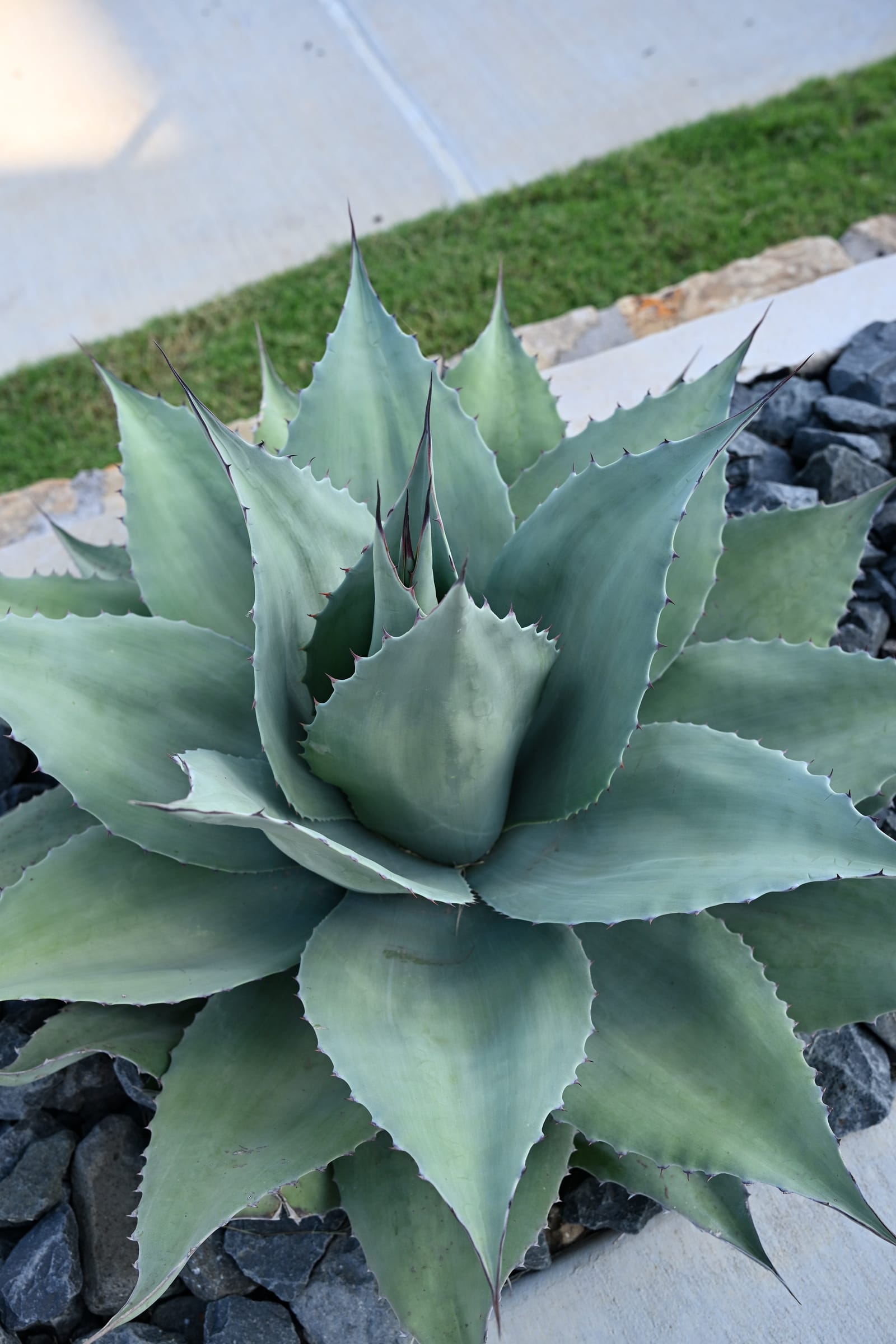
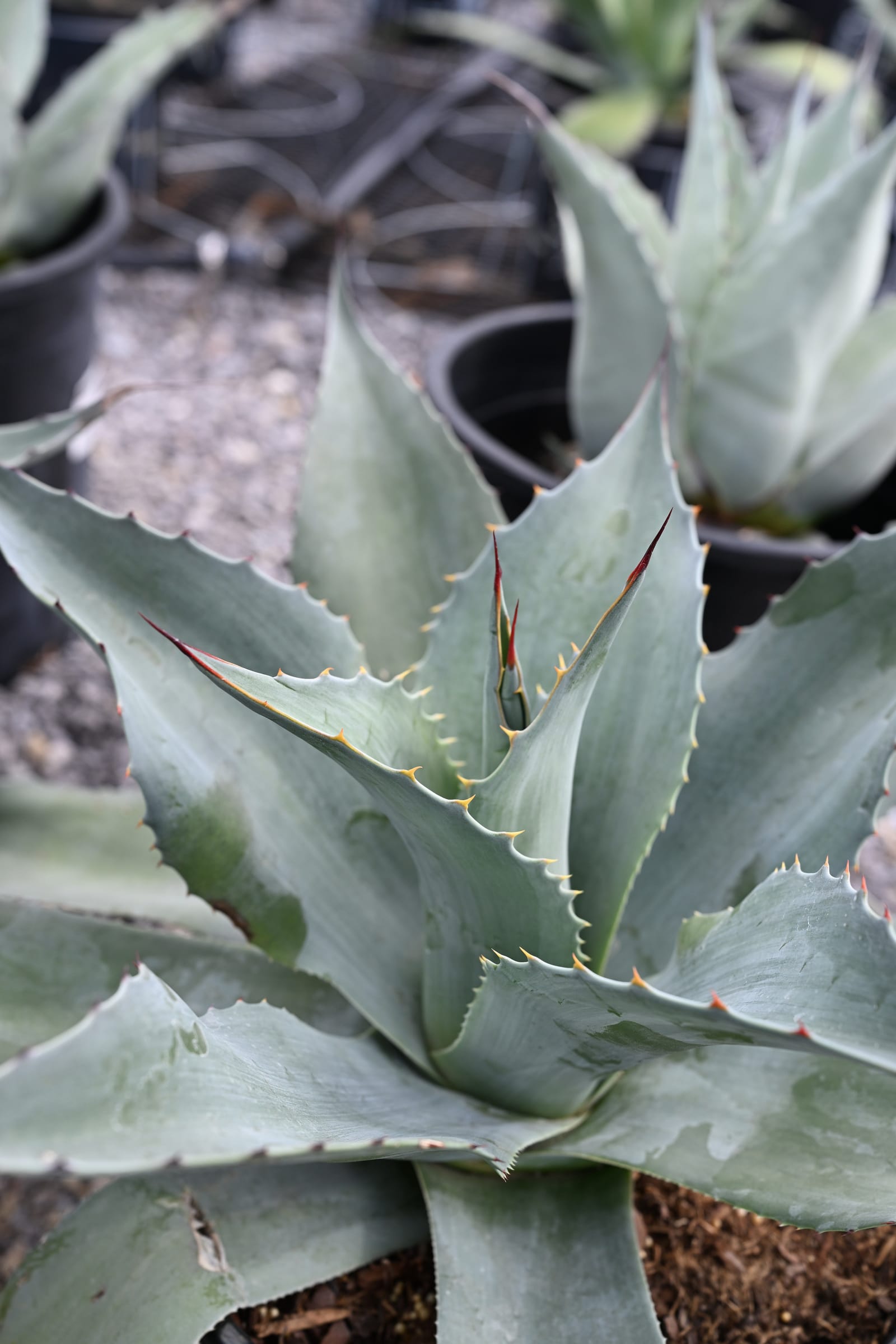
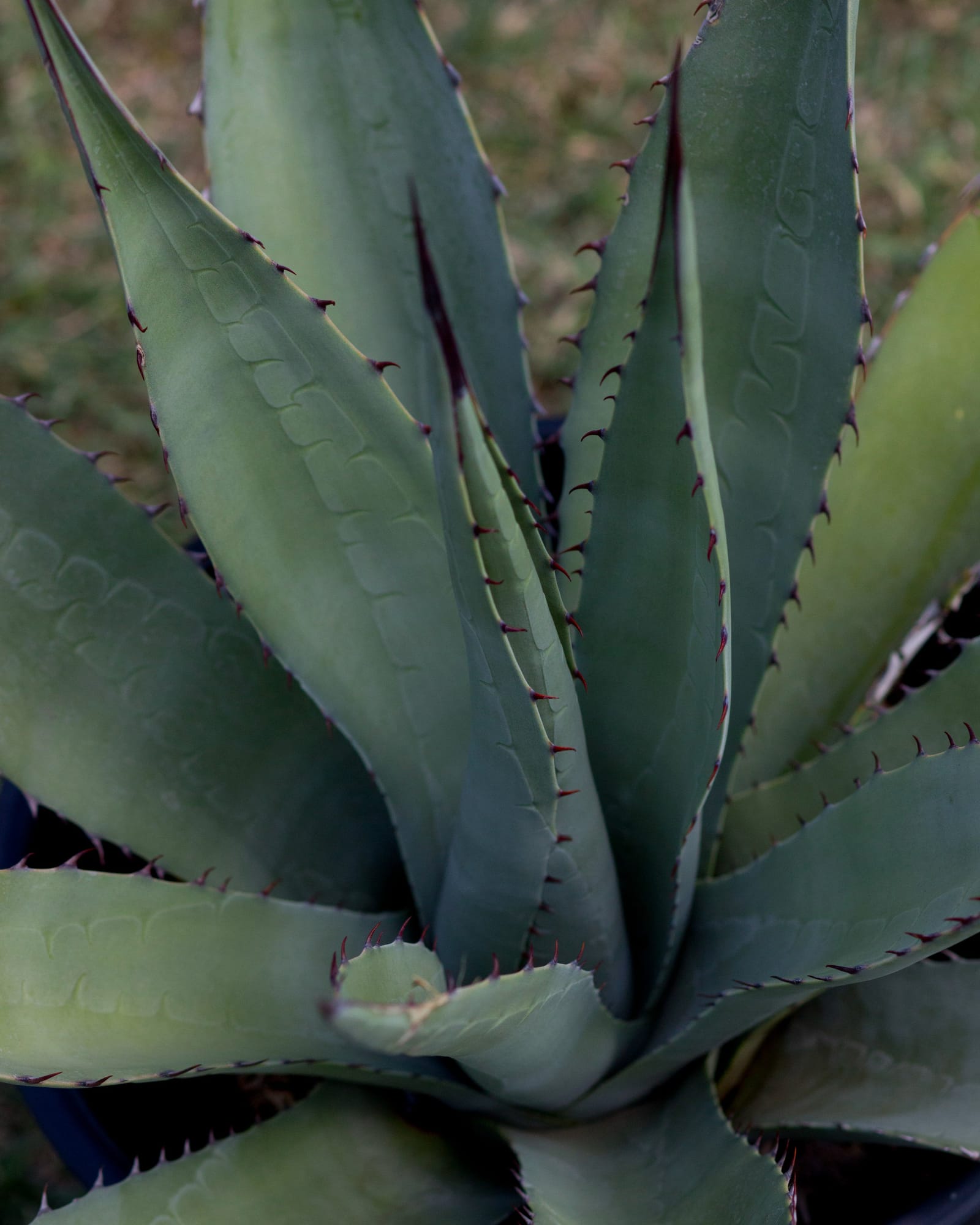
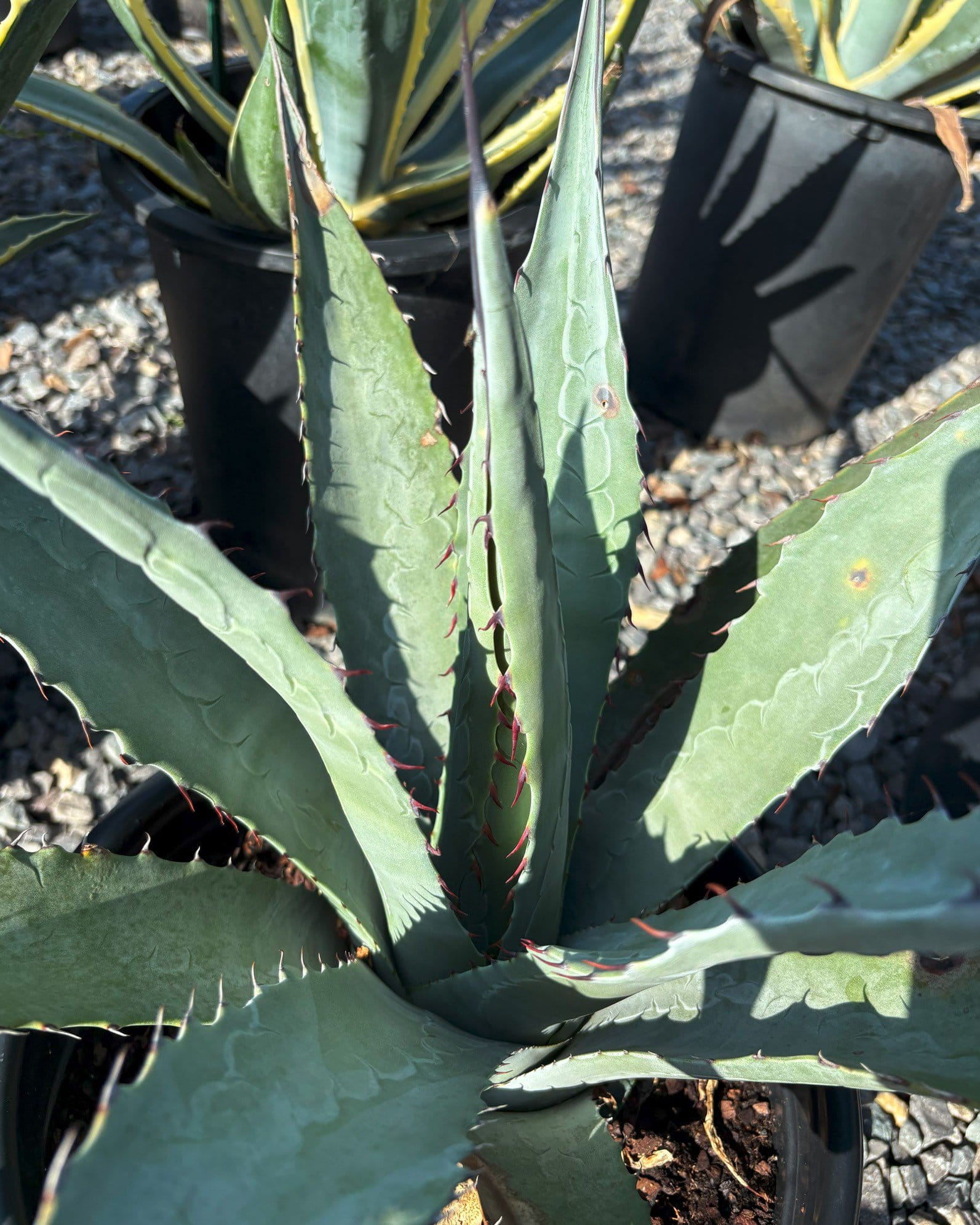
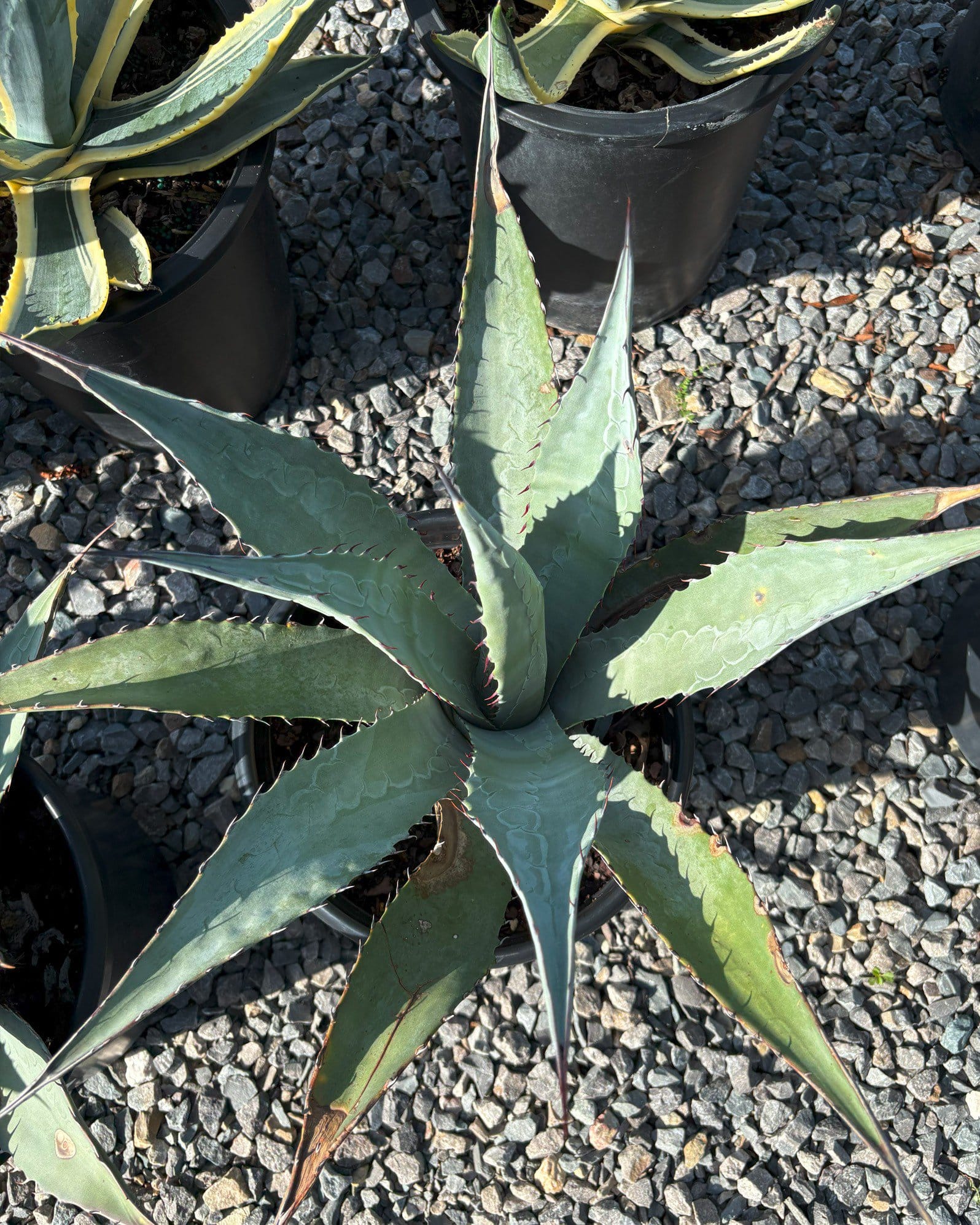
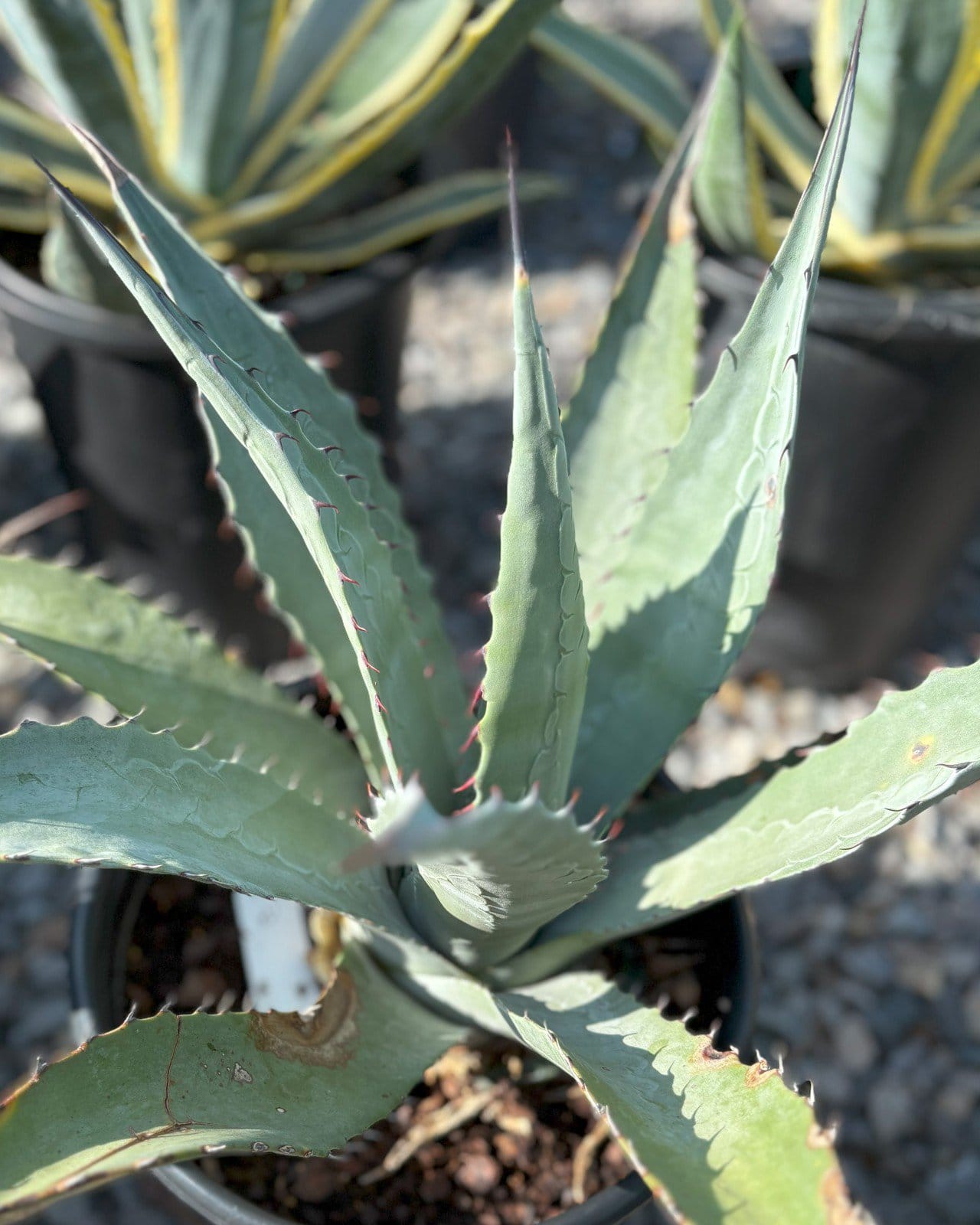
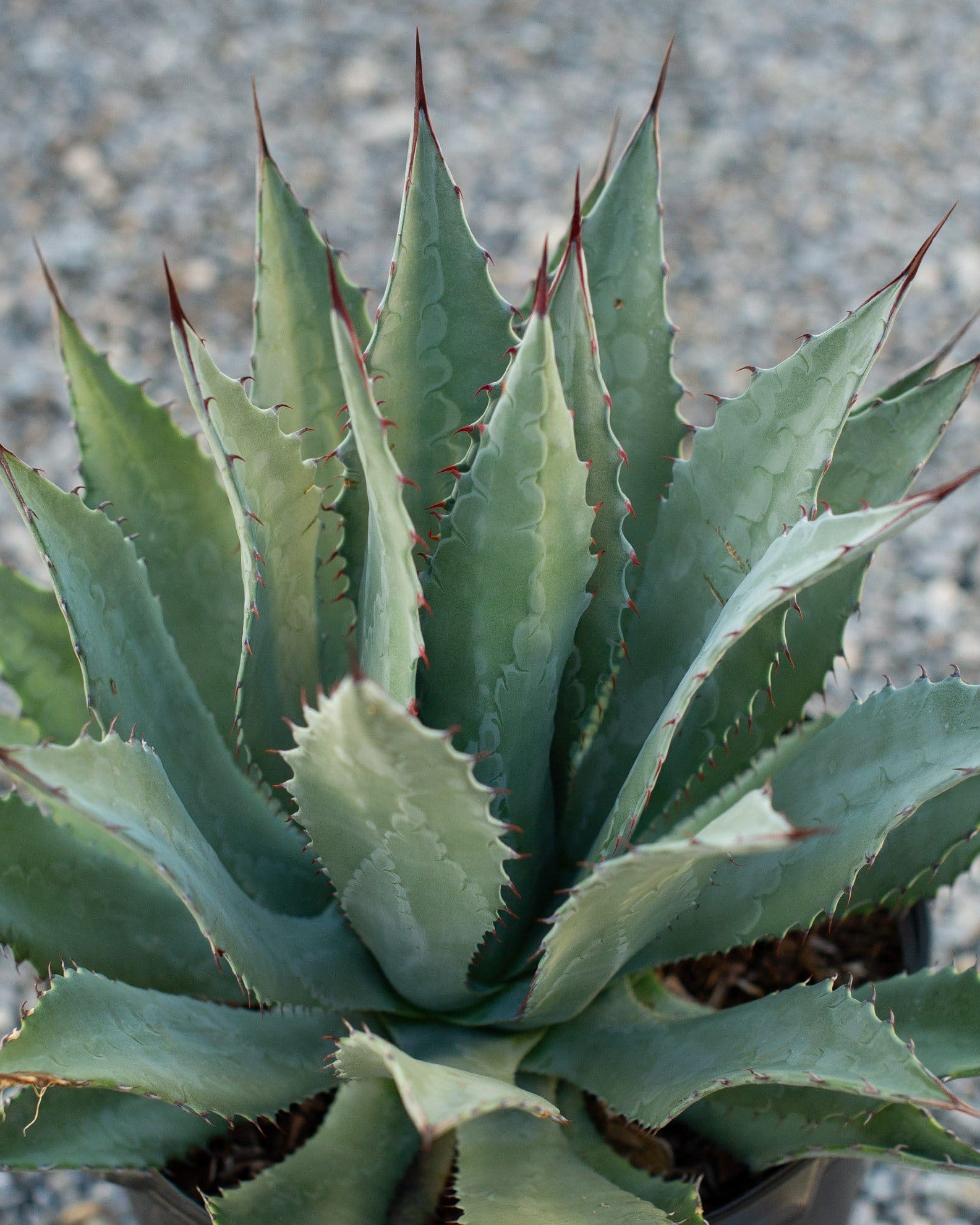
Whale's Tongue Agave
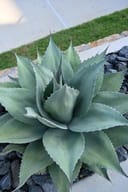
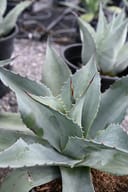
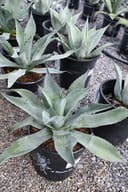
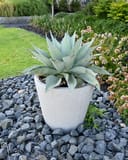
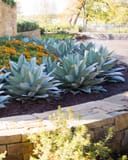
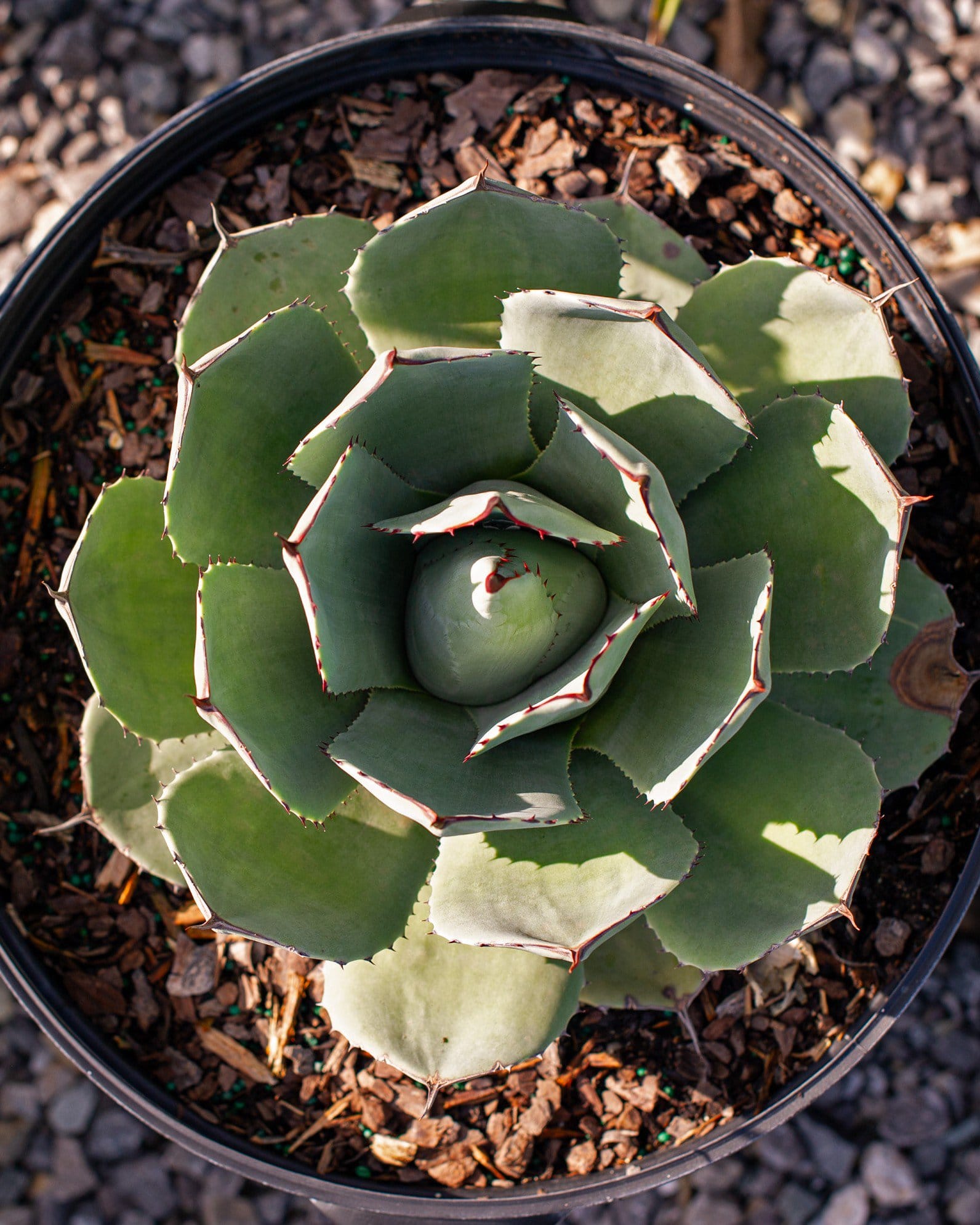
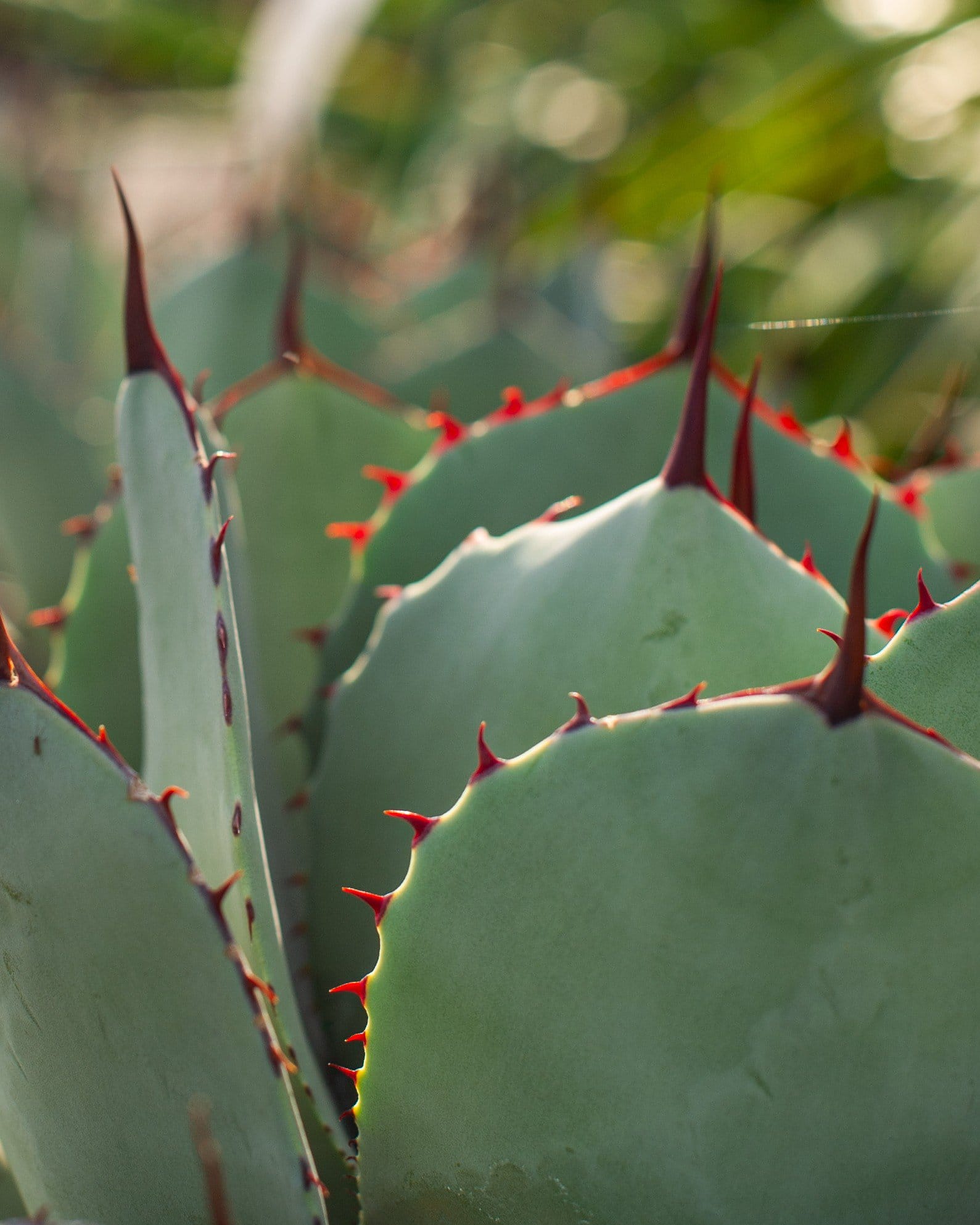
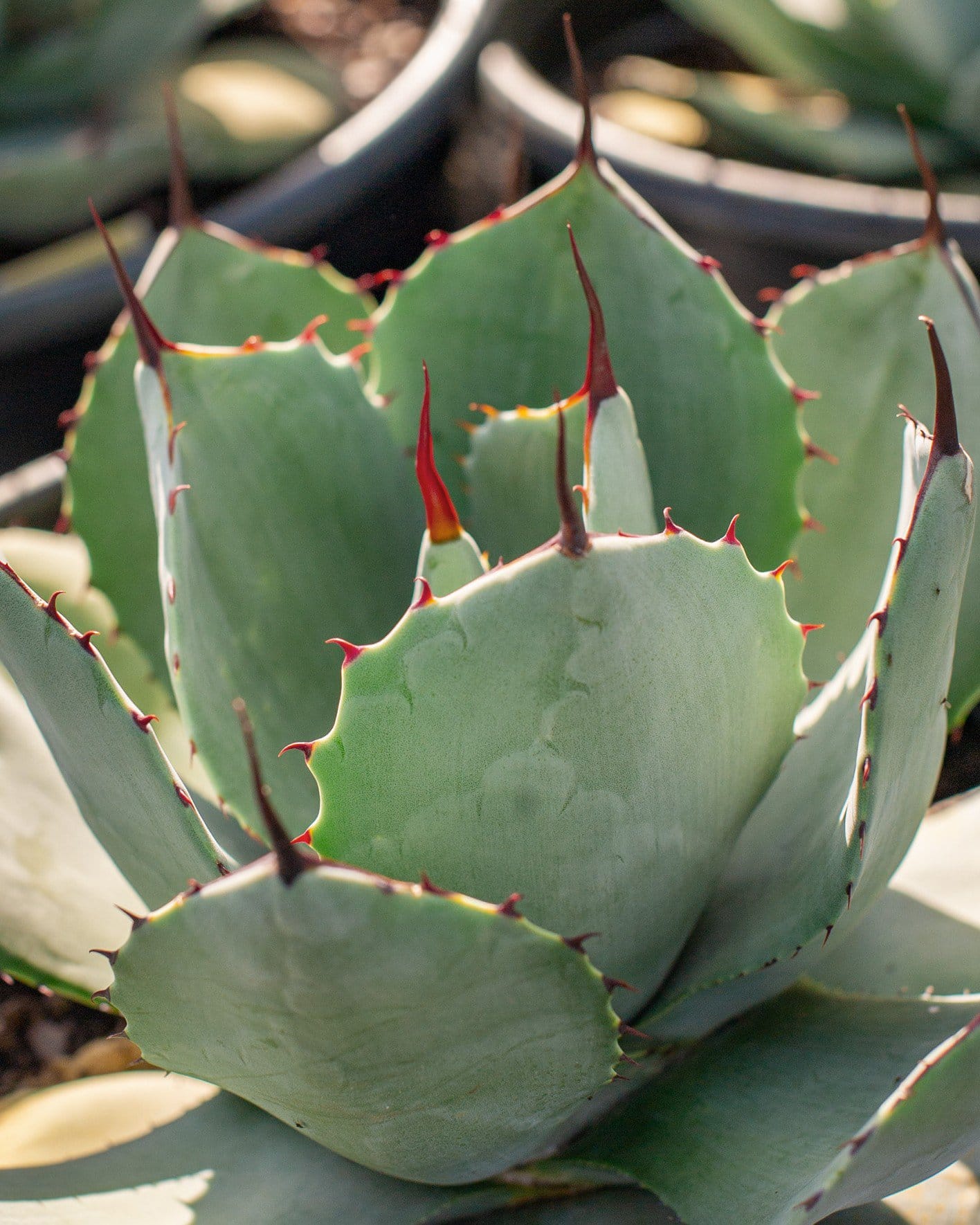
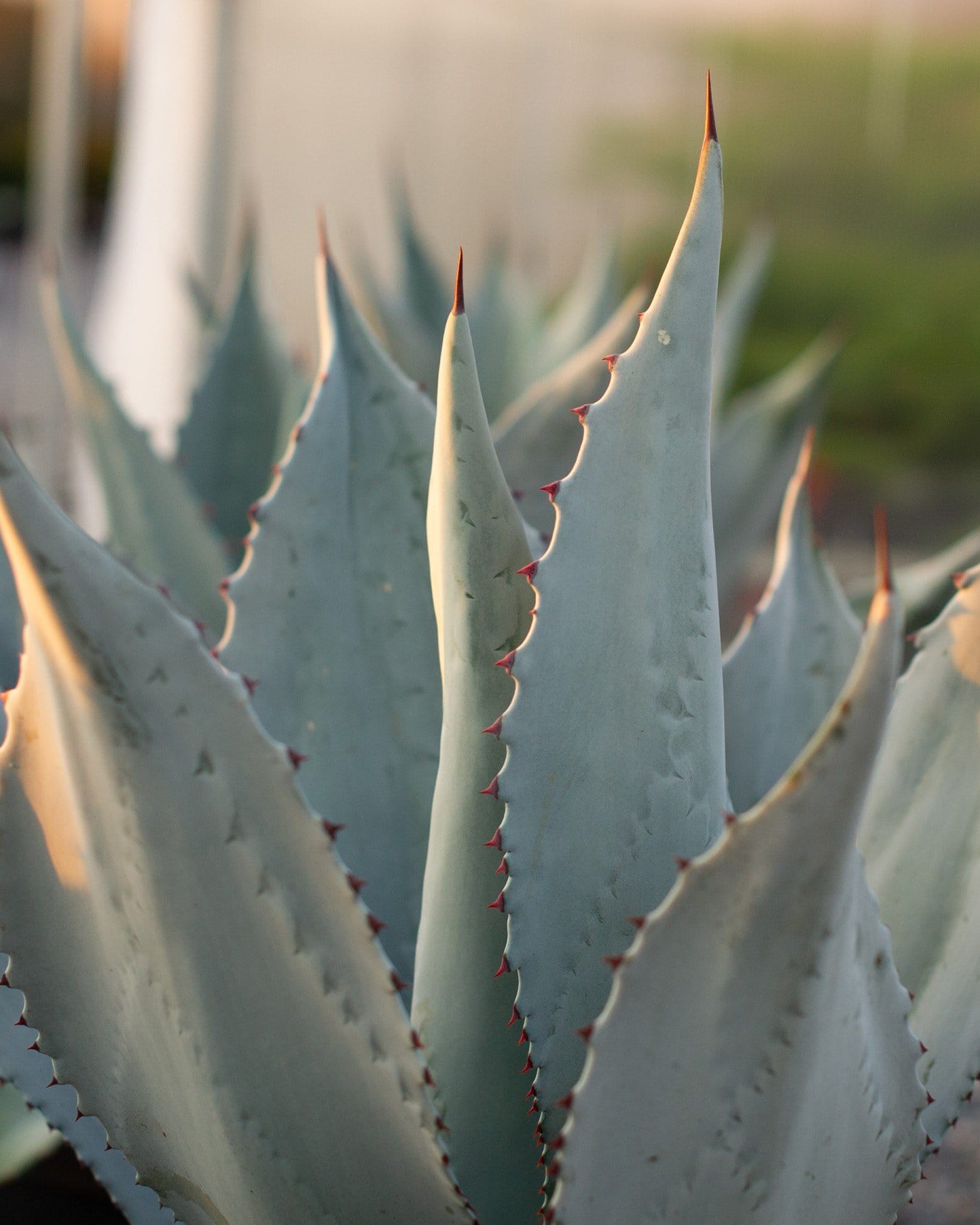
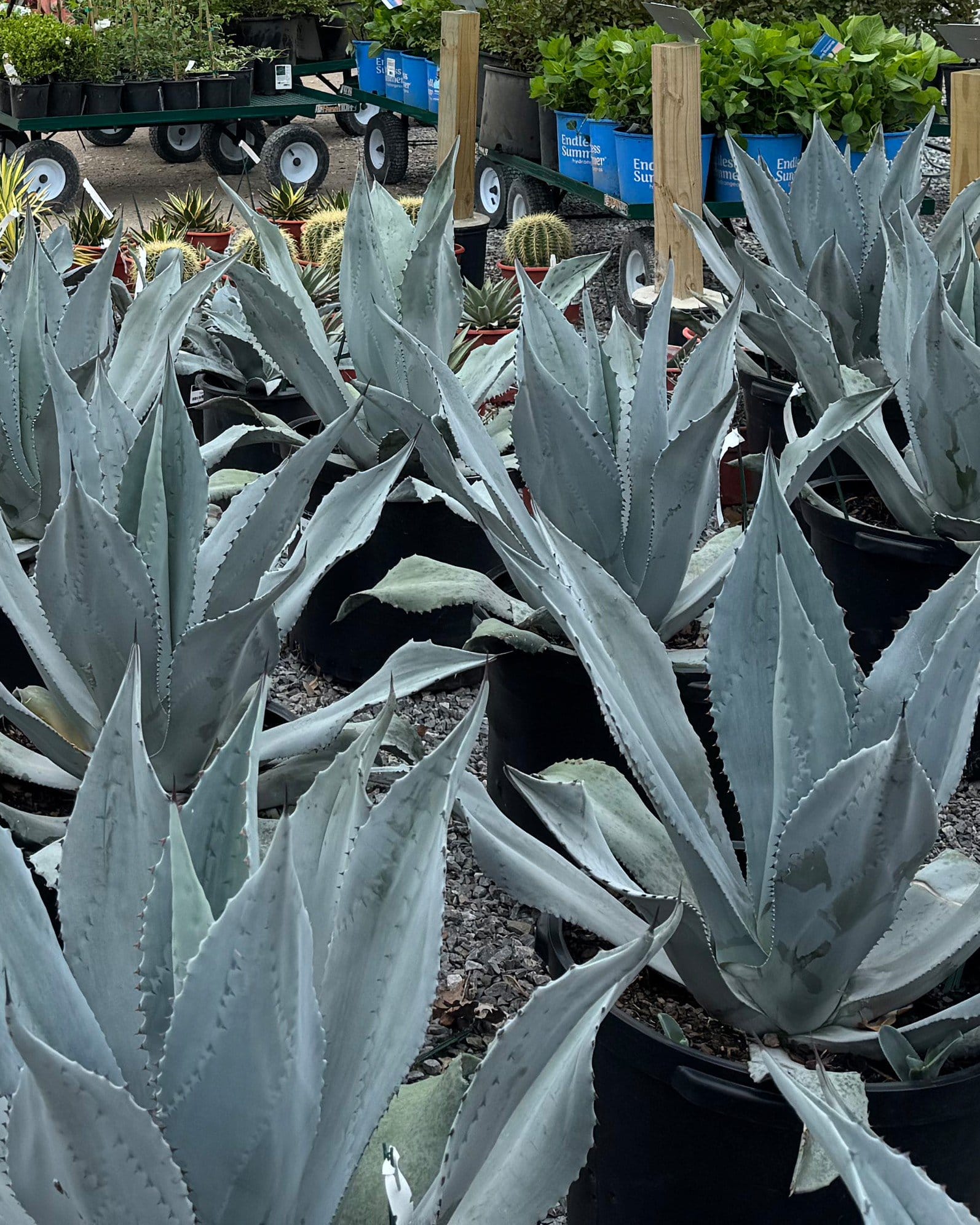
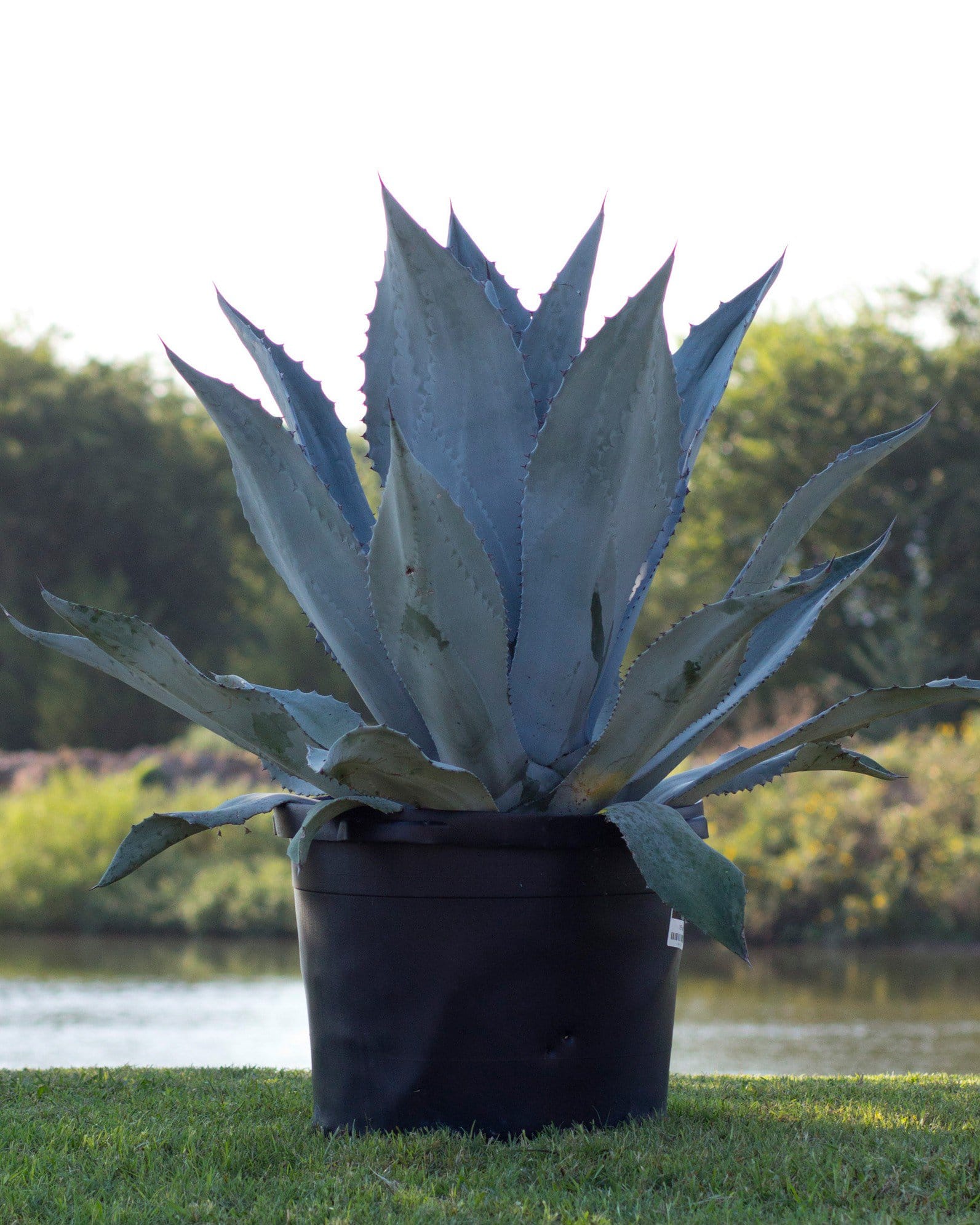
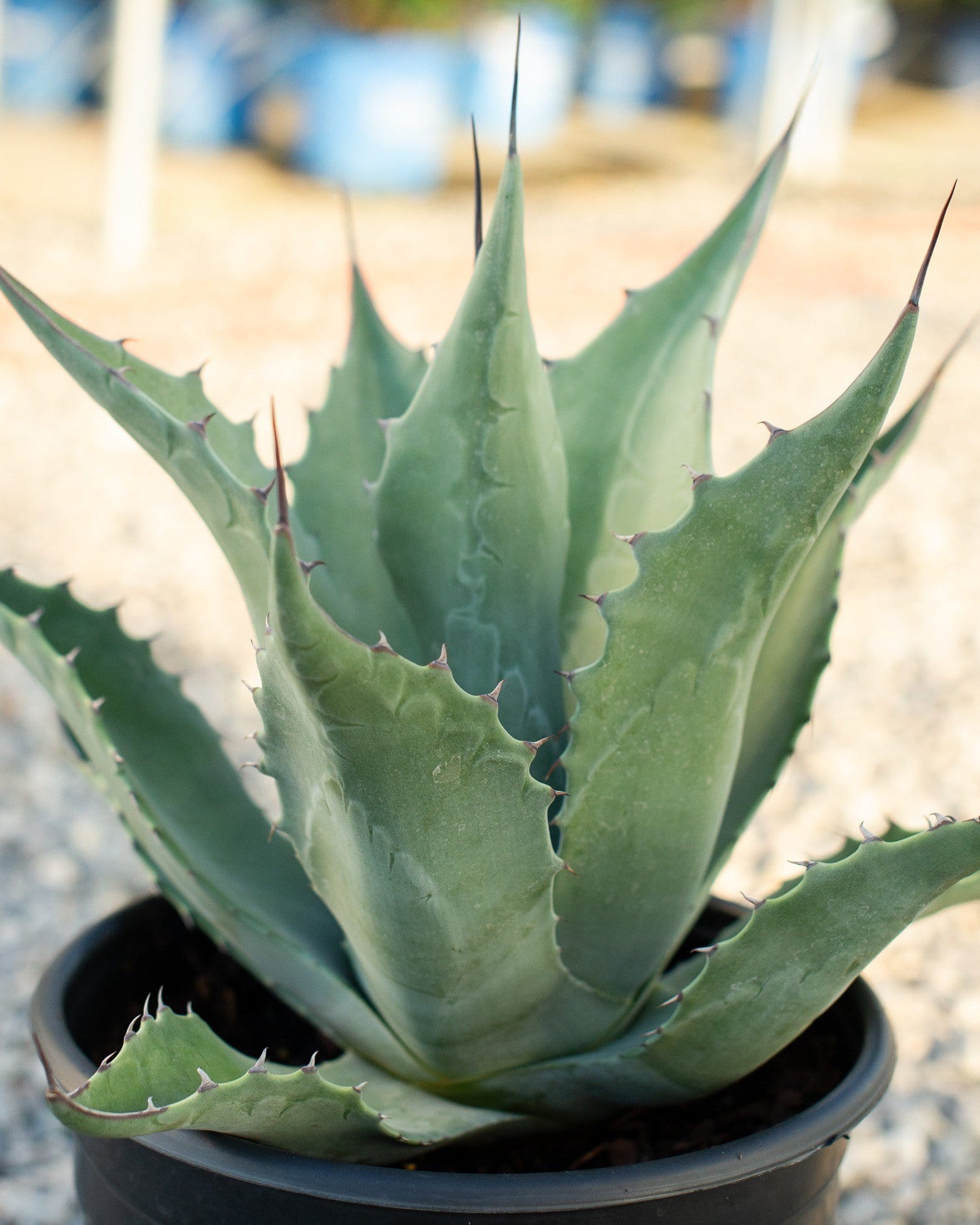
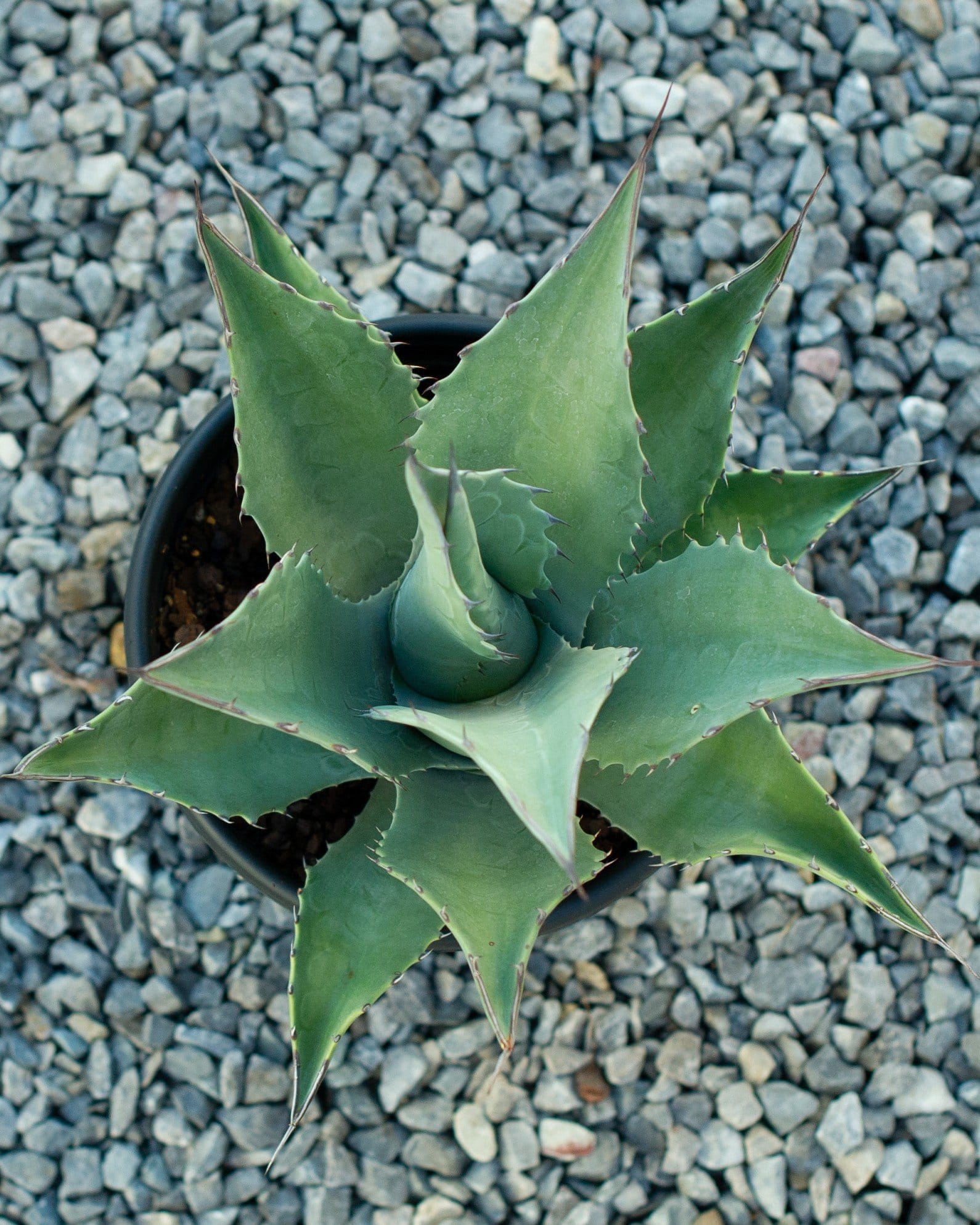
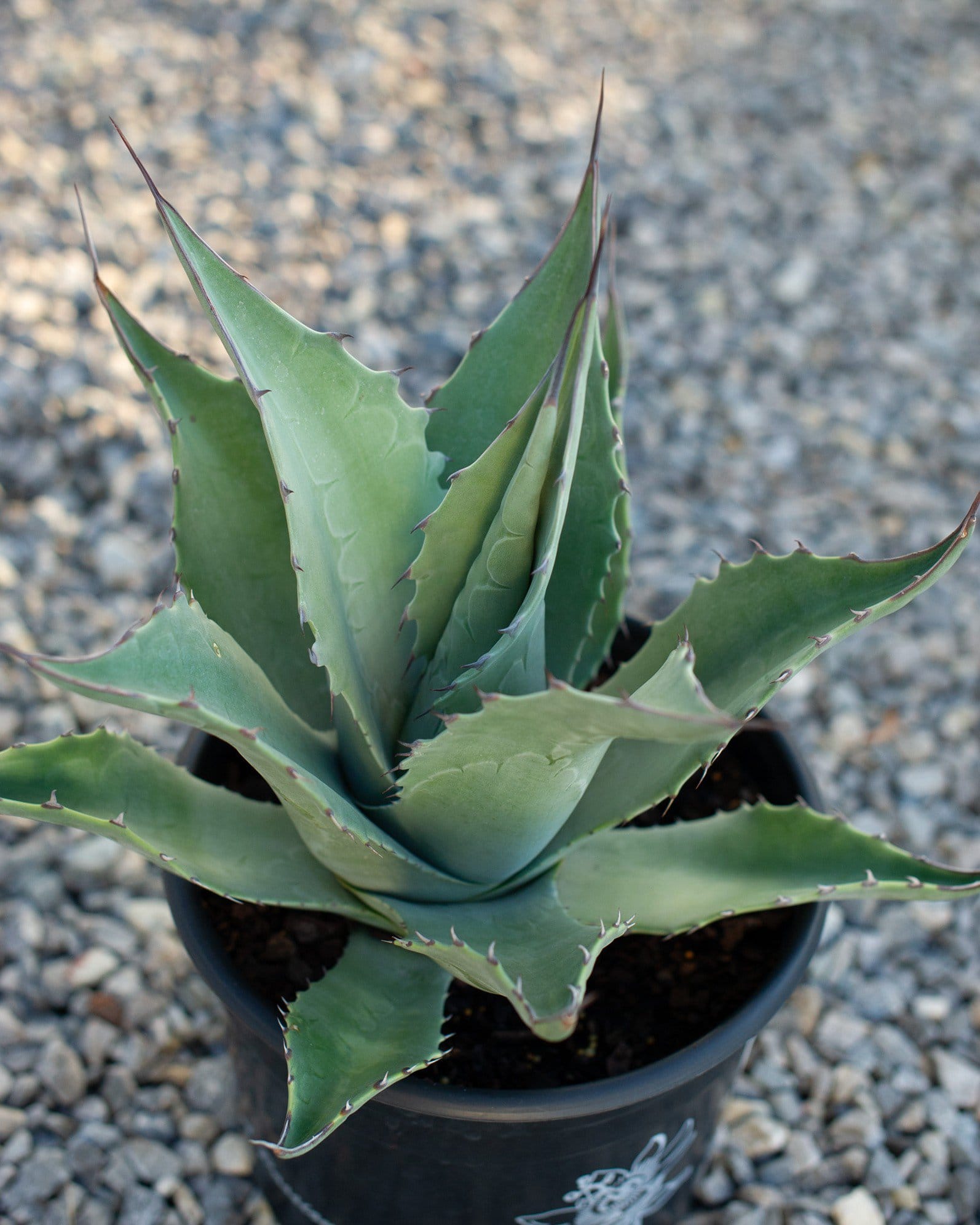
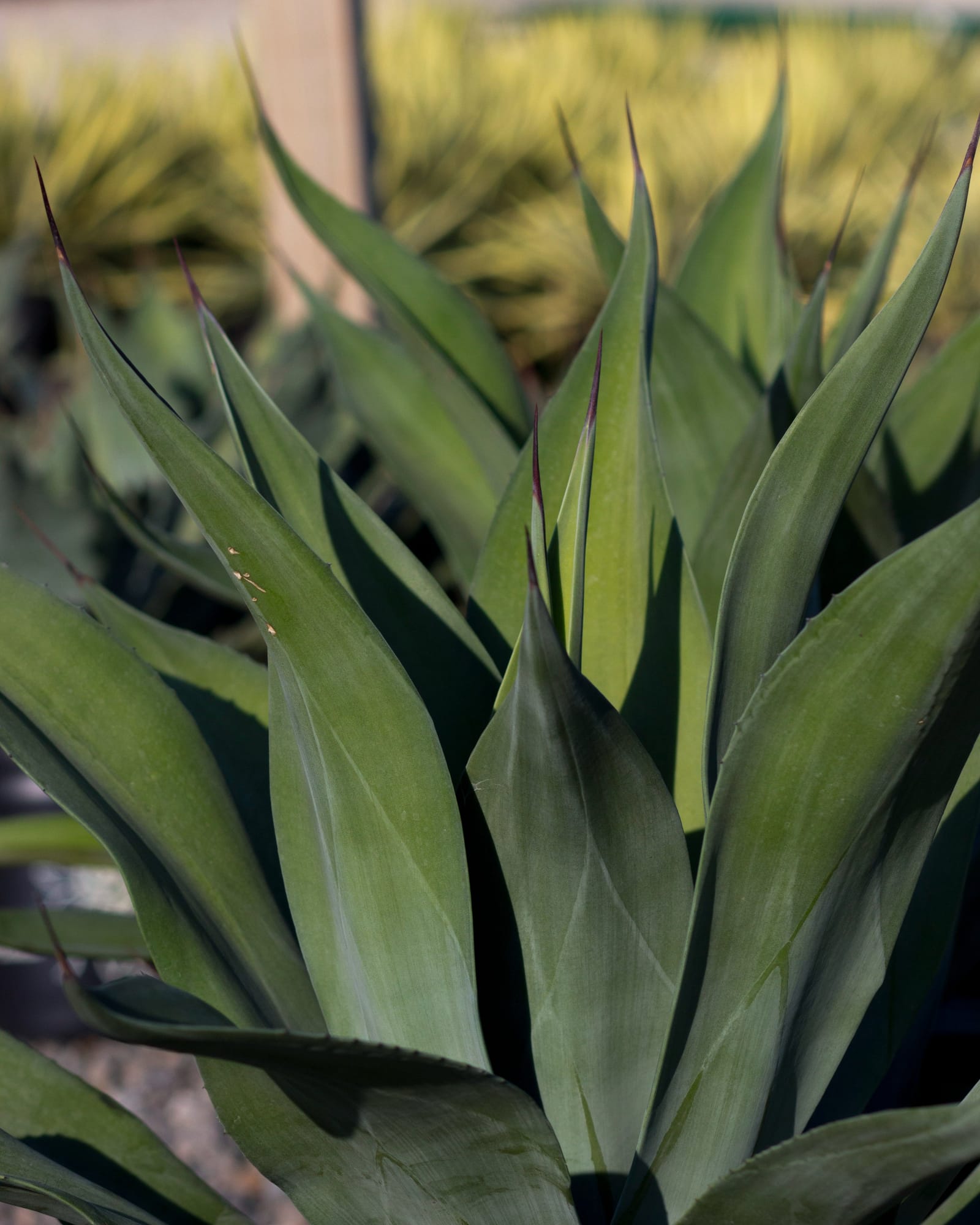
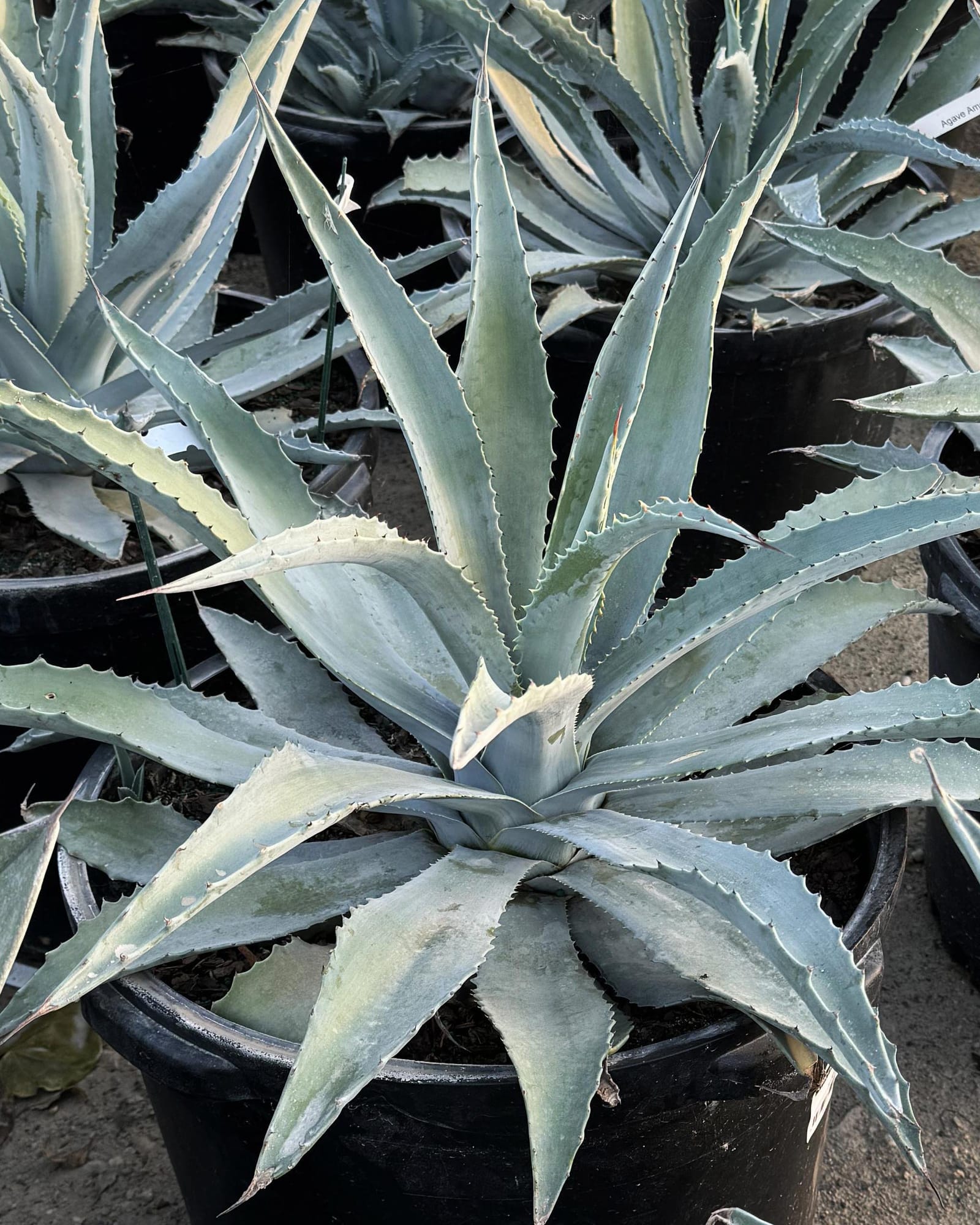
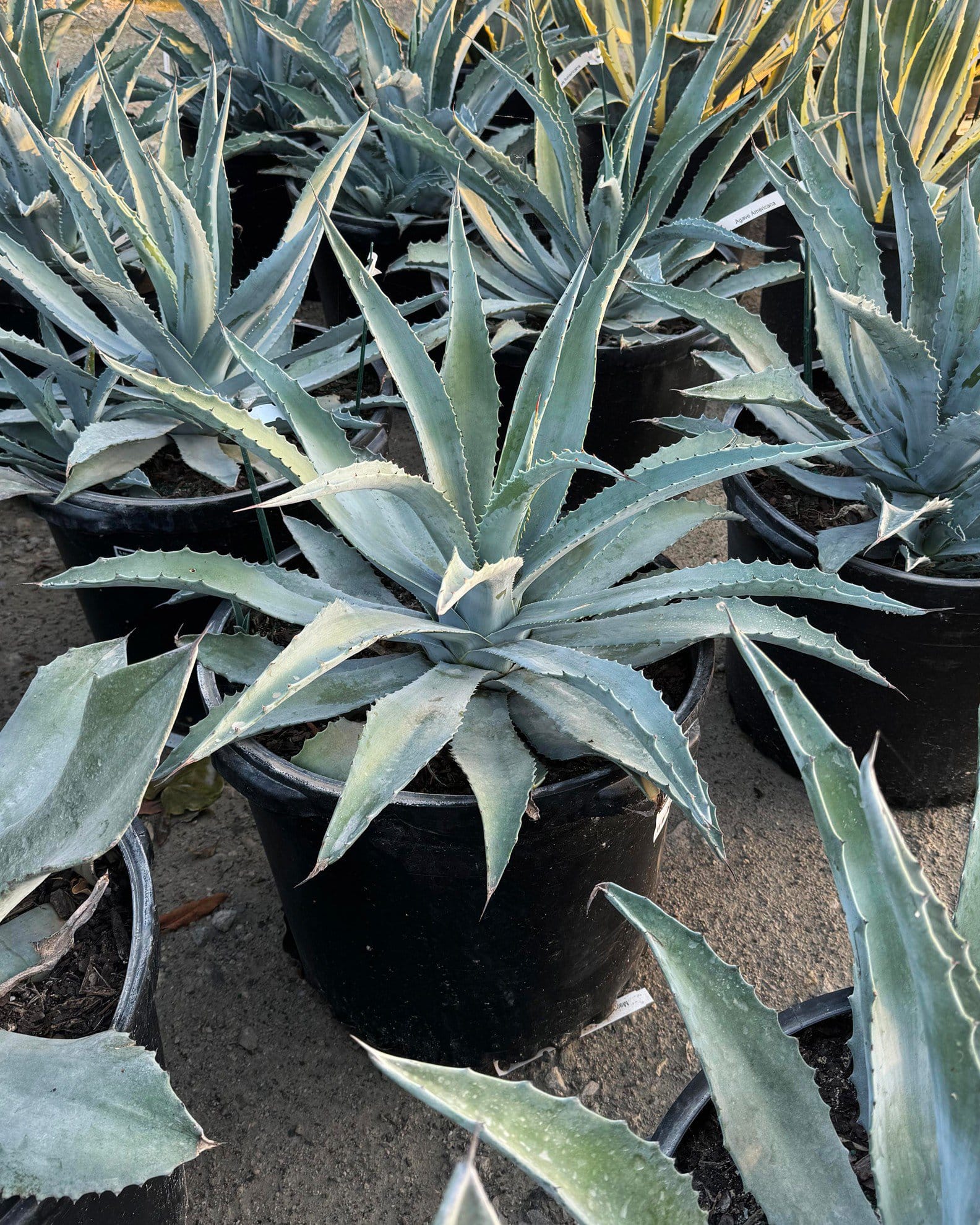
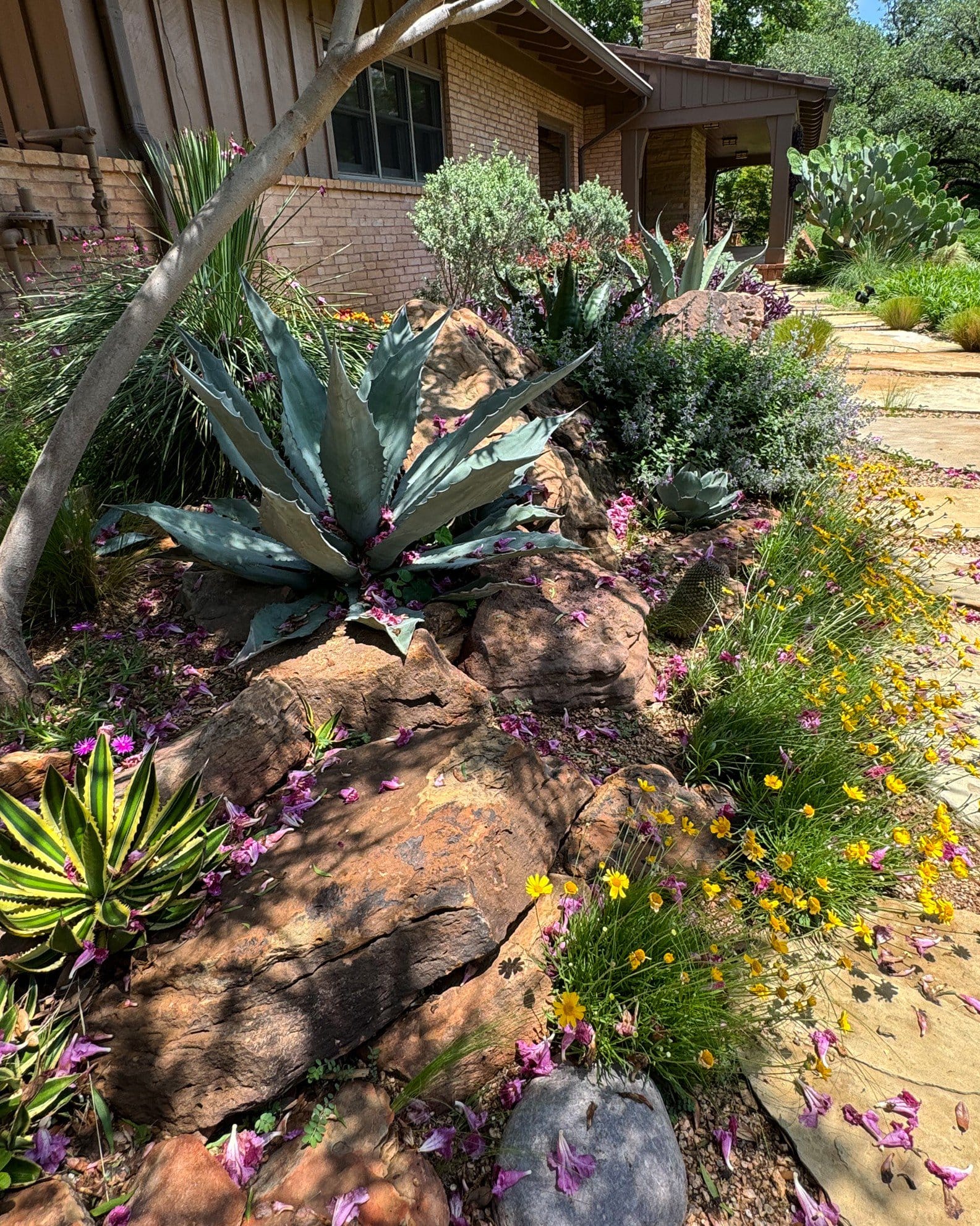
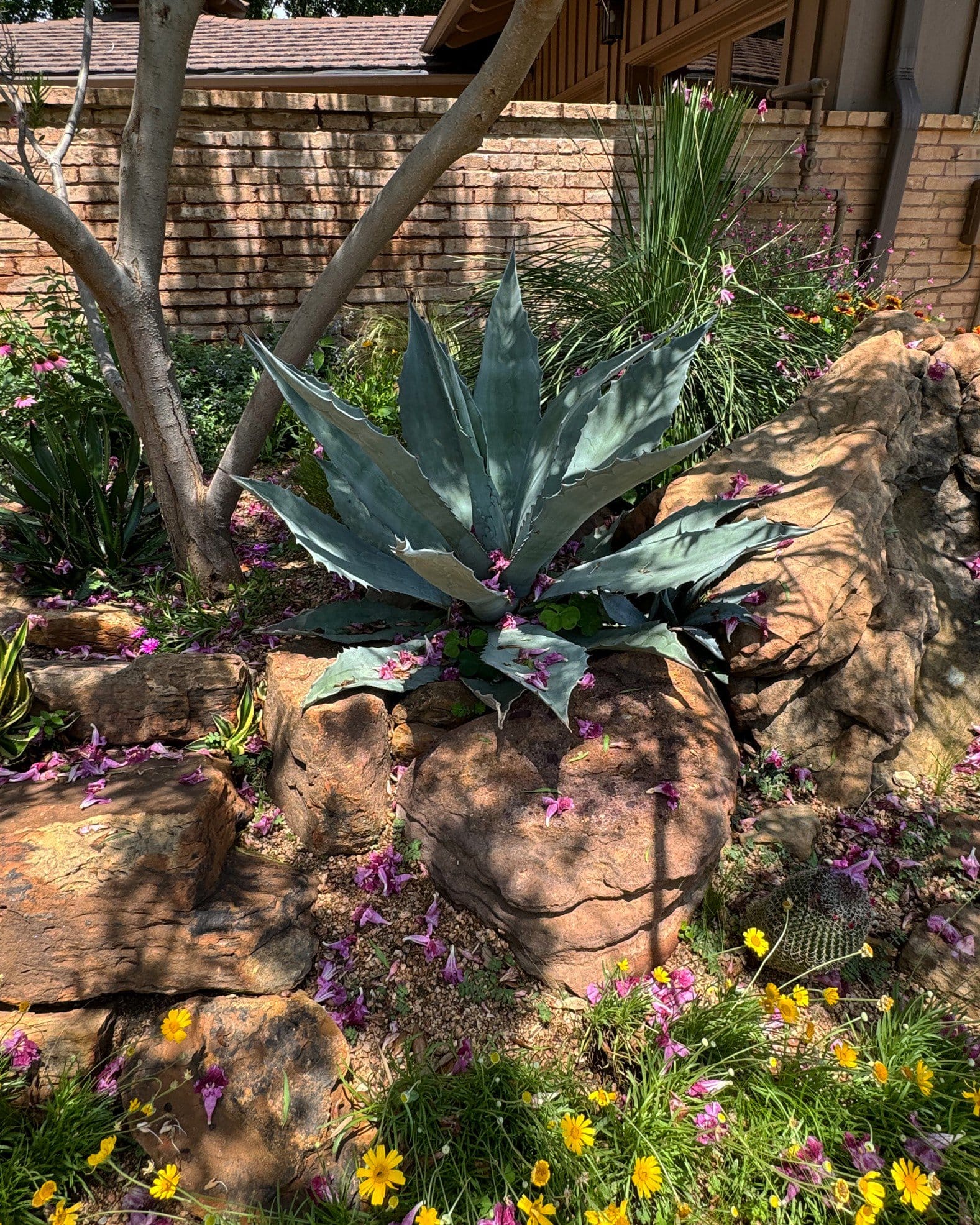
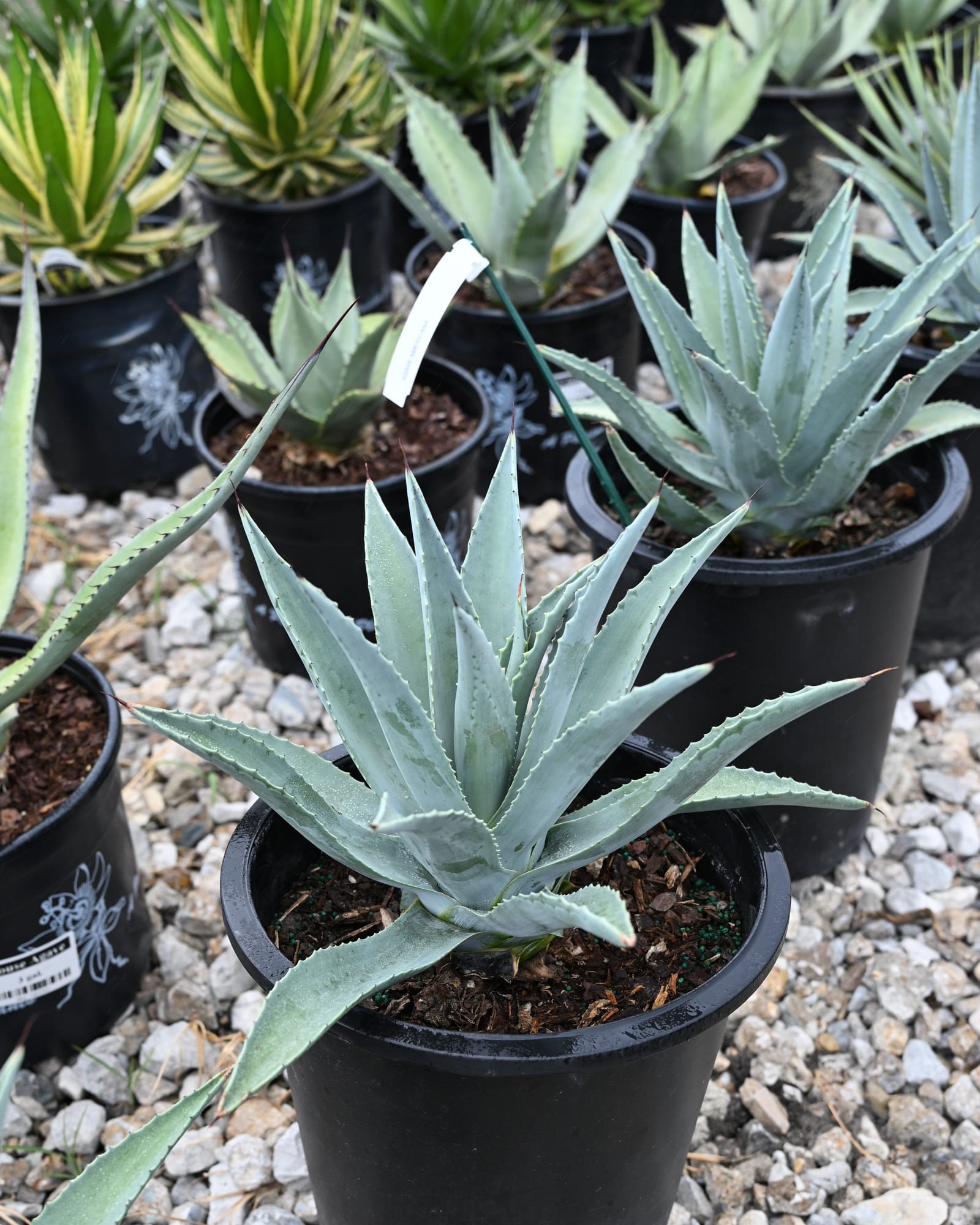
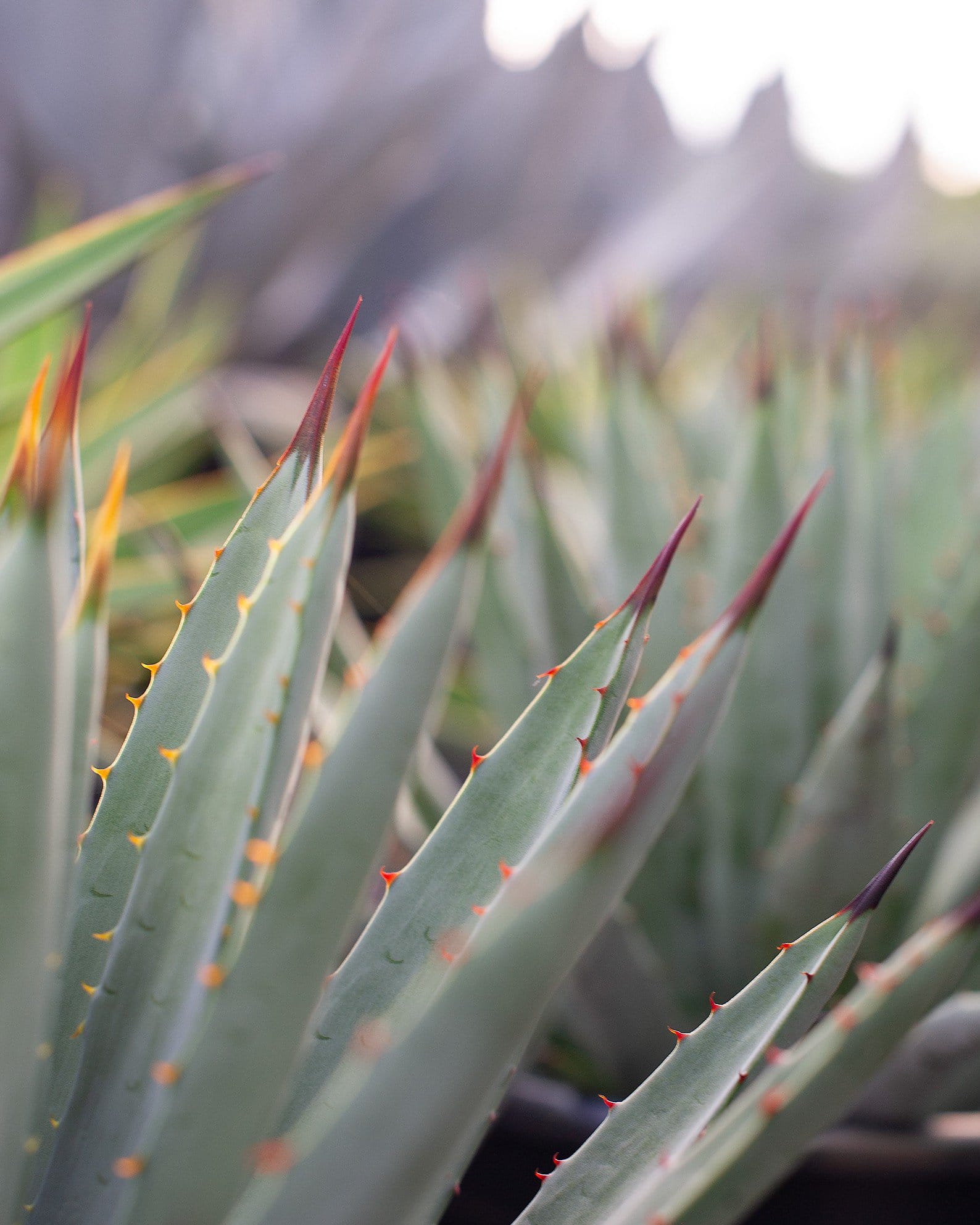
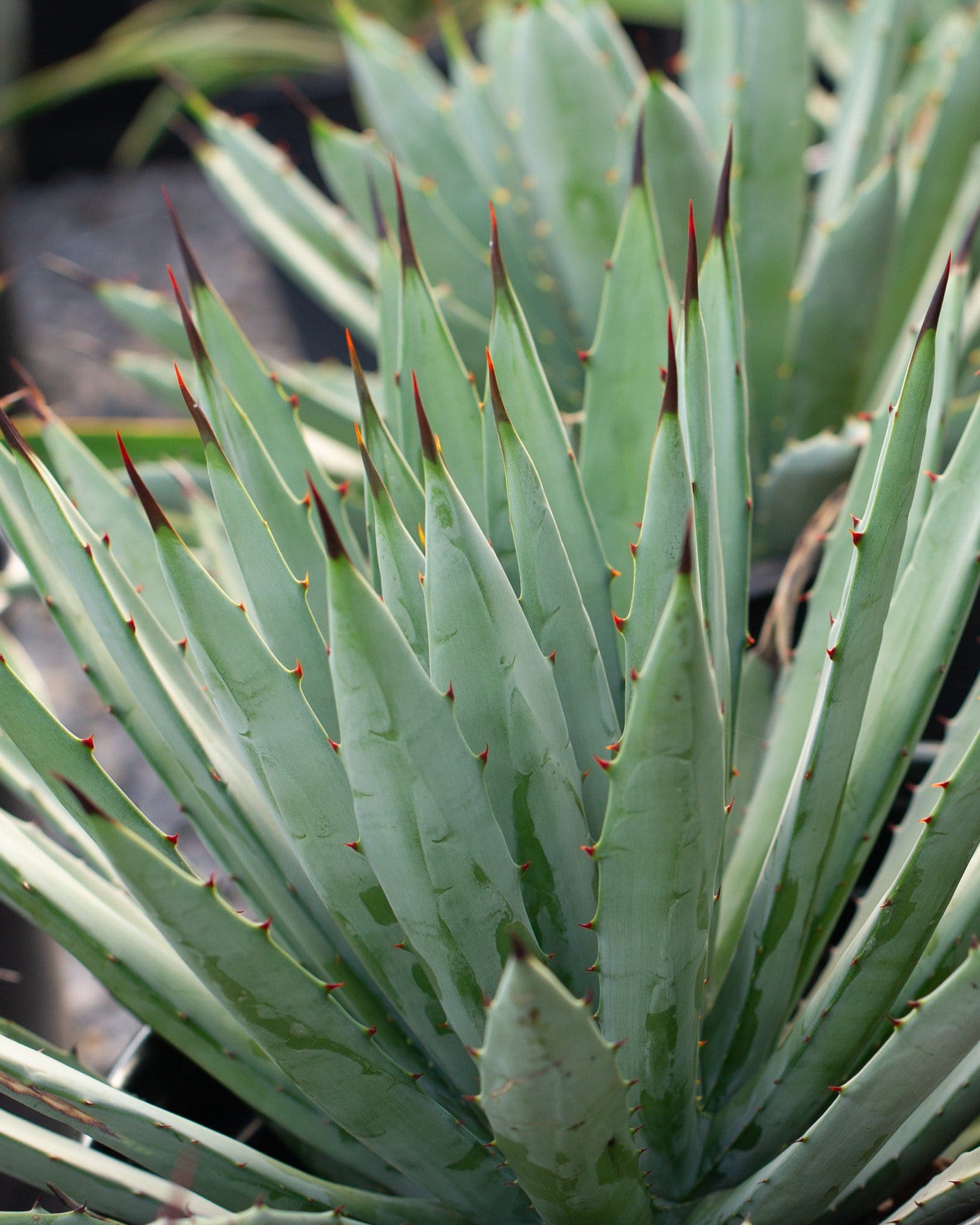
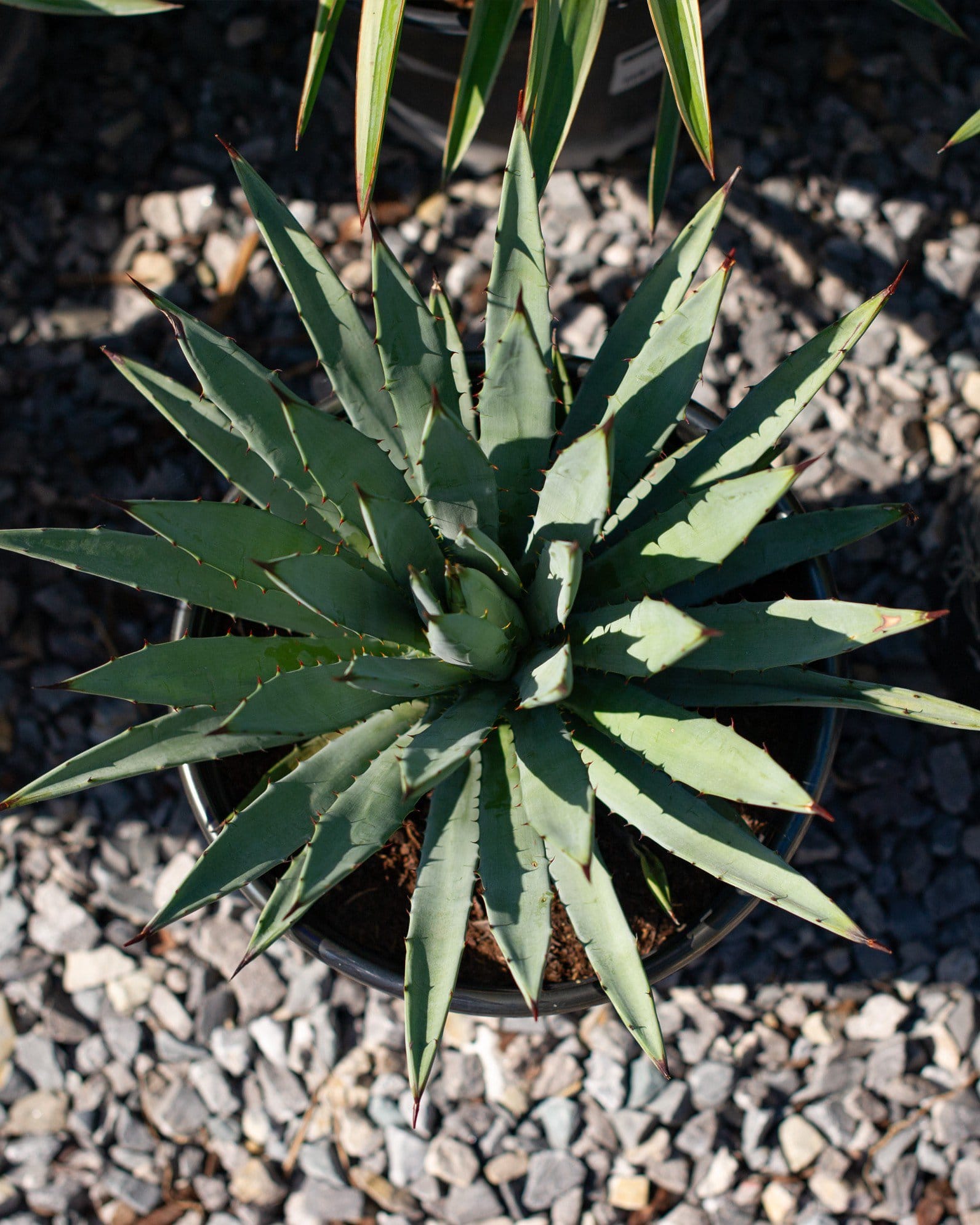
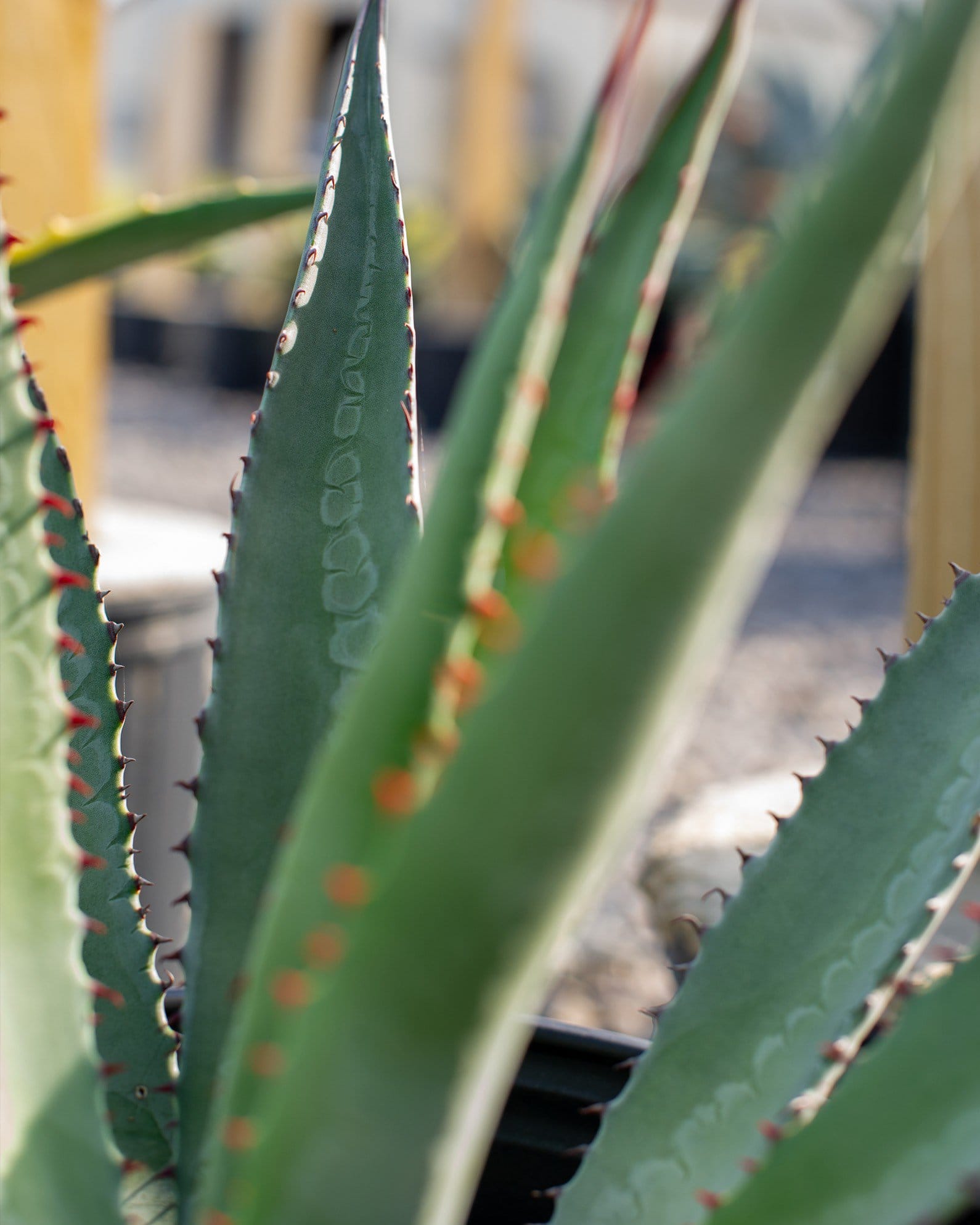
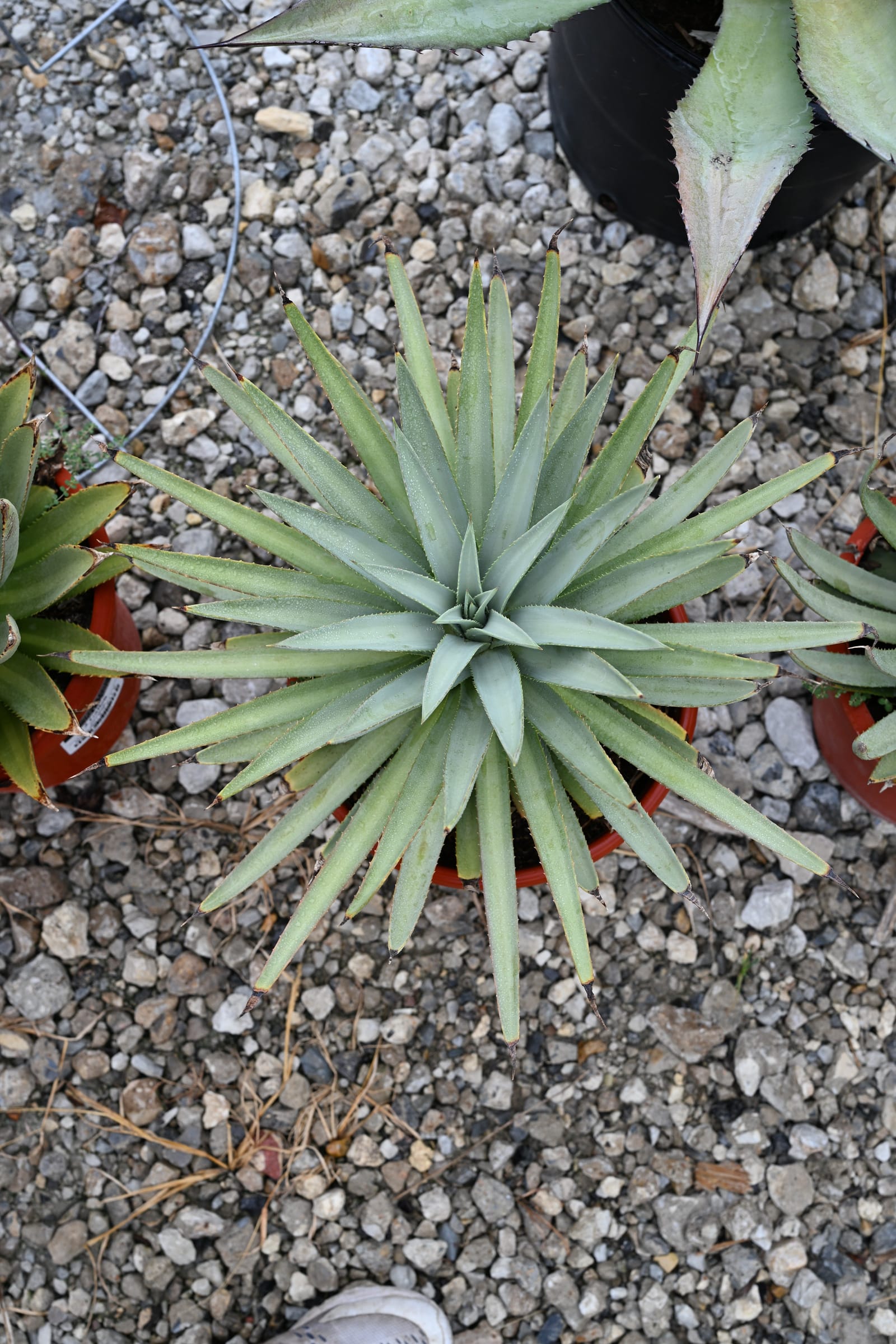
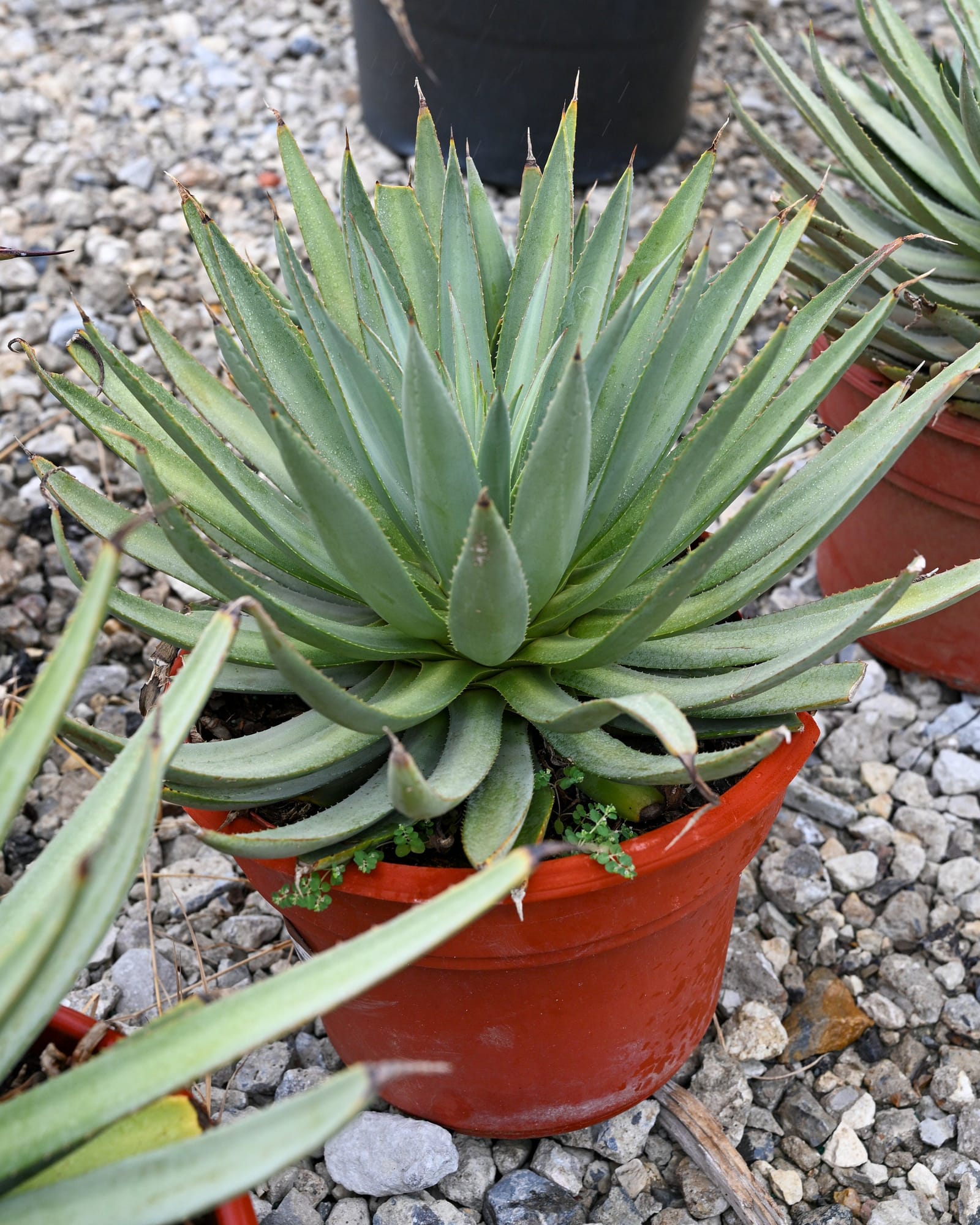
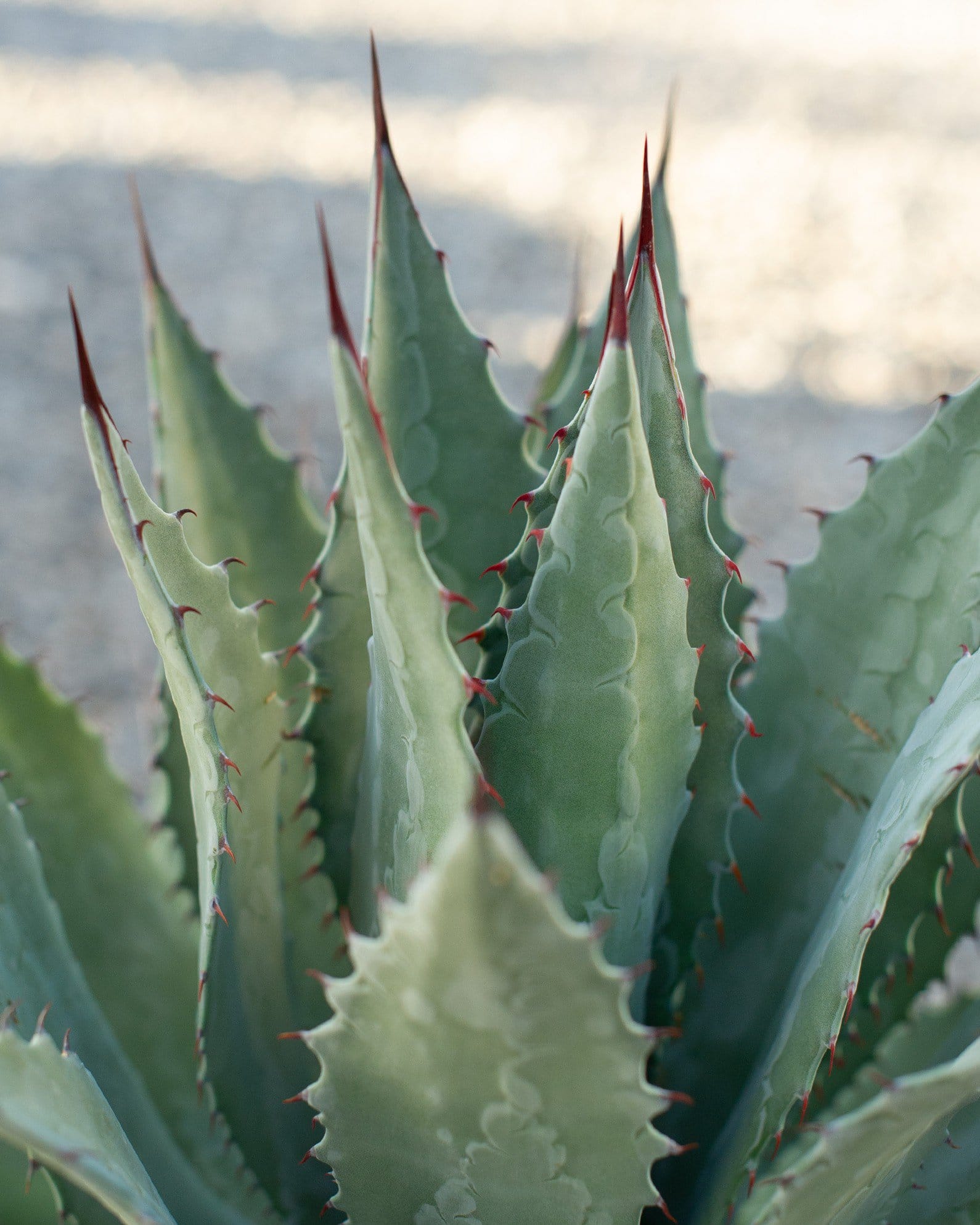
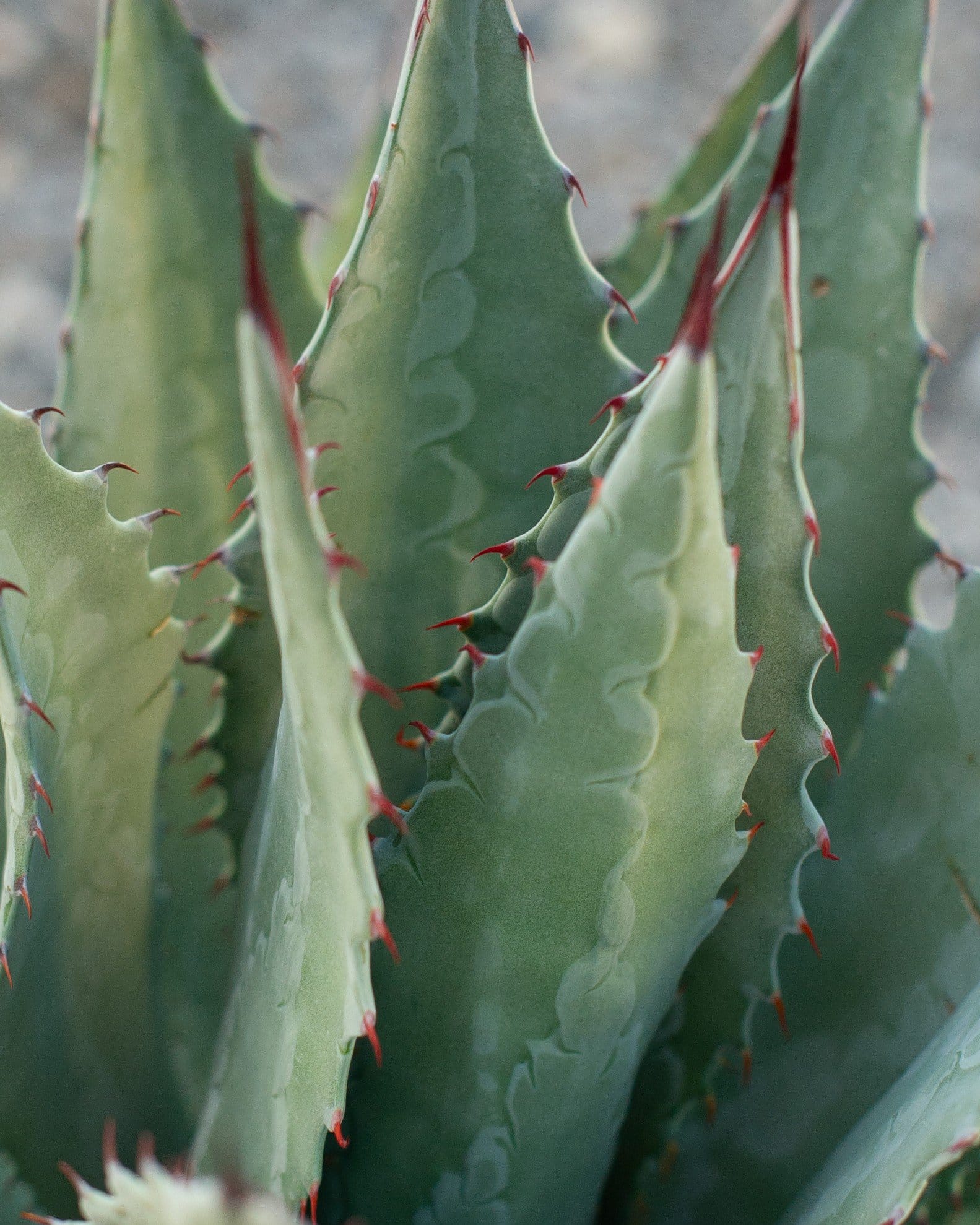
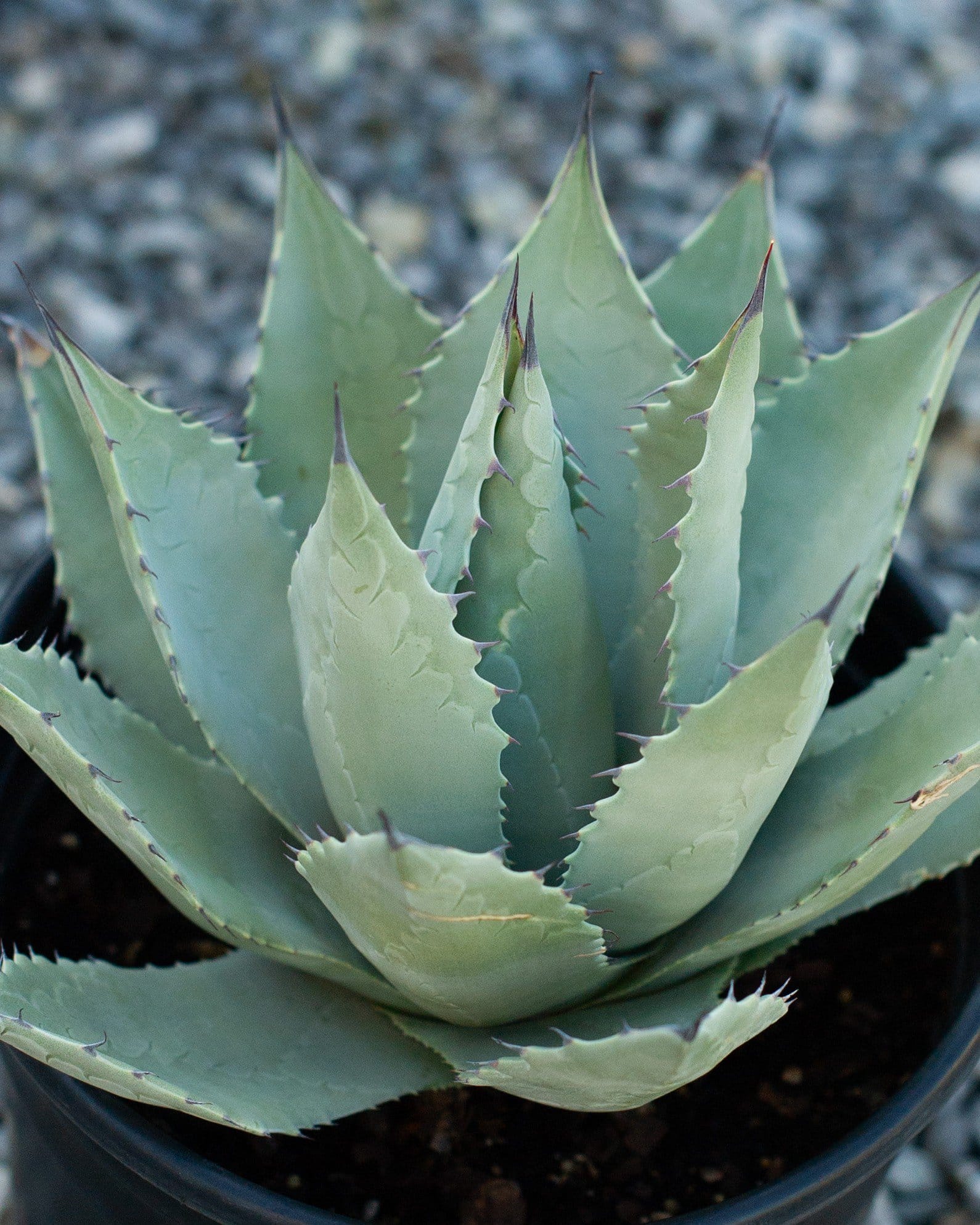
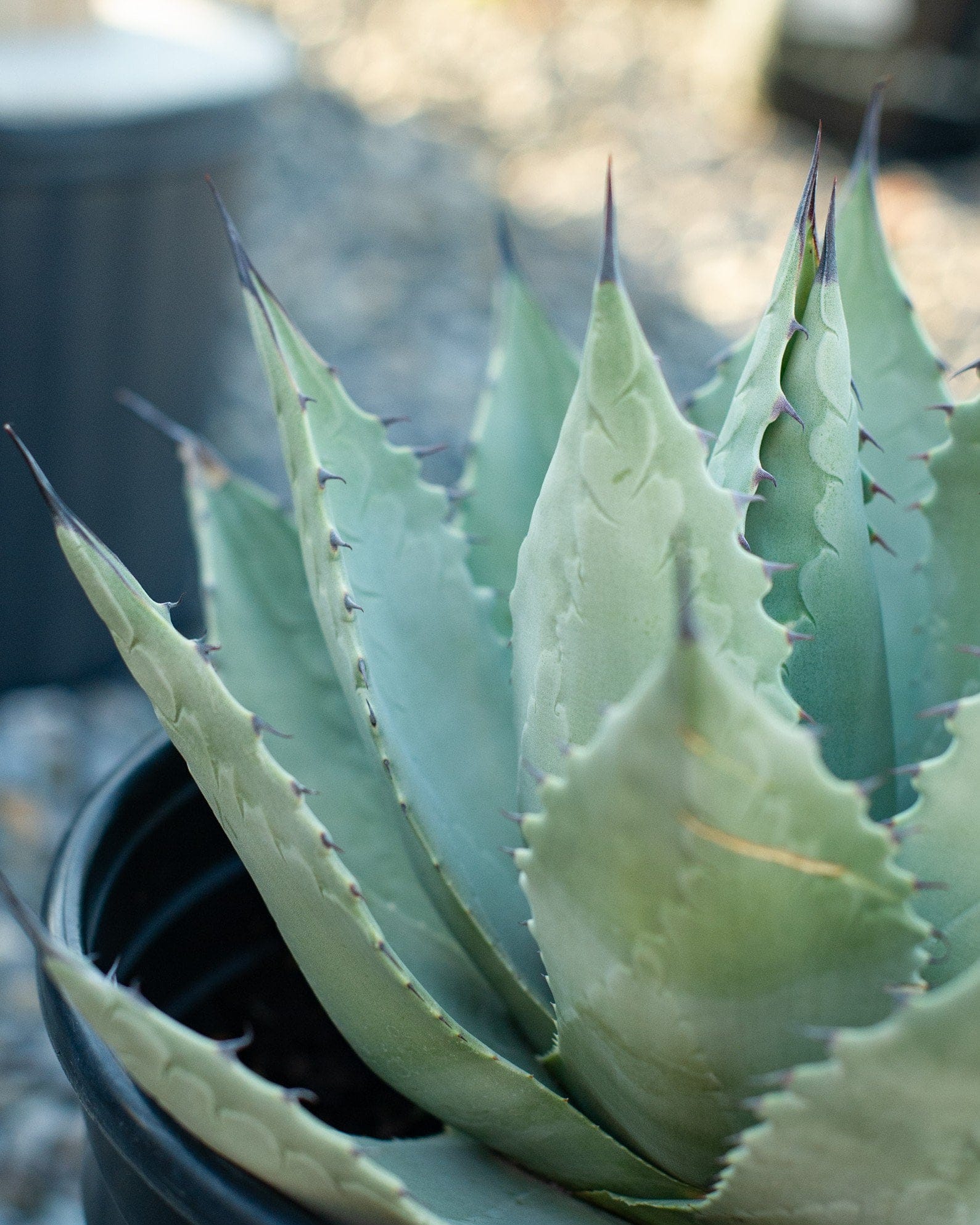
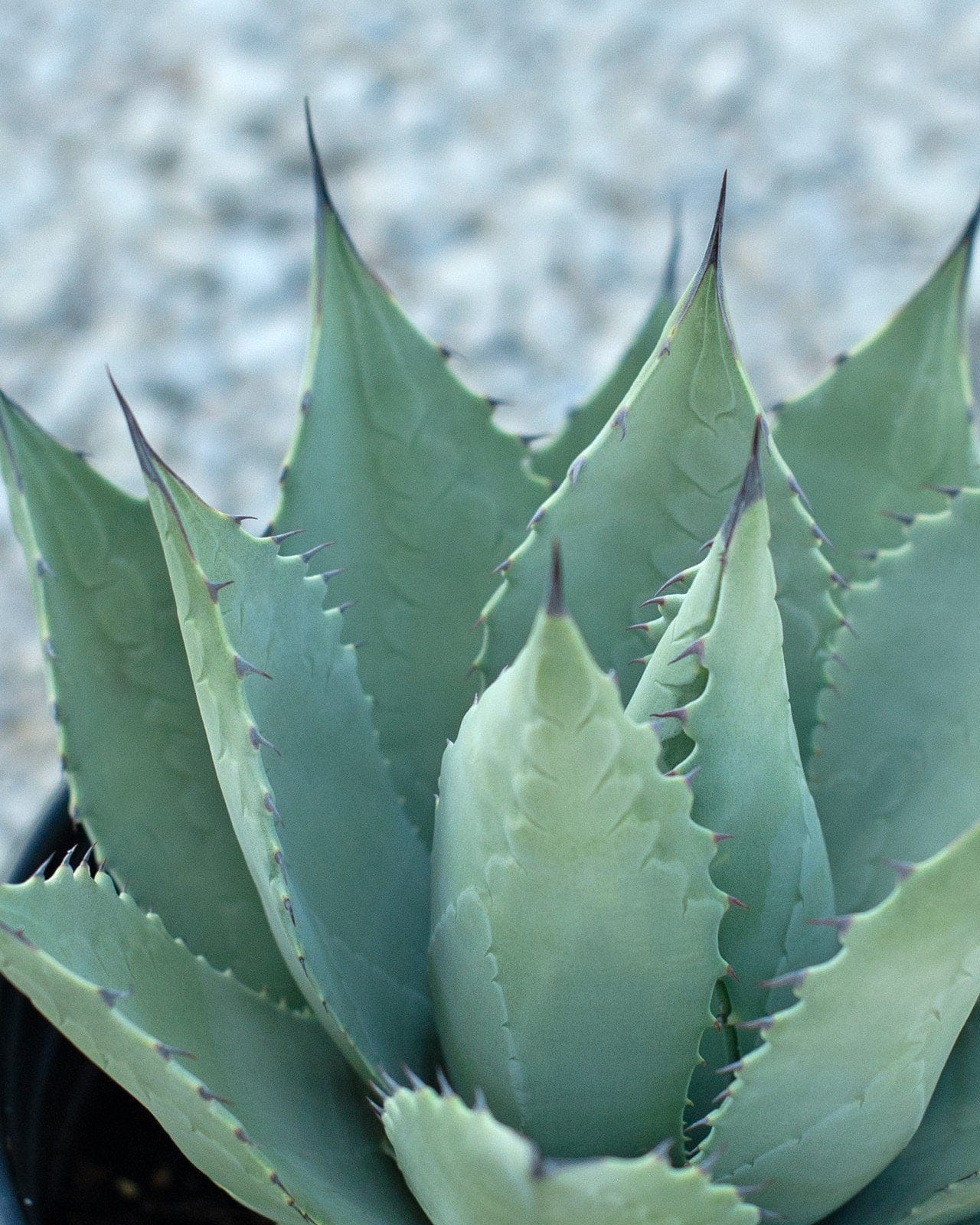
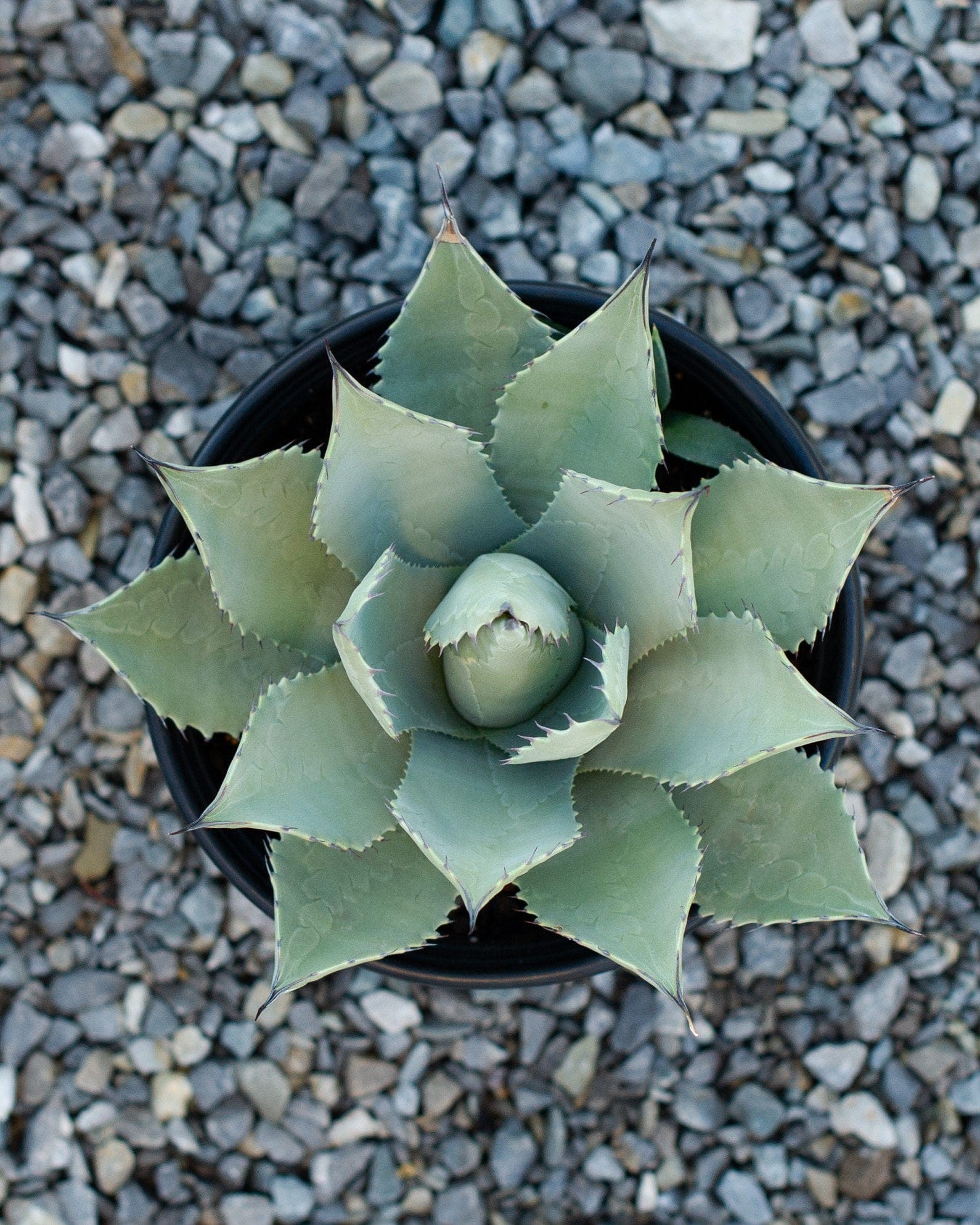
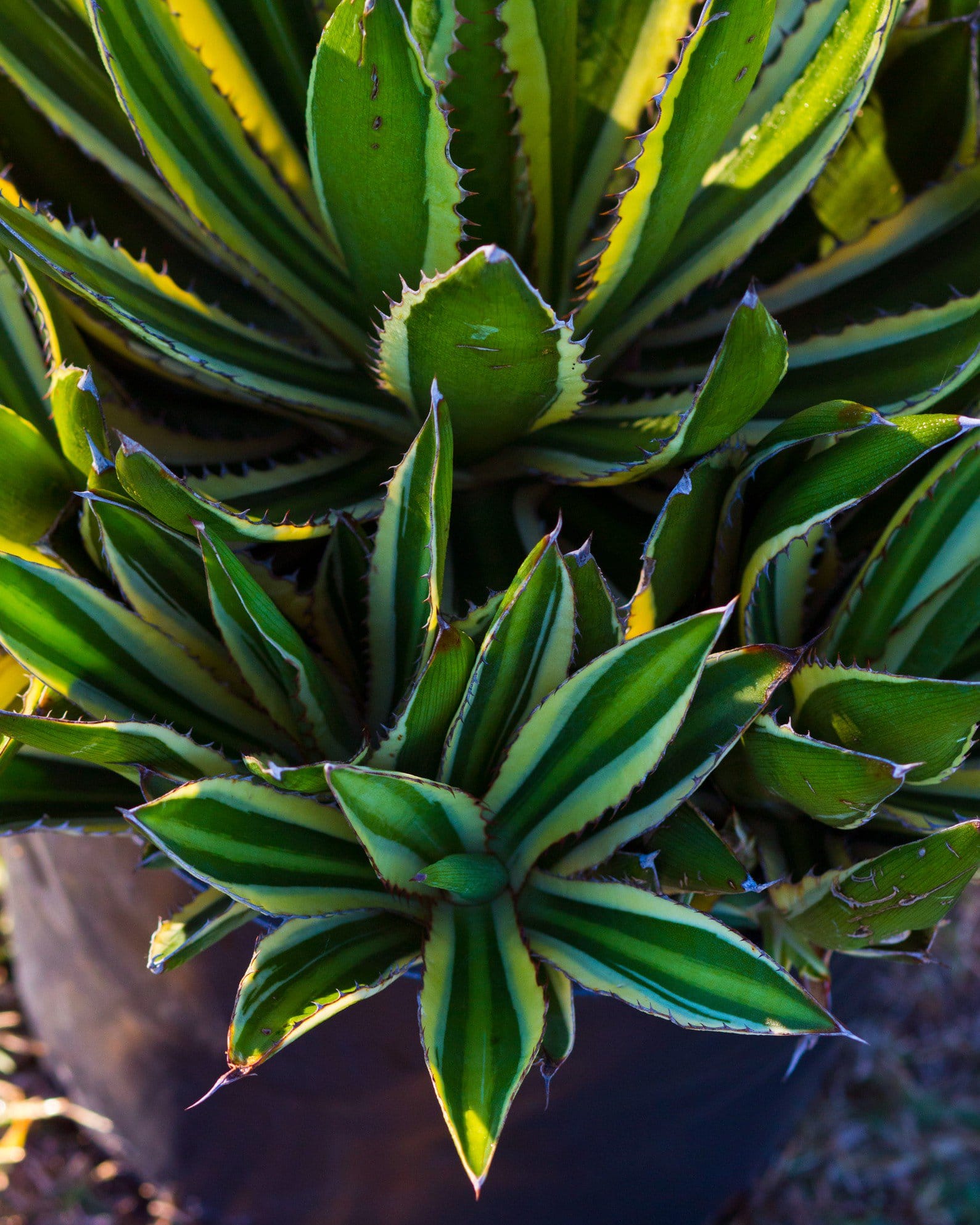
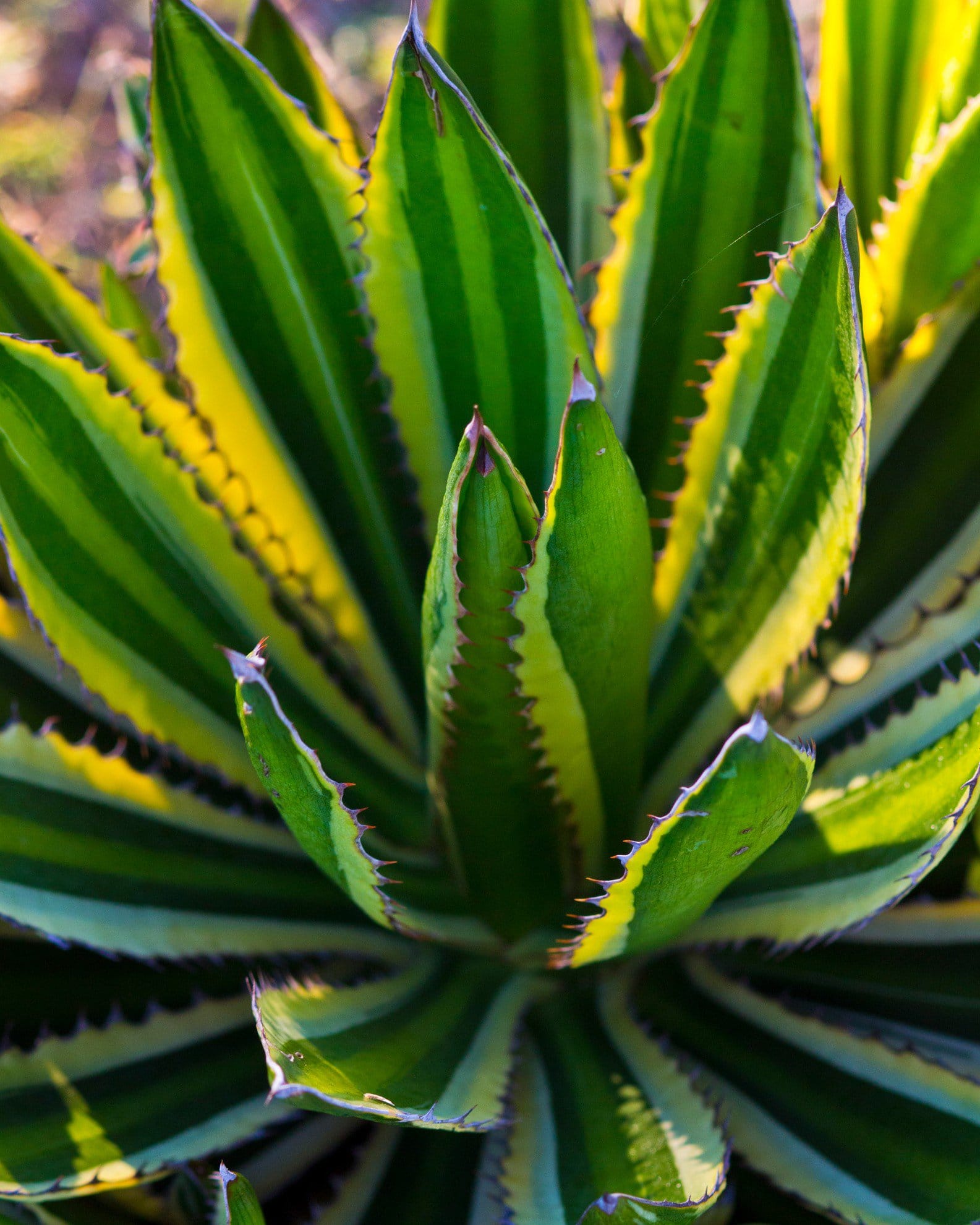
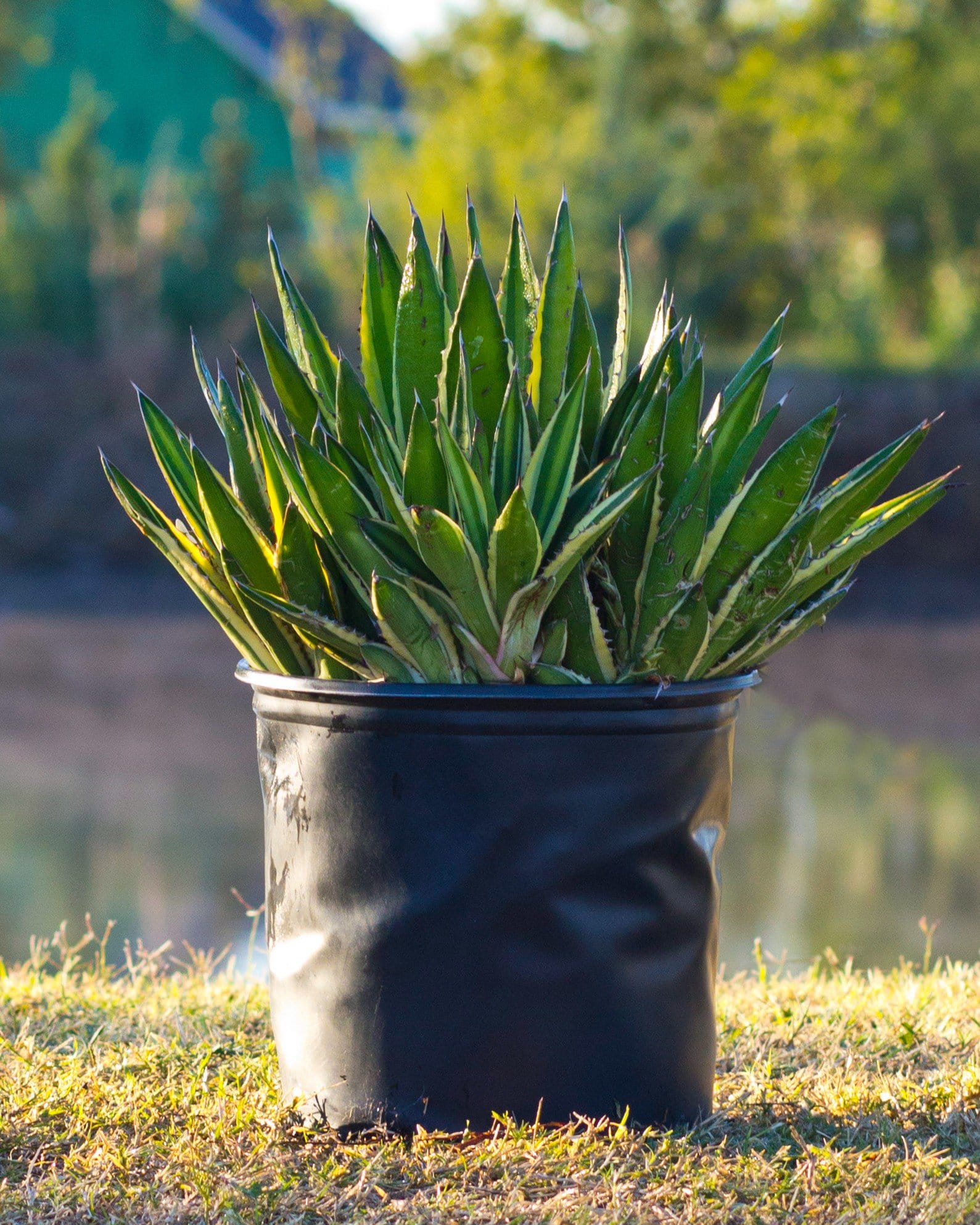
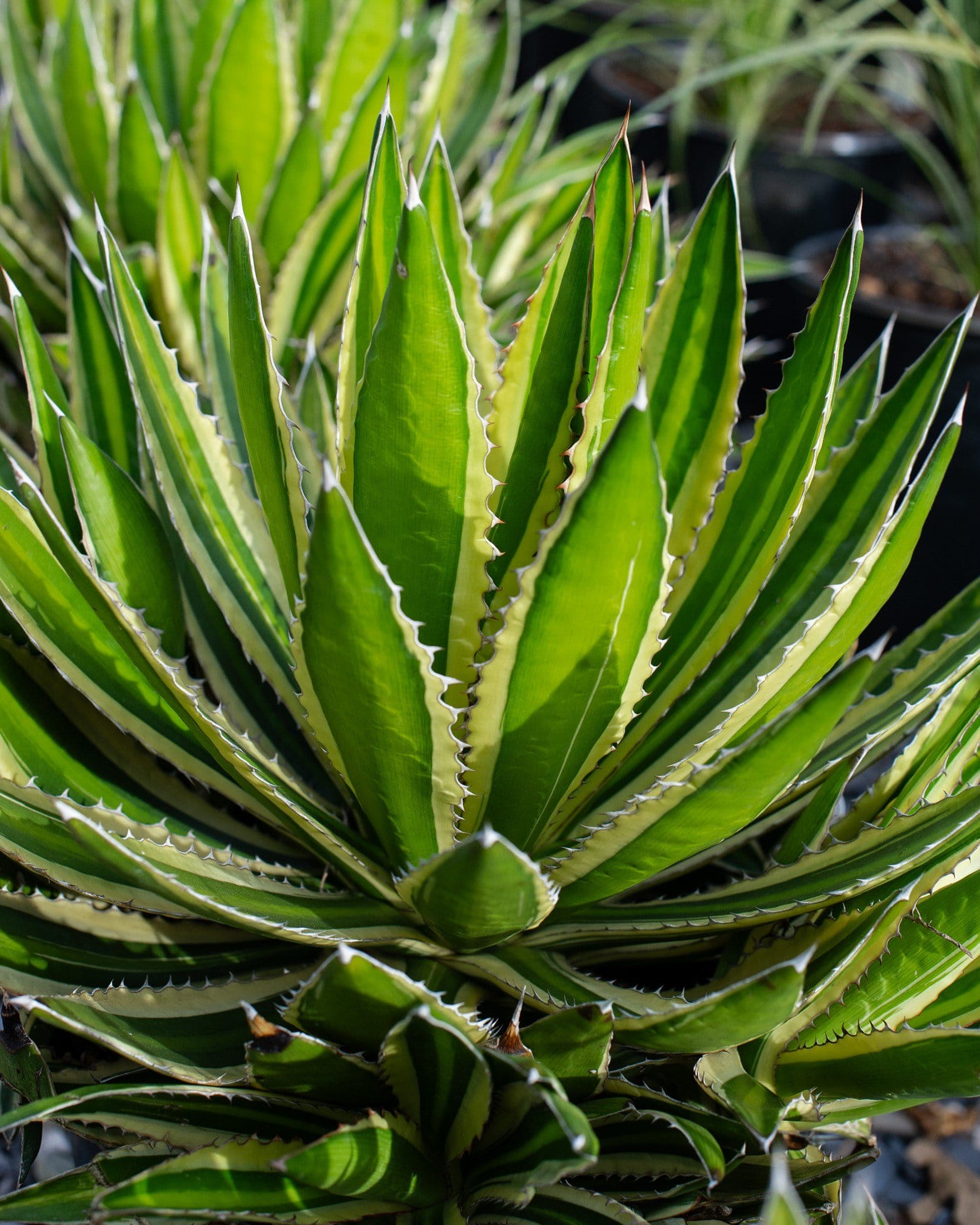
Agave ovatifoliaWhale’s Tongue Agave is a showstopping species known for its thick, cupped leaves that curve upward like a whale’s tongue. The silver-blue foliage radiates from a tight central core, forming a highly symmetrical rosette up to 3 feet tall and 4 feet wide. Each leaf is adorned with small marginal teeth and a pronounced terminal spine. It’s a favorite in contemporary and xeric landscapes, where its clean lines and powdery finish add both softness and form. Whale’s Tongue brings year-round structure and thrives even in the intense Texas sun.
- Wide, cupped silver-blue leaves
- Grows 3 feet tall by 4 feet wide
- Dense, symmetrical evergreen rosette
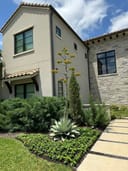
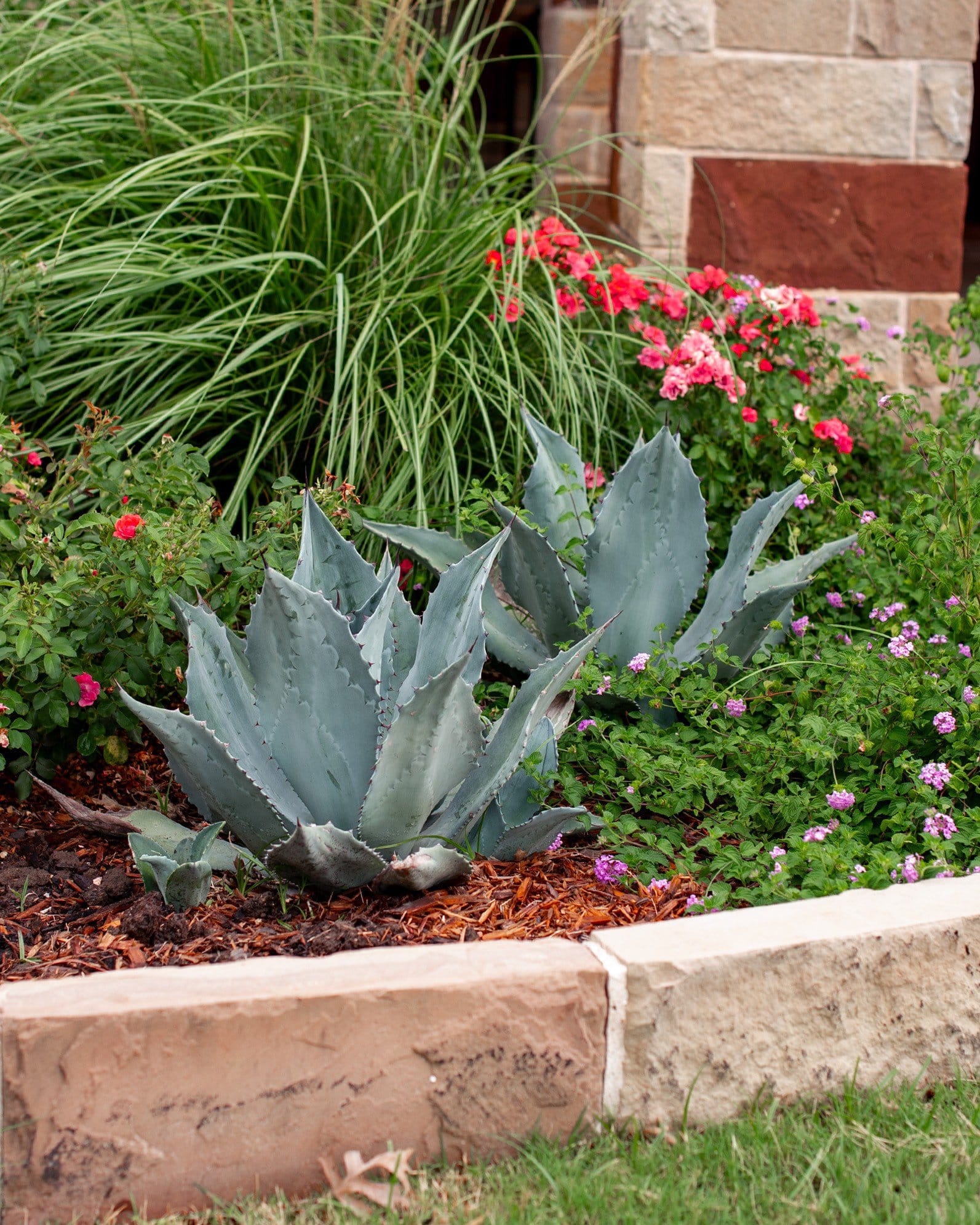
- Architectural accent for dry beds or patios
- Excellent in contemporary xeriscapes
Best grown in full sun with well-drained, rocky or sandy soil. Hardy in USDA zones 7-10, this variety is exceptionally well-suited to North Texas environments. Trim away aging lower leaves as needed to keep it tidy and striking.
Maintenance
Whale’s Tongue Agave is both visually powerful and low-maintenance, needing little to no effort to grow beautifully:
- Watering: Water regularly during the first year to help the roots establish deeply. Once mature, Whale’s Tongue Agave requires very little supplemental water and prefers to stay on the dry side. Deep, occasional watering every 3-4 weeks during extreme drought is sufficient. Overwatering is the most common cause of decline.
- Pruning: Minimal pruning is needed. Remove only spent flower stalks or any dead, lower leaves as they age naturally. Handle carefully - while its spines are less menacing than other agaves, the leaf tips are still sharp. Always use gloves and long sleeves when pruning. Avoid removing healthy leaves, as they store essential water and nutrients.
- Fertilizing: Whale’s Tongue Agave thrives in lean soil and rarely needs fertilizer. If growth seems slow, apply a small amount of slow-release, low-nitrogen fertilizer in early spring. Avoid overfeeding.
- Mulching: Use gravel, decomposed granite, or coarse sand around the base to enhance drainage and accentuate its form. Avoid organic mulch - it traps moisture and can lead to root rot. Gravel mulch also highlights the plant’s bold texture and striking color contrast.
- Winter care: Whale’s Tongue Agave is one of the most cold-hardy agaves, tolerating temperatures down to 10-15°F once established. In colder climates, plant it in a raised bed or sloped area for better drainage. During prolonged freezes, cover the crown with frost cloth to protect it from moisture and ice accumulation.
Common Issues and How to Take Care of Them
Whale’s Tongue Agave is highly resilient, but a few manageable problems may arise under unfavorable conditions:
- Root Rot: The most frequent issue. Always ensure excellent drainage and water only when the soil is completely dry. Yellowing leaves or a soft base indicate too much moisture.
- Agave Snout Weevil: A potential pest that burrows into the plant base. Affected plants usually collapse suddenly. Prevent by keeping the agave dry, healthy, and uninjured - stressed plants are most vulnerable.
- Cold Burn: Extended freezes can cause browning at leaf tips. Trim lightly in spring to remove damage once new growth resumes.
- Leaf Spot: Rare, but can occur in humid or wet conditions. Improve airflow and reduce overhead watering.
- Sun Scald (in young plants): Can occur if recently transplanted into full sun. Acclimate gradually by providing filtered sunlight for the first couple of weeks.
Typically 10 to 15 years, sometimes longer. Like most agaves, it’s monocarpic - flowering once at the end of its life before gradually dying. However, its slow maturity means it provides beauty and structure for many years before blooming.
It grows slowly, reaching maturity in 8 to 12 years. Once established, it expands into a large, symmetrical rosette up to 4-6 feet wide.
Yes - its massive flower spike can reach up to 12 feet tall and produces nectar-rich yellow blooms that attract hummingbirds, bees, and bats.
Completely. Its fibrous leaves and sharp tips deter deer, rabbits, and other animals naturally.
Exceptionally well. It thrives in scorching heat, poor soil, and long dry periods. The thick, waxy leaves store water efficiently, making it nearly self-sustaining once mature.
Yes - it performs beautifully in large, well-draining pots. Use a gritty cactus mix, water sparingly, and ensure the container has excellent drainage holes.
Yes. It’s highly tolerant of salt spray, wind, reflected heat, and air pollution, making it ideal for both seaside gardens and modern urban landscapes.
Not directly - it doesn’t regrow once the rosette declines after flowering. However, offsets occasionally form near the base and can be replanted to continue the lineage.
Yes, it’s among the most cold-hardy agaves. With dry soil and good drainage, mature plants can endure light freezes without damage.
Its broad, curved leaves resemble the gentle shape of a whale’s tongue - wide, cupped, and softly textured, with minimal spines. This gives it a refined, sculptural appearance unmatched by other species. Combining striking color, cold tolerance, and graceful form, Whale’s Tongue Agave is both a botanical marvel and an architectural masterpiece for water-wise landscapes.
Special Features
You might also like
Artichoke Agave
Maturity: 3' H x 5' W
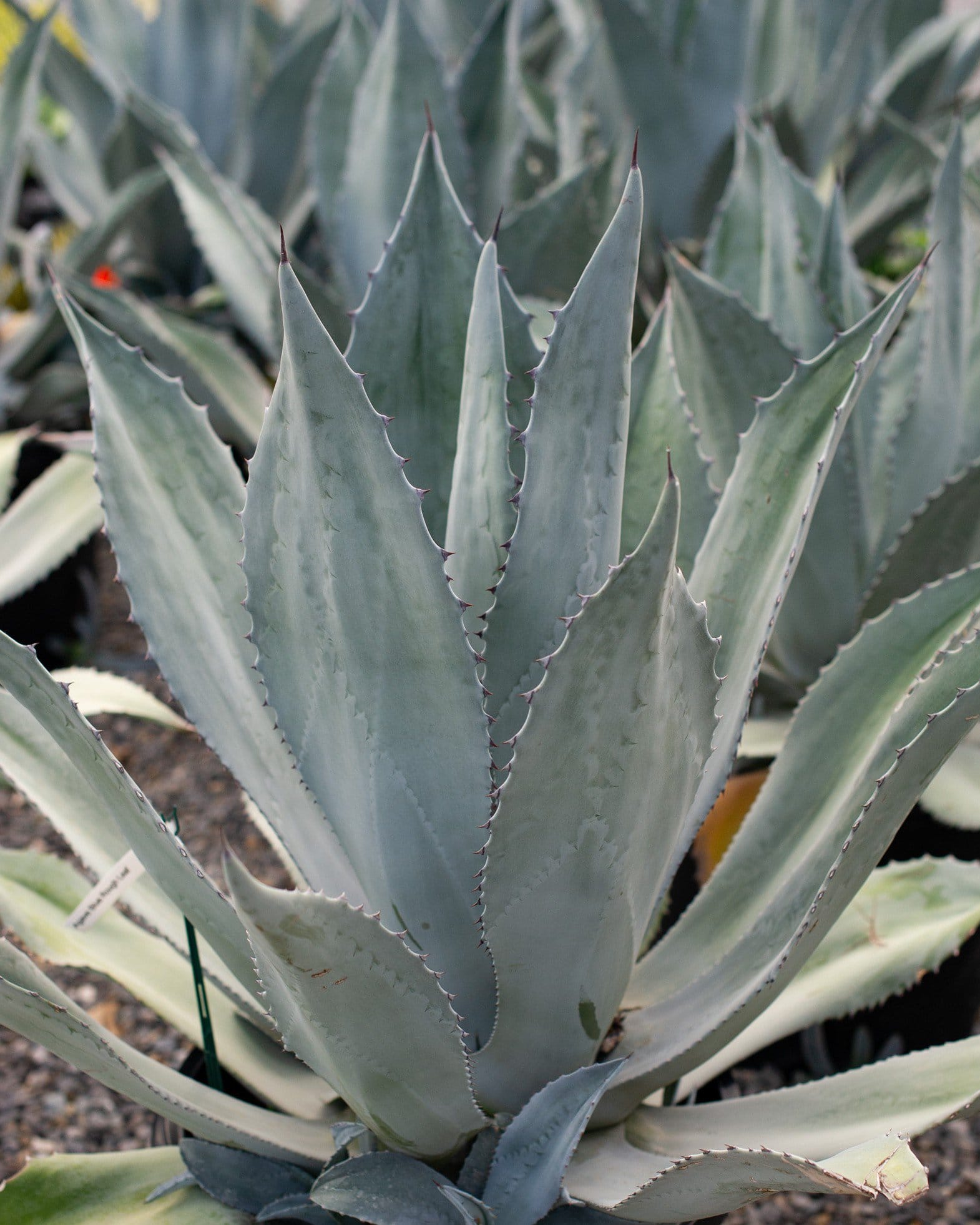
Blue Rough Leaf Agave
Maturity: 3' H x 3' W
Havardiana Agave
Maturity: 2' H x 3' W
Weber's Agave
Maturity: 4' H x 6' W
Americana Agave
Maturity: 6' H x 8' W
Americana Agave Opal
Maturity: 4' H x 6' W
Black-Spined Agave
Maturity: 1.5' H x 2' W
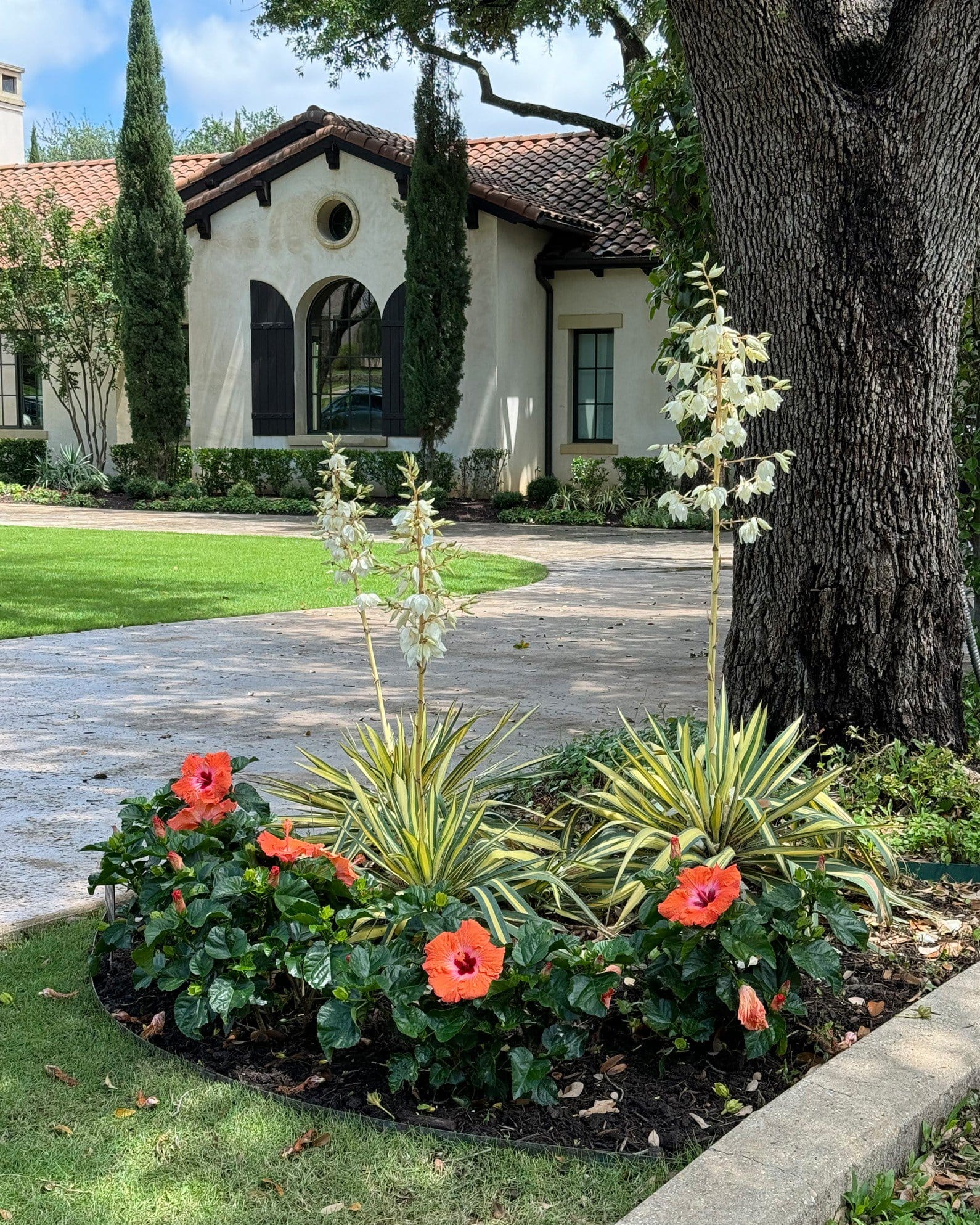
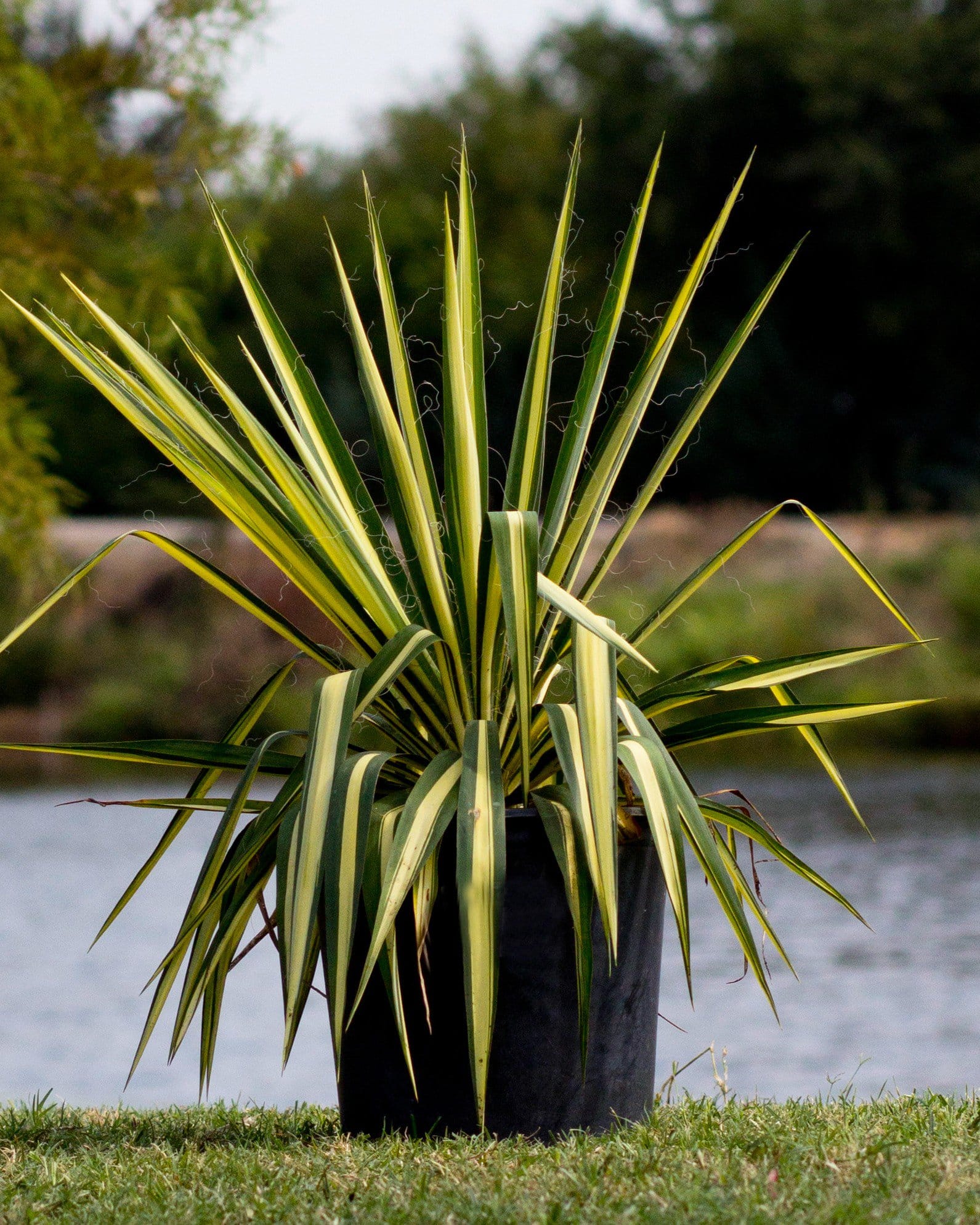
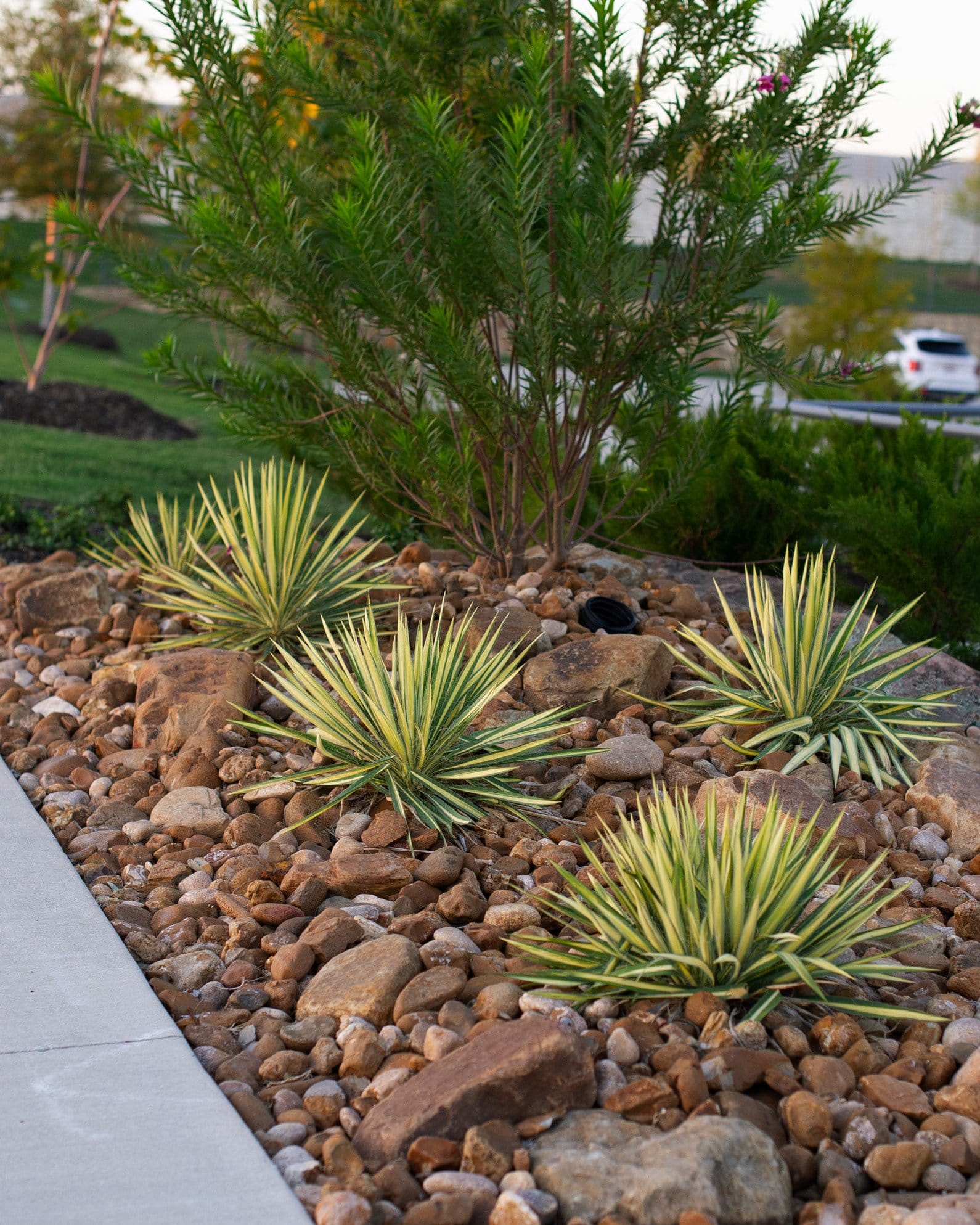
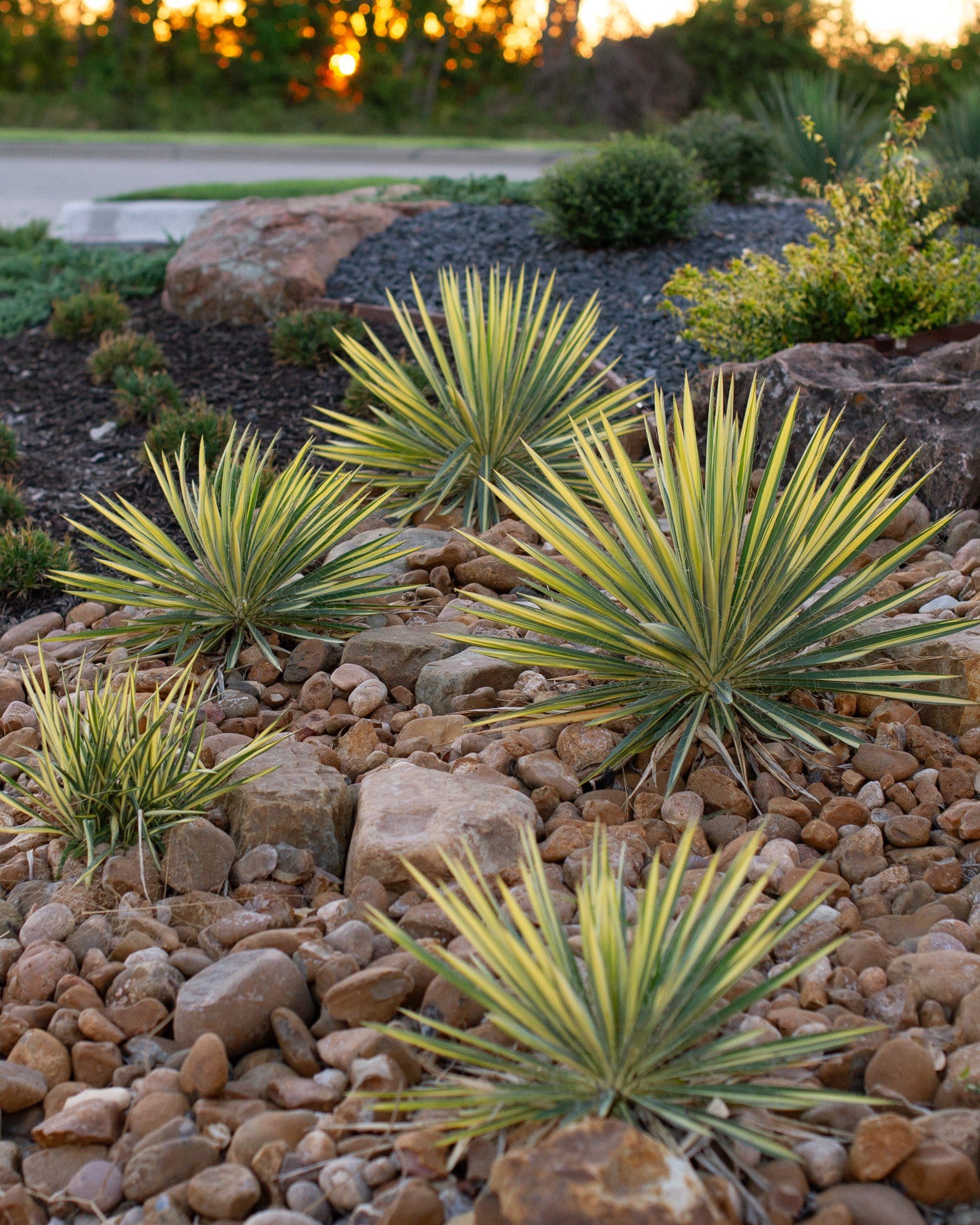
Color Guard Yucca
Maturity: 2' H x 2' W
Goldenflower Agave
Maturity: 3' H x 6' W
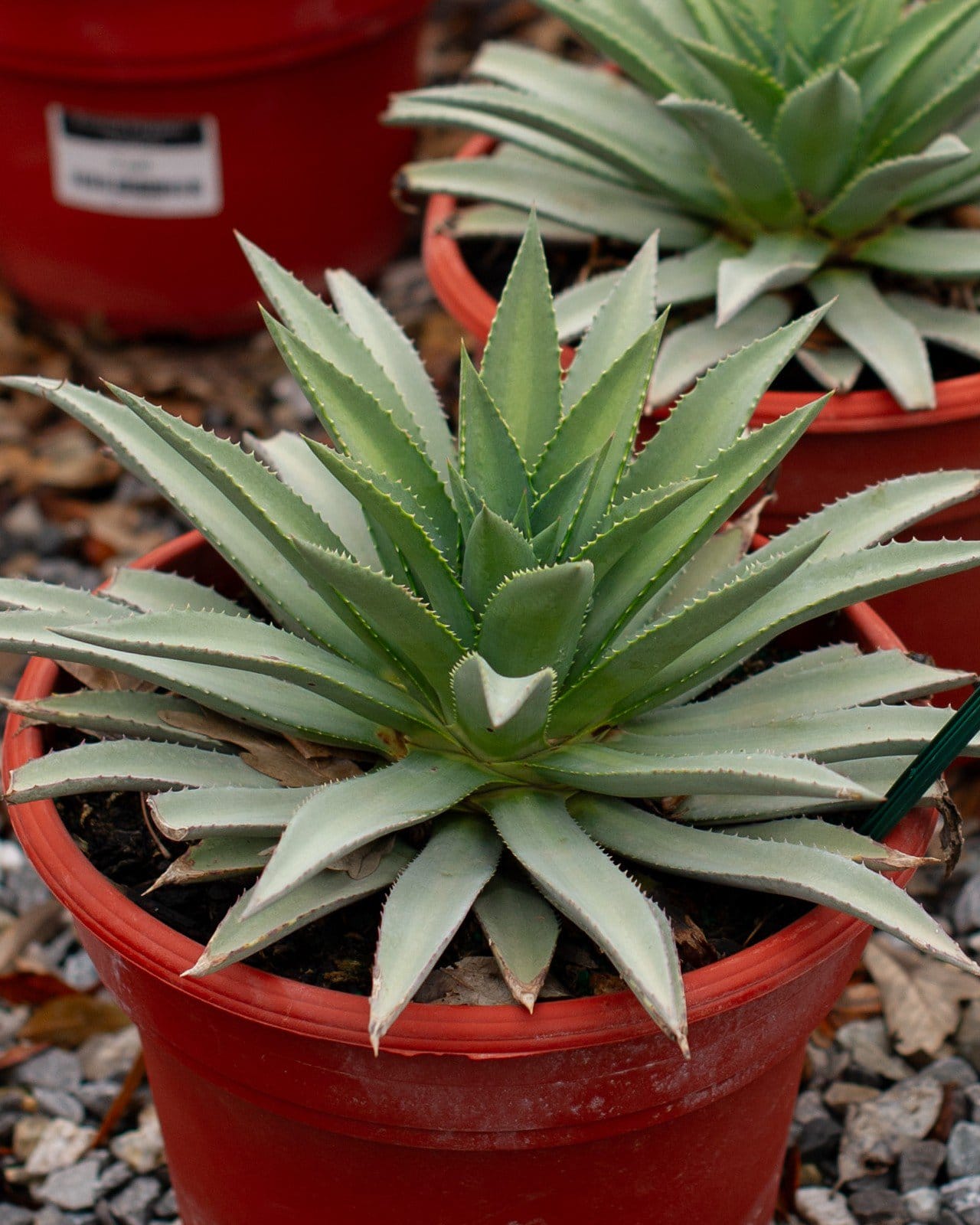
Mangave Agave Frosted Elegance
Maturity: 0.75' H x 1' W
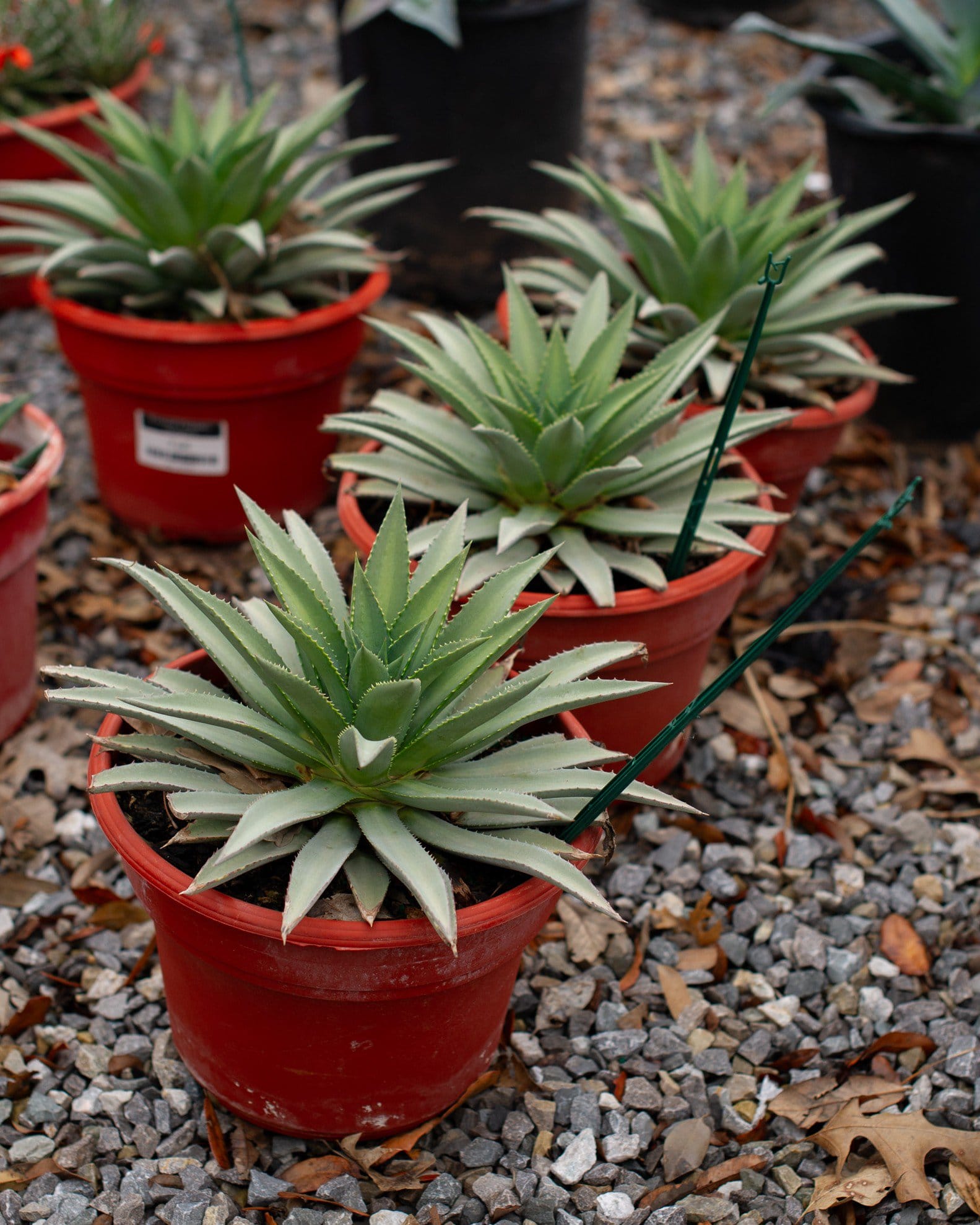
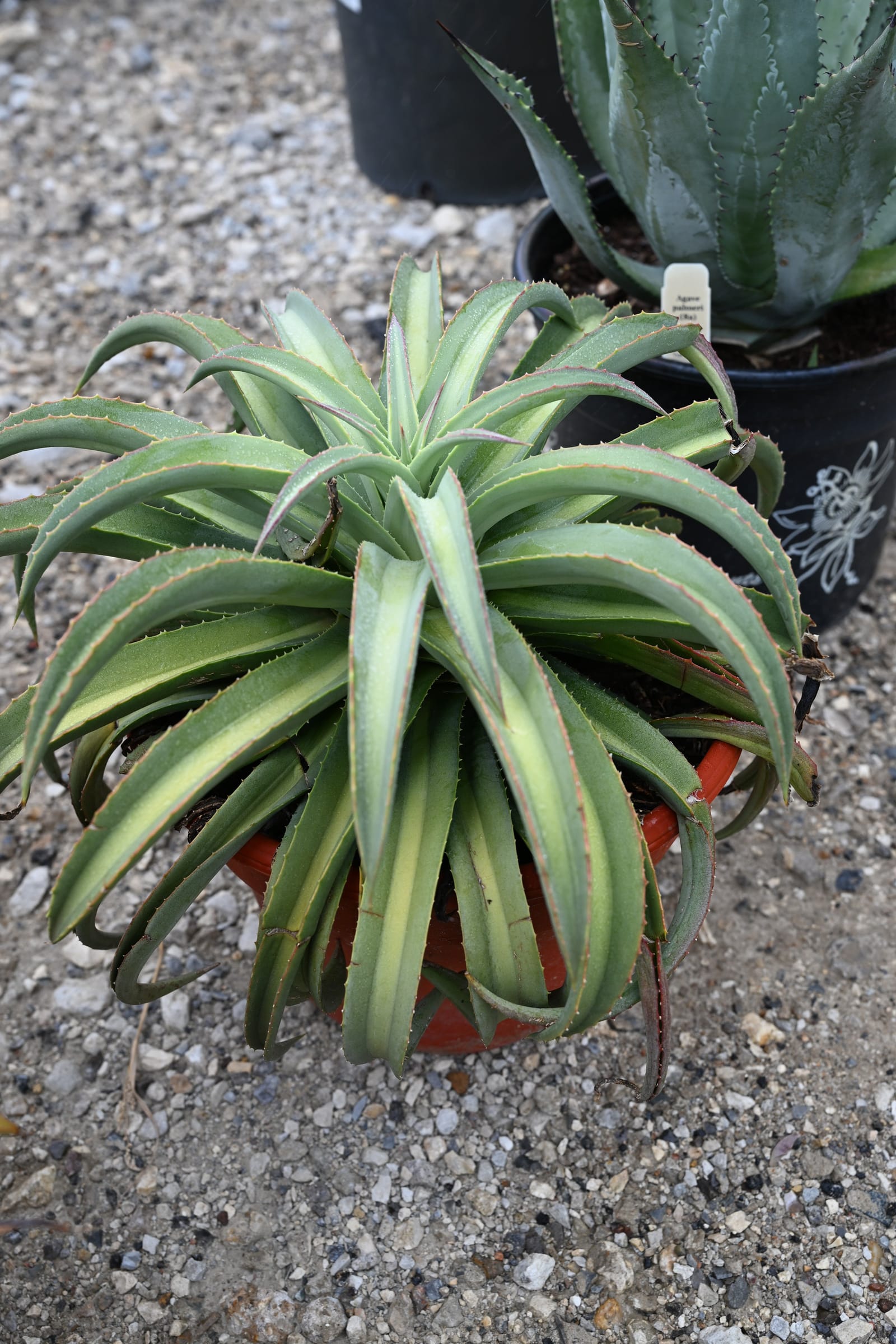
Narrow Leaf Agave Azul
Maturity: 1' H x 2' W
Palmer's Agave
Maturity: 4' H x 4' W
Parry's Agave
Maturity: 1.5' H x 2' W
Quadricolor Agave
Maturity: 1.5' H x 2' W
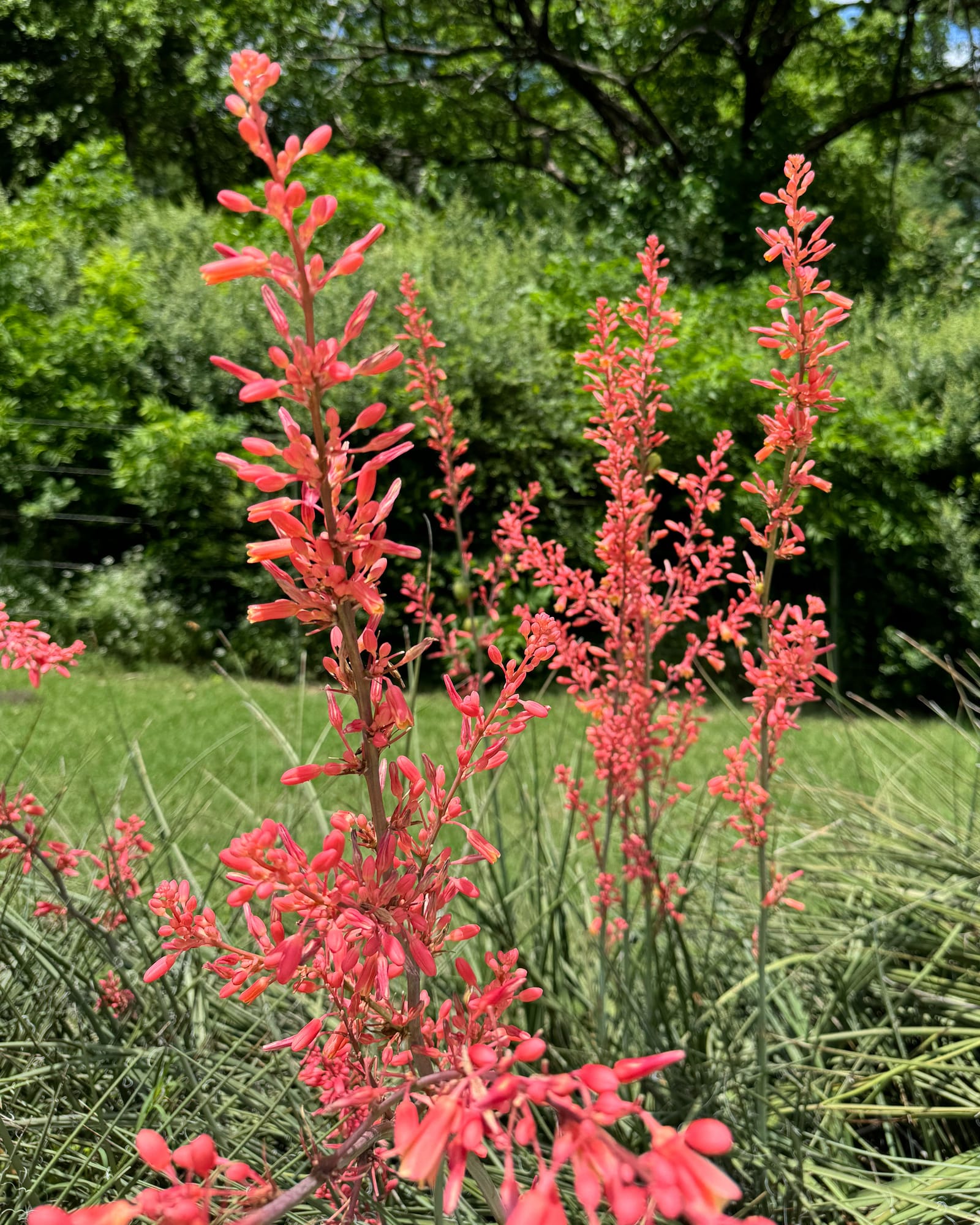
Red Yucca
Maturity: 3' H x 3' W
Compare Similar Plants
Whale's Tongue Agave This plant | ||
|---|---|---|
| Scientific Name | Agave ovatifolia | Agave parryi var. truncata |
| Size at Maturity | 3' H x 4' W | 3' H x 5' W |
| Leaf Retention | Evergreen | Evergreen |
| Sizes Available | 3, 7, 15, 30 gal | 1, 3, 5, 7, 15 gal |


Our 1-Year Planting Guarantee
We take pride in our plants and installation services. If any plants or trees installed by Treeland fail to thrive within the first year, we'll provide a replacement credit in accordance with our guarantee program.
Learn More About Our Guarantee