
 Texas Native
Americana Agave
Agave americanaLocal DFW Delivery Only
Product Details
Americana Agave
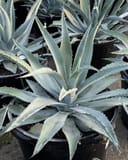
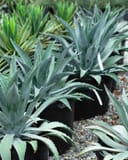
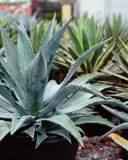
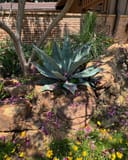
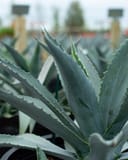
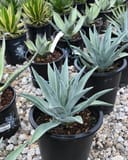
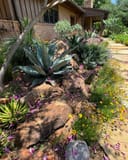
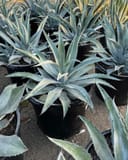
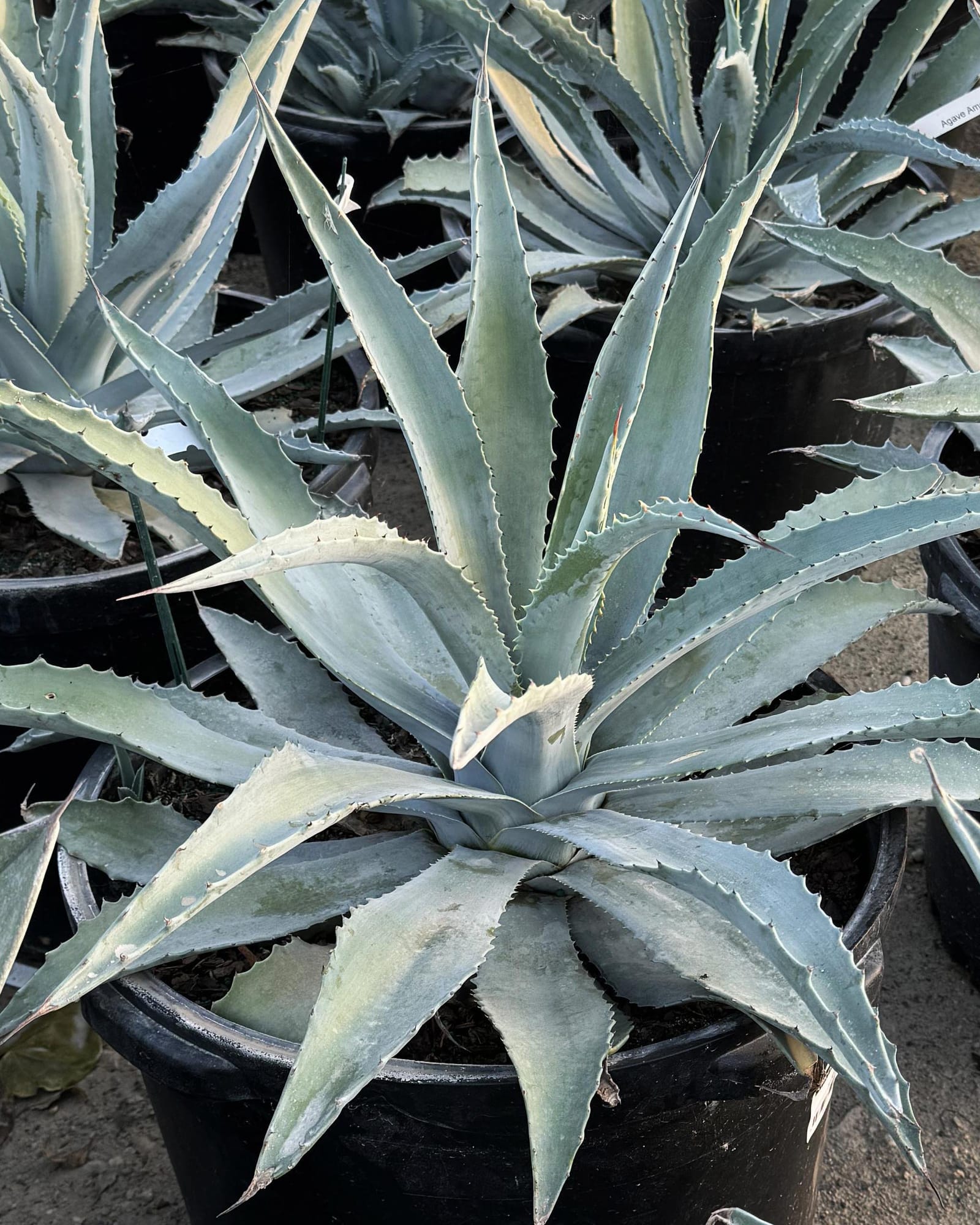
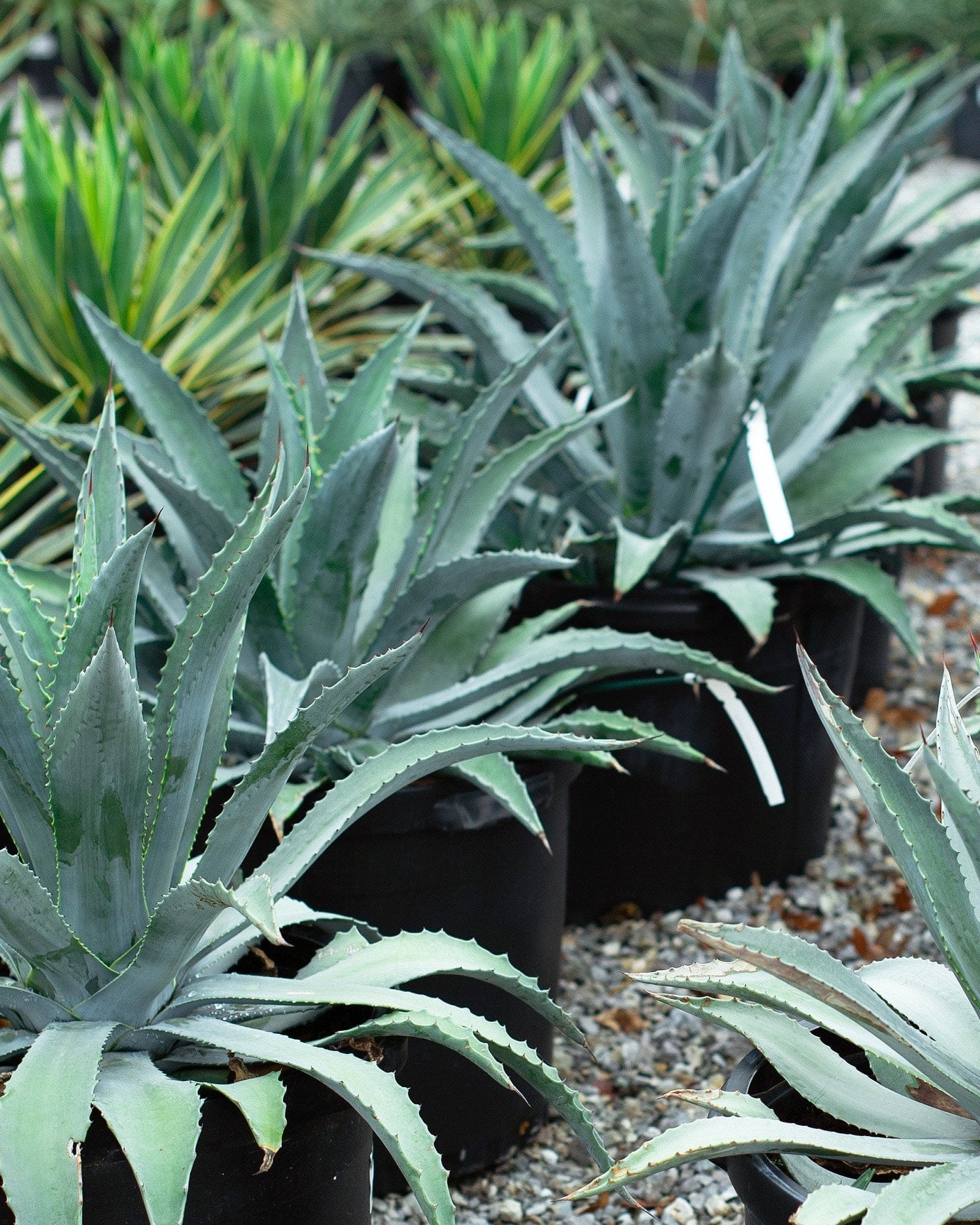
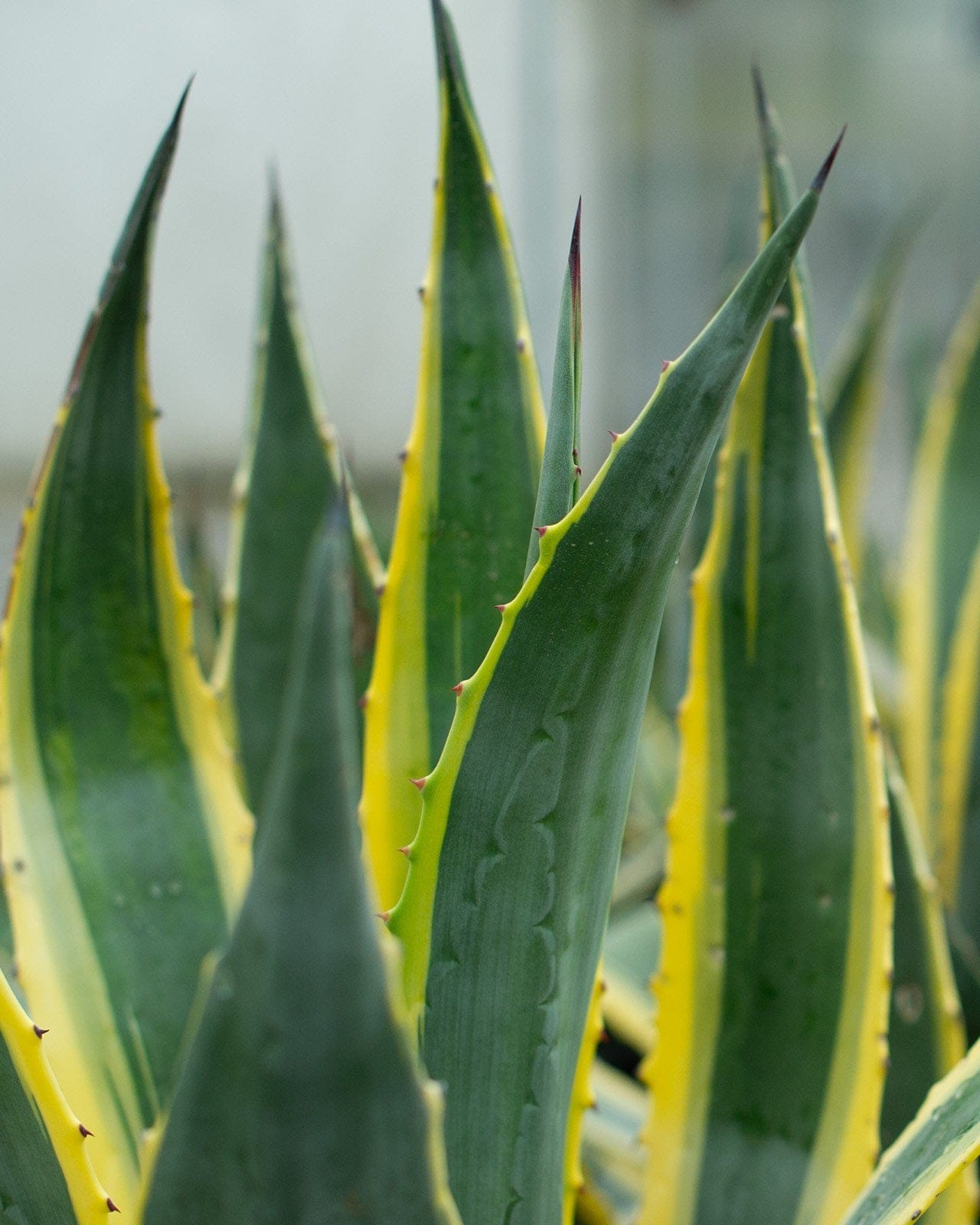
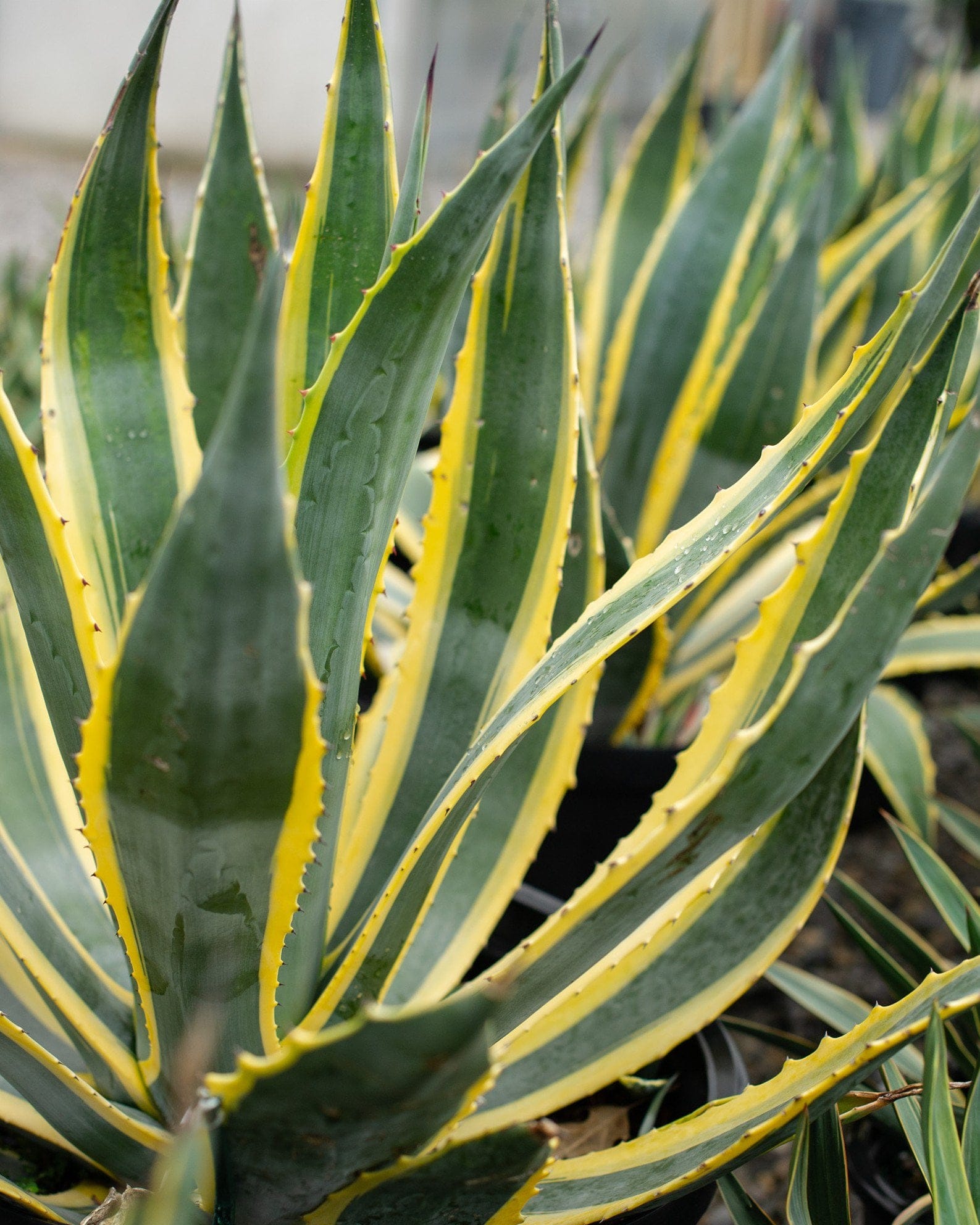
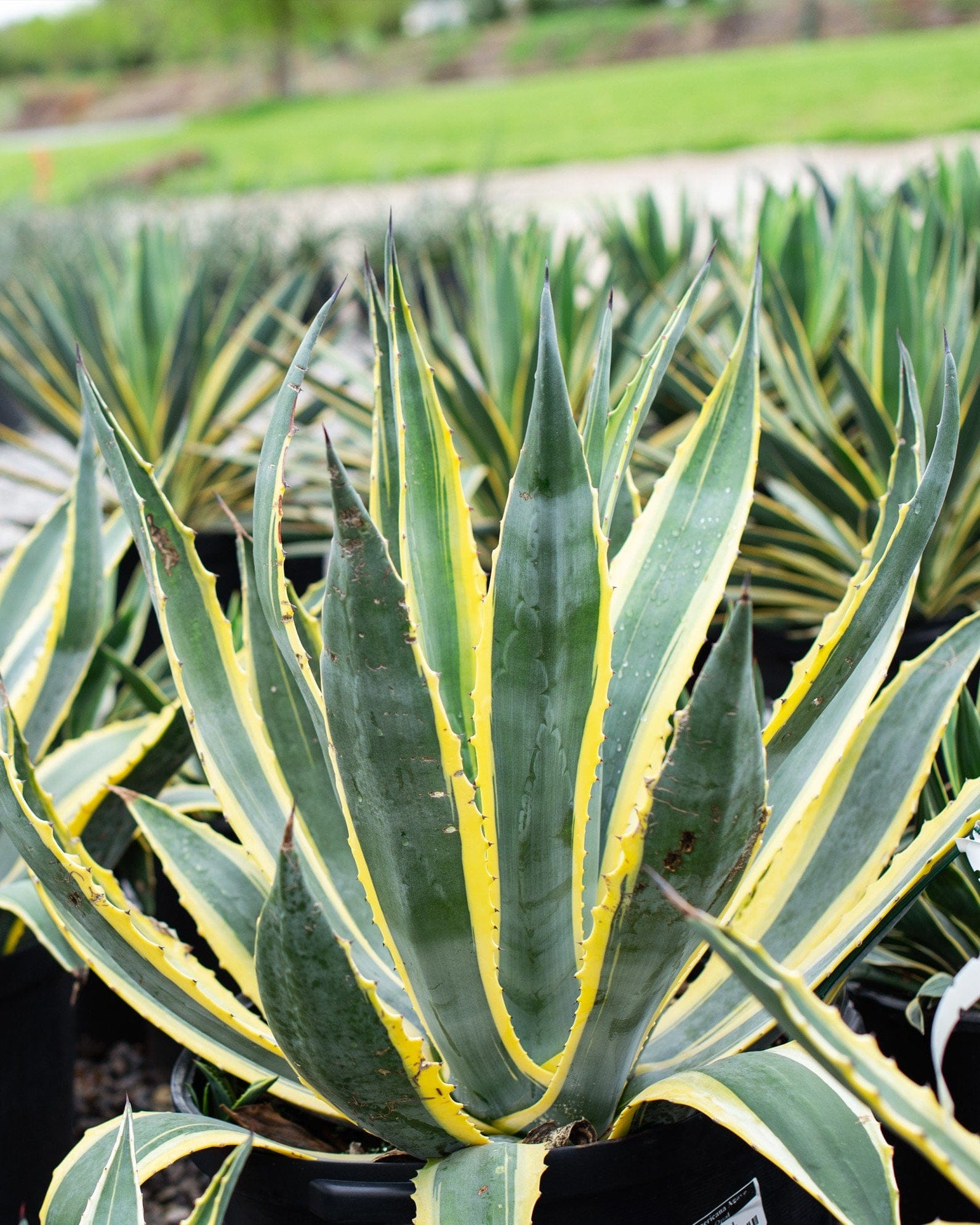
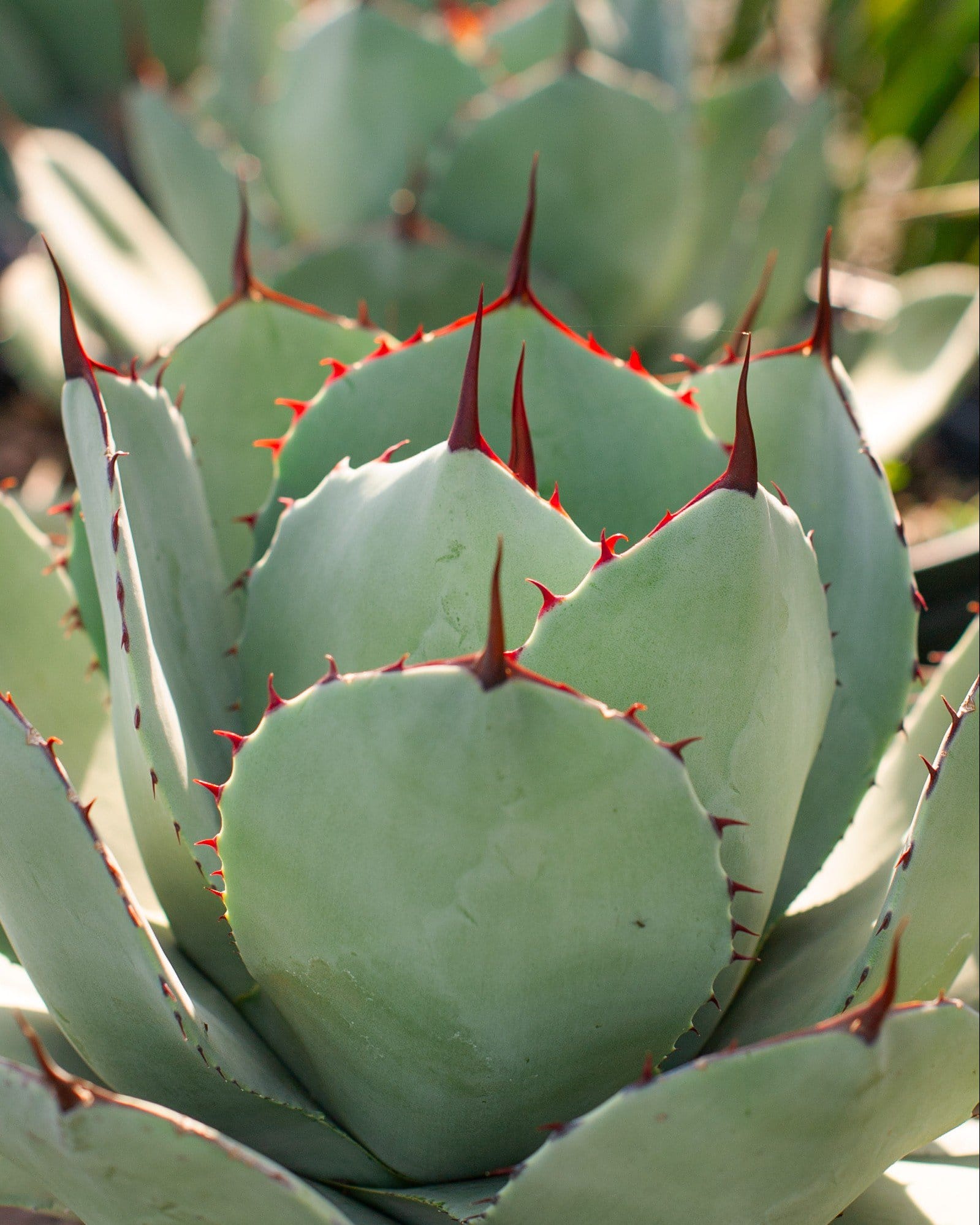
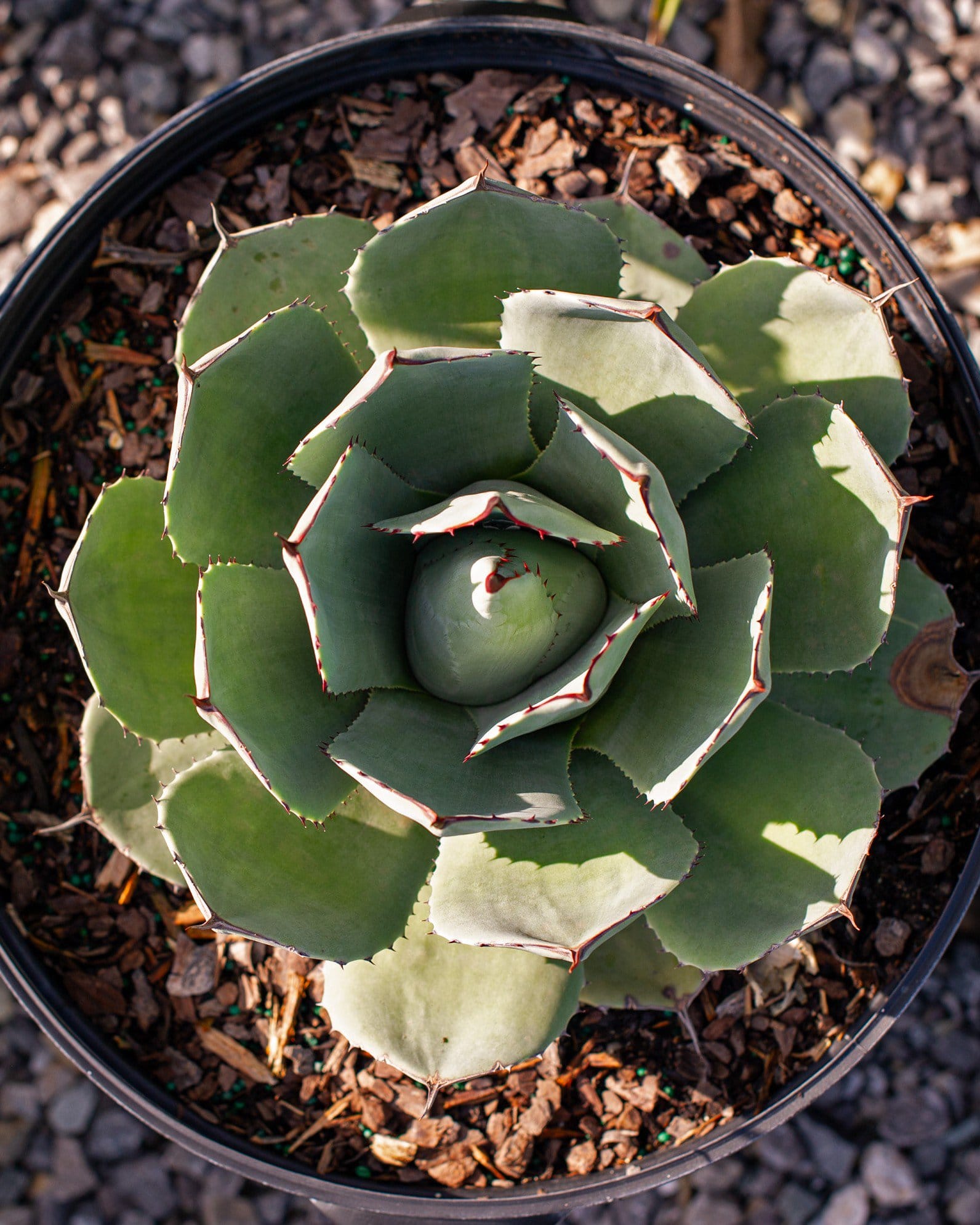
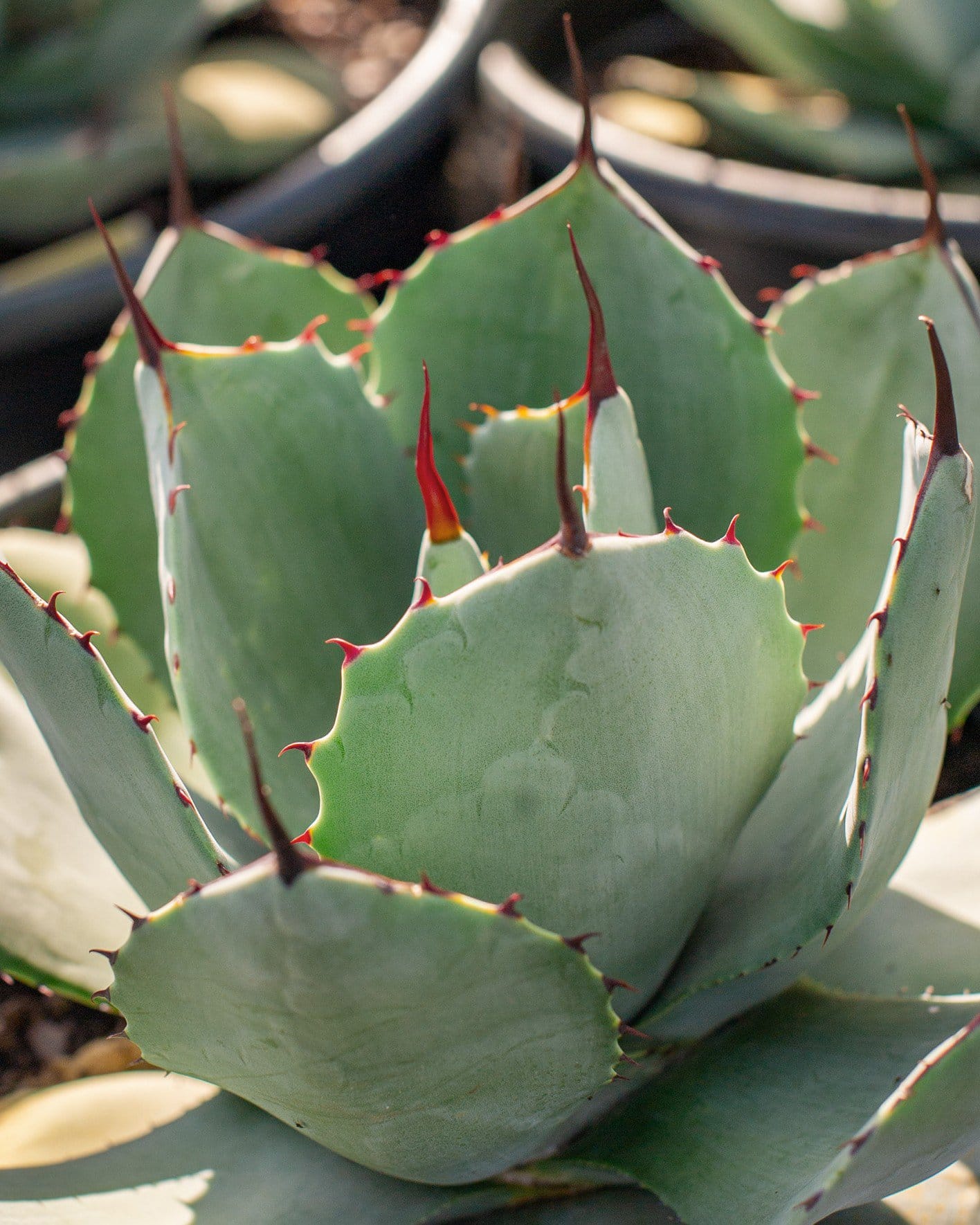
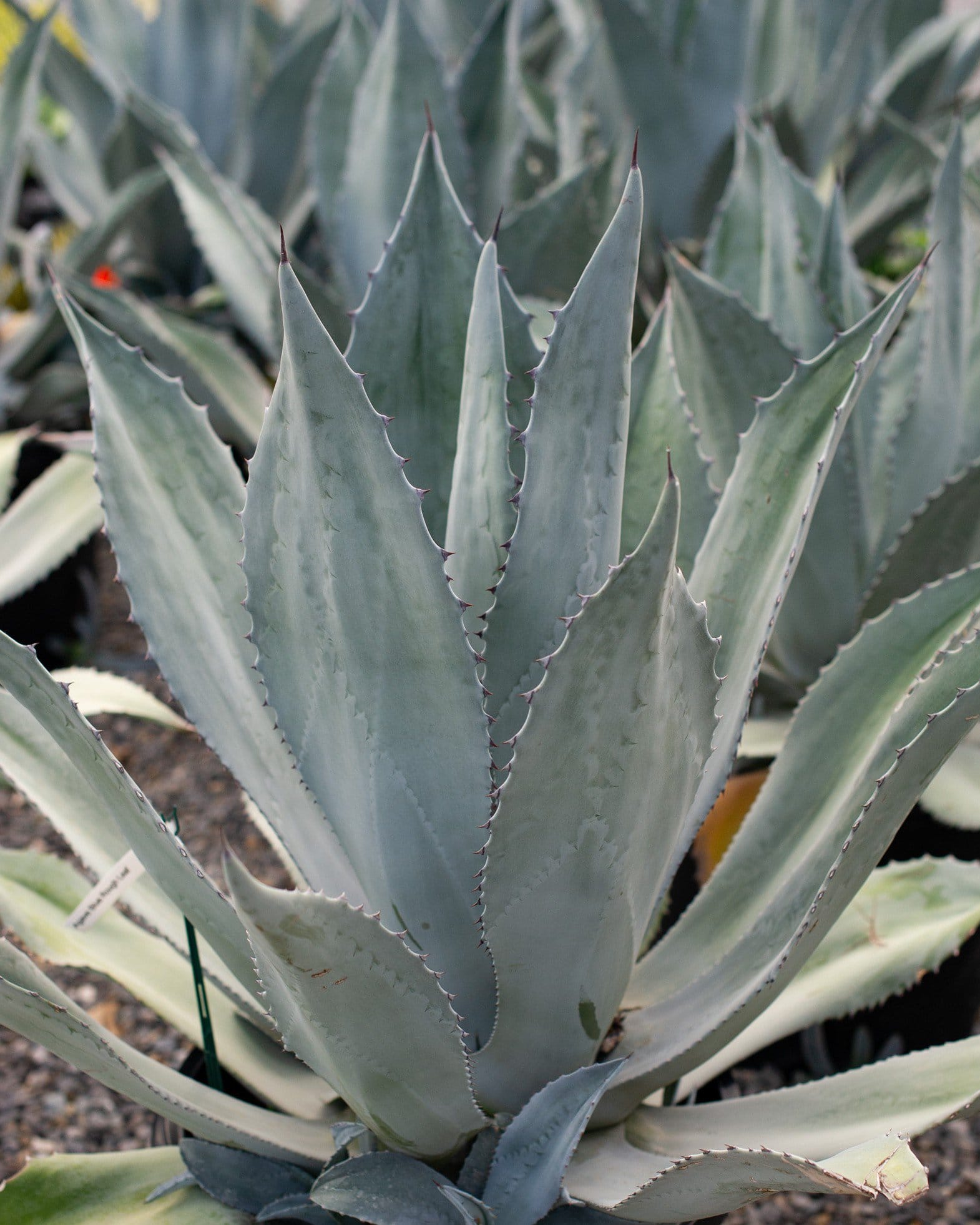
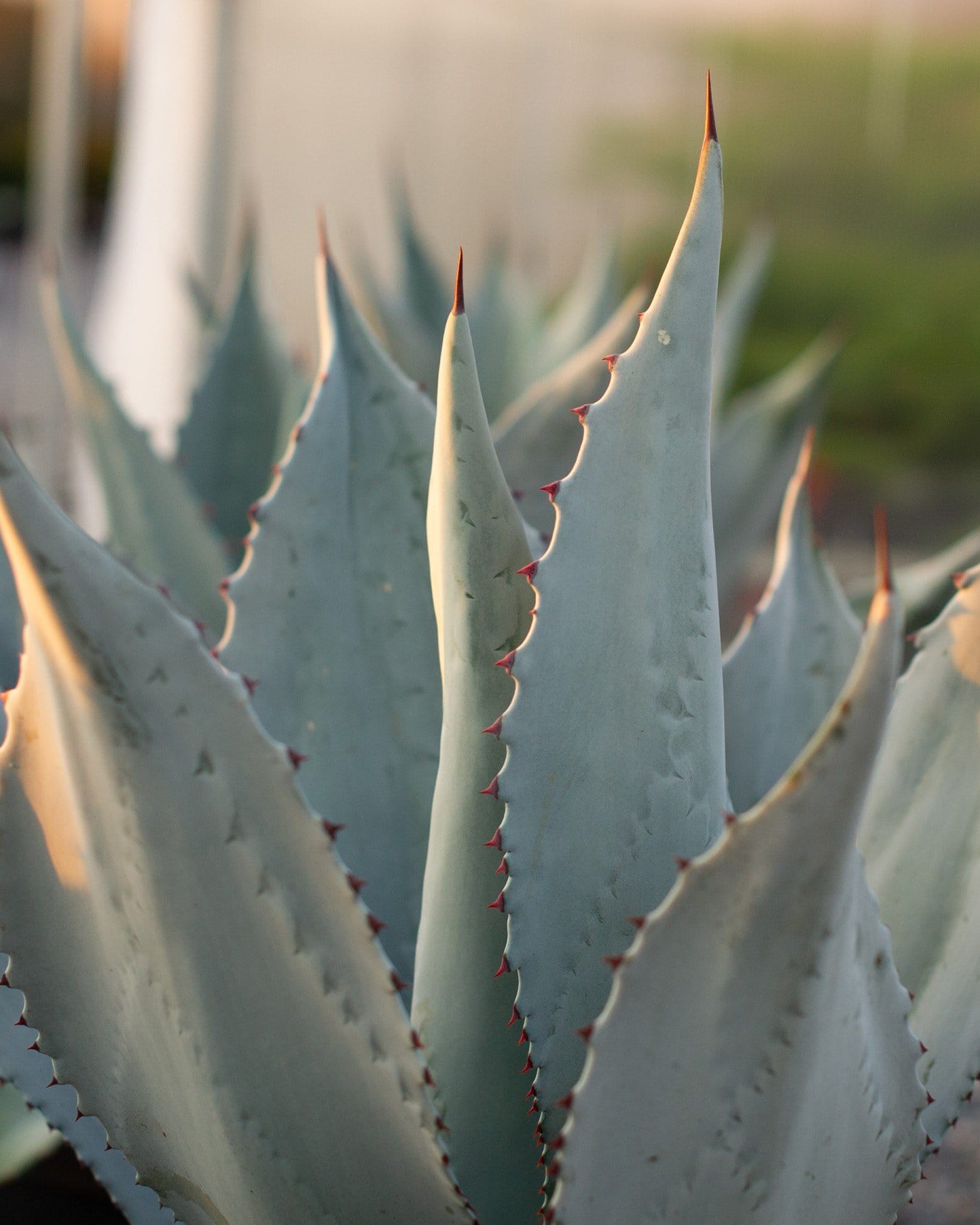
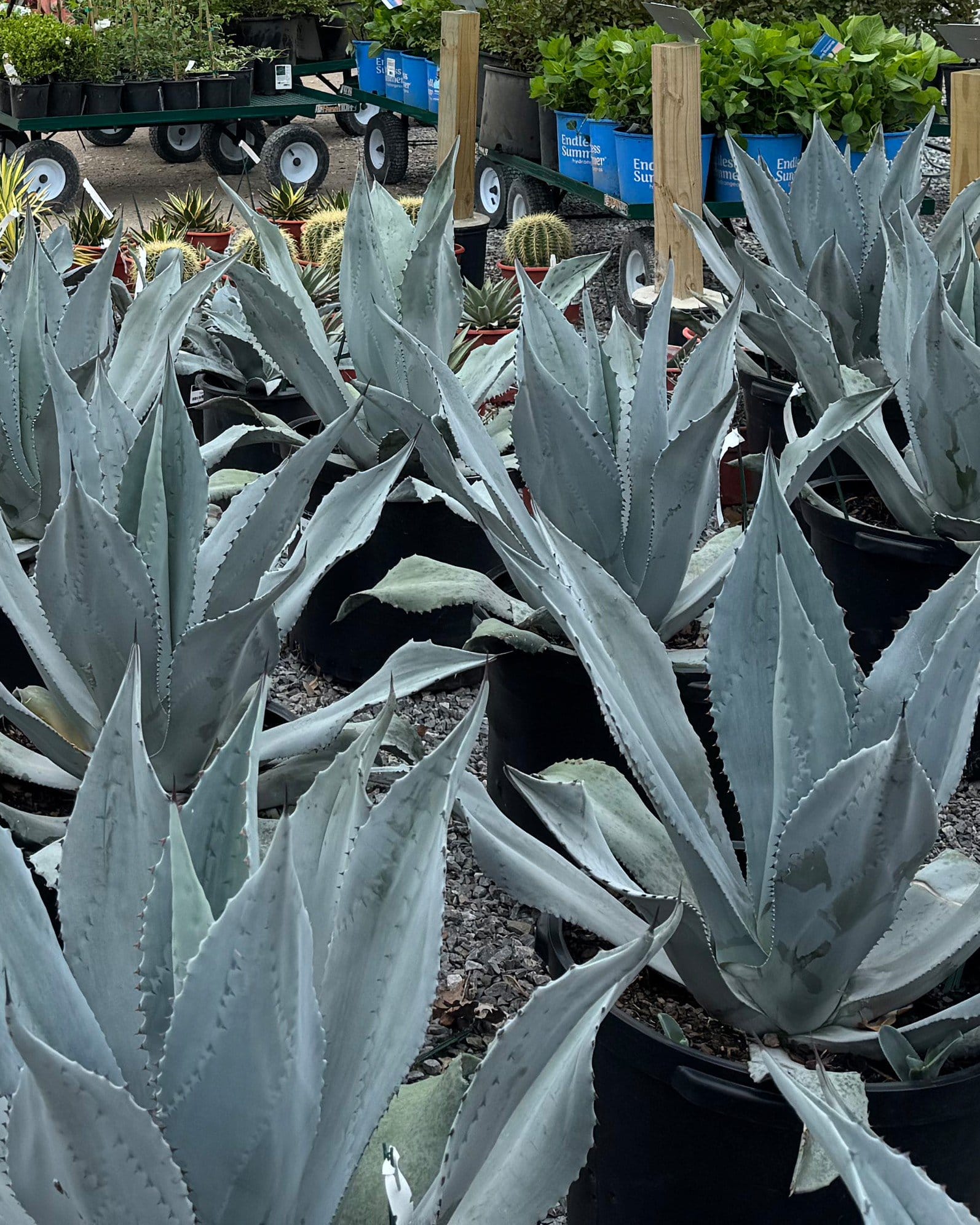
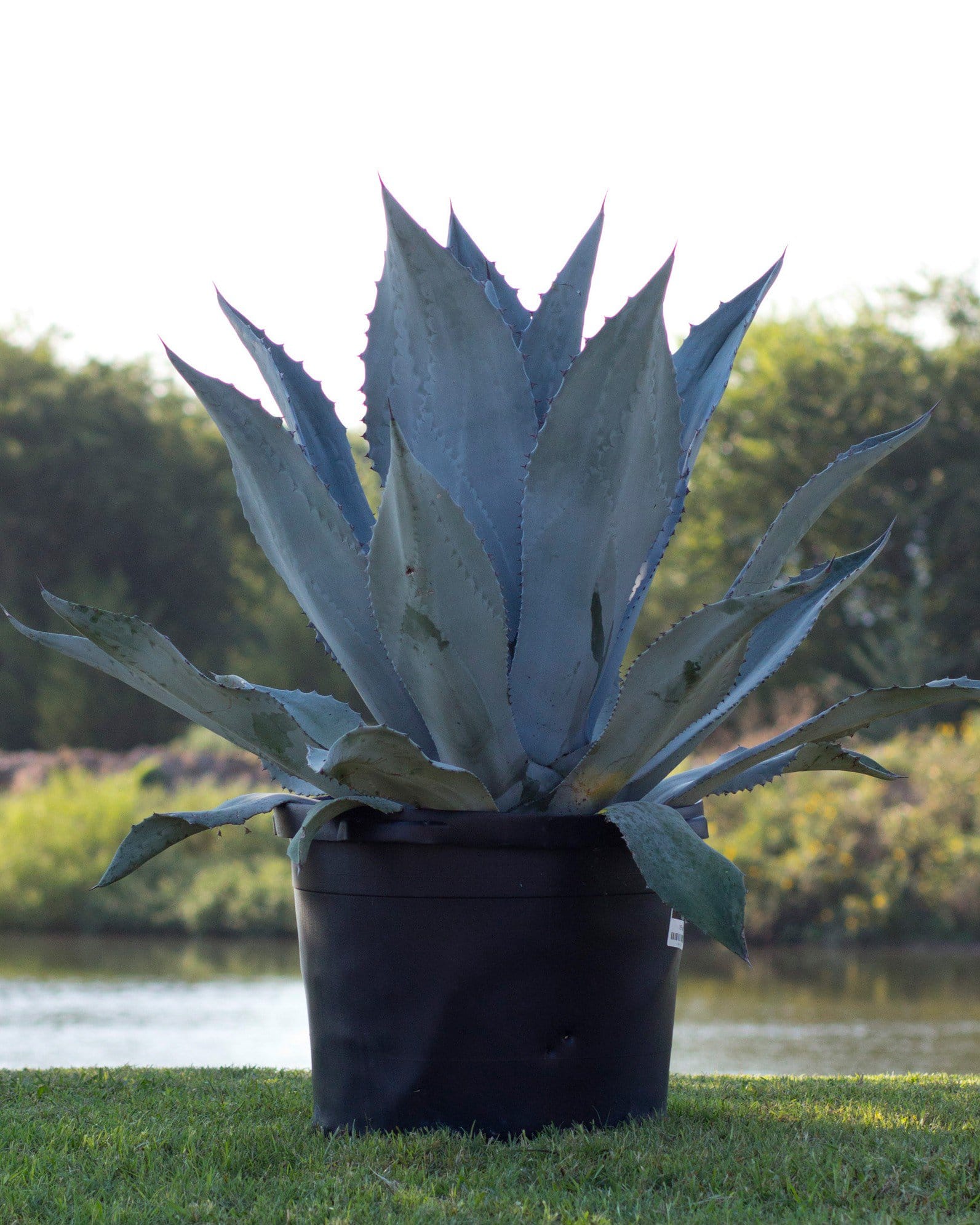
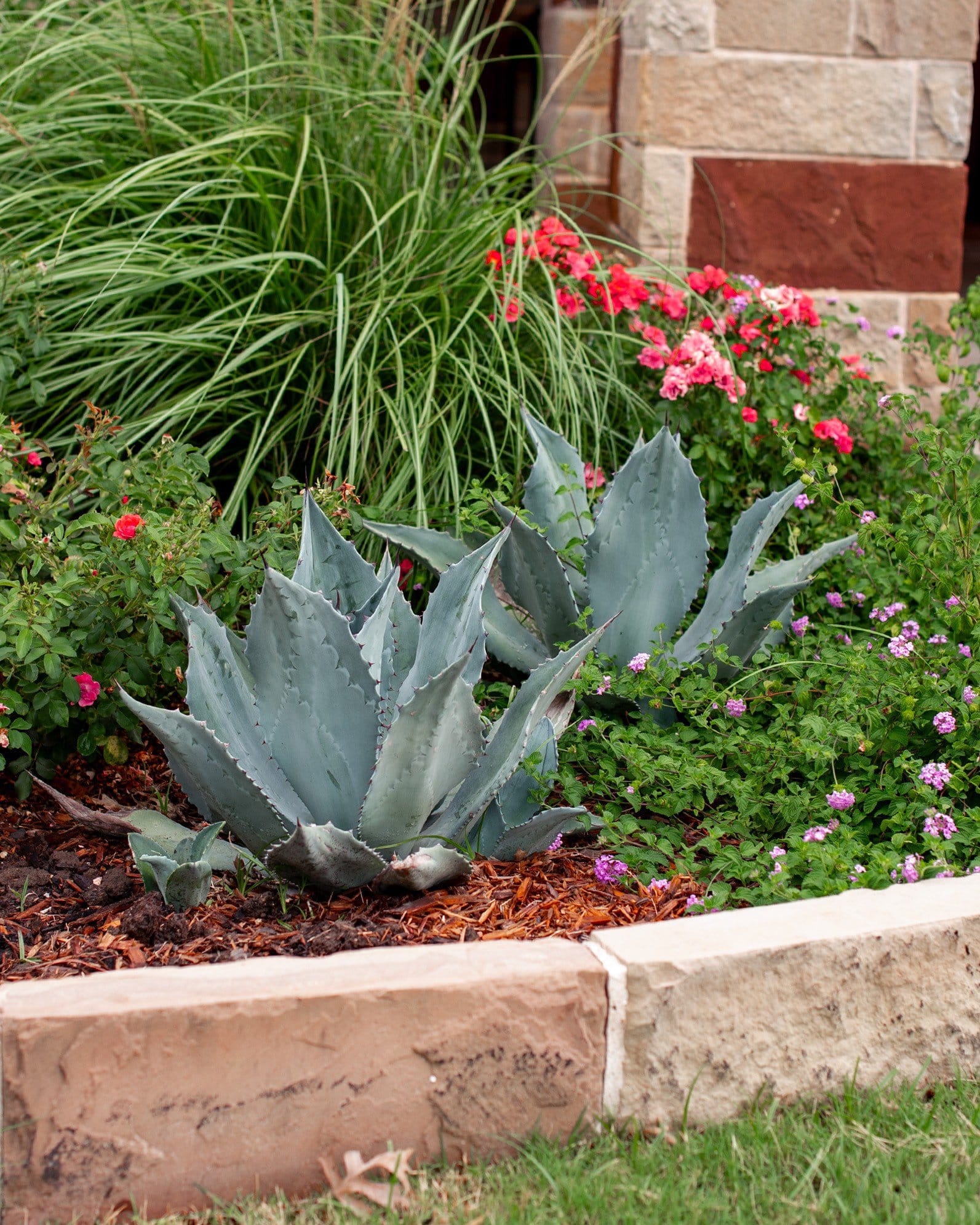
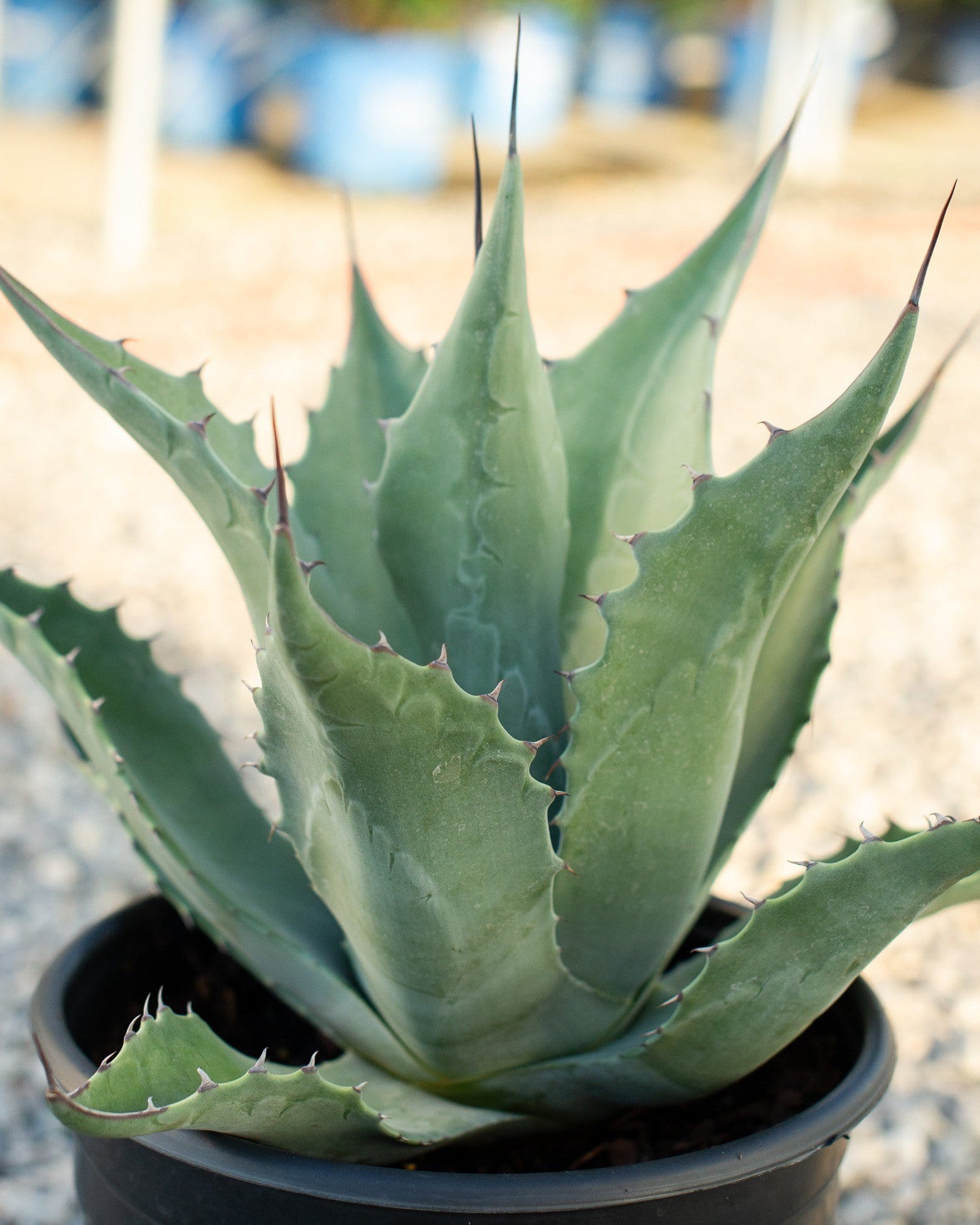
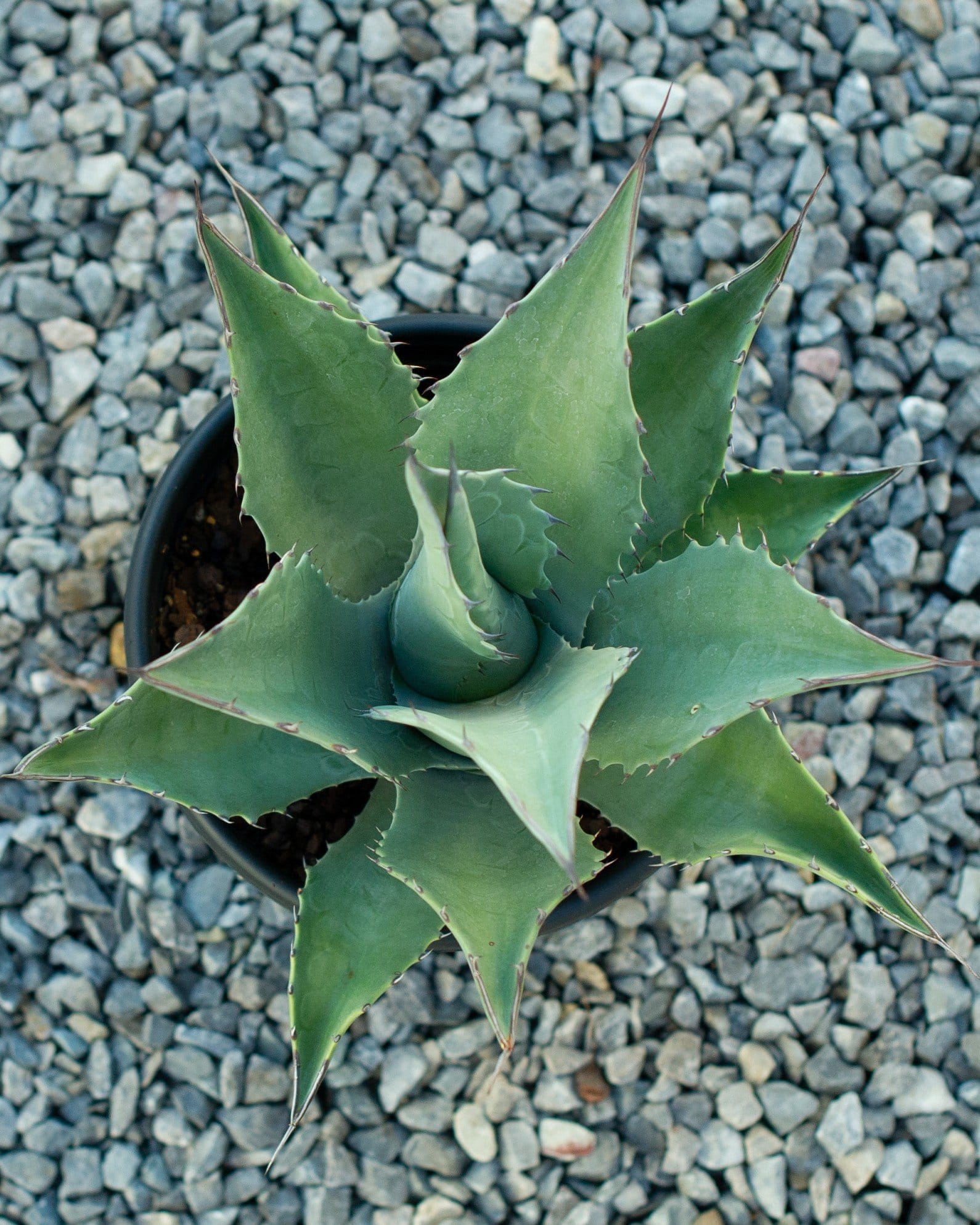
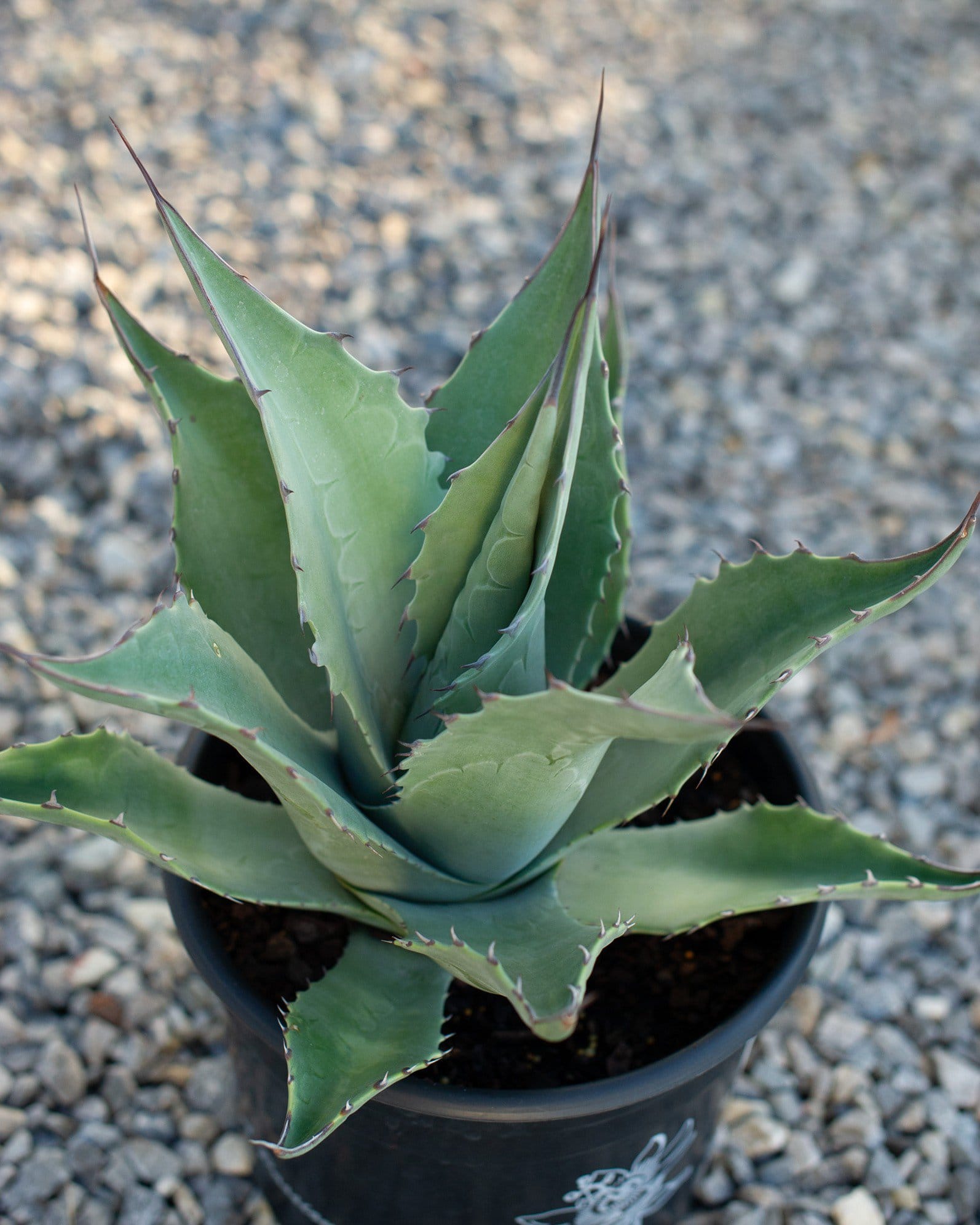
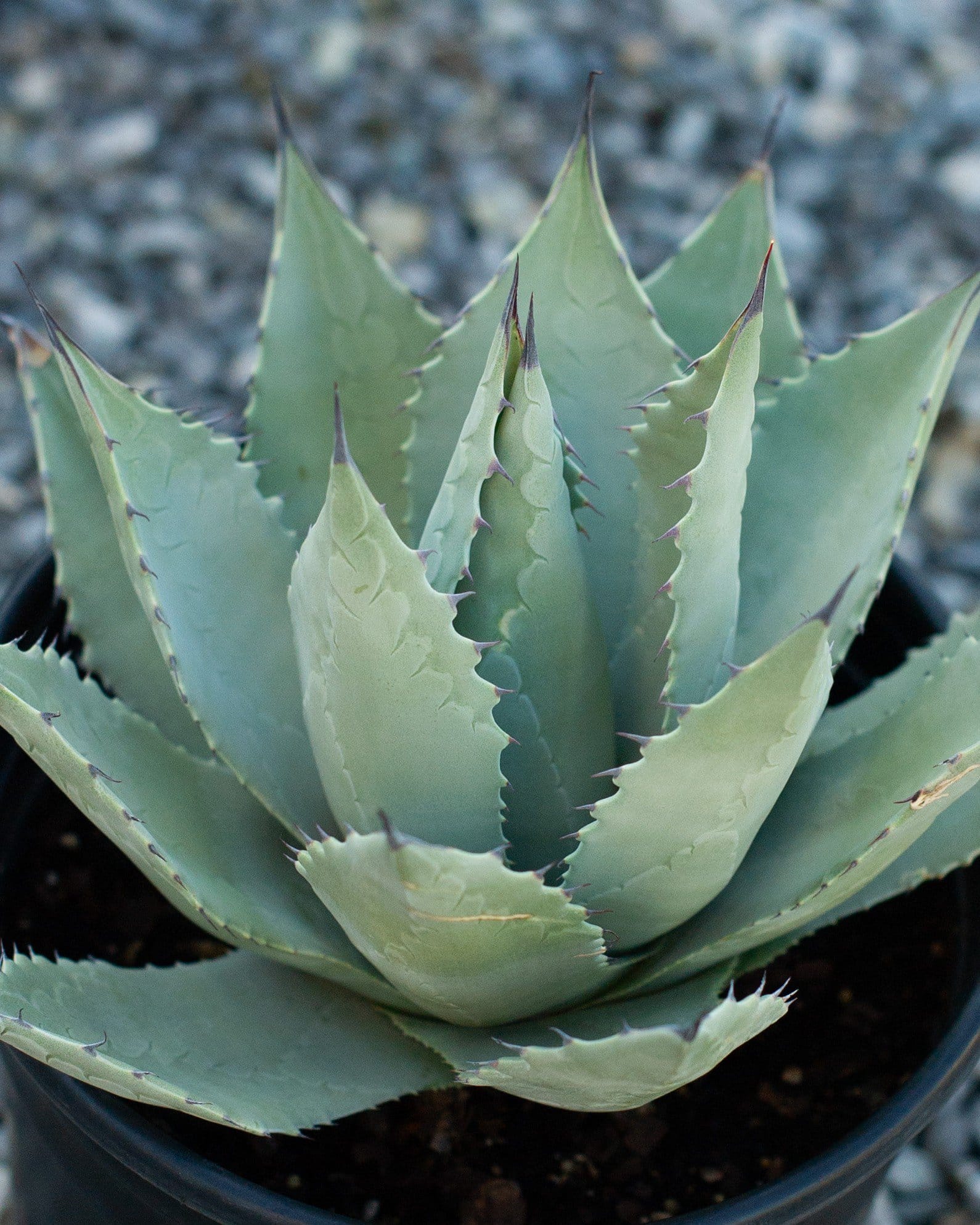
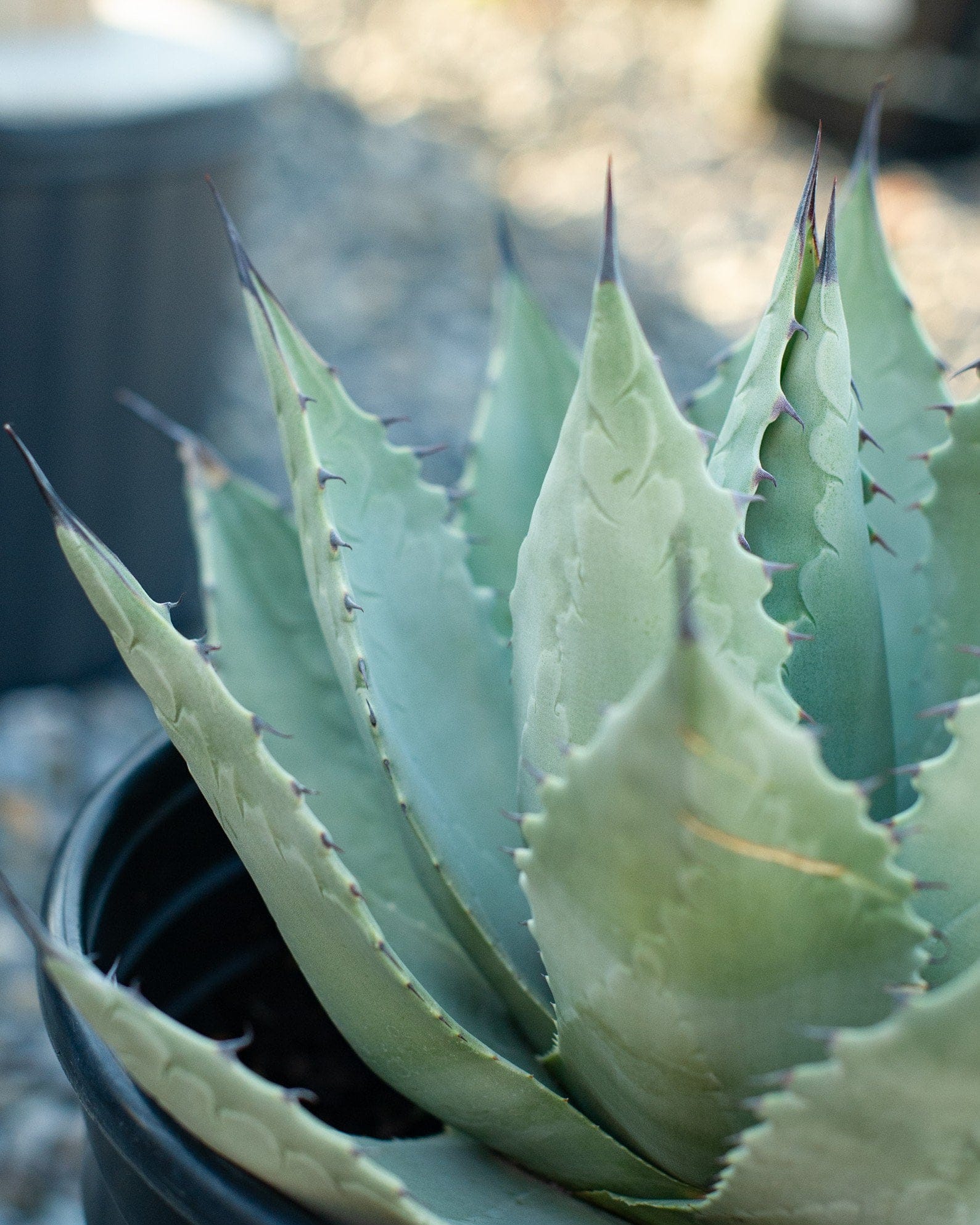
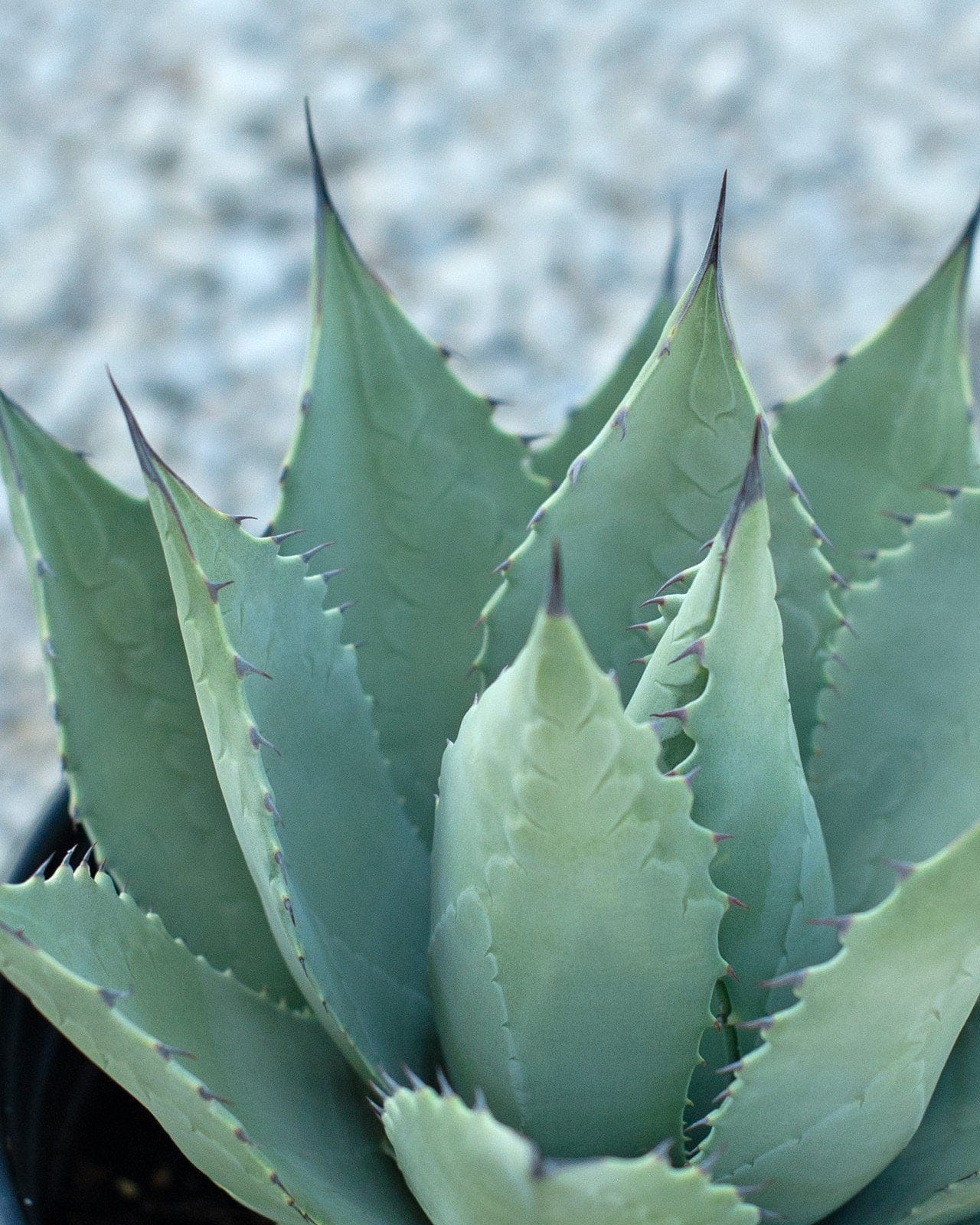
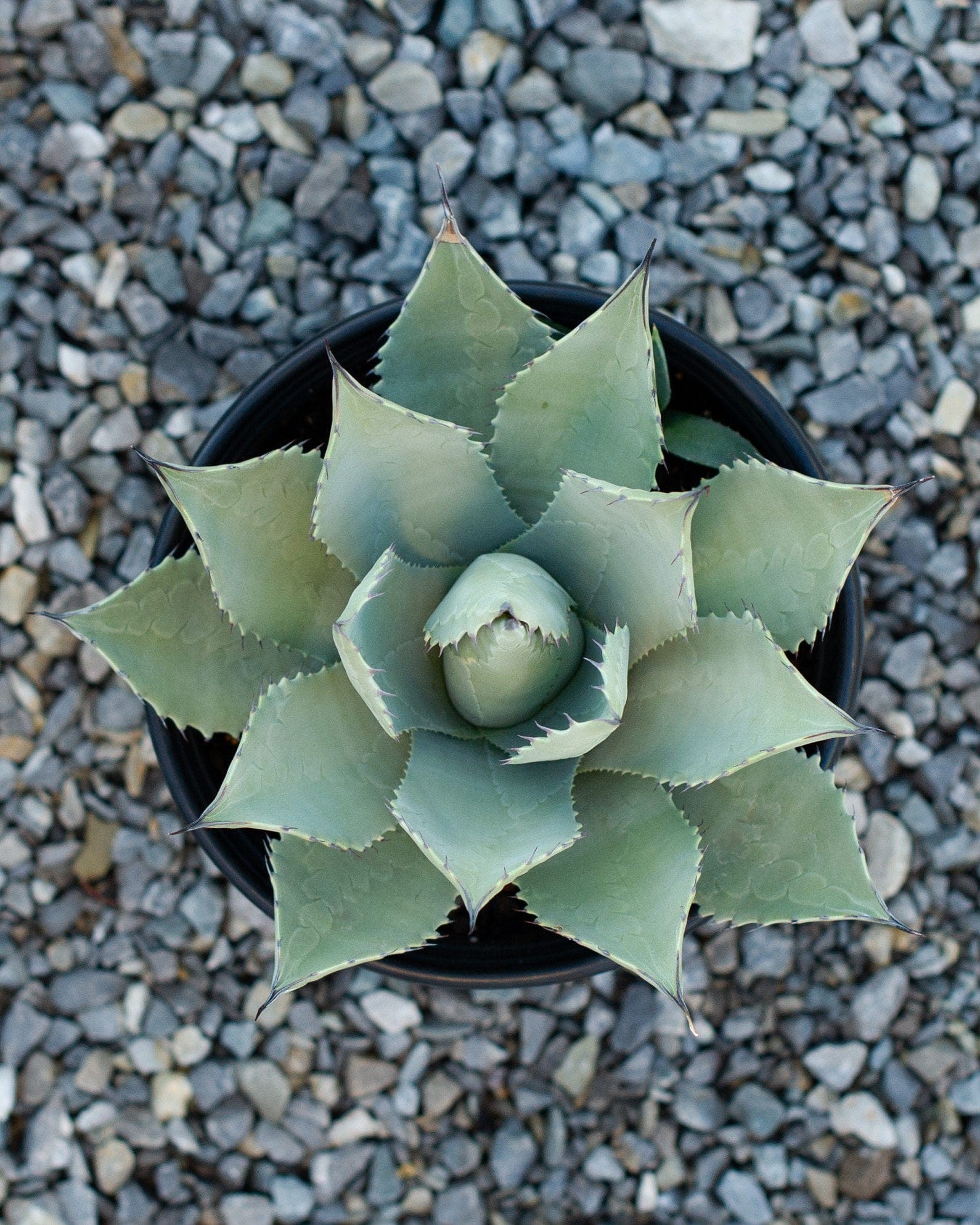
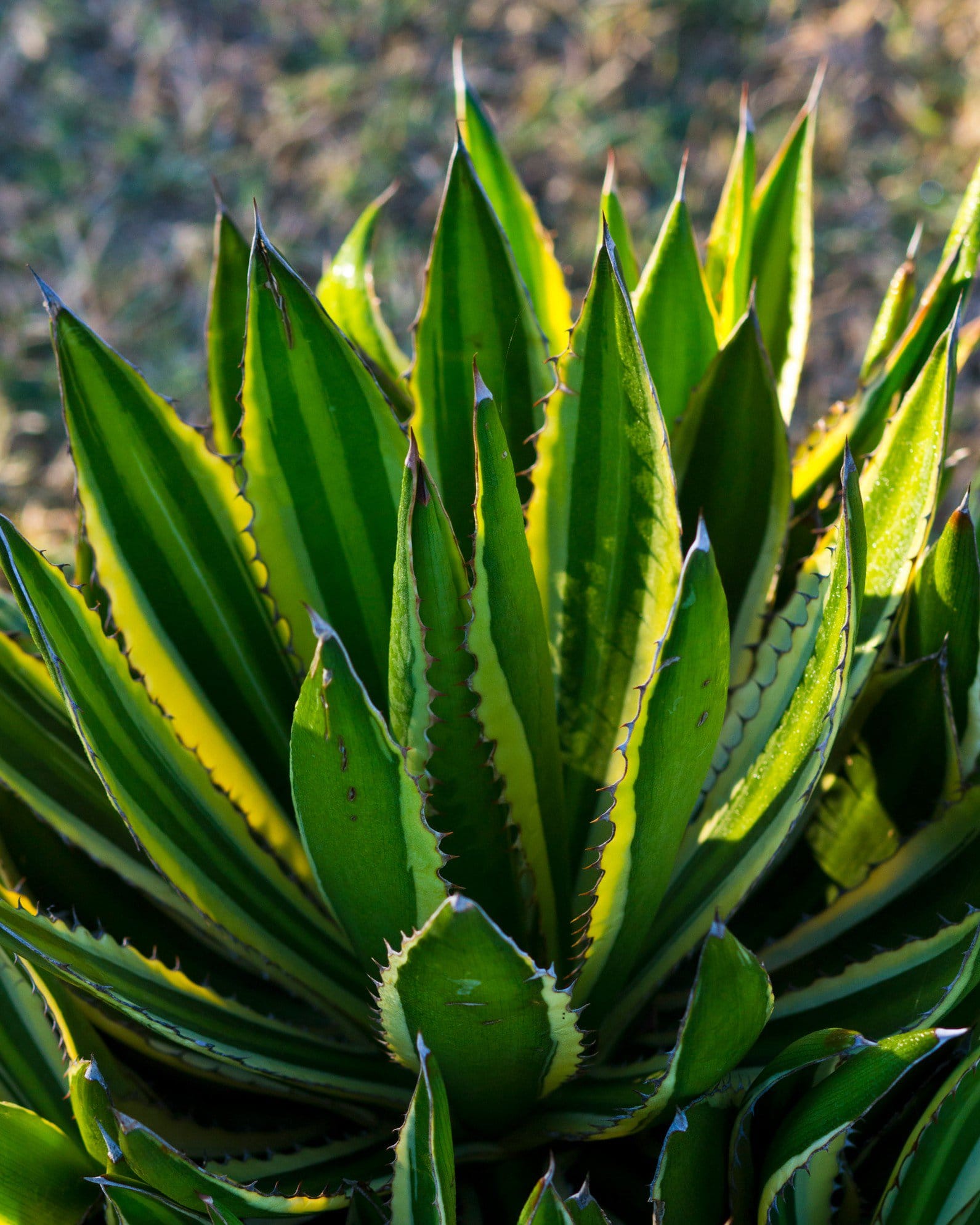
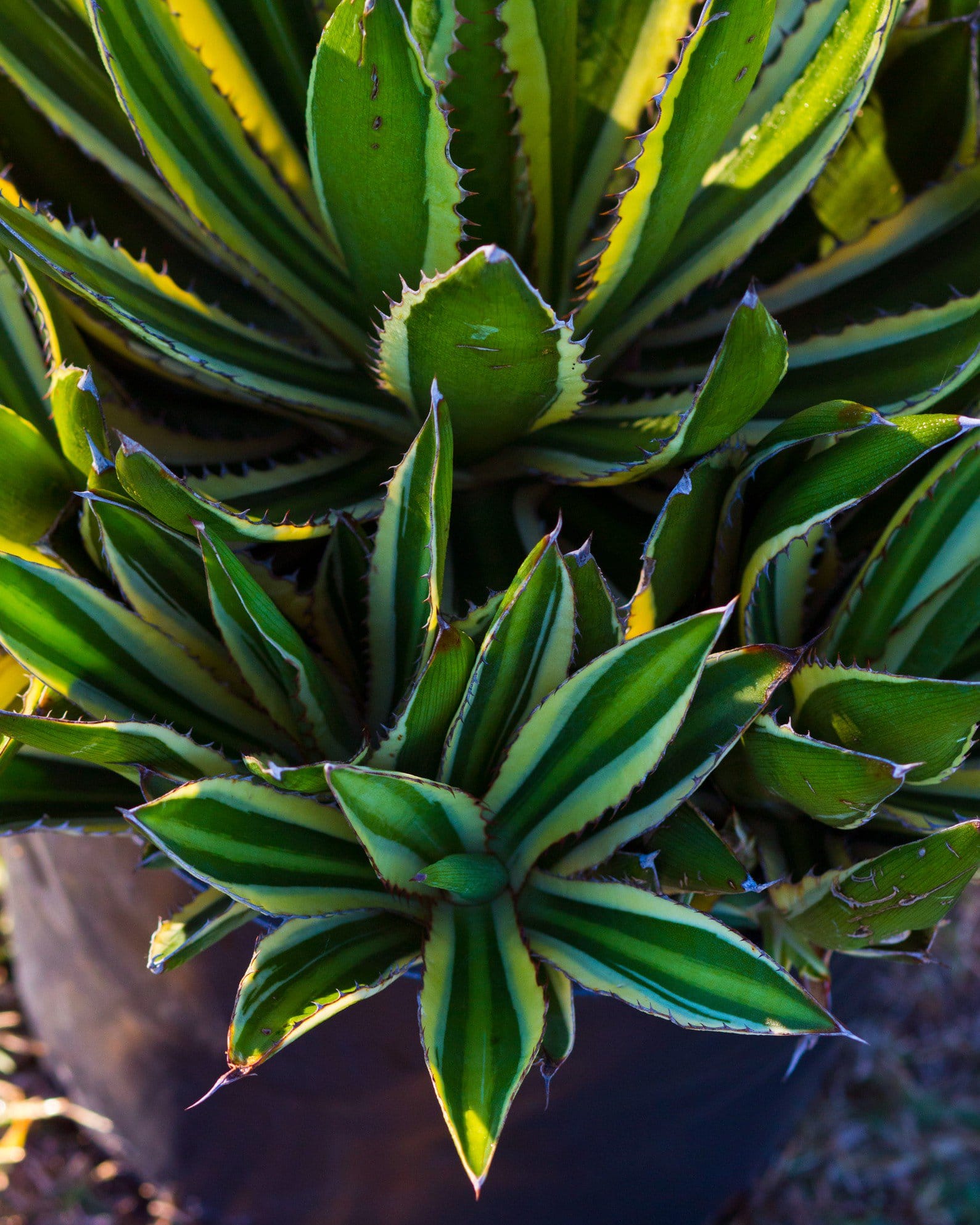
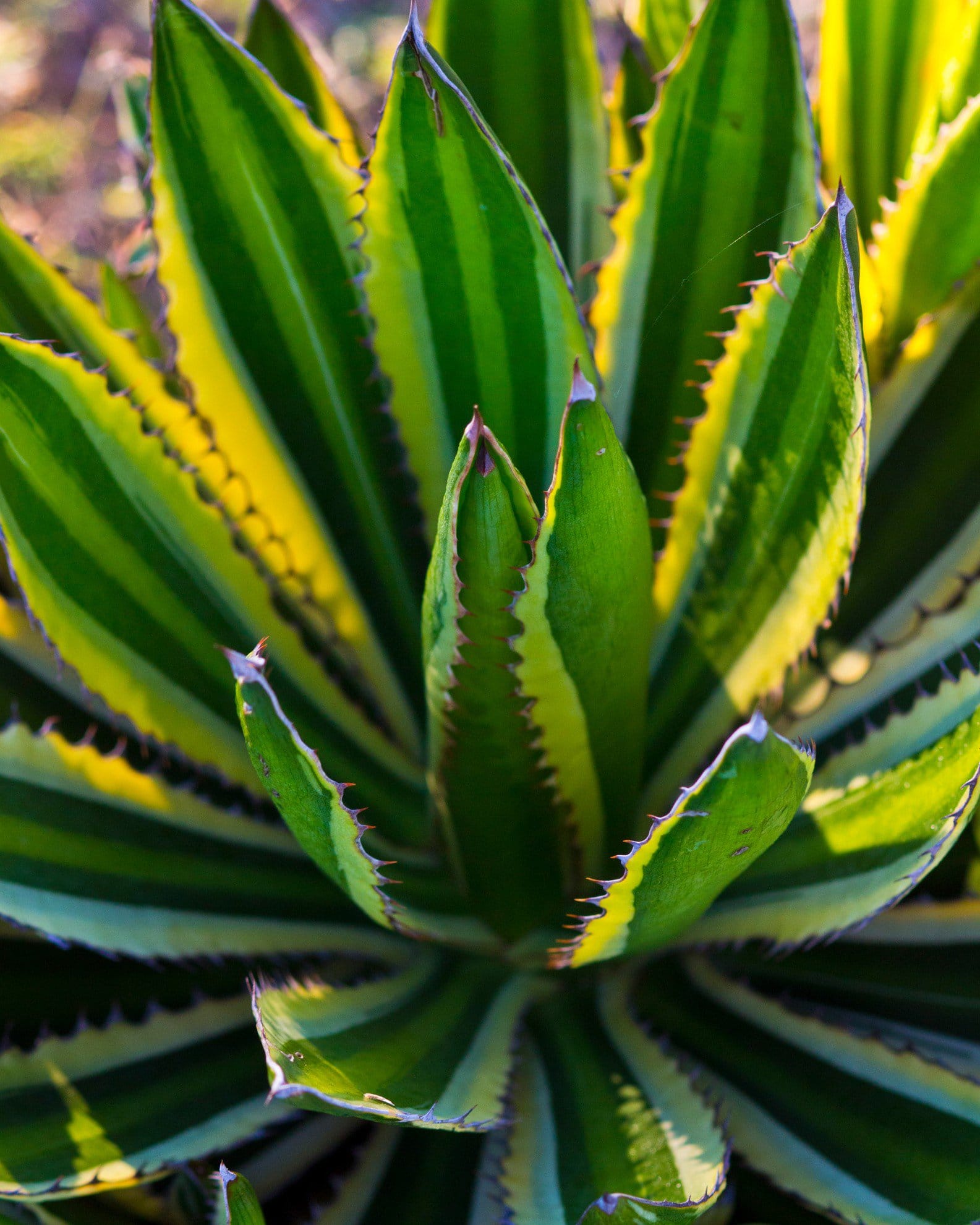
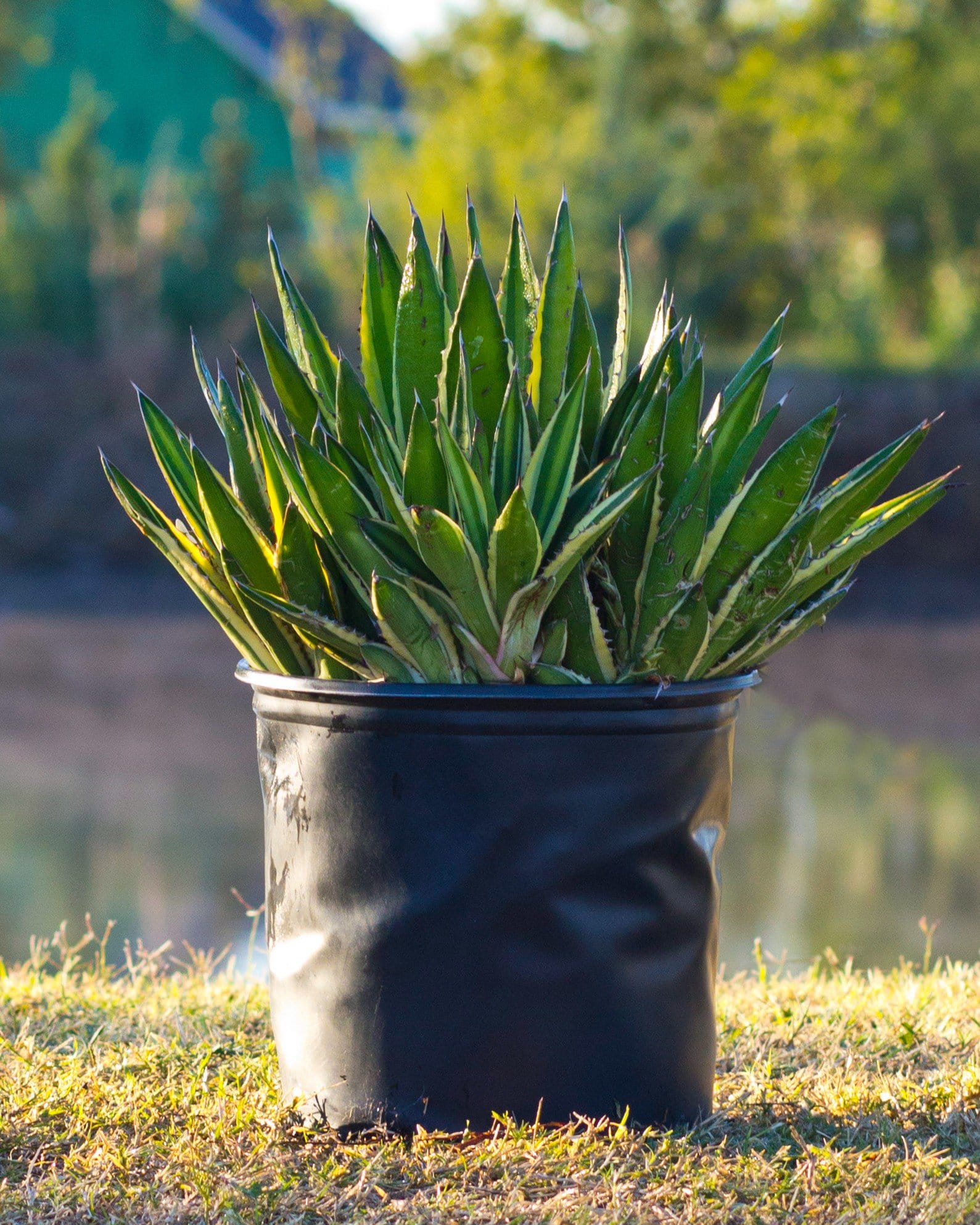
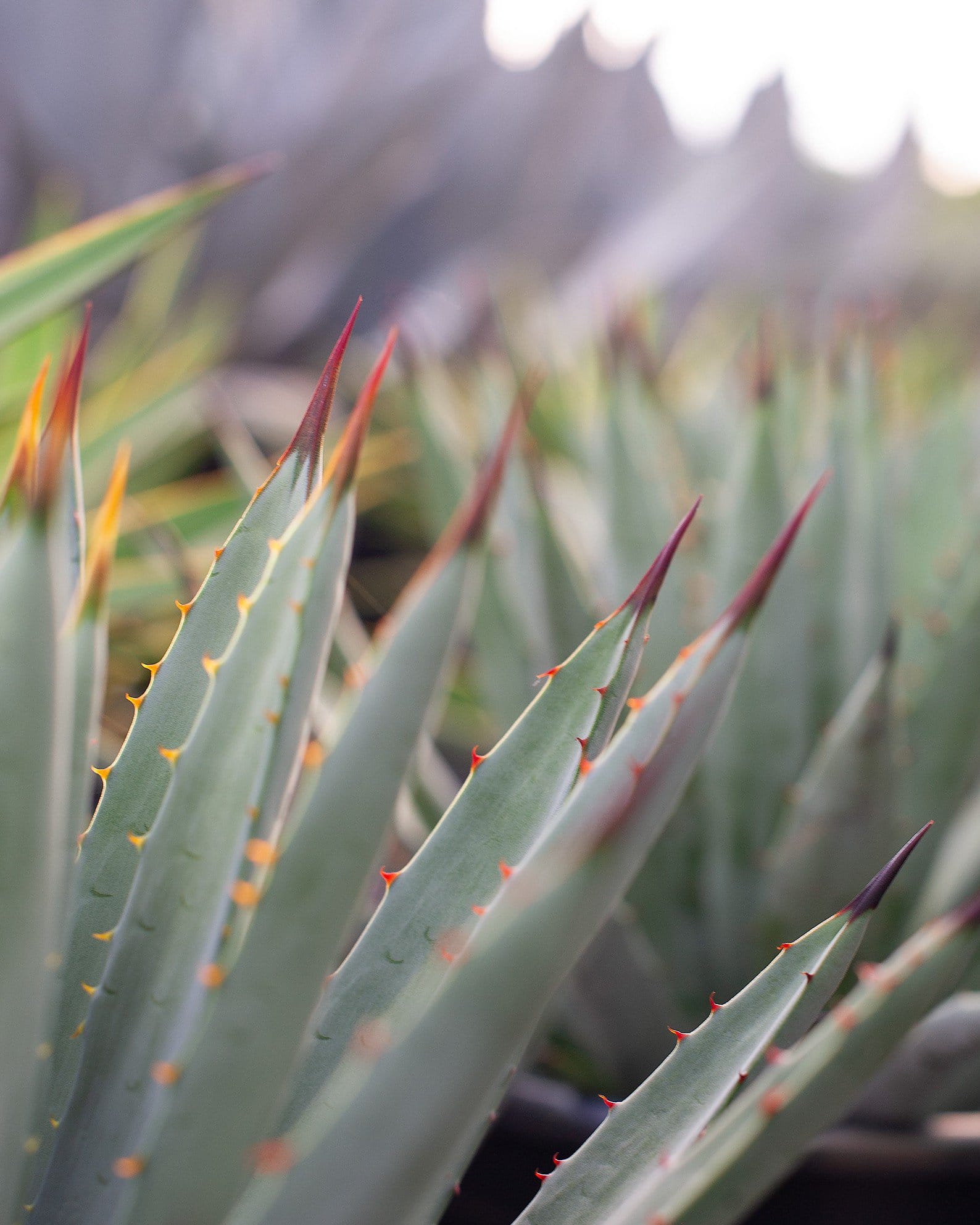
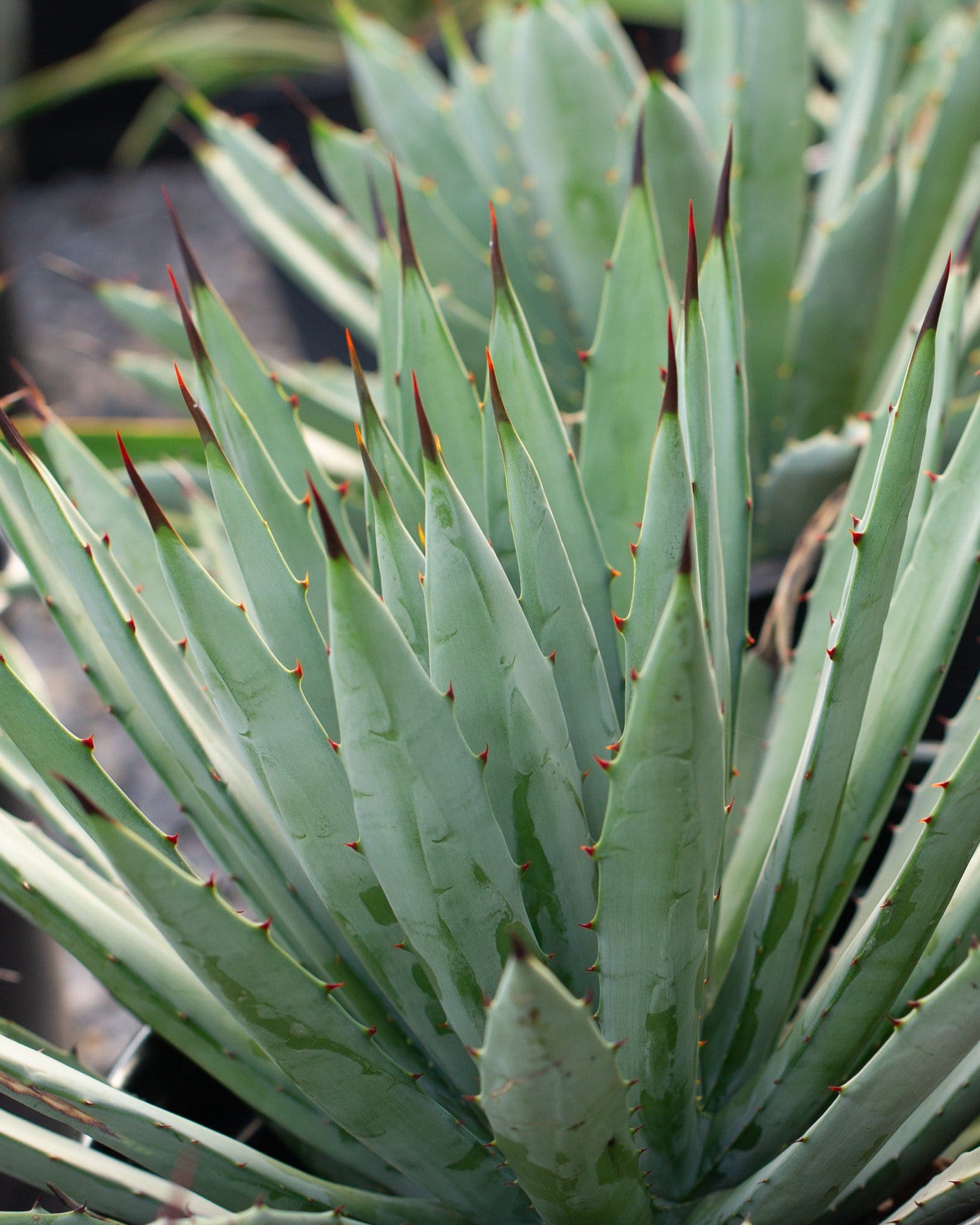
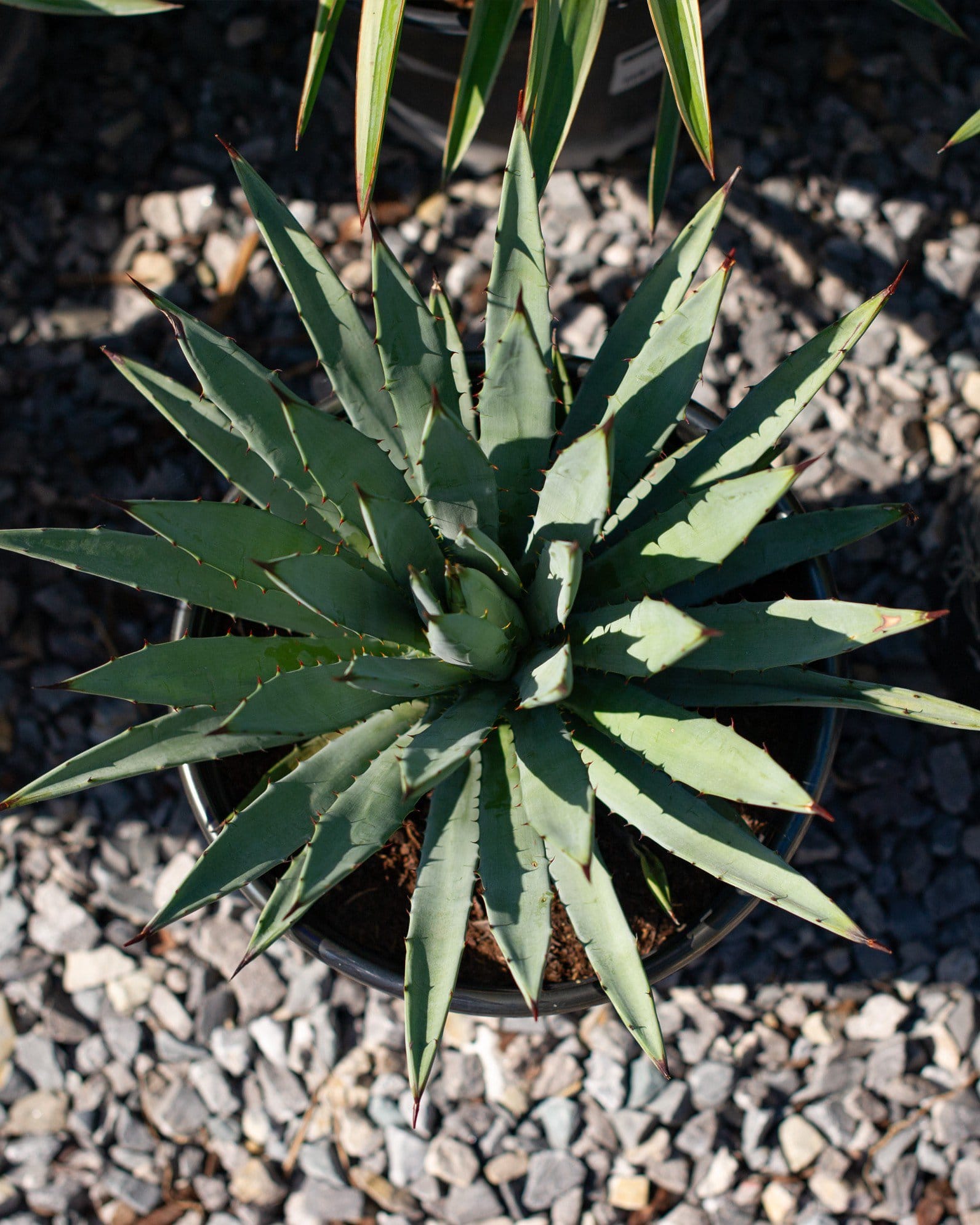
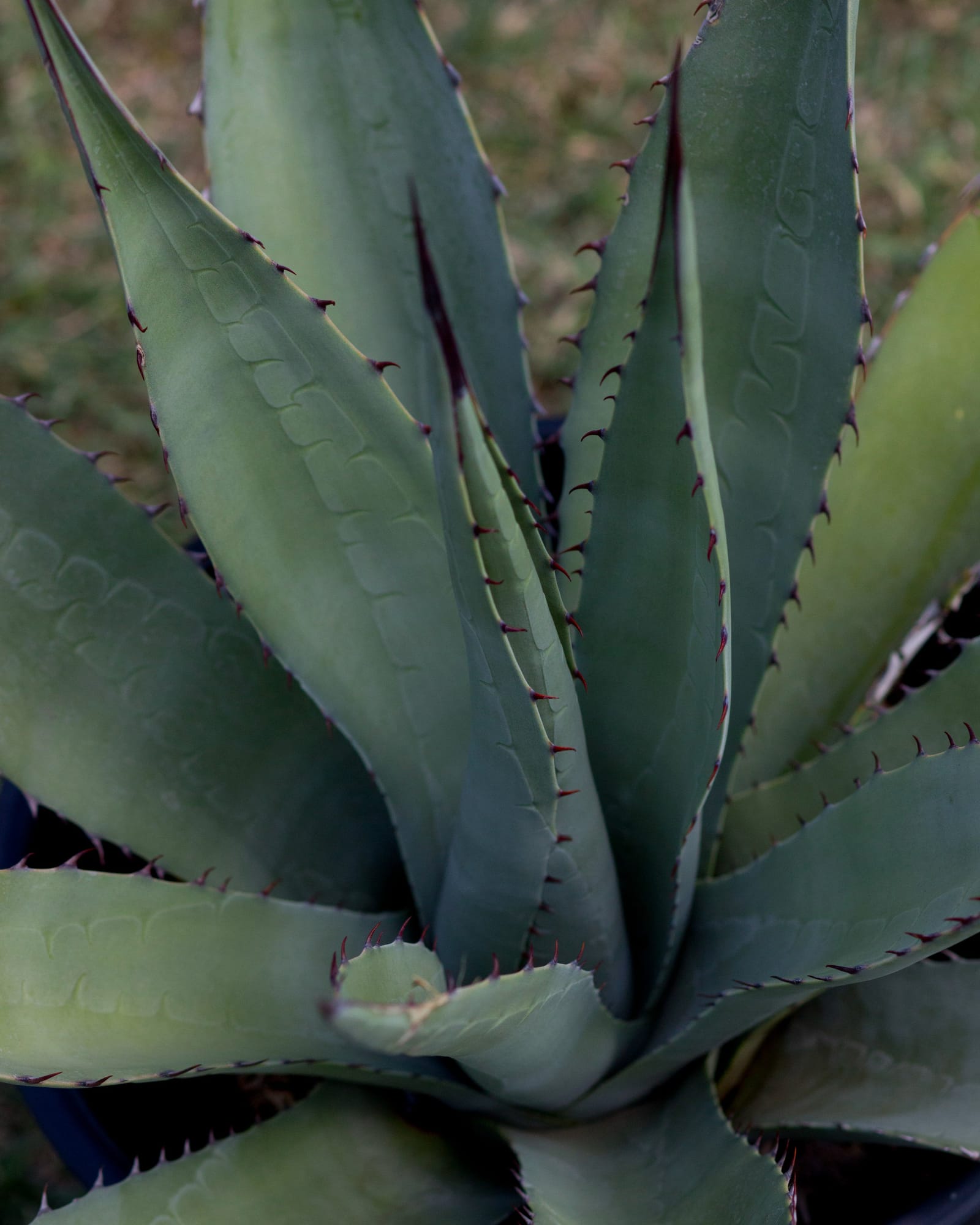
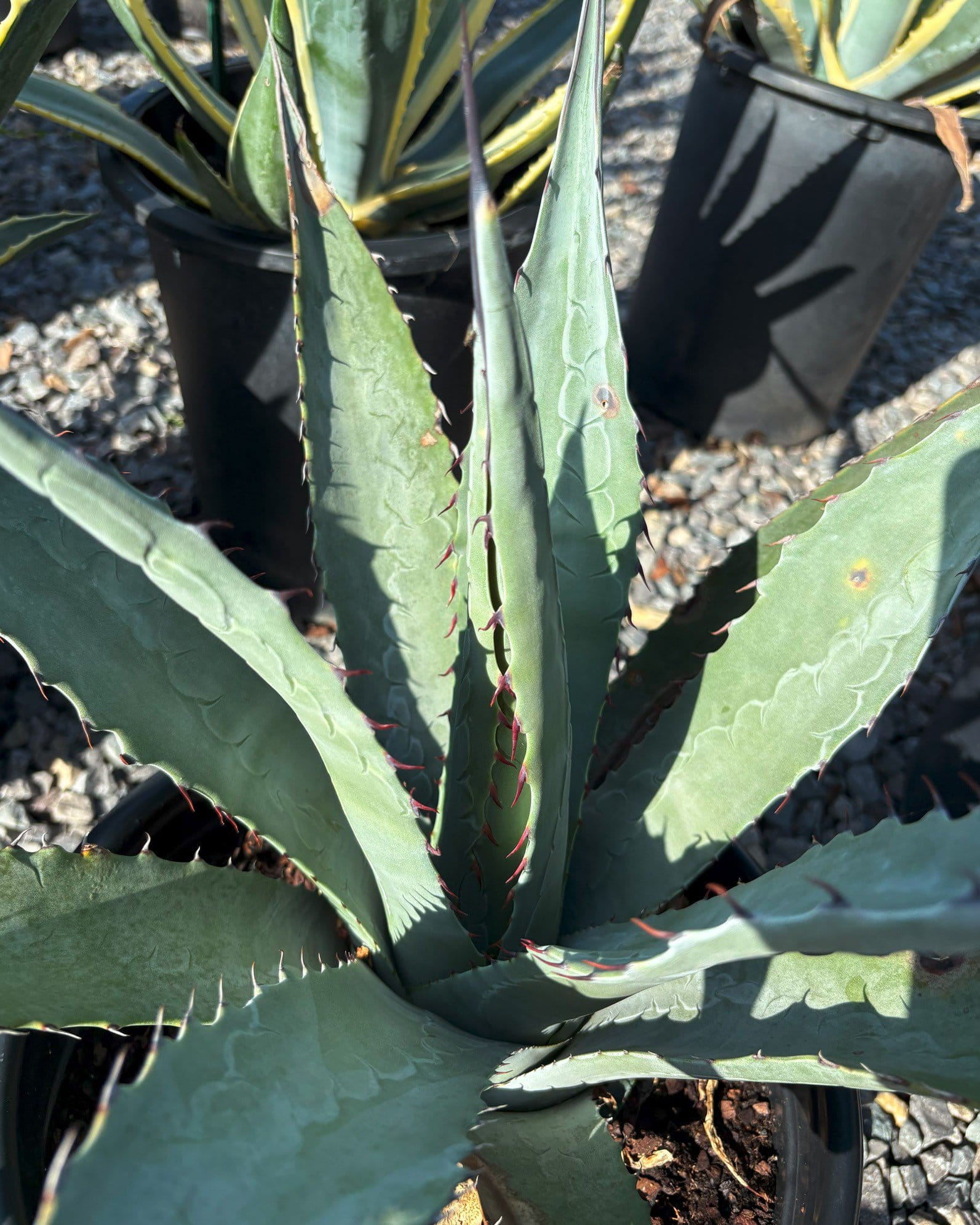
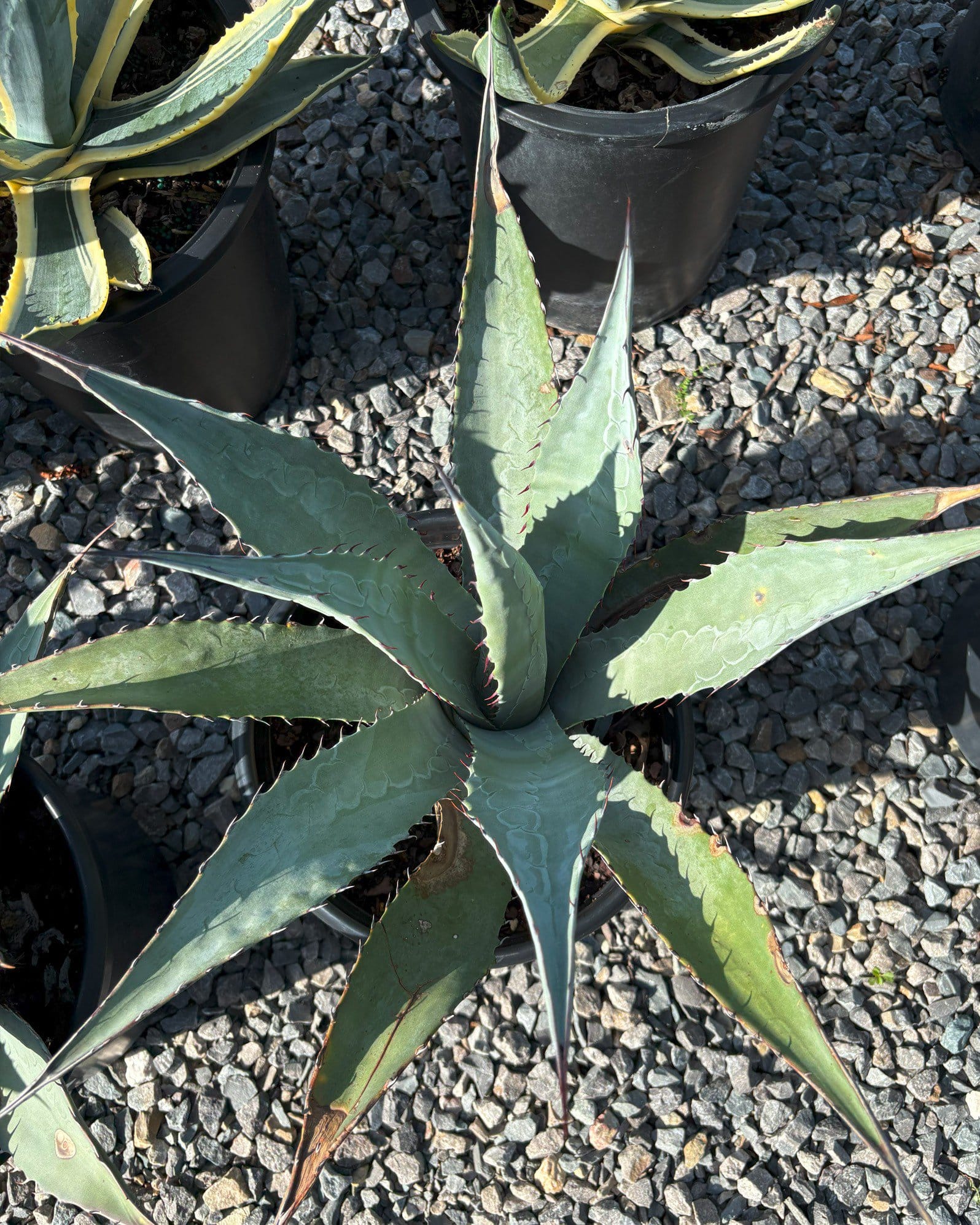
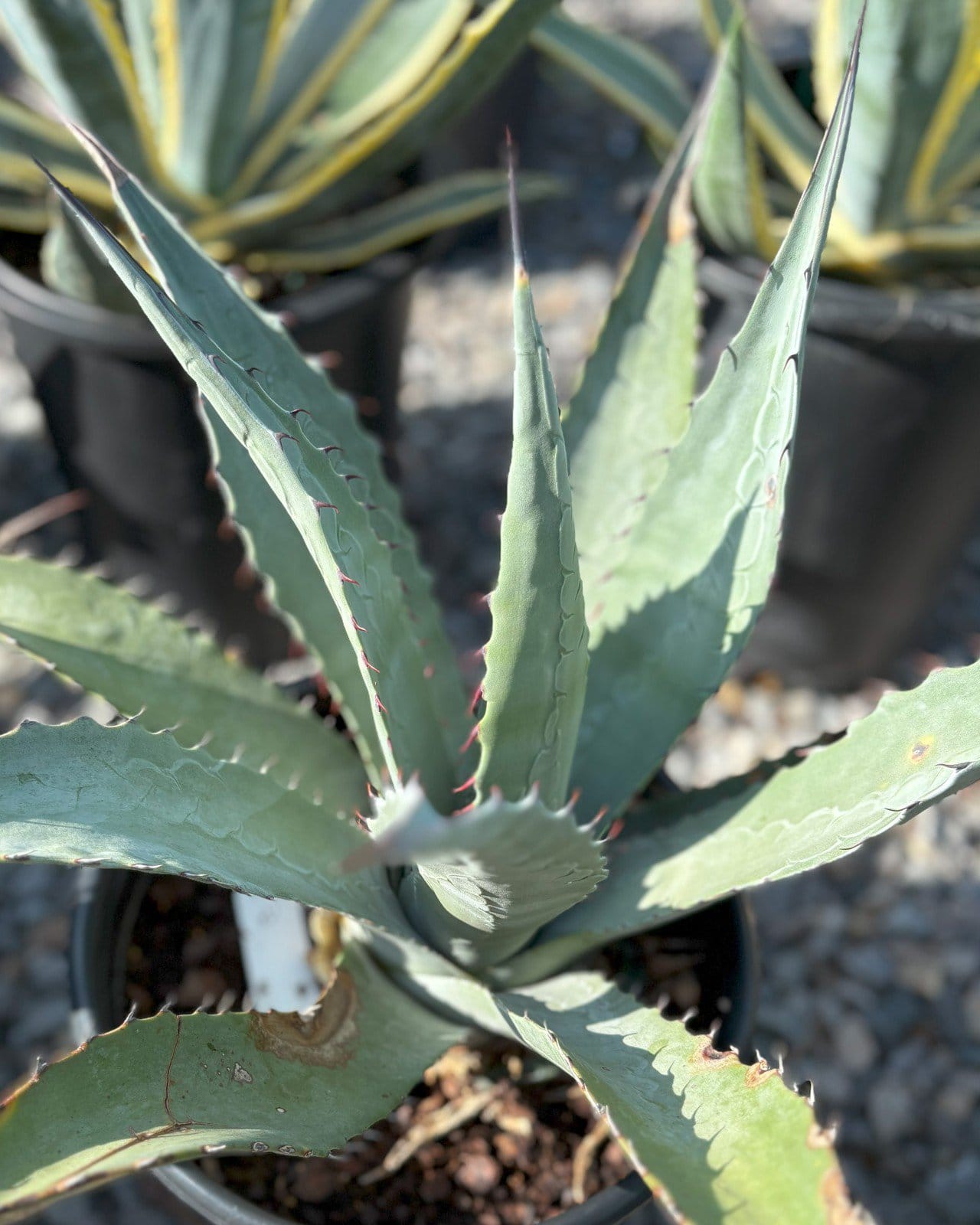
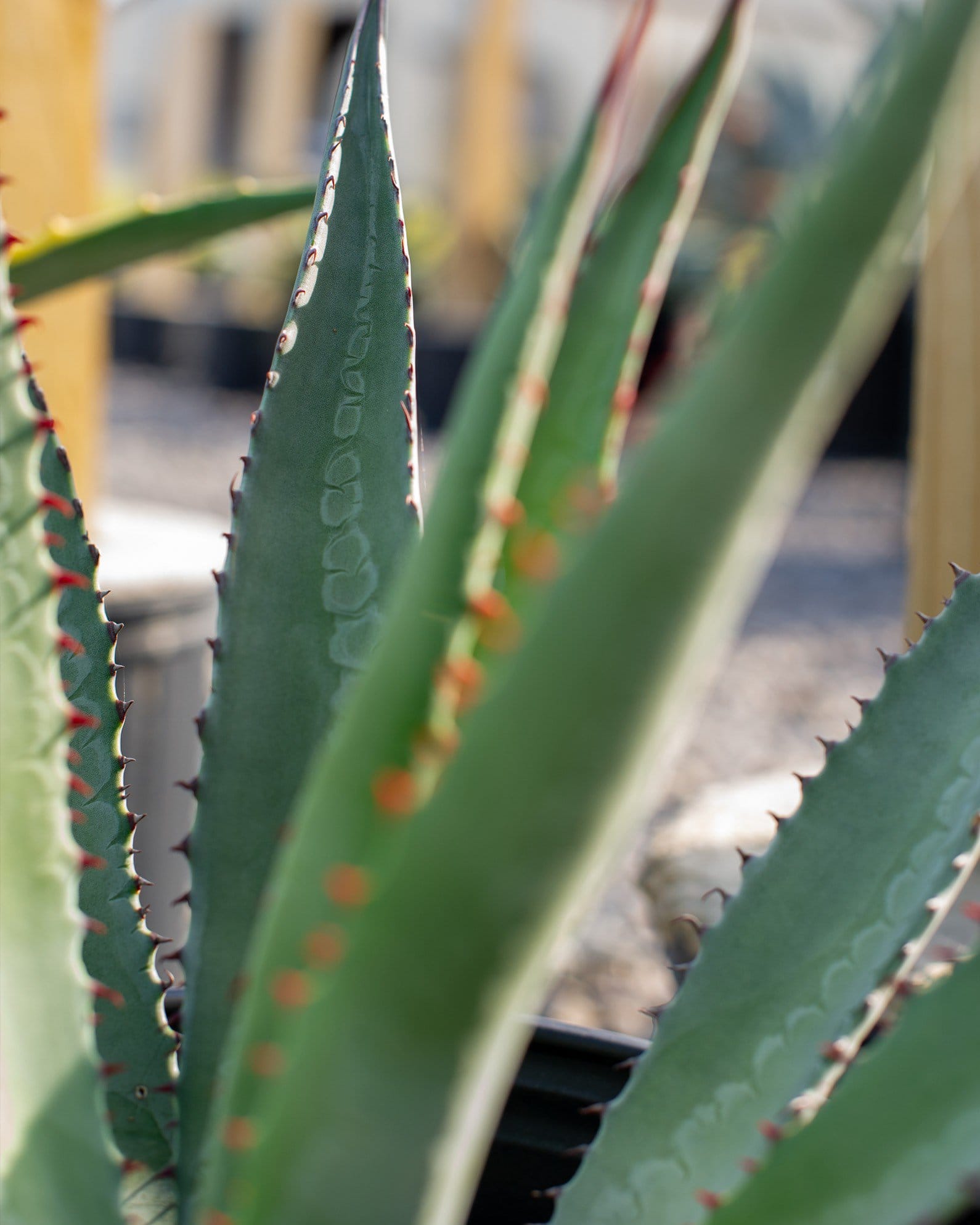
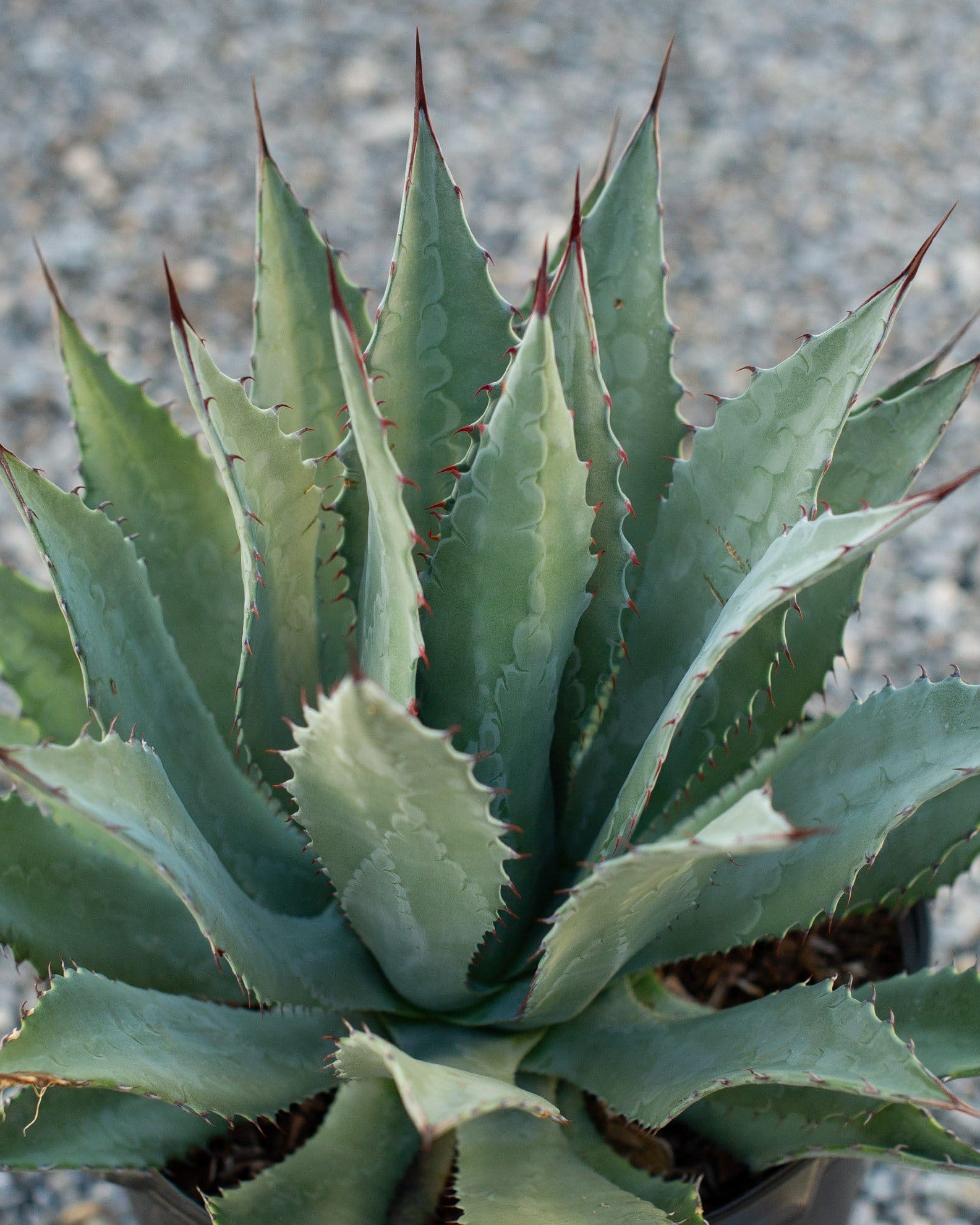
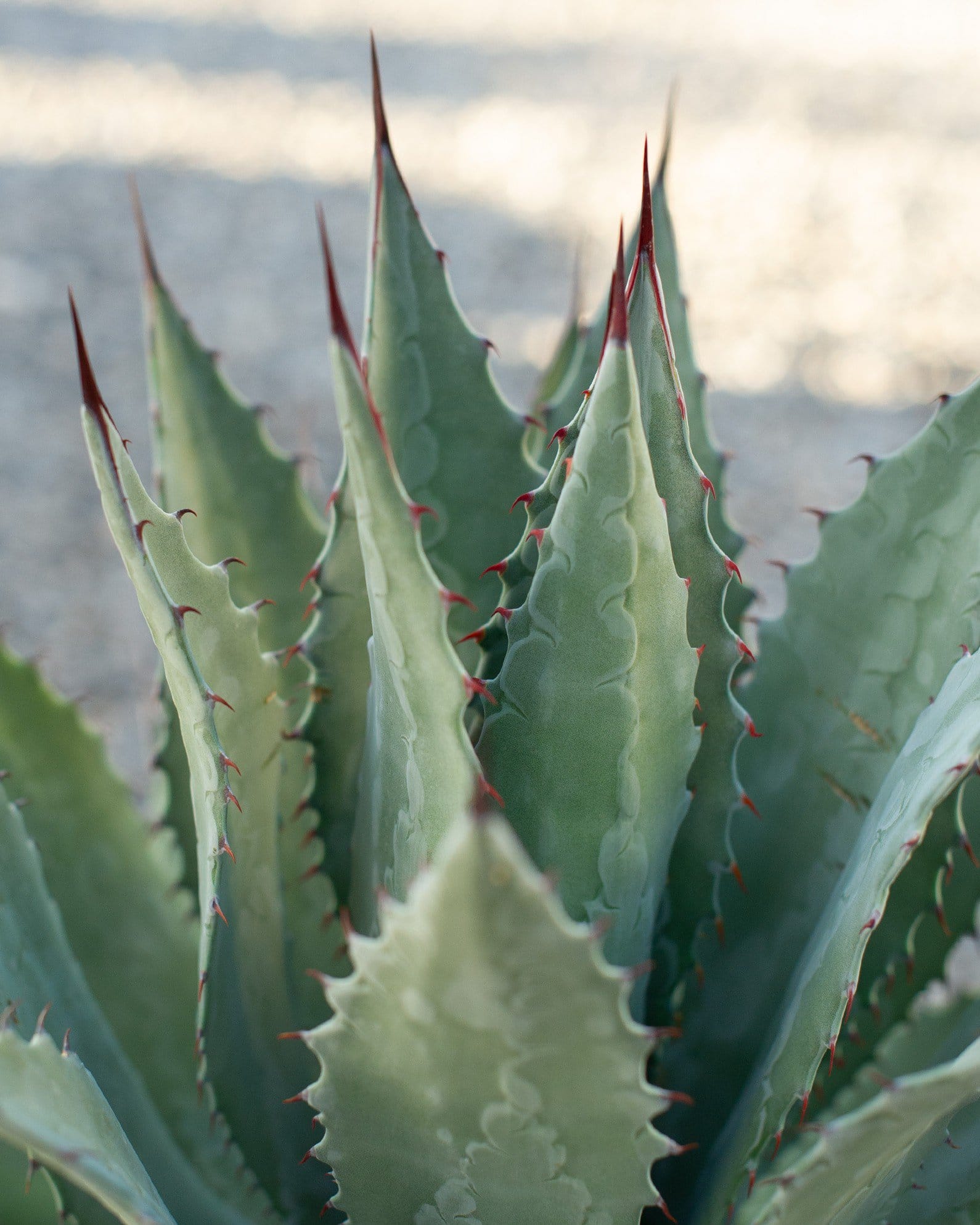
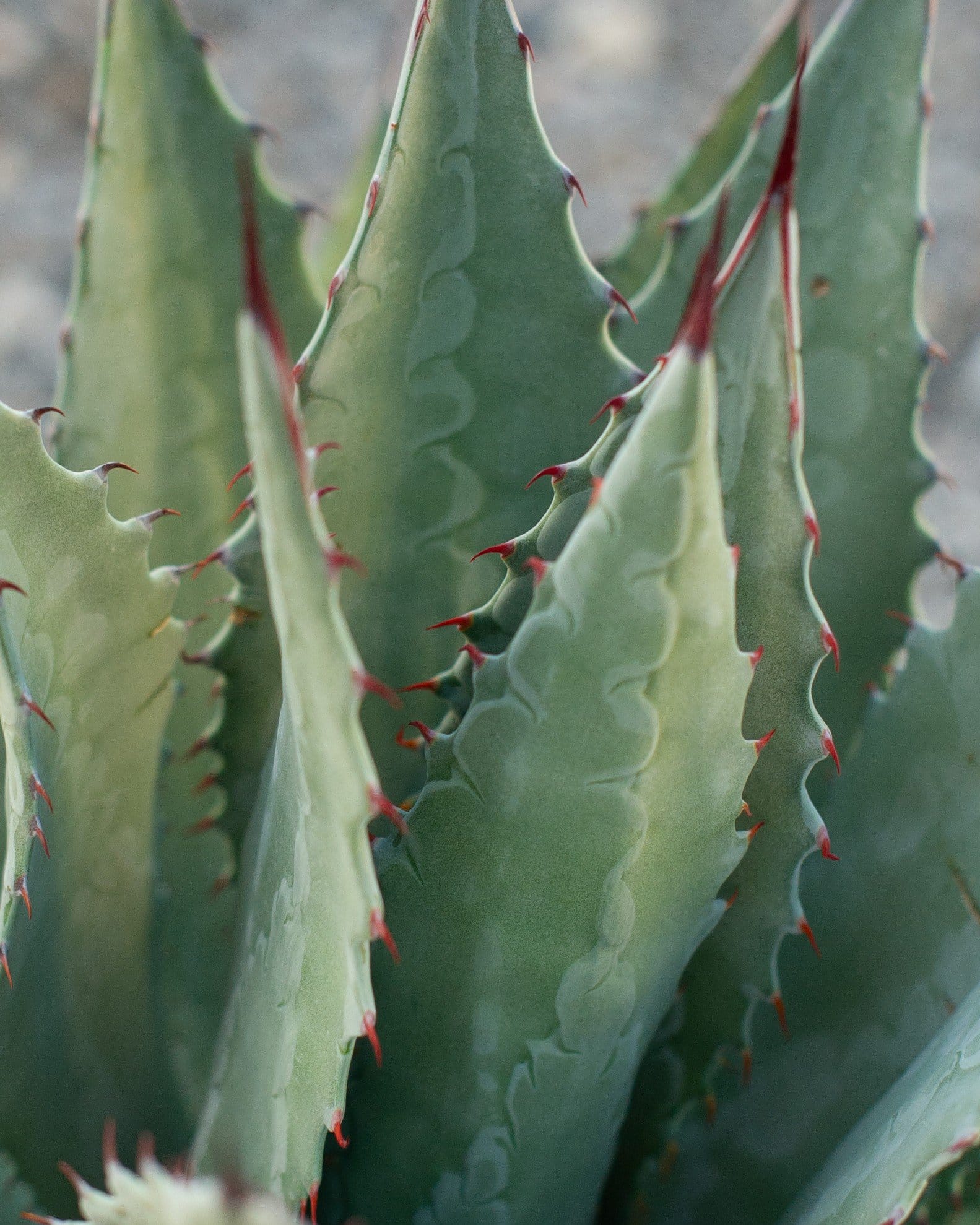
Agave americanaAmericana Agave is a striking succulent known for its massive rosette of thick, blue-green leaves lined with sharp spines. Growing up to 6 feet tall and 8 feet wide, this agave makes a dramatic statement wherever it's planted. The foliage has a powdery, silvery coating that softens its bold form and contrasts well with stones or fine-textured plants. Best used as a focal point in xeric landscapes or expansive beds, this species delivers both structure and Southwestern flair. Its impressive silhouette also works well as a visual anchor near entryways or along low retaining walls.
- An evergreen succulent
- Bold, architectural rosette form
- Blue-green leaves with silver coating
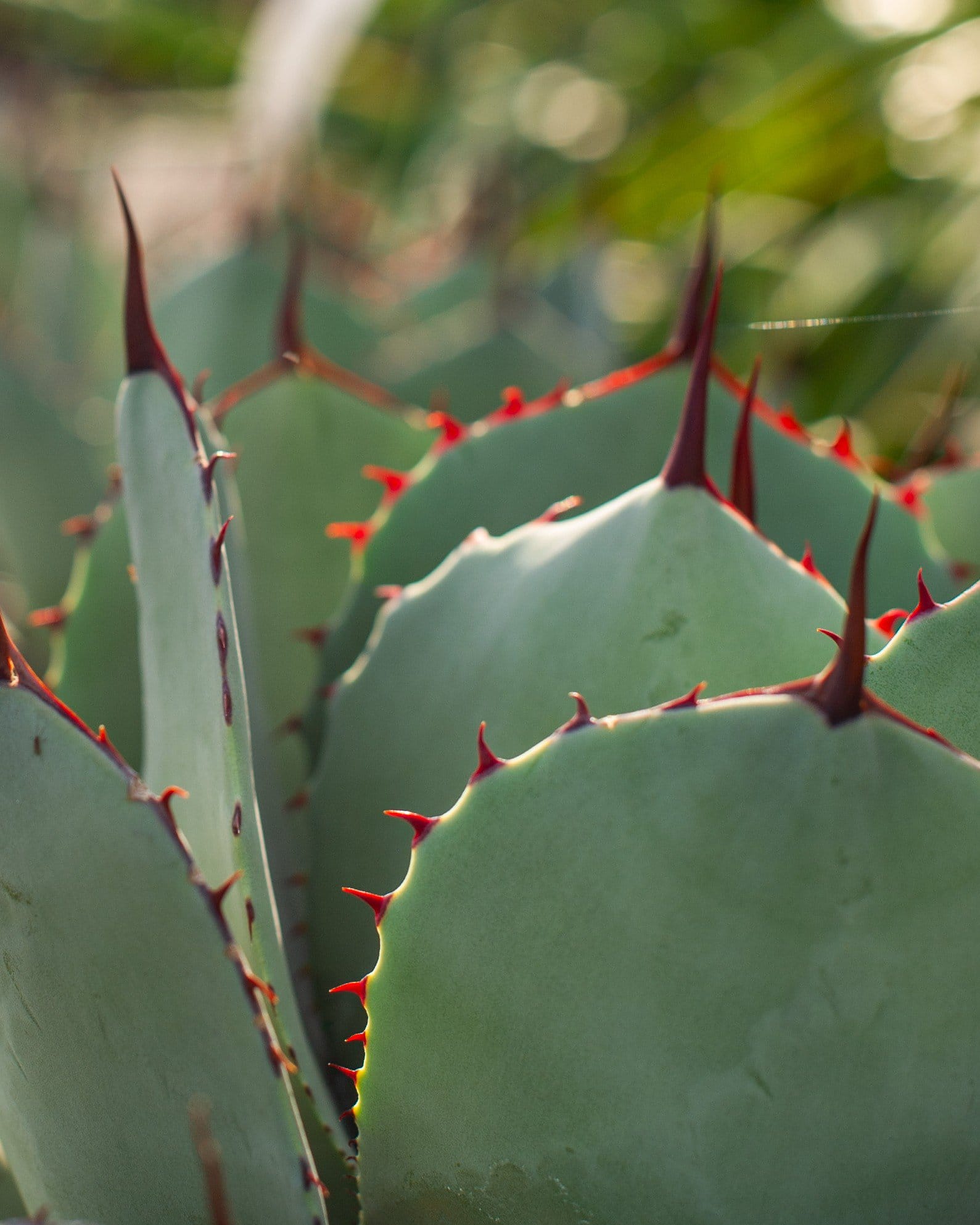
- Sharp spines for structural detail
- Suits dry, spacious designs
Americana Agave thrives in full sun and sharply draining soil. It is hardy in USDA zones 8-11, making it suitable for xeric areas in North Texas. Cleanup may include removing spent lower leaves, but the plant requires little seasonal upkeep beyond that.
Americana Agave thrives in harsh conditions and requires remarkably little care once established. Its thick, architectural leaves store water efficiently, allowing it to remain self-sufficient in challenging landscapes. Here’s all it needs to grow beautifully:
- Watering: Water moderately during the first growing season to help roots establish in surrounding soil. Once established, Americana Agave is highly drought-tolerant and typically requires watering only during extended periods of extreme dryness. Overwatering is far more harmful than underwatering, as prolonged moisture can lead to root or crown rot.
- Pruning: Pruning is minimal and usually limited to removing old, damaged, or dried lower leaves. Wear protective gloves when trimming due to sharp leaf margins and spines. Avoid cutting into the central rosette, as this can damage the plant’s structure.
- Fertilizing: Americana Agave rarely requires fertilizer and performs best in lean, well-drained soils. If desired, a light feeding in early spring can support steady growth. Excess nutrients can lead to overly rapid growth that weakens leaf structure.
- Mulching: Use gravel or stone mulch rather than organic mulch to improve drainage around the base. Avoid piling material against the crown, as trapped moisture increases the risk of rot. Proper airflow around the base is essential.
- Winter Care: In mild climates, winter protection is generally unnecessary. In colder regions near its tolerance limit, covering during prolonged freezes helps prevent tissue damage. Excellent drainage is especially important during winter months.
Americana Agave is extremely resilient, though a few specific issues may occasionally arise.
- Root or Crown Rot: Leaves may become soft, discolored, or collapse if soil remains excessively wet. Ensuring excellent drainage and reducing irrigation prevents most rot problems.
- Agave Snout Weevil: Plants may suddenly collapse from internal damage caused by this destructive insect. Removing affected plants promptly and improving drainage helps reduce risk.
- Sunburn on Young Plants: Recently transplanted agaves may develop pale or scorched patches in extreme sun. Gradual acclimation to full sun reduces stress.
- Cold Damage: Leaf tips or outer leaves may show darkened, mushy areas after severe freezes. Removing damaged foliage in spring improves appearance.
- Mechanical Injury: Leaves may tear or scar from impact or improper handling. Minor cosmetic damage does not typically affect plant health.
Americana Agave typically lives 10-30 years before flowering. After it blooms, the main rosette dies, but it often produces offsets beforehand. These offsets allow the plant to continue in the landscape for decades.
Growth averages 6-12 inches per year under favorable conditions. A mature rosette typically develops within 8-15 years. In optimal climates, growth may be slightly faster.
At maturity, it sends up a dramatic flower stalk that can reach 15-25 feet tall. This bloom event occurs once in the plant’s lifetime. The towering stalk becomes a striking focal point before the main plant declines.
It commonly produces pups around the base of the plant. These offsets can be separated and replanted. Over time, colonies may form if left undisturbed.
Its thick, spined leaves make it highly resistant to deer browsing. The sharp margins discourage most wildlife. Damage from animals is rare.
Young plants can be grown in large containers with excellent drainage. Containers highlight its sculptural form. Long-term growth is best achieved in the ground where roots can expand.
It tolerates moderate salt exposure and performs well in coastal landscapes with proper drainage. Excessive salt buildup should be rinsed occasionally. Established plants handle windy environments well.
Sharp leaf tips and margins can cause injury. Placement away from walkways reduces risk. Care should be taken during maintenance.
Maintenance needs are minimal once established. Occasional removal of older leaves is usually sufficient. Its structural form requires little intervention.
It is one of the most effective plants for xeriscape designs. Its drought tolerance reduces irrigation needs dramatically. Architectural form adds strong visual impact.
Special Features
You might also like
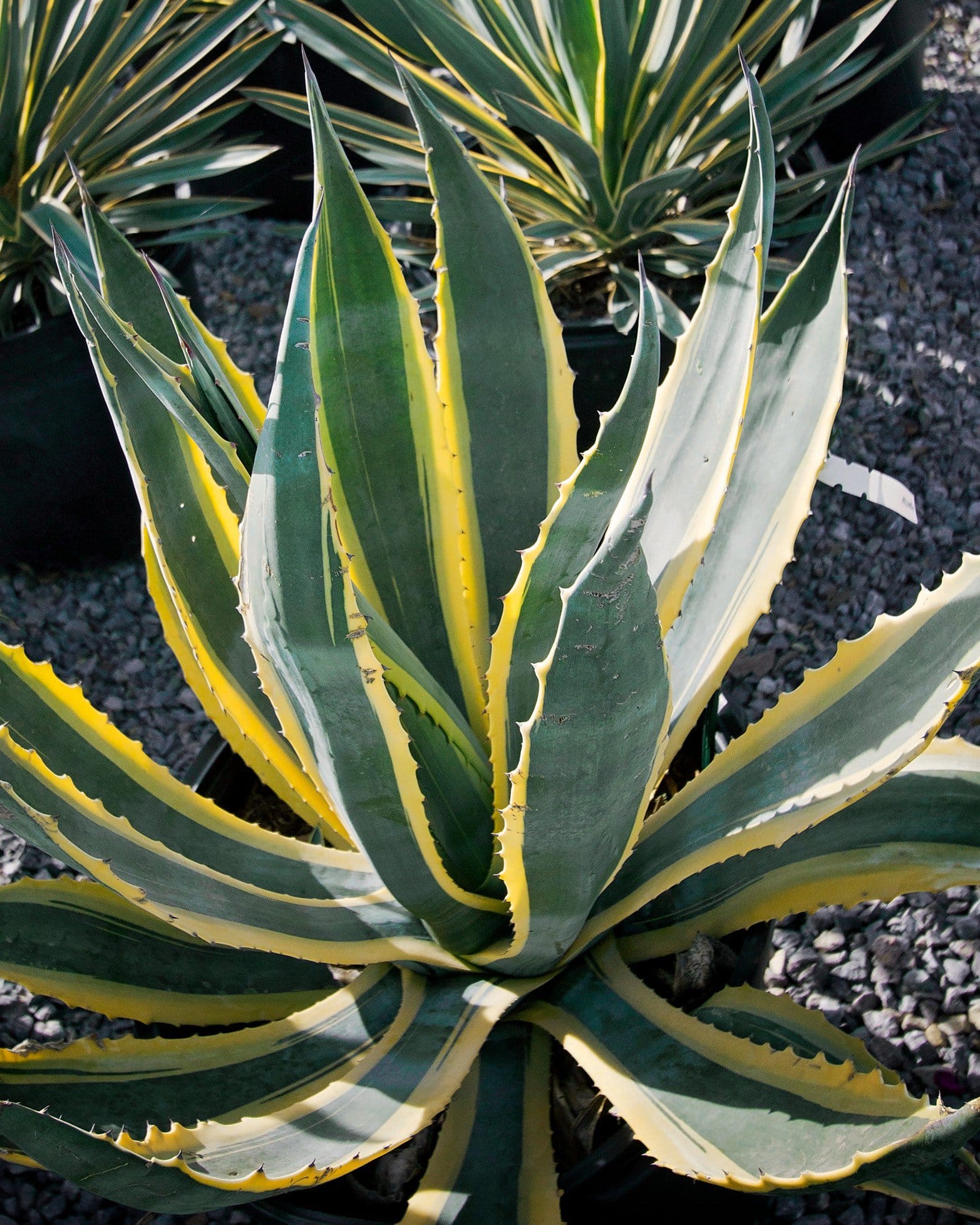
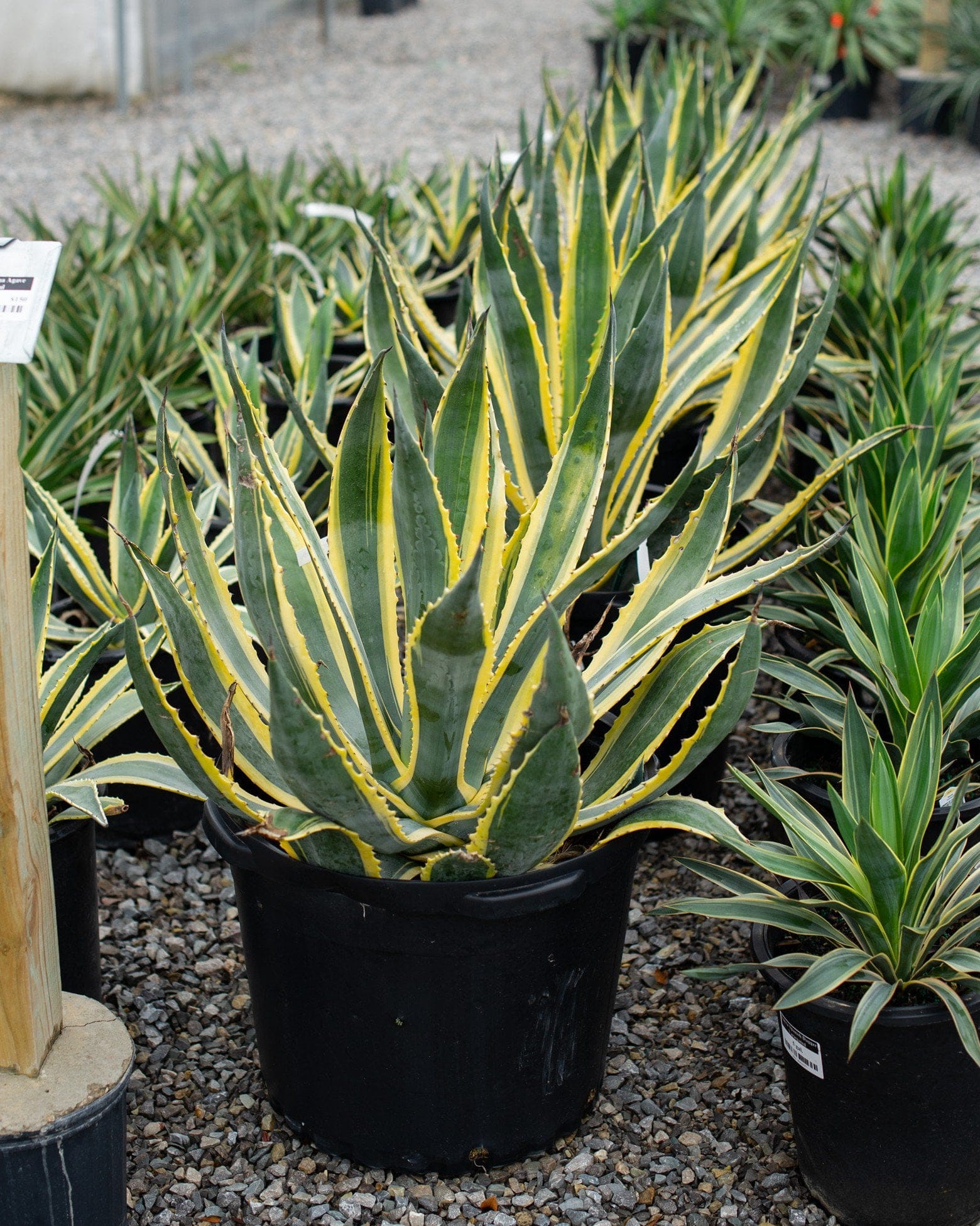
Americana Agave Opal
Maturity: 4' H x 6' W
Artichoke Agave
Maturity: 3' H x 5' W
Blue Rough Leaf Agave
Maturity: 3' H x 3' W
Havardiana Agave
Maturity: 2' H x 3' W
Parry's Agave
Maturity: 1.5' H x 2' W
Quadricolor Agave
Maturity: 1.5' H x 2' W
Splendida Agave
Maturity: 1.5' H x 3' W
Black-Spined Agave
Maturity: 1.5' H x 2' W
Brakelights Yucca
Maturity: 2' H x 2' W
Goldenflower Agave
Maturity: 3' H x 6' W
Grassy Sotol
Maturity: 4' H x 4' W
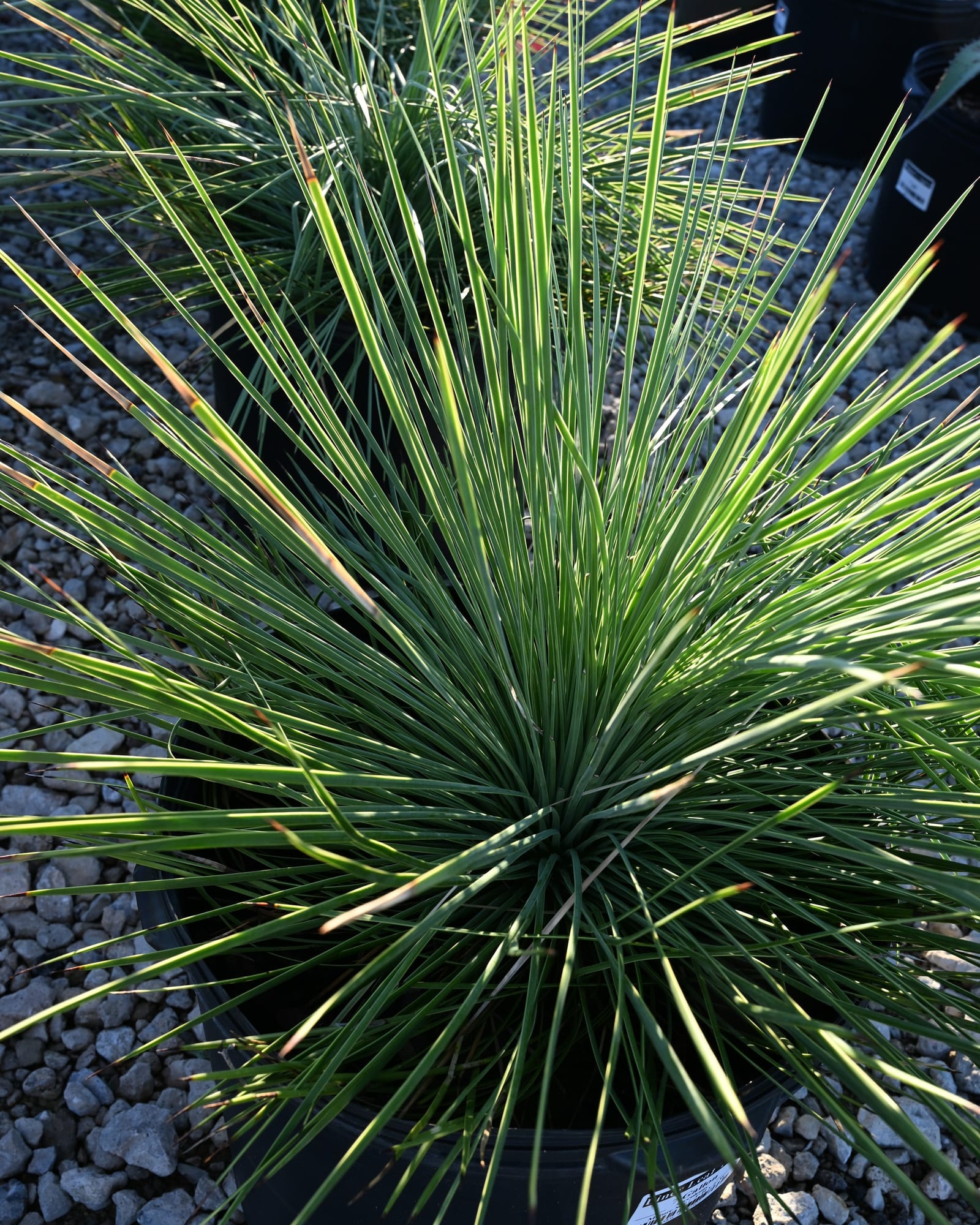
Liner Leaf Yucca
Maturity: 3' H x 2' W
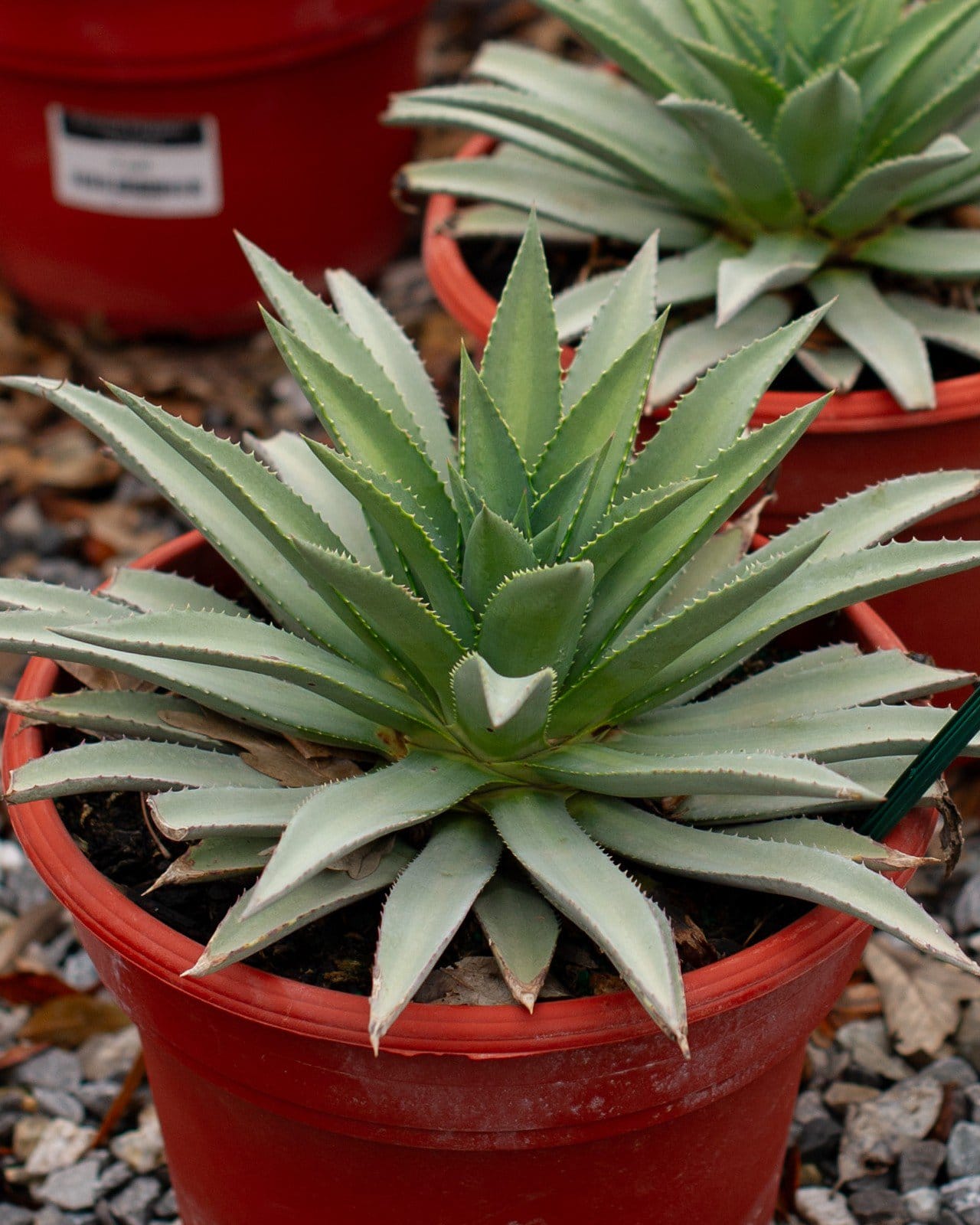
Mangave Agave Frosted Elegance
Maturity: 0.75' H x 1' W
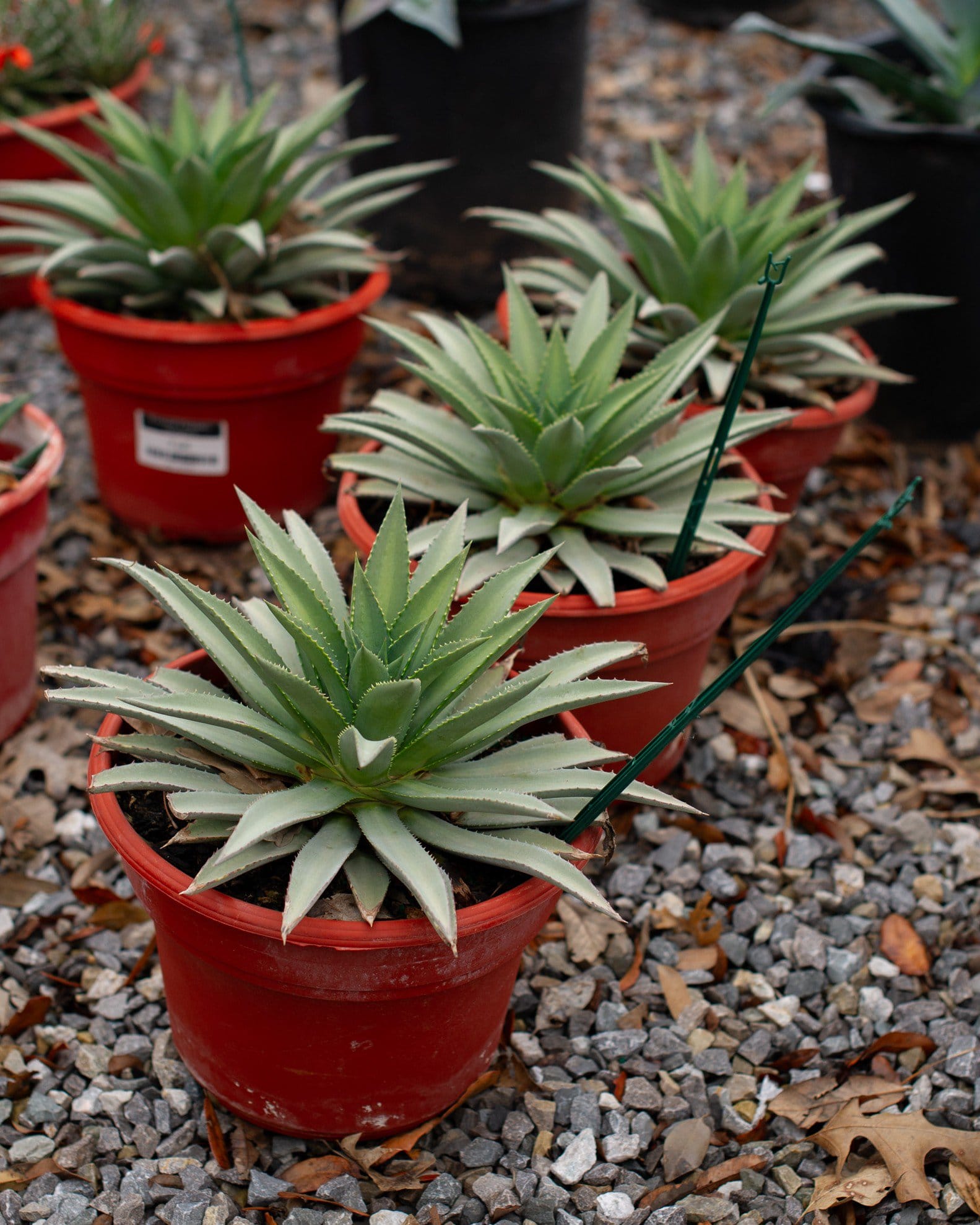
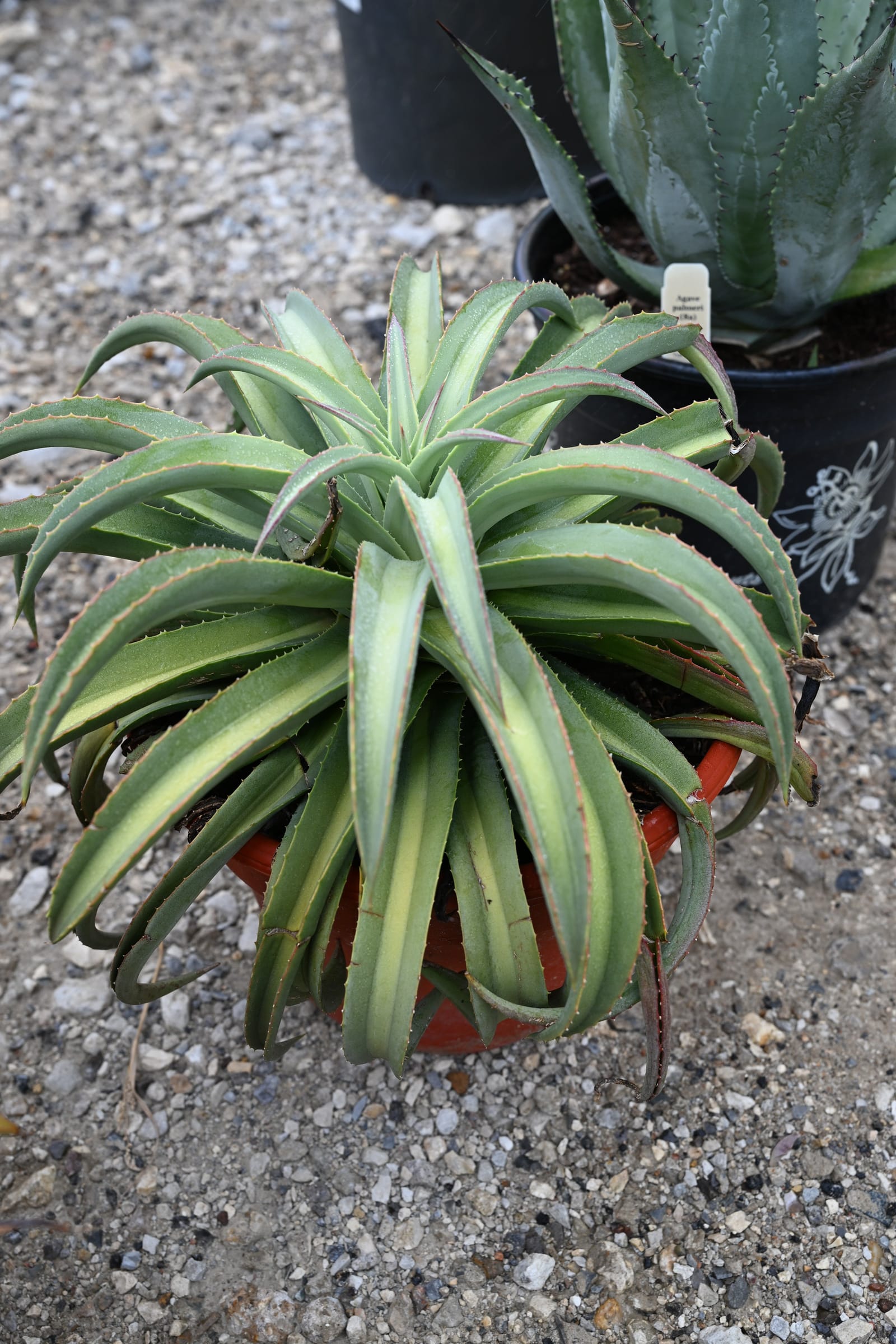
Narrow Leaf Agave Azul
Maturity: 1' H x 2' W
Palmer's Agave
Maturity: 4' H x 4' W
Compare Similar Plants
Americana Agave This plant | ||
|---|---|---|
| Scientific Name | Agave americana | Agave americana ‘Opal’ |
| Size at Maturity | 6' H x 8' W | 4' H x 6' W |
| Leaf Retention | Evergreen | Evergreen |
| Sizes Available | 5, 7, 15 gal | 5, 7, 15 gal |


Our 1-Year Planting Guarantee
We take pride in our plants and installation services. If any plants or trees installed by Treeland fail to thrive within the first year, we'll provide a replacement credit in accordance with our guarantee program.
Learn More About Our Guarantee