
 Texas Native
Princeton Elm
Ulmus americana ‘Princeton’Local DFW Delivery Only
Product Details
Princeton Elm
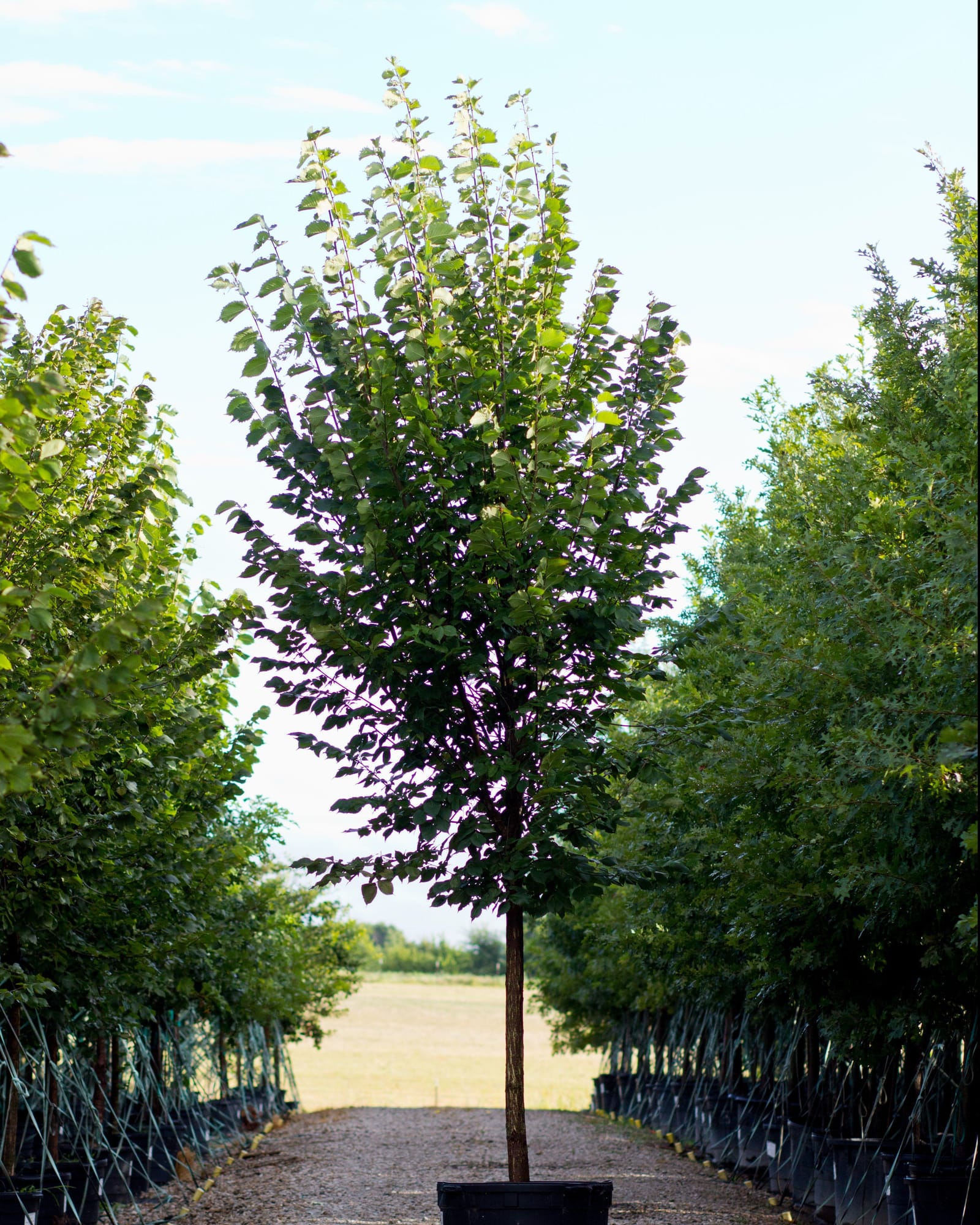
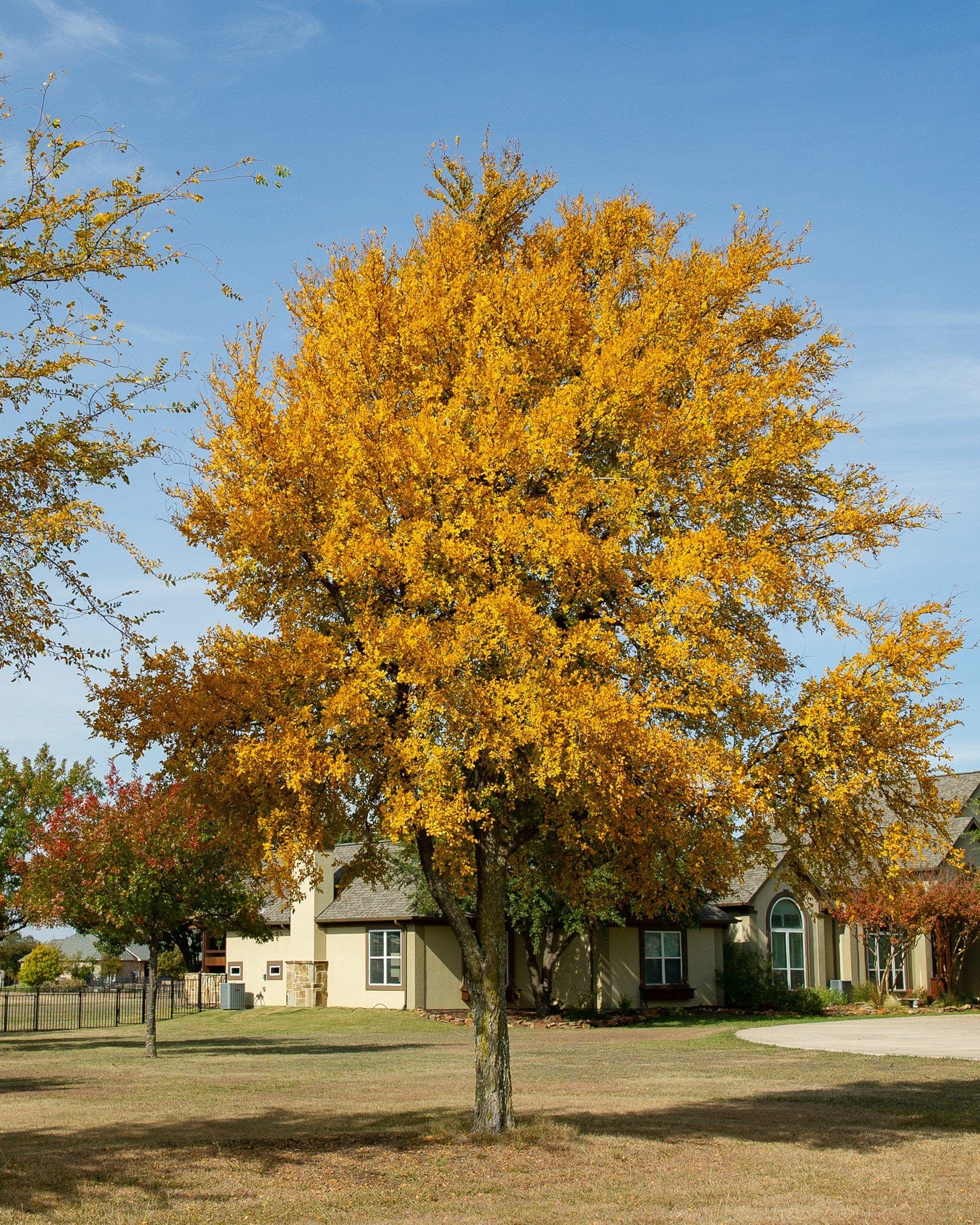
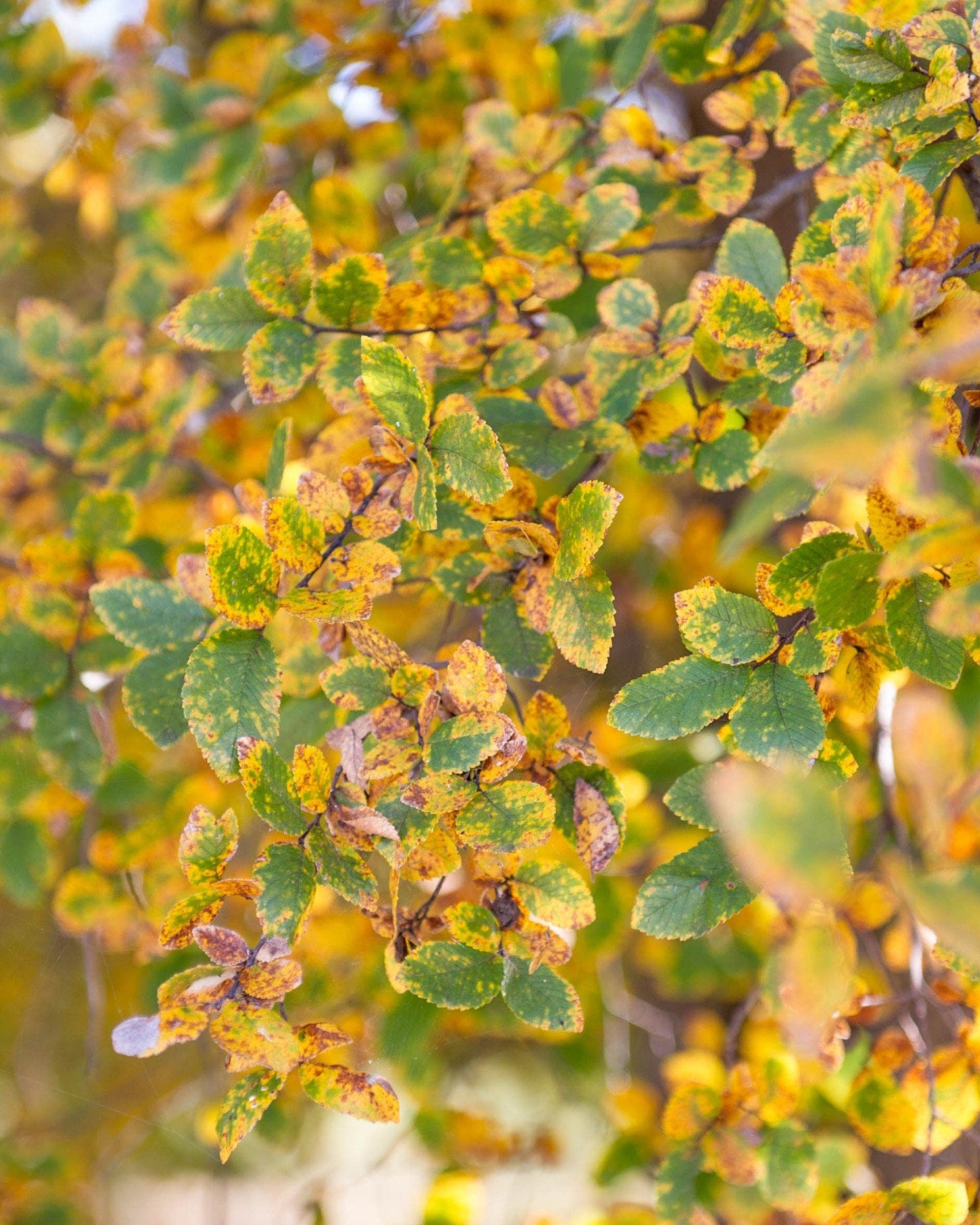
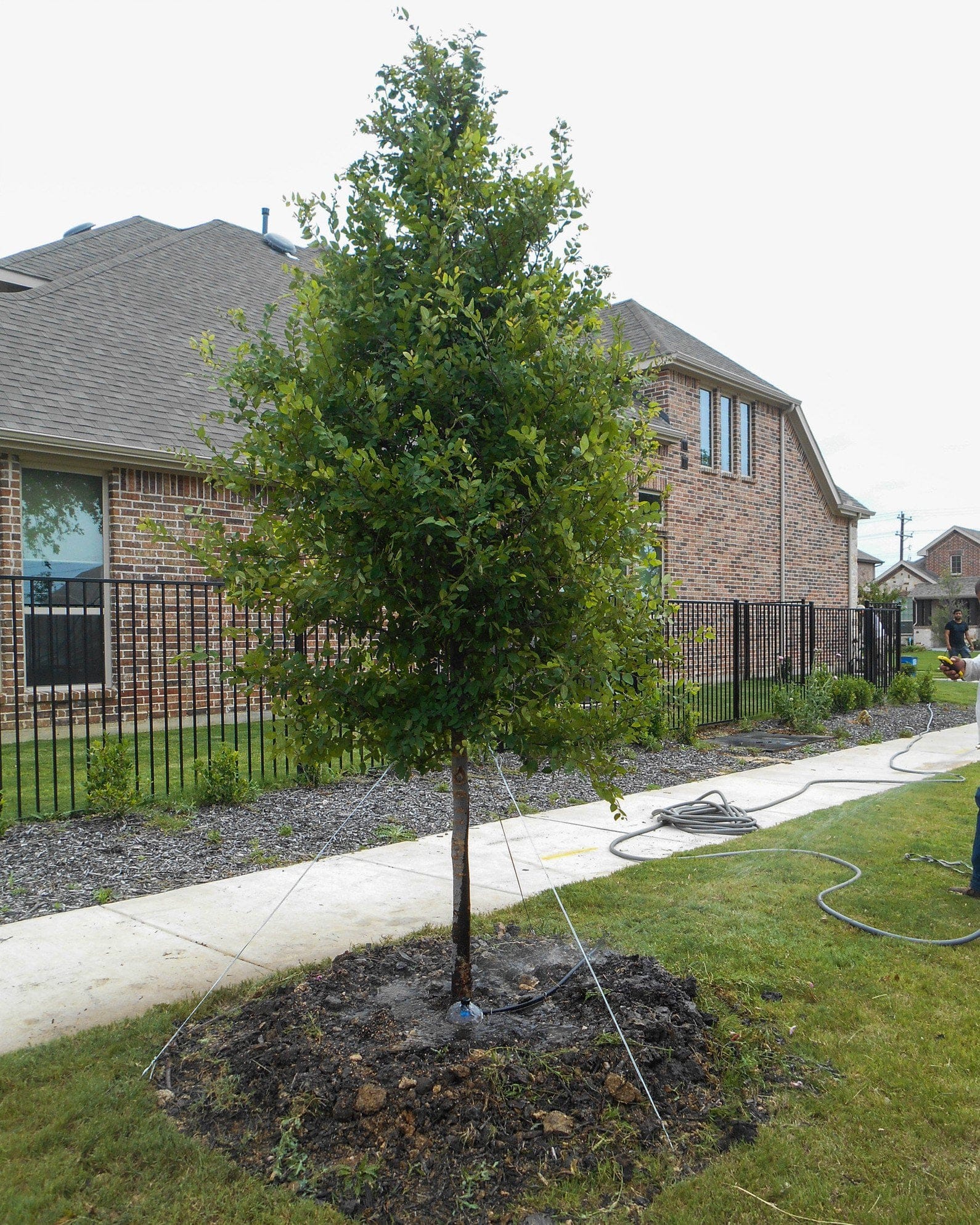
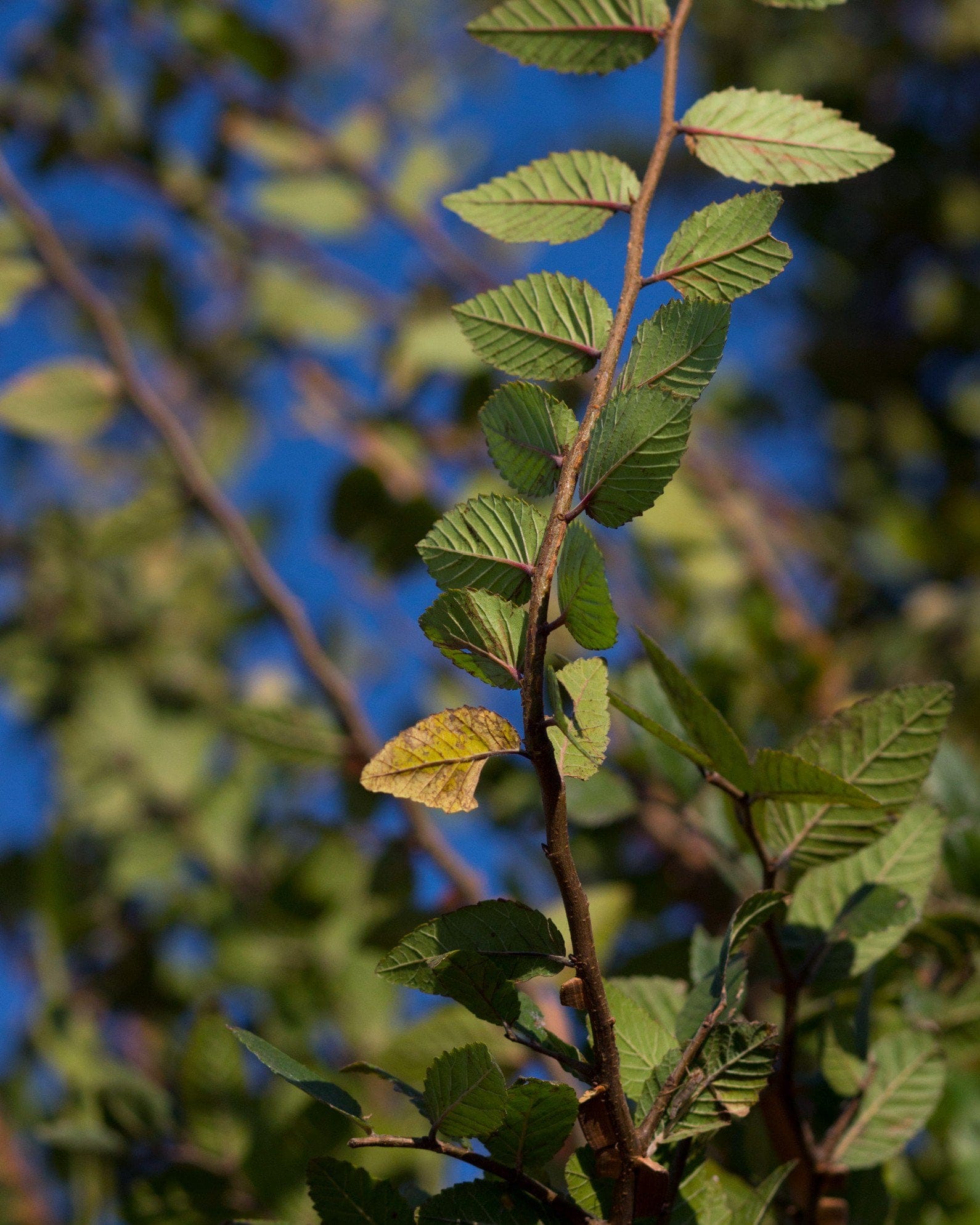
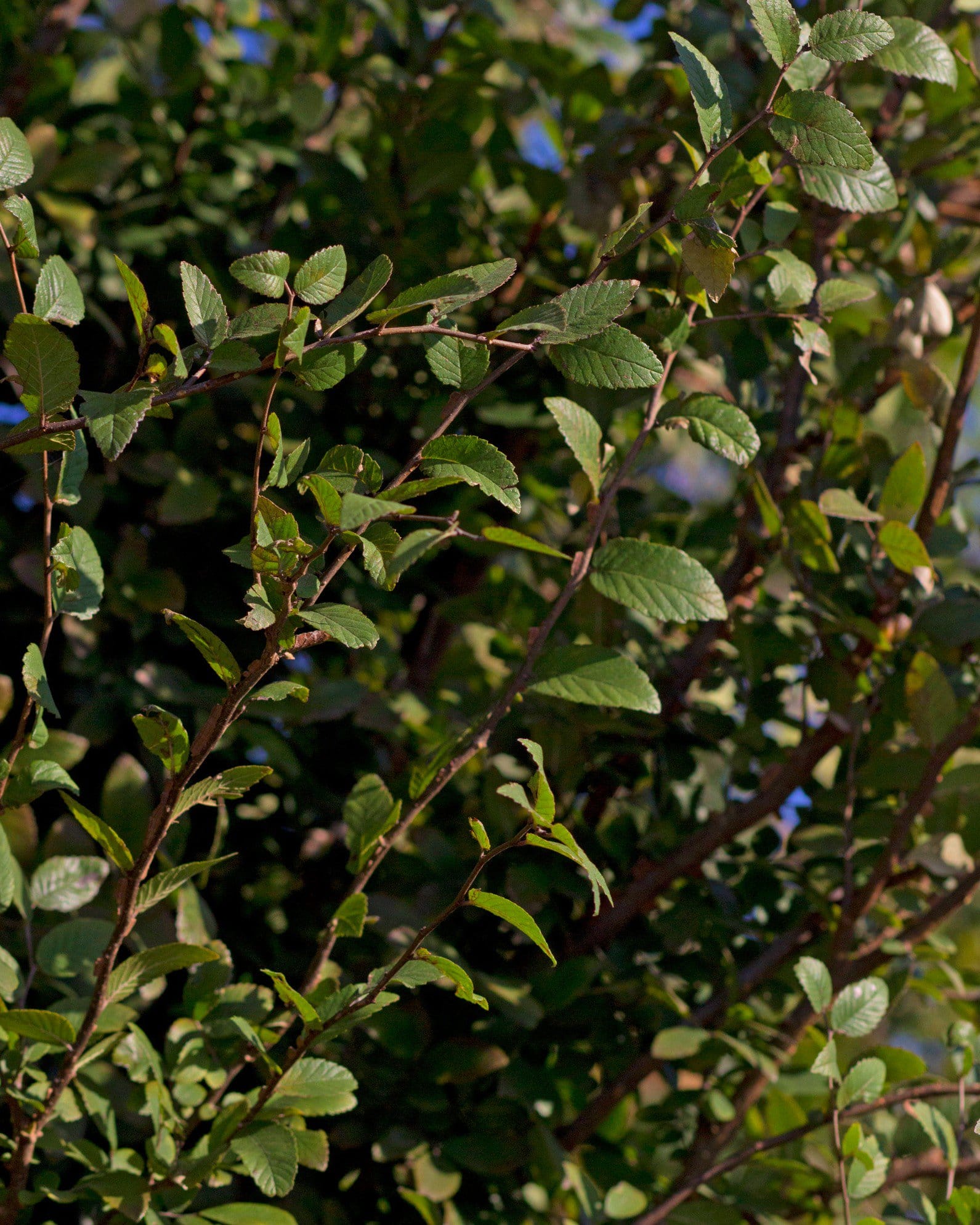
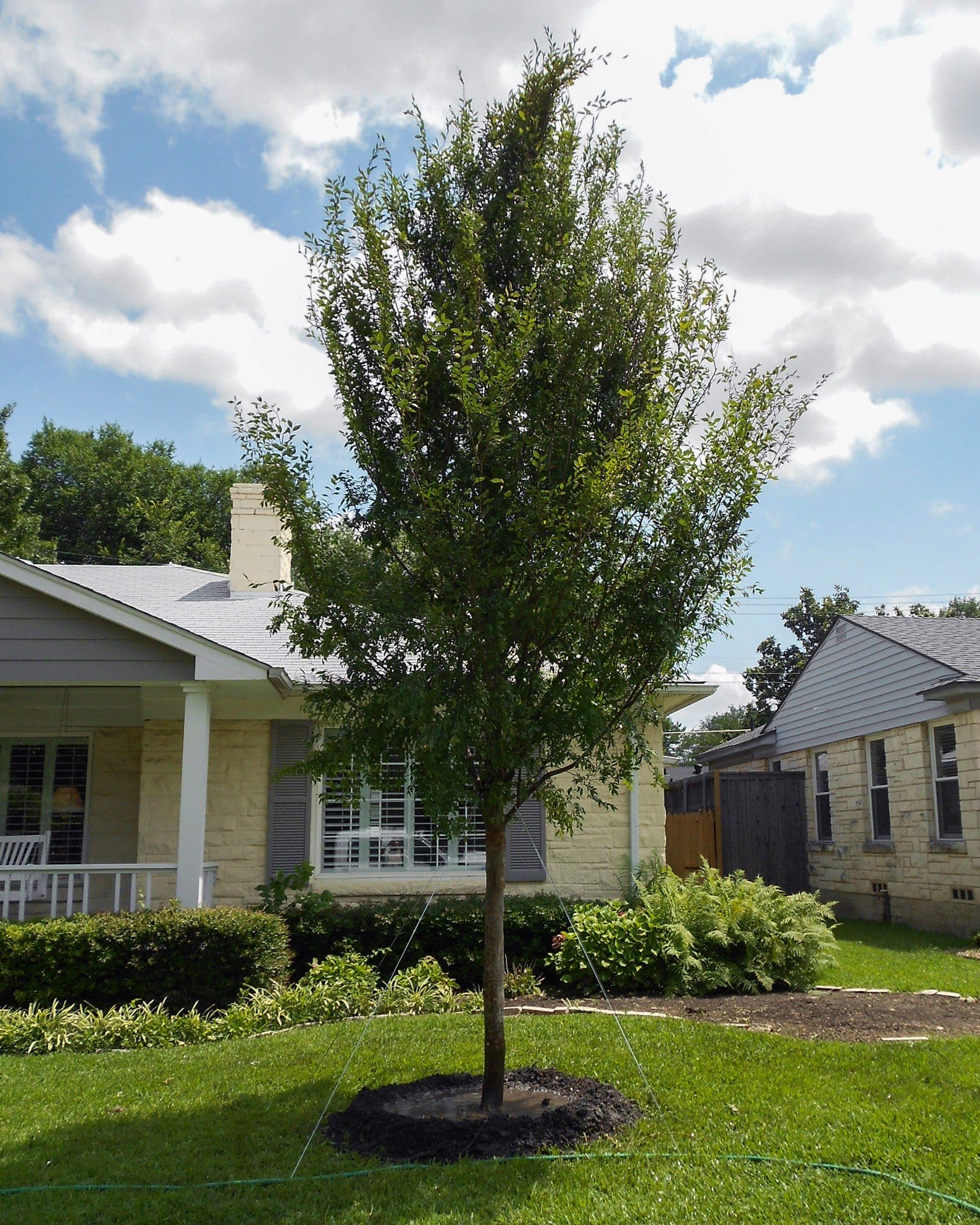
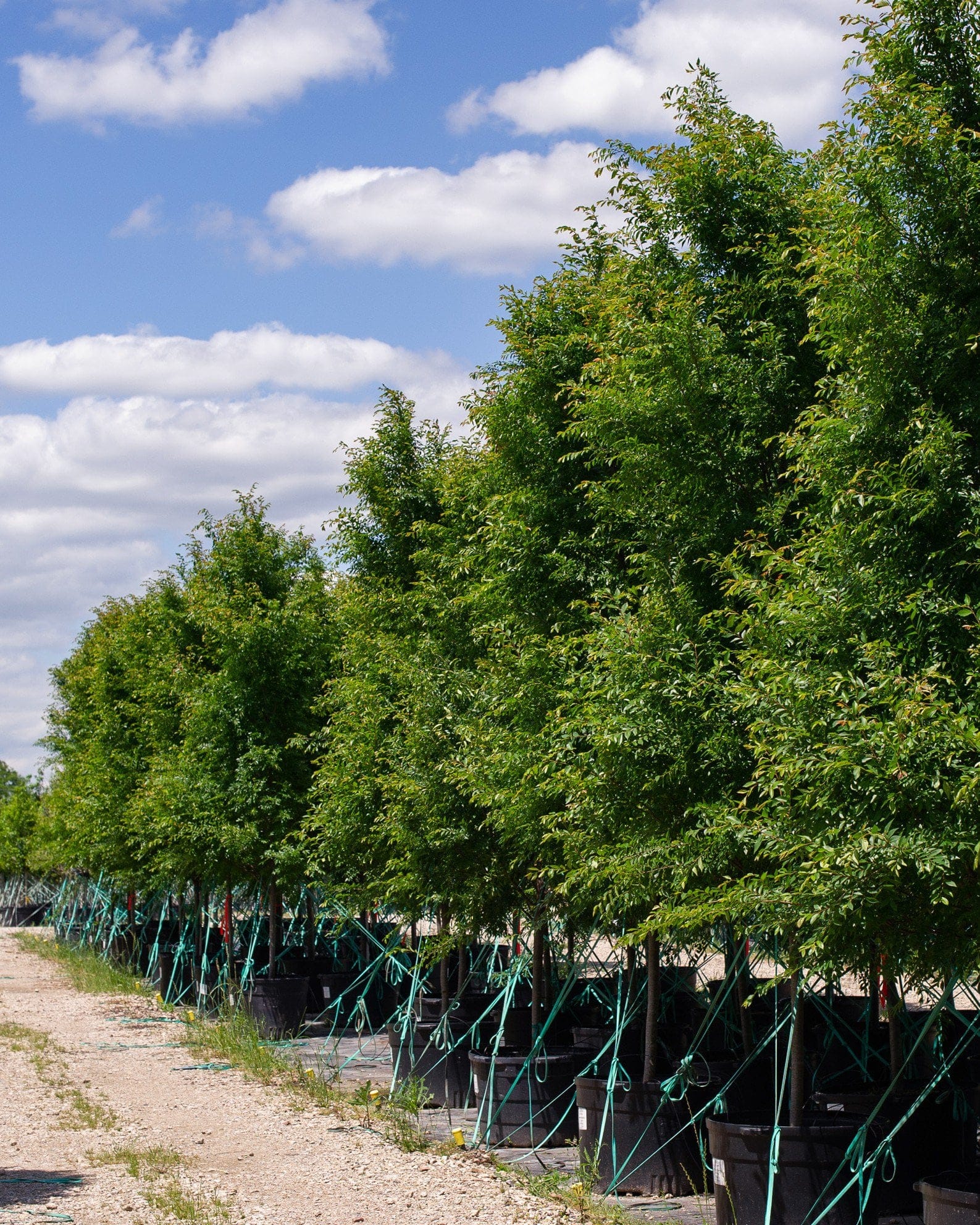
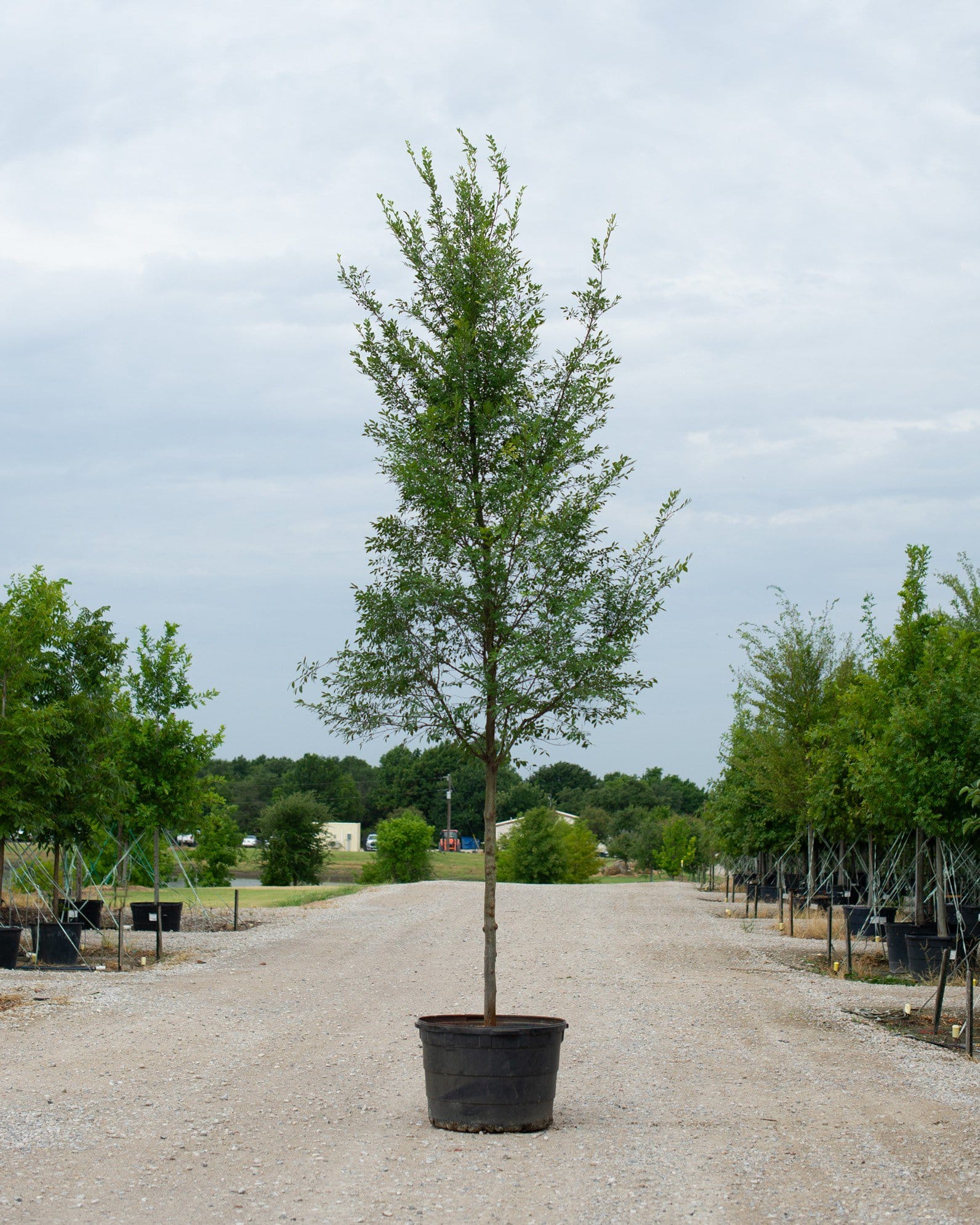
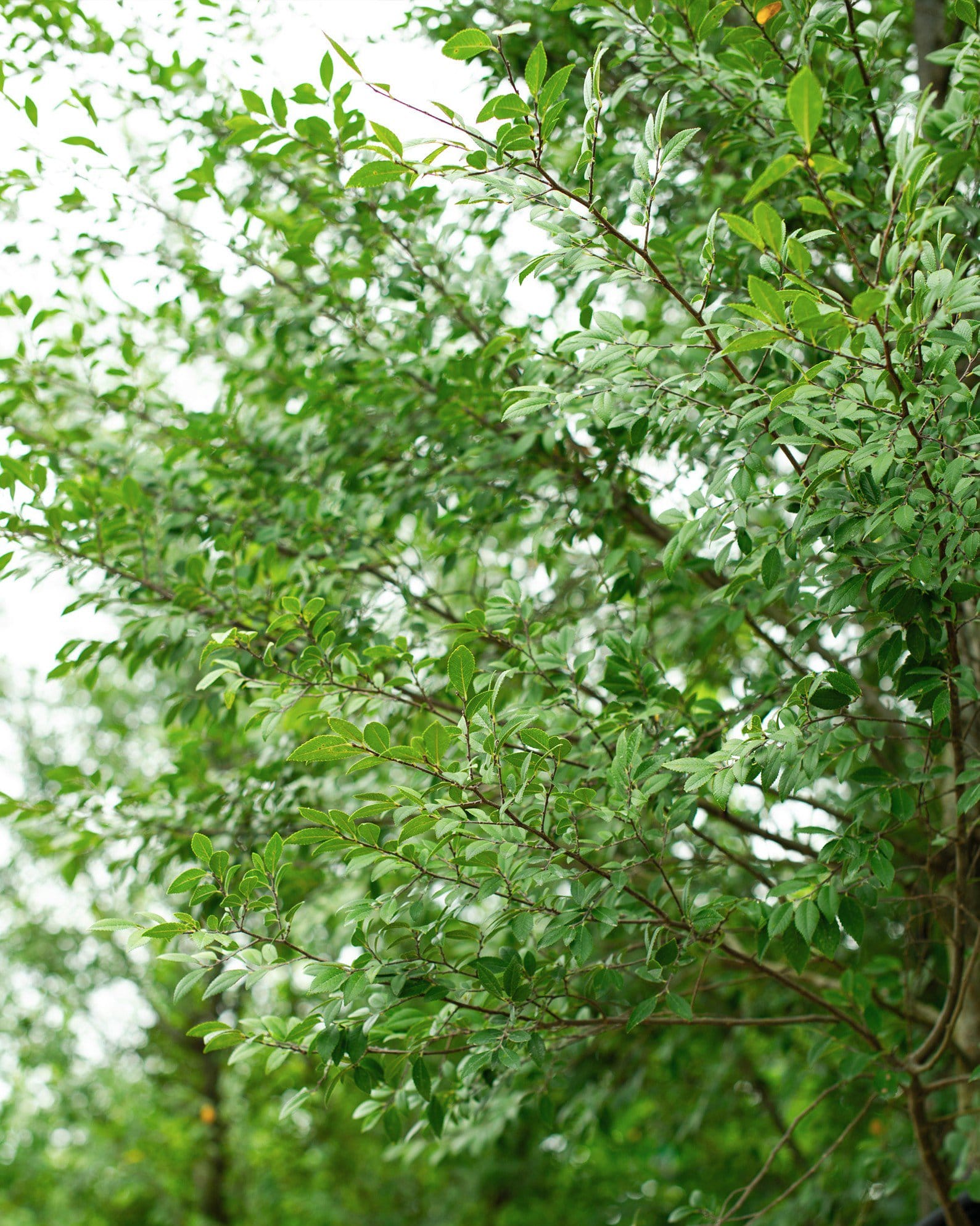
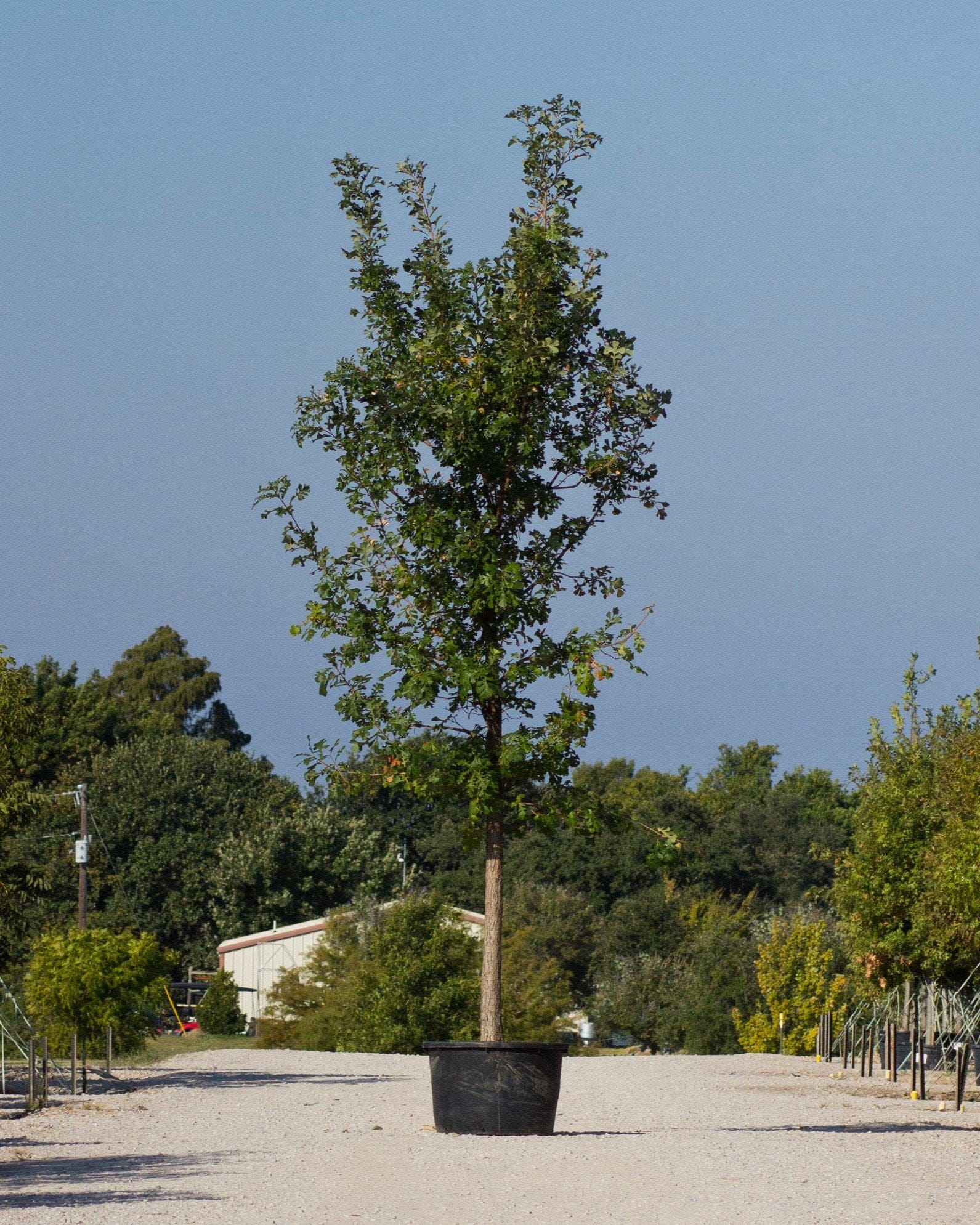
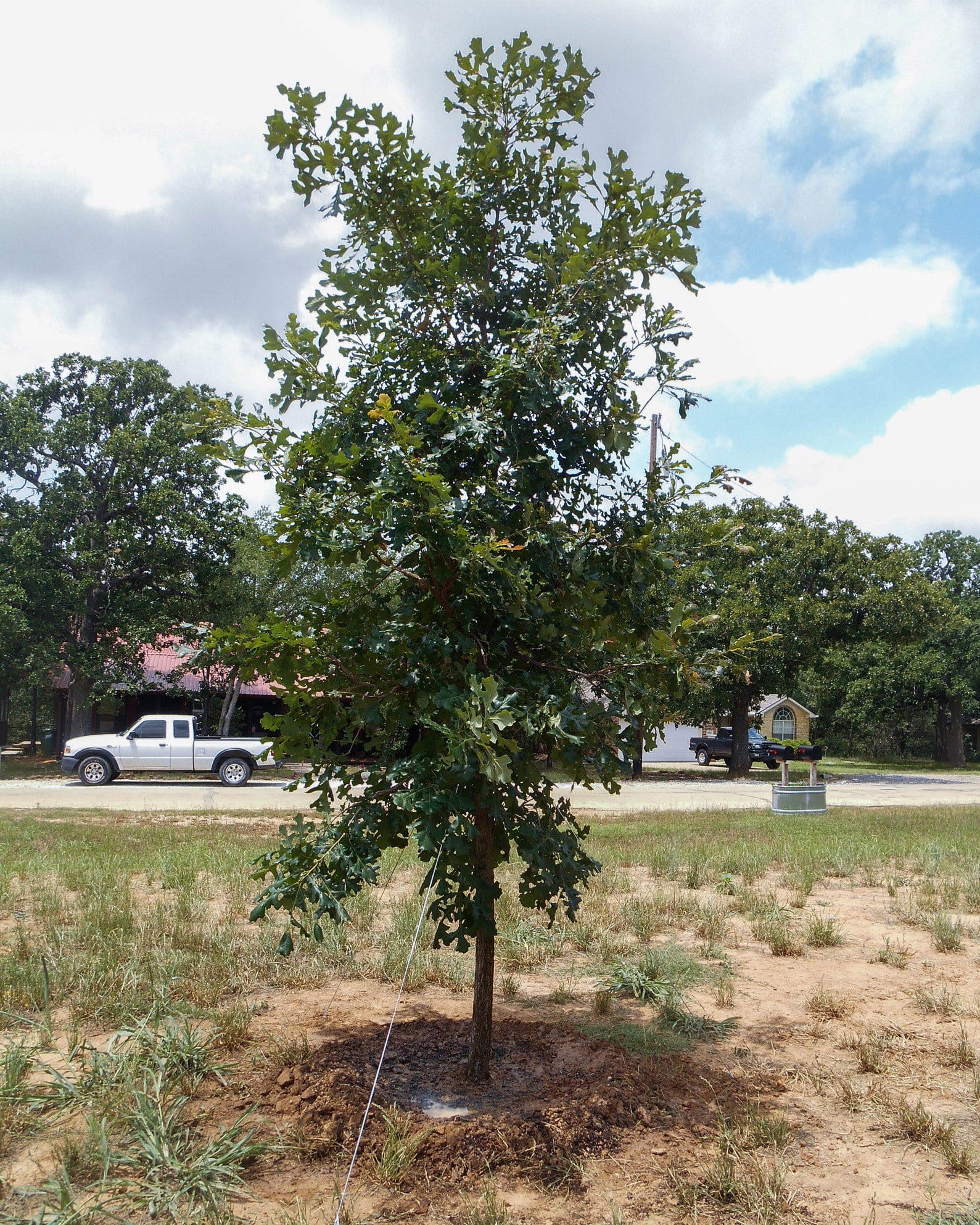
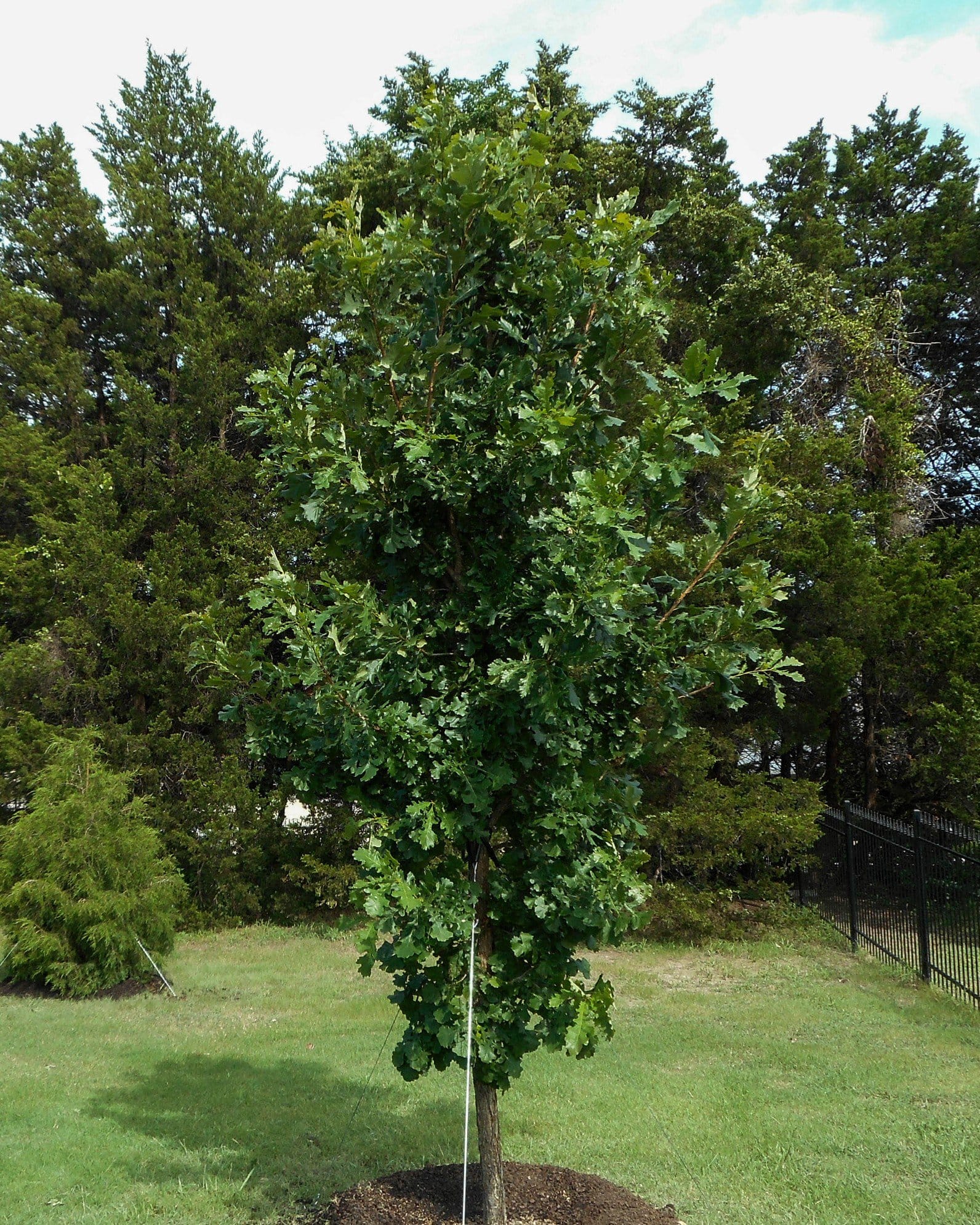
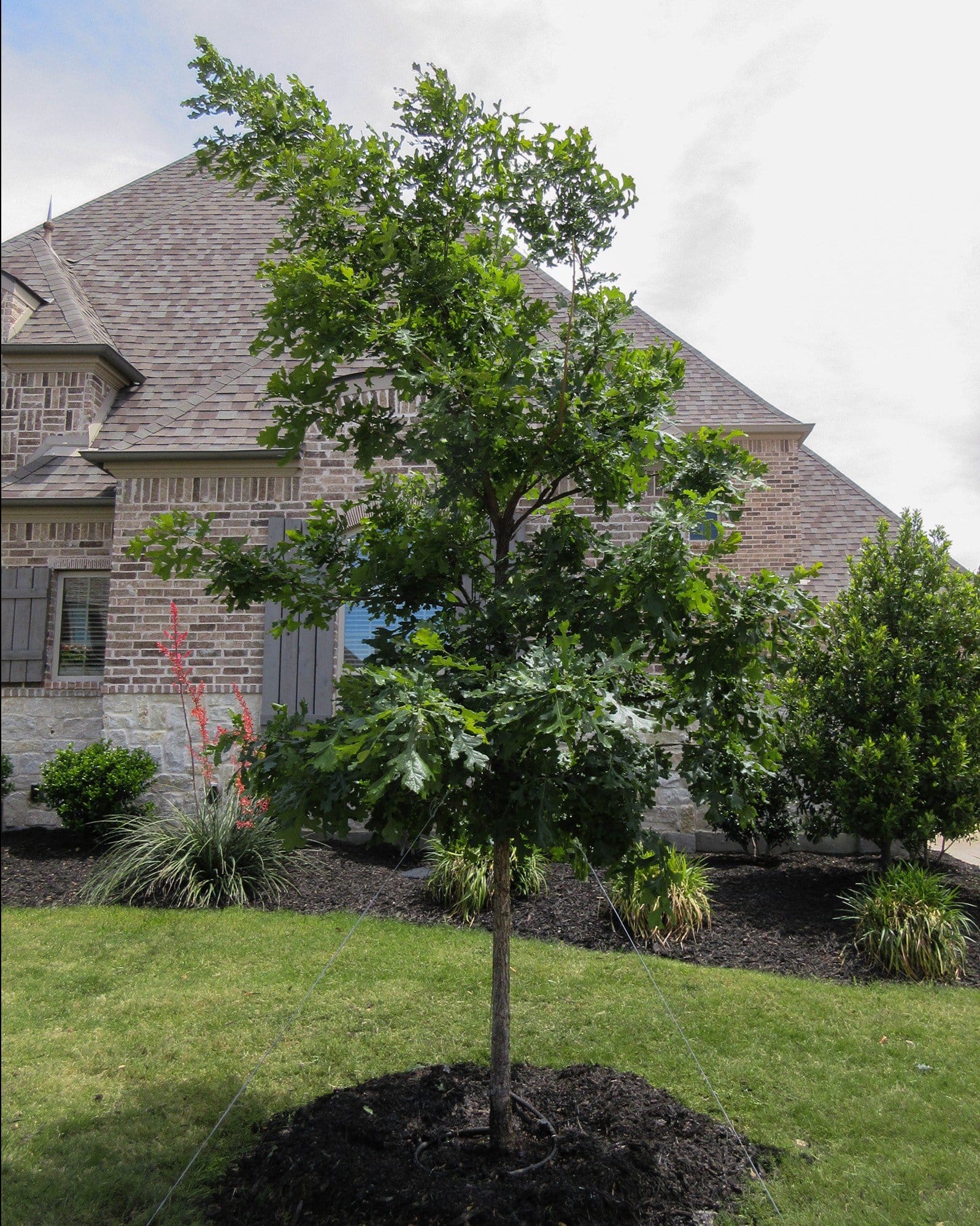
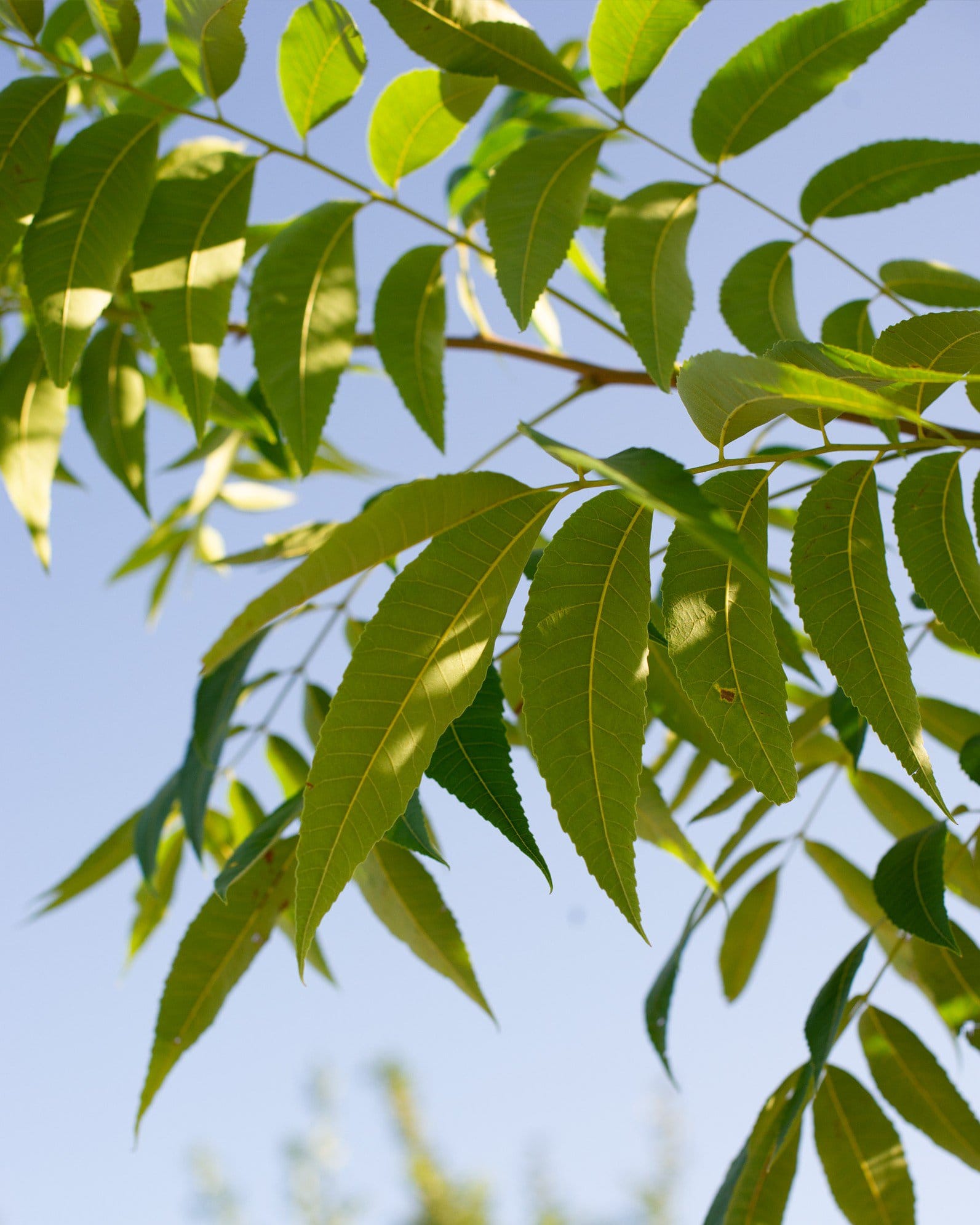
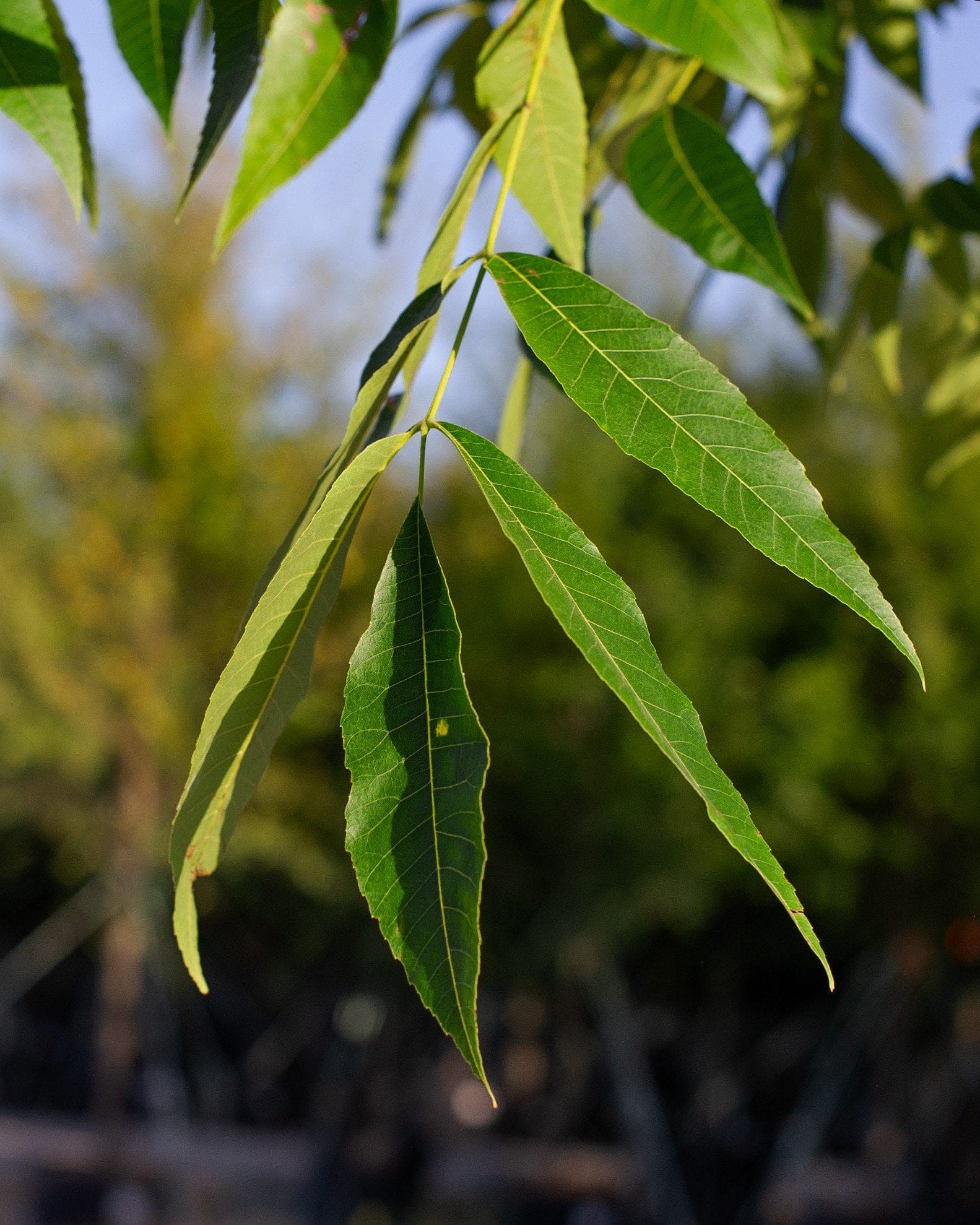
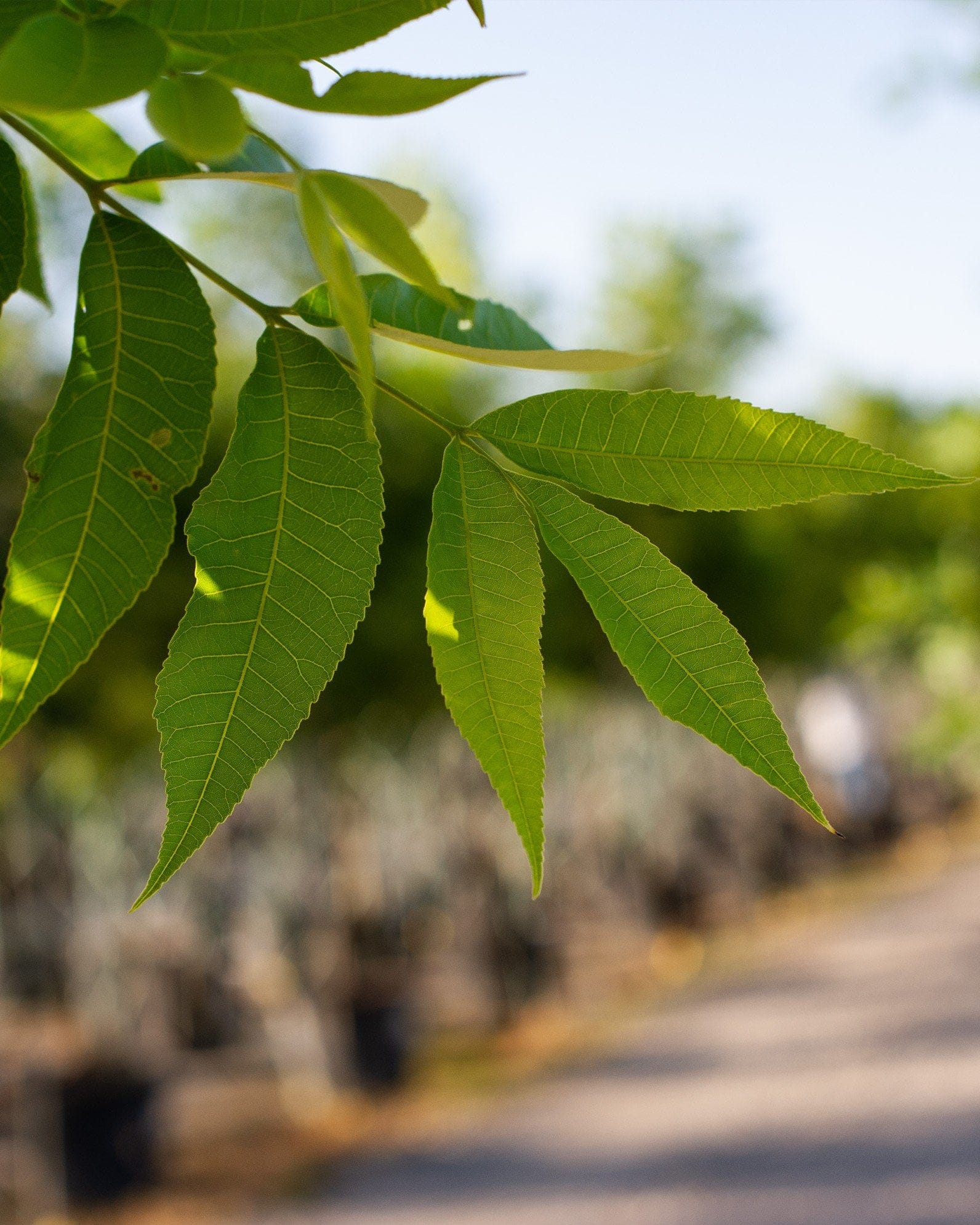
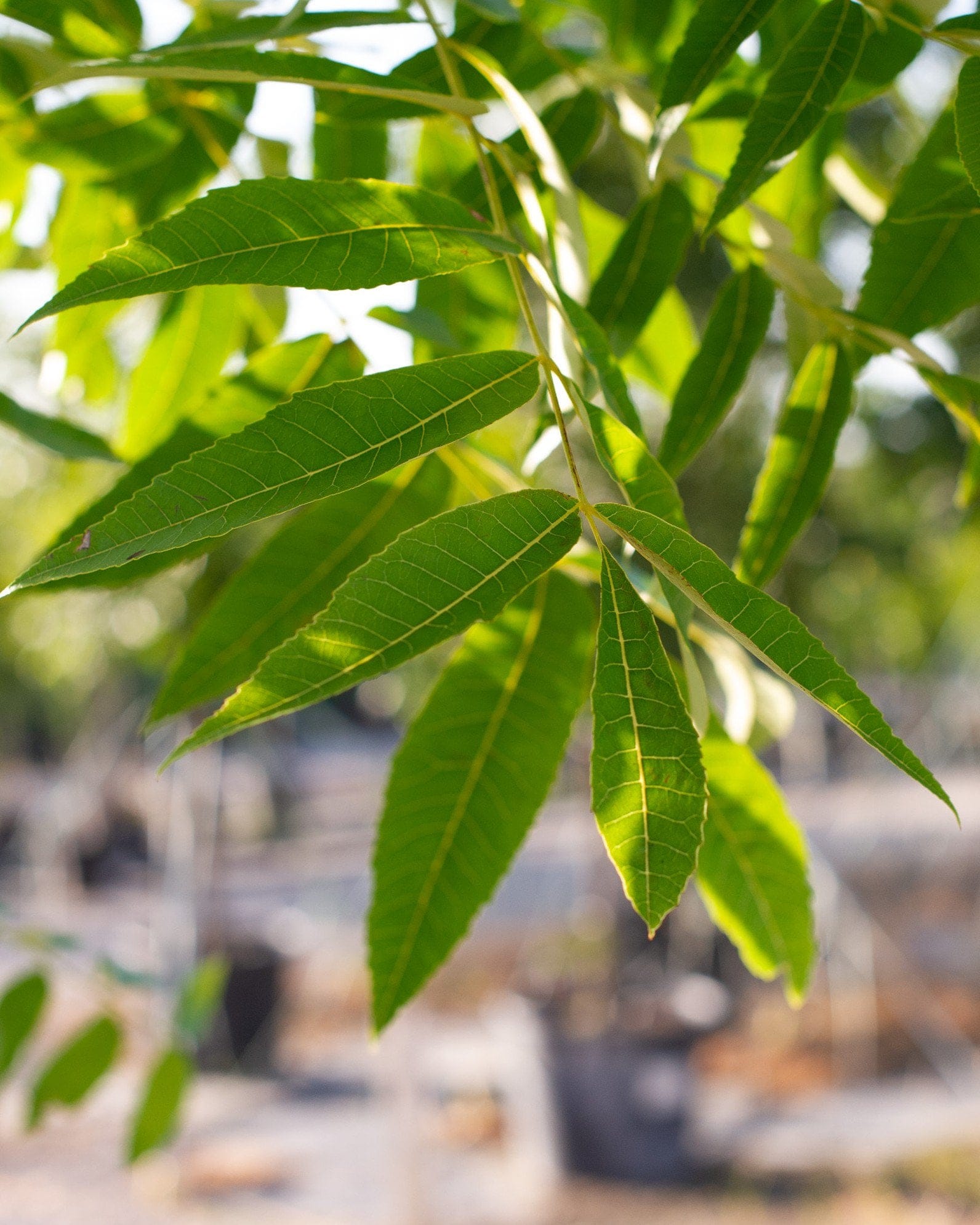
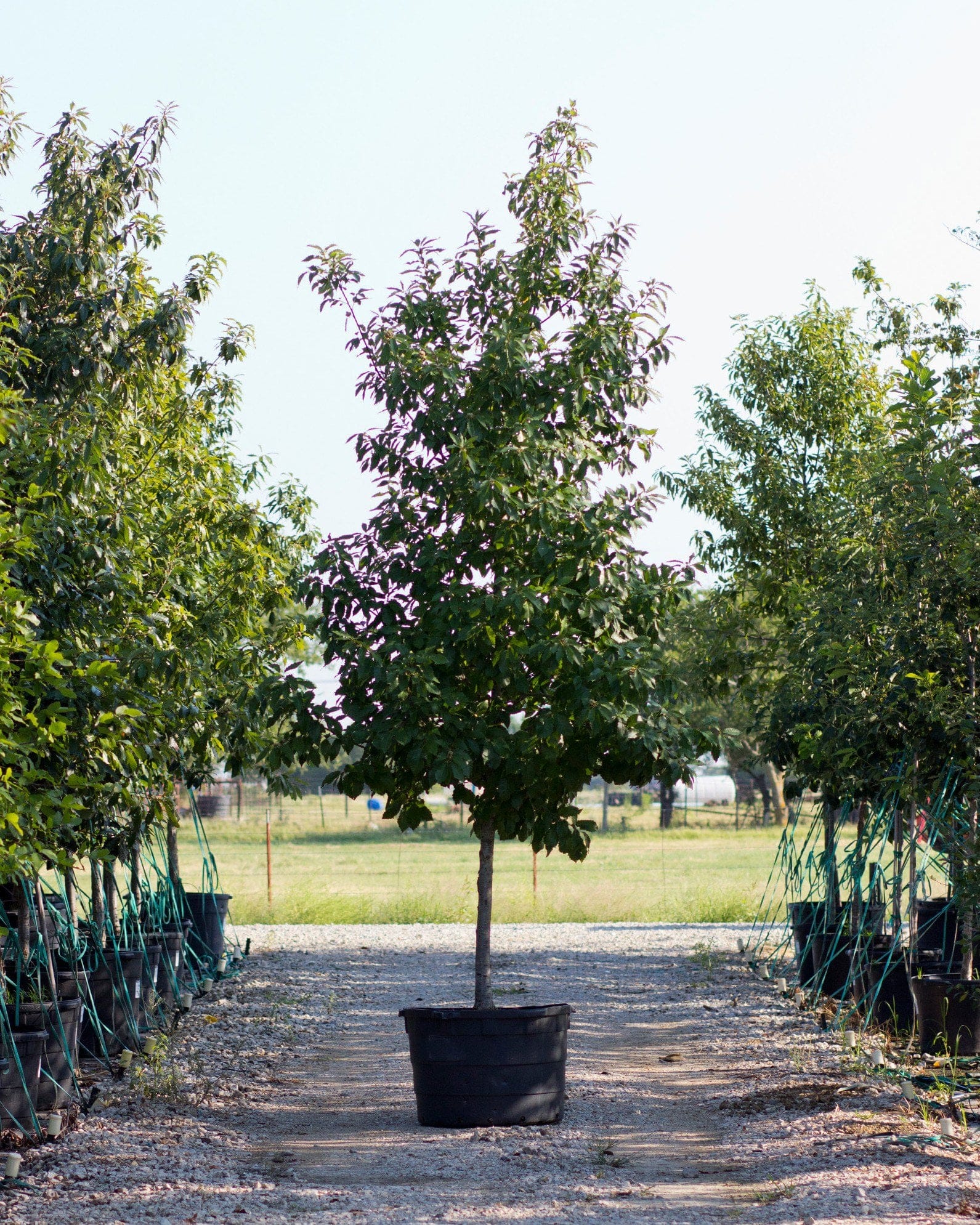
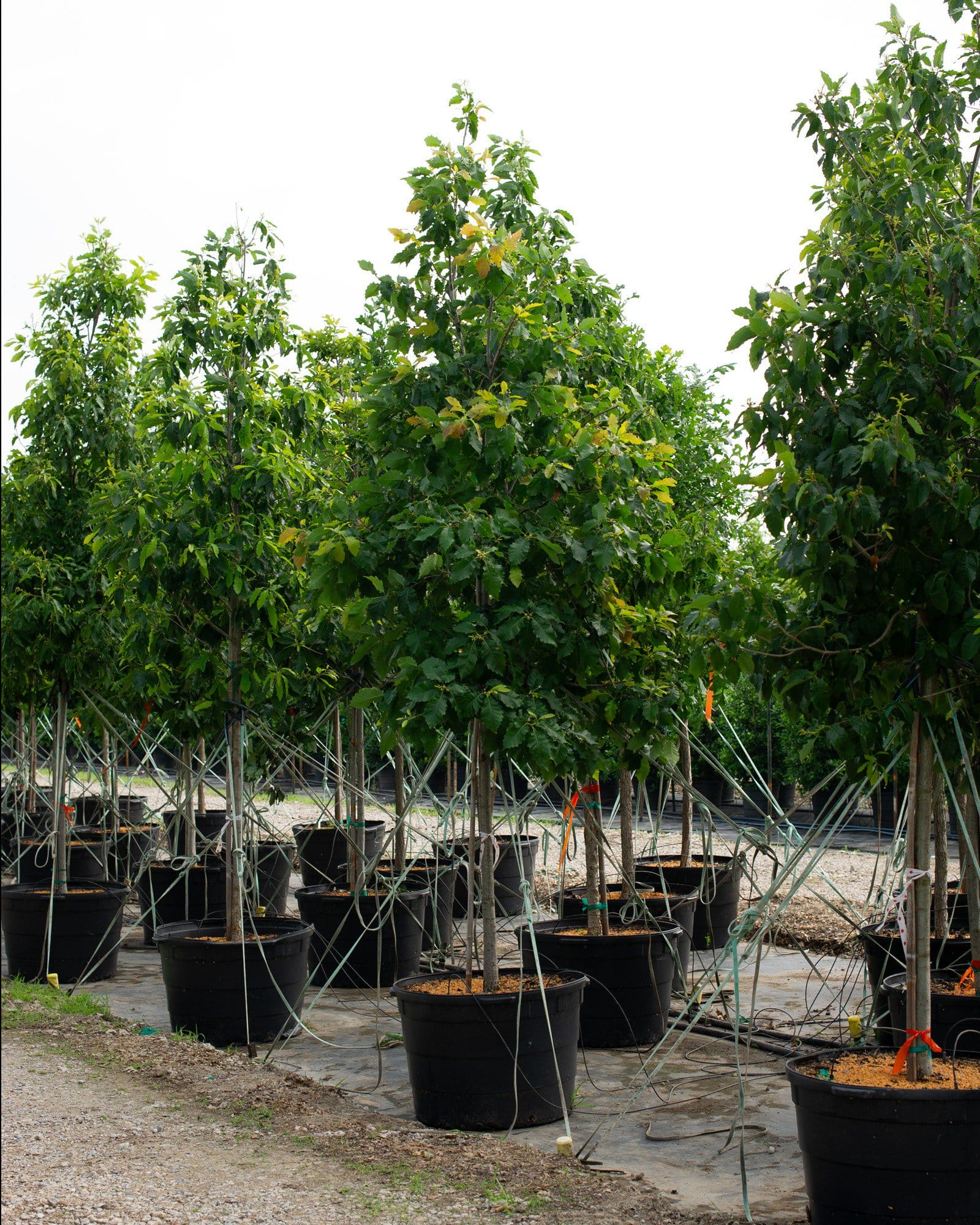
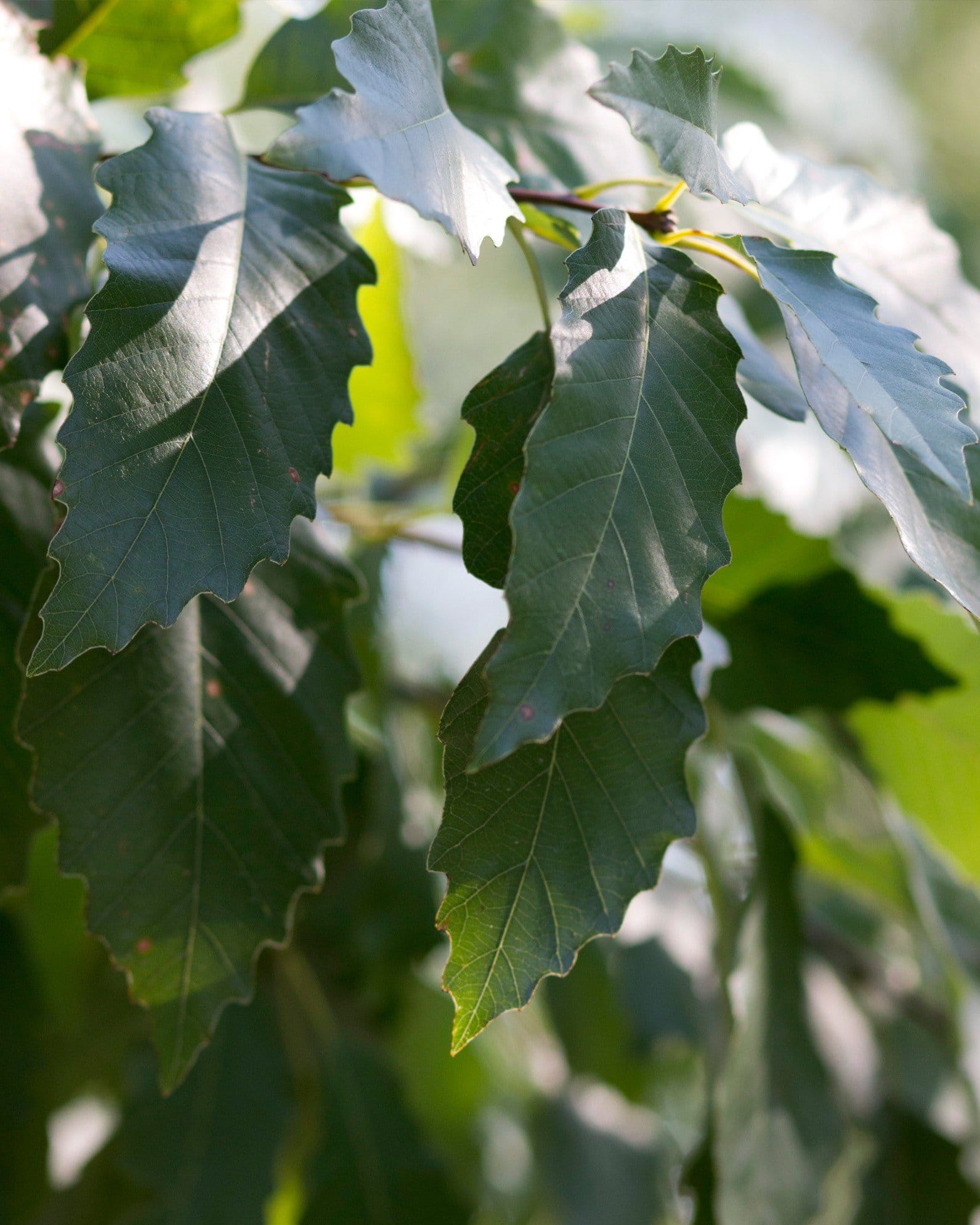
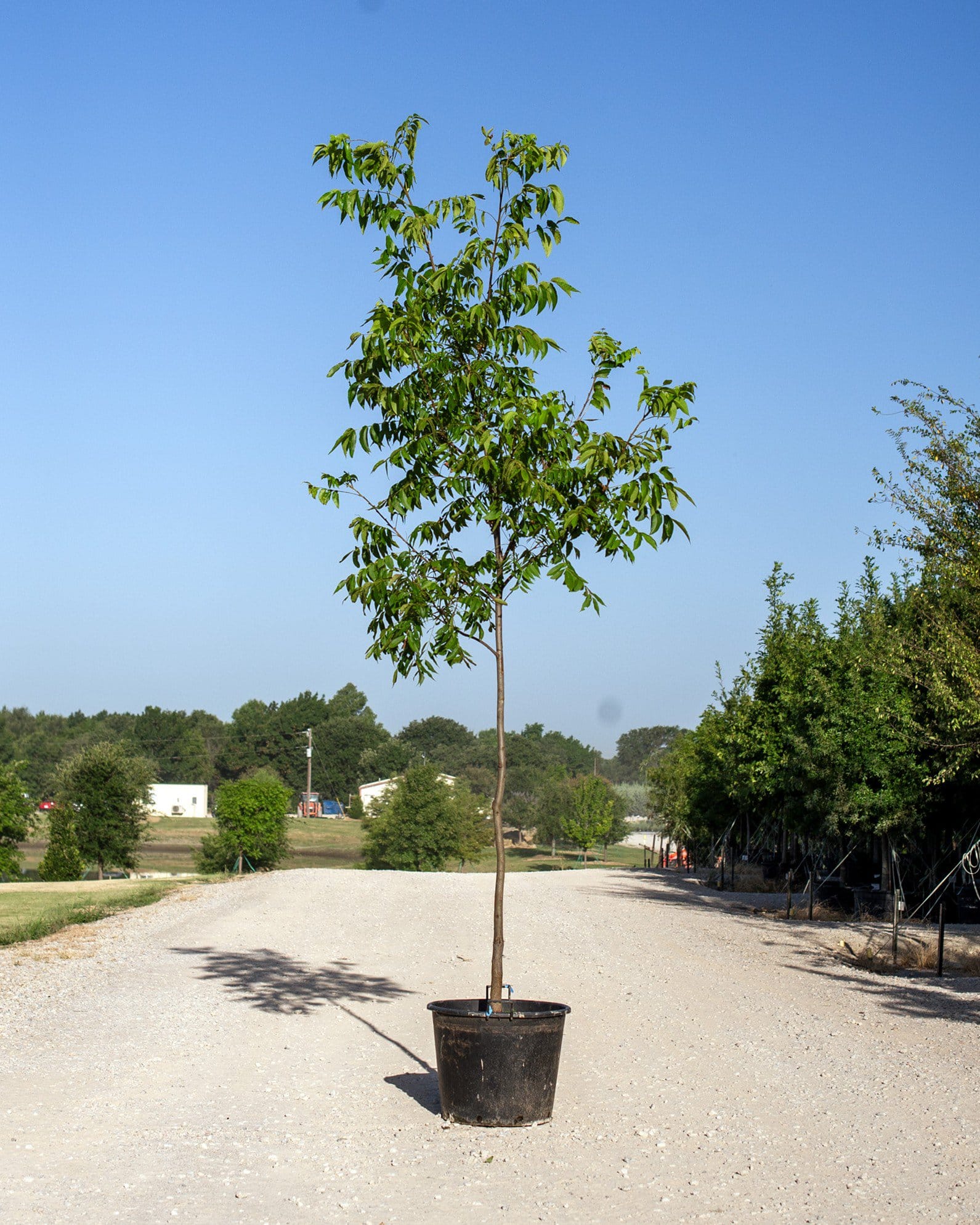
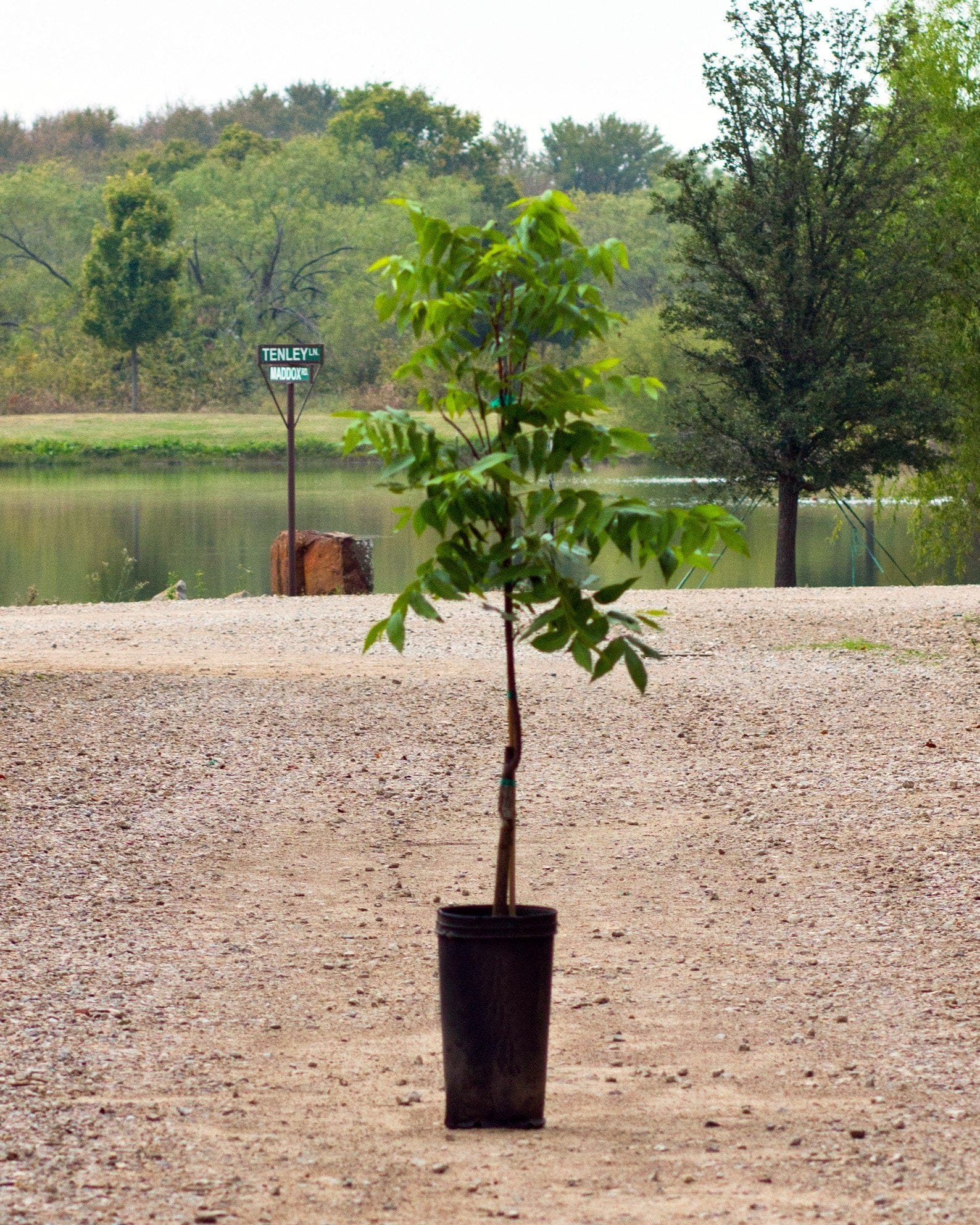
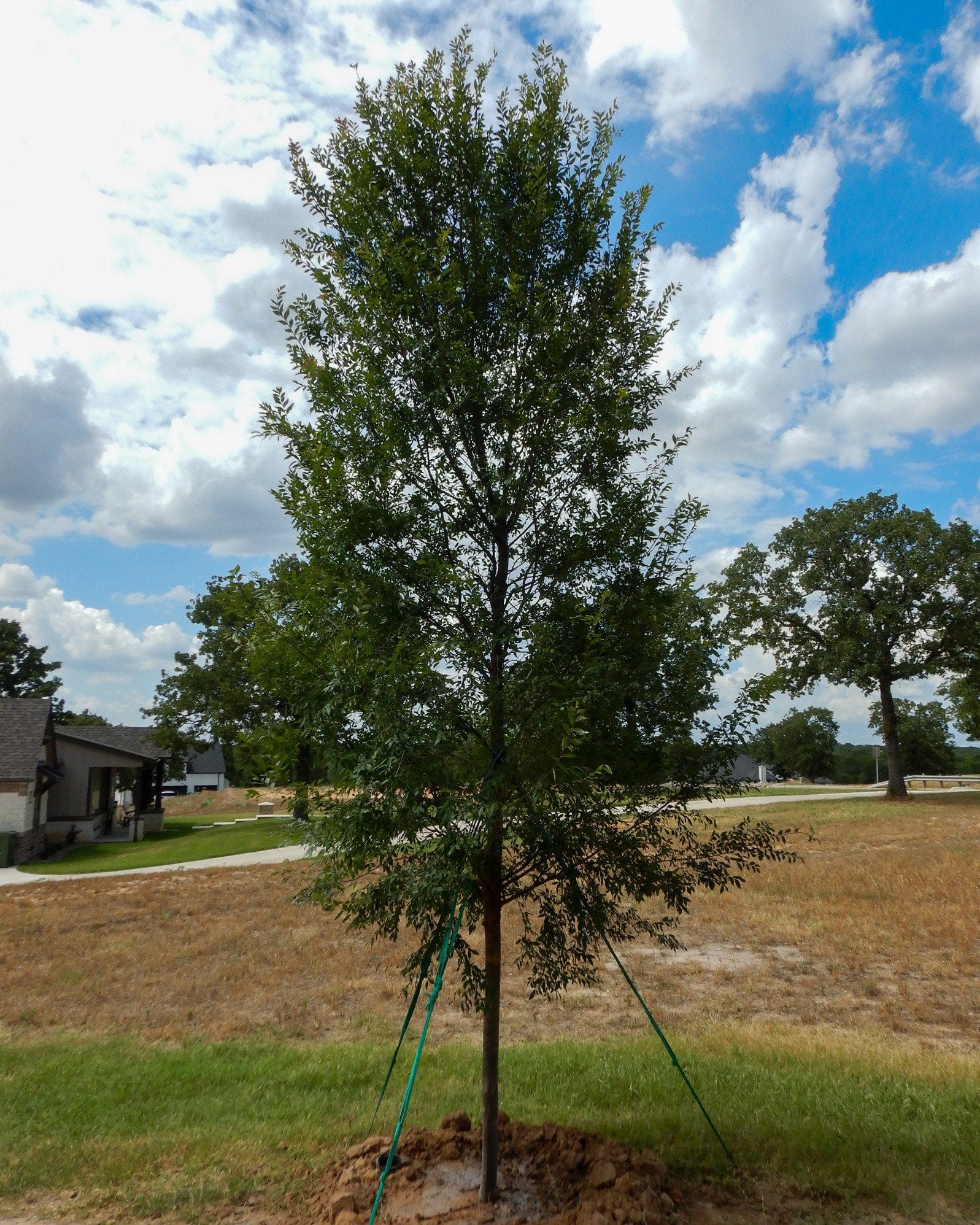
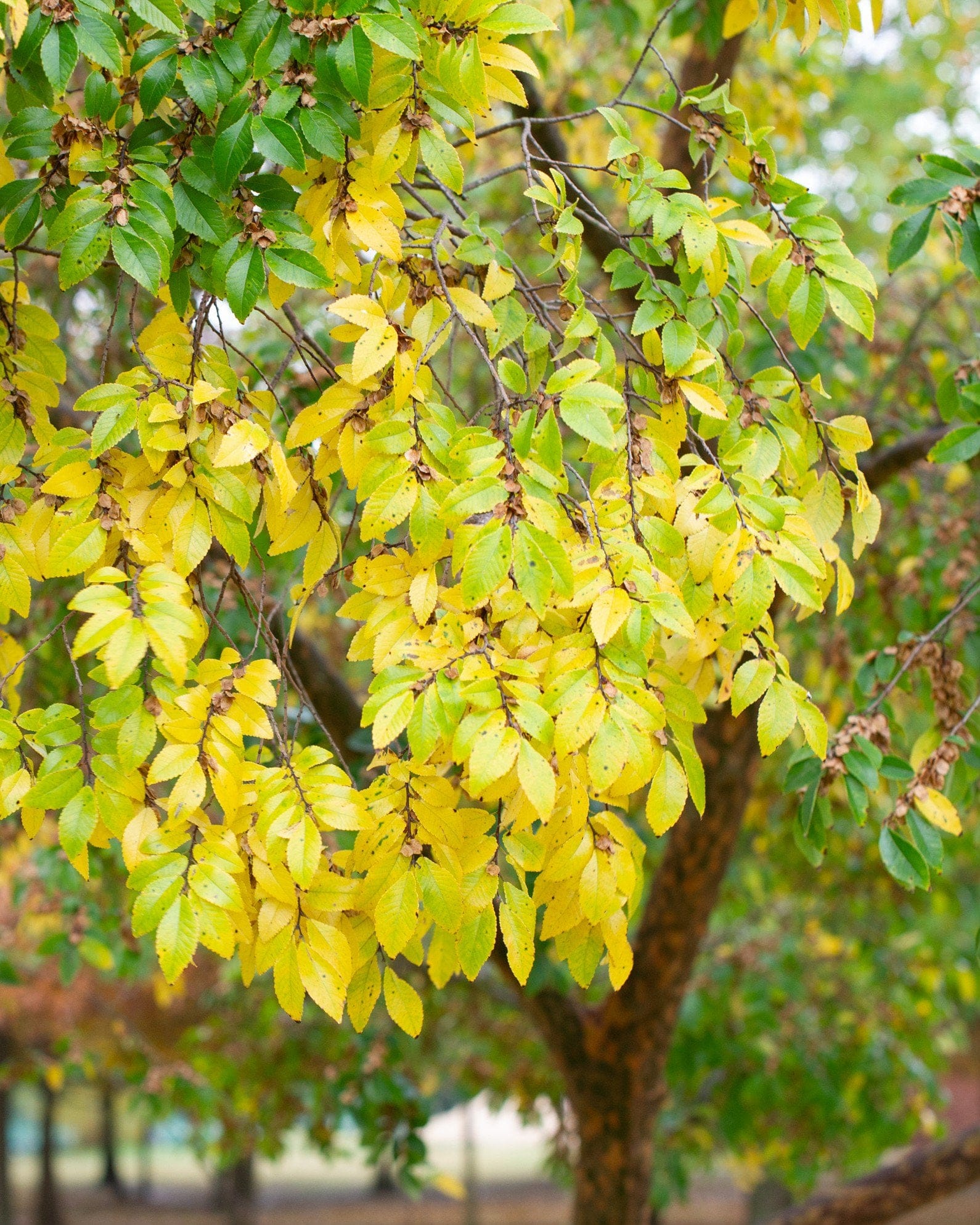
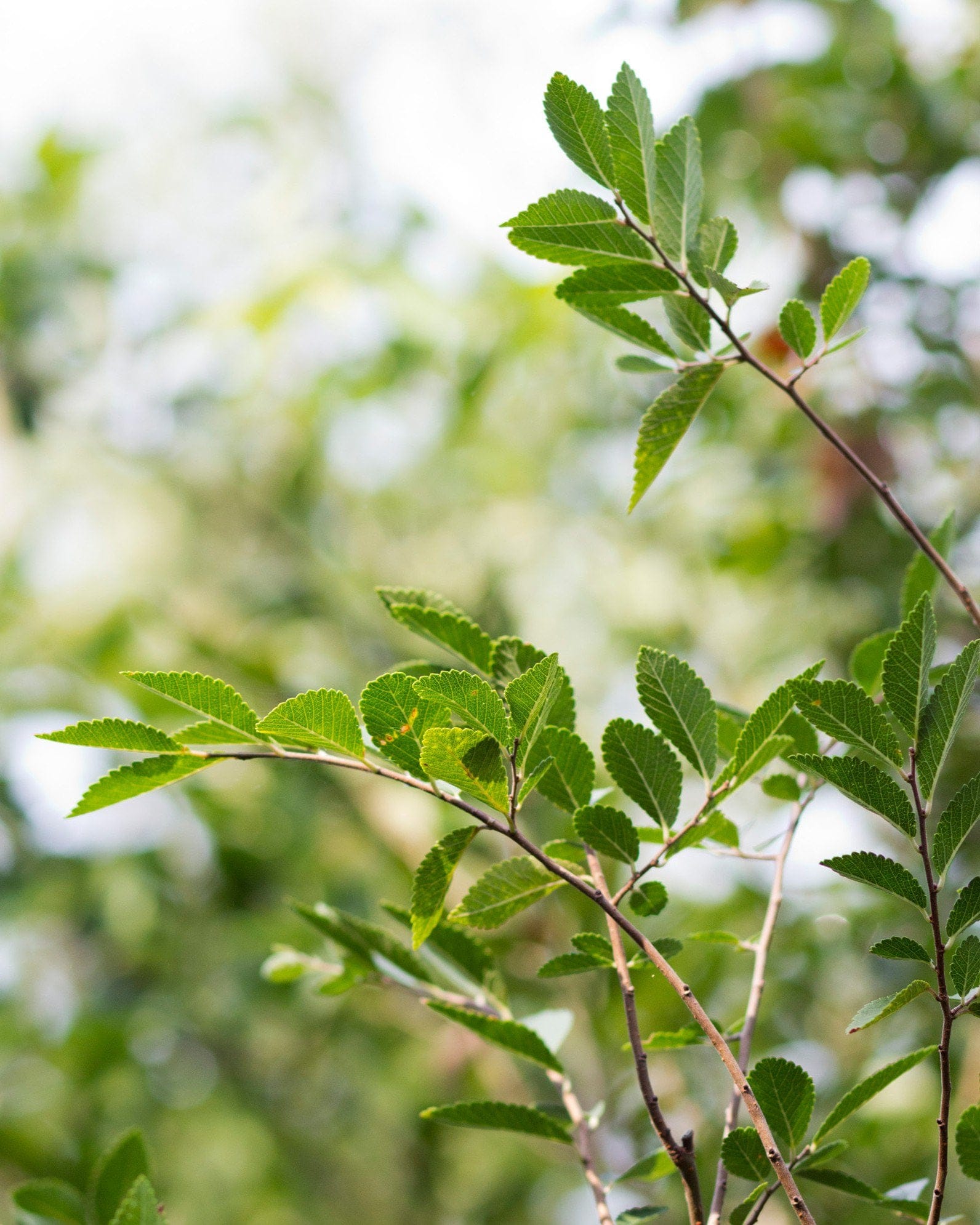
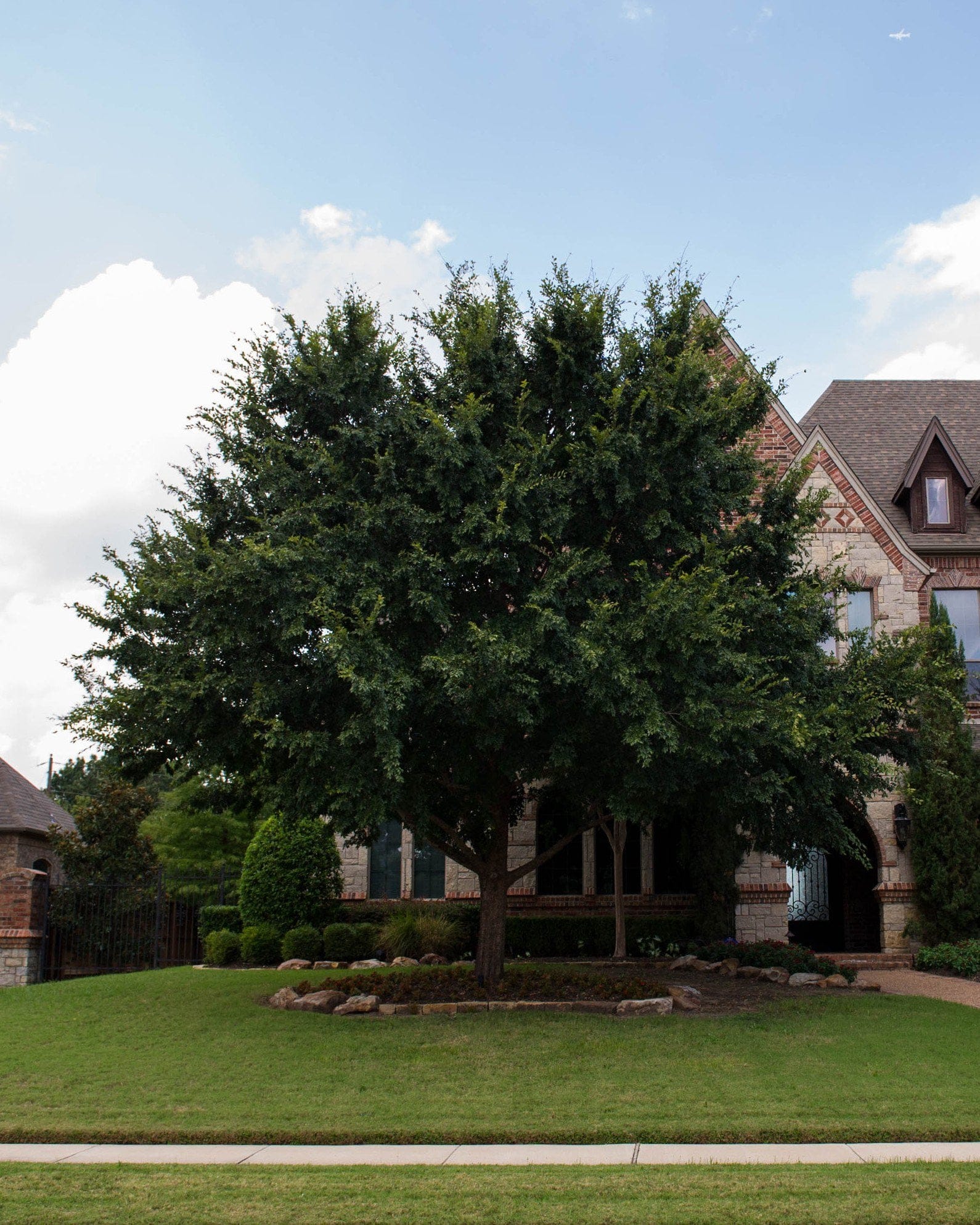
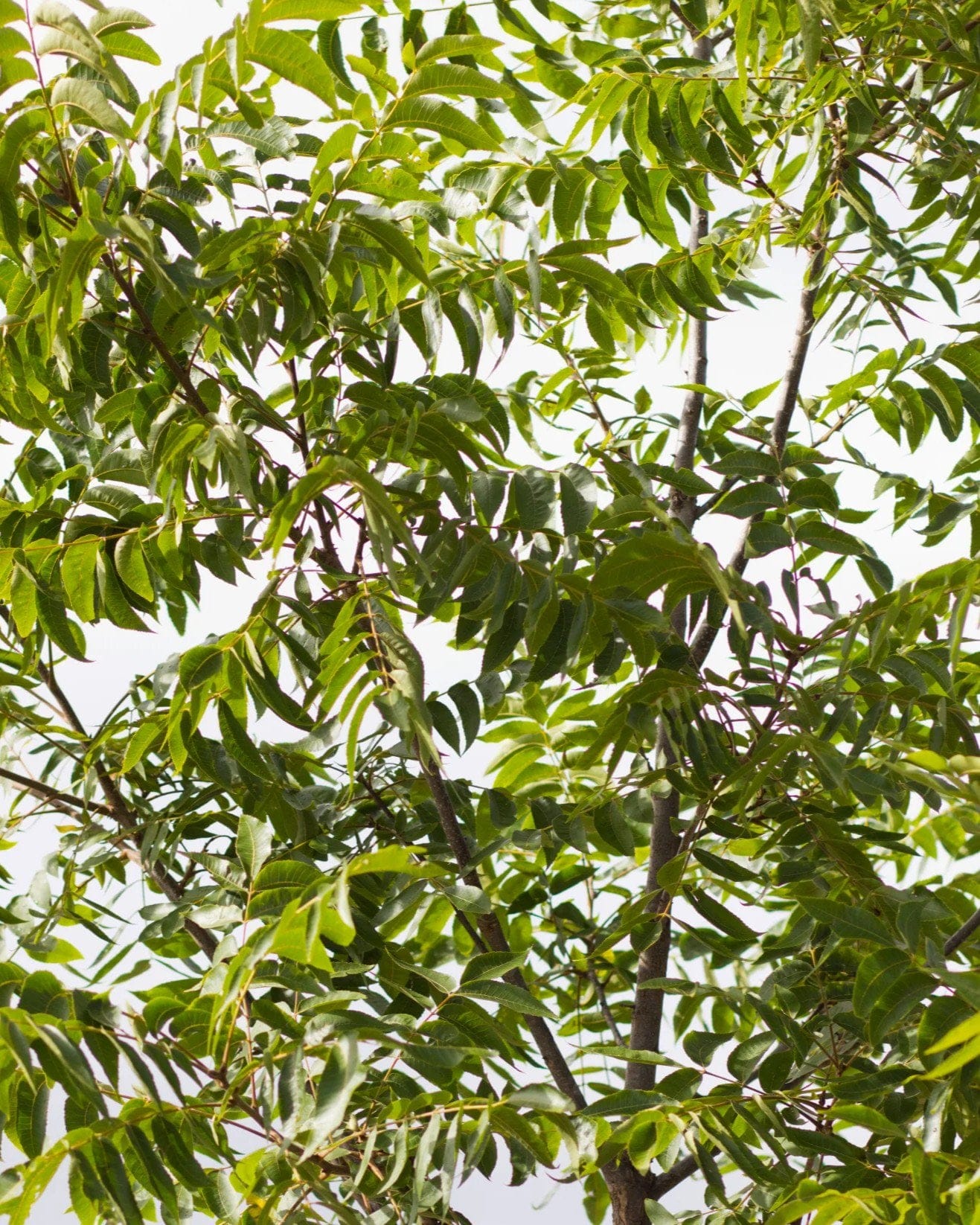
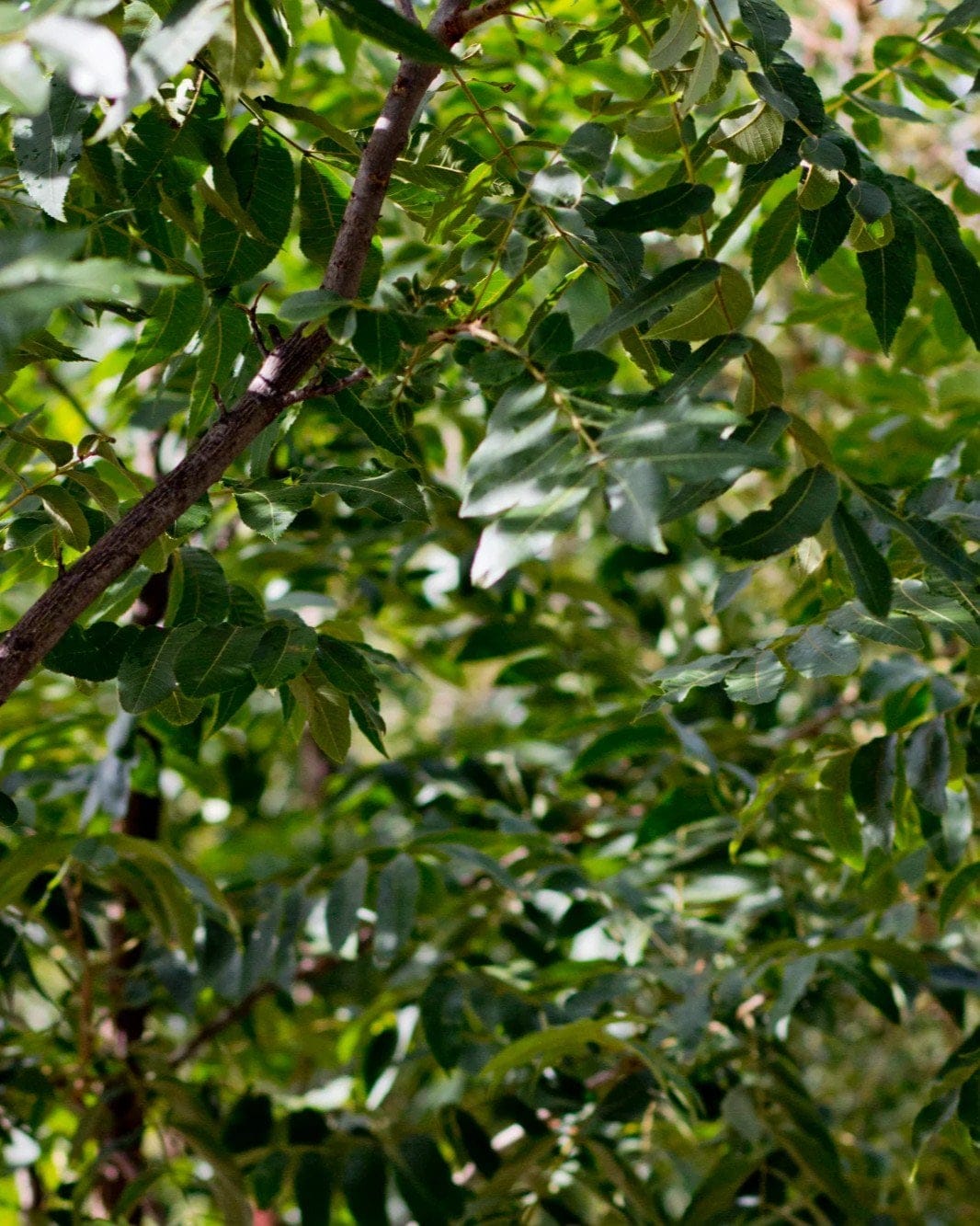
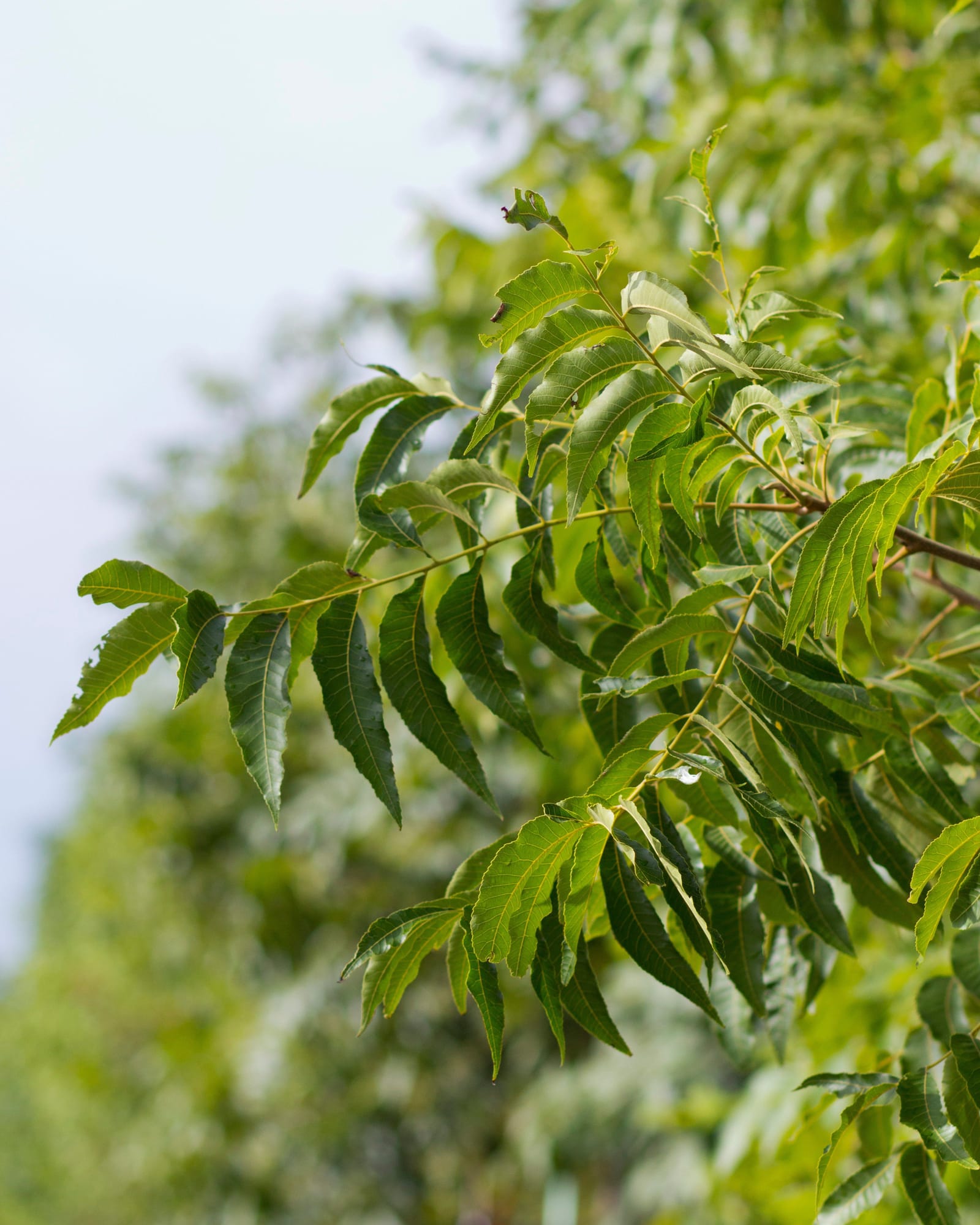
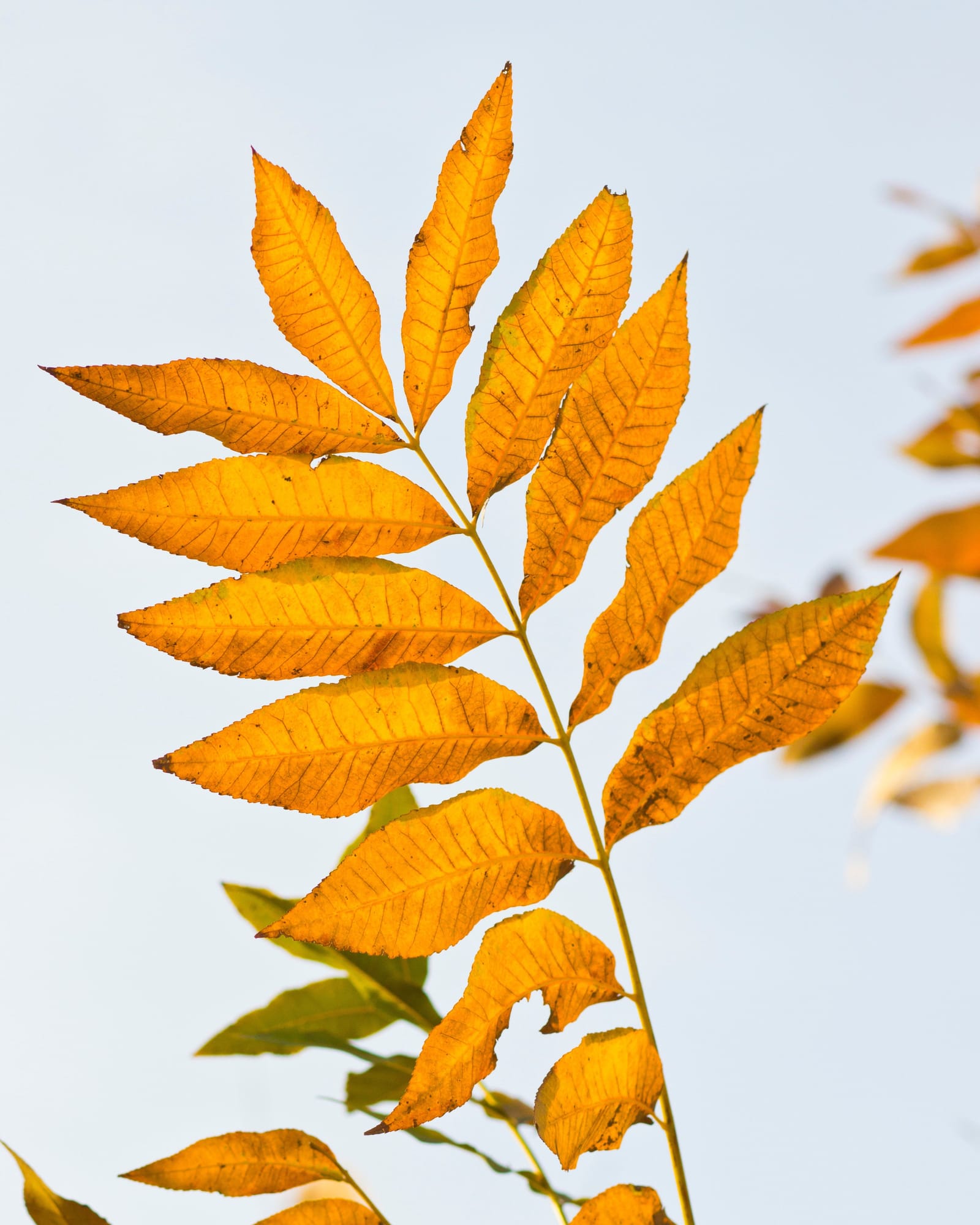
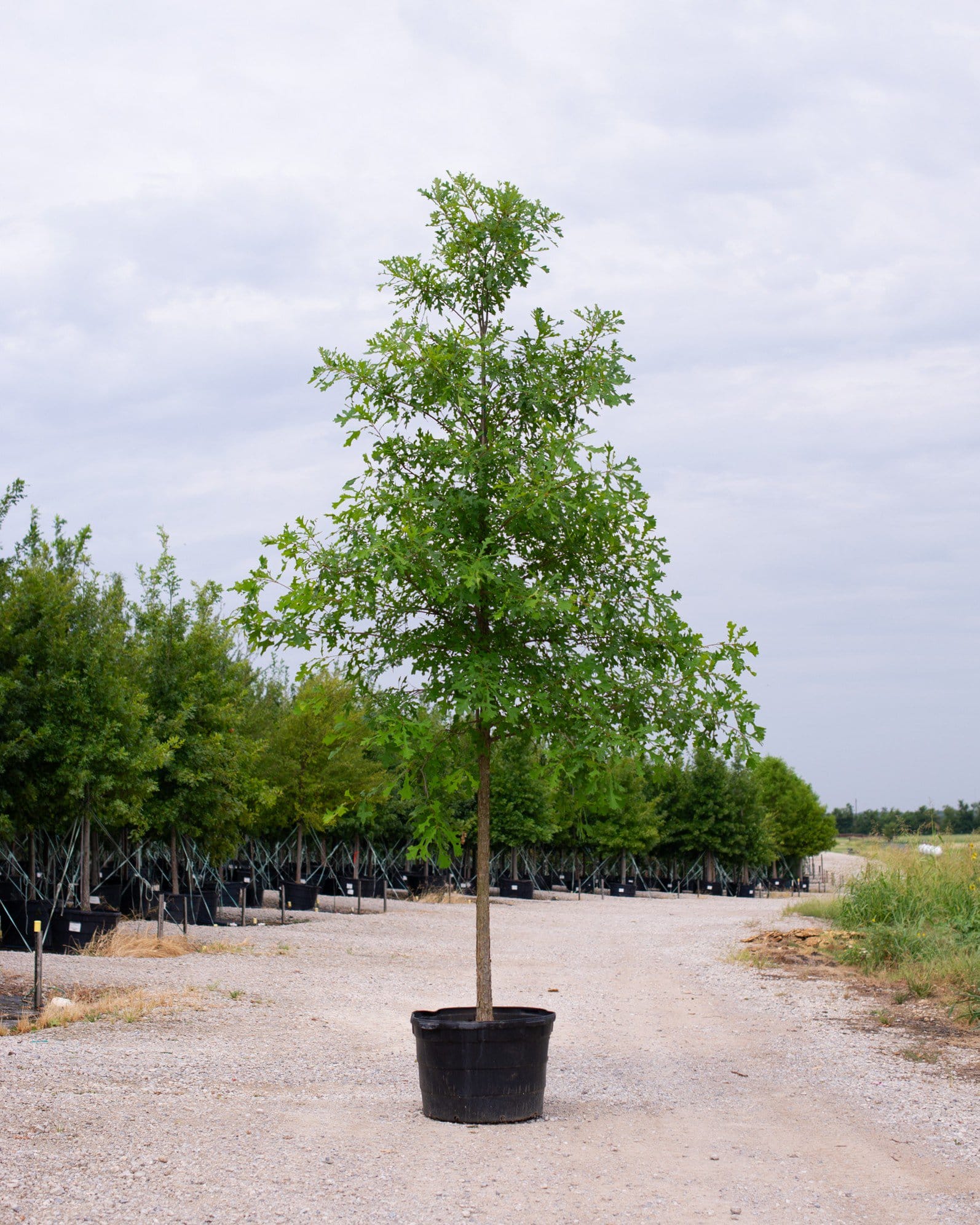
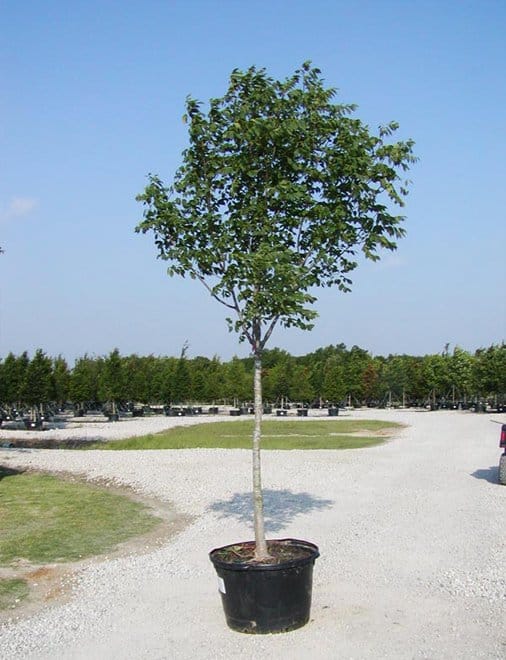
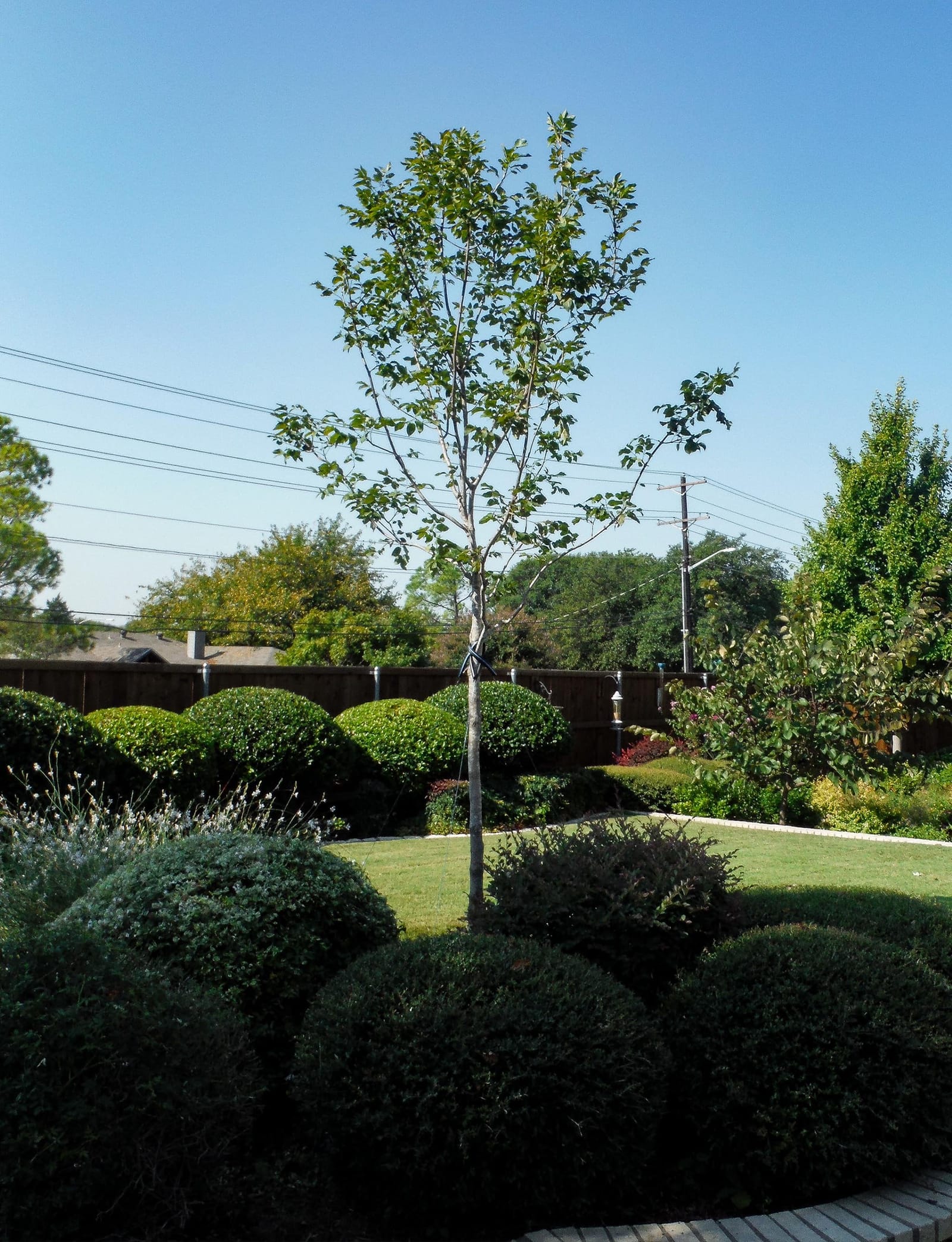
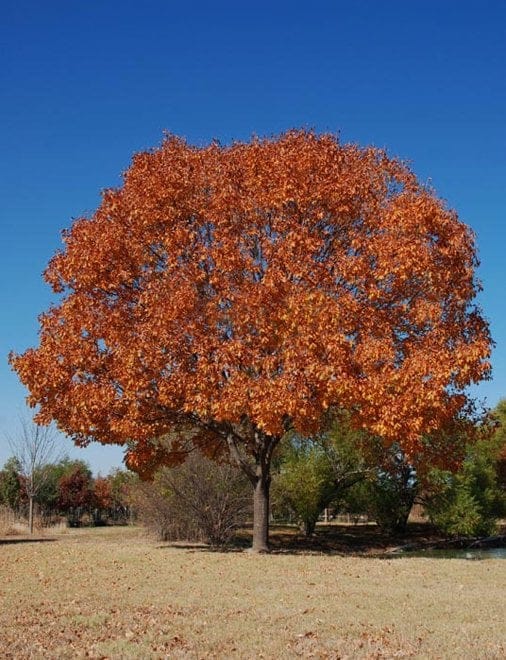
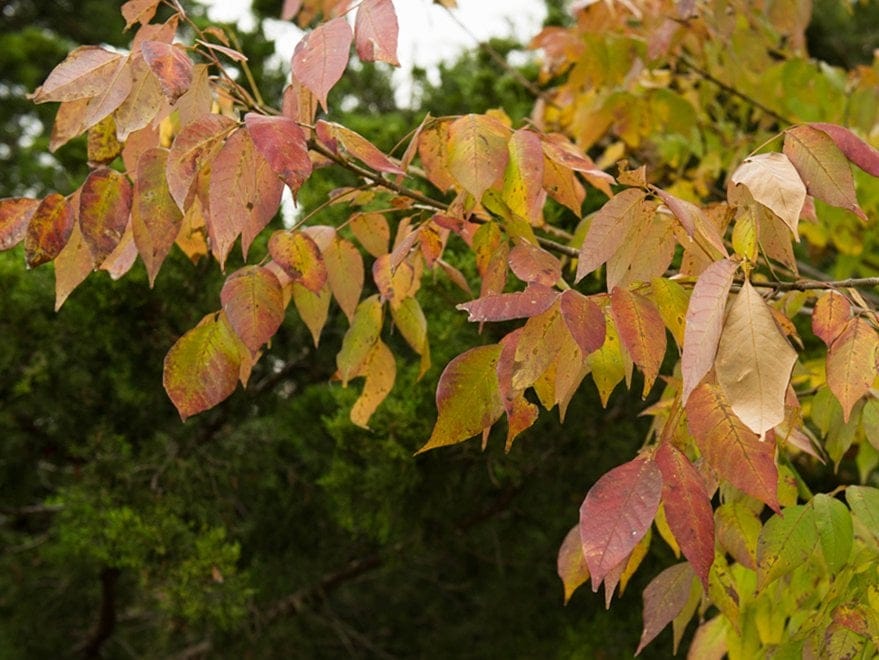
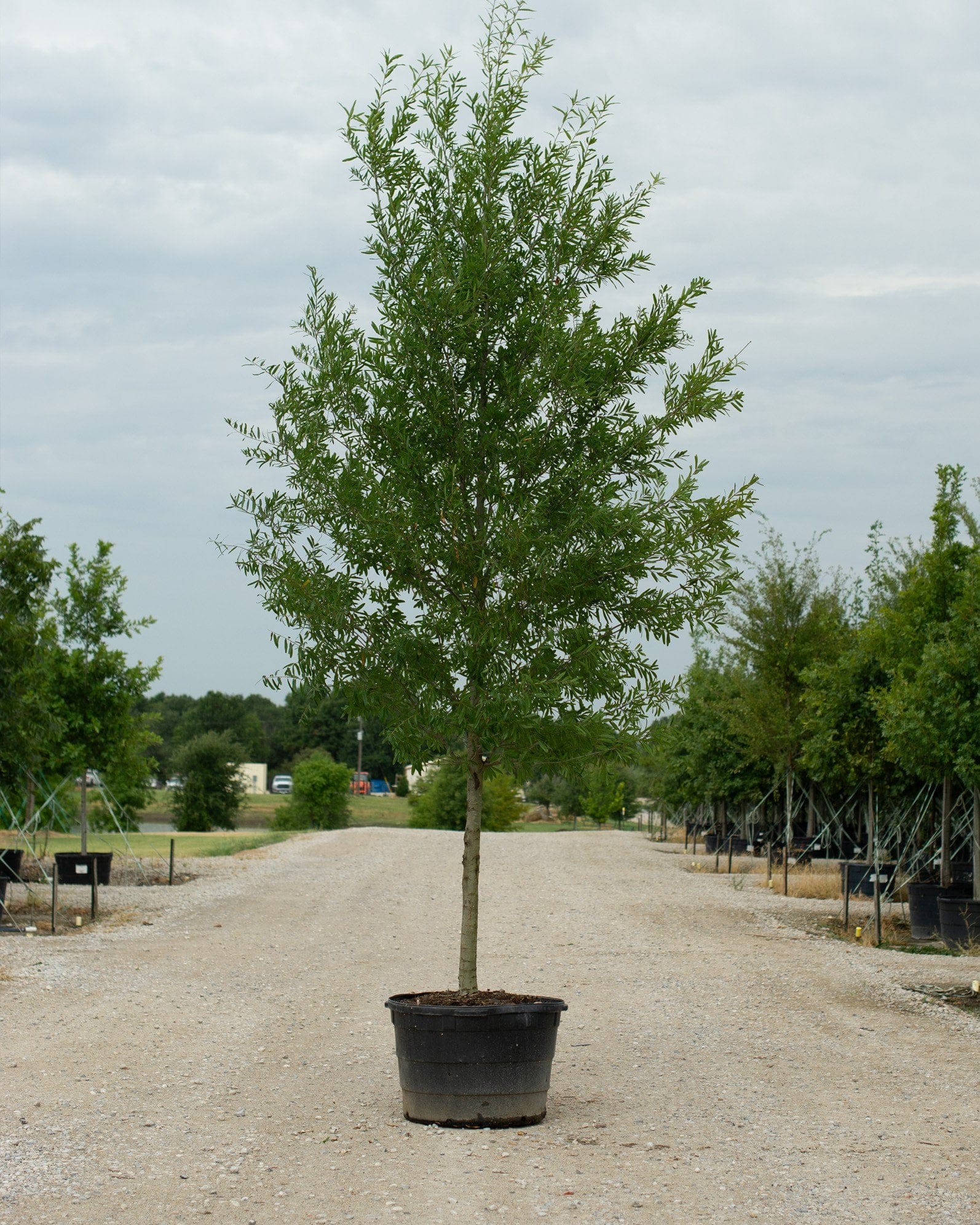
Ulmus americana ‘Princeton’Princeton Elm is an impressive deciduous tree that brings timeless elegance and practical value to your landscape. Known for its tall, arching branches and vase-shaped form, it creates a wide canopy of dense, dark green foliage that turns a vibrant yellow in fall. Perfect for large lawns, parks, and expansive properties, this elm adds structure, shade, and seasonal interest to your outdoor space. At maturity, it reaches up to 60 feet in height and about 40 feet in width, making it ideal for creating natural shade and enhancing the landscape’s architectural appeal.
- A deciduous shade tree
Vase-shaped, spreading growth habit - Moderate to fast growth rate
- Broad canopy of rich green foliage
- Excellent for large landscapes and parks
Hardy in zones 4-9, Princeton Elm adapts beautifully to the North Texas climate. Plant it in full sun to partial shade, ensuring it receives at least 6 hours of direct sunlight daily. Use well-drained soil to encourage healthy, steady growth and enjoy its classic silhouette for generations to come.
Once established, Princeton Elm becomes notably low-maintenance and develops into a resilient landscape tree that requires only modest seasonal attention. This is all it needs to thrive:
- Watering: Water regularly during the first growing season to help establish a strong root system. After establishment, occasional deep watering during extended dry periods helps maintain healthy foliage and consistent growth.
- Pruning: Pruning is generally limited to removing damaged or crossing branches. Light structural pruning during late winter helps maintain balanced growth as the tree matures.
- Fertilizing: Fertilizer is rarely necessary in average soils. If growth appears slow, applying a balanced fertilizer in early spring can encourage stronger seasonal development.
- Mulching: Maintain a 2-3 inch mulch layer around the root zone to conserve soil moisture and regulate soil temperature. Keep mulch slightly away from the trunk to prevent excess moisture buildup.
- Winter Care: Established trees tolerate seasonal cold within their growing zones without special protection. Young trees benefit from mulch around the root zone during their first winters to help stabilize soil temperatures.
Princeton Elm is generally durable, though occasional pests or environmental stress can occur.
- Elm Leaf Beetles: Small holes may appear in foliage as beetles feed on the leaves. Monitoring and appropriate insect control methods help limit damage.
- Aphids: Sticky residue on leaves may indicate sap-feeding insects. Spraying foliage with water or using insecticidal soap usually reduces populations.
- Leaf Scorch: Browning leaf edges may develop during extreme heat or drought. Deep watering during prolonged dry periods helps reduce stress.
- Branch Breakage: Strong winds may occasionally damage outer branches. Removing broken limbs helps maintain tree structure.
- Root Zone Compaction: Heavy foot traffic near the base may restrict root development. Maintaining mulch around the root zone helps protect the soil structure.
Princeton Elm can live for many decades when grown in favorable conditions. Mature trees often remain healthy for 80-100 years or longer. Proper care supports long-term vitality.
Growth typically averages about 24-36 inches per year. Noticeable canopy development occurs within the first decade. Full maturity often occurs within about 25-35 years.
This cultivar is valued for its graceful vase-shaped canopy and dependable performance. The tree develops elegant arching branches as it matures. Its refined structure makes it a striking shade tree.
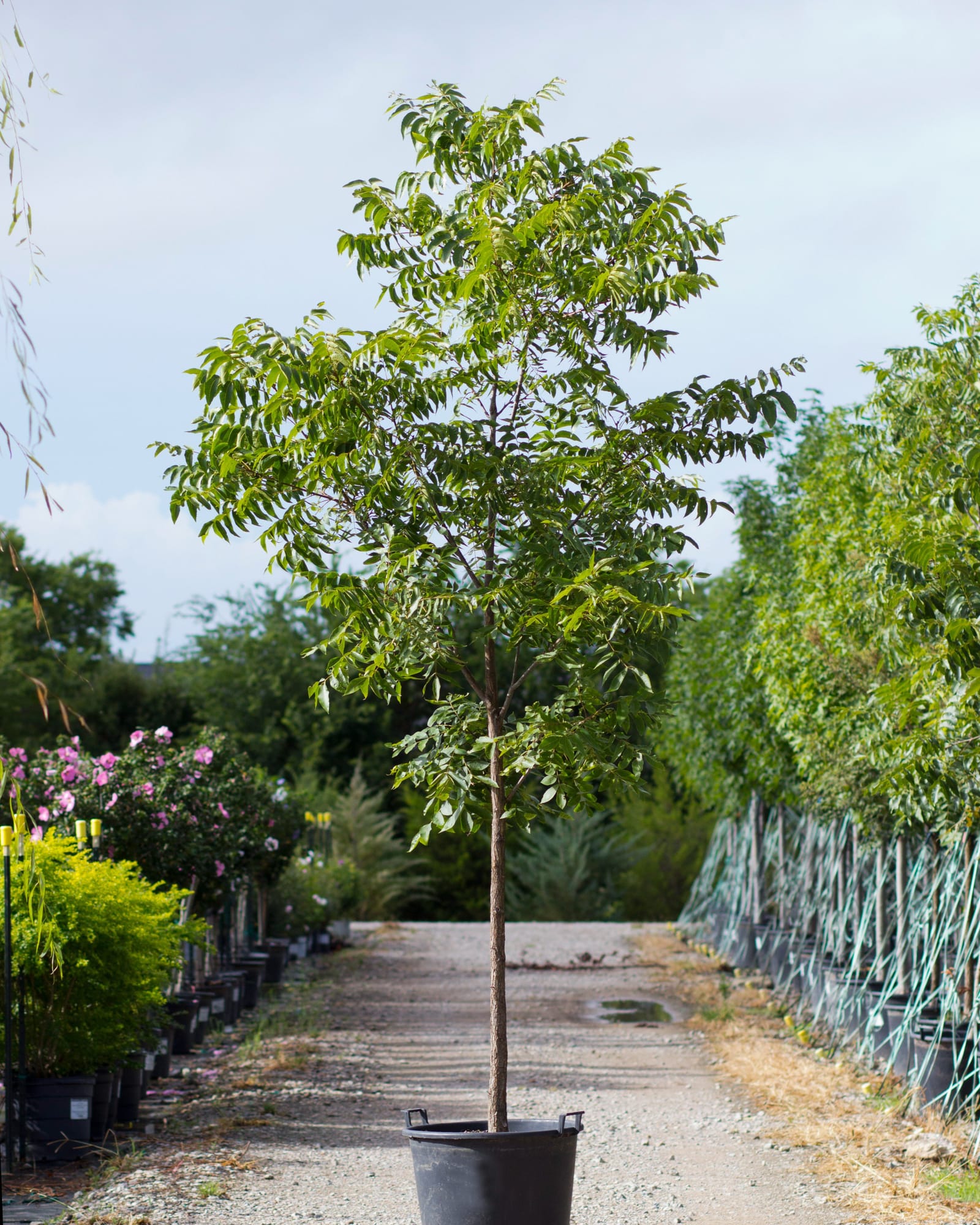
The tree forms a tall central trunk with outward-arching branches. As the canopy expands, it develops a classic vase-like form. This structure creates generous filtered shade beneath the tree.
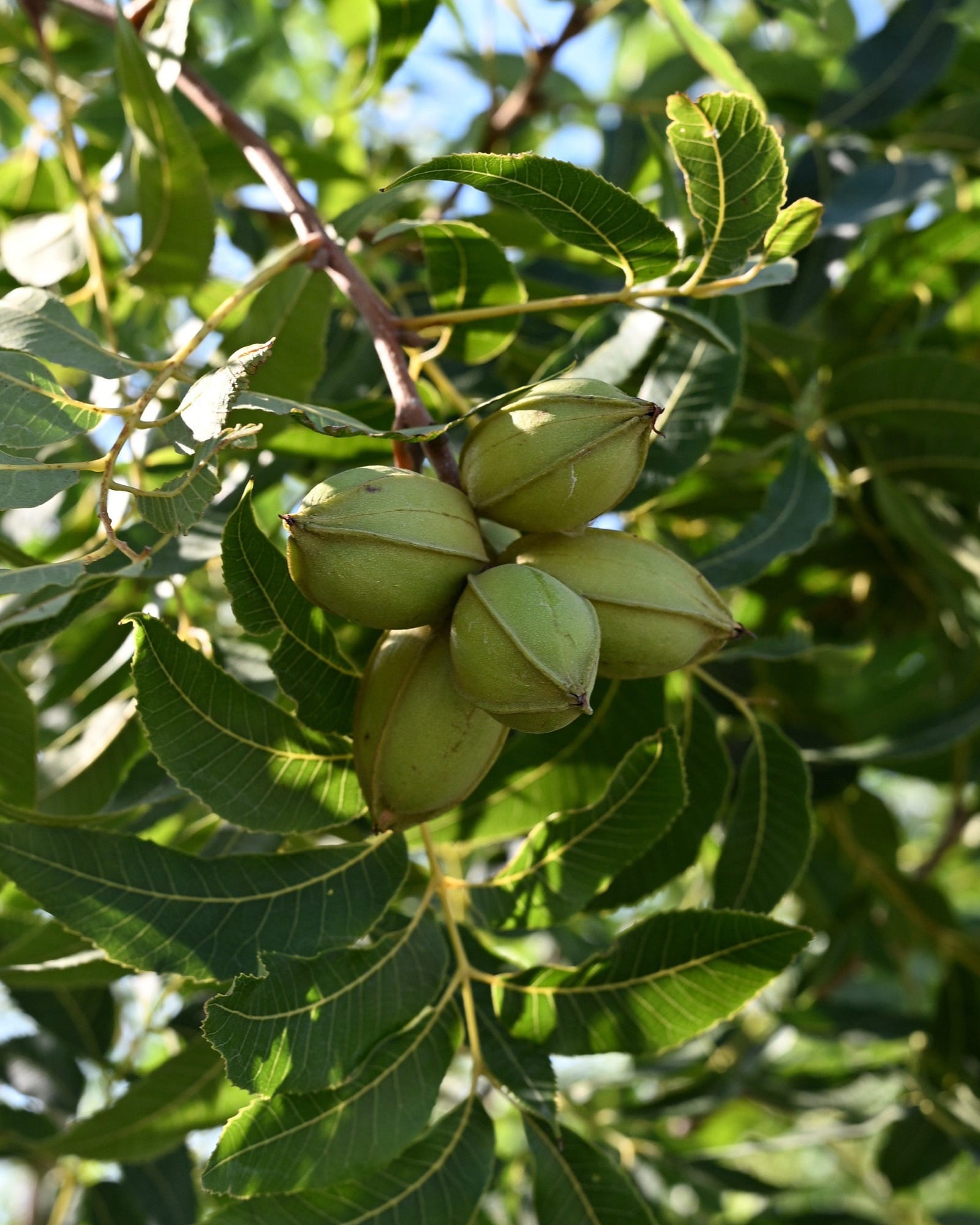
Like other elms, the tree produces small winged seeds known as samaras. These lightweight seeds disperse easily in the wind. They typically appear in modest quantities.
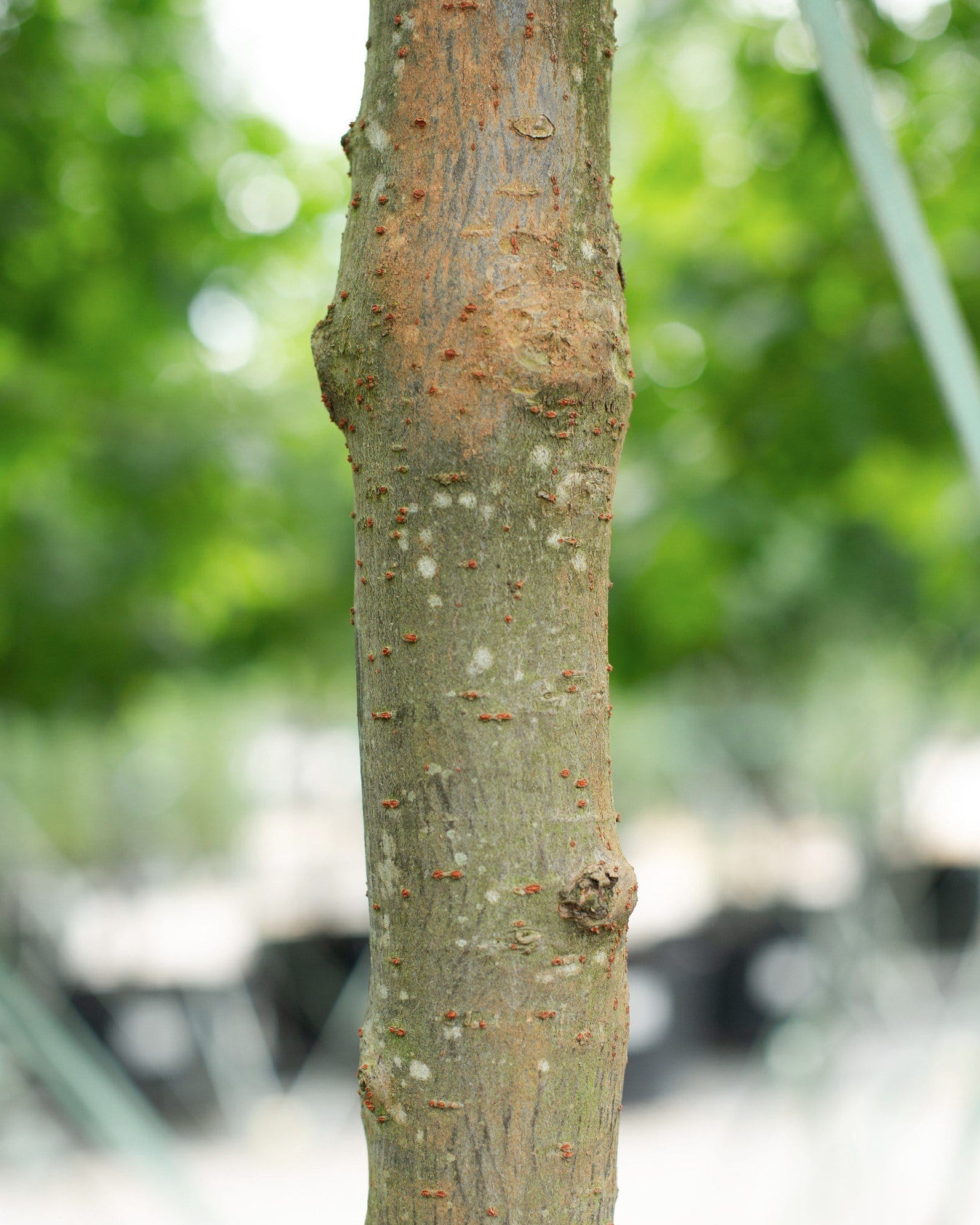
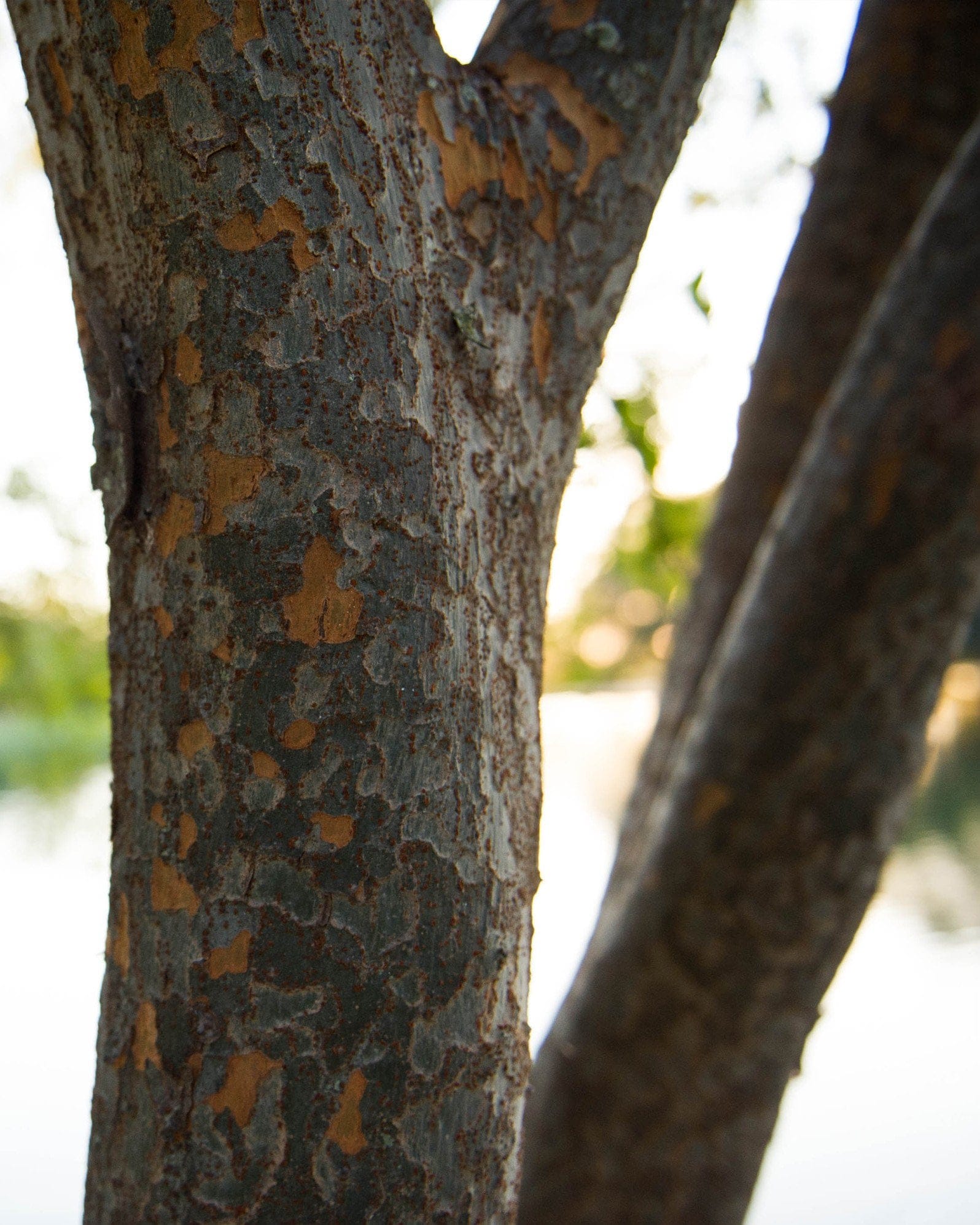
The bark gradually becomes ridged and textured over time. Mature trunks develop a rugged appearance. This adds character to older specimens.
Yes, the tree can reach impressive size as it matures. Its tall stature and broad canopy give it a strong presence in the landscape. Many gardeners choose it when ample space is available.
Once established, the tree adapts to a range of soil types. It performs well in many garden environments. Proper soil preparation during planting helps ensure strong growth.
The tree’s height and spreading canopy make it visually prominent. Mature specimens often anchor planting designs. This structural presence helps shape large outdoor spaces.
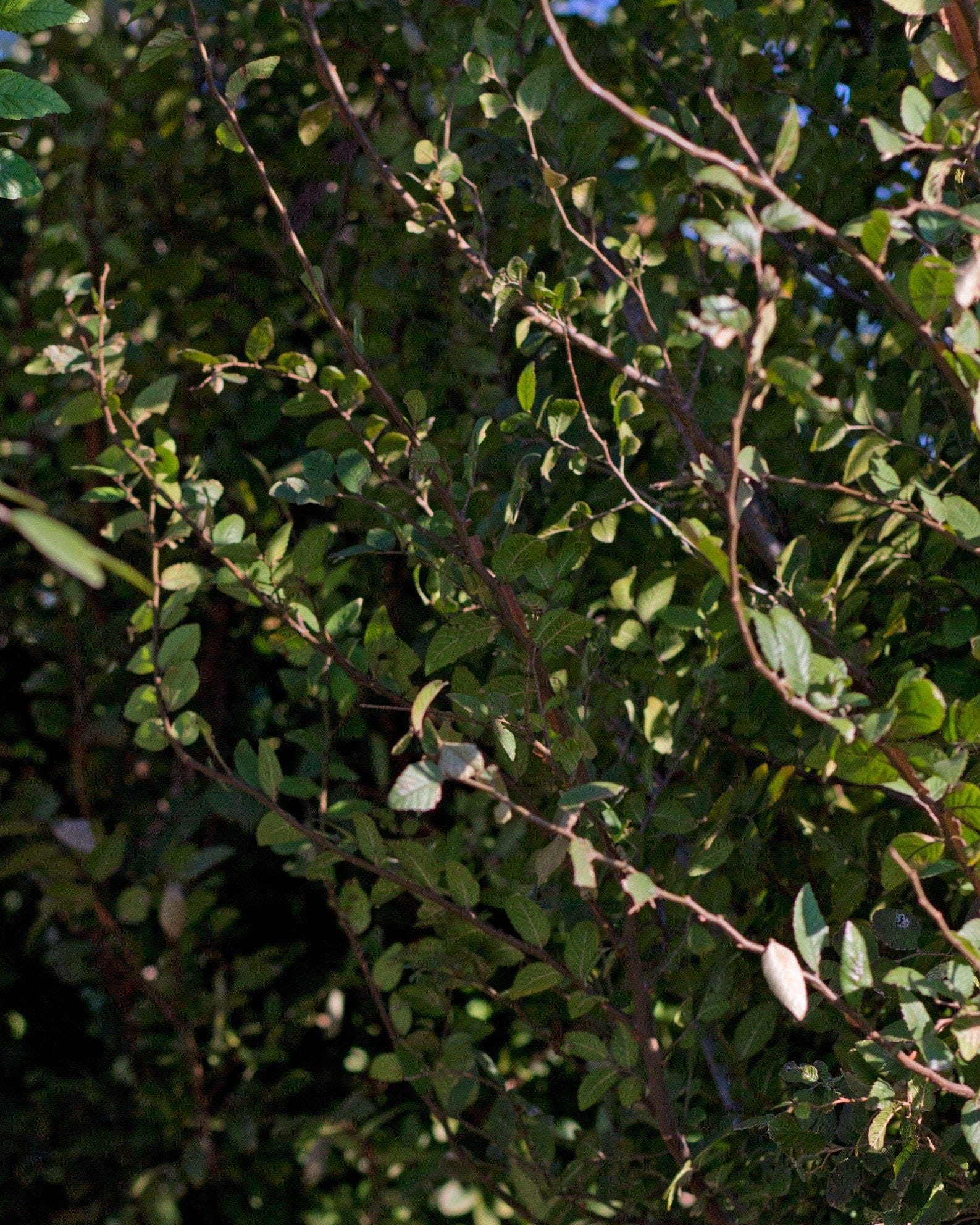
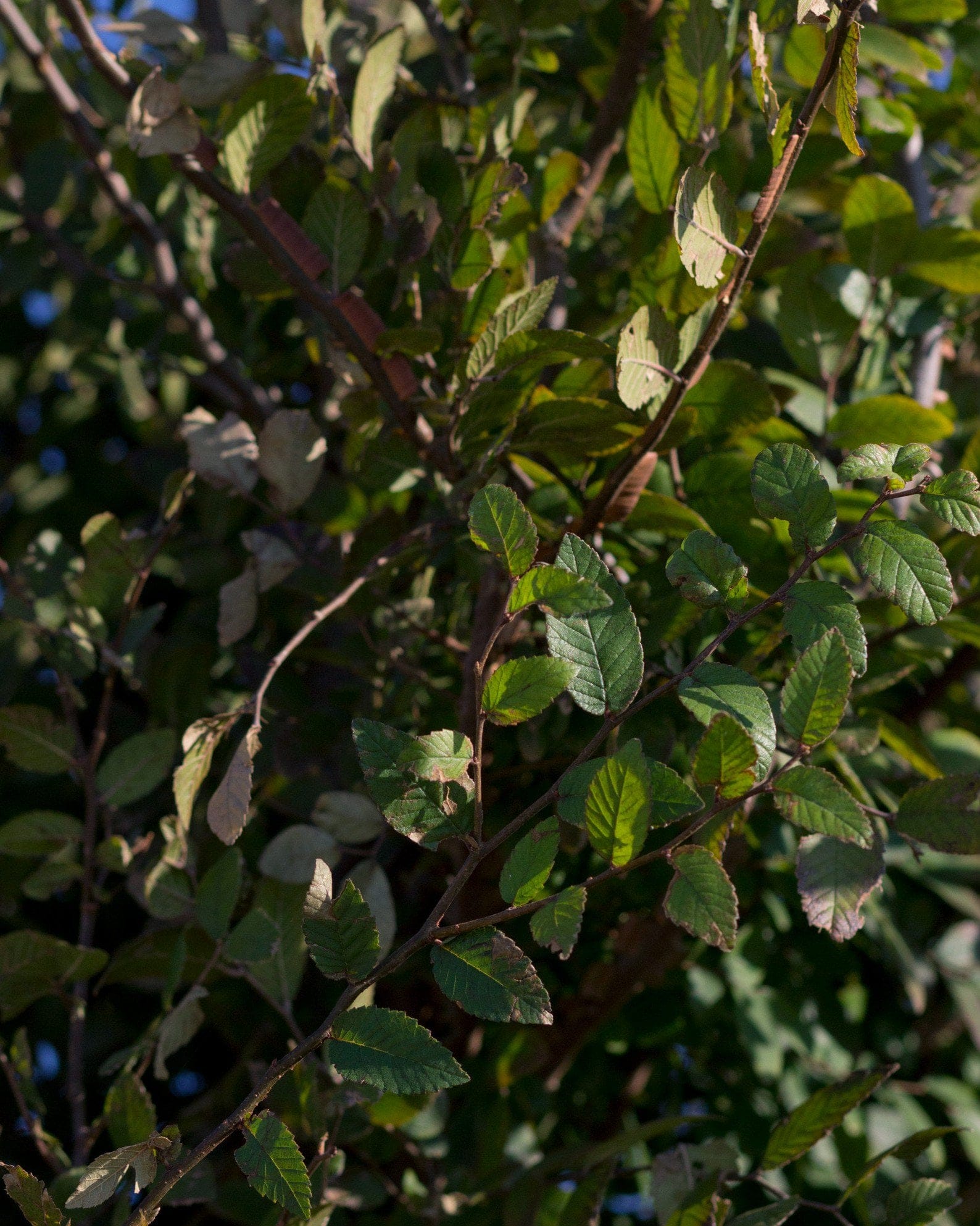
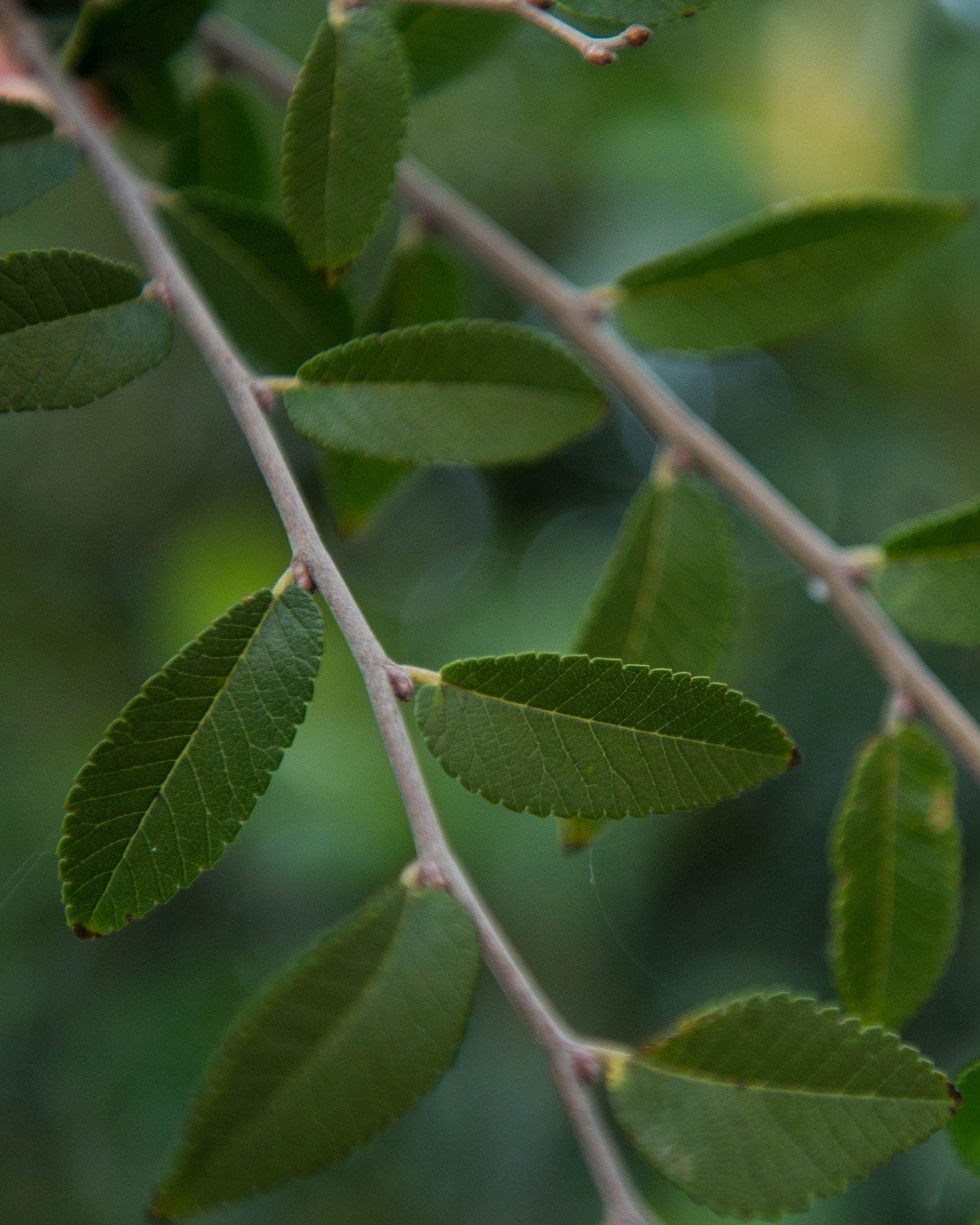
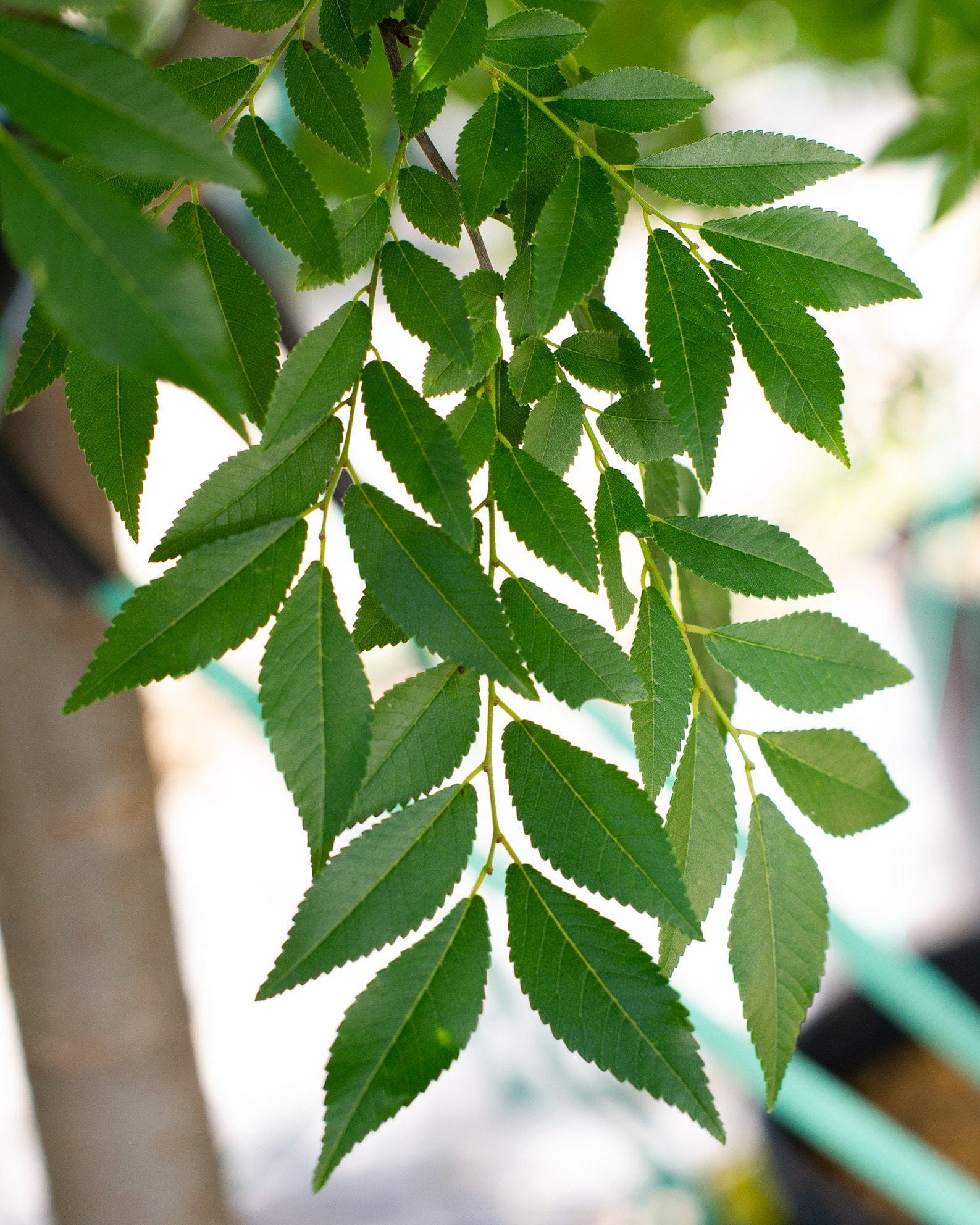
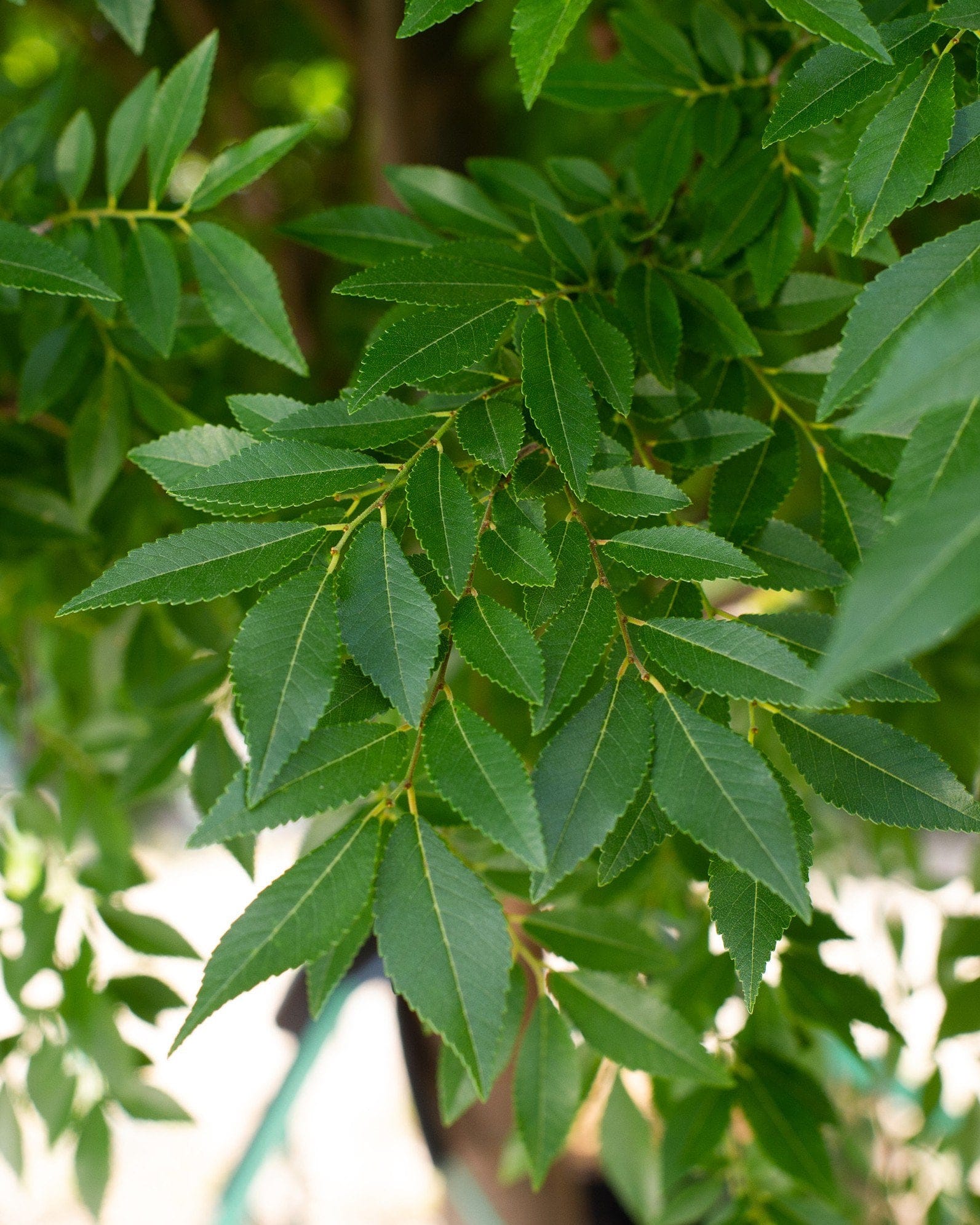
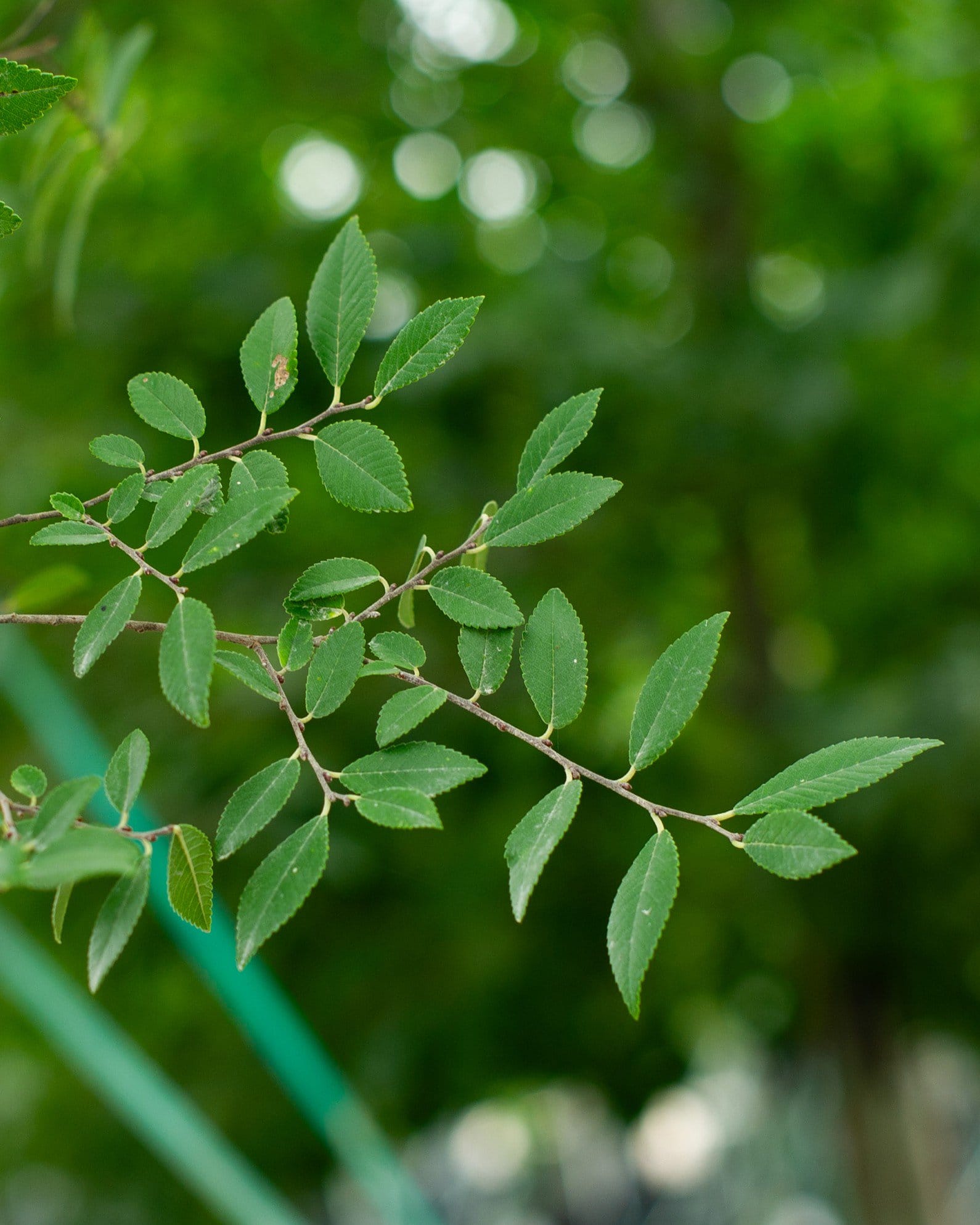
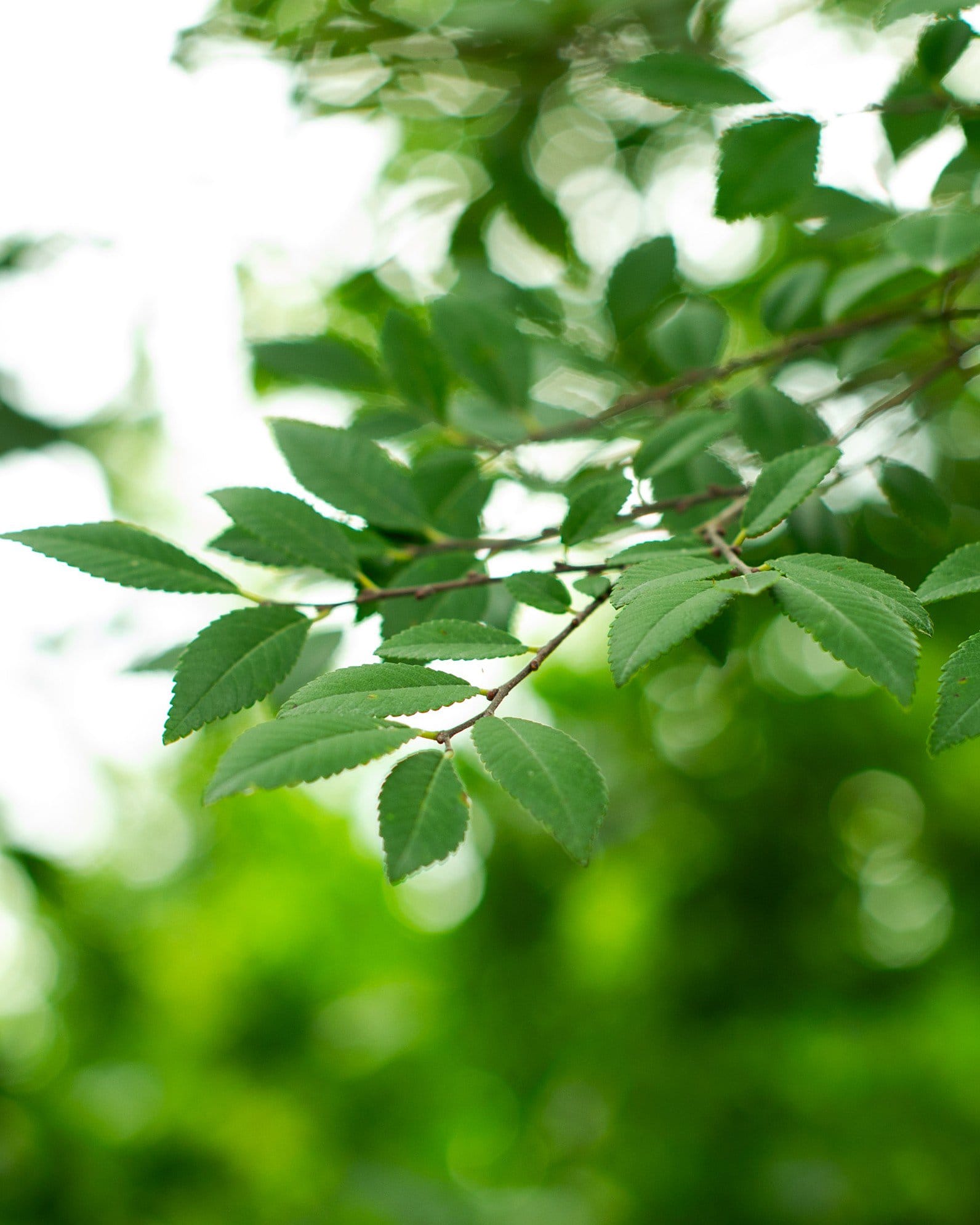
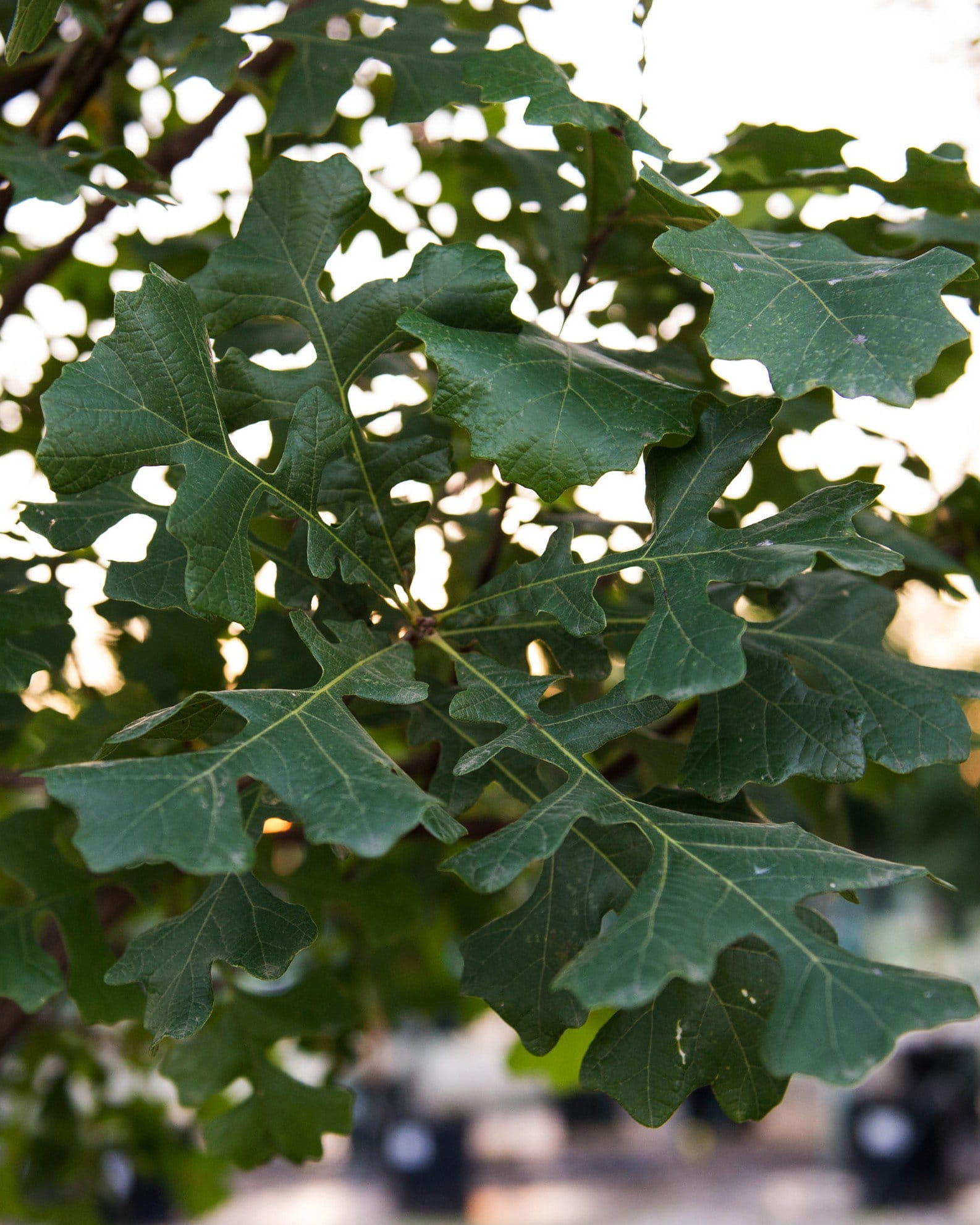
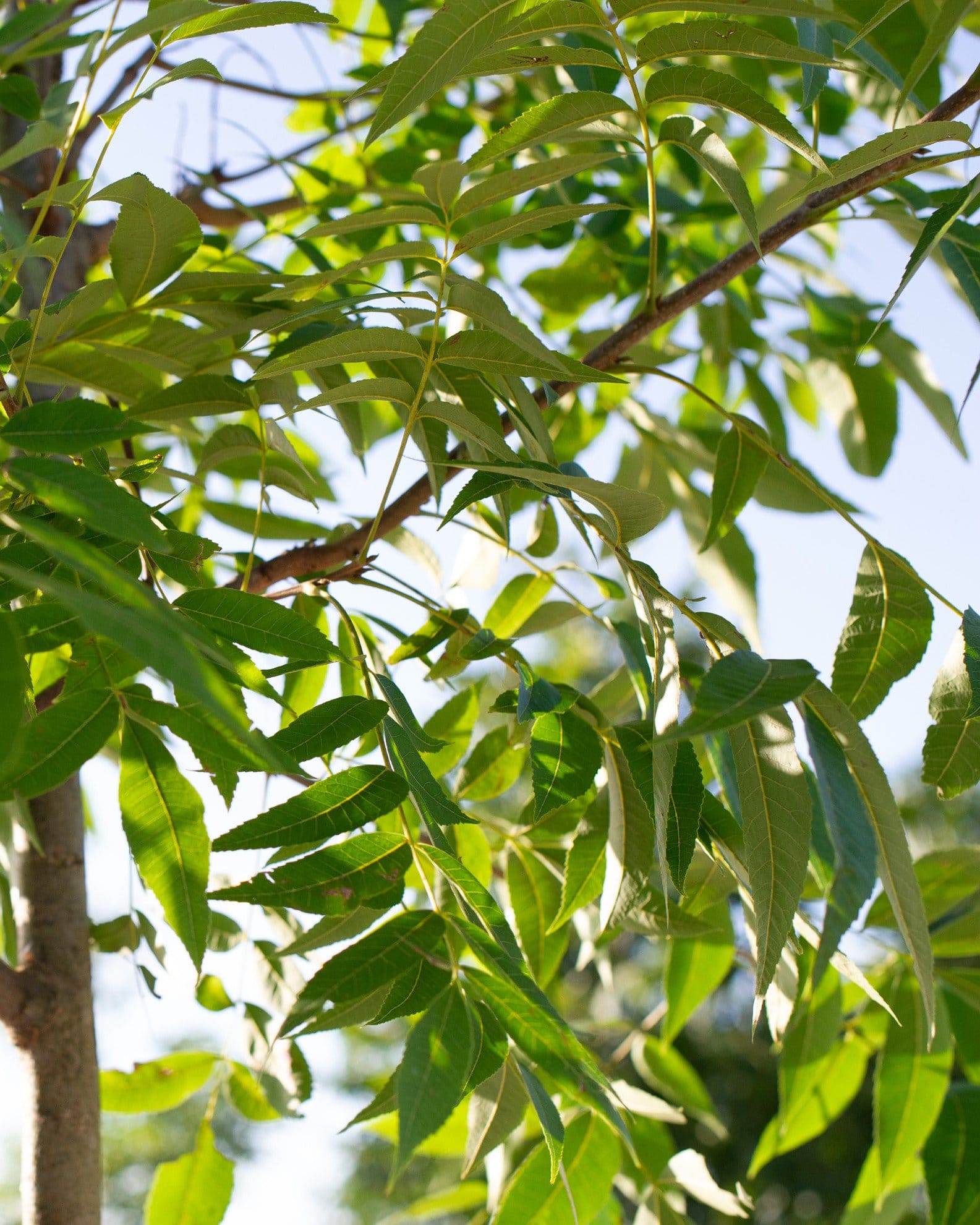
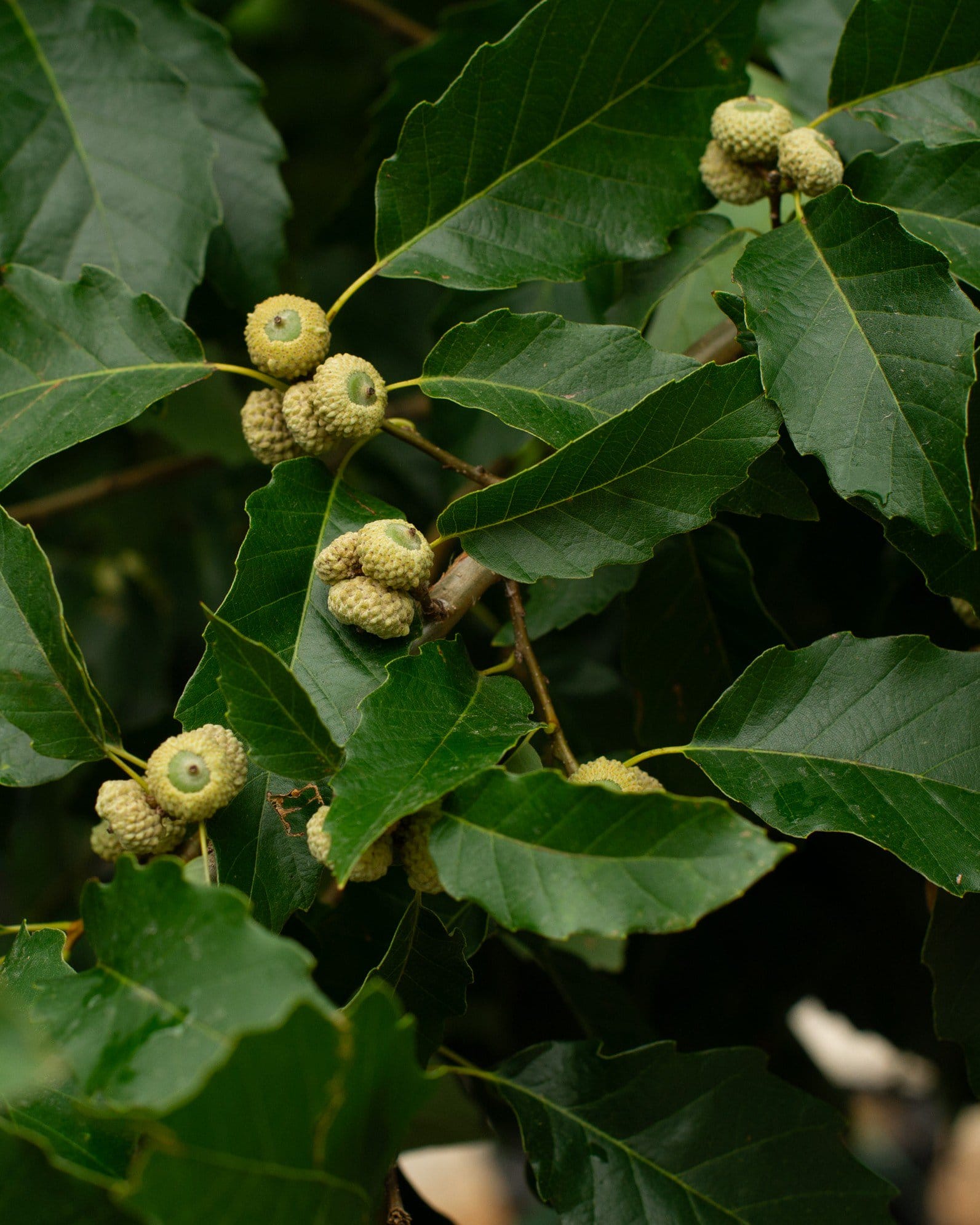
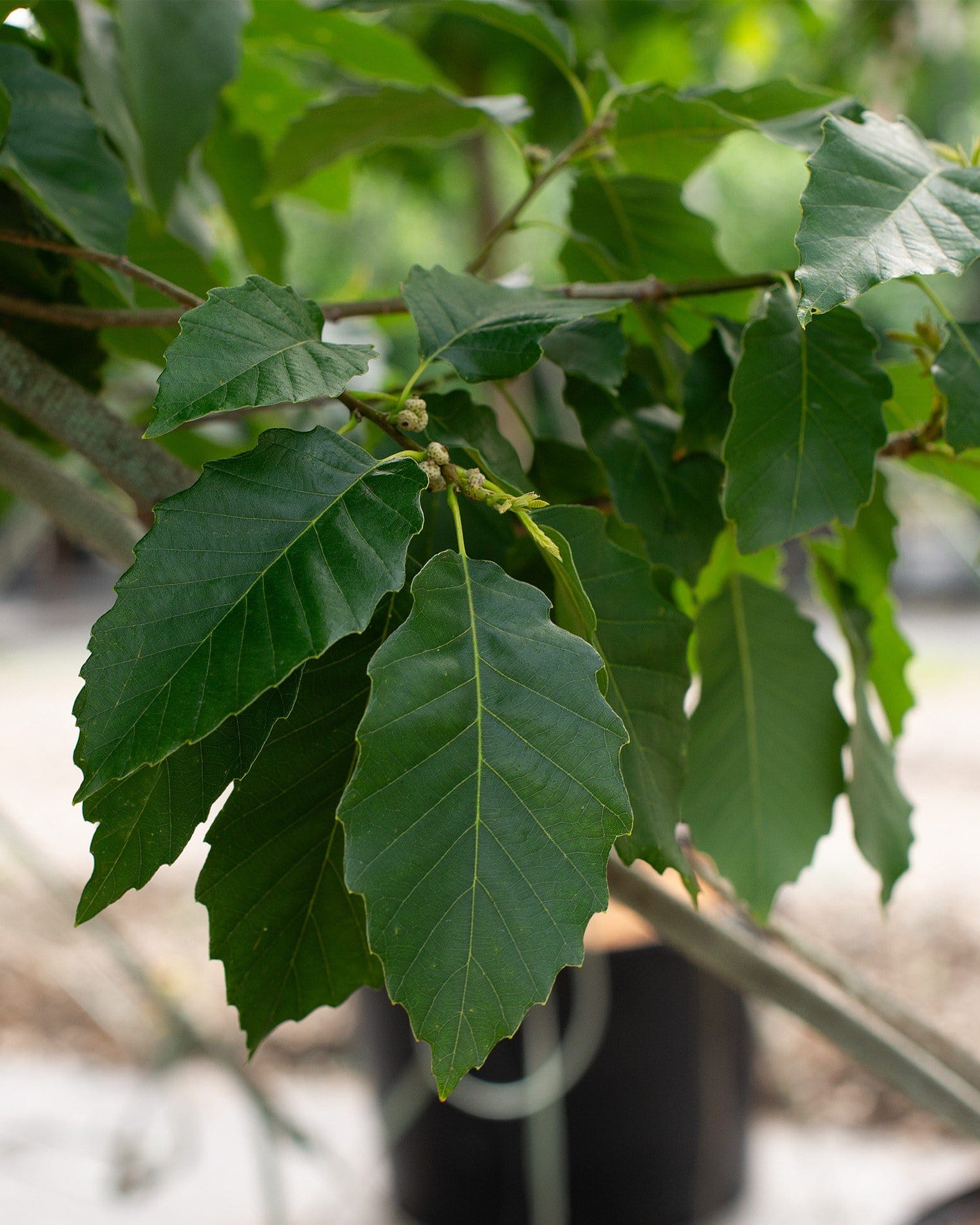
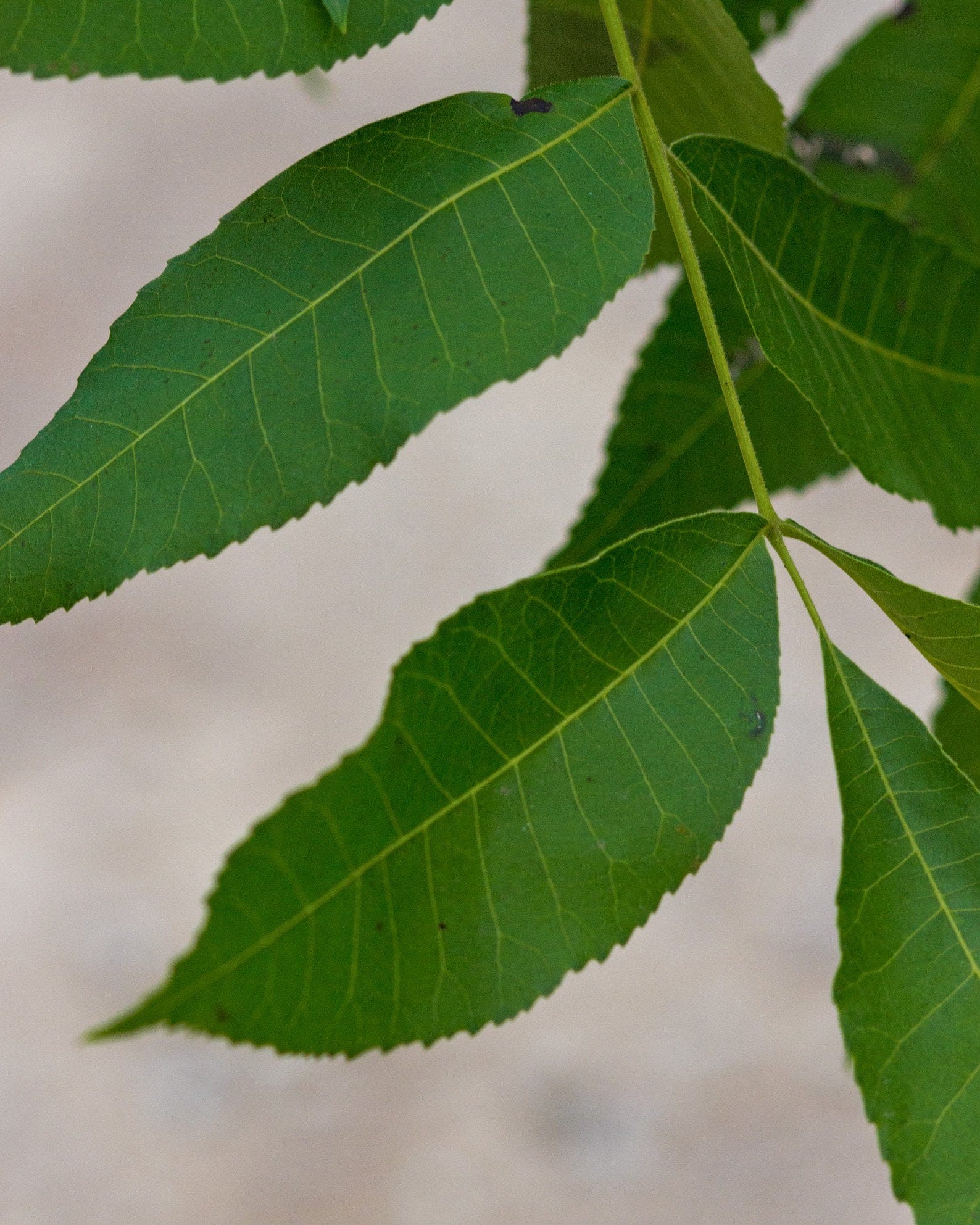
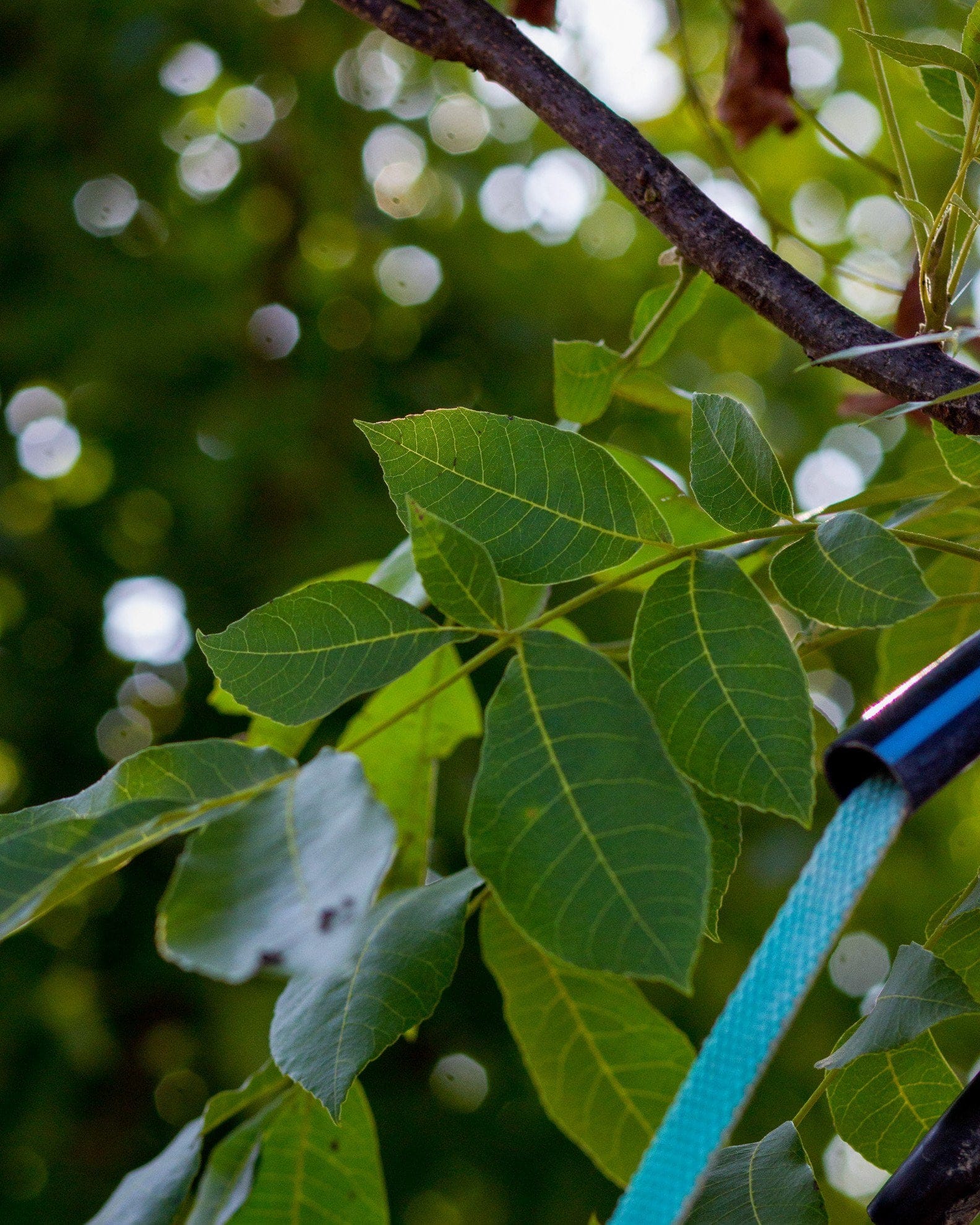
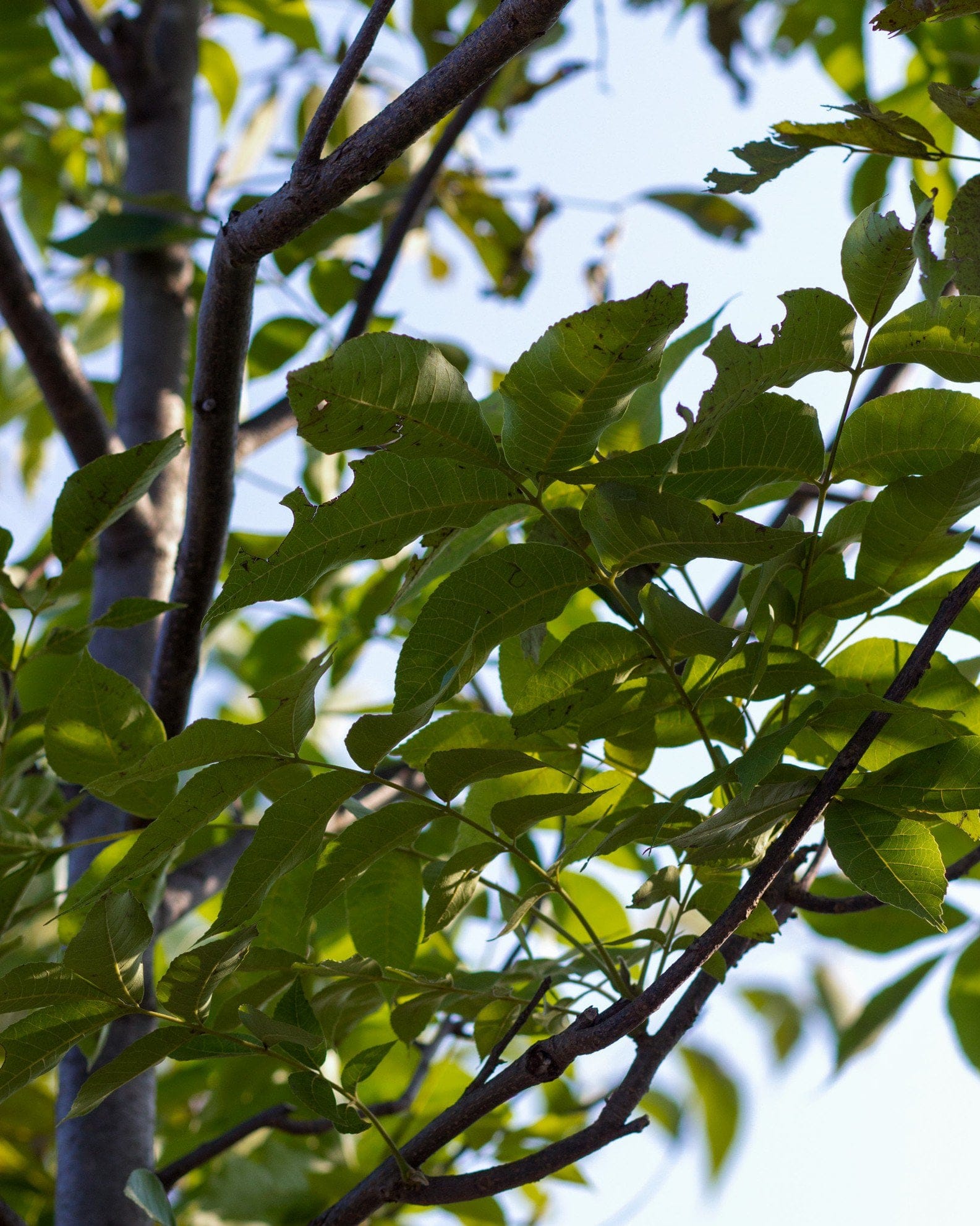
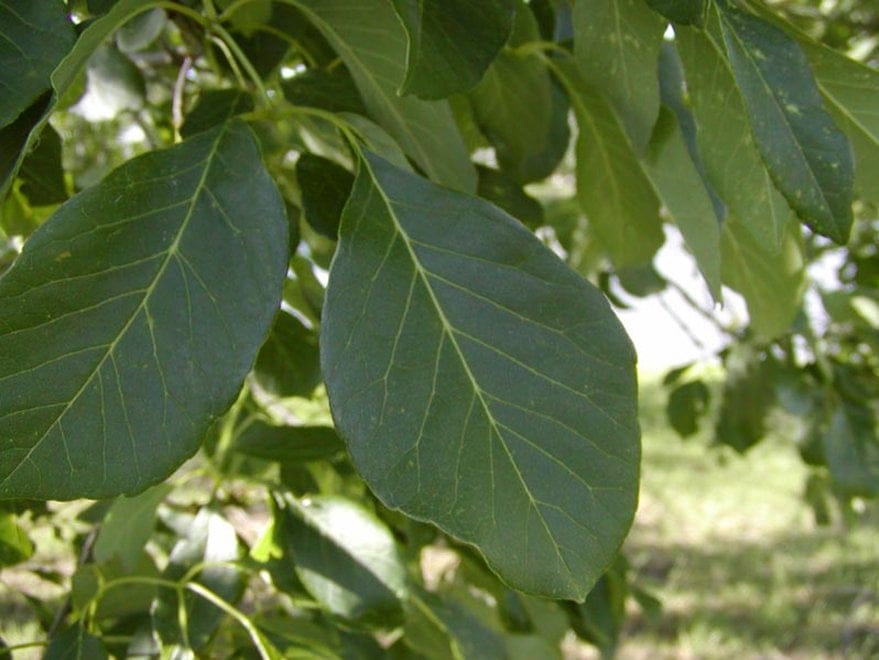
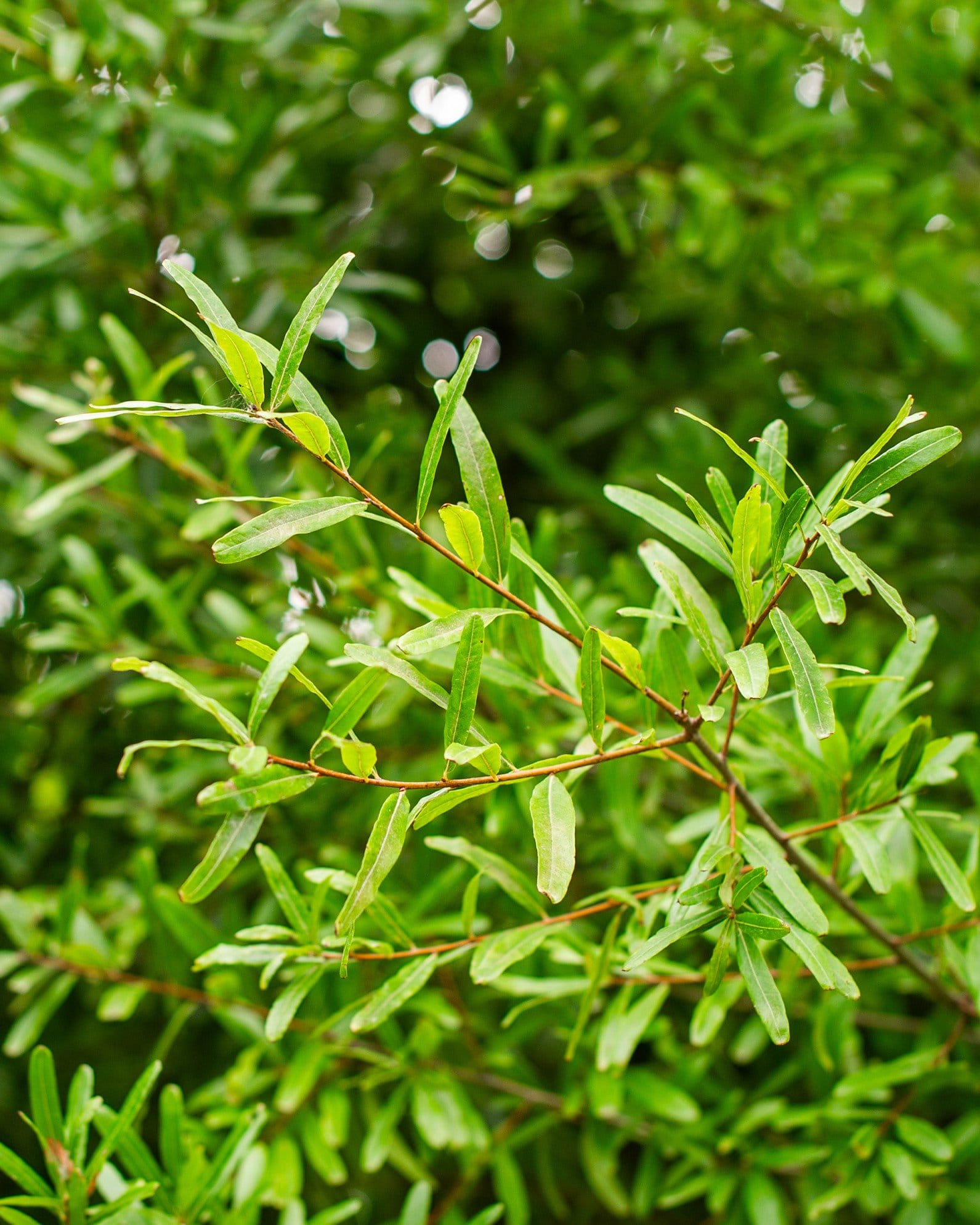
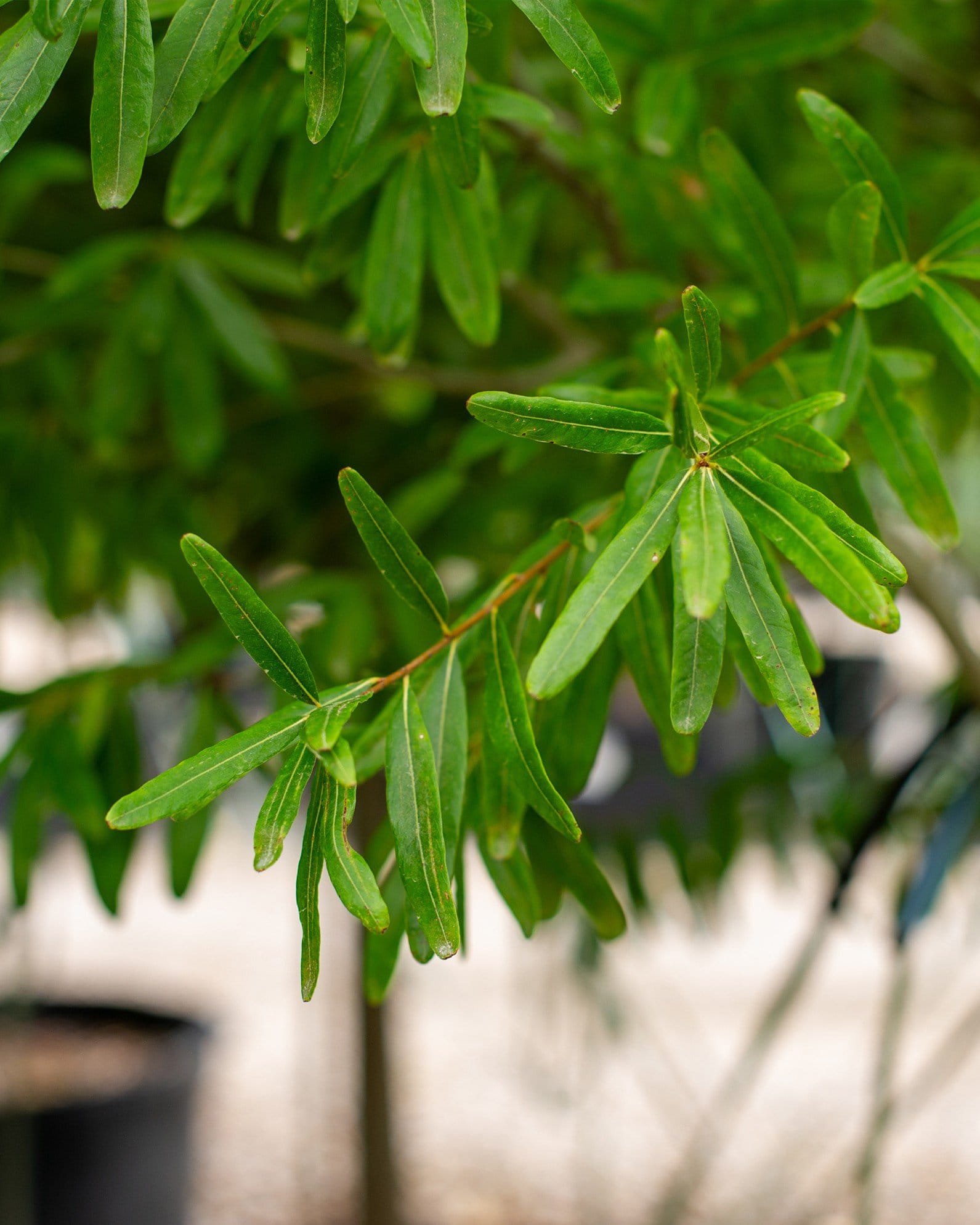
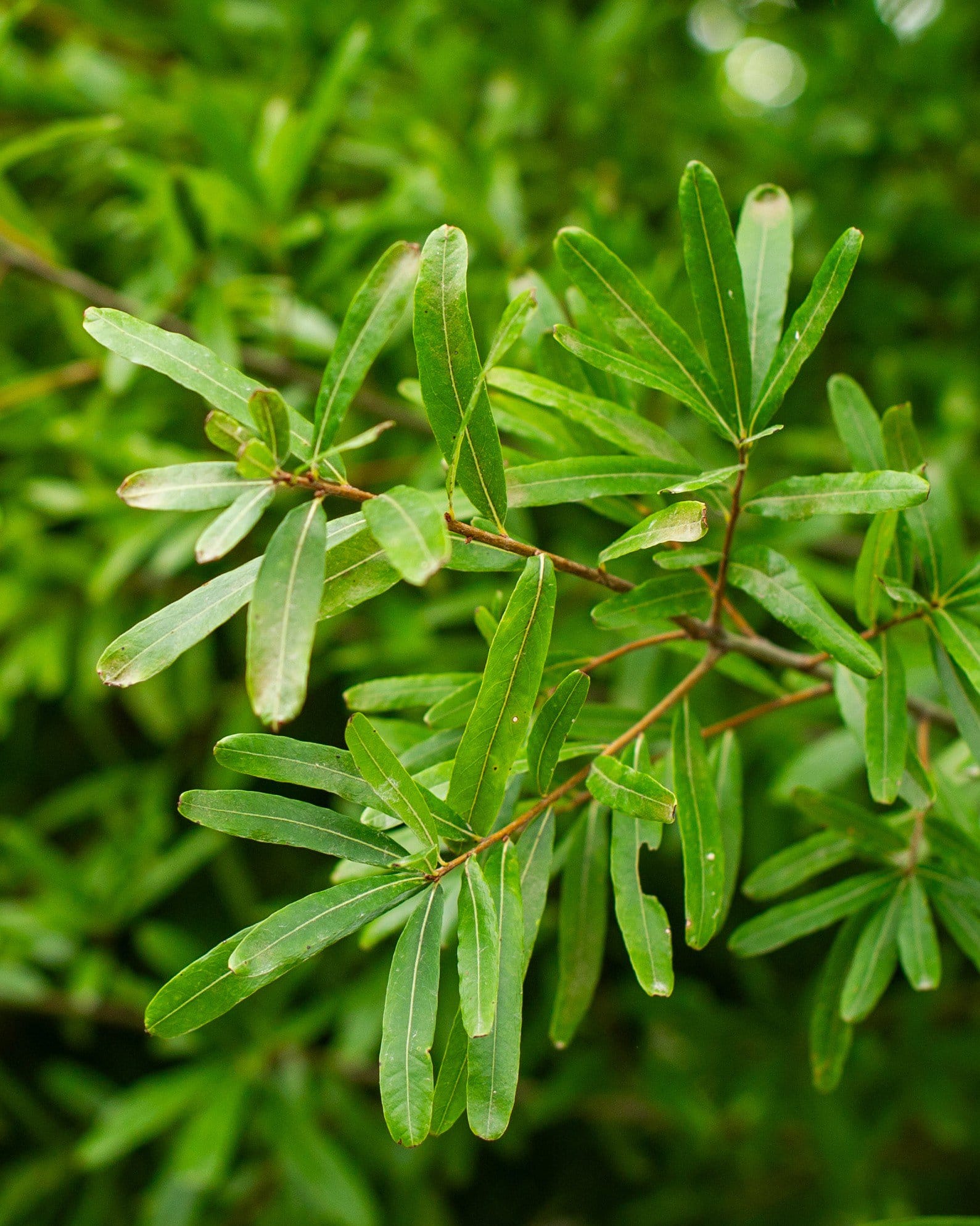
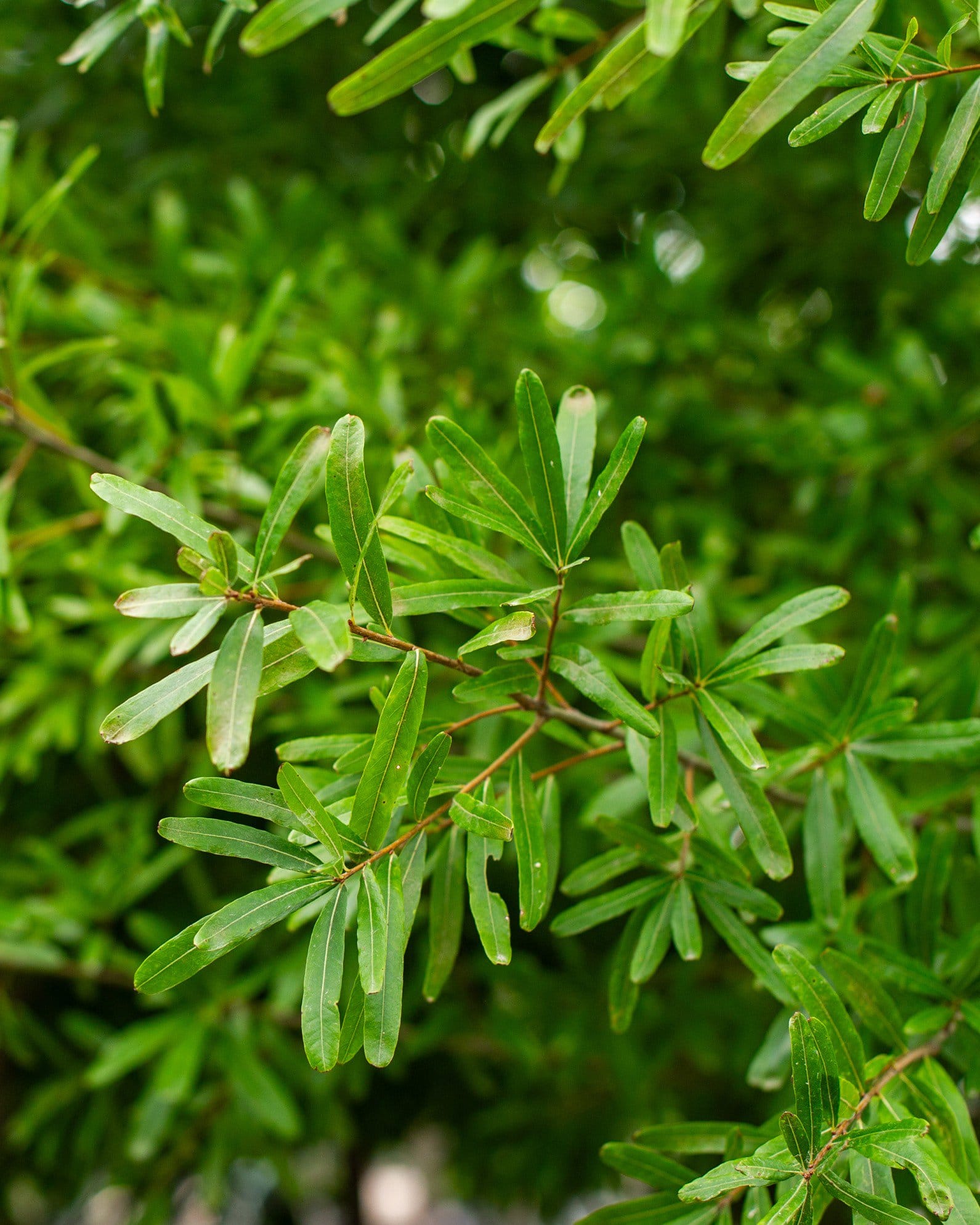
The tree produces a full canopy of green leaves during the growing season. This dense foliage enhances the shade provided beneath the tree. It also contributes to the tree’s ornamental appearance.
Special Features
You might also like
.jpg&w=1600&q=80)
.jpg&w=1600&q=80)
.jpg&w=1600&q=80)
.jpg&w=1600&q=80)
.jpg&w=1600&q=80)


Compare Similar Plants
Princeton Elm This plant | ||
|---|---|---|
| Scientific Name | Ulmus americana ‘Princeton’ | Ulmus crassifolia |
| Size at Maturity | 60' H x 40' W | 50' H x 35' W |
| Leaf Retention | Deciduous | Deciduous |
| Fall Color | Yellow | Yellow |
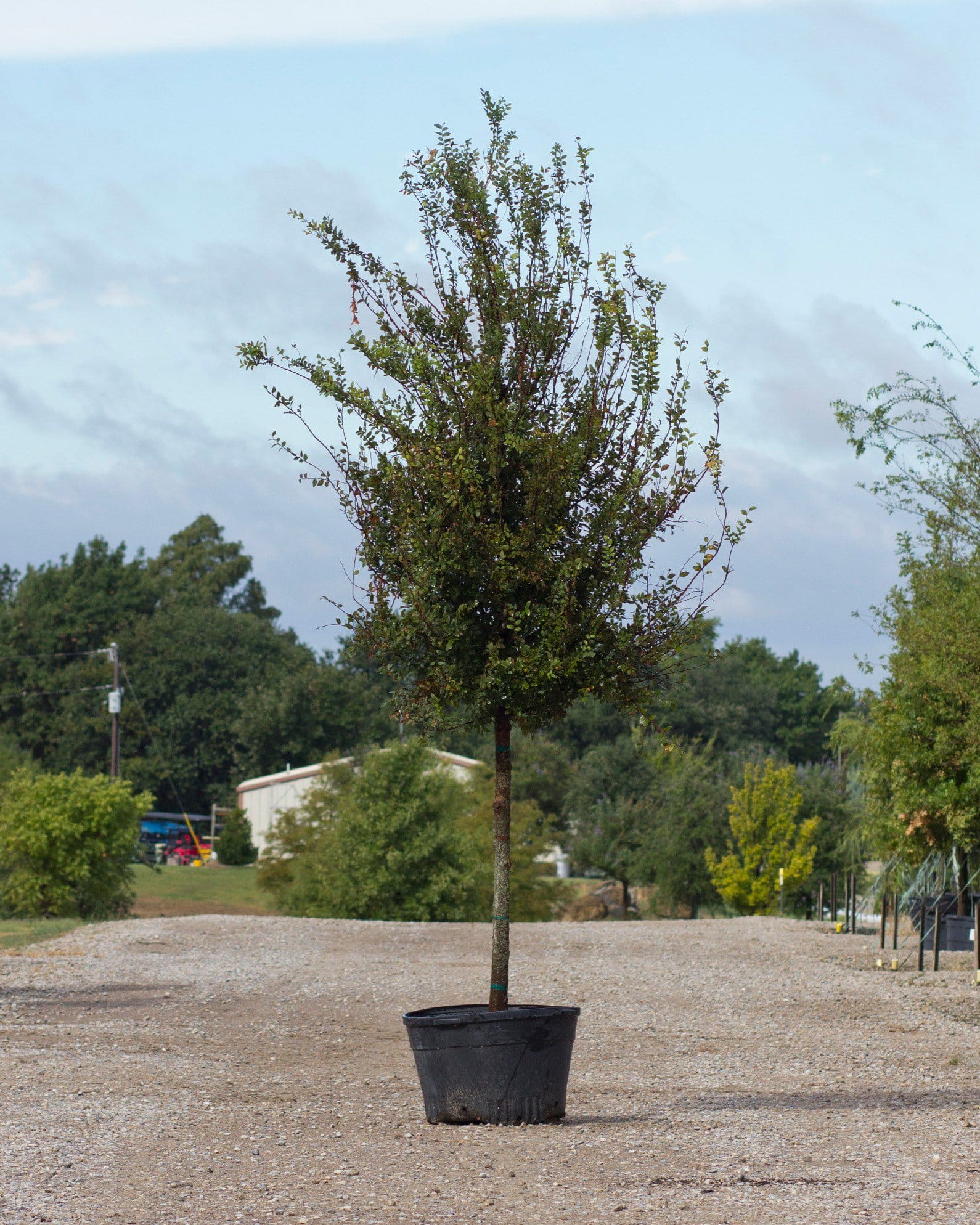
| Sizes Available | 30, 45, 95 gal | 15, 30, 45, 65, 95 gal |


Our 1-Year Planting Guarantee
We take pride in our plants and installation services. If any plants or trees installed by Treeland fail to thrive within the first year, we'll provide a replacement credit in accordance with our guarantee program.
Learn More About Our Guarantee