
 Popular
Prairifire Crabapple
Malus ‘Prairifire’Local DFW Delivery Only
Product Details
Prairifire Crabapple
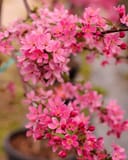
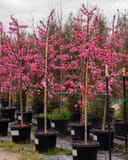
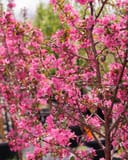
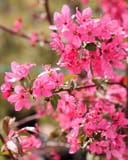
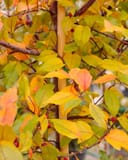
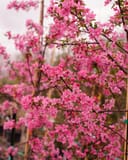
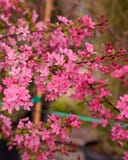
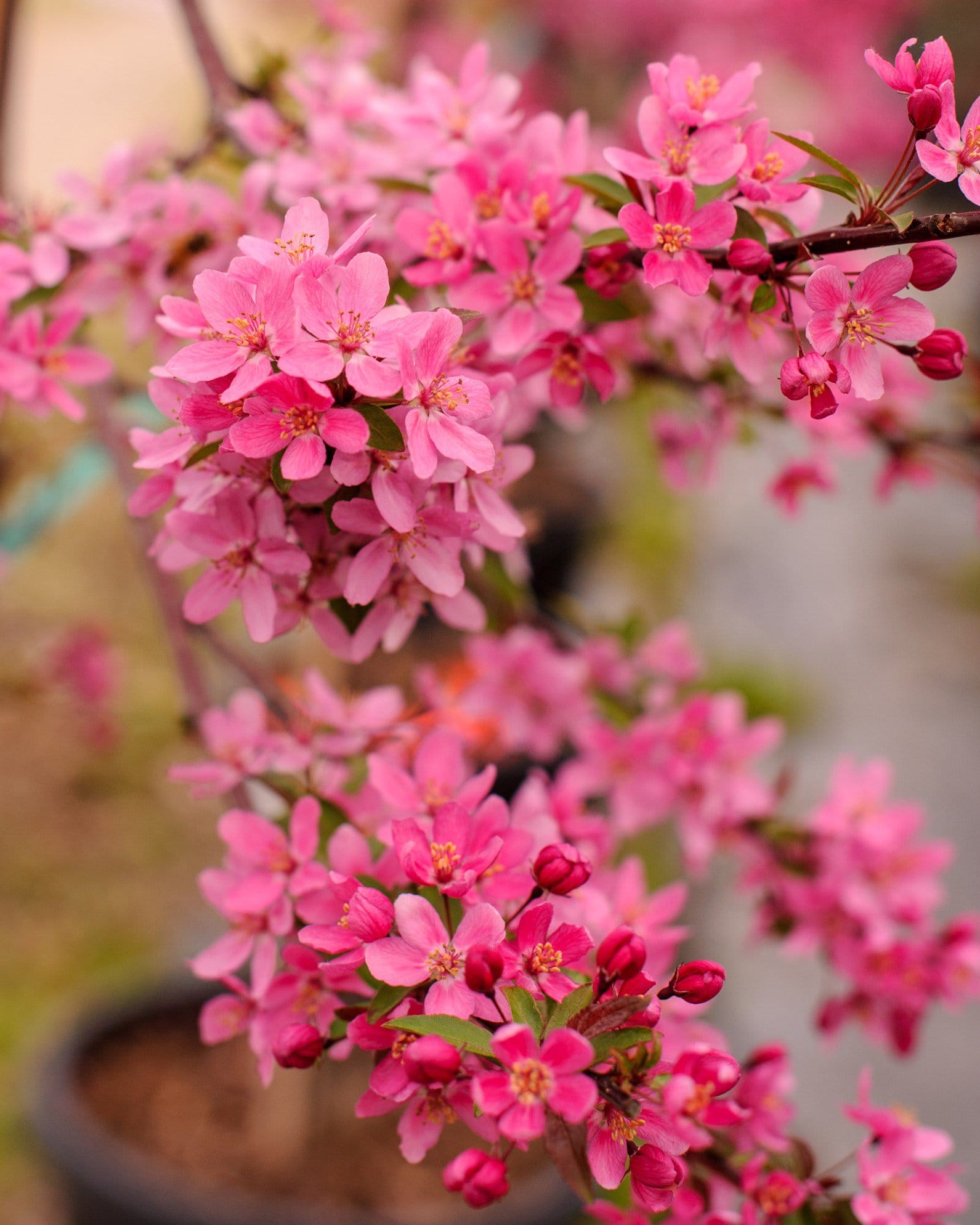
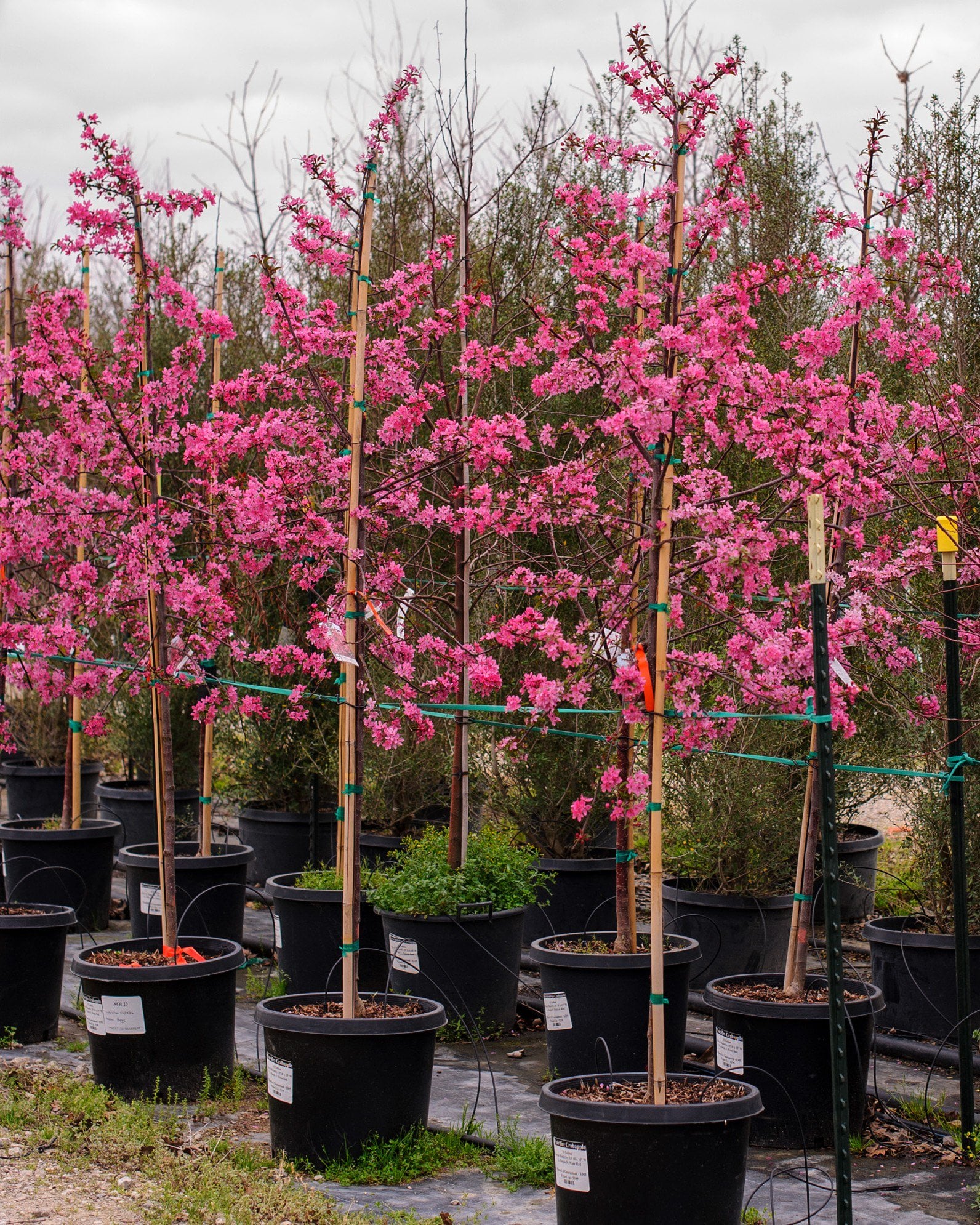
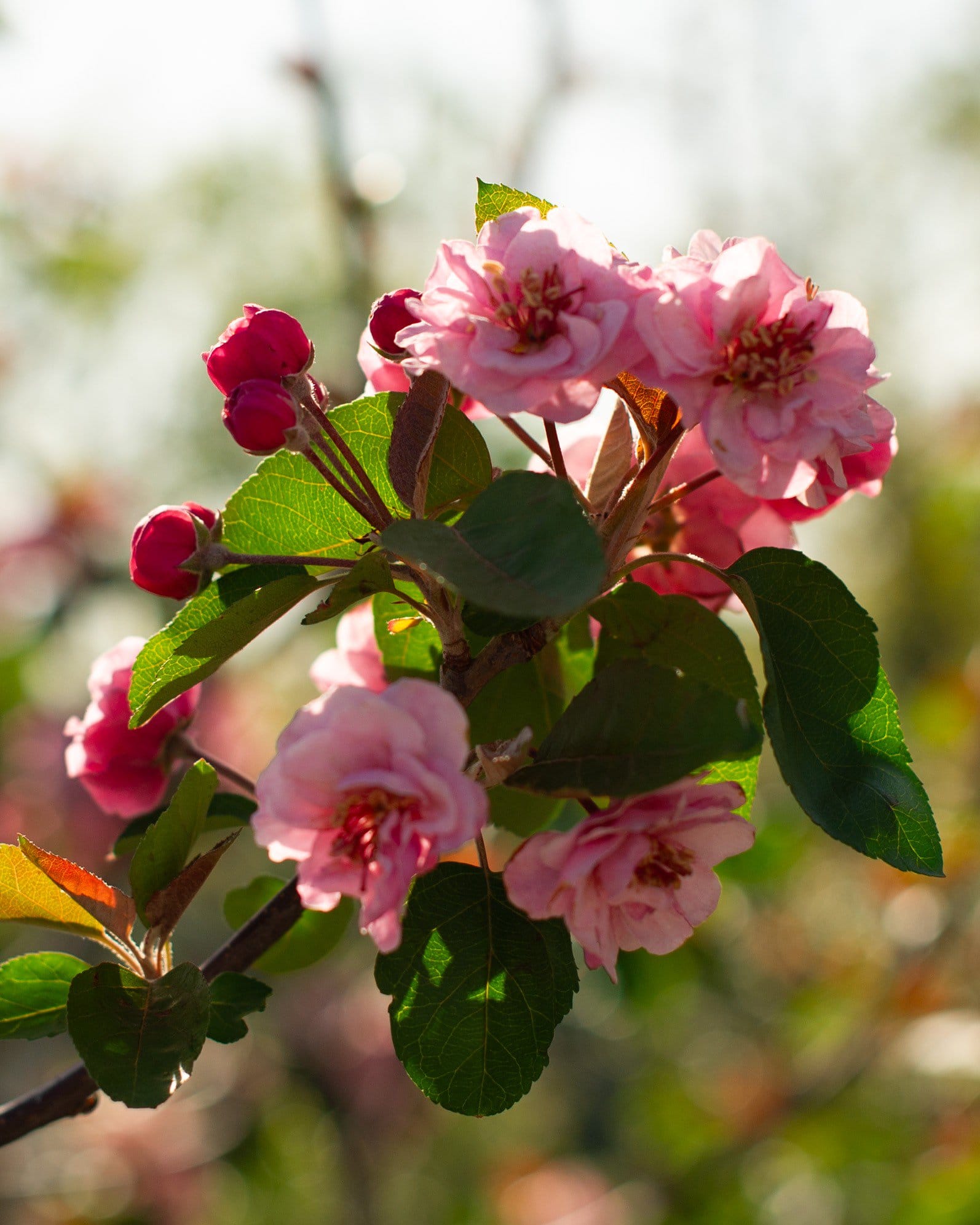
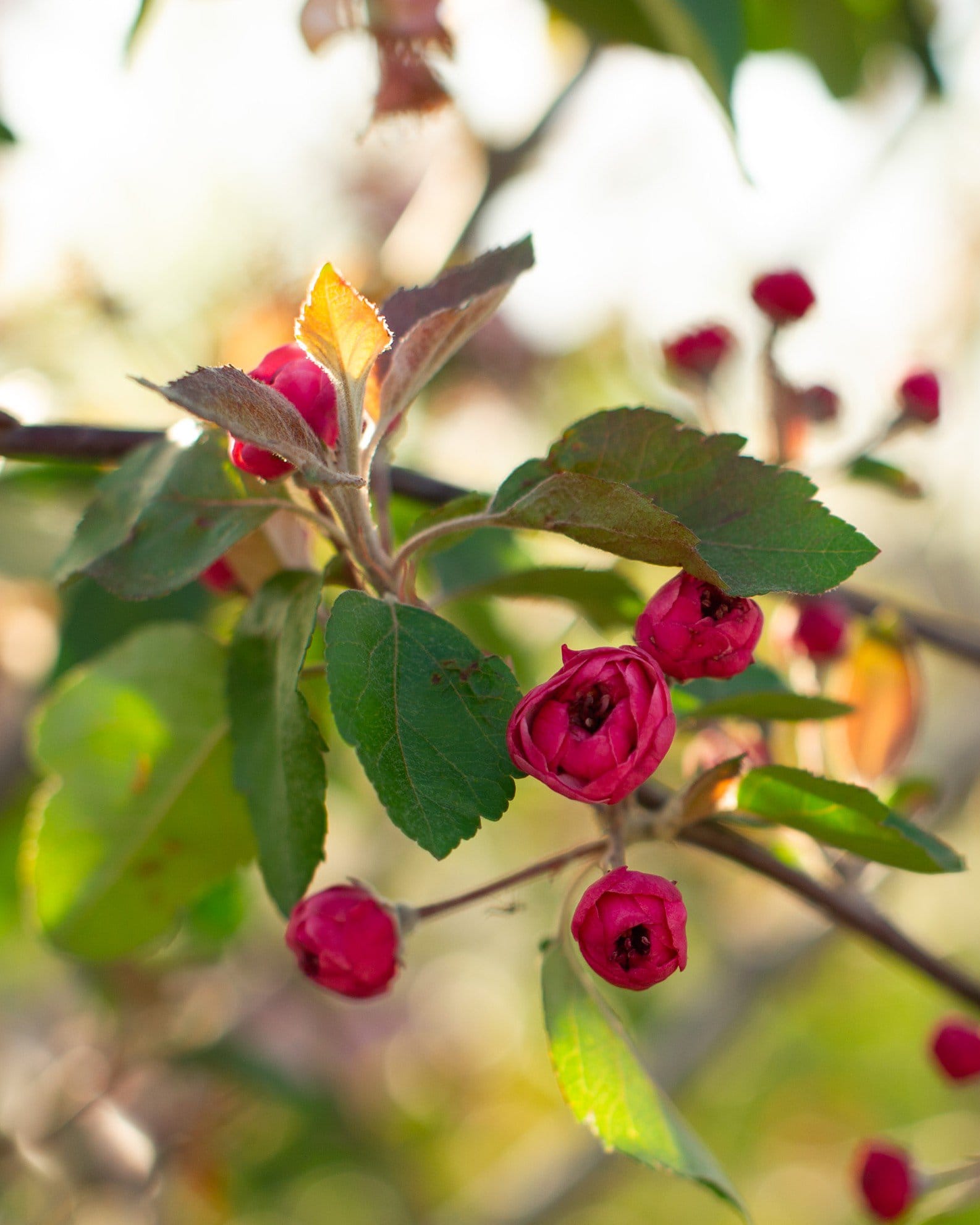
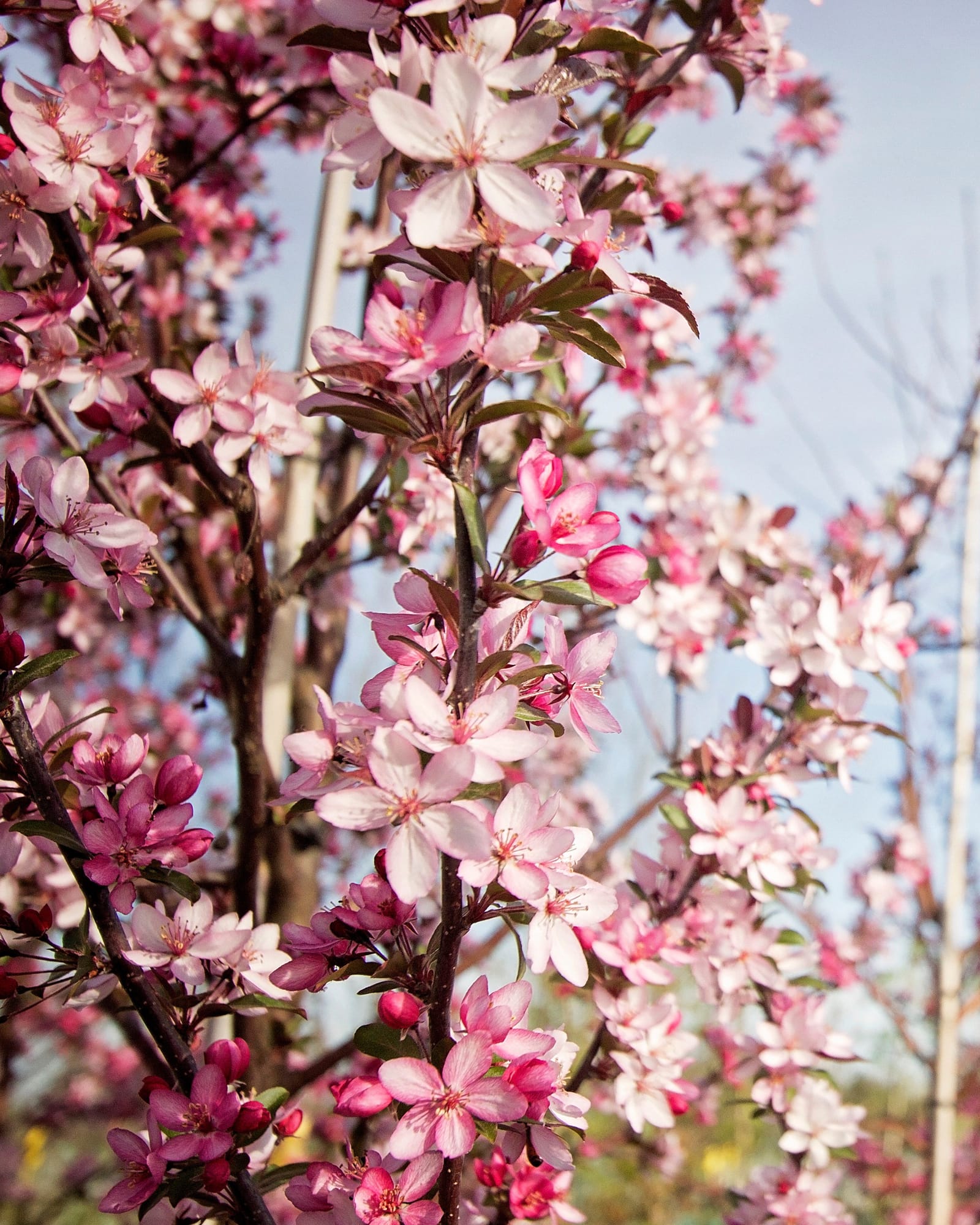
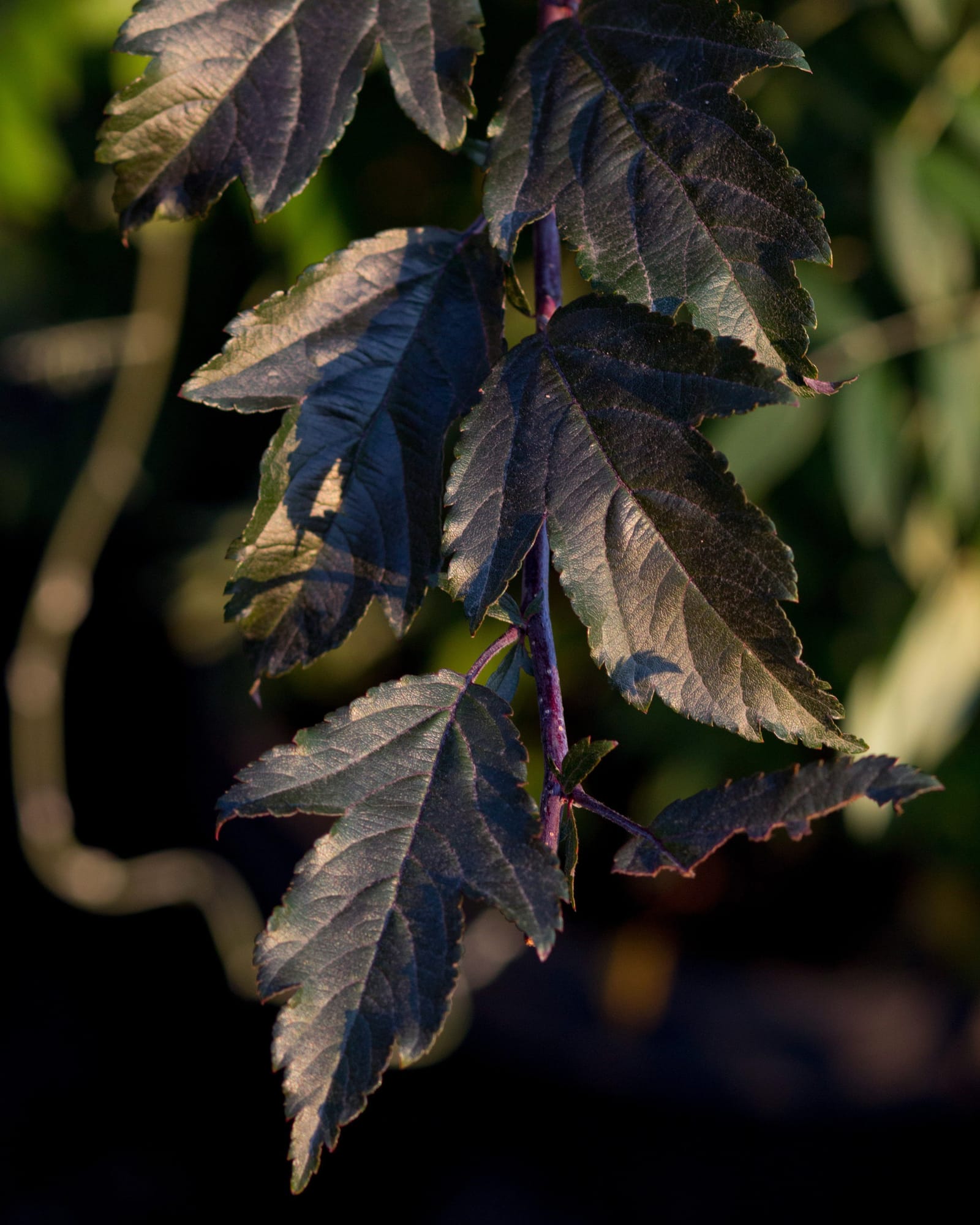
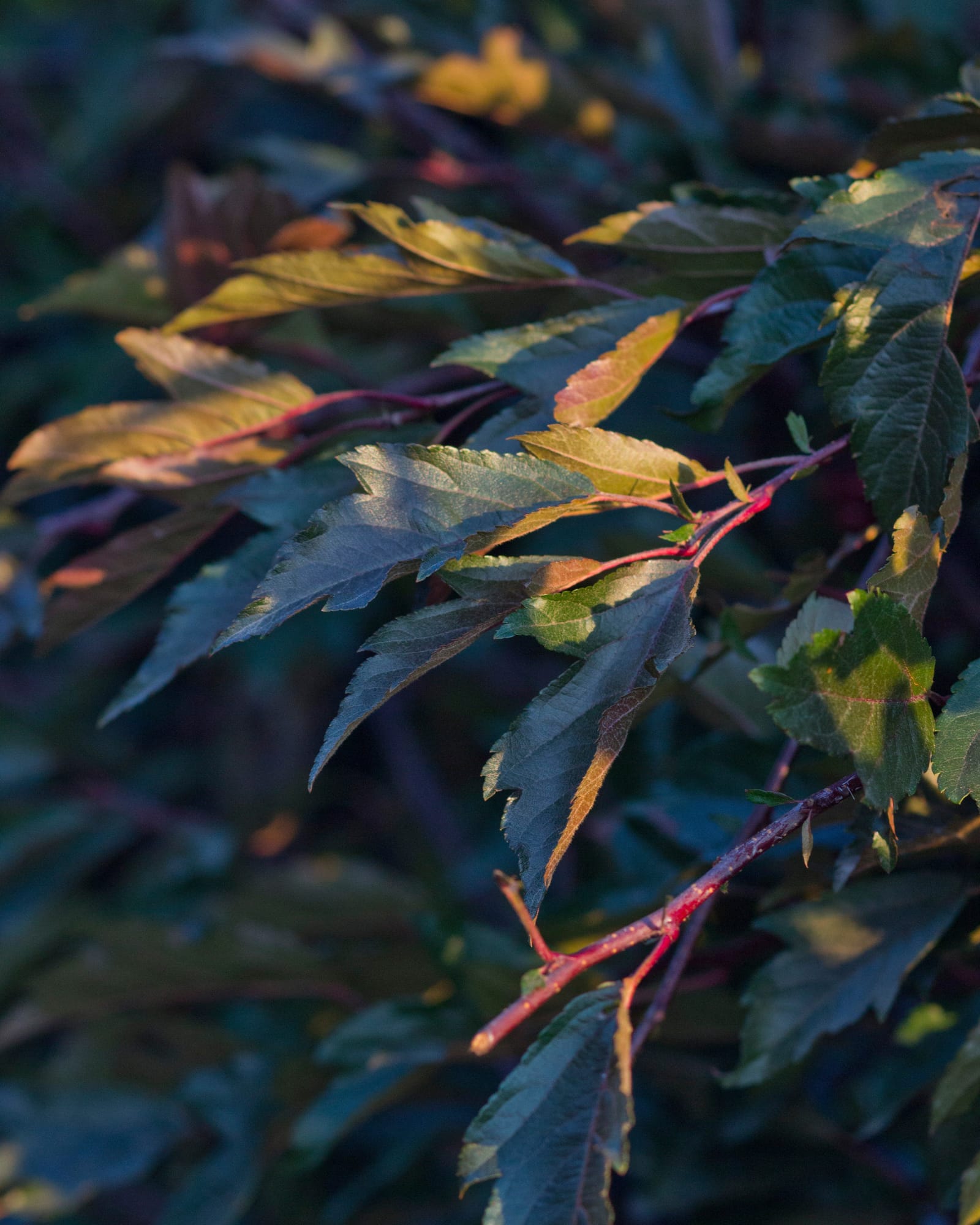
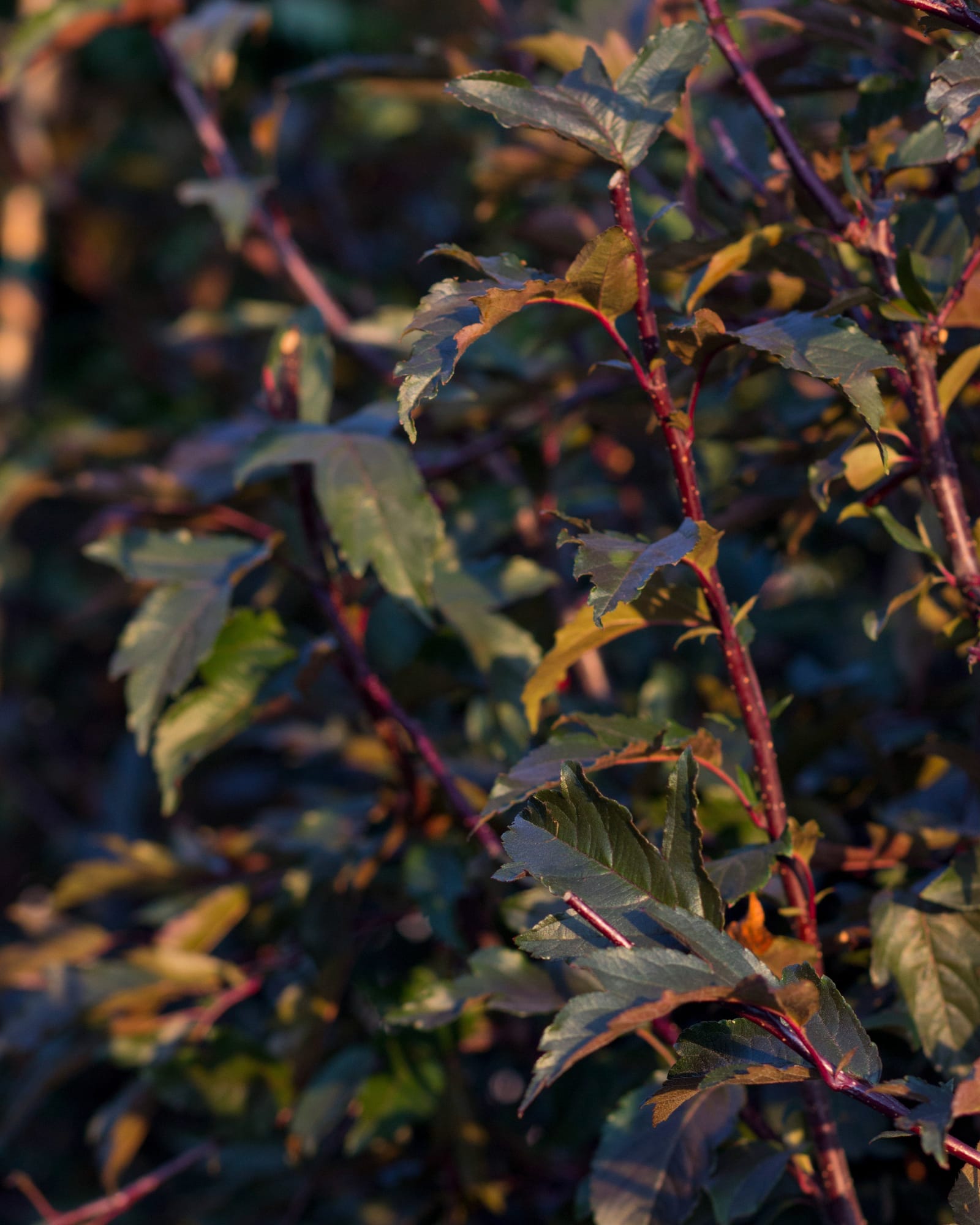
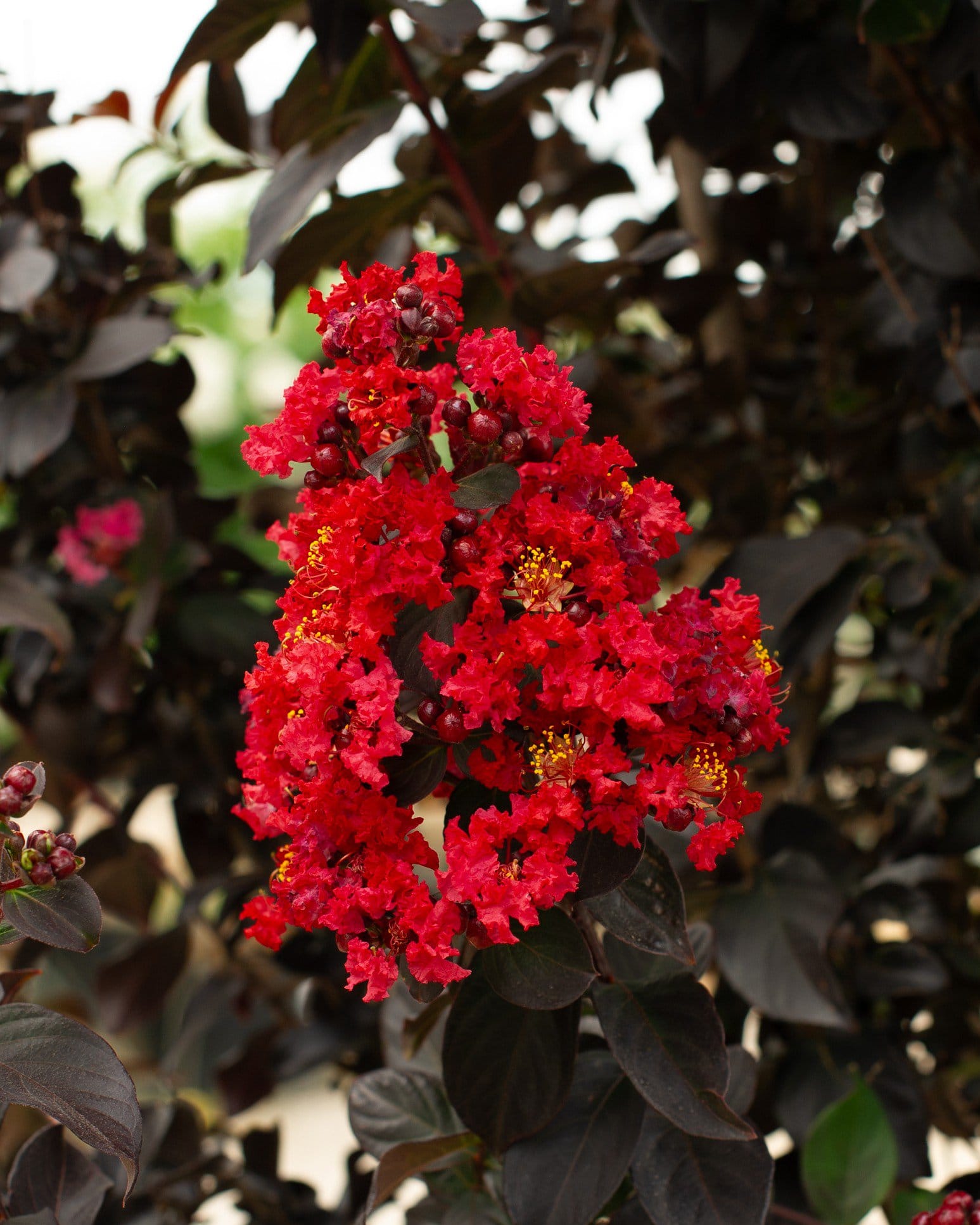
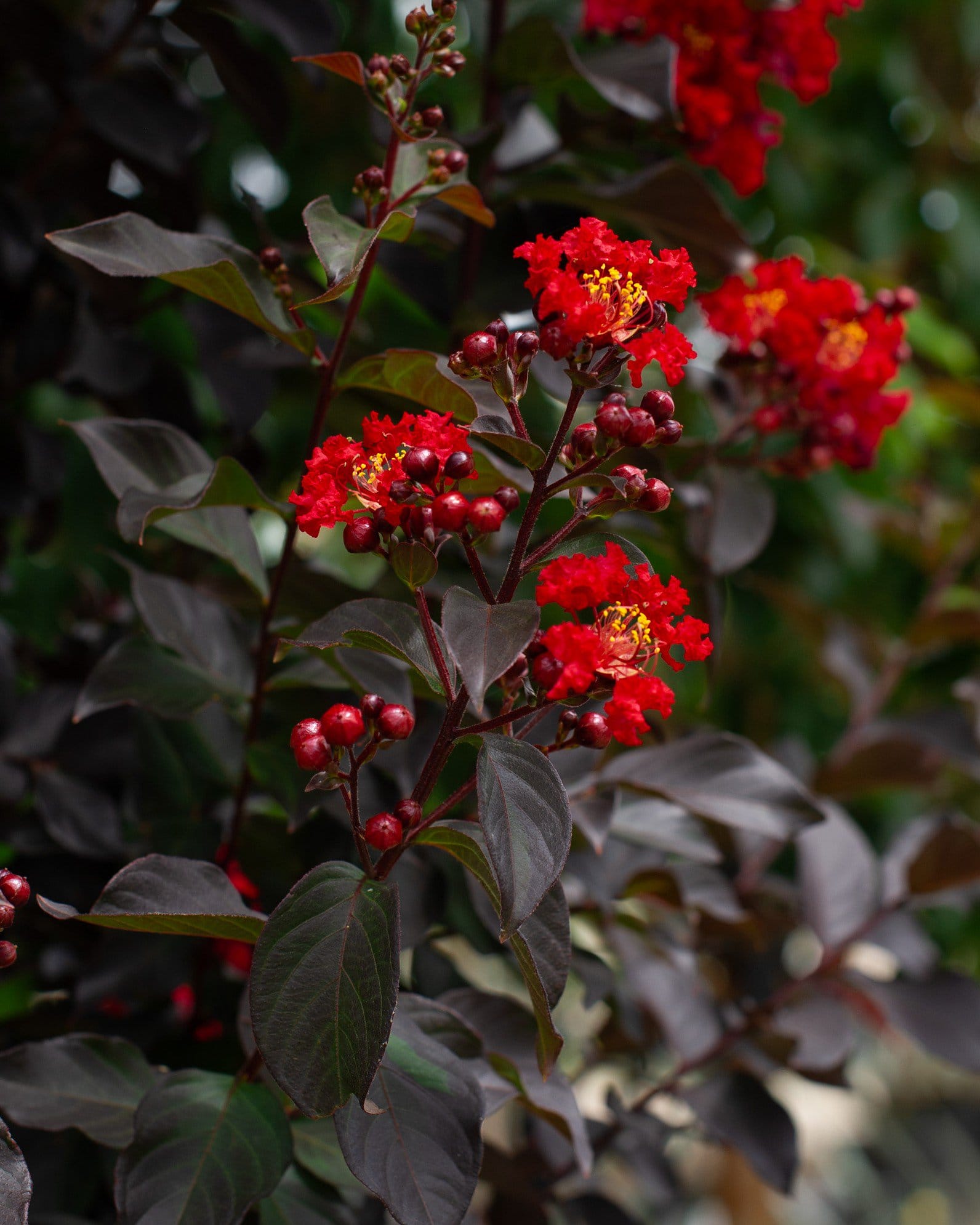
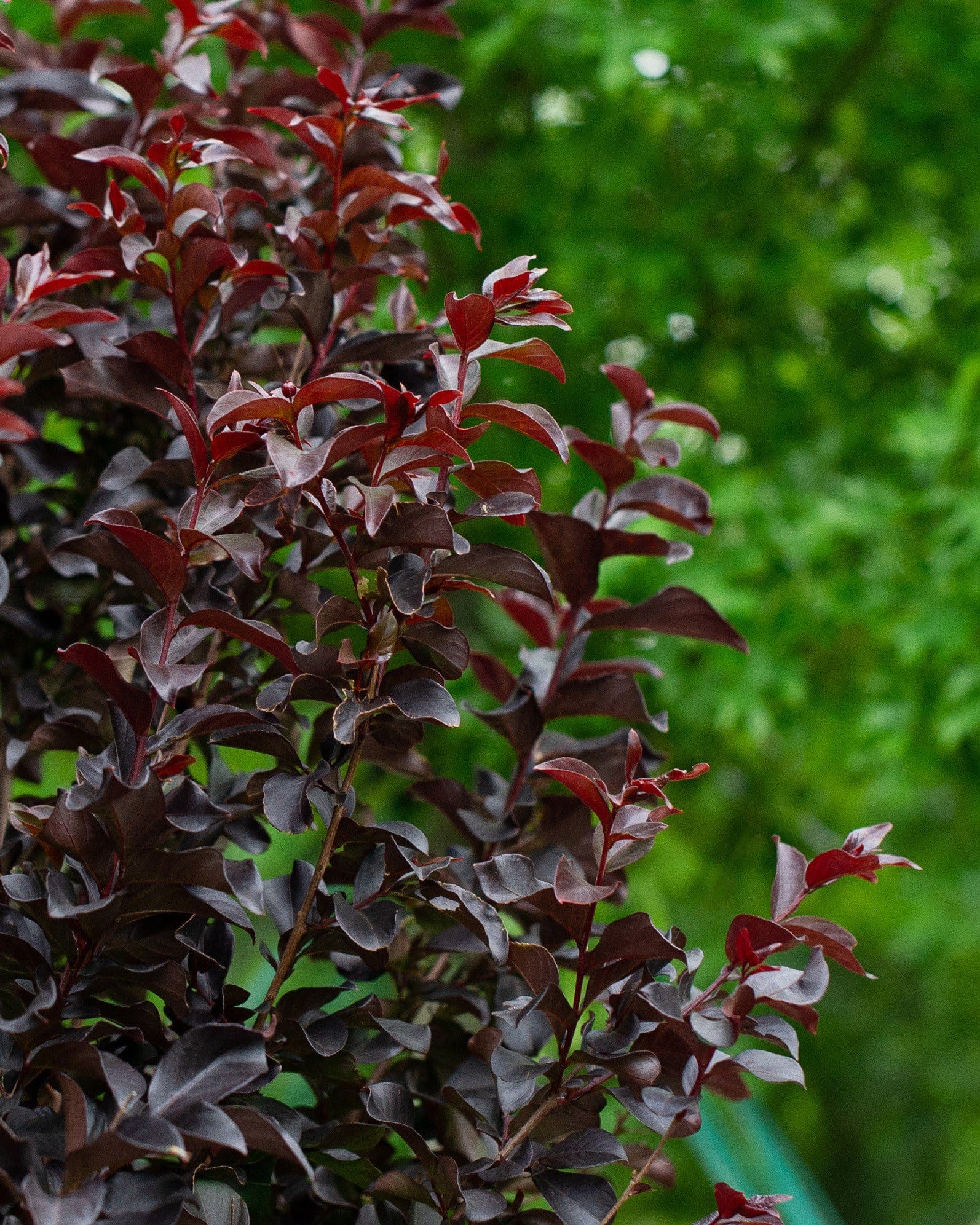
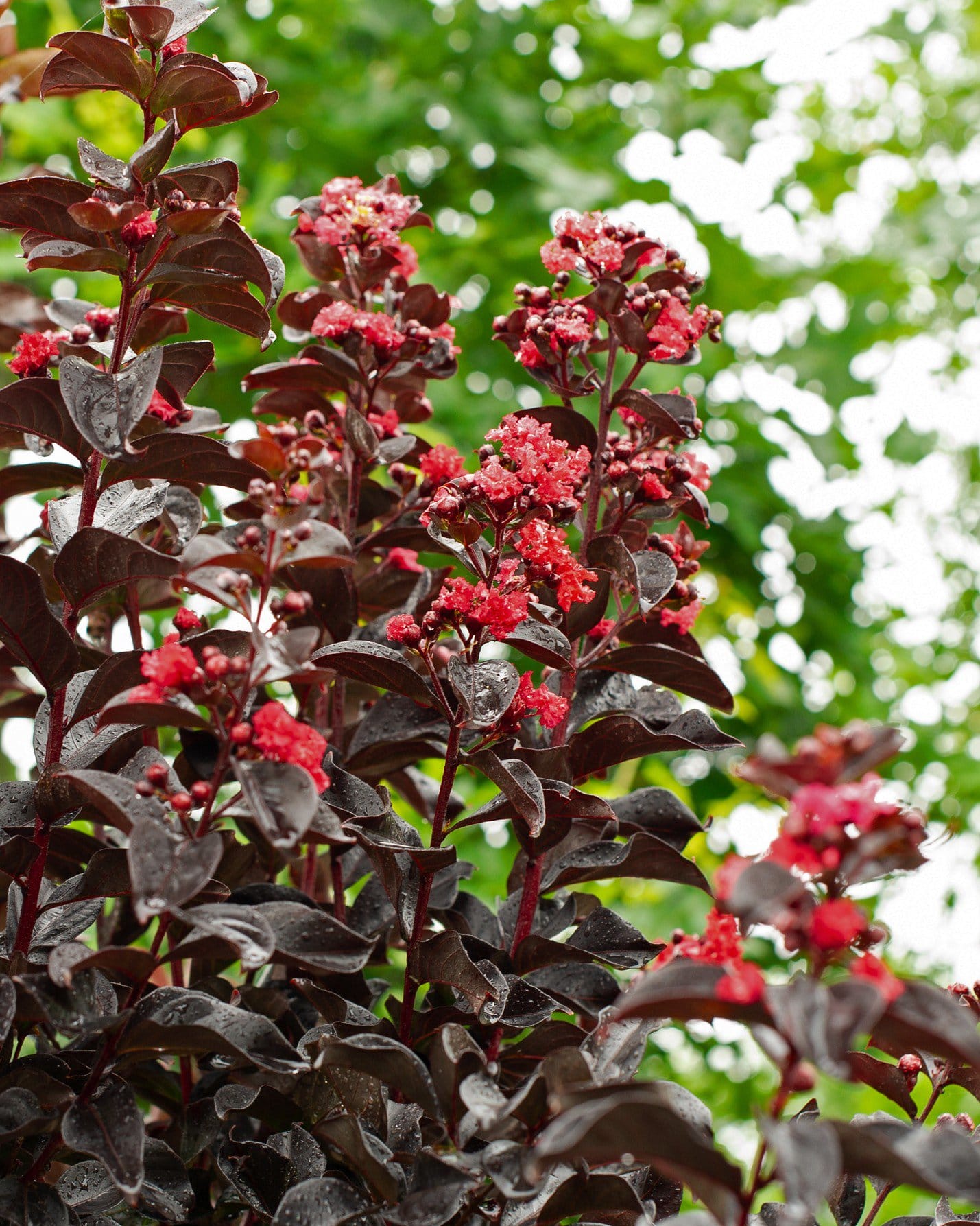
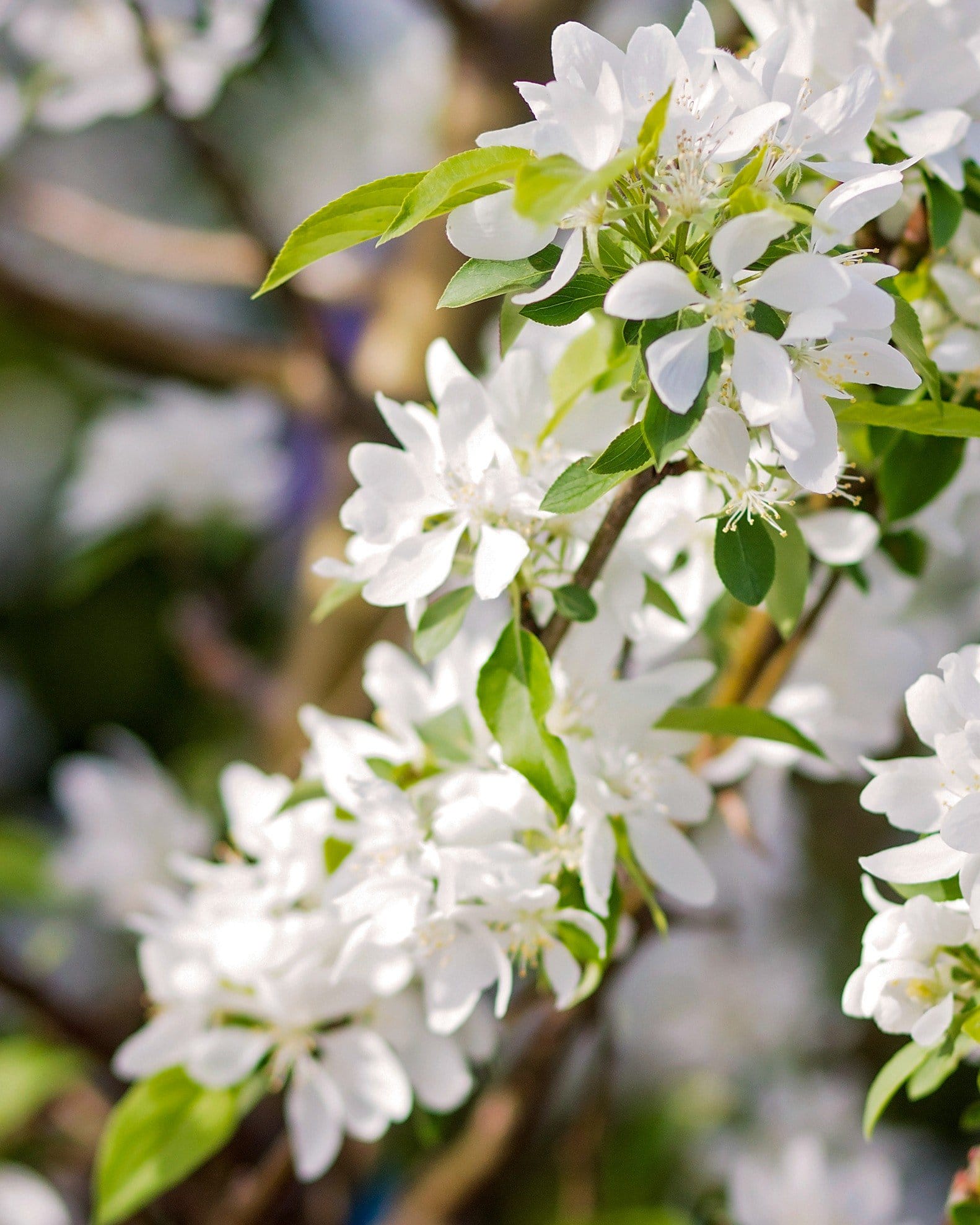
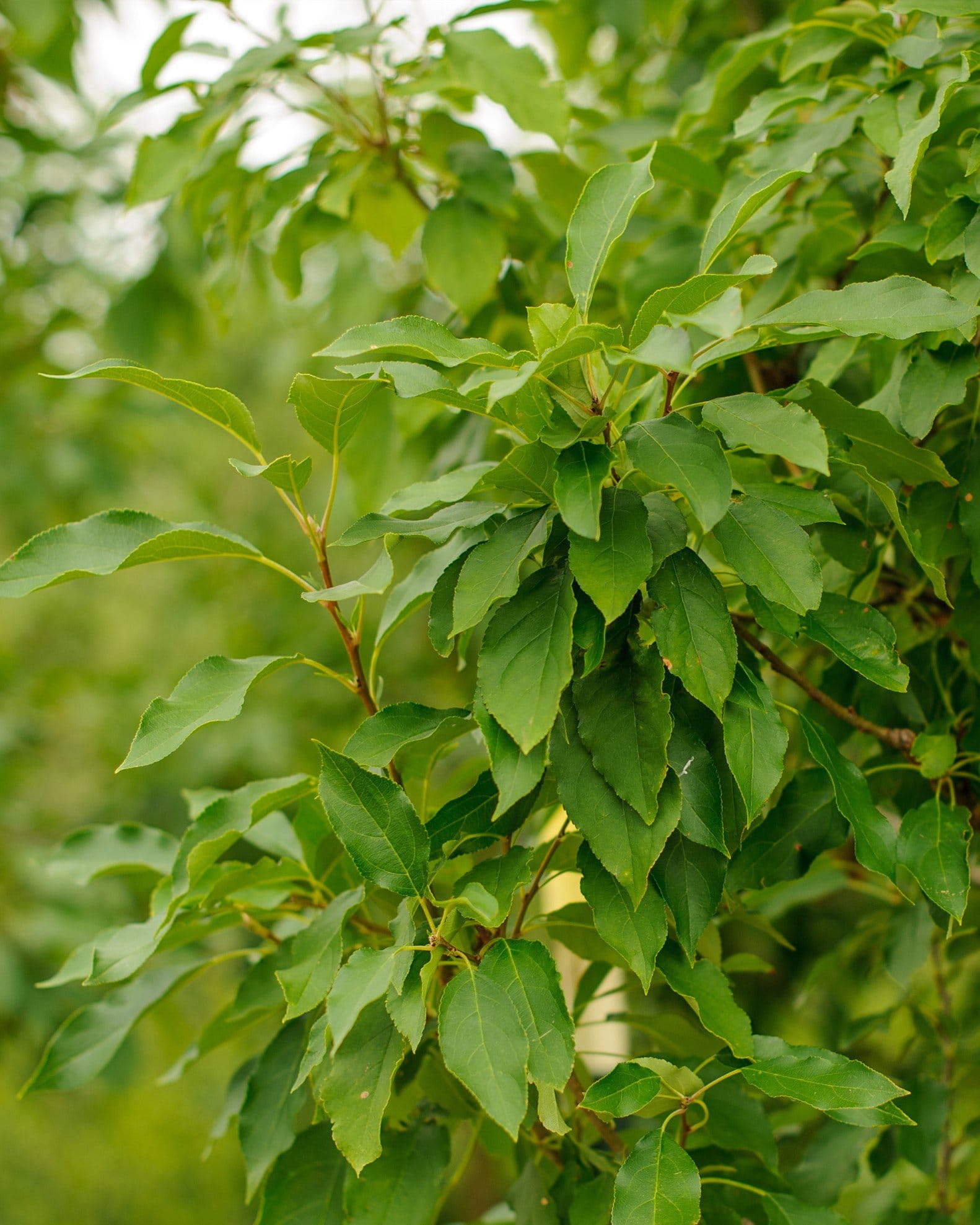
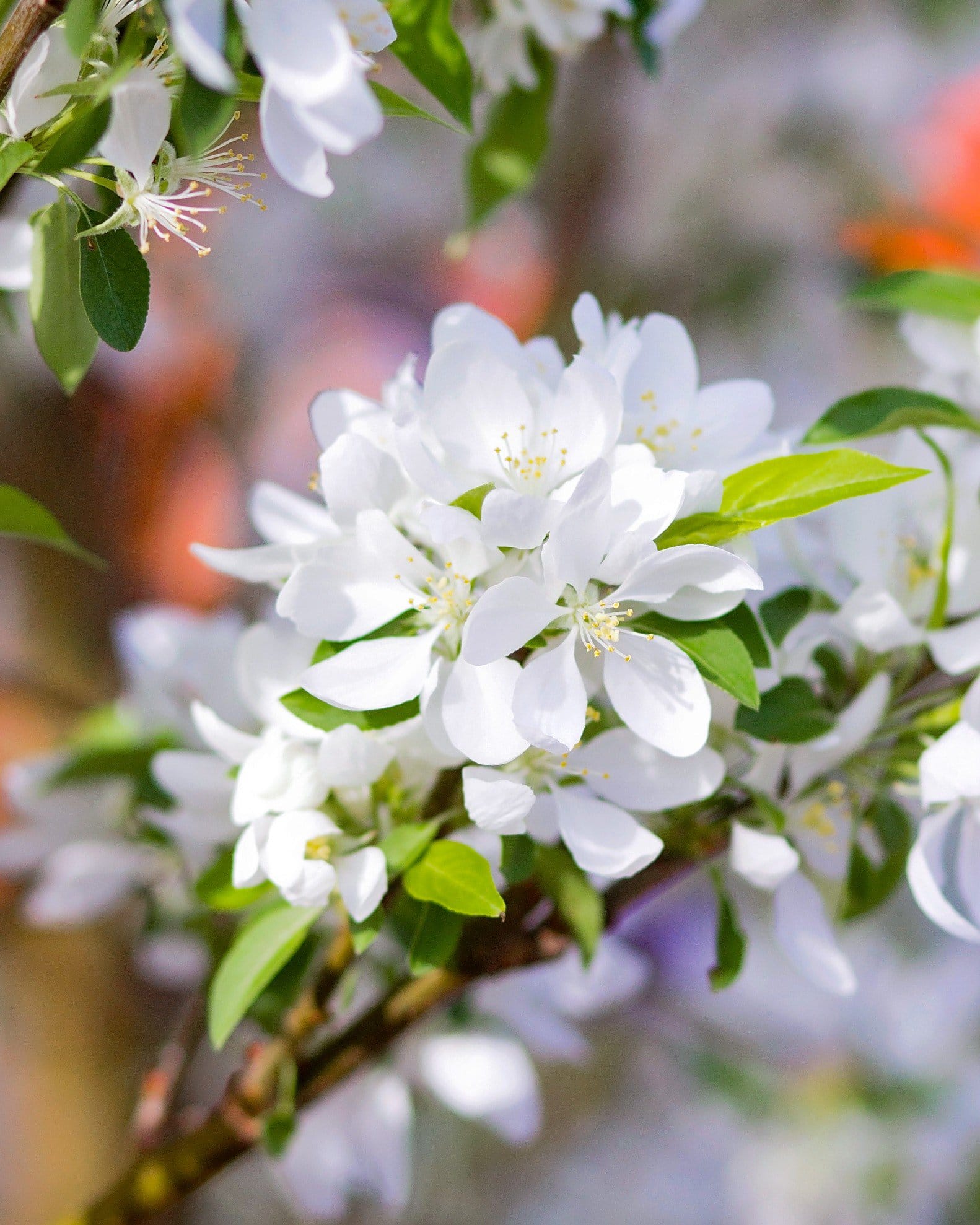
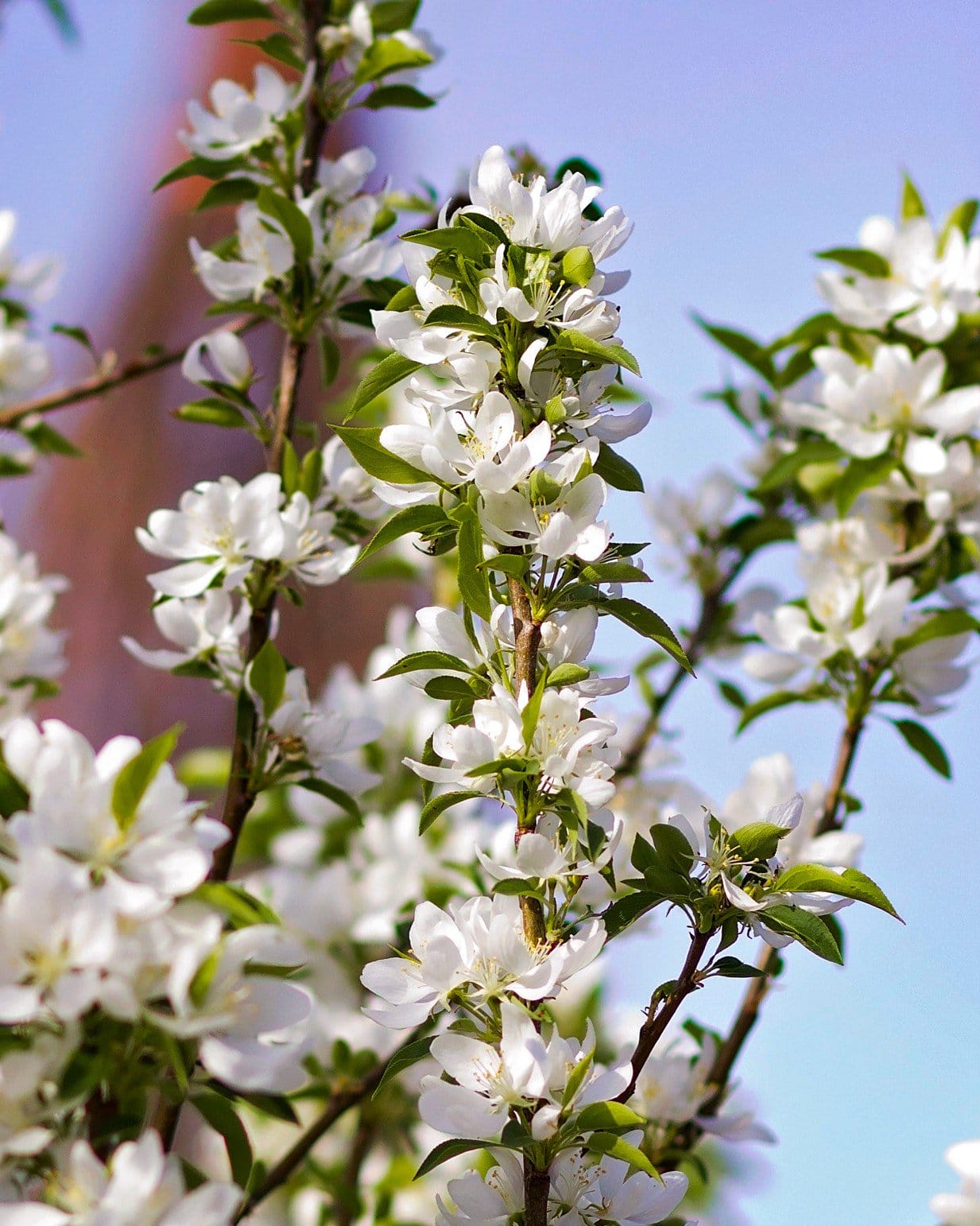
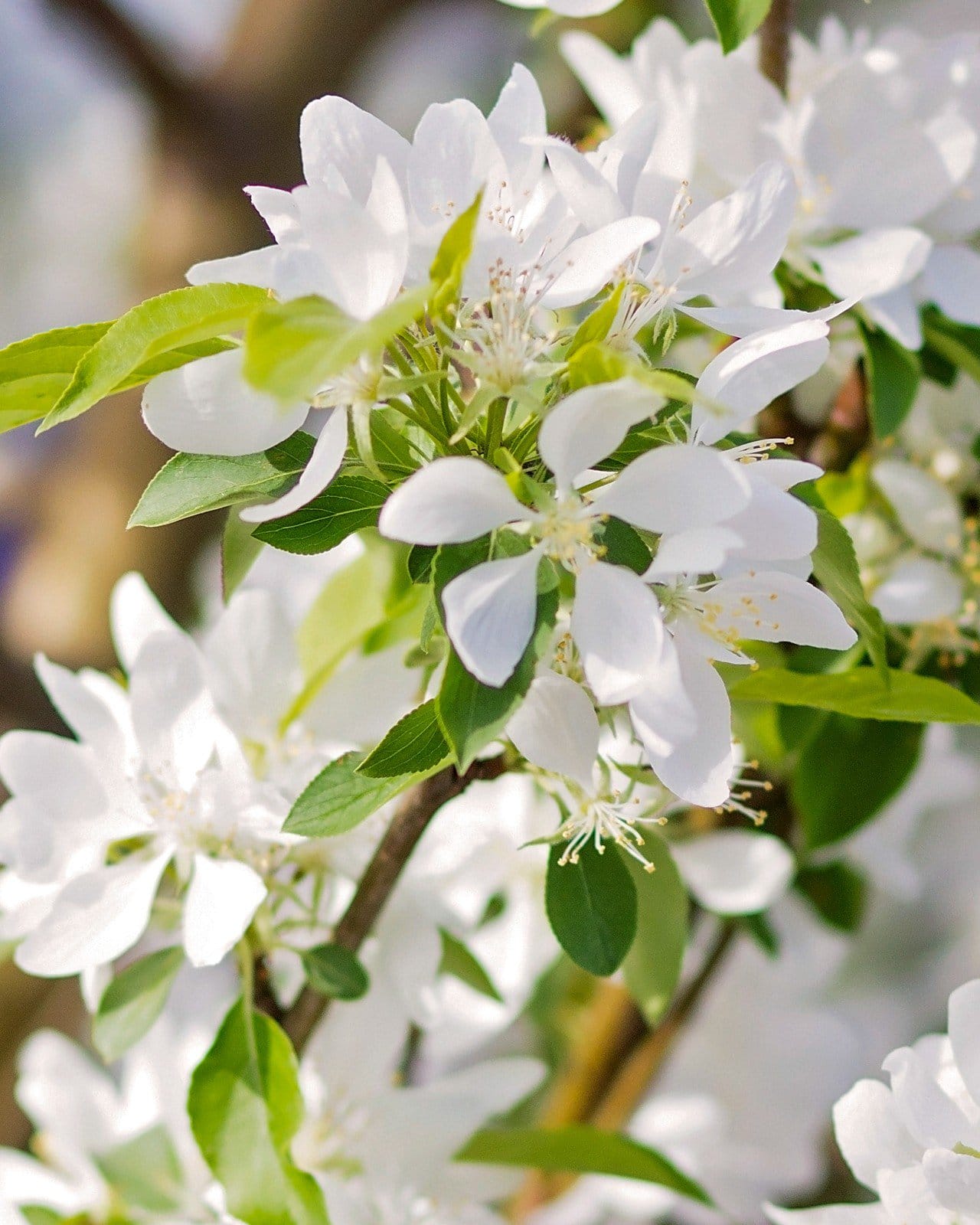
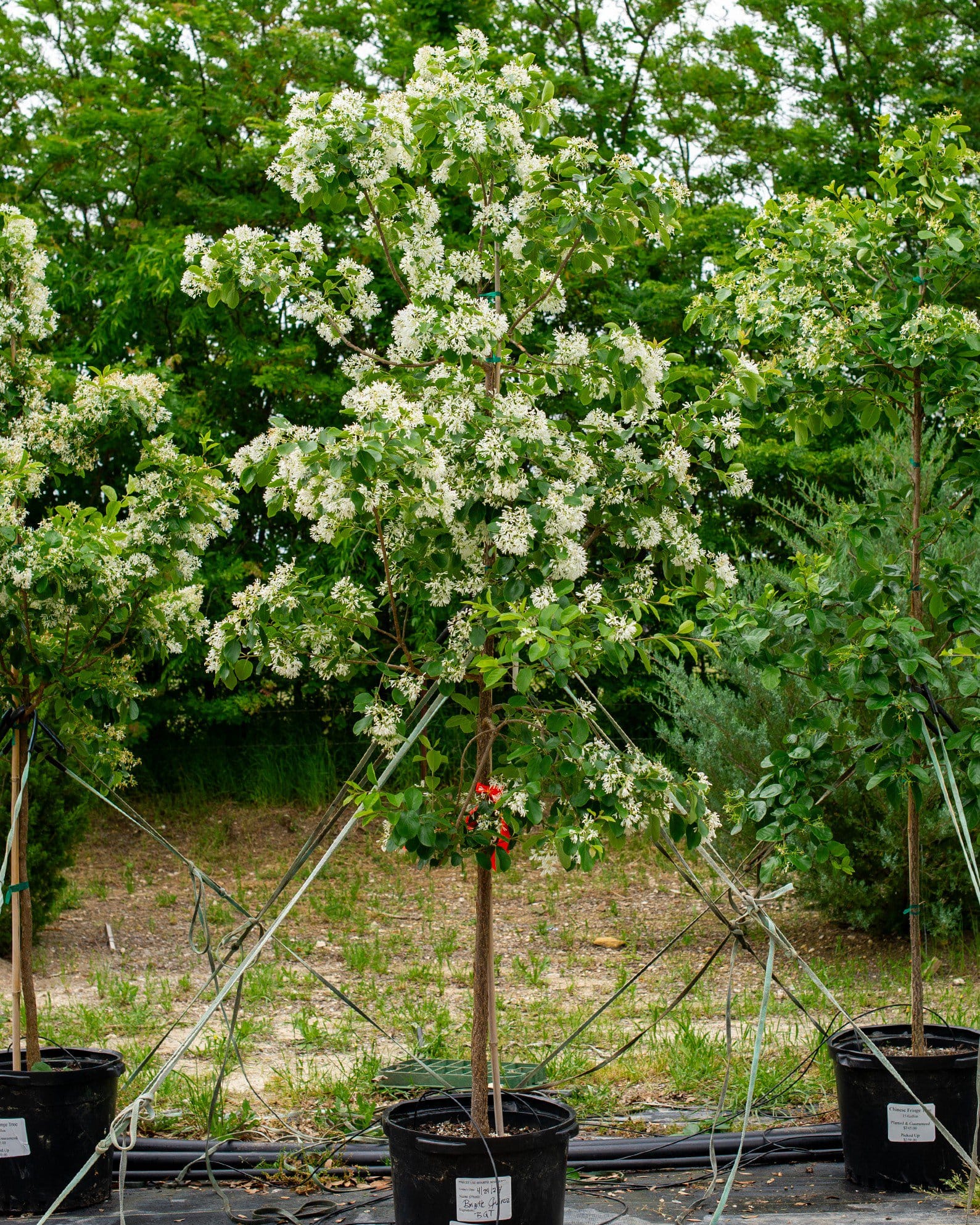
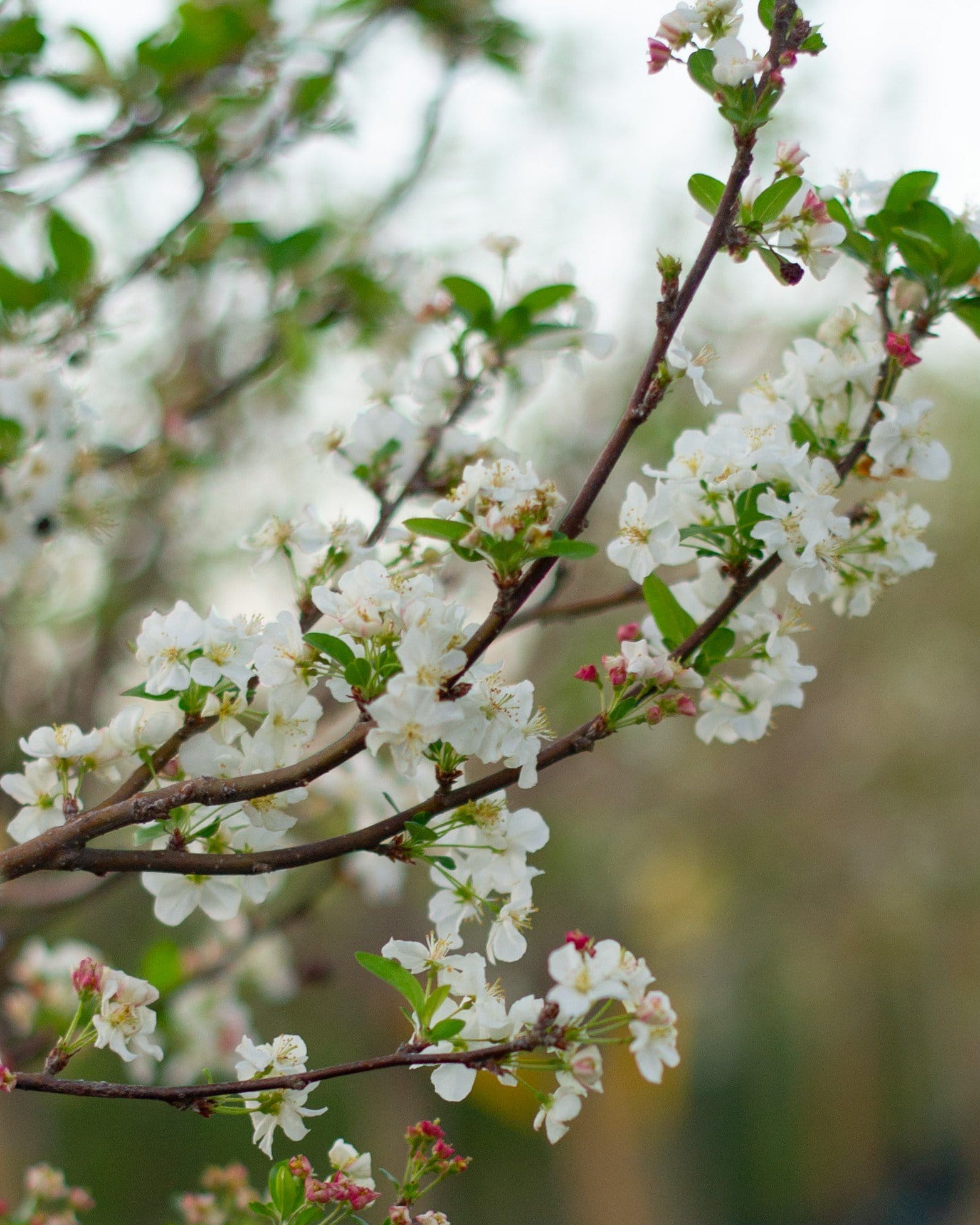
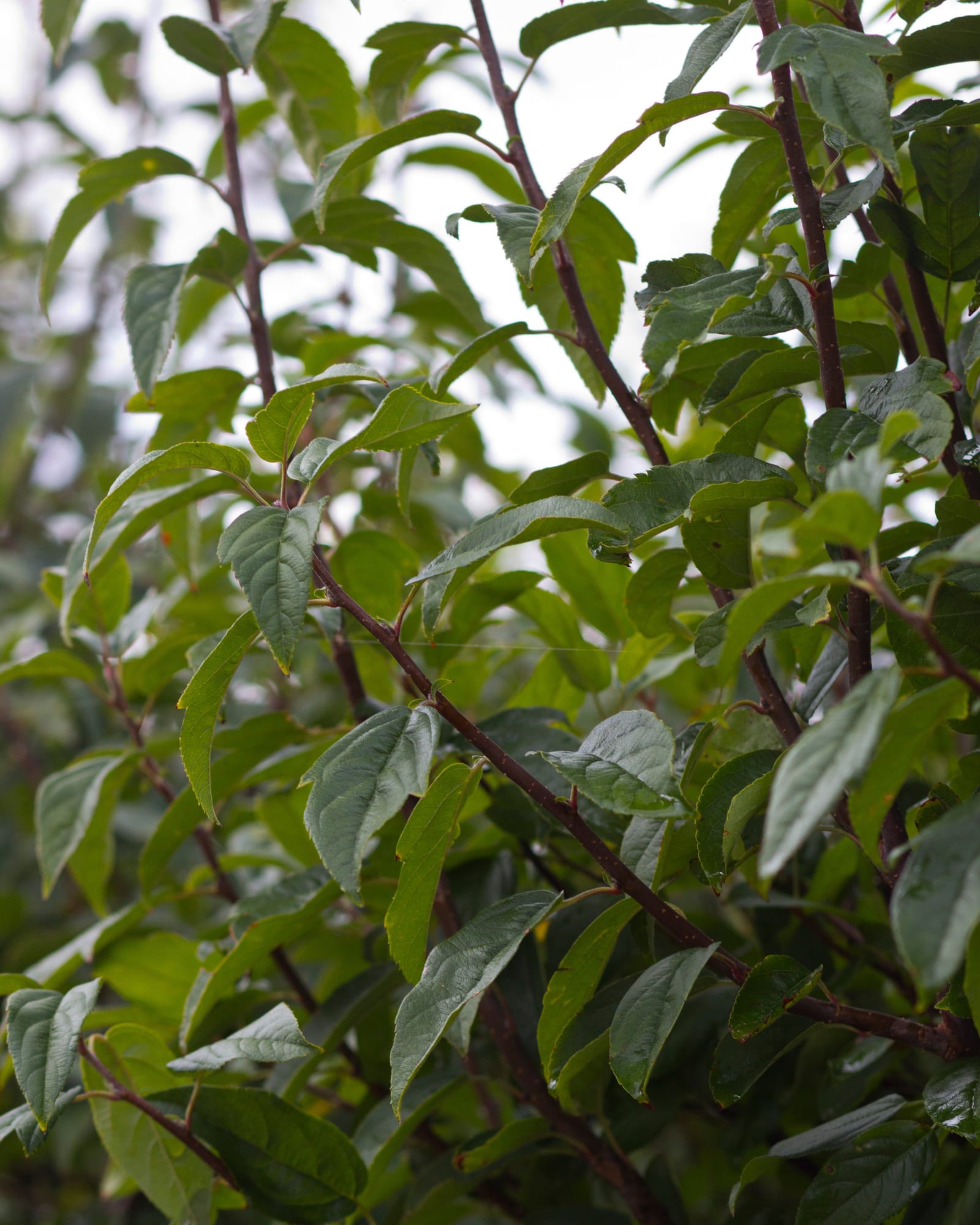
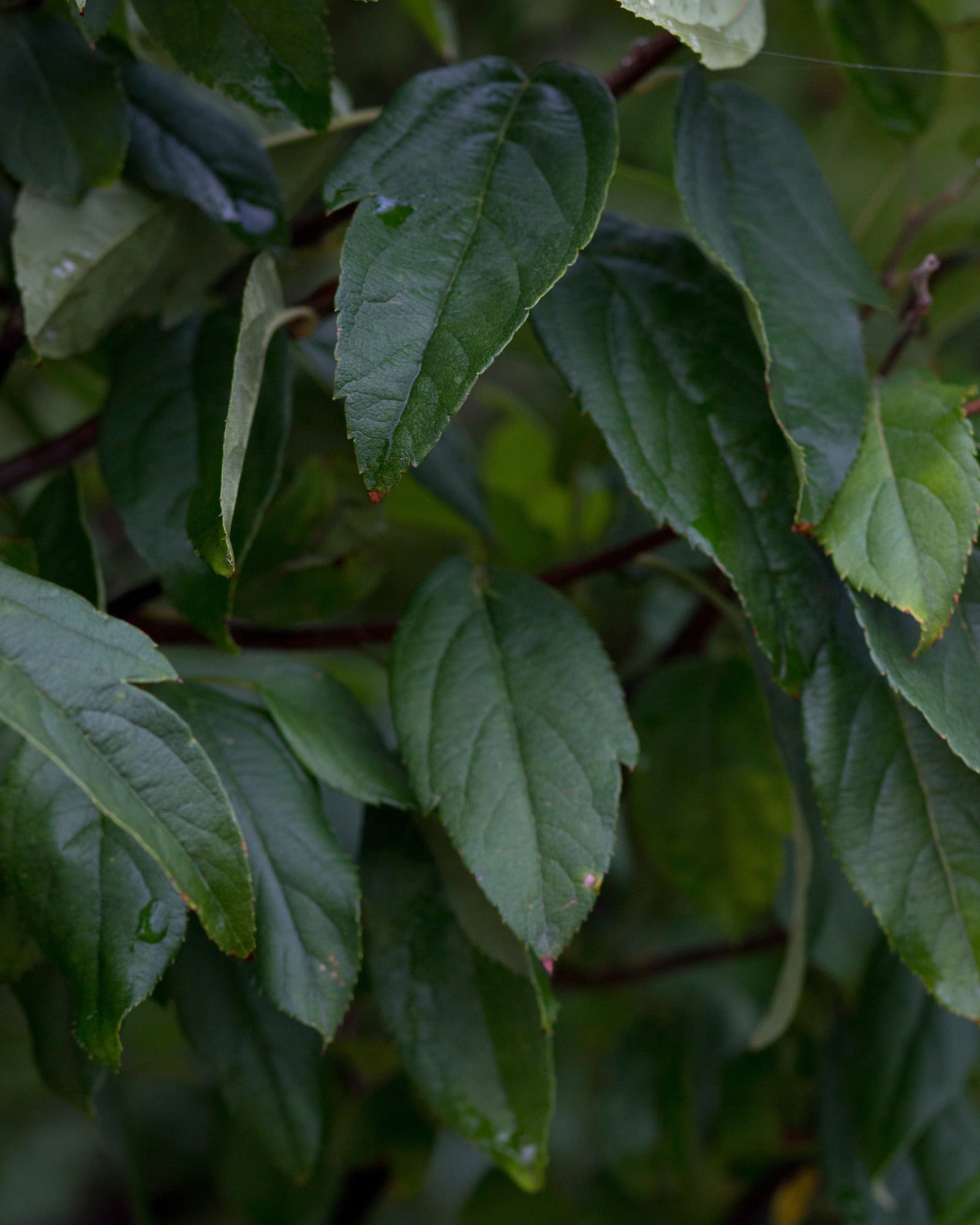
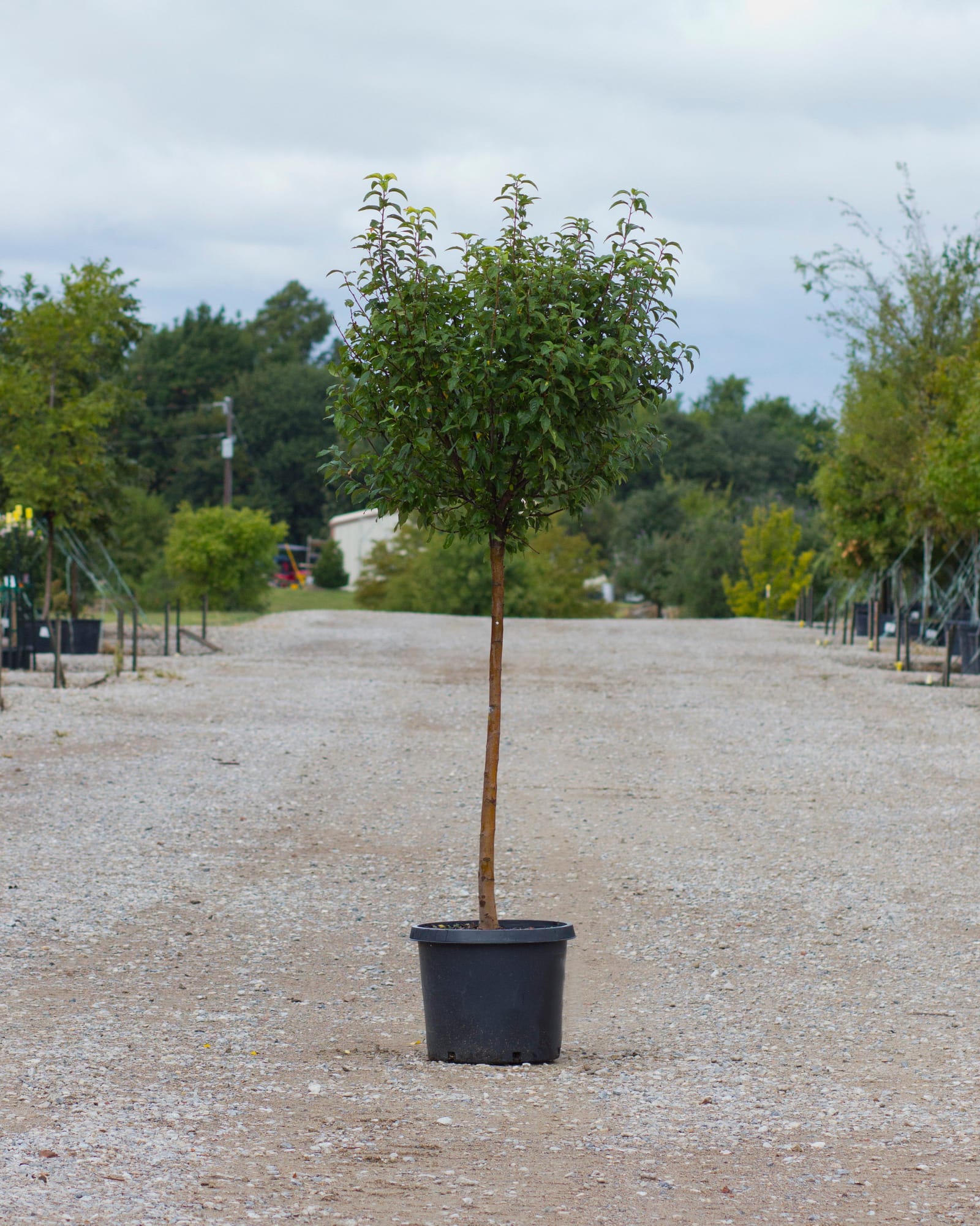
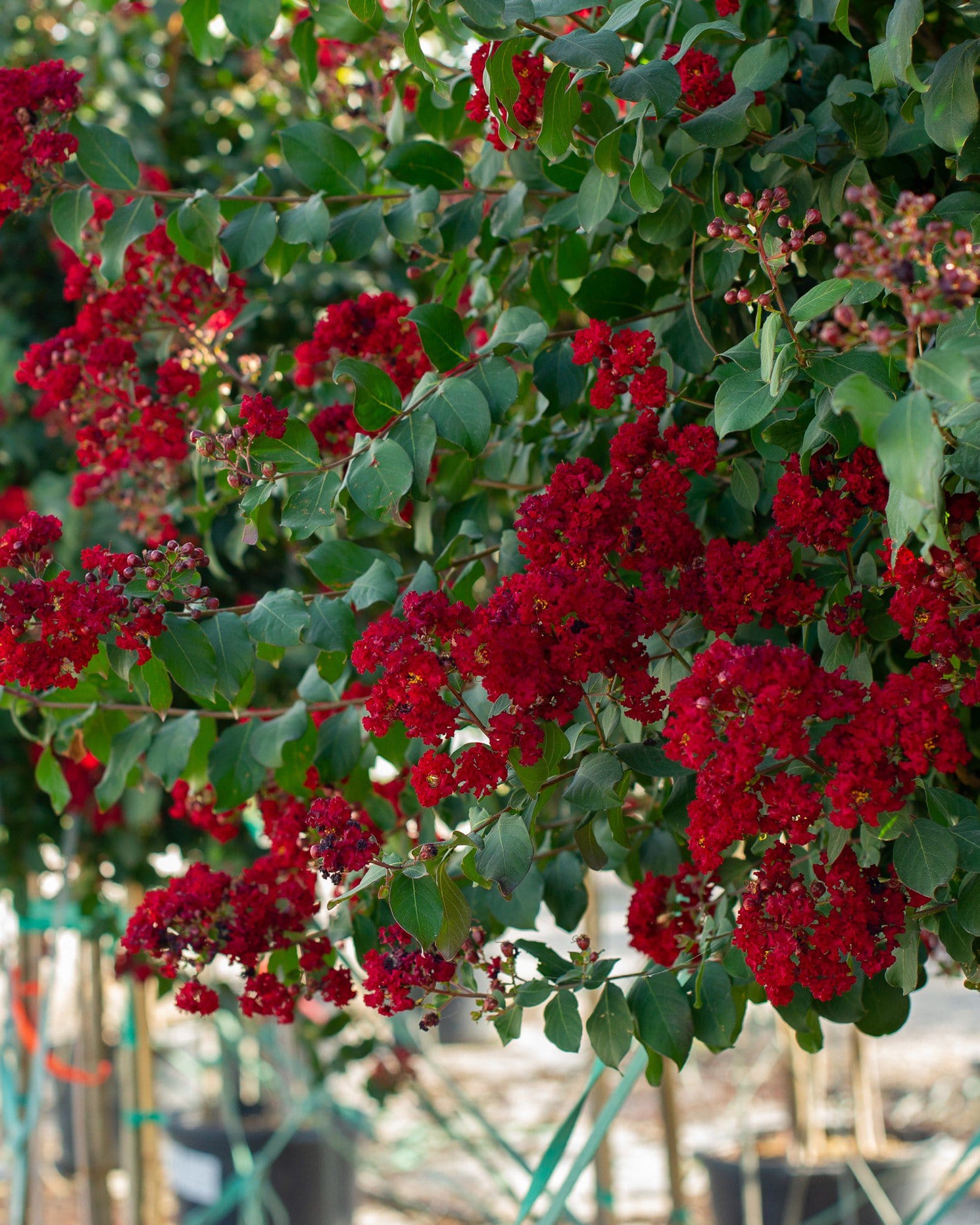
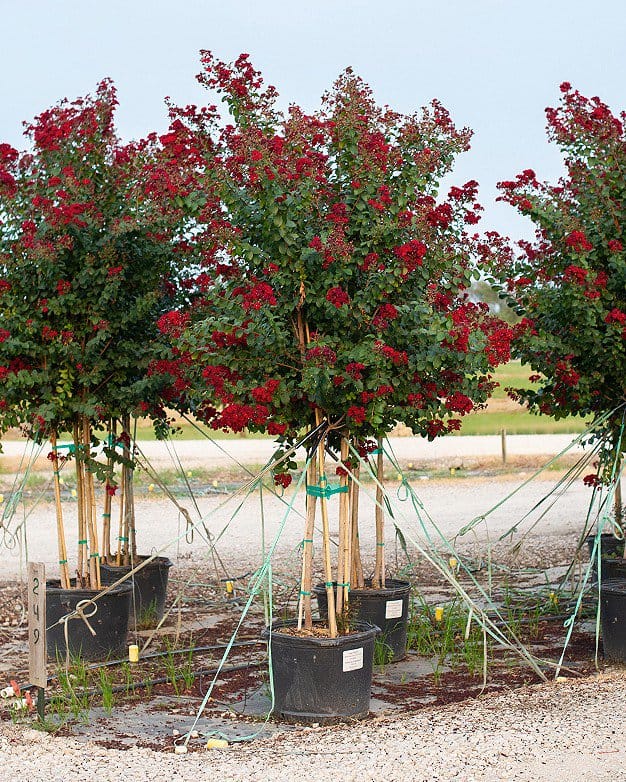
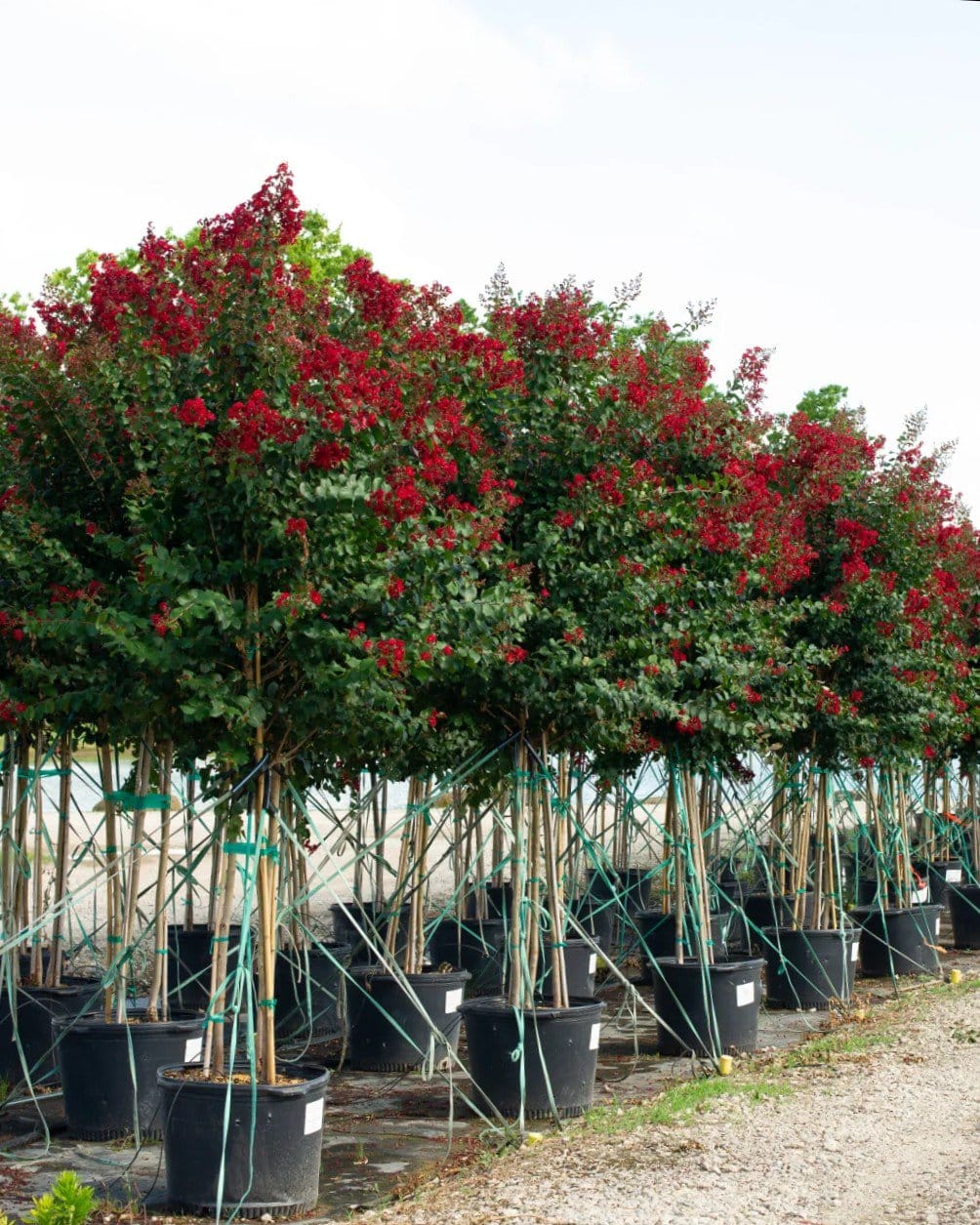
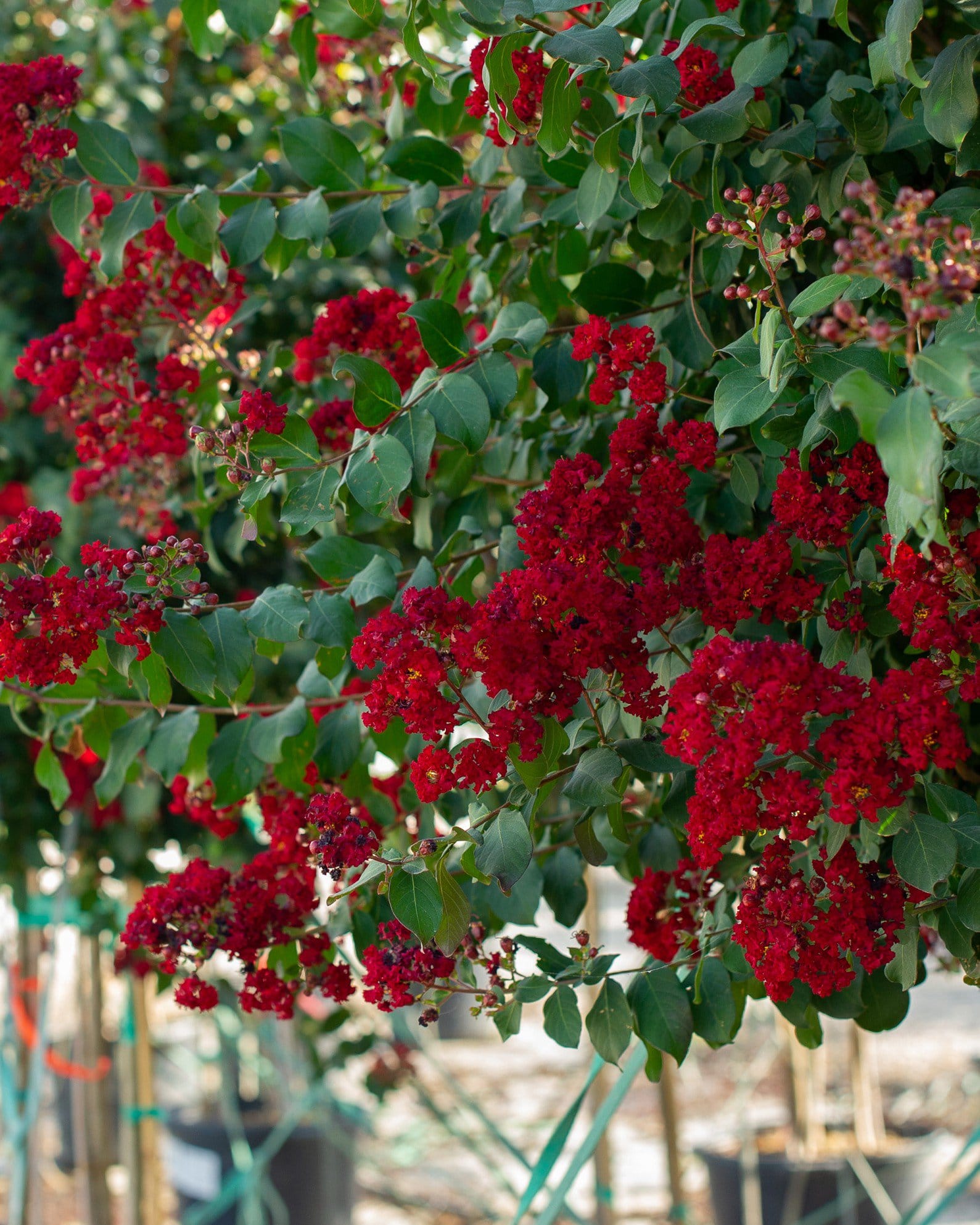
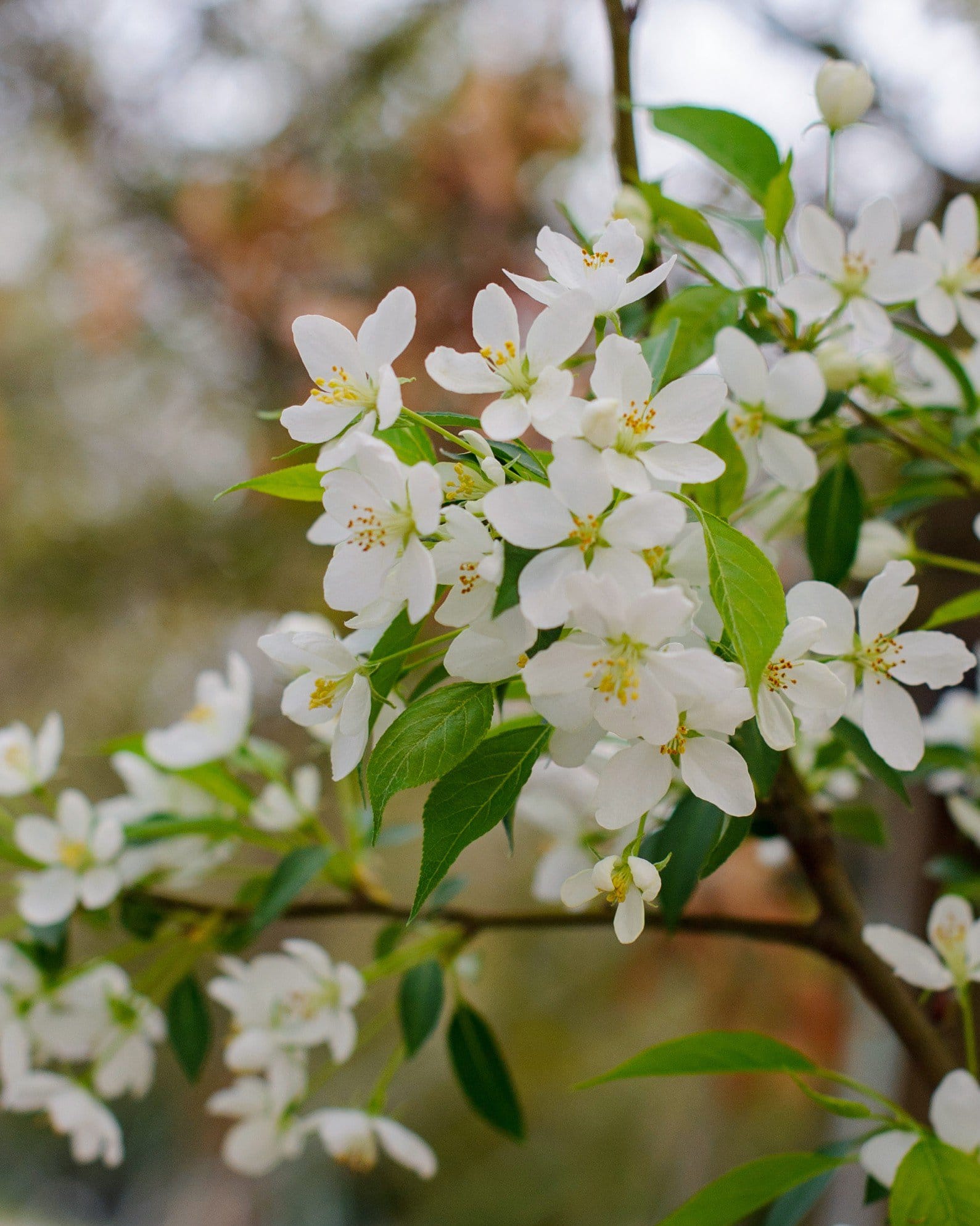
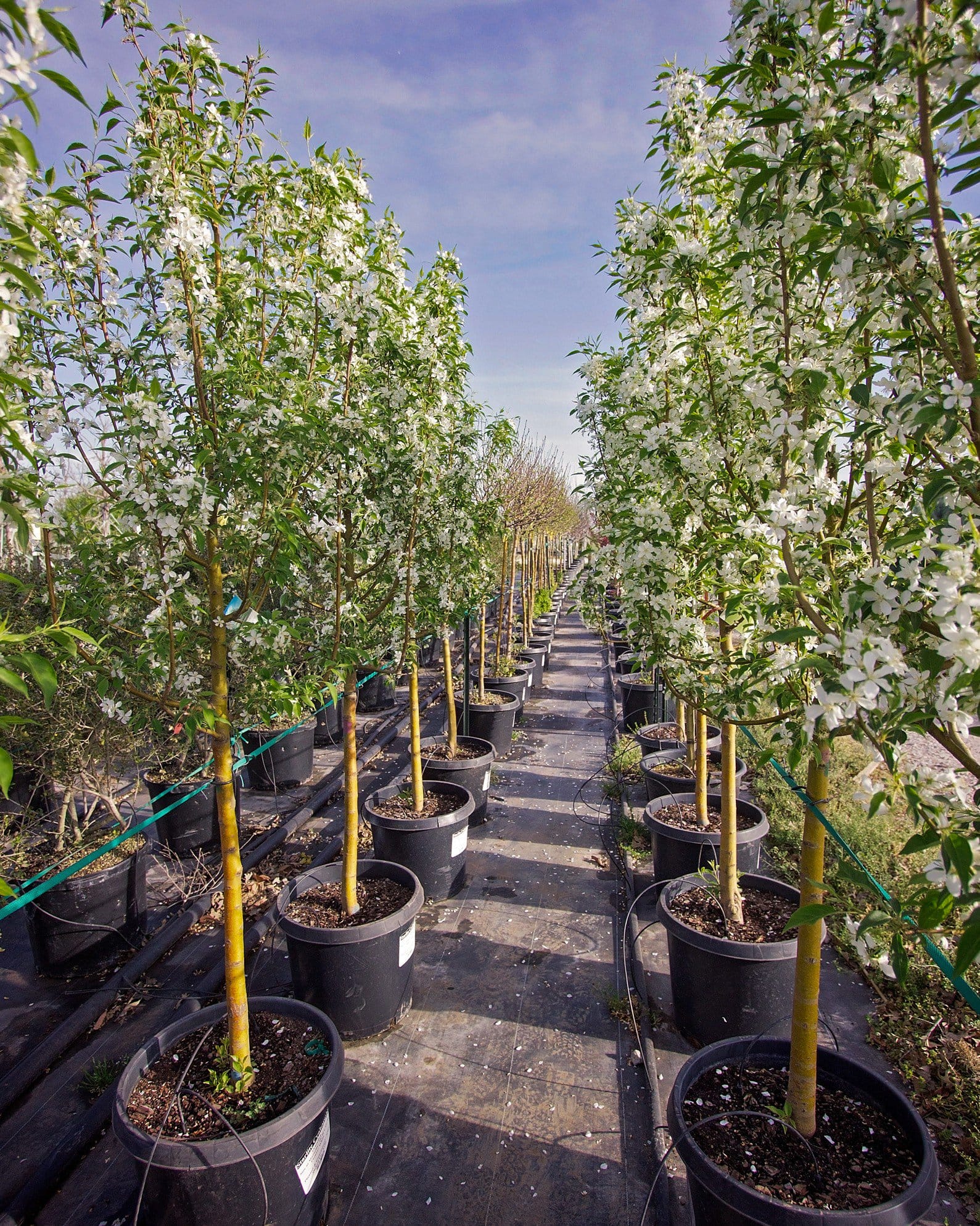
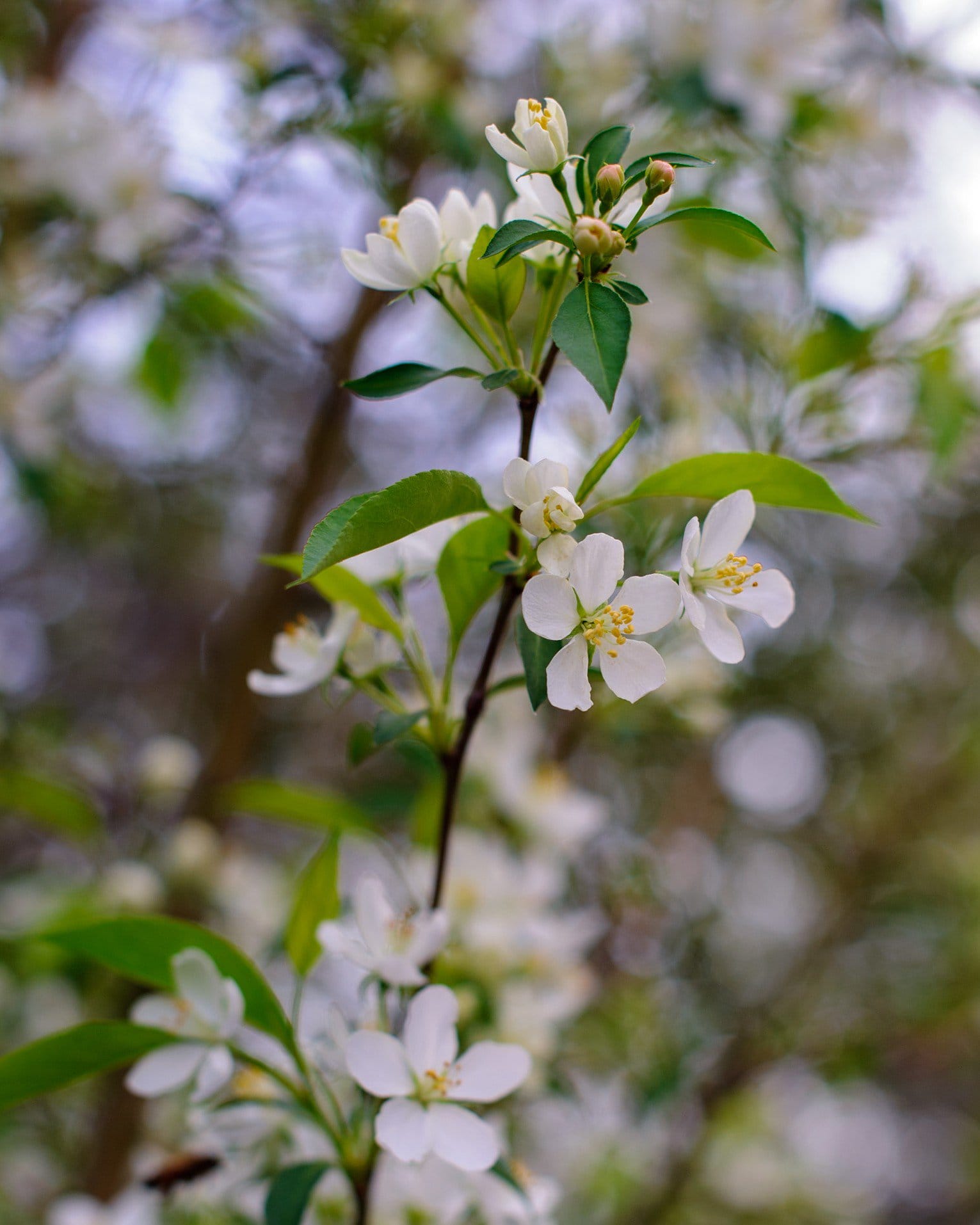
Malus ‘Prairifire’Prairifire Crabapple adds bold, multi-season color and interest to your landscape. In spring, it’s covered in clusters of deep wine red flowers that contrast beautifully against its rich purple foliage. As the seasons change, the leaves turn brilliant shades of orange and red, bringing warm fall color to your landscape. Reaching up to 15 feet in height and about 15 feet in width at maturity, it’s a great choice for borders, small groves, or as a striking focal point in open areas.
- A deciduous tree
- Upright, rounded growth habit
- Moderate growth rate
- Wine red flowers blooming in spring
- Purple foliage that turns orange and red in fall
Prairifire Crabapple is hardy in zones 4-8 and fits perfectly into your North Texas landscape. It thrives in full sun and prefers well-drained soil. With just a bit of care, it delivers seasonal blooms and vibrant foliage, keeping your outdoor space colorful year-round.
Maintenance
Prairifire Crabapple is a stunning ornamental tree that combines disease resistance with multi-season interest, making it an excellent choice for landscapes.
- Watering: Water regularly during the first one to two growing seasons to establish a deep, healthy root system. Once mature, Prairifire Crabapple is moderately drought-tolerant but benefits from supplemental watering during prolonged dry periods or extreme heat. Avoid overwatering, as soggy soil can lead to root rot.
- Pruning: Light pruning in late winter or early spring maintains shape, removes dead or crossing branches, and improves airflow through the canopy. Avoid heavy pruning into old wood, which may reduce flowering the following season. Pruning after flowering is ideal to maintain structure without removing next year’s buds.
- Fertilizing: Apply a balanced, slow-release fertilizer in early spring to encourage strong growth and abundant blooms. Avoid high-nitrogen fertilizers, which can promote leaf growth at the expense of flowers. Mature trees typically require minimal additional feeding.
- Mulching: Apply a 2-3 inch layer of mulch around the base to conserve moisture, moderate soil temperature, and suppress weeds. Keep mulch several inches away from the trunk to prevent rot.
- Winter Care: Prairifire Crabapple is hardy in most regions. Mulching the root zone in colder areas helps protect roots from freezing. Young trees may benefit from wind protection during harsh winter storms.
Common Issues and How to Take Care of Them
- Fire Blight: A bacterial disease that causes blackened branches and leaves. Prune infected branches promptly, disinfect tools, and avoid heavy nitrogen fertilization.
- Apple Scab: Fungal disease causing dark spots on leaves. Remove fallen leaves, prune for airflow, and apply fungicide if necessary.
- Aphids: These sap-sucking insects can distort new growth. Rinse with water or treat with insecticidal soap if infestations occur.
- Powdery Mildew: White, powdery growth may appear in humid conditions. Ensure good airflow and avoid wetting foliage.
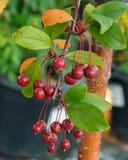
With proper care, Prairifire Crabapple offers vibrant pink-red spring blooms, glossy foliage, and attractive red fruit in fall, providing long-lasting interest and low-maintenance beauty.
It grows at a moderate rate, typically 12-24 inches per year, eventually reaching 15-20 feet tall and wide. Growth rate depends on soil quality, sunlight, and water availability.
Early spring or fall is ideal, giving roots time to establish before extreme heat or cold. Planting during these seasons reduces transplant shock and promotes healthy initial growth.
Water deeply once or twice per week during dry periods for the first year. Once established, occasional deep watering during droughts is sufficient.
Yes, once established, the Prairifire Crabapple is moderately drought-tolerant. While young trees require consistent watering to develop a healthy root system, mature trees can withstand periods of dry weather without significant stress. Supplemental watering during prolonged dry spells helps maintain optimal flower and fruit production.
Yes, smaller cultivars or young trees can be grown in large, deep containers. Ensure well-draining soil and adequate watering to support root development.
Yes, deer generally avoid it due to the tough foliage and slightly bitter taste of new growth.
Yes, the tree produces small, bright red crabapples in fall that persist into winter, attracting birds and wildlife.
With proper care, Prairifire Crabapple can live 25-30 years, maintaining strong structure, colorful blooms, and vibrant fall fruit.
Yes, it adapts well to city environments, including compacted soils, heat, and moderate air pollution, making it suitable for streetscapes, parks, and residential yards.
Yes, Prairifire Crabapple tolerates moderate wind, but constant strong winds can stress young trees. Planting near a windbreak or among other shrubs helps protect foliage and maintain healthy growth.
Special Features
You might also like
Compare Similar Plants
Prairifire Crabapple This plant | ||
|---|---|---|
| Scientific Name | Malus ‘Prairifire’ | Malus ‘Branzam’ |
| Size at Maturity | 15' H x 15' W | 20' H x 15' W |
| Leaf Retention | Deciduous | Deciduous |
| Fall Color | Orange & Red | Orange & Red |
| Flower Color | Red & Pink | Pink |
| Bloom Times | Spring | Spring |
| Sizes Available | 15 gal | 30 gal |


Our 1-Year Planting Guarantee
We take pride in our plants and installation services. If any plants or trees installed by Treeland fail to thrive within the first year, we'll provide a replacement credit in accordance with our guarantee program.
Learn More About Our Guarantee