
Brandywine Crabapple
Malus ‘Branzam’Local DFW Delivery Only
Product Details
Brandywine Crabapple
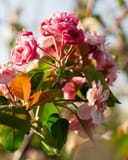
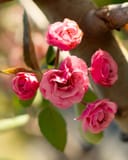
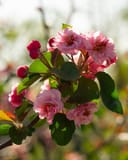
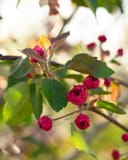
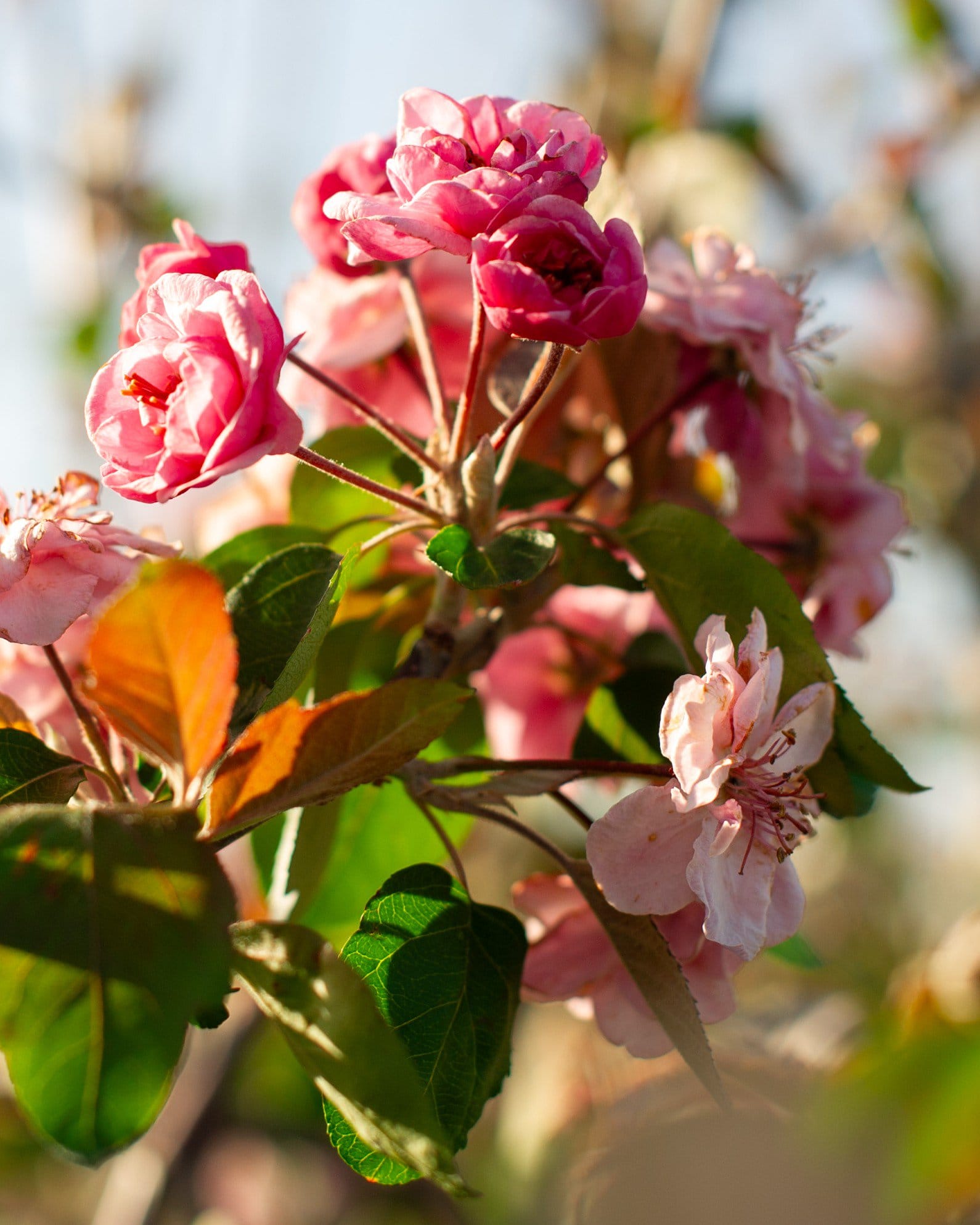
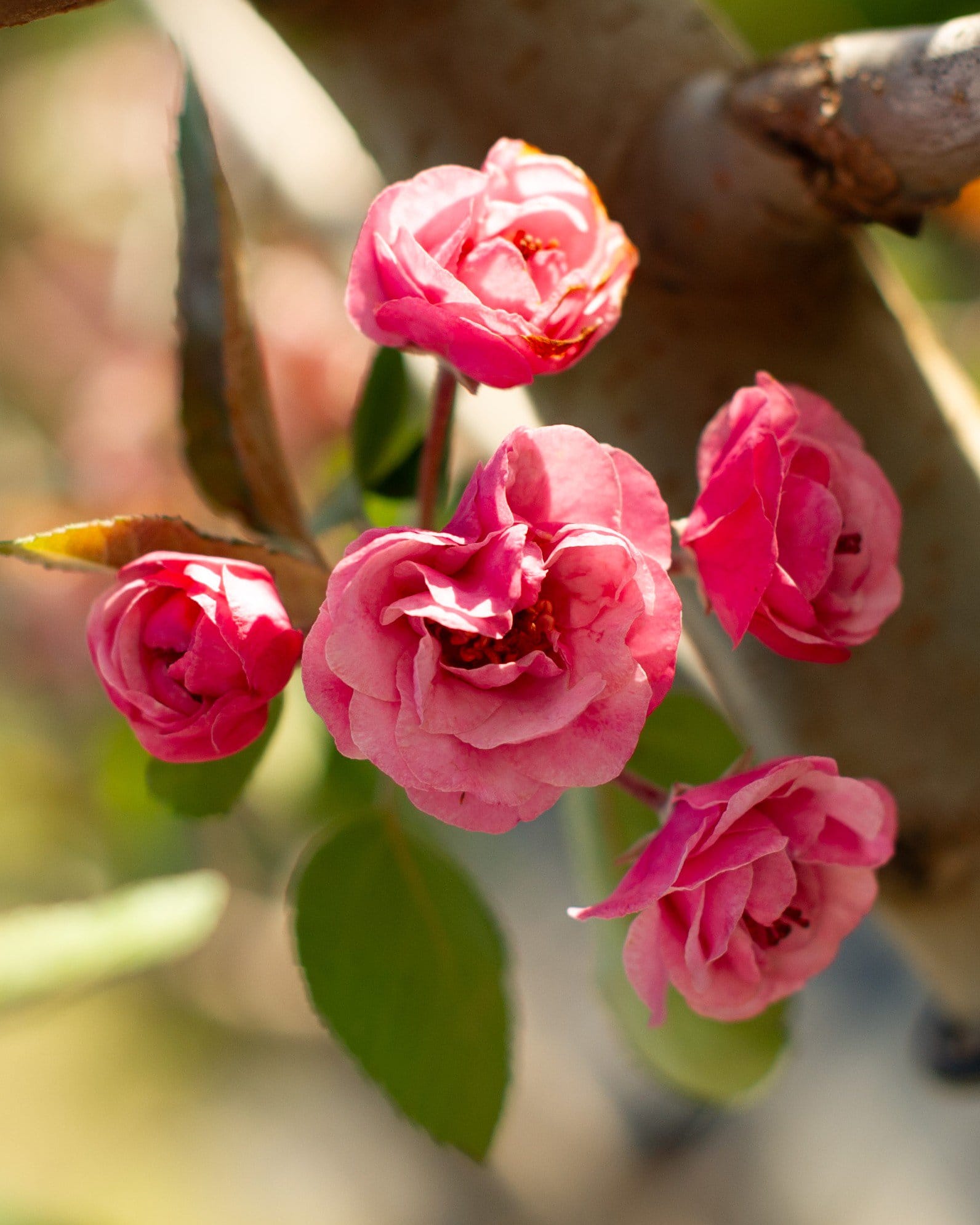
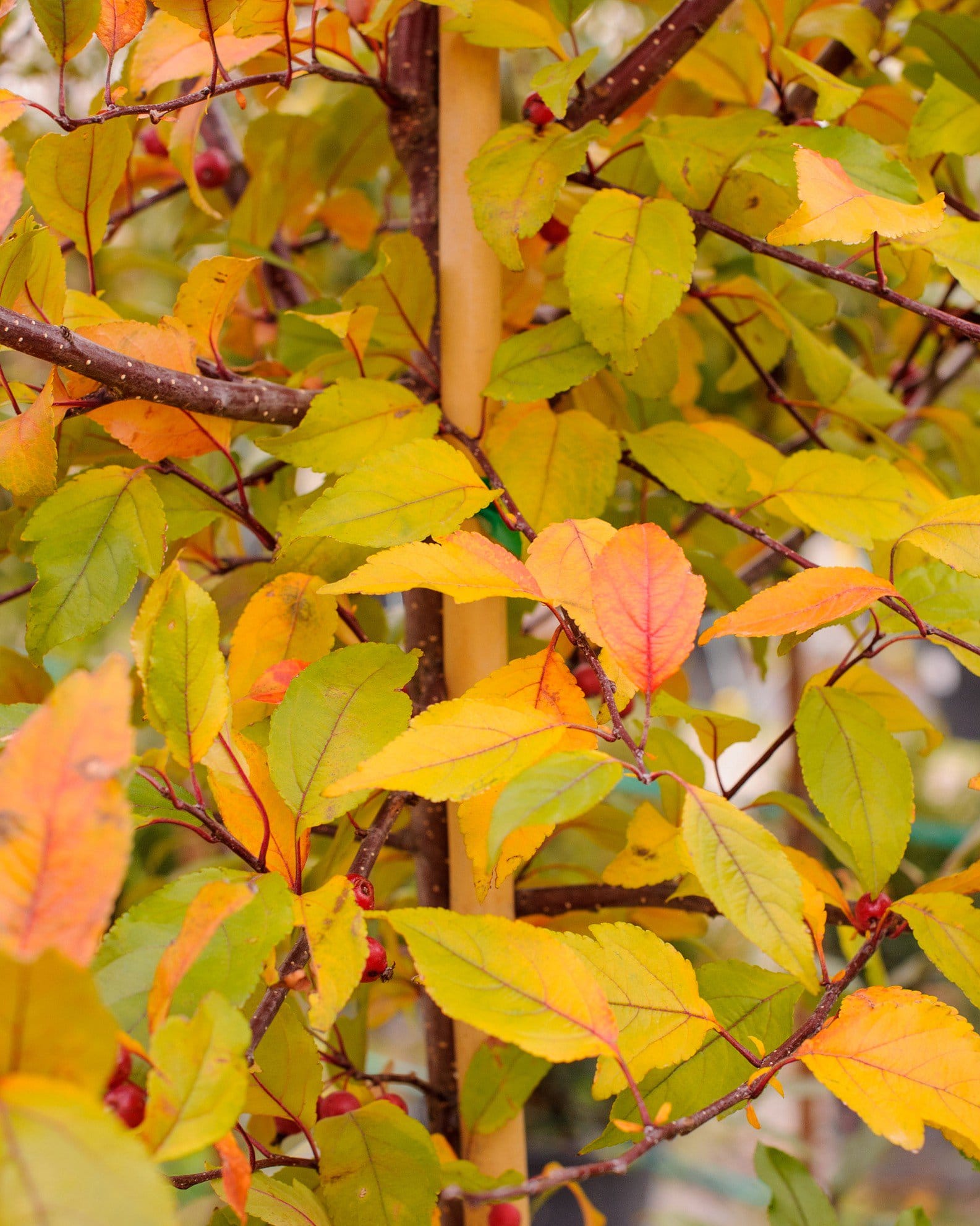
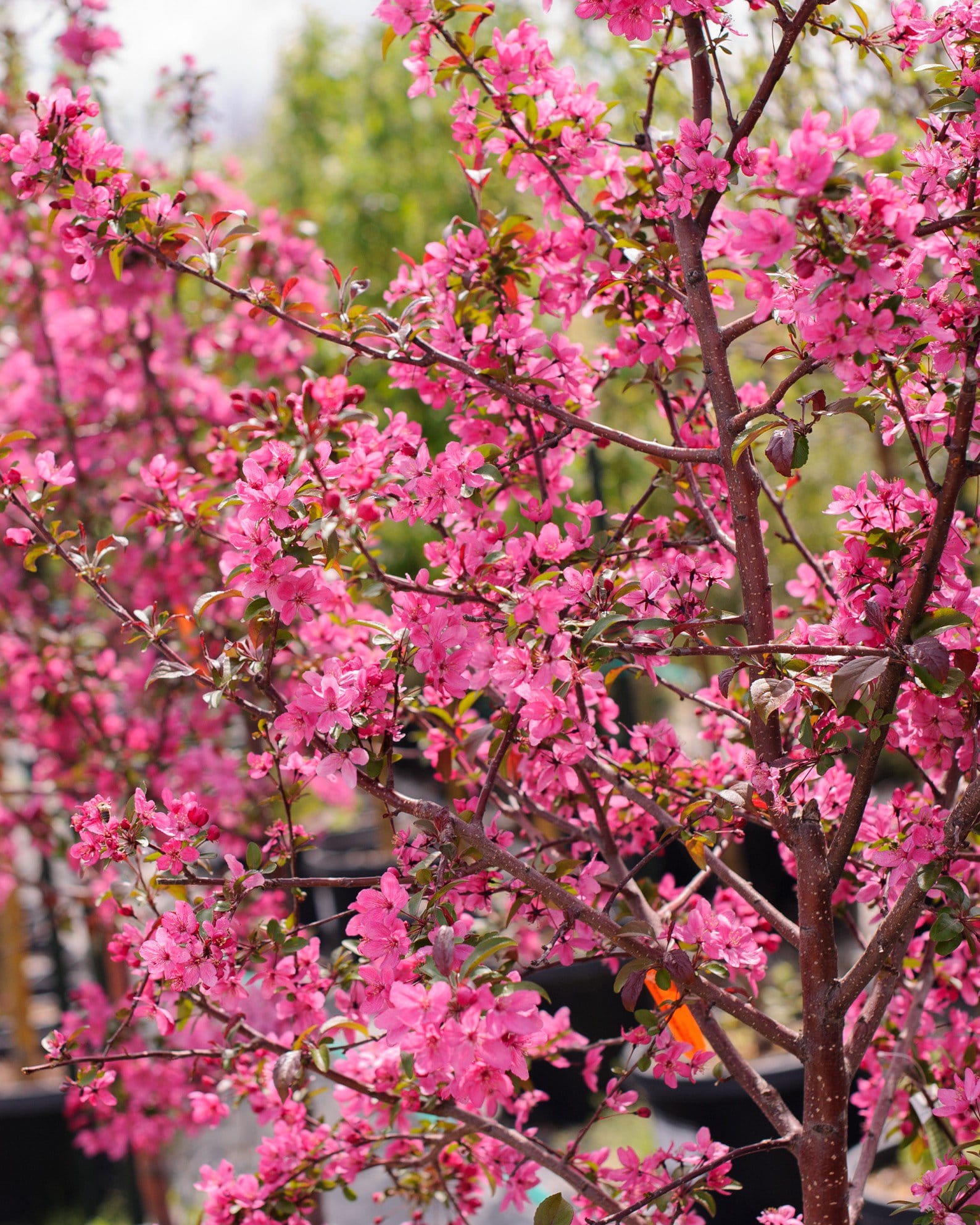
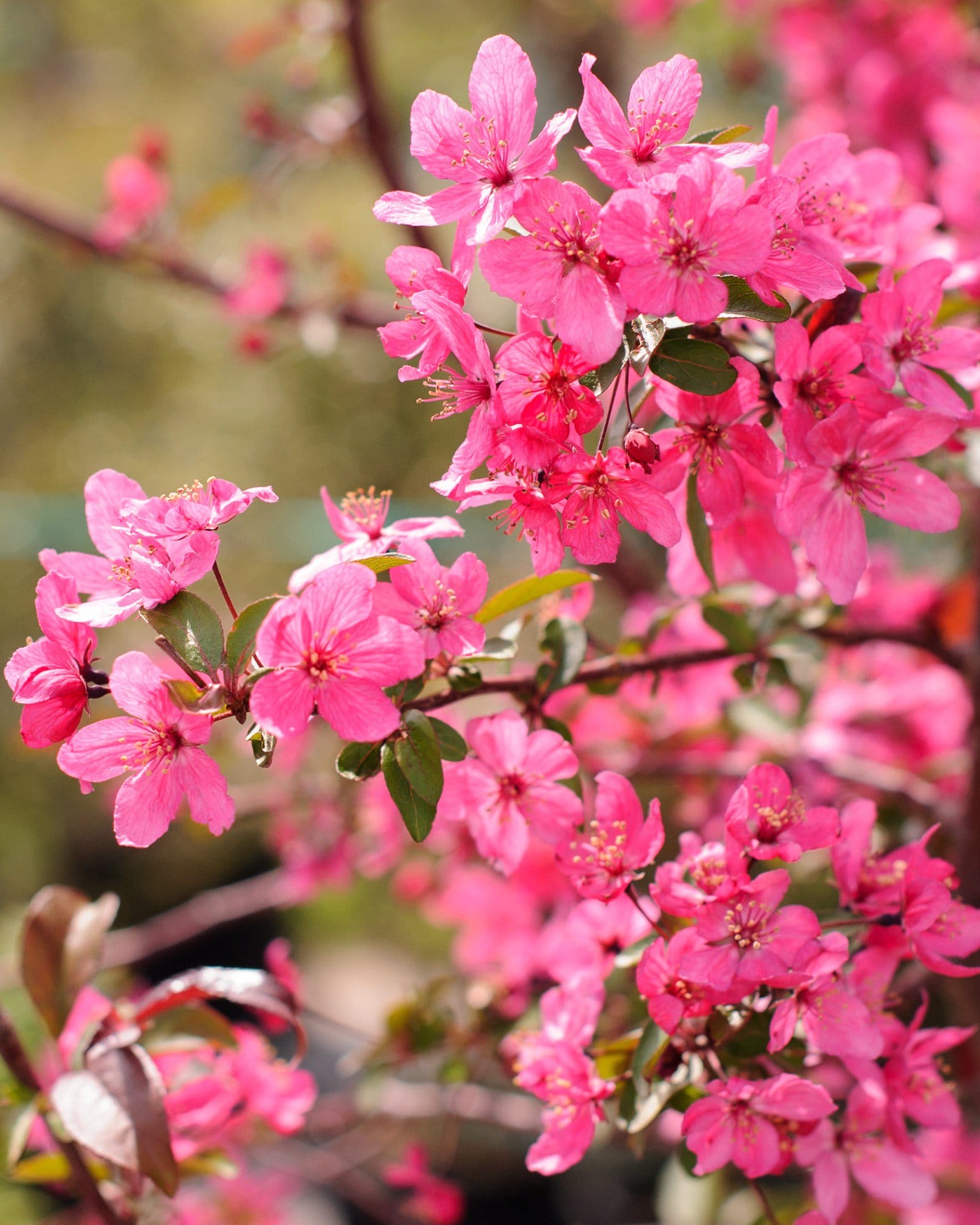
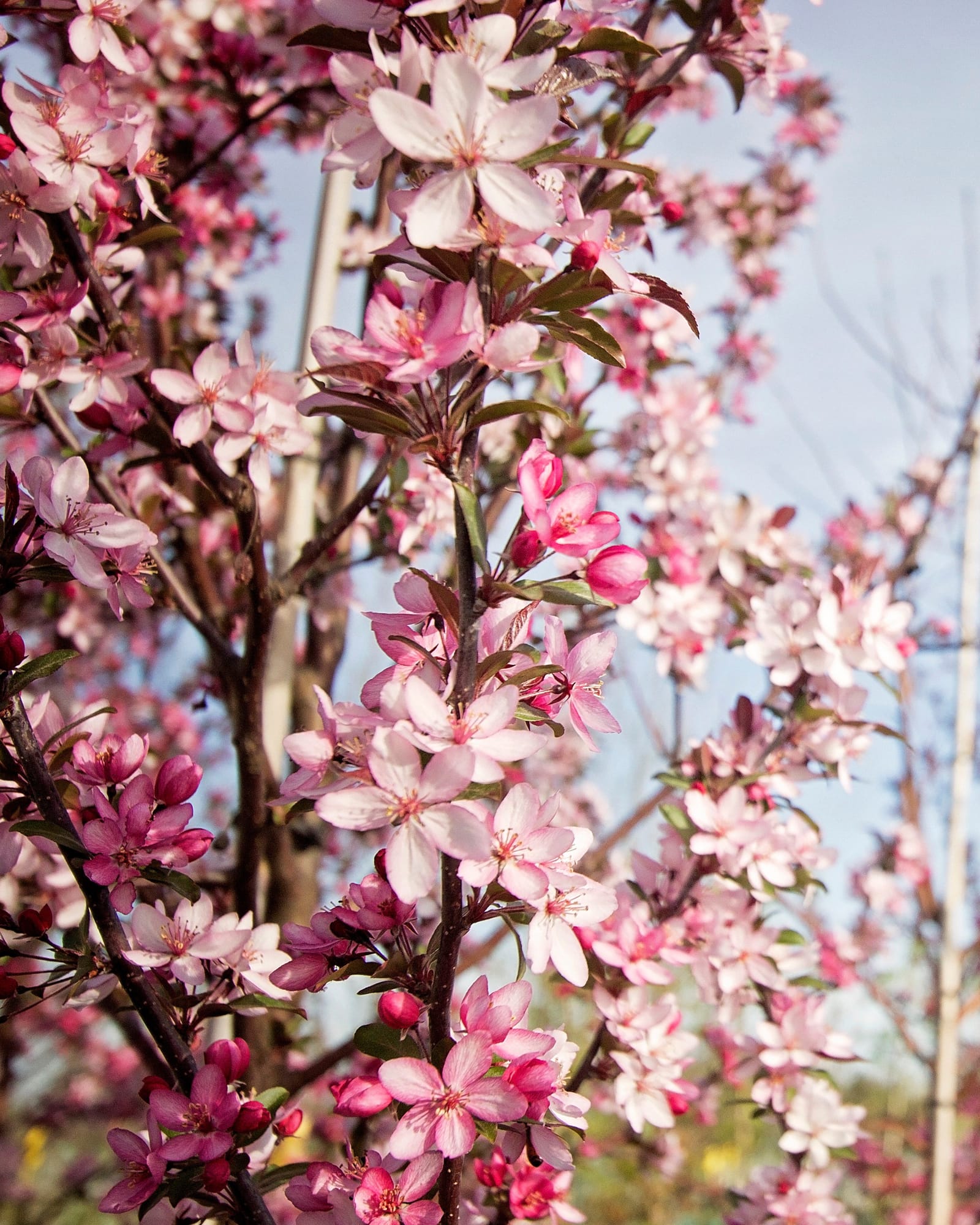
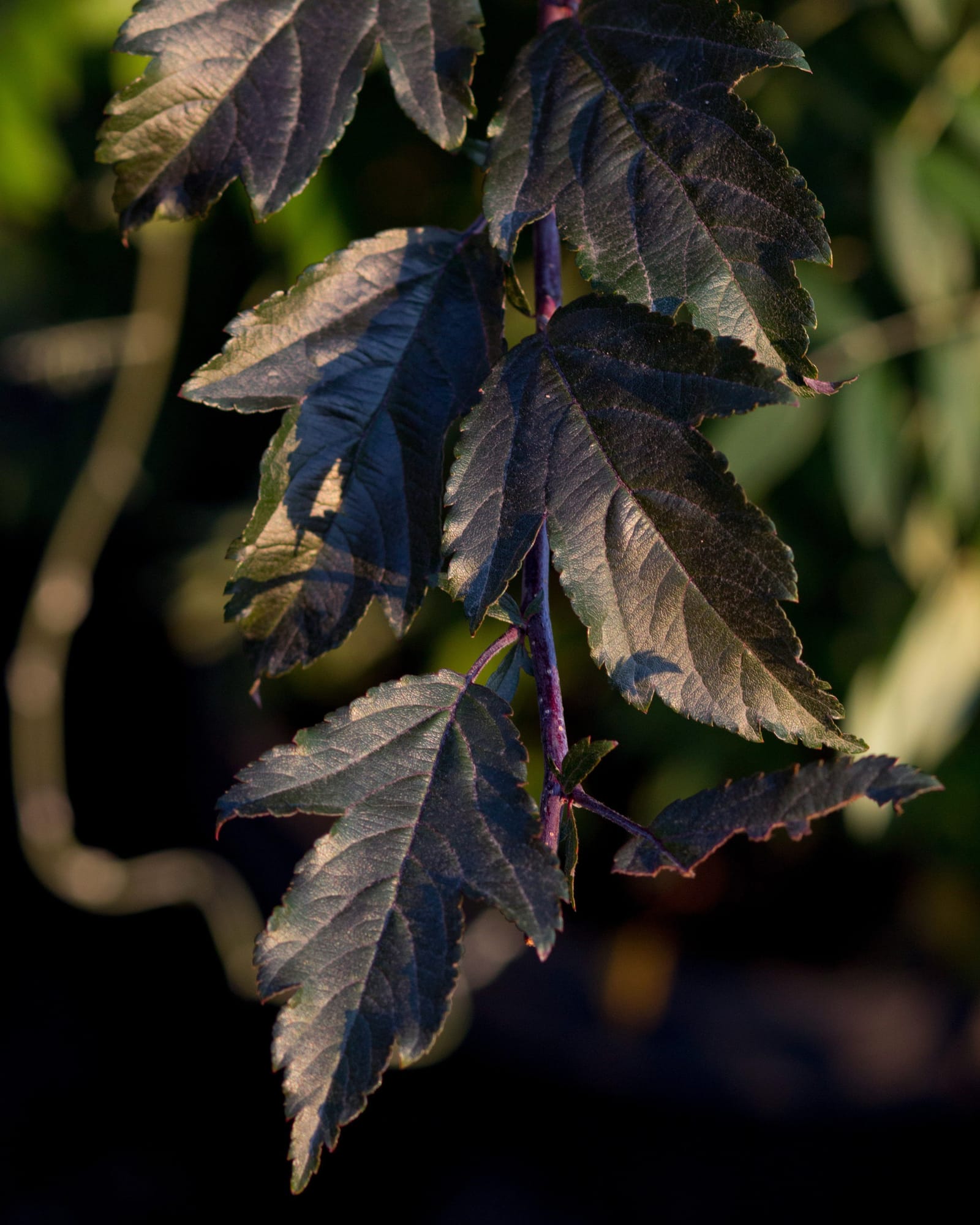
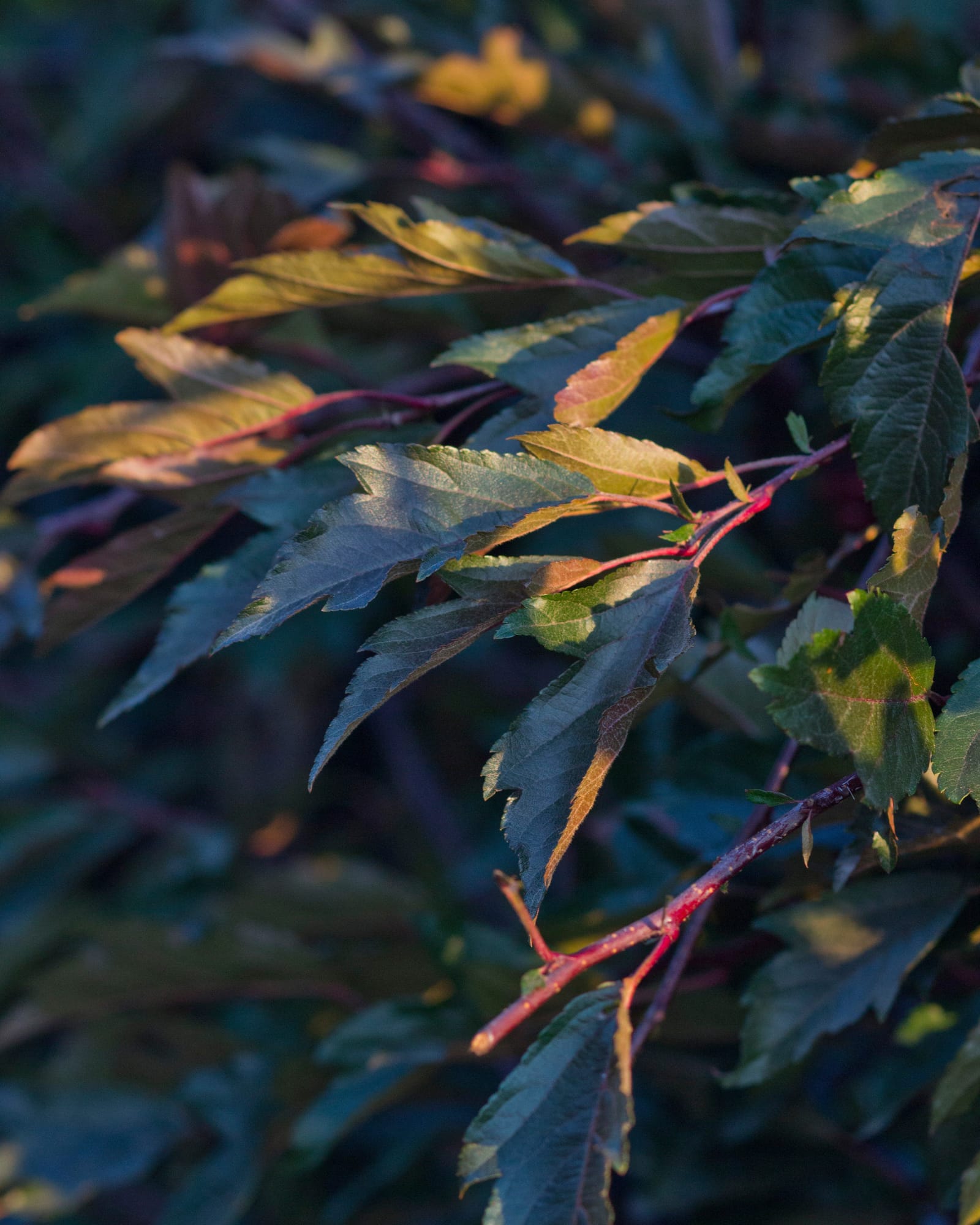
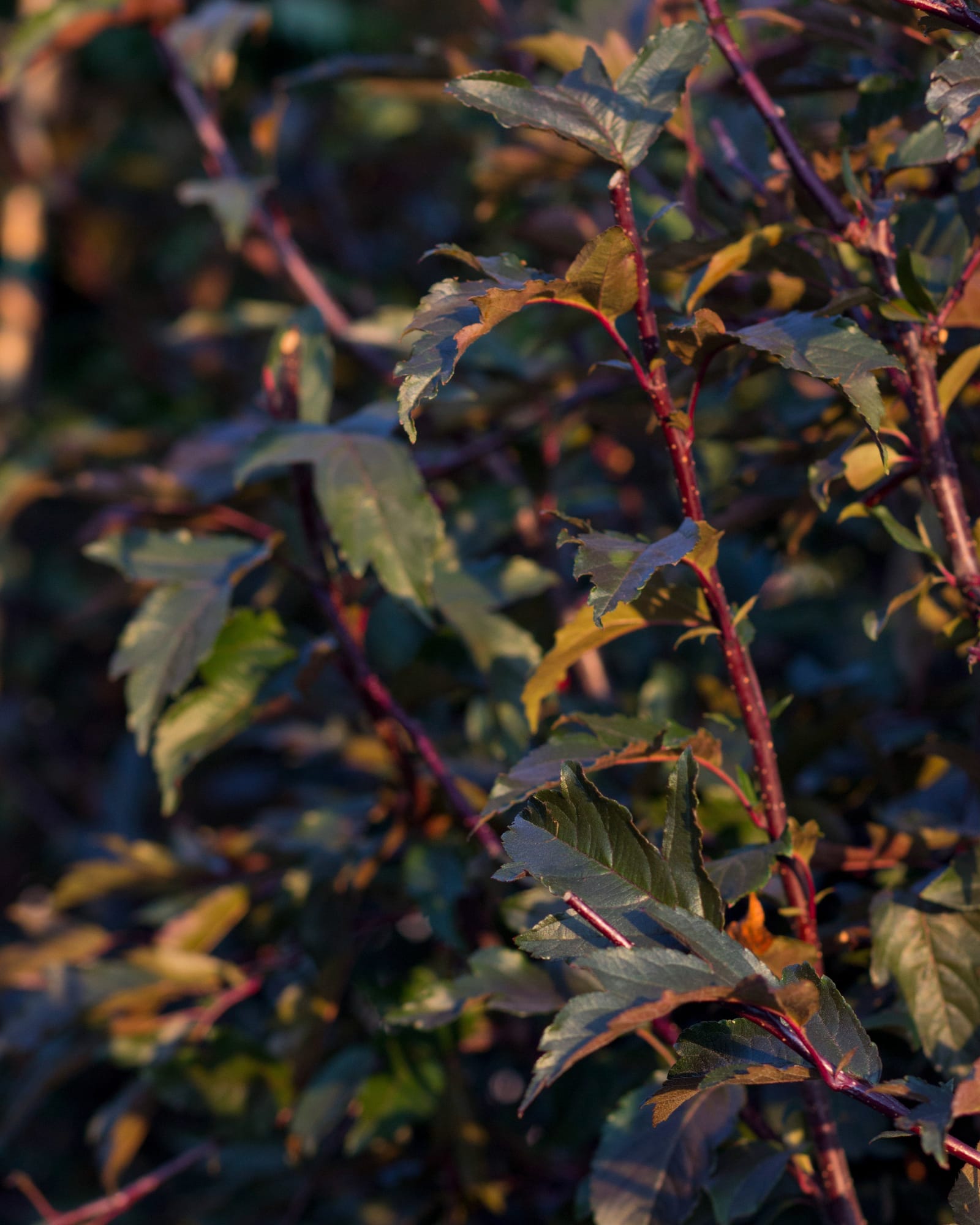
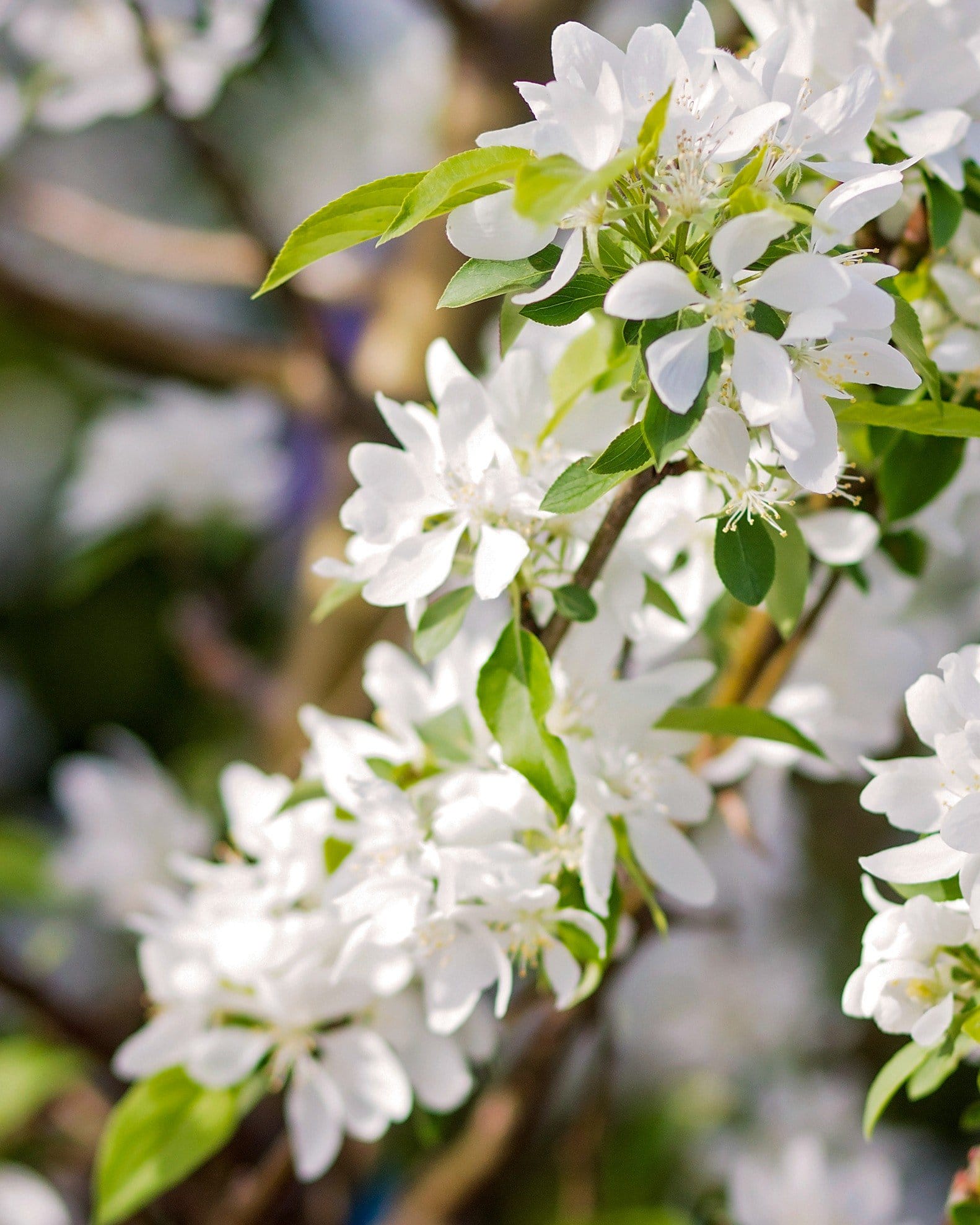
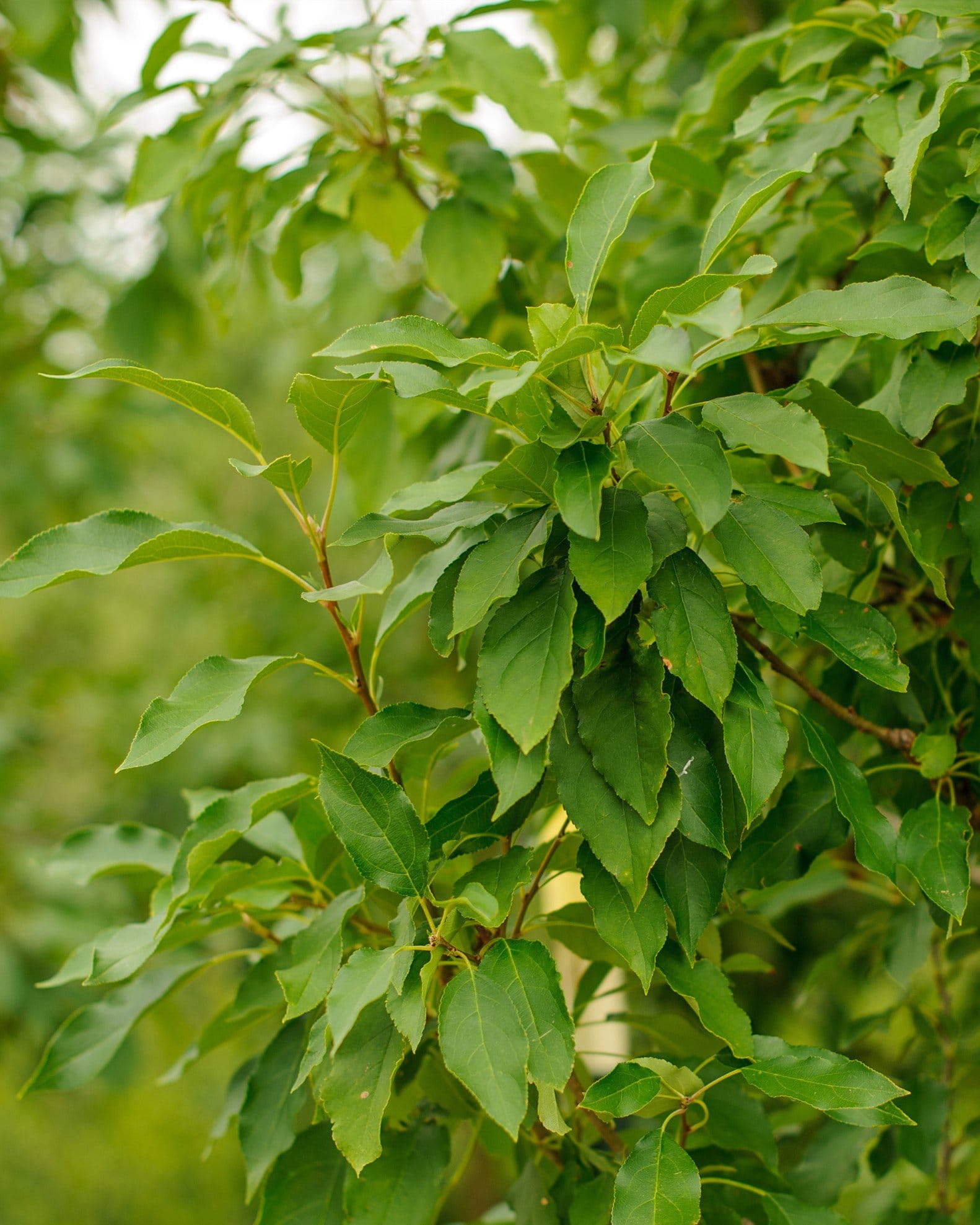
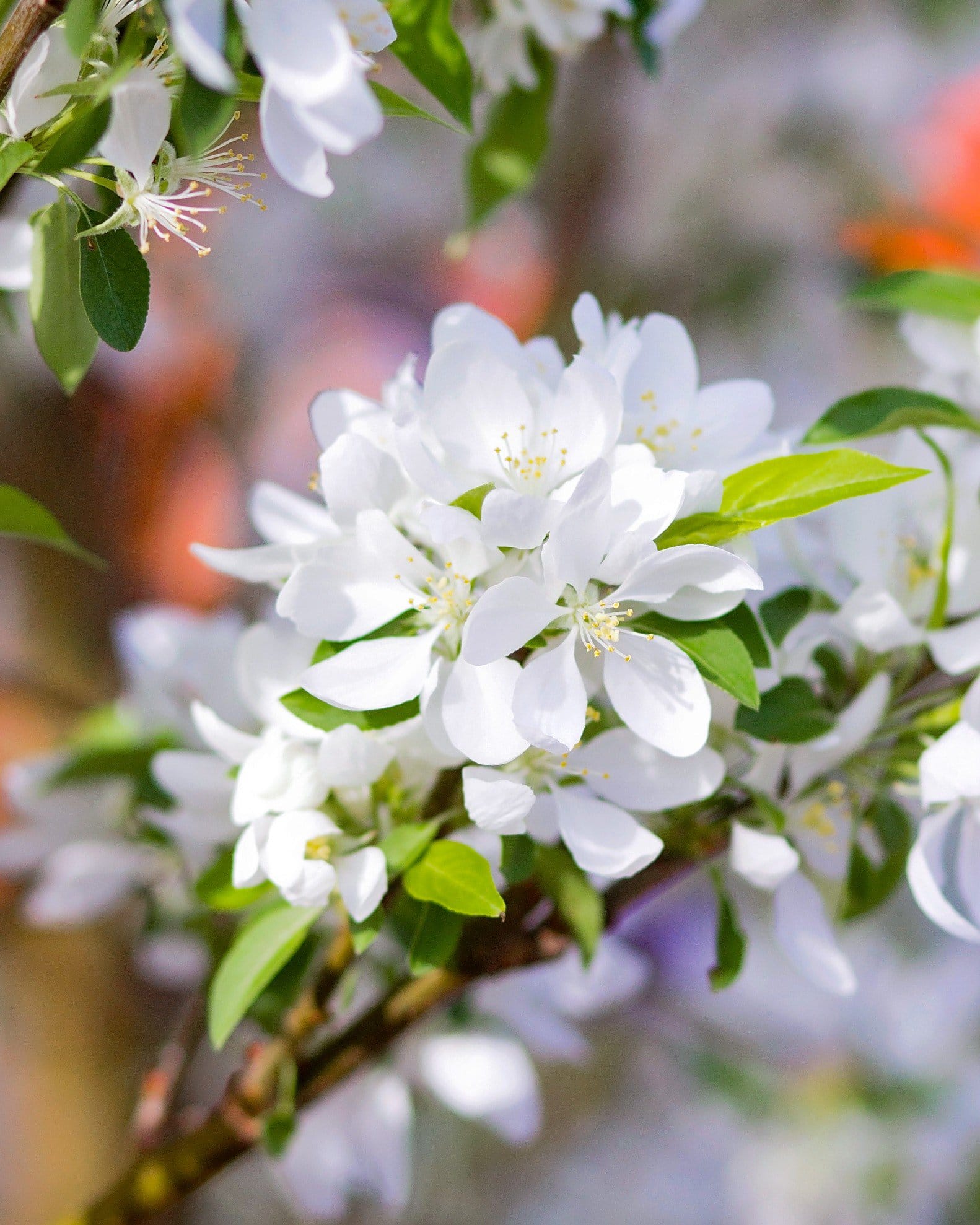
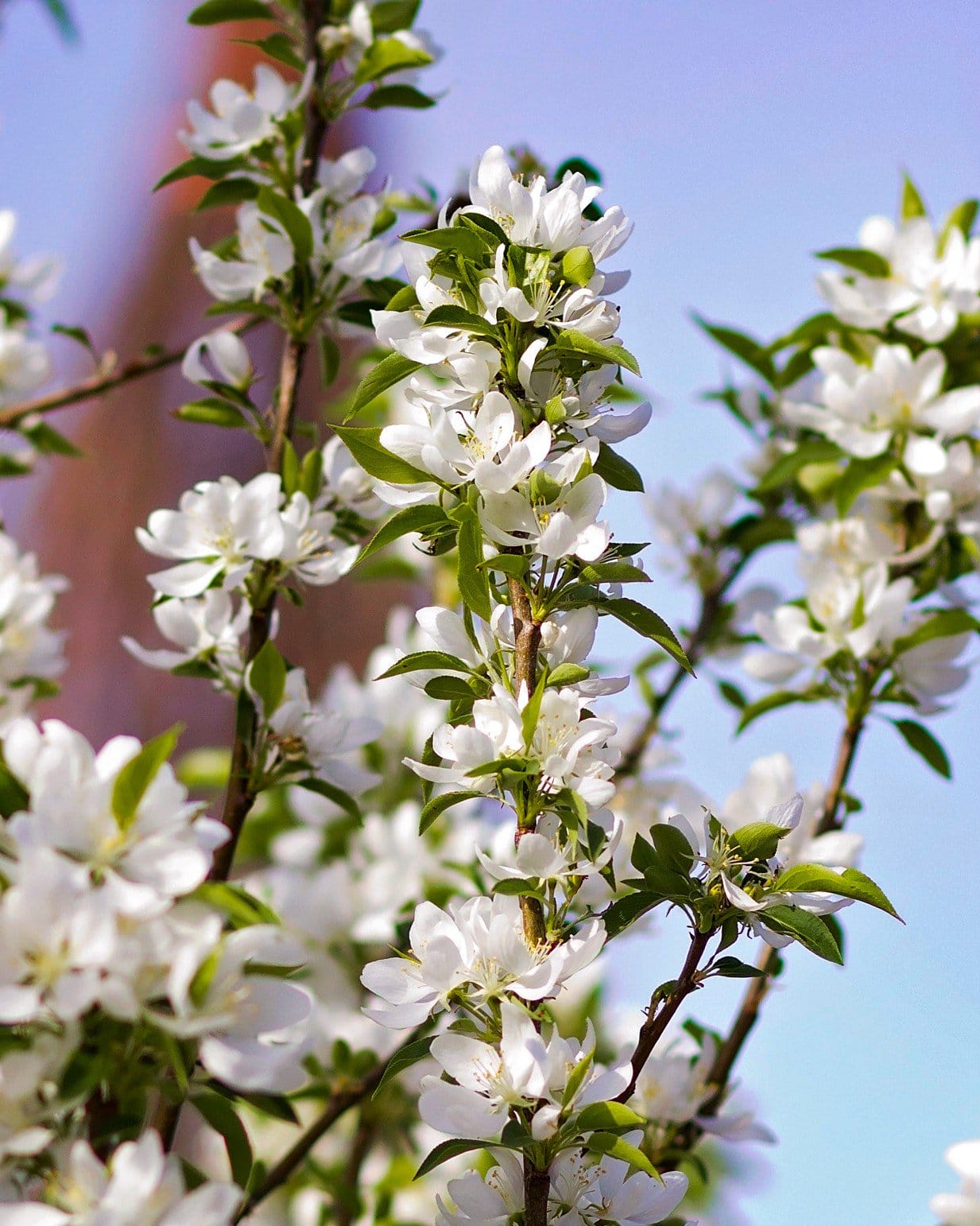
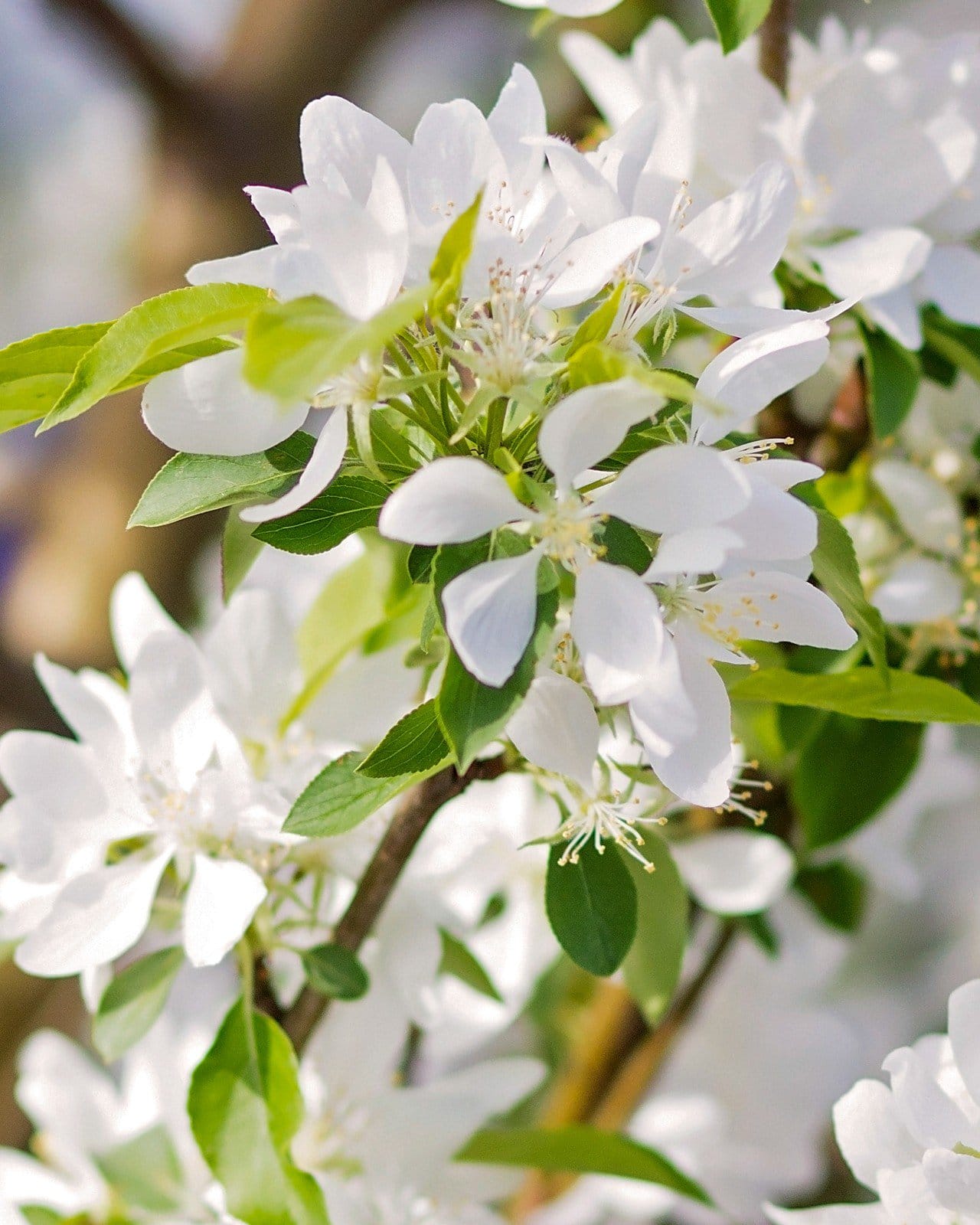
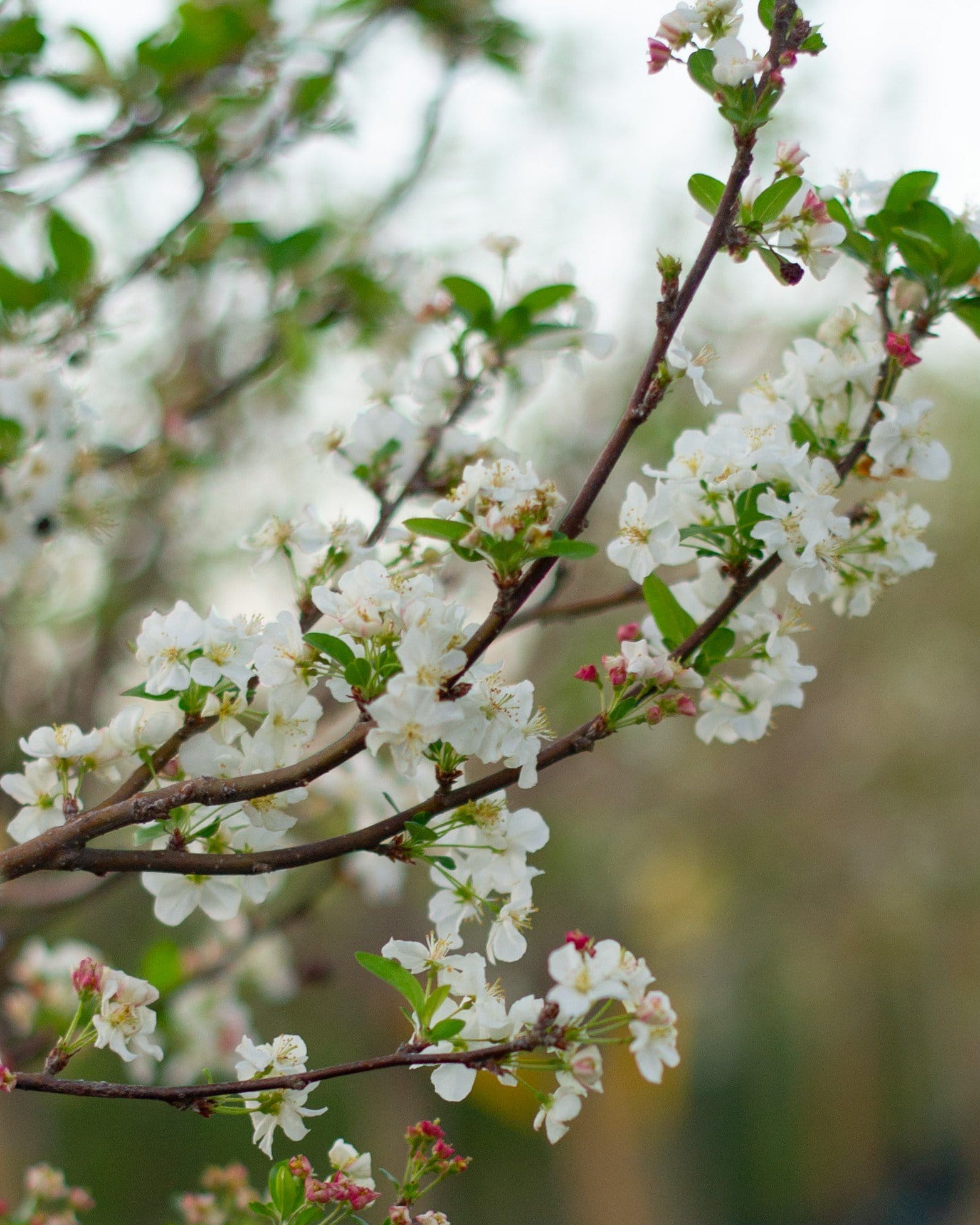
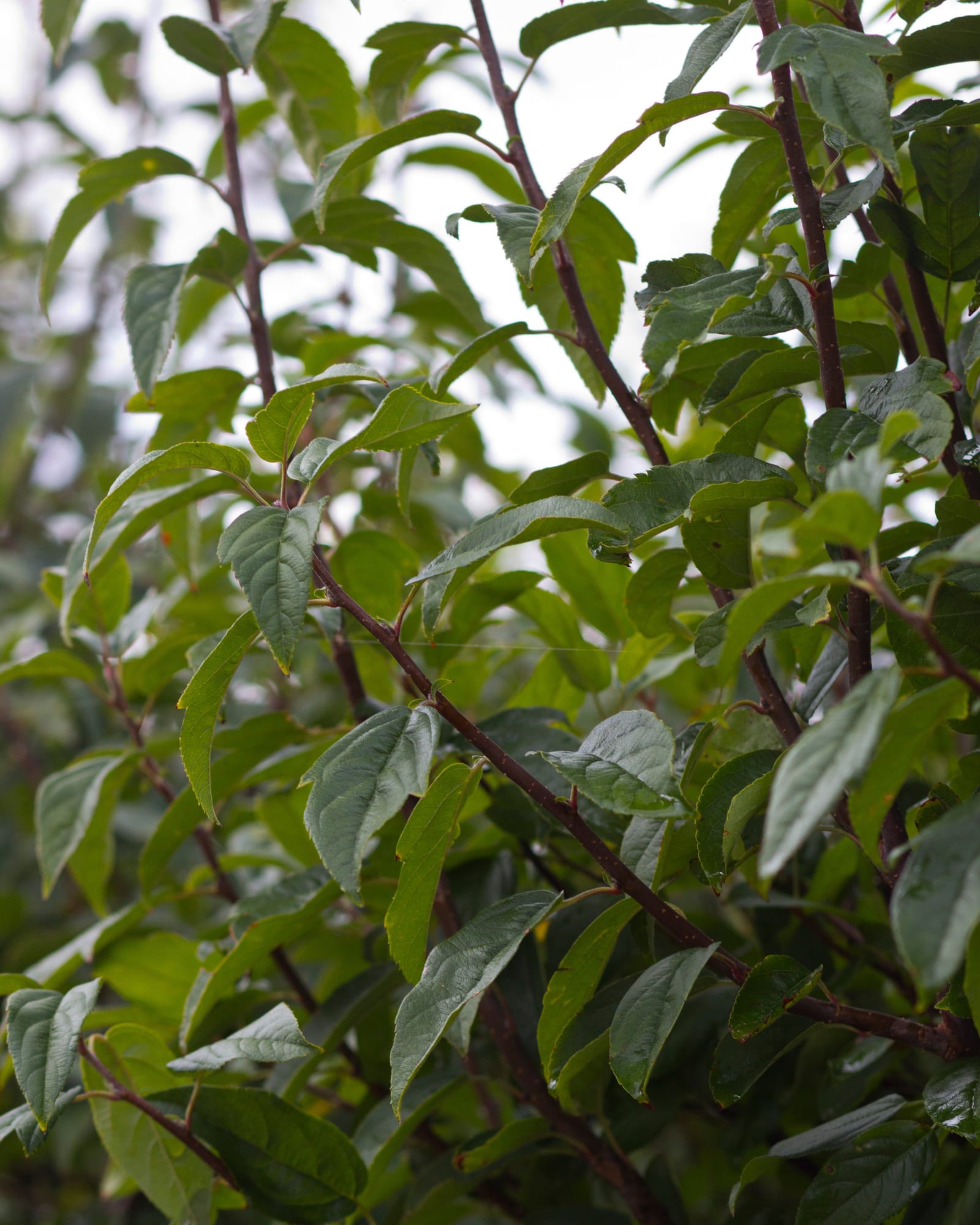
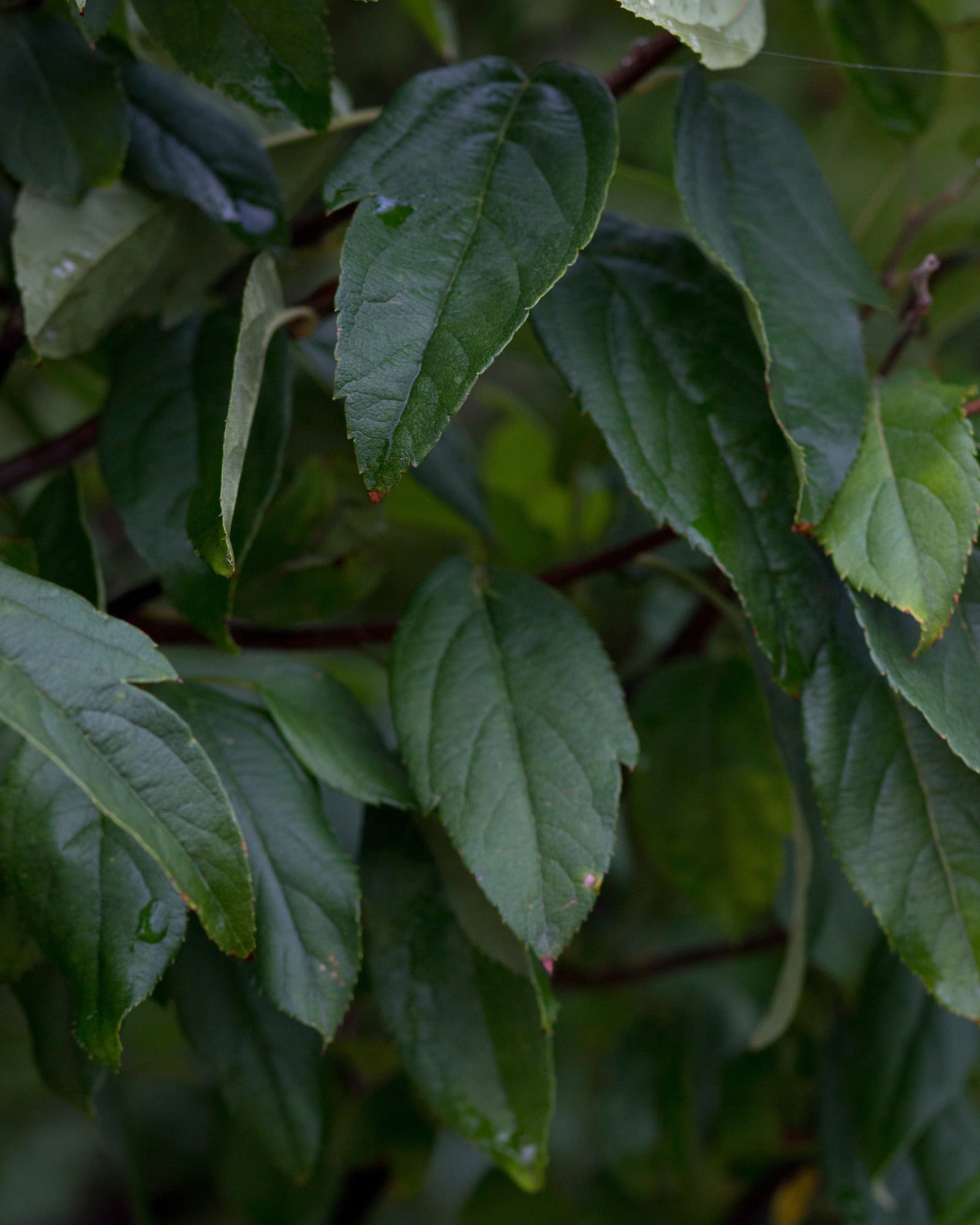
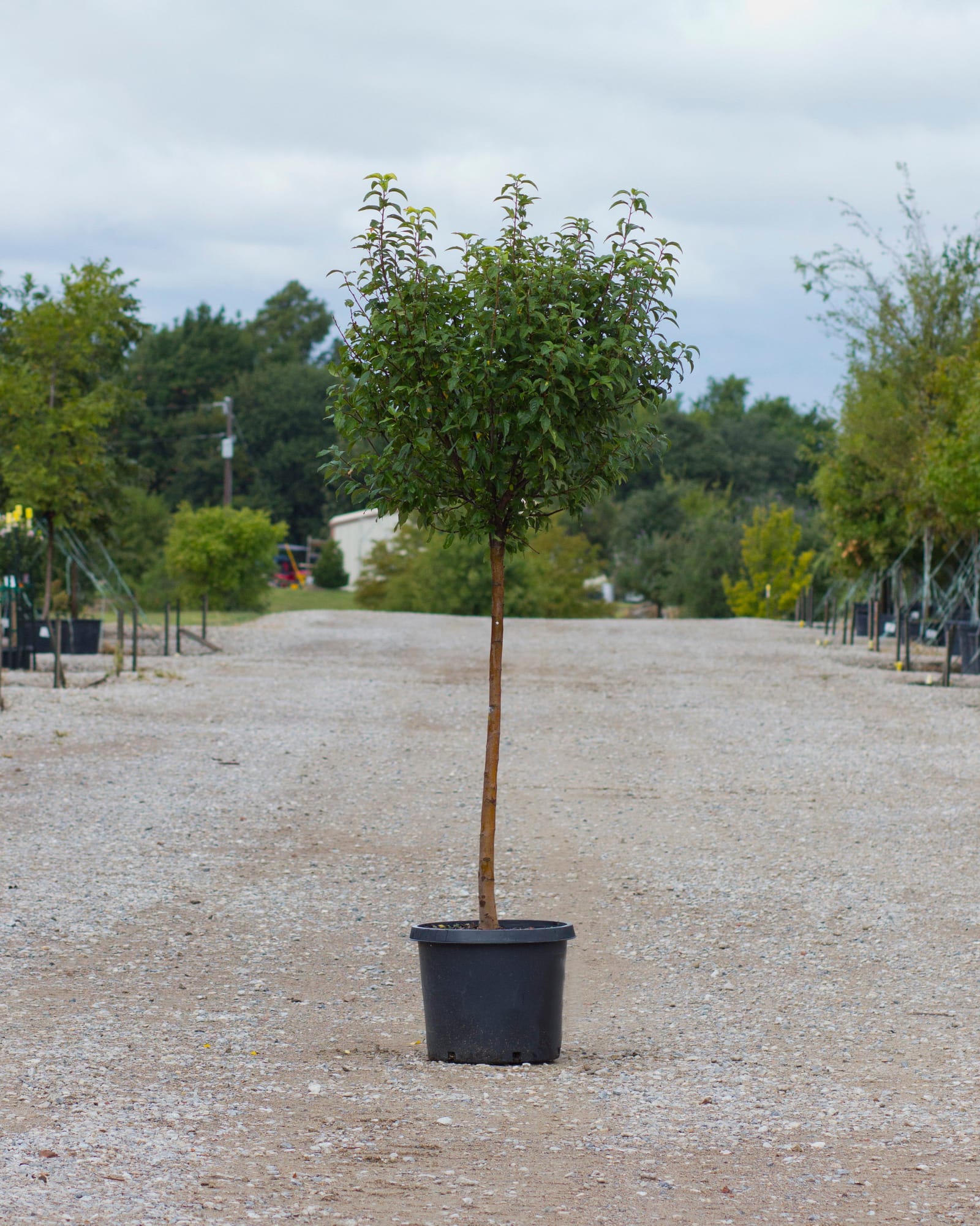
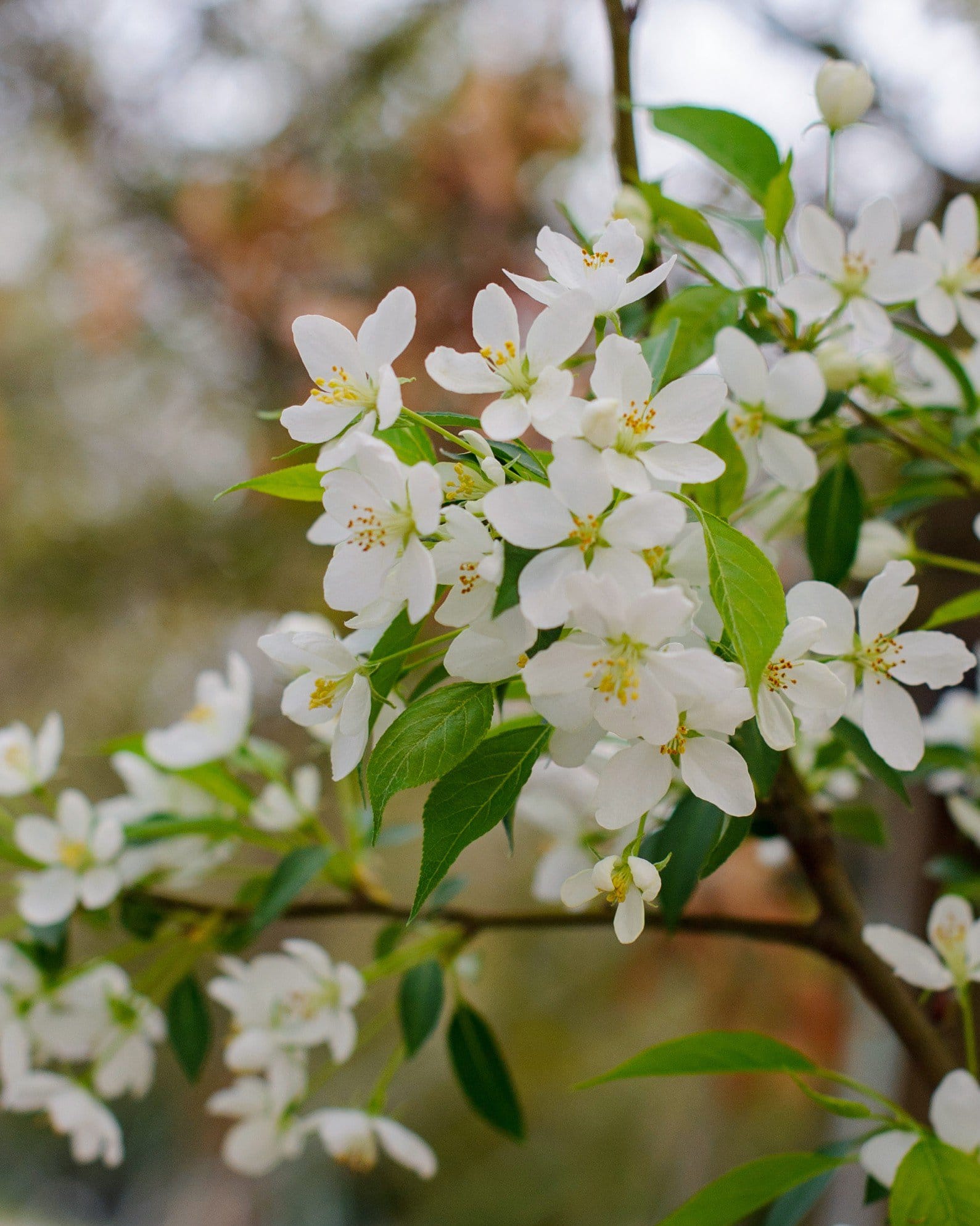
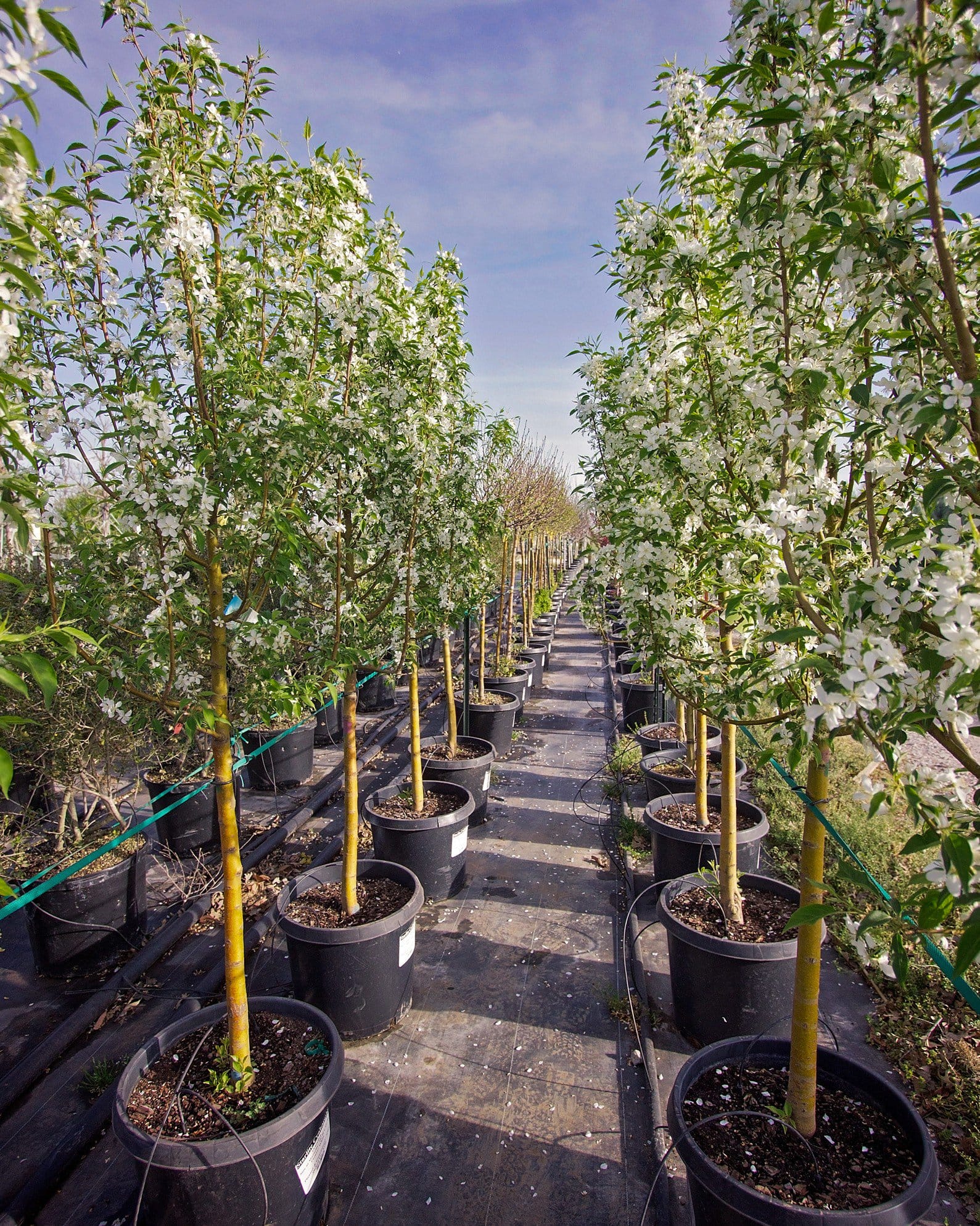
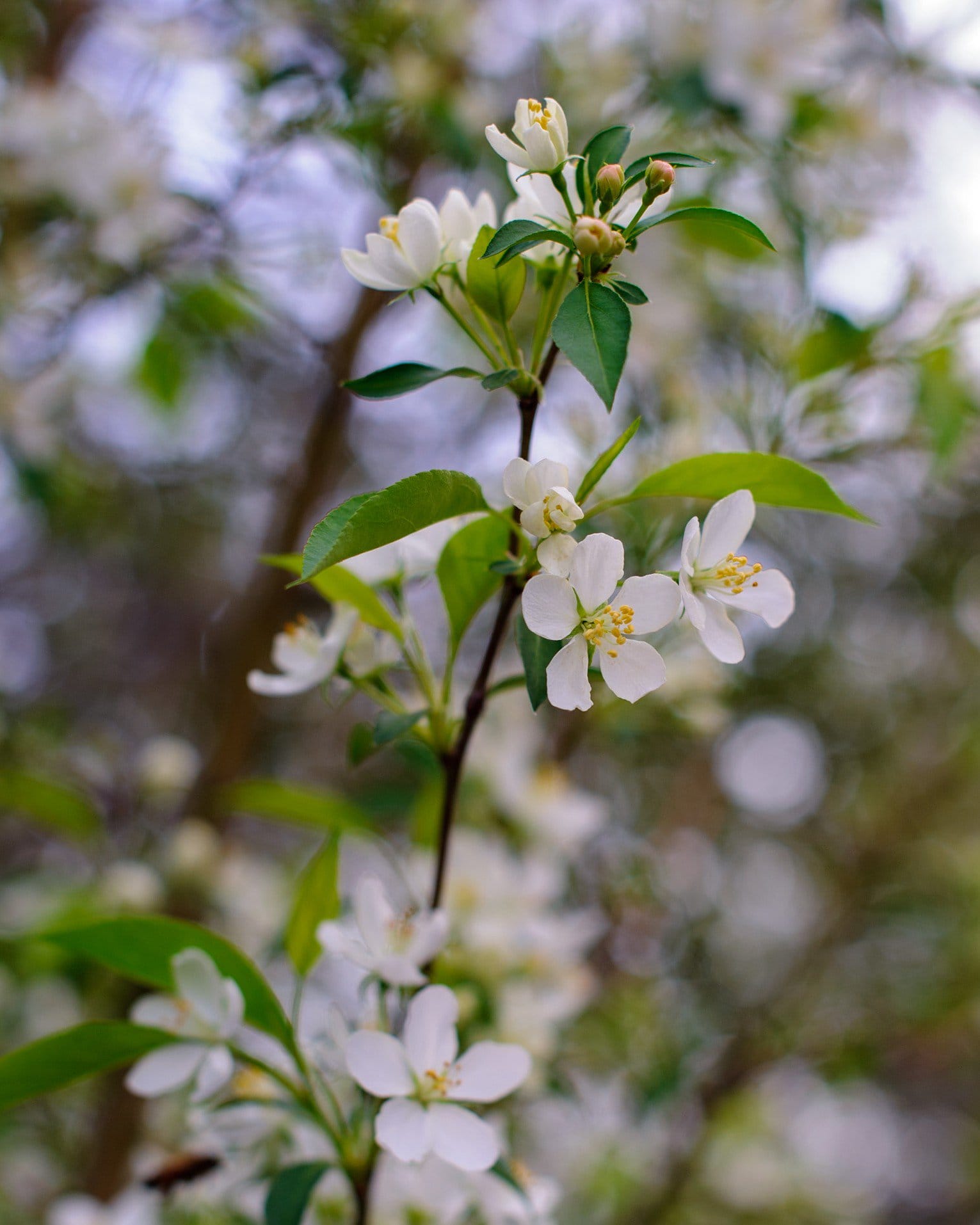
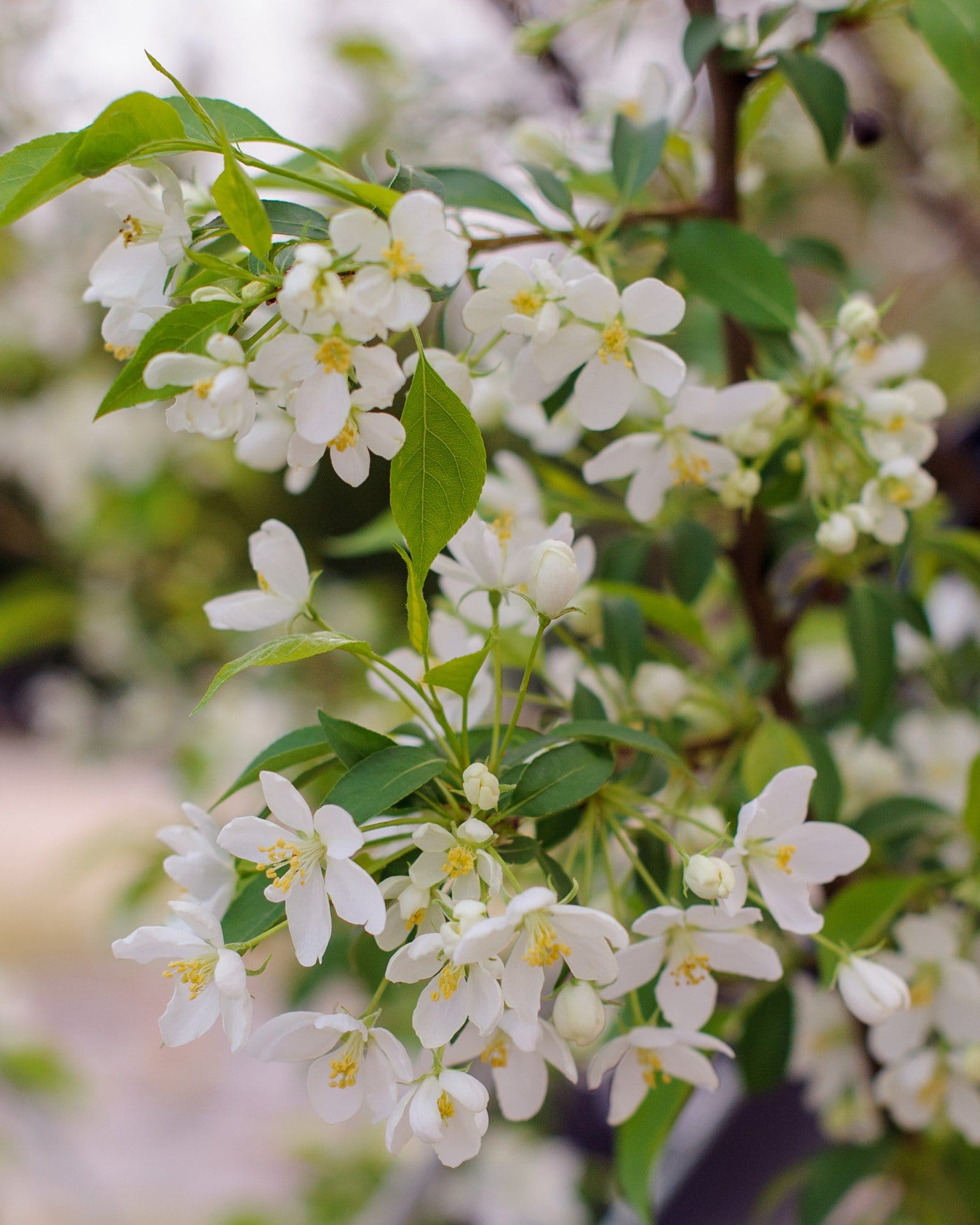
Malus ‘Branzam’Brandywine Crabapple brings striking, multi-season interest to your landscape. In spring, it’s covered in rich deep pink flowers that create a showy display against its fresh green leaves. As the weather cools, its foliage turns vibrant shades of orange and red, adding warm fall color. Reaching up to 20 feet in height and about 15 feet in width at maturity, it’s ideal as a focal point, for borders, or in small groves to create a colorful canopy.
- A deciduous tree
- Upright, spreading growth habit
- Moderate growth rate
- Deep pink flowers blooming in spring
- Brilliant orange and red foliage in fall
Brandywine Crabapple is hardy in zones 4-8 and is well suited for your North Texas landscape. It thrives in full sun and prefers well-drained soil. With a bit of care, it rewards you with beautiful blooms in spring and glowing foliage in fall, keeping your landscape colorful across the seasons.
Once Brandywine Crabapple is fully mature, it’s incredibly easy to take care of. This is all the care it needs to thrive in your Texas landscape:
- Watering: Water deeply during the first two growing seasons to establish a strong, stable root system. Once established, it tolerates moderate dry periods, though occasional deep watering during prolonged heat helps maintain foliage health and fruit development.
- Pruning: Prune in late winter while the tree is dormant to remove crossing branches and maintain structural balance. Light thinning improves airflow and reduces disease pressure without sacrificing flowering.
- Fertilizing: Fertilizer is rarely required in average soils. If growth appears weak, apply a balanced fertilizer in early spring to support steady development without encouraging overly soft growth.
- Mulching: Maintain a 2-3 inch layer of mulch around the root zone to conserve moisture and protect shallow roots. Keep mulch several inches away from the trunk to prevent bark decay.
- Winter Care: Established trees are cold-hardy and typically require no special protection. Young trees may benefit from trunk wrapping during their first winters to reduce sunscald risk.
Brandywine Crabapple is generally considered disease-resistant, though occasional ornamental apple concerns may appear. Proper airflow and sanitation significantly improve long-term performance.
- Apple Scab: Olive-brown leaf spots may develop during wet spring weather. Raking fallen leaves and improving canopy airflow help reduce recurrence.
- Cedar-Apple Rust: Orange spots may appear on foliage if junipers are nearby. Removing infected leaves and maintaining plant spacing helps limit the spread.
- Fire Blight: Sudden blackened shoots that resemble burn damage may occur during warm, humid conditions. Pruning affected branches well below damaged tissue helps control infection.
- Aphids: New growth may curl slightly and develop sticky residue. A strong rinse with water or insecticidal soap typically resolves light infestations.
- Leaf Drop from Stress: Premature leaf drop may occur during extended drought or extreme heat. Deep, consistent watering stabilizes the tree during stress periods.
Brandywine Crabapple typically lives 30-50 years under favorable conditions. Proper disease management and structural pruning support longevity. Healthy trees provide decades of ornamental performance.
It generally grows 12-24 inches per year. Structural maturity often develops within 8-12 years. A fully developed canopy may take 15 years to reach its peak form.
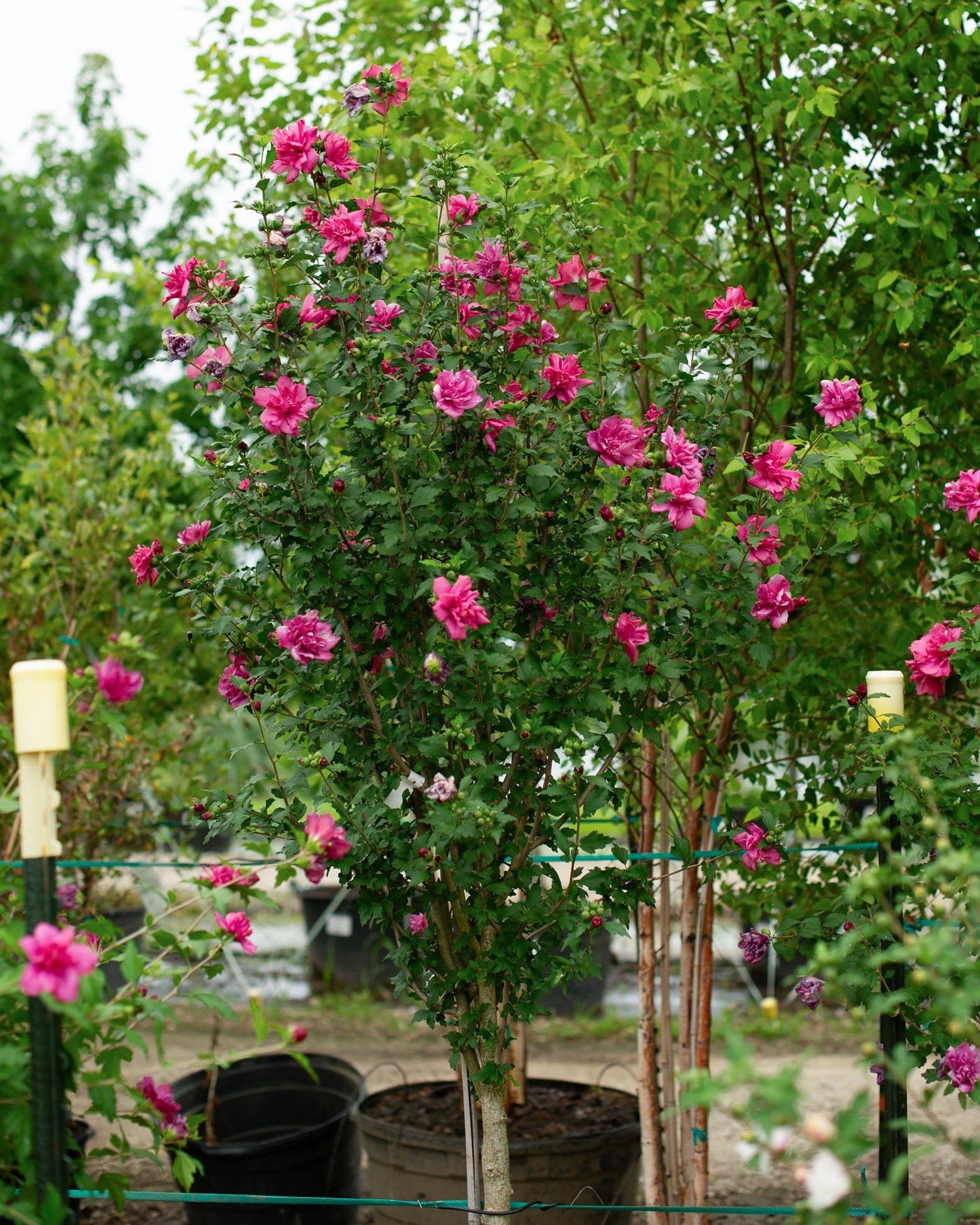
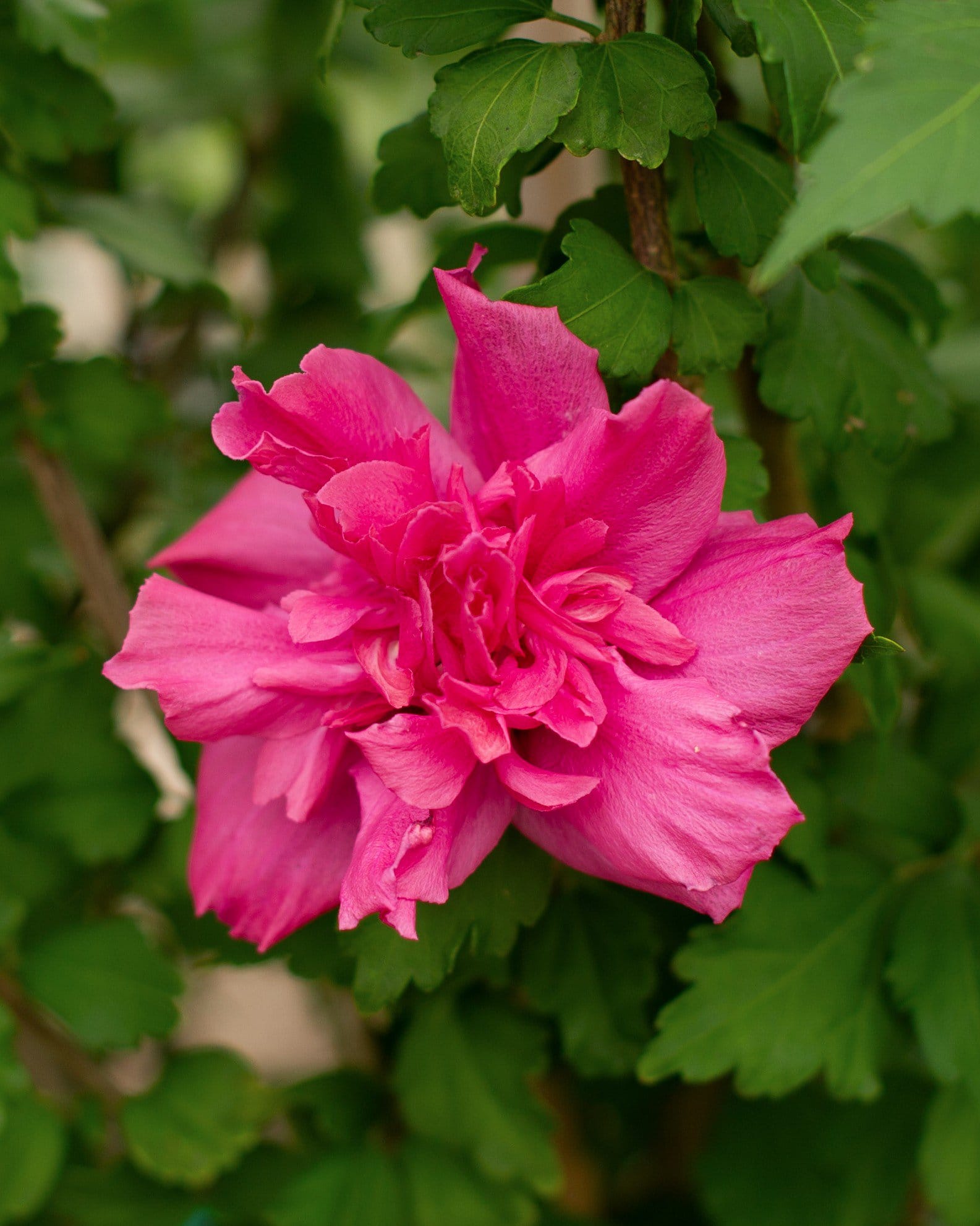
It is known for its large, double rose-pink flowers that resemble miniature roses in spring. The layered blooms create a fuller, more dramatic floral display than single-flowered varieties. Its fall color adds seasonal interest.
It is recognized for improved resistance compared to many older crabapple varieties. While not immune, it generally experiences fewer severe disease outbreaks. Proper maintenance further enhances resilience.
Yes, its spring blossoms attract bees and other pollinating insects. The dense bloom period provides an important nectar source. This adds ecological value to its ornamental appeal.
It benefits from light structural pruning rather than aggressive shaping. Removing crossing or crowded branches maintains airflow and canopy health. Over-pruning can reduce flowering.
It is cold-hardy and performs well in northern regions. Winter resilience makes it suitable for a wide planting range. Proper siting reduces exposure to extreme wind.
Its bark is generally gray and develops a subtle texture as it matures. While not its primary ornamental feature, it contributes understated winter interest. The branching silhouette adds seasonal structure.
It adapts well to residential and light urban environments. Adequate soil space and drainage are important for long-term health. Consistent watering during establishment improves resilience.
It naturally develops a rounded, symmetrical form when properly spaced. Light annual pruning preserves structural balance. Mature trees retain a graceful outline throughout the growing season.
Special Features
You might also like
Prairifire Crabapple
Maturity: 15' H x 15' W
Royal Raindrops Crabapple
Maturity: 20' H x 15' W
Spring Snow Crabapple
Maturity: 20' H x 15' W
Lollipop Crabapple
Maturity: 8' H x 8' W
Starlite Crabapple
Maturity: 20' H x 15' W
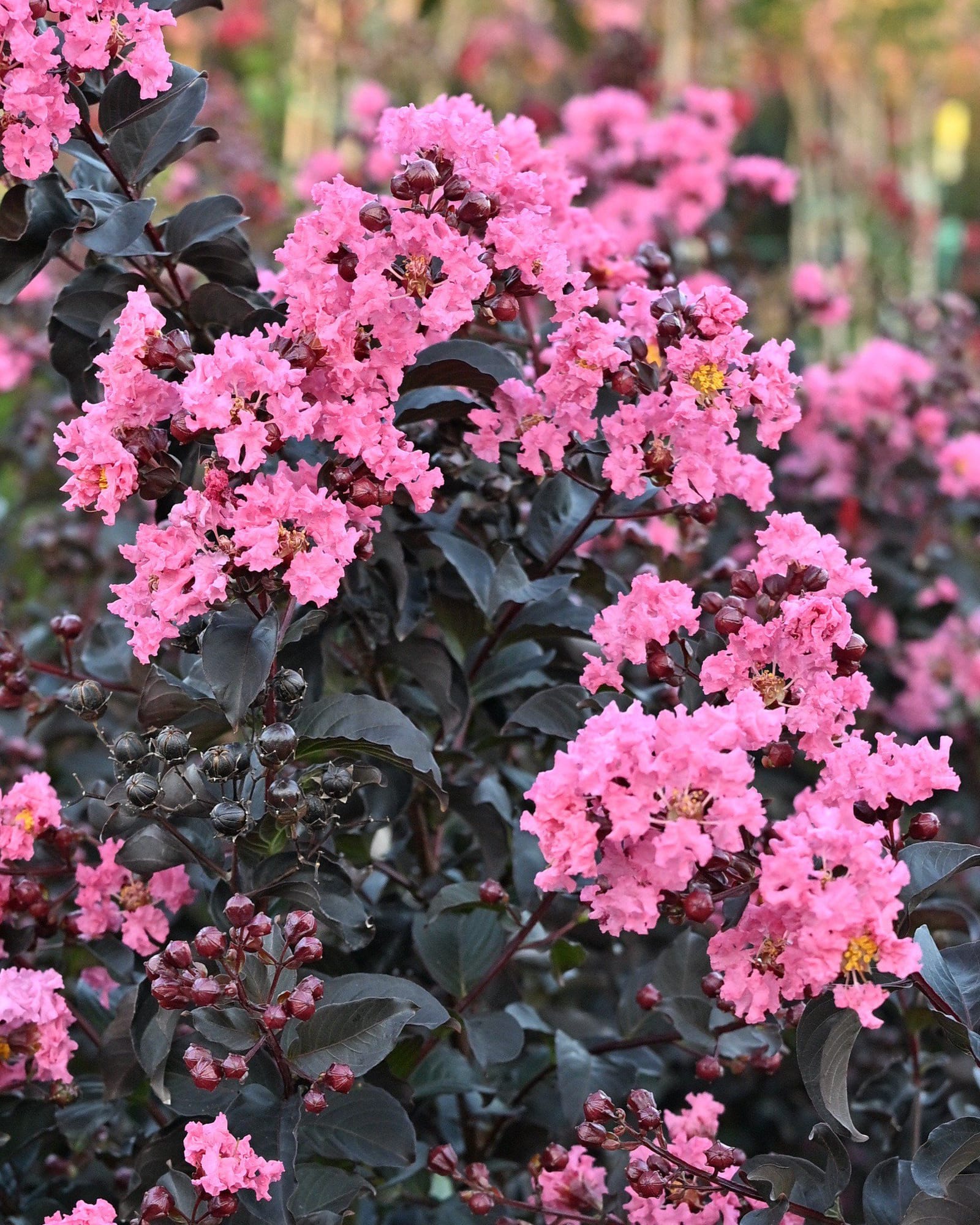
Black Diamond Shell Pink Crape Myrtle
Maturity: 12' H x 8' W
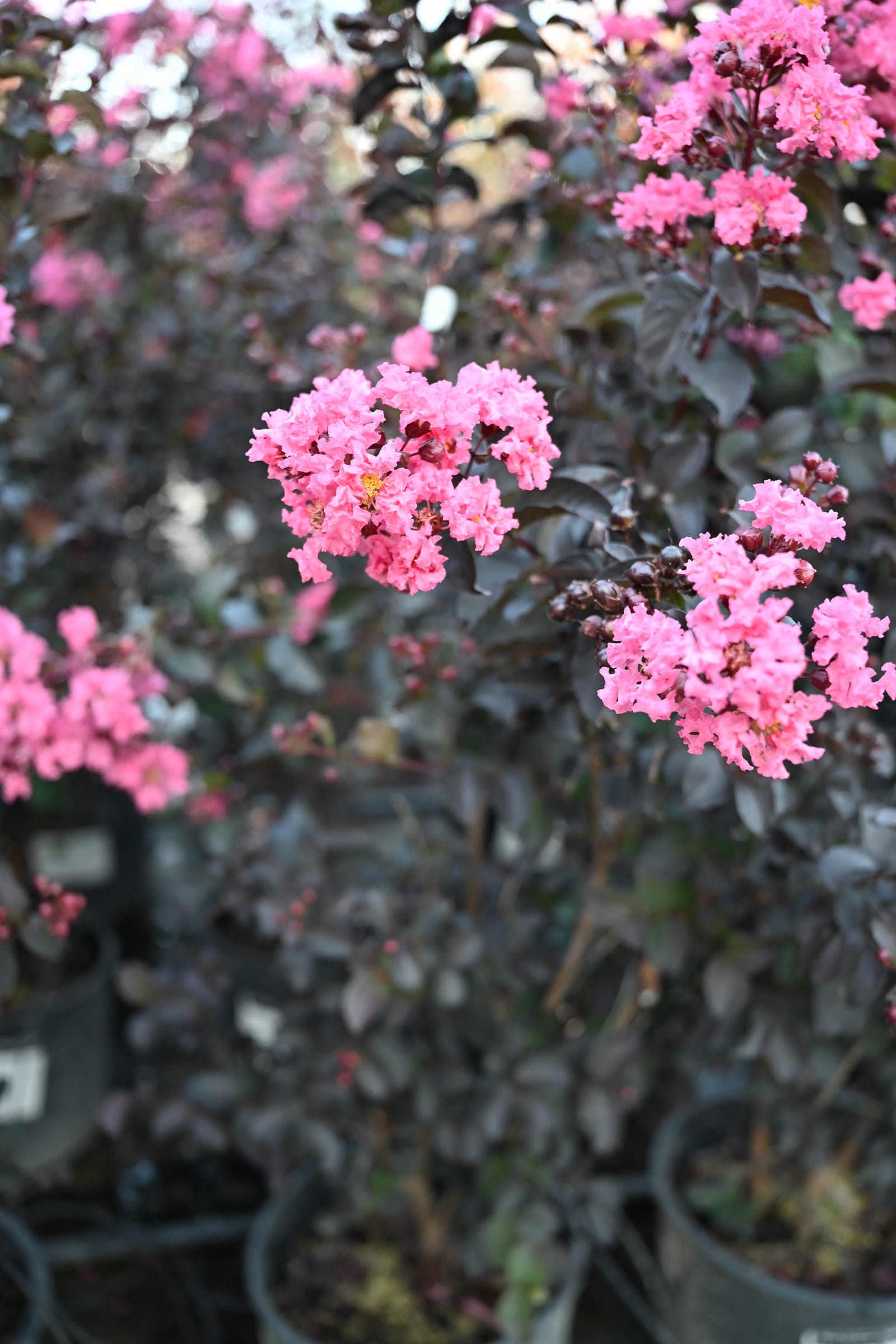
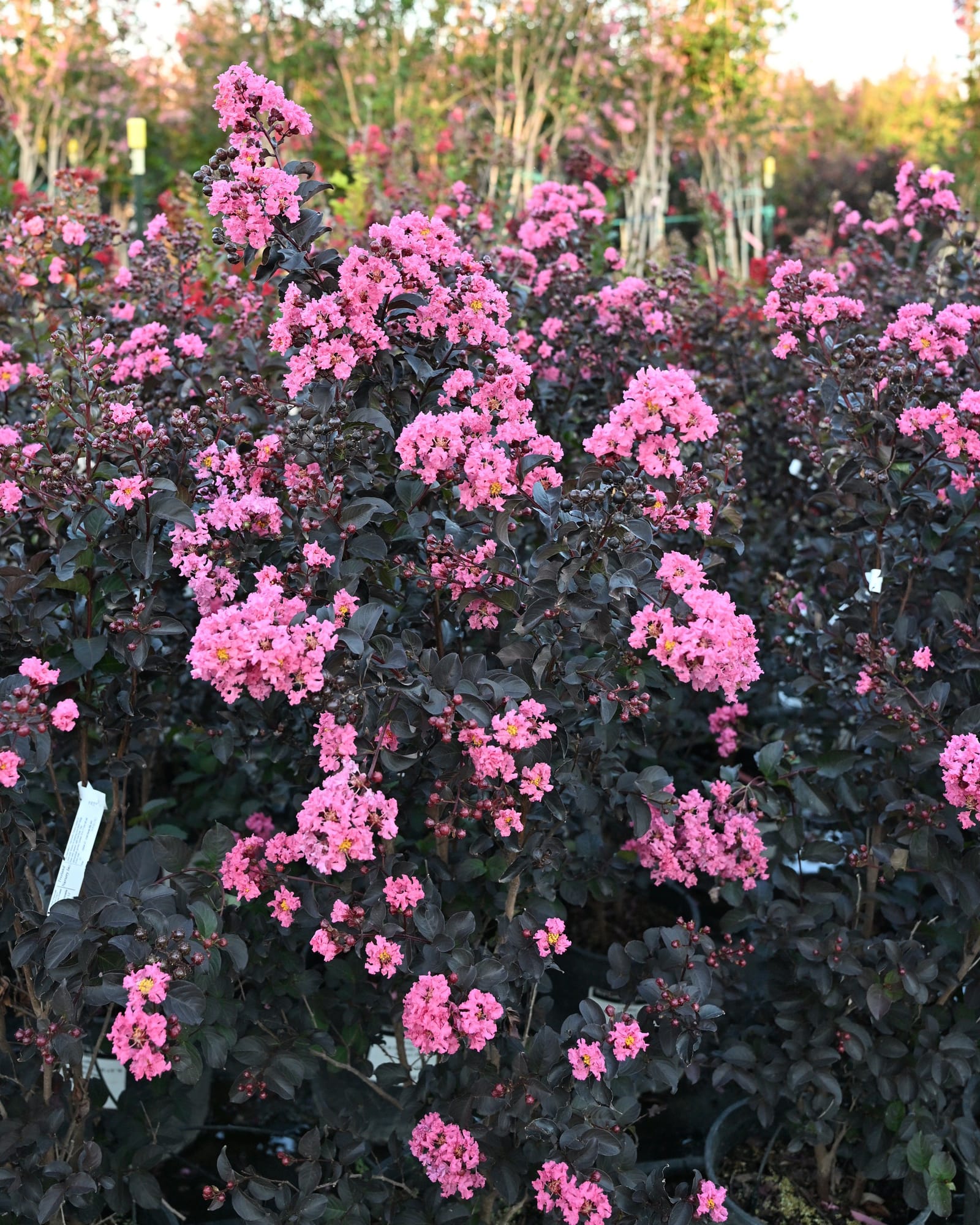
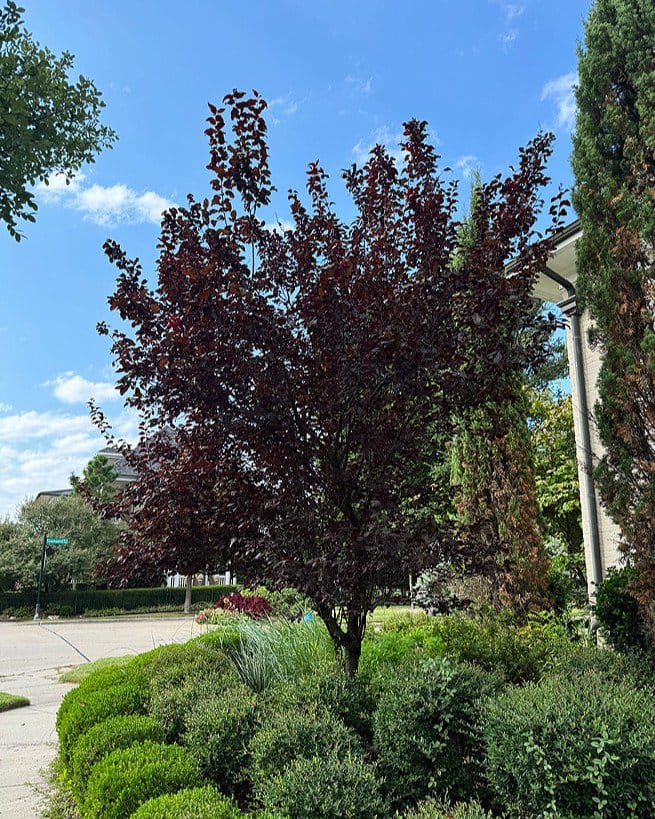
Purple Leaf Plum Krauter Vesuvius
Maturity: 20' H x 15' W
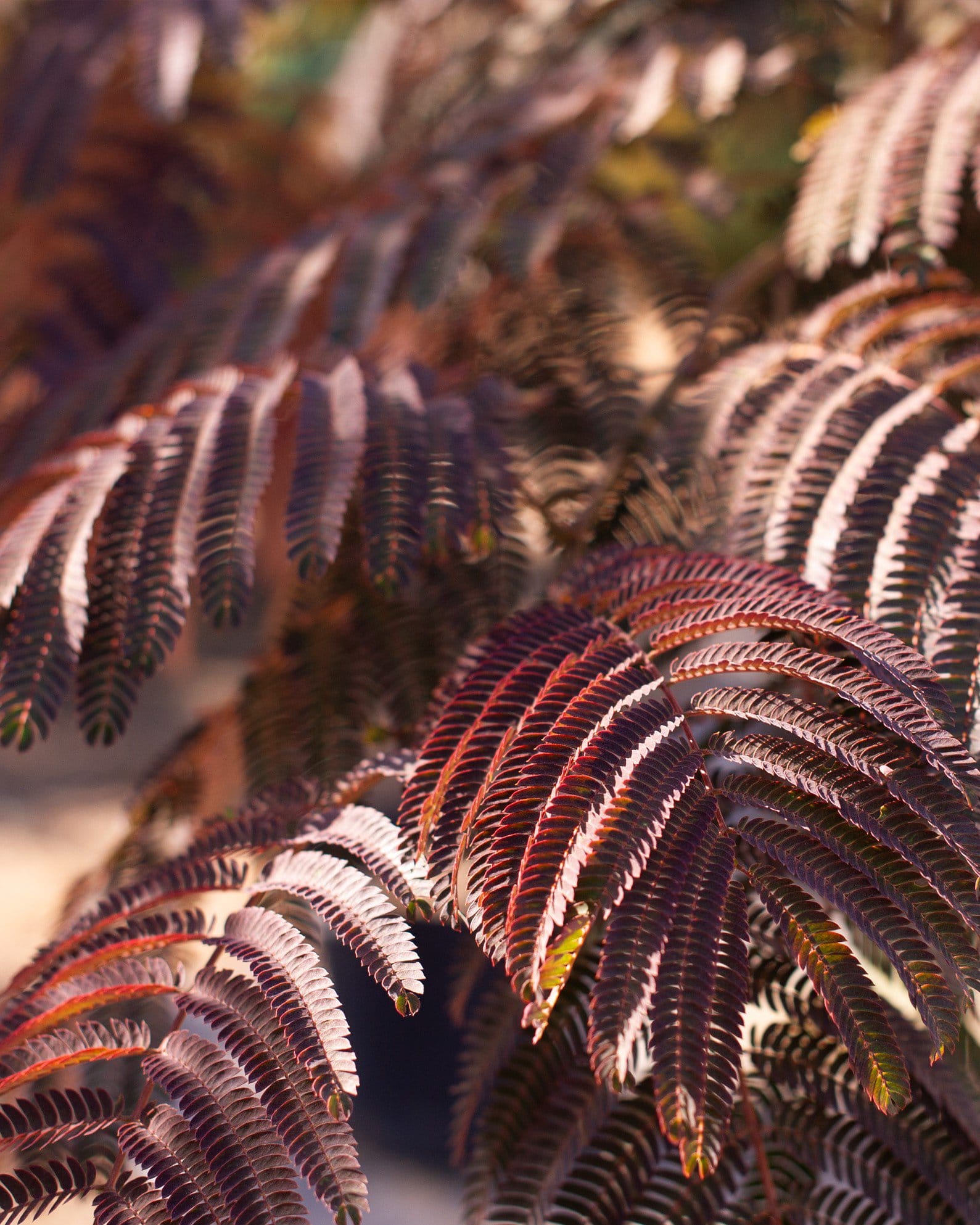
Summer Chocolate Mimosa
Maturity: 20' H x 15' W
Ann Magnolia
Maturity: 12' H x 8' W
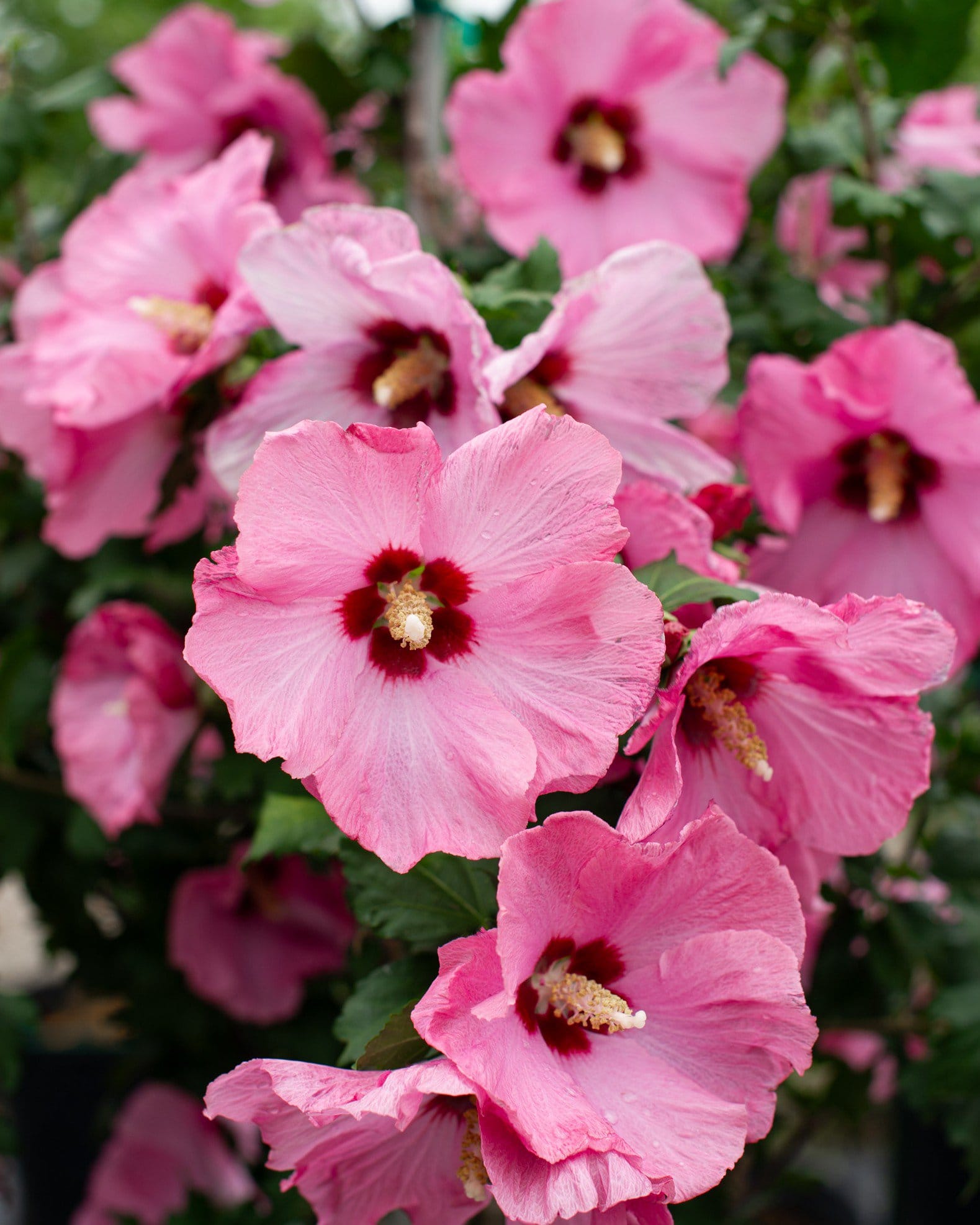
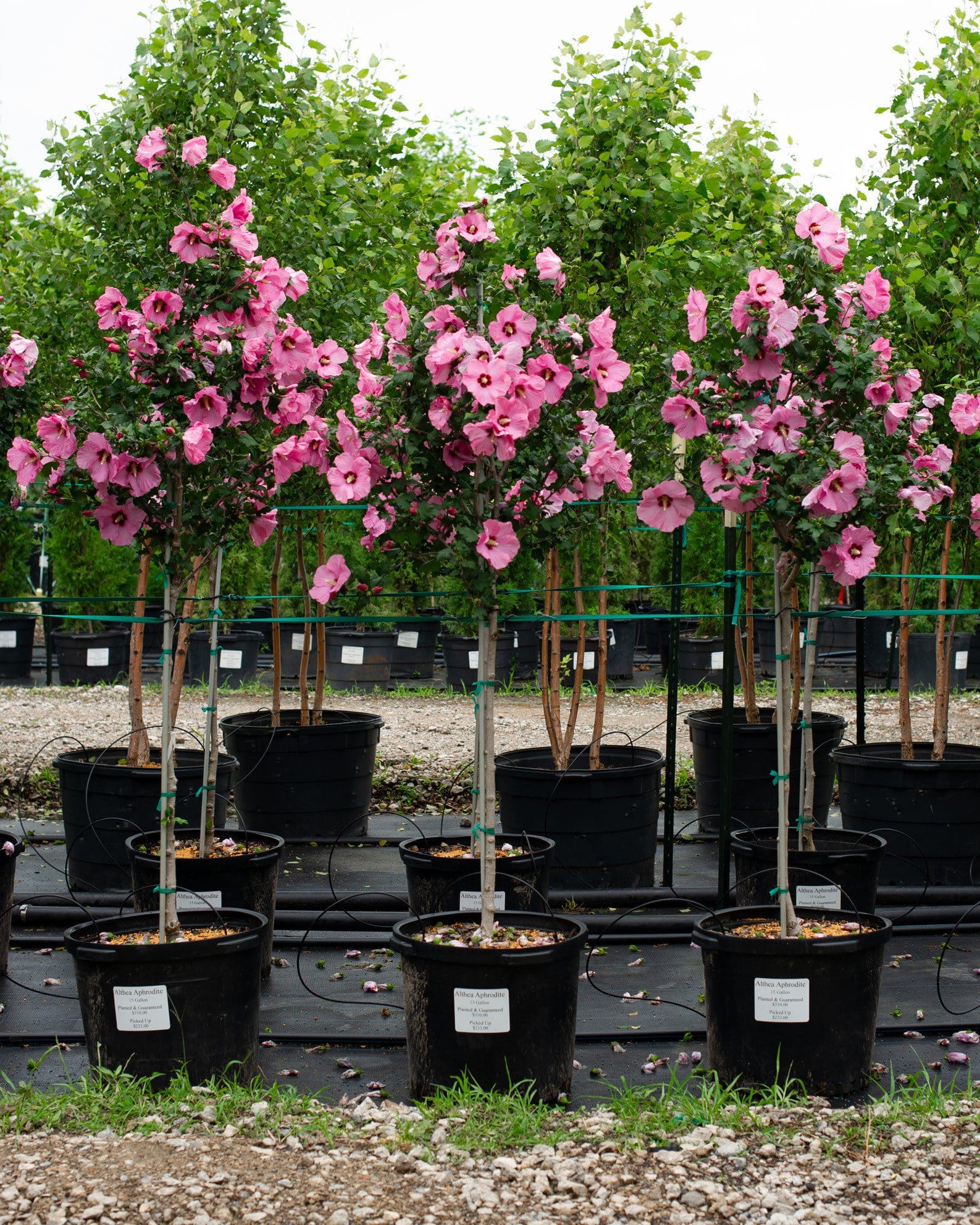
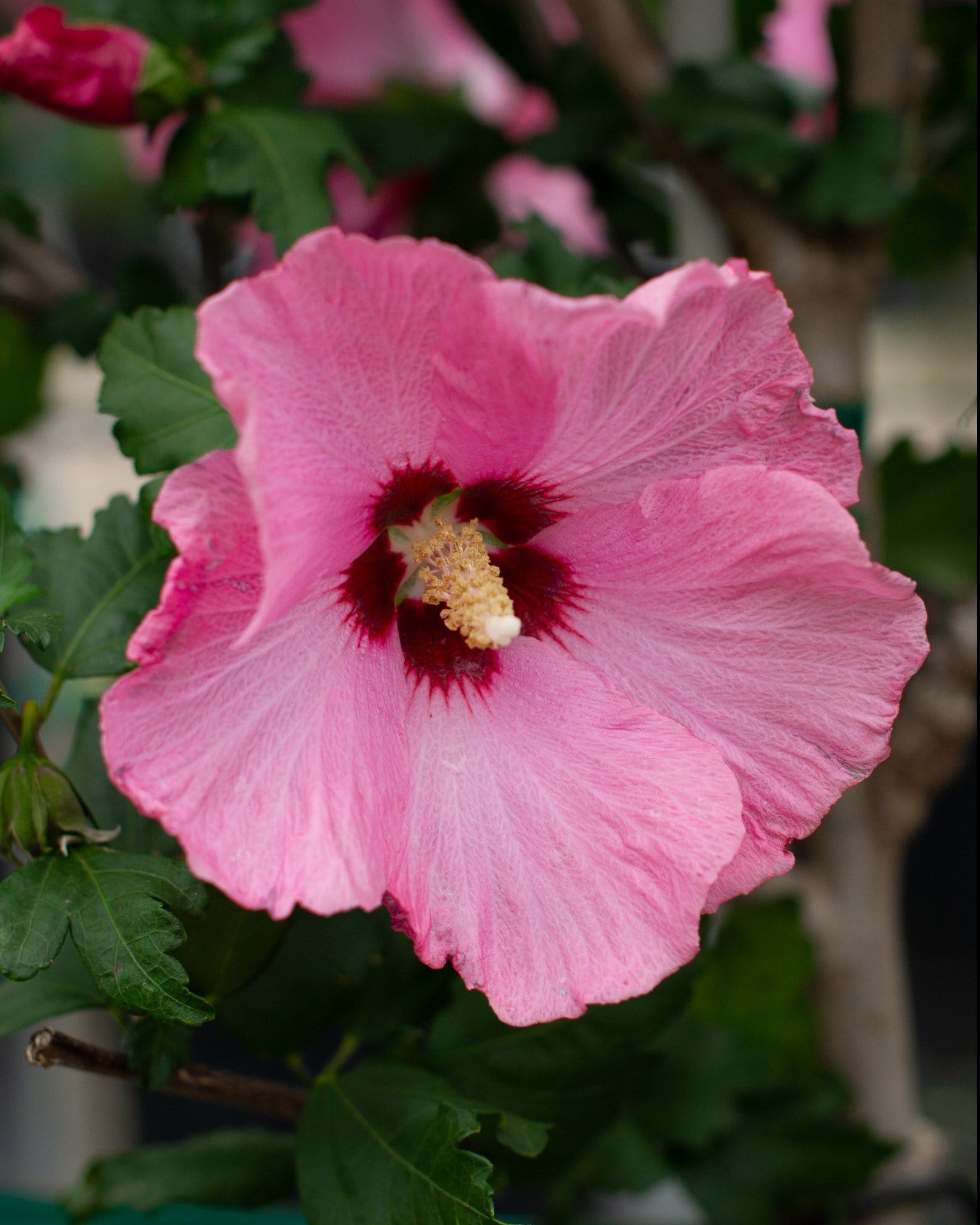
Aphrodite Althea Tree Form
Maturity: 8' H x 6' W
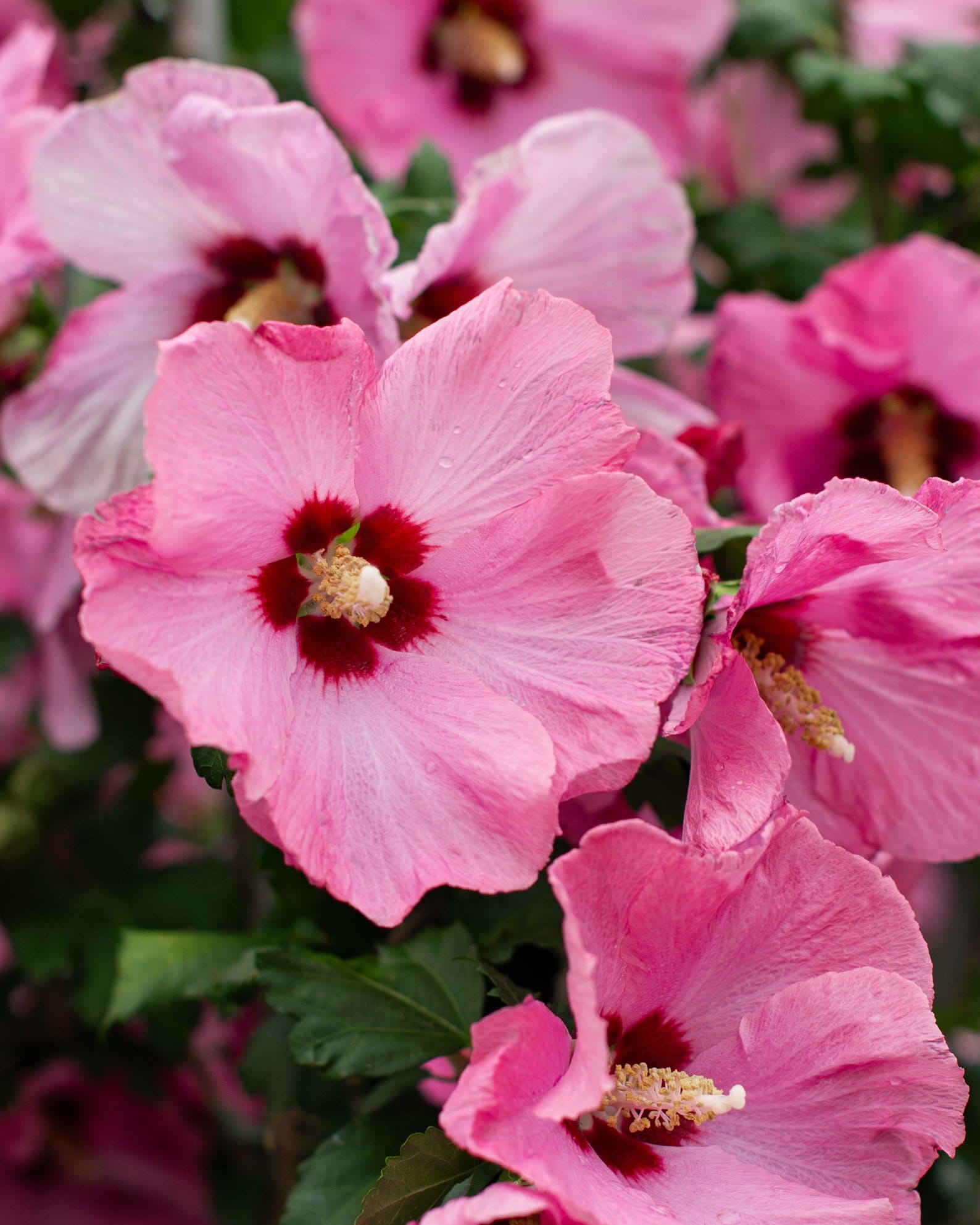
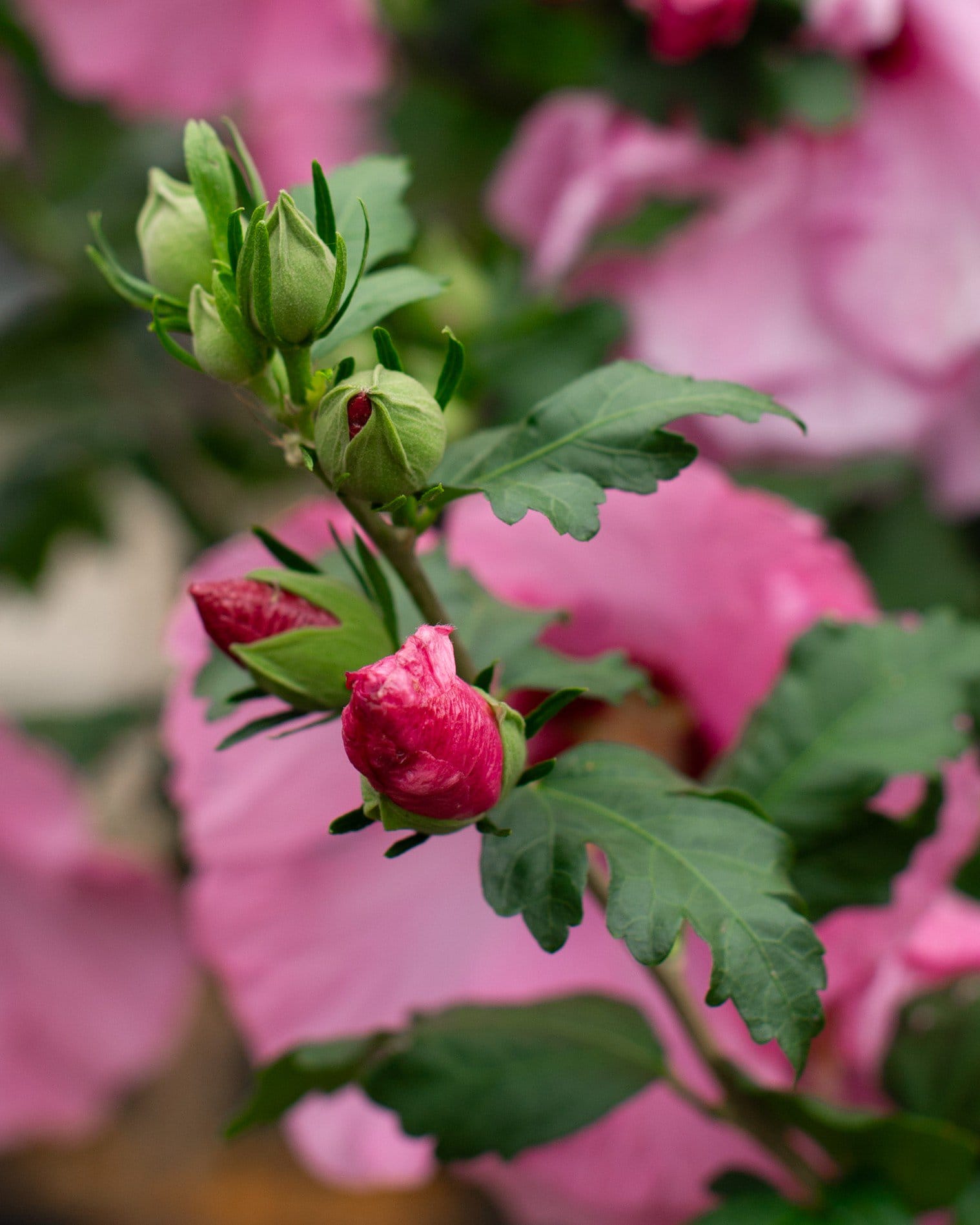
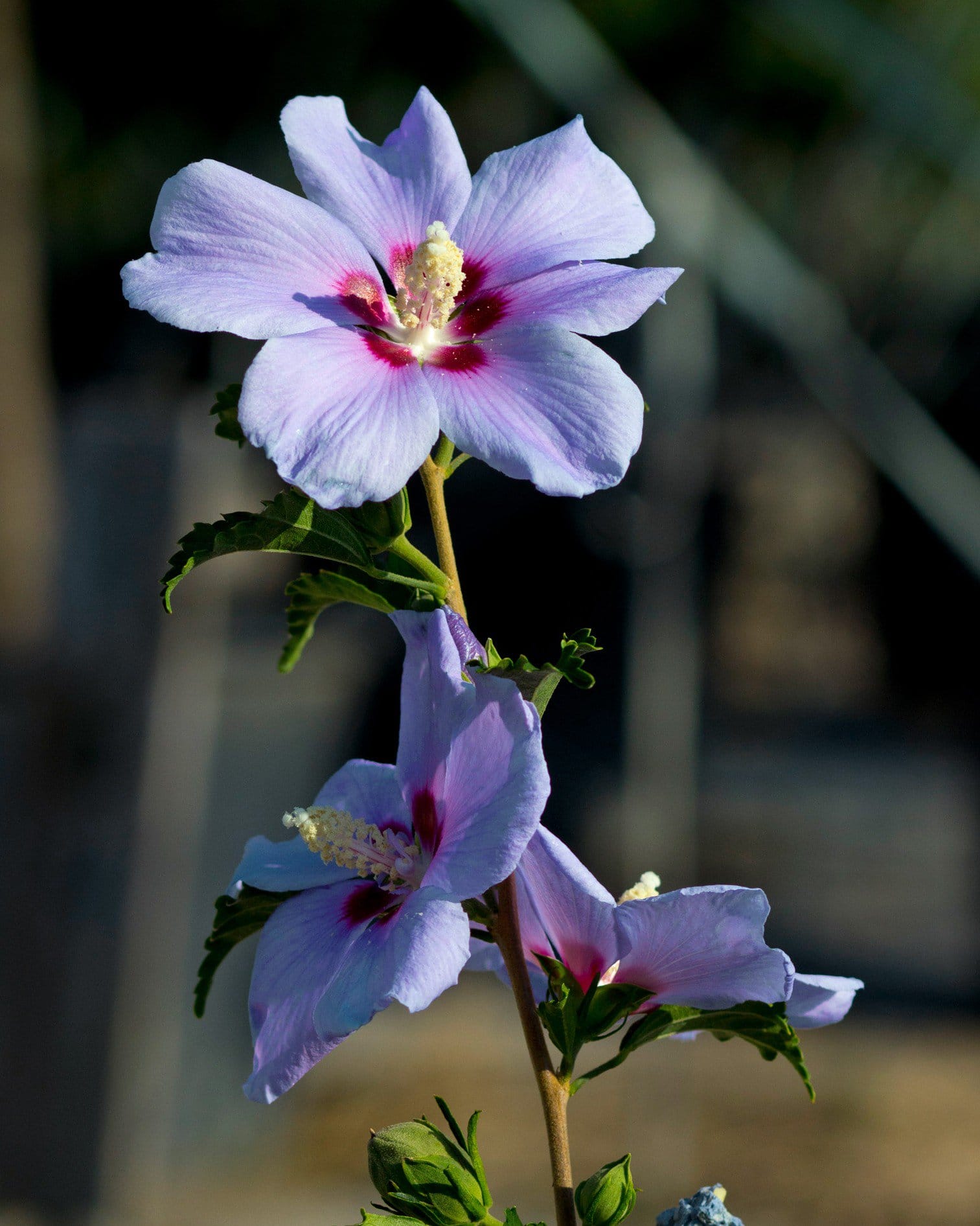
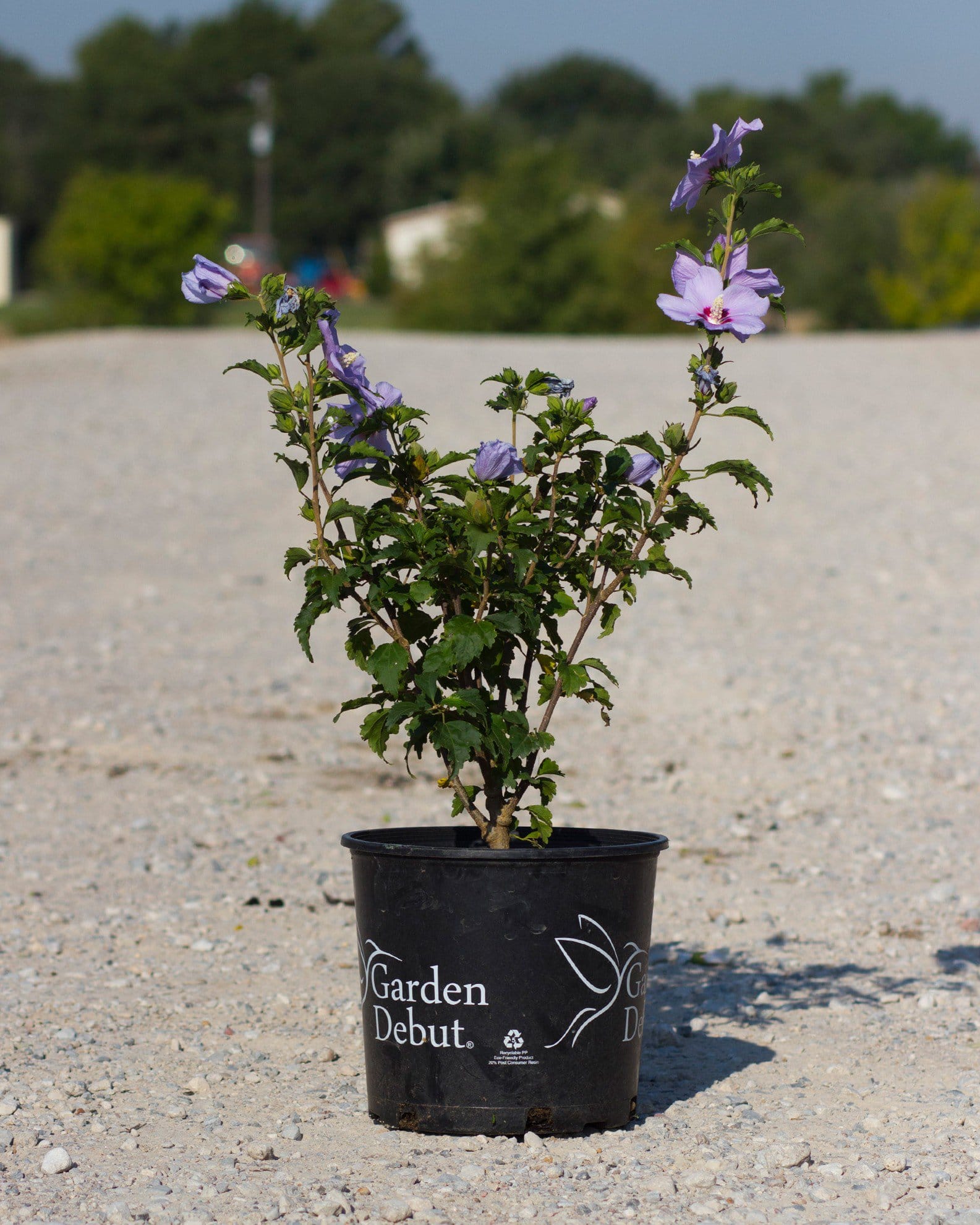
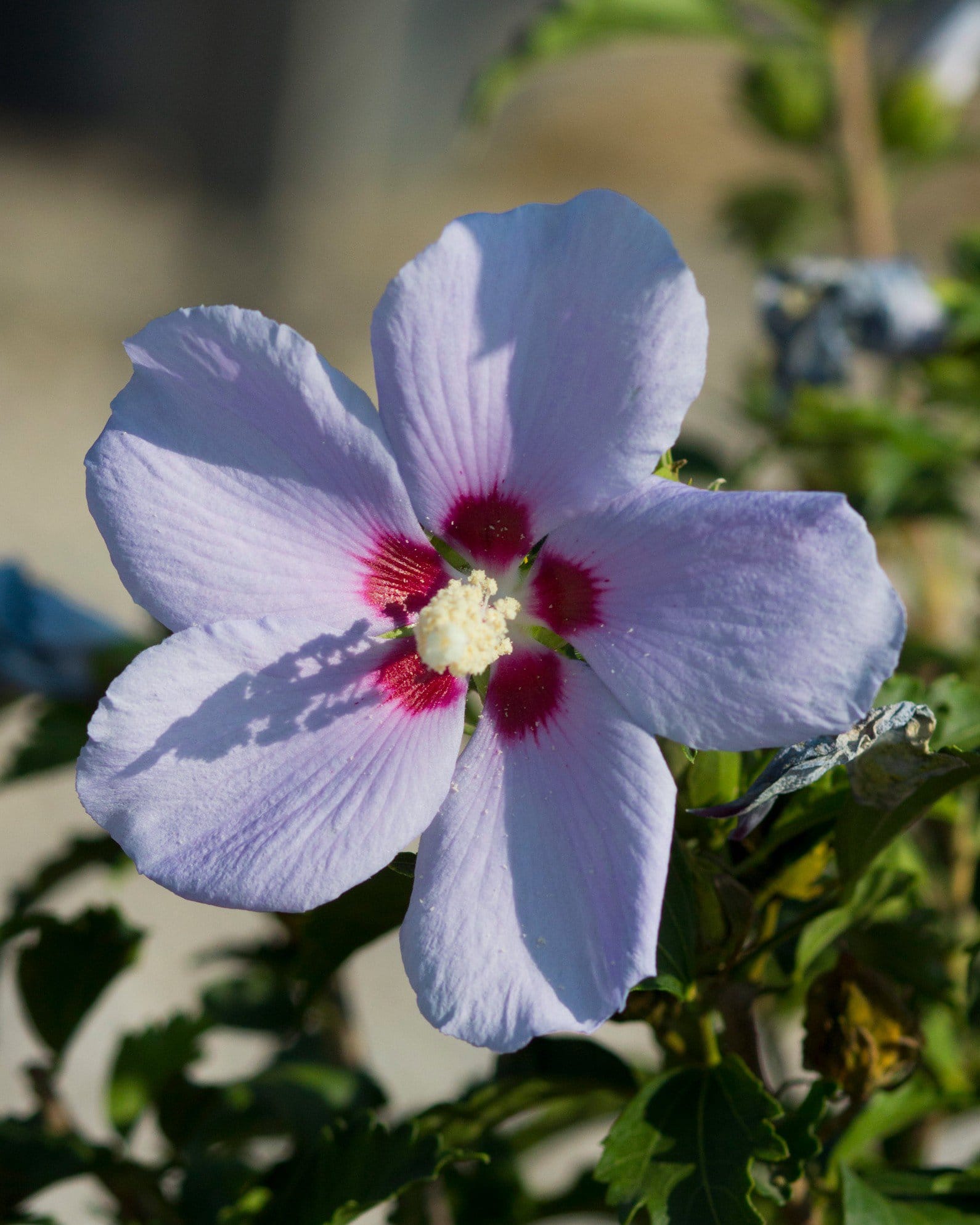
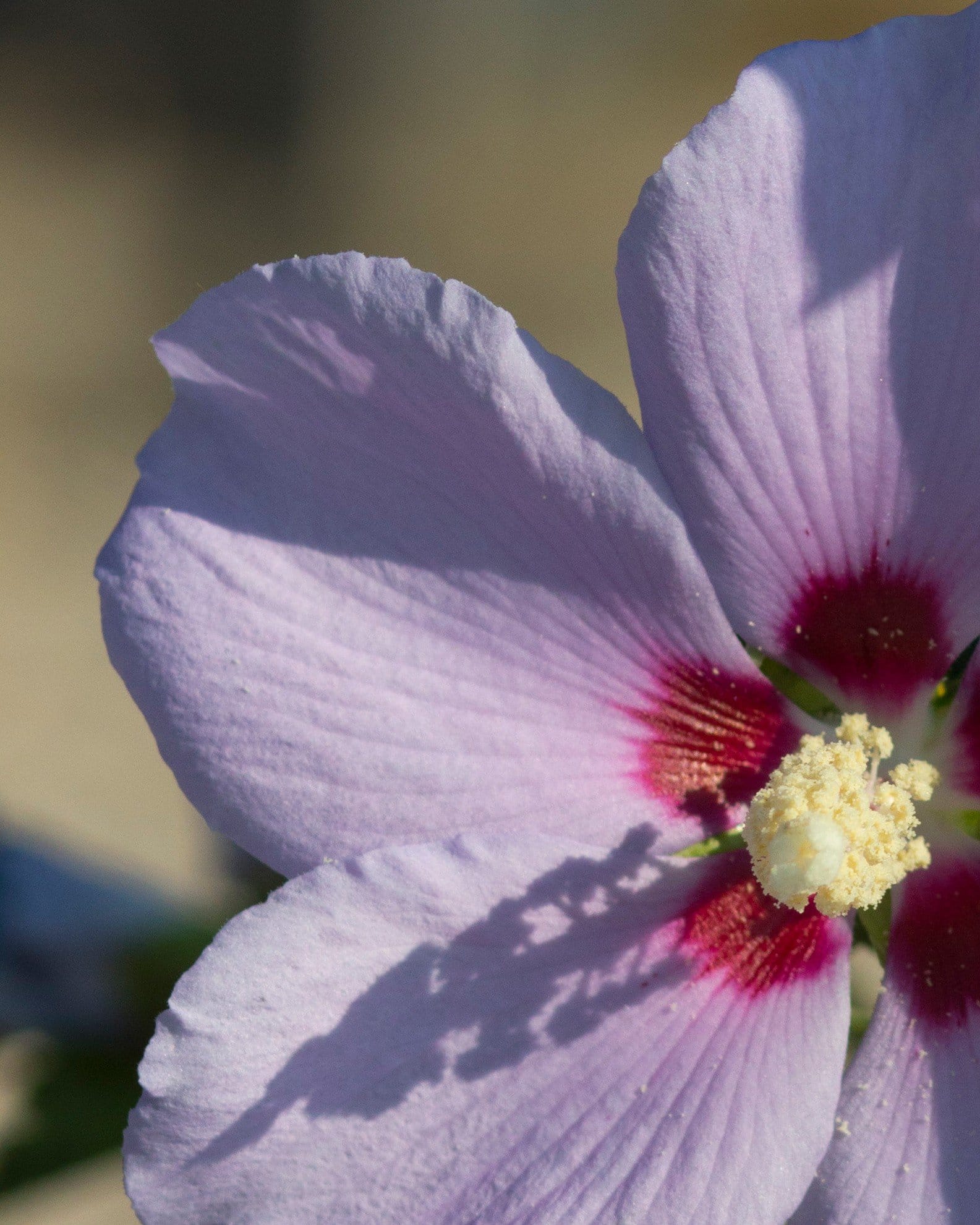
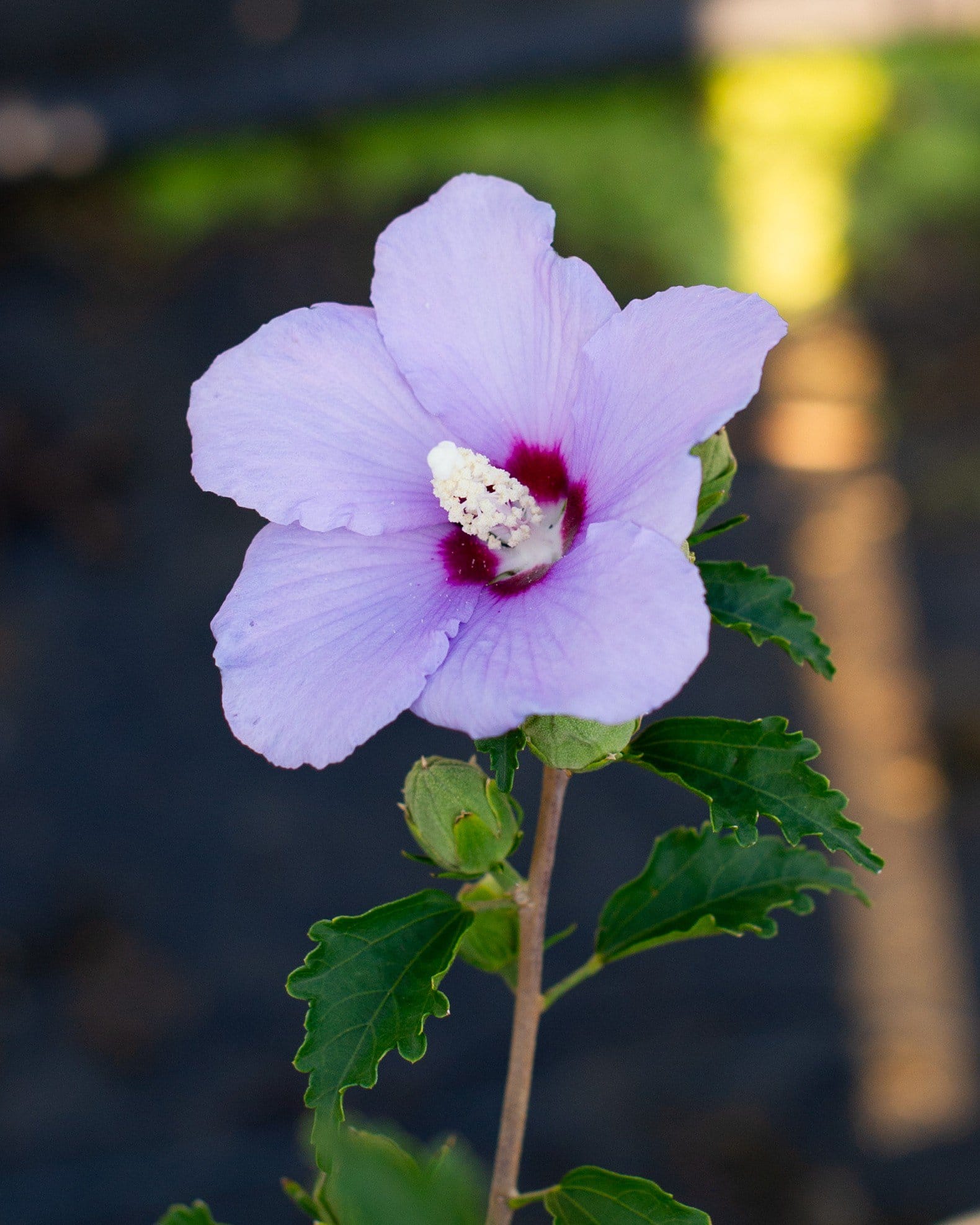
Blue Angel Althea
Maturity: 8' H x 6' W
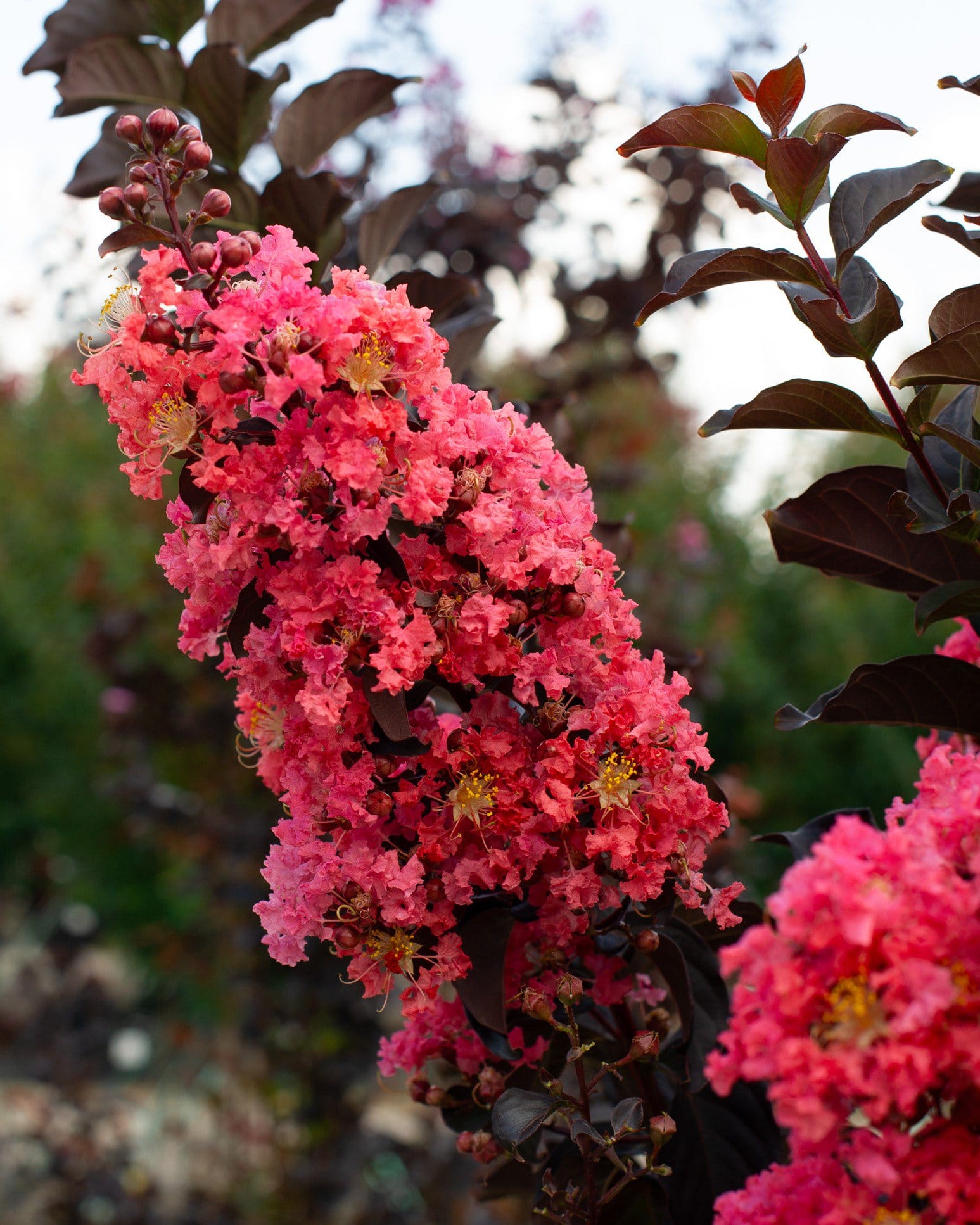
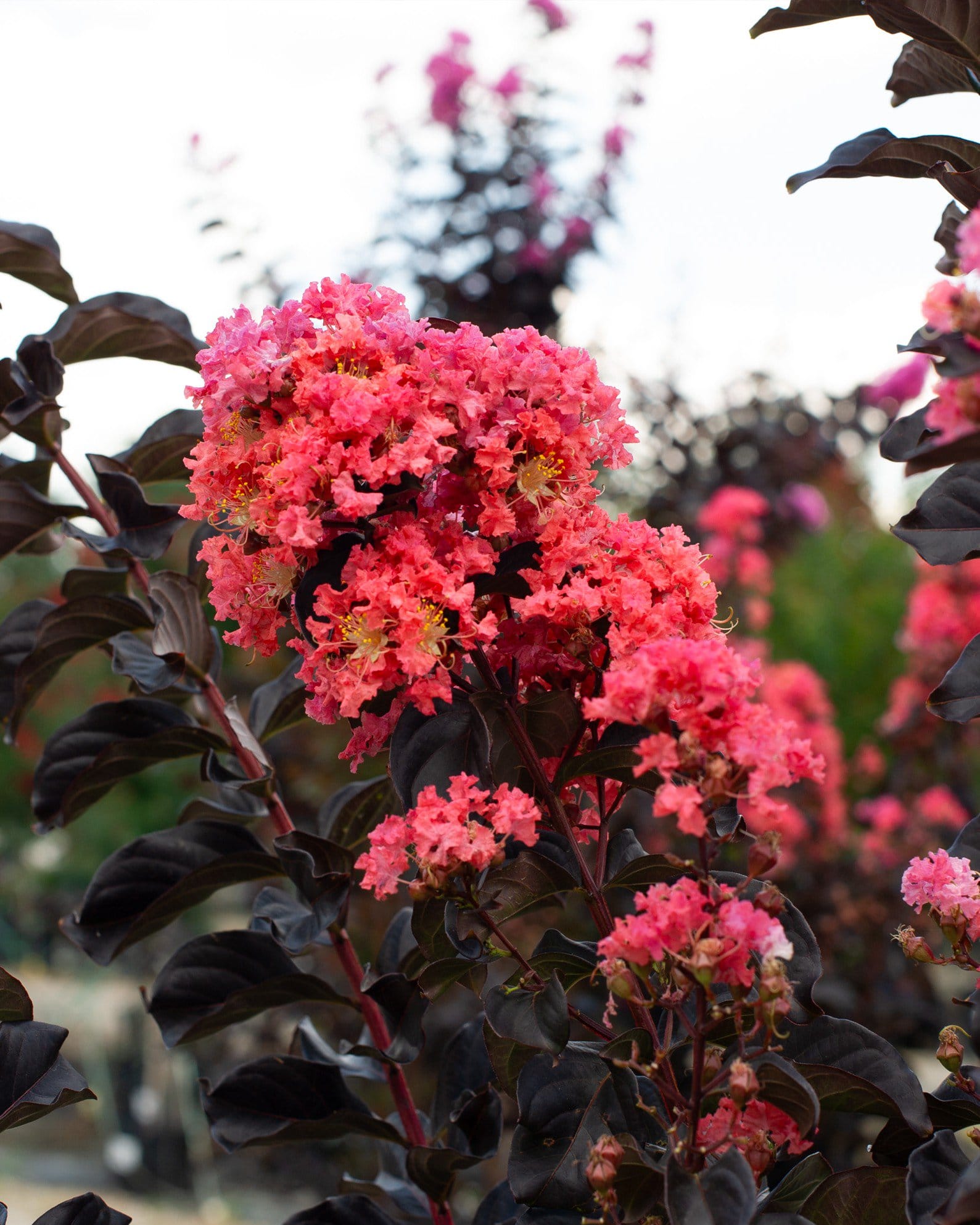
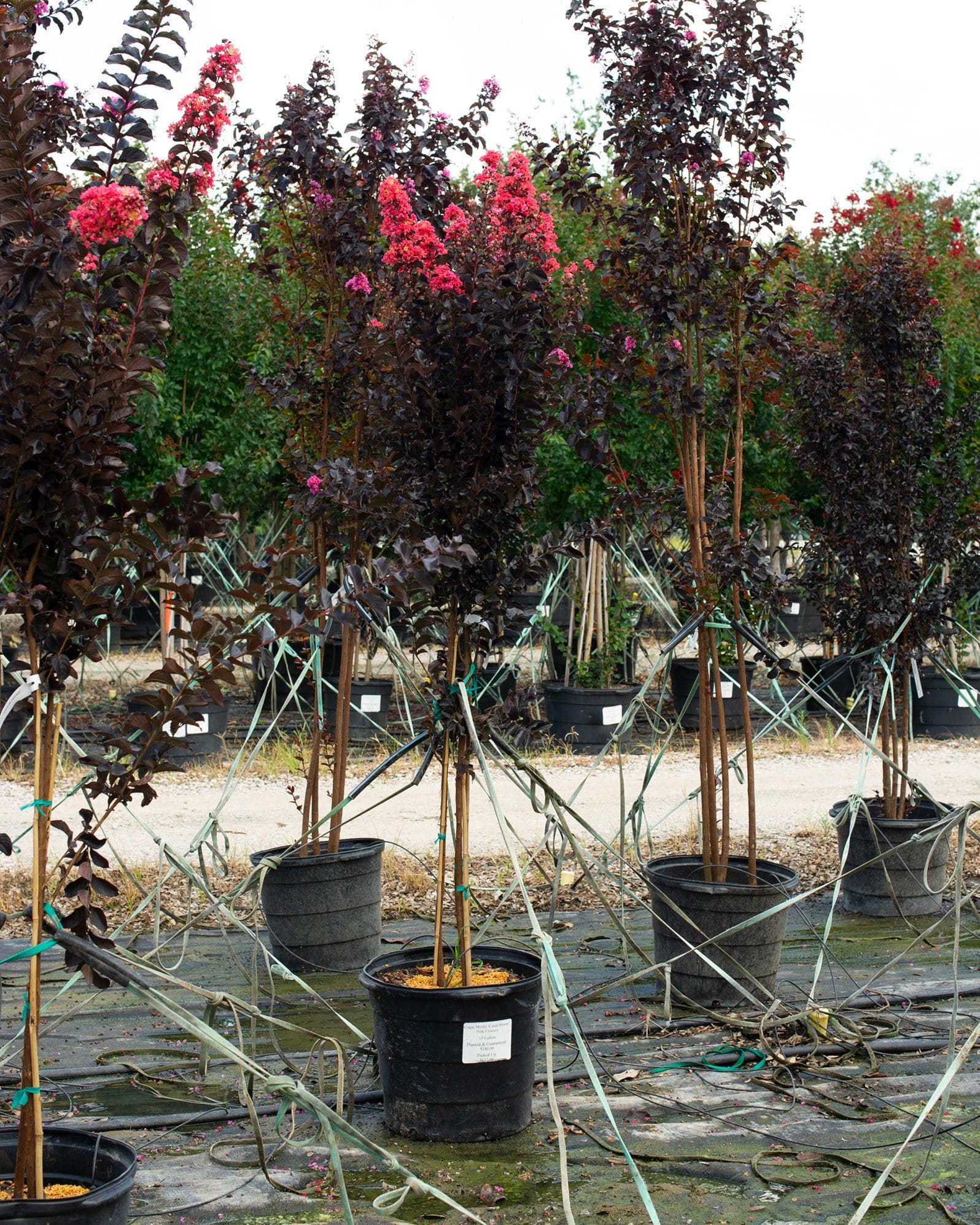
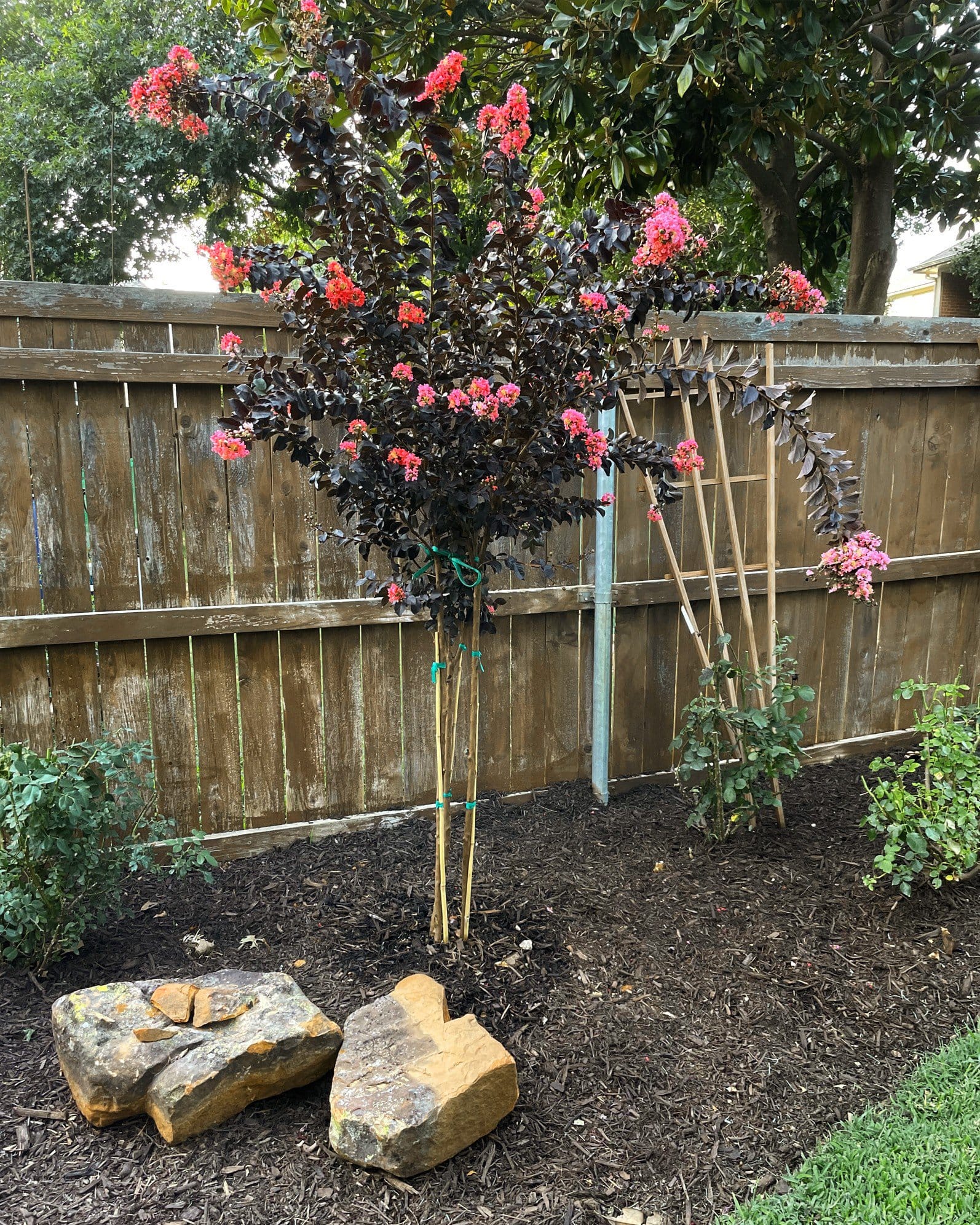
Coral Boom Crape Myrtle
Maturity: 15' H x 10' W
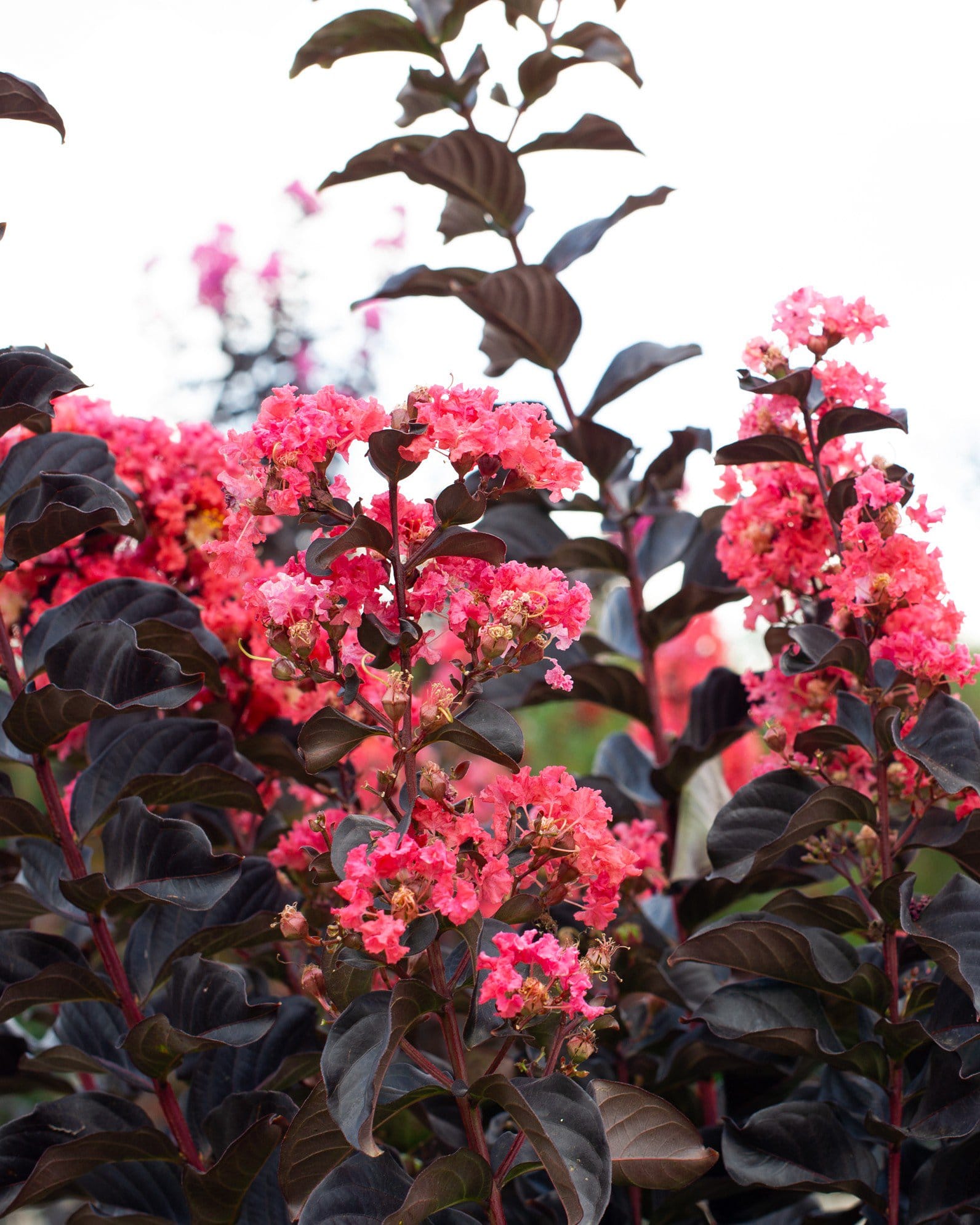
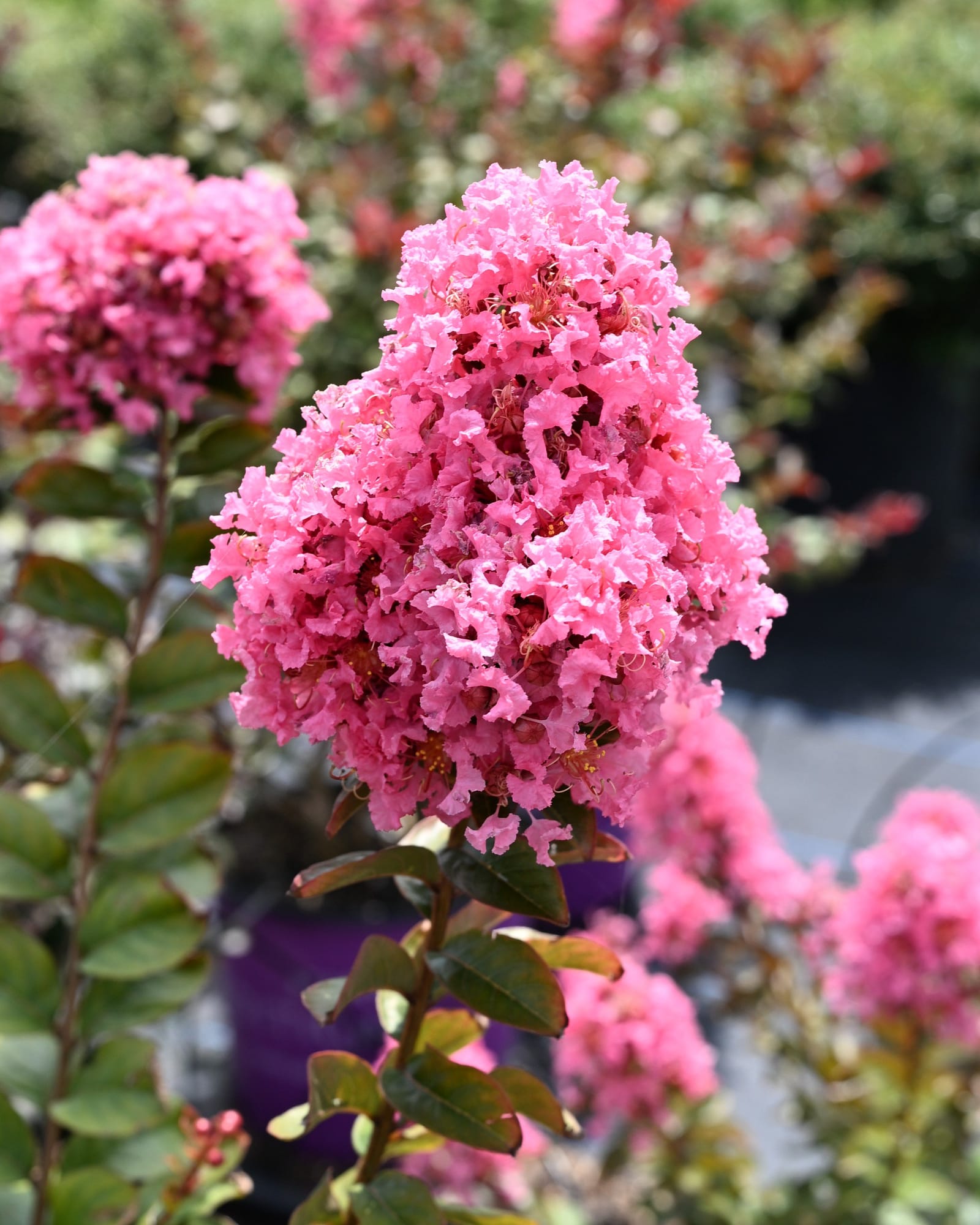
Coral Magic Crape Myrtle
Maturity: 8' H x 6' W
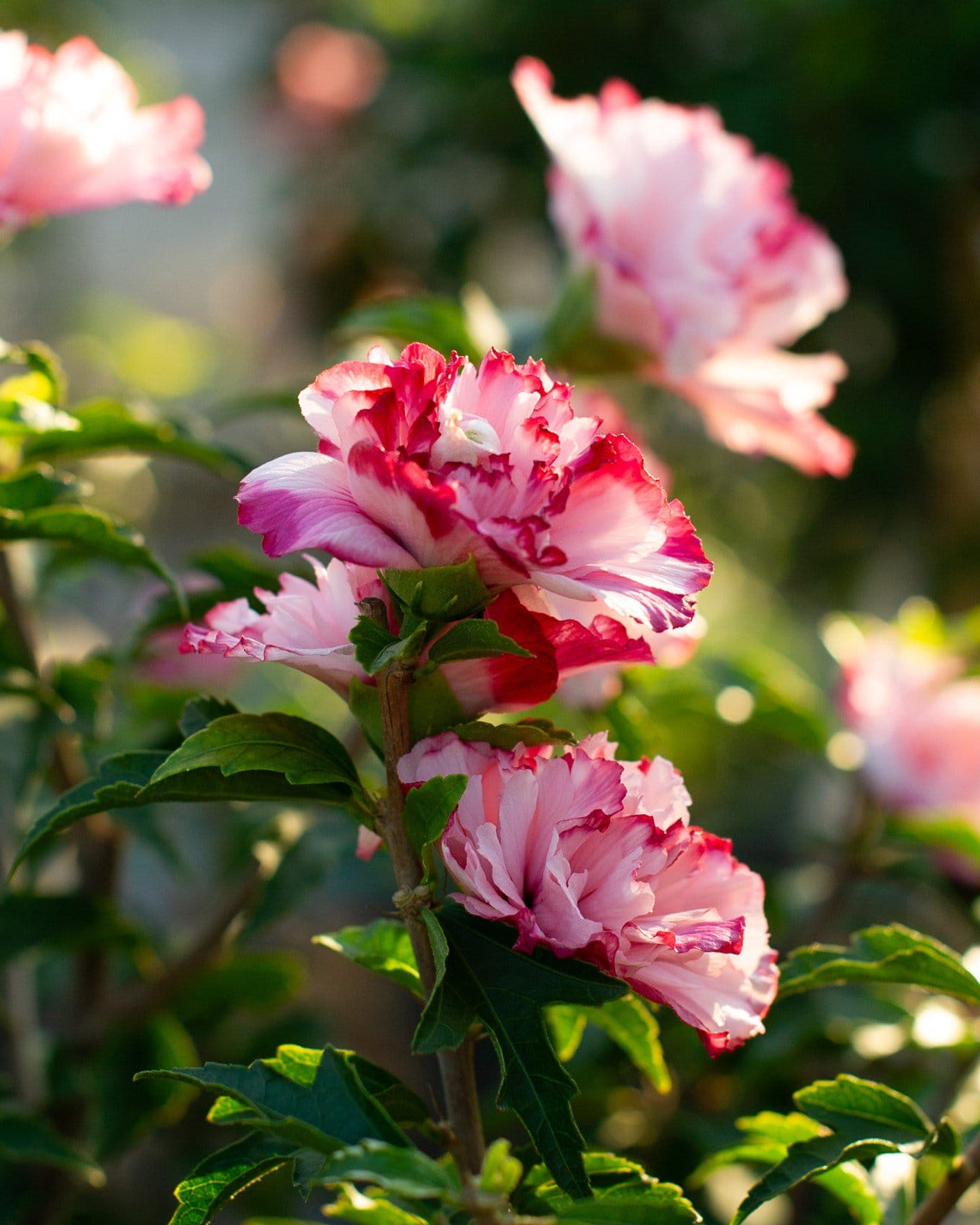
Danica Althea Tree Form
Maturity: 8' H x 5' W
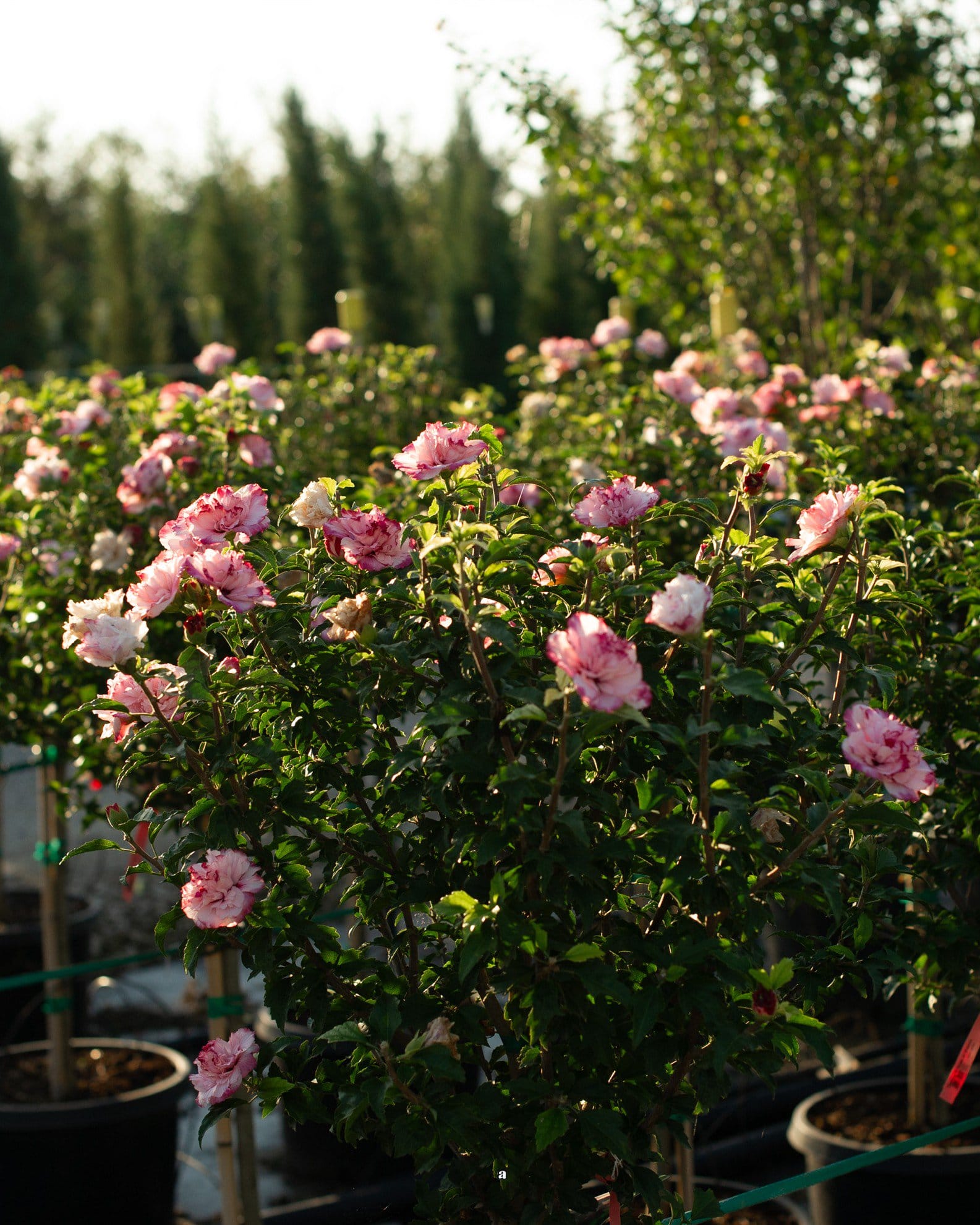
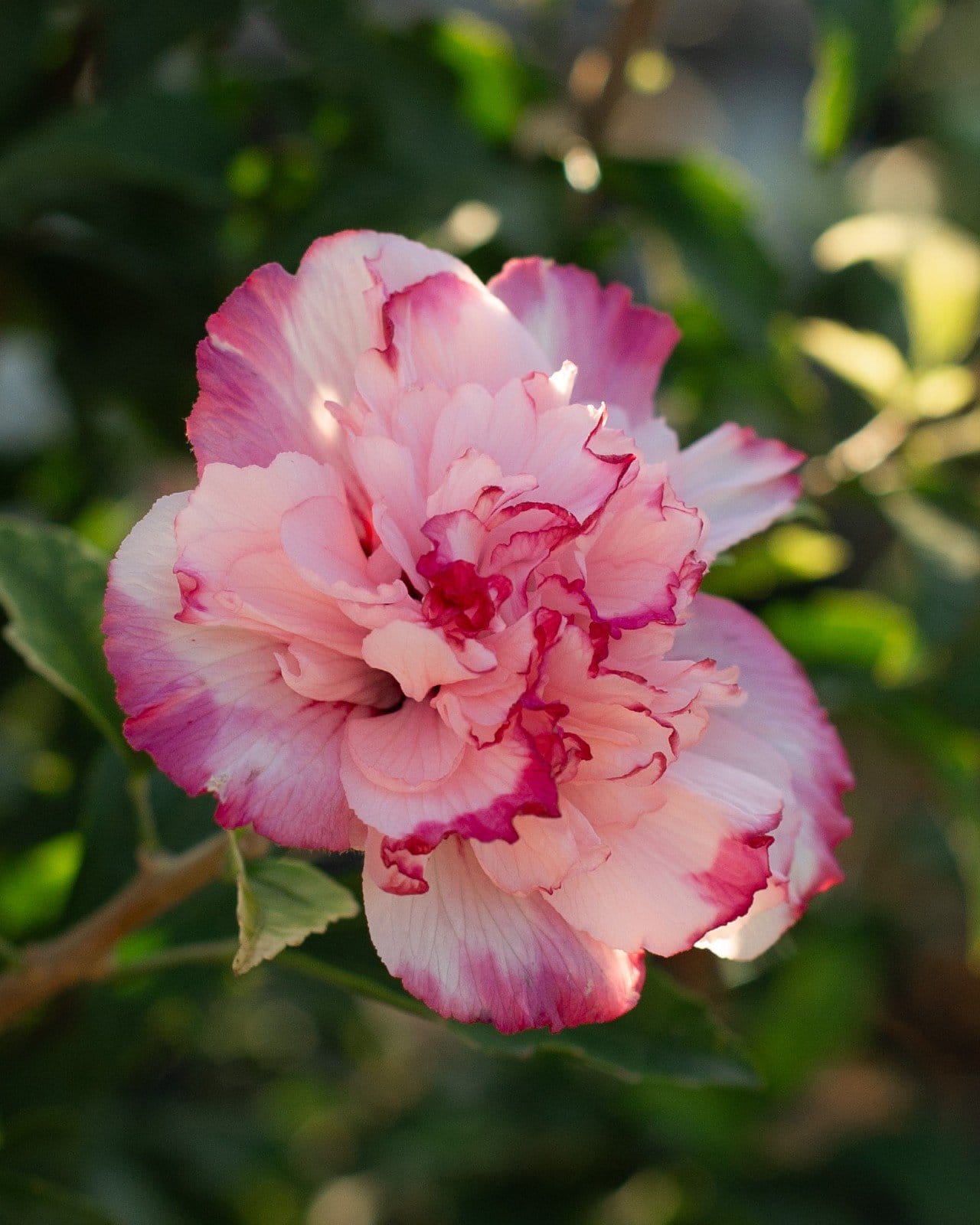
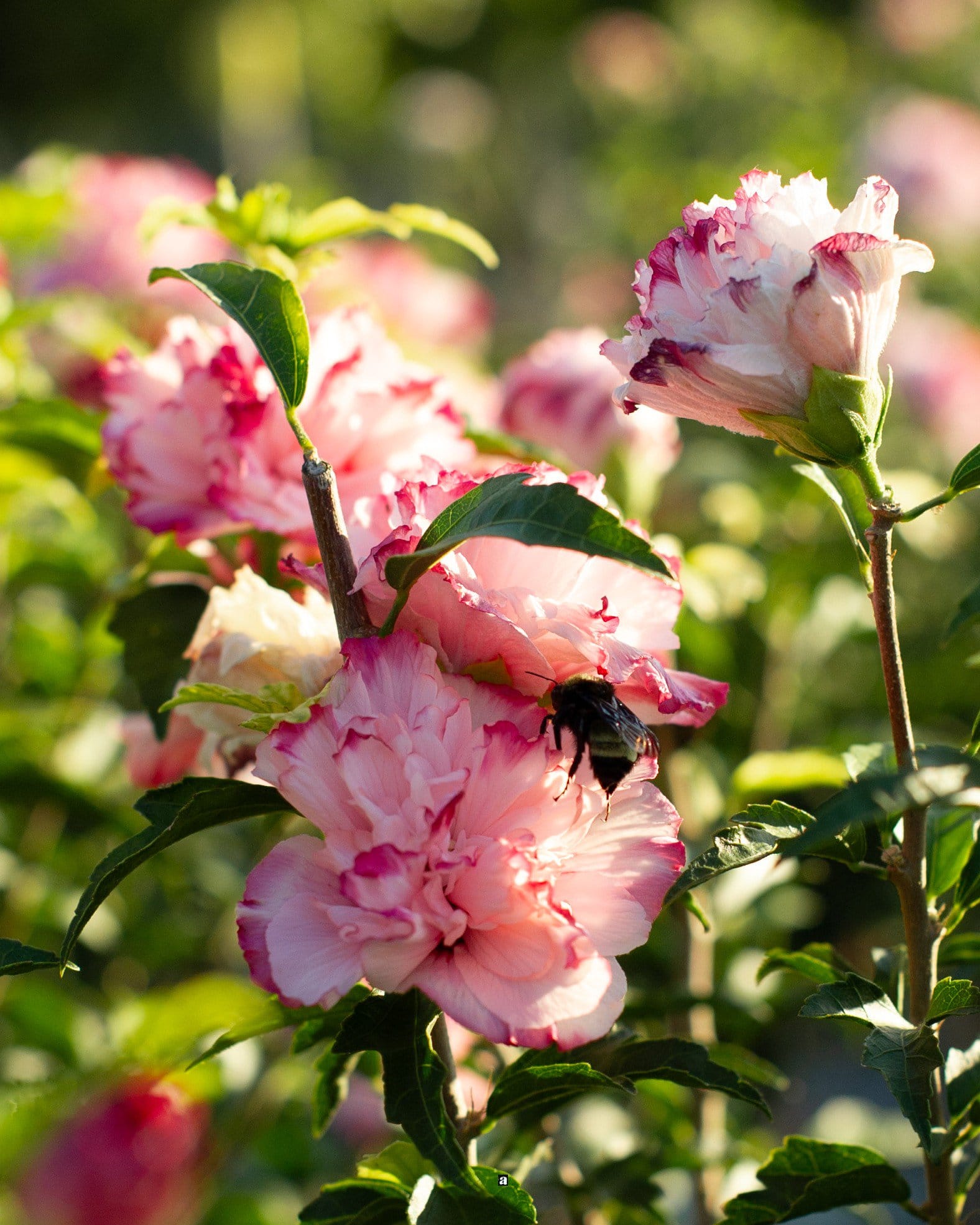
Double Red Althea Tree Form
Maturity: 8' H x 5' W
Compare Similar Plants
Brandywine Crabapple This plant | ||
|---|---|---|
| Scientific Name | Malus ‘Branzam’ | Malus ‘Prairifire’ |
| Size at Maturity | 20' H x 15' W | 15' H x 15' W |
| Leaf Retention | Deciduous | Deciduous |
| Fall Color | Orange & Red | Orange & Red |
| Flower Color | Pink | Red & Pink |
| Bloom Times | Spring | Spring |
| Sizes Available | 30 gal | 15 gal |

Our 1-Year Planting Guarantee
We take pride in our plants and installation services. If any plants or trees installed by Treeland fail to thrive within the first year, we'll provide a replacement credit in accordance with our guarantee program.
Learn More About Our Guarantee