
 Popular
Ruby Crape Myrtle
Lagerstroemia x 'JM7'Local DFW Delivery Only
Product Details
Ruby Crape Myrtle
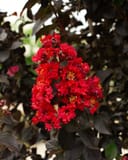
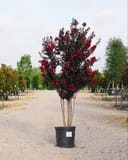
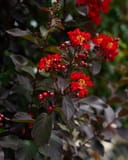
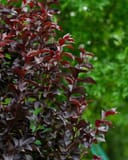
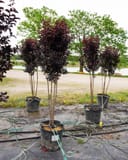
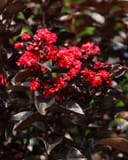
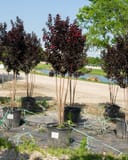
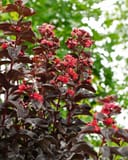
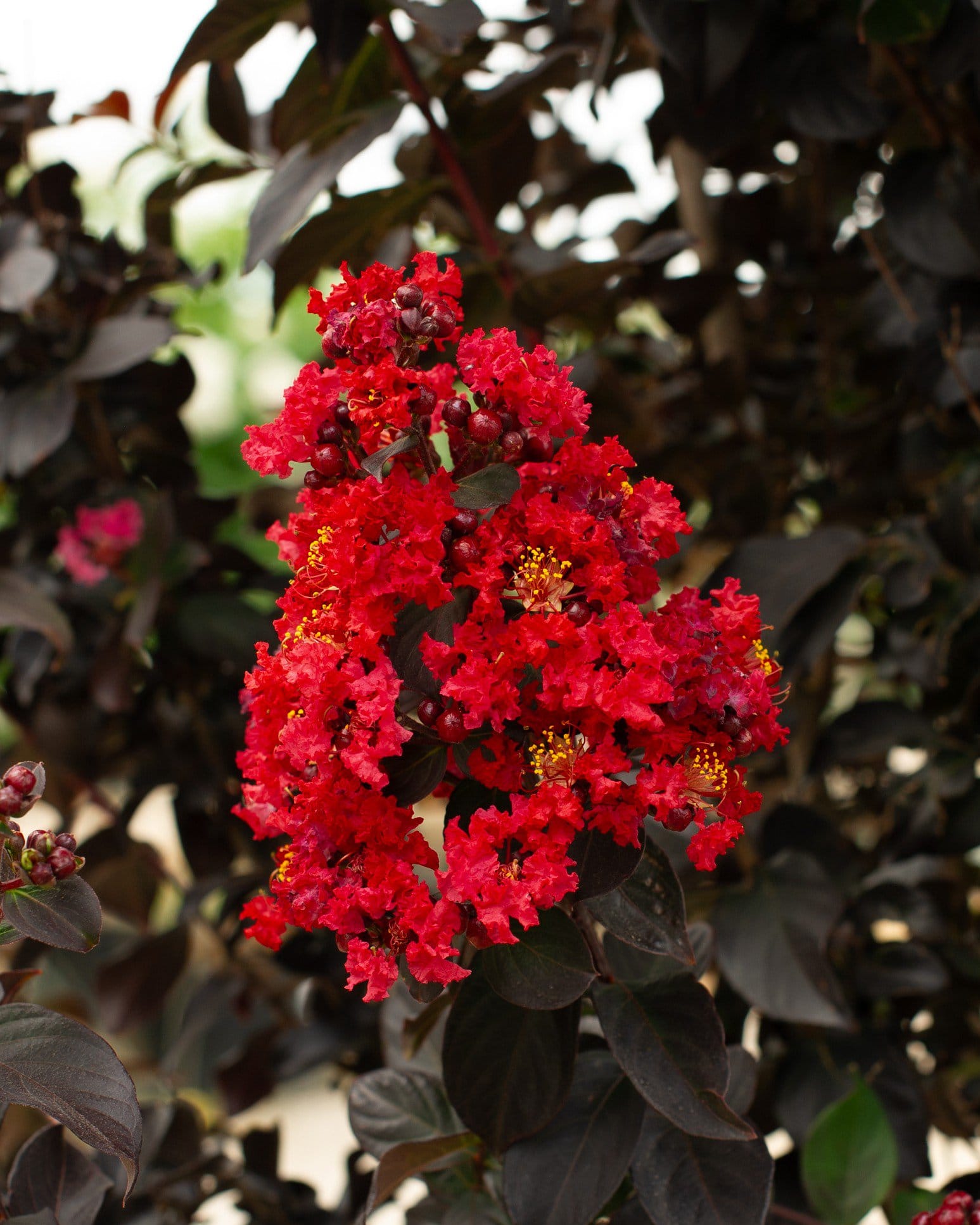
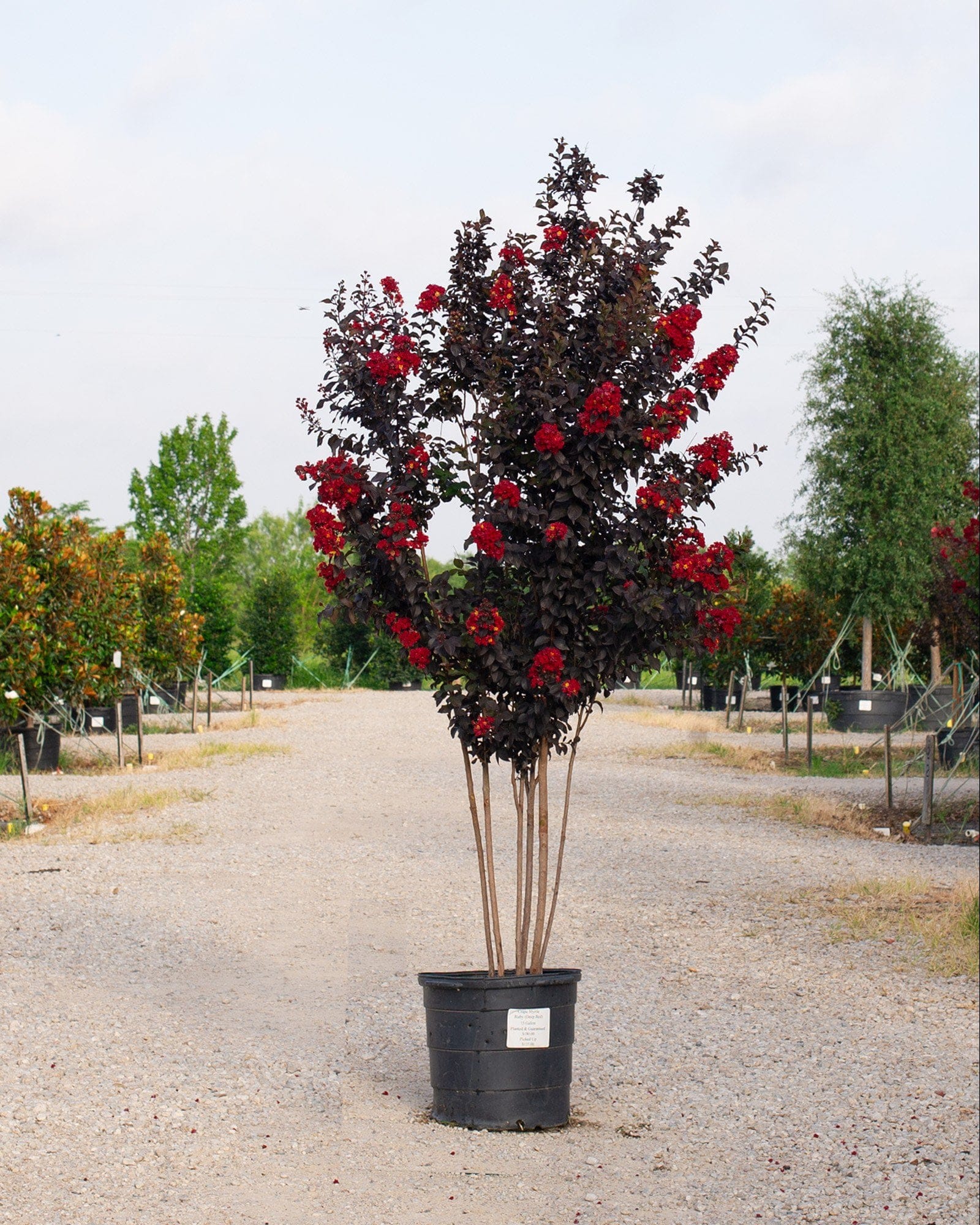
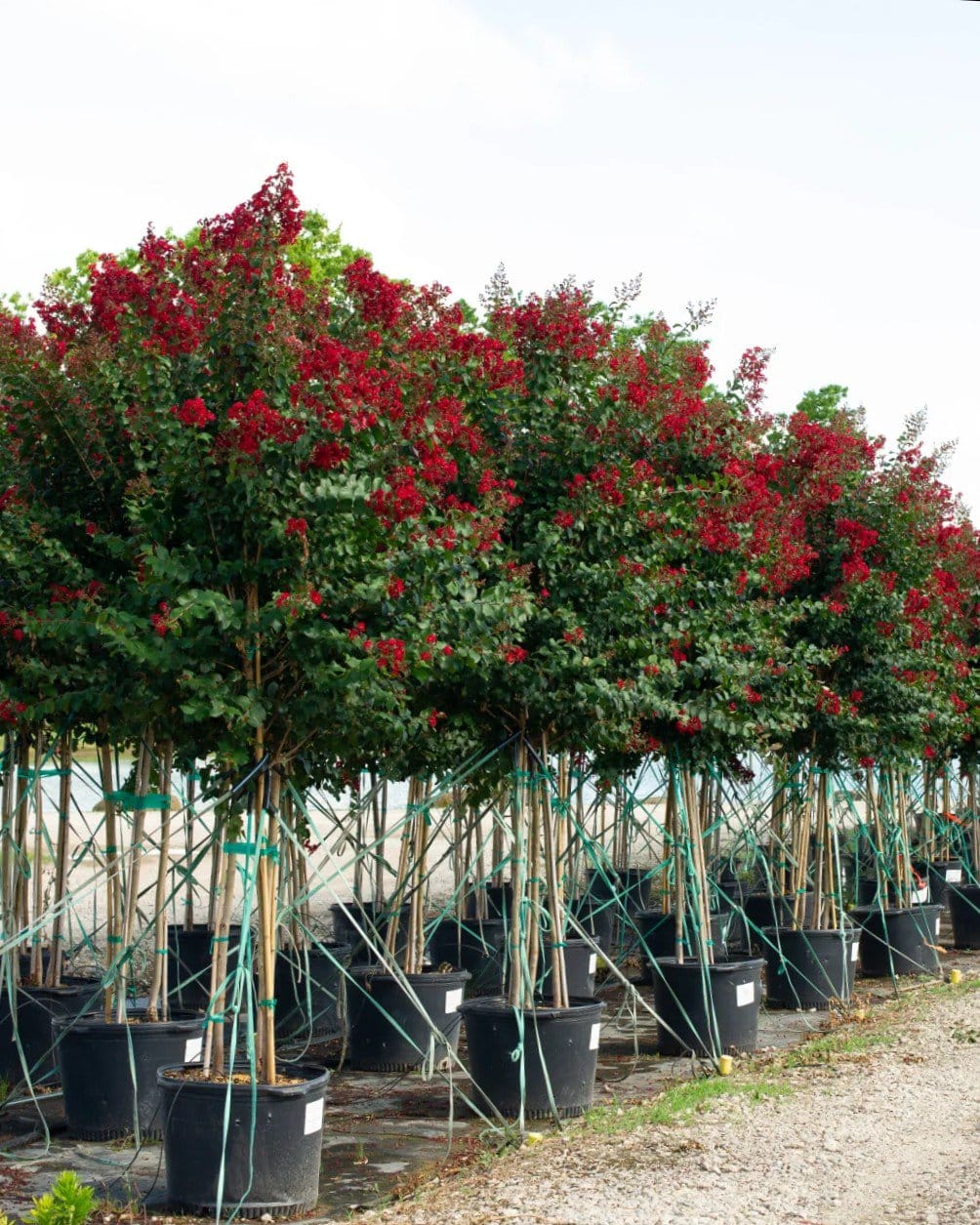
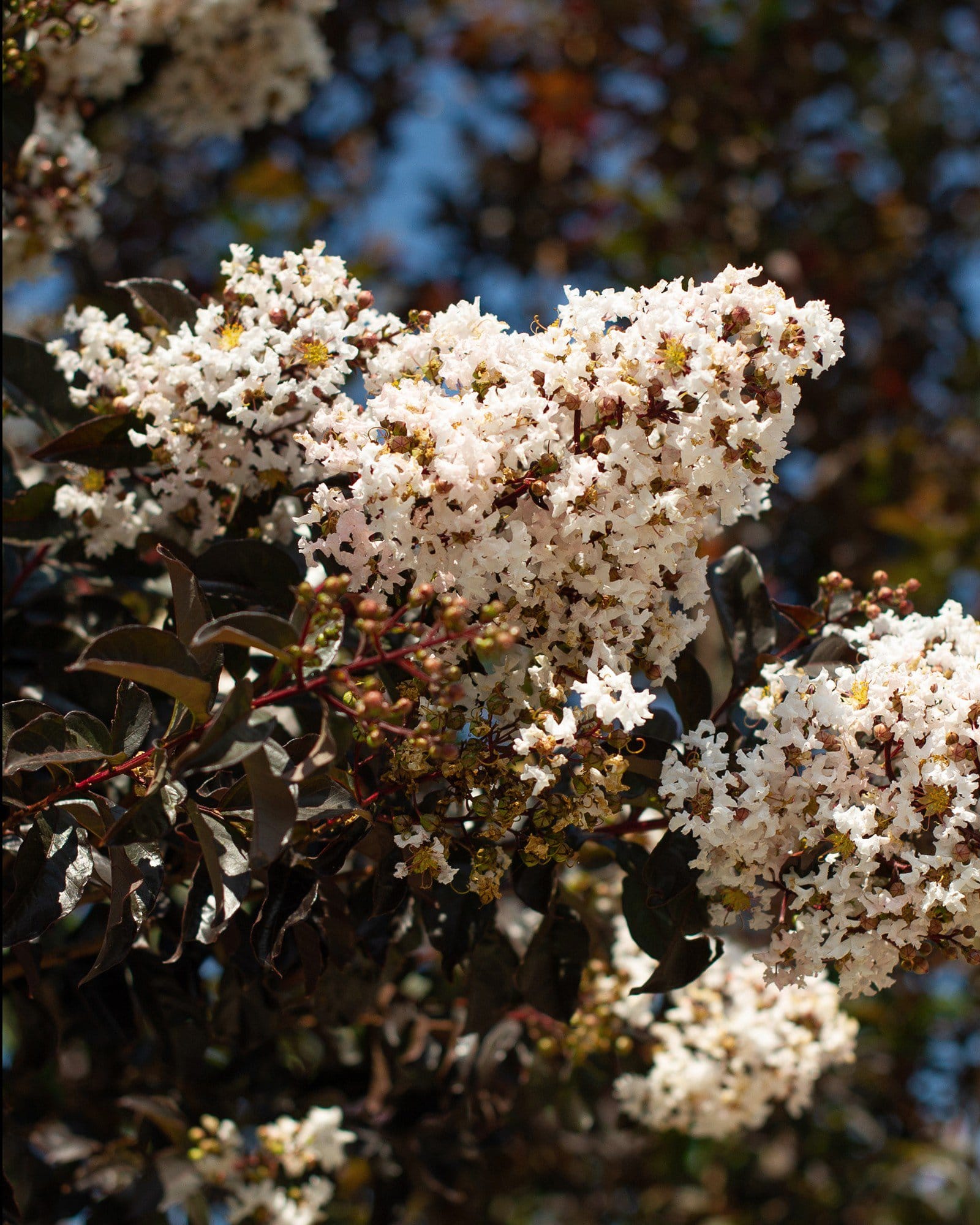
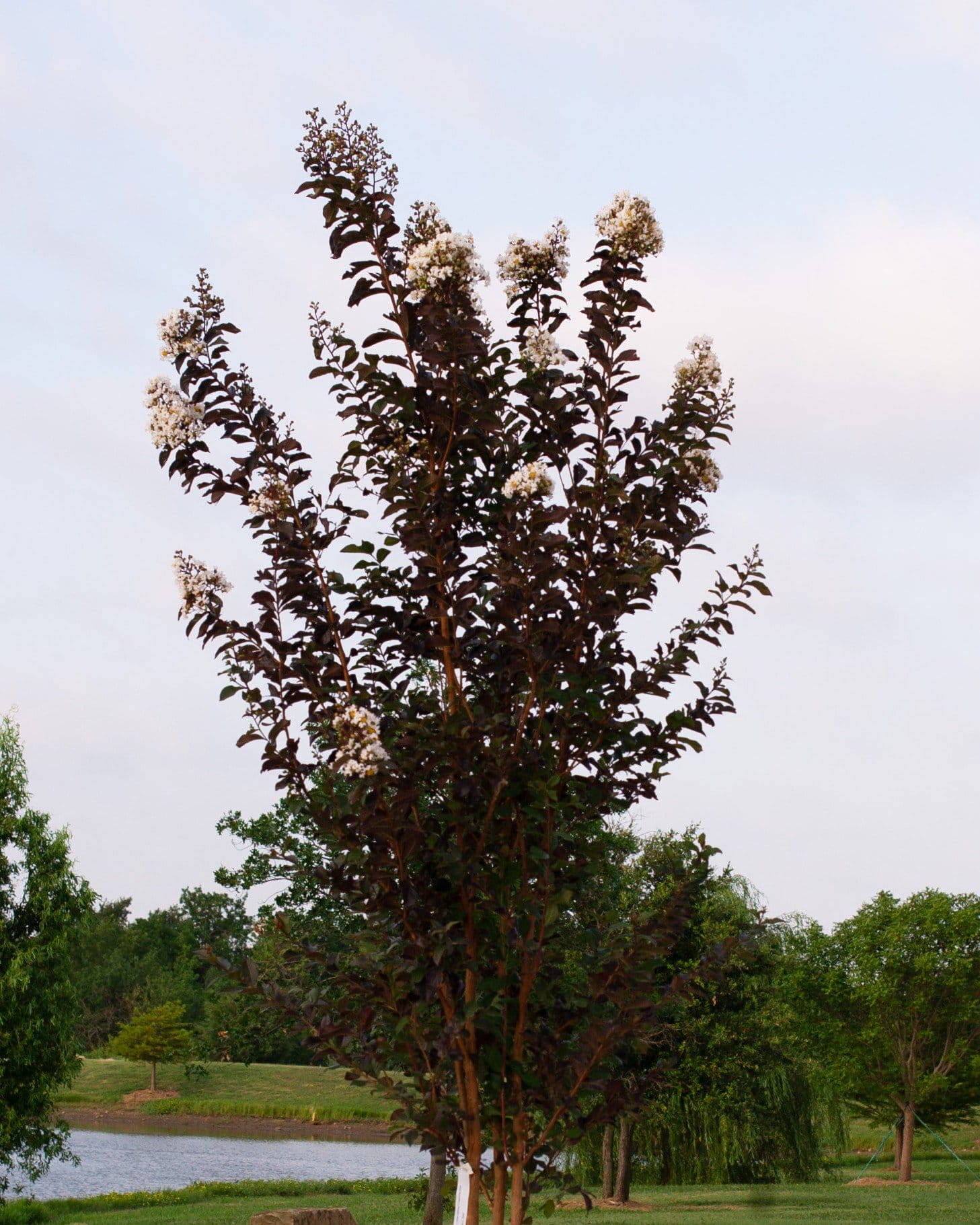
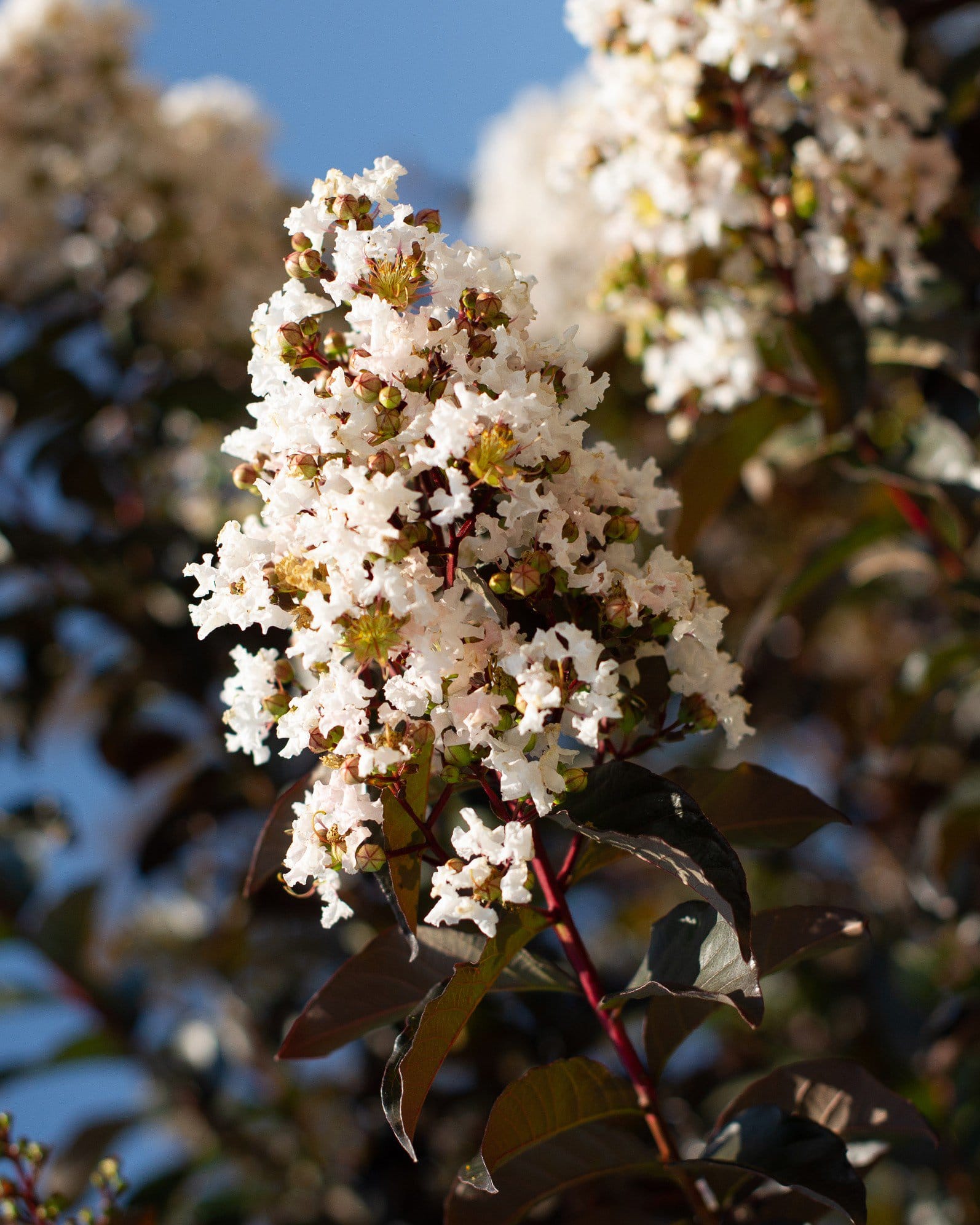
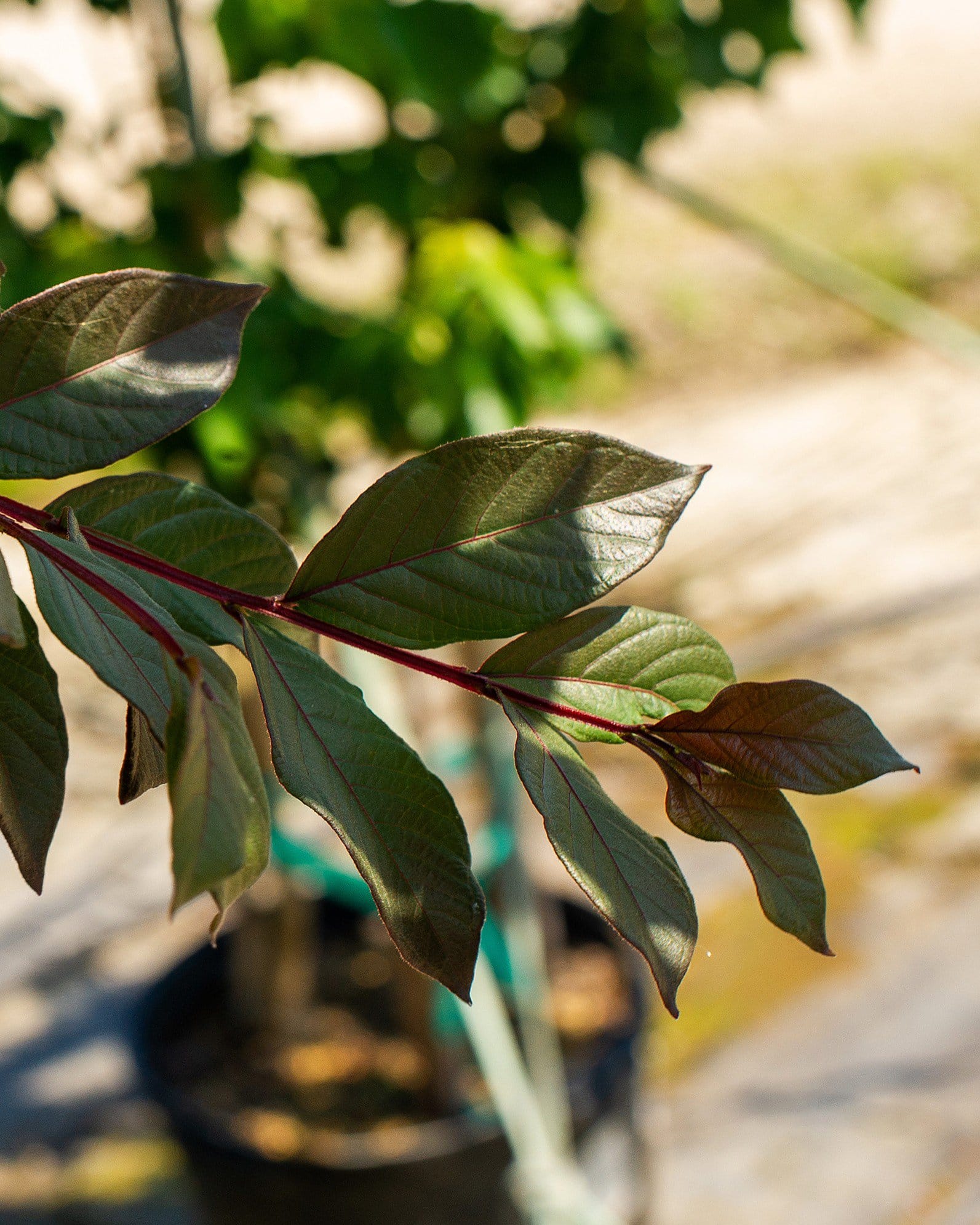
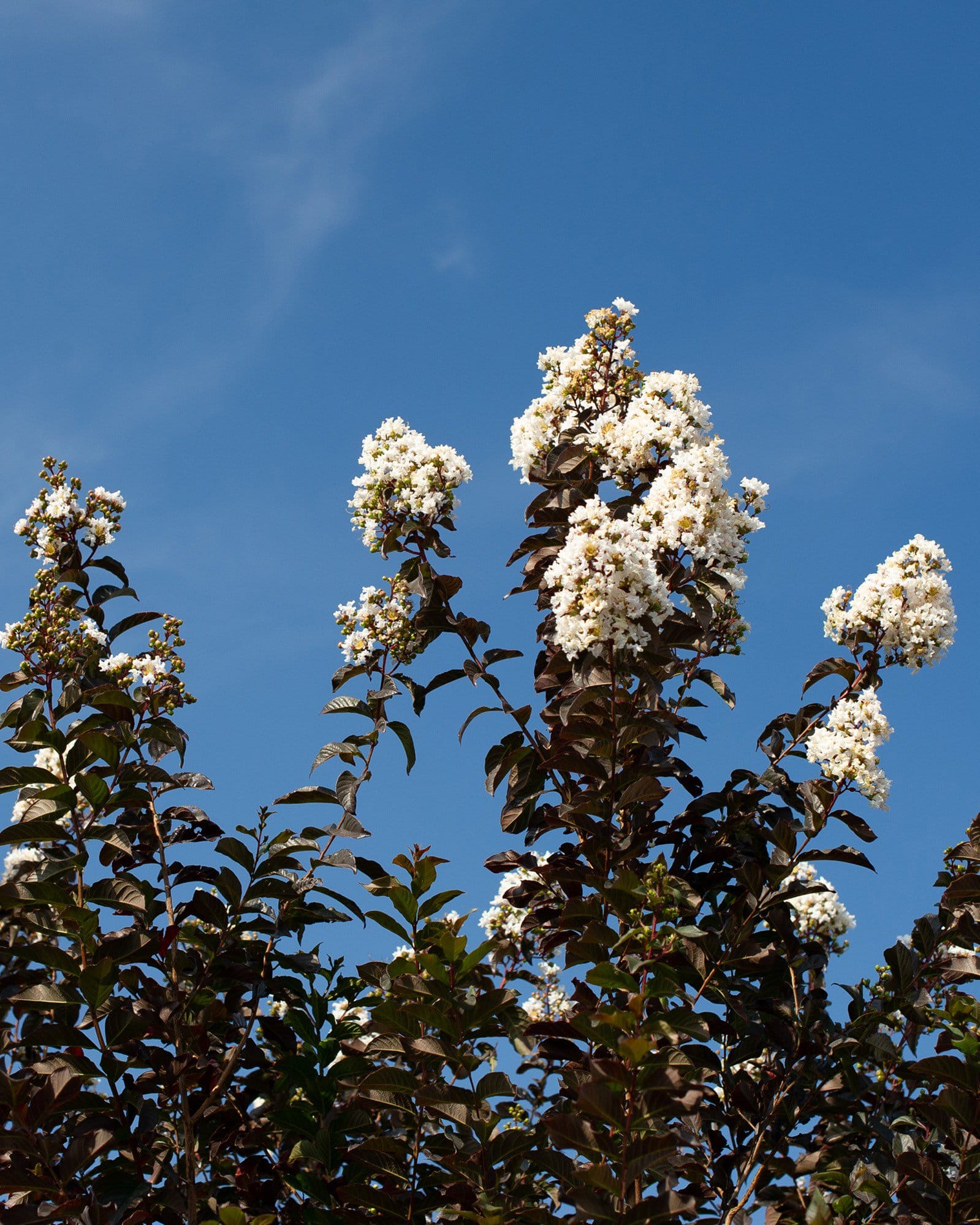
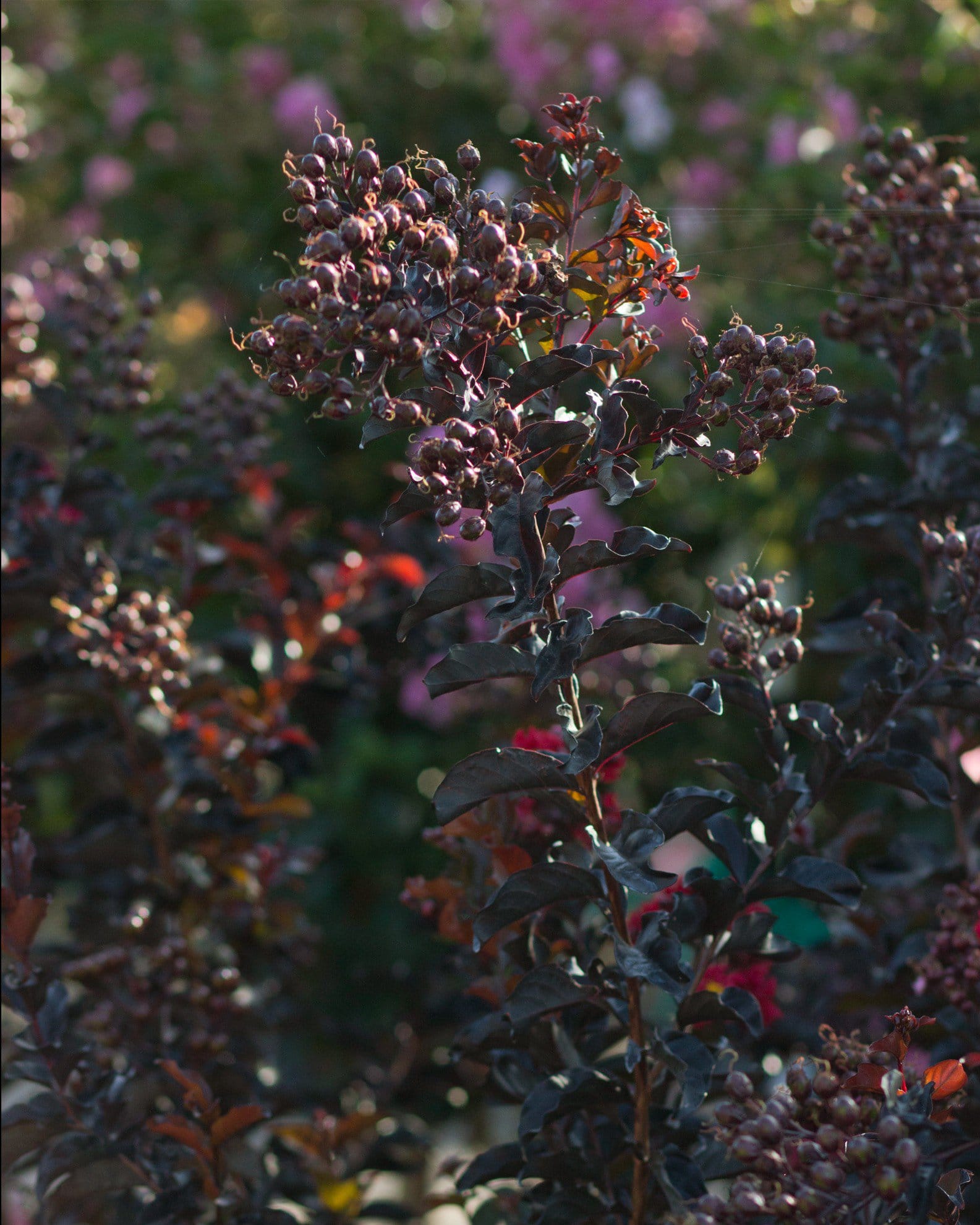
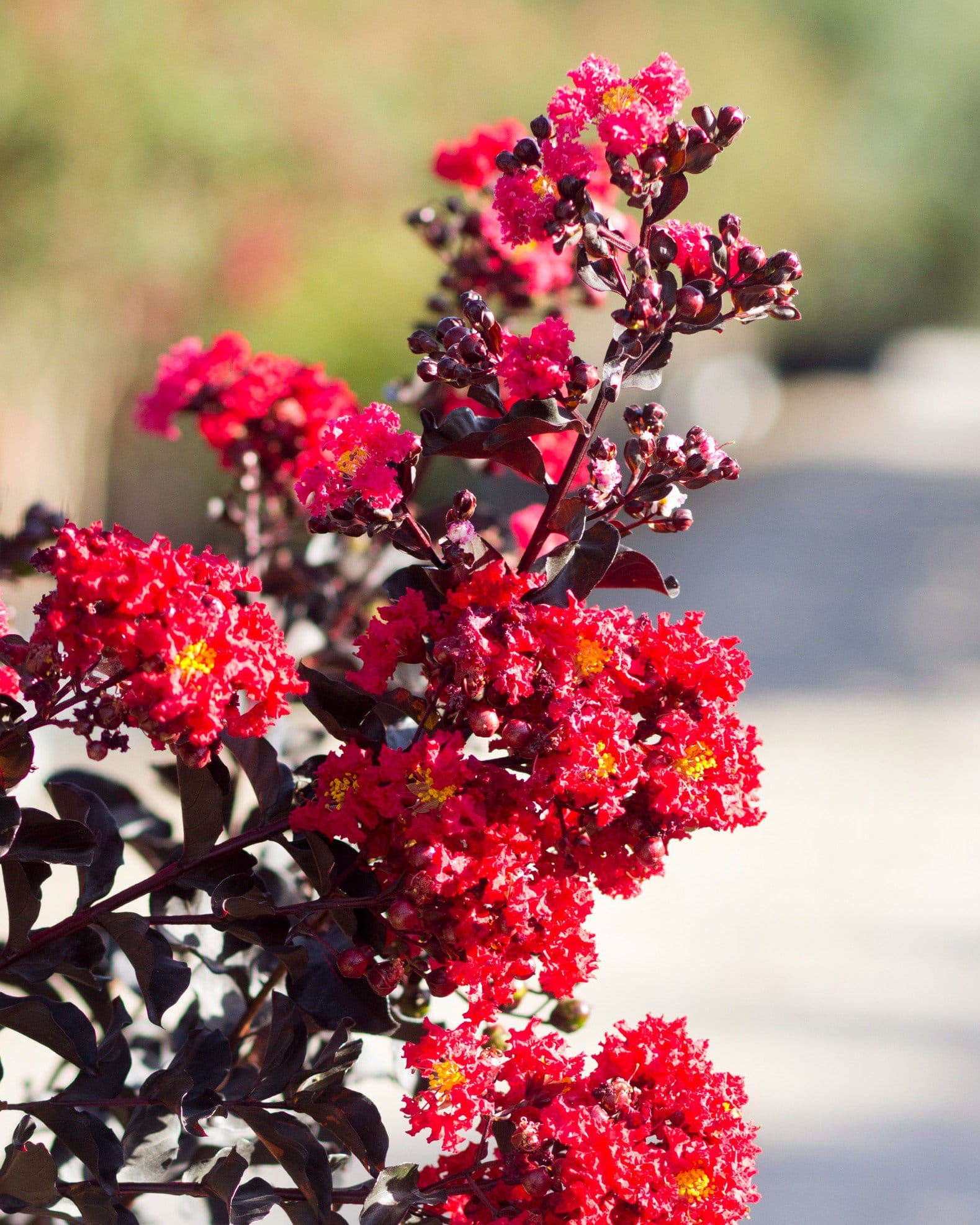
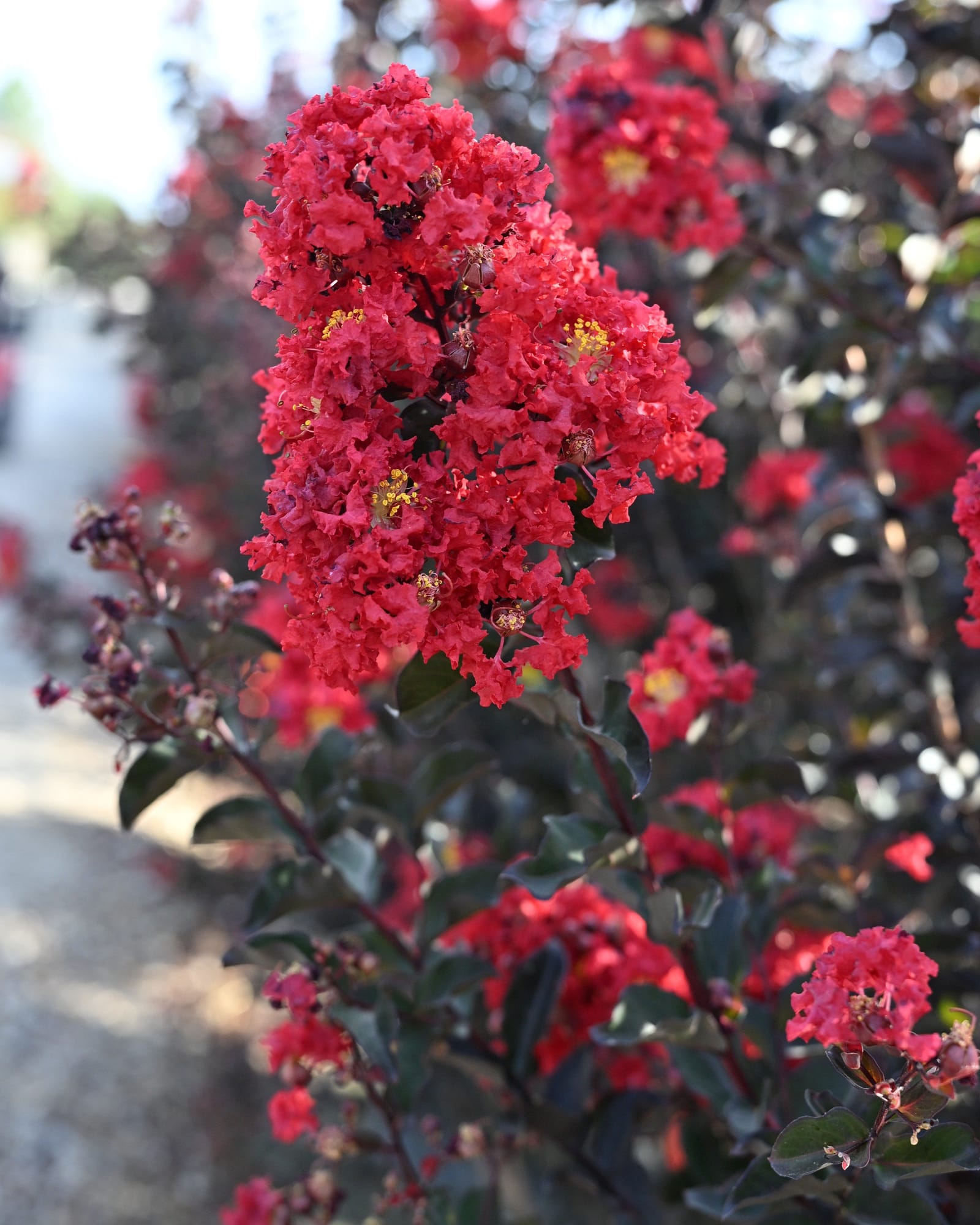
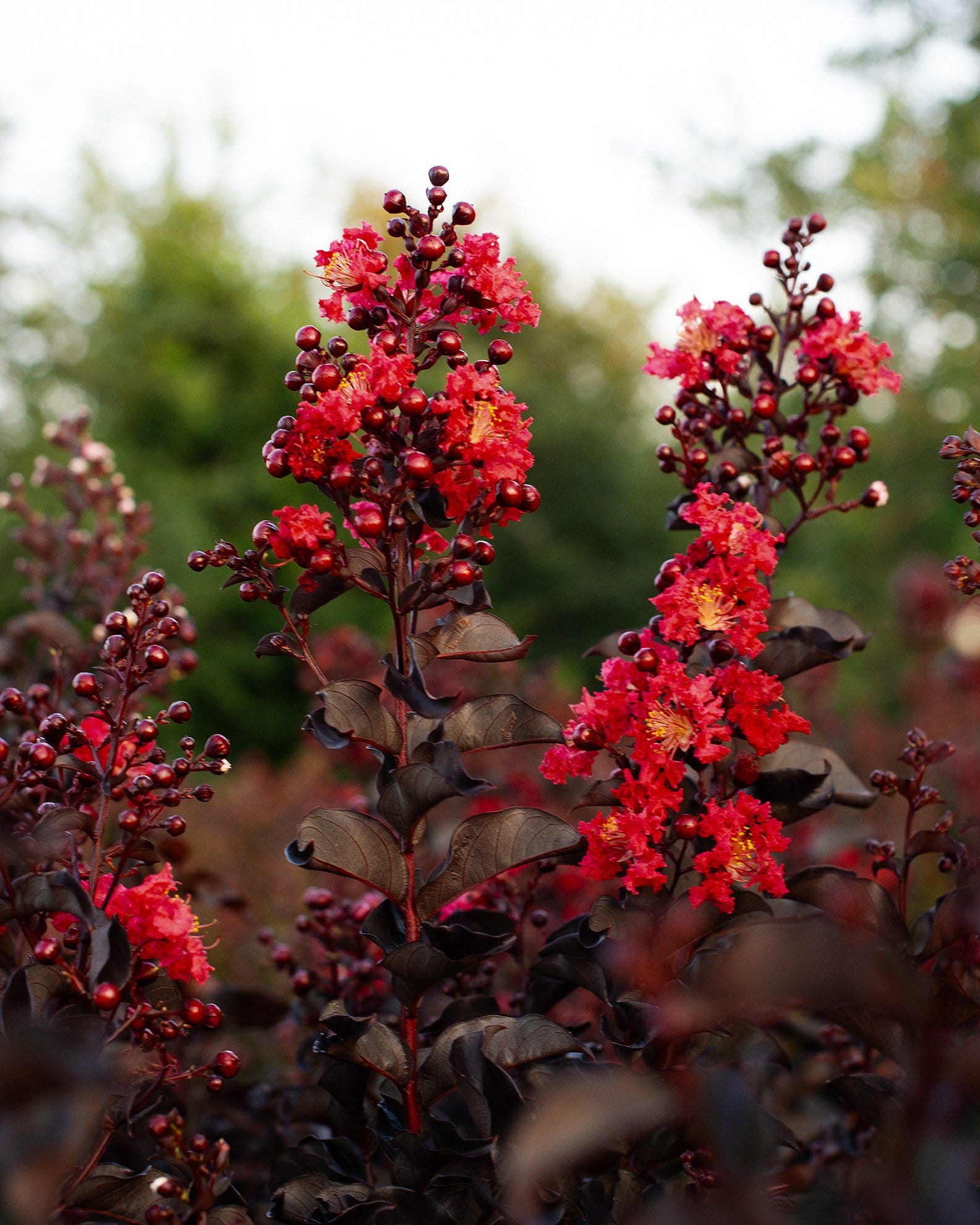
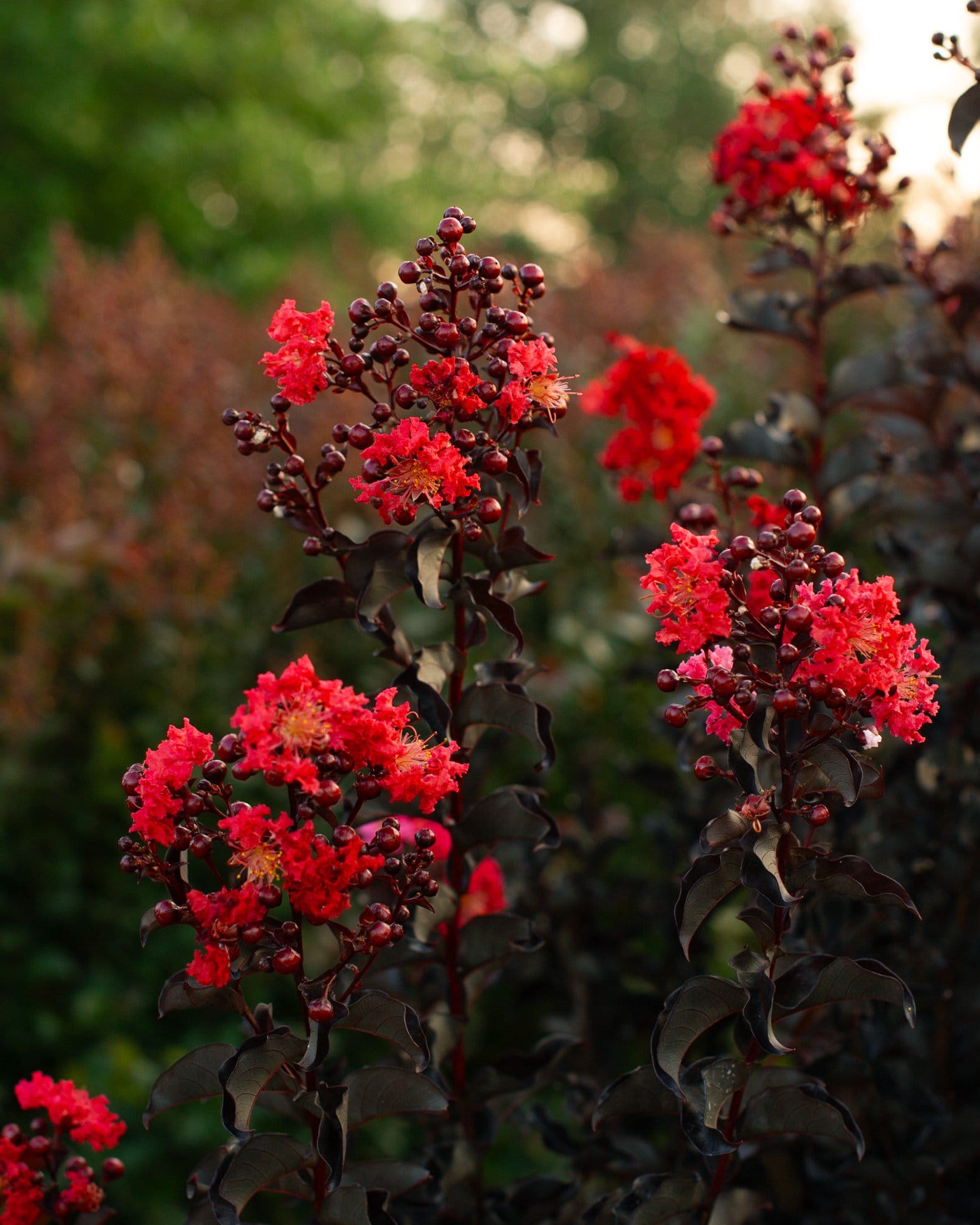
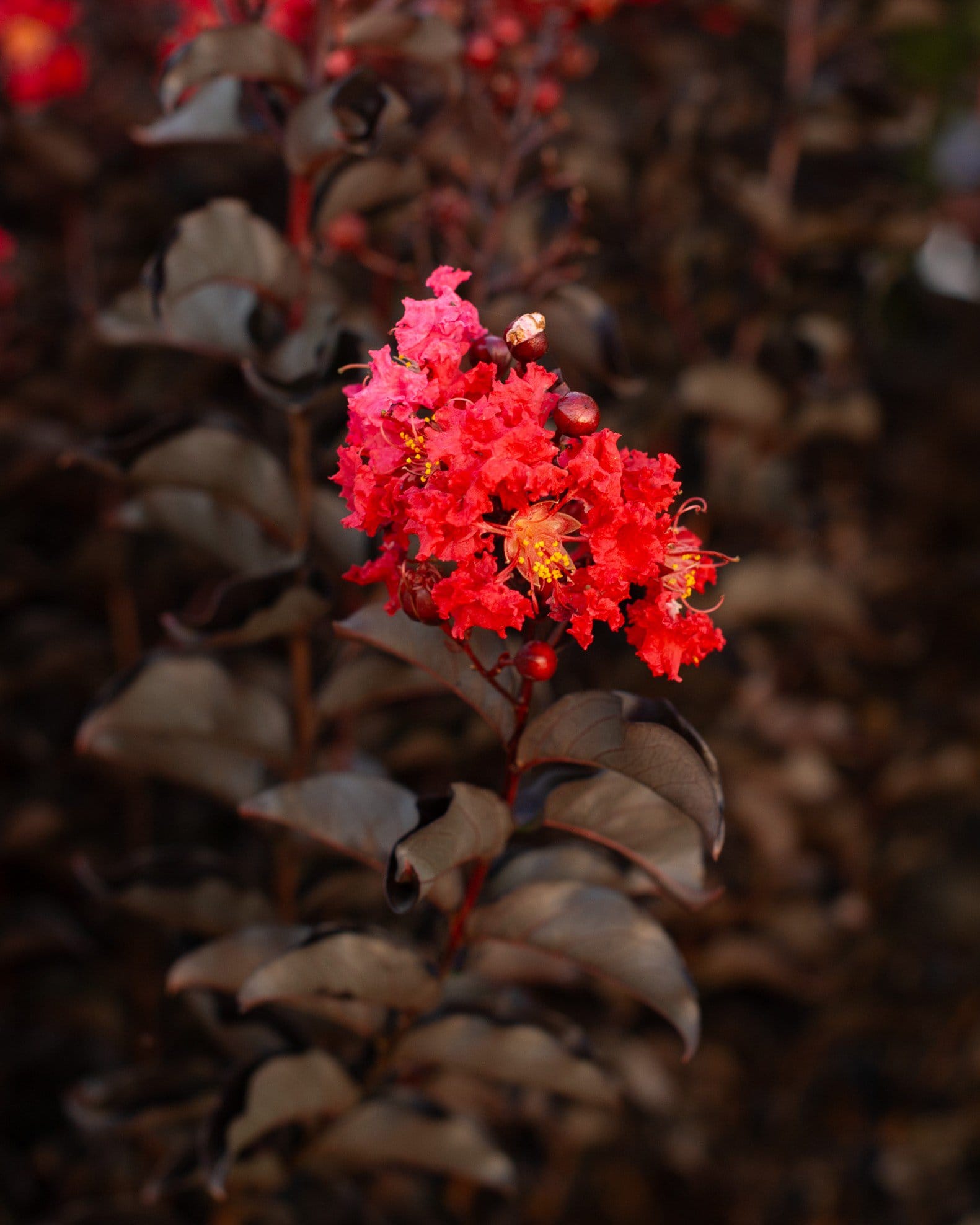
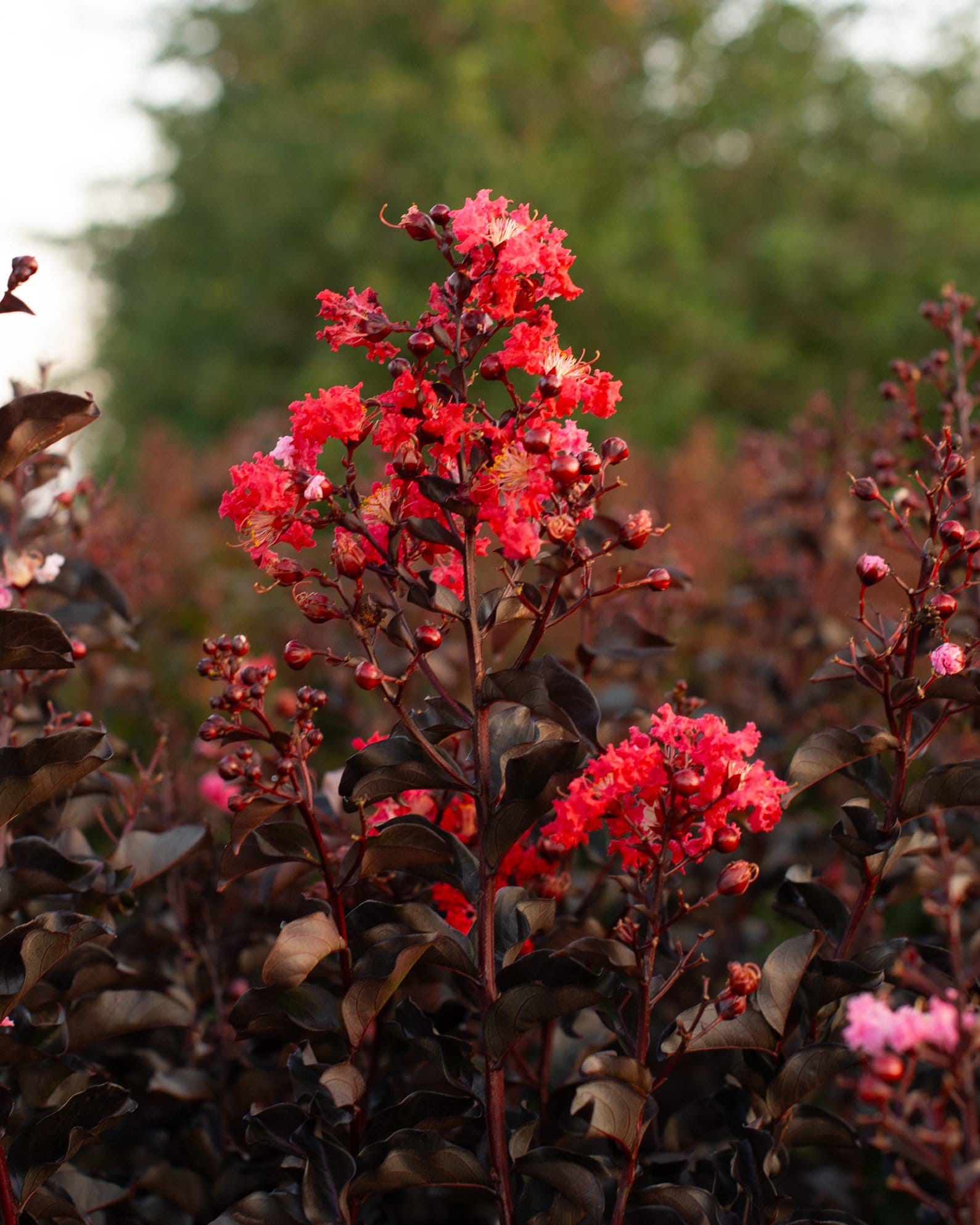
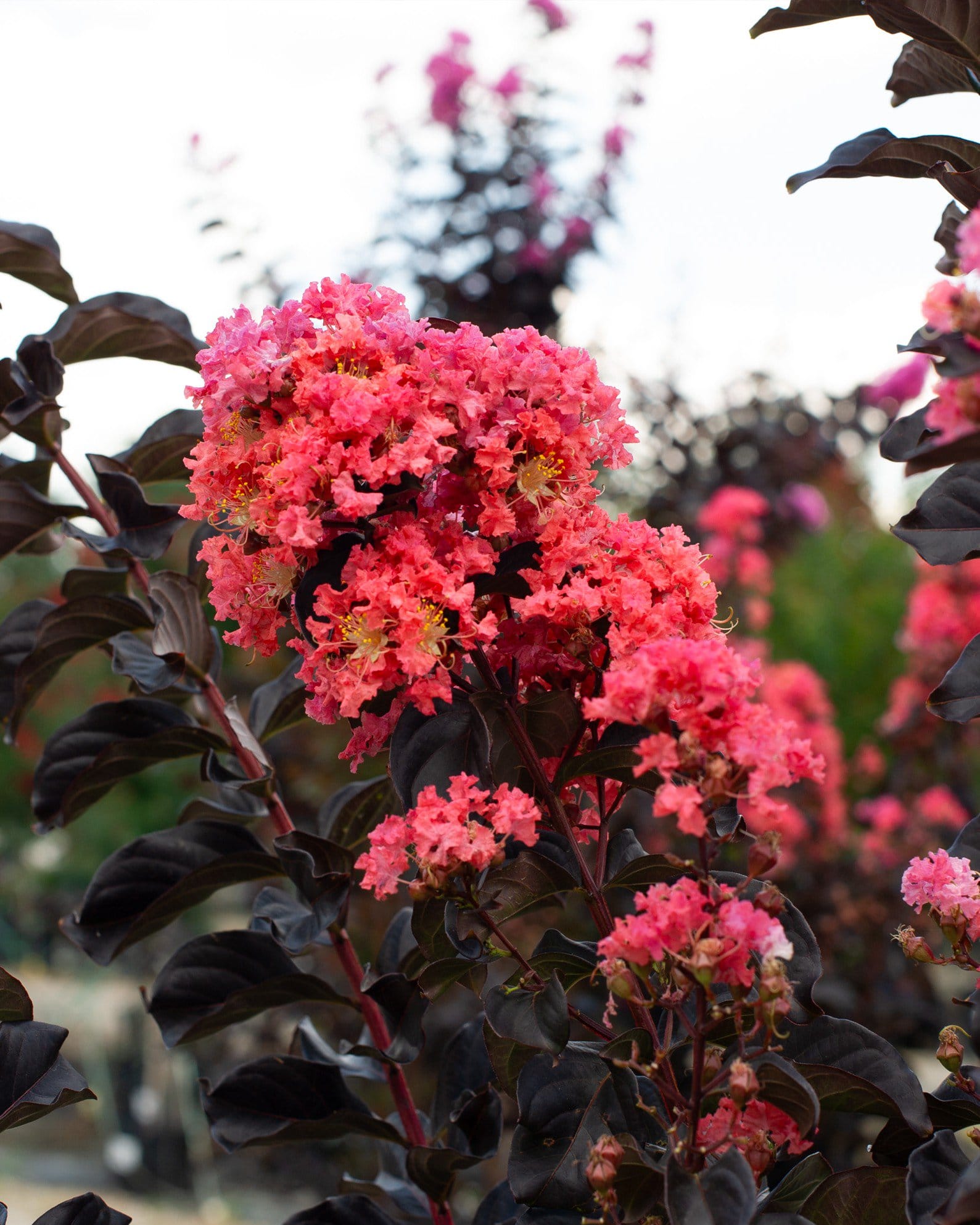
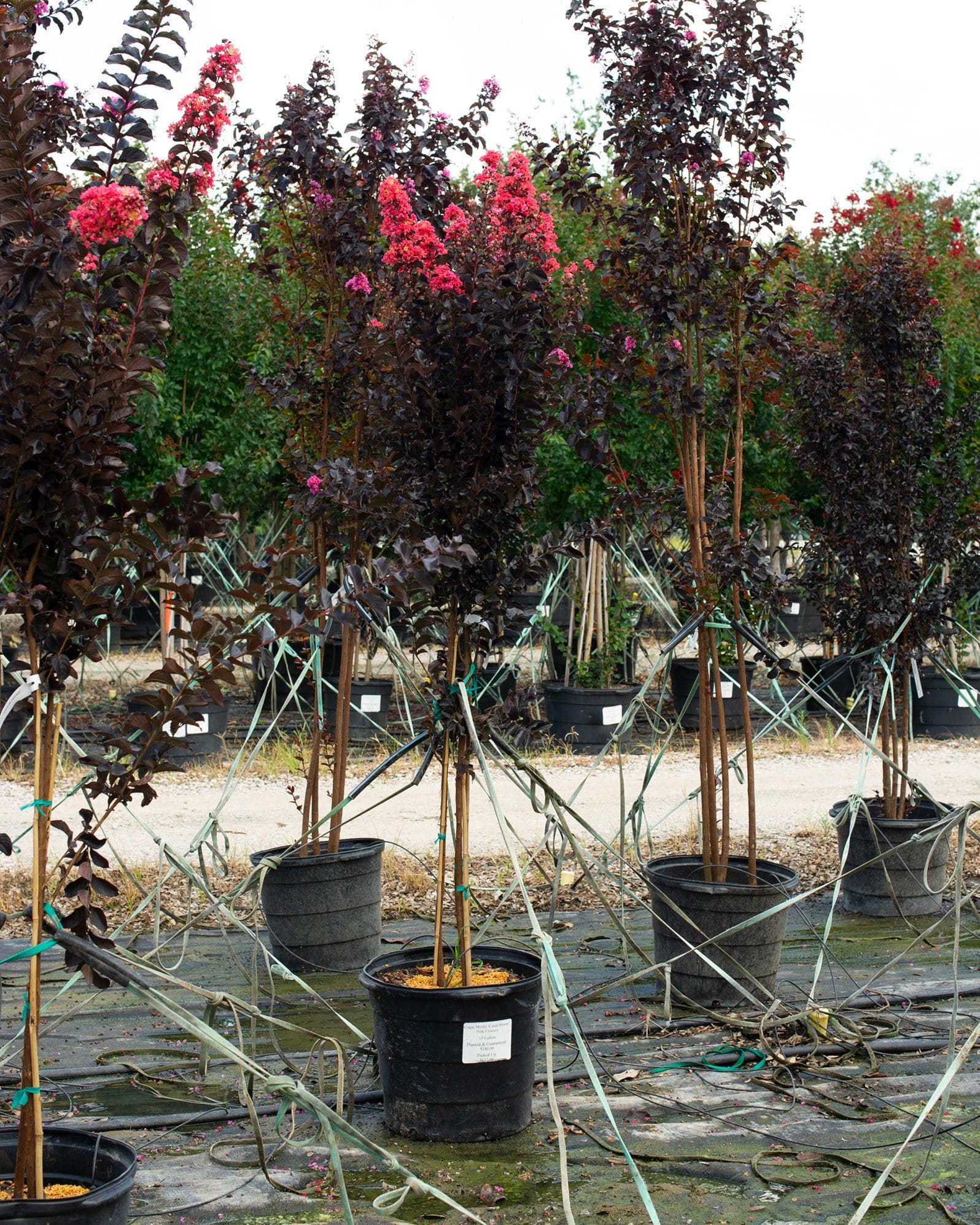
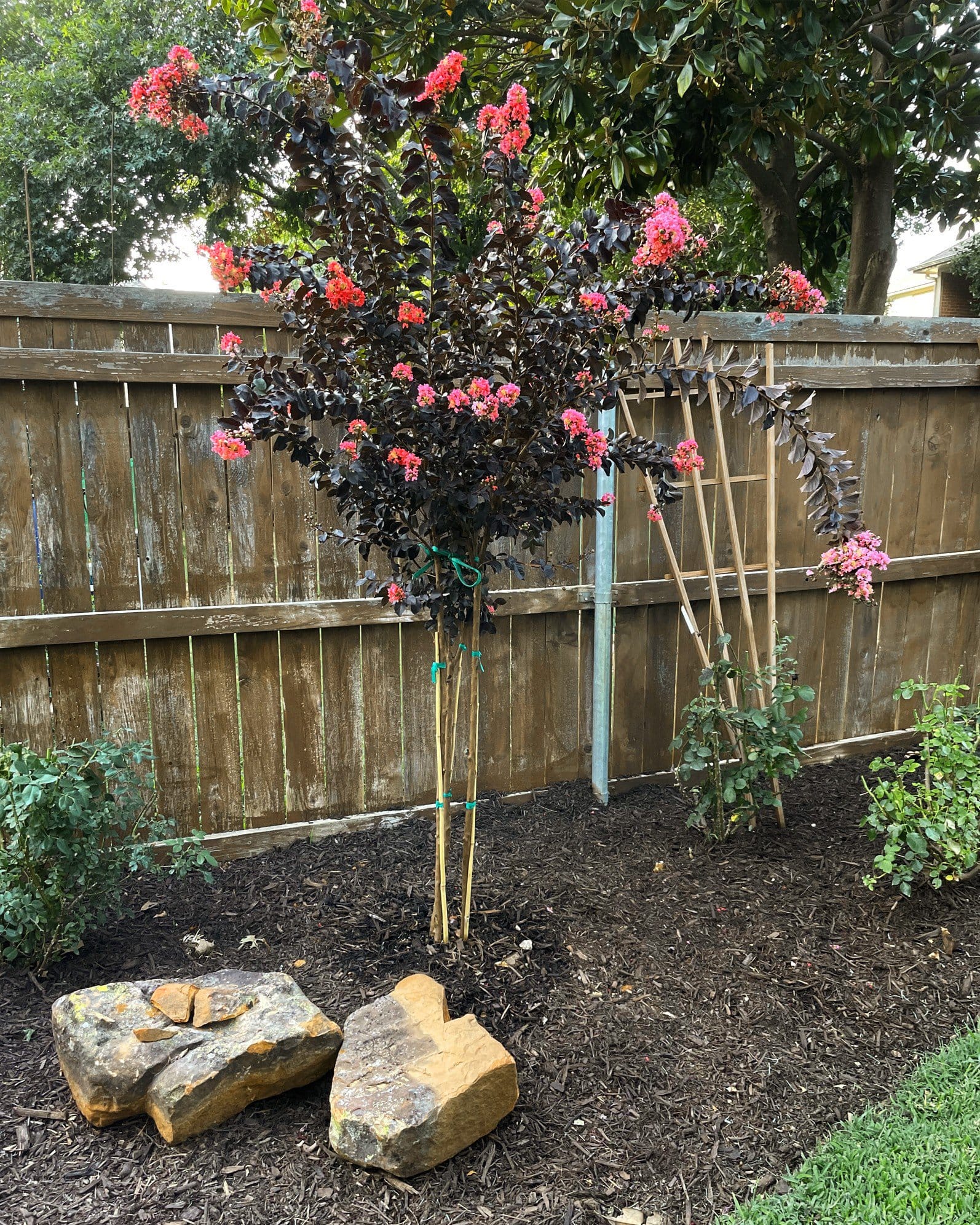
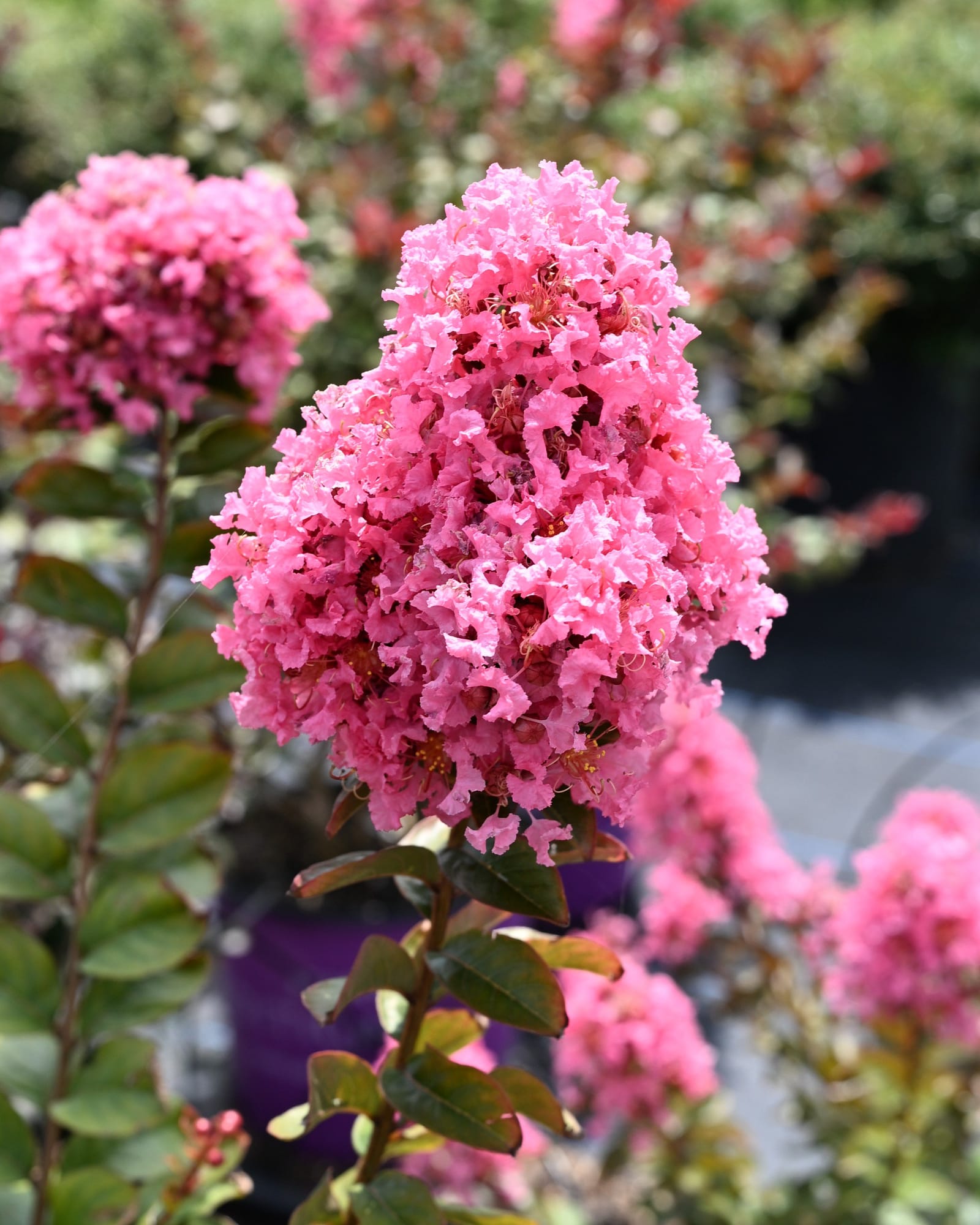
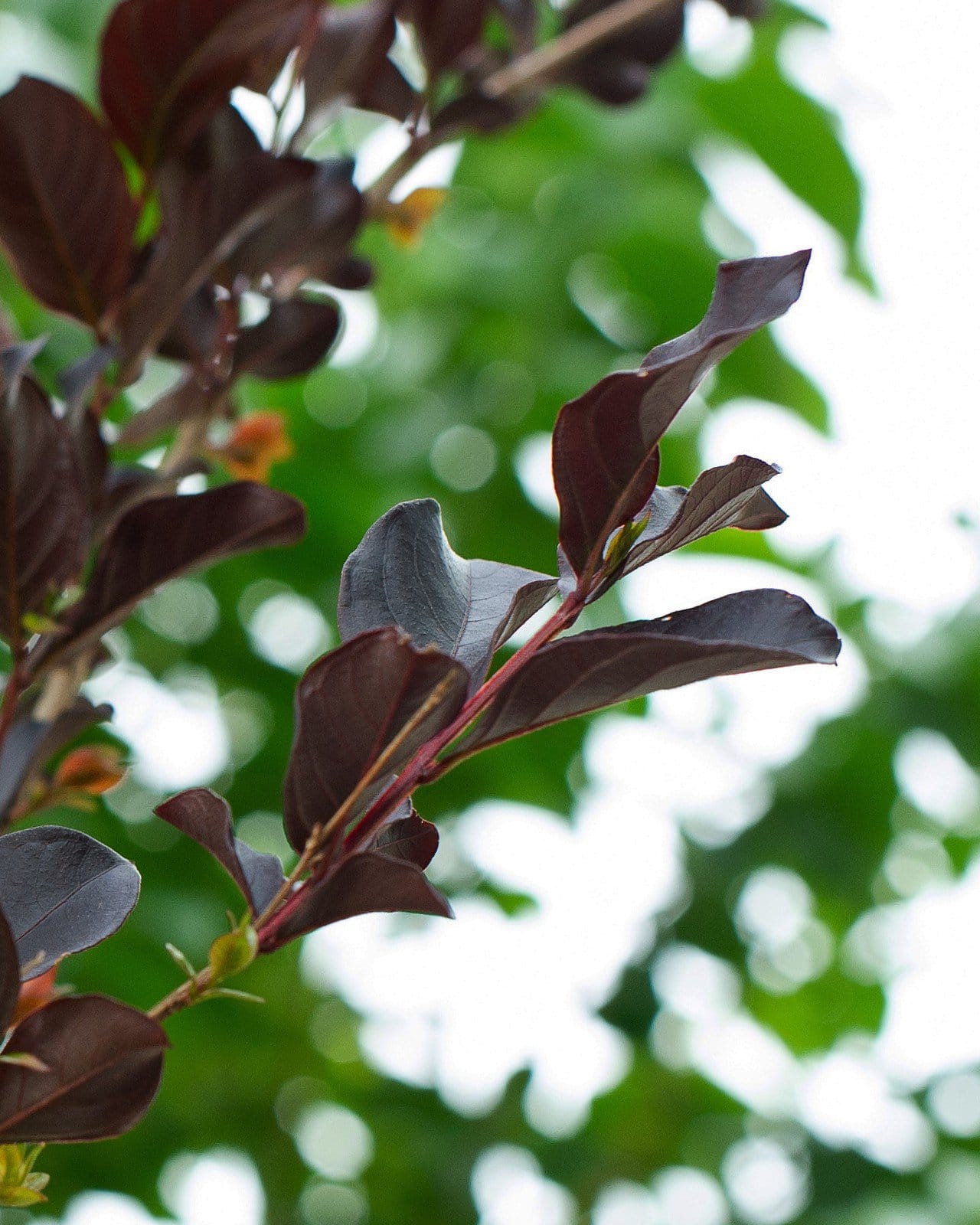
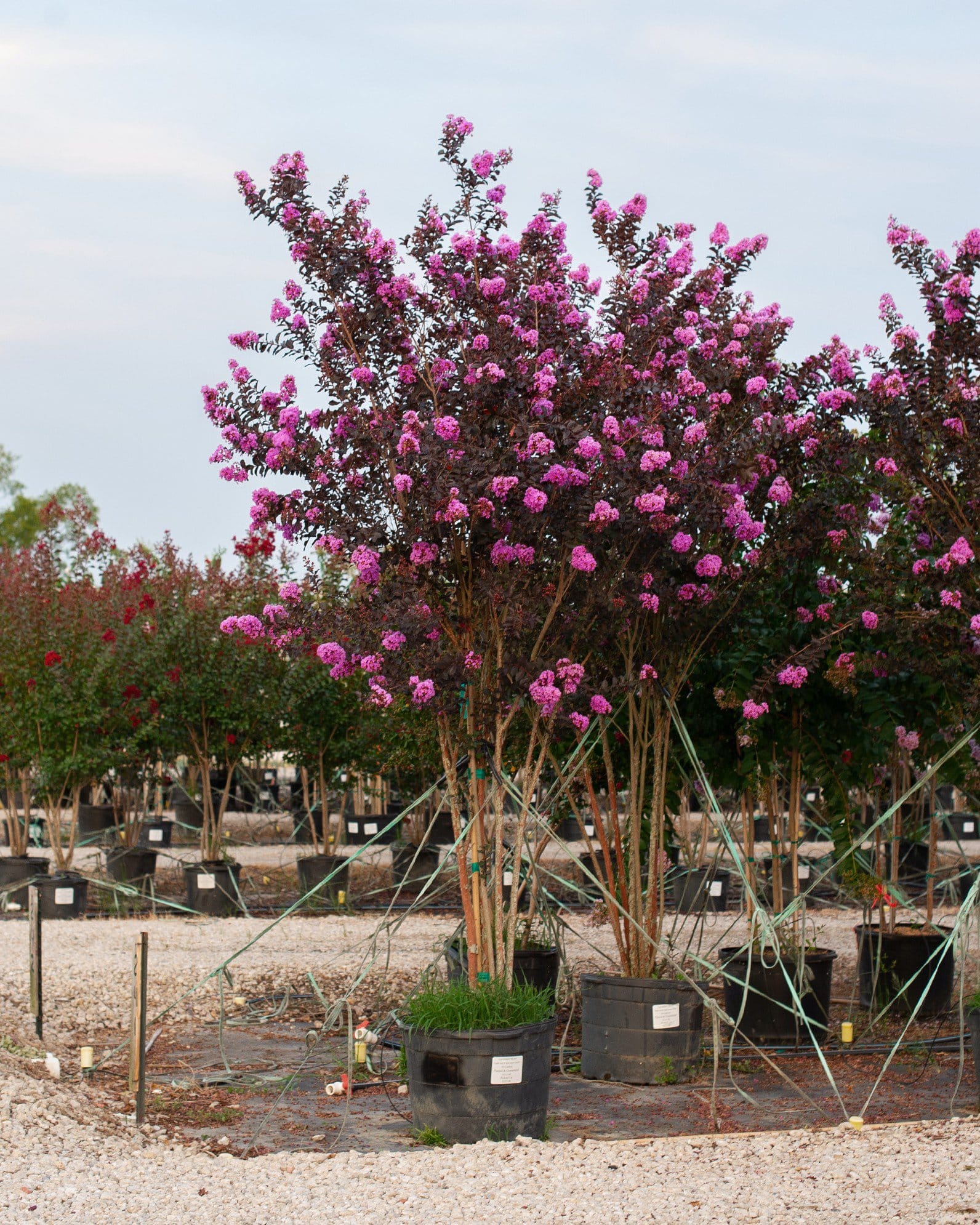
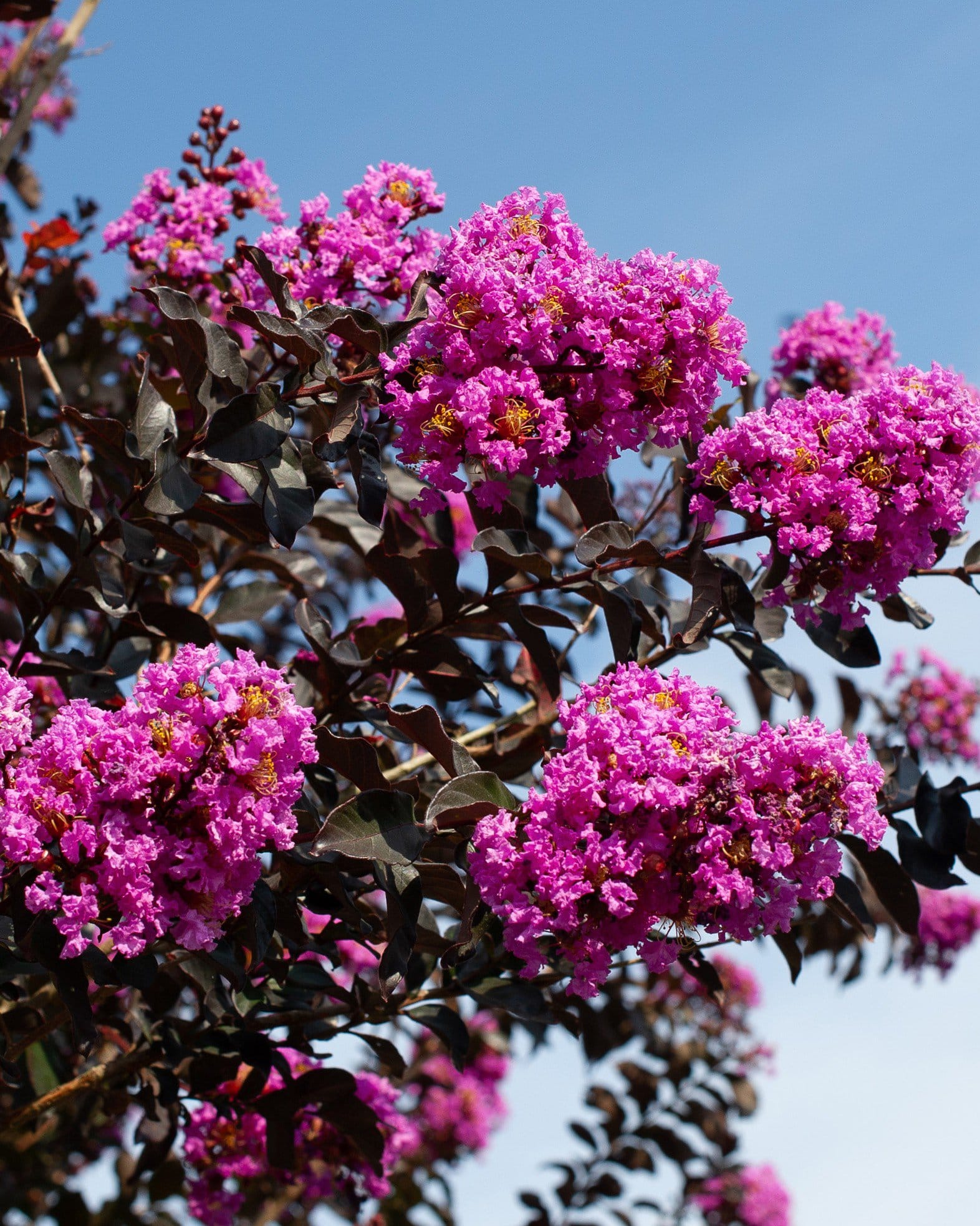
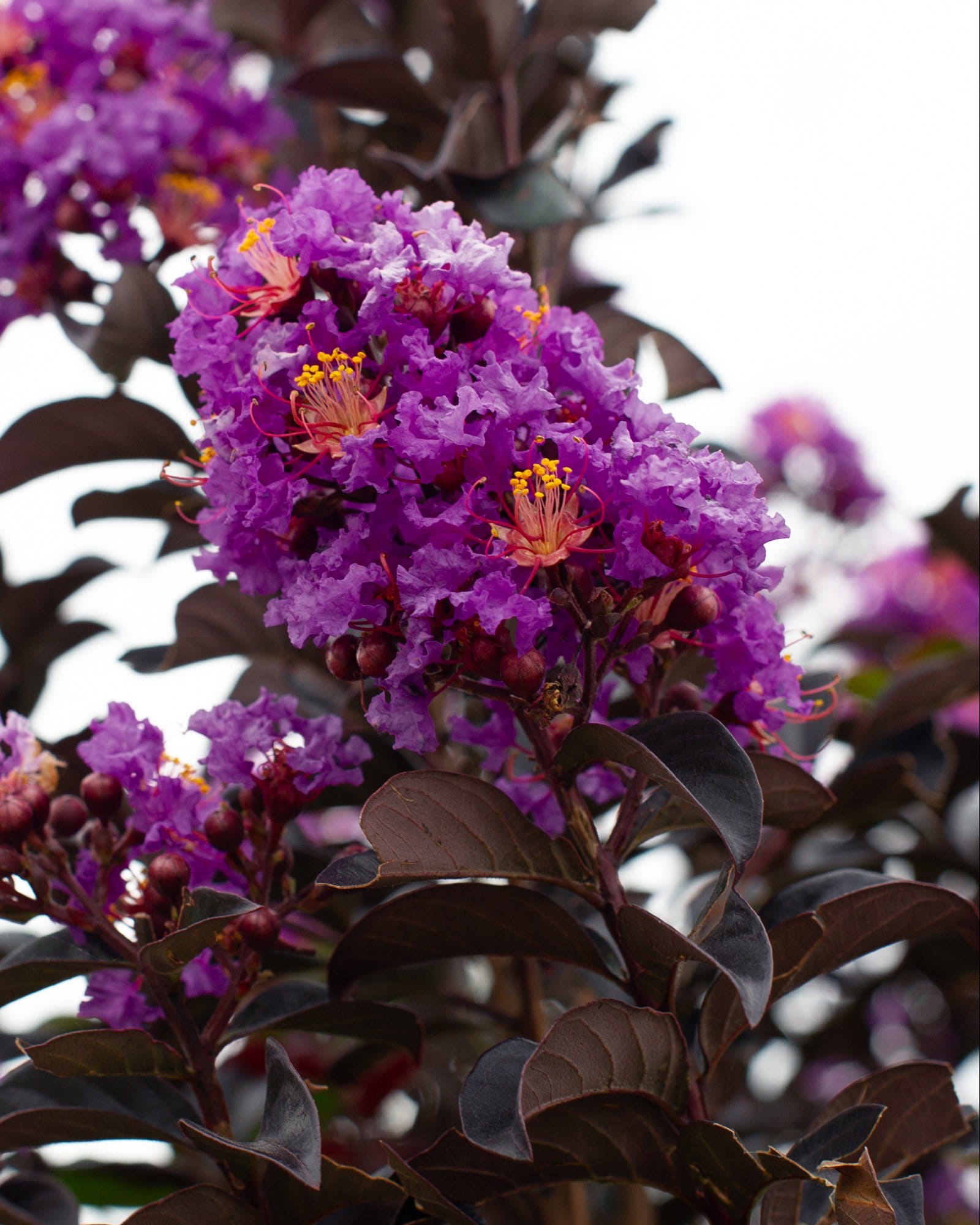
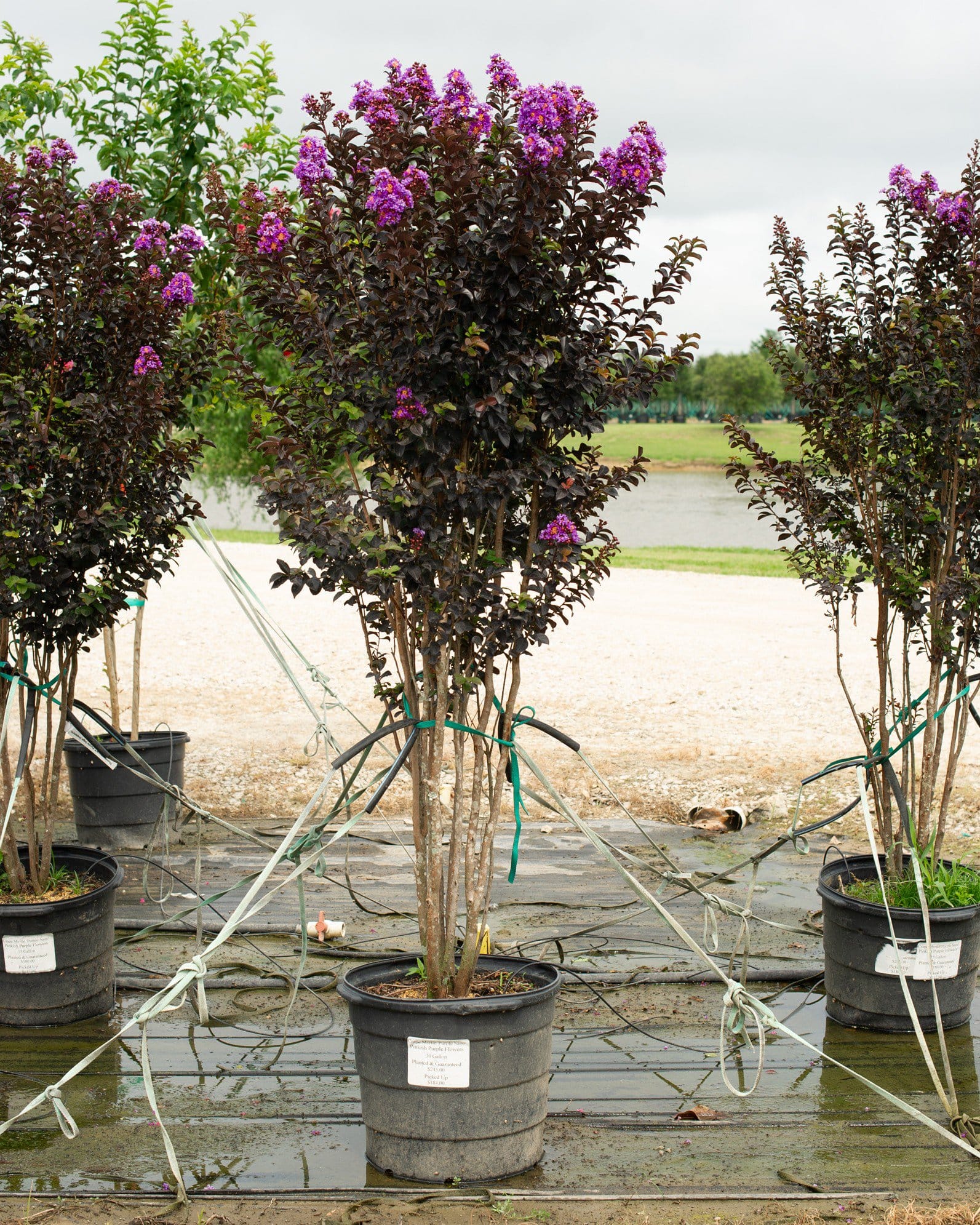
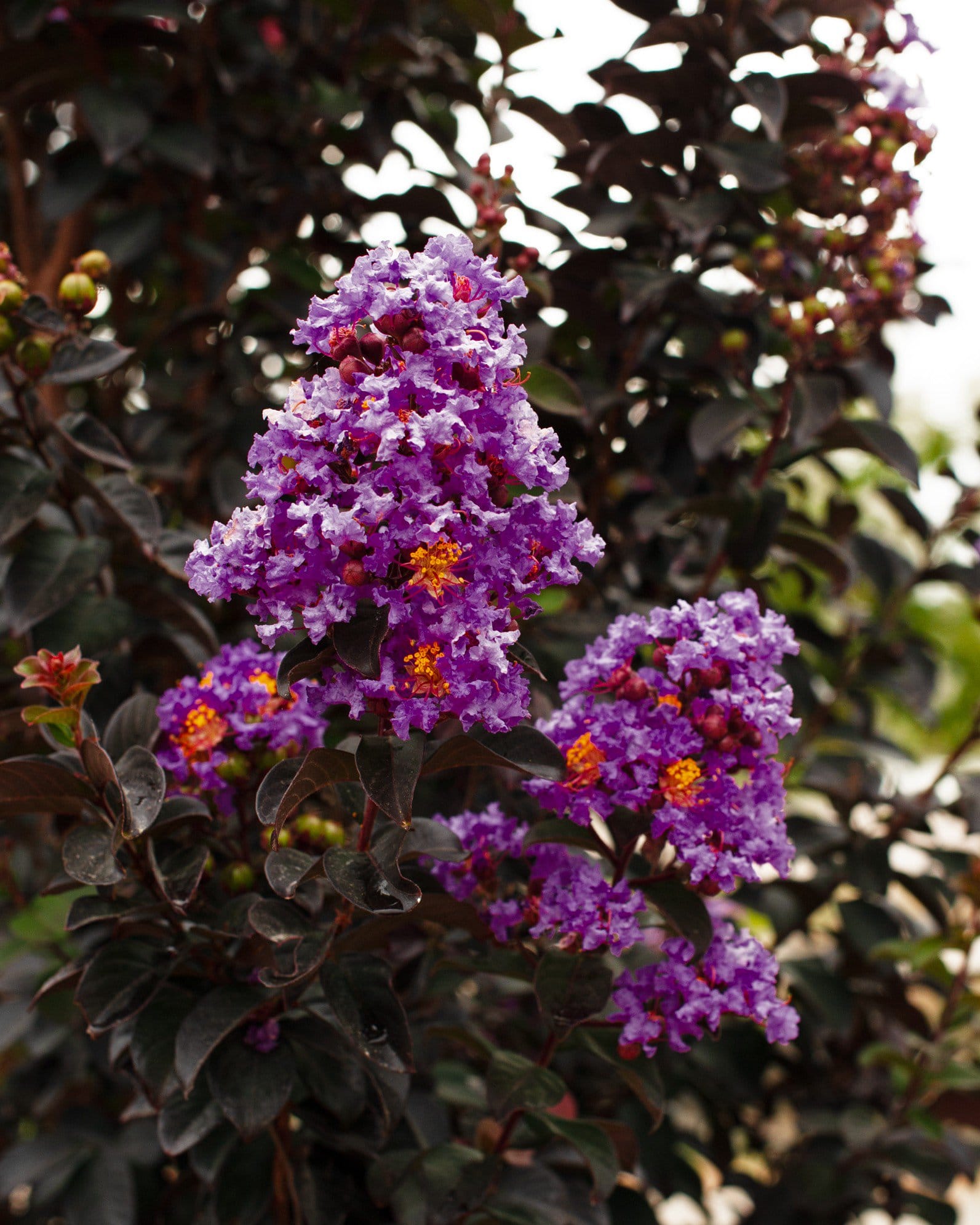
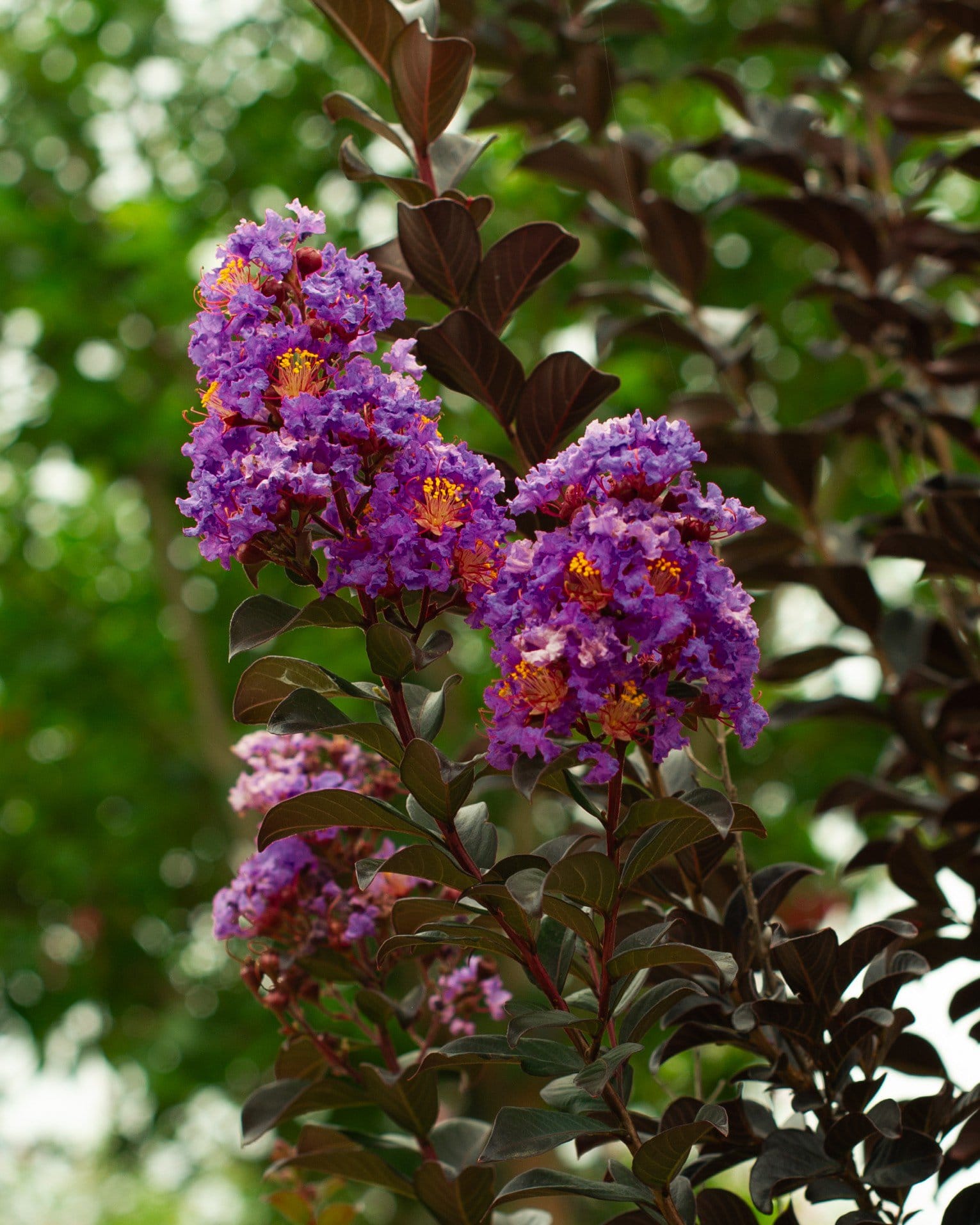
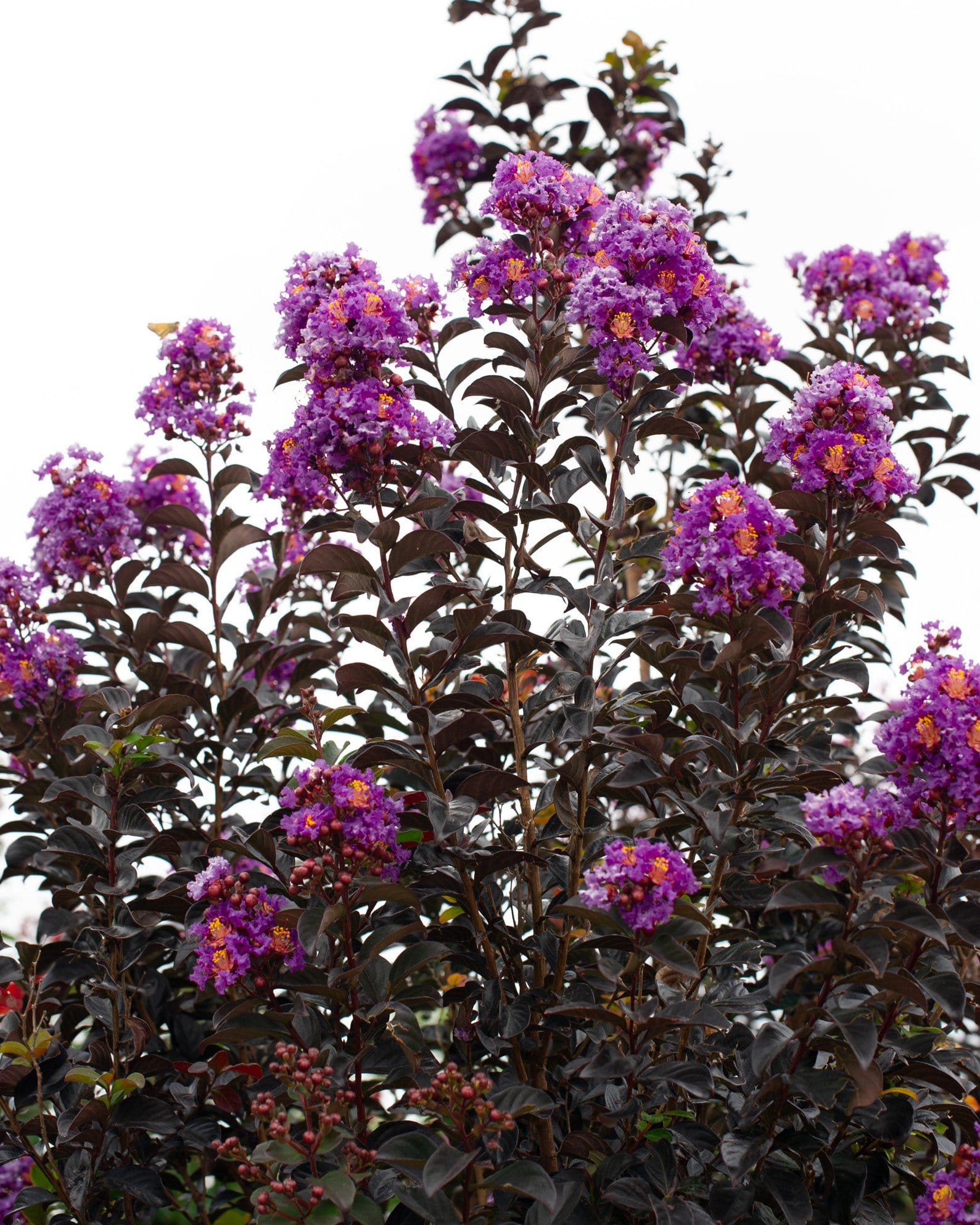
Lagerstroemia x 'JM7'Ruby Crape Myrtle is a deciduous tree. Loved for its vibrant ruby-red flower clusters that bloom profusely all throughout the summer. The rich dark foliage contrasts beautifully with the intense red blooms. This tree grows 20 feet in height and 12 feet wide with an upright, rounded habit, making it an excellent choice for borders, hedges, or specimen plantings. It attracts pollinators and provides lasting seasonal interest.
- Deciduous tree
- Moderate to fast growth rate with upright, rounded growth habit
- Bold ruby-red flower clusters all summer long
- Dark foliage turning golden in fall
- Attracts pollinators
Ruby Crape Myrtle thrives in full sun and well-drained soil. Heat- and drought-tolerant once established, it is hardy in USDA zones 6 through 9. Regular trimming in late winter promotes vigorous growth and abundant flowering, making it a standout choice for Texas landscapes.
Maintenance
Ruby Crape Myrtle is one of the most carefree flowering shrubs you can grow, needing only minimal care to grow beautifully:
- Watering: Water regularly during the first growing season to help roots establish deeply. Once mature, Ruby Crape Myrtle is highly drought-tolerant, thriving with occasional deep watering during prolonged dry periods.
- Pruning: Prune in late winter or early spring before new growth begins. Remove any crossing, damaged, or weak branches to maintain structure and airflow. Avoid severe “topping” cuts - Ruby Crape Myrtle naturally maintains a rounded, balanced form. Light trimming after the first bloom flush can encourage additional flowering later in the season.
- Fertilizing: Feed lightly in early spring as new growth begins, using a balanced, slow-release fertilizer. A second light feeding after the first bloom cycle can encourage continued flowering. Avoid over-fertilizing, which can promote leafy growth at the expense of blooms.
- Mulching: Apply a 2-3 inch layer of mulch around the base each spring to conserve moisture, suppress weeds, and regulate soil temperature. Keep mulch a few inches from the trunk to prevent bark damage or pest issues. Refresh annually for neatness and root protection.
- Winter care: Ruby Crape Myrtle is hardy and resilient, easily withstanding Southern winters. In colder regions, a fresh layer of mulch over the root zone before frost helps insulate the plant. Any light winter dieback will regrow quickly once spring warmth returns.
Common Issues and How to Take Care of Them
Ruby Crape Myrtle is one of the most disease-resistant cultivars, but it can occasionally experience minor issues under stress:
- Powdery Mildew: Appears as a white coating on leaves in humid conditions. Improve airflow and apply a sulfur-based fungicide early if needed.
- Aphids: Small insects that may appear on new growth. Rinse with a firm spray of water or treat with insecticidal soap to prevent sticky residue.
- Sooty Mold: A harmless black film caused by aphid residue. Manage aphids to eliminate the source and wipe leaves clean if desired.
- Crape Myrtle Bark Scale: White or grayish bumps that may appear on stems. Treat with horticultural oil in late winter or early spring before new growth begins.
- Leaf Spot: Brown or black specks that appear late in the season. Remove affected leaves and rake up debris in fall to prevent recurrence.
- Root Stress: Usually caused by overly wet soil or poor drainage. Ensure the planting site drains freely to avoid root rot.
With proper care, it can thrive for 40-50 years or more. Its longevity and vigor make it a lasting centerpiece in both home and commercial landscapes.
It grows at a moderate rate and typically reaches full maturity within 3 to 5 years. Once established, it produces strong new shoots and consistent bloom cycles year after year.
Yes! Its vivid blooms attract bees, butterflies, and other beneficial pollinators throughout the warm months.
Yes, it’s naturally unappealing to deer and other browsing animals, making it a great choice for rural and suburban gardens.
It is best to plant in ground as it reaches a height of 20' at maturity.
Yes - like other crape myrtles, it develops smooth, cinnamon-toned bark that peels naturally to reveal lighter layers beneath, adding texture and visual interest even in winter.
While bloom time varies slightly by region, Ruby Crape Myrtle is known for one of the longest flowering periods among compact varieties - often producing color for several months straight.
Yes. Removing a few of the oldest stems near the base in early spring helps stimulate vigorous new growth and maintains a full, balanced form.
Perfectly. Its compact habit, heat tolerance, and resistance to pests make it ideal for city medians, parking lot islands, and high-traffic spaces where color and toughness are both required.
Its exceptionally rich red blooms against its dark purple leaves set it apart. Unlike older varieties, Ruby Crape Myrtle stays compact without constant pruning and remains consistently vibrant even through heat, drought, and humidity.
Special Features
You might also like
Scarlet Crape Myrtle
Maturity: 20' H x 12' W
White Lightning Crape Myrtle
Maturity: 20' H x 12' W
Muskogee Crape Myrtle
Maturity: 25' H x 20' W
Tuscarora Crape Myrtle
Maturity: 25' H x 20' W
Ebony Embers Crape Myrtle
Maturity: 10' H x 6' W
Ebony Fire Crape Myrtle
Maturity: 10' H x 6' W
Black Diamond Shell Pink Crape Myrtle
Maturity: 12' H x 8' W
Coral Boom Crape Myrtle
Maturity: 15' H x 10' W
Coral Magic Crape Myrtle
Maturity: 8' H x 6' W
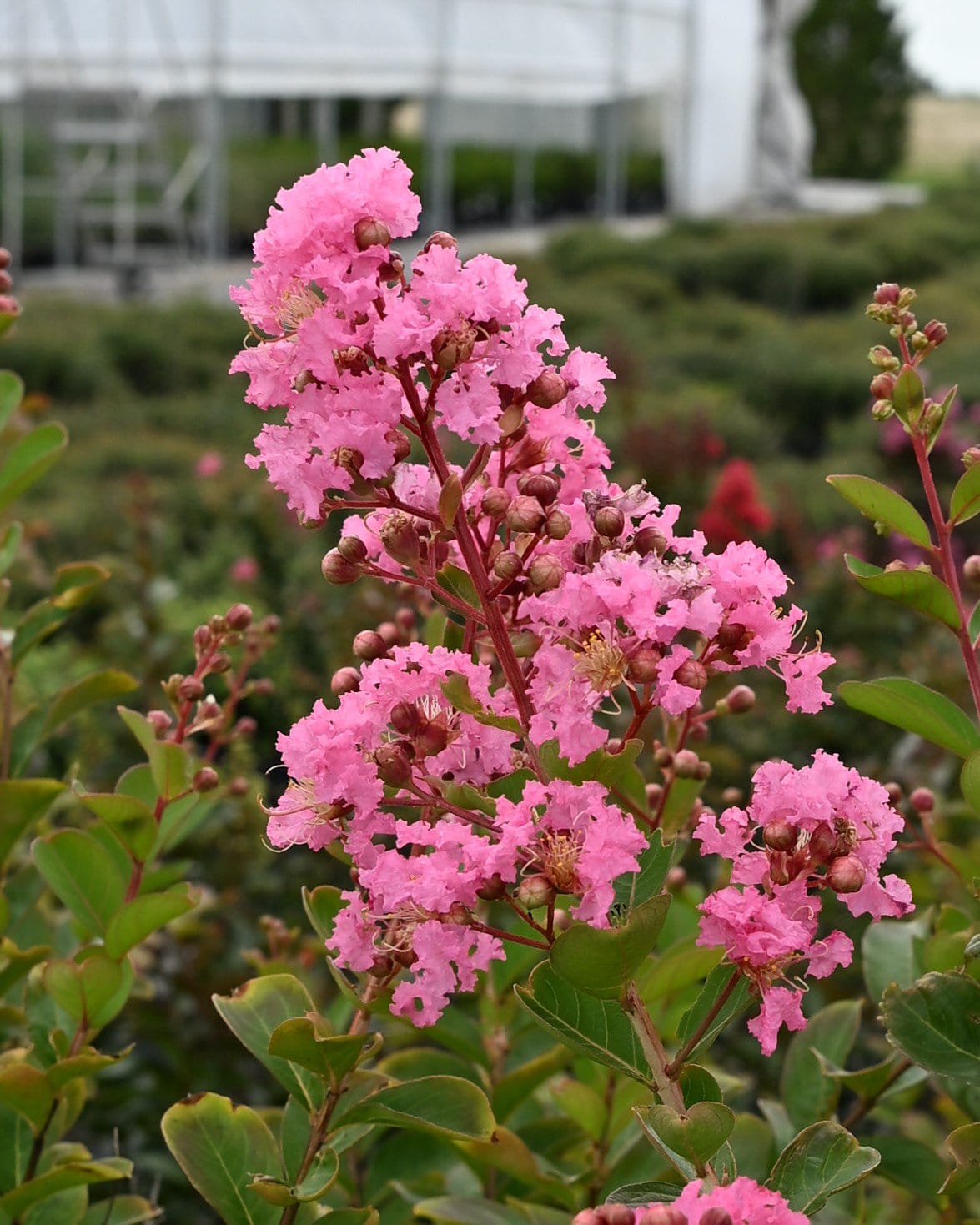
Hopi Crape Myrtle
Maturity: 10' H x 8' W
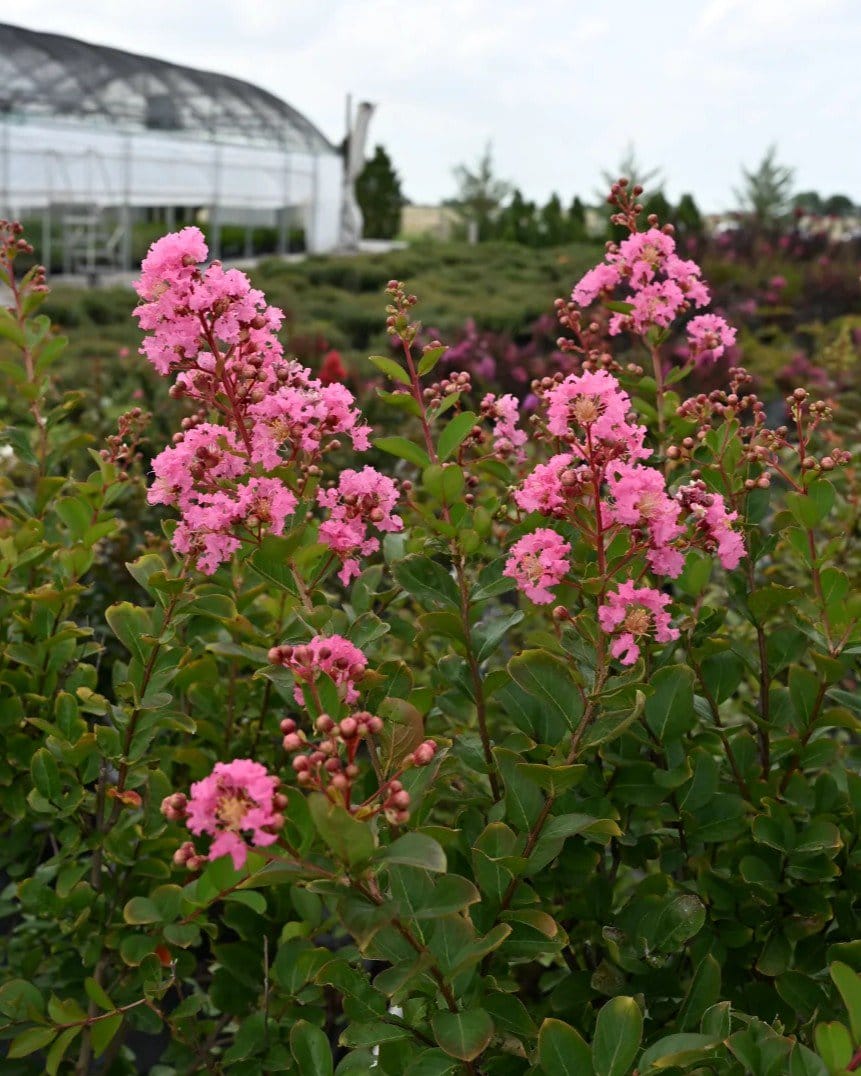
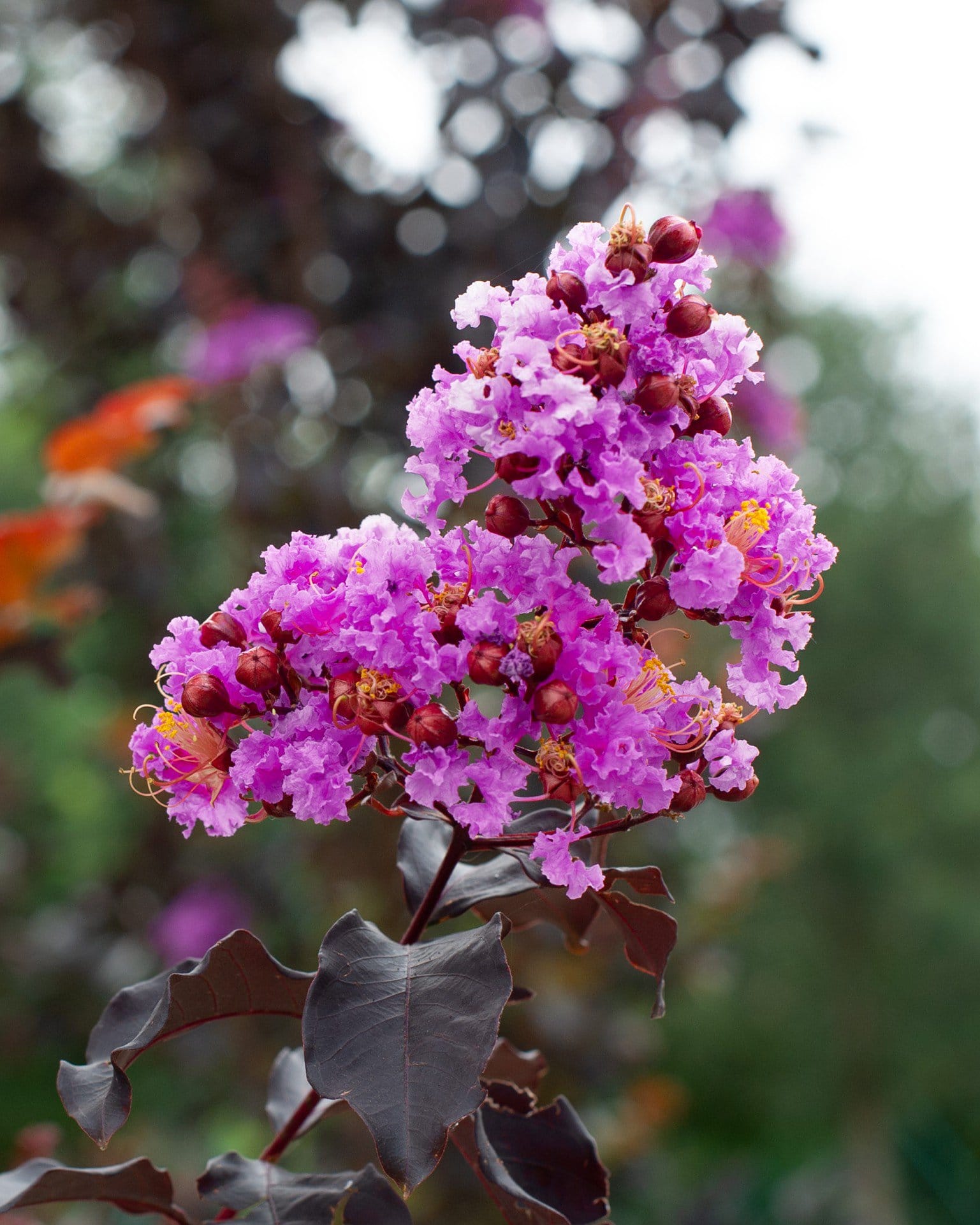
Lavender Skies Crape Myrtle
Maturity: 20' H x 12' W
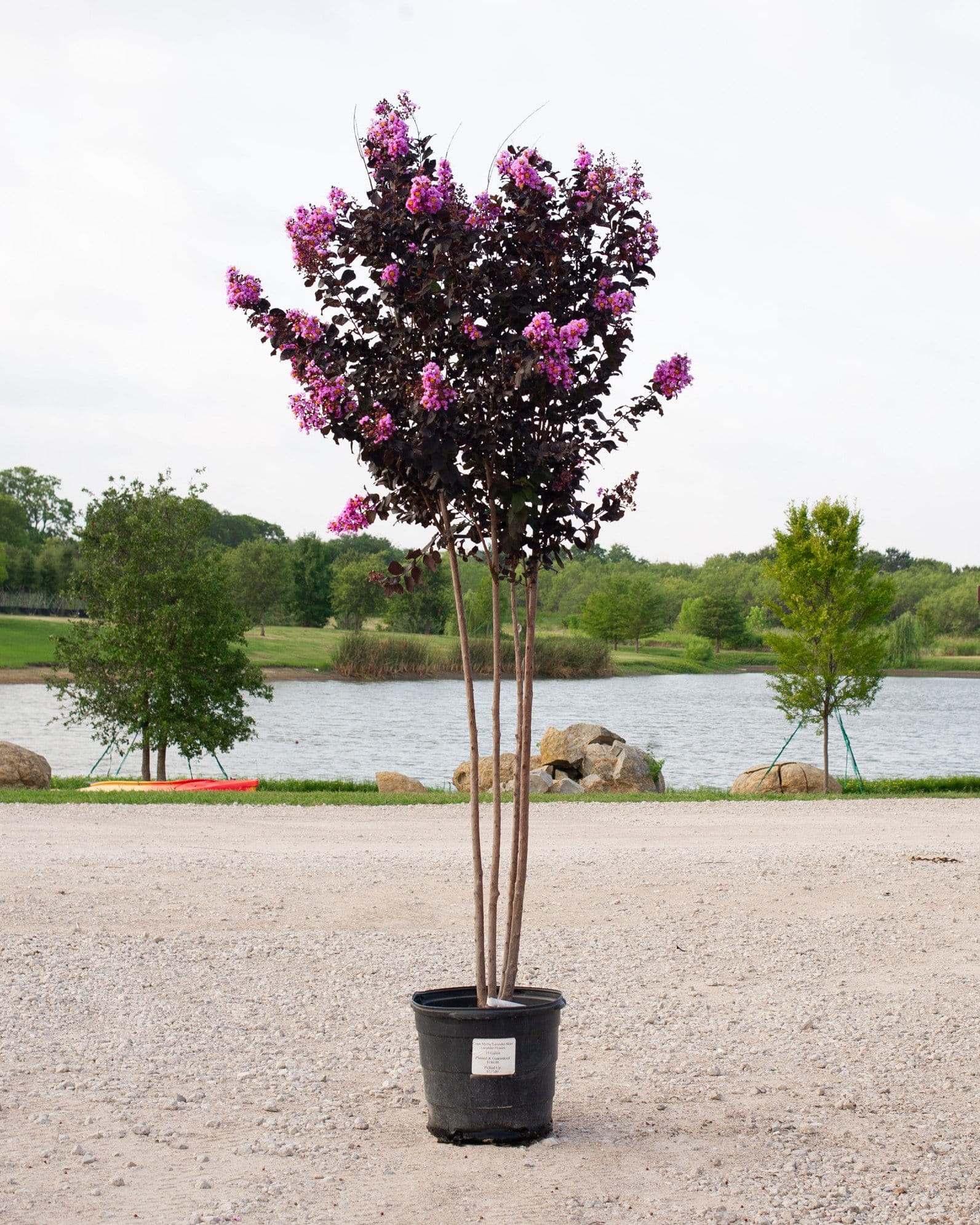
Purple Sage Crape Myrtle
Maturity: 20' H x 12' W
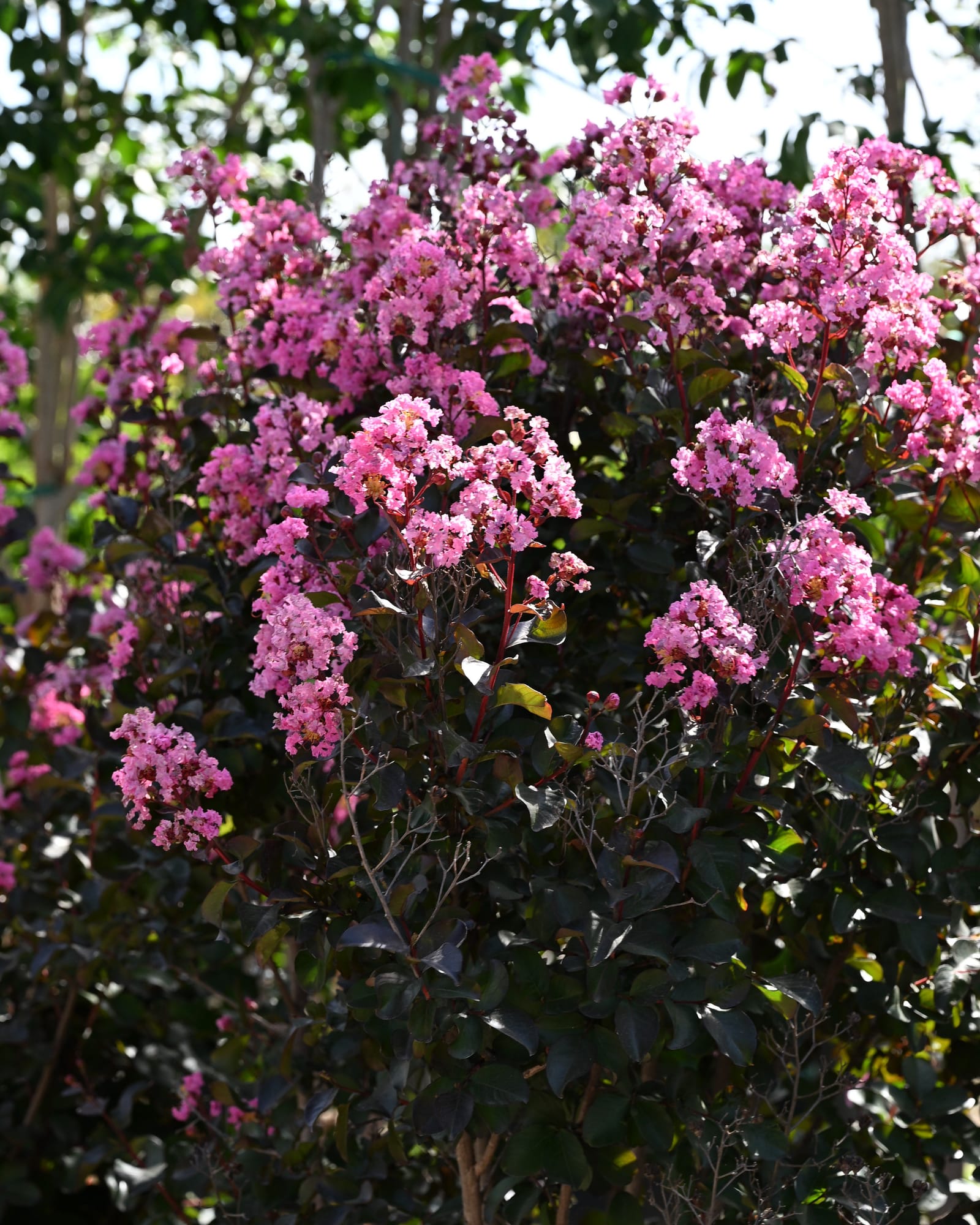
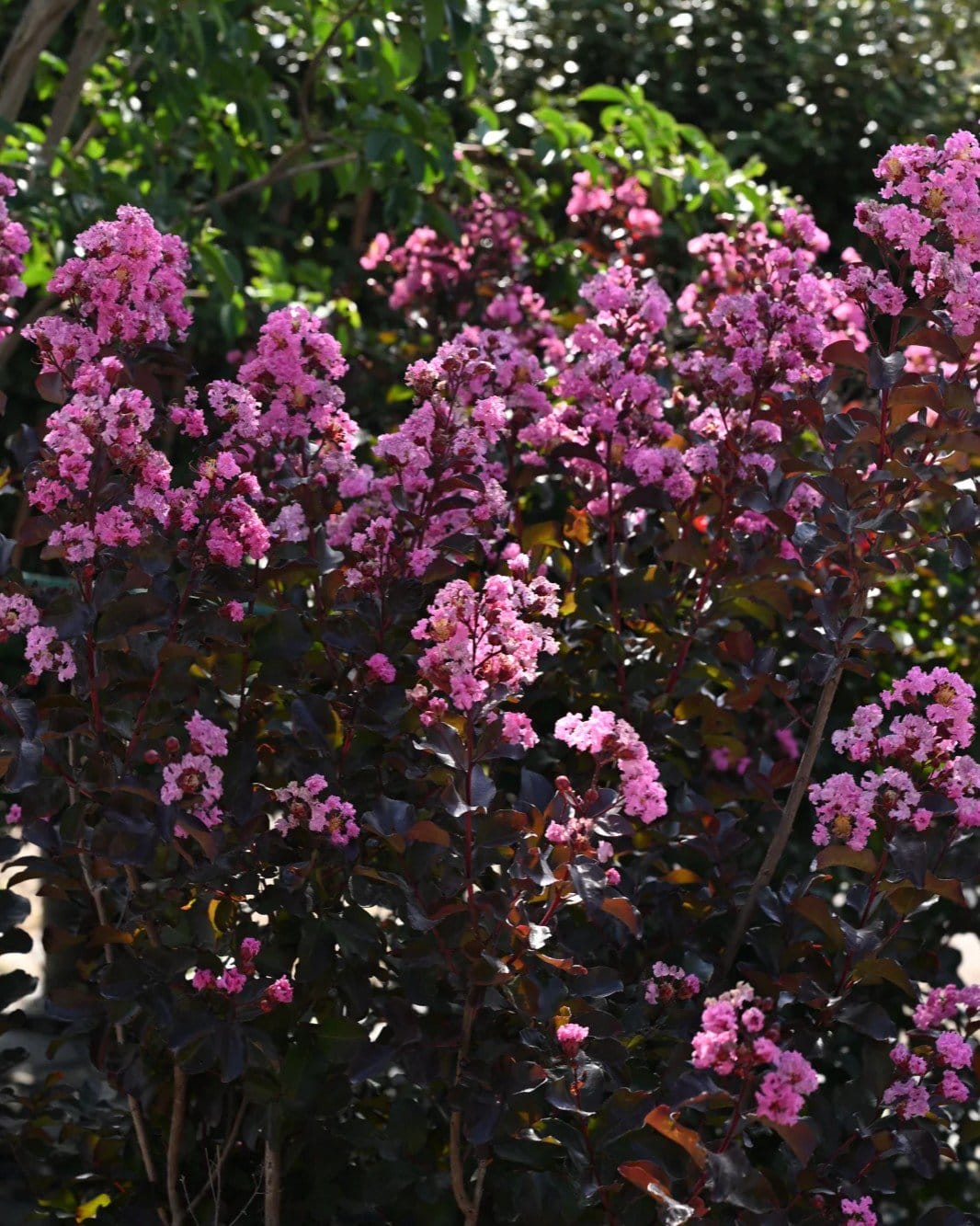
Rhapsody in Pink Crape Myrtle
Maturity: 12' H x 8' W
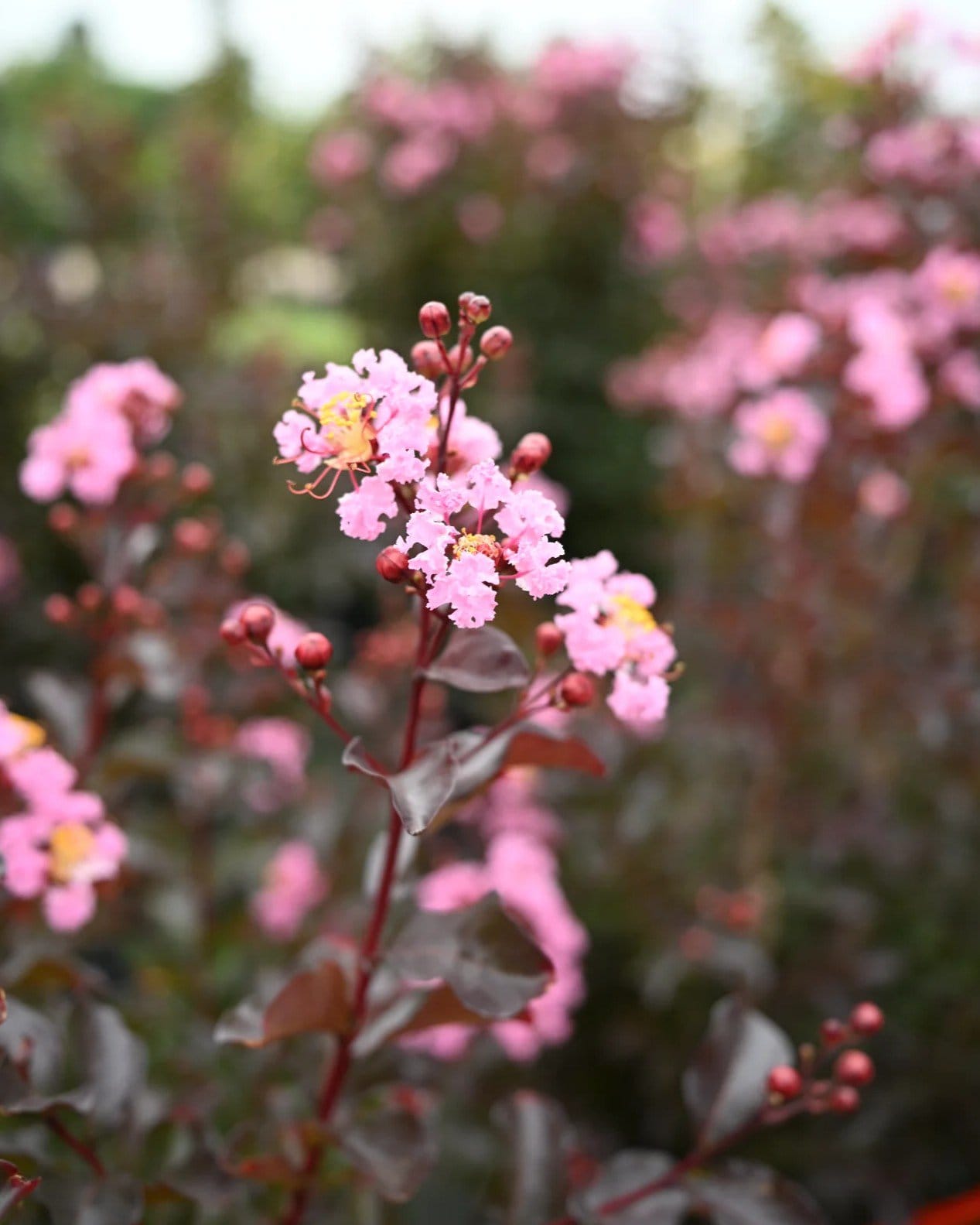
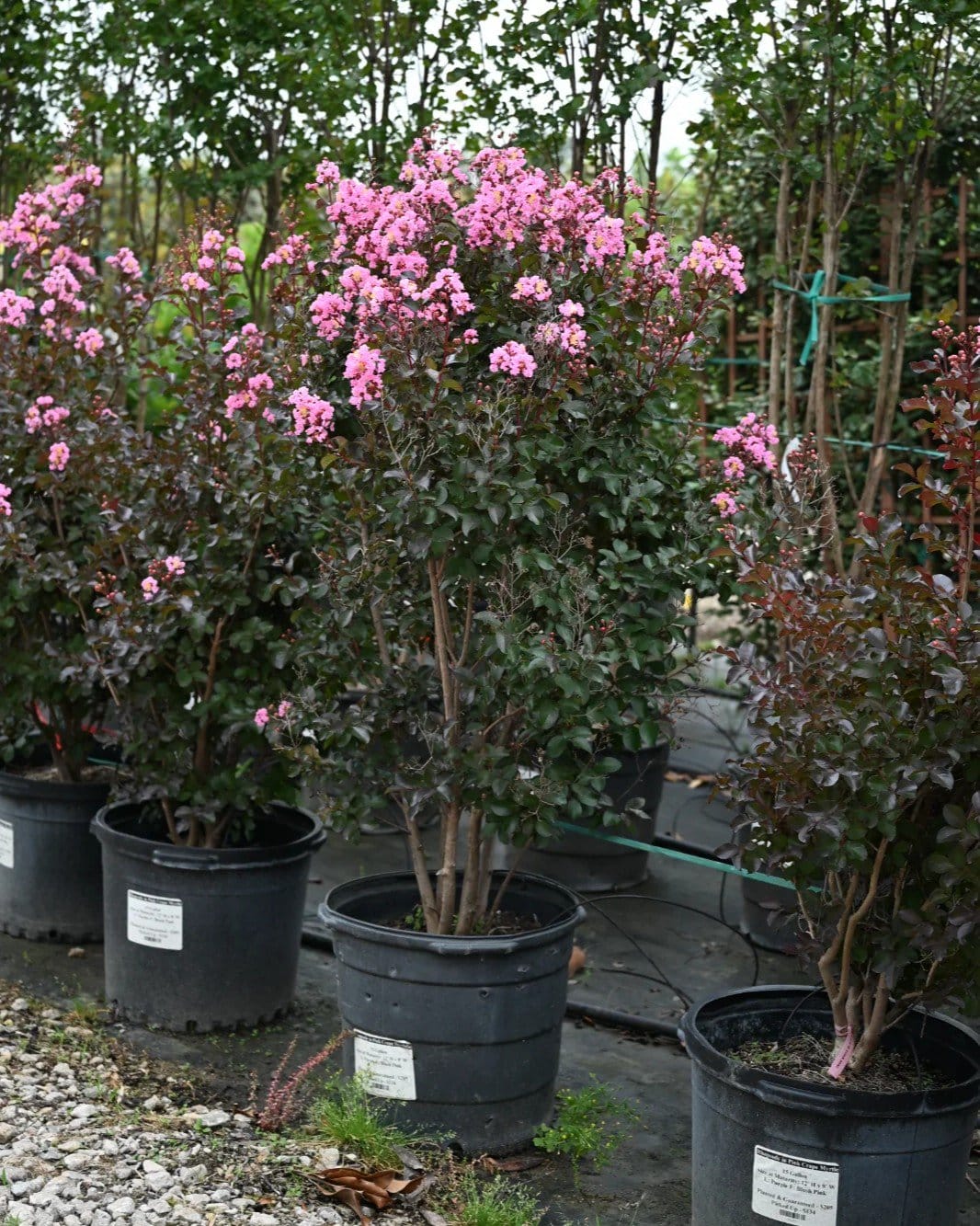
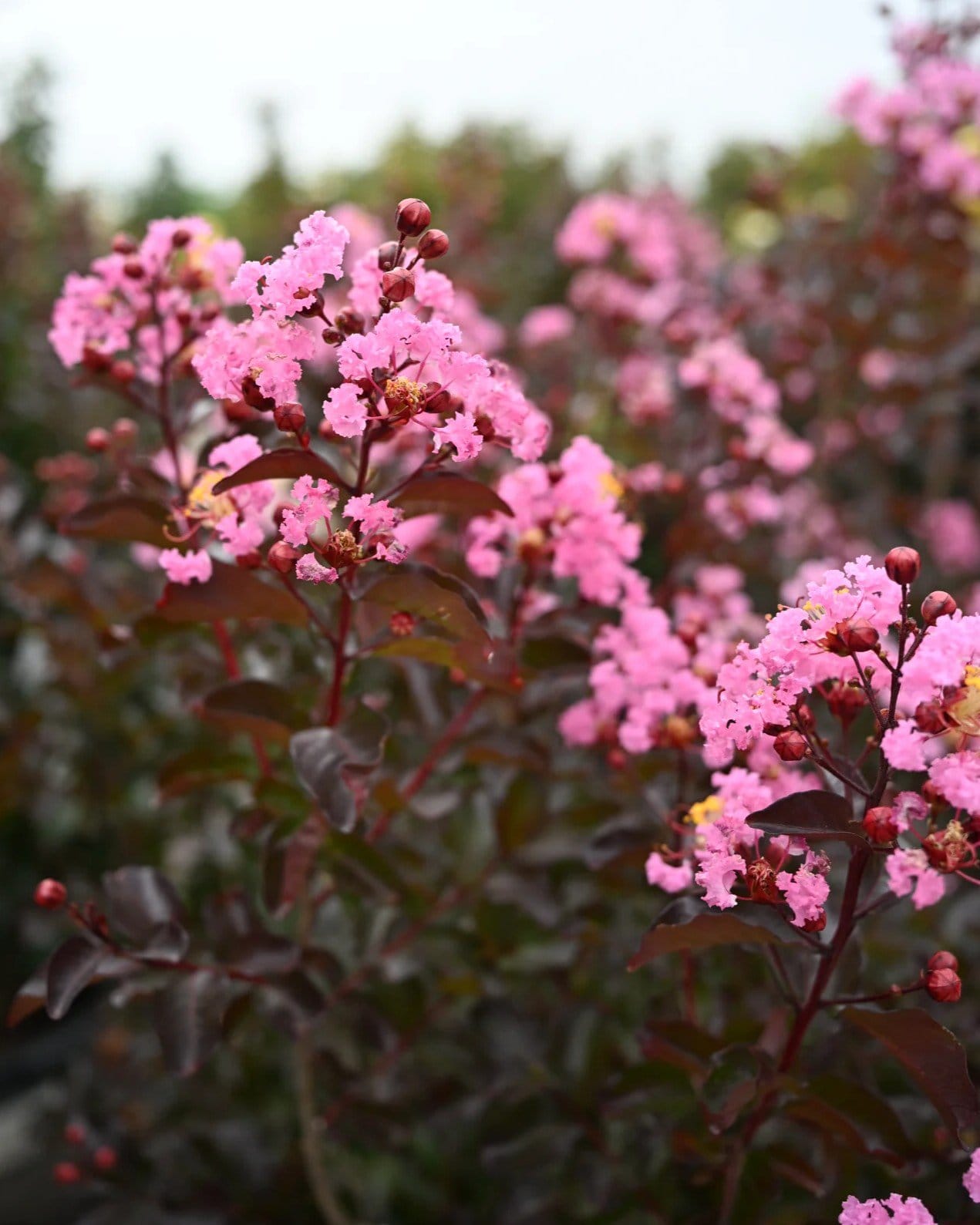
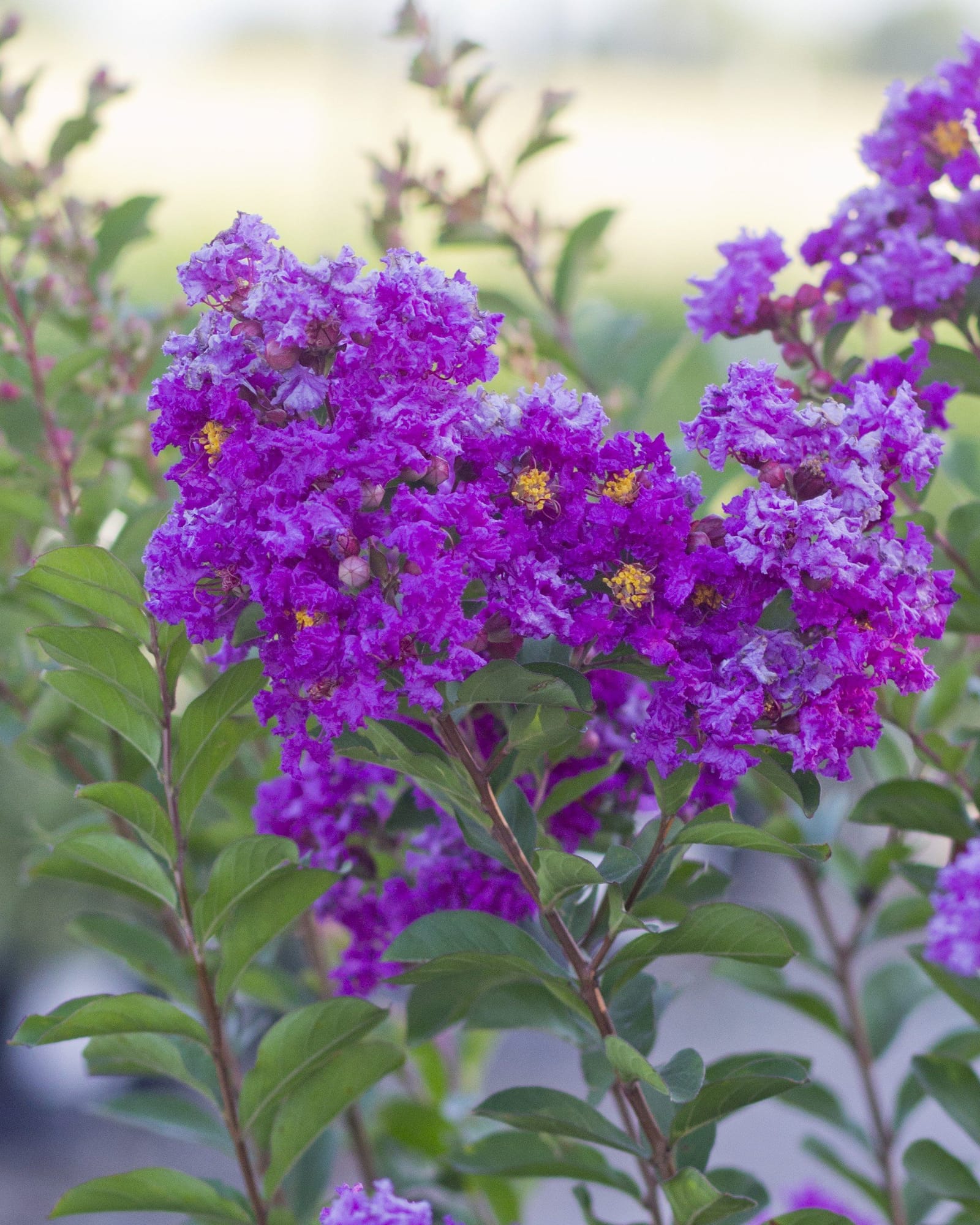
Royalty Crape Myrtle
Maturity: 6' H x 6' W
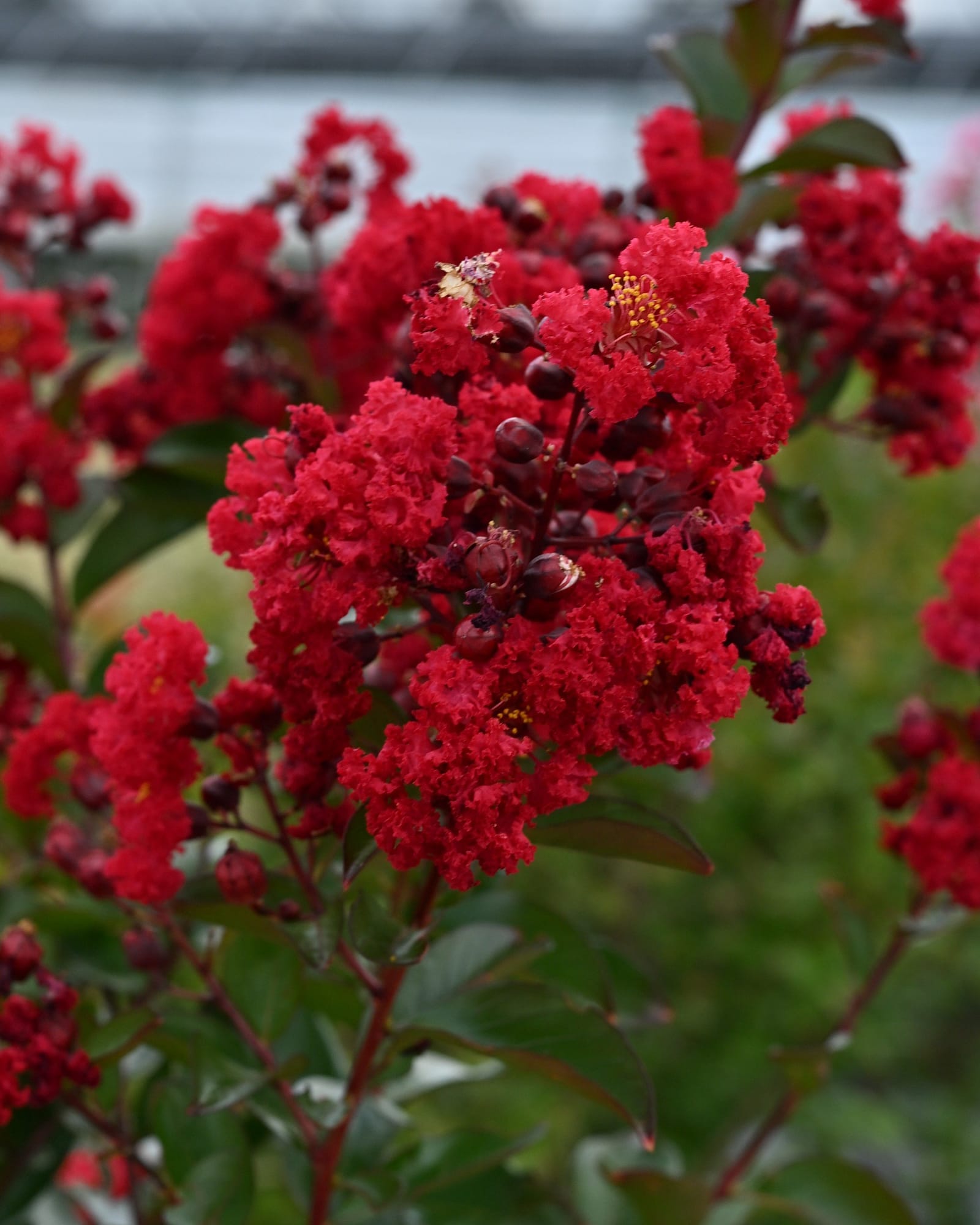
Ruffled Red Magic Crape Myrtle
Maturity: 9' H x 7' W
Compare Similar Plants
Ruby Crape Myrtle This plant | ||
|---|---|---|
| Scientific Name | Lagerstroemia x 'JM7' | Lagerstroemia x 'JM1' |
| Size at Maturity | 20' H x 12' W | 20' H x 12' W |
| Leaf Retention | Deciduous | Deciduous |
| Fall Color | Orange | Yellow |
| Flower Color | Red | Red |
| Bloom Times | Summer | Summer |
| Sizes Available | 15 gal | 3, 15, 30, 45 gal |

Our 1-Year Planting Guarantee
We take pride in our plants and installation services. If any plants or trees installed by Treeland fail to thrive within the first year, we'll provide a replacement credit in accordance with our guarantee program.
Learn More About Our Guarantee