
 Popular
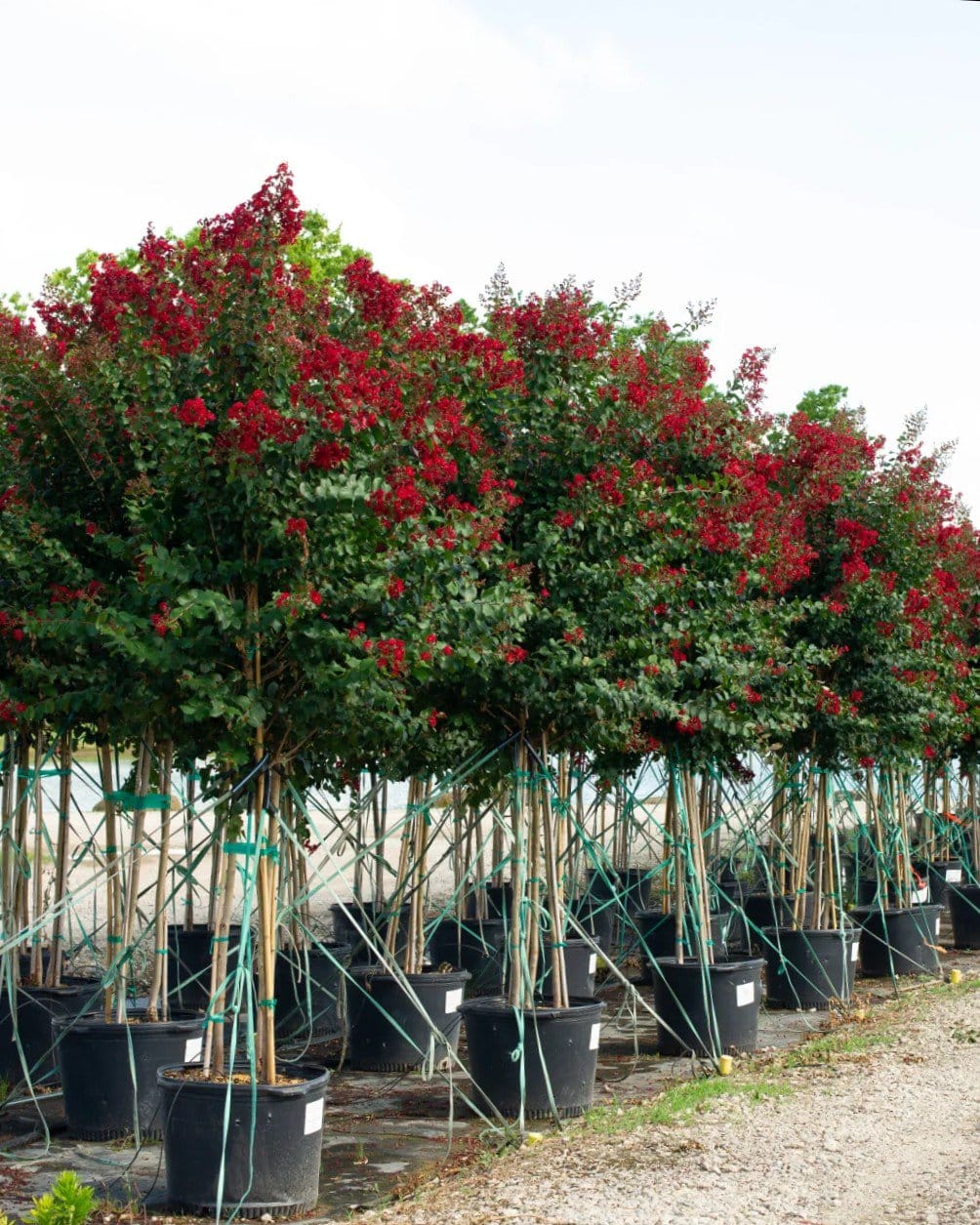
Scarlet Crape Myrtle Single Trunk
Lagerstroemia x 'JM1'Local DFW Delivery Only
Product Details
Scarlet Crape Myrtle Single Trunk
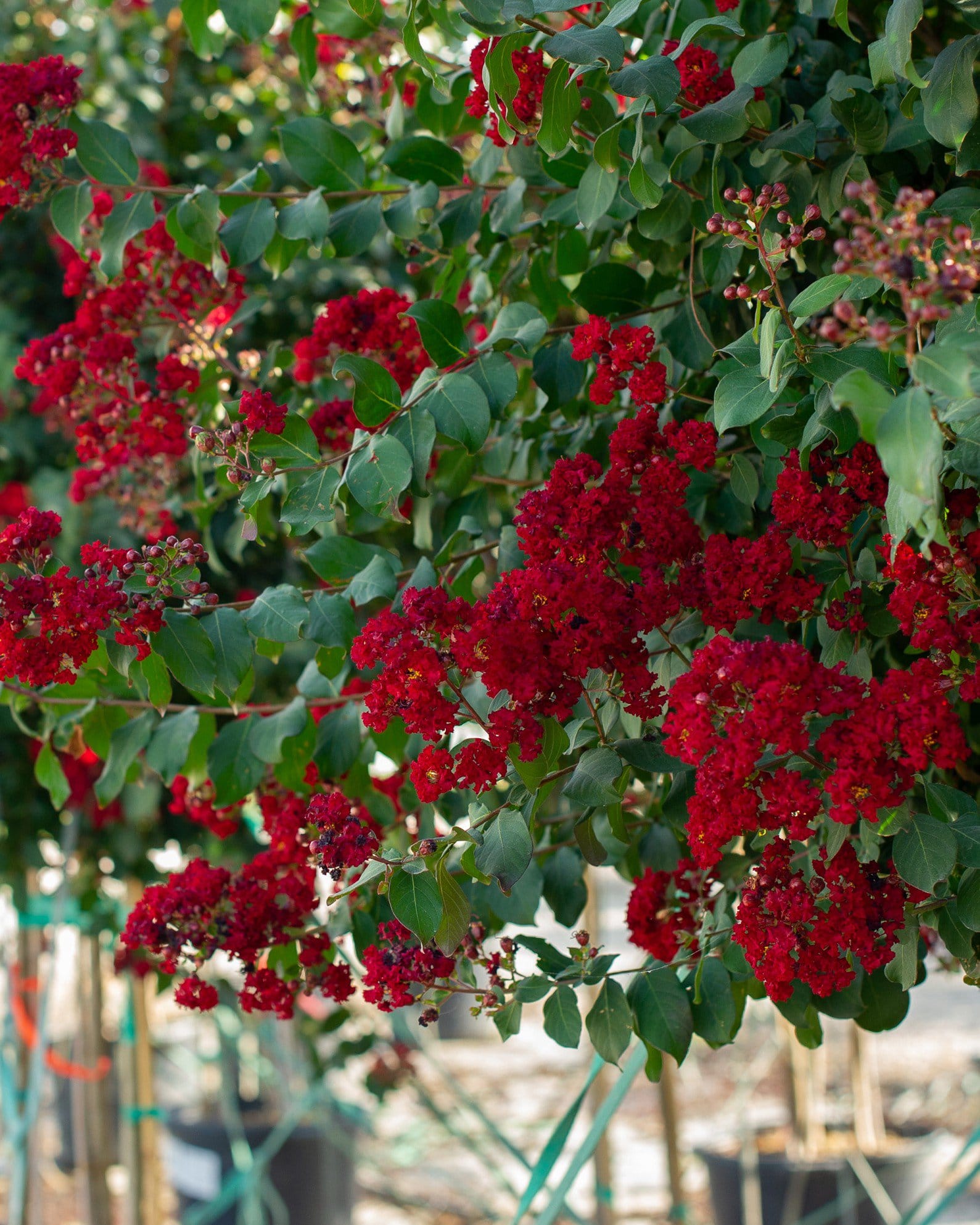
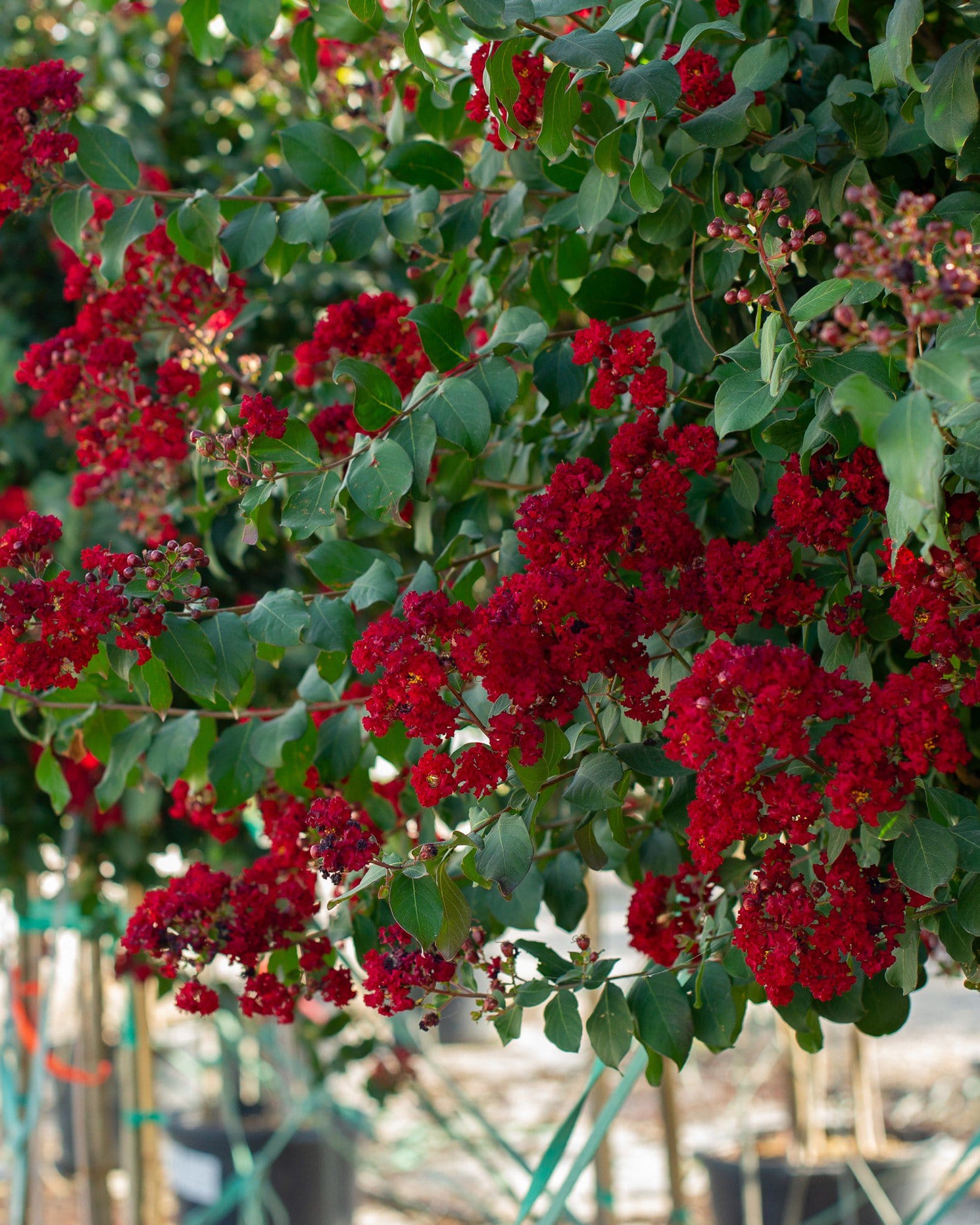
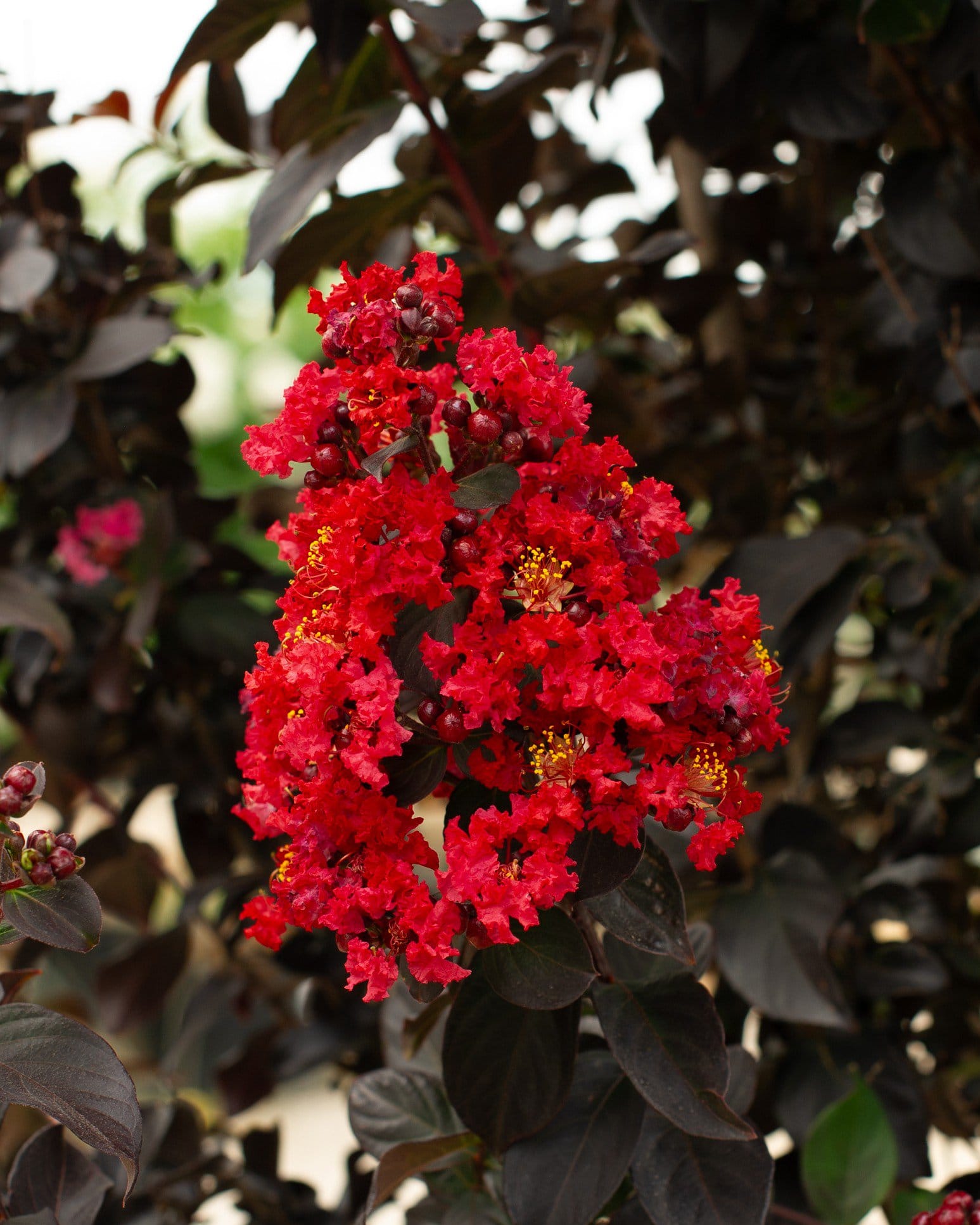
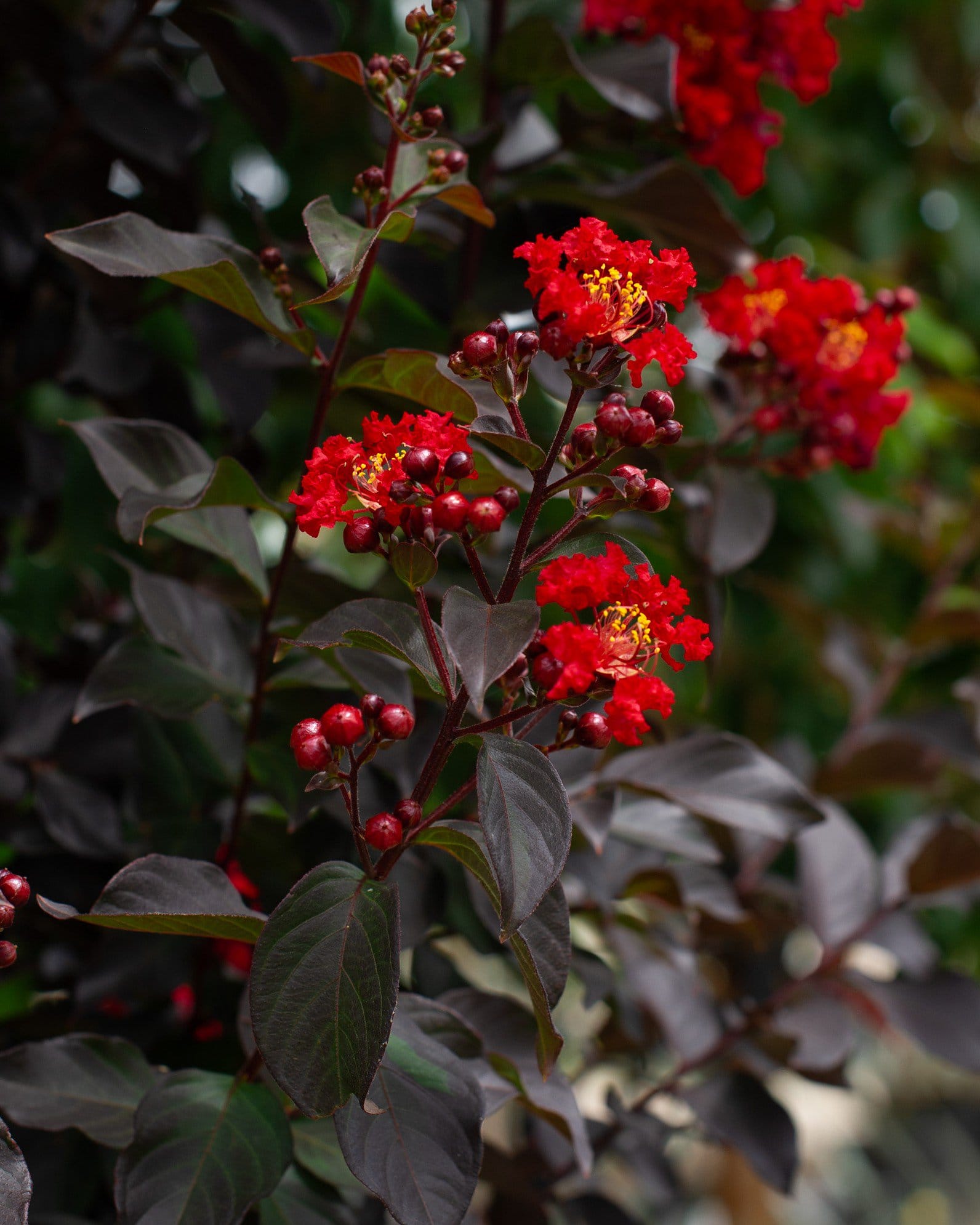
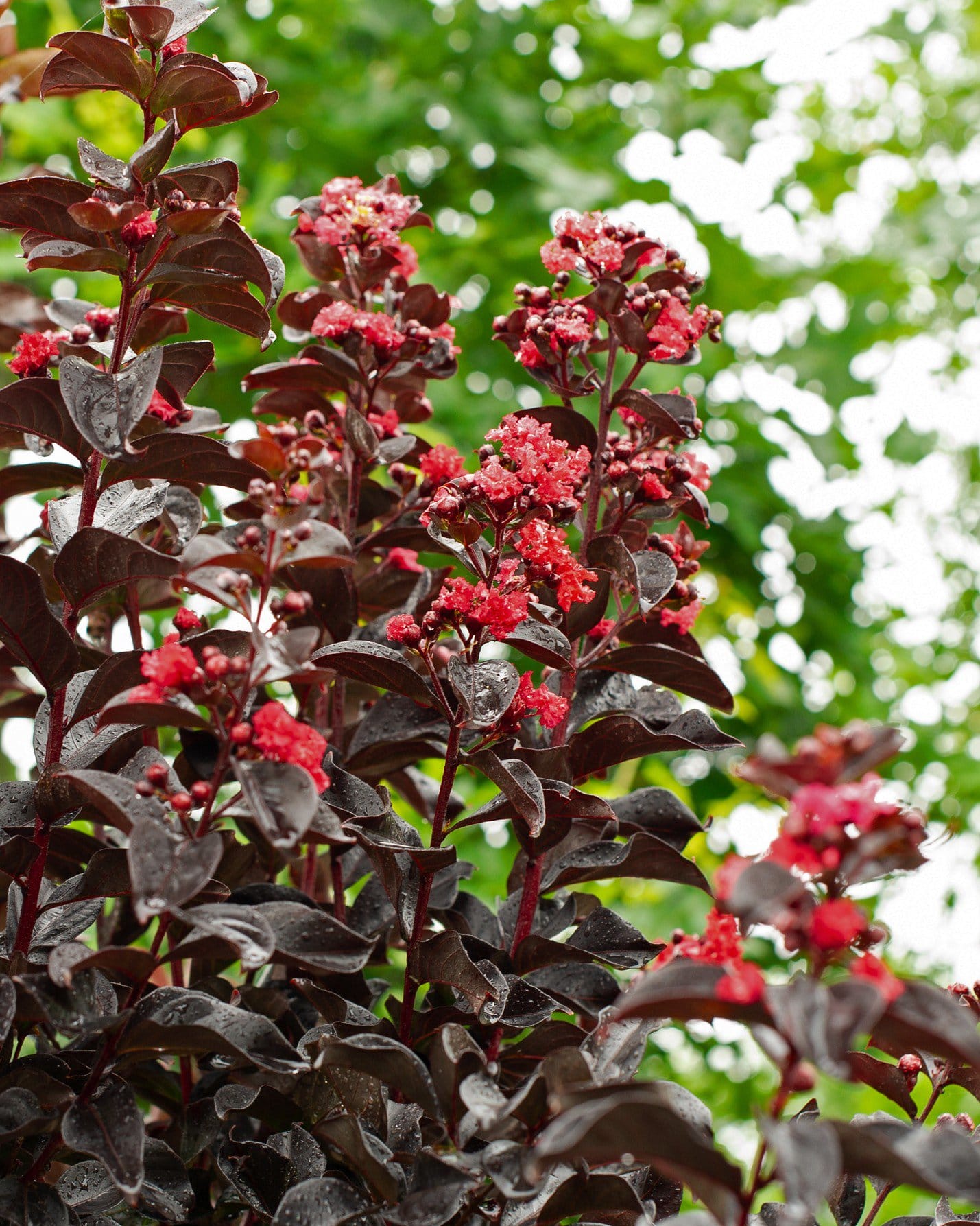
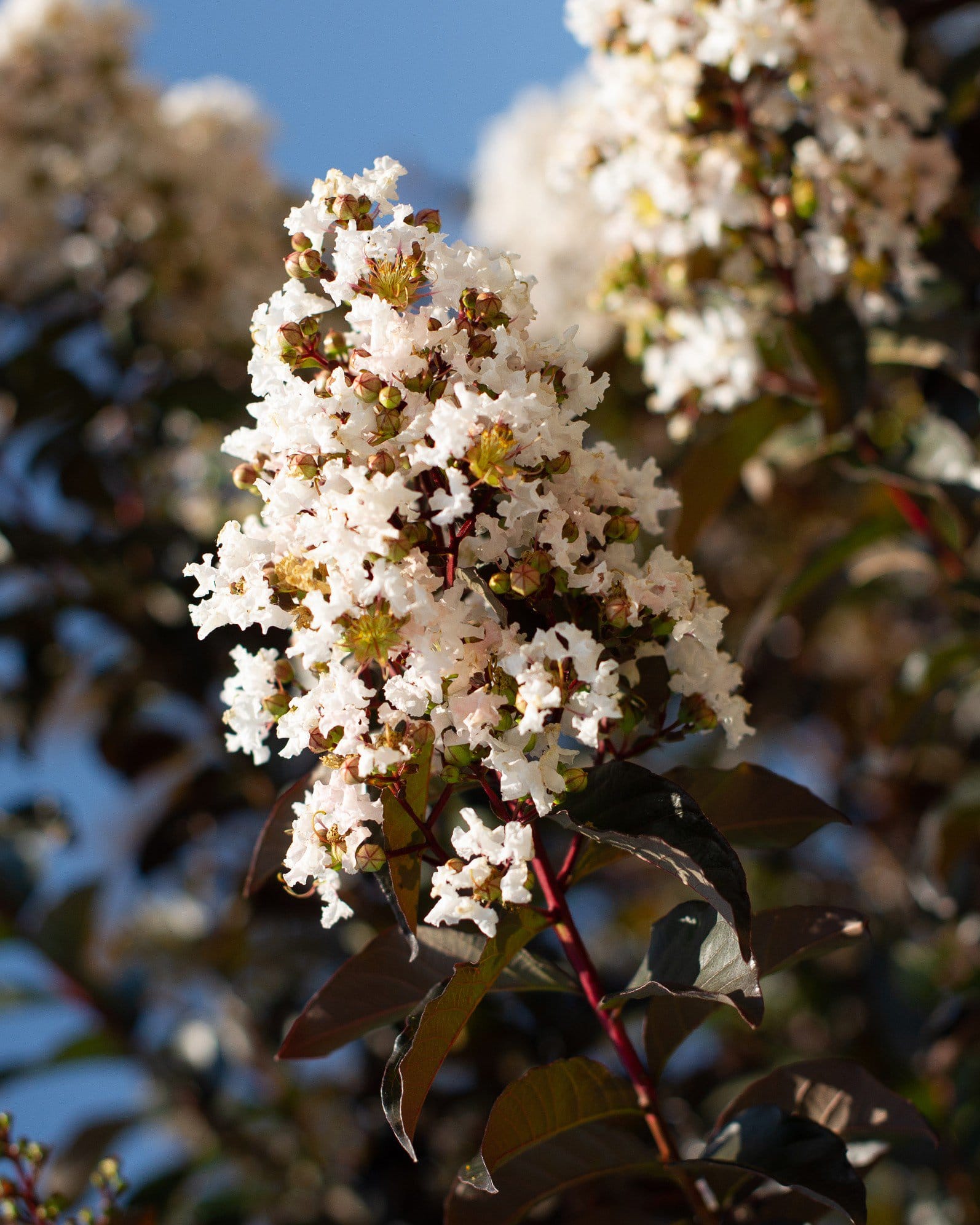
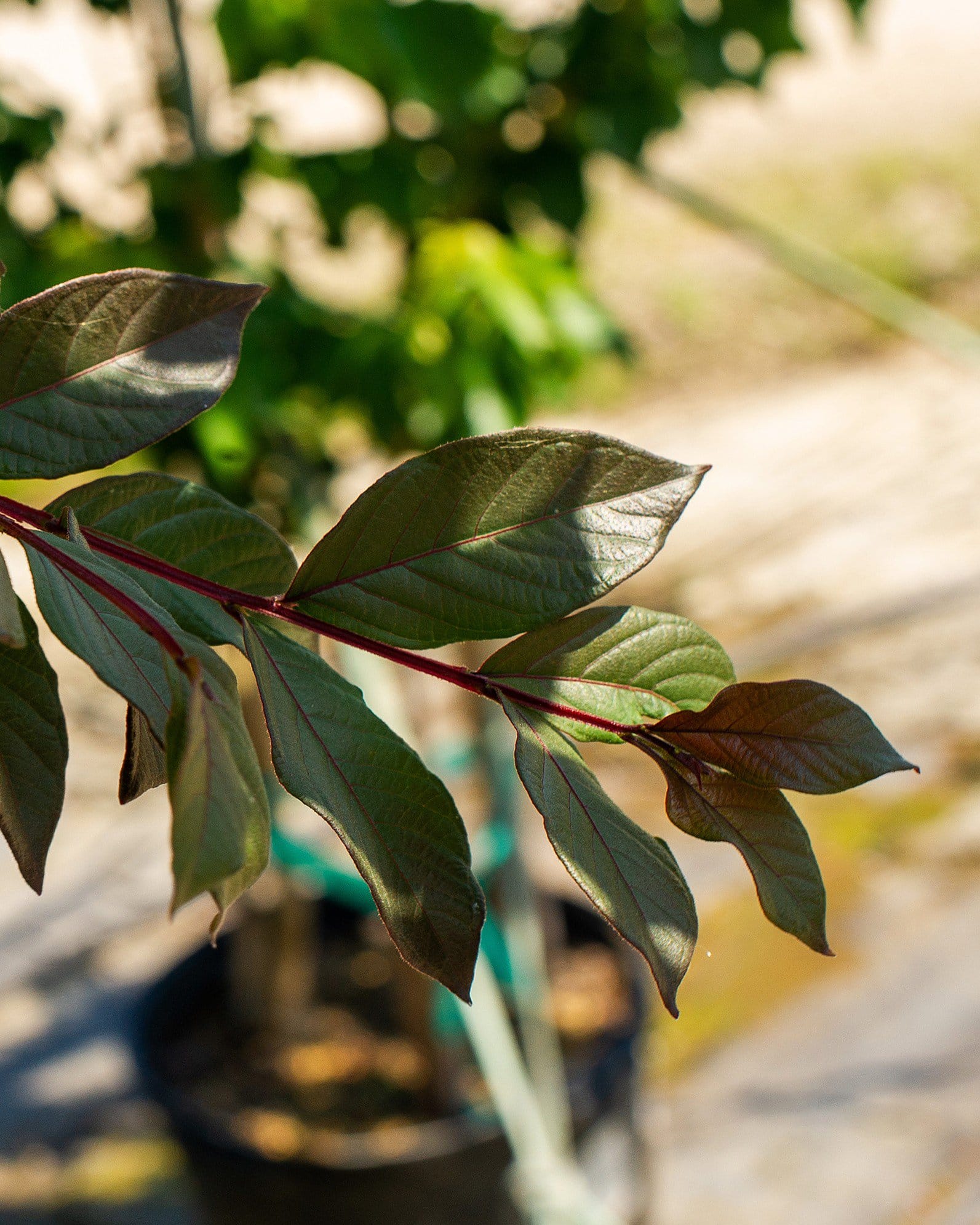
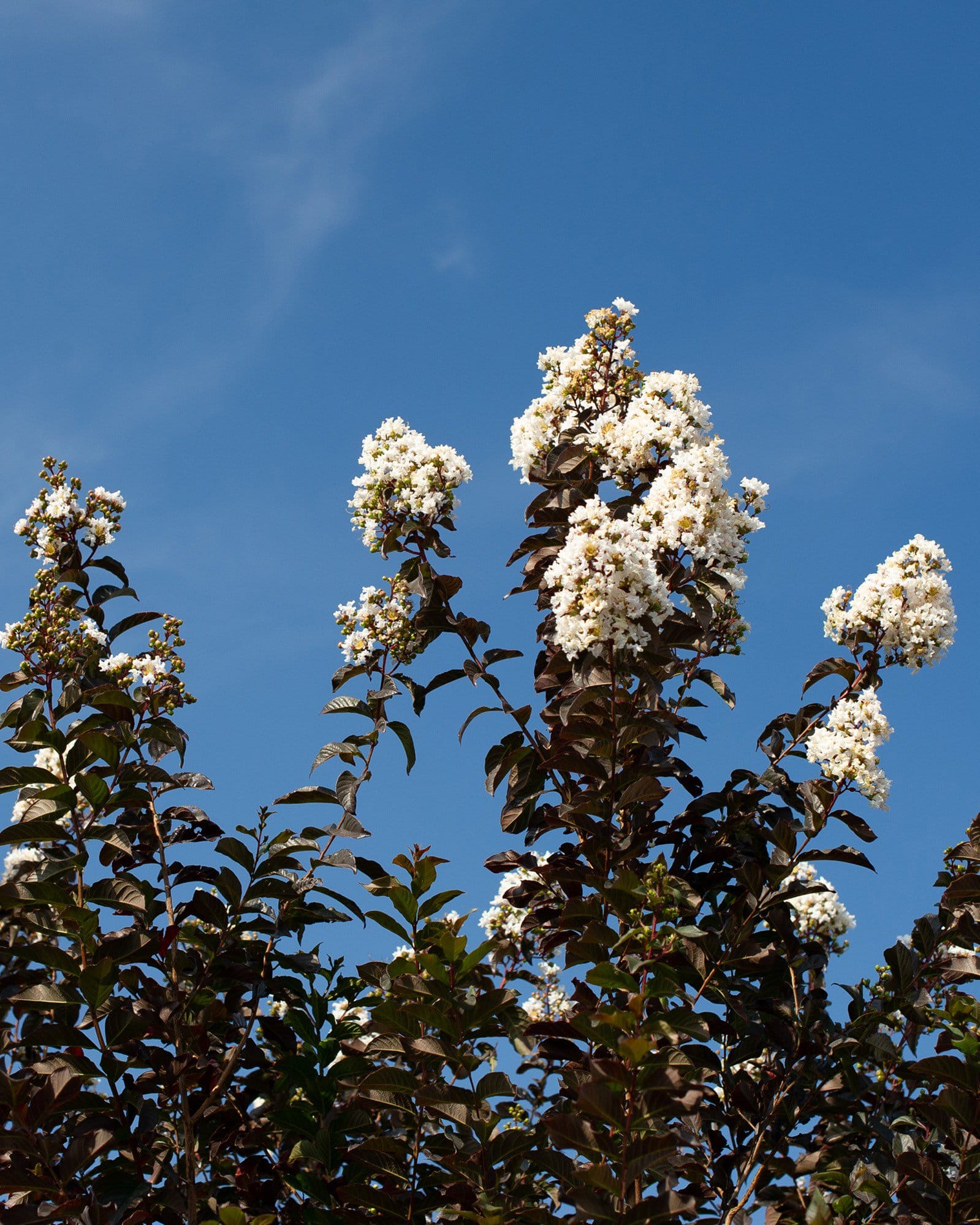
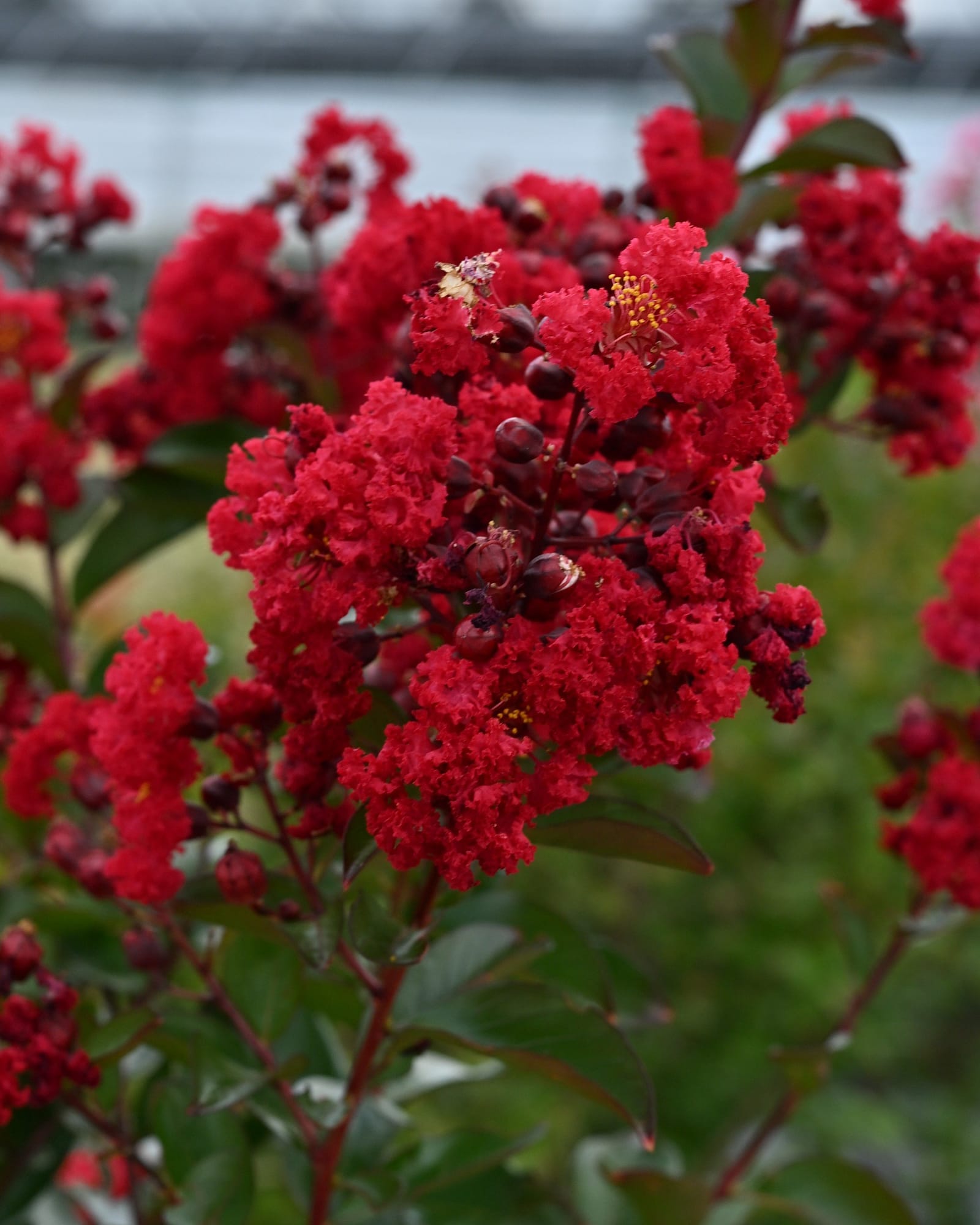
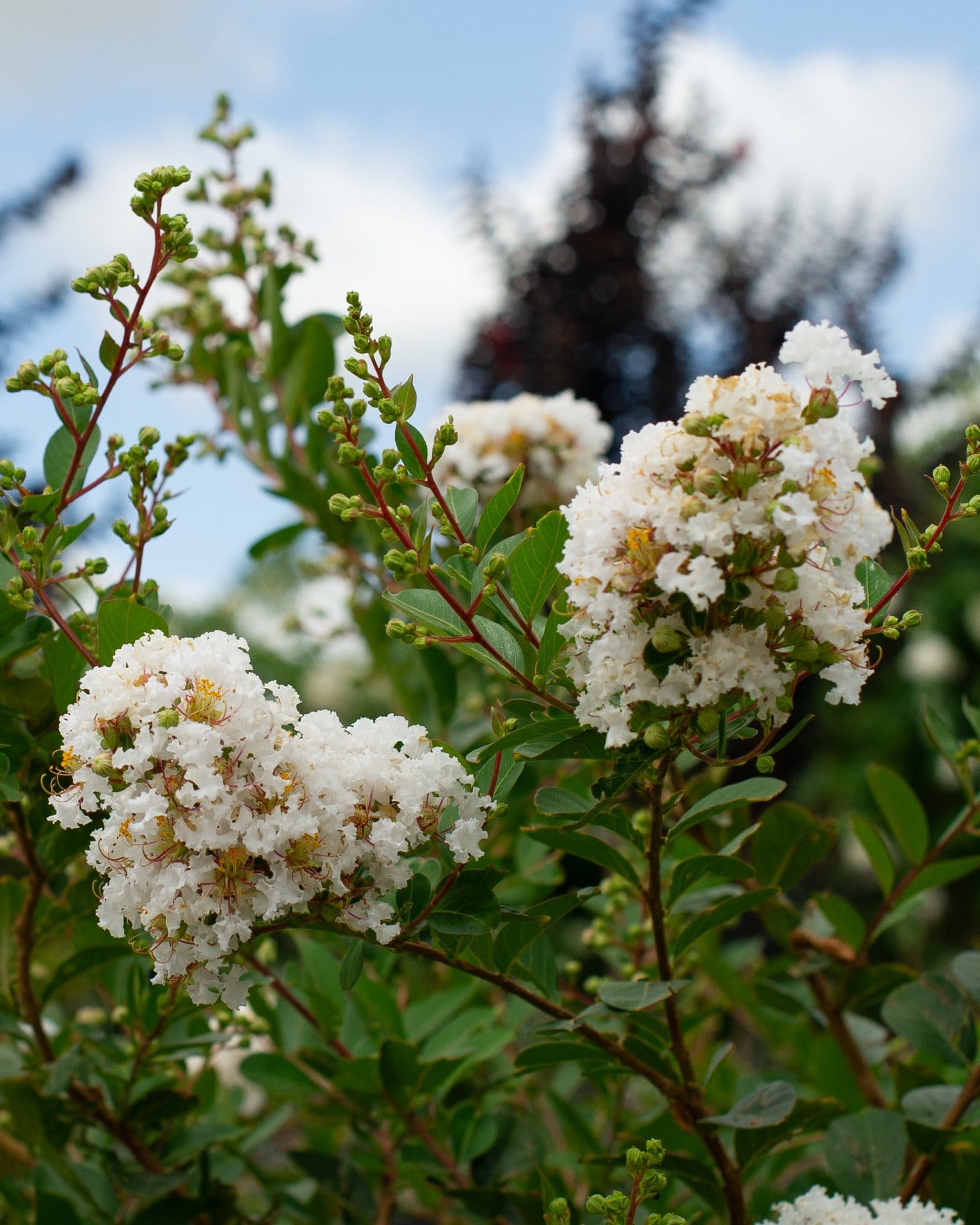
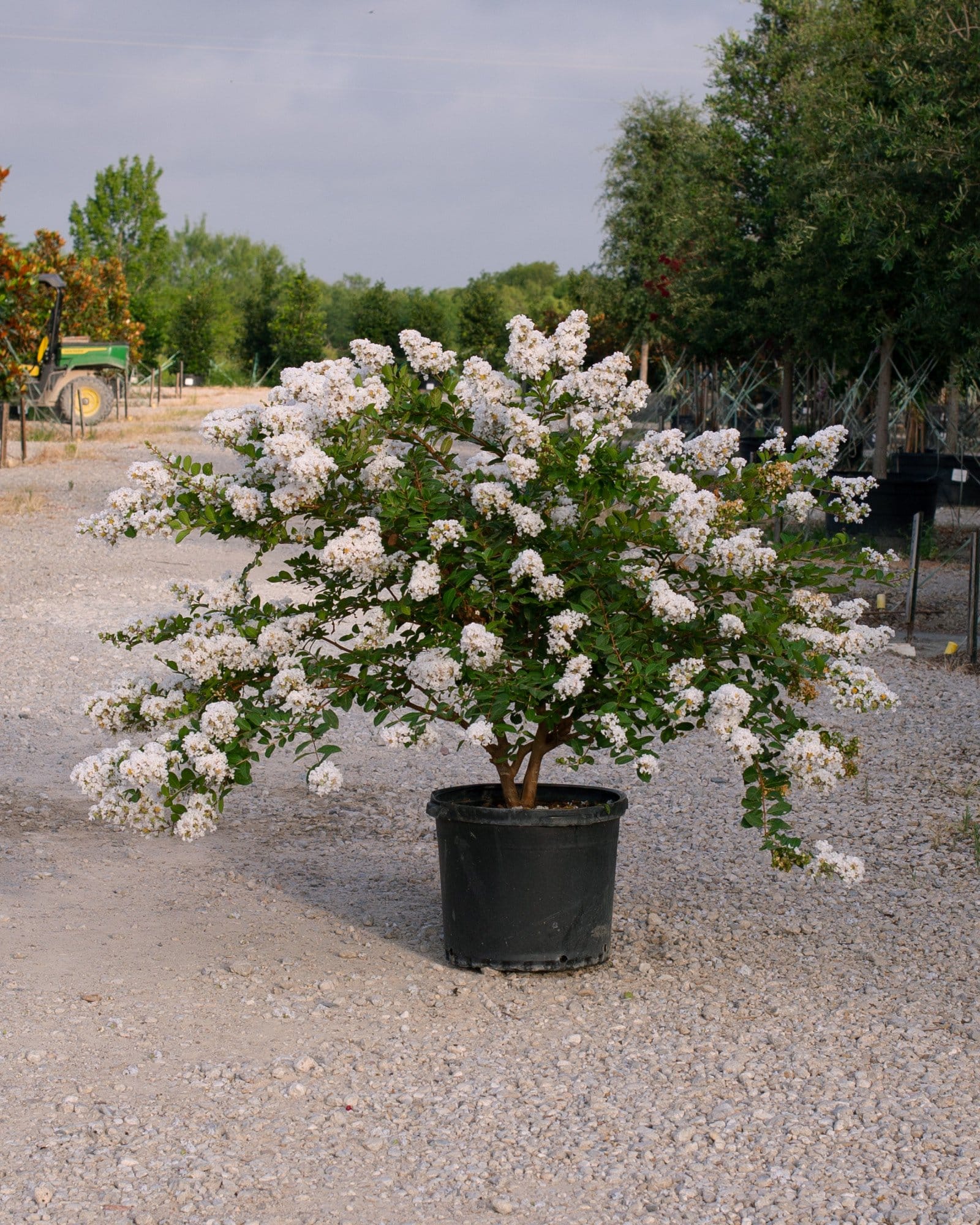
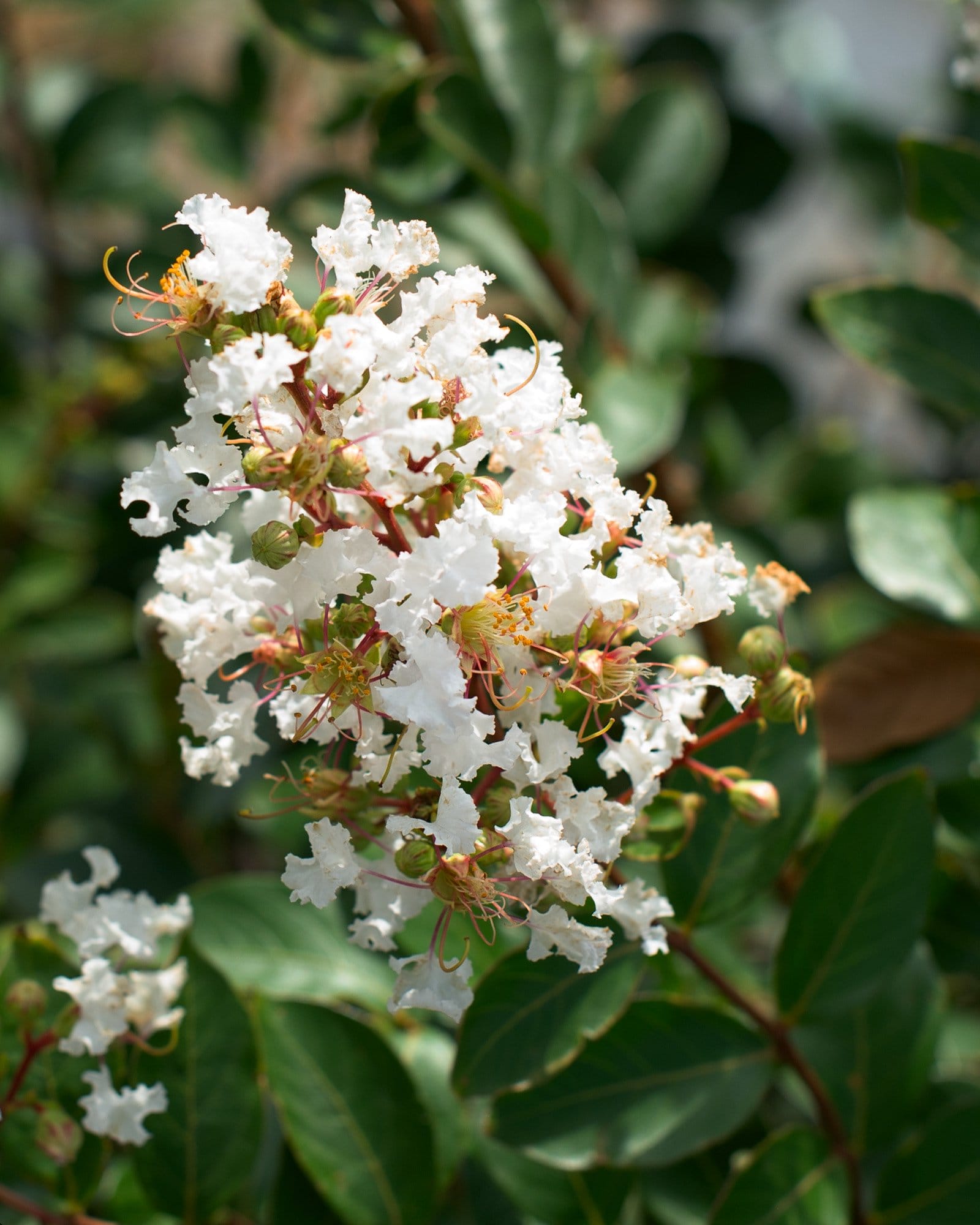
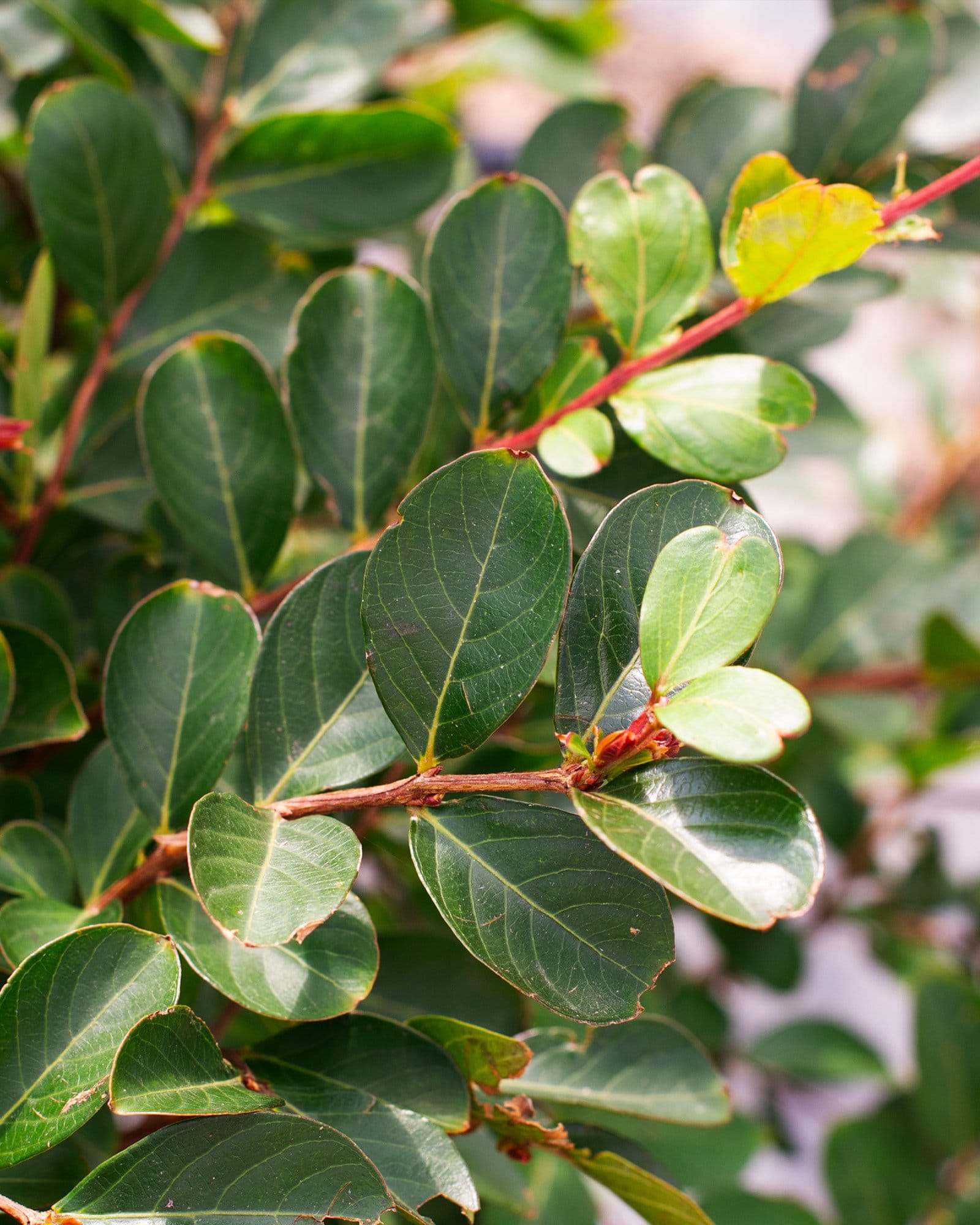
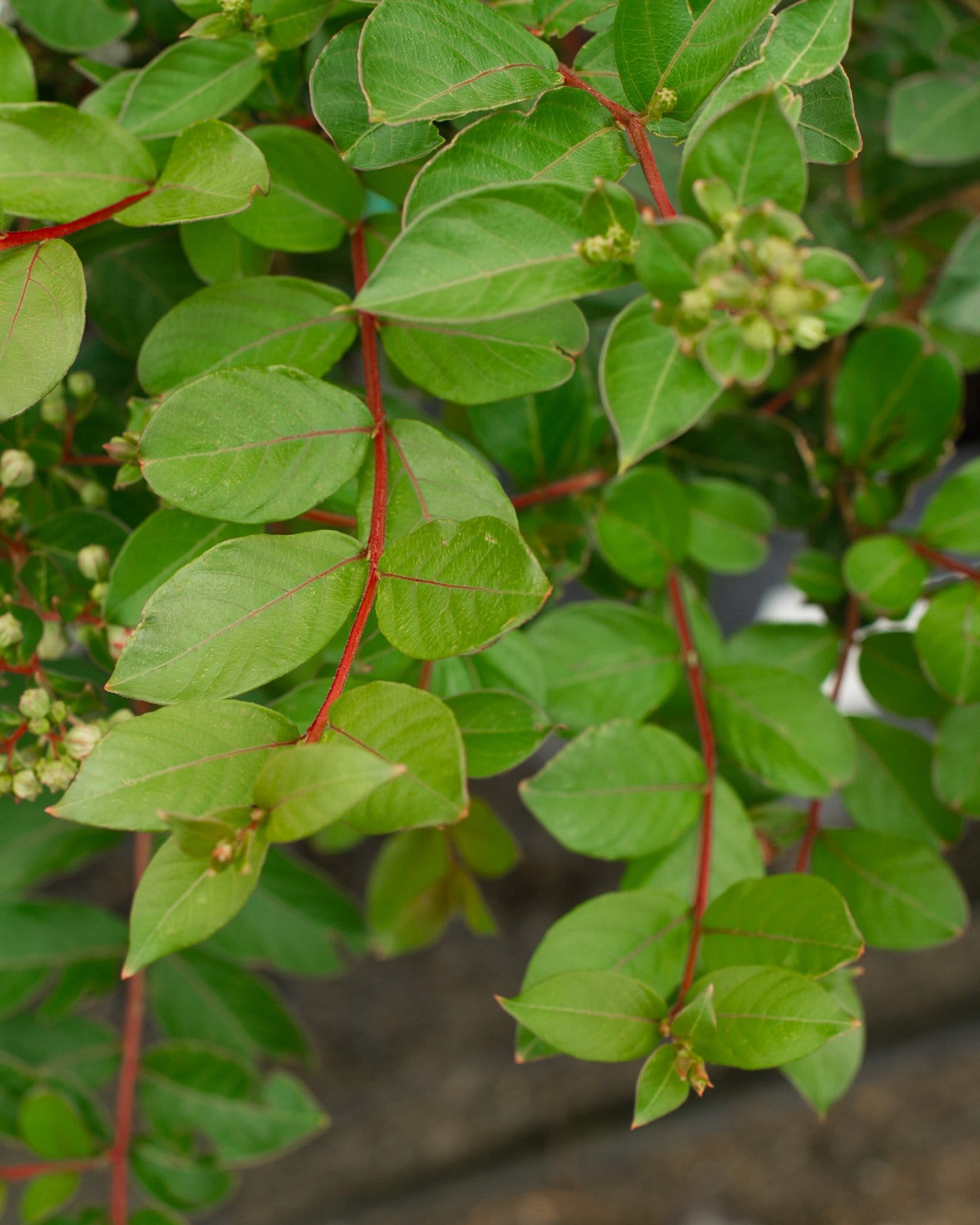
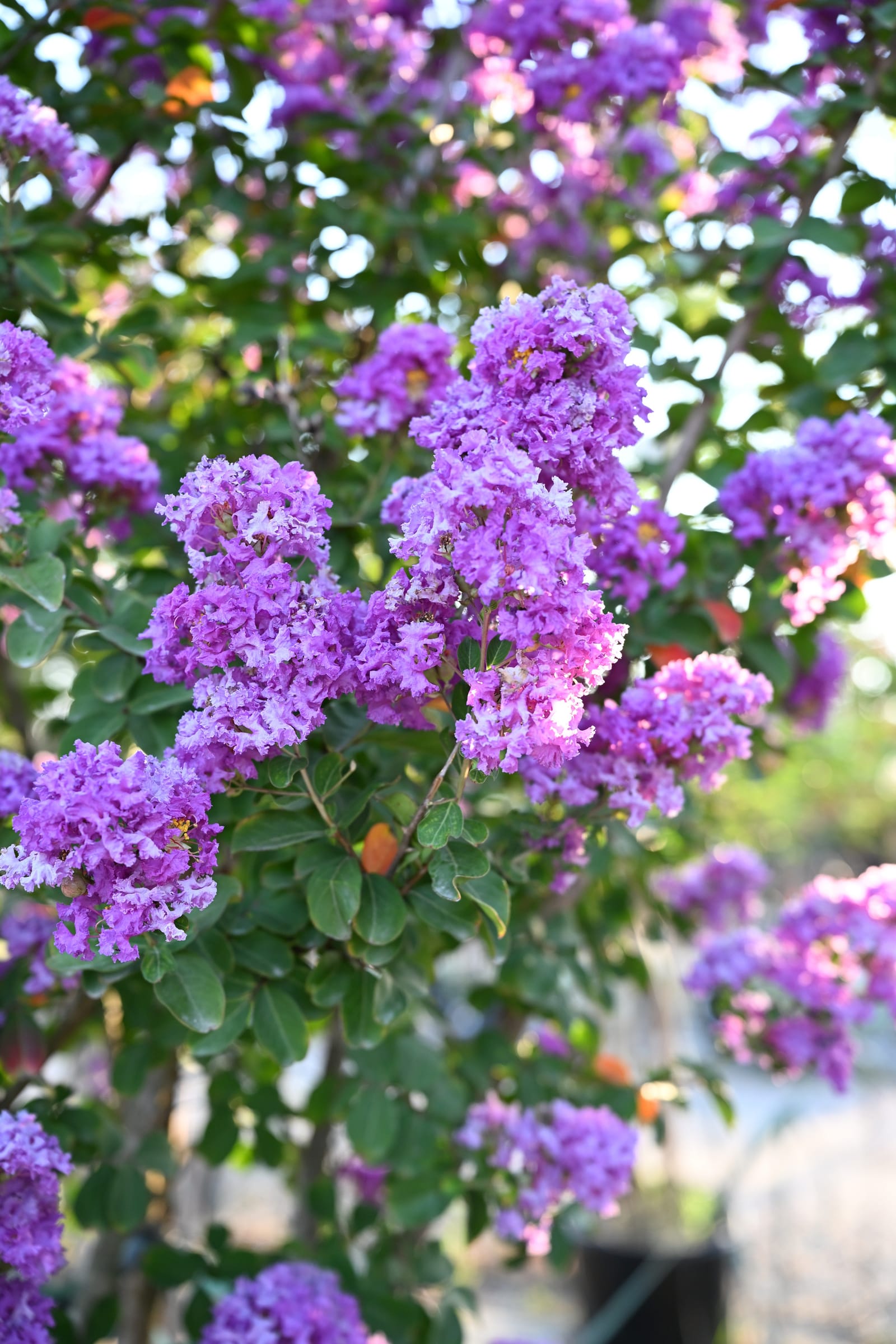
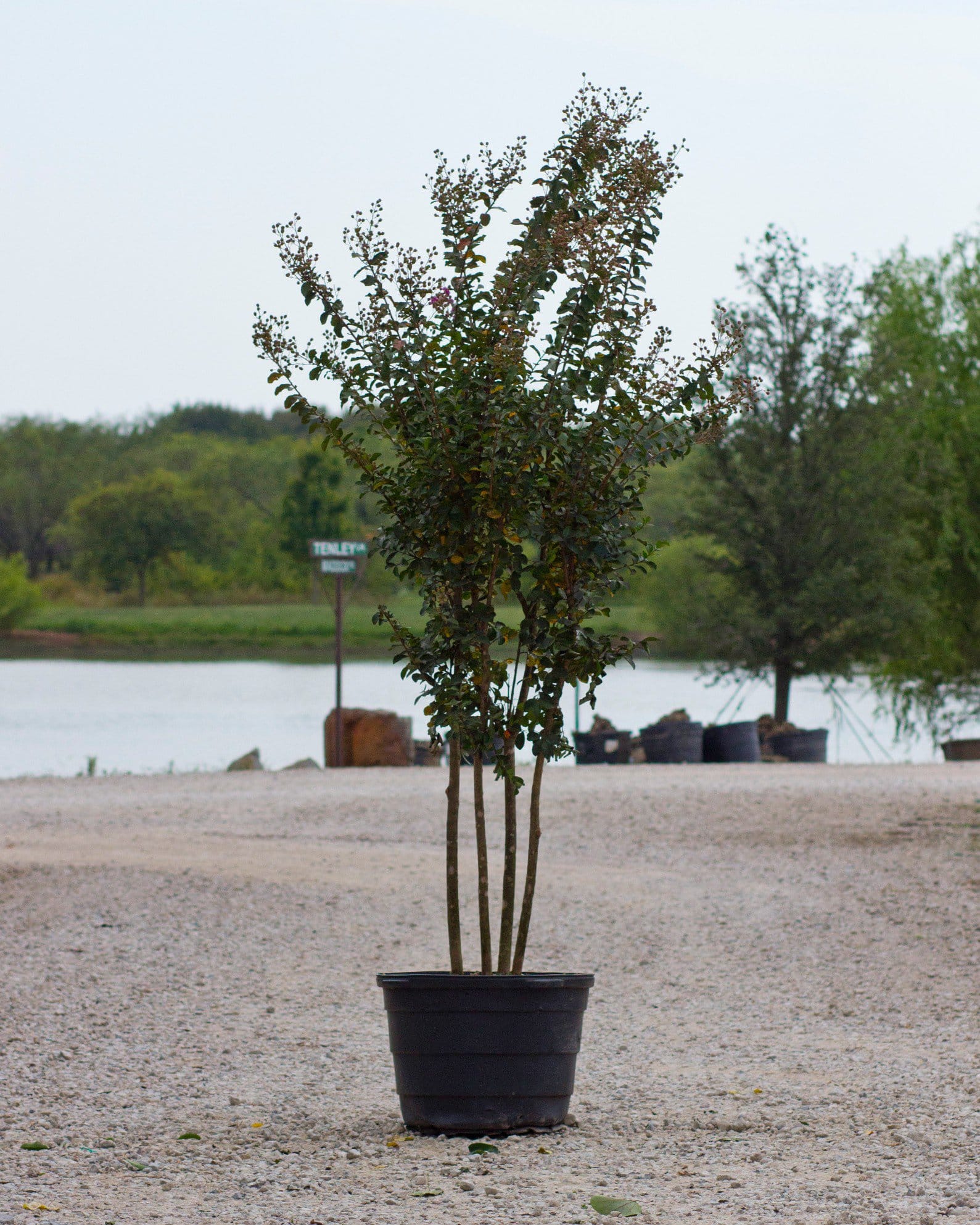
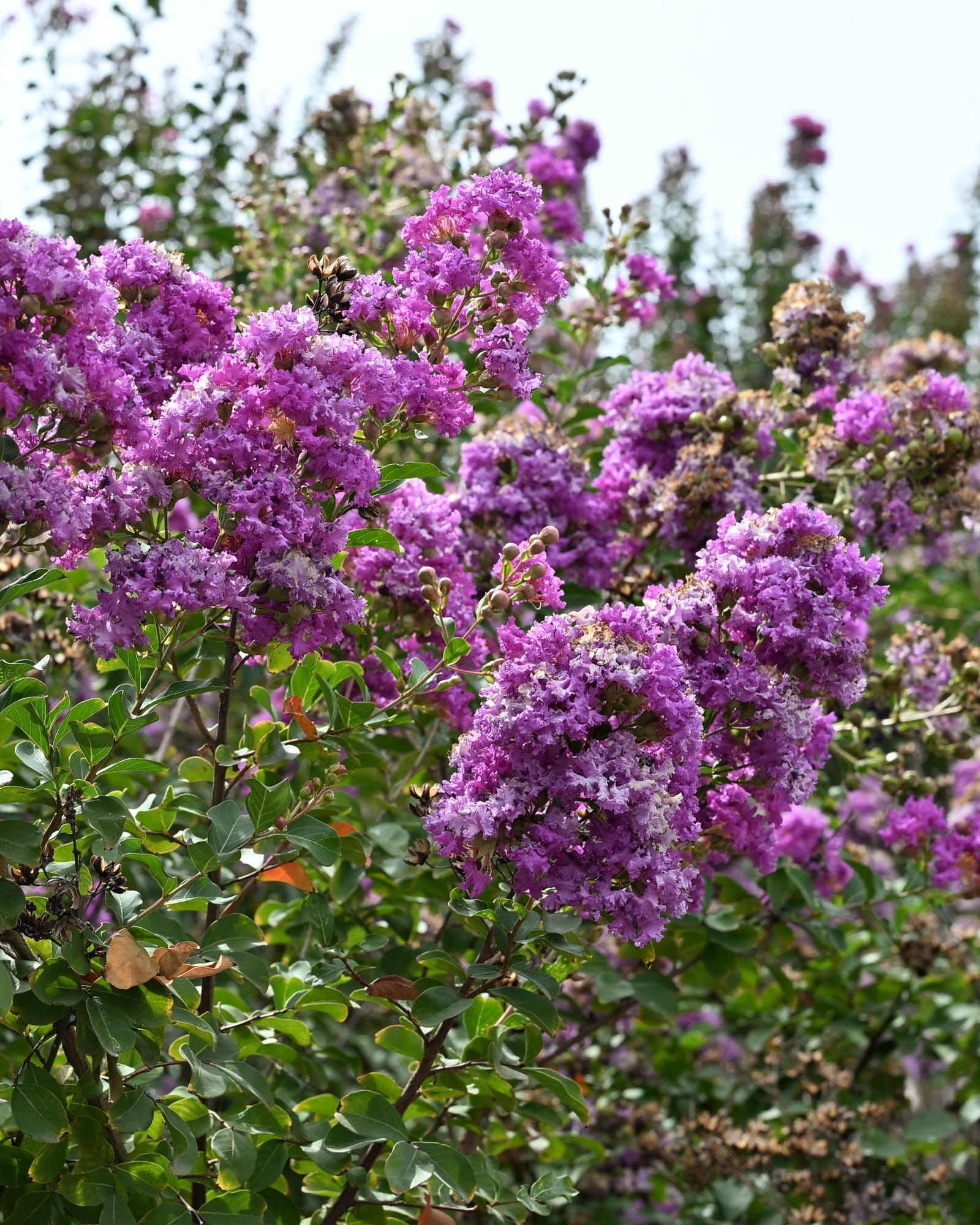
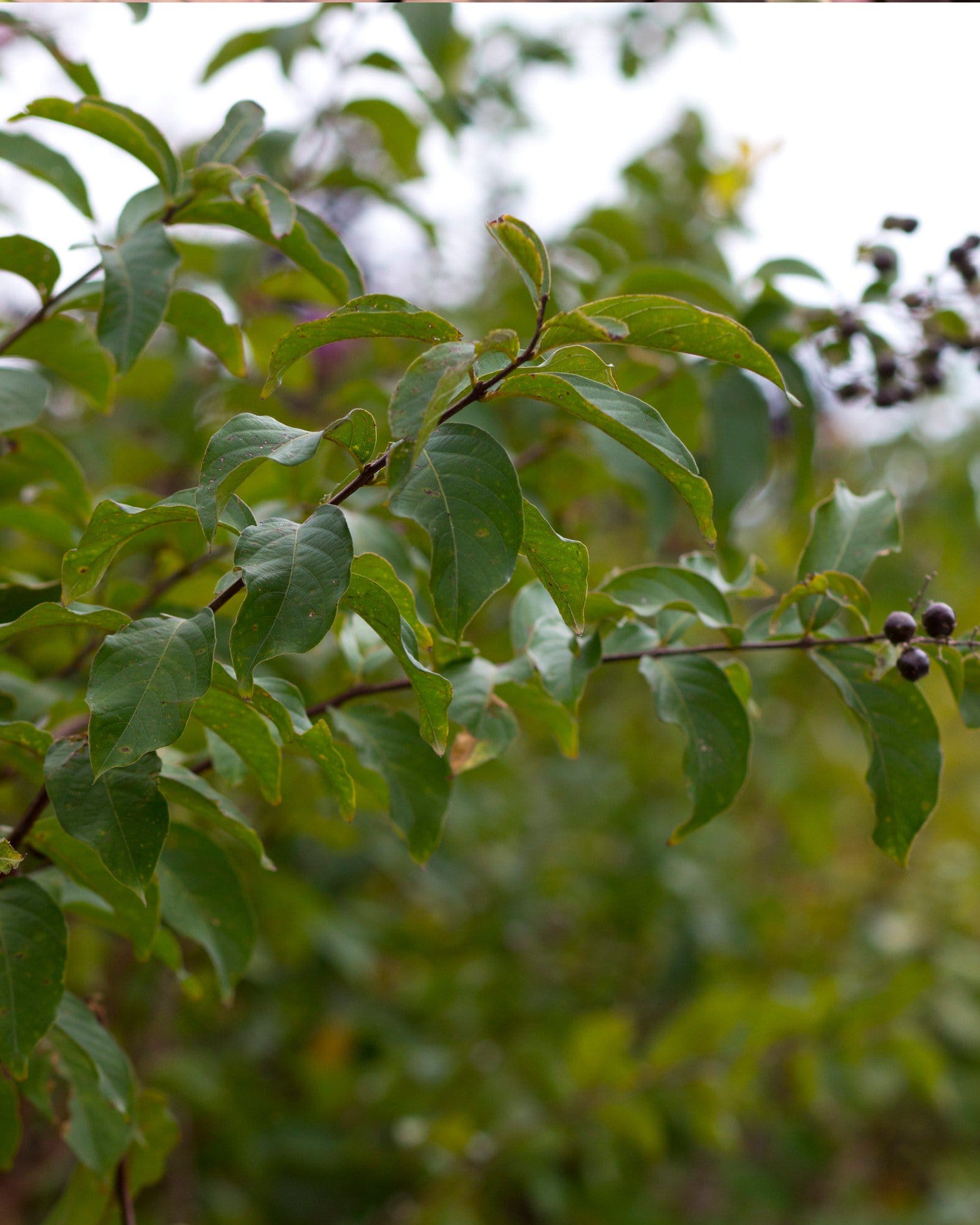
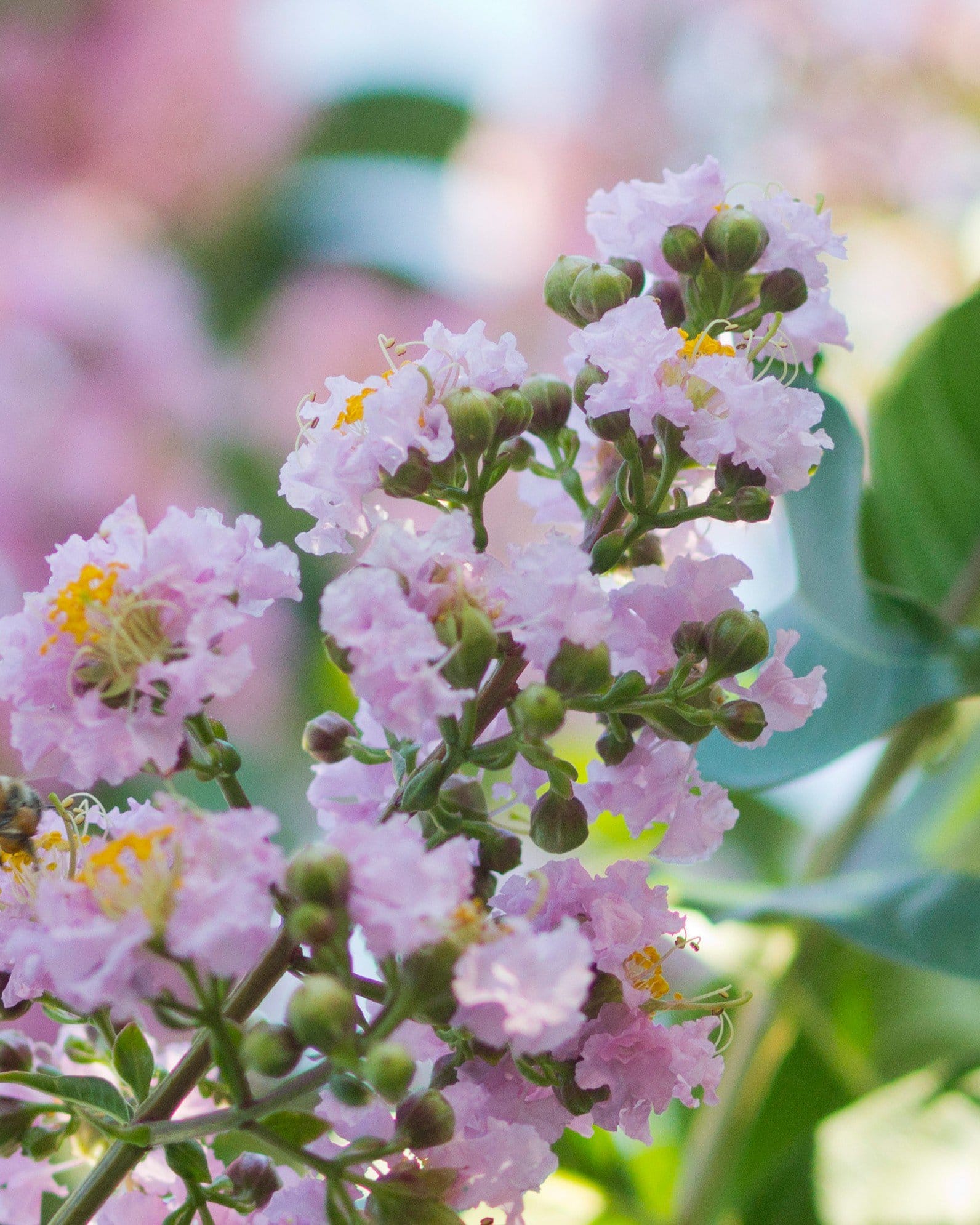
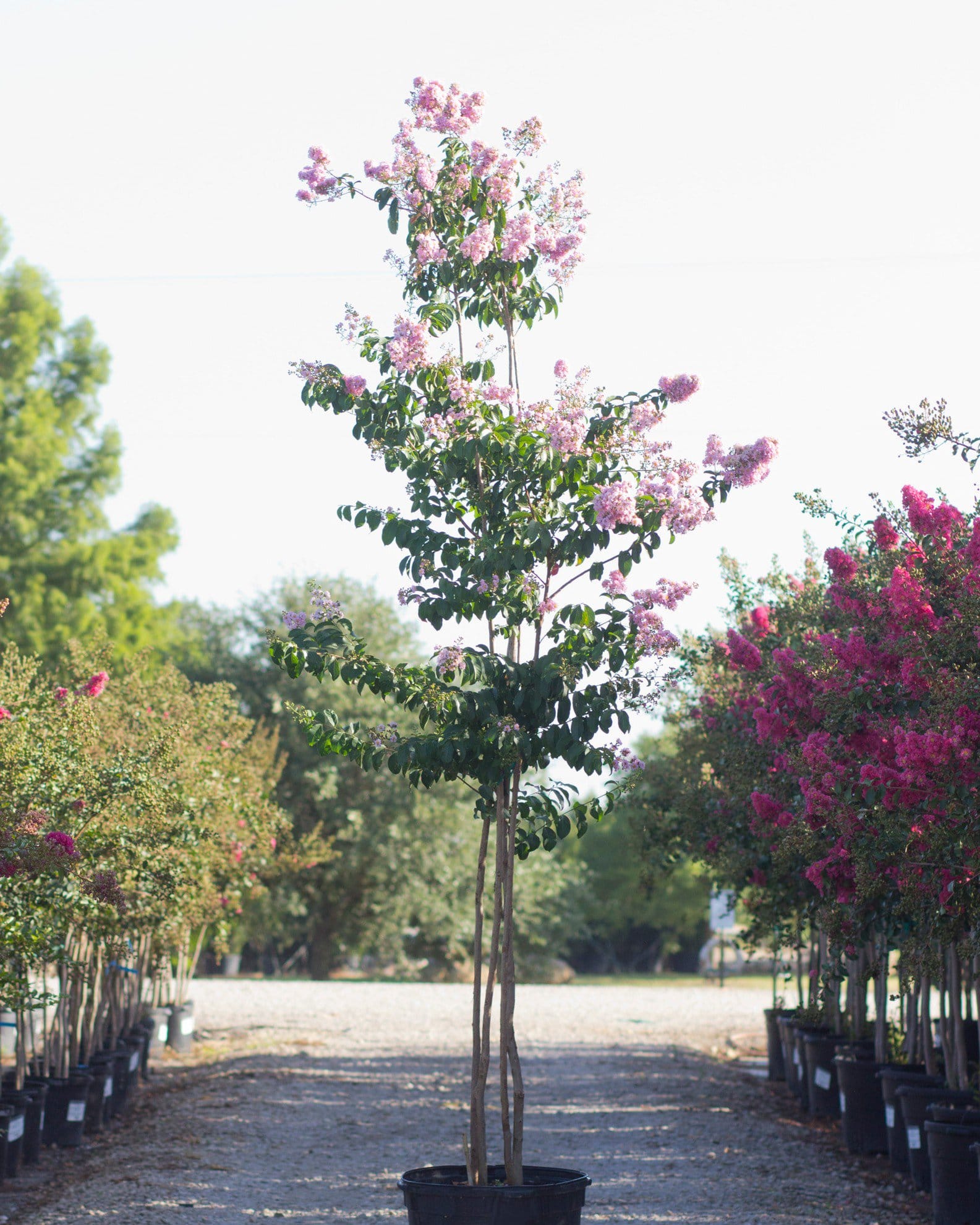
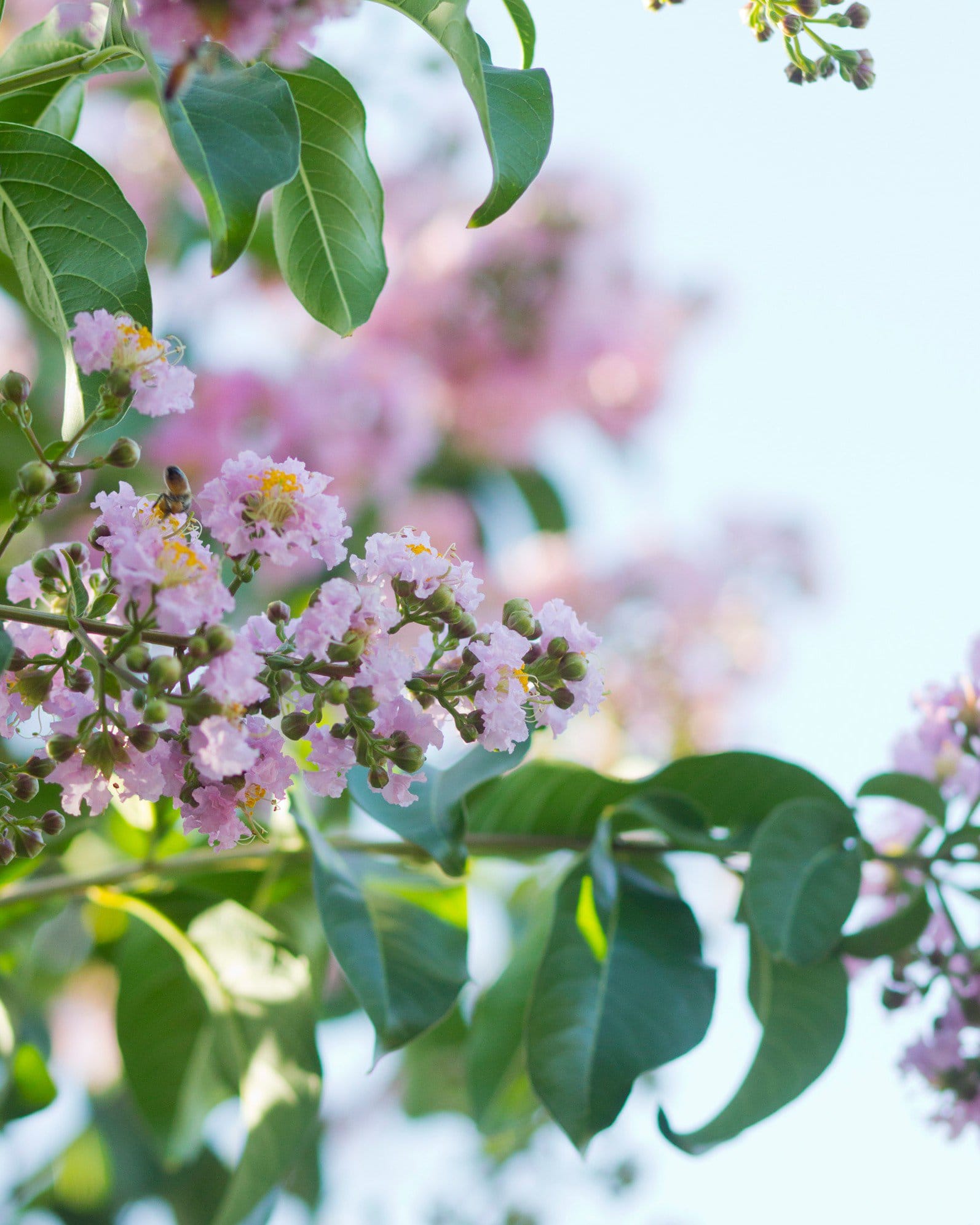
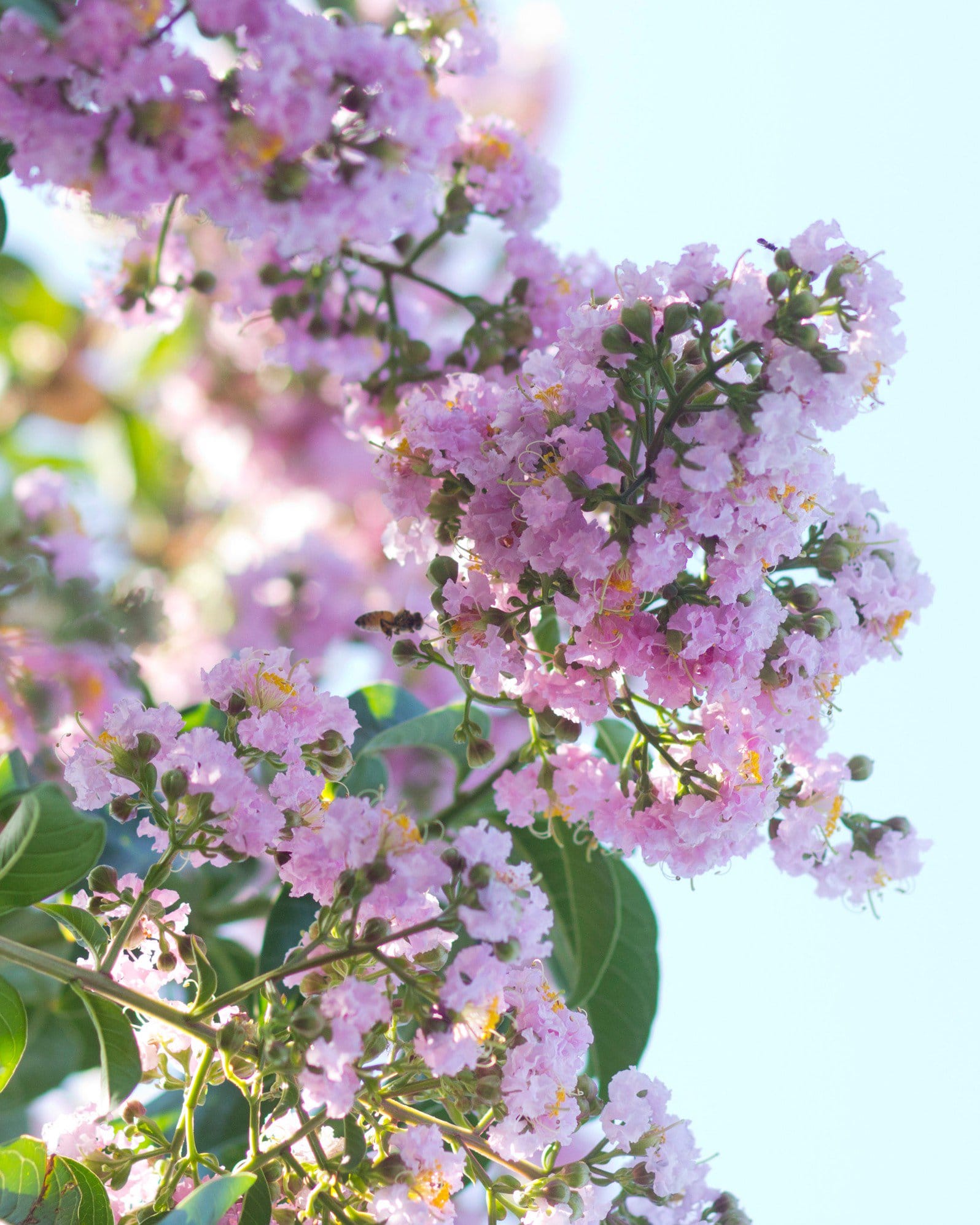
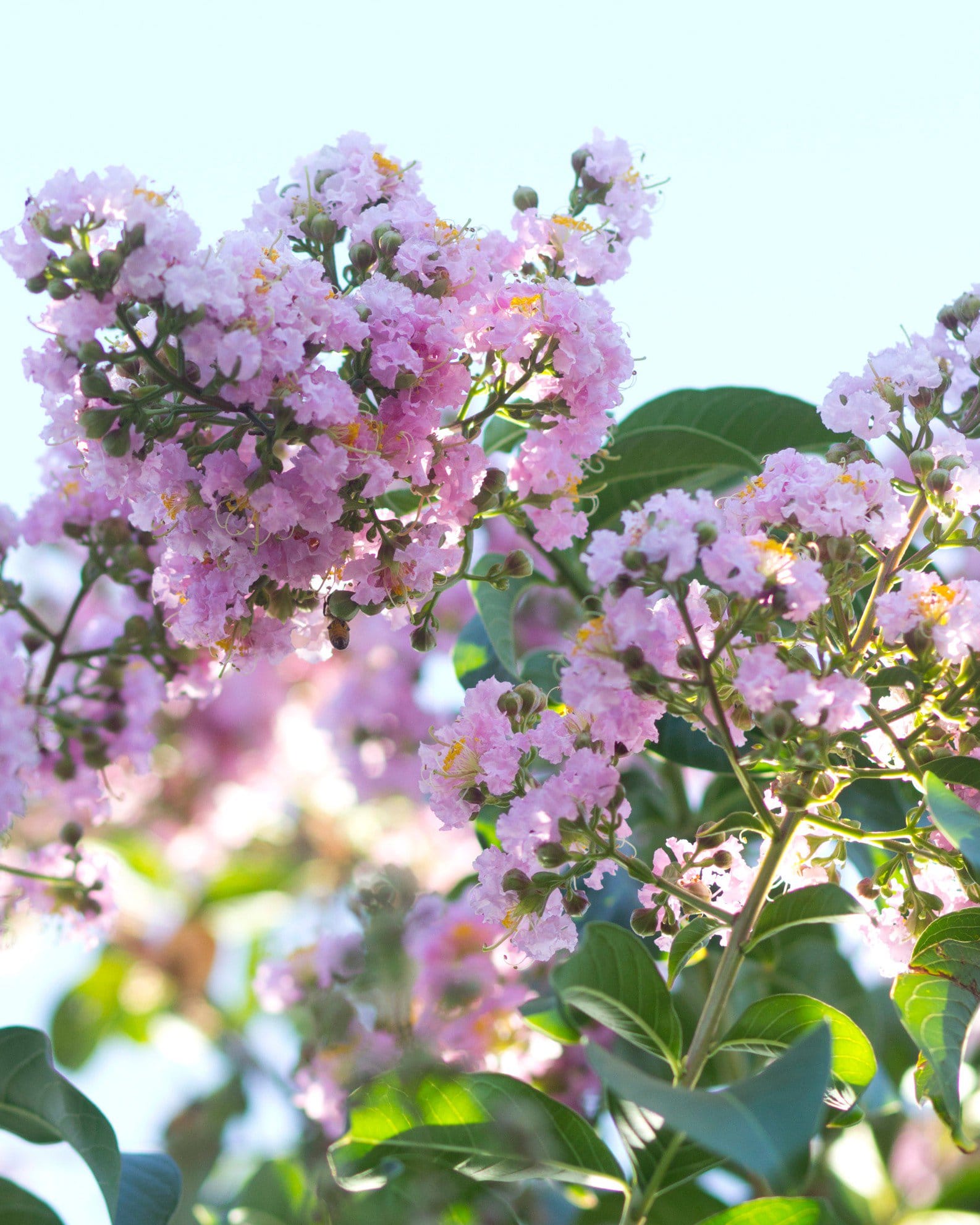
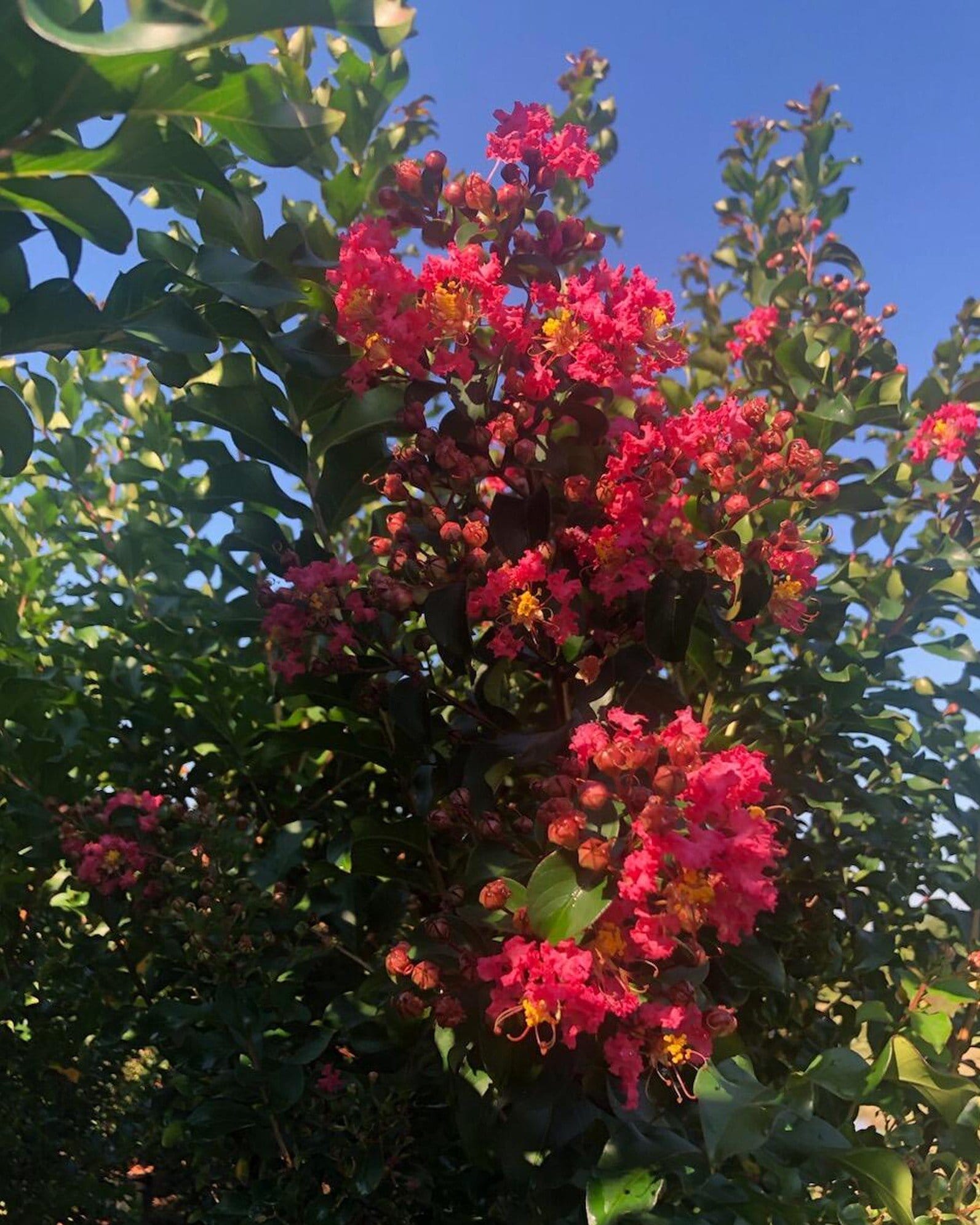
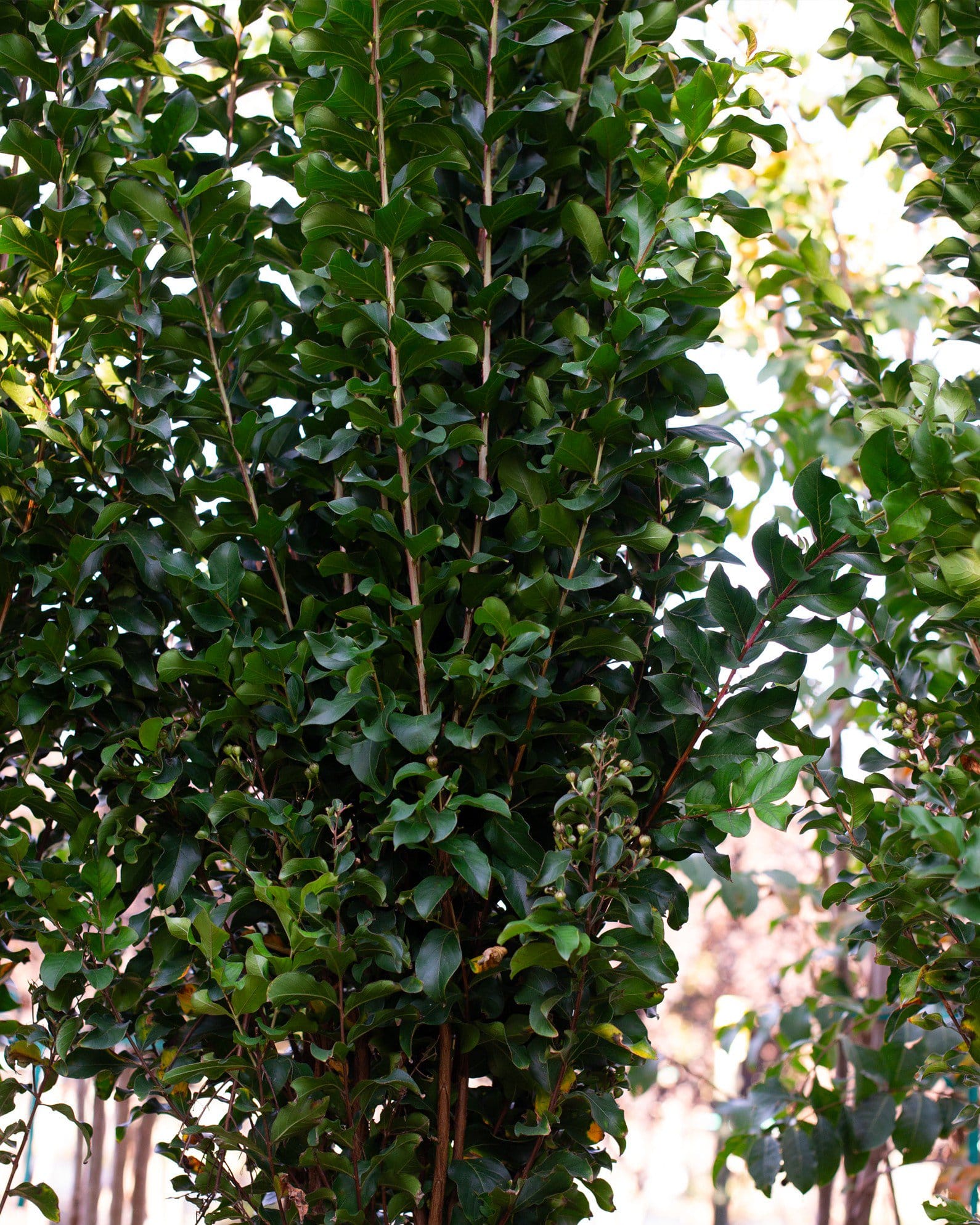
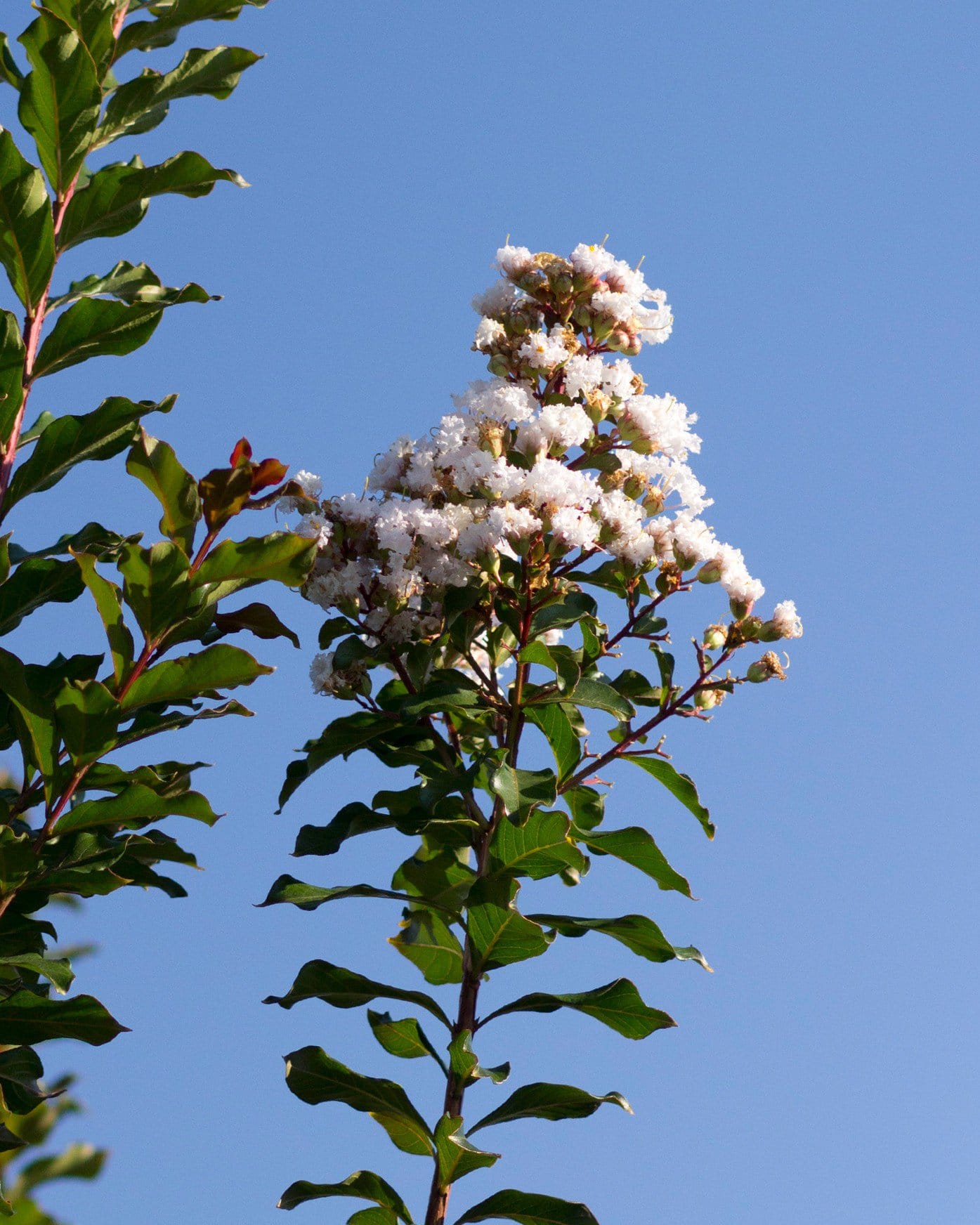
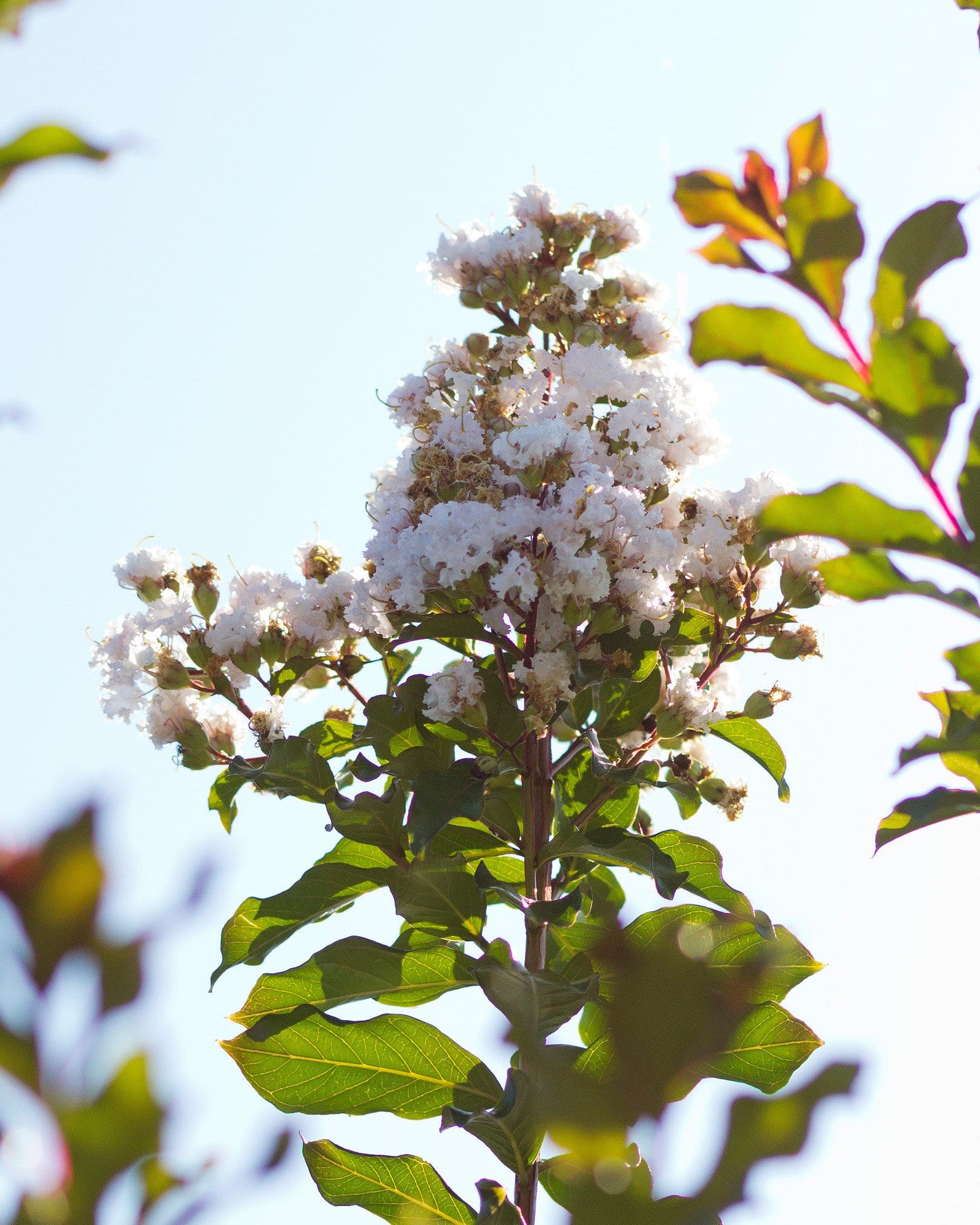
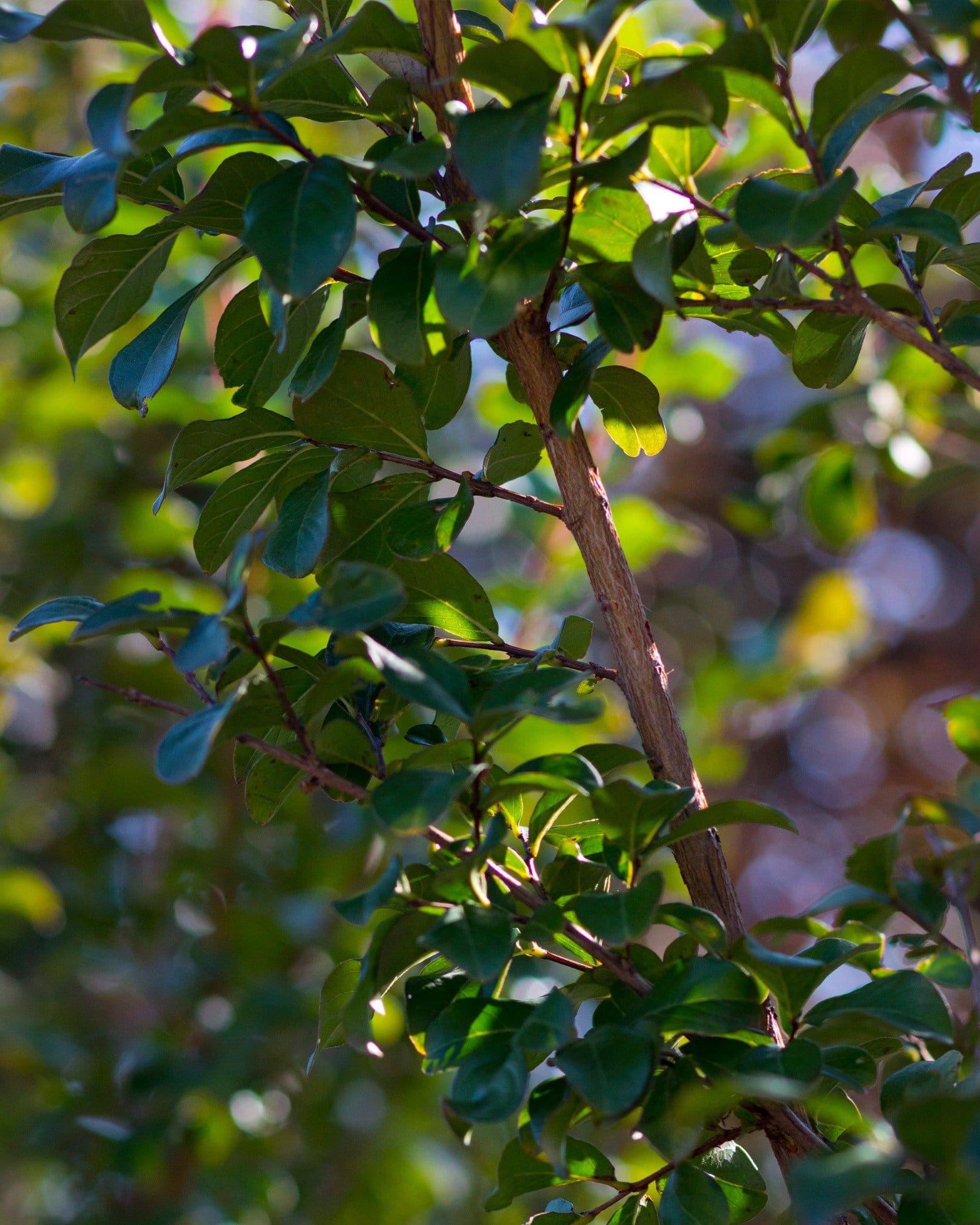
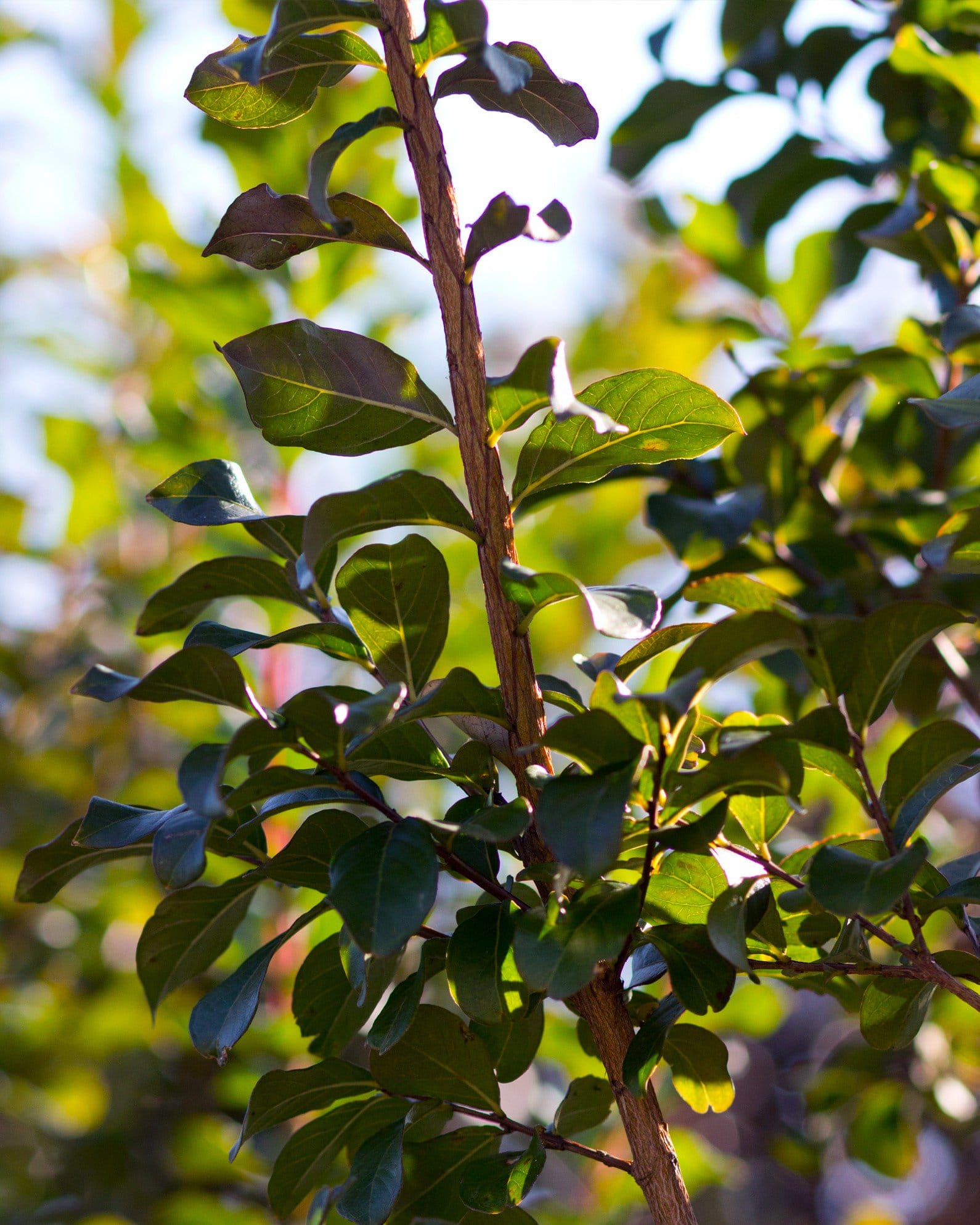
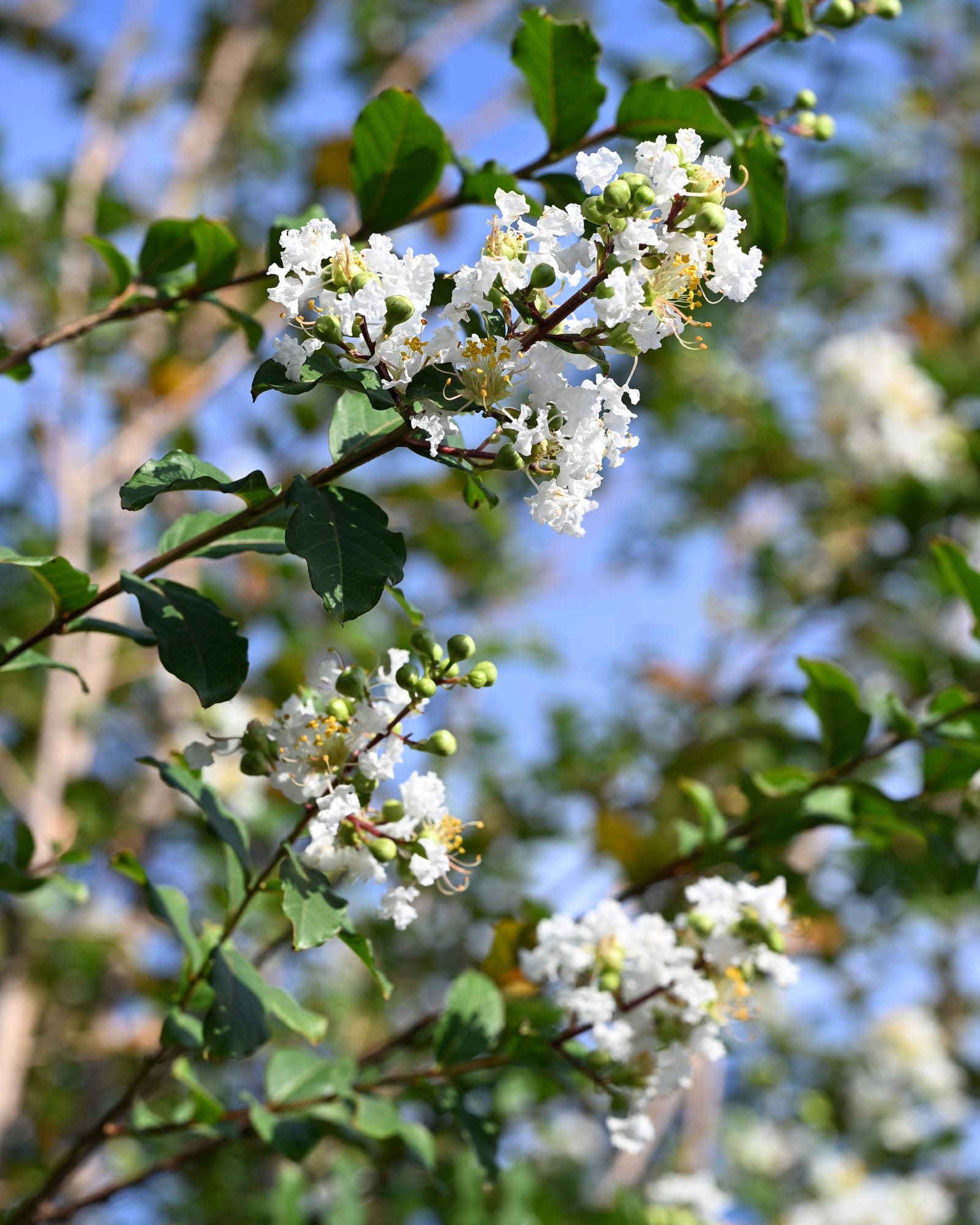
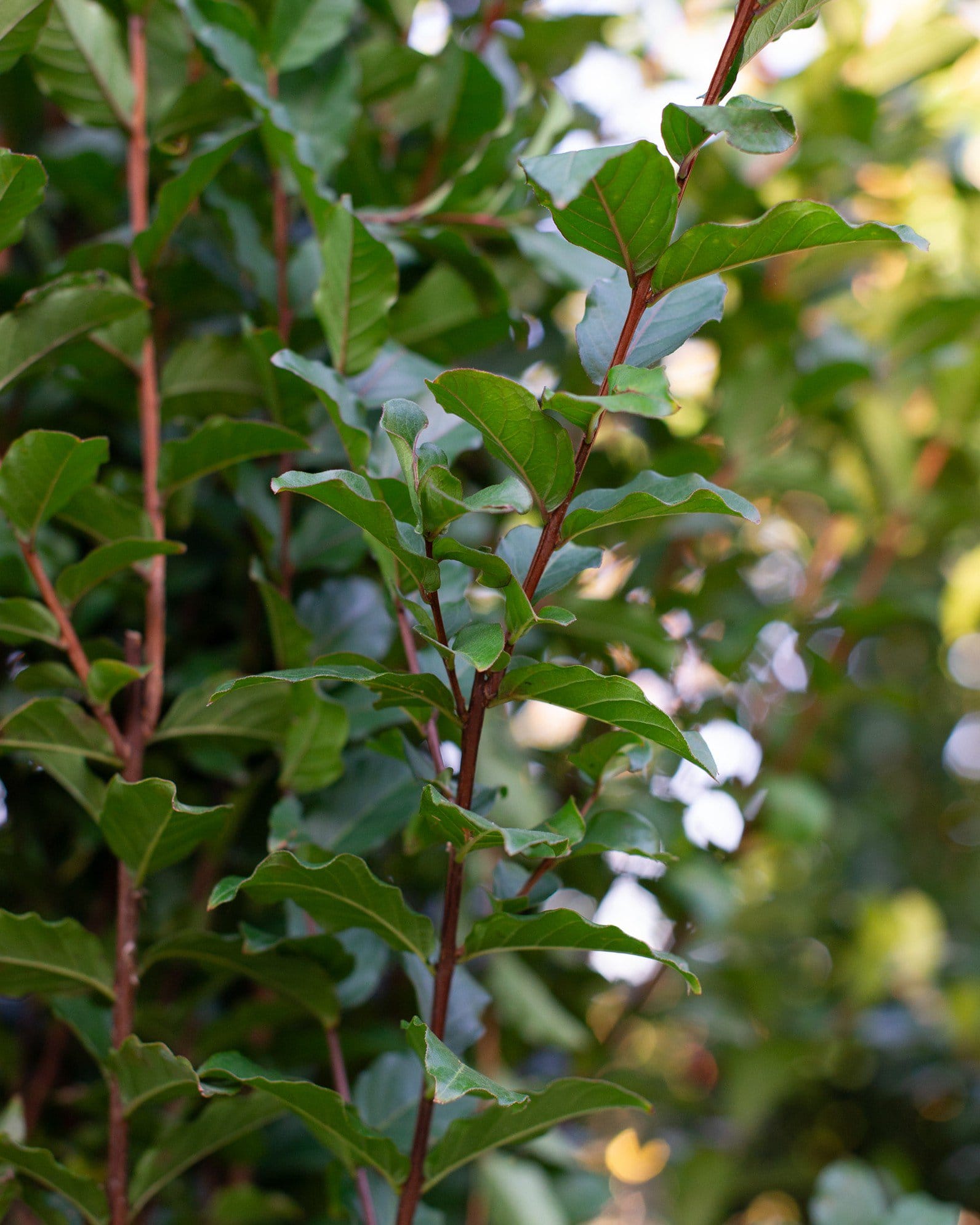
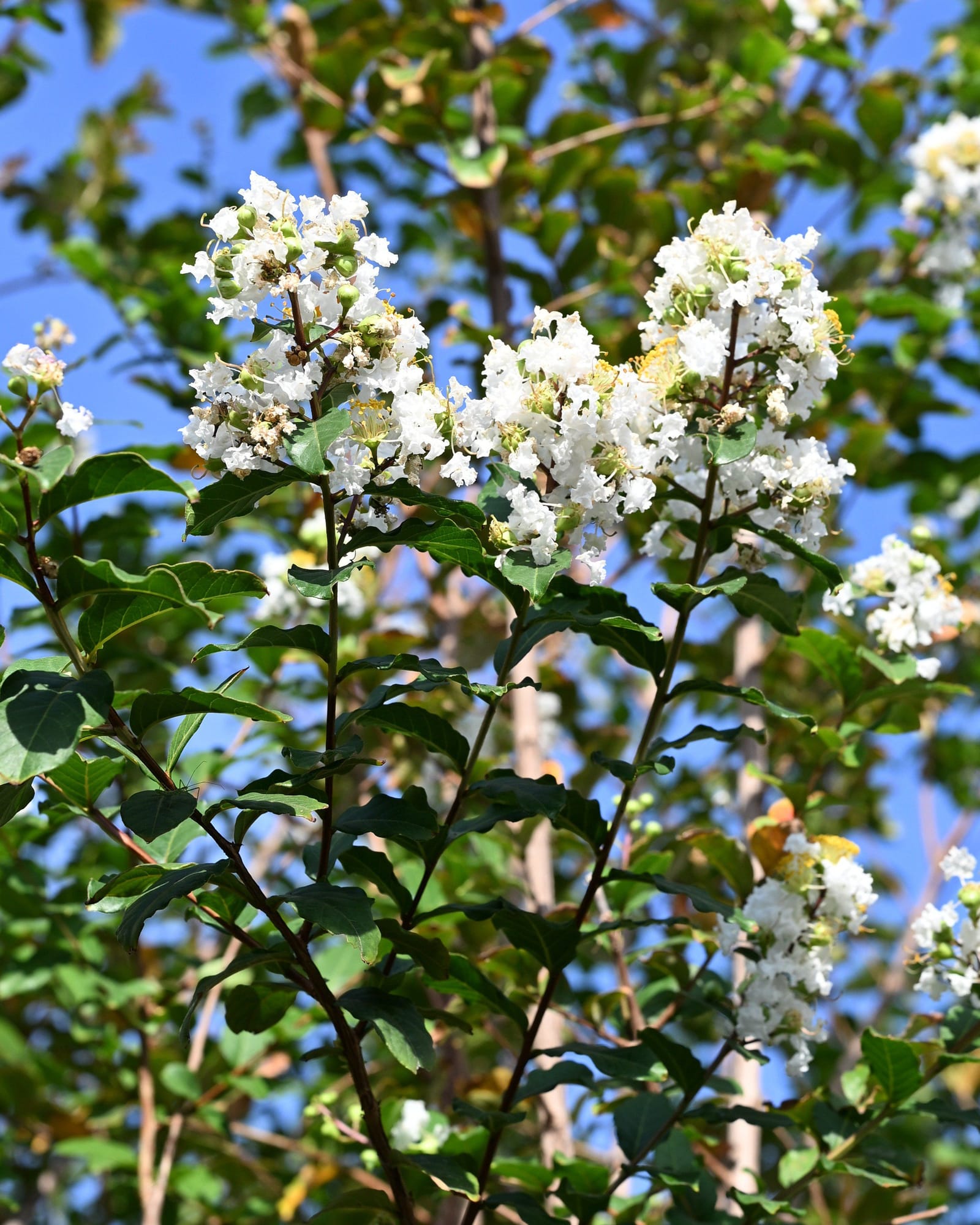
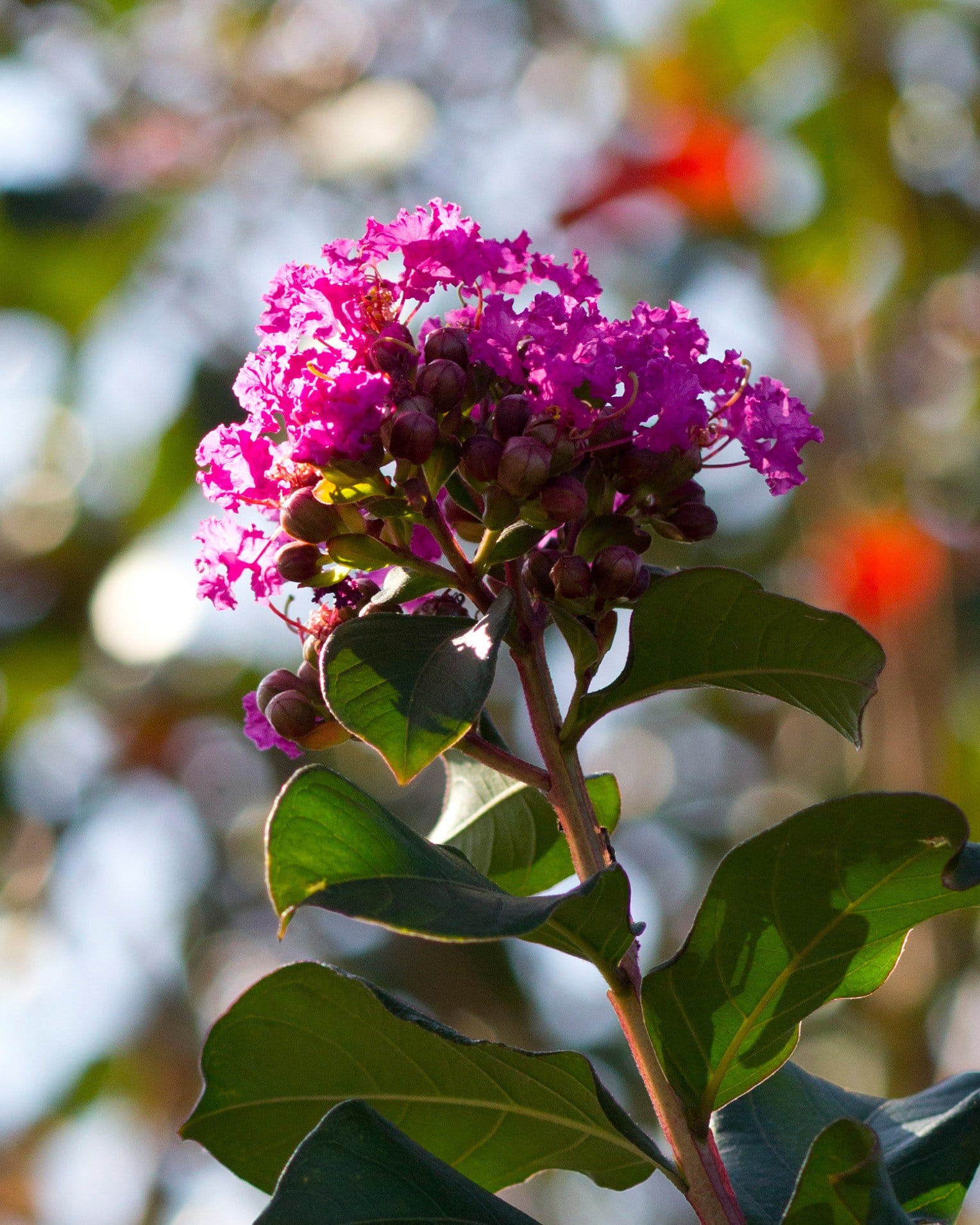
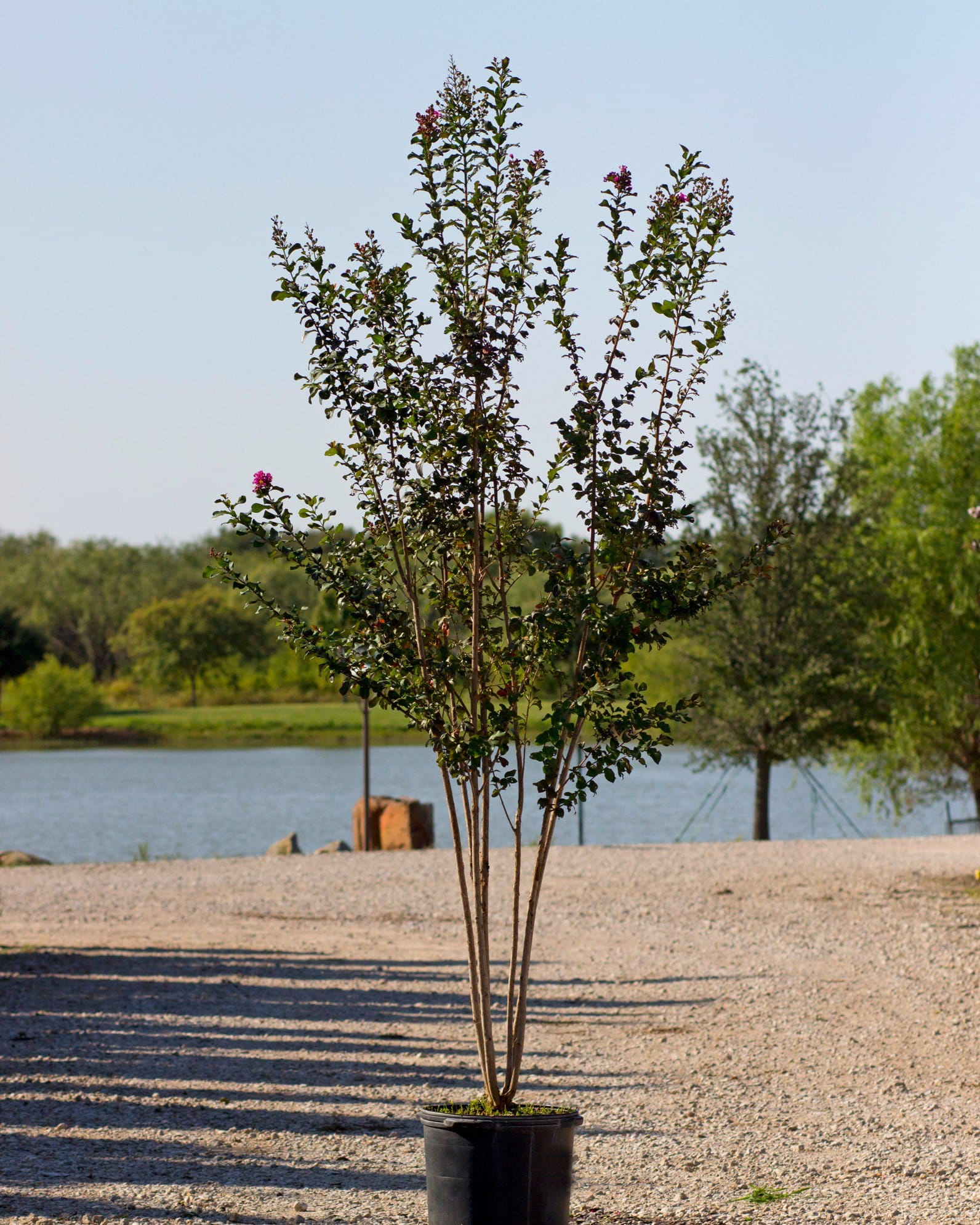
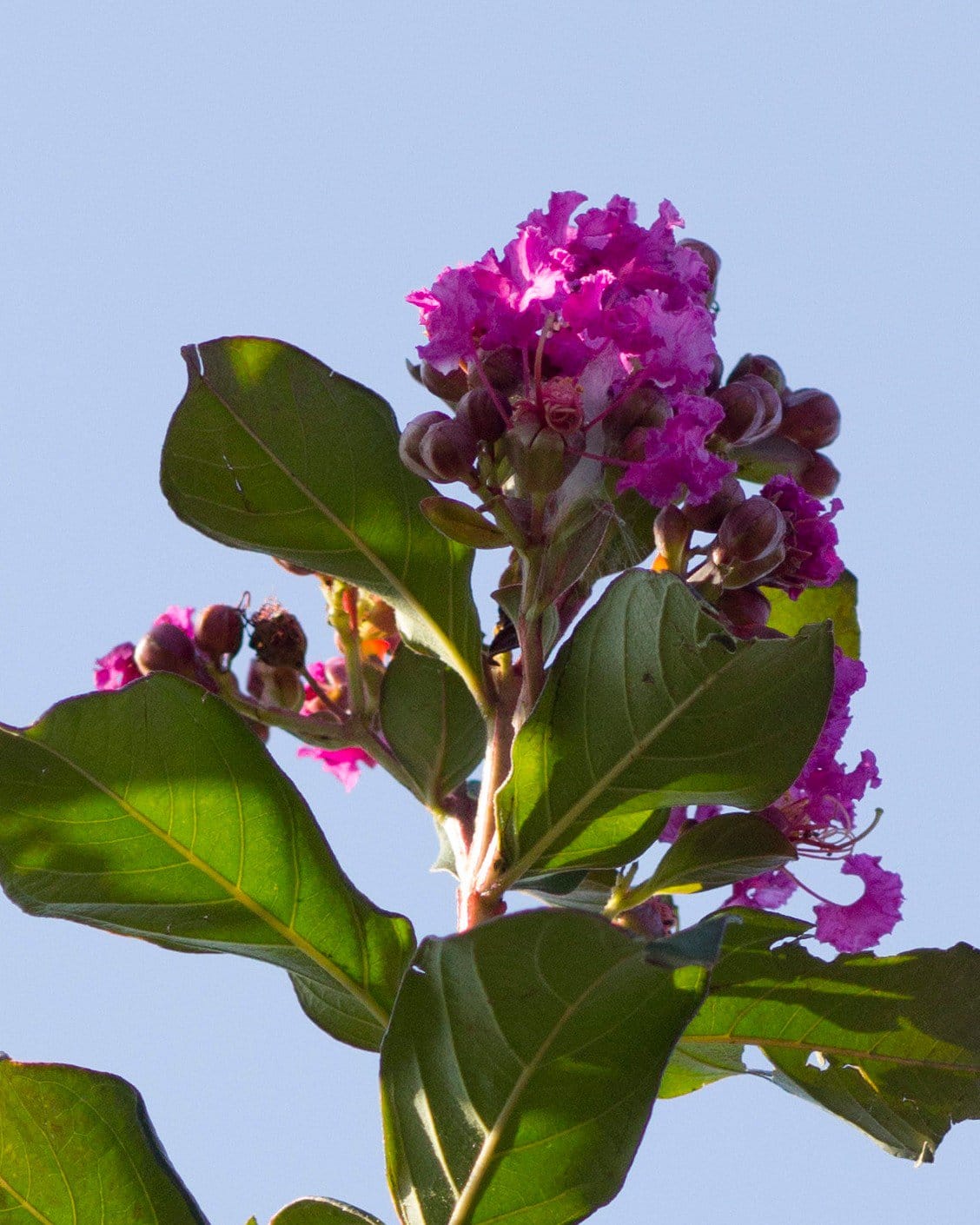
Lagerstroemia x 'JM1'Scarlet Crape Myrtle offers stunning scarlet-red blooms that cover the tree all throughout the summer, paired with rich green, glossy leaves. This variety grows upright with a vase-shaped canopy, reaching 20 feet tall and about 12 feet wide. It makes a striking specimen or street tree. Pollinators love it, making your outdoor space lively and vibrant.
- Deciduous tree
- Moderate to fast growth rate with vase-shaped growth habit
- Brilliant scarlet-red flowers midsummer to fall
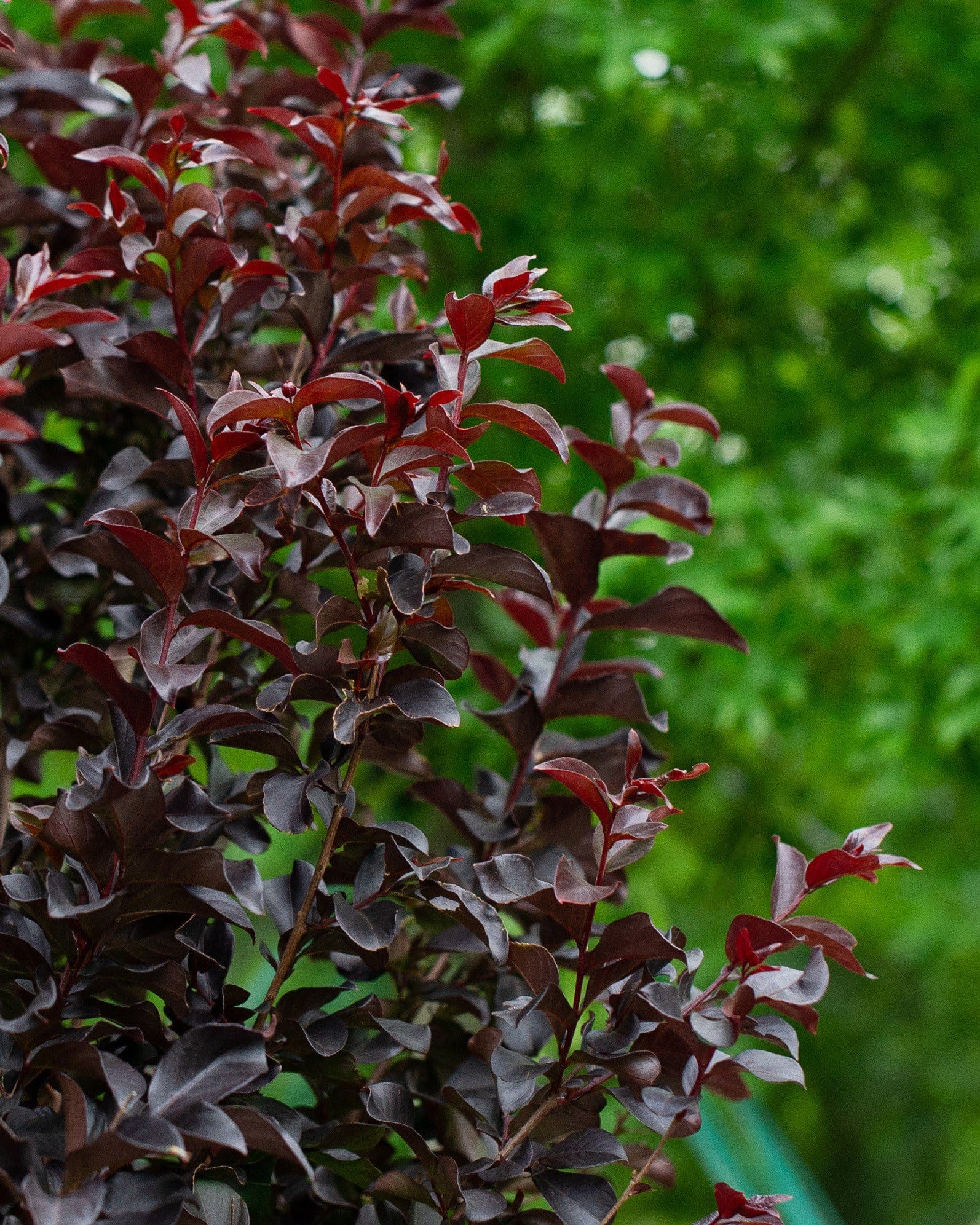
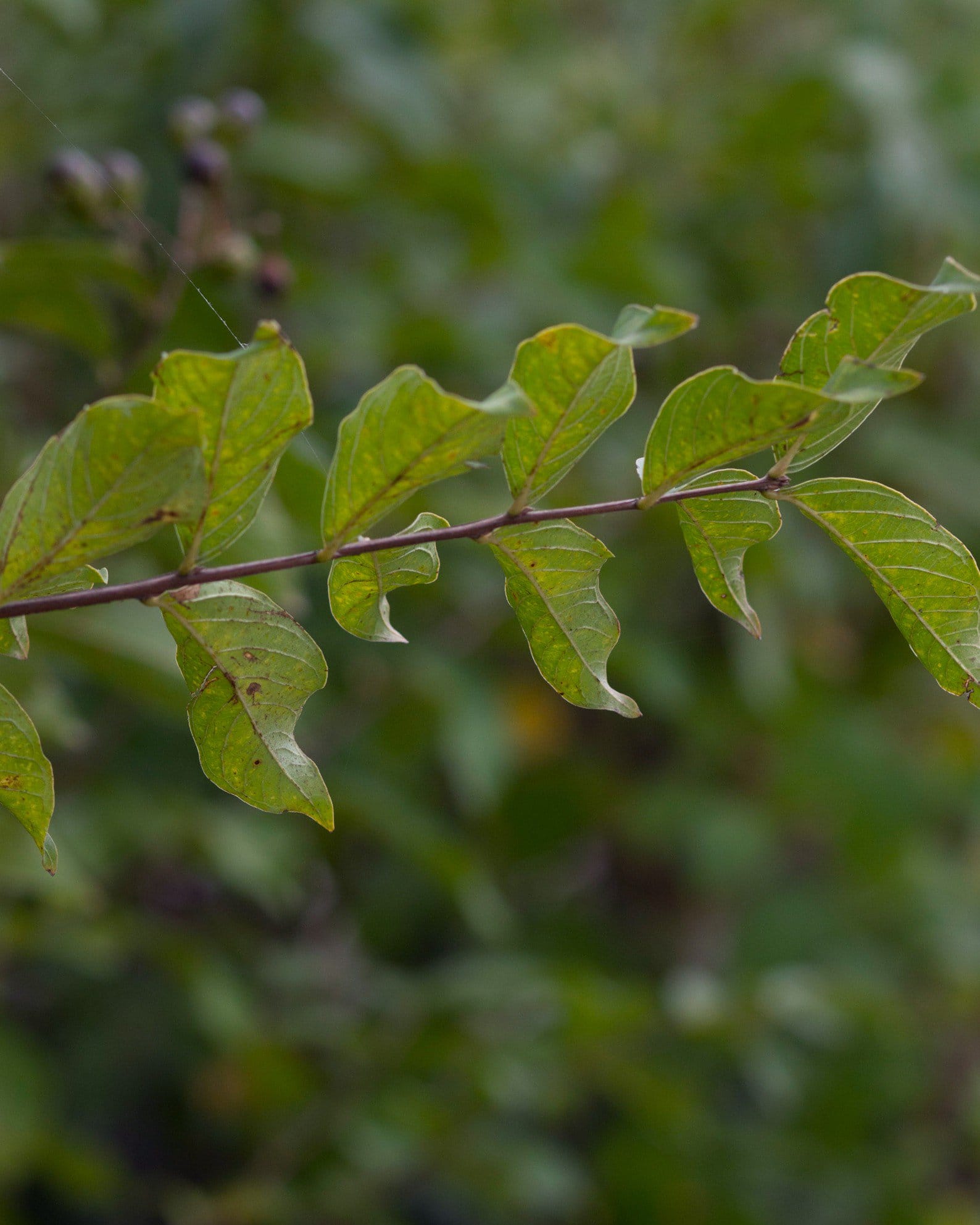
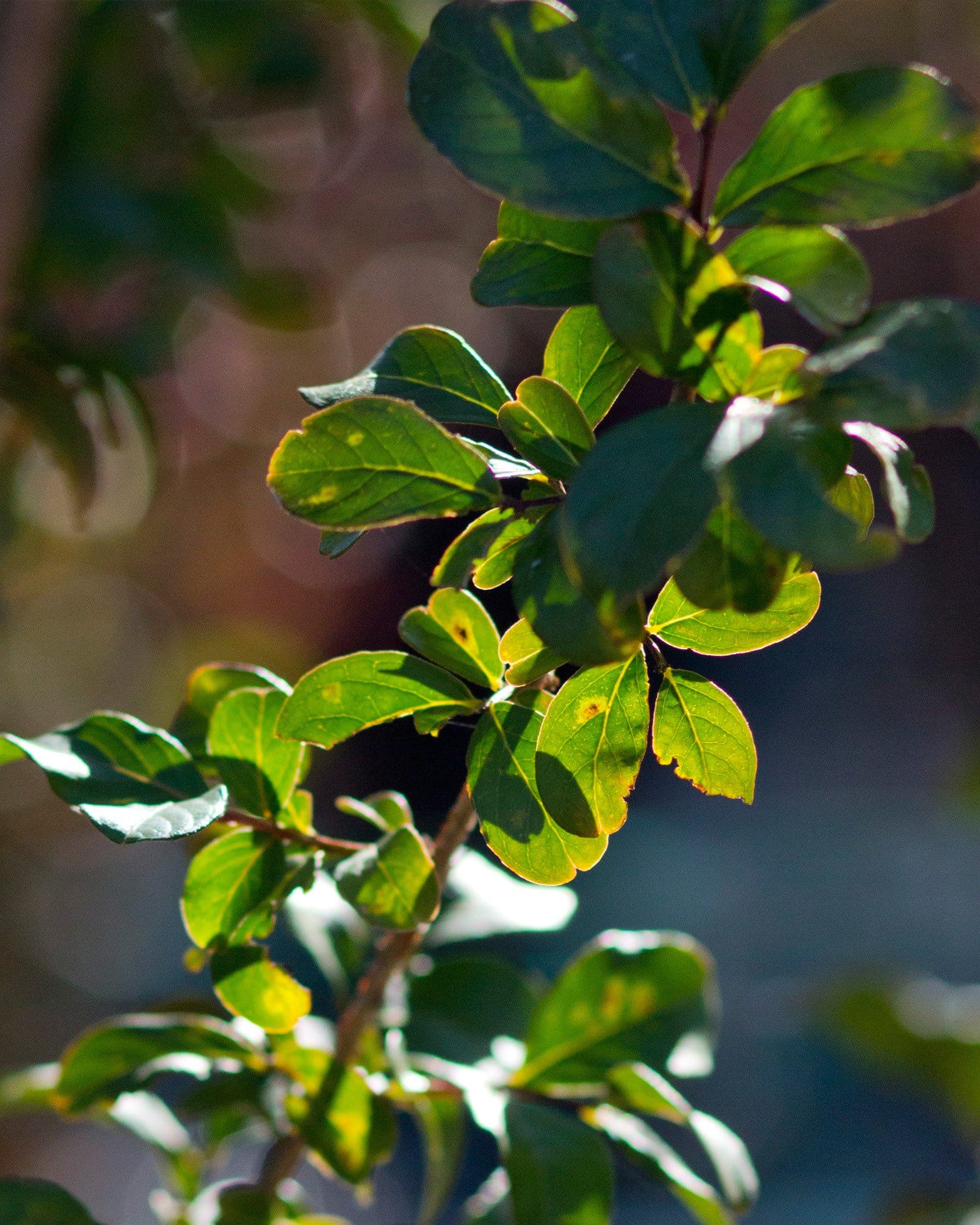
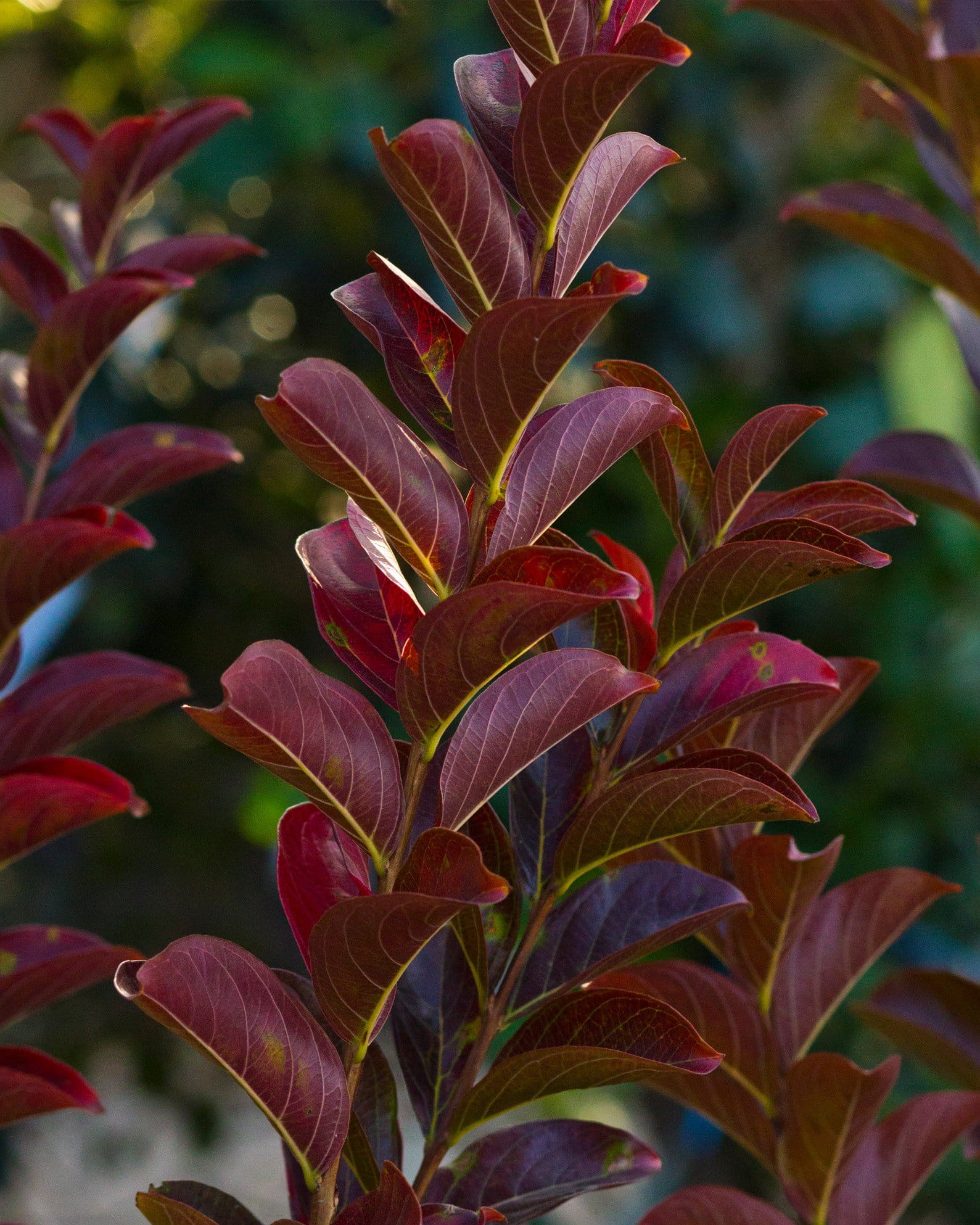
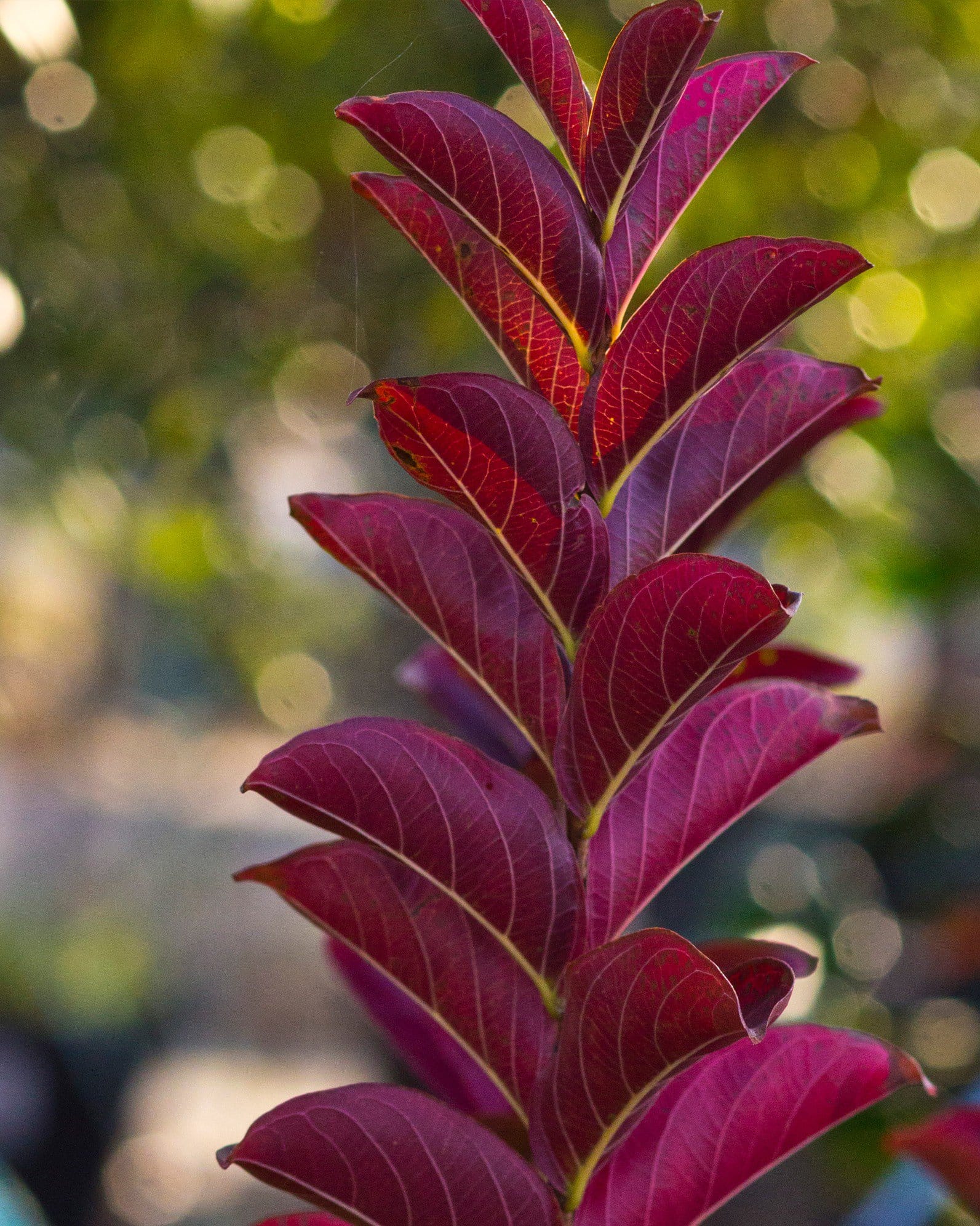
- Glossy green foliage
- Attracts pollinators
This tree thrives in full sun and well-drained soils, with good heat and drought tolerance. Hardy in USDA zones 6 through 9, Scarlet Crape Myrtle Tree Form benefits from occasional trimming to maintain its elegant shape and encourage continuous blooming throughout the growing season.
Maintenance
Once established, Scarlet Crape Myrtle Tree Form thrives with little care. Here’s everything you need to do to help it grow beautifully:
- Watering: Water deeply and regularly during the first growing season to help roots establish. Once mature, Scarlet Crape Myrtle is highly drought-tolerant and only needs occasional deep watering during extended dry periods.
- Pruning: Prune in late winter or very early spring before new growth begins. Remove crossing or inward-facing branches to maintain good structure and airflow. Avoid topping the tree - instead, lightly thin out older wood to preserve its natural form. After flowering, you may remove spent blooms to encourage a light rebloom.
- Fertilizing: Feed in early spring with a balanced, slow-release fertilizer to promote healthy foliage and prolific flowering. Avoid high-nitrogen blends that may produce excessive leaf growth with fewer blooms.
- Mulching: Apply a 2-3 inch layer of mulch around the base of the tree each spring to conserve moisture, regulate soil temperature, and suppress weeds. Keep mulch several inches away from the trunk to prevent rot. Refresh mulch annually to maintain a clean, finished appearance.
- Winter care: Scarlet Crape Myrtle Tree Form is hardy and dependable through winter. In cooler climates, apply a layer of mulch over the root zone before frost for insulation. Remove any winter dieback in early spring before new shoots appear.
Common Issues and How to Take Care of Them
Scarlet Crape Myrtle Tree Form is resilient and disease-resistant, but a few minor challenges can occur in less-than-ideal conditions:
- Powdery Mildew: Appears as a white film on leaves in humid or crowded areas. Improve airflow and apply a fungicide if needed early in the season.
- Aphids: Common on tender new growth, leaving behind sticky residue. Rinse with water or use insecticidal soap to keep populations low.
- Sooty Mold: A black coating that forms on leaves due to aphid residue. Eliminate aphids to prevent recurrence and wipe leaves clean if desired.
- Crape Myrtle Bark Scale: Appears as white, cottony patches on bark. Treat with horticultural oil in late winter or early spring before new growth emerges.
- Leaf Spot: Can occur in humid weather. Remove affected leaves and rake up fallen debris to reduce reinfection.
- Root Rot: Caused by poor drainage or waterlogged soil. Ensure proper drainage and avoid overwatering.
- Weak Flowering: Often the result of heavy pruning or excess nitrogen. Prune correctly in late winter and avoid over-fertilizing.
With good care, it can live 40-60 years or more. Its sturdy wood and strong root system make it a long-term investment for any landscape.
It grows at a moderate to fast rate, reaching its mature canopy in about 7-10 years. Once established, it maintains steady, balanced growth.
Yes - bees, butterflies, and other pollinators are drawn to its clusters of bright red blooms, adding movement and life to your landscape all summer long.
Yes, its foliage and bark are naturally unappealing to deer and rabbits, making it a dependable choice for areas with wildlife browsing pressure.
Yes, smaller grafted specimens can be grown in large decorative containers. Choose a deep, well-draining pot and prune annually to maintain shape.
Yes - one of its best features! As it matures, the bark exfoliates to reveal smooth layers of cinnamon and cream, adding winter interest even after the leaves fall.
Young trees may benefit from staking for the first year or two to encourage straight growth. Once established, it develops a strong, self-supporting trunk structure.
Yes. Remove one or two older trunks at ground level in late winter to encourage new, vigorous shoots and refresh the canopy.
Absolutely. Its tidy form, drought tolerance, and bold flower color make it perfect for driveways, medians, courtyards, and large public plantings.
Its upright tree structure, intense scarlet-red blooms, and smooth exfoliating bark combine to create a plant that offers both elegance and impact - equally stunning as a specimen or in group plantings.
Special Features
You might also like
Scarlet Crape Myrtle
Maturity: 20' H x 12' W
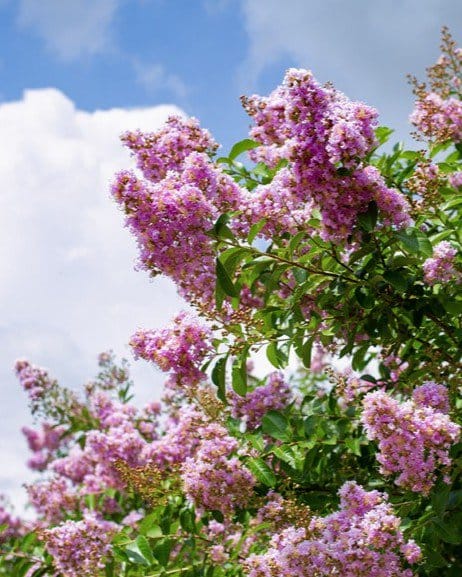
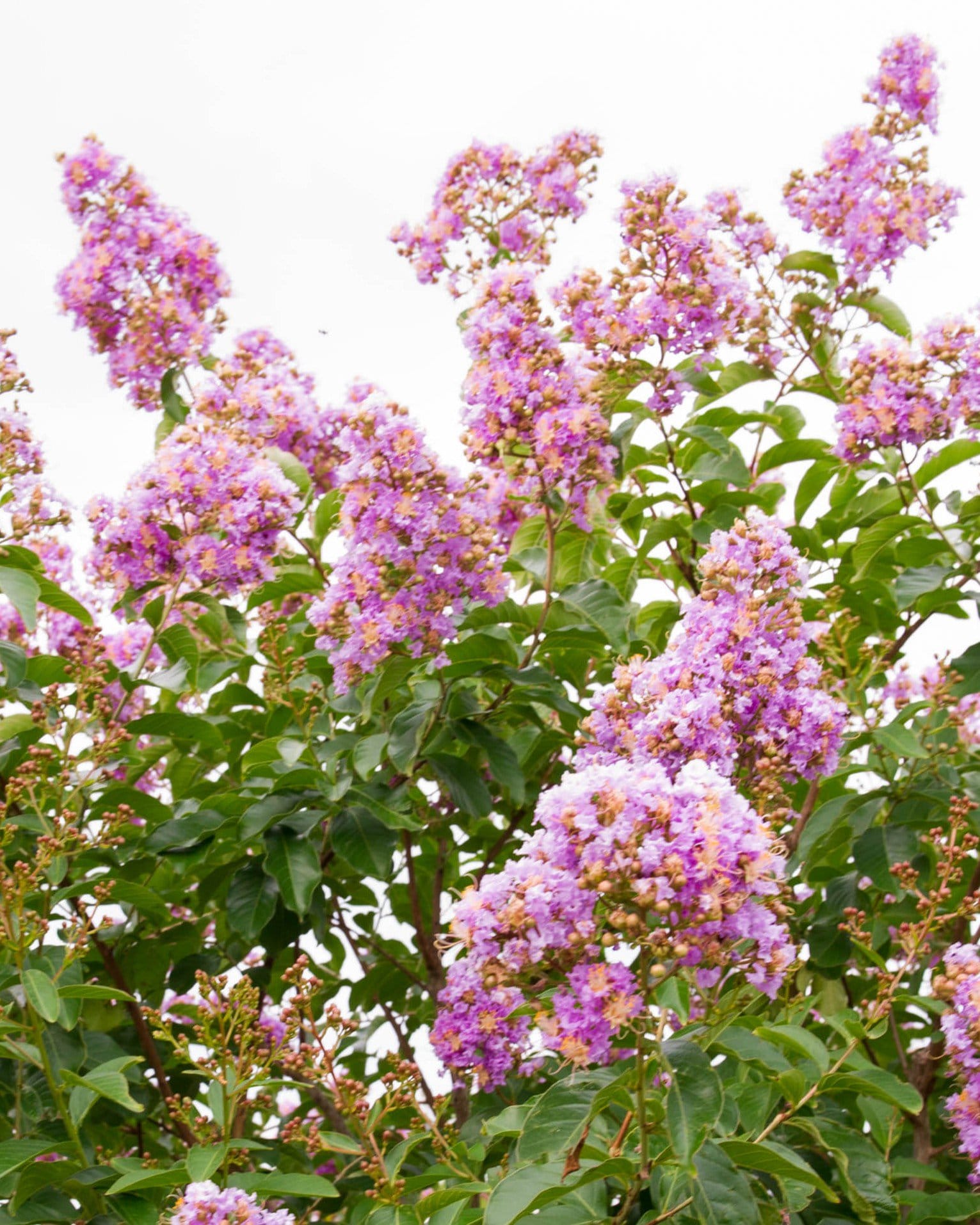
Muskogee Crape Myrtle
Maturity: 25' H x 20' W
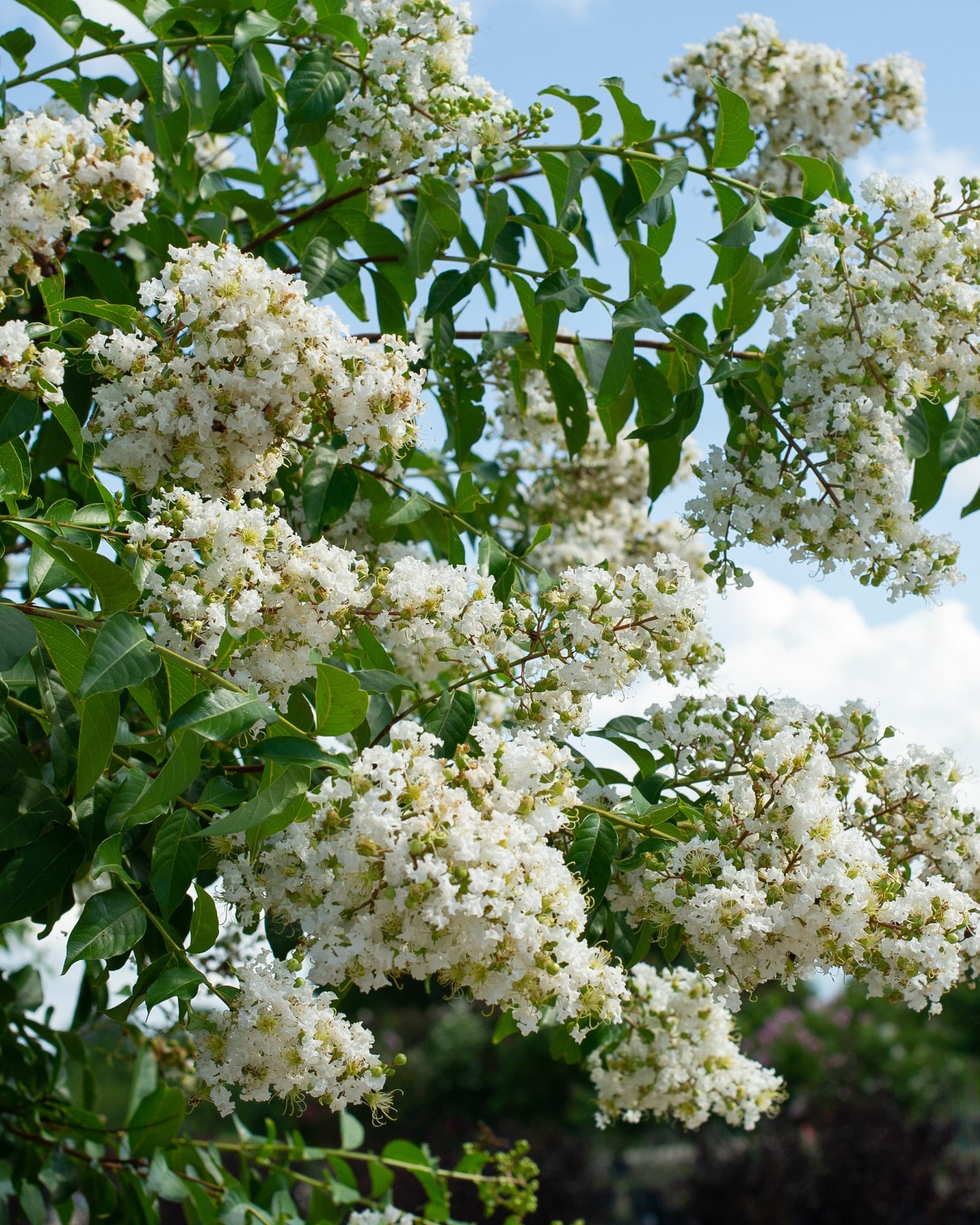
Natchez Crape Myrtle Single Trunk
Maturity: 25' H x 20' W
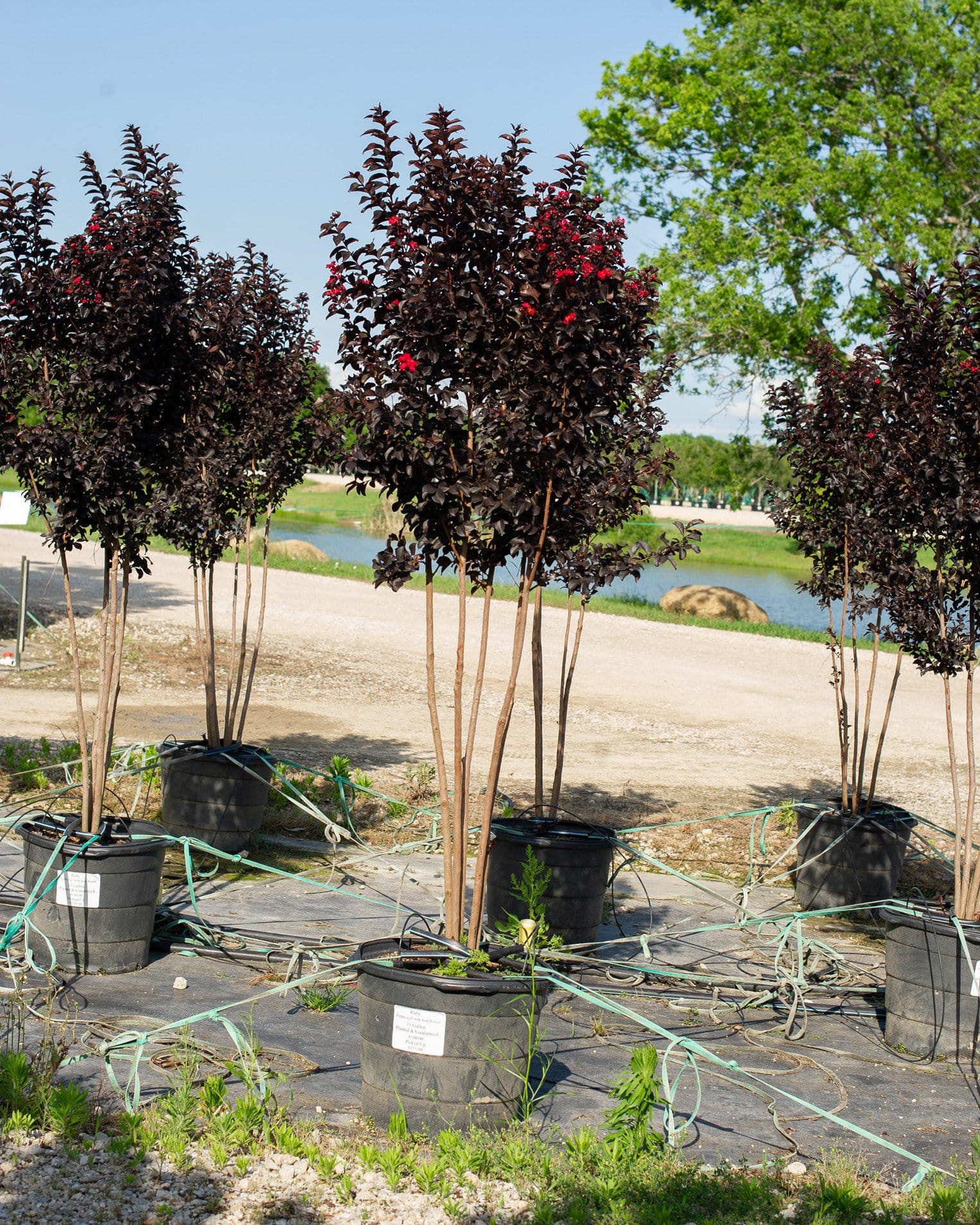
Ruby Crape Myrtle
Maturity: 20' H x 12' W
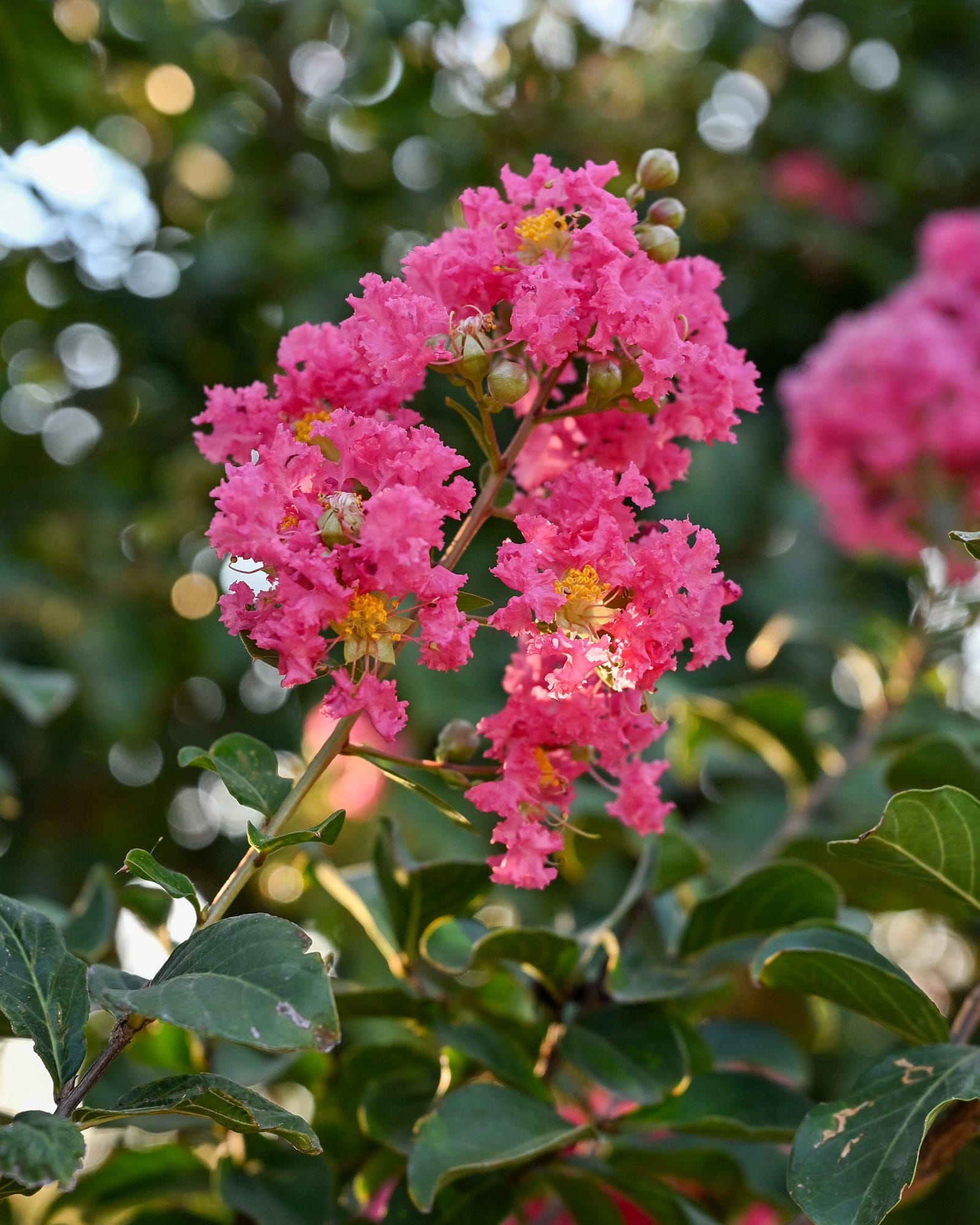
Tuscarora Crape Myrtle
Maturity: 25' H x 20' W
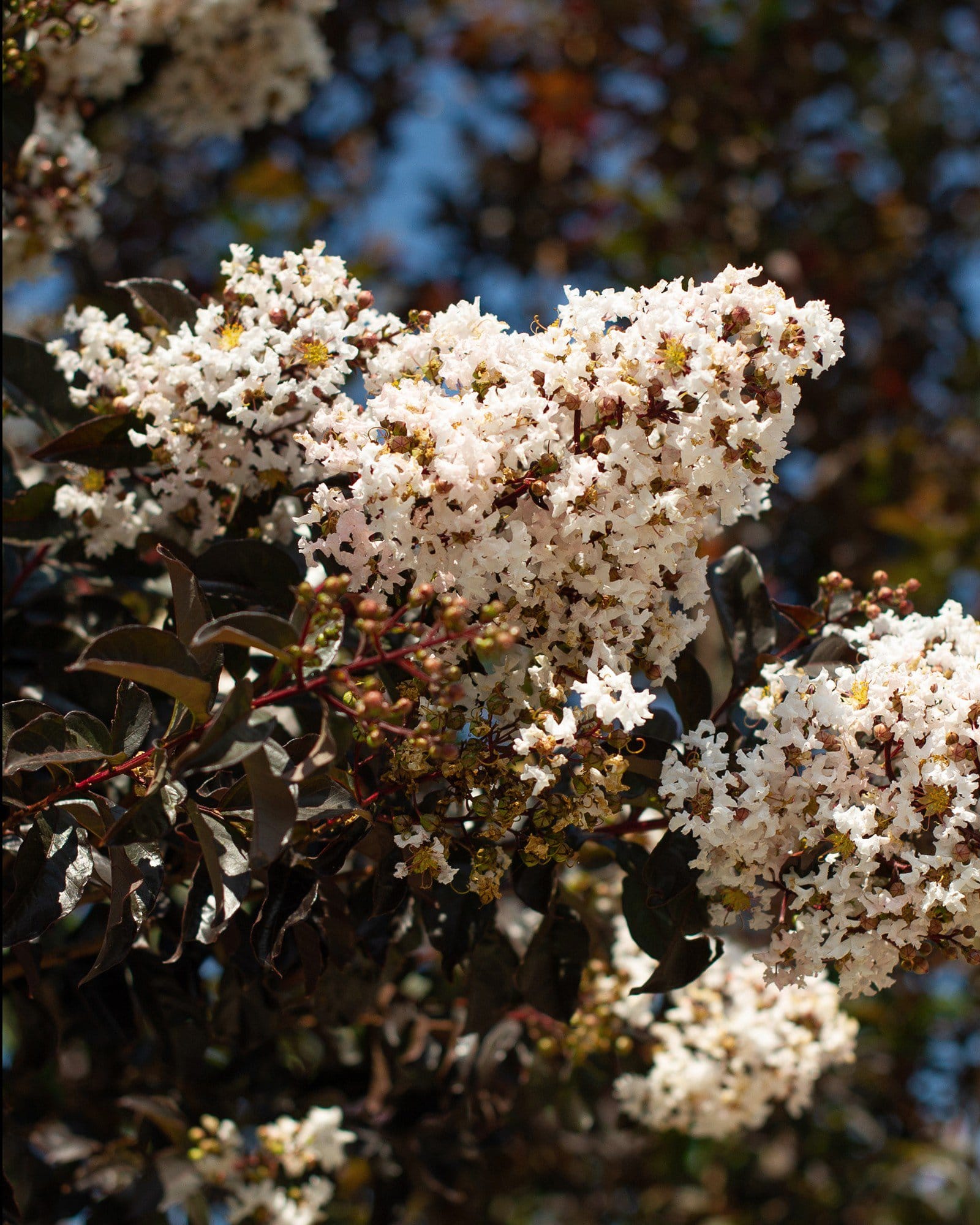
White Lightning Crape Myrtle
Maturity: 20' H x 12' W
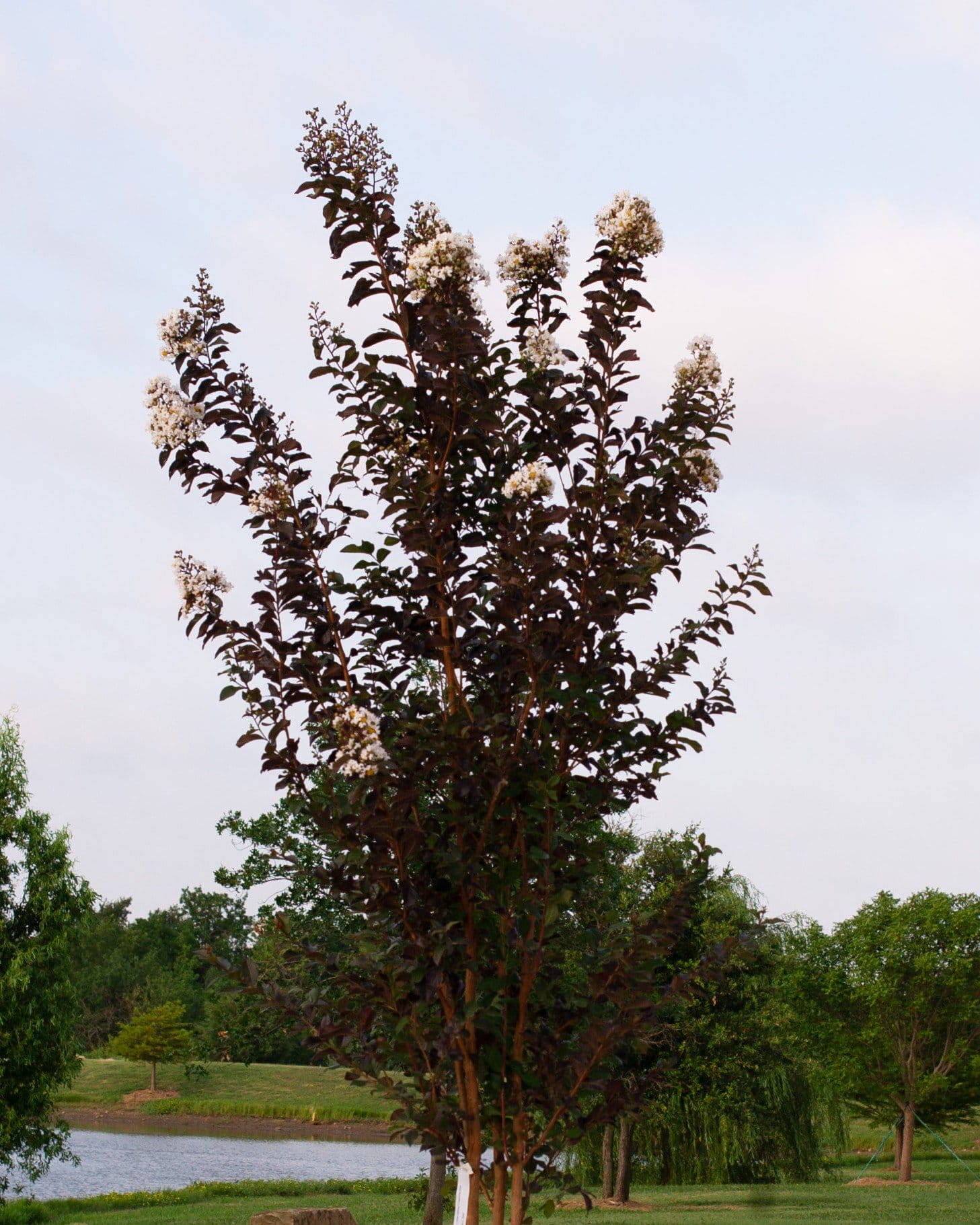
Ruffled Red Magic Crape Myrtle
Maturity: 9' H x 7' W
Acoma Crape Myrtle
Maturity: 7' H x 6' W
Autauga Crape Myrtle
Maturity: 20' H x 12' W
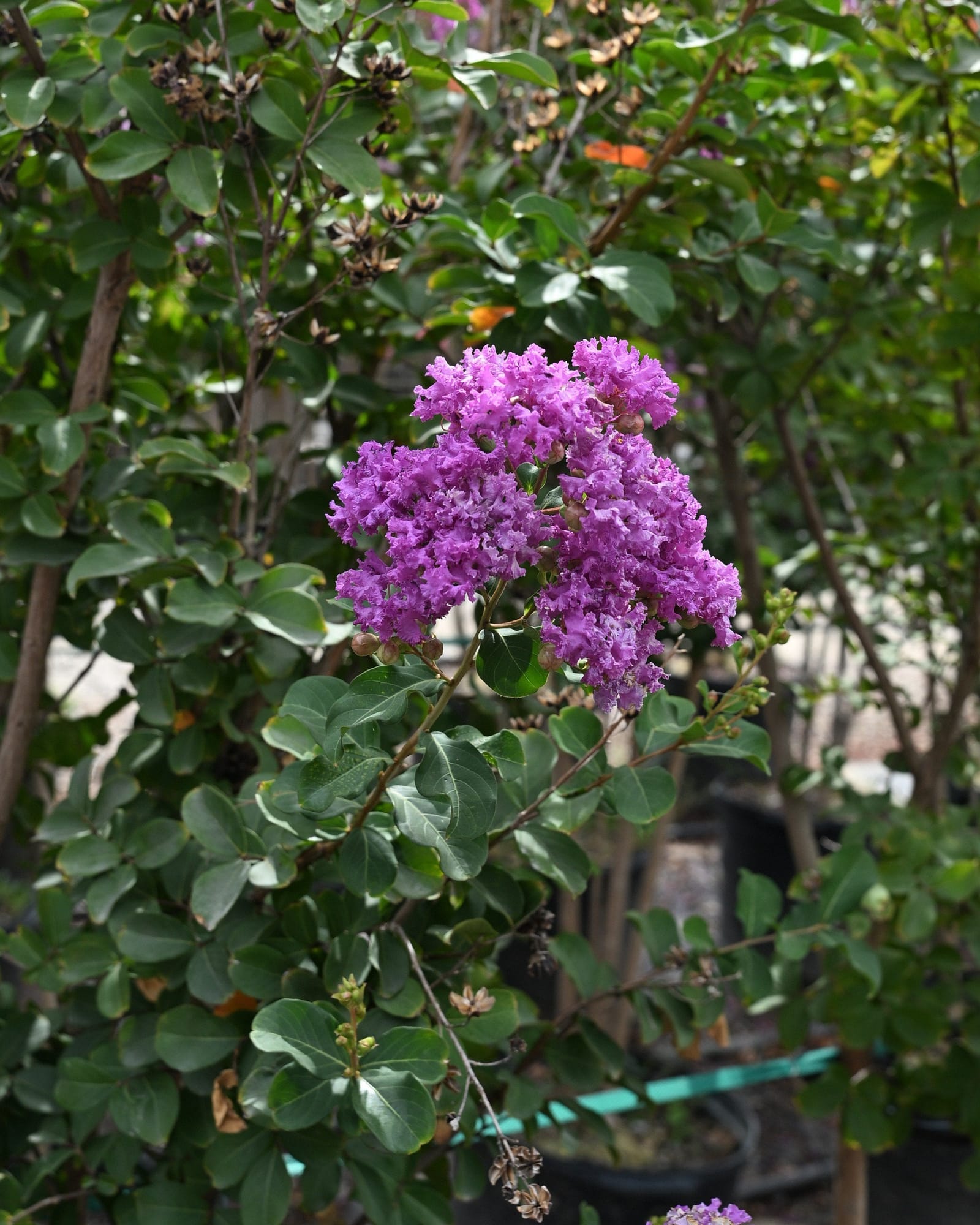
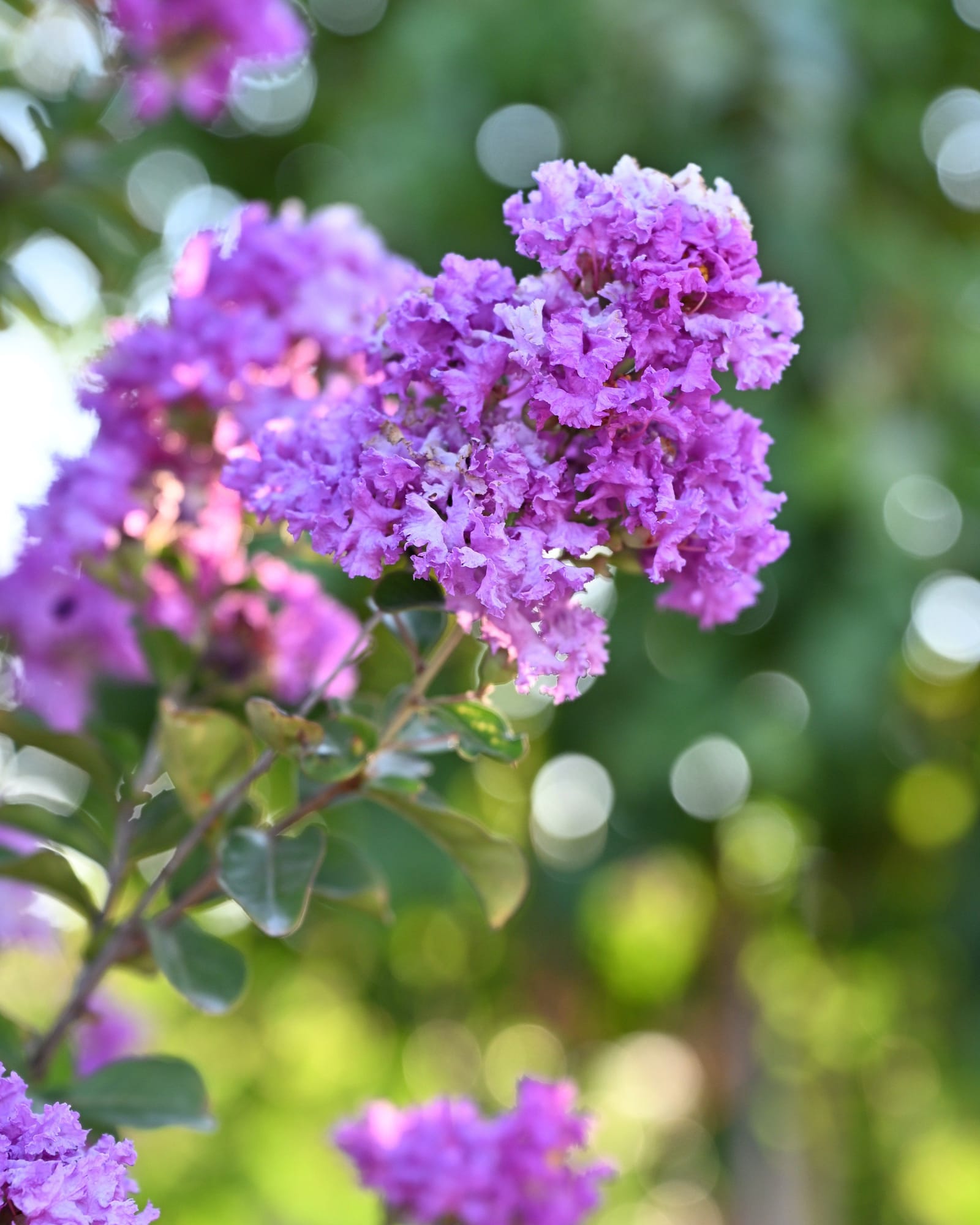
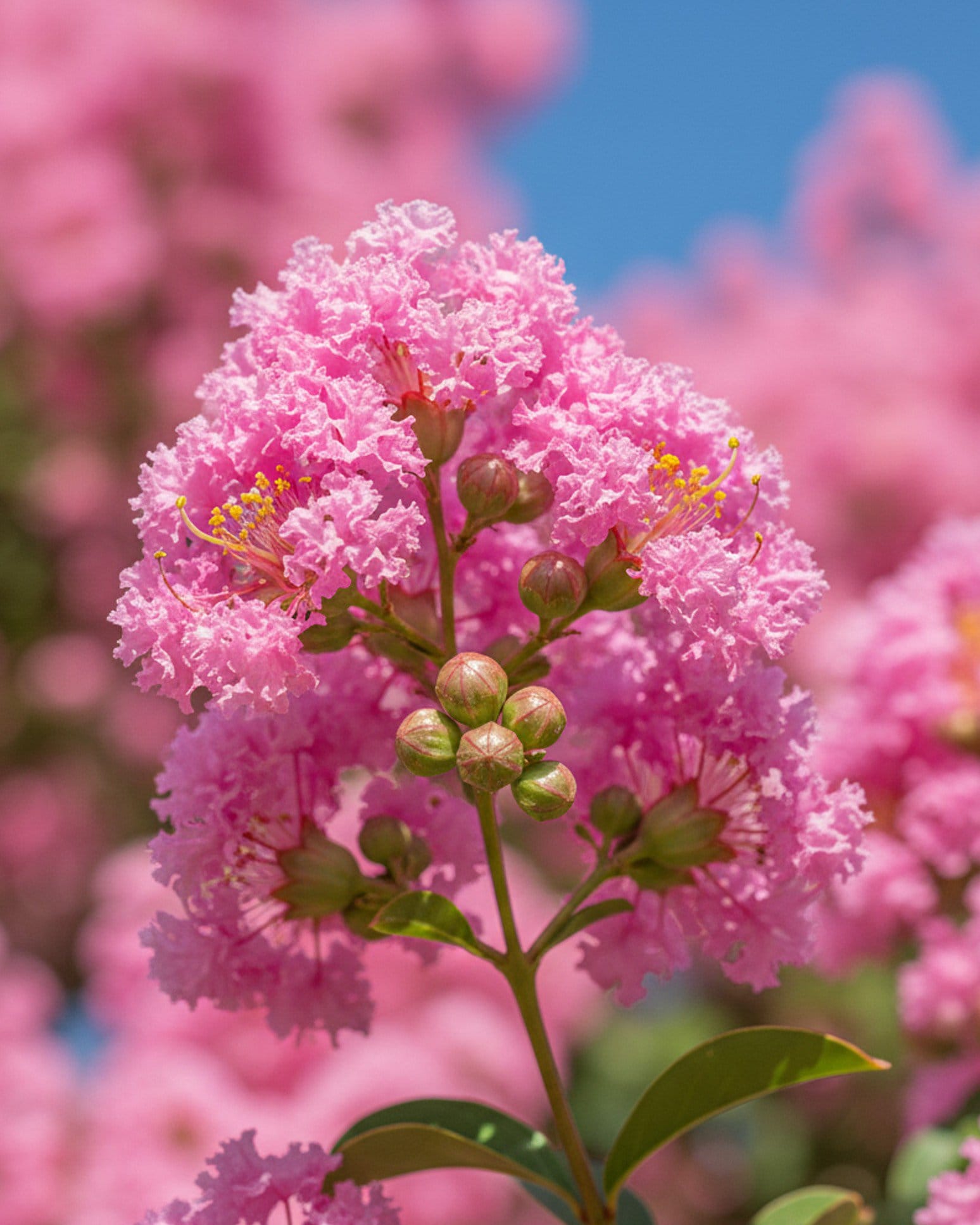
Basham's Party Pink Crape Myrtle
Maturity: 20' H x 15' W
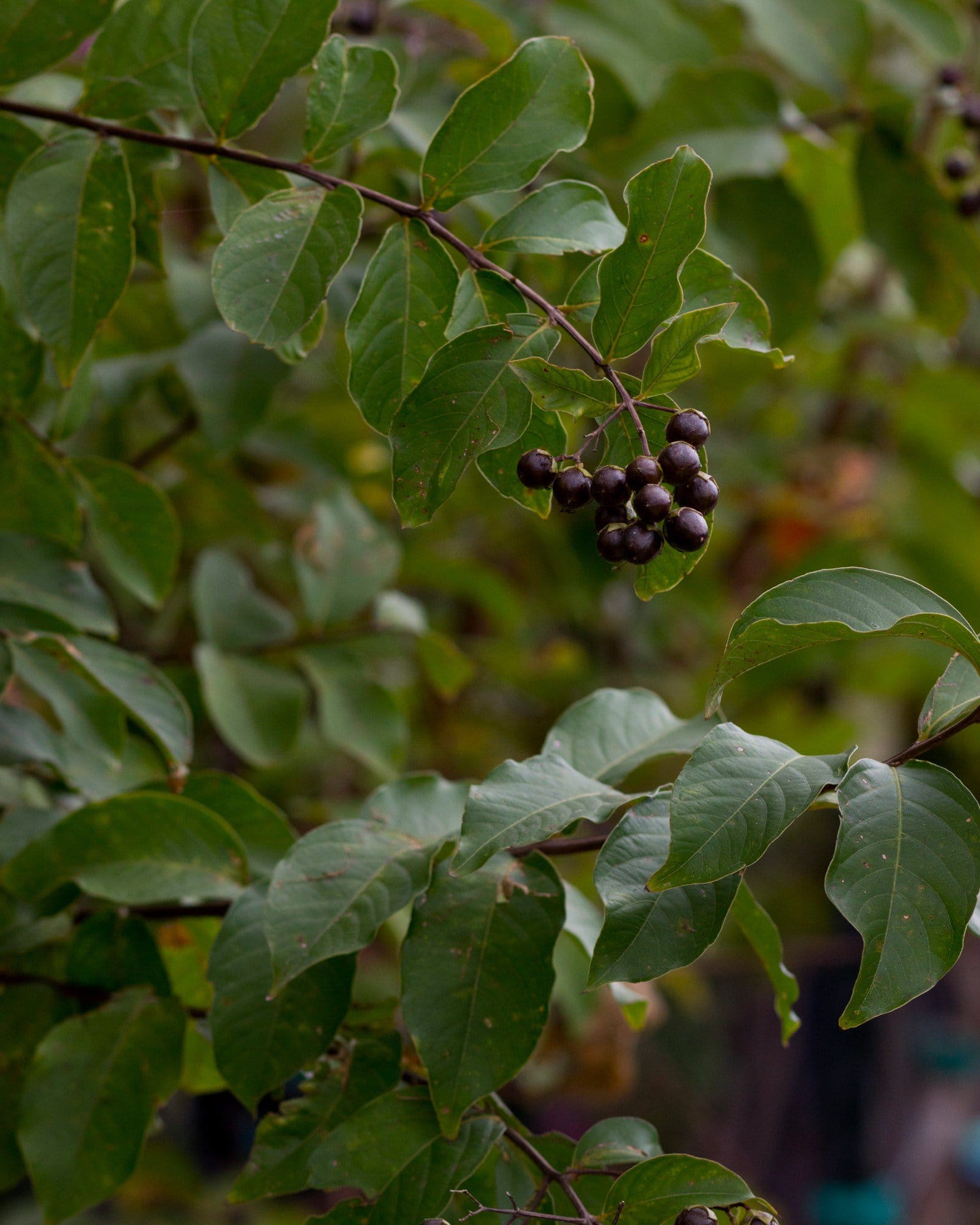
Biloxi Crape Myrtle
Maturity: 20' H x 15' W
Colorama Coral Crape Myrtle
Maturity: 20' H x 12' W
Colorama Ivory Crape Myrtle
Maturity: 20' H x 12' W
Colorama Pearl Crape Myrtle
Maturity: 20' H x 12' W
Colorama Purple Crape Myrtle
Maturity: 20' H x 12' W
Compare Similar Plants
Scarlet Crape Myrtle Single Trunk This plant | ||
|---|---|---|
| Scientific Name | Lagerstroemia x 'JM1' | Lagerstroemia × 'Muskogee' |
| Size at Maturity | 20' H x 12' W | 25' H x 20' W |
| Leaf Retention | Deciduous | Deciduous |
| Fall Color | Yellow | Yellow |
| Flower Color | Red | Purple |
| Bloom Times | Summer | Summer |
| Sizes Available | 15 gal | 15, 30, 45 gal |


Our 1-Year Planting Guarantee
We take pride in our plants and installation services. If any plants or trees installed by Treeland fail to thrive within the first year, we'll provide a replacement credit in accordance with our guarantee program.
Learn More About Our Guarantee