

 Popular
Scarlet Crape Myrtle
Lagerstroemia x 'JM1'Local DFW Delivery Only
Product Details
Scarlet Crape Myrtle
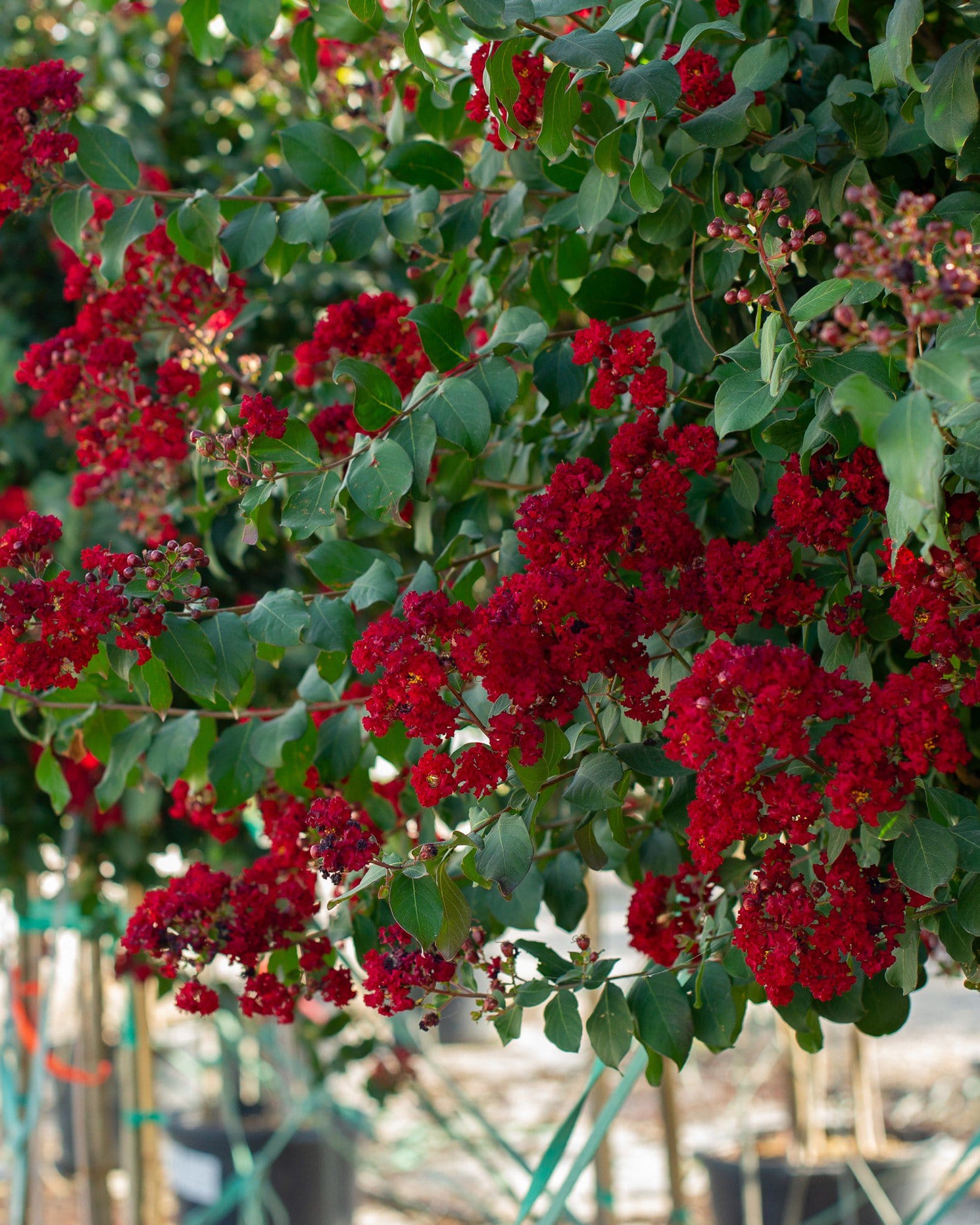
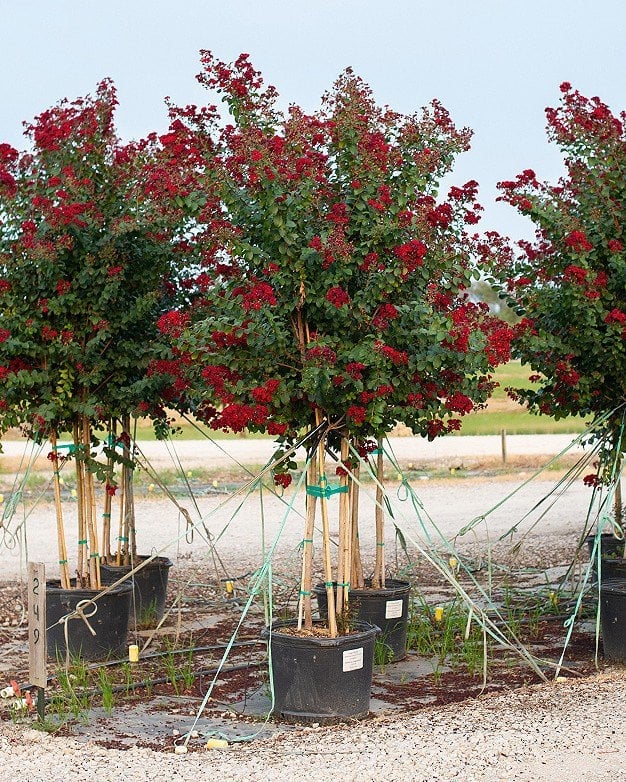
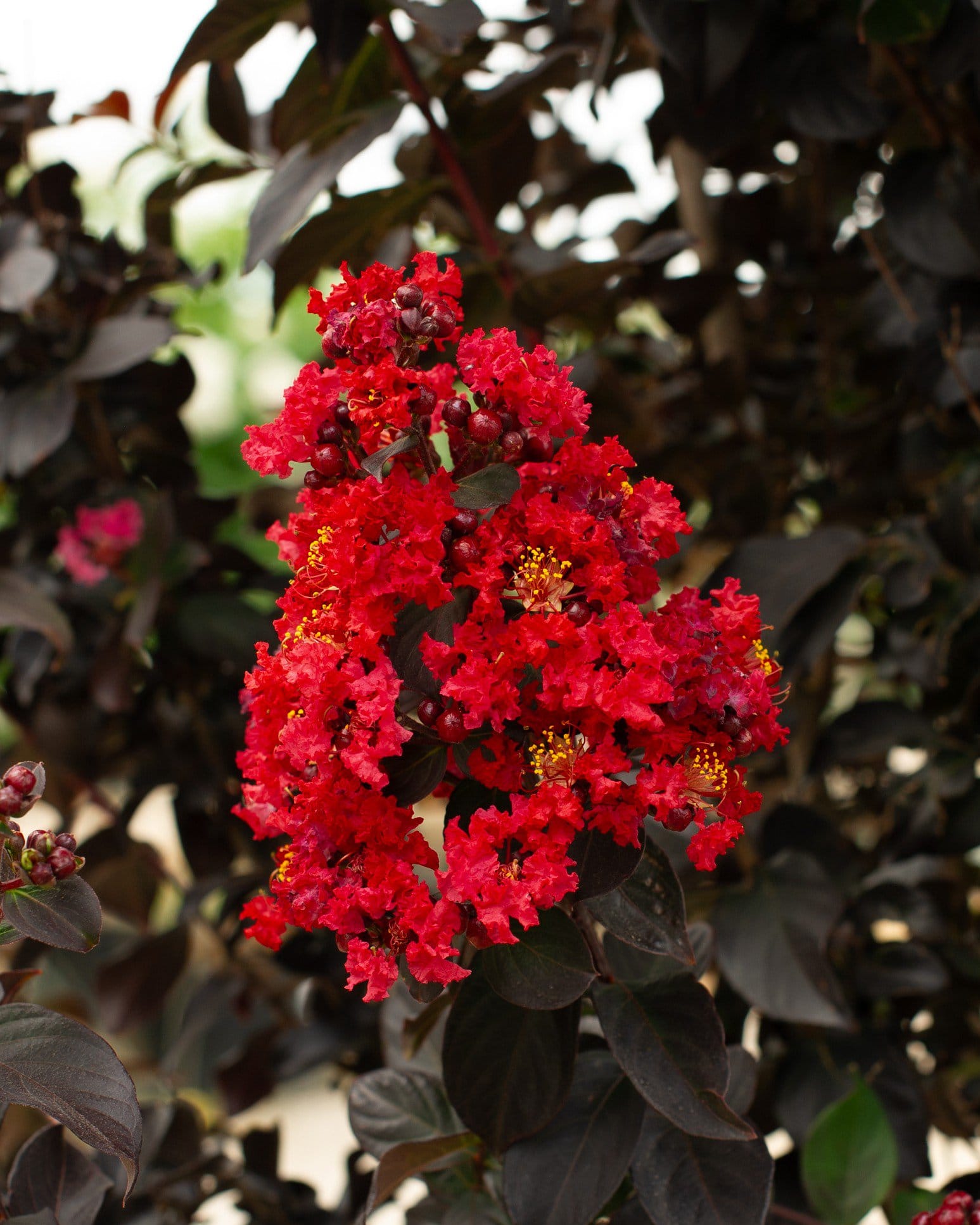
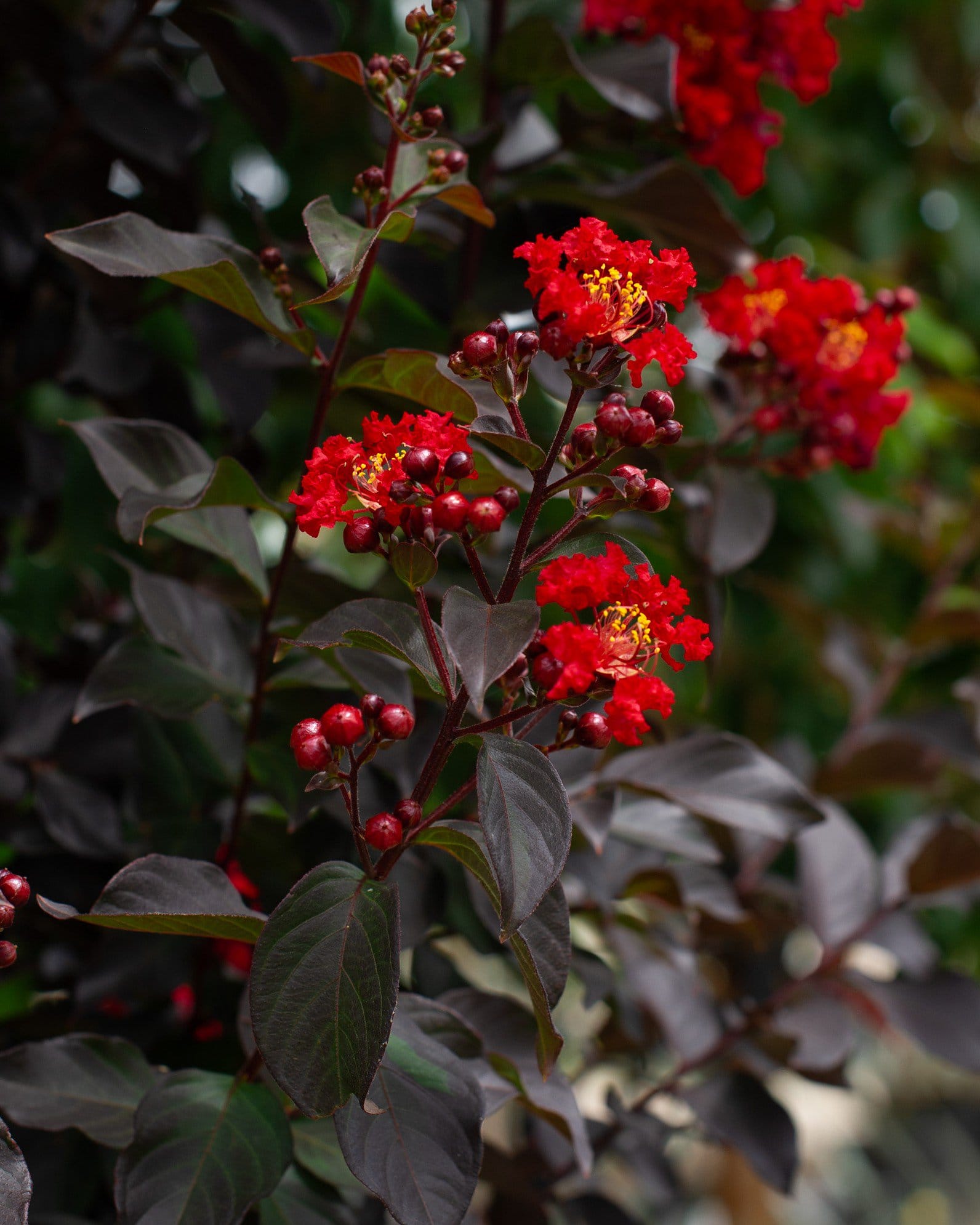
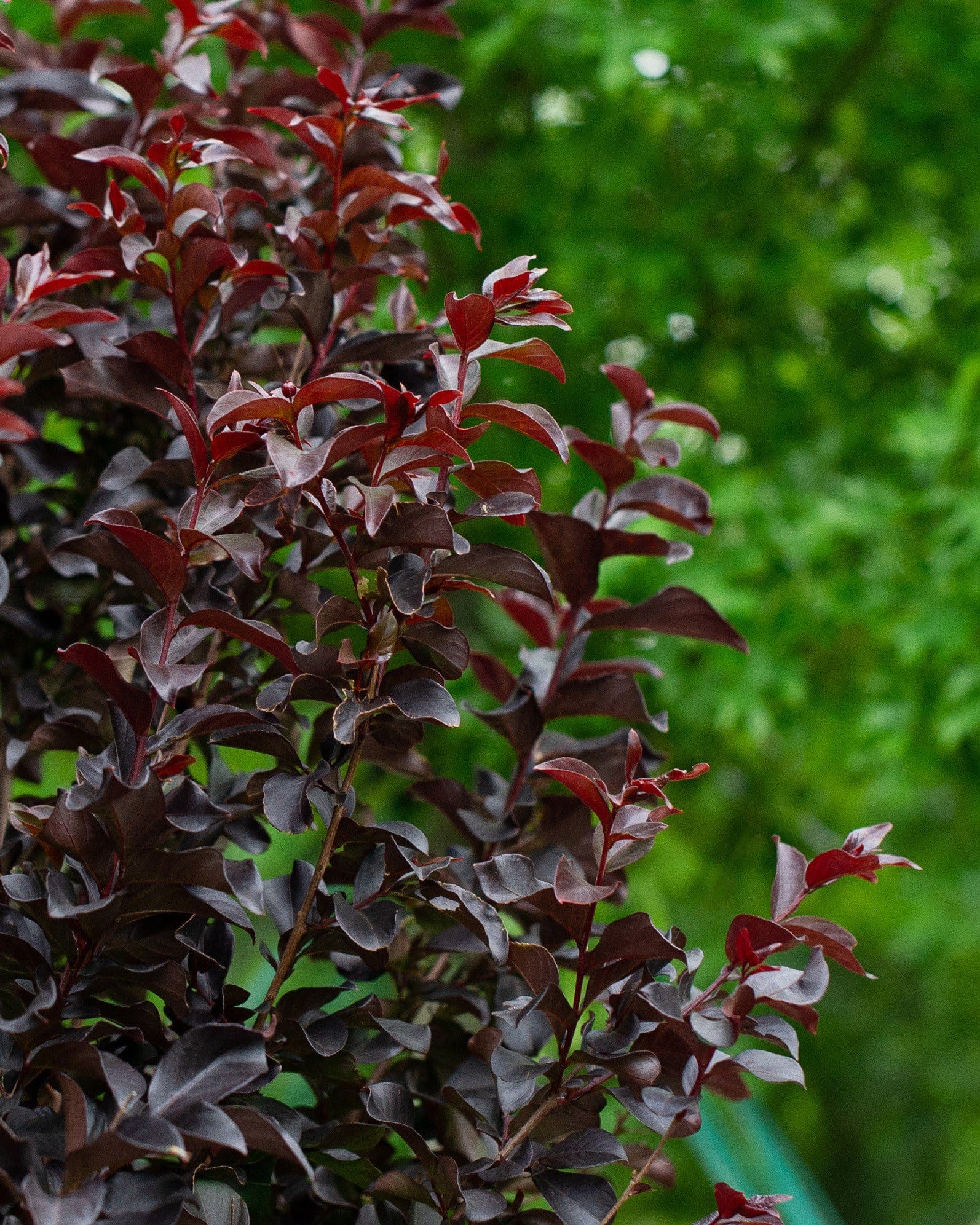
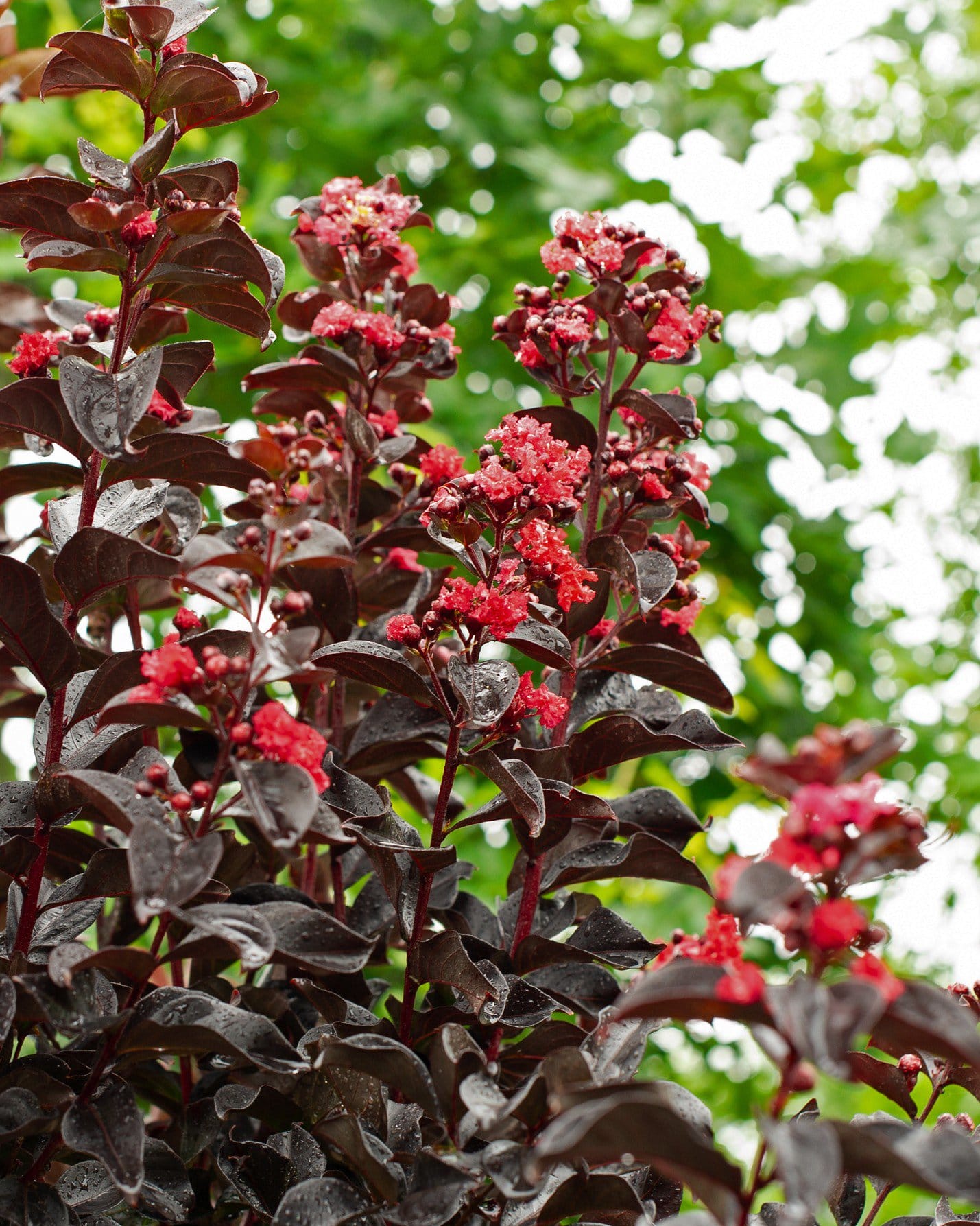
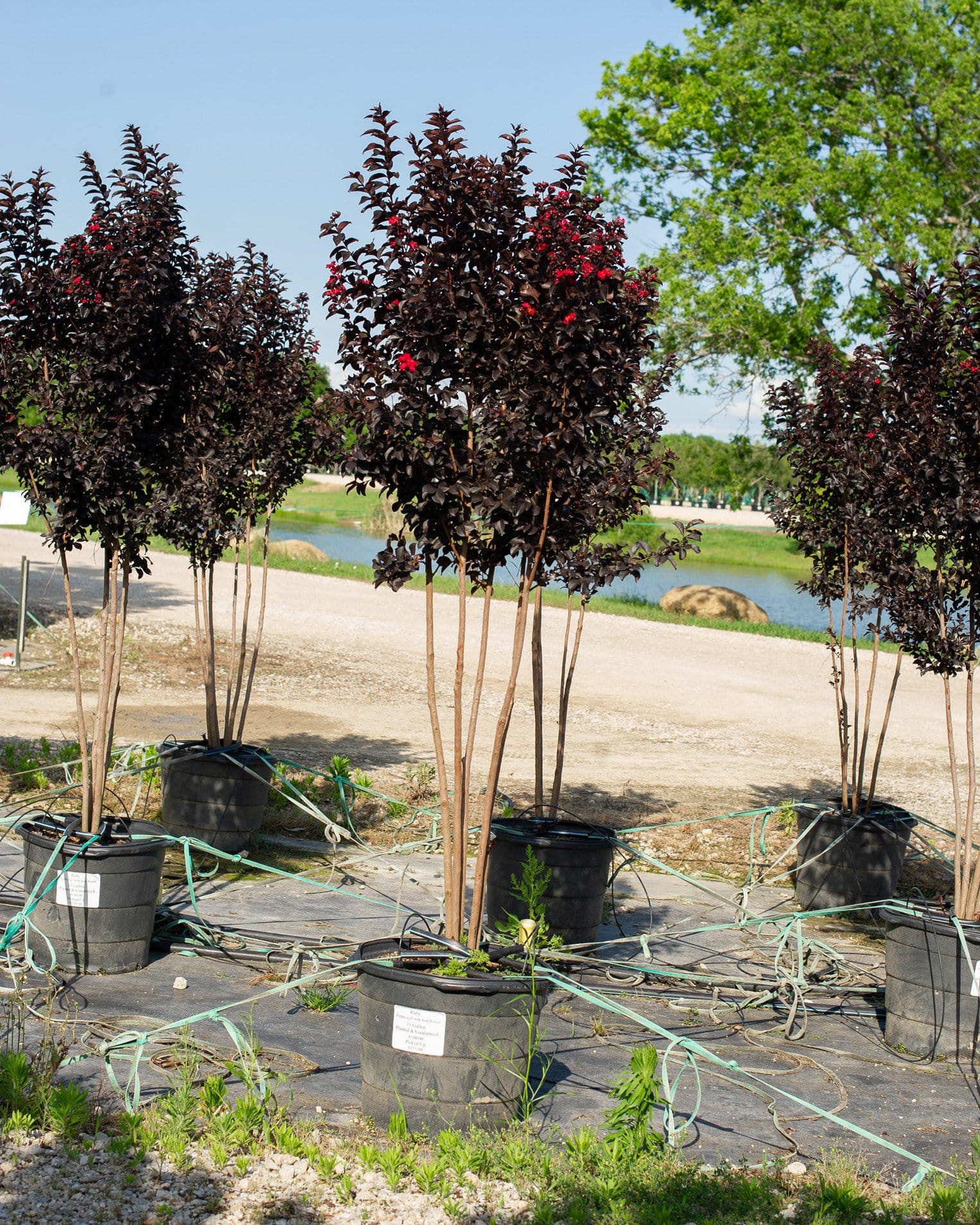
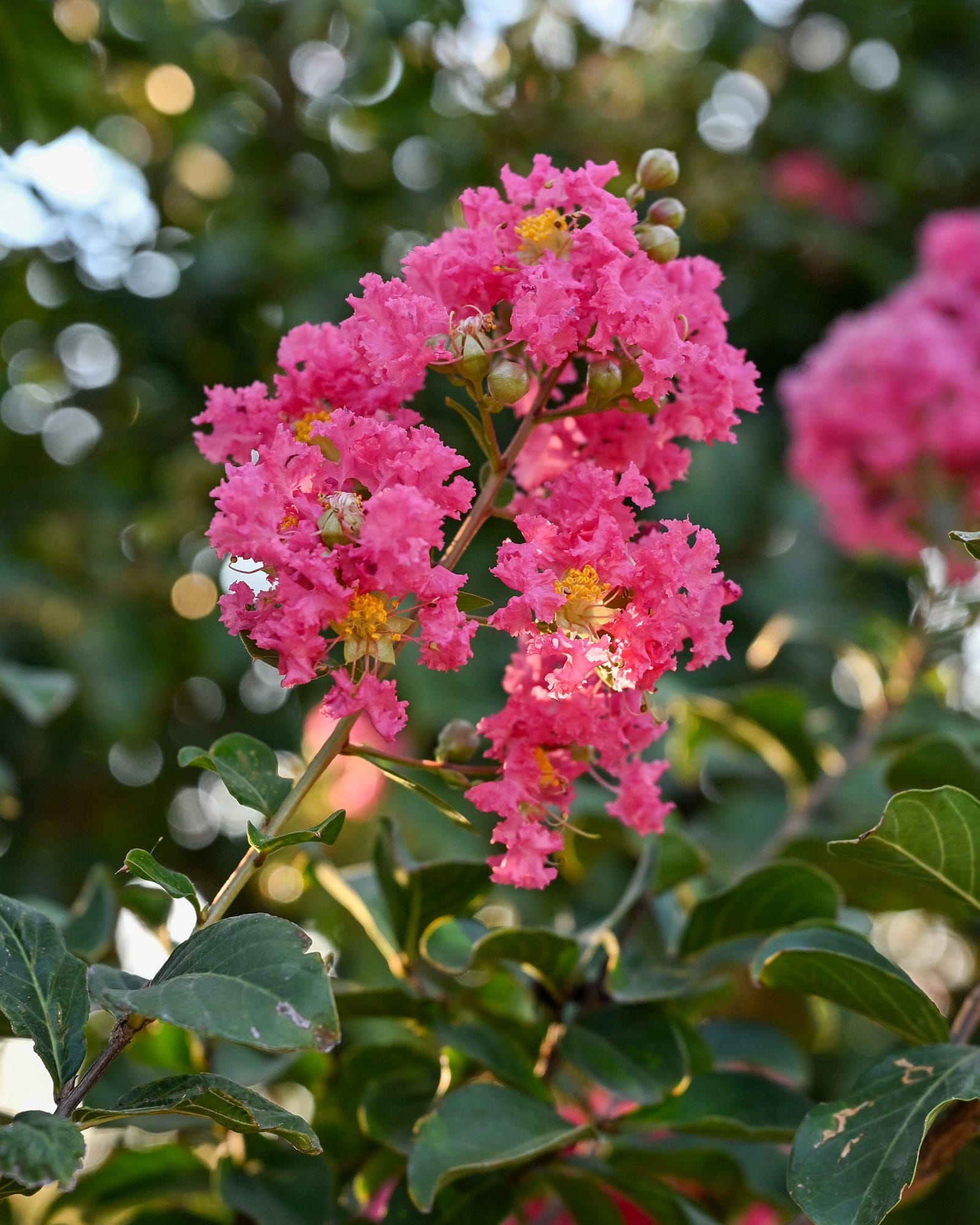
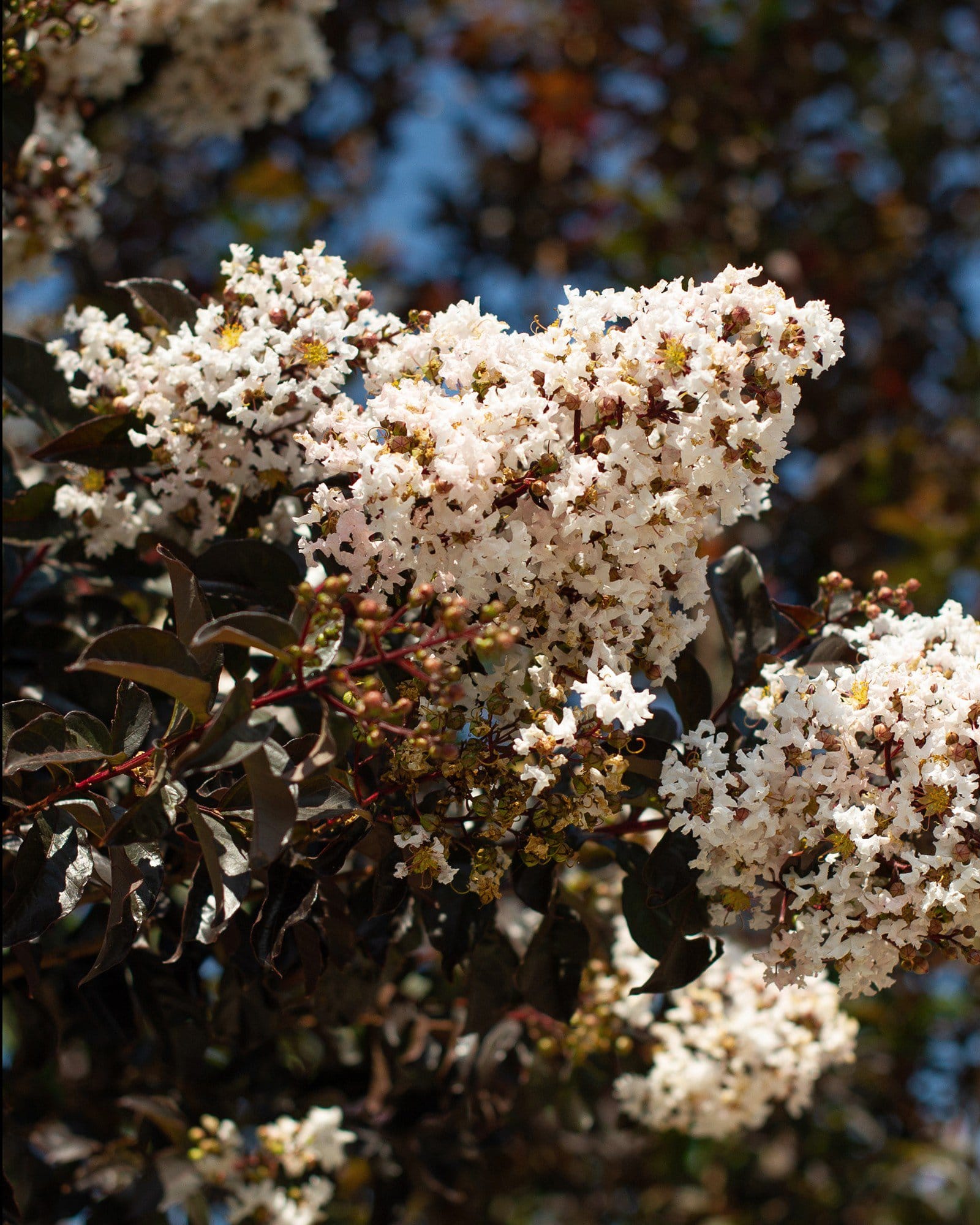
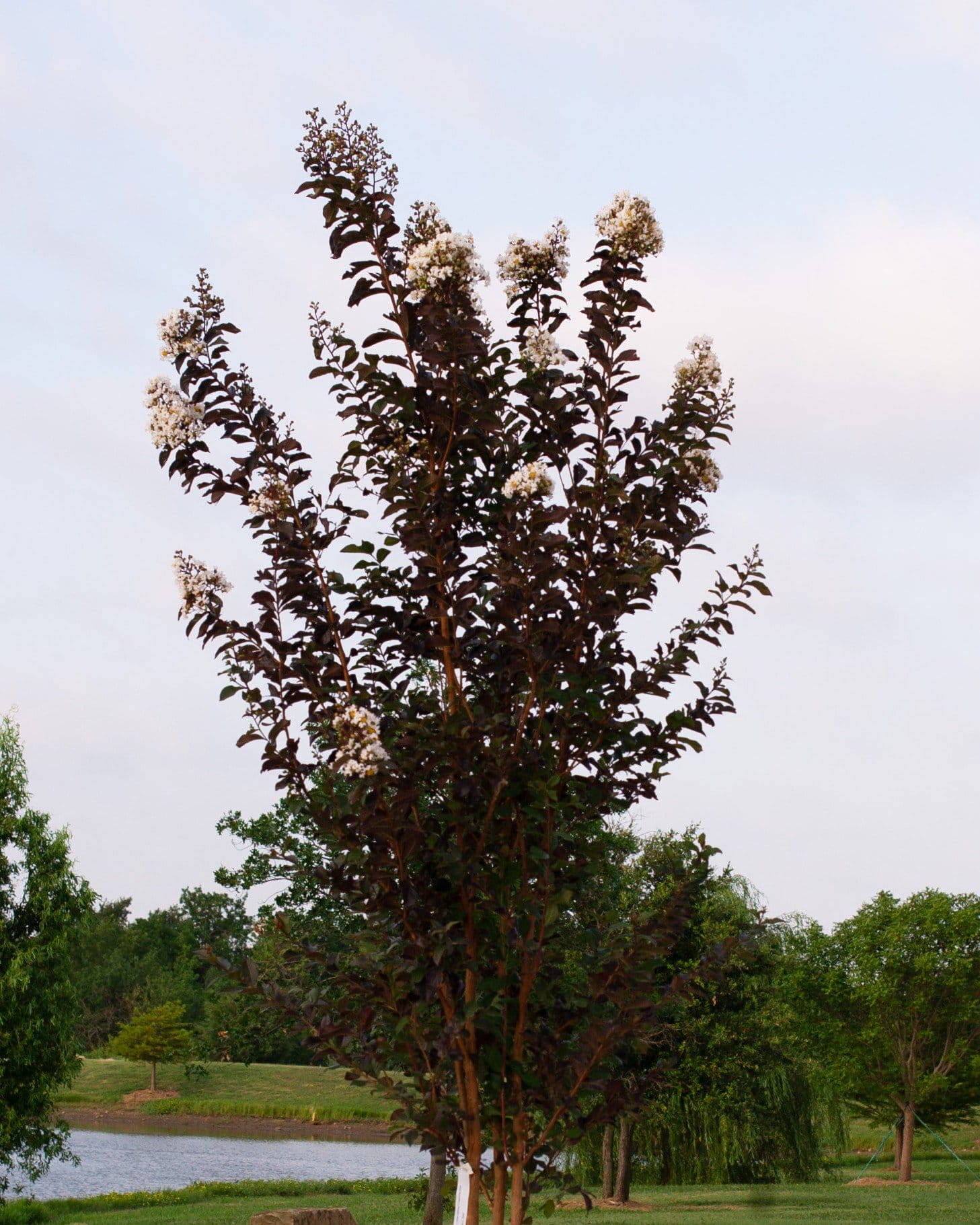
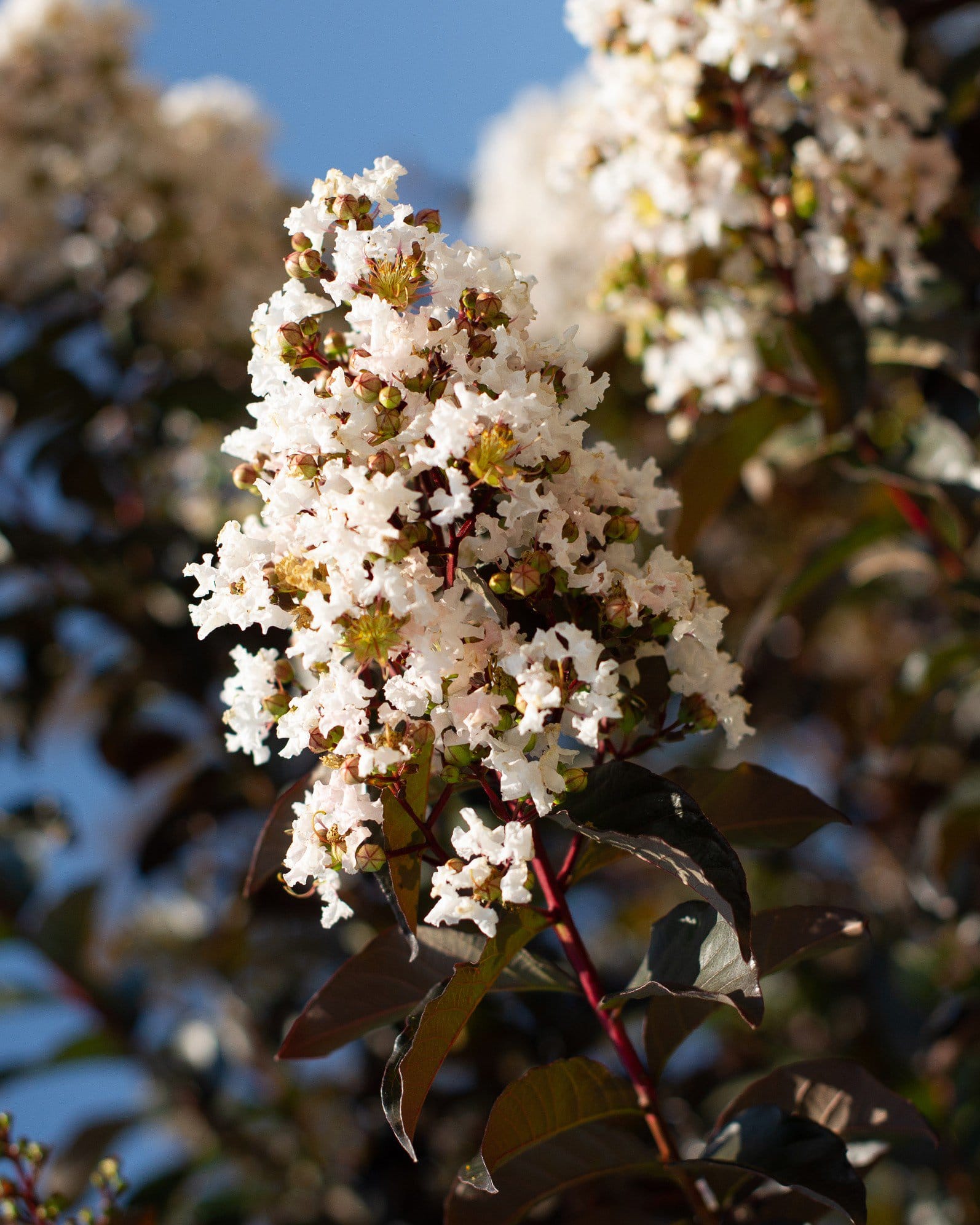
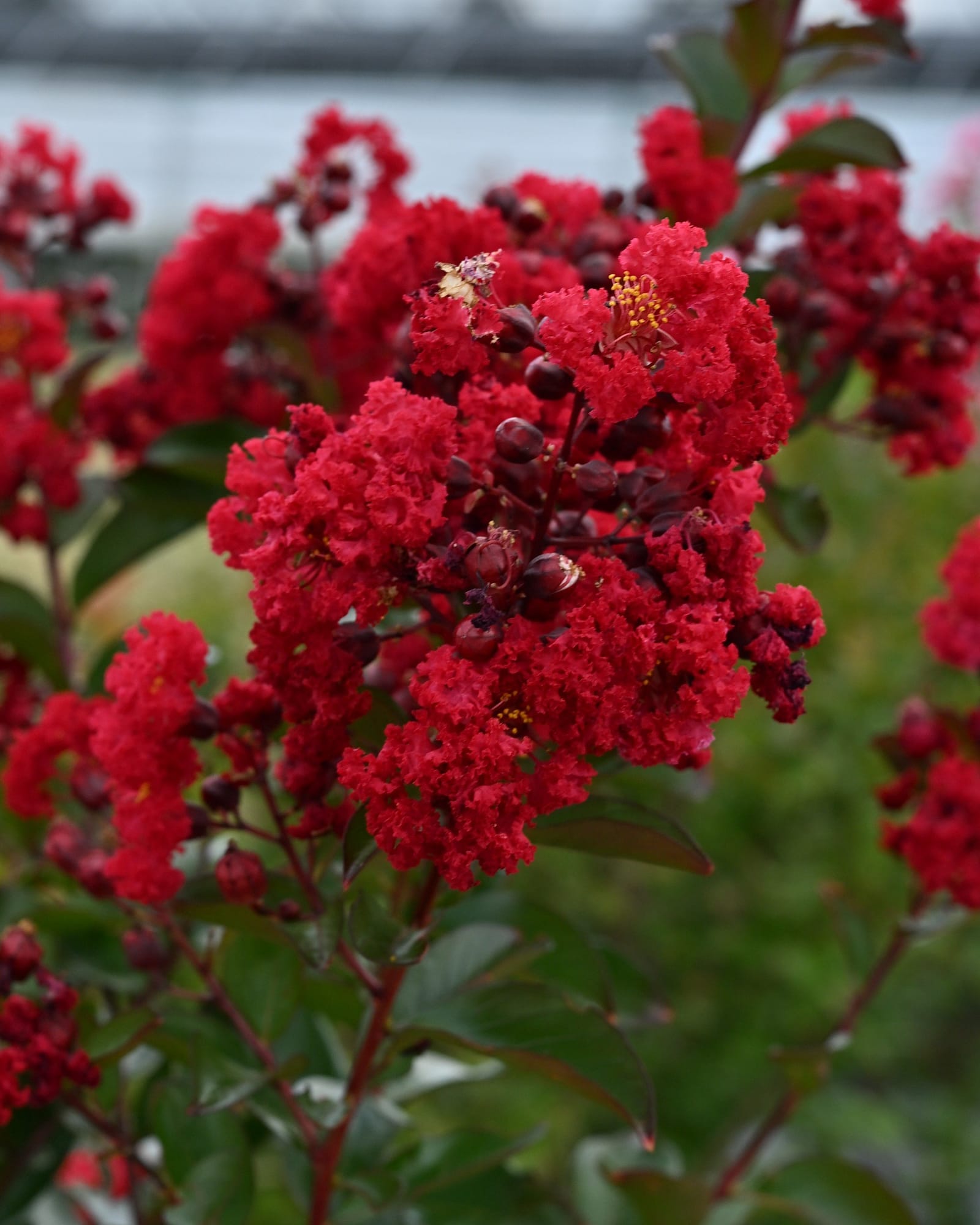
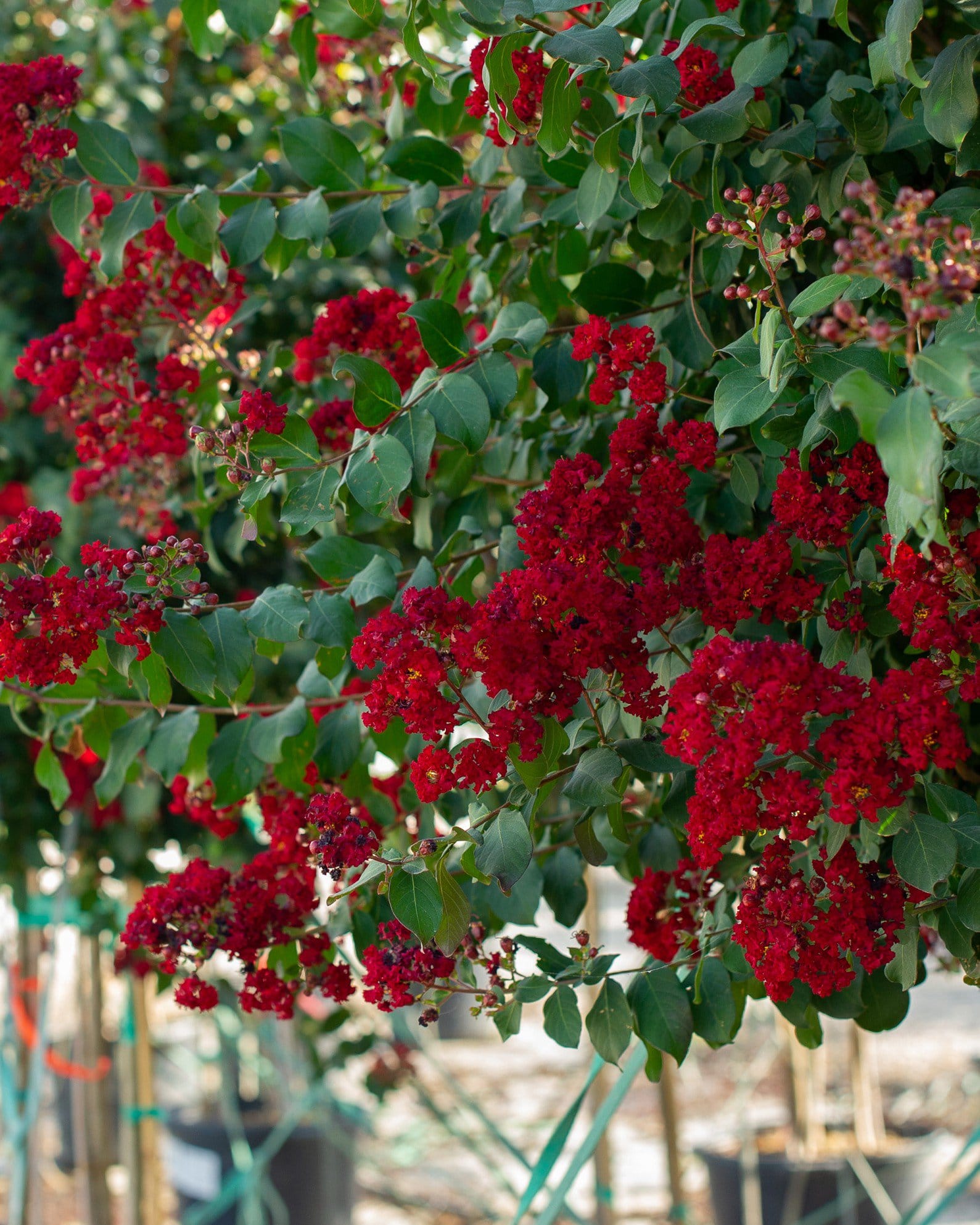
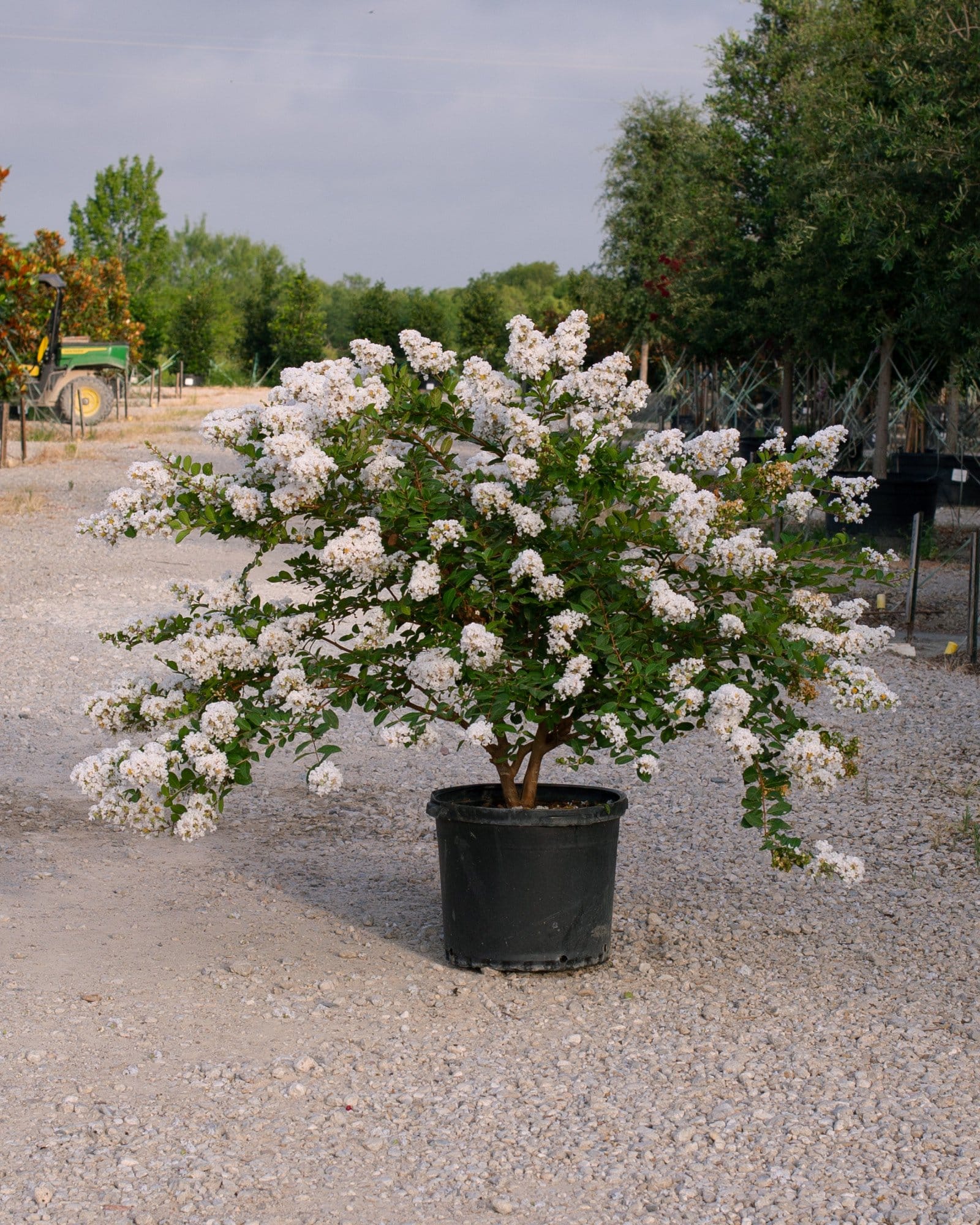
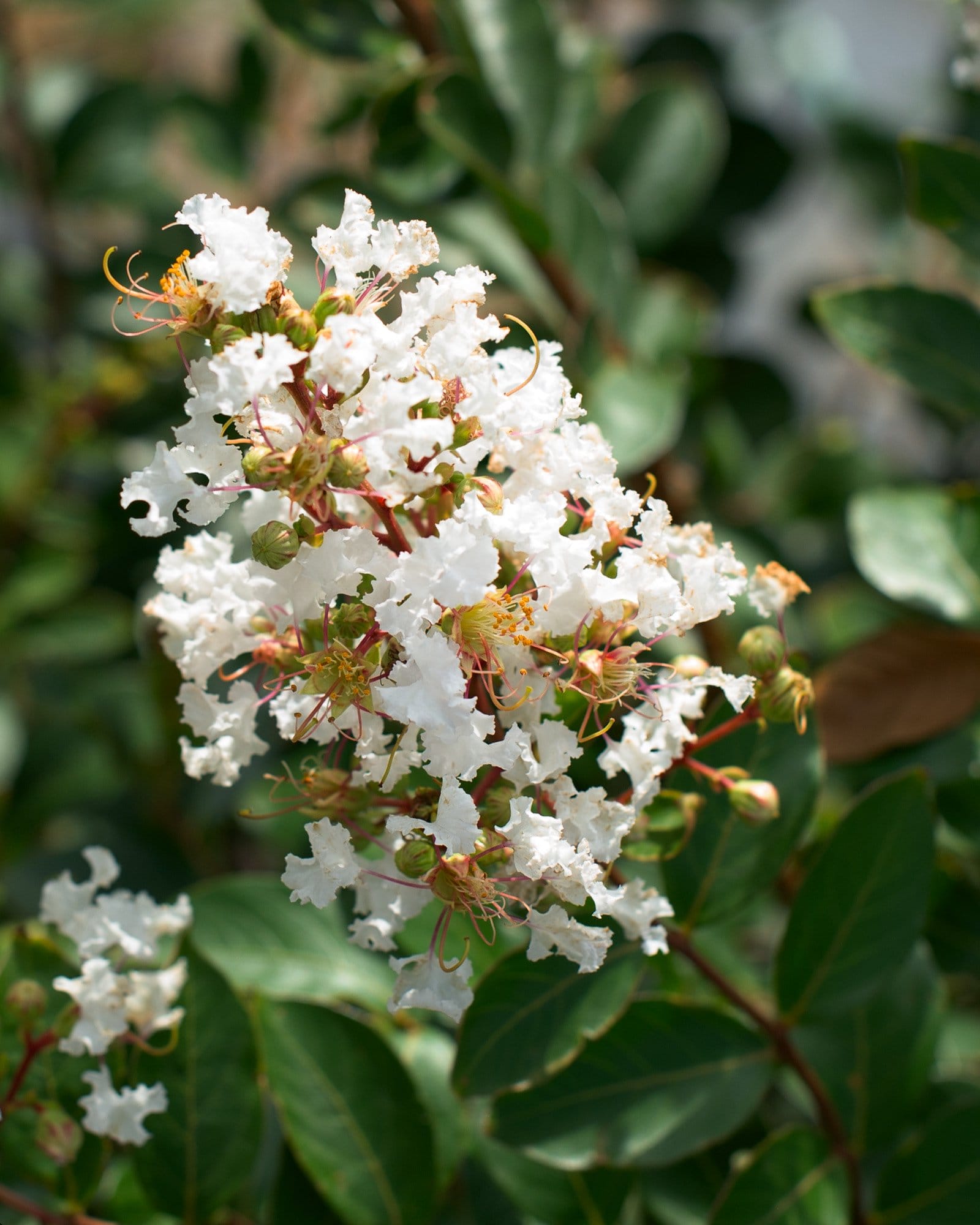
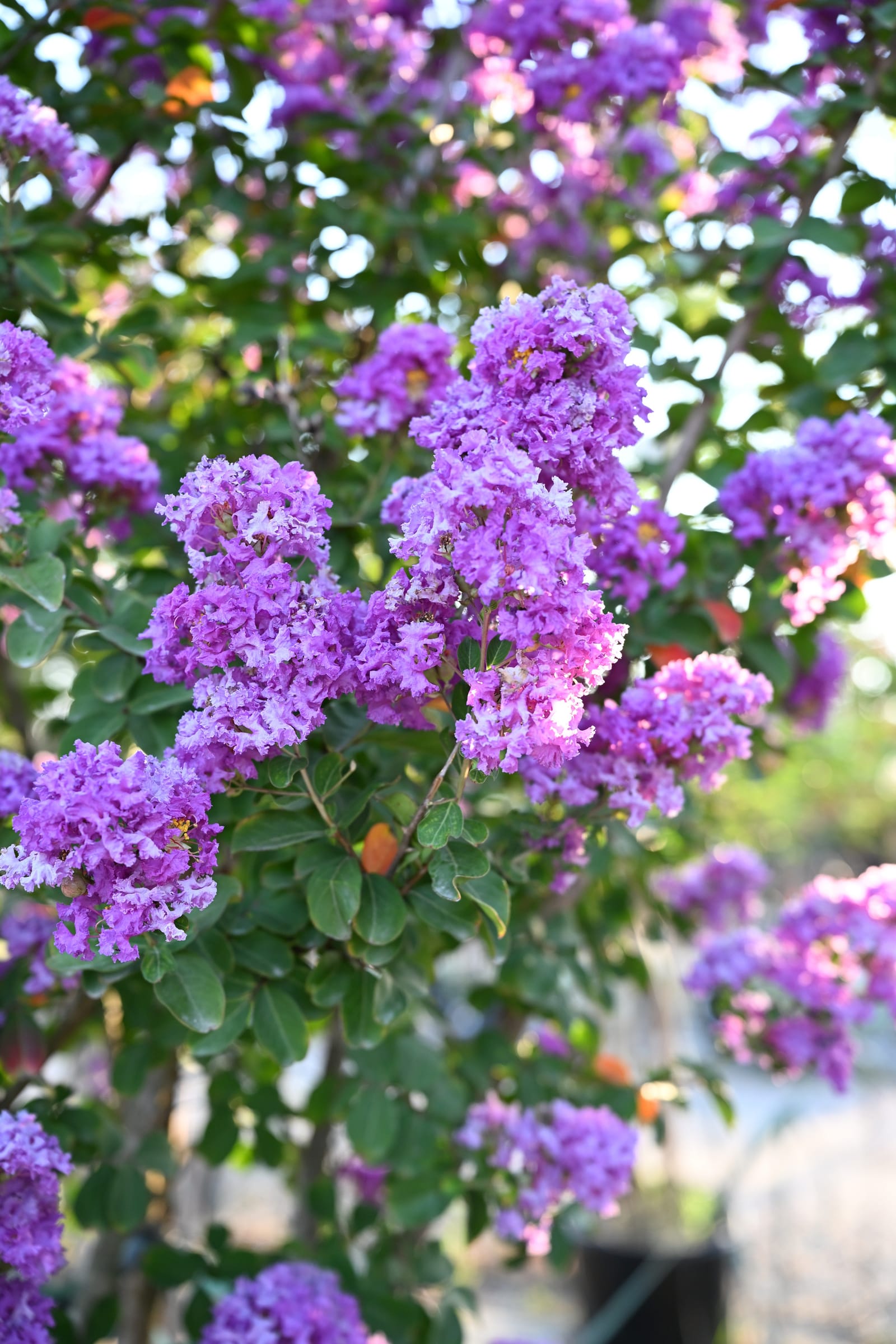
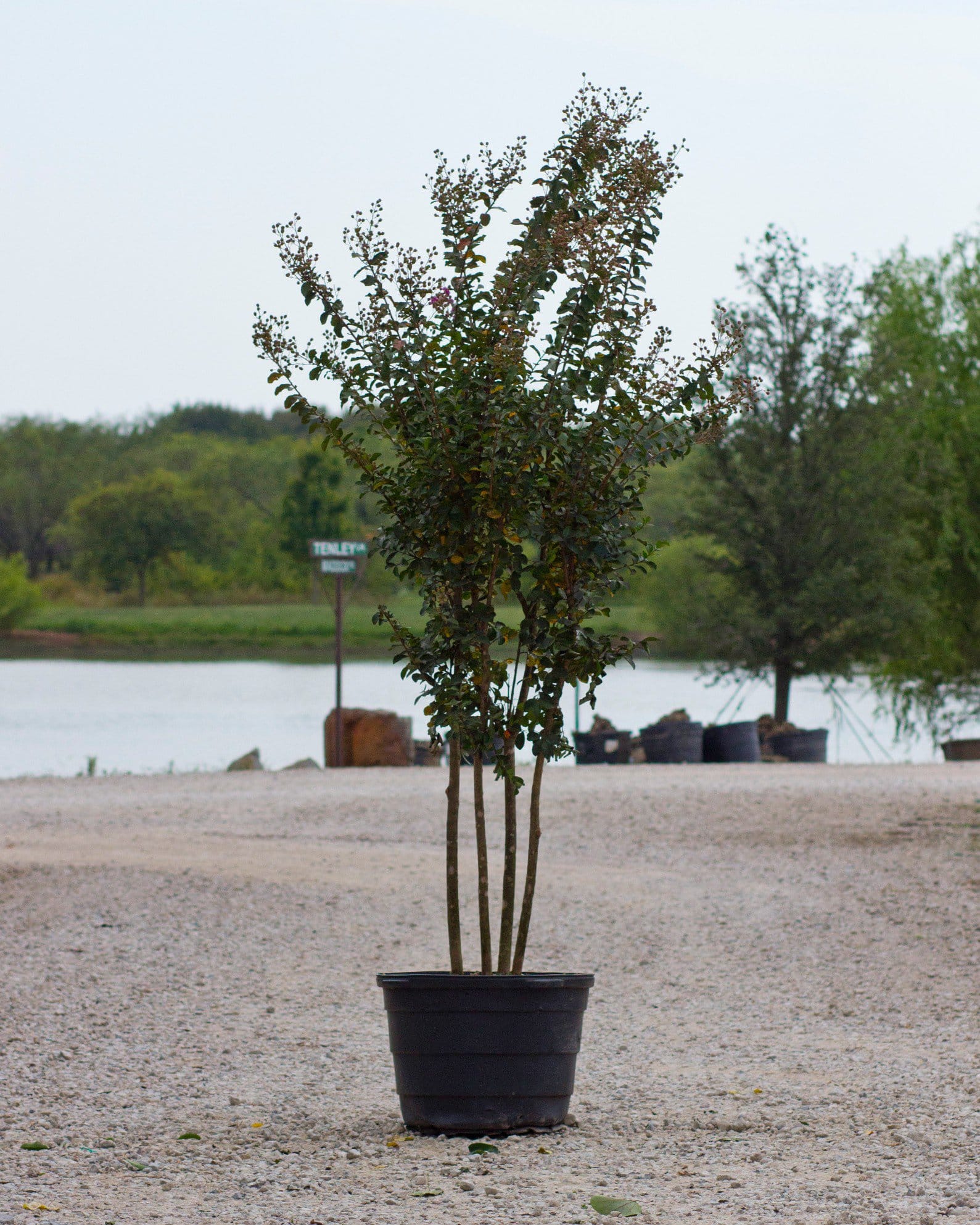
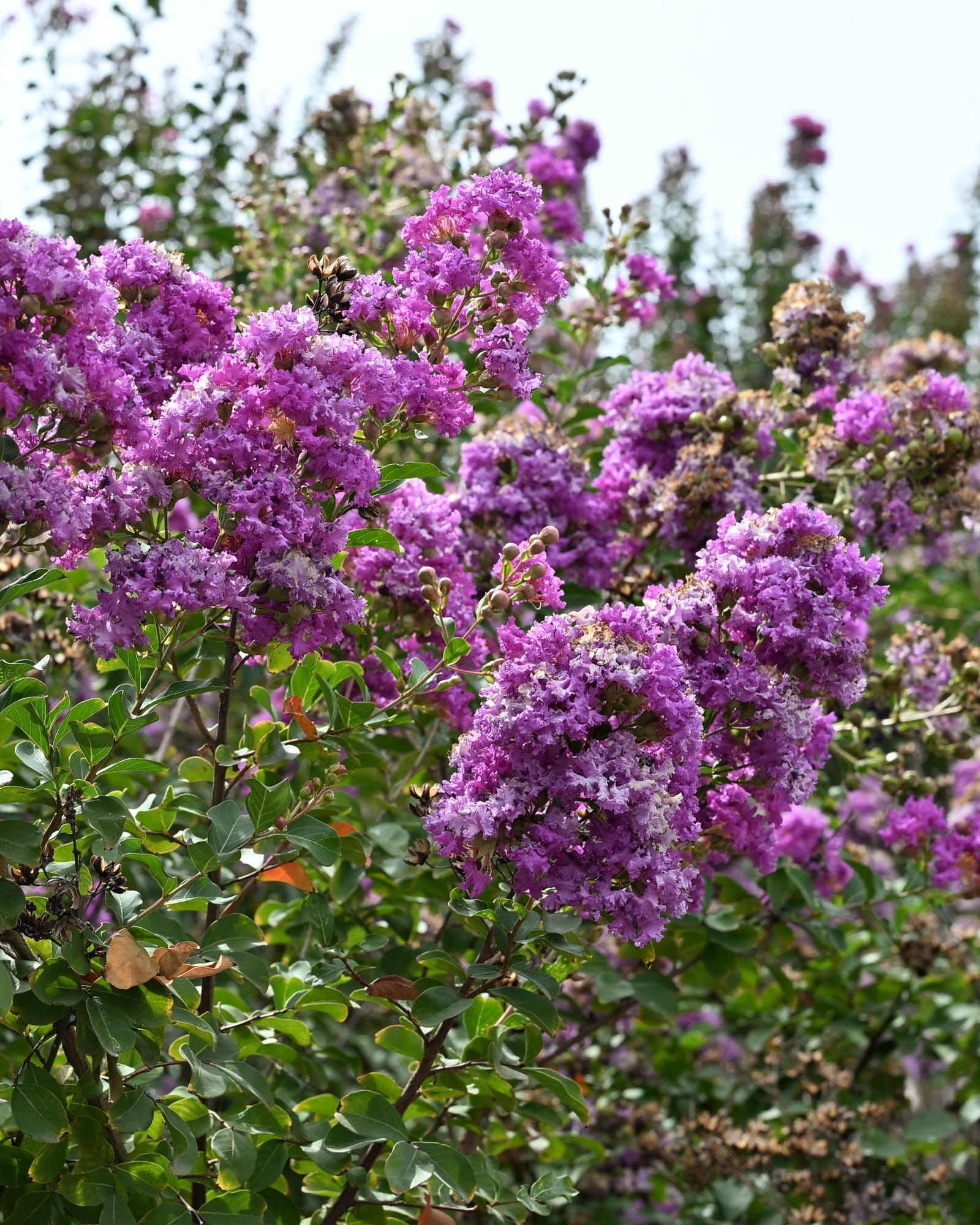
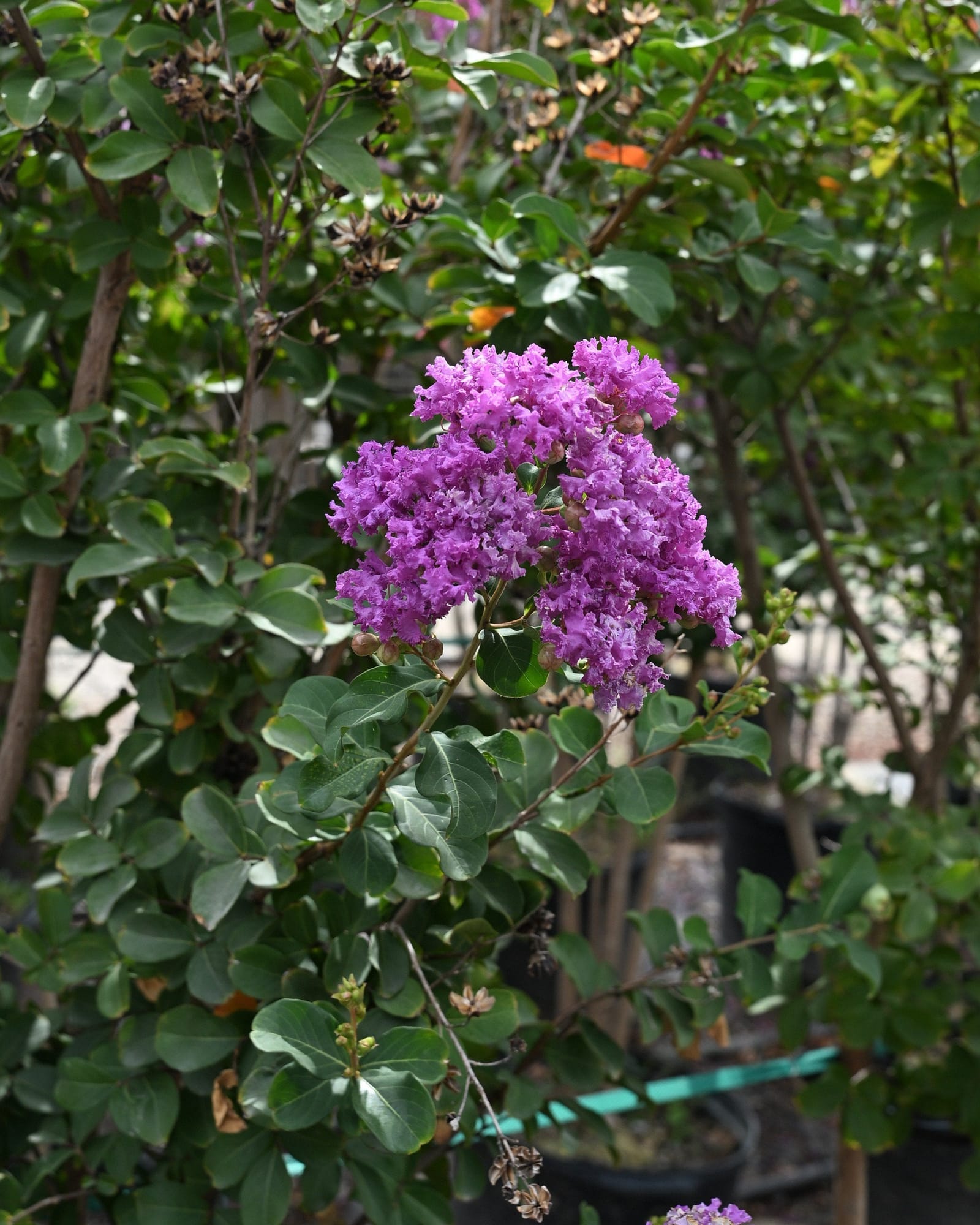
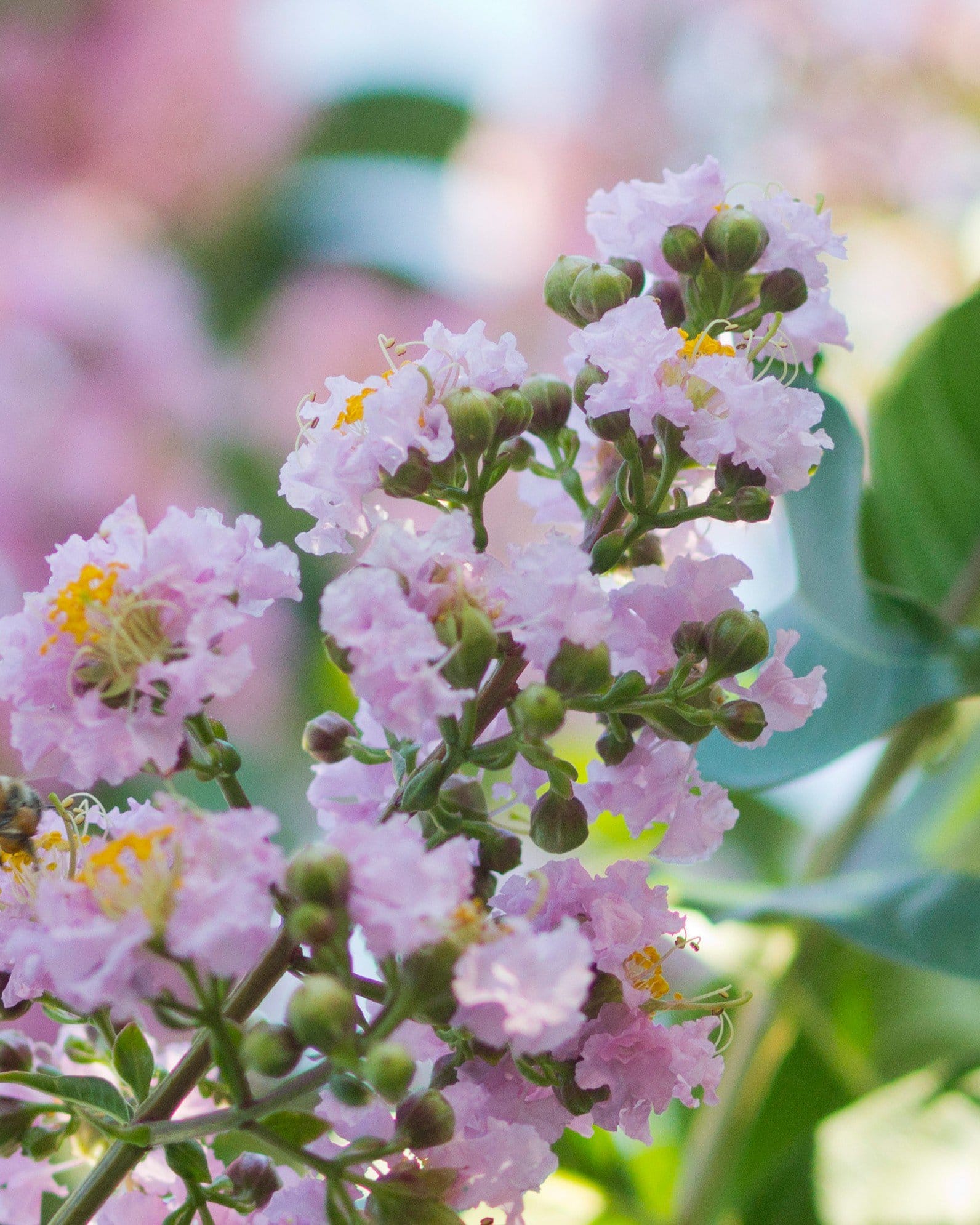
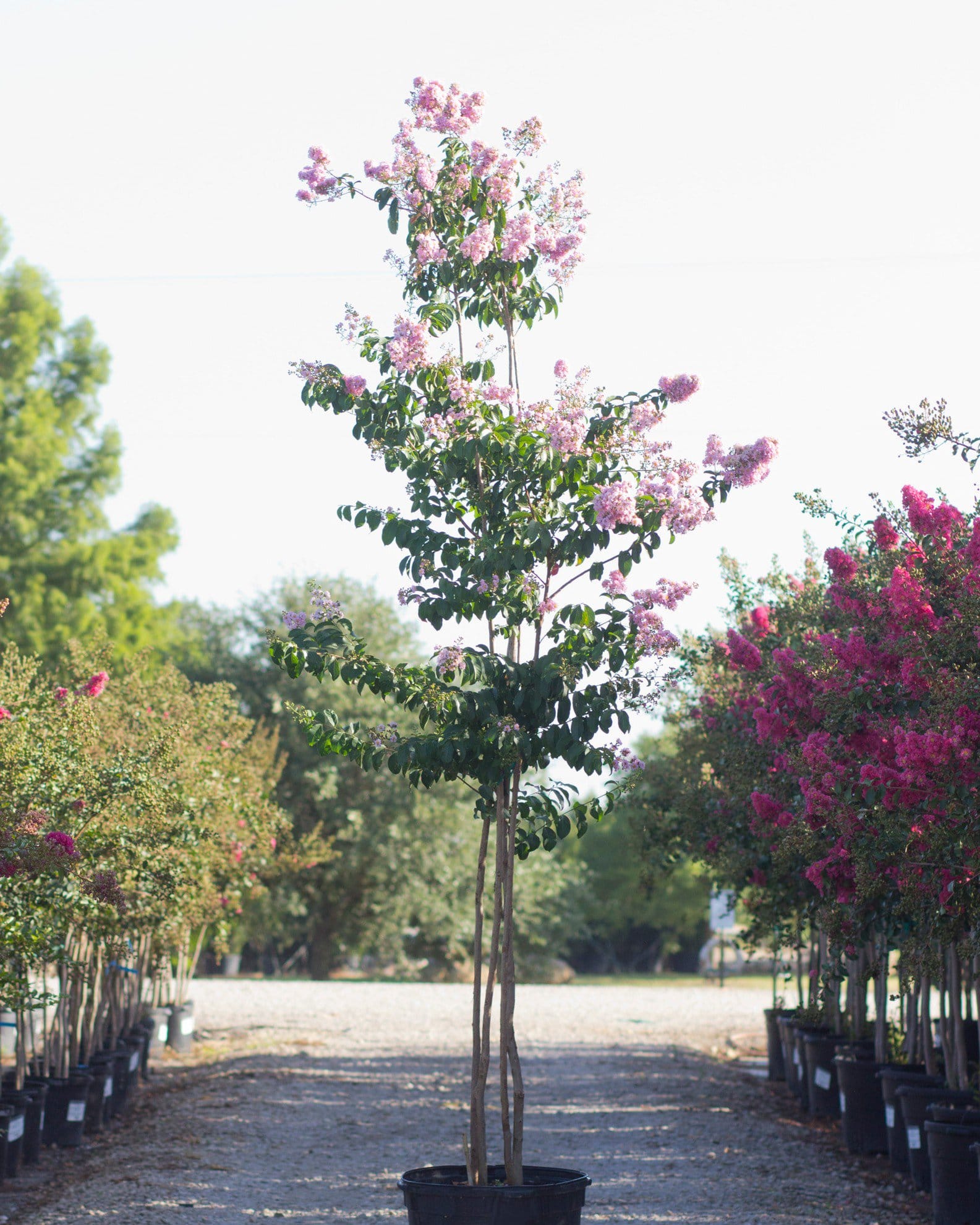
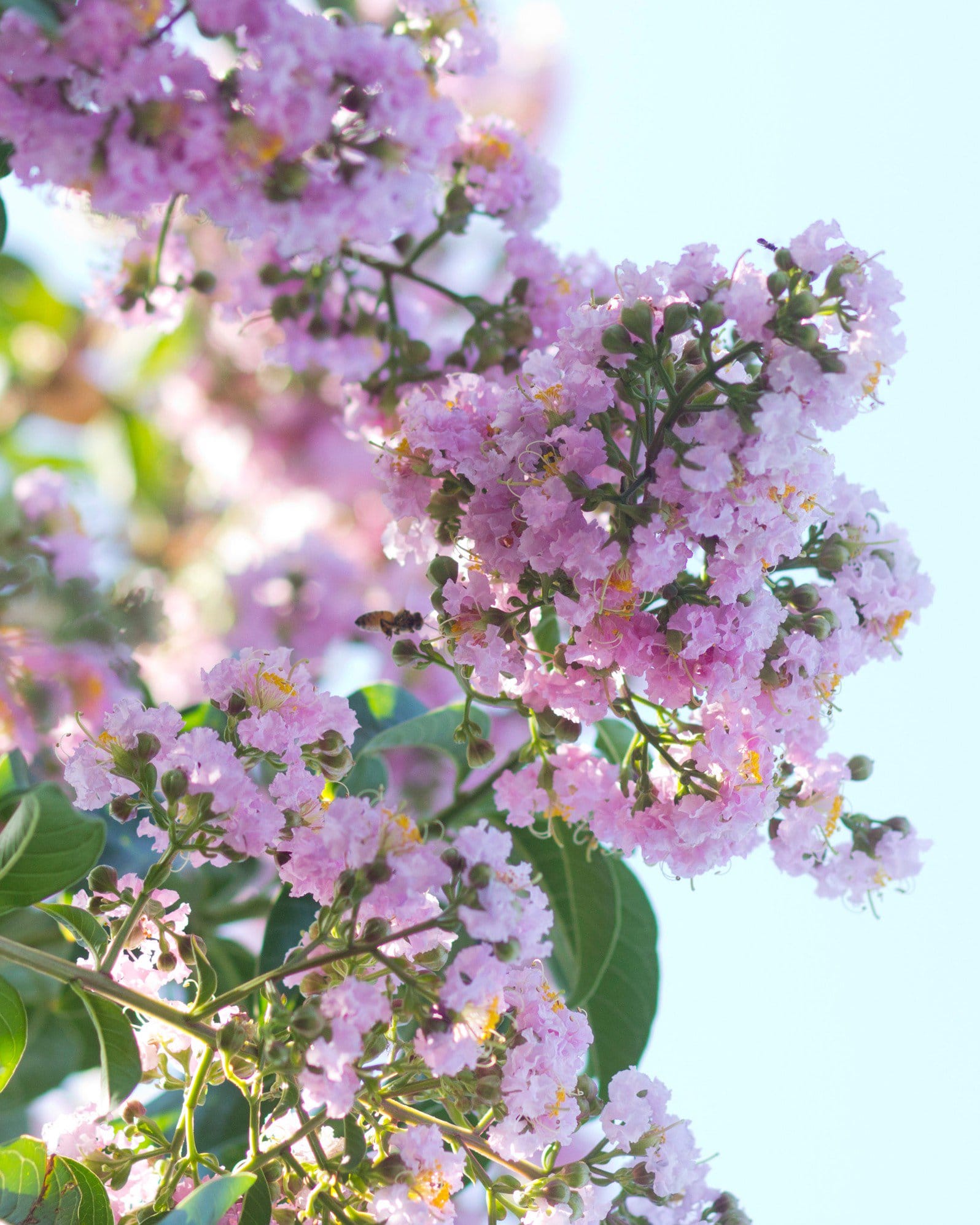
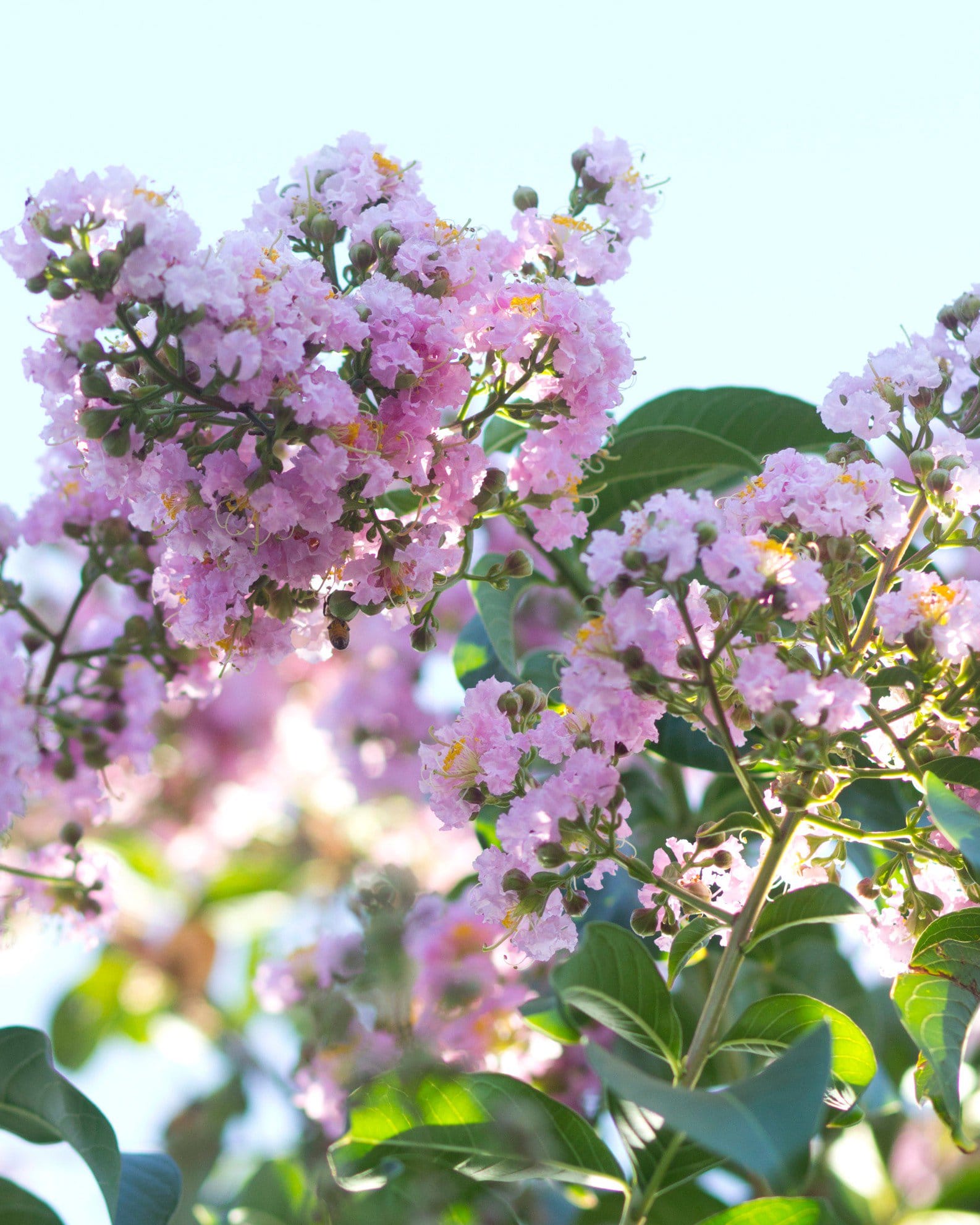
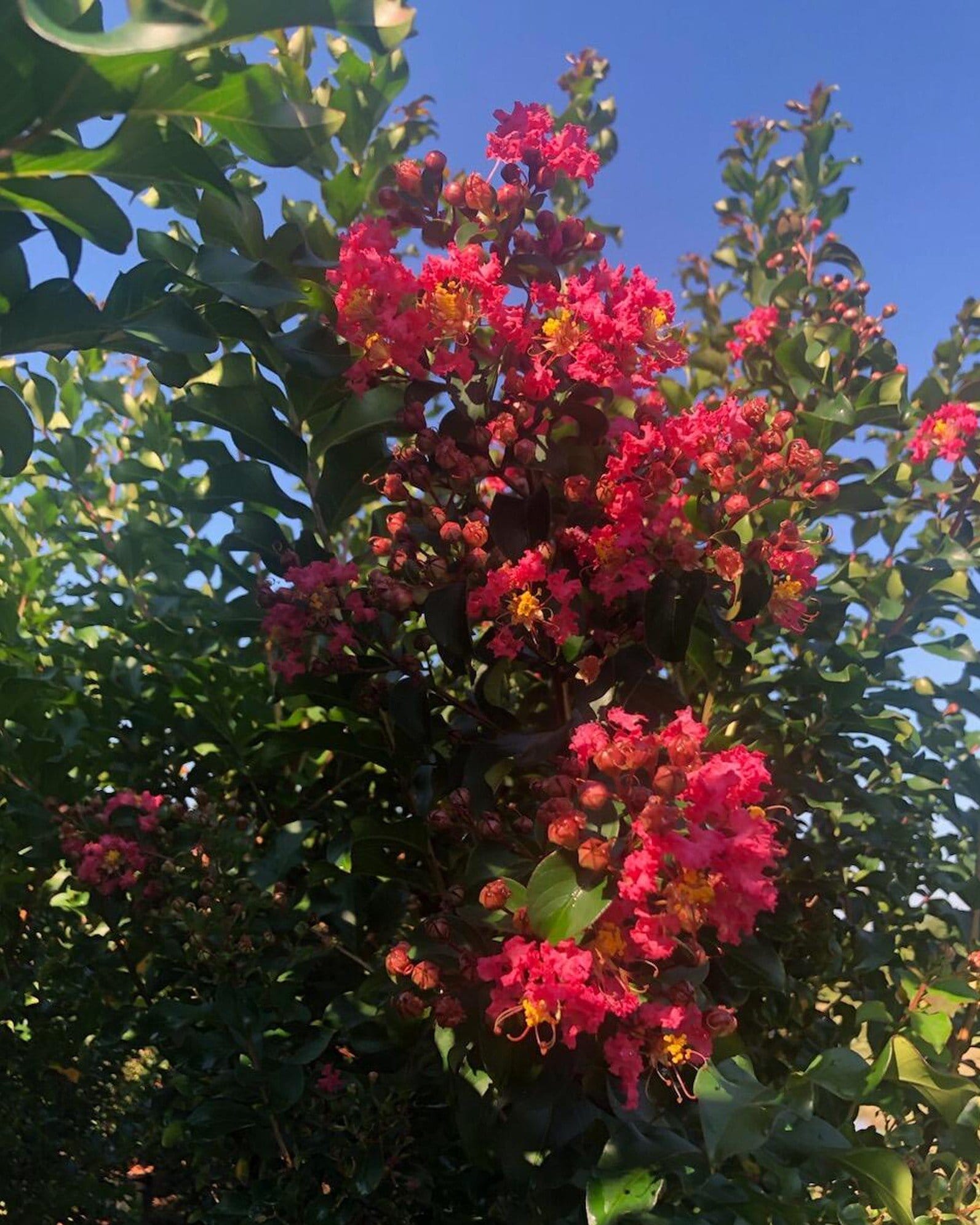
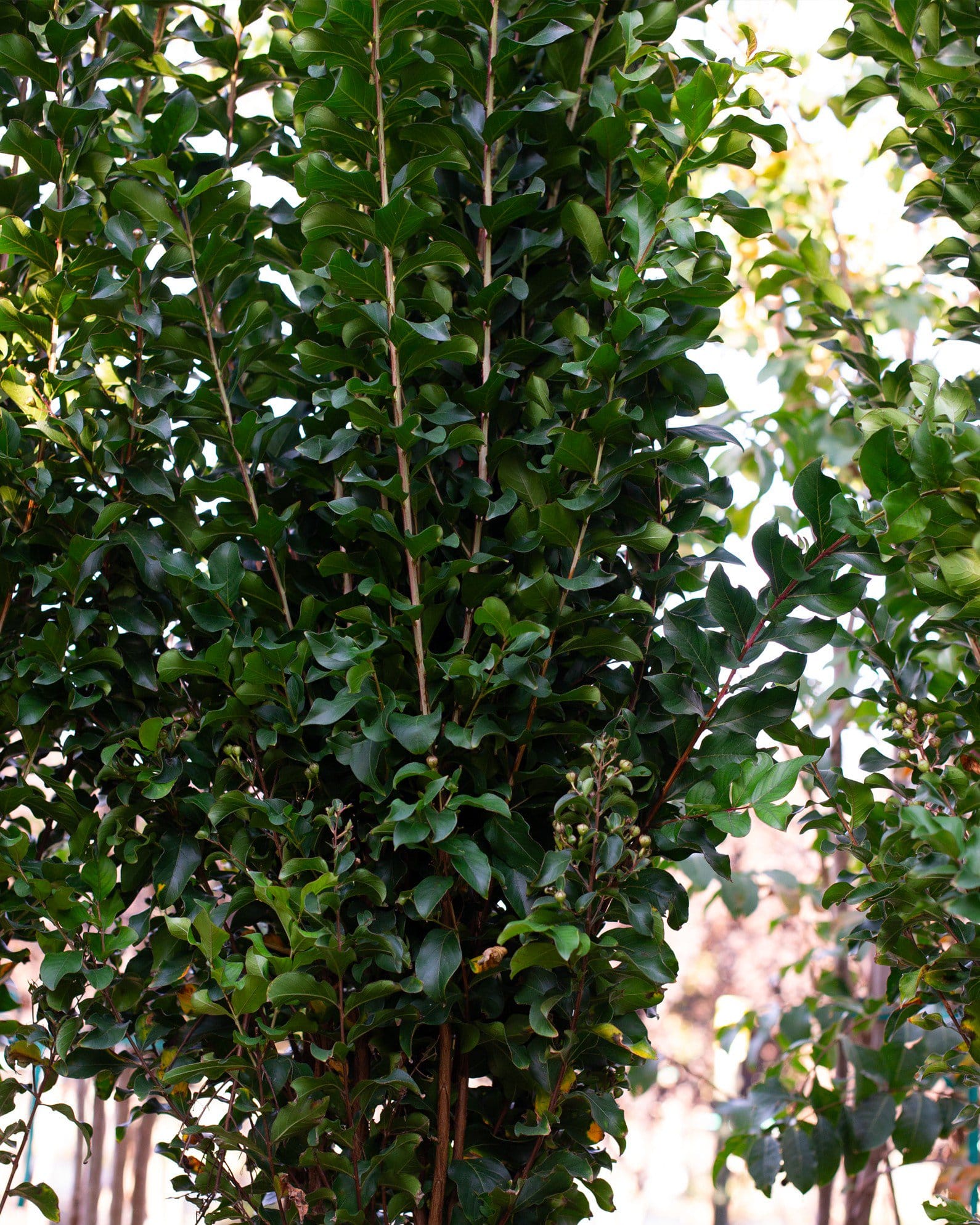
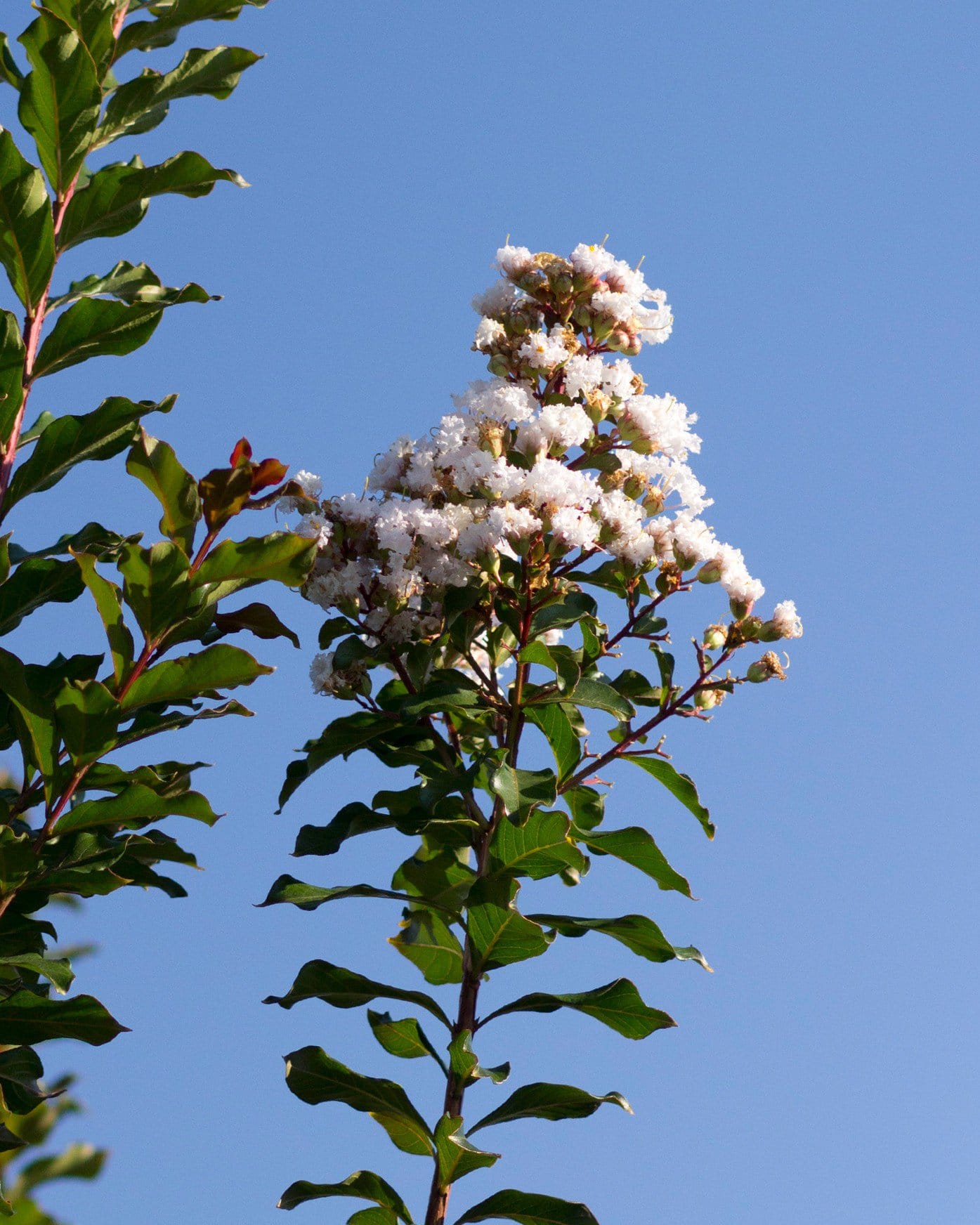
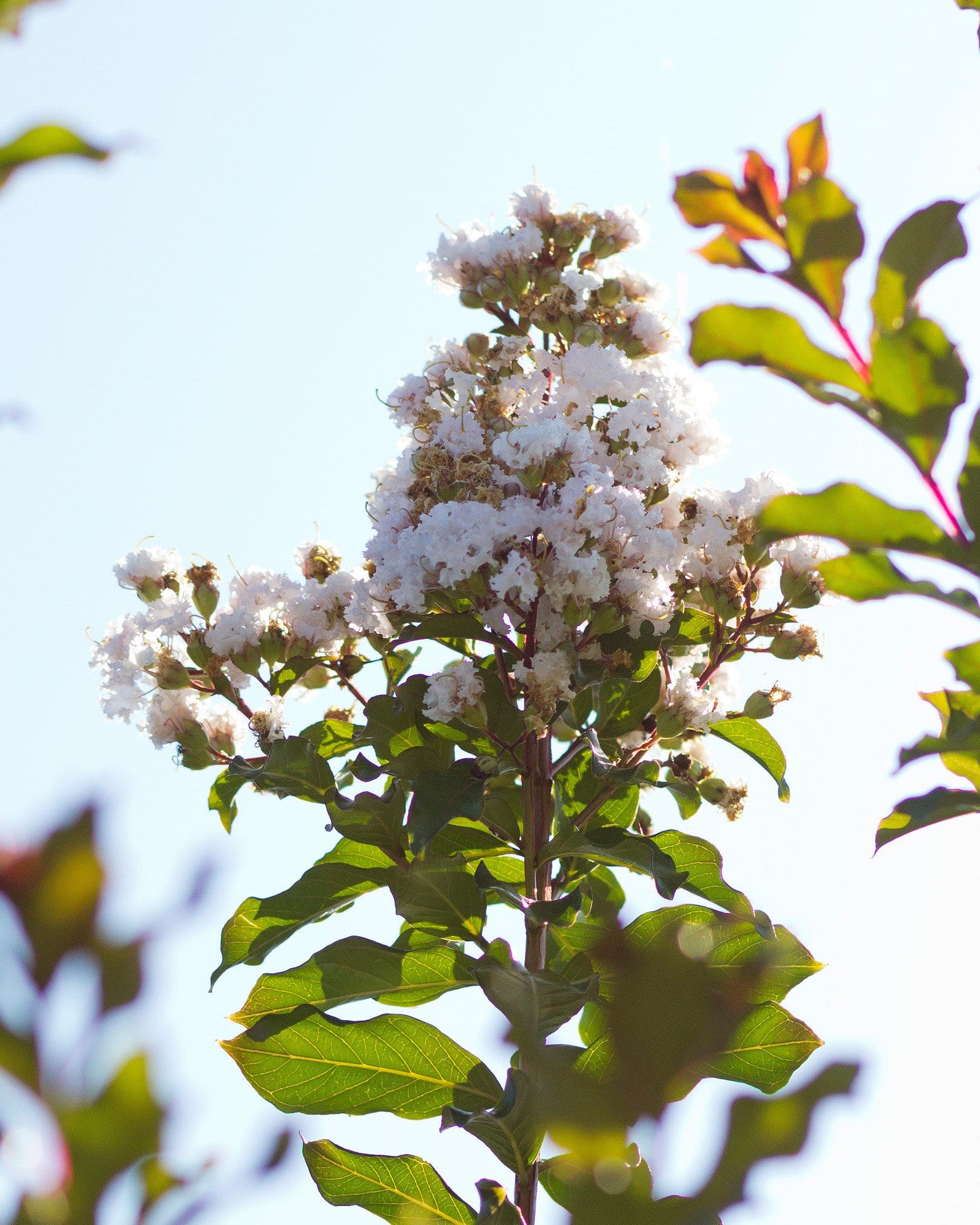
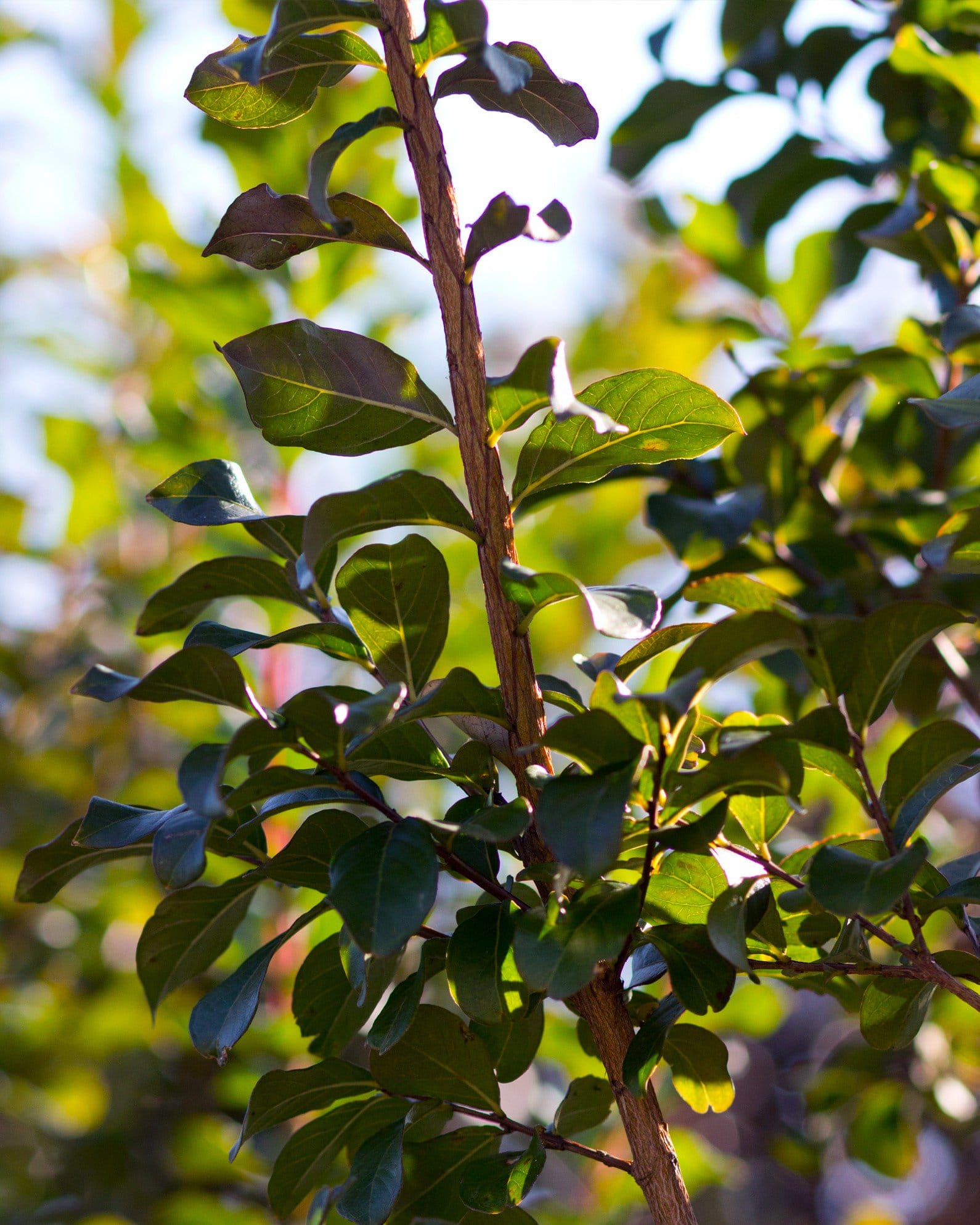
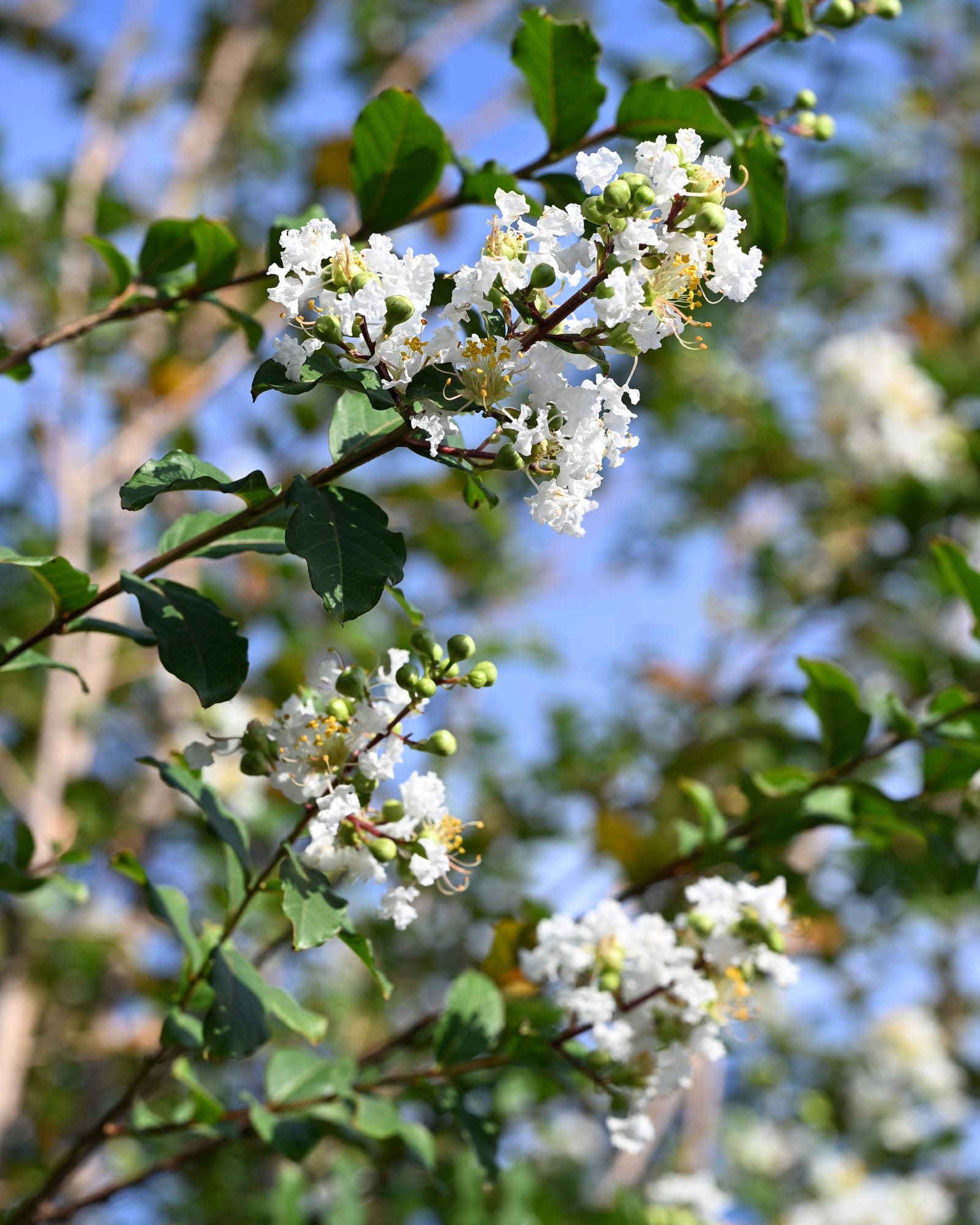
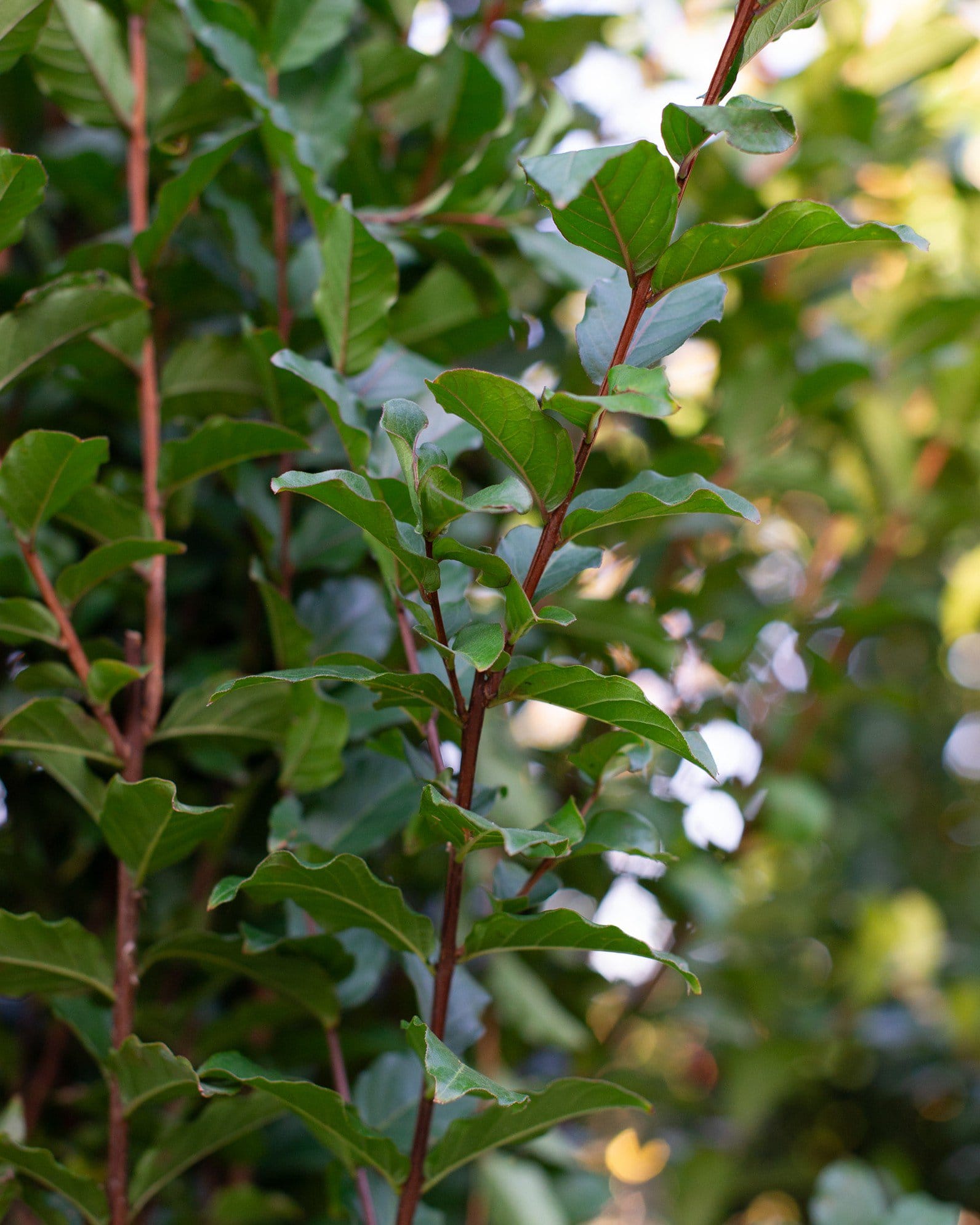
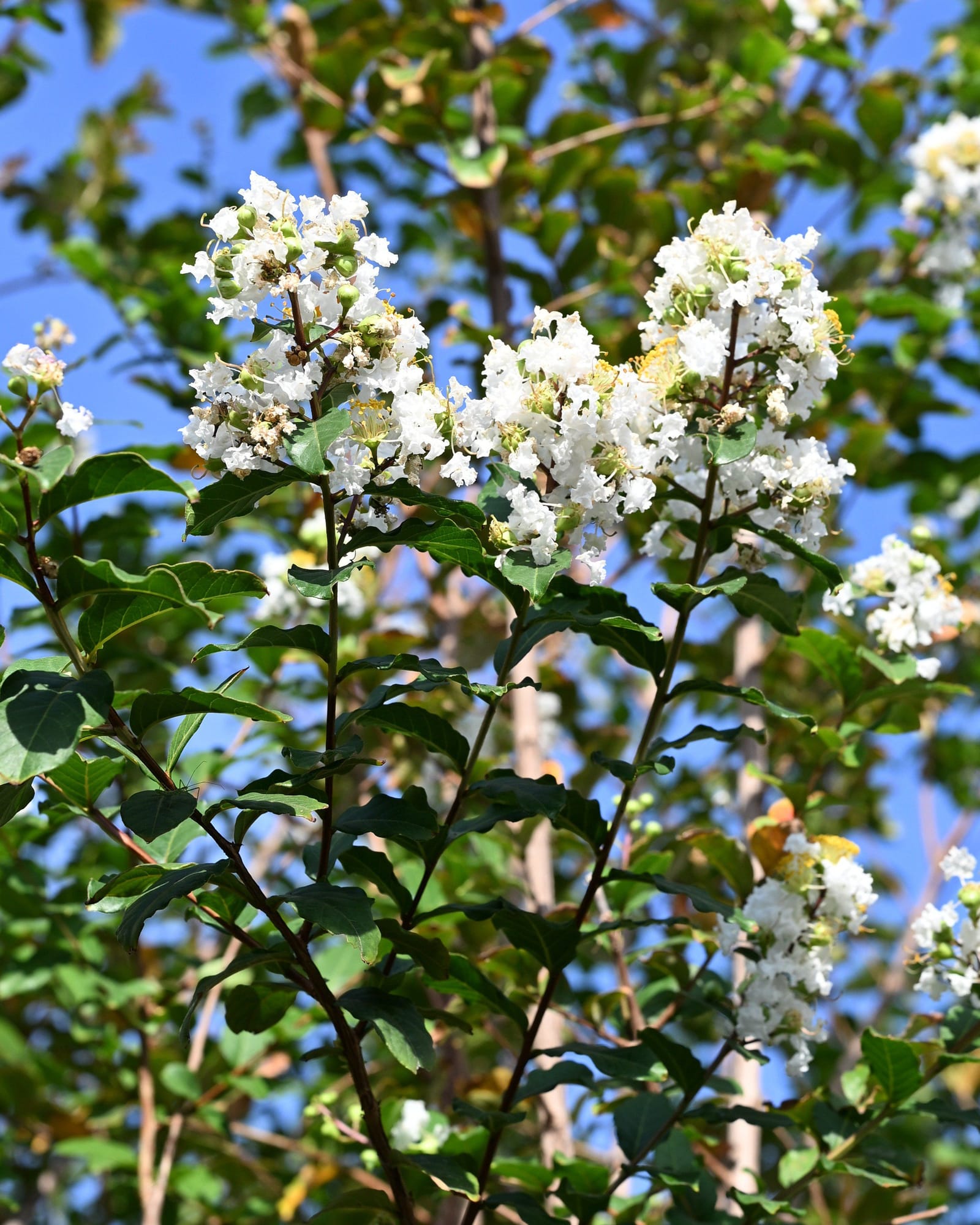
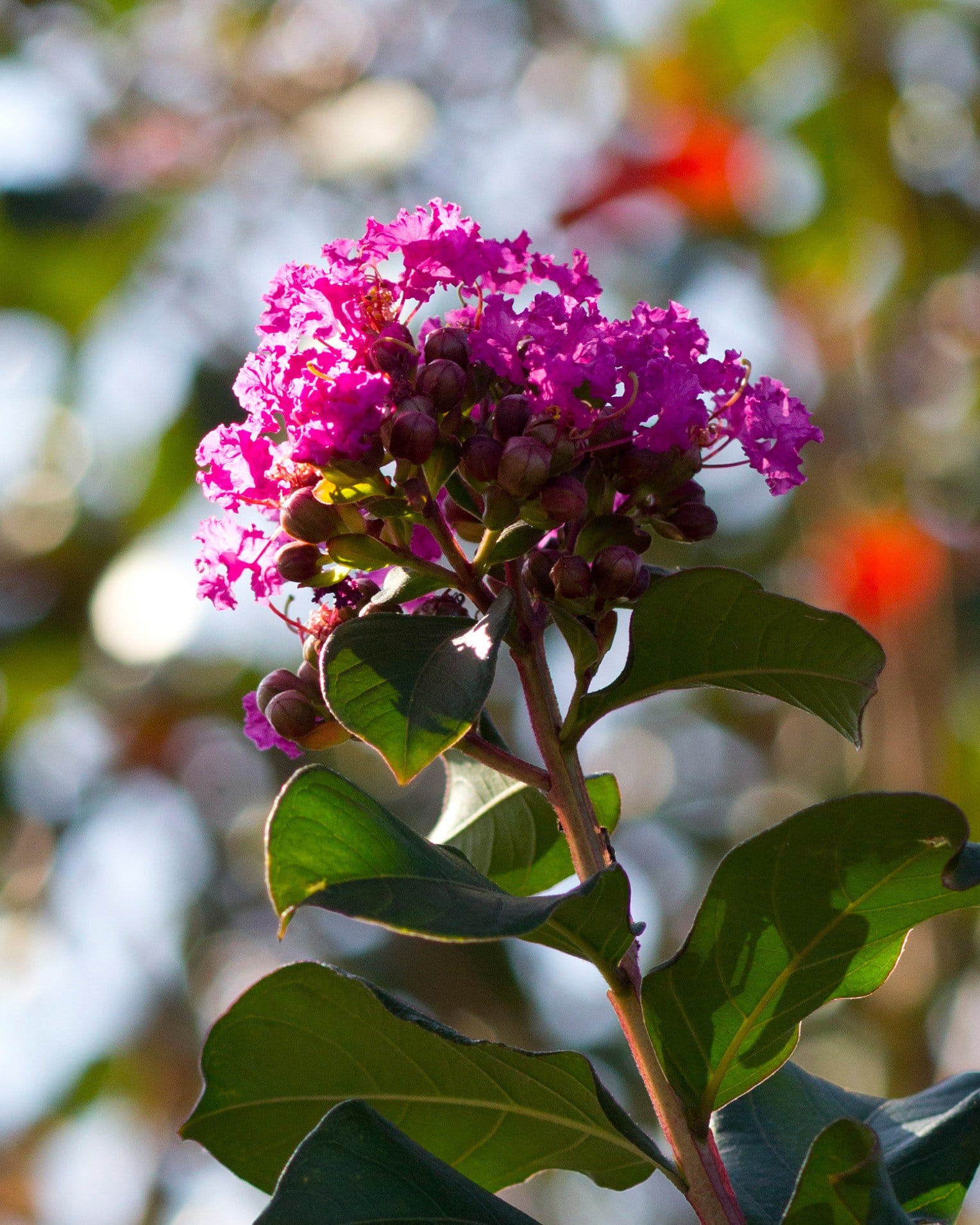
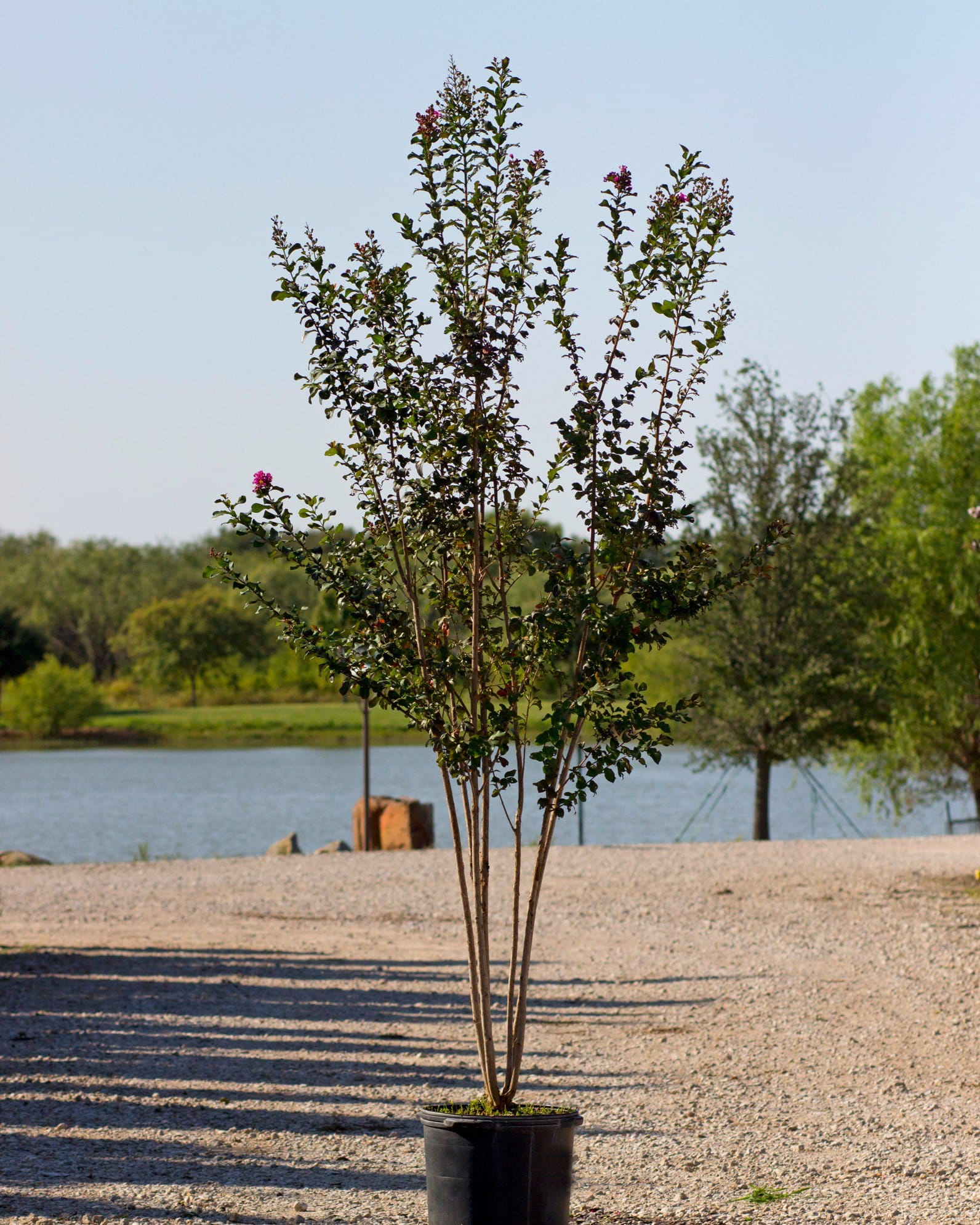
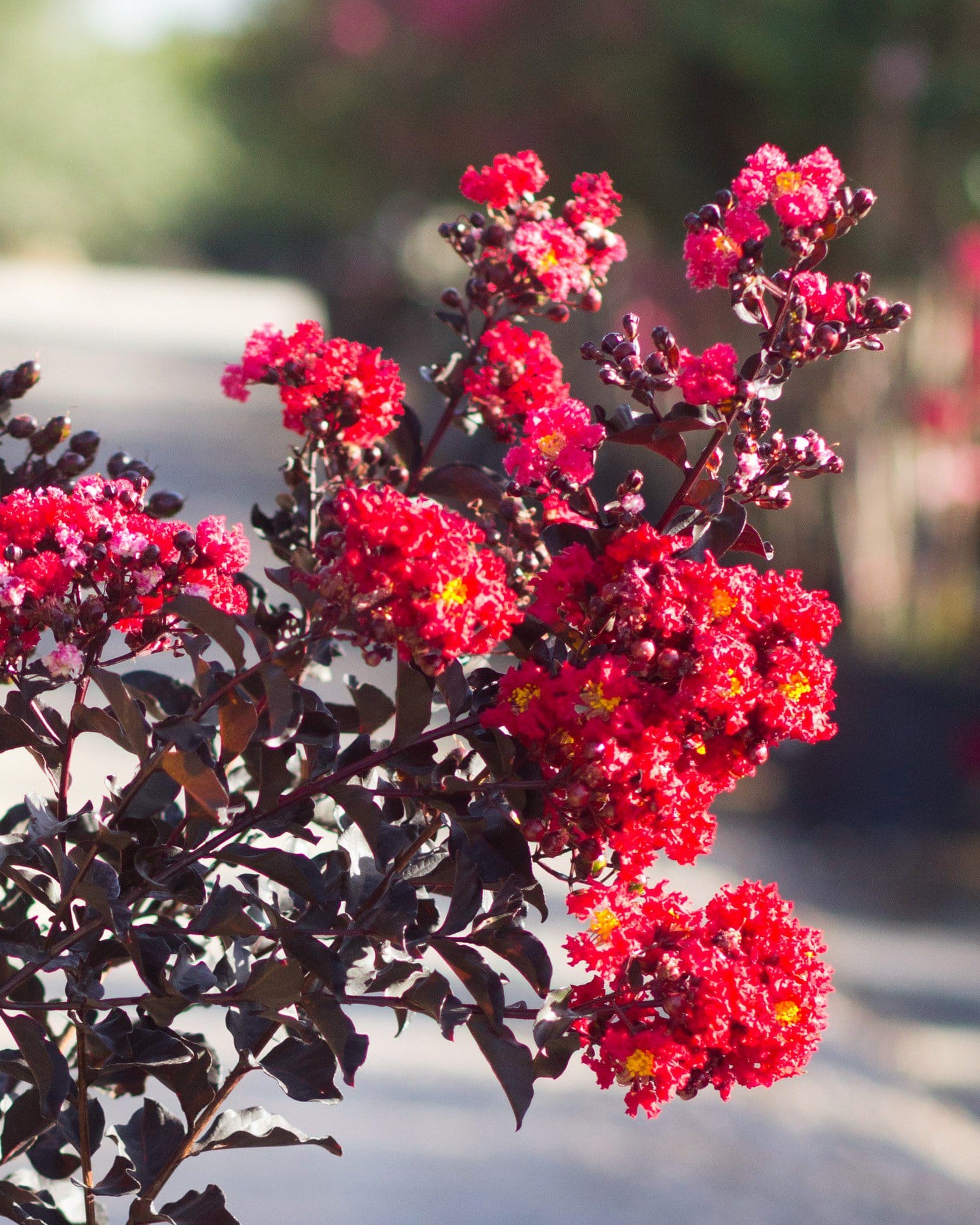
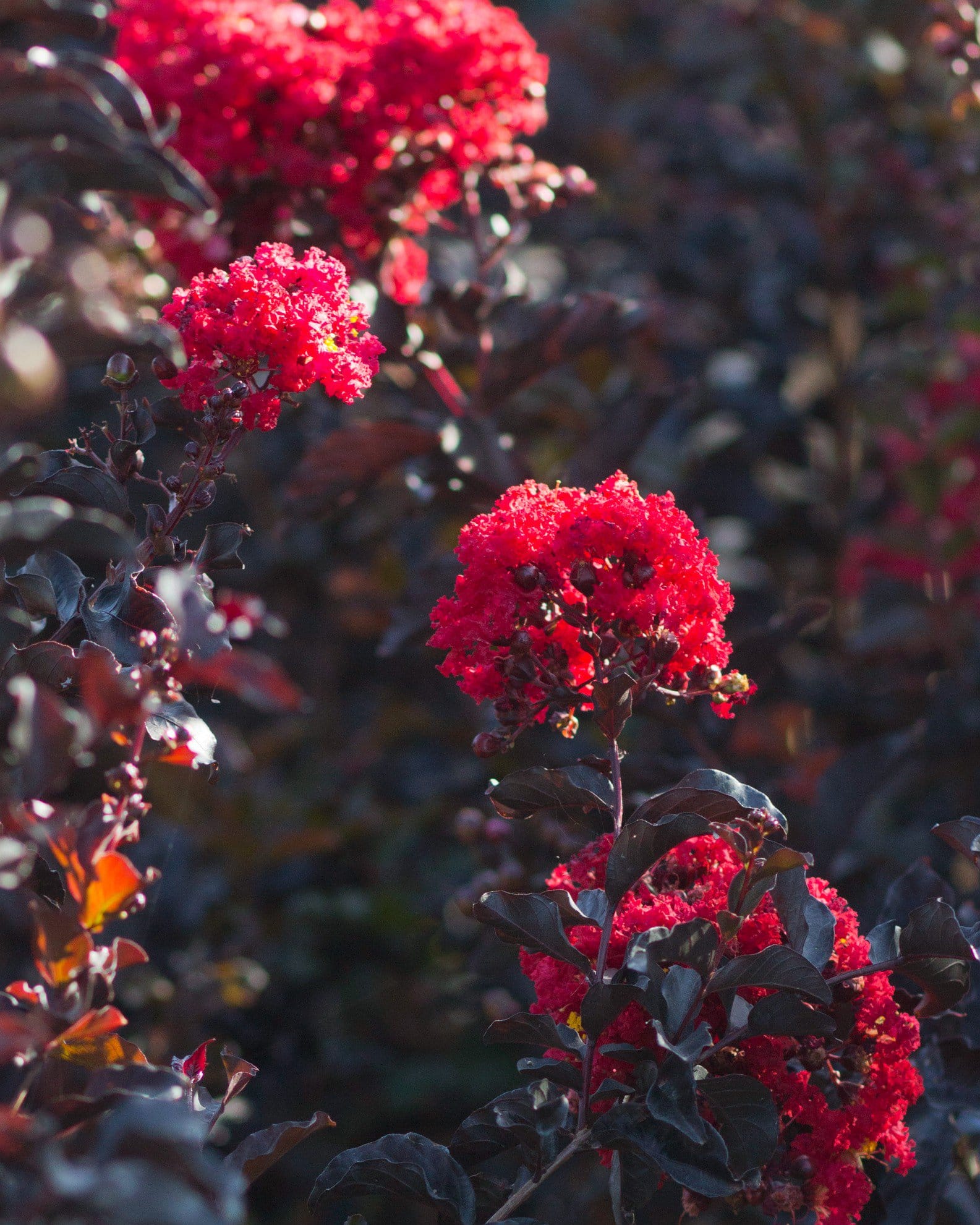
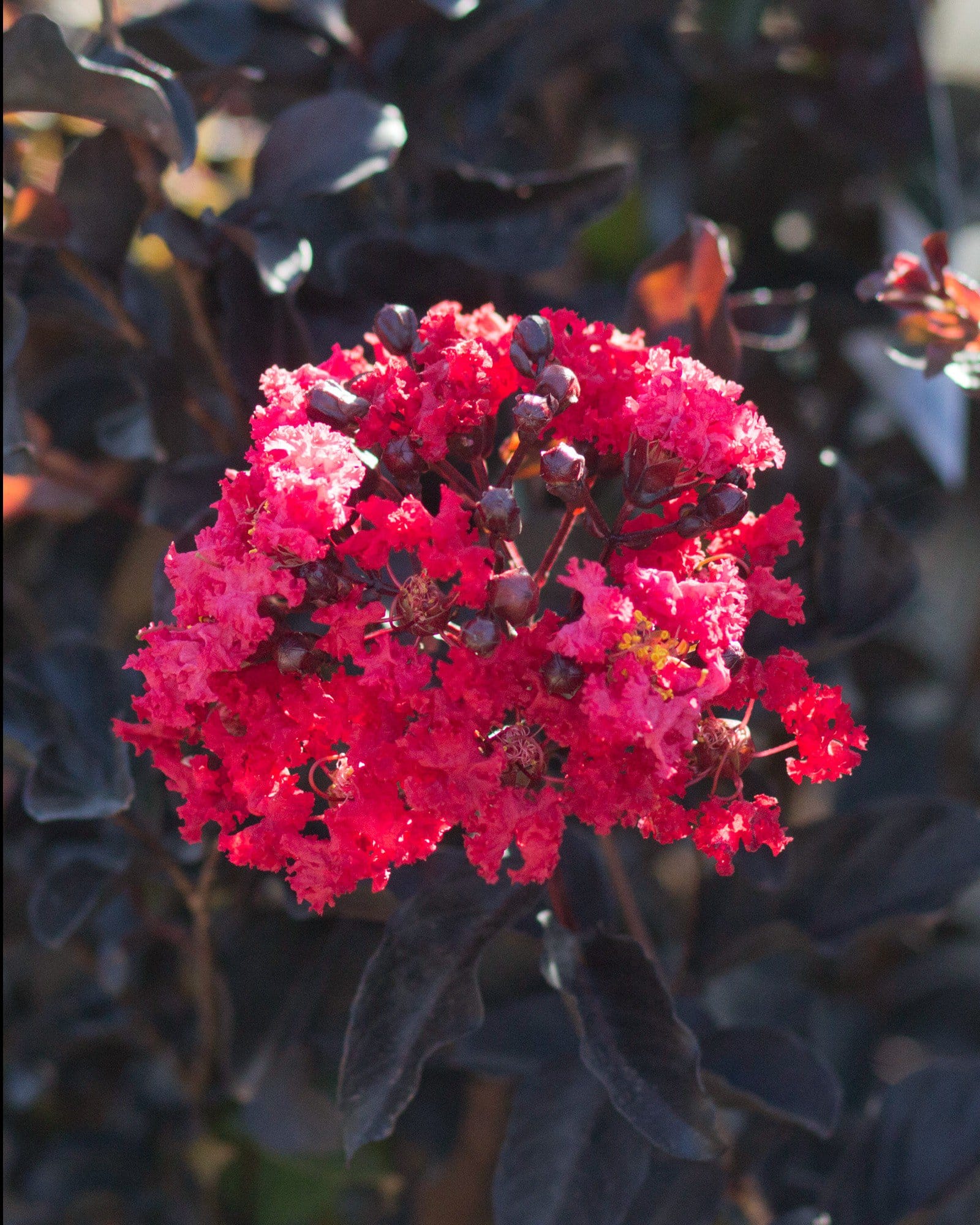
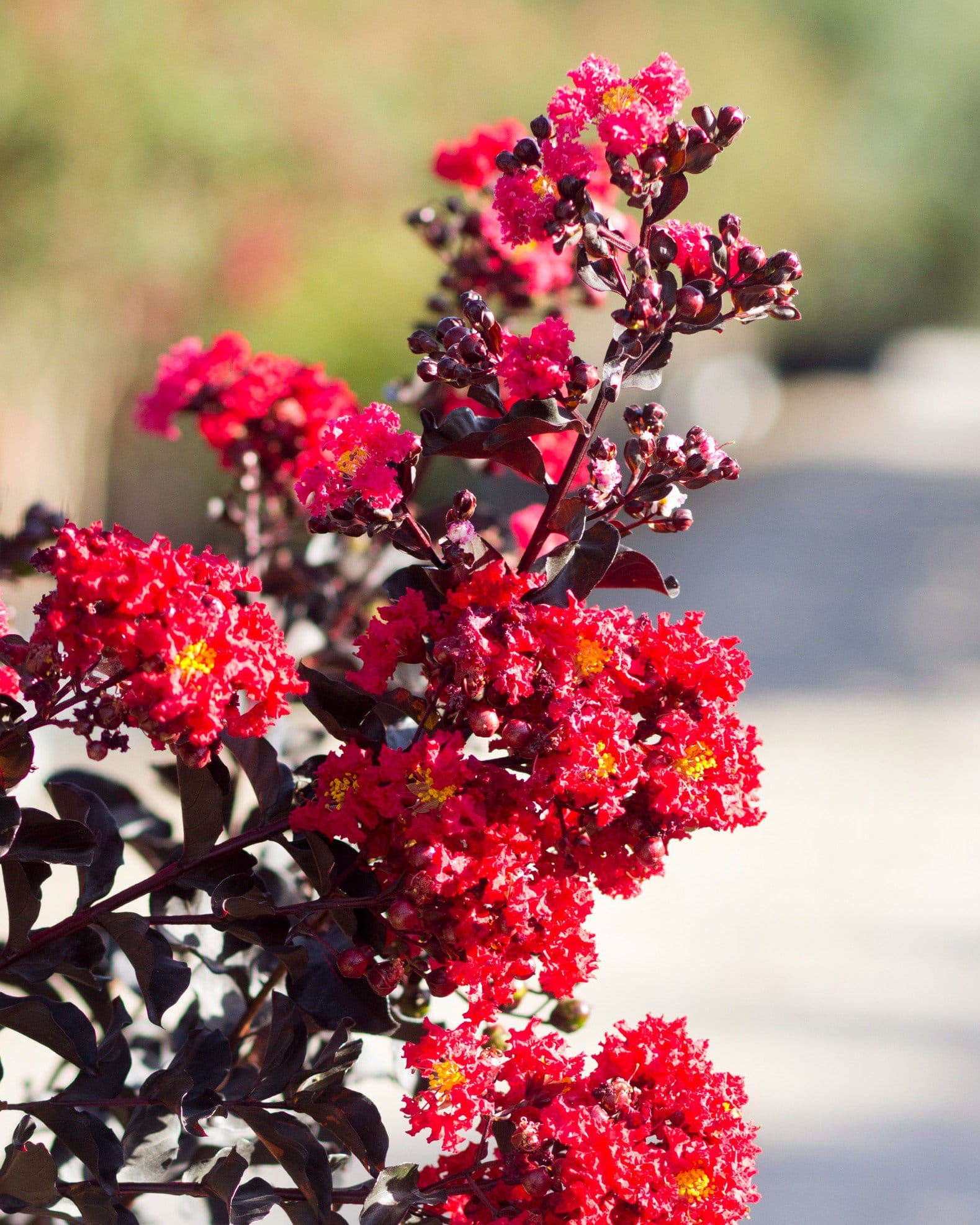
Lagerstroemia x 'JM1'Scarlet Crape Myrtle is admired for its brilliant scarlet-red blooms that cover the plant all throughout the summer. Its rich green leaves complement the vivid flowers, creating a stunning seasonal display. This tree grows 20 feet in height and 12 feet in width, with an upright and rounded growth habit, making it ideal for borders, hedges, or as a standout specimen. It attracts pollinators, bringing extra life to your bed.
- Deciduous tree
- Fast growth rate with upright, rounded habit
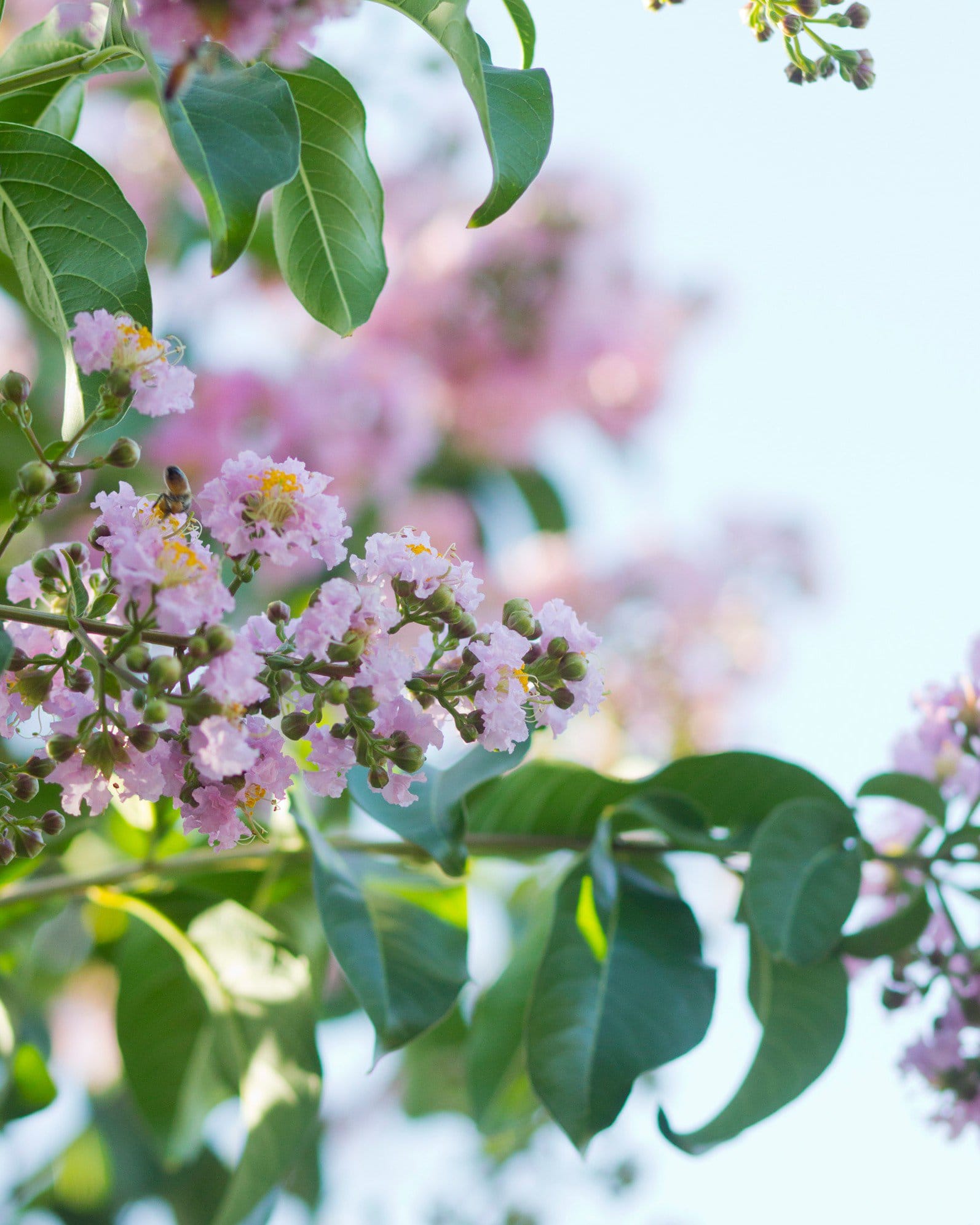
- Bright scarlet-red flowers all summer long
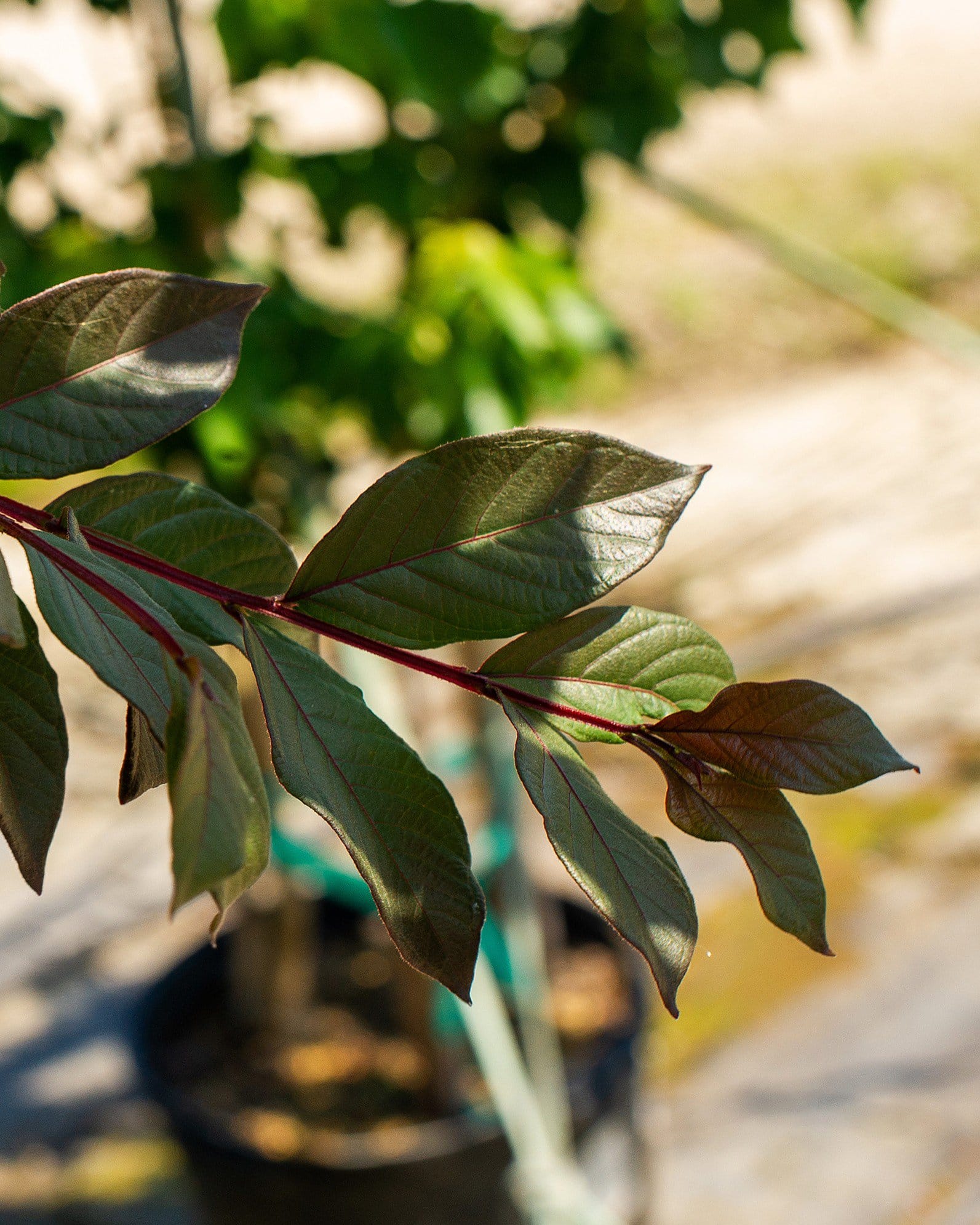
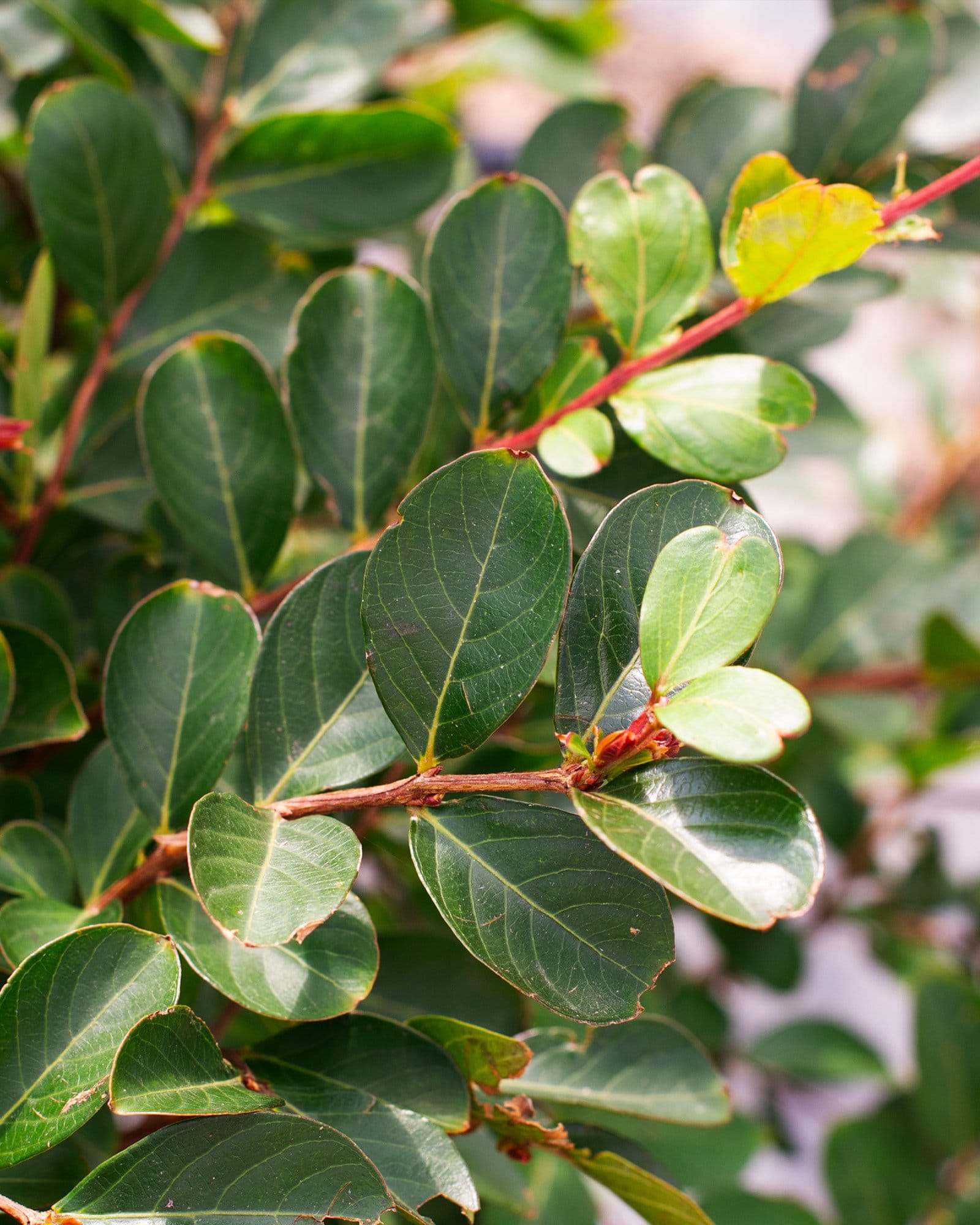
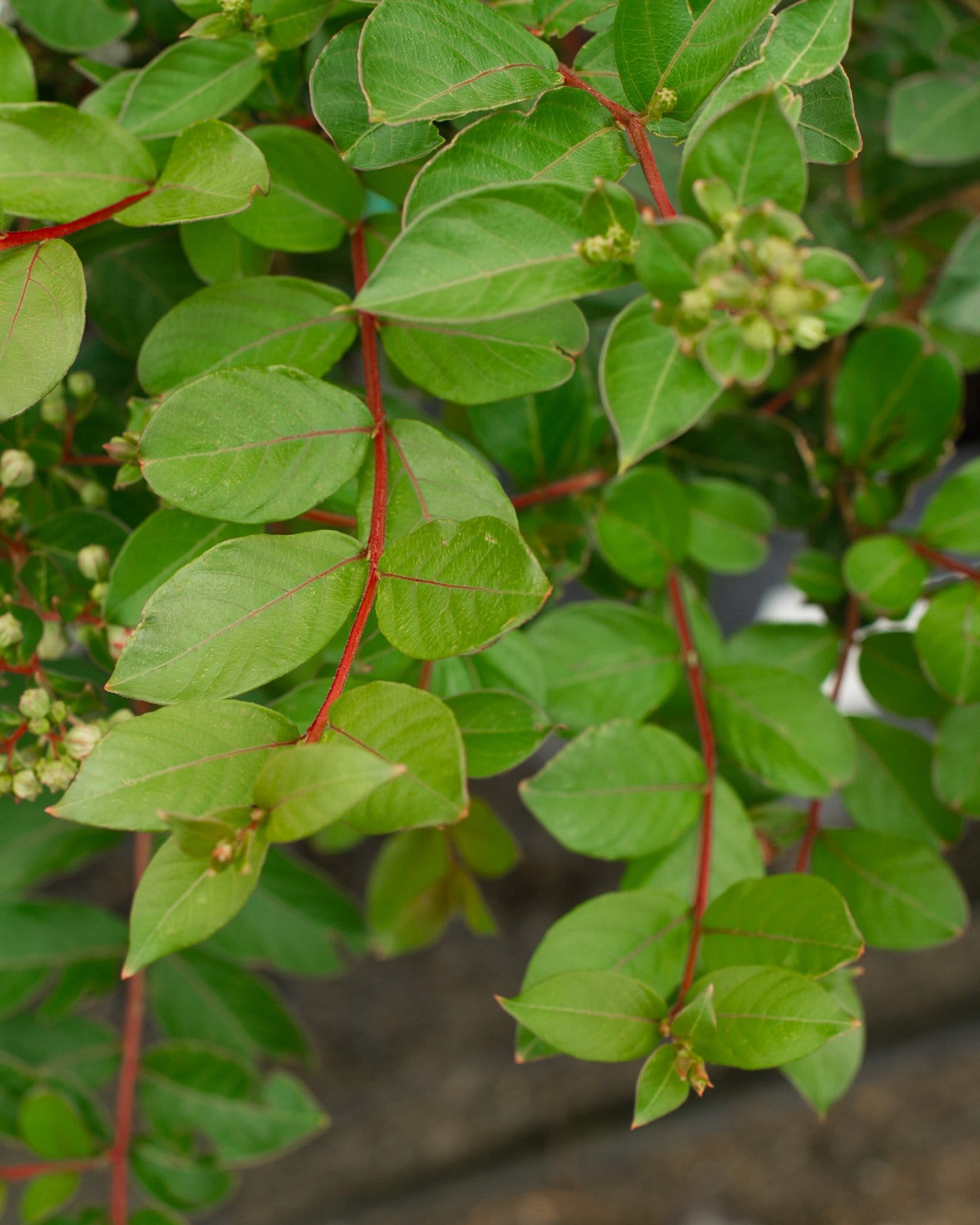
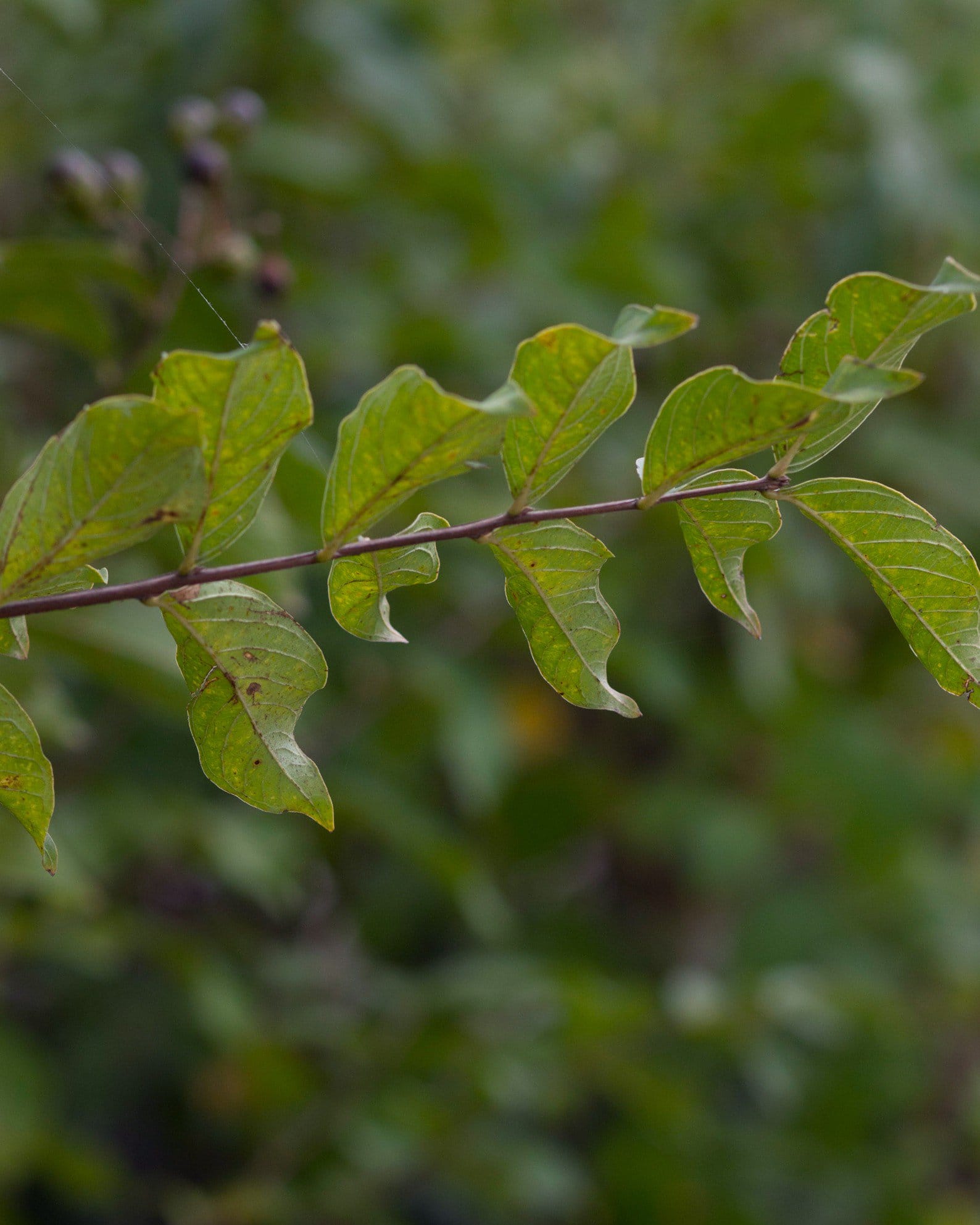
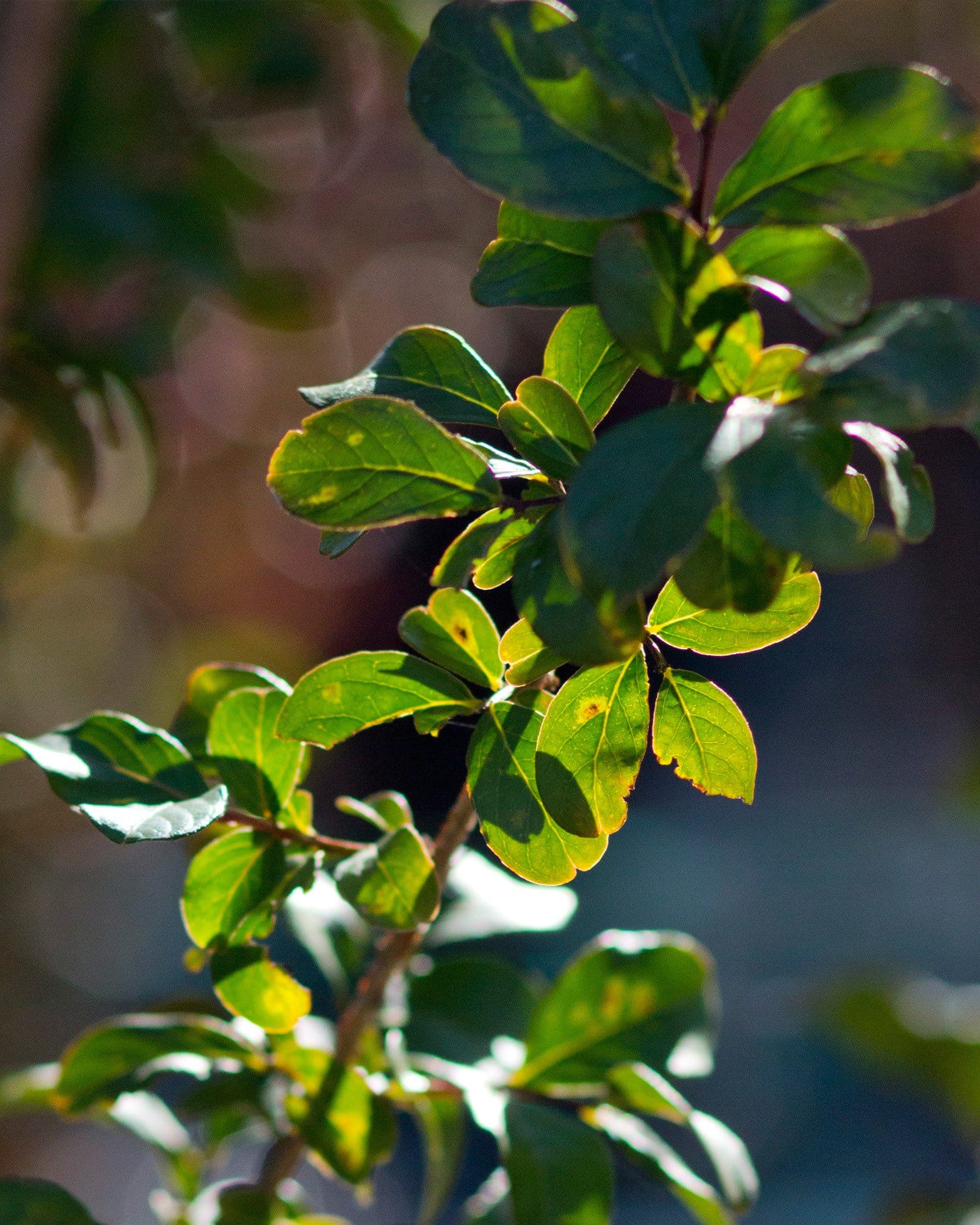
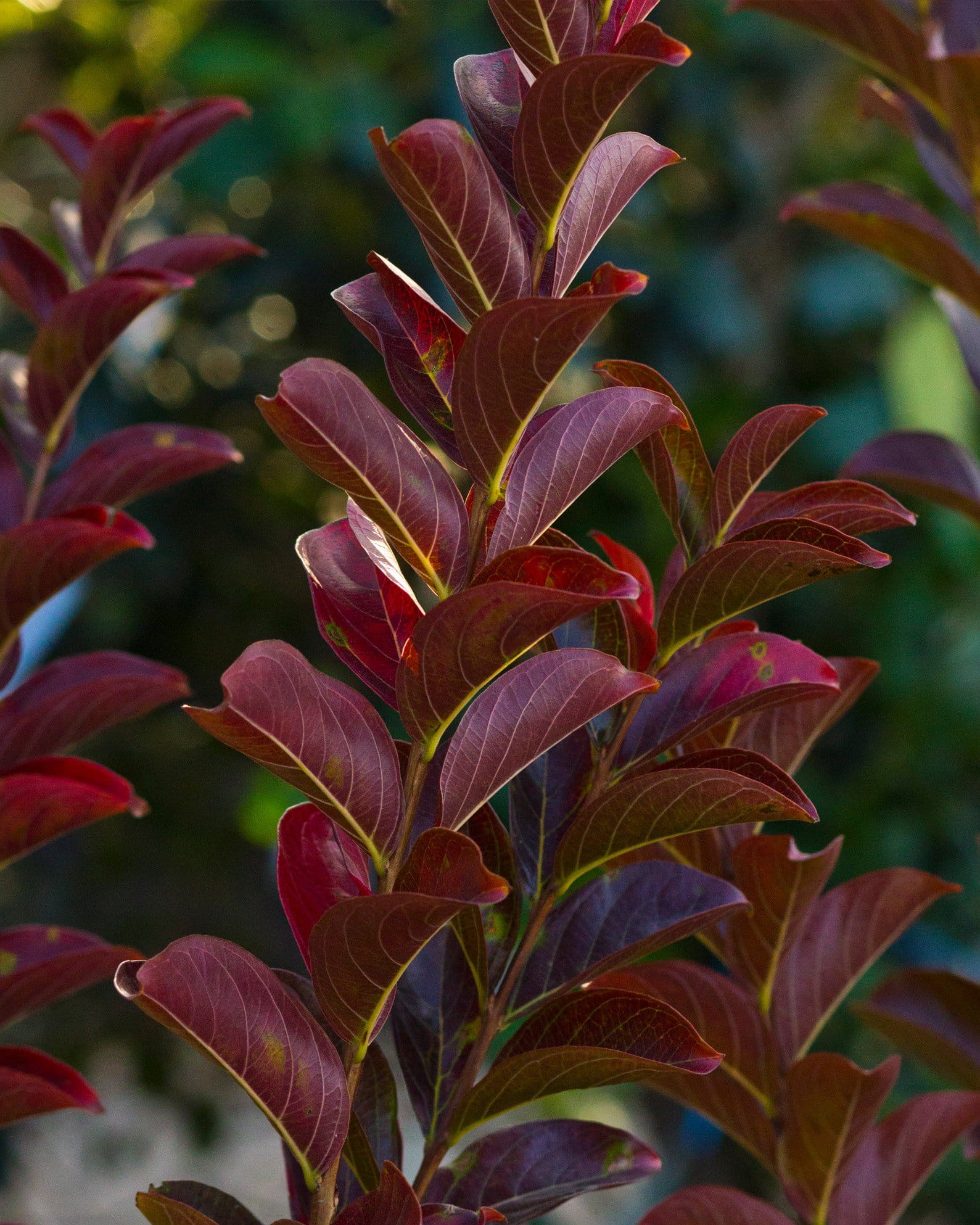
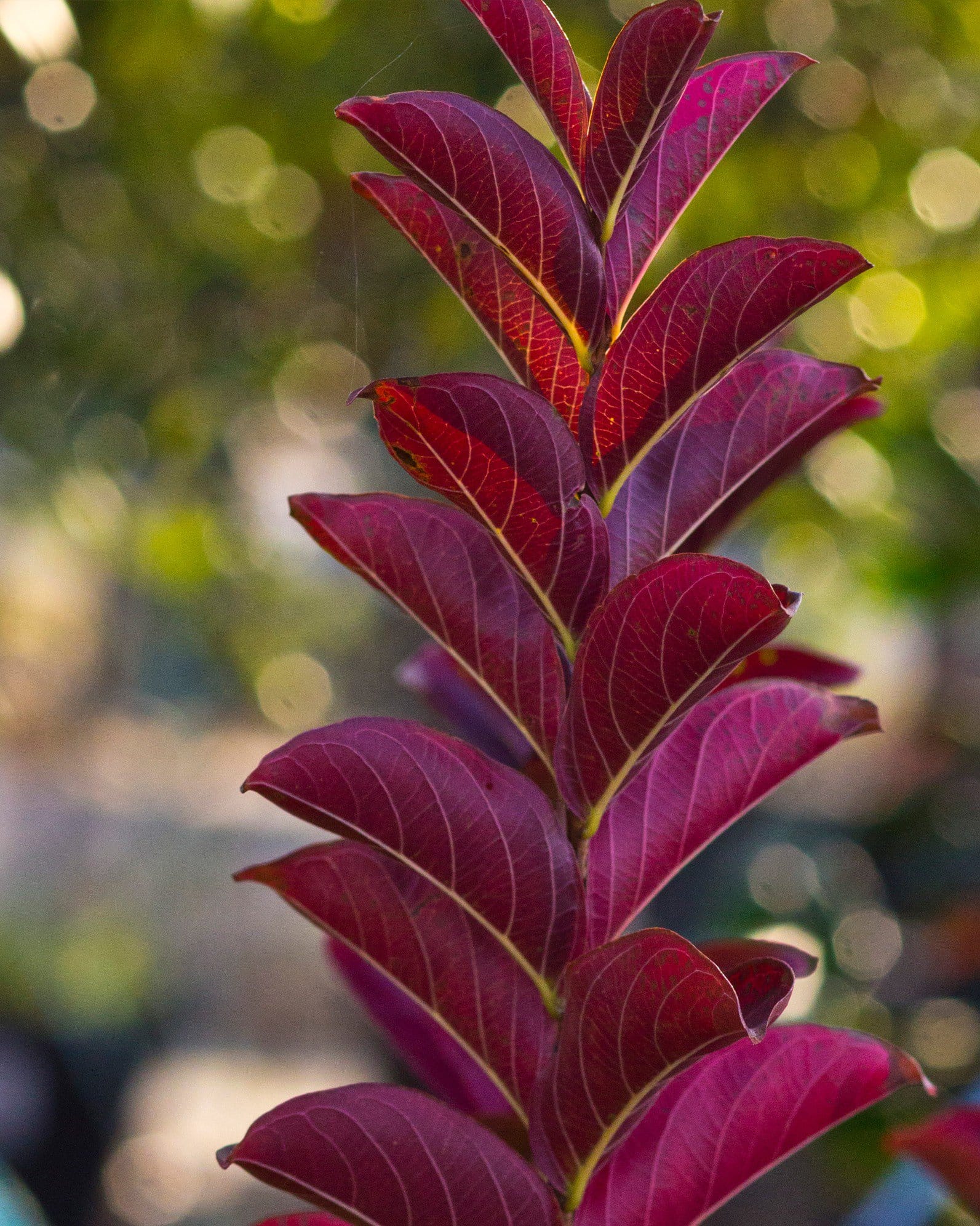
- Lush green foliage
- Attracts pollinators
Scarlet Crape Myrtle flourishes in full sun and well-drained soil. It is heat- and drought-tolerant once established and hardy in USDA zones 6 through 10. Regular trimming helps maintain its shape and encourages abundant blooms, making it a vibrant, low-effort addition to any Texas landscape.
Maintenance
Scarlet Crape Myrtle rewards minimal care with colorful growth. Here’s all it needs to thrive in landscapes across Texas:
- Watering: Water regularly during the first growing season to help roots establish deeply. Once mature, Scarlet Crape Myrtle is highly drought-tolerant and performs well with occasional deep watering during extended dry periods.
- Pruning: Prune in late winter or early spring before new growth begins. Remove any crossing or damaged branches and shape lightly to maintain a balanced framework. Avoid severe “topping” cuts - Scarlet Crape Myrtle naturally forms a well-proportioned canopy. Light trimming after the first bloom flush can encourage additional flowering through summer.
- Fertilizing: Apply a slow-release, balanced fertilizer in early spring as new growth appears. A light midsummer feeding can enhance vigor and promote extended blooming. Avoid over-fertilization, as excess nutrients can cause lush foliage at the expense of flowers.
- Mulching: Add a 2-3 inch layer of mulch around the root zone each spring to conserve moisture, moderate soil temperature, and suppress weeds. Keep mulch several inches away from the trunk to prevent rot and pests. Refresh annually for neatness and consistent protection.
- Winter care: Scarlet Crape Myrtle is hardy and dependable through Southern winters. In cooler climates, apply a layer of mulch around the base in late fall to insulate roots from frost. Any light winter dieback will quickly regrow once temperatures rise.
Common Issues and How to Take Care of Them
Scarlet Crape Myrtle is bred for superior disease resistance and low maintenance, but a few minor issues may appear under extreme conditions:
- Powdery Mildew: Appears as a white film on leaves during high humidity. Improve air circulation and apply a fungicide early in the season if needed.
- Aphids: Small green or black insects that feed on new growth. Rinse with a firm spray of water or use insecticidal soap to remove them.
- Sooty Mold: A harmless black coating caused by aphid residue. Manage aphids to prevent buildup, and wipe leaves clean if desired.
- Crape Myrtle Bark Scale: White, cottony patches on bark or stems. Treat with horticultural oil in late winter or early spring before new growth starts.
- Leaf Spot: Brown specks on foliage appearing late in the season. Rake and remove fallen leaves to reduce reinfection the following year.
- Root Rot: Caused by overly wet soil or poor drainage. Plant in a well-drained location and avoid standing water around the roots.
With proper care, it can live 40-60 years or longer. Its long lifespan and reliable flowering make it a staple choice for lasting landscape impact.
It grows at a moderate to fast pace, reaching full maturity within 5 to 7 years. Once established, it produces strong new growth and blooms heavily each season.
Yes! Its vibrant red blooms attract bees, butterflies, and other beneficial pollinators throughout the warm months.
Yes - it’s naturally unappealing to deer and rabbits due to its tough leaves and smooth bark.
Yes, smaller or dwarf forms of Scarlet Crape Myrtle adapt well to large containers or decorative pots. Ensure proper drainage and regular pruning to maintain proportion.
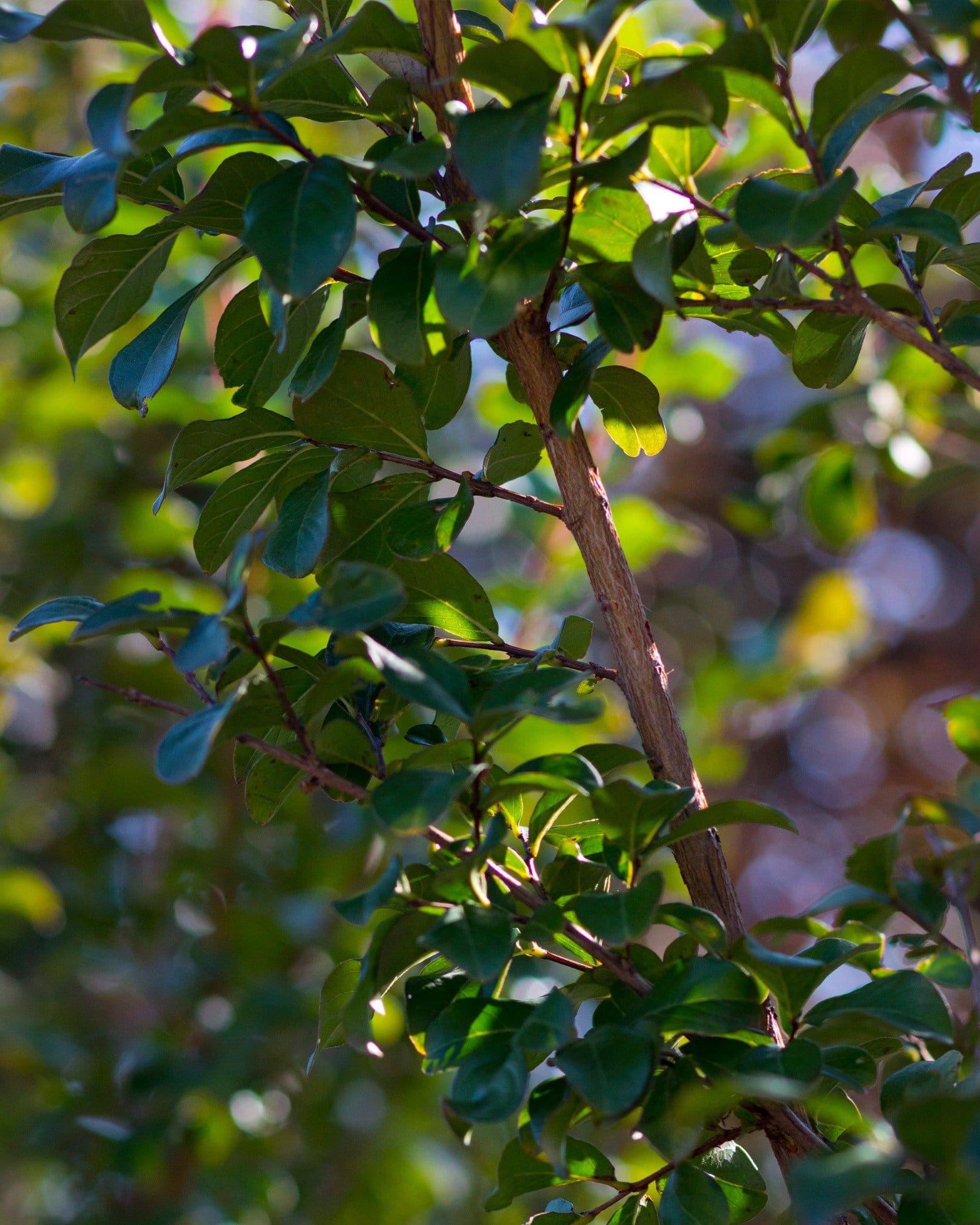
Absolutely. As it matures, its bark naturally peels to reveal smooth, cinnamon-brown layers beneath, providing winter interest and texture.
Its flowers have a light, sweet scent that adds subtle fragrance to the air, especially noticeable in the early morning and evening.
Yes. Remove one or two of the oldest trunks at the base in early spring to promote vigorous new shoots and restore a fuller canopy.
Definitely. Its strong heat tolerance, compact form, and dazzling color make it ideal for street plantings, medians, and high-traffic landscapes that demand both beauty and durability.
Its intense, true-red blooms hold their color beautifully even in high heat, and its disease resistance and smooth bark make it both stunning and dependable - a perfect combination of beauty and resilience.
Special Features
You might also like
Compare Similar Plants
Scarlet Crape Myrtle This plant | ||
|---|---|---|
| Scientific Name | Lagerstroemia x 'JM1' | Lagerstroemia × 'Muskogee' |
| Size at Maturity | 20' H x 12' W | 25' H x 20' W |
| Leaf Retention | Deciduous | Deciduous |
| Fall Color | Yellow | Yellow |
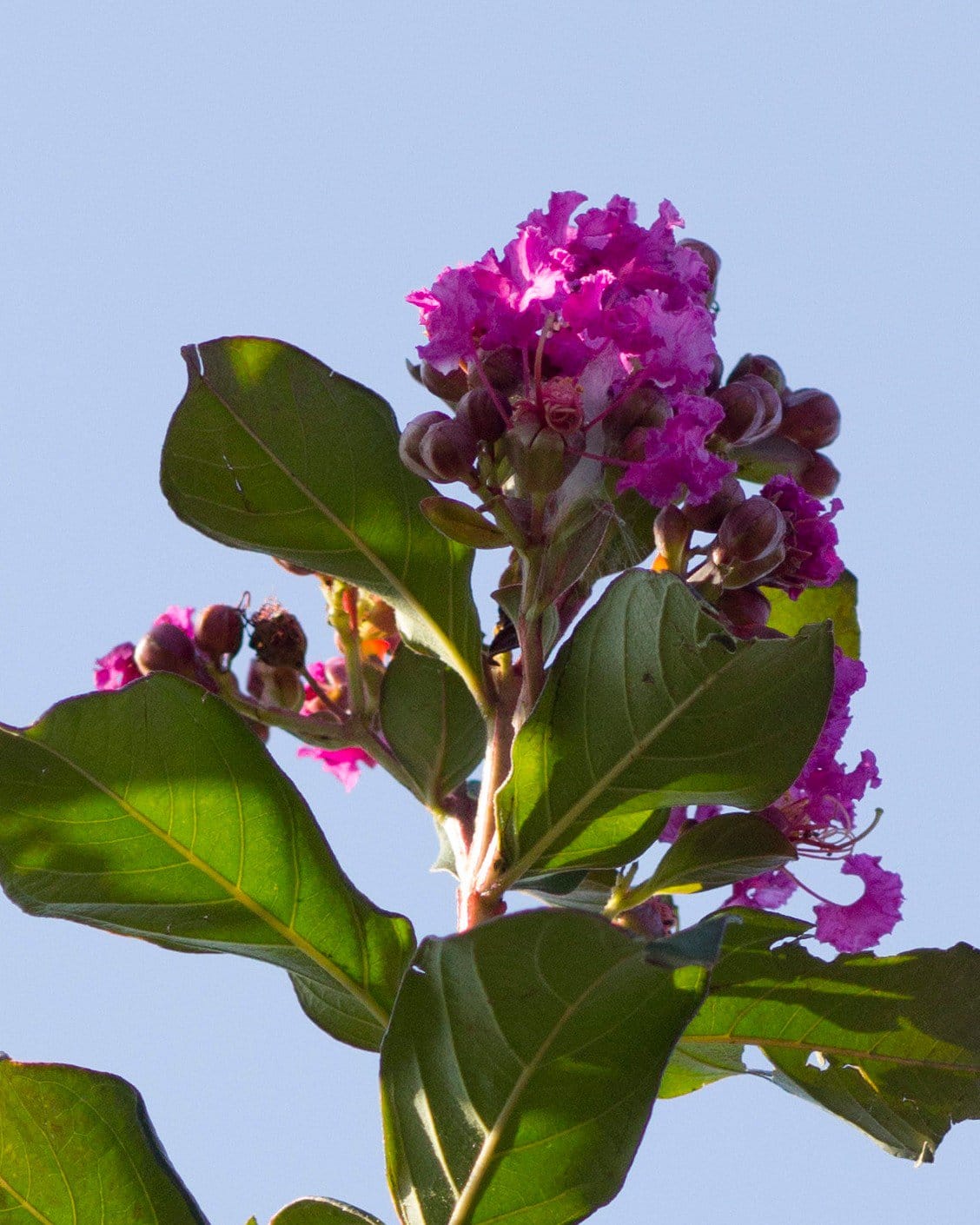
| Flower Color | Red | Purple |
| Bloom Times | Summer | Summer |
| Sizes Available | 3, 15, 30, 45 gal | 15, 30, 45 gal |


Our 1-Year Planting Guarantee
We take pride in our plants and installation services. If any plants or trees installed by Treeland fail to thrive within the first year, we'll provide a replacement credit in accordance with our guarantee program.
Learn More About Our Guarantee