
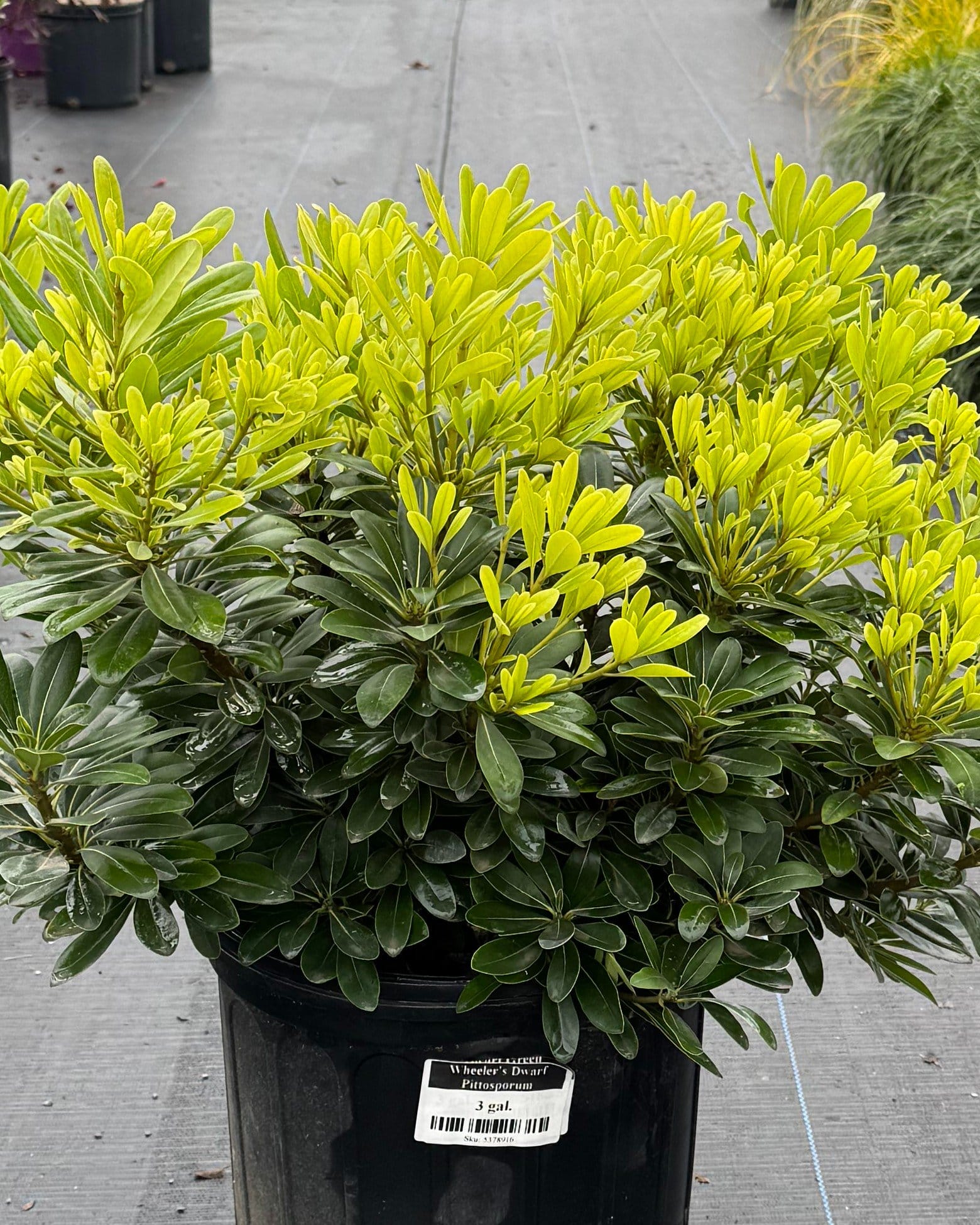
Wheeler's Dwarf Pittosporum
Pittosporum tobira 'Wheeler's Dwarf'Local DFW Delivery Only
Product Details
Wheeler's Dwarf Pittosporum
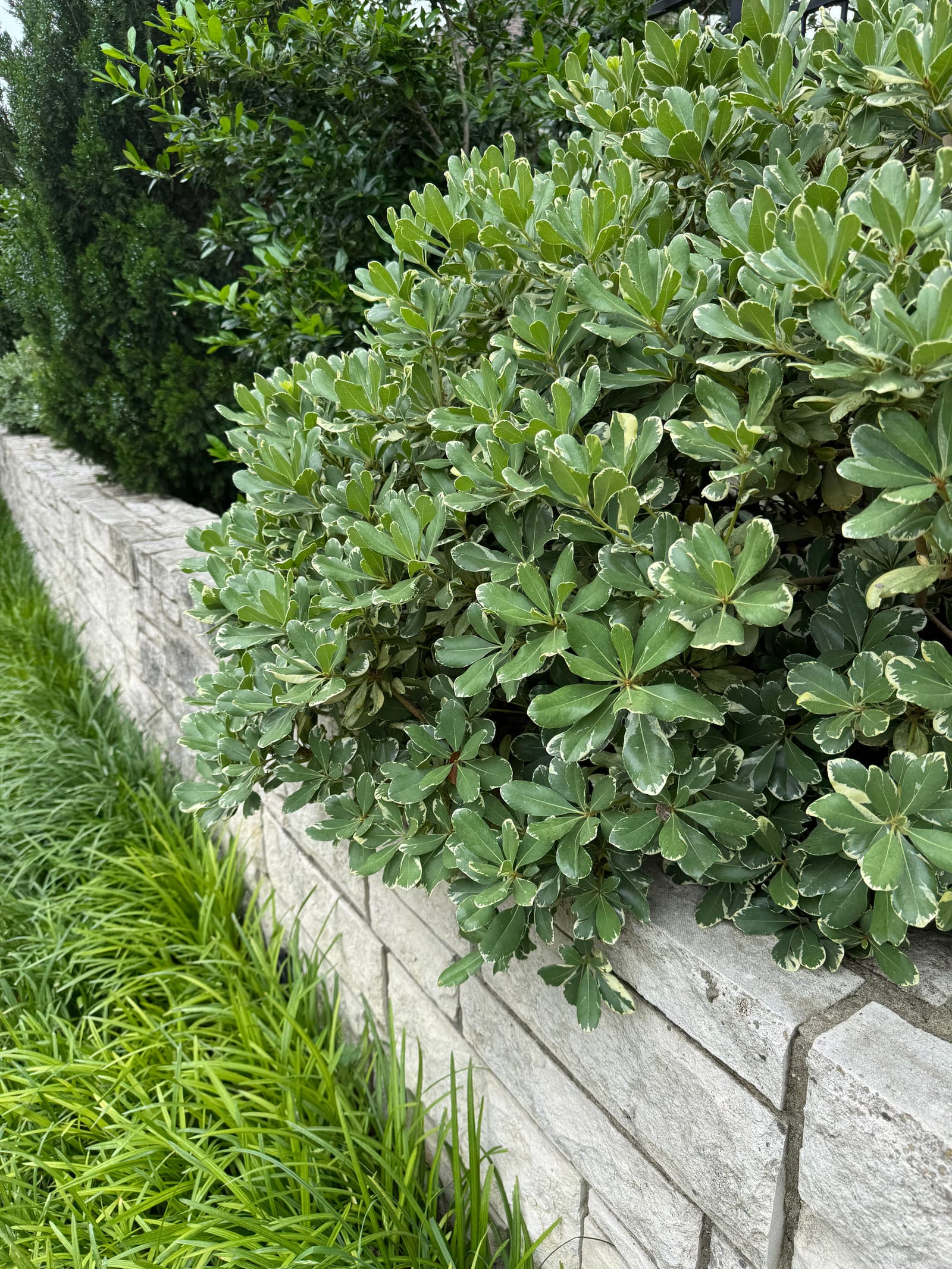
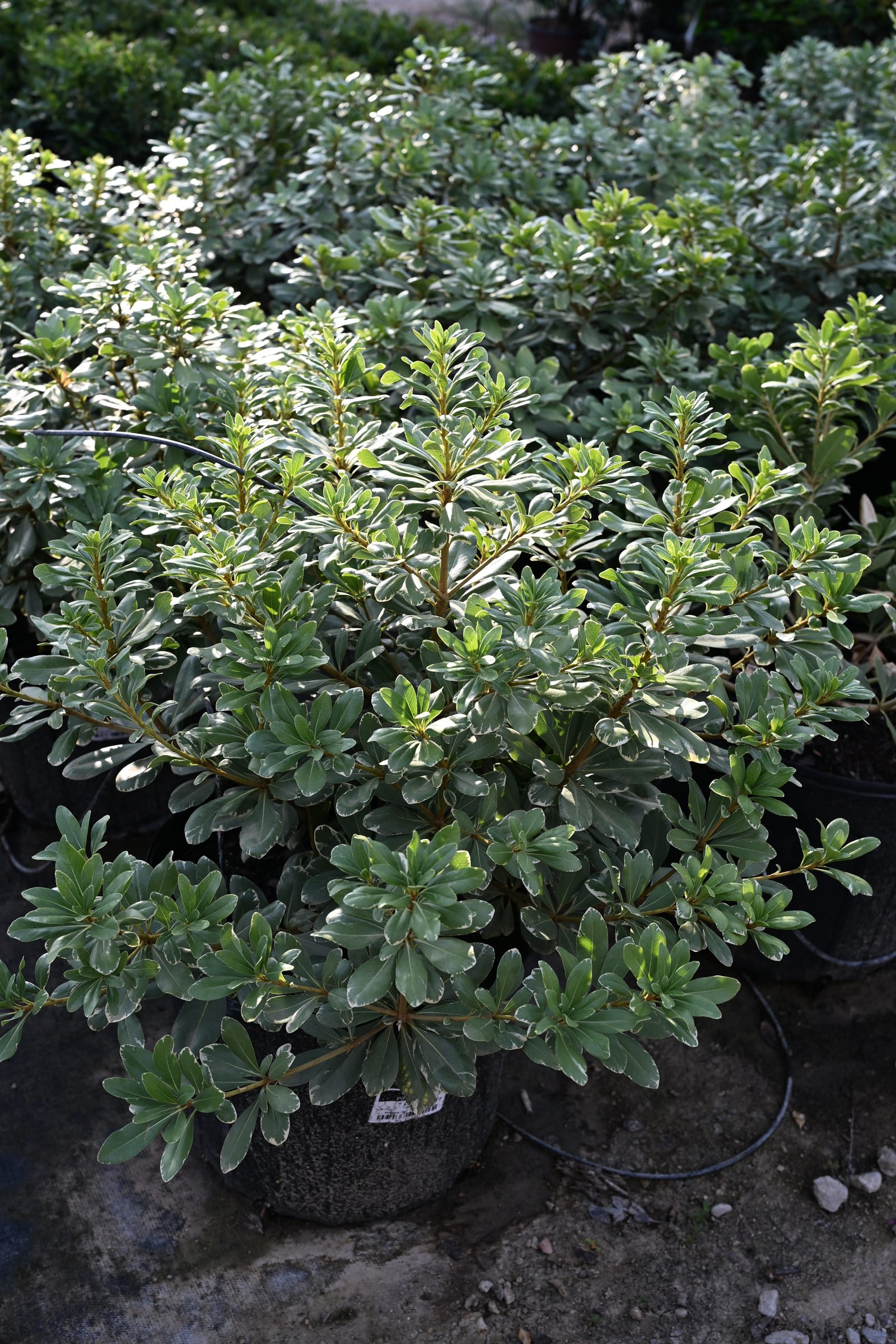
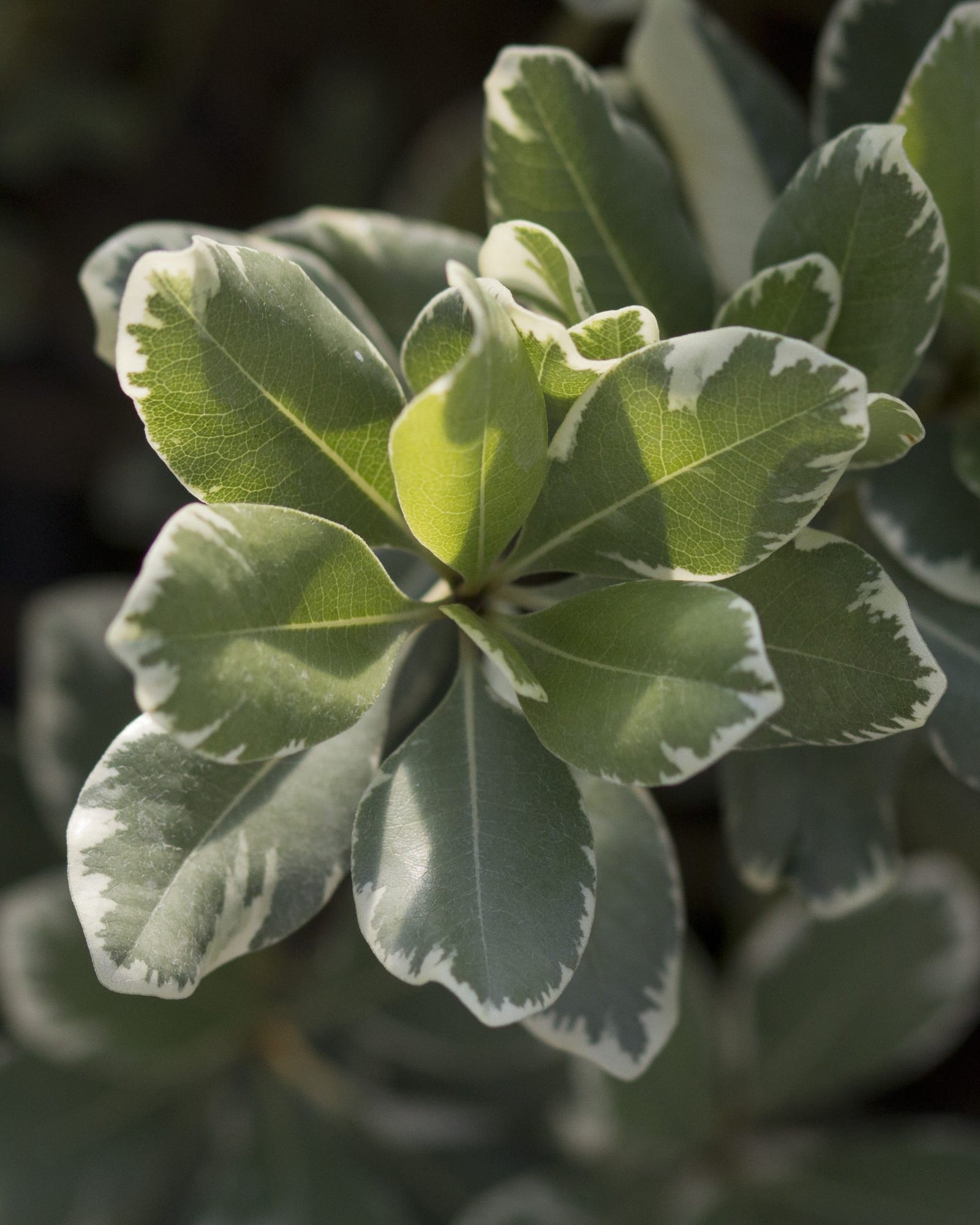
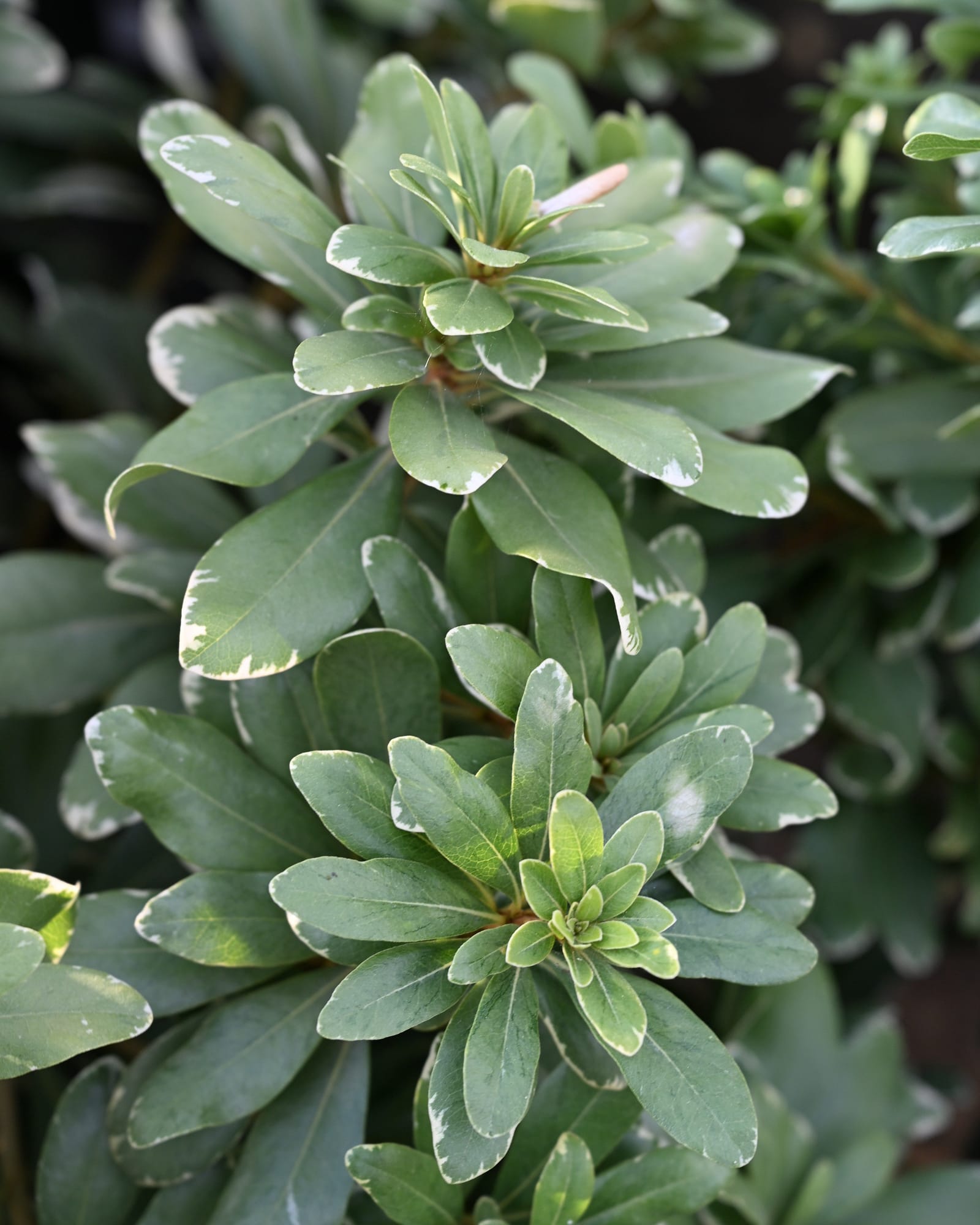
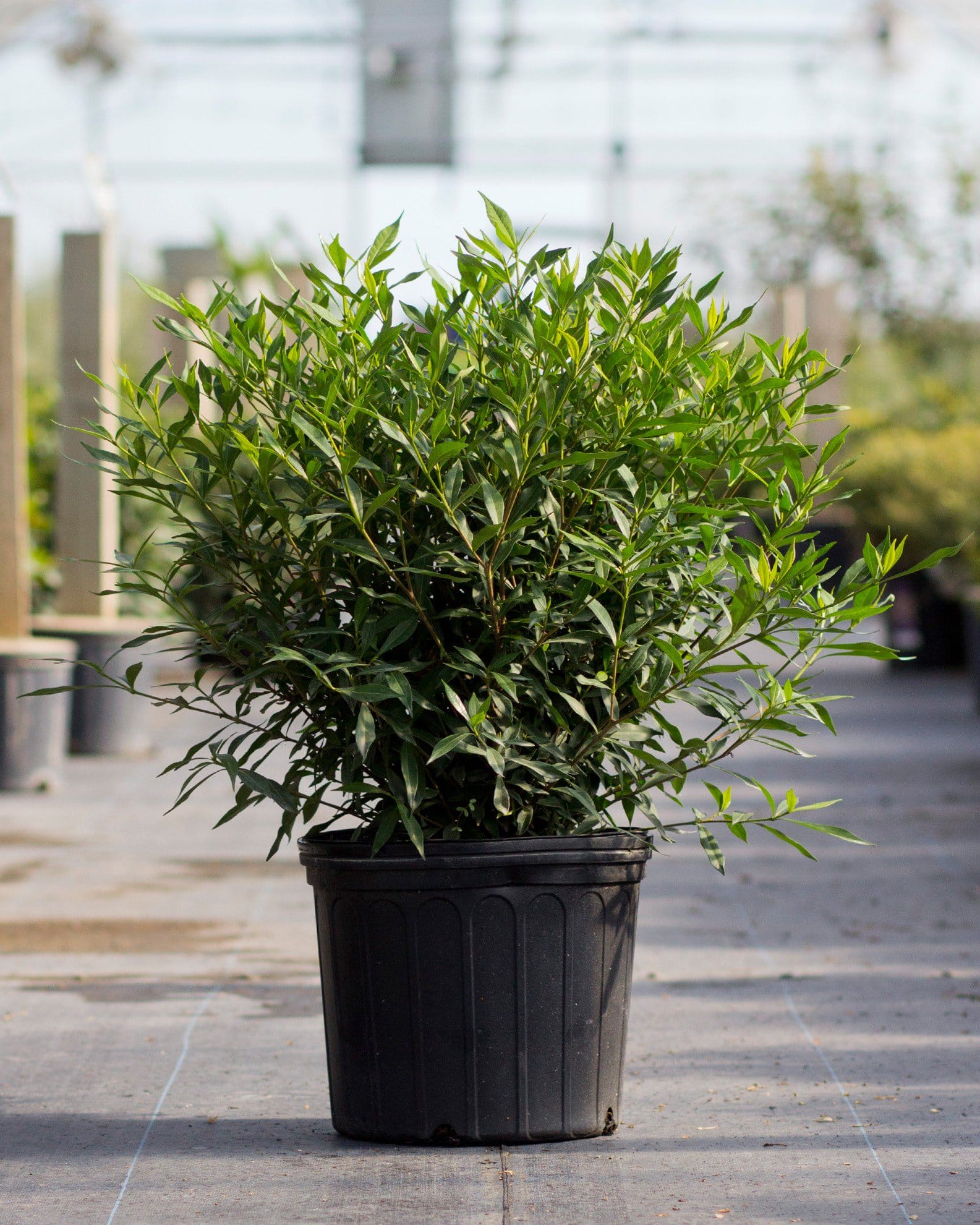
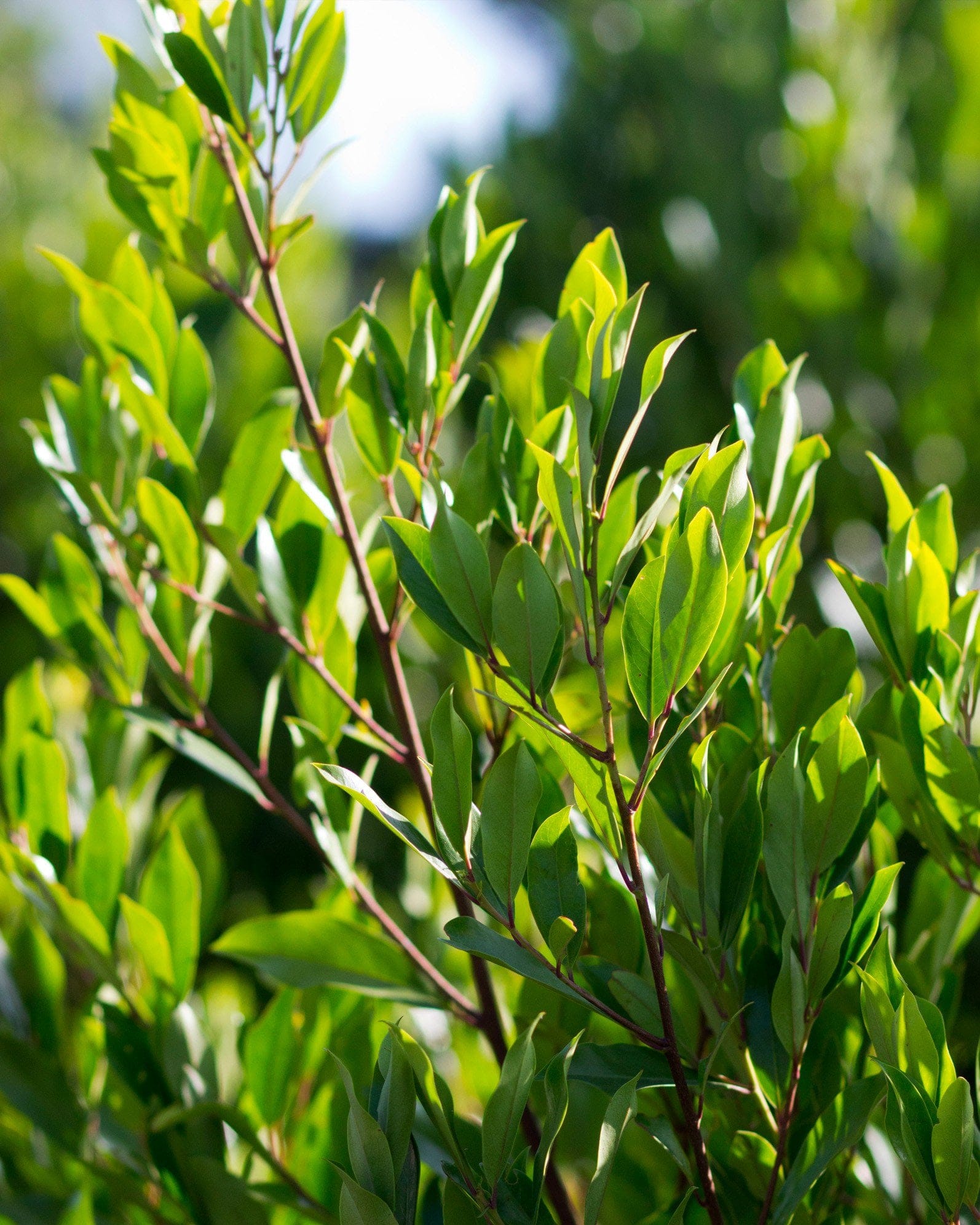
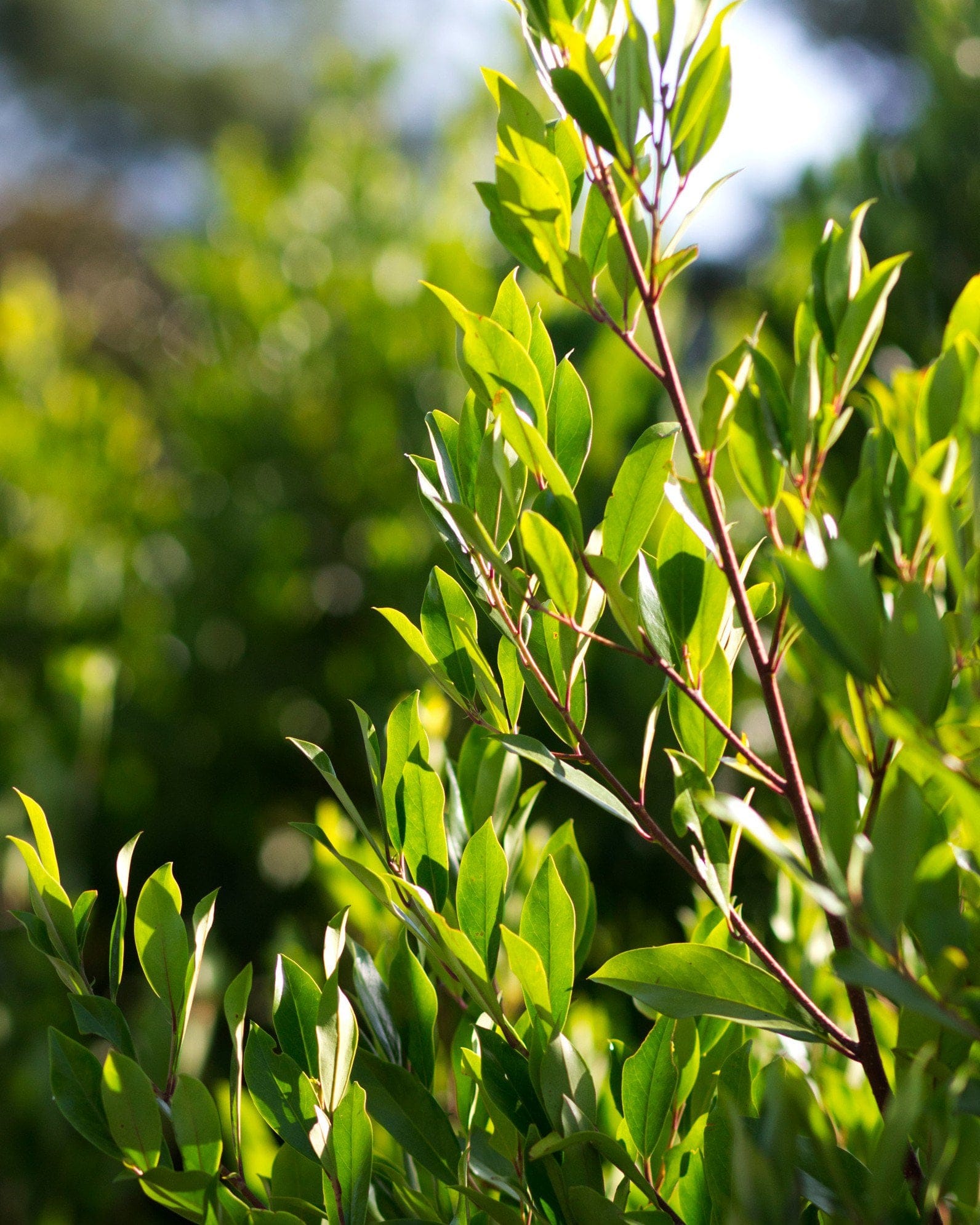
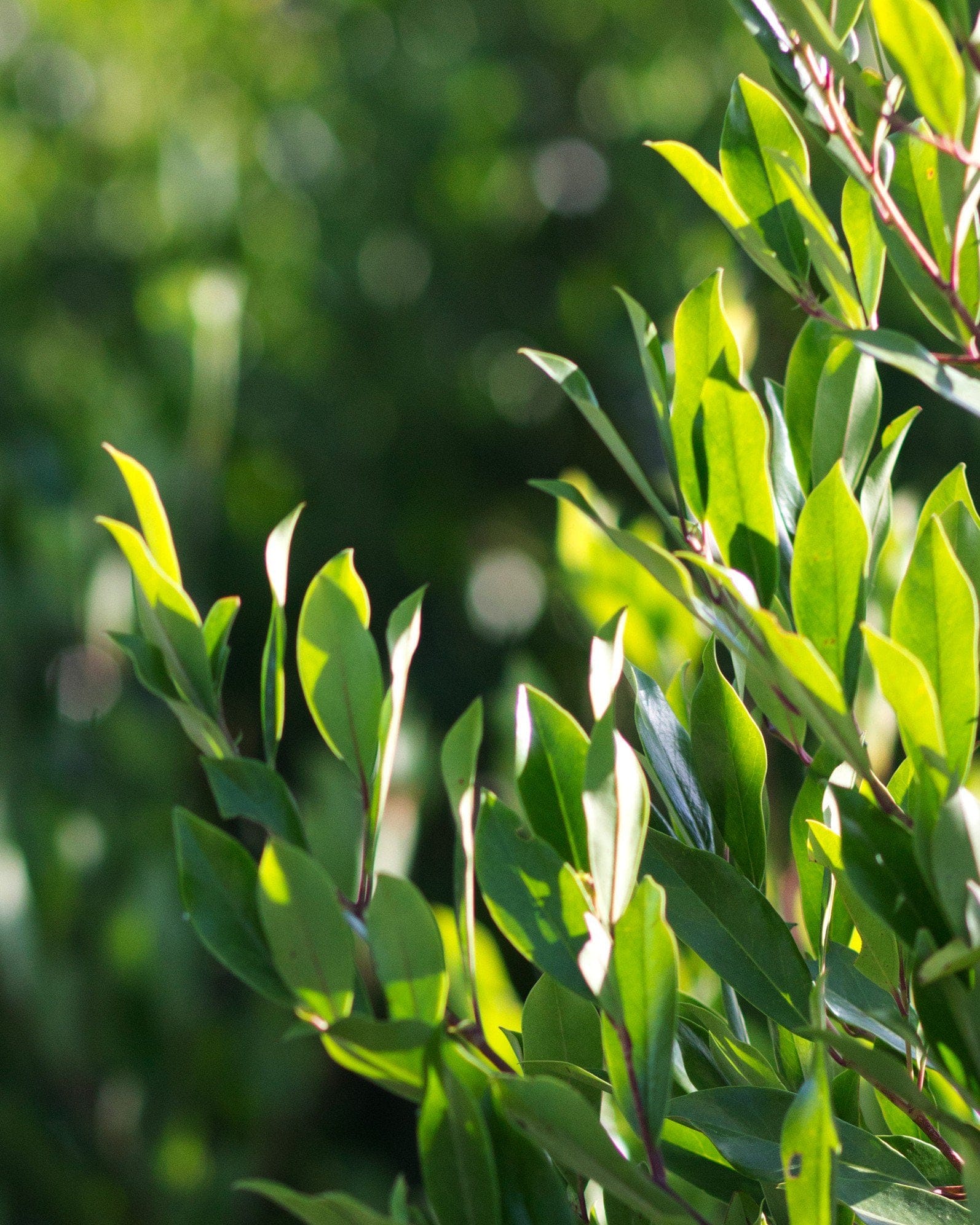
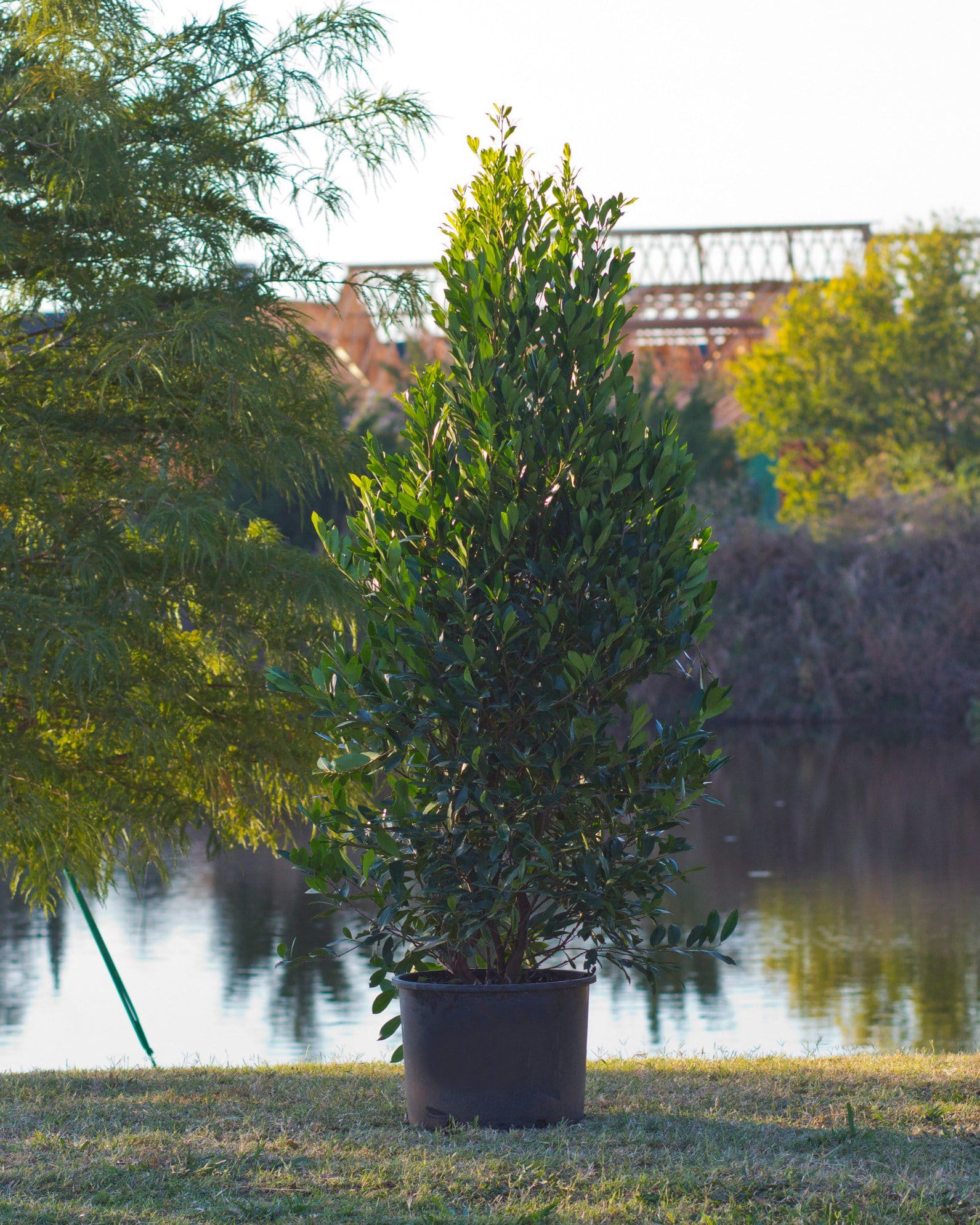
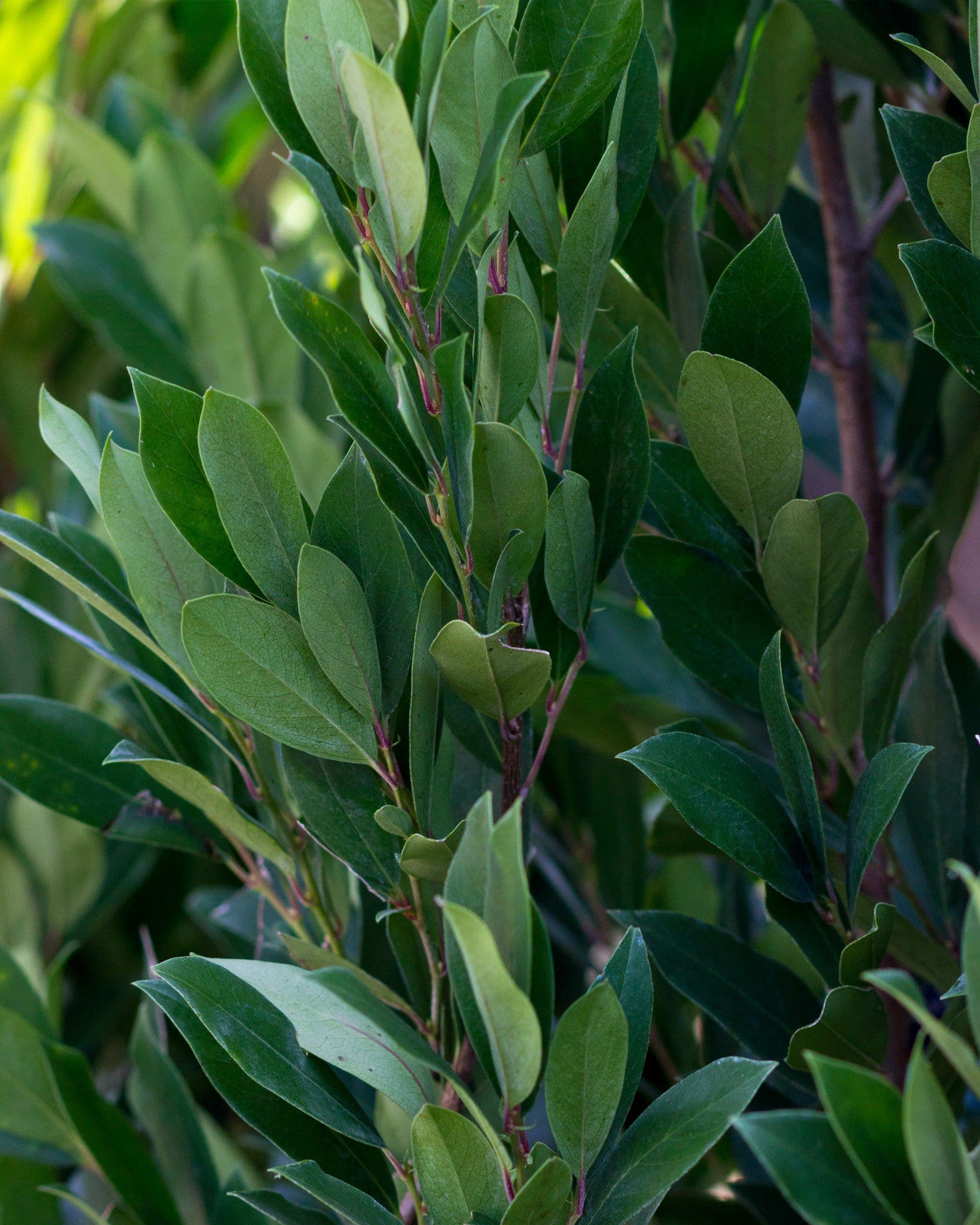
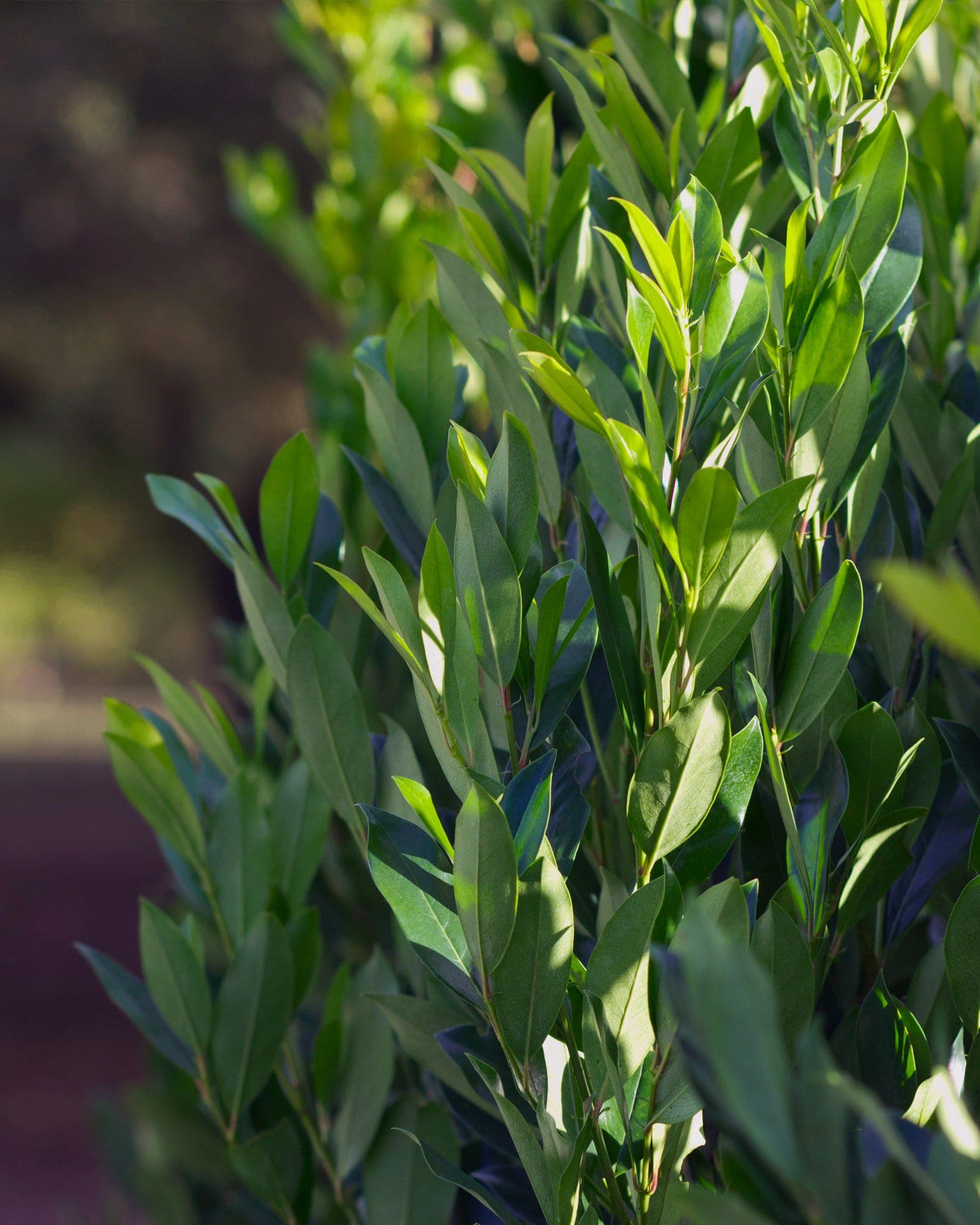
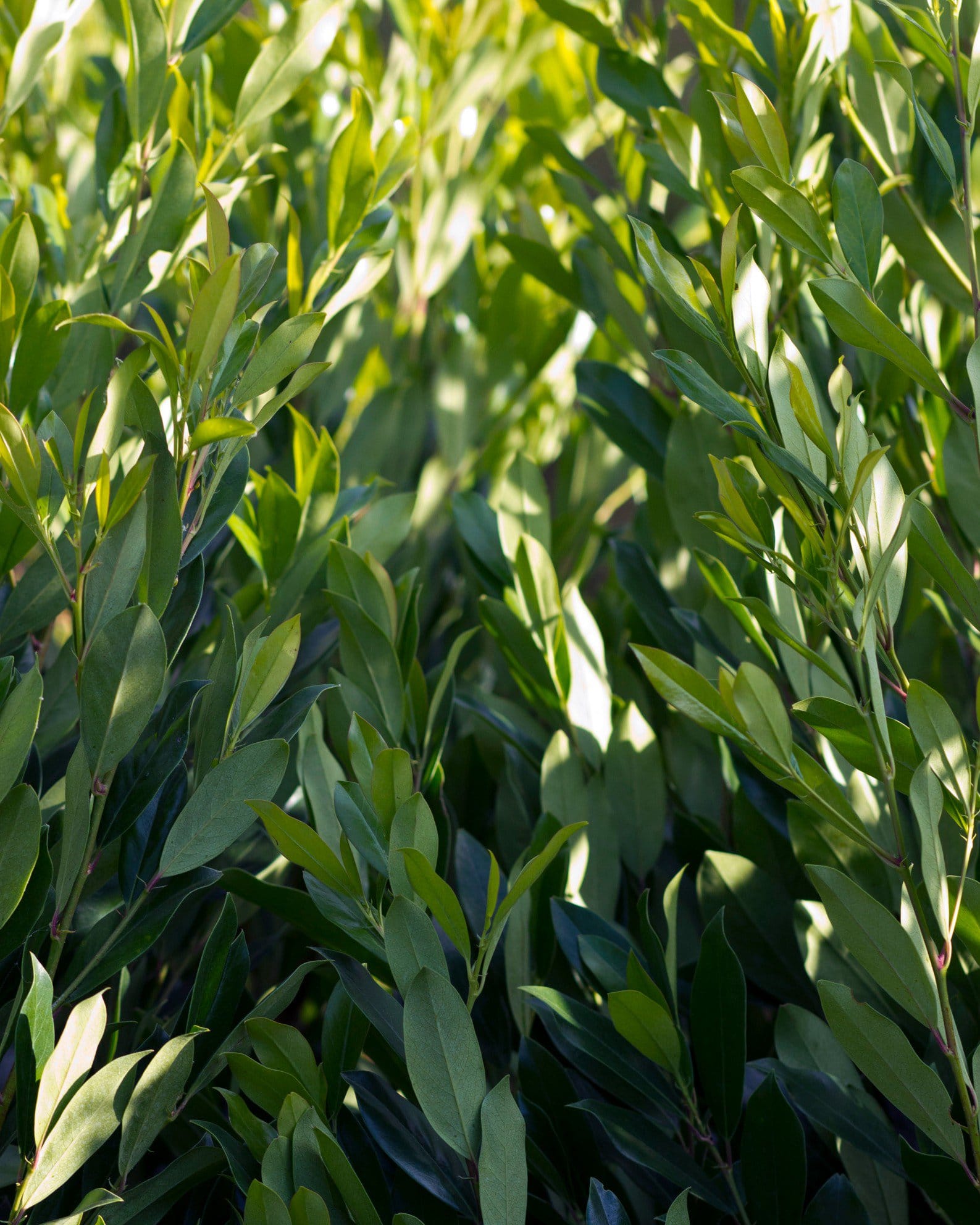
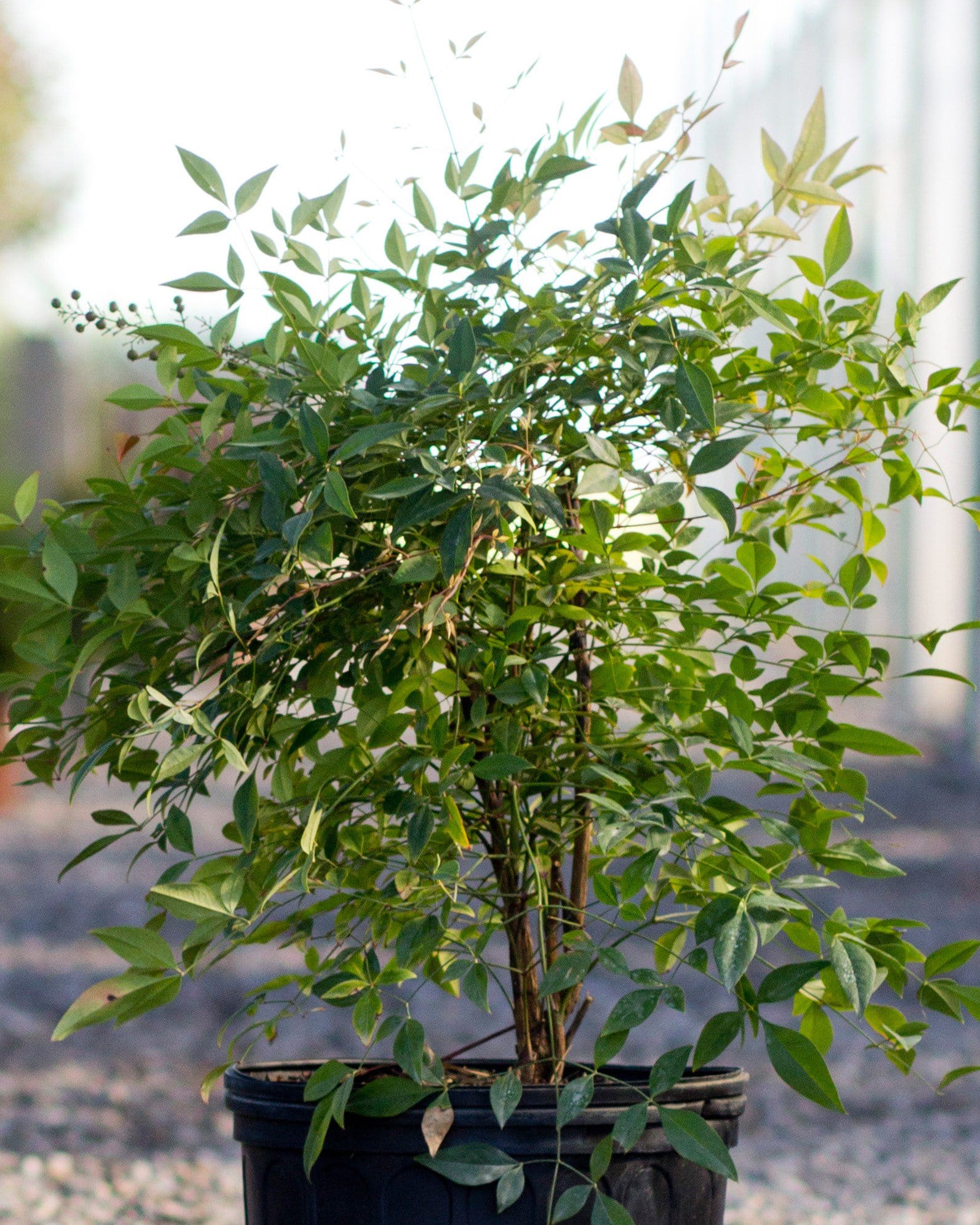
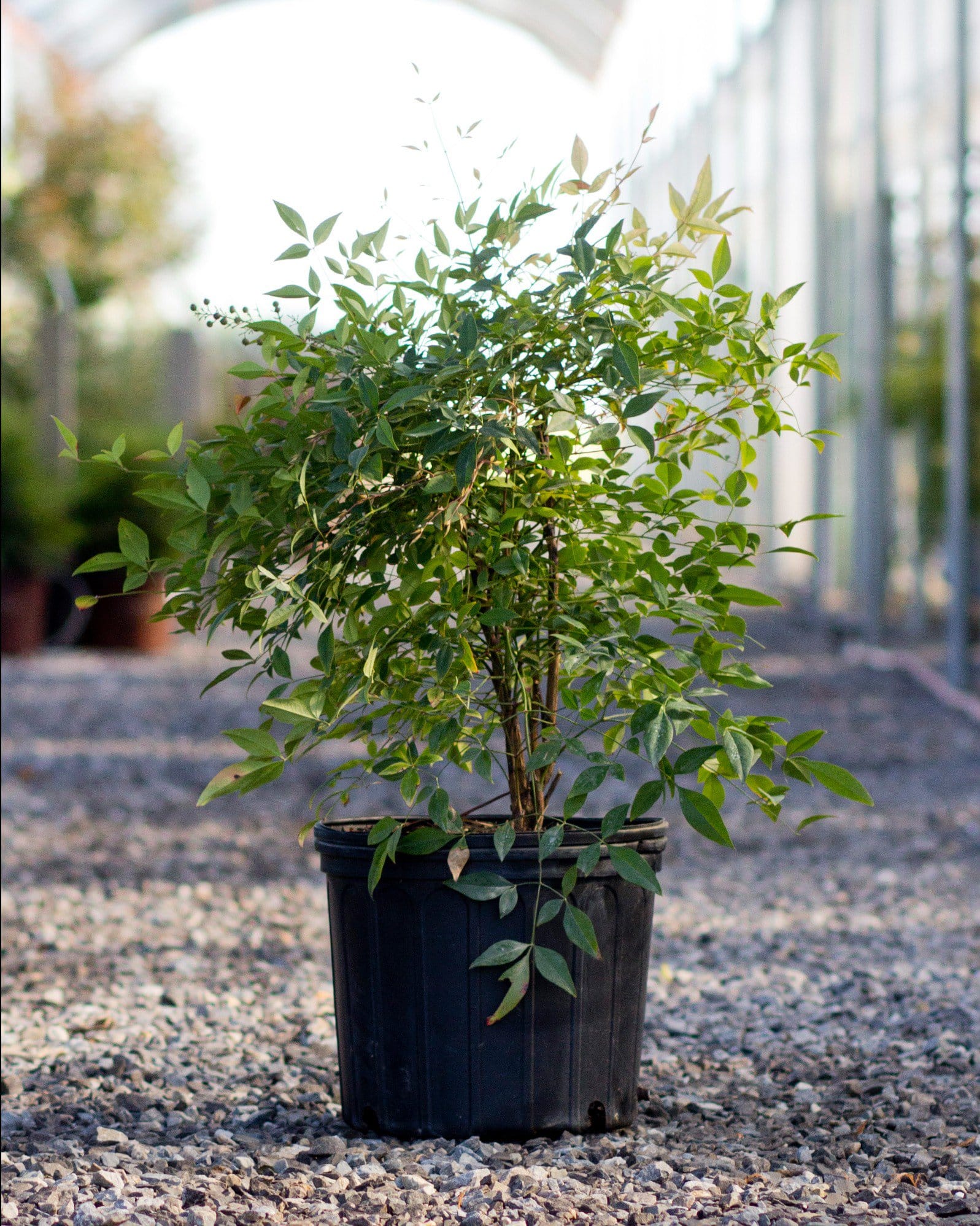
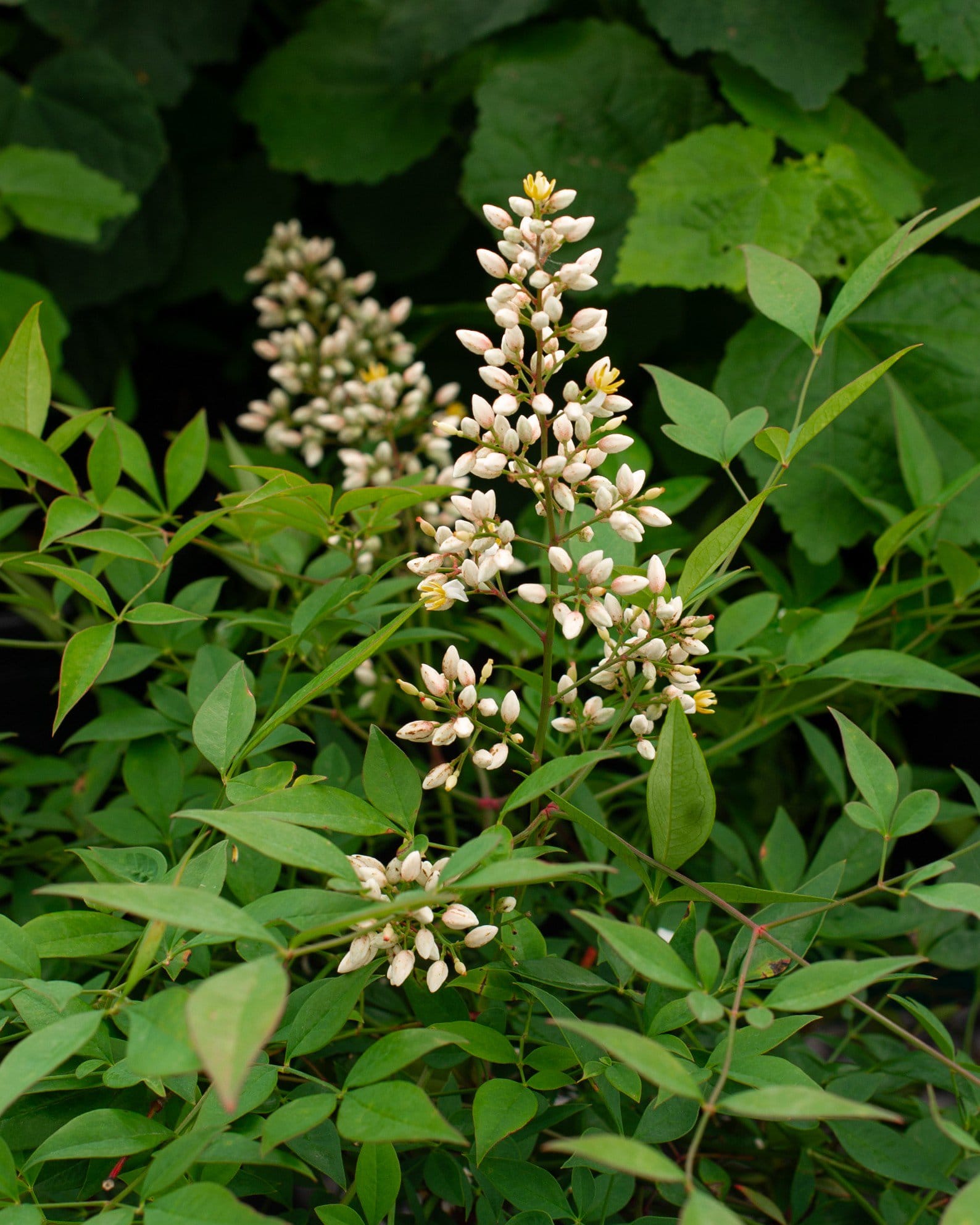
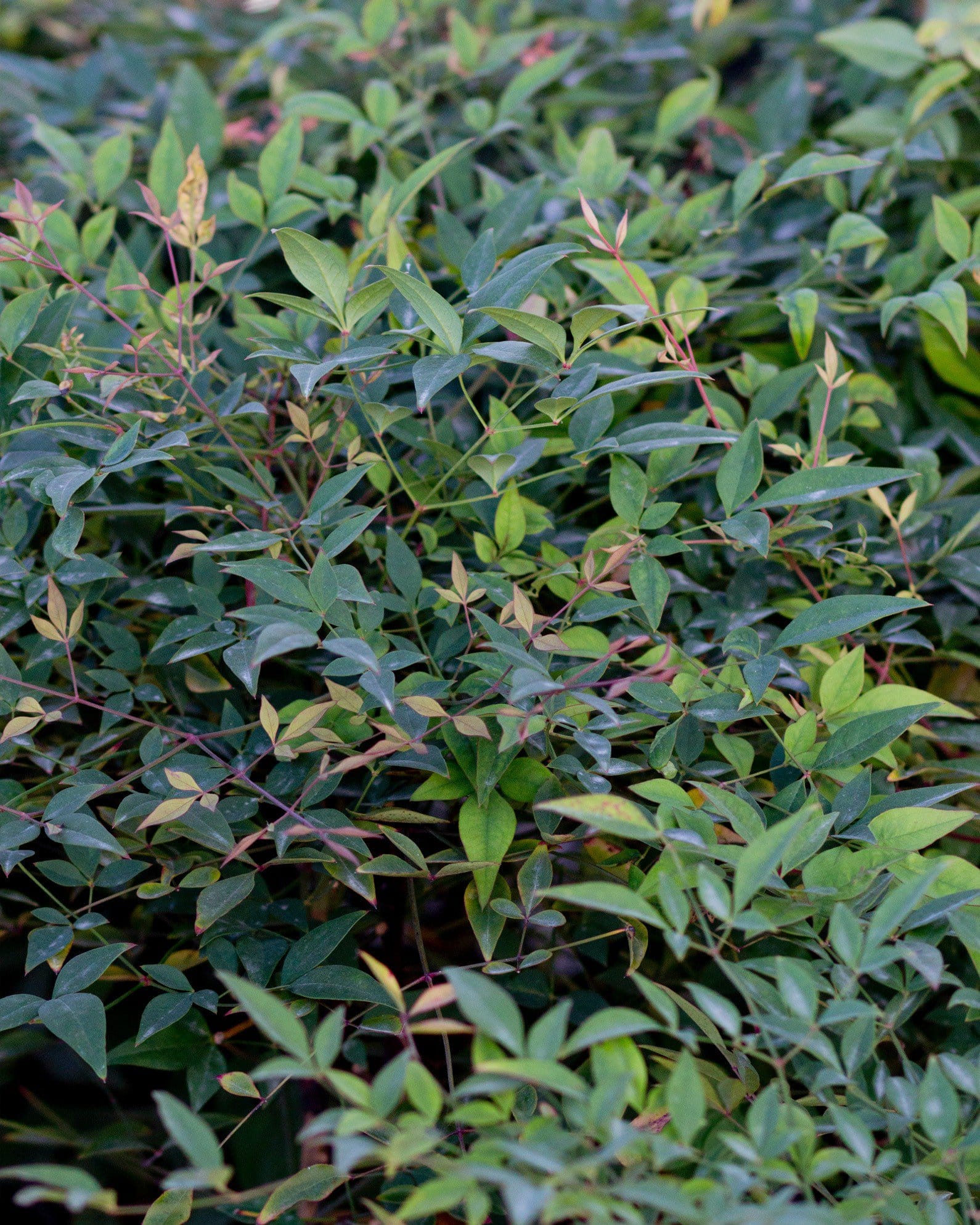
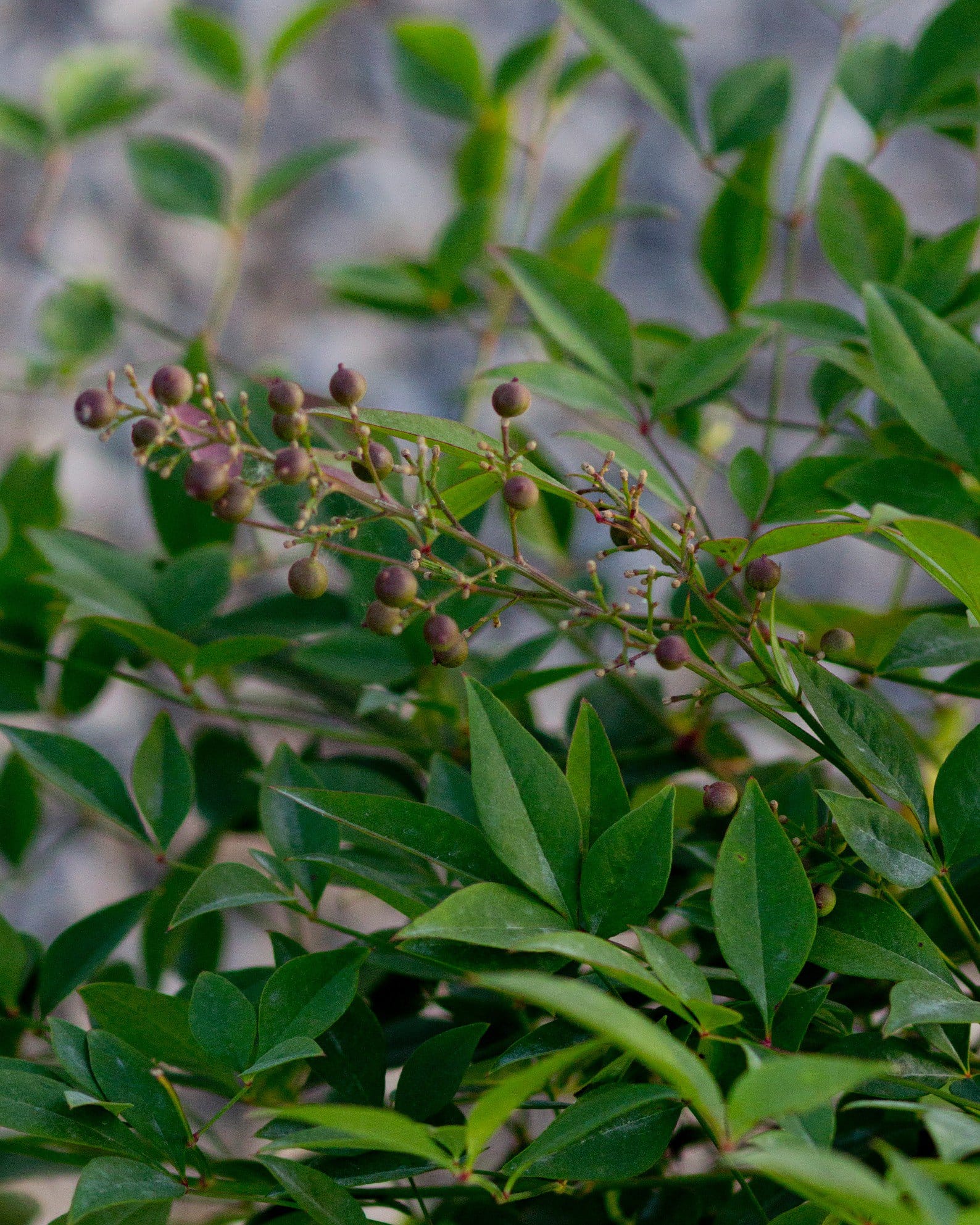
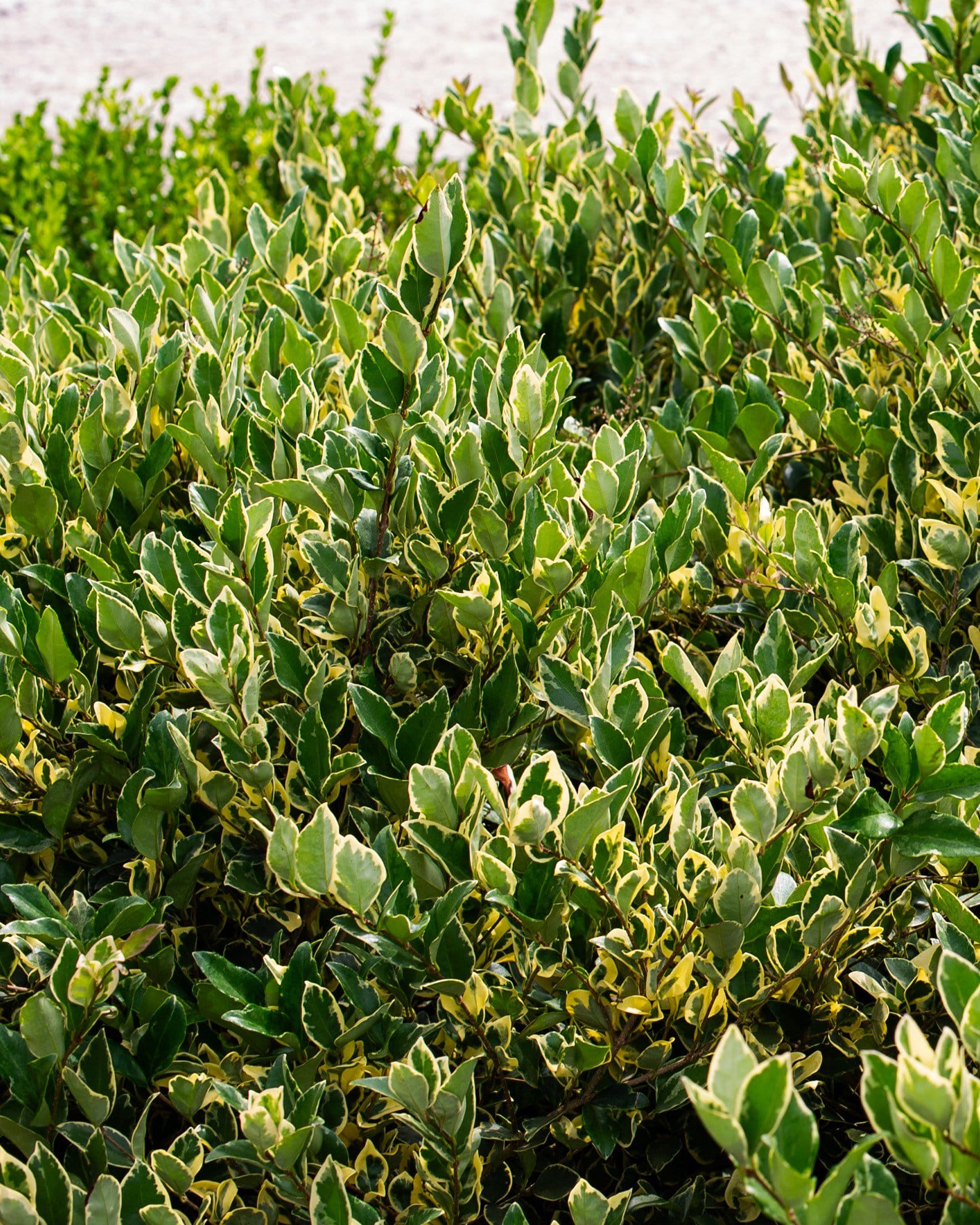
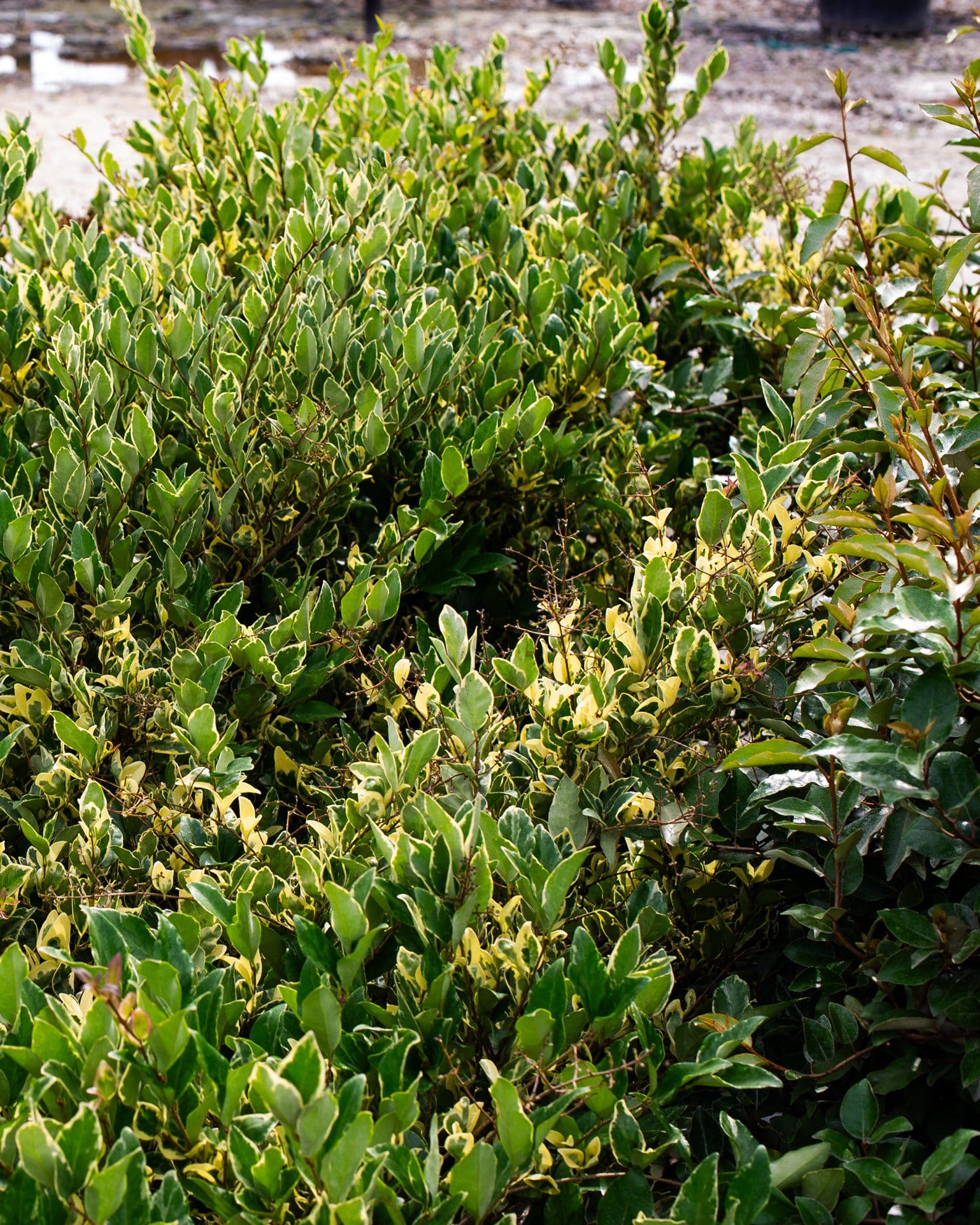
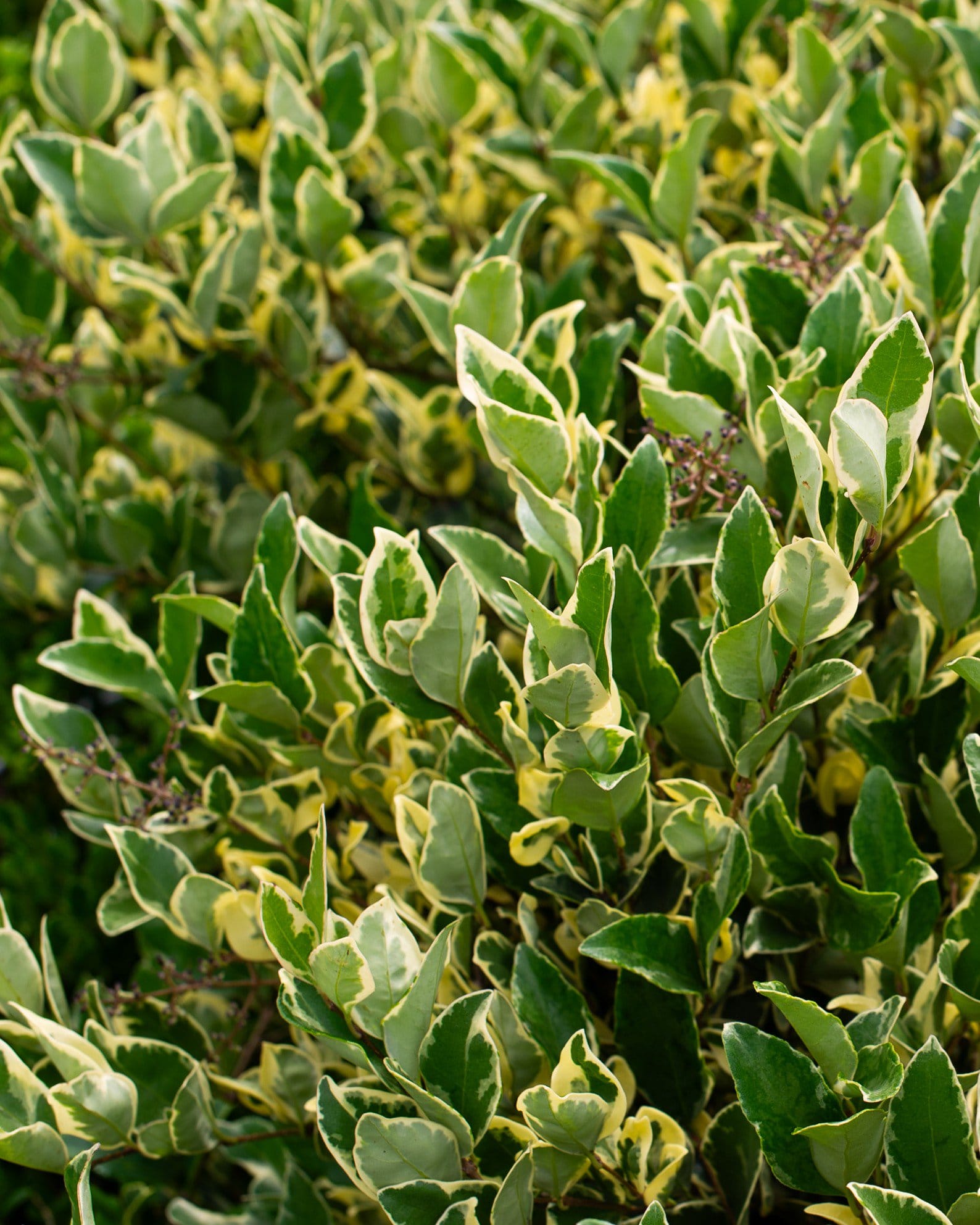
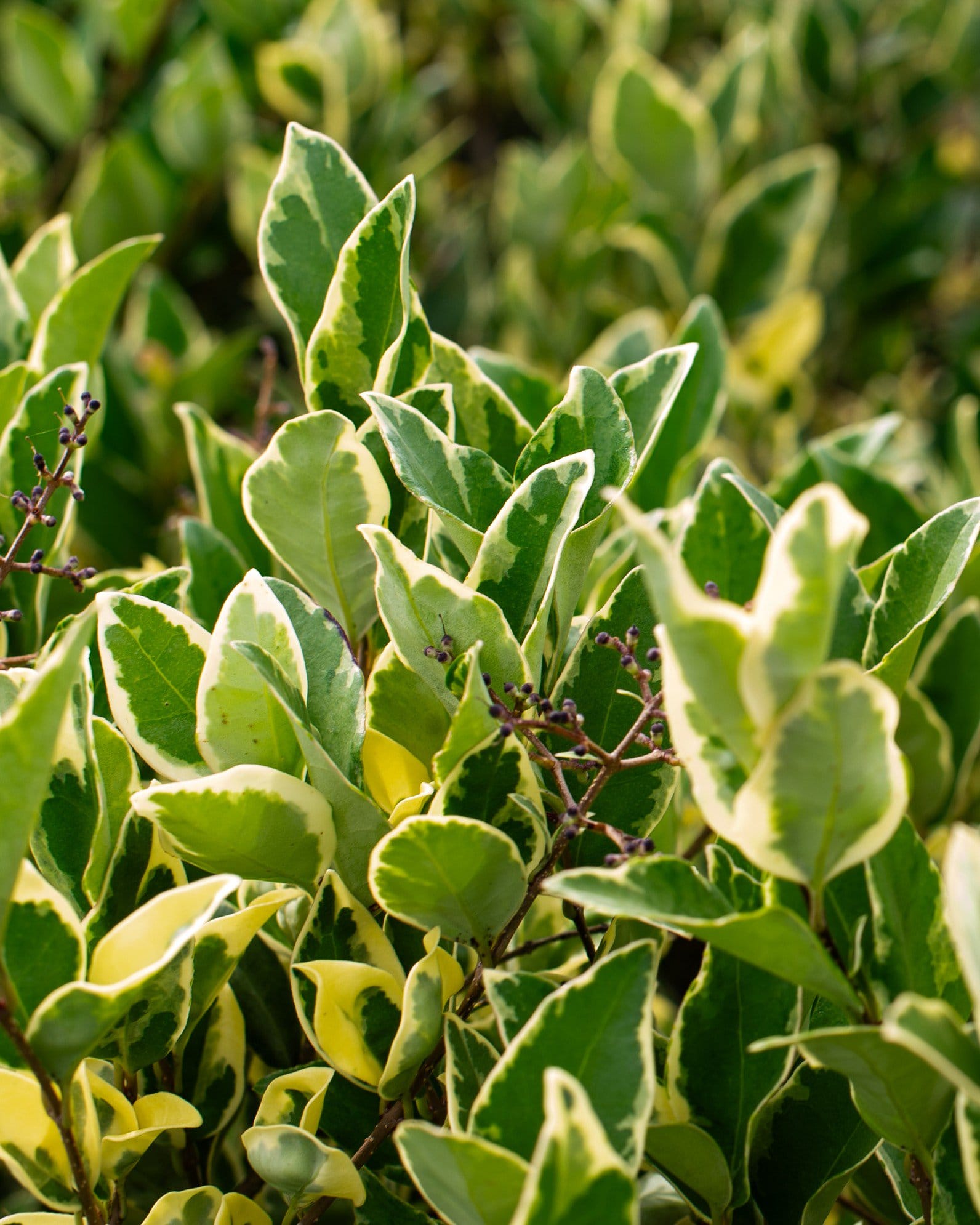
Pittosporum tobira 'Wheeler's Dwarf'Wheeler's Dwarf Pittosporum is a tidy, low-growing evergreen shrub cherished for its dense, rounded habit and attractive, leathery green leaves. In spring and summer, it produces small, fragrant white flowers that add seasonal interest, often followed by small berries that subtly decorate the plant. Reaching a compact size of around 2 feet tall and 3 feet wide, it's ideal for neat, low hedges, pathways, foundation plantings, or even as a refined accent in mixed beds and containers. Its naturally neat shape requires little shaping to maintain, offering beauty with minimal maintenance.
- An evergreen shrub
- Dense, rounded growth habit
- Glossy green foliage
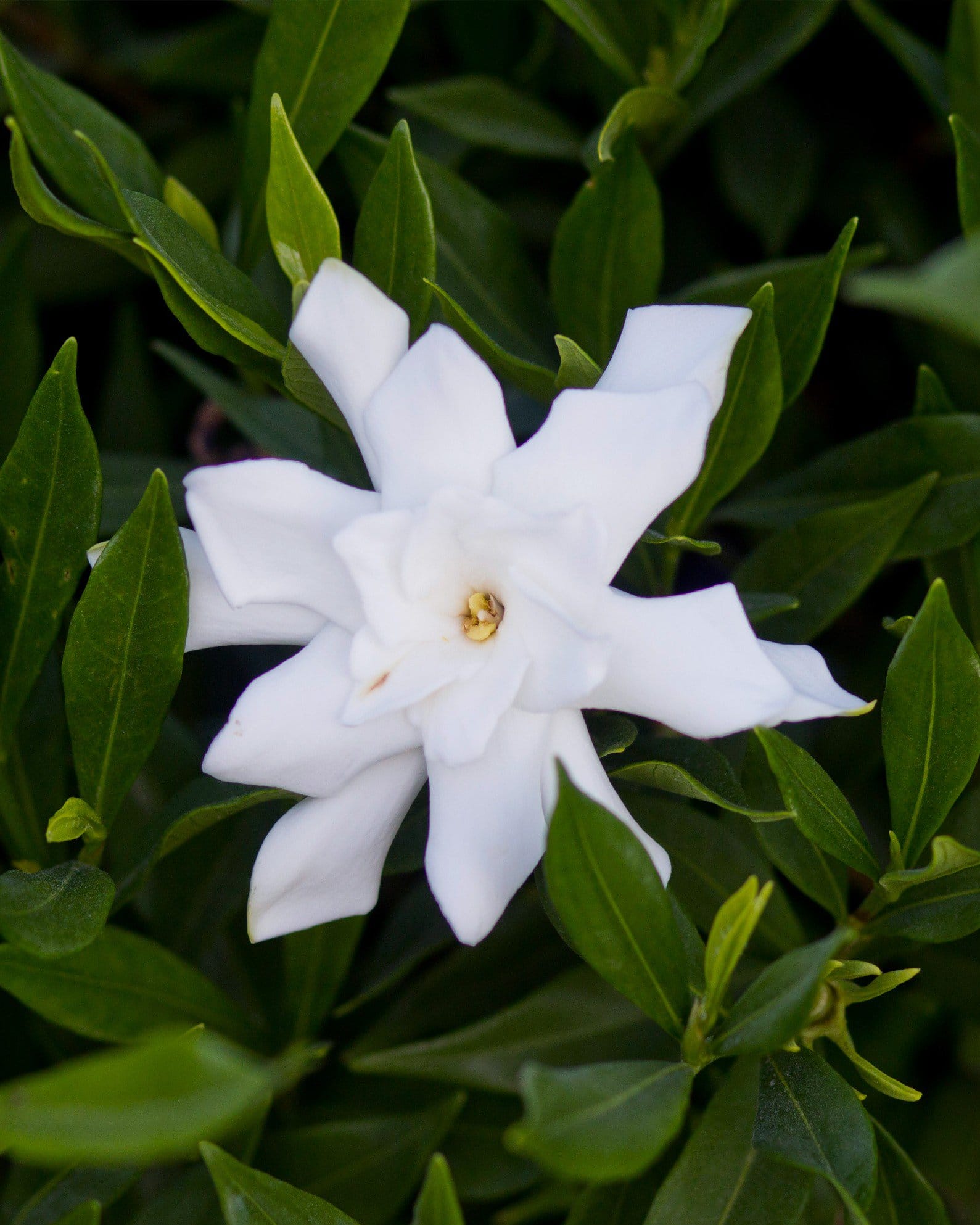
- Fragrant white flowers blooming in spring and summer
- Great for borders, edging, and containers
Hardy in zones 8-11, Wheeler's Dwarf Pittosporum thrives in full sun to partial shade in well-drained soil, providing year-round structure and subtle seasonal charm to your landscape.
Wheeler's Dwarf Pittosporum’s low-maintenance nature and slow, tidy growth make it ideal for borders, foundation plantings, container gardening, and small landscape accents across Texas. Here’s how to care for it:
- Watering: Water deeply and consistently during the first 1-2 years to establish a strong root system. Once established, Wheeler's Dwarf Pittosporum is moderately drought-tolerant. Occasional deep watering during extended dry periods encourages lush, vibrant foliage. Avoid soggy soil, which can lead to root problems.
- Pruning: Minimal pruning is required due to its naturally compact shape. Trim lightly in late winter or early spring to remove dead, damaged, or crossing branches and maintain a clean silhouette. Light summer pruning can be done to shape or rejuvenate growth, but avoid cutting into old wood.
- Fertilizing: Apply a balanced, slow-release fertilizer in early spring to support steady growth and glossy, healthy leaves. Compost or organic amendments improve soil quality and long-term vigor. Avoid excessive nitrogen, which can encourage overly soft growth.
- Mulching: Maintain a 2-inch layer of mulch around the base to conserve moisture, suppress weeds, and moderate soil temperature. Keep mulch a few inches from the trunk to prevent crown rot. Refresh annually for best results.
- Winter Care: Wheeler's Dwarf Pittosporum is hardy in USDA zones 8-11. In cooler climates or exposed sites, protect young plants from frost and strong winds. Mature shrubs typically tolerate mild winter conditions without special care.
Though hardy, Wheeler's Dwarf Pittosporum may encounter minor challenges:
- Leaf Browning or Scorch: Sun, wind, or drought can cause leaf tips to brown. Mulch and consistent watering help prevent stress.
- Scale Insects: Look for small bumps or sticky residue on stems and leaves. Horticultural oil or insecticidal soap effectively controls infestations.
- Root Rot: Poor drainage or overwatering can cause wilting or yellowing. Ensure soil drains well and avoid excessive moisture.
- Leaf Drop: Sudden stress, extreme temperatures, or water imbalance may cause minor leaf drop. Maintaining consistent conditions reduces this risk.
- Sparse Growth: Occasional light pruning encourages fuller, more compact growth.
With proper care, it typically lives 10-20 years, maintaining its dense, rounded habit throughout its lifespan.
It grows slowly, about 6-12 inches per year, and reaches its mature height of 2-3 feet and width of 2-3 feet within 4-6 years.
Yes - deer generally avoid this shrub, making it suitable for areas with moderate deer activity.
Absolutely - its small size and tidy growth habit make it ideal for container planting on patios, terraces, and small gardens. Use well-draining soil and provide full sun to partial shade.
It thrives in full sun to partial shade. Full sun promotes dense, glossy foliage, while partial shade can prevent leaf scorch in very hot climates.
Its small, fragrant spring flowers attract bees and other beneficial insects, though it is primarily grown for foliage.
Yes - its slow growth and uniform form make it excellent for low hedges, foundation borders, or groupings in mixed beds.
Once established, it withstands moderate drought. Occasional deep watering supports healthy growth and glossy foliage.
Trim lightly in late winter or early spring to maintain shape and remove damaged growth. Light summer pruning can rejuvenate older shrubs and encourage denser foliage.
Its slow, tidy growth, dense, rounded form, and glossy evergreen leaves make it a standout low-maintenance option for small gardens, container plantings, and formal landscapes. It combines versatility, elegance, and minimal care requirements for year-round interest.
Special Features
You might also like
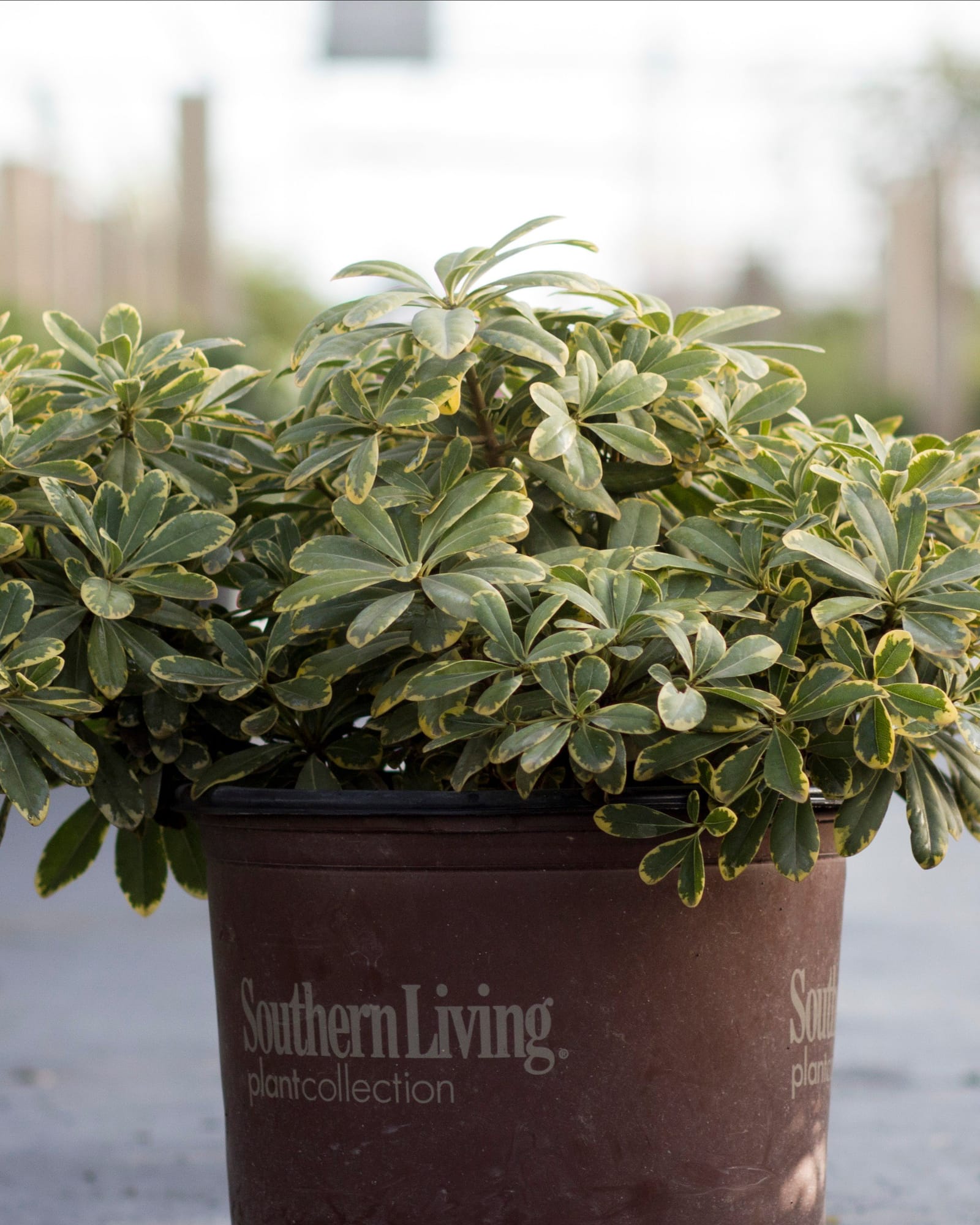
Mojo Dwarf Pittosporum
Maturity: 2' H x 2' W
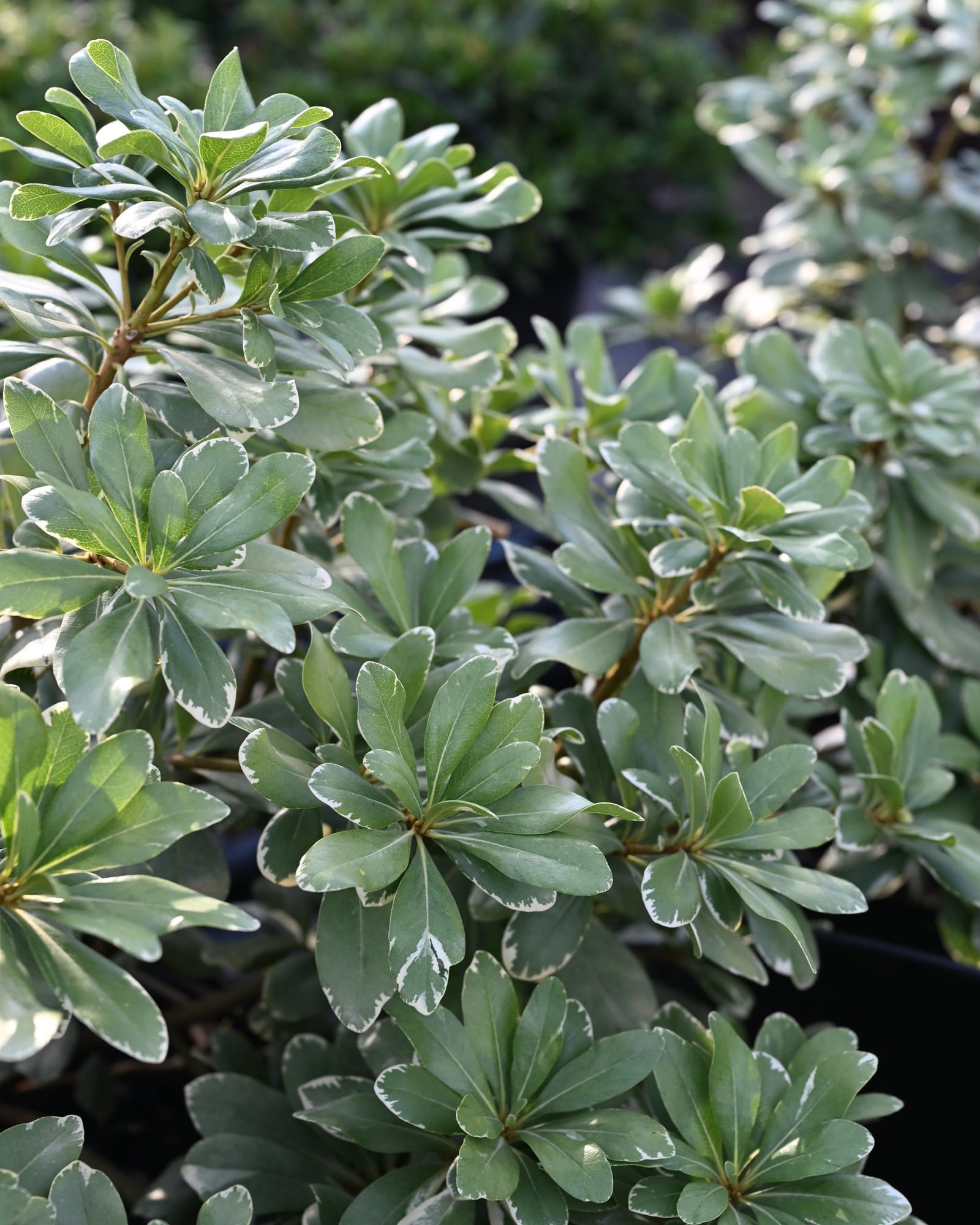
Variegated Pittosporum
Maturity: 6' H x 6' W
August Beauty Gardenia
Maturity: 4' H x 3' W
Frost Proof Gardenia
Maturity: 3' H x 3' W
Cherry Laurel Compacta
Maturity: 8' H x 6' W
Cherry Laurel Everbrite
Maturity: 8' H x 6' W
Compacta Nandina
Maturity: 3' H x 2' W
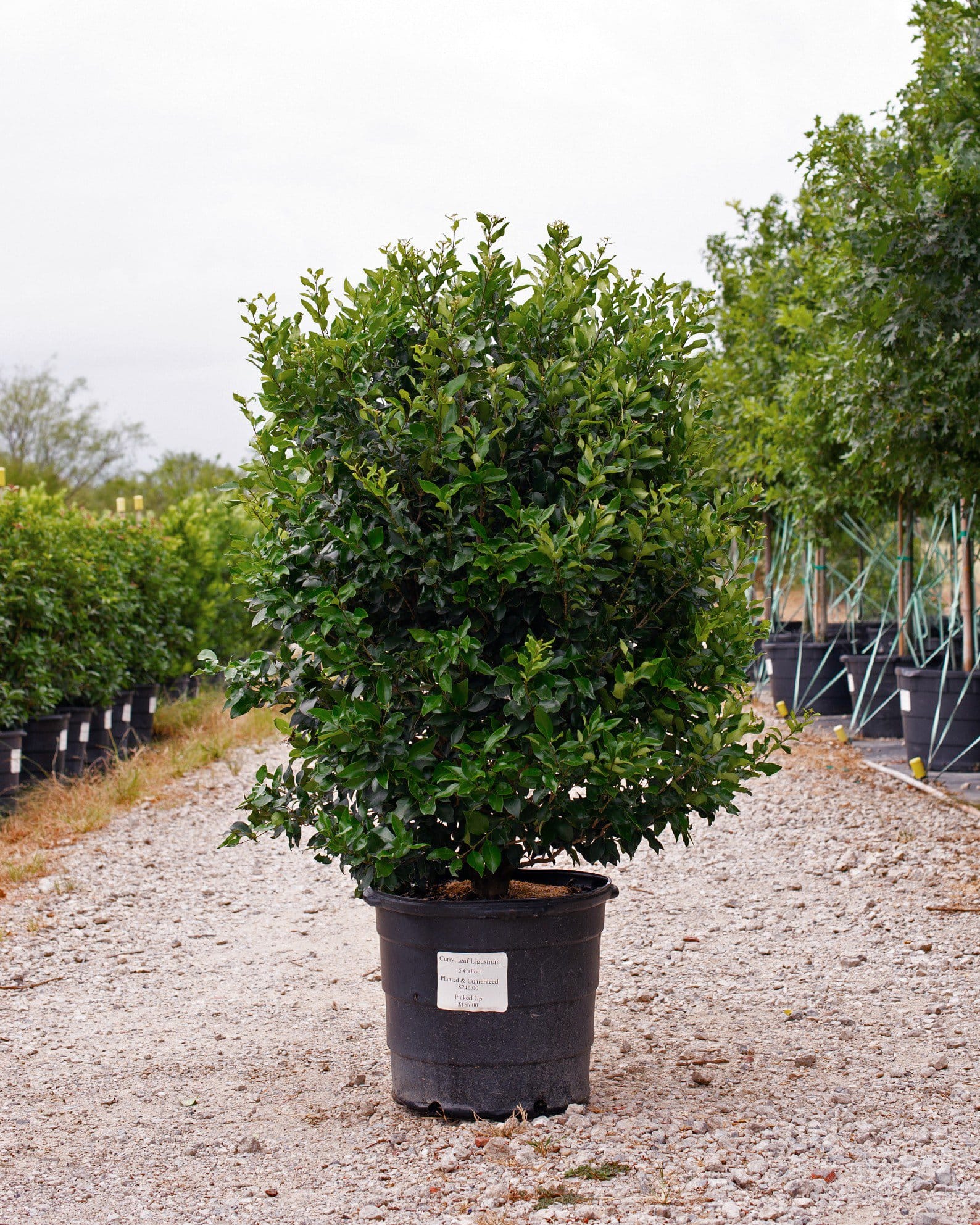
Curly Leaf Ligustrum
Maturity: 8' H x 6' W
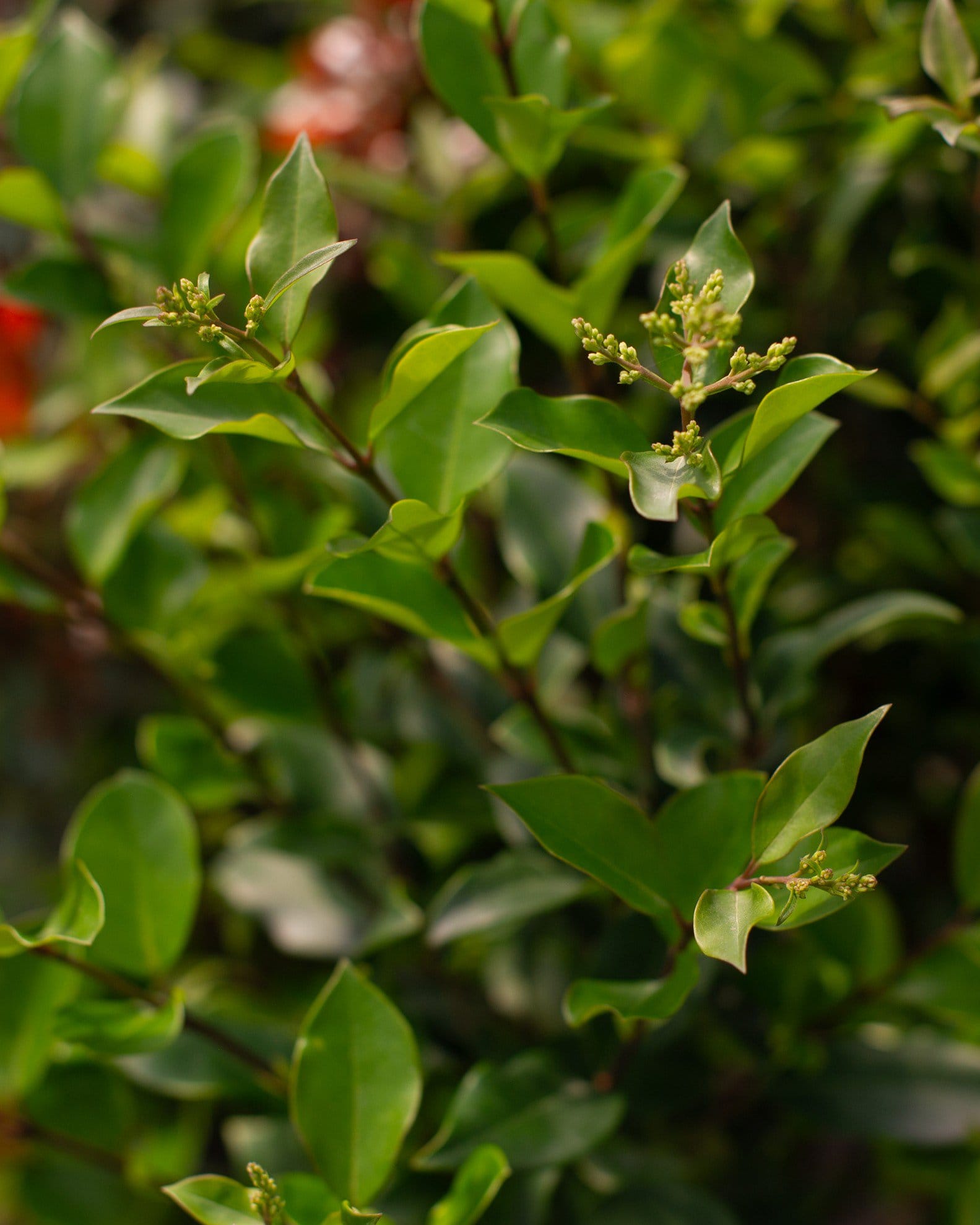
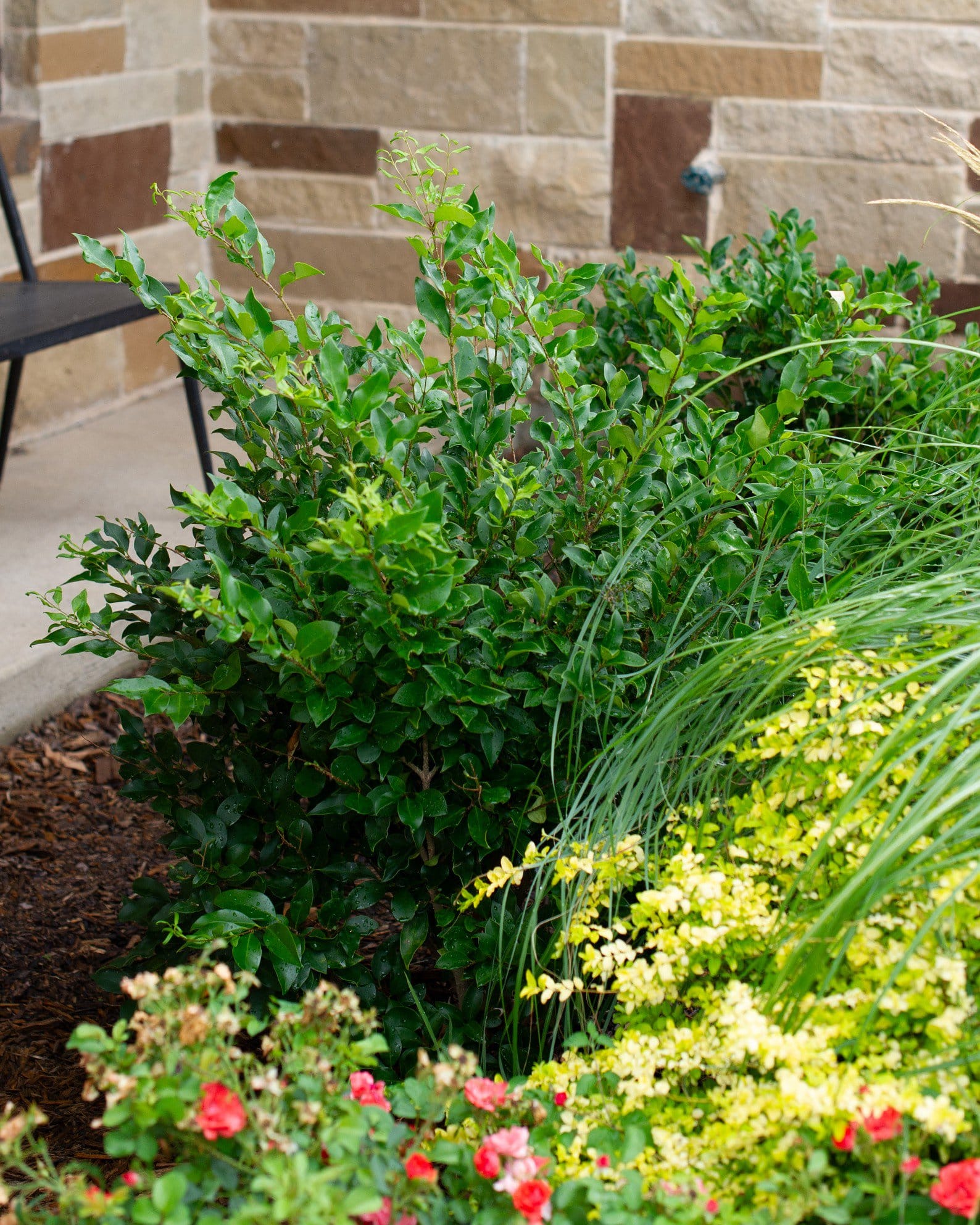
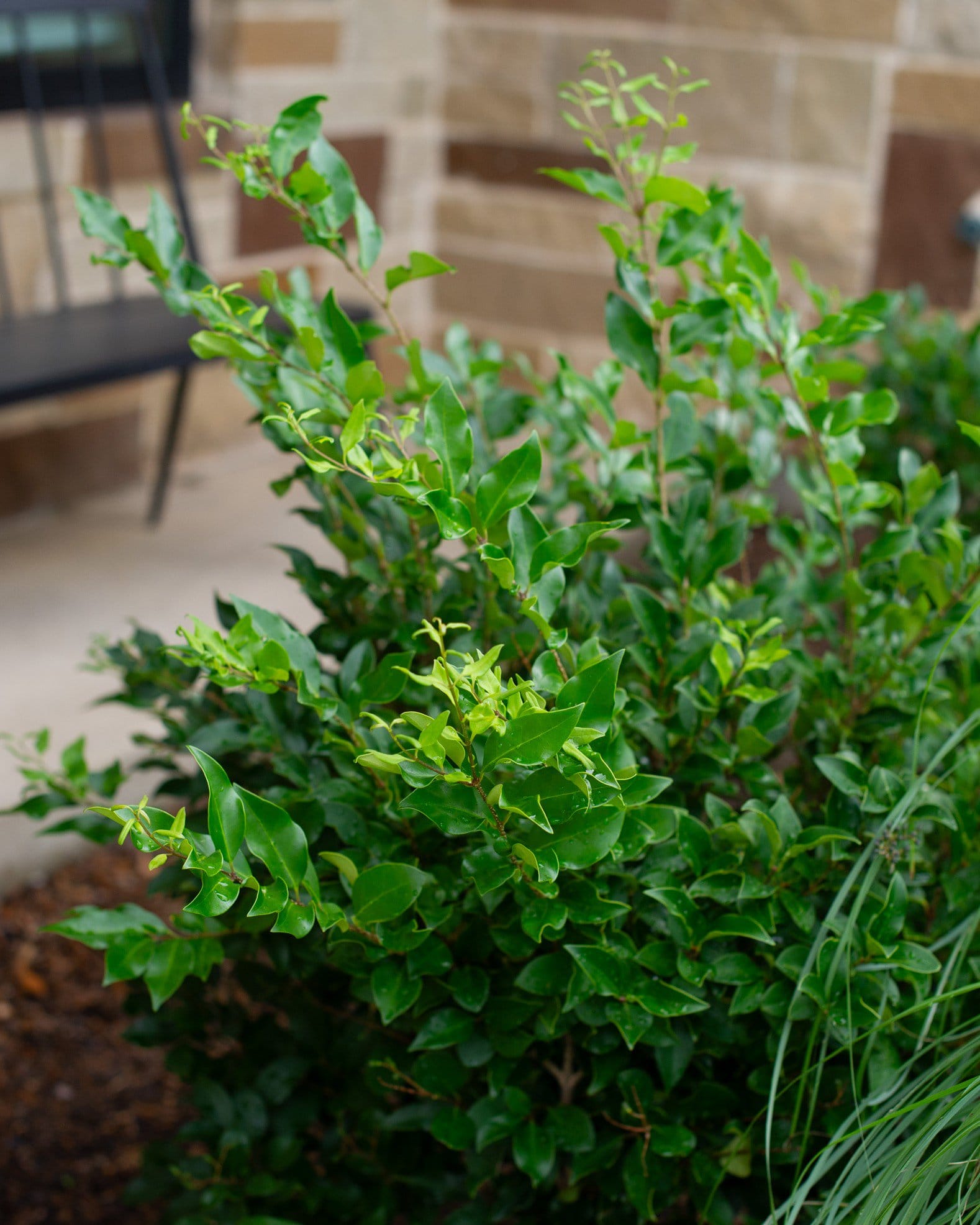
Domestica Nandina
Maturity: 4' H x 2' W
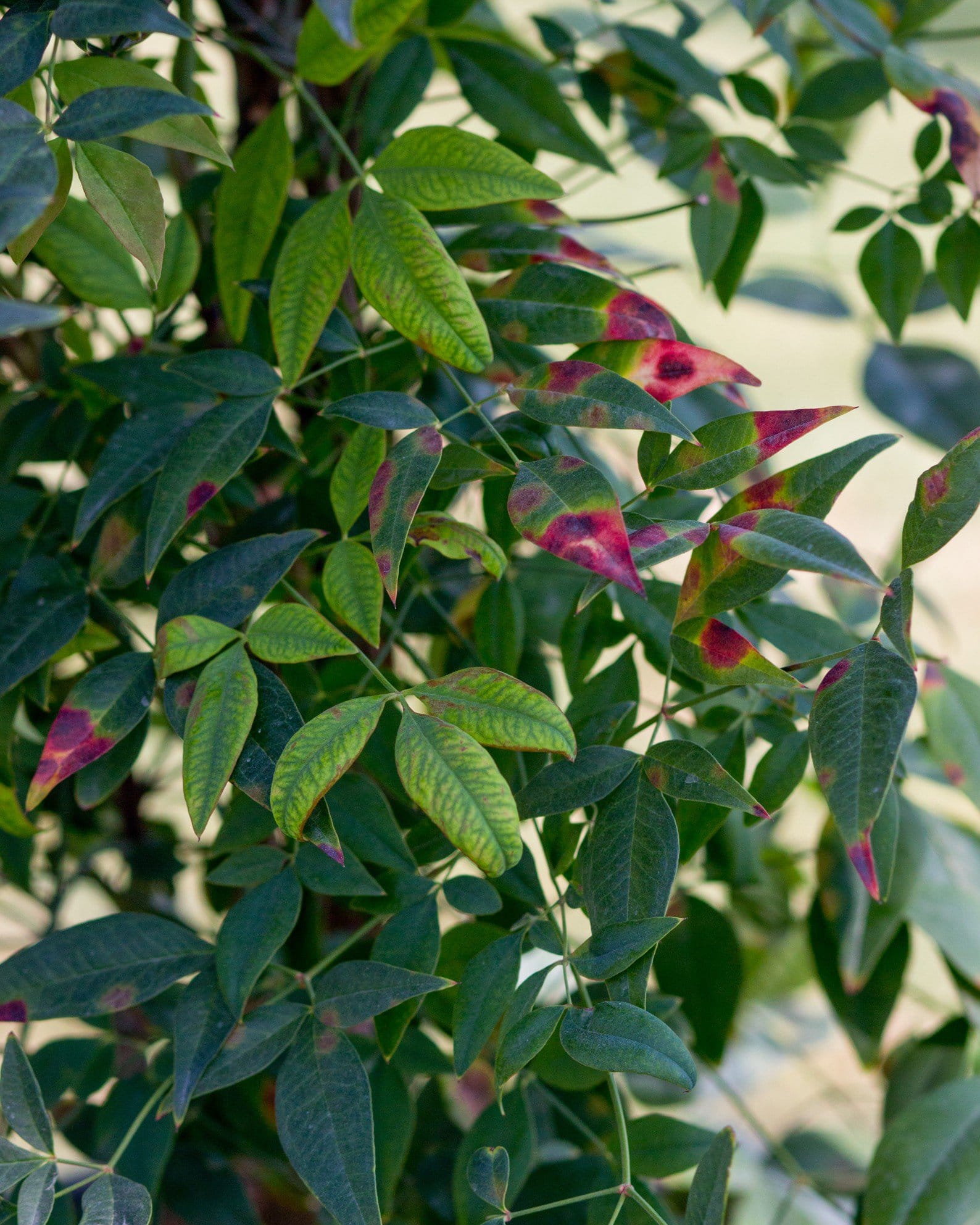
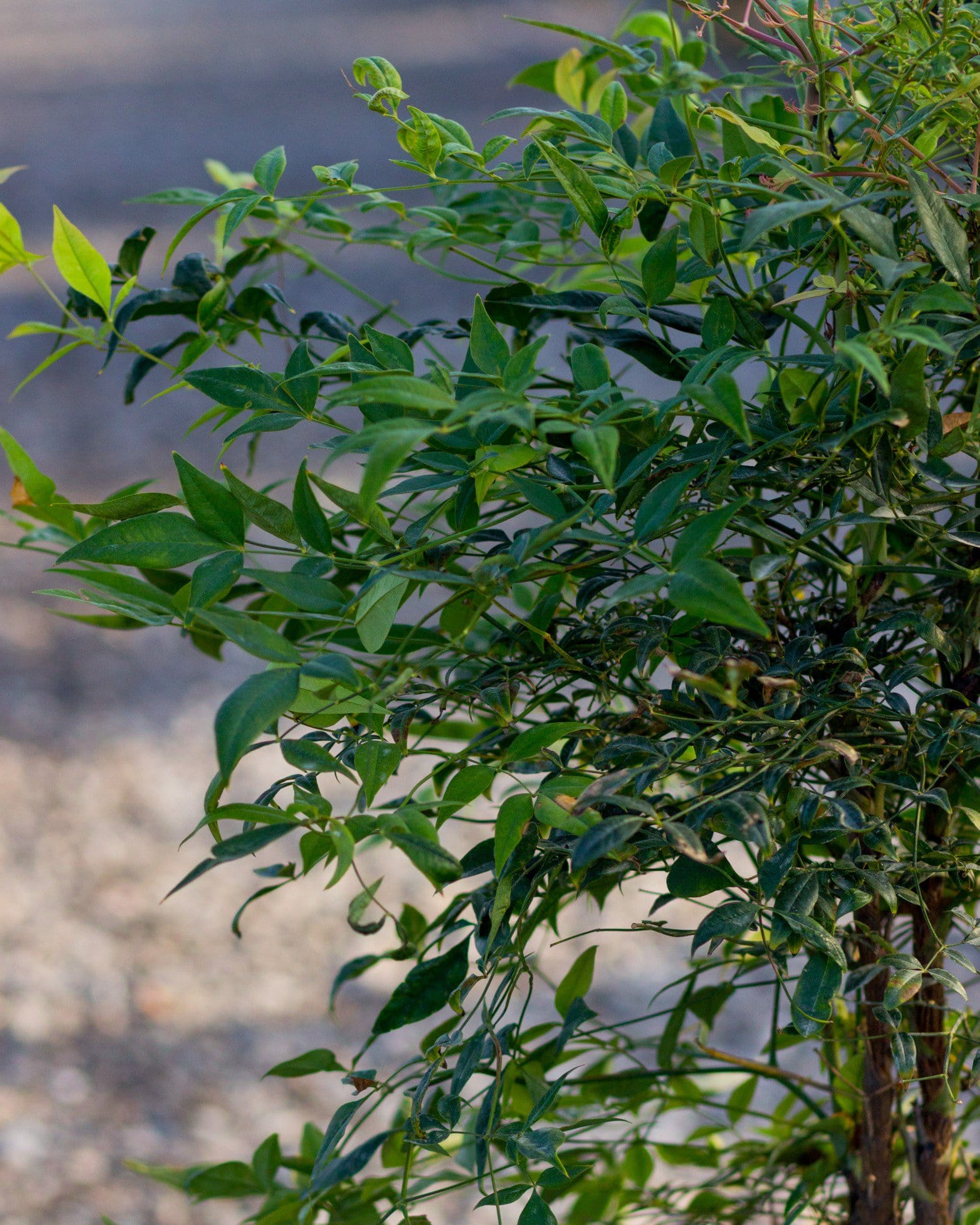
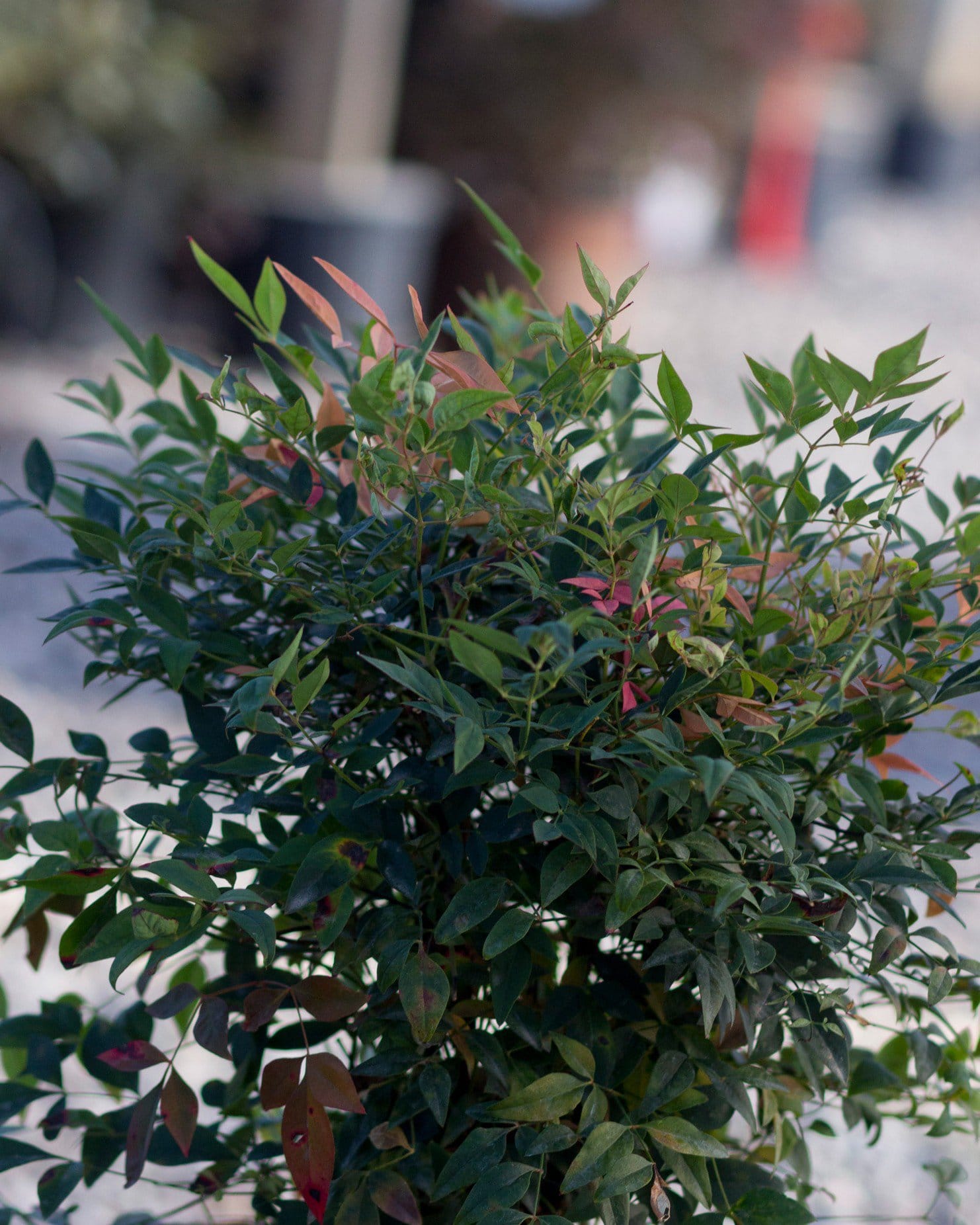
Gulf Stream Nandina
Maturity: 3' H x 3' W
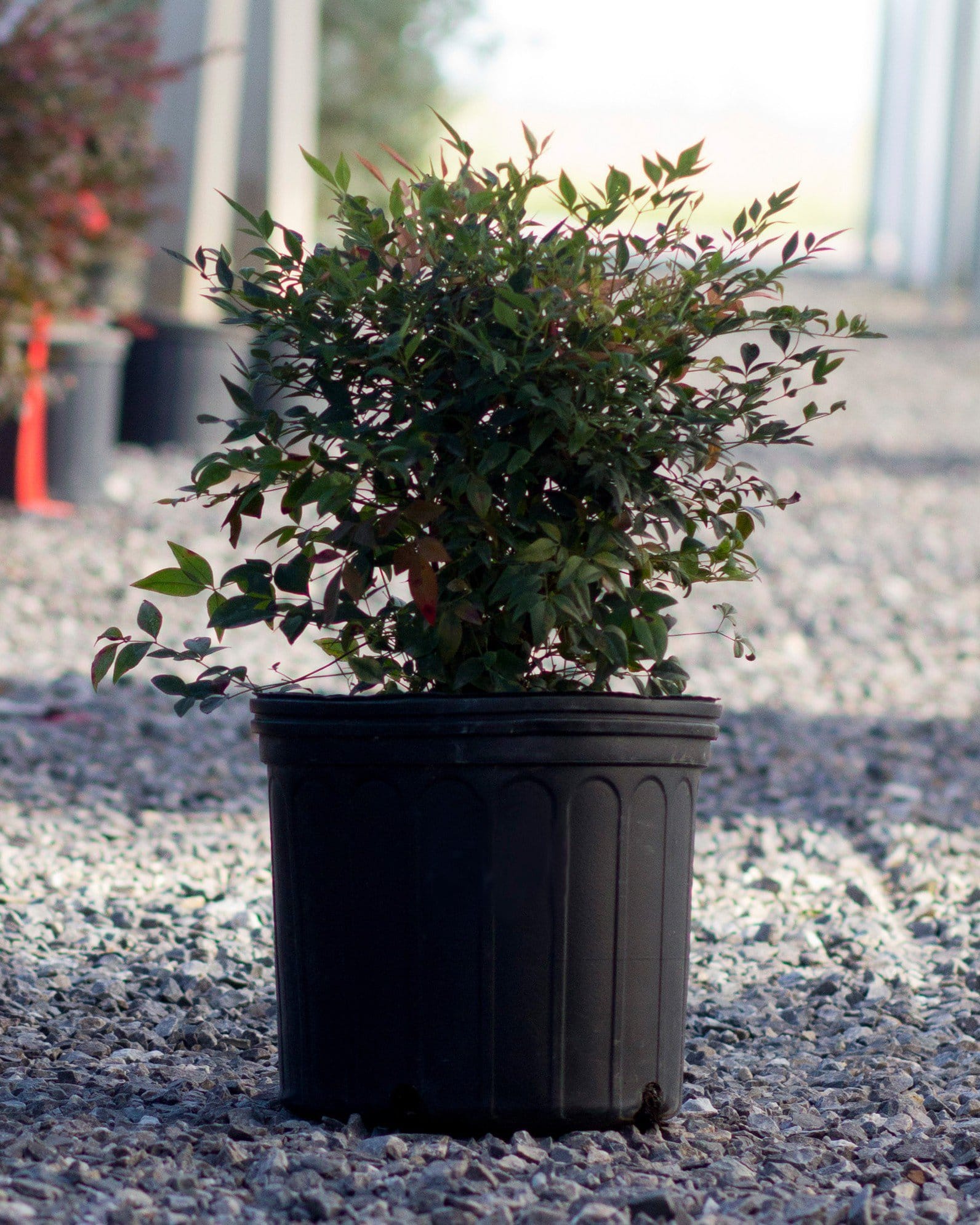
Jack Frost Ligustrum
Maturity: 6' H x 6' W
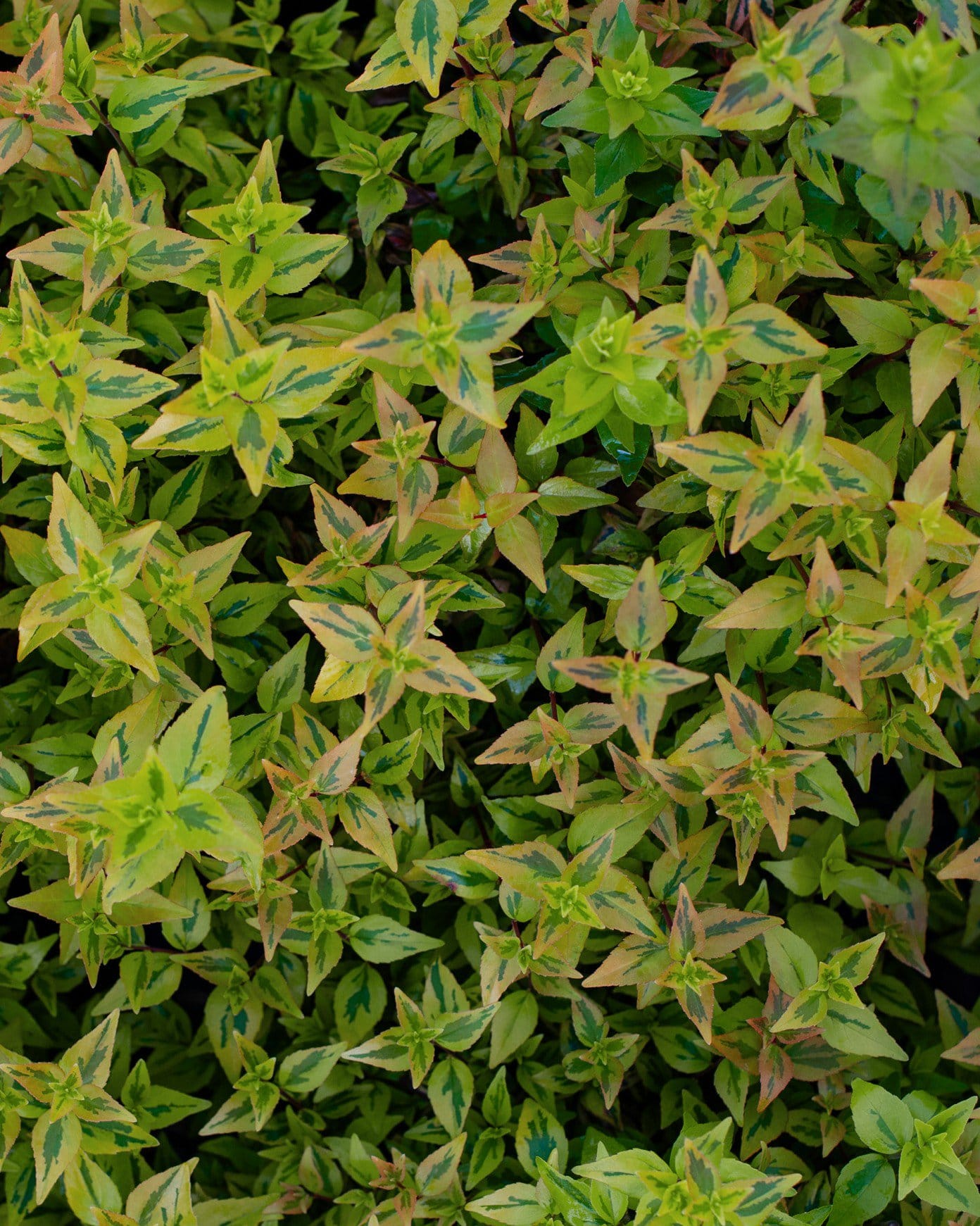
Kaleidoscope Abelia
Maturity: 2' H x 3' W
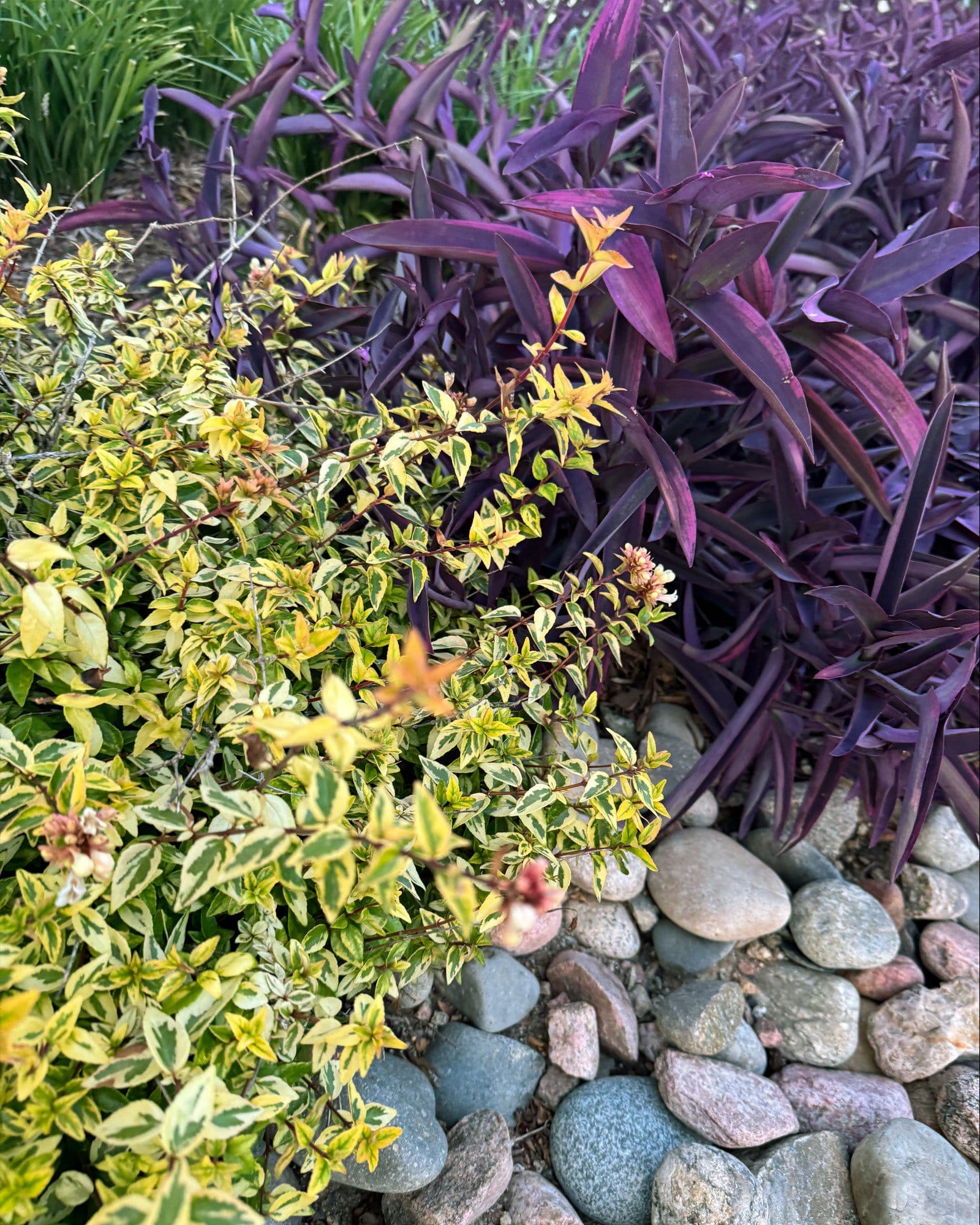
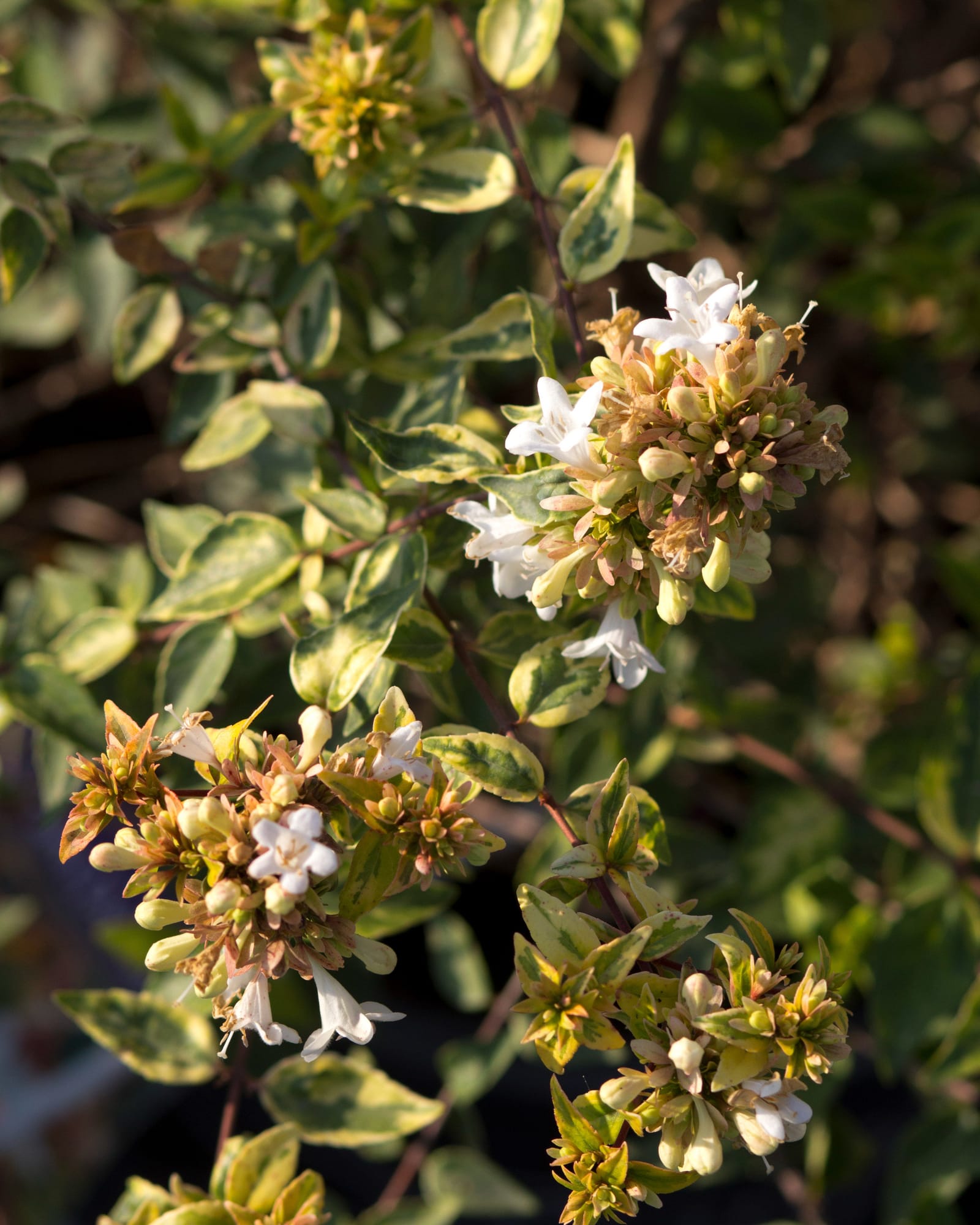
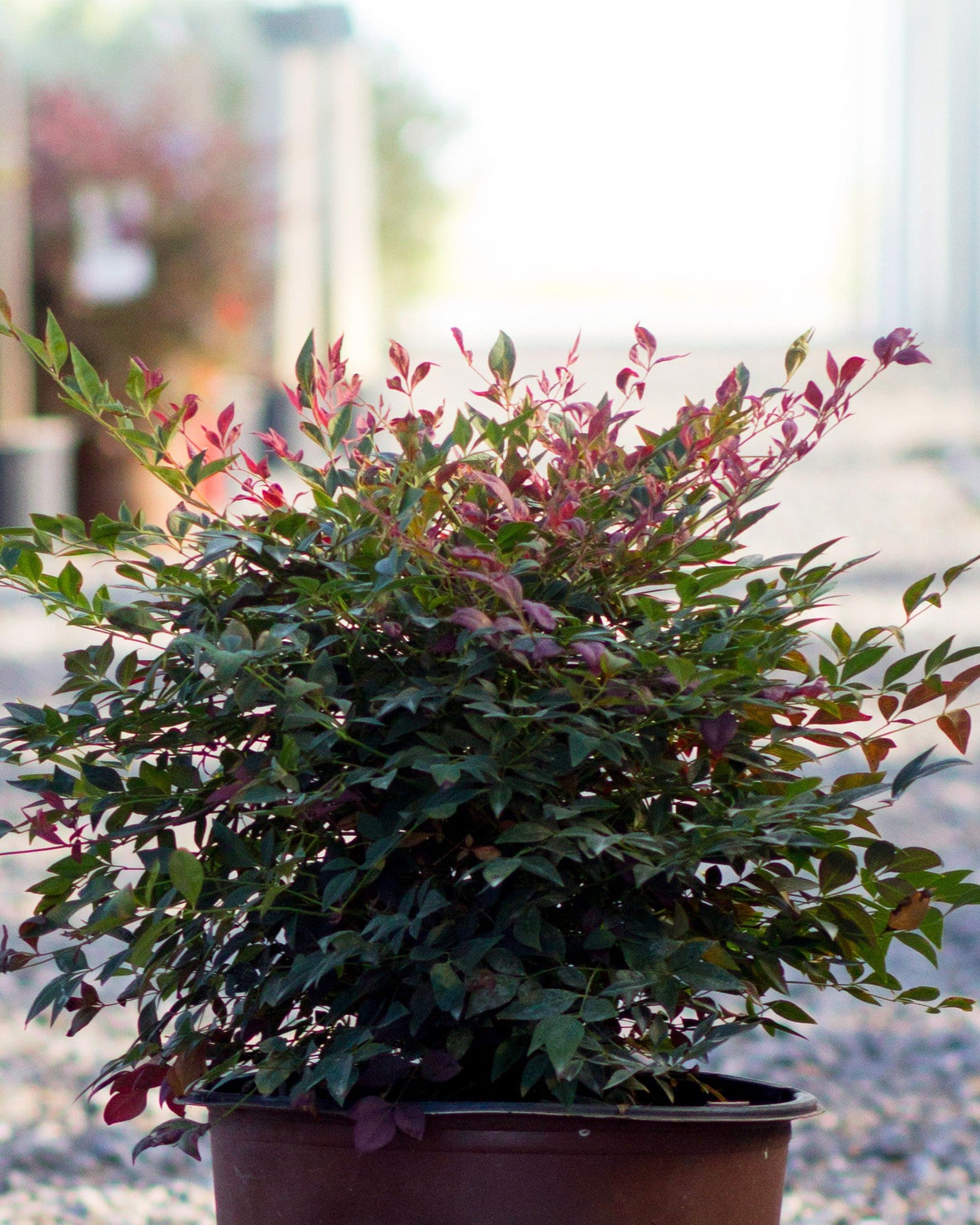
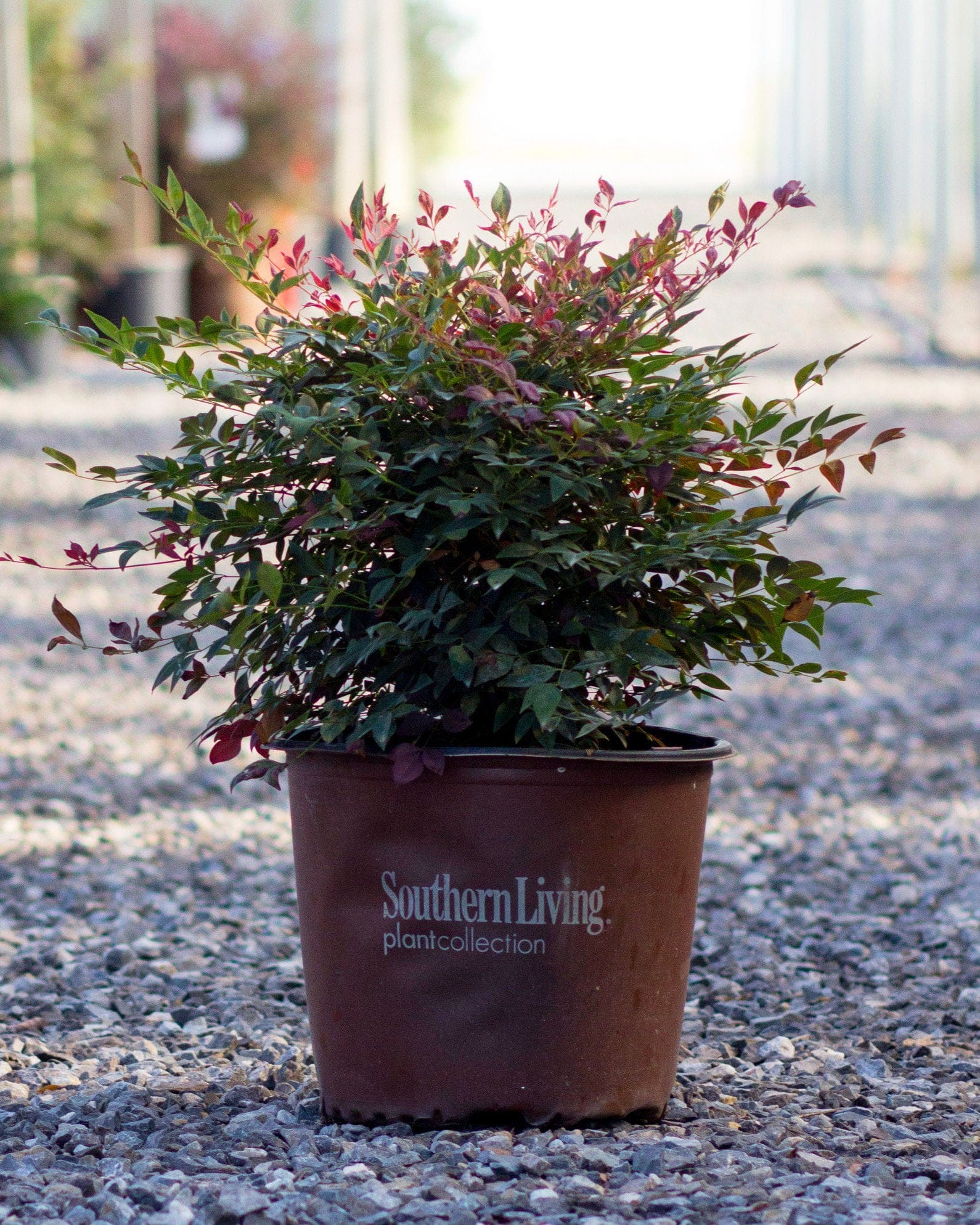
Obsession Nandina
Maturity: 3' H x 3' W
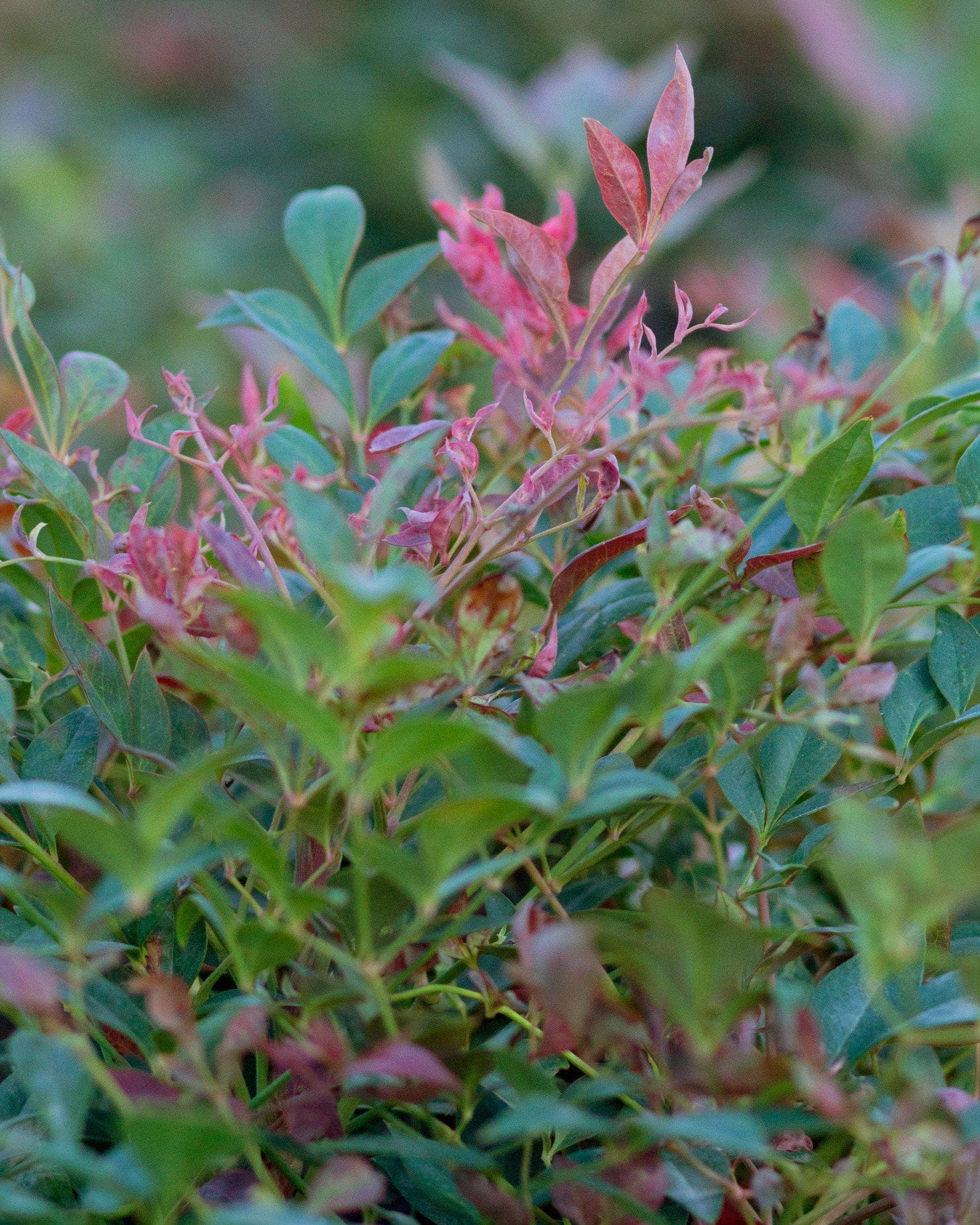
Peach Perfection Abelia
Maturity: 3' H x 2' W
Radiance Abelia
Maturity: 3' H x 3' W
Compare Similar Plants
Wheeler's Dwarf Pittosporum This plant | ||
|---|---|---|
| Scientific Name | Pittosporum tobira 'Wheeler's Dwarf' | Pittosporum tobira 'CNI Three' |
| Size at Maturity | 2' H x 3' W | 2' H x 2' W |
| Leaf Retention | Evergreen | Evergreen |
| Flower Color | White | White |
| Bloom Times | Spring & Summer | Spring & Summer |
| Sizes Available | 3 gal | 3 gal |


Our 1-Year Planting Guarantee
We take pride in our plants and installation services. If any plants or trees installed by Treeland fail to thrive within the first year, we'll provide a replacement credit in accordance with our guarantee program.
Learn More About Our Guarantee