
Weeping Lovegrass
Eragrostis curvulaProduct Details
Weeping Lovegrass
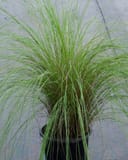
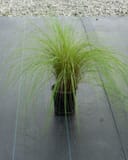
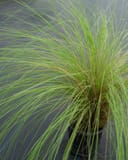
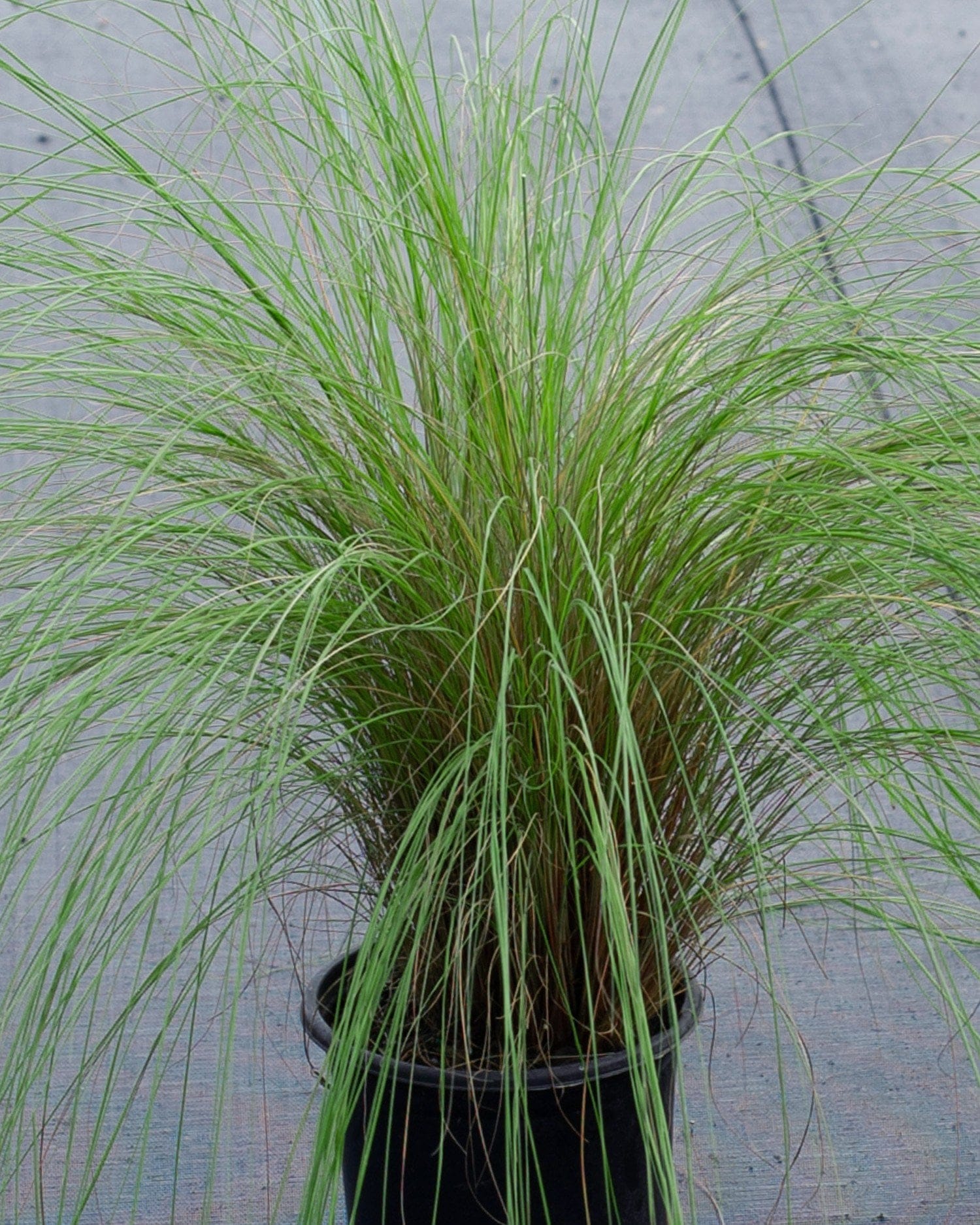
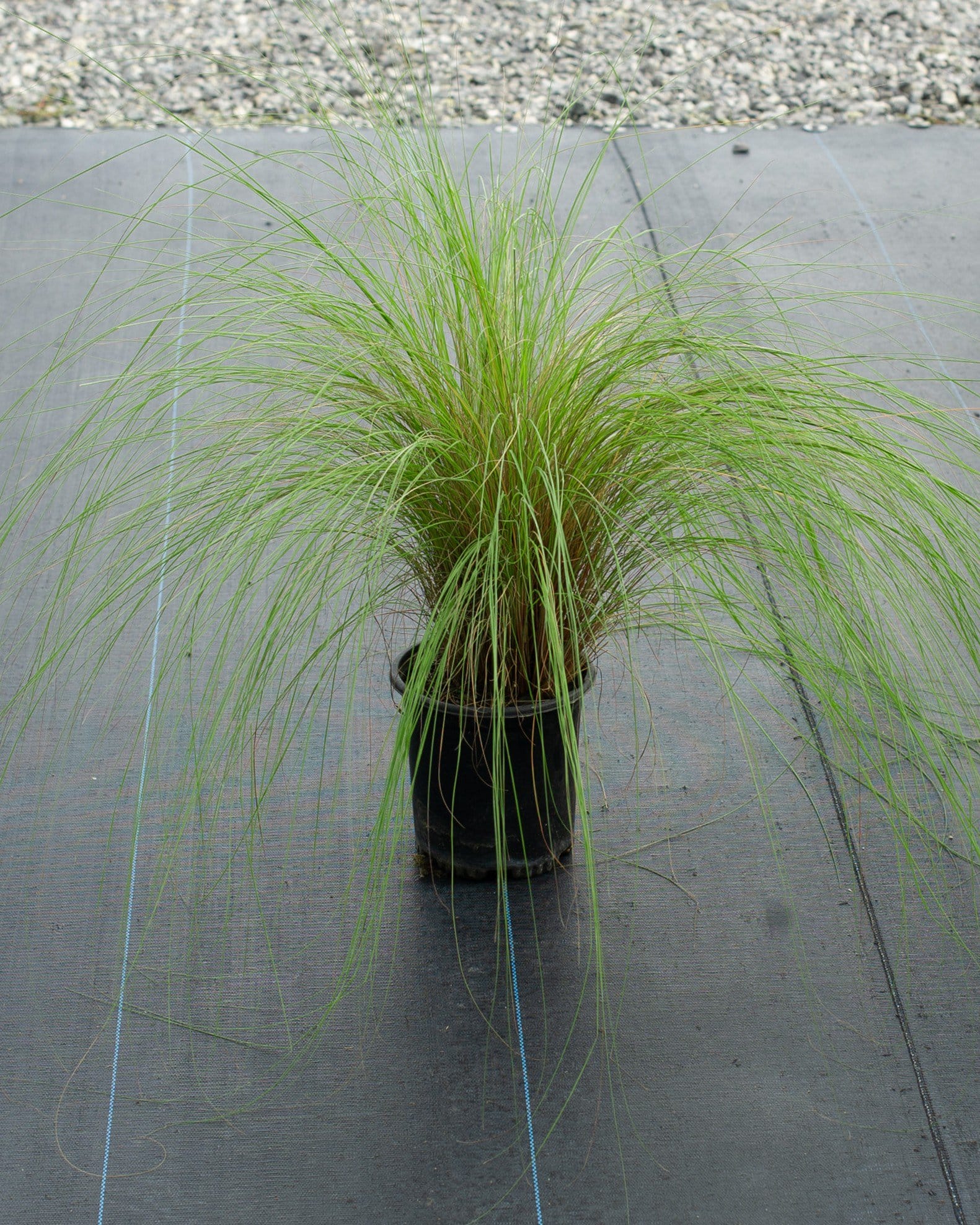
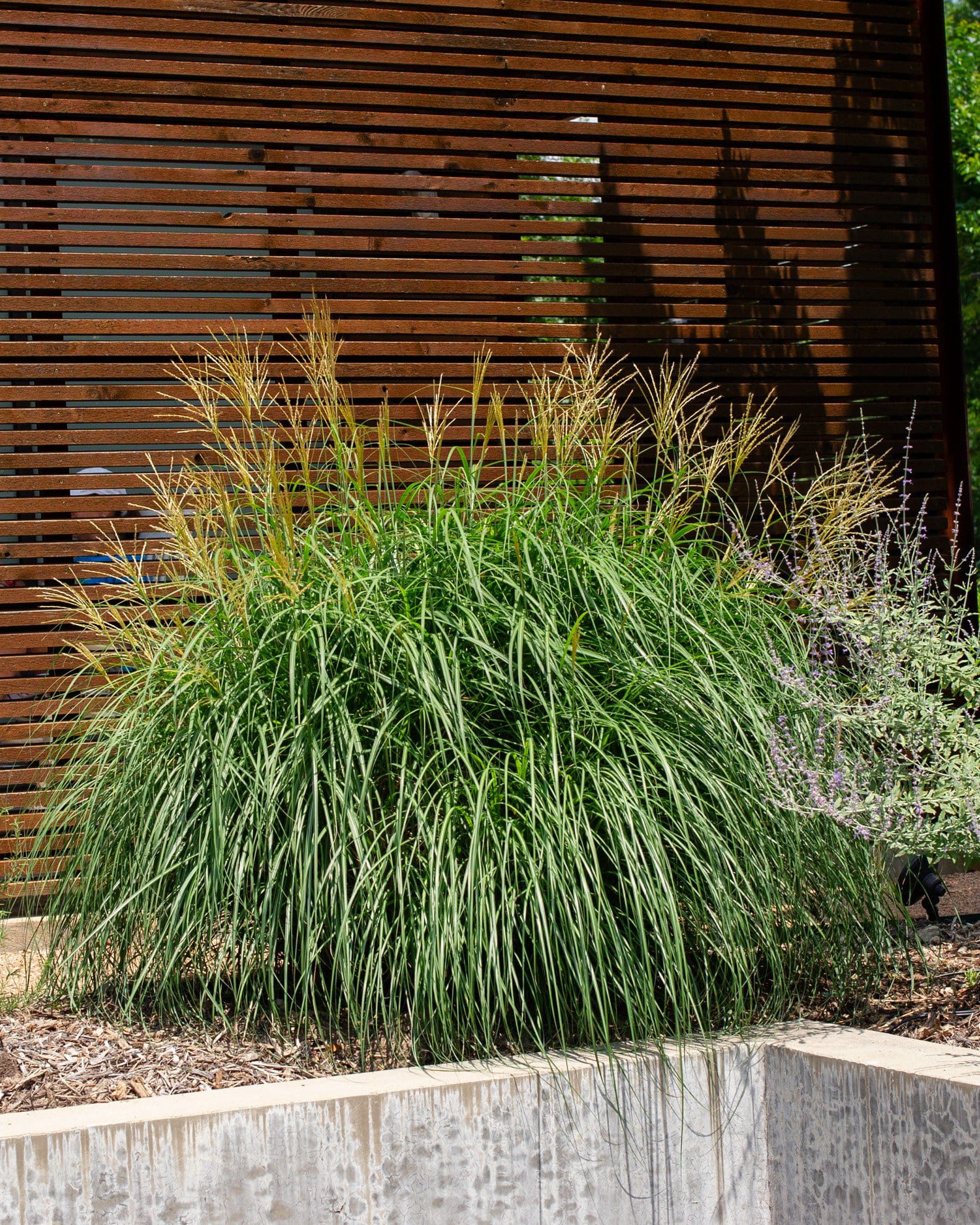
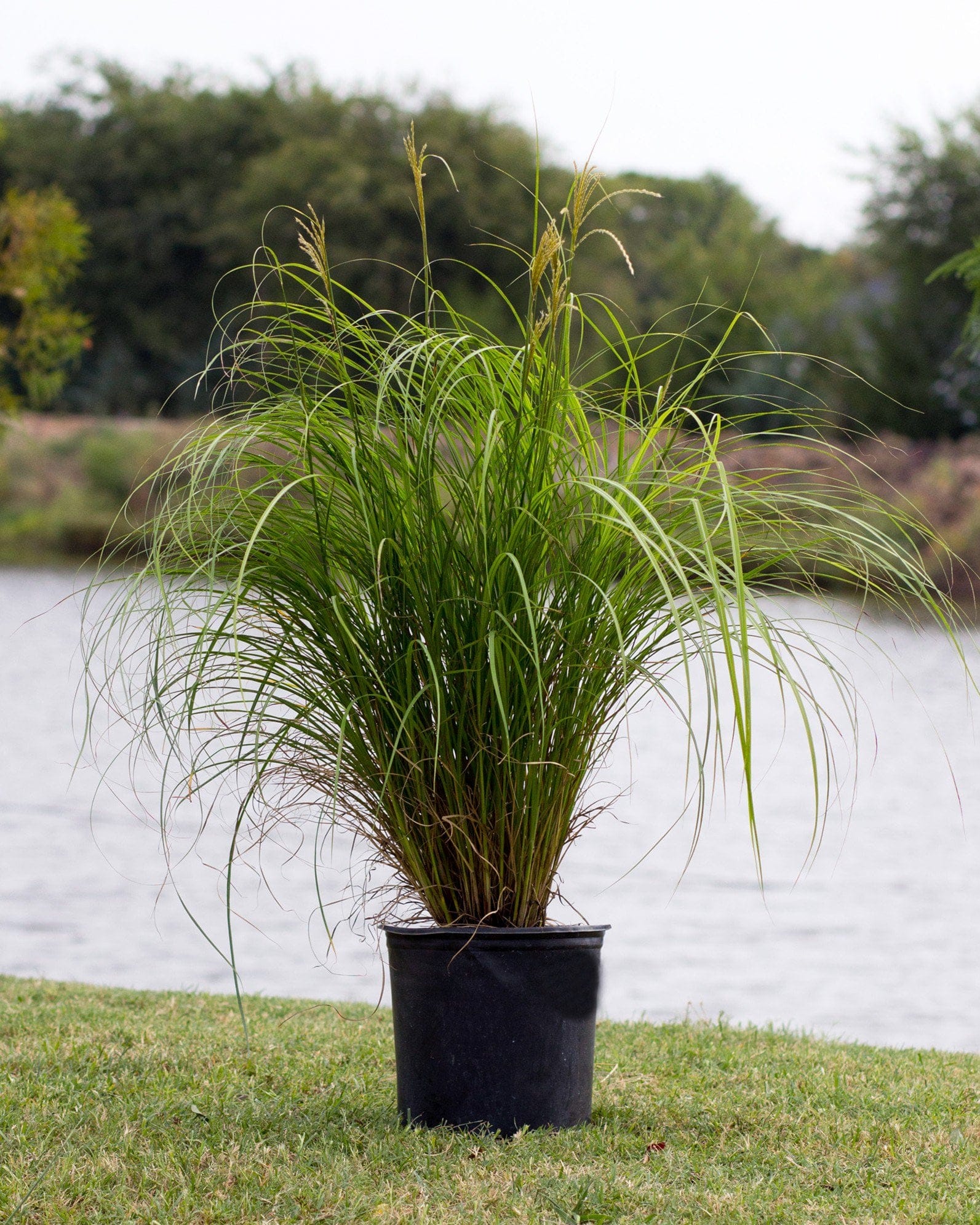
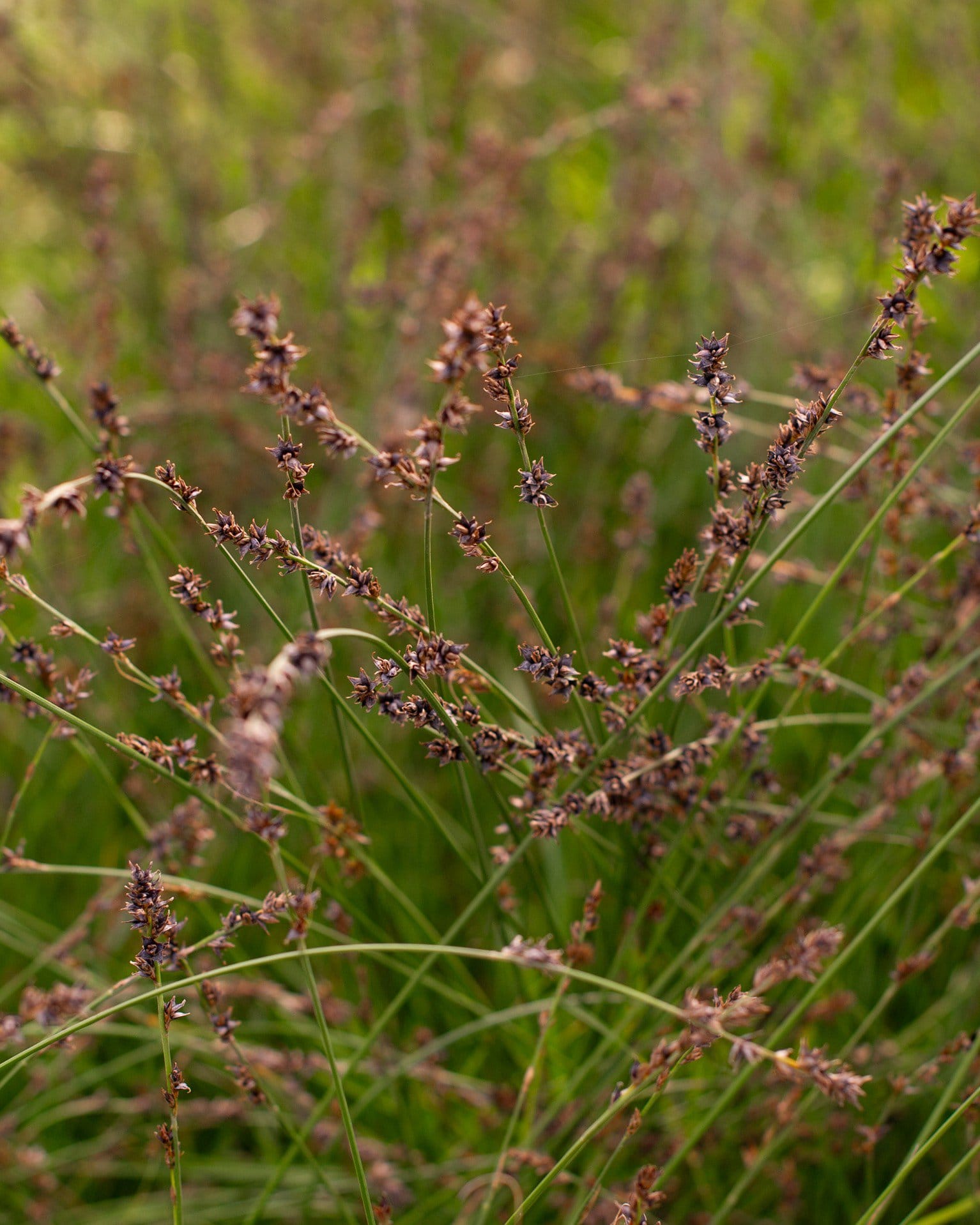
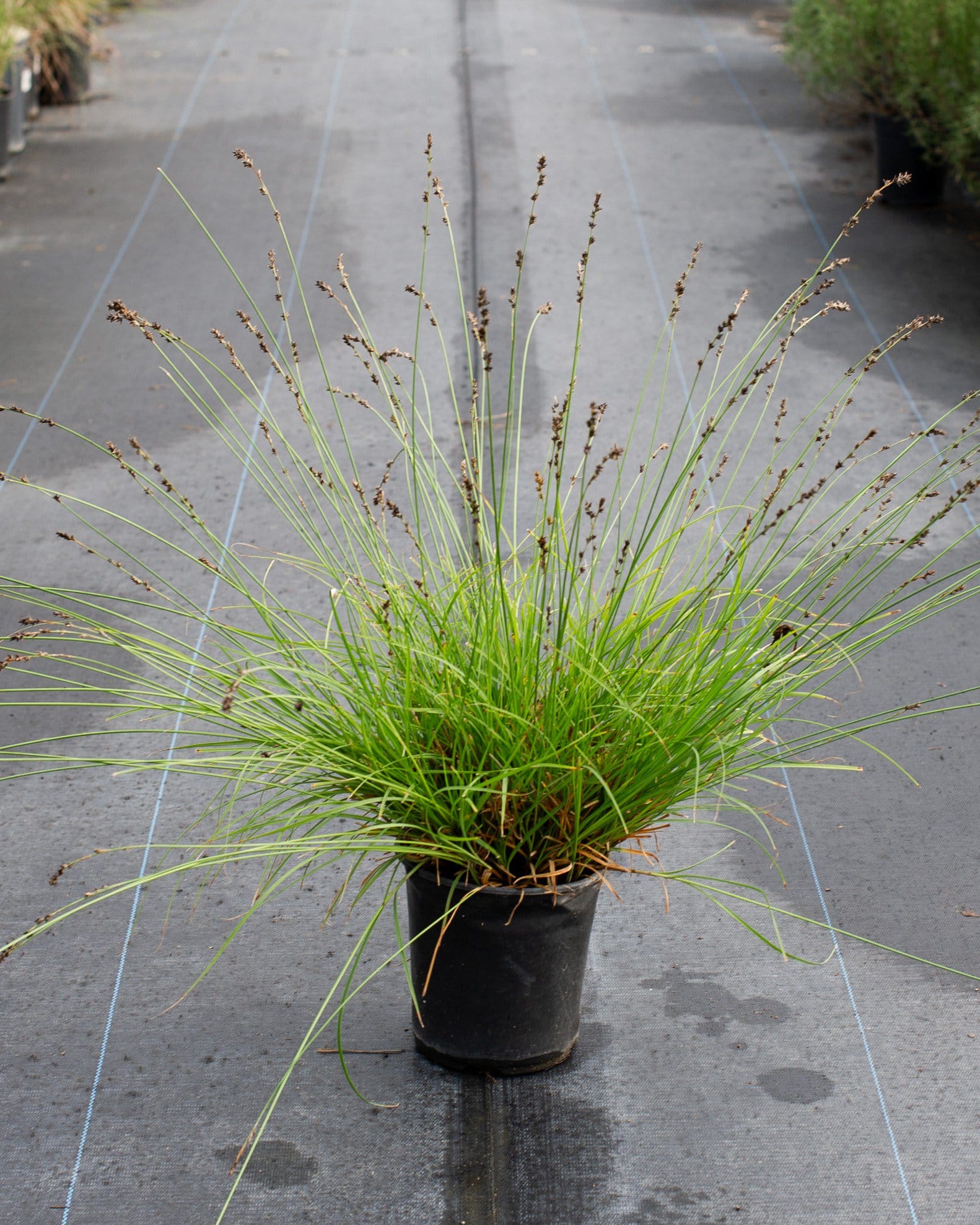
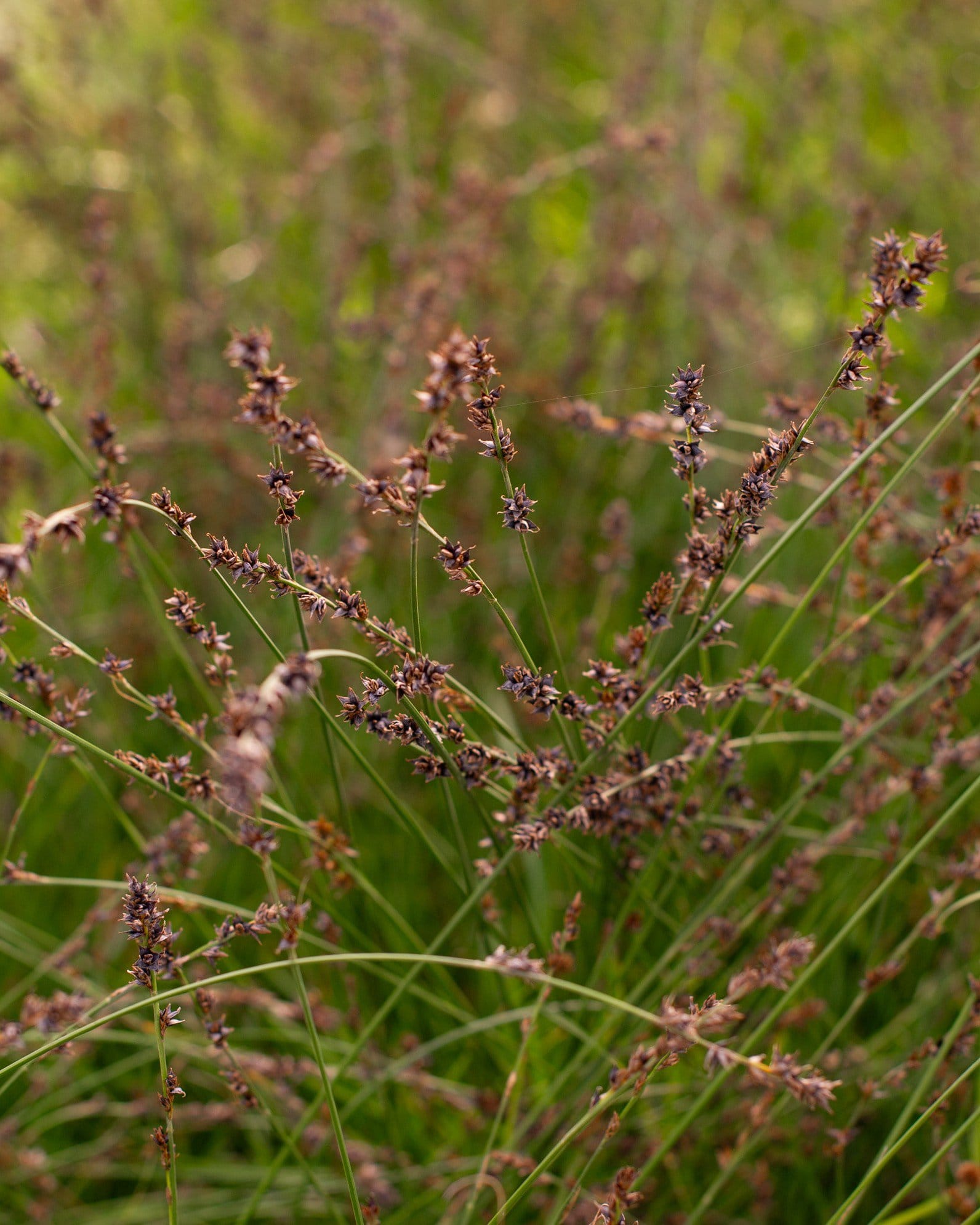
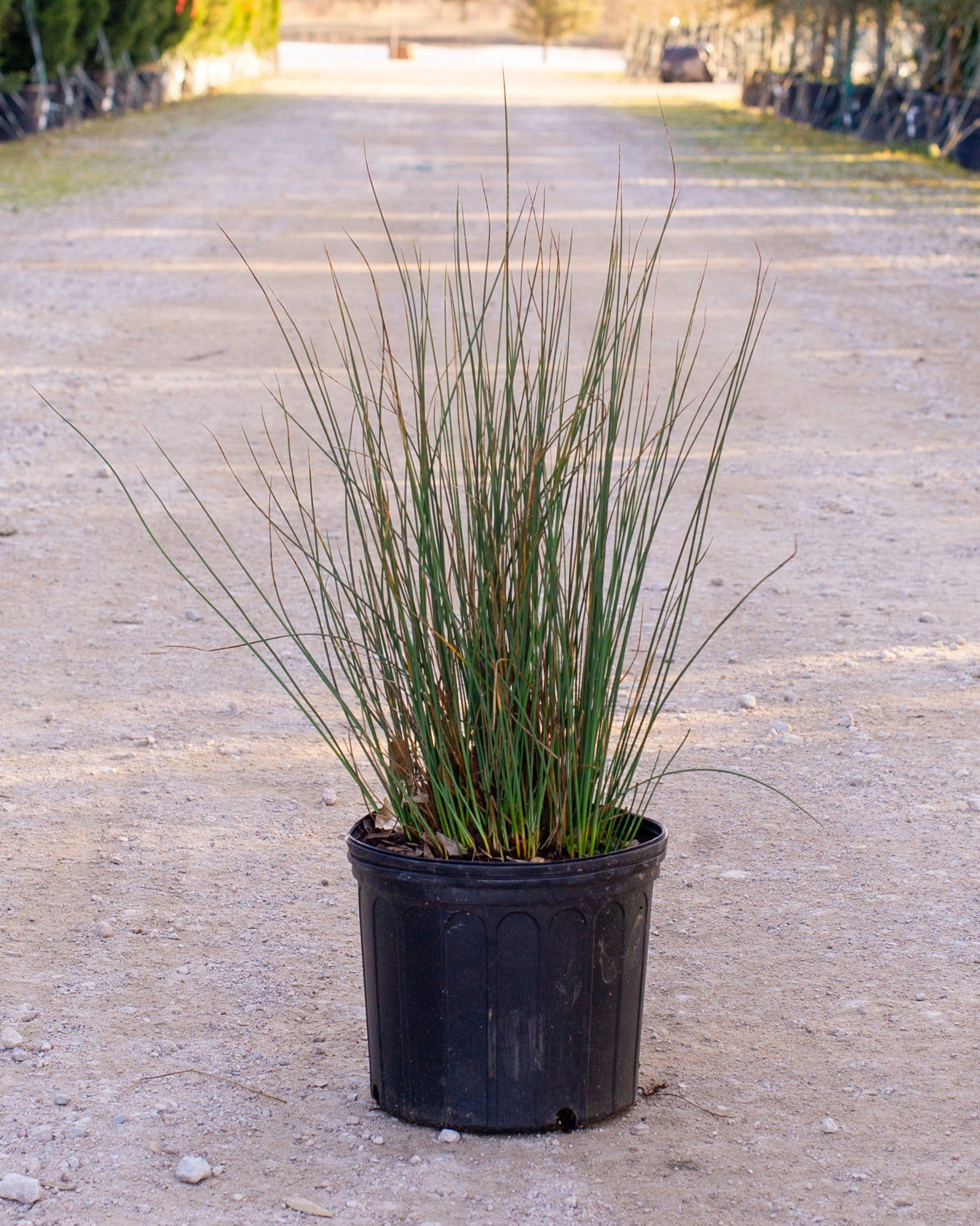
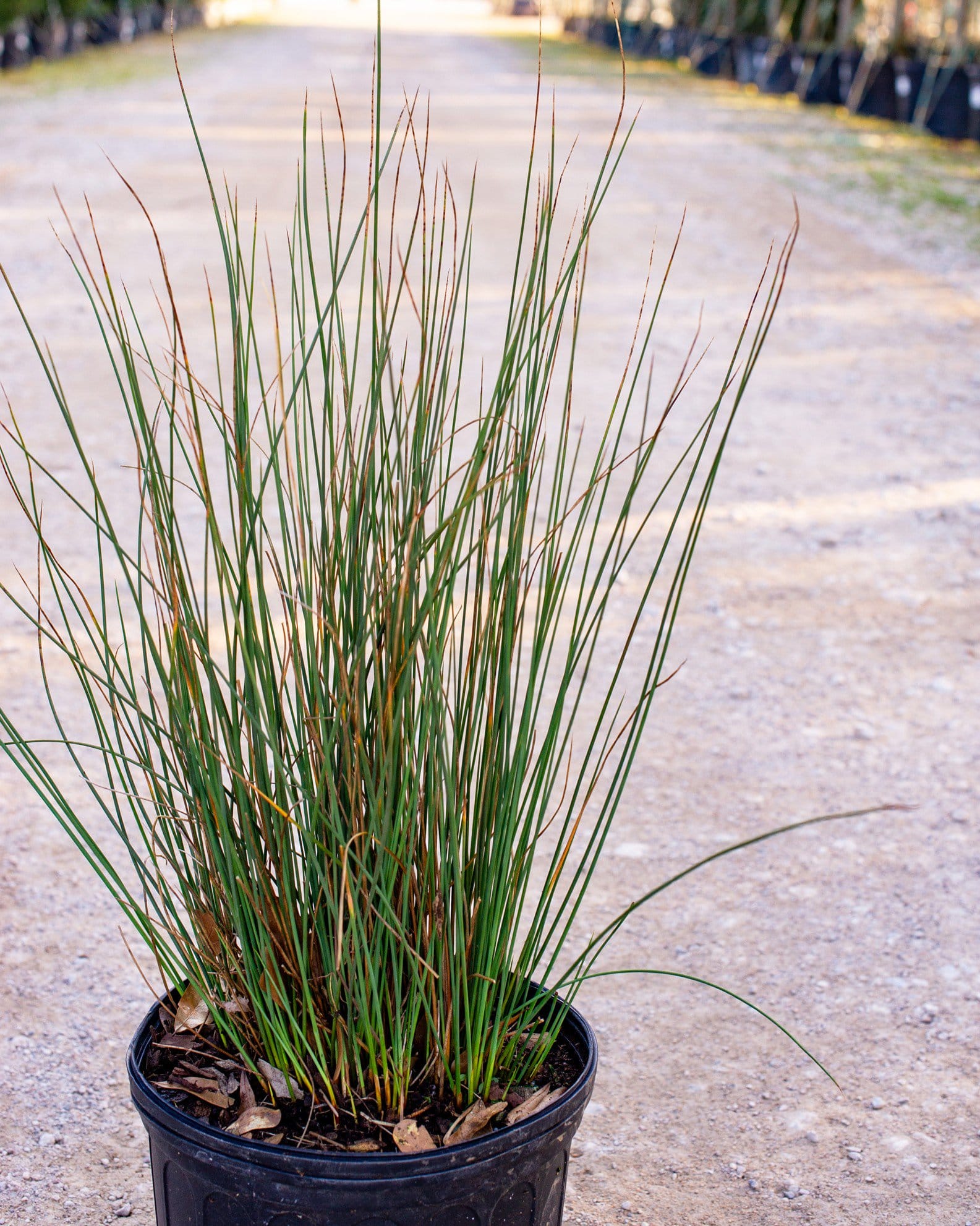
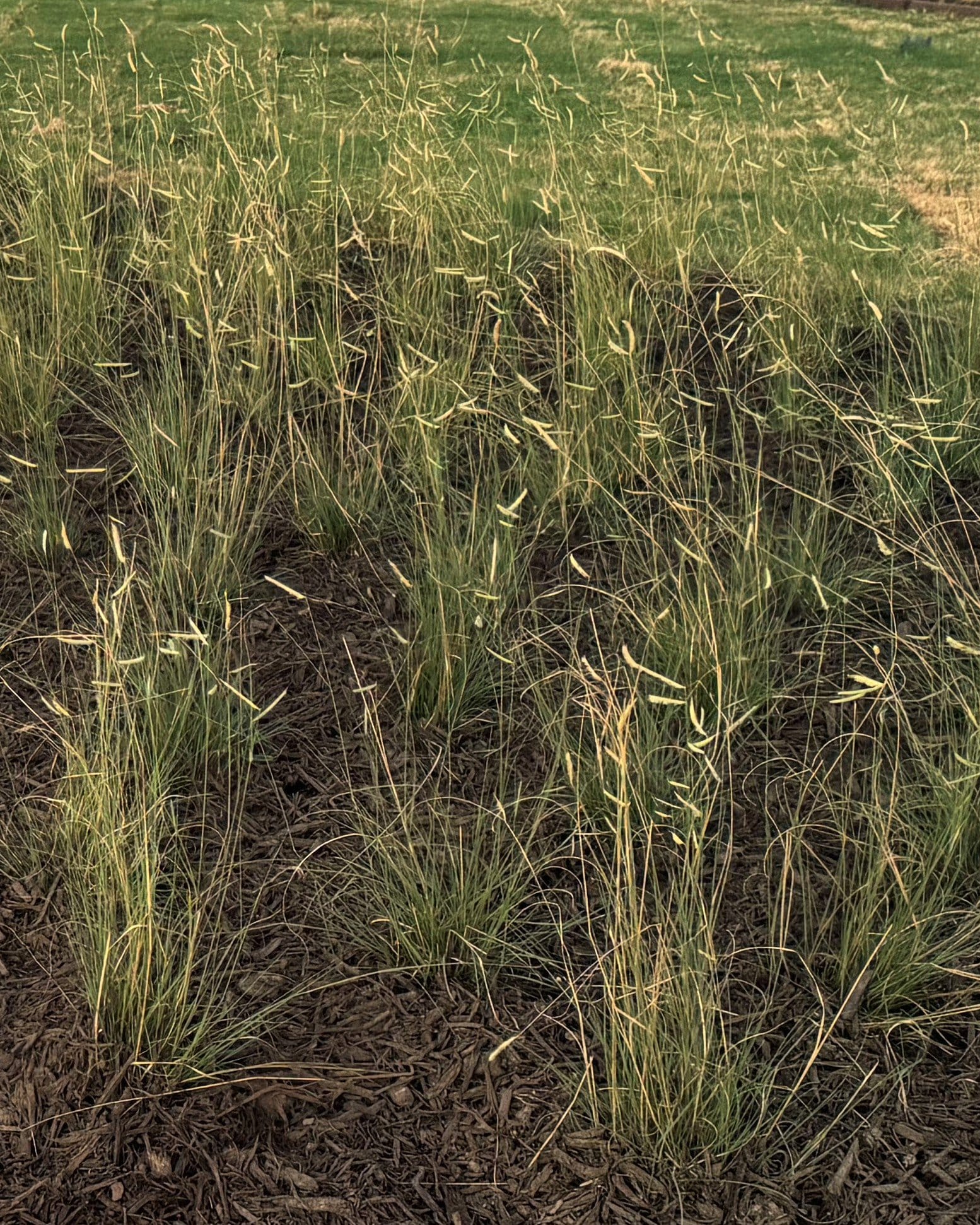
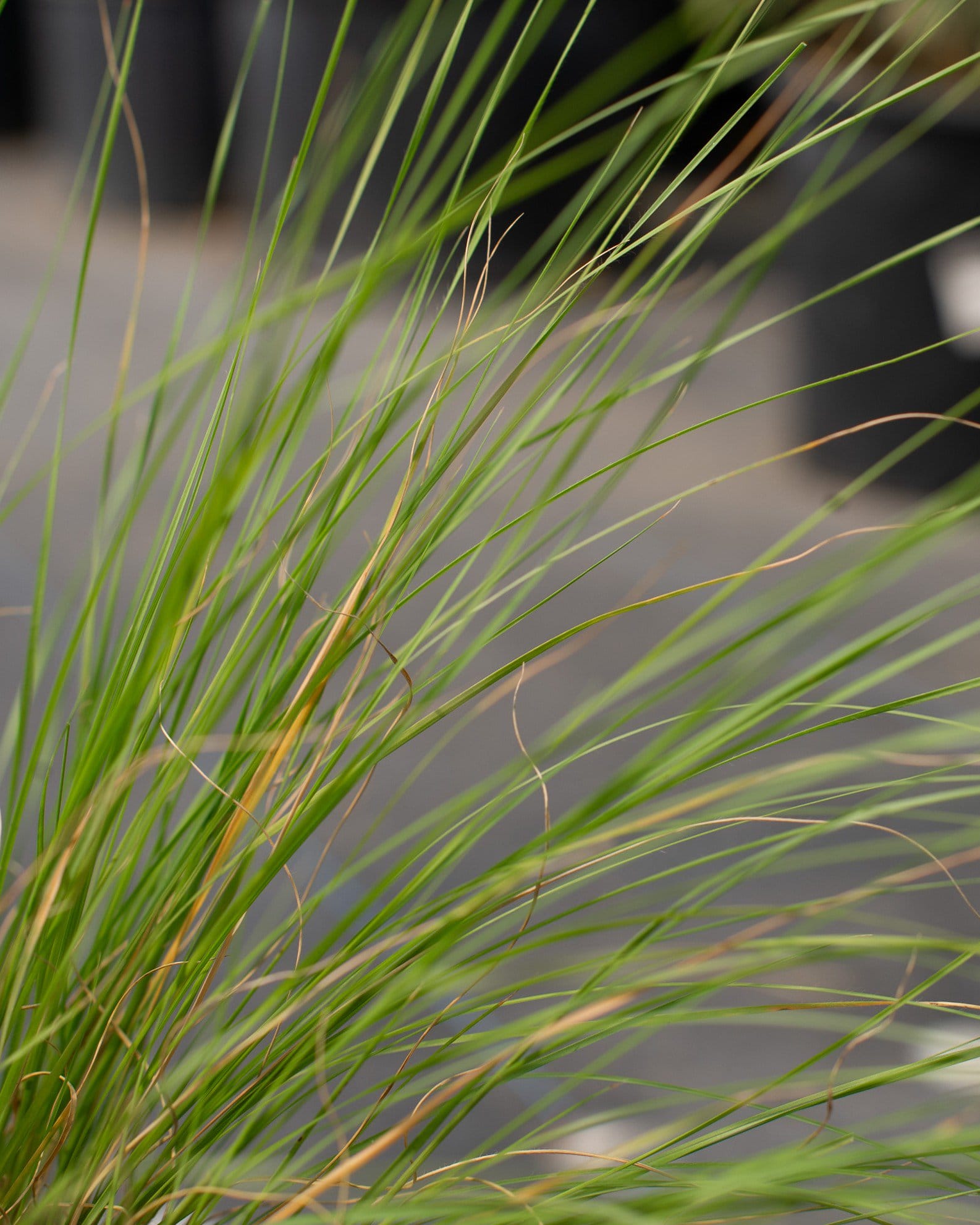
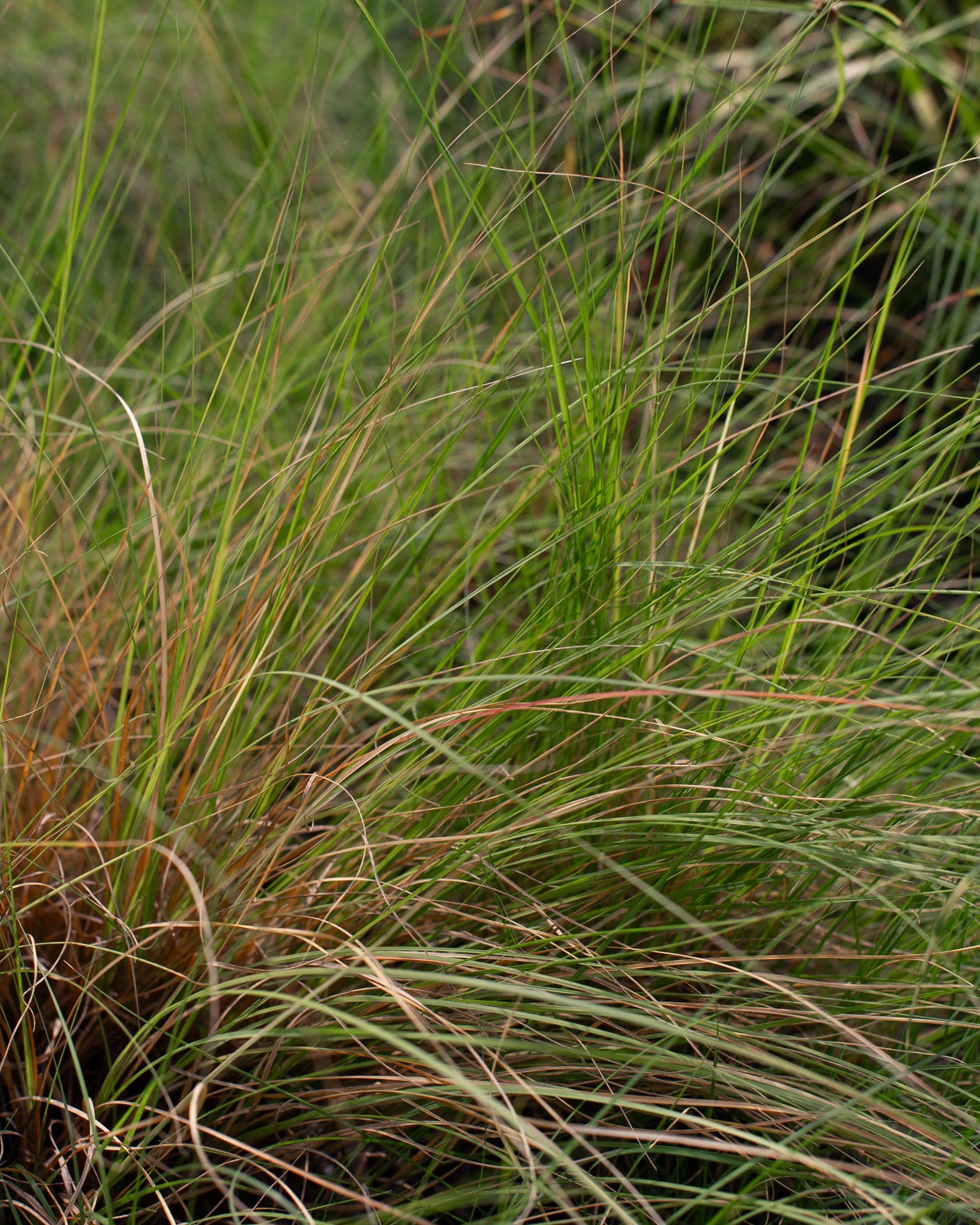
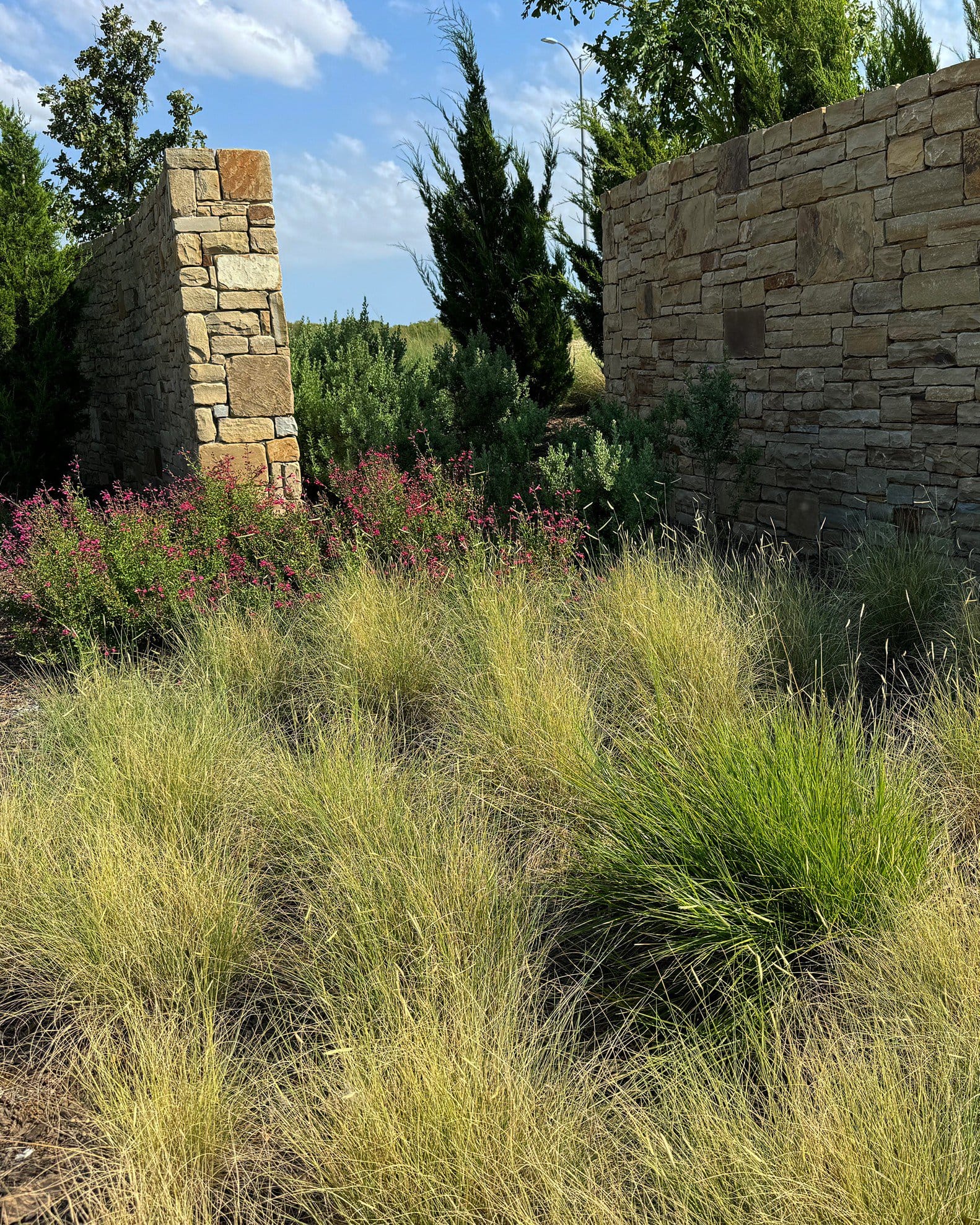
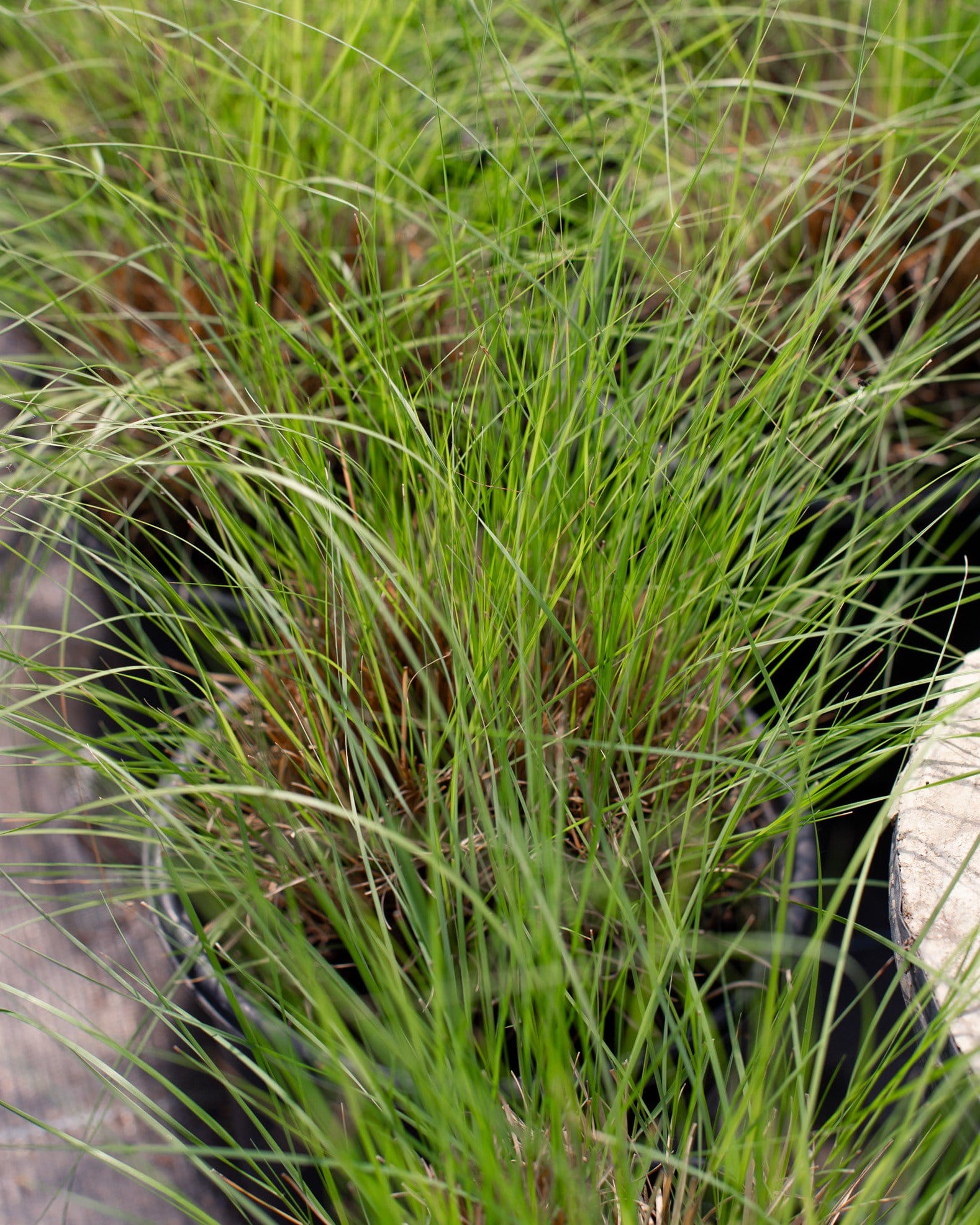
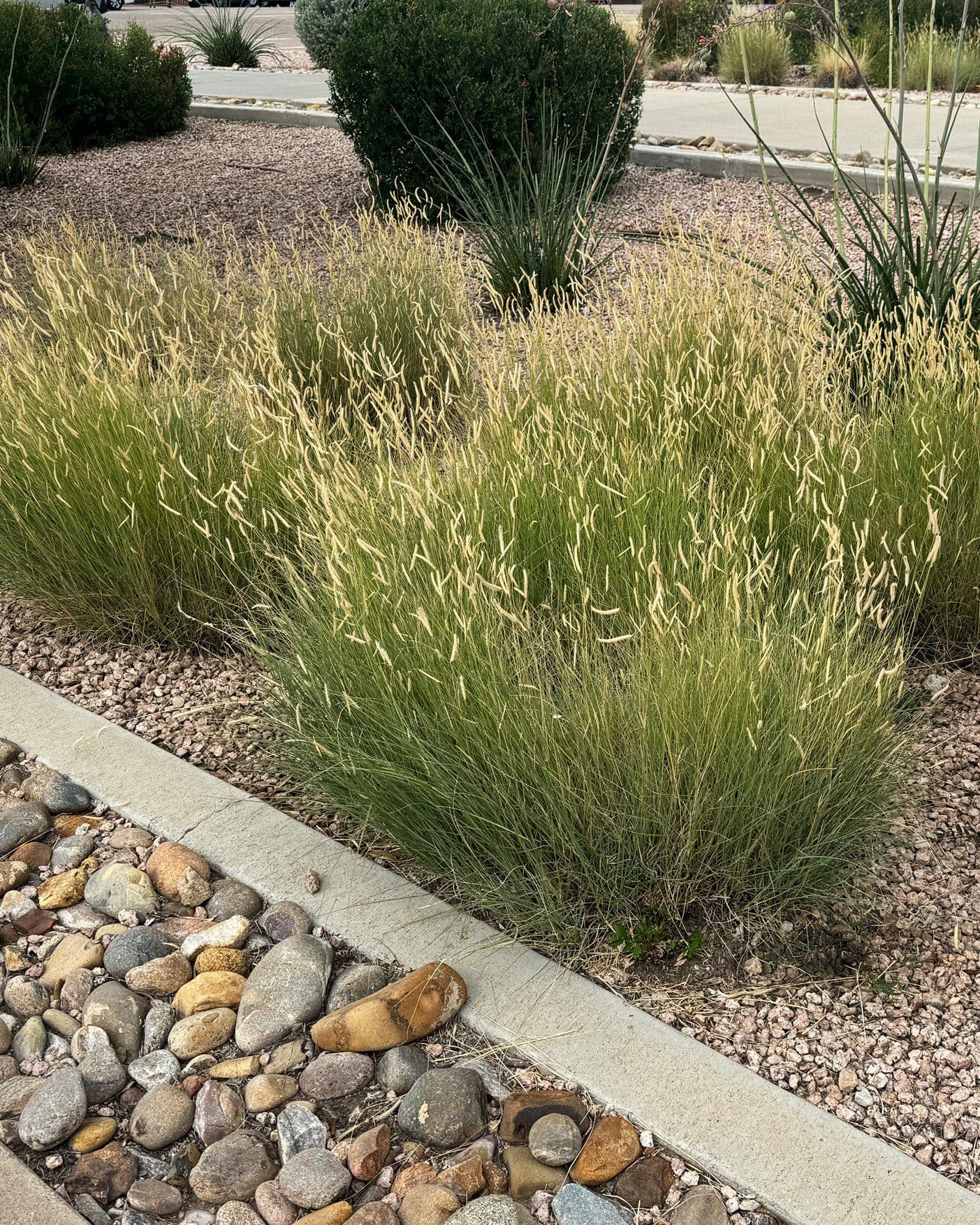
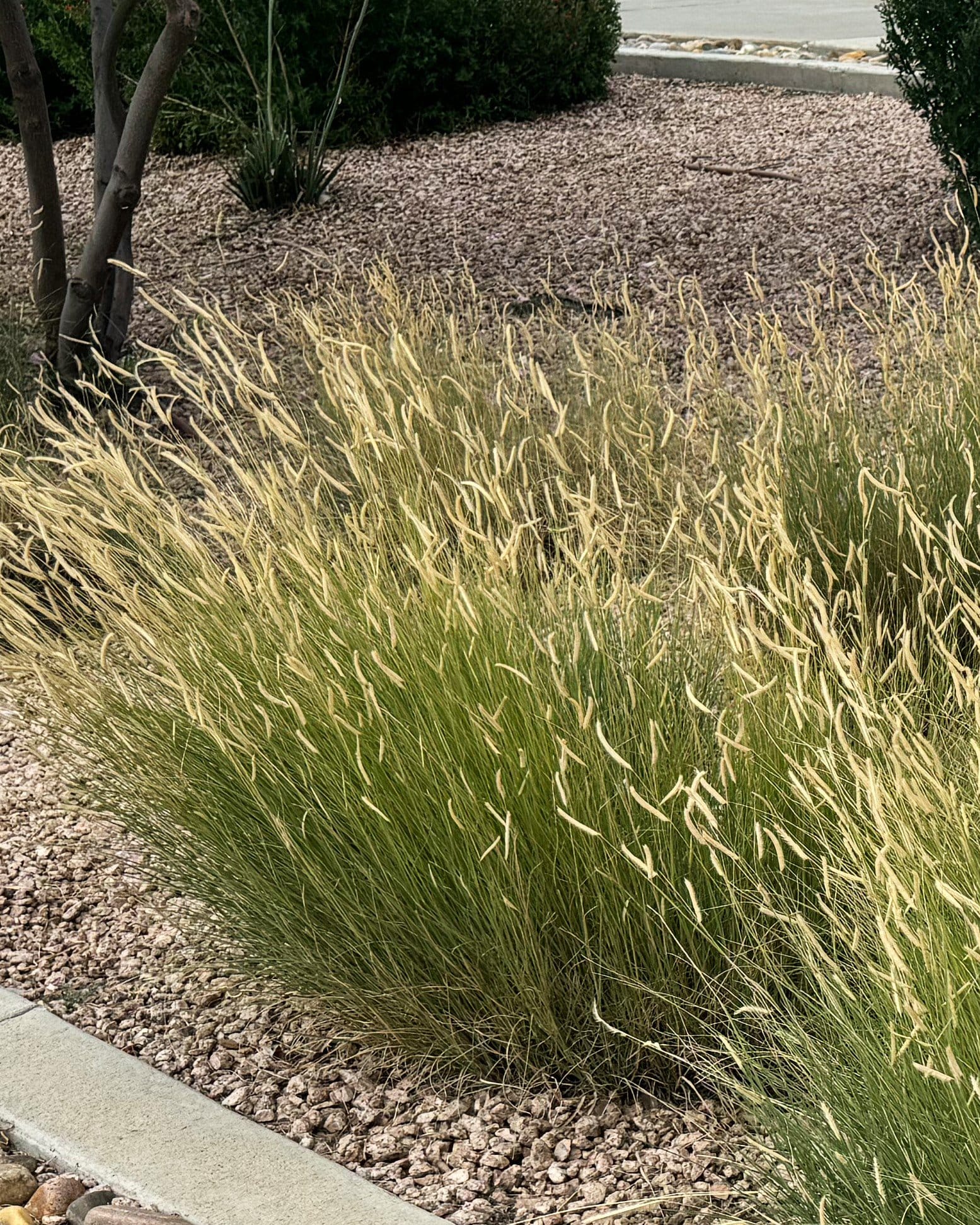
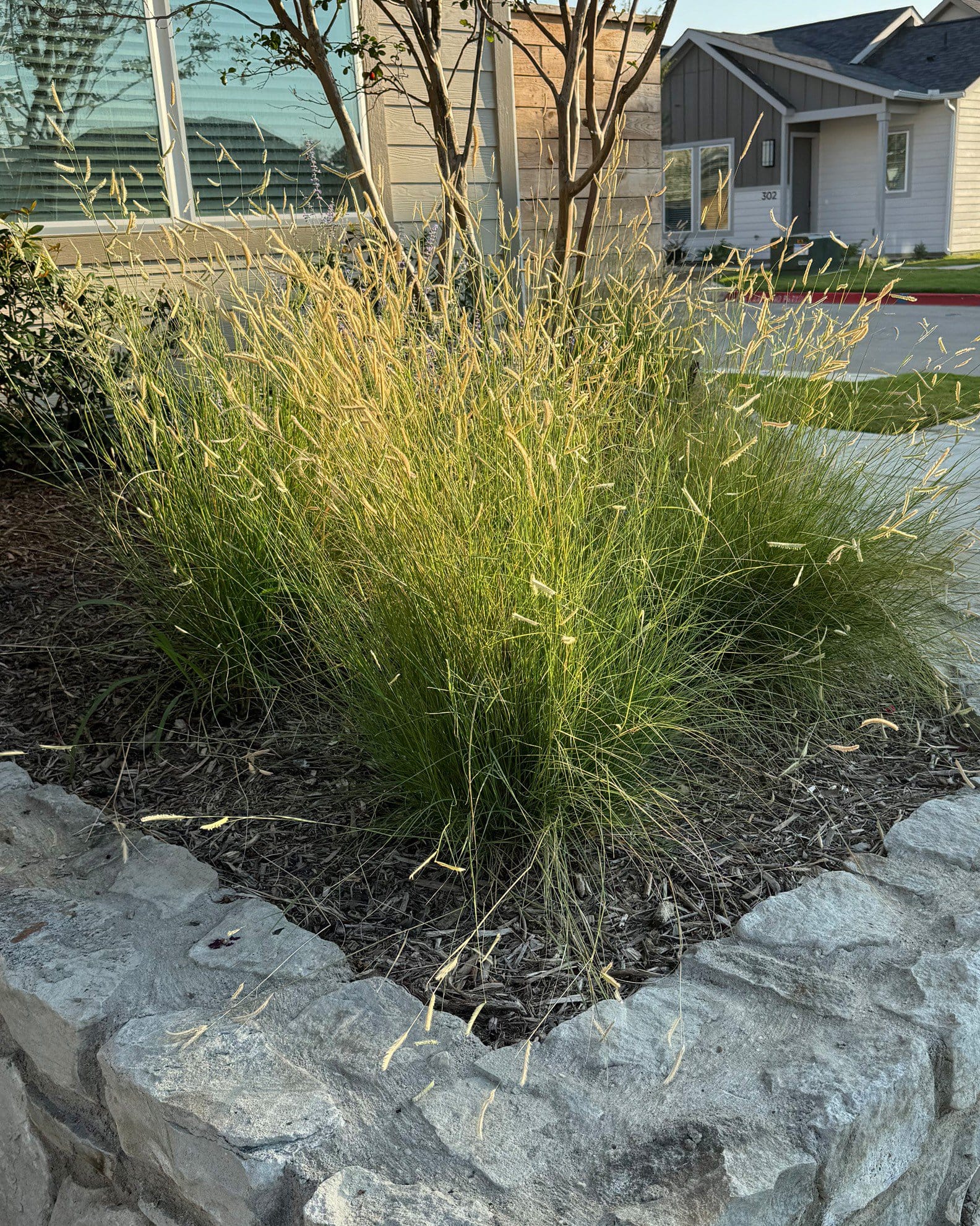
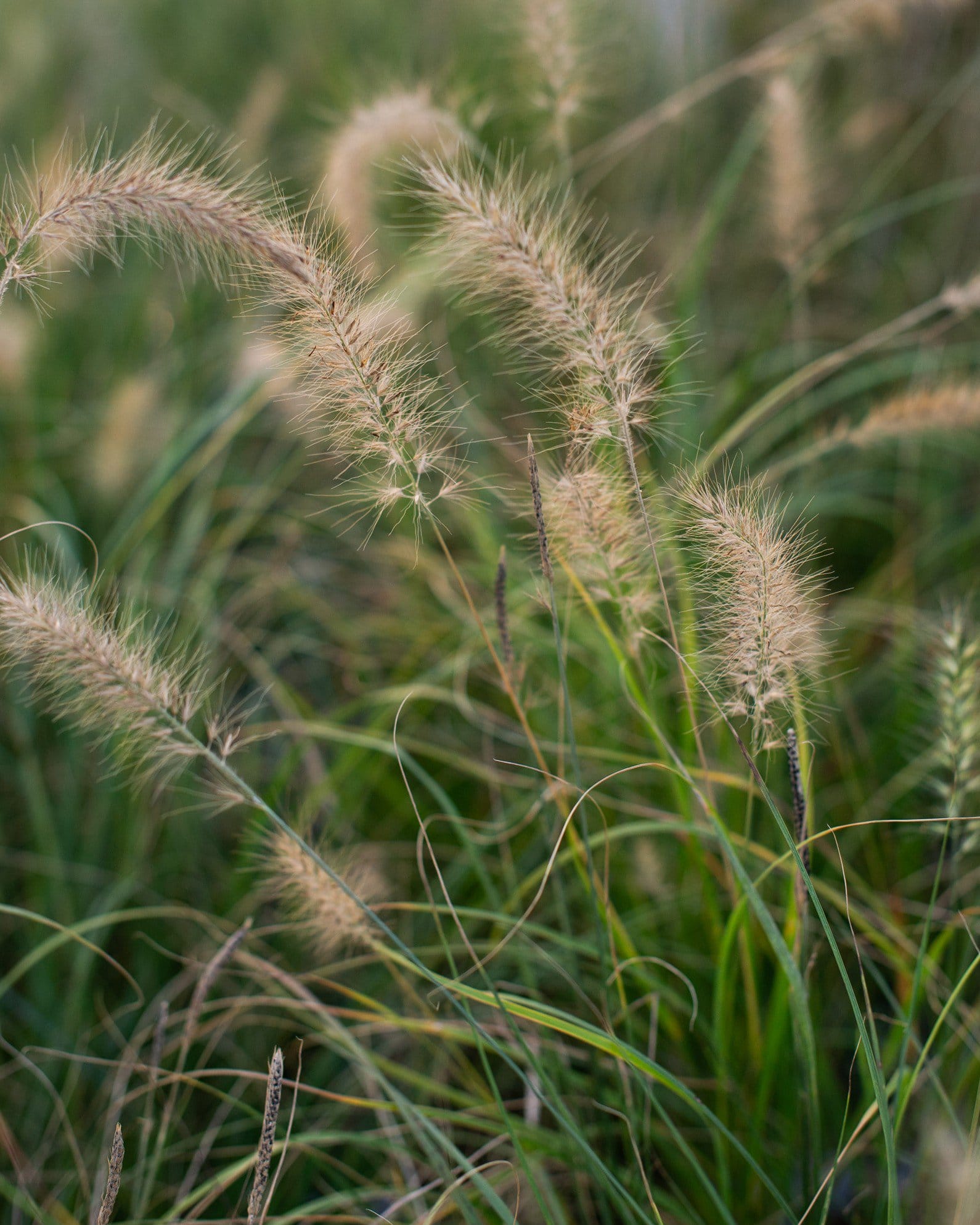
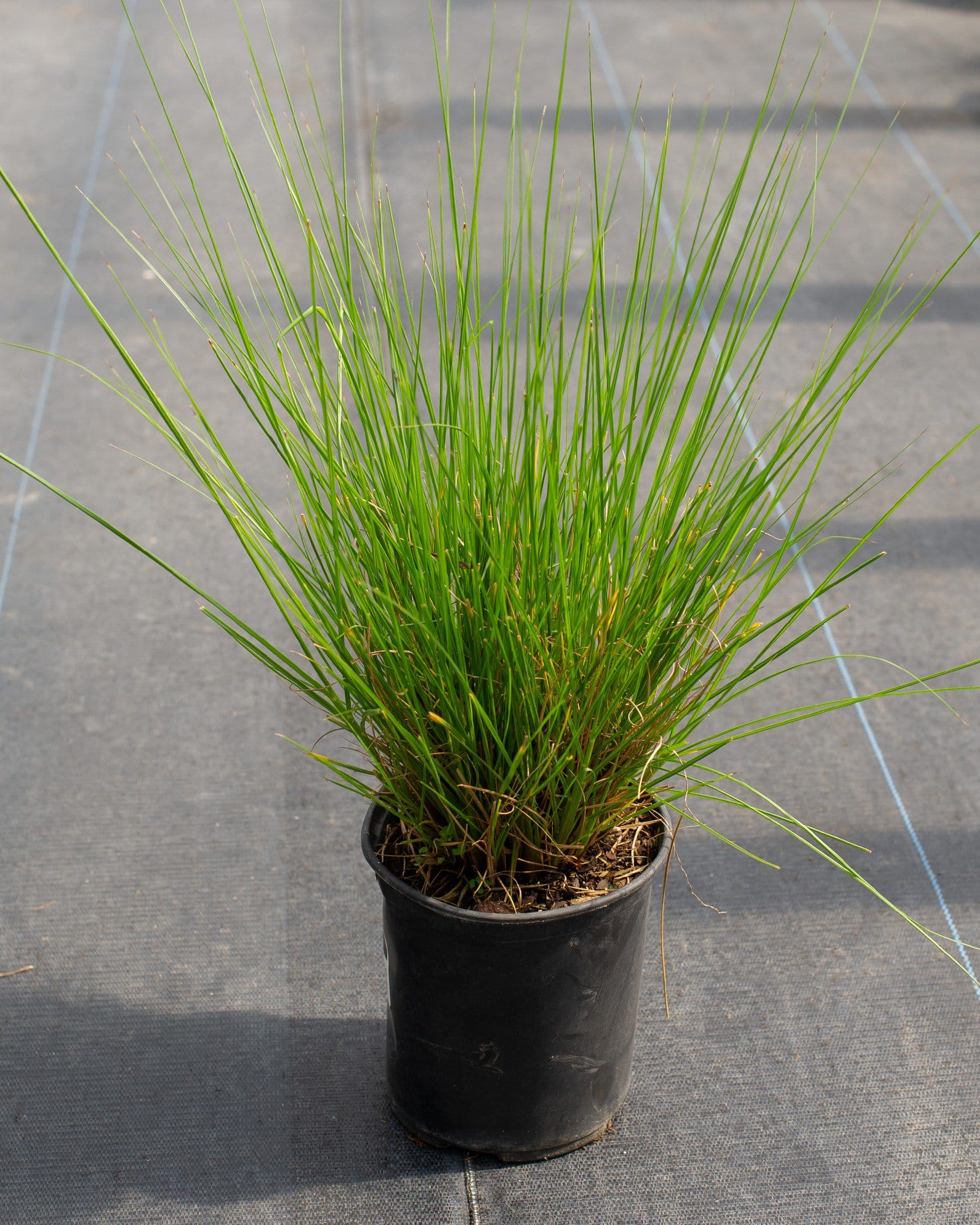
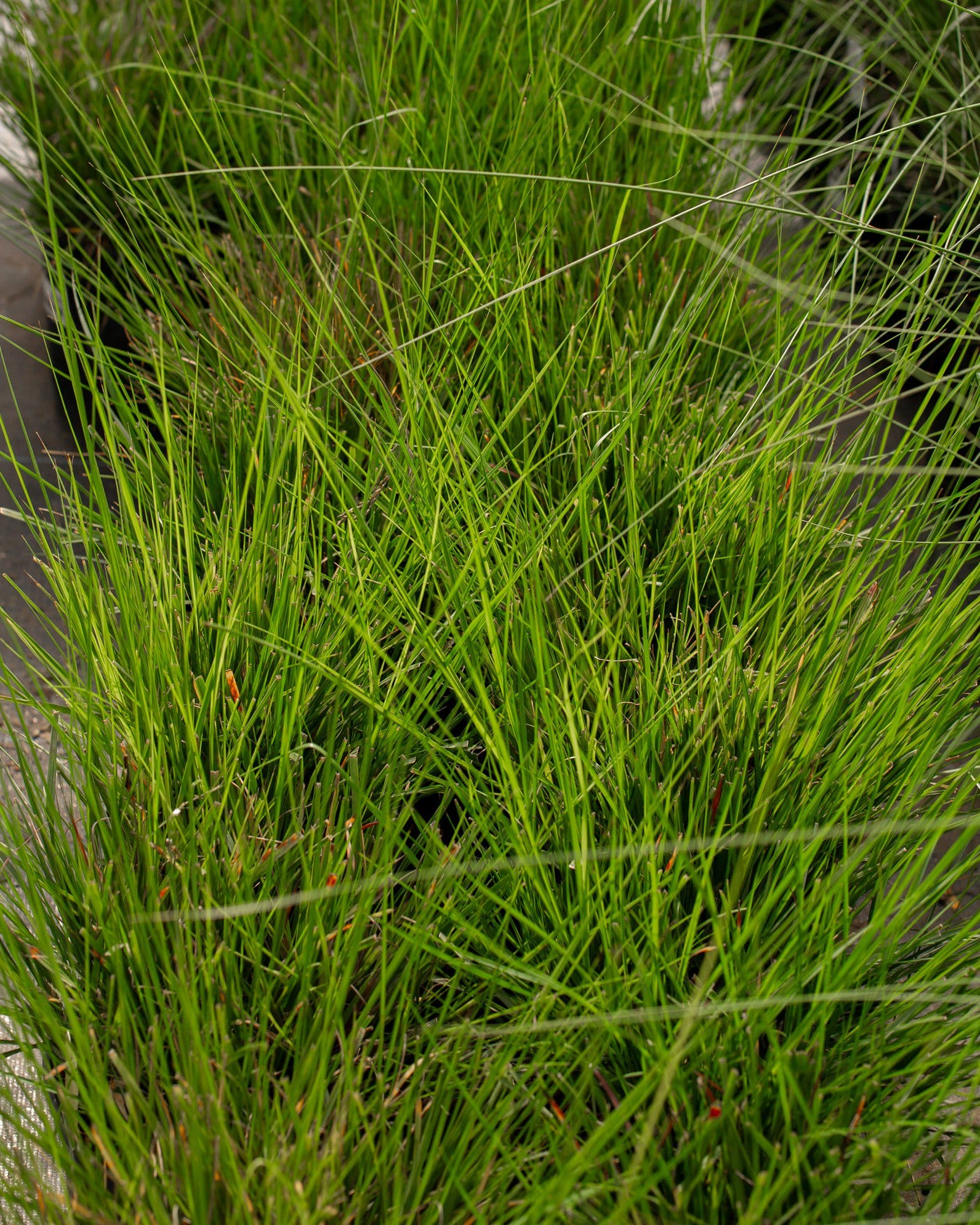
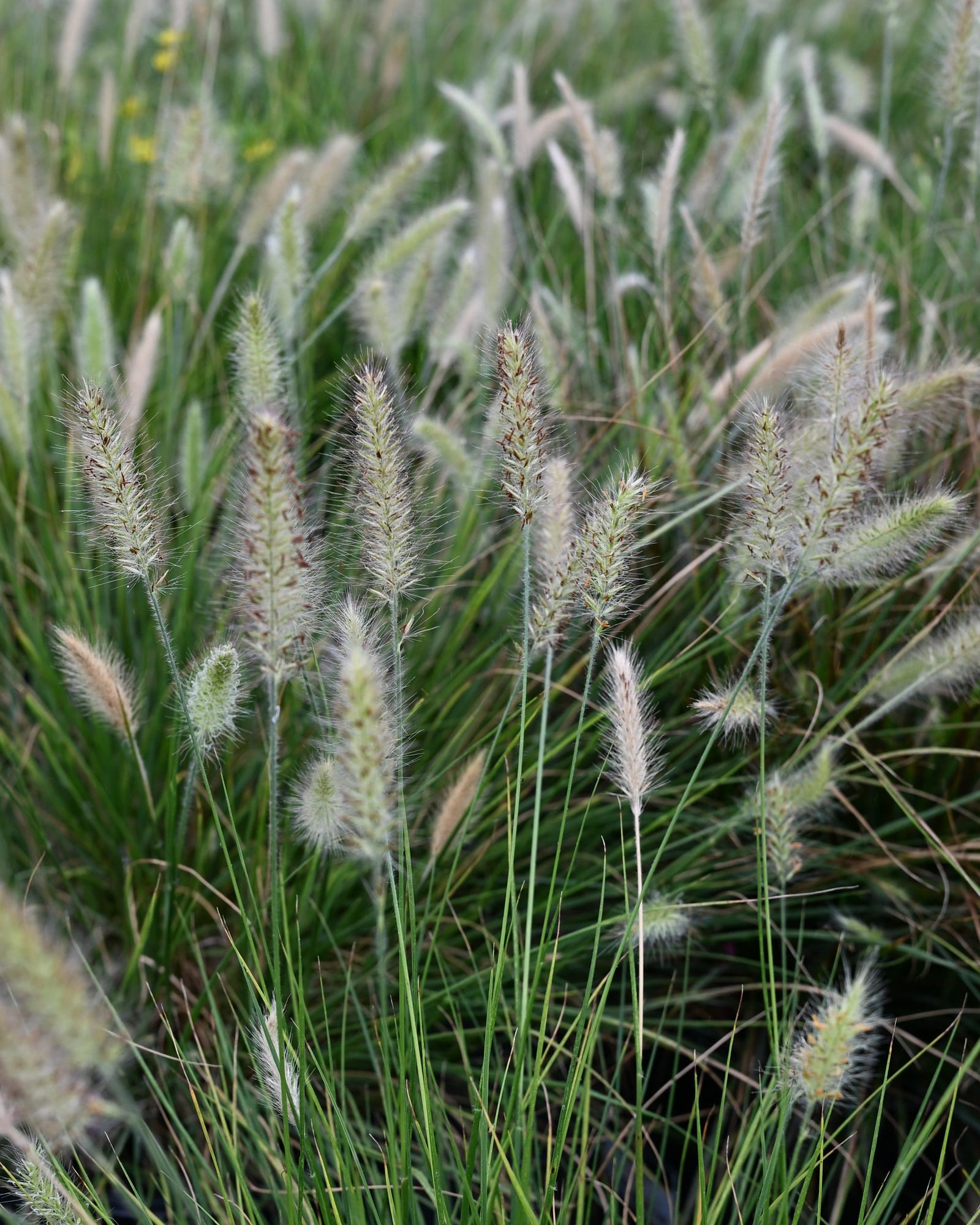
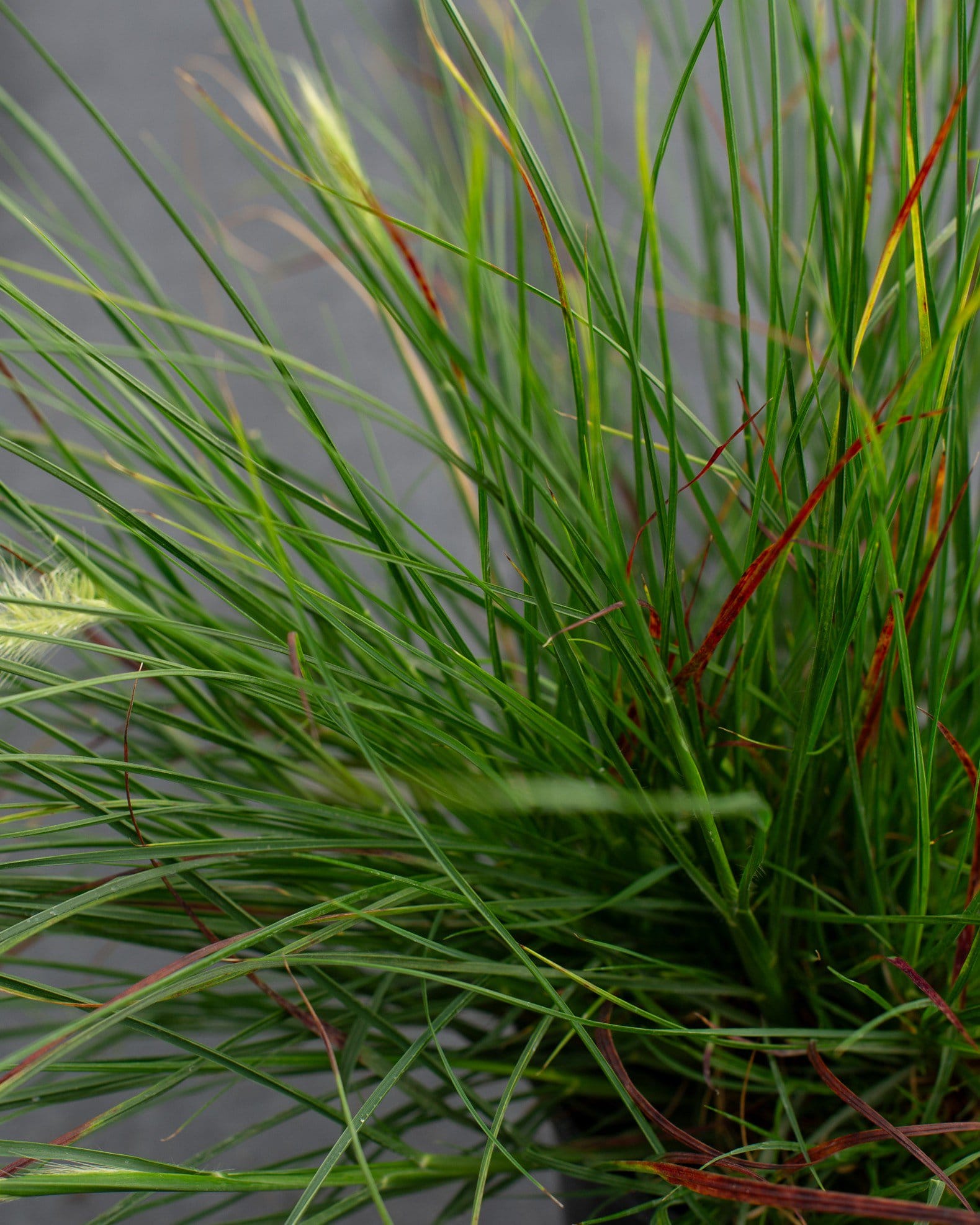
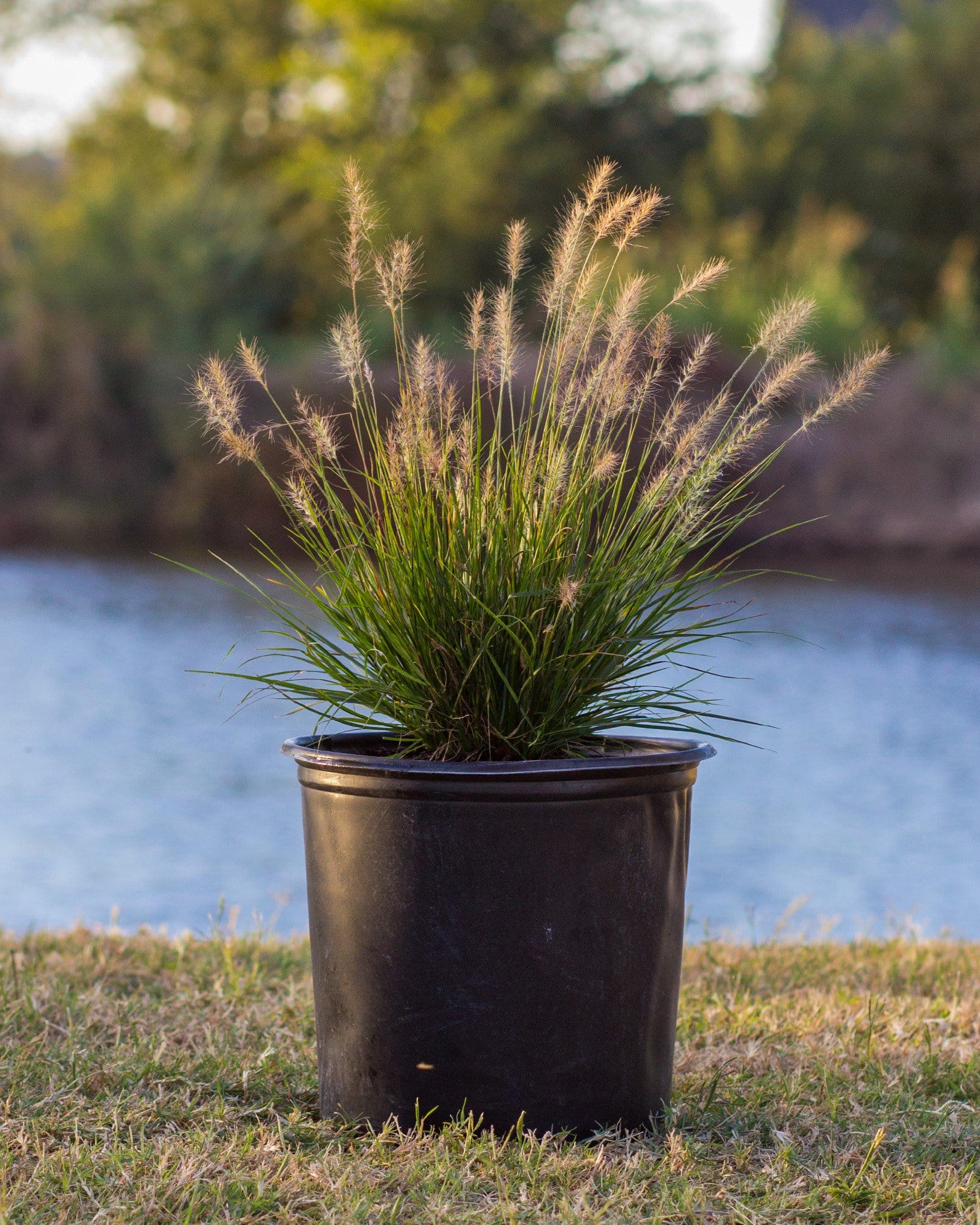
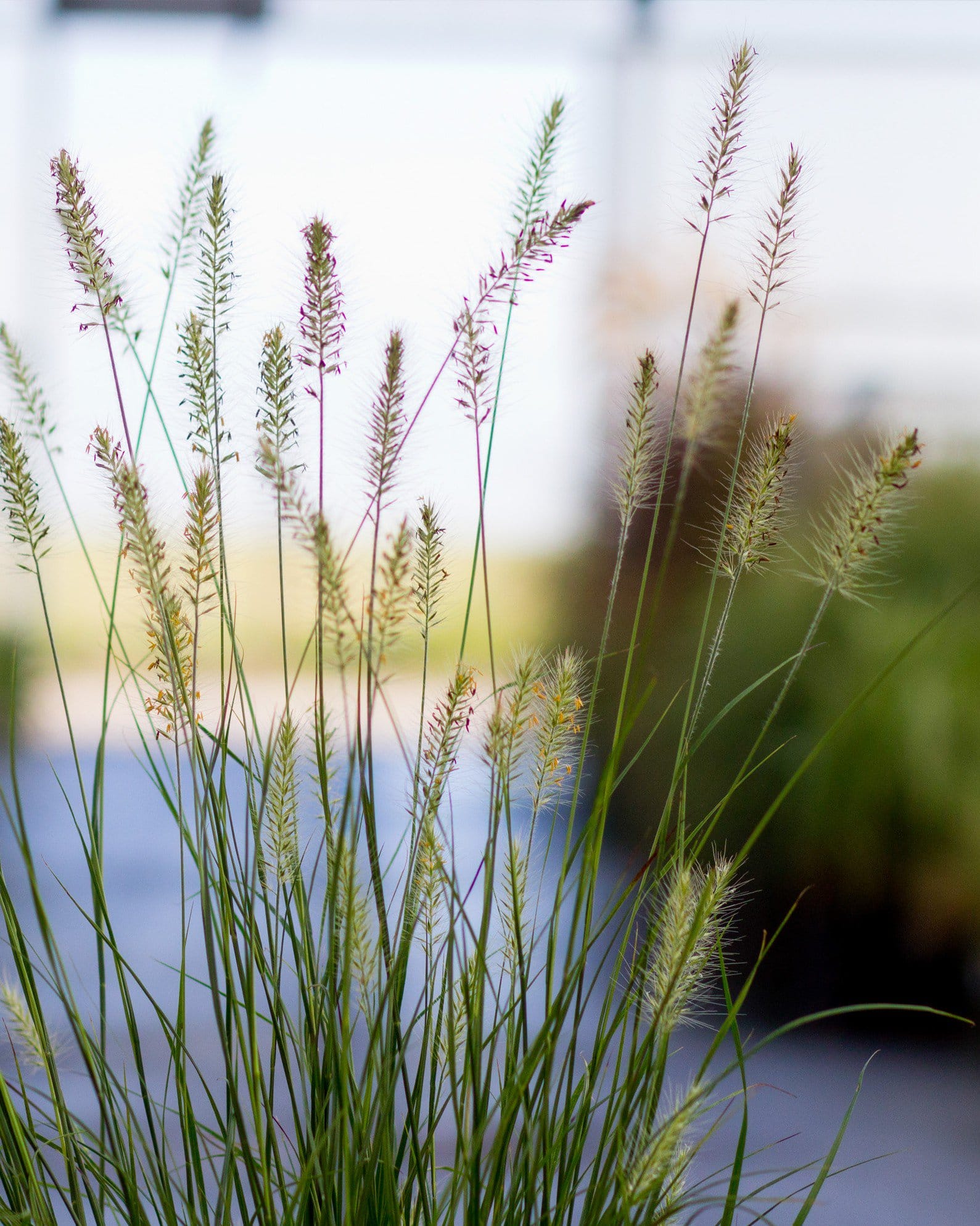
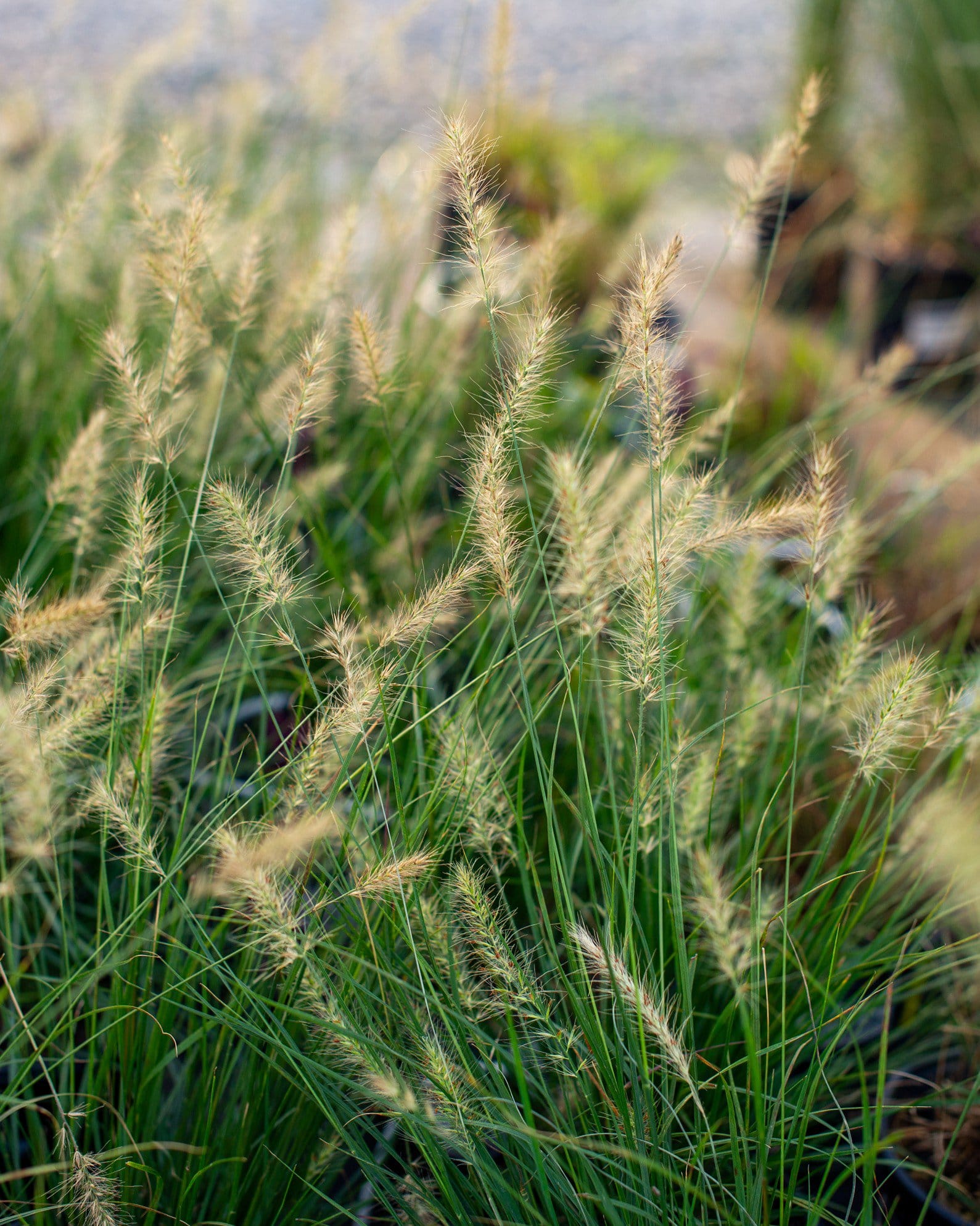
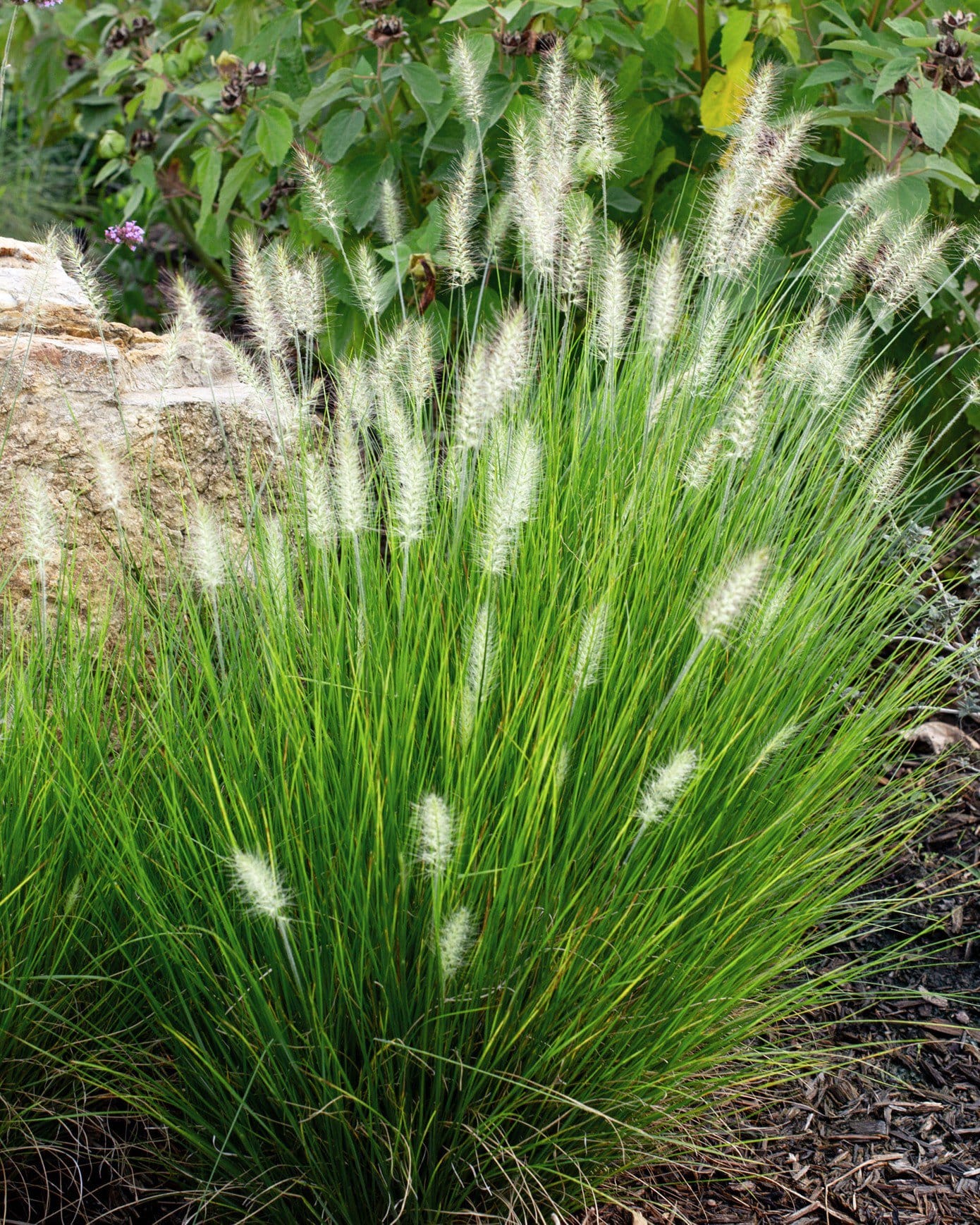
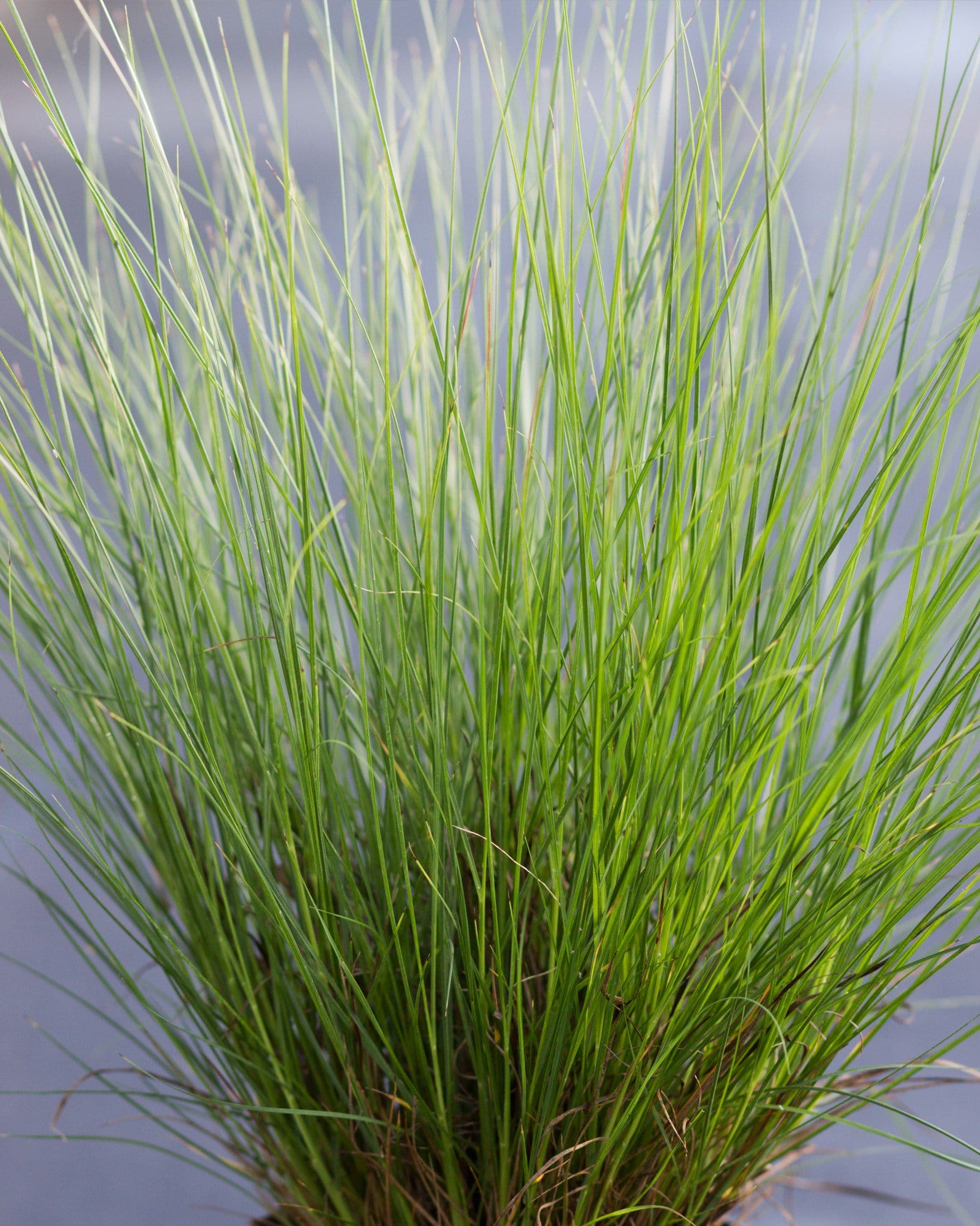
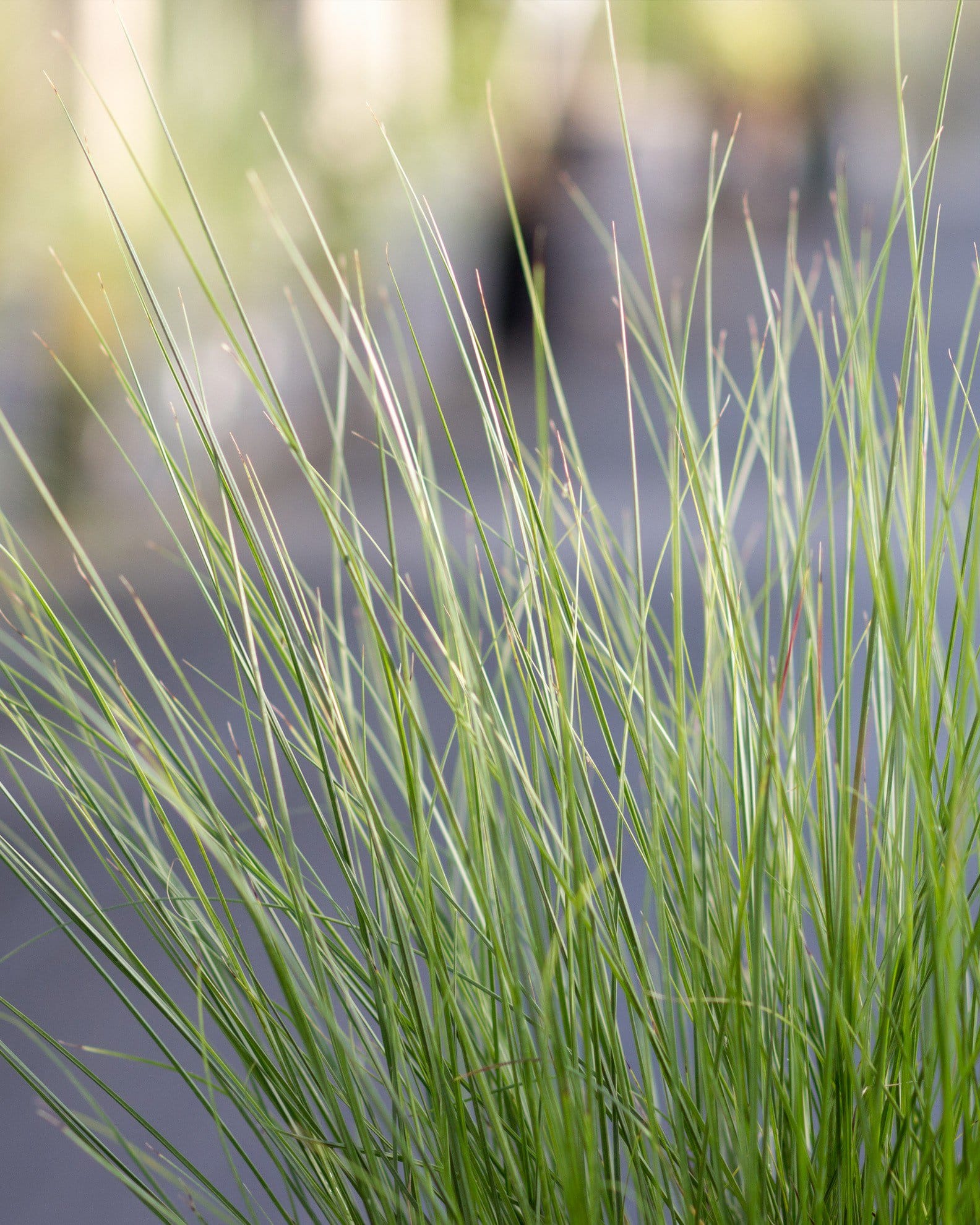
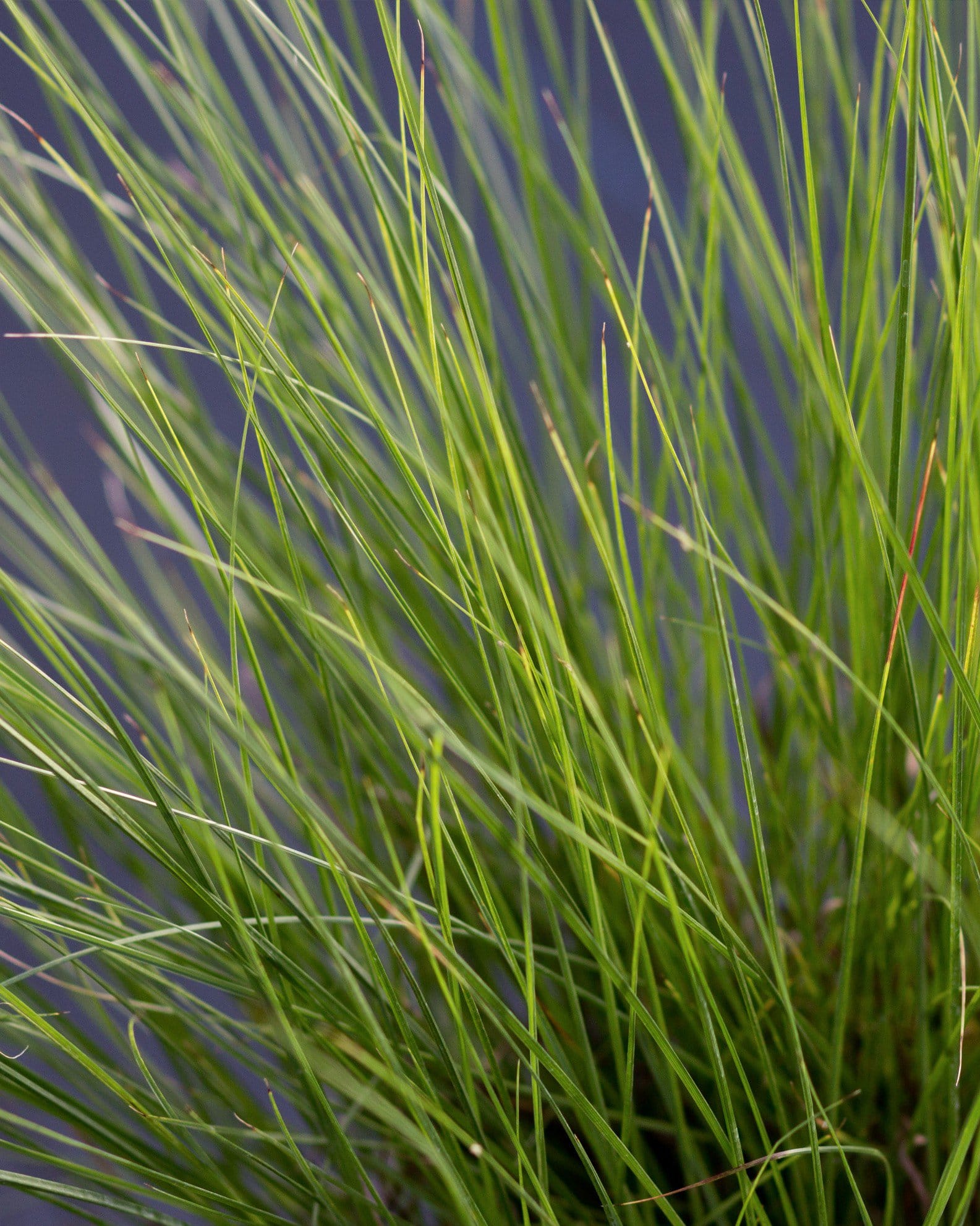
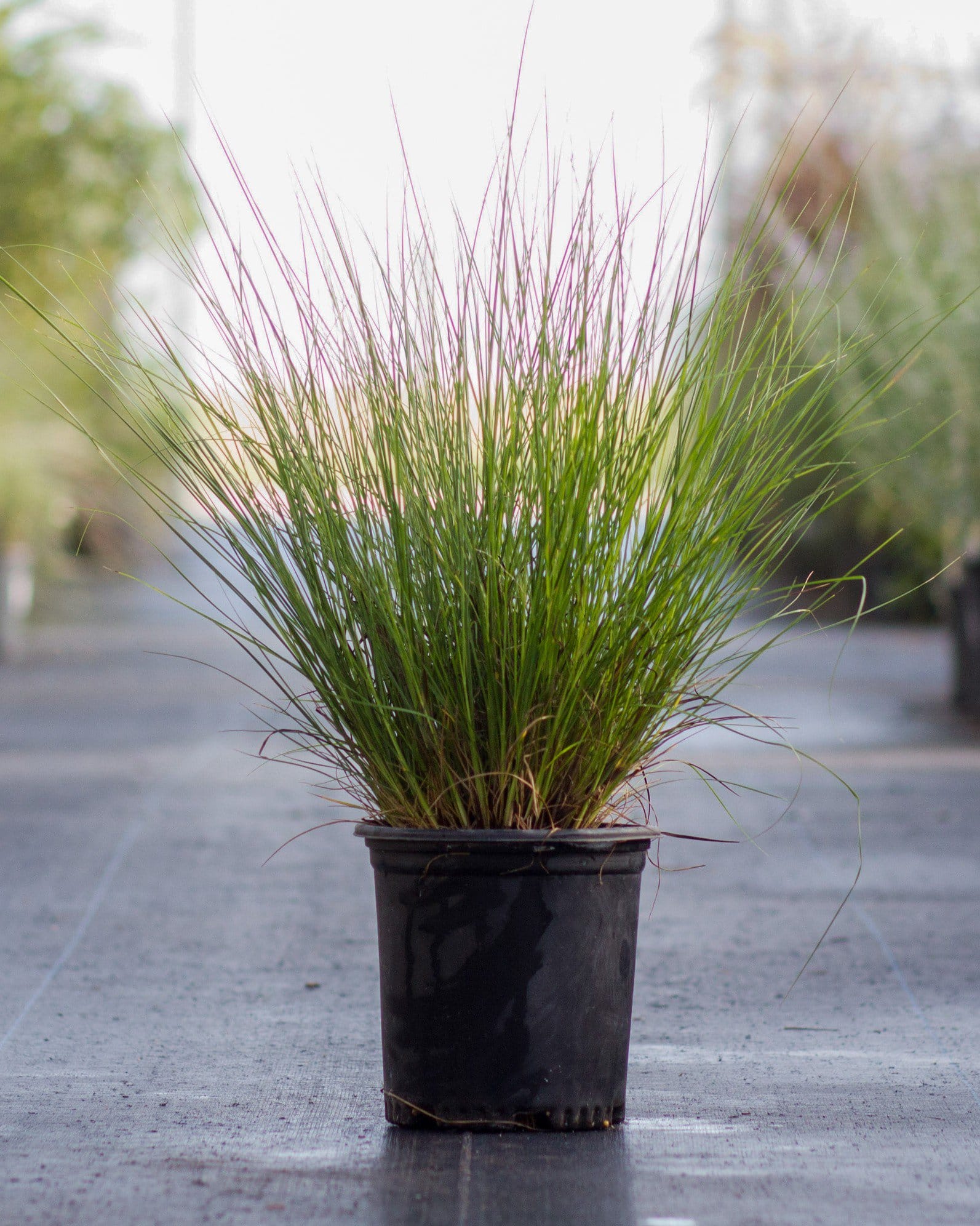
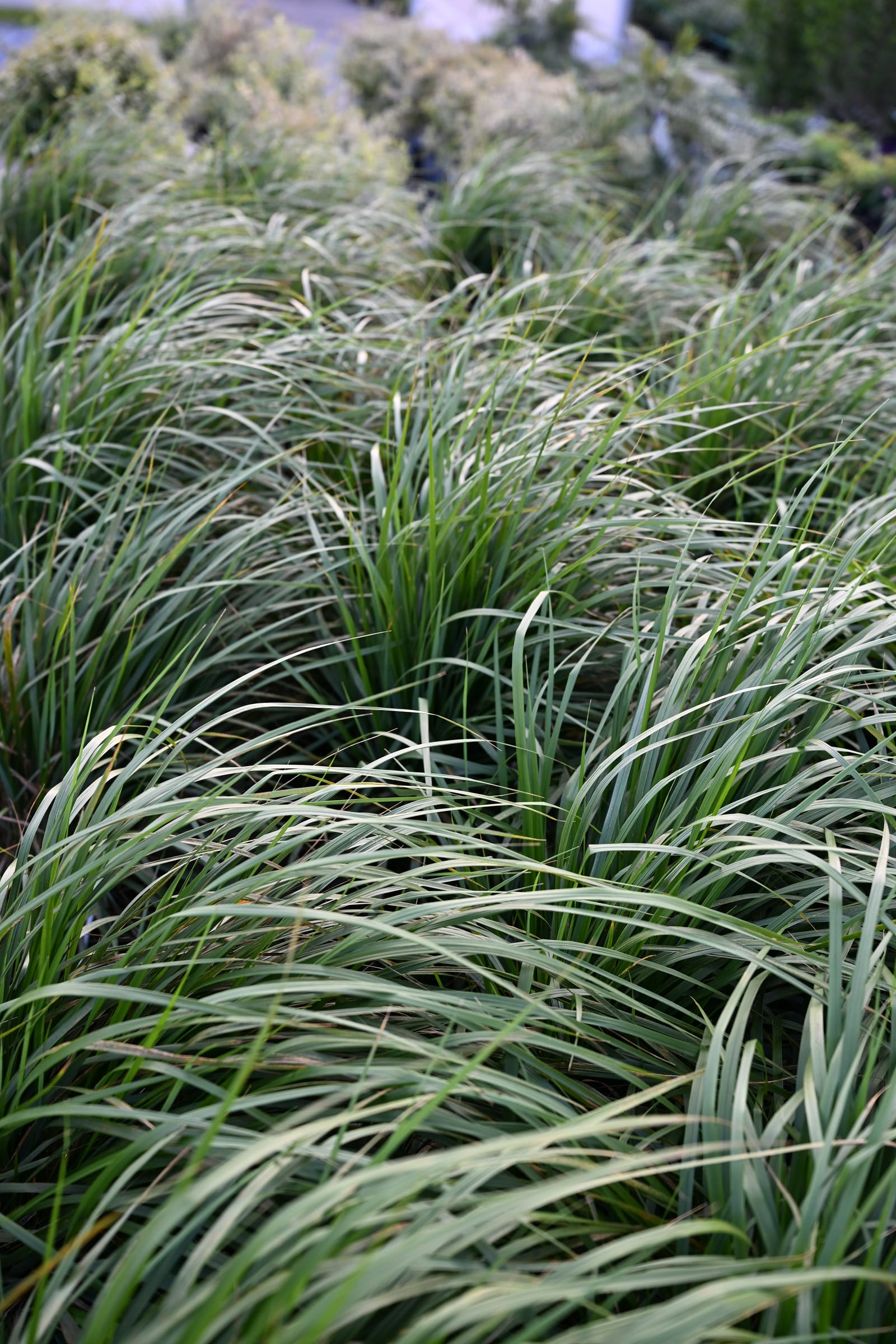
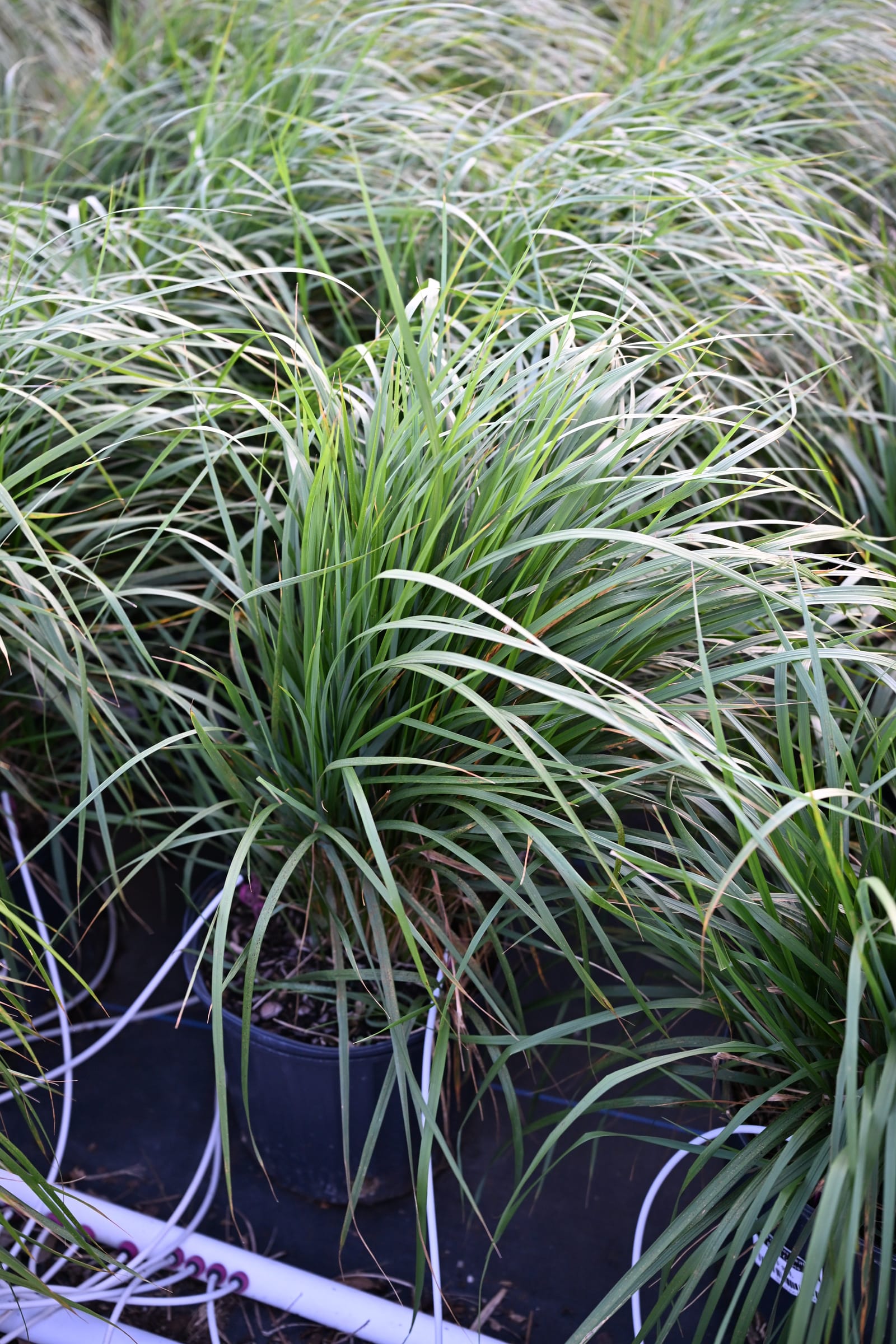
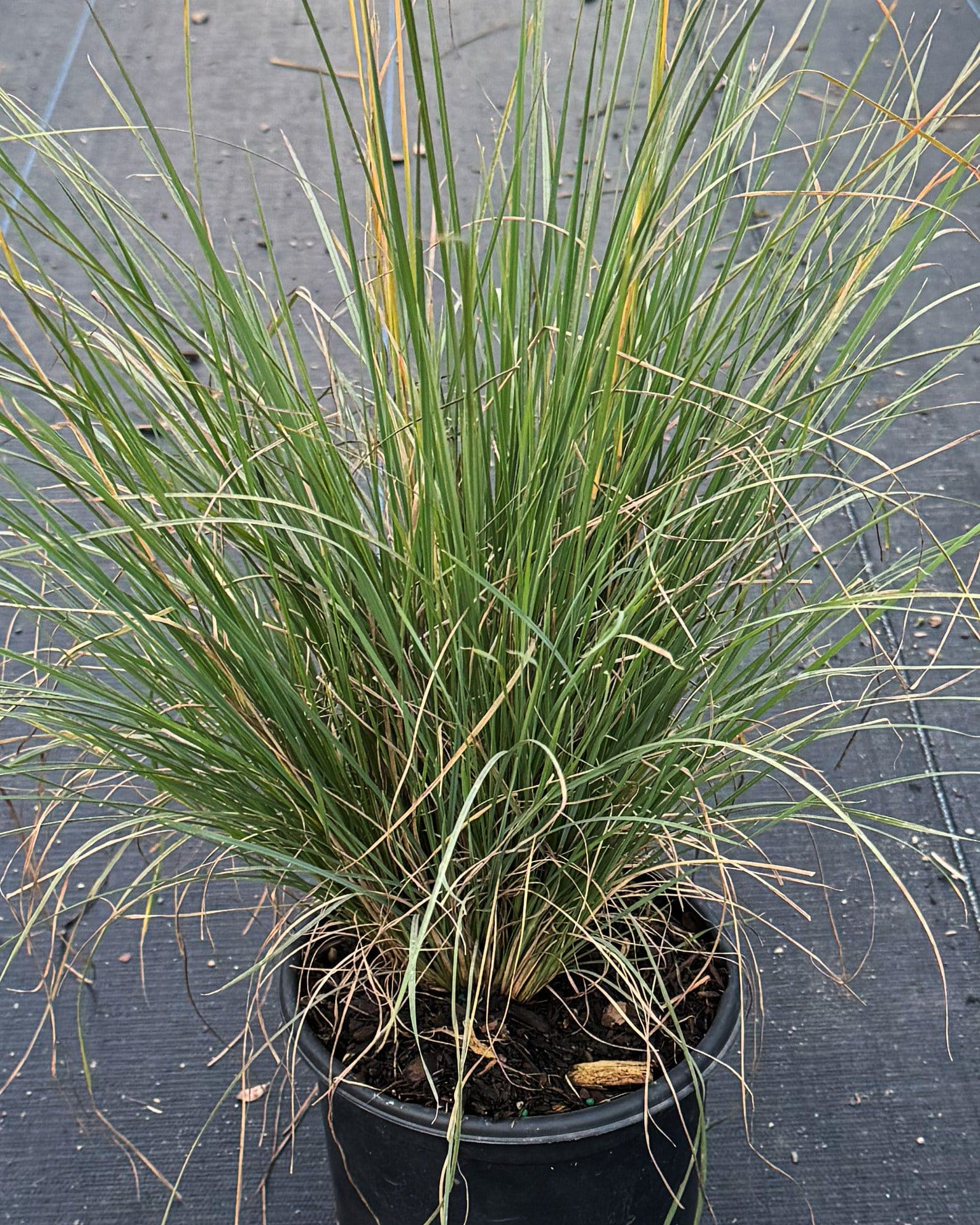
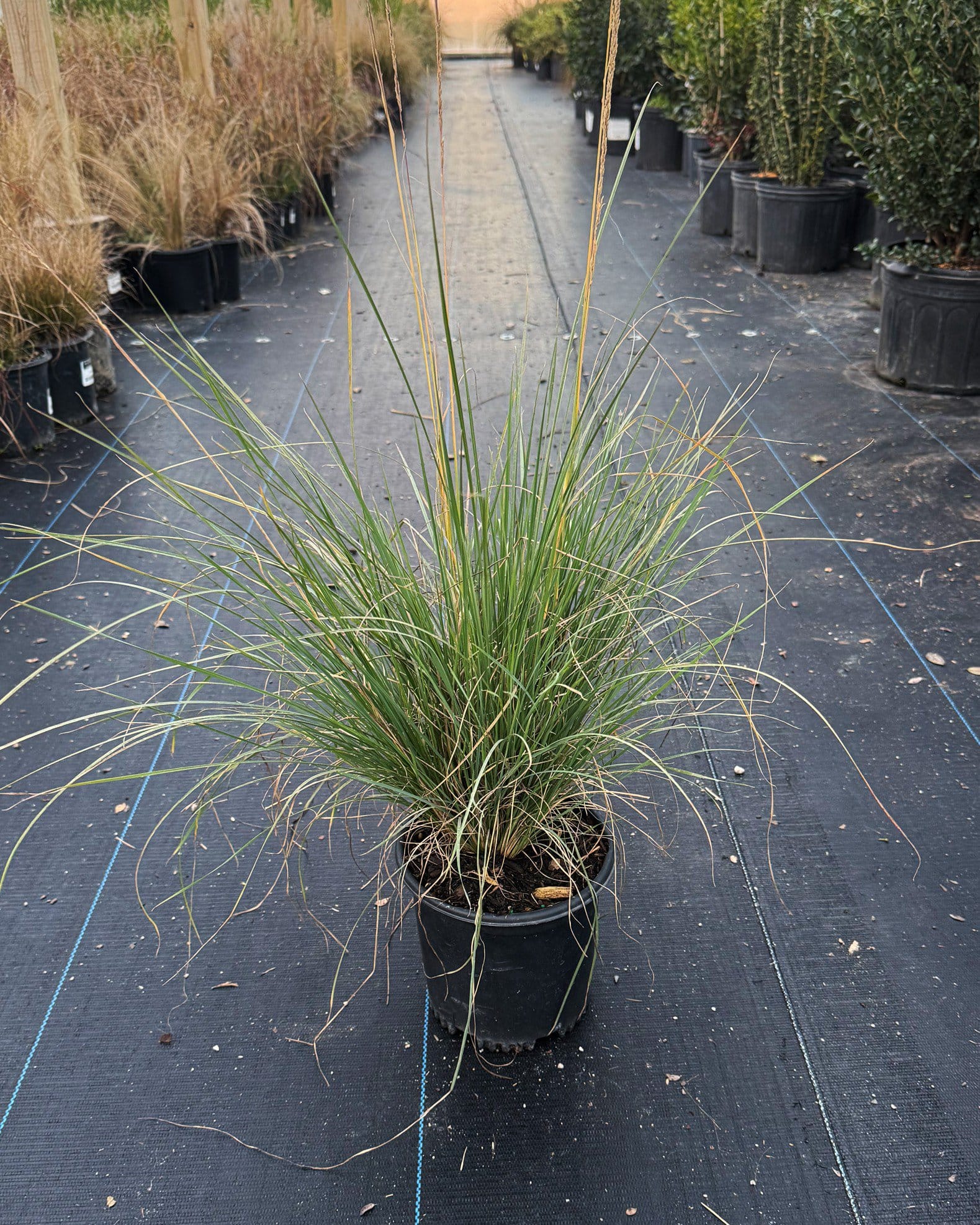
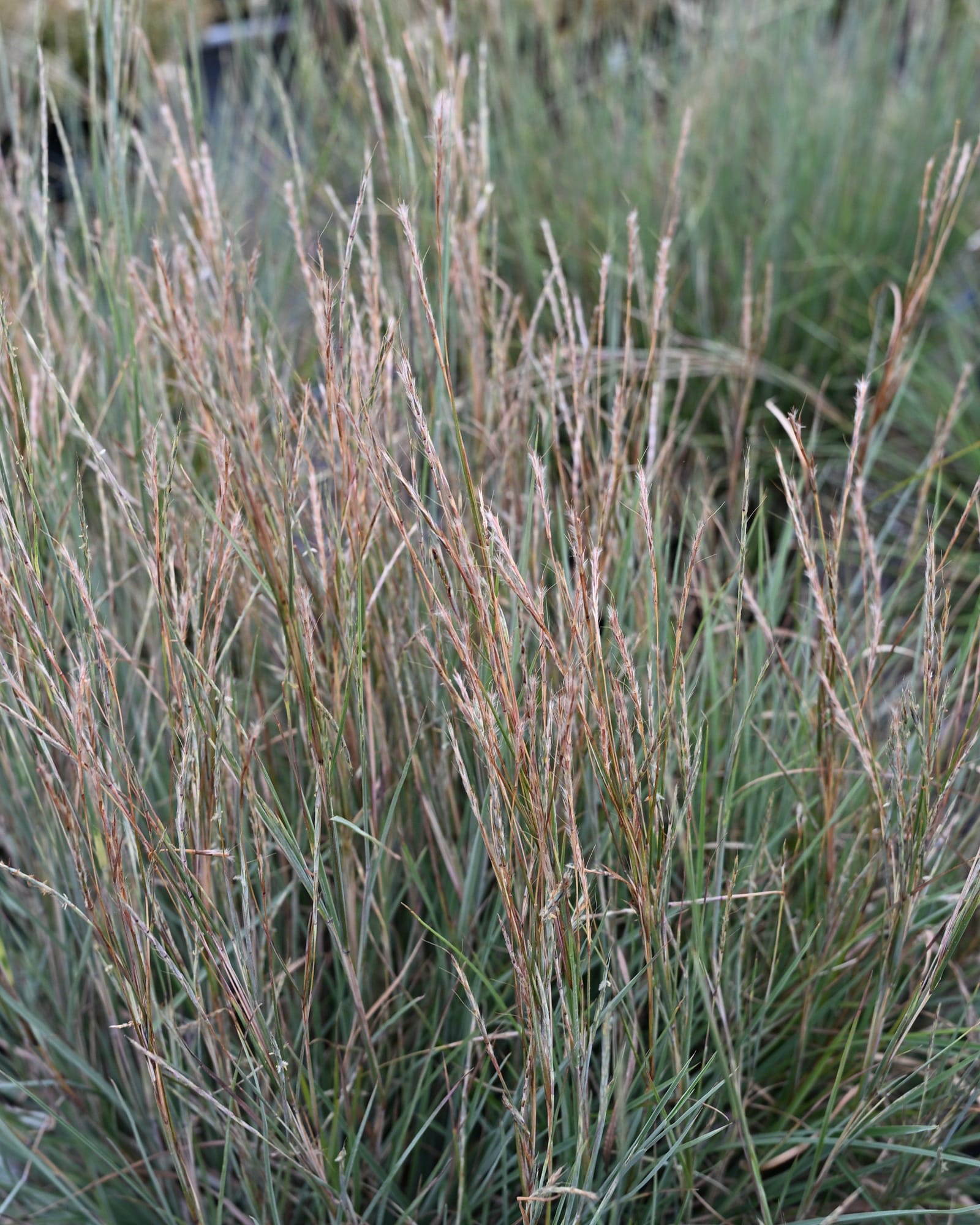
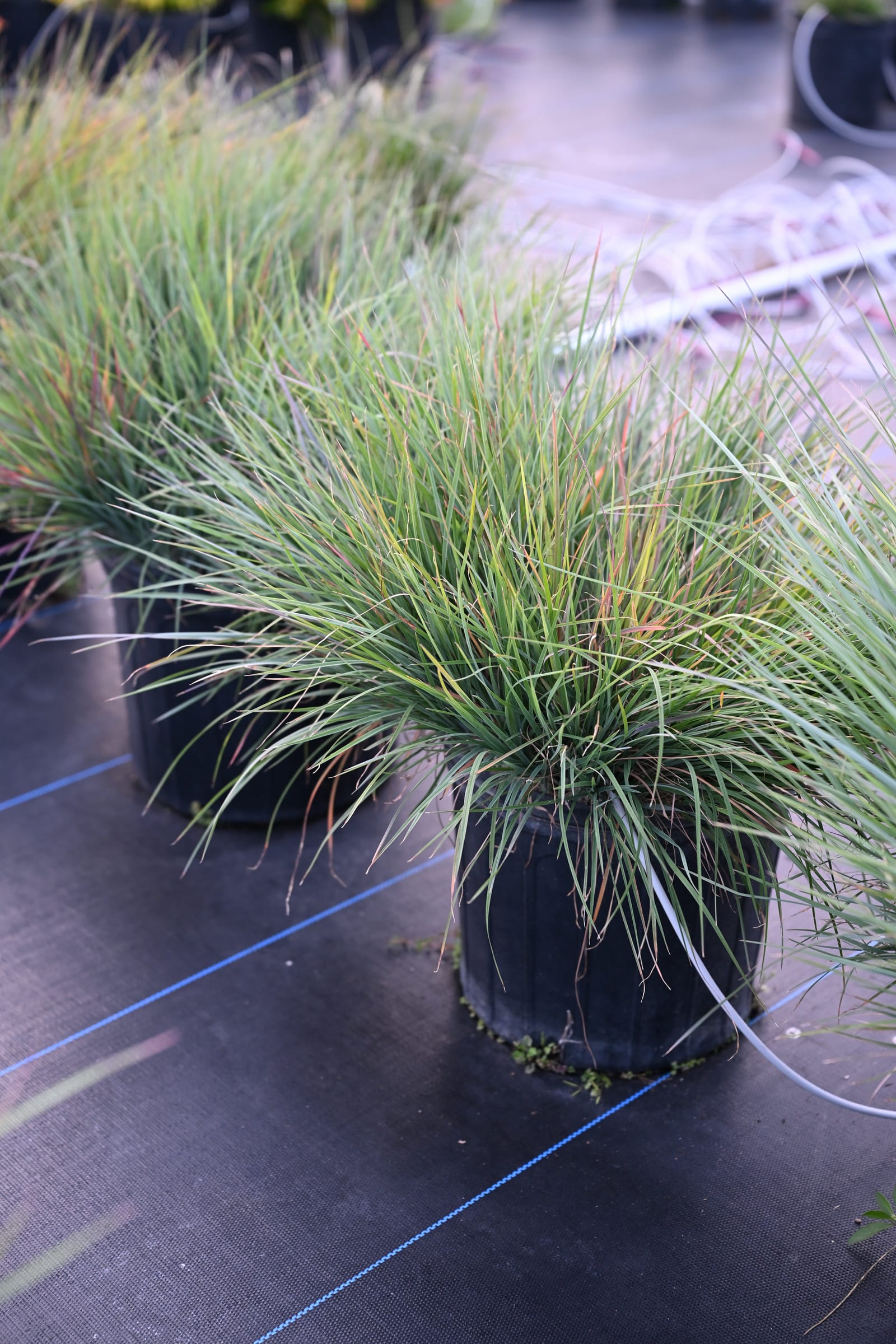
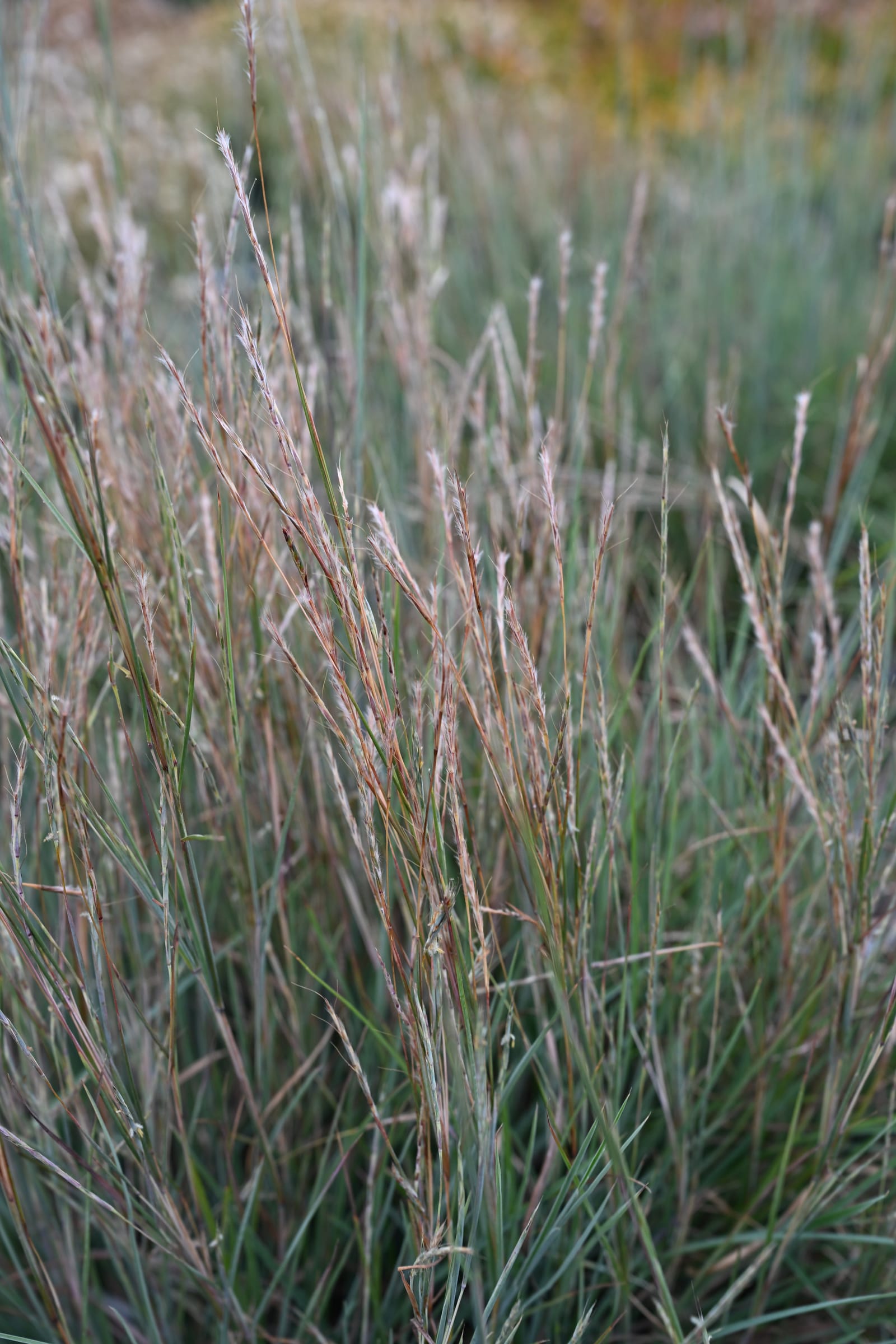
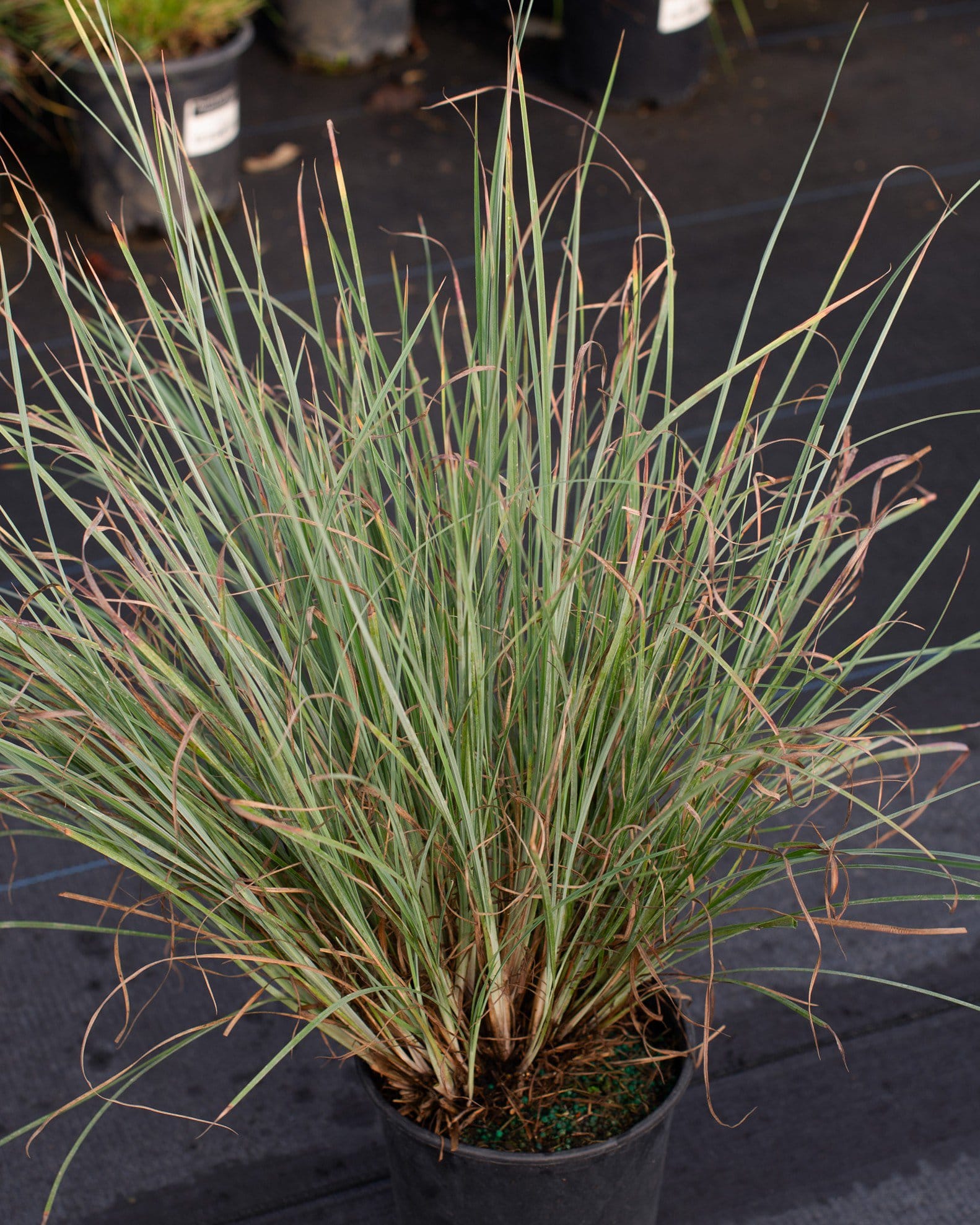
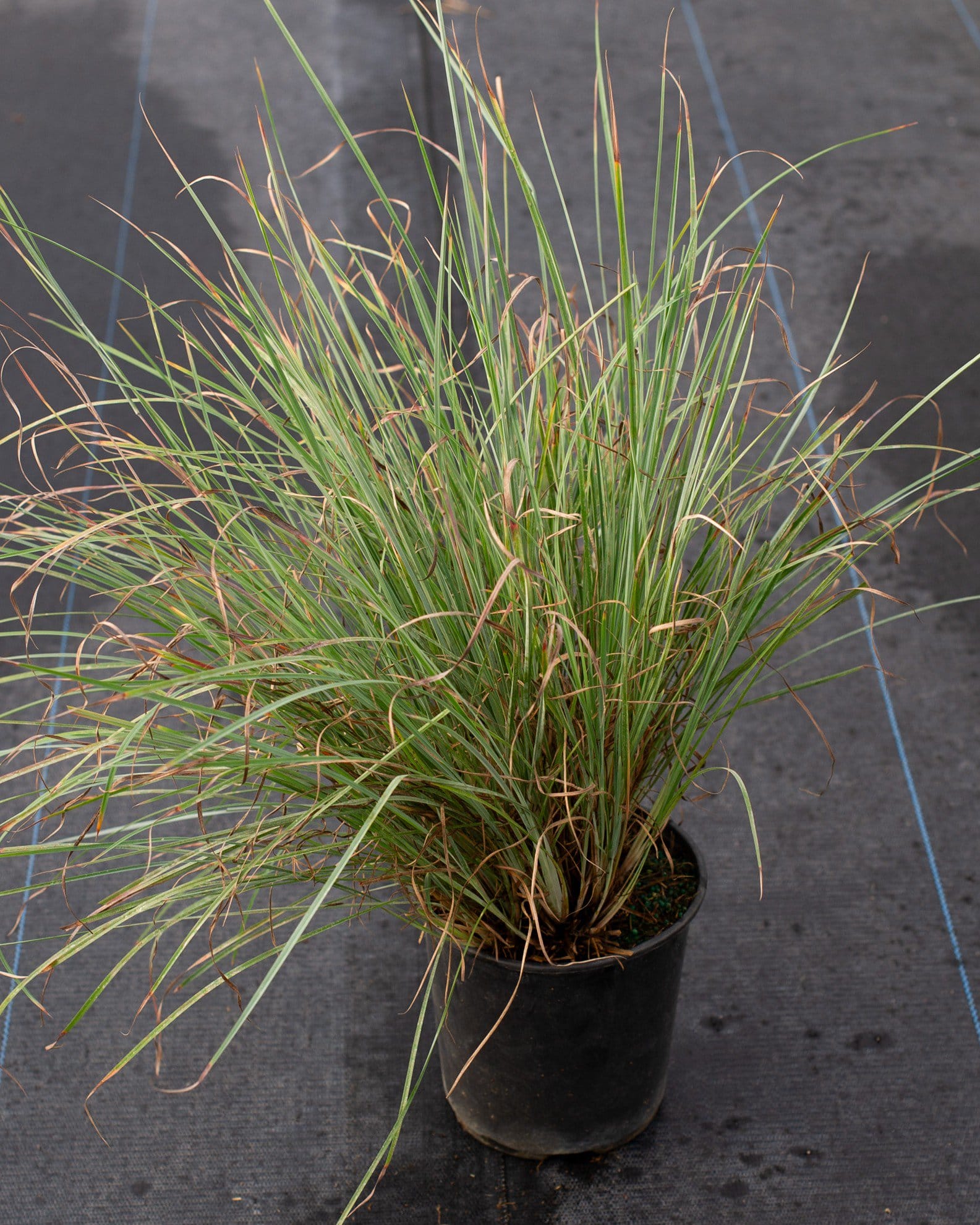
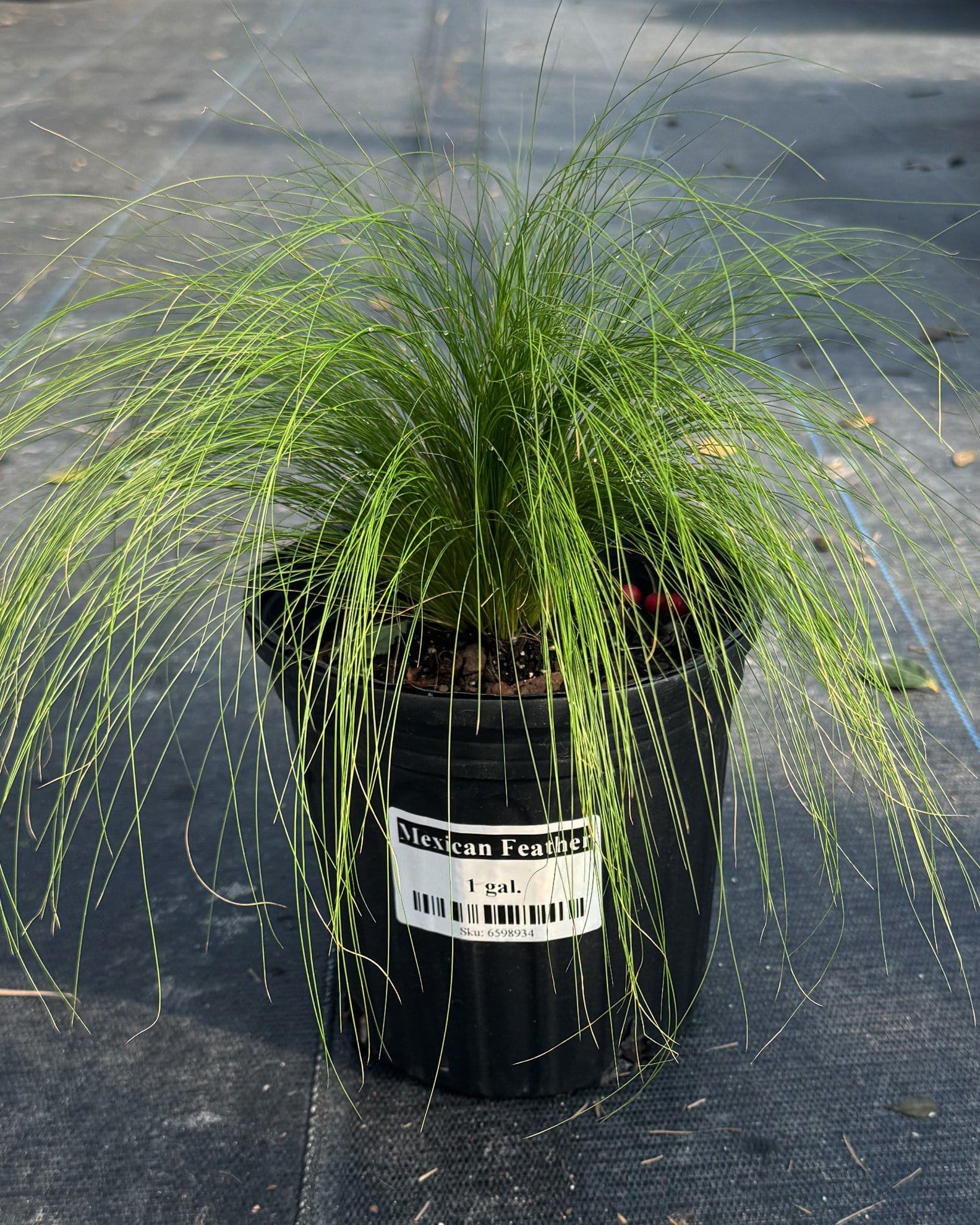
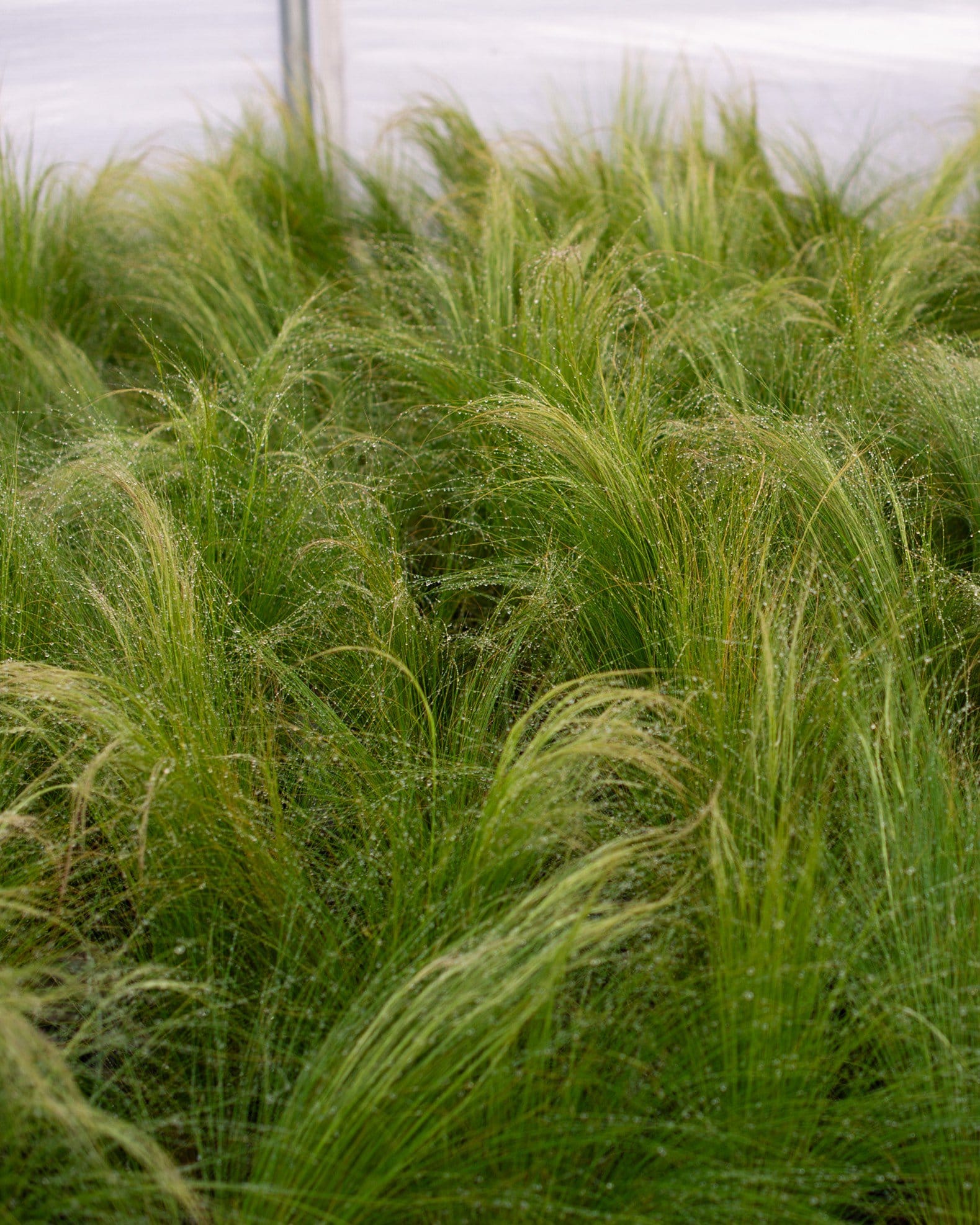
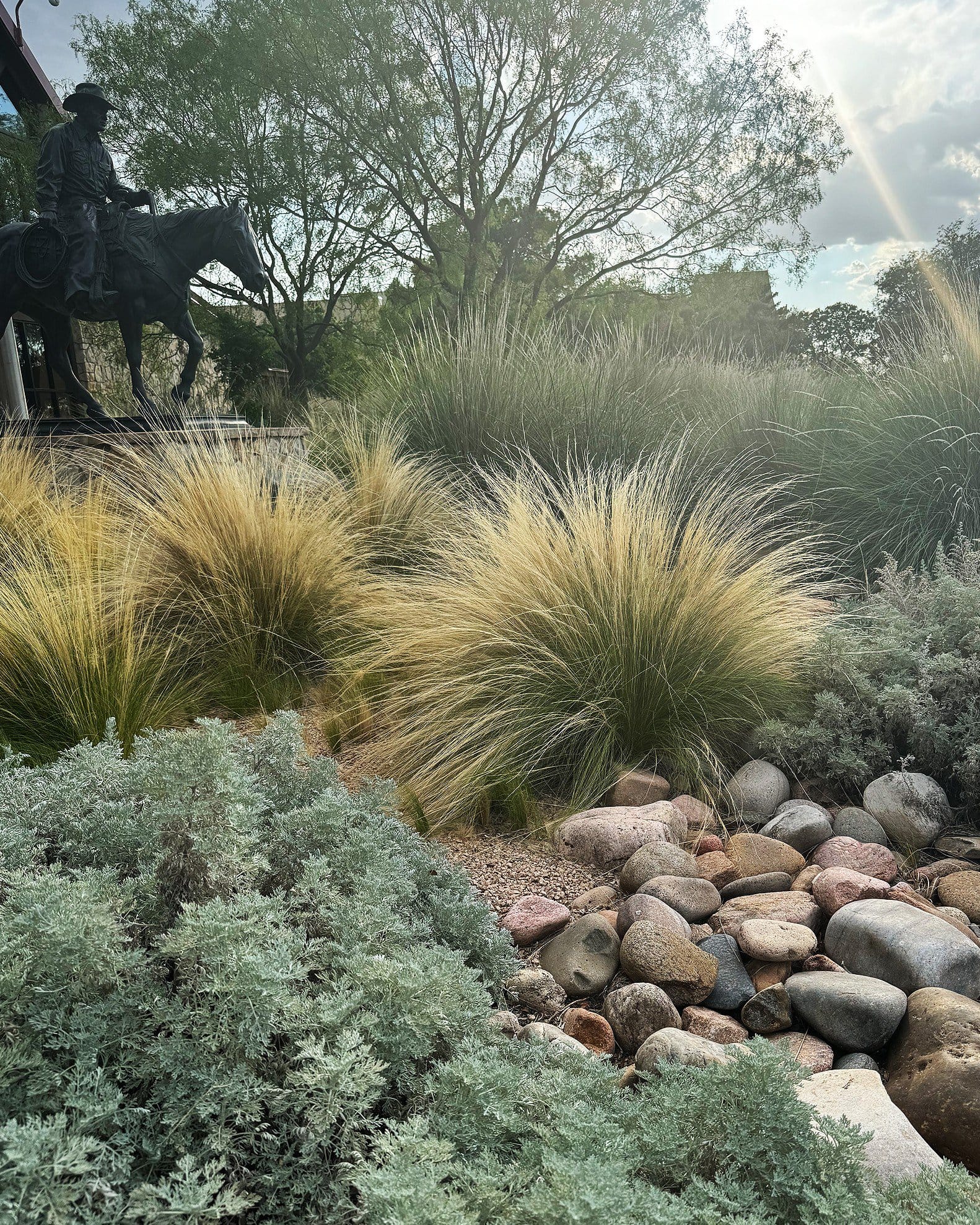
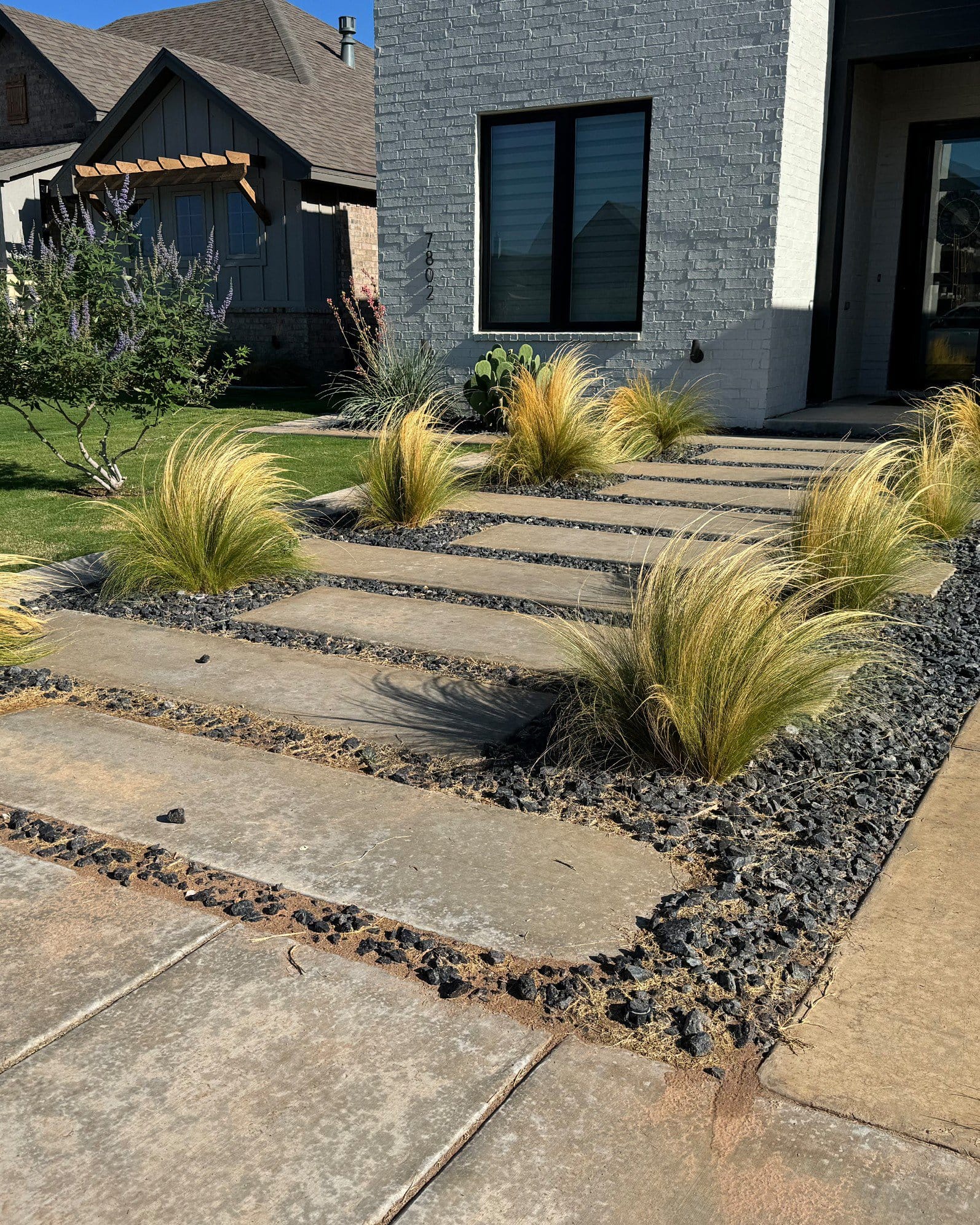
Eragrostis curvulaFor anyone looking for a versatile, graceful, and ornamental addition to their landscape, Weeping Lovegrass is an excellent choice. Don't overlook it for its lack of blossoms - this plant is stunning in the slightest breeze. Its long, narrow leaves gently sway, adding movement to your borders or flower beds and helping your other plants stand out even more. It grows up to 12 inches tall and just as wide.
- Fast-growing perennial grass
- Excellent as a backdrop
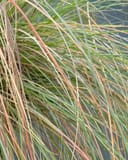
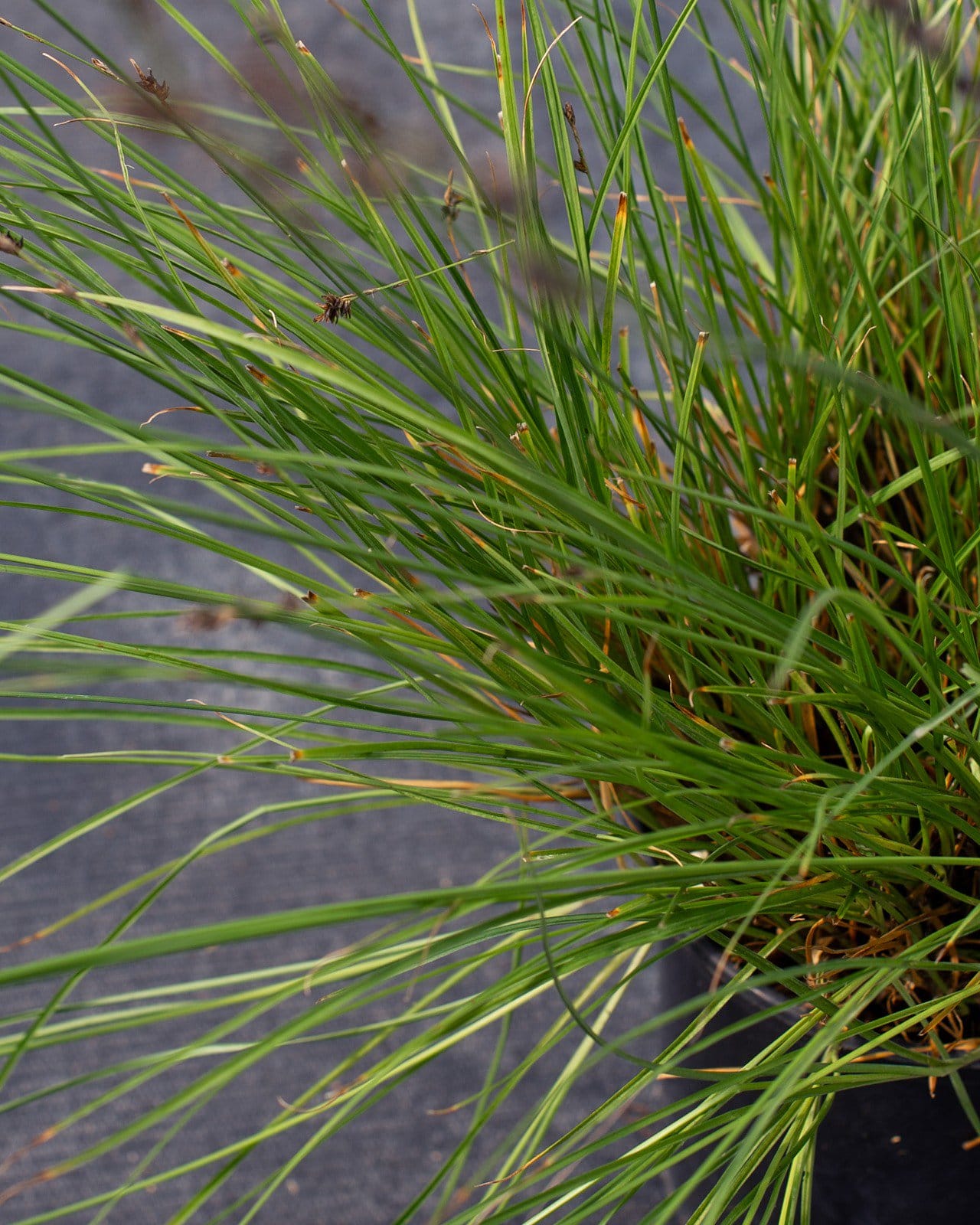
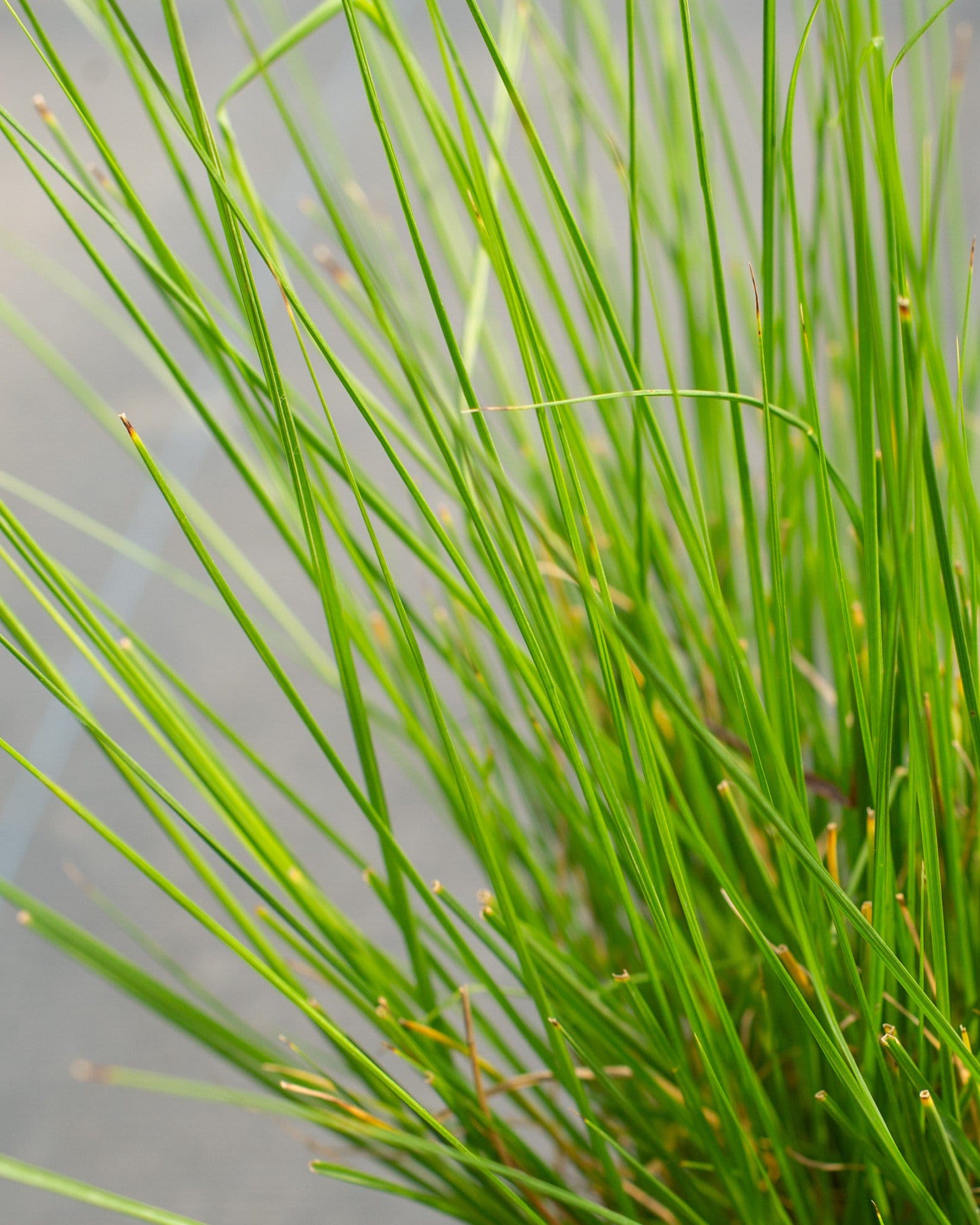
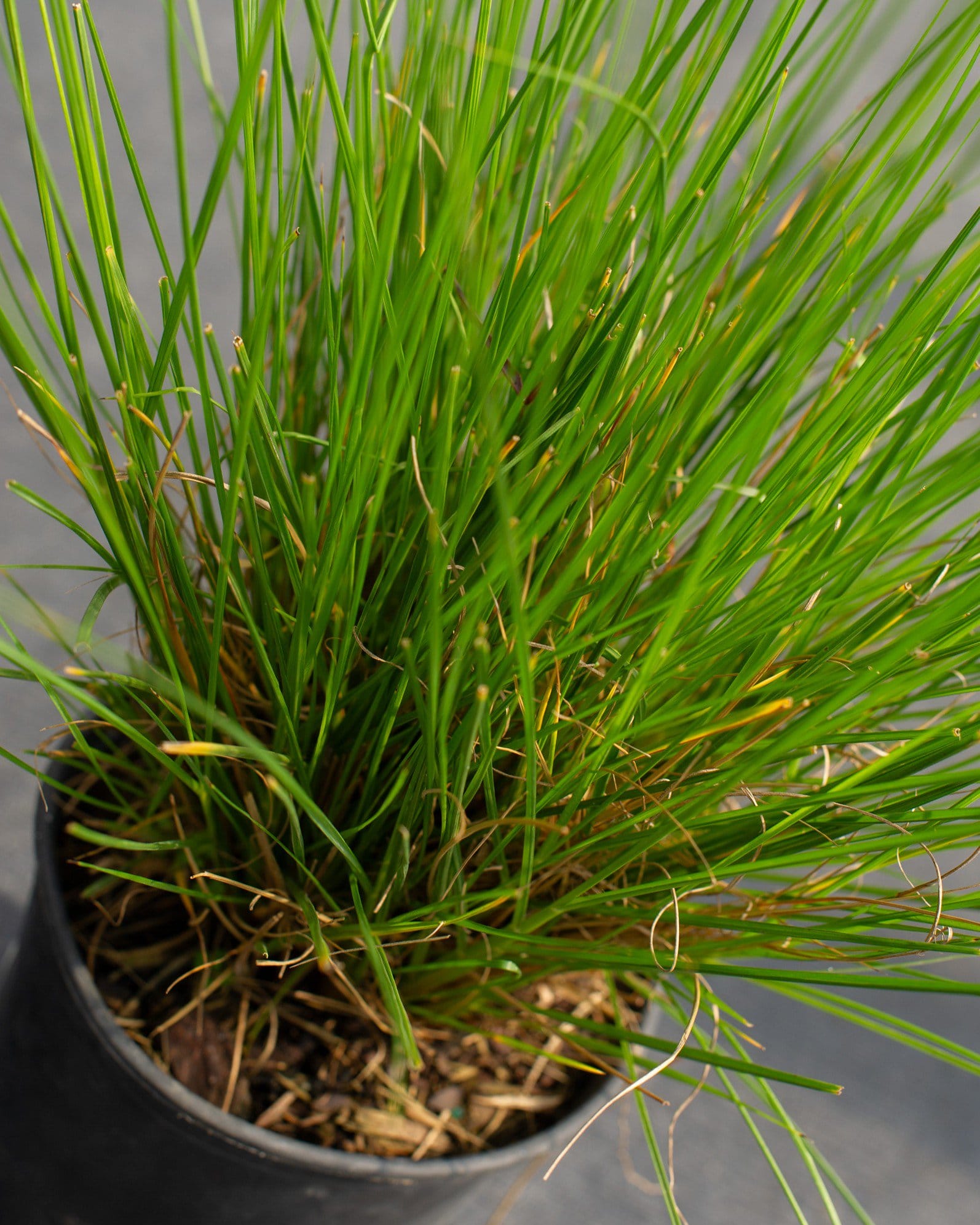
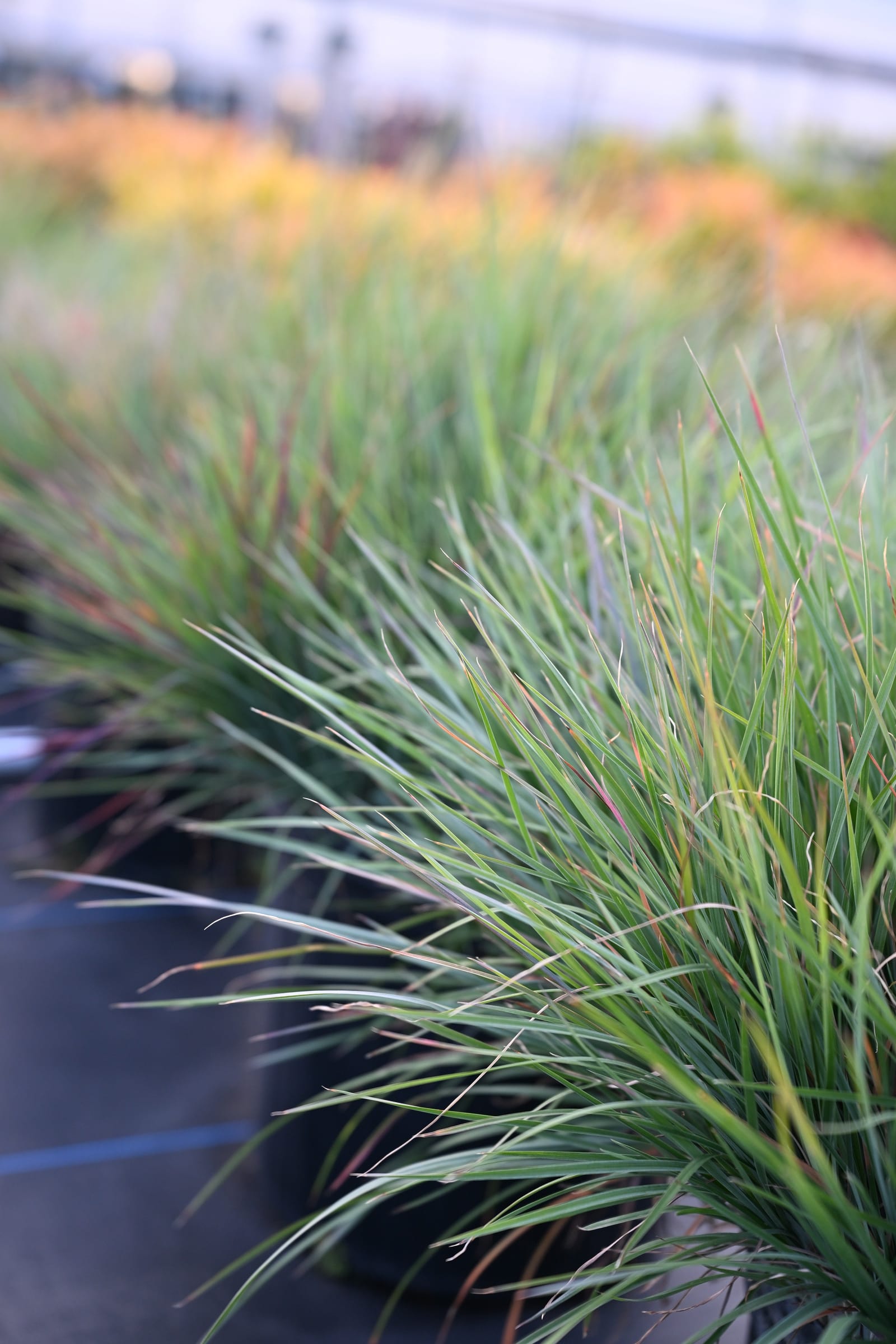
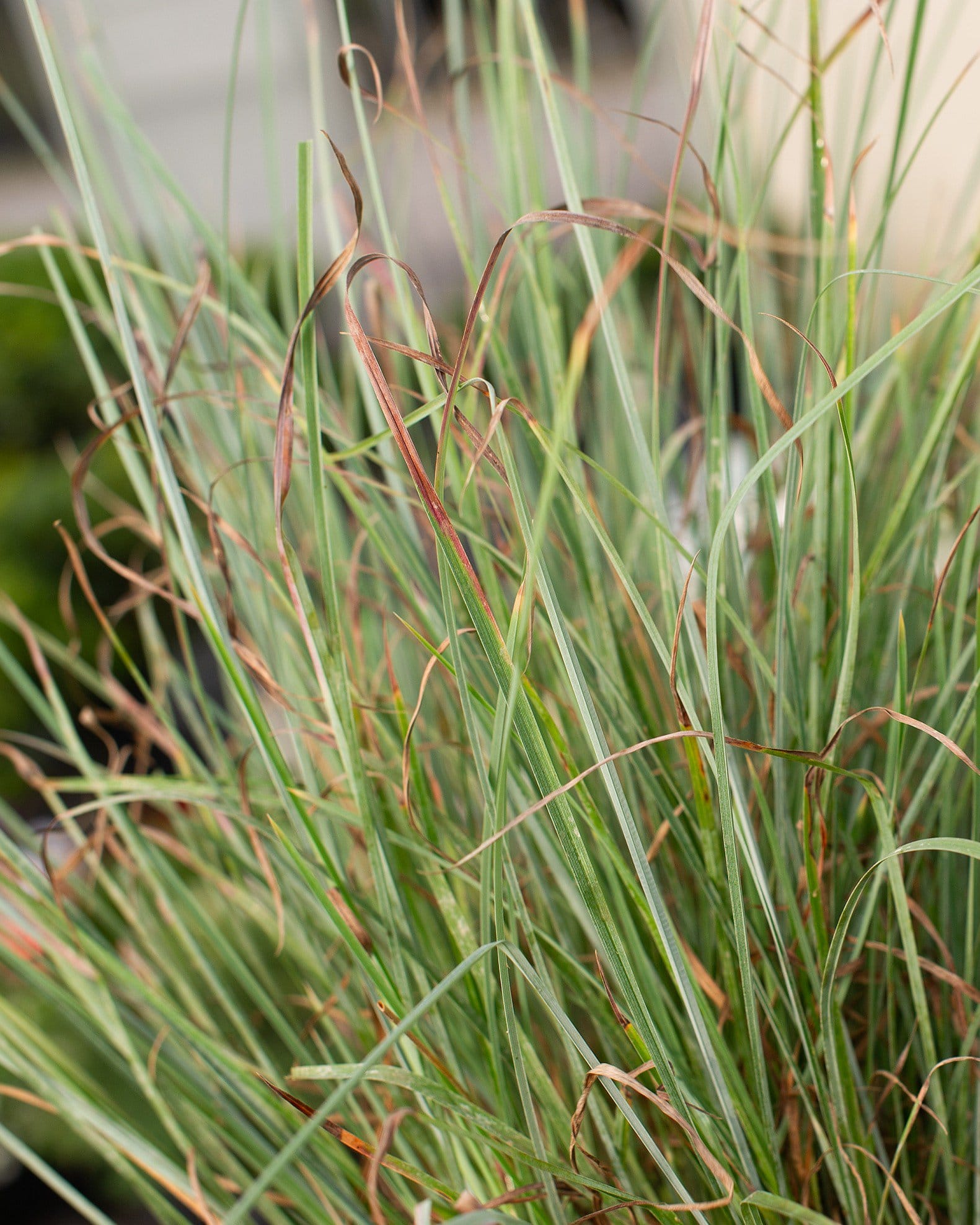
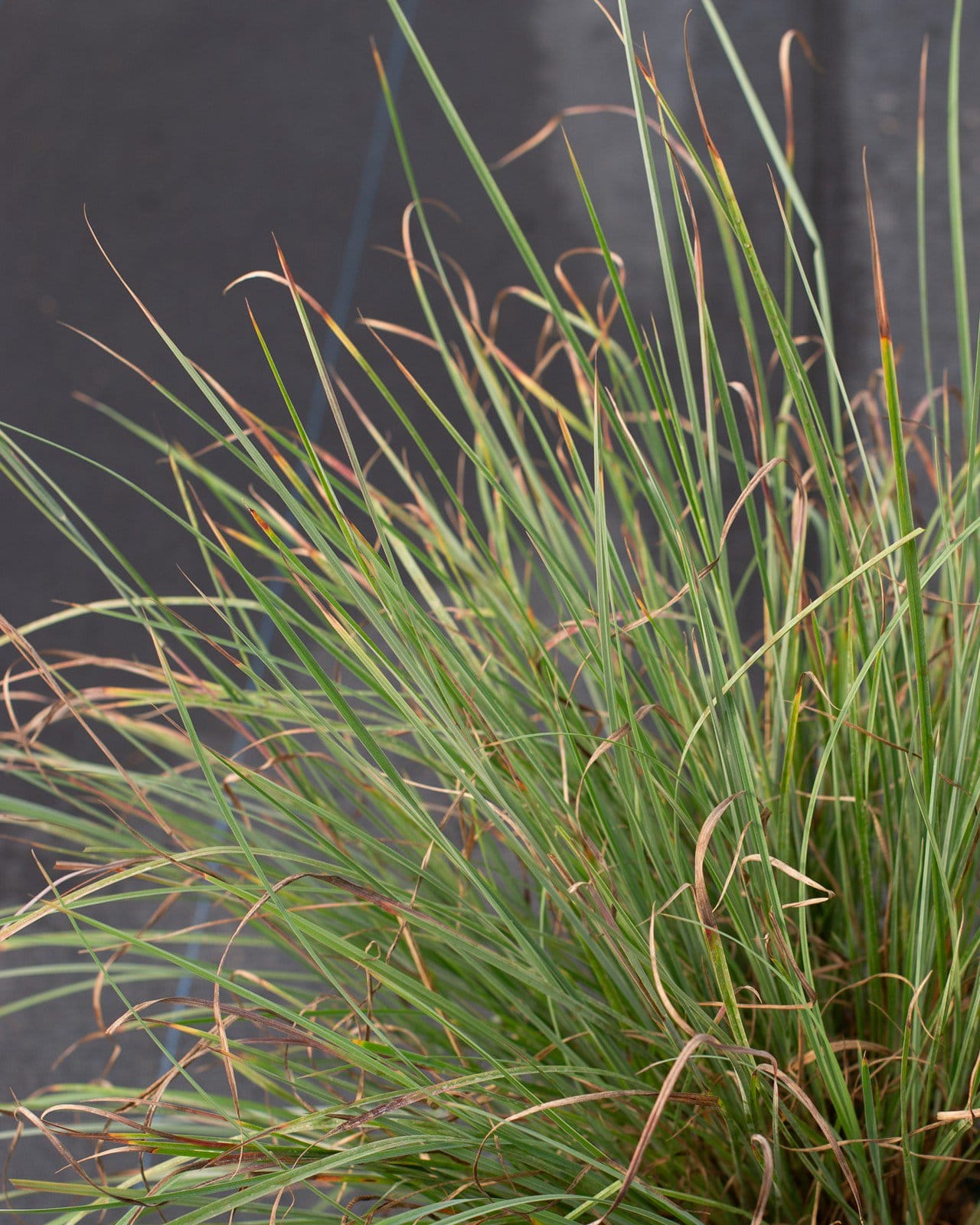
- Drooping, bright green leaves
- Thrives in full sun
- Reaches full size in 1-2 years
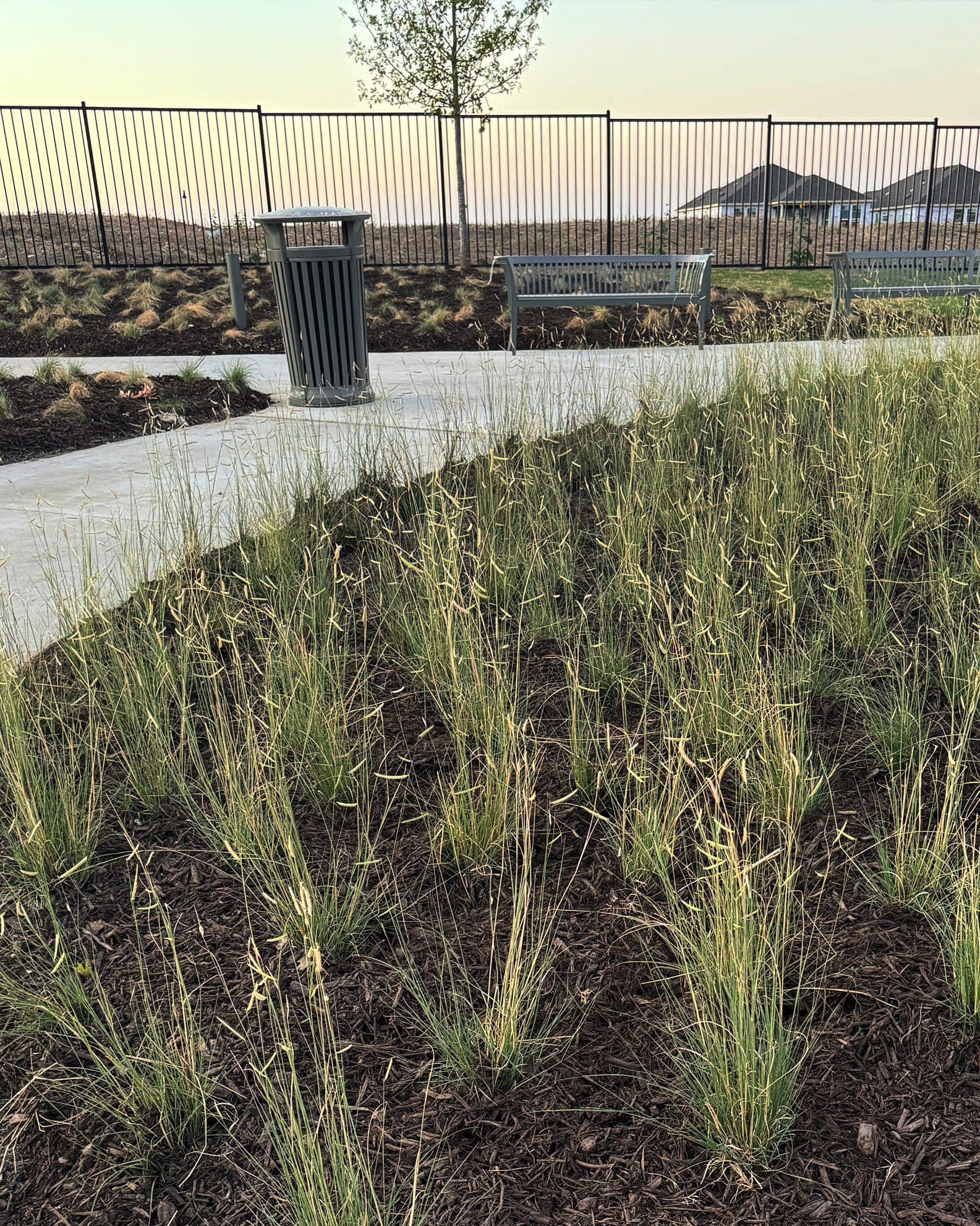
Weeping Lovegrass will fare well in the North Texas climate, as it requires at least 6 hours of direct sunlight, thriving in full sun. It doesn't require much, just ensure that you plant it in well-drained soil. With a little bit of care, this wonderful plant will look airy and beautiful while helping suppress weeds due to its dense growth.
Weeping Lovegrass is a graceful, fine-textured warm-season grass ideal for erosion control, naturalistic plantings, and low-maintenance borders. Here’s all it needs to thrive:
- Watering: Water regularly during the first growing season to encourage deep root development. Once established, Weeping Lovegrass is exceptionally drought-tolerant and thrives on minimal supplemental water. Overwatering or poorly drained soil can reduce its longevity and cause root issues. During prolonged dry spells, an occasional deep watering helps maintain lush foliage and seedhead production.
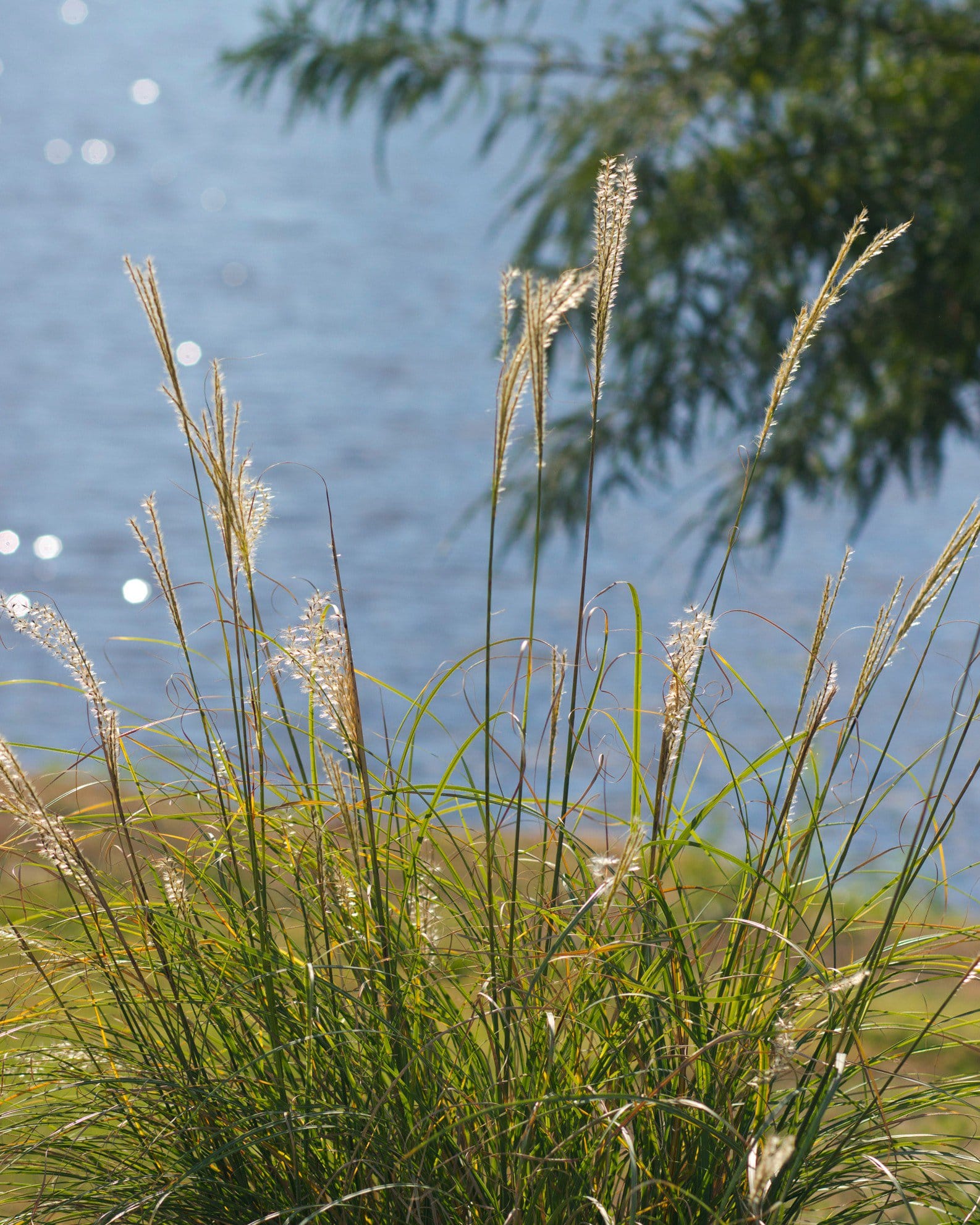
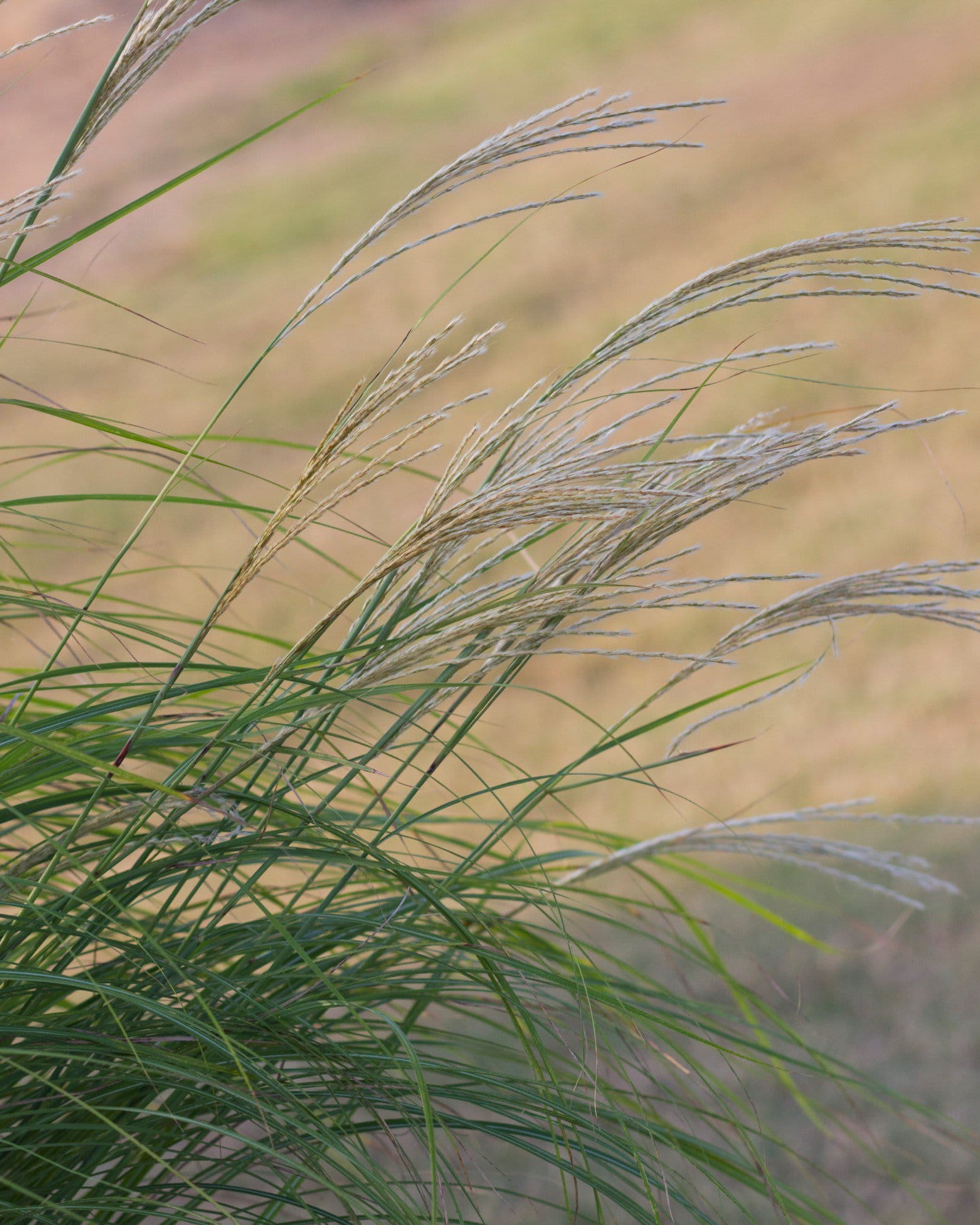
- Pruning: Cut back old foliage to about 3-4 inches above the ground in late winter or early spring before new growth begins. This refreshes the plant and keeps its weeping habit clean and uniform. Avoid cutting in fall, the flowing, golden winter seedheads provide texture and movement through the cooler months.
- Fertilizing: Weeping Lovegrass performs best in lean to moderately fertile soil. In most cases, fertilization is unnecessary. If the plant appears weak or pale, apply a light, balanced slow-release fertilizer or compost in early spring. Overfertilization can cause floppy growth and reduce drought resistance.
- Mulching: A light 1-2 inch layer of gravel or fine mulch around young plants helps conserve moisture and control weeds while roots establish. Mature clumps generally shade out weeds and need little to no mulching. Avoid heavy organic mulches that trap moisture near the crown.
- Winter Care: The dried foliage adds winter interest and protects the crown from cold. In late winter, cut back the spent foliage before new growth emerges. In cooler regions, a light mulch layer over the root zone can help insulate the crown from deep freezes.
- Root Rot: Caused by poorly drained or compacted soils. Ensure excellent drainage and avoid overwatering. Raised beds or sloped sites are ideal for this grass.
- Floppy or Sparse Growth: Typically the result of too much shade or excessive fertilization. Plant in full sun and maintain lean soil conditions to encourage compact, upright form.
- Weed Encroachment: Young stands can be invaded by weeds before full establishment. Hand-weed during the first season or use a light mulch layer until clumps fill in.
- Browning or Thinning Centers: Older clumps can become woody and less vigorous over time. Divide every 3-4 years in early spring, discarding the older center and replanting the healthy outer sections.
- Rust or Leaf Spot: Rare but may appear in humid climates. Remove affected foliage to improve air circulation and apply a sulfur- or copper-based fungicide if needed.
With proper care, it can thrive for 10-20 years or longer. Periodic division and rejuvenation help maintain dense, fresh growth over time.
It grows rapidly, often reaching maturity within its first year. Mature plants typically form cascading mounds 2-3 feet tall and up to 3-4 feet wide.
Yes. Deer and most grazing animals tend to avoid it due to its coarse texture and fibrous blades, making it an excellent choice for rural or open landscapes.
Yes. Its fine foliage provides shelter for small birds and insects, and its seeds serve as a food source for ground-feeding birds late in the season.
Yes, although it performs best in open ground. In large containers with well-drained soil, it creates a graceful, cascading accent. Container-grown plants may need more frequent watering in hot, dry weather.
Extremely well. Once established, it survives long dry periods with minimal water, making it one of the top choices for xeric and low-maintenance landscapes.
Yes. Its deep, fibrous root system stabilizes soil effectively, making it ideal for slopes, embankments, and reclamation areas. It’s often planted for erosion prevention and roadside stabilization in challenging conditions.
Yes. It thrives in sandy, rocky, or infertile soils where many other plants fail. It performs best in well-drained, slightly acidic to neutral soils.
It’s hardy to around -10°F (Zone 6). In colder climates, it may die back completely but can reseed itself if conditions are right. Mulching lightly over the root zone provides added protection.
In ideal conditions, it can self-seed and spread modestly. To control its spread, remove seedheads before they mature, or plant in contained areas or managed landscapes.
Special Features
You might also like
Adagio Miscanthus
Maturity: 3' H x 3' W
Berkeley Carex Sedge
Maturity: 1' H x 2' W
Blue Arrows Rush
Maturity: 3' H x 1' W
Blue Grama
Maturity: 1.5' H x 2' W
Blue Grama Blonde Ambition
Maturity: 3' H x 3' W
Cassian Fountain Grass
Maturity: 2' H x 2' W
Dwarf Hameln Fountain Grass
Maturity: 2' H x 2' W
Dwarf Little Bunny Fountain Grass
Maturity: 1' H x 1' W
Karl Foerster Feather Reed Grass
Maturity: 4' H x 2' W
Lindheimer Muhly
Maturity: 3' H x 3' W
Little Bluestem
Maturity: 2' H x 2' W
Little Bluestem Prairie Blues
Maturity: 3' H x 2' W
Little Bluestem Standing Ovation
Maturity: 2' H x 1.5' W
Little Kitten Miscanthus
Maturity: 2' H x 1' W
Mexican Feather
Maturity: 2' H x 2' W
Compare Similar Plants
Weeping Lovegrass This plant | ||
|---|---|---|
| Scientific Name | Eragrostis curvula | Miscanthus Sinensis 'Adagio' |
| Size at Maturity | 1' H x 1' W | 3' H x 3' W |
| Leaf Retention | Herbaceous | Herbaceous |
| Sizes Available | — | 1, 3 gal |


Our 1-Year Planting Guarantee
We take pride in our plants and installation services. If any plants or trees installed by Treeland fail to thrive within the first year, we'll provide a replacement credit in accordance with our guarantee program.
Learn More About Our Guarantee