
 Texas Native
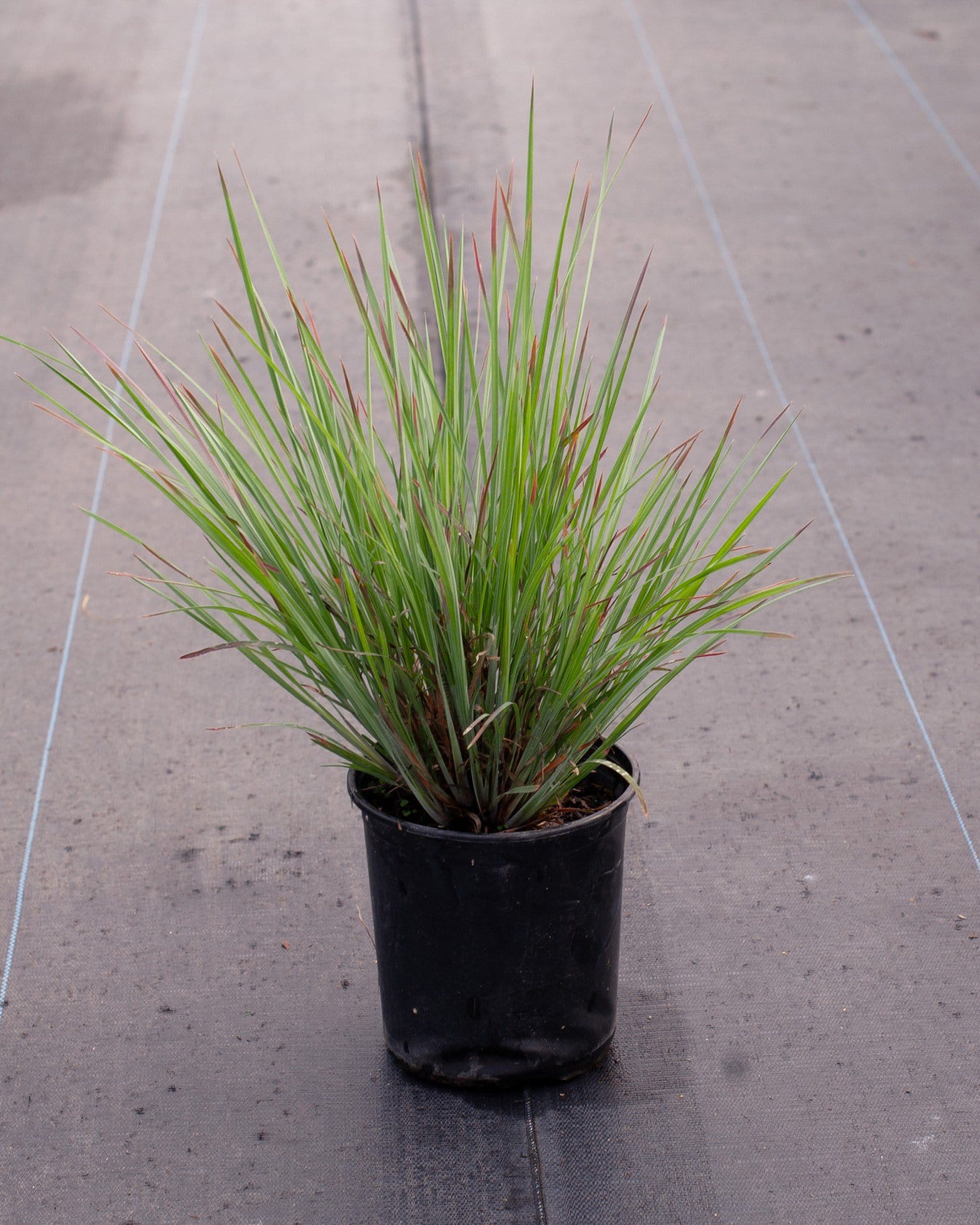
Little Bluestem
Schizachyrium scopariumLocal DFW Delivery Only
Product Details
Little Bluestem
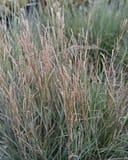
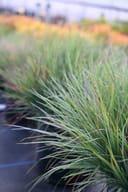
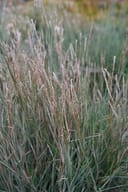
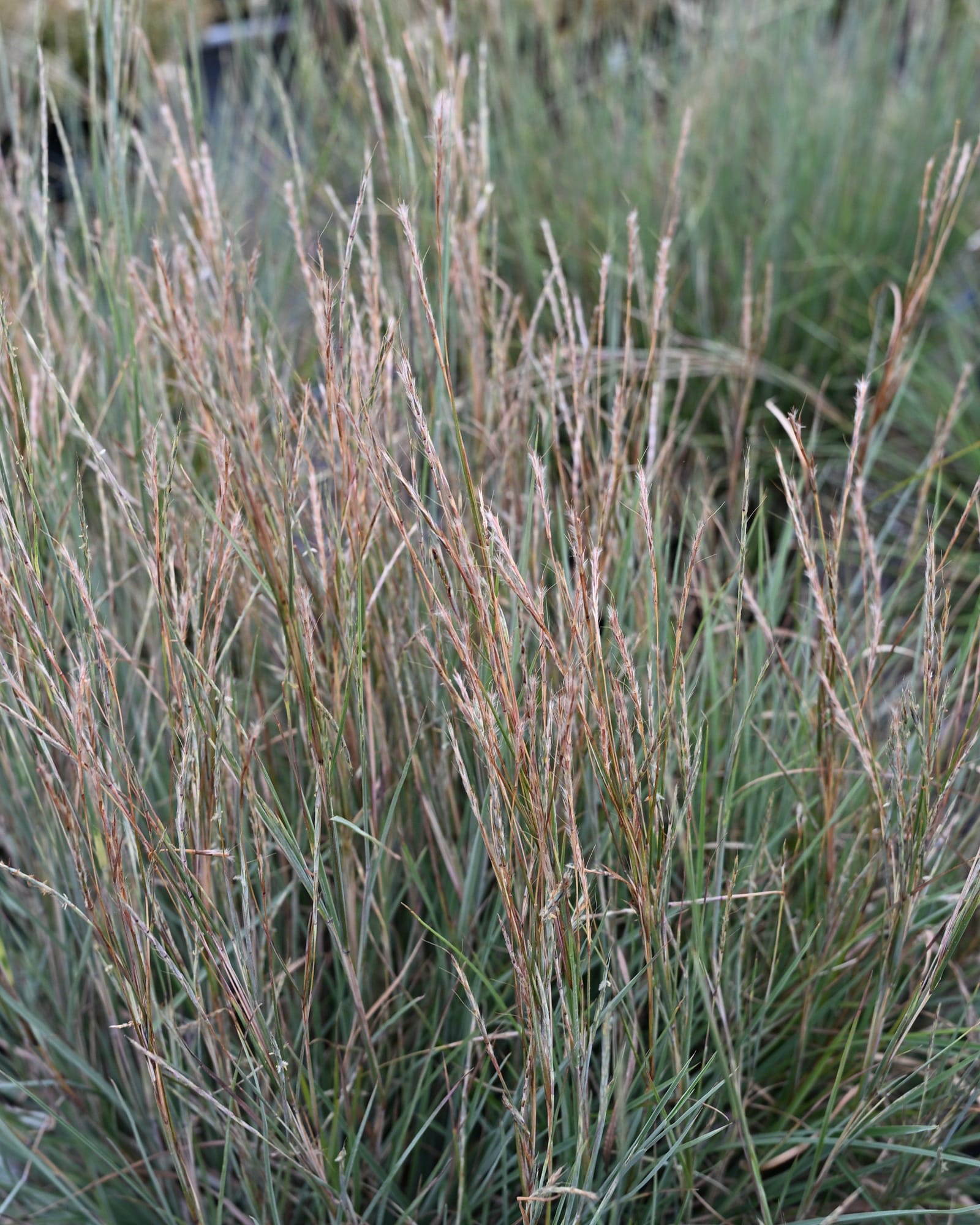
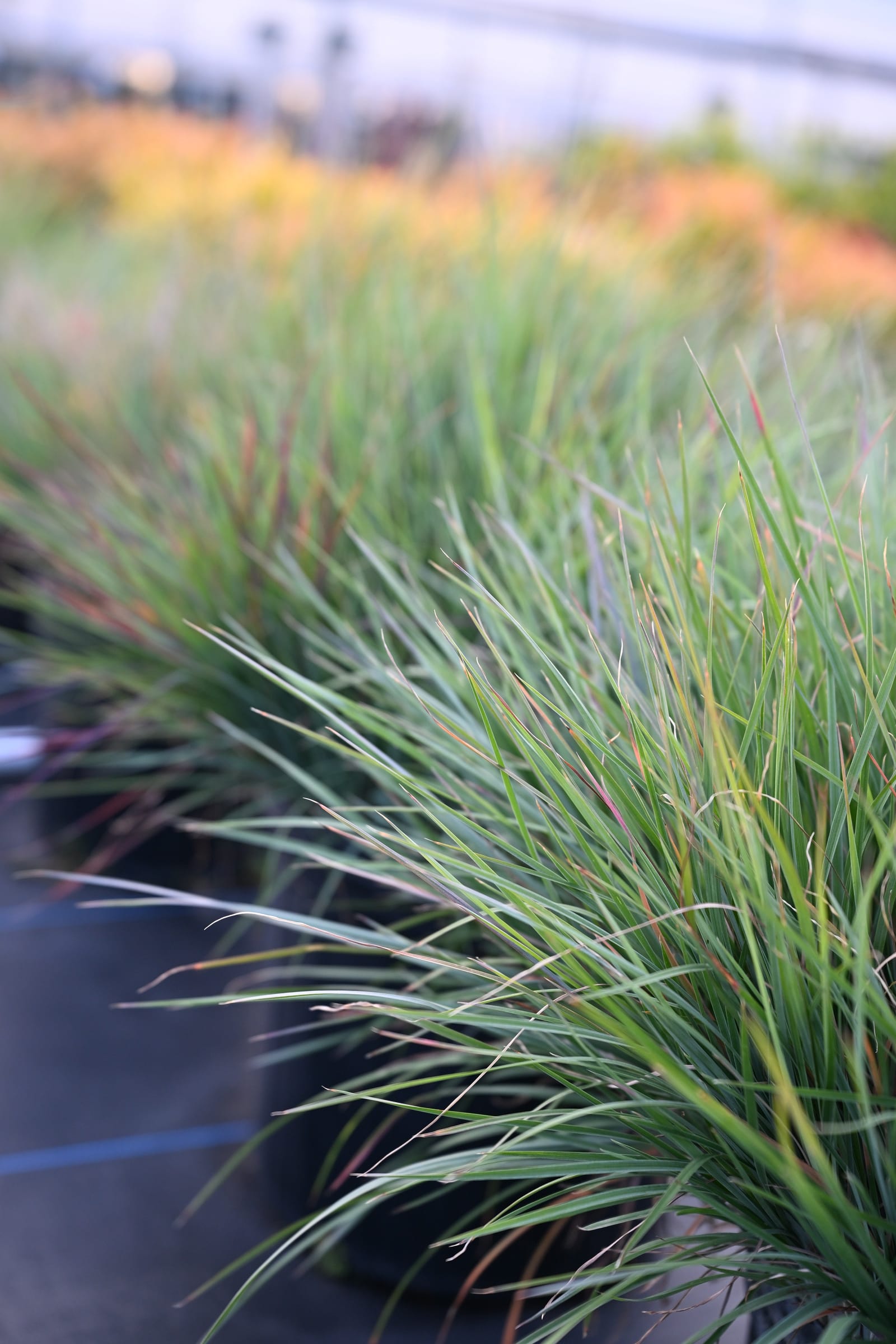
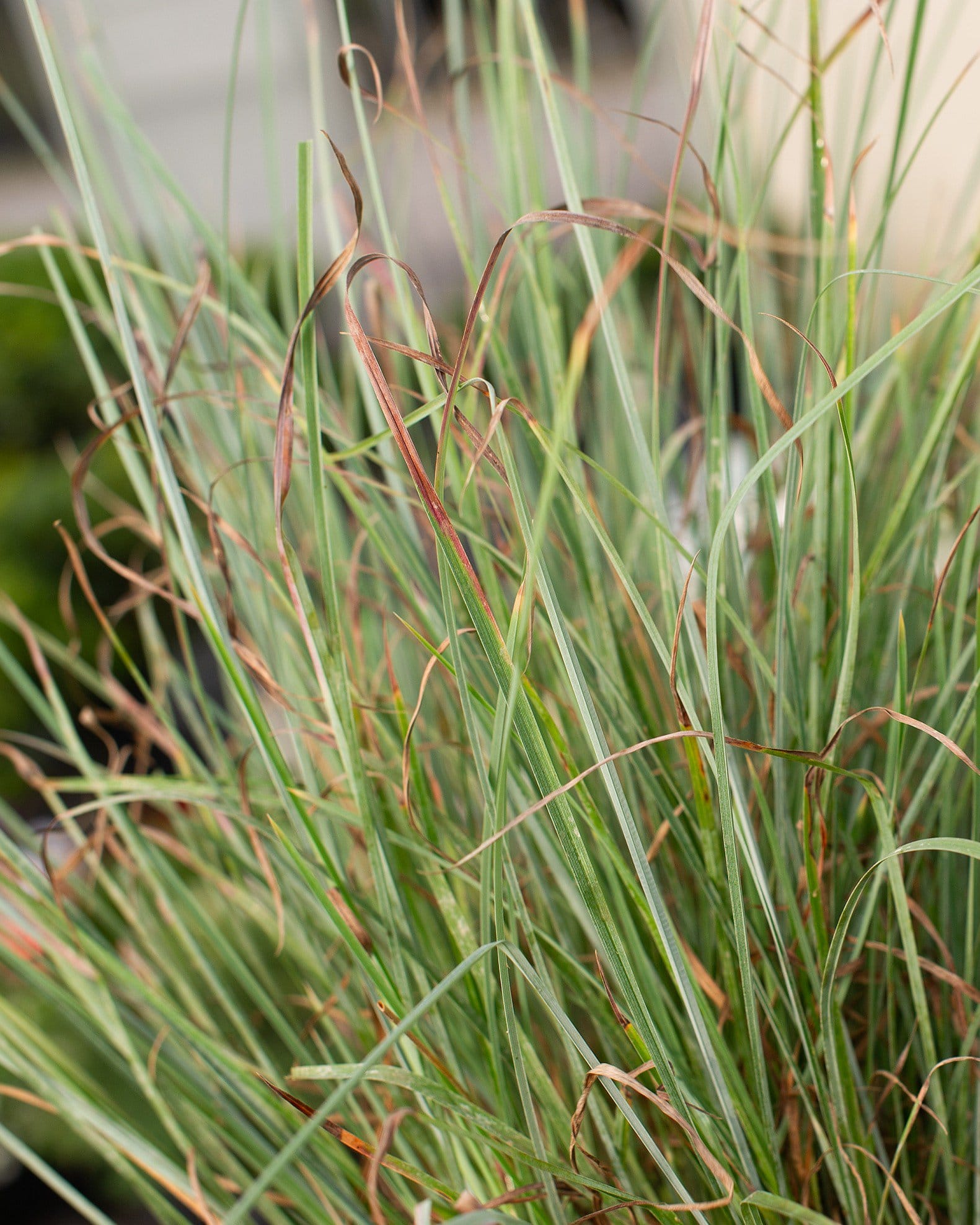
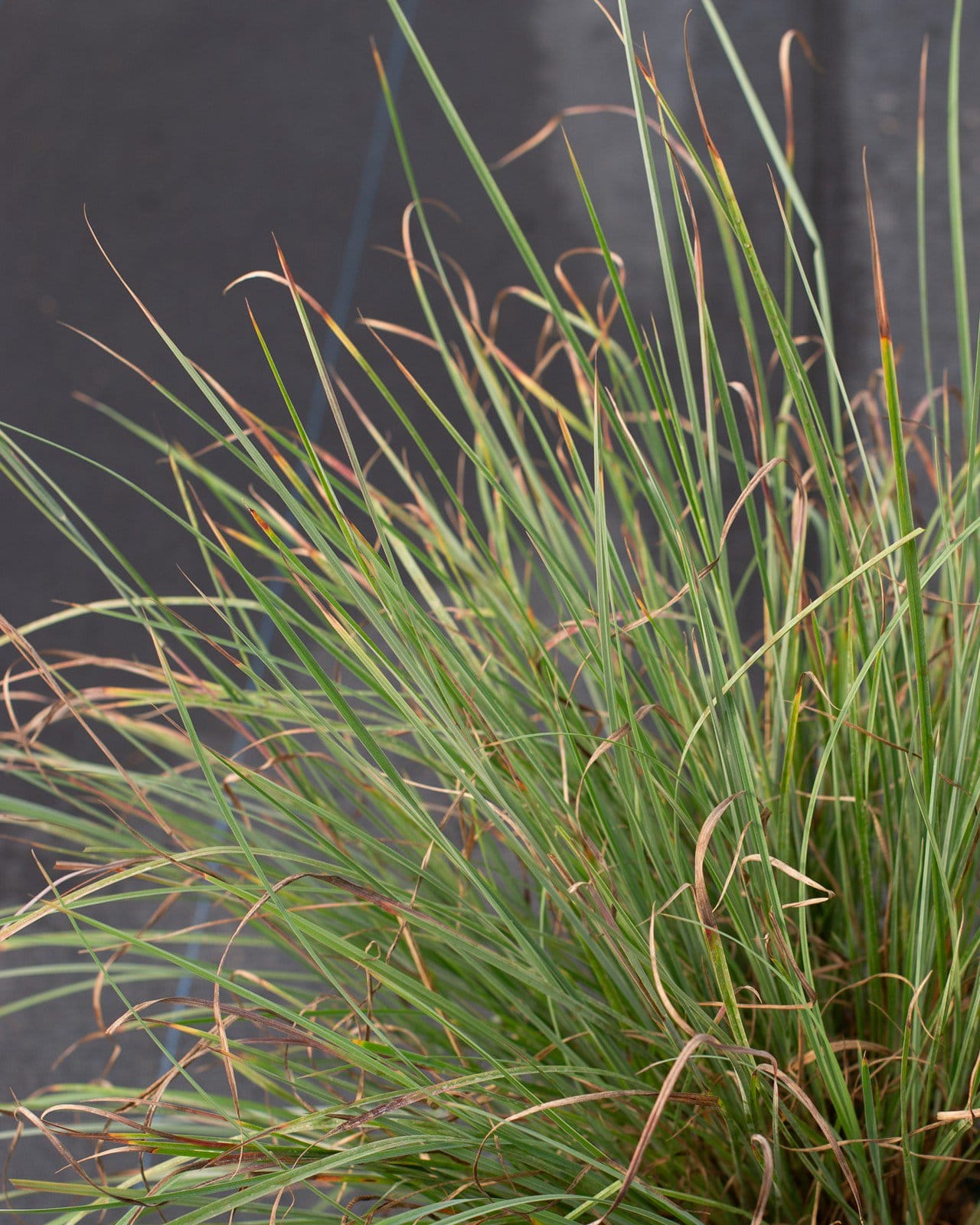
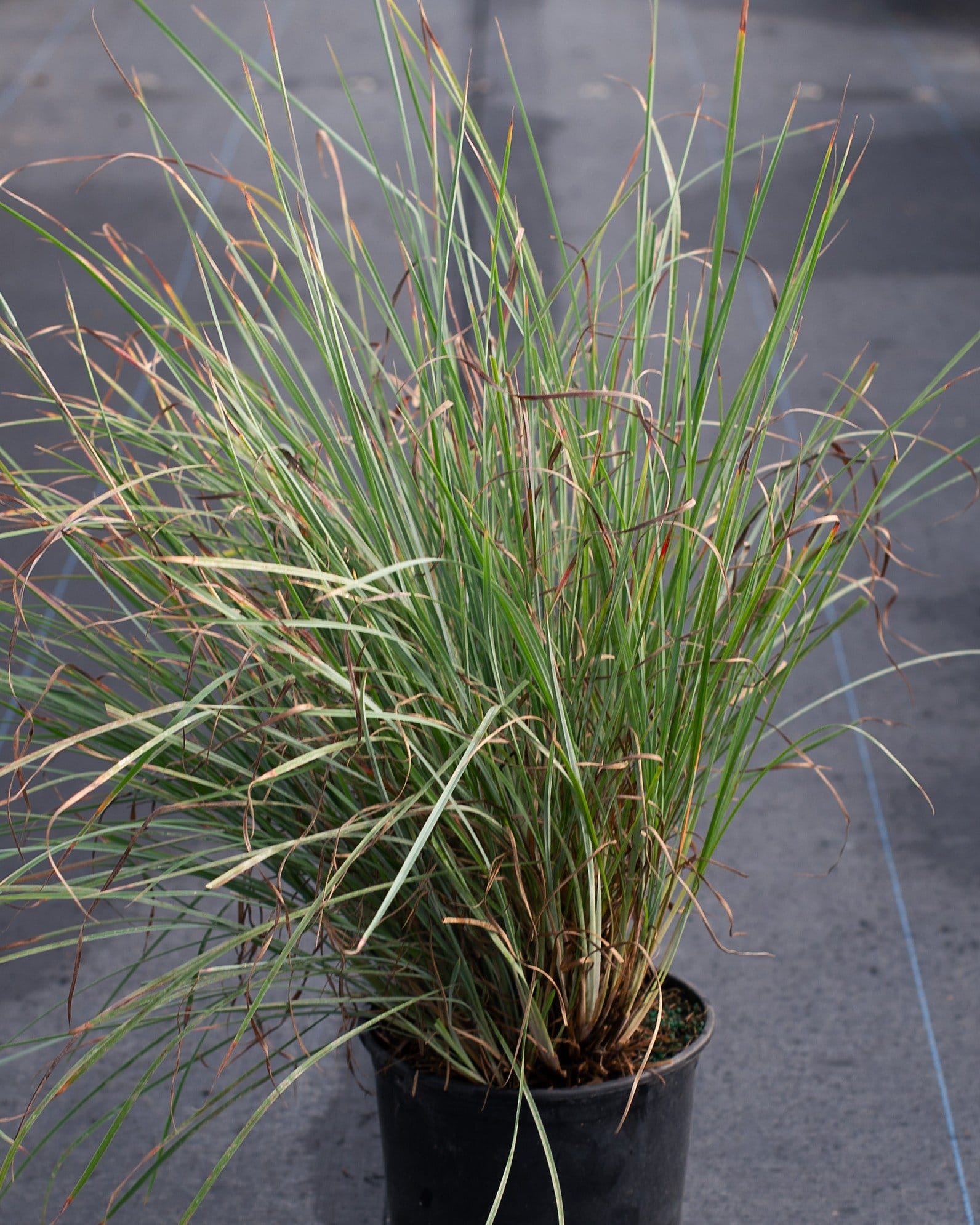
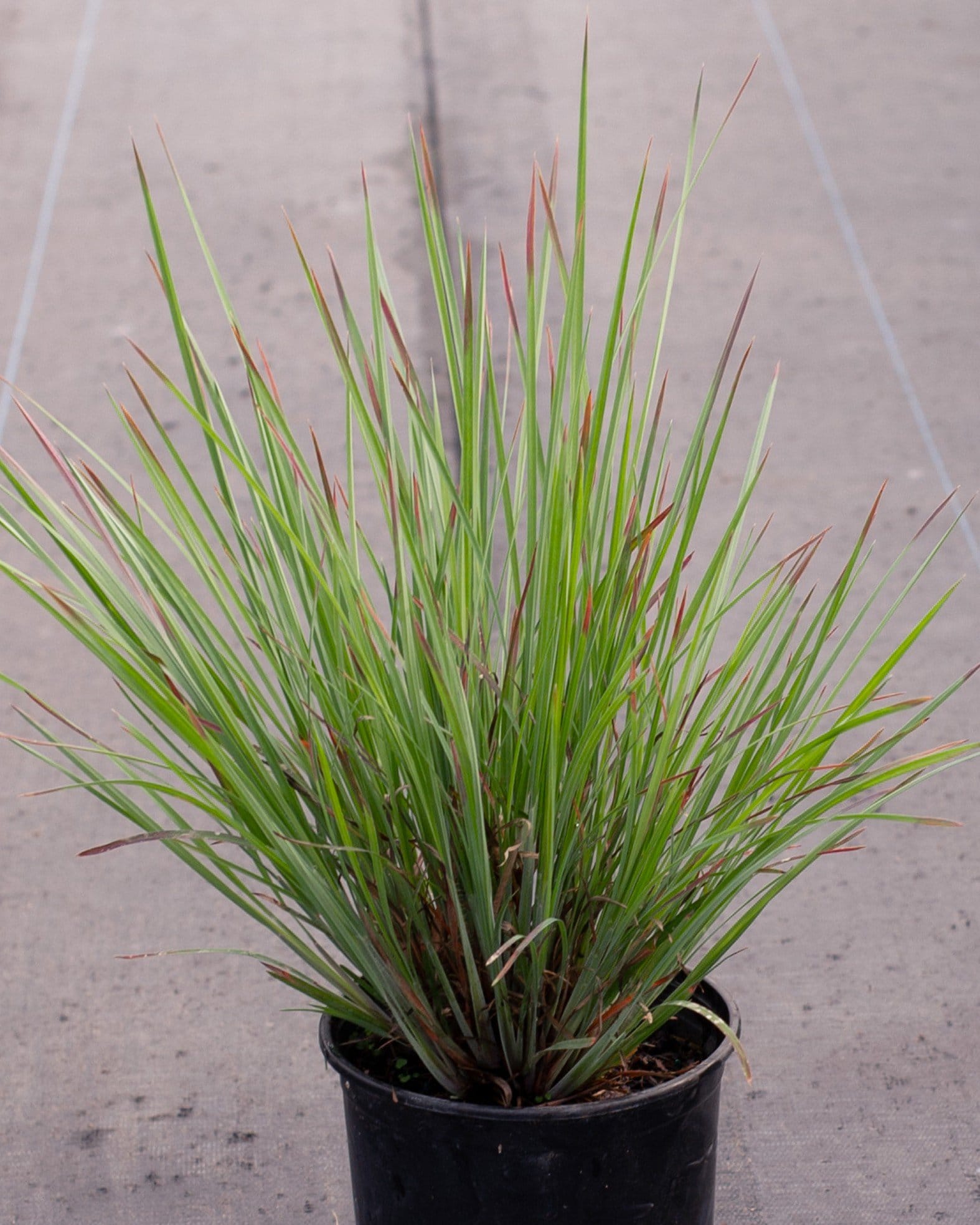
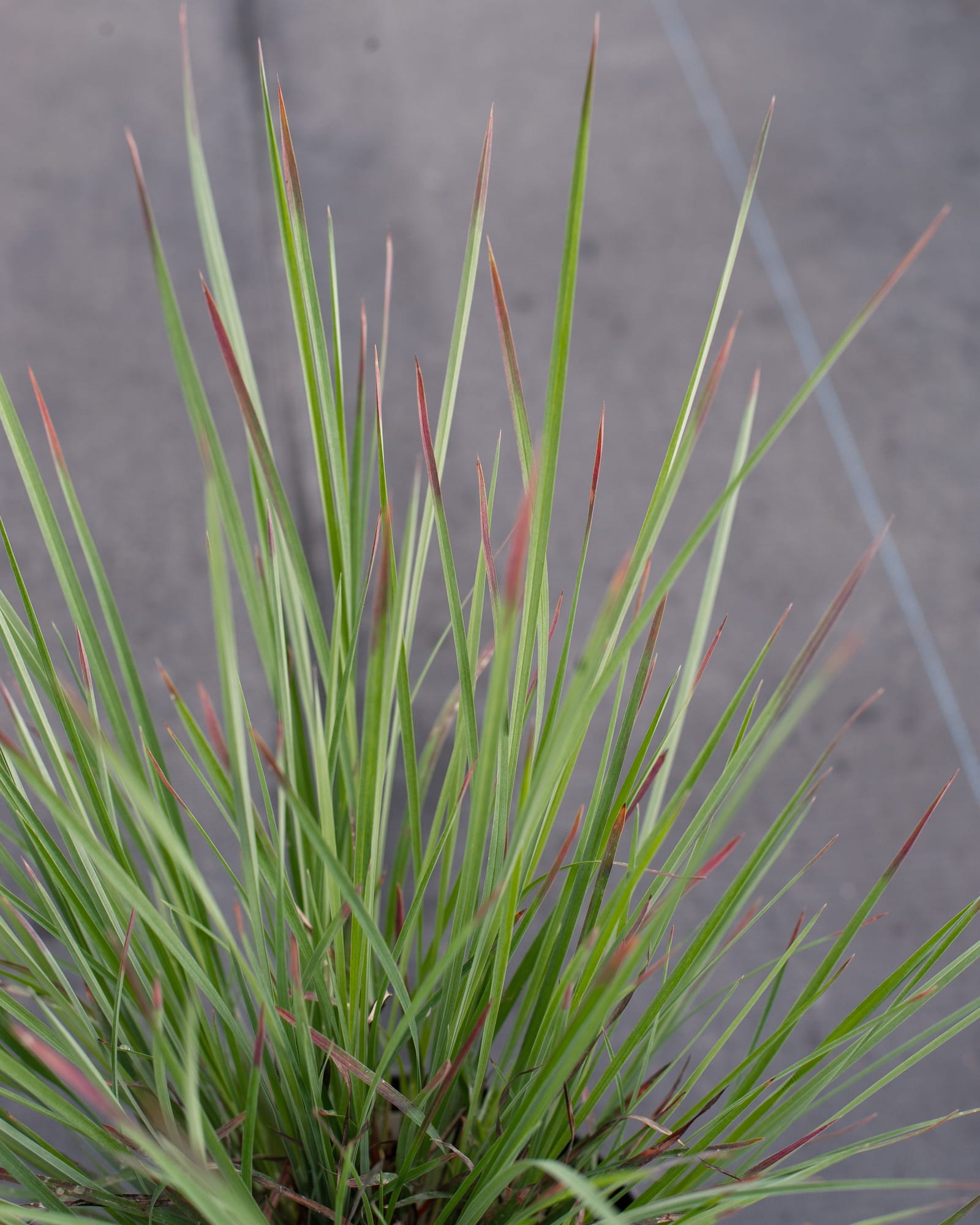
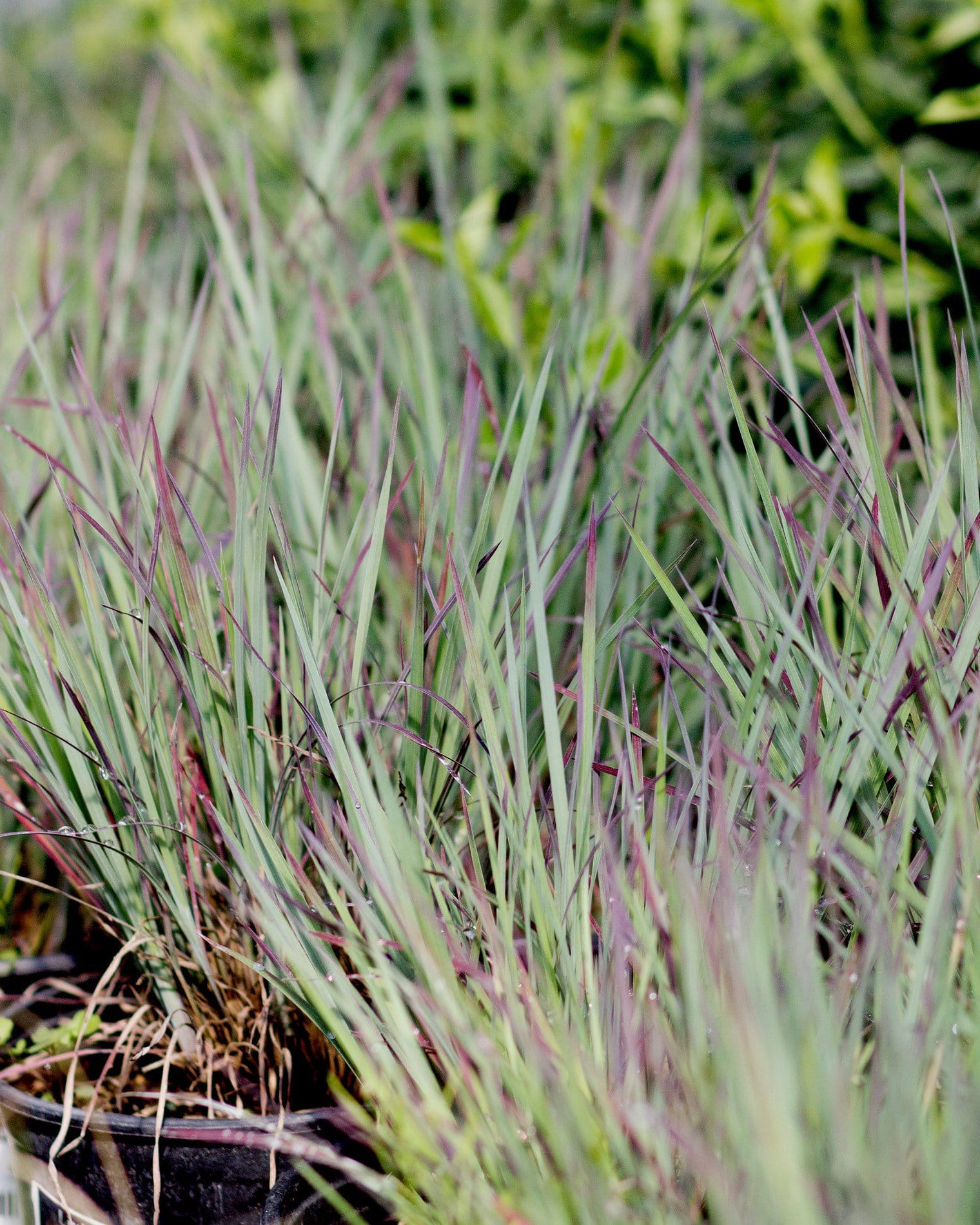
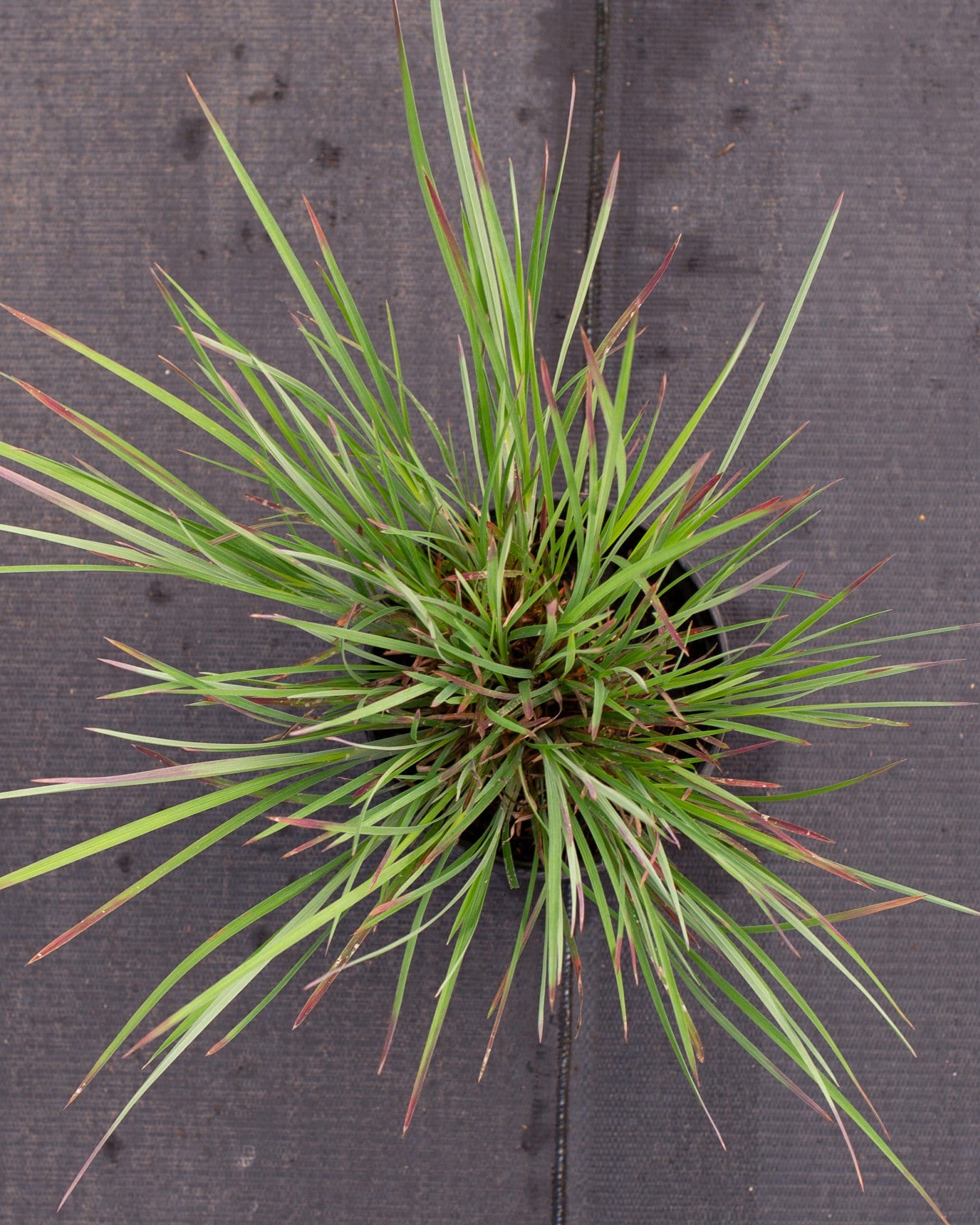
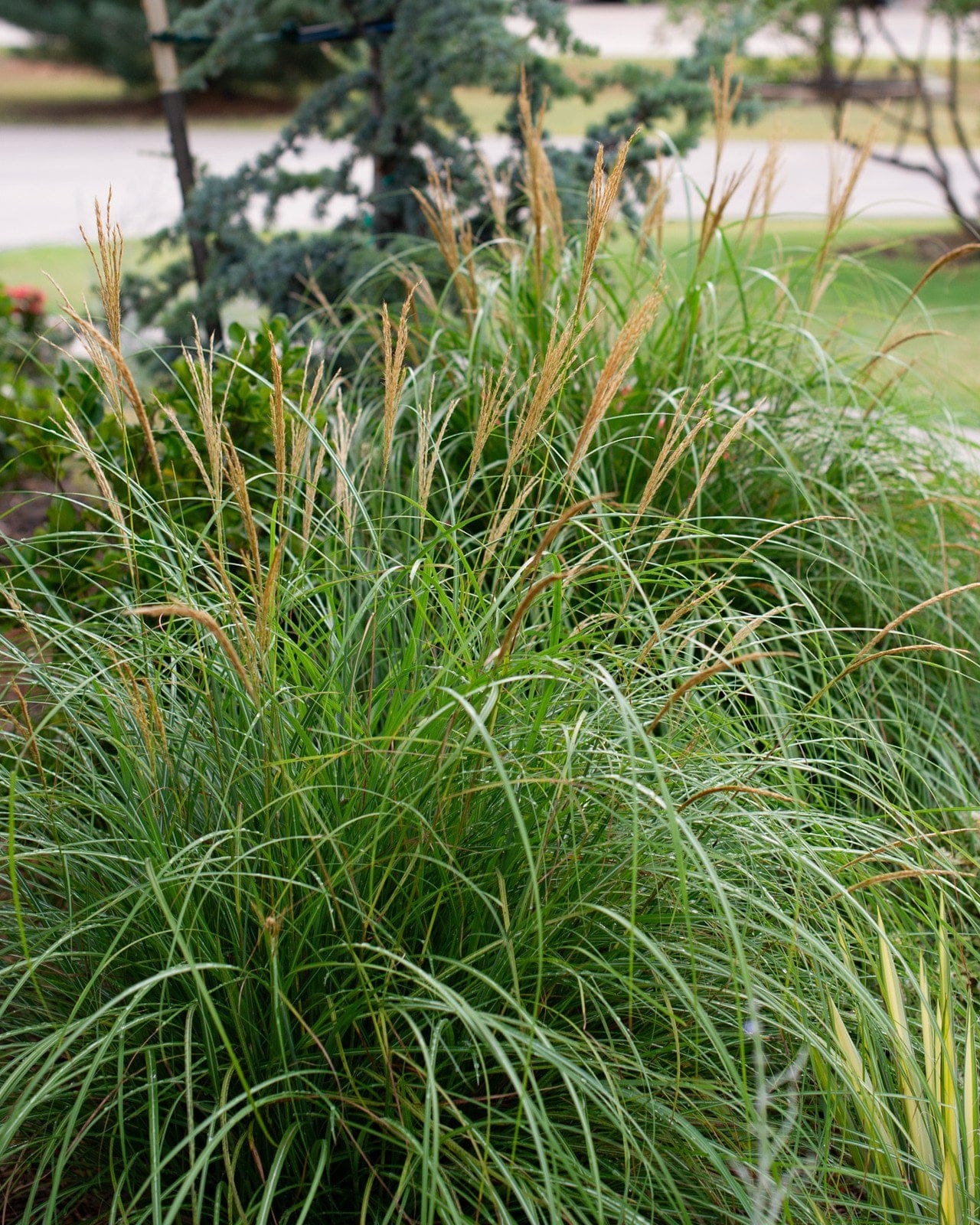
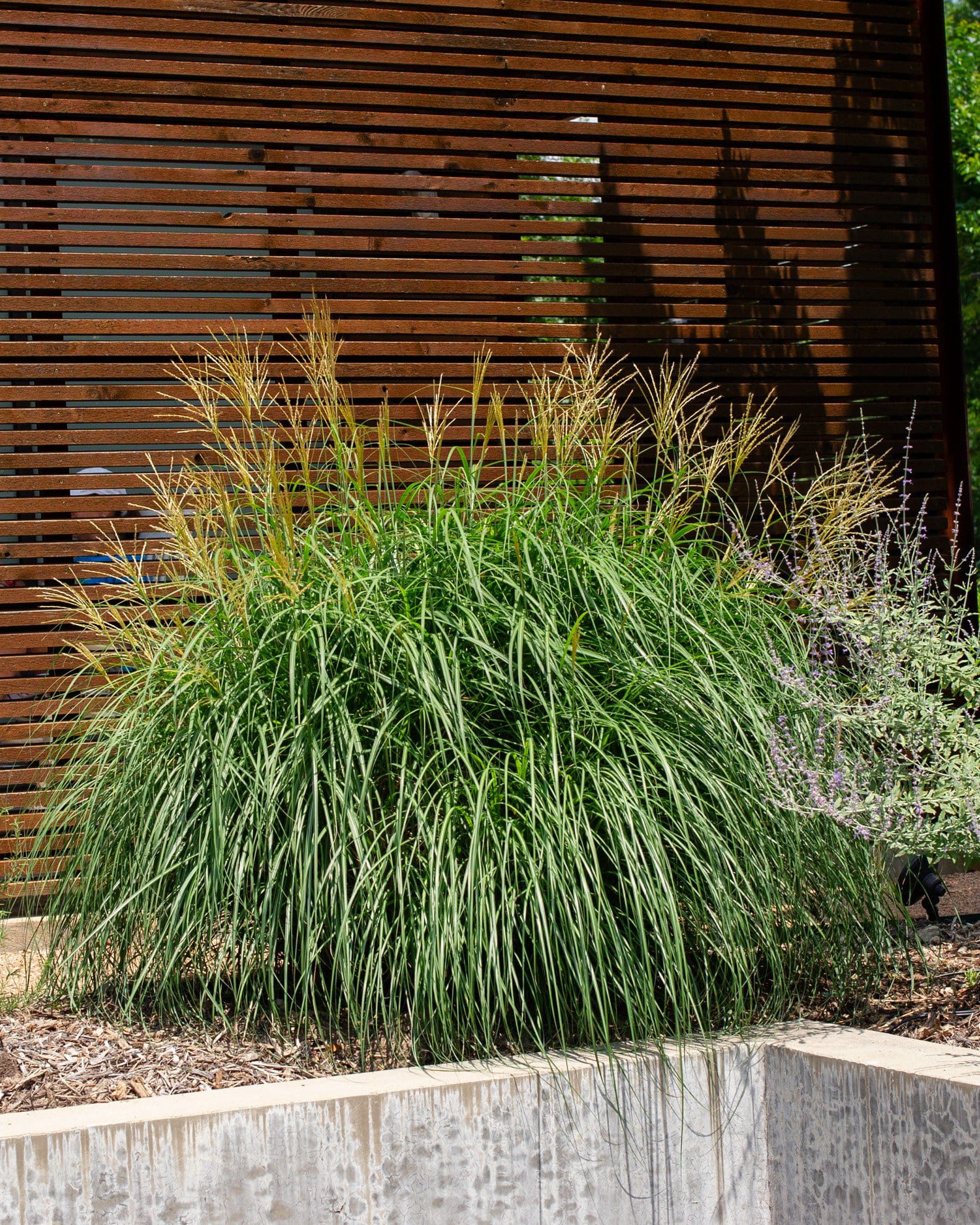
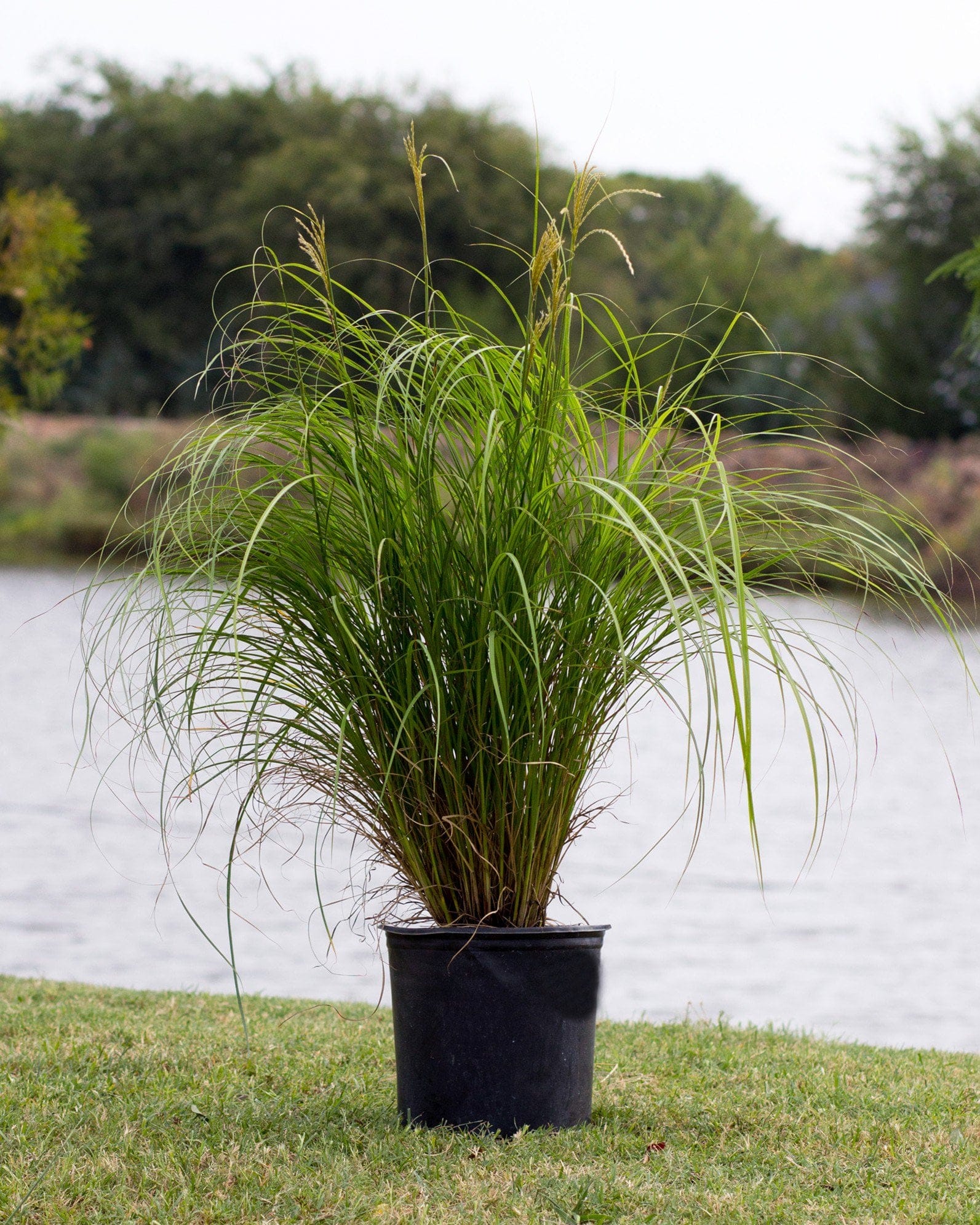
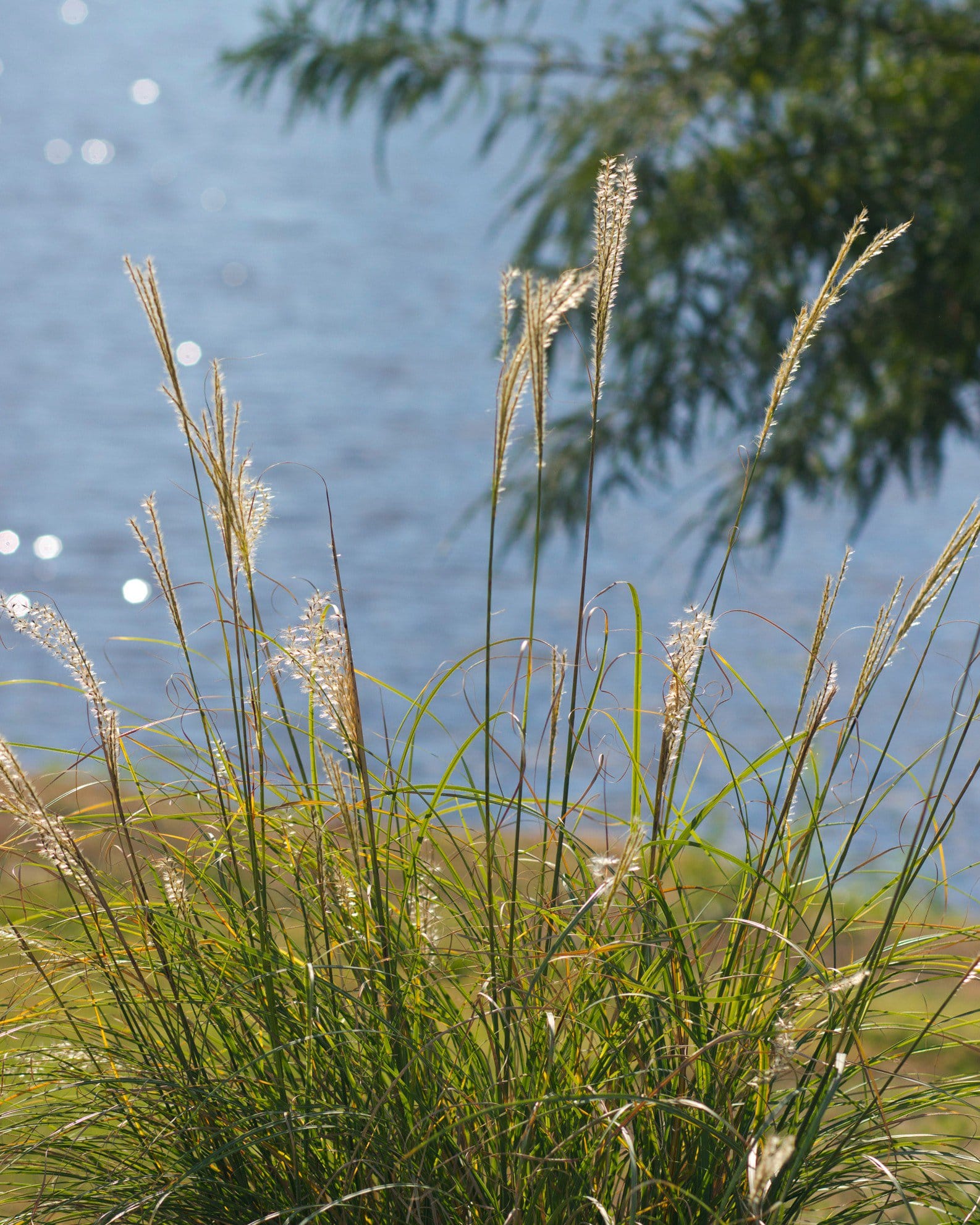
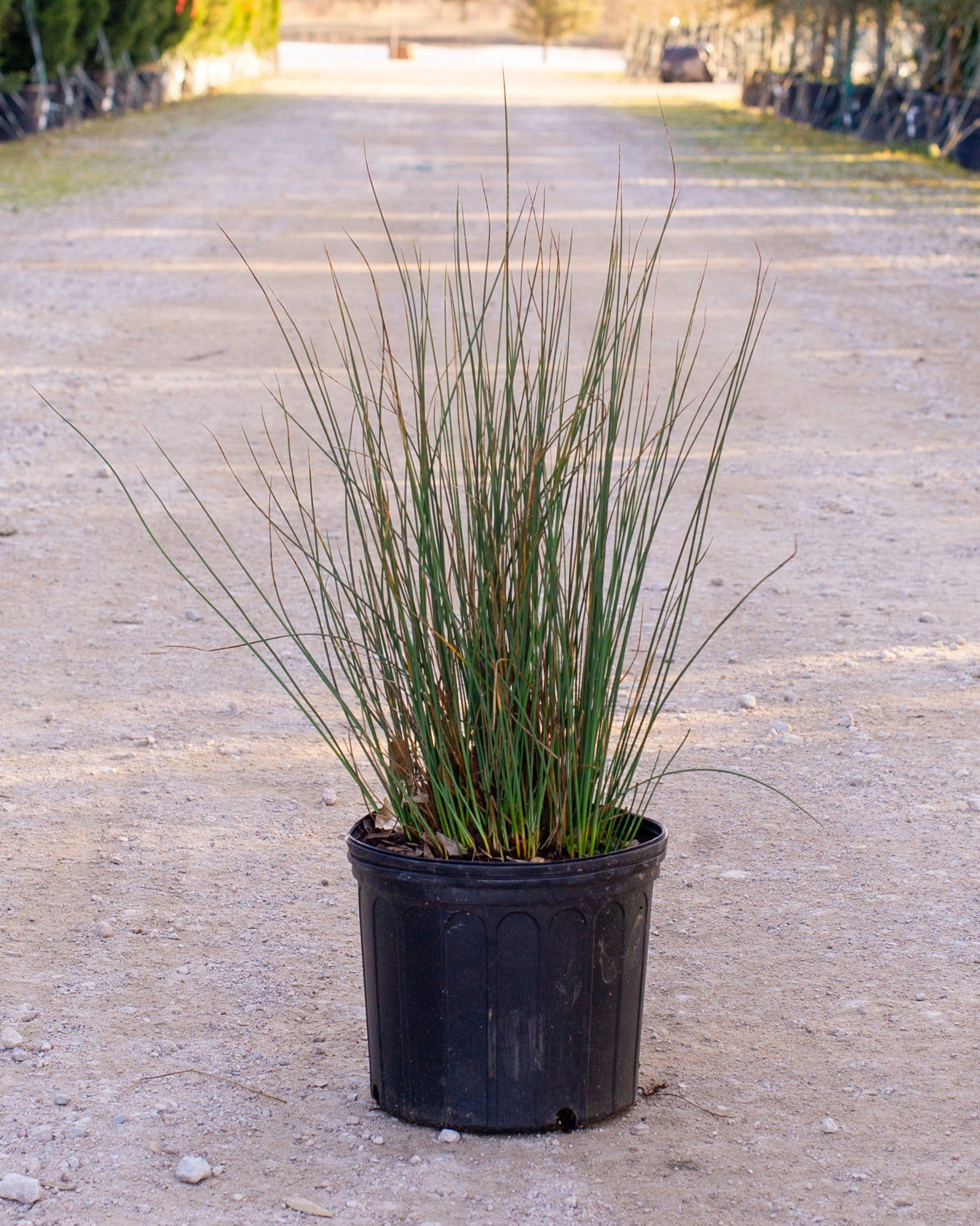
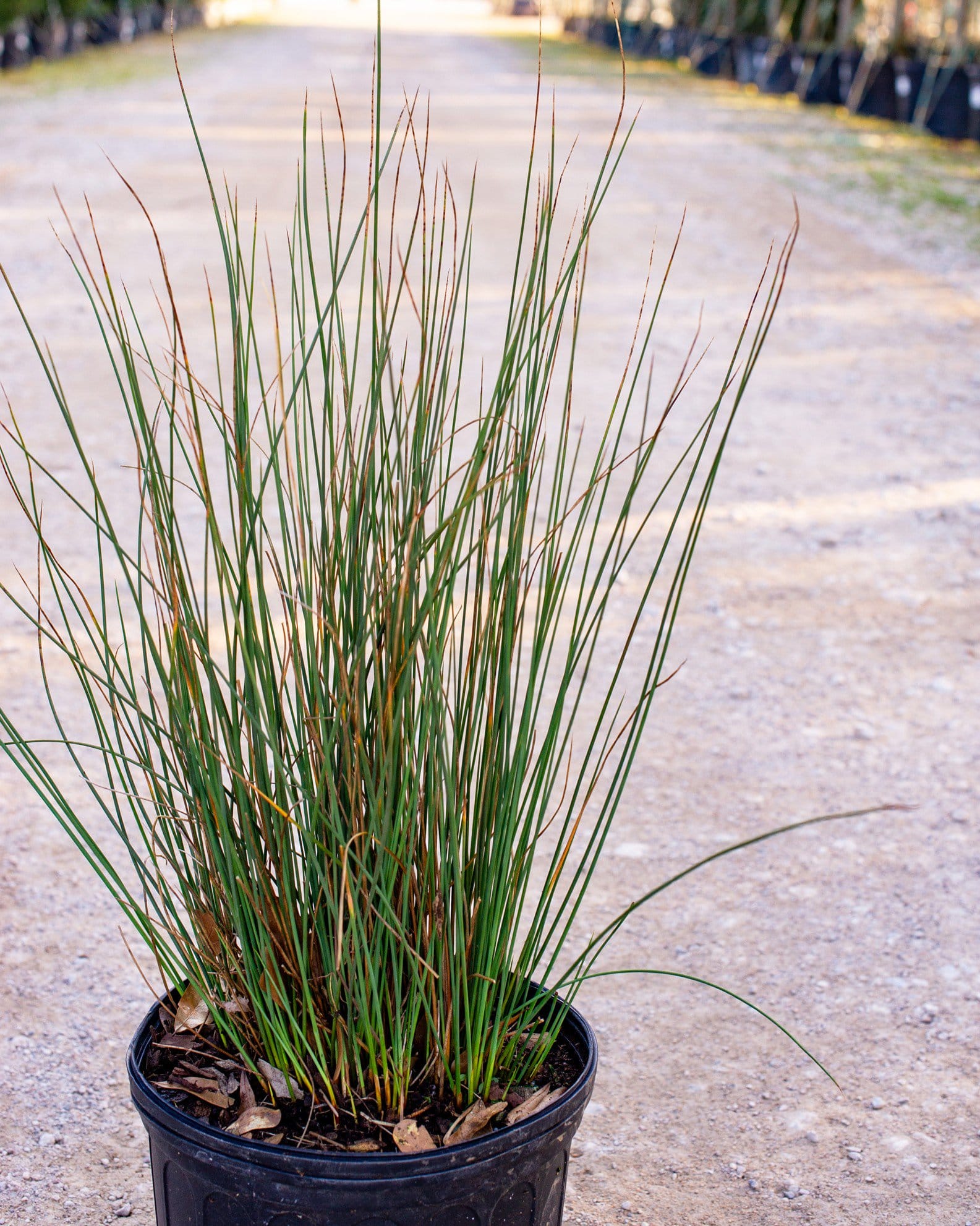
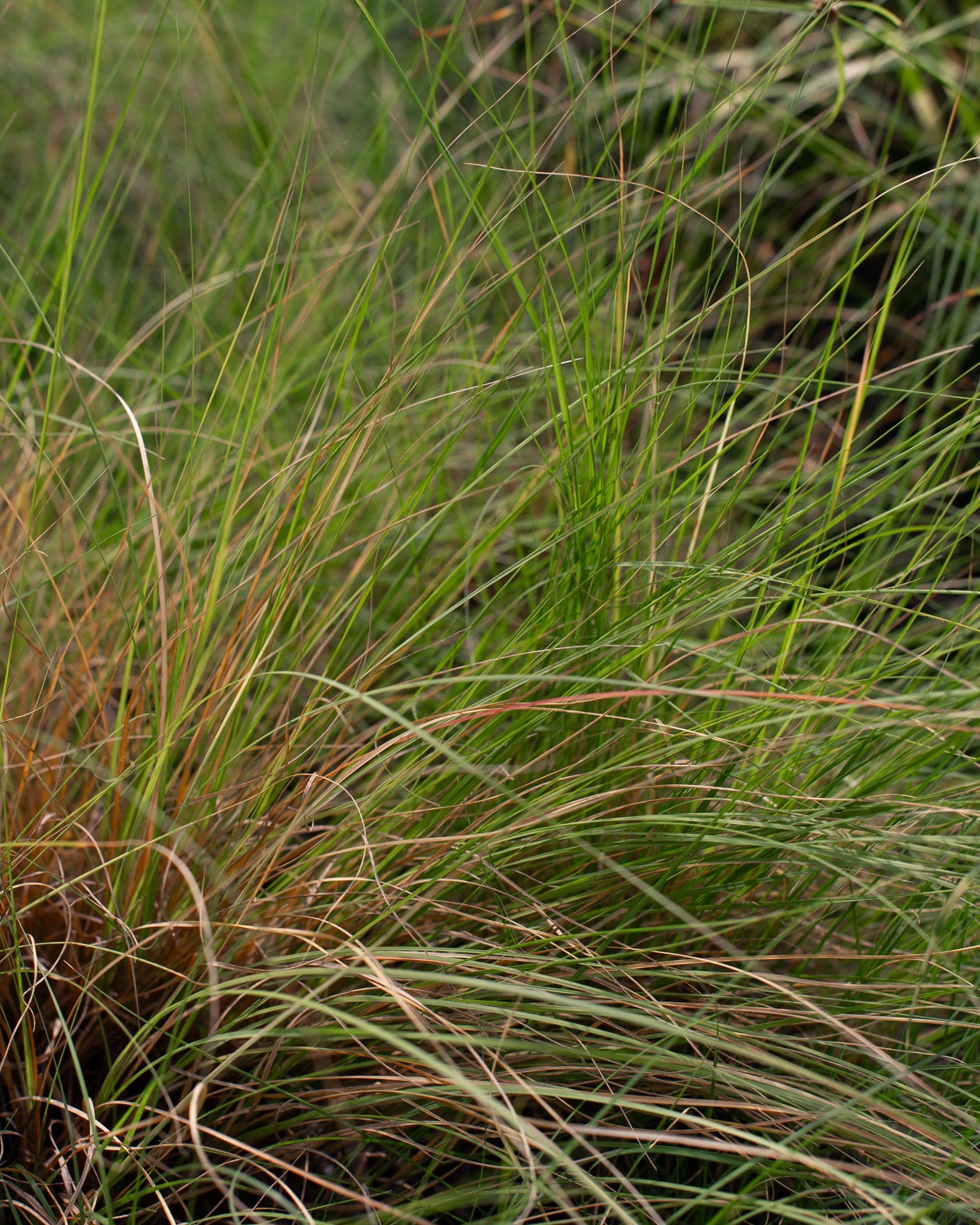
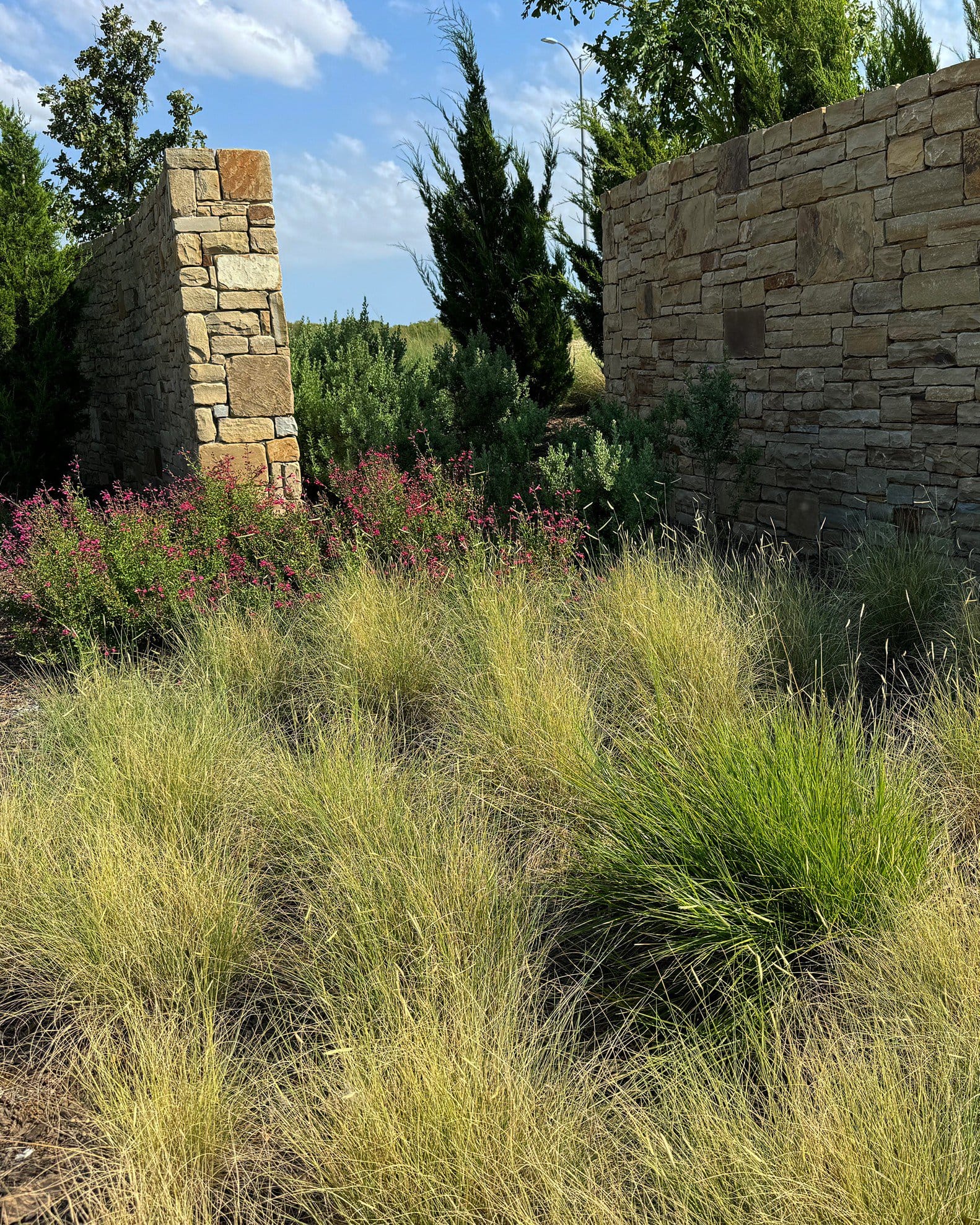
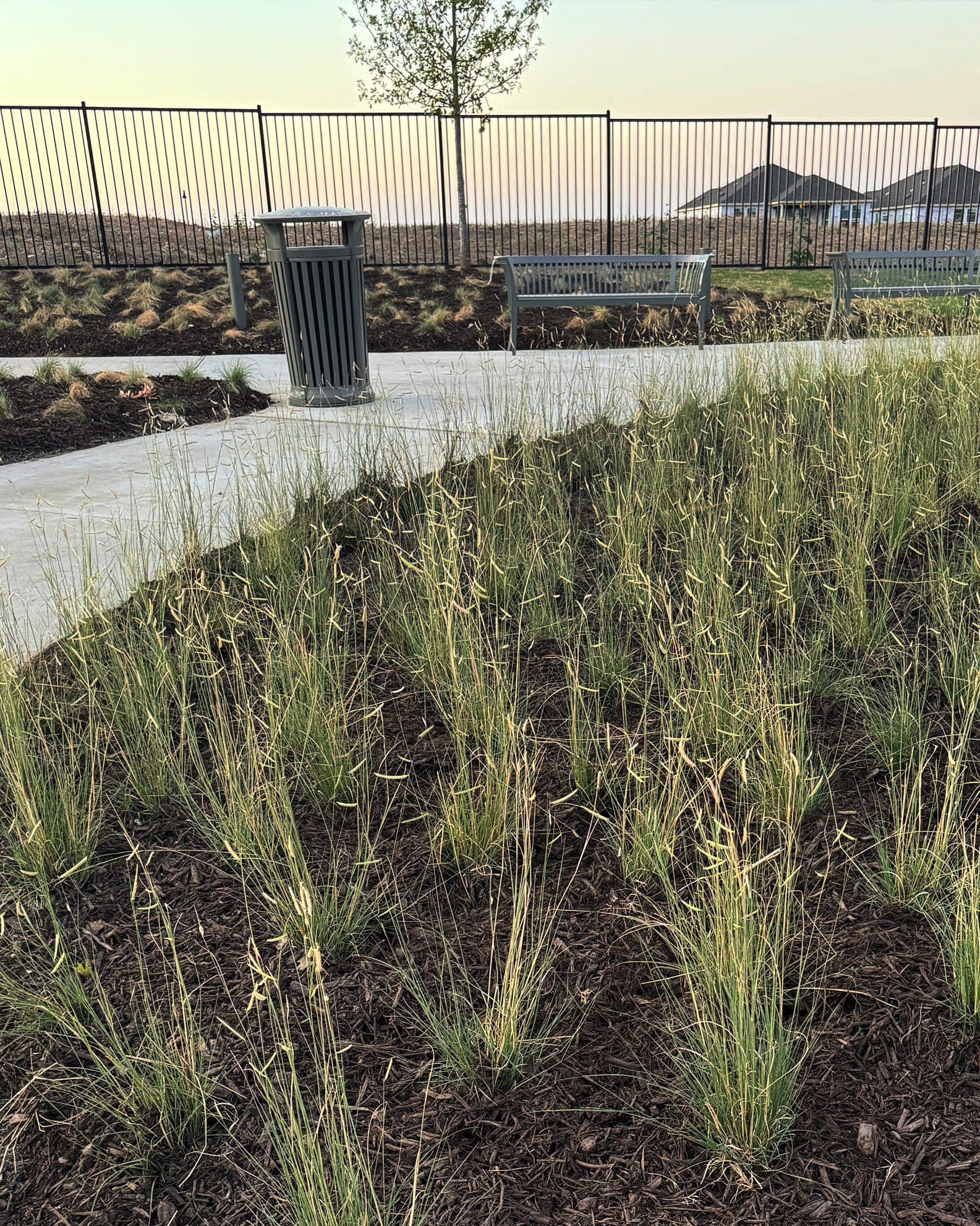
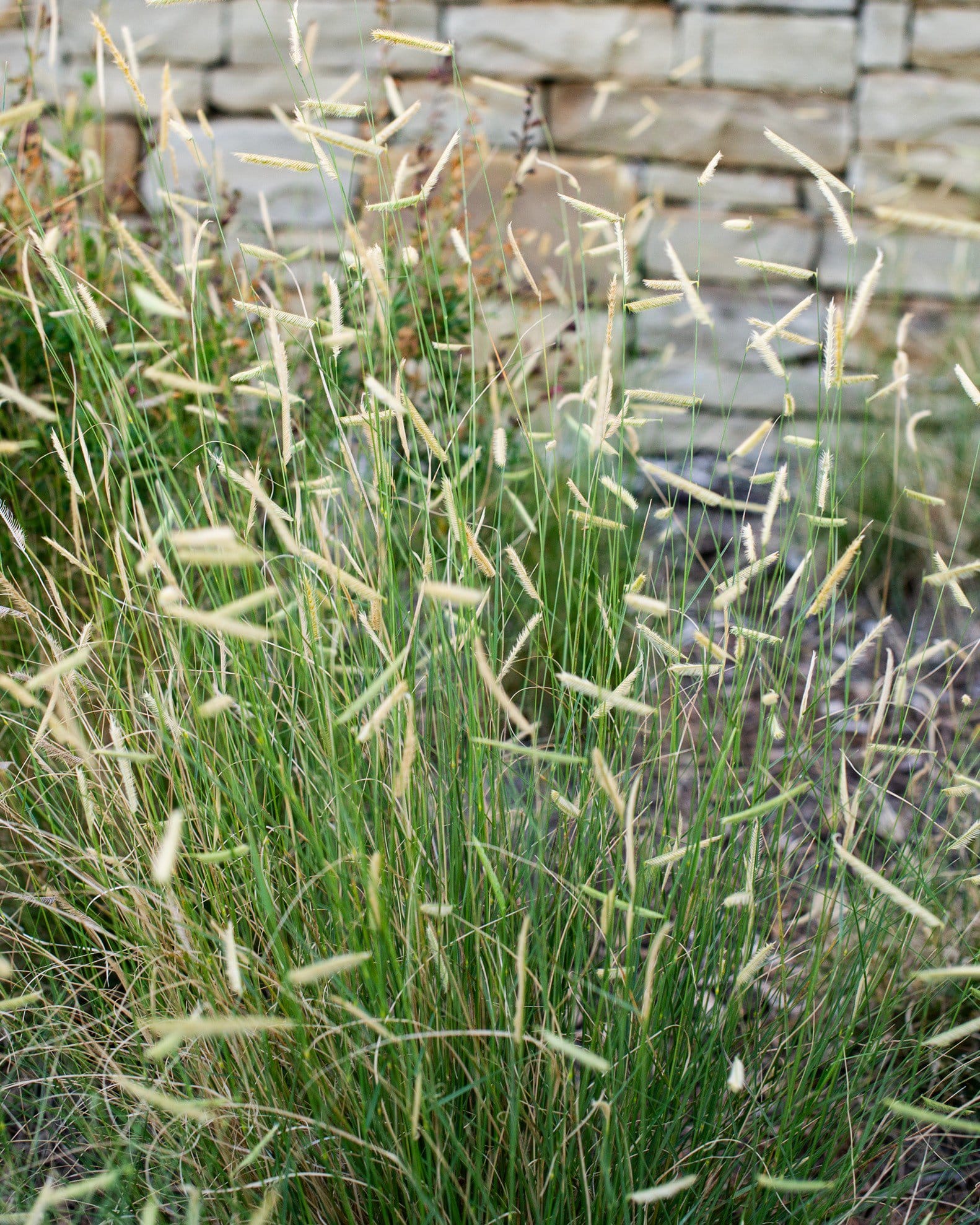
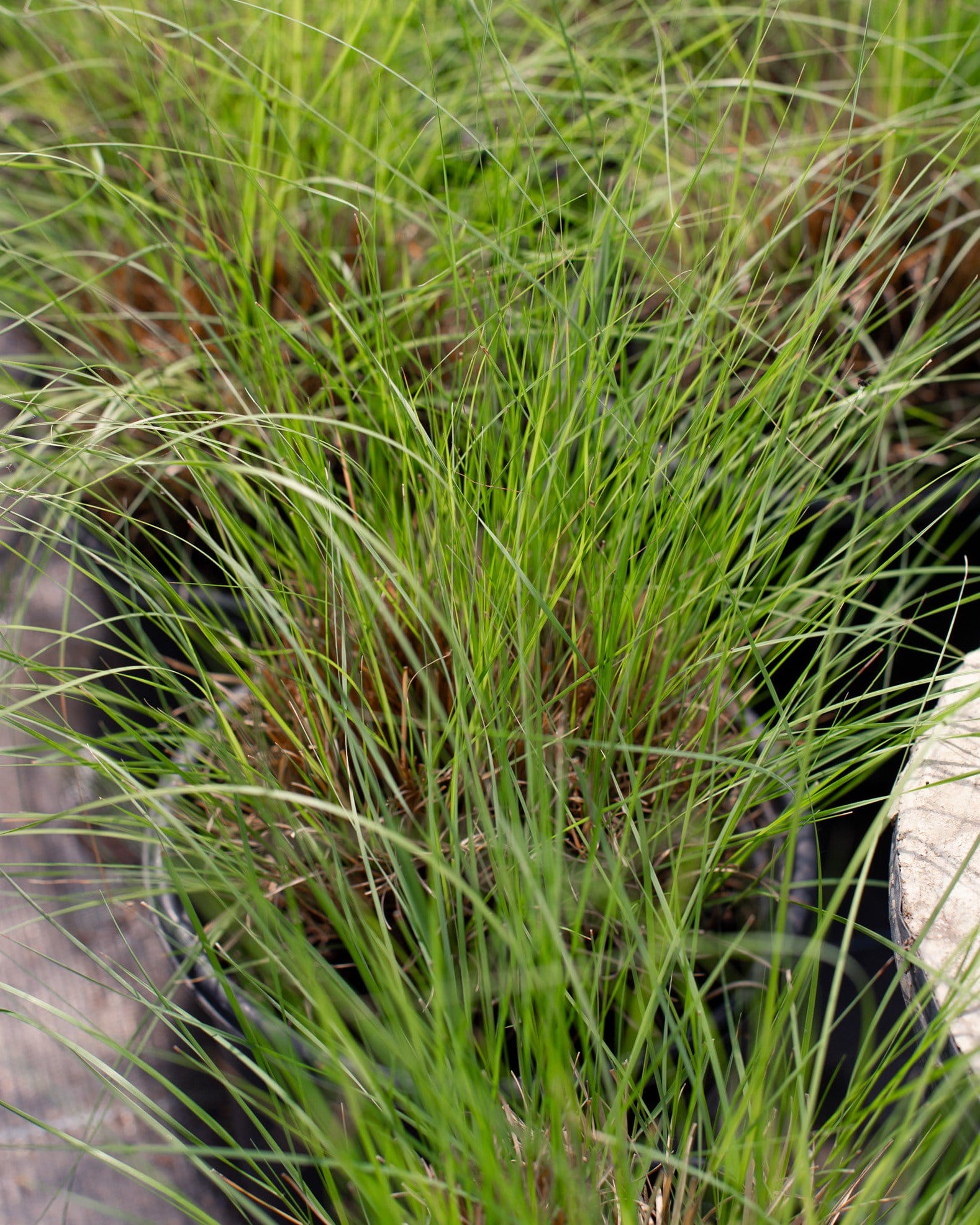
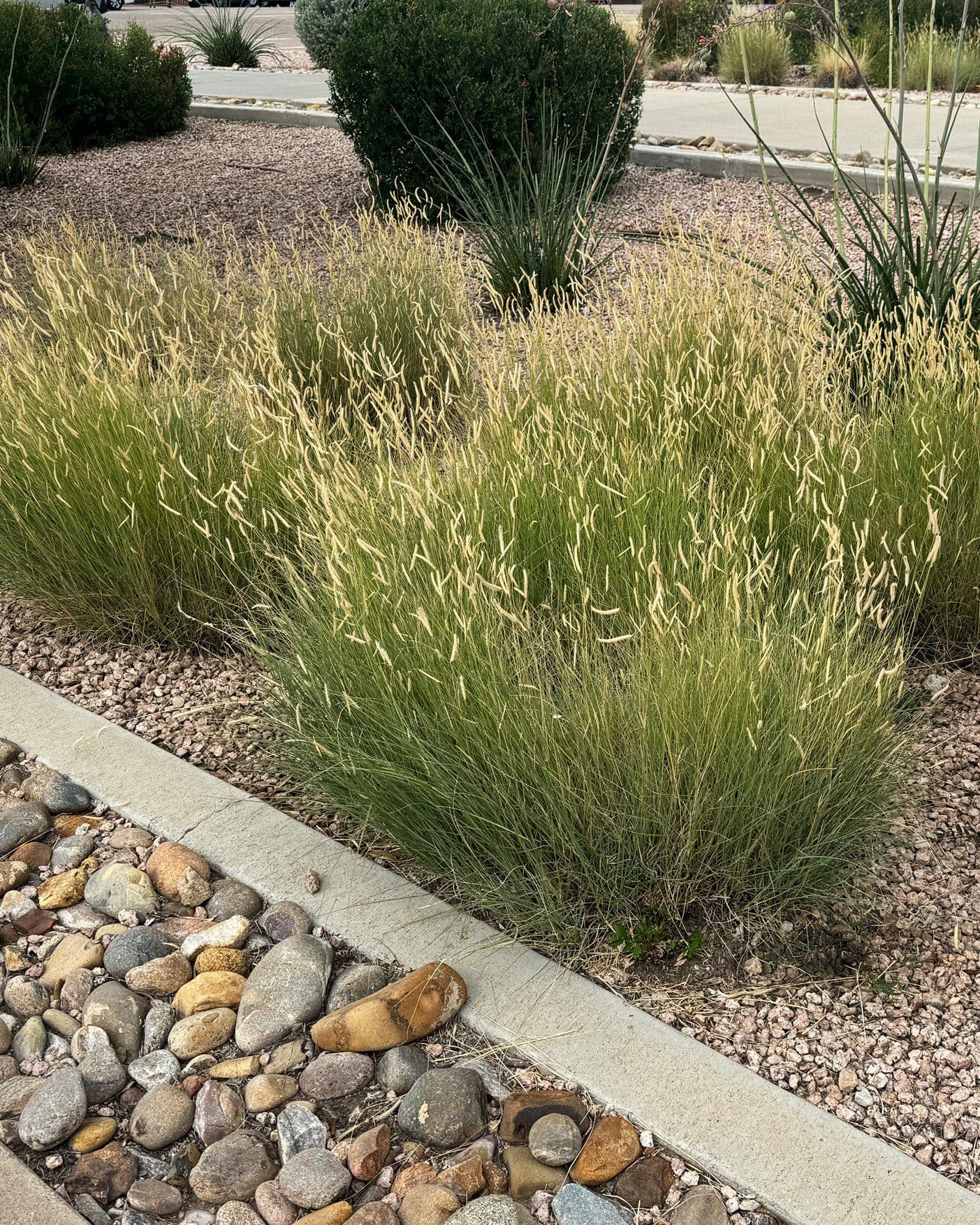
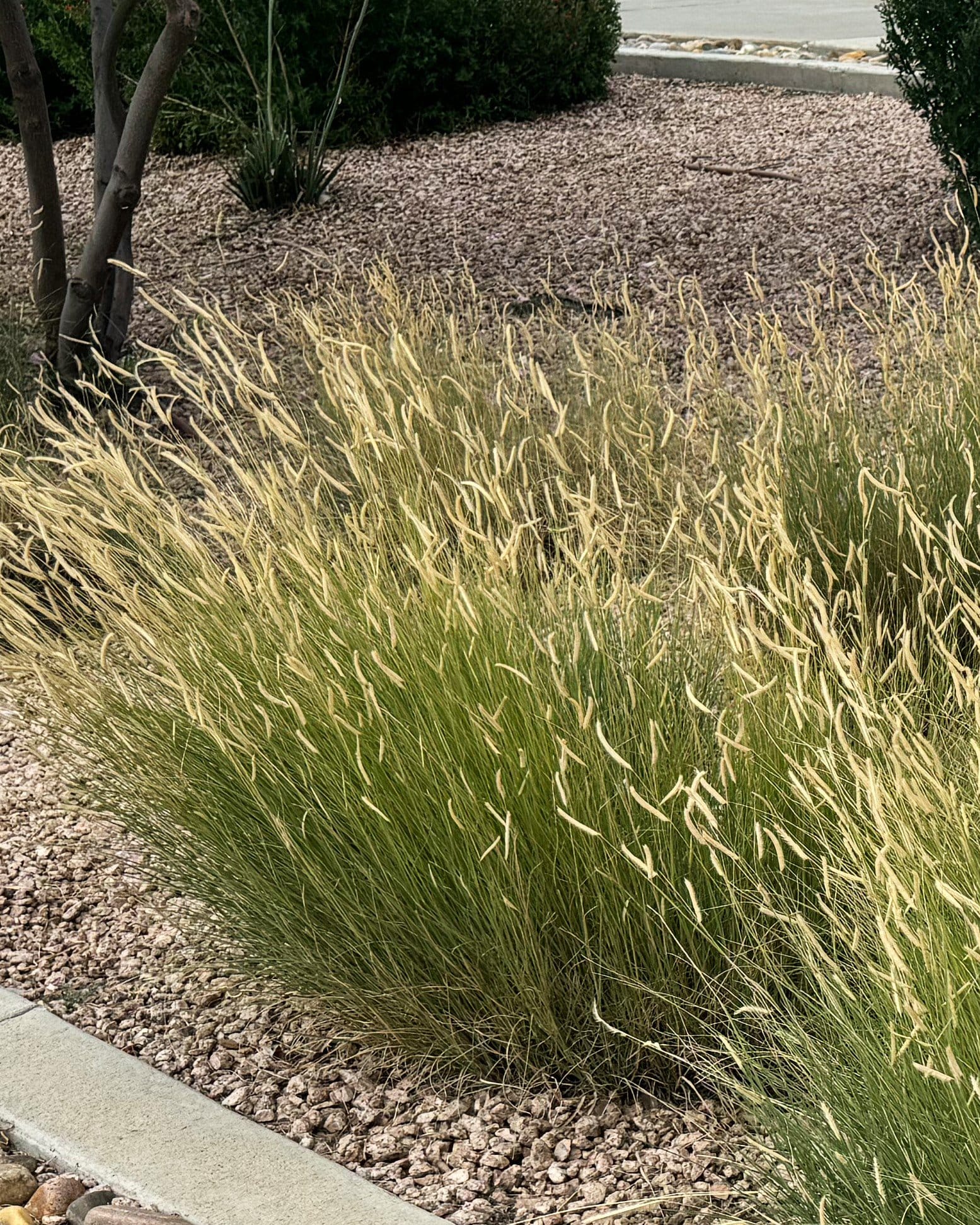
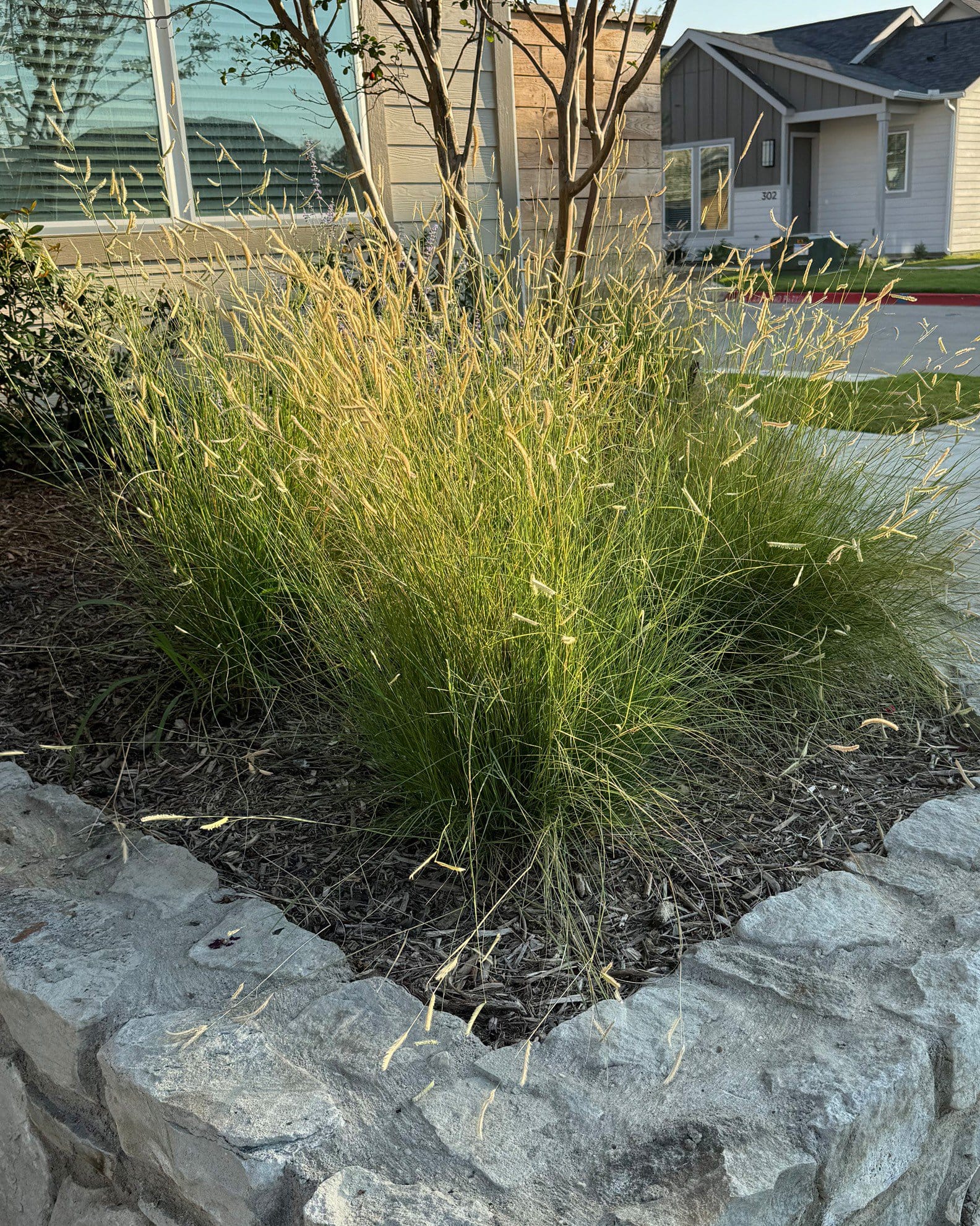
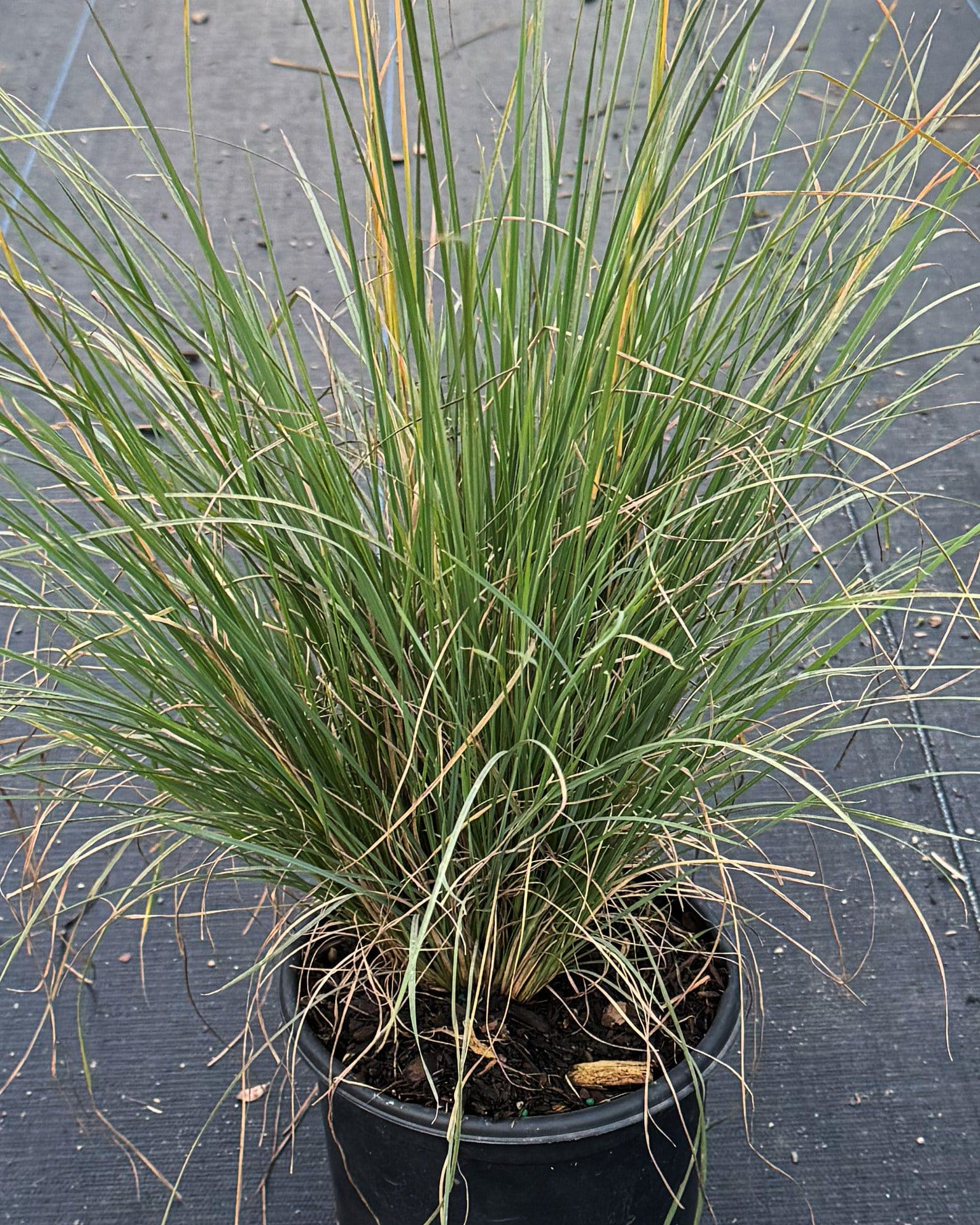
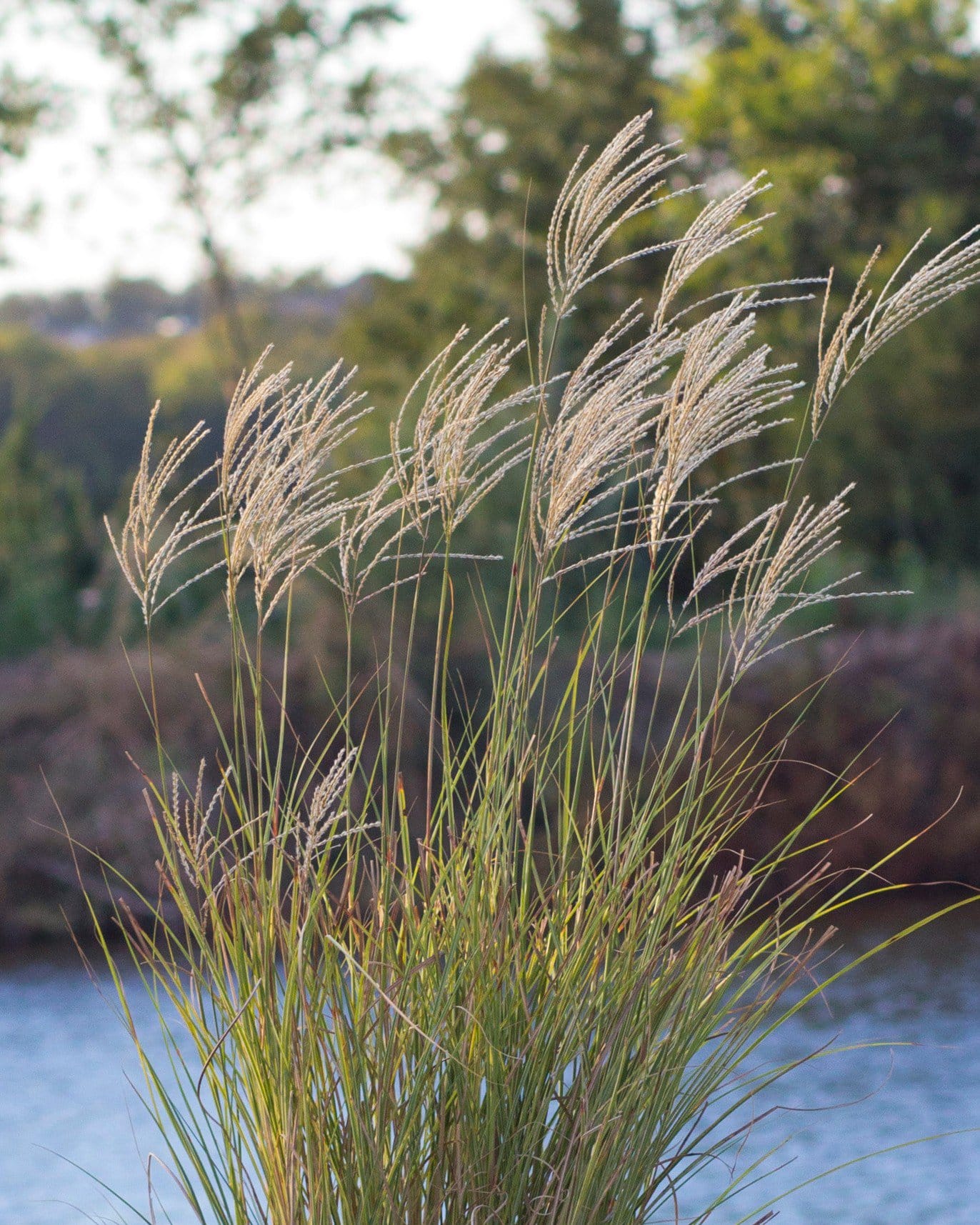
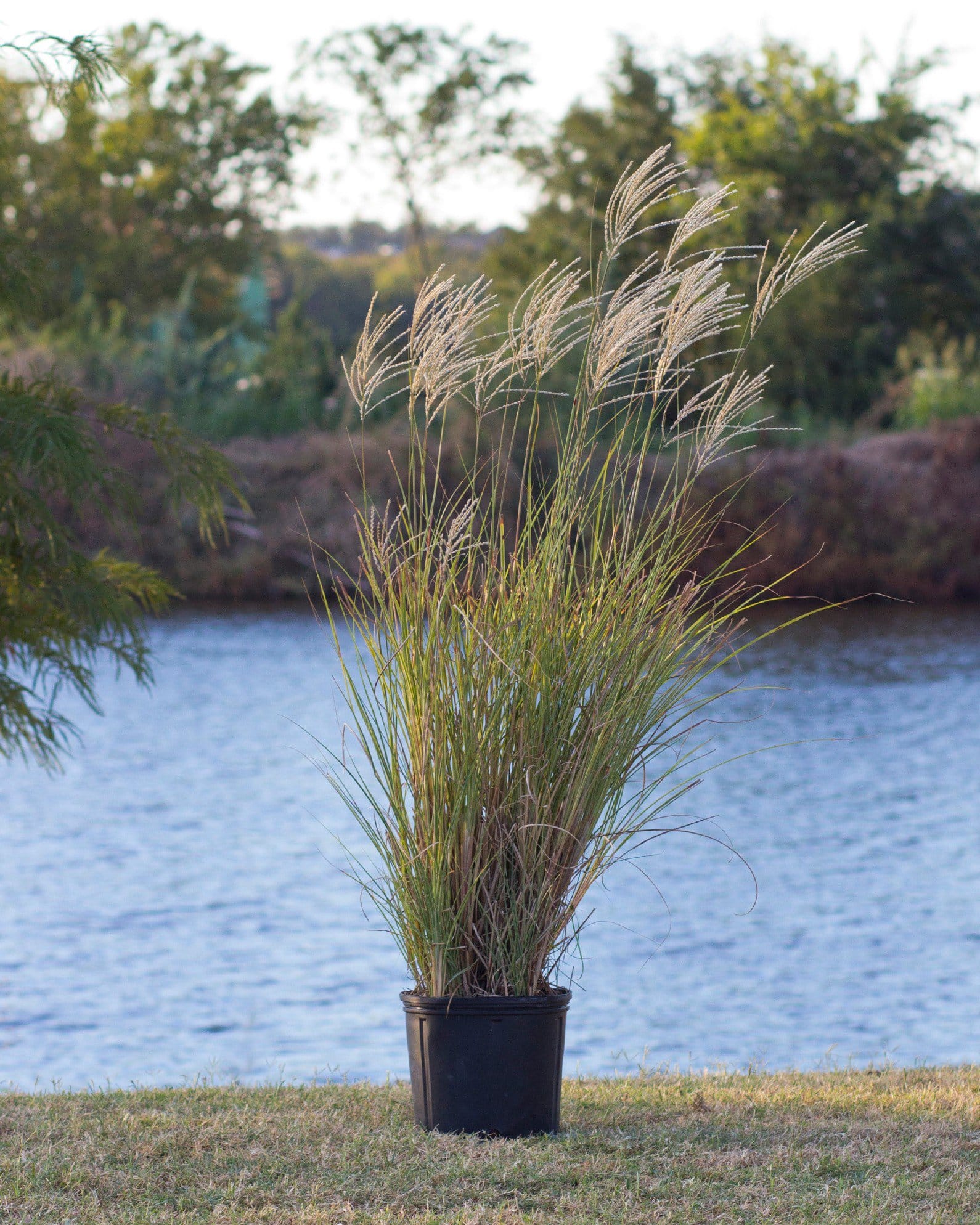
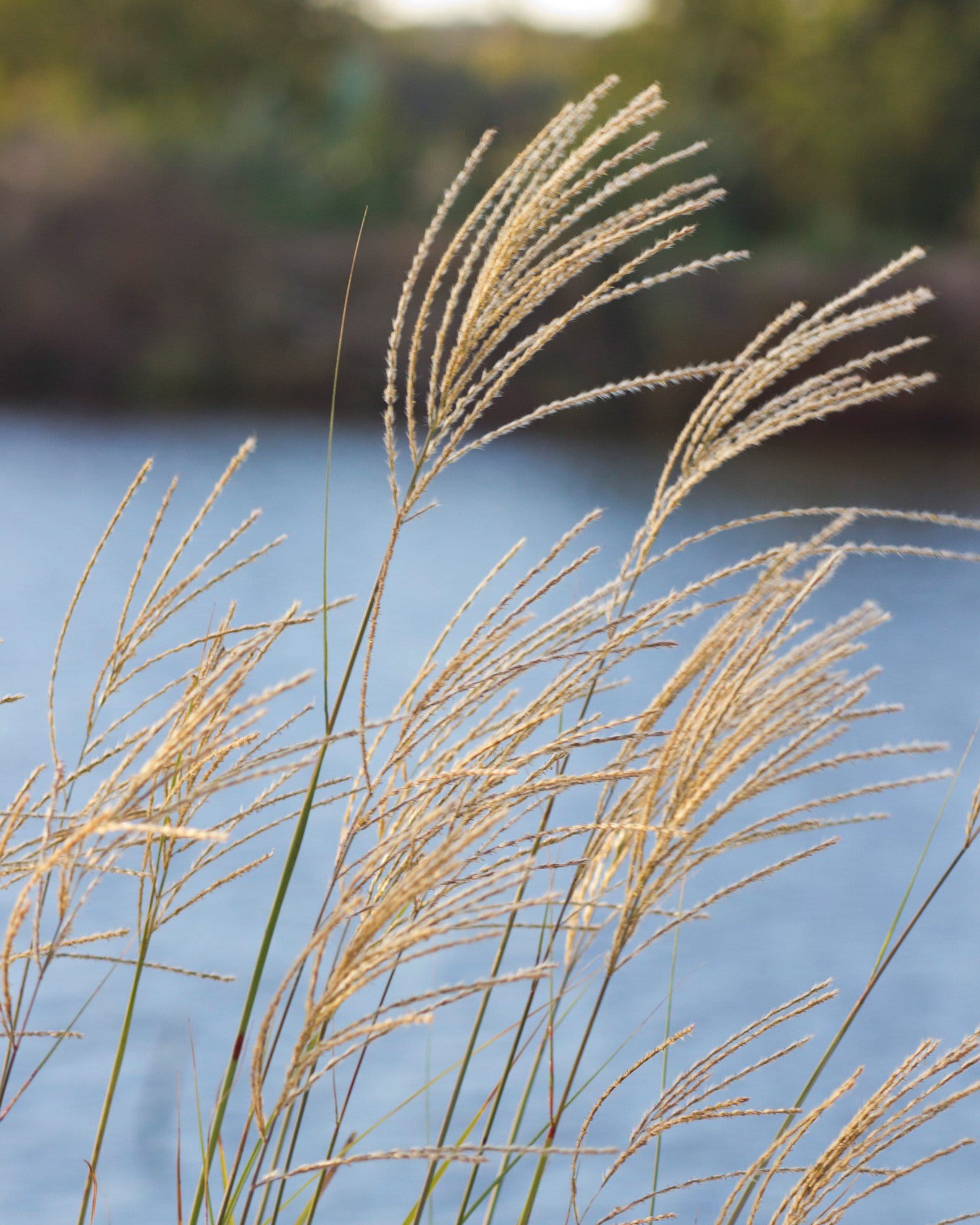
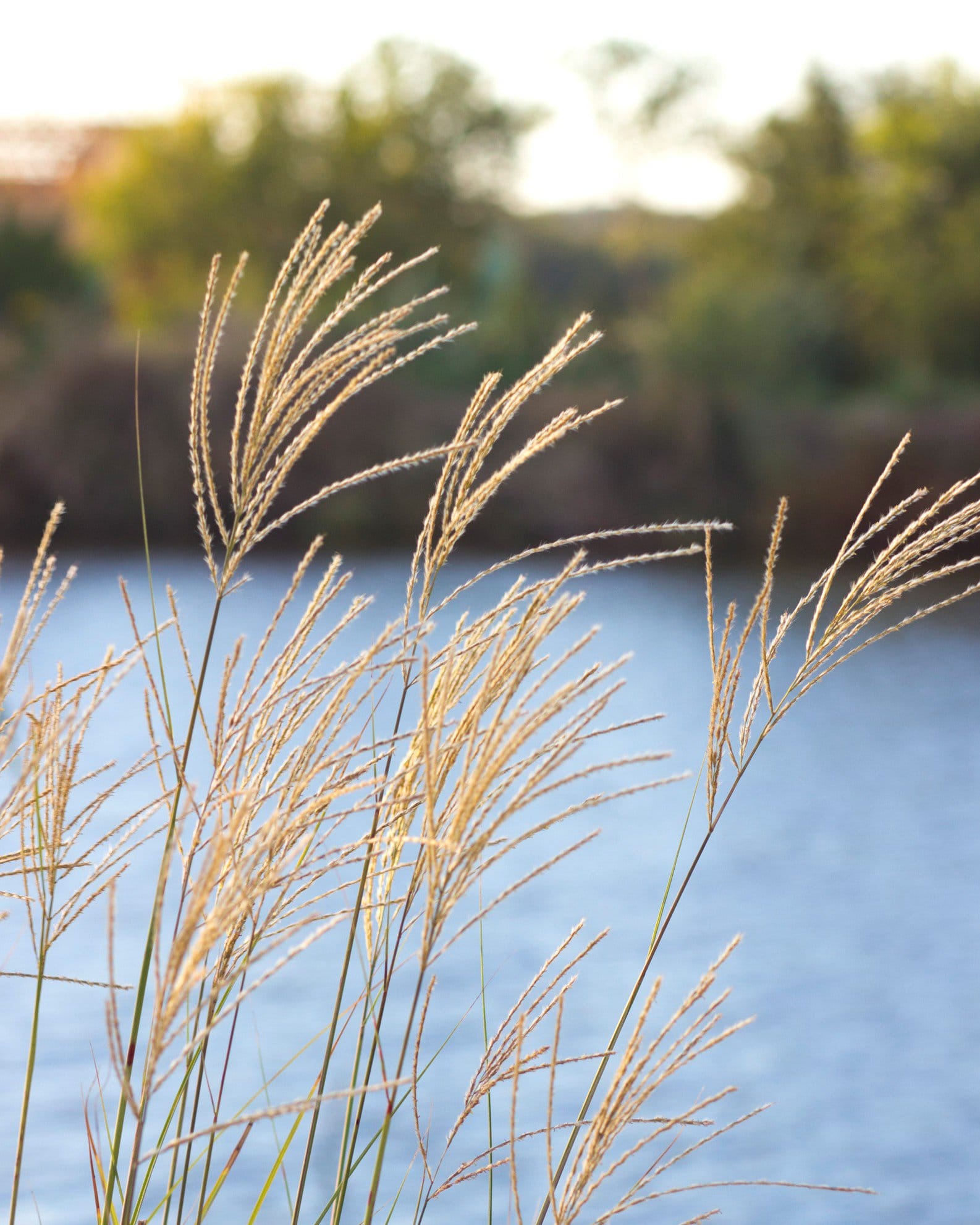
Schizachyrium scopariumLittle Bluestem stands out with its upright, fine-textured blades that shift from silvery-blue in summer to warm orange and red tones in fall. Reaching about 2 feet in height and about as much across, it brings year-round interest and movement to any planting space. This native grass also develops fluffy seed heads in late summer that shimmer in sunlight. It’s especially effective when planted in clusters along borders, mixed into low-maintenance beds, or used to soften the edges of walkways and open spaces.
- Blue-green summer foliage with upright form
- Brilliant fall color in copper and red hues
- Clump-forming growth habit
- Performs well in full sun
- Supports pollinators
Little Bluestem thrives in full sun and well-drained soil, making it well-suited for North Texas conditions. It handles dry spells gracefully once established and needs minimal care beyond cutting back dead foliage in late winter. Avoid rich soils, as it prefers lean, dry locations. Consider adding it to flower beds or native-inspired plantings for texture and seasonal color.
Little Bluestem is incredibly easy to care for. Here’s how to help it stay strong, healthy, and beautiful year after year:
- Watering: Water regularly during the first growing season to establish deep, resilient roots. Once mature, Little Bluestem thrives on natural rainfall alone, needing only occasional deep watering during extended dry spells. Avoid frequent shallow watering, which can weaken the roots.
- Pruning: Cut back old growth to about 3 inches above the soil in late winter or early spring before new shoots emerge. This allows fresh blades to develop cleanly and keeps the plant tidy. Avoid cutting in fall - its copper-orange winter color and graceful seedheads add seasonal interest and provide wildlife cover.
- Fertilizing: Little Bluestem naturally performs best in lean soils and rarely needs fertilizer. If growth appears weak, apply a light dose of slow-release, balanced fertilizer or compost in early spring. Overfeeding can cause floppy growth and reduce its signature upright form.
- Mulching: Apply a 2-inch layer of gravel, decomposed granite, or dry mulch around the base to retain moisture and suppress weeds. Avoid heavy organic mulches that stay damp, as the plant prefers drier soil. Refresh the mulch each spring for a crisp, natural look.
- Winter Care: This grass stands beautifully through winter, turning shades of copper, rust, and mahogany. In snowy regions, it may bend under heavy snow but rebounds easily. Leave it standing until late winter for structure and wildlife shelter, then cut it back before spring growth begins.
Little Bluestem is remarkably trouble-free, but a few small issues can appear in unfavorable conditions:
- Rust: A fungal disease that causes small orange-brown pustules on leaves, often in humid weather. Remove affected foliage and apply a fungicide labeled for rust if necessary.
- Leaf Spot: Appears as small brown or black lesions that can merge and discolor foliage. Prune away damaged leaves and improve airflow to reduce humidity.
- Aphids: Small sap-sucking insects that cluster on tender shoots, weakening the plant and causing distorted growth. Wash off with a strong spray of water or treat with insecticidal soap.
- Grasshoppers: Occasionally feed on the foliage, especially in dry, open landscapes. Control by encouraging natural predators or using organic bait products if infestations are heavy.
- Spider Mites: Microscopic pests that thrive in hot, dry conditions, causing stippled, dull leaves. Rinse the plant periodically and maintain occasional humidity to deter outbreaks.
With proper care, Little Bluestem can thrive for 15-20 years or longer. Mature clumps remain vigorous with periodic division.
It grows at a moderate rate, usually reaching full maturity and color development within 2-3 seasons after planting.
Yes - deer tend to avoid it, especially once the blades toughen and dry in midsummer.
Absolutely. Its seedheads feed small birds, while its base provides nesting and overwintering habitat for native insects.
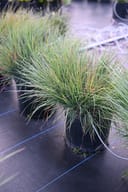
Yes, it performs well in large, well-drained pots. Container-grown plants often display an especially vibrant fall color.
Exceptionally well. It’s tolerant of heat, pollution, compacted soils, and limited irrigation - perfect for city plantings and streetscapes.
Yes. Divide and replant the outer, healthy portions of the clump every few years in spring to restore density and vigor.
Yes. Its fibrous root system stabilizes soil effectively, making it excellent for slopes, embankments, and restoration areas.
Completely safe. It’s non-toxic and pet-friendly, making it a great choice for family gardens and play areas.
Its compact size, upright posture, and incredible color transitions - from blue-green in summer to copper-orange in fall - make it one of the most visually dynamic and ecologically valuable grasses available. It combines natural elegance with remarkable resilience.
Special Features
You might also like
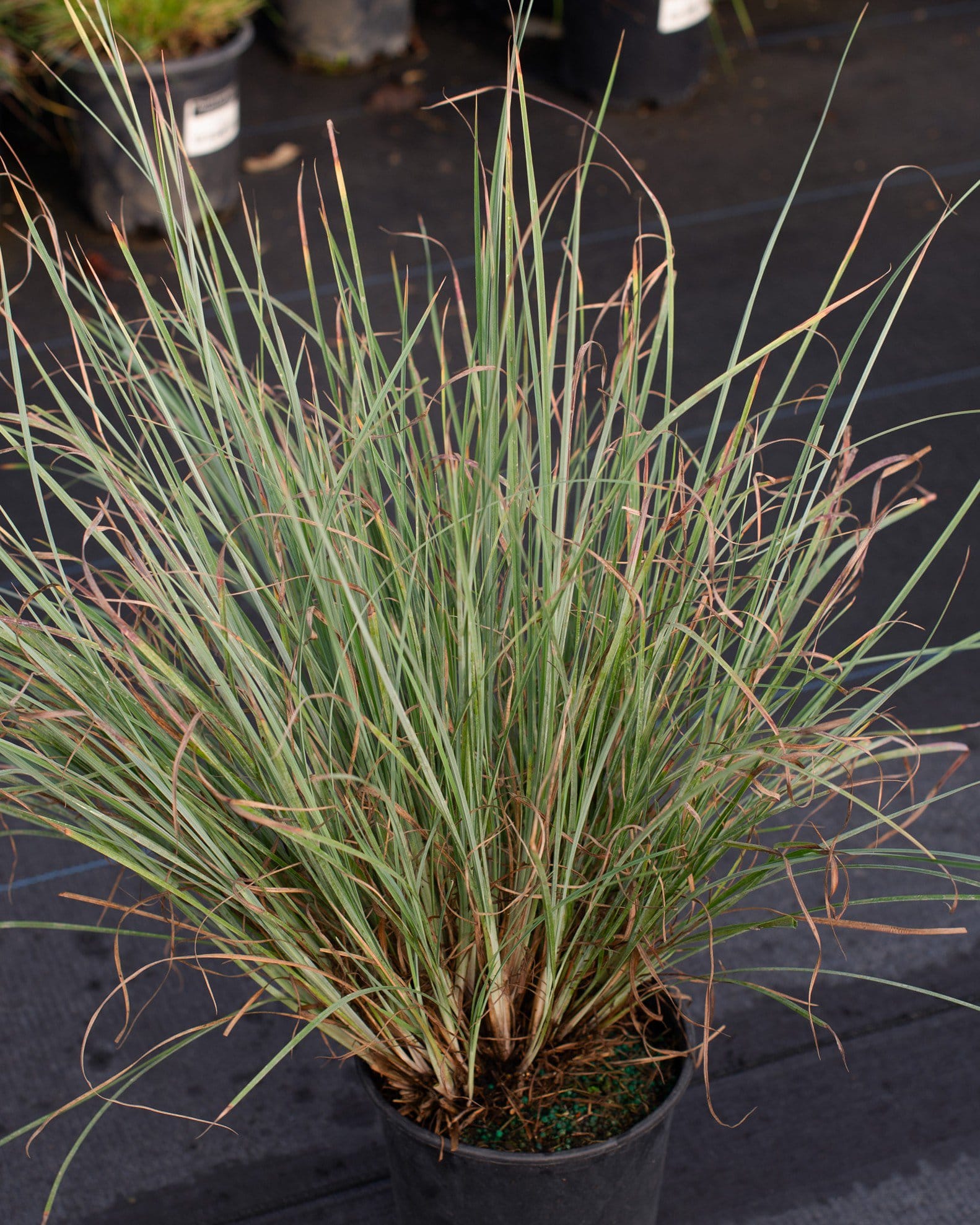
Little Bluestem Prairie Blues
Maturity: 3' H x 2' W
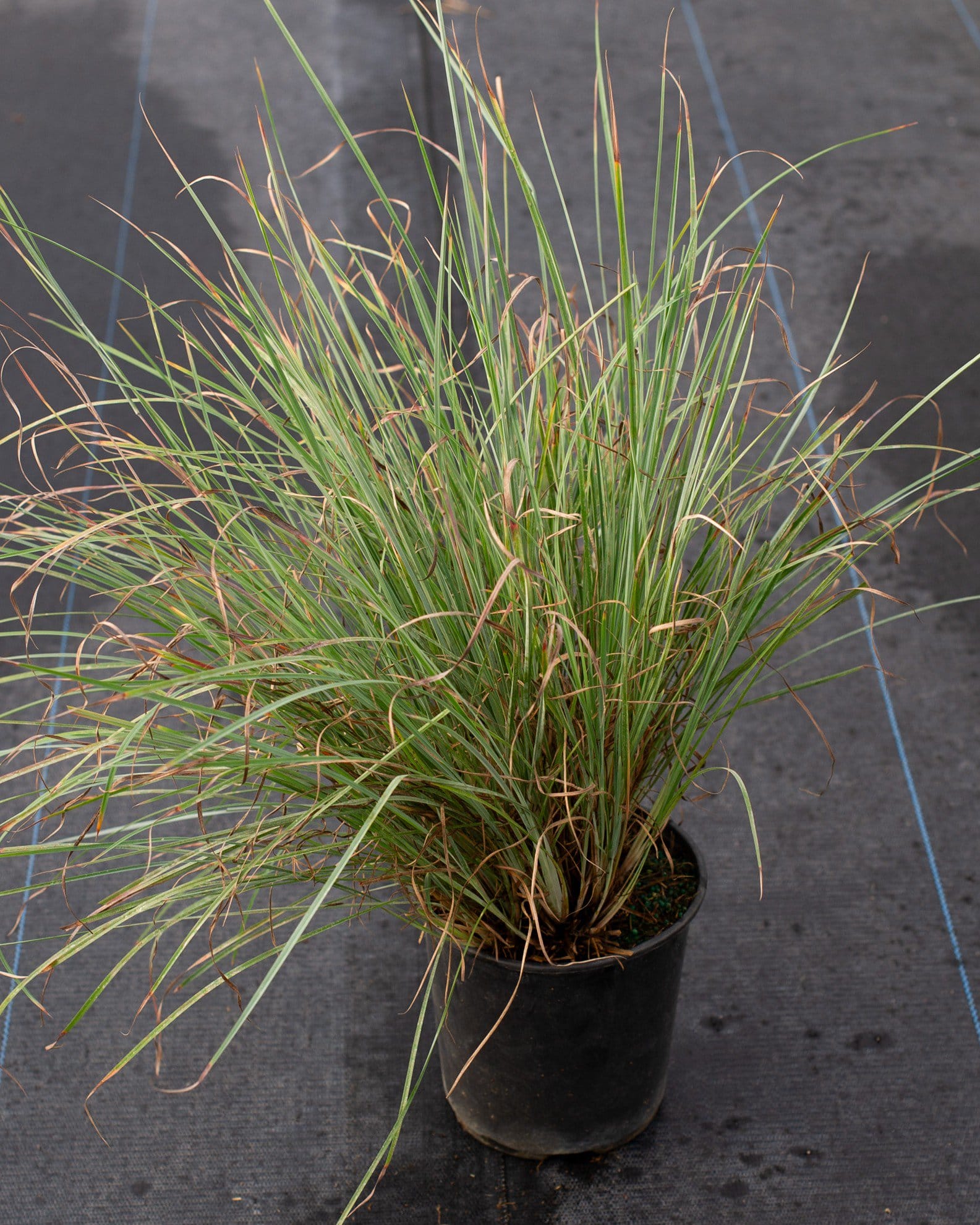
Little Bluestem Standing Ovation
Maturity: 2' H x 1.5' W
Adagio Miscanthus
Maturity: 3' H x 3' W
Mexican Feather
Maturity: 2' H x 2' W
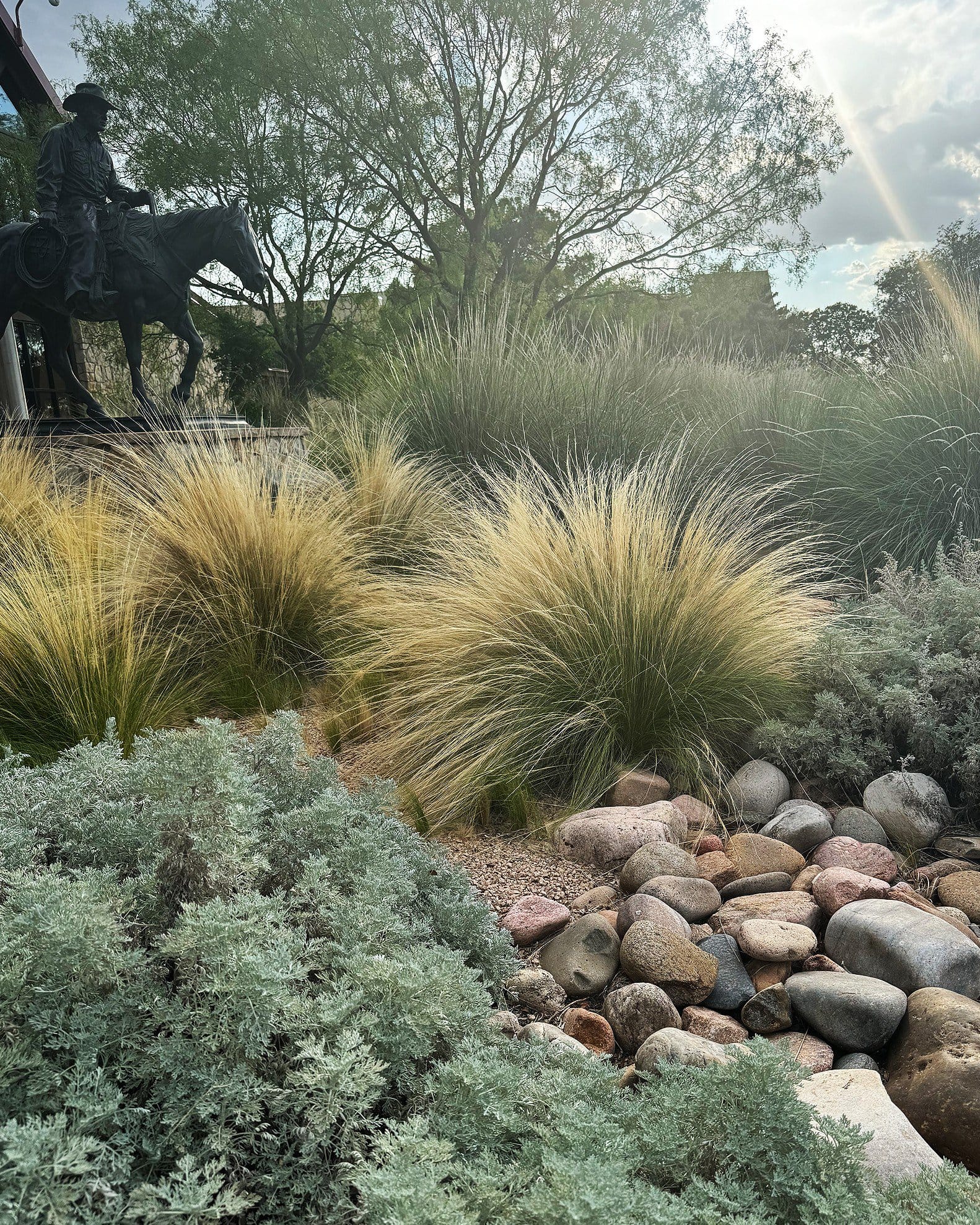
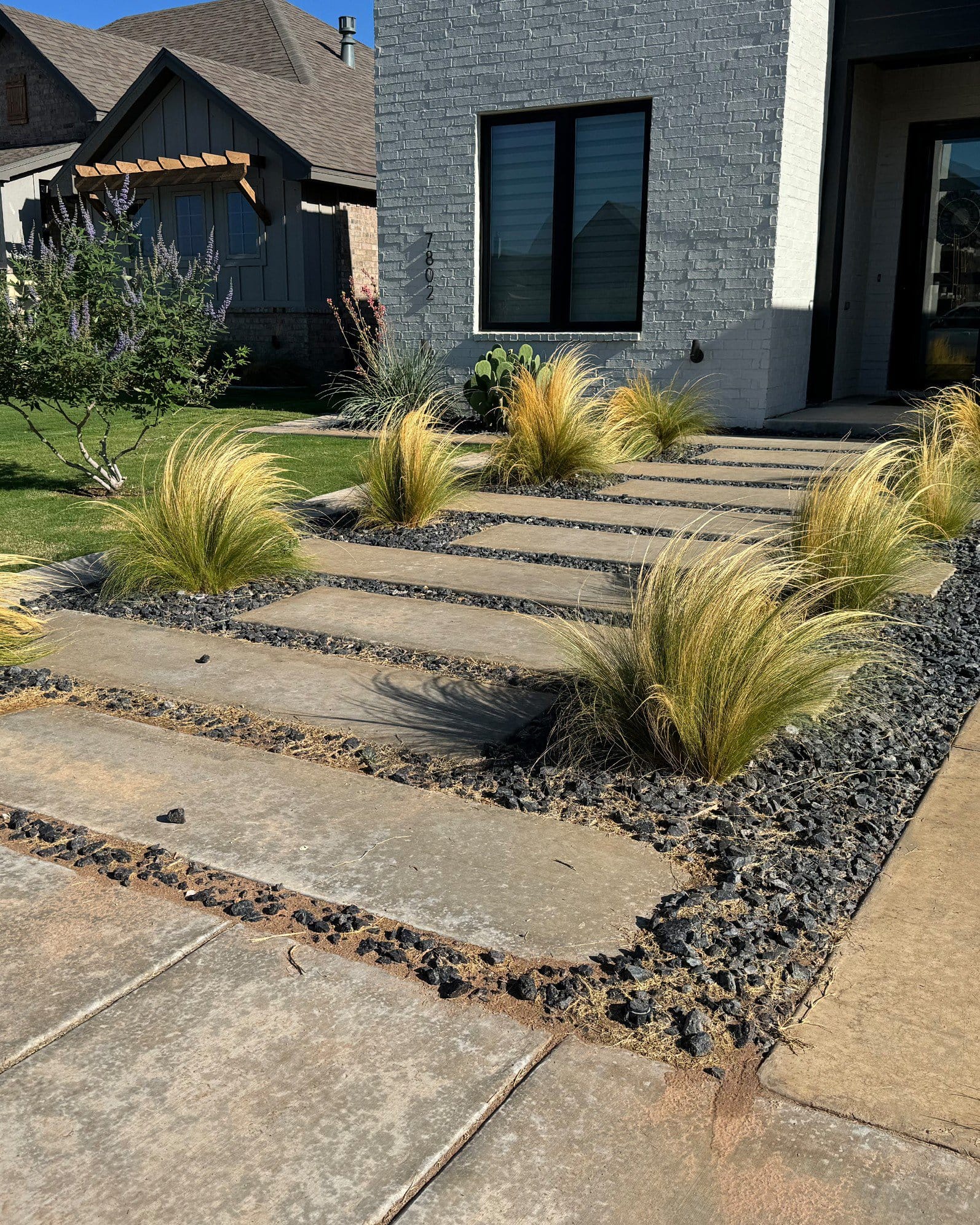
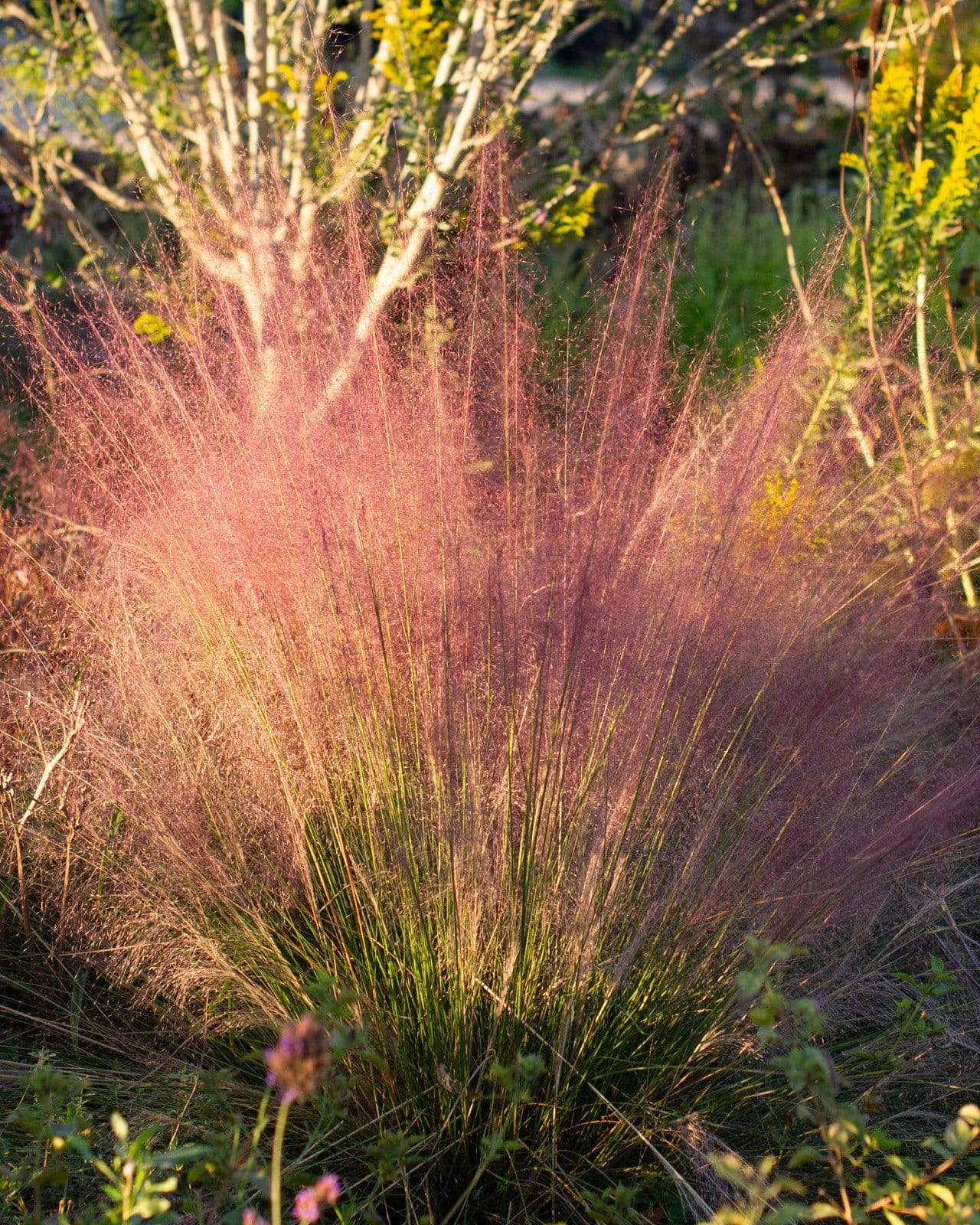
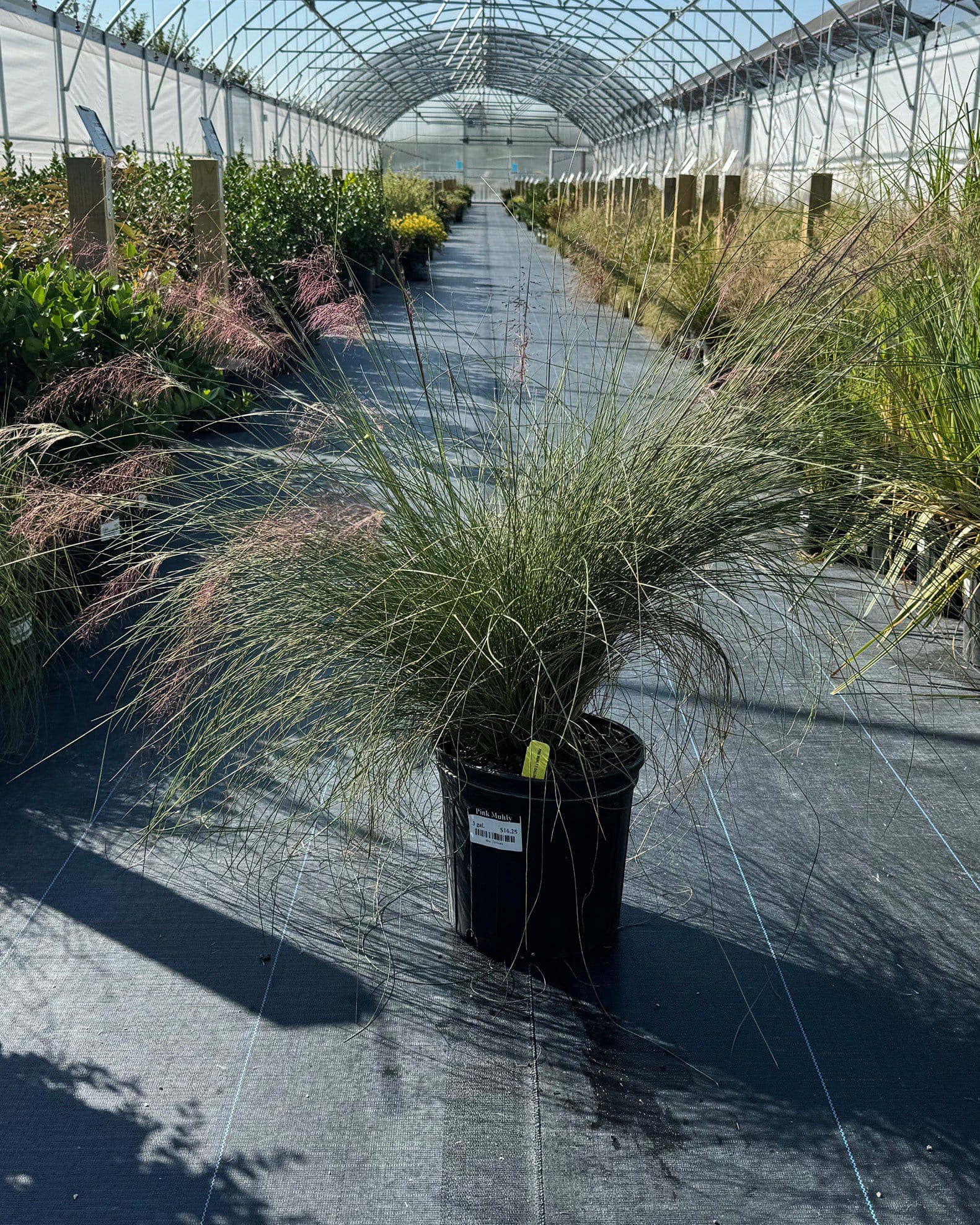
Pink Muhly
Maturity: 2' H x 2' W
Berkeley Carex Sedge
Maturity: 1' H x 2' W
Blue Arrows Rush
Maturity: 3' H x 1' W
Blue Grama
Maturity: 1.5' H x 2' W
Blue Grama Blonde Ambition
Maturity: 3' H x 3' W
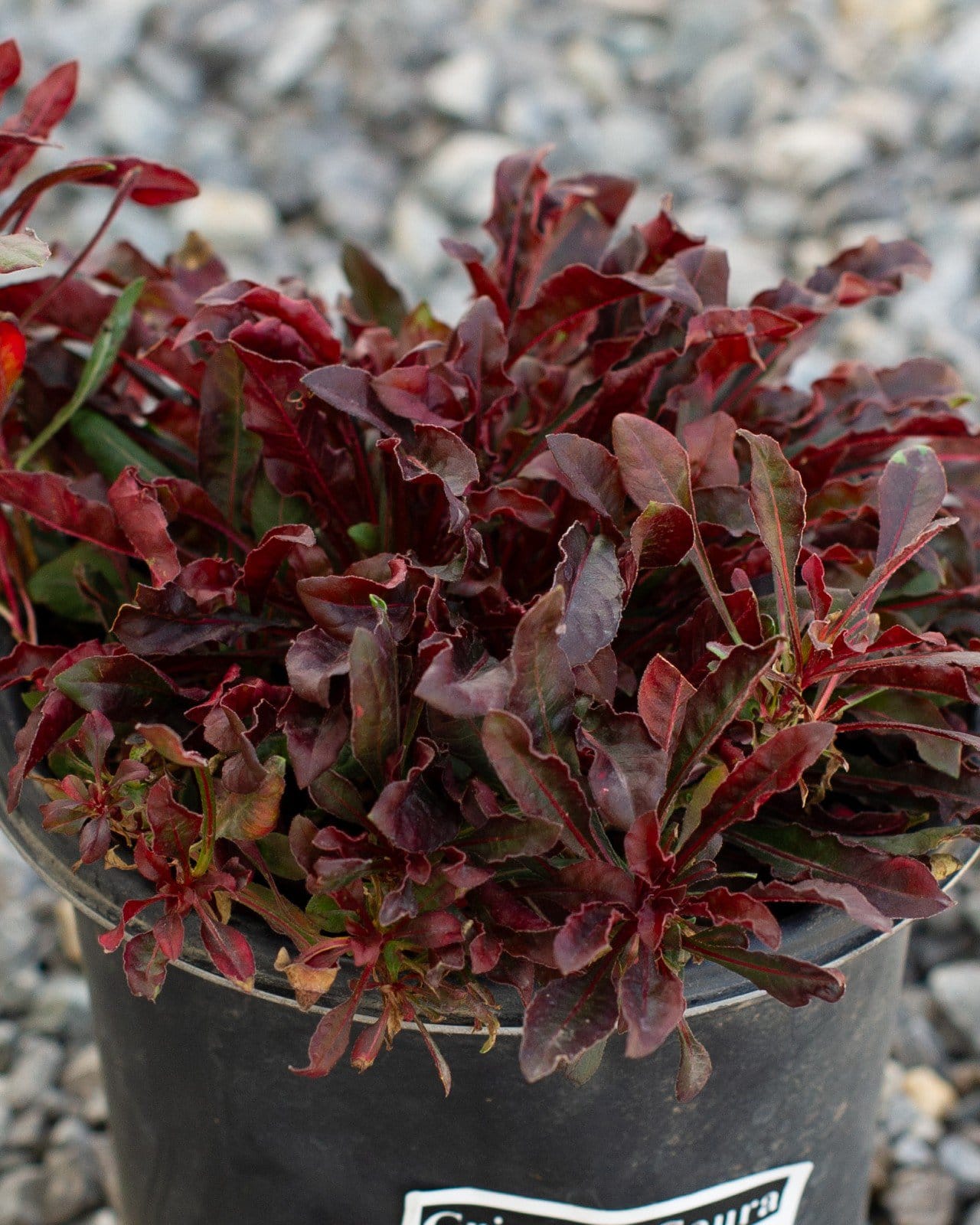
Crimson Gaura
Maturity: 1' H x 1.5' W
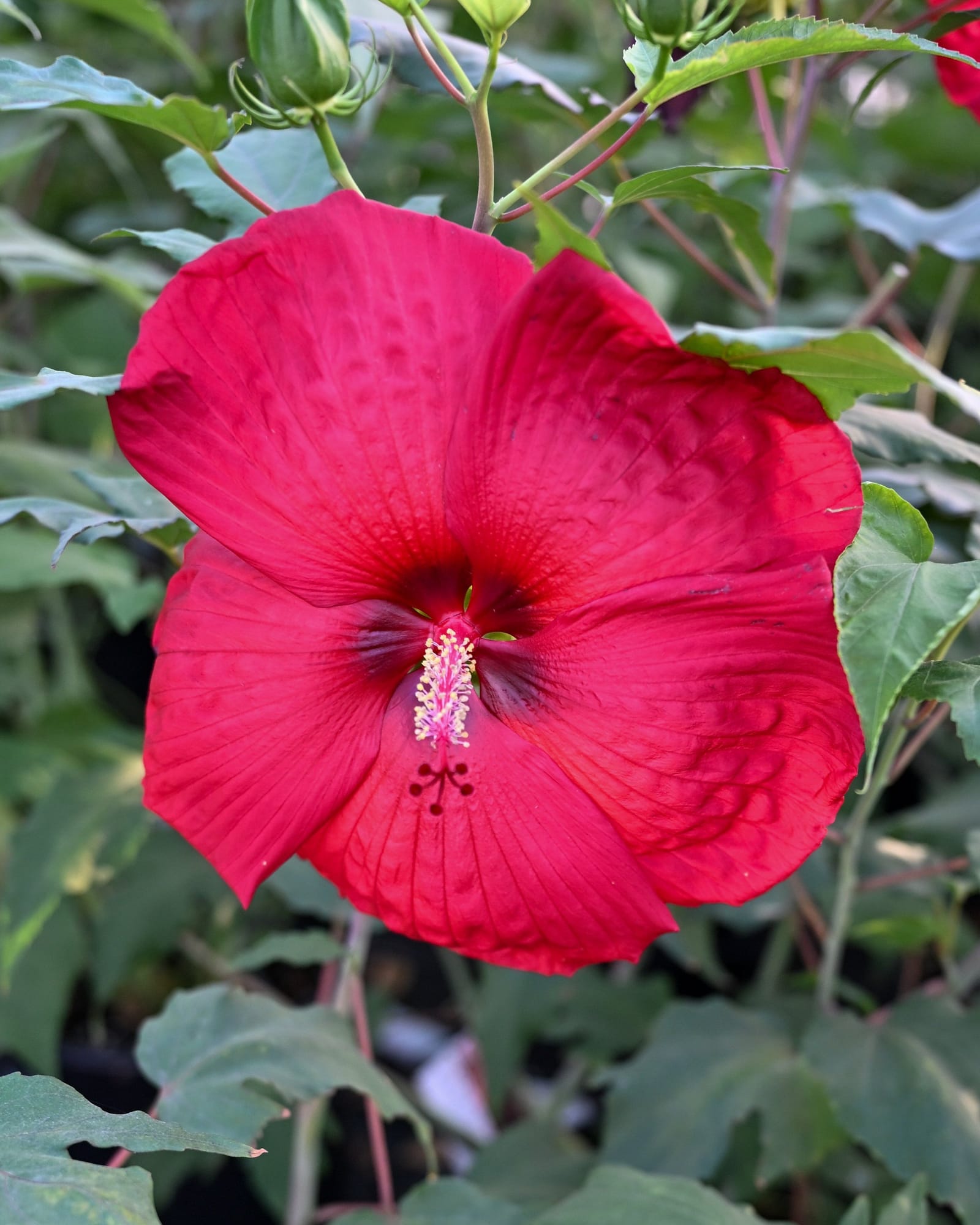
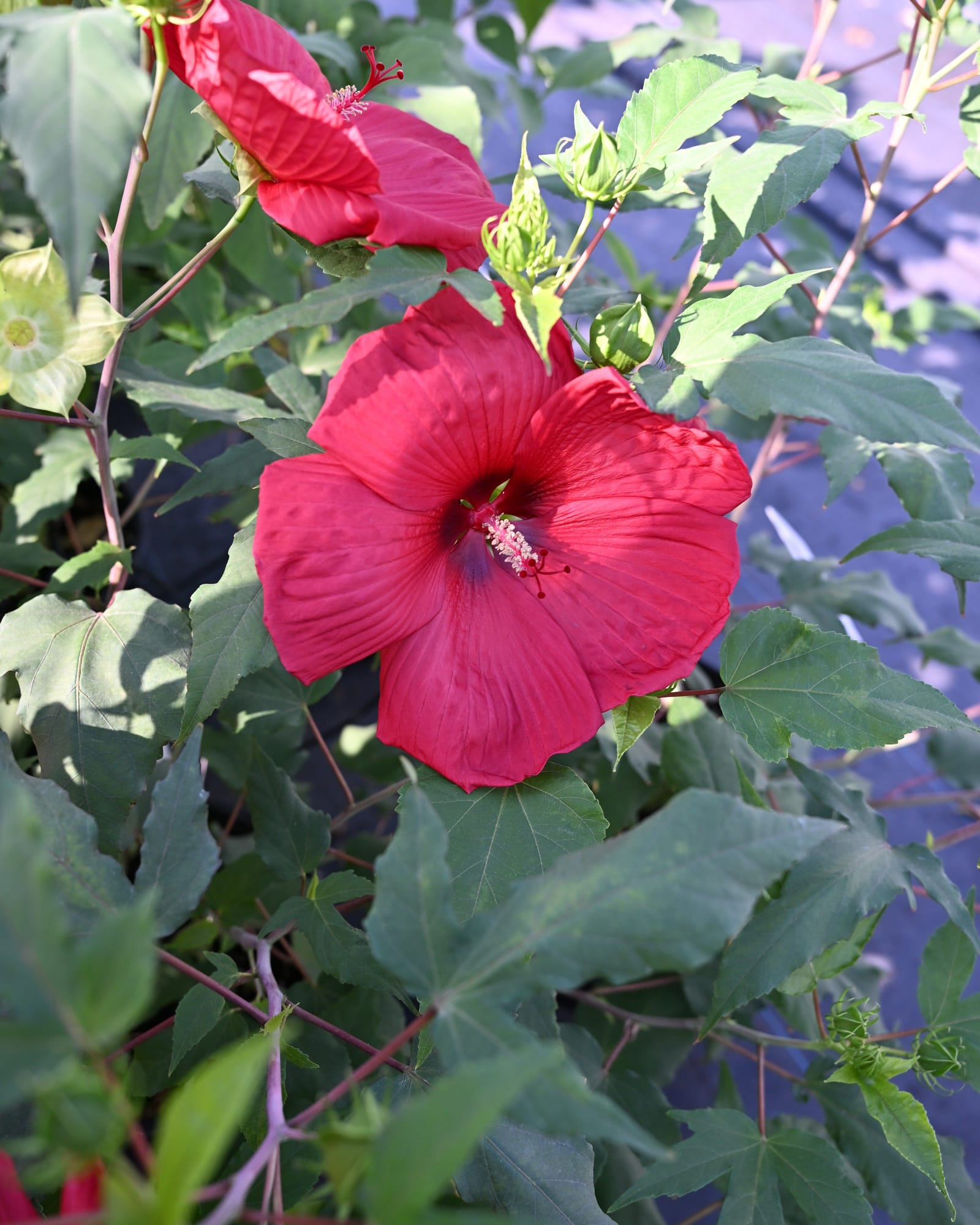
Head over Heels Desire Hibiscus
Maturity: 3' H x 3' W
Lindheimer Muhly
Maturity: 3' H x 3' W
Morning Light Miscanthus Maiden Grass
Maturity: 4' H x 3' W
White Cloud Muhly
Maturity: 2' H x 2' W
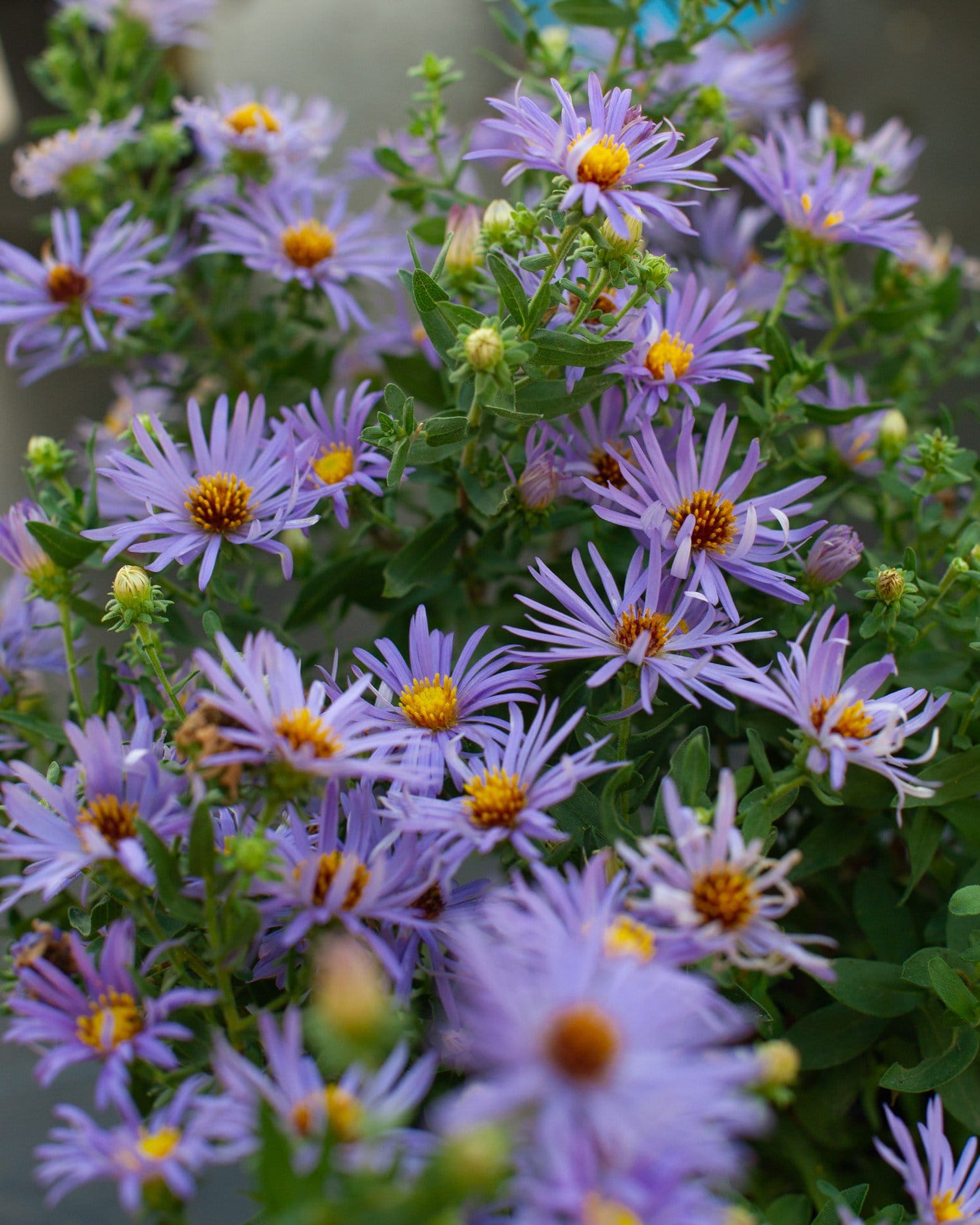
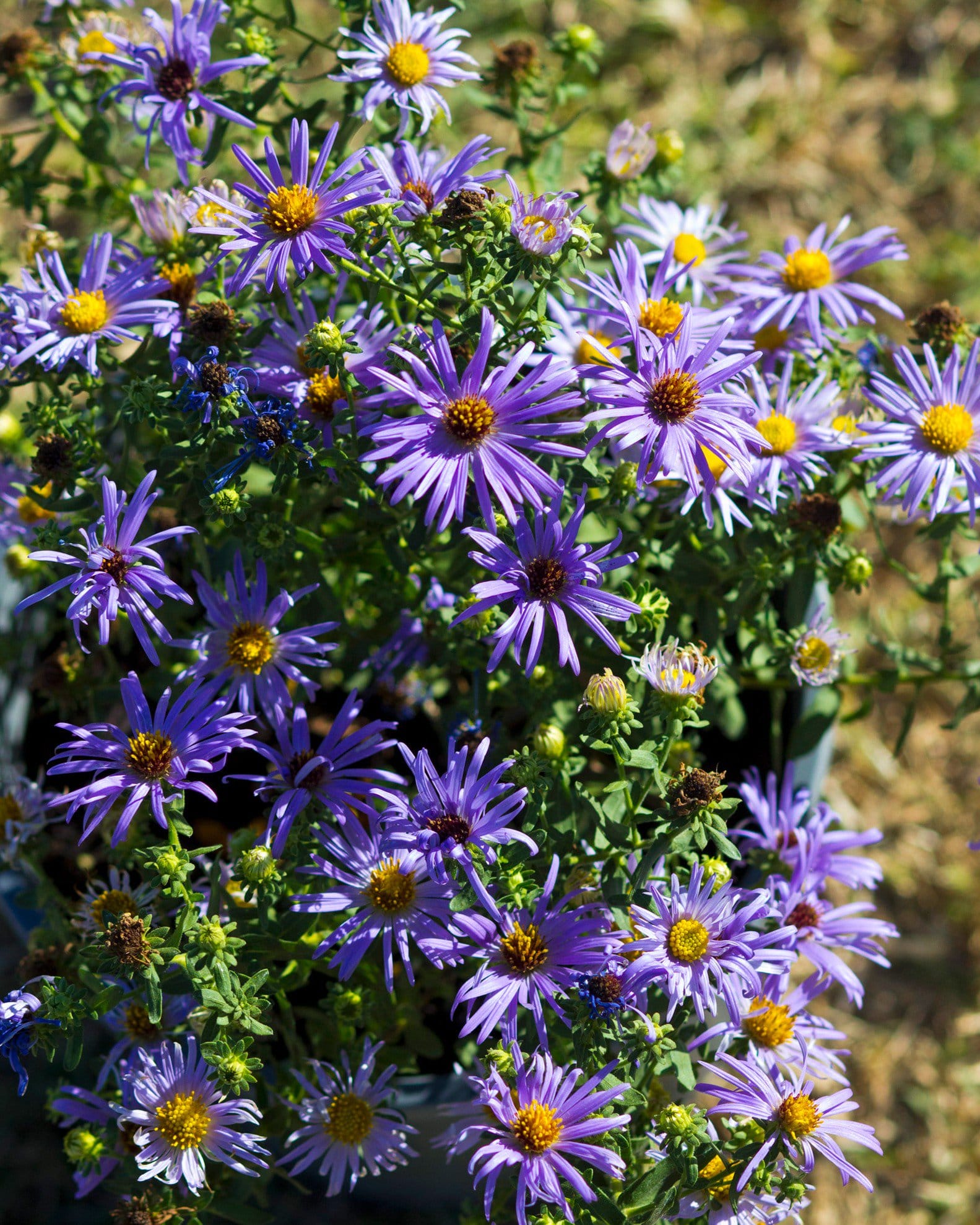
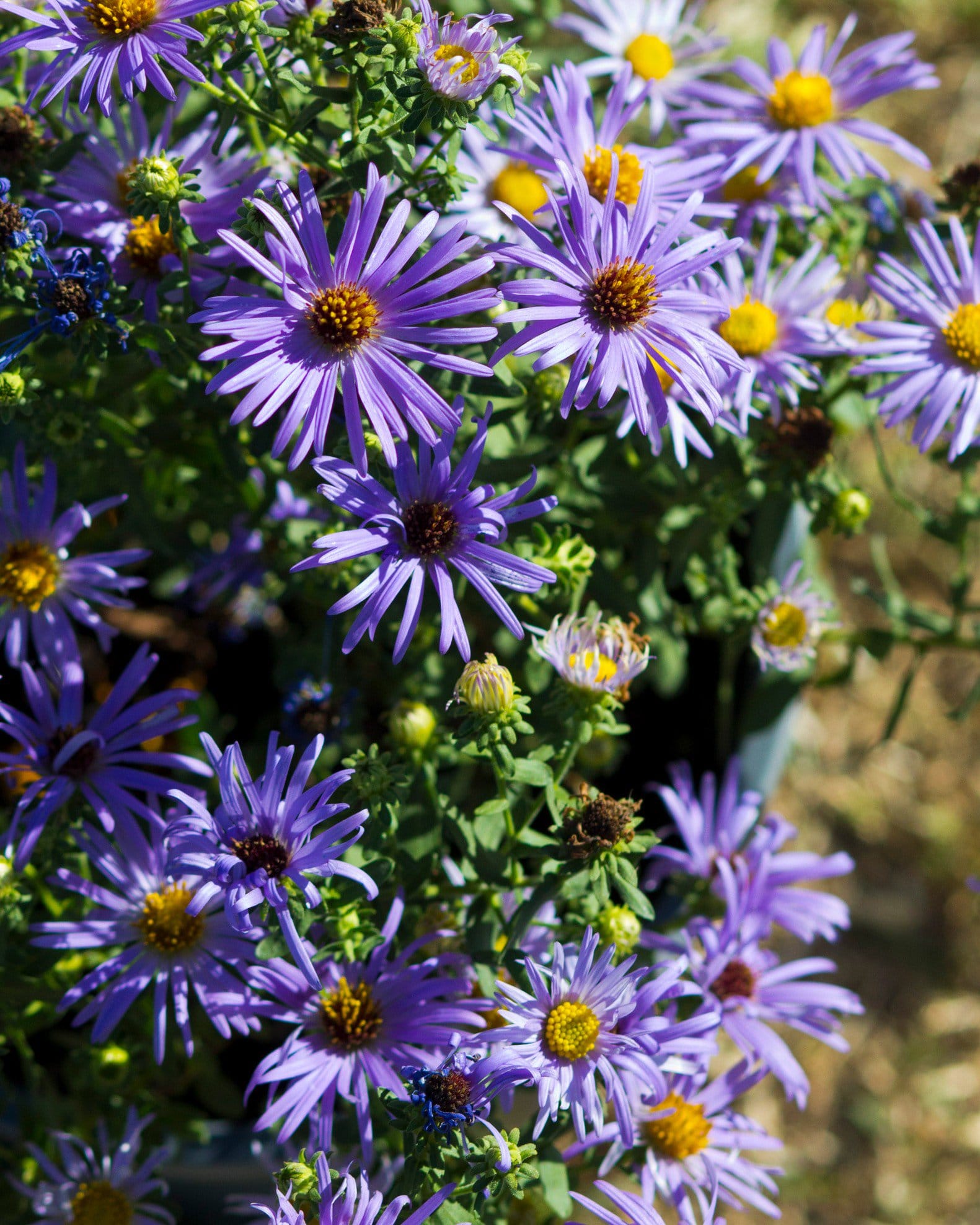
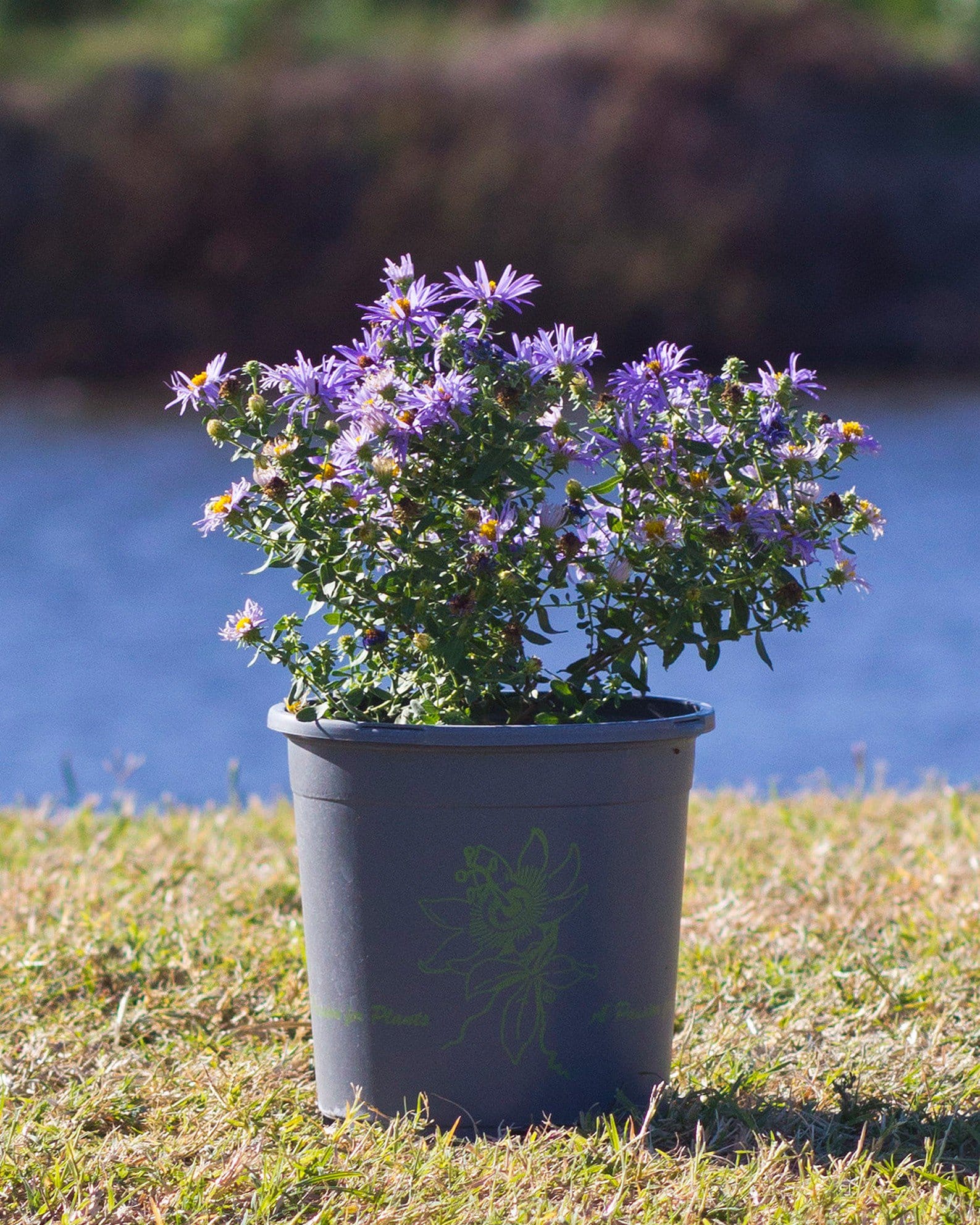
Aromatic Aster
Maturity: 2' H x 2' W
Compare Similar Plants
Little Bluestem This plant | ||
|---|---|---|
| Scientific Name | Schizachyrium scoparium | Schizachyrium scoparium 'Prairie Blues' |
| Size at Maturity | 2' H x 2' W | 3' H x 2' W |
| Leaf Retention | Herbaceous | Herbaceous |
| Sizes Available | 1, 3 gal | 1 gal |


Our 1-Year Planting Guarantee
We take pride in our plants and installation services. If any plants or trees installed by Treeland fail to thrive within the first year, we'll provide a replacement credit in accordance with our guarantee program.
Learn More About Our Guarantee