
 Popular
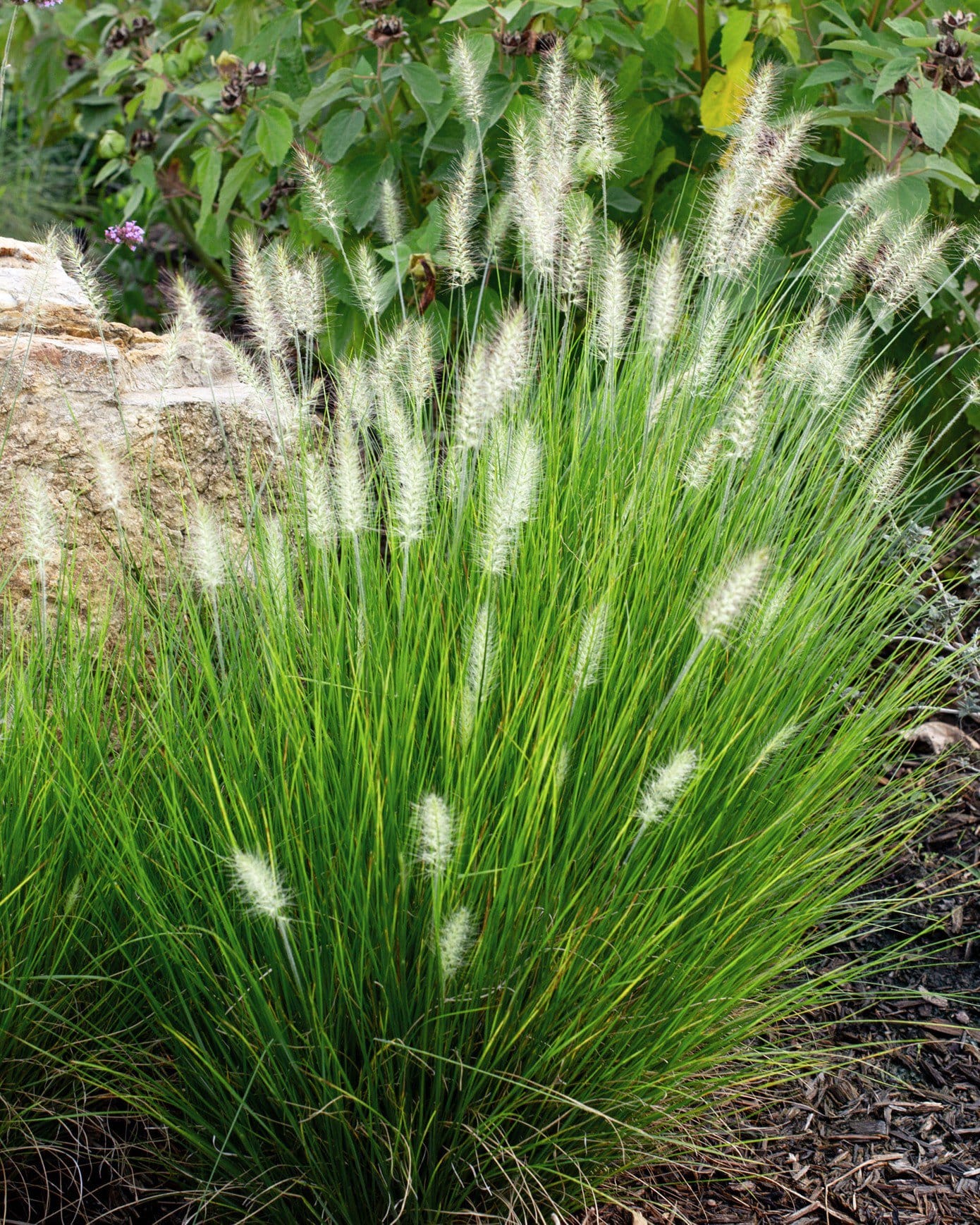
Dwarf Hameln Fountain Grass
Pennisetum alopecuroides ‘Hameln’Local DFW Delivery Only
Product Details
Dwarf Hameln Fountain Grass
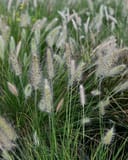
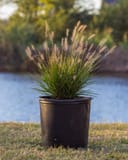
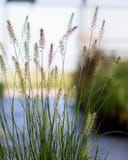
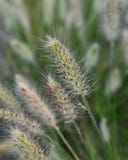
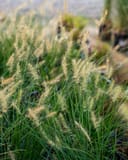
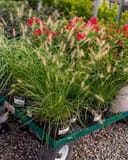
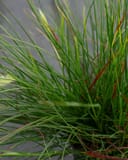
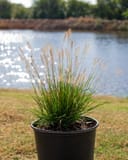
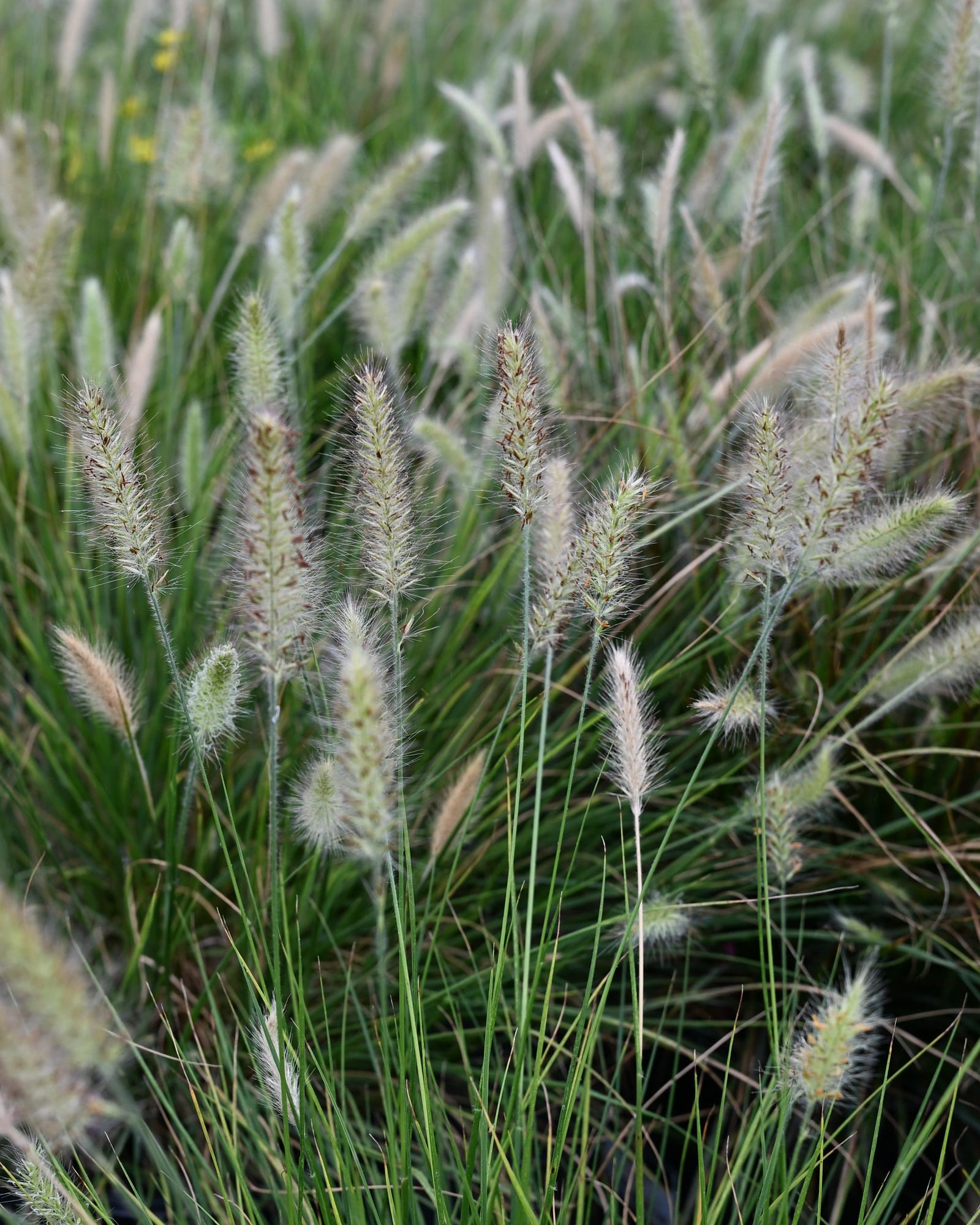
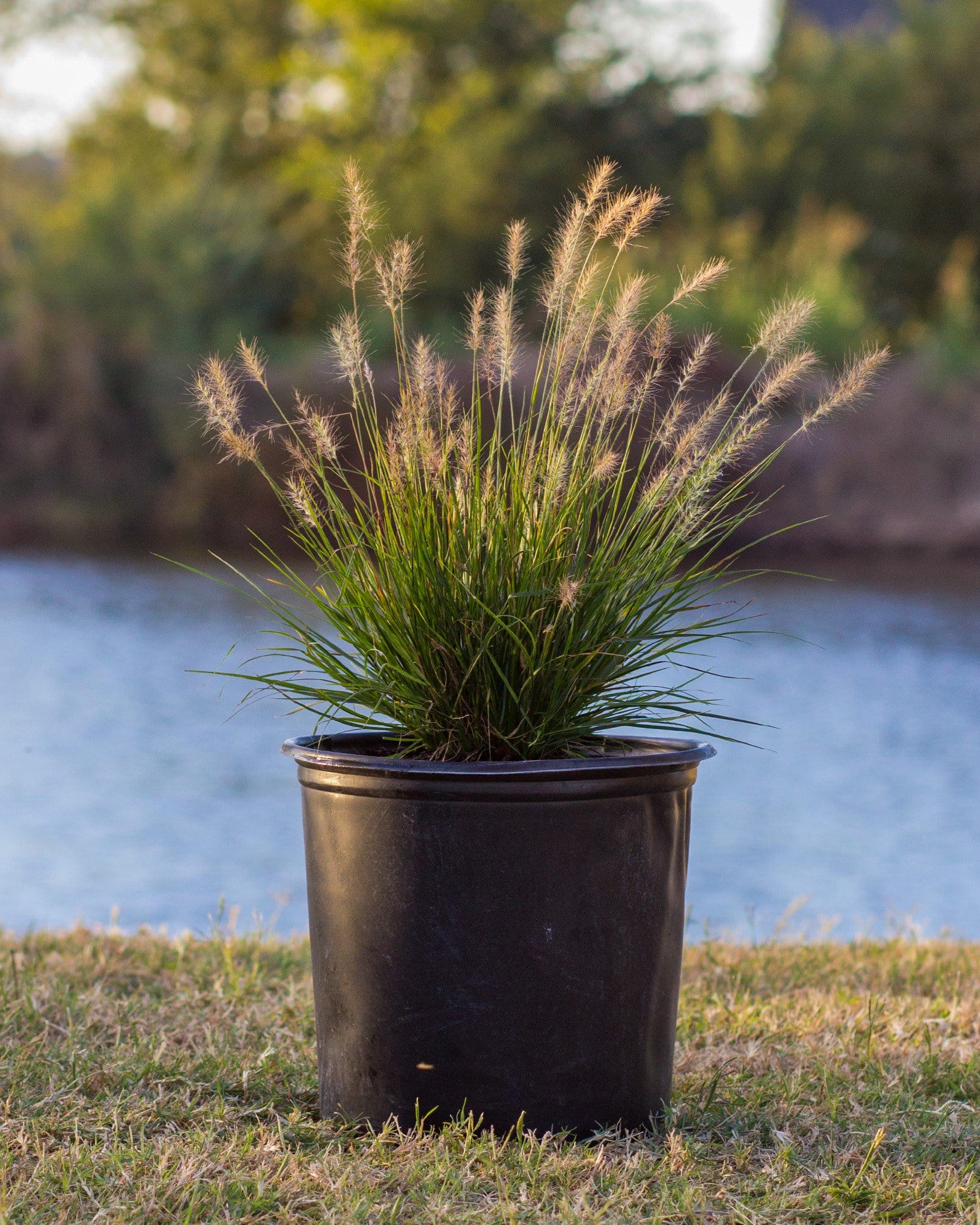
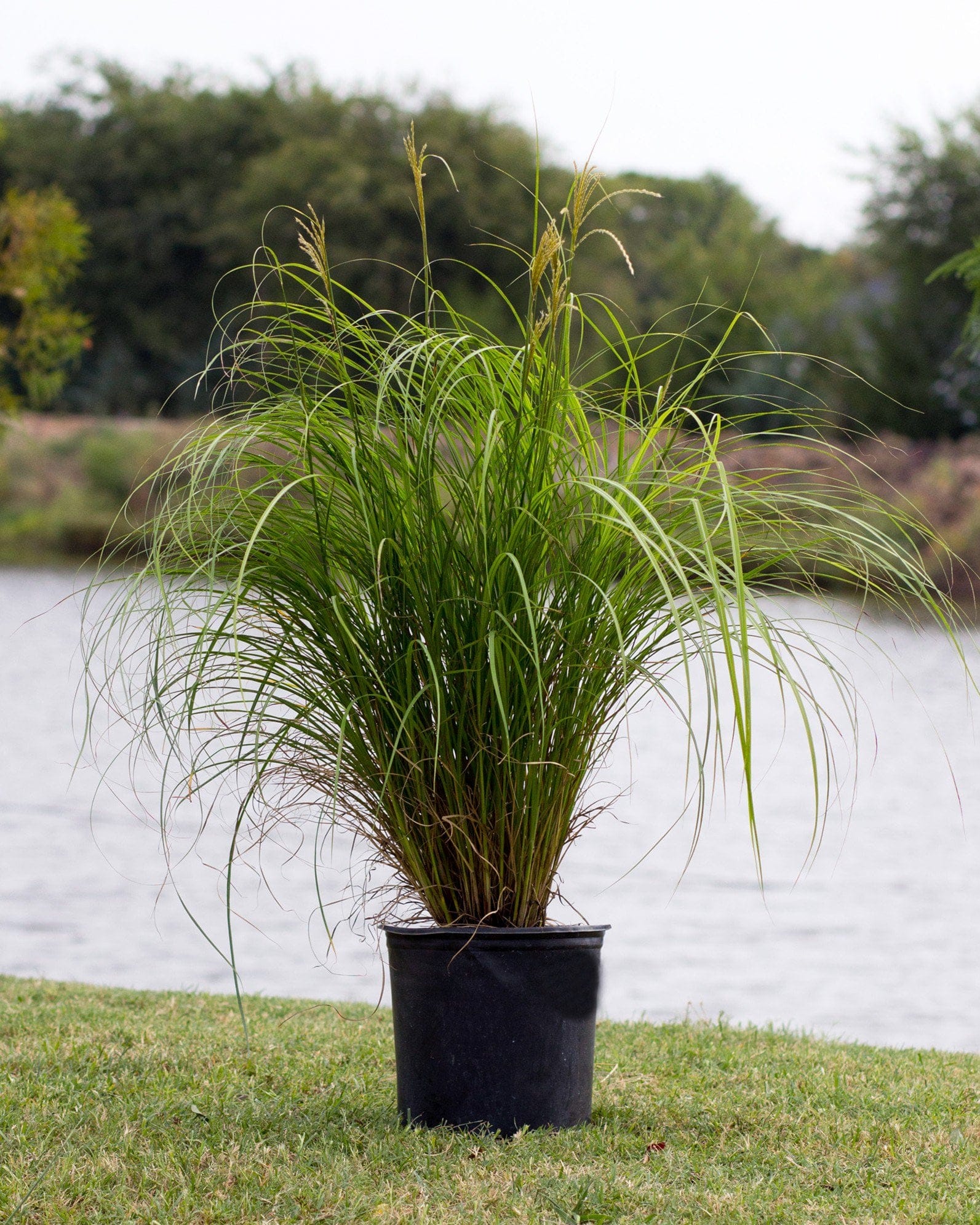
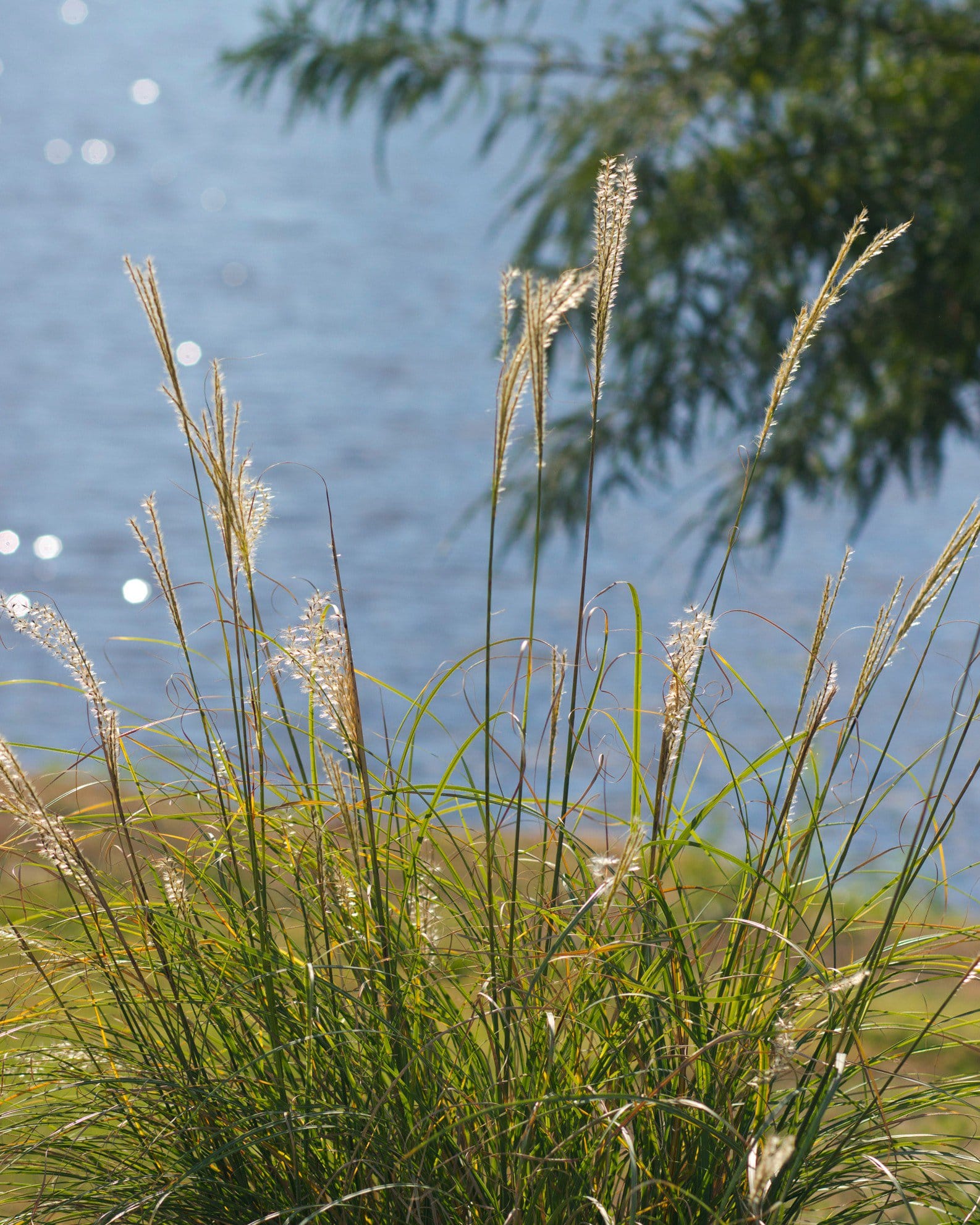
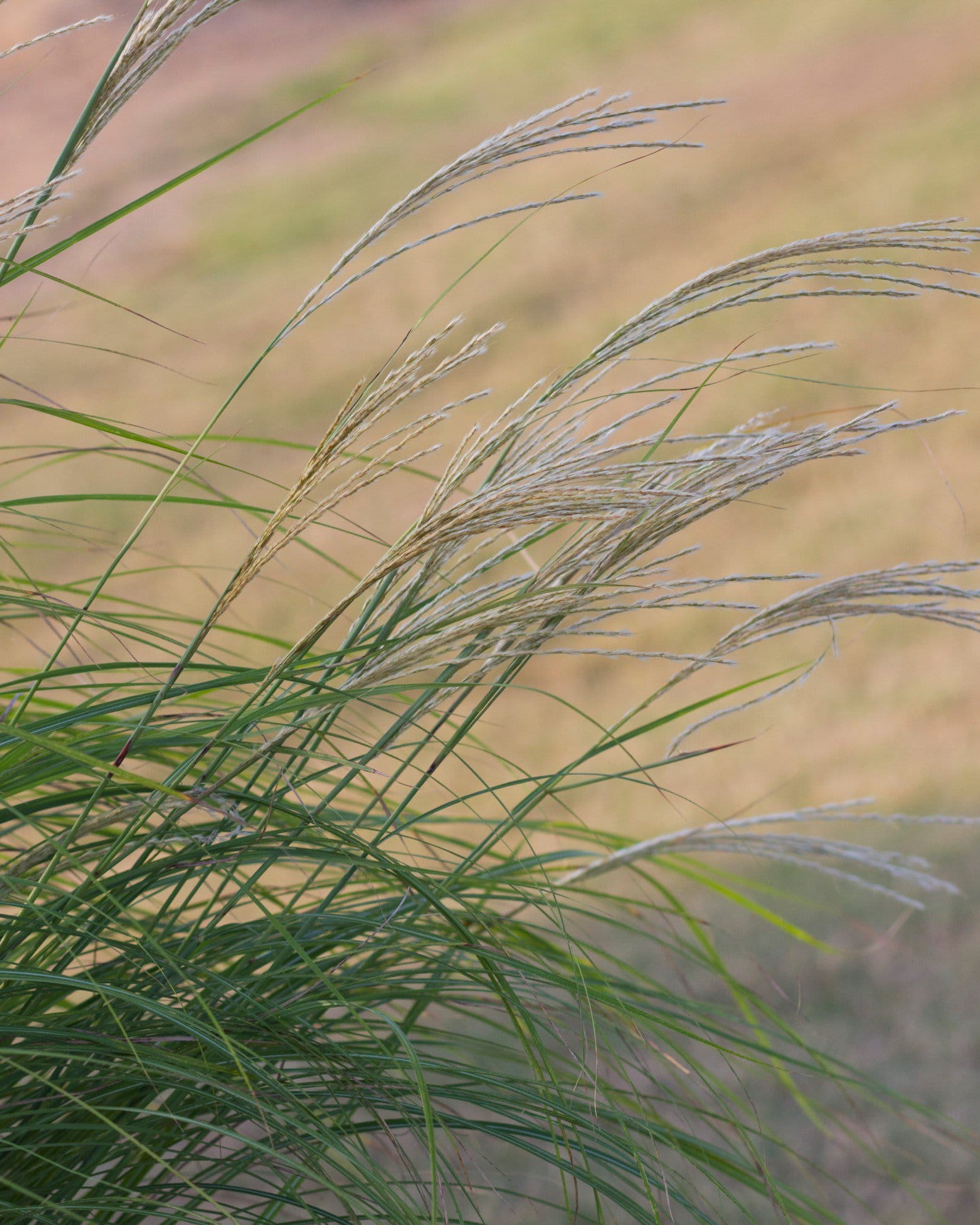
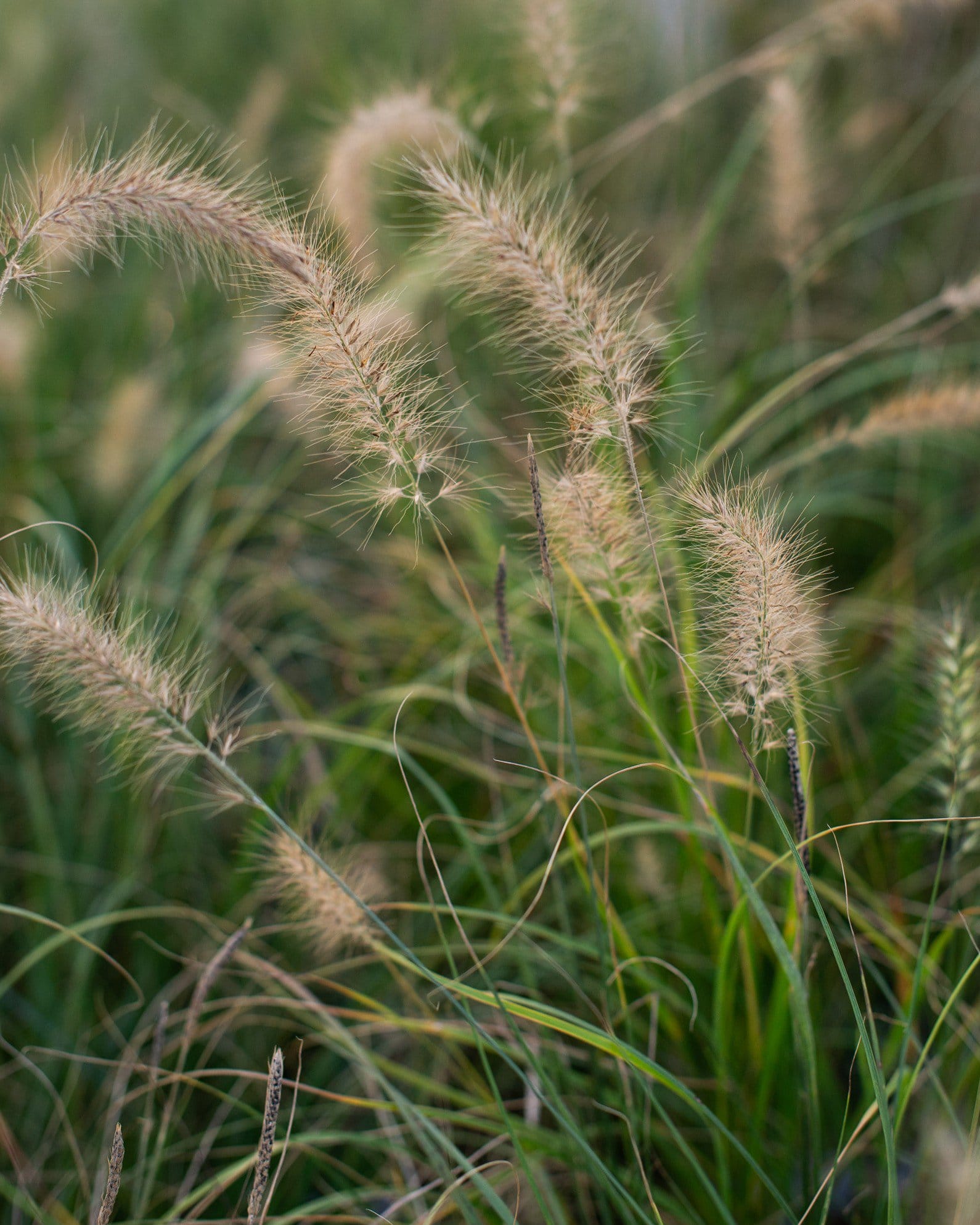
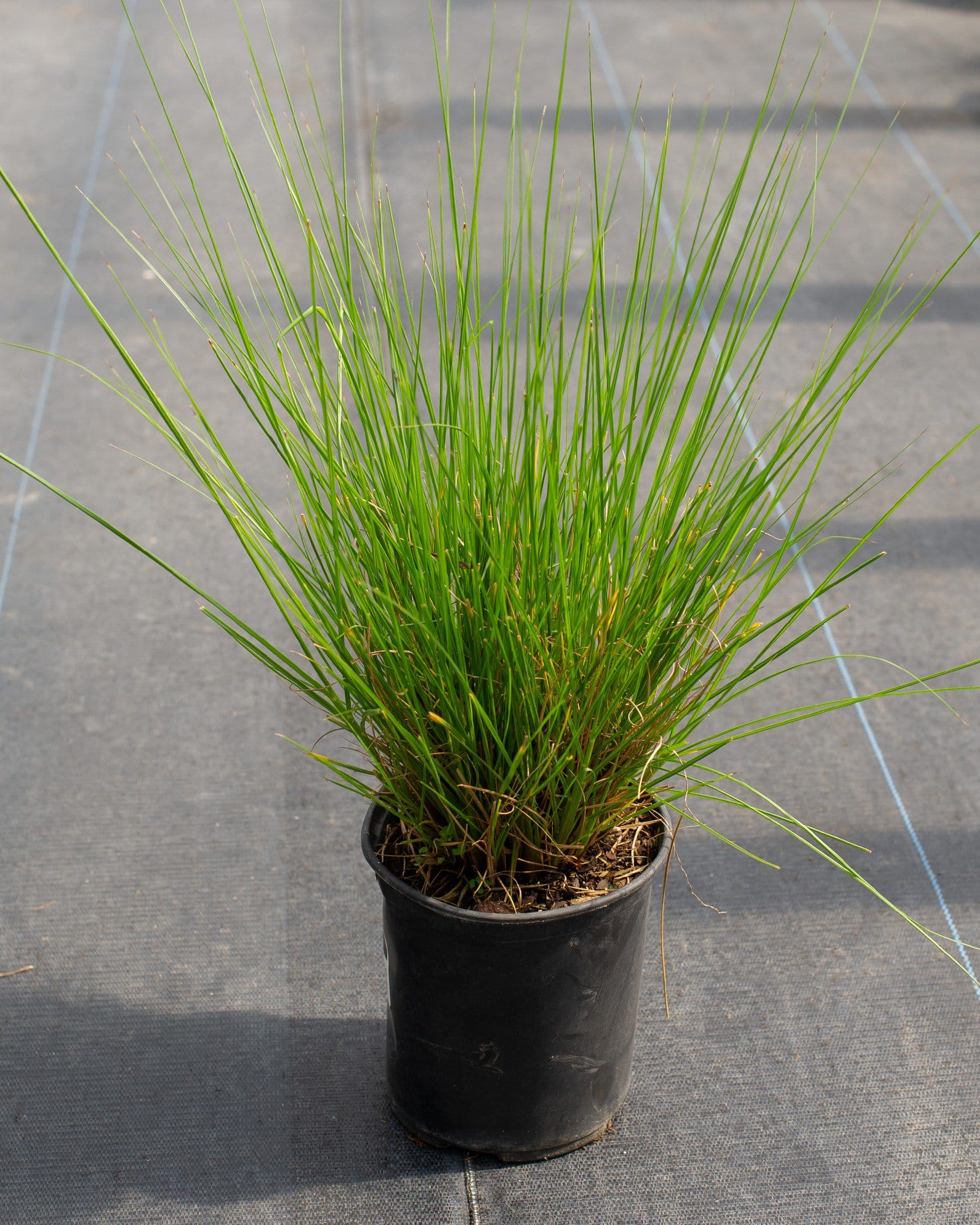
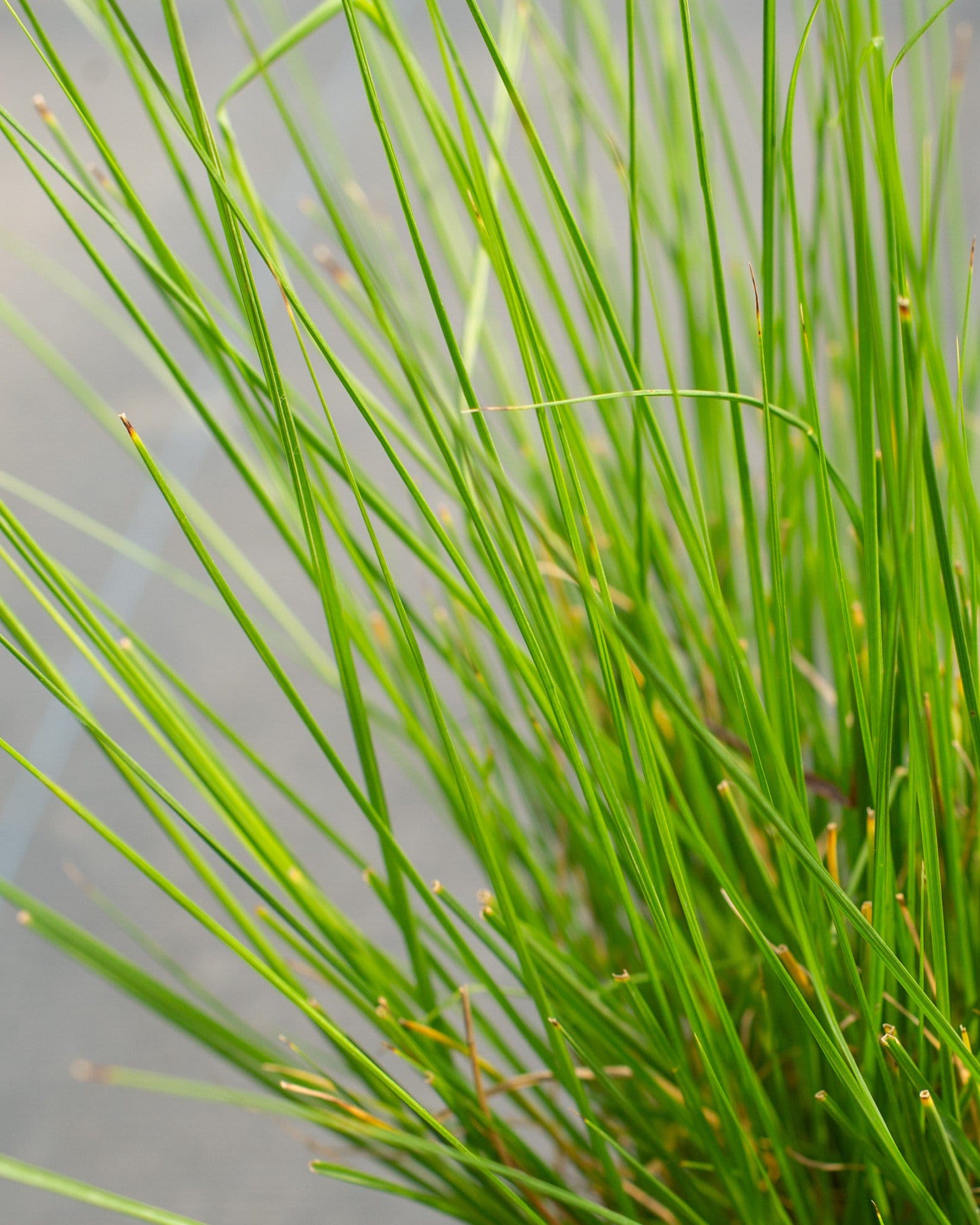
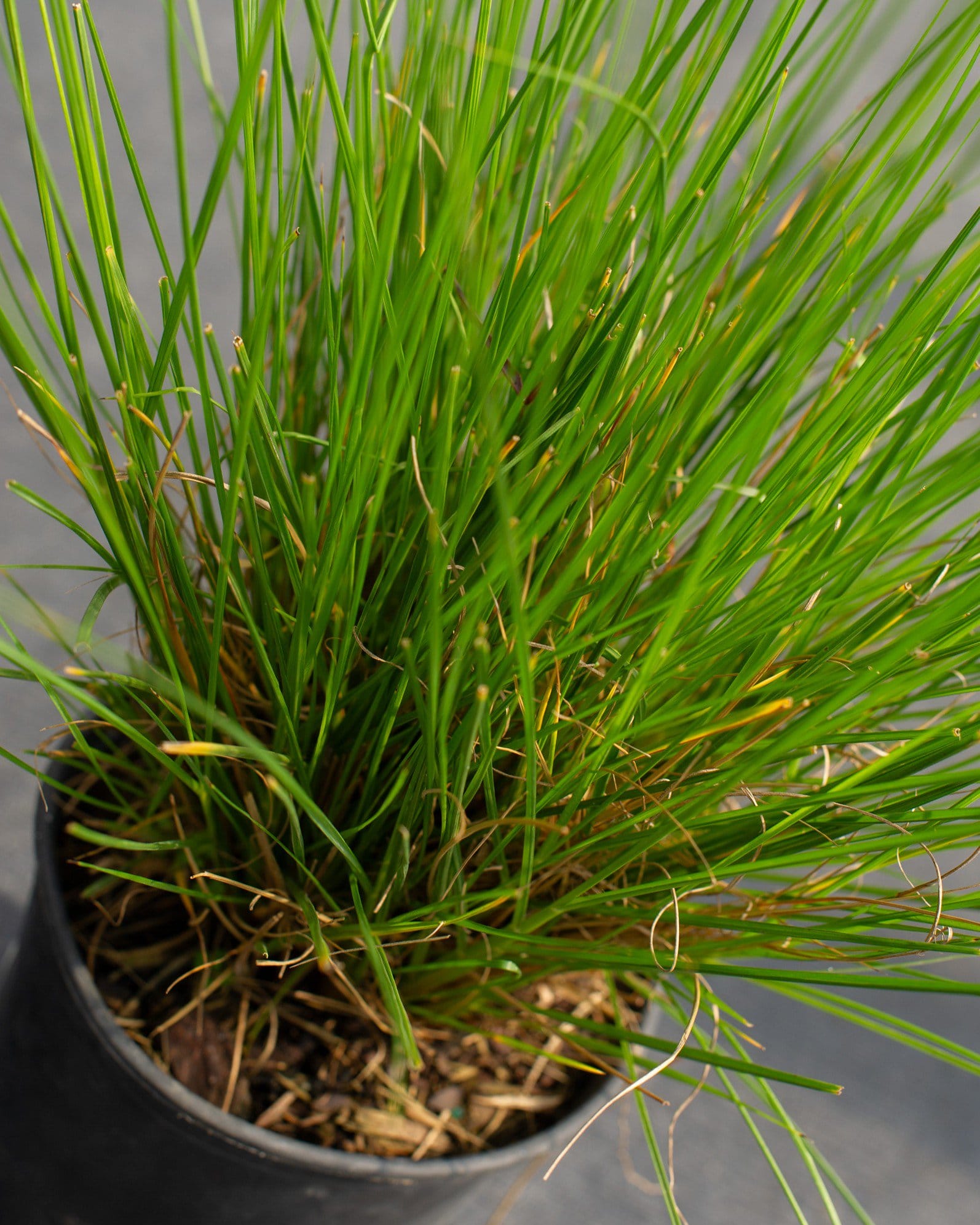
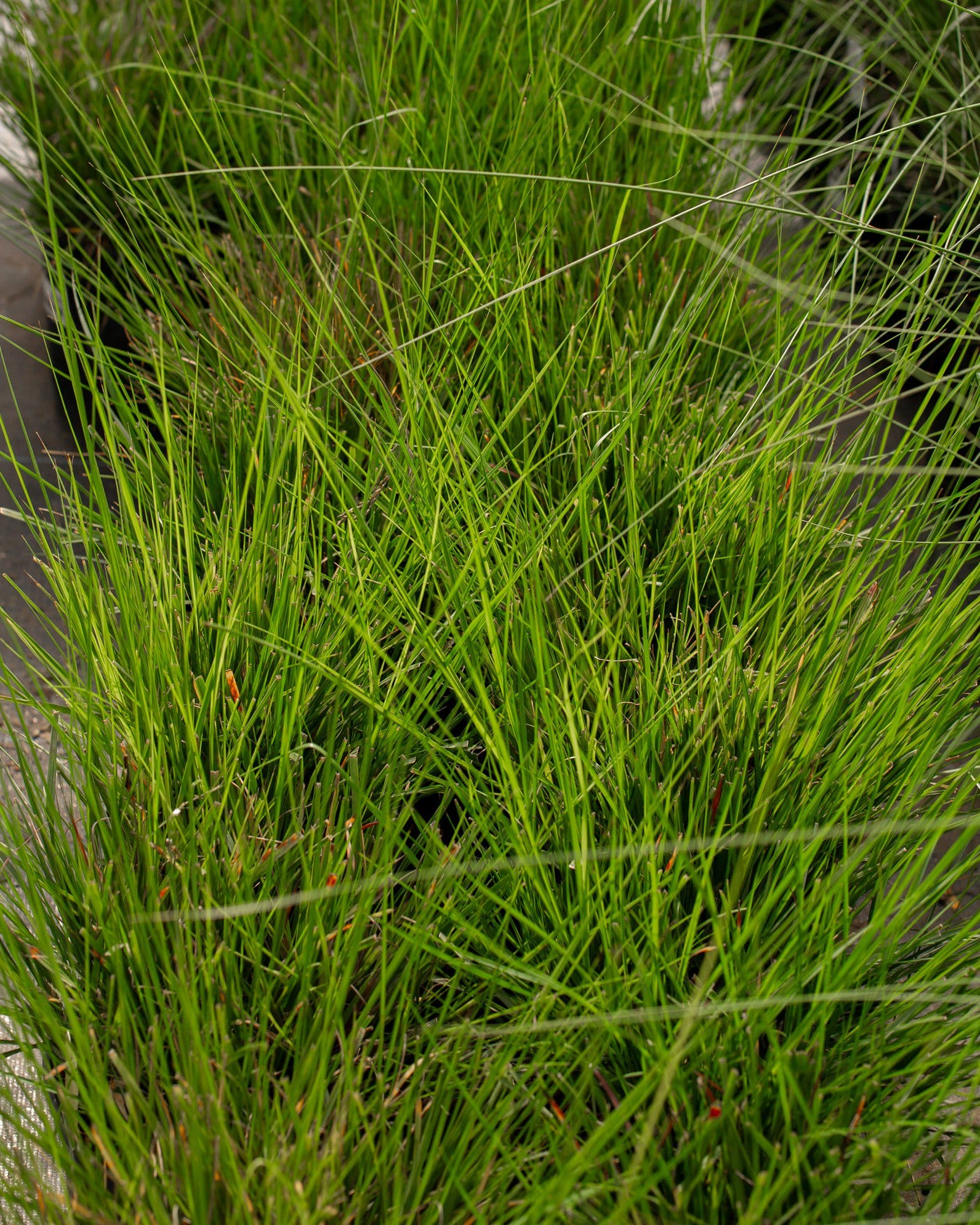
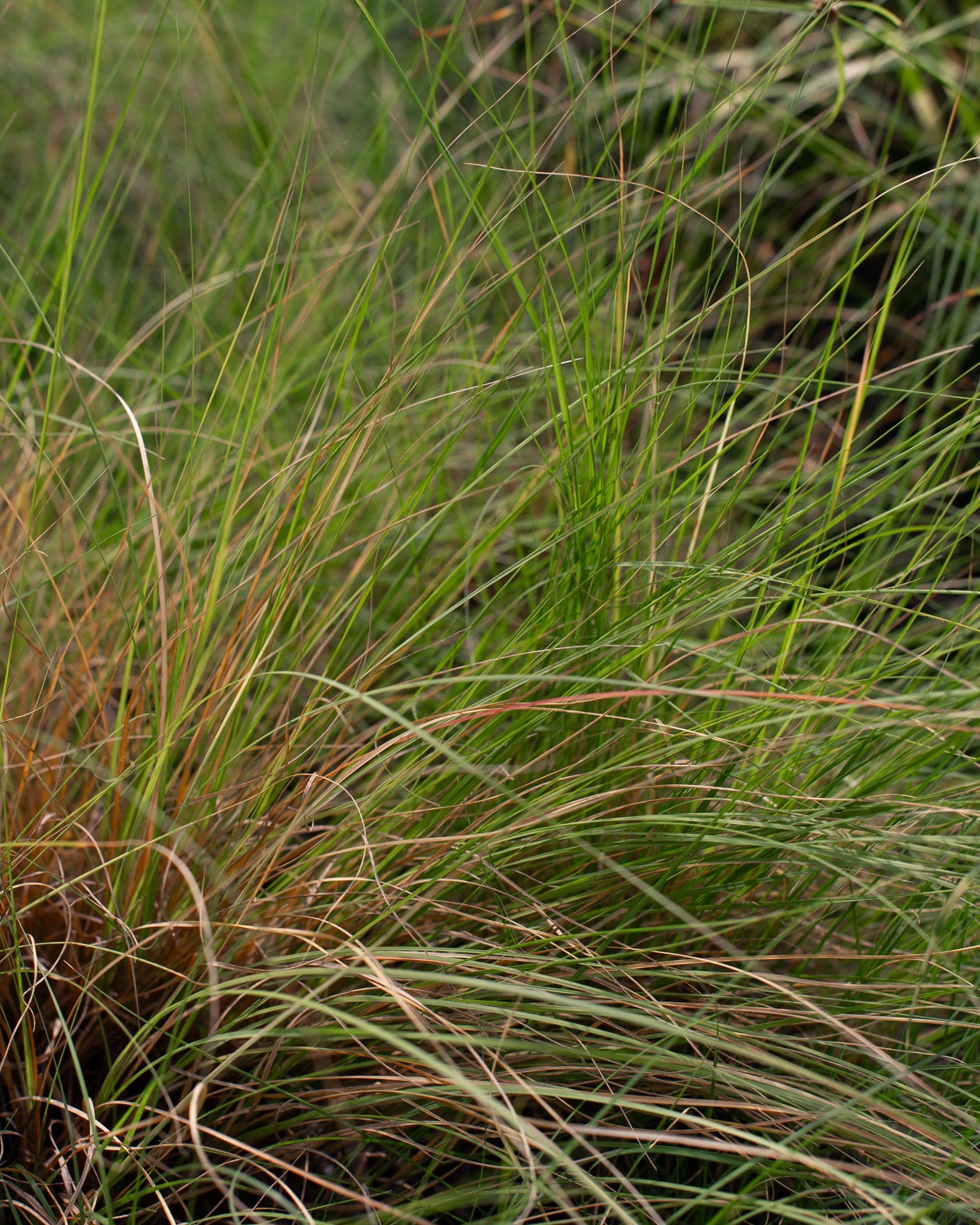
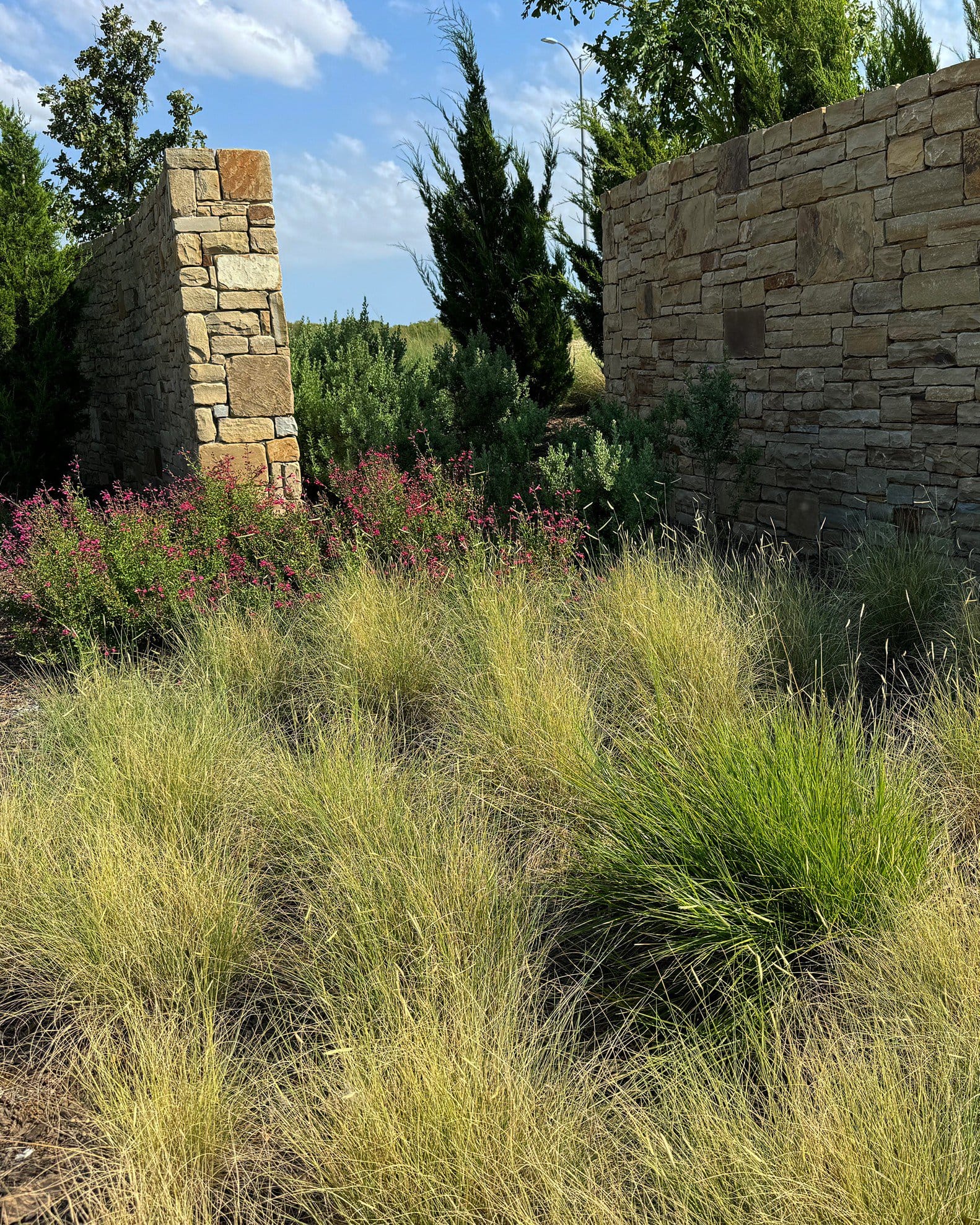
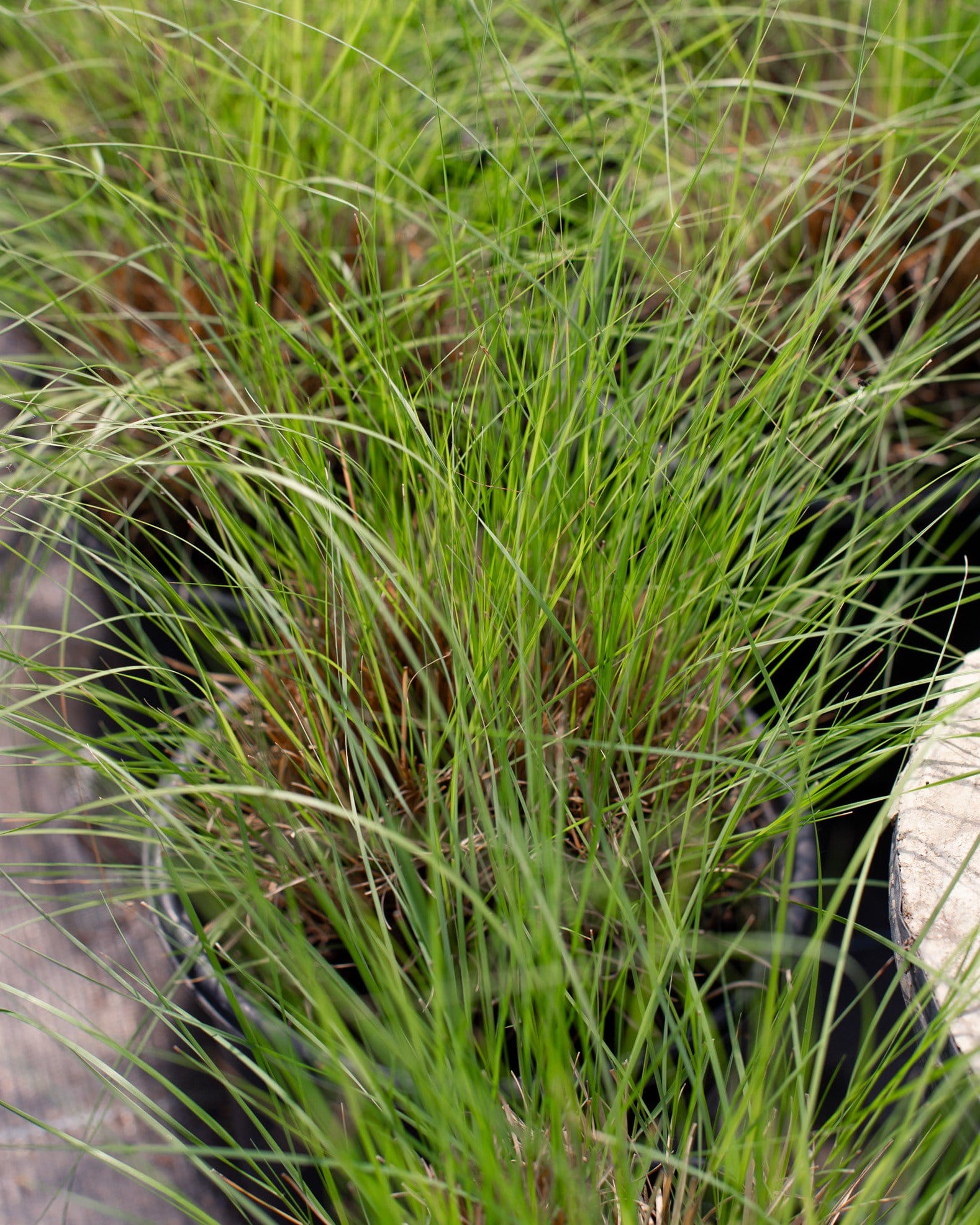
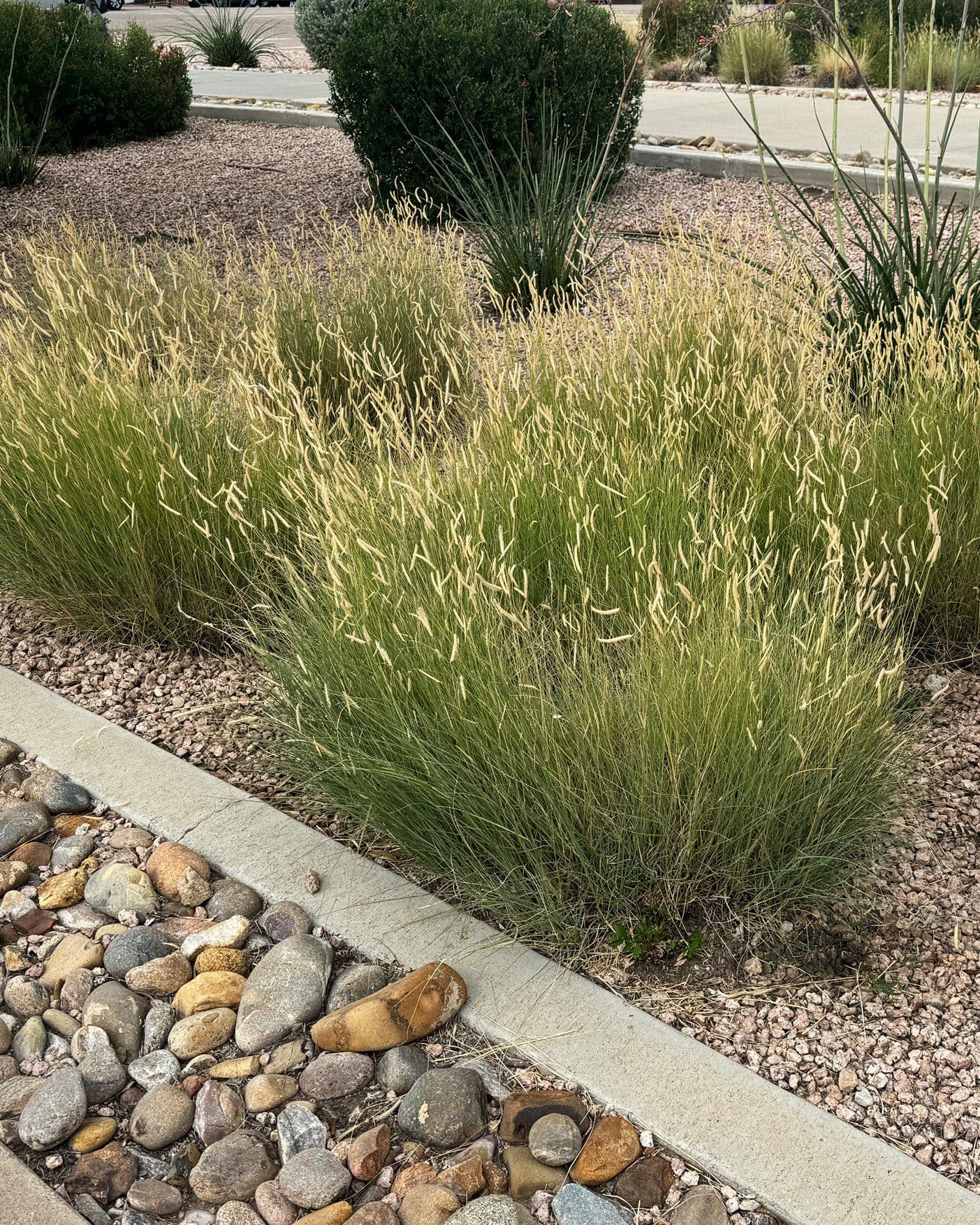
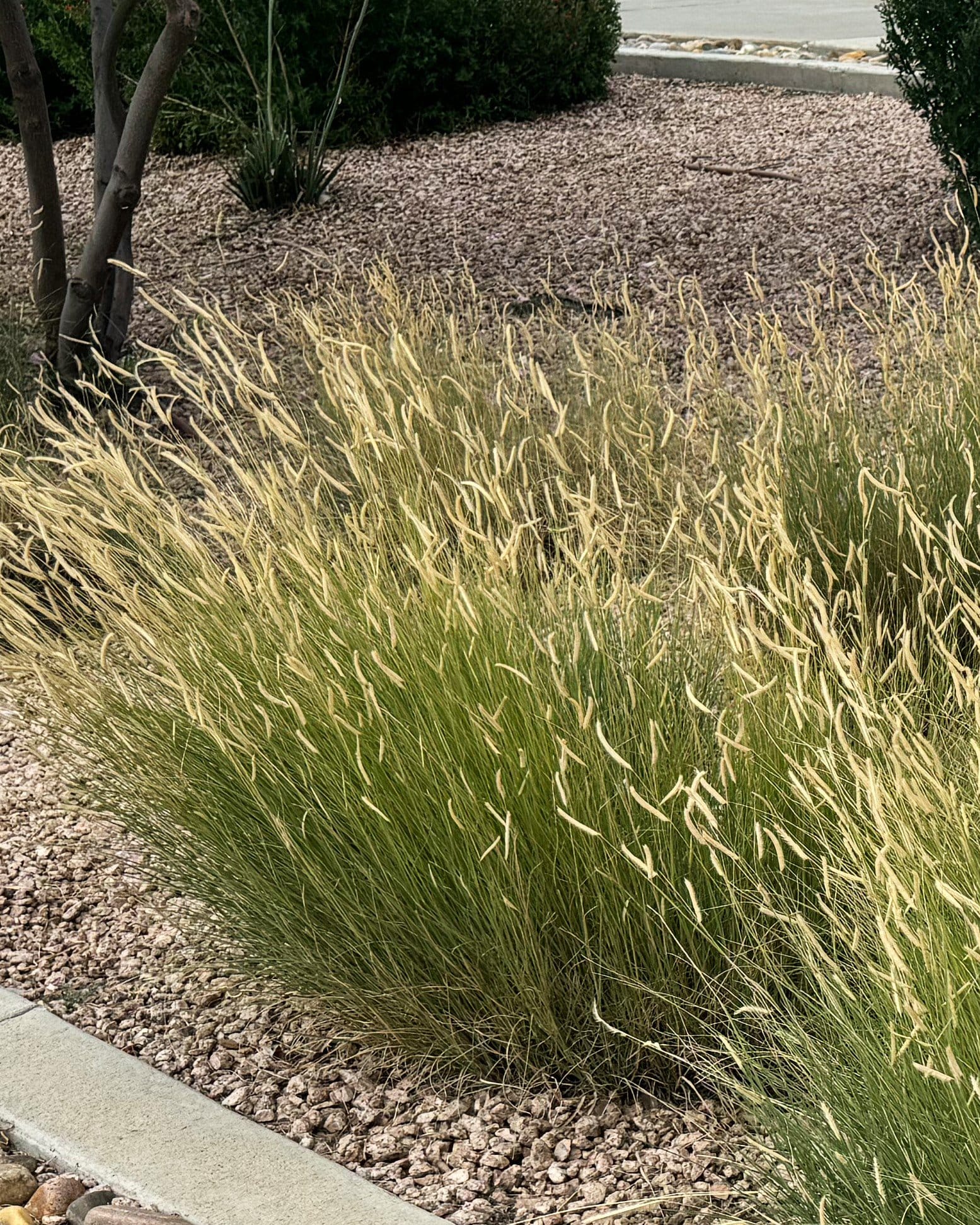
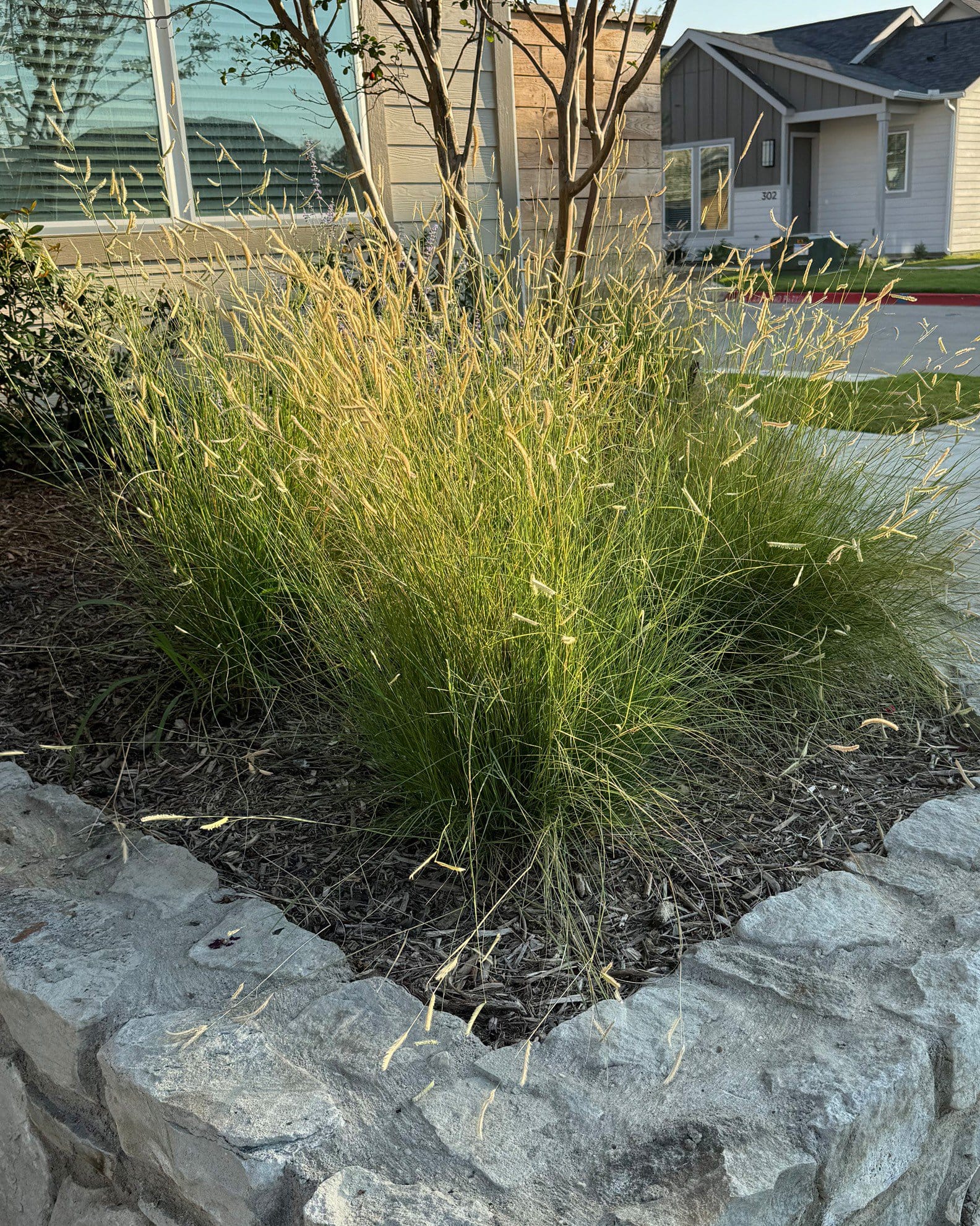
Pennisetum alopecuroides ‘Hameln’Dwarf Hameln Fountain Grass offers refined texture and seasonal interest in a smaller footprint. Its narrow green blades form dense, arching mounds that stay neat throughout the growing season. In late summer, creamy seed heads spike and rise just above the foliage, adding soft motion and visual contrast. As fall approaches, both foliage and plumes take on warm golden tones. Reaching about up to 24 inches in height and width, this grass is ideal for tight spaces, edging, or container displays.
- Compact habit with fine green blades
- Creamy seed heads spike in late summer
- Warm seasonal color into fall
- Neat, rounded growth to 2 feet
- Ideal for small spaces and borders
This grass will do best if planted in full sun and well-drained soil. To encourage clean spring growth, all that needs to be done is cutting back old foliage in late winter. Its compact form makes it especially useful in layered plantings and low-maintenance designs suited to North Texas heat and soil conditions.
Dwarf Hameln Fountain Grass thrives with very little maintenance once established, but a few care steps will keep it looking fresh and full:
- Watering: Water regularly during the first growing season to establish strong roots. Once mature, this grass is drought-tolerant, but deep watering every 10-14 days during prolonged dry periods helps maintain healthy foliage. Avoid soggy soil - it prefers to dry slightly between waterings.
- Pruning: Cut back old foliage to about 3-4 inches above the ground in late winter or very early spring, just before new growth emerges. This prevents the plant from looking messy and encourages fresh, vibrant growth for the new season.
- Fertilizing: Dwarf Hameln Fountain Grass doesn’t require much fertilizer. Apply a light dose of balanced, slow-release fertilizer in early spring if the plant seems sluggish or the soil is poor. Over-fertilizing can lead to floppy growth, so less is more.
- Mulching: Apply a 2-3 inch layer of mulch around the base to help retain soil moisture and suppress weeds. Keep mulch about 6 inches away from the crown to prevent rot.
- Dividing: Every 3-4 years, divide the clumps in spring to rejuvenate growth and prevent overcrowding. This also helps the plant stay neat and maintain its signature fountain shape.
Common Issues and How to Take Care of Them
Dwarf Hameln Fountain Grass is generally low-maintenance and pest-free, but a few minor issues can pop up:
- Rust: Appears as orange or brown spots on leaves, often due to high humidity or poor airflow. Cut back infected foliage and ensure plants are spaced properly to allow air circulation.
- Crown rot: Can develop if the soil stays wet for long periods. Always plant in well-drained soil and avoid heavy mulching directly over the crown.
- Aphids: These tiny sap-suckers may appear in warm weather, leaving a sticky residue. Spray affected areas with a strong stream of water or apply insecticidal soap if needed.
- Spider mites: More common in hot, dry conditions. Look for pale, stippled leaves and fine webbing. A strong water spray or horticultural oil can keep them under control.
- Oedema: Small blister-like spots that are swollen and can form on leaves if roots take up water faster than the plant can use it. To fix this, simply improve air flow and avoid overwatering.
Keeping the grass healthy through proper watering and airflow will prevent most issues from ever appearing.
Dwarf Hameln Fountain Grass grows at a moderate to fast rate, depending on the conditions it's in. At this speed, it's able to reach maturity in the first growing season.
Plant Dwarf Hameln Fountain Grass between 18 and 30 inches apart, depending on the desired look. For a more uniform hedge or groundcover effect, pull them closer at 18-24 inches. For a natural look with defined clumps, plant them 24-30 inches apart.
Yes. Cutting it back in late winter or early spring before new growth starts helps keep it tidy and prevents dead foliage from smothering new shoots.
Find a fully sunny spot with well-draining soil that can be moist but not waterlogged. Avoid planting in or around standing water.
Early spring or early fall, when temperatures are mild and roots can establish before extreme heat or frost.
It forms neat, non-invasive clumps that slowly widen over time. It doesn’t self-seed aggressively like some grasses.
Yes! It’s perfect for large pots and looks stunning when paired with other sun-loving plants. Make sure the container drains well.
Yes, deer generally avoid Dwarf Hameln Fountain Grass, making it a great choice for landscapes with browsing wildlife.
Leave the dried foliage and plumes in place through fall and winter for texture and movement - just cut them back in late winter before new shoots appear.
With proper care and periodic division, it can thrive for a decade or longer in the same spot.
Special Features
You might also like
Adagio Miscanthus
Maturity: 3' H x 3' W
Cassian Fountain Grass
Maturity: 2' H x 2' W
Dwarf Little Bunny Fountain Grass
Maturity: 1' H x 1' W
Mexican Feather
Maturity: 2' H x 2' W
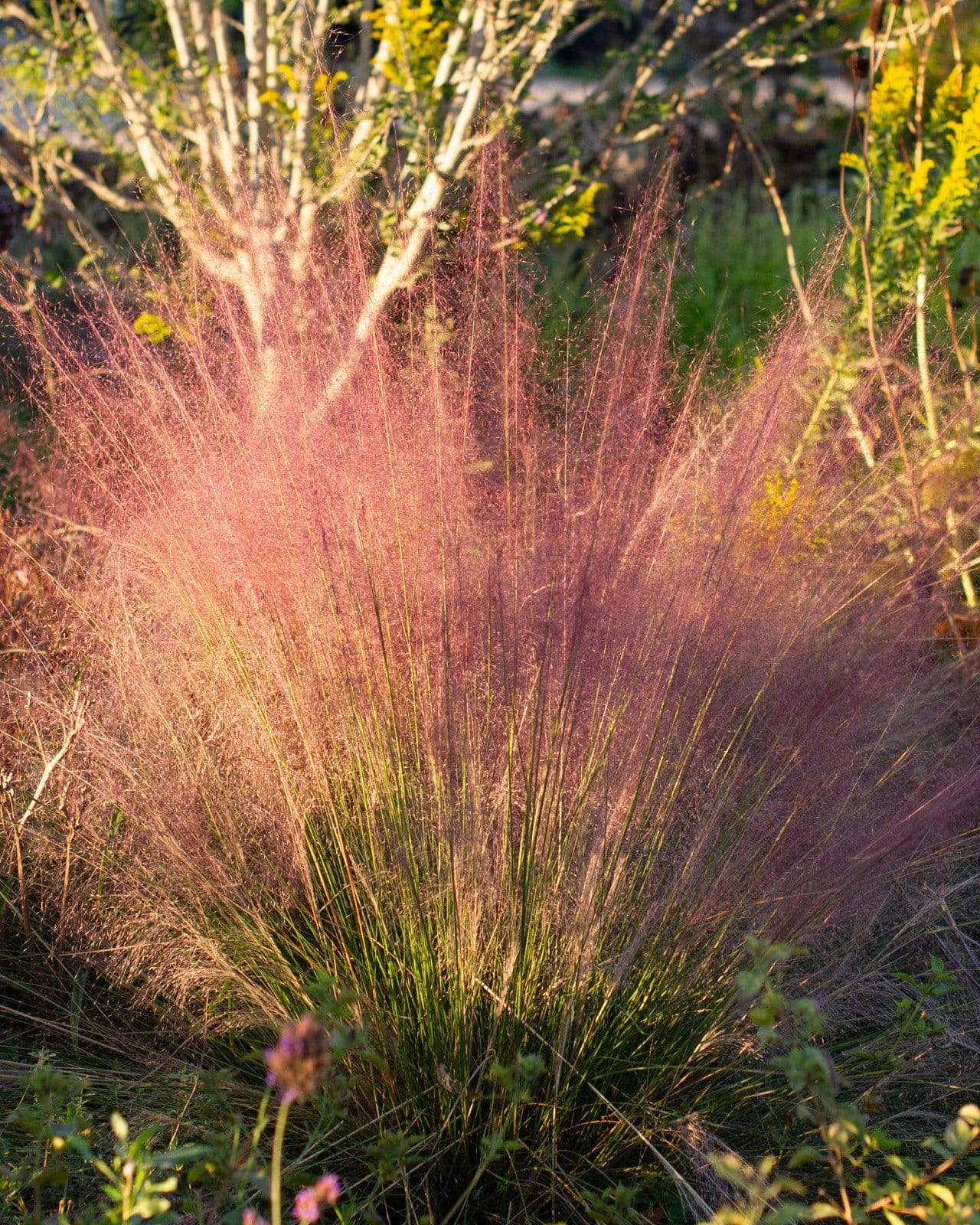
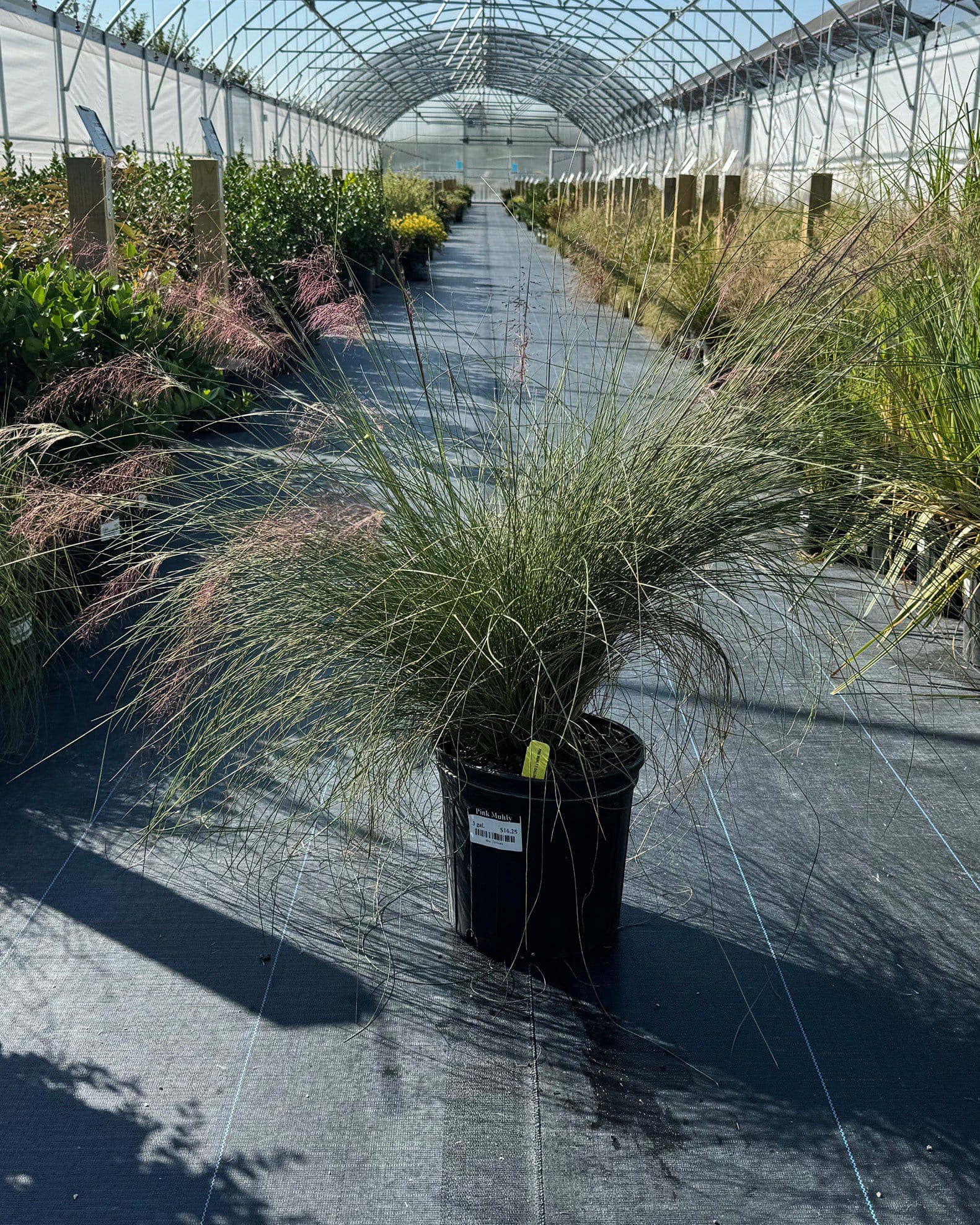
Pink Muhly
Maturity: 2' H x 2' W
Berkeley Carex Sedge
Maturity: 1' H x 2' W
Blue Arrows Rush
Maturity: 3' H x 1' W
Blue Grama
Maturity: 1.5' H x 2' W
Blue Grama Blonde Ambition
Maturity: 3' H x 3' W
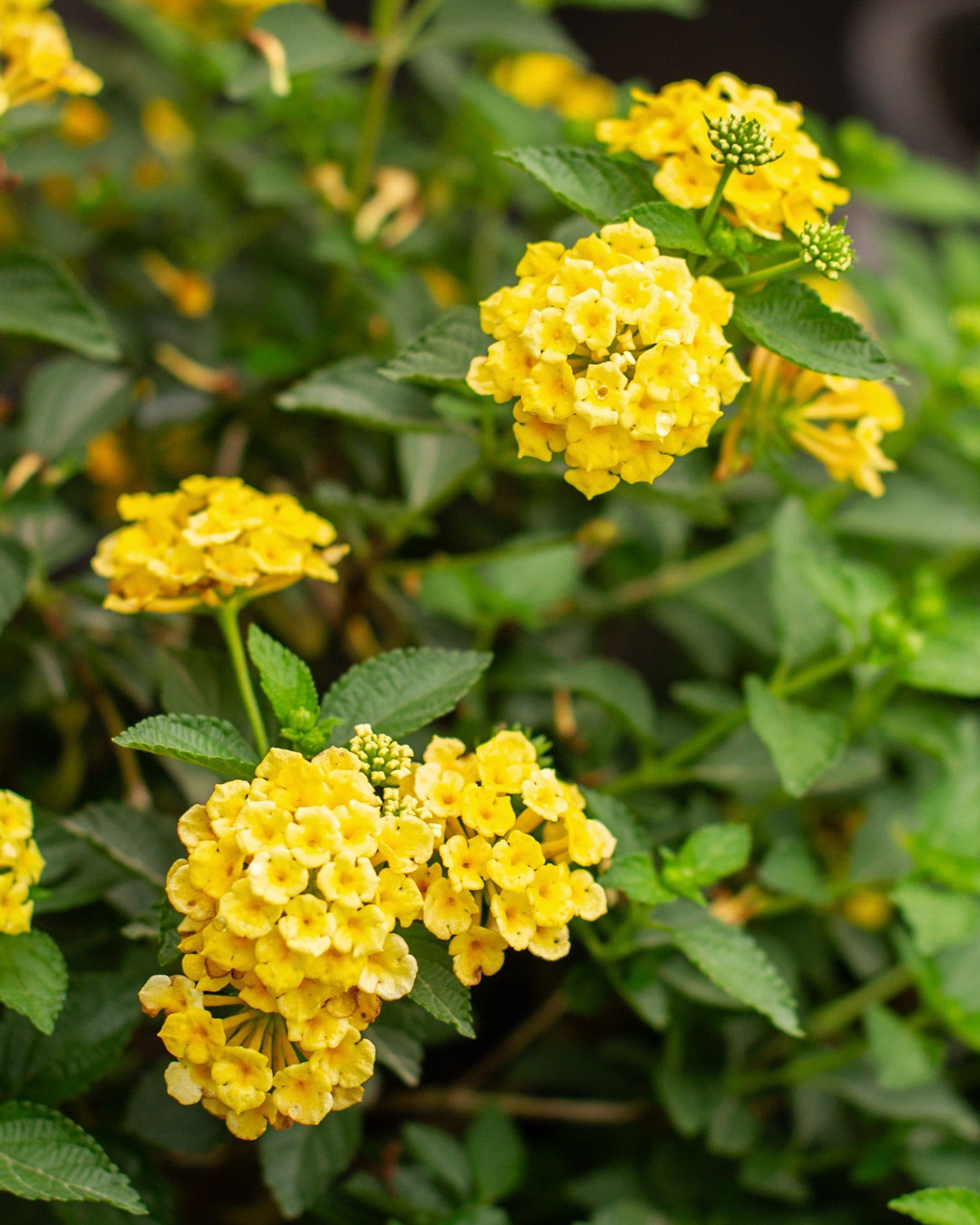
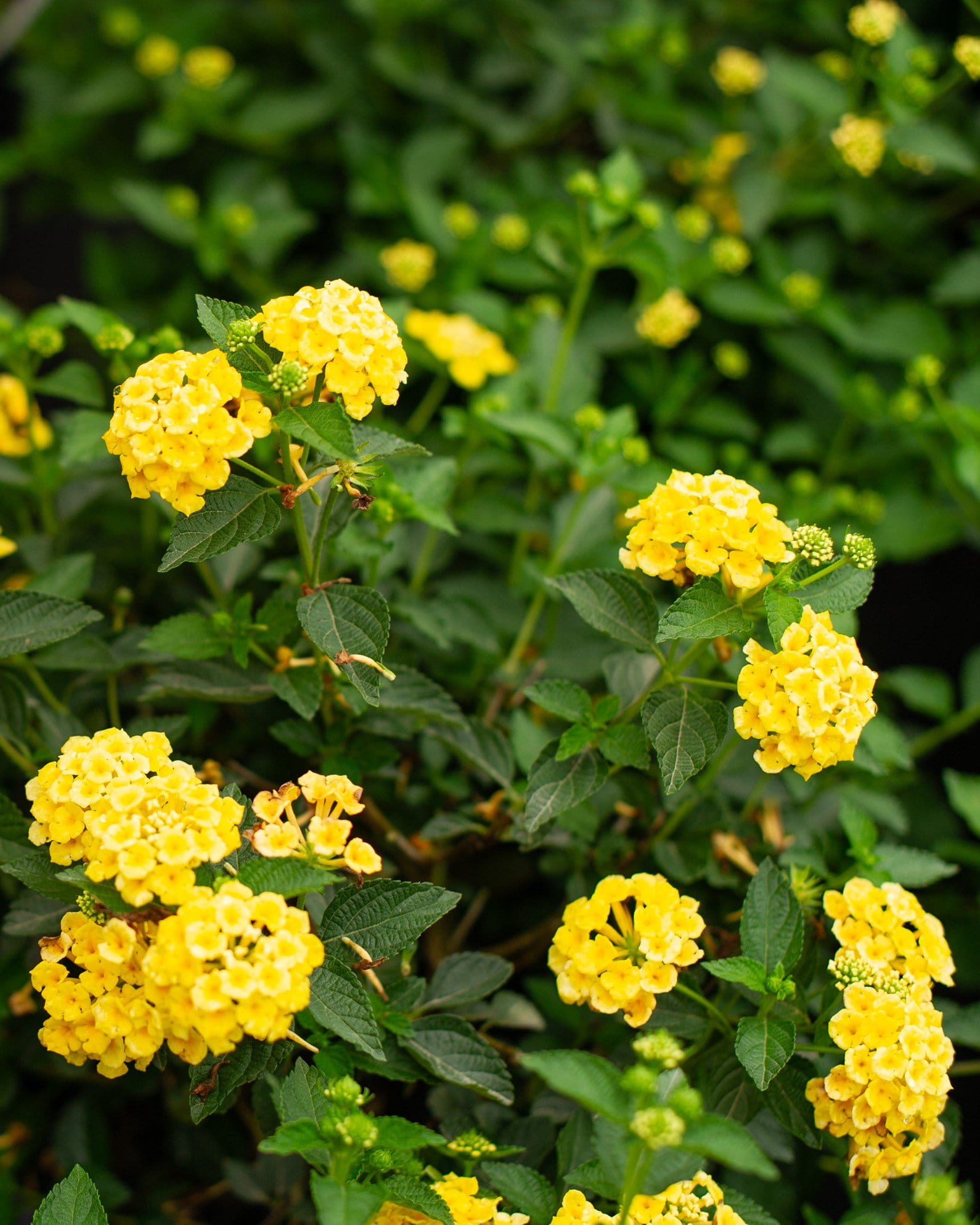
Chapel Hill Yellow Lantana
Maturity: 1.5' H x 2' W
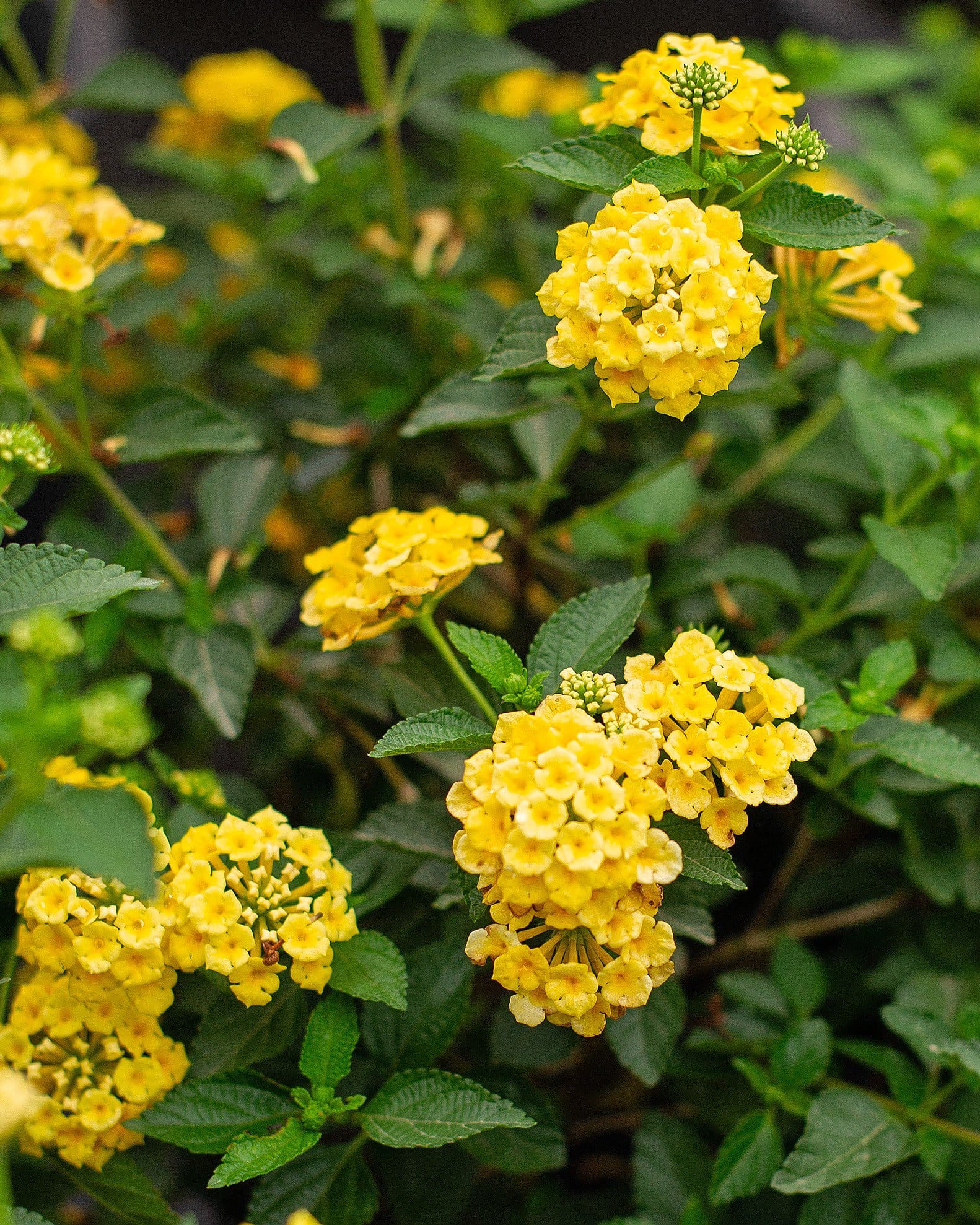
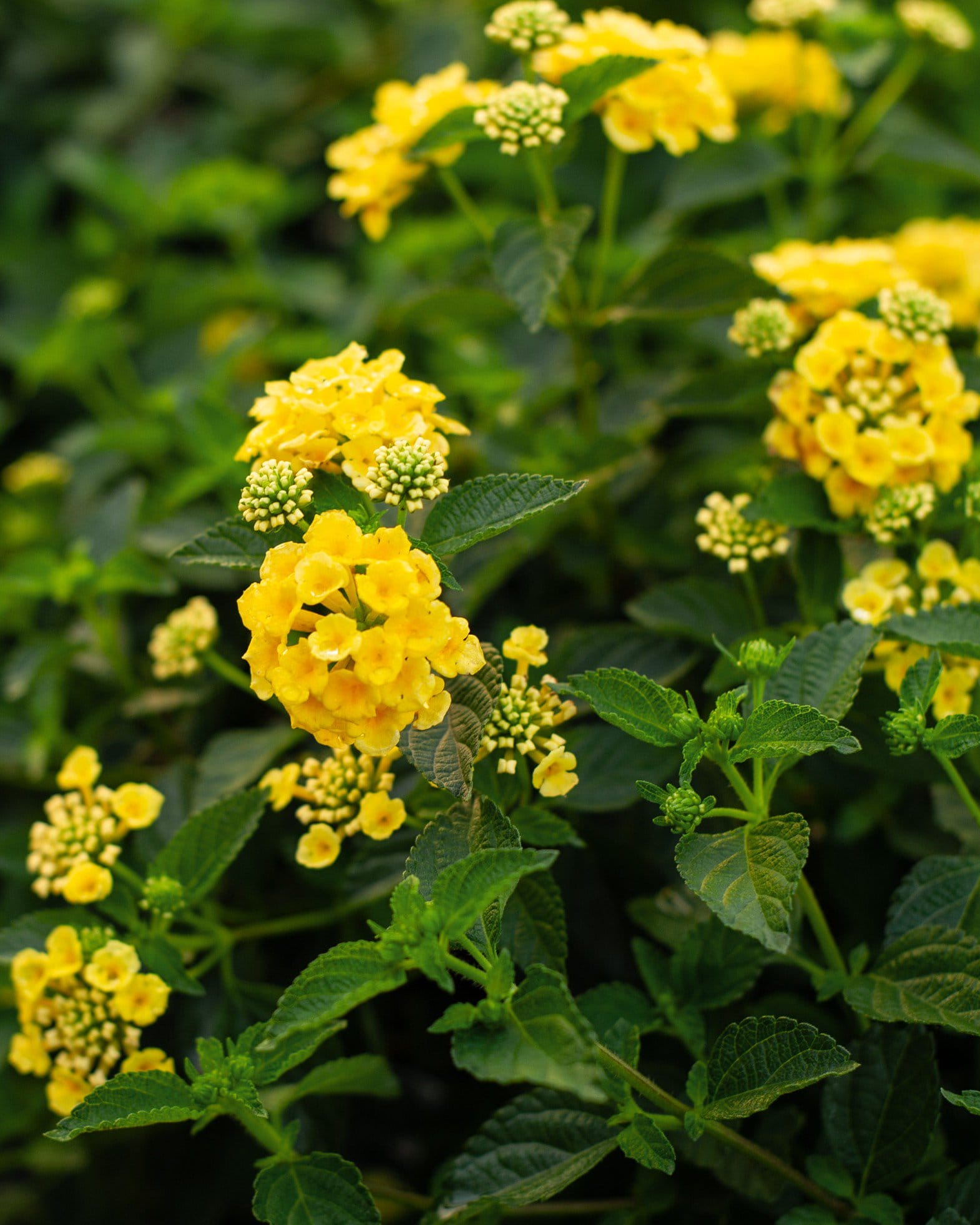
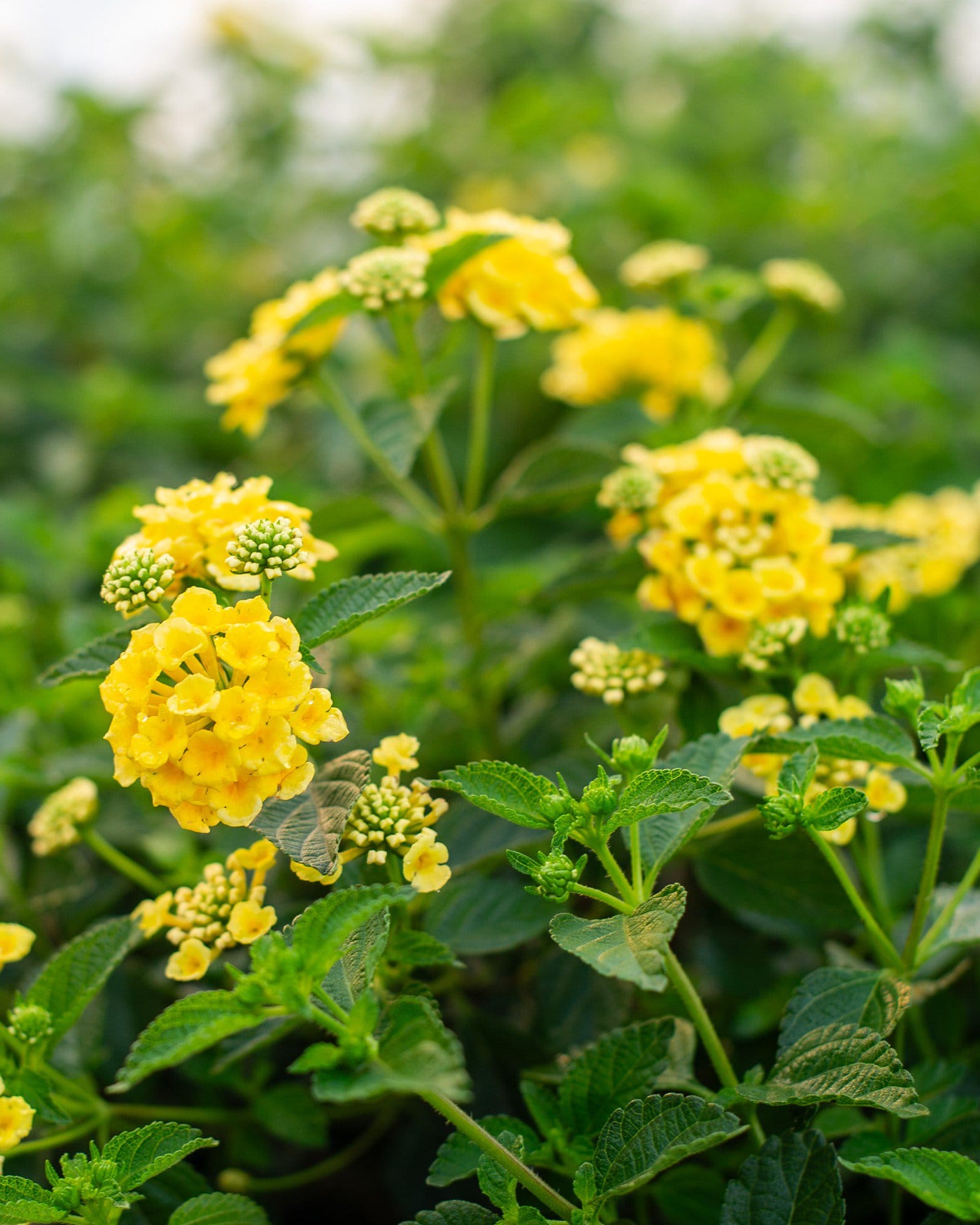
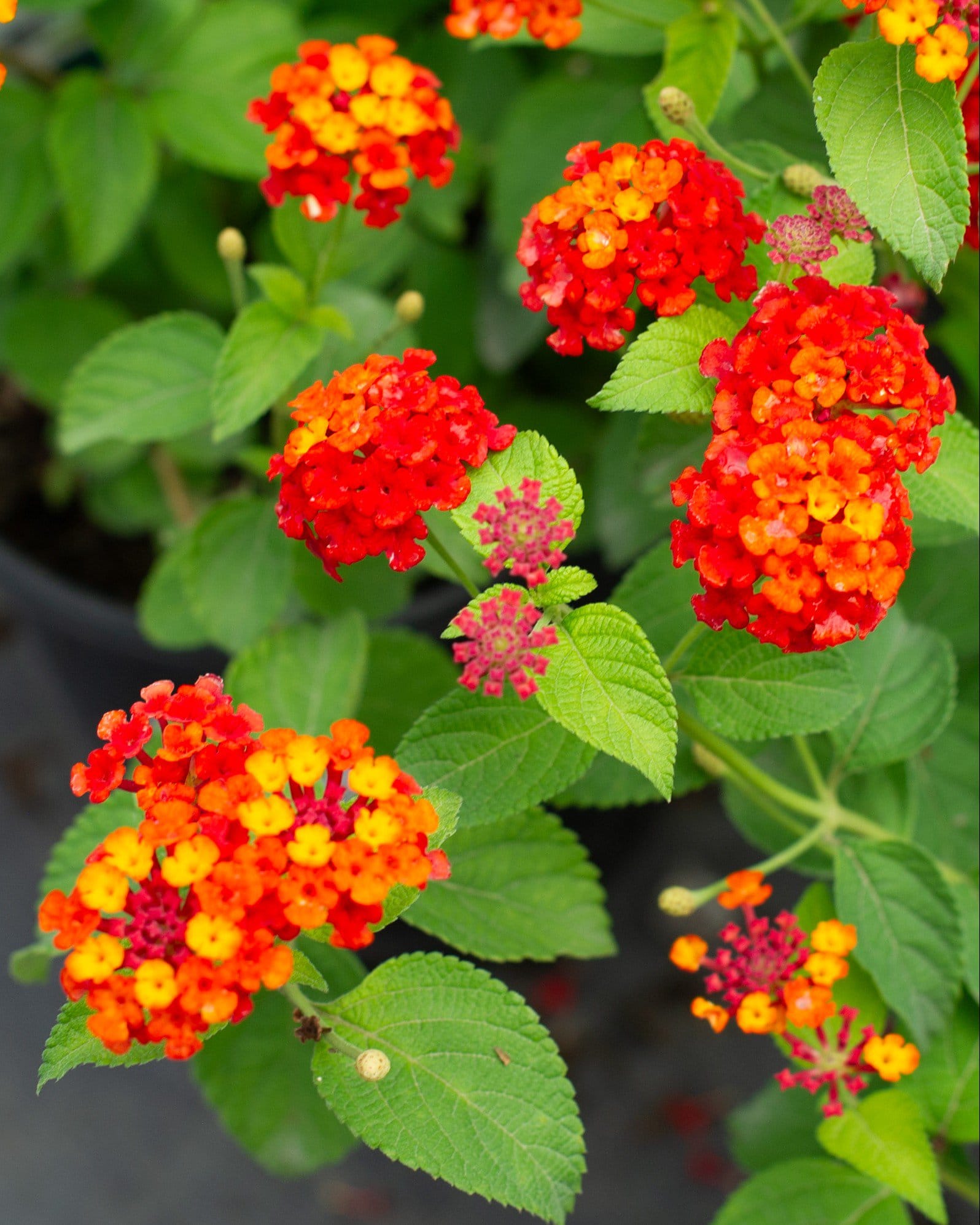
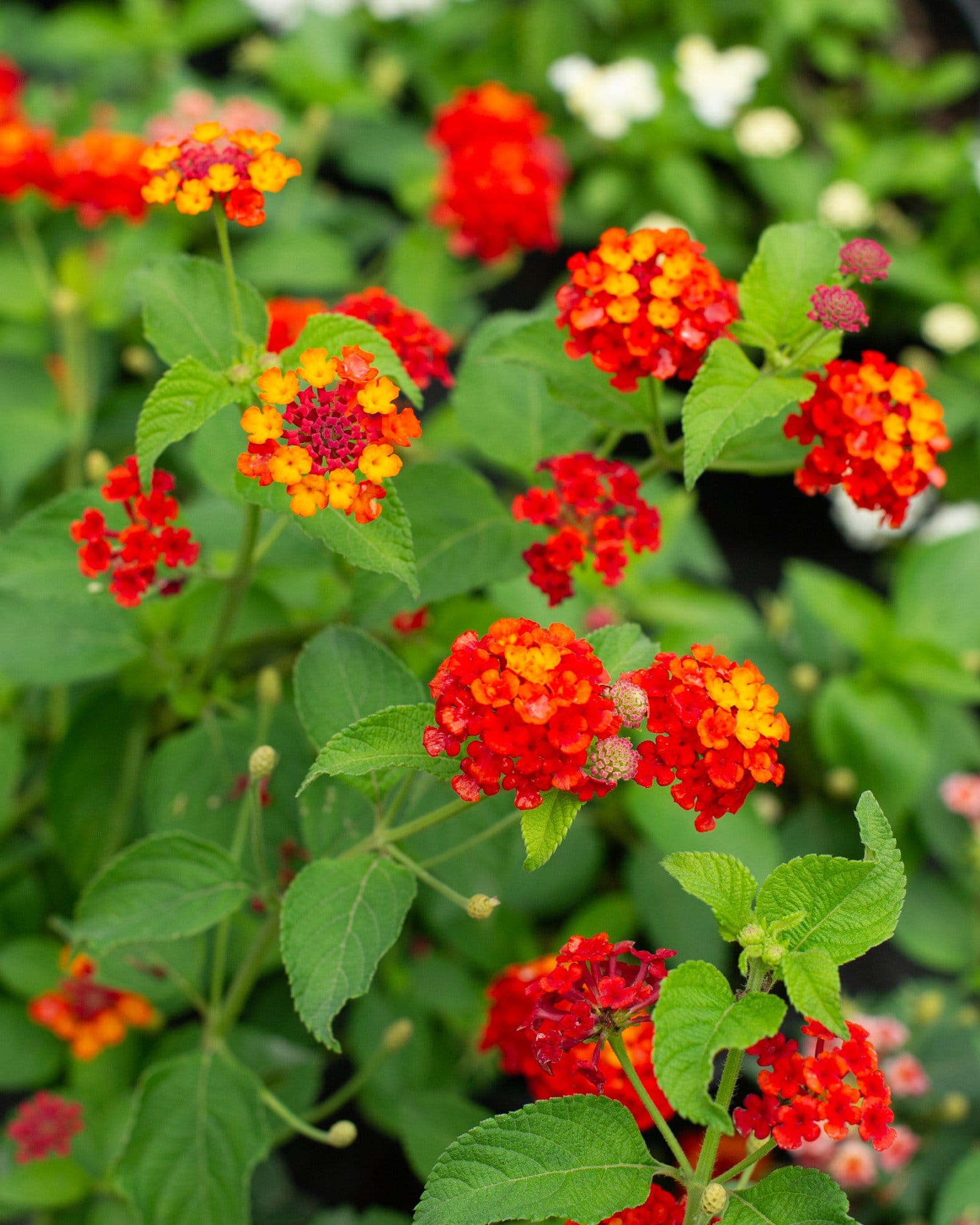
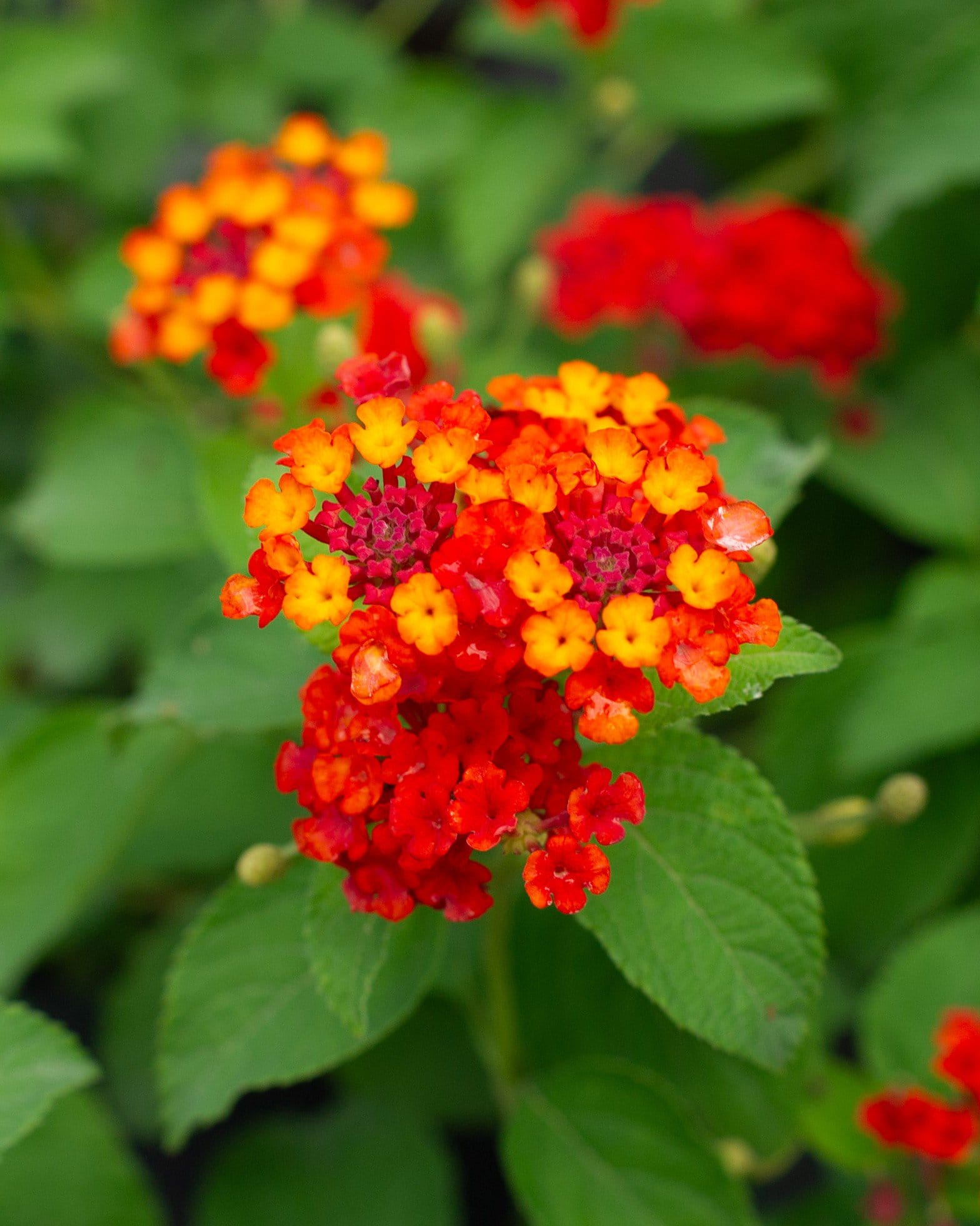
Dallas Red Lantana
Maturity: 3' H x 3' W
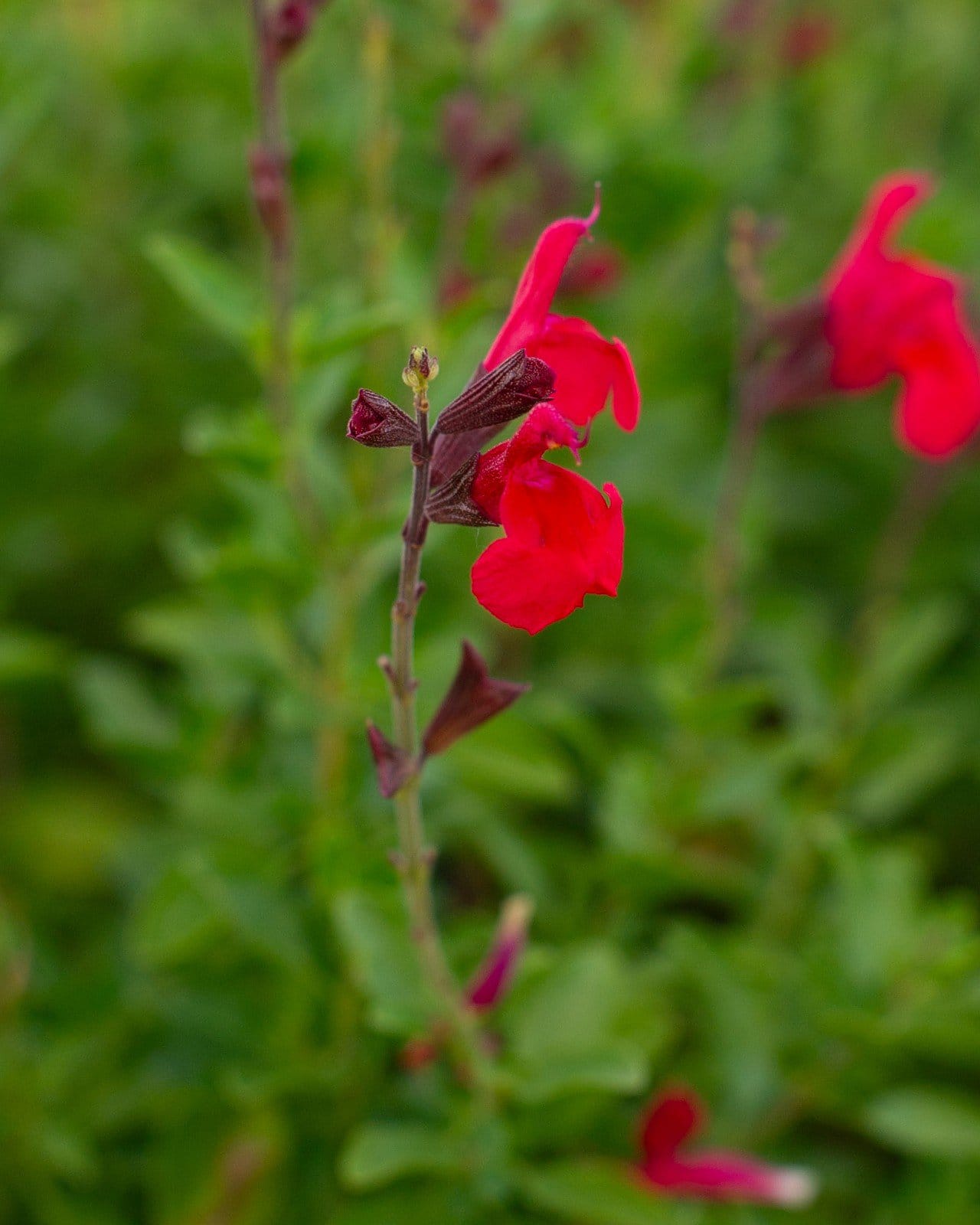
Furman's Red Salvia Greggii
Maturity: 3' H x 3' W
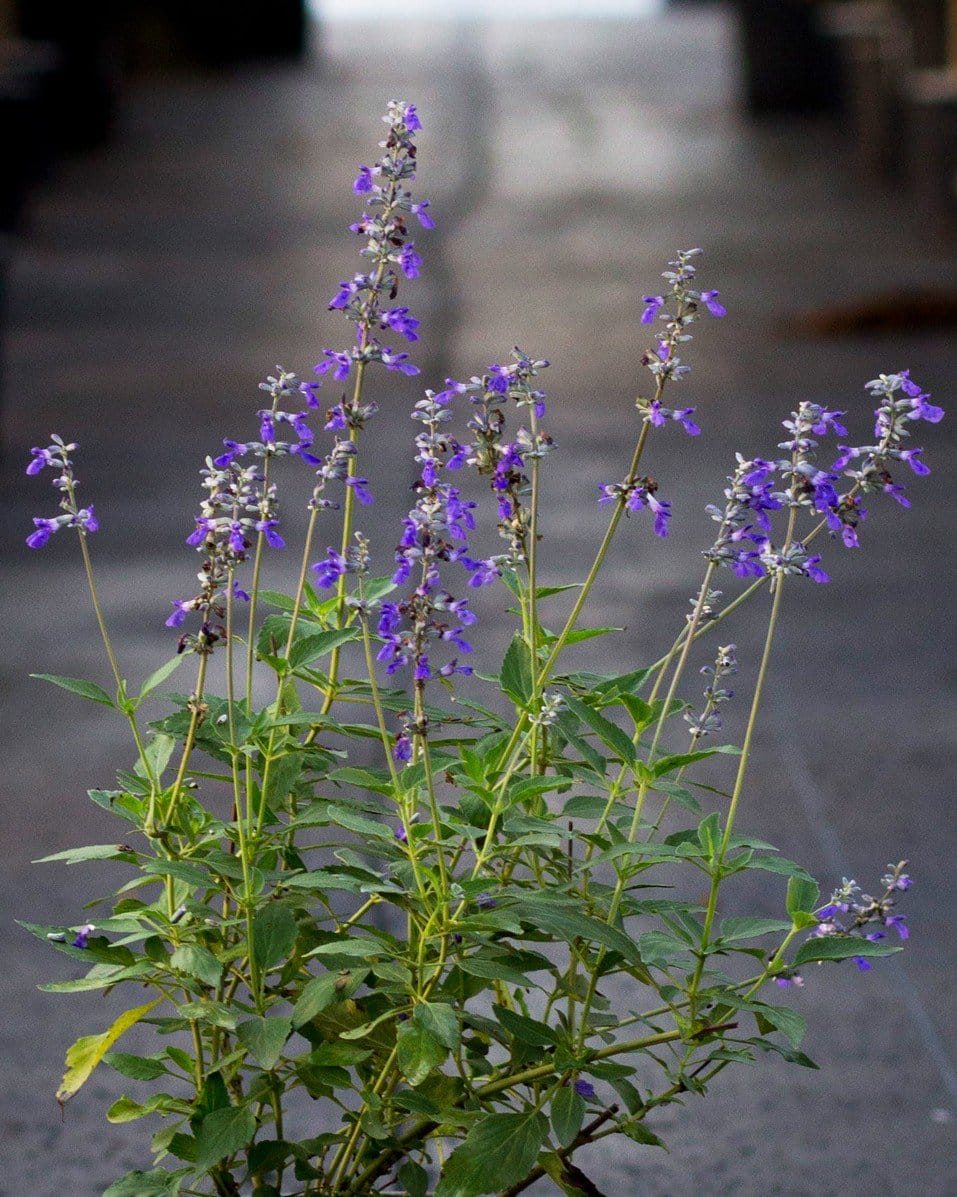
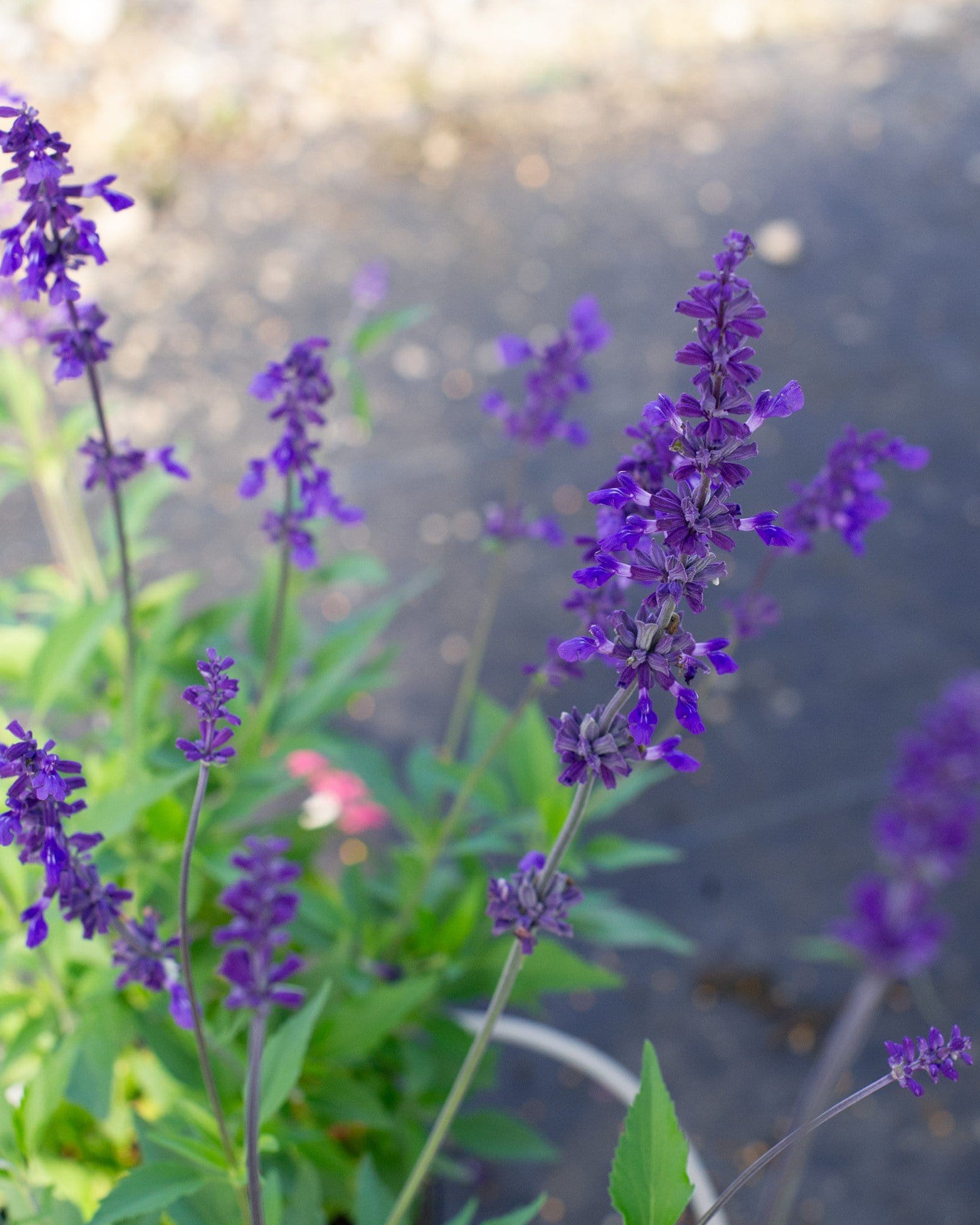
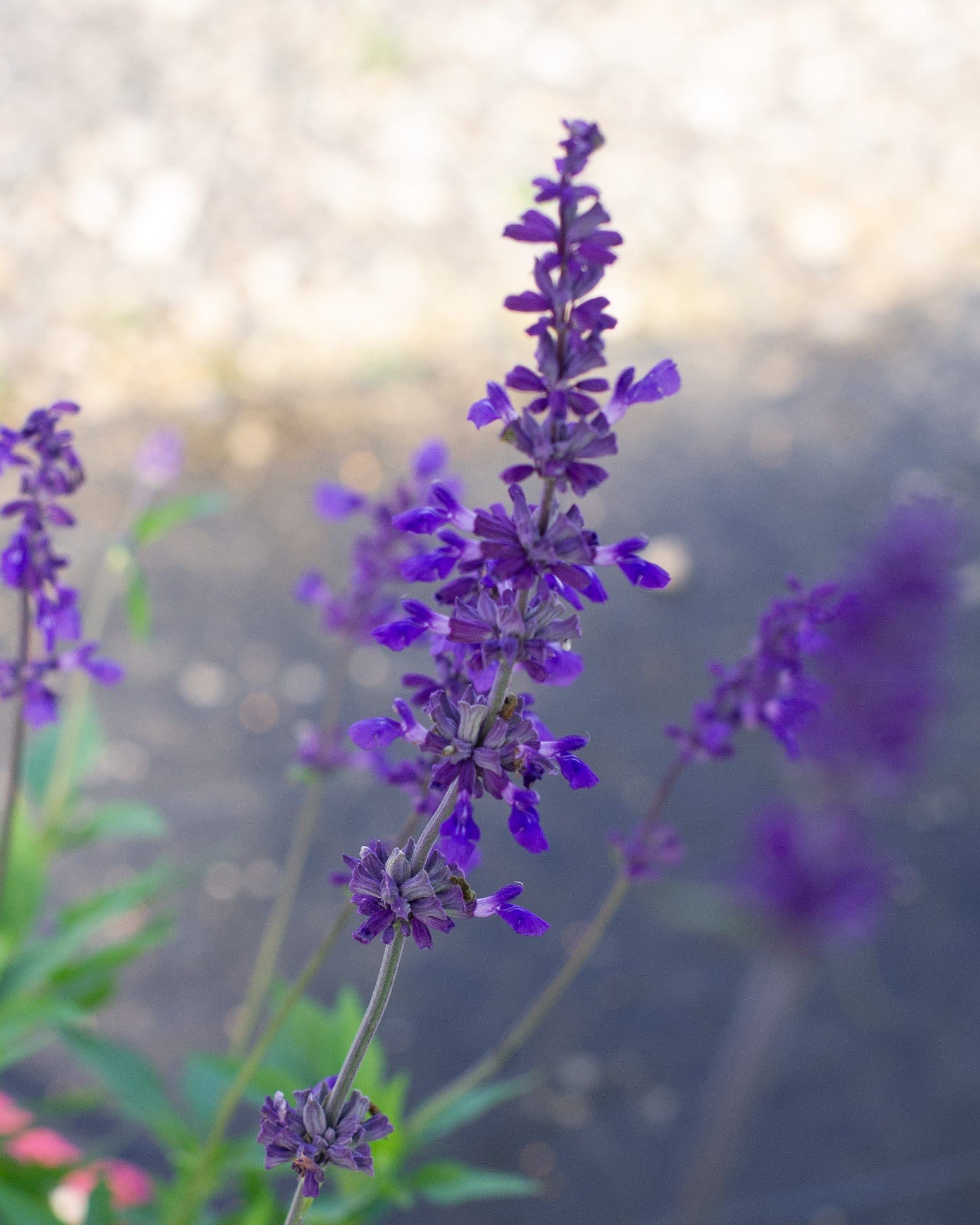
Henry Duelberg Salvia
Maturity: 3' H x 3' W
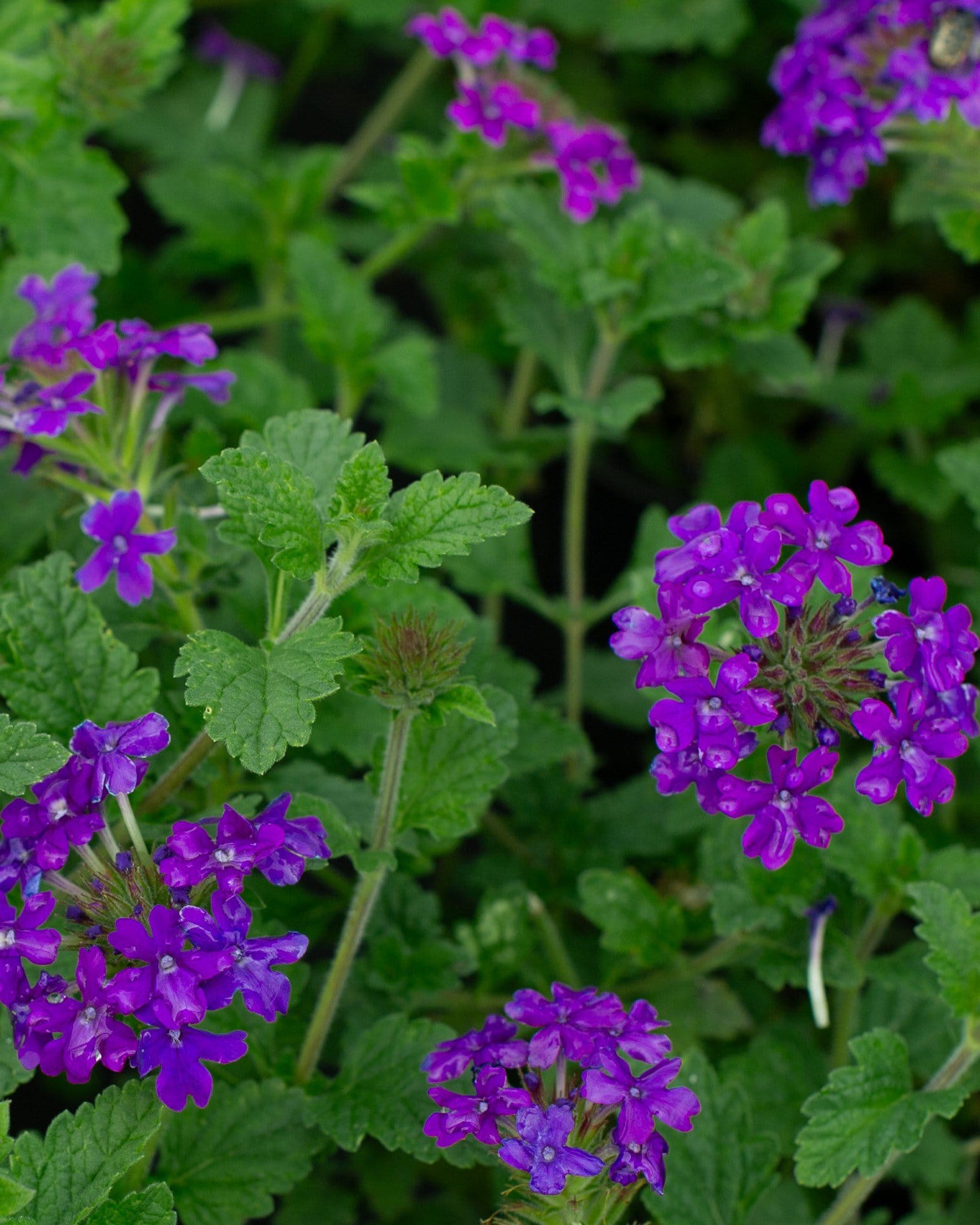
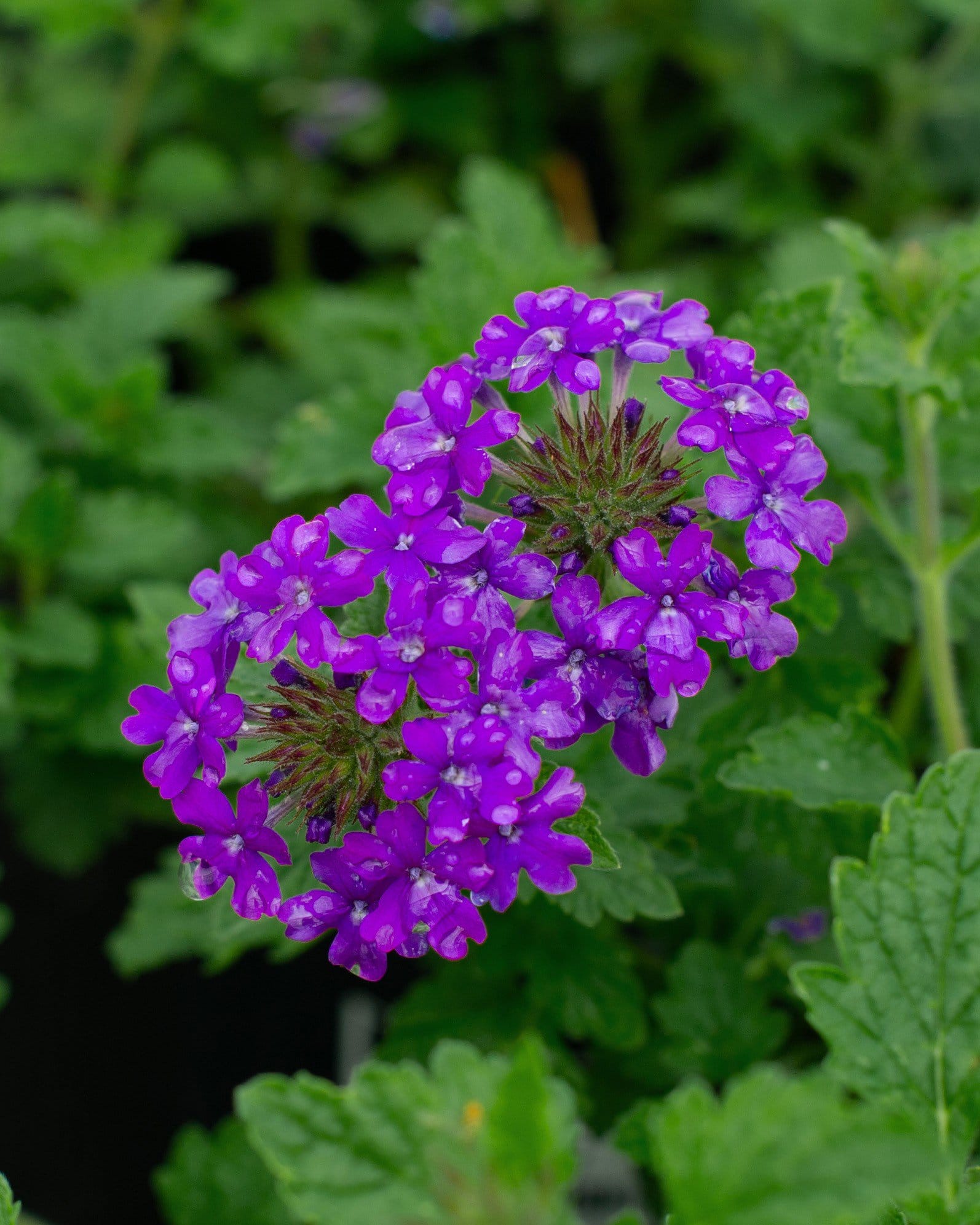
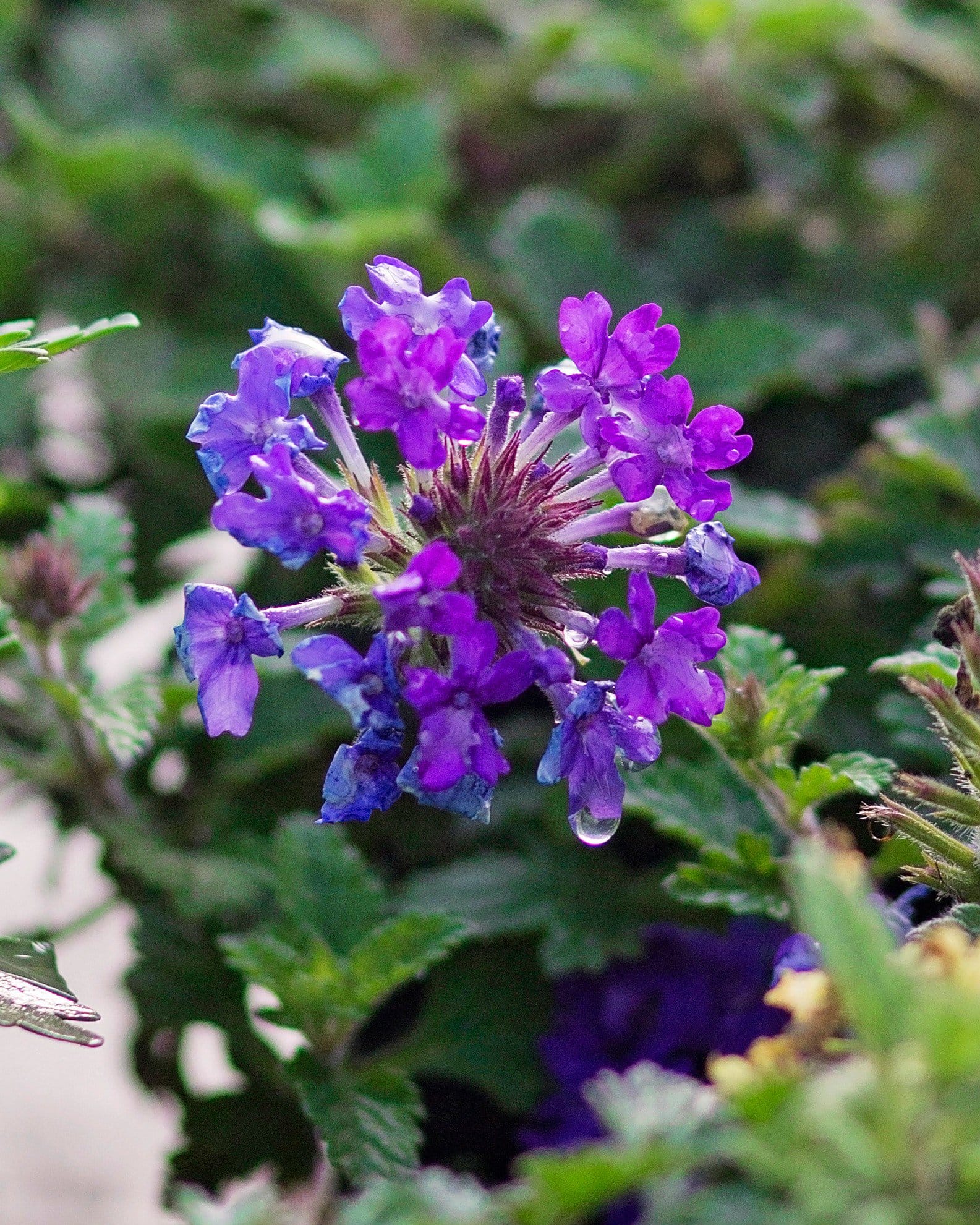
Homestead Purple Verbena
Maturity: 1' H x 2' W
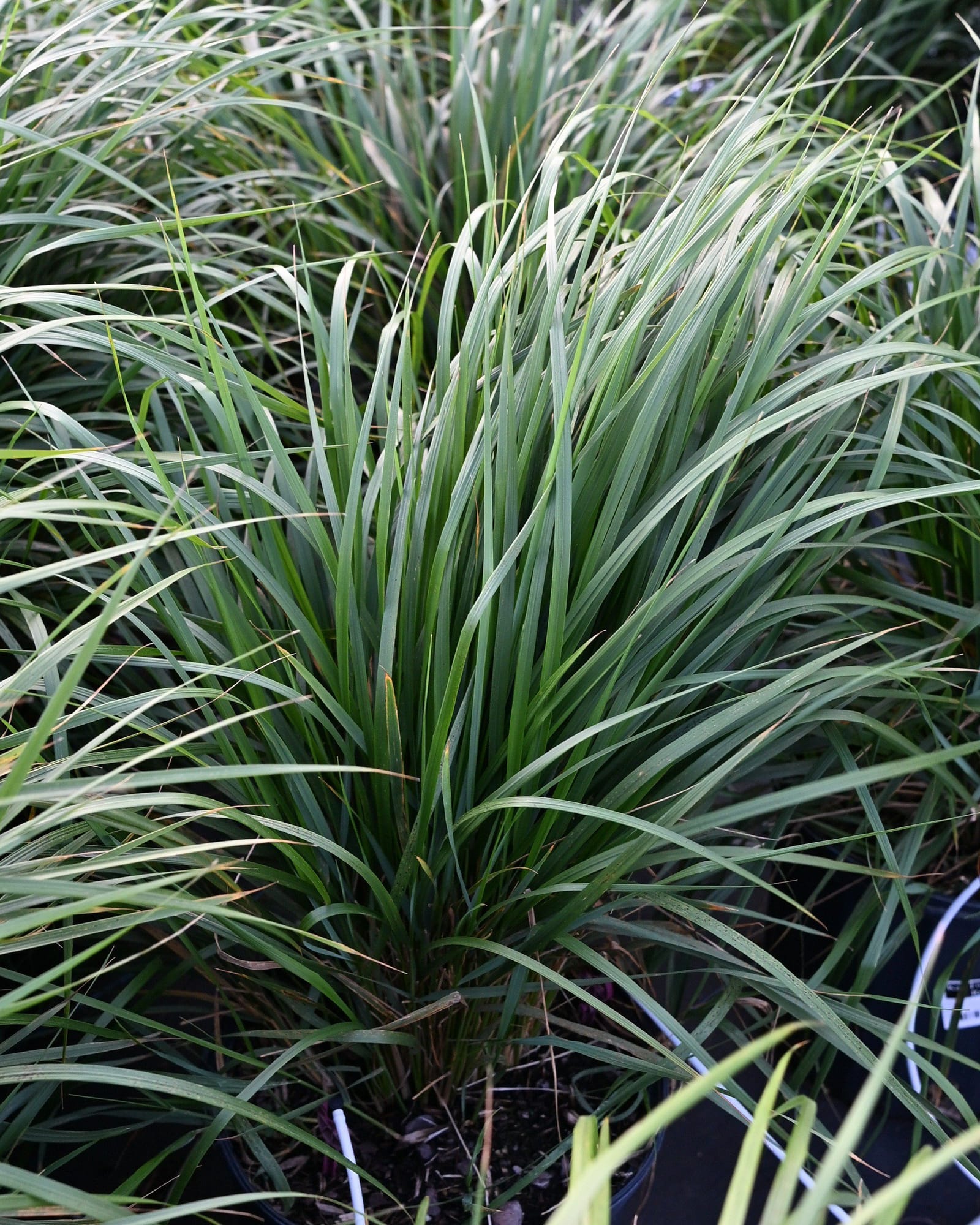
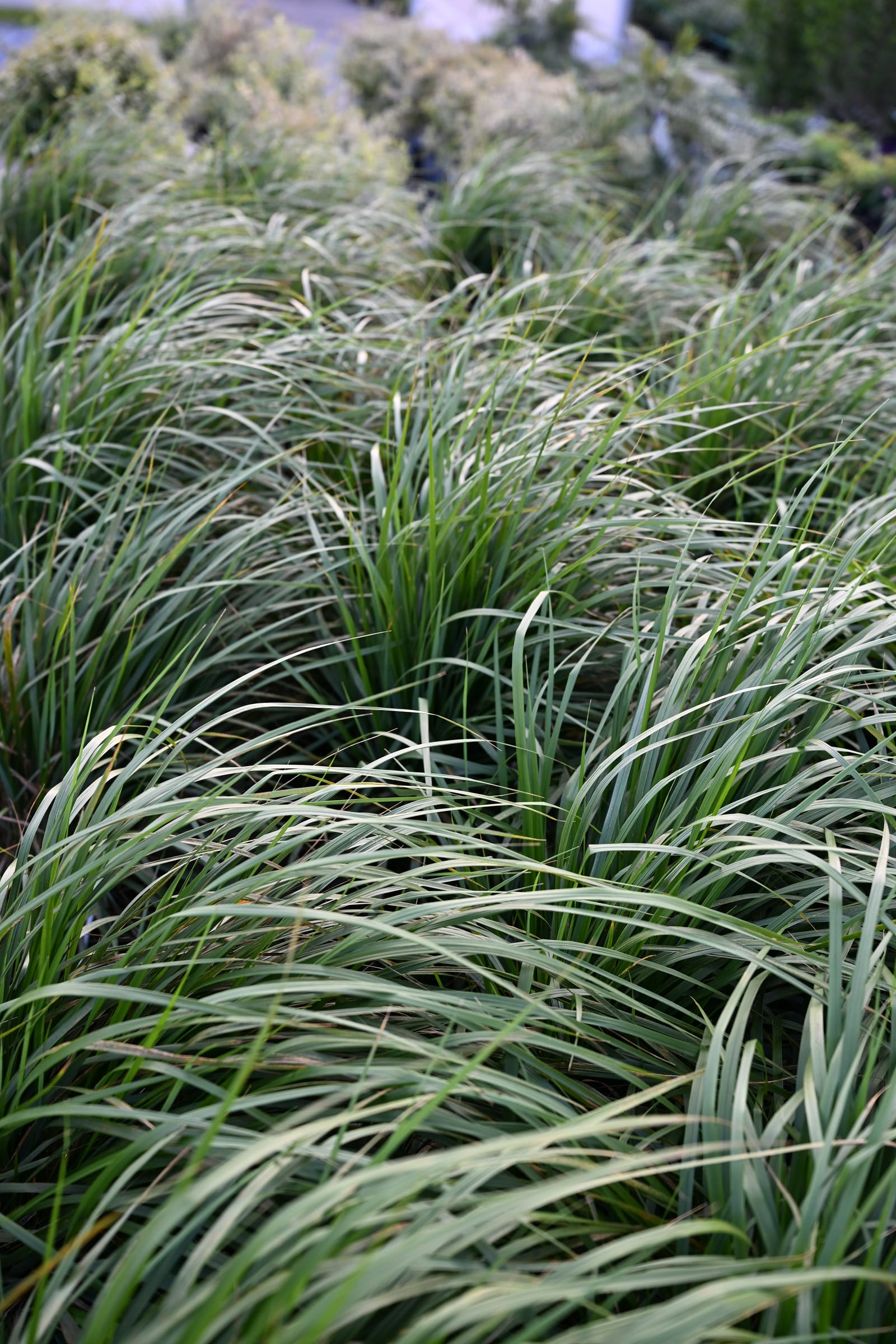
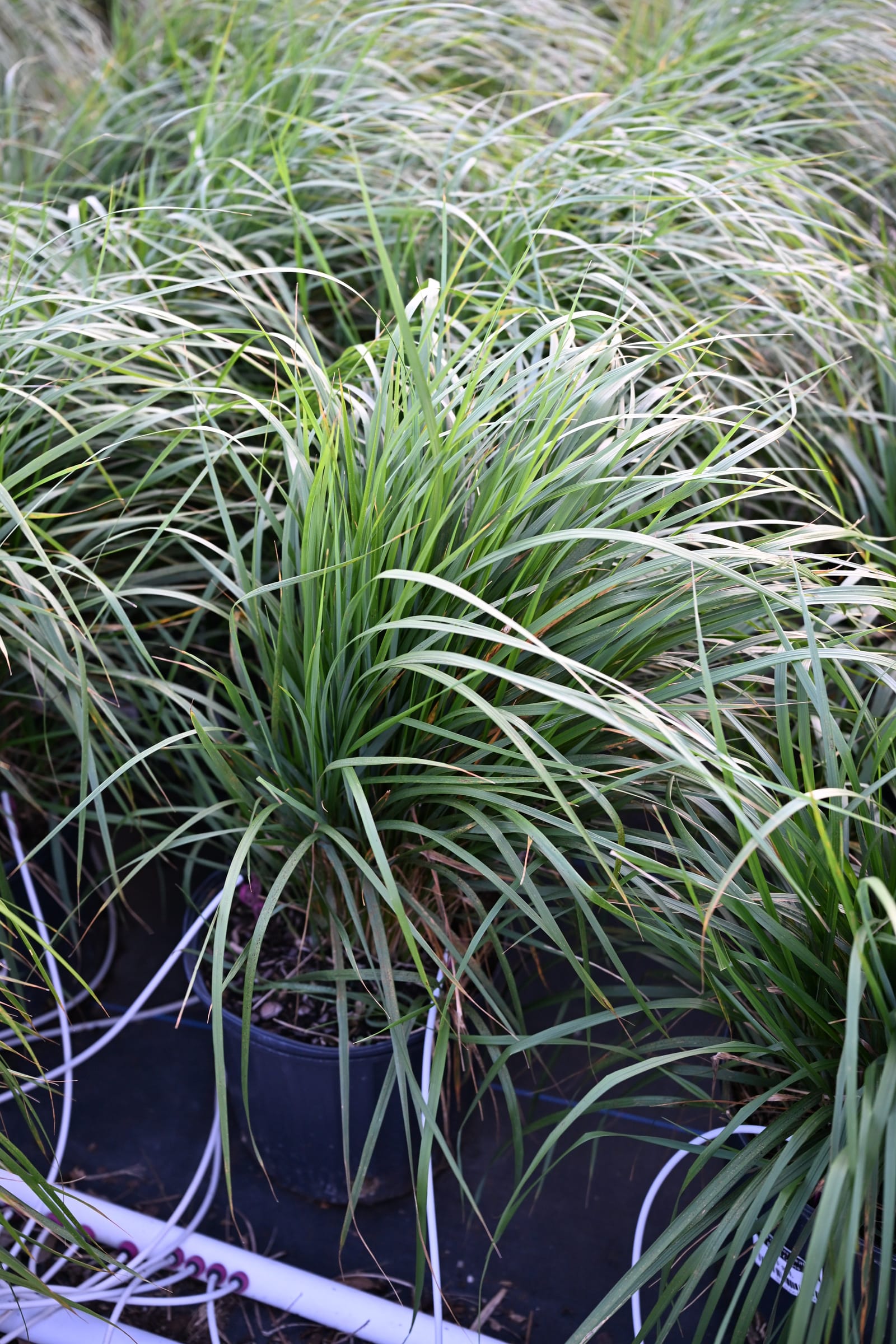
Karl Foerster Feather Reed Grass
Maturity: 4' H x 2' W
Compare Similar Plants
Dwarf Hameln Fountain Grass This plant | ||
|---|---|---|
| Scientific Name | Pennisetum alopecuroides ‘Hameln’ | Miscanthus Sinensis 'Adagio' |
| Size at Maturity | 2' H x 2' W | 3' H x 3' W |
| Leaf Retention | Herbaceous | Herbaceous |
| Sizes Available | 1, 3 gal | 1, 3 gal |


Our 1-Year Planting Guarantee
We take pride in our plants and installation services. If any plants or trees installed by Treeland fail to thrive within the first year, we'll provide a replacement credit in accordance with our guarantee program.
Learn More About Our Guarantee