
Lindheimer Muhly
Muhlenbergia lindheimeriLocal DFW Delivery Only
Product Details
Lindheimer Muhly
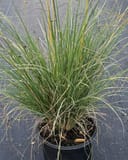
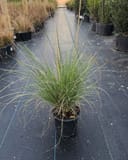
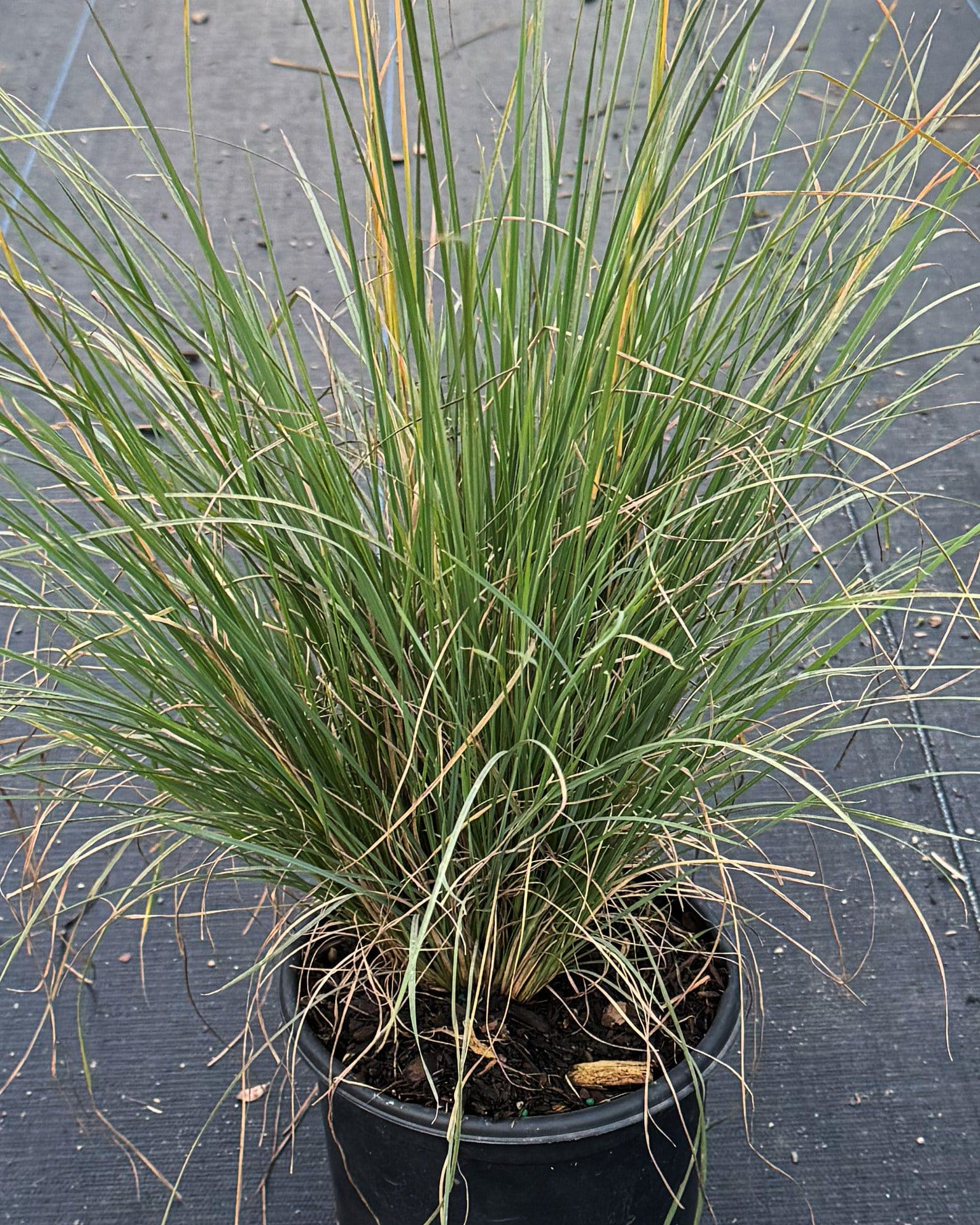
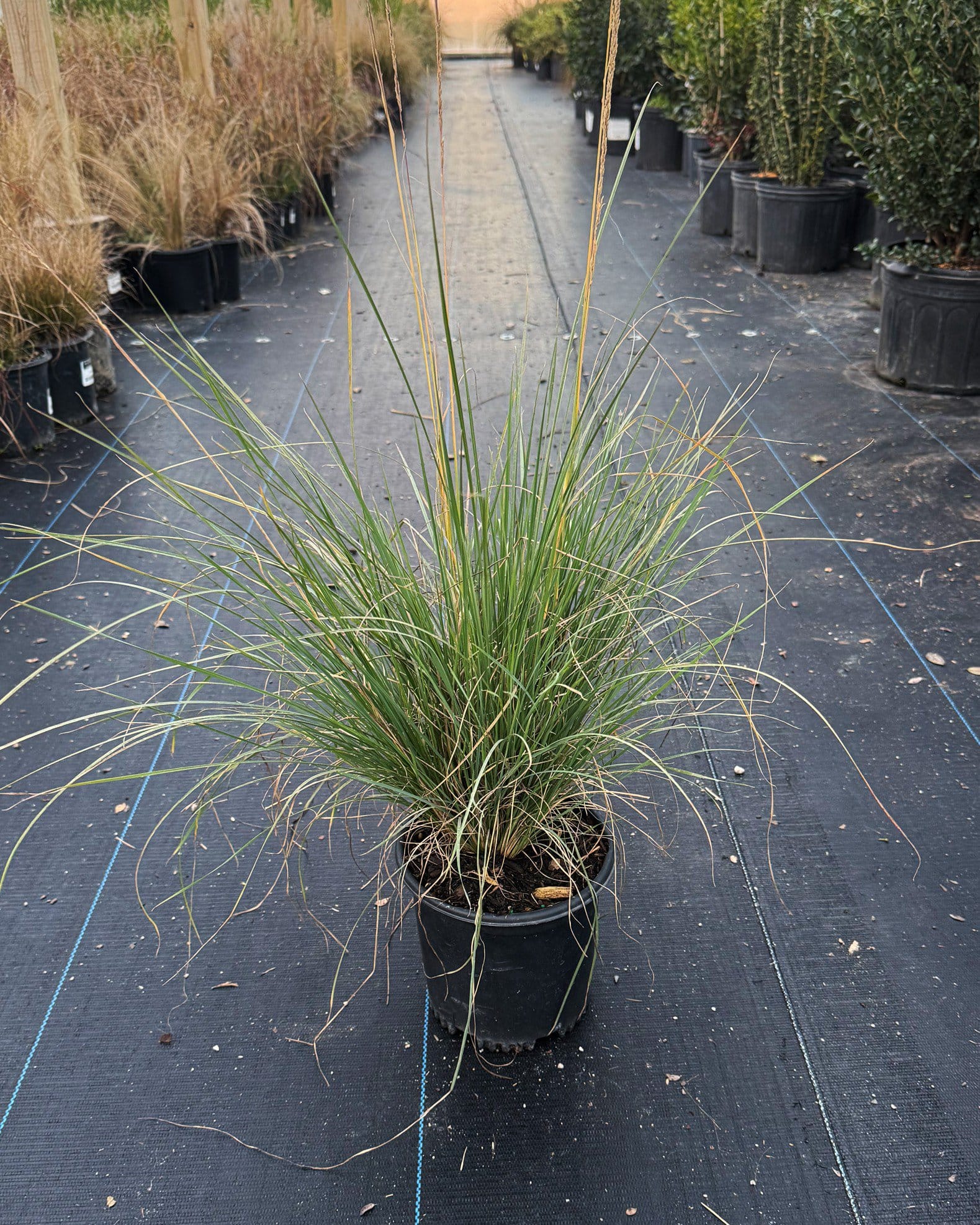
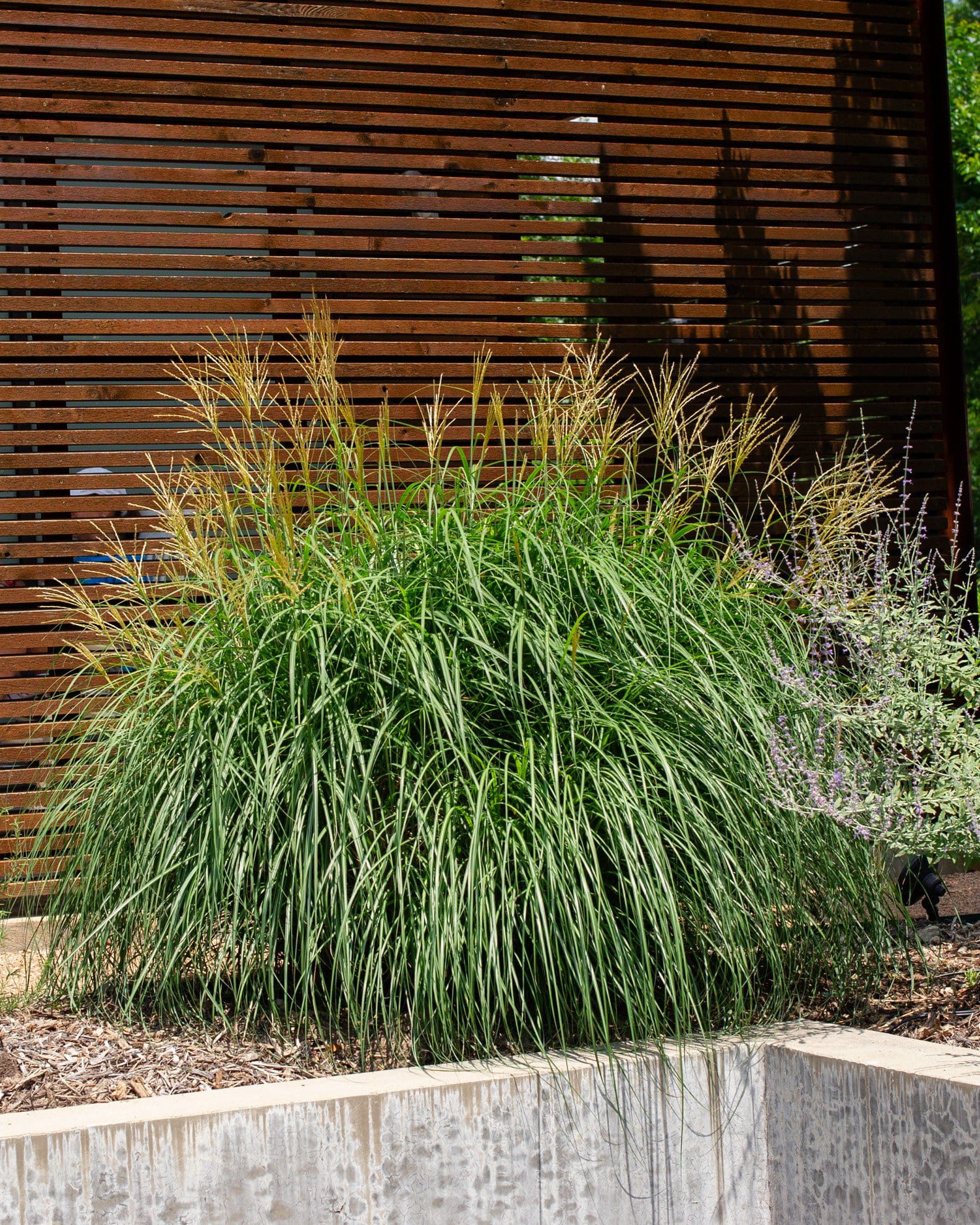
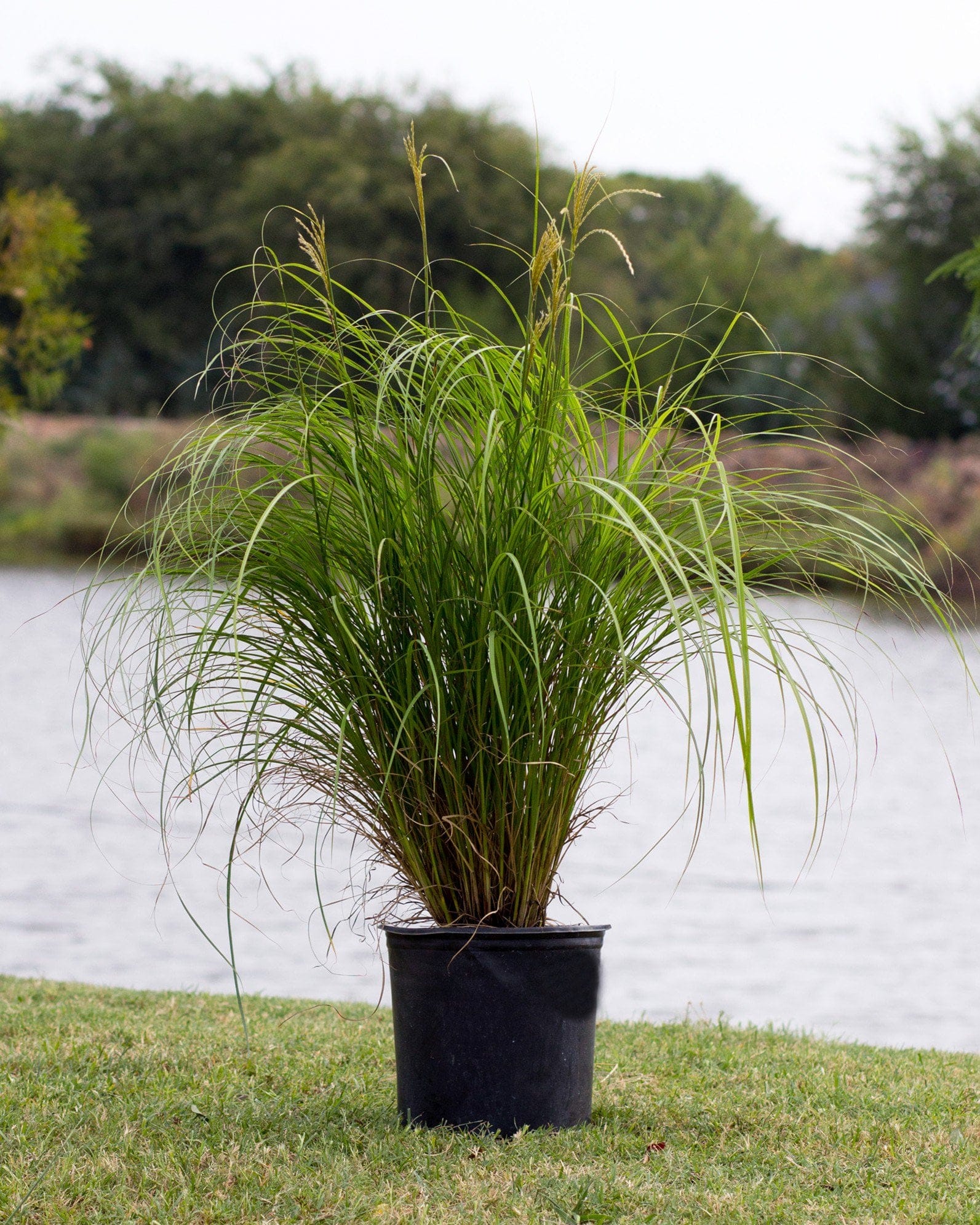
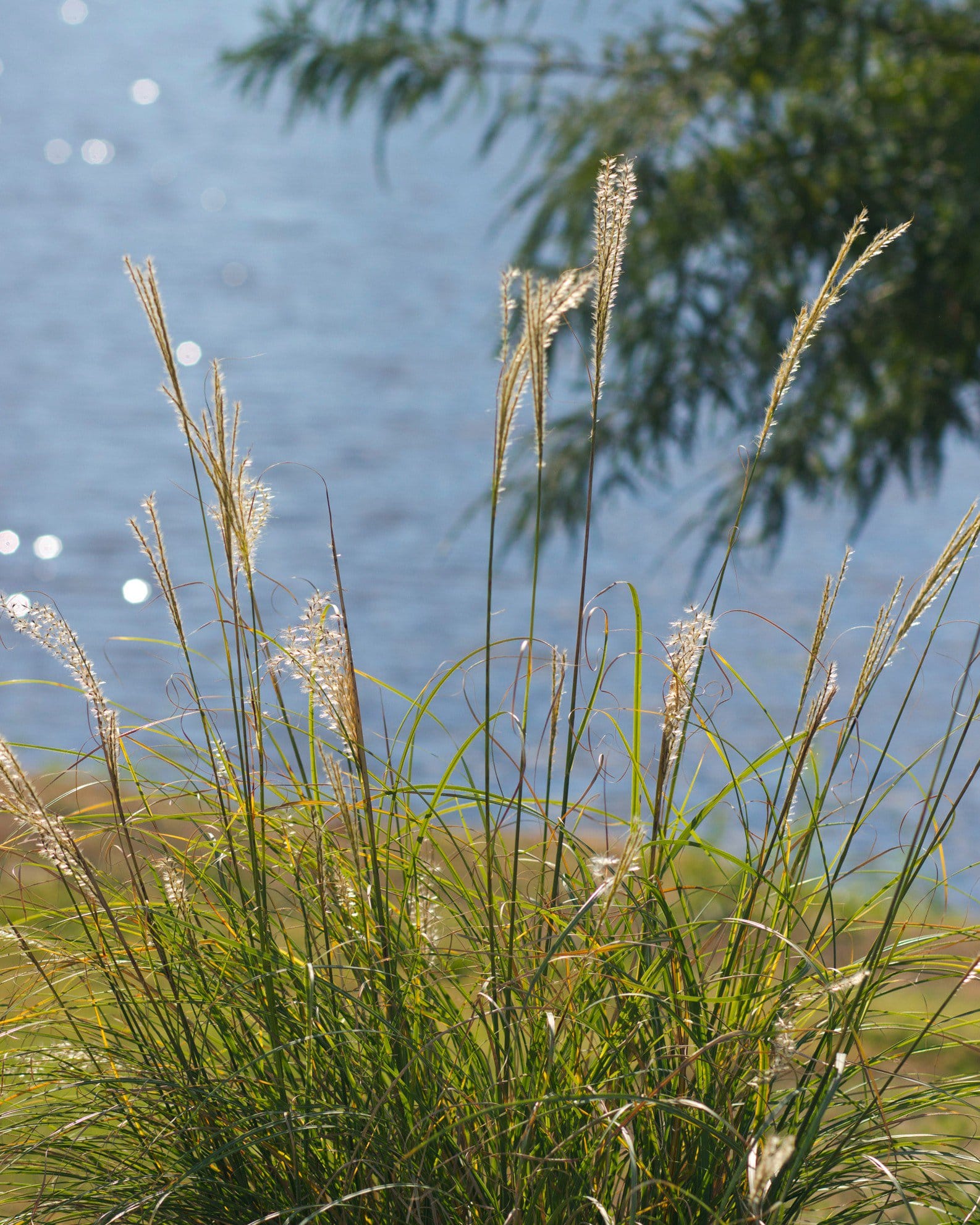
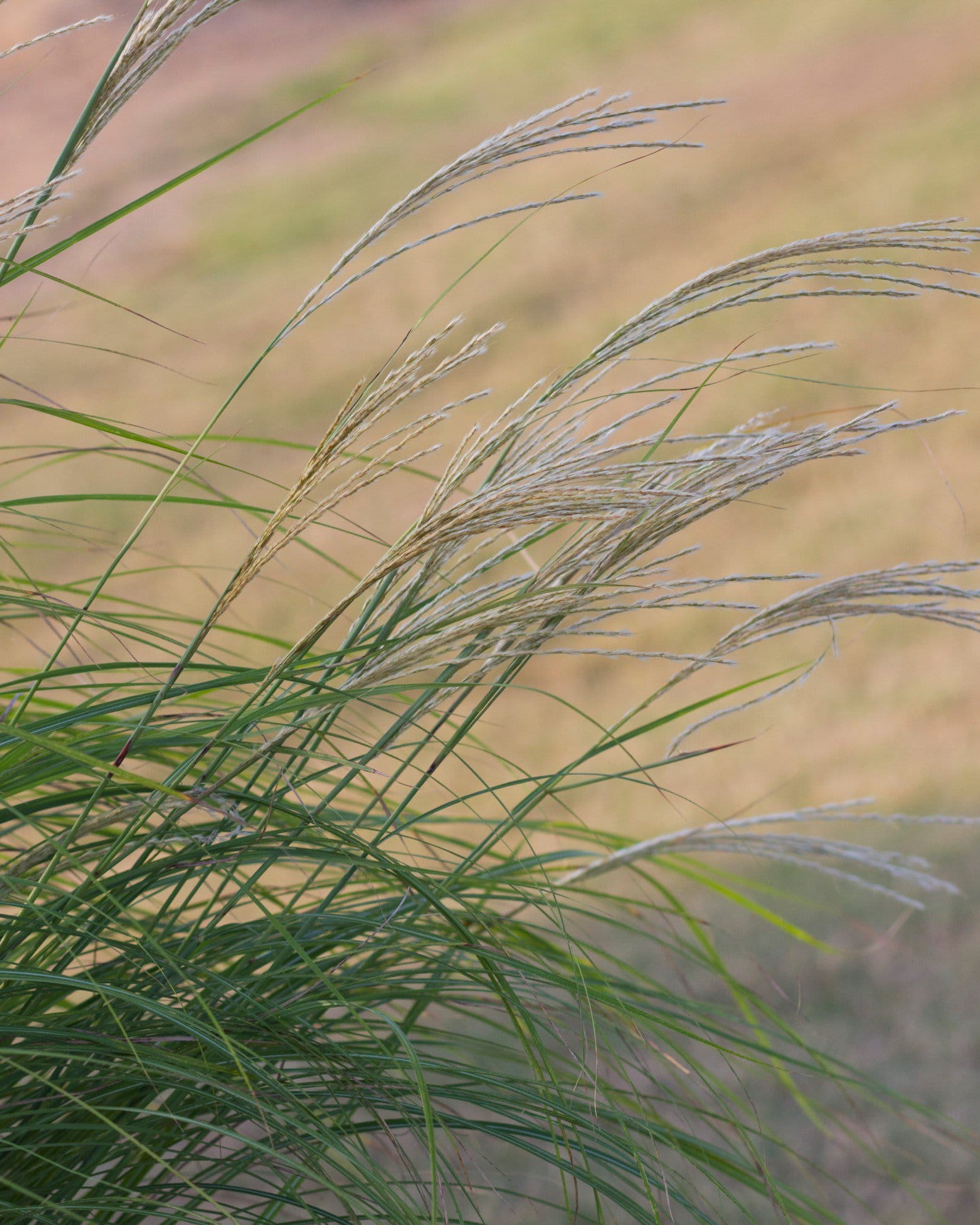
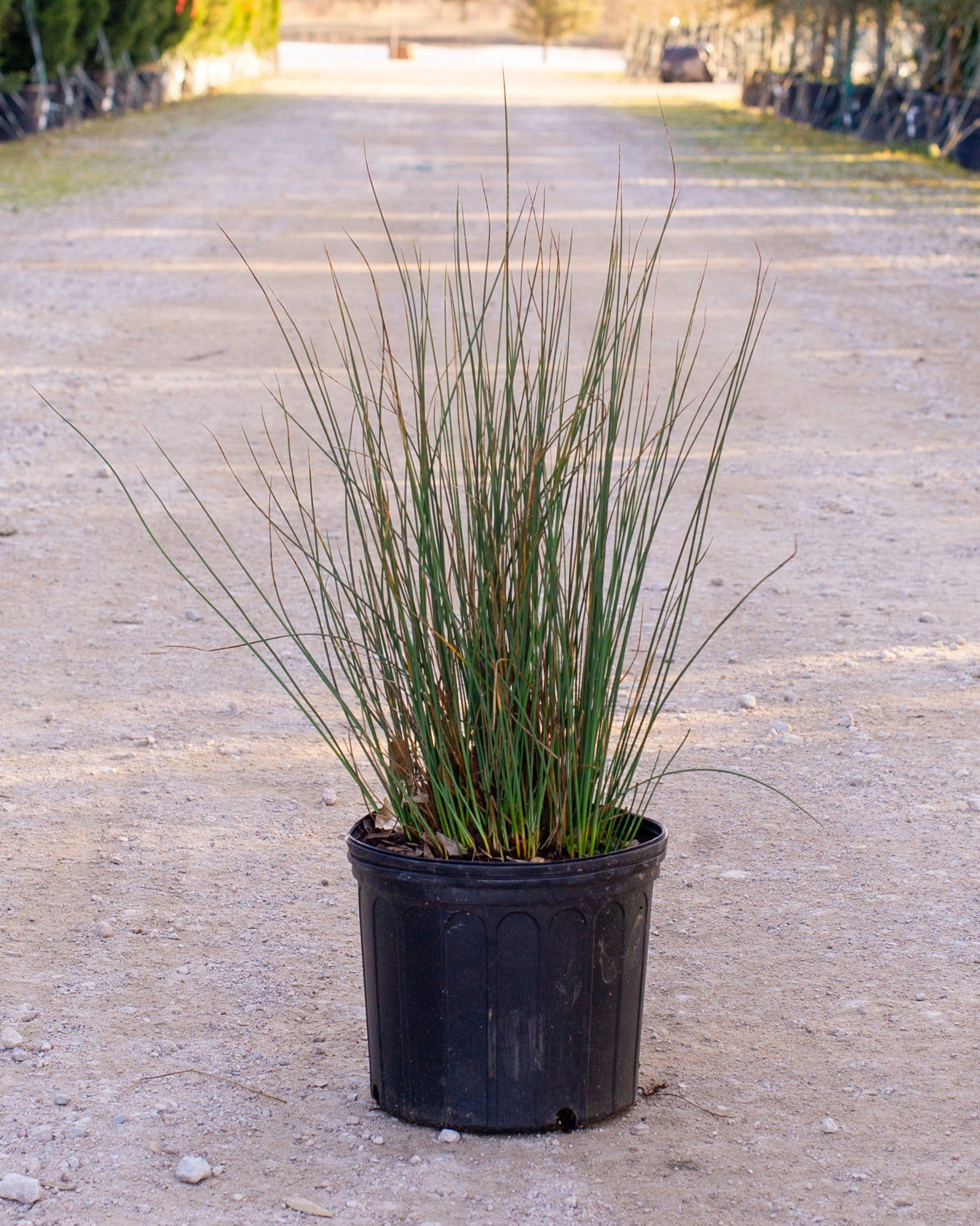
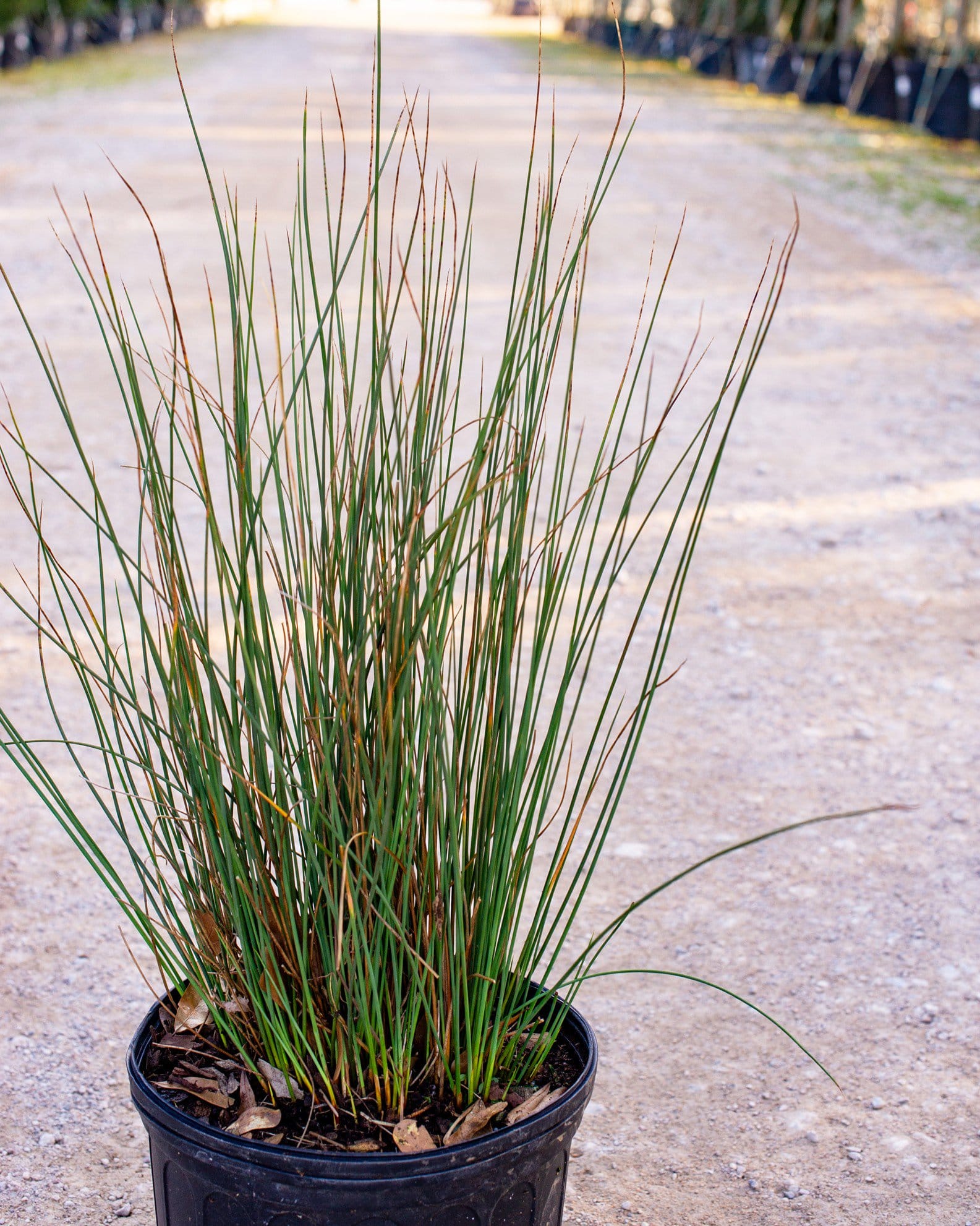
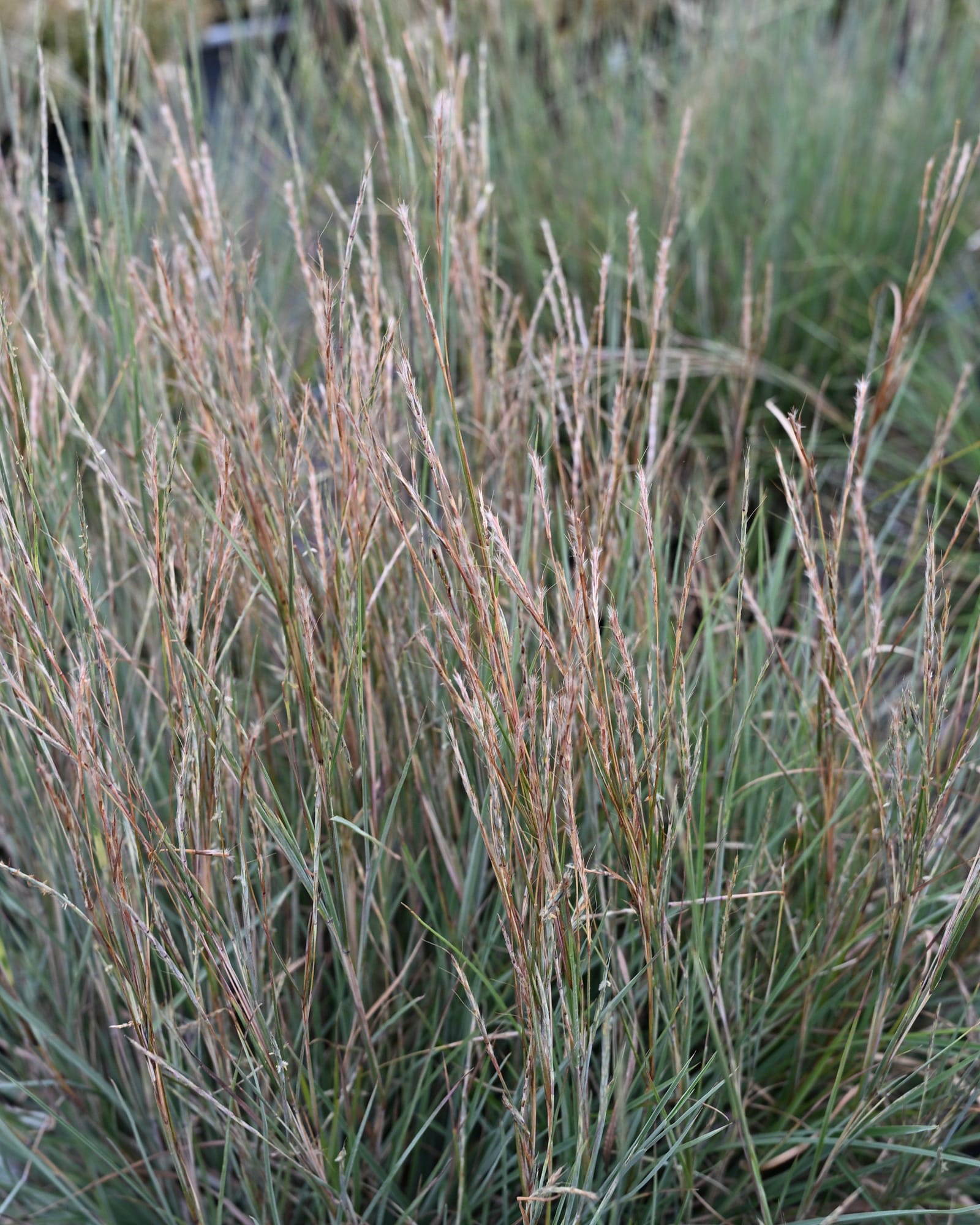
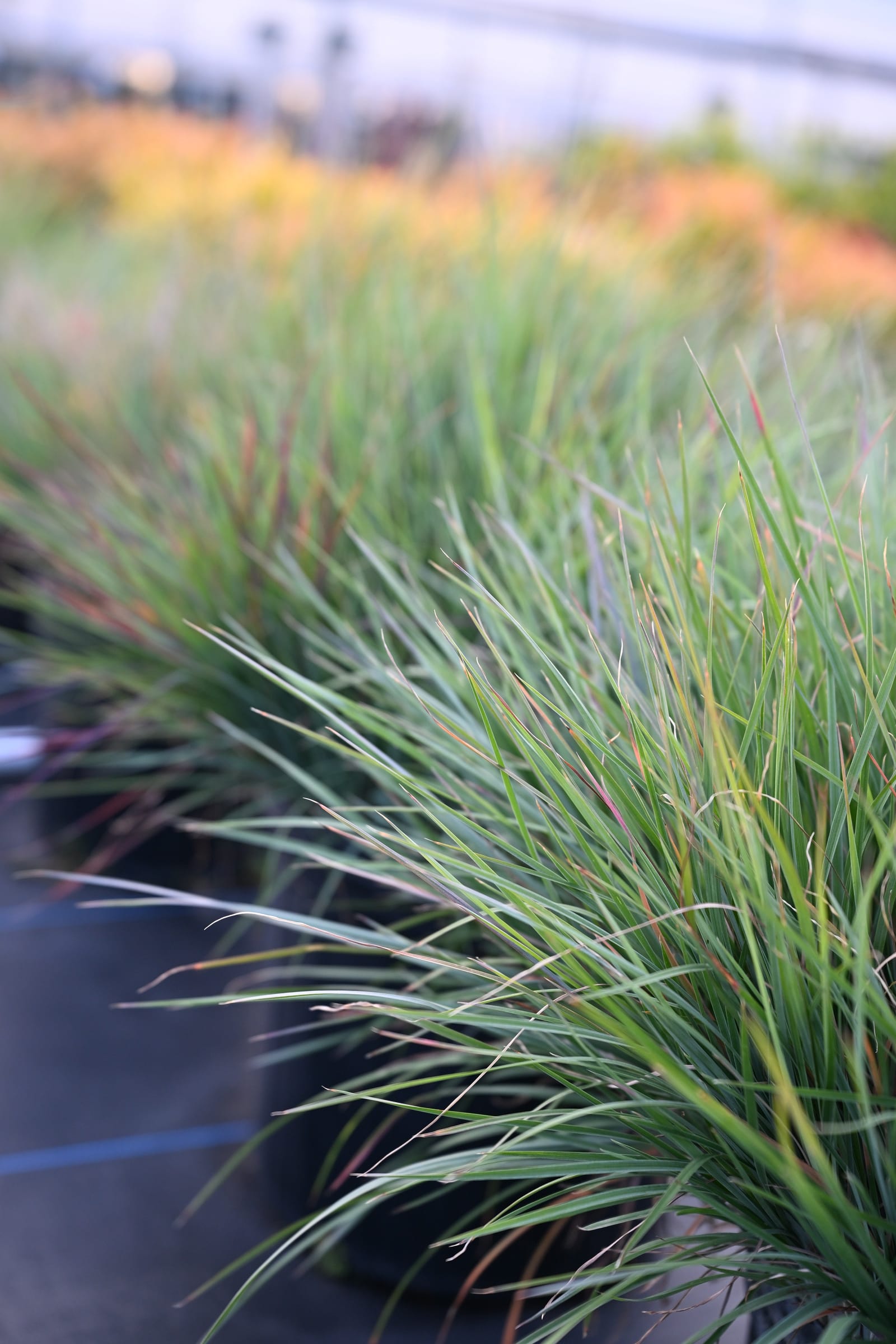
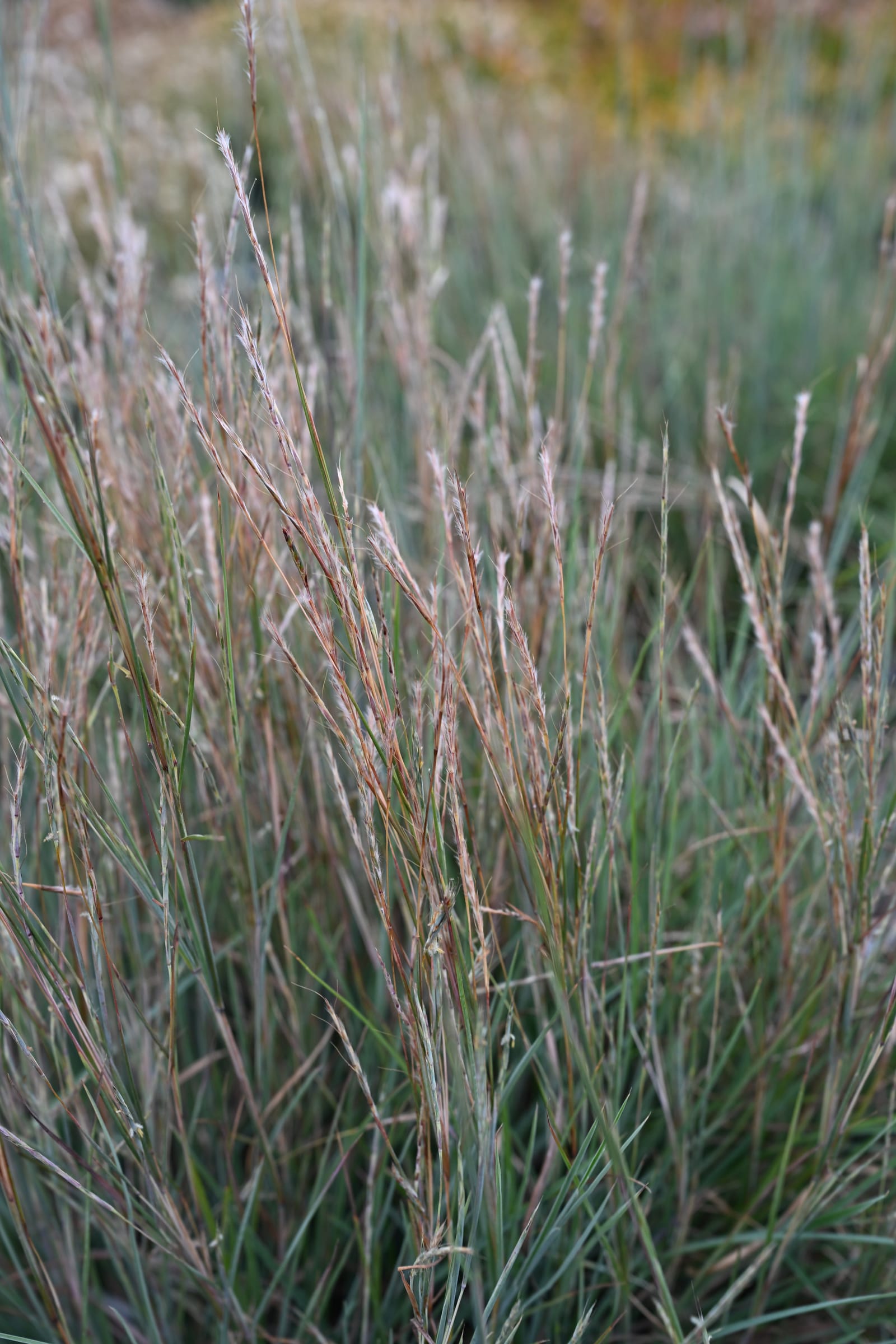
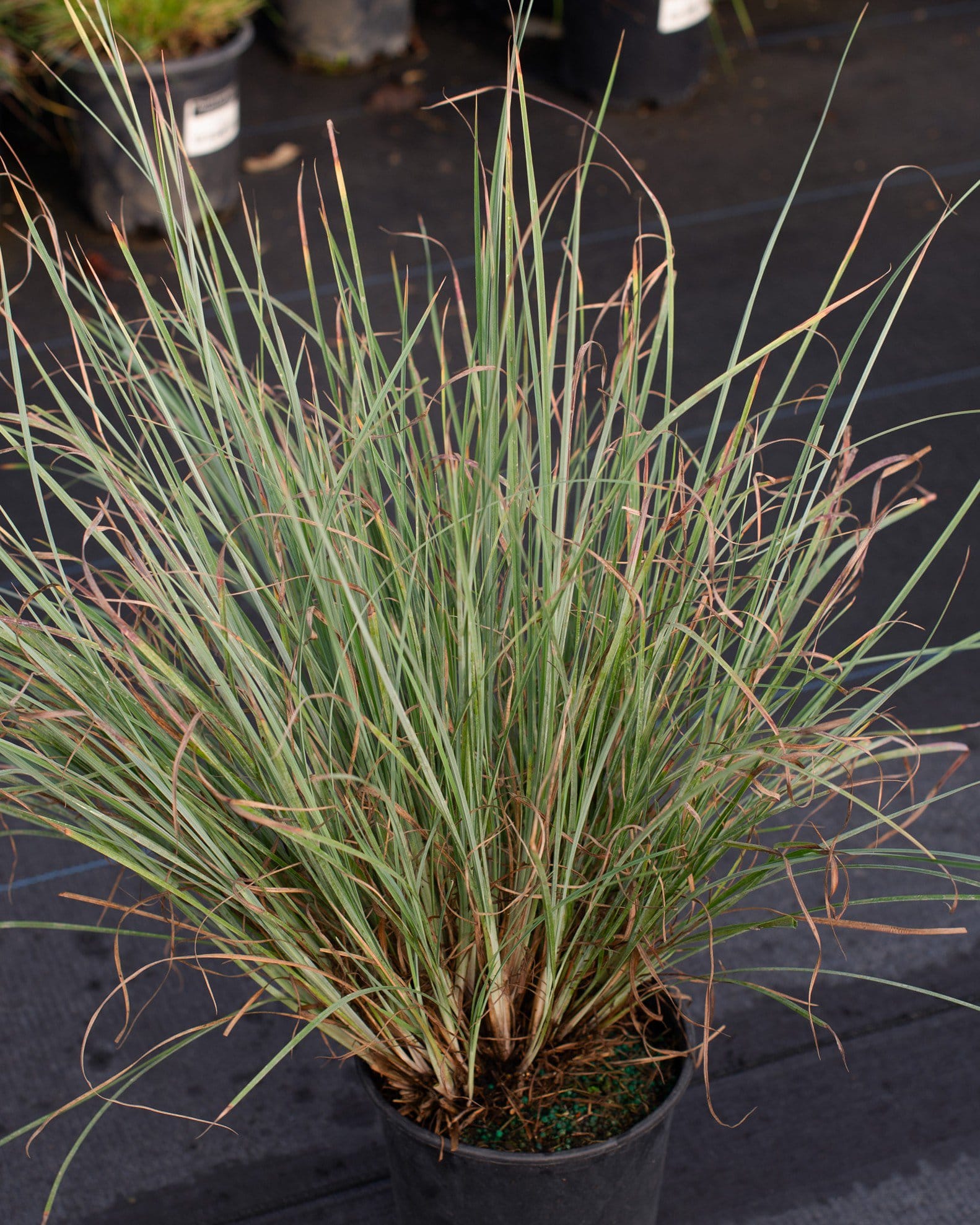
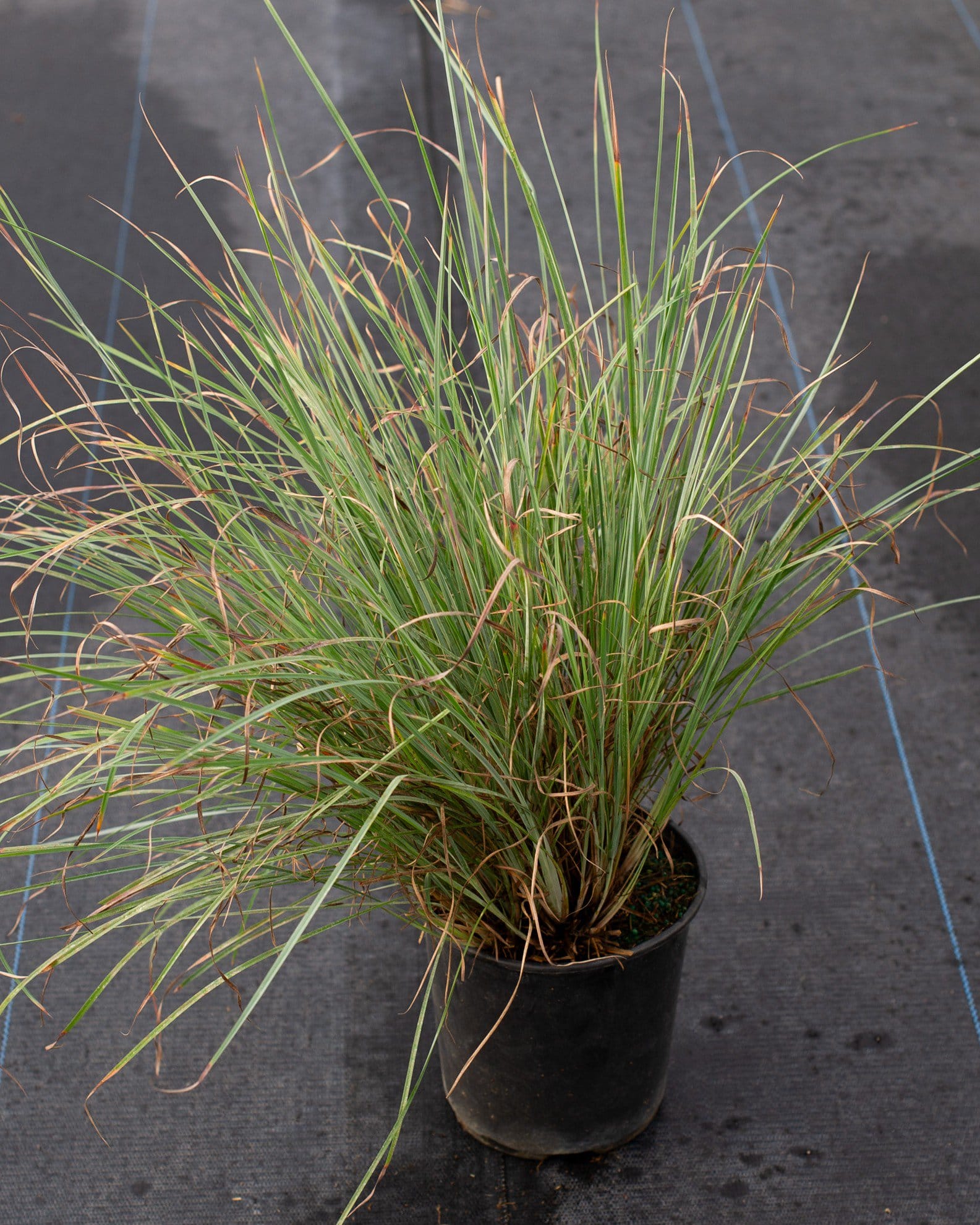
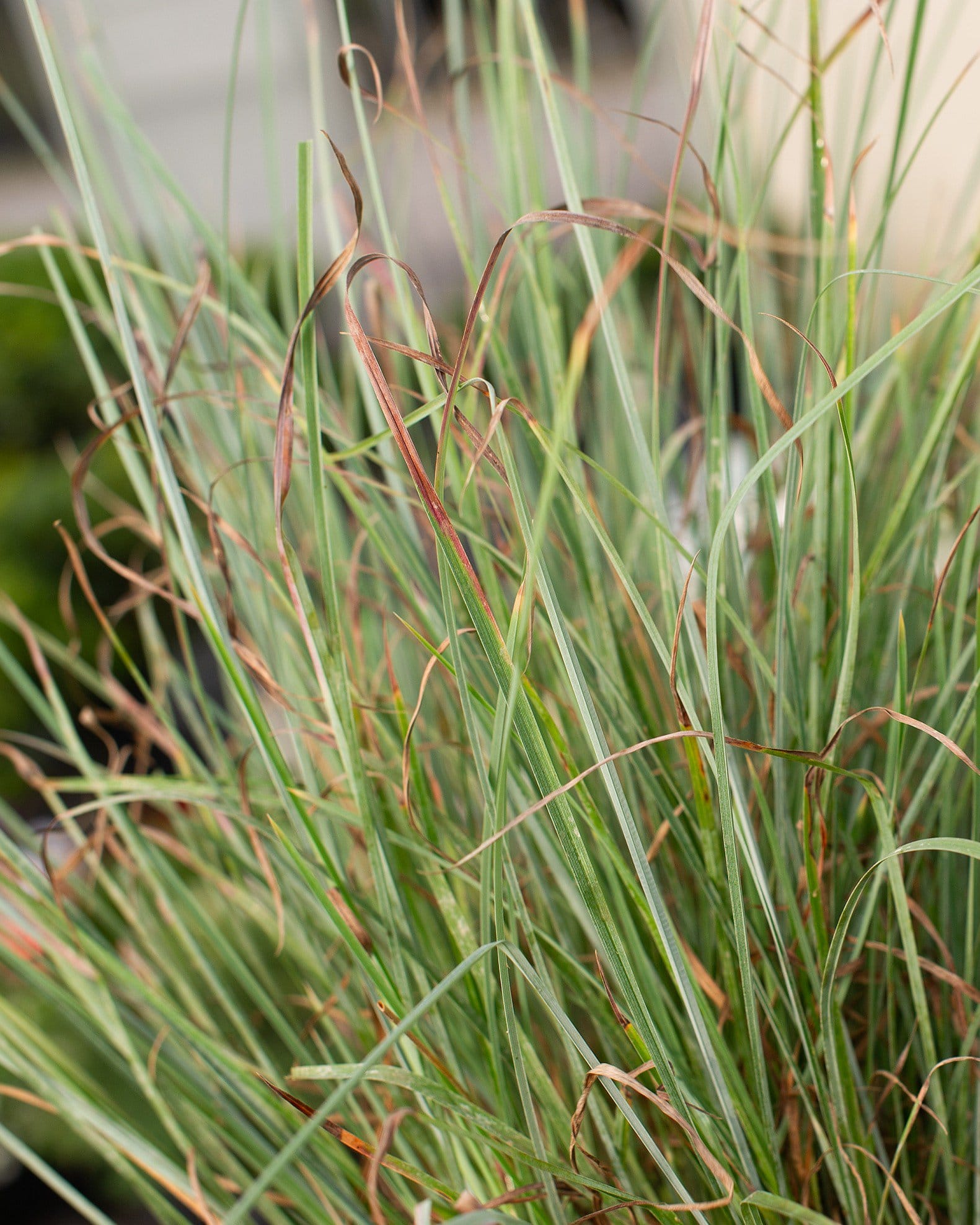
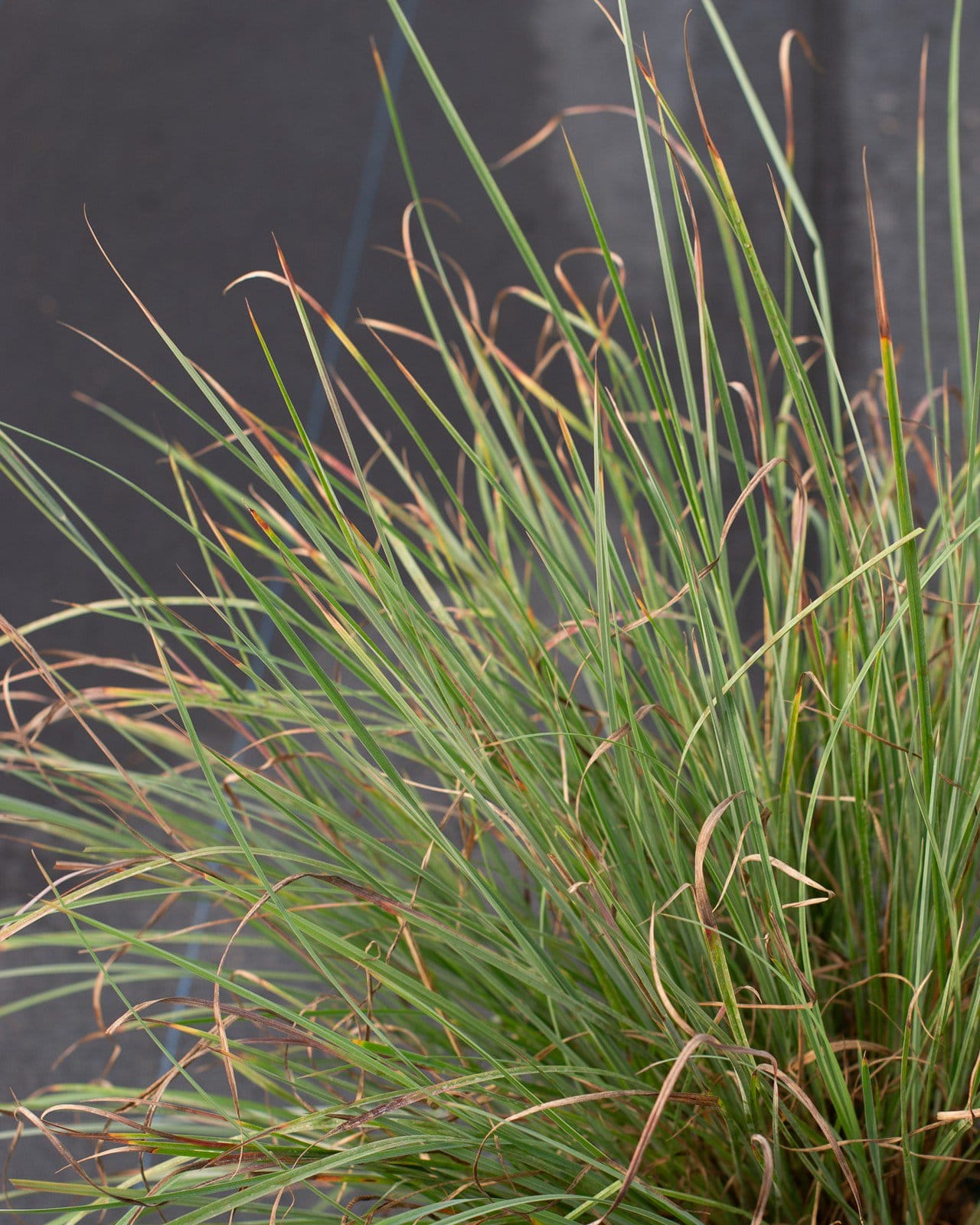
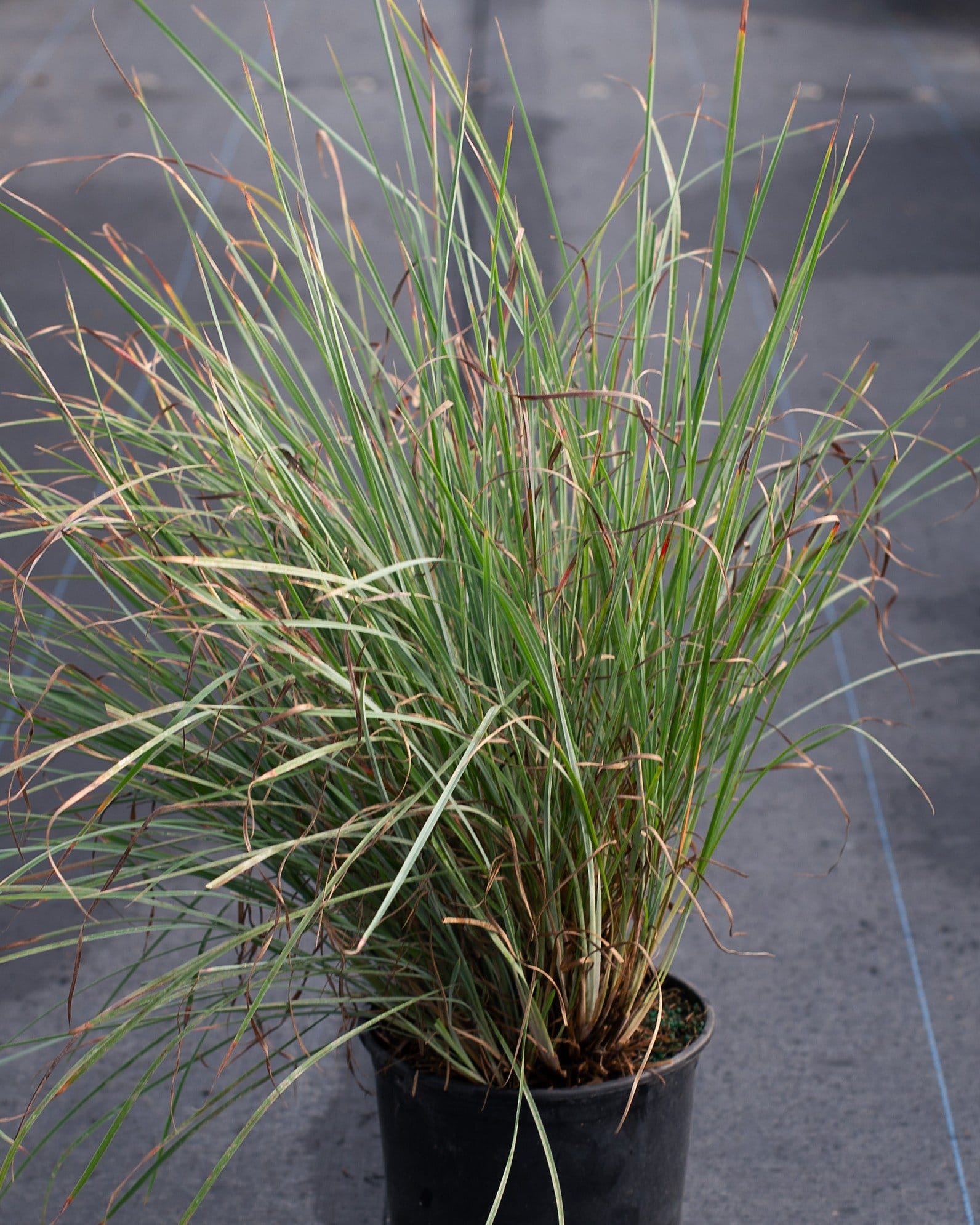
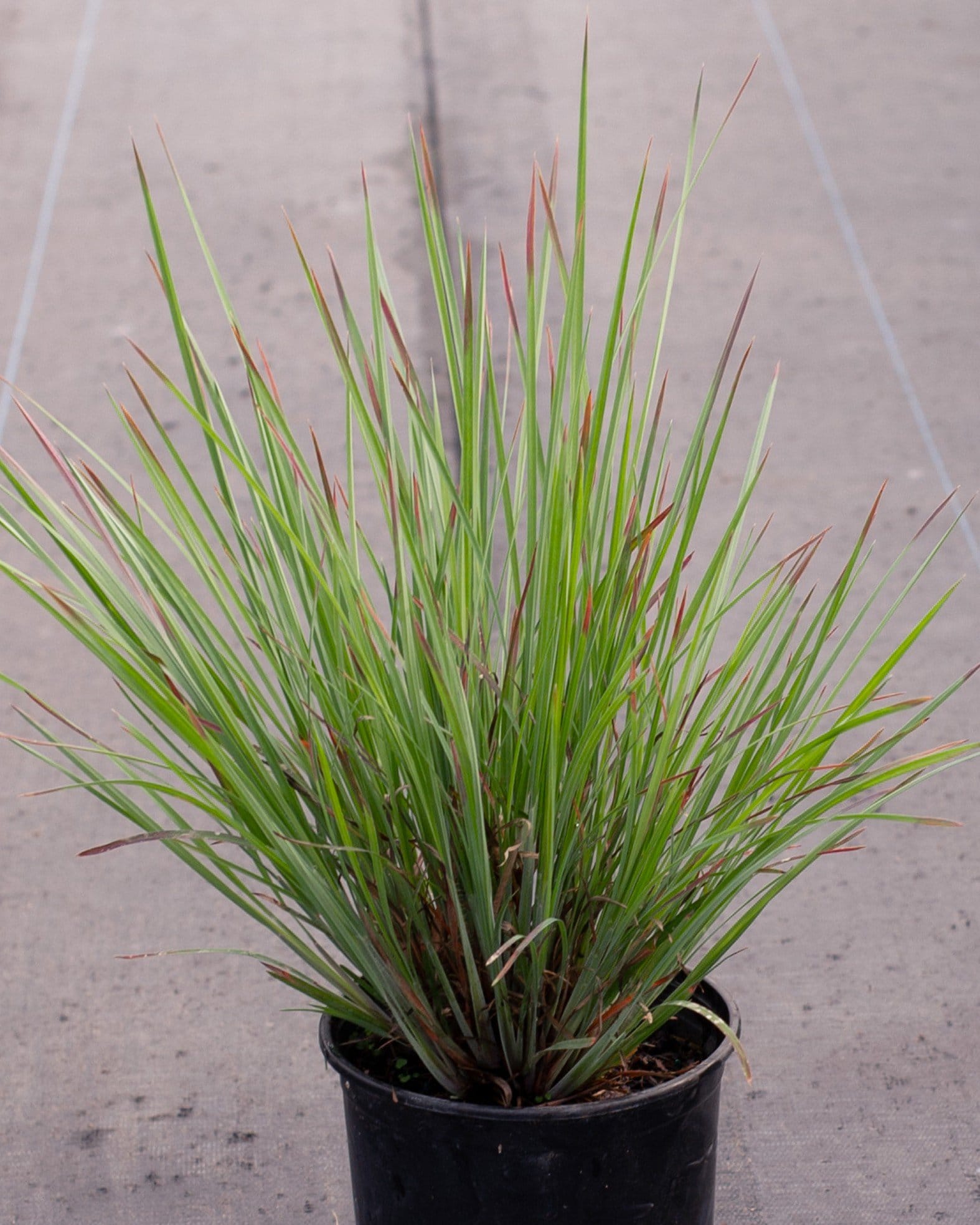
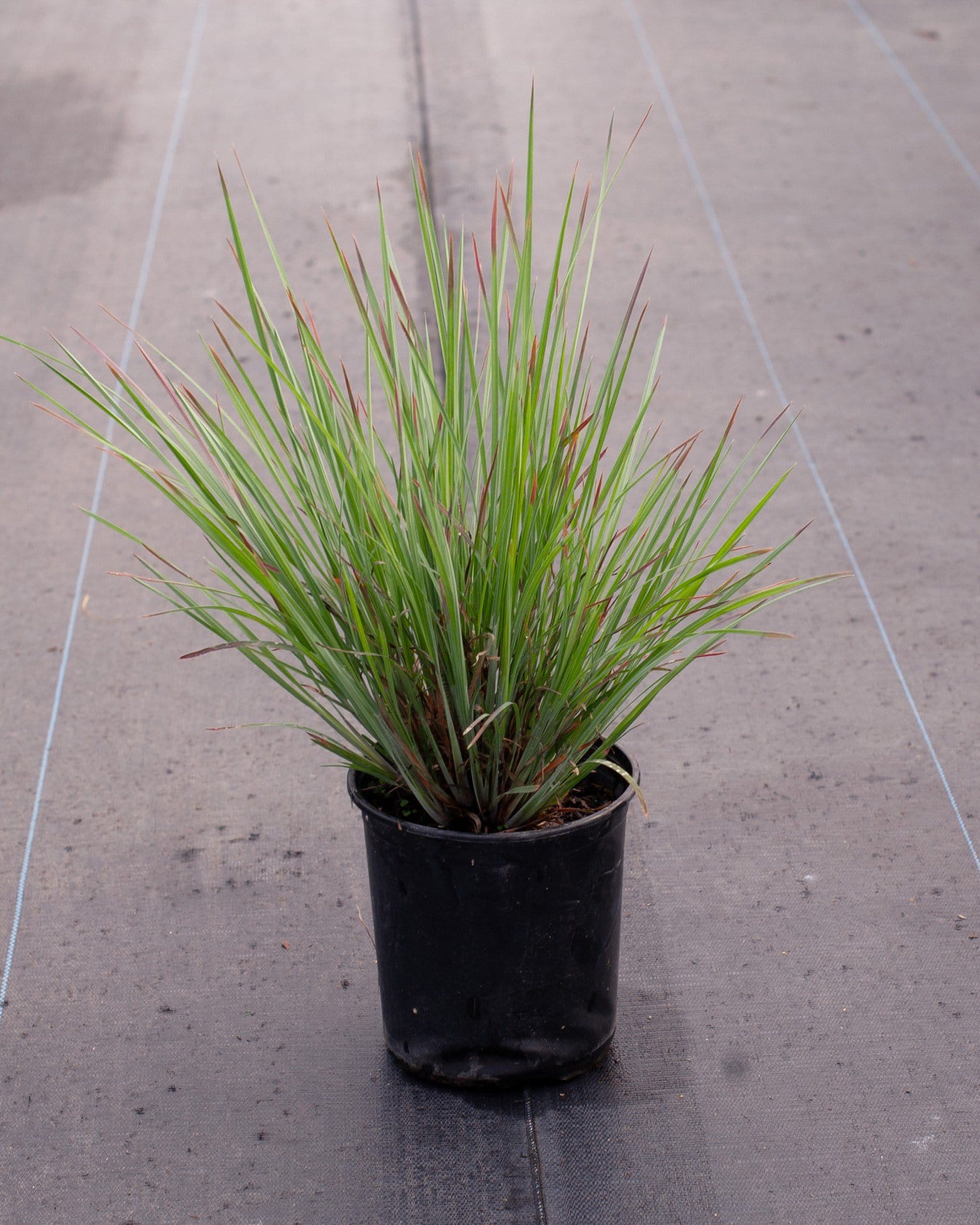
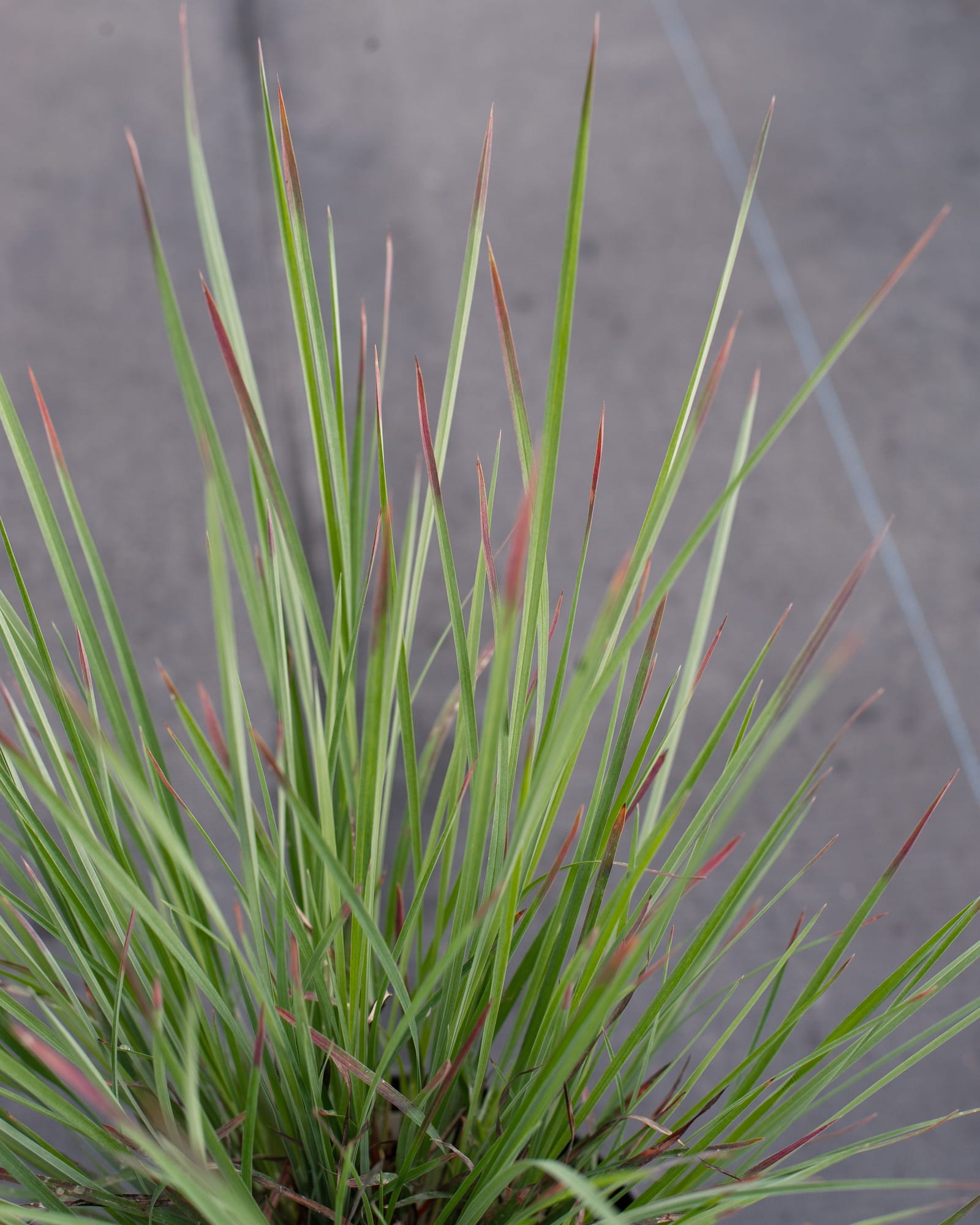
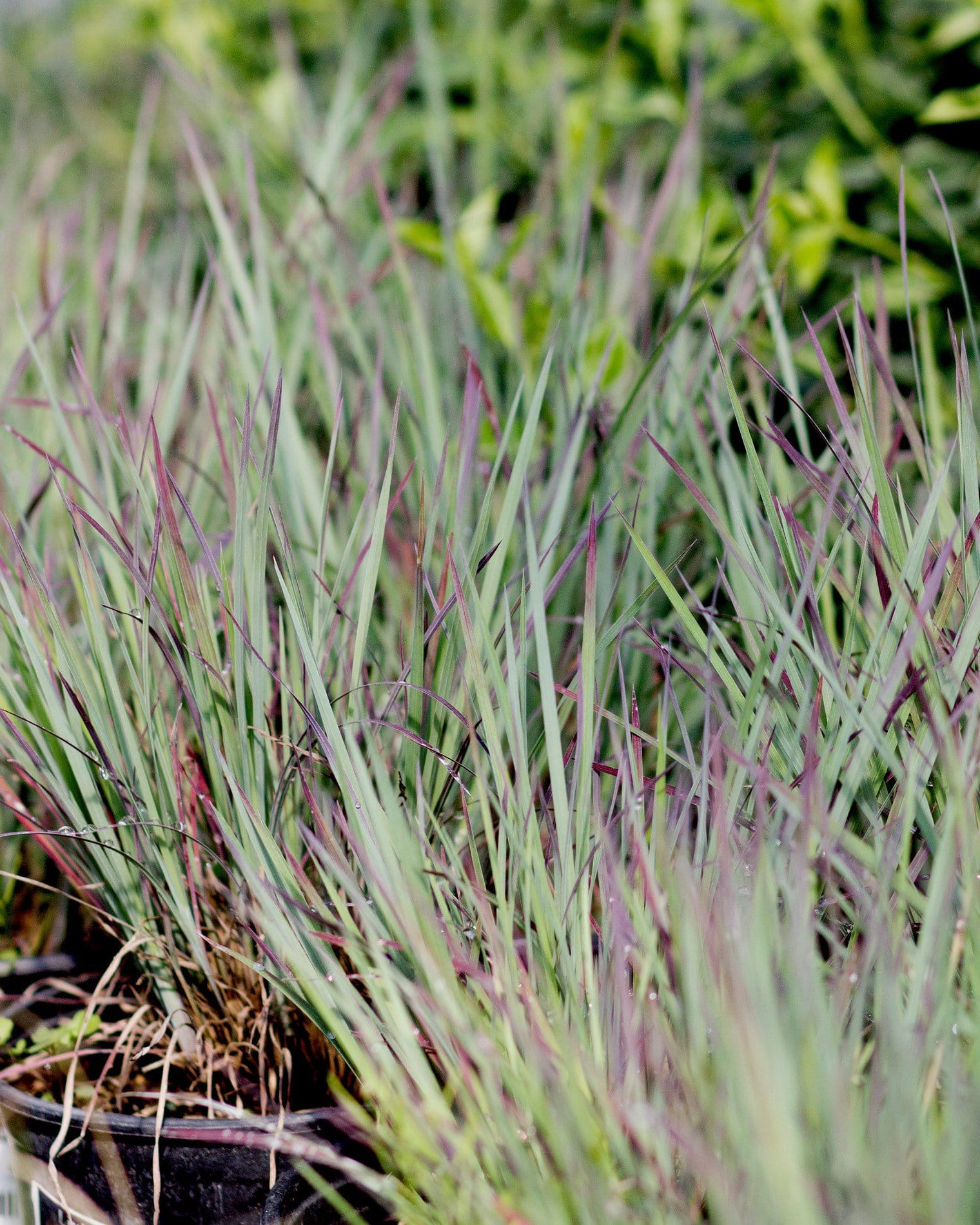
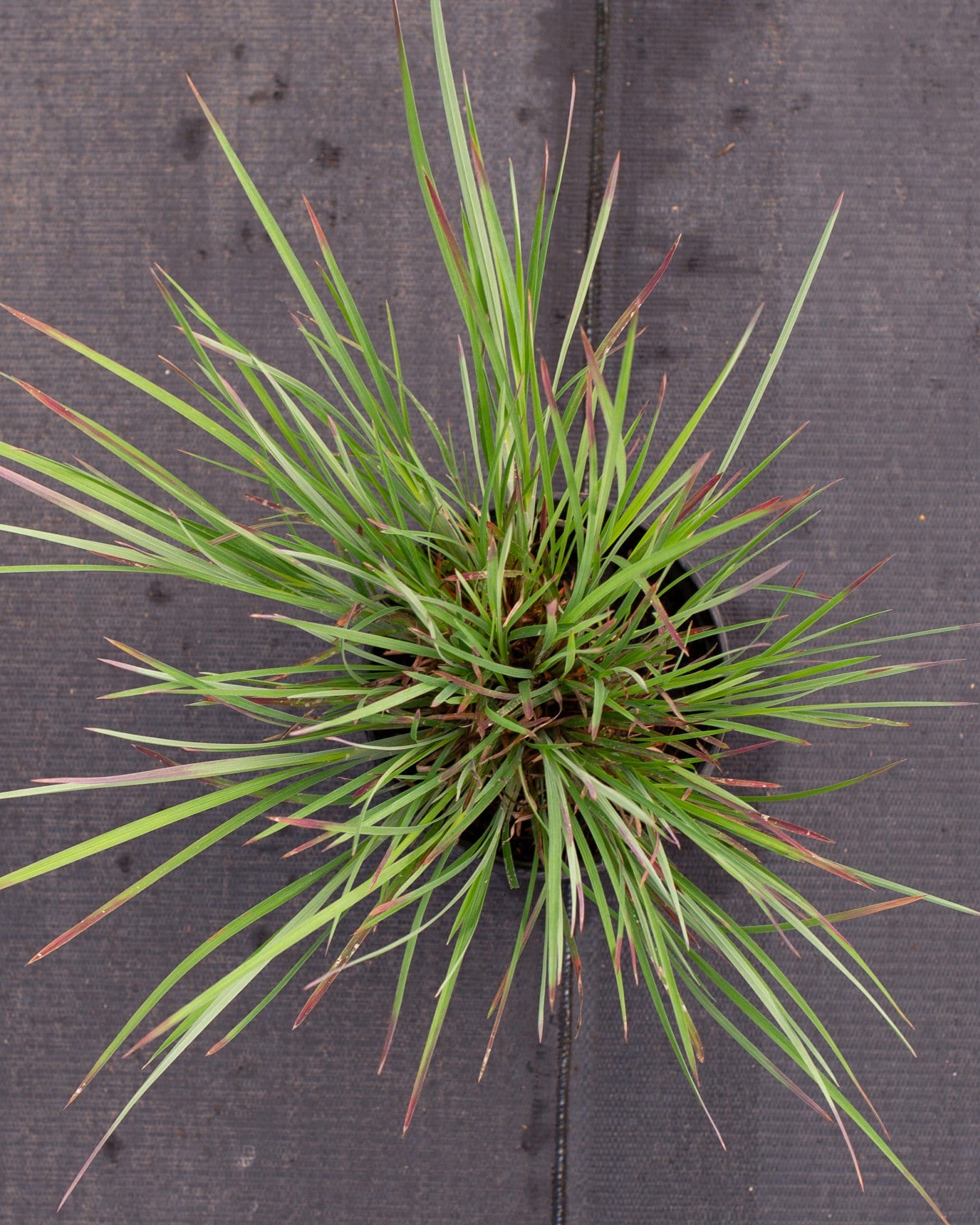
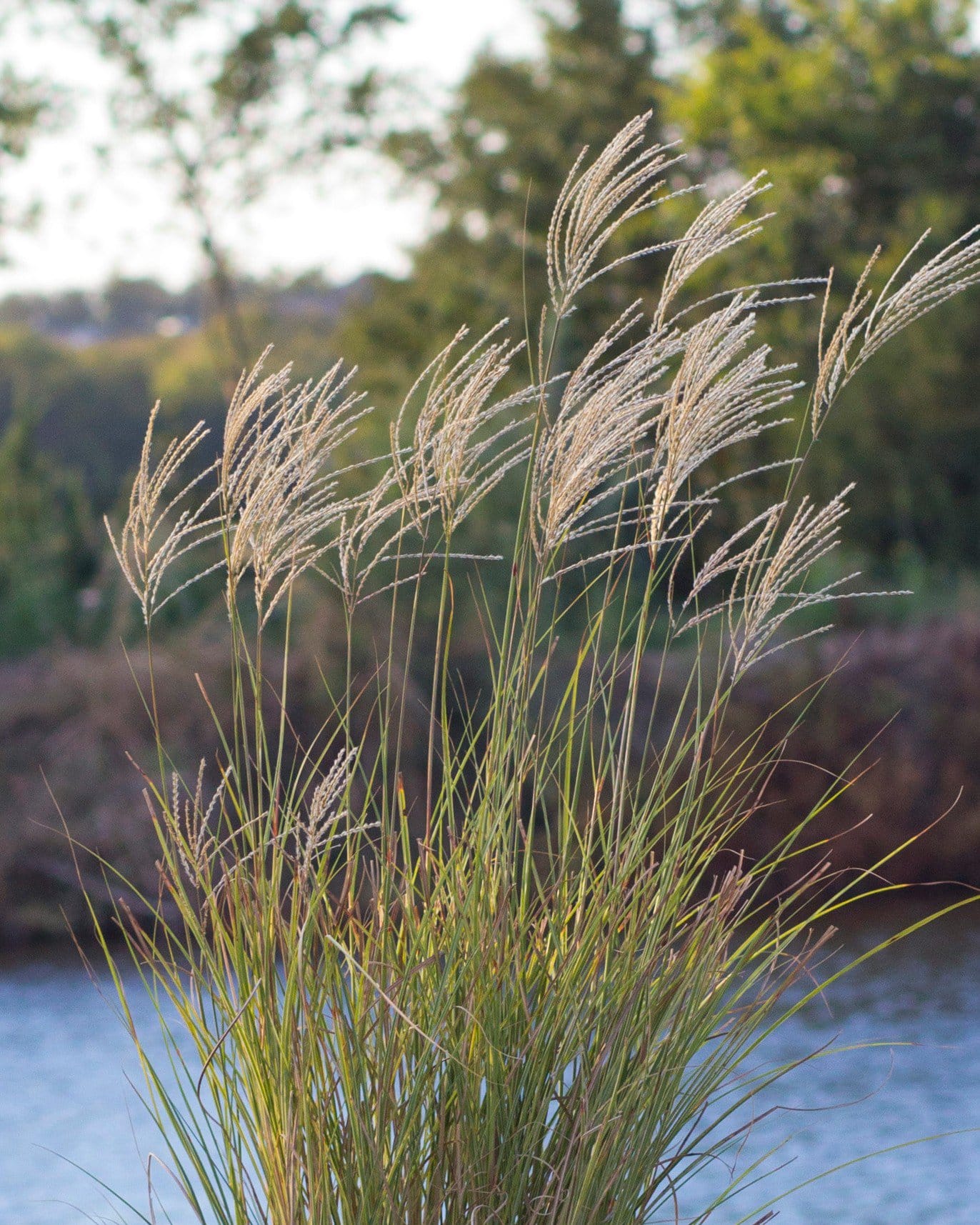
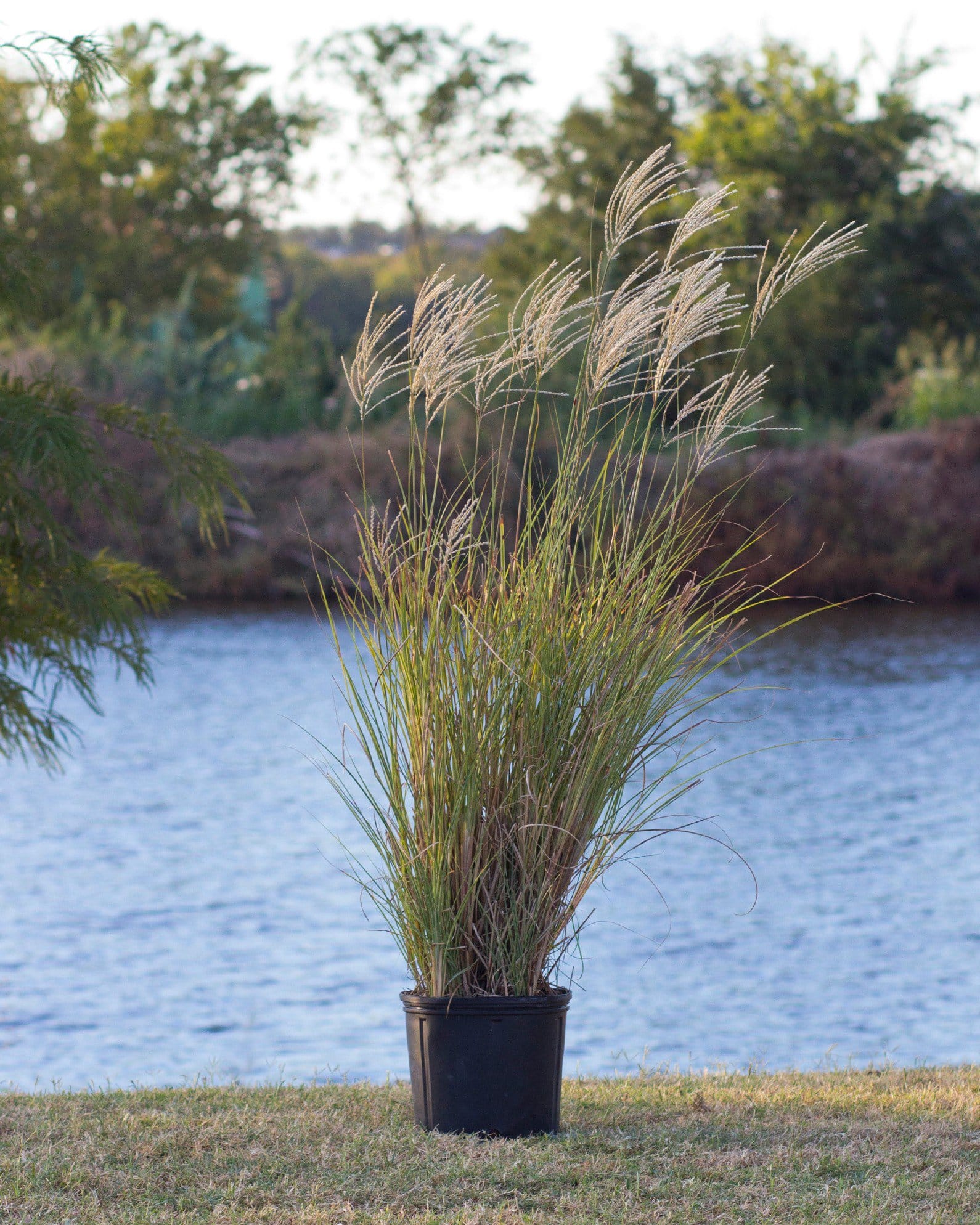
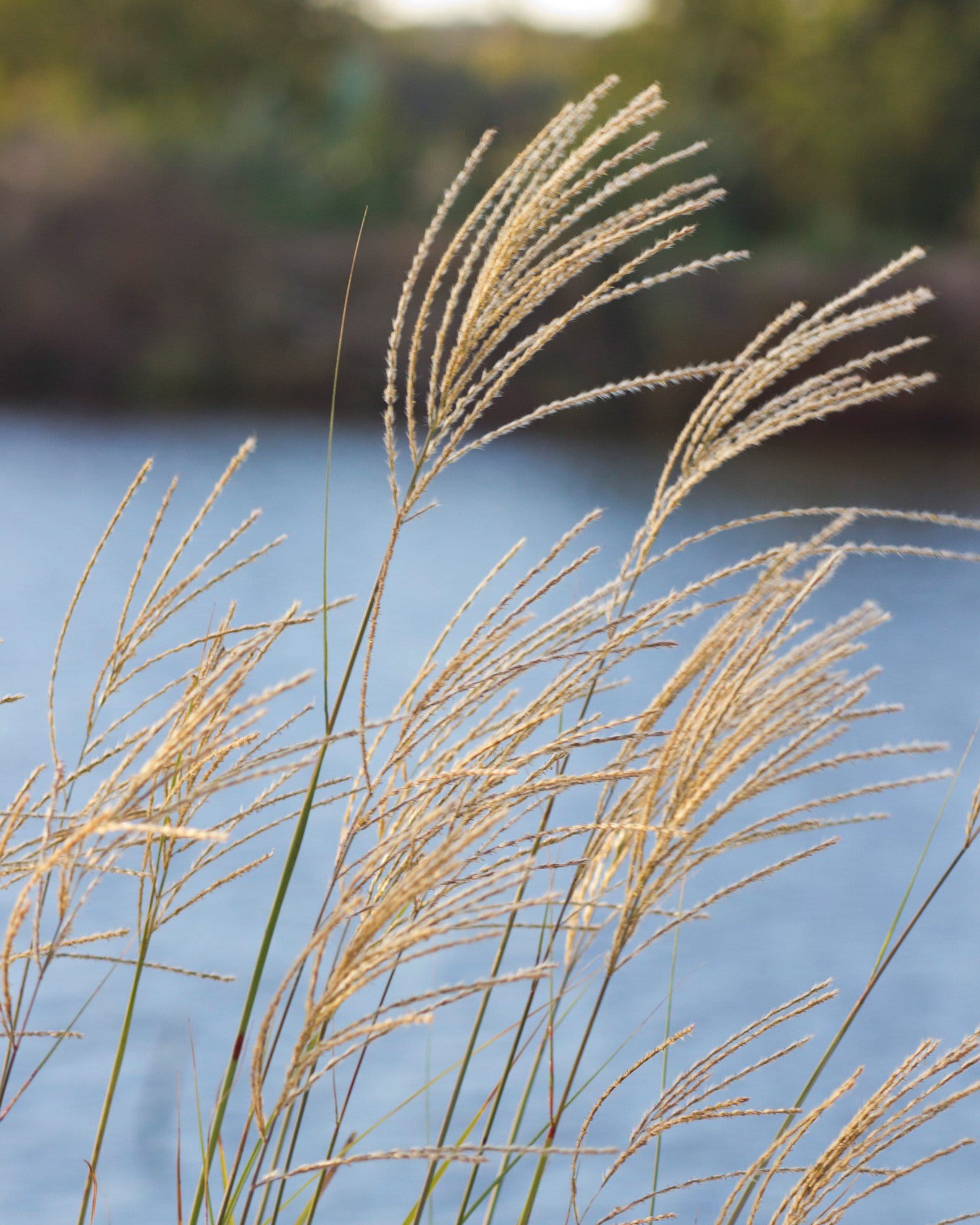
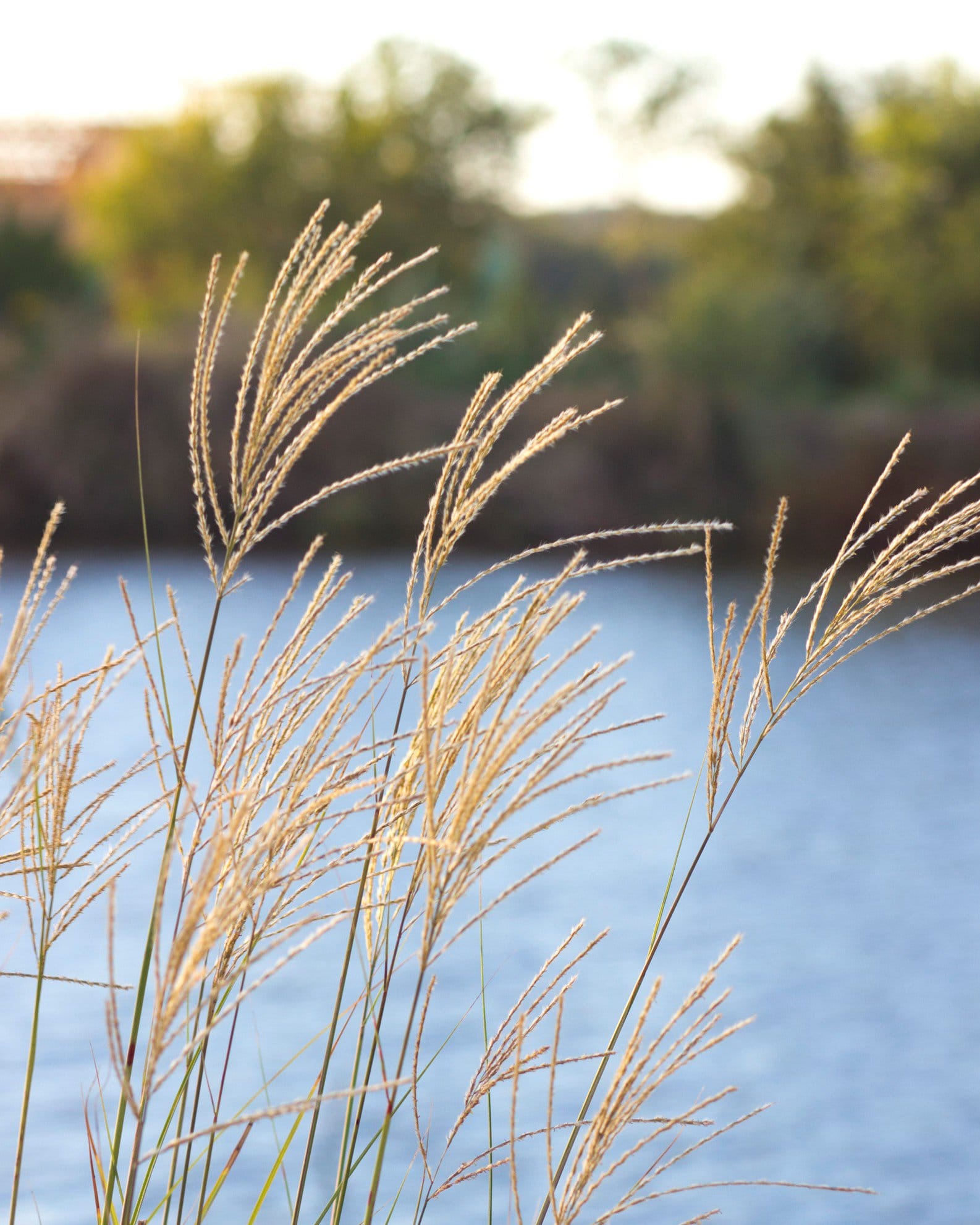
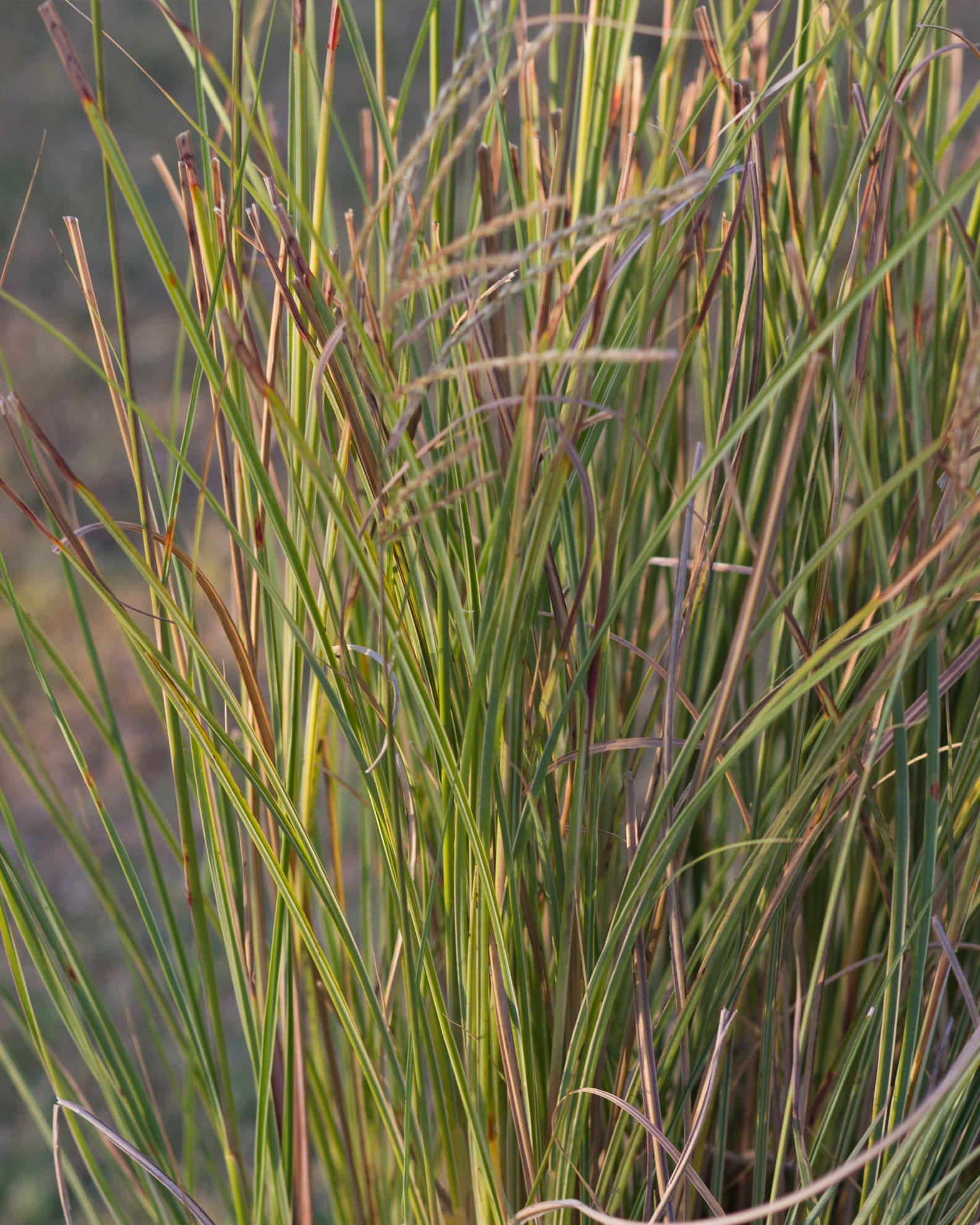
Muhlenbergia lindheimeriLindheimer Muhly is a herbaceous ornamental grass variety, reaching 3 feet in height and 3 feet in width when mature. It features long blue-green blades and produces fine-textured white plumes in the fall. Known for its soft movement and upright habit, this native grass is a strong choice for beds, borders, natural-style plantings, or even occasional containers across North Texas.
- Herbaceous ornamental grass type
- Blue-green foliage with soft texture
- White fall plumes add seasonal interest
- Moderate growth rate with upright growing habits
- Excellent for structure in larger flower beds
Lindheimer Muhly grows well in full sun and prefers well-drained soil, so choose your planting spot accordingly. To maintain its beauty and shape, trim as necessary to encourage fresh new growth in spring. It thrives in zones 6 through 10, making it a great choice for almost all of Texas.
Lindheimer Muhly is a hardy, ornamental grass valued for its airy, pinkish-purple flower plumes and fine-textured foliage. It thrives in full sun and is highly adaptable to various soil types.
- Watering: Water regularly during the first growing season to encourage deep root development. Once established, Lindheimer Muhly is very drought-tolerant and requires minimal supplemental watering. Occasional deep watering during extended dry spells enhances growth and flowering. Avoid overwatering, which can weaken the roots and cause flopping.
- Pruning: Cut back old foliage to about 3-4 inches above the ground in late winter or early spring before new growth emerges. This promotes dense, vibrant regrowth and maintains a tidy clump. Avoid midseason pruning, as it can reduce flowering and stress the plant.
- Fertilizing: Typically thrives in lean soils and rarely needs fertilization. If soil is poor, apply a light dose of balanced, slow-release fertilizer or compost in early spring. Over-fertilization may cause floppy or weak stems.
- Mulching: Apply a 1-2 inch layer of gravel, decomposed granite, or dry mulch around the base to conserve moisture, regulate soil temperature, and suppress weeds. Keep mulch slightly away from the crown to prevent rot.
- Winter Care: Cold-hardy; may remain partially evergreen in mild climates. In colder zones, it naturally goes dormant, leaving attractive tan foliage and airy plumes. Cut back to the ground in late winter to encourage new spring growth.
- Floppy Growth: Usually from overwatering, excess fertilization, or partial shade. Keep in full sun and avoid rich soils.
- Root Rot: Caused by poorly drained soils. Ensure well-draining conditions and avoid standing water.
- Leaf Browning: Normal in late winter or during drought. Trim damaged foliage in spring and provide deep watering if necessary.
- Pests: Generally pest-resistant. Occasional grasshoppers or aphids may feed on leaves, but issues are usually minor.
With proper care, it can thrive for 10-15 years or more. Mature clumps often expand gracefully and maintain their upright form with minimal intervention. In landscapes with favorable conditions, individual clumps can persist even longer, gradually self-thickening over time.
It grows at a moderate rate, reaching full clump size within 2-3 growing seasons. Flower plumes typically appear in the second season, adding ornamental appeal. Once established, the growth rate stabilizes, and clumps maintain their compact, upright structure with minimal maintenance.
Yes, deer generally avoid it due to its fine, fibrous leaves and upright growth habit. Its natural texture and lack of strong nutritional appeal make it a reliable choice in areas with high deer pressure.
Absolutely. It performs well in large pots with well-draining soil, adding texture and movement to patios, decks, or urban landscapes. Container plants may need occasional deep watering in hot weather, and light pruning each spring helps maintain their shape and vigor.
Yes, it tolerates heat, reflected light, and poor soils, making it ideal for streetscapes, medians, and xeric gardens. Its low-maintenance nature also makes it a cost-effective choice for large-scale plantings and commercial properties.
Absolutely. Divide mature plants every 3-4 years in early spring to restore vigor and maintain a dense, healthy mound. This also encourages stronger flowering plumes and prevents overcrowding within established beds.
Yes, its fibrous root system stabilizes soil effectively, making it excellent for slopes, embankments, and low-water landscapes. When planted in mass, it can significantly reduce runoff and soil loss while providing a natural, visually appealing cover.
Completely safe. Non-toxic and gentle underfoot, suitable for children and pets.
Its airy, cloud-like pink plumes and fine-textured foliage create stunning seasonal displays. Combined with drought tolerance, upright habit, and adaptability, it’s a versatile, low-maintenance choice for both ornamental and functional plantings. Its ability to maintain structure and color through summer heat and minimal water makes it particularly valuable in xeriscapes.
Yes, it is highly tolerant of heat and performs well in challenging conditions once established. This resilience makes it well suited for low-maintenance landscapes.
Special Features
You might also like
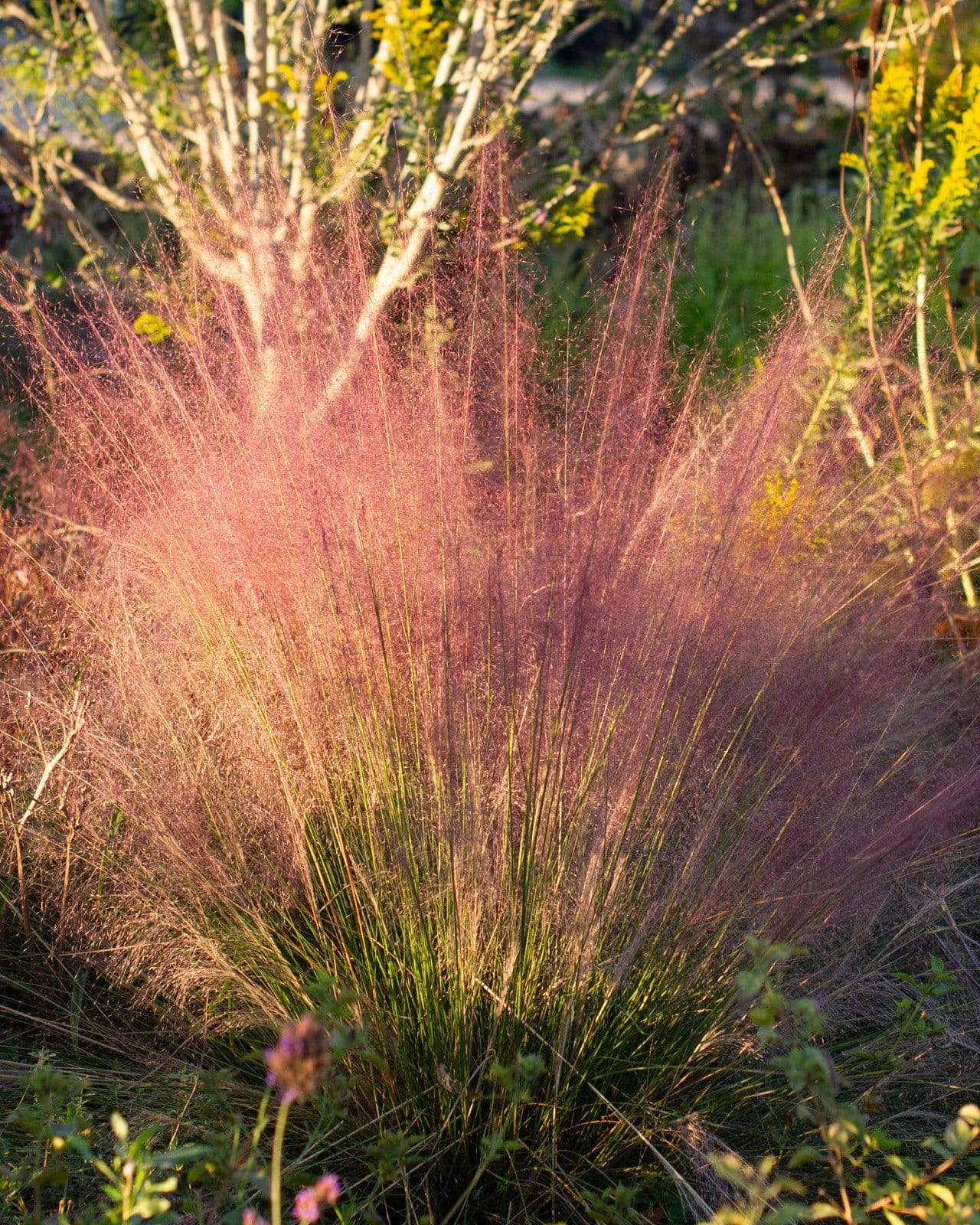
Pink Muhly
Maturity: 2' H x 2' W
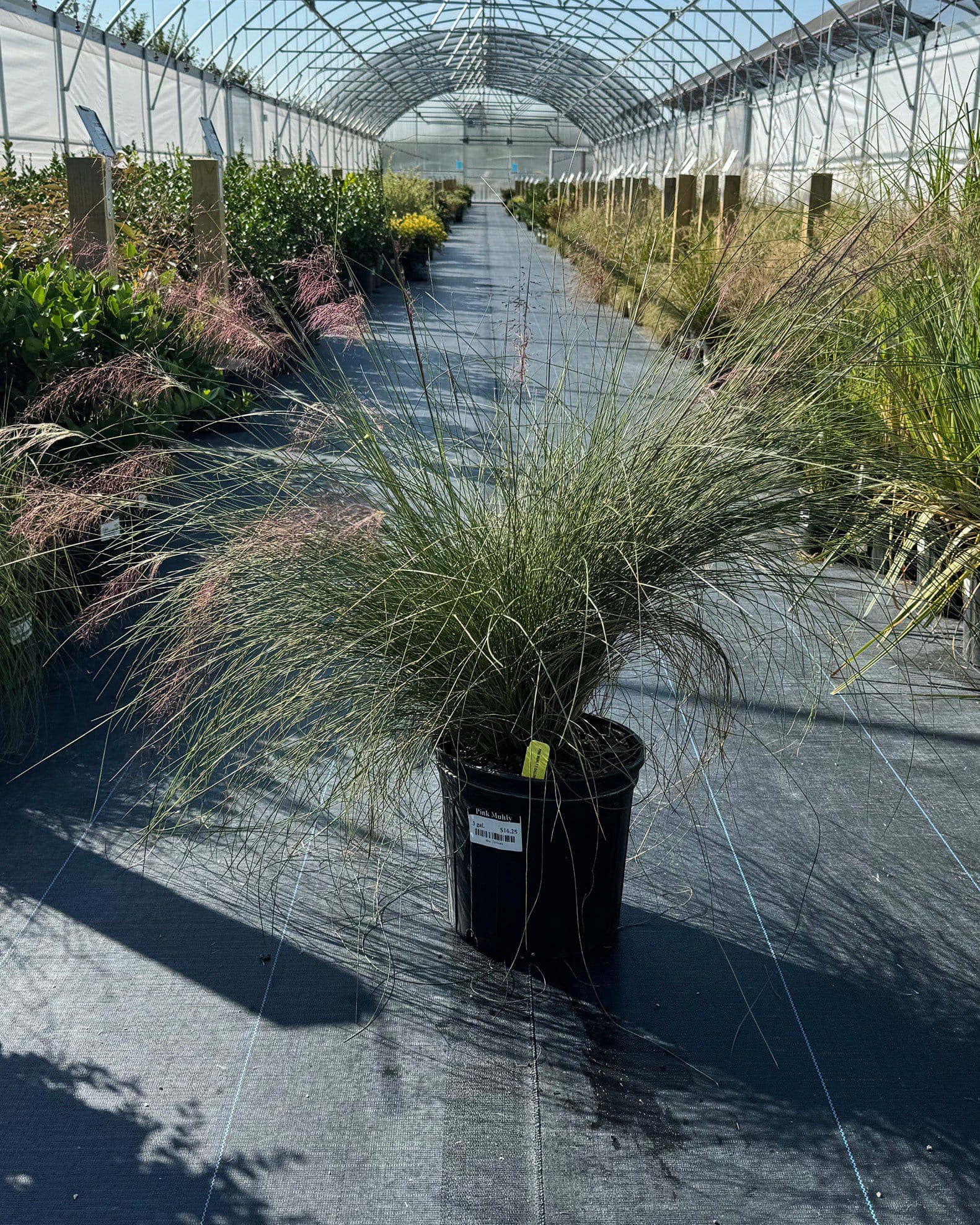
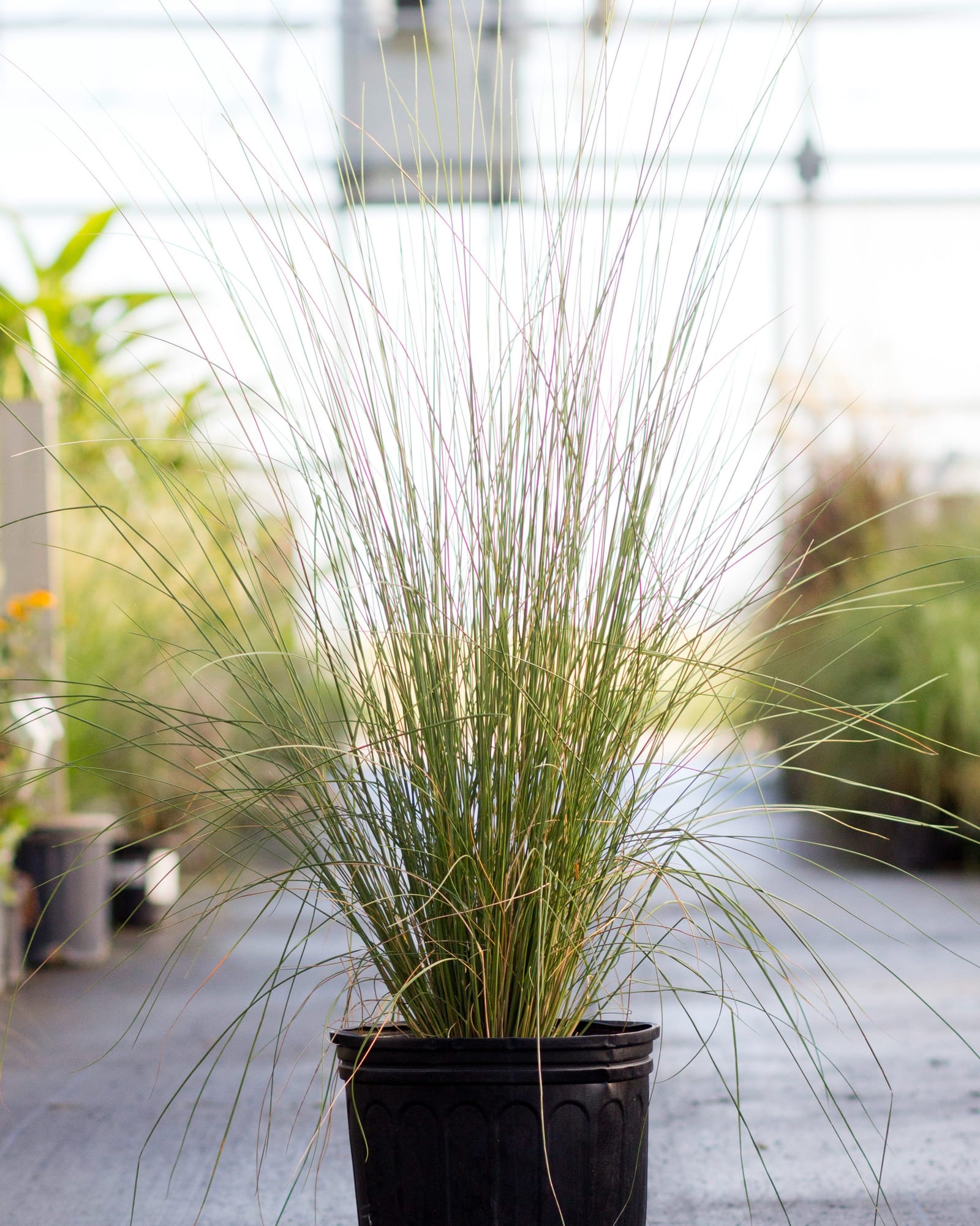
White Cloud Muhly
Maturity: 2' H x 2' W
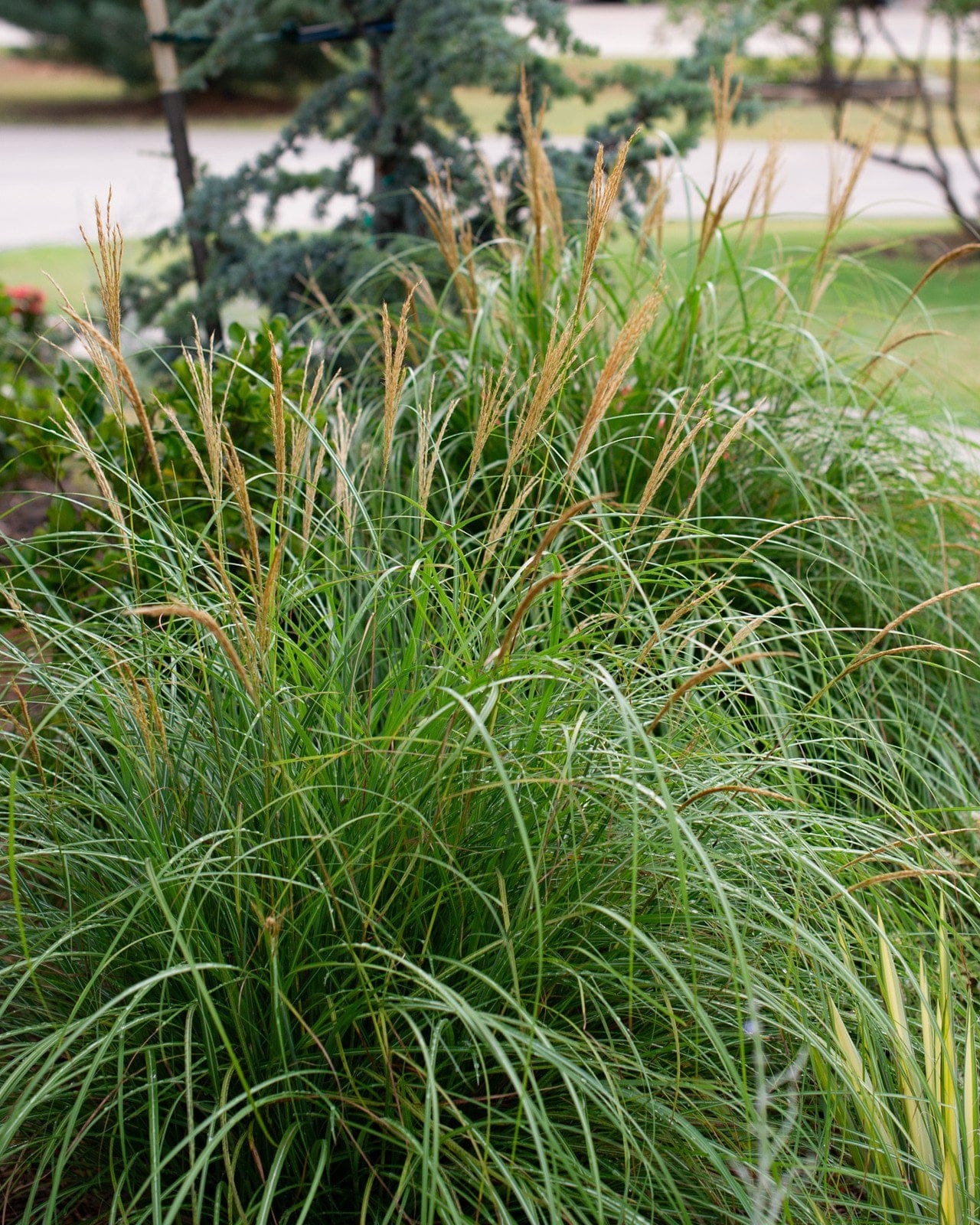
Adagio Miscanthus
Maturity: 3' H x 3' W
Berkeley Carex Sedge
Maturity: 1' H x 2' W
Blue Arrows Rush
Maturity: 3' H x 1' W
Little Bluestem
Maturity: 2' H x 2' W
Little Bluestem Prairie Blues
Maturity: 3' H x 2' W
Little Bluestem Standing Ovation
Maturity: 2' H x 1.5' W
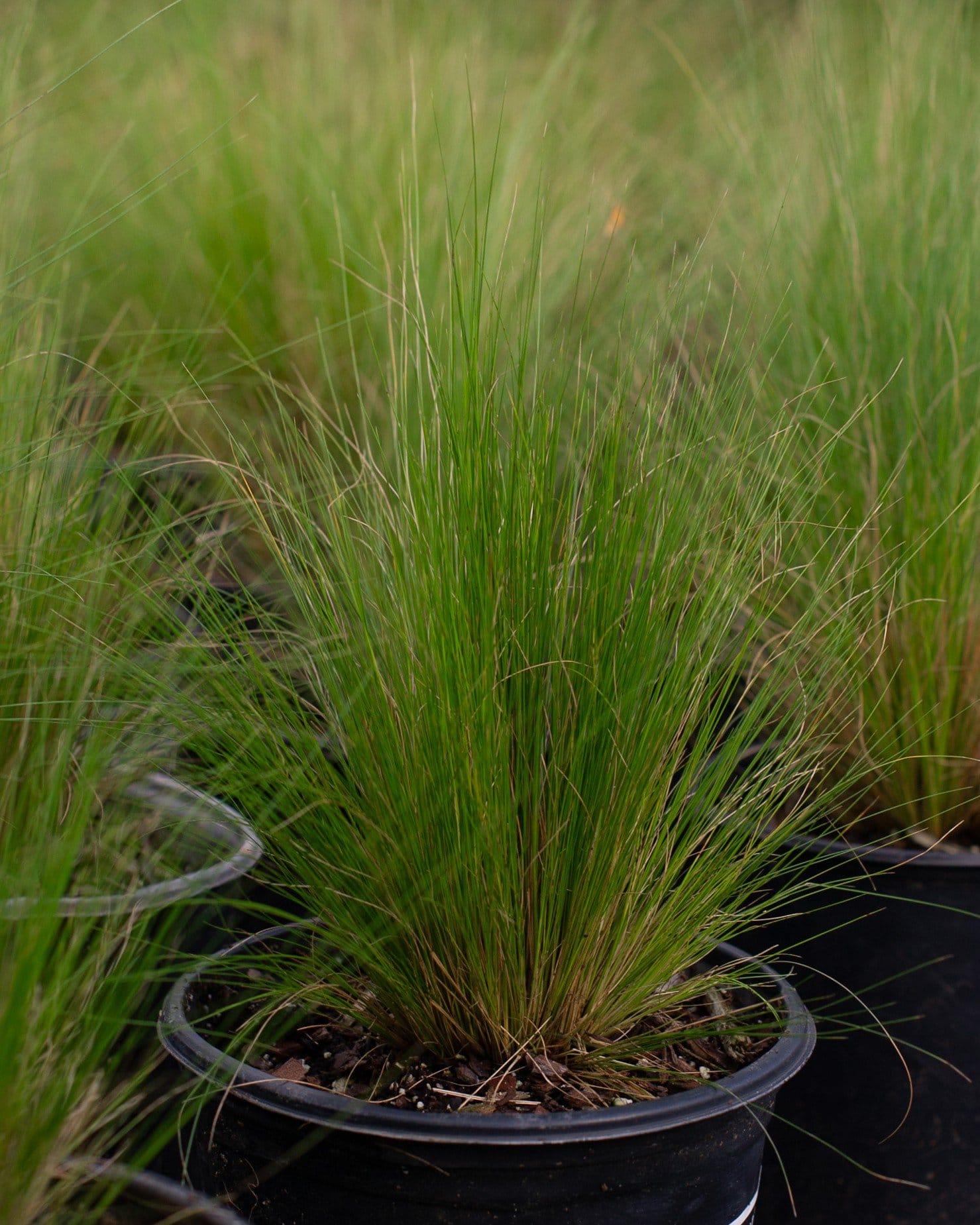
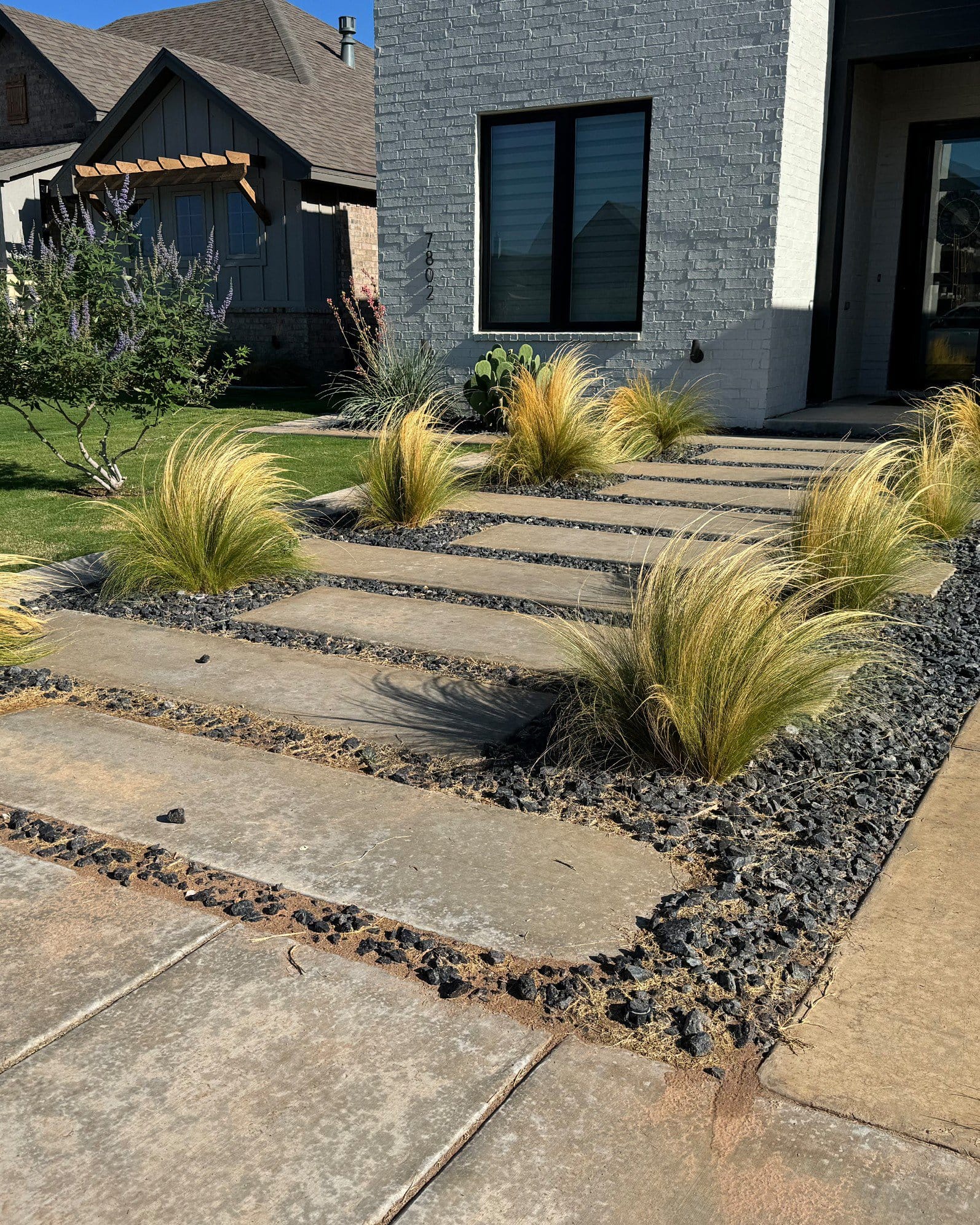
Mexican Feather
Maturity: 2' H x 2' W
Morning Light Miscanthus Maiden Grass
Maturity: 4' H x 3' W
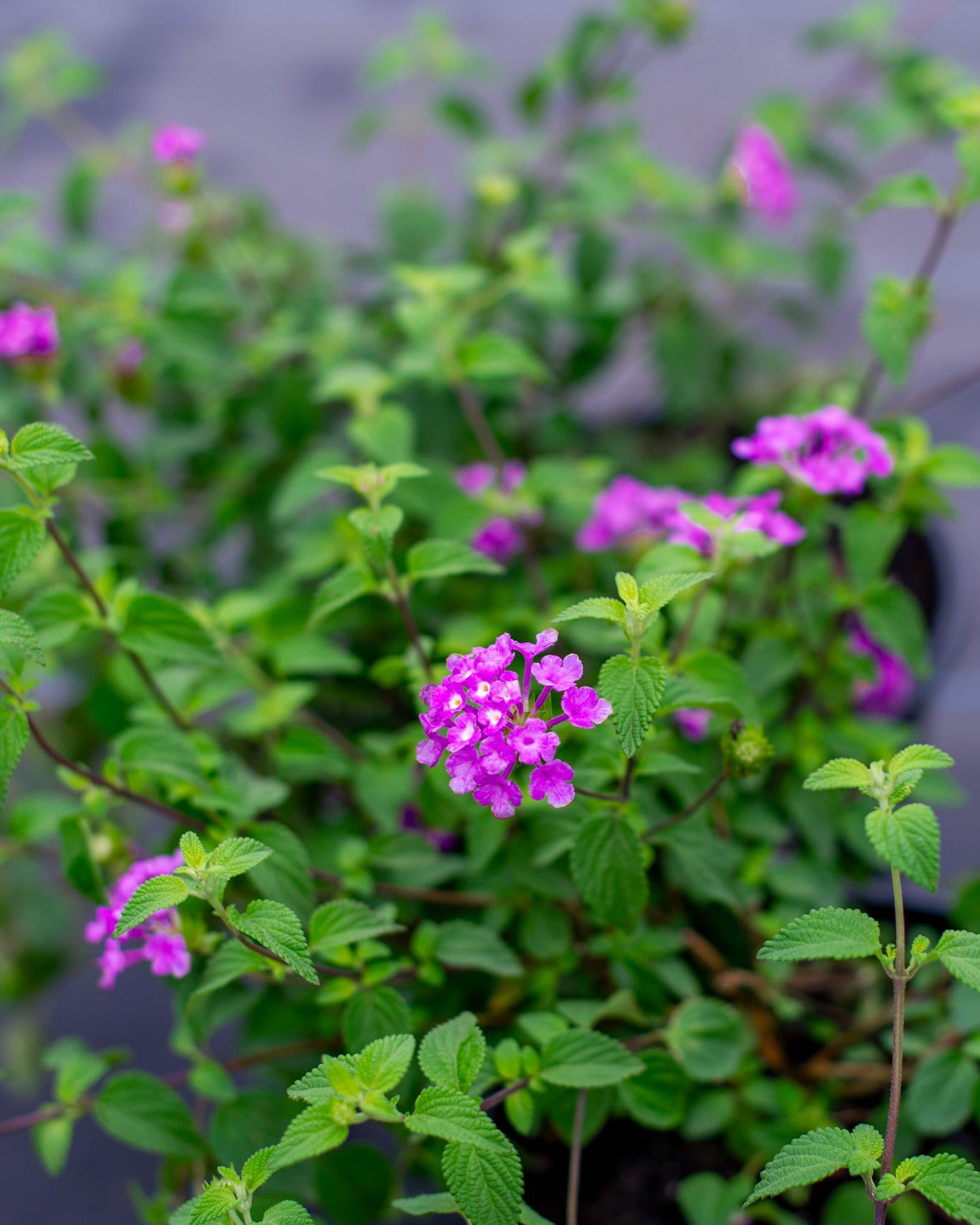
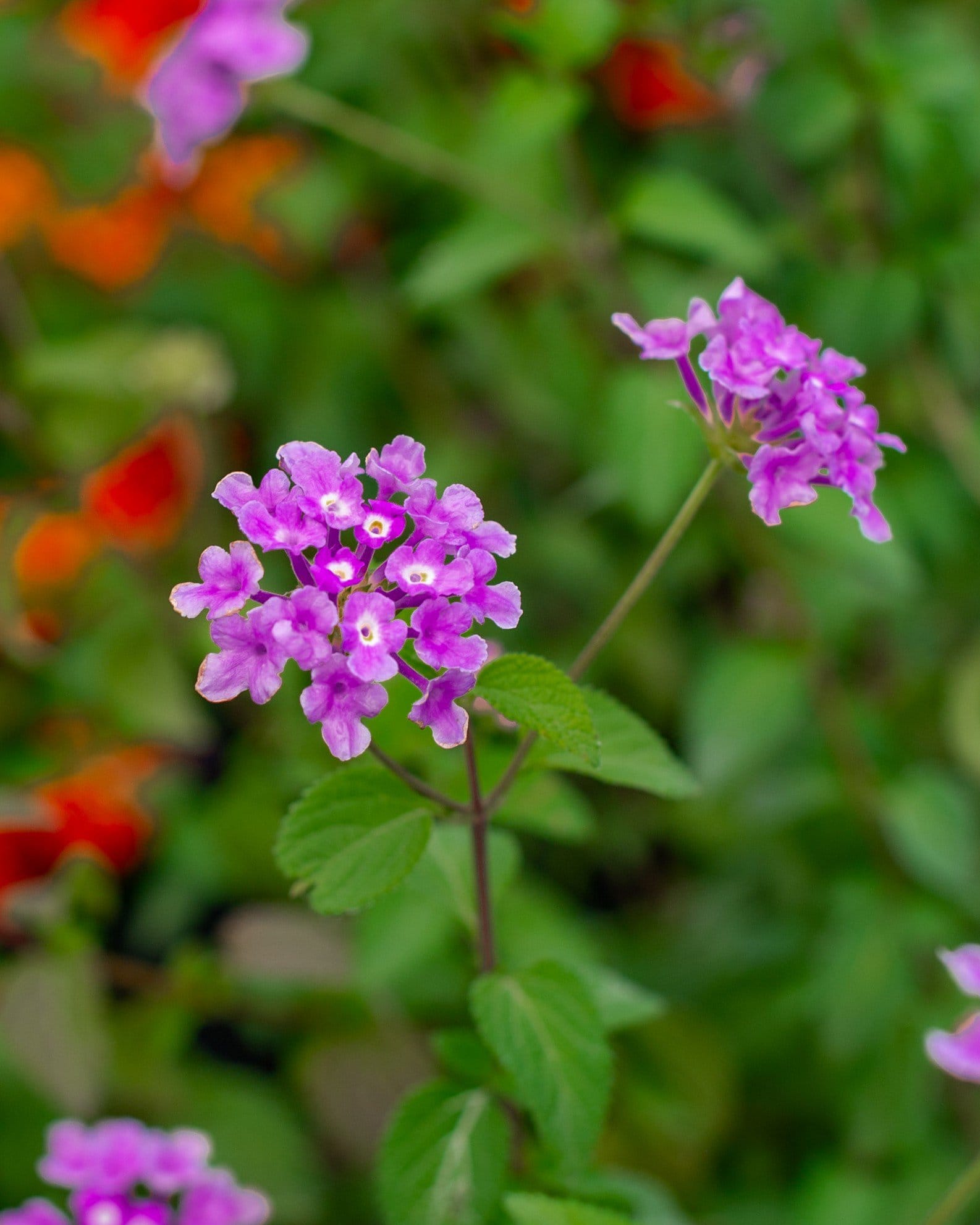
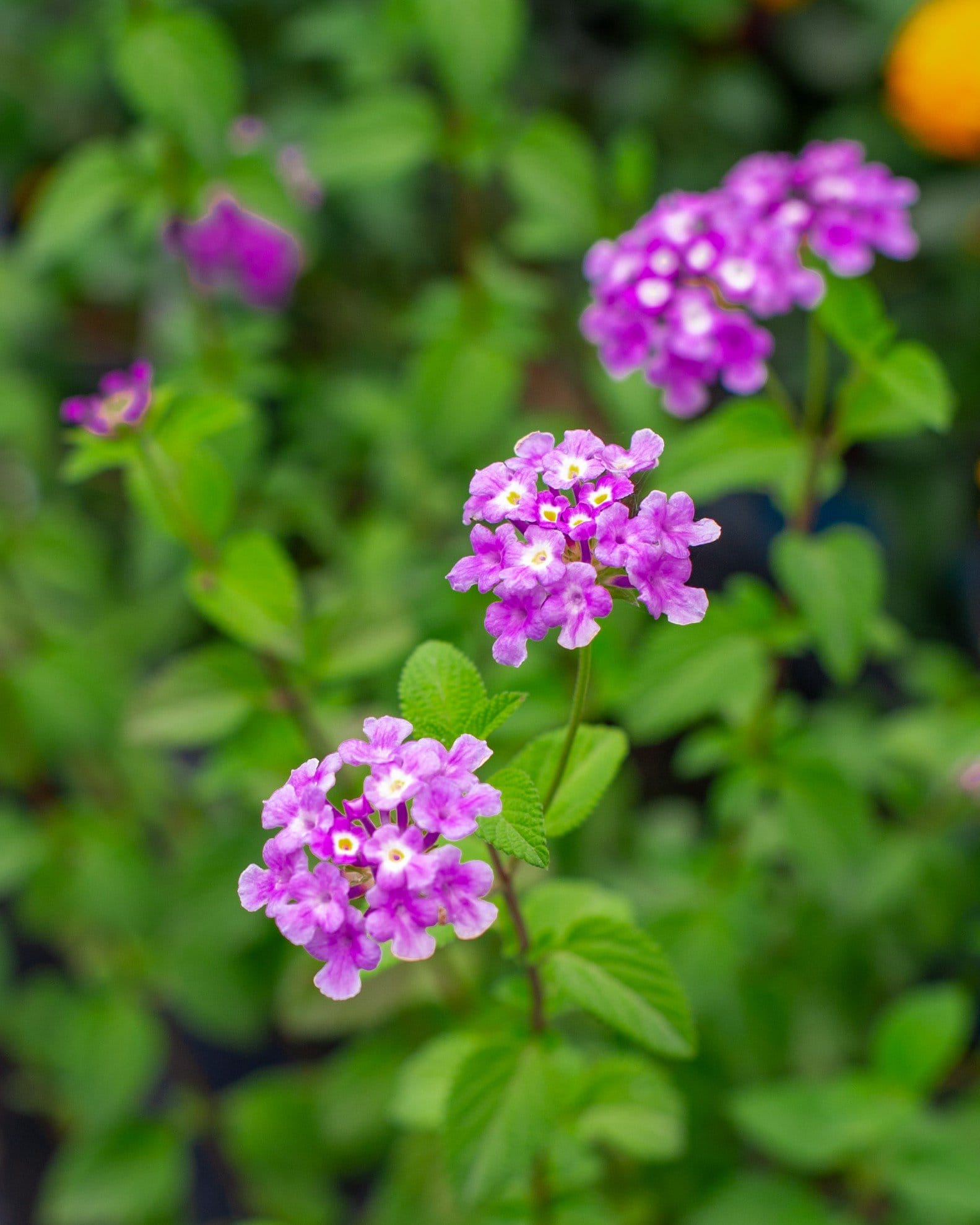
Purple Trailing Lantana
Maturity: 1' H x 4' W
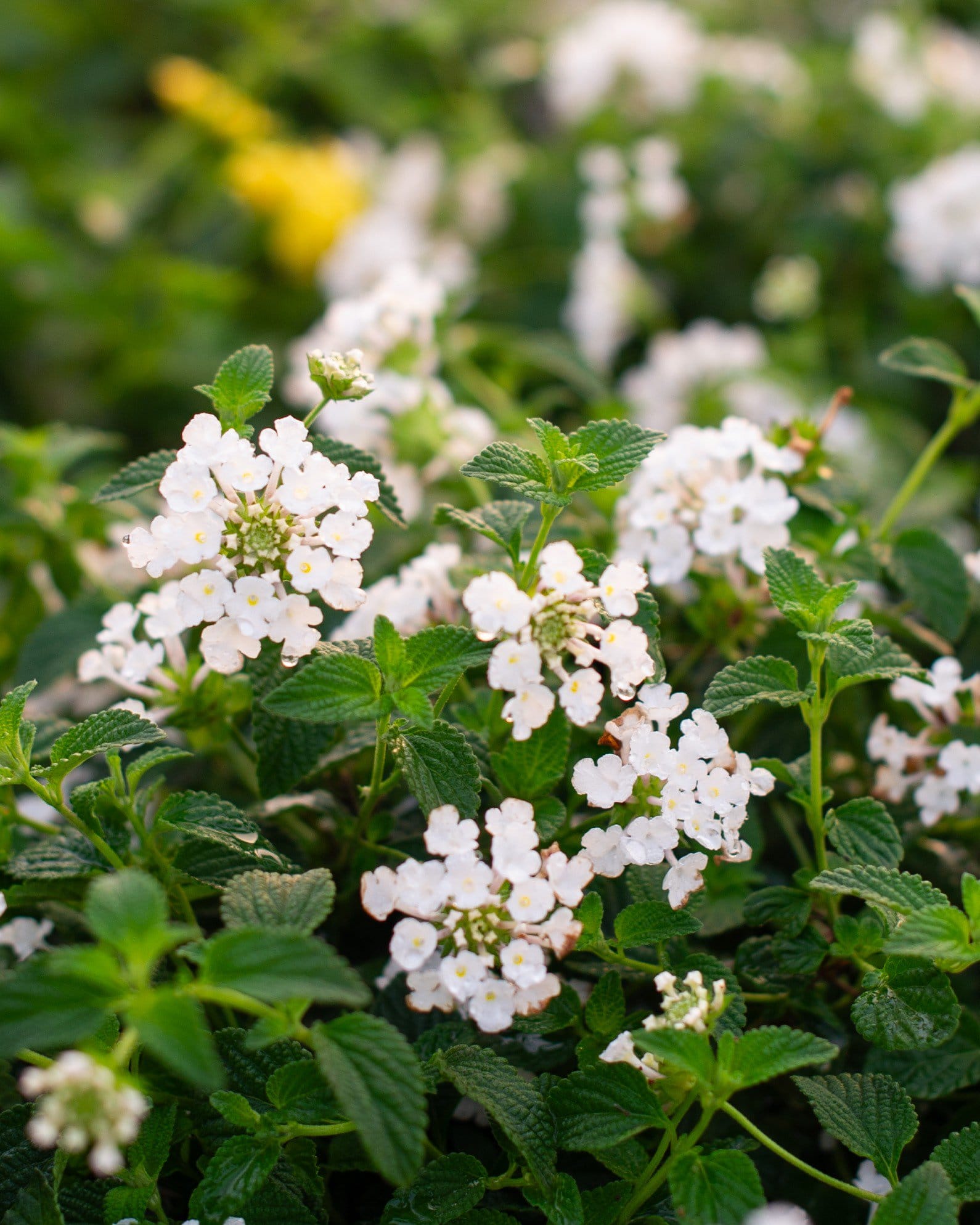
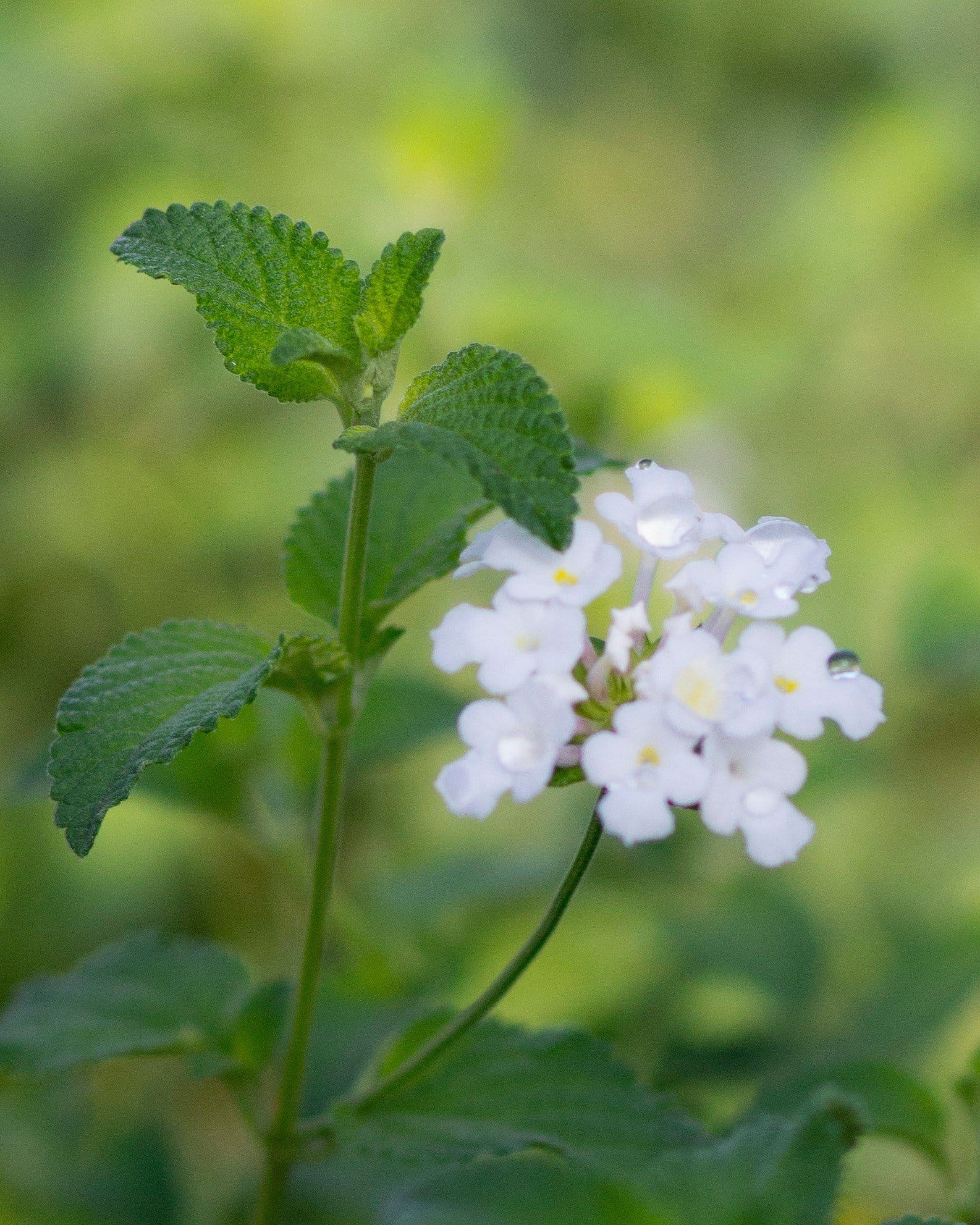
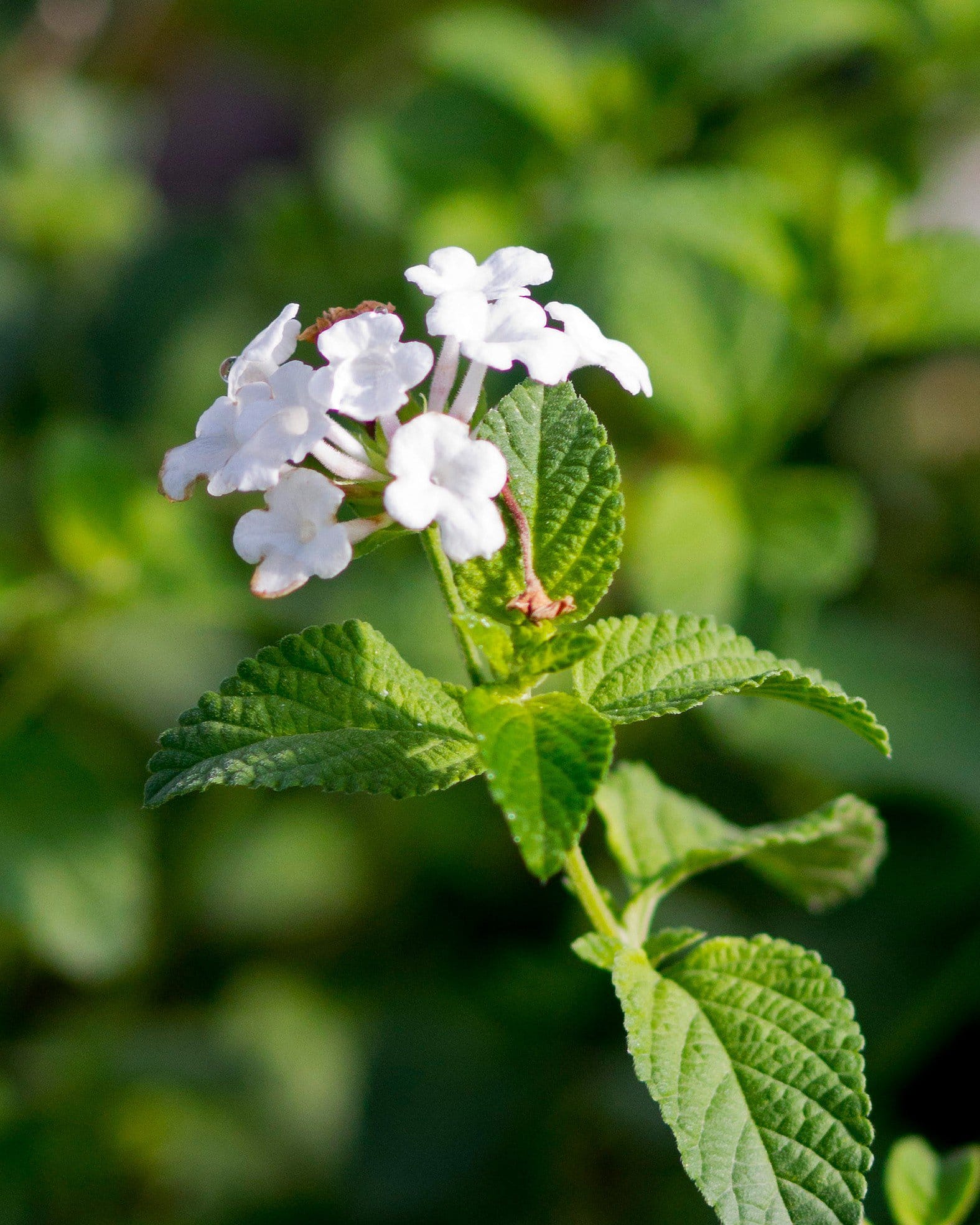
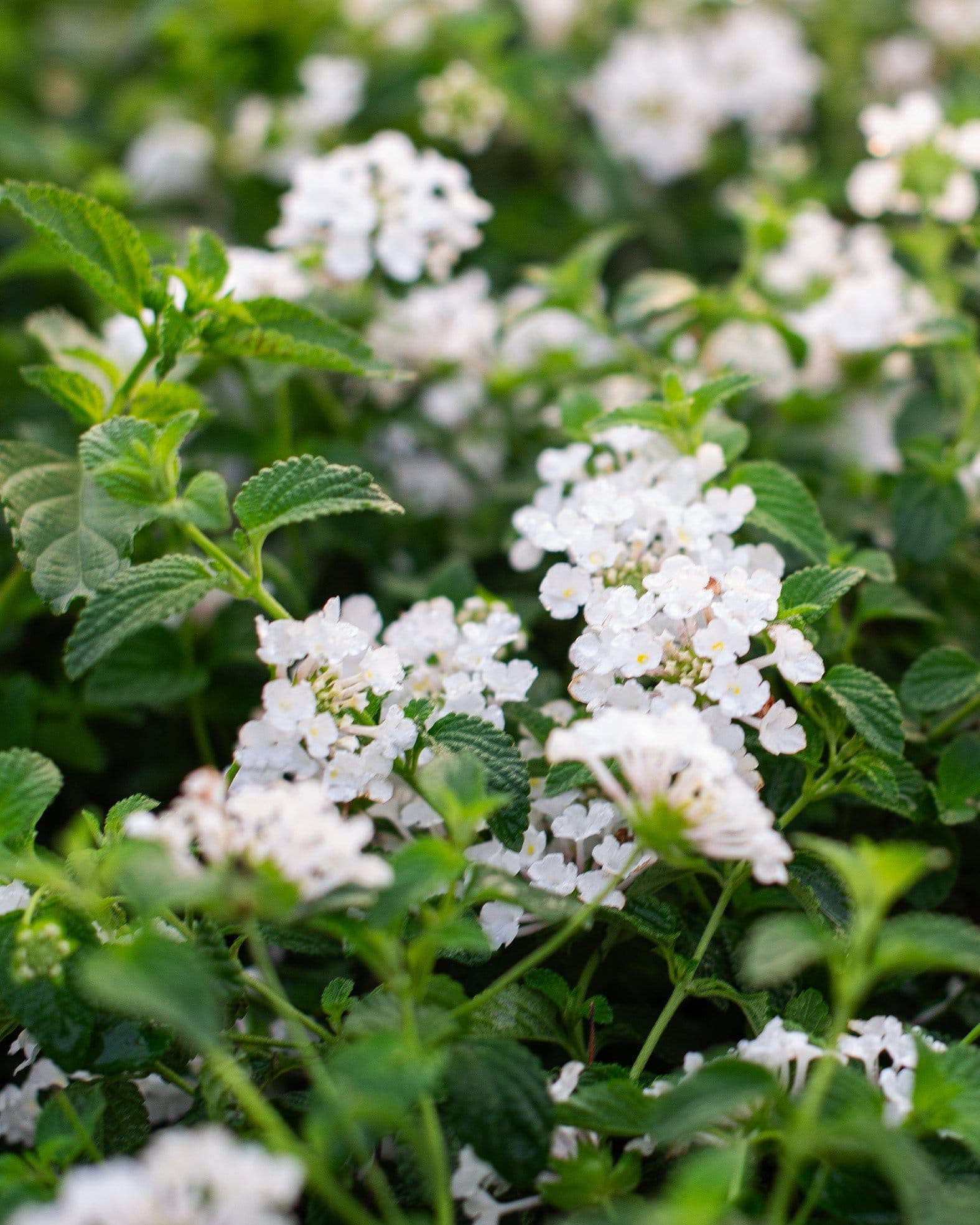
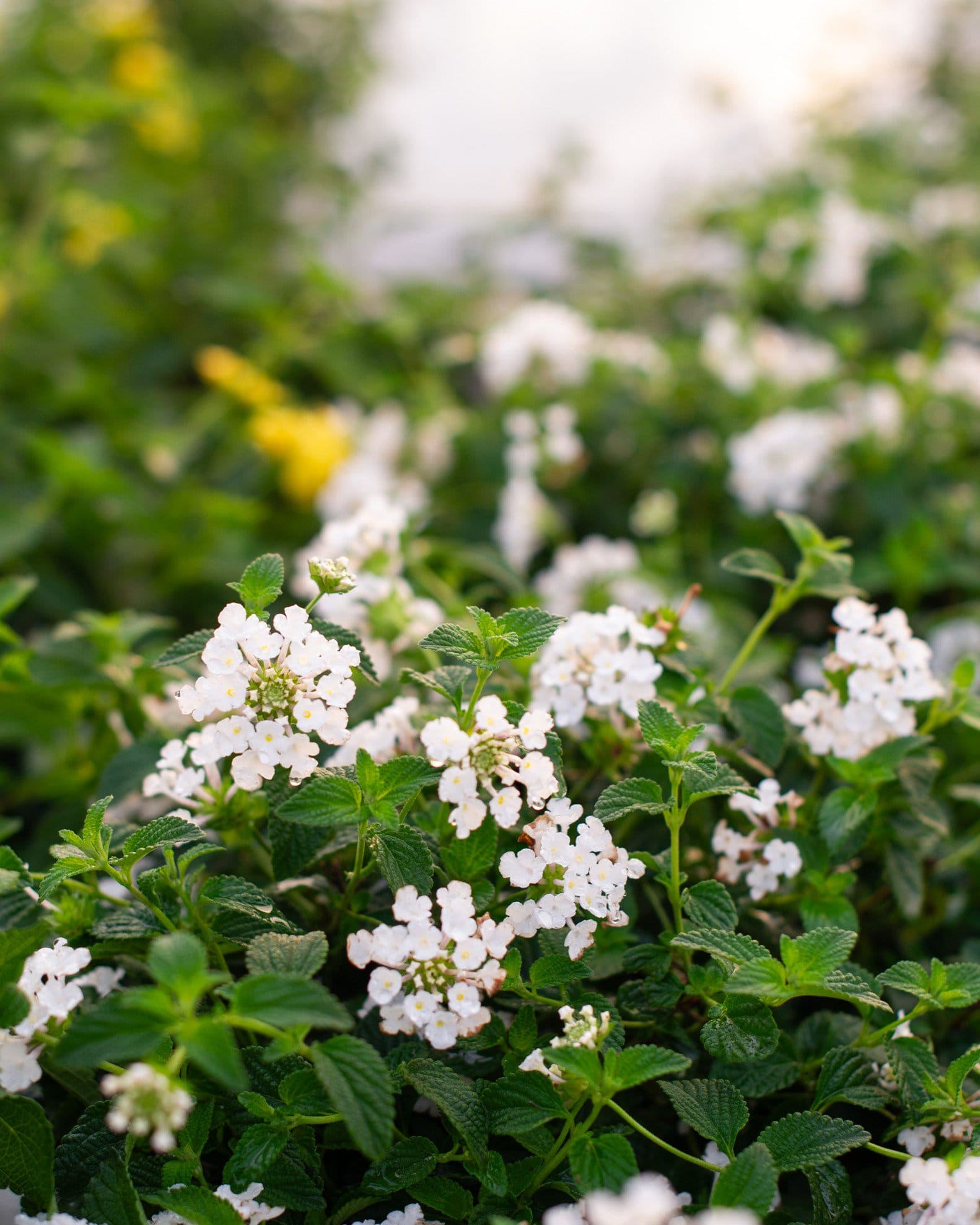
White Trailing Lantana
Maturity: 1' H x 3' W
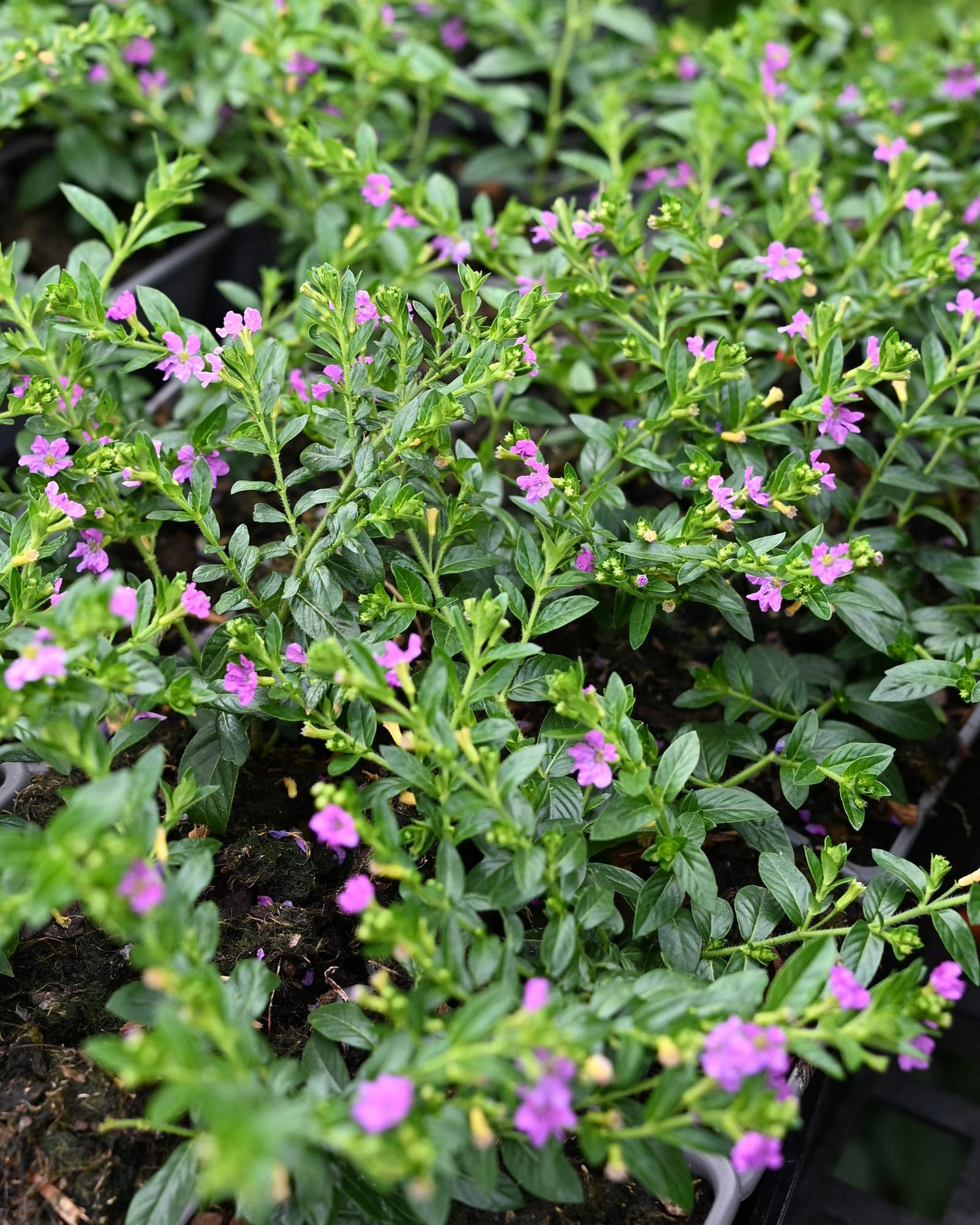
Allyson Mexican Heather Cuphea
Maturity: 1' H x 1.25' W
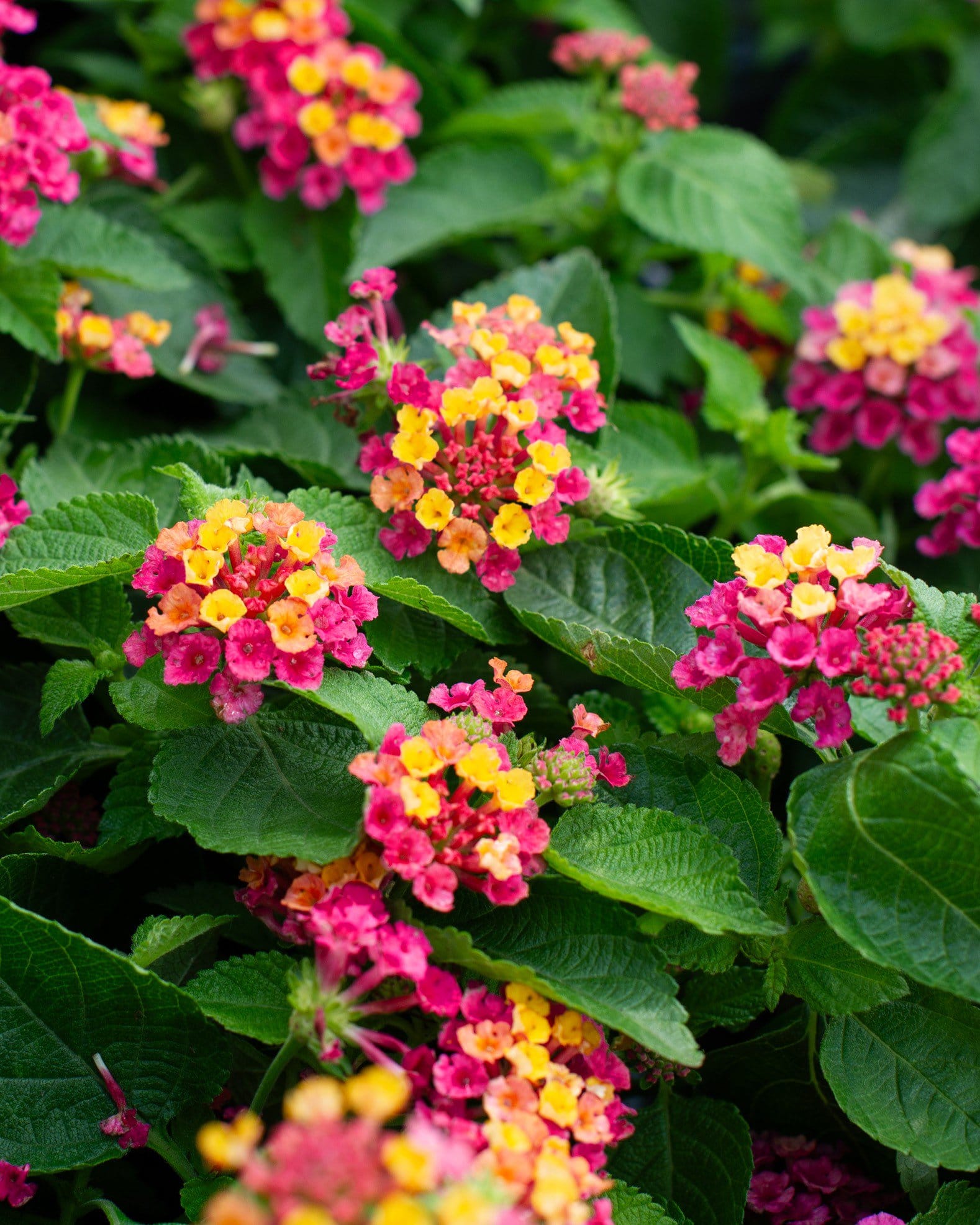
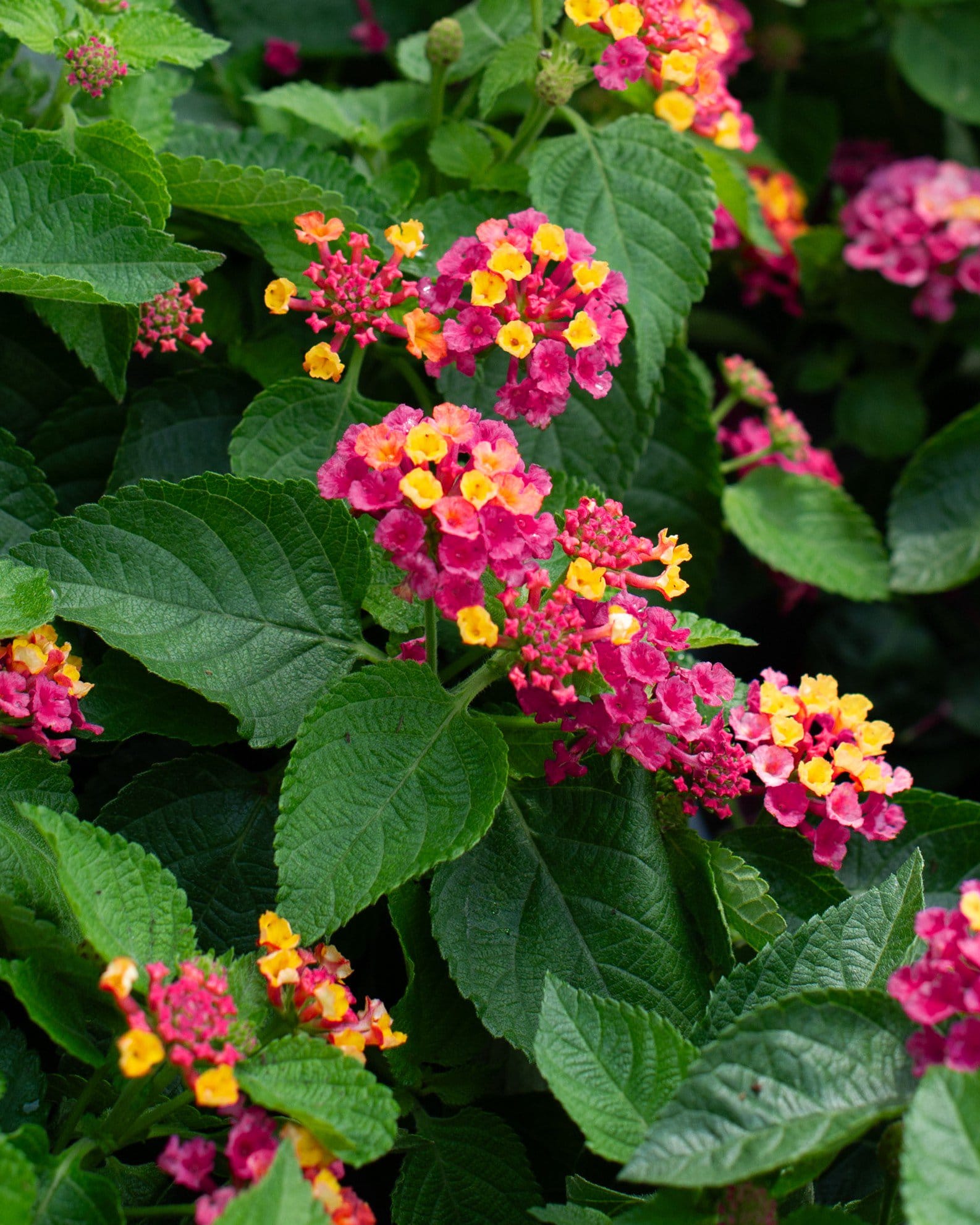
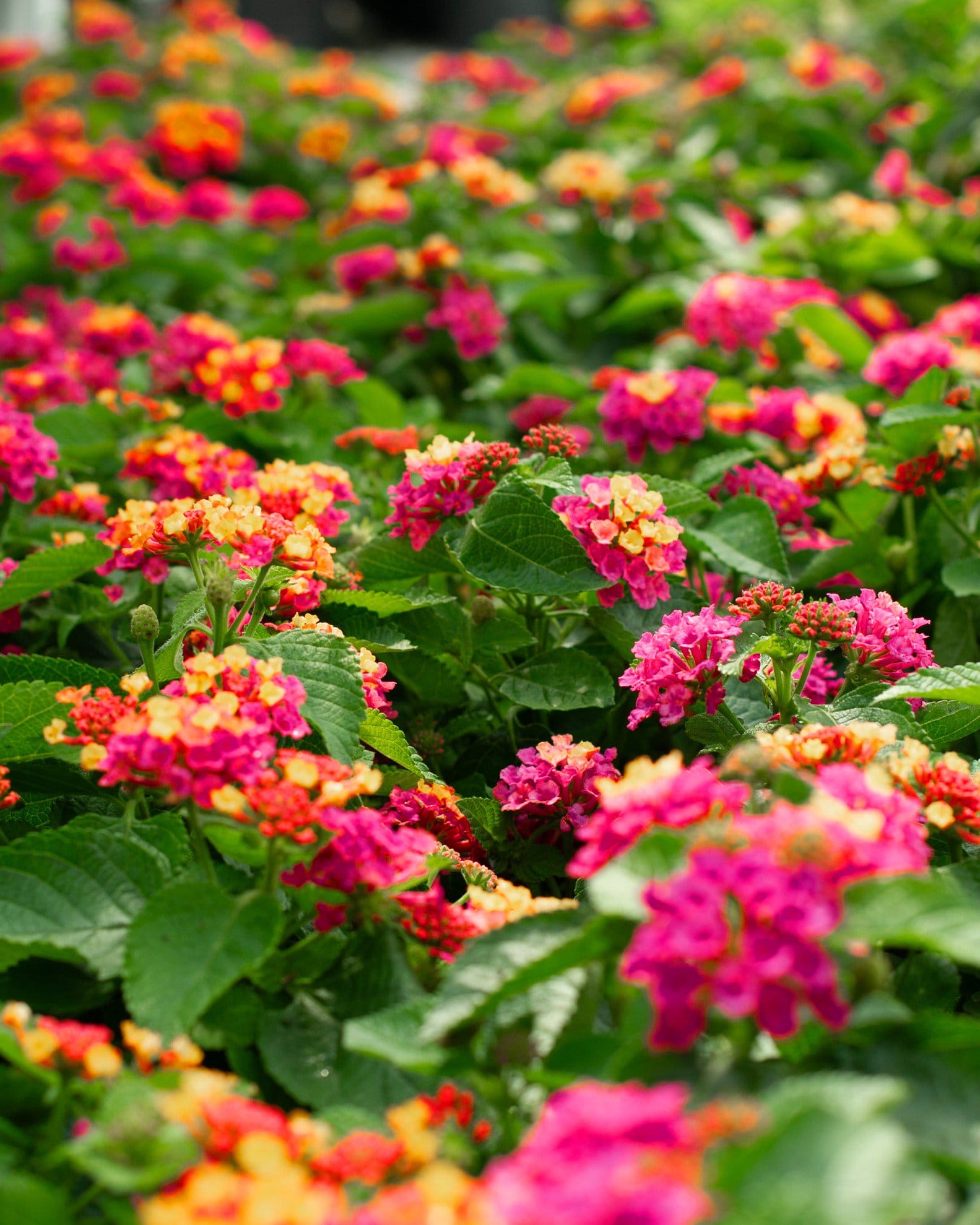
Bandana Cherry Sunrise Lantana
Maturity: 1.5' H x 1.5' W
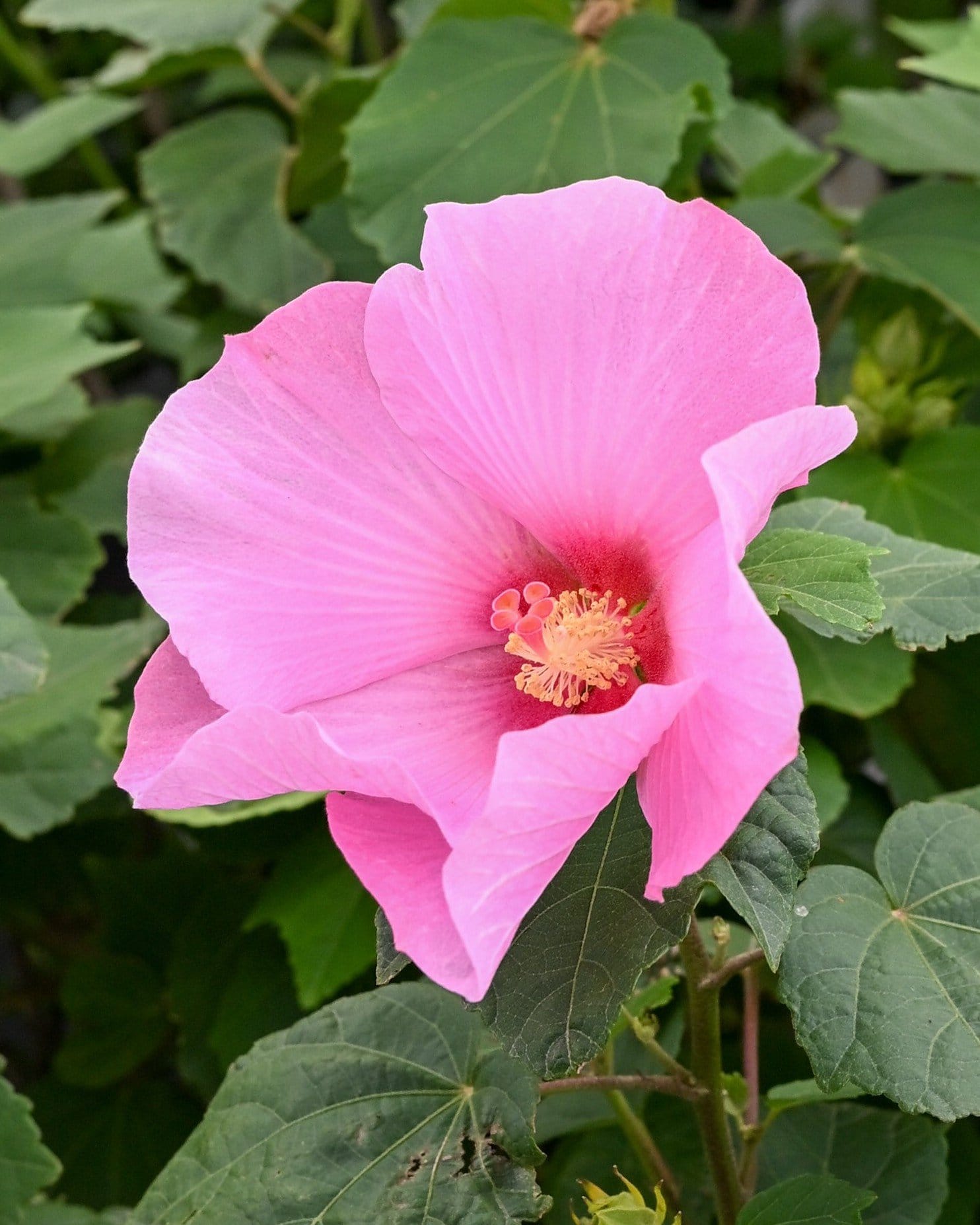
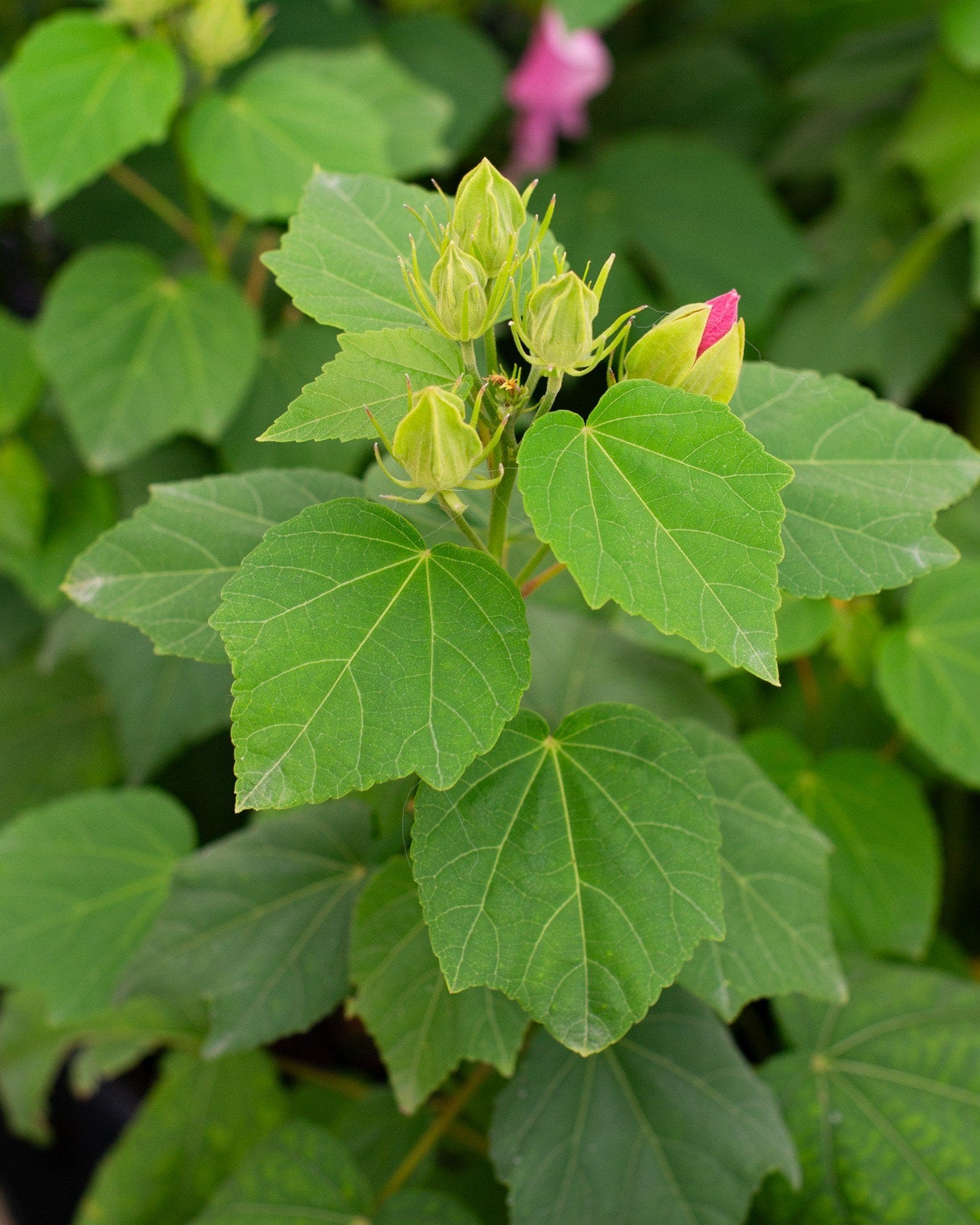
Big Hit Pink Hardy Hibiscus
Maturity: 5' H x 3' W
Compare Similar Plants
Lindheimer Muhly This plant | ||
|---|---|---|
| Scientific Name | Muhlenbergia lindheimeri | Muhlenbergia capillaris |
| Size at Maturity | 3' H x 3' W | 2' H x 2' W |
| Leaf Retention | Herbaceous | Herbaceous |
| Sizes Available | 1 gal | 1, 3 gal |


Our 1-Year Planting Guarantee
We take pride in our plants and installation services. If any plants or trees installed by Treeland fail to thrive within the first year, we'll provide a replacement credit in accordance with our guarantee program.
Learn More About Our Guarantee