

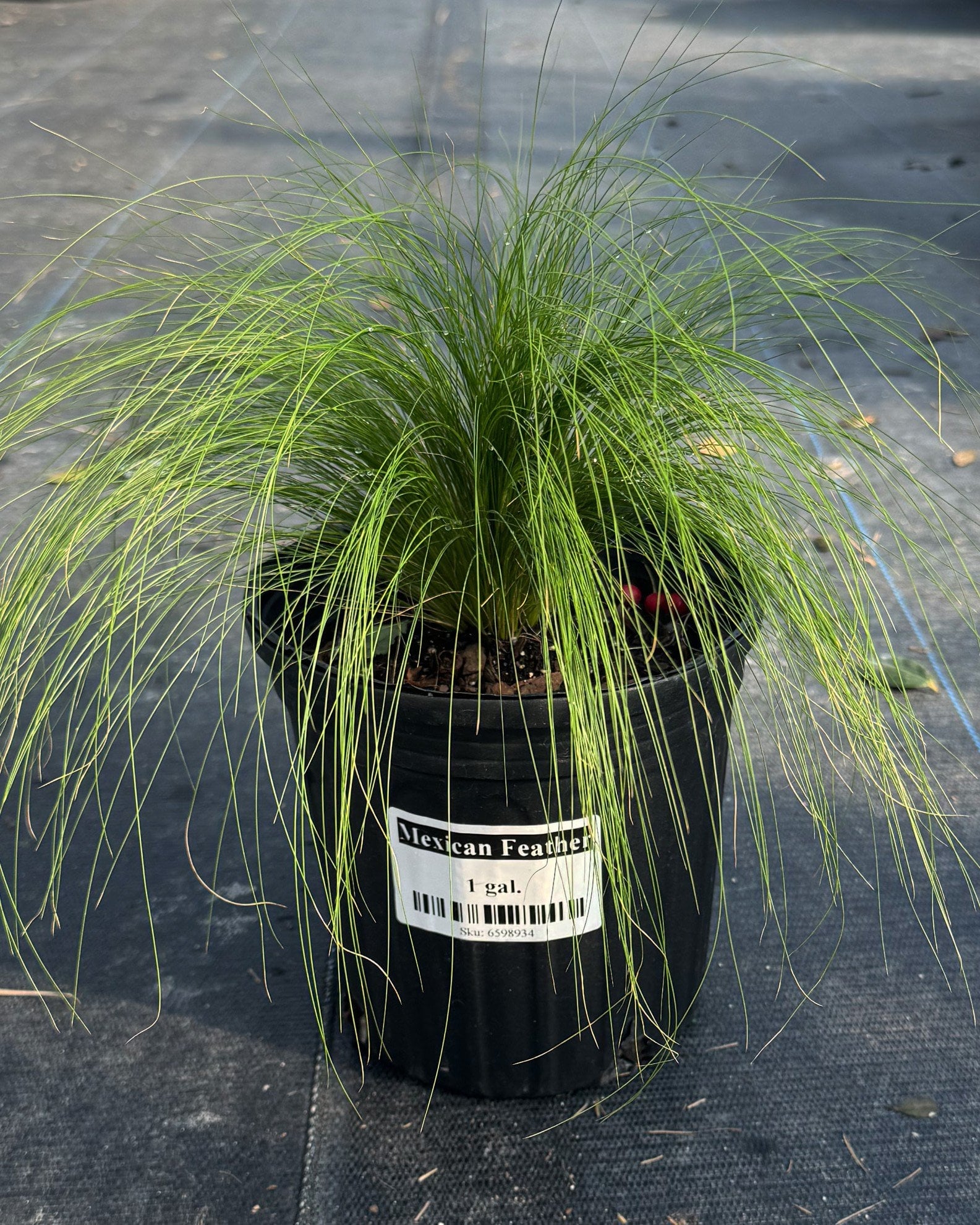
 Popular
 Texas Native
Mexican Feather
Nassella tenuissimaLocal DFW Delivery Only
Product Details
Mexican Feather
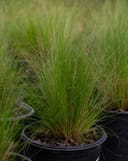
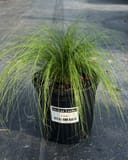
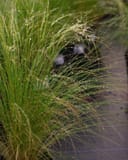
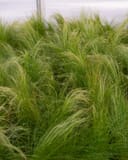
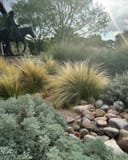
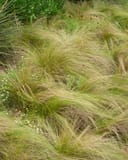
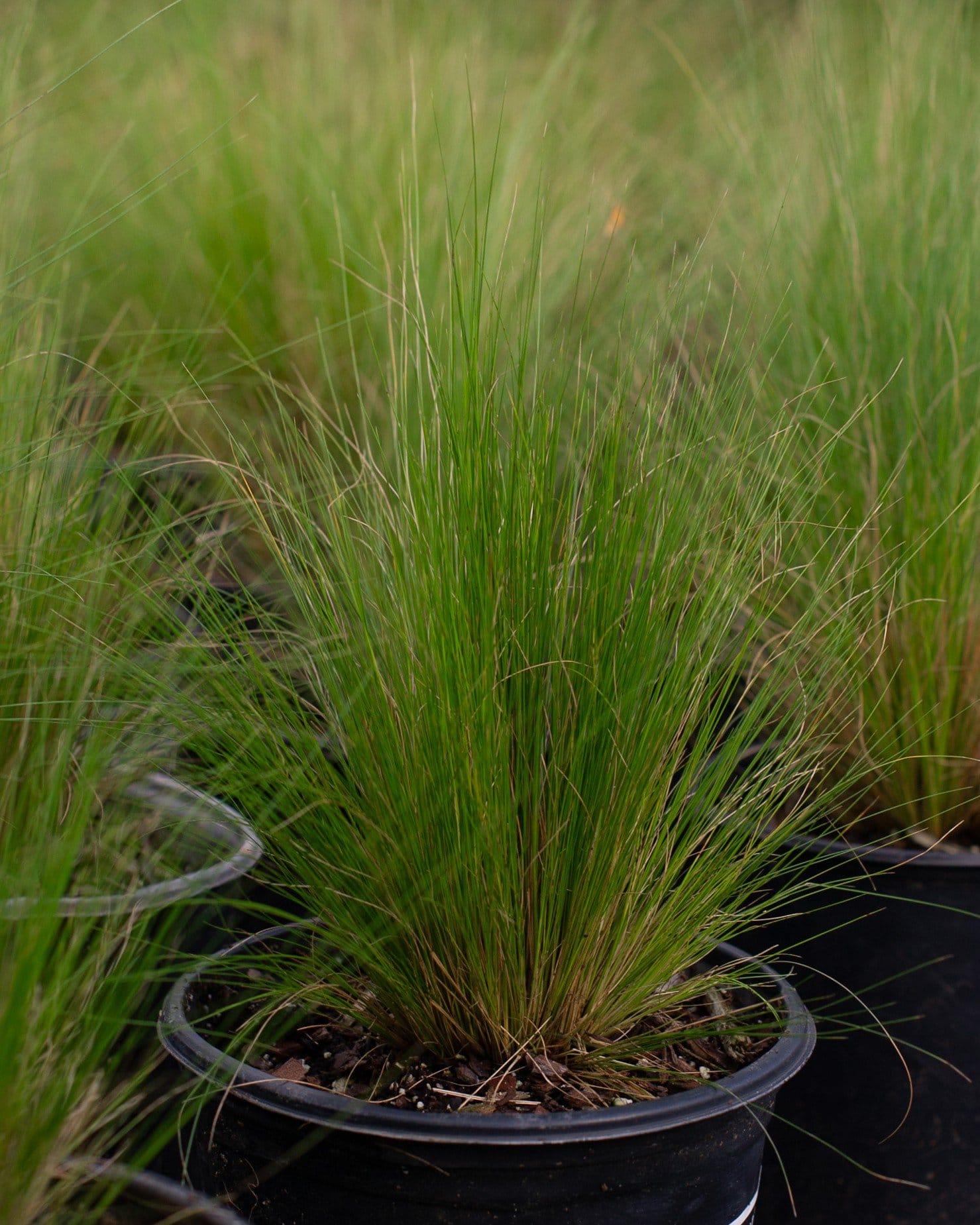
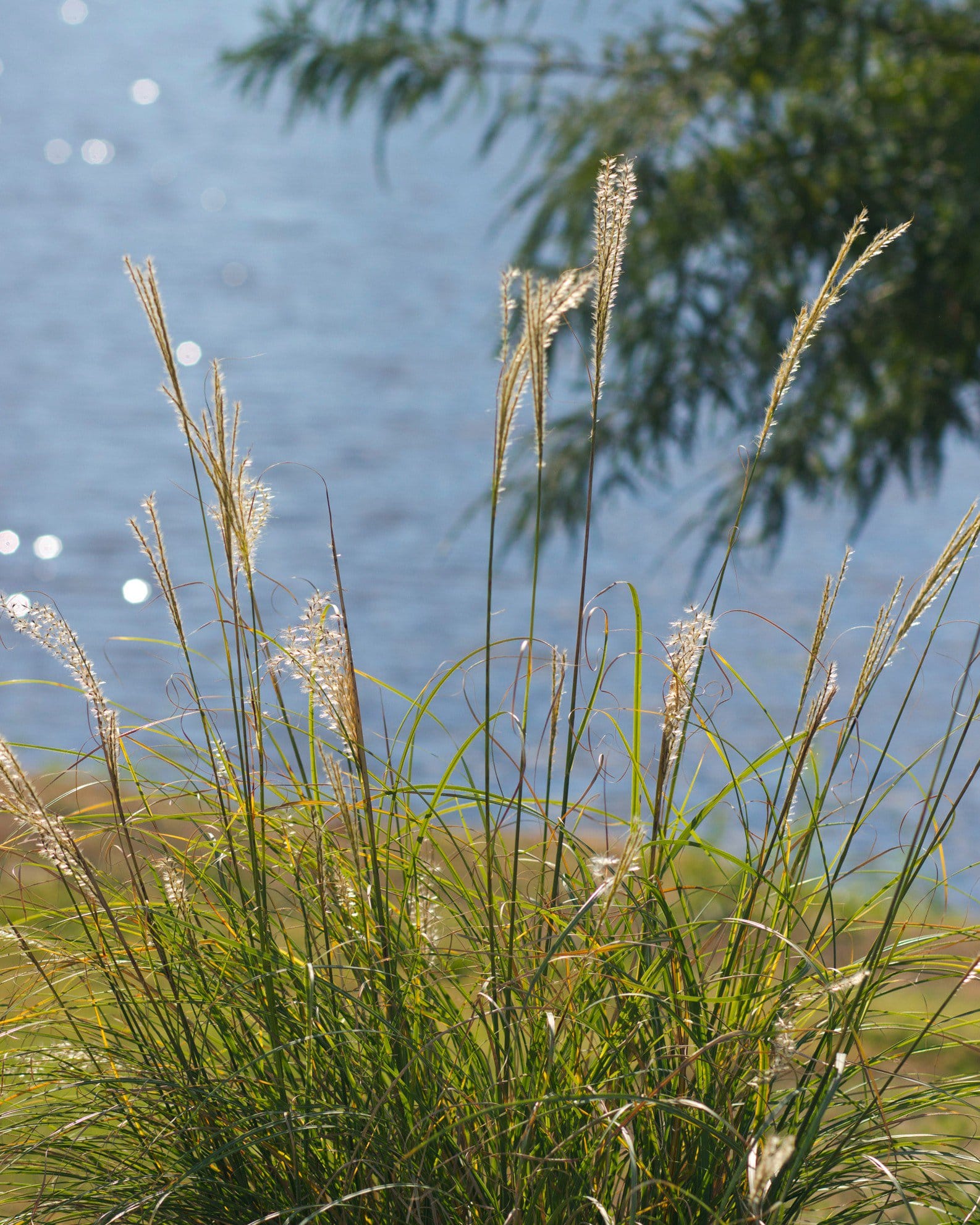
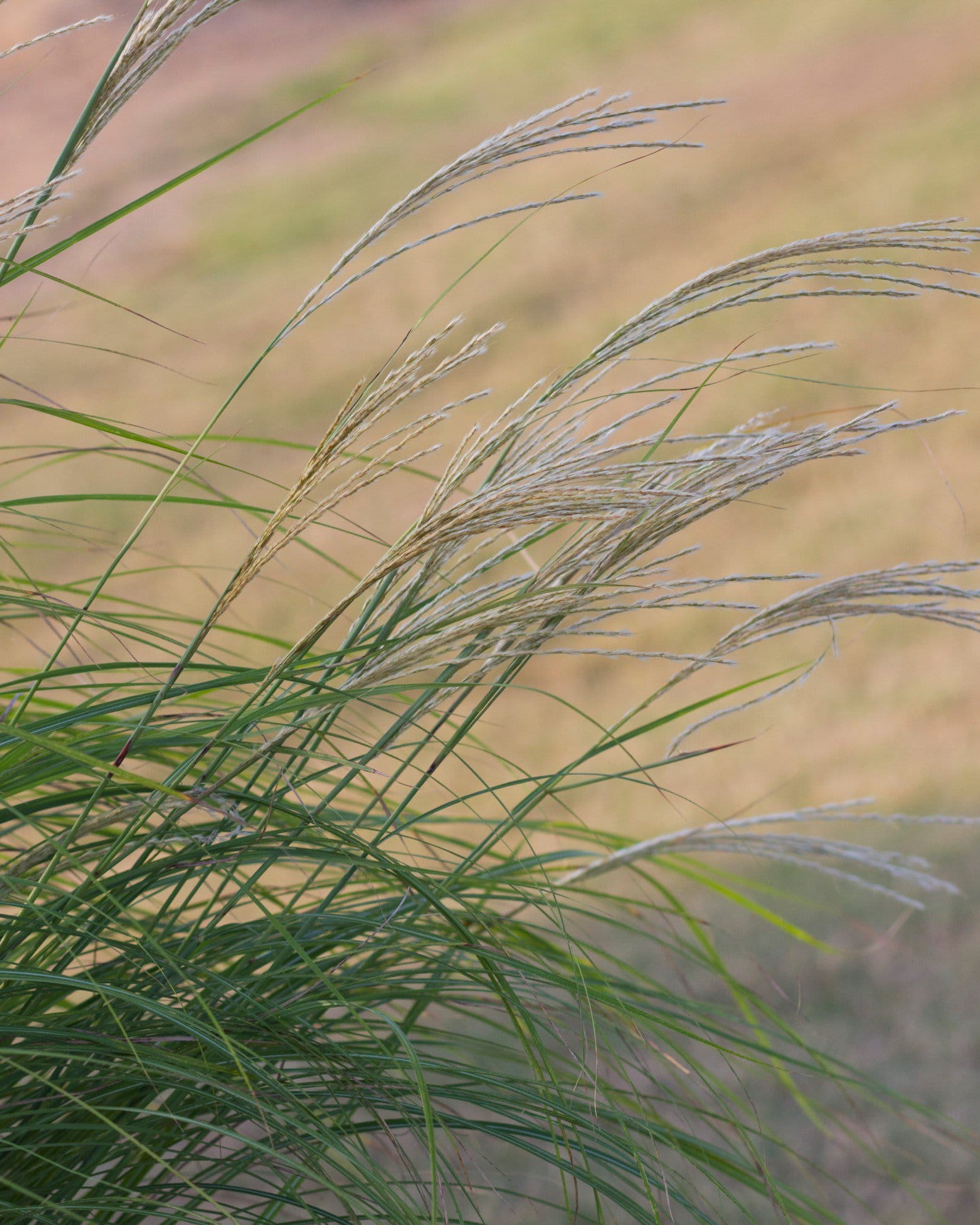
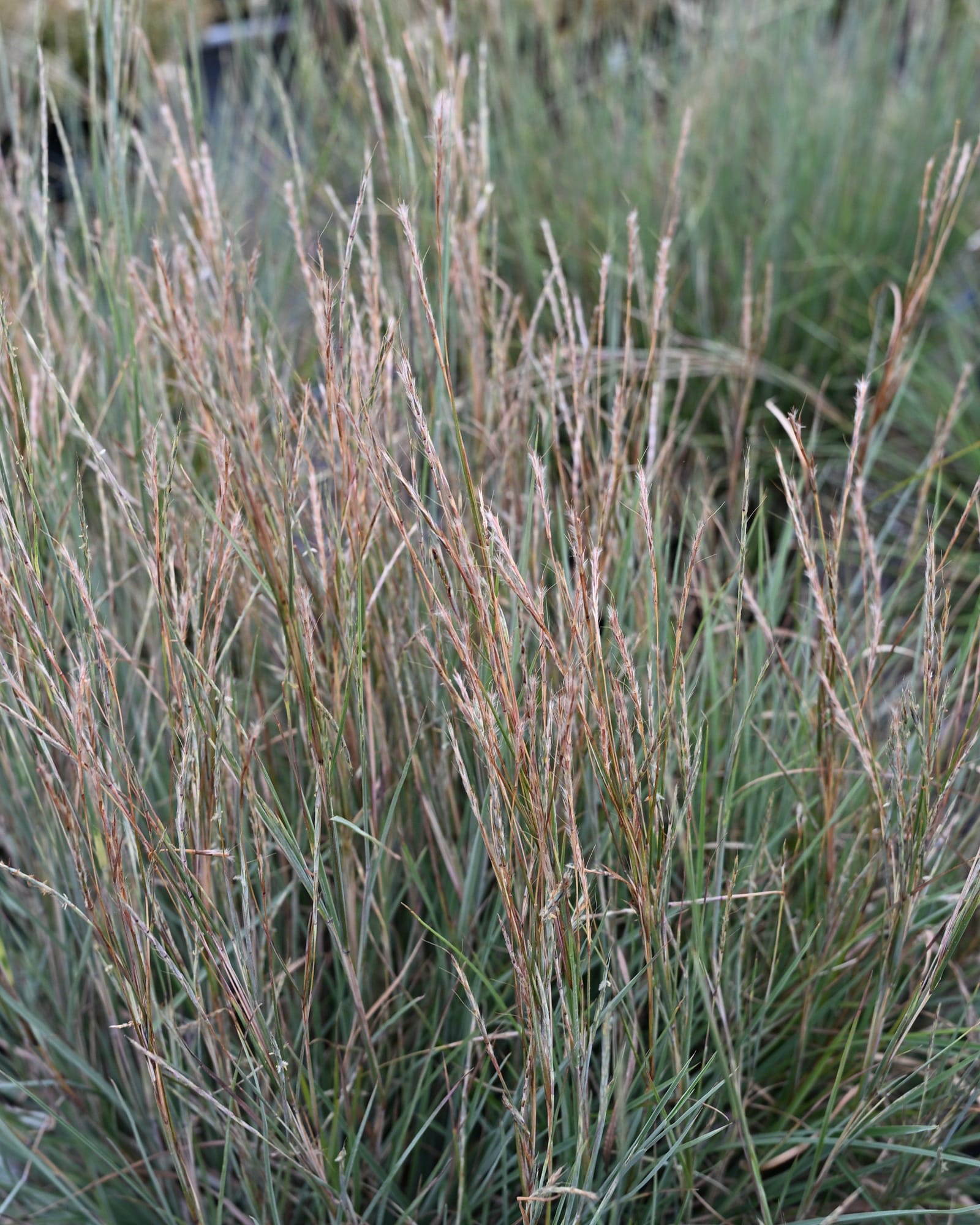
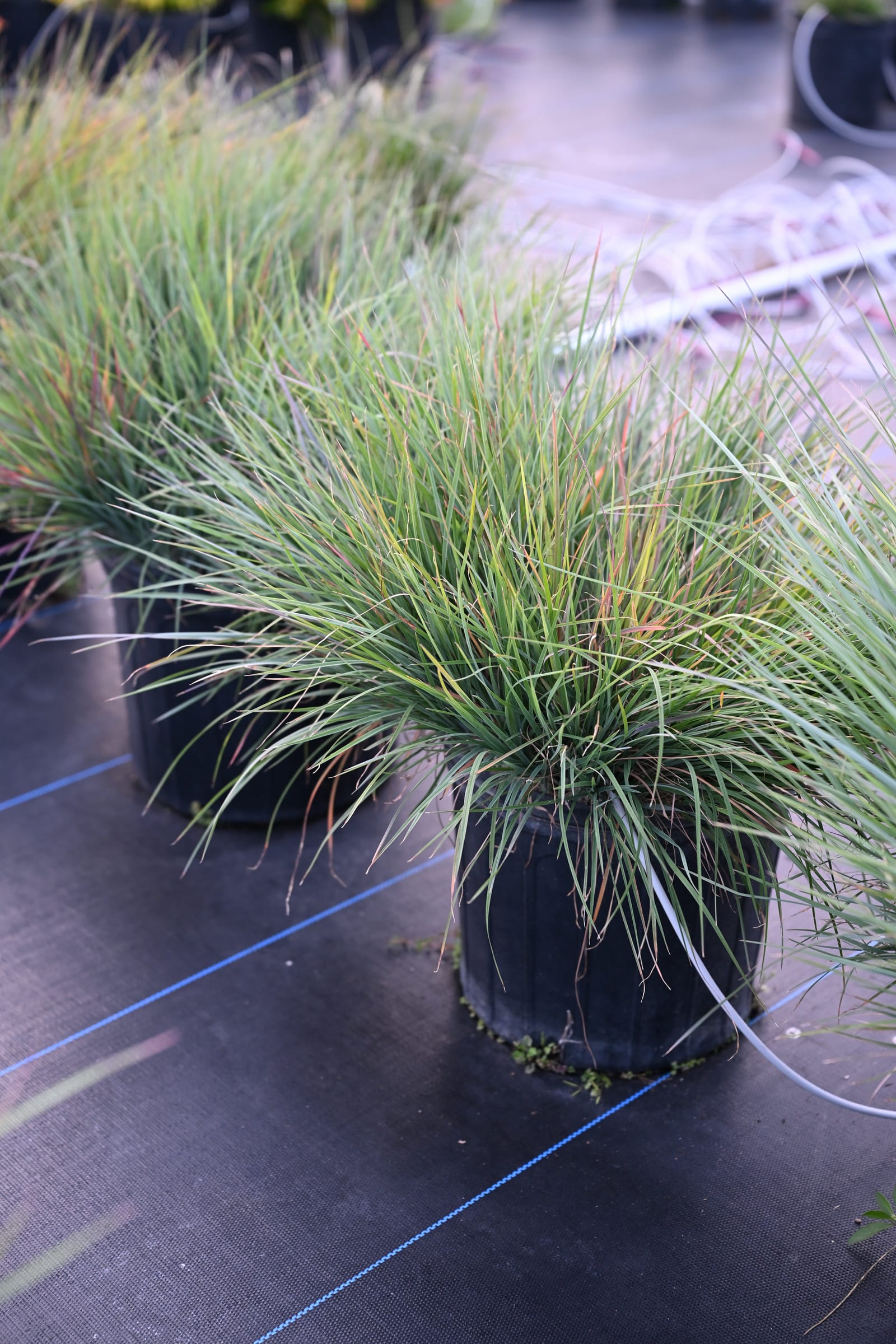
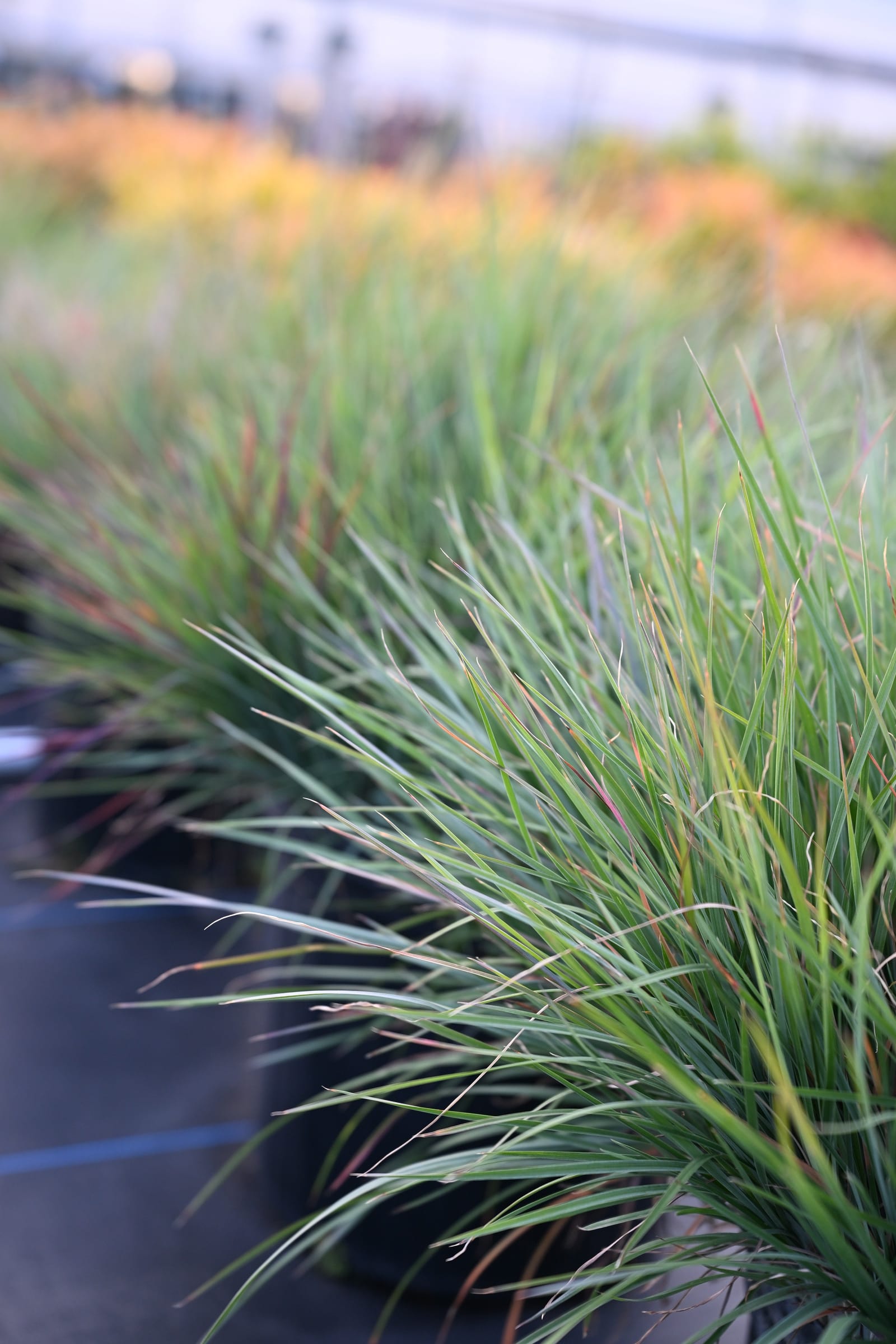
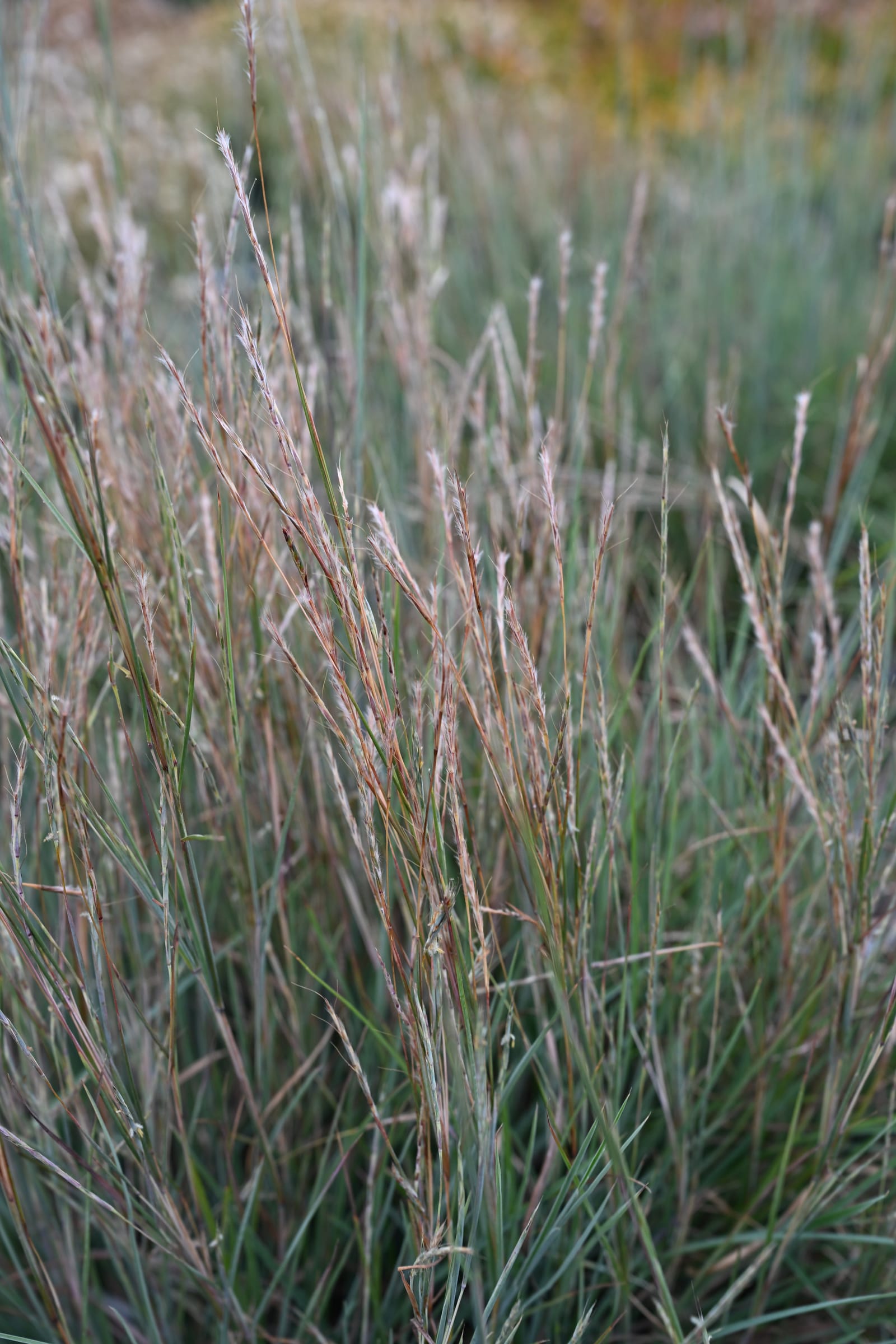
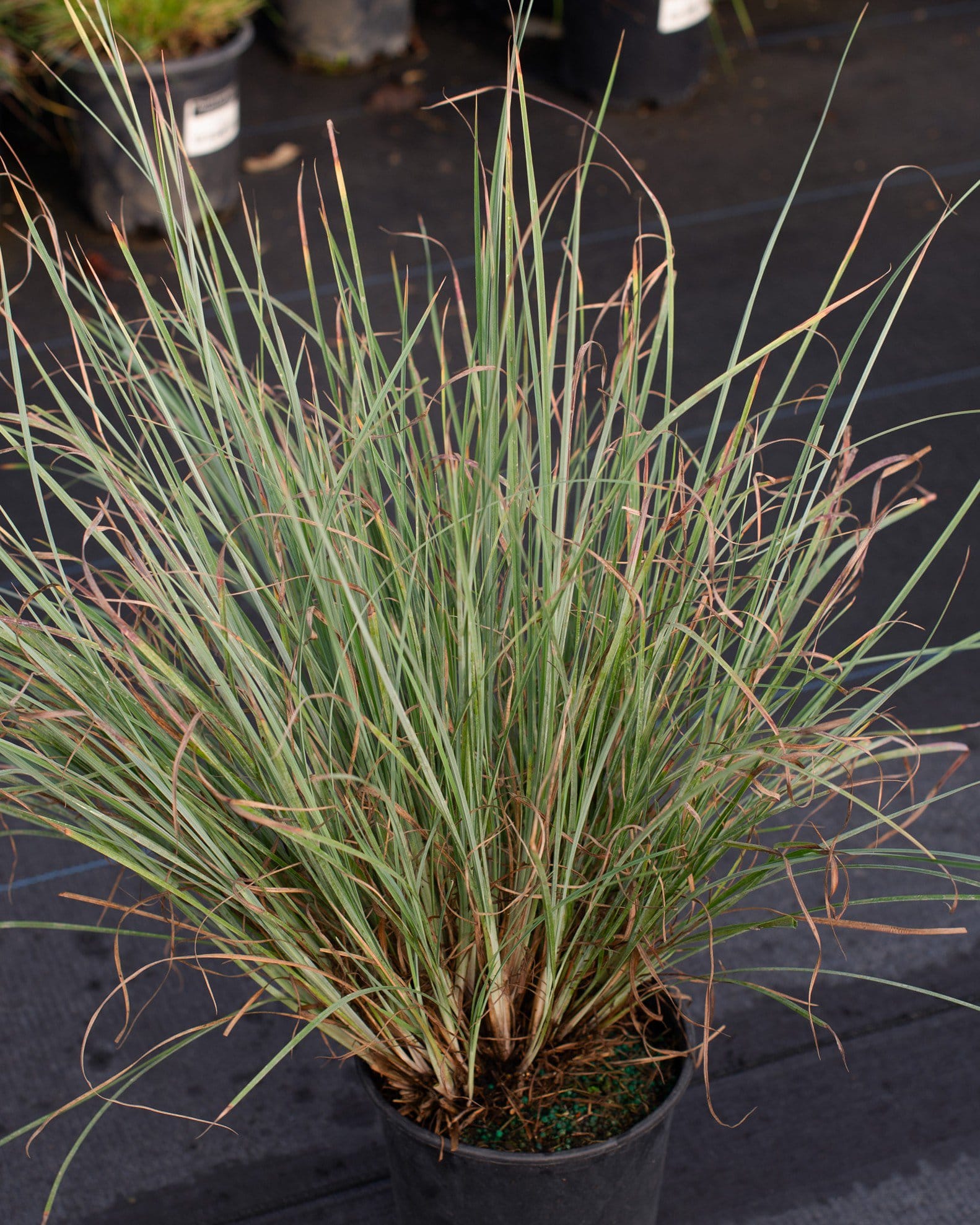
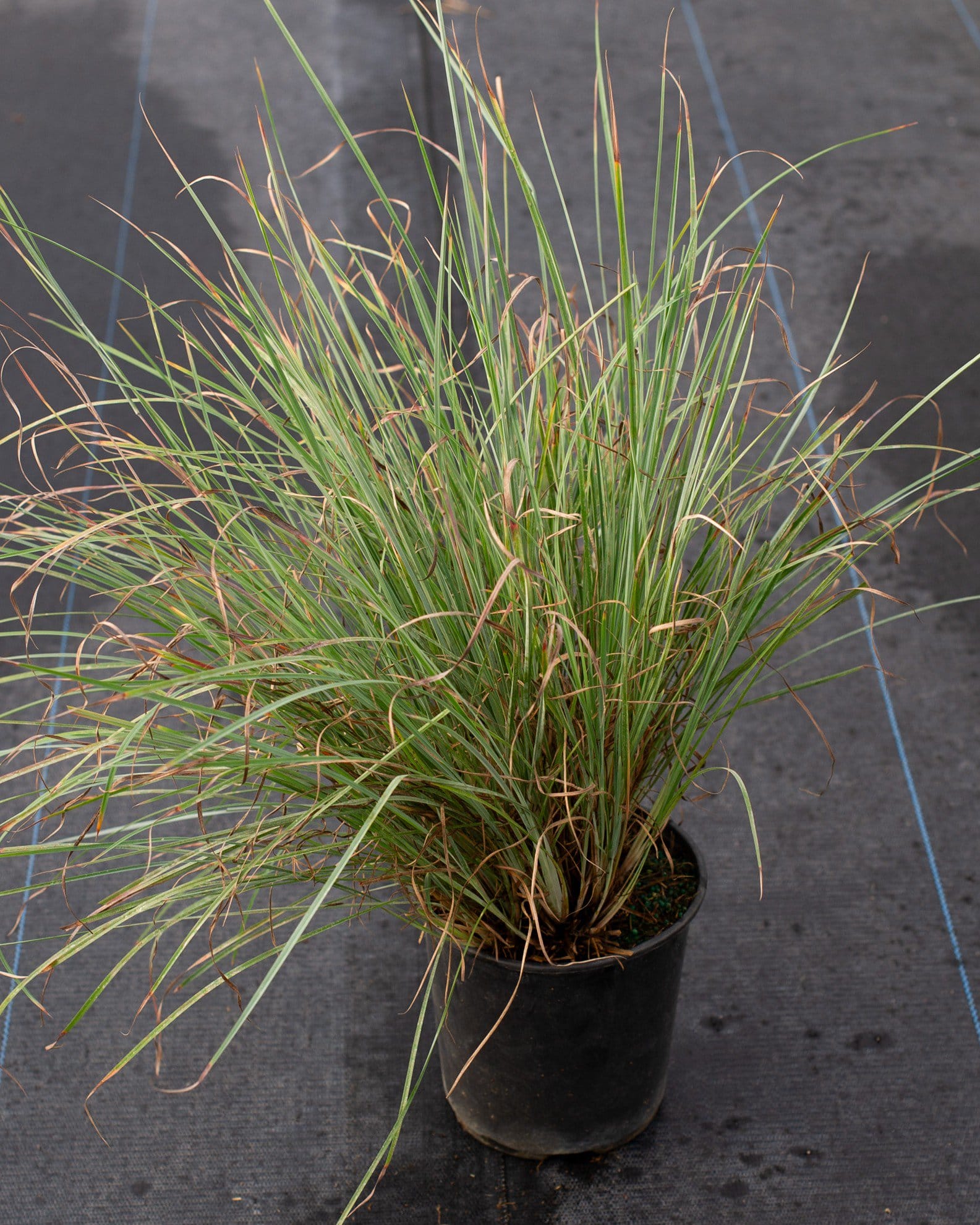
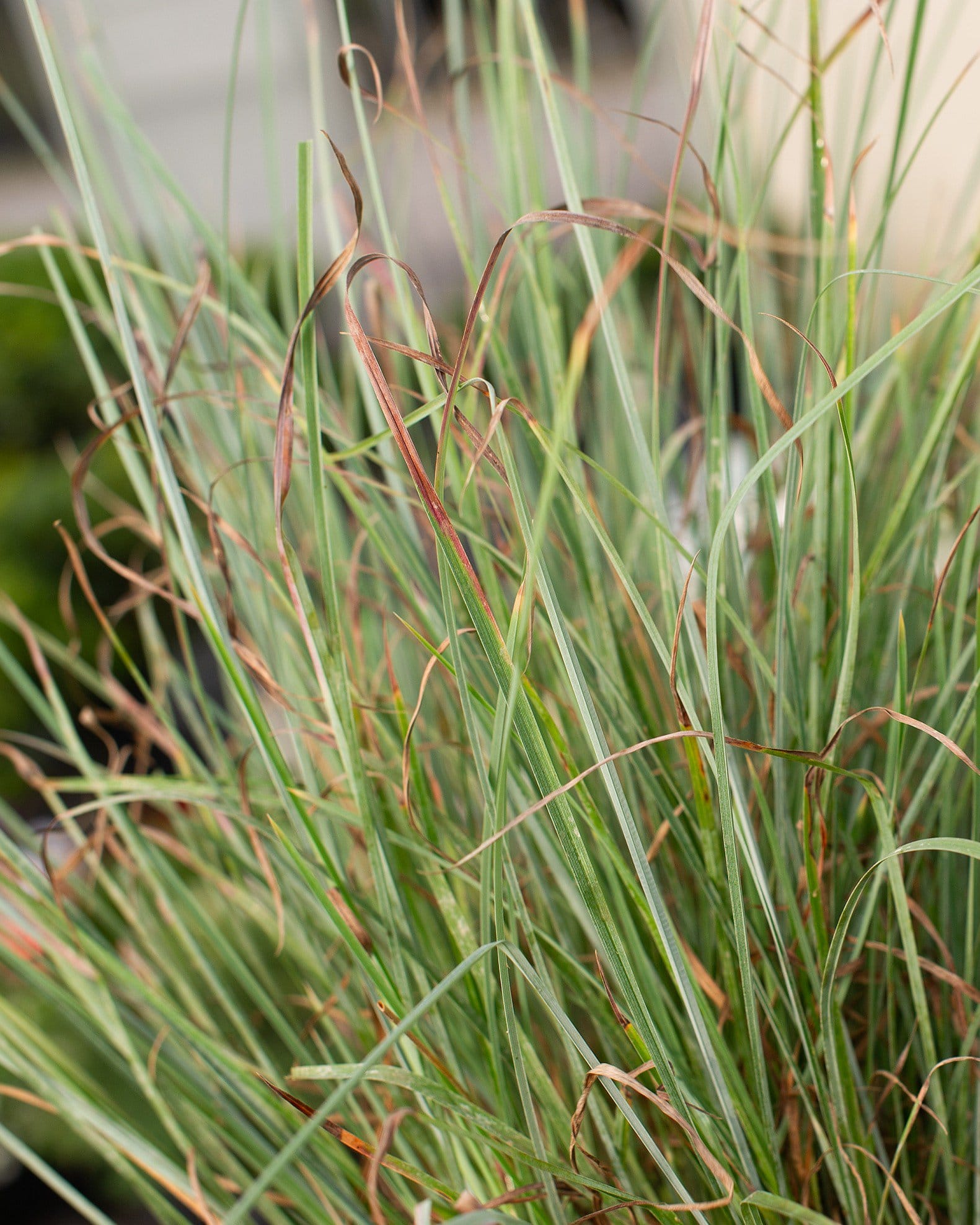
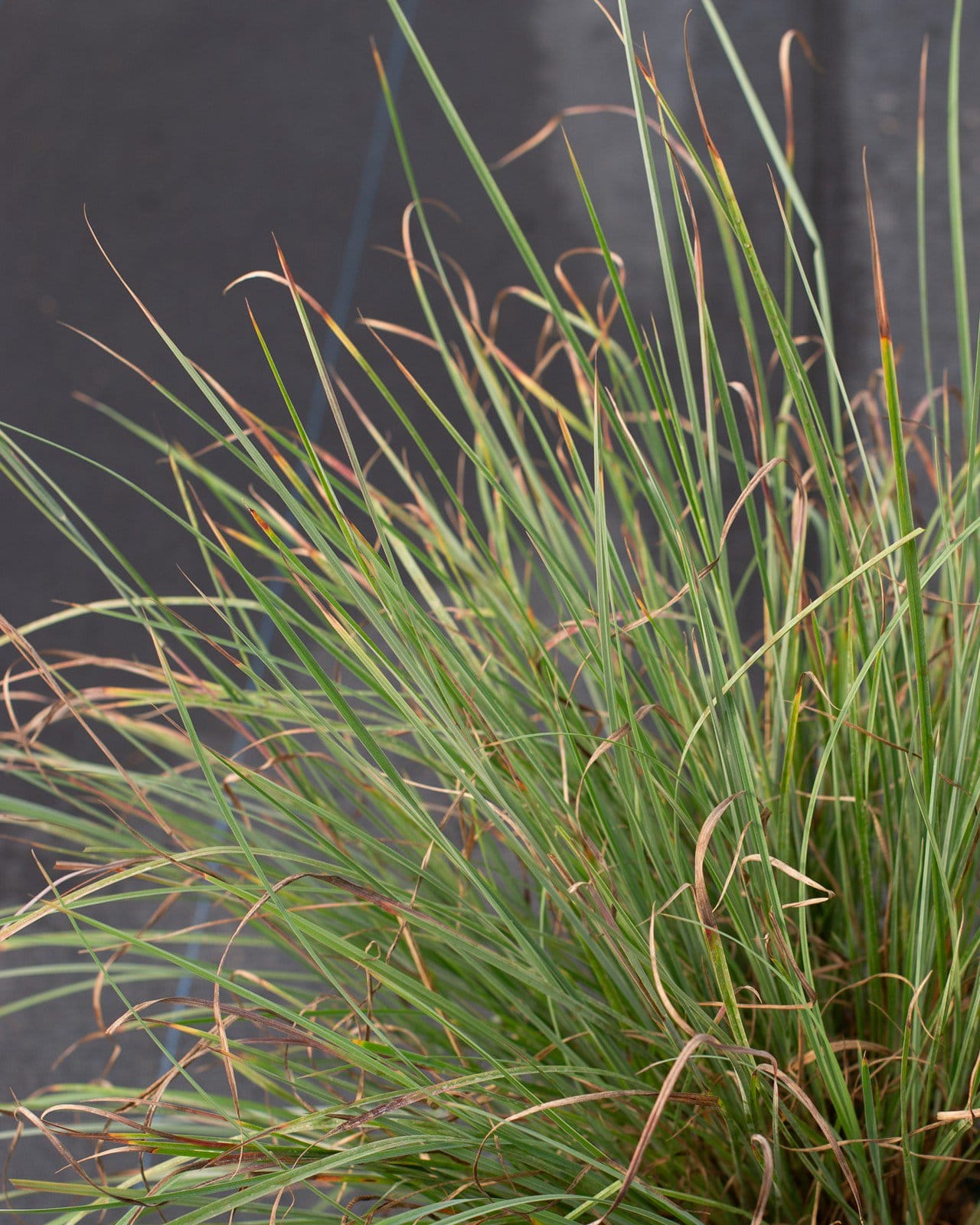
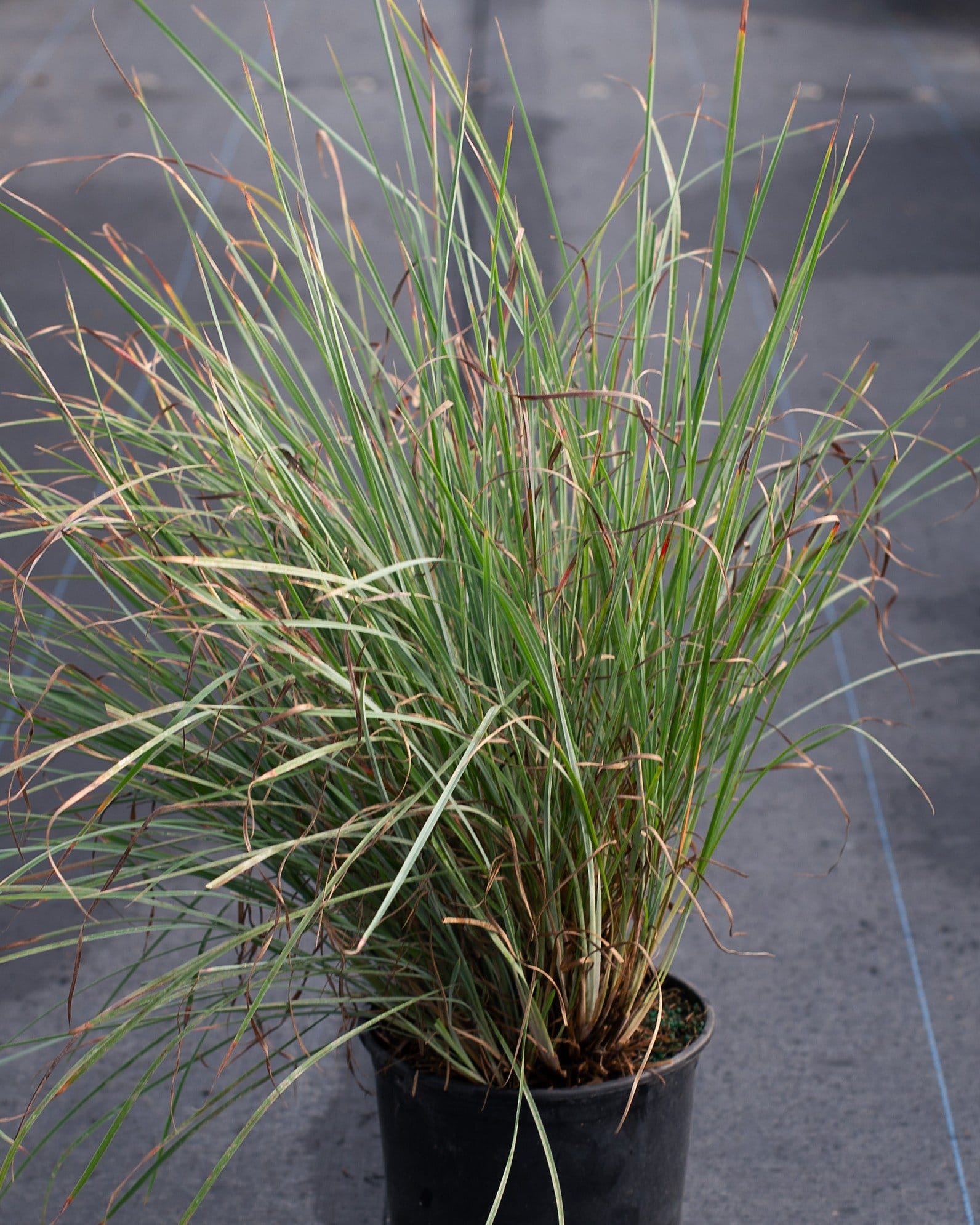
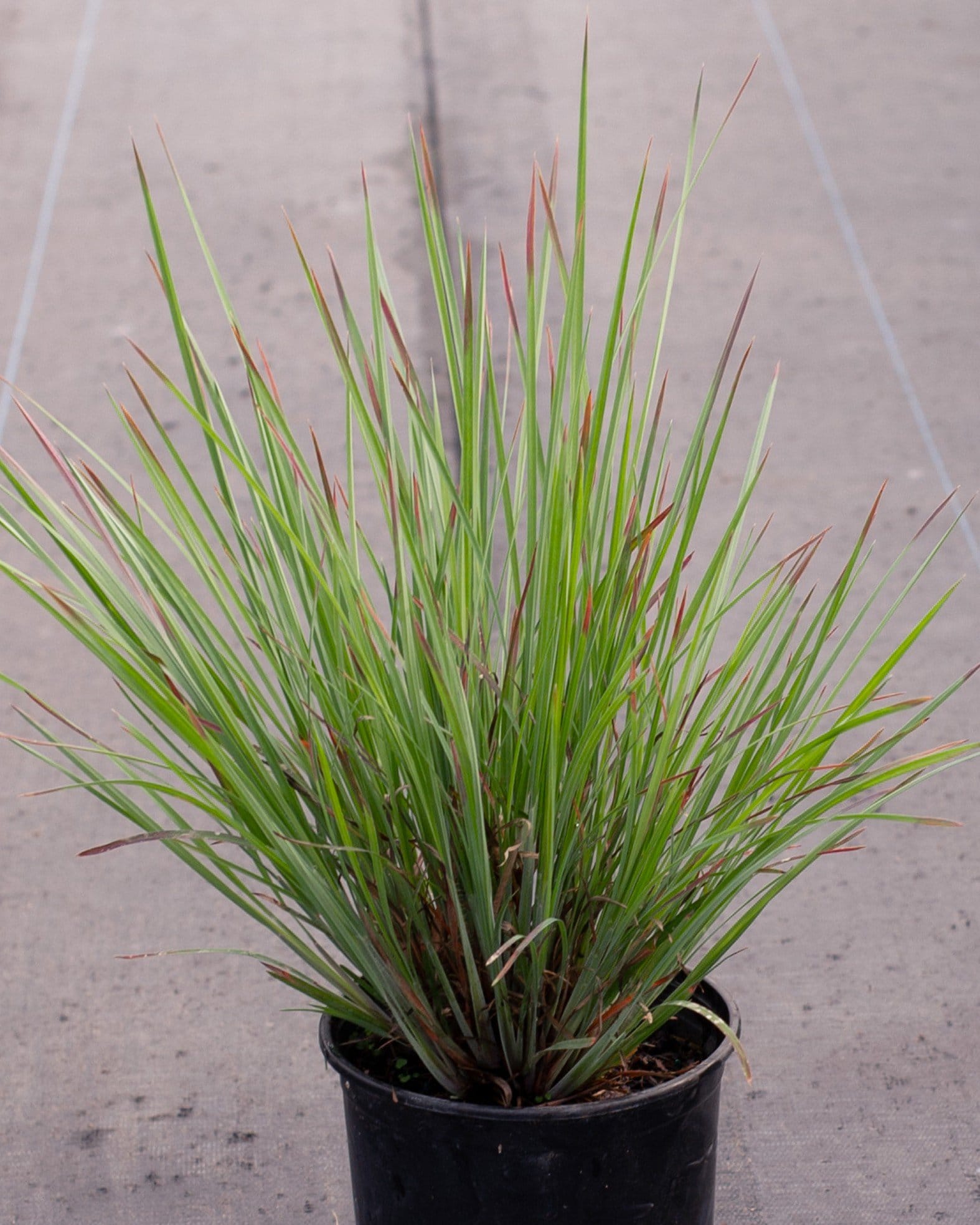
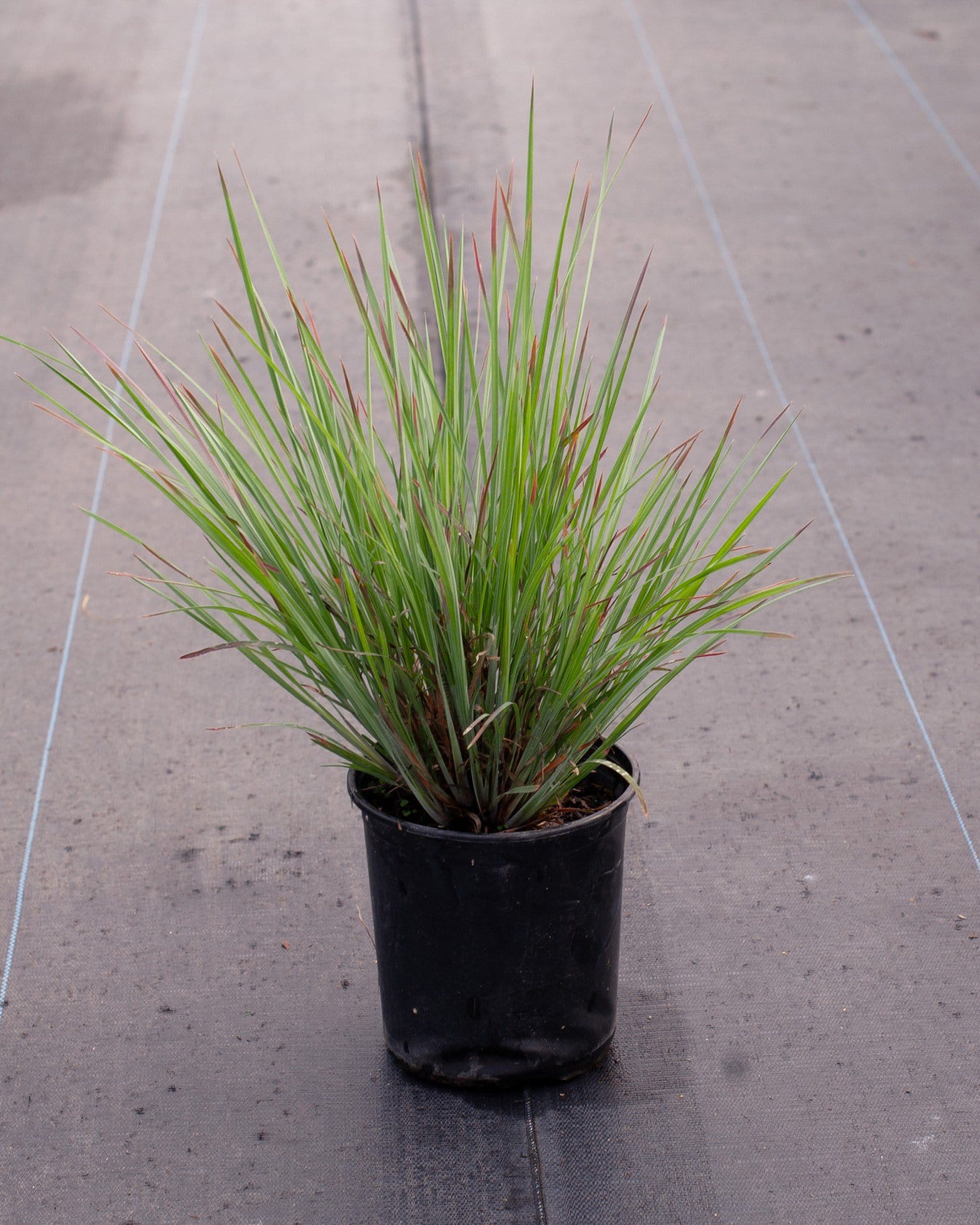
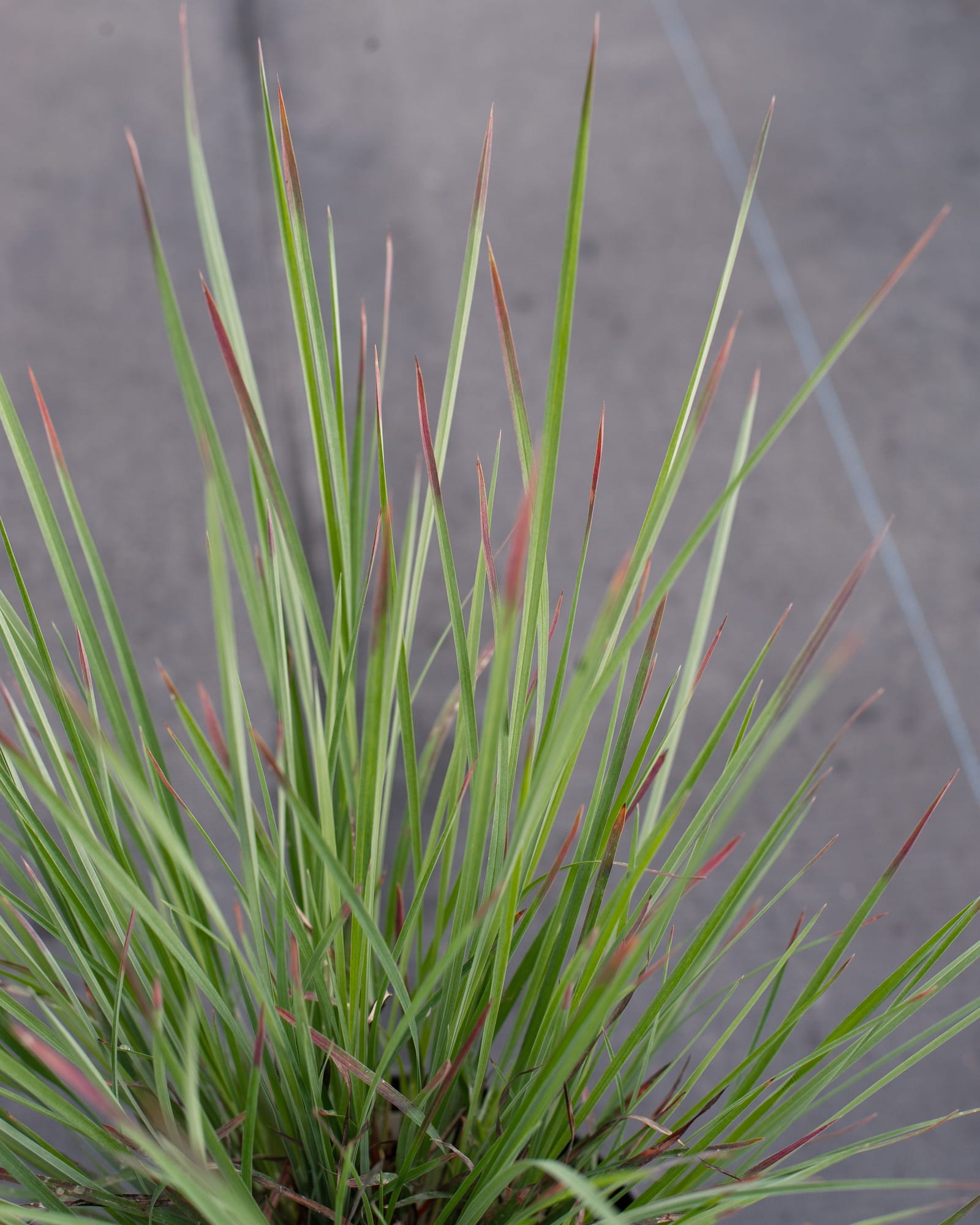
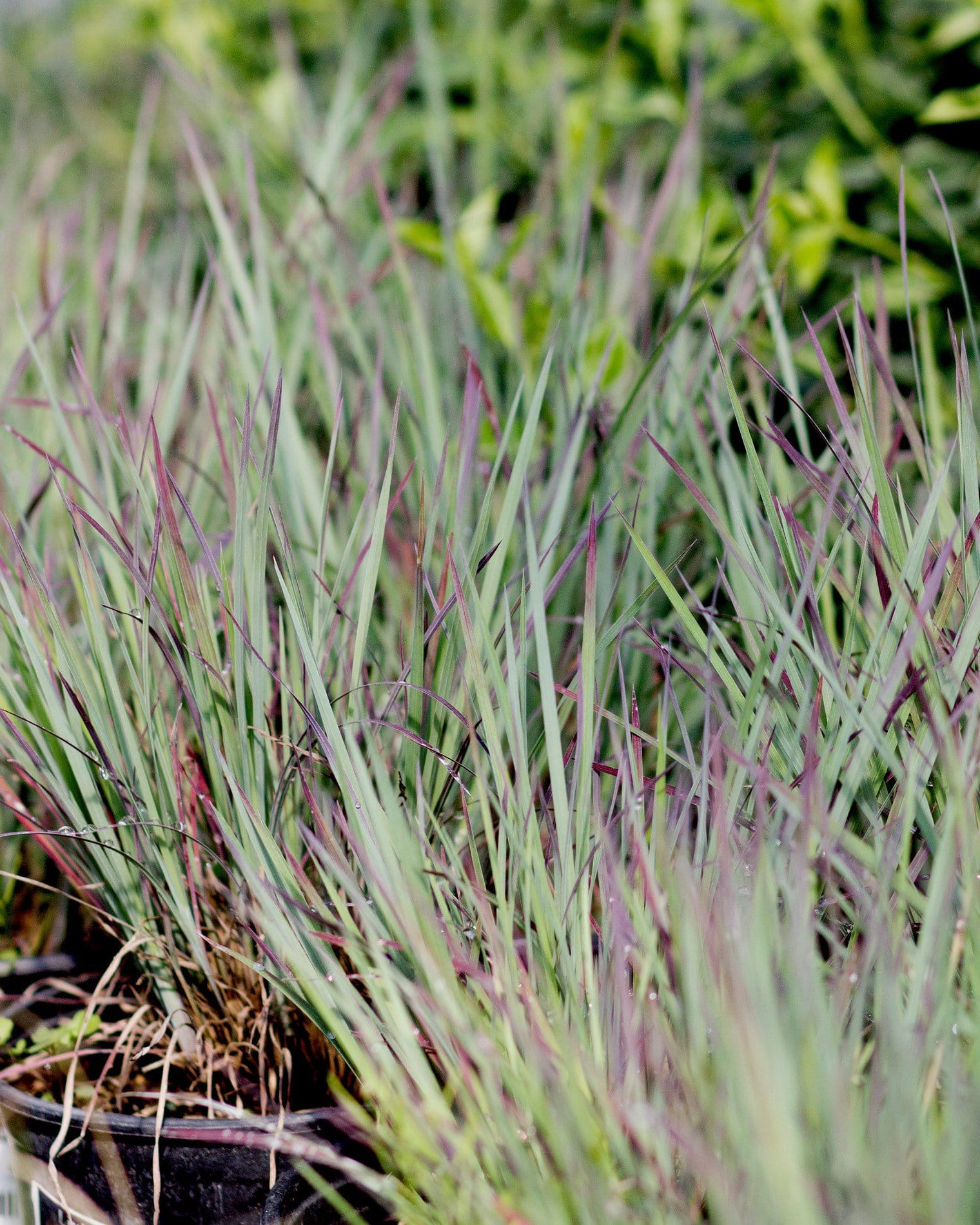
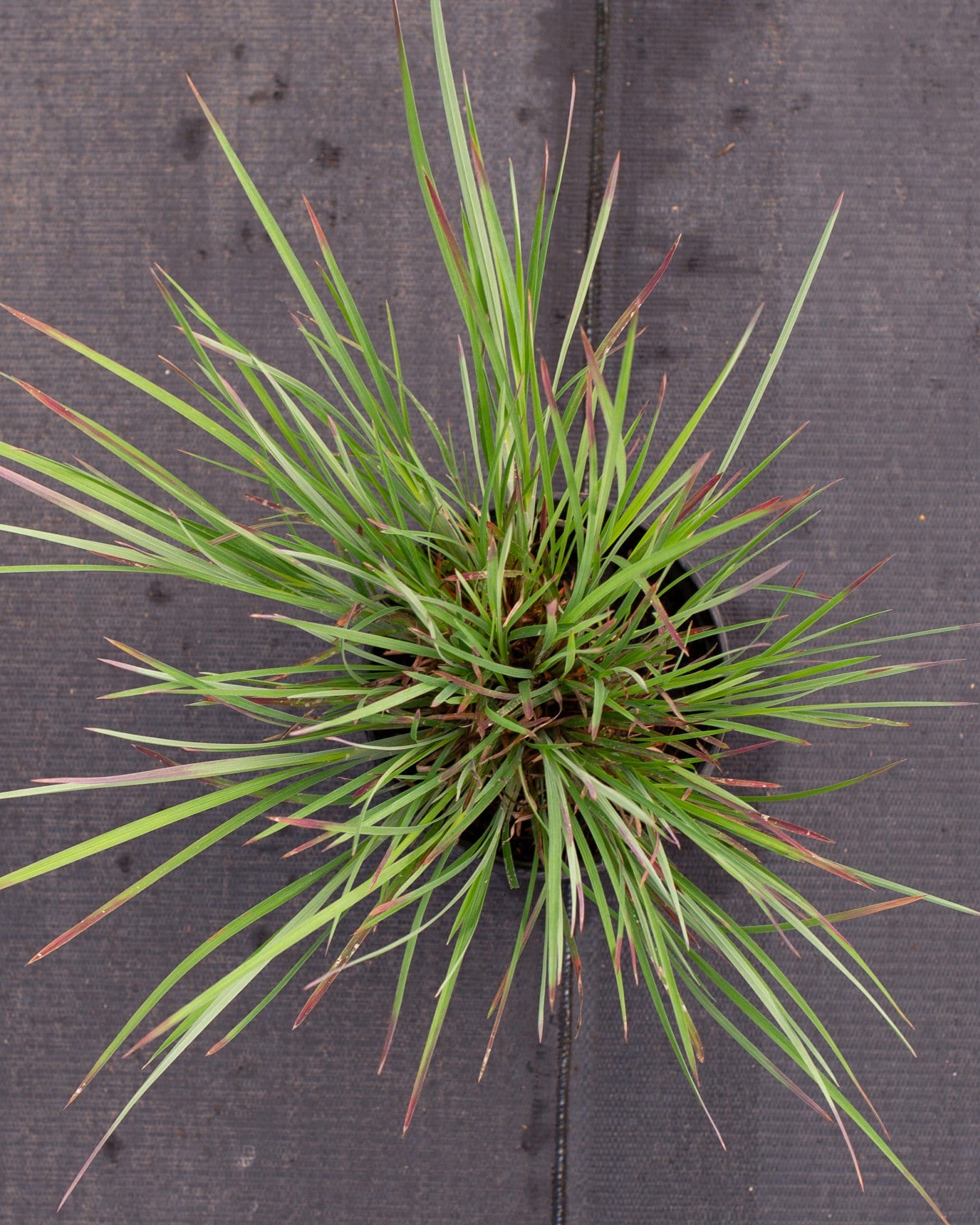
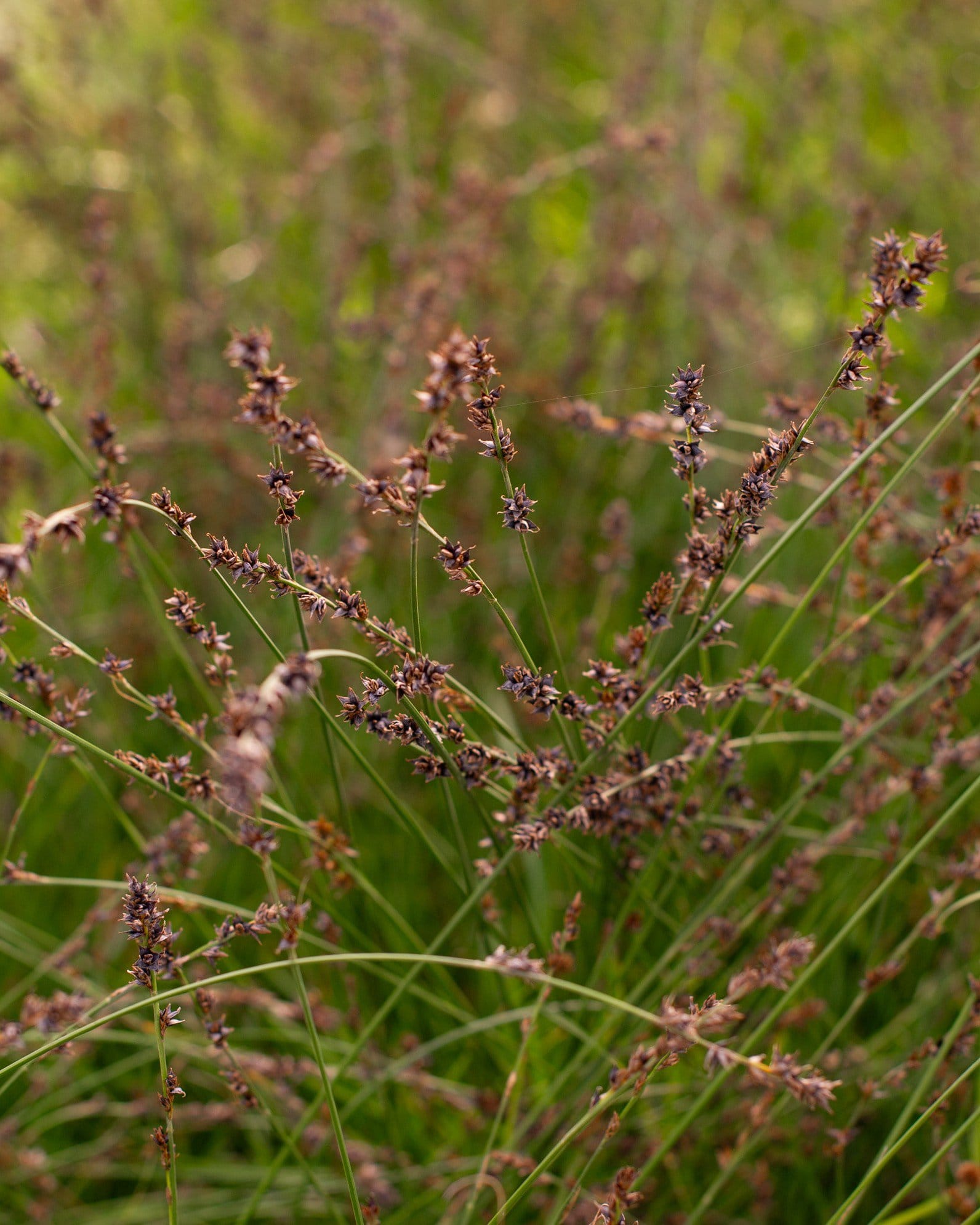
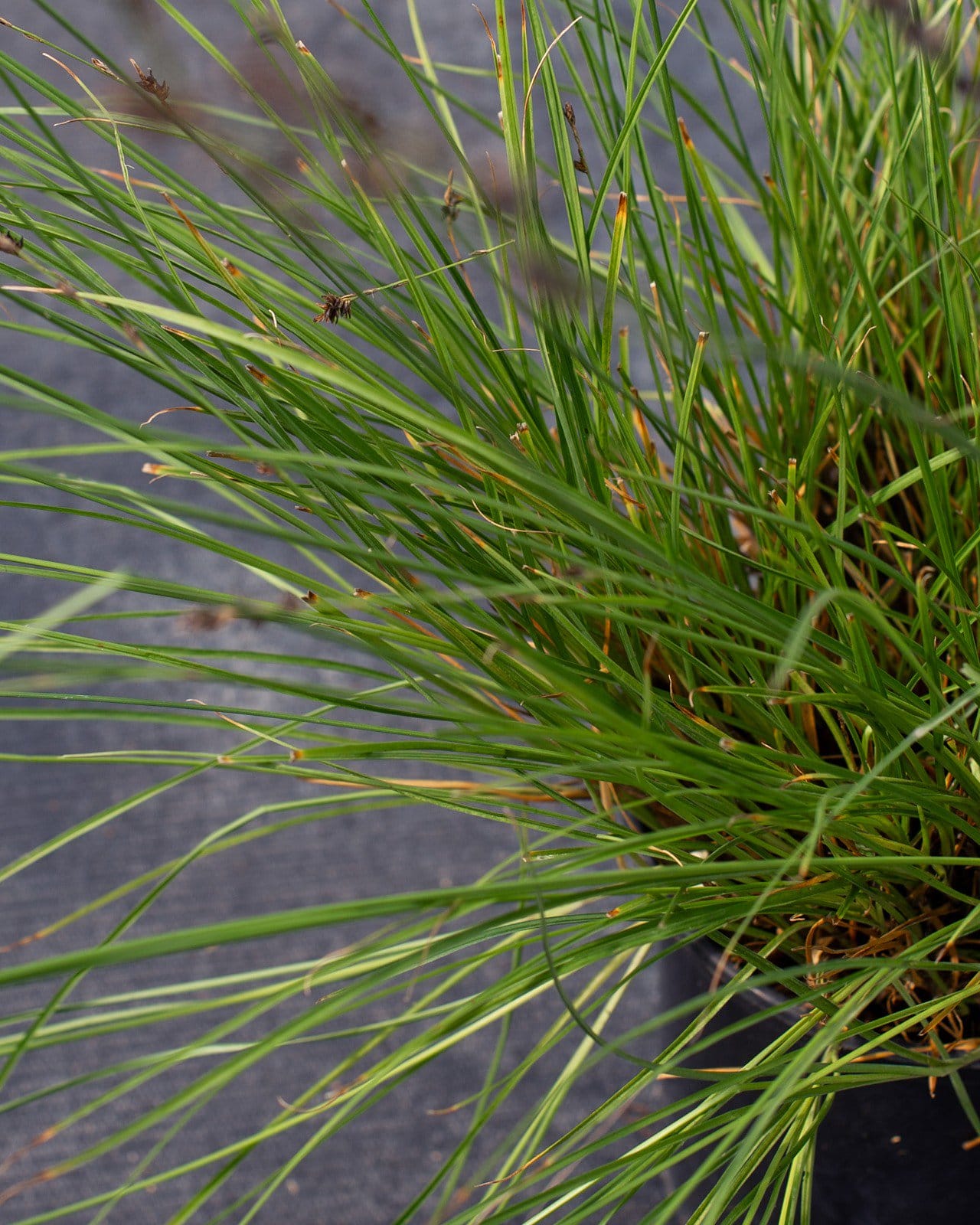
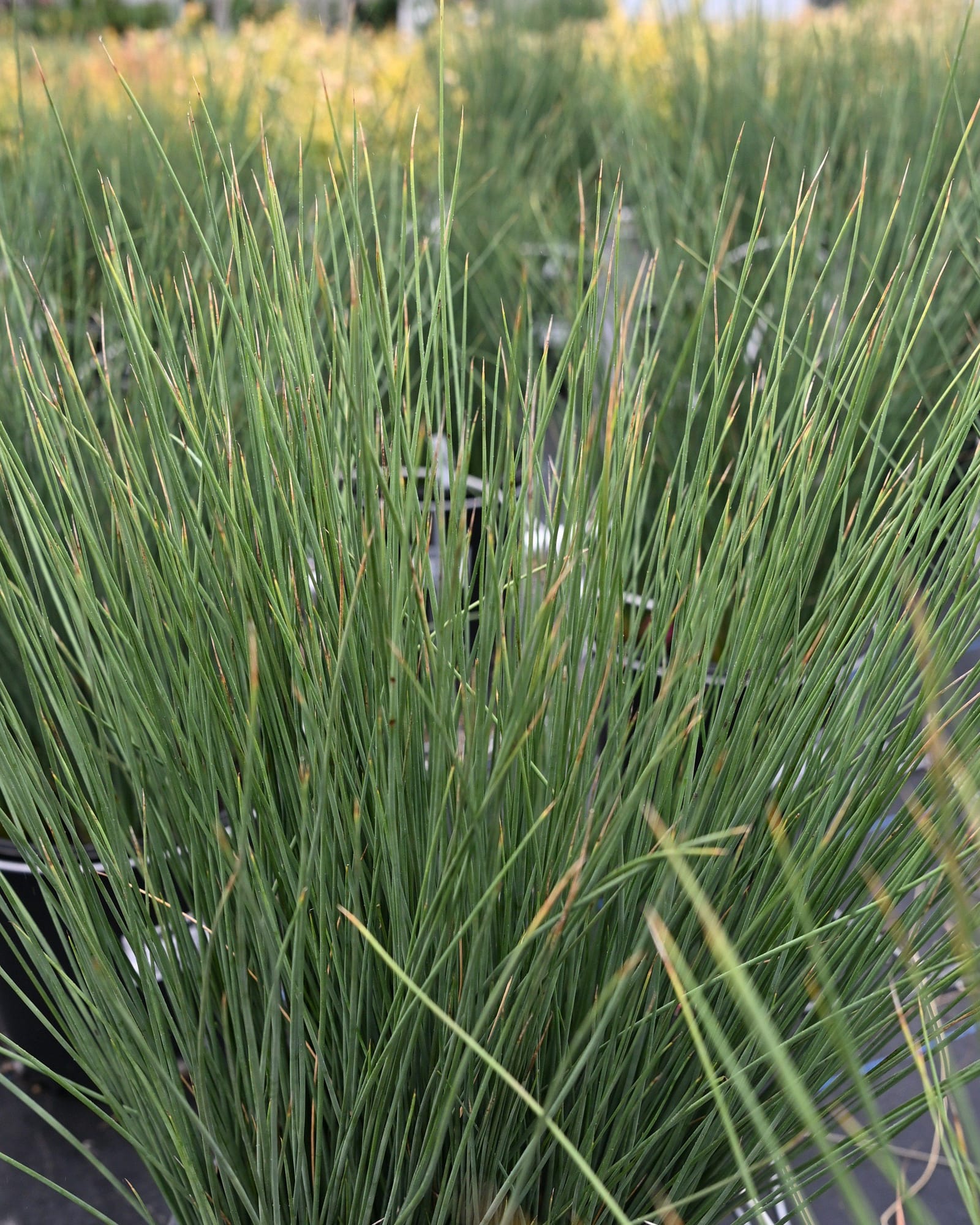
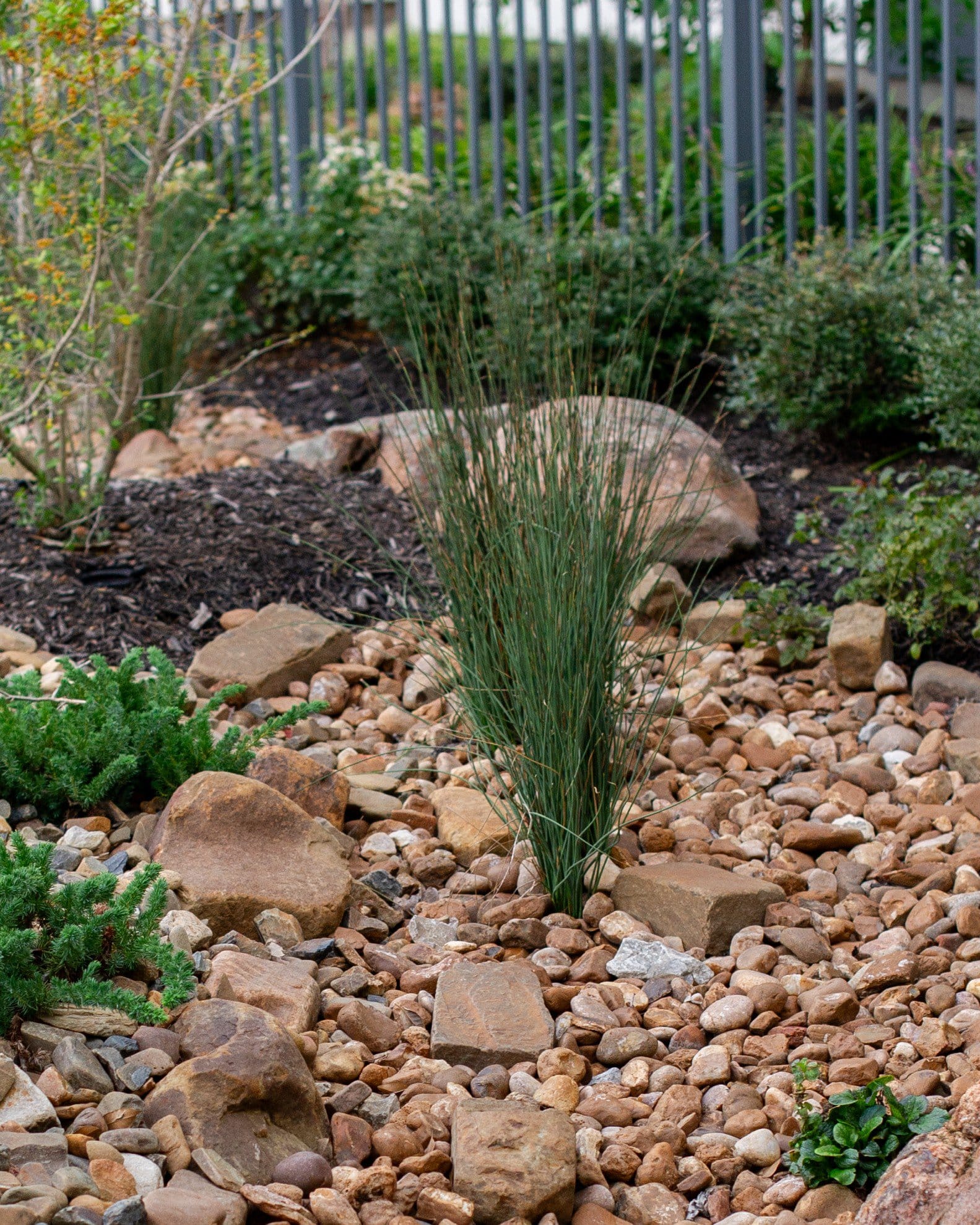
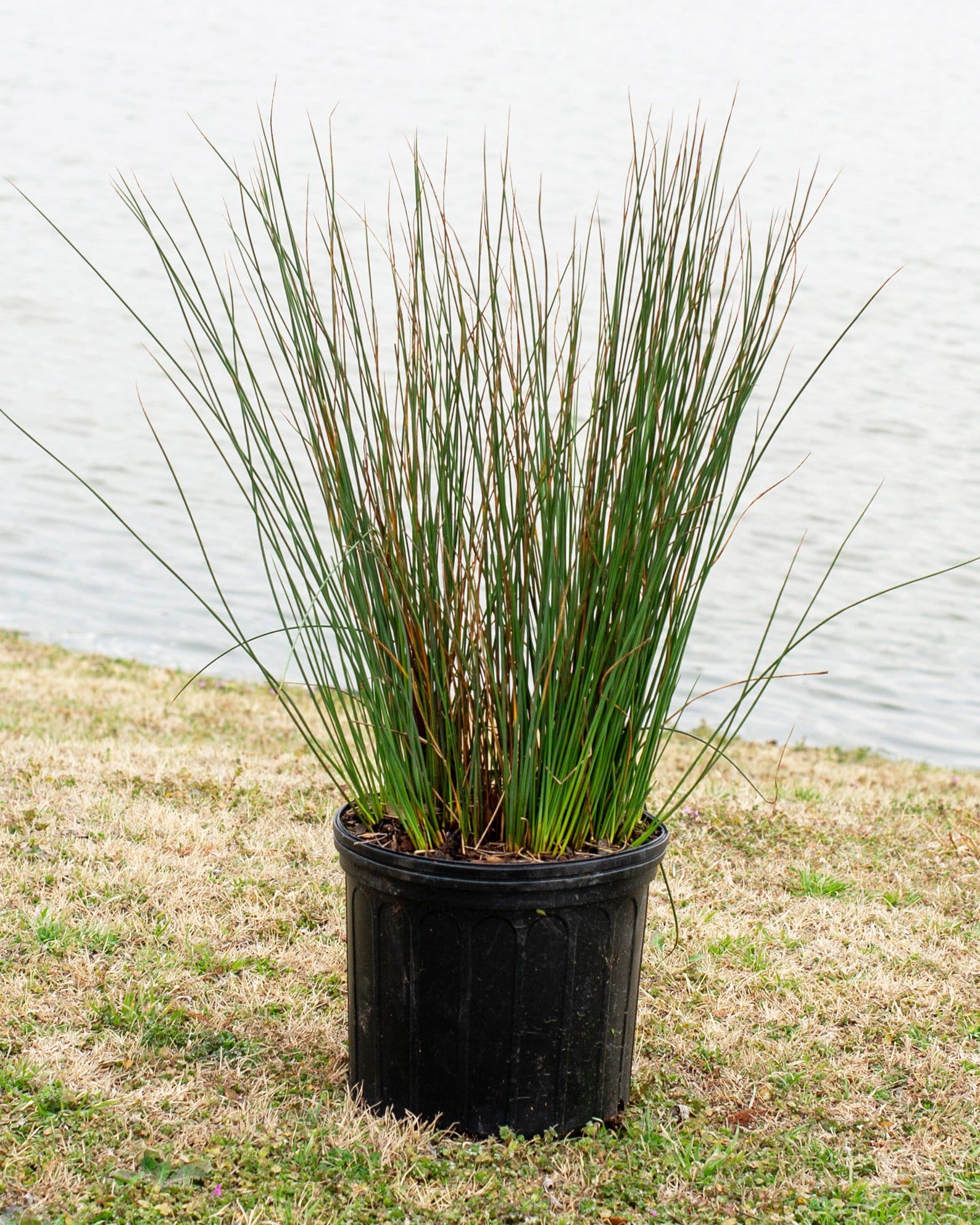
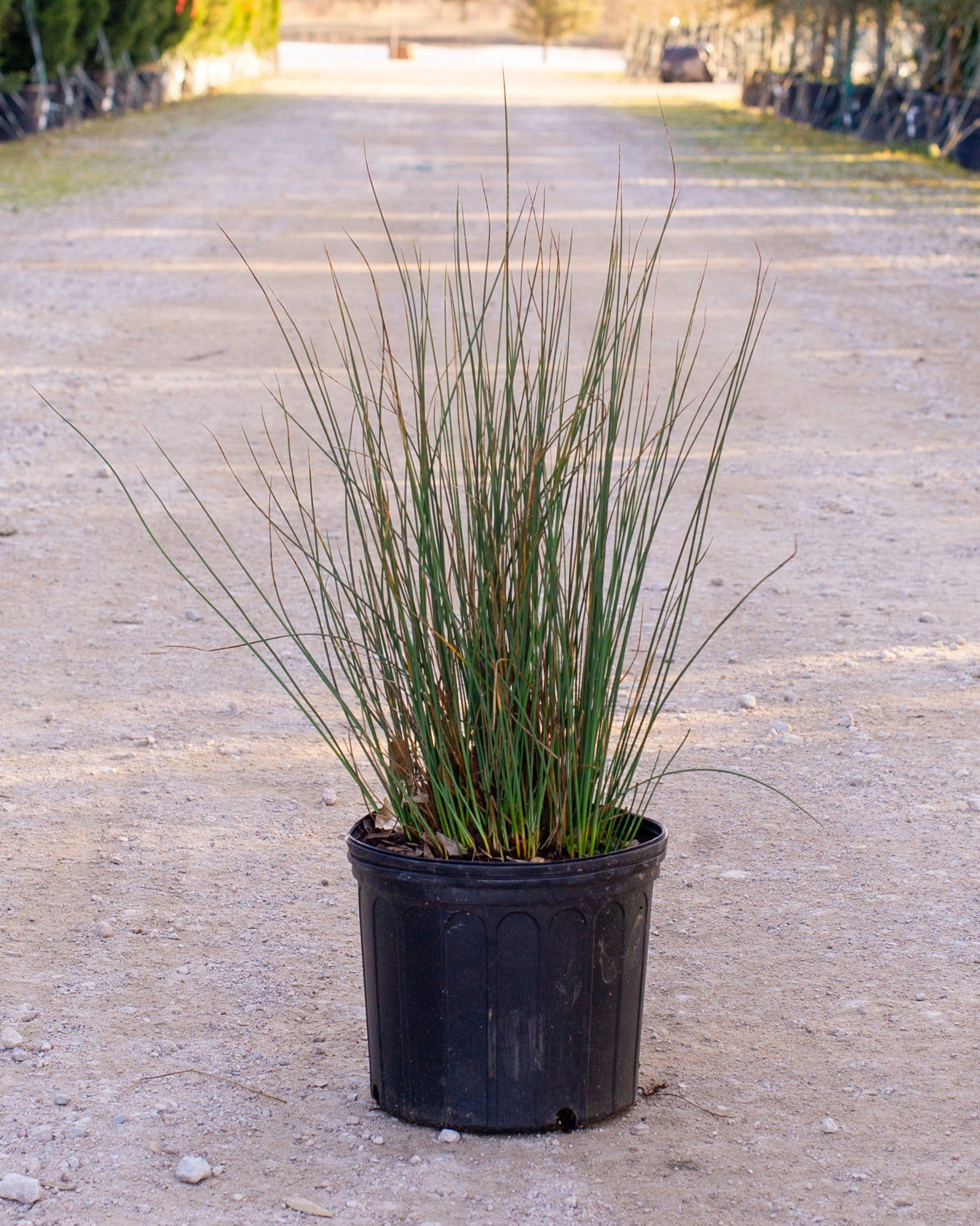
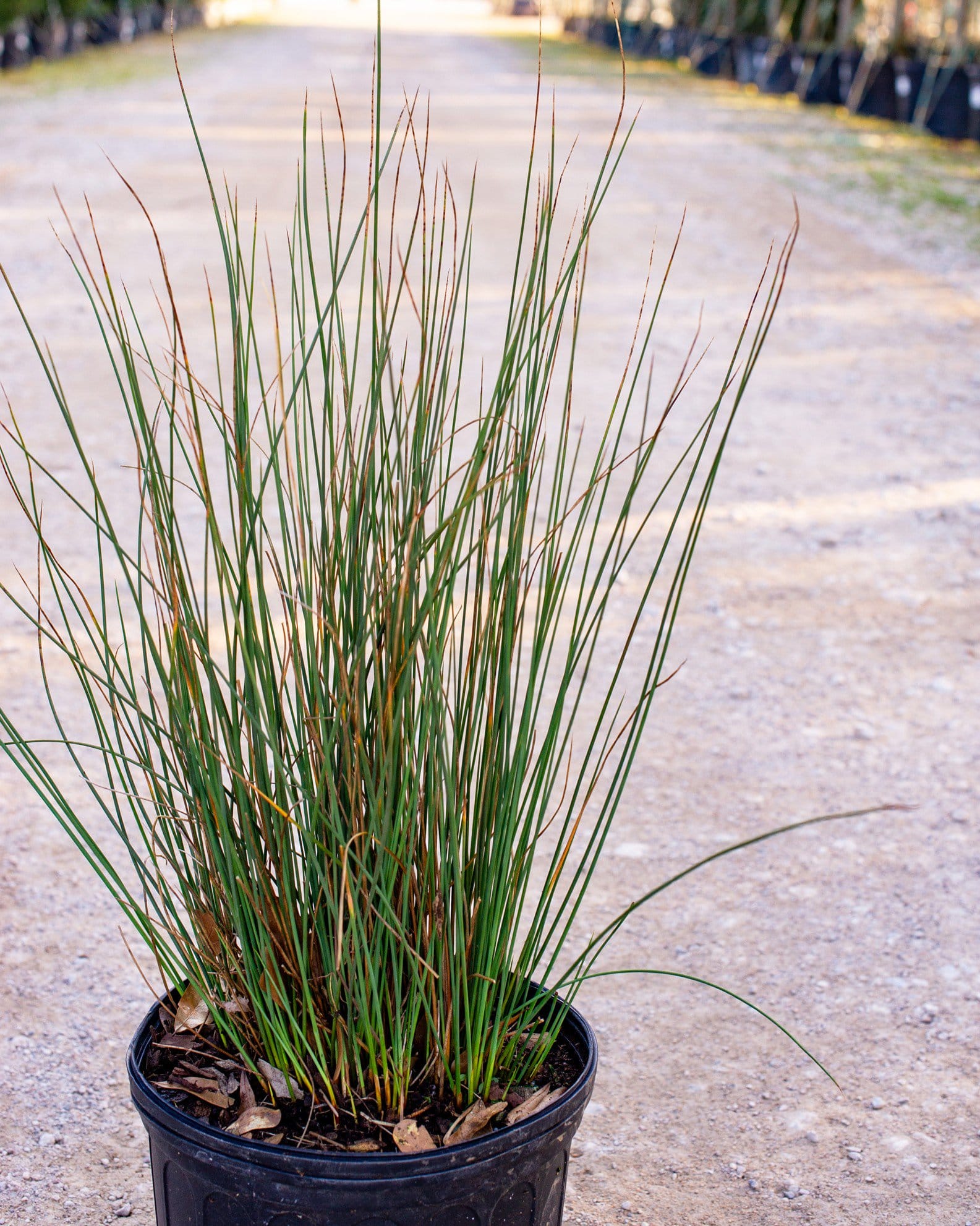
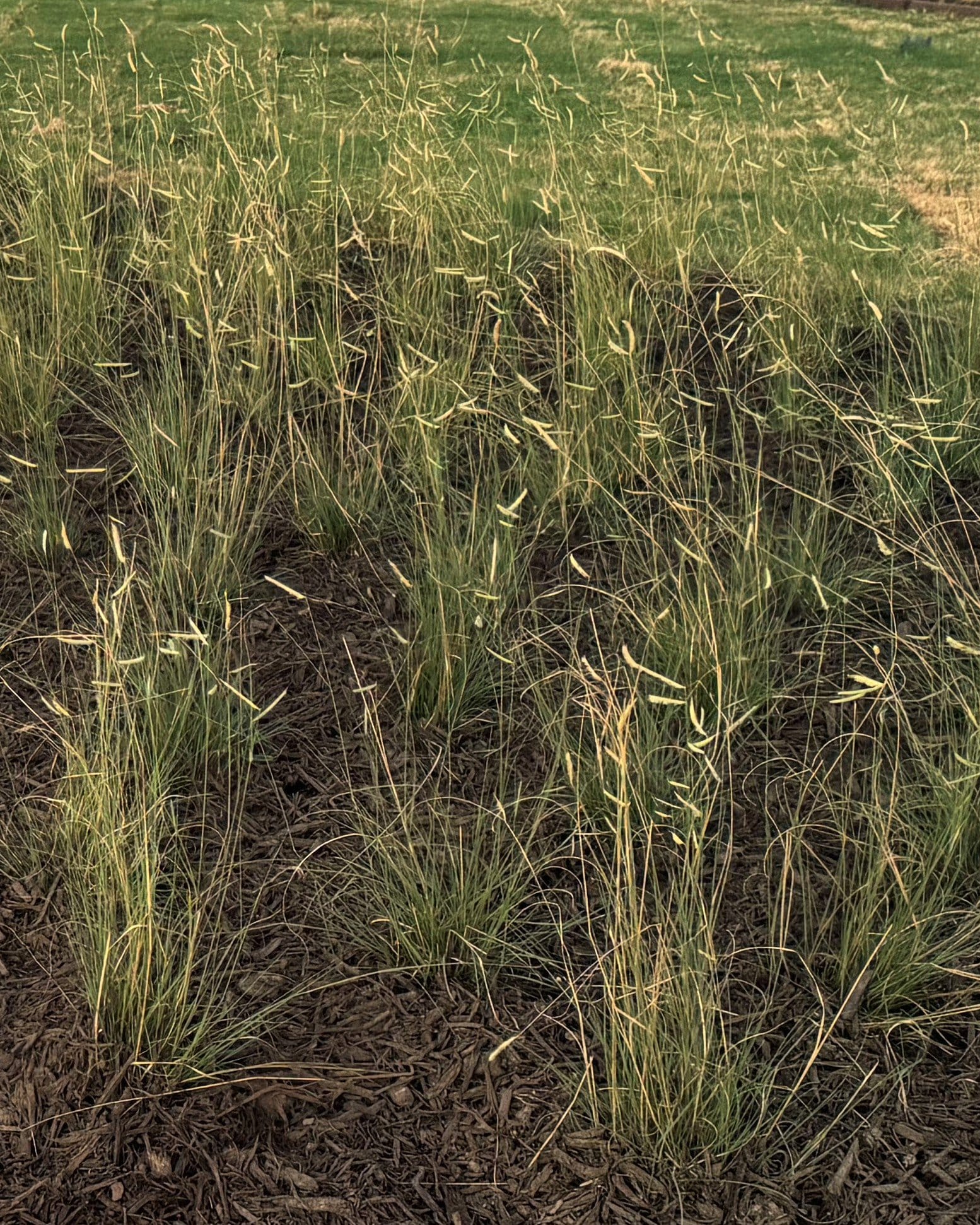
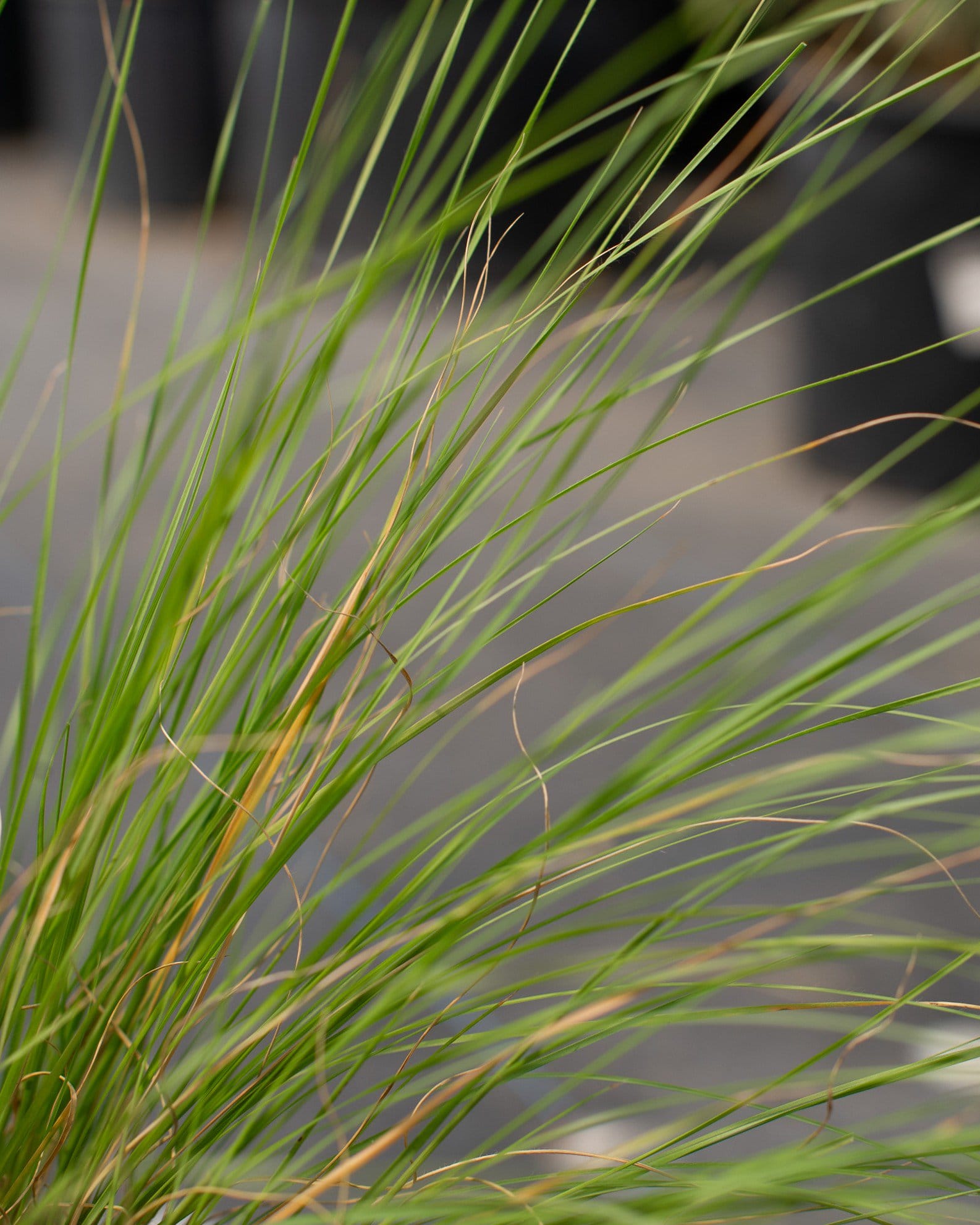
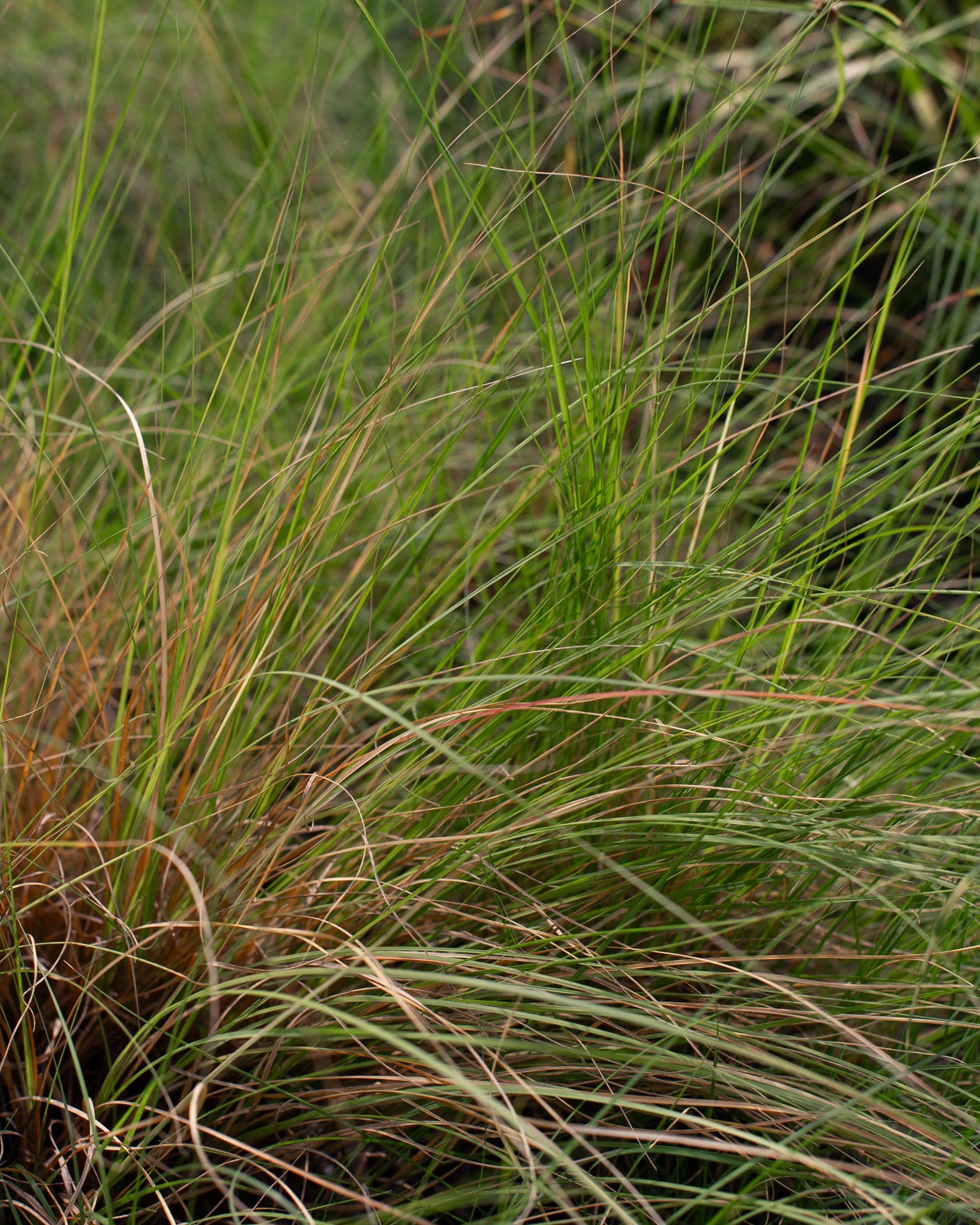
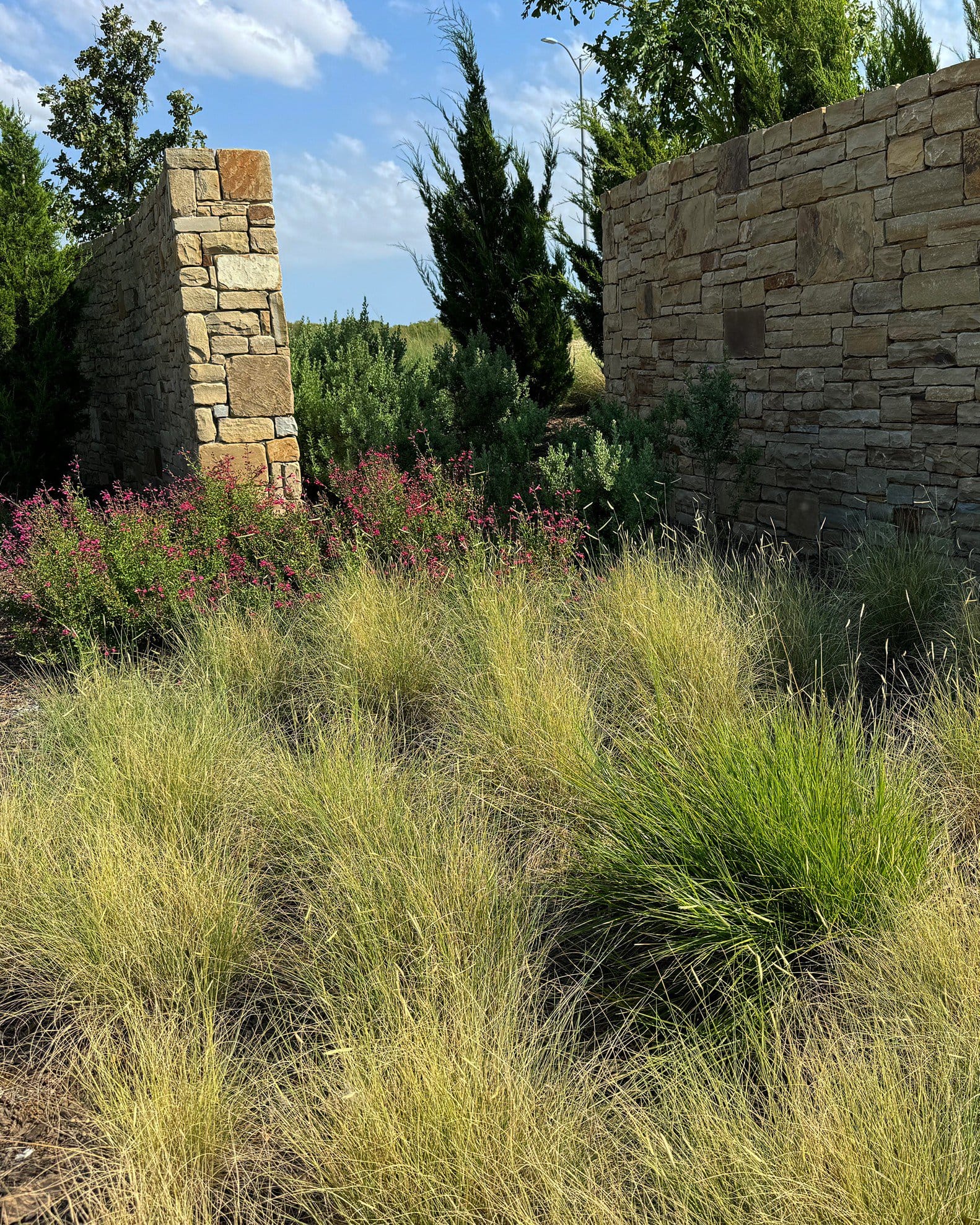
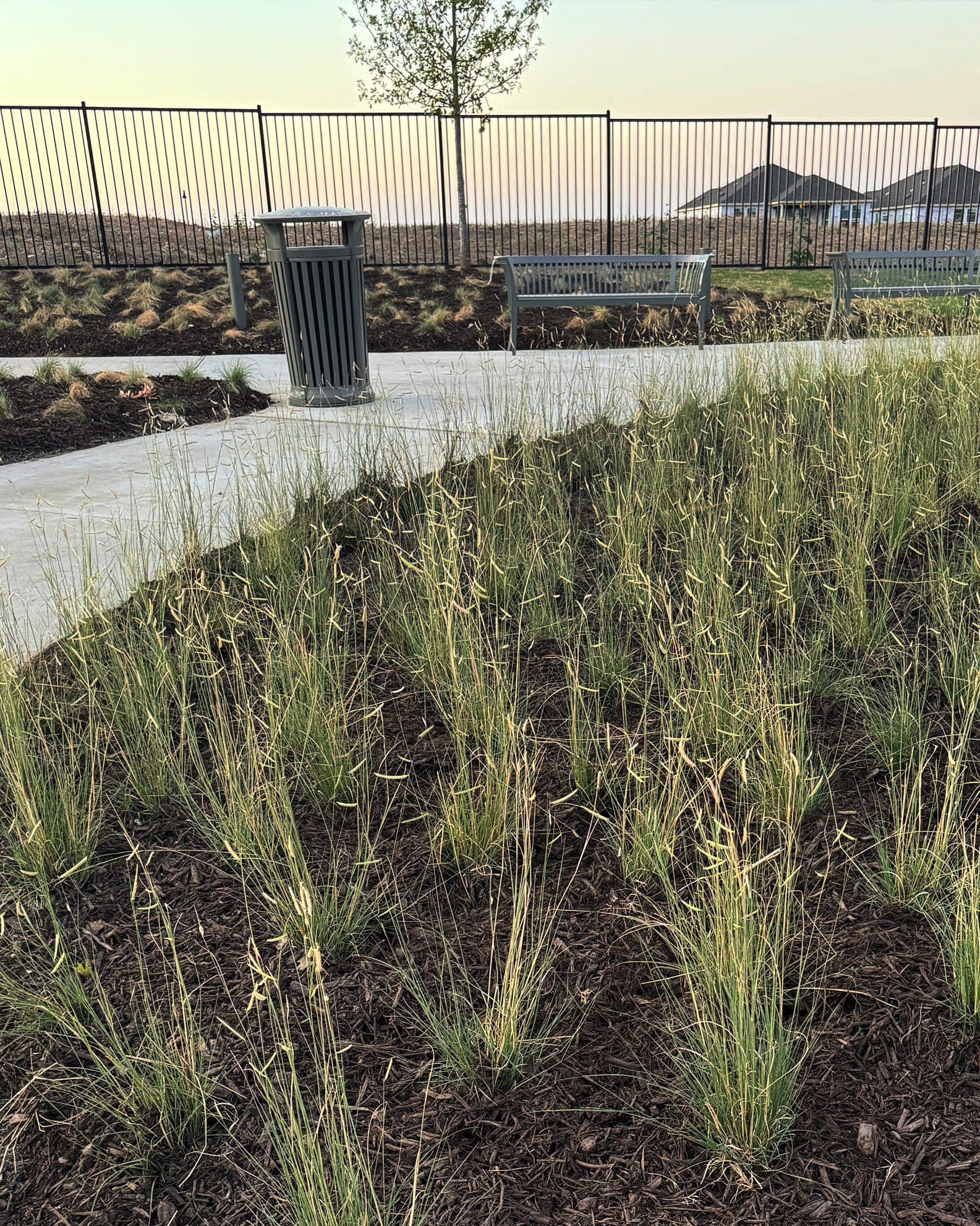
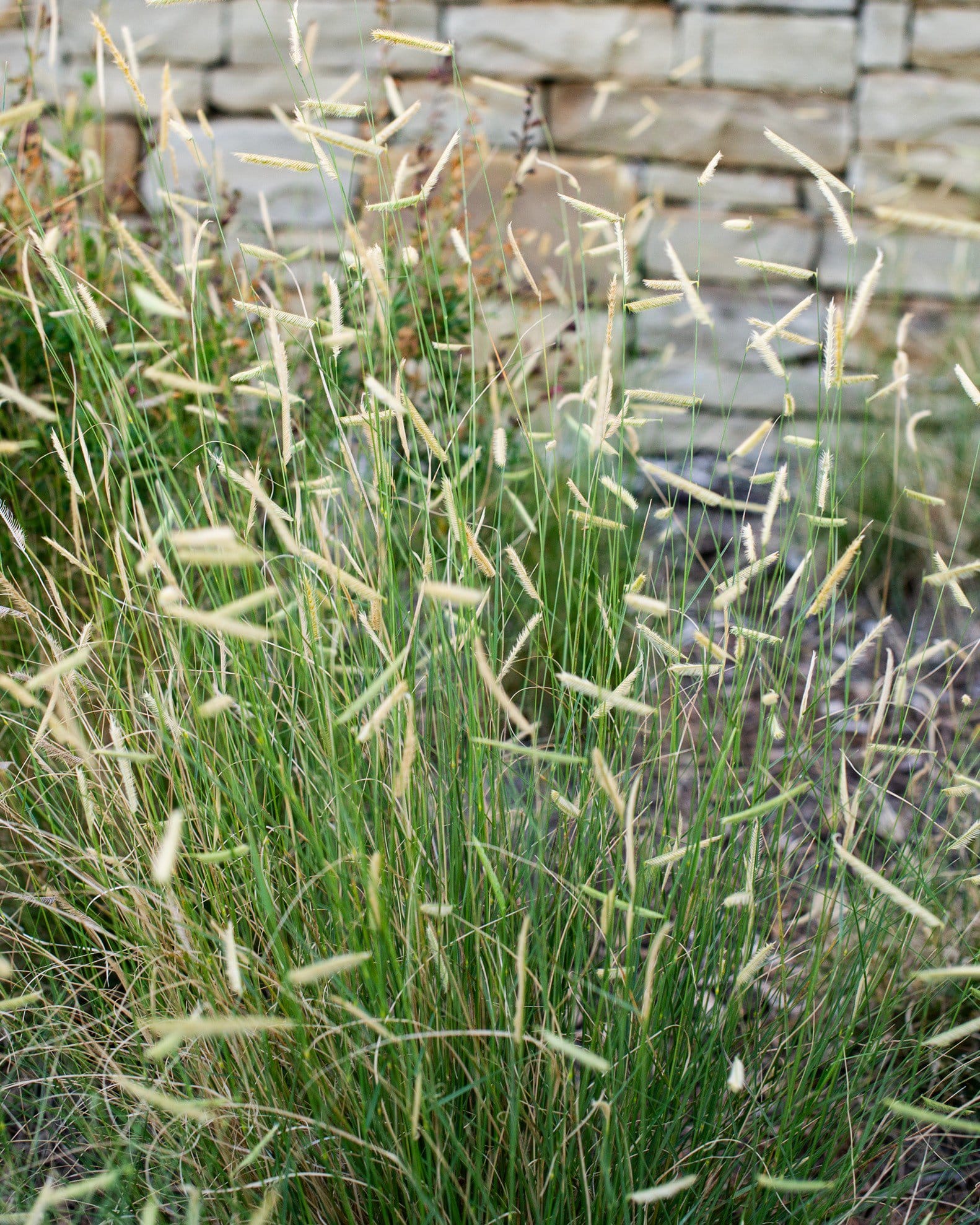
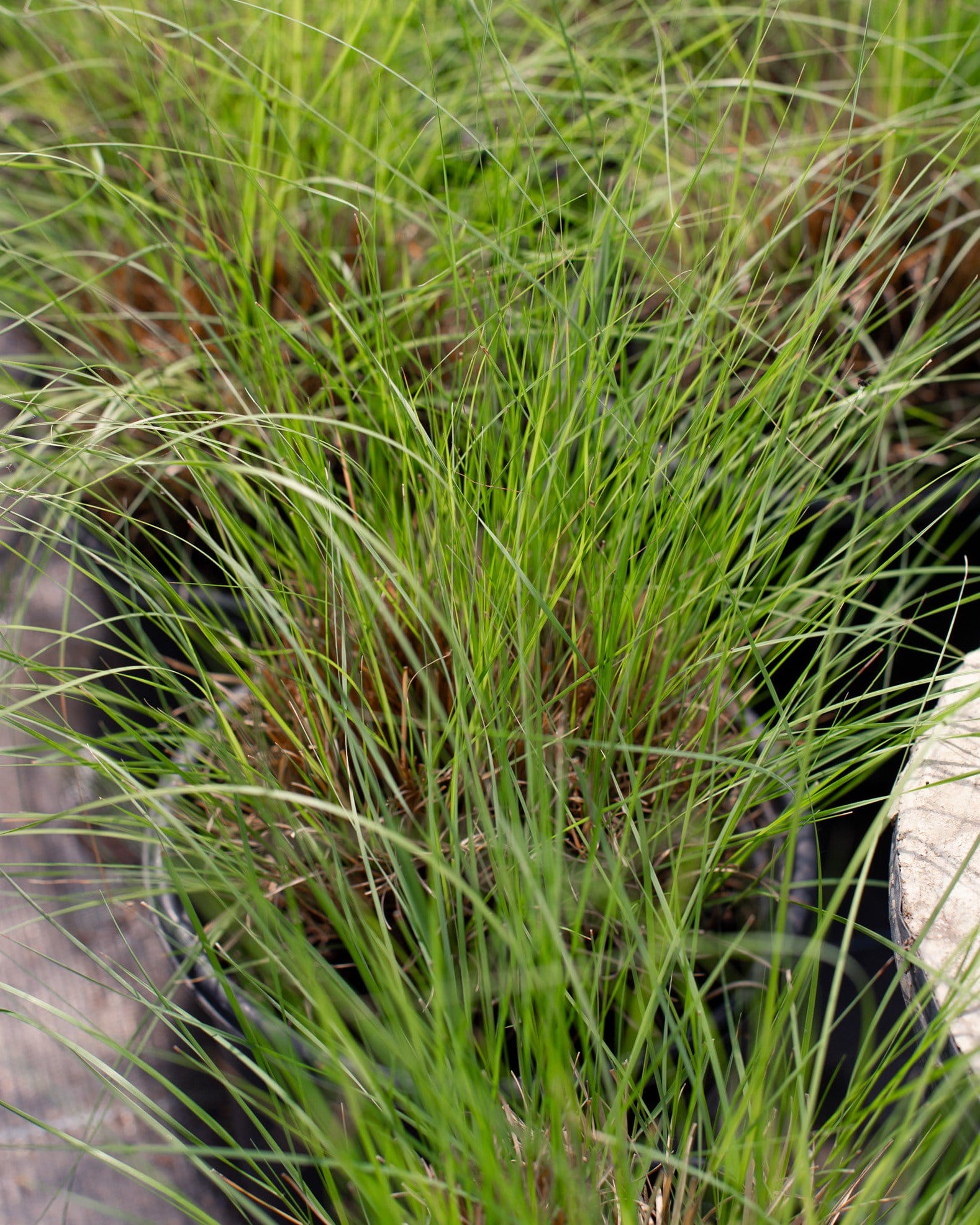
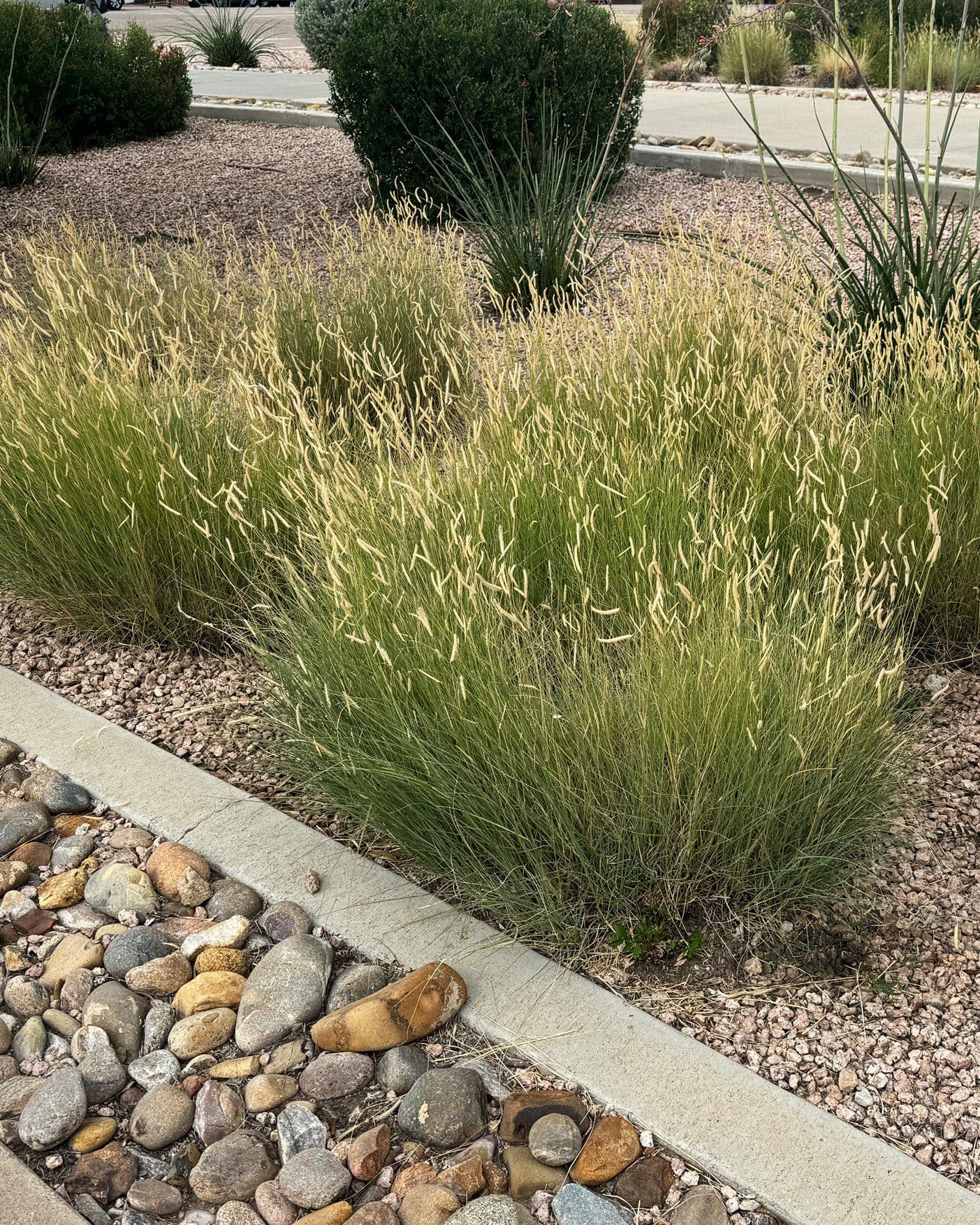
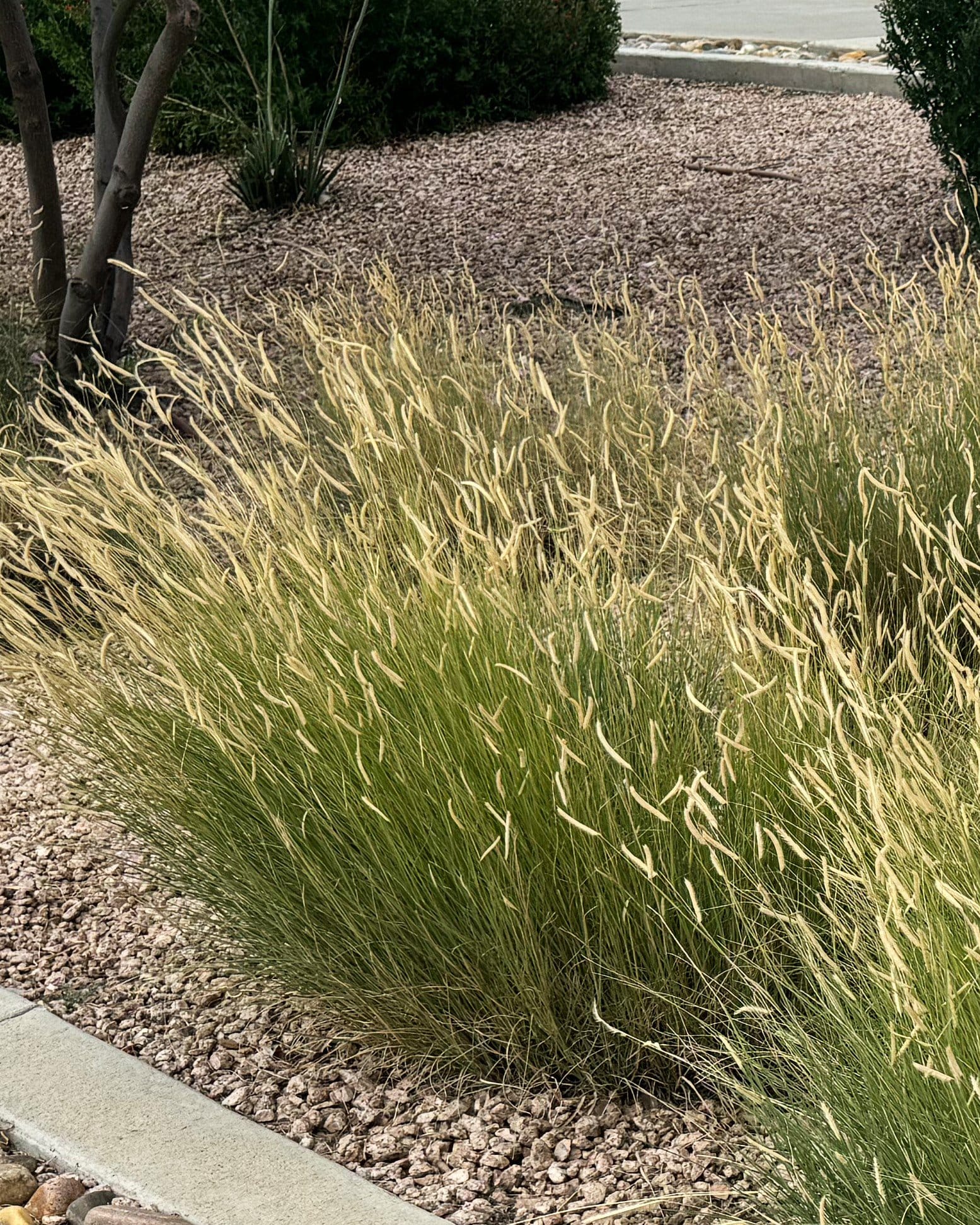
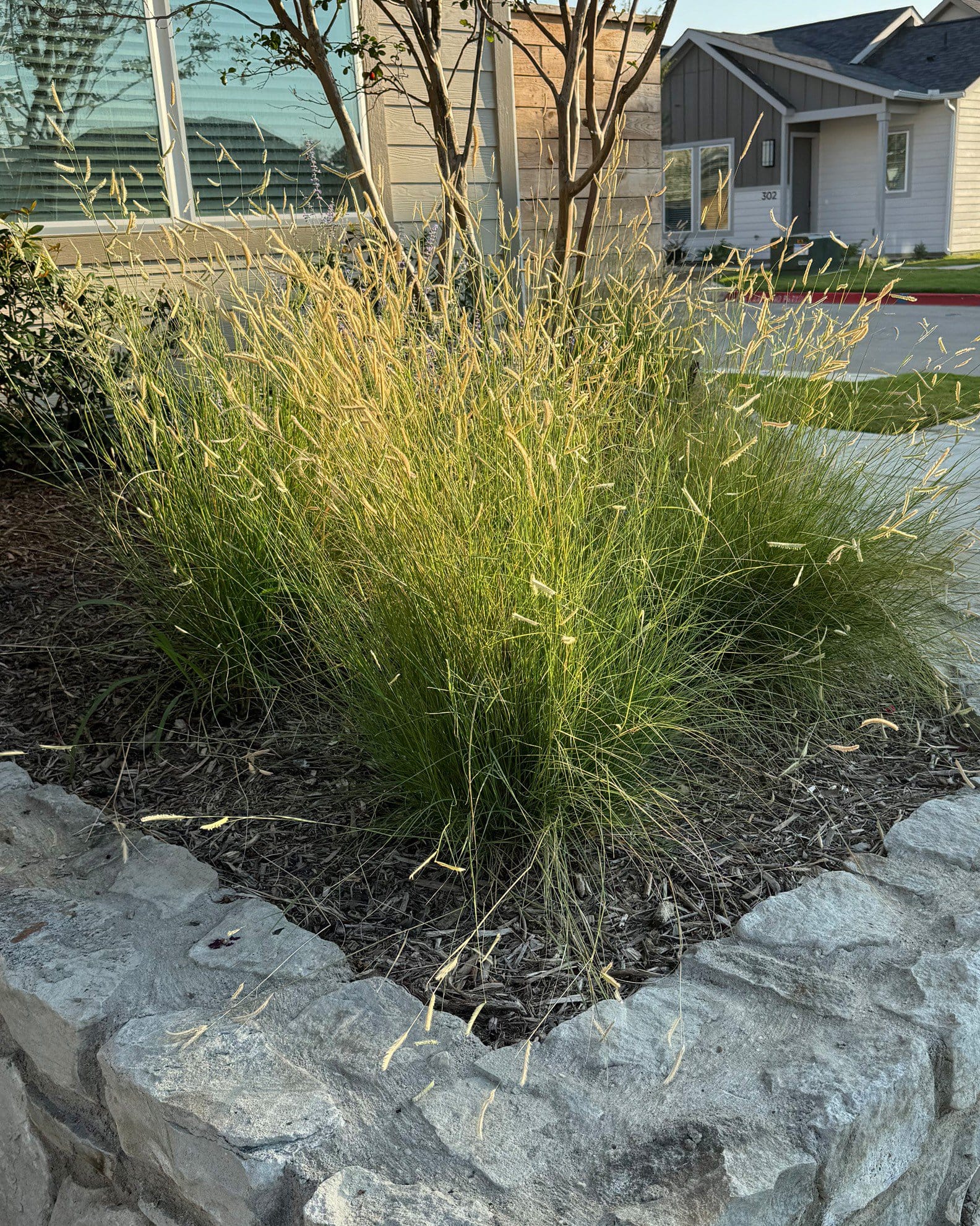
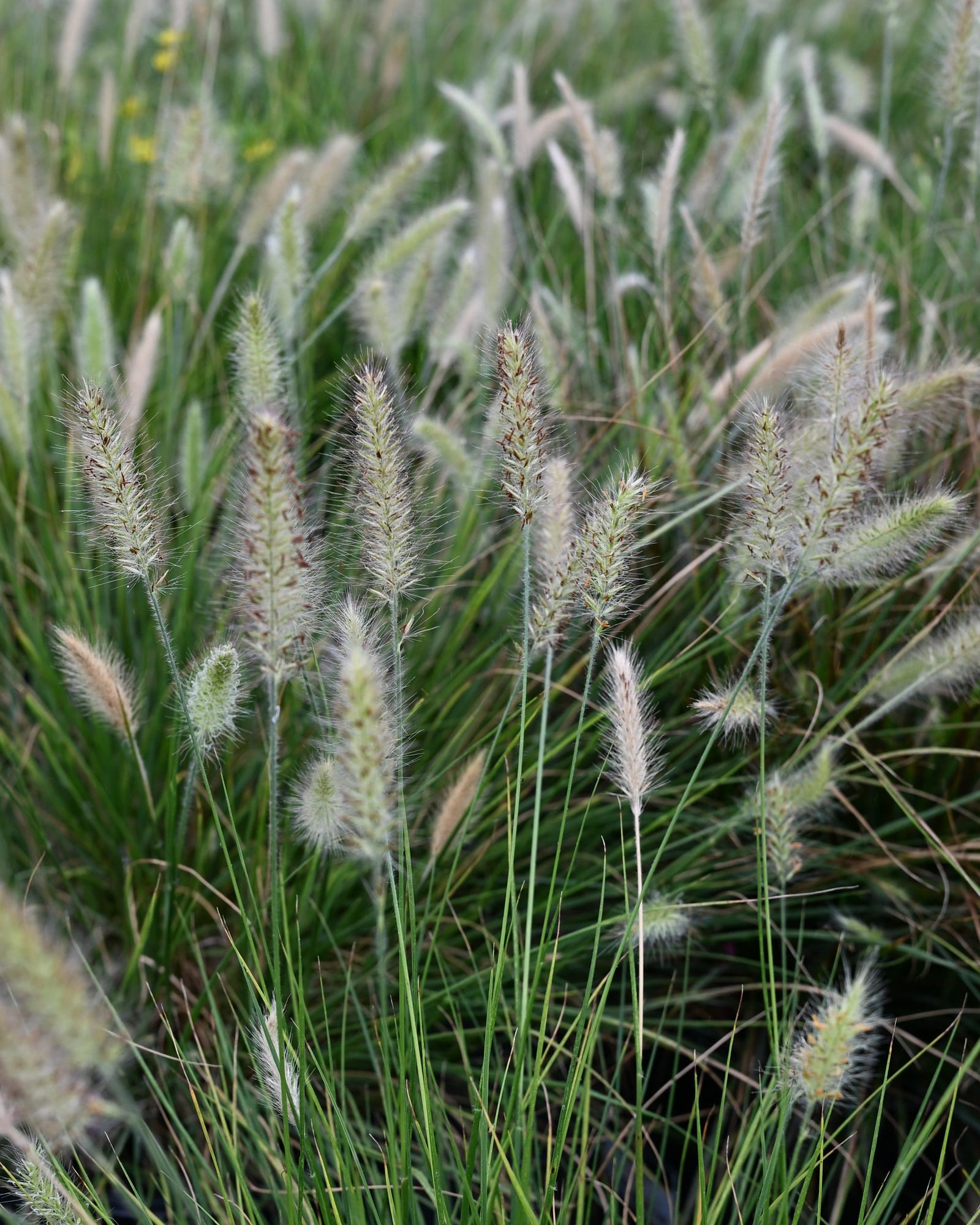
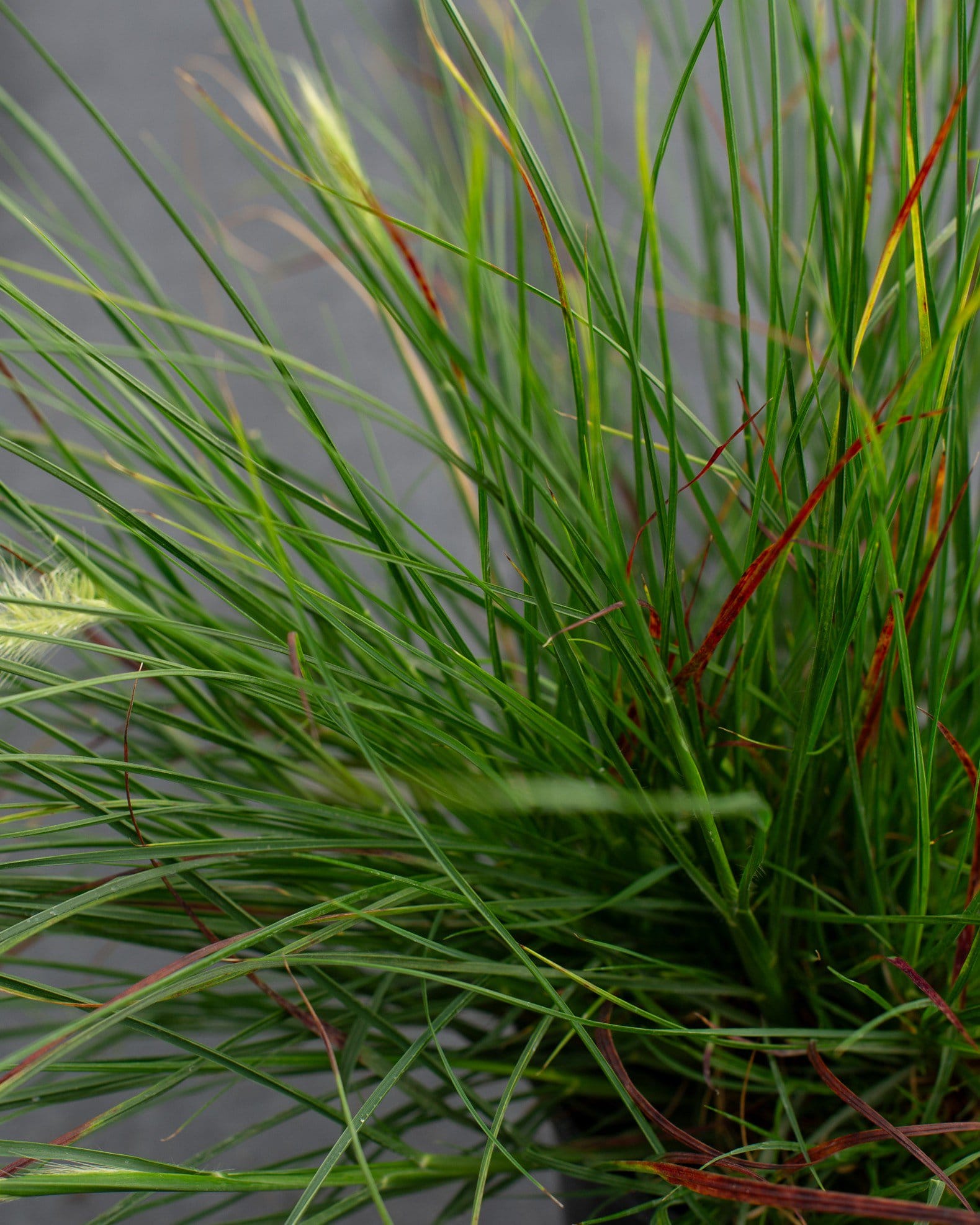
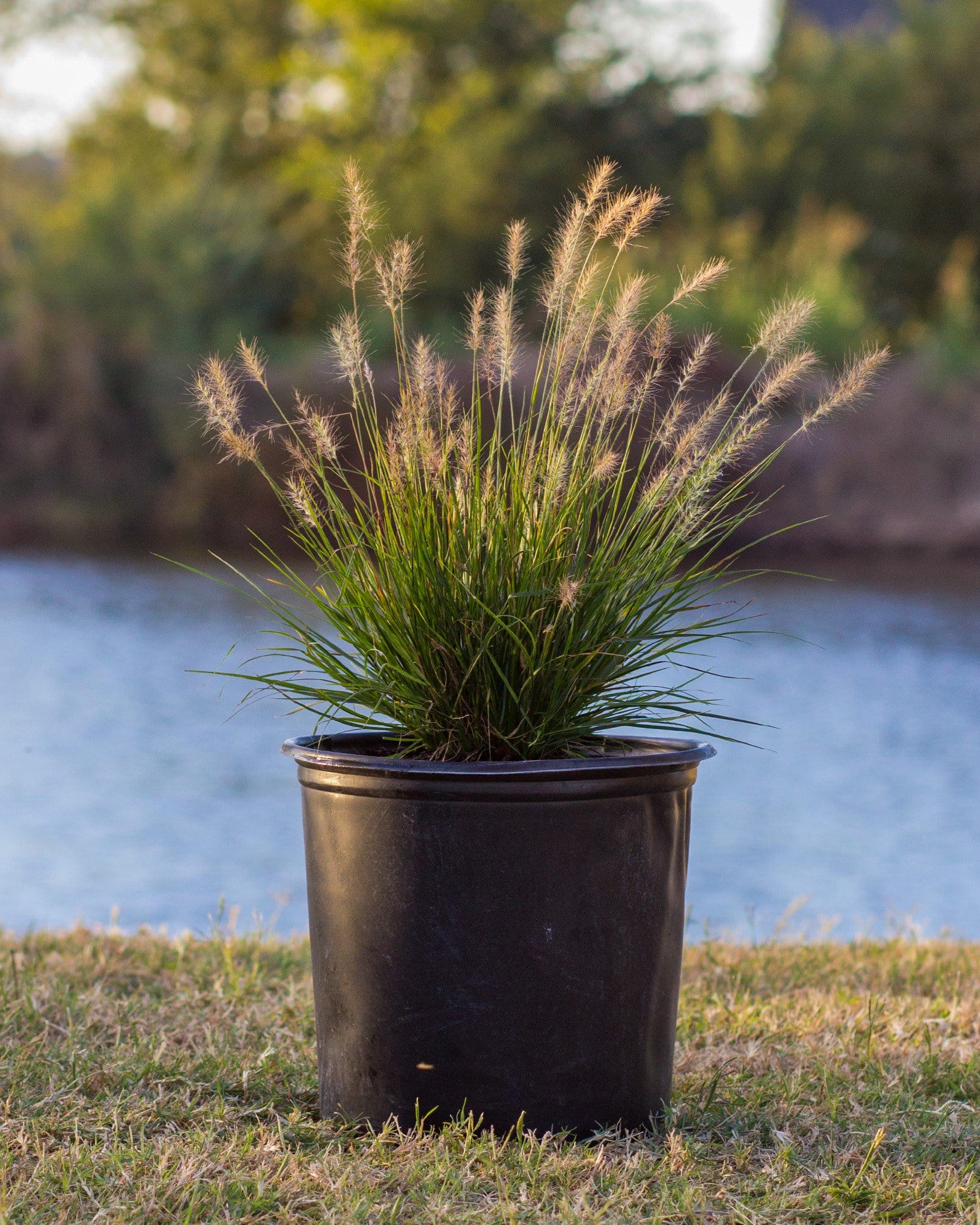
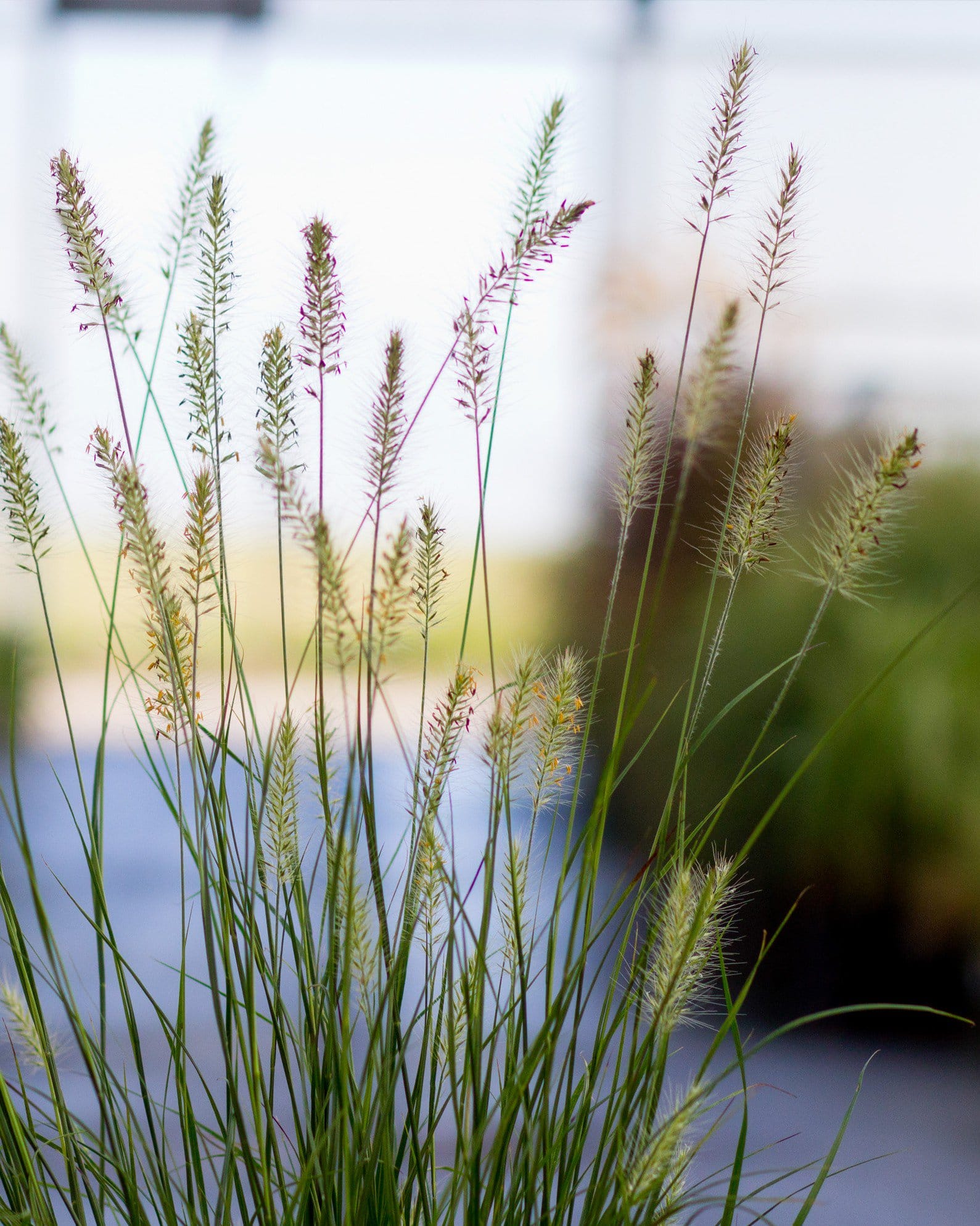
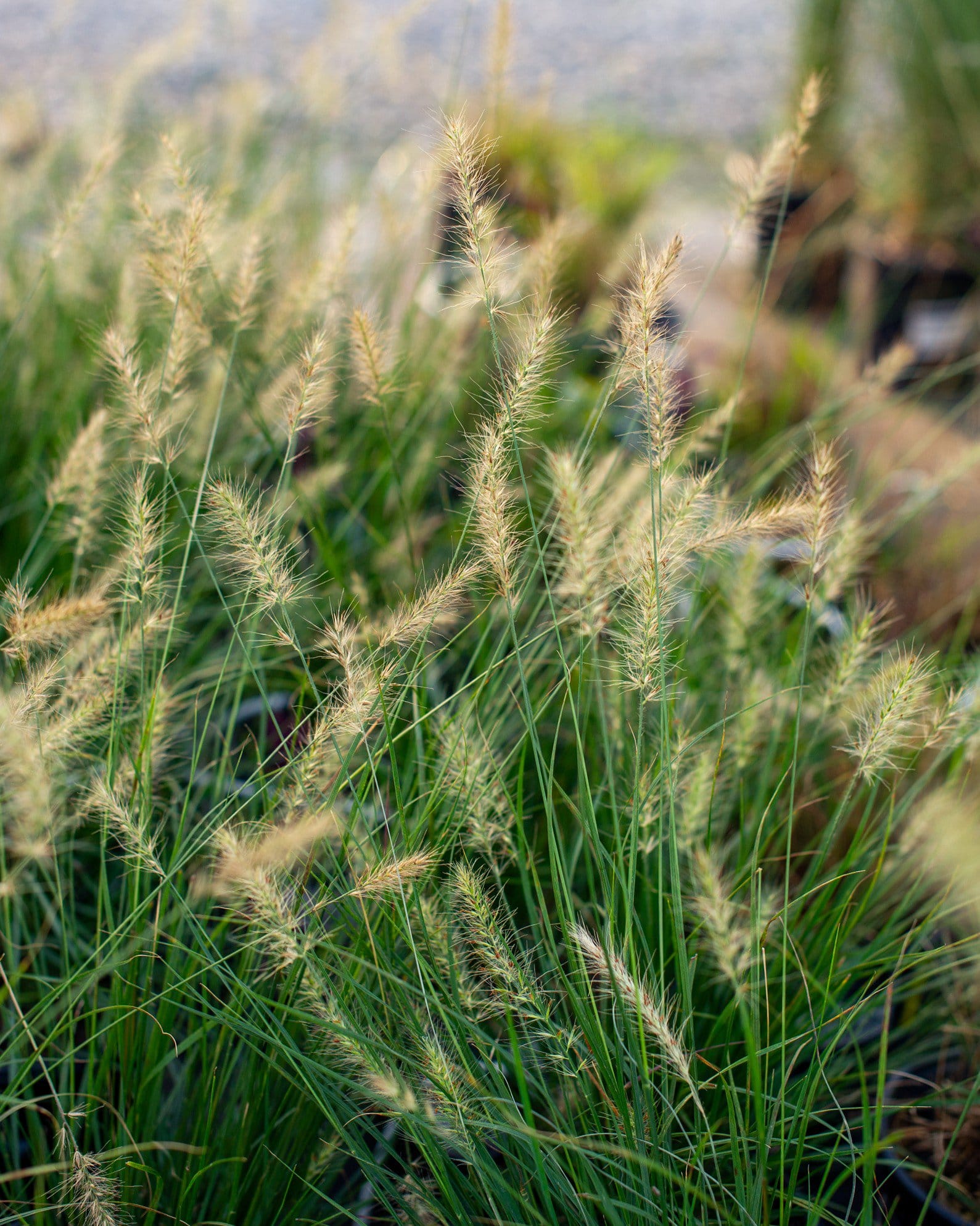
Nassella tenuissimaVersatile and beautiful, Mexican Feather Grass finds its place in any landscape. It grows up to 2 feet in height and the same size in width, reaching maturity 2-3 years after planting. This herbaceous, tufted plant has a graceful, gentle appearance due to its delicate foliage. The leaves appear fine and feathery, gently swaying in the slightest breeze. It fares well in containers, pots and flowerbeds.
- Silvery-green, feathery foliage
- Prefers full sun, but tolerates some shade
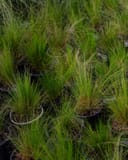
- Grows into dense clumps
- Moderate growth rate
- Gold foliage in autumn
Mexican Feather is an ornamental grass that will fit wonderfully into your North Texas landscape. It thrives in full sun, although it will tolerate some shade. It fares well in well-drained, loamy soil. Take spacing into consideration when planting - space the plants 12-24 inches apart. Deadheading is not necessary, but you may apply it once the leaves are dead for aesthetic reasons.
Maintenance
Once established, Mexican Feather thrives with minimal care - but a little seasonal attention keeps it lush, healthy, and beautifully textured all year round:
- Watering: Water regularly during the first growing season to help roots establish deeply. Once mature, Mexican Feather prefers infrequent but thorough watering during extended dry periods. Allow the soil to dry between waterings - this grass dislikes soggy roots. Overwatering or poorly drained conditions can cause the crown to rot and diminish its signature airy form.
- Pruning: In late winter or very early spring, before new growth begins, gently rake through the clump or trim back the dried foliage to a few inches above the ground. This refreshes the plant and allows new blades to emerge cleanly. Avoid cutting too early in winter - the dried tufts provide beauty and texture even in dormancy. Refrain from mid-season pruning, as it may interrupt its natural movement and flow.
- Fertilizing: Mexican Feather doesn’t need much feeding. A light application of balanced, slow-release fertilizer in early spring is enough to promote healthy growth. Too much fertilizer can make the foliage floppy and reduce its elegant form.
- Mulching: Apply a thin layer (1-2 inches) of mulch around the base to retain moisture and keep weeds down. Keep mulch a few inches from the crown to avoid trapping excess moisture. Refresh mulch annually, especially in climates with hot, dry summers.
- Winter care: In mild climates, Mexican Feather may remain semi-evergreen through winter. In colder zones, the foliage naturally dies back - simply leave it in place for protection and visual interest until early spring. Adding a light layer of mulch around the base before the first frost helps insulate the roots during extreme cold spells.
Common Issues and How to Take Care of Them
Mexican Feather is highly resilient and rarely troubled by pests or disease, but a few issues may arise in less-than-ideal conditions:
- Root Rot: Overly wet or compacted soil can lead to crown or root rot. Ensure proper drainage and avoid watering too frequently, especially during cool or damp weather.
- Flopping or Matting: Heavy rain or over-fertilization can cause the fine blades to flop. Lightly trim or rake out the foliage midseason to restore its texture and bounce.
- Rust or Fungal Spots: In overly humid climates or crowded plantings, rust-like spots may appear on the leaves. Improve airflow and avoid overhead watering. Fungicides can be used if necessary, though usually cultural adjustments solve the problem.
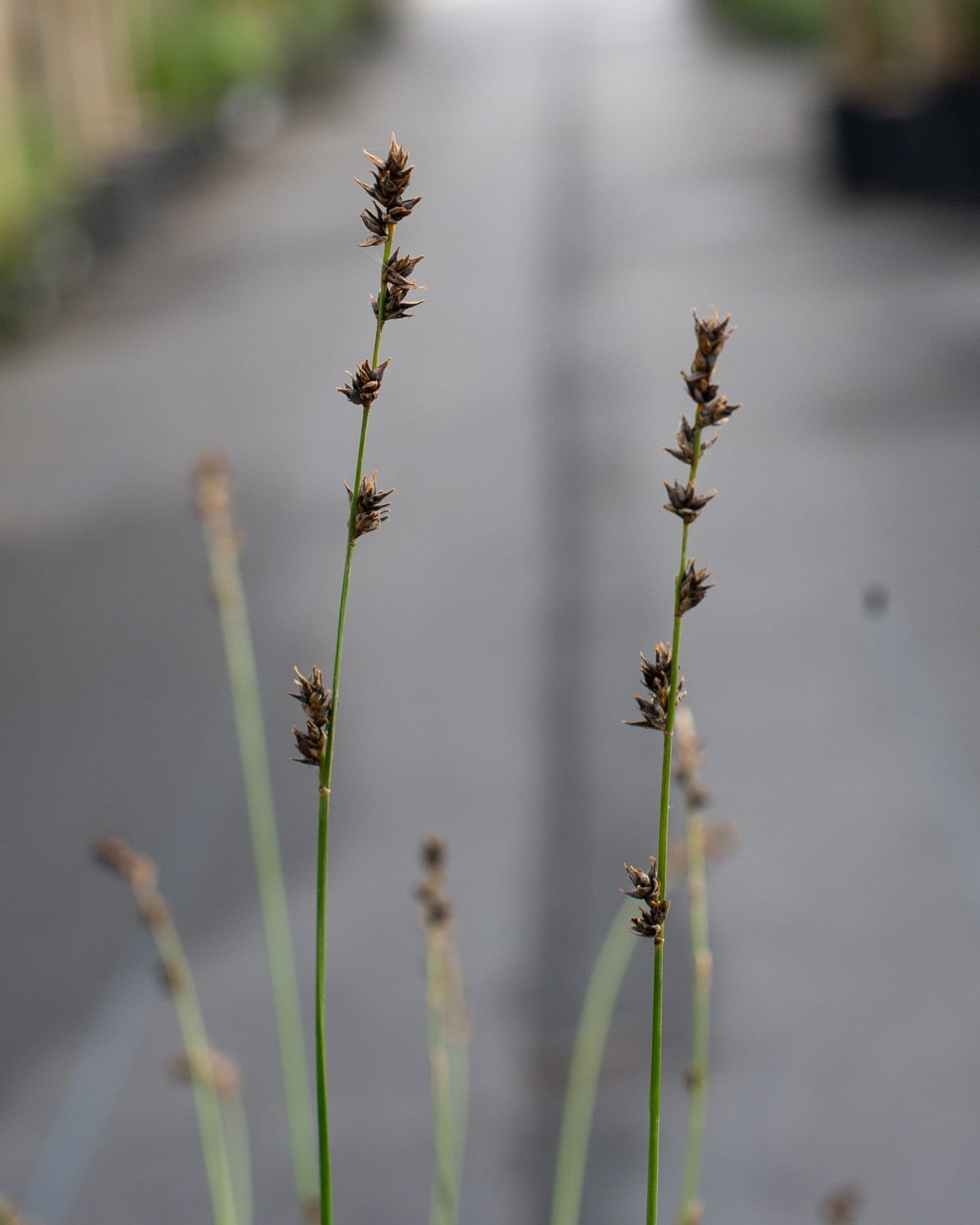
- Self-Seeding: Mexican Feather can lightly self-seed under ideal conditions. If you prefer to keep it contained, remove seed heads before they mature or plant in a controlled bed or container.
- Browning Tips: Common in hot, dry winds or nutrient-poor soil. Trim off browned areas and apply a light spring feeding if needed.
Spring or early fall are ideal planting times, giving roots a chance to establish before extreme temperatures set in.
Yes, it’s exceptionally drought-tolerant once mature. It thrives with minimal supplemental watering in dry climates.
Yes, it performs beautifully in pots with good drainage. Container-grown plants may need slightly more frequent watering.
Yes, birds often use the soft seed heads for nesting materials, and the swaying motion attracts pollinators to nearby plants. However, deer don’t like it because of its fine texture and movement.
Absolutely - it moves beautifully in the breeze. Just avoid heavily shaded or overly wet spots where stems may weaken.
Typically 3-5 years, though it often renews itself naturally through light self-seeding.
Division isn’t usually necessary, but if clumps become too dense, divide them in early spring to rejuvenate growth.
Yes, a light trim in late winter or early spring keeps it fresh and promotes lush new growth.
Yes, it’s surprisingly hardy. Mulching the base in late fall protects the crown during severe
Yes, it tolerates heat, pollution, and compacted soils well, making it perfect for city landscapes or roadside plantings.
Special Features
You might also like
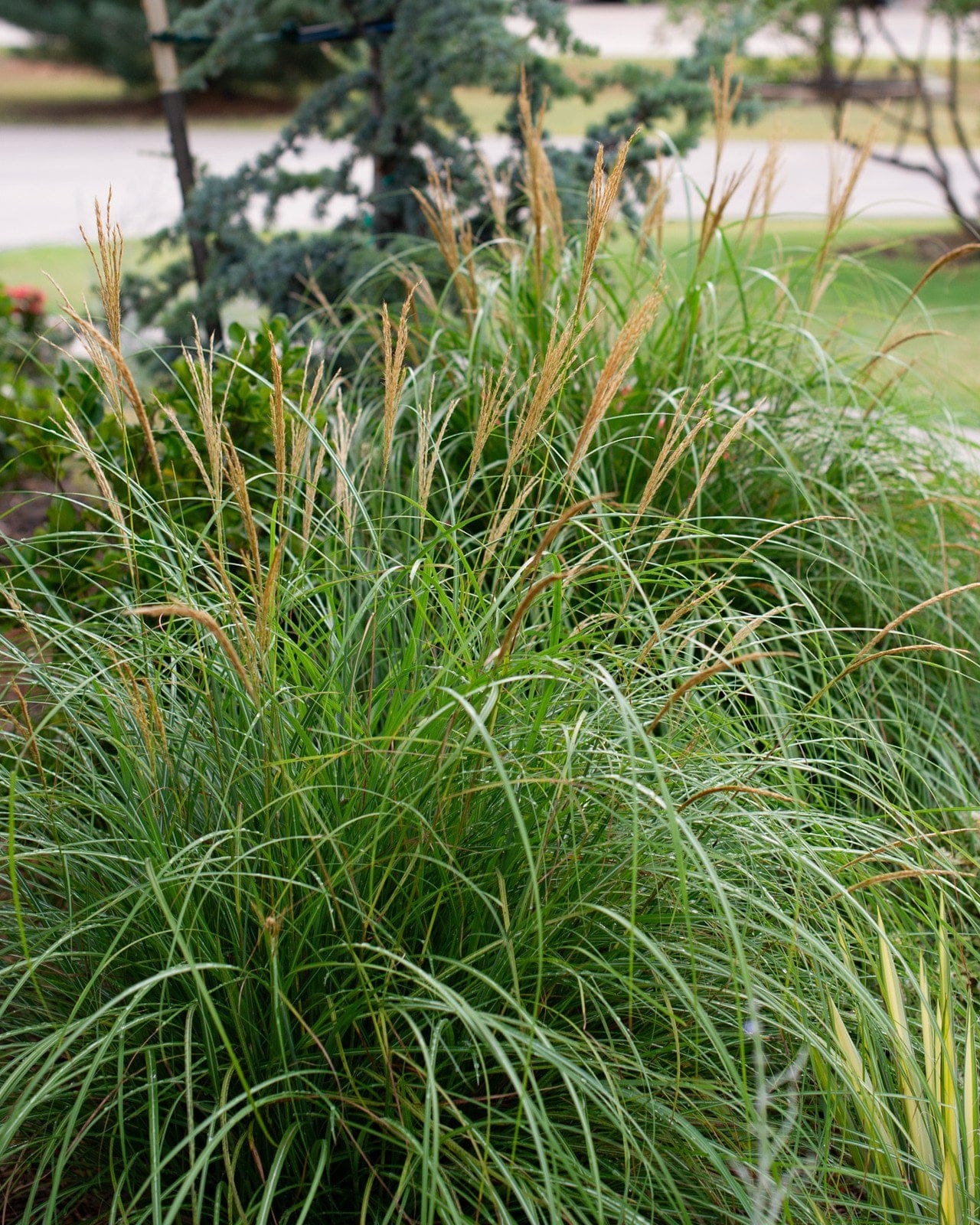
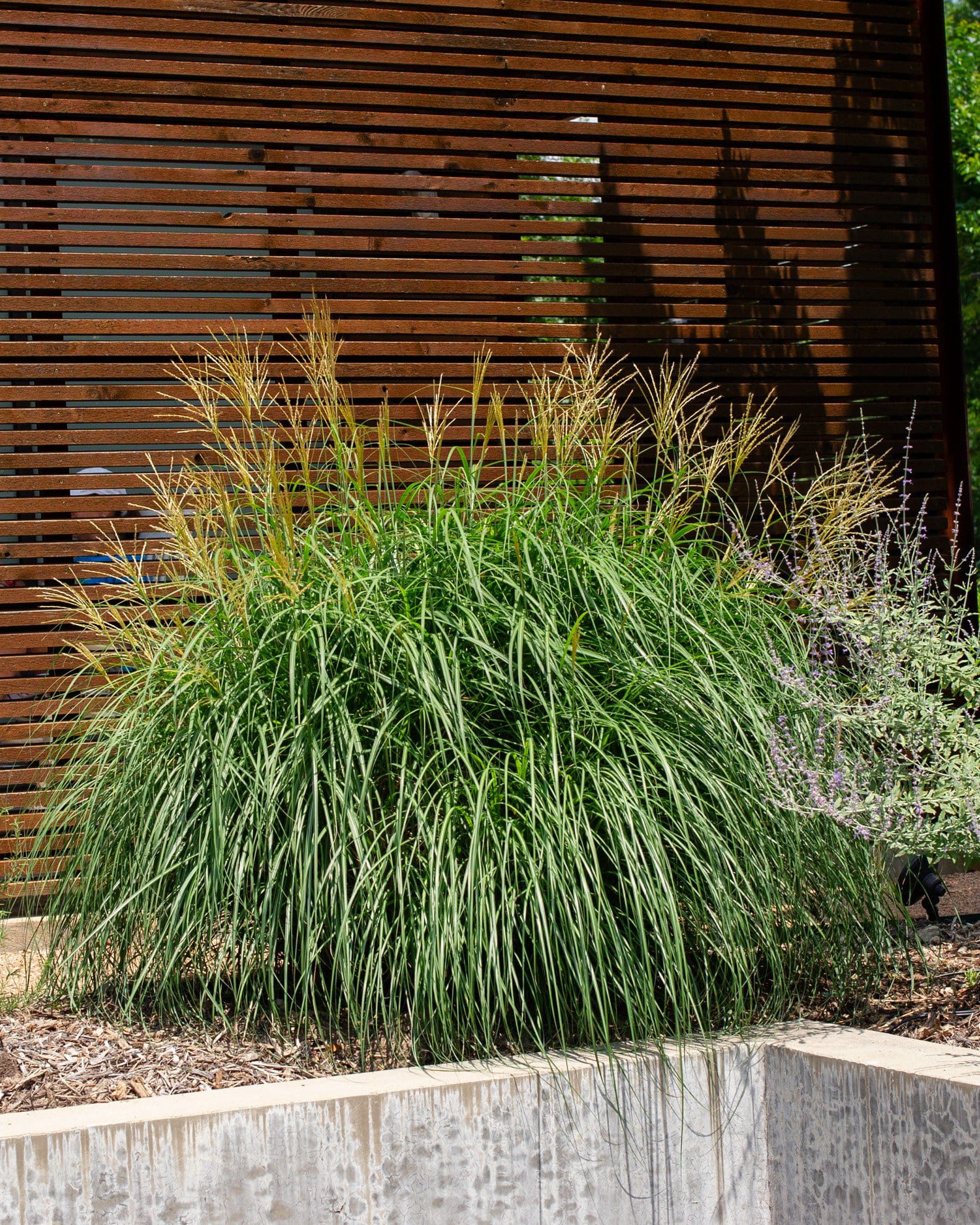
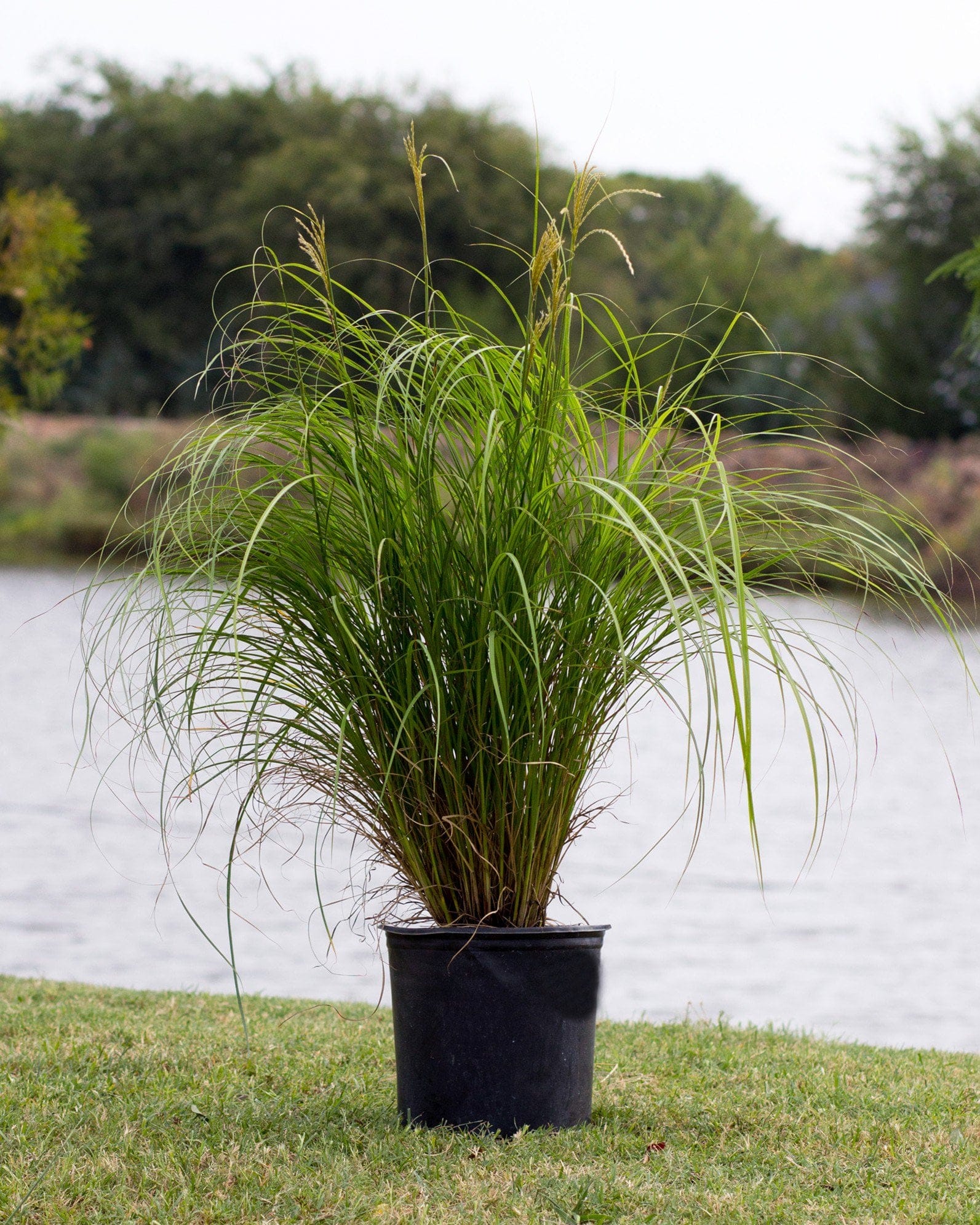
Compare Similar Plants
Mexican Feather This plant | ||
|---|---|---|
| Scientific Name | Nassella tenuissima | Miscanthus Sinensis 'Adagio' |
| Size at Maturity | 2' H x 2' W | 3' H x 3' W |
| Leaf Retention | Herbaceous | Herbaceous |
| Sizes Available | 1, 3 gal | 1, 3 gal |


Our 1-Year Planting Guarantee
We take pride in our plants and installation services. If any plants or trees installed by Treeland fail to thrive within the first year, we'll provide a replacement credit in accordance with our guarantee program.
Learn More About Our Guarantee