
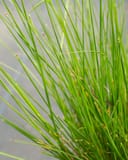
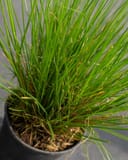
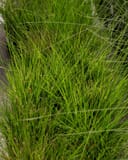
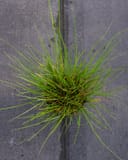
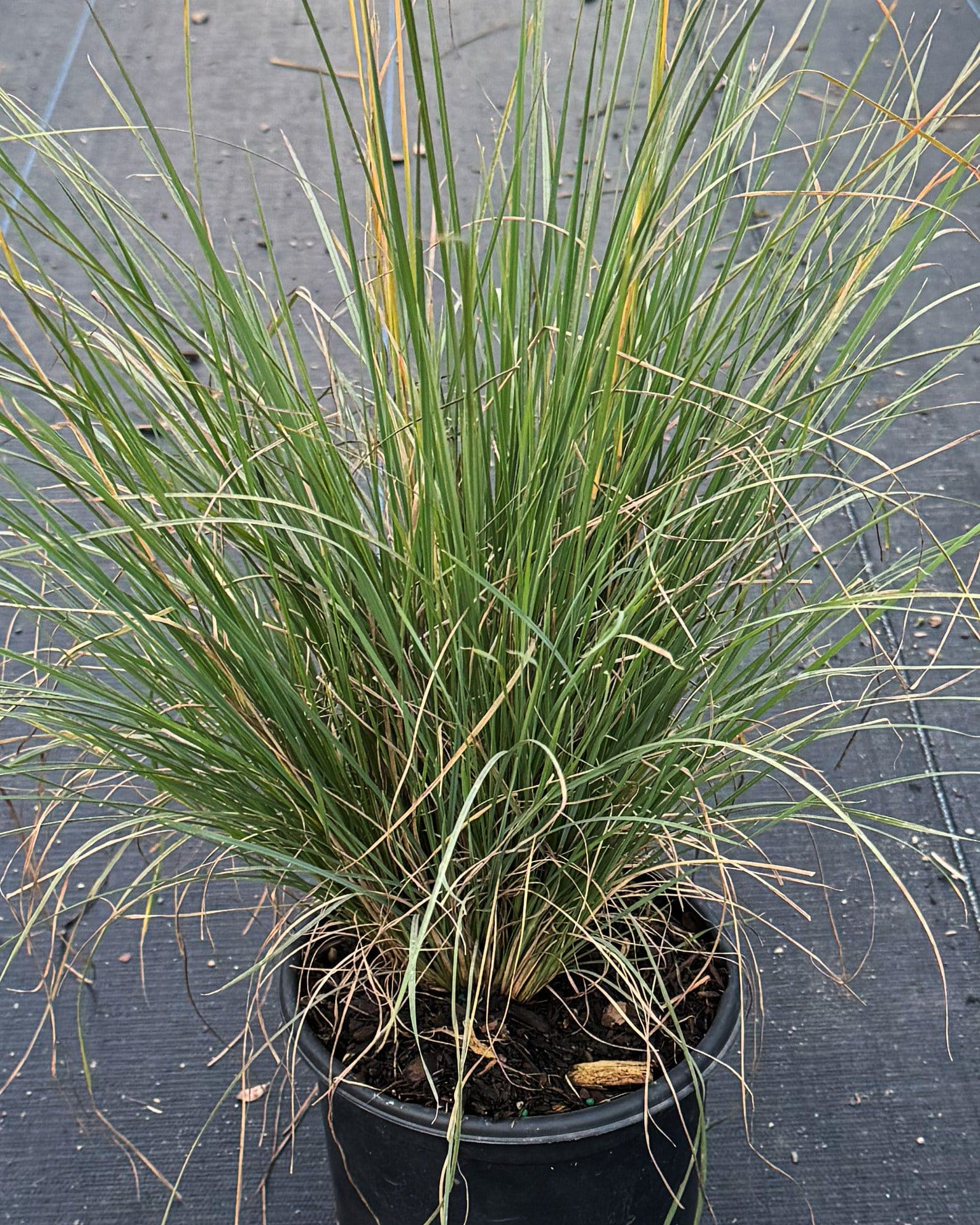
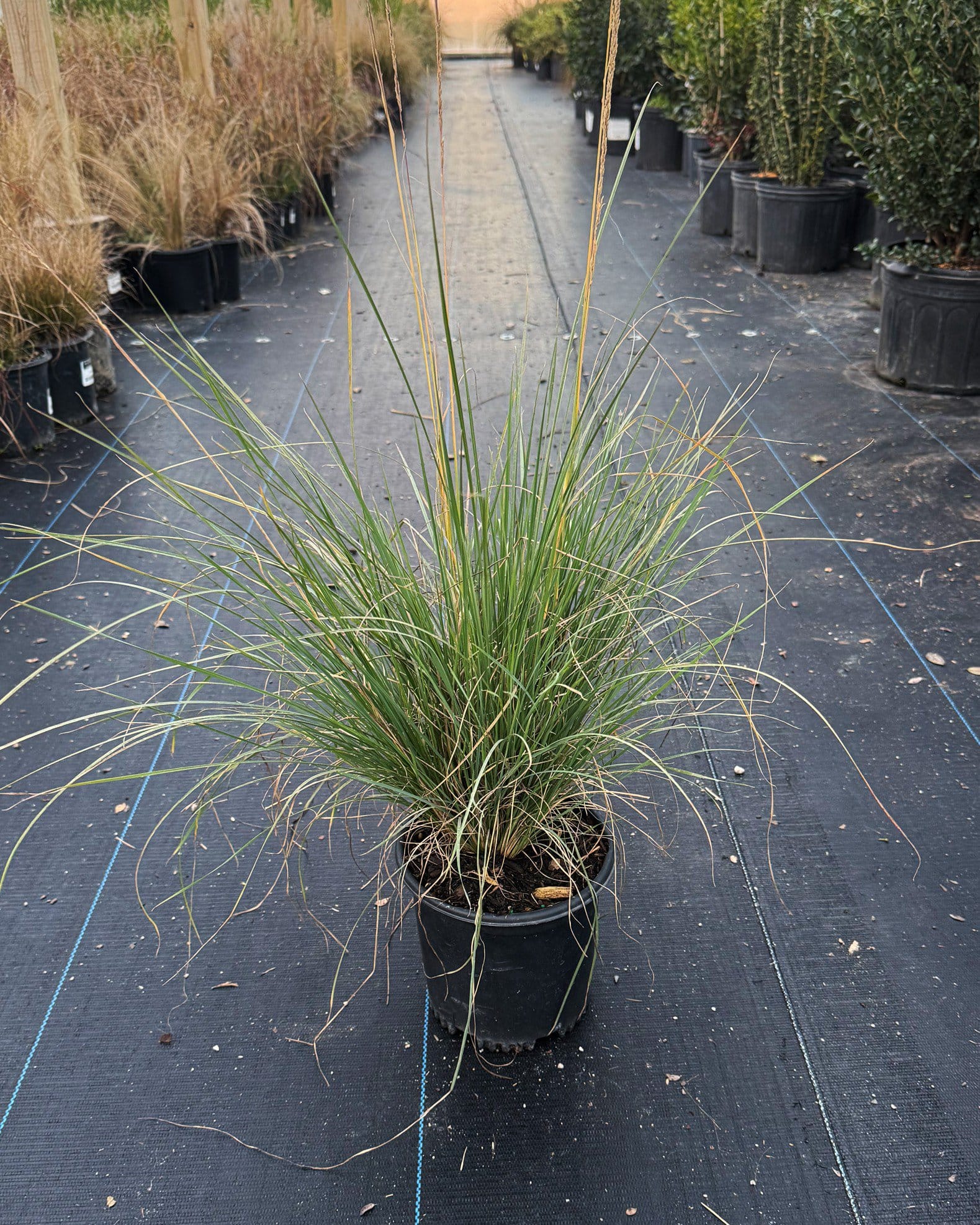
Cassian Fountain Grass
Pennisetum alopecuroides 'Cassian'Local DFW Delivery Only
Product Details
Cassian Fountain Grass
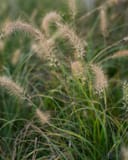
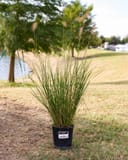
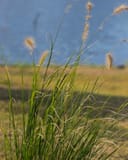
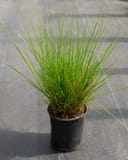
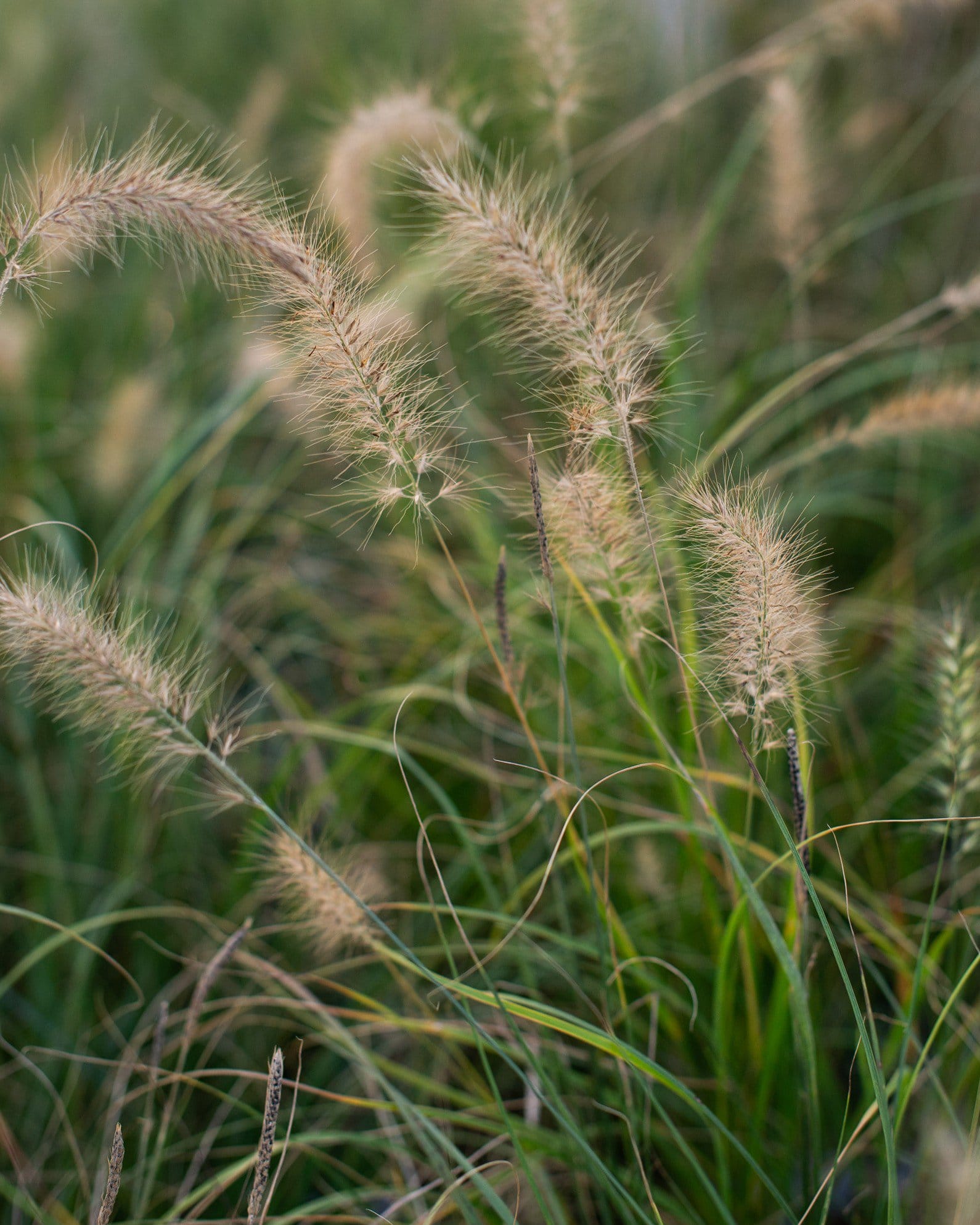
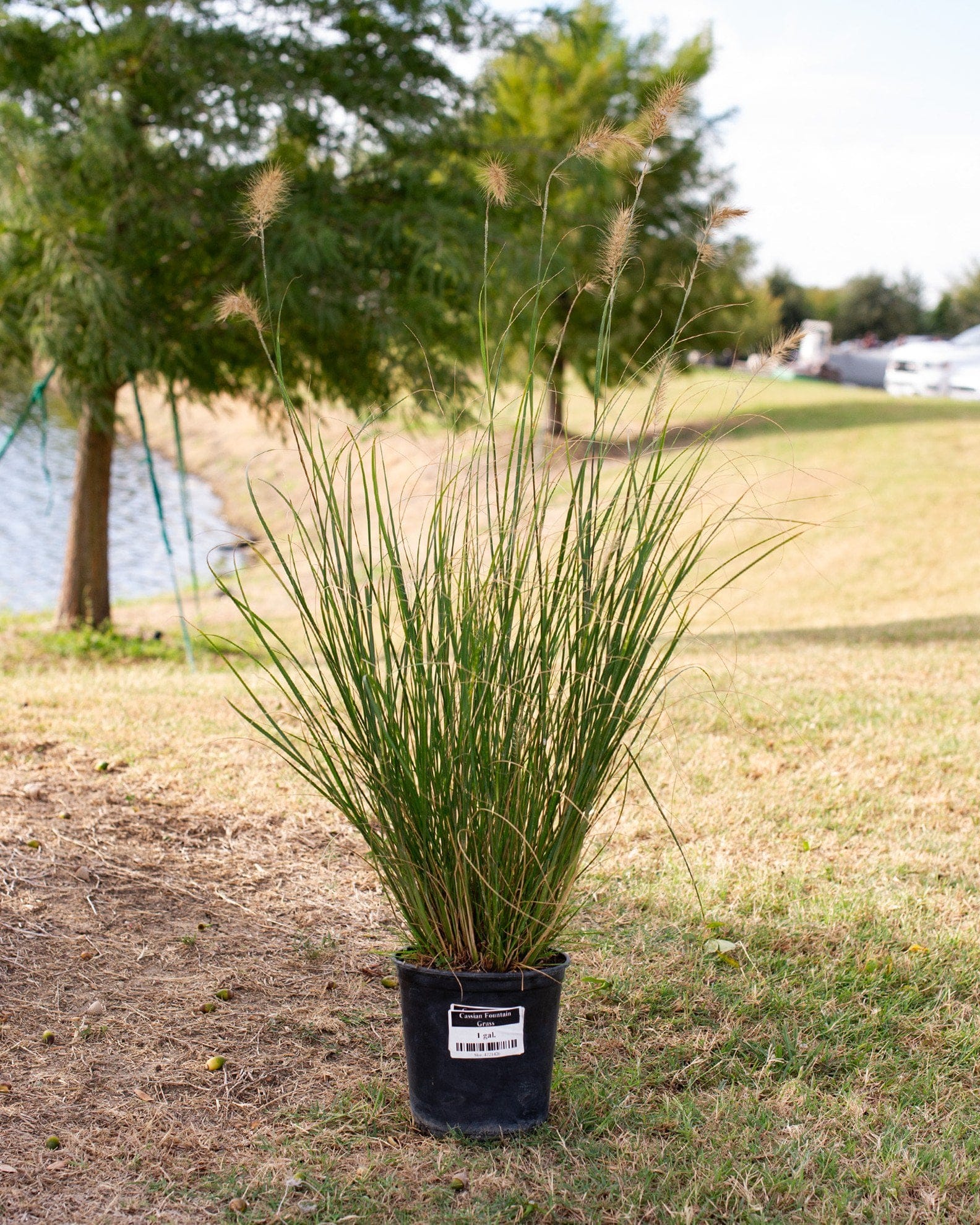
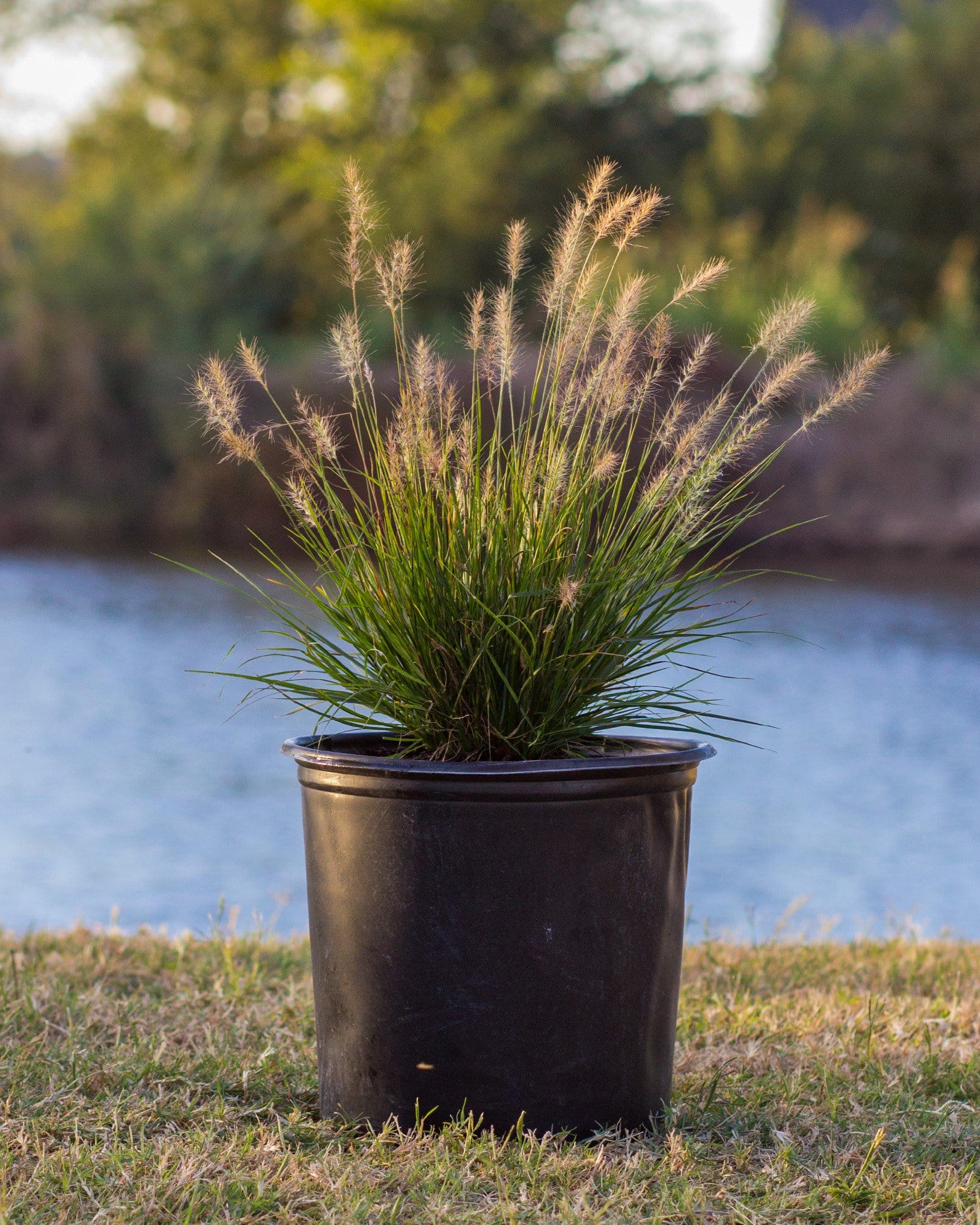
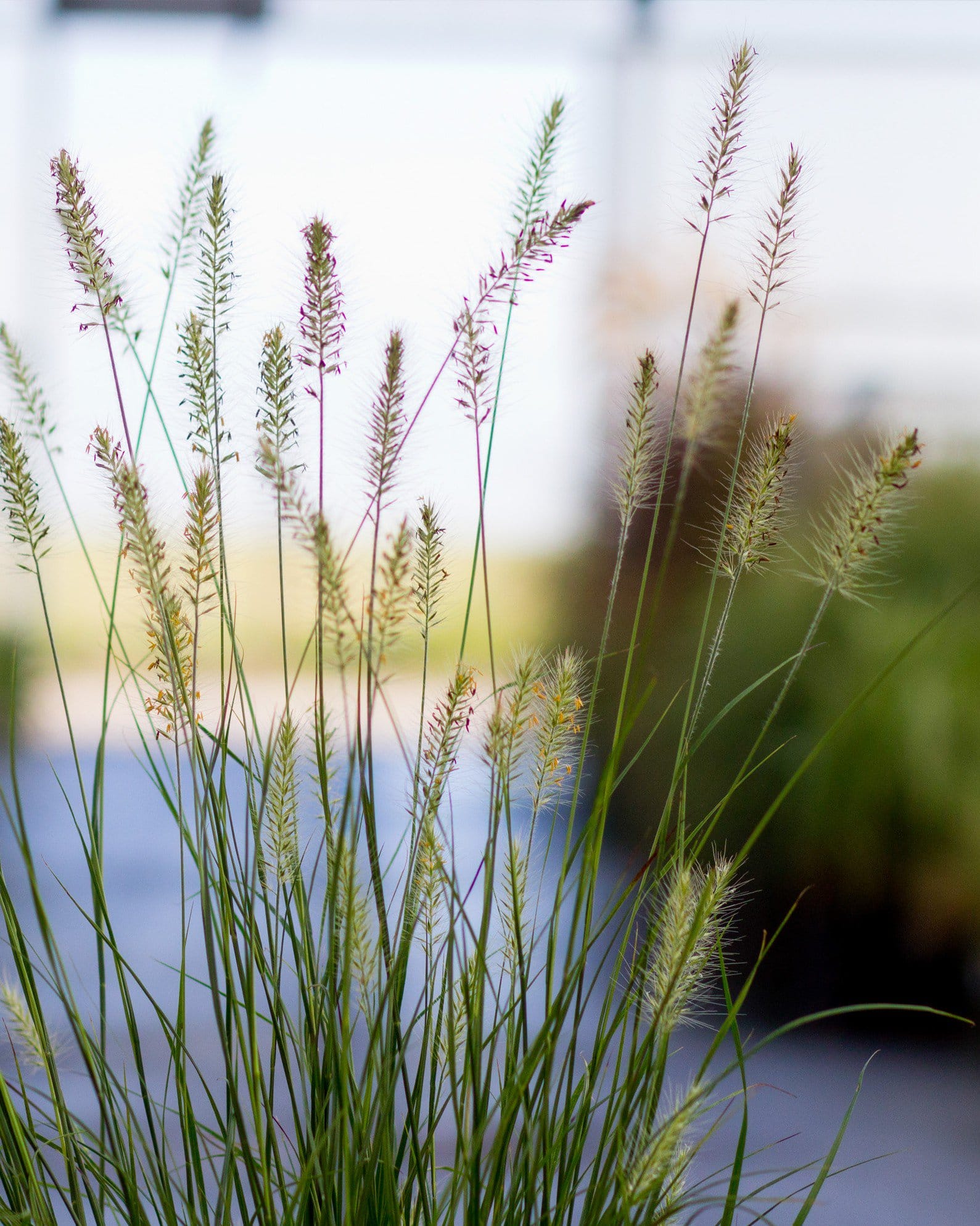
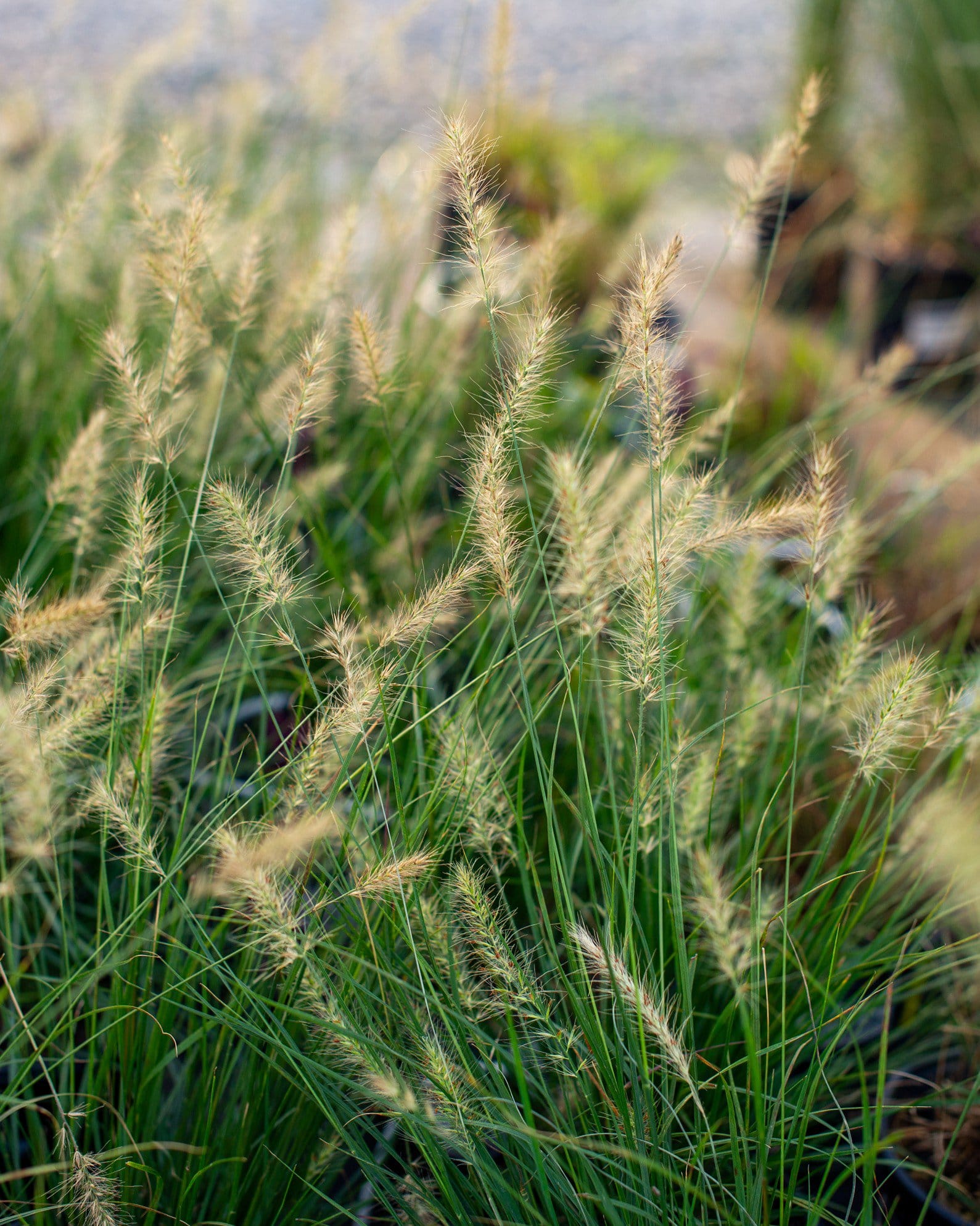
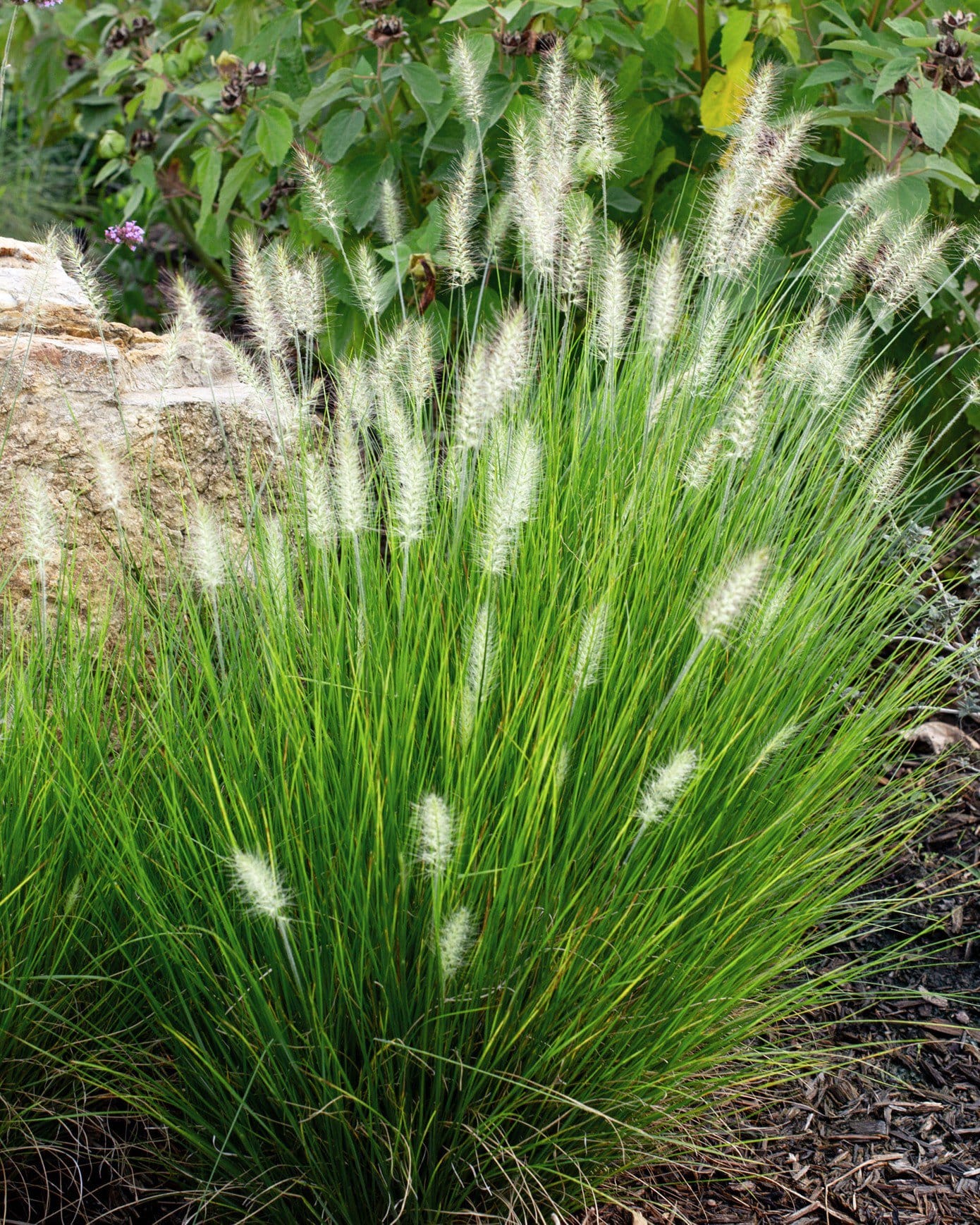
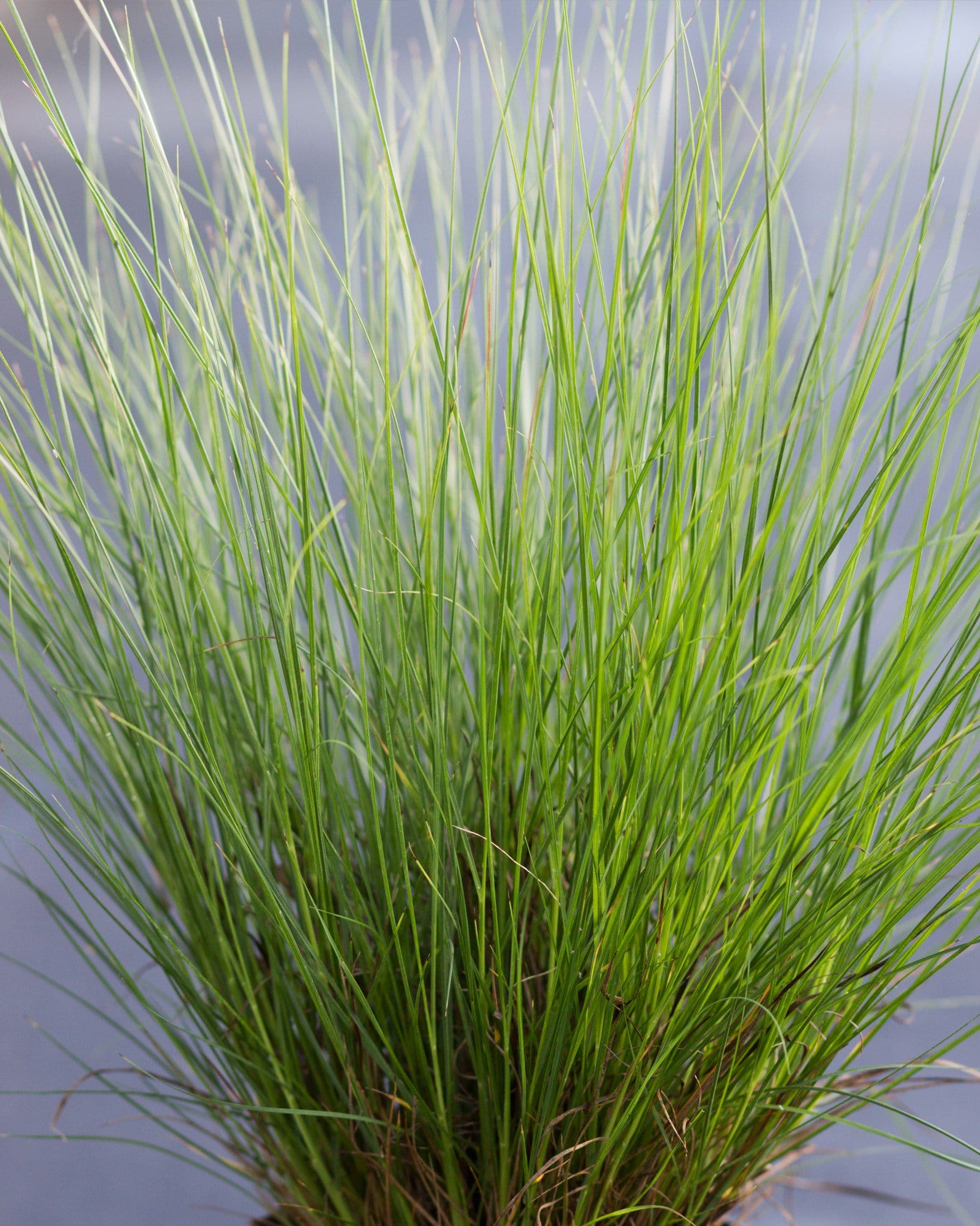
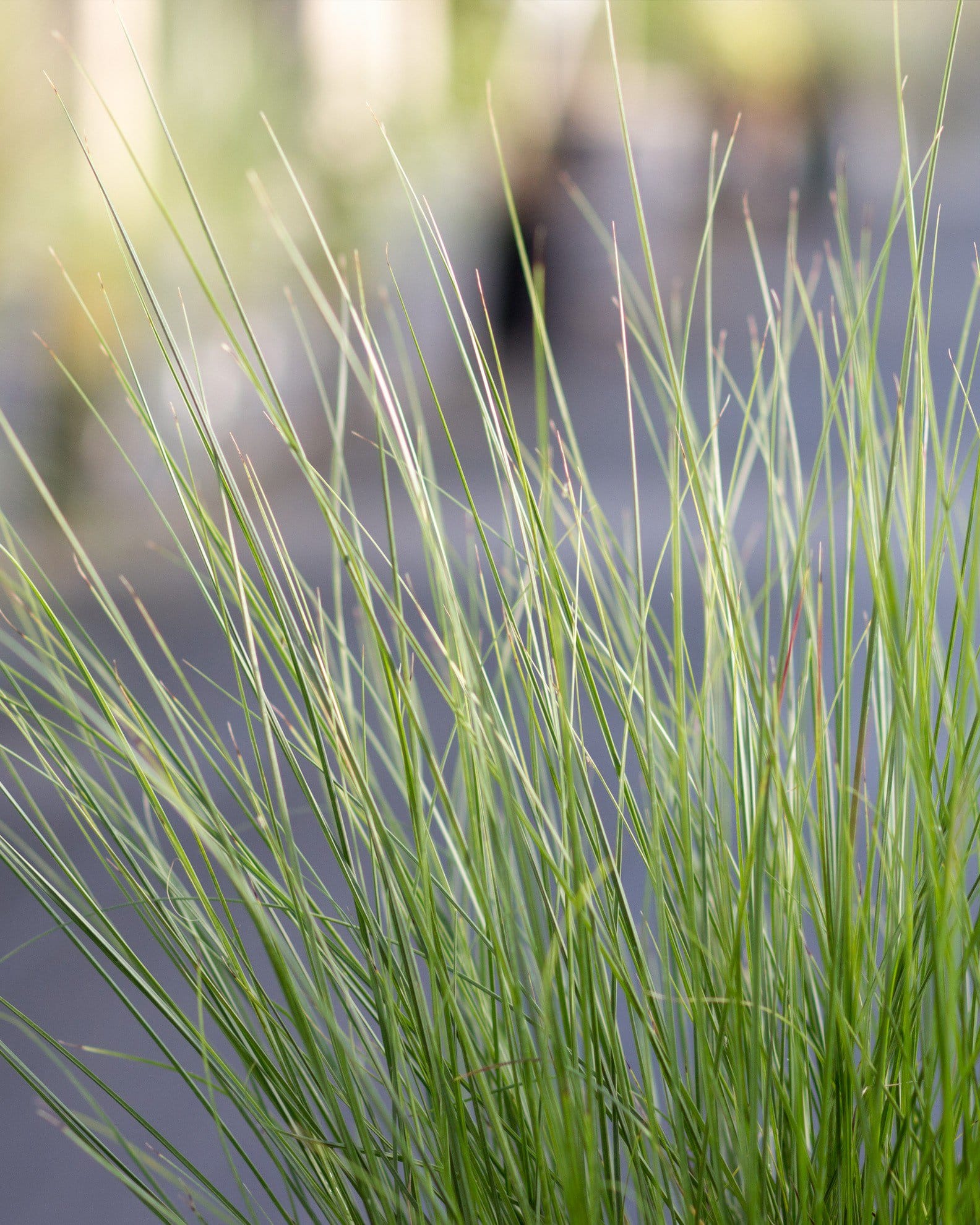
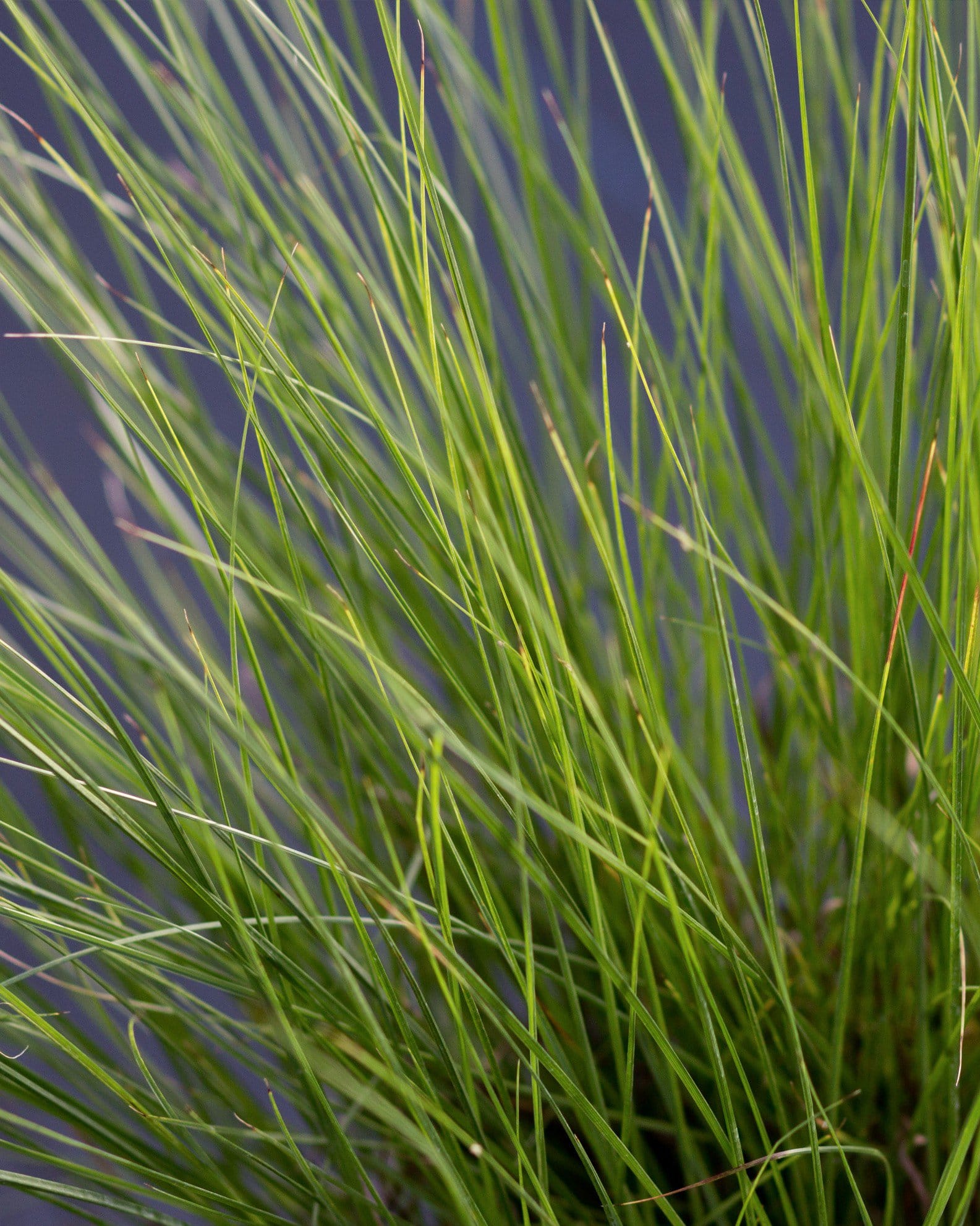
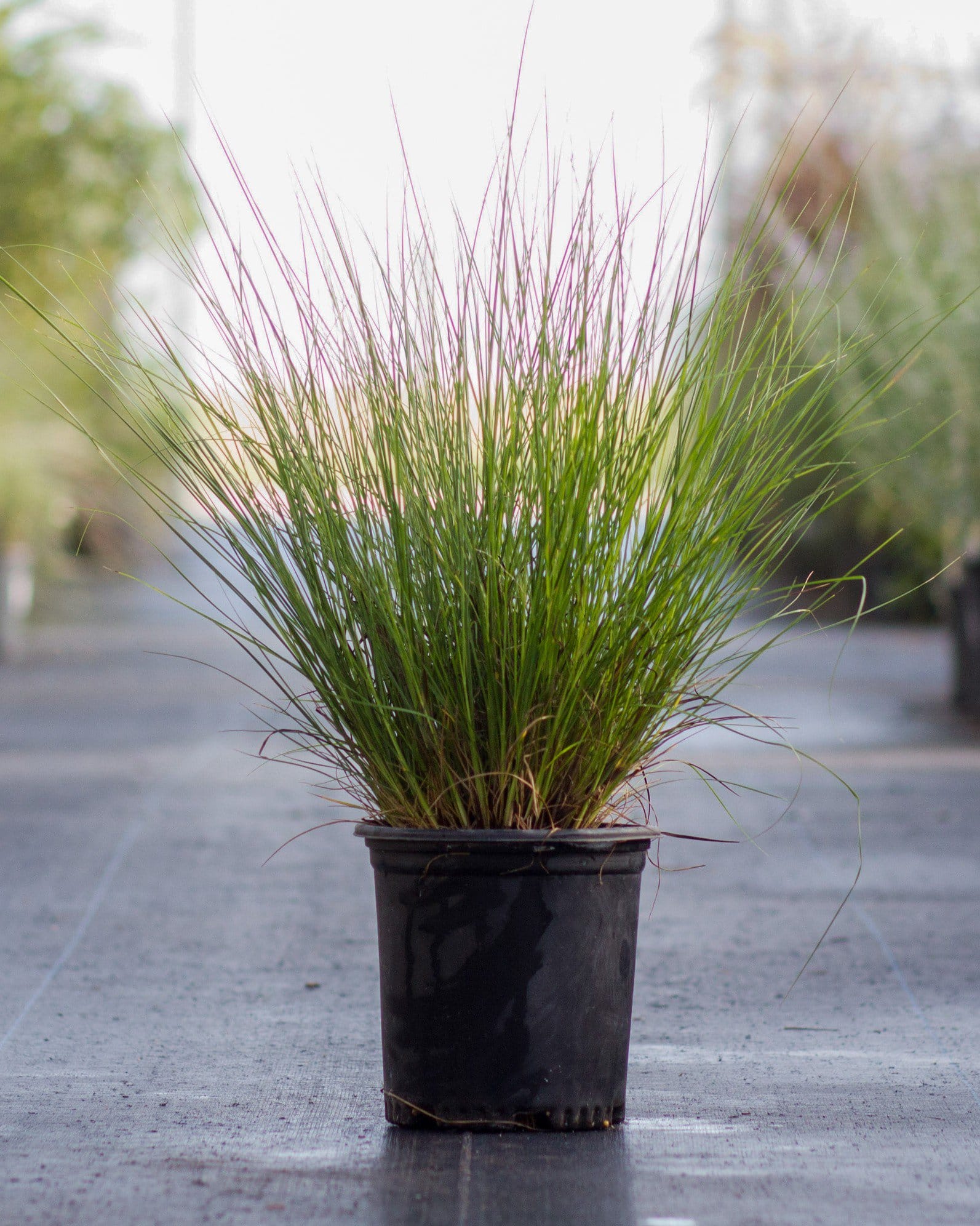
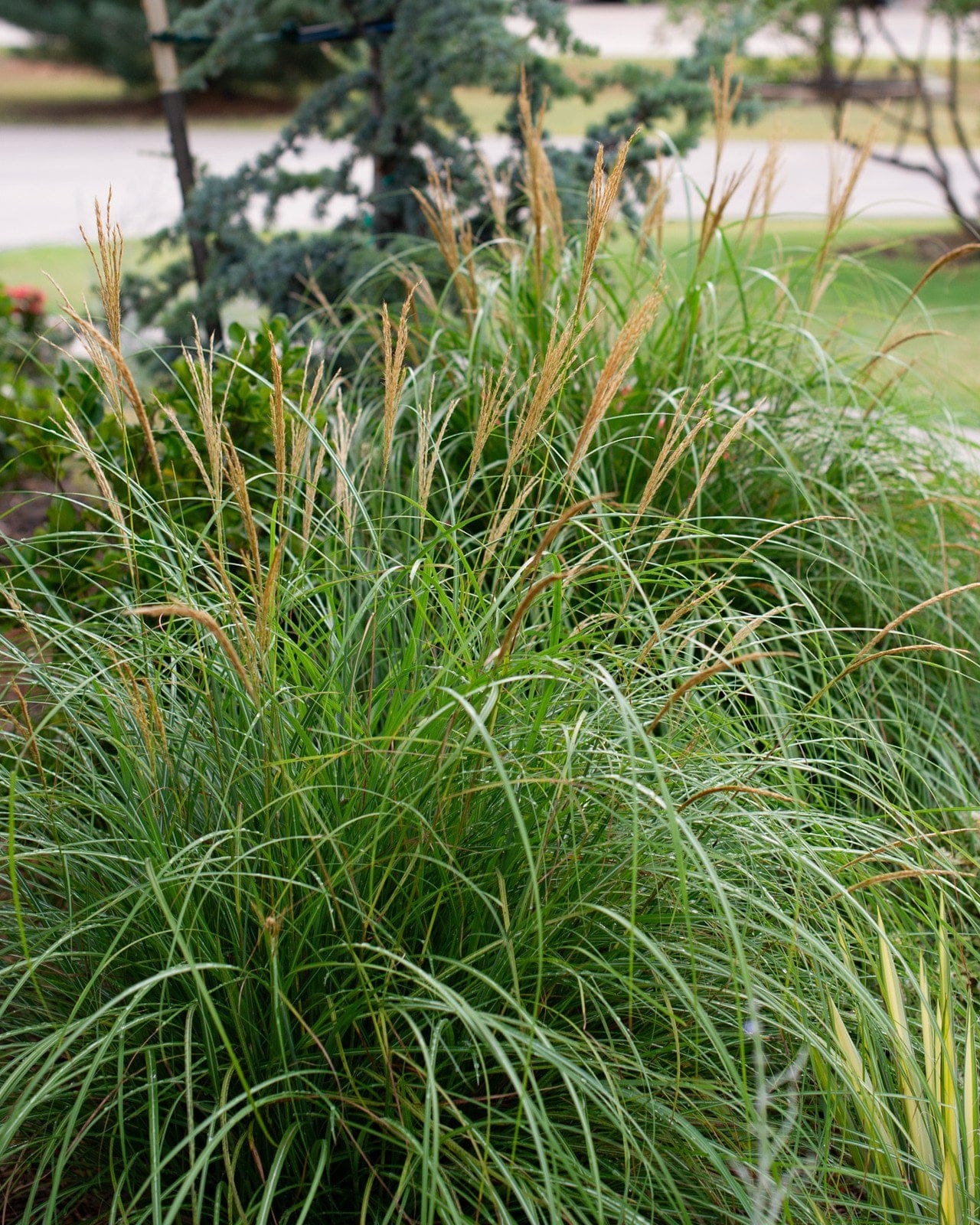
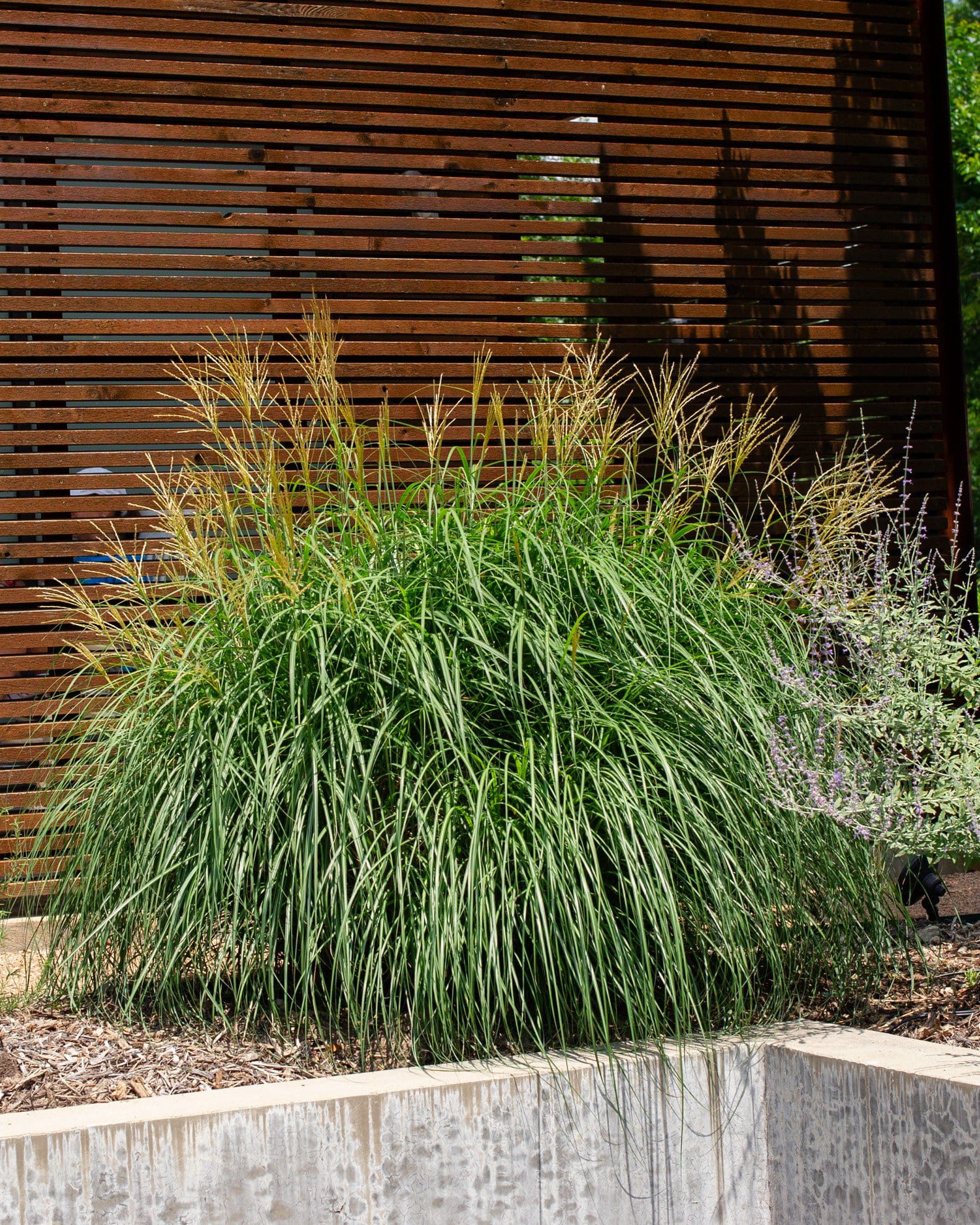
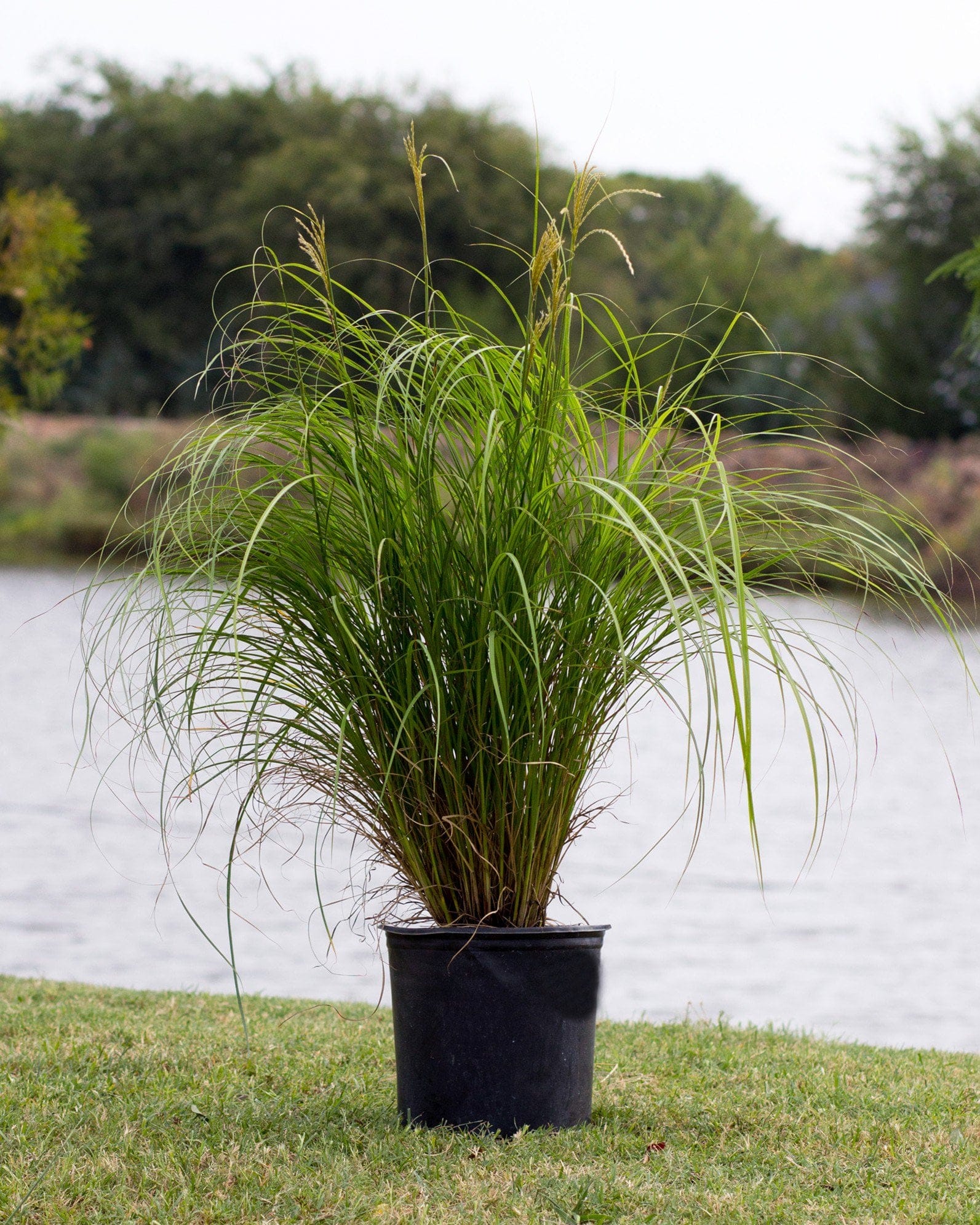
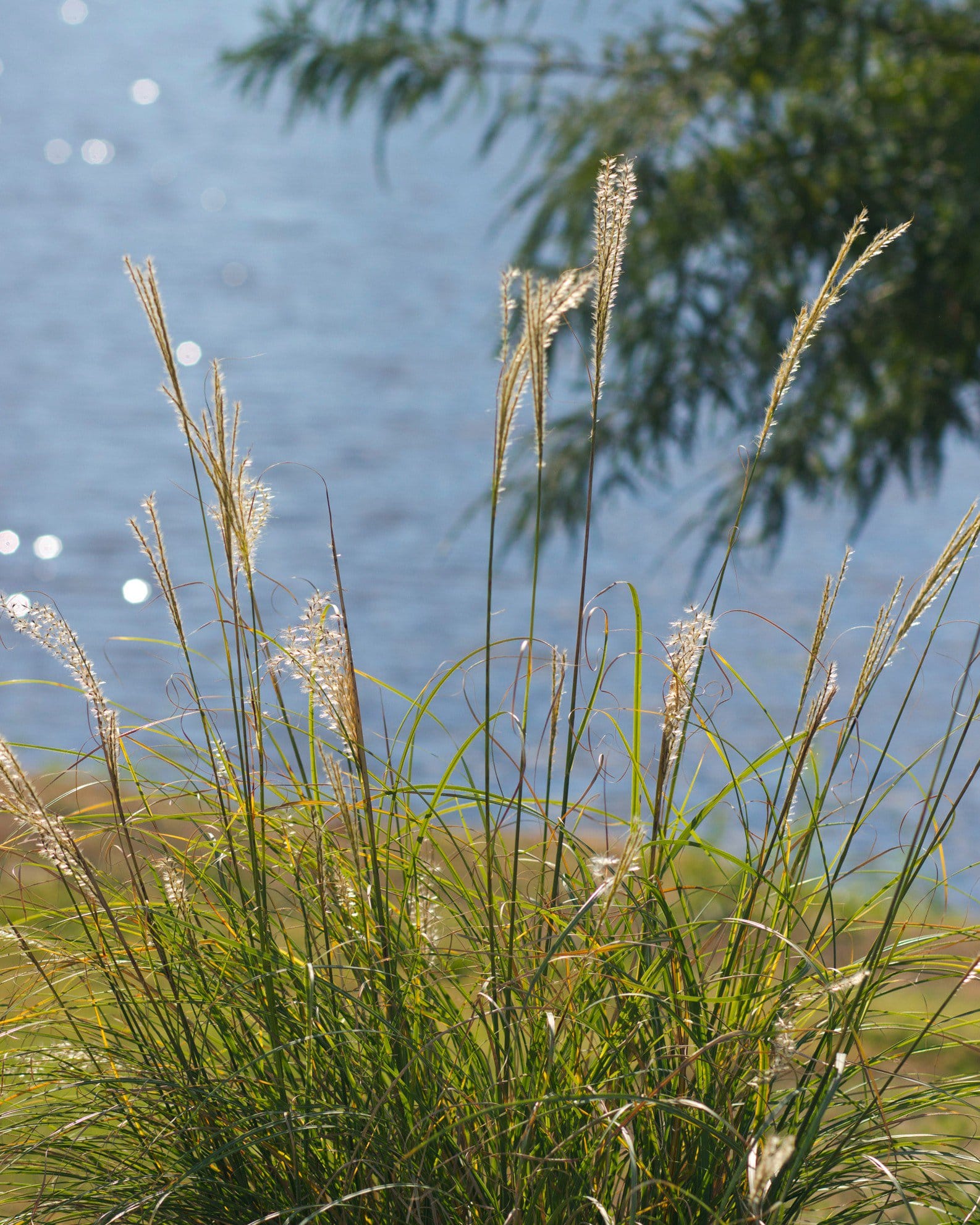
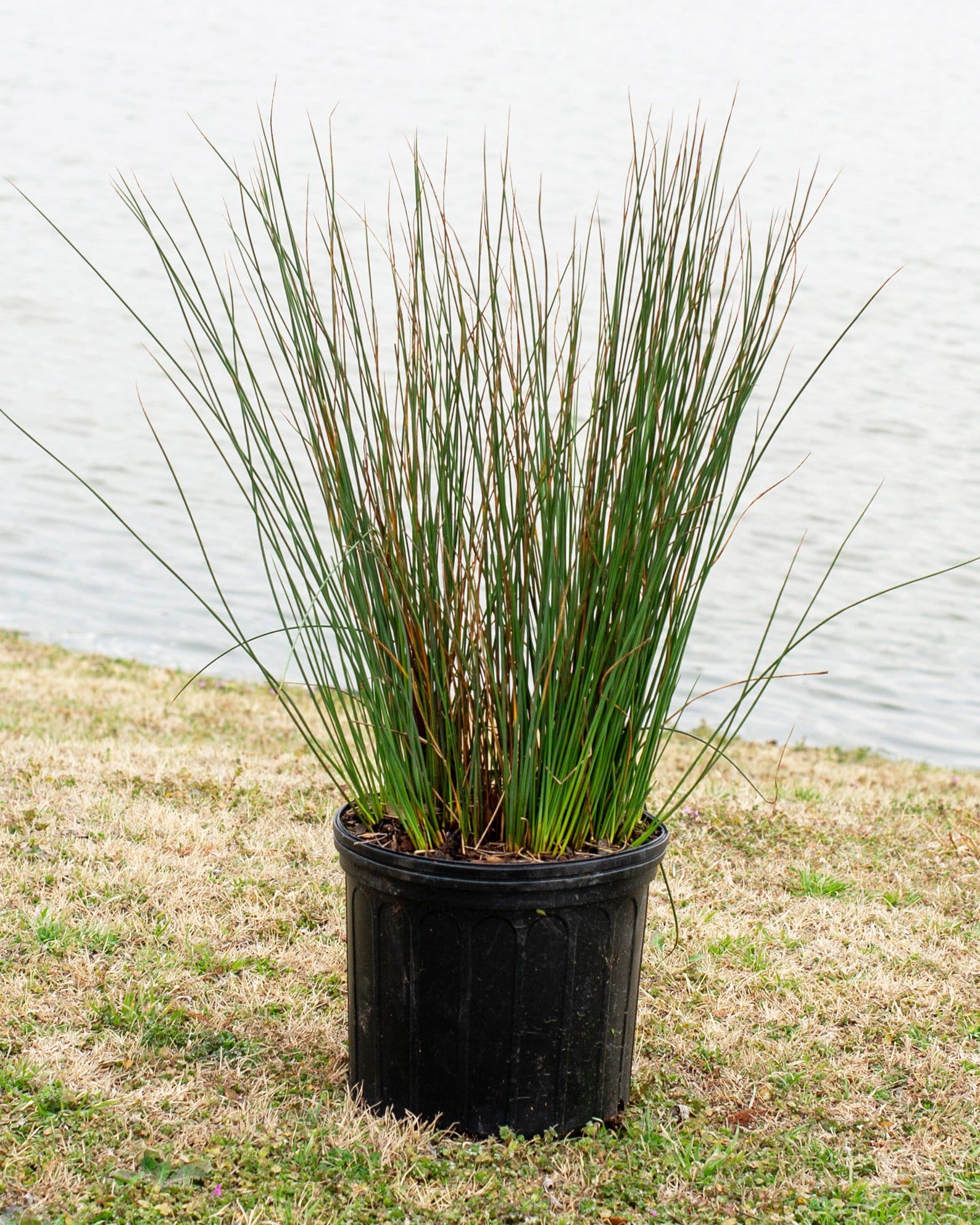
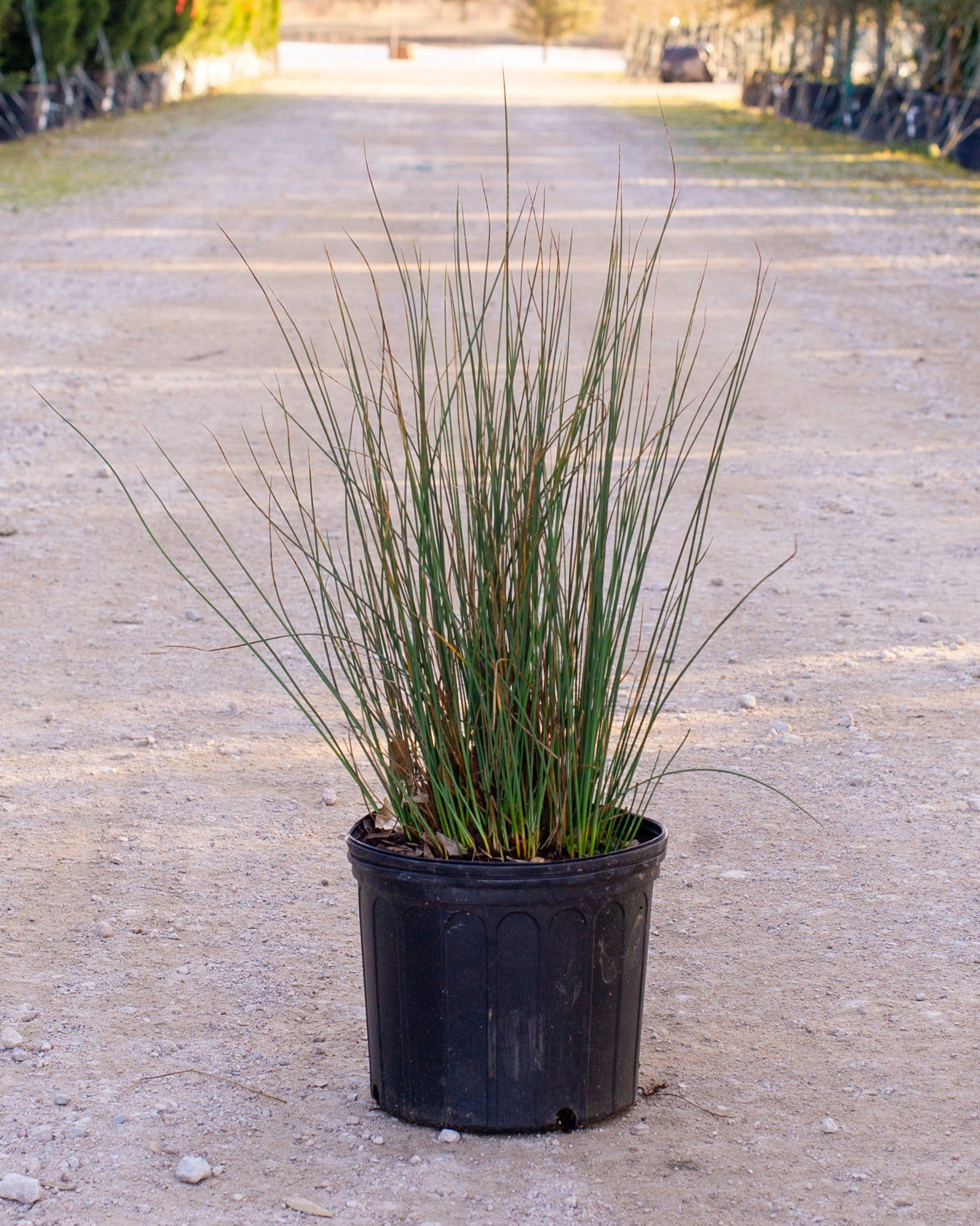
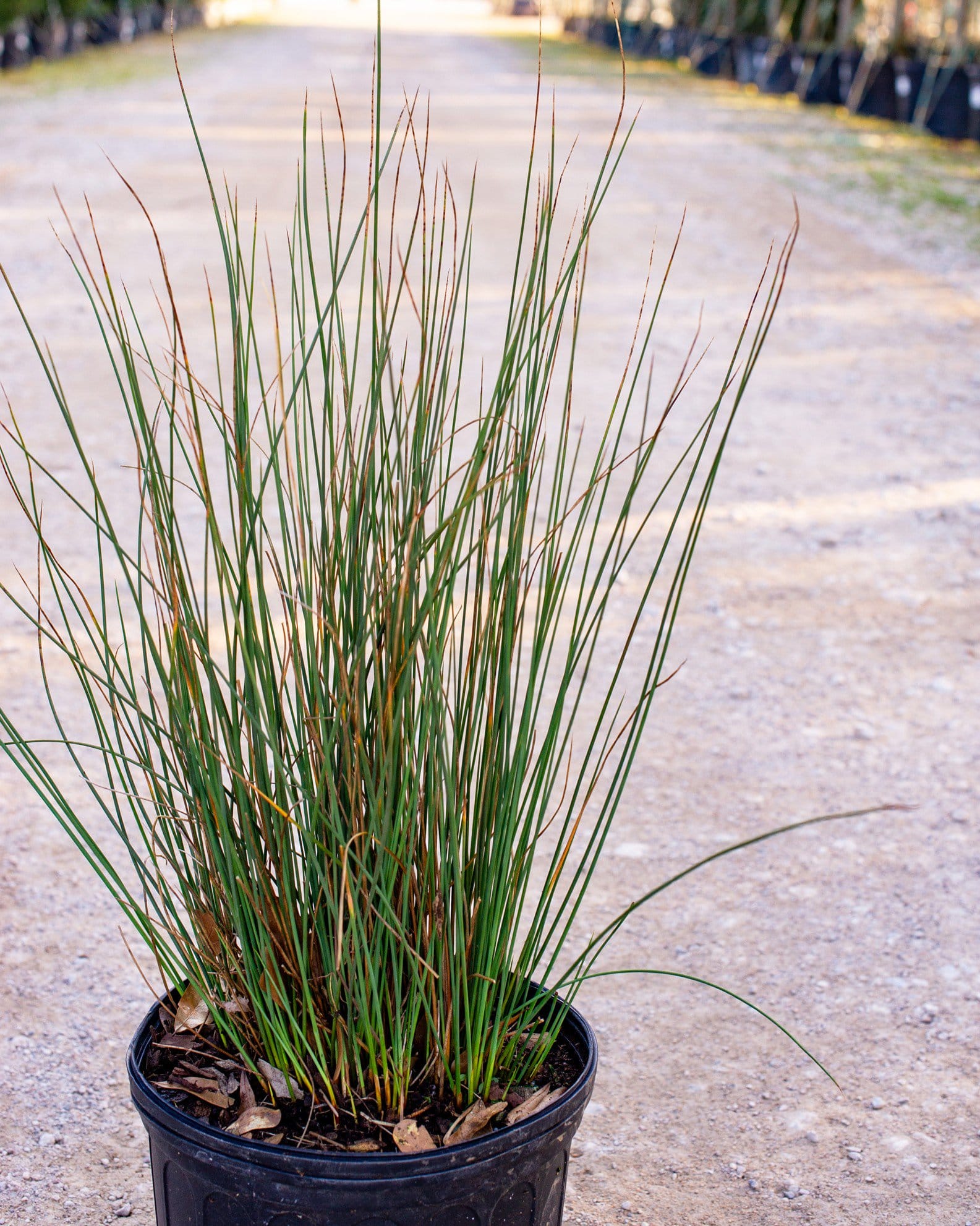
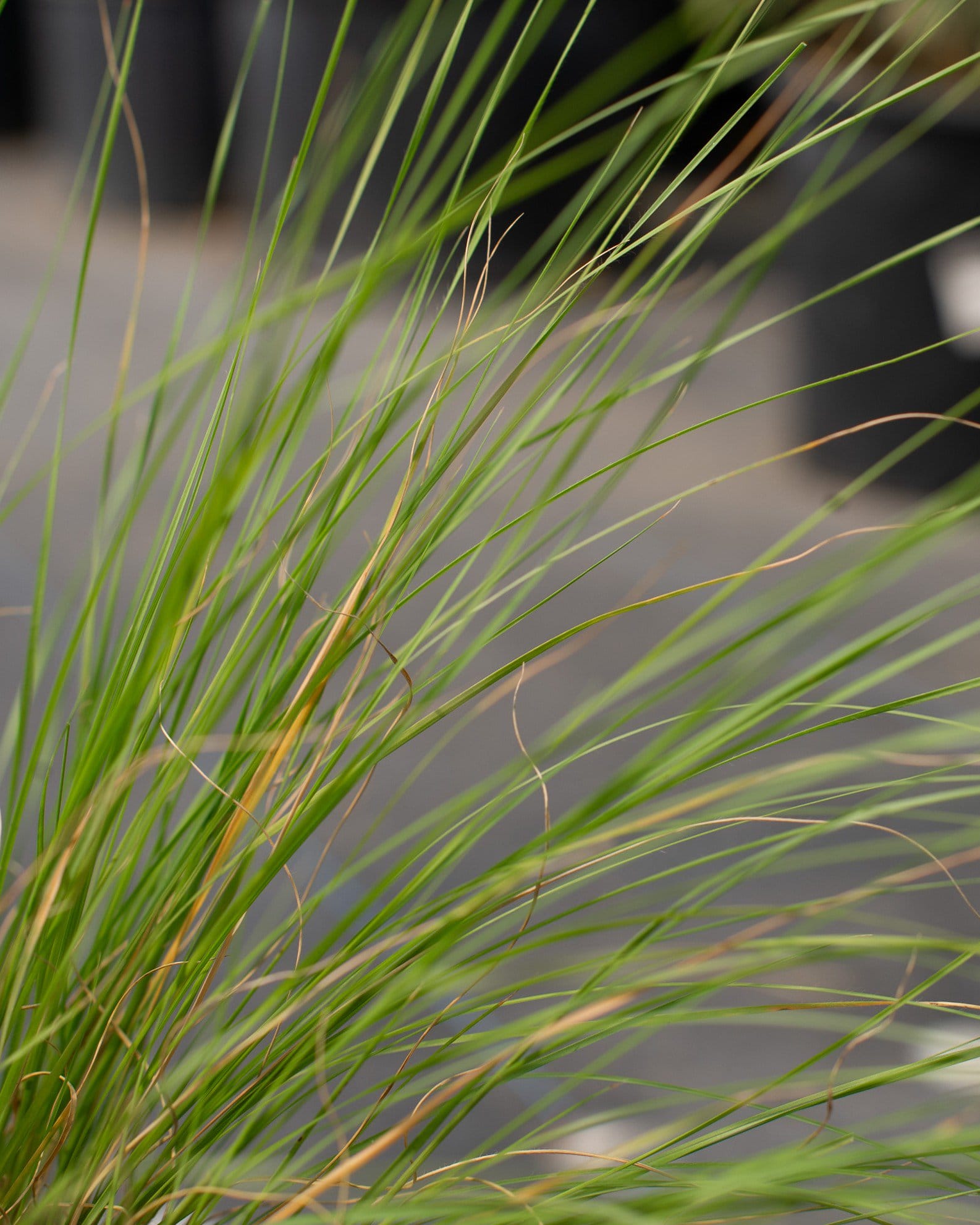
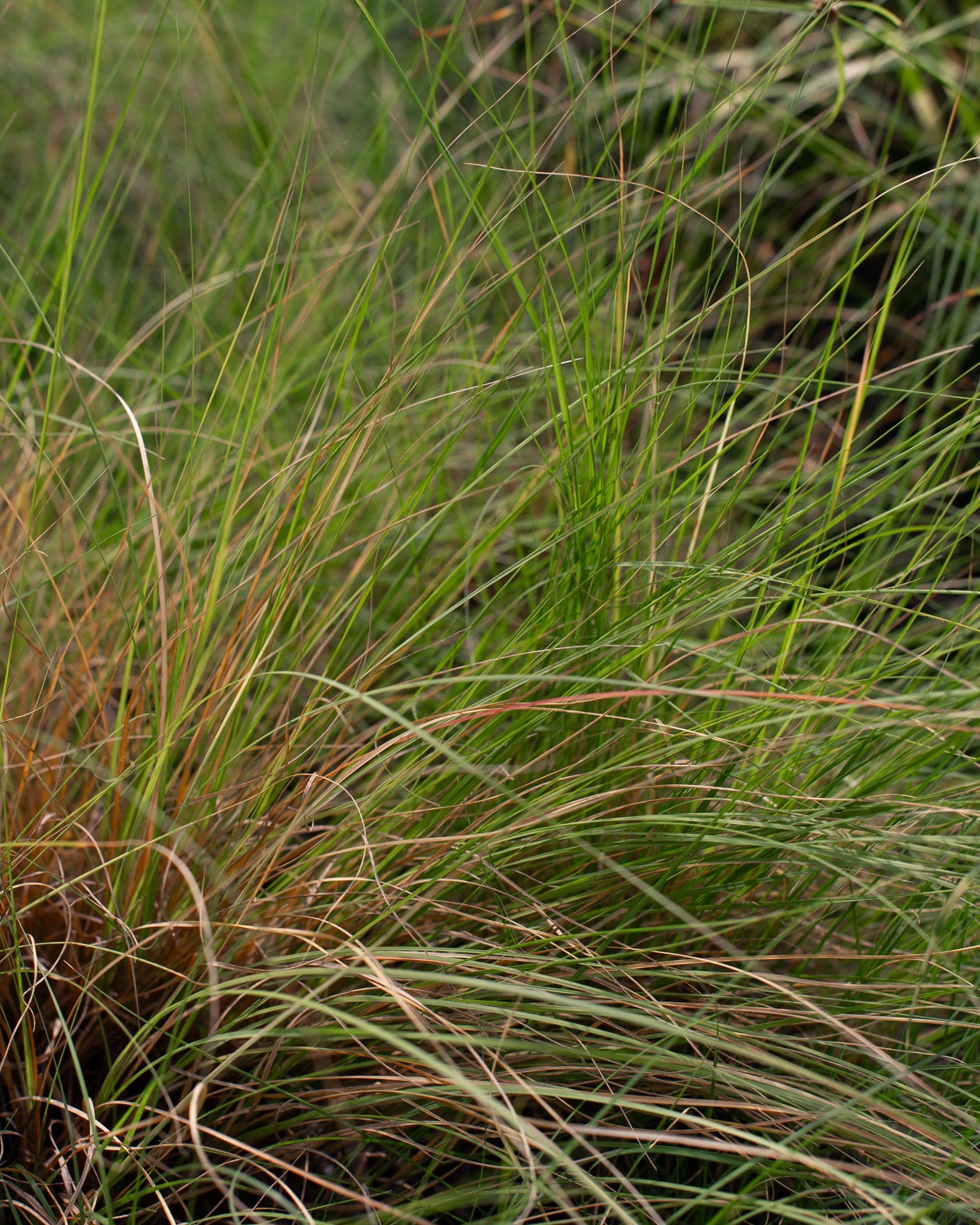
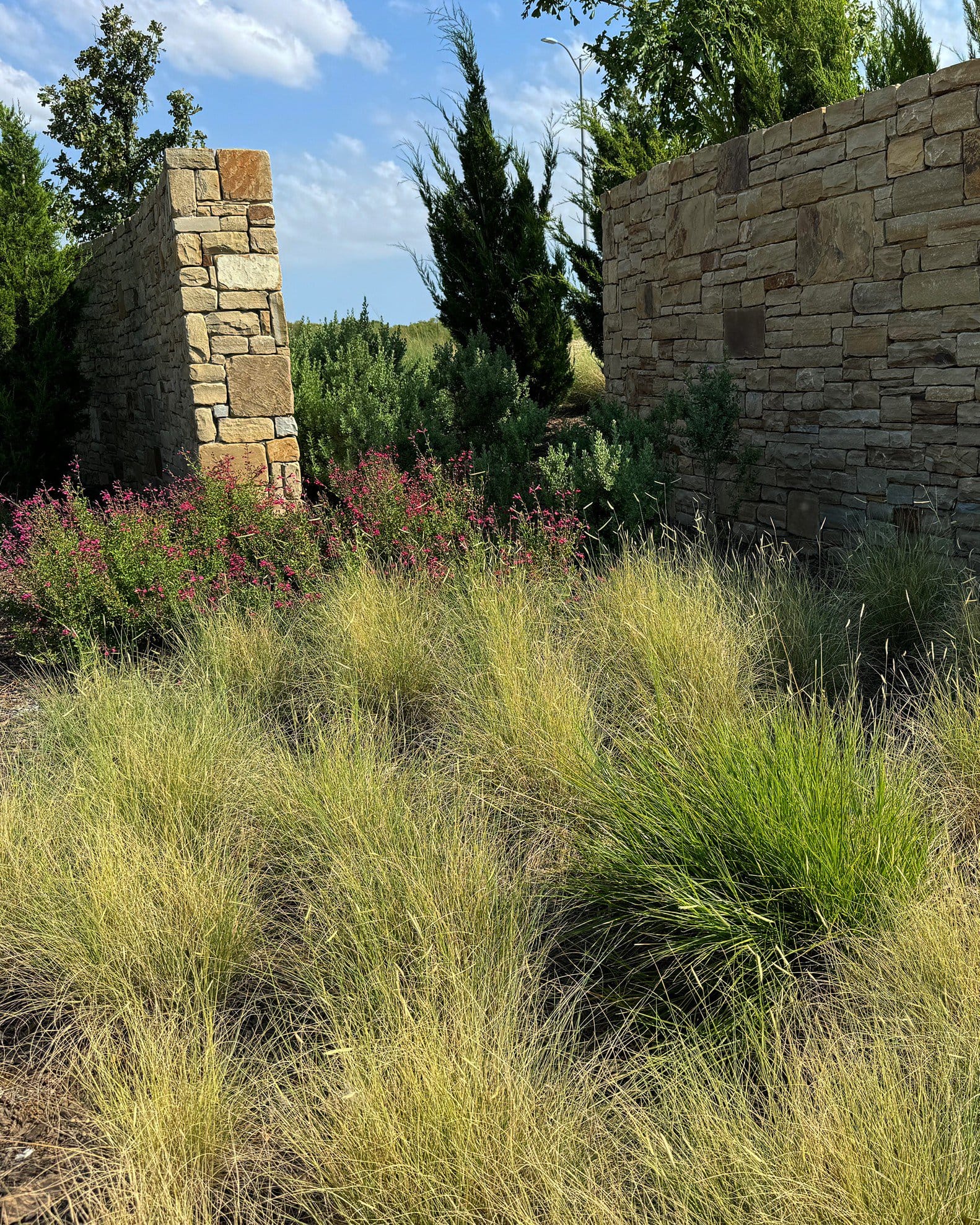
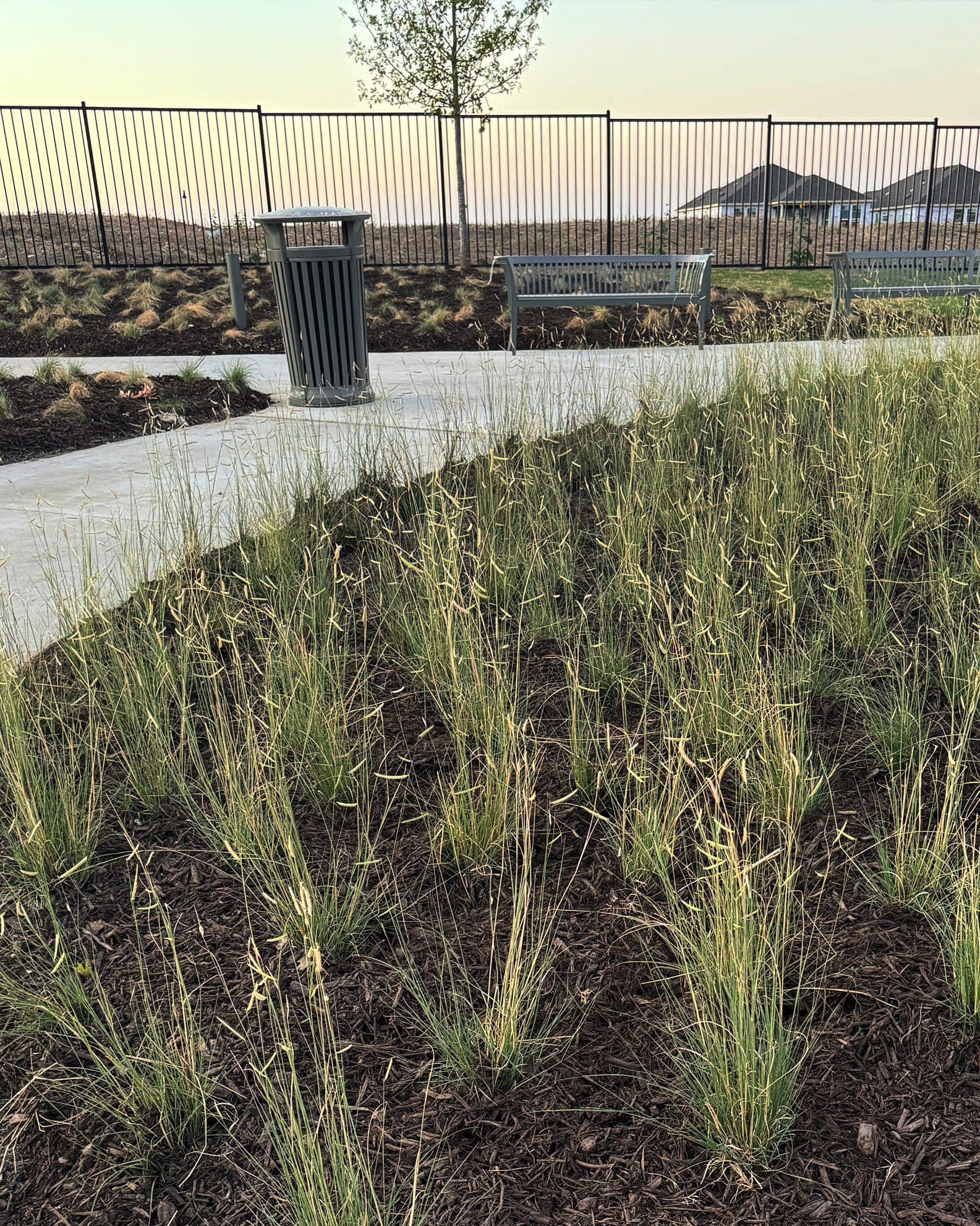
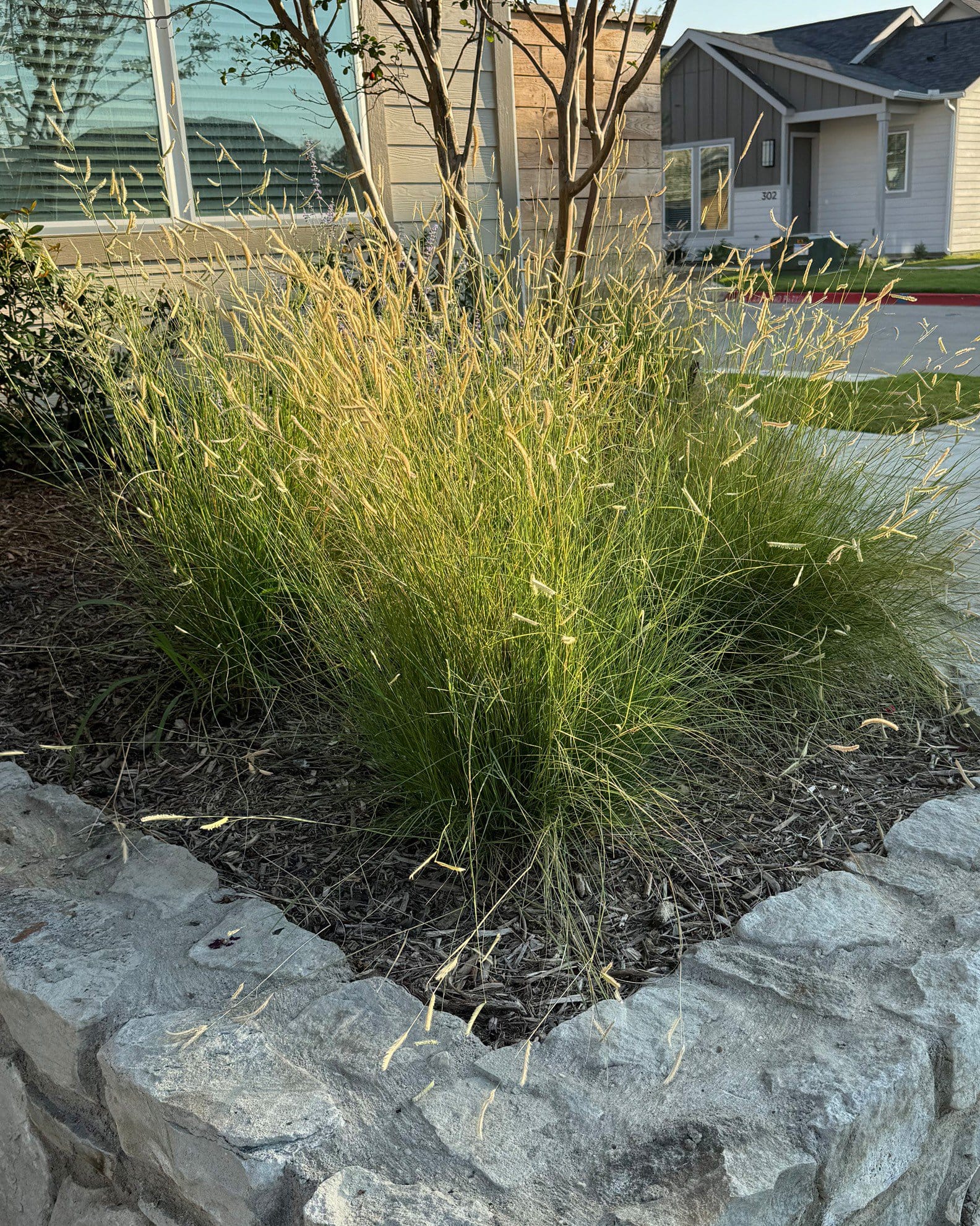
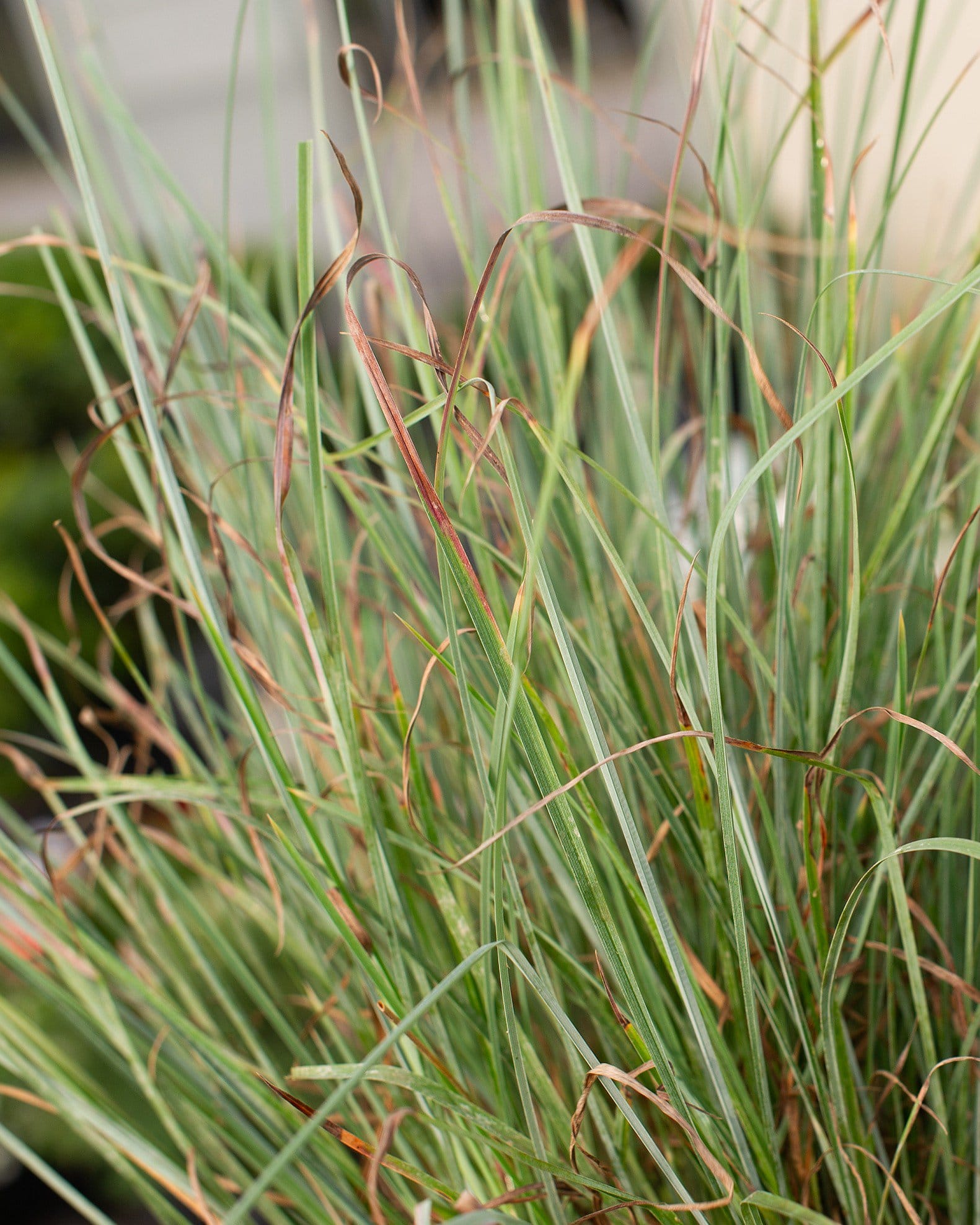
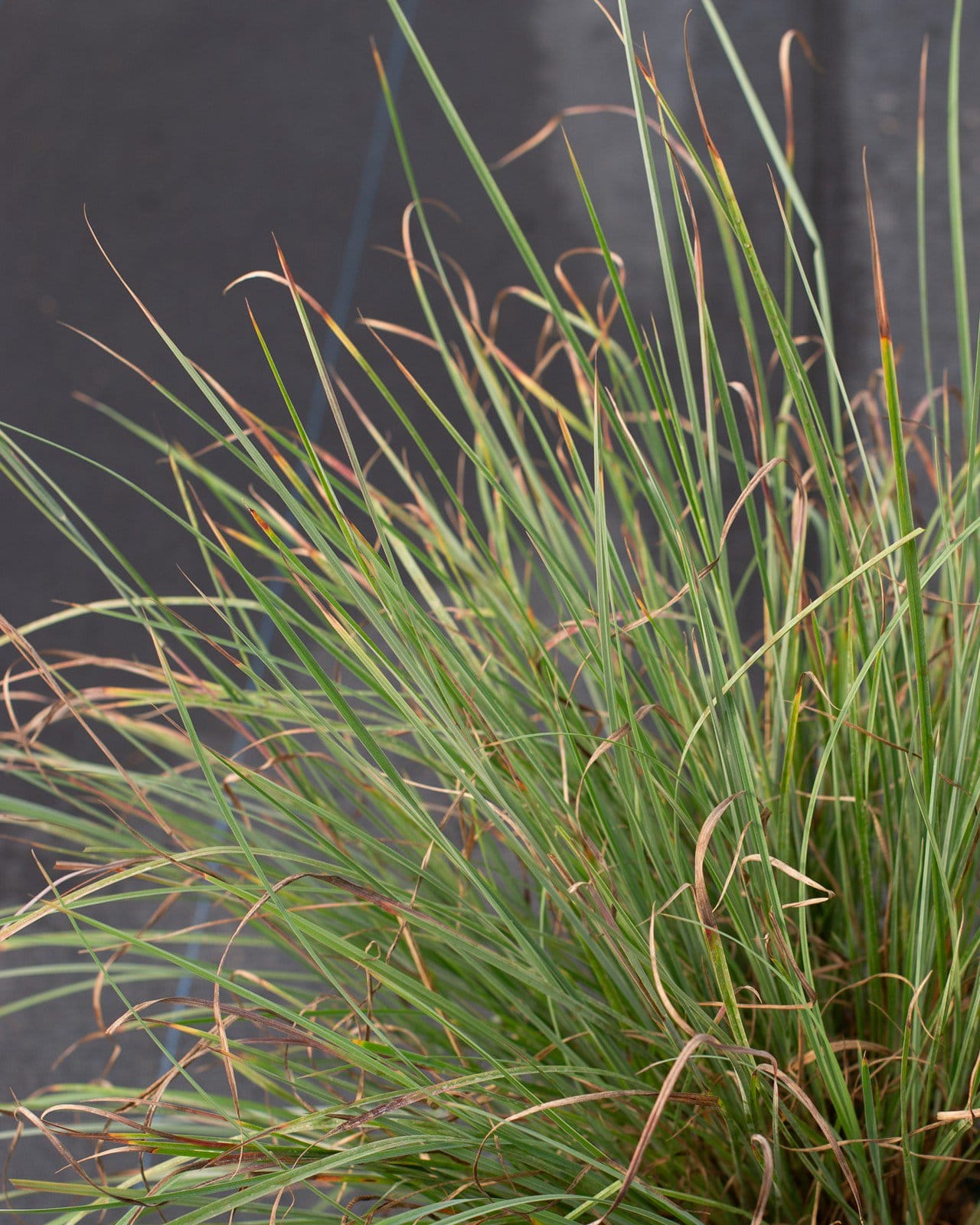
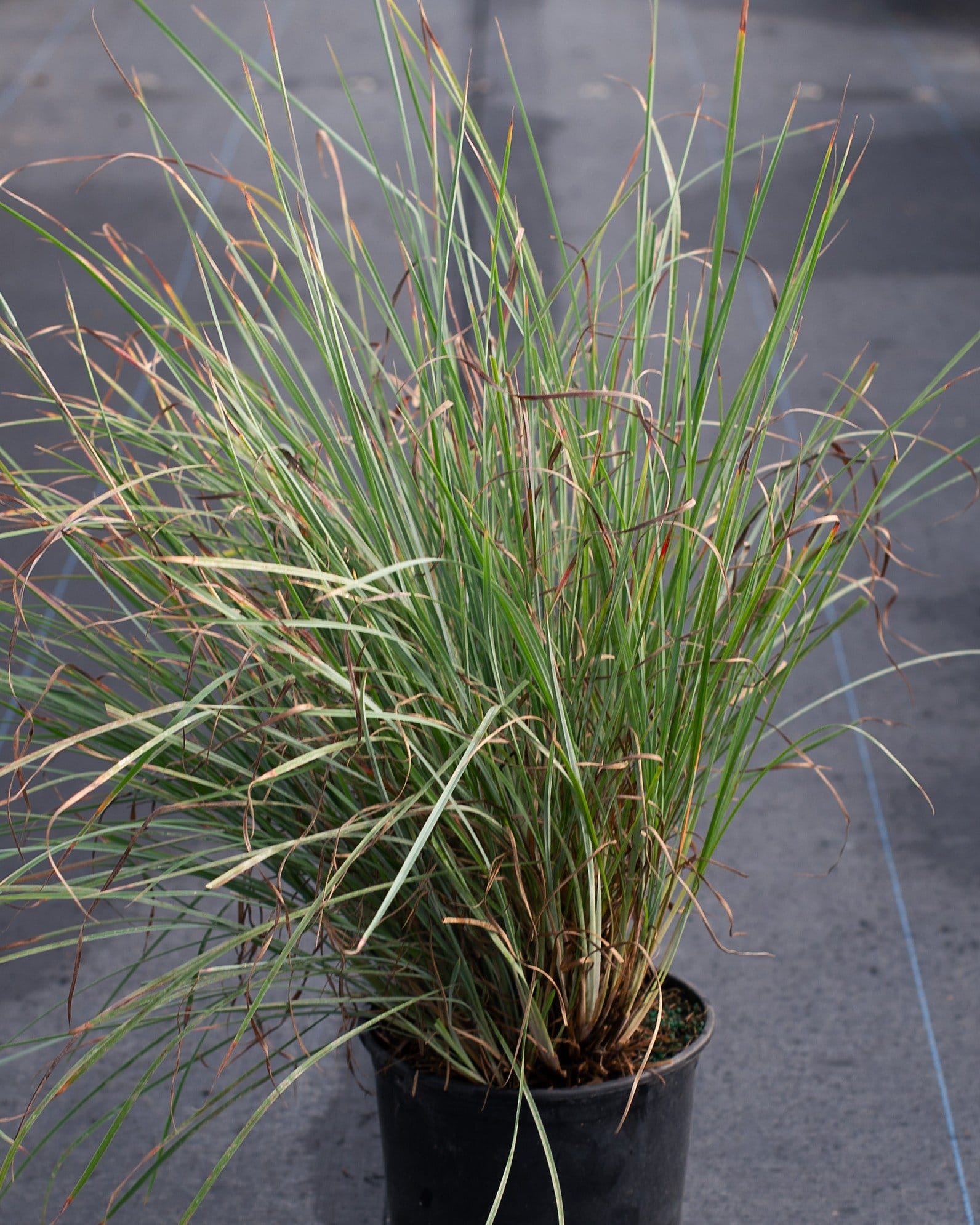
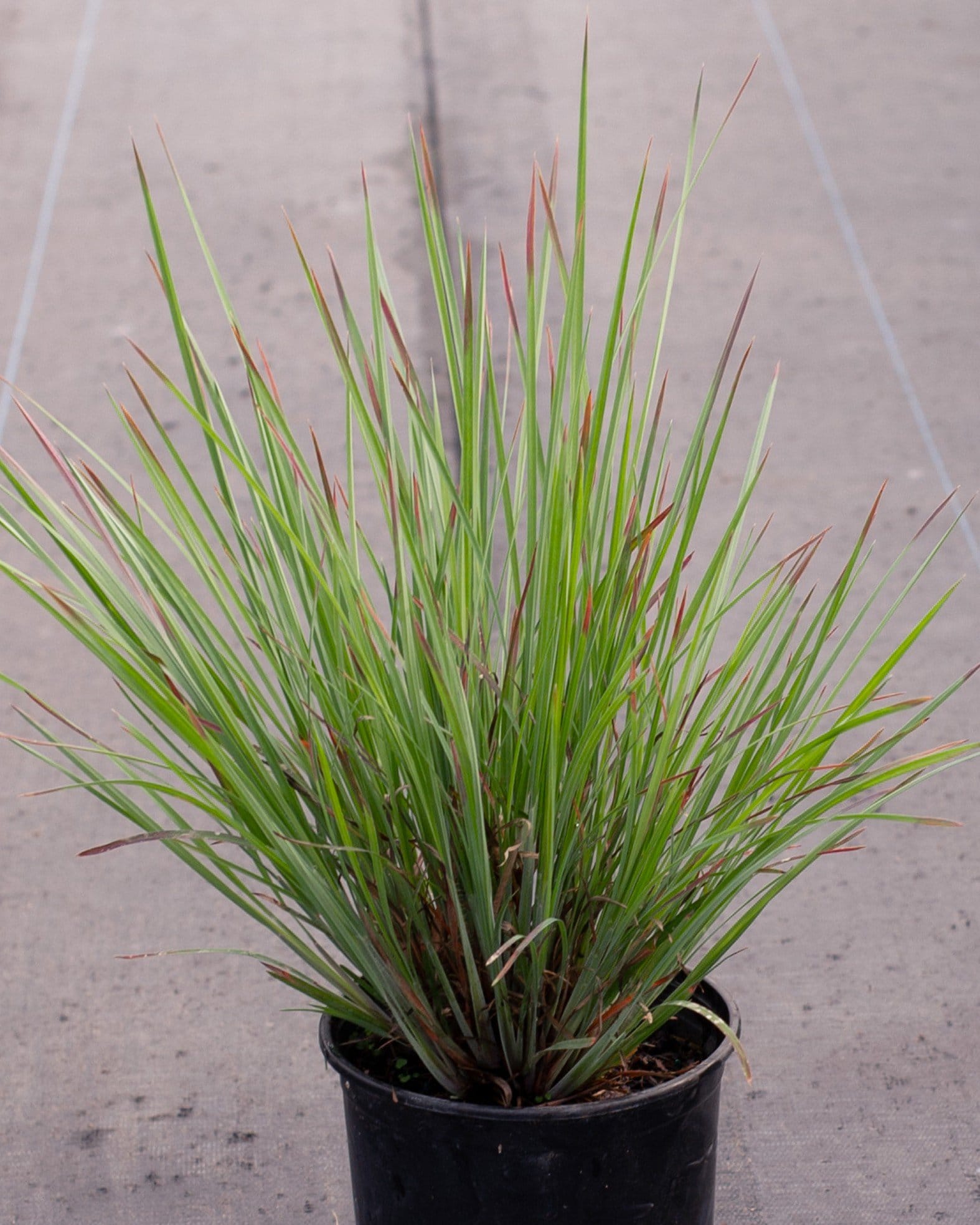
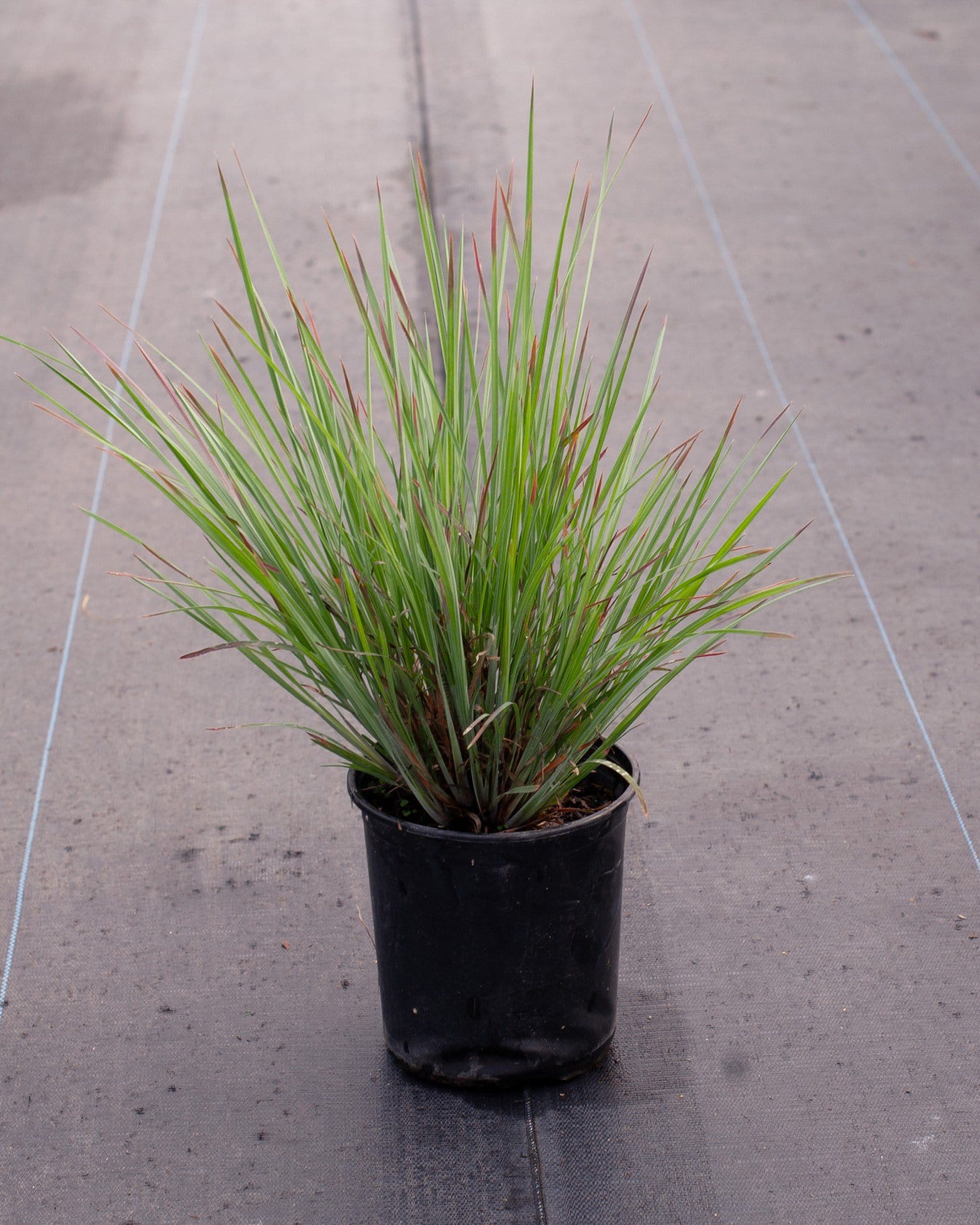
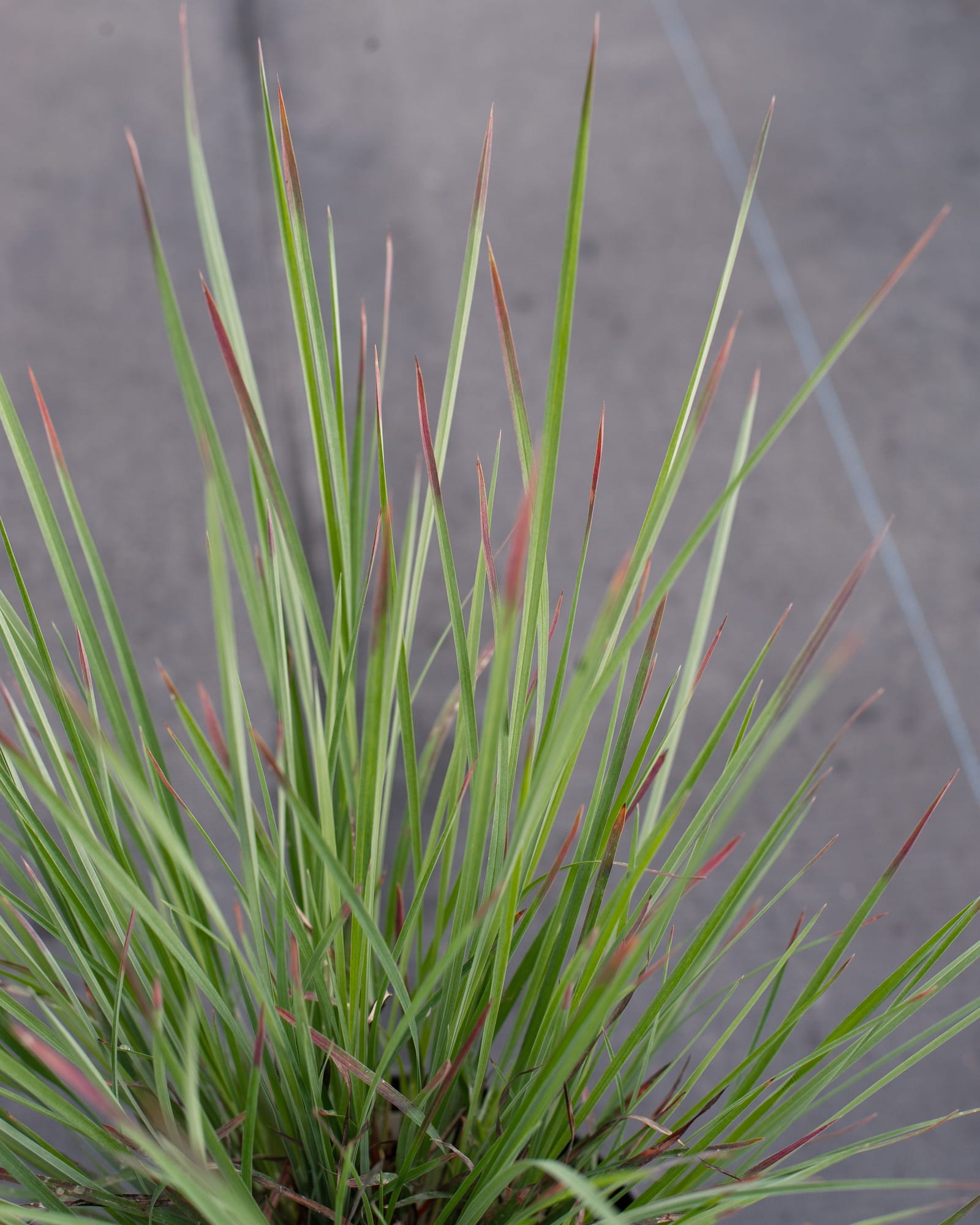
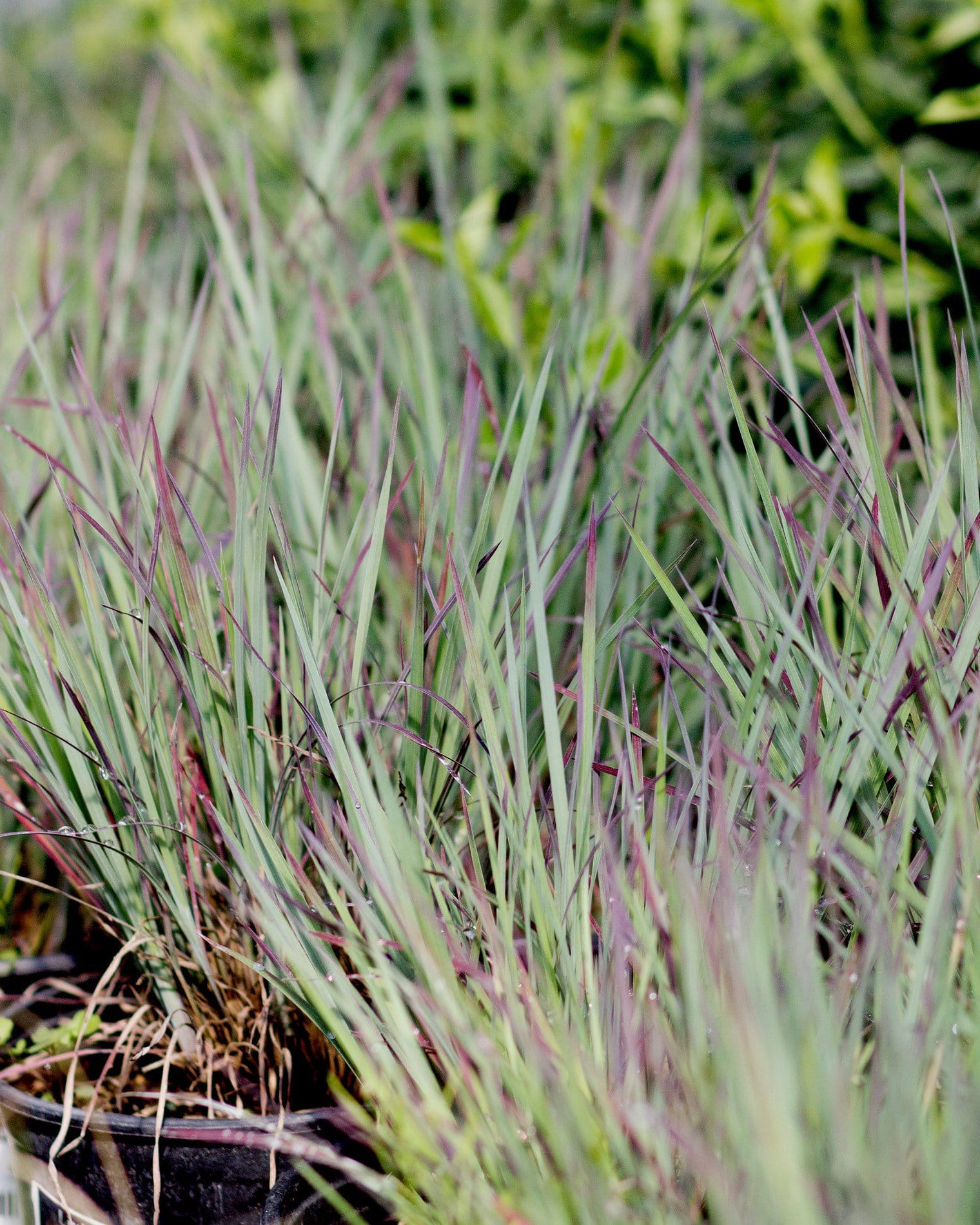
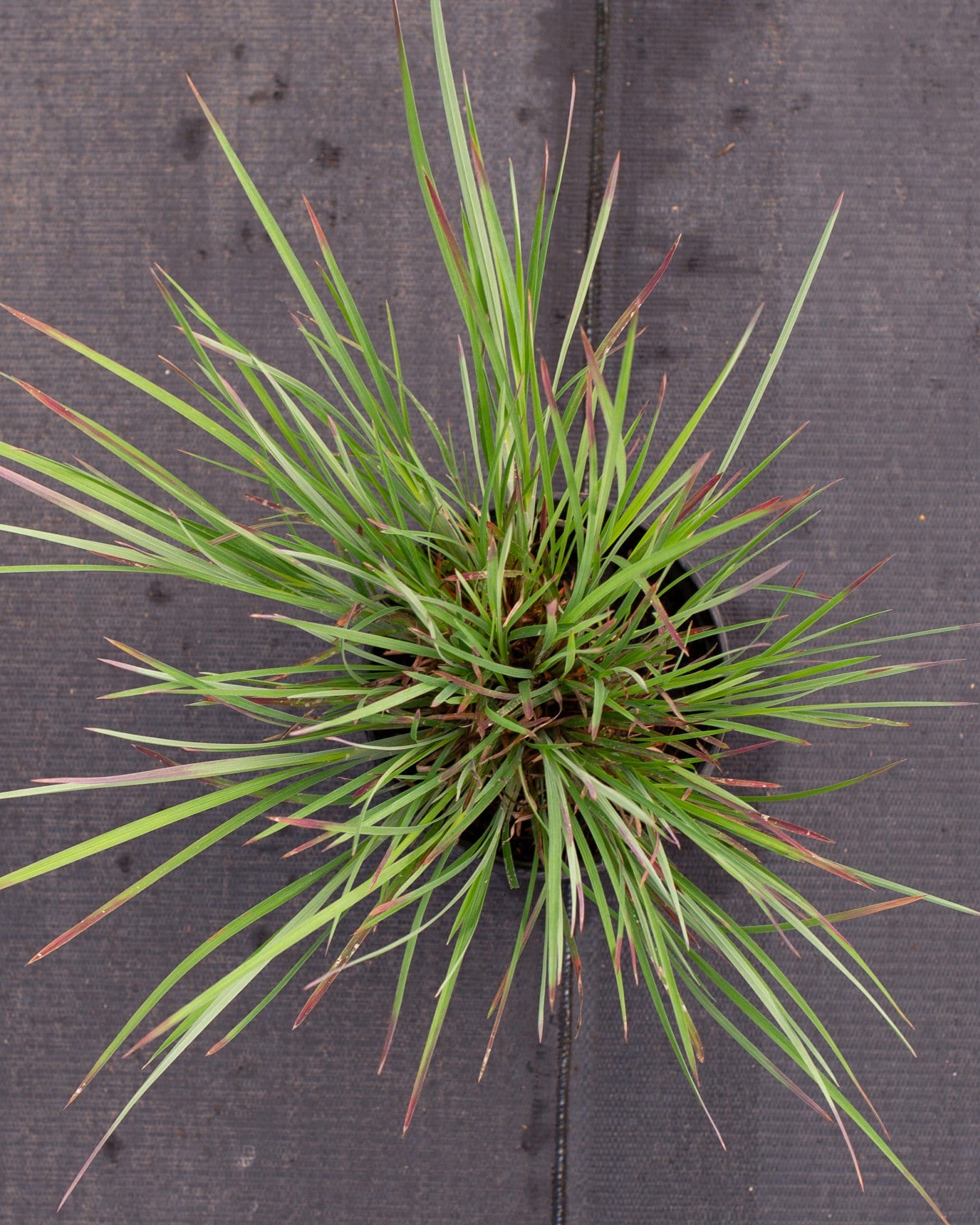
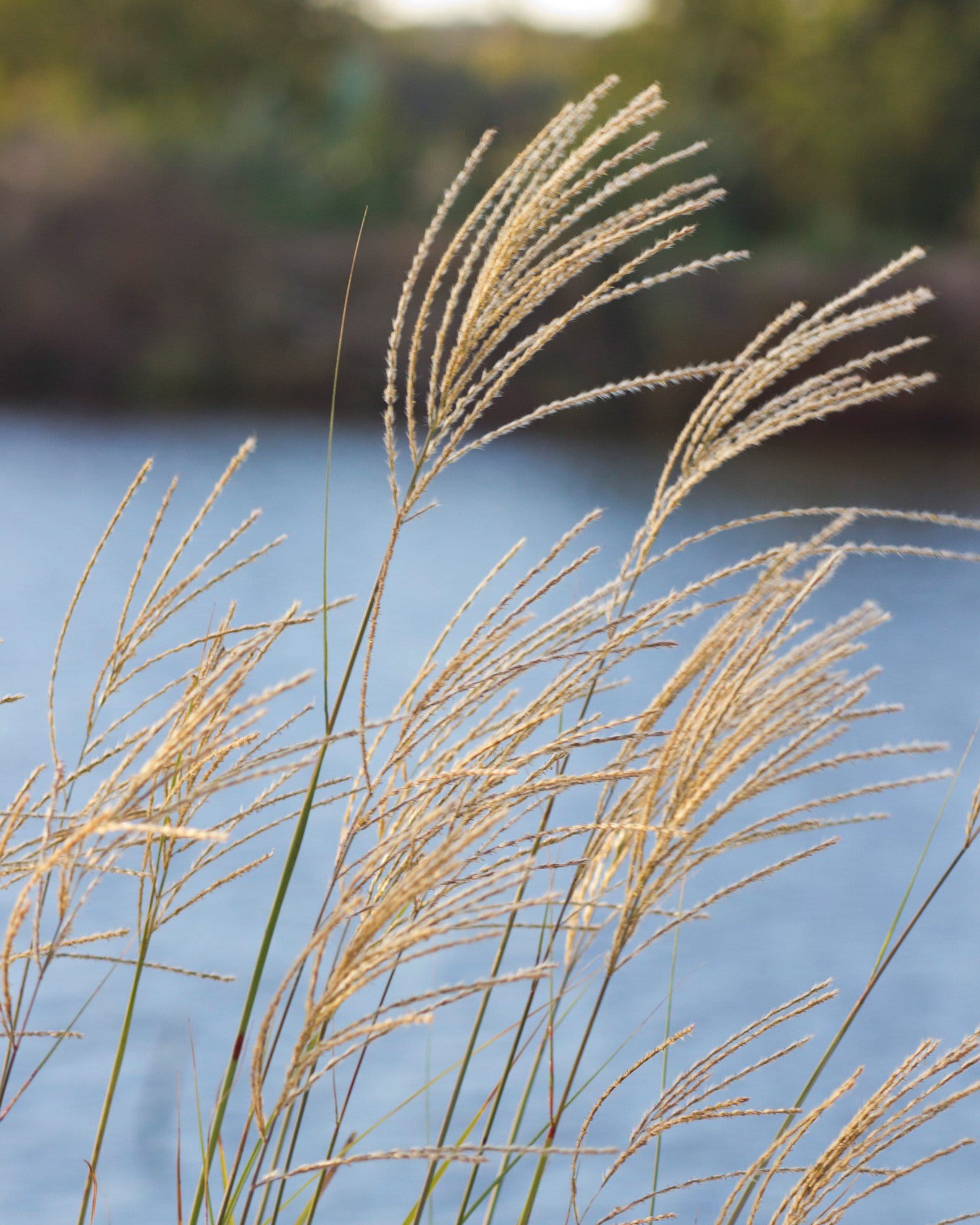
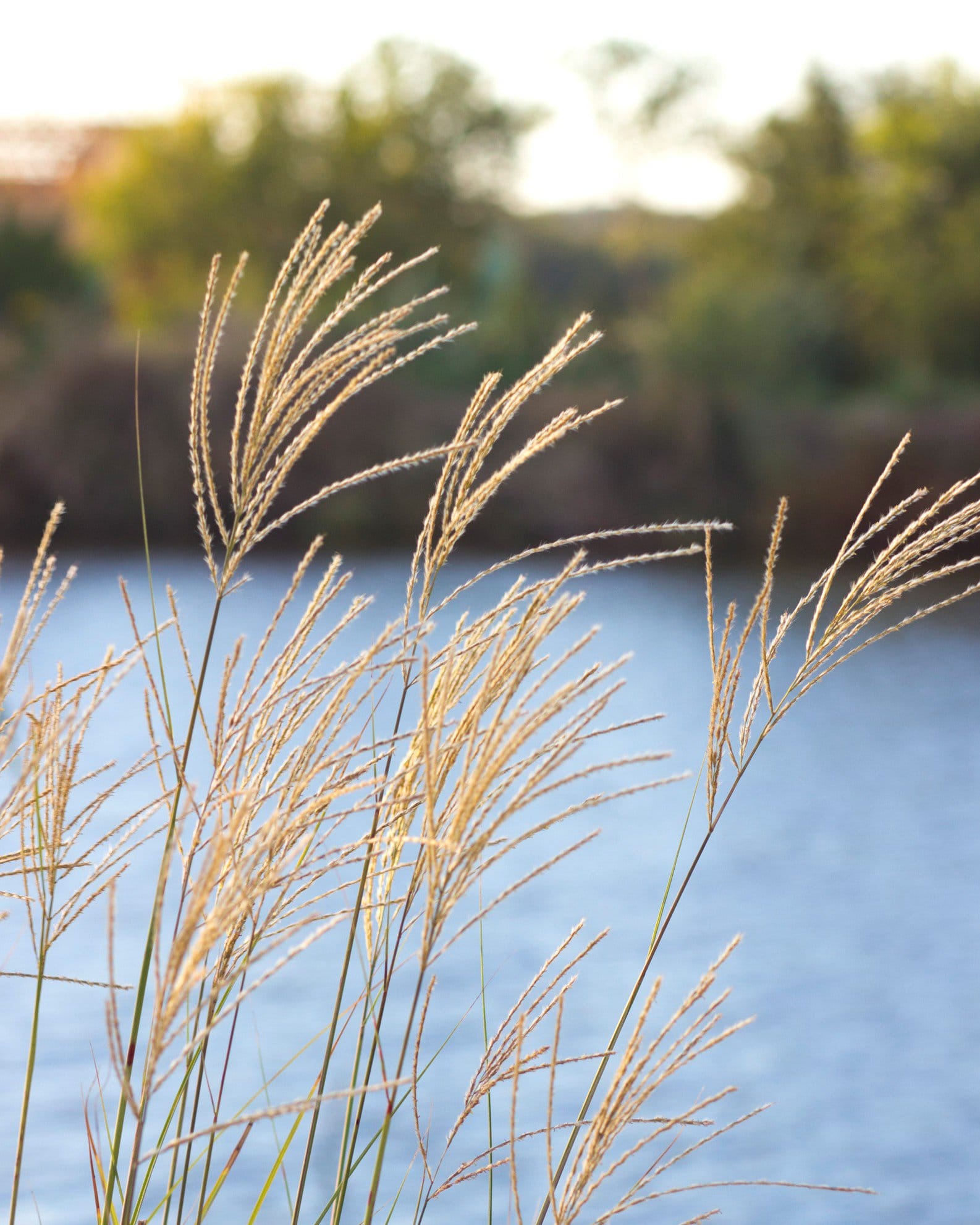
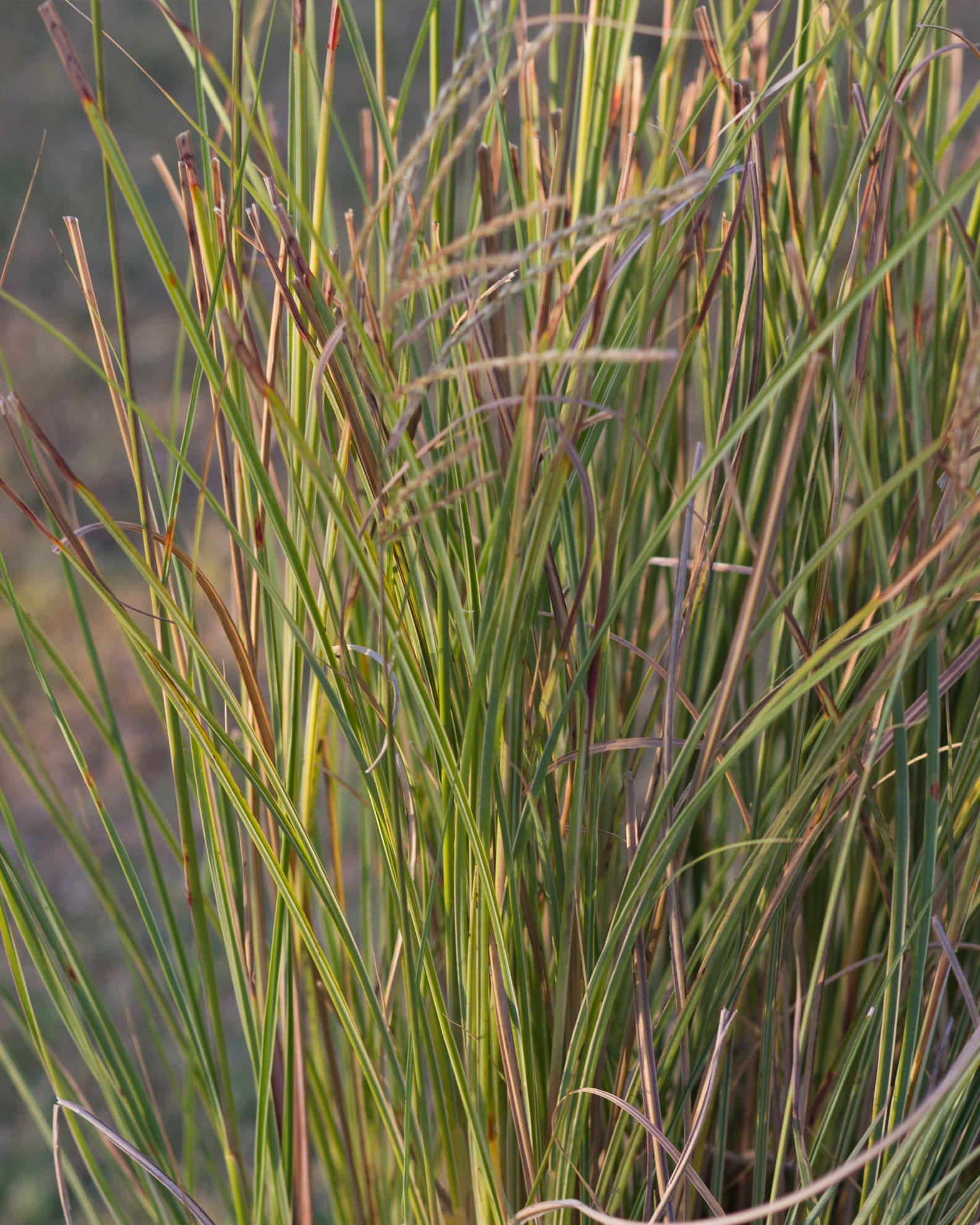
Pennisetum alopecuroides 'Cassian'Cassian Fountain Grass is a compact ornamental grass prized for its graceful form and changing seasonal color. Slender green blades form rounded, fountain-like mounds that sway gently in the breeze. In late summer, the plant sends up soft, tan-colored seed spikes that rise above the foliage and persist into fall. As temperatures cool, the blades turn shades of golden tan, extending their appeal well into the season. At maturity, it reaches 2 feet in both height and width, fitting neatly into mixed beds or as a low screen behind flowering perennials.
- Fine green foliage with an arching form
- Soft plumes appear in late summer
- Warm golden fall color
- Compact, rounded growth habit
- Blends beautifully into layered plantings
Plant in full sun and well-drained soil. Cut back in late winter before new growth emerges. Its elegant shape and gentle movement add softness and rhythm to North Texas plantings.
Cassian Fountain Grass is a clumping ornamental grass prized for its graceful arching foliage, bottlebrush-like flower spikes, and low-maintenance nature. Here’s all it needs to grow beautifully in landscapes across Texas:
- Watering: Water regularly during the first growing season to encourage deep root development. Once established, Cassian Fountain Grass is moderately drought-tolerant but benefits from occasional deep watering during prolonged dry periods to maintain lush foliage and abundant flower spikes. Overwatering or poorly drained soil can lead to crown rot.
- Pruning: Cut back old foliage to 4-6 inches above the ground in late winter or early spring before new shoots emerge. This rejuvenates the clump, encourages fresh growth, and maintains a tidy appearance. Avoid cutting during fall, as the seed heads add winter texture and provide wildlife habitat.
- Fertilizing: Apply a light, balanced, slow-release fertilizer or compost in early spring if growth appears sparse. Fountain grasses generally thrive in average soil and too much fertilizer can cause floppy, weak growth.
- Mulching: Spread a 1-2 inch layer of mulch around the base to conserve soil moisture, suppress weeds, and moderate temperature. Keep mulch a few inches from the crown to avoid rot.
- Winter Care: Cassian Fountain Grass may die back in colder regions but will resprout vigorously in spring. In areas with harsh winters, leave dried foliage standing until early spring to protect the crown, then trim back. Container-grown plants can be brought indoors or moved to a sheltered area.
Cassian Fountain Grass is low-maintenance, provides architectural interest, attracts birds, and offers graceful movement with minimal care.
- Root Rot: Develops in poorly drained soils. Ensure proper drainage and avoid overwatering.
- Floppy Growth: Often caused by excess nitrogen or overcrowding. Reduce fertilizer and divide clumps every 3-4 years to maintain an upright habit.
- Leaf Browning: Normal in late fall, but premature browning can result from drought stress or poor soil. Adjust watering and amend soil if needed.
- Pests: Rare, but aphids or spider mites may appear in hot, dry conditions. Spray affected areas with water or use horticultural oil as necessary.
It grows at a moderate rate, typically 12-24 inches per year, forming dense, arching mounds that reach 3-4 feet tall, including flower spikes. Its growth rate can be enhanced with full sun and fertile, well-draining soil.
Spring or early fall is ideal, allowing roots to establish before extreme summer heat or winter cold.
Deeply water once or twice per week during the first season. Once established, occasional watering during dry spells is sufficient.
Yes, it tolerates moderate drought once established. Supplemental watering helps maintain fuller foliage and longer-lasting flower spikes. Once established, it can survive periods of dry weather without significant stress.
Yes. Large containers with well-draining soil allow Cassian Fountain Grass to thrive, making it a striking accent for patios and decks.
Yes. Divide mature clumps in early spring every 3-4 years to rejuvenate the plant or propagate new plants.
Yes. Its fibrous, arching foliage and textured seedheads are generally unappealing to deer.
With proper care, Cassian Fountain Grass can live 8–12 years or longer, especially with periodic division and pruning to maintain vigor.
Yes. Its arching, flexible foliage tolerates wind well, making it suitable for exposed garden beds and urban landscapes. Planting in slightly sheltered areas can further reduce stress on young plants while they establish.
No, Cassian Fountain Grass blooms in late summer to early fall. Flower spikes persist into fall and early winter, adding ornamental texture even after flowering ends.
Special Features
You might also like
Dwarf Hameln Fountain Grass
Maturity: 2' H x 2' W
Dwarf Little Bunny Fountain Grass
Maturity: 1' H x 1' W
Adagio Miscanthus
Maturity: 3' H x 3' W
Berkeley Carex Sedge
Maturity: 1' H x 2' W
Blue Arrows Rush
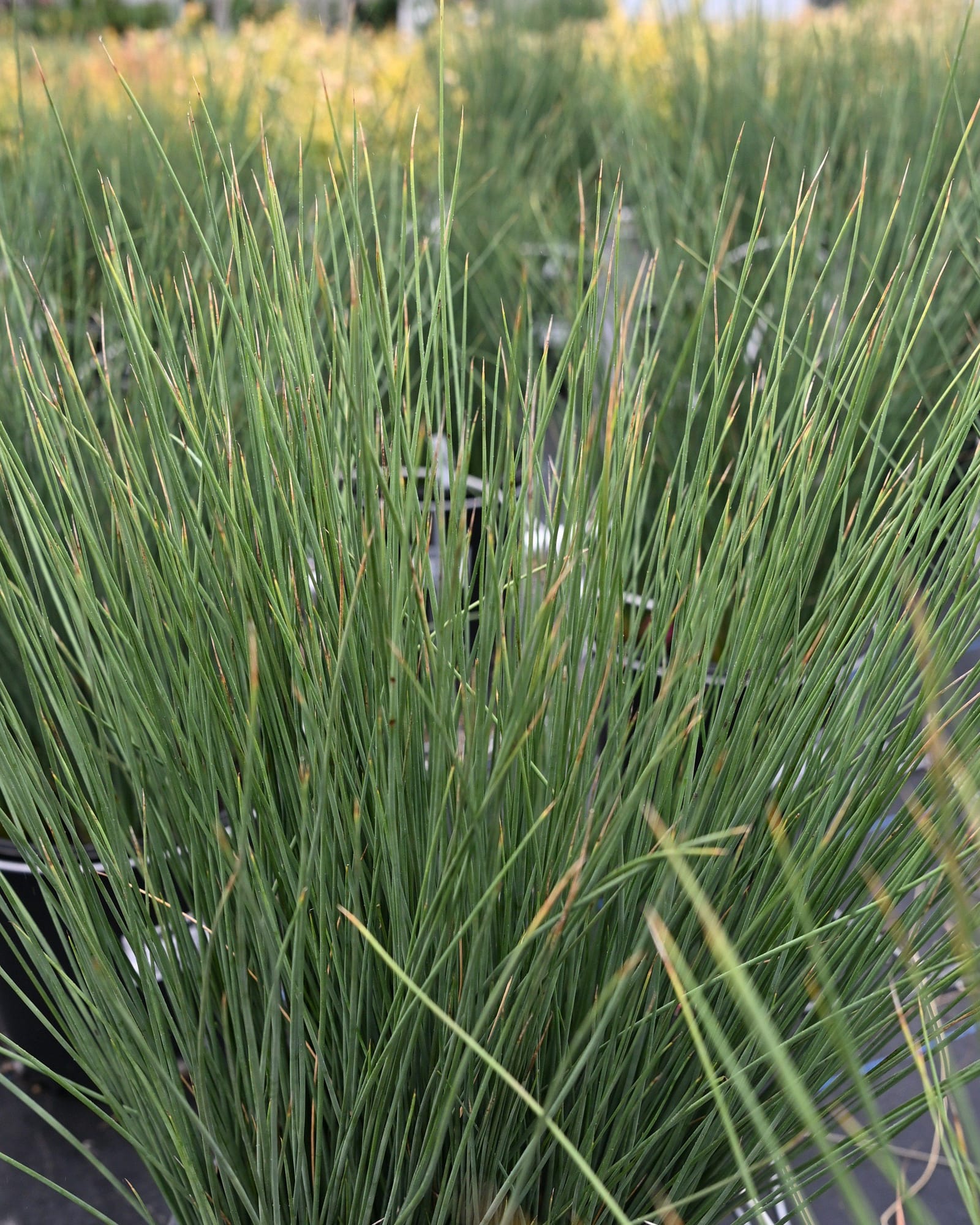
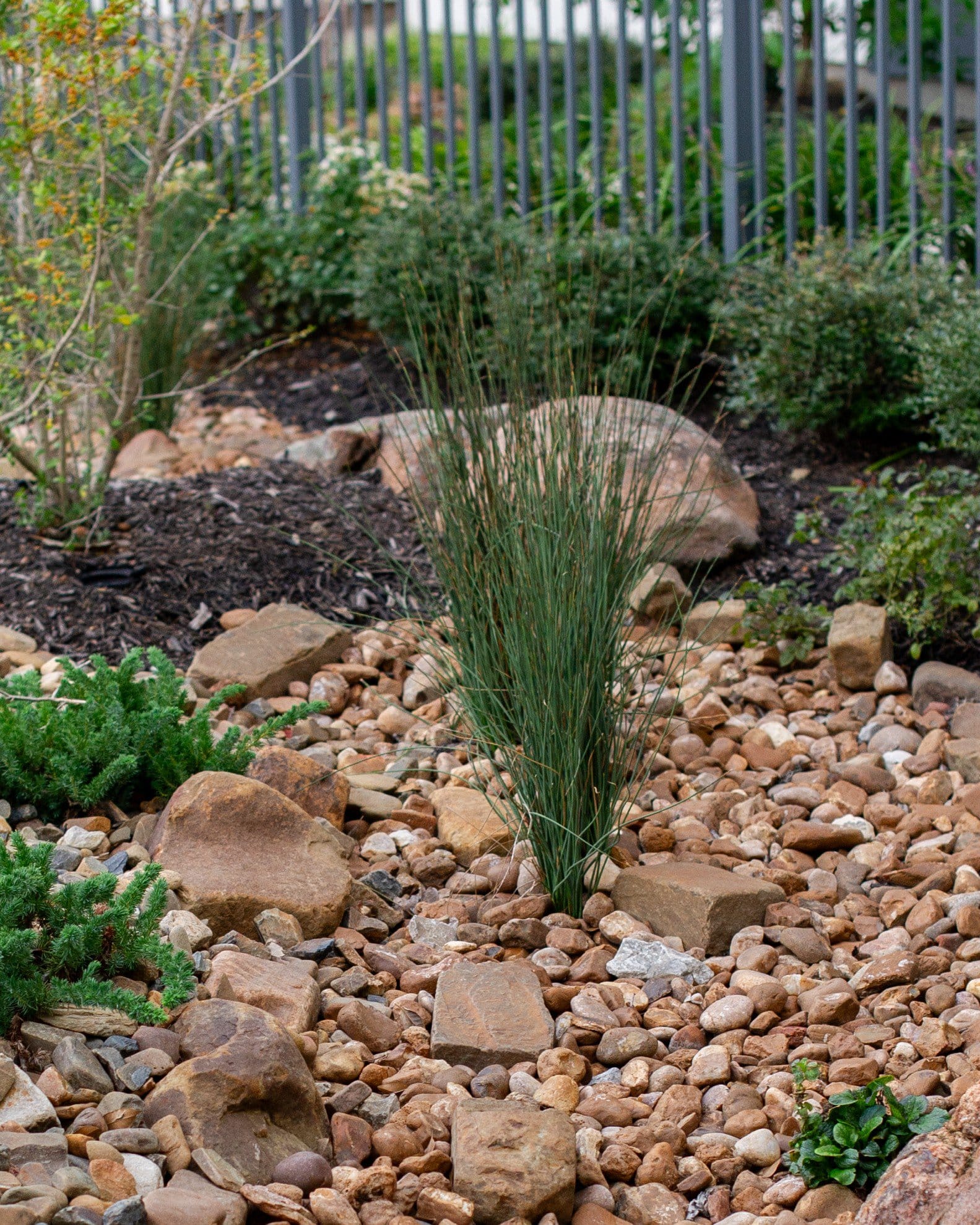
Maturity: 3' H x 1' W
Blue Grama
Maturity: 1.5' H x 2' W
Blue Grama Blonde Ambition
Maturity: 3' H x 3' W
Karl Foerster Feather Reed Grass
Maturity: 4' H x 2' W
Lindheimer Muhly
Maturity: 3' H x 3' W
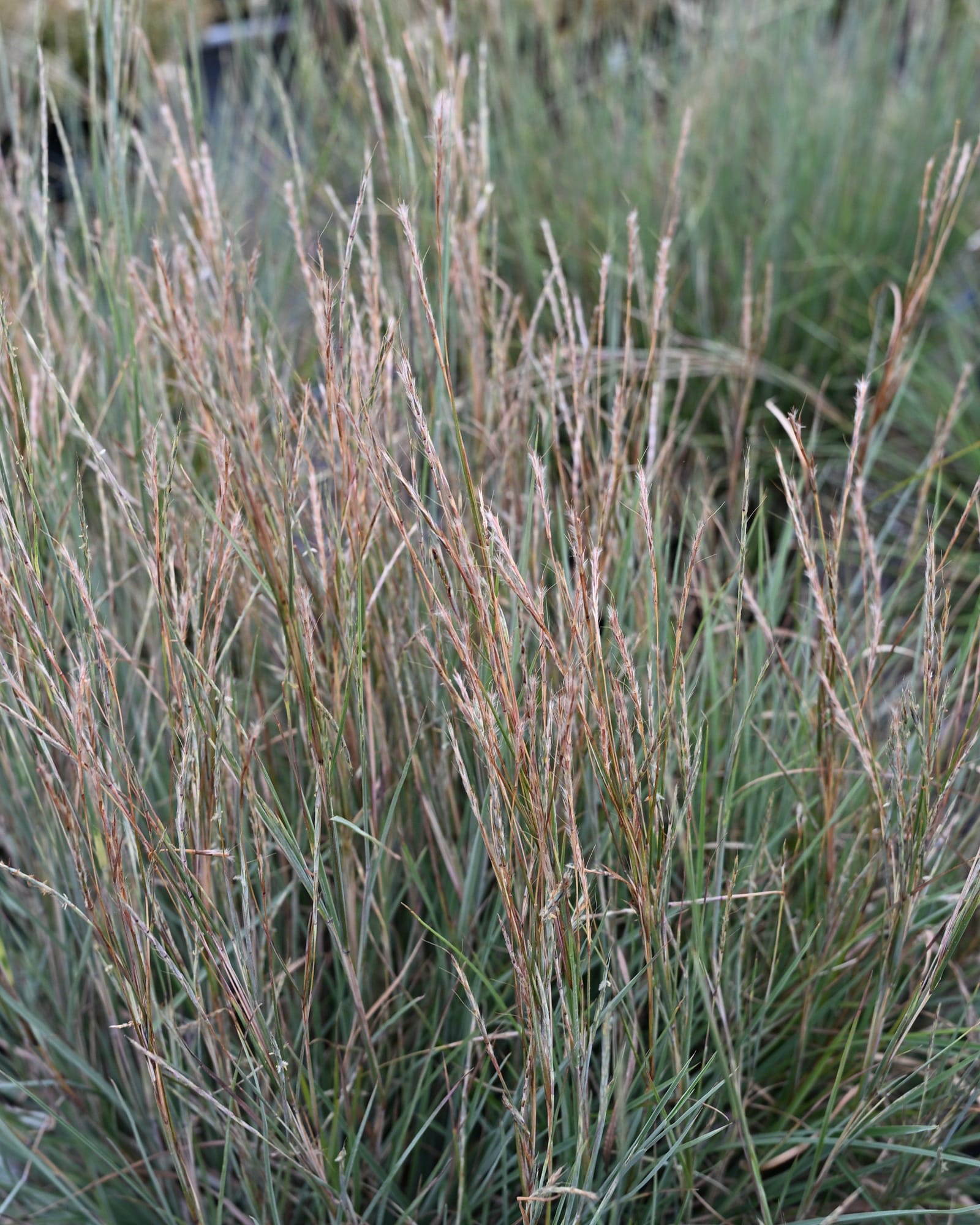
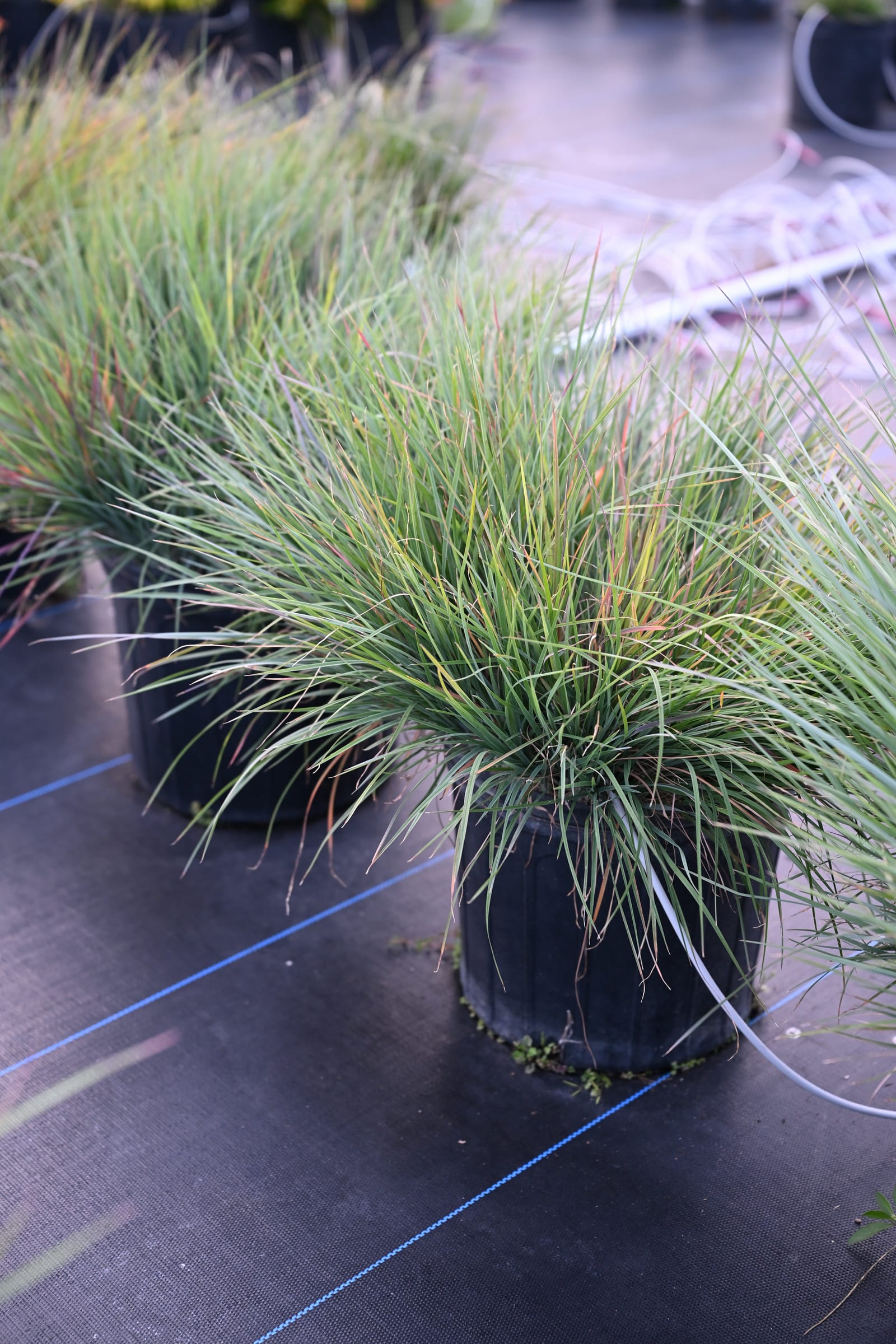
Little Bluestem
Maturity: 2' H x 2' W
Little Bluestem Prairie Blues
Maturity: 3' H x 2' W
Little Bluestem Standing Ovation
Maturity: 2' H x 1.5' W
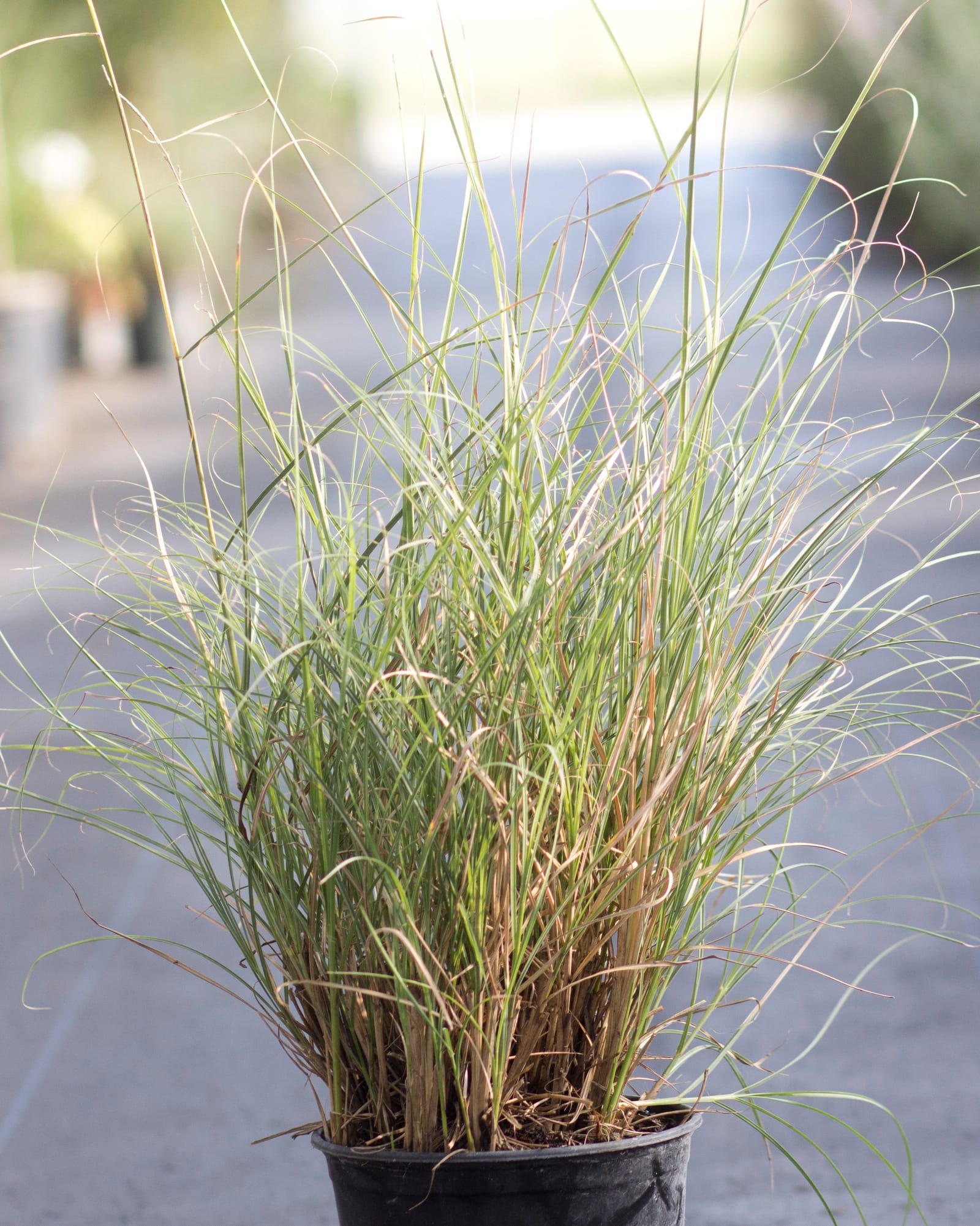
Little Kitten Miscanthus
Maturity: 2' H x 1' W
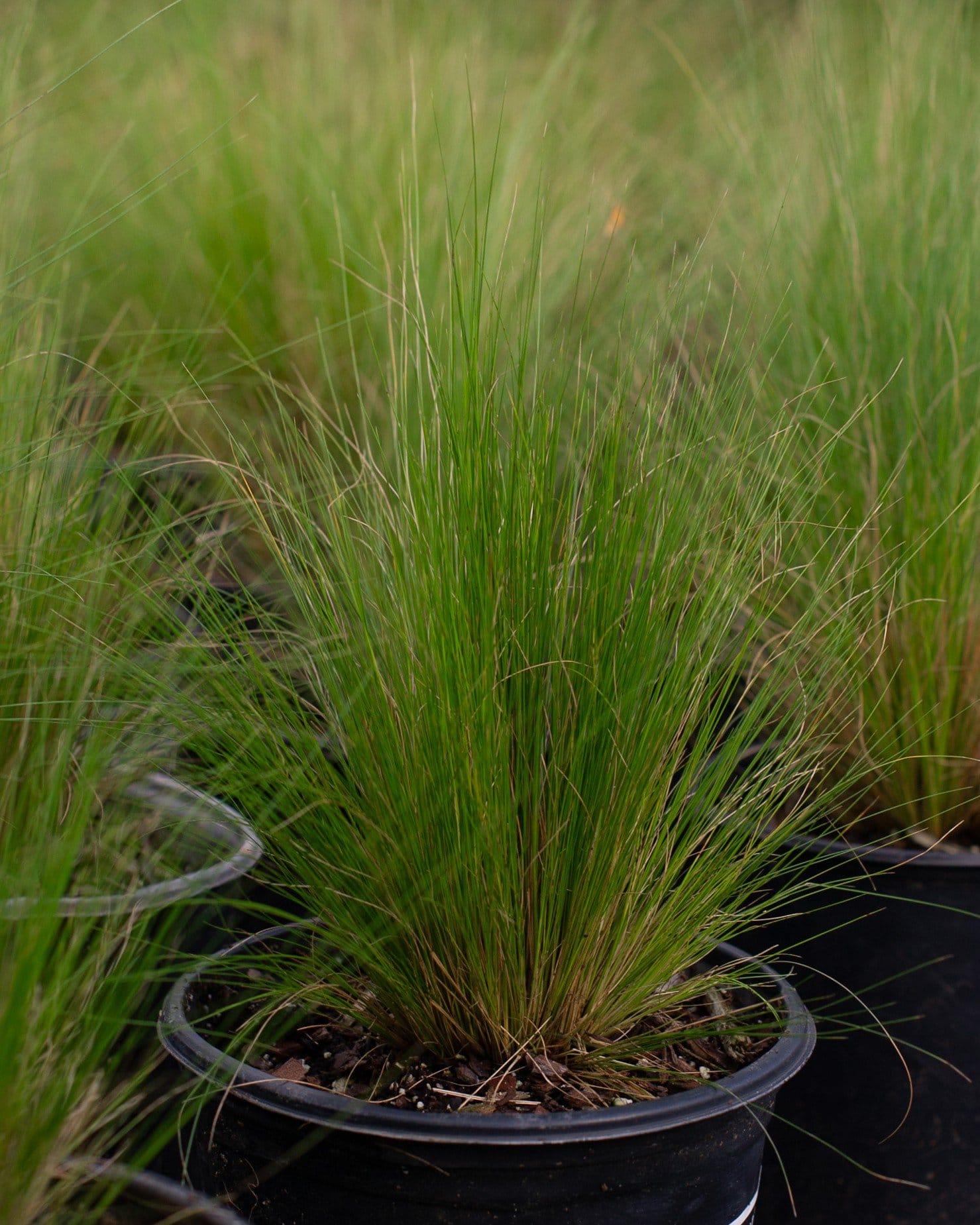
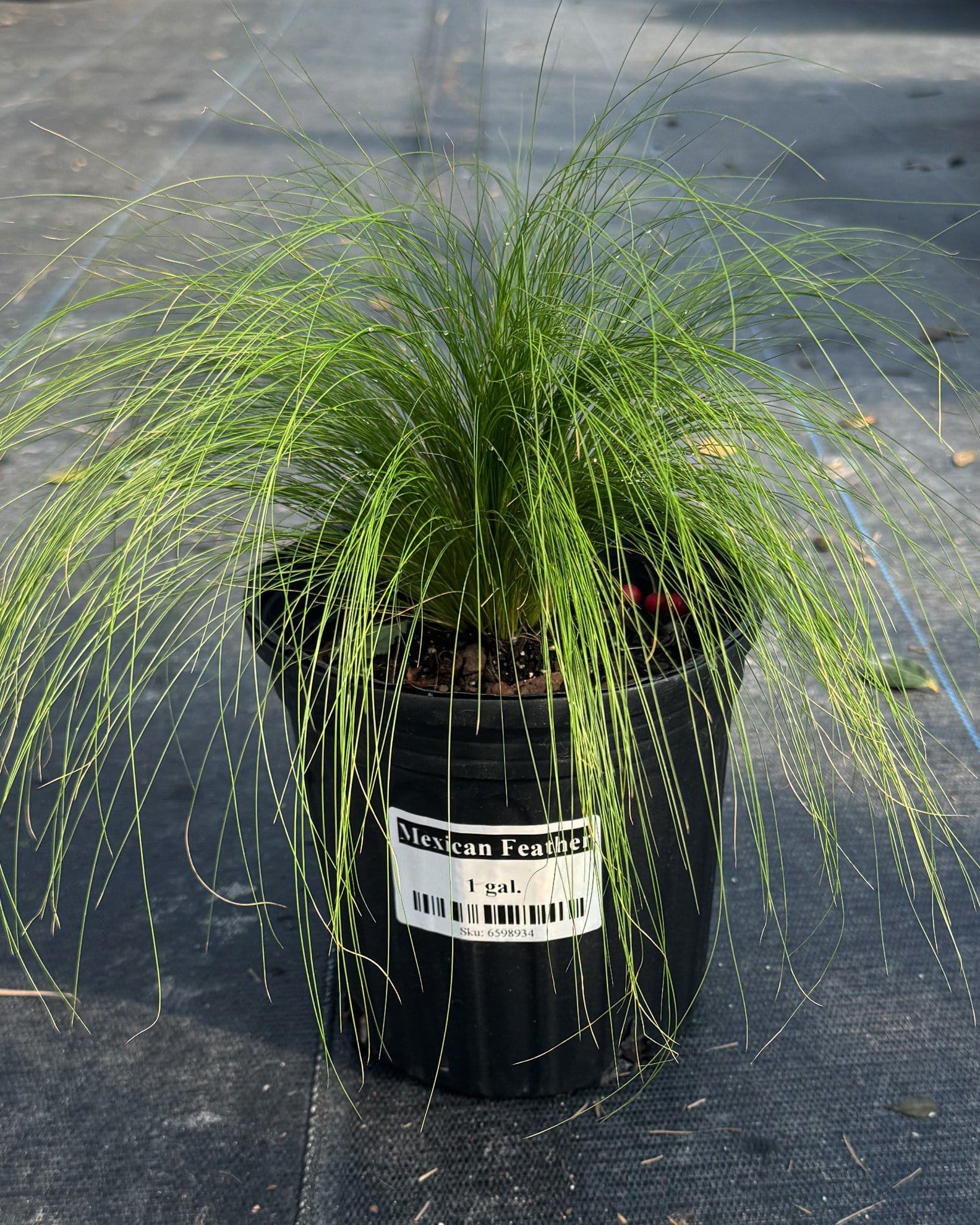
Mexican Feather
Maturity: 2' H x 2' W
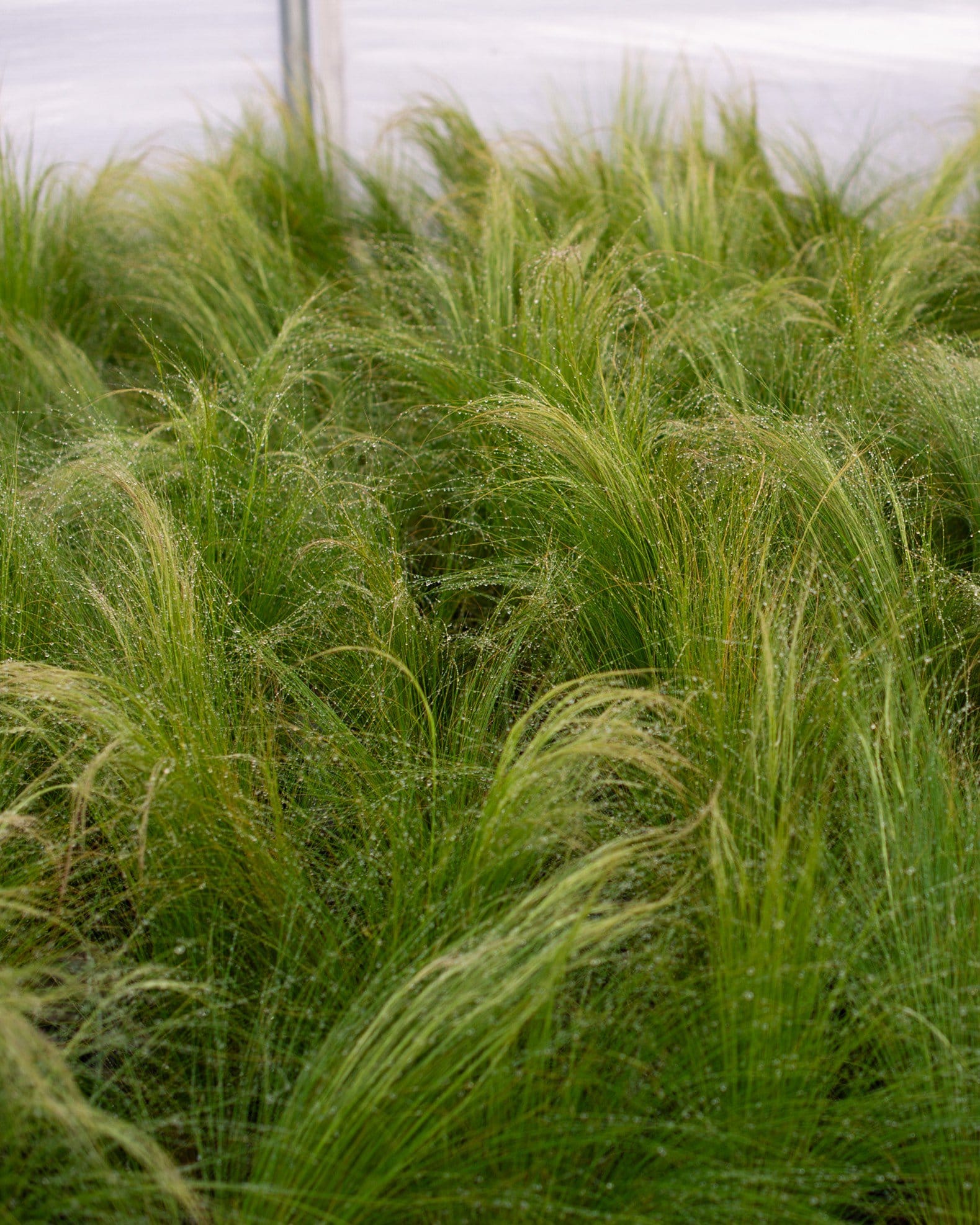
Morning Light Miscanthus Maiden Grass
Maturity: 4' H x 3' W
Compare Similar Plants
Cassian Fountain Grass This plant | ||
|---|---|---|
| Scientific Name | Pennisetum alopecuroides 'Cassian' | Pennisetum alopecuroides ‘Hameln’ |
| Size at Maturity | 2' H x 2' W | 2' H x 2' W |
| Leaf Retention | Herbaceous | Herbaceous |
| Sizes Available | 1 gal | 1, 3 gal |


Our 1-Year Planting Guarantee
We take pride in our plants and installation services. If any plants or trees installed by Treeland fail to thrive within the first year, we'll provide a replacement credit in accordance with our guarantee program.
Learn More About Our Guarantee