
 Texas Native
Little Bluestem Prairie Blues
Schizachyrium scoparium 'Prairie Blues'Local DFW Delivery Only
Product Details
Little Bluestem Prairie Blues
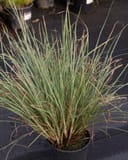
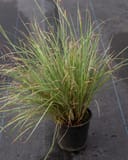
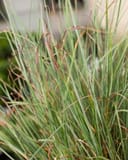
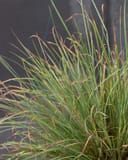
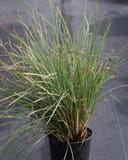
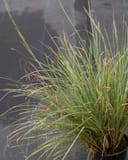
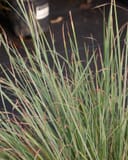
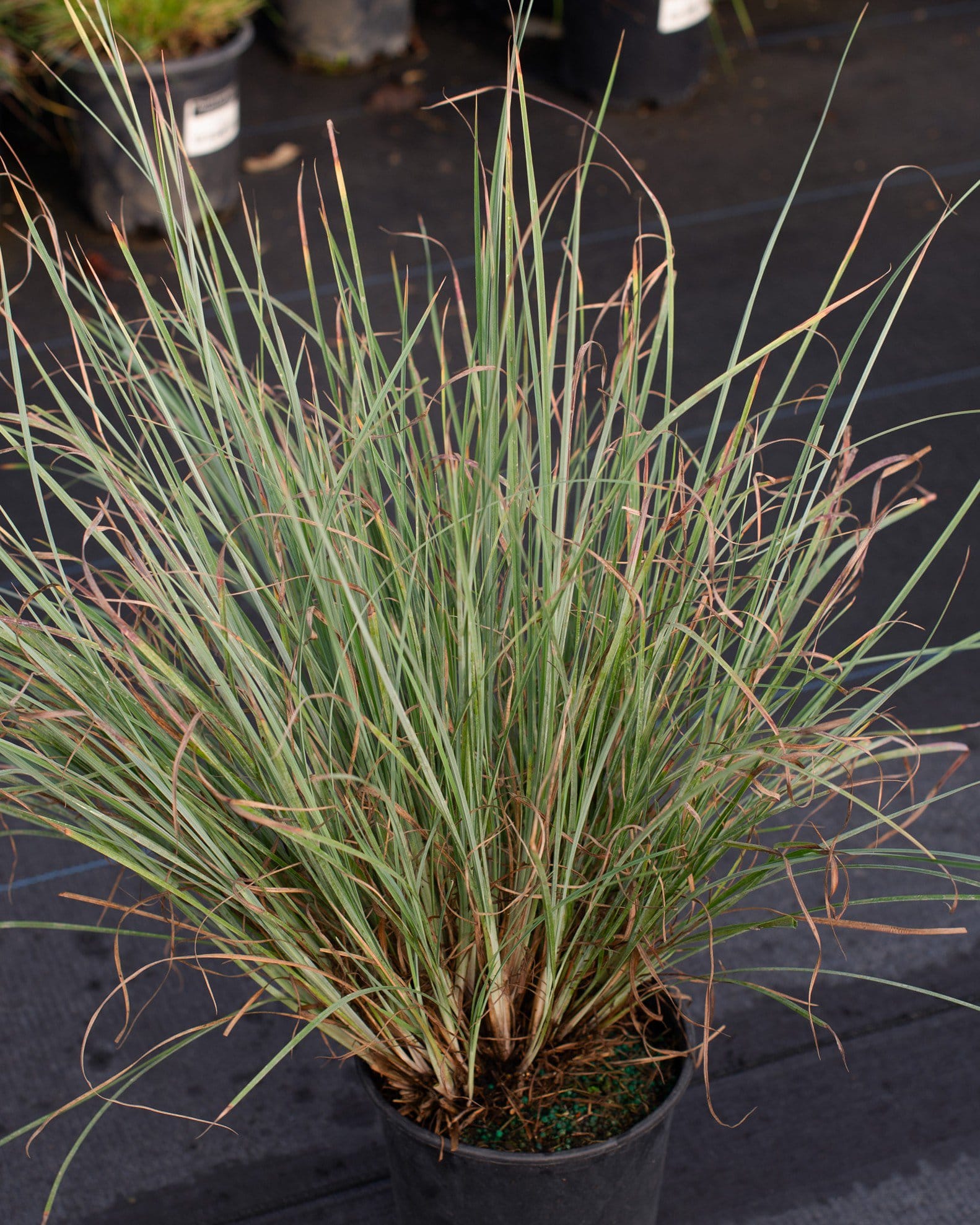
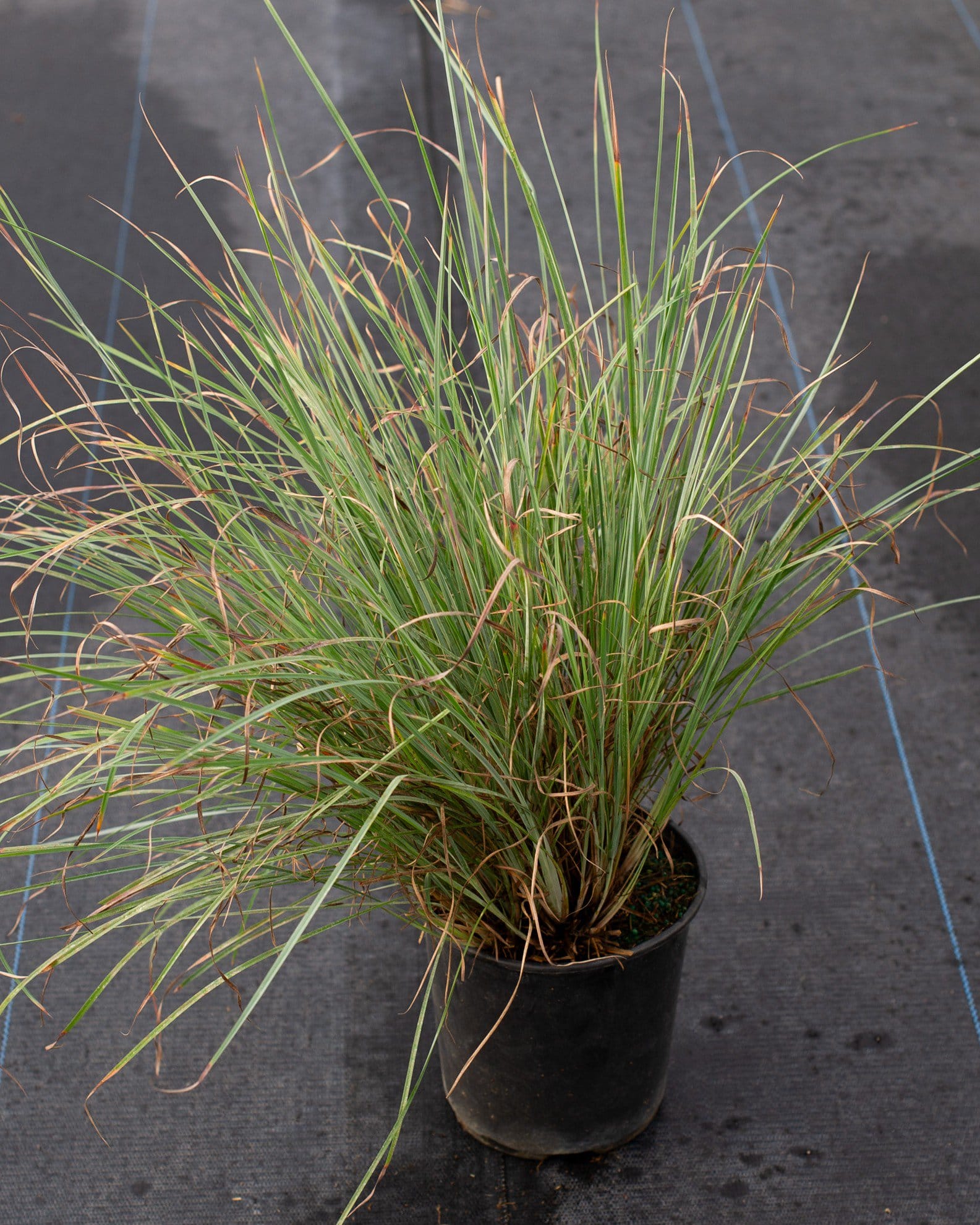
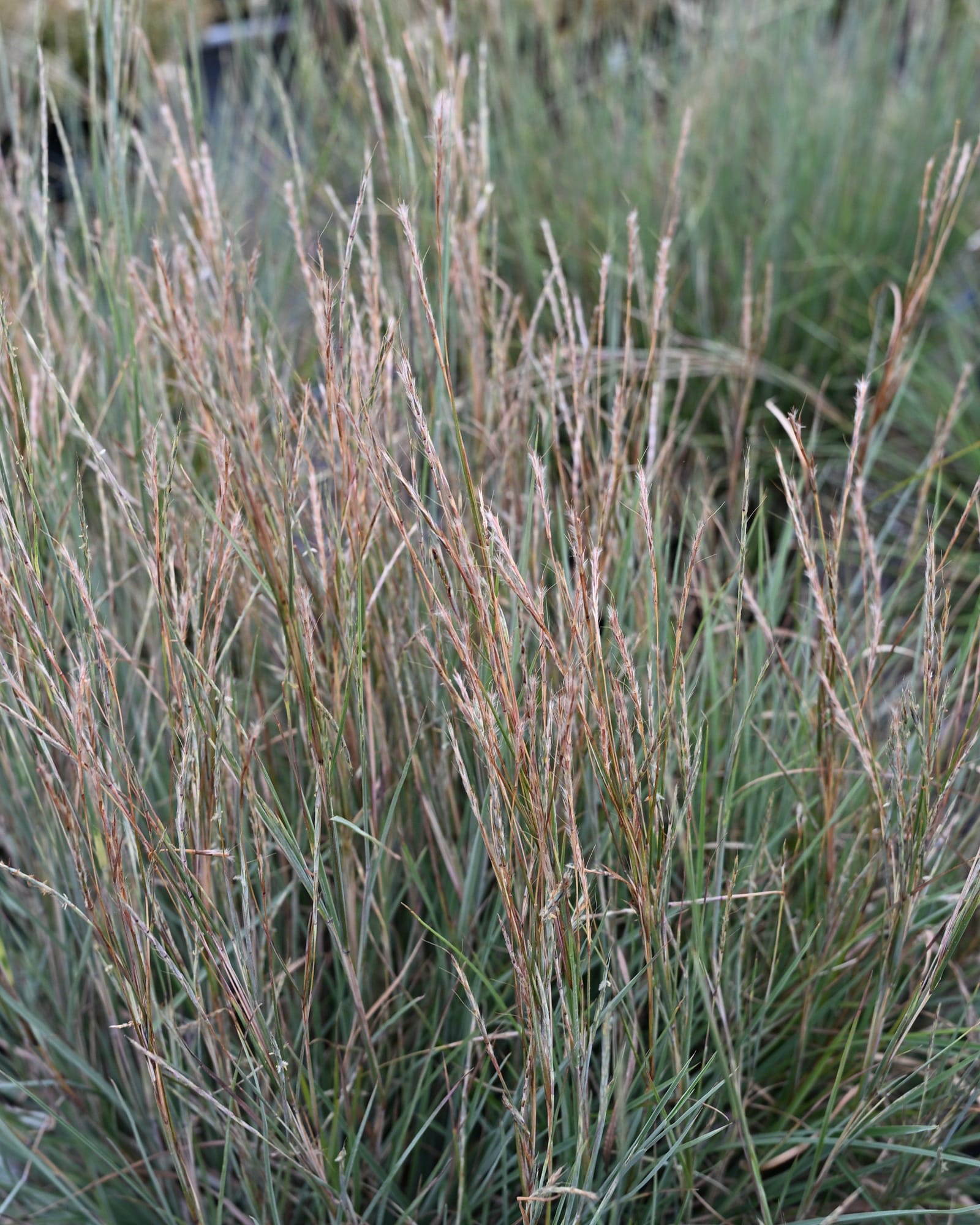
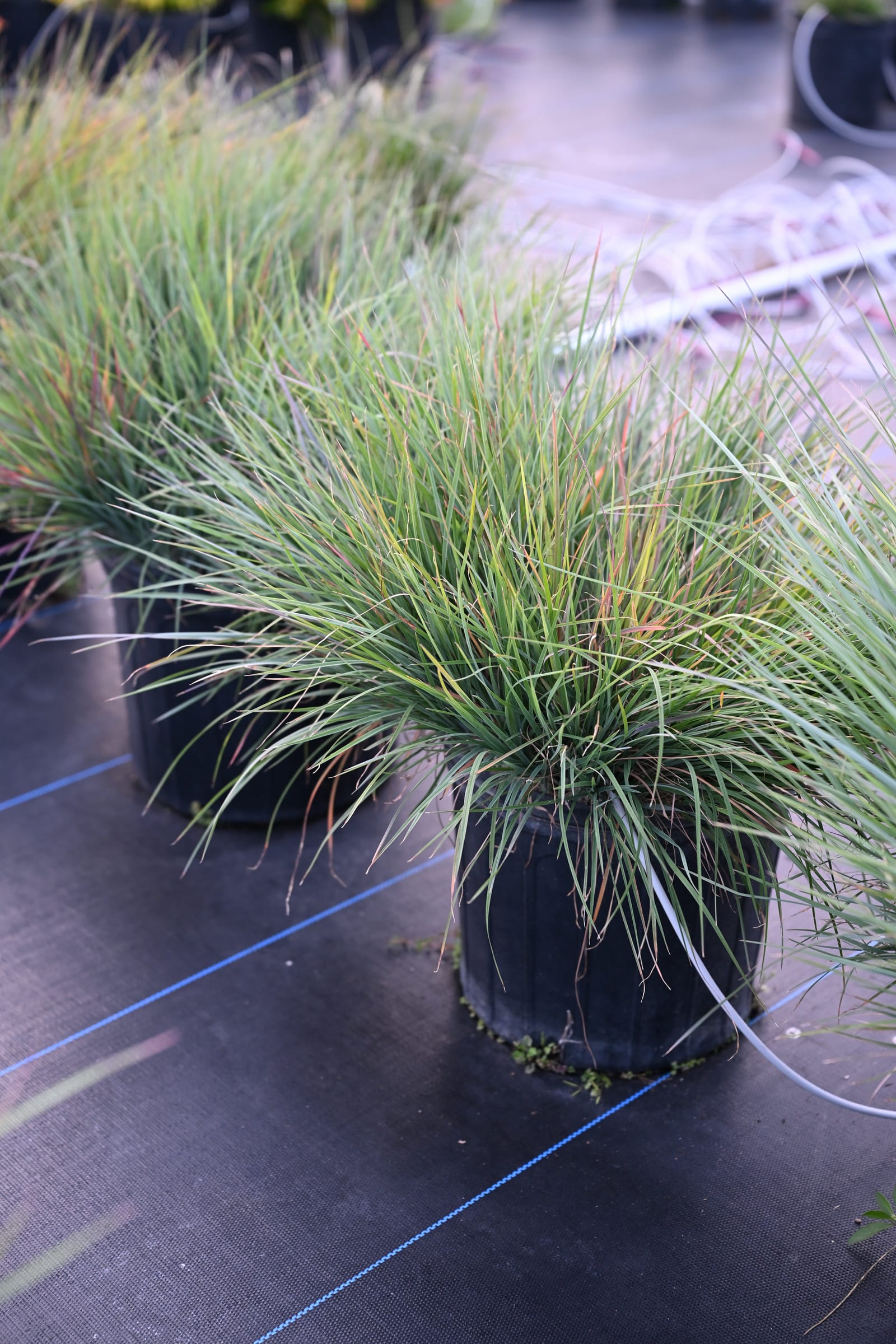
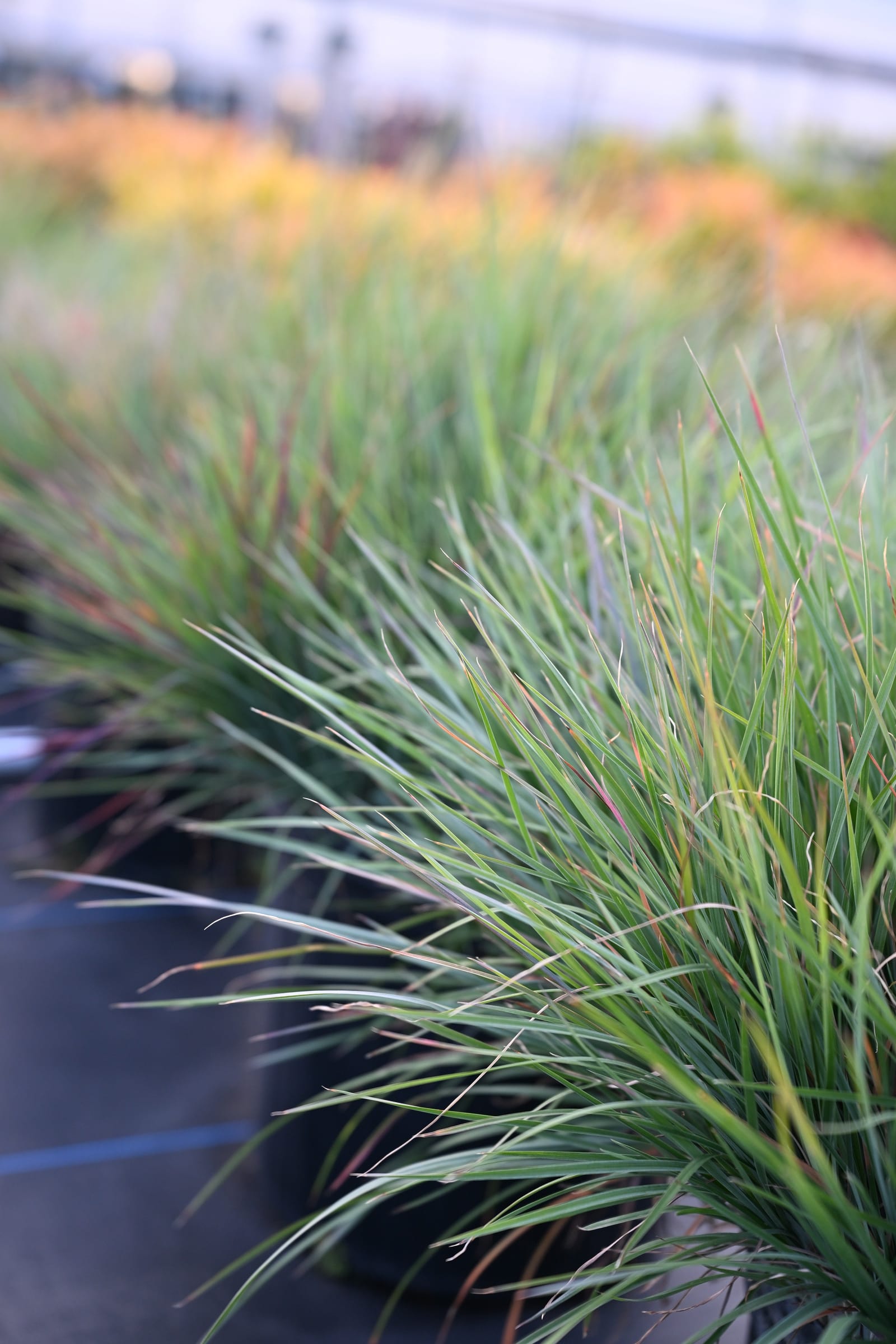
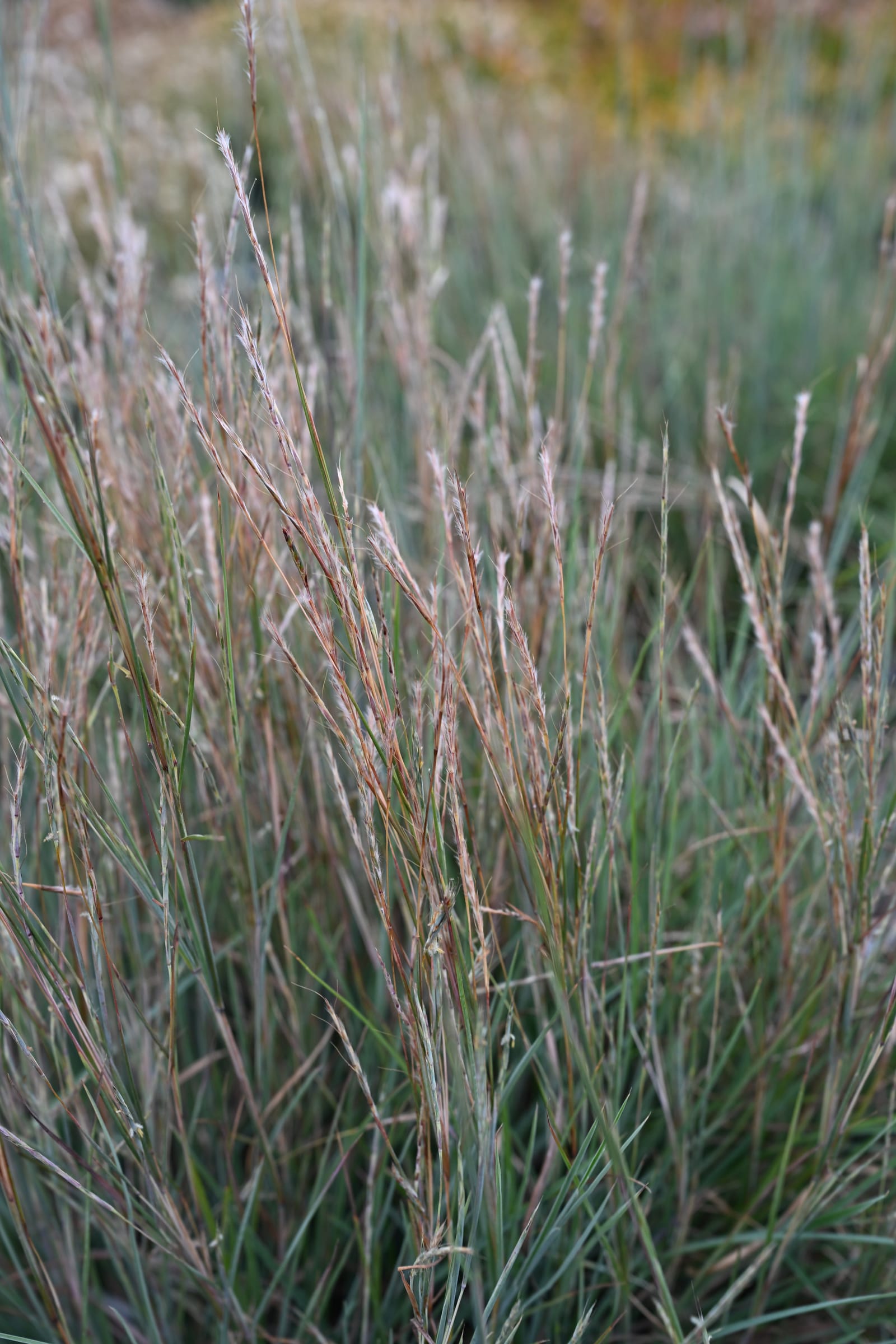
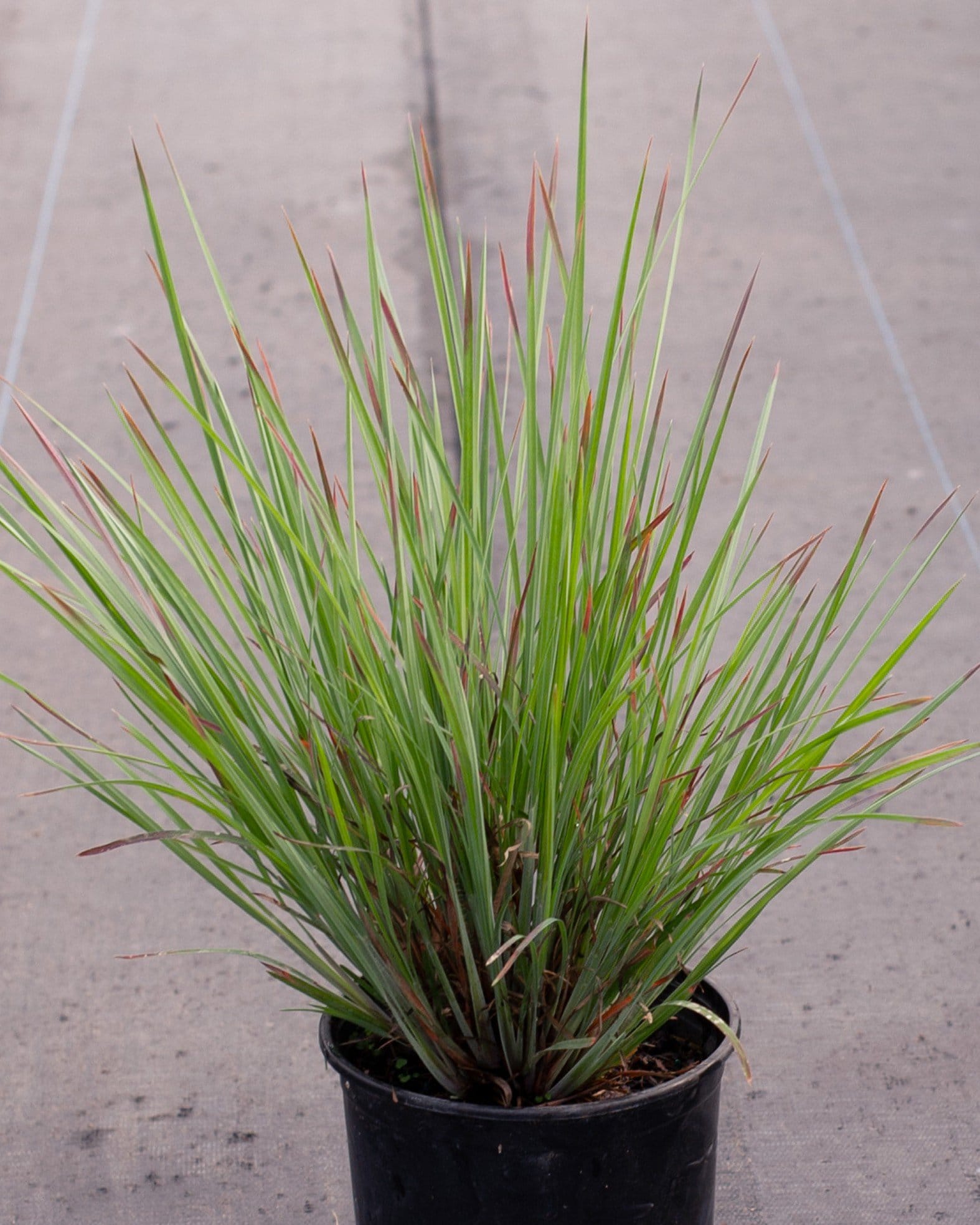
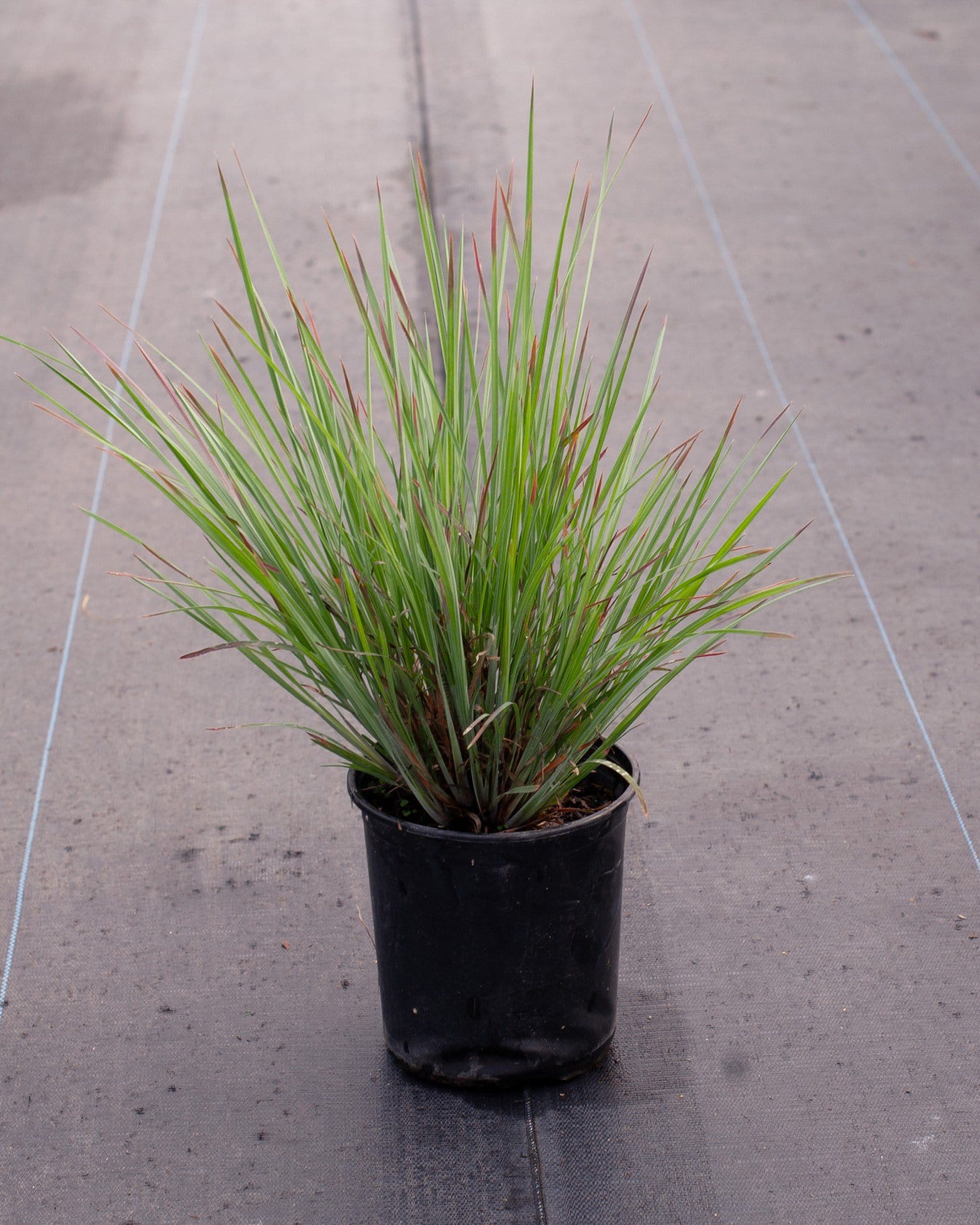
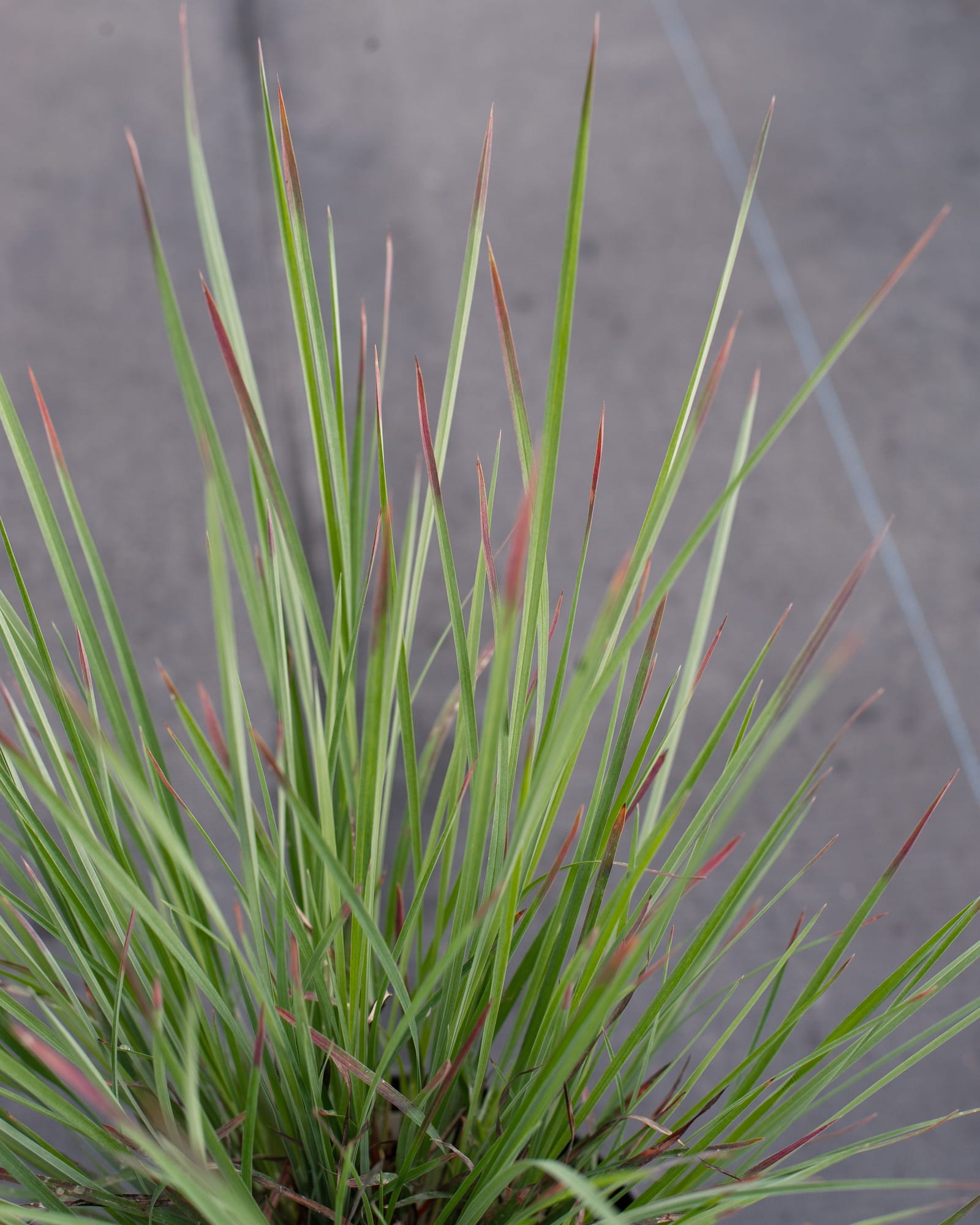
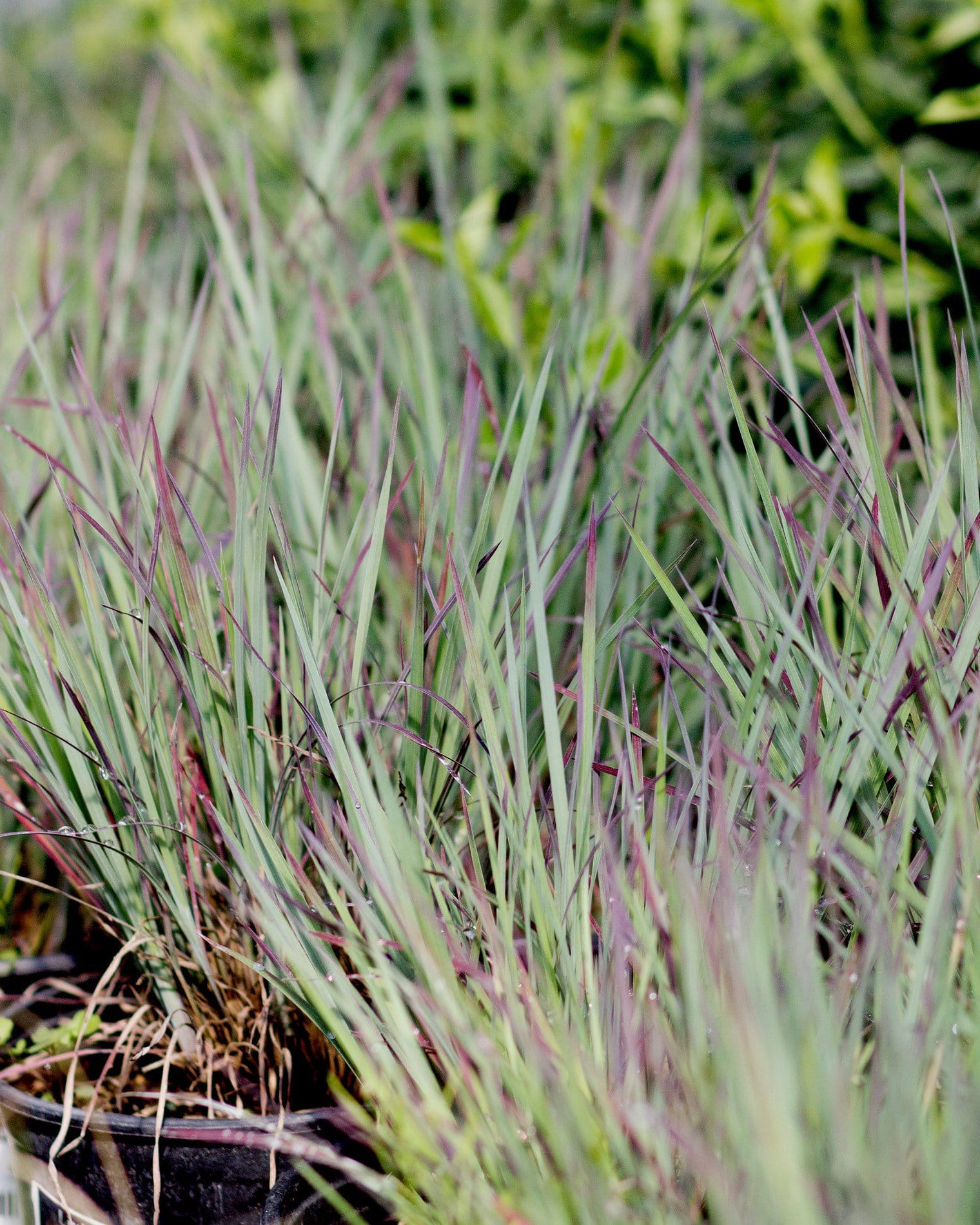
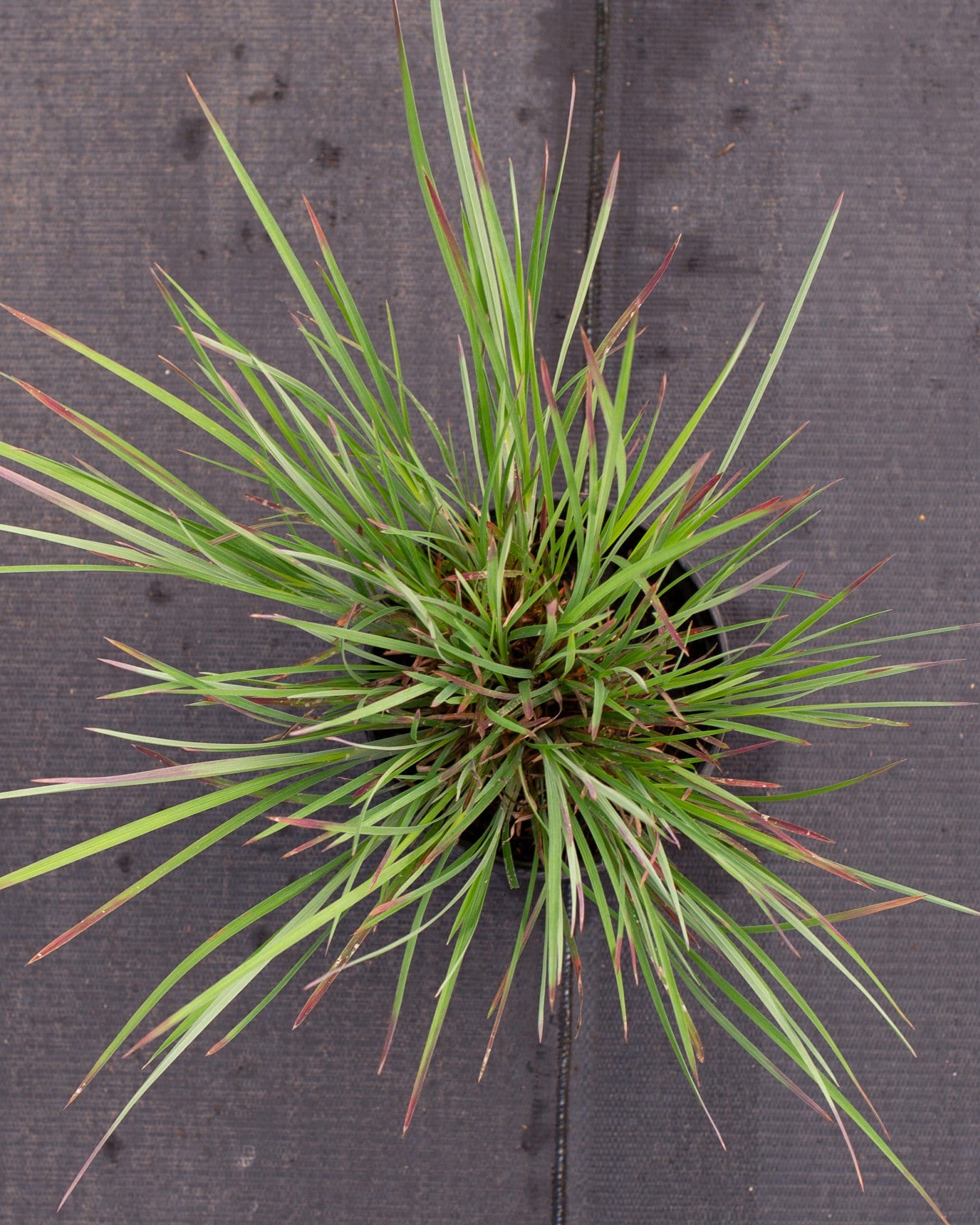
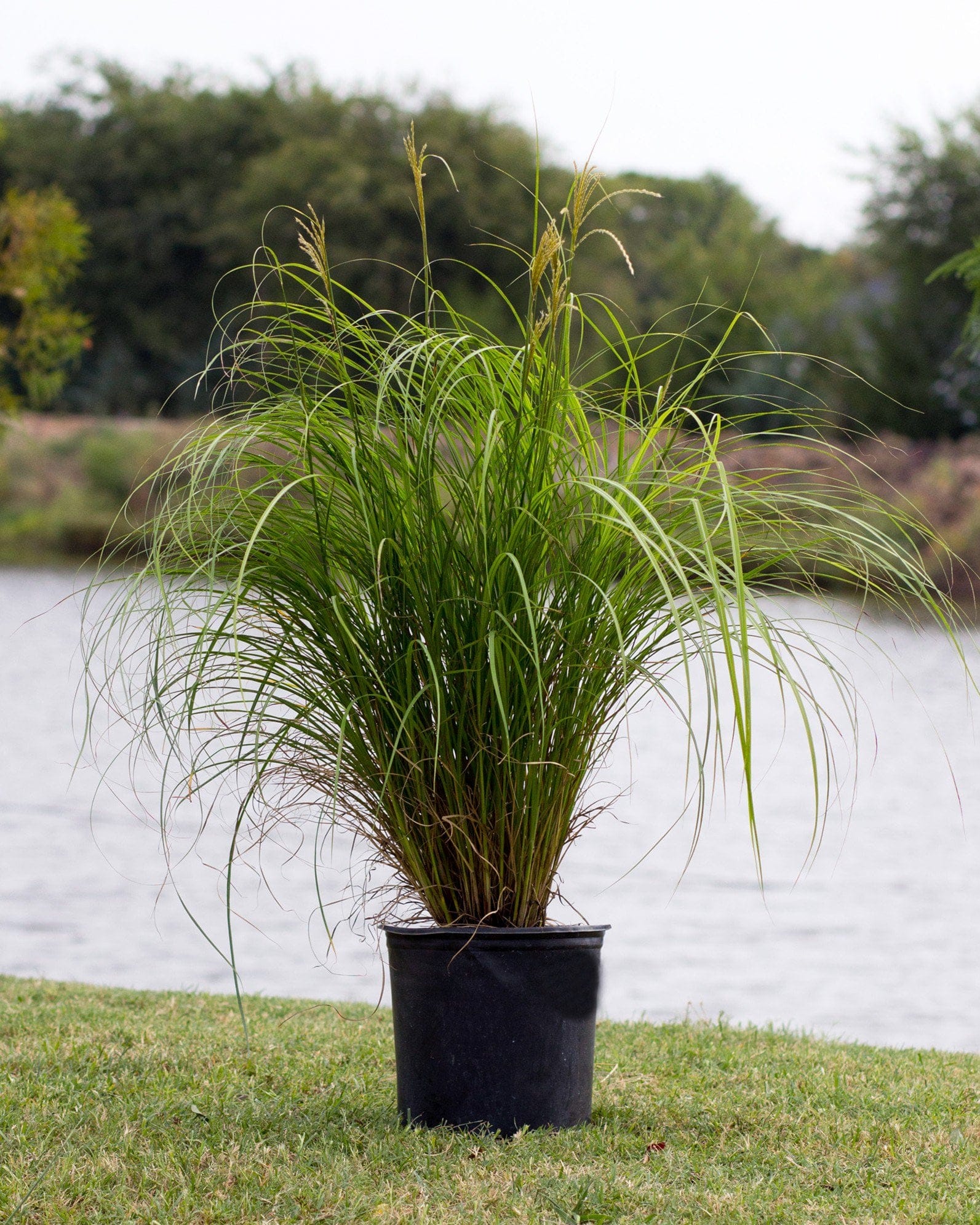
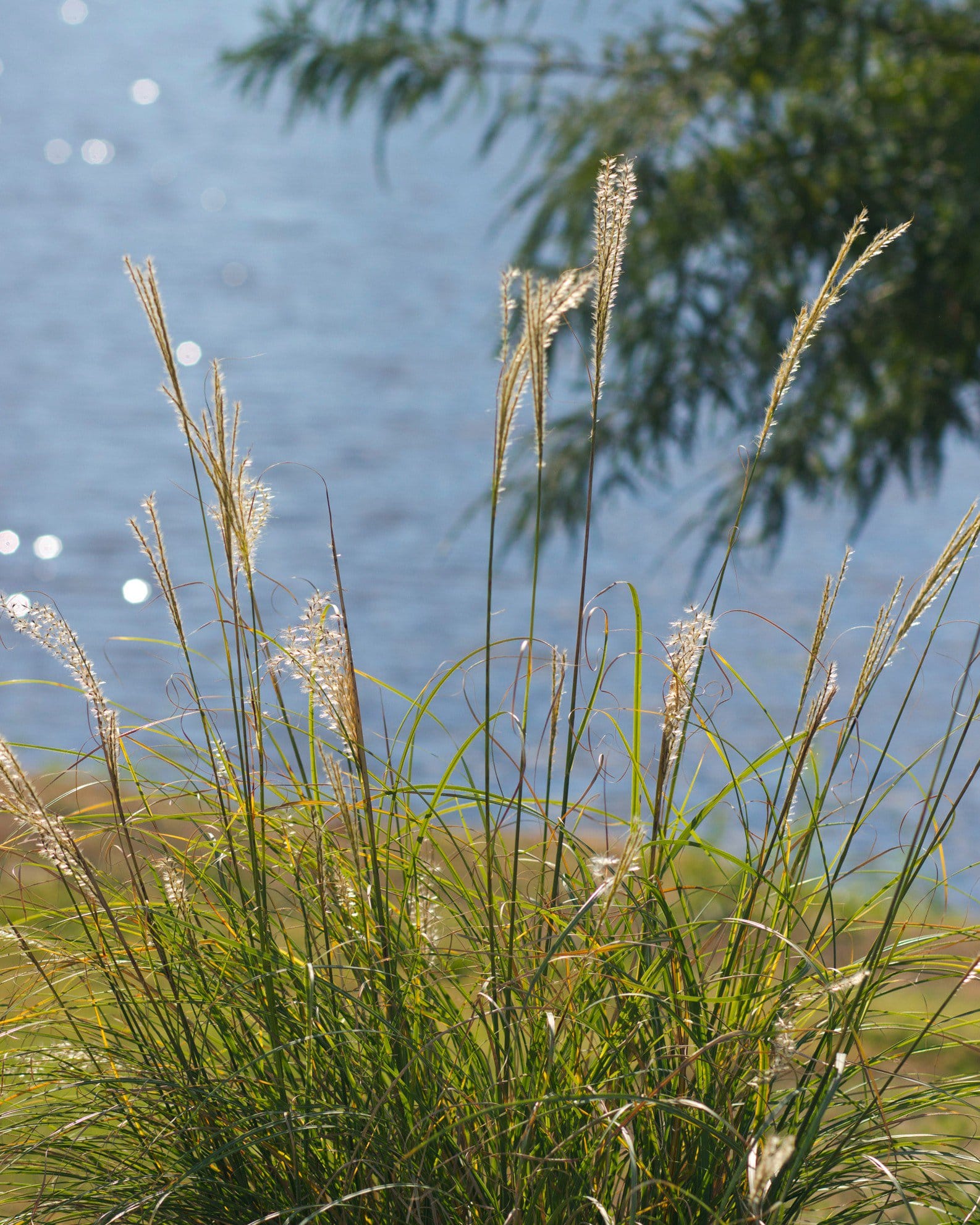
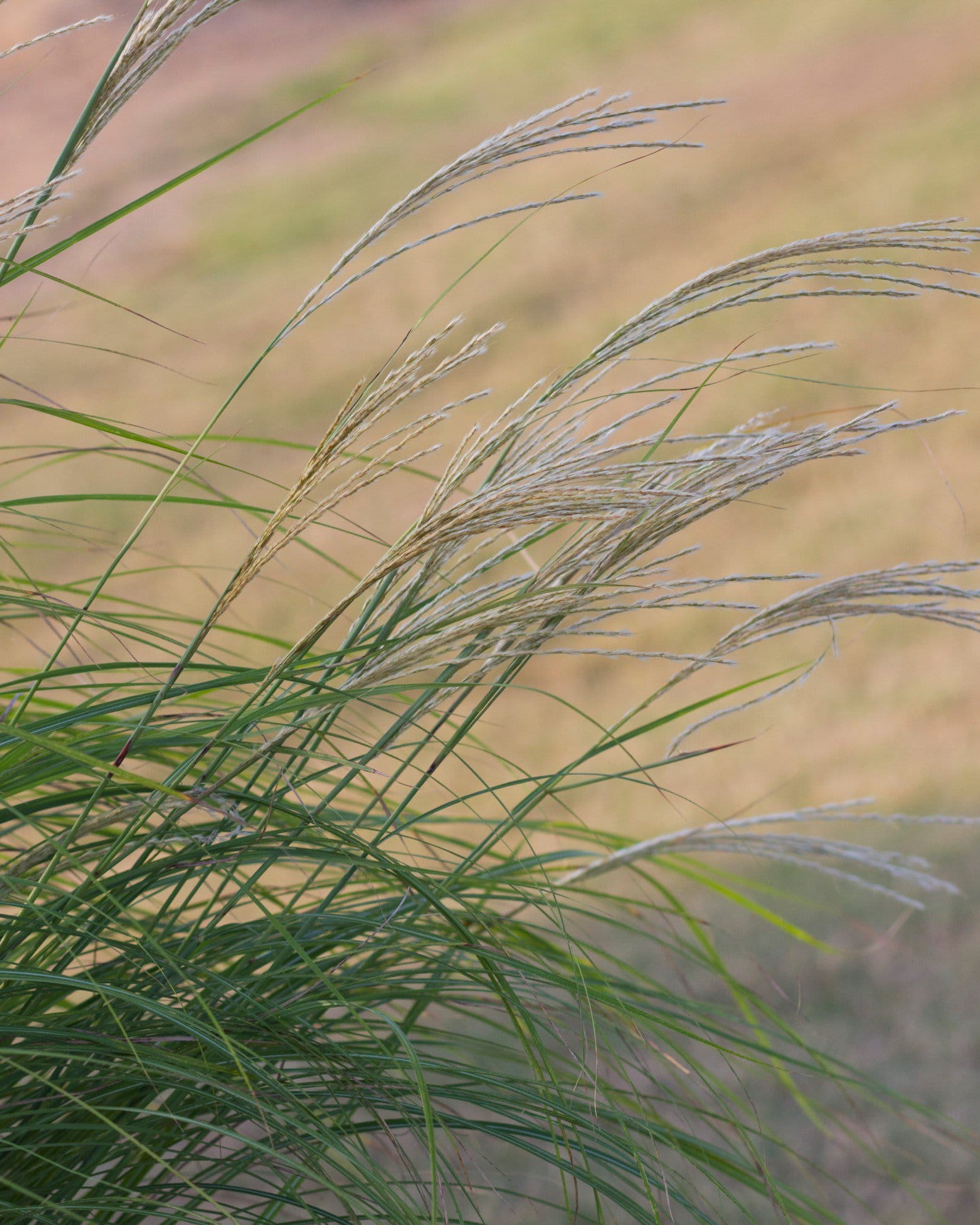
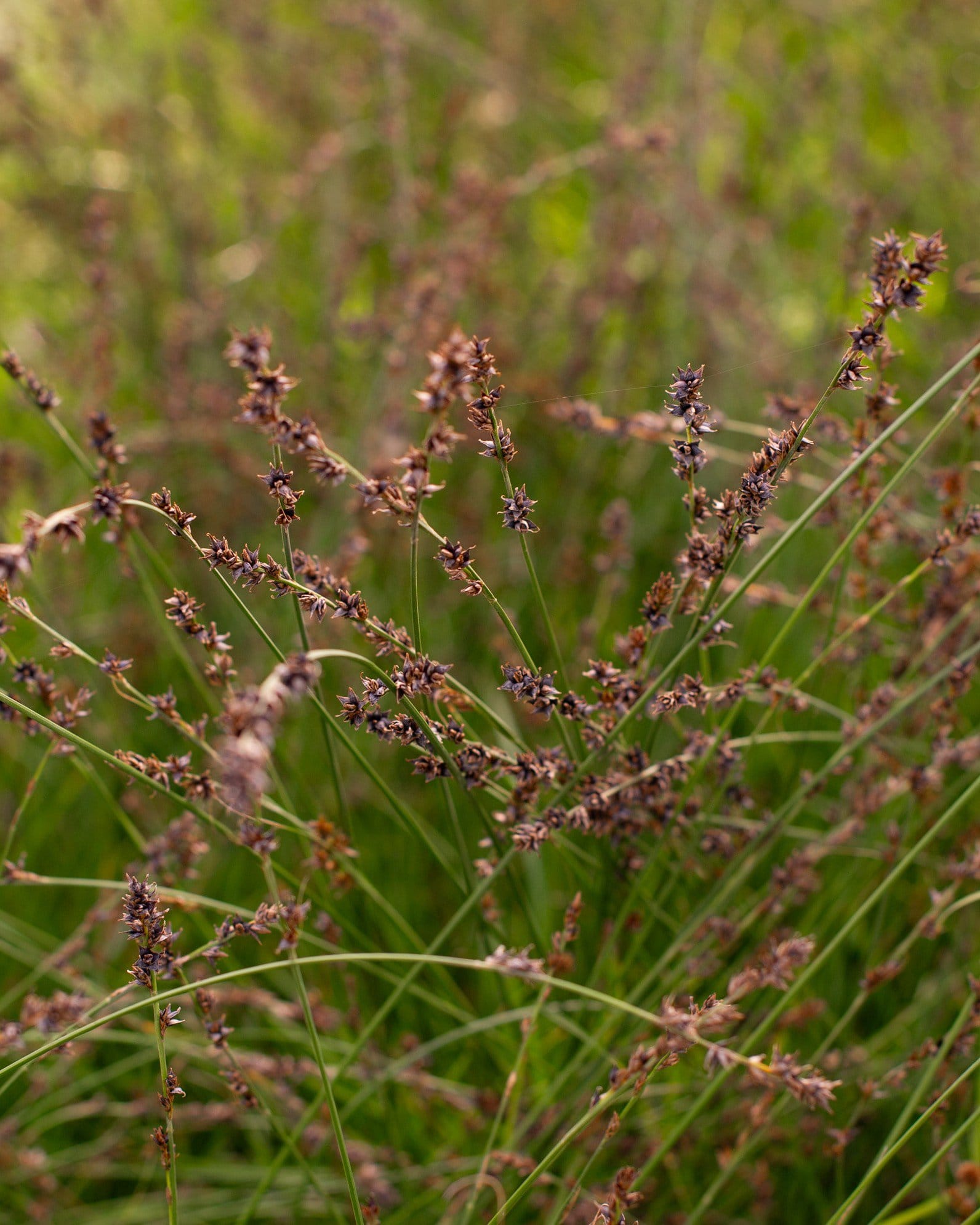
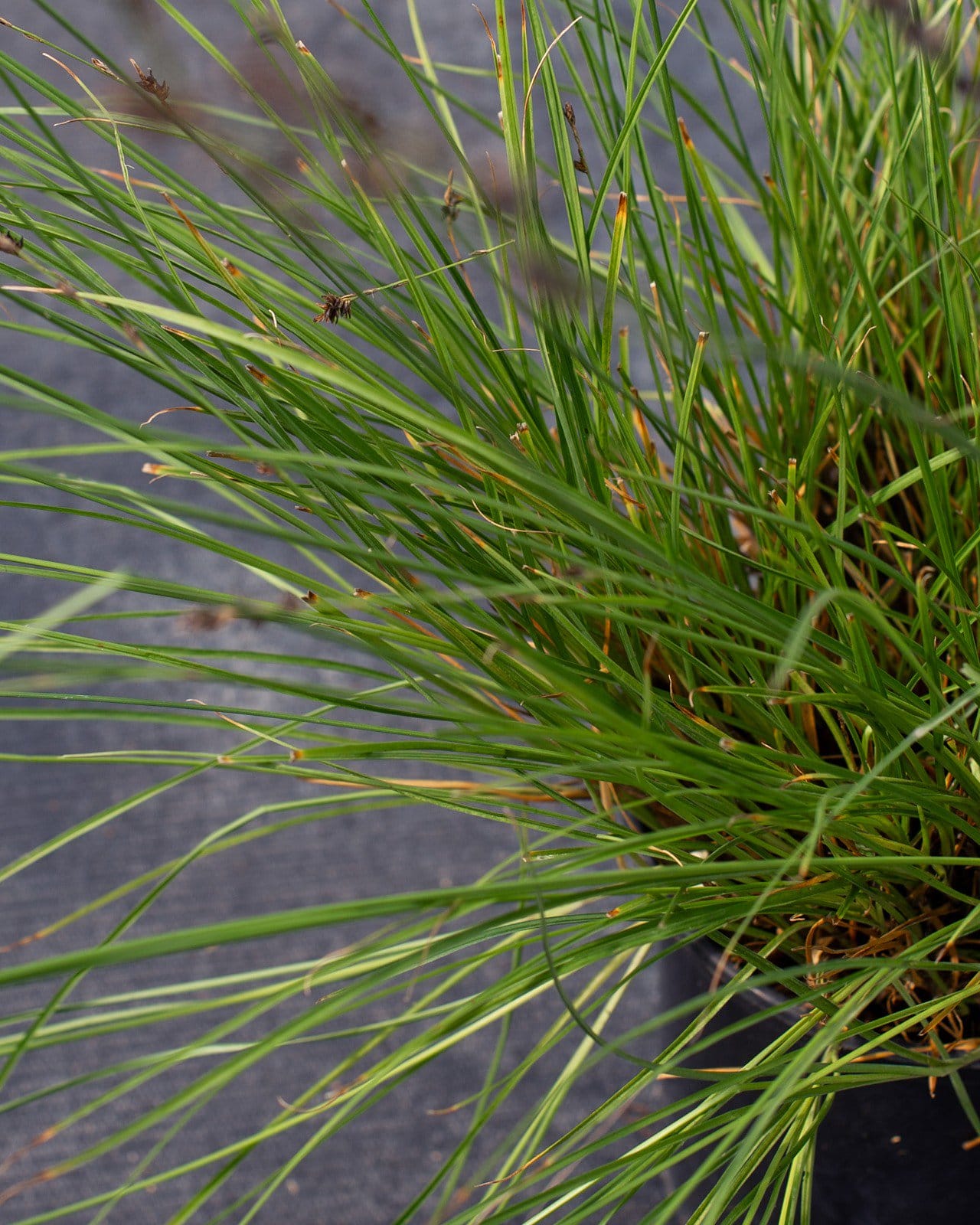
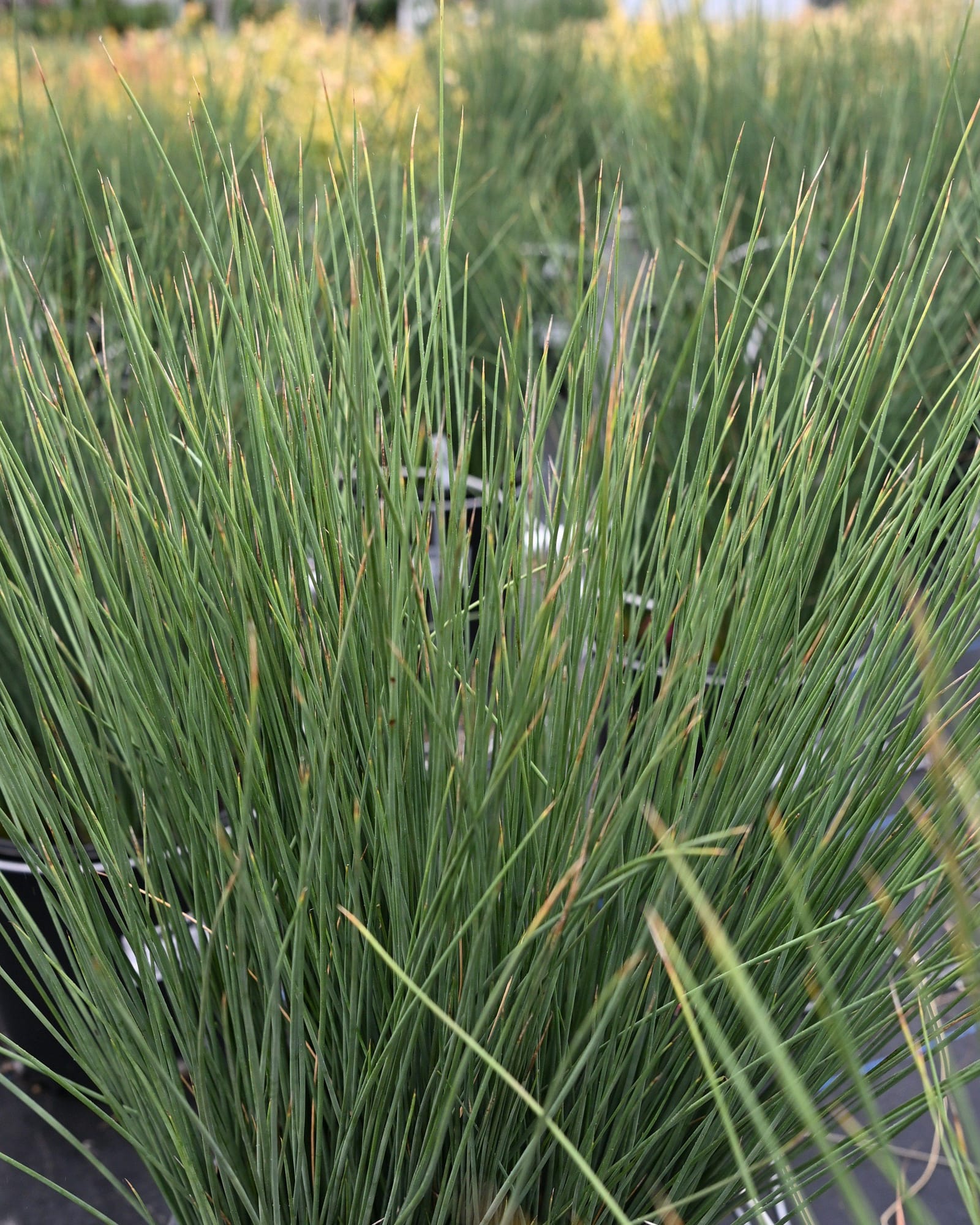
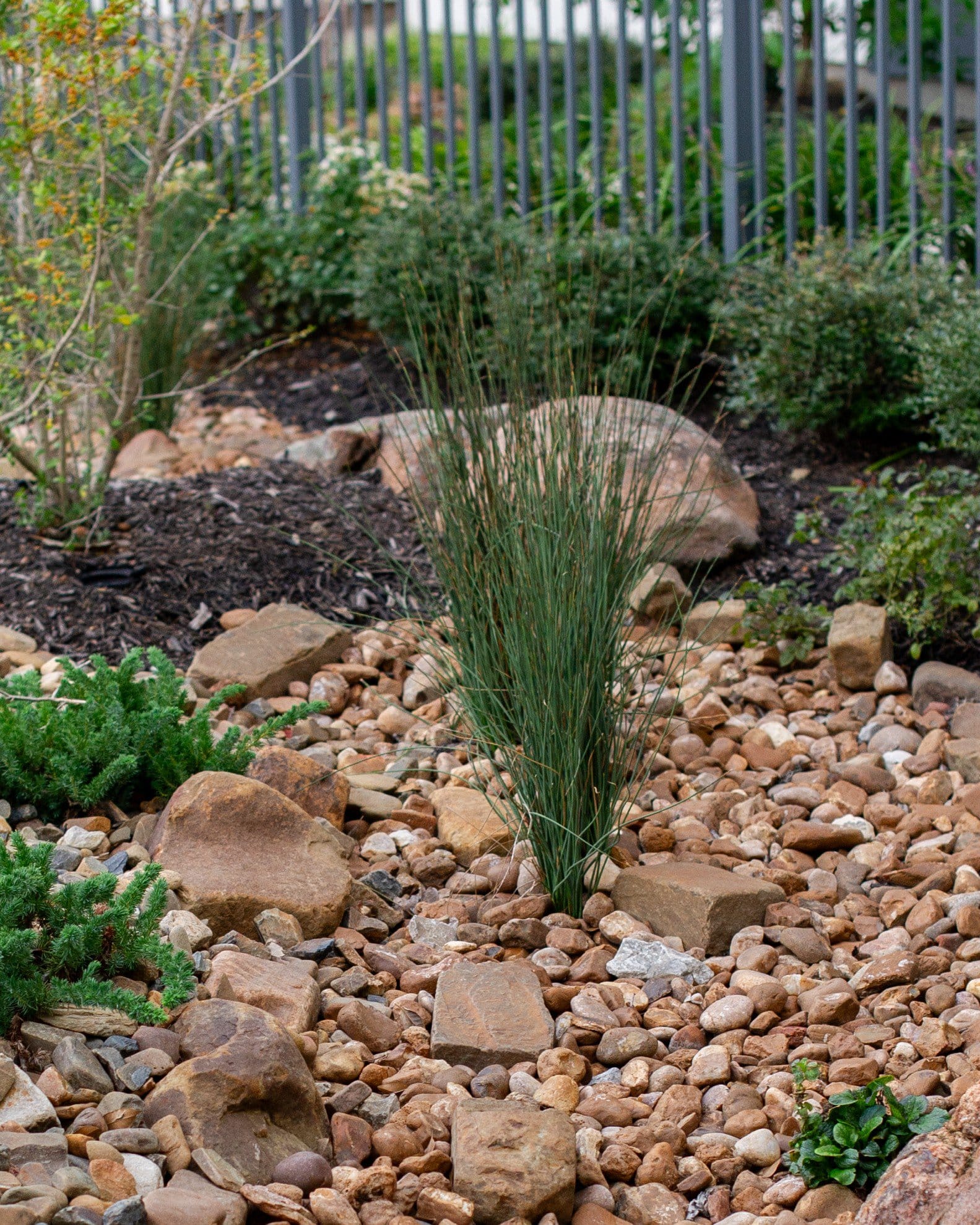
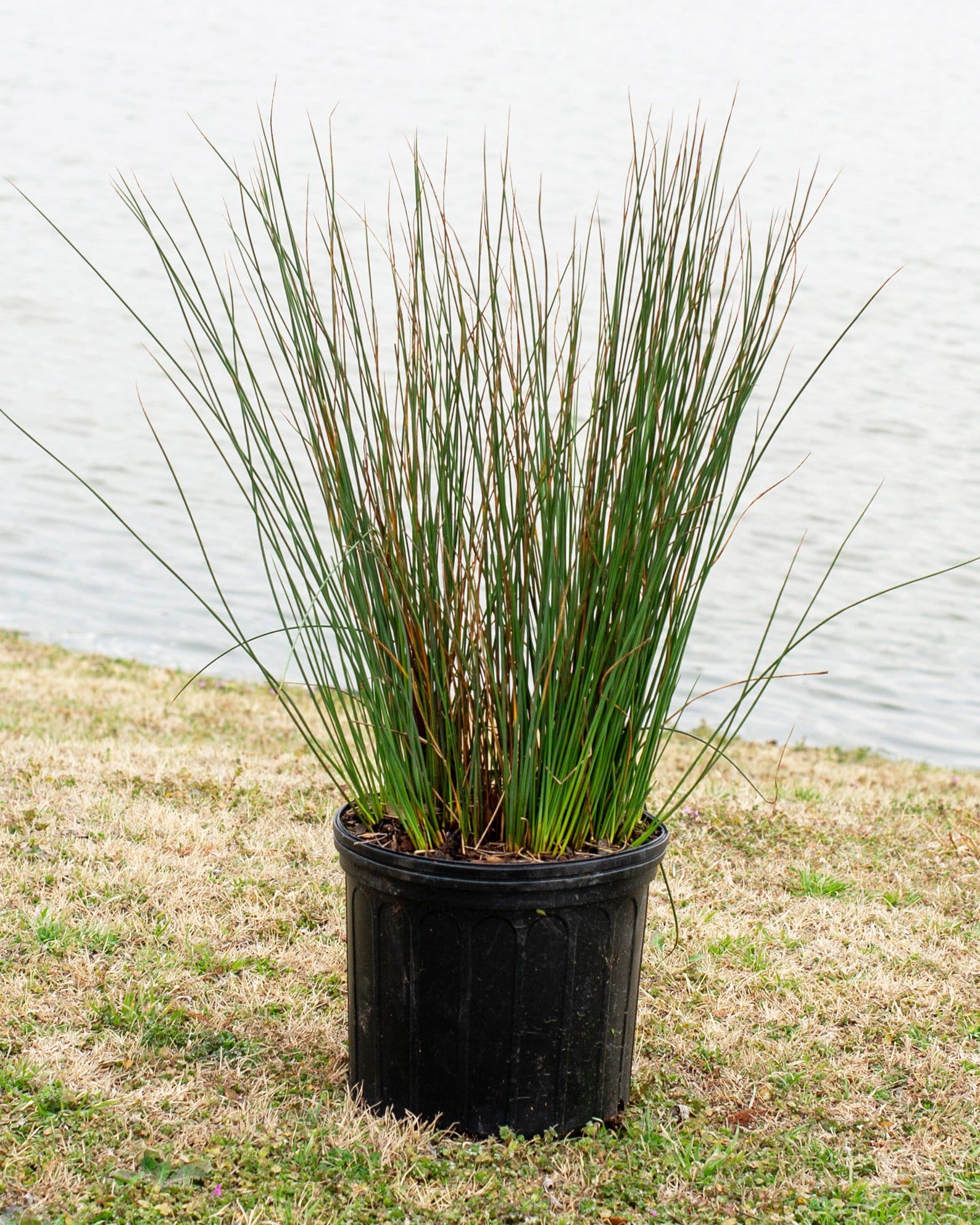
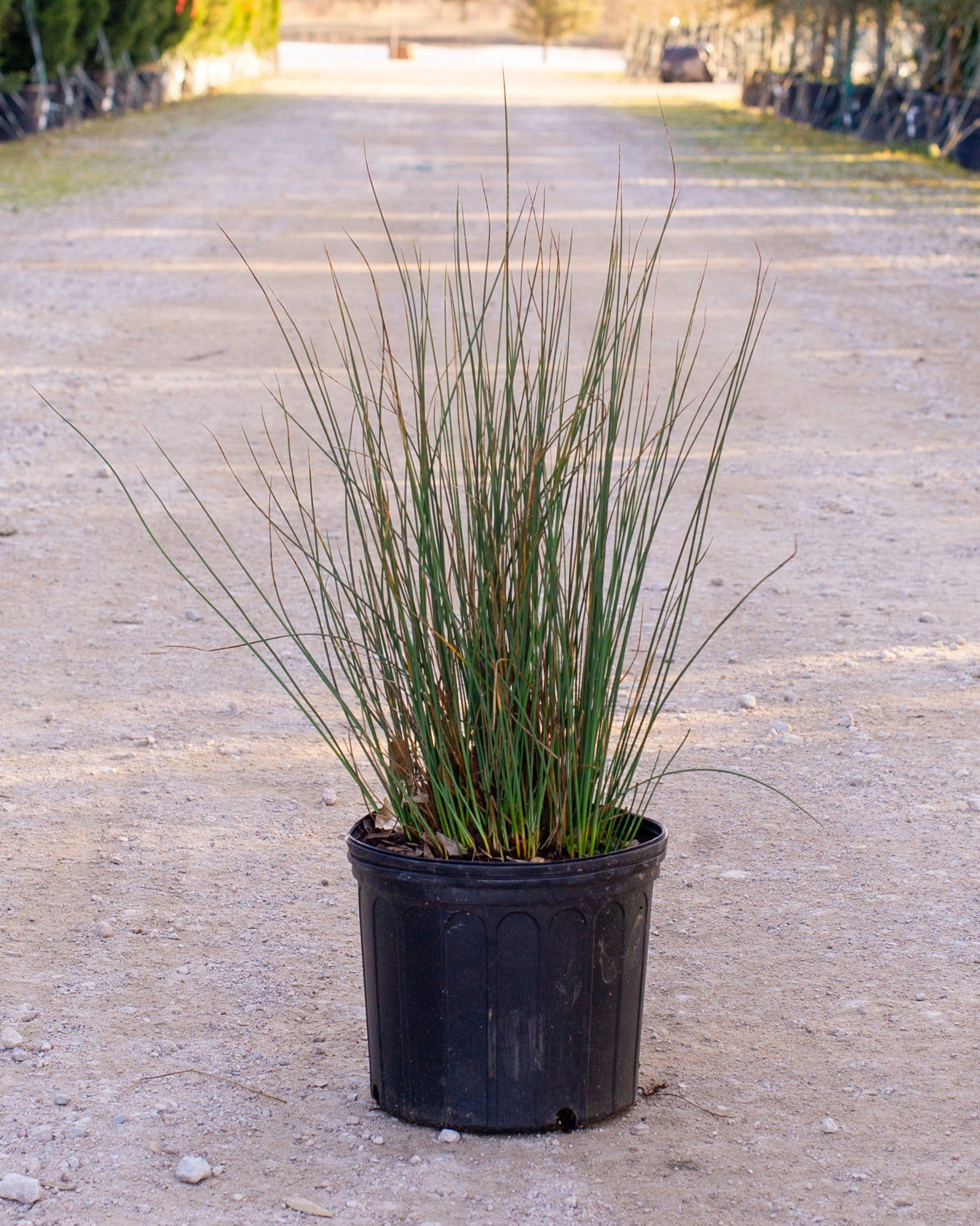
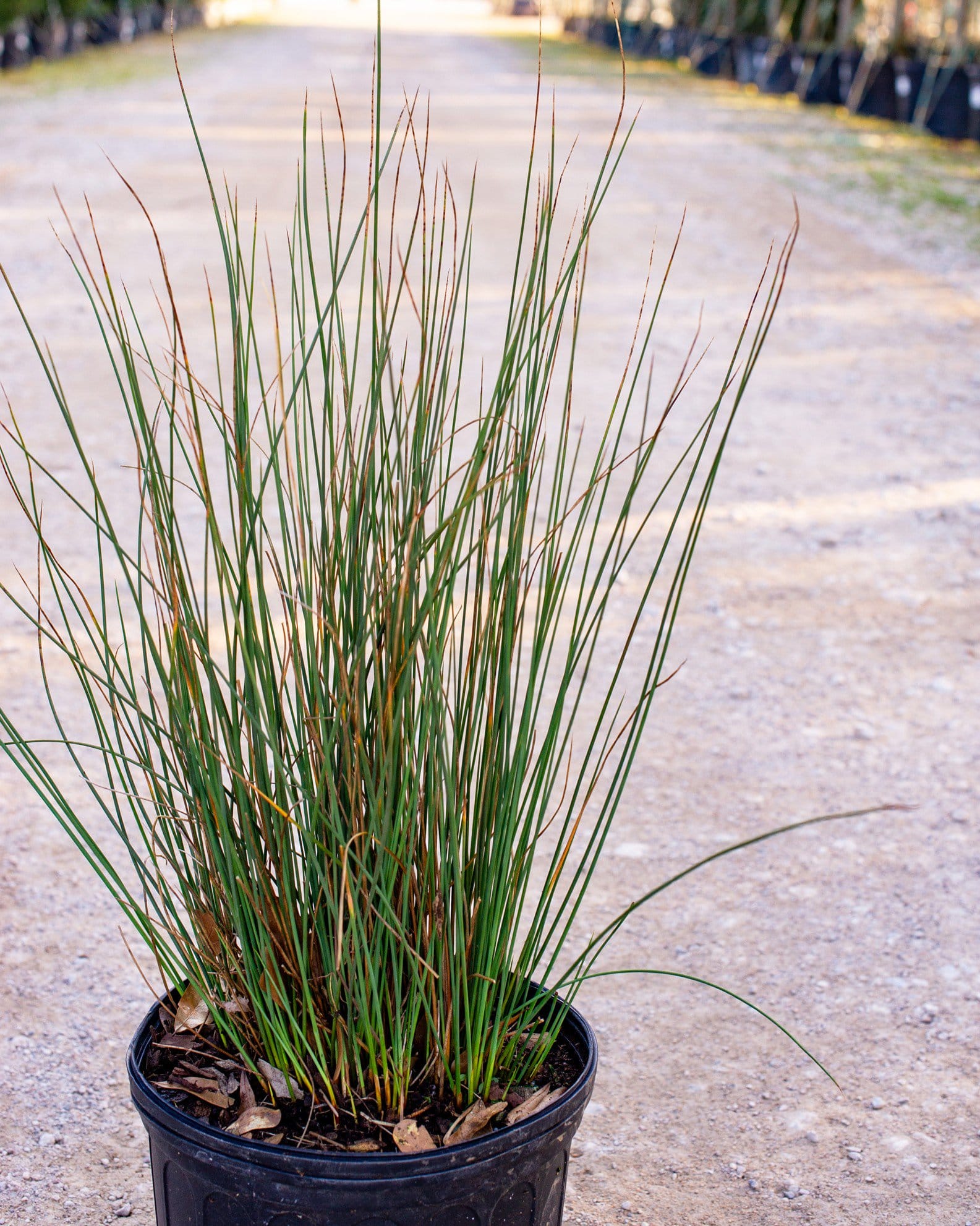
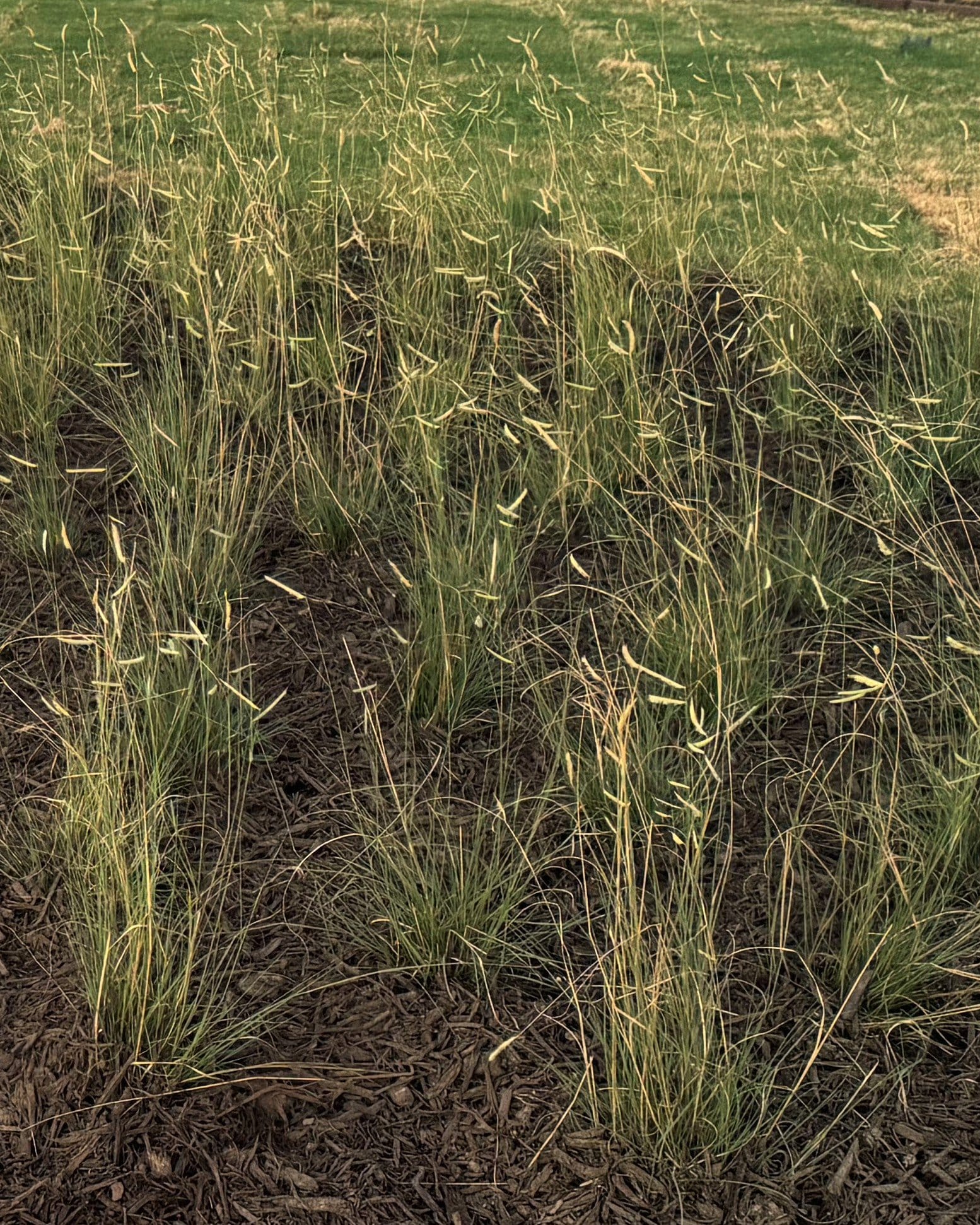
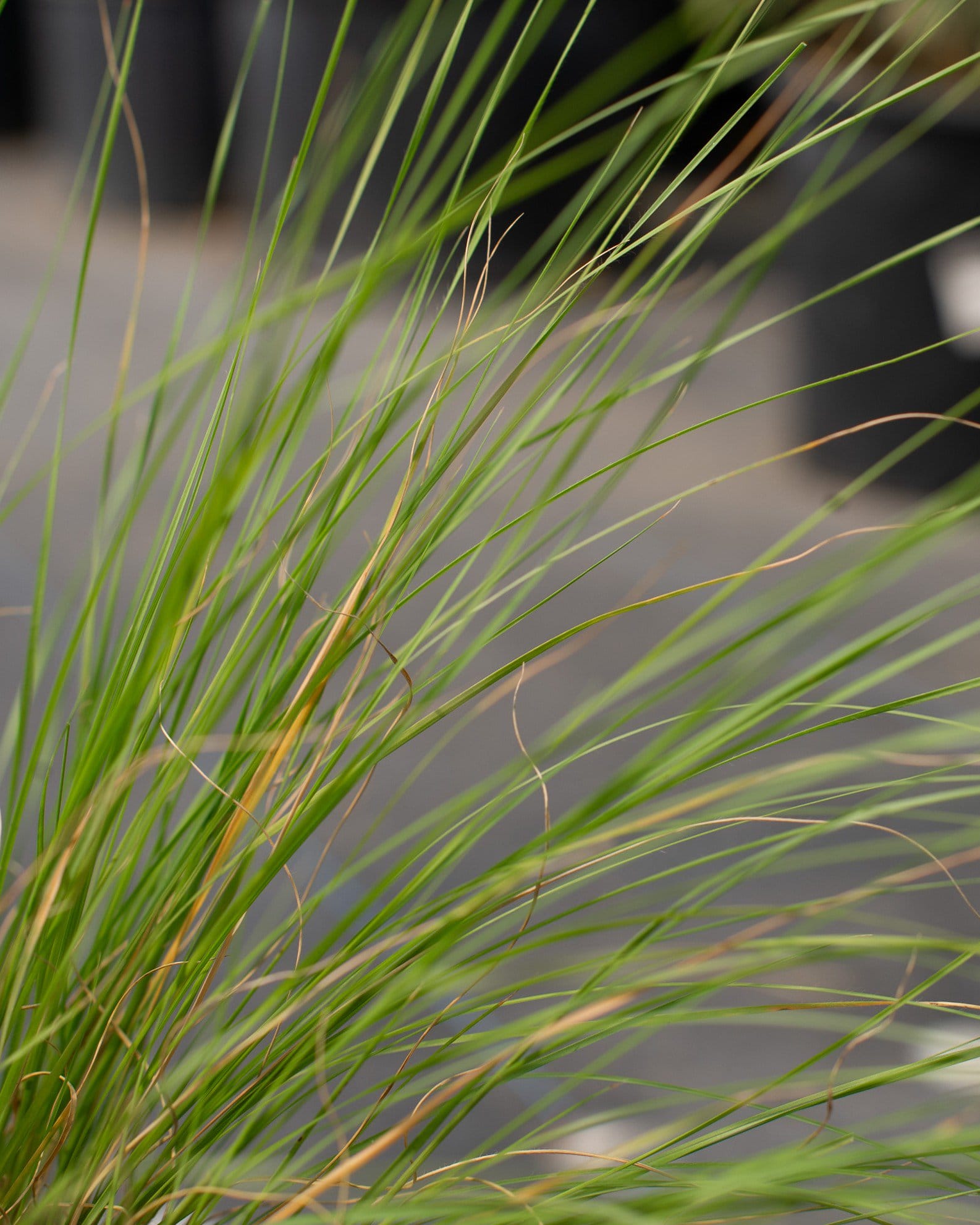
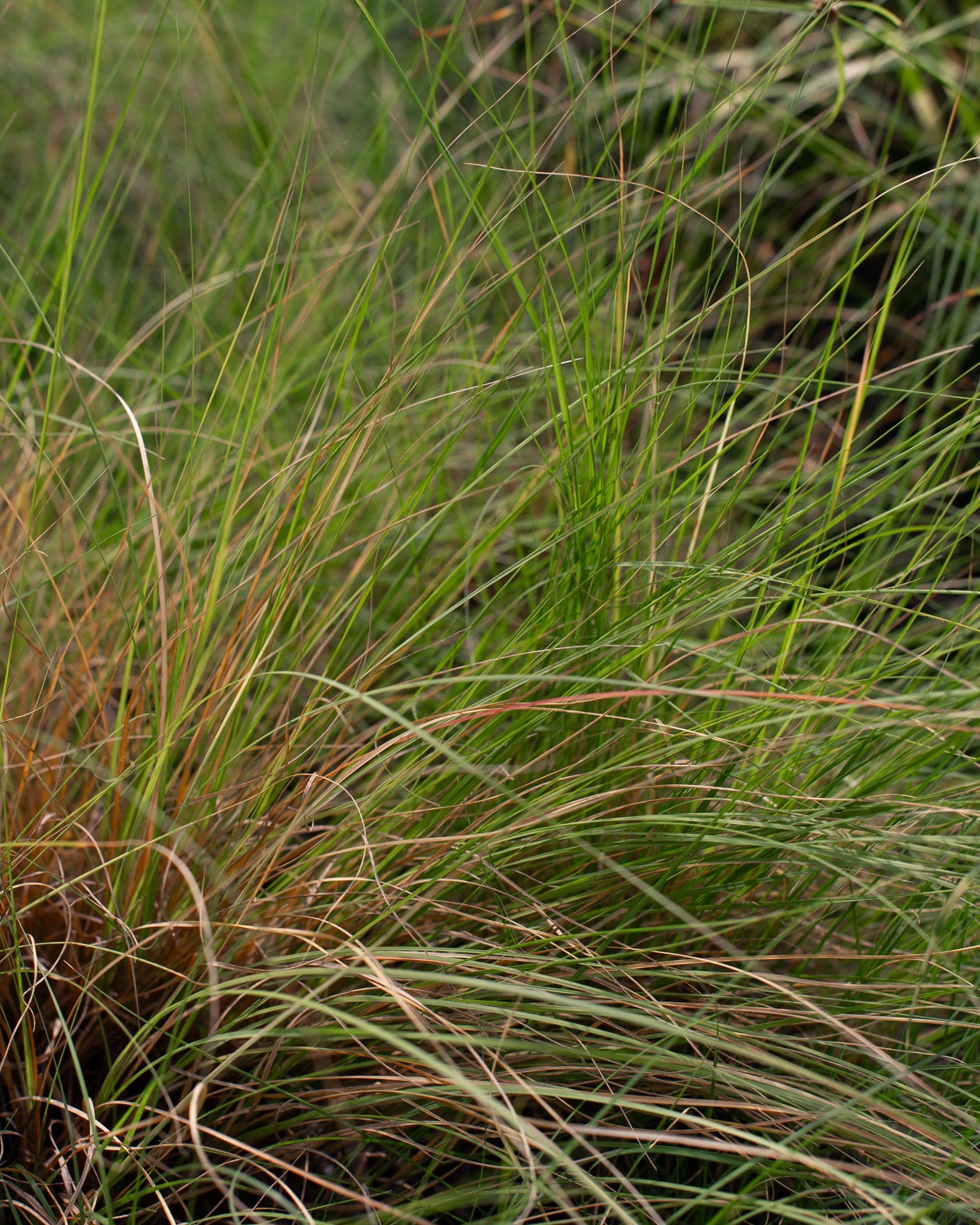
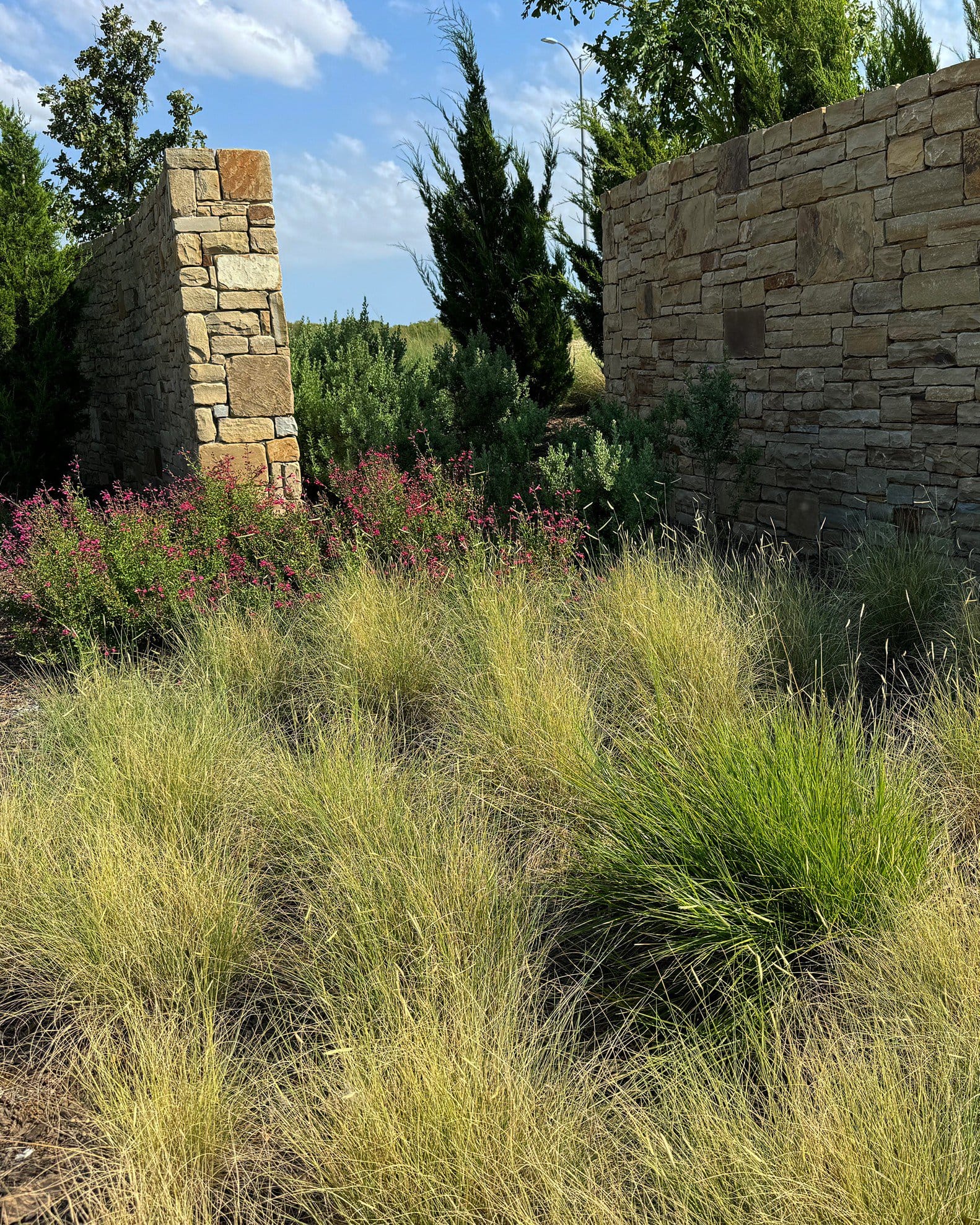
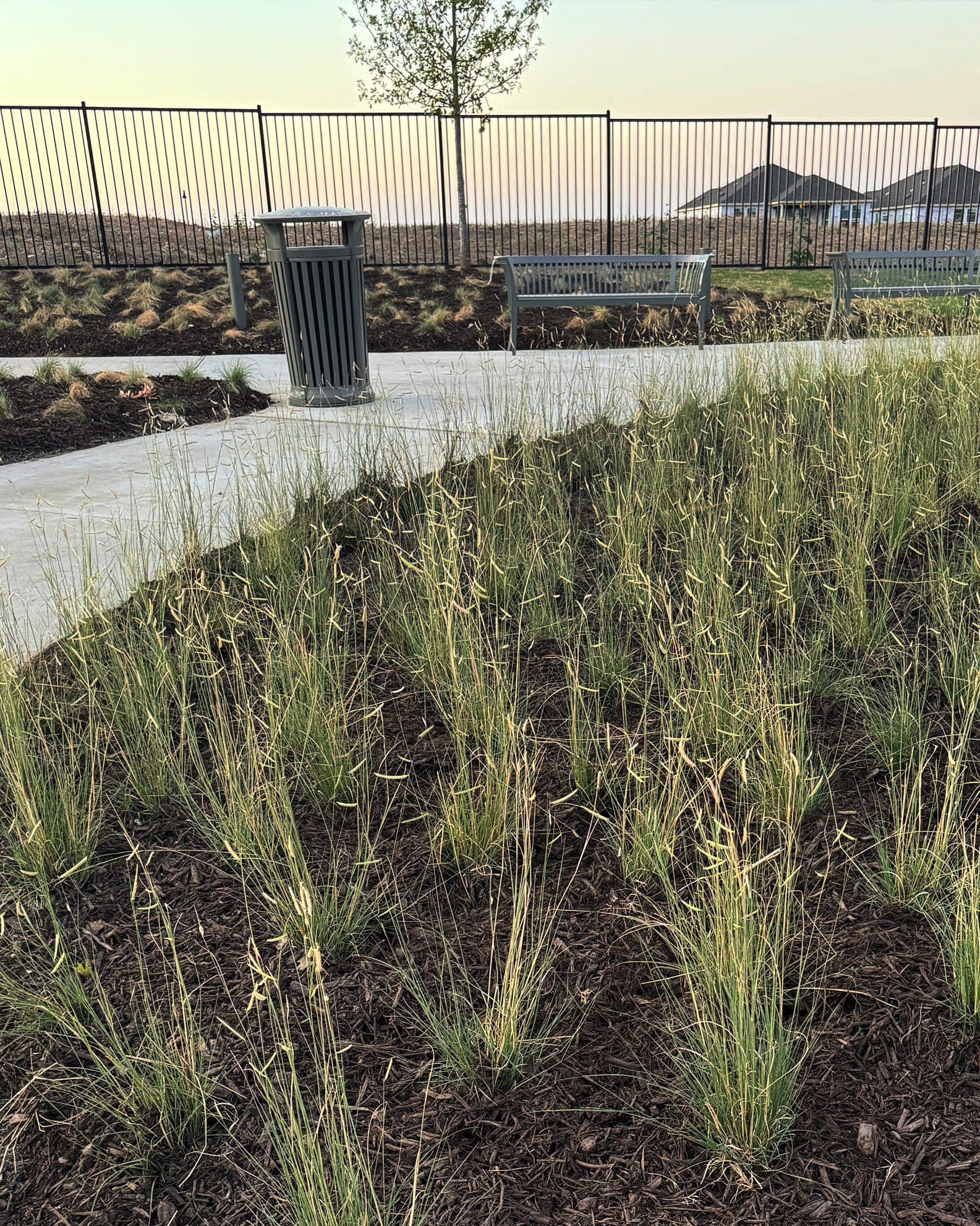
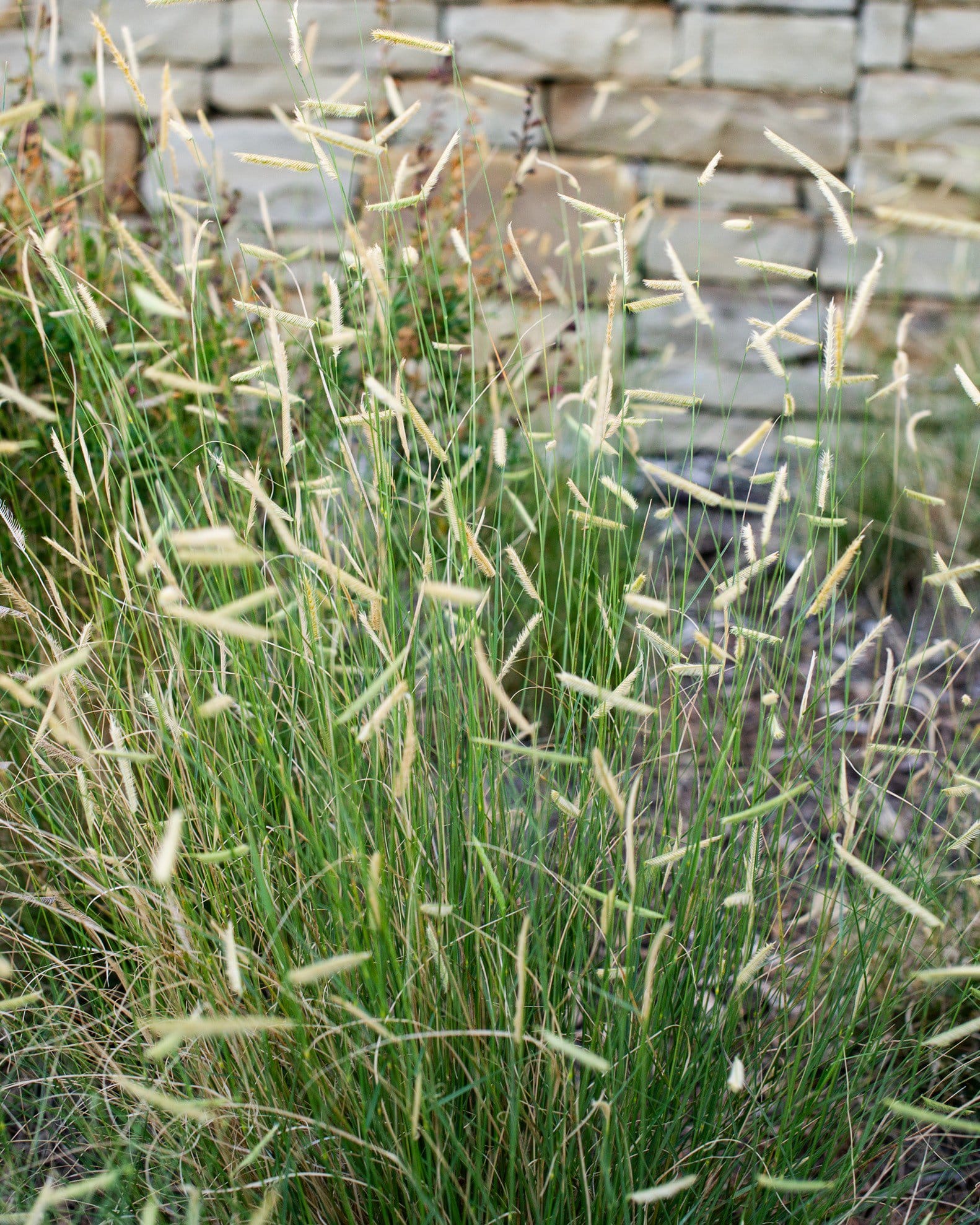
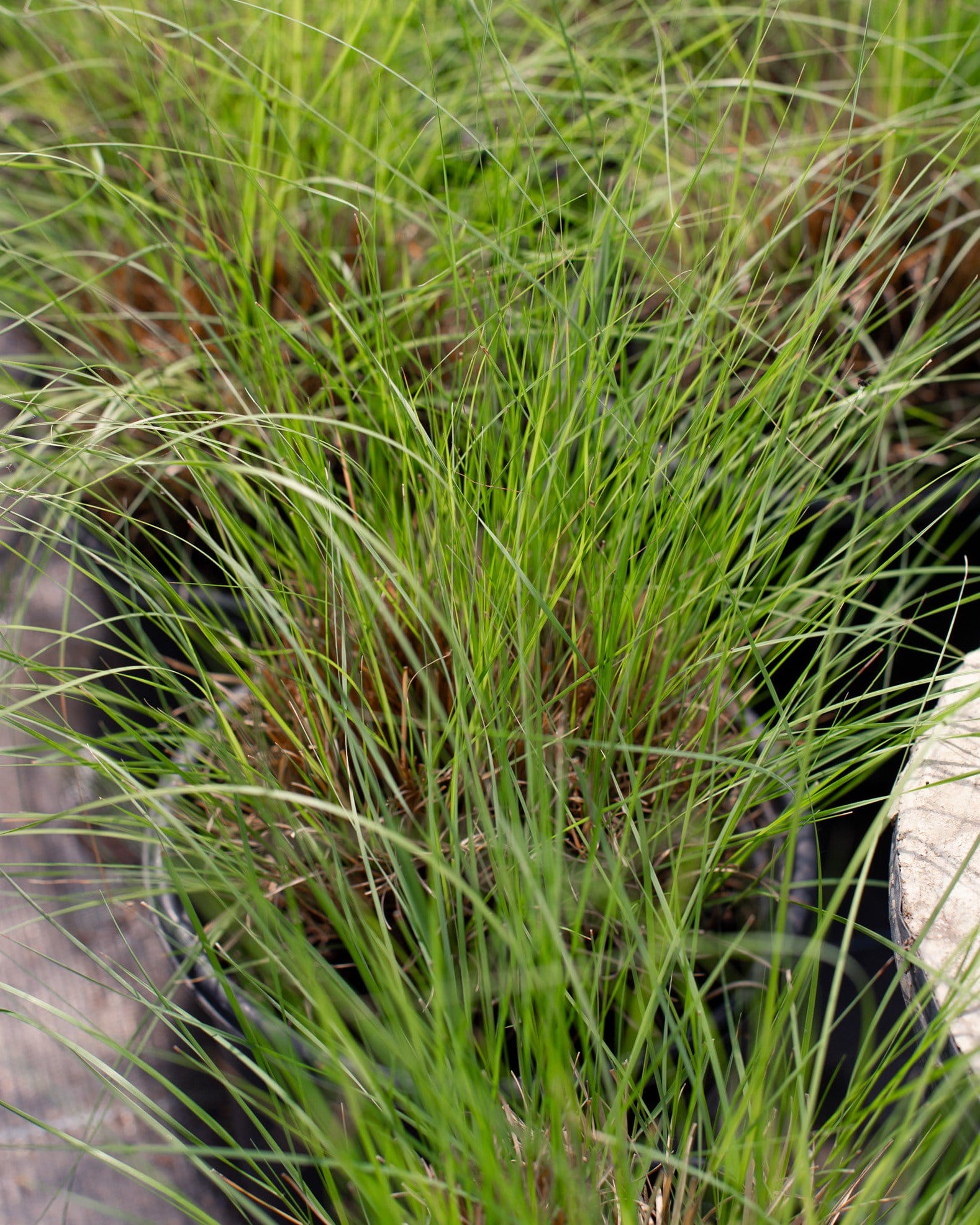
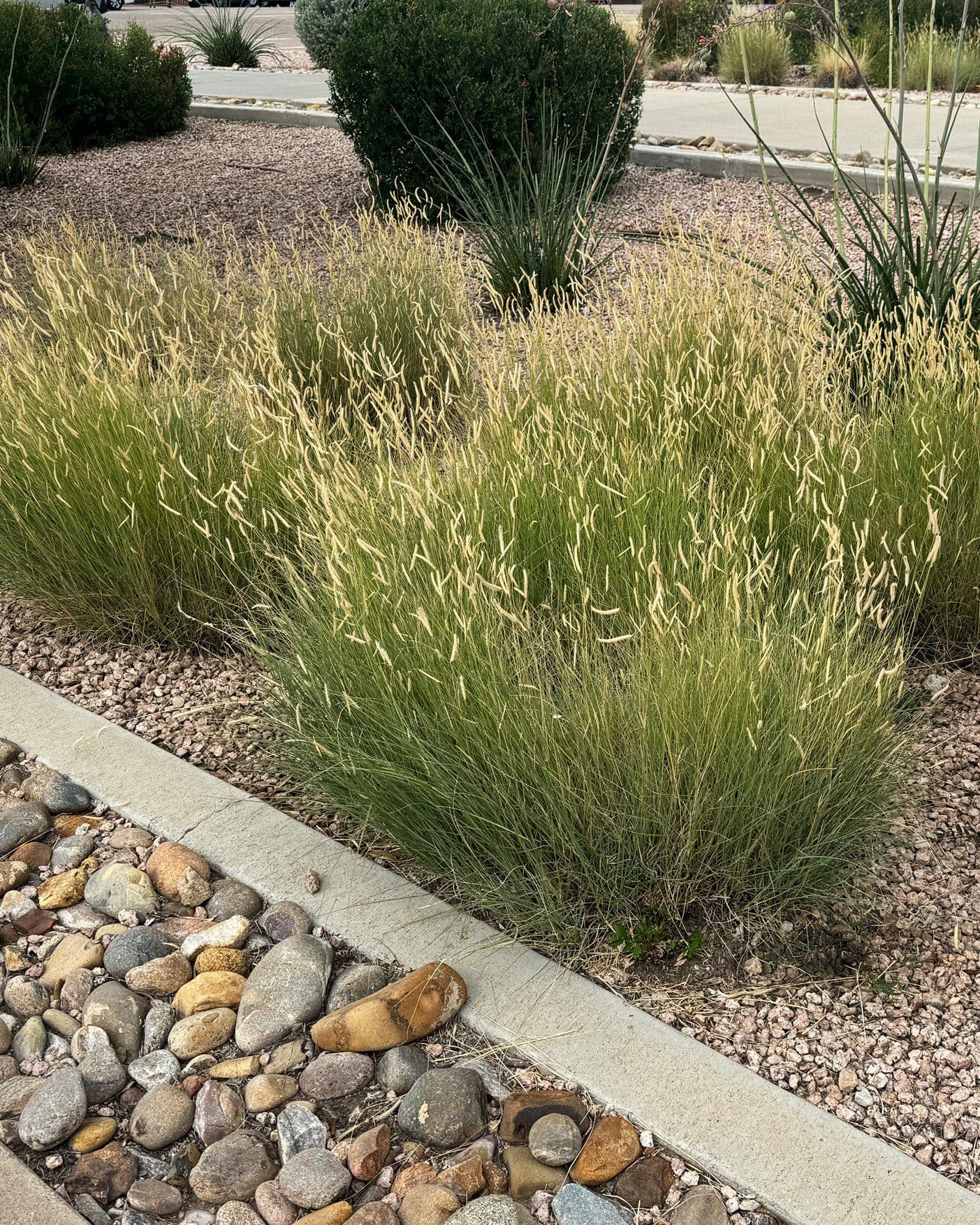
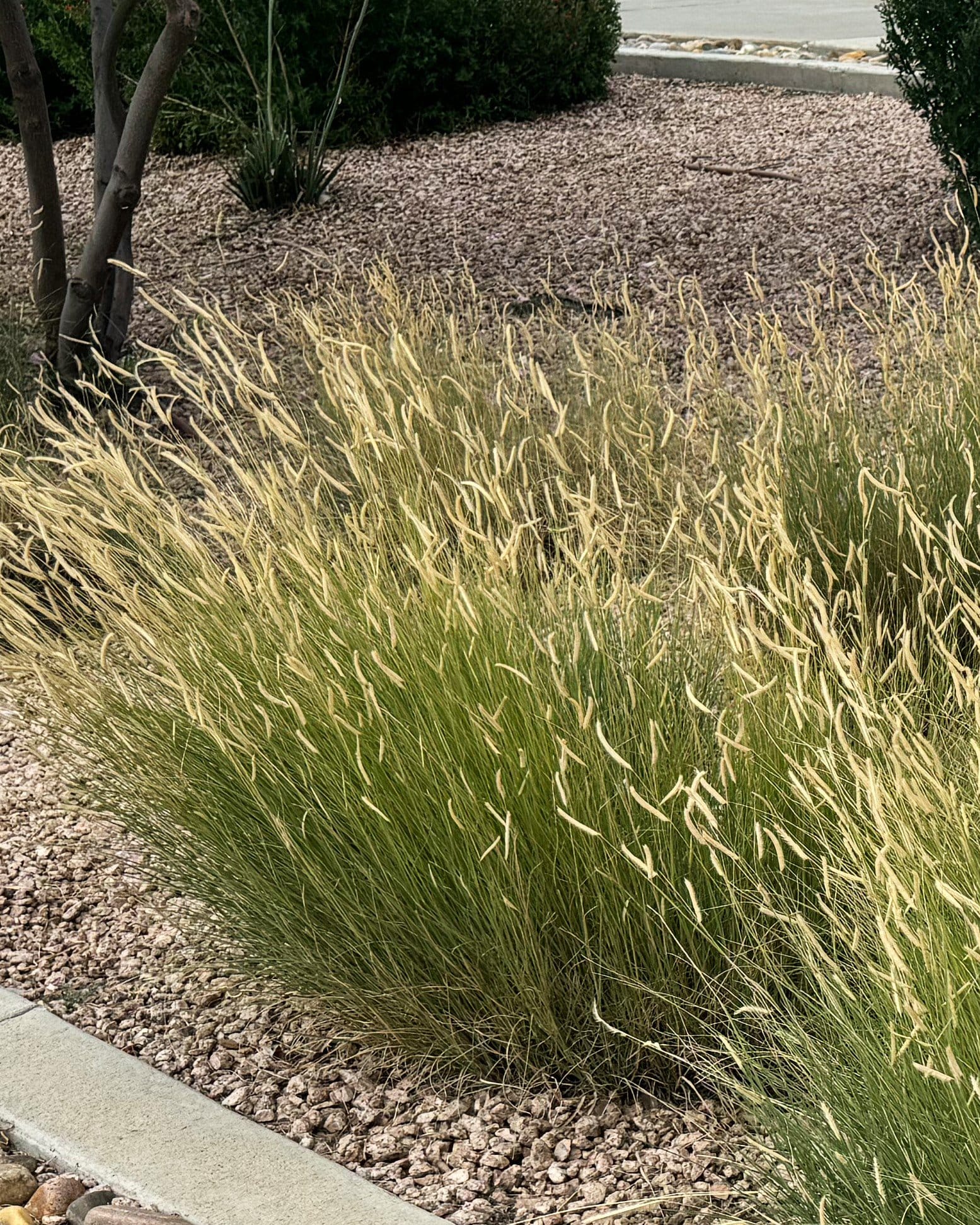
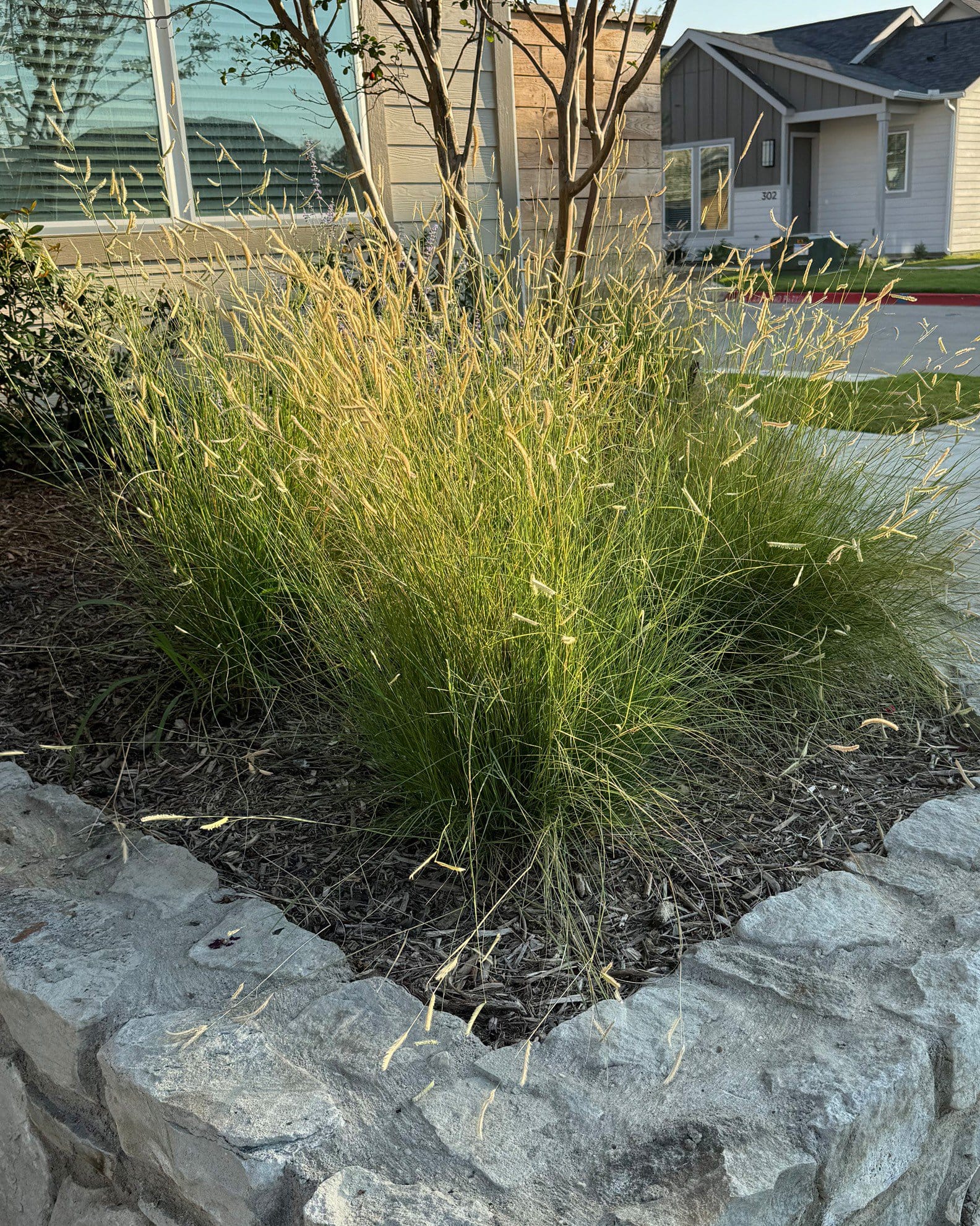
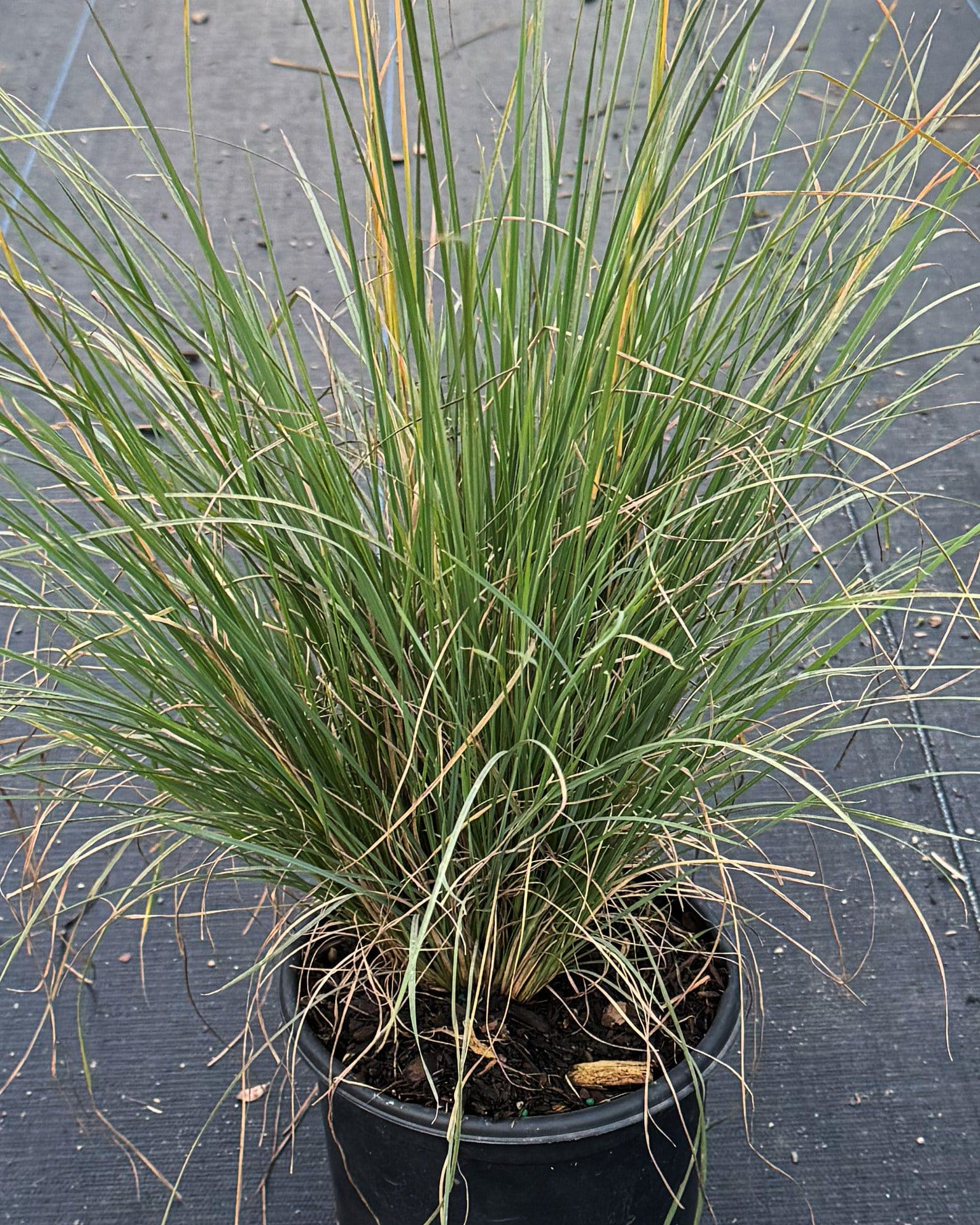
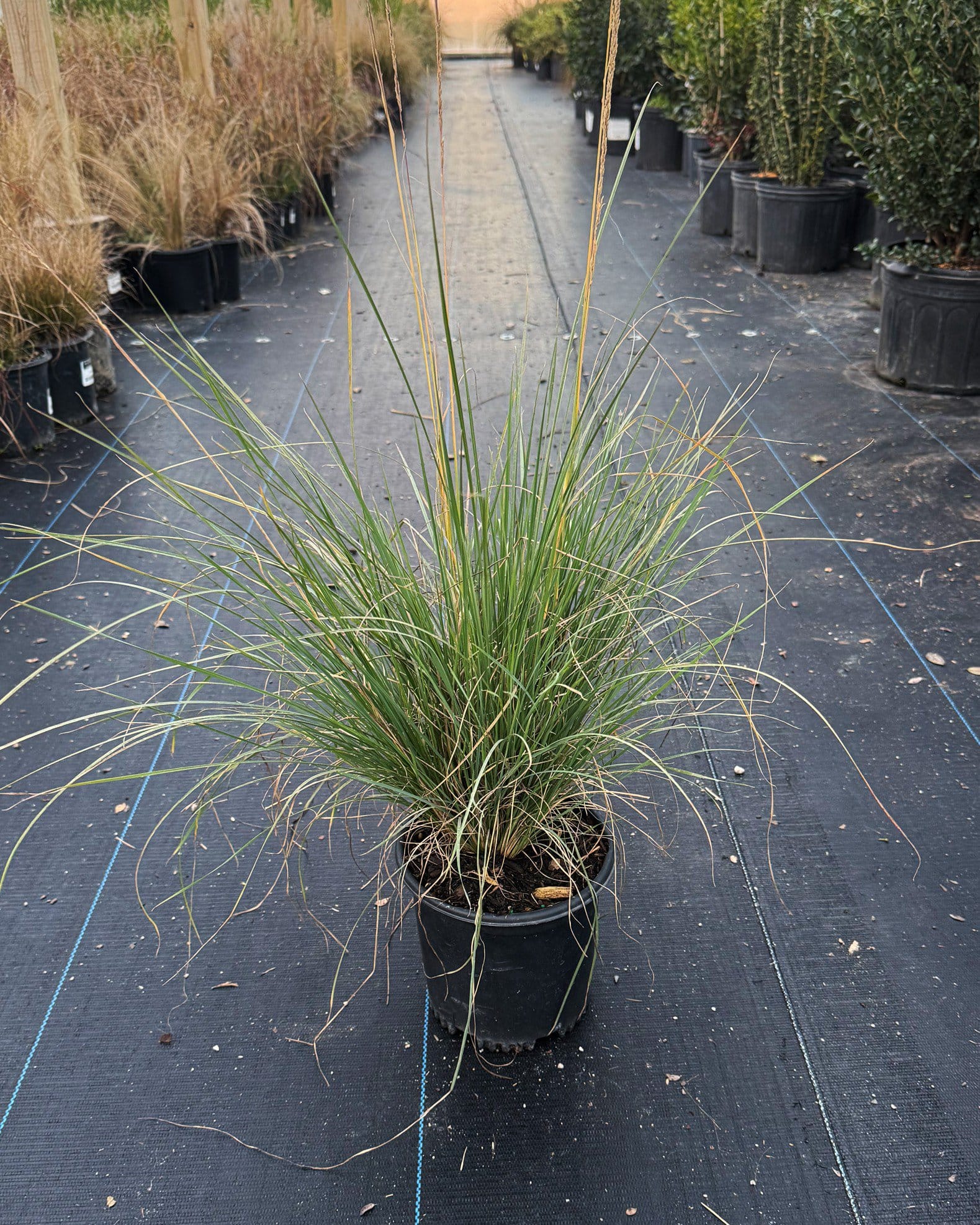
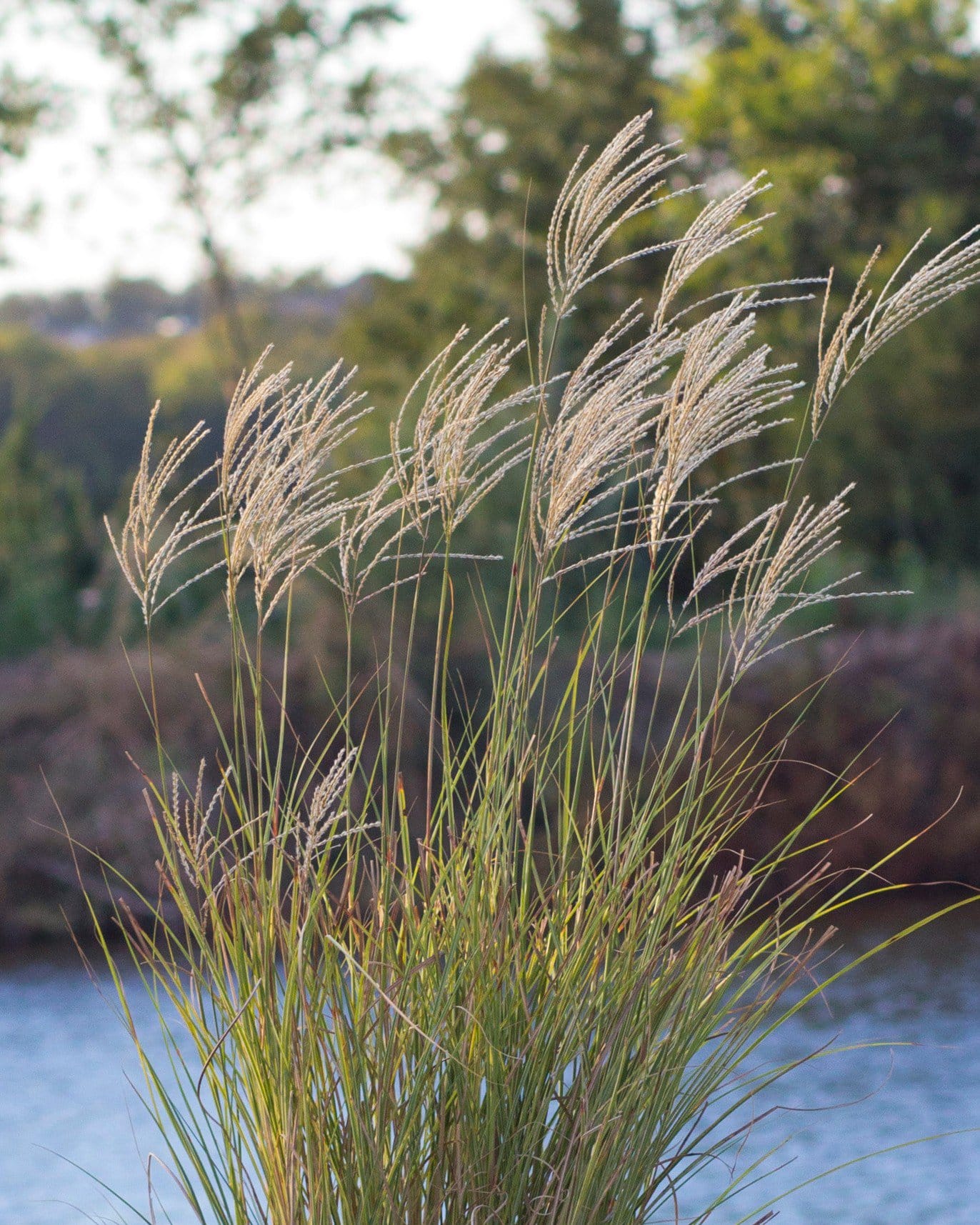
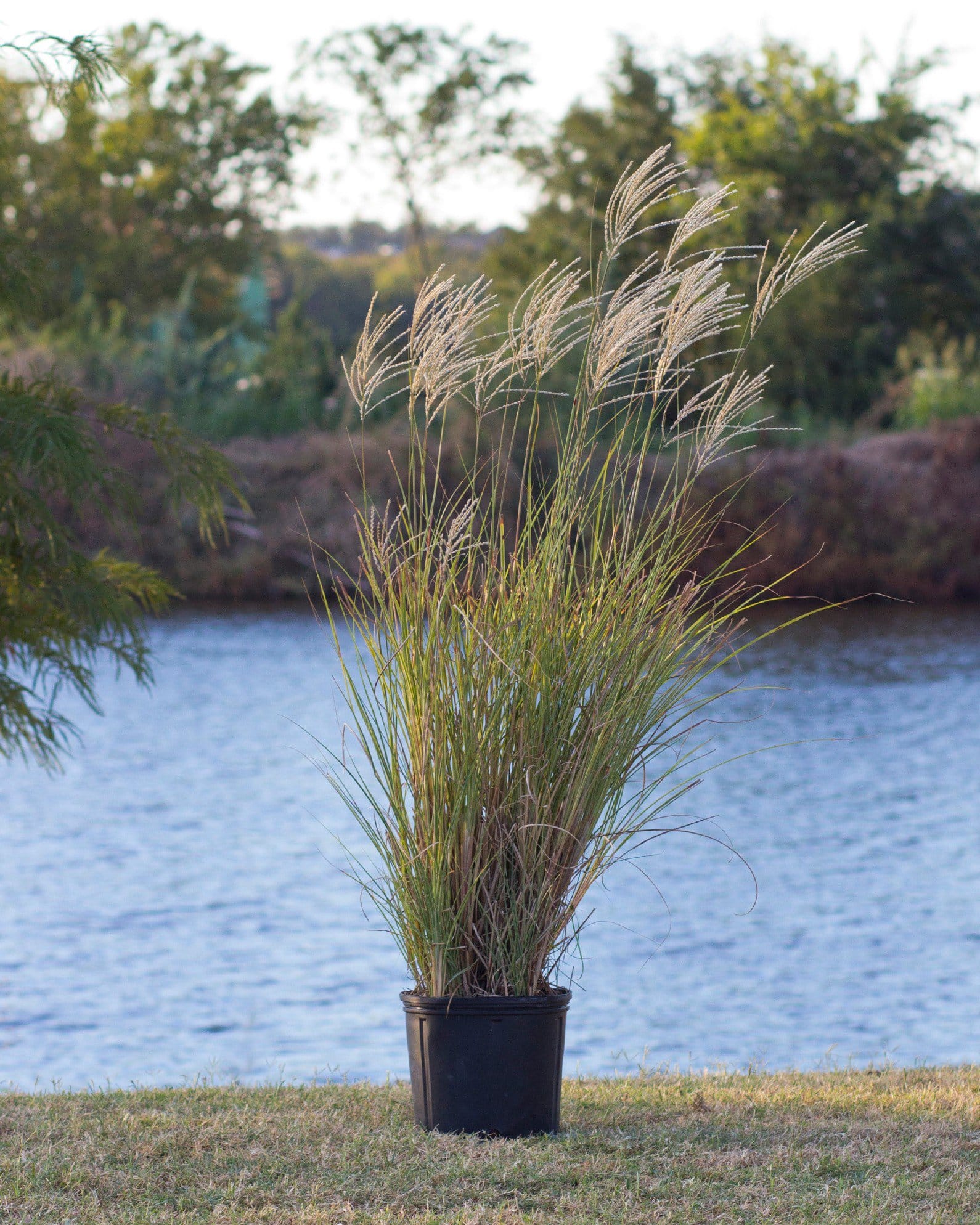
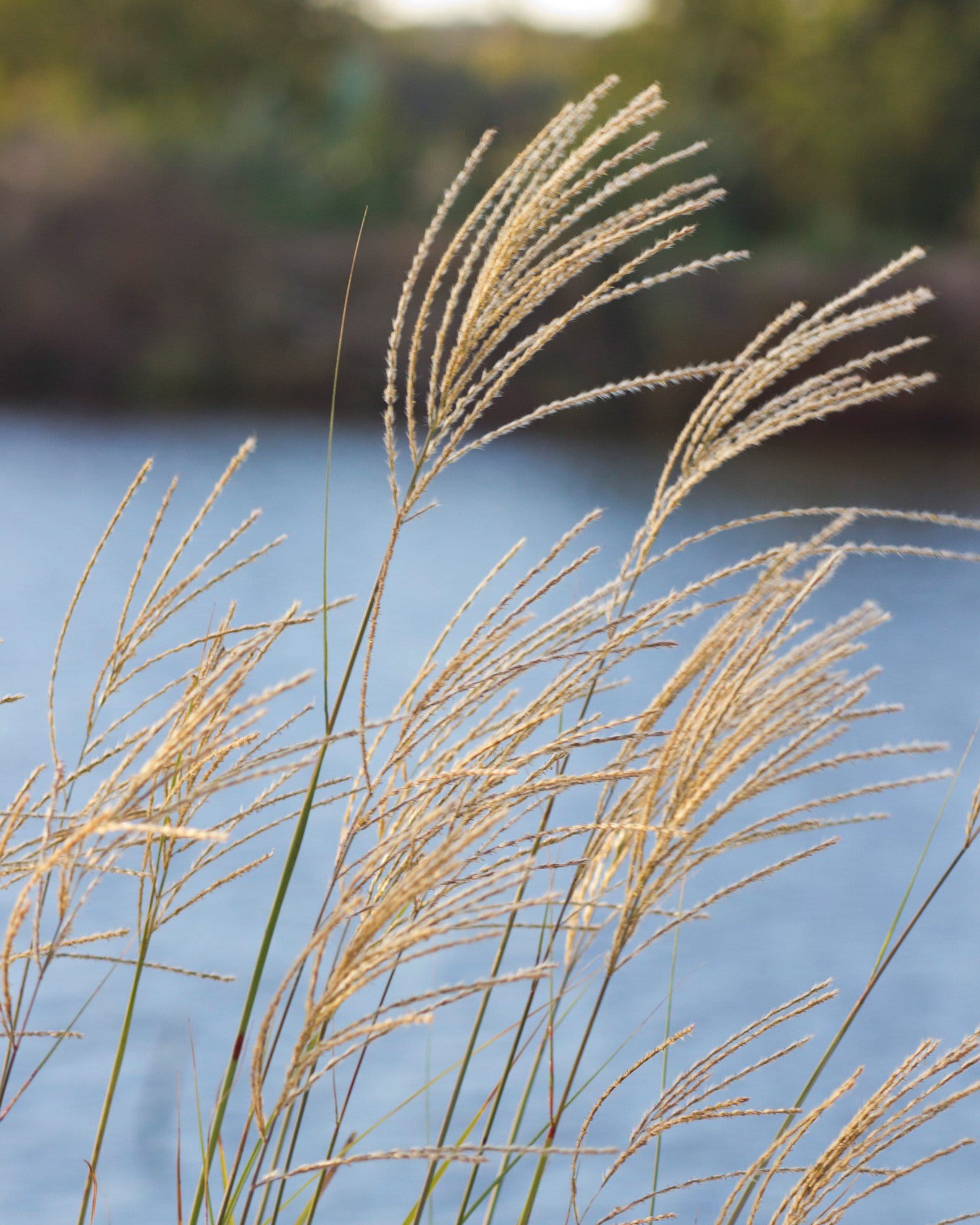
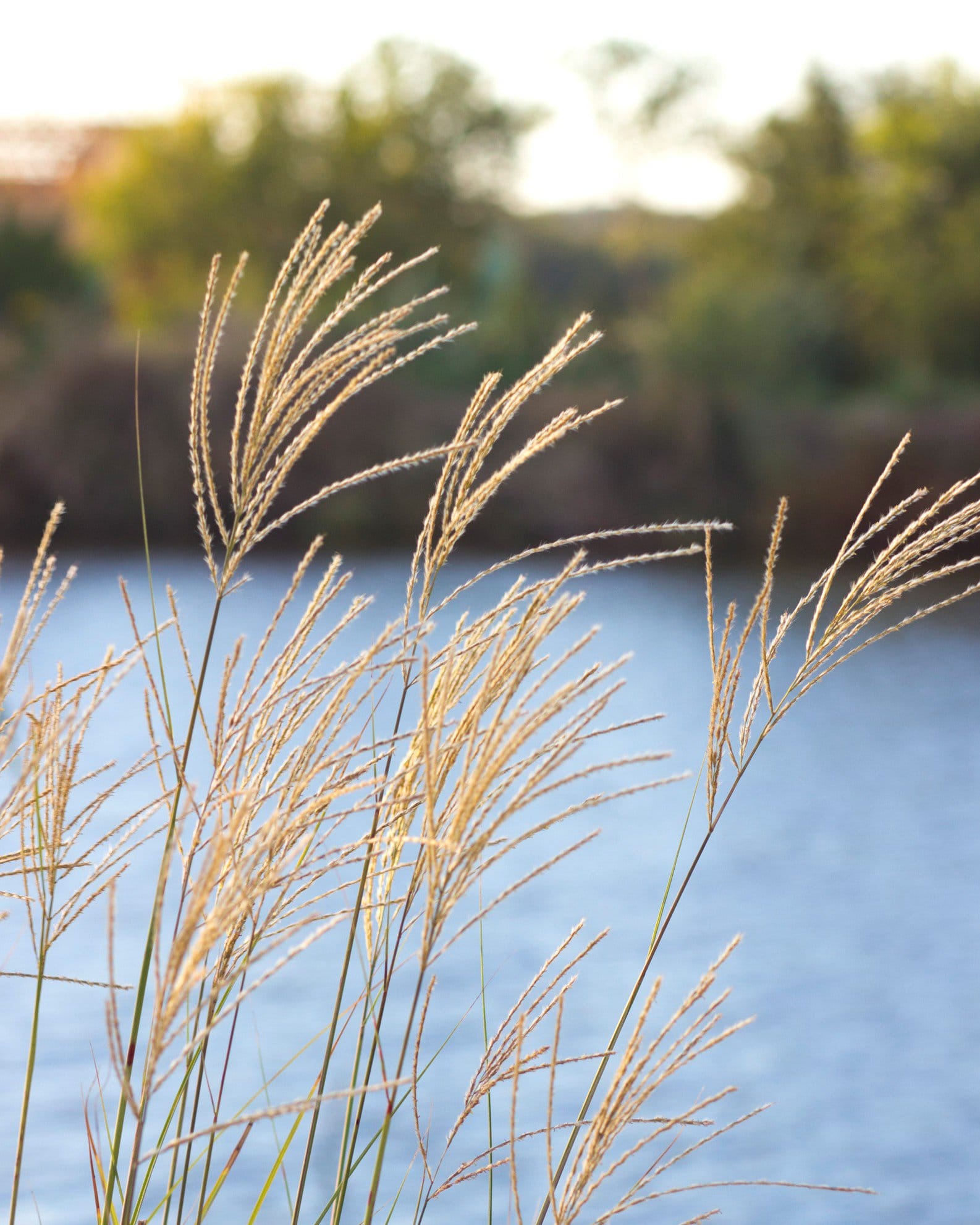
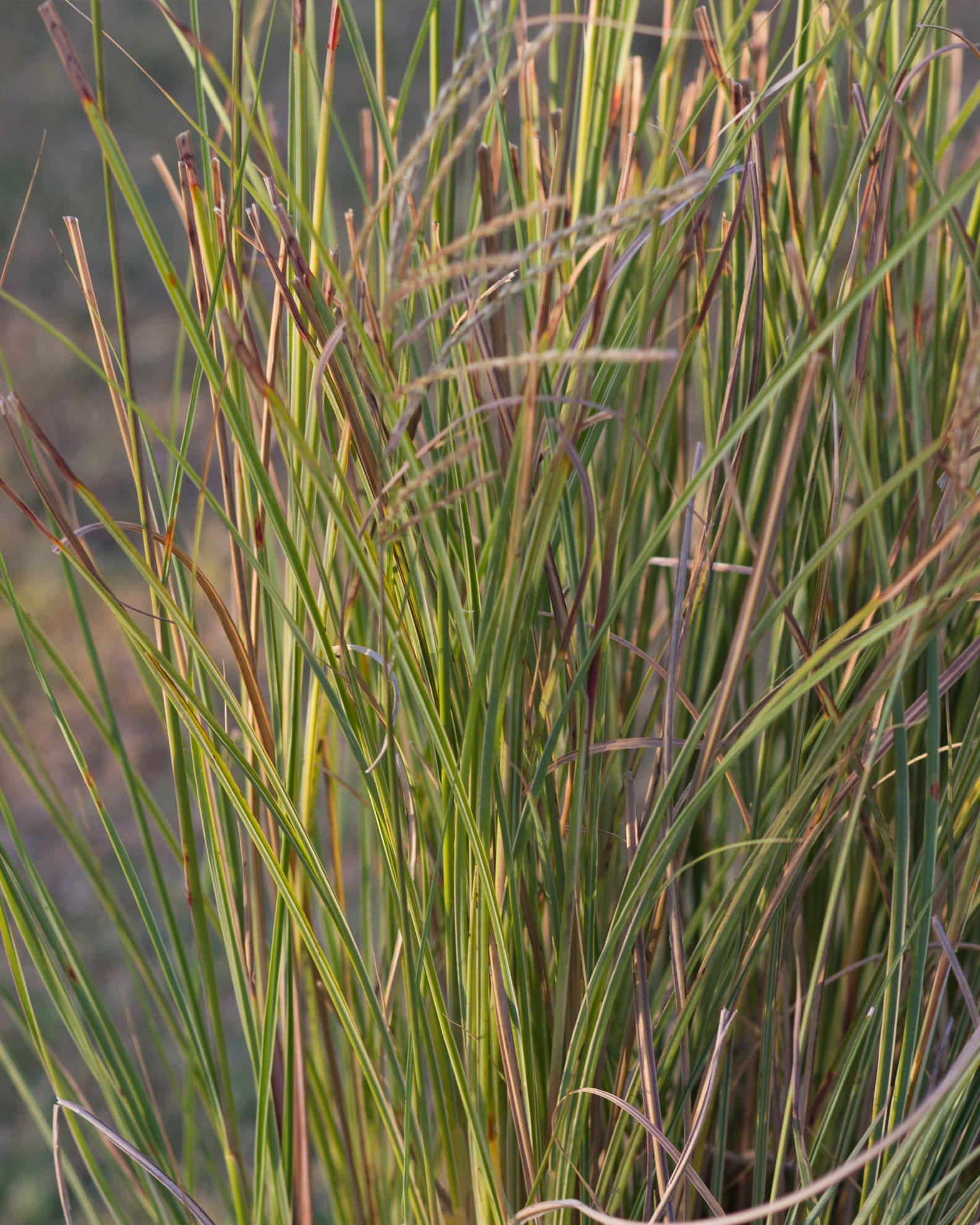
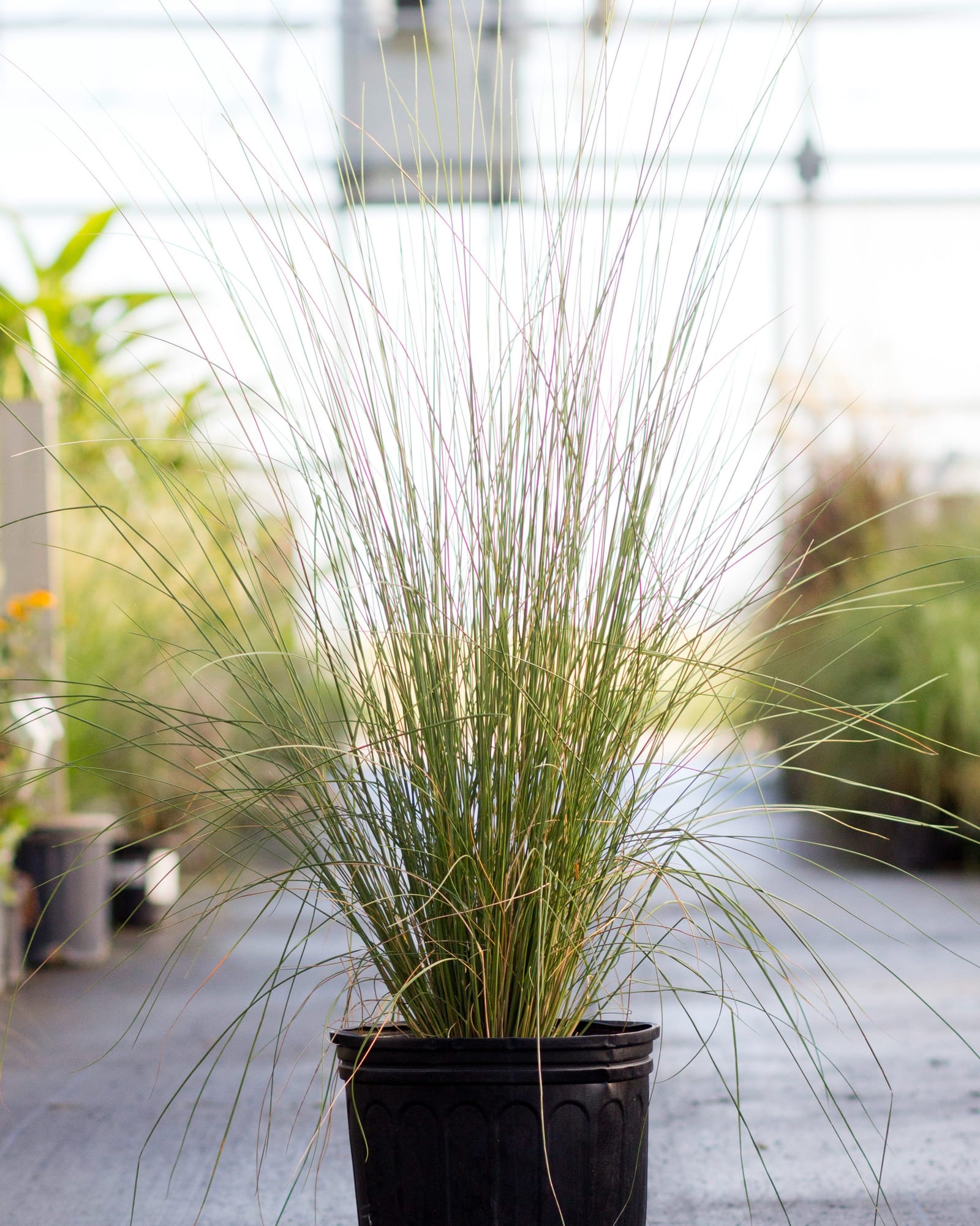
Schizachyrium scoparium 'Prairie Blues'‘Prairie Blues’ is a standout selection of Little Bluestem prized for its silvery-blue summer blades and consistently upright form. This warm-season grass brings strong vertical lines to the landscape, and as autumn arrives, the foliage turns shades of rust, copper, and orange for an extended season of interest. Soft, fluffy seed heads appear in late summer, catching light. It grows in tidy clumps, typically reaching 2 to 3 feet in height and maintaining a narrow footprint. Ideal for mass plantings, pairing with native perennials, or adding movement and contrast in xeric or prairie-style beds, especially in the heat and dry soils of North Texas.
- Silvery-blue summer color
- Copper-orange fall transformation
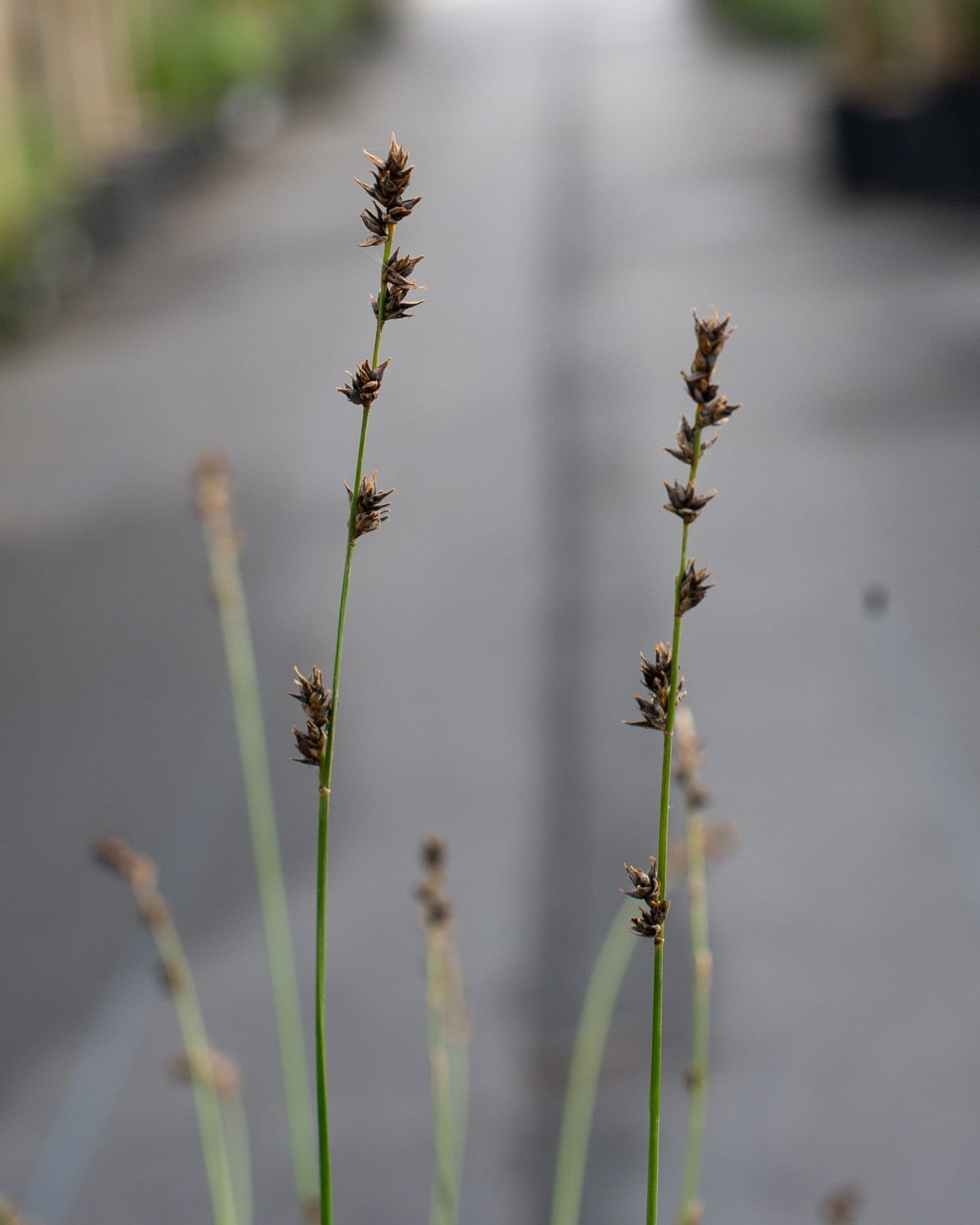
- Soft seed heads in late season
- Upright, clumping growth habit
- Heat-adapted for North Texas
Plant in full sun and well-drained soil for best performance. Cut back dead foliage in late winter to allow fresh spring growth. A reliable choice for native landscapes and flower beds.
Little Bluestem Prairie Blues has a very easy-going nature and needs minimal maintenance to grow beautifully. Here’s what you’ll need to do:
- Watering: Water regularly during the first growing season to help roots establish deeply. Once mature, Prairie Blues requires very little irrigation, thriving on rainfall and tolerating long dry periods without losing color. Avoid excessive watering to maintain upright growth and prevent root rot.
- Pruning: Cut back old foliage to 2-3 inches in late winter or very early spring before new growth appears. This encourages clean, vibrant regrowth. Avoid trimming in fall; its seedheads and bronze tones offer beautiful winter structure and wildlife shelter.
- Fertilizing: Fertilizer is rarely needed. In poor soil, a light spring application of slow-release, balanced fertilizer or compost helps maintain vigor. Too much fertility can make the grass flop or lose its dense form.
- Mulching: Apply a 1-2 inch layer of gravel or dry mulch to retain moisture and suppress weeds. Avoid heavy organic mulch around the base, as it holds excess moisture. Refresh mulch annually for a neat appearance and improved temperature regulation.
- Winter Care: Leave the dried stalks standing through winter for visual interest and to protect the crown. Cut back to the ground in late winter. In heavy snow regions, gently brush snow off to prevent matting.
Prairie Blues is exceptionally tough, but minor issues can arise under unfavorable conditions:
- Rust: A fungal disease producing orange or brown pustules on leaves. Prune out affected foliage and apply a broad-spectrum fungicide if it spreads.
- Aphids: Small insects that feed on plant sap, weakening growth and distorting leaves. Treat with insecticidal soap or a firm spray of water to dislodge them.
- Spider Mites: Tiny, web-spinning pests that cause fine stippling and discoloration on leaves. Rinse foliage regularly and apply horticultural oil during outbreaks.
- Grasshoppers: Occasionally chew on foliage during dry summers. Use organic bait or encourage natural predators to manage populations.
- Root Rot: Develops in consistently soggy soil, leading to wilt and decline. Replant in a raised or well-drained location to recover plant health.
With good care, it can live 15-25 years or longer, maintaining vigor and color through decades of changing seasons when grown in proper conditions. Mature clumps often become more vibrant over time, developing stronger color contrast and sturdier stems with each passing year.
It grows moderately, forming a strong, upright clump within 2-3 years, and develops its full blue-gray color by the second season. Once established, its growth stabilizes, and the plant remains beautifully compact without spreading aggressively.
Yes - deer rarely touch it, as its coarse blades and dry texture are naturally unappealing even during drought.
Yes, its airy seedheads attract small songbirds and provide excellent nesting material and cover for beneficial insects.
Absolutely. It adapts well to large pots with gritty, well-drained soil, offering a vertical accent for patios or rooftops. Container-grown plants often show even bluer foliage due to controlled watering and higher light reflection.
Yes – it’s a standout in urban plantings, thriving amid heat, pollution, and reflected sunlight with minimal maintenance.
Yes. Divide every 3-4 years in early spring, discarding old woody centers and replanting healthy outer portions to restore vigor. Division not only refreshes growth but also helps control size and encourages renewed density.
Yes - its dense, fibrous root system locks soil in place, making it excellent for stabilizing slopes and dry embankments. It’s often used in prairie restorations or low-water landscapes where durability and soil retention are essential.
Completely safe and non-toxic, making it a perfect addition to family yards, play spaces, and naturalized gardens.
Its striking powder-blue foliage, upright habit, and exceptional hardiness distinguish it from other Schizachyrium varieties, making it a modern classic for sustainable and beautiful landscapes.
Special Features
You might also like
Little Bluestem
Maturity: 2' H x 2' W
Little Bluestem Standing Ovation
Maturity: 2' H x 1.5' W
Adagio Miscanthus
Maturity: 3' H x 3' W
Mexican Feather
Maturity: 2' H x 2' W
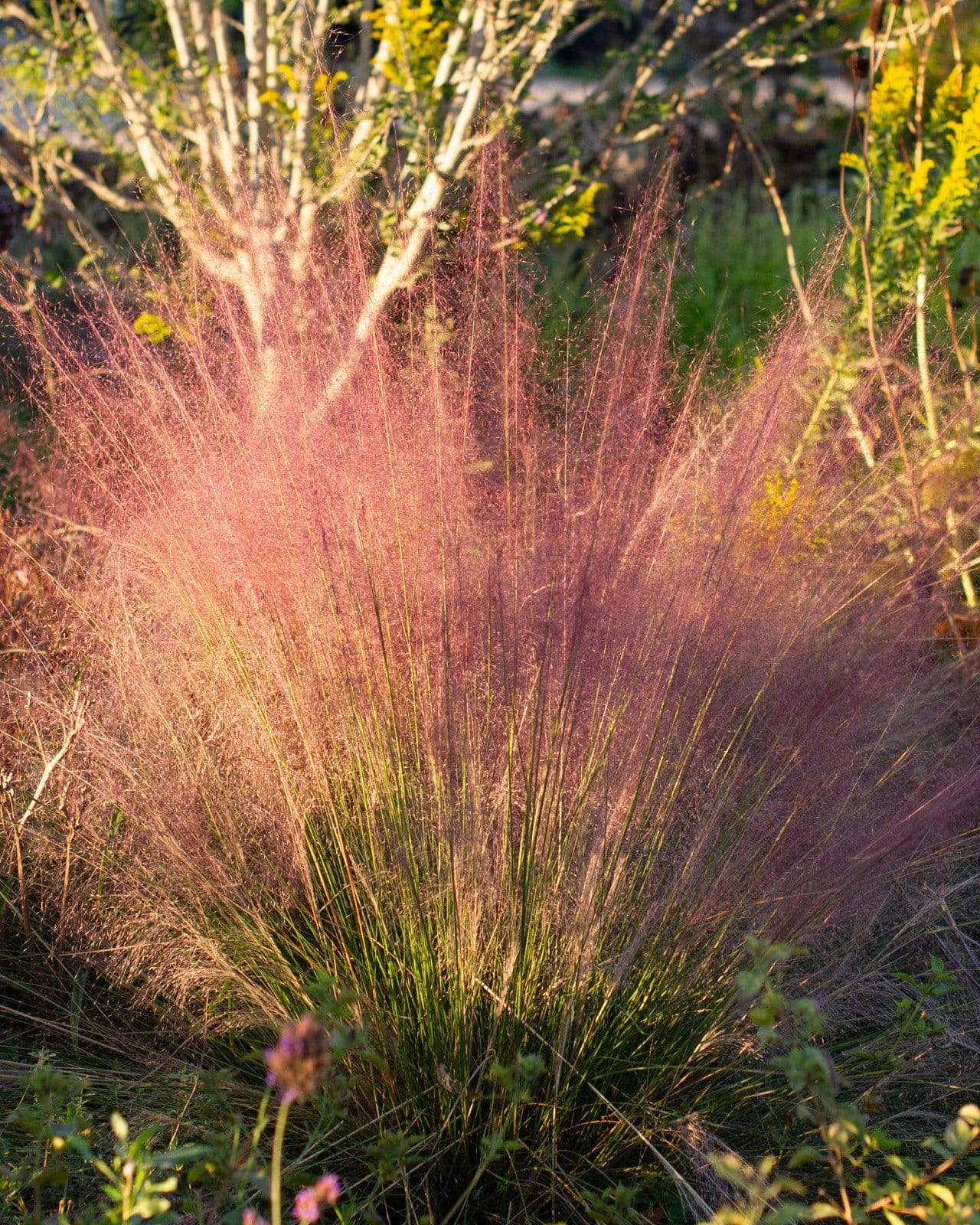
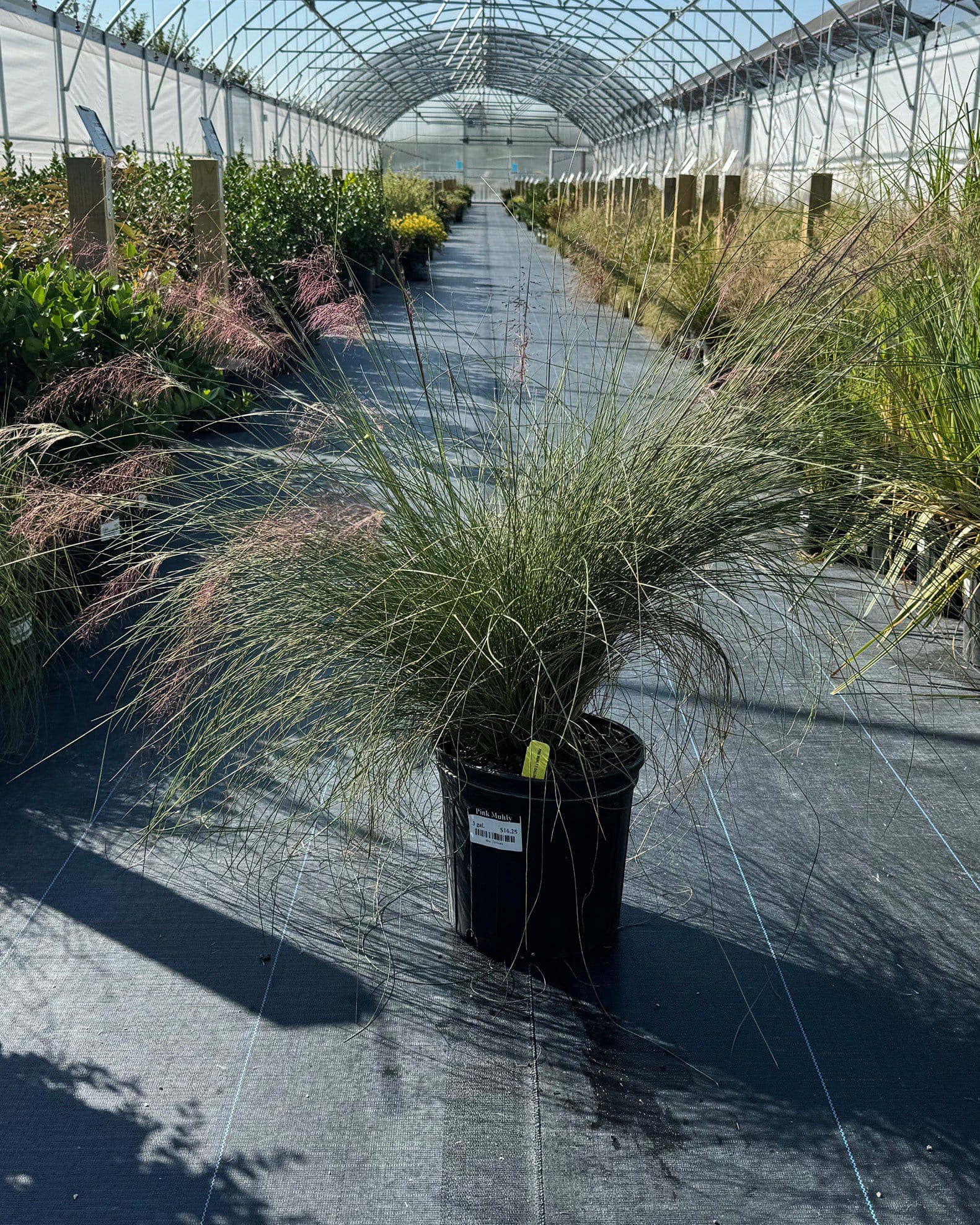
Pink Muhly
Maturity: 2' H x 2' W
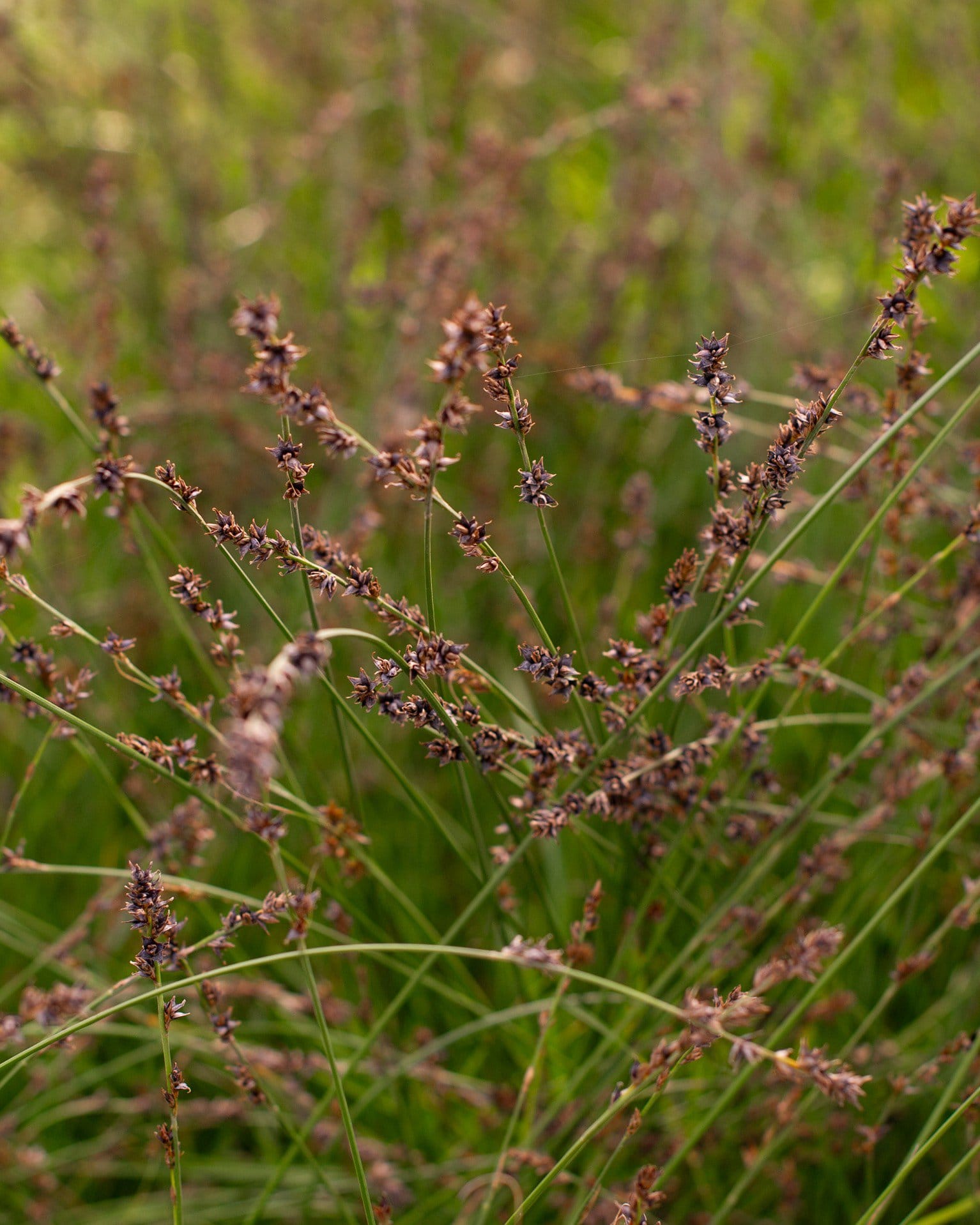
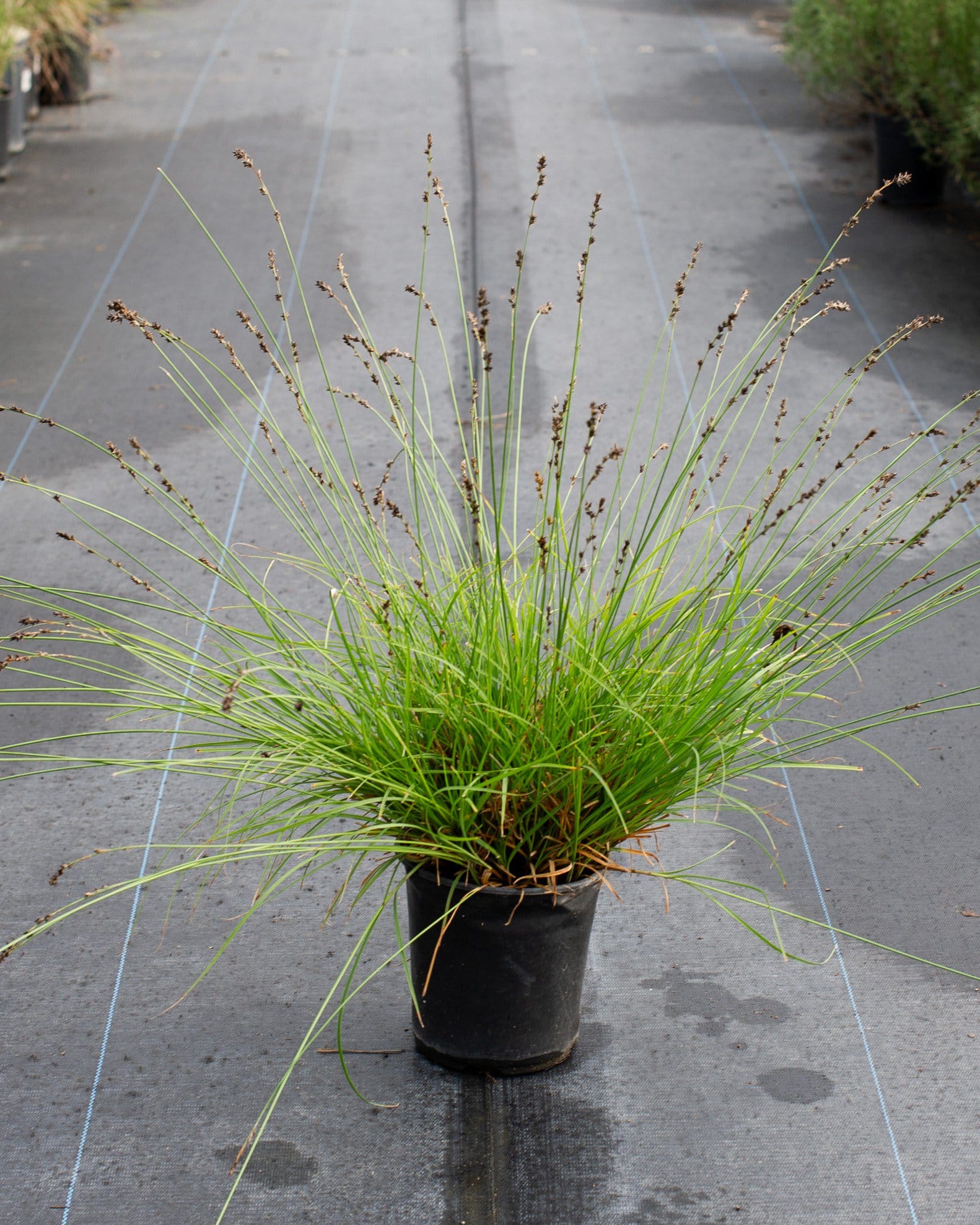
Berkeley Carex Sedge
Maturity: 1' H x 2' W
Blue Arrows Rush
Maturity: 3' H x 1' W
Blue Grama
Maturity: 1.5' H x 2' W
Blue Grama Blonde Ambition
Maturity: 3' H x 3' W
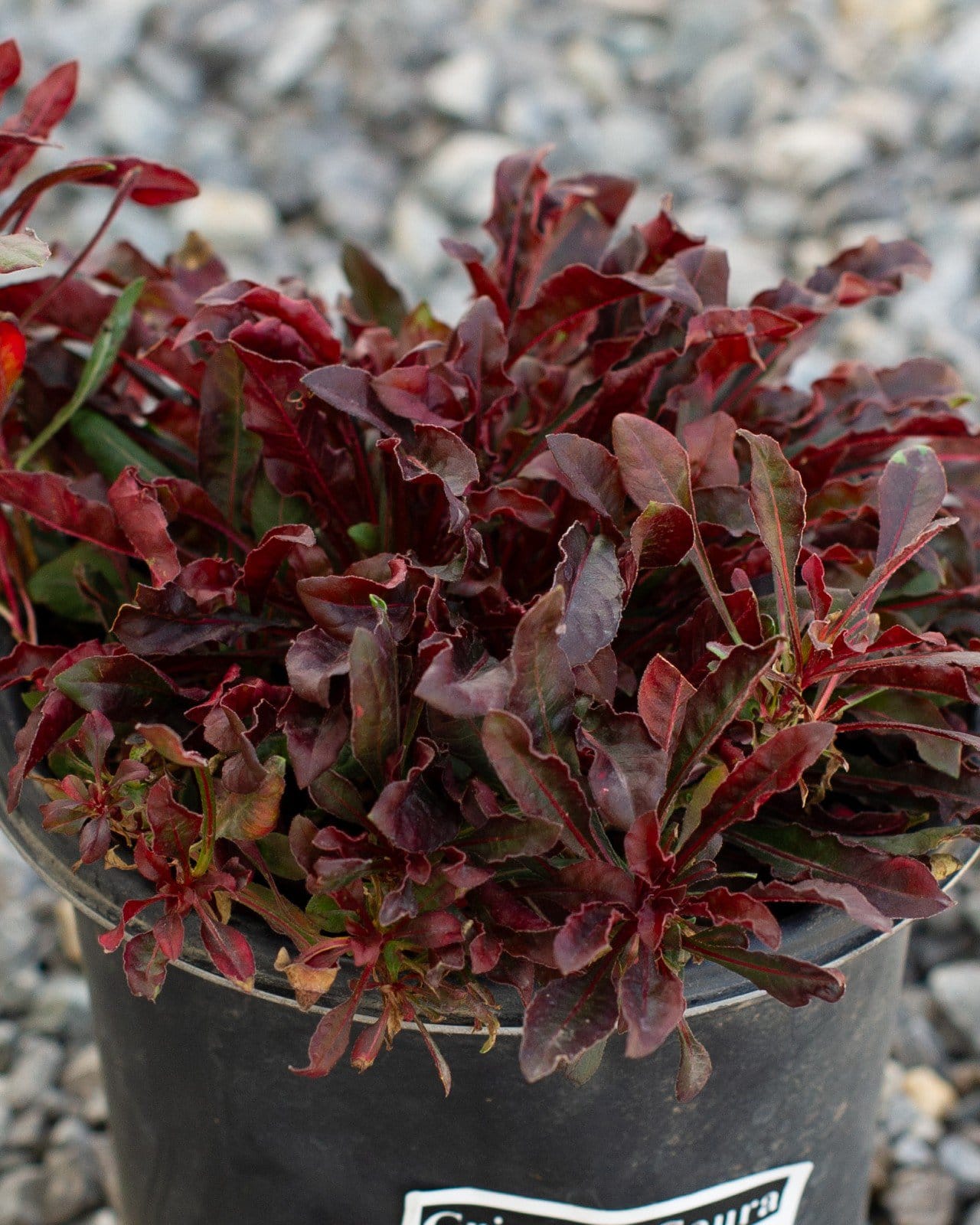
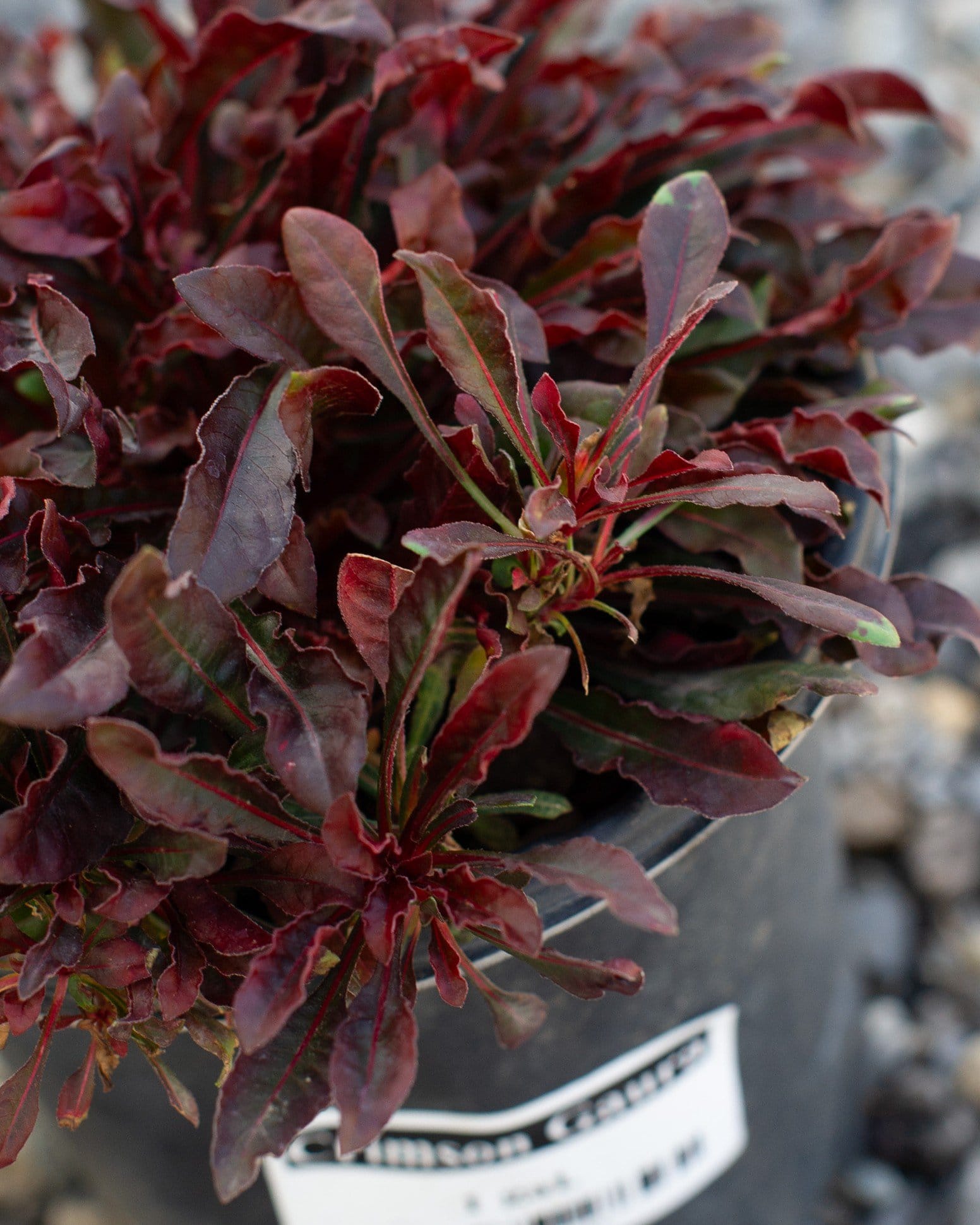
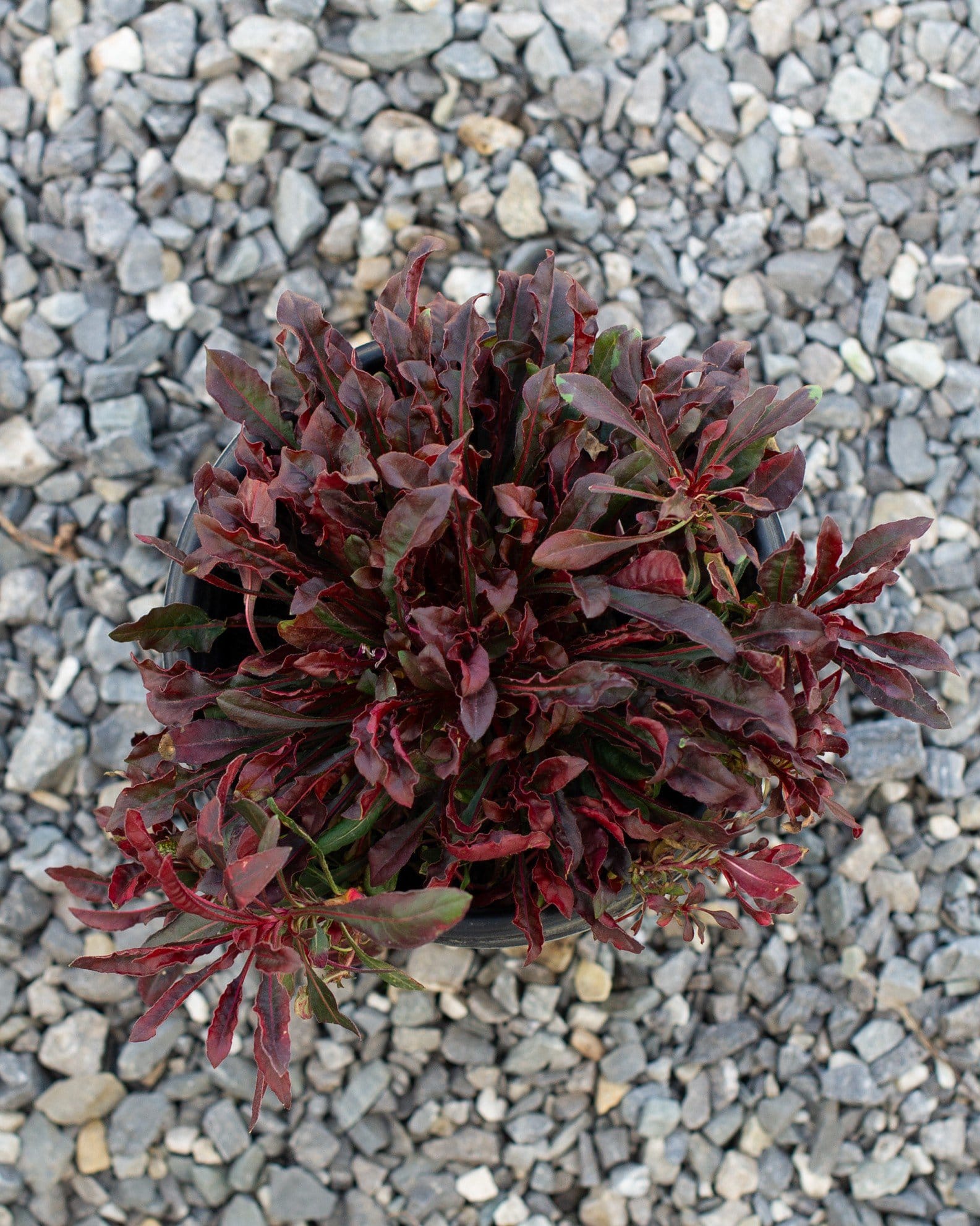
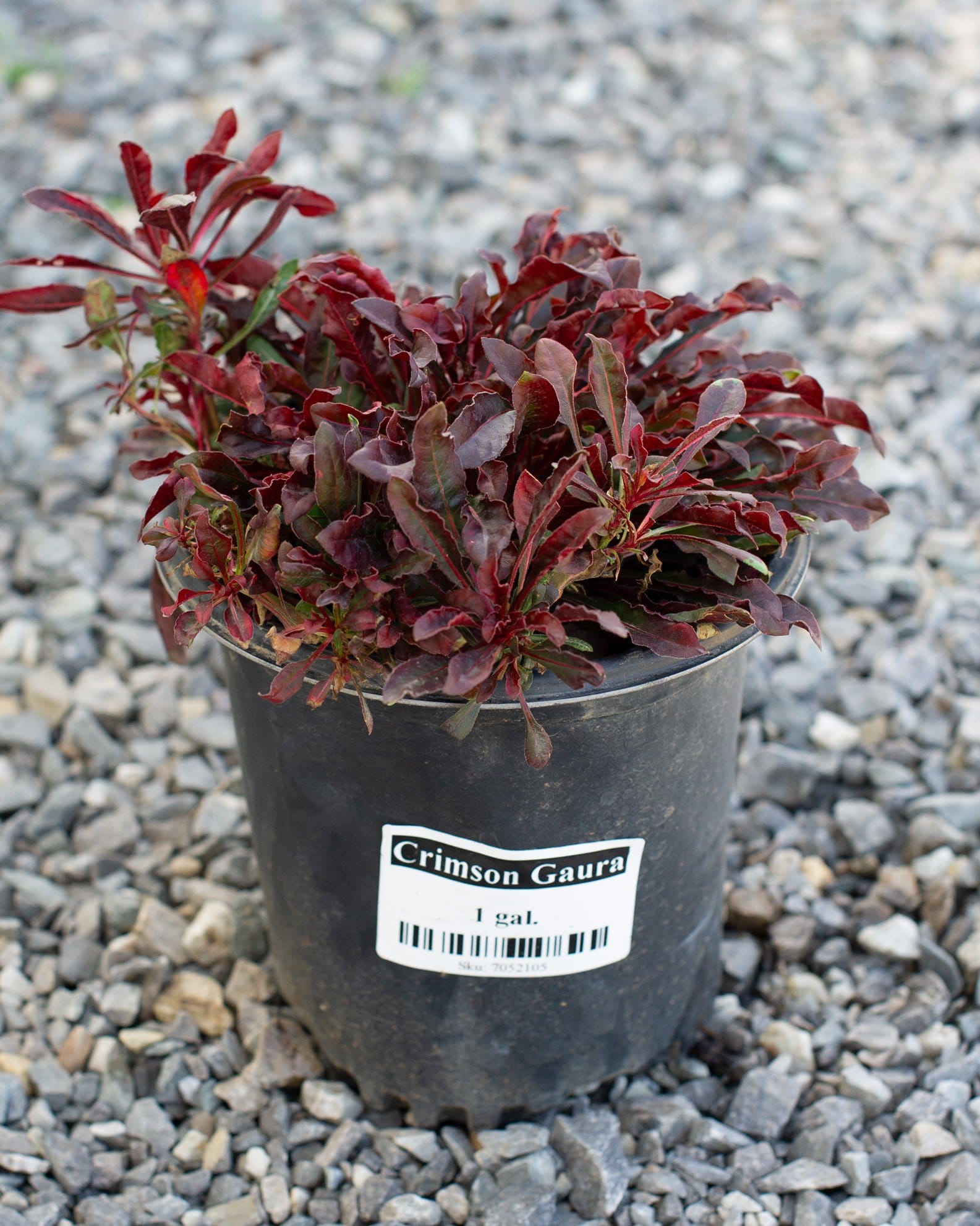
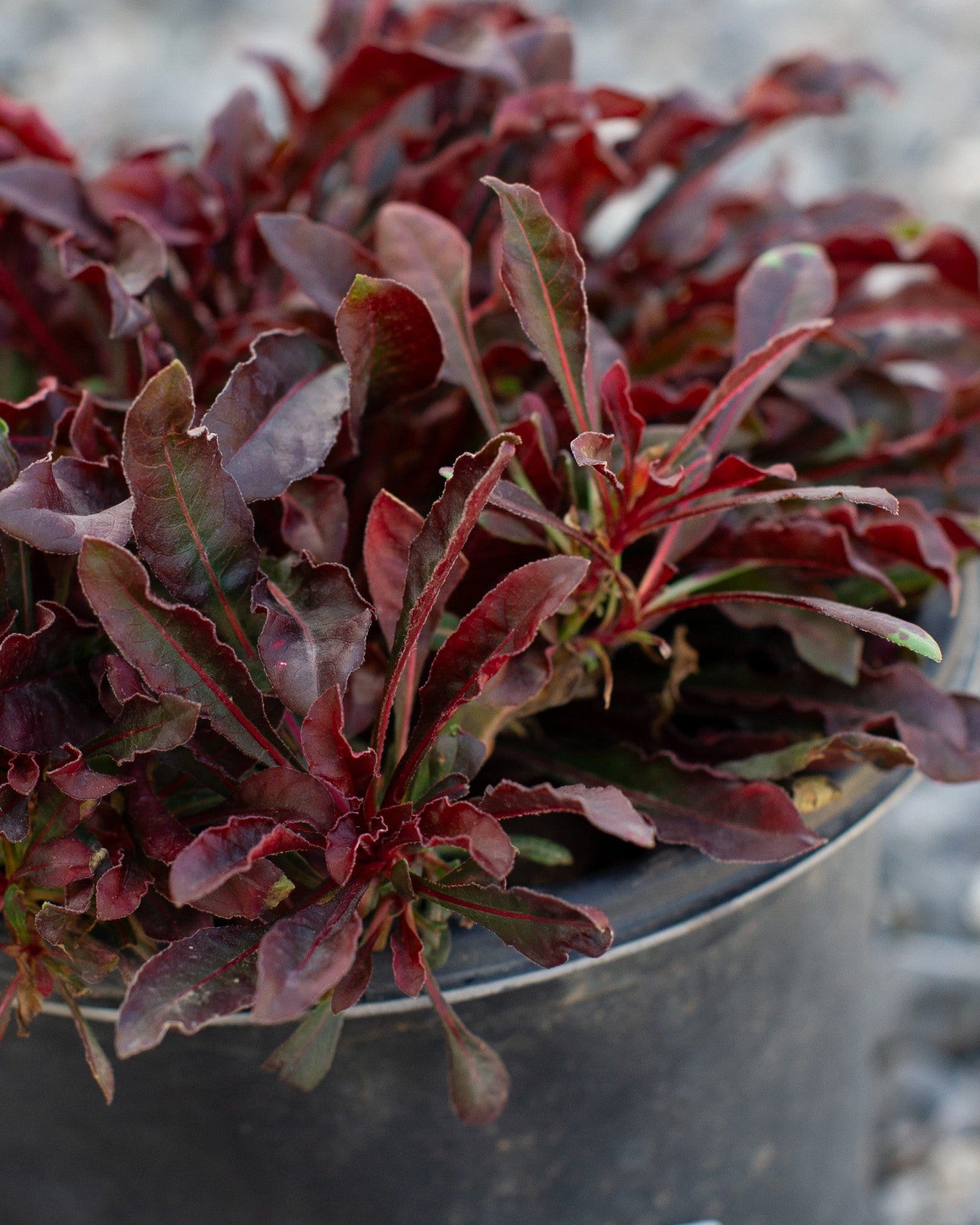
Crimson Gaura
Maturity: 1' H x 1.5' W
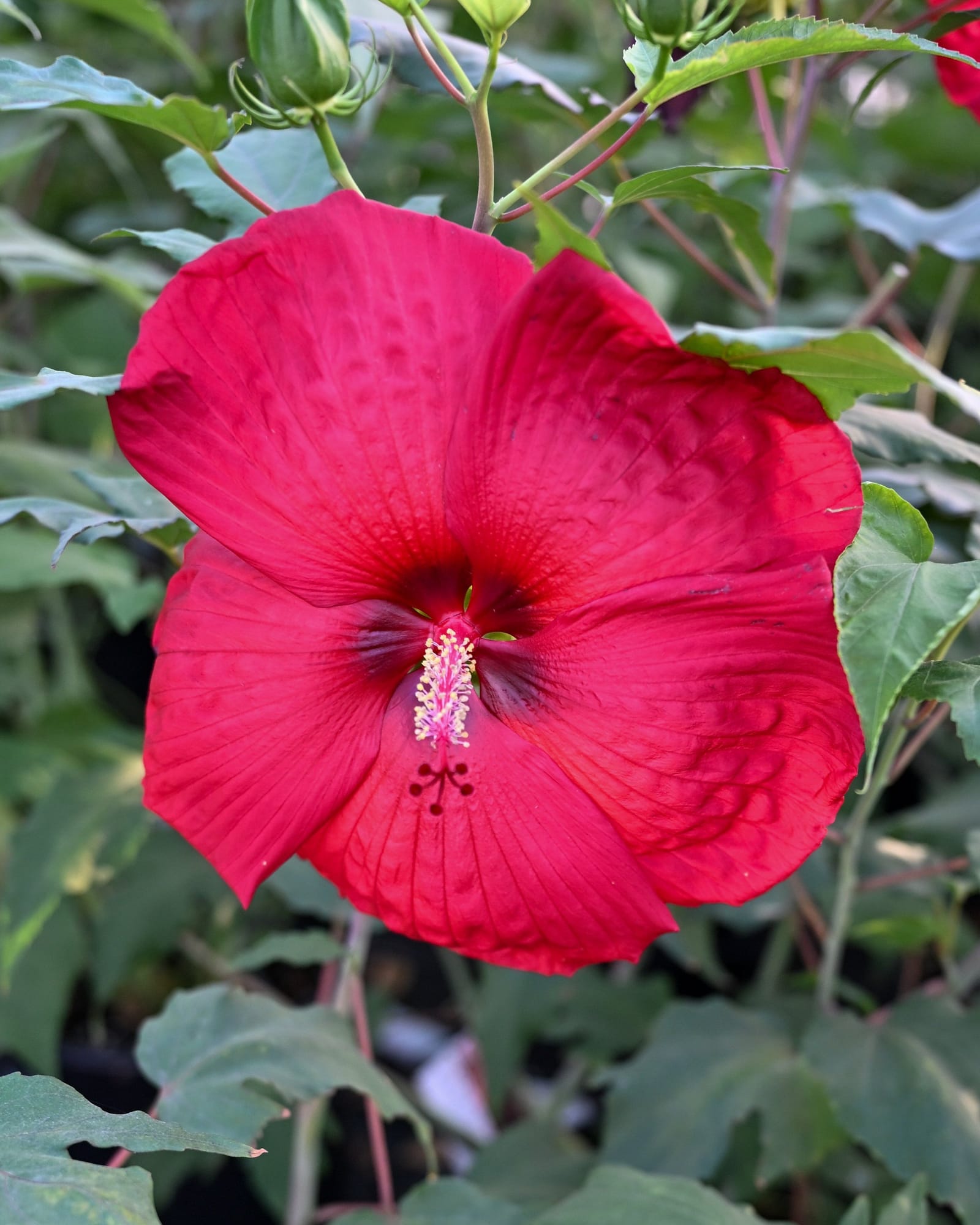
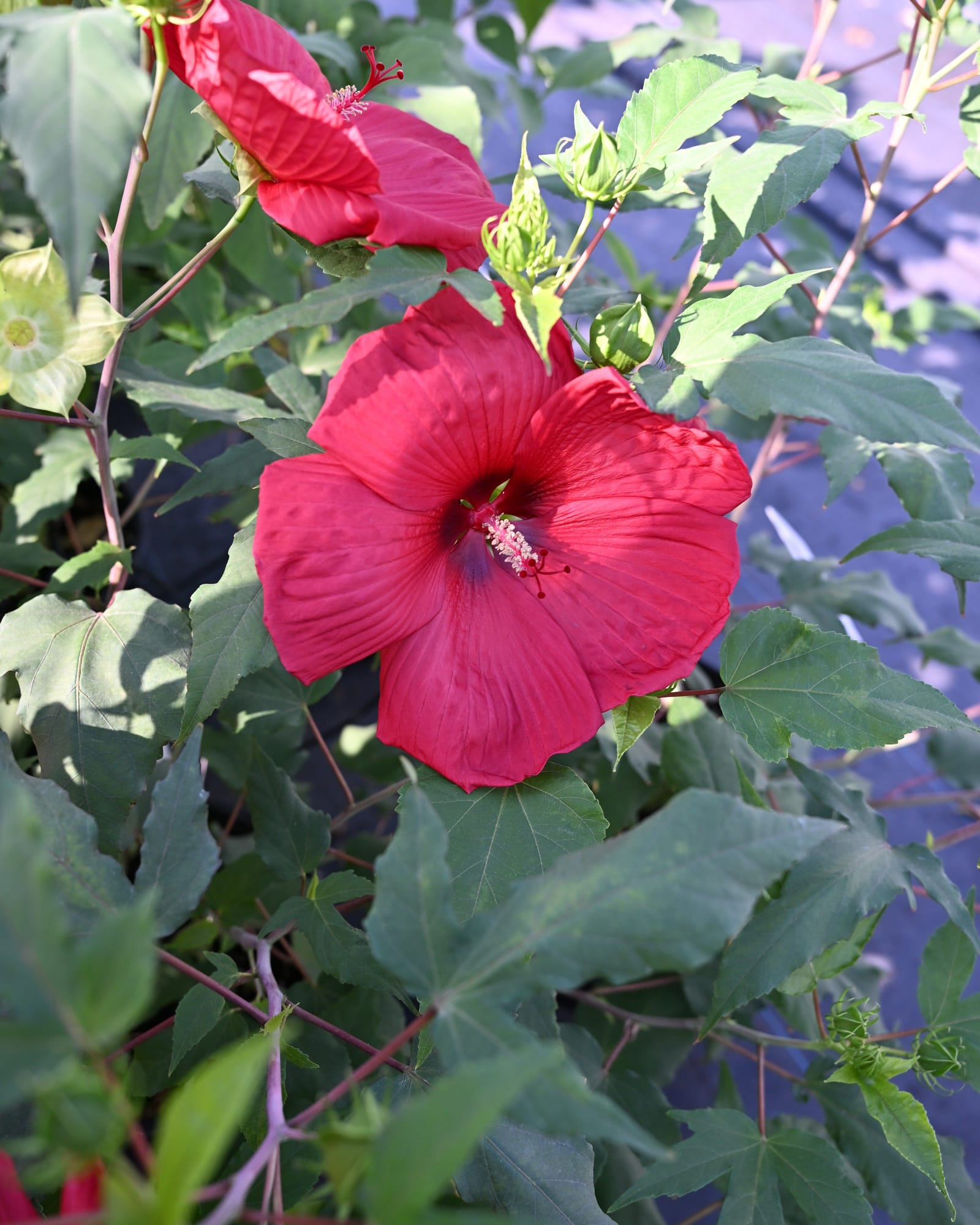
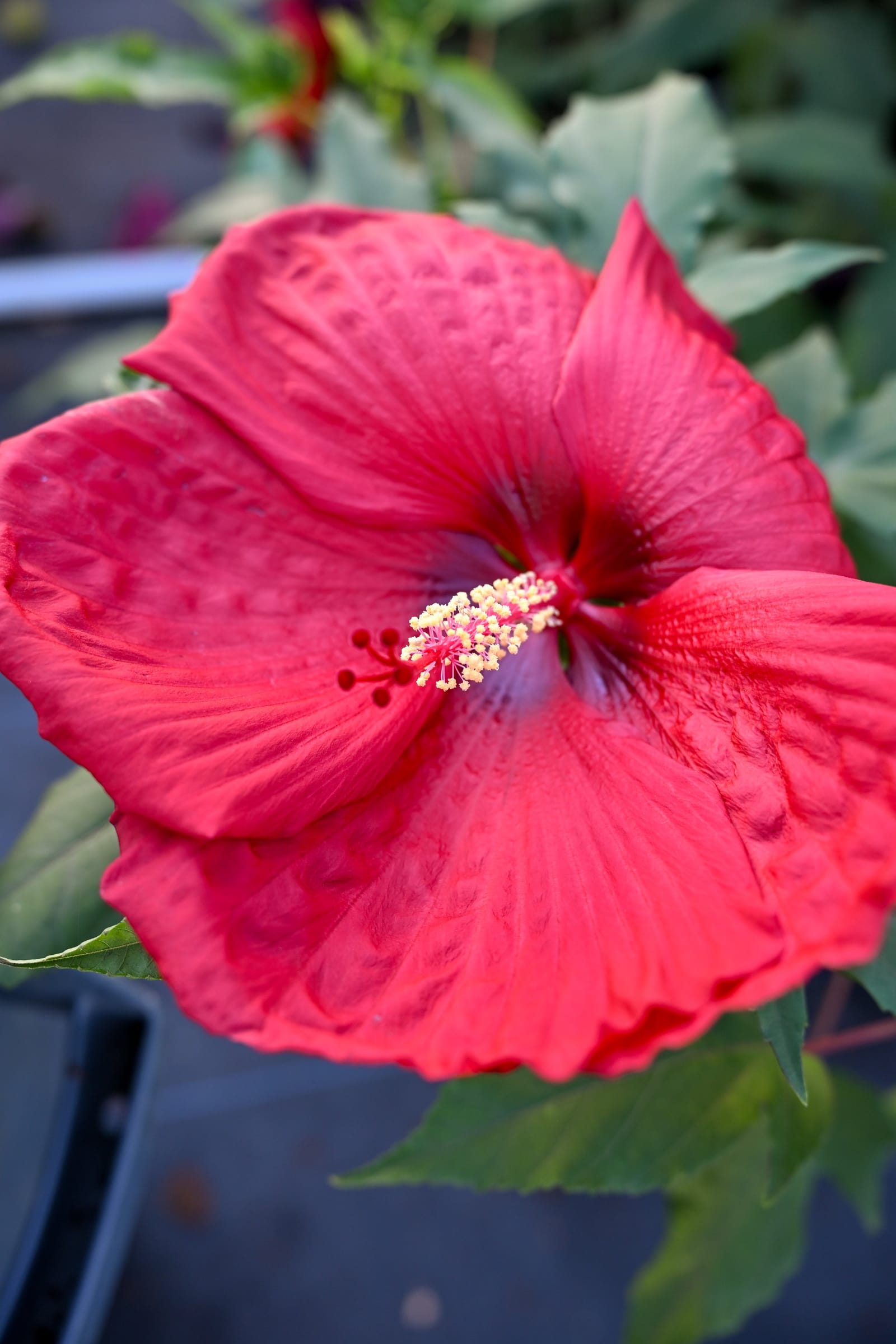
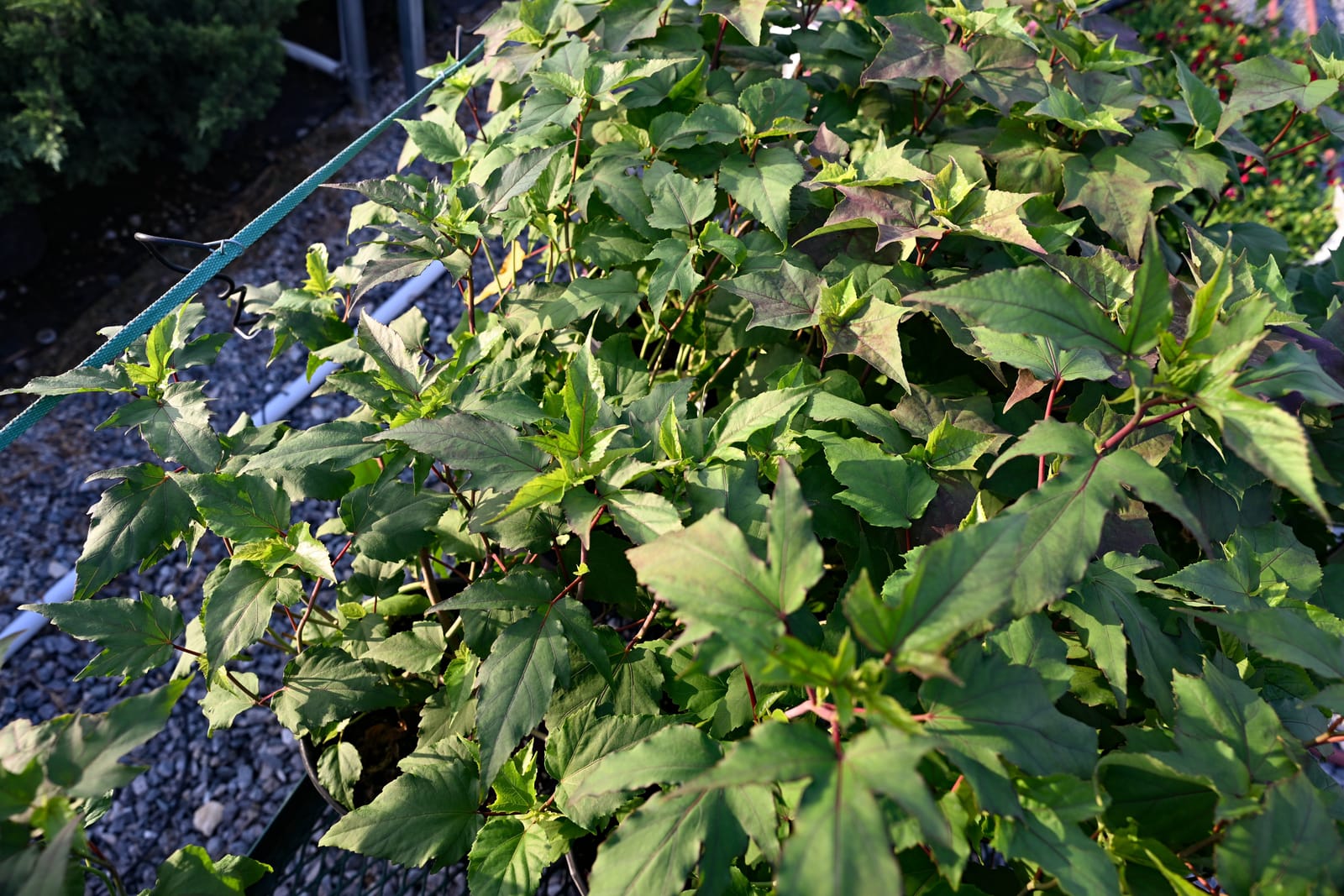
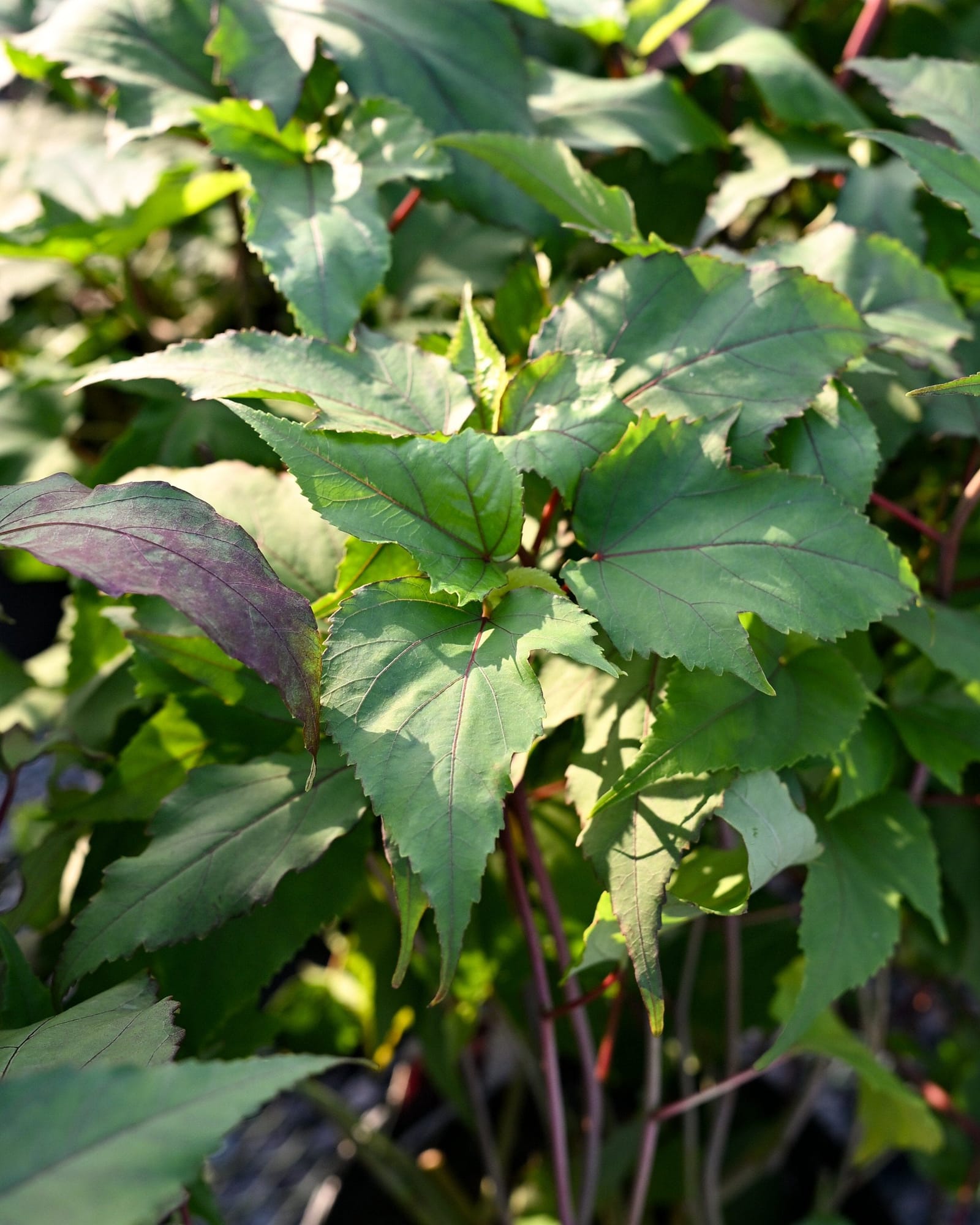
Head over Heels Desire Hibiscus
Maturity: 3' H x 3' W
Lindheimer Muhly
Maturity: 3' H x 3' W
Morning Light Miscanthus Maiden Grass
Maturity: 4' H x 3' W
White Cloud Muhly
Maturity: 2' H x 2' W
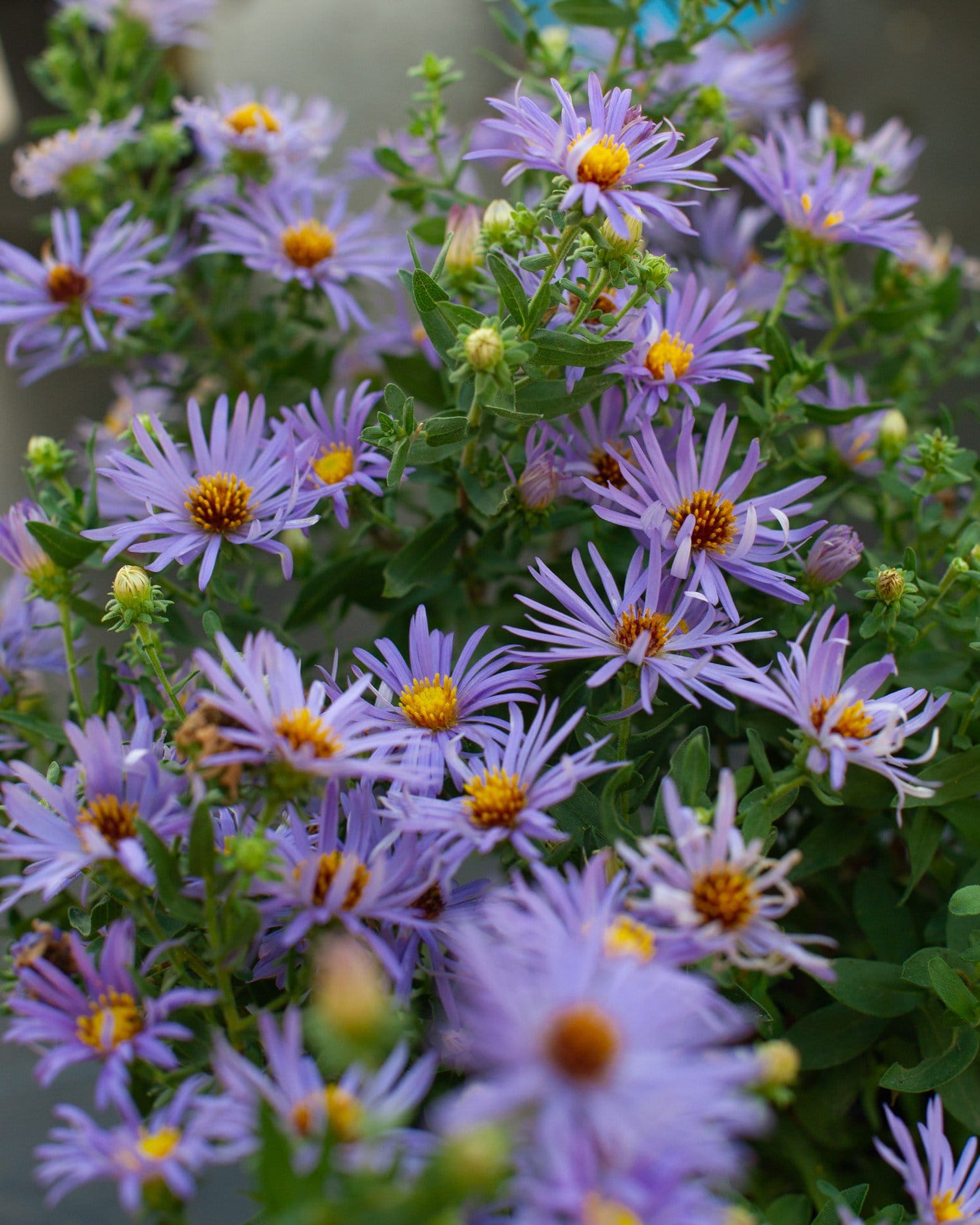
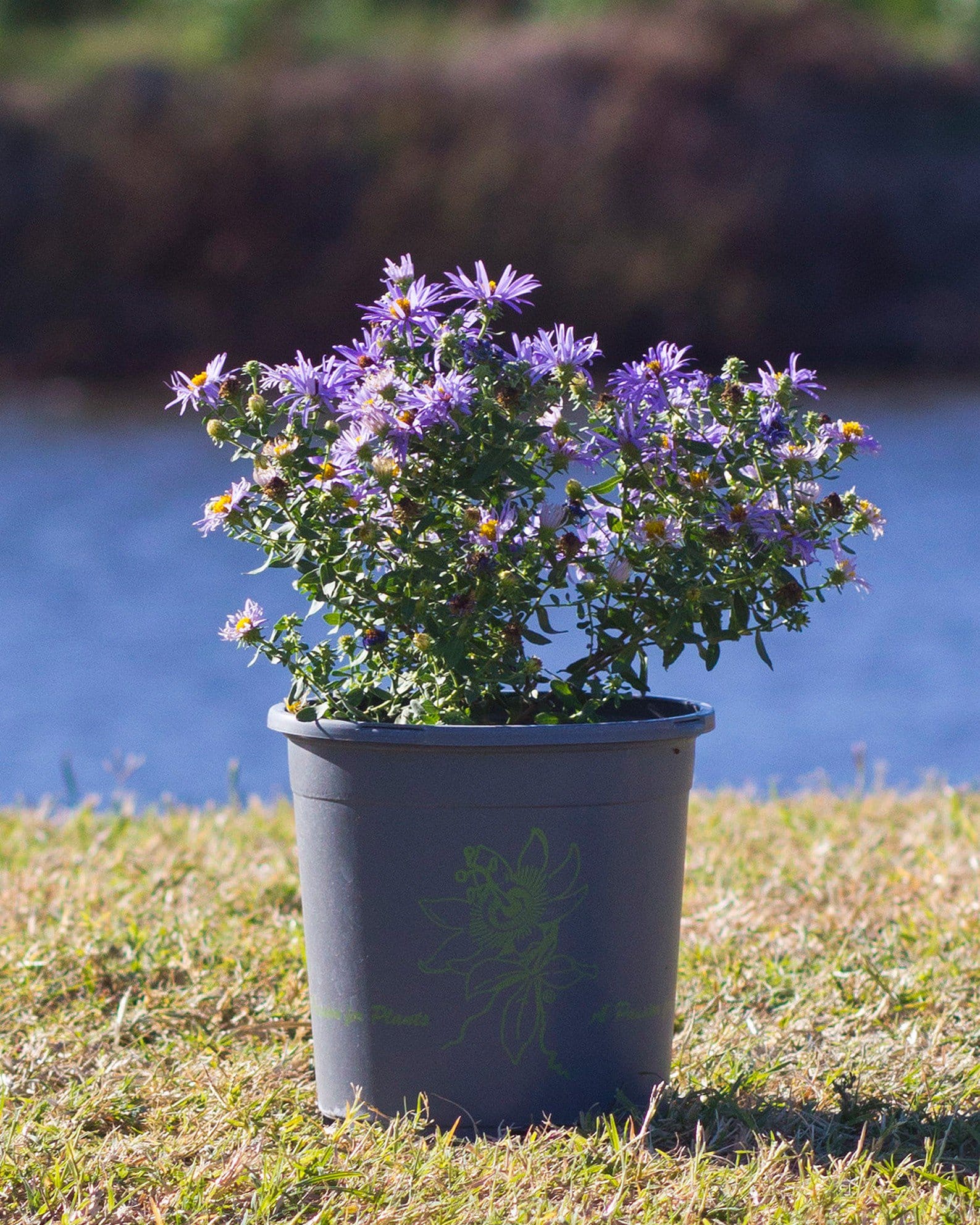
Aromatic Aster
Maturity: 2' H x 2' W
Compare Similar Plants
Little Bluestem Prairie Blues This plant | ||
|---|---|---|
| Scientific Name | Schizachyrium scoparium 'Prairie Blues' | Schizachyrium scoparium |
| Size at Maturity | 3' H x 2' W | 2' H x 2' W |
| Leaf Retention | Herbaceous | Herbaceous |
| Sizes Available | 1 gal | 1, 3 gal |


Our 1-Year Planting Guarantee
We take pride in our plants and installation services. If any plants or trees installed by Treeland fail to thrive within the first year, we'll provide a replacement credit in accordance with our guarantee program.
Learn More About Our Guarantee