
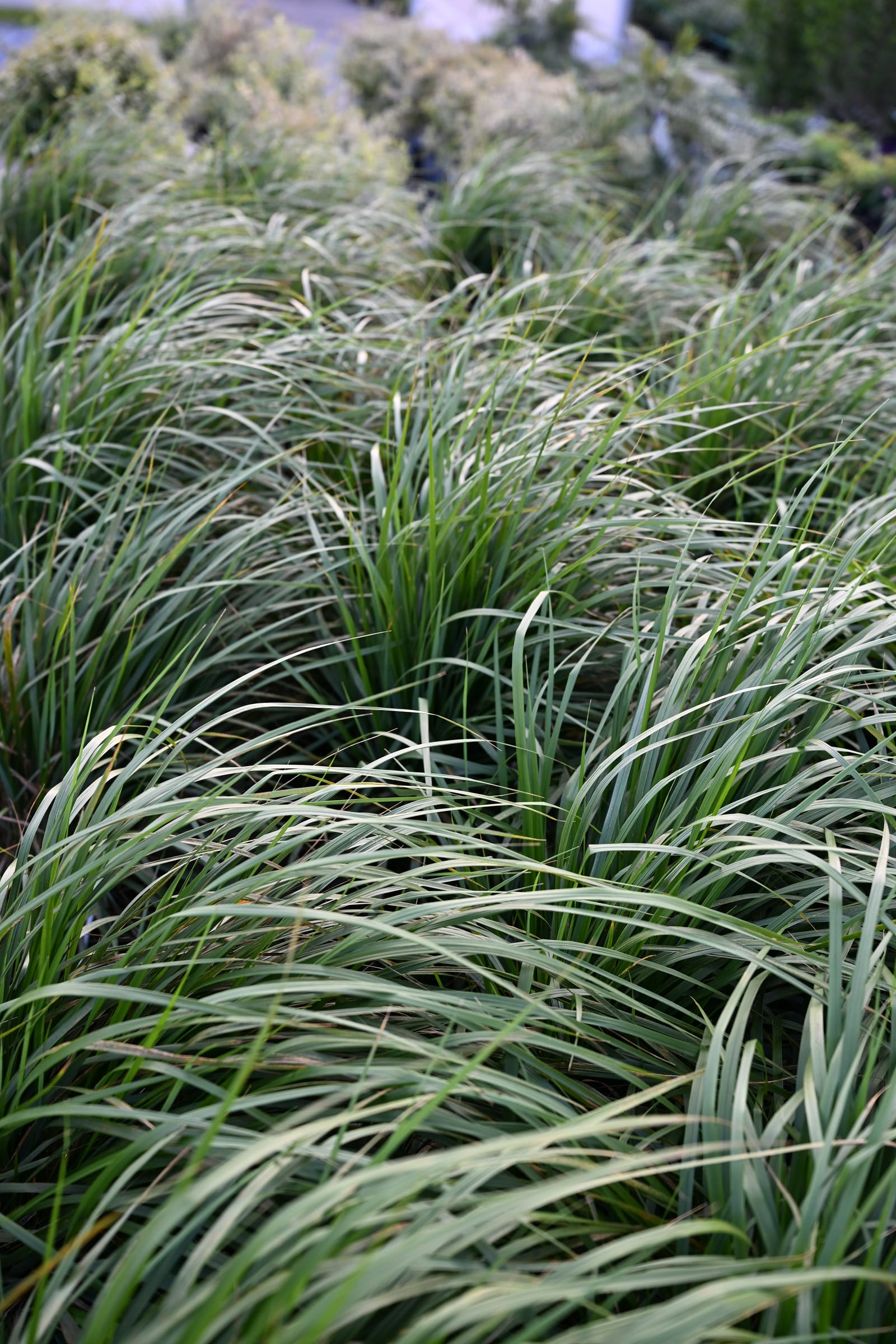
Karl Foerster Feather Reed Grass
Calamagrostis × acutiflora ‘Karl Foerster’Local DFW Delivery Only
Product Details
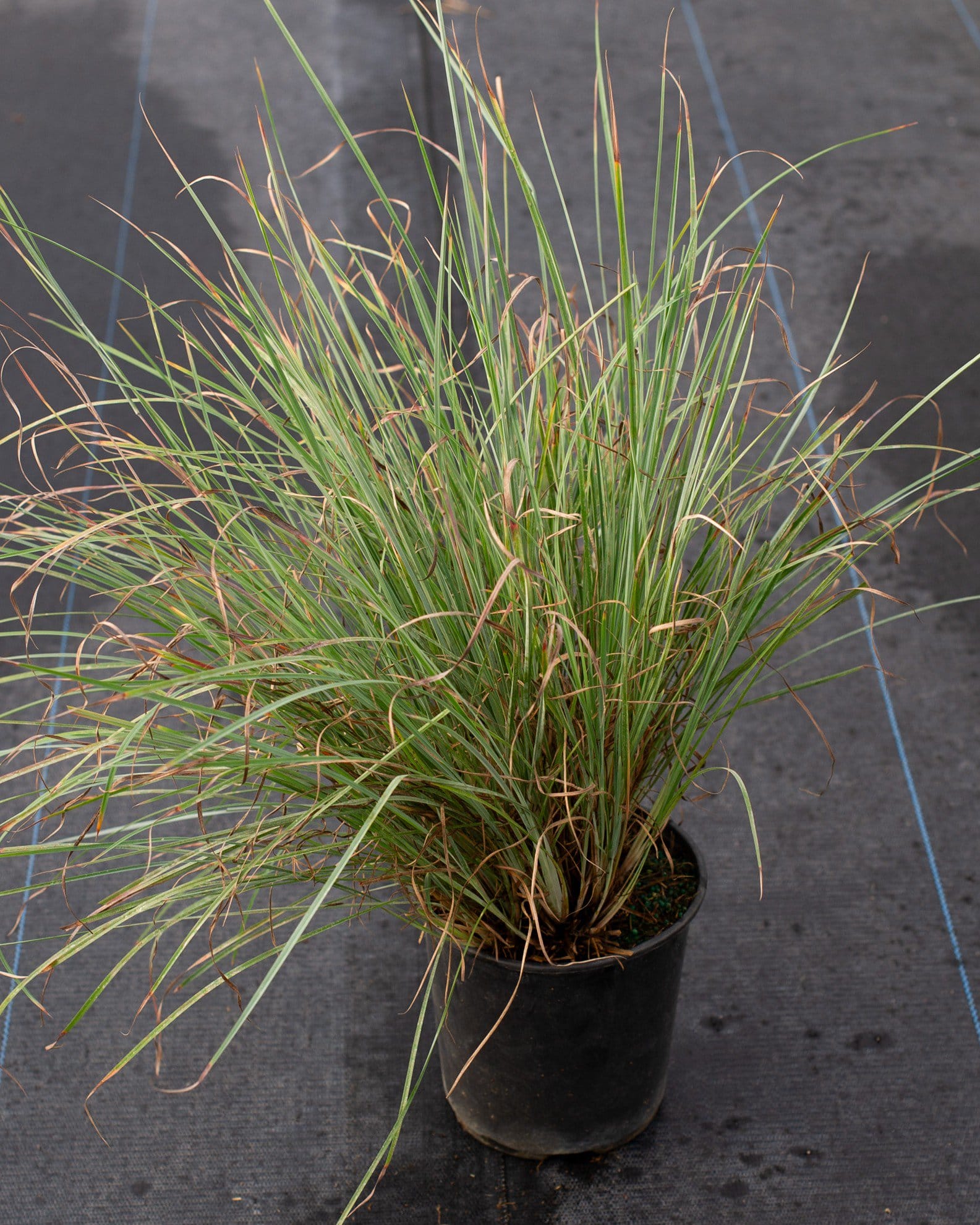
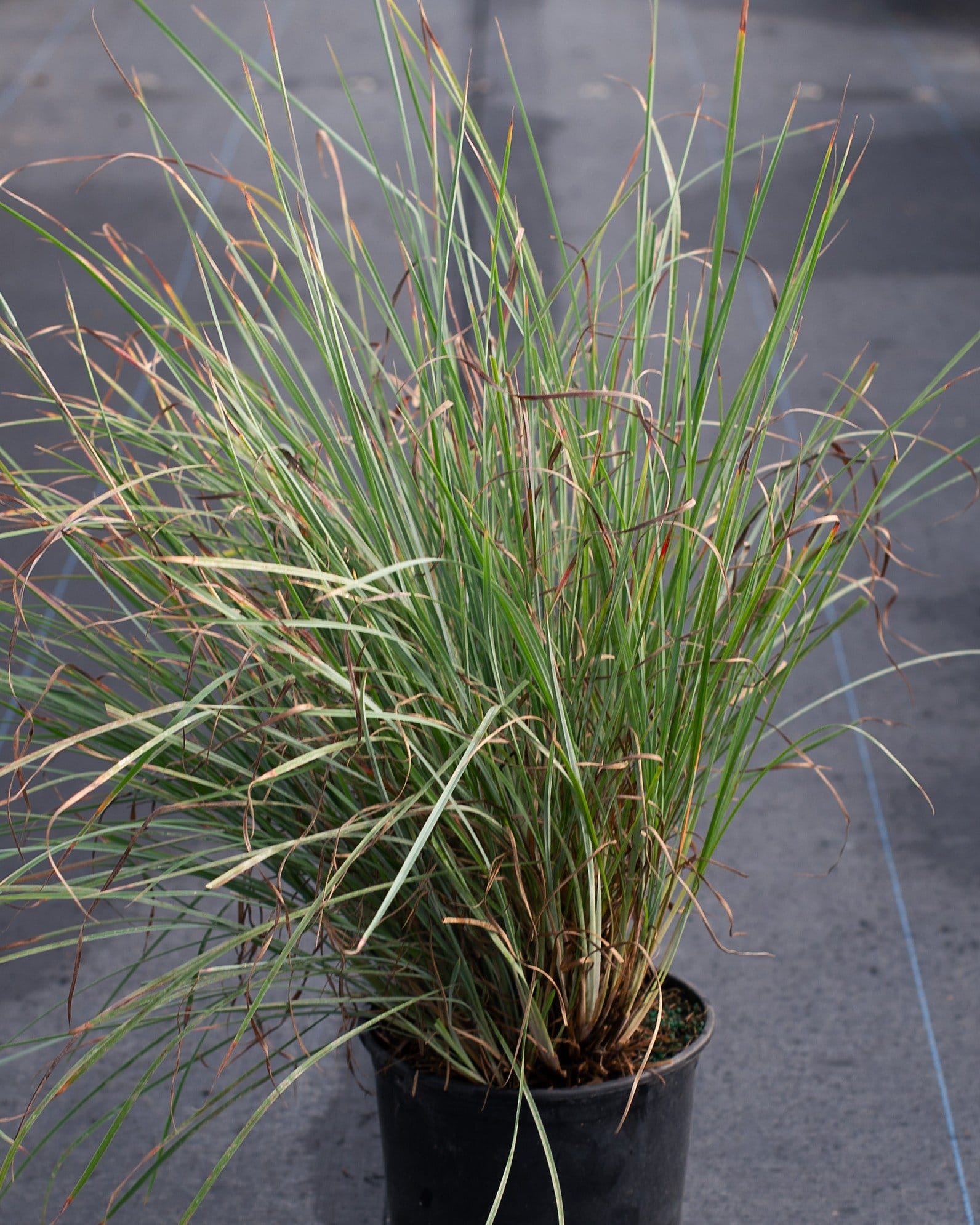
Karl Foerster Feather Reed Grass
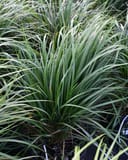
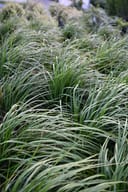
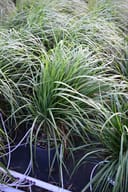
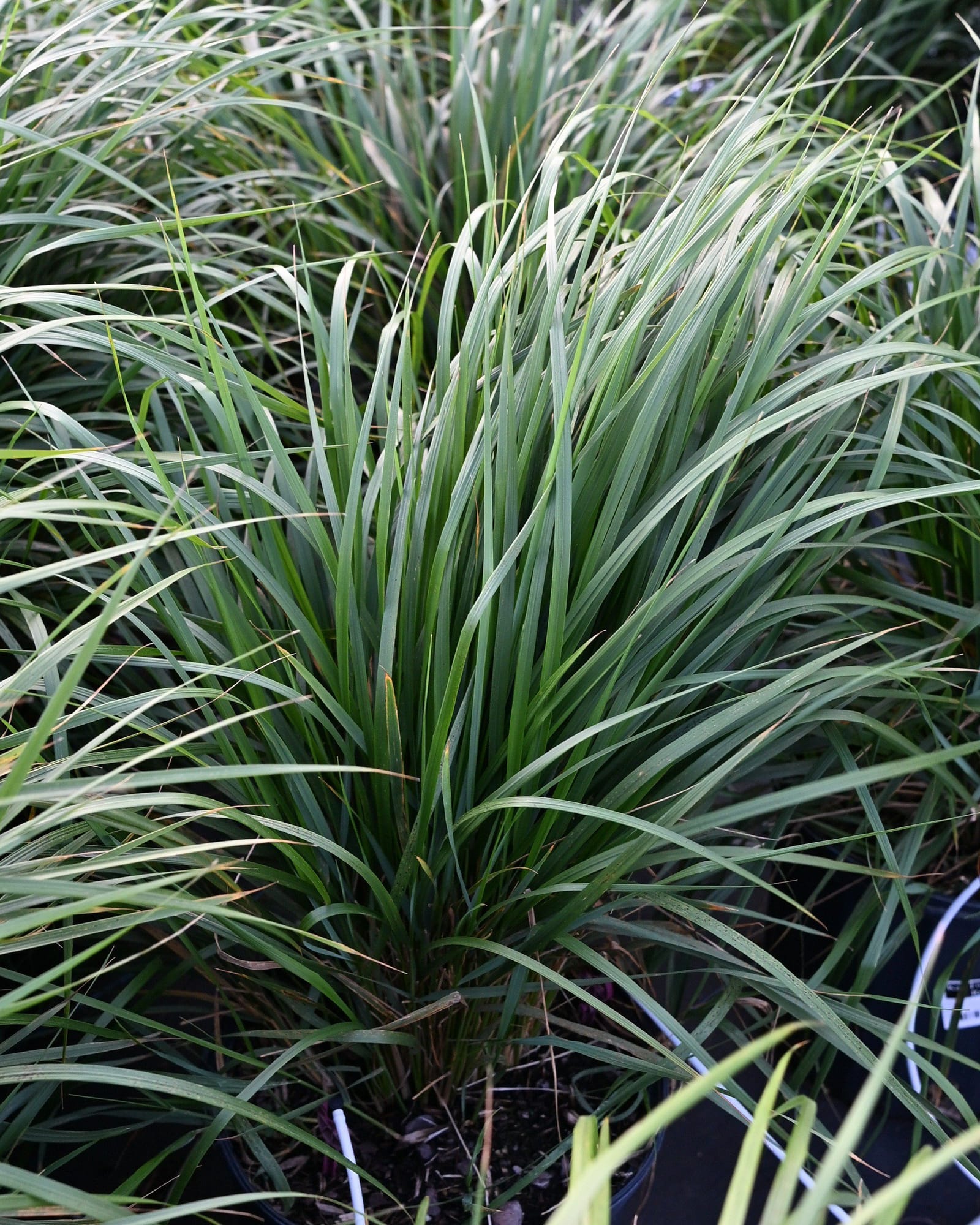
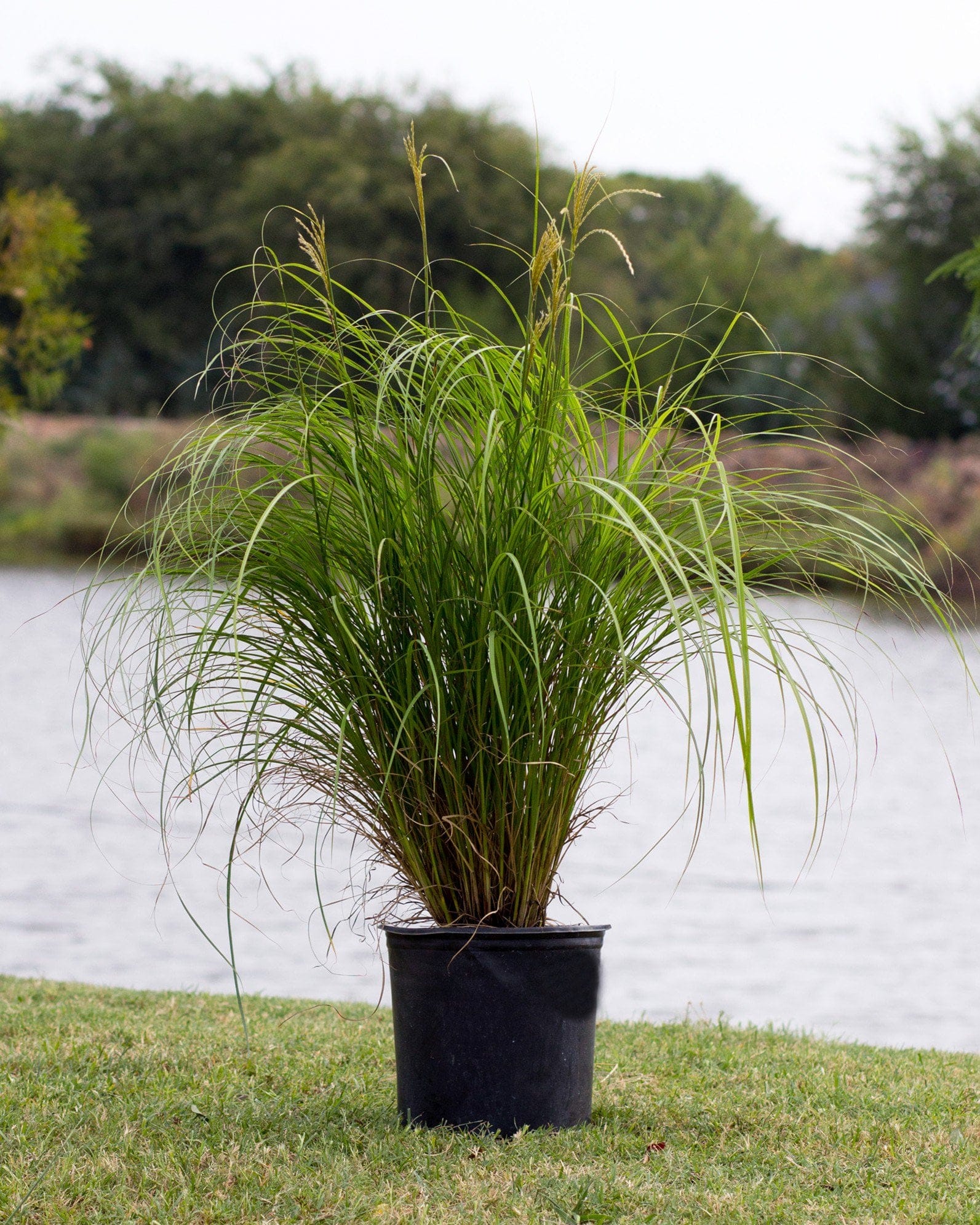
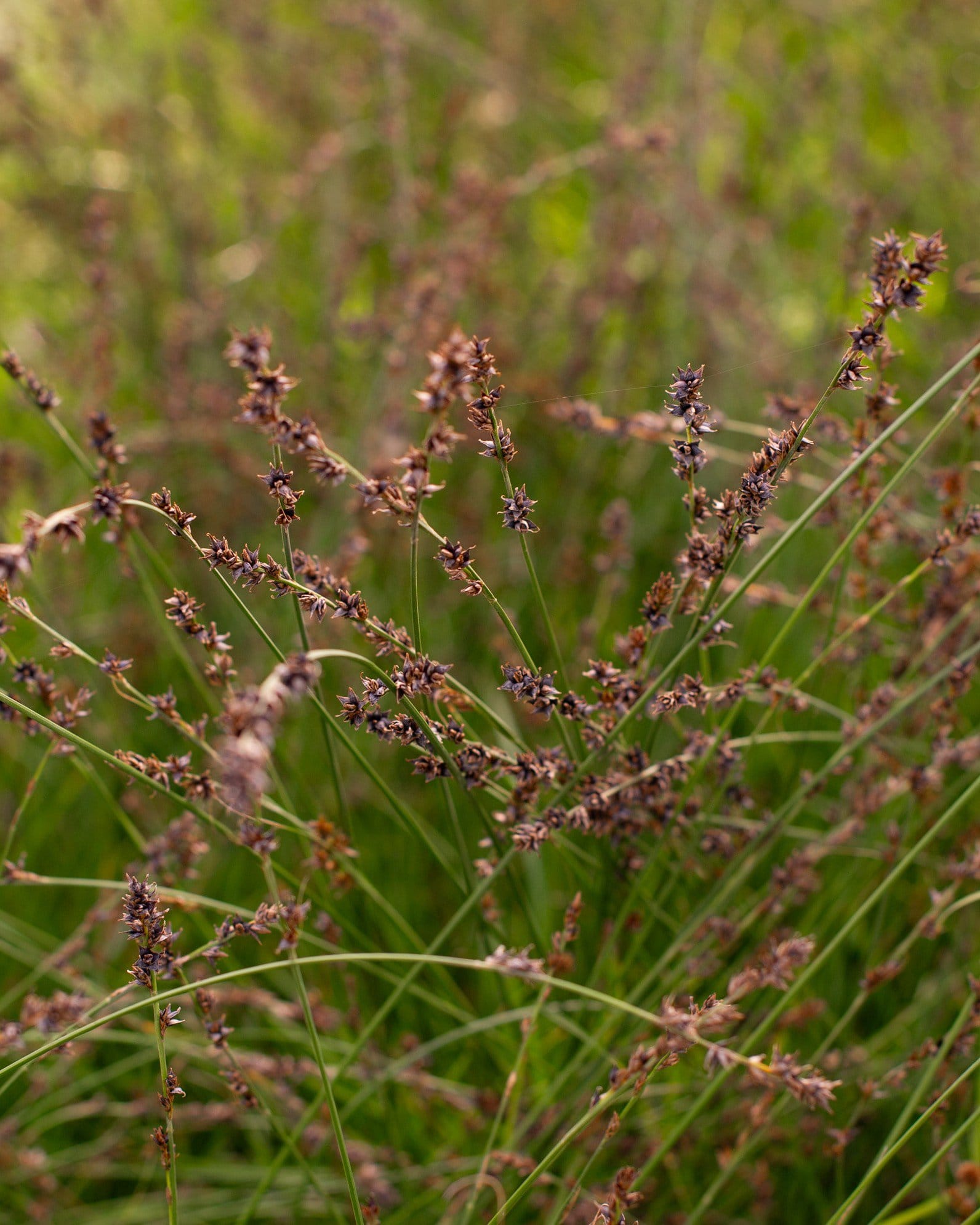
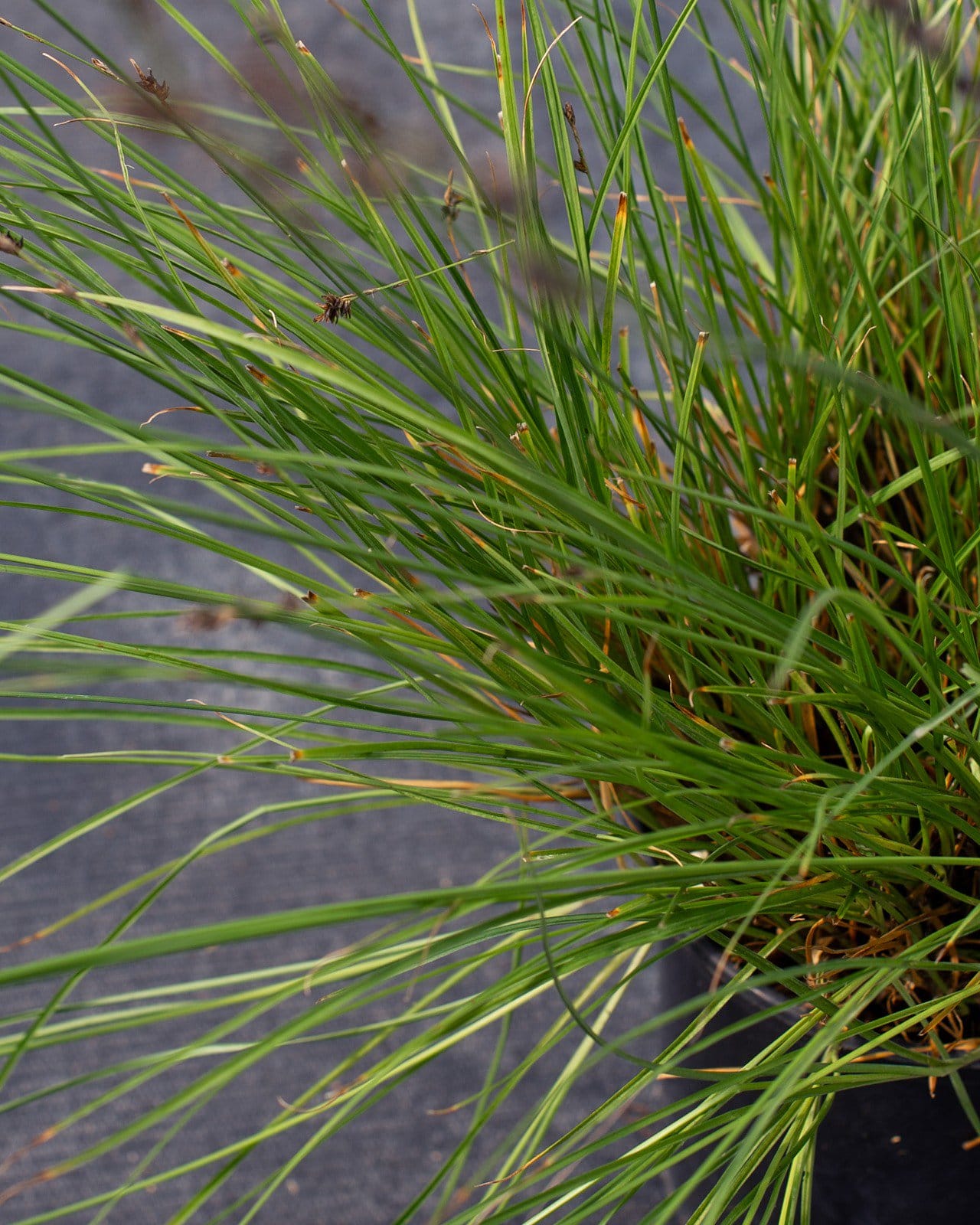
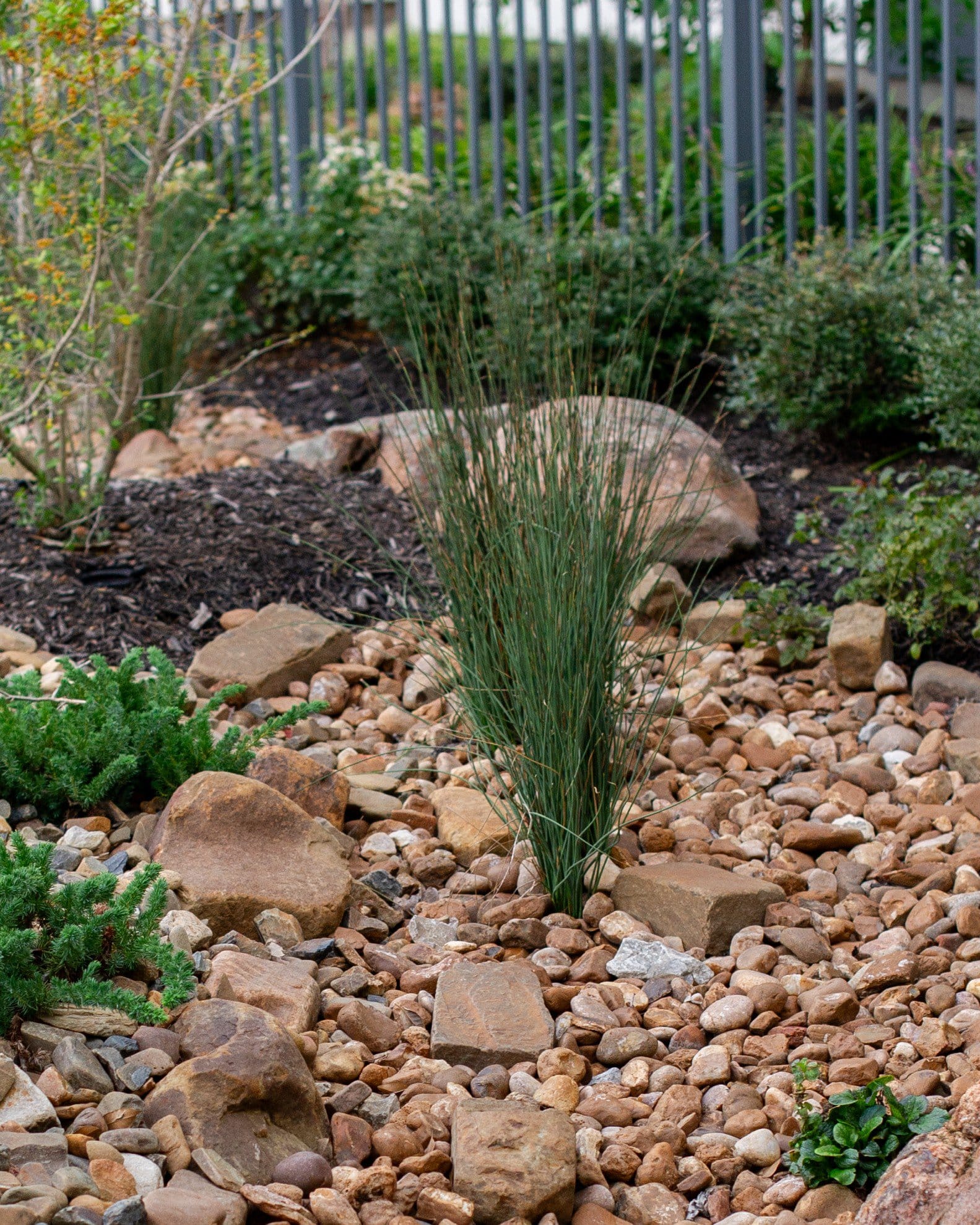
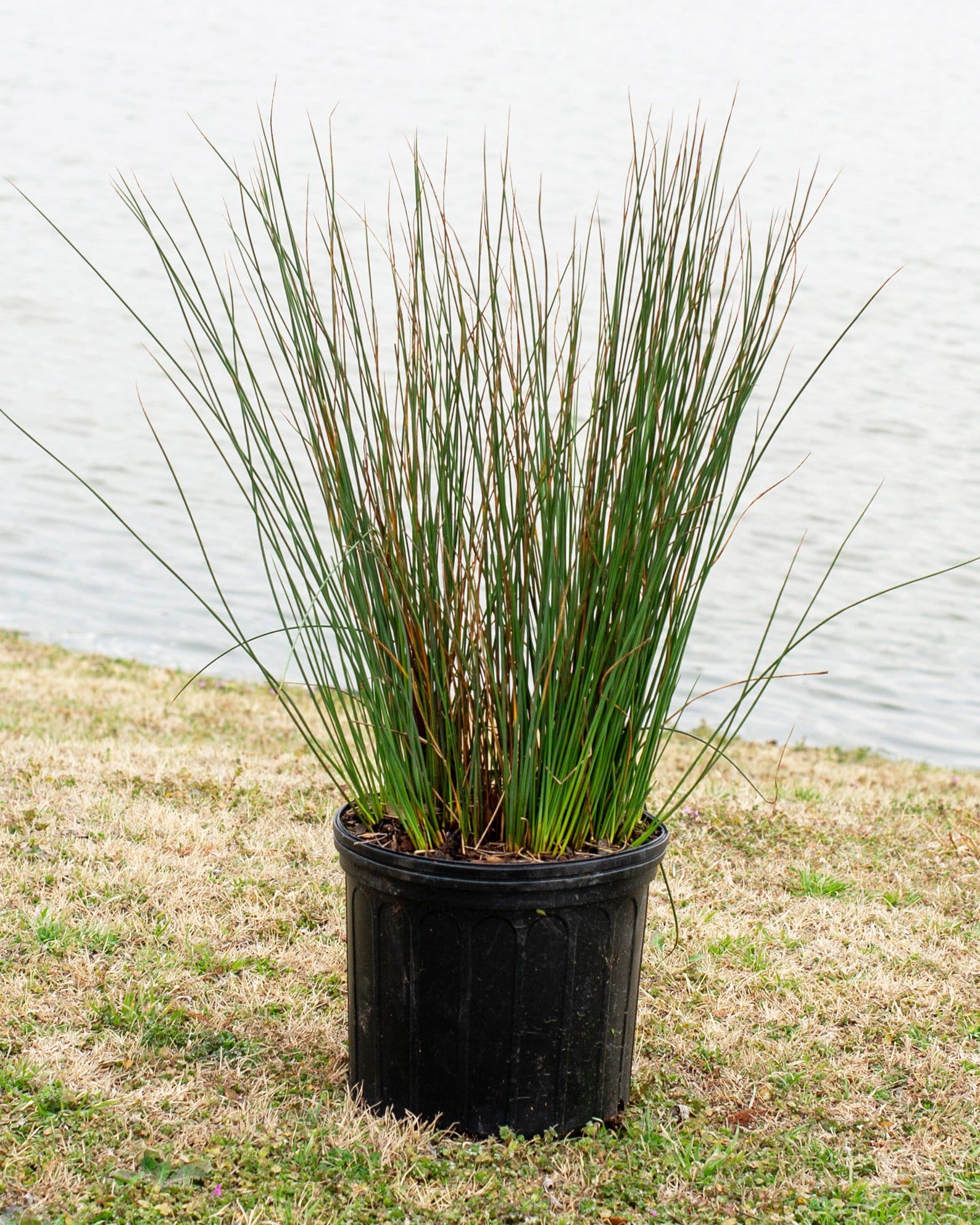
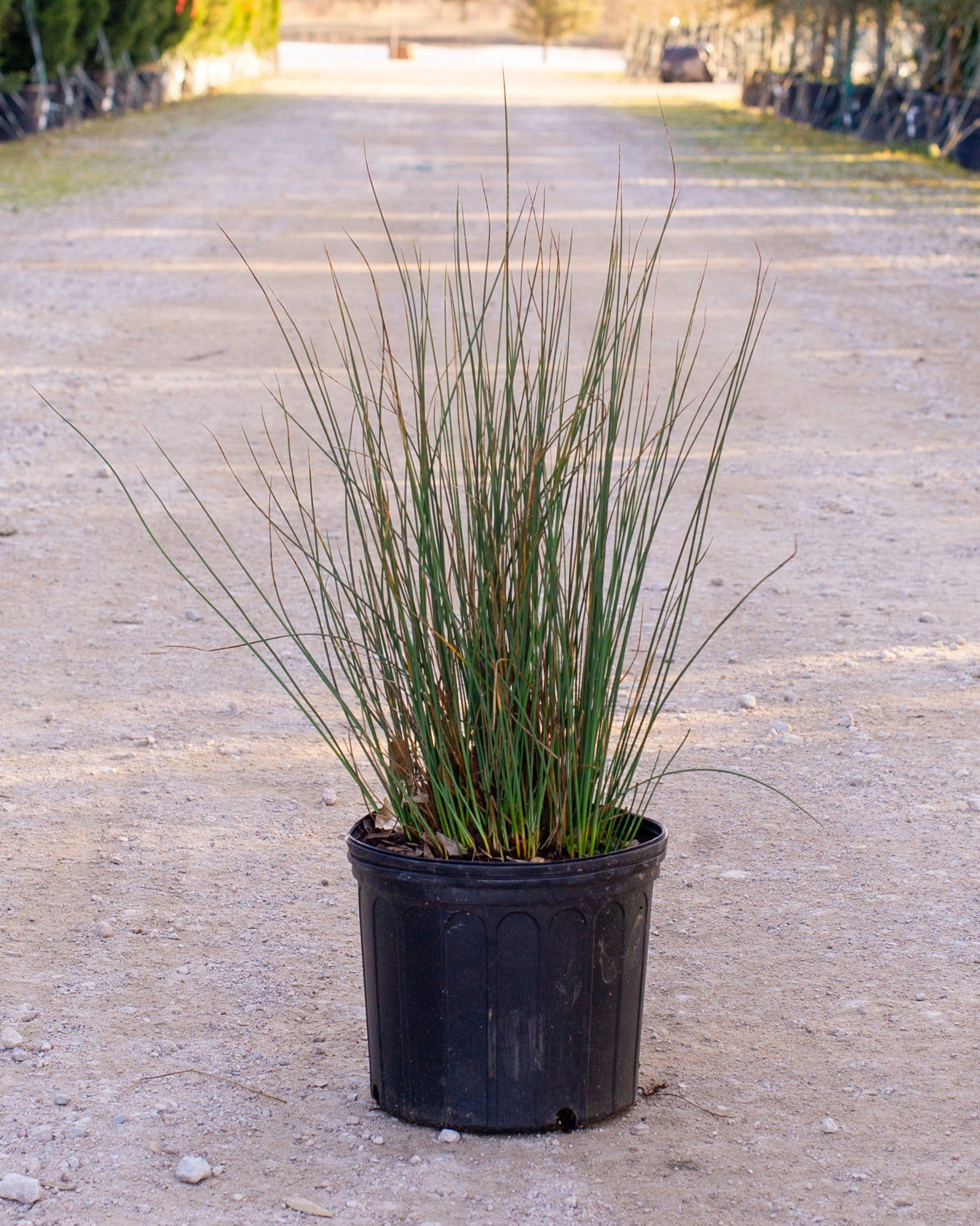
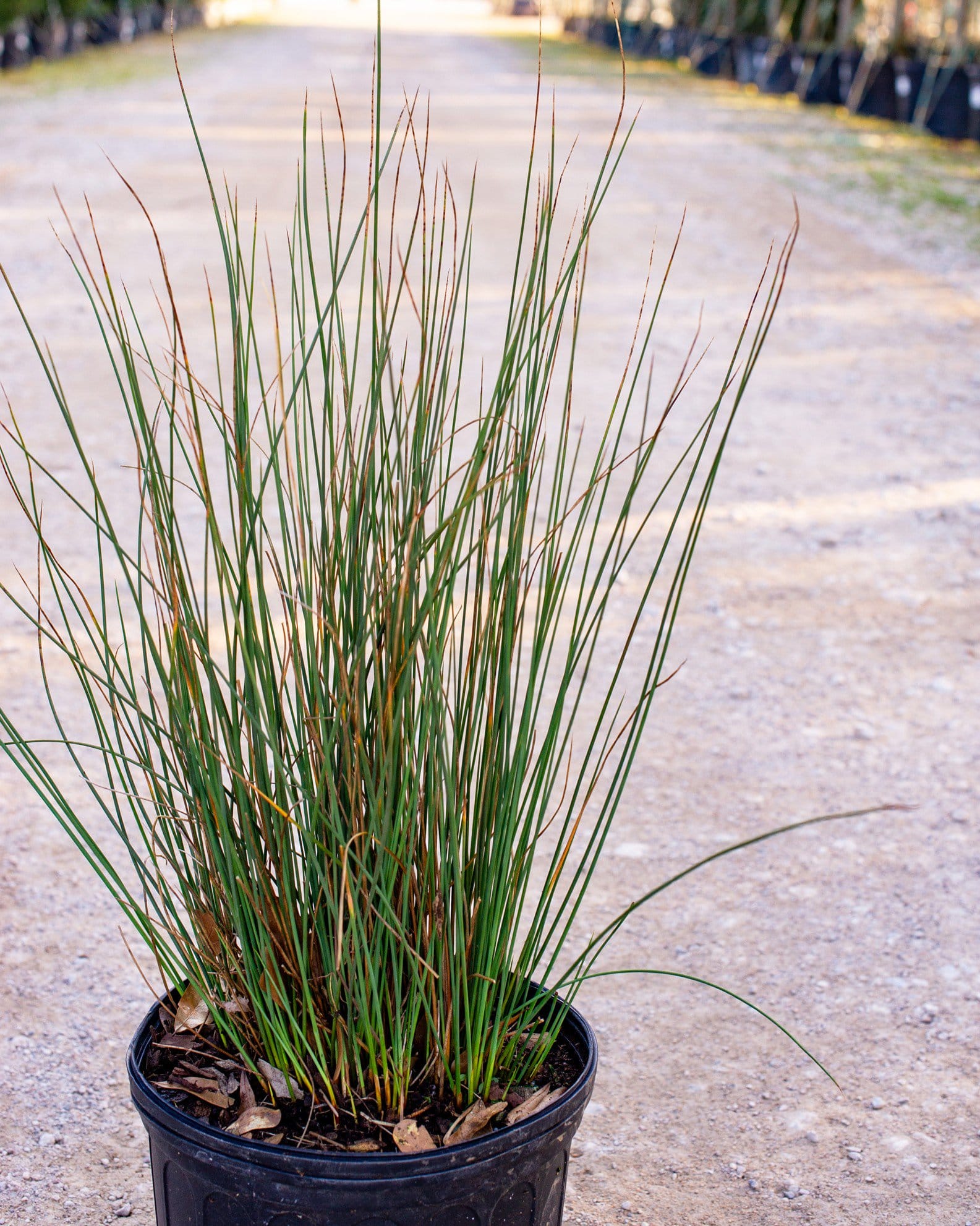
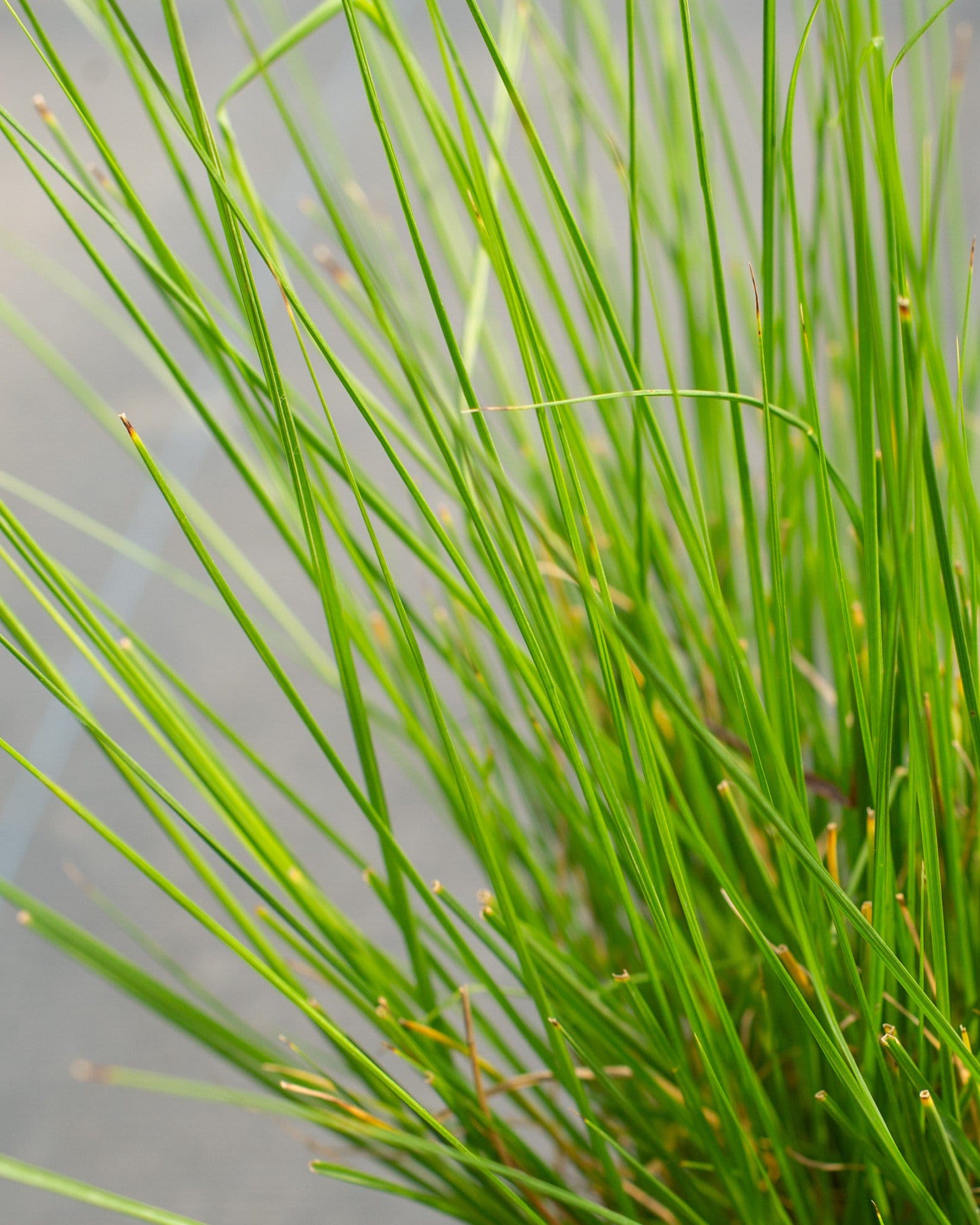
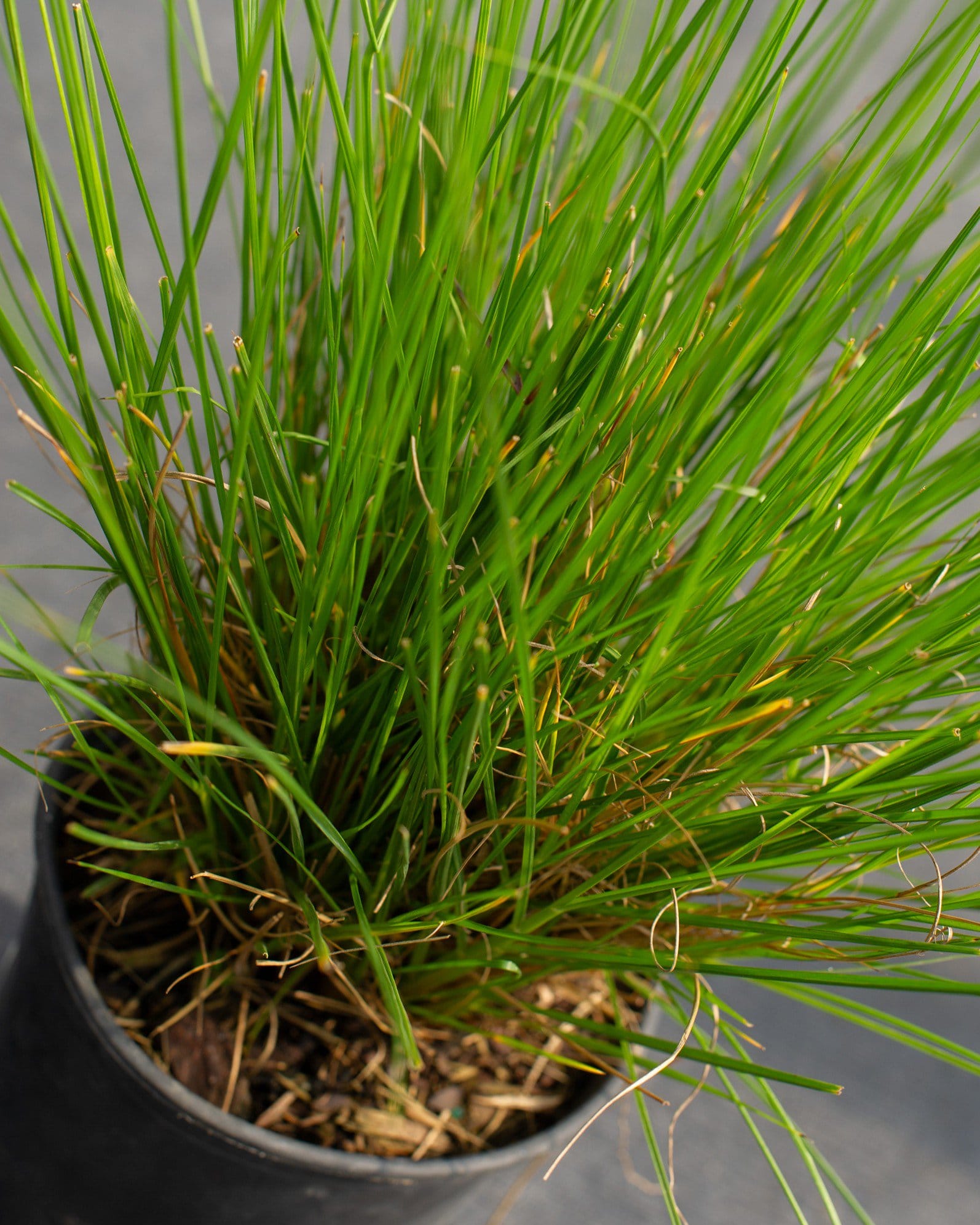
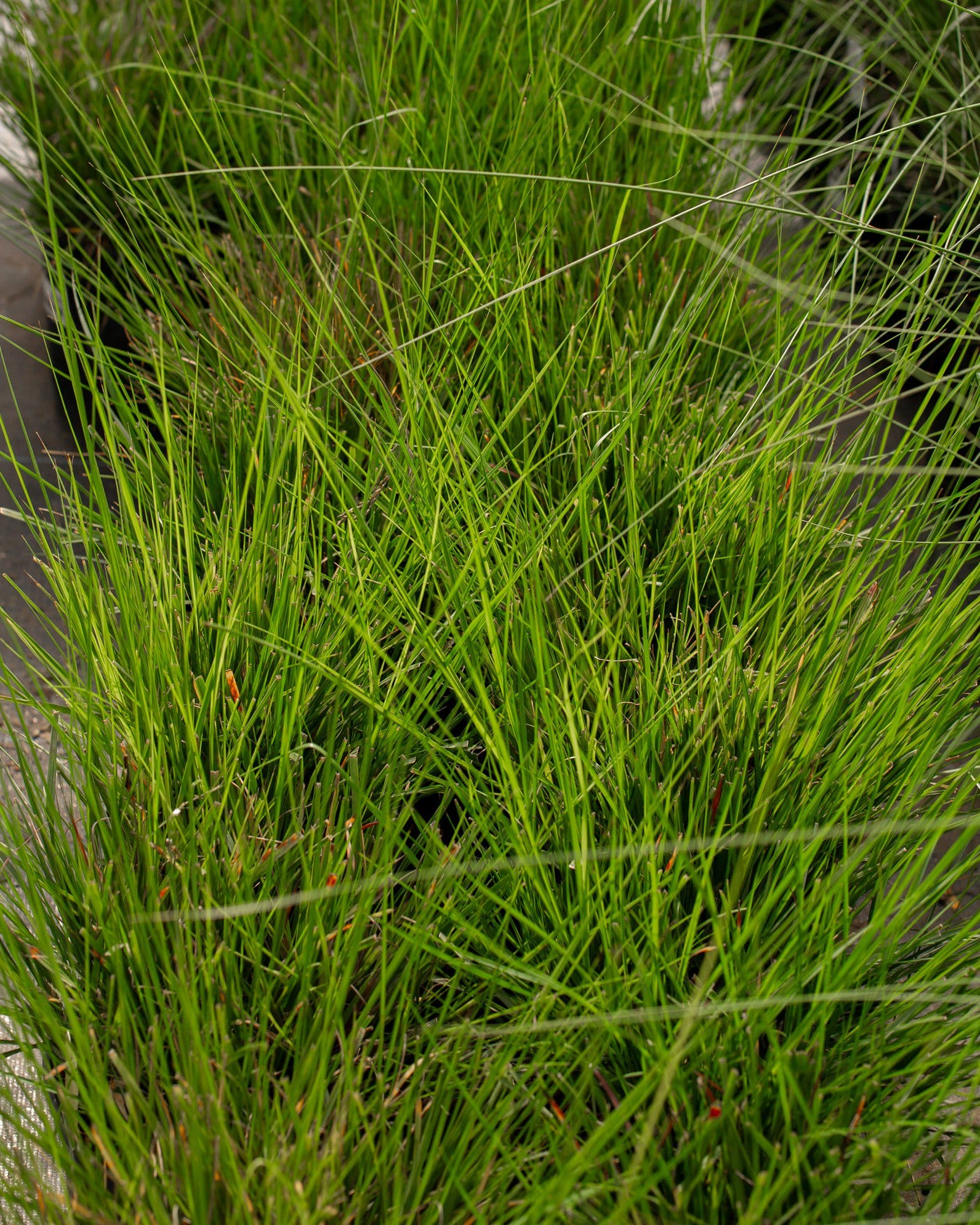
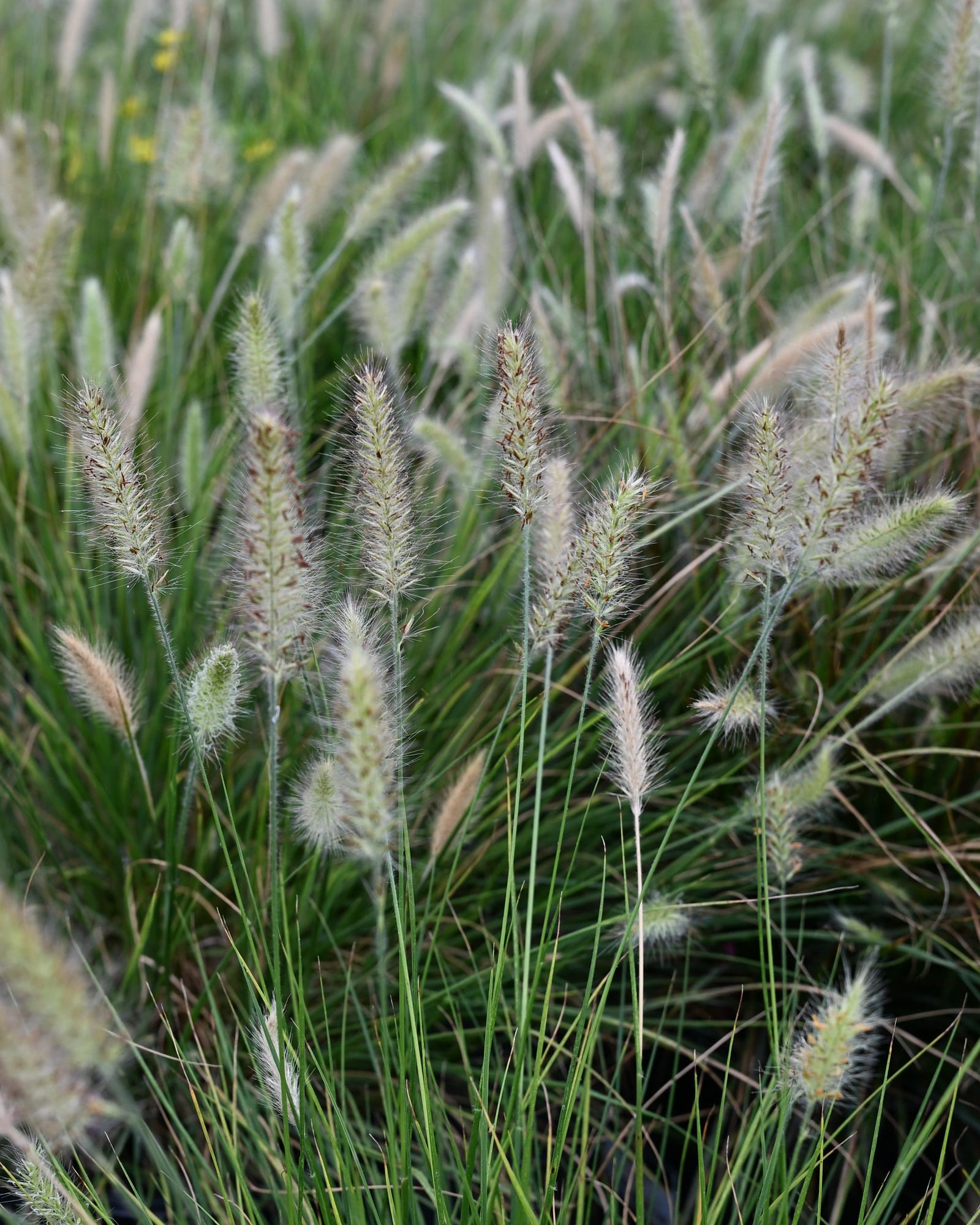
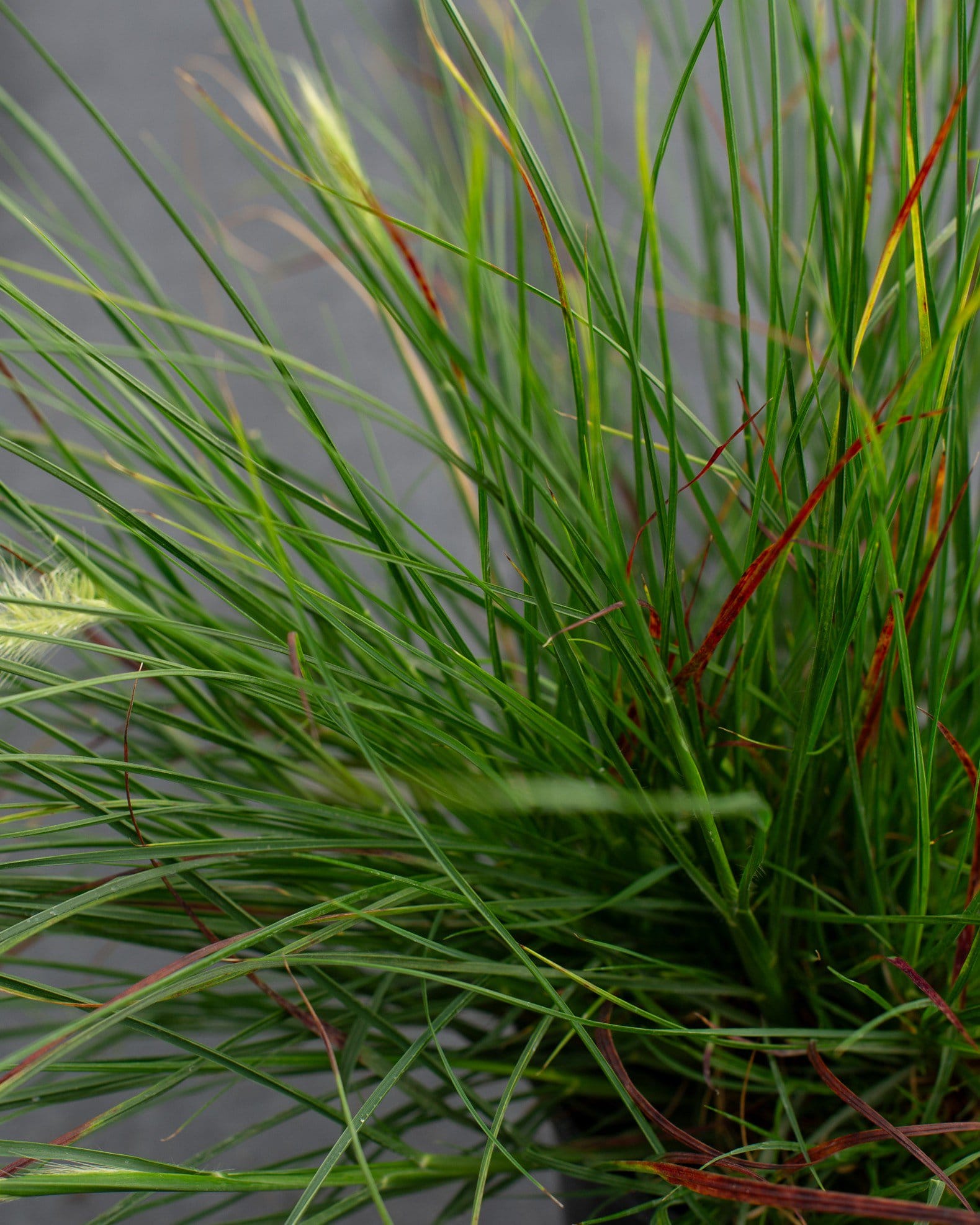
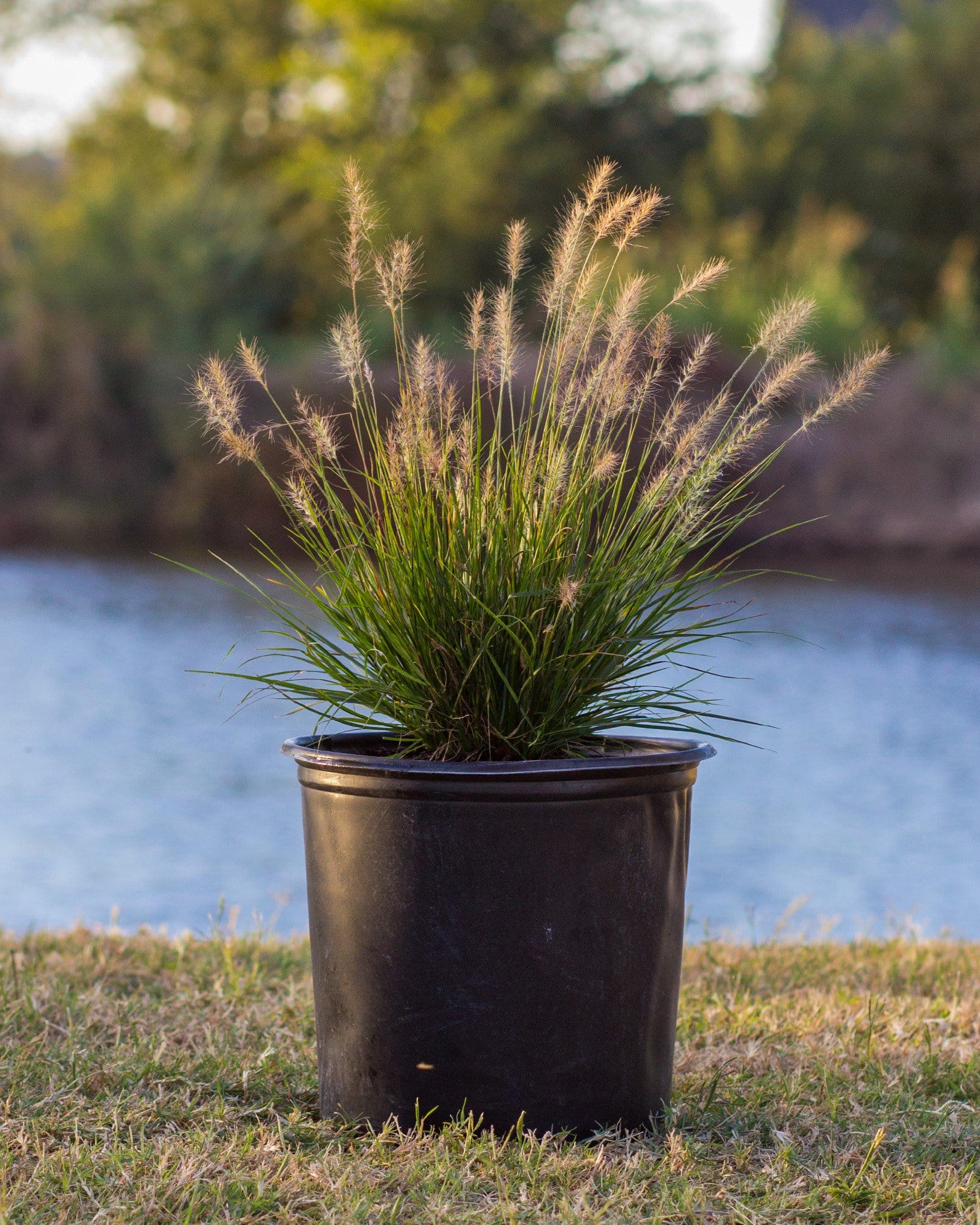
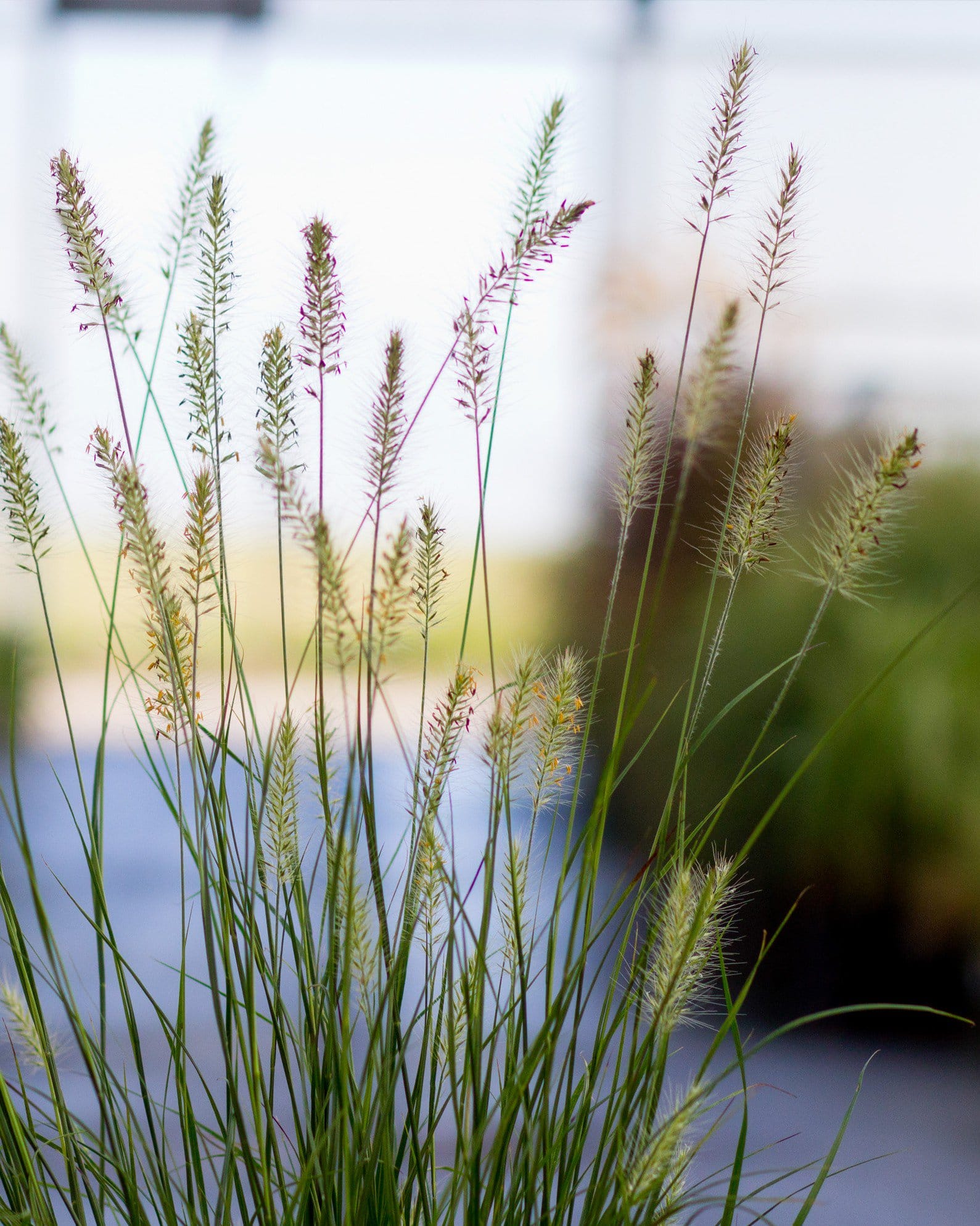
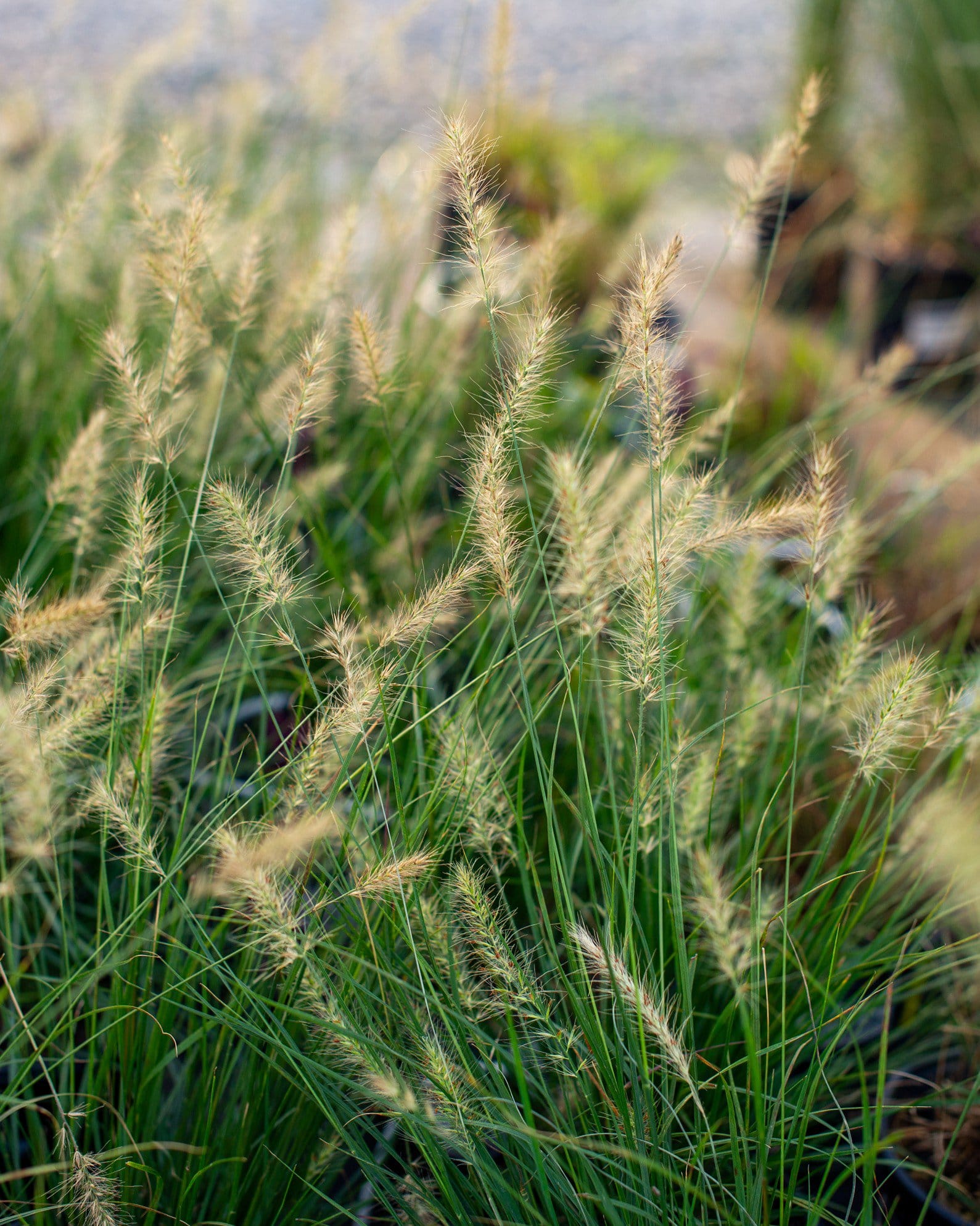
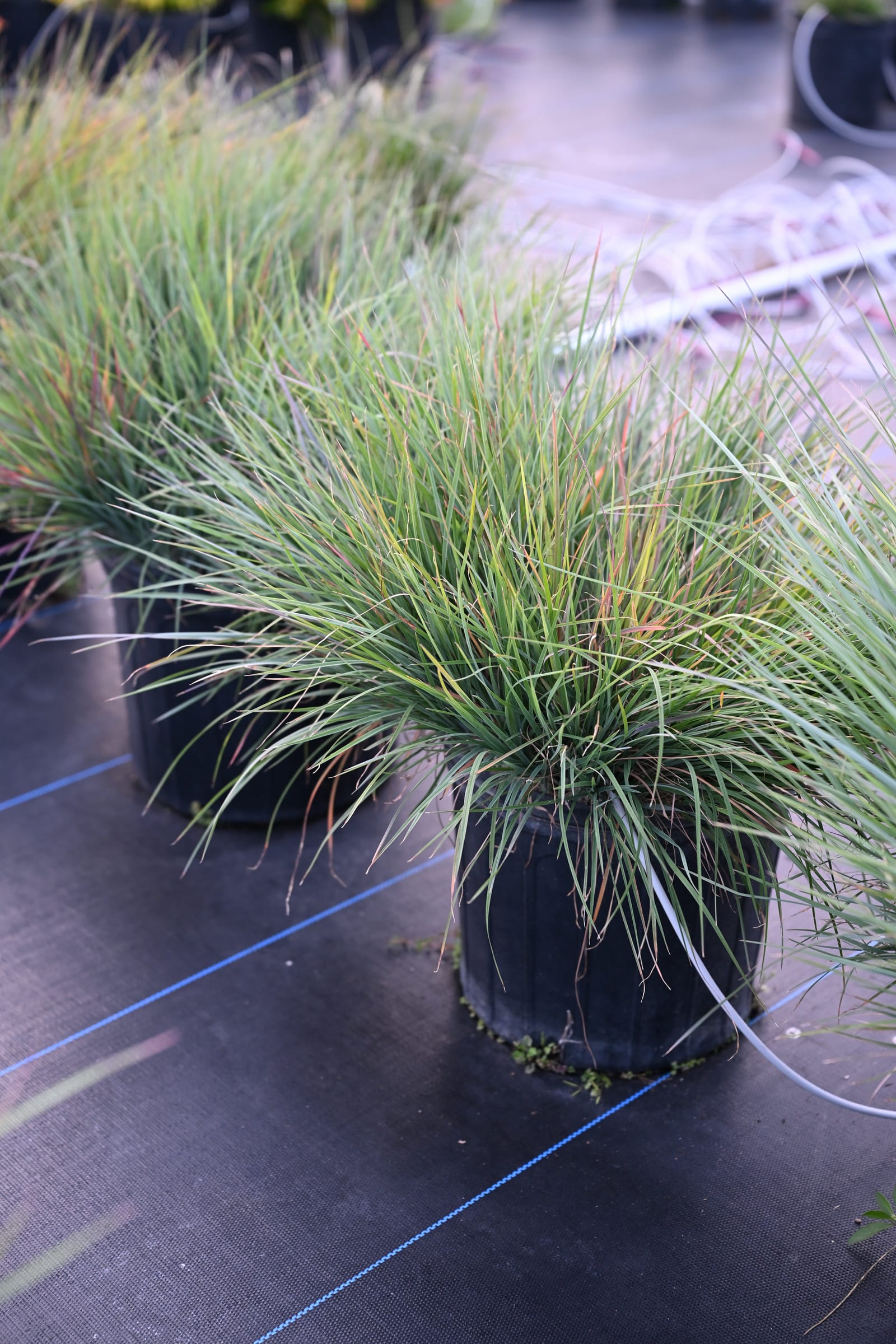
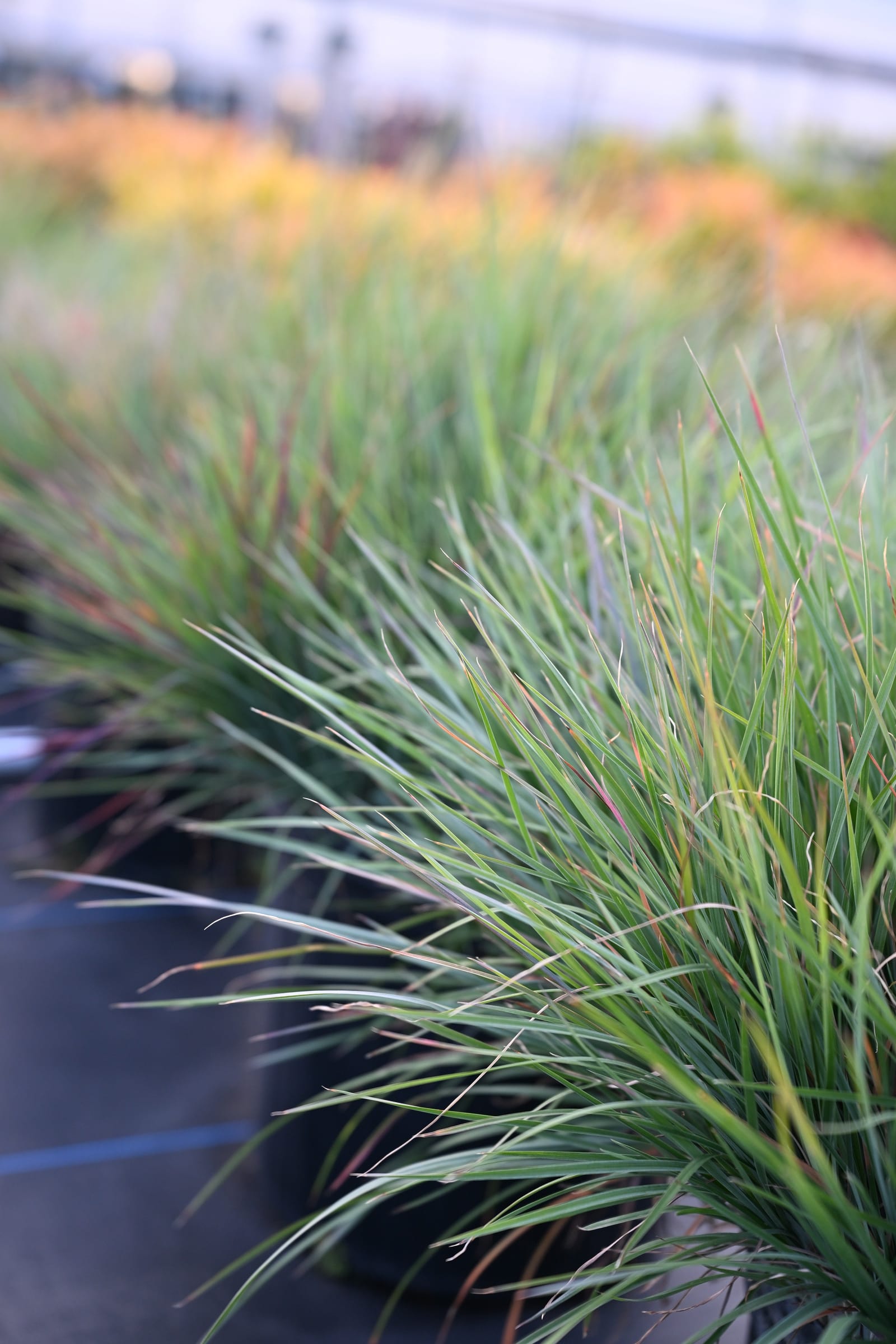
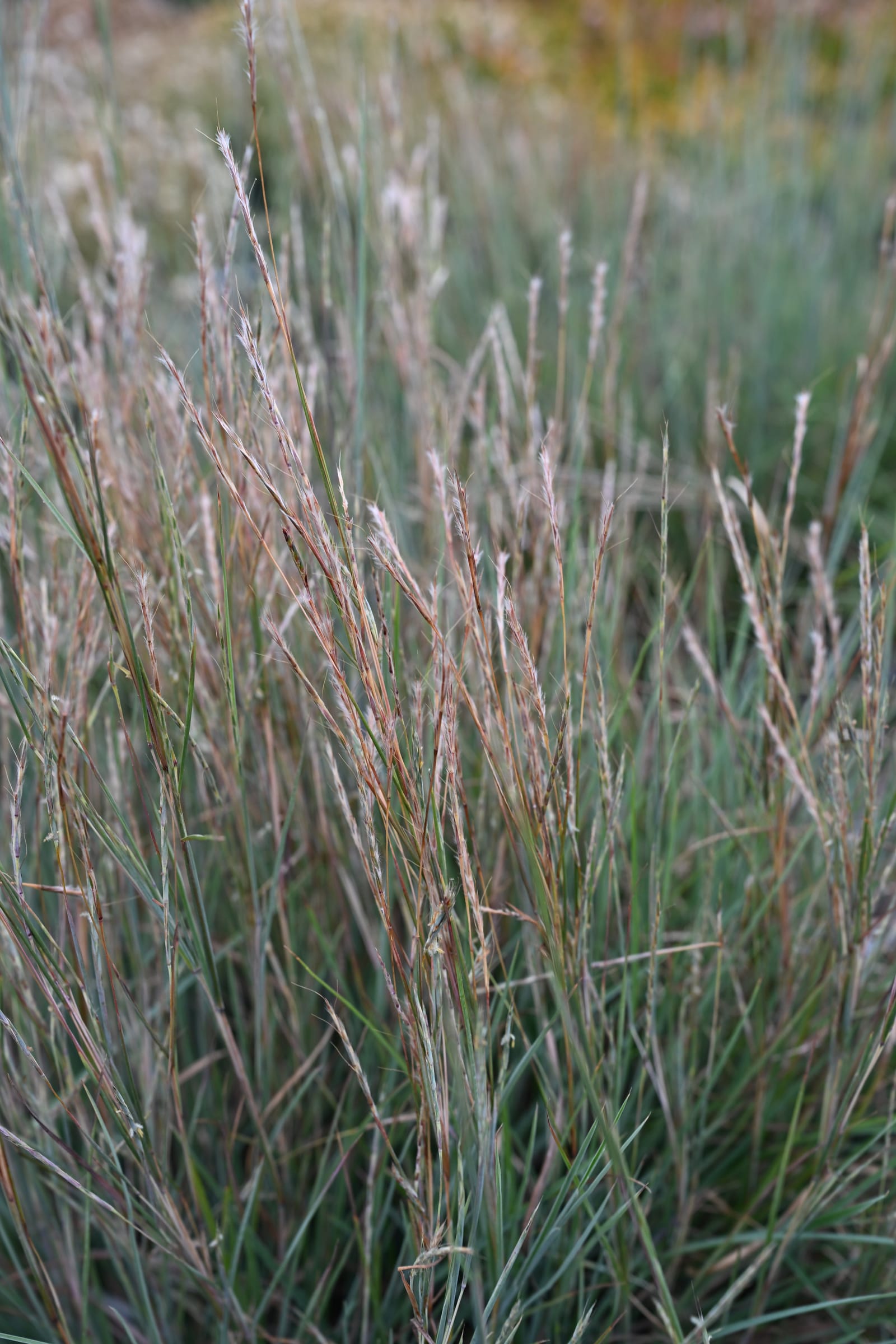
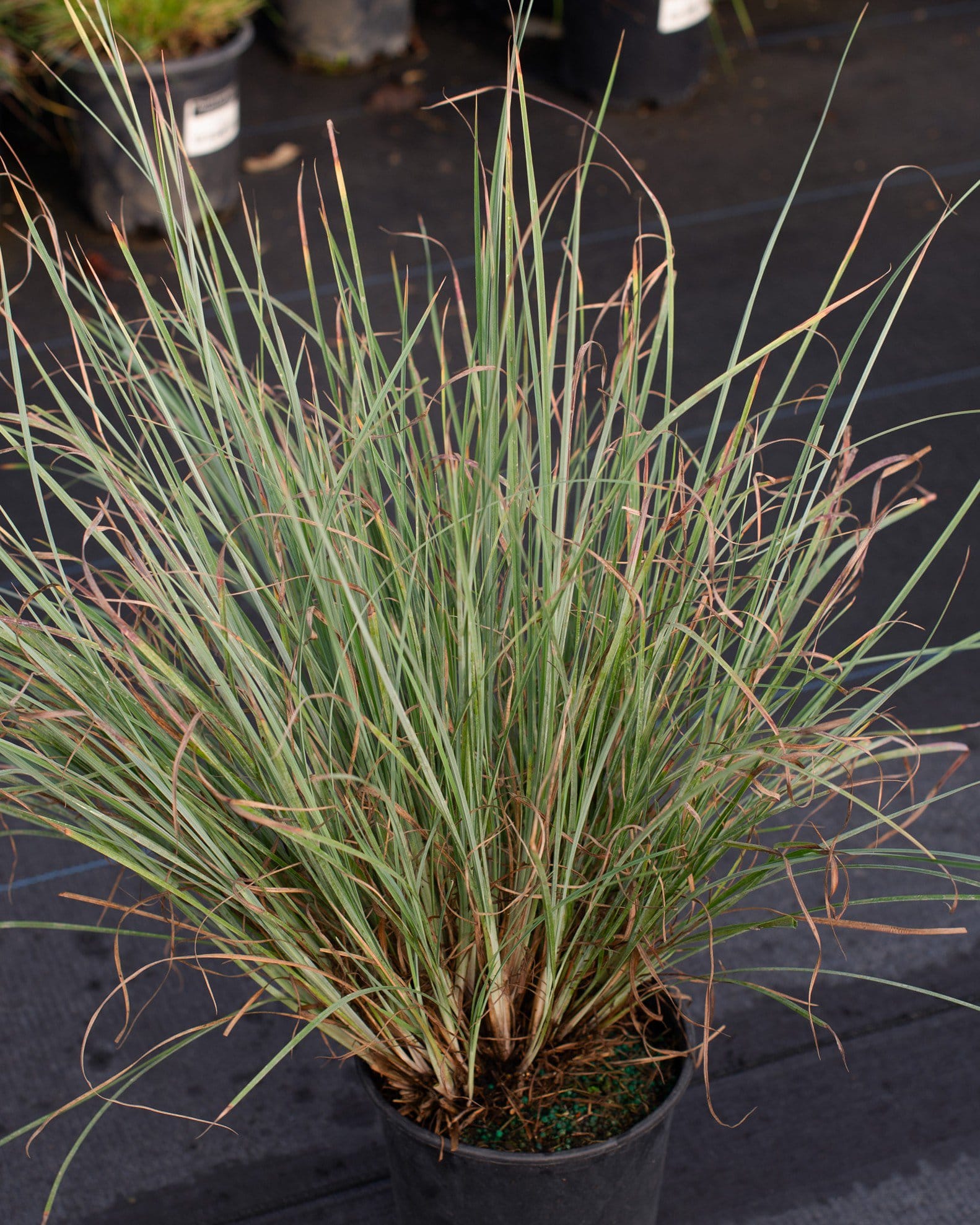
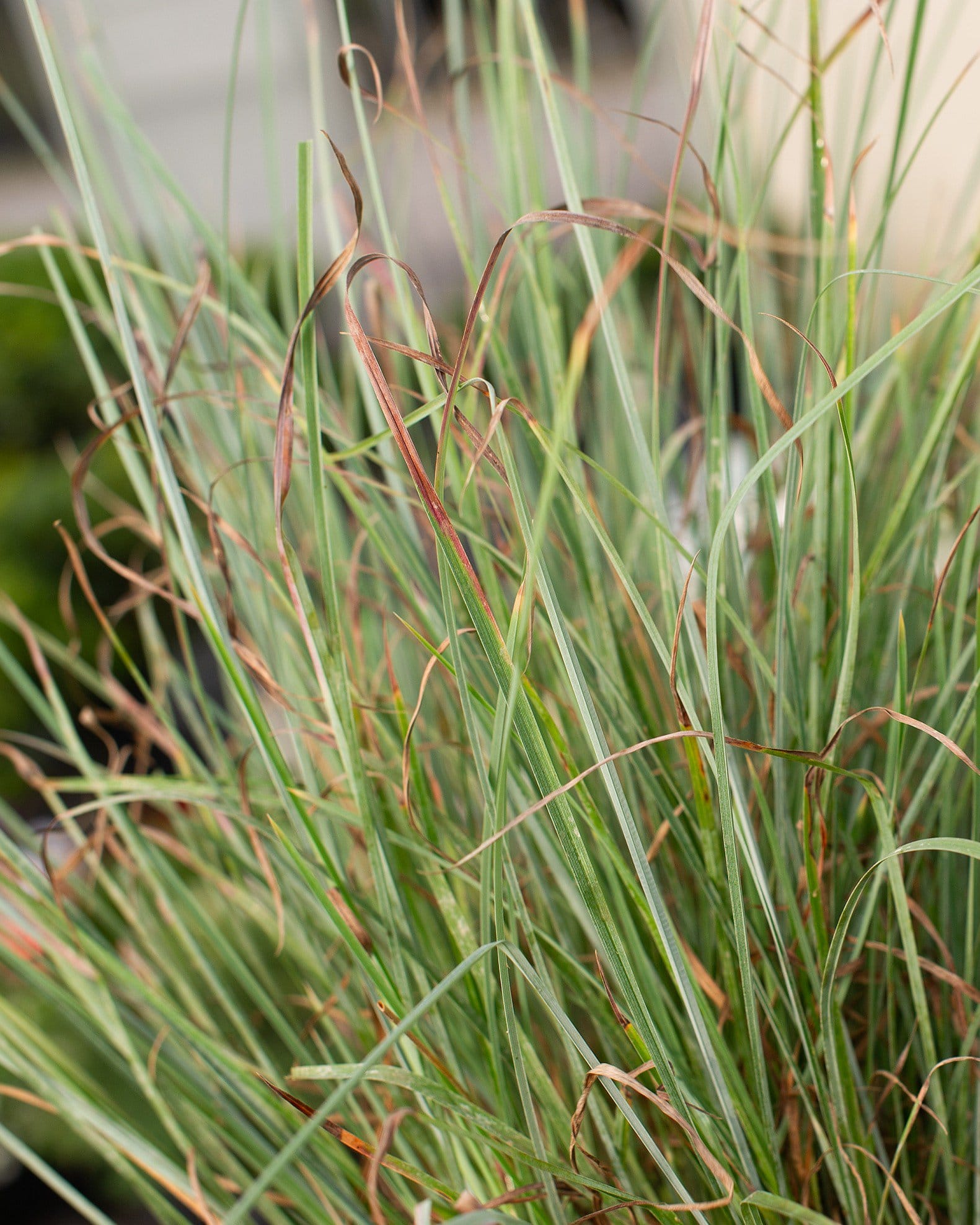
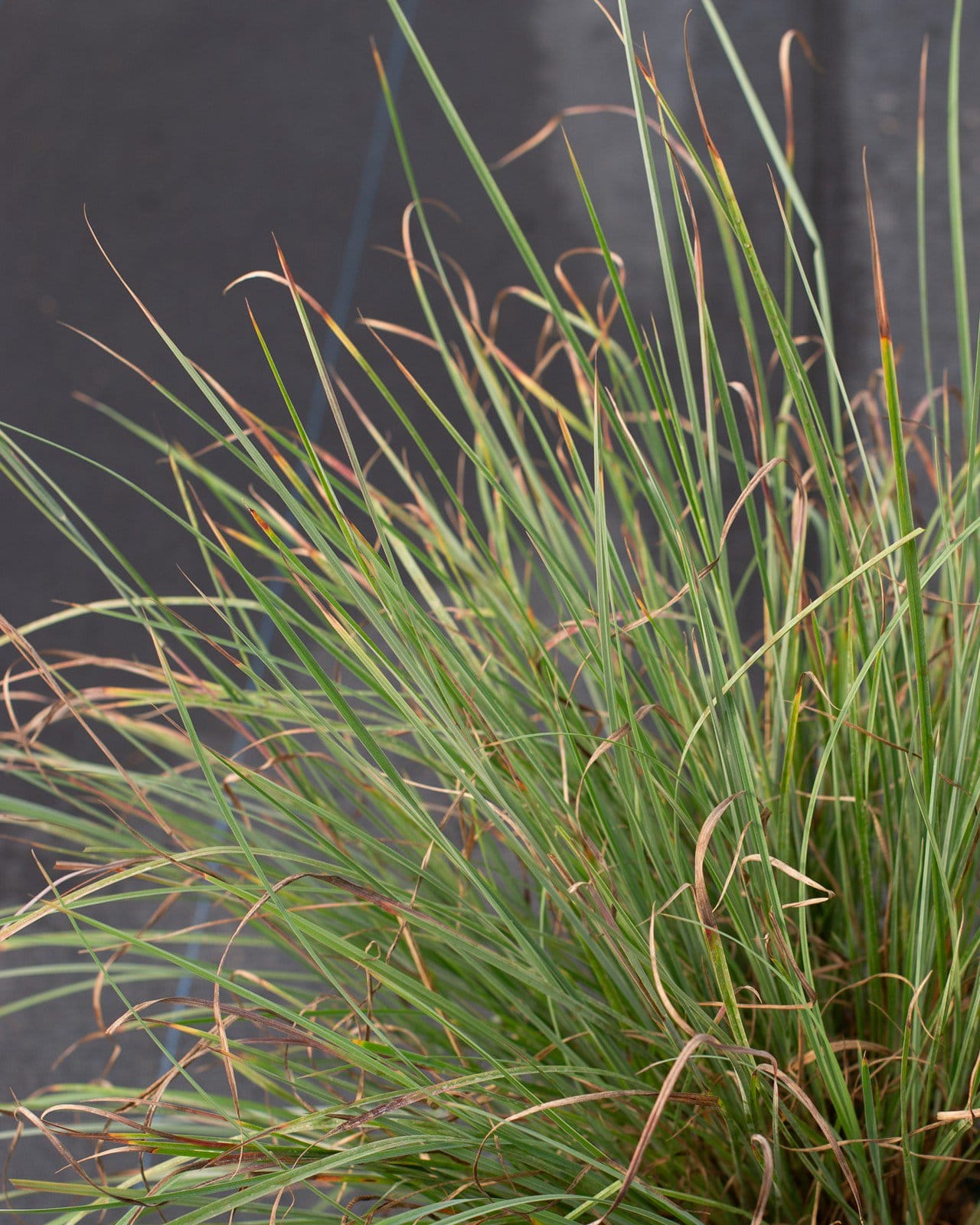
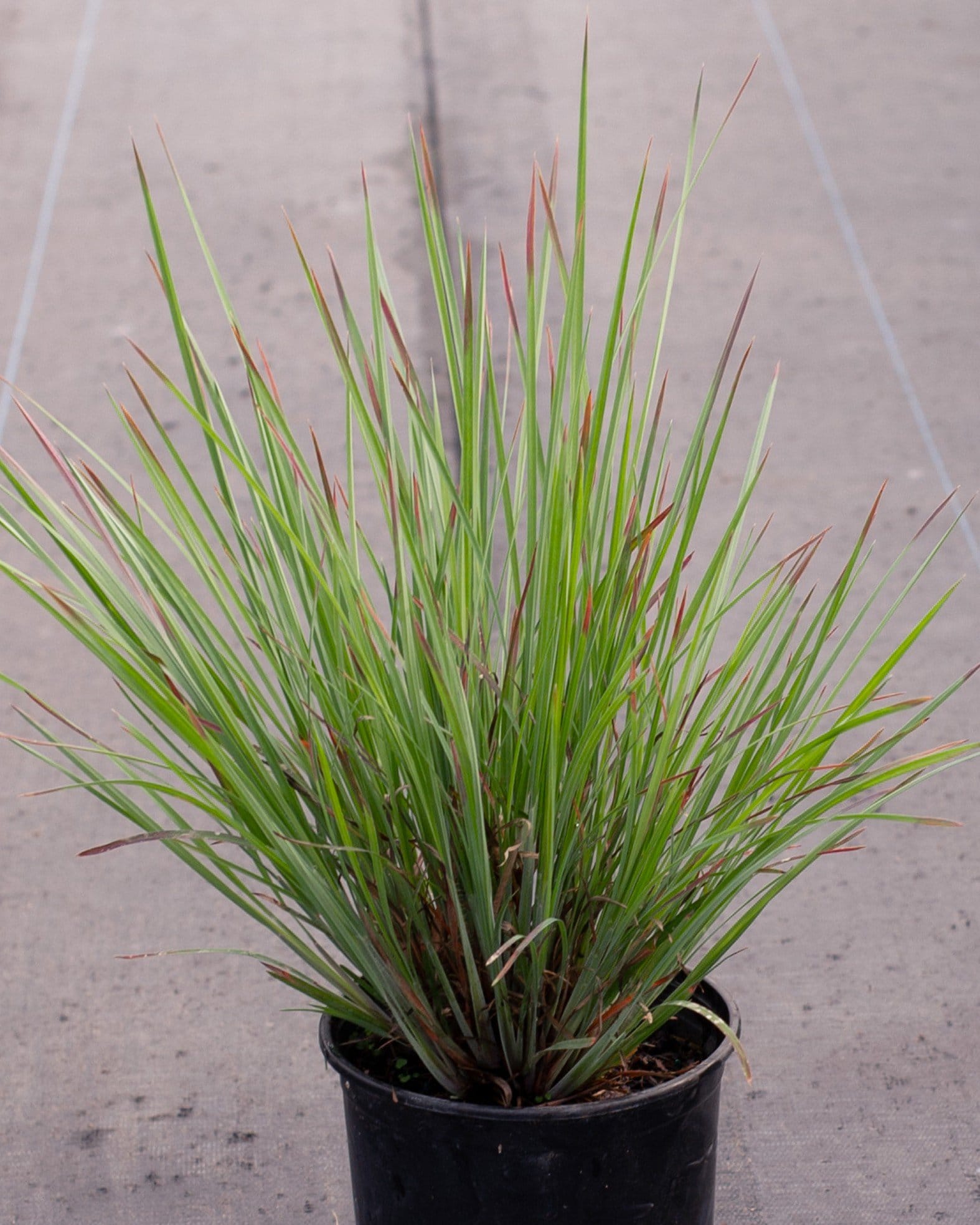
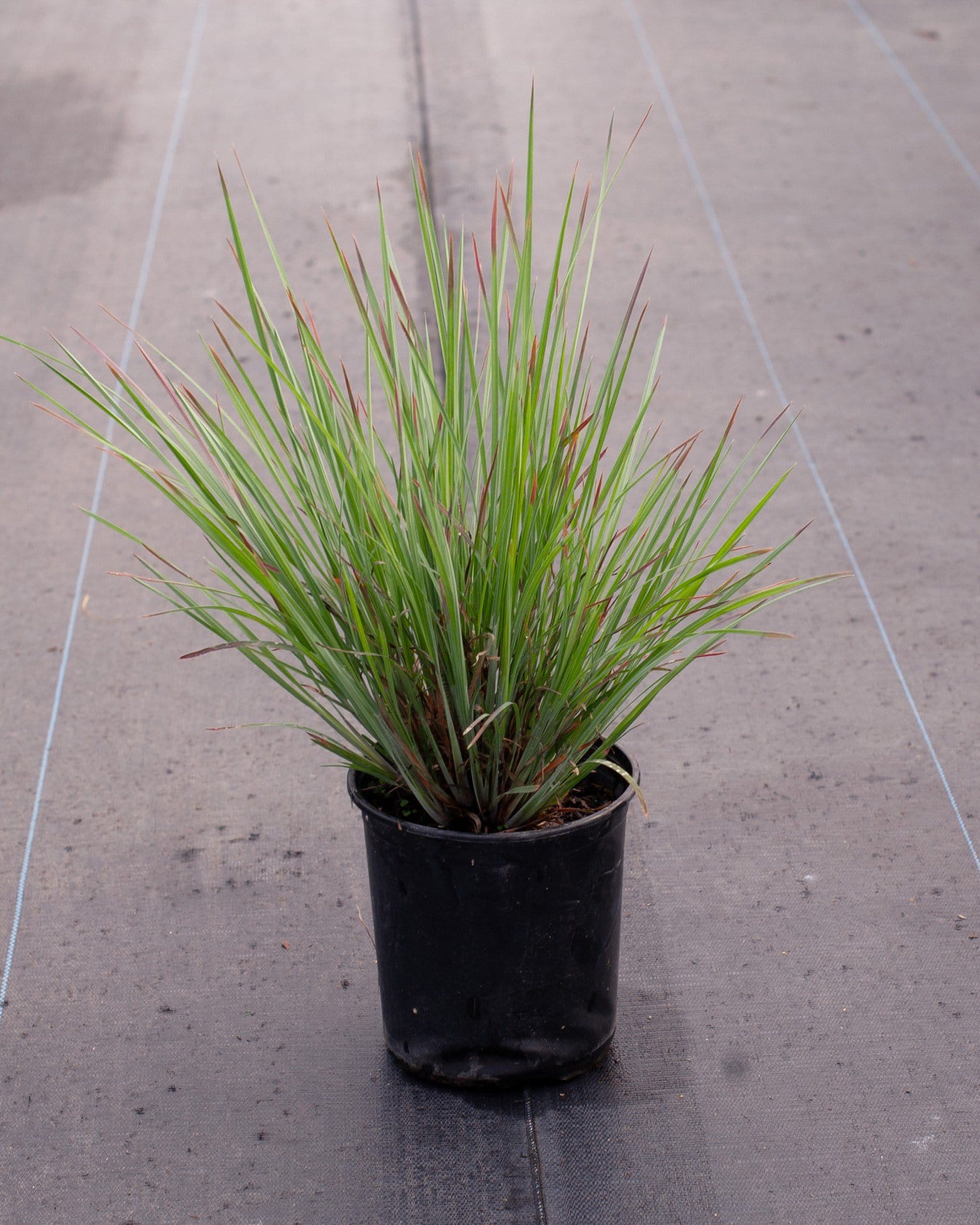
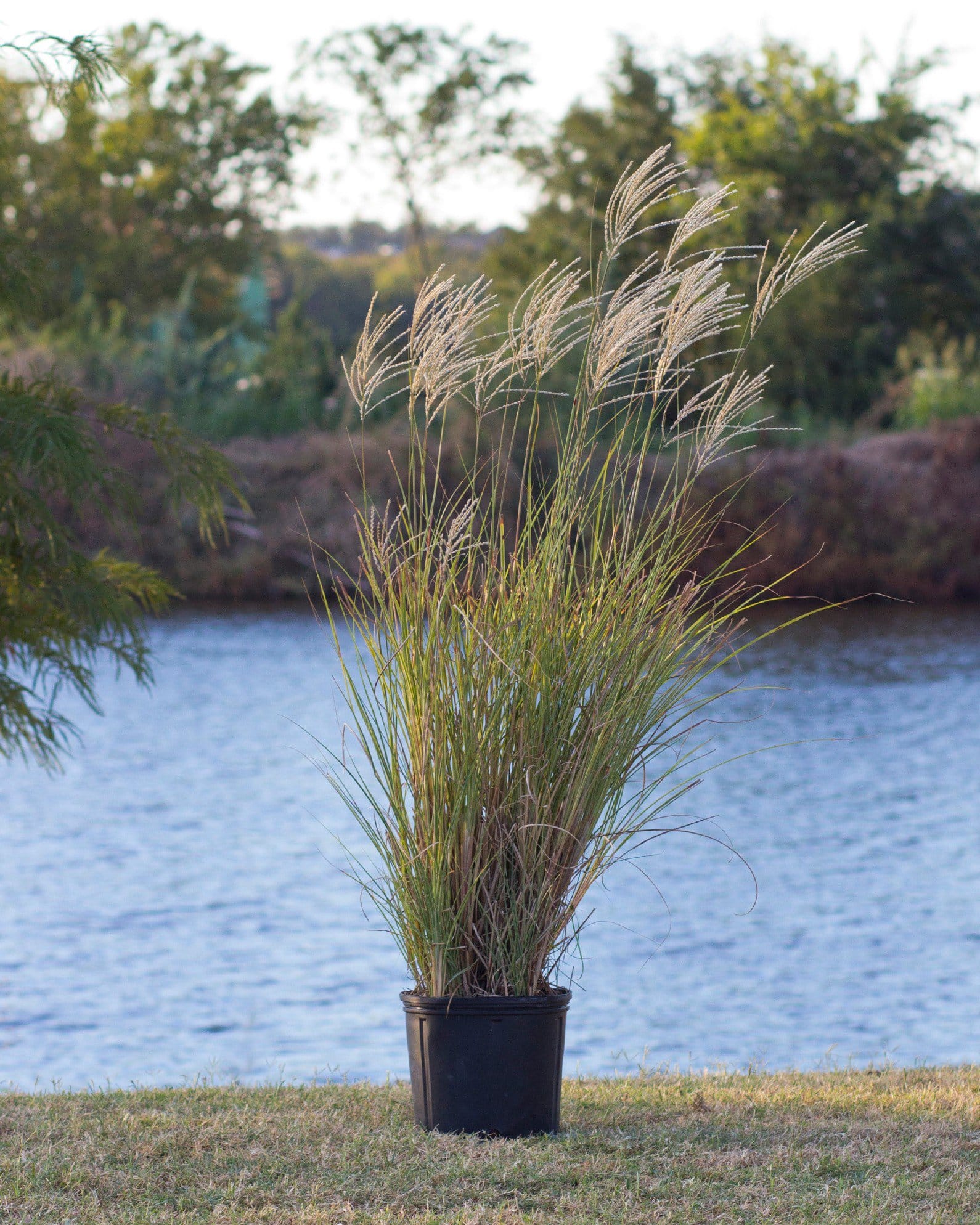
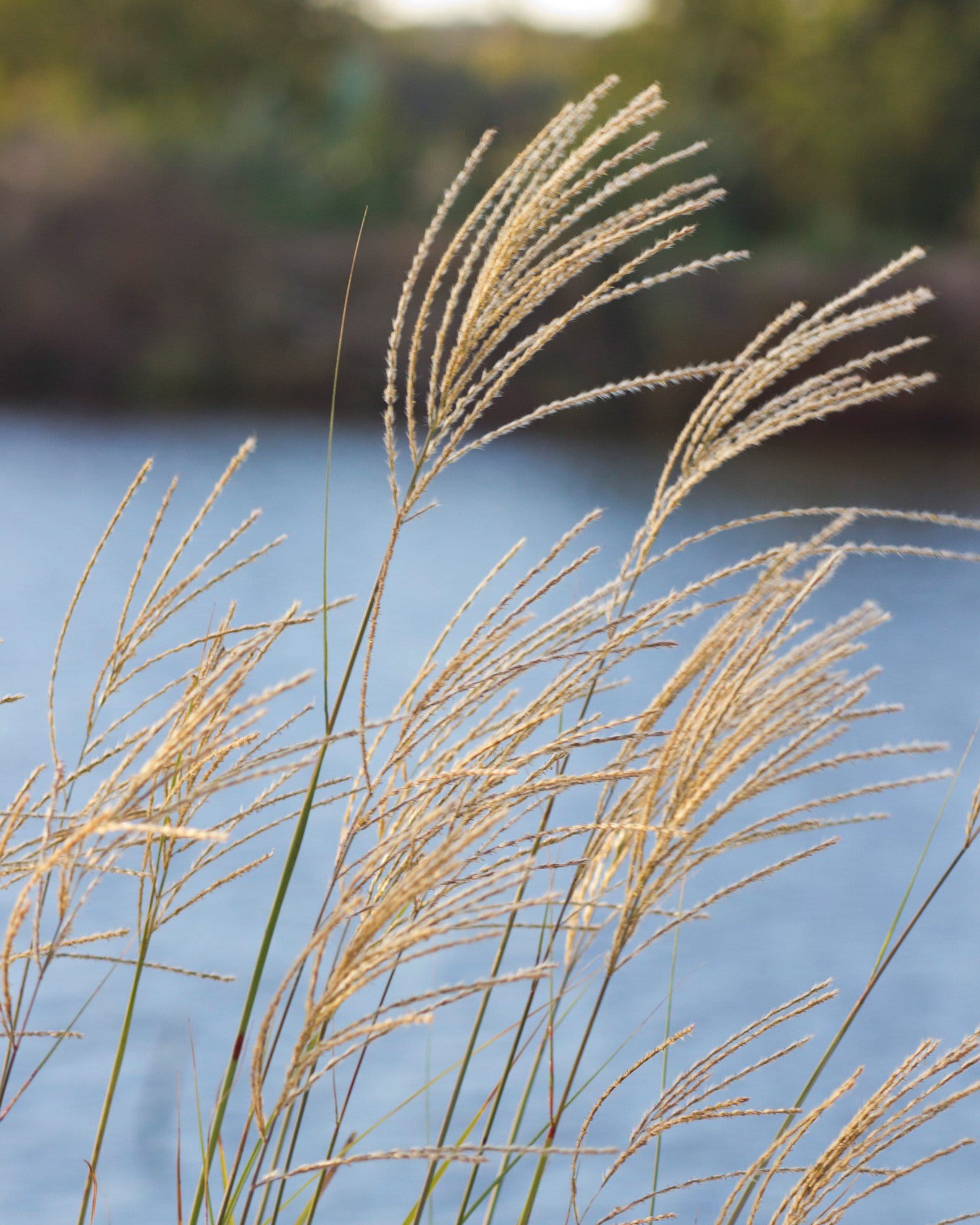
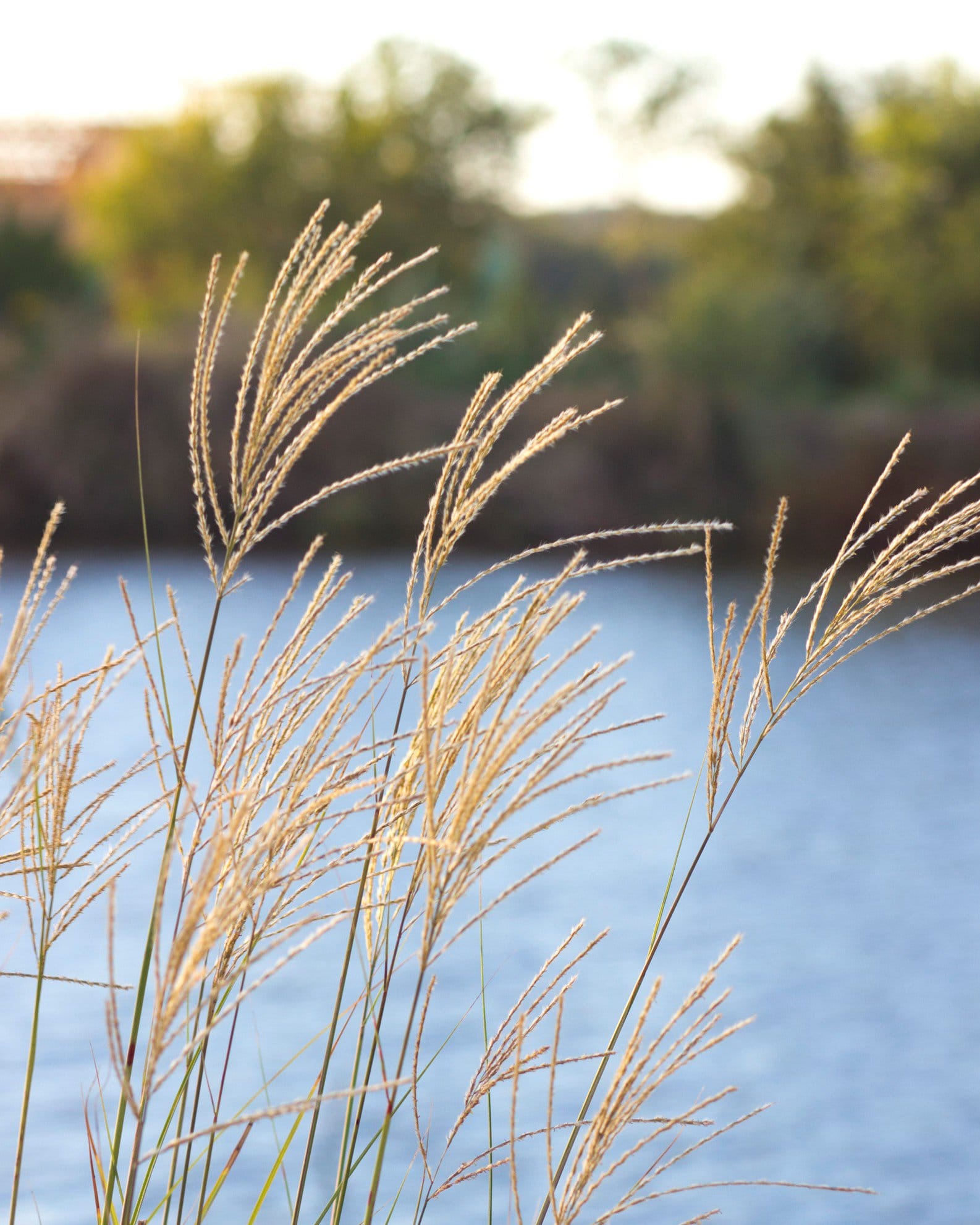
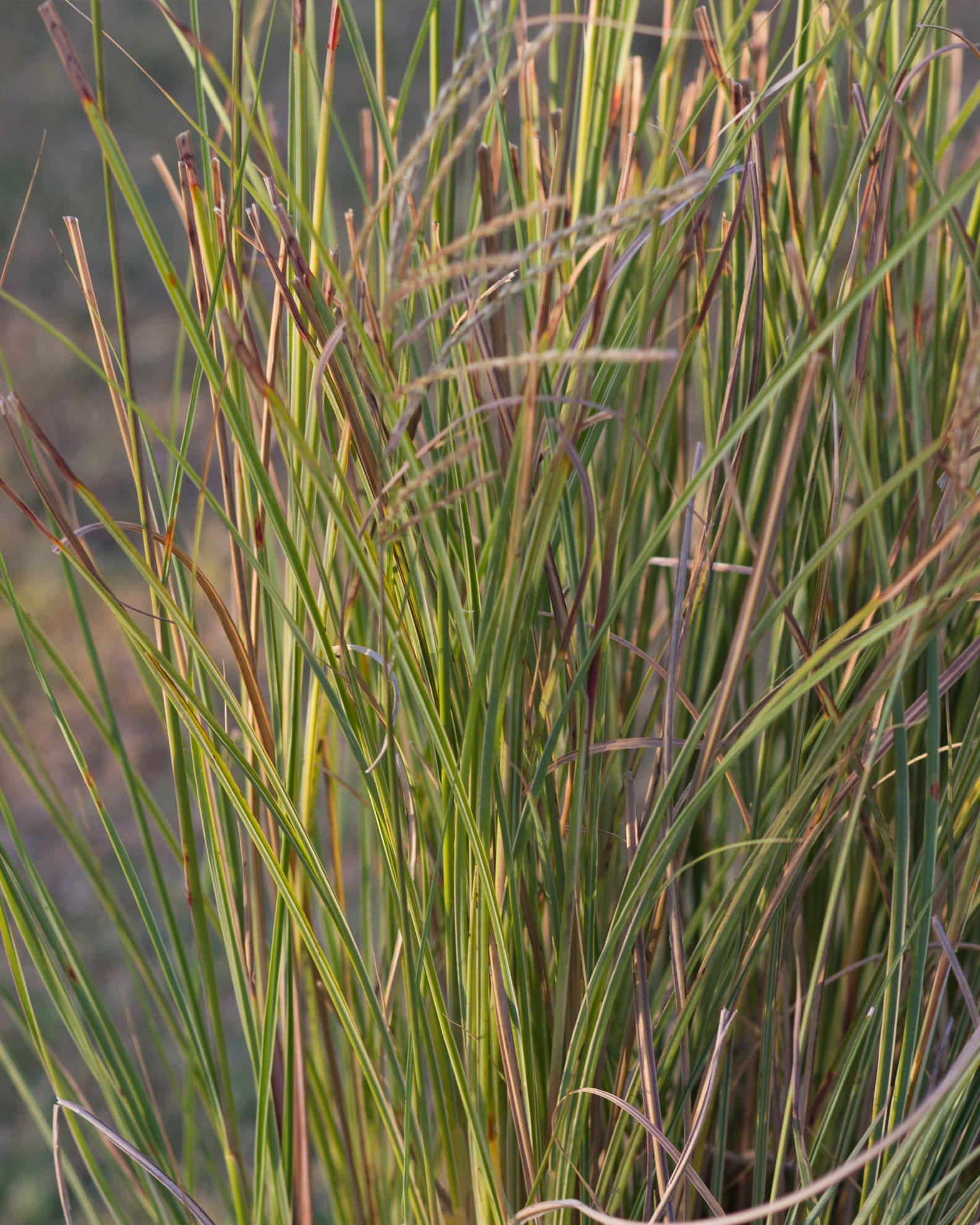
Calamagrostis × acutiflora ‘Karl Foerster’Karl Foerster Feather Reed Grass is a versatile beauty, great for containers, flower beds, backdrops, and borders. The foliage is glossy, in a wonderful deep green shade, turning golden in late fall. The feathery, delicate flowers bloom in early summer, its soft pink flower attracting attention no matter where you plant it. It grows upright, reaching 4 feet in height and 2 feet in width at maturity.
- Clumping growth habit
- Moderate growth rate
- Attractive and versatile
- Stunning airy plumes
- Thrives in full sun
Karl Foerster Feather Reed Grass is hardy in zones 4 to 9, faring well in the North Texas climate. It prospers in full sun. Best to be planted in well-drained soil, although this wonderful plant can be highly adaptable. With some care, expect your Karl Foerster Feather Reed Grass to provide a beautiful addition to your landscape with its gorgeous foliage and delicate plumes.
Karl Foerster Feather Reed Grass is one of the most versatile and elegant ornamental grasses, offering upright, architectural form and long-lasting visual interest with minimal effort. Here’s how to keep it healthy and attractive:
- Watering: Water regularly during the first growing season to establish a deep, resilient root system. Once mature, it is highly drought-tolerant and typically needs only occasional watering during extended dry periods. Avoid soggy soil, which can lead to root rot.
- Pruning: Cut back old foliage in late winter or early spring, before new growth emerges. Removing dead leaves helps maintain a tidy appearance and encourages fresh, vigorous growth. Avoid cutting into the emerging crown to prevent damage to new shoots.
- Fertilizing: Feed lightly in early spring with a balanced, slow-release fertilizer. Established plants usually need little supplemental feeding, as overfertilizing can promote excessive leaf growth at the expense of flower plumes.
- Mulching: Apply a 2-3 inch layer of mulch around the base to retain soil moisture, regulate temperature, and suppress weeds. Keep mulch a few inches away from the crown to prevent rot. Refresh annually to maintain soil health.
- Winter Care: Karl Foerster is exceptionally hardy. Its foliage often turns golden-brown and provides winter interest. The dried plumes can be left for visual texture and wildlife cover or trimmed back in early spring. Young plants benefit from a light mulch layer in severe cold to protect roots.
Though remarkably low-maintenance, Feather Reed Grass can occasionally experience minor issues:
- Flopping or Leaning: Overcrowding, heavy rainfall, or insufficient sunlight can cause tall stems to flop. Space plants properly, ensure full sun, and trim back old foliage annually to maintain upright form.
- Yellowing or Browning Leaves: Often caused by overwatering, poor drainage, or extreme drought stress. Adjust watering practices and improve soil drainage to restore healthy growth.
- Pests: Karl Foerster is largely pest-free, but occasionally aphids or mites may appear. Spray with a strong jet of water or use insecticidal soap if infestations persist.
- Fungal Leaf Spot: Rare, usually in humid or poorly ventilated areas. Remove affected leaves and improve airflow. Fungicide is rarely necessary.
- Poor Flower Plumes: Excess nitrogen or too much shade can reduce the size or number of feathery flower heads. Ensure full sun exposure and avoid overfertilizing.
With proper care, it can live 10-15 years or more, often expanding over time into a dense clump with graceful vertical form.
It grows moderately, reaching full height within 2-3 years. Flowering typically begins in the first or second year.
Yes, its tall plumes provide seeds for birds in fall, and the foliage offers cover for small wildlife. Bees may occasionally visit for pollen.
Yes, its tough, fibrous leaves and upright form make it unappealing to deer and other large browsing animals.
Yes, smaller specimens perform well in large, well-draining containers. Water more regularly than in-ground plants and avoid waterlogged soil.
Absolutely. Once established, it thrives in hot, dry conditions and is ideal for low-water landscapes or xeriscaping.
Yes. Cut back one-third of the oldest stems to the ground in late winter to encourage fresh, vigorous growth and maintain clump shape.
Yes. It tolerates pollution, reflected heat, and compacted soils, making it perfect for city gardens, street medians, and coastal areas.
Yes. Upright foliage offers structure all year, while flower plumes emerge in summer and persist into winter, creating movement and texture in the landscape.
Its tall, narrow form, dramatic vertical plumes, and year-round ornamental interest make it a standout architectural grass, suitable for formal and naturalistic plantings alike.
Special Features
You might also like
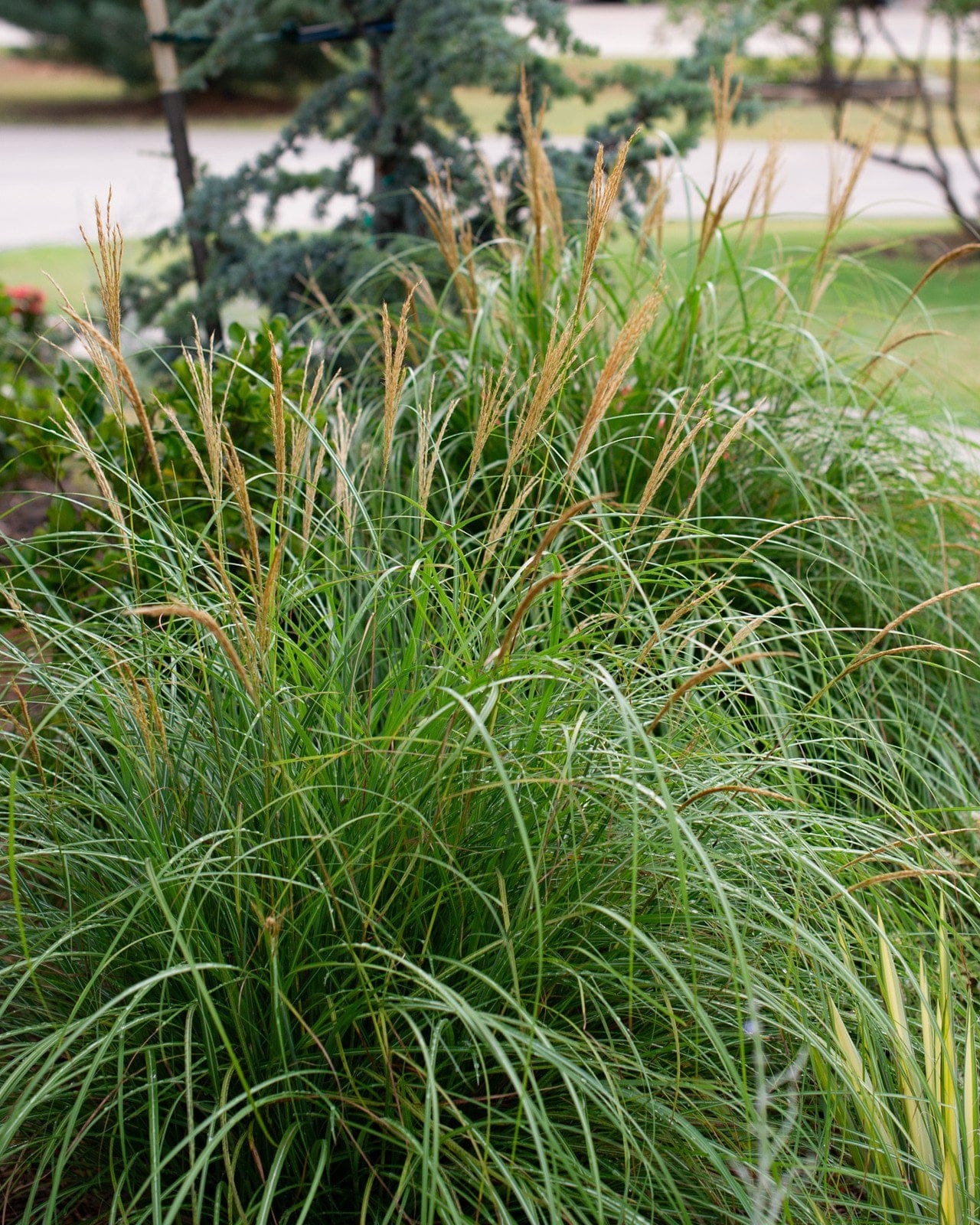
Adagio Miscanthus
Maturity: 3' H x 3' W
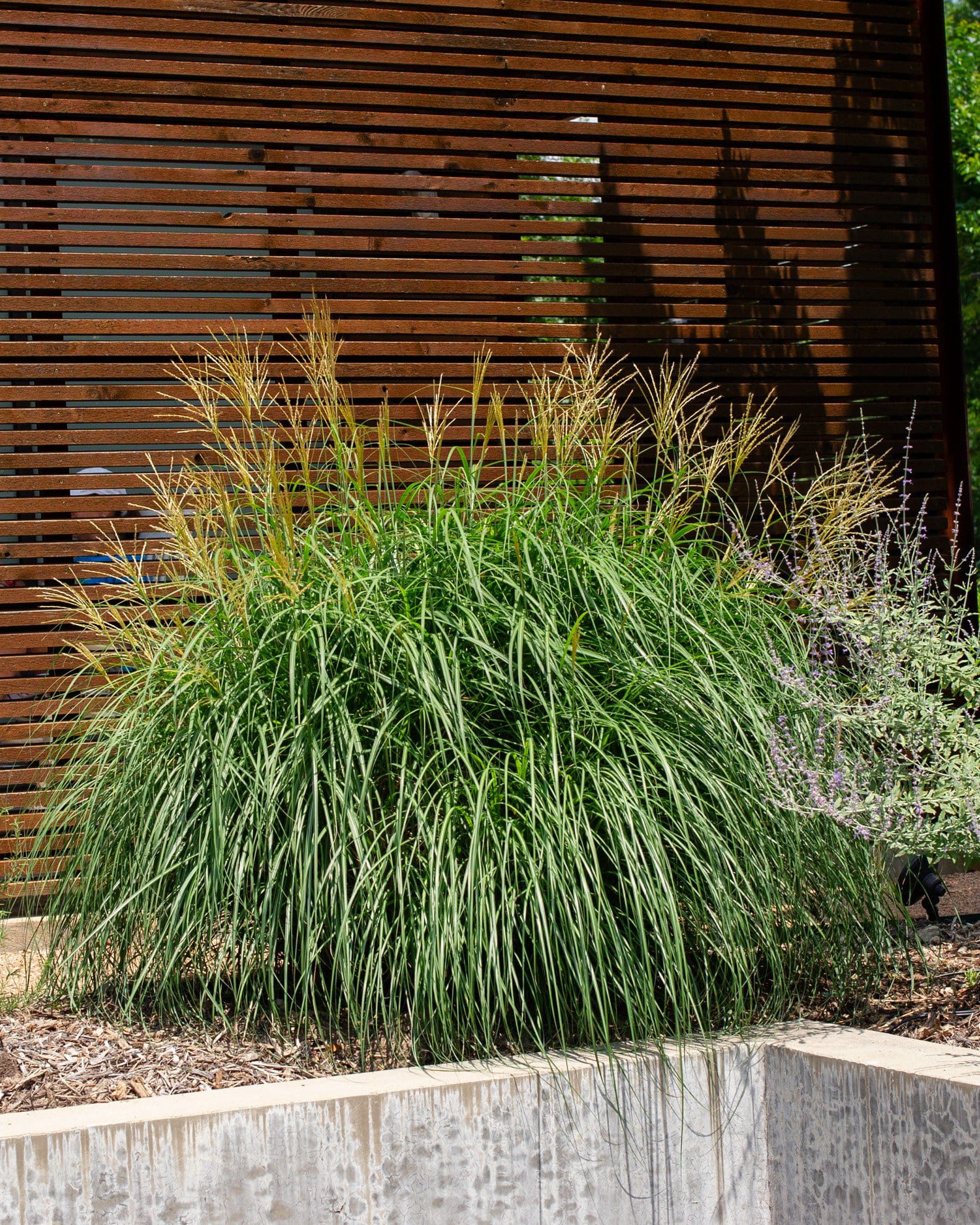
Berkeley Carex Sedge
Maturity: 1' H x 2' W
Blue Arrows Rush
Maturity: 3' H x 1' W
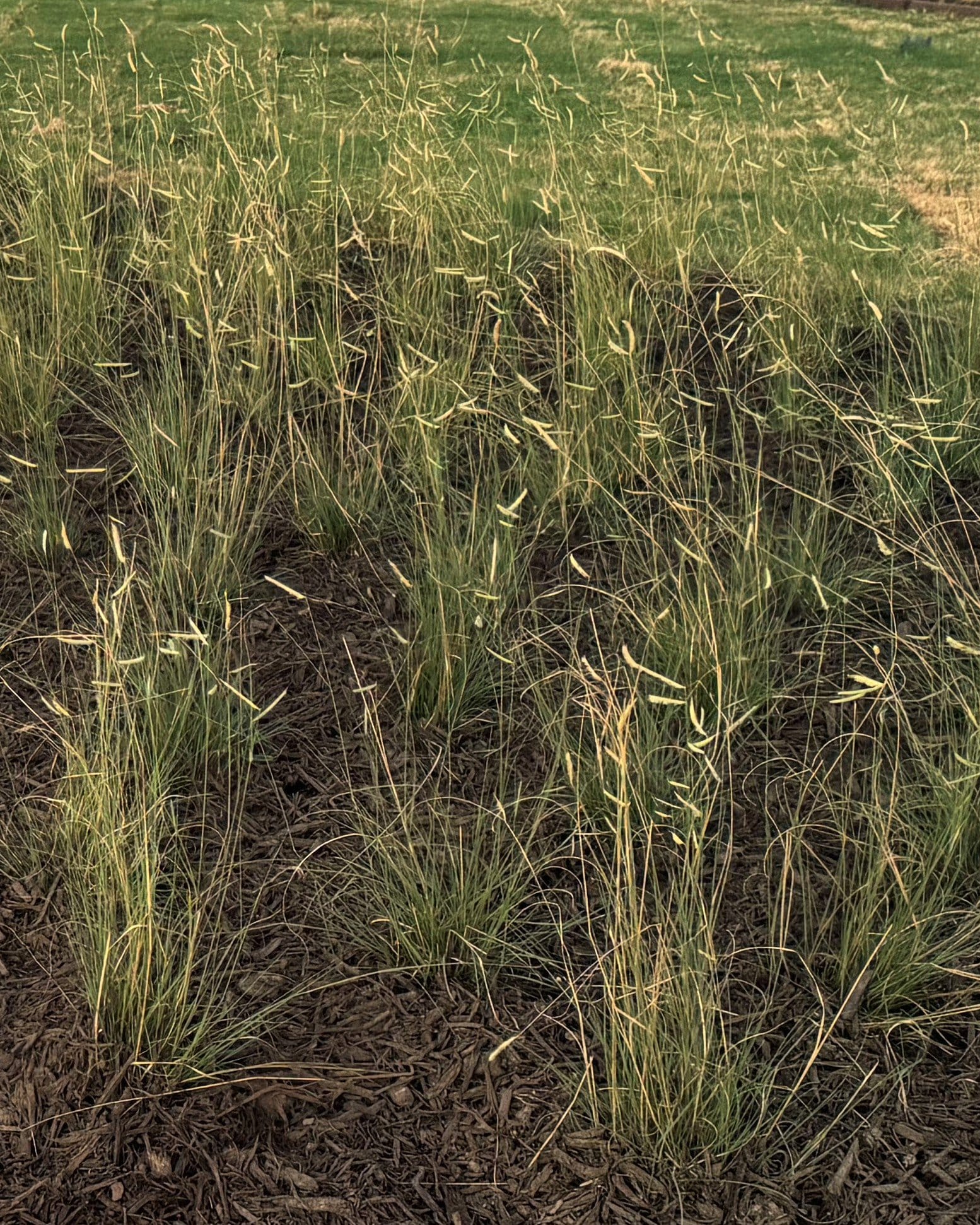
Blue Grama
Maturity: 1.5' H x 2' W
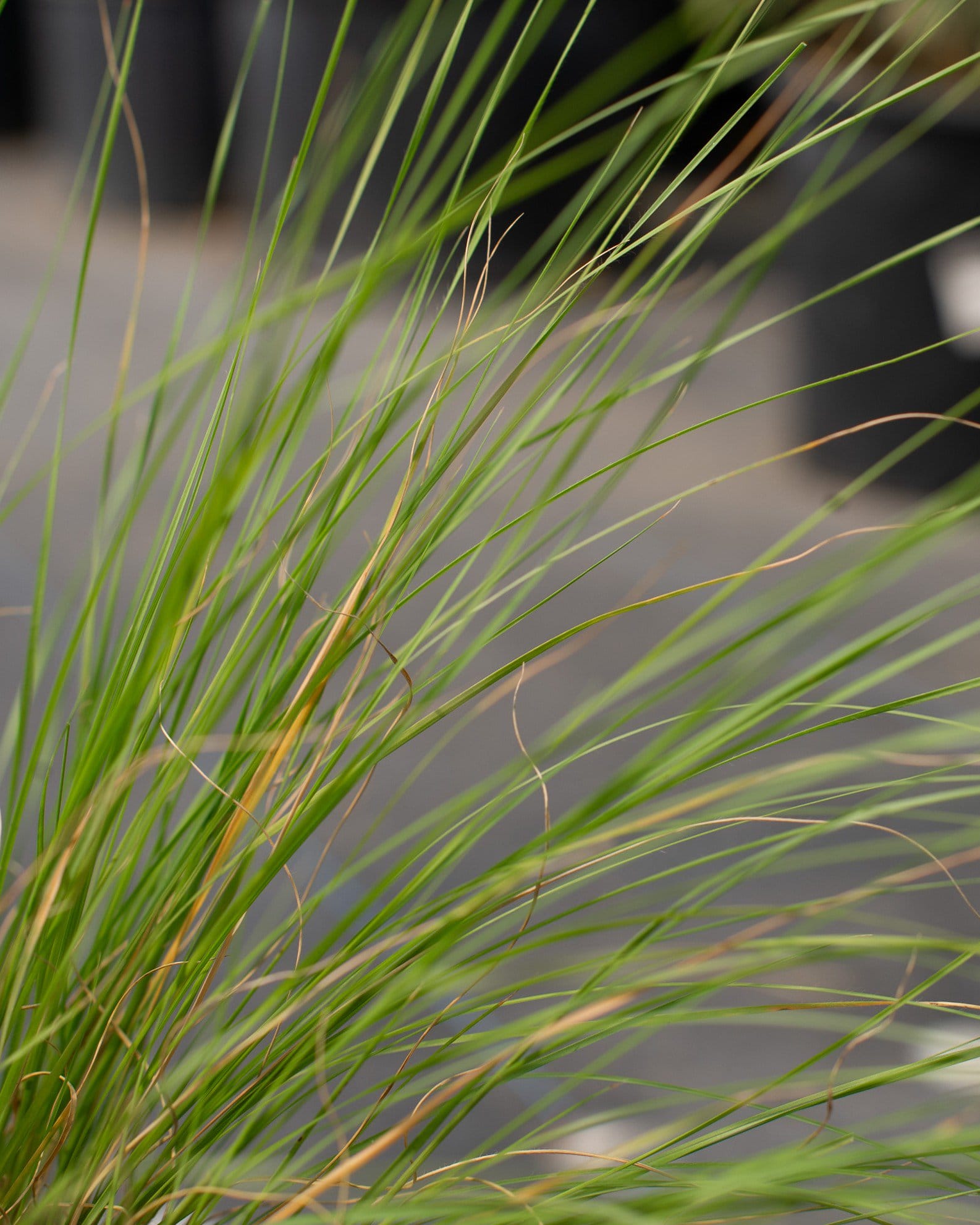
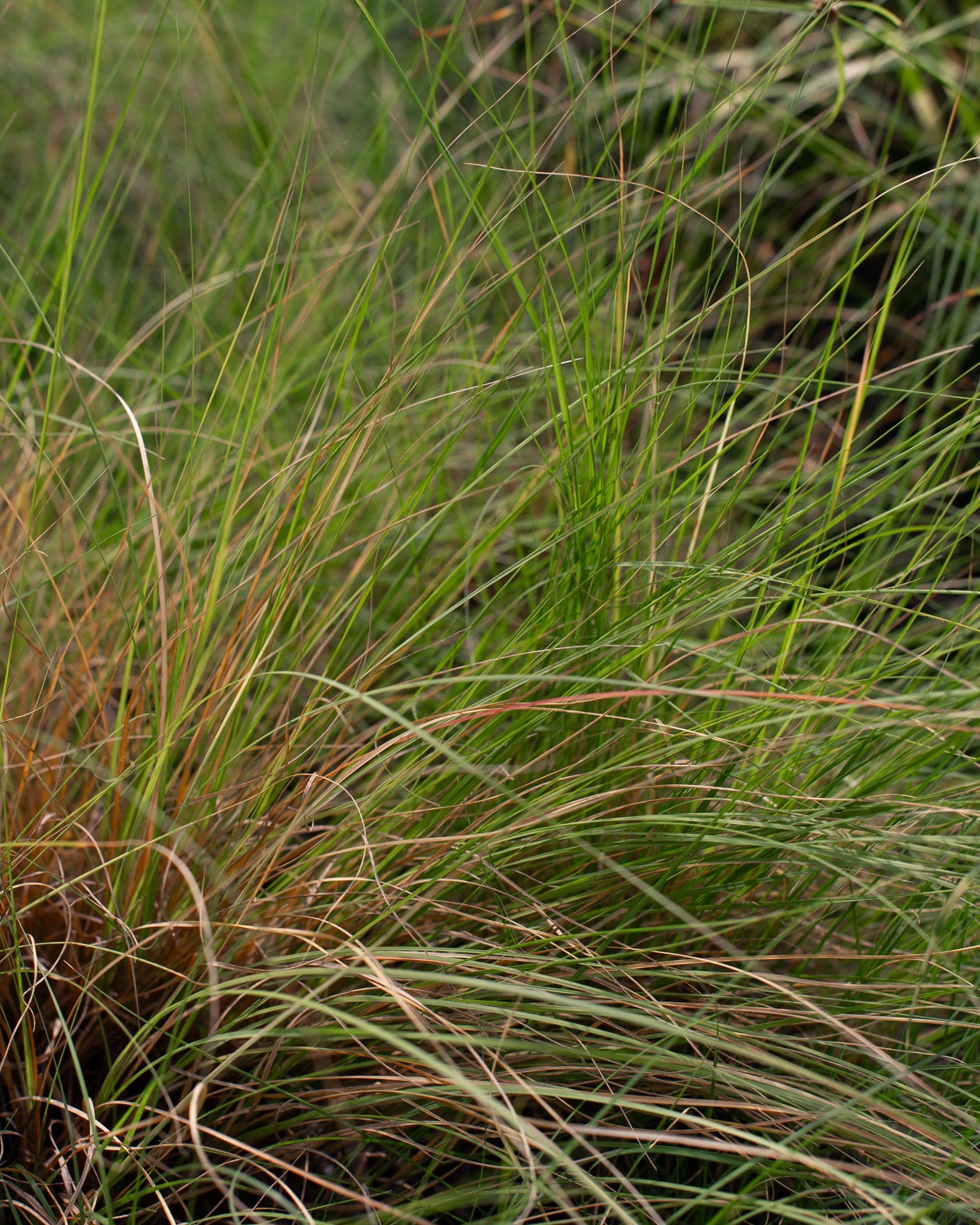
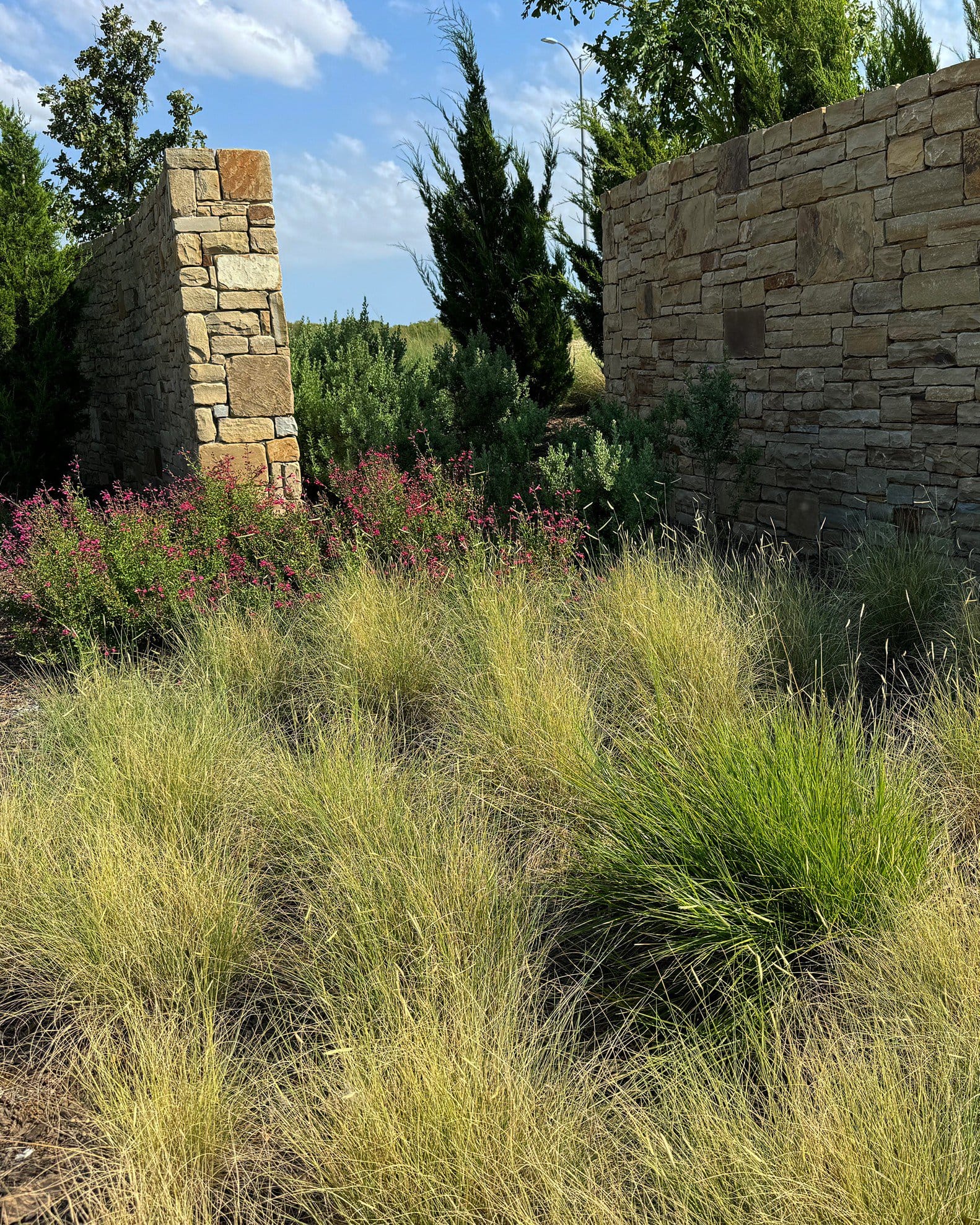
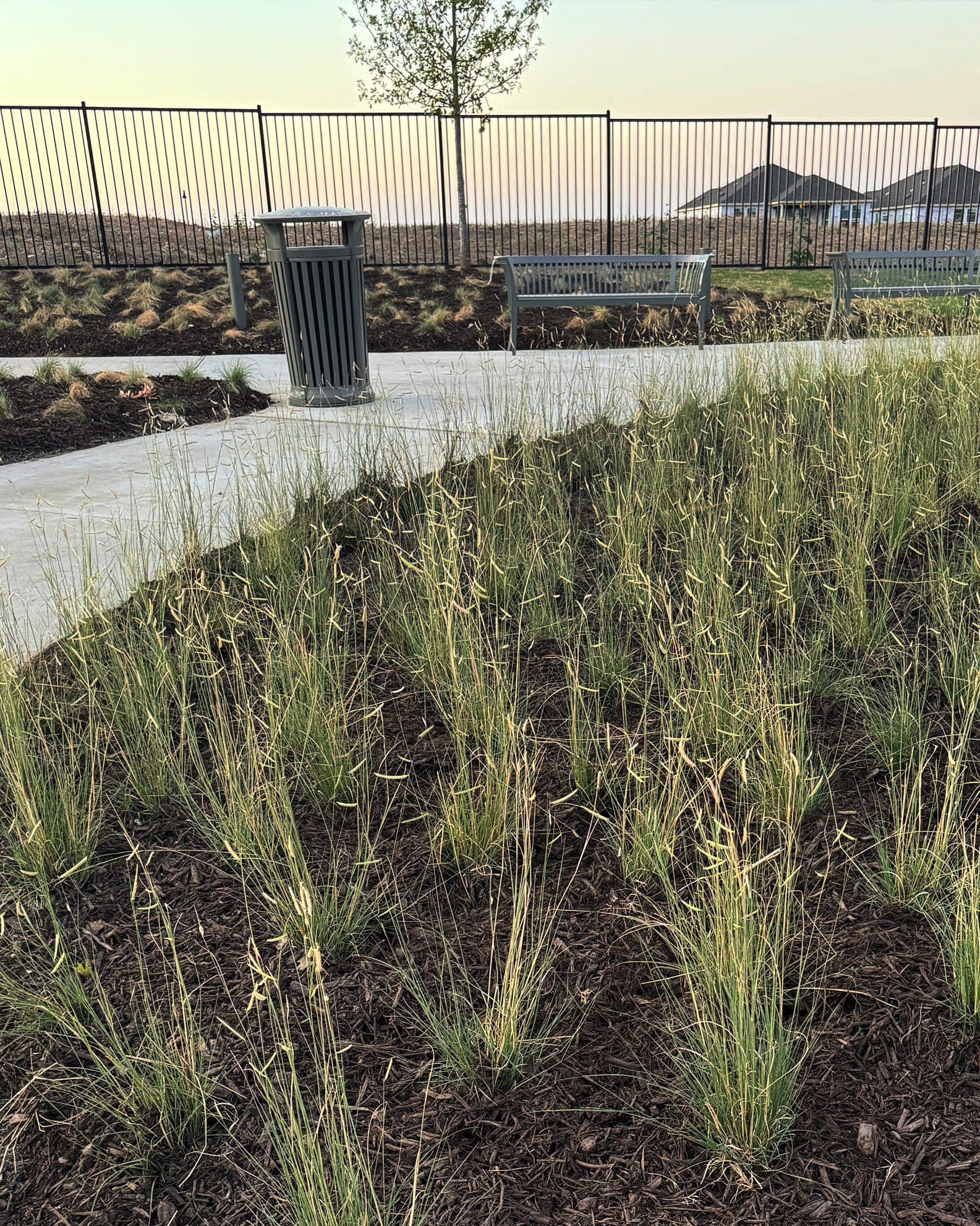
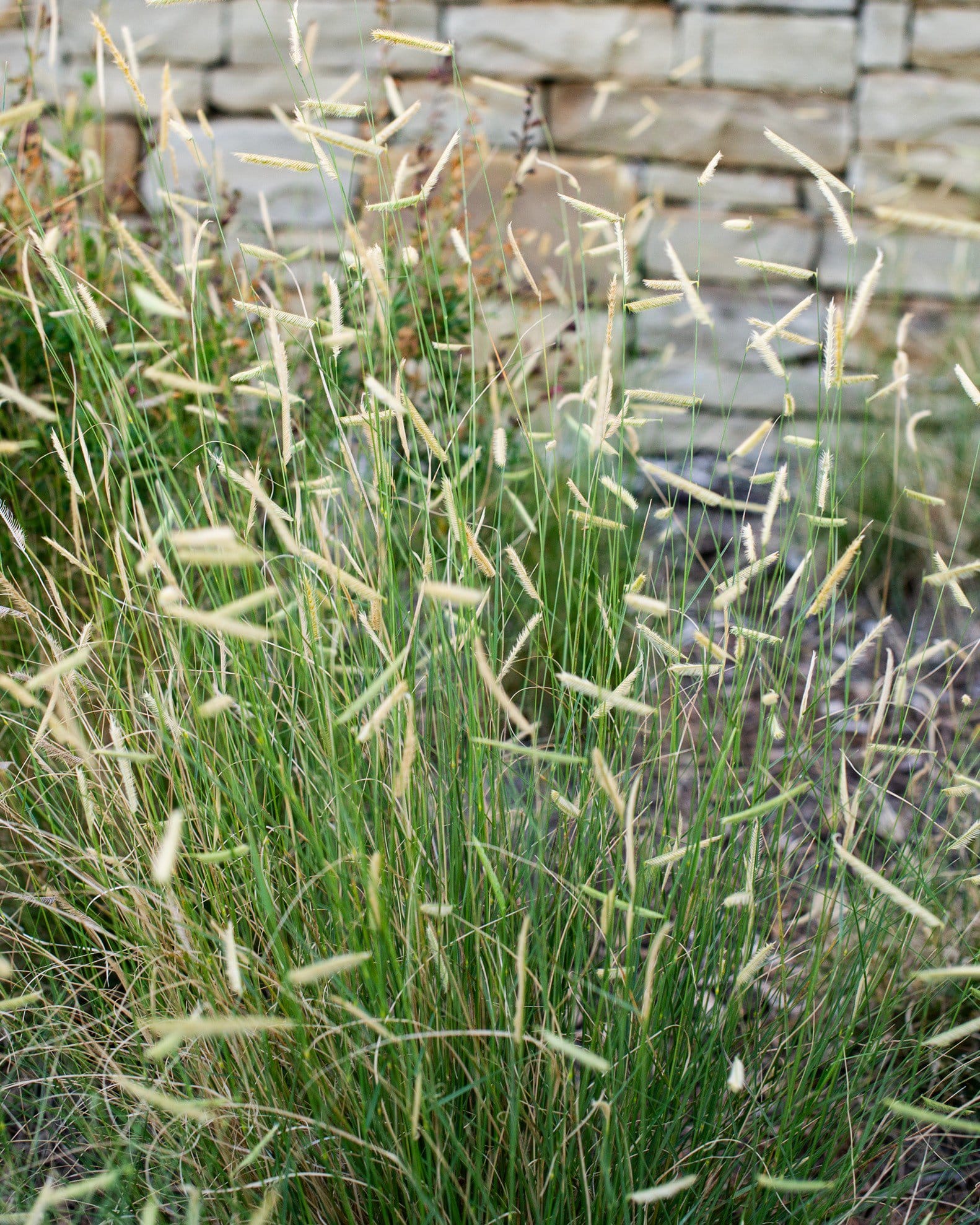
Blue Grama Blonde Ambition
Maturity: 3' H x 3' W
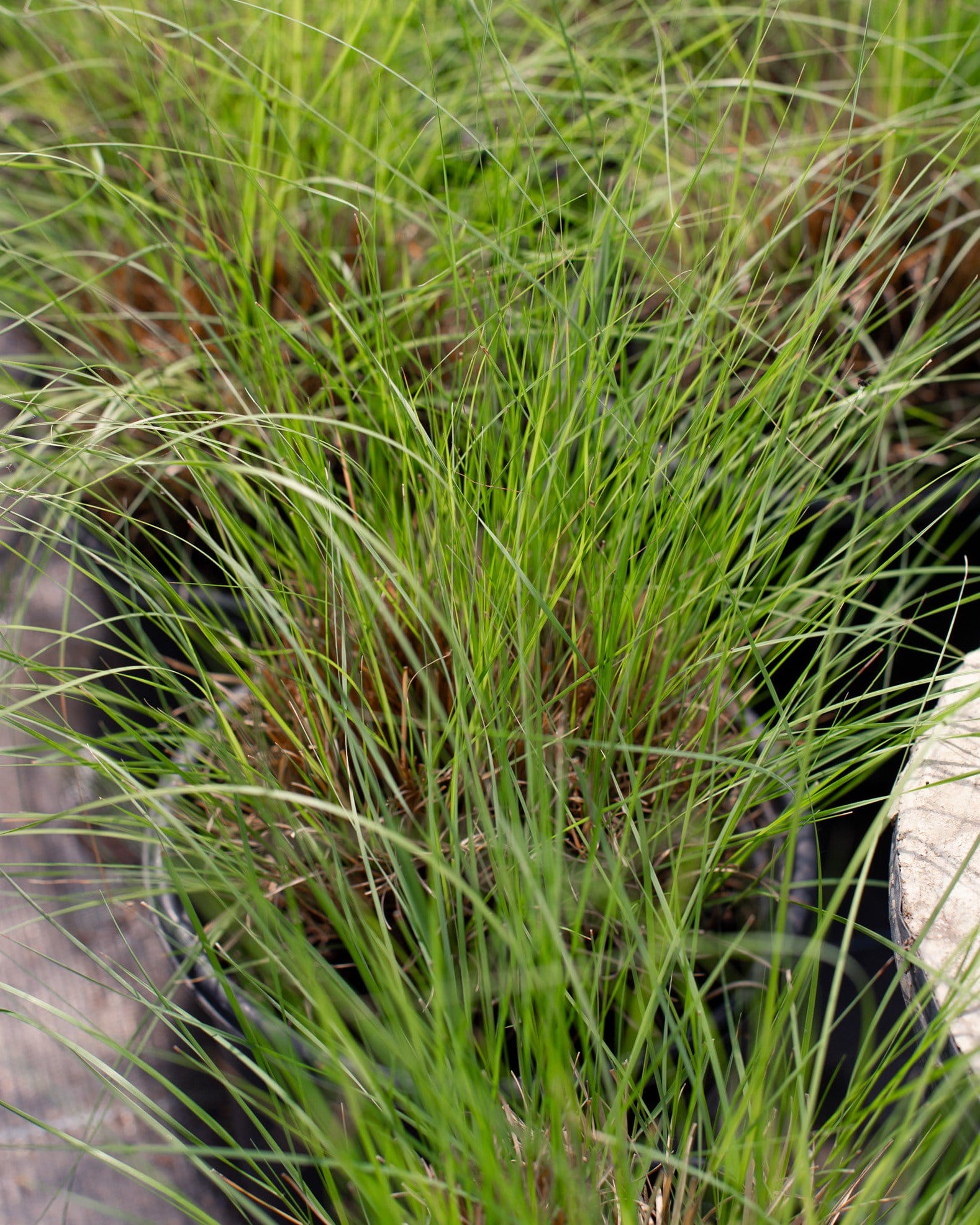
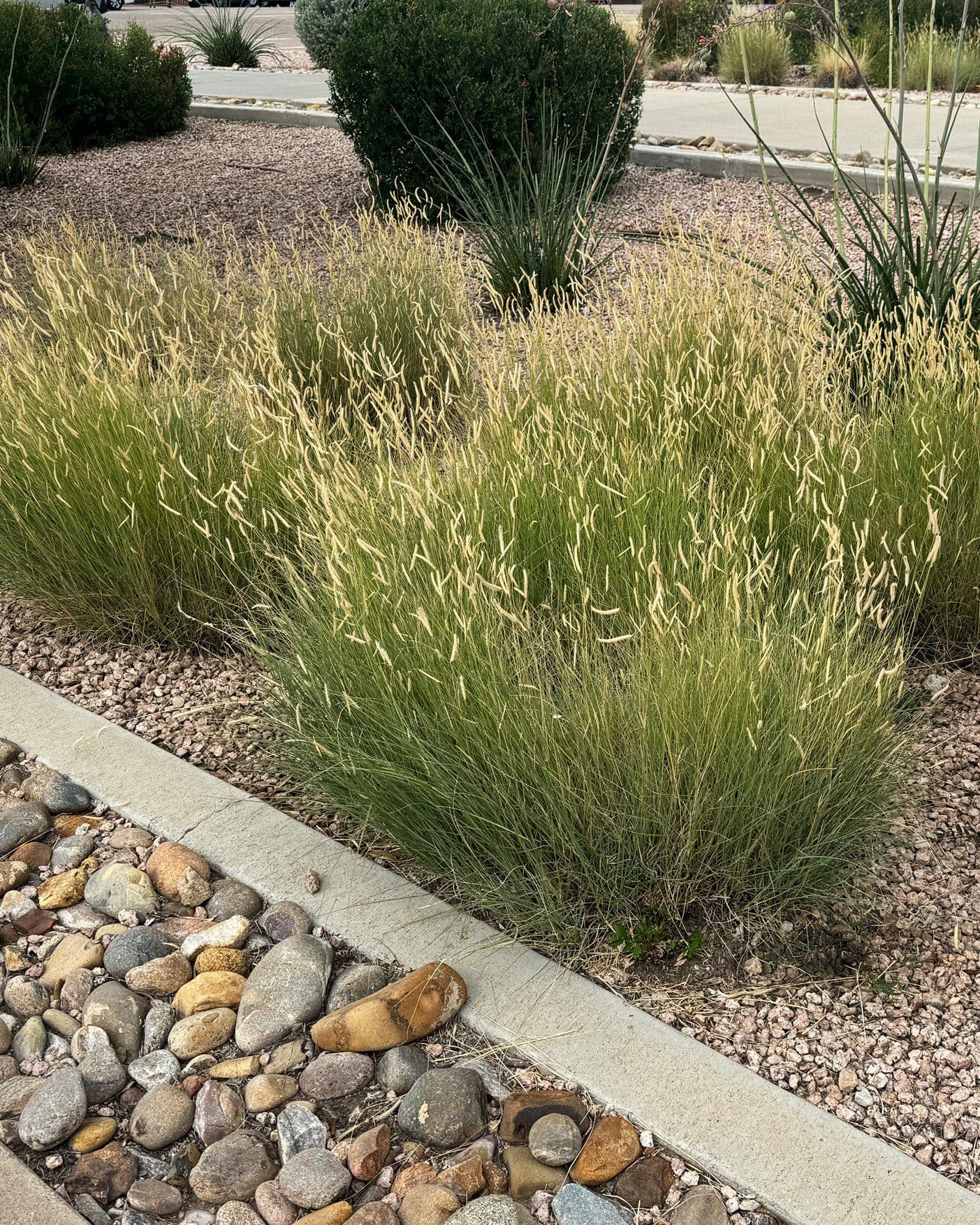
Cassian Fountain Grass
Maturity: 2' H x 2' W
Dwarf Hameln Fountain Grass
Maturity: 2' H x 2' W
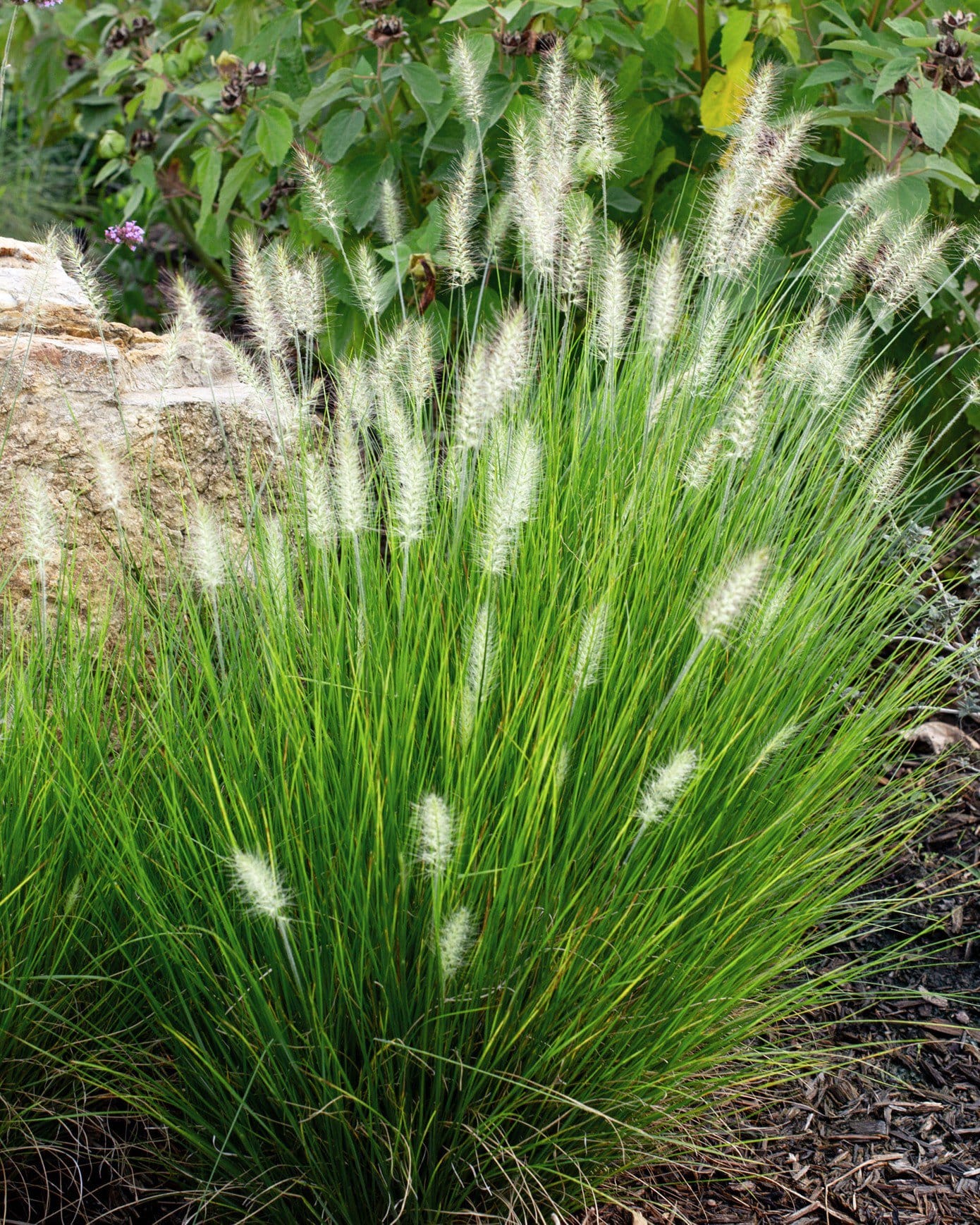
Dwarf Little Bunny Fountain Grass
Maturity: 1' H x 1' W
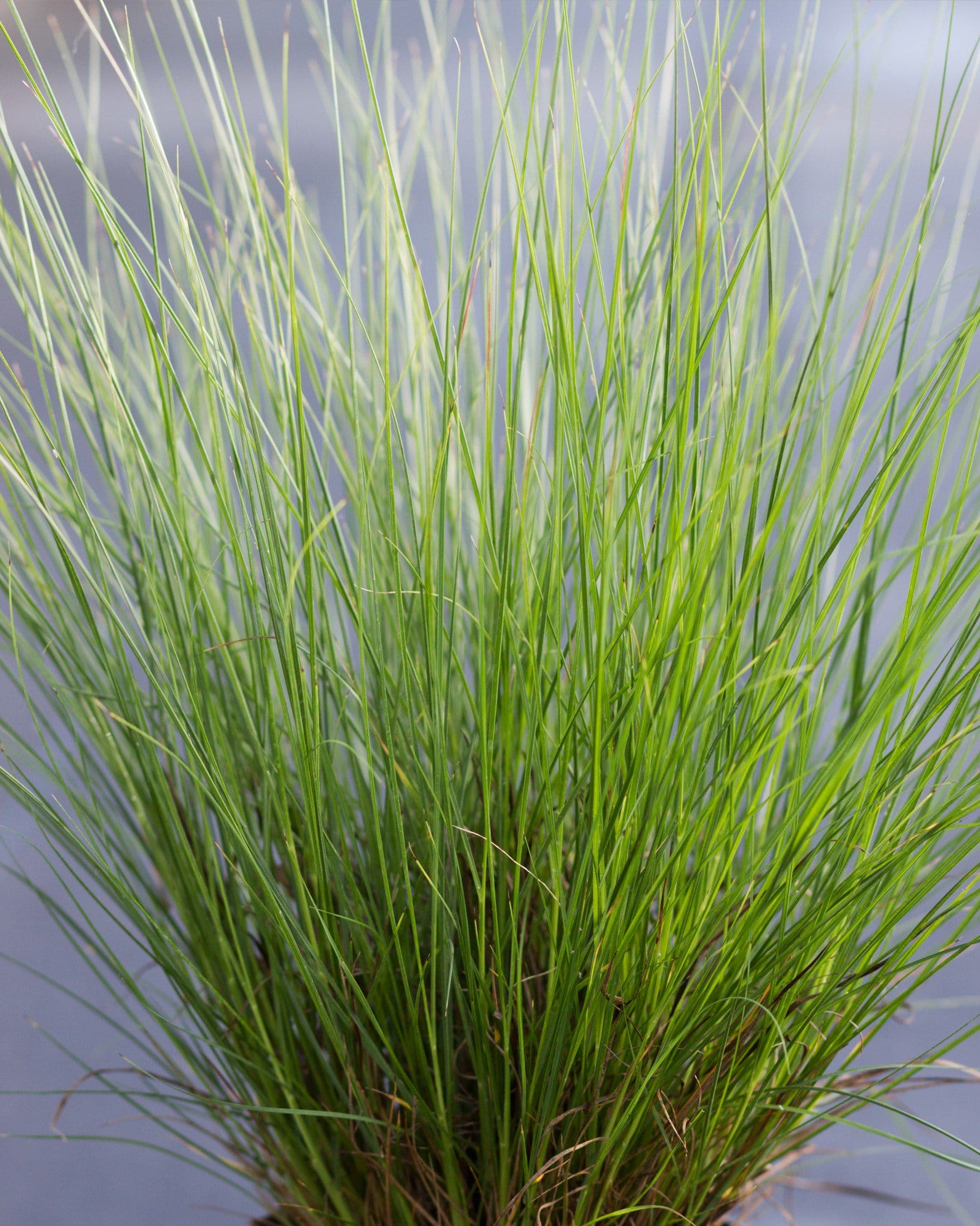
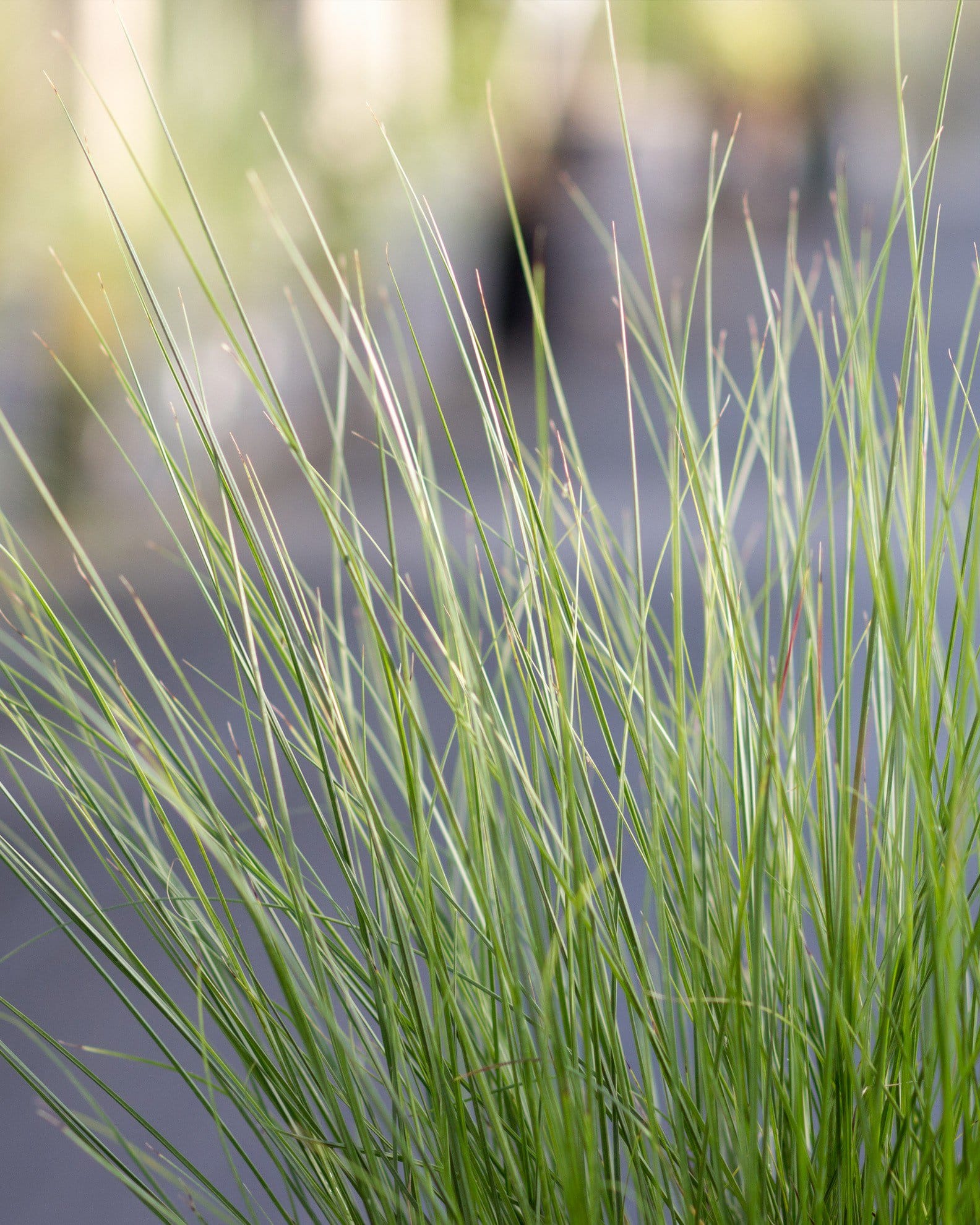
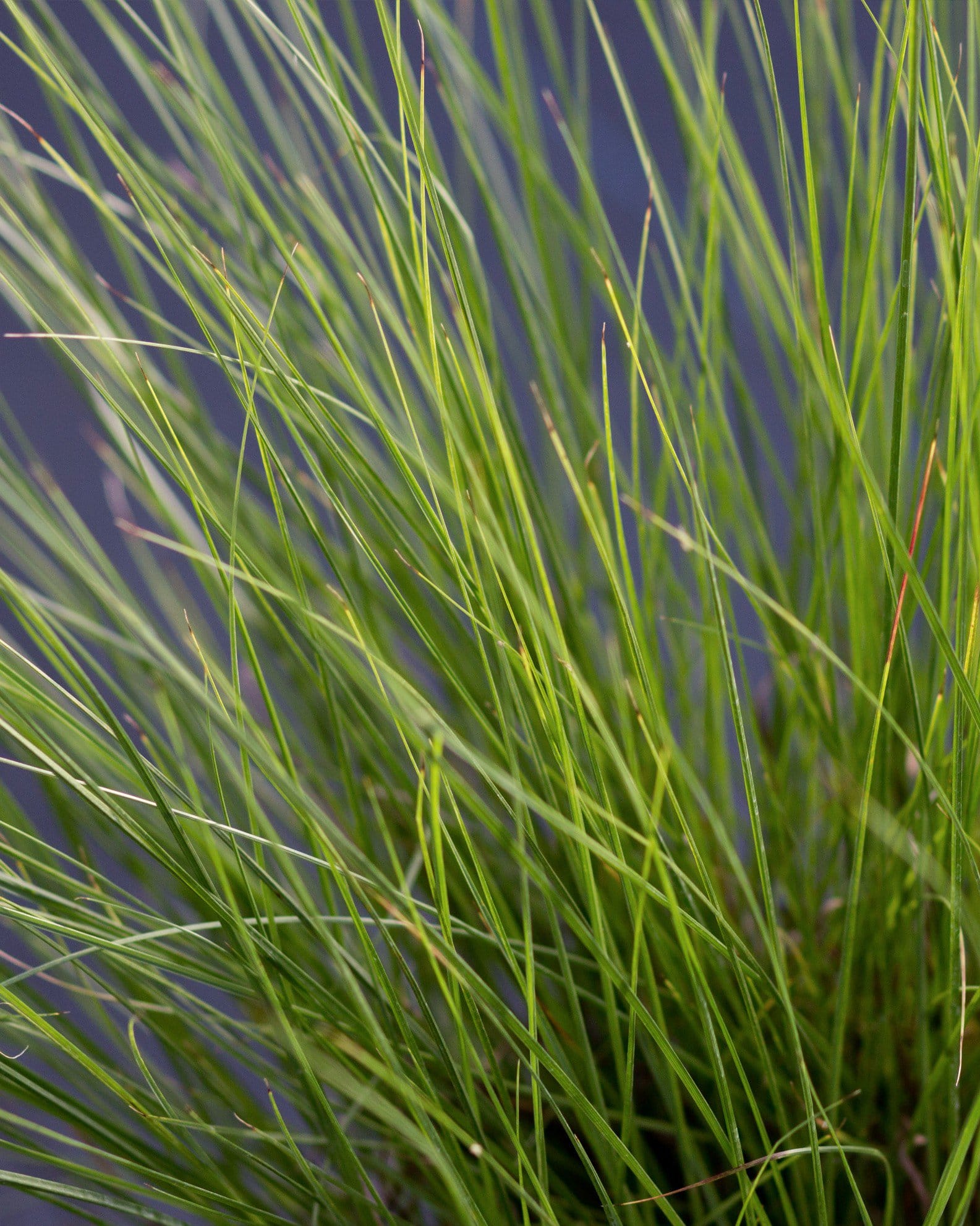
Lindheimer Muhly
Maturity: 3' H x 3' W
Little Bluestem
Maturity: 2' H x 2' W
Little Bluestem Prairie Blues
Maturity: 3' H x 2' W
Little Bluestem Standing Ovation
Maturity: 2' H x 1.5' W
Little Kitten Miscanthus
Maturity: 2' H x 1' W
Mexican Feather
Maturity: 2' H x 2' W
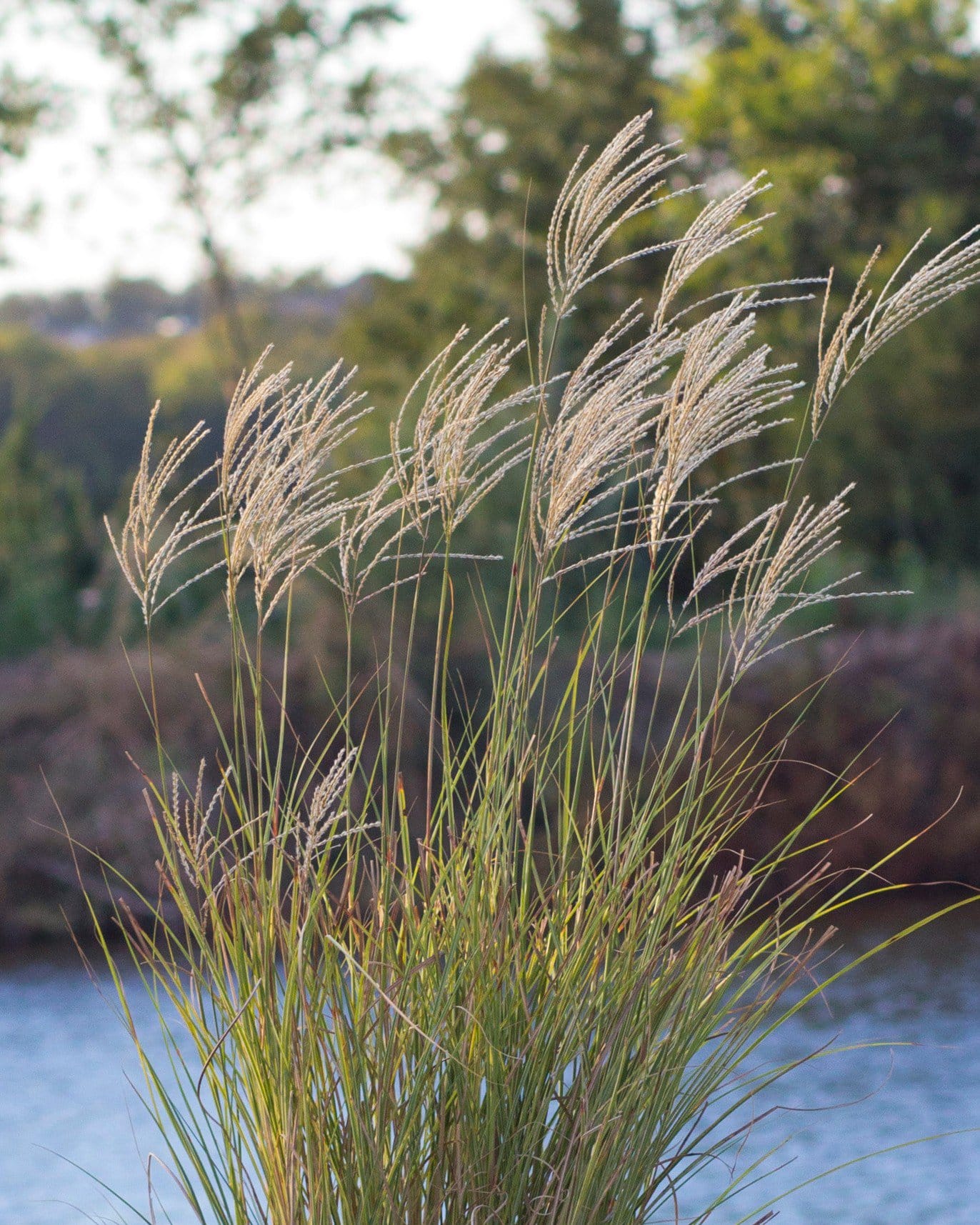
Morning Light Miscanthus Maiden Grass
Maturity: 4' H x 3' W
Compare Similar Plants
Karl Foerster Feather Reed Grass This plant | ||
|---|---|---|
| Scientific Name | Calamagrostis × acutiflora ‘Karl Foerster’ | Miscanthus Sinensis 'Adagio' |
| Size at Maturity | 4' H x 2' W | 3' H x 3' W |
| Leaf Retention | Herbaceous | Herbaceous |
| Sizes Available | 3 gal | 1, 3 gal |


Our 1-Year Planting Guarantee
We take pride in our plants and installation services. If any plants or trees installed by Treeland fail to thrive within the first year, we'll provide a replacement credit in accordance with our guarantee program.
Learn More About Our Guarantee