
 Popular
 Texas Native
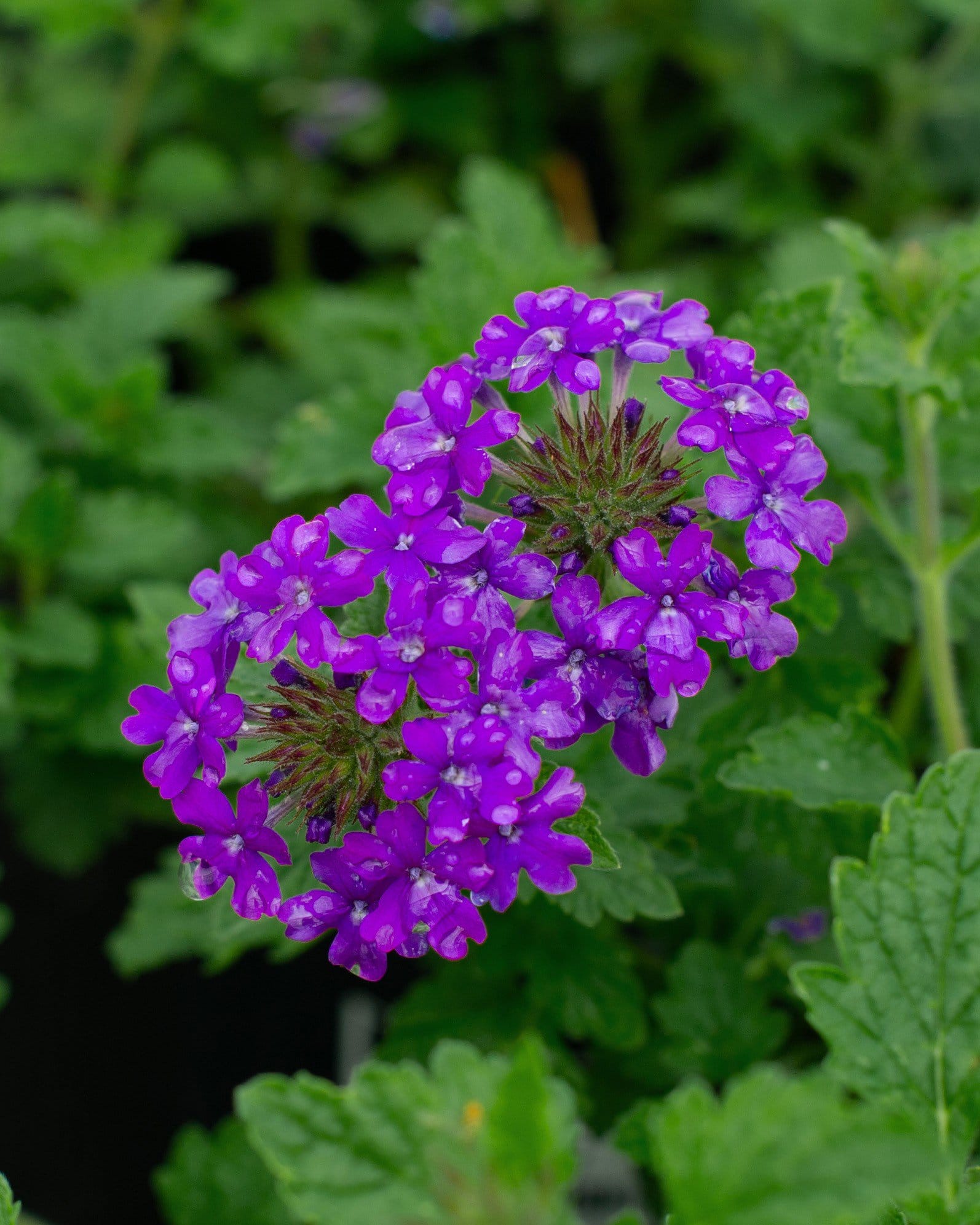
Homestead Purple Verbena
Verbena canadensis ‘Homestead Purple’Local DFW Delivery Only
Product Details
Homestead Purple Verbena
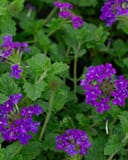
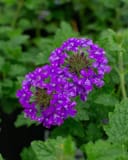
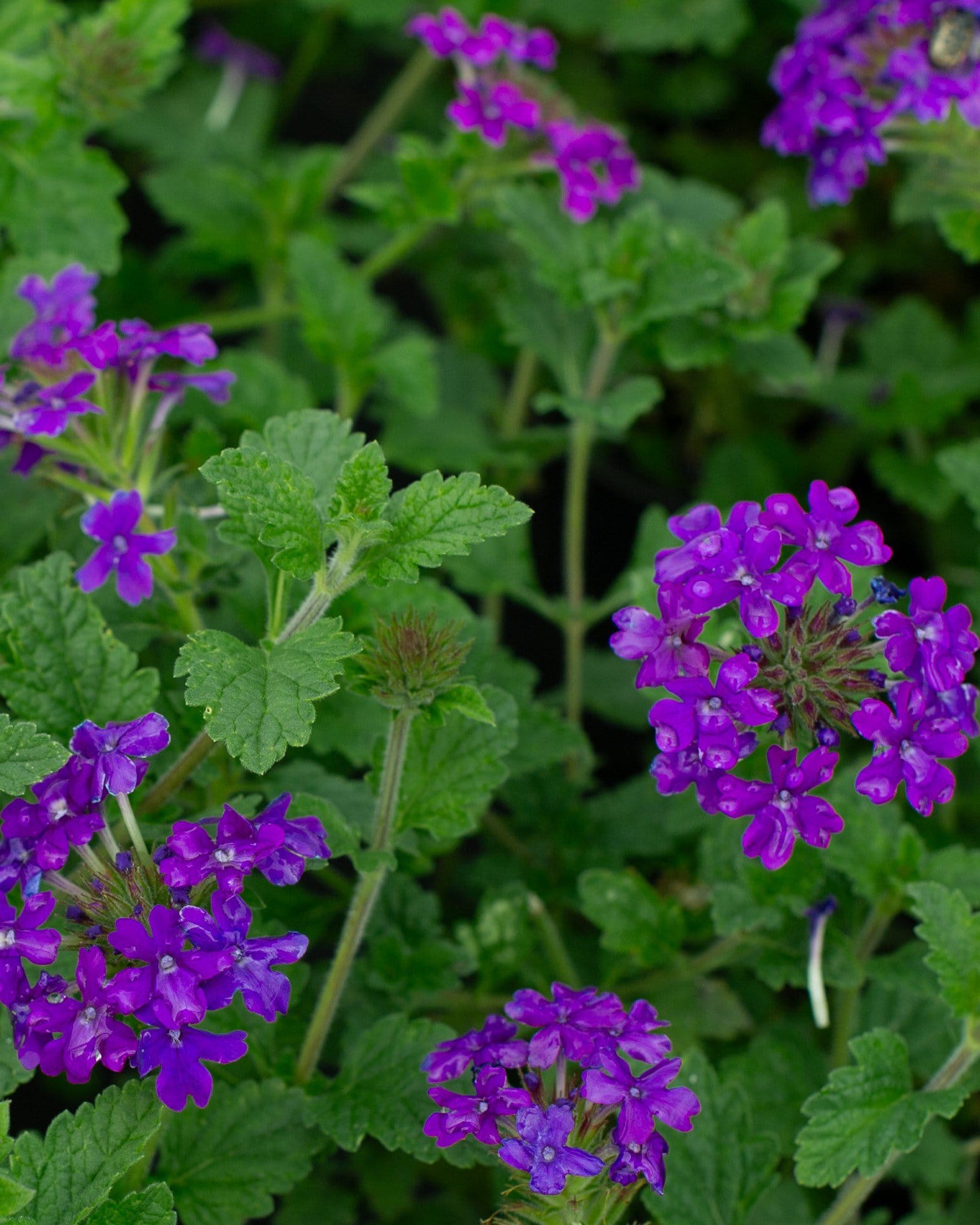
Verbena canadensis ‘Homestead Purple’Homestead Purple Verbena is a vigorous, trailing perennial known for its deep purple flower clusters that bloom from spring into fall. The spreading habit forms a dense mat up to 2 feet wide, staying low and full at 1 foot tall. Its bright color and drought resistance make it popular for erosion control, mass plantings, and sunny slopes.
- A herbaceous perennial
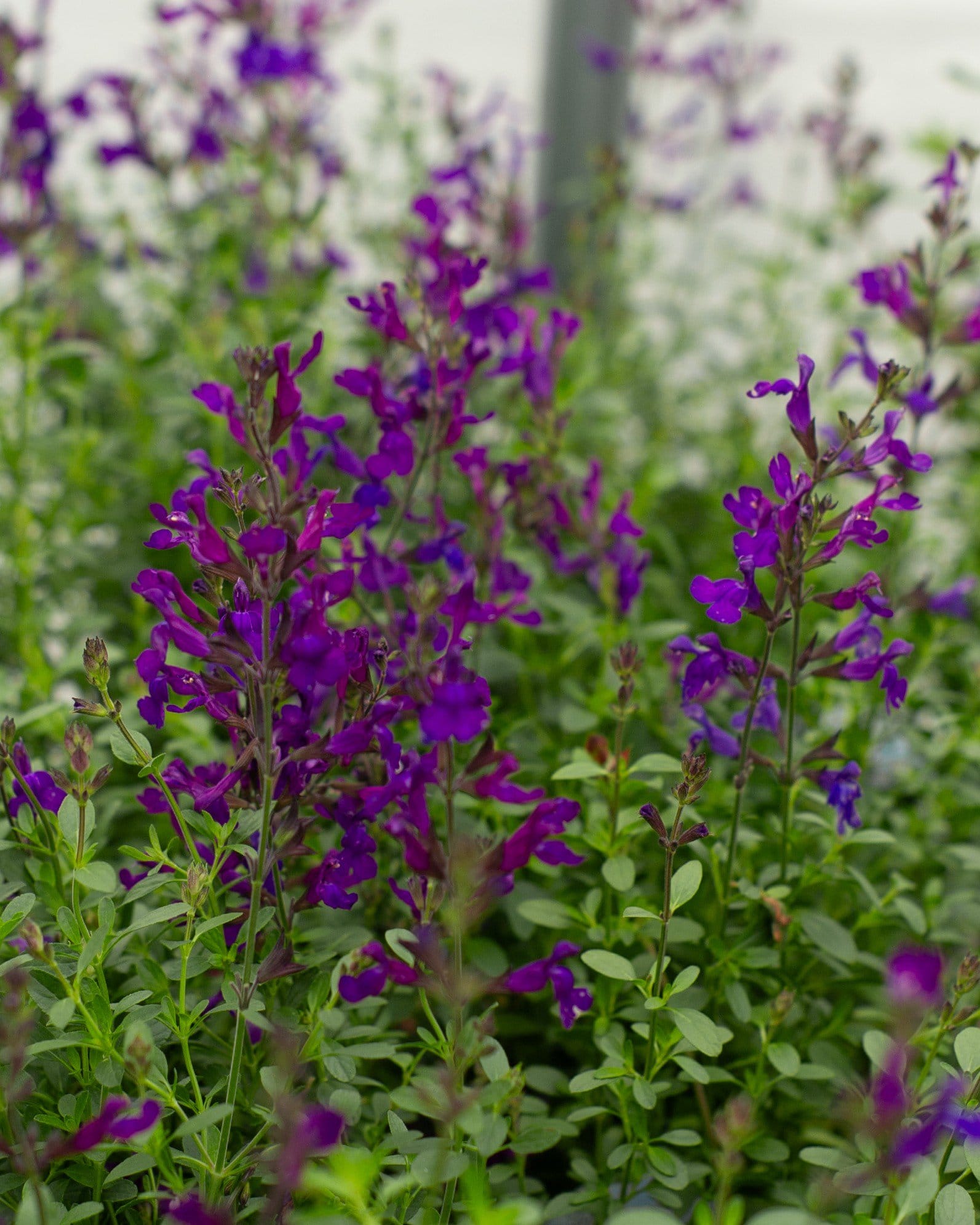
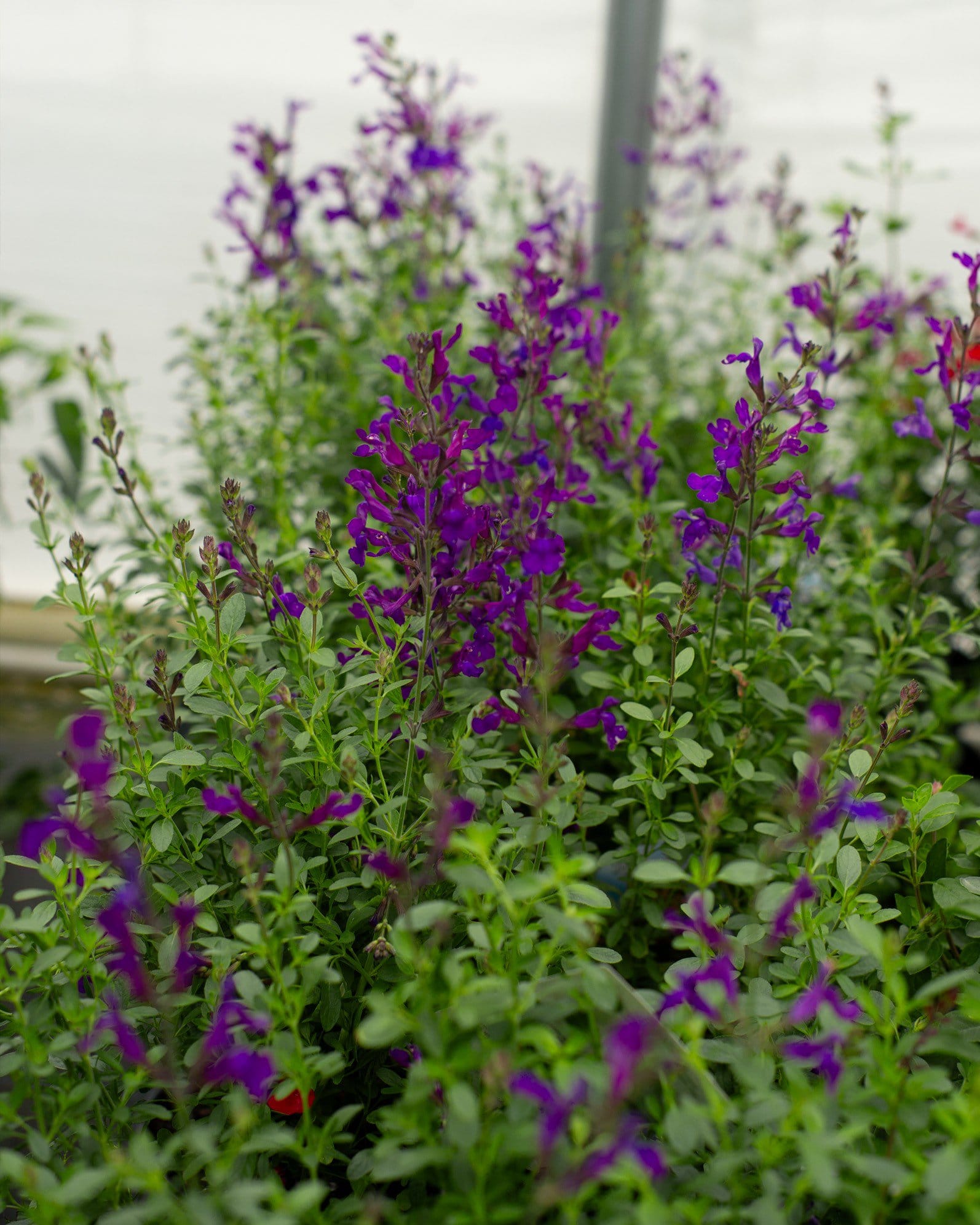
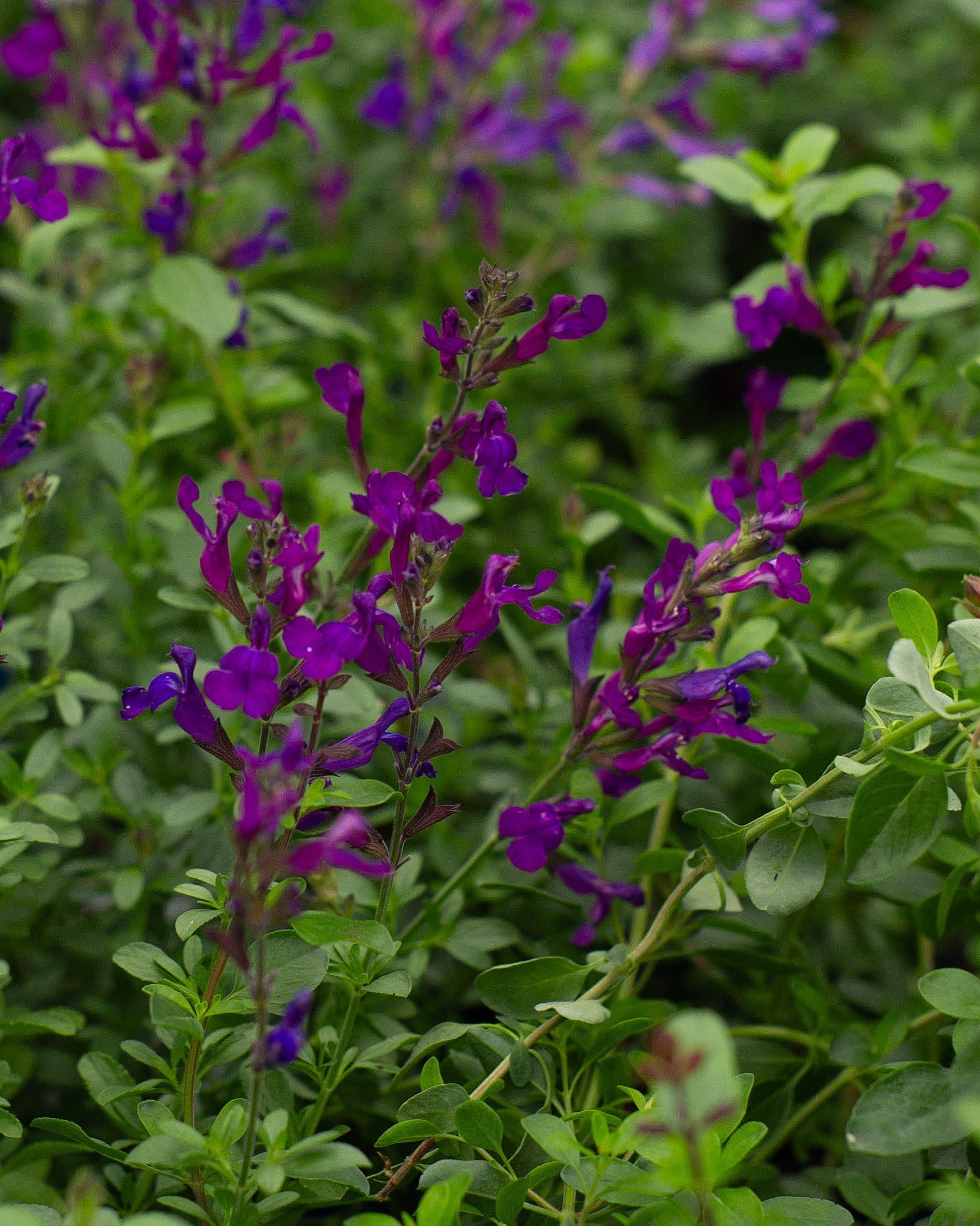
- Rich purple blooms from spring into fall
- Fast-spreading, trailing growth habit
- Drought-tolerant once established
- Excellent for beds, slopes, and borders
Hardy in USDA zones 7-10, it’s perennial across most of Texas and especially well-suited to North Texas landscapes where sun and heat dominate. Prospers in full sun, so ensure at least 6 hours of direct sunlight daily. Plant it in well-drained soil. Trim back after the first flush to promote compact regrowth.
Maintenance
Homestead Purple Verbena is a popular choice for many Texas beds, and that’s because it’s incredibly low-maintenance once established. Here’s what you’ll need to do to help it grow beautifully:
- Watering: Water consistently during the first growing season to help roots establish. Afterward, it becomes moderately drought-tolerant but still performs best with deep, occasional watering during prolonged dry spells. Avoid keeping soil constantly wet, as excessive moisture can cause root issues.
- Pruning: Trim lightly throughout the growing season to encourage fresh growth and continuous blooms. A harder trim in late winter or very early spring (cutting back by one-third) rejuvenates the plant before new growth begins.
- Fertilizing: Homestead Purple Verbena doesn’t need much feeding. Apply a slow-release, balanced fertilizer (10-10-10) in spring and again lightly midseason if blooms begin to fade. Over-fertilizing can cause too much foliage and fewer flowers.
- Mulching: Apply a thin 1-2 inch layer of mulch to suppress weeds and retain moisture. Avoid heavy mulch layers that trap humidity around the stems.
- Spacing: Space plants about 18-24 inches apart to allow spreading and good airflow. In time, they’ll knit together into a seamless carpet of color.
Common Issues and How to Take Care of Them
Even though Homestead Purple Verbena is resilient, there are a few issues you should keep an eye out for:
- Root rot: Often caused by poor drainage or overwatering. Plant in well-draining soil and let the surface dry between waterings.
- Powdery mildew: Appears as white powdery residue on leaves, usually due to humidity or crowding. Improve airflow, prune affected parts, and avoid overhead watering.
- Spider mites: These tiny pests love hot, dry conditions. Rinse foliage periodically with water or apply insecticidal soap if you notice stippling or leaf discoloration.
- Leggy growth: Results from insufficient sunlight or lack of pruning. Trim regularly and ensure plants get at least 6 hours of direct sun daily.
- Reduced blooming: Typically due to old growth or excess nitrogen fertilizer. Shear plants lightly to promote fresh flowering stems and avoid overfeeding.
- Winter dieback: Homestead Purple is hardy in much of Texas but may die back in extreme cold. Trim dead material in spring, and it usually regrows vigorously.
With regular light pruning and a little sun, Homestead Purple Verbena rewards you with season-long color, minimal fuss, and a pollinator paradise.
Quite fast - it can spread 2-3 feet wide in a single growing season, creating a dense mat of blooms.
You can plant your Homestead Purple Verbena with ornamental grasses, marigolds, and plants with yellow or pink blooms for a vibrant contrast.
Trim lightly every few weeks to remove old flowers and encourage new growth. Consistent deadheading keeps color continuous.
Yes - it thrives in pots, hanging baskets, or raised planters, as long as drainage is excellent.
Absolutely! It’s a favorite among butterflies, bees, and hummingbirds thanks to its nectar-rich blooms.
Yes, to a good extent. Deer generally avoid it, though they may nibble during drought or food scarcity.
Yes. It’s one of the most heat-tolerant flowering perennials available and continues blooming through scorching summers.
About once a week, or when the top inch of soil feels dry. Water deeply to encourage strong root growth.
Shear the plant back by one-third, water deeply, and apply a light fertilizer. It’ll rebound with fresh, vigorous blooms within weeks.
Typically, 3-5 years with proper care, though many gardeners replant every few years to keep flower beds looking lush and uniform.
Special Features
You might also like
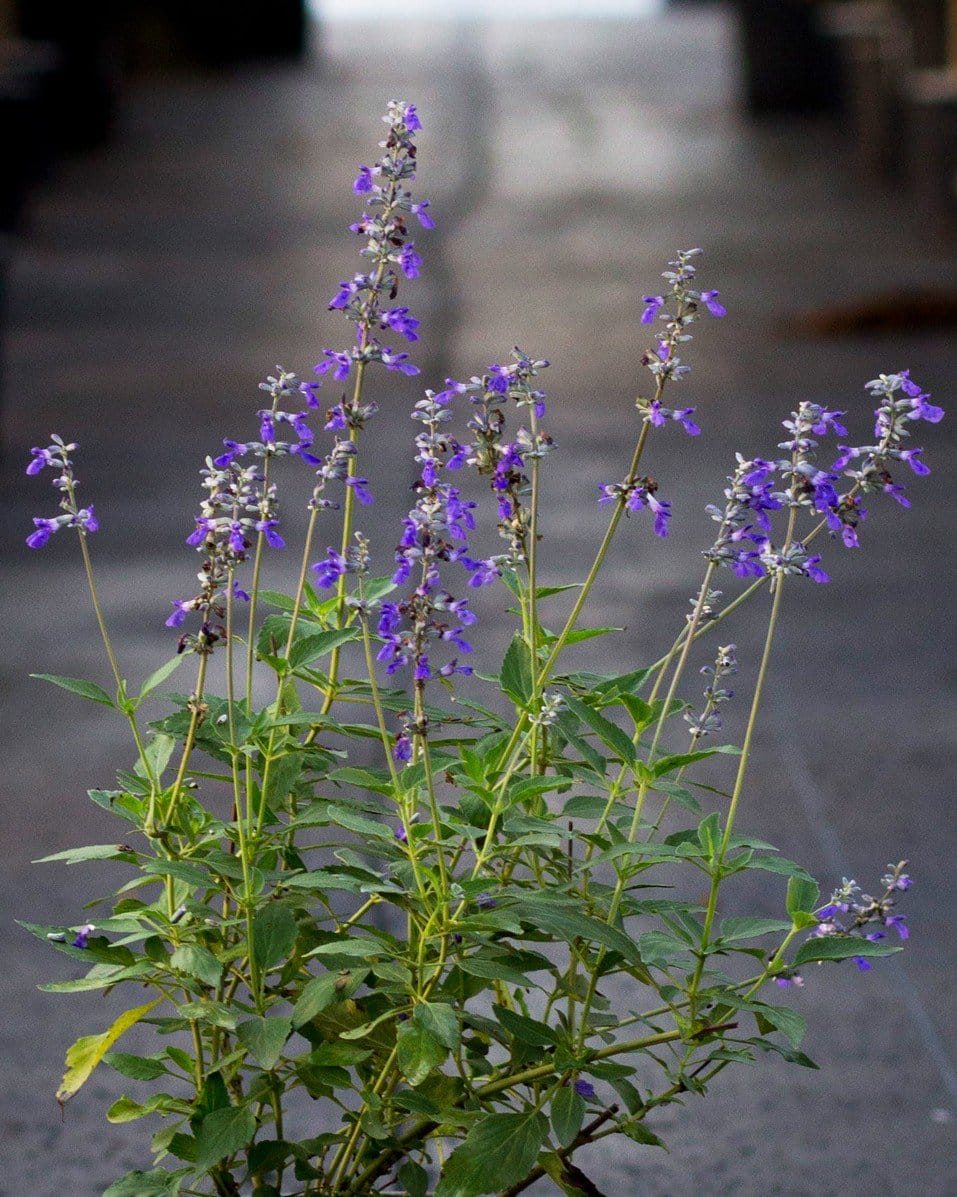
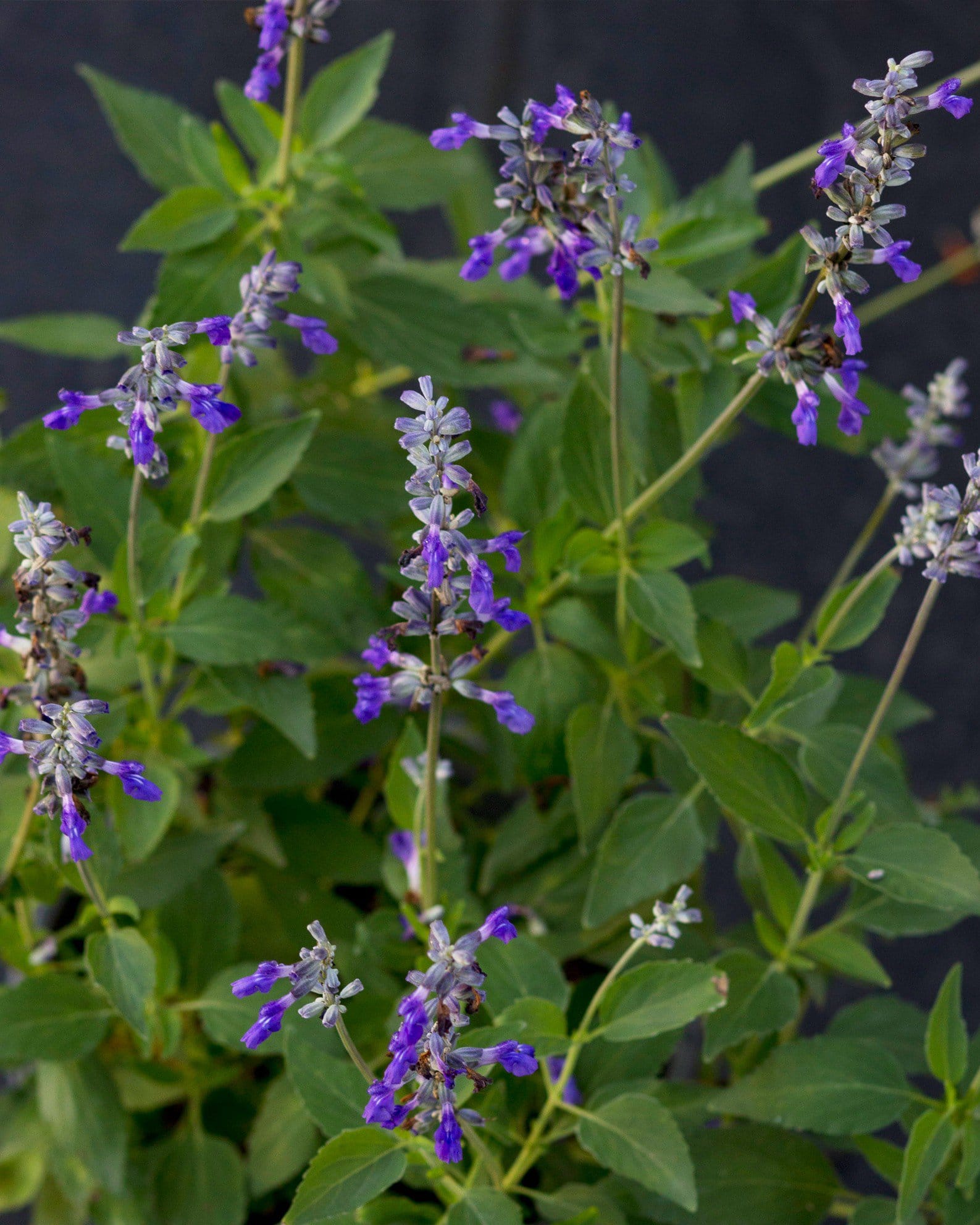
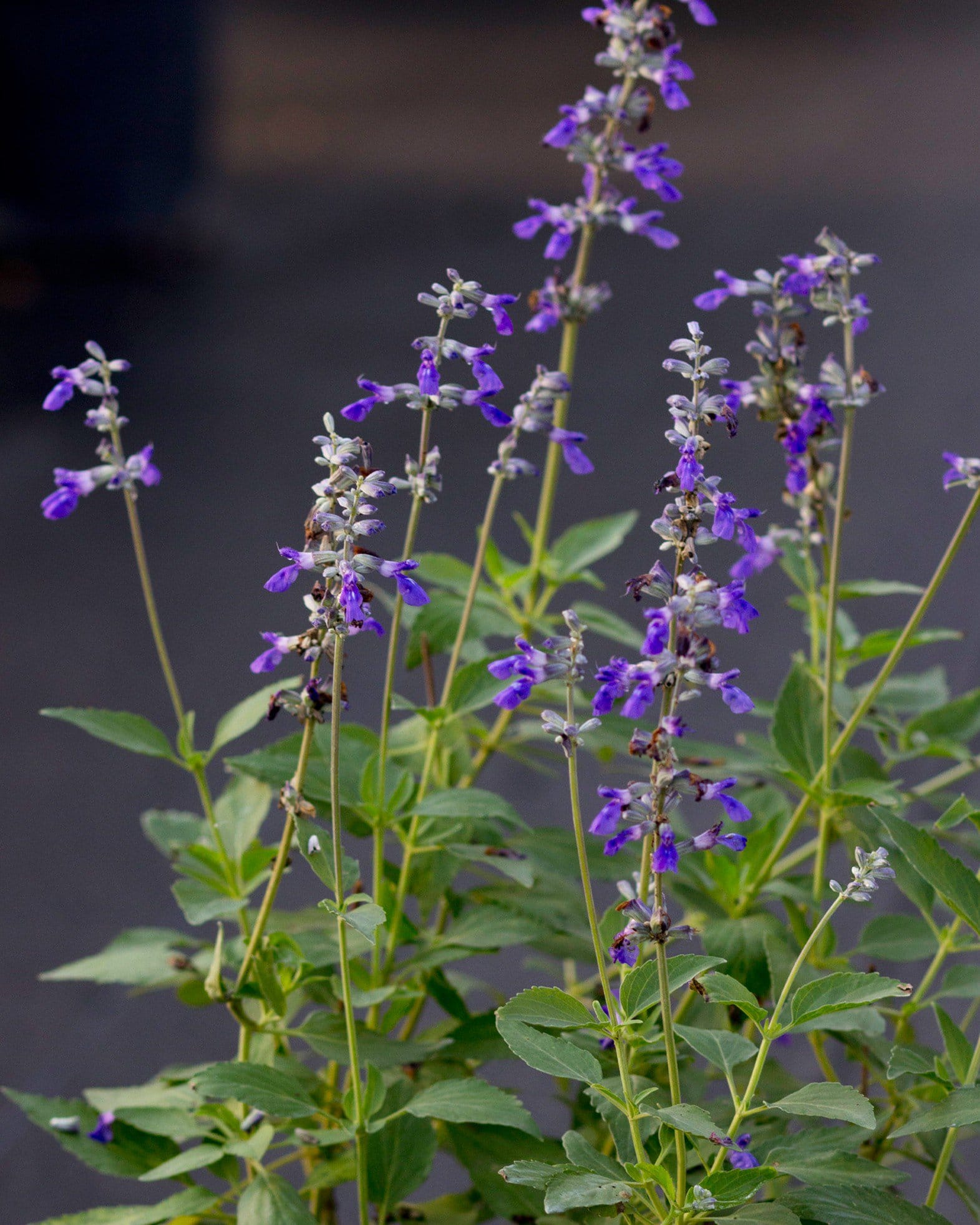
Henry Duelberg Salvia
Maturity: 3' H x 3' W
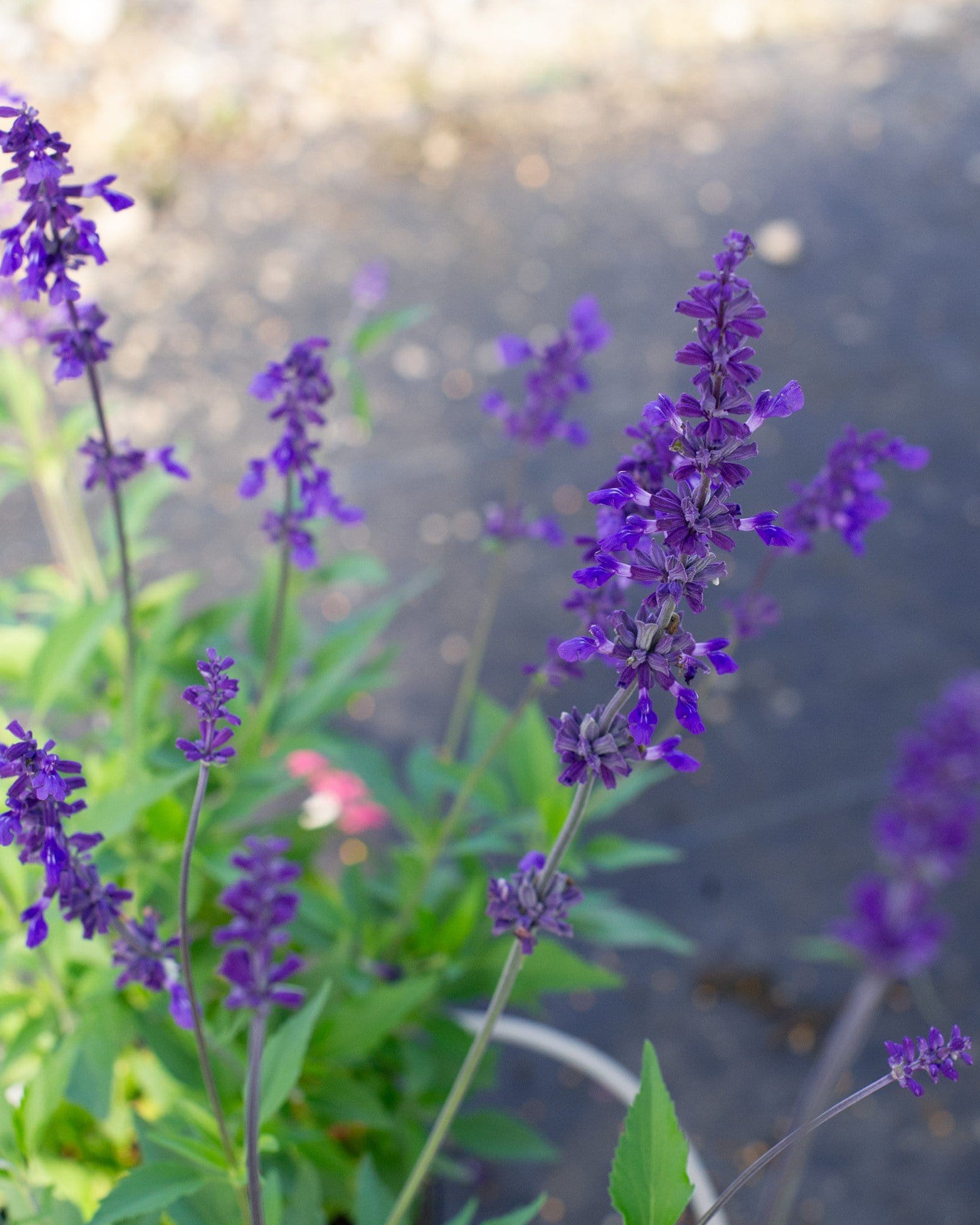
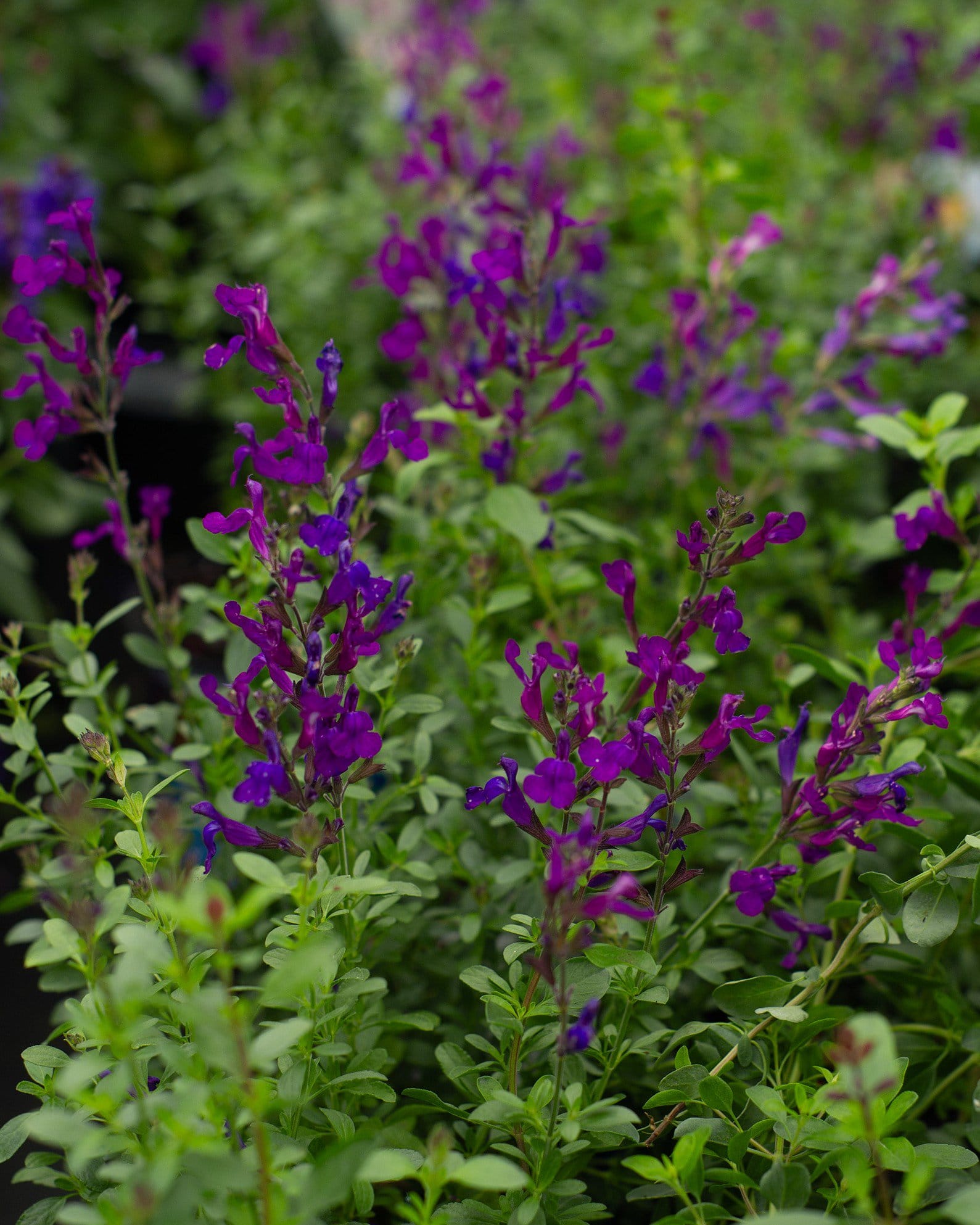
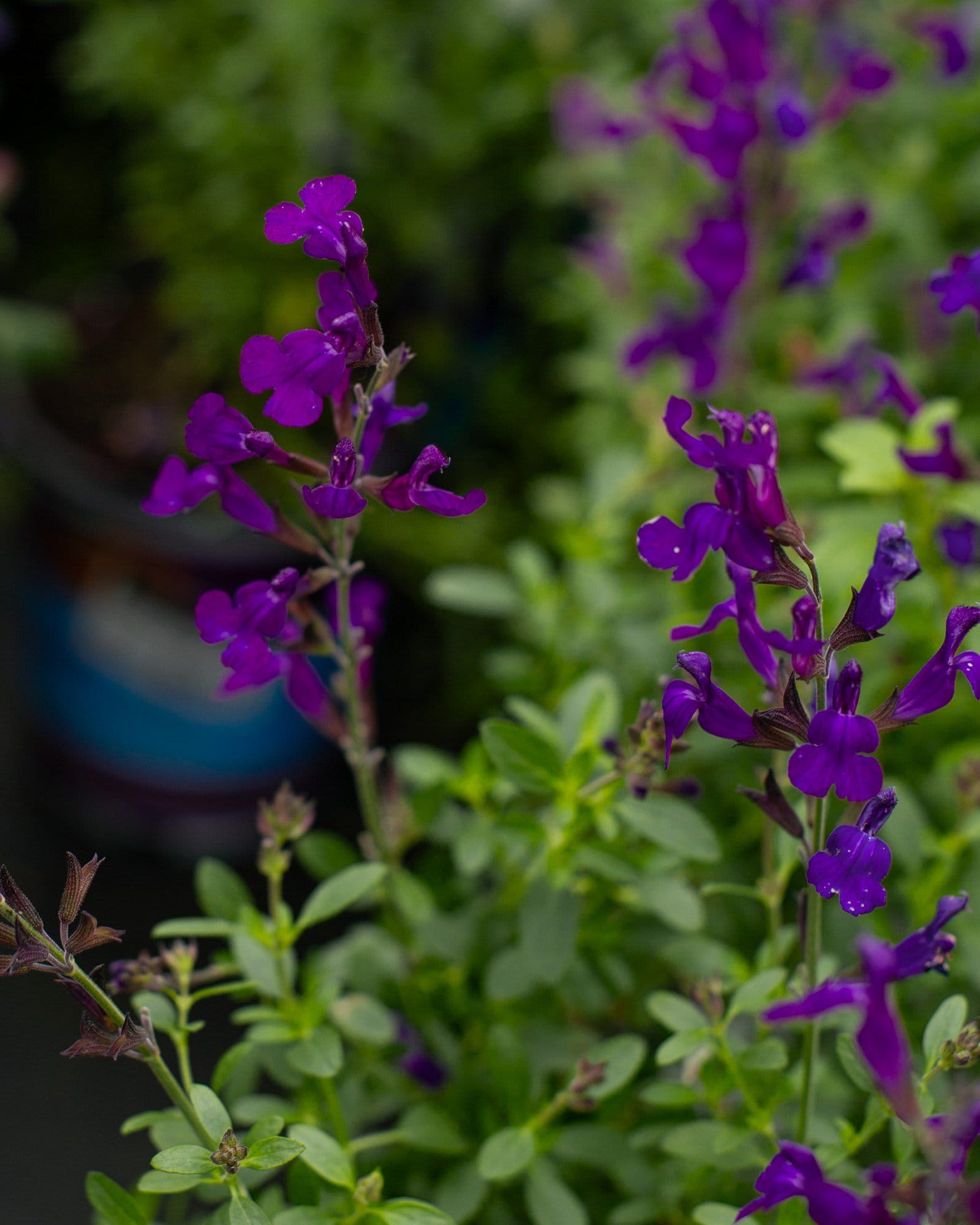
Mirage Deep Purple Salvia Greggii
Maturity: 1' H x 1' W
Furman's Red Salvia Greggii
Maturity: 3' H x 3' W
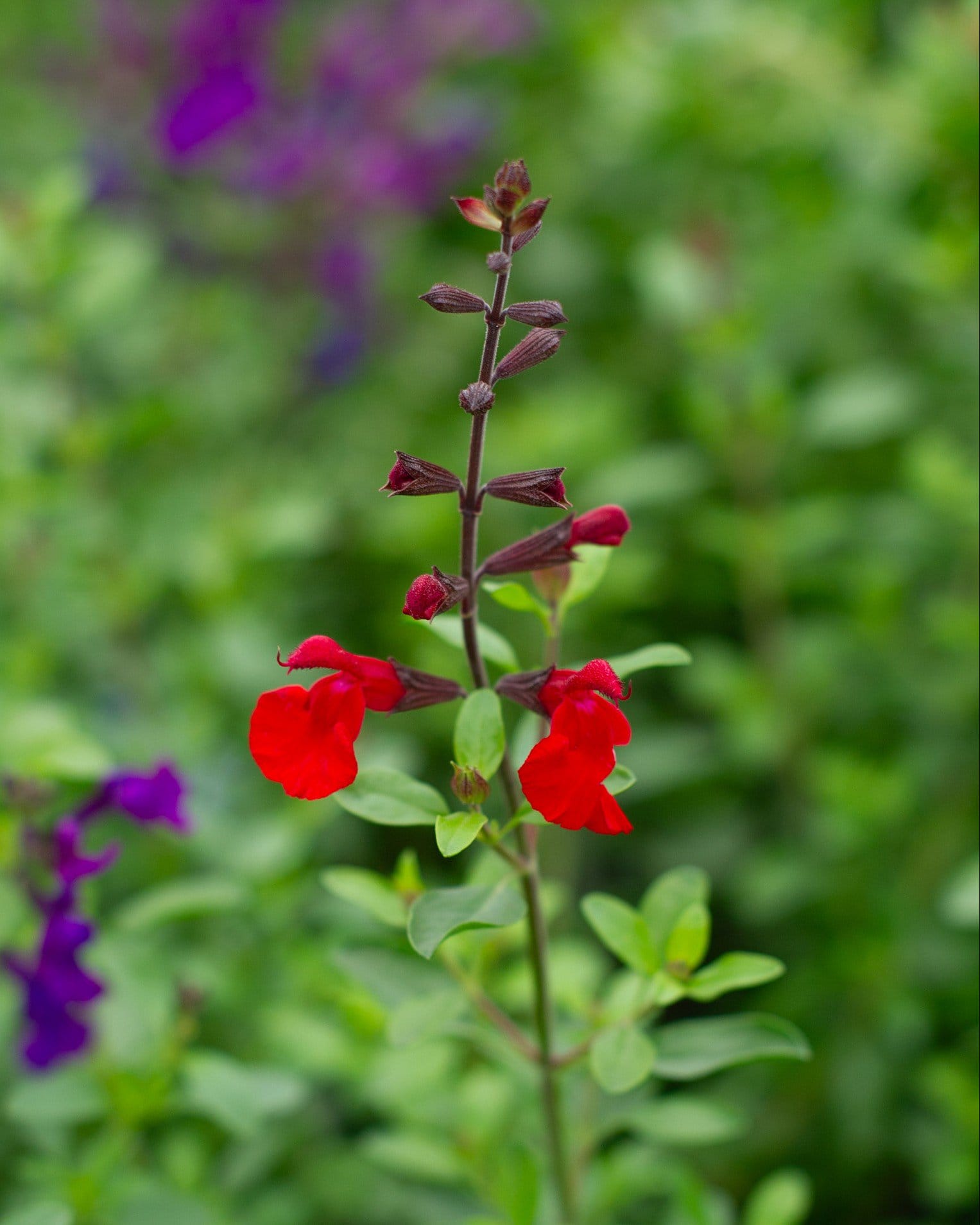
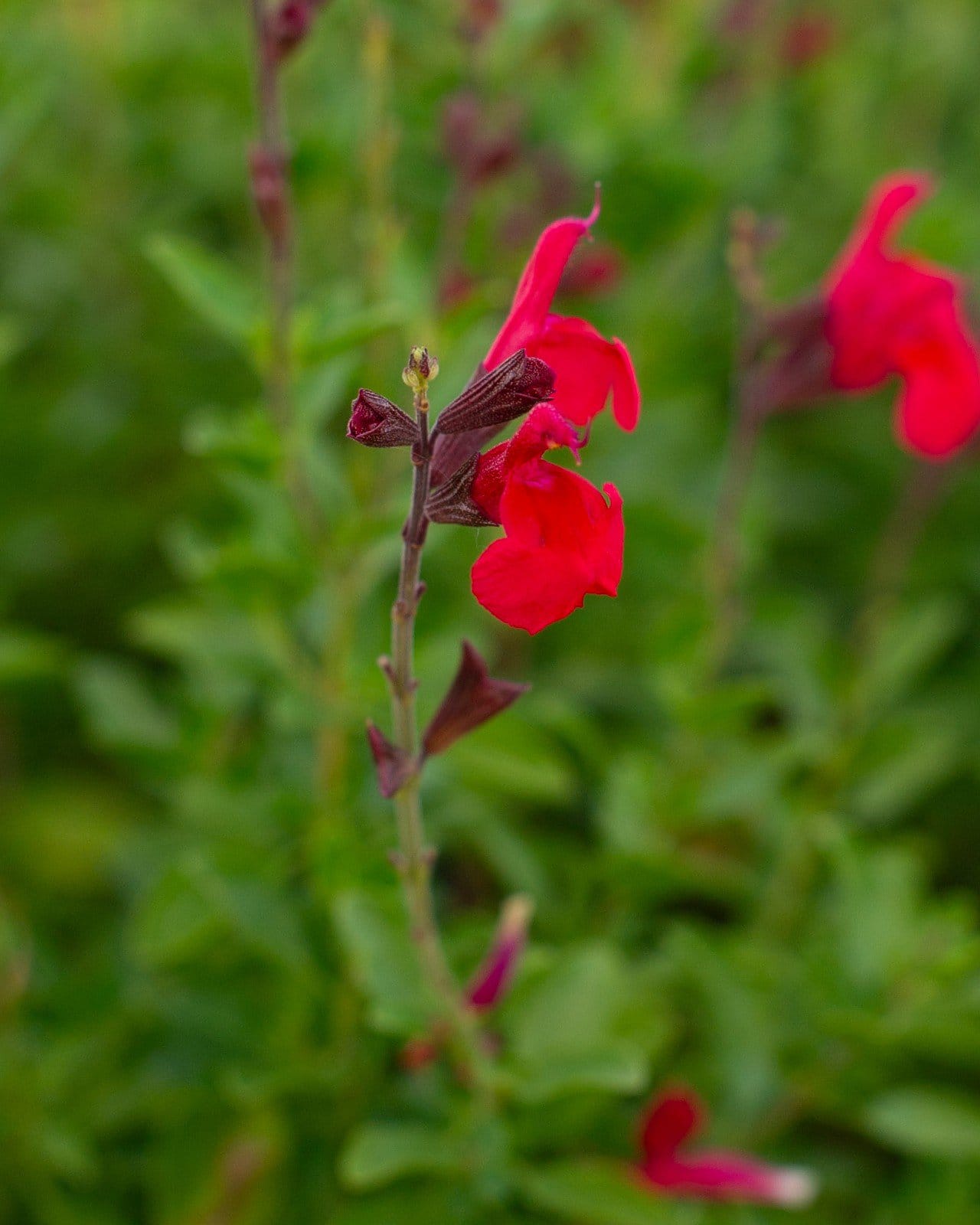
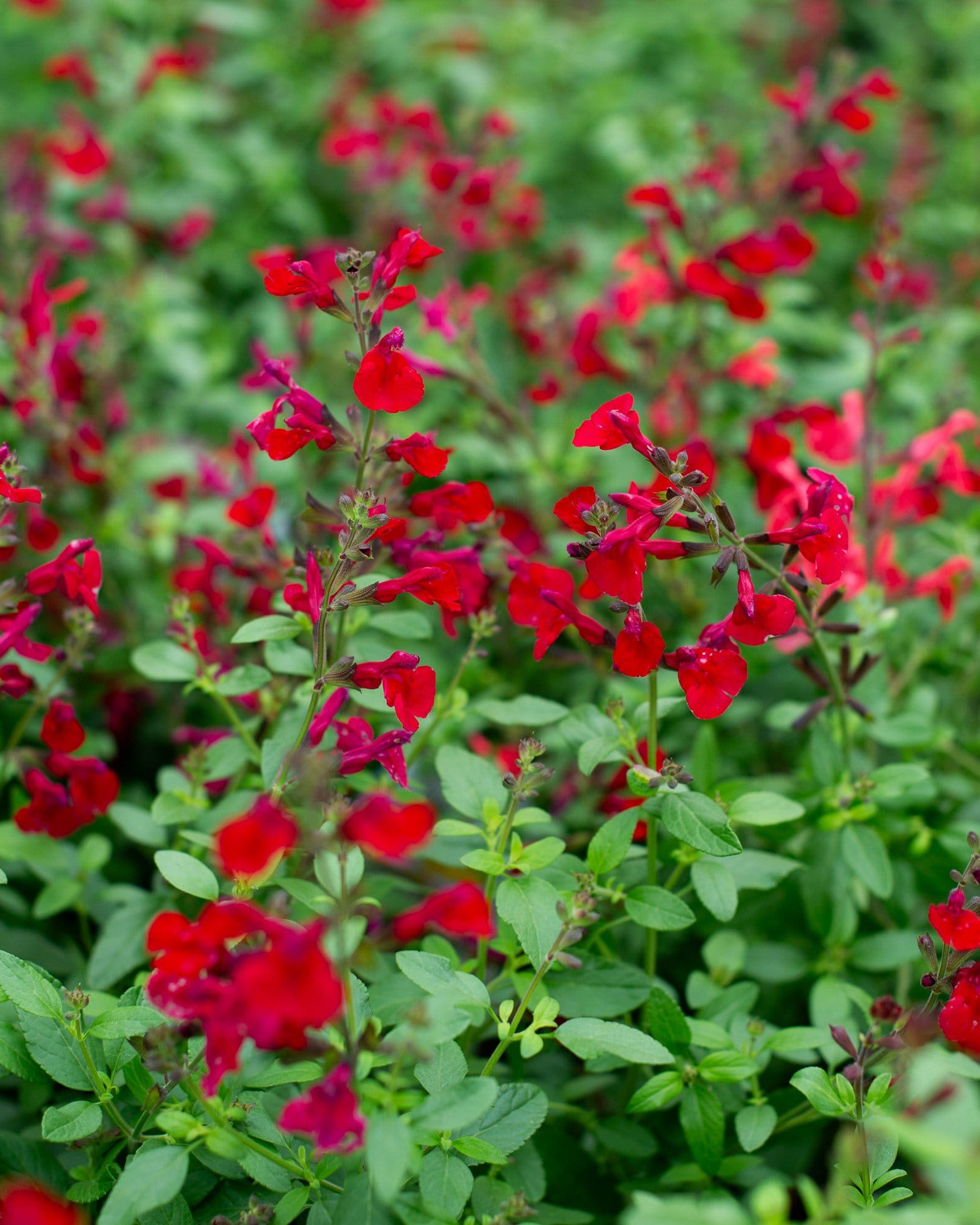
Mirage Cherry Red Salvia Greggii
Maturity: 1' H x 1' W
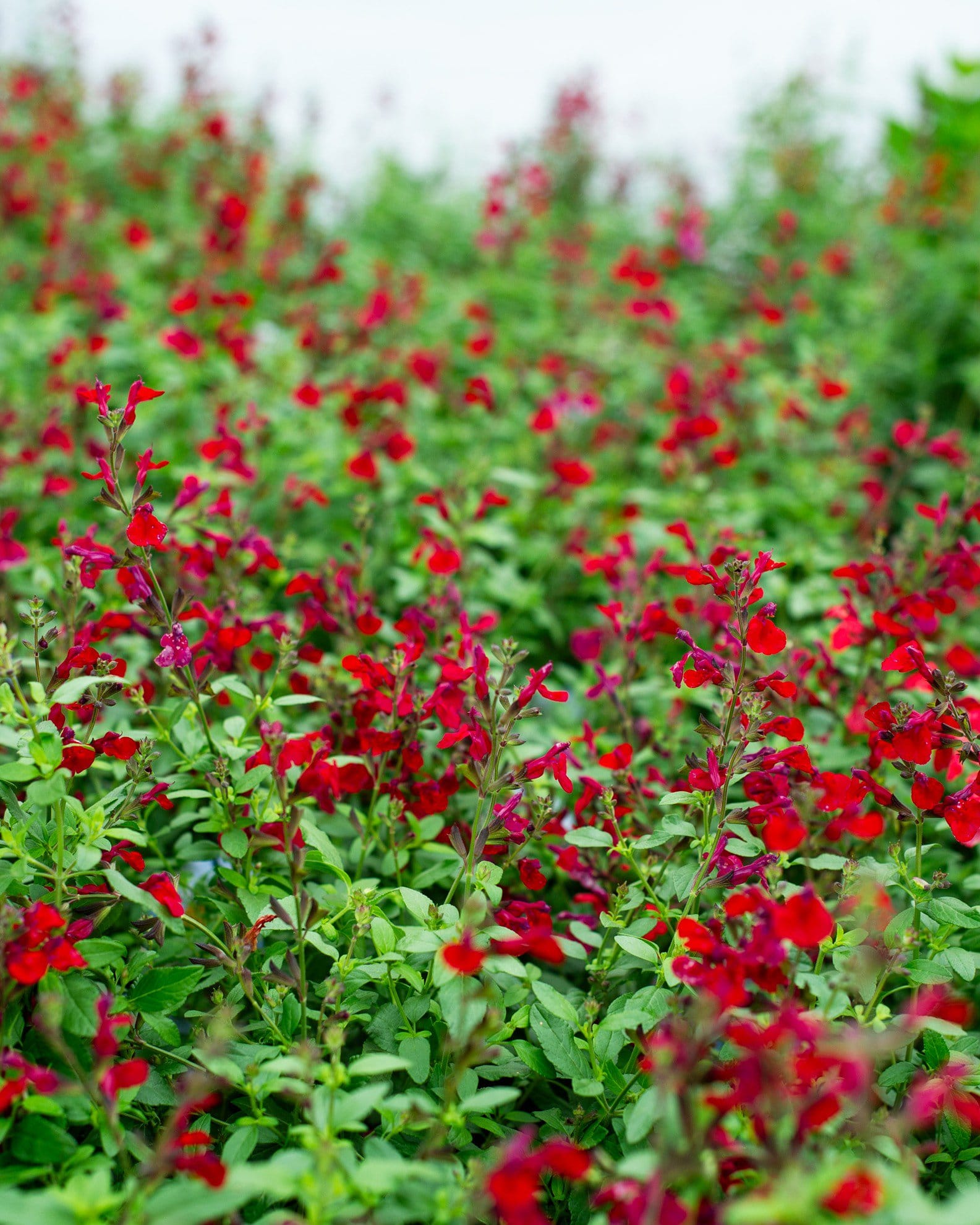
Red Salvia Greggii
Maturity: 3' H x 3' W
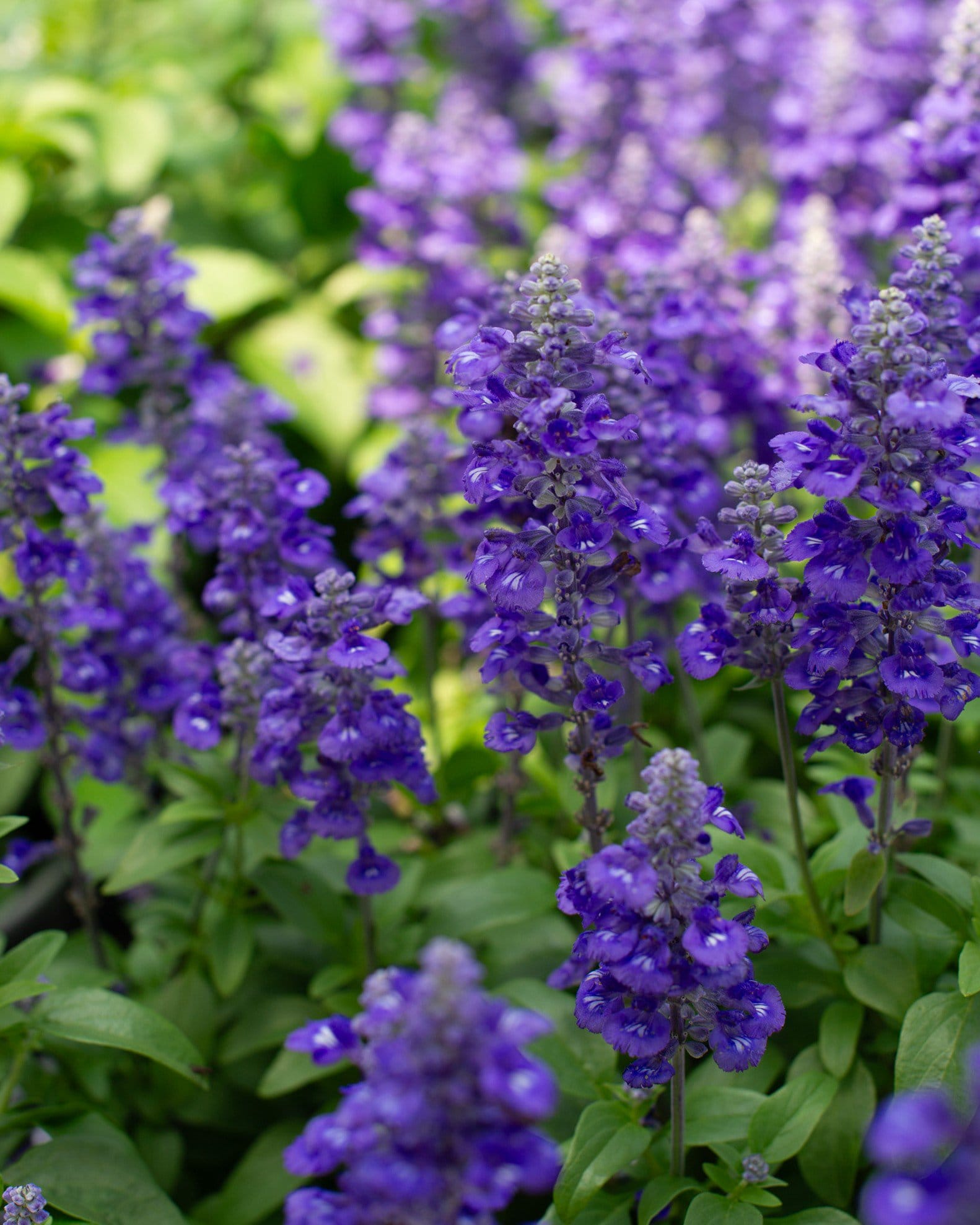
Sallyfun Blue Lagoon Salvia
Maturity: 1.5' H x 1.5' W
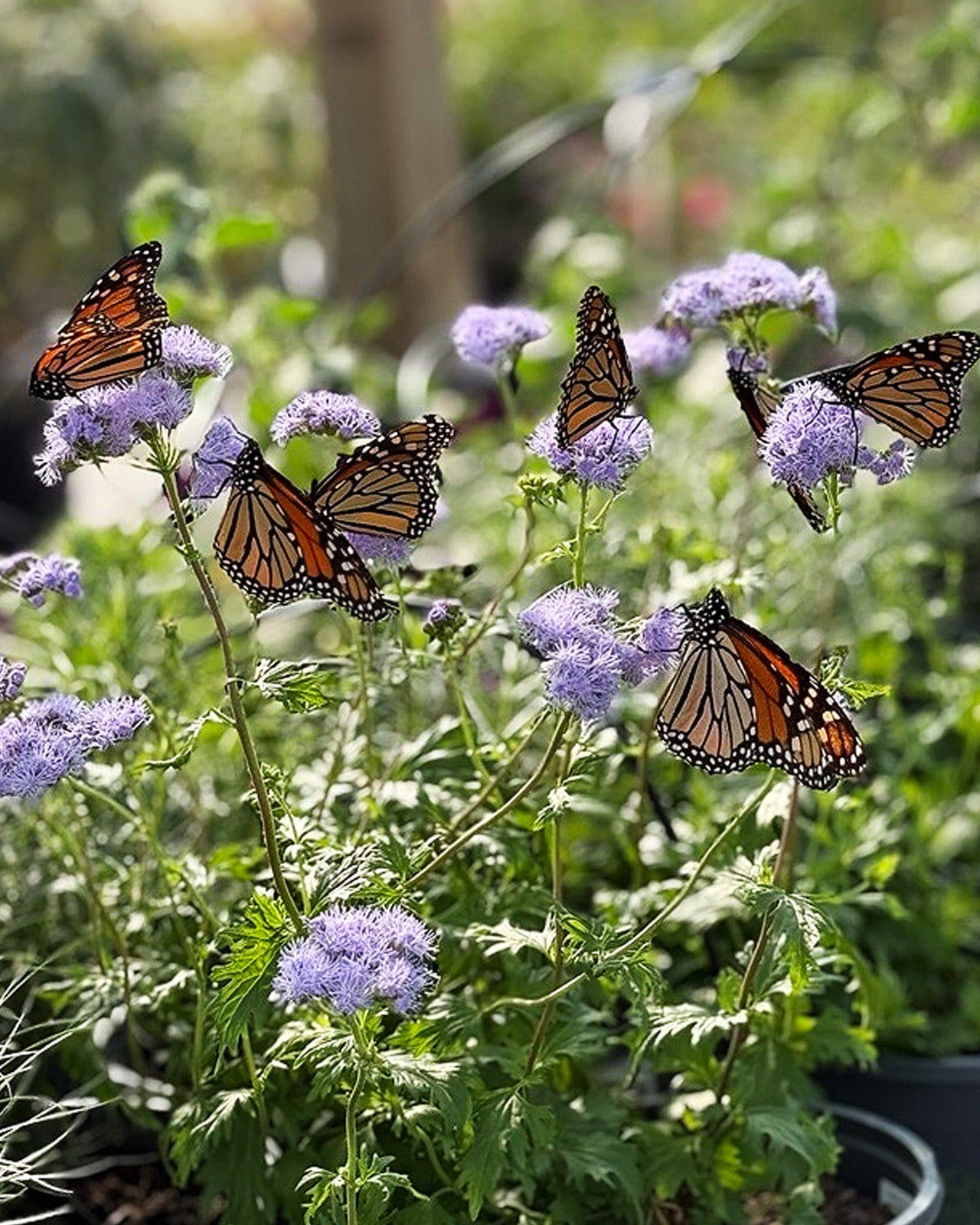
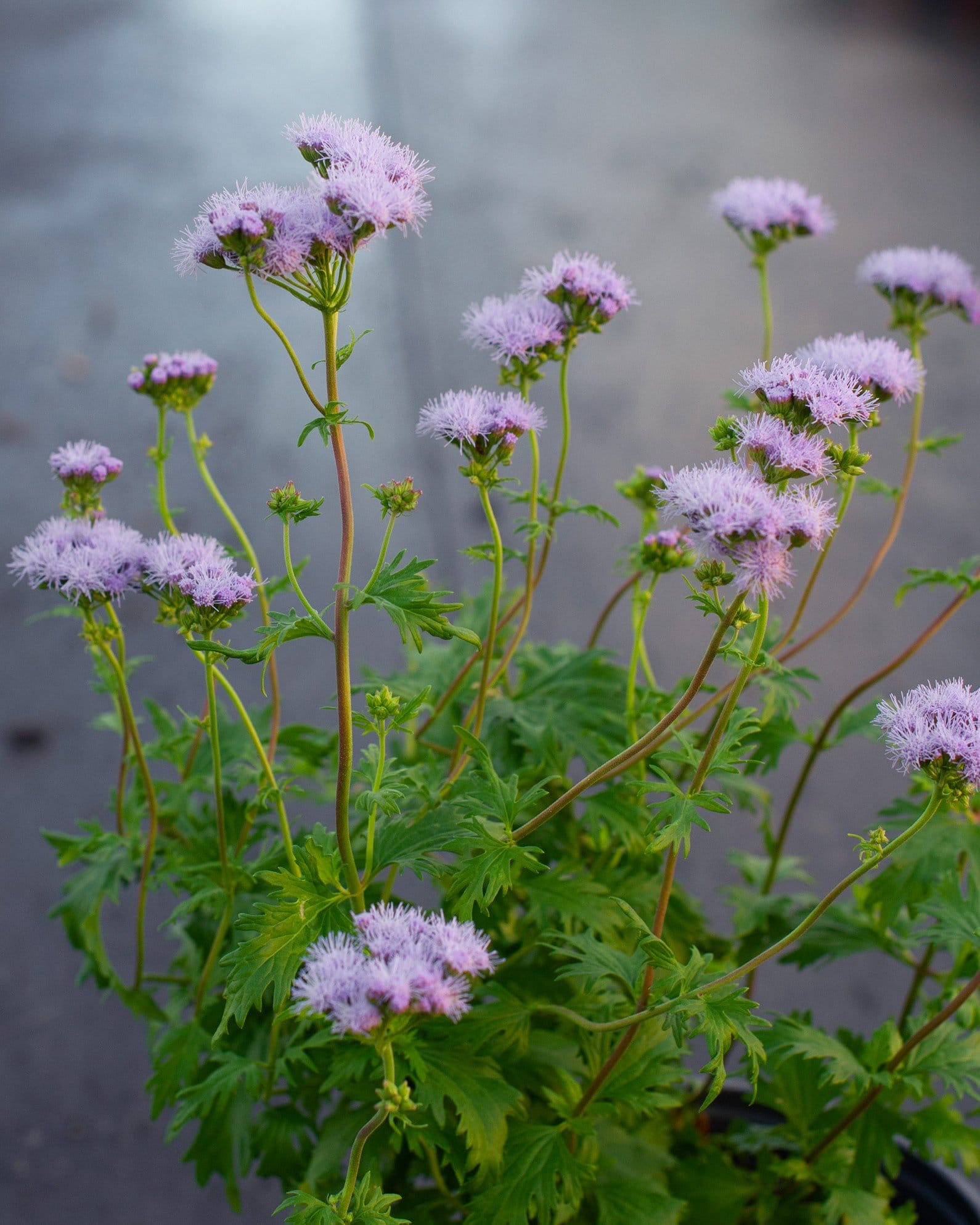
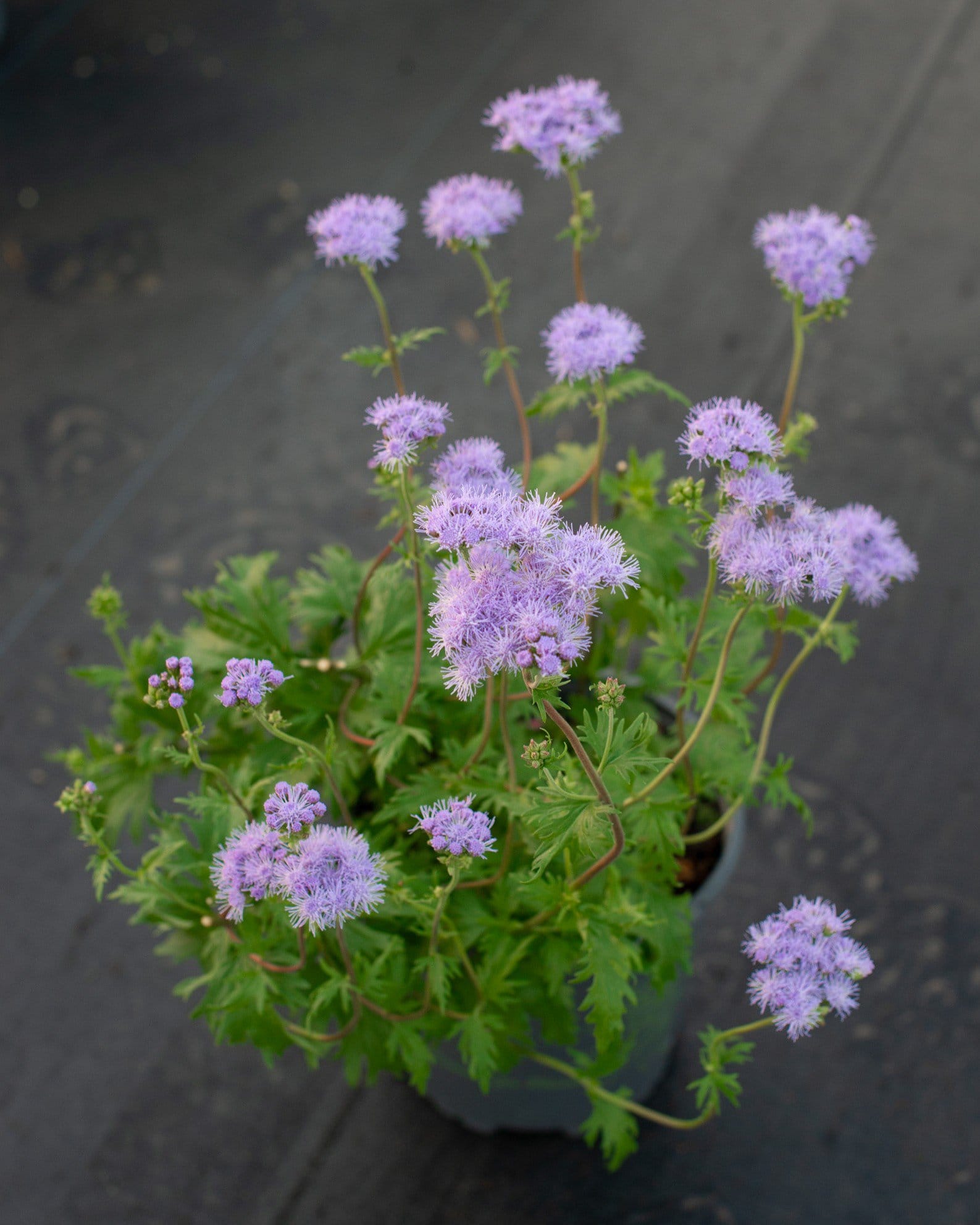
Gregg's Mistflower
Maturity: 1.5' H x 1.5' W
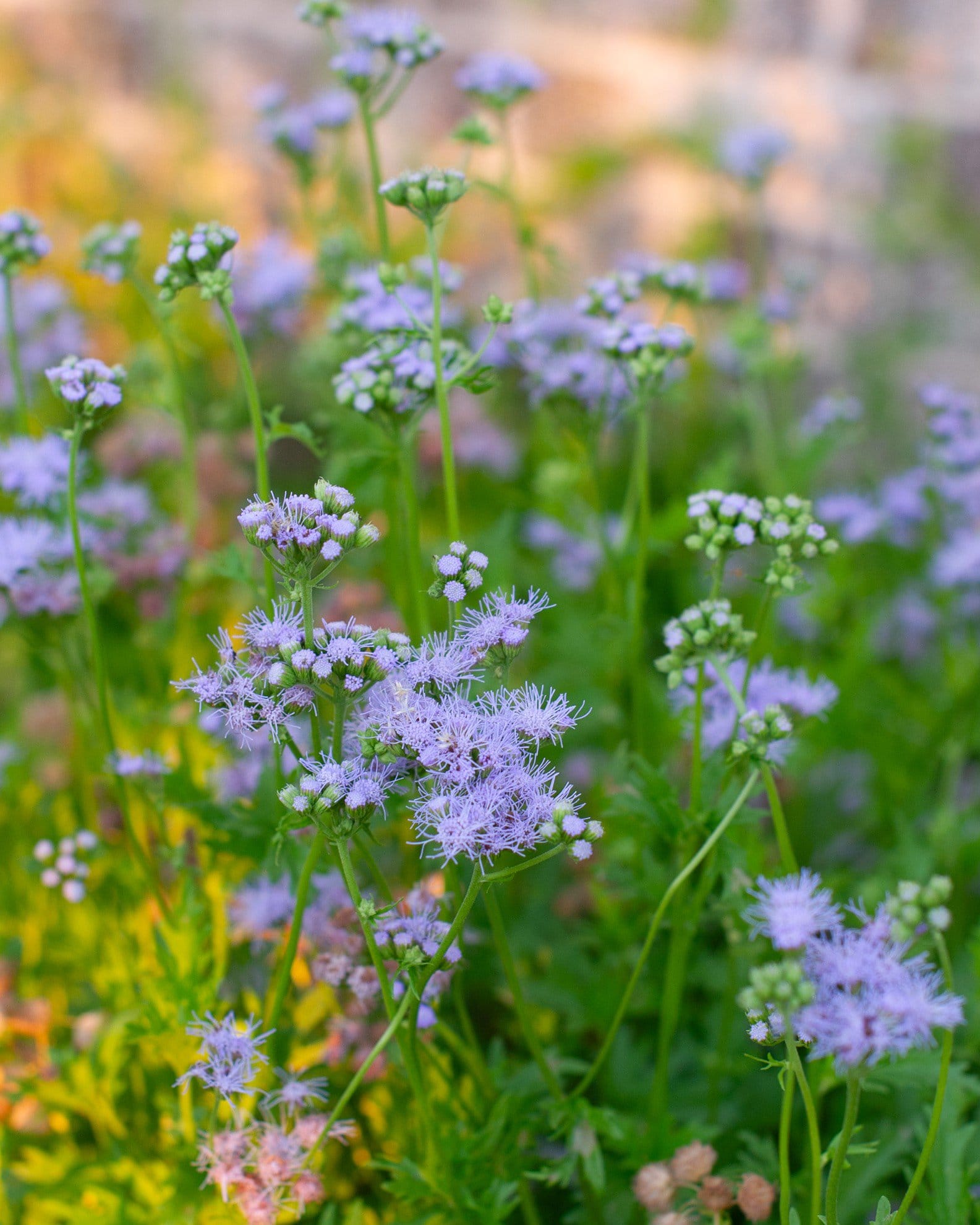
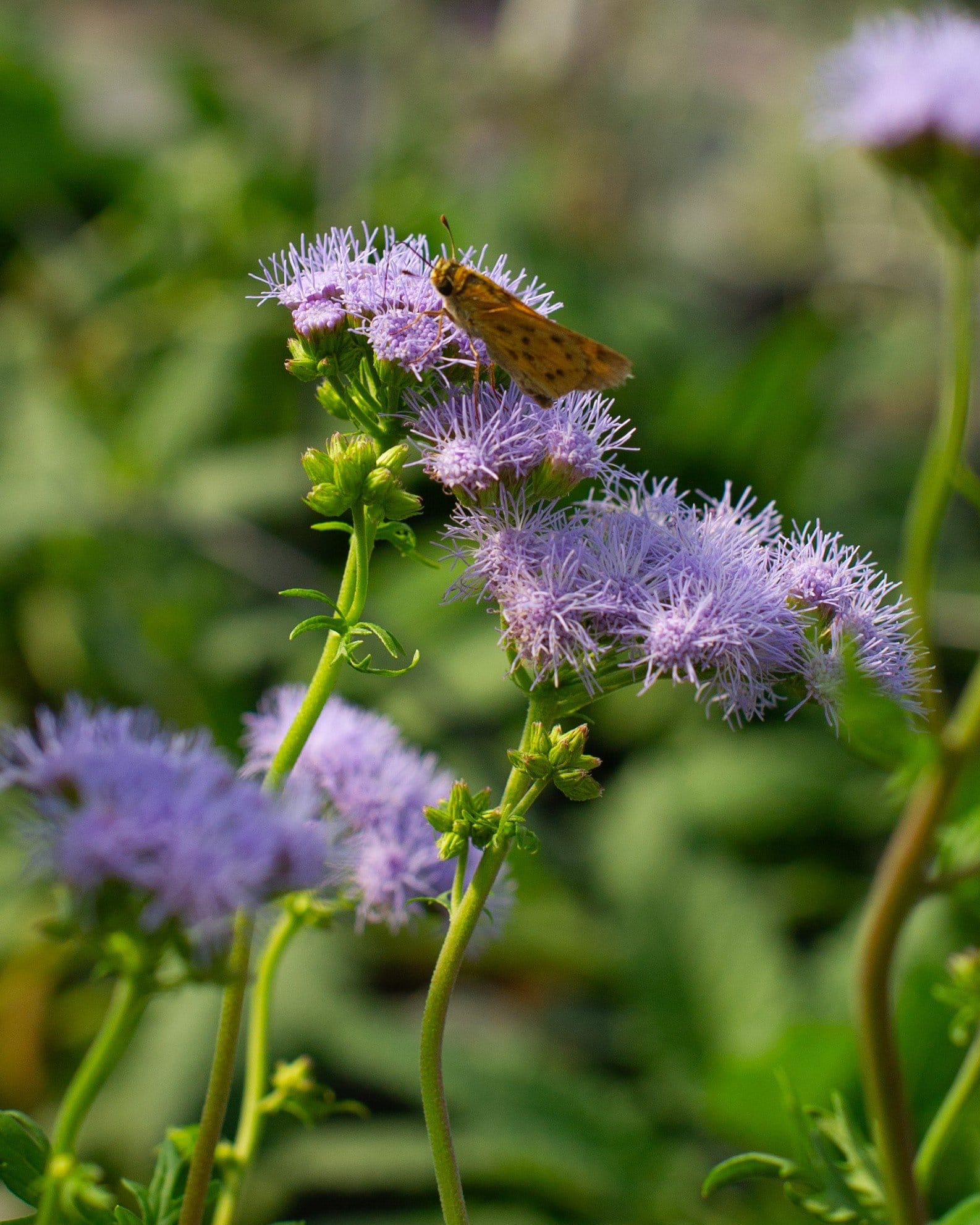
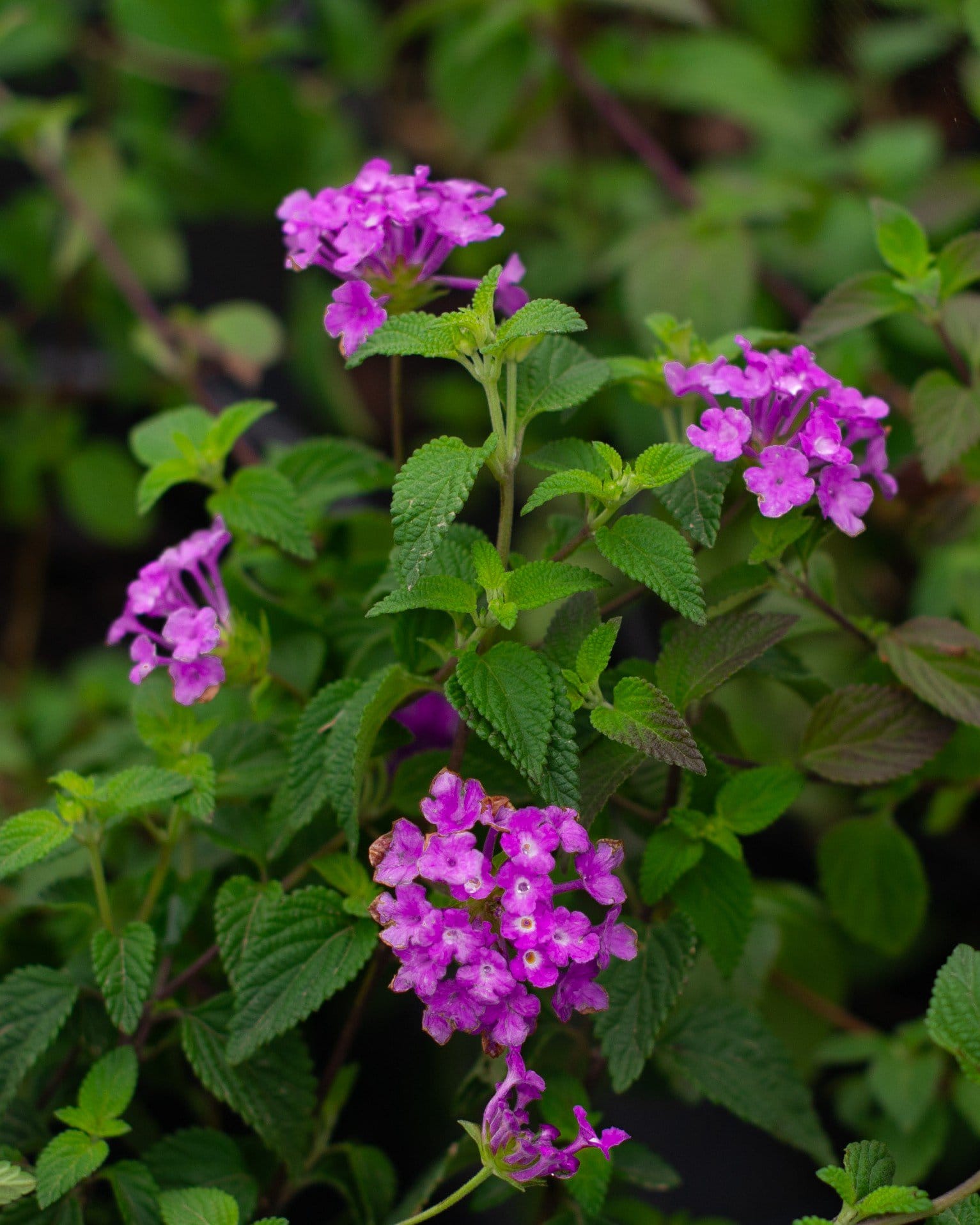
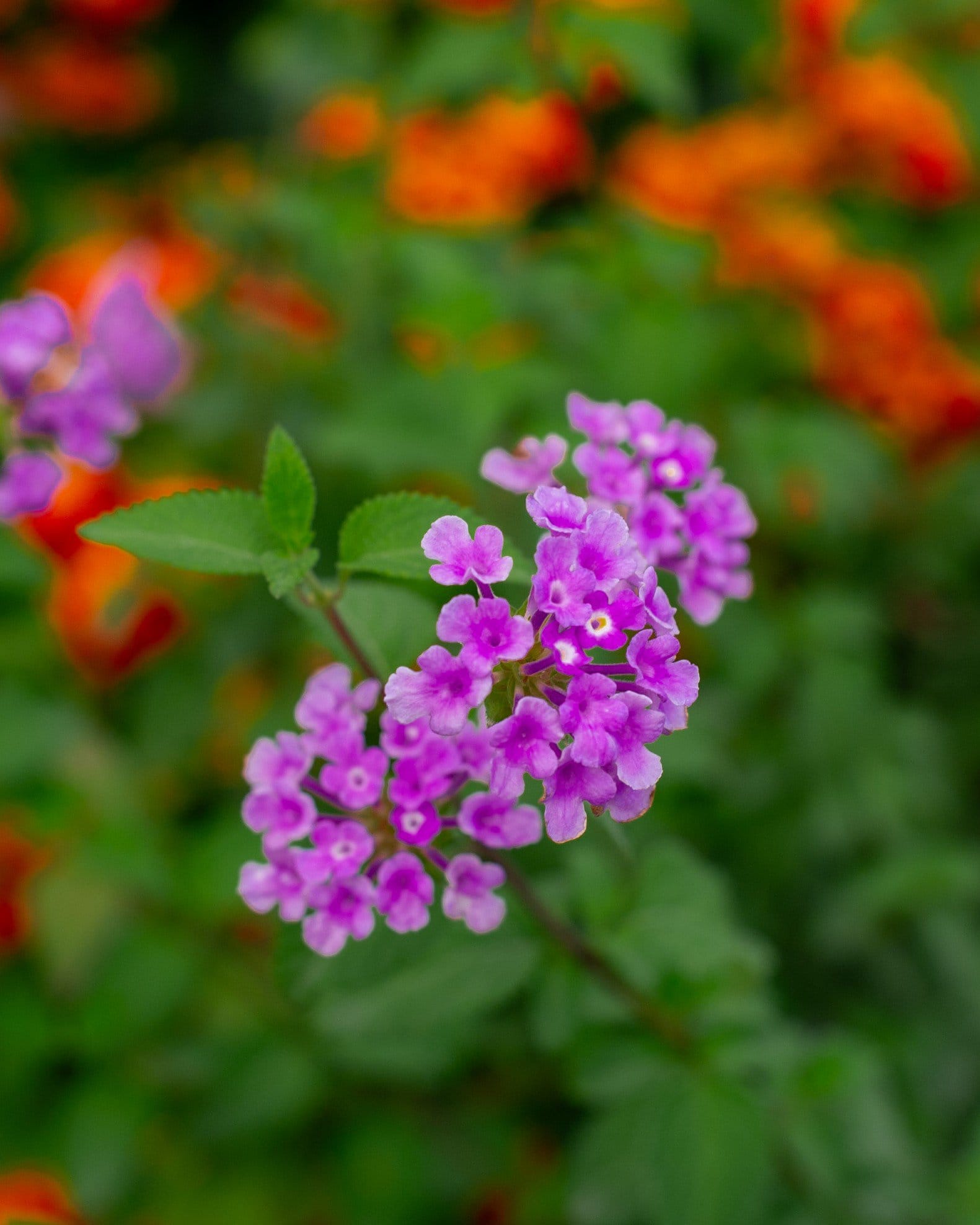
Purple Trailing Lantana
Maturity: 1' H x 4' W
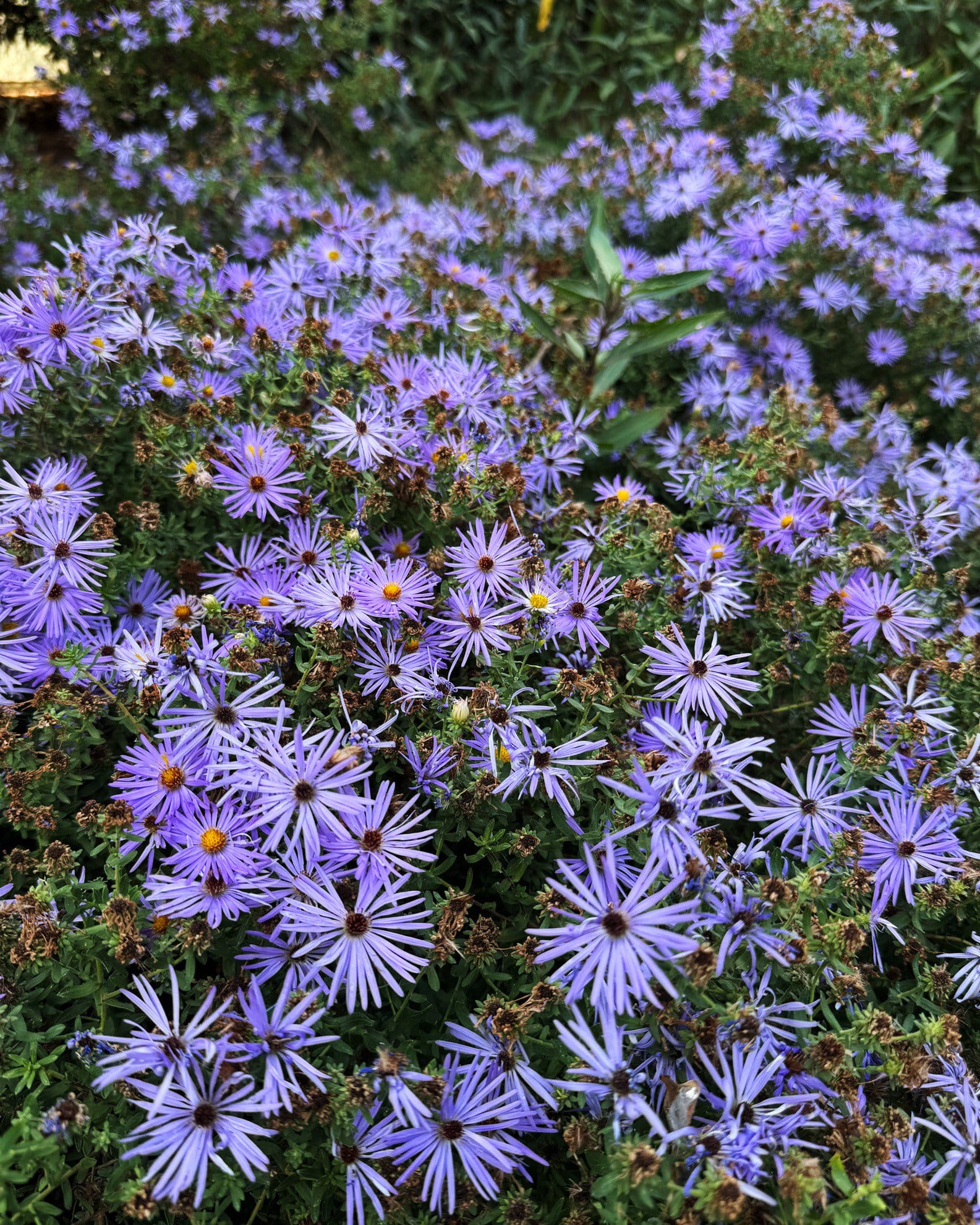
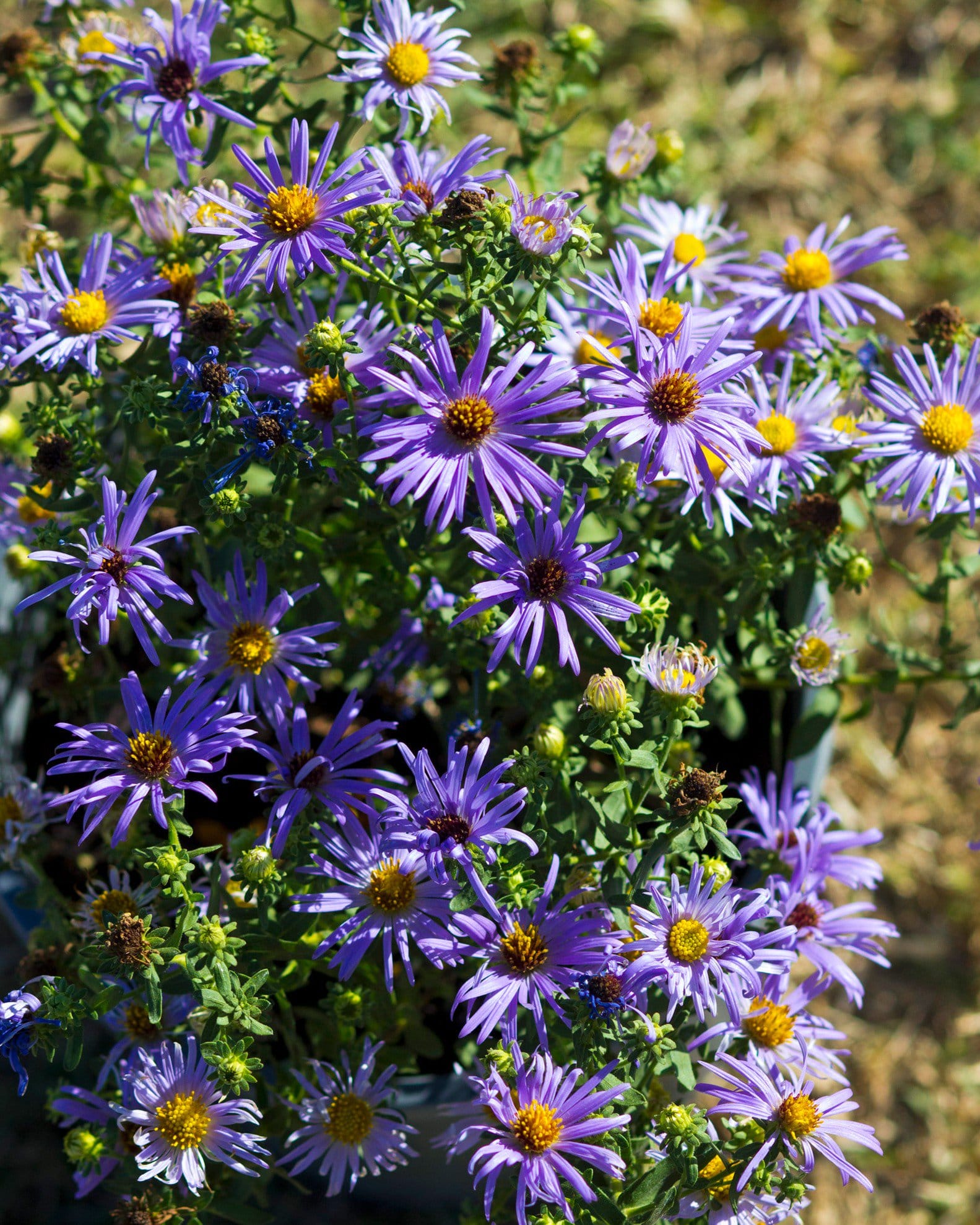
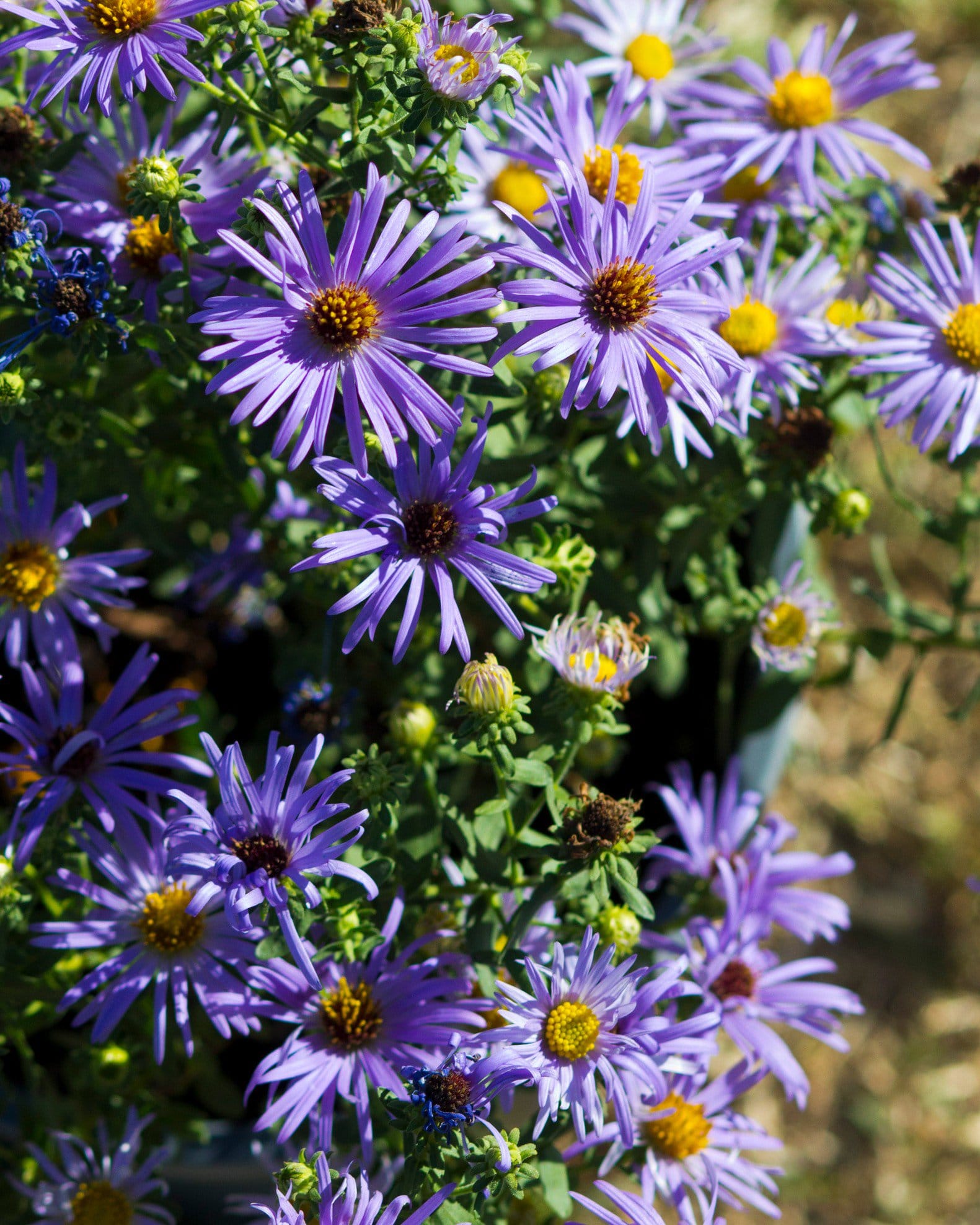
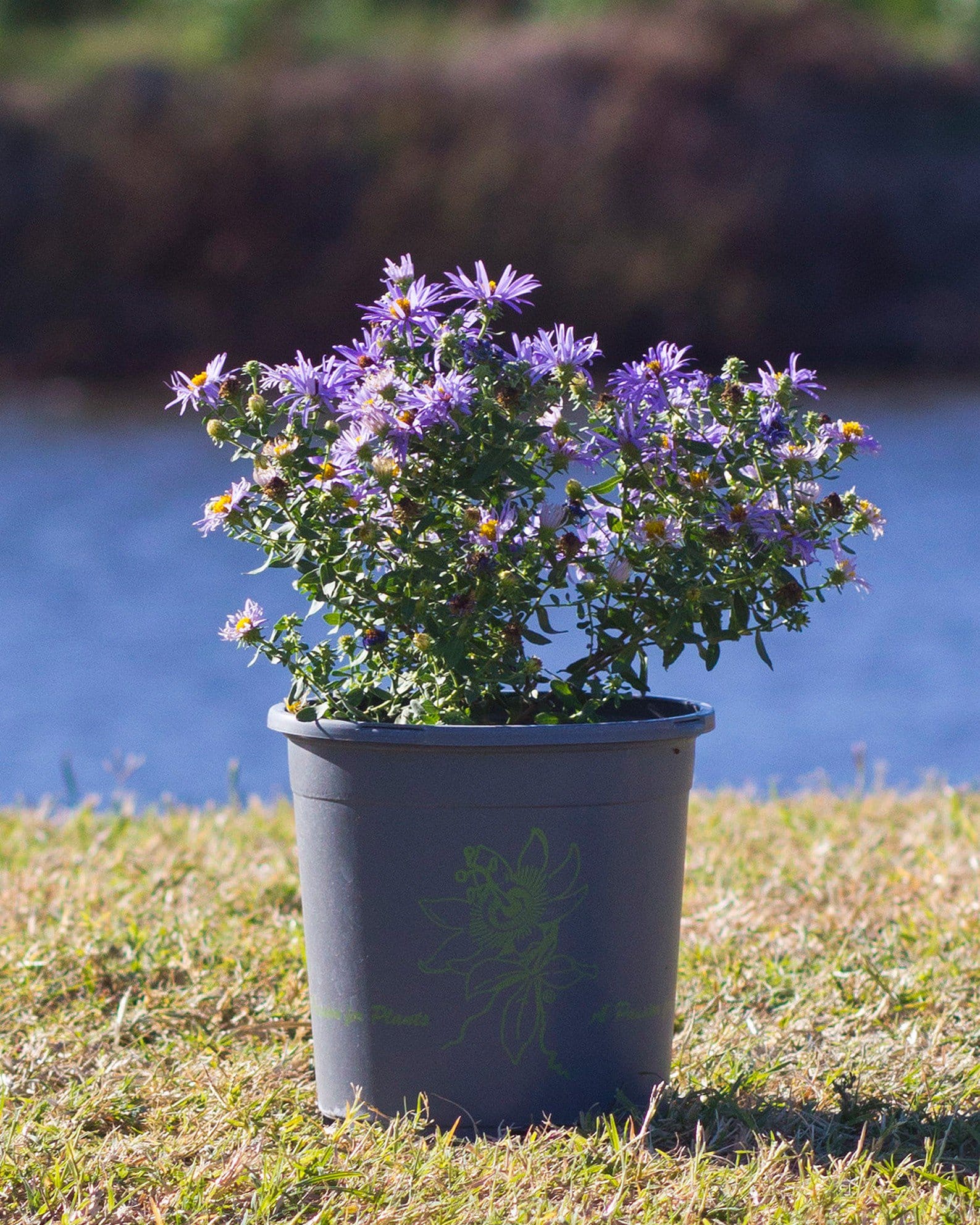
Aromatic Aster
Maturity: 2' H x 2' W
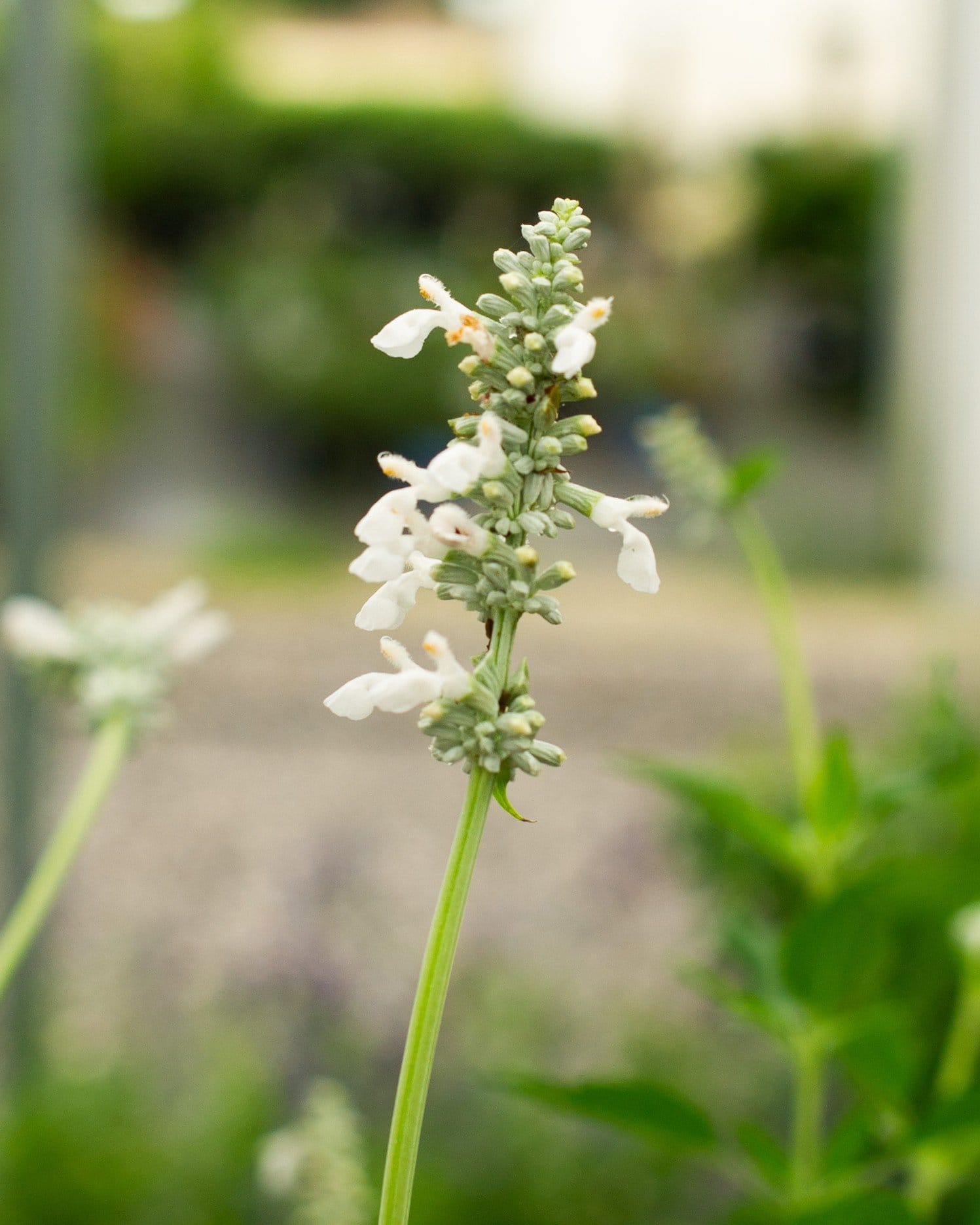
Augusta Duelberg Salvia
Maturity: 3' H x 3' W
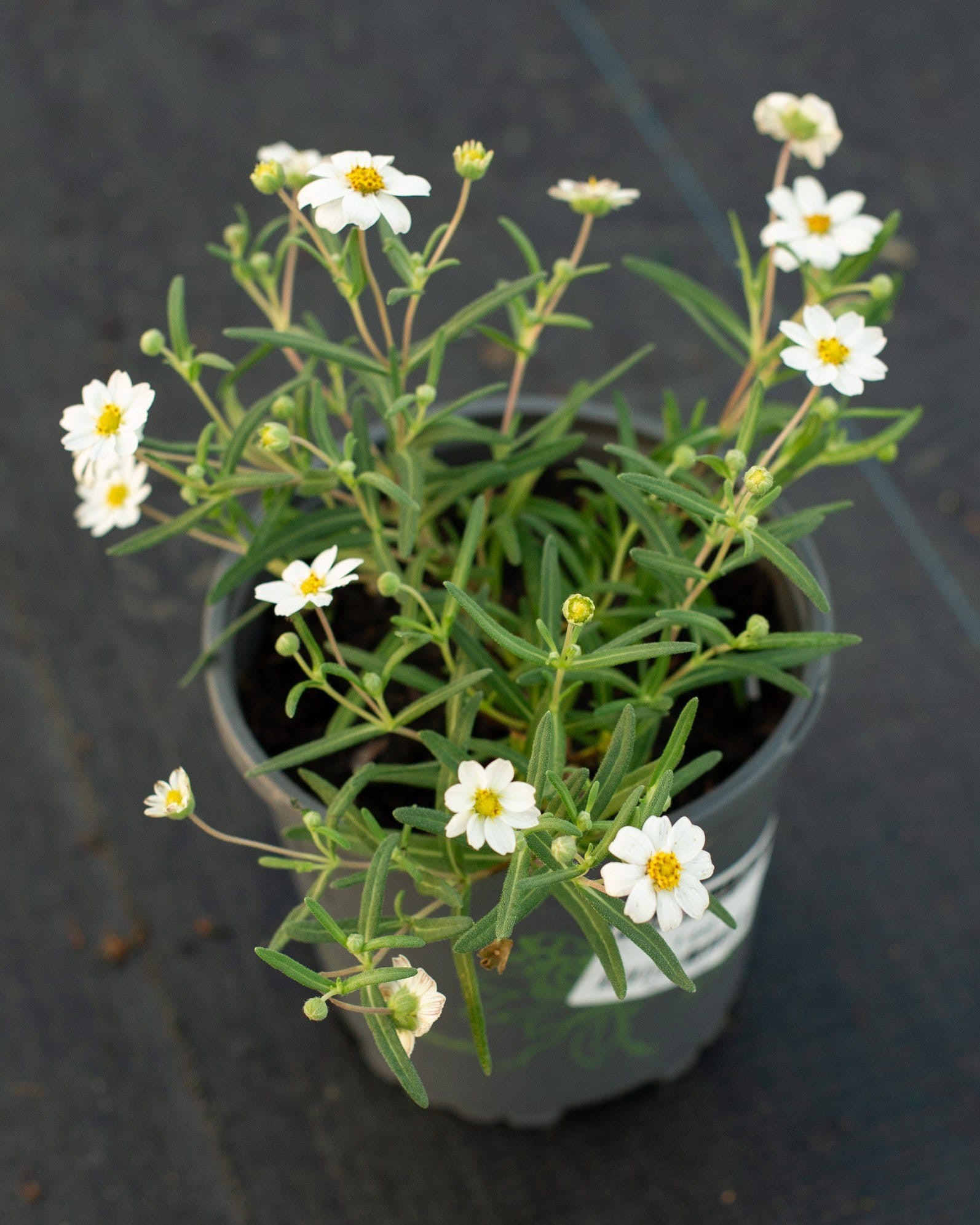
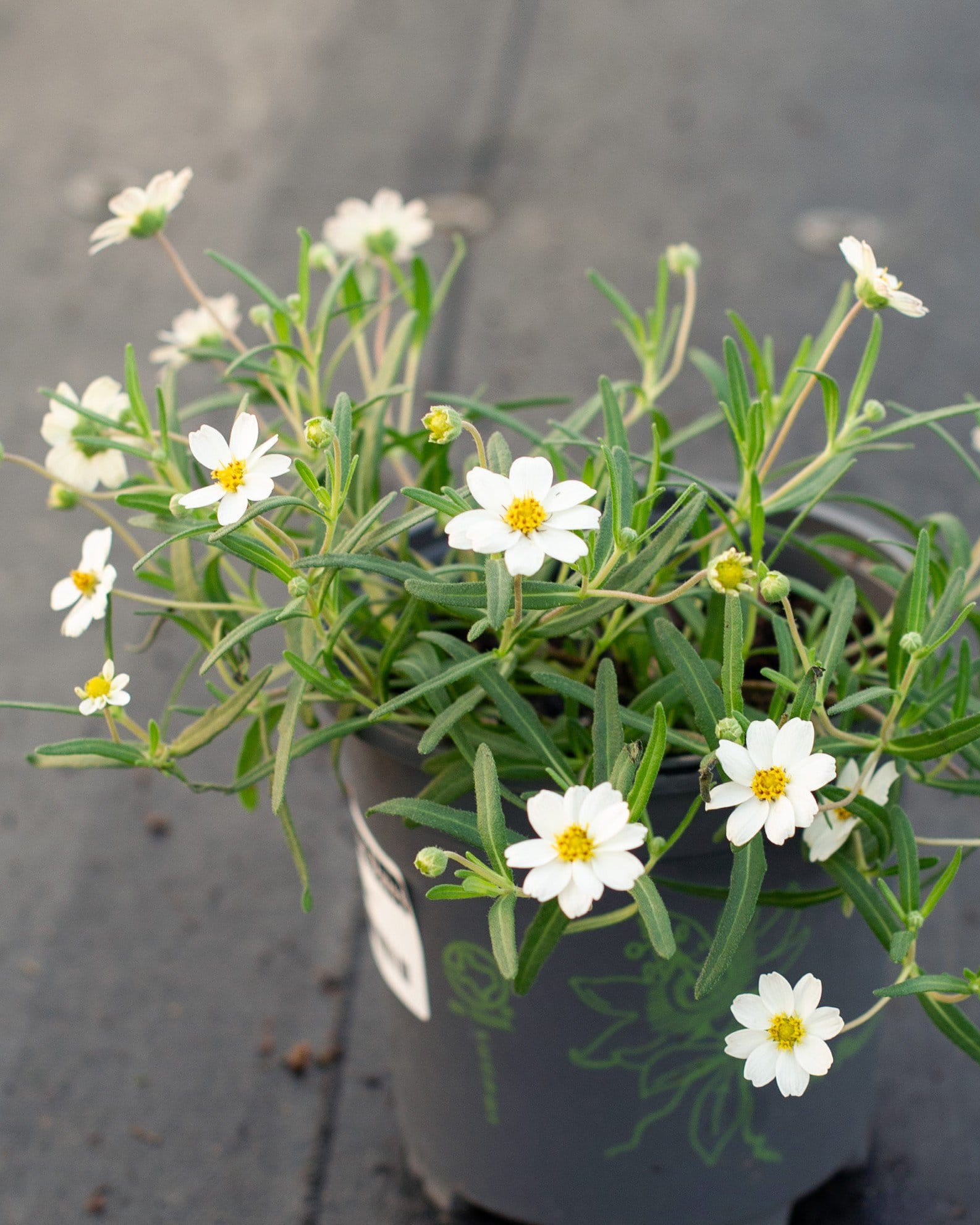
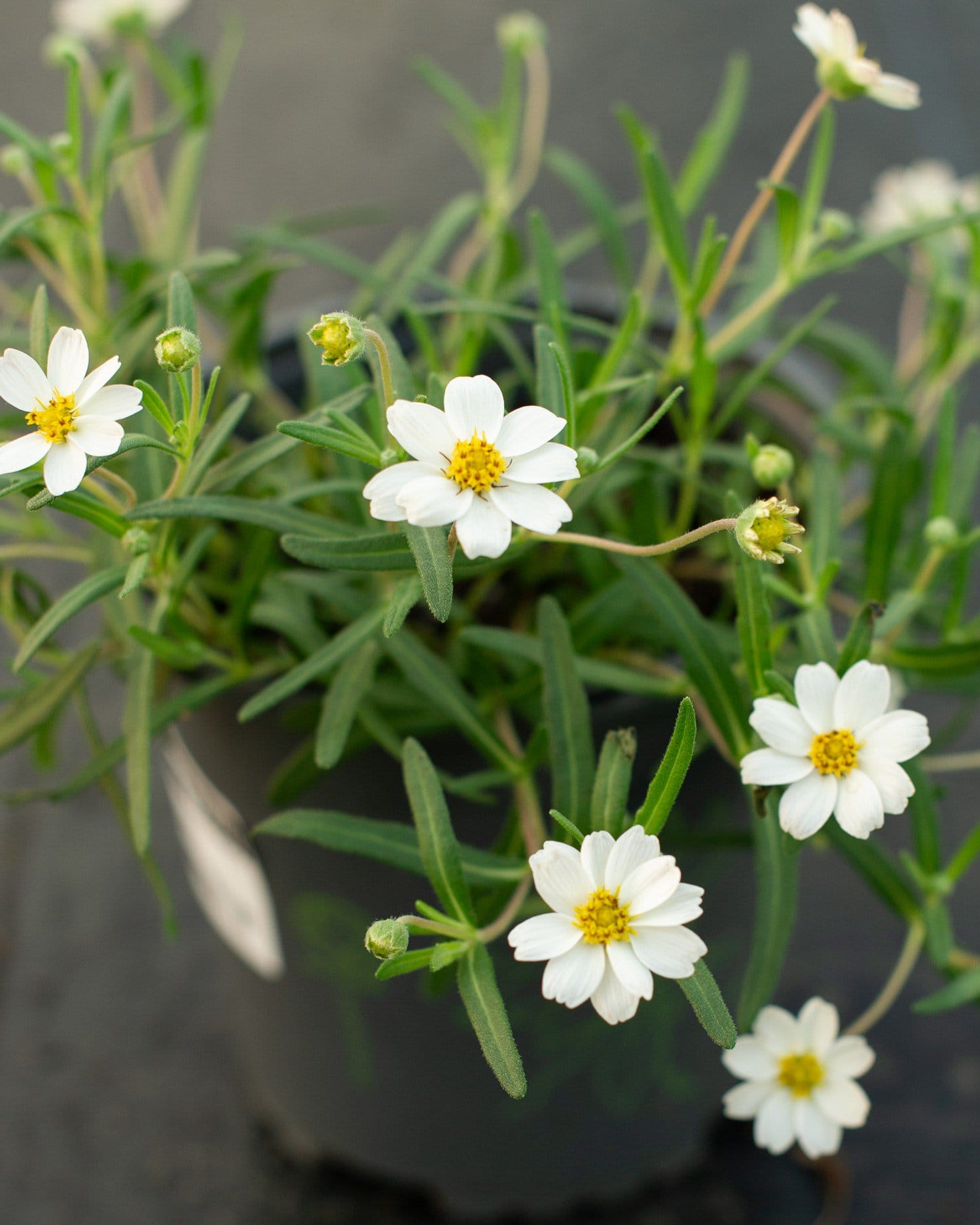
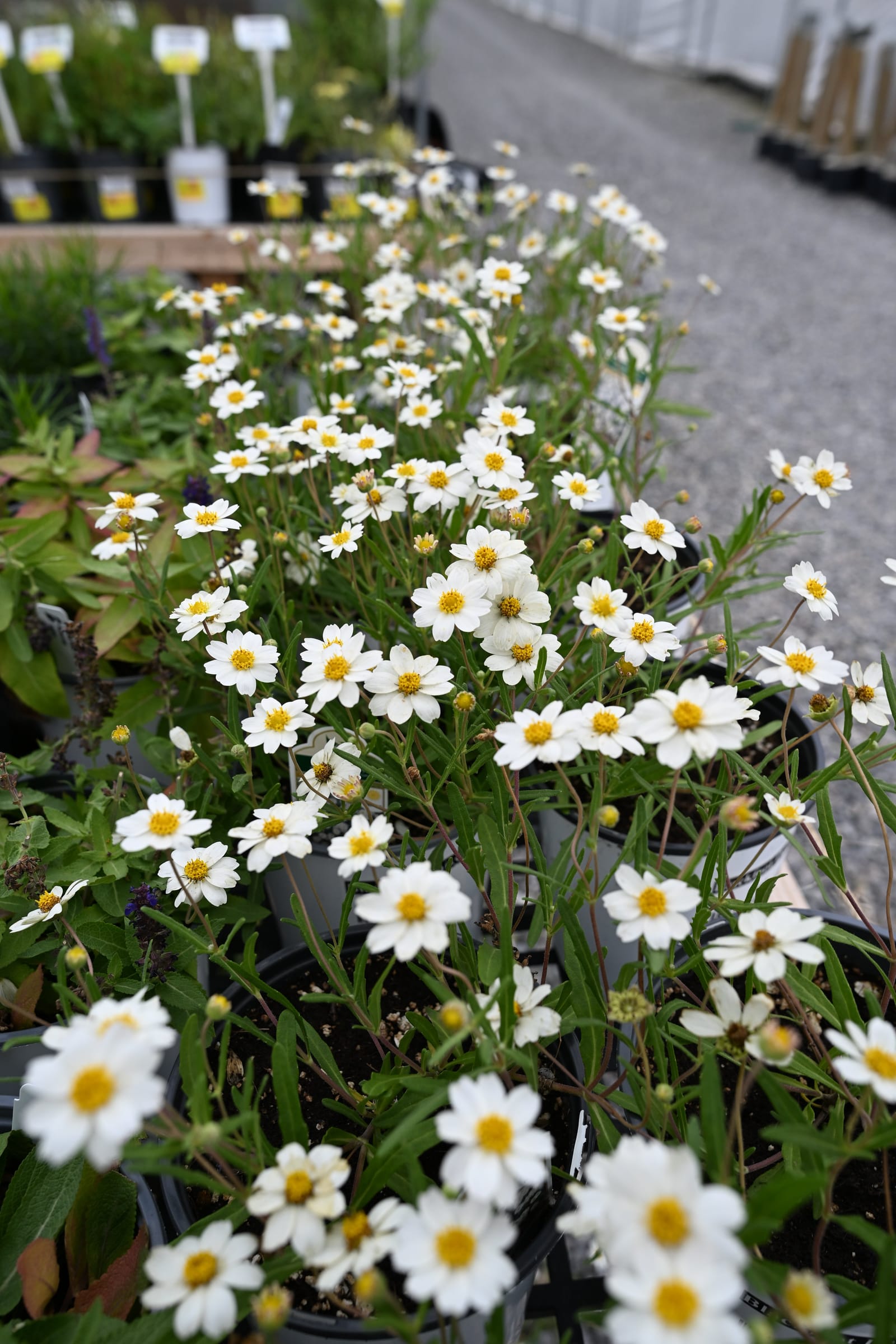
Blackfoot Daisy
Maturity: 0.5' H x 1' W
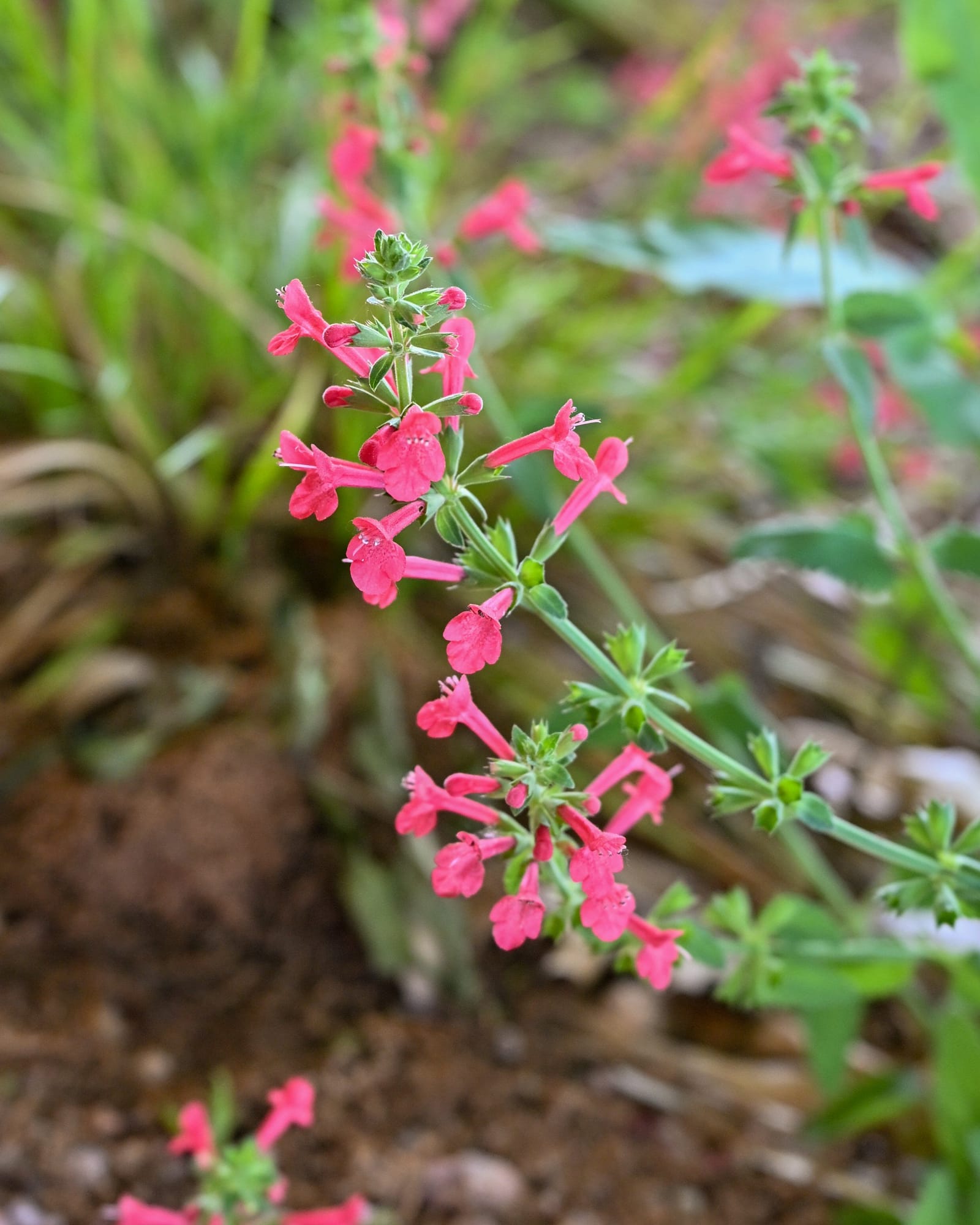
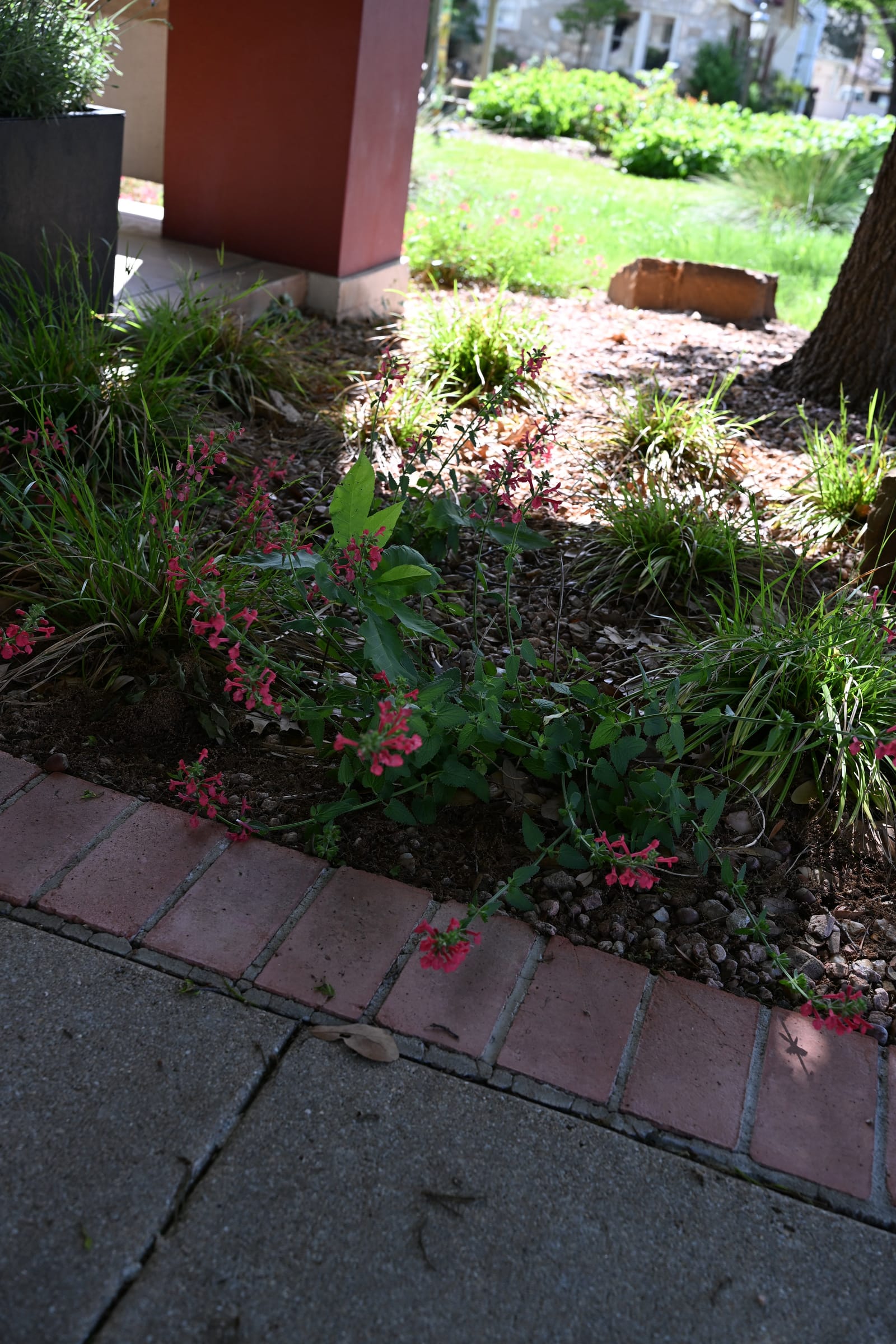
Cedar Sage Salvia
Maturity: 2' H x 1.5' W
Chapel Hill Yellow Lantana
Maturity: 1.5' H x 2' W
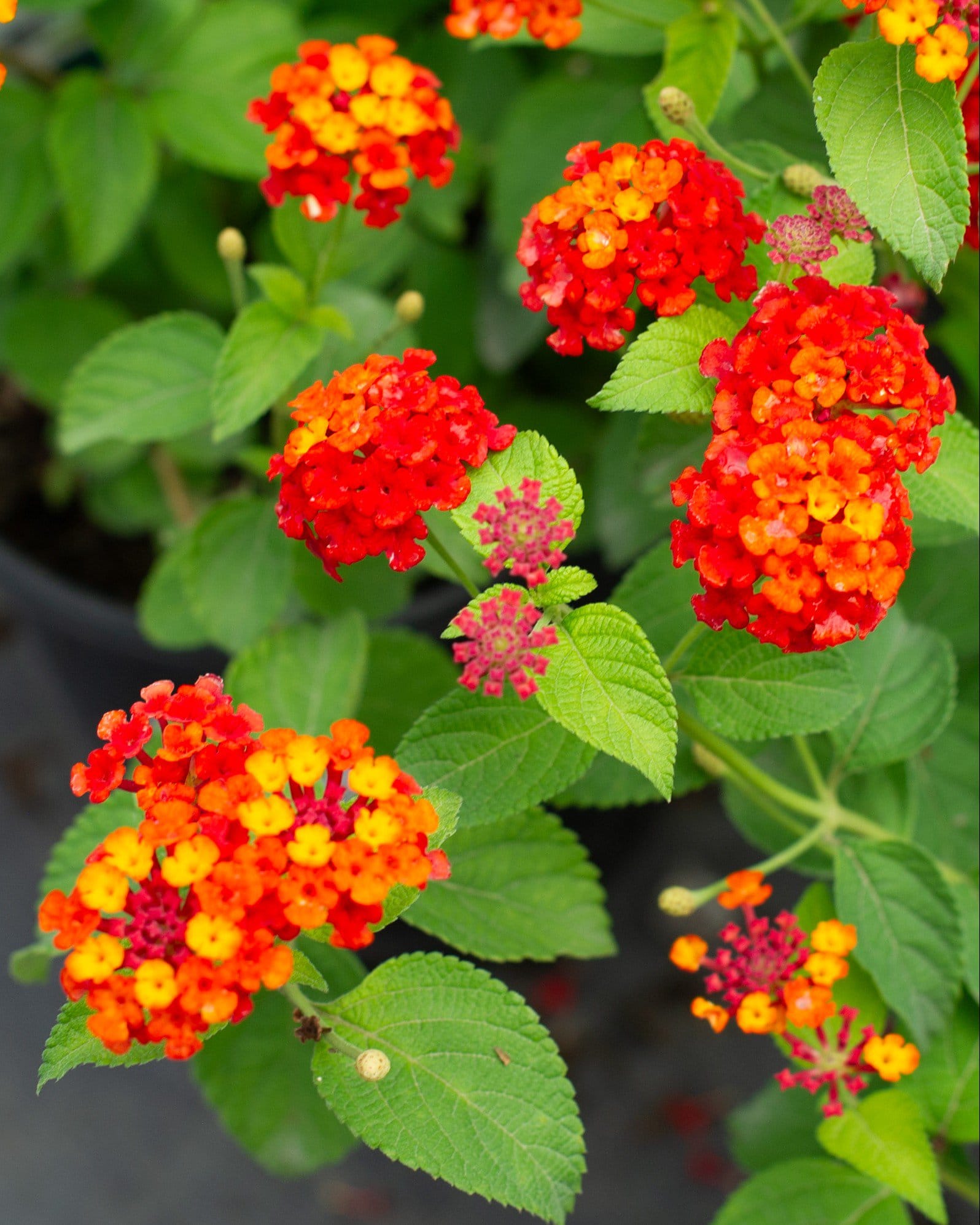
Dallas Red Lantana
Maturity: 3' H x 3' W
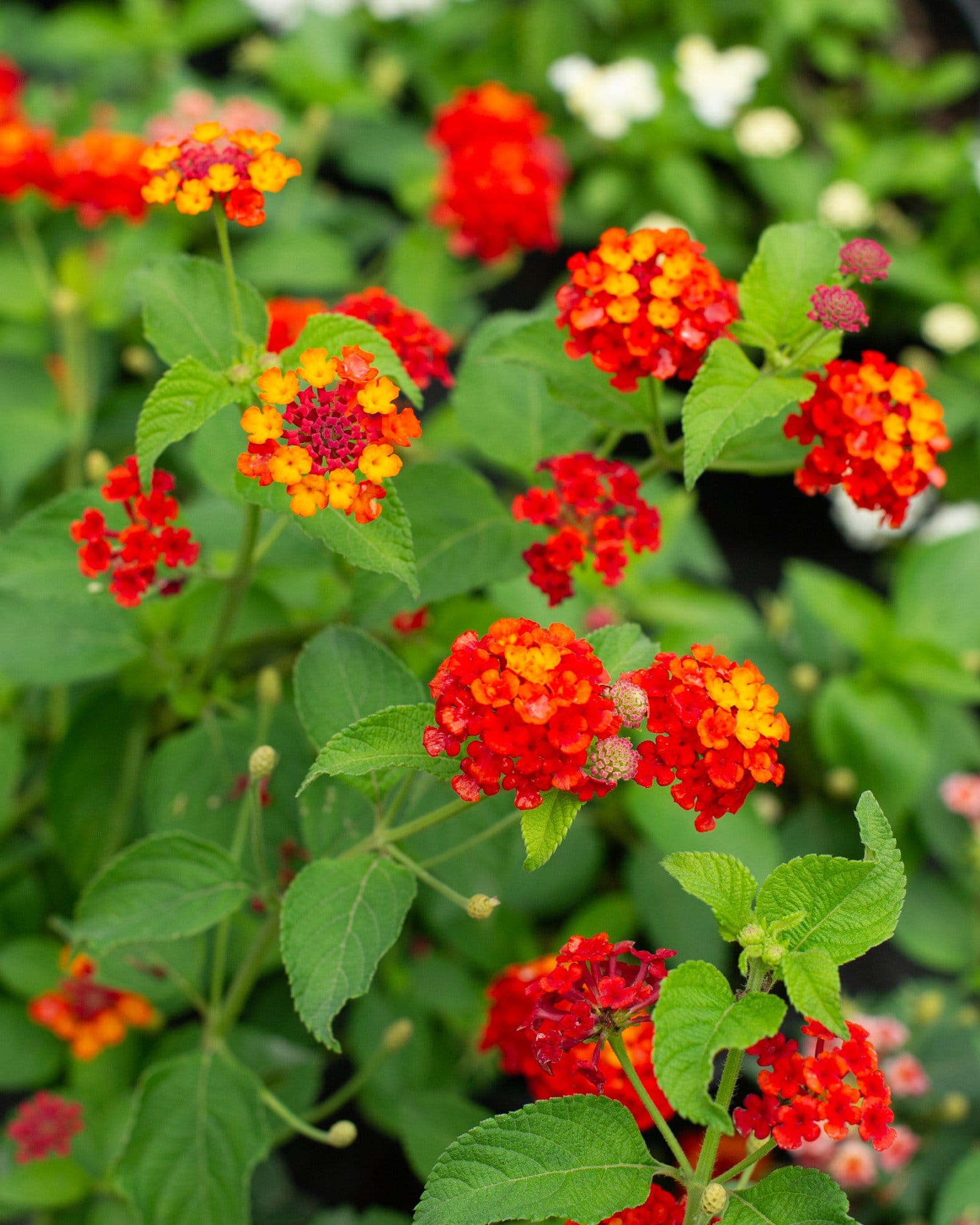
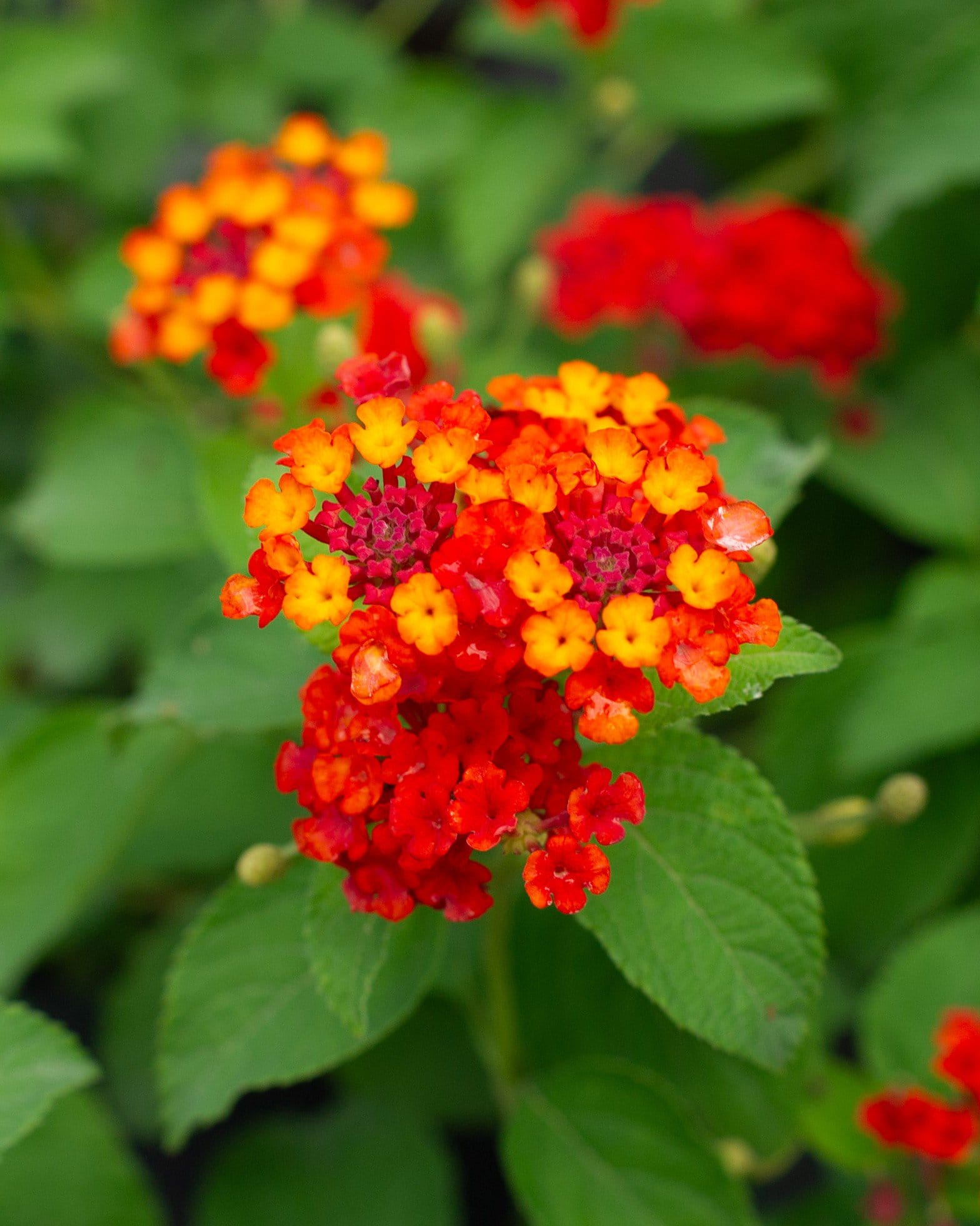

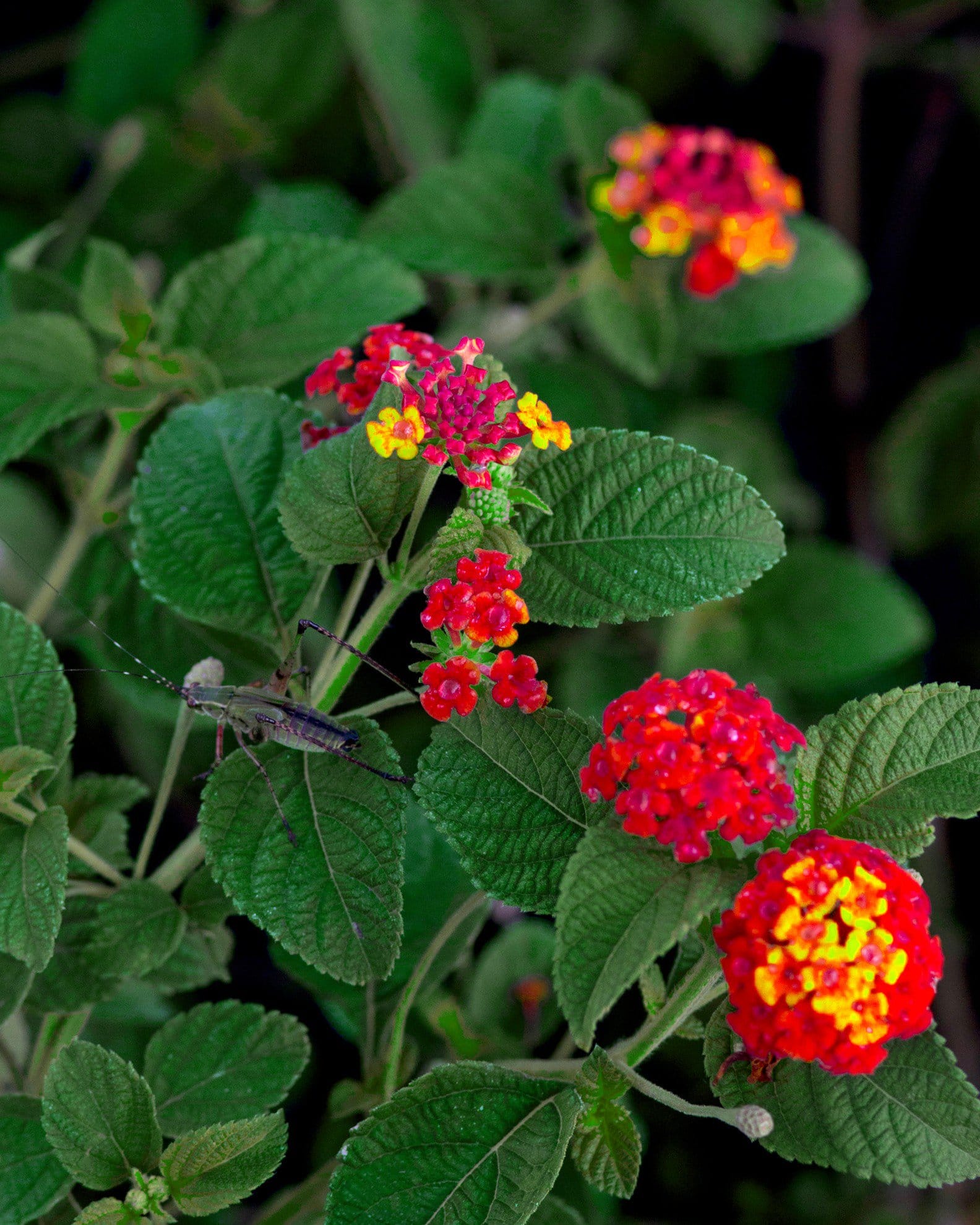
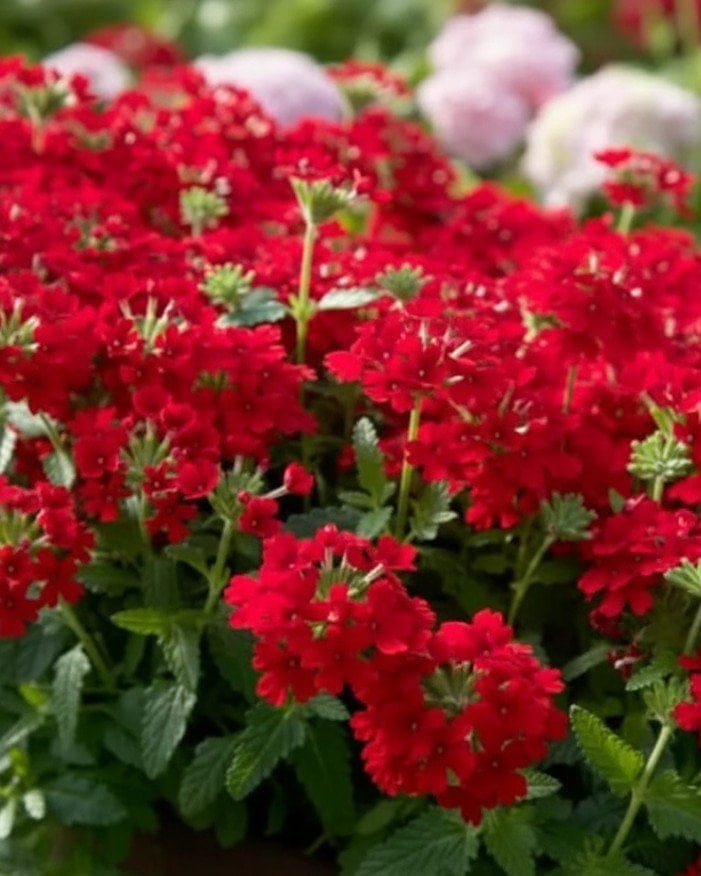
Endurascape Red Verbena
Maturity: 1' H x 1.5' W
Compare Similar Plants
Homestead Purple Verbena This plant | ||
|---|---|---|
| Scientific Name | Verbena canadensis ‘Homestead Purple’ | Salvia farinacea ‘Henry Duelberg’ |
| Size at Maturity | 1' H x 2' W | 3' H x 3' W |
| Leaf Retention | Herbaceous | Herbaceous |
| Flower Color | Purple | Purple |
| Bloom Times | Spring, Summer & Fall | Spring, Summer & Fall |
| Sizes Available | 1 gal | 1 gal |


Our 1-Year Planting Guarantee
We take pride in our plants and installation services. If any plants or trees installed by Treeland fail to thrive within the first year, we'll provide a replacement credit in accordance with our guarantee program.
Learn More About Our Guarantee