






Cat's Pajamas Catmint
Nepeta hybrid ‘Cat’s Pajamas’Local DFW Delivery Only
Product Details
Cat's Pajamas Catmint
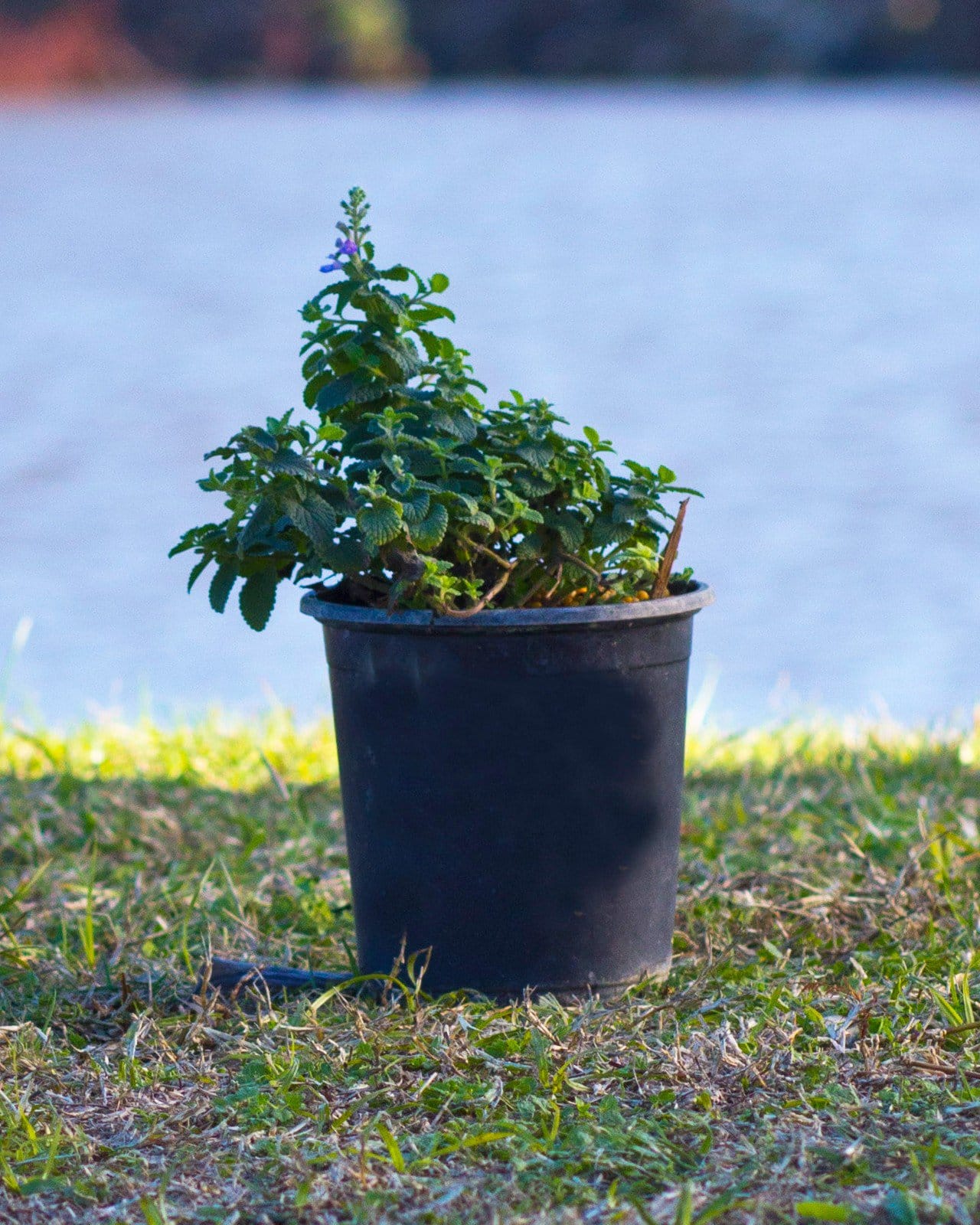
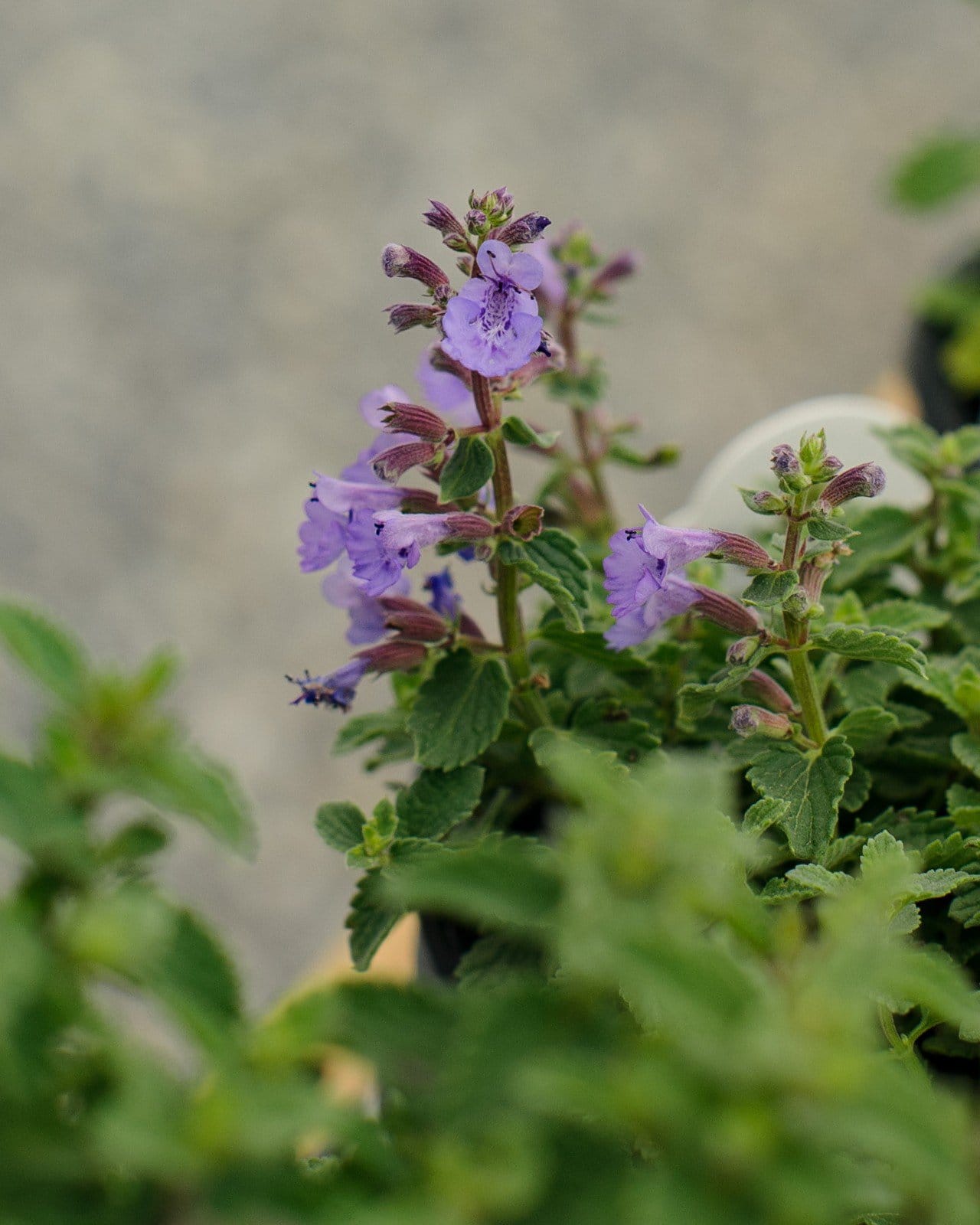
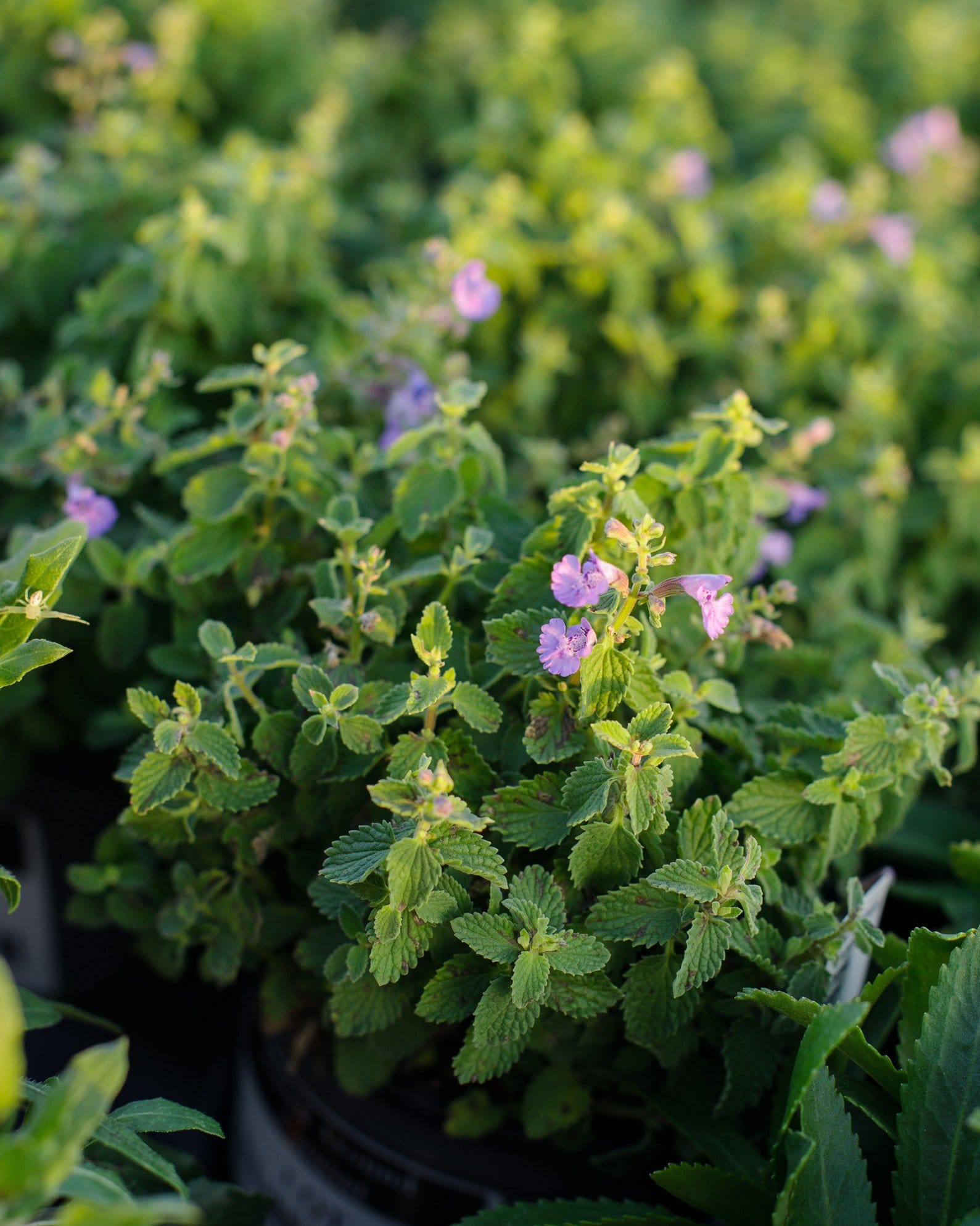
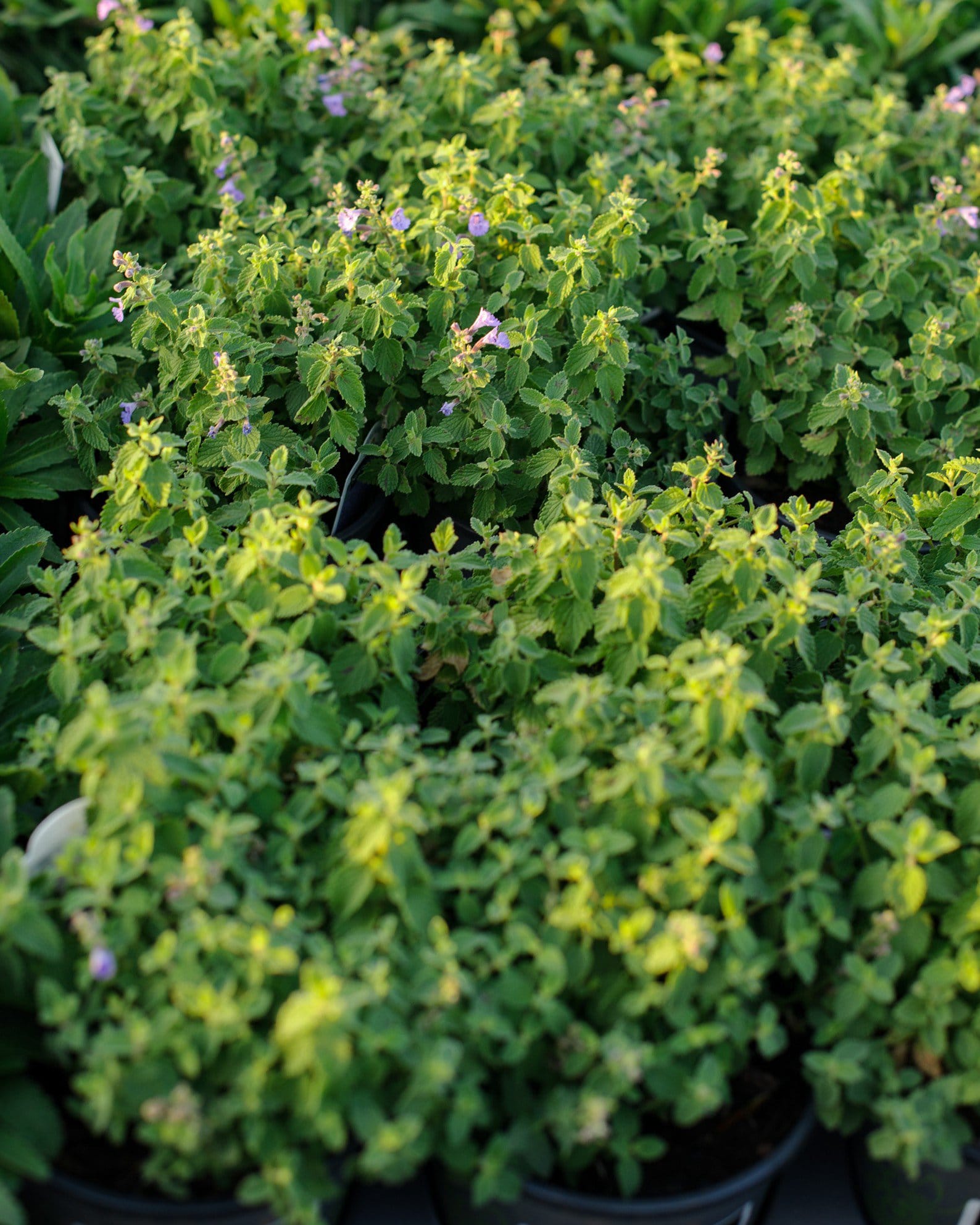
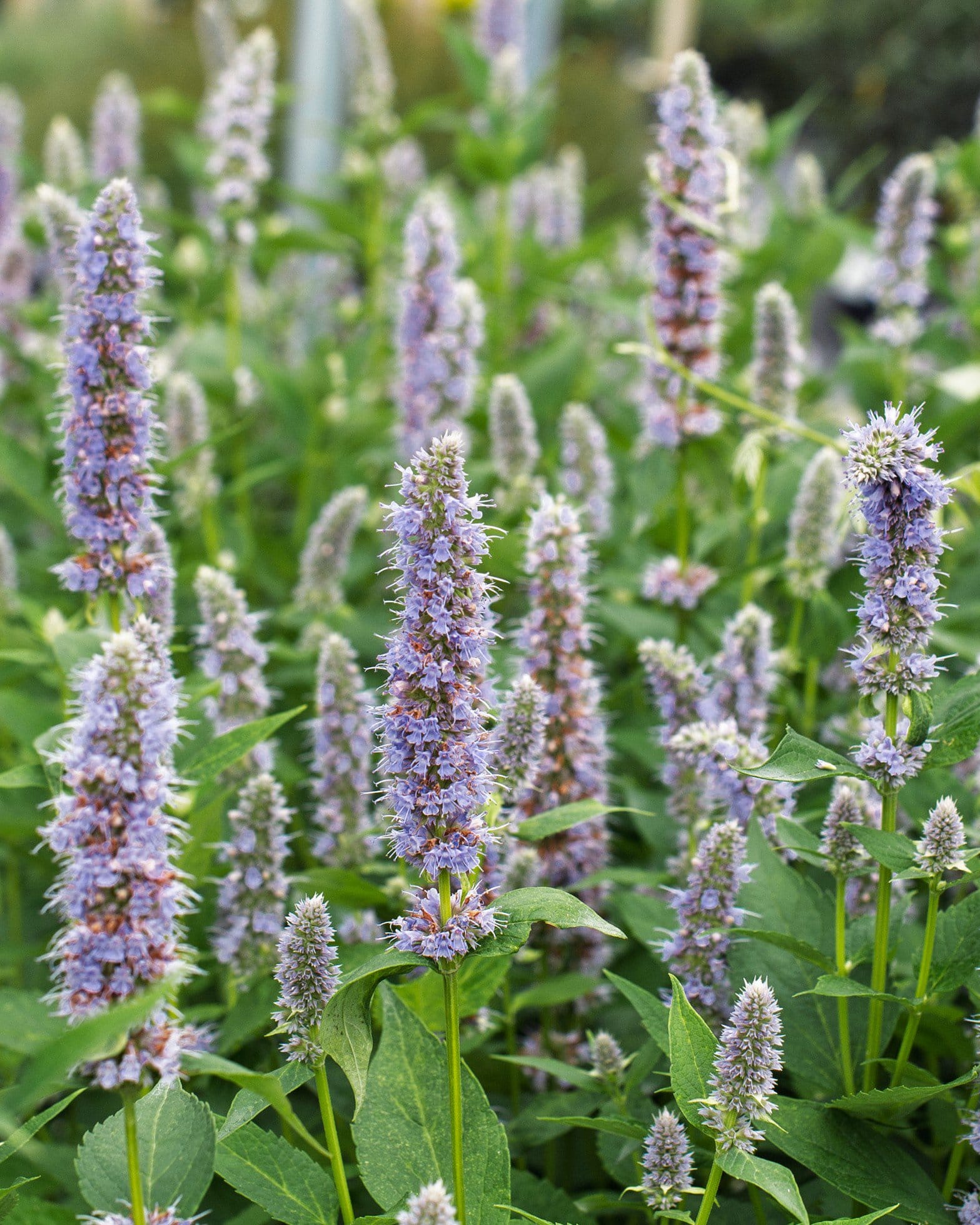
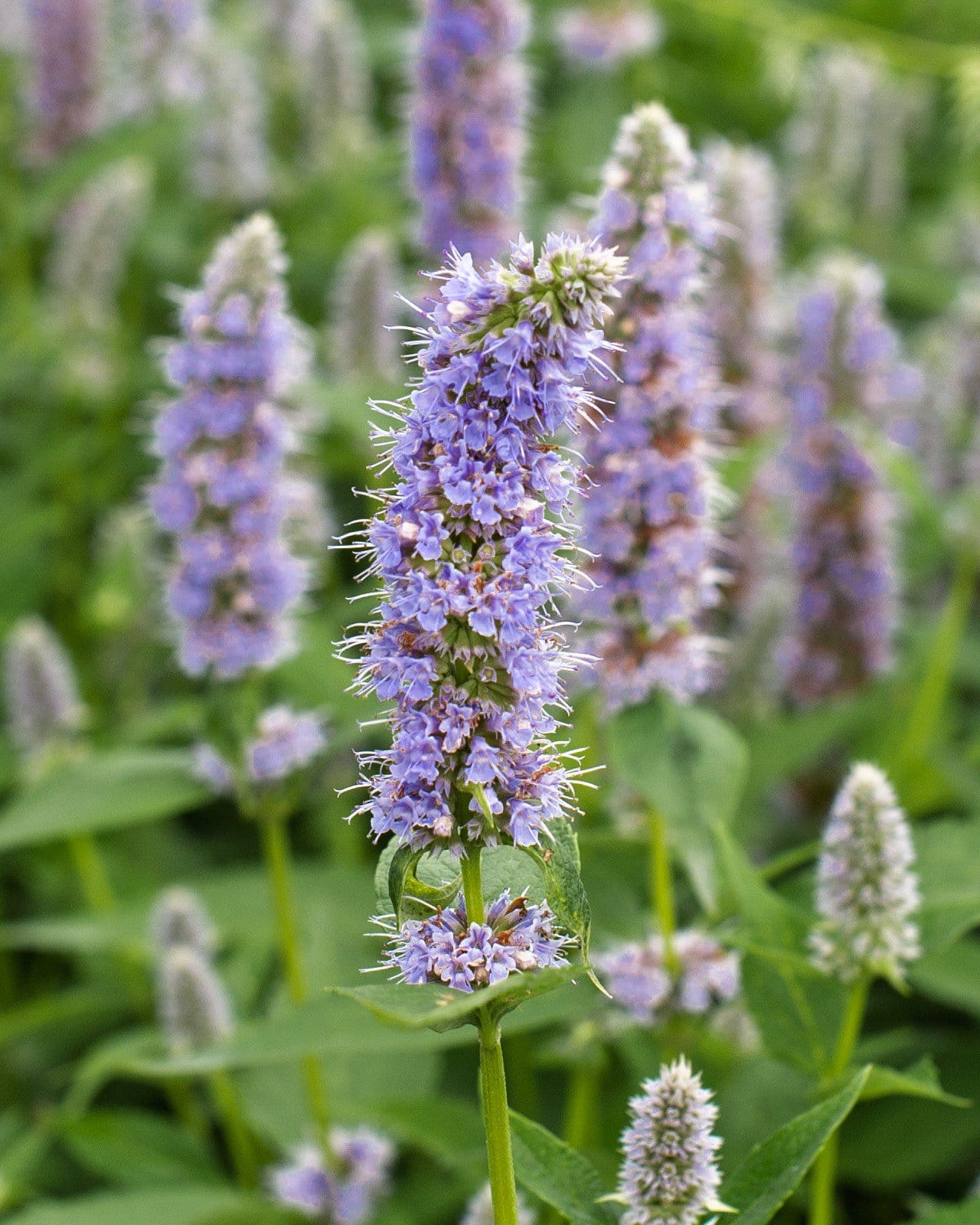
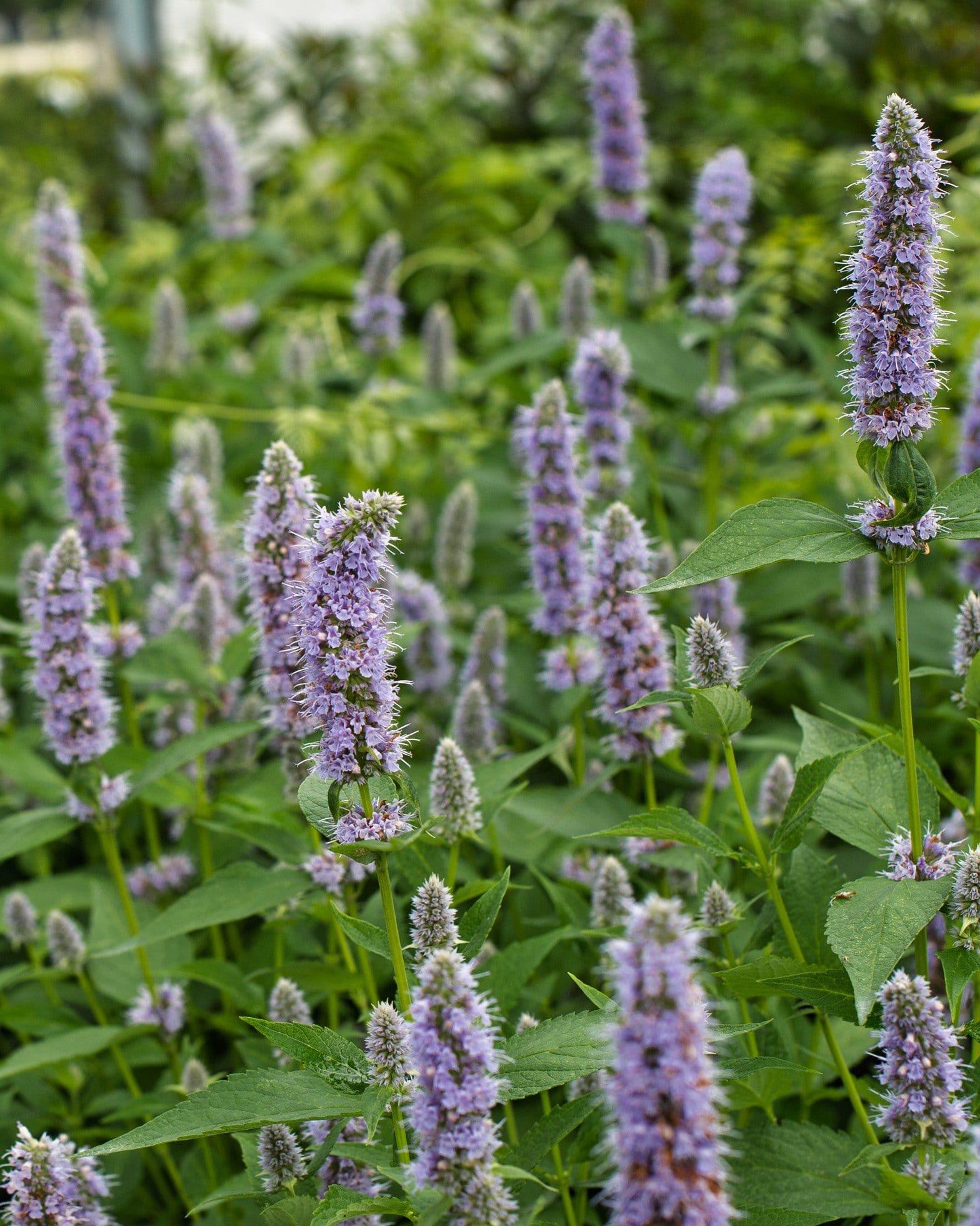
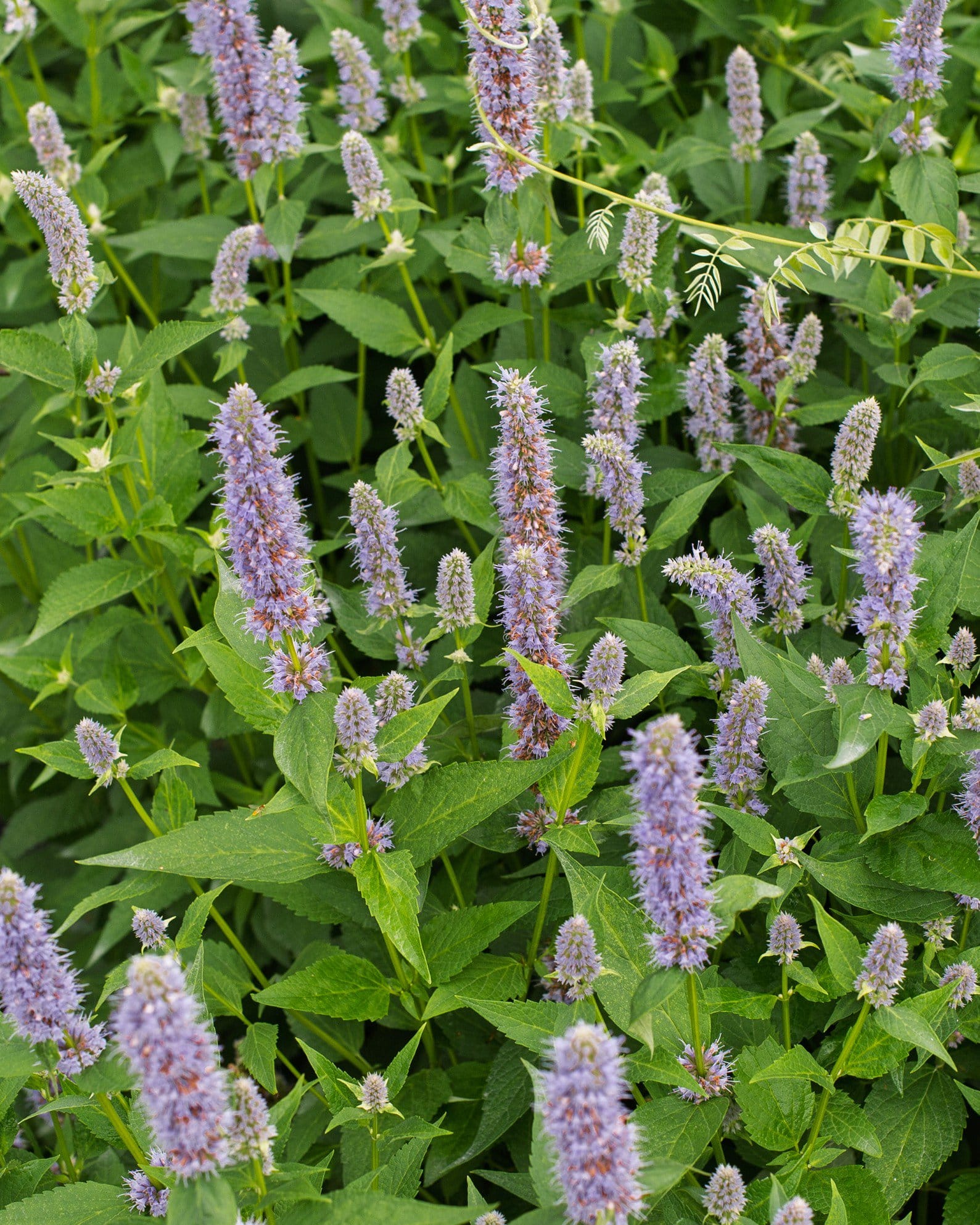
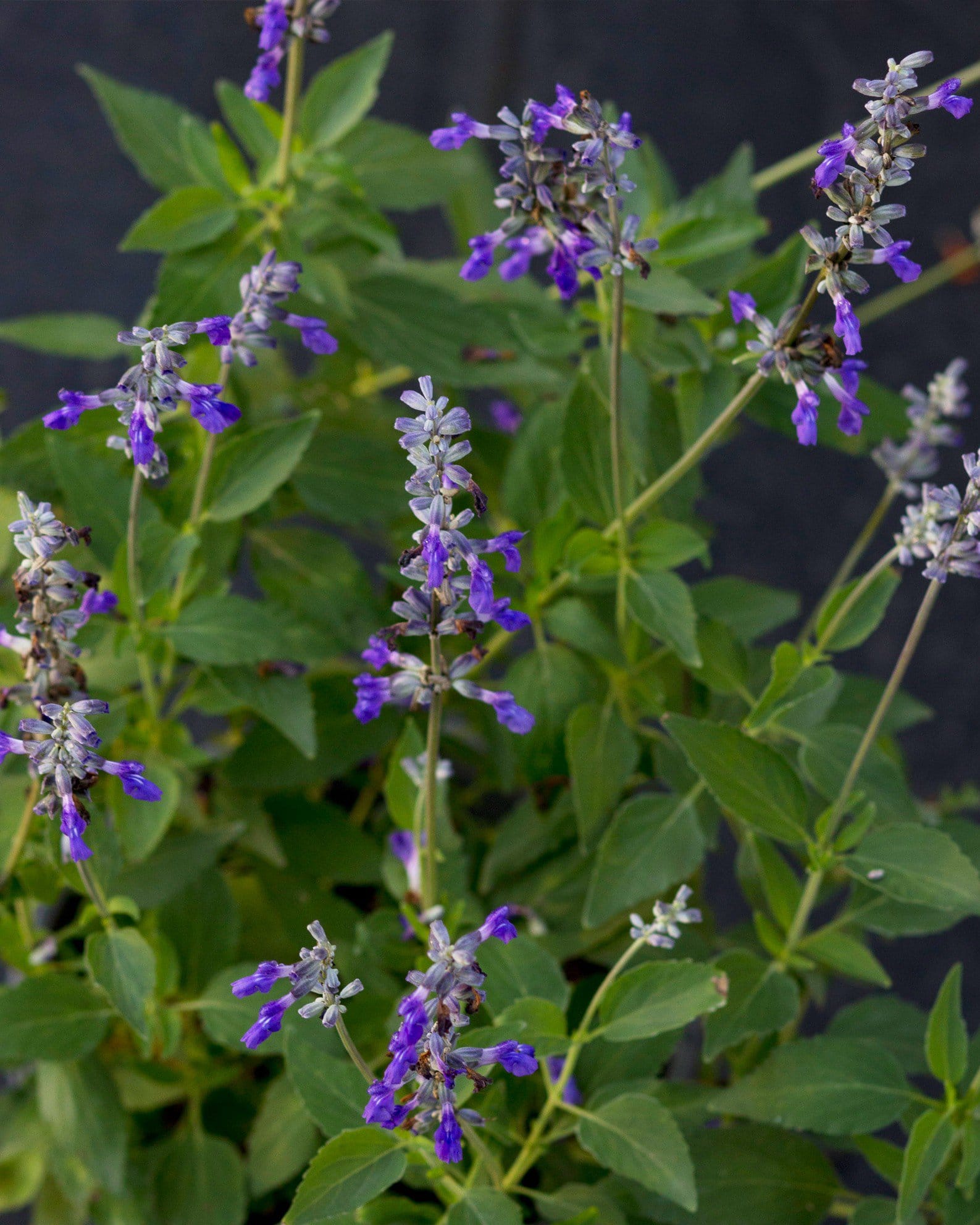
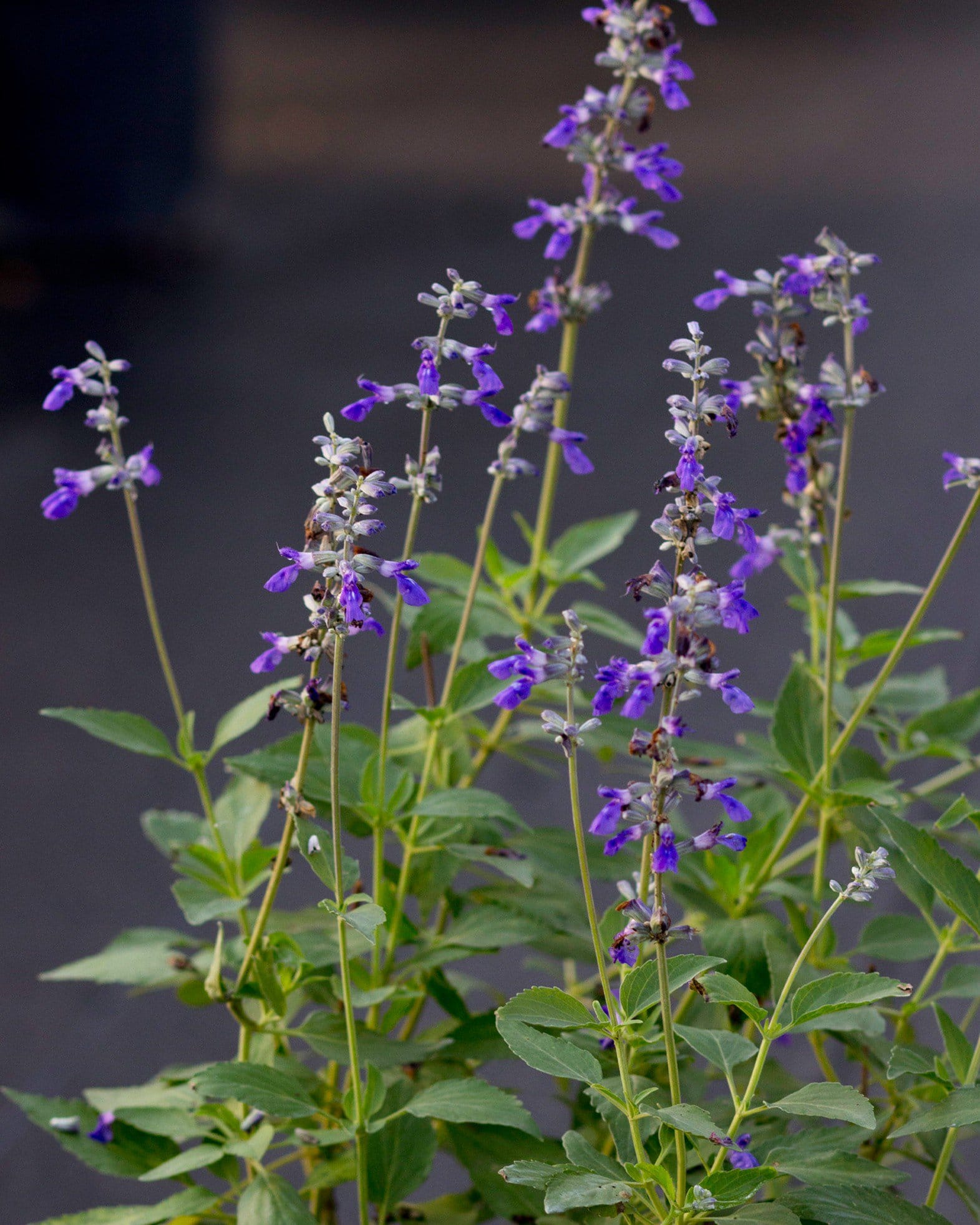
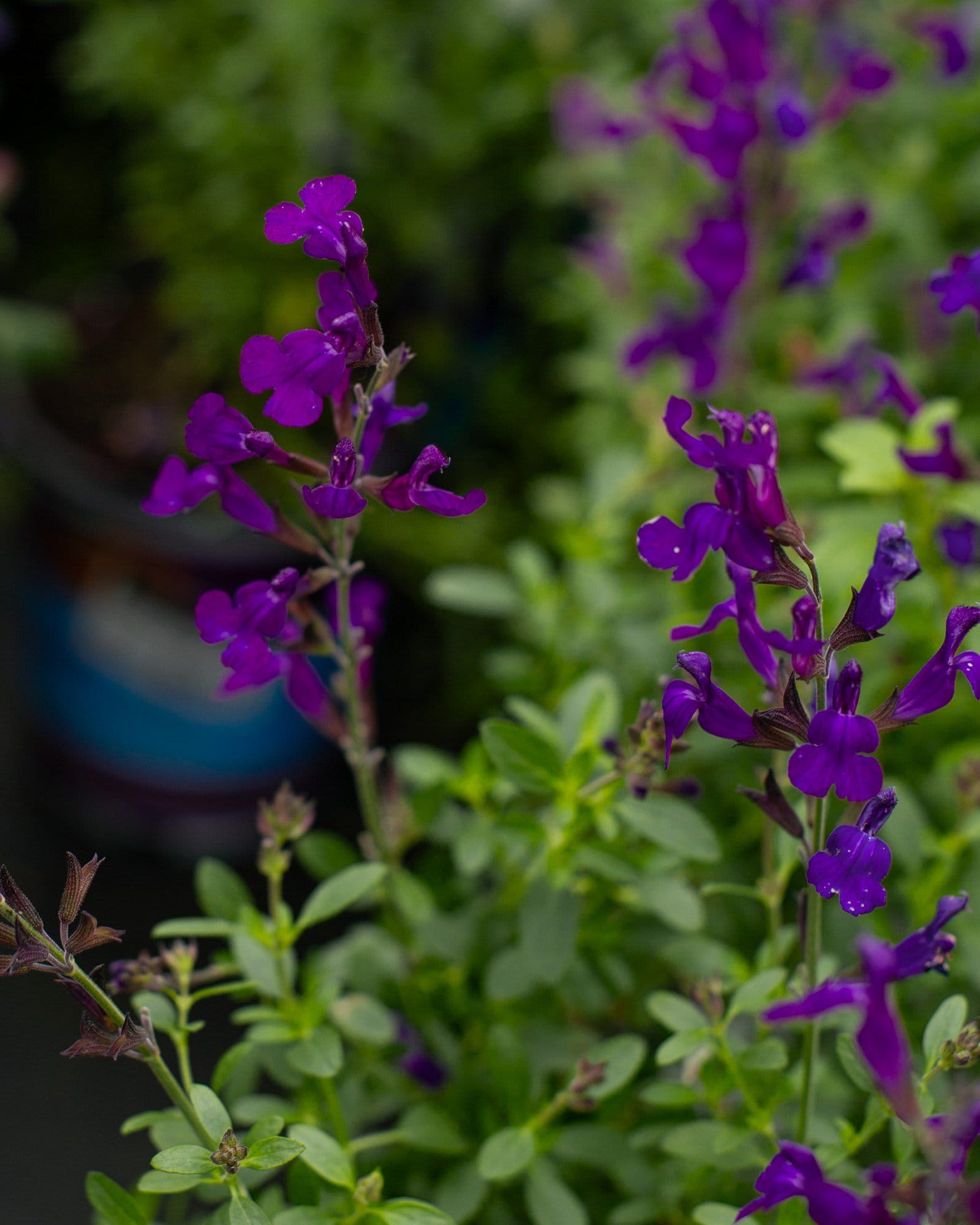
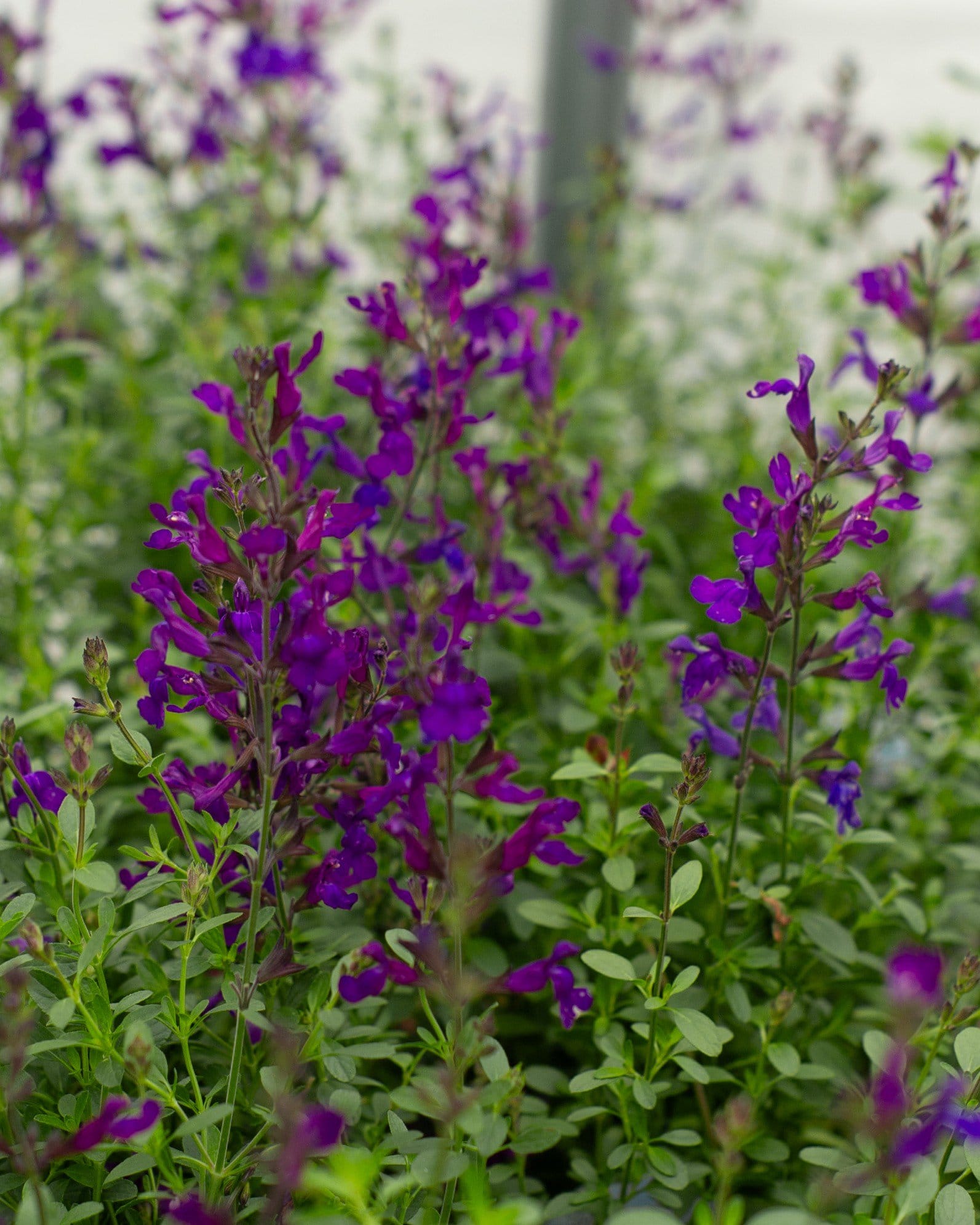
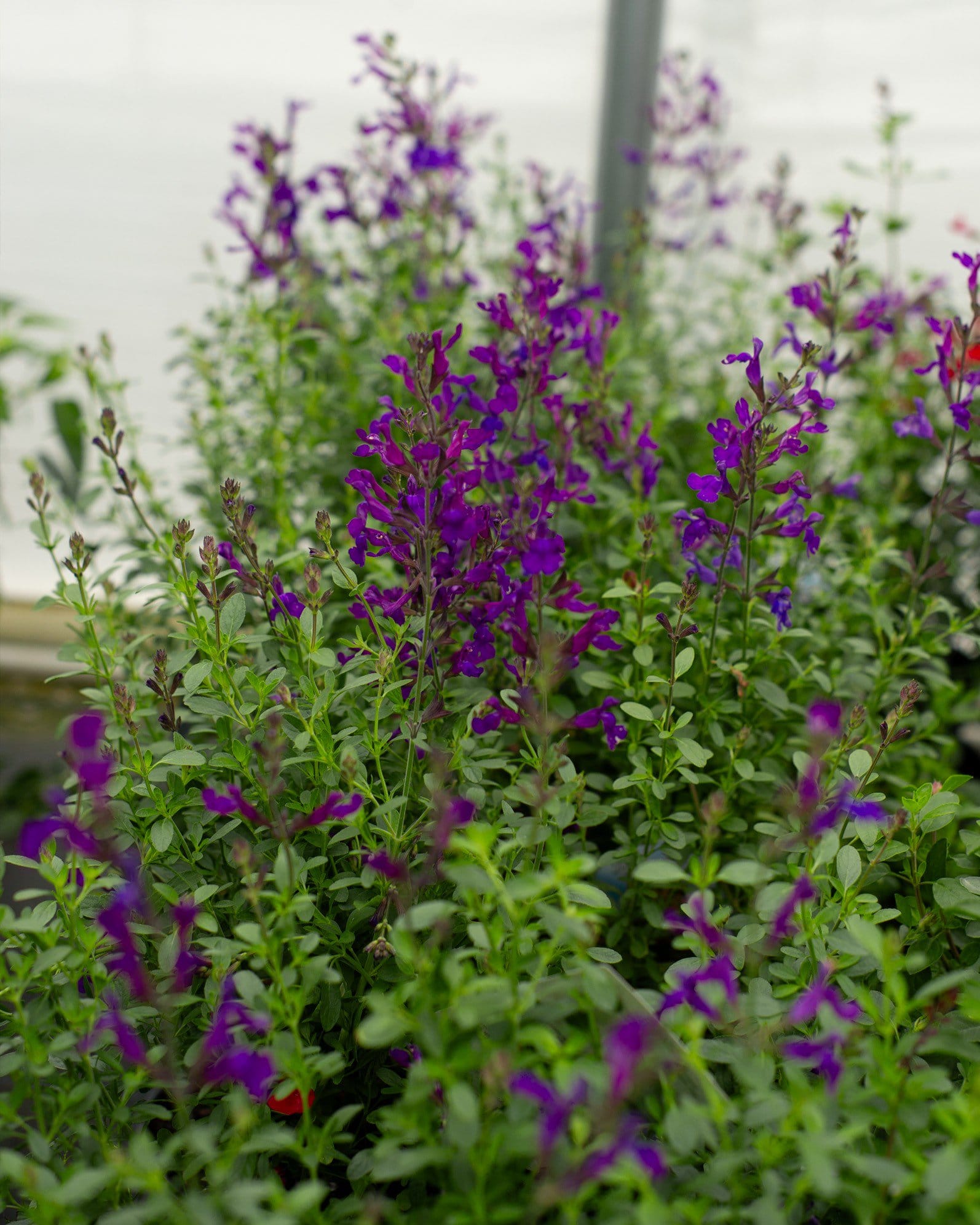
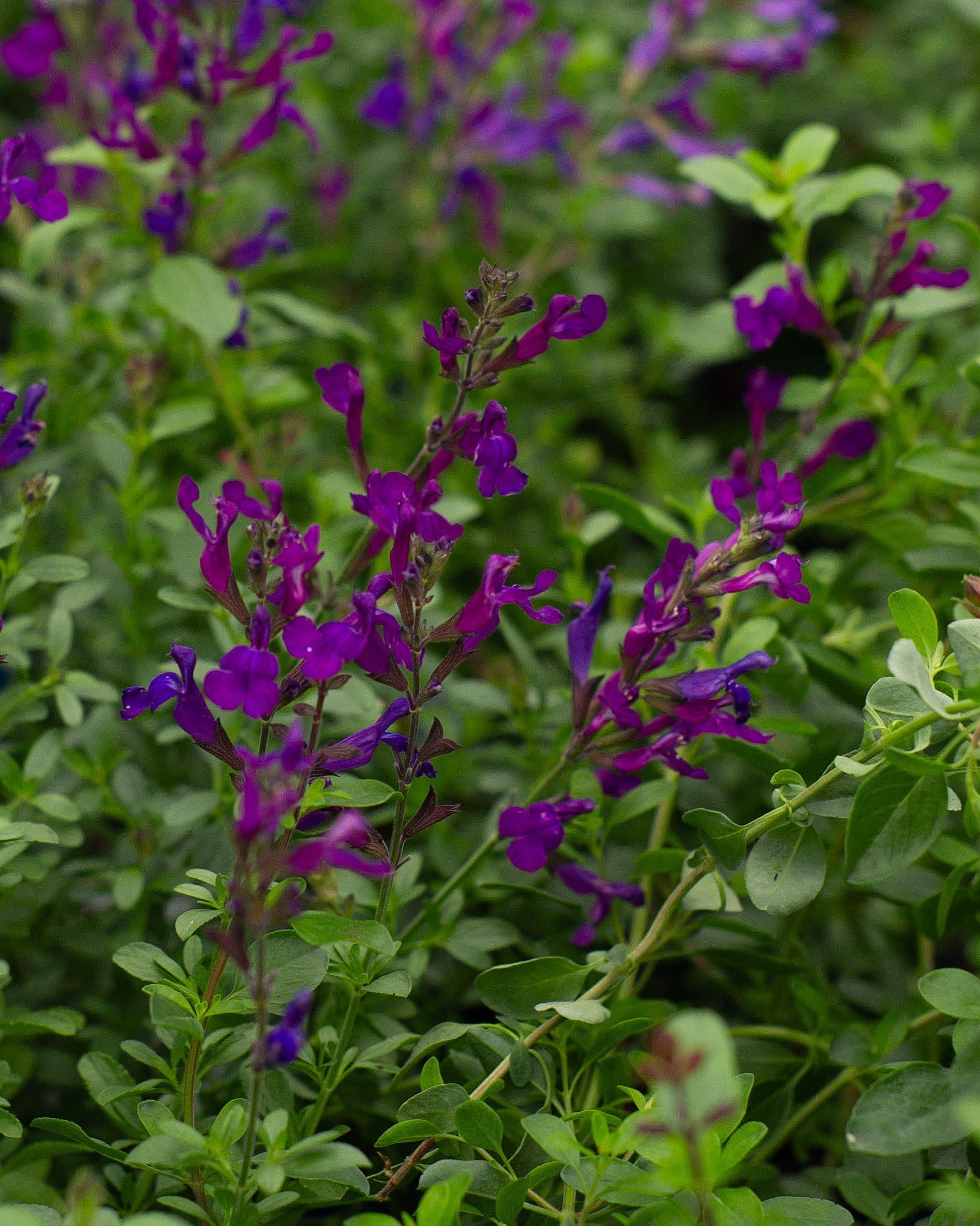
Nepeta hybrid ‘Cat’s Pajamas’This charming dwarf perennial is a beautiful addition to any landscape. Its mounded growth habit and compact size make it great for all types of uses: from borders, edges, and containers to flower beds, for a touch of color. It grows up to 1 foot in height and 1.5 feet in width at maturity. It reaches maturity approximately 2-3 years after planting.
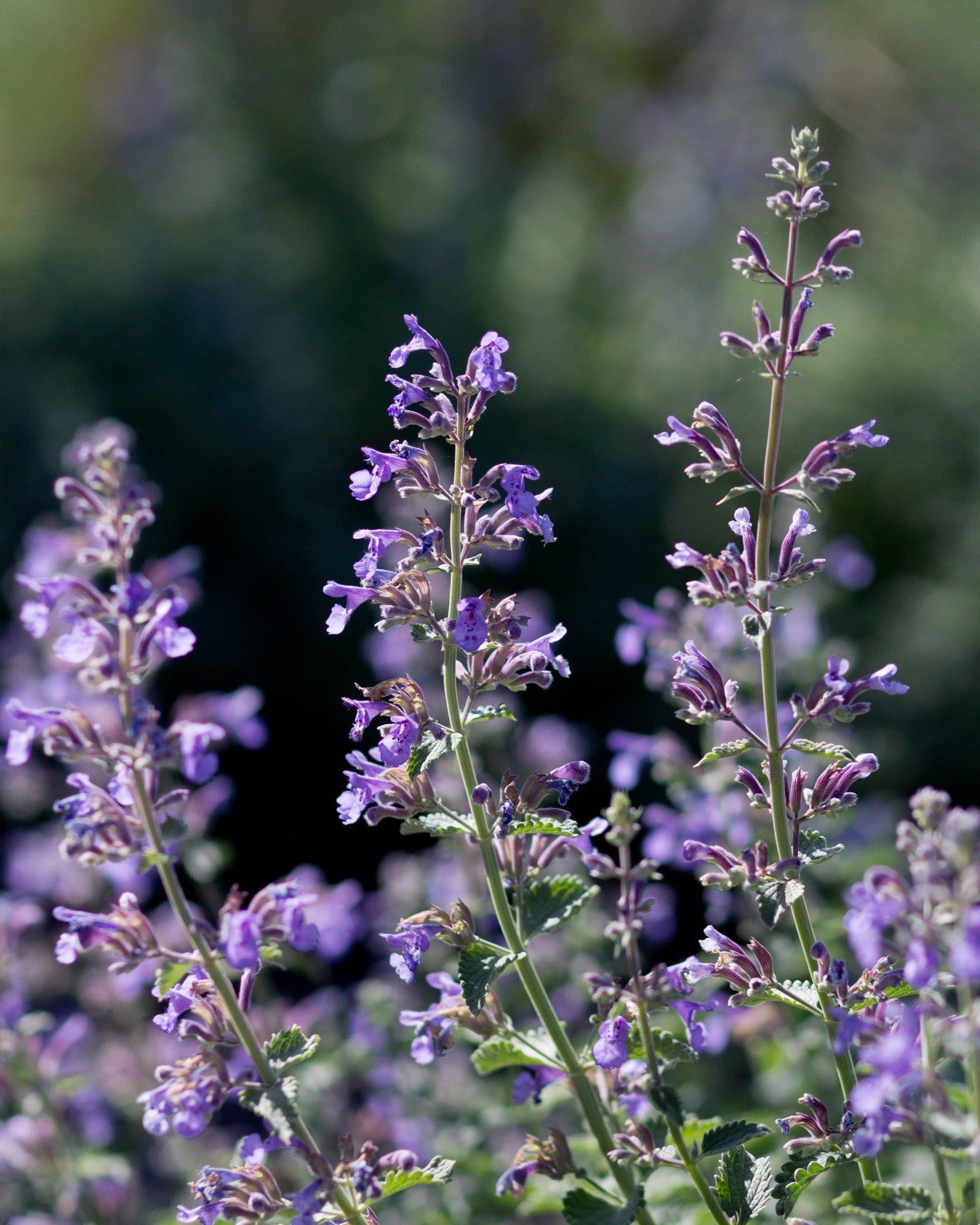
Noted for its long flower stems boasting spikes of vibrant purple flowers blooming in summer, it is a wonderful plant for cut flowers.
- Herbaceous perennial
- Moderate growth rate
- Drought tolerant
- Fragrant purple flowers
- Excellent for various landscape uses
Hardy in zones 3-8, this plant will fit right into your North Texas landscape. This tough, drought-tolerant plant doesn't require much to prosper. It tolerates various types of soil, but make sure that it's well drained. It thrives in full sun, requiring at least 6 hours of sunlight daily.
Cat’s Pajamas Catmint has continuous flowering and minimal upkeep. Here’s all it needs to grow beautifully:
- Watering: Water regularly during the first growing season to establish a deep root system. Once established, Cat’s Pajamas is highly drought-tolerant and thrives with occasional deep watering during long dry spells. Avoid waterlogged soil to prevent crown rot.
- Pruning: Deadhead or shear the plant by one-third after the first major bloom to encourage fresh foliage and a strong rebloom later in the season. Light trimming also helps maintain its neat, compact shape throughout summer.
- Fertilizing: Feed lightly in early spring with a balanced, slow-release fertilizer or a small amount of compost. Overfertilizing can reduce bloom intensity and make growth too soft.
- Mulching: Apply a 1-2 inch layer of mulch or gravel around the base to retain moisture and control weeds. Keep mulch slightly away from the crown to prevent rot and improve airflow. Refresh annually for a clean, manicured look.
- Winter Care: Cat’s Pajamas Catmint is hardy and long-lived. After frost, cut stems back to about 2 inches above ground level. In colder zones, a thin layer of mulch or evergreen boughs helps protect roots through winter. Remove the mulch in early spring as growth resumes.
Cat’s Pajamas Catmint is resilient and pest-resistant, but minor issues can appear under stress or poor growing conditions:
- Powdery Mildew: A white, powdery film that appears on leaves during humid or crowded conditions. Improve airflow, avoid overhead watering, and prune back affected growth to restore health.
- Rust: Orange or brown pustules appearing under leaves that can spread rapidly in humid weather. Prune away infected leaves and treat with a copper-based fungicide if the problem persists.
- Aphids: Small, soft-bodied insects that cluster on young shoots and buds, leaving behind sticky residue. Wash them off with a strong stream of water or use insecticidal soap to control infestations.
- Spider Mites: Tiny pests that cause speckled or dull leaves and fine webbing during hot, dry weather. Increase humidity around the plant and apply horticultural oil if damage continues.
- Root Rot: A soil-borne issue that causes roots to blacken and decay, often from overwatering. Always plant in well-drained soil and avoid excessive irrigation.
It’s a long-lived perennial, often thriving 10 years or more in ideal conditions. Dividing mature clumps every 3-4 years keeps it vigorous and blooming densely.
It grows rapidly, filling out into a full, rounded mound within one growing season. By its second year, it reaches peak density and flowering performance.
Absolutely - bees, butterflies, and hummingbirds adore its fragrant, nectar-rich flowers. It’s one of the most pollinator-friendly plants available for sunny borders.
Yes - the aromatic foliage naturally deters deer, rabbits, and most browsing animals. It’s perfect for landscapes where wildlife pressure is high.
Yes - it performs beautifully in pots and patio planters. Use a fast-draining soil mix, water moderately, and shear lightly after flowering to maintain fullness.
Yes - a light shearing after the first bloom encourages a second, often equally showy flush of flowers later in the season. Regular deadheading keeps color going strong.
Yes - it’s non-toxic and safe for gardens shared with pets and children. Cats are sometimes drawn to its scent, though it’s gentler than traditional catnip.
Yes - its short, sturdy stems and mounded form resist wind damage. It performs reliably even in breezy or exposed garden beds.
Divide clumps every 3-4 years in spring or early fall. Each division establishes easily and flowers within one growing season.
Its earlier bloom time, deeper flower color, and tidy compact habit make it exceptional. Cat’s Pajamas offers continuous bloom, strong fragrance, and perfect garden form - all with almost no maintenance required.
Special Features
You might also like
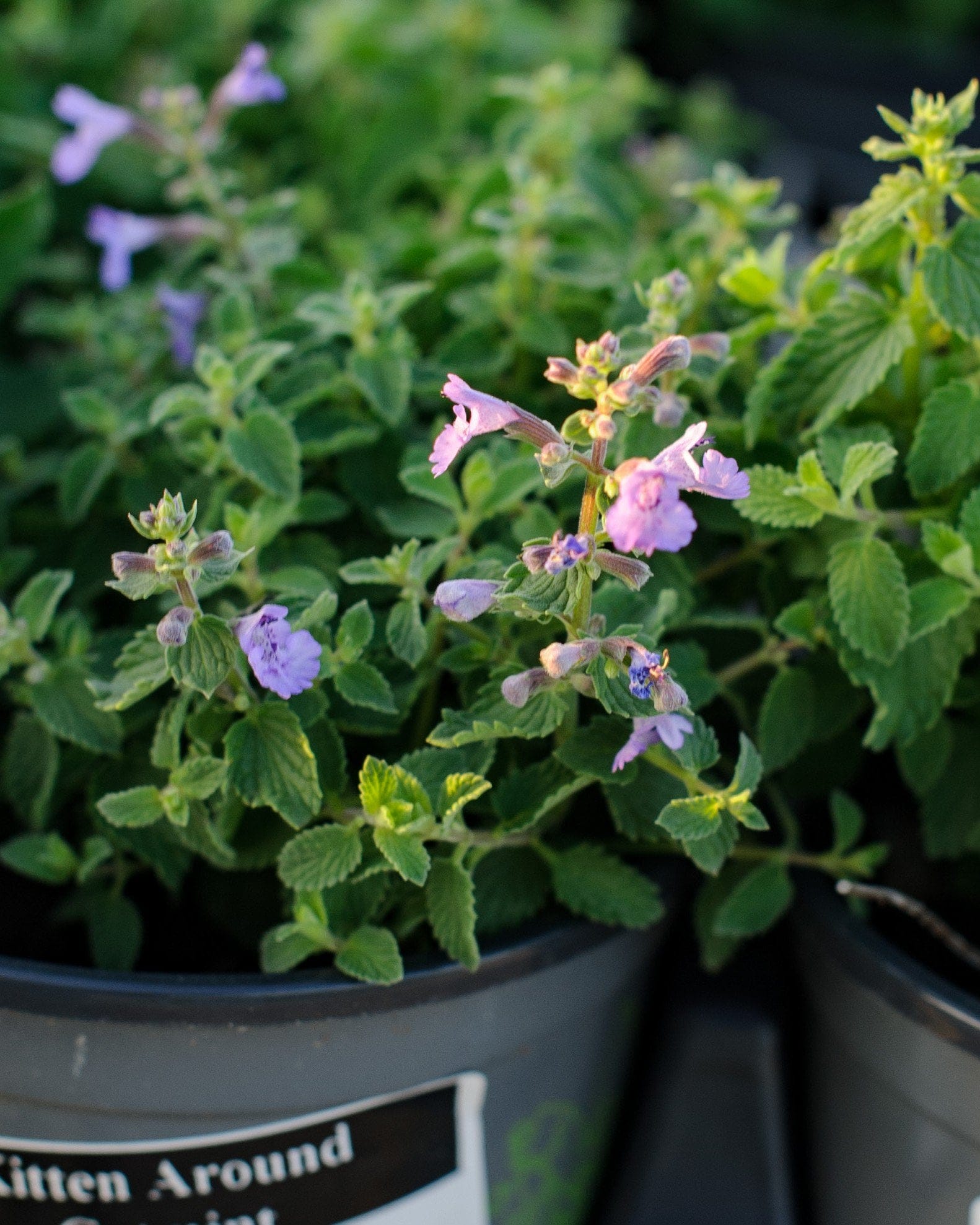
Kitten Around Catmint
Maturity: 1' H x 1.5' W
Serene Frost Catmint
Maturity: 1.25' H x 1.25' W
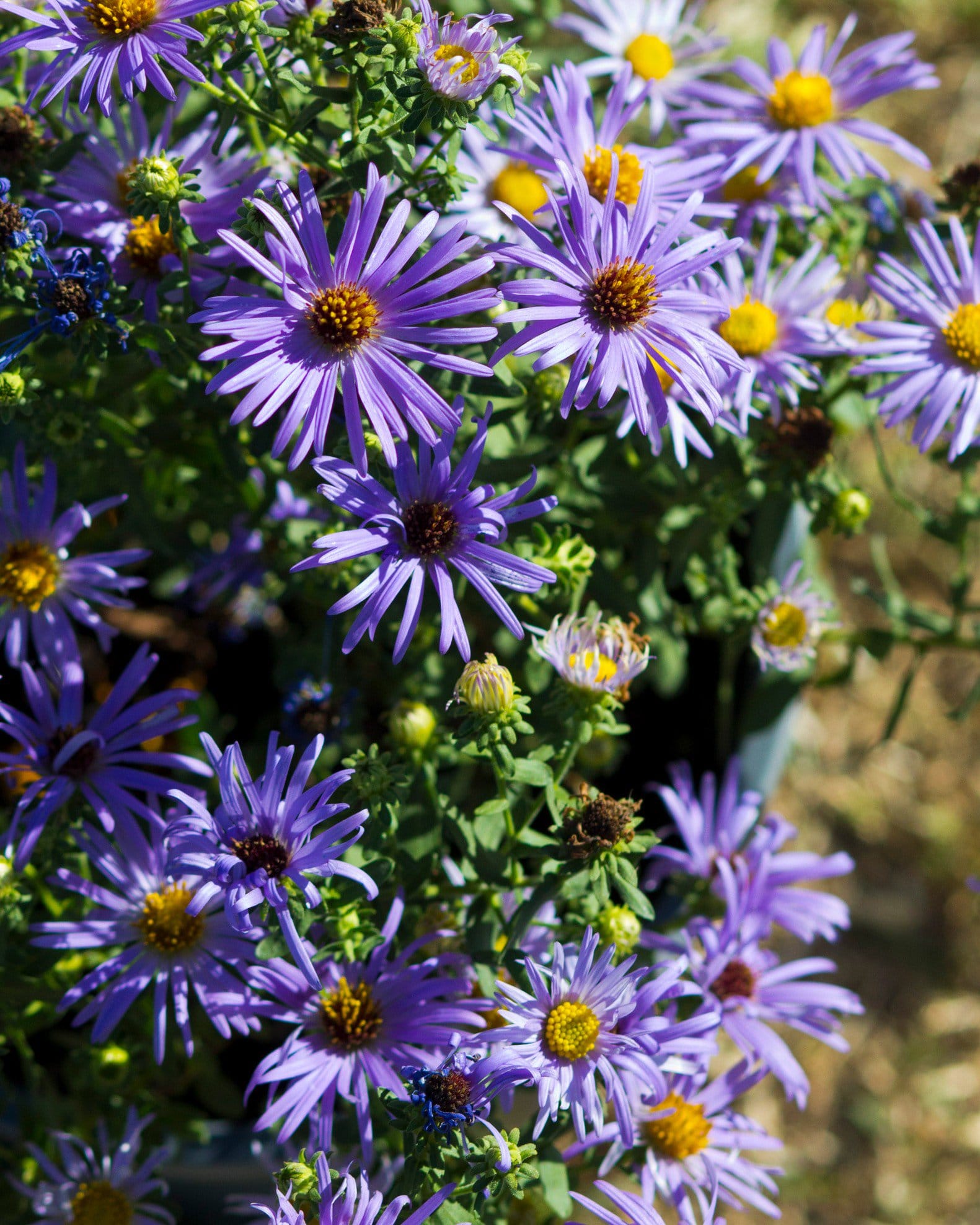
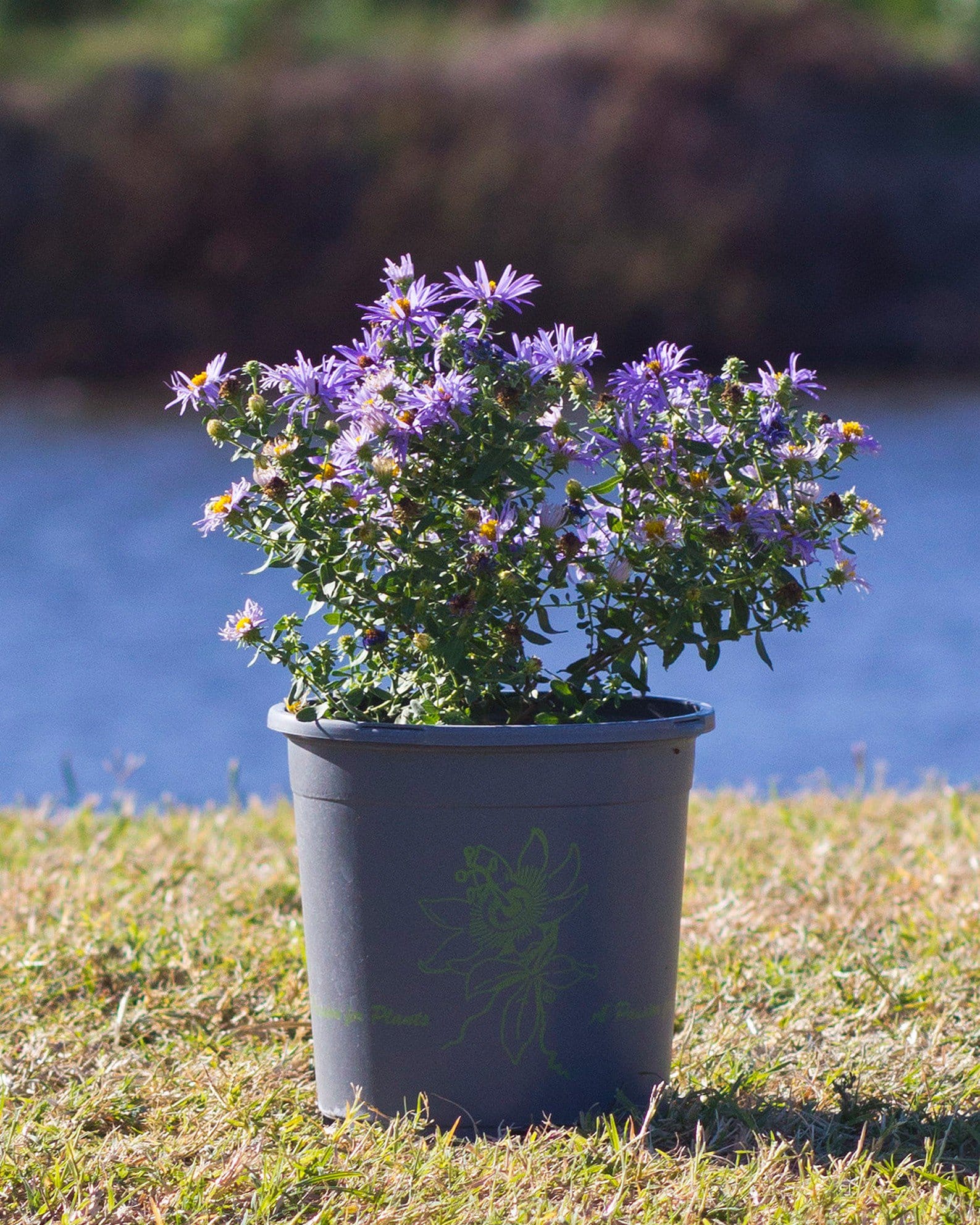
Aromatic Aster
Maturity: 2' H x 2' W
Beelicious Purple Agastache
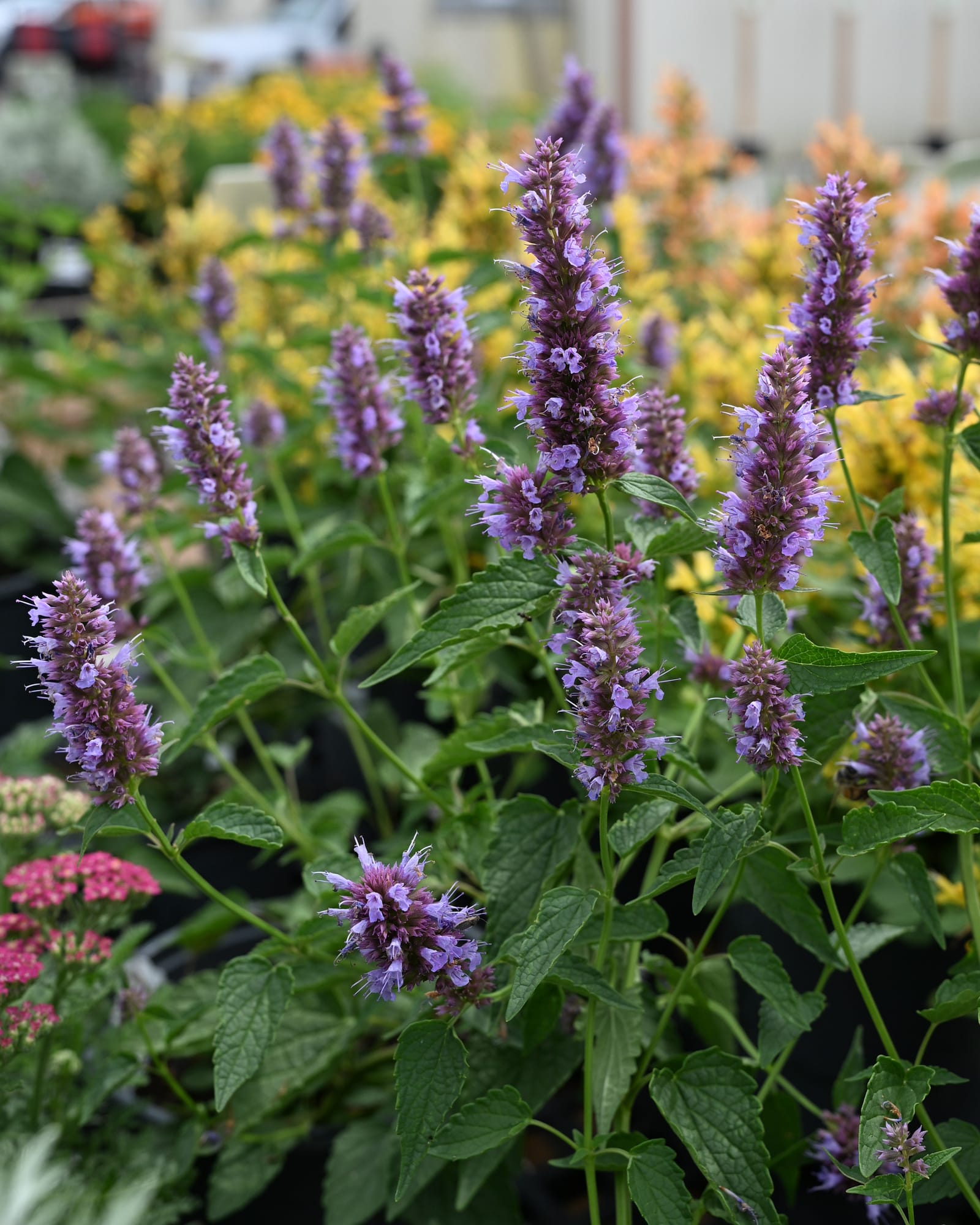
Maturity: 2' H x 1' W
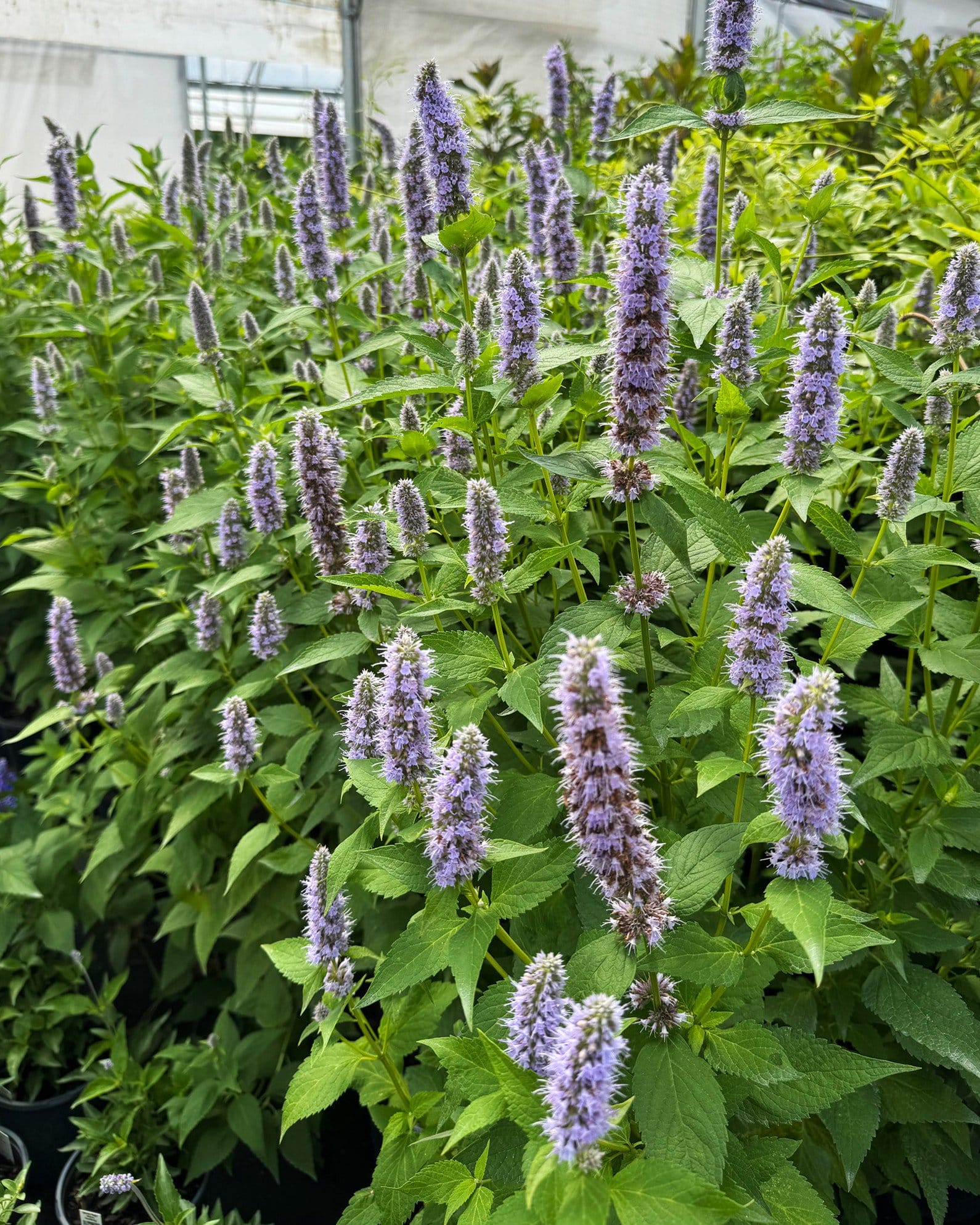
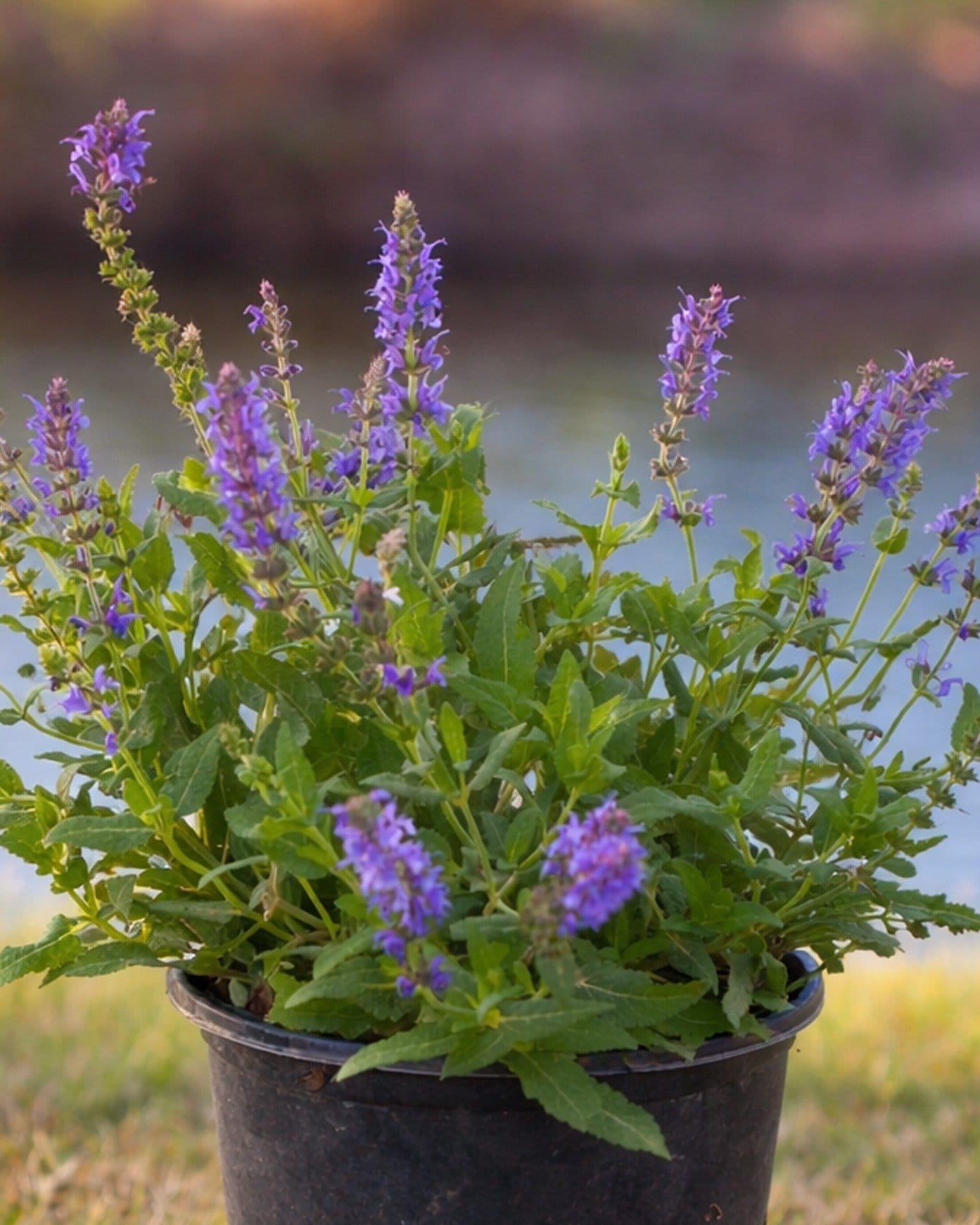
Blue Fortune Agastache
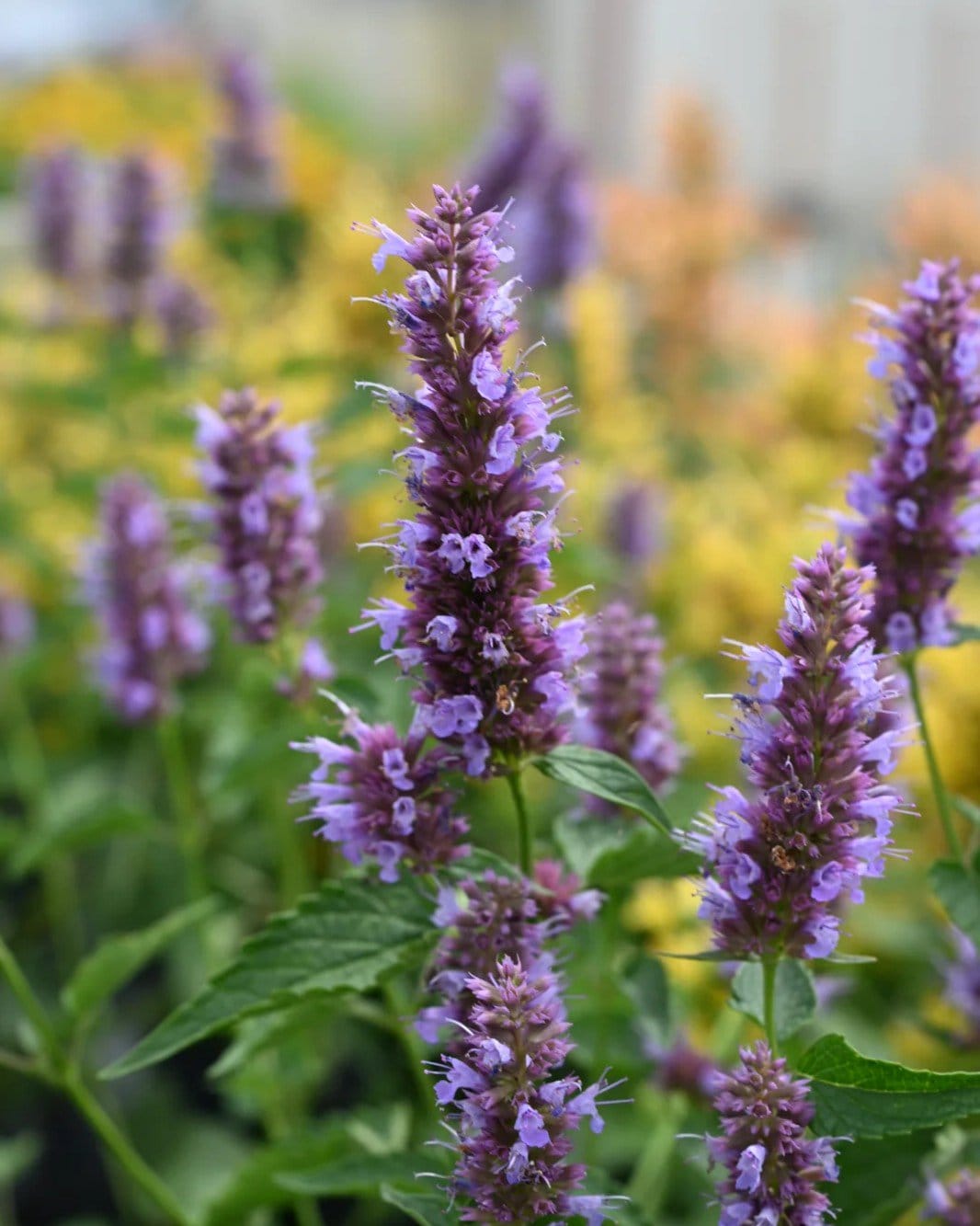
Maturity: 2' H x 1' W
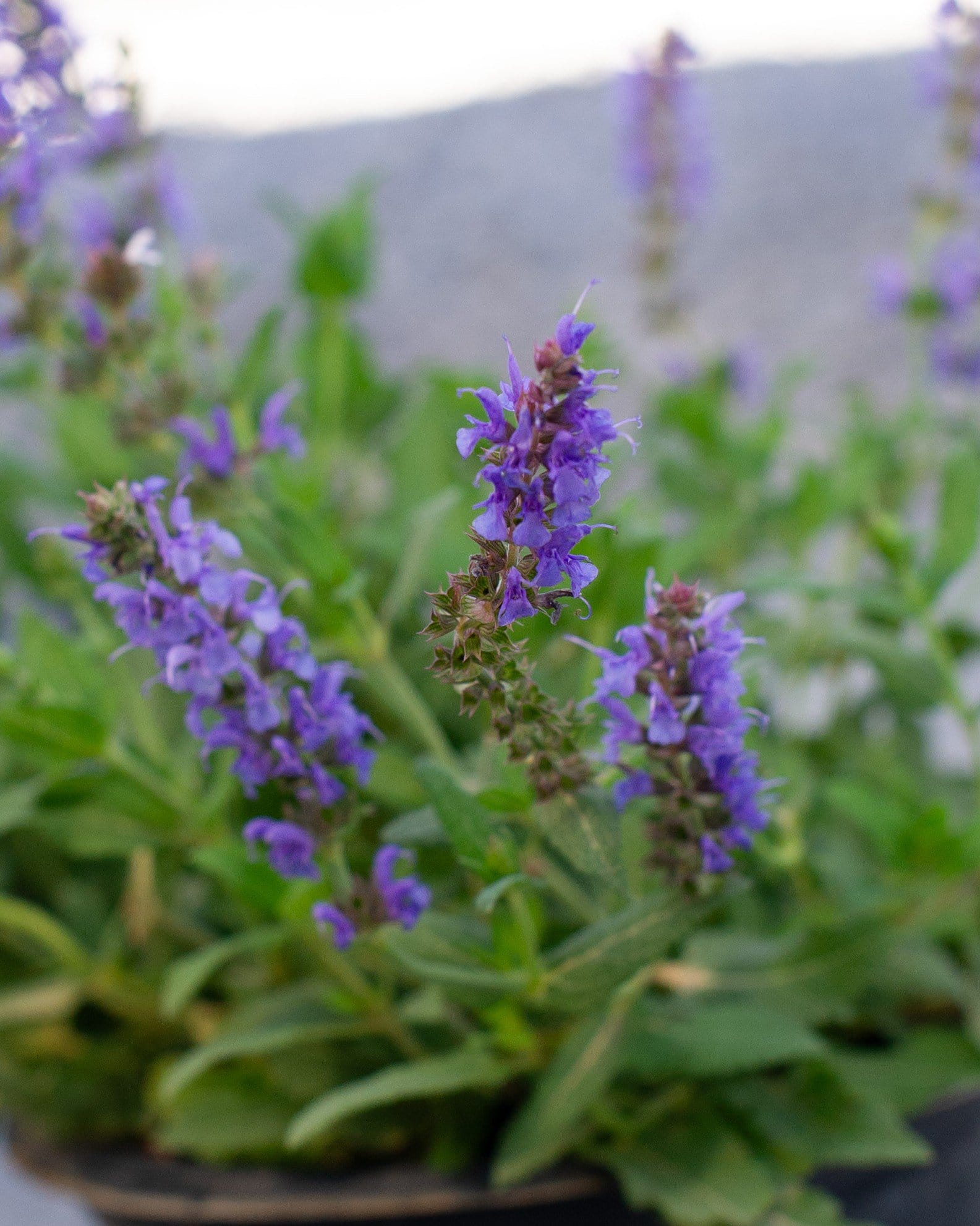
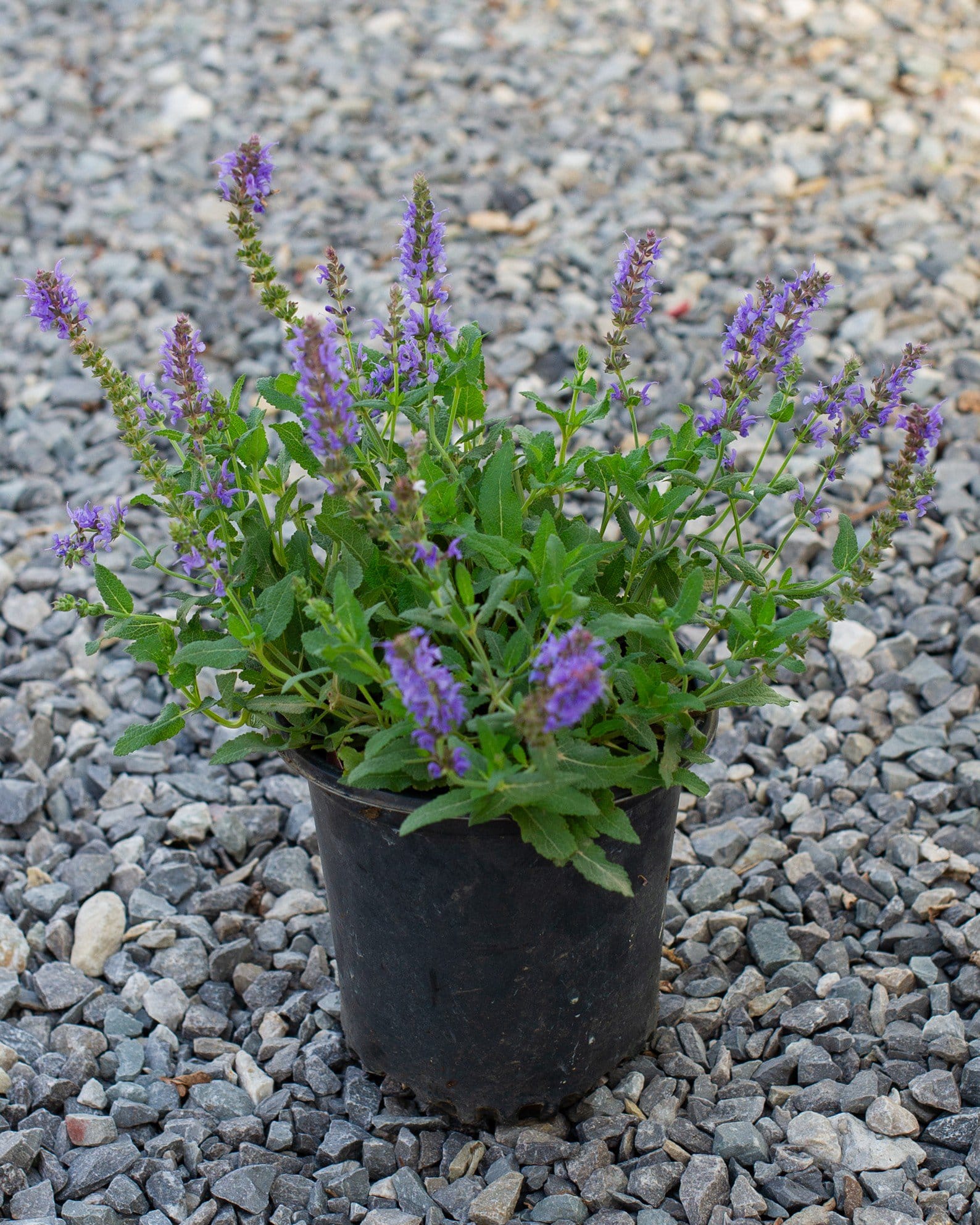
Blue Hill Salvia
Maturity: 1.5' H x 1' W
Dark Violet Skullcap
Maturity: 0.5' H x 1' W
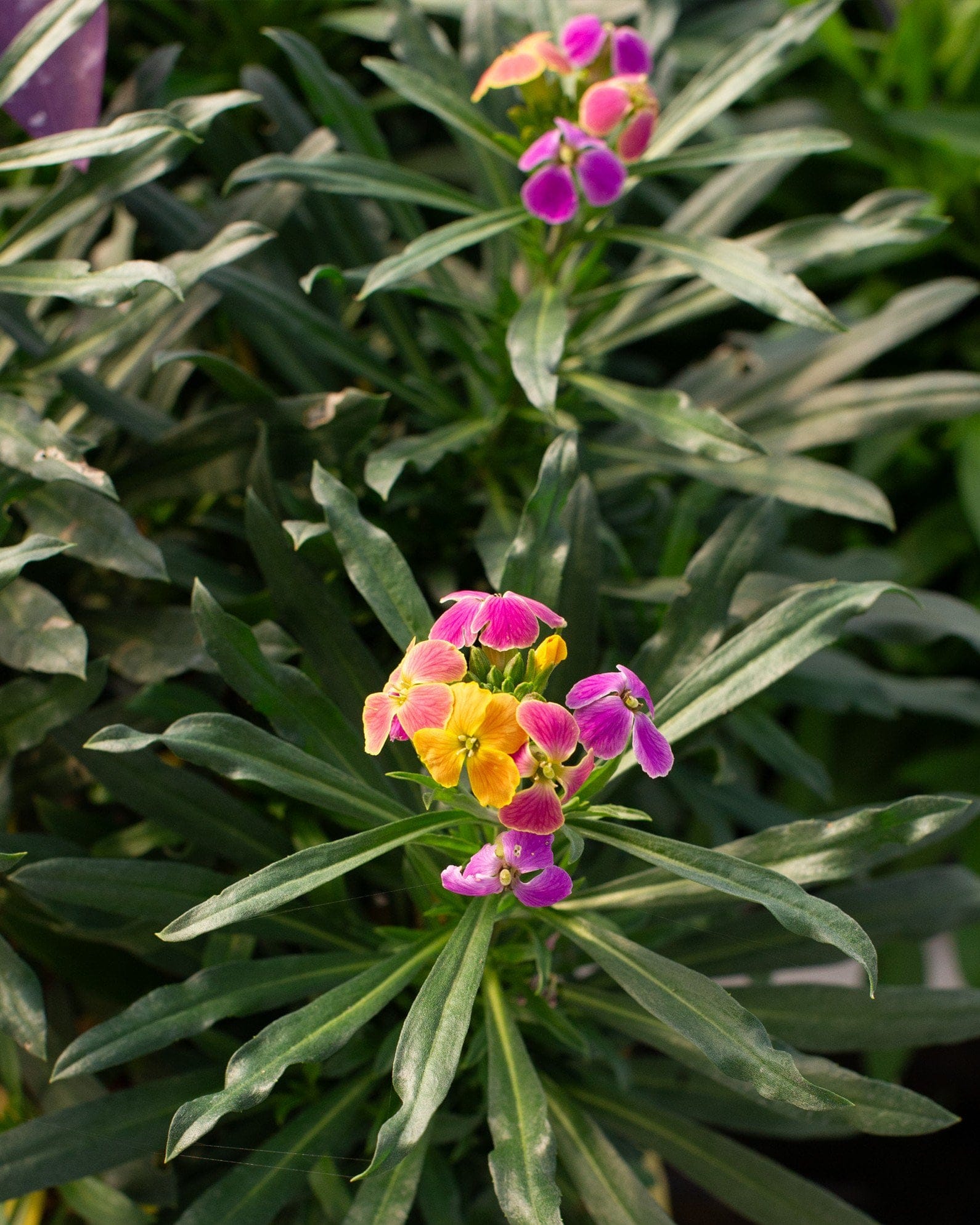
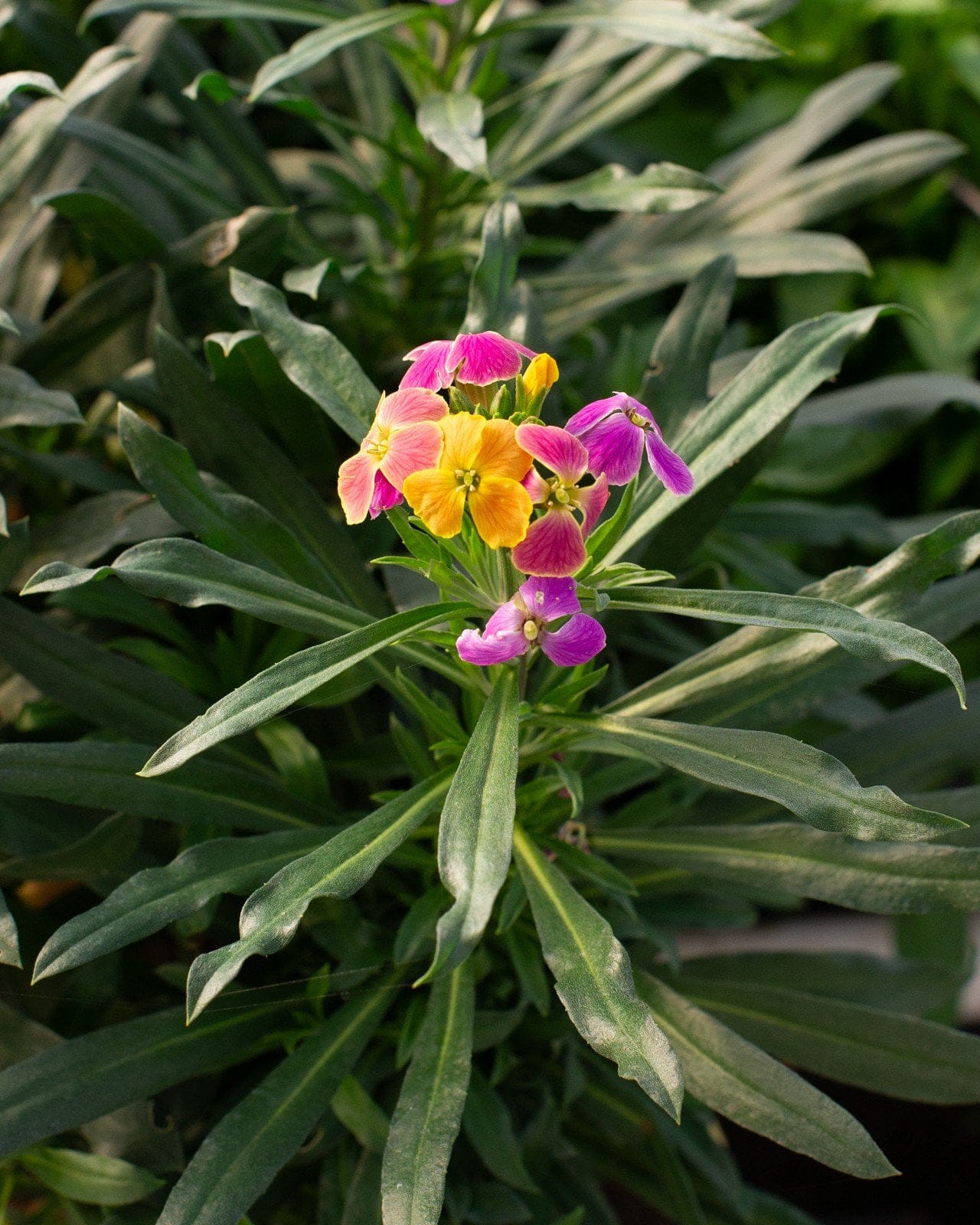
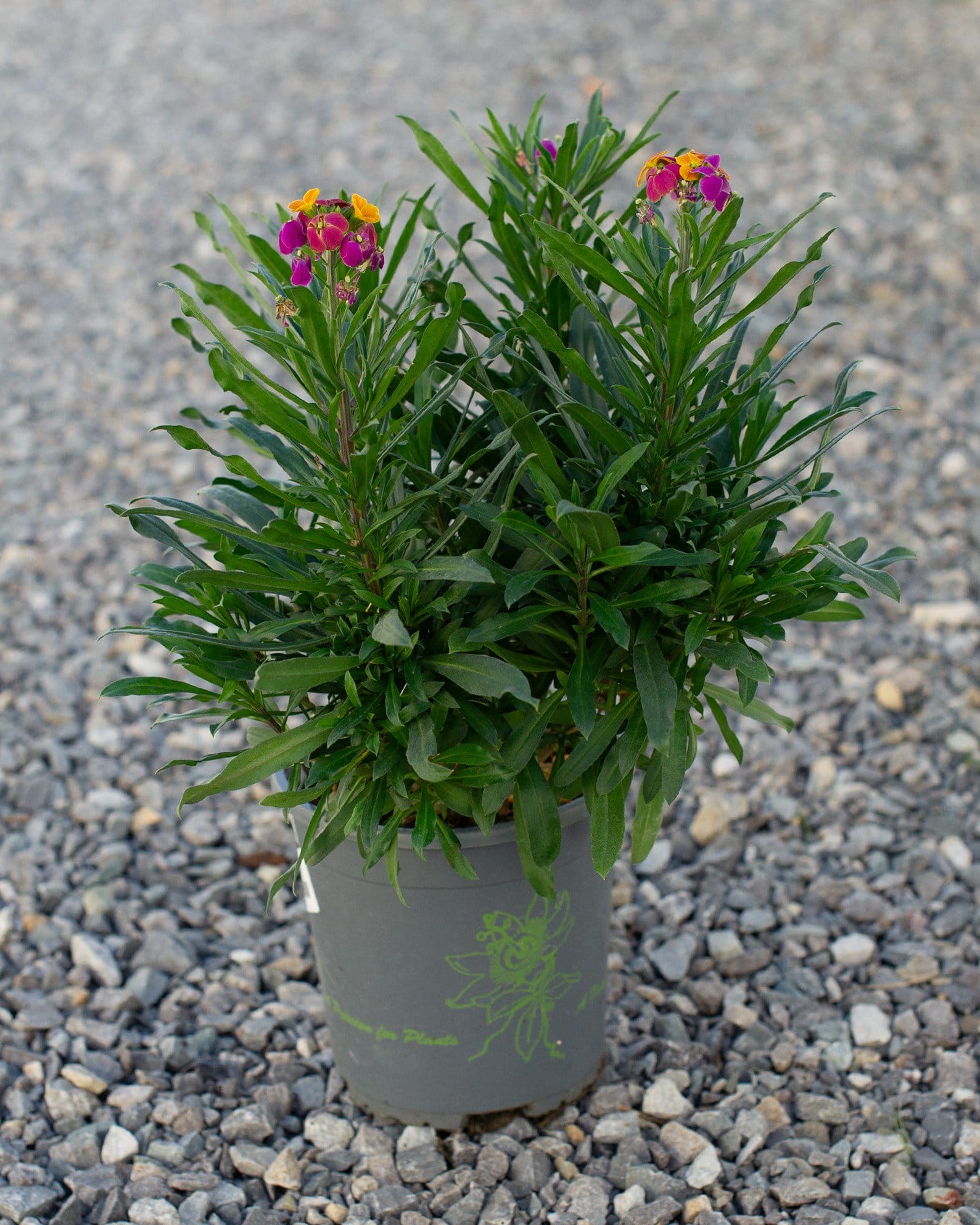
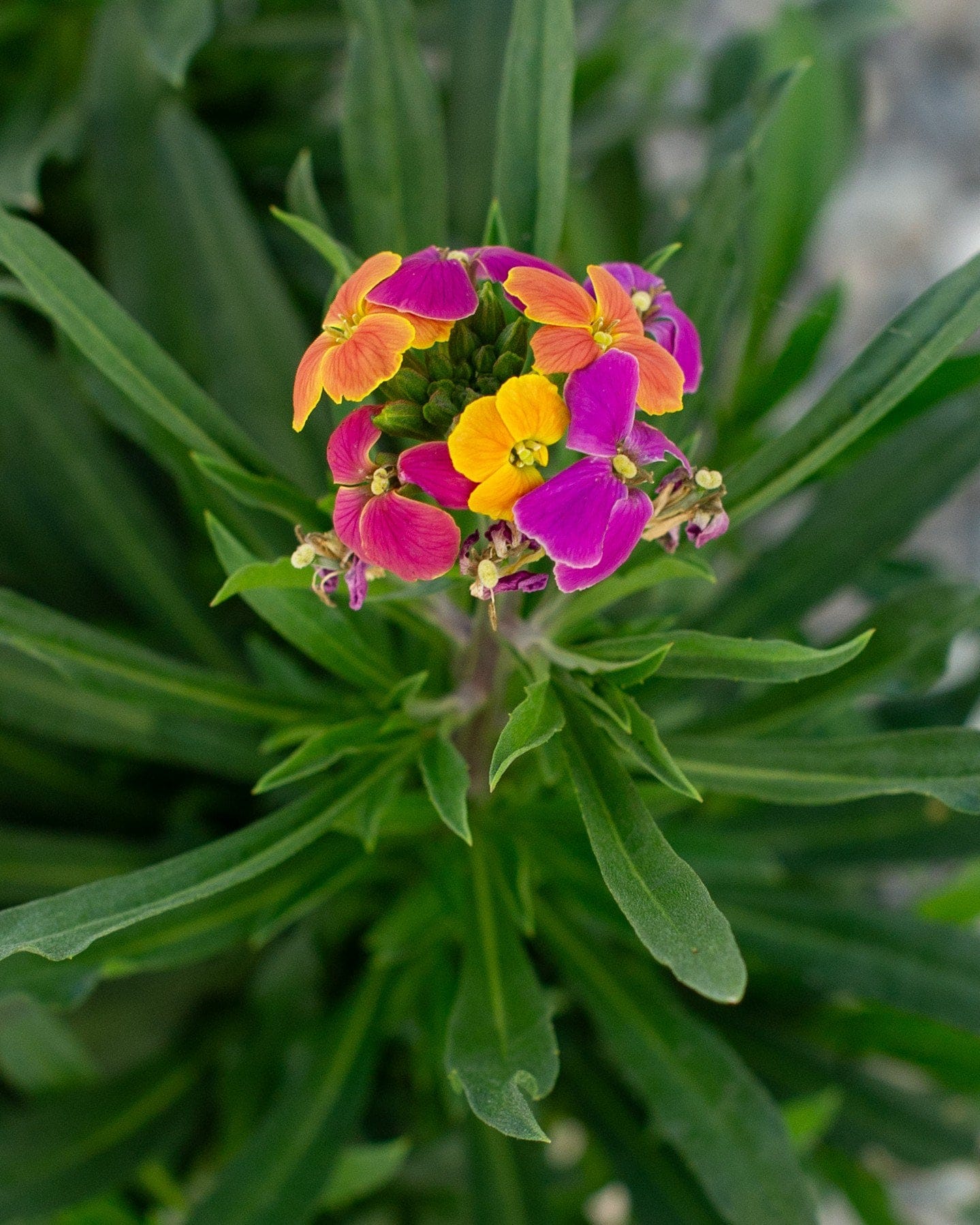
Erysistible Tricolor Wallflower
Maturity: 1.5' H x 1' W
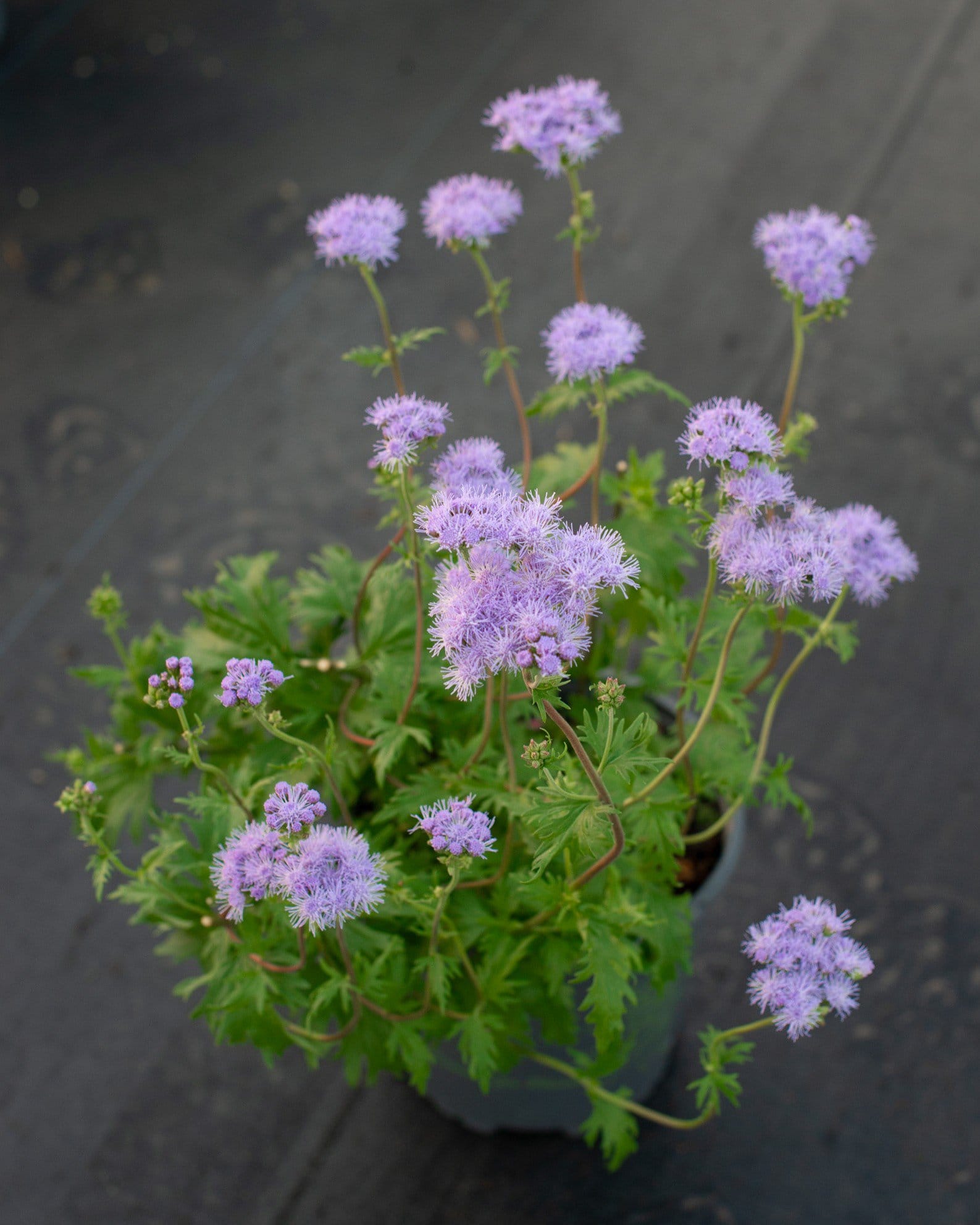
Gregg's Mistflower
Maturity: 1.5' H x 1.5' W
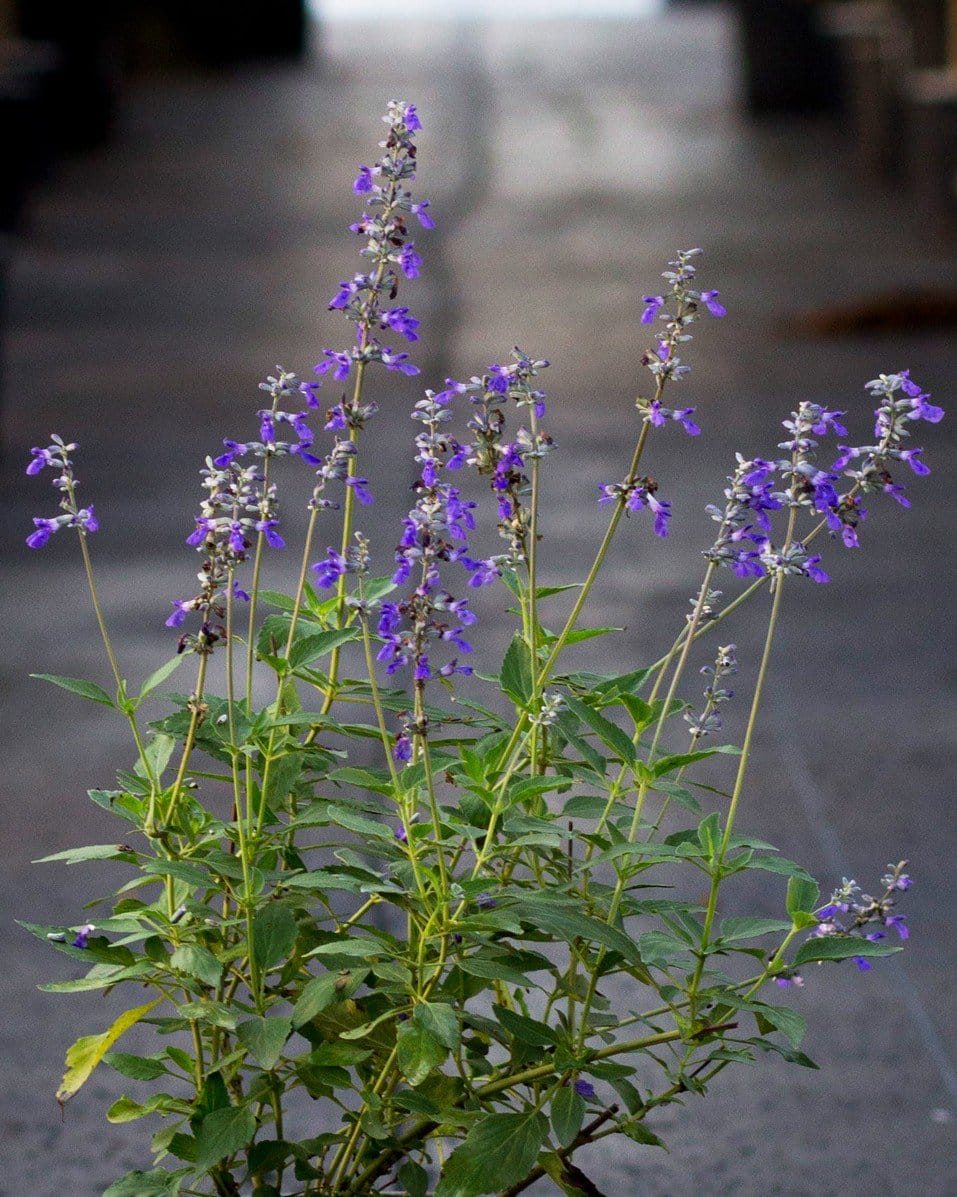
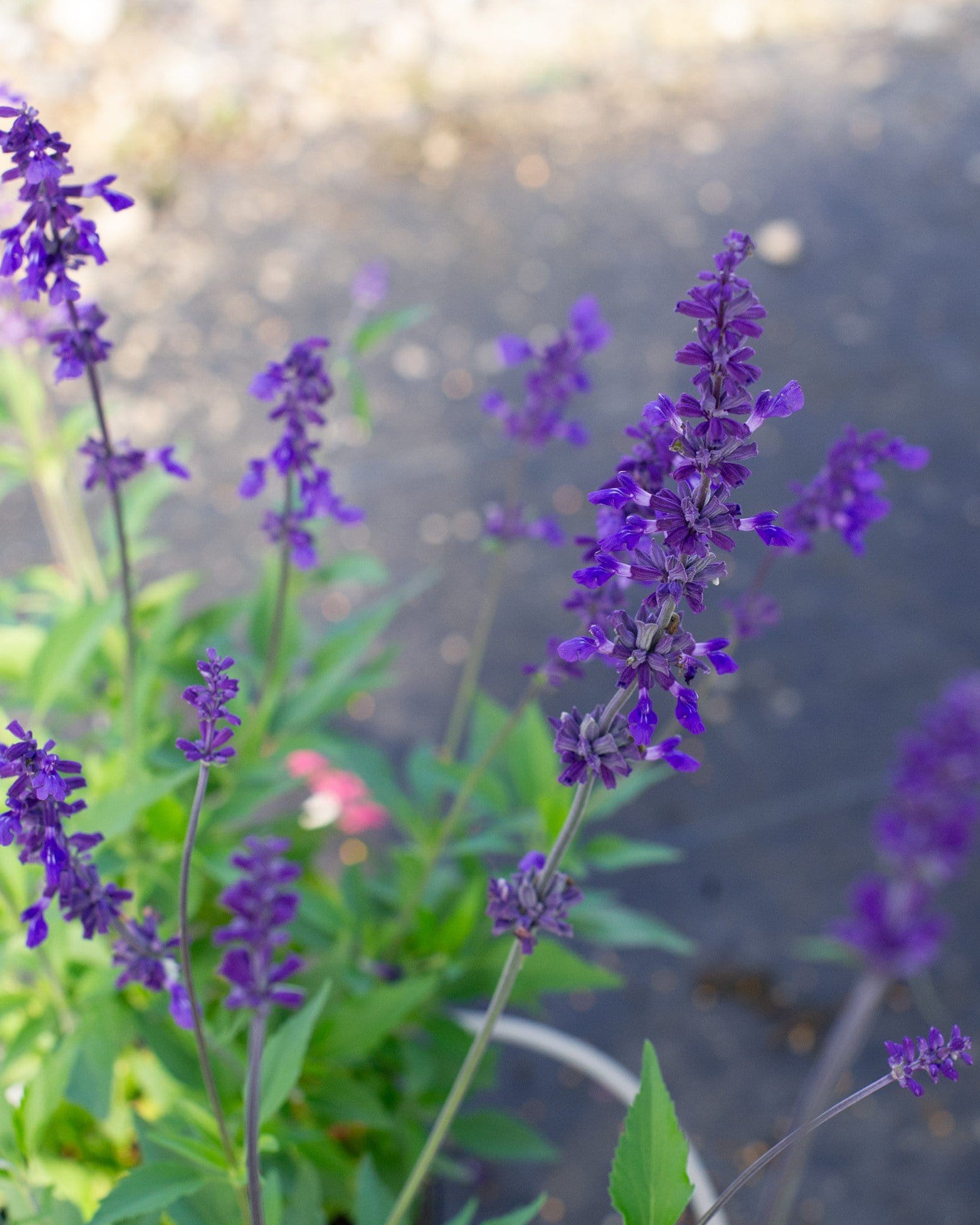
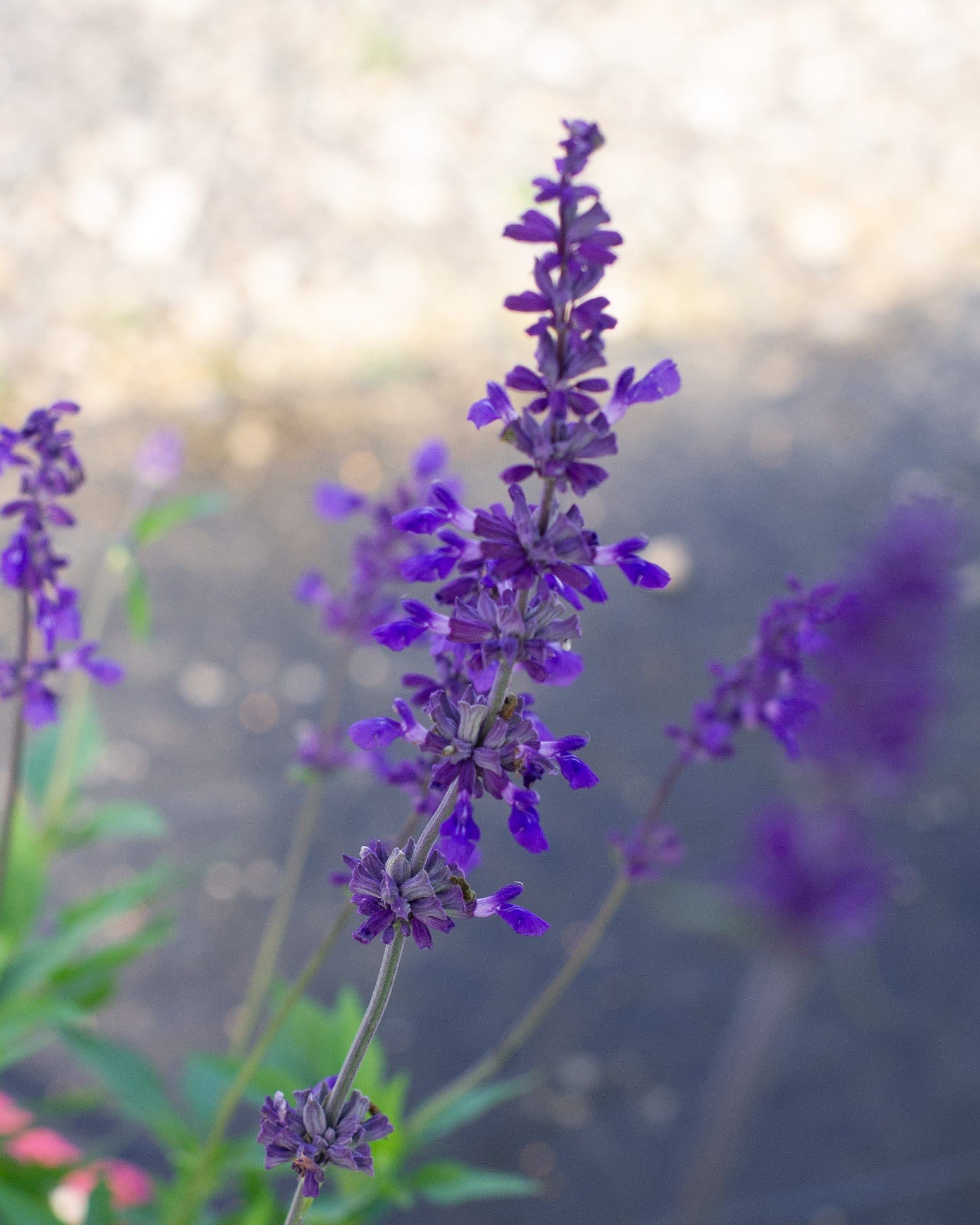
Henry Duelberg Salvia
Maturity: 3' H x 3' W
Homestead Purple Verbena
Maturity: 1' H x 2' W
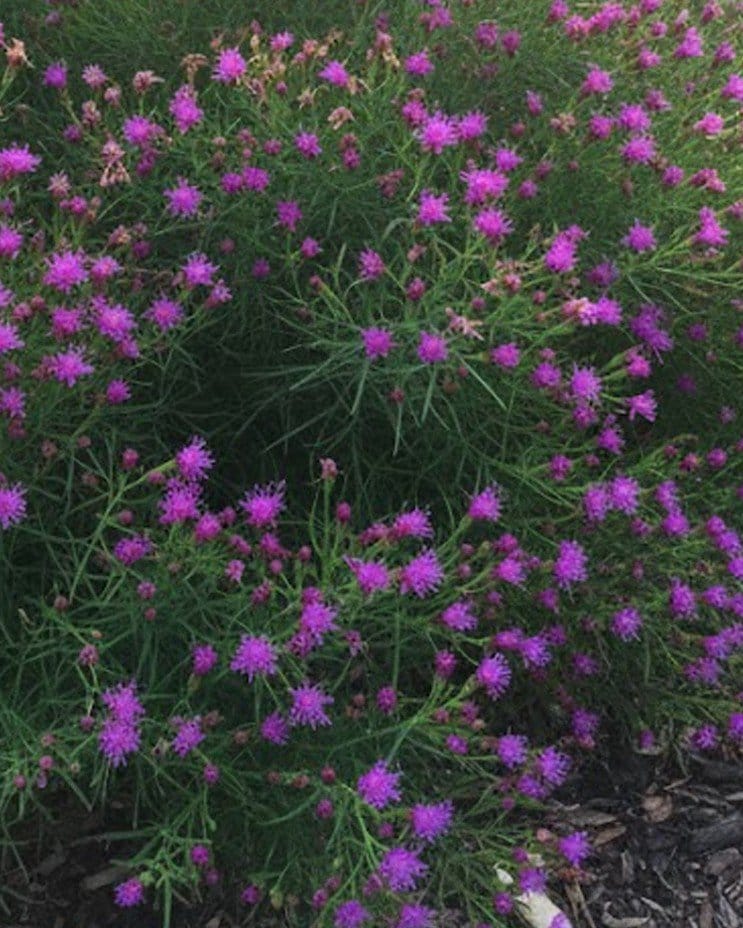
Iron Butterfly Ironweed
Maturity: 2' H x 1.5' W
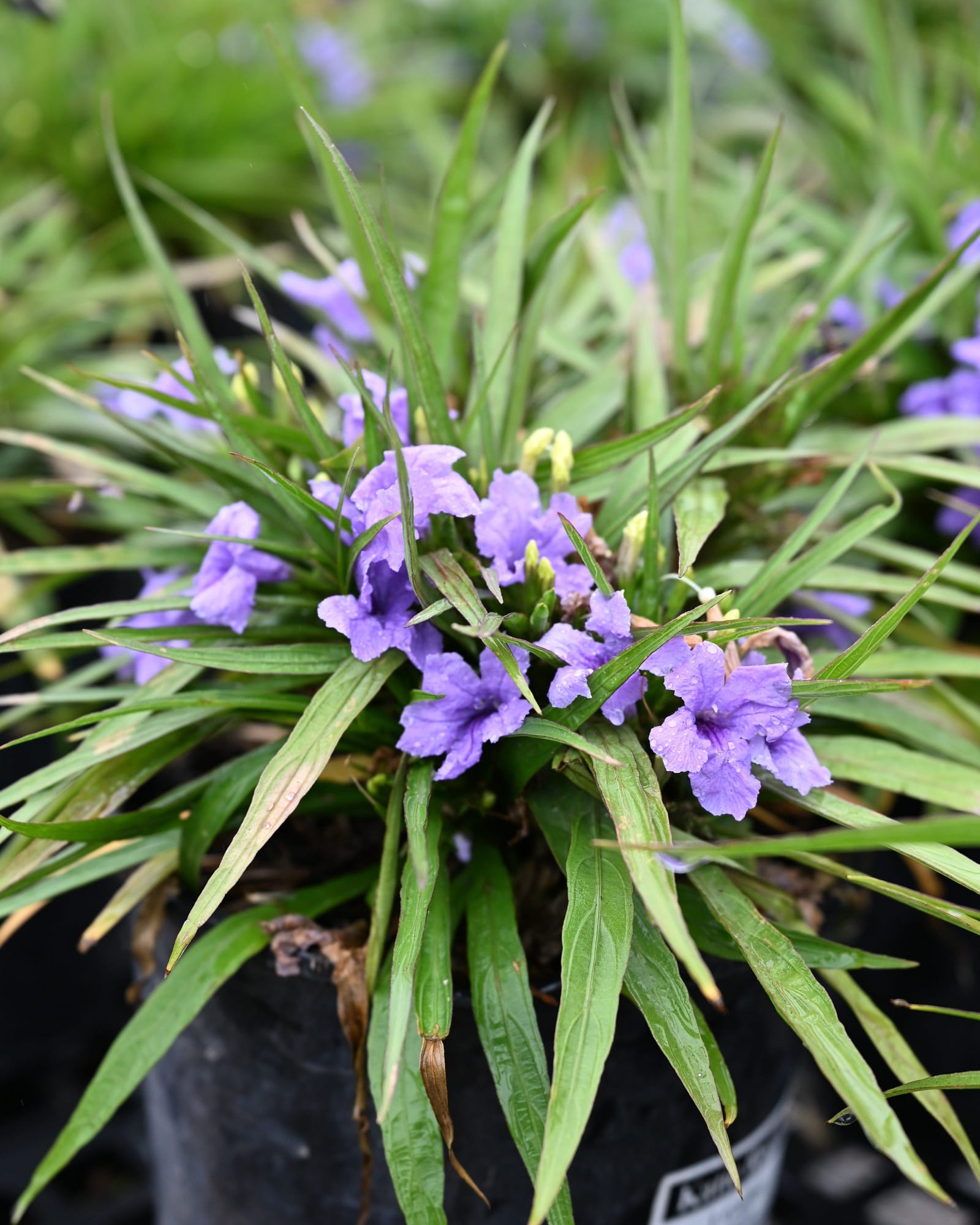
Katie Ruellia
Maturity: 0.75' H x 0.5' W
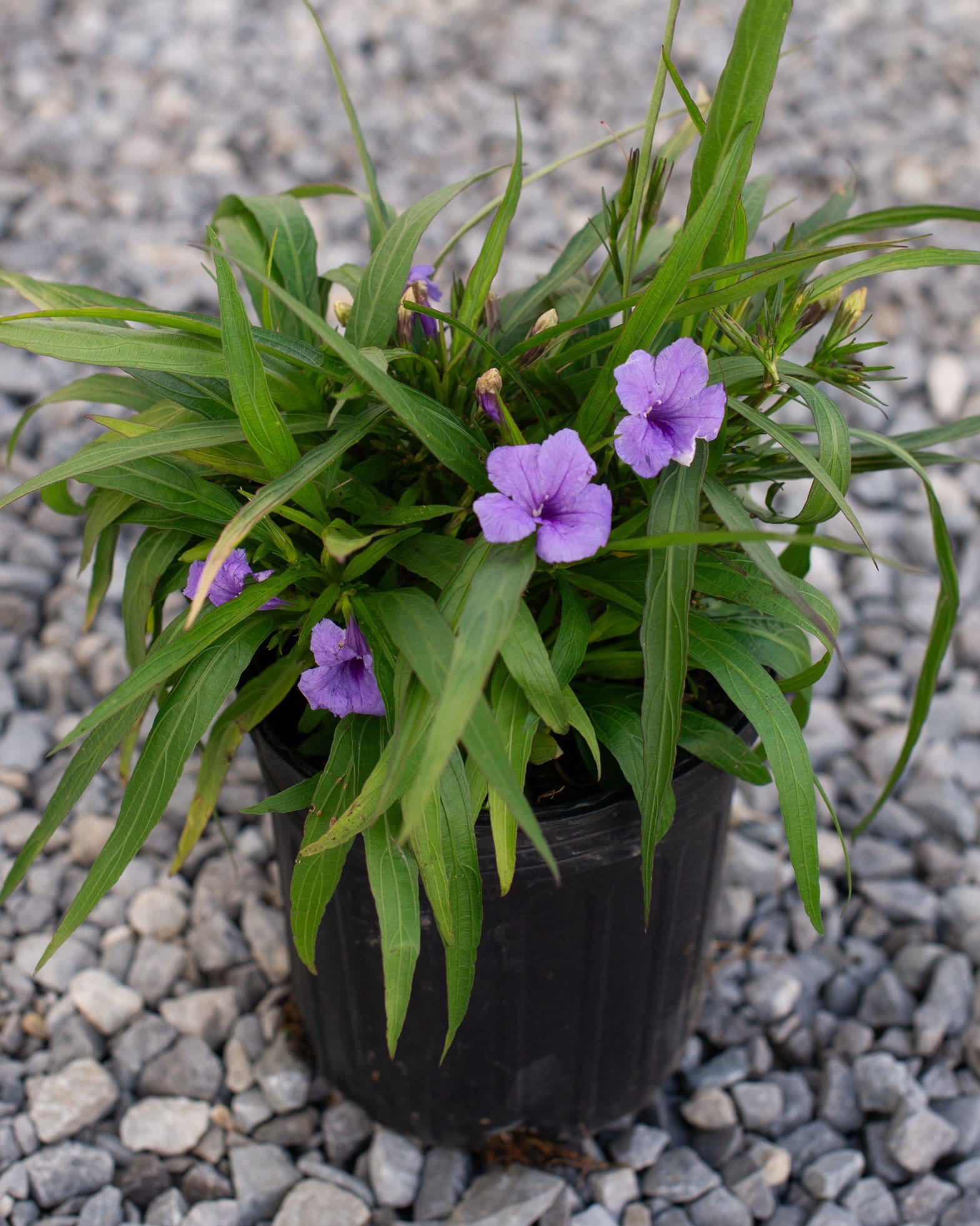
Mexican Bush Sage Santa Barbara
Maturity: 3' H x 3' W
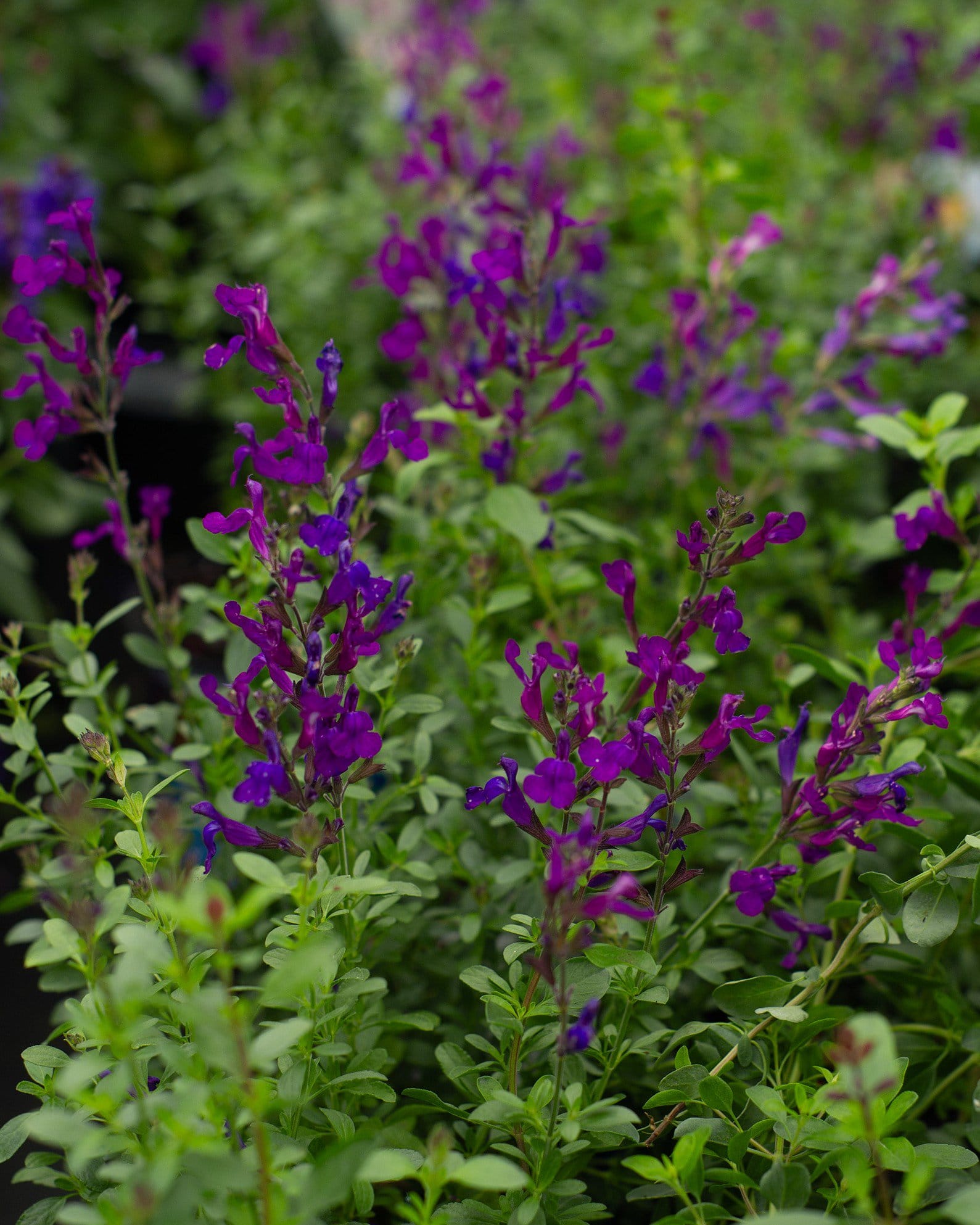
Mirage Deep Purple Salvia Greggii
Maturity: 1' H x 1' W
Compare Similar Plants
Cat's Pajamas Catmint This plant | ||
|---|---|---|
| Scientific Name | Nepeta hybrid ‘Cat’s Pajamas’ | Nepeta x faassenii 'Kitten Around' |
| Size at Maturity | 1' H x 1.5' W | 1' H x 1.5' W |
| Leaf Retention | Herbaceous | Herbaceous |
| Flower Color | Purple | Purple |
| Bloom Times | Summer | Summer |
| Sizes Available | 1 gal | QT |


Our 1-Year Planting Guarantee
We take pride in our plants and installation services. If any plants or trees installed by Treeland fail to thrive within the first year, we'll provide a replacement credit in accordance with our guarantee program.
Learn More About Our Guarantee