


Sombrero Sangrita Coneflower
Echinacea x 'Balsomanita'Product Details
Sombrero Sangrita Coneflower
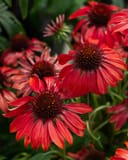
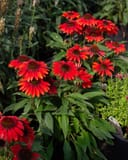
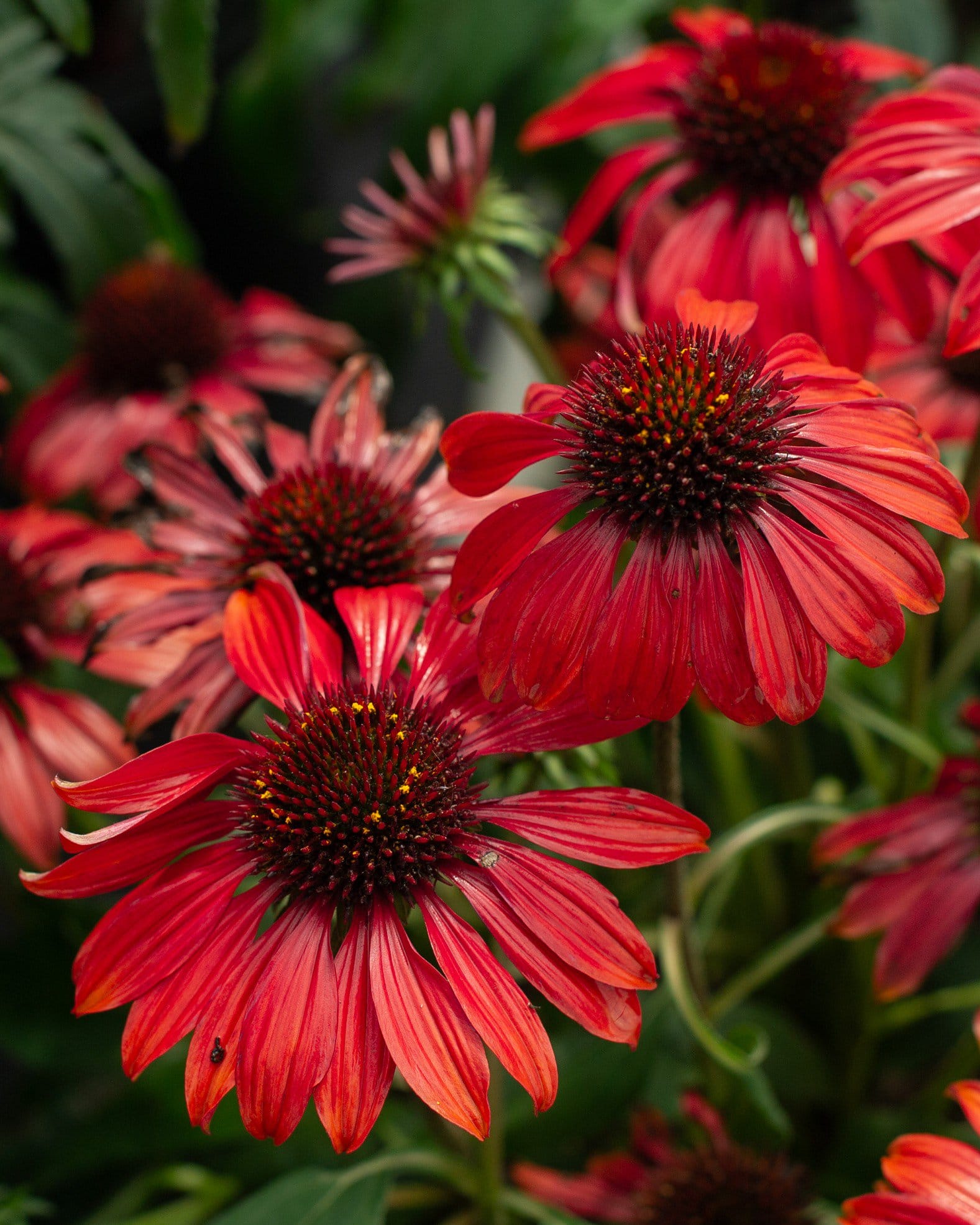
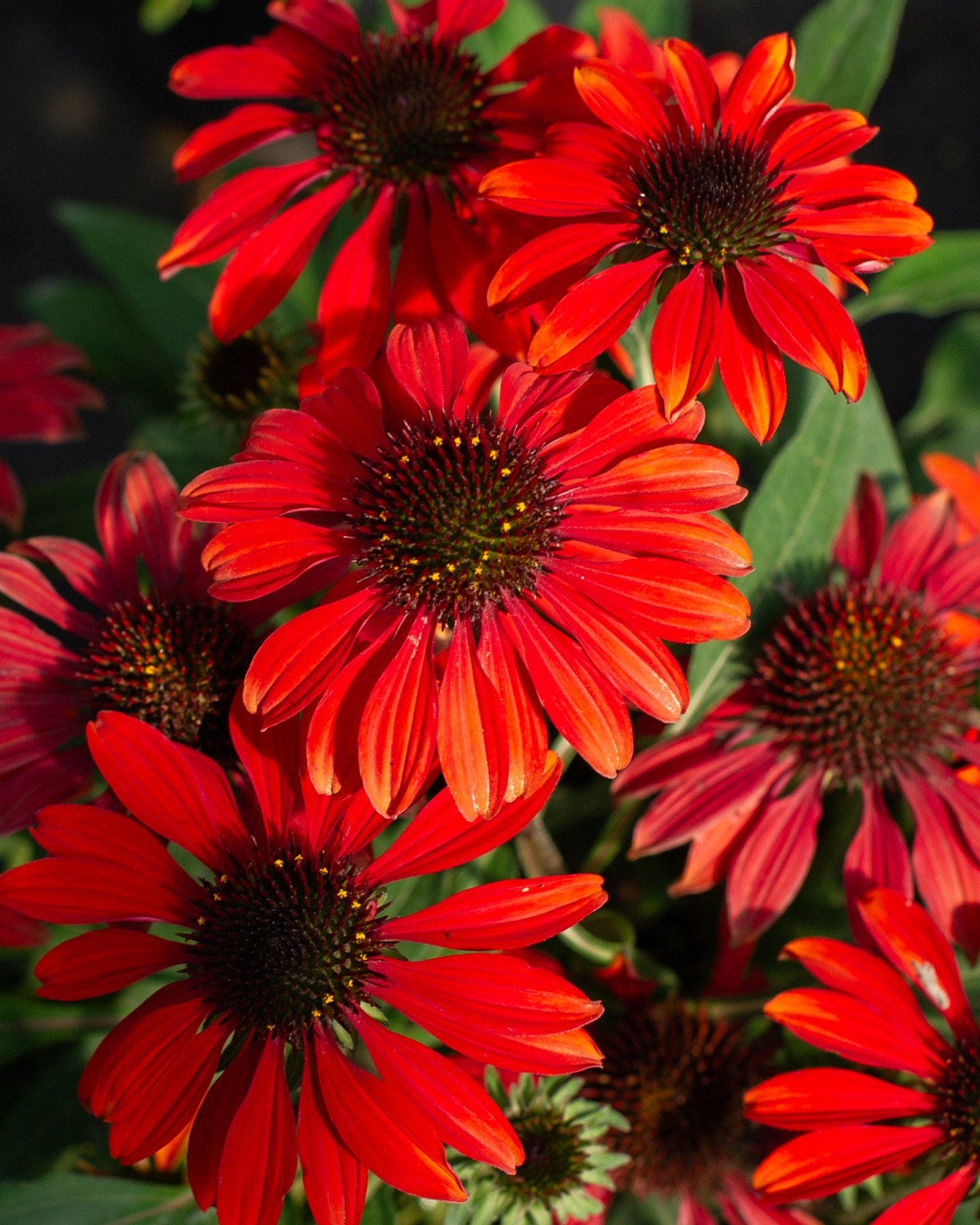
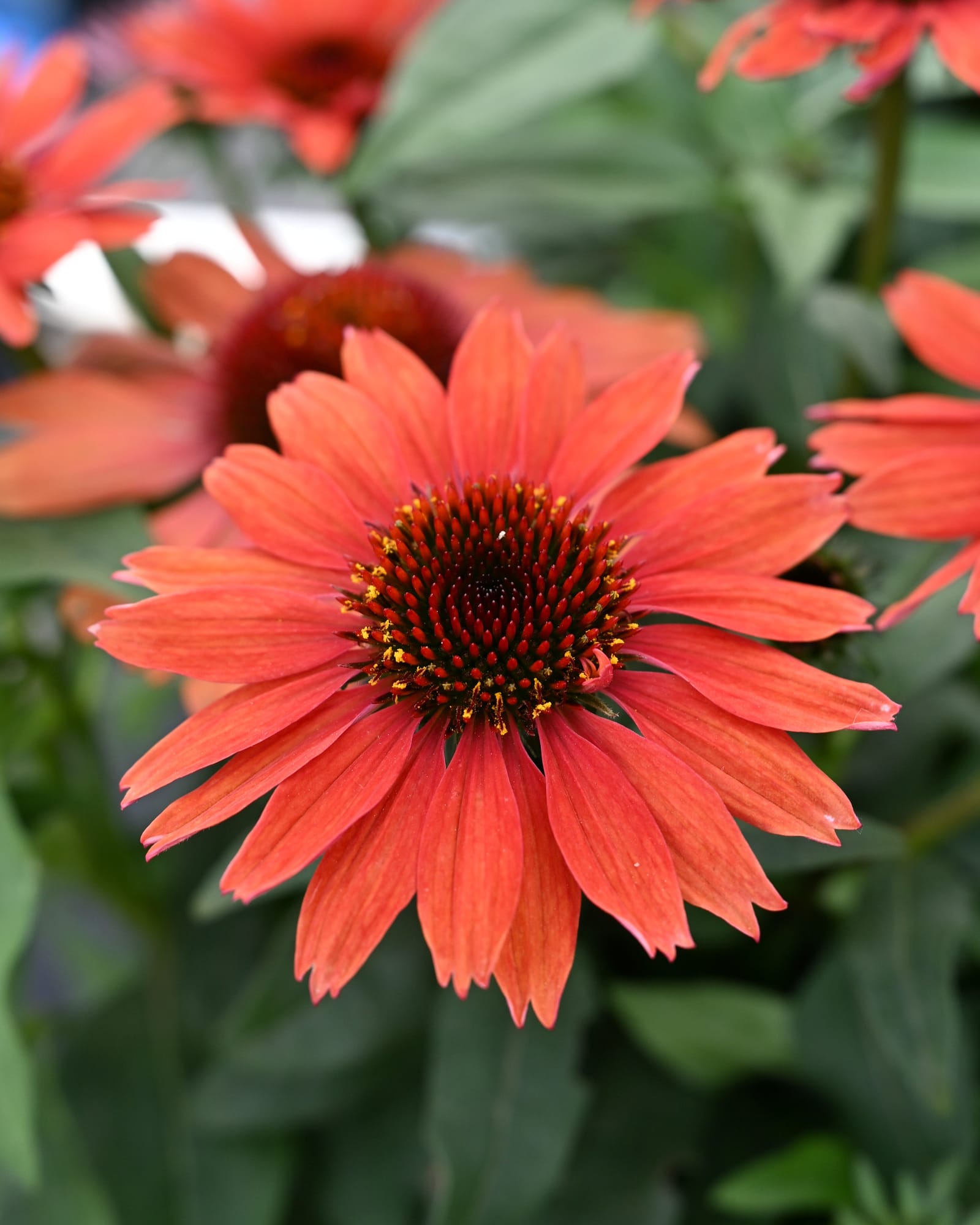
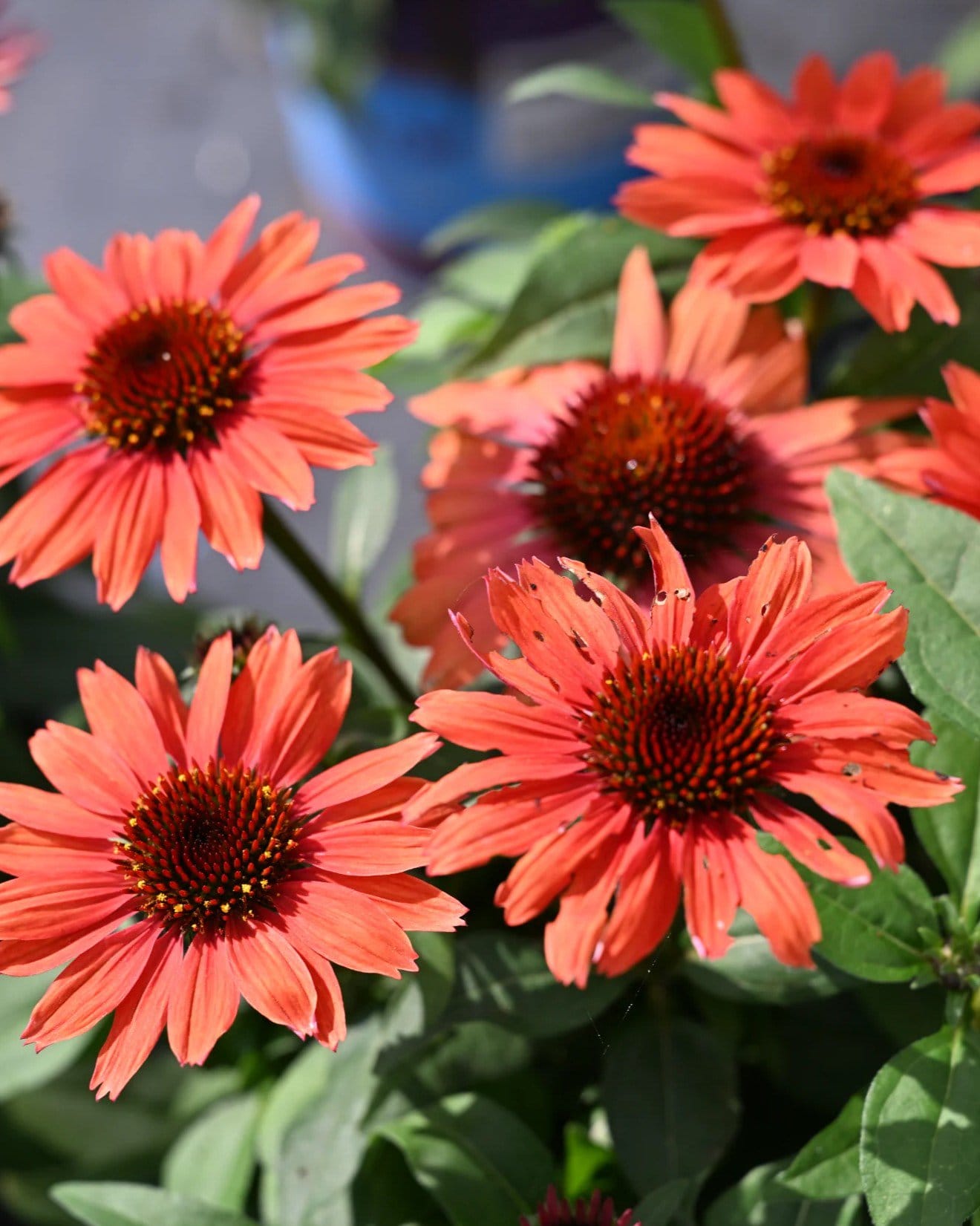
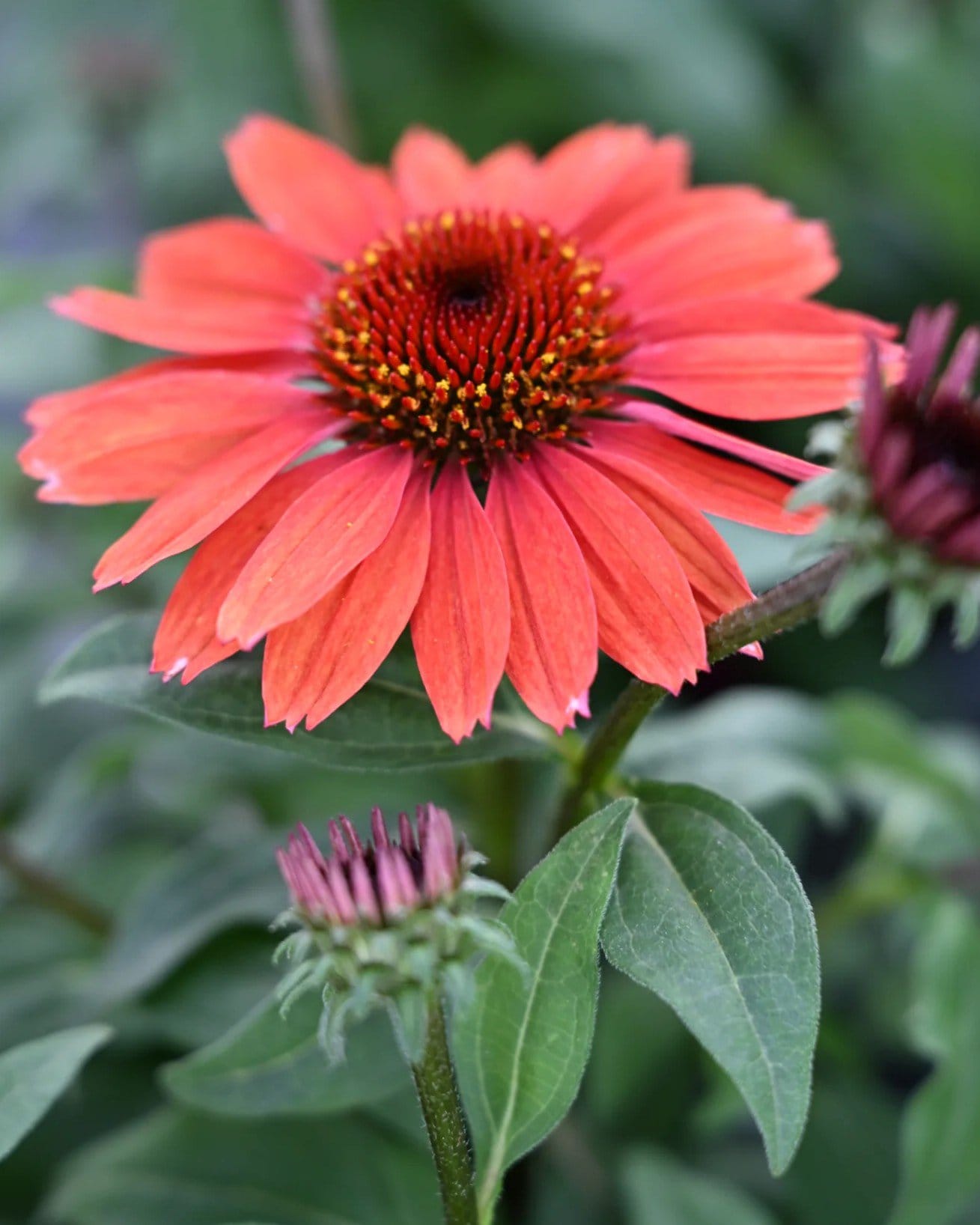
Echinacea x 'Balsomanita'Sombrero Sangrita Coneflower adds depth and warmth to plantings with its vibrant red petals and contrasting deep cones. This compact herbaceous perennial matures at 2 feet in height and width, maintaining a tidy, upright form throughout the season. Blooming from early spring into summer, it delivers long-term color with minimal upkeep. The dense flowers sit atop sturdy stems that hold their shape well in both structured and informal designs. A practical pick for North Texas landscapes, and its especially useful in large-scale beds, color-themed borders, and seasonal container arrangements.
- A herbaceous perennial
- Moderate growth rate with compact, upright growth habit
- Deep red blooms with dark central cones
- Long bloom window from spring to summer
- Pollinator-attracting variety
The Sombrero Sangrita Coneflower grows wonderfully in USDA zones 4 through 9, making it ideal for North Texas weather conditions. Thrives in full sun and well-draining soil. Deadhead regularly to maintain appearance and extend bloom time. Cut back foliage before spring growth emerges. Suitable for temporary indoor use in bright, sunlit containers.
Sombrero Sangrita Coneflower is incredibly low-maintenance once established. Here’s how to help it grow beautifully:
- Watering: During its first growing season, water deeply once or twice per week to establish a robust root system. Once mature, Sangrita thrives in dry conditions and prefers infrequent, thorough watering over light daily moisture. Allow the top inch of soil to dry between waterings.
- Pruning: Deadhead spent blooms regularly to prolong flowering and maintain a tidy appearance. After the first heavy bloom, trim stems lightly by one-third to stimulate a fresh flush of buds. Cut the plant down to ground level in early spring for clean regrowth.
- Fertilizing: Feed lightly in early spring with a balanced, slow-release fertilizer or compost to promote steady, healthy growth. Avoid high-nitrogen formulas that can cause lanky stems and fewer flowers. A second light compost dressing in midsummer helps maintain soil vitality and bloom density.
- Mulching: Spread a 2-3 inch layer of mulch or fine gravel around the base to conserve moisture and stabilize soil temperature. Keep mulch away from the crown to prevent rot, and renew it each spring to reduce weeds and enhance appearance.
- Winter Care: Sombrero Sangrita is hardy and dependable through winter, even in exposed conditions. After frost, you can leave dried stems standing for wildlife or cut them back once the soil cools.
This variety is remarkably tough and low-maintenance, though a few manageable problems can appear if conditions become humid or waterlogged:
- Aphids: Clusters of small insects gather on tender growth, causing leaf curling and sticky residue. Spray with water or use insecticidal soap to keep populations under control.
- Japanese Beetles: Shiny green beetles feed on leaves and petals, leaving a lace-like texture. Hand-pick beetles early in the morning or apply neem-based treatments to deter them.
- Powdery Mildew: A white, powdery film develops on leaves in humid or crowded plantings. Increase airflow and prune affected foliage to prevent spread.
- Spider Mites: Tiny pests cause speckled, faded leaves and fine webbing during hot, dry spells. Rinse foliage periodically and apply horticultural oil if needed.
- Aster Yellows Disease: Misshapen flowers and yellowing stems indicate this leafhopper-spread disease. Promptly remove and destroy affected plants to protect healthy ones.
- Slugs and Snails: Irregular holes appear in lower leaves after rainfall. Use copper tape, organic traps, or nighttime hand removal to control damage.
With good drainage and seasonal care, it thrives for several years before needing rejuvenation. Division every 3-4 years keeps clumps healthy and flowering abundantly.
This variety establishes quickly, blooming heavily in its first full season. By its second year, it reaches full maturity, forming a dense, upright mound that anchors the summer garden.
Butterflies, native bees, and hummingbirds flock to its deep red blooms. The prominent central cones are nectar-rich, making Sangrita a top-tier pollinator magnet.
Its coarse, aromatic foliage discourages deer and rabbits from feeding. Even in open or rural gardens, damage is rare compared to other perennials.
Absolutely - its compact habit and strong stems make it perfect for pots. Use a gritty, free-draining mix and water deeply during hot spells to maintain color and structure.
The blooms carry a soft, herbal scent that hints at honey and summer fields. It’s subtle but noticeable when brushed or planted near walkways.
Yes - deadheading throughout the season ensures new flower production. A midsummer cutback encourages another strong flush that carries the garden into fall.
It’s entirely non-toxic and safe for homes with pets or children. The seed heads even add a natural food source for finches in winter.
Its thick stems and compact size make it naturally resistant to wind damage. Planting in open spaces enhances airflow, which helps prevent mildew or rot.
Divide established clumps in early spring or fall. Although it can grow from seed, division ensures identical color and form to the parent plant.
Special Features
You might also like
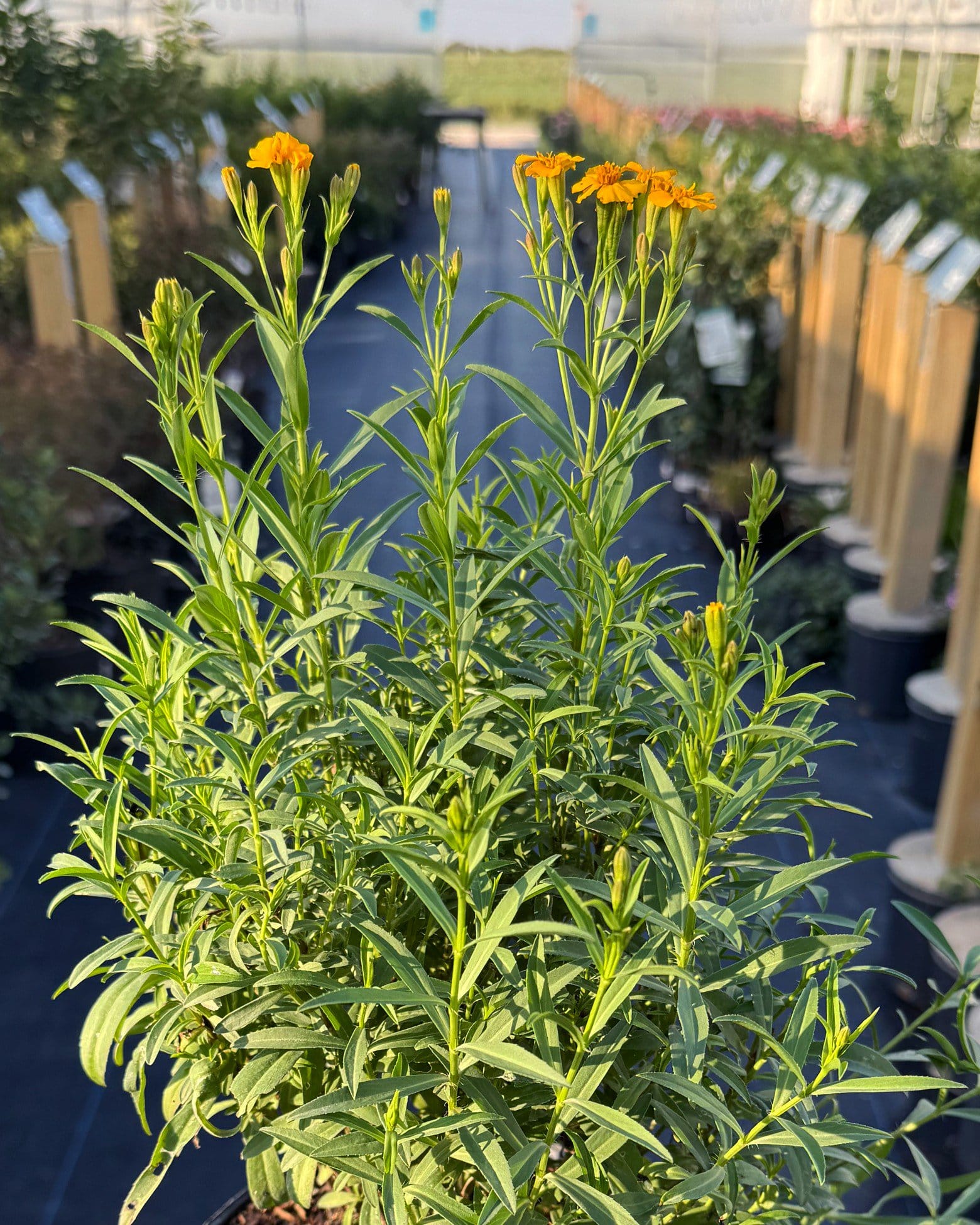
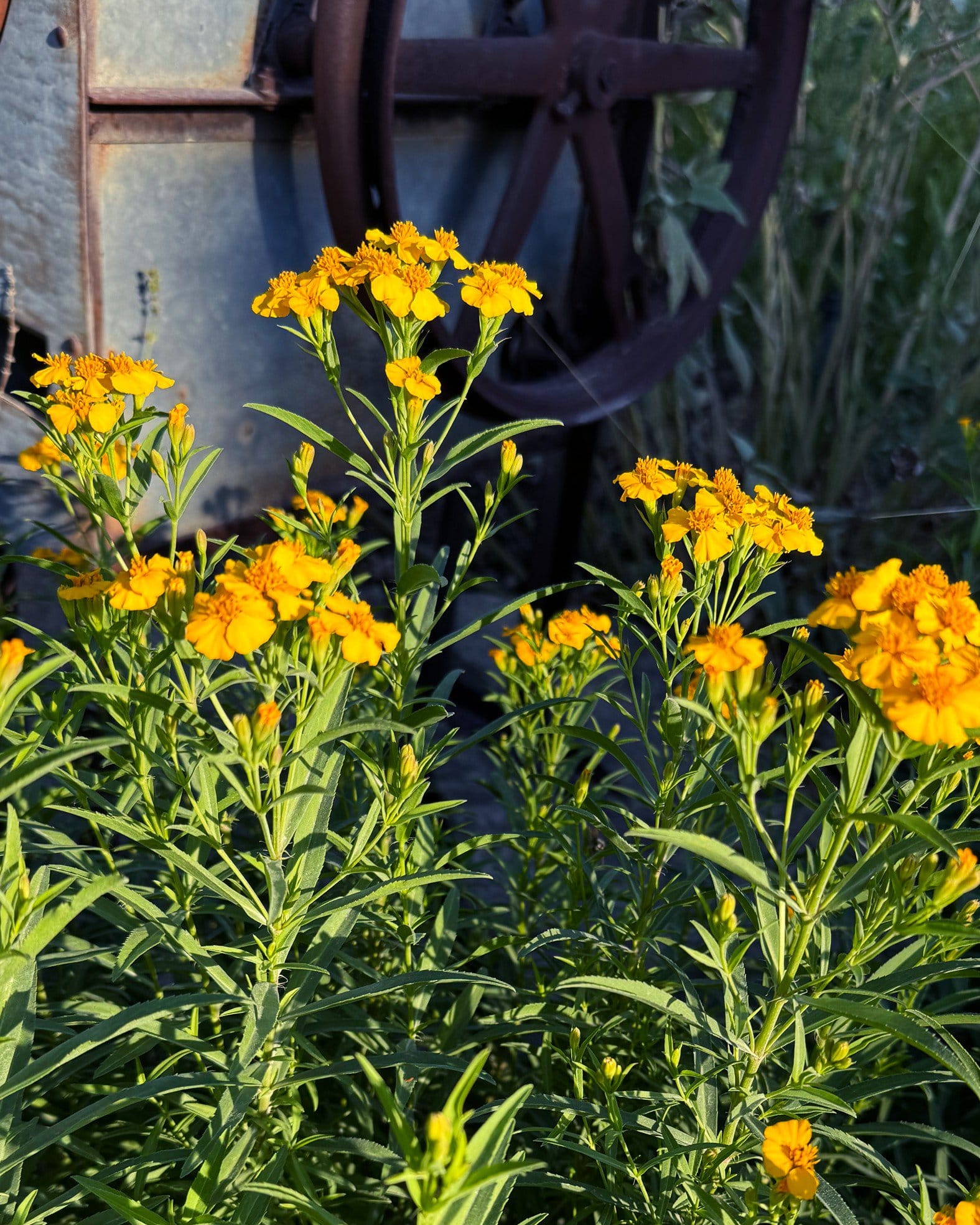
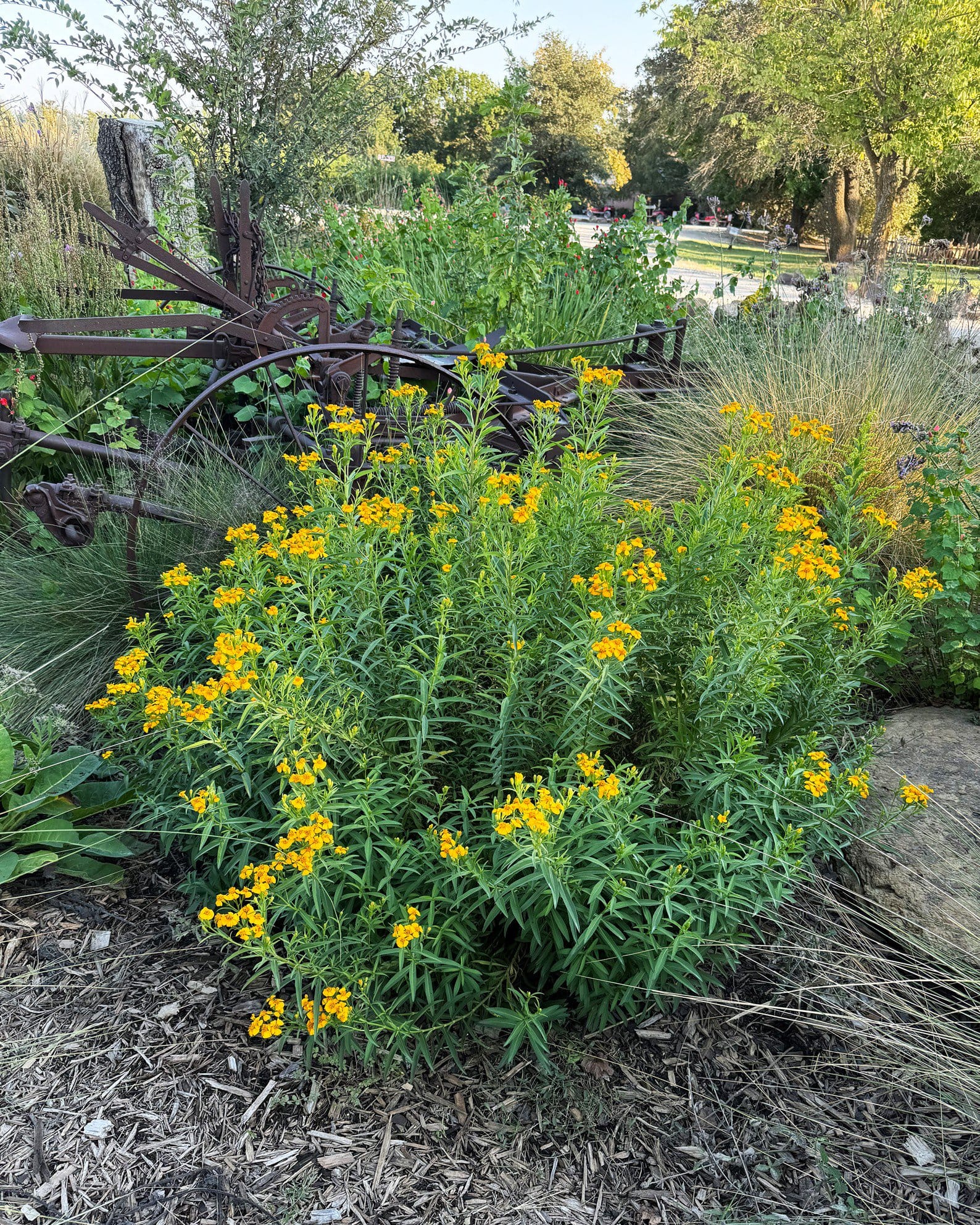
Mexican Mint Marigold
Maturity: 1' H x 1' W
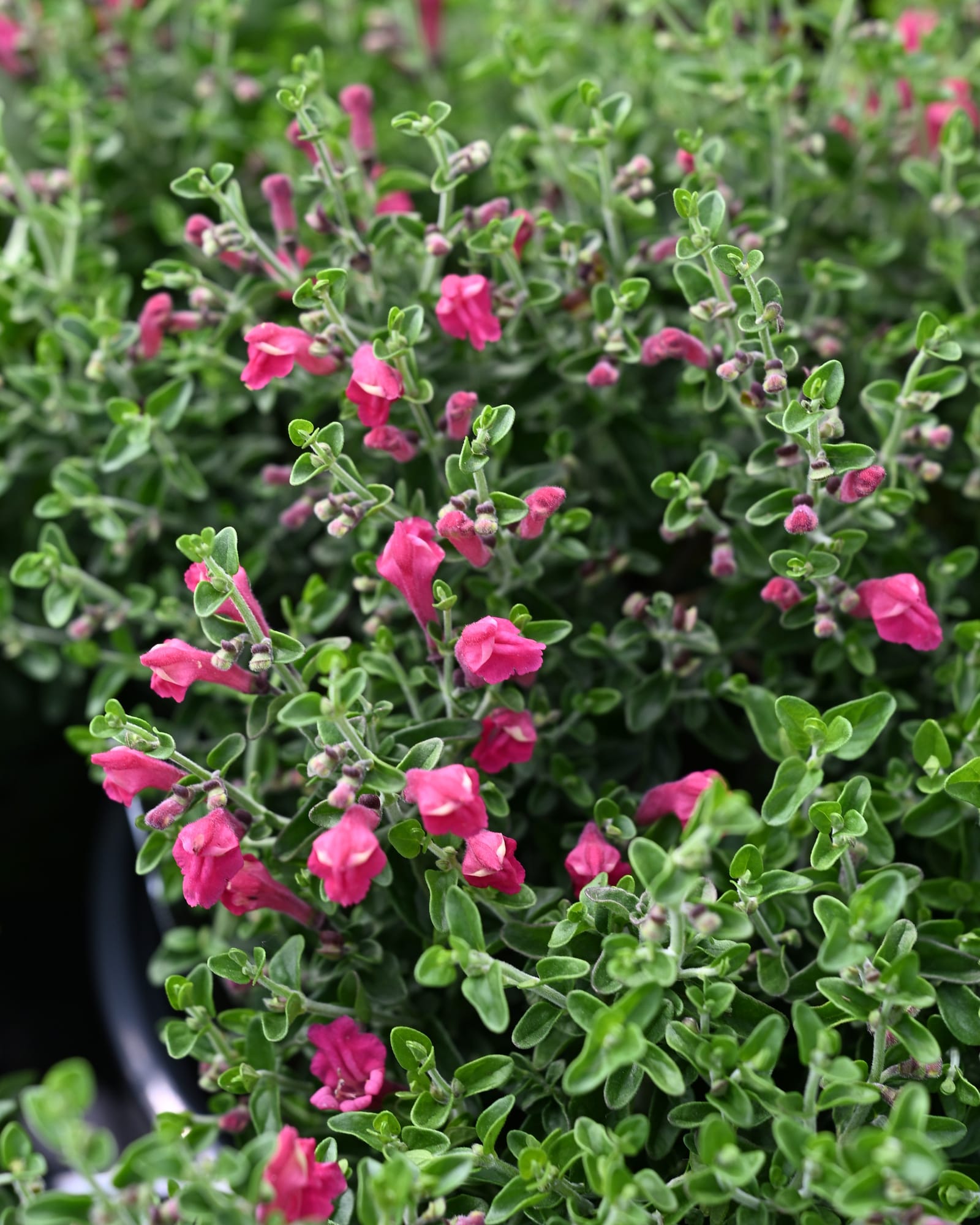
Pink Skullcap
Maturity: 1' H x 2' W
Wall Germander
Maturity: 1' H x 1' W
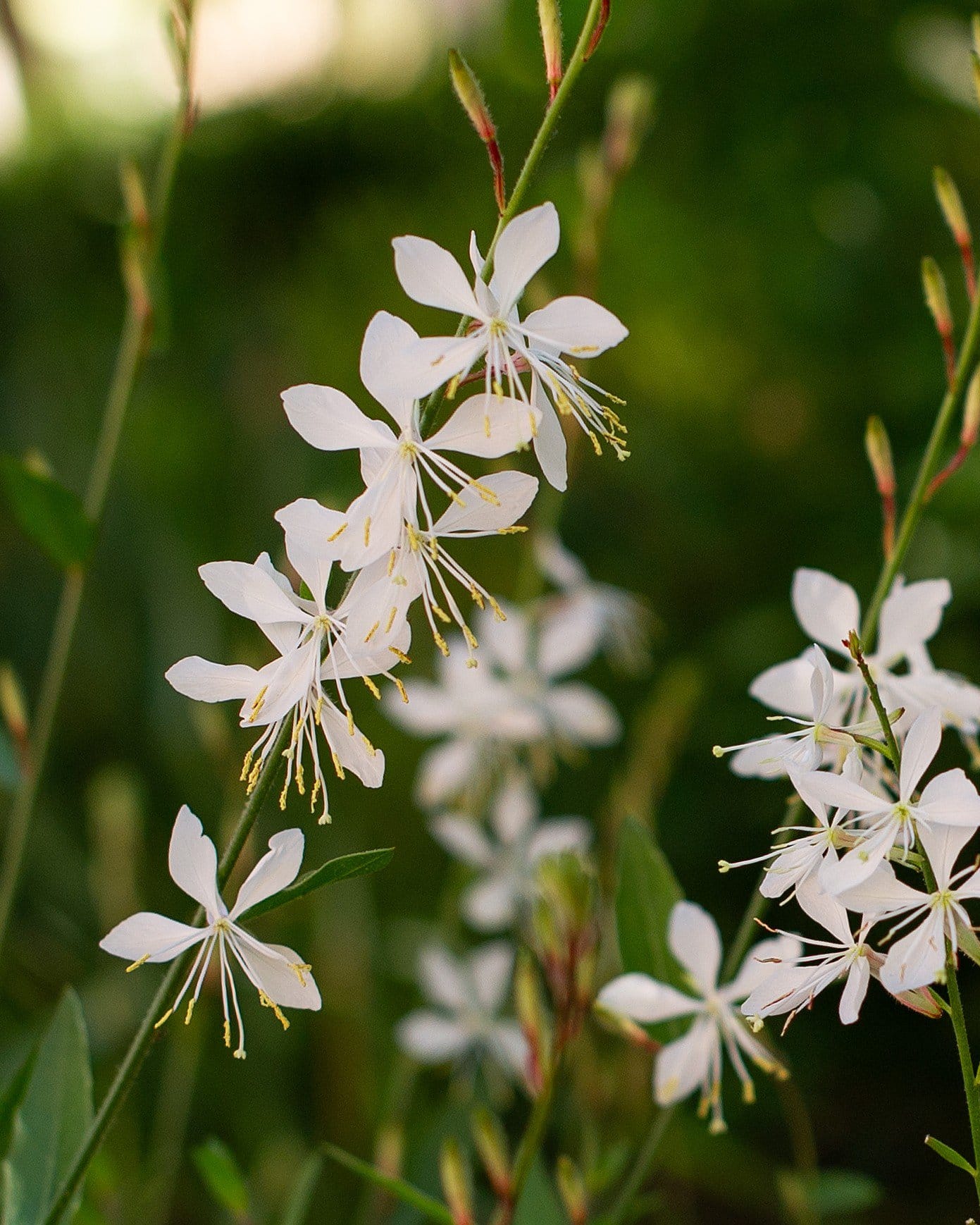
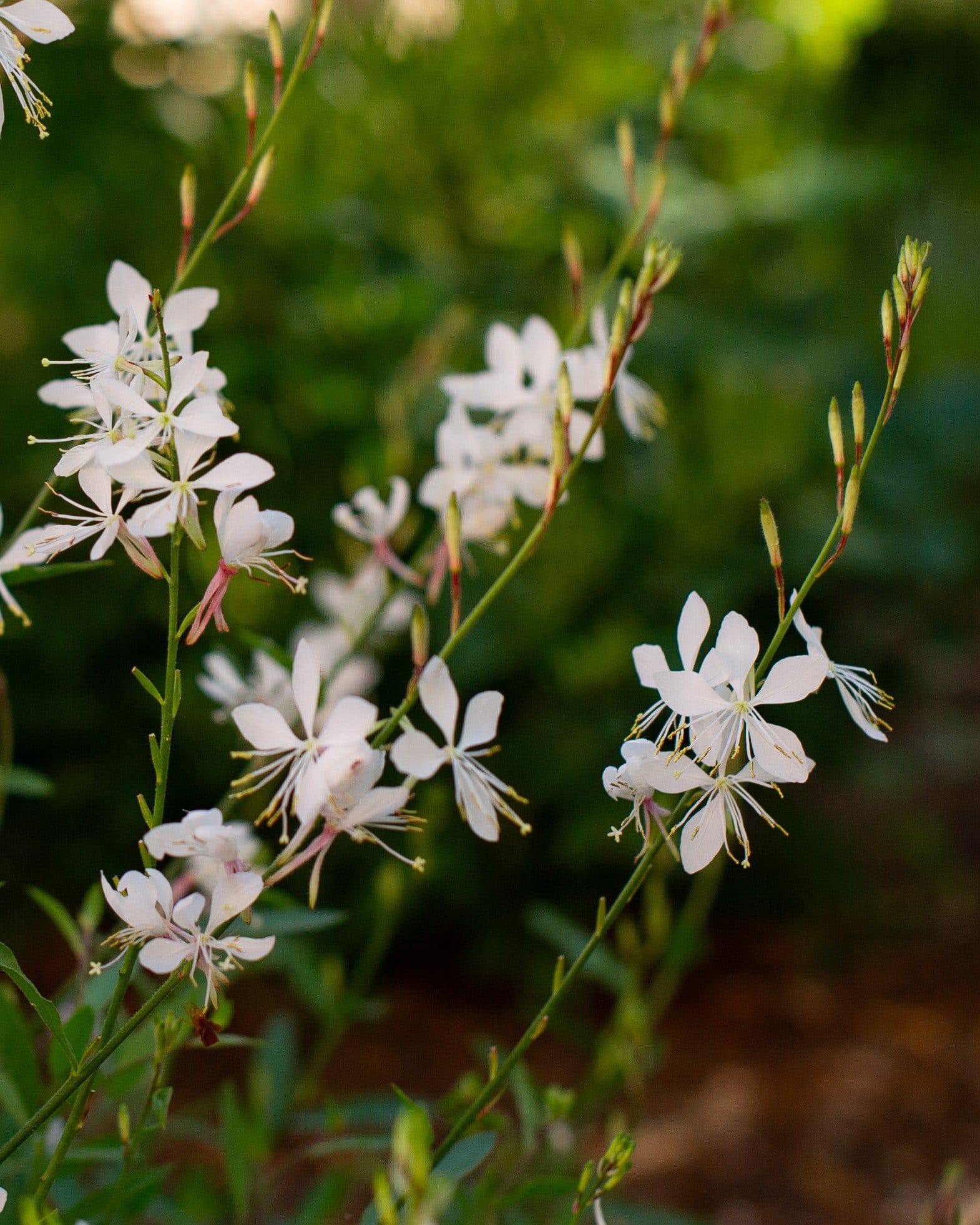
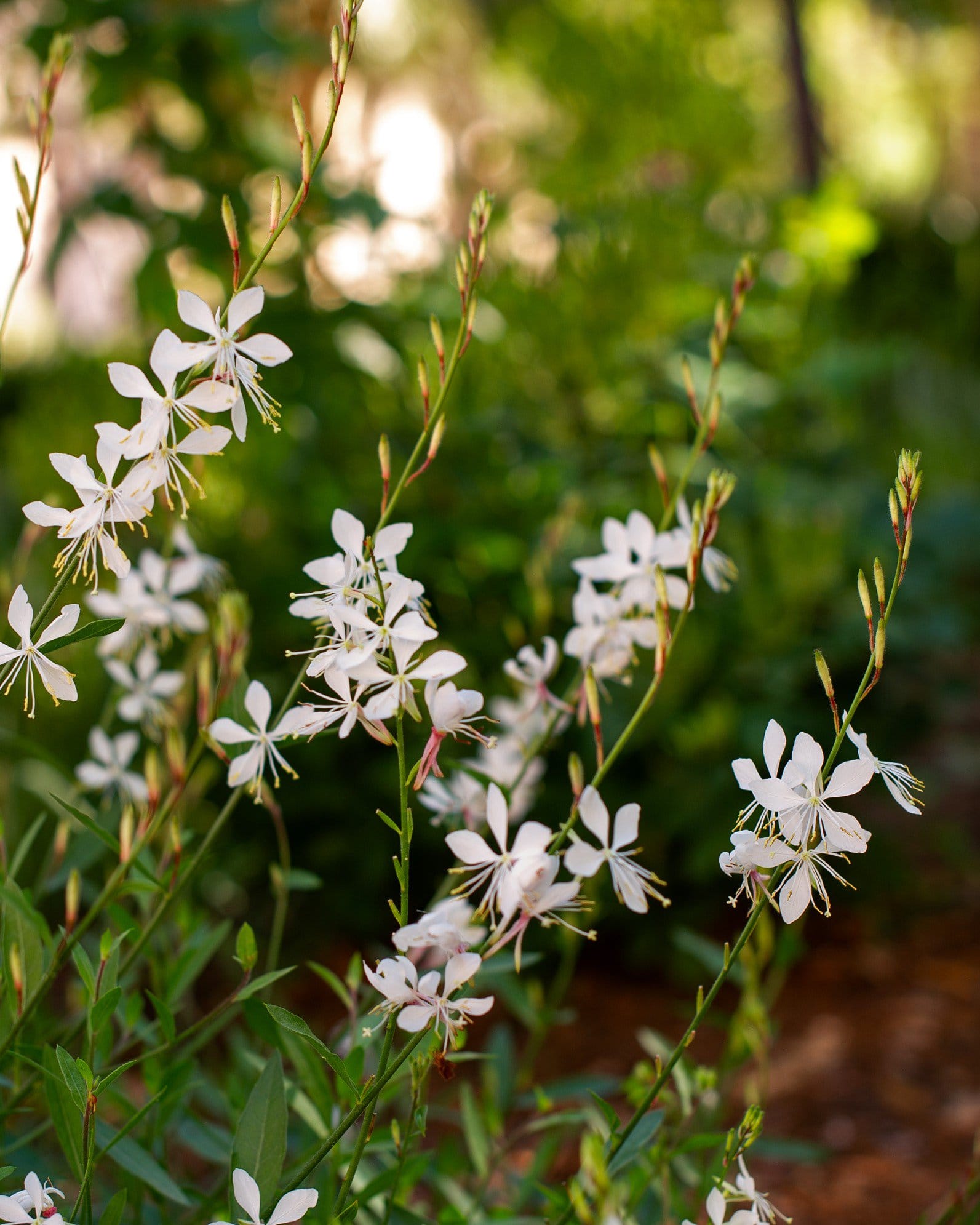
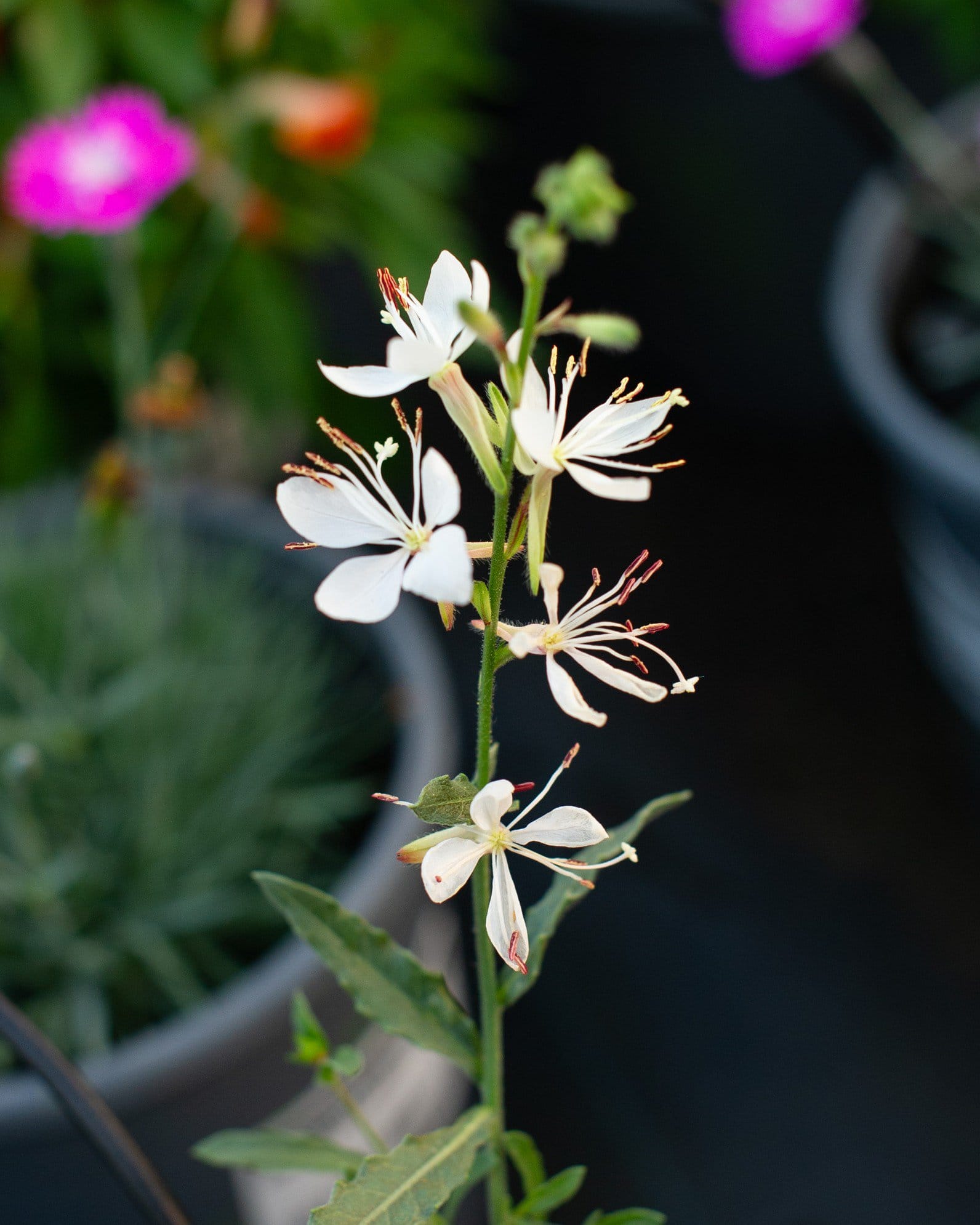
Belleza White Gaura
Maturity: 1' H x 1.5' W
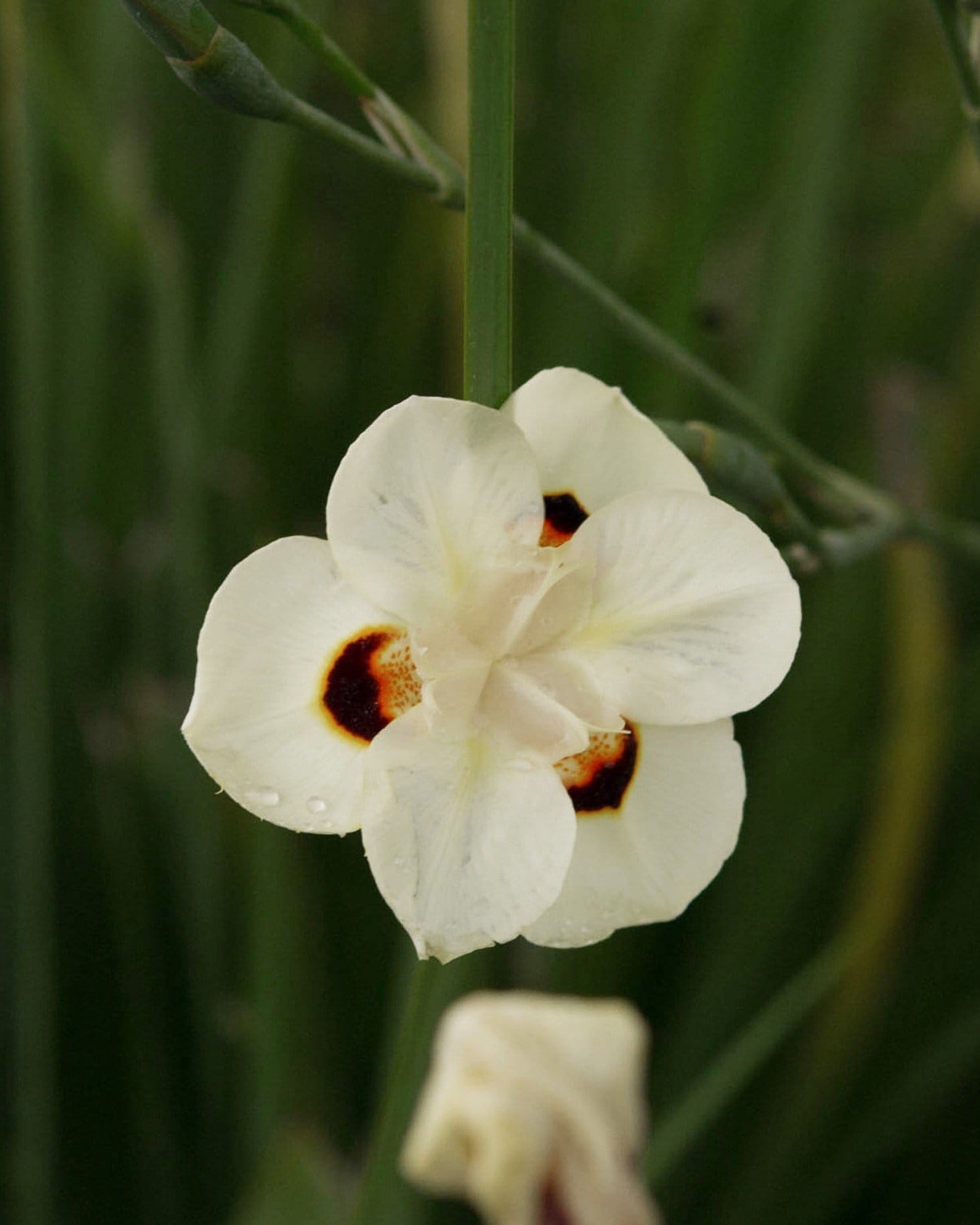
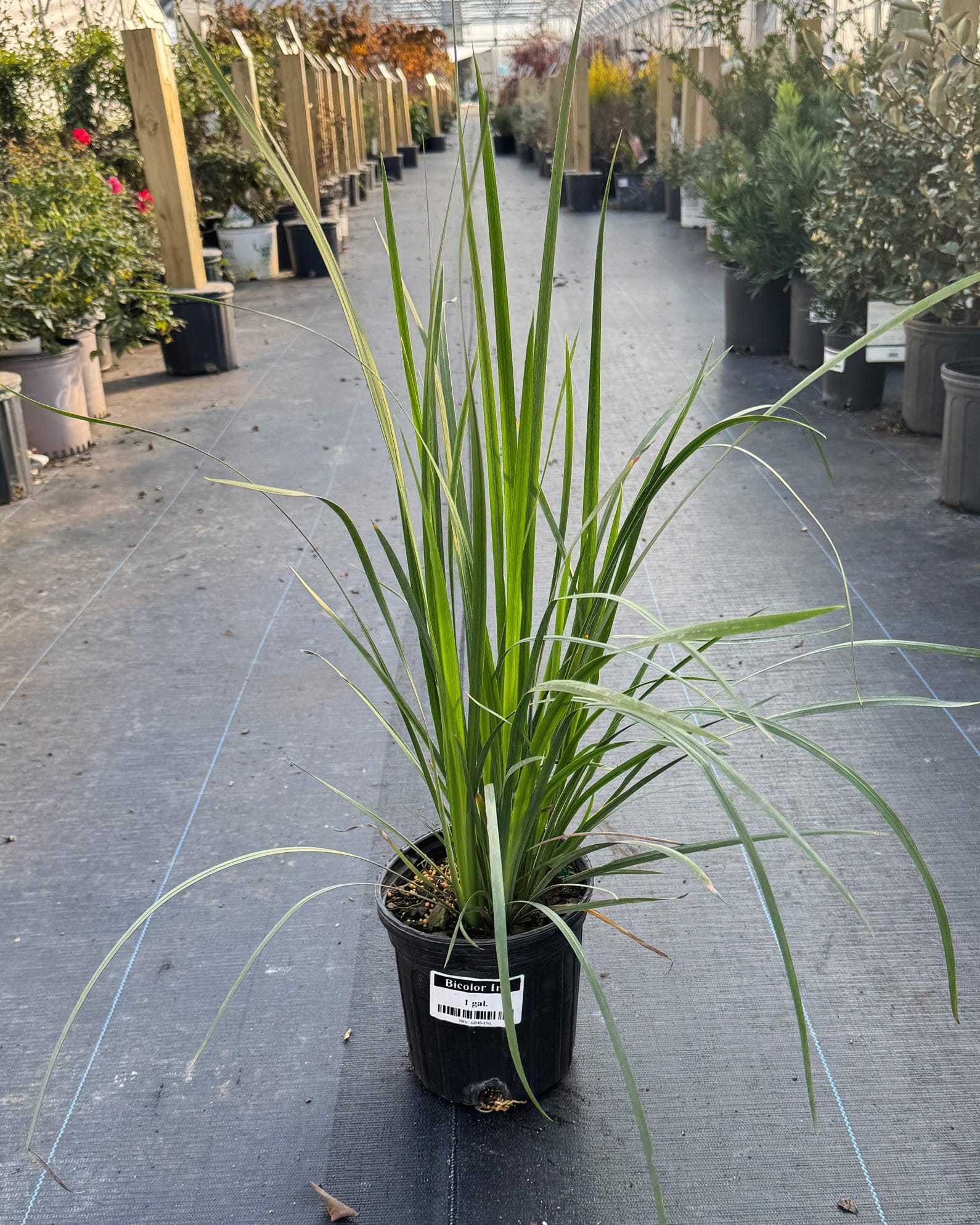
Bicolor Iris
Maturity: 2' H x 2' W
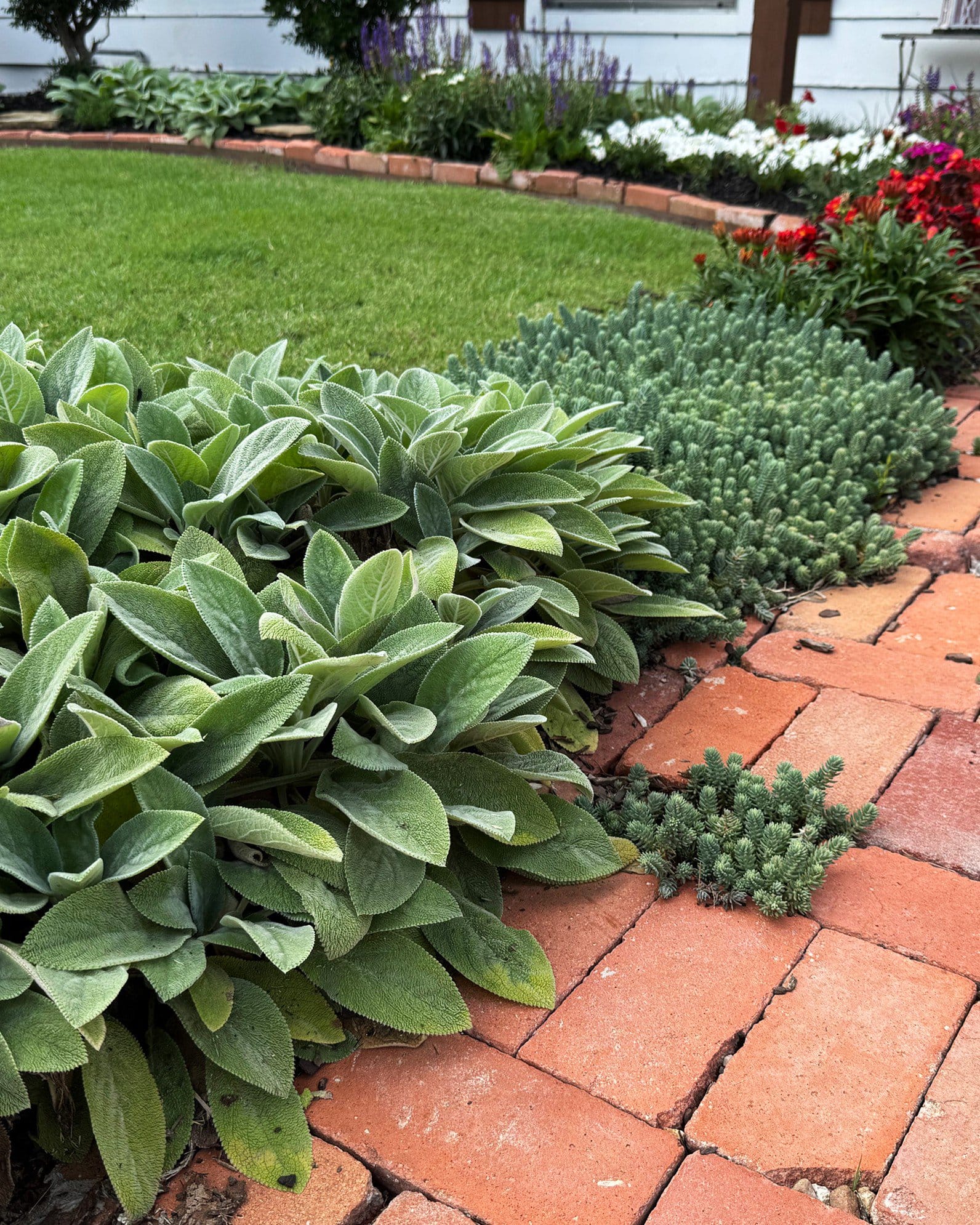
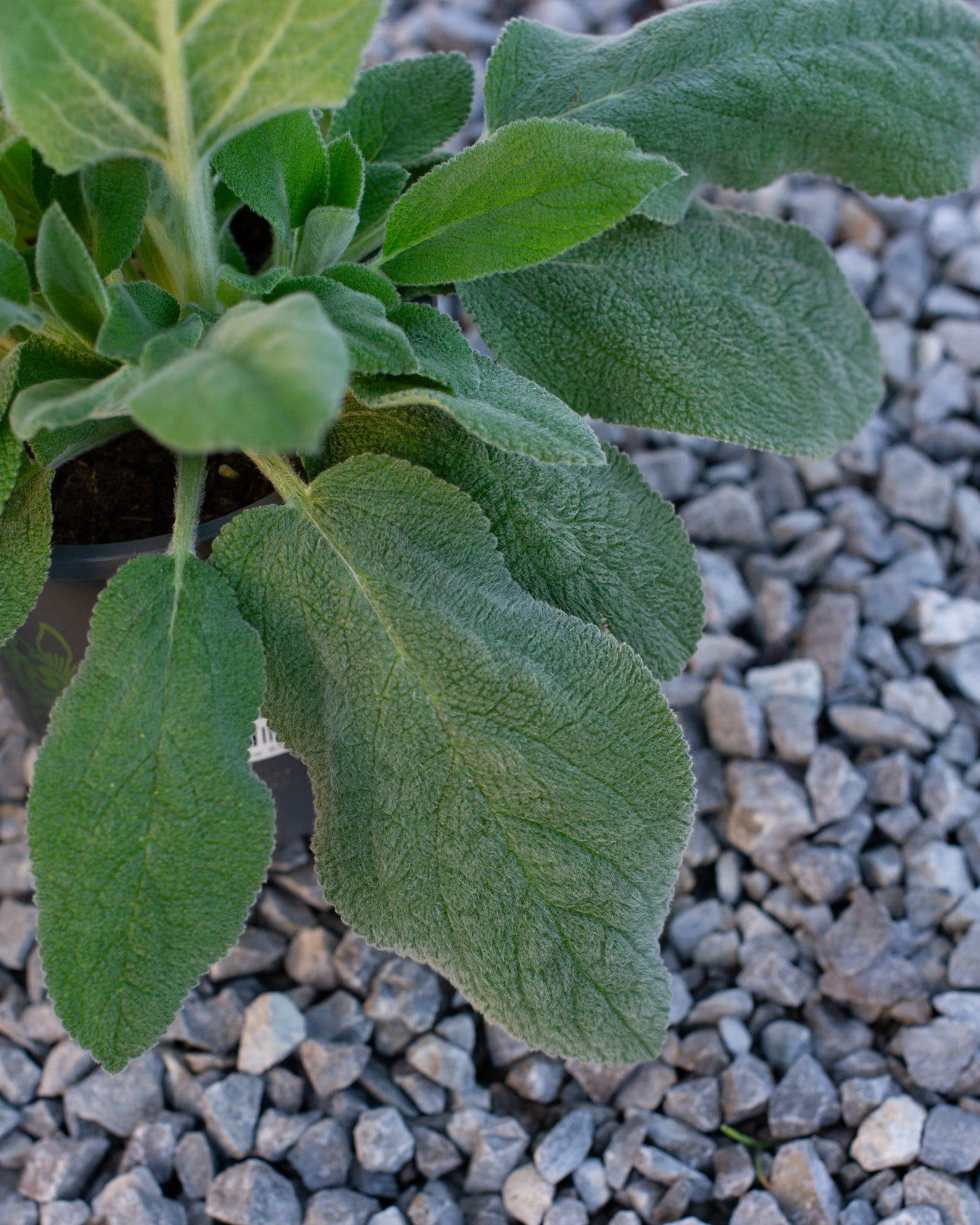
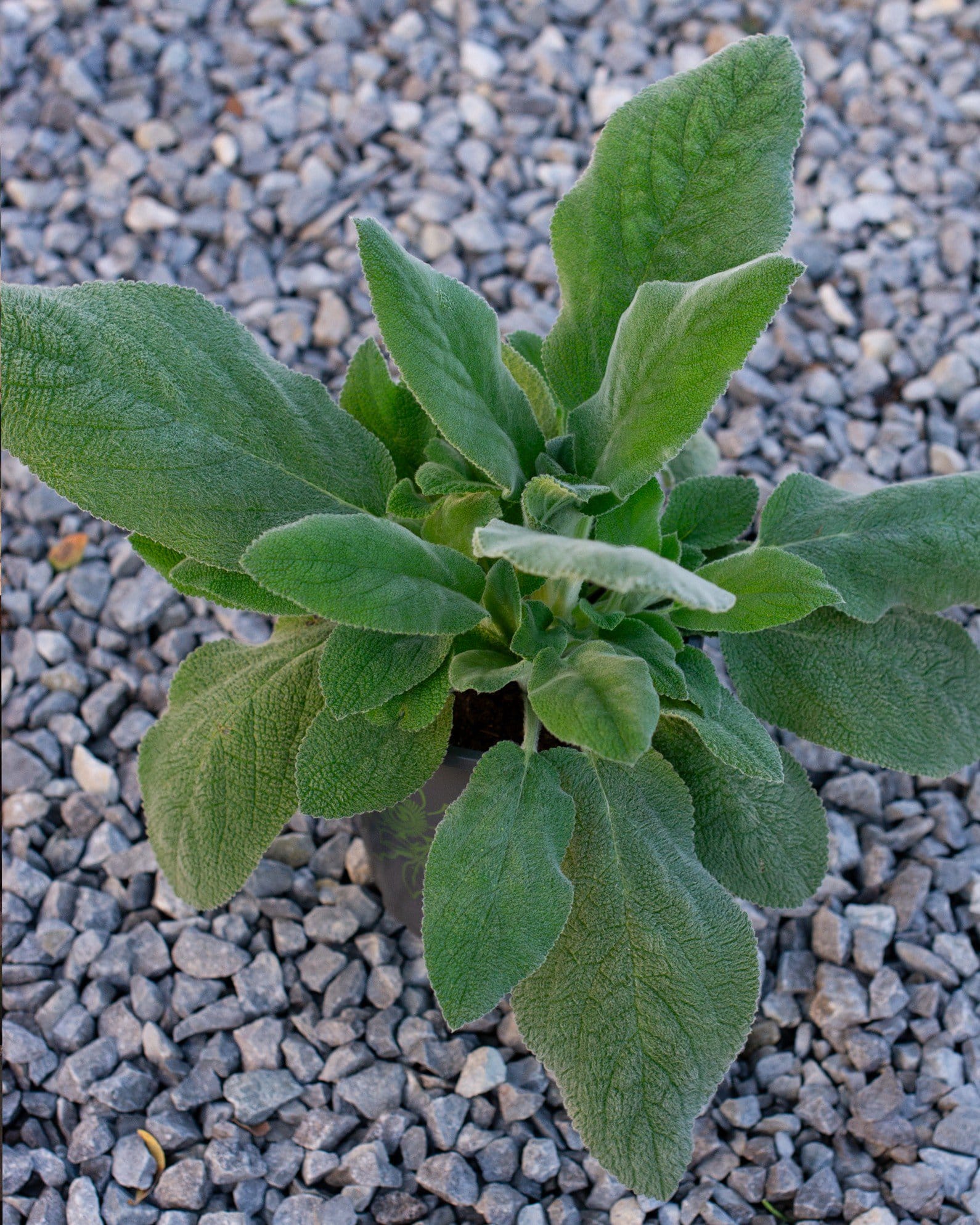
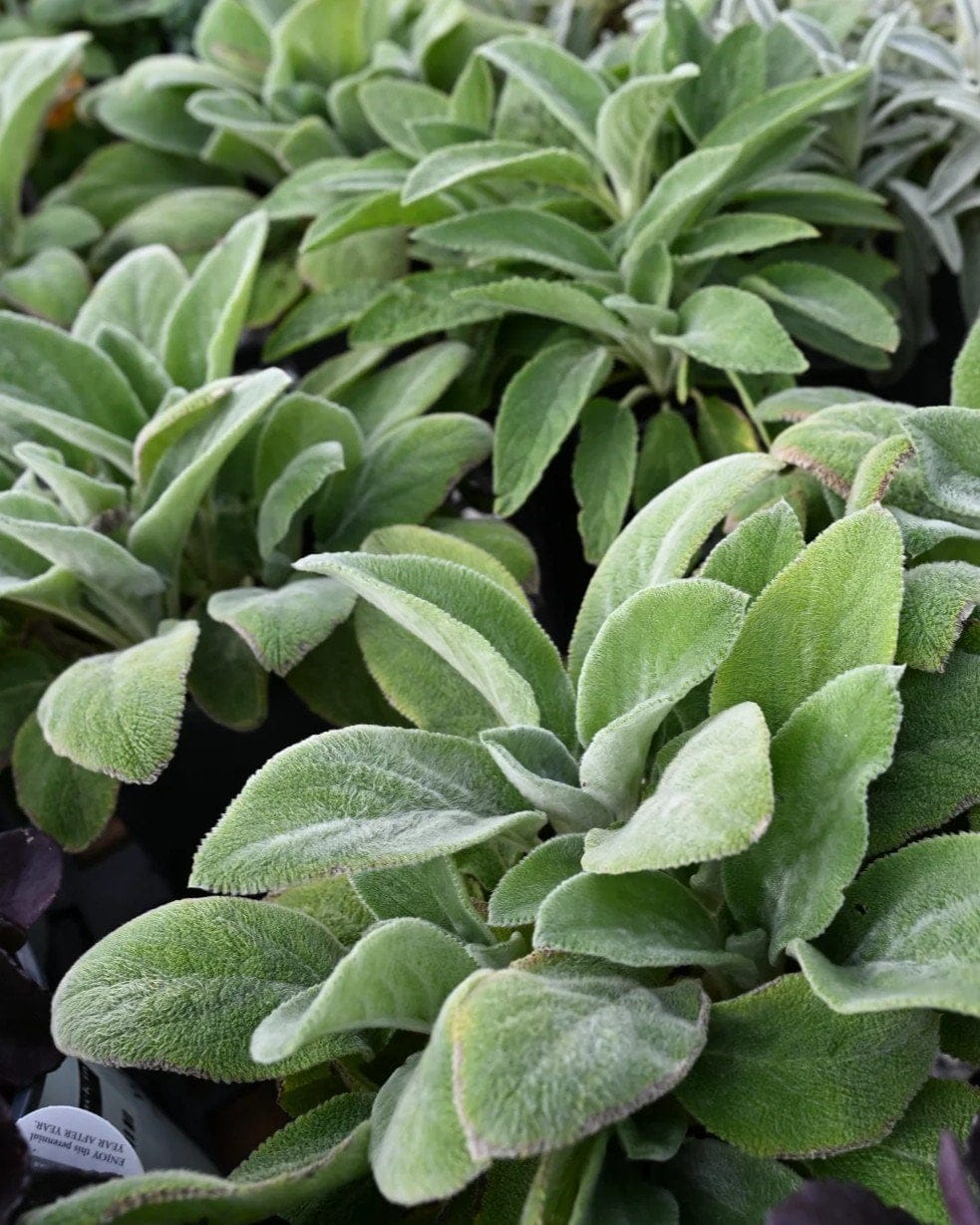
Lamb's Ear
Maturity: 1' H x 1.5' W
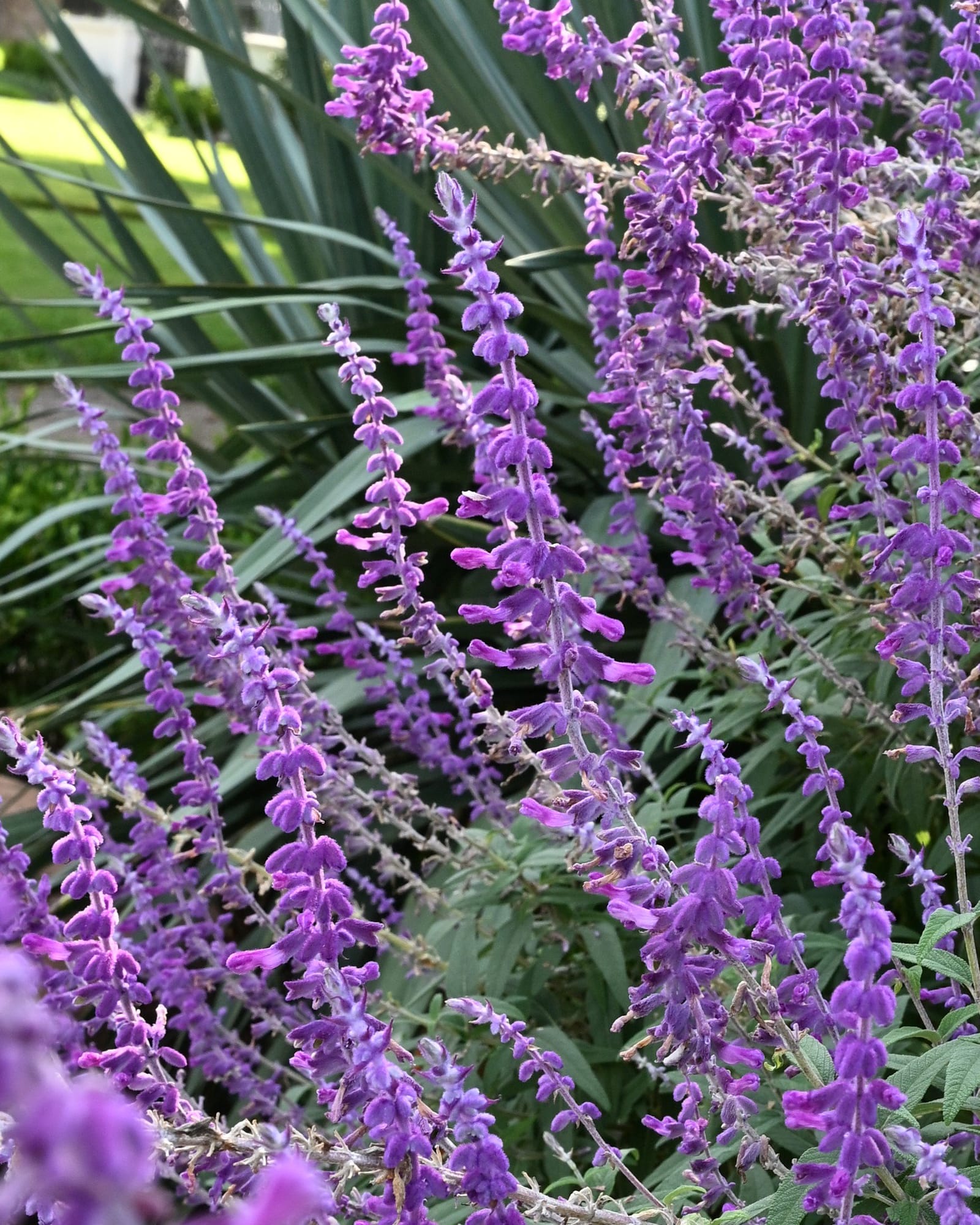
Mexican Bush Sage
Maturity: 3' H x 3' W
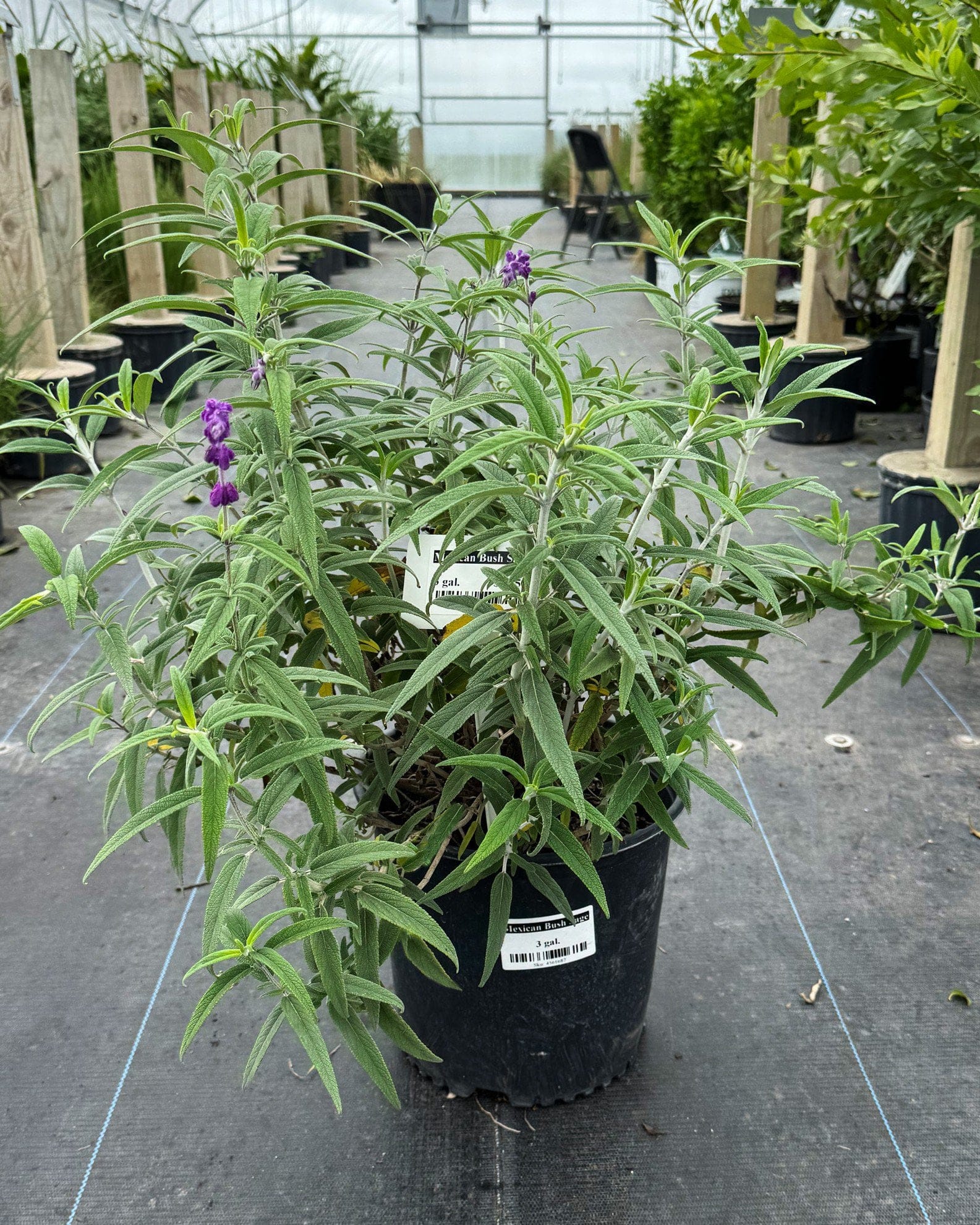
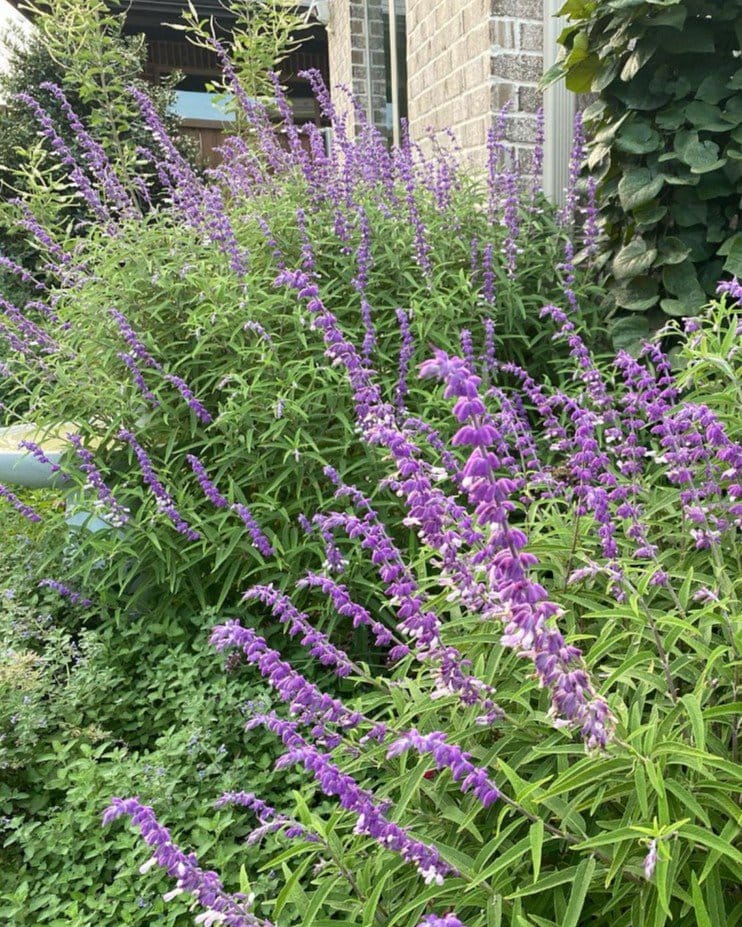
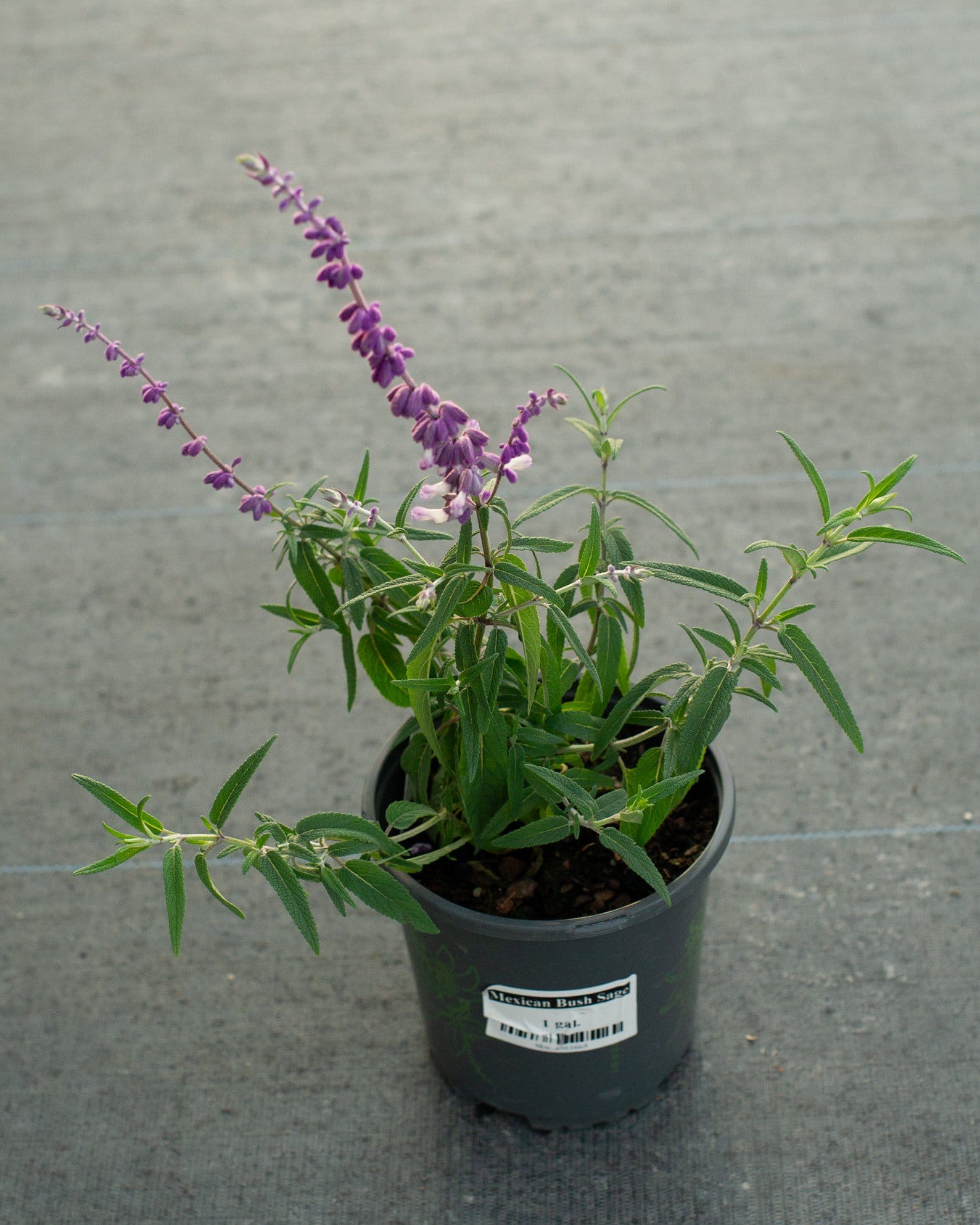
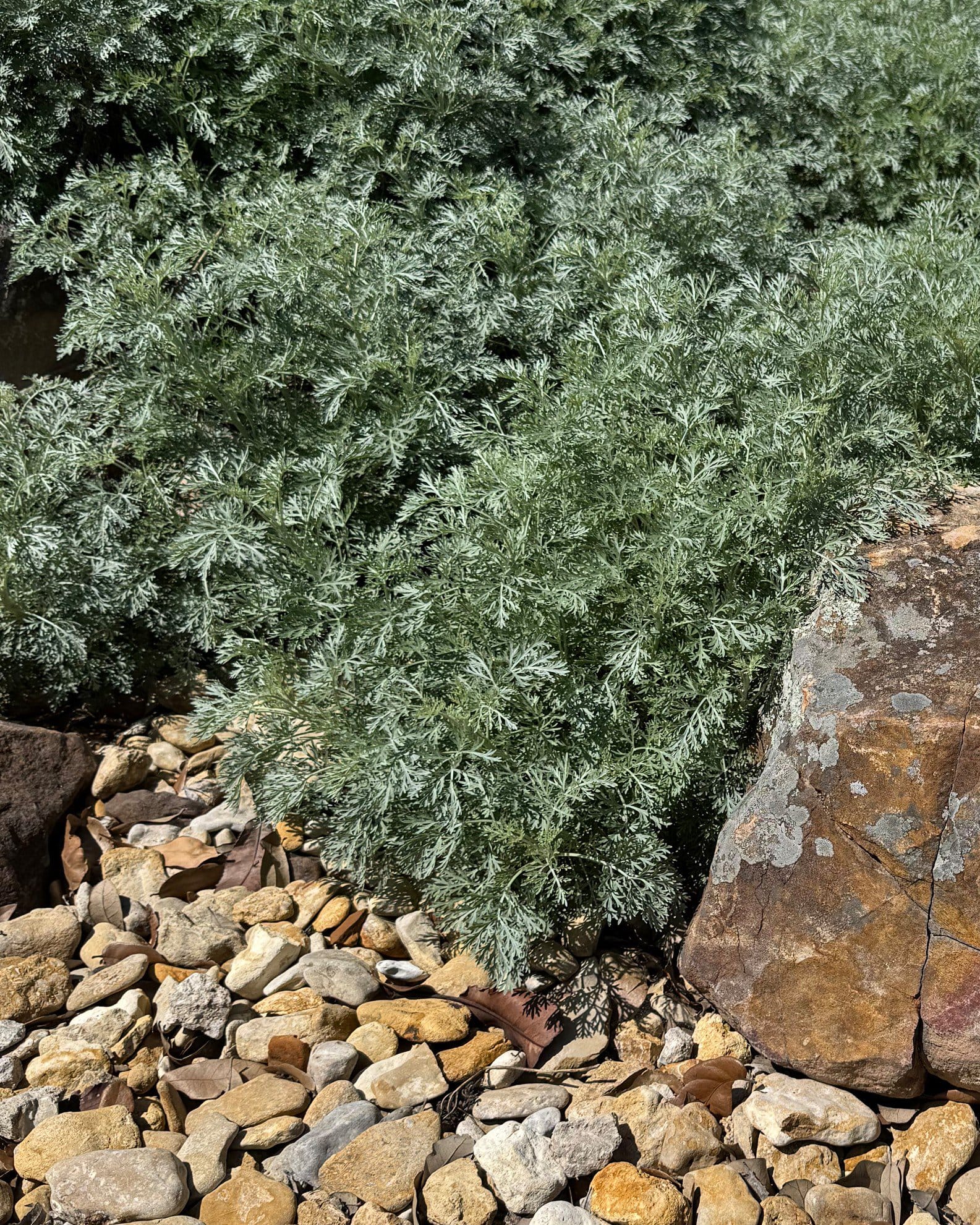
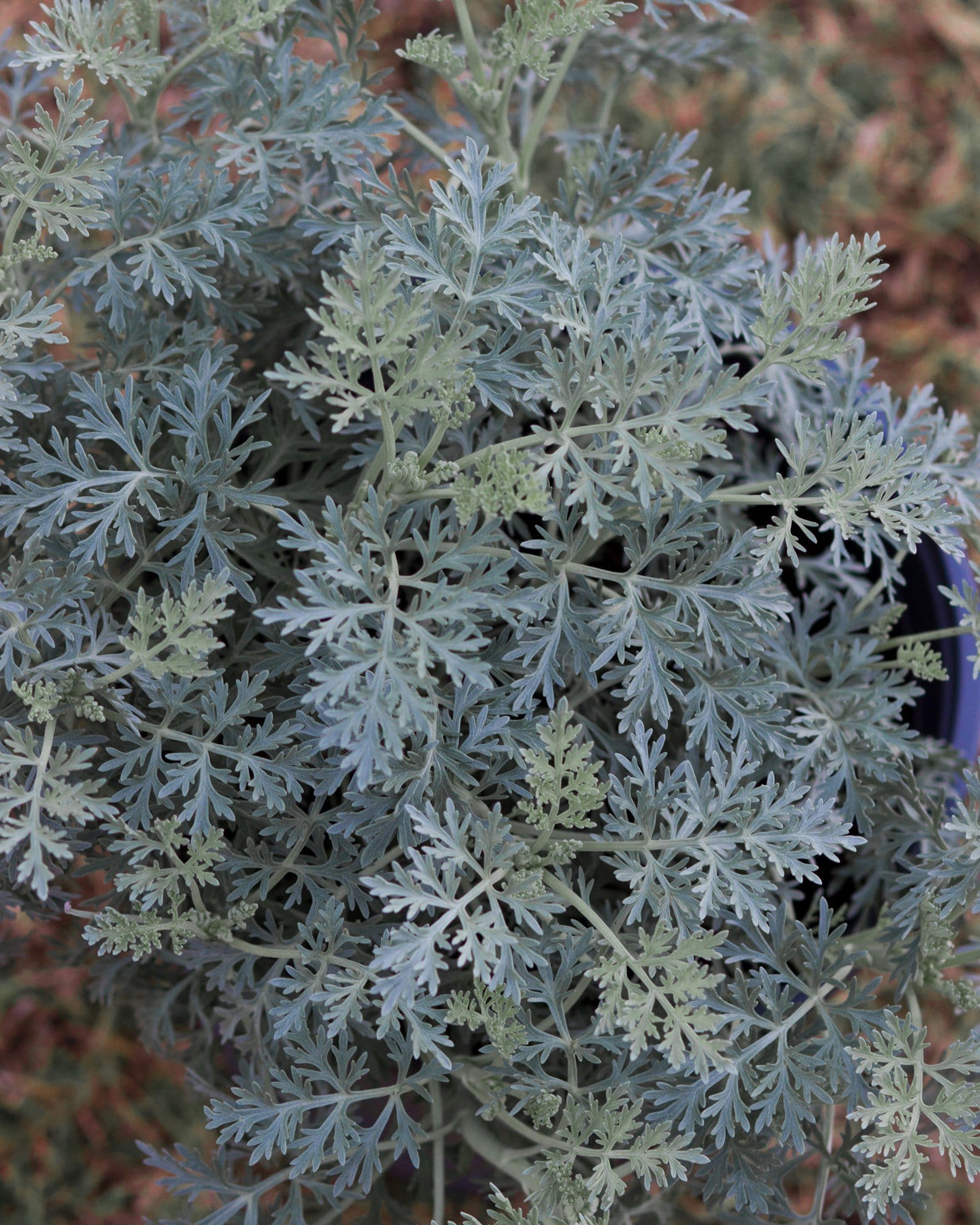
Powis Castle Artemisia
Maturity: 2' H x 3' W
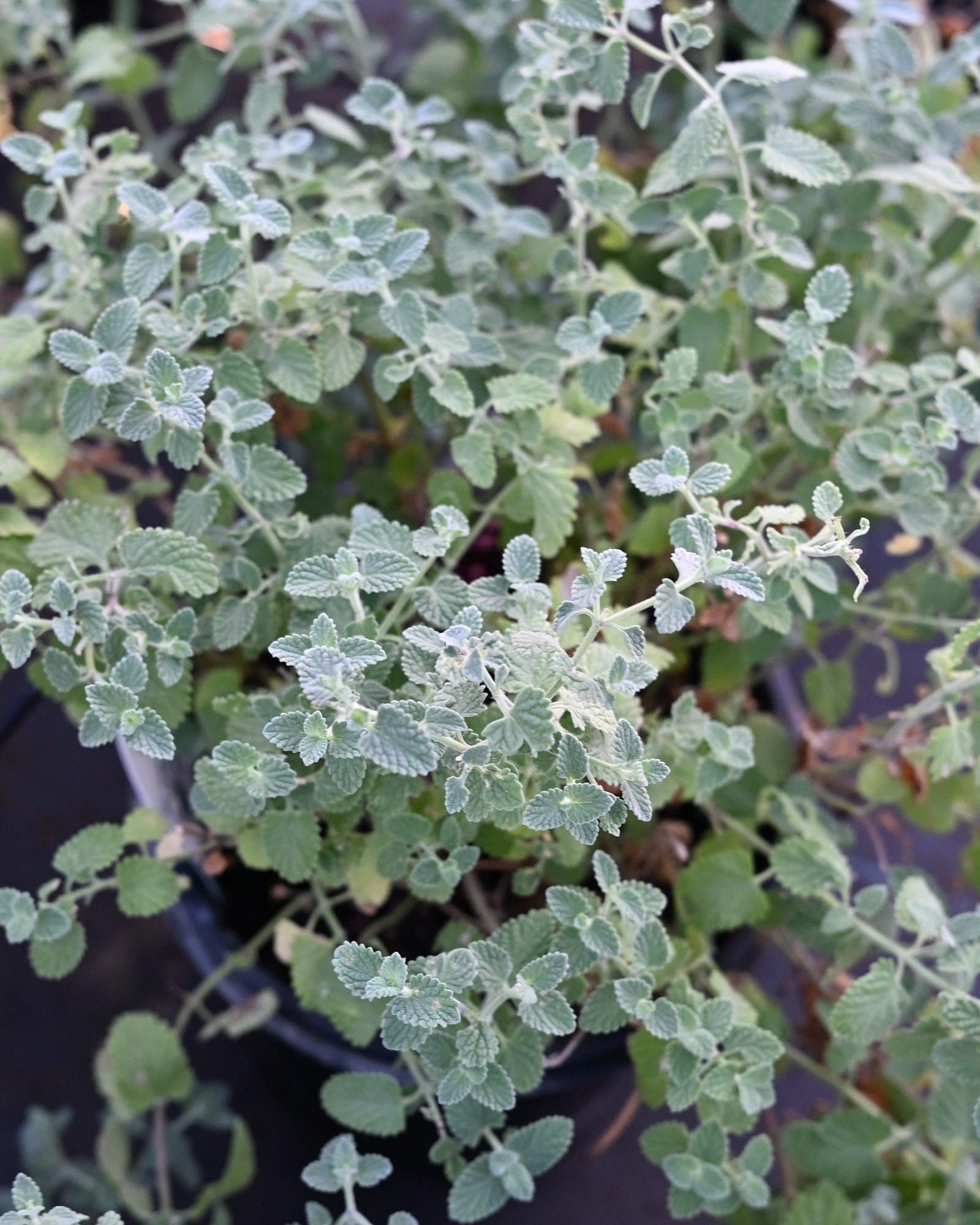
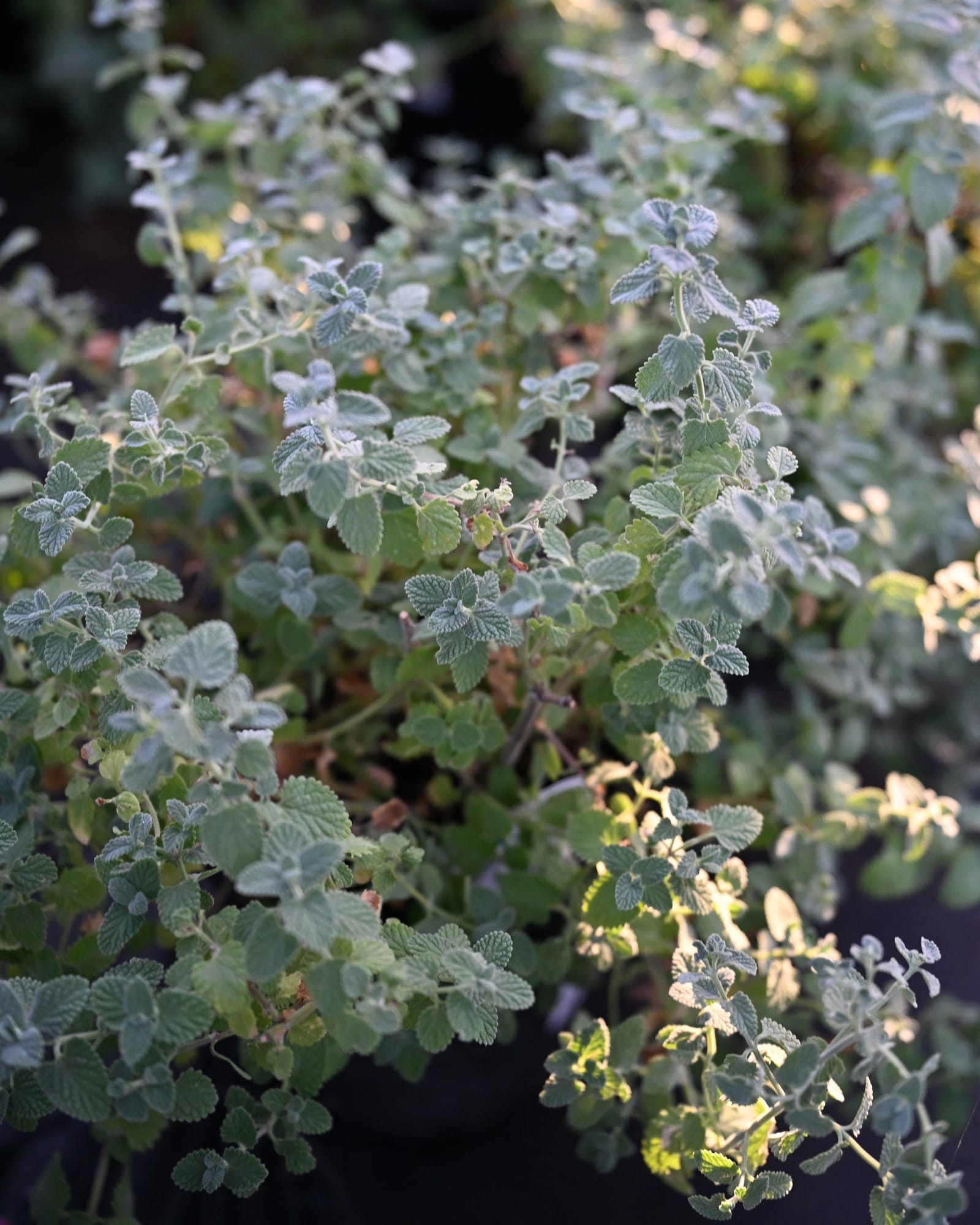
Six Hills Giant Catmint
Maturity: 2' H x 3' W
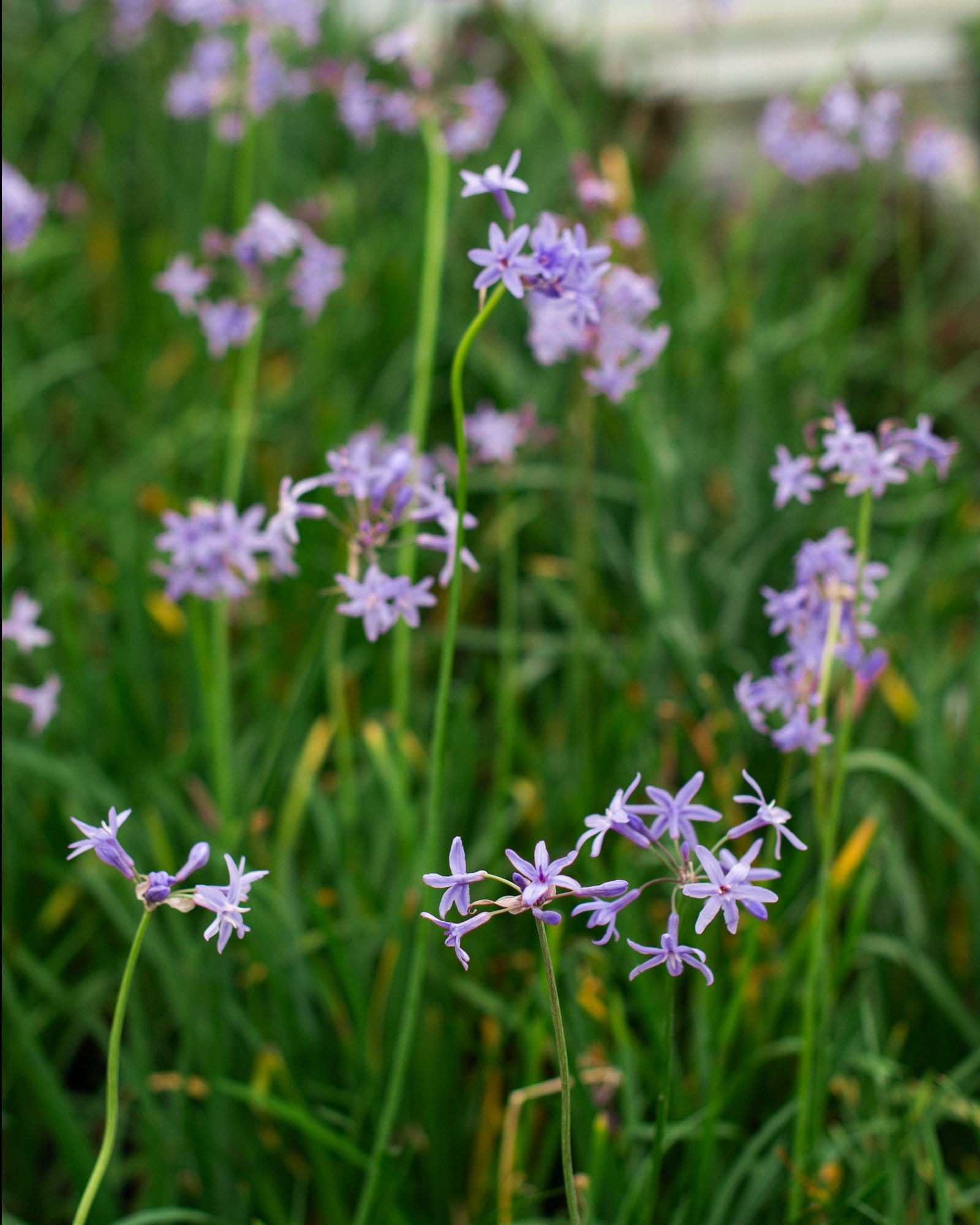
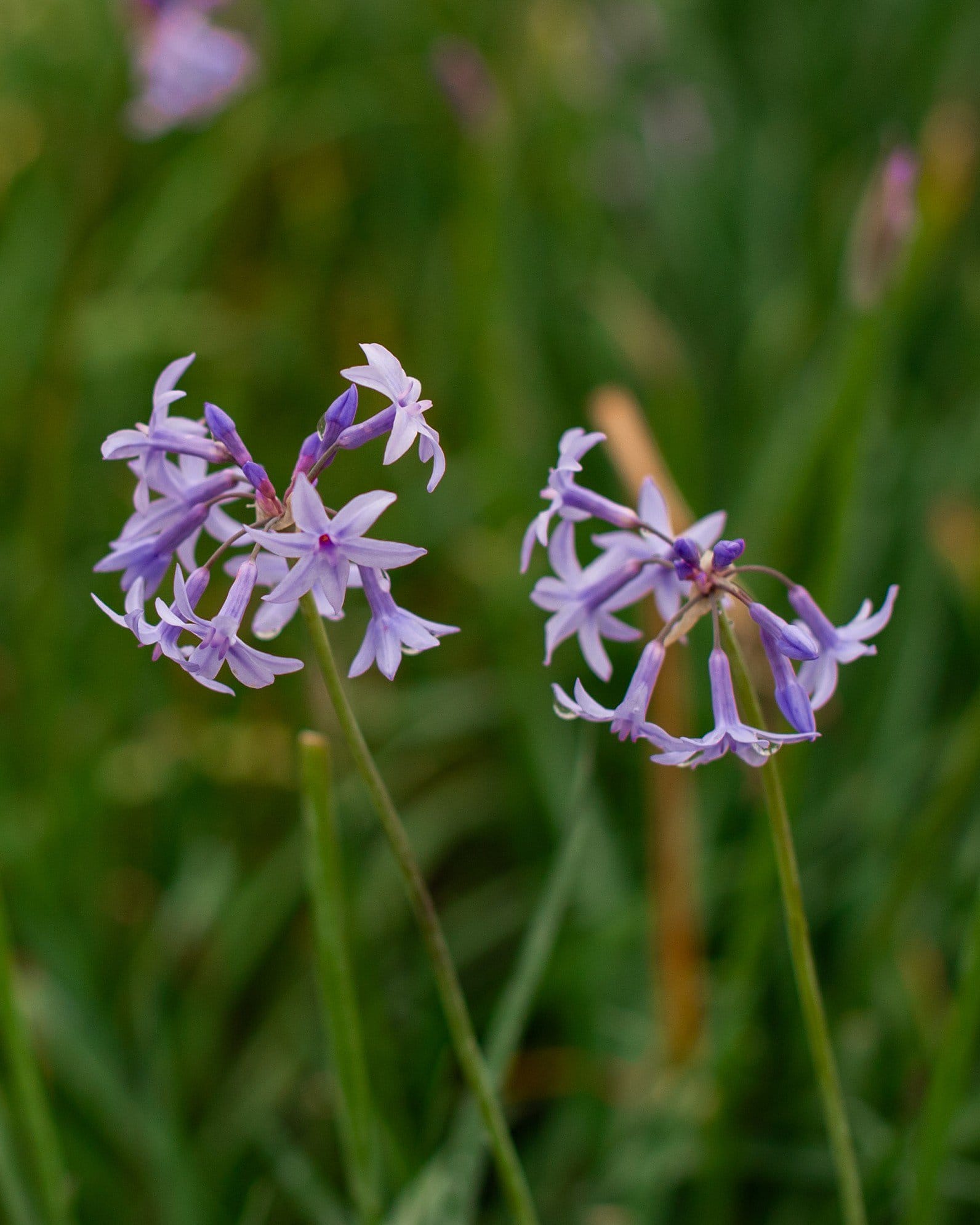
Society Garlic
Maturity: 1' H x 1' W
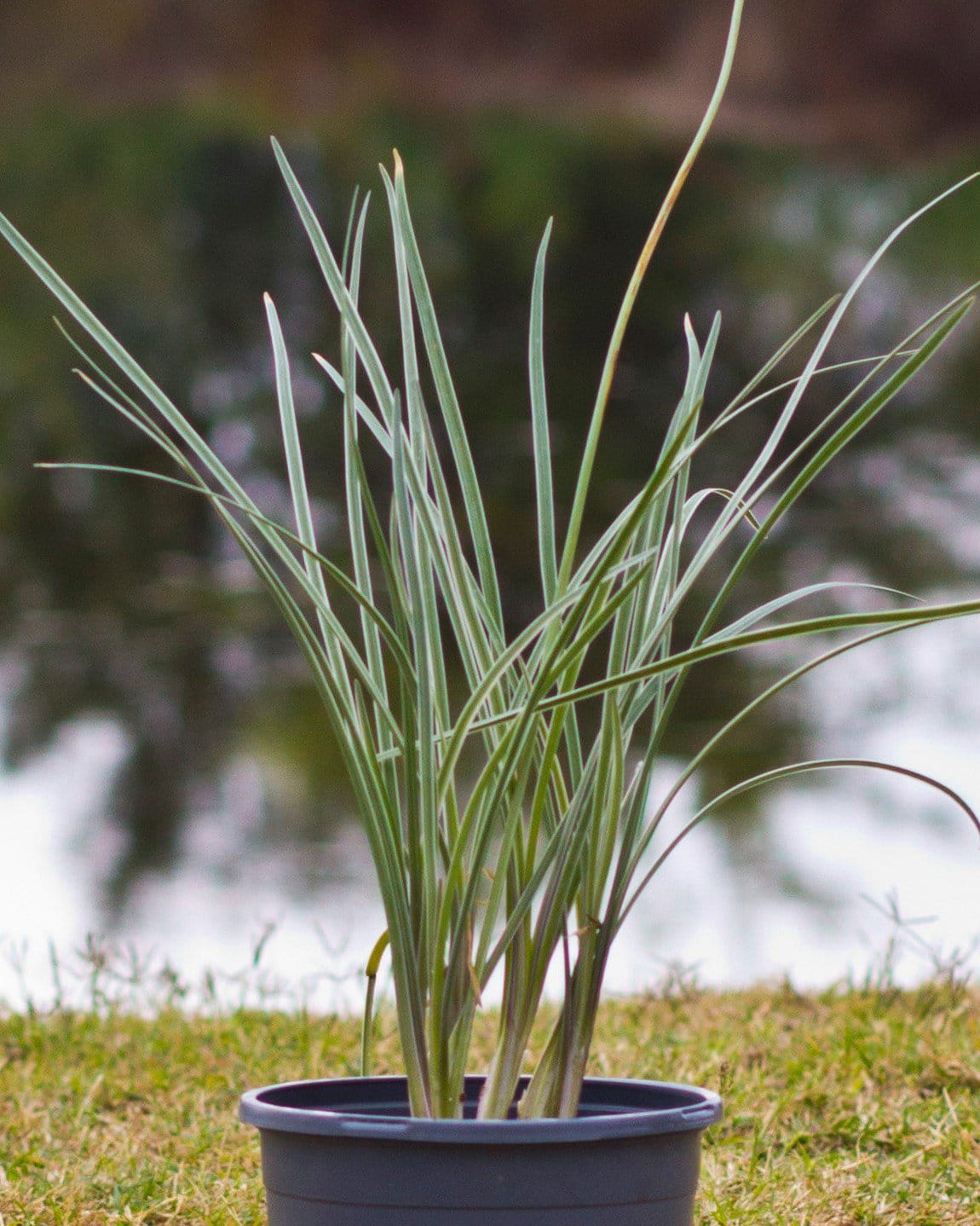
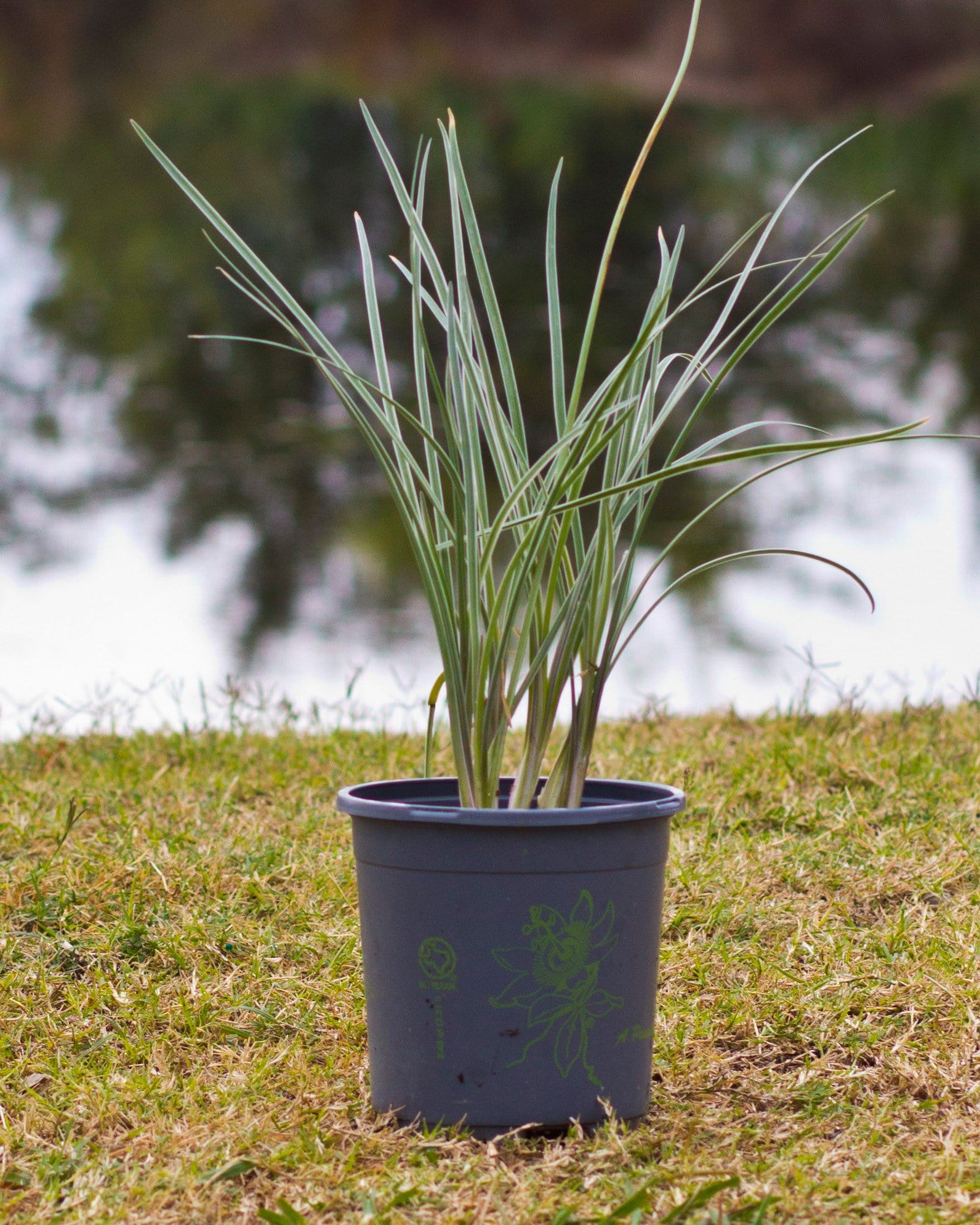
Society Garlic Silver Lace
Maturity: 1' H x 1' W
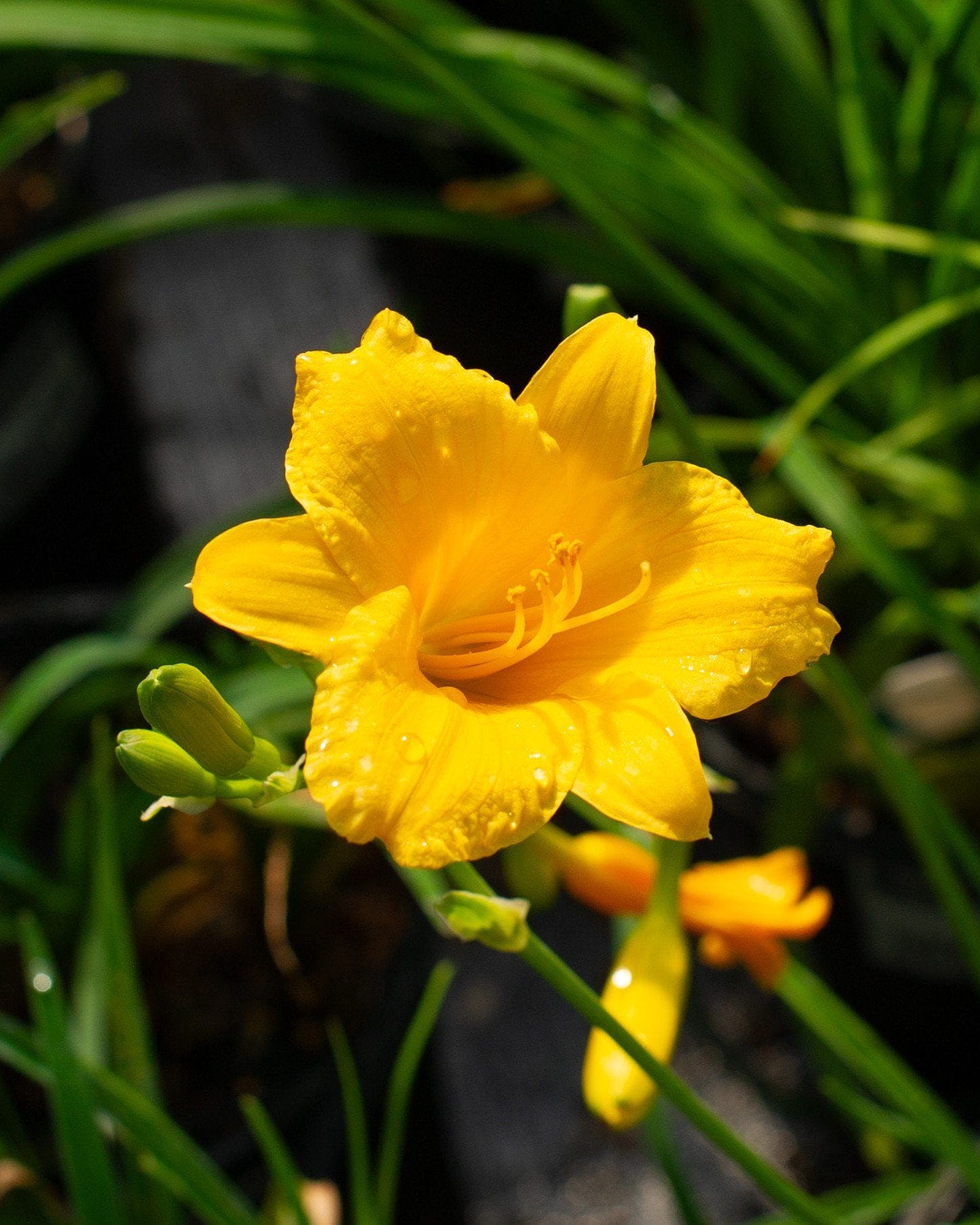
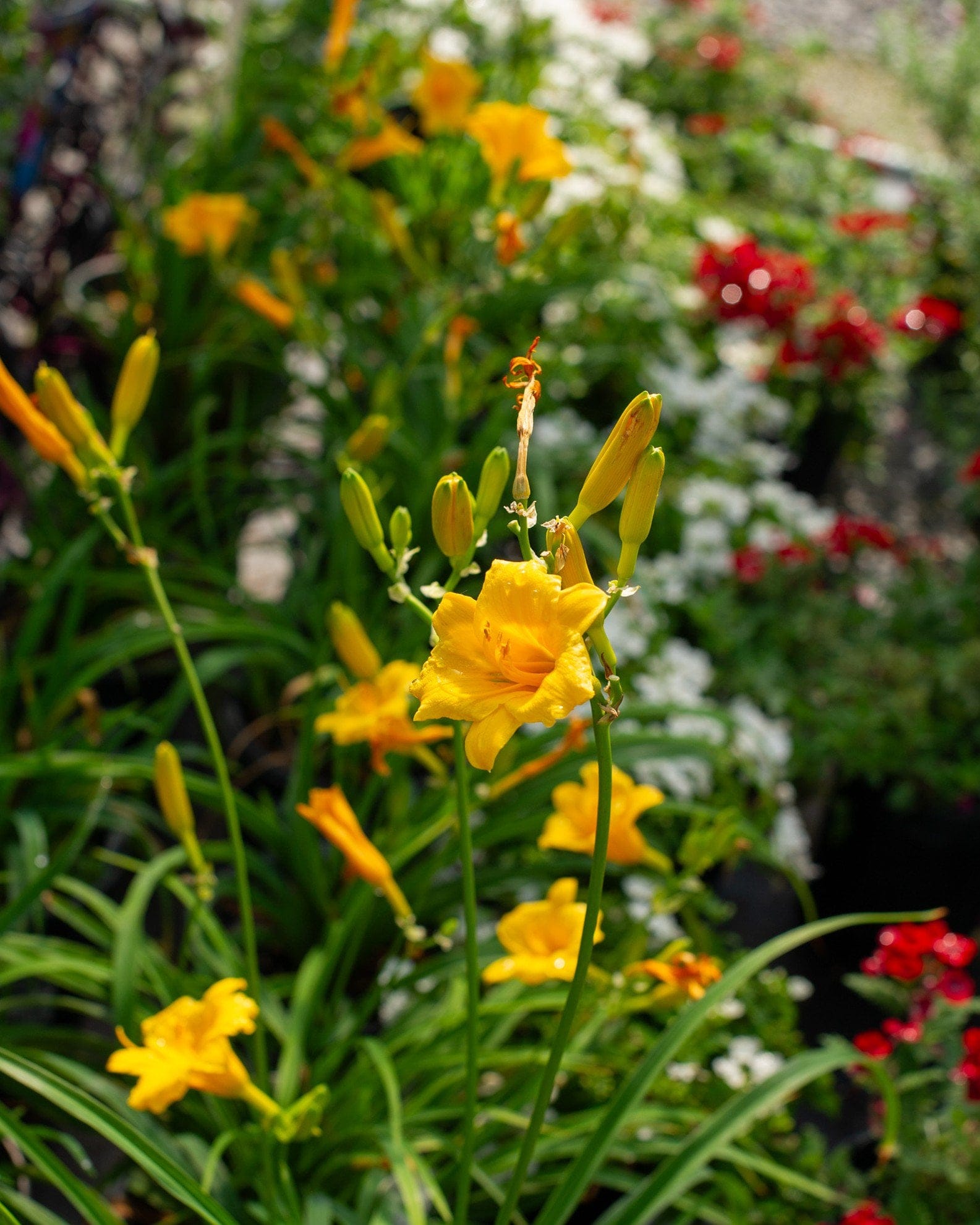
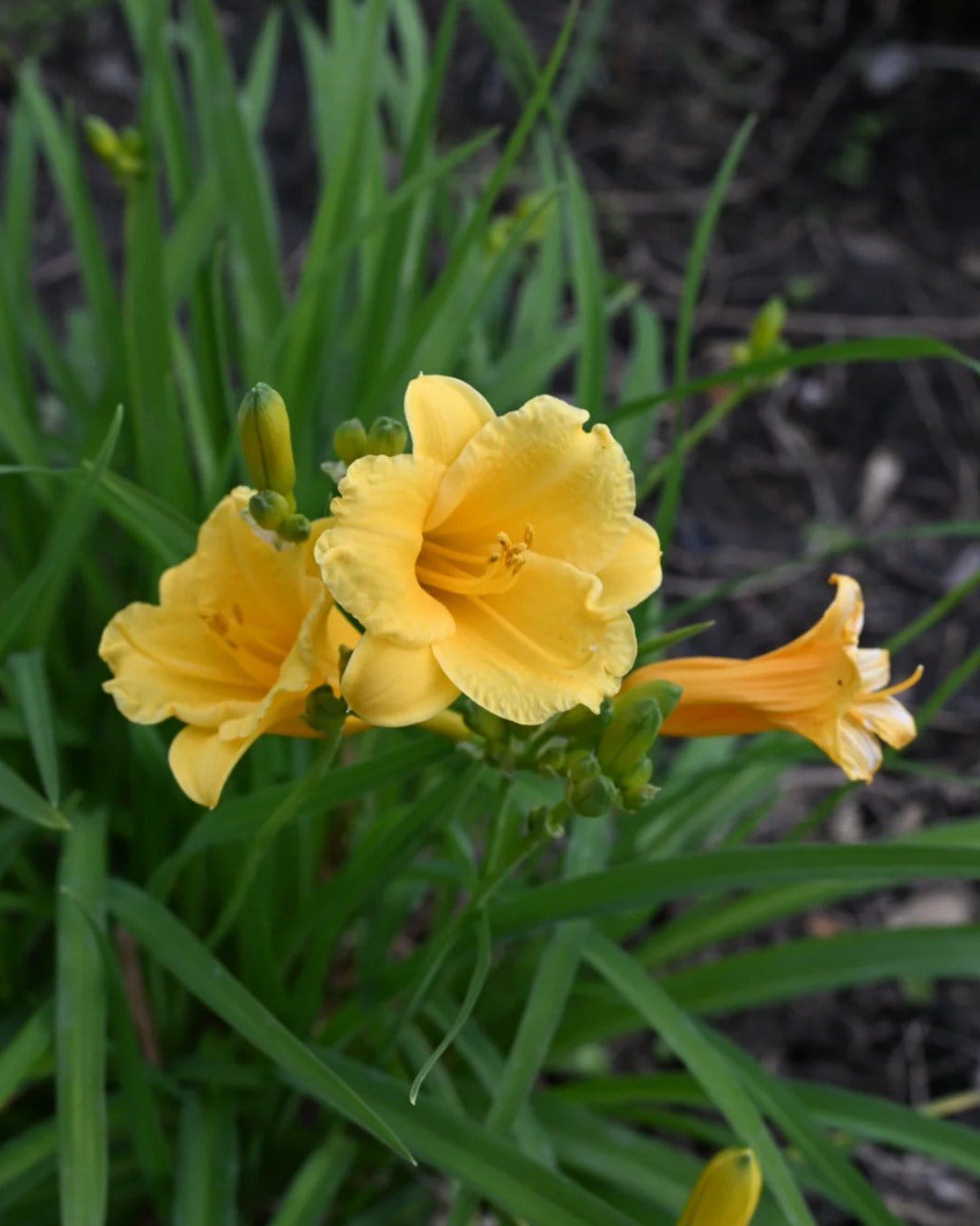
Stella D'Oro Daylily
Maturity: 1.5' H x 1.5' W
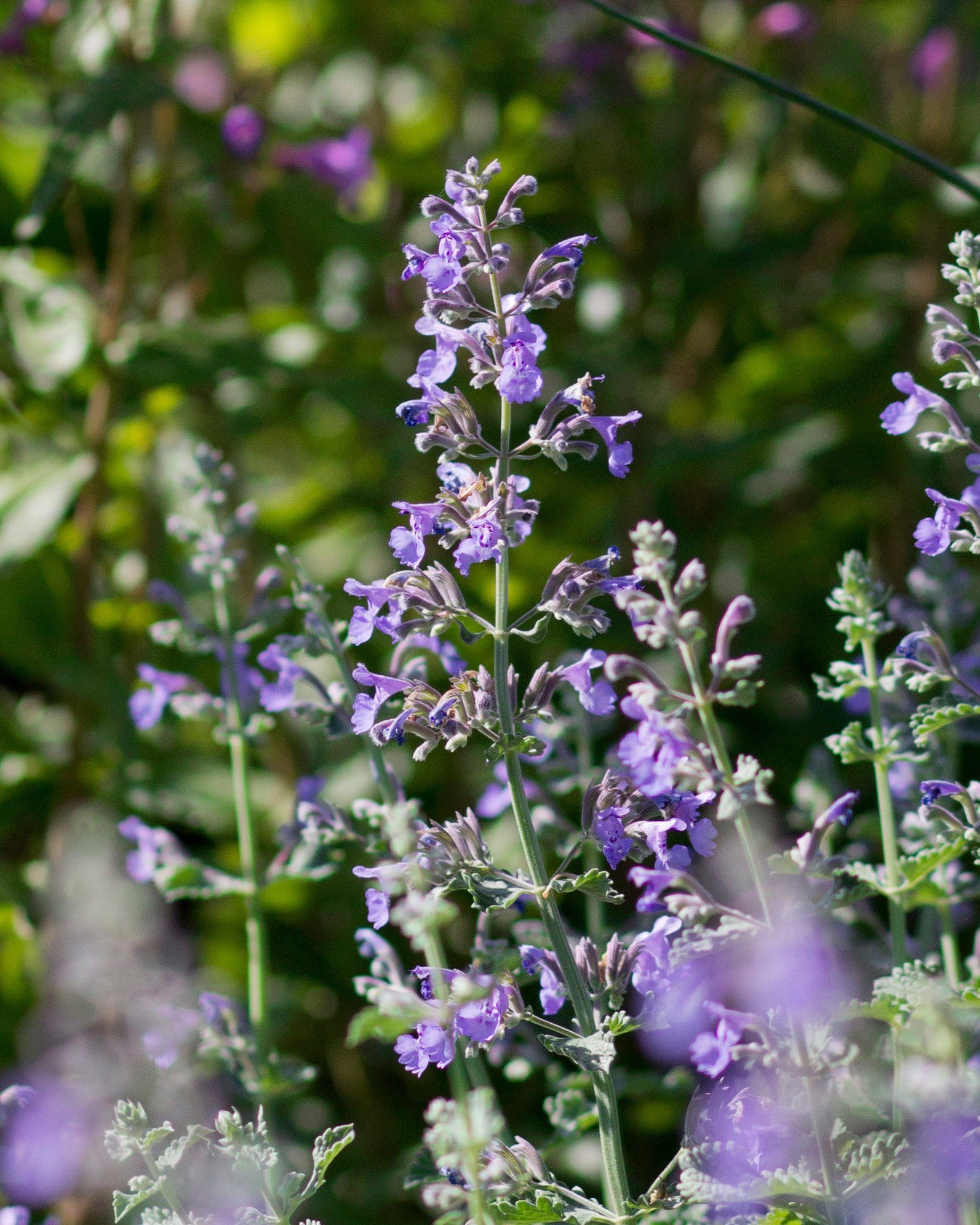
Walker's Low Catmint
Maturity: 2' H x 3' W
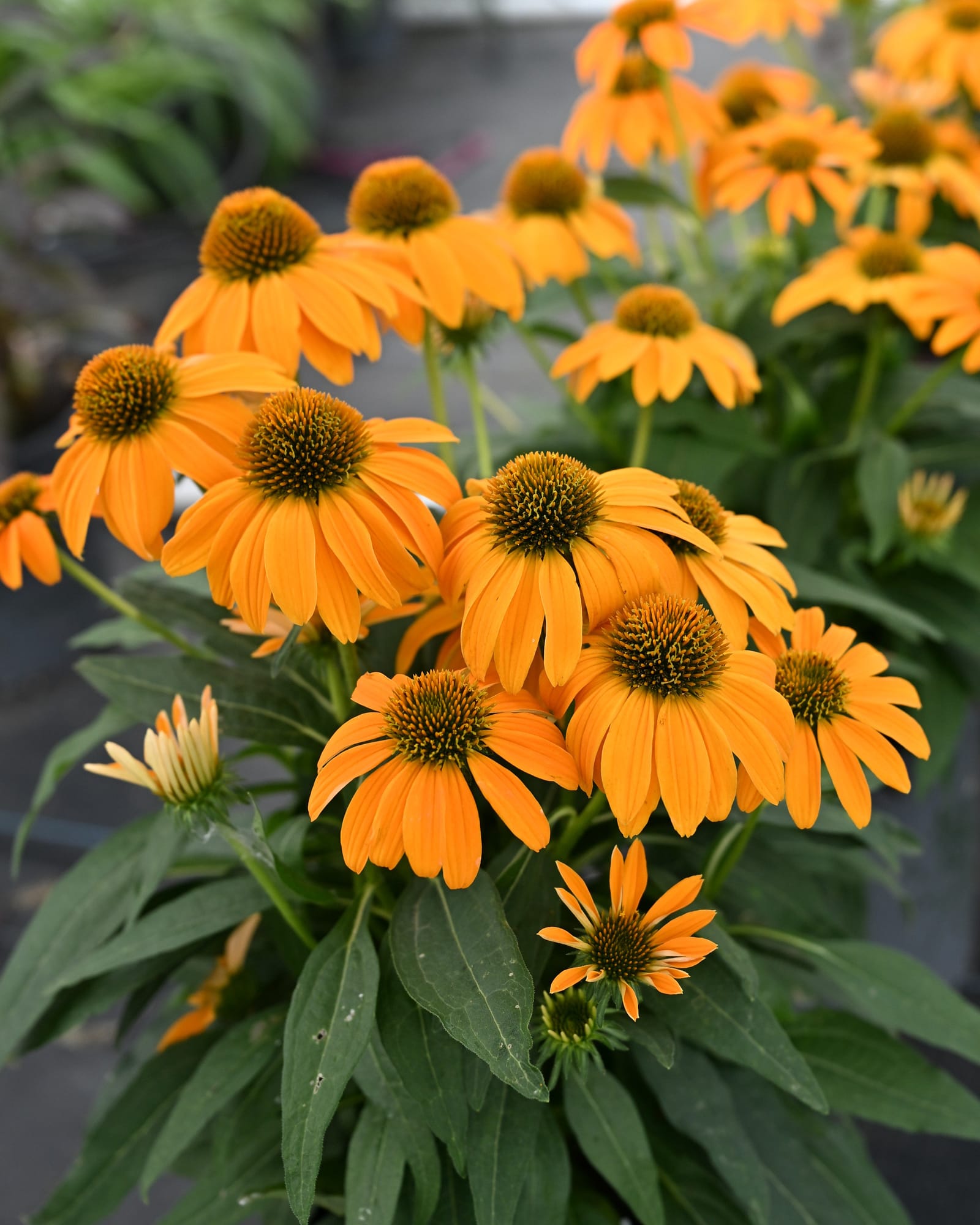
Guatemala Gold Coneflower
Maturity: 0.75' H x 0.75' W
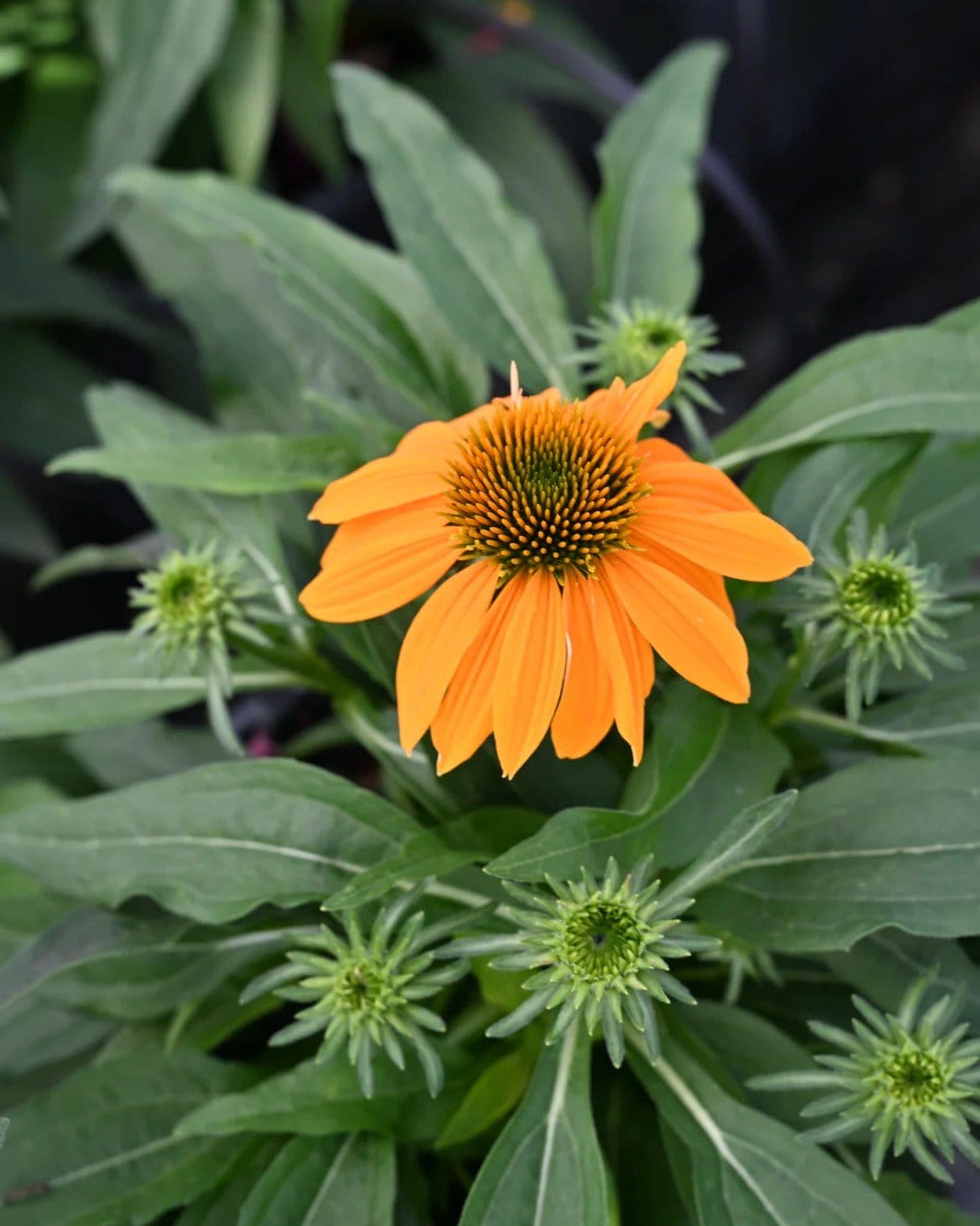
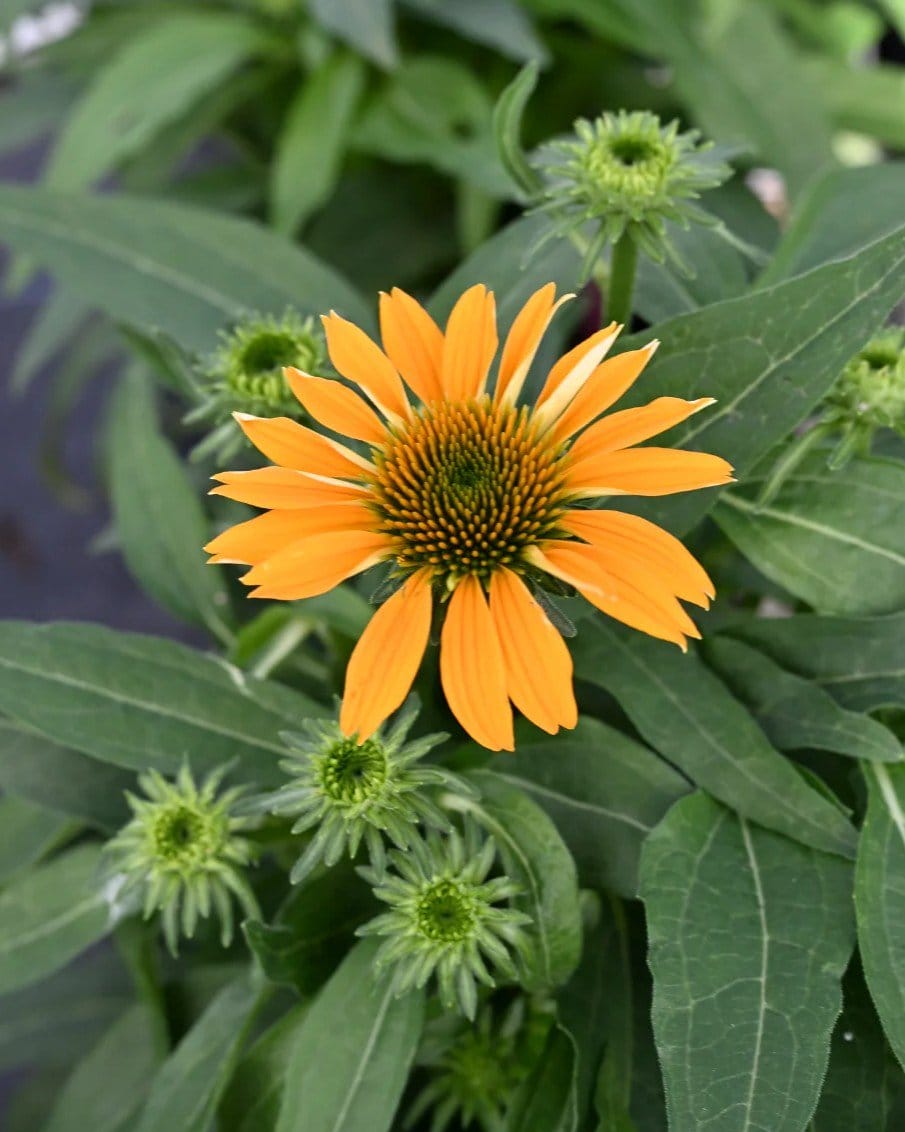
Panama Red Coneflower
Maturity: 1' H x 1' W
Compare Similar Plants
Sombrero Sangrita Coneflower This plant | ||
|---|---|---|
| Scientific Name | Echinacea x 'Balsomanita' | Tagetes lucida |
| Size at Maturity | 2' H x 2' W | 1' H x 1' W |
| Leaf Retention | Herbaceous | Herbaceous |
| Flower Color | Red | Yellow |
| Bloom Times | Spring & Summer | Spring, Summer & Fall |
| Sizes Available | — | 1 gal |


Our 1-Year Planting Guarantee
We take pride in our plants and installation services. If any plants or trees installed by Treeland fail to thrive within the first year, we'll provide a replacement credit in accordance with our guarantee program.
Learn More About Our Guarantee