
Purple Fountain Grass
Pennisetum setaceum 'Rubrum'Local DFW Delivery Only
Product Details
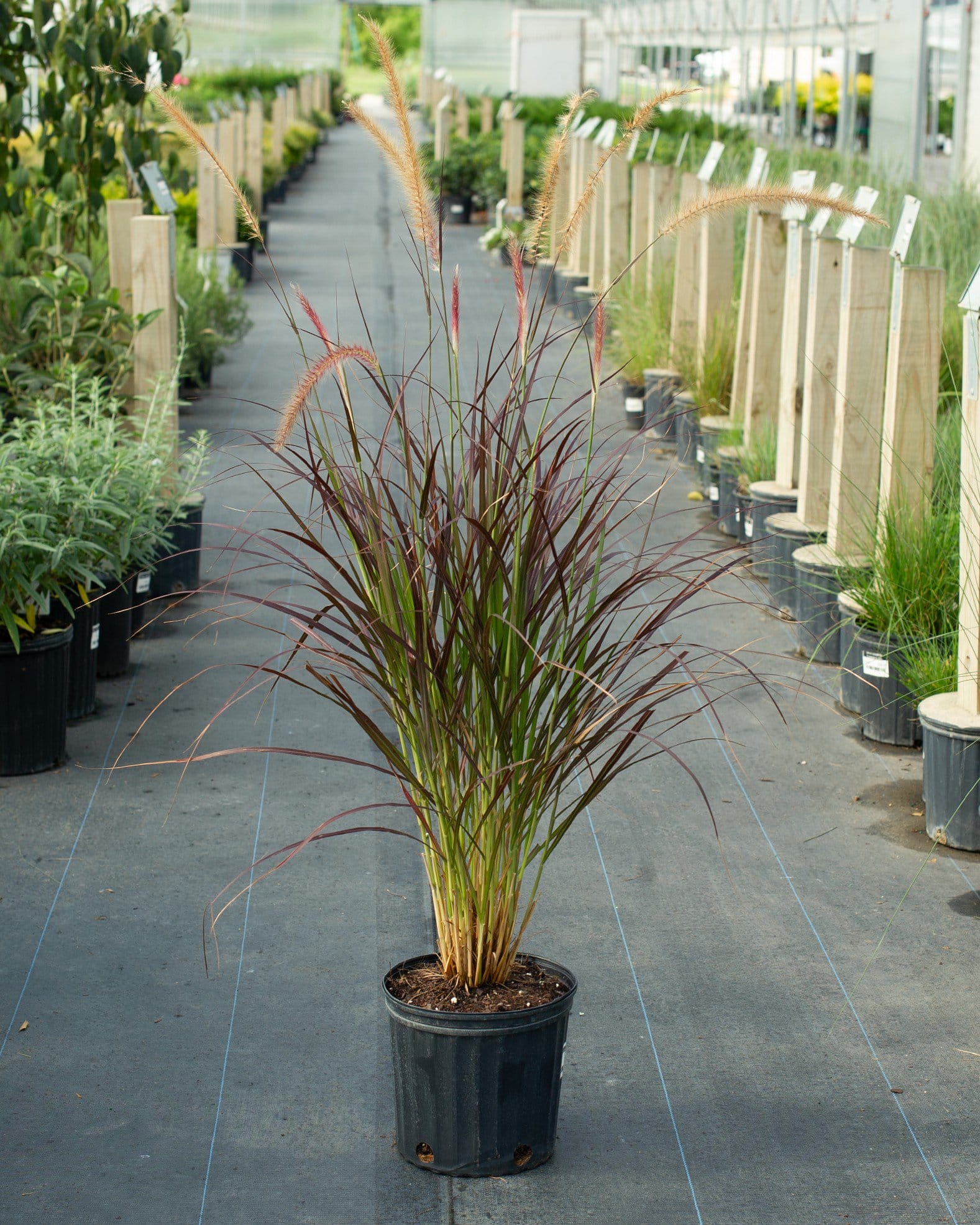
Purple Fountain Grass
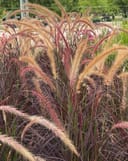
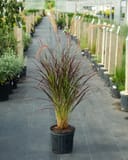
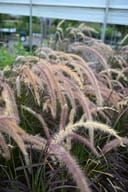
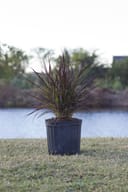
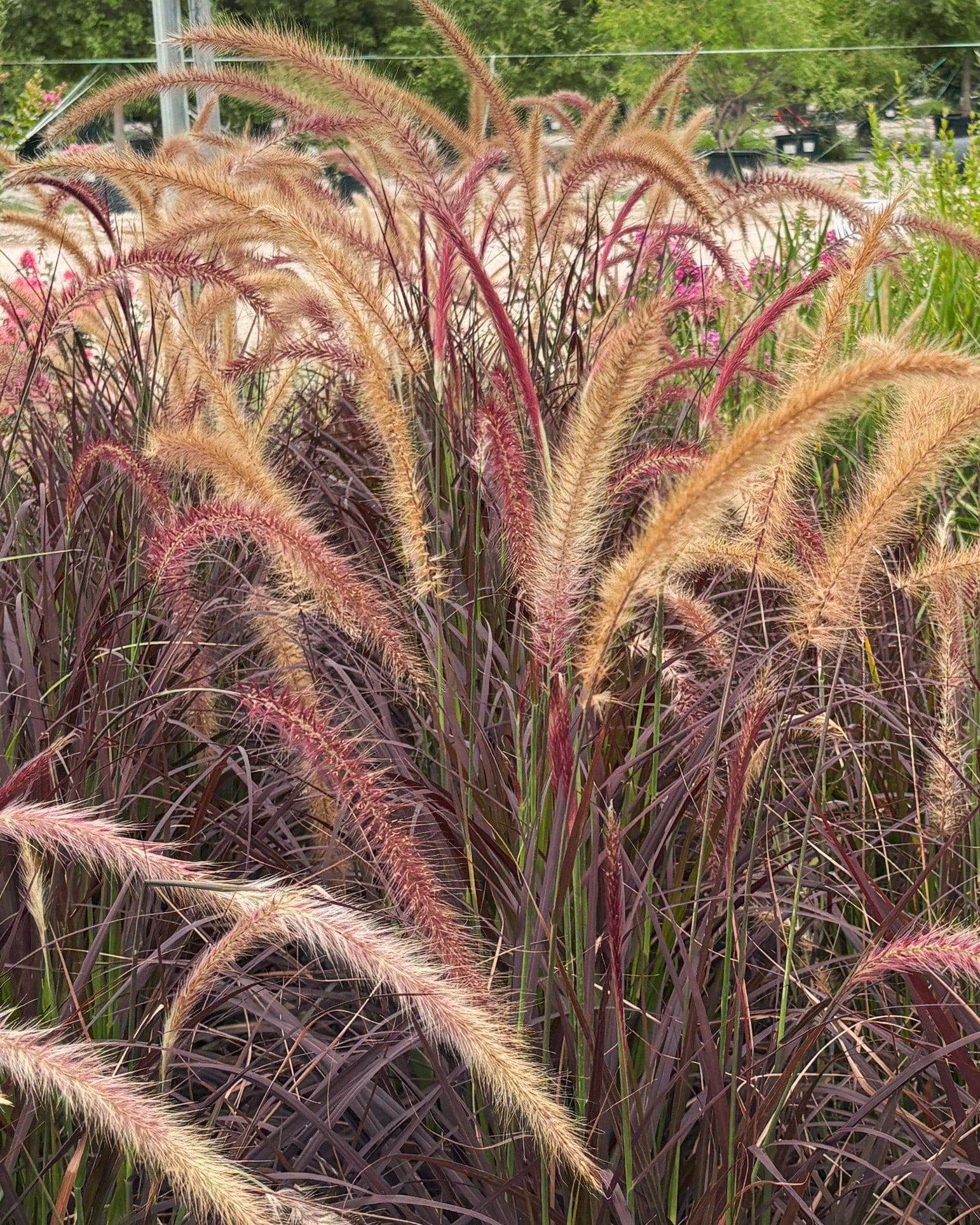
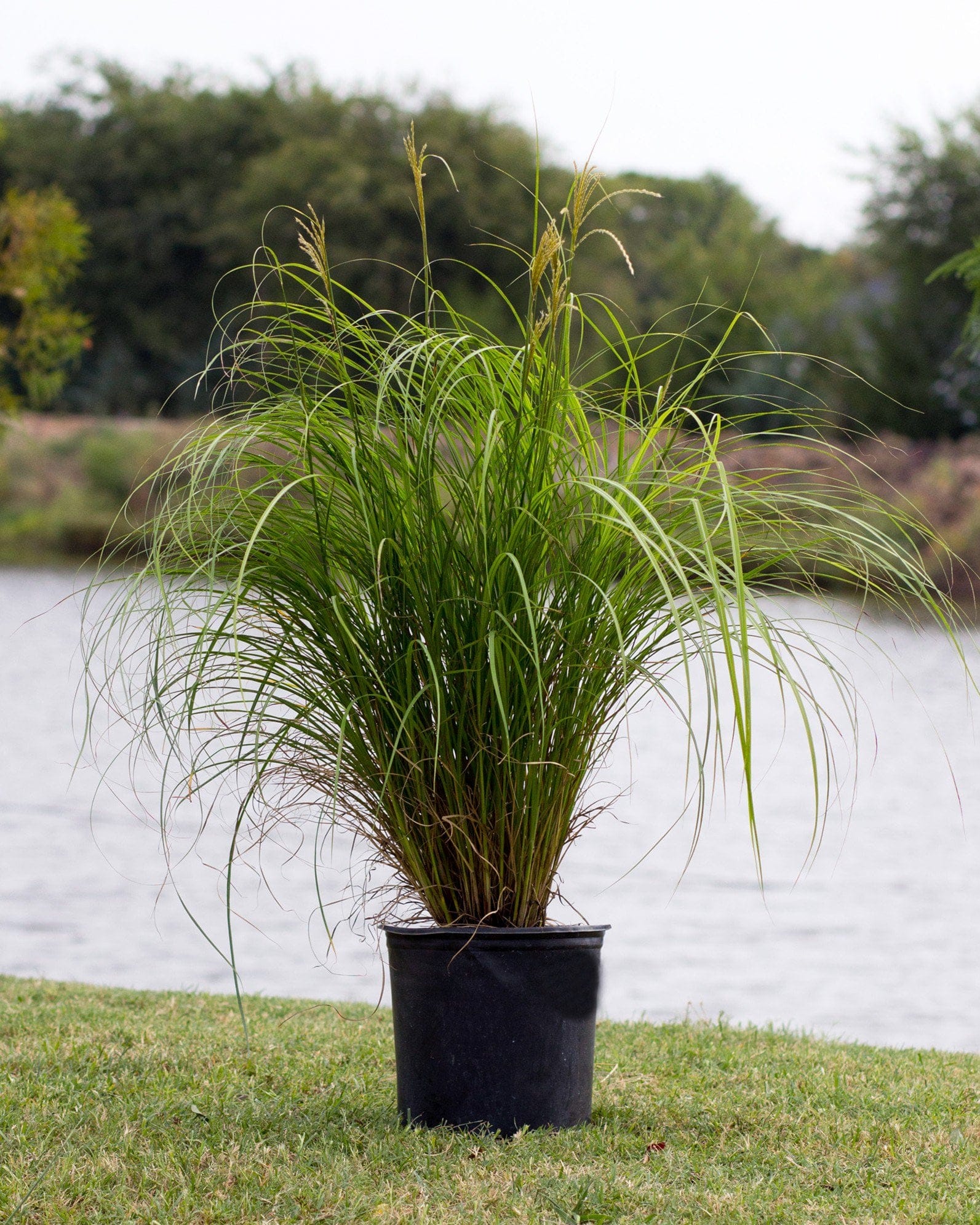
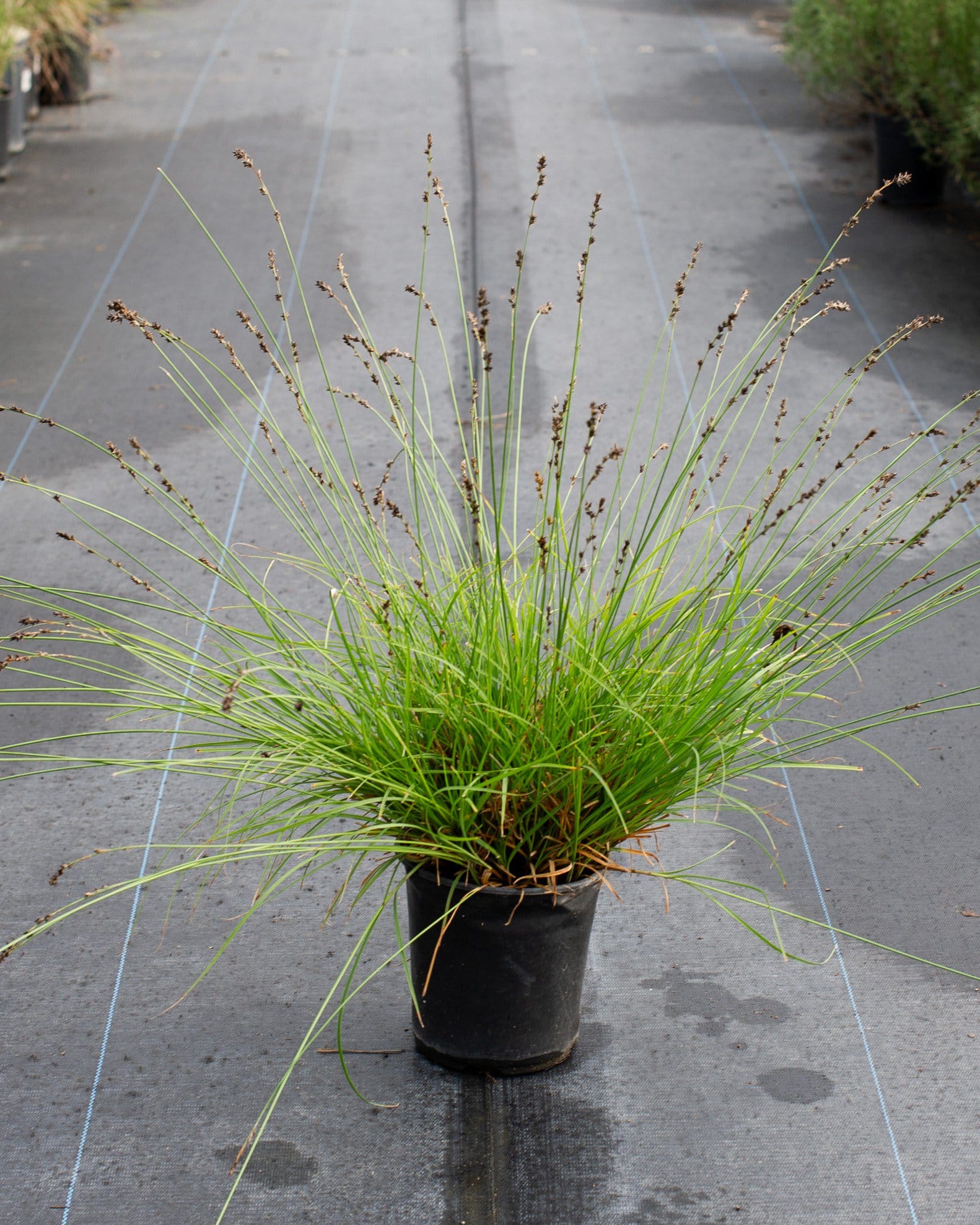
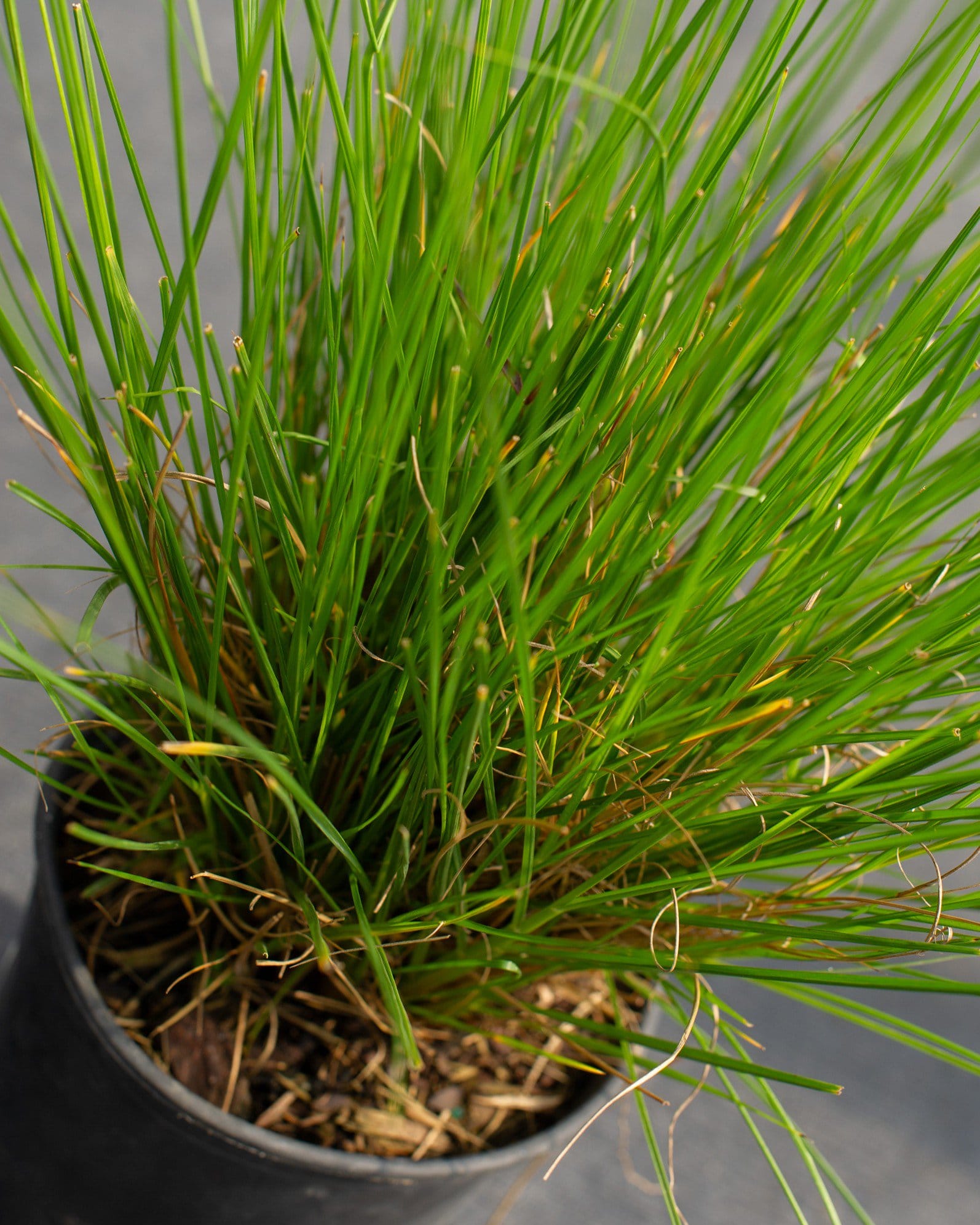
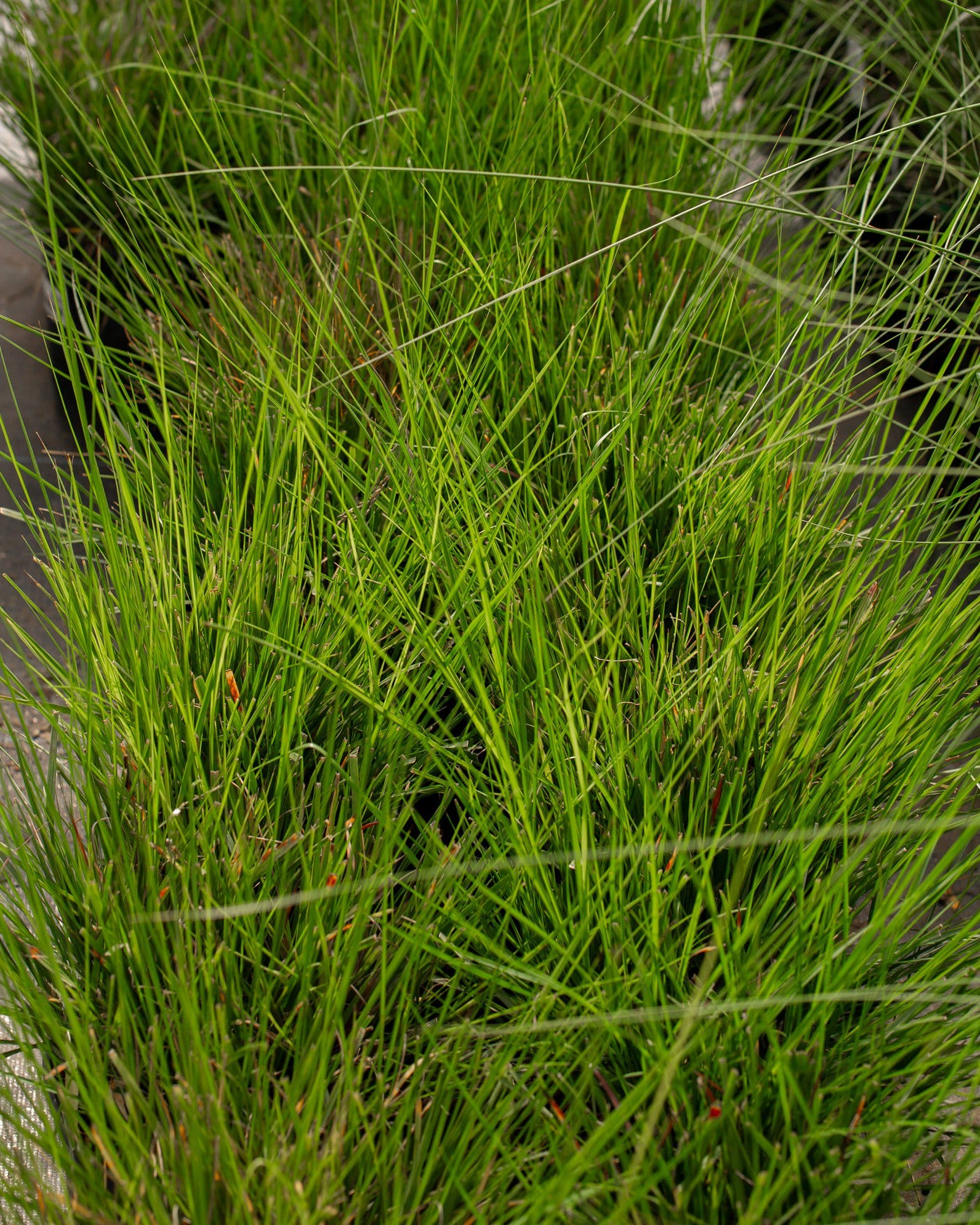
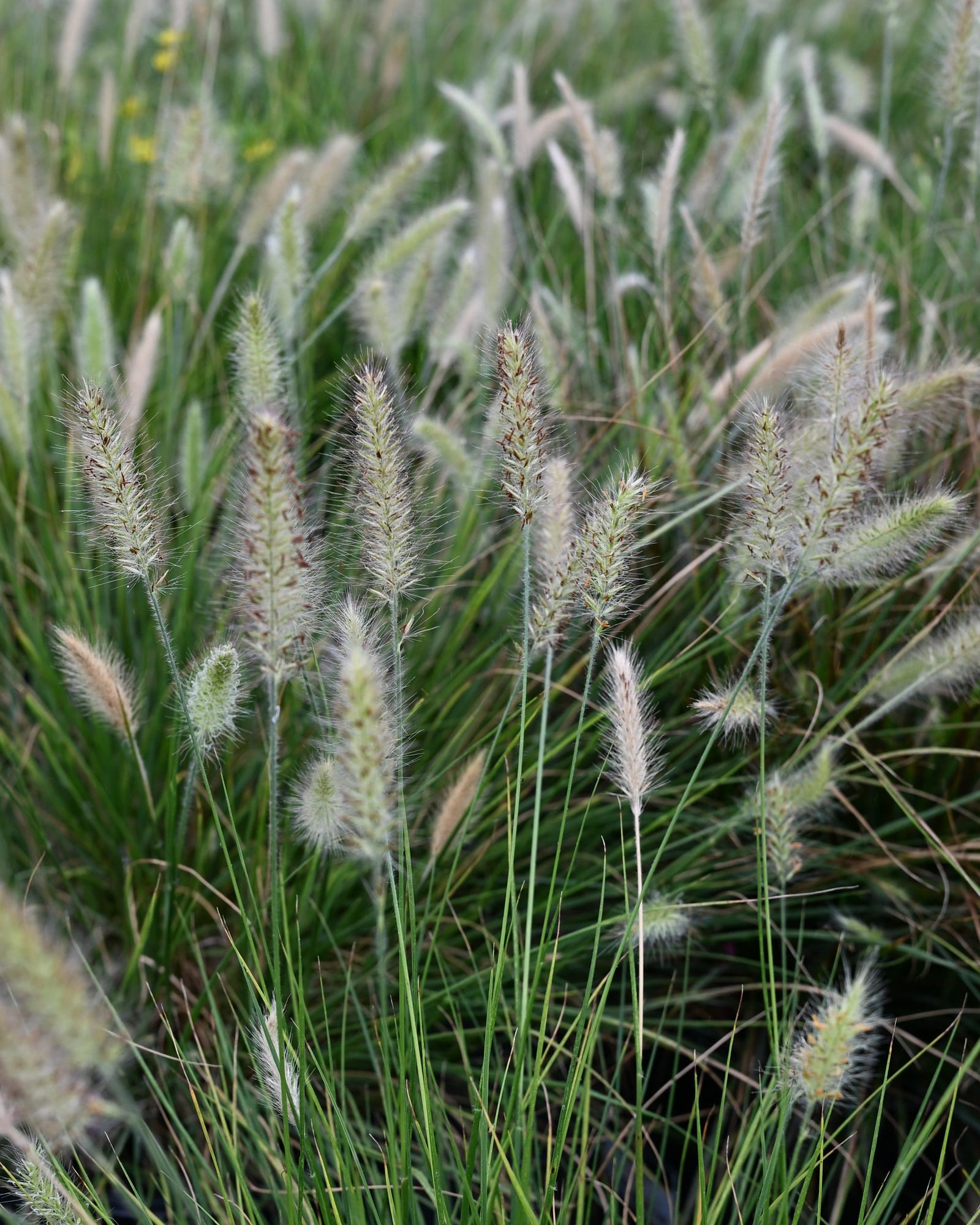
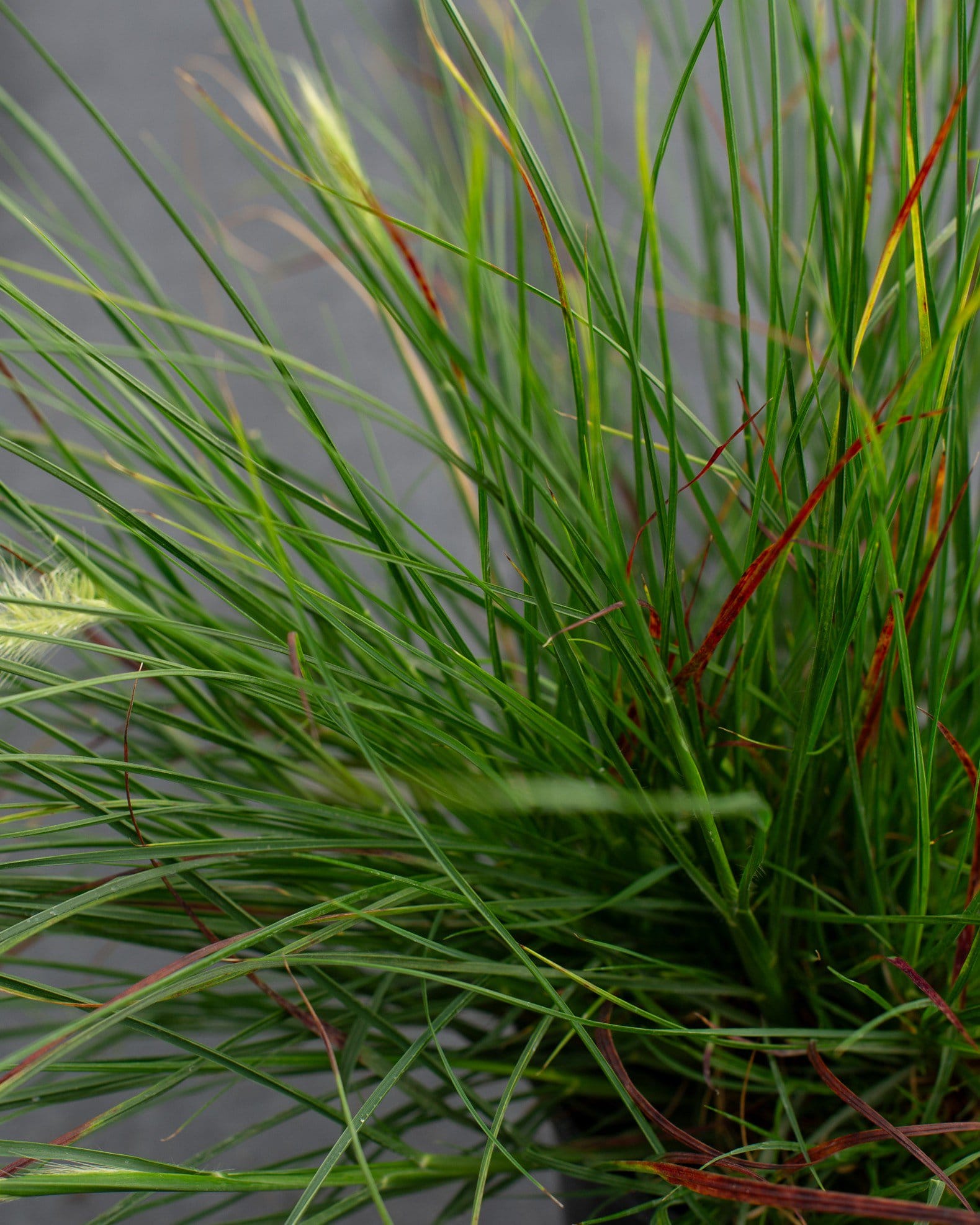
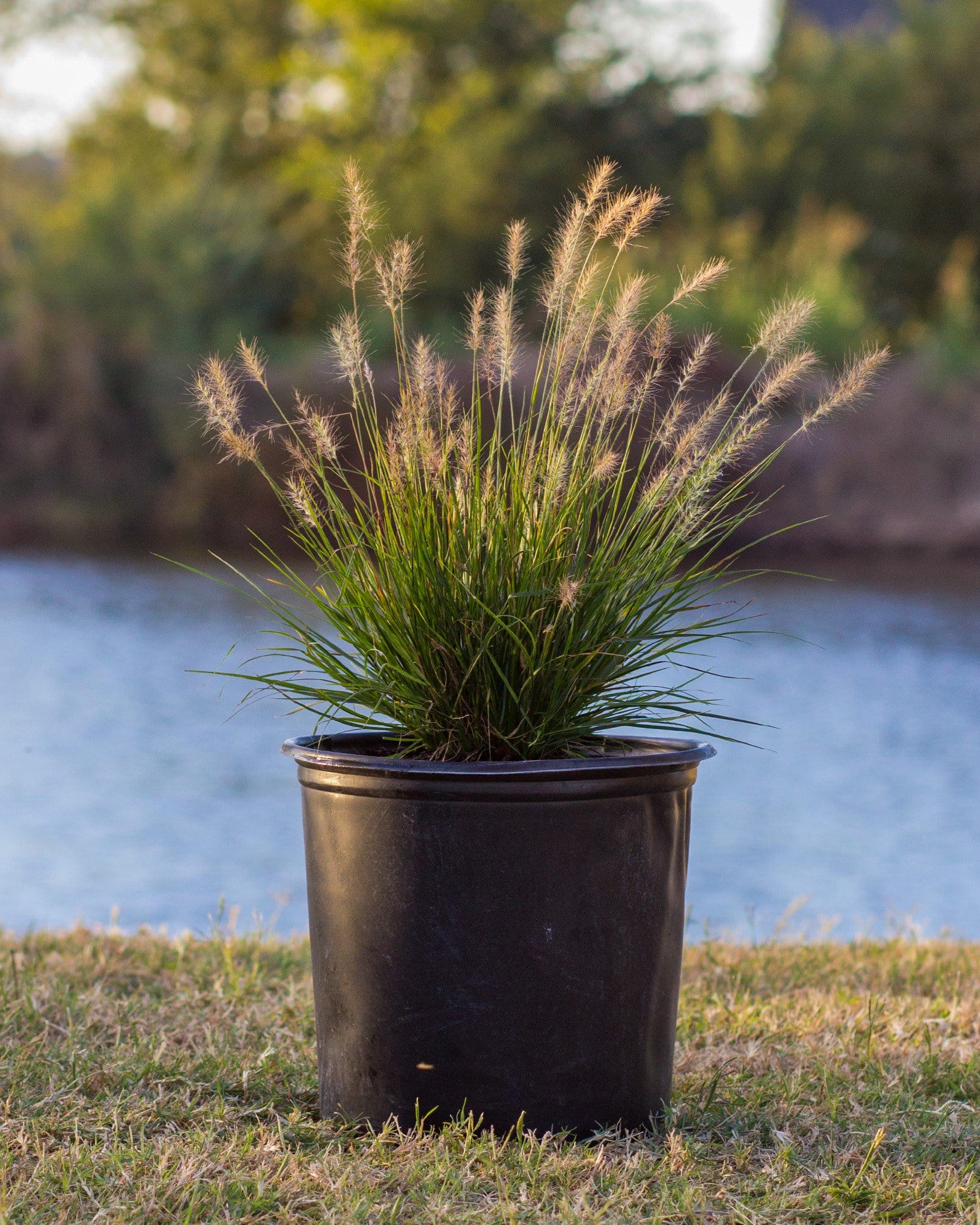
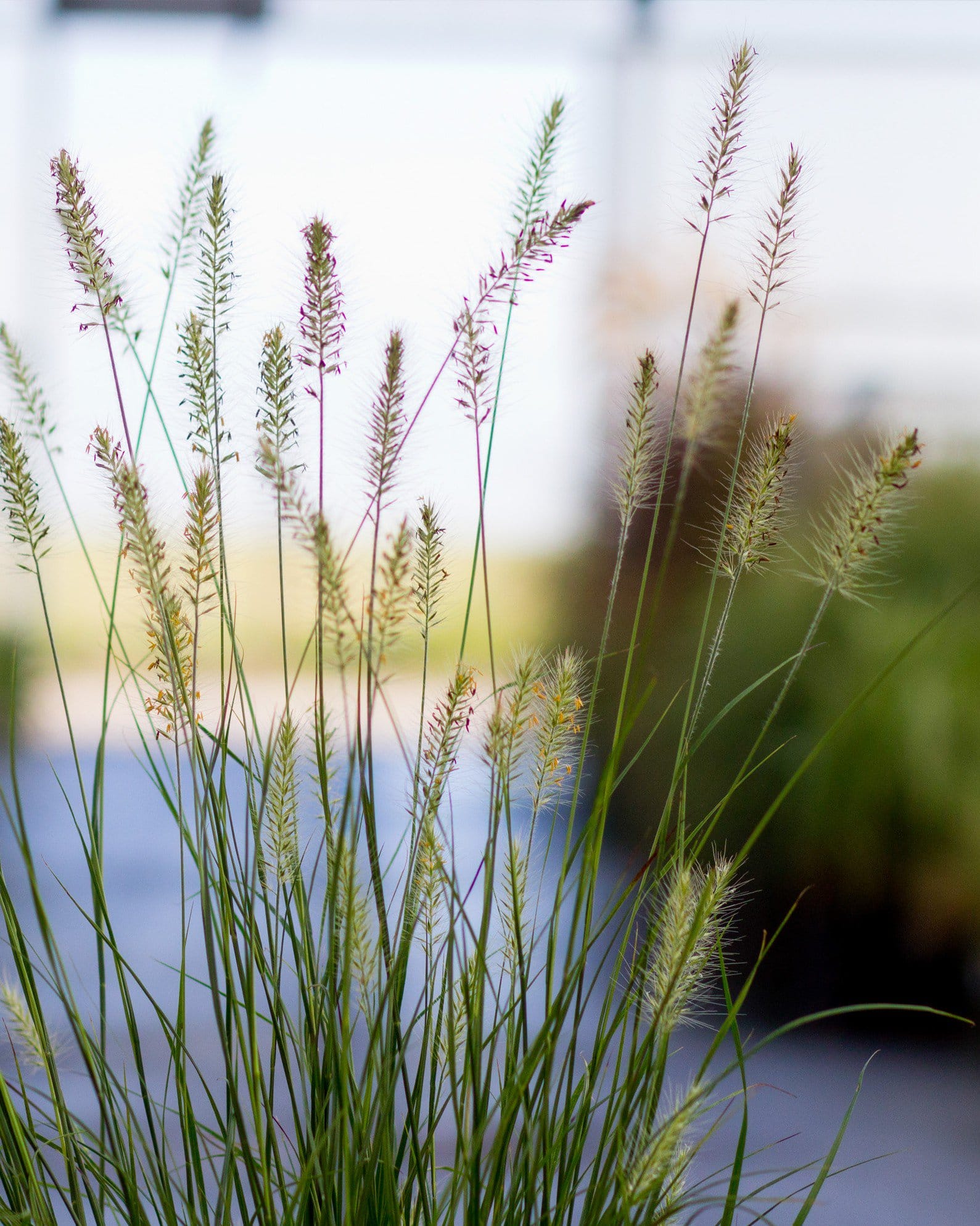
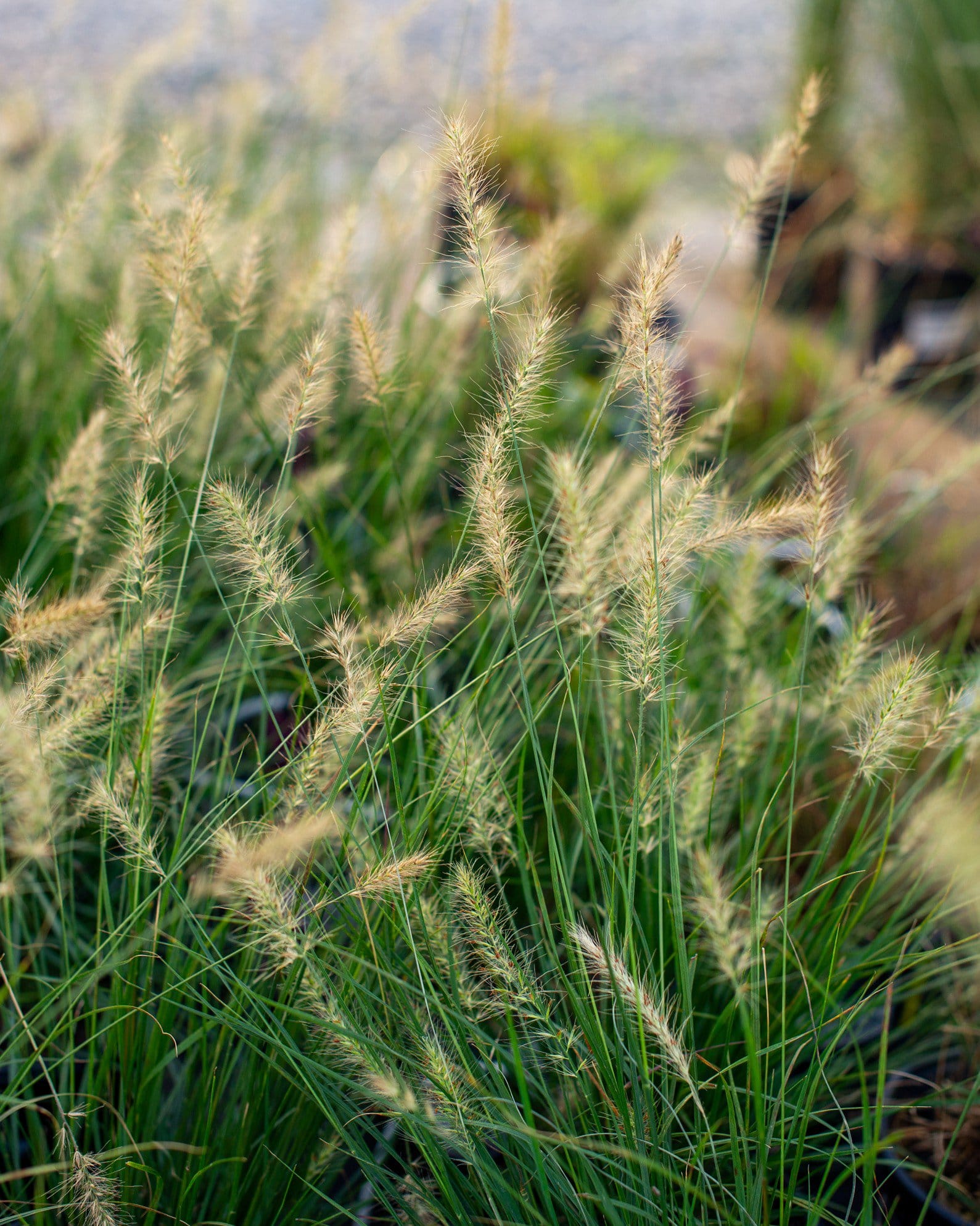
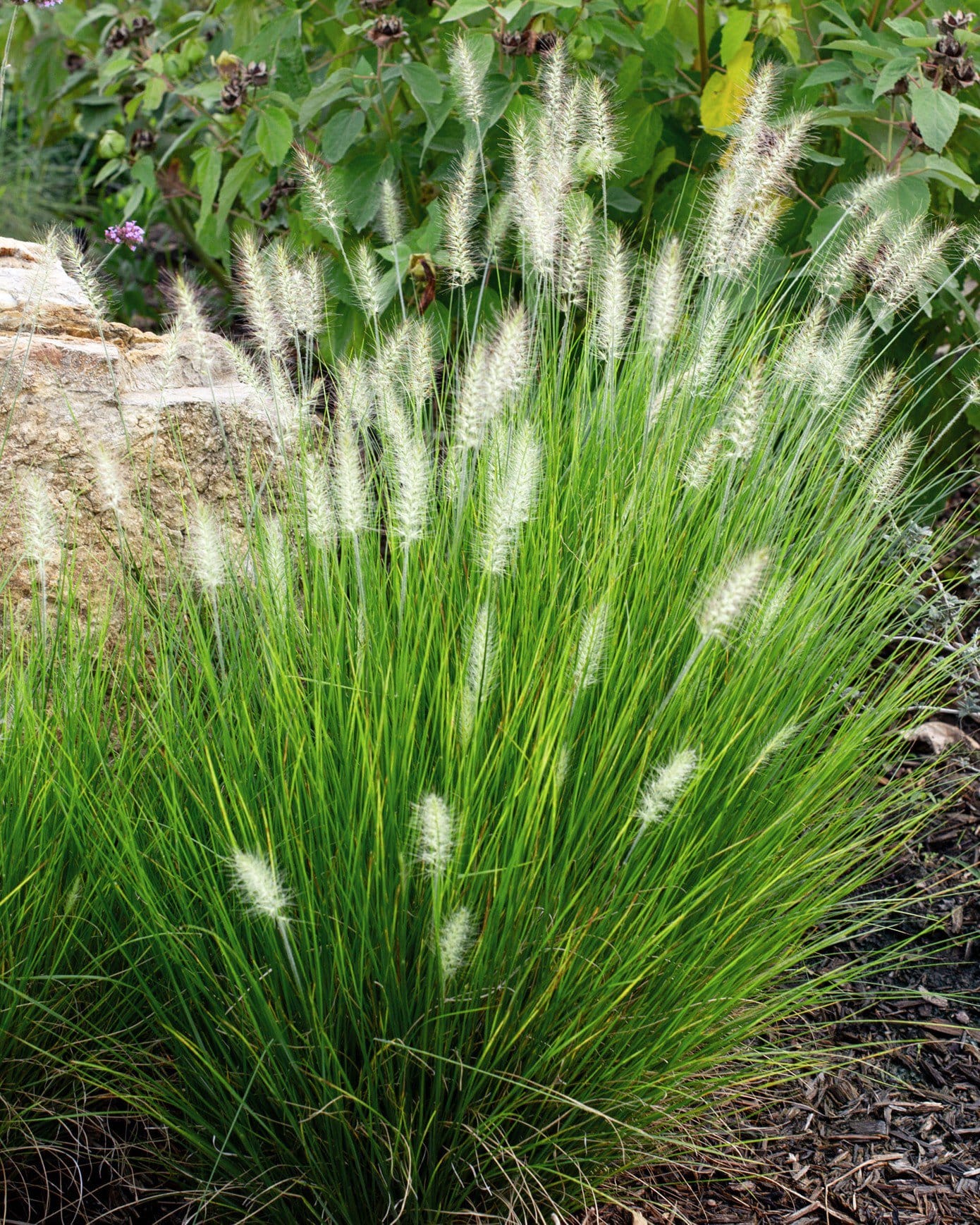
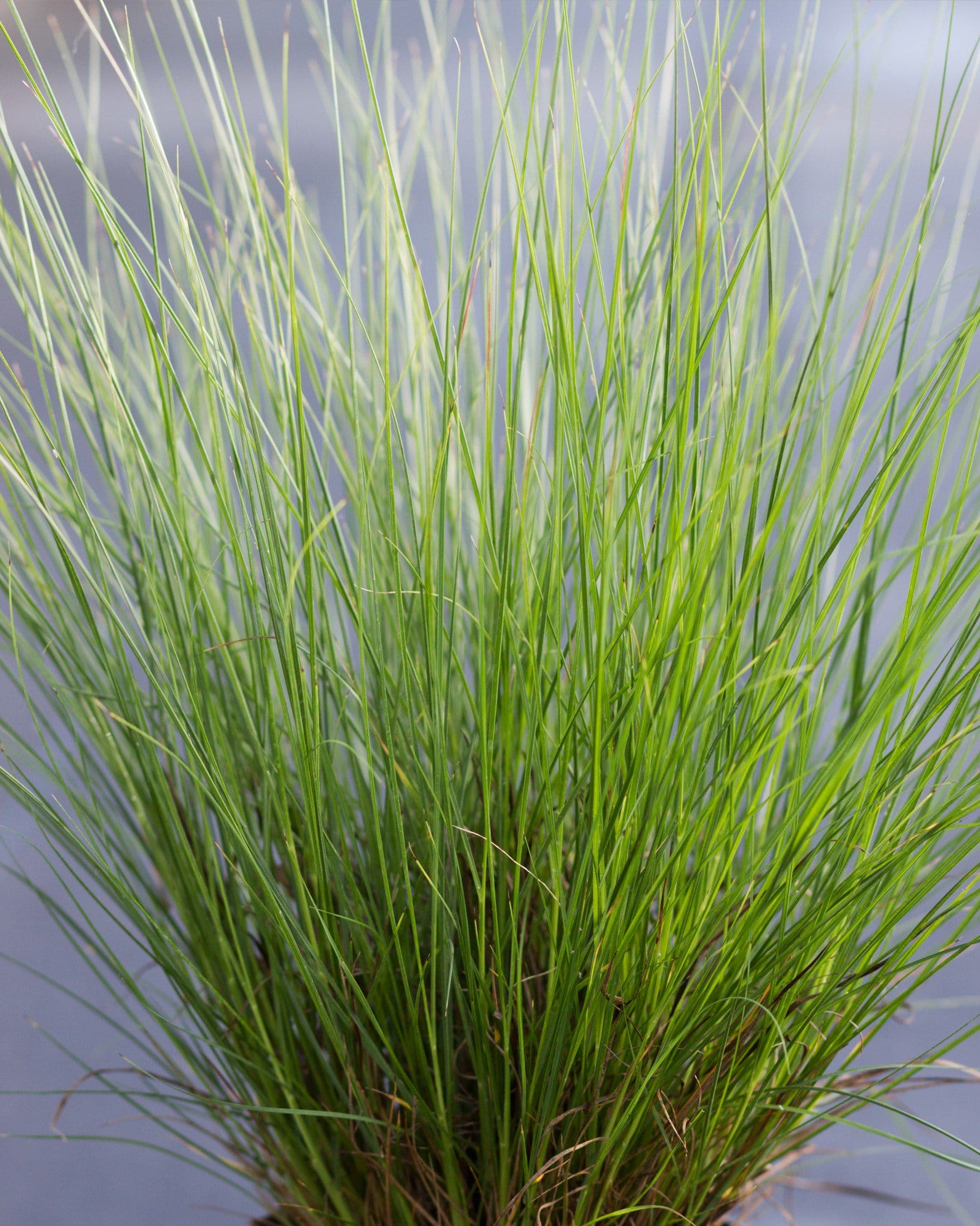
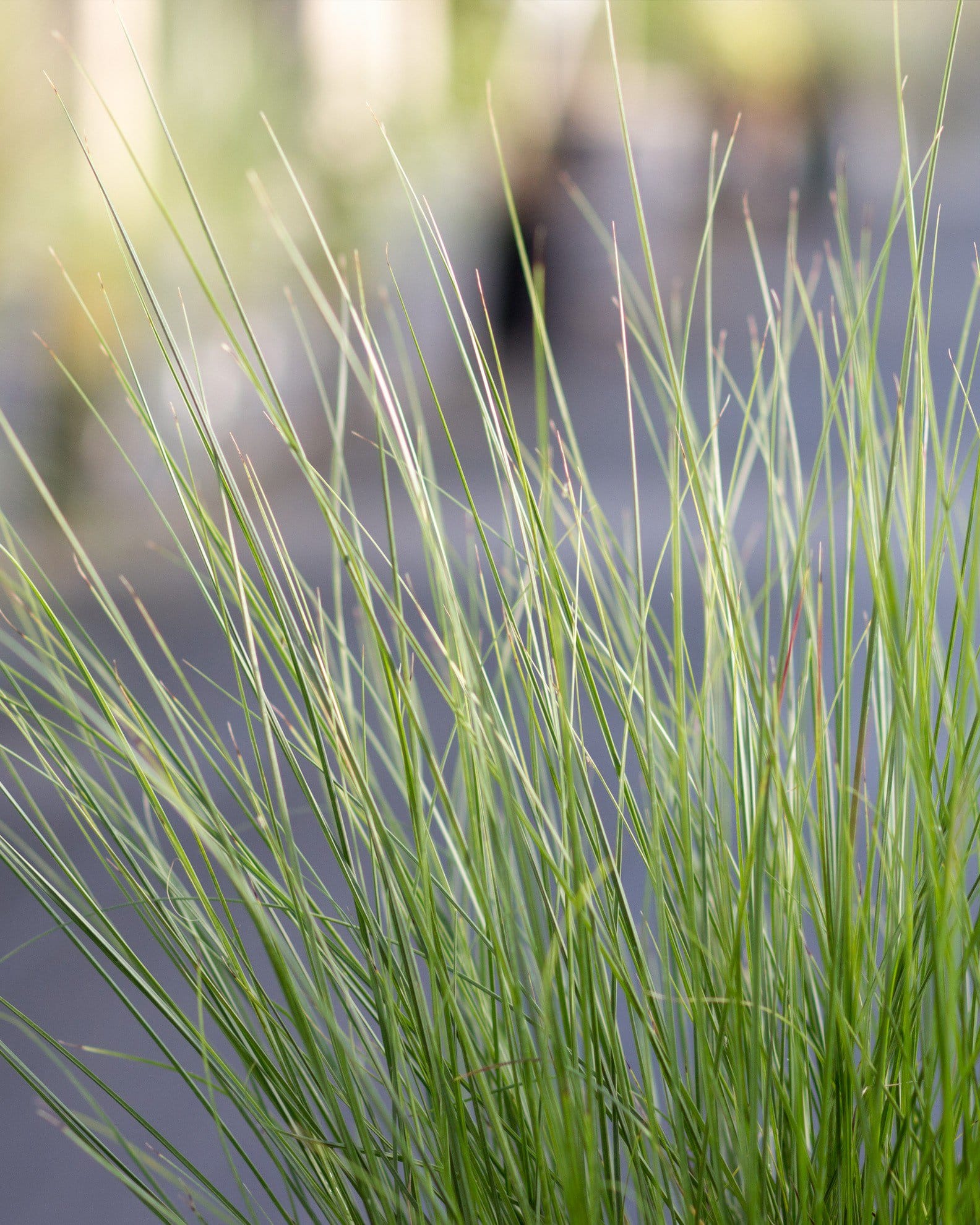
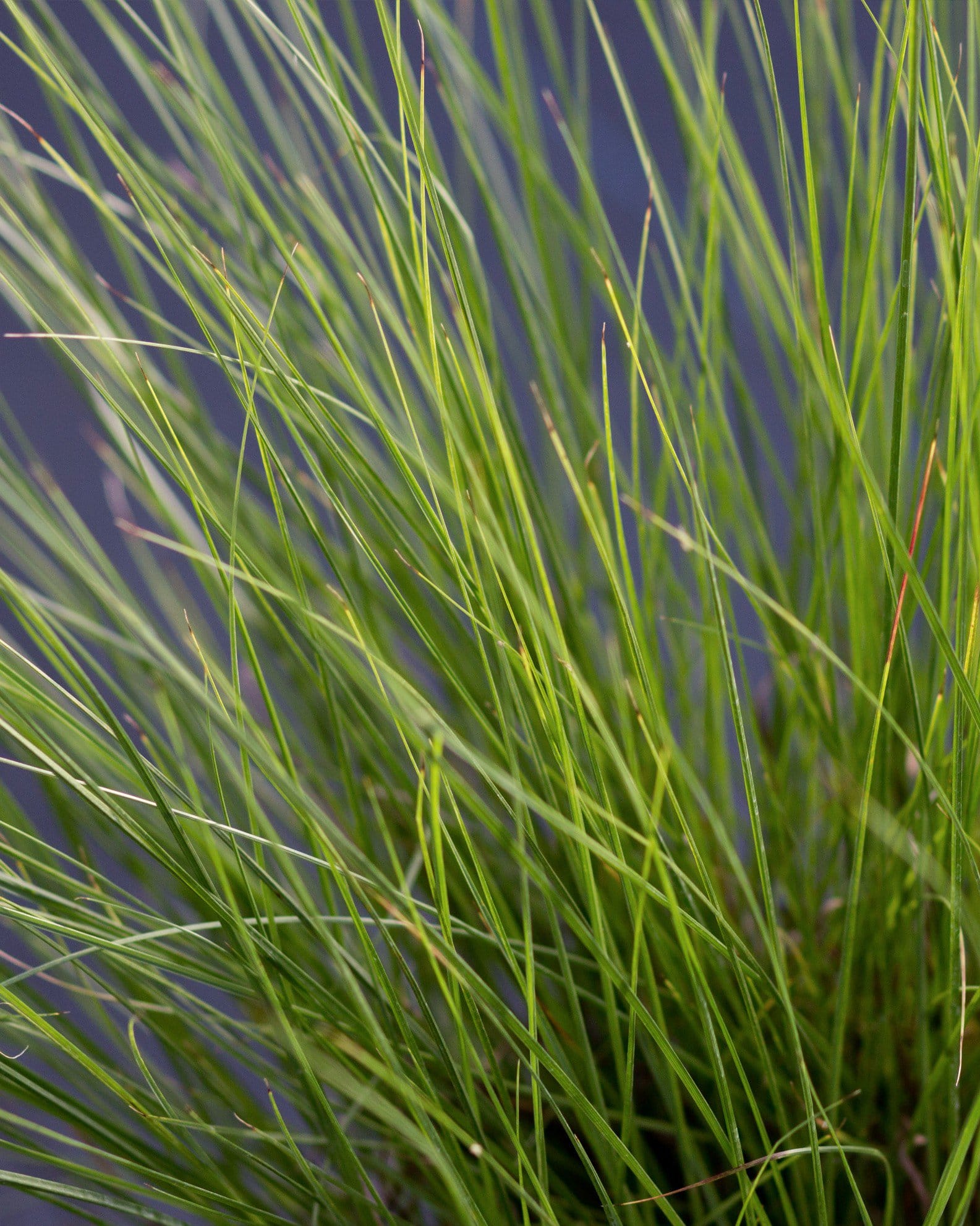
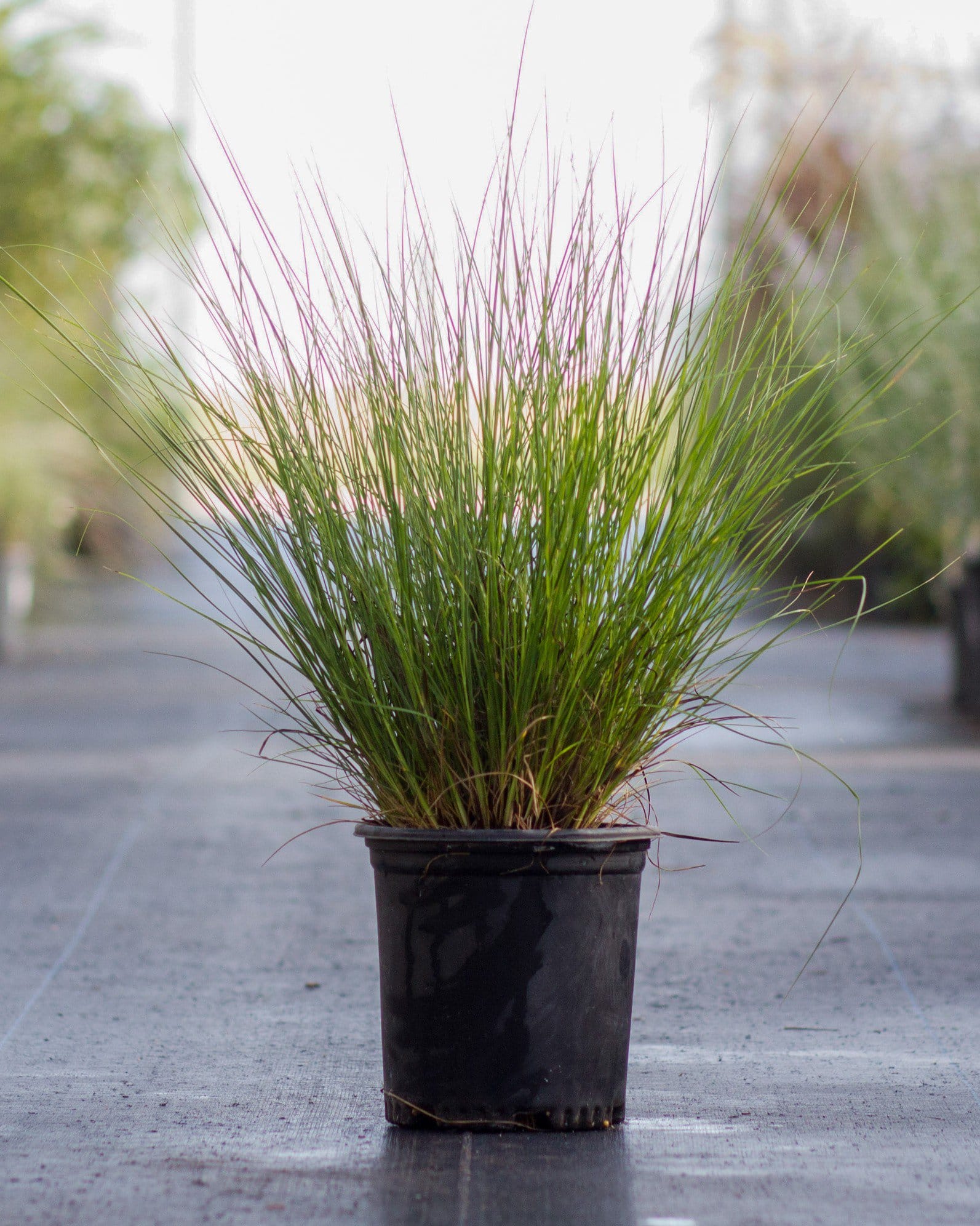
Pennisetum setaceum 'Rubrum'Purple Fountain Grass is versatile and looks spectacular in containers, flowerbeds and borders. It reaches 3 feet in height and 2 feet in width at maturity. This moderately growing plant reaches maturity 1-2 years after planting. Its long, maroon leaves arch over, creating a delightful fountain effect that is highly decorative. However, the attractive foliage is not the only beautiful element of this herbaceous plant. Purple Fountain Grass blooms from late spring to fall, showcasing fluffy, purple plumes.
- Medium-sized perennial grass
- Moderate growth rate
- Versatile and decorative
- Fountain-like maroon foliage
- Tolerates some shade, but prefers direct sunlight
It doesn't require too much to flourish. This versatile plant will tolerate some shade, although it's best to plant it in full sun. Purple Fountain Grass fares best in well-drained soil, although it can adapt to most soil types.
Purple Fountain Grass thrives in full sun and is prized for its drought tolerance and dramatic year-round texture in warm climates. Aside from that, it’s extremely low-maintenance, needing only a little care to thrive. Here’s what that entails:
- Watering: Water regularly during the first growing season to establish a strong root system. Once established, Purple Fountain Grass is moderately drought-tolerant but looks its best with occasional deep watering during extended dry periods. Avoid waterlogged soil, which can lead to root rot and decline.
- Pruning: Cut back old foliage to 3-4 inches above the ground in late winter or early spring before new shoots emerge. This rejuvenates the plant and encourages vigorous, fresh growth. In frost-free regions, trimming can be lighter - simply remove any dead or damaged leaves to maintain its form.
- Fertilizing: Feed in spring with a balanced, slow-release fertilizer or compost to promote healthy growth and vibrant foliage color. Avoid excessive feeding, as it can produce floppy, overly tall growth with less intense color.
- Mulching: Apply a 1-2 inch layer of mulch around the base to retain moisture, regulate soil temperature, and suppress weeds. Keep mulch away from the crown to prevent rot.
- Winter Care: Purple Fountain Grass is hardy in USDA zones 9-11 and treated as an annual in cooler regions. In colder climates, dig up and overwinter plants indoors in containers, or allow them to reseed naturally. In frost-prone areas, mulching heavily around the base helps insulate roots for possible regrowth.
With minimal care, mainly trimming, periodic watering, and full sun exposure, Purple Fountain Grass delivers dramatic movement, texture, and long-lasting color from spring through fall.
- Root Rot: Occurs in poorly drained or overwatered soil. Ensure good drainage to maintain healthy roots.
- Faded Foliage: Often due to inadequate sunlight. Plant in full sun for the richest burgundy color and strongest flowering.
- Weak Growth: Can result from overly rich soil or excess nitrogen fertilizer. Lean soil conditions are best for maintaining its natural compactness.
- Pests: Rarely a problem, but aphids or spider mites may appear in hot, dry weather. Spray with water or apply insecticidal soap if necessary.
It grows rapidly once warm weather arrives, often reaching full size, 3 to 5 feet tall and wide, within a single growing season. In mild climates, it maintains a semi-evergreen presence and resumes vigorous growth each spring.
Spring is ideal, after the last frost. Planting early allows roots to establish well before the summer heat, ensuring lush foliage and abundant plumes.
Water deeply once or twice per week during the first growing season. Once mature, occasional deep watering is sufficient to maintain lush color and prevent leaf tip browning.
Yes, Purple Fountain Grass is highly drought-tolerant once established. However, it benefits from occasional watering during long dry spells to keep foliage full and plumes robust.
Absolutely. Purple Fountain Grass thrives in large pots with well-draining soil. It’s an excellent focal point for patios, decks, or entryways. Container-grown plants may need more frequent watering in hot weather.
Yes, it can be divided in spring or early summer. In warmer climates, you can also take divisions from mature clumps every few years to rejuvenate growth.
Yes, deer typically avoid Purple Fountain Grass due to its coarse, fibrous texture and lack of palatable foliage.
In frost-free regions, Purple Fountain Grass can live for many years, returning each spring with new growth. In colder areas, it’s grown as an annual but often self-seeds or can be overwintered indoors for reuse.
Yes, it tolerates moderate wind very well. Its flexible stems and arching habit allow it to sway gracefully without breaking, making it an excellent choice for exposed landscapes or open gardens.
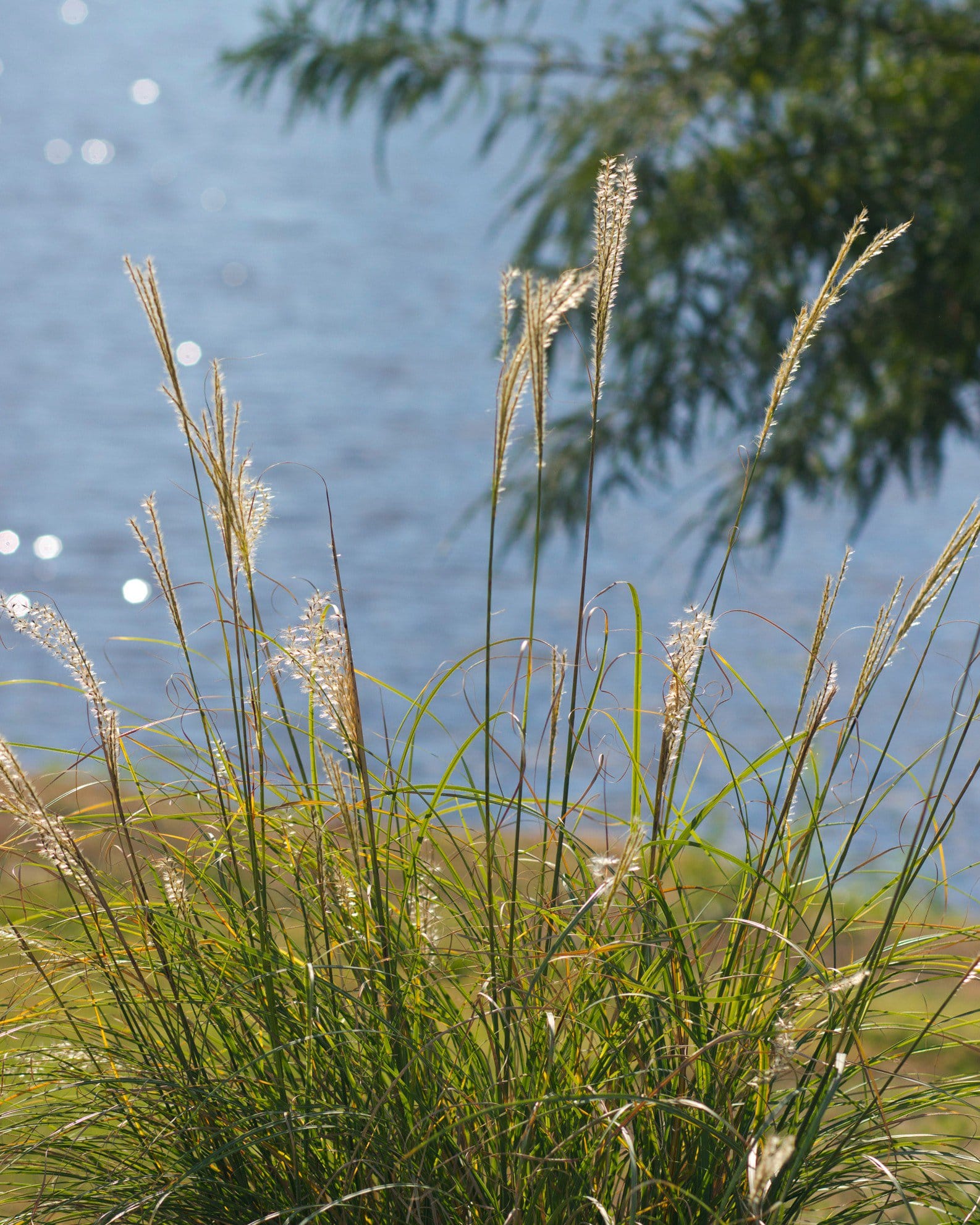
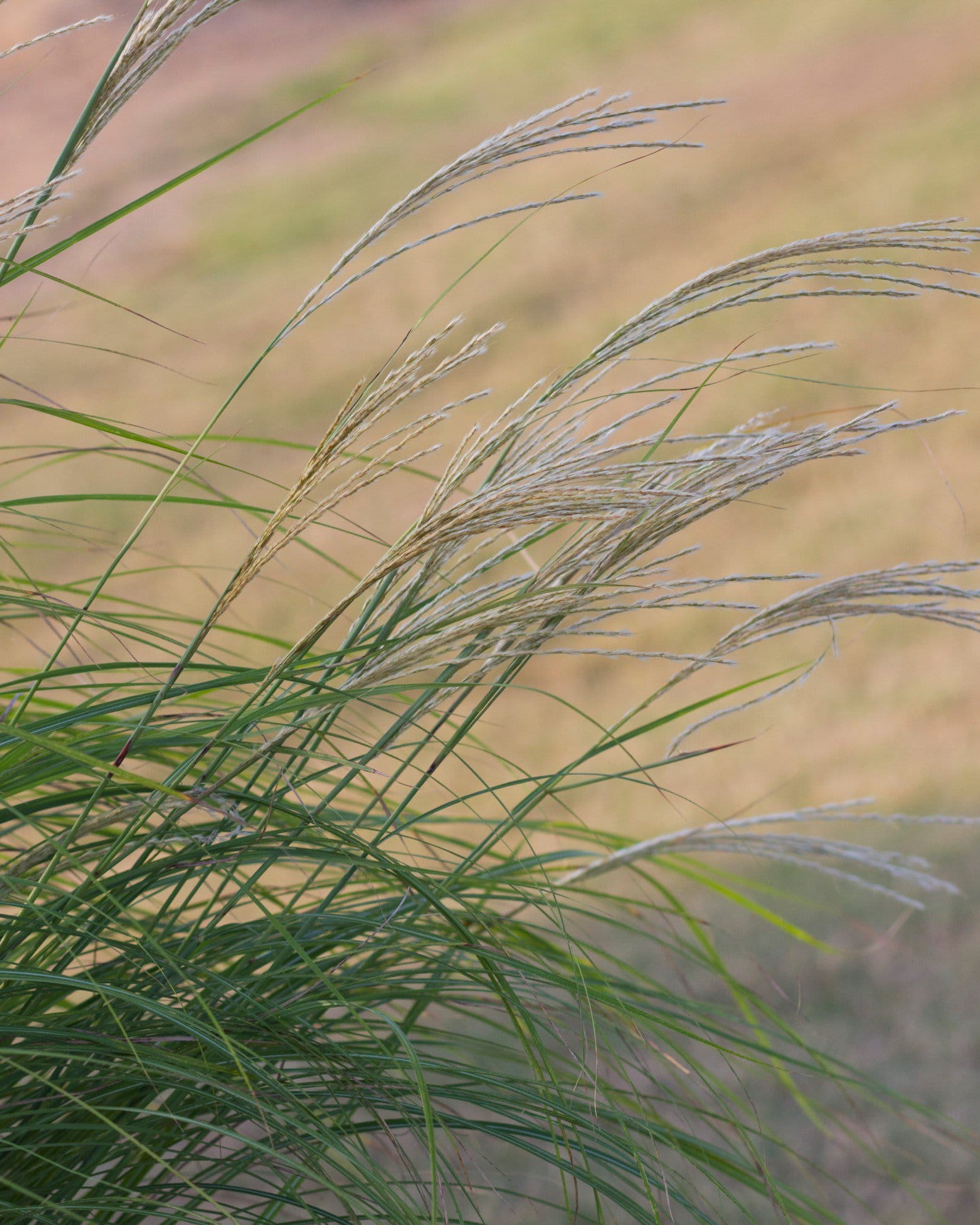
Yes, it blooms from mid-summer through fall, producing long, feathery plumes that start reddish-purple and mature to soft tan. The plumes persist into winter, adding texture and interest even when the foliage fades.
Special Features
You might also like
Everillo EverColor Carex Sedge
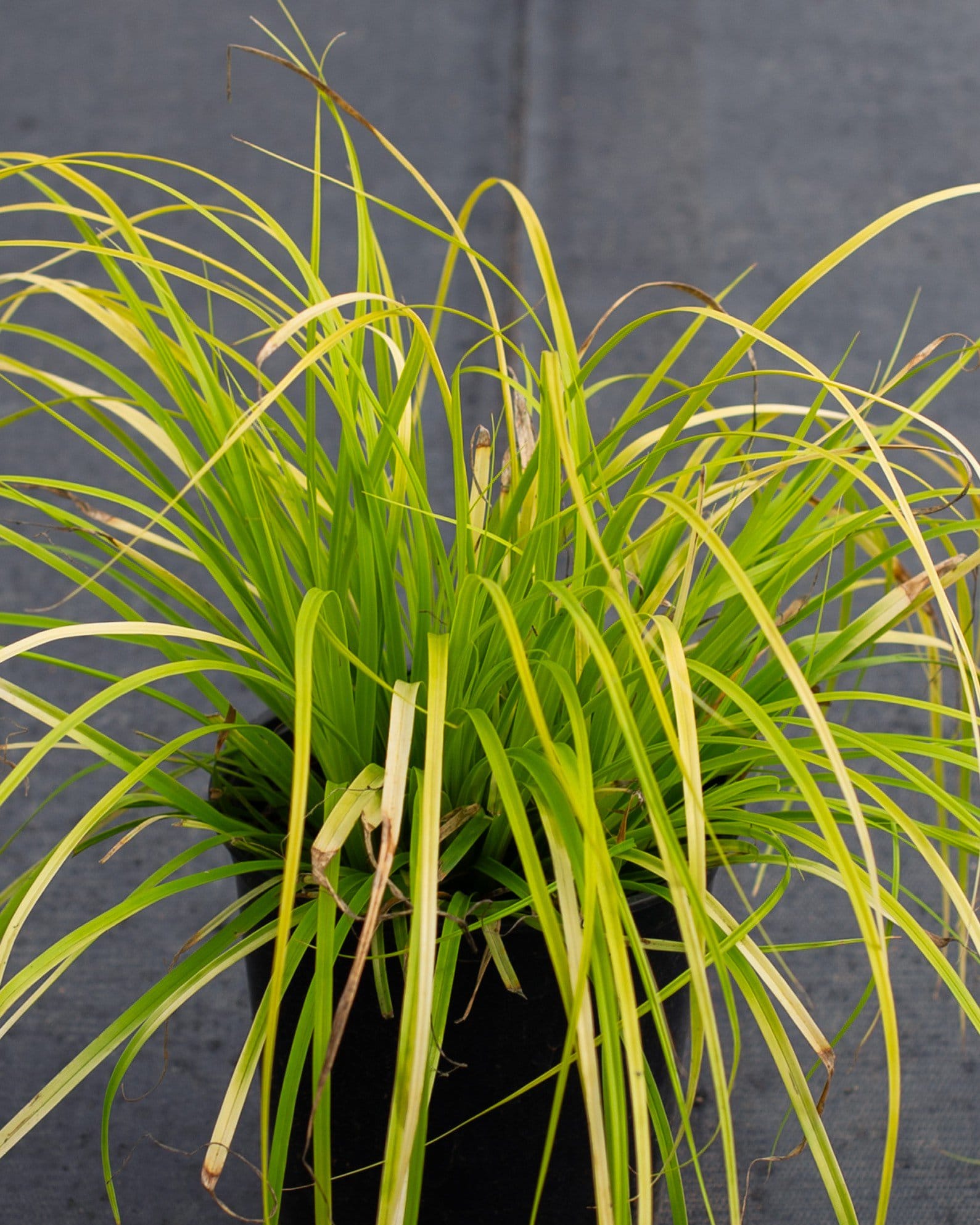
Maturity: 1.5' H x 1.5' W
Feather Falls Carex Sedge
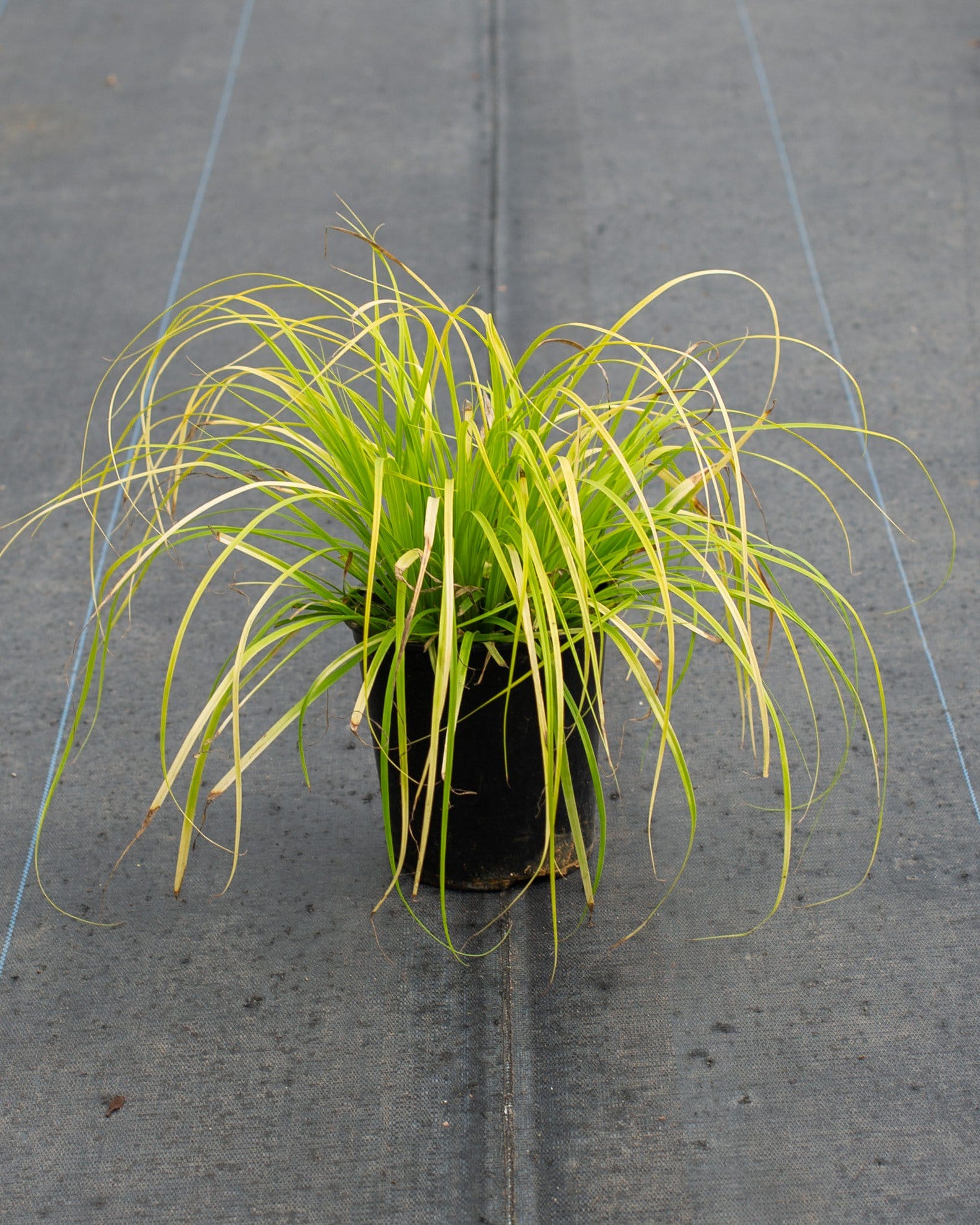
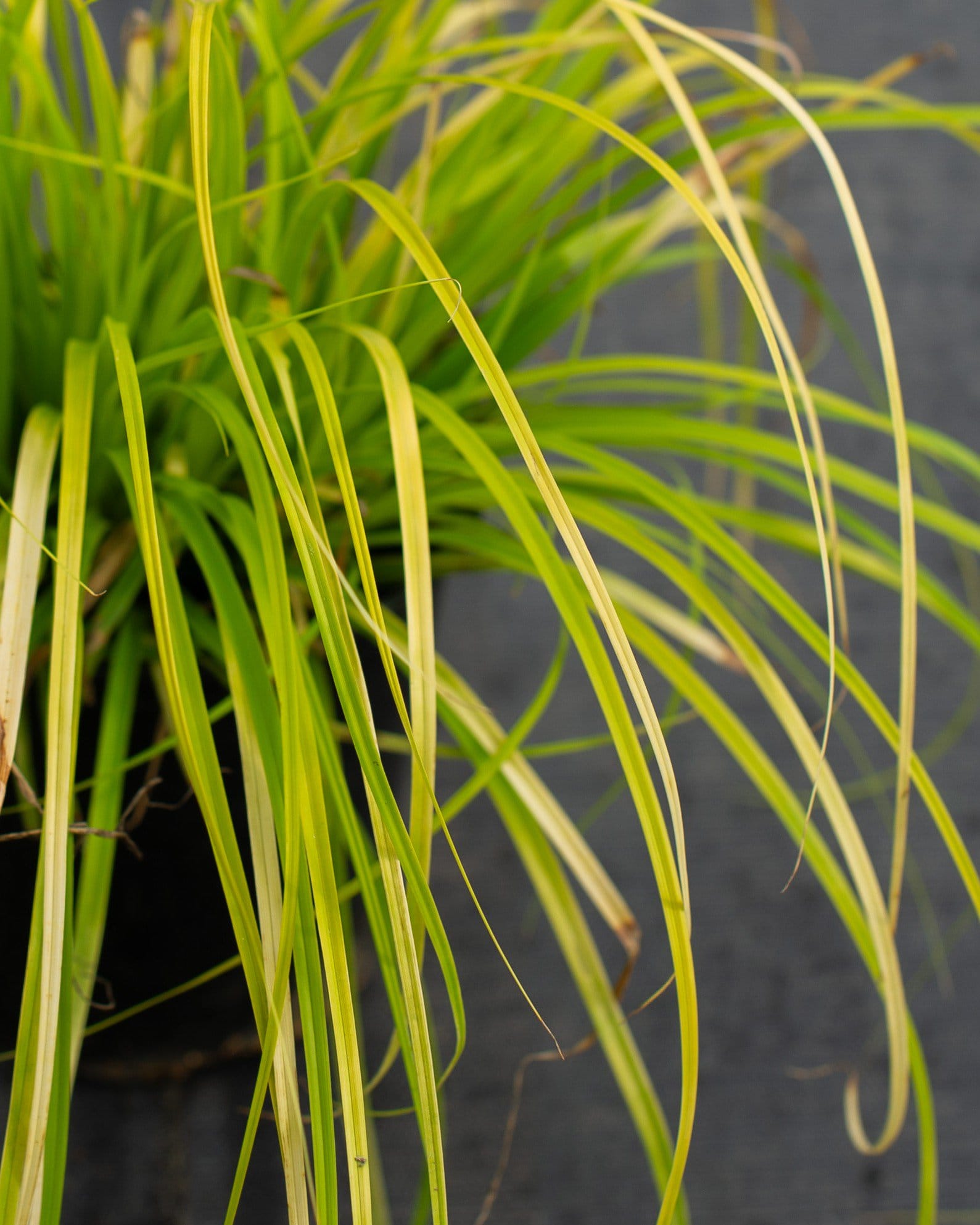
Maturity: 1.5' H x 1.5' W
Golden Variegated Sweet Flag
Maturity: 1.5' H x 1' W
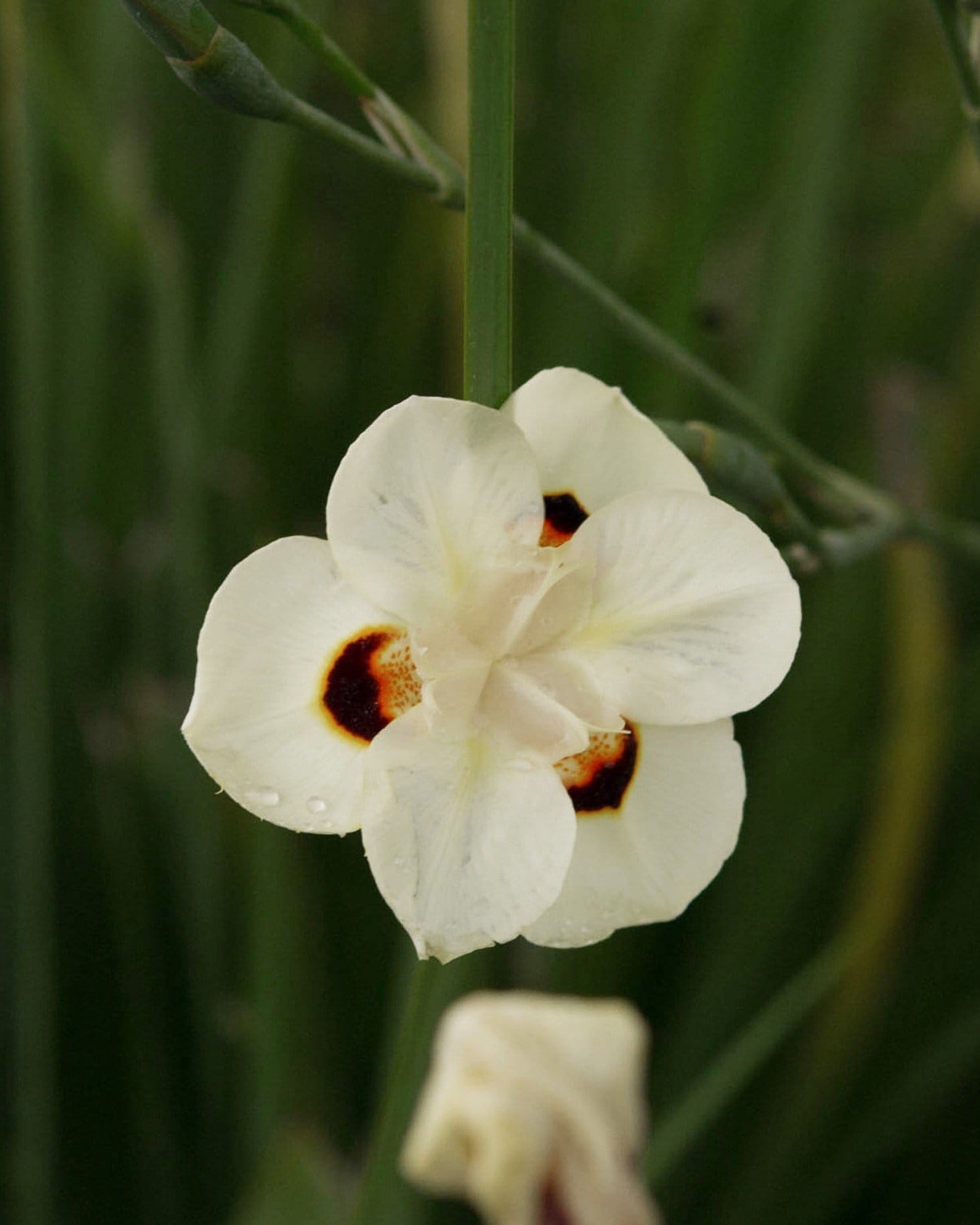
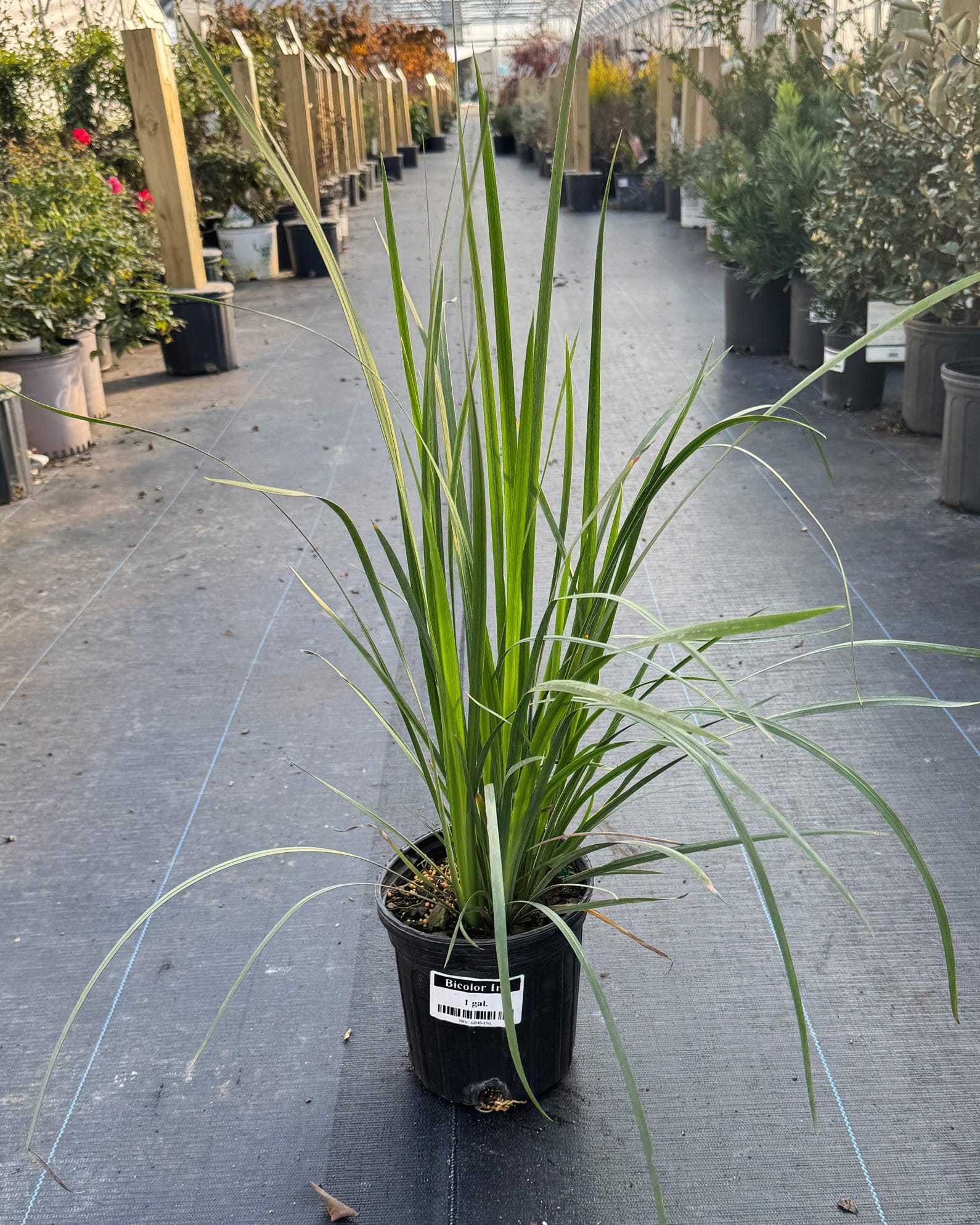
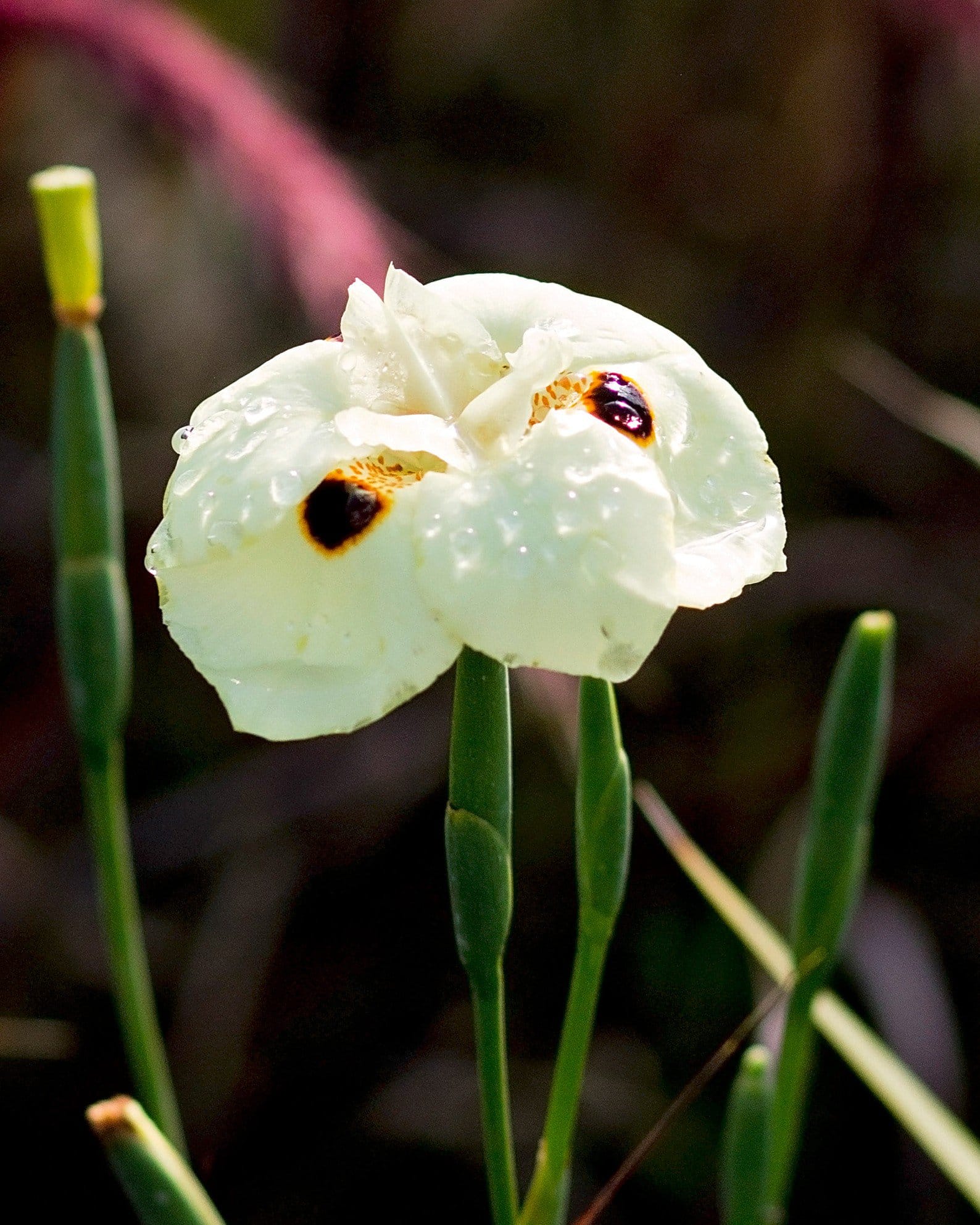
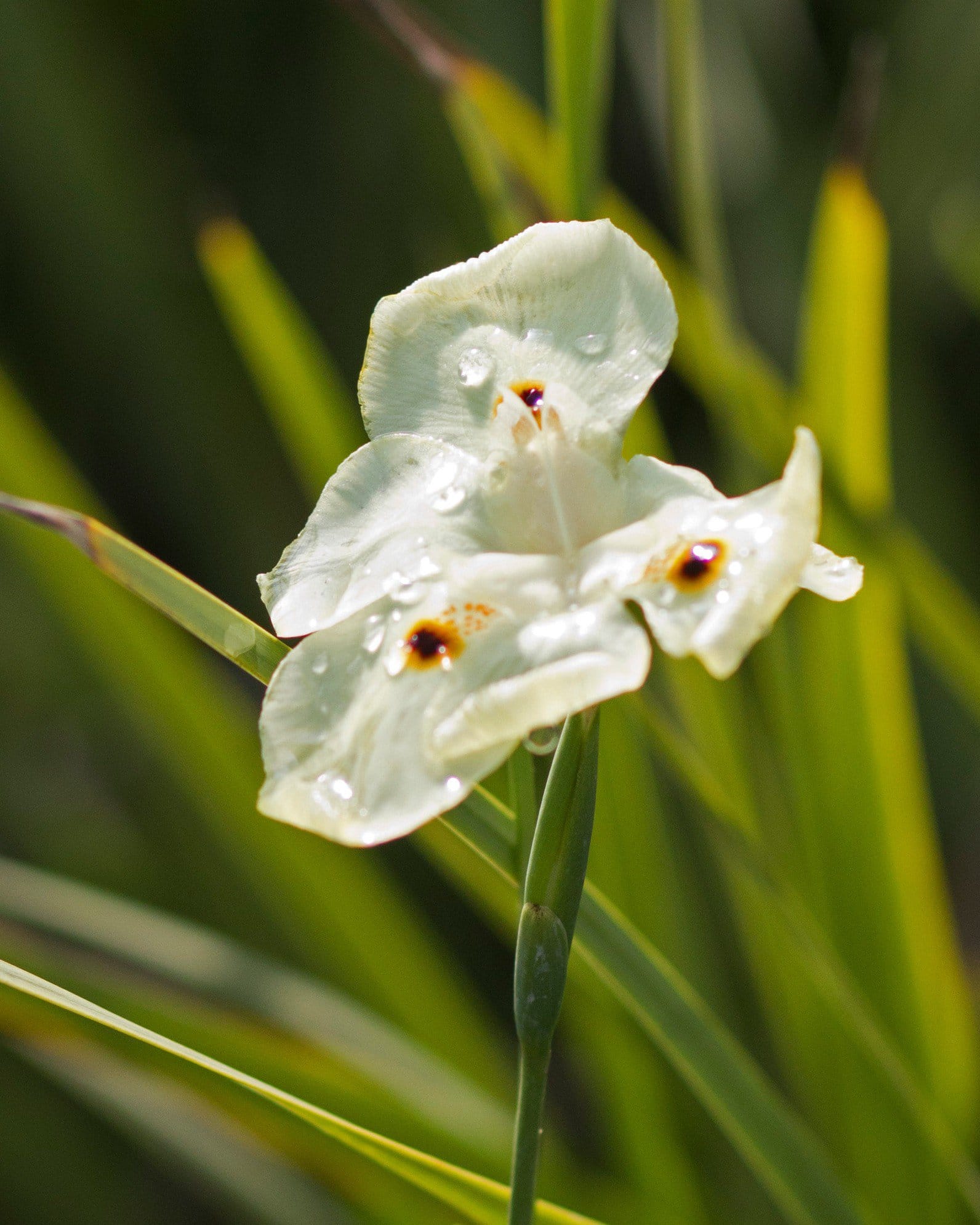
Bicolor Iris
Maturity: 2' H x 2' W
Inland Sea Oates
Maturity: 2' H x 2' W
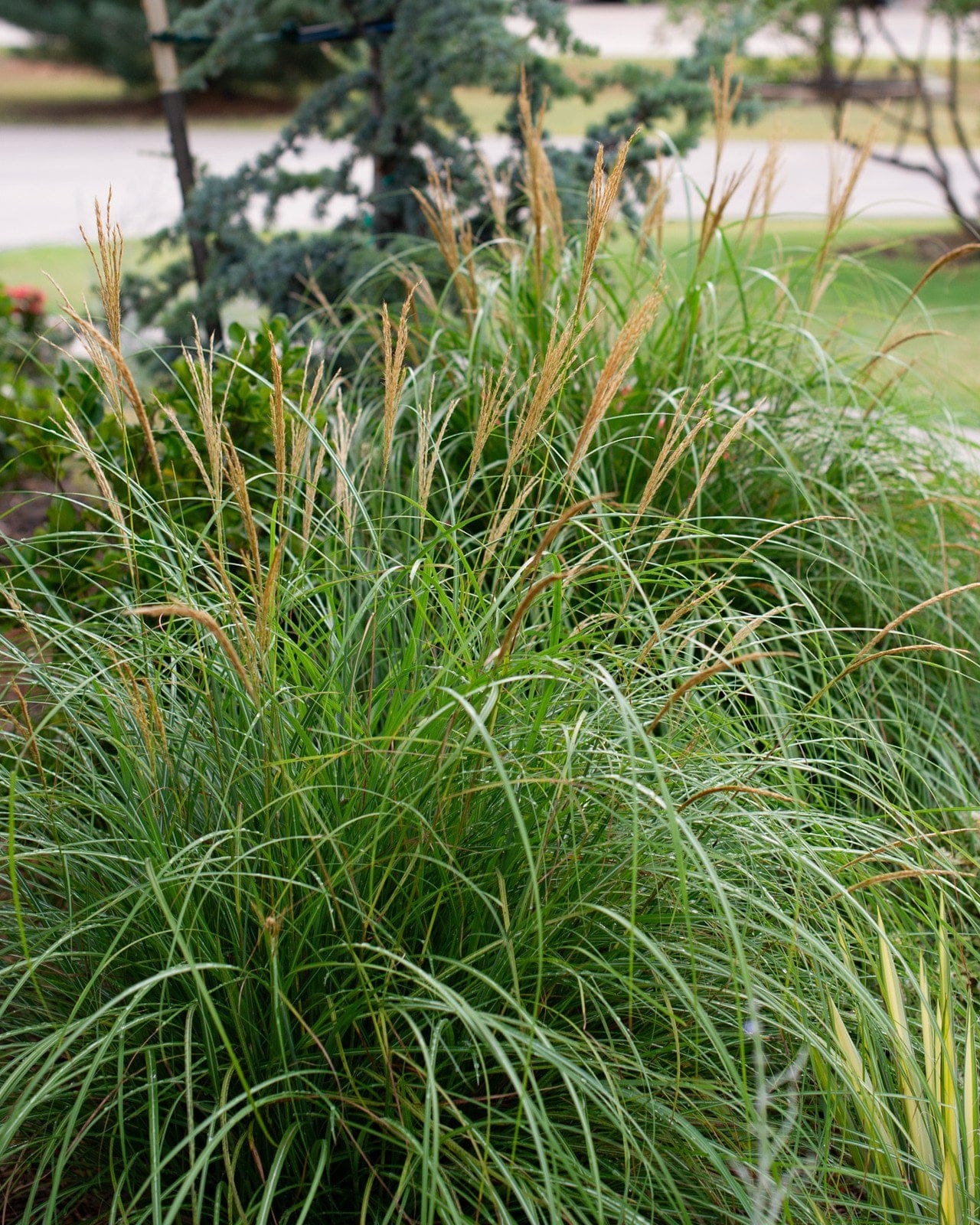
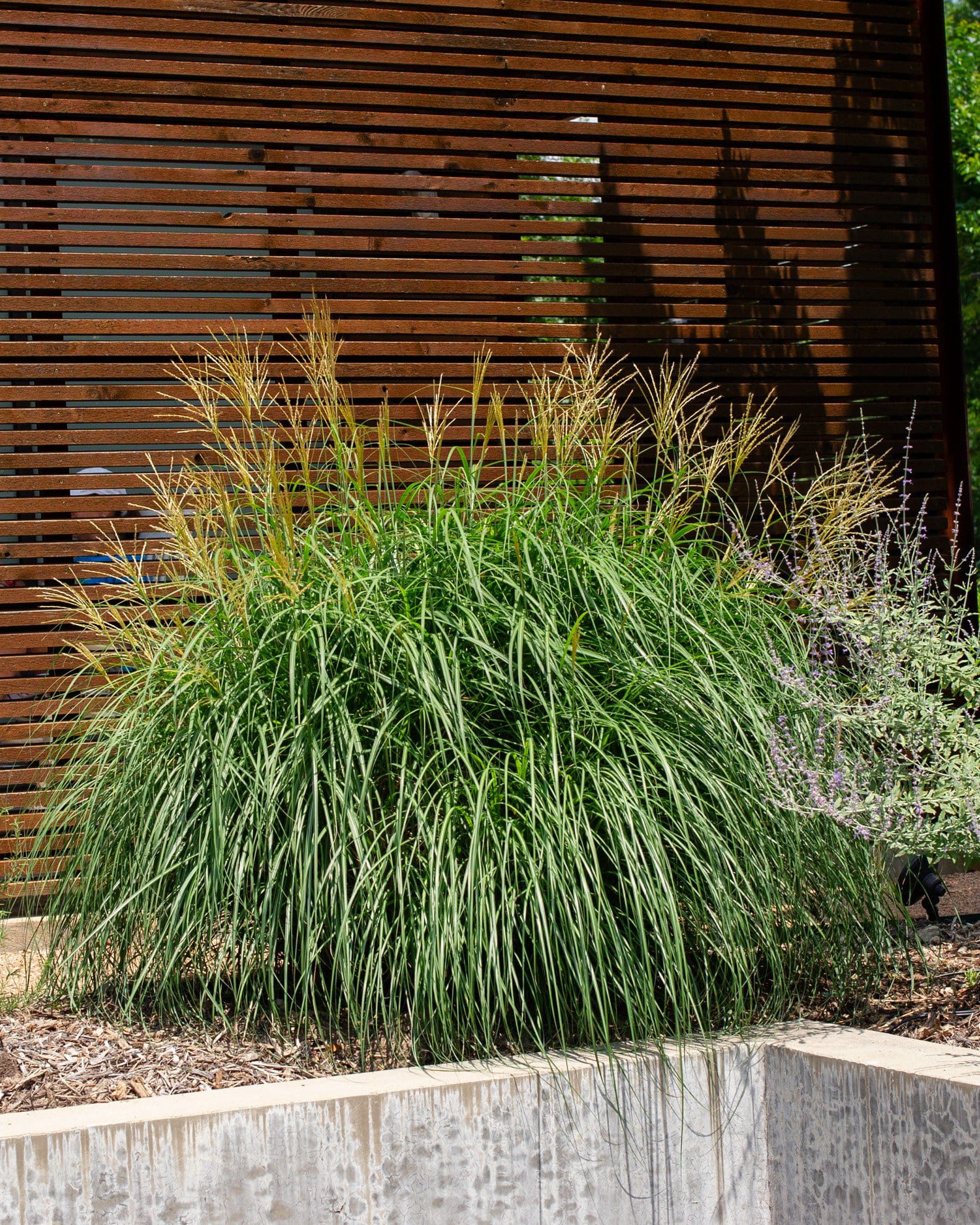
Adagio Miscanthus
Maturity: 3' H x 3' W
Berkeley Carex Sedge
Maturity: 1' H x 2' W
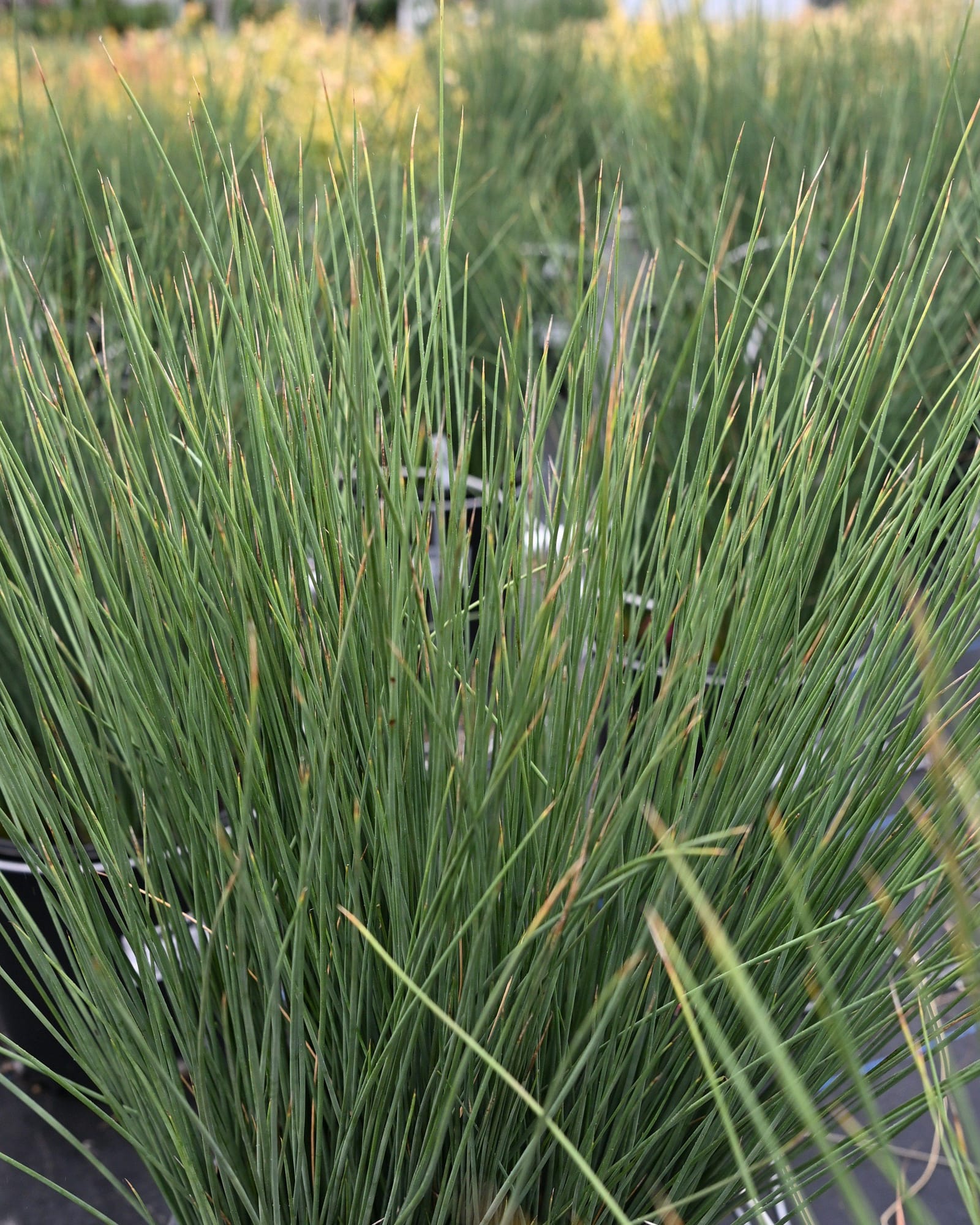
Blue Arrows Rush
Maturity: 3' H x 1' W
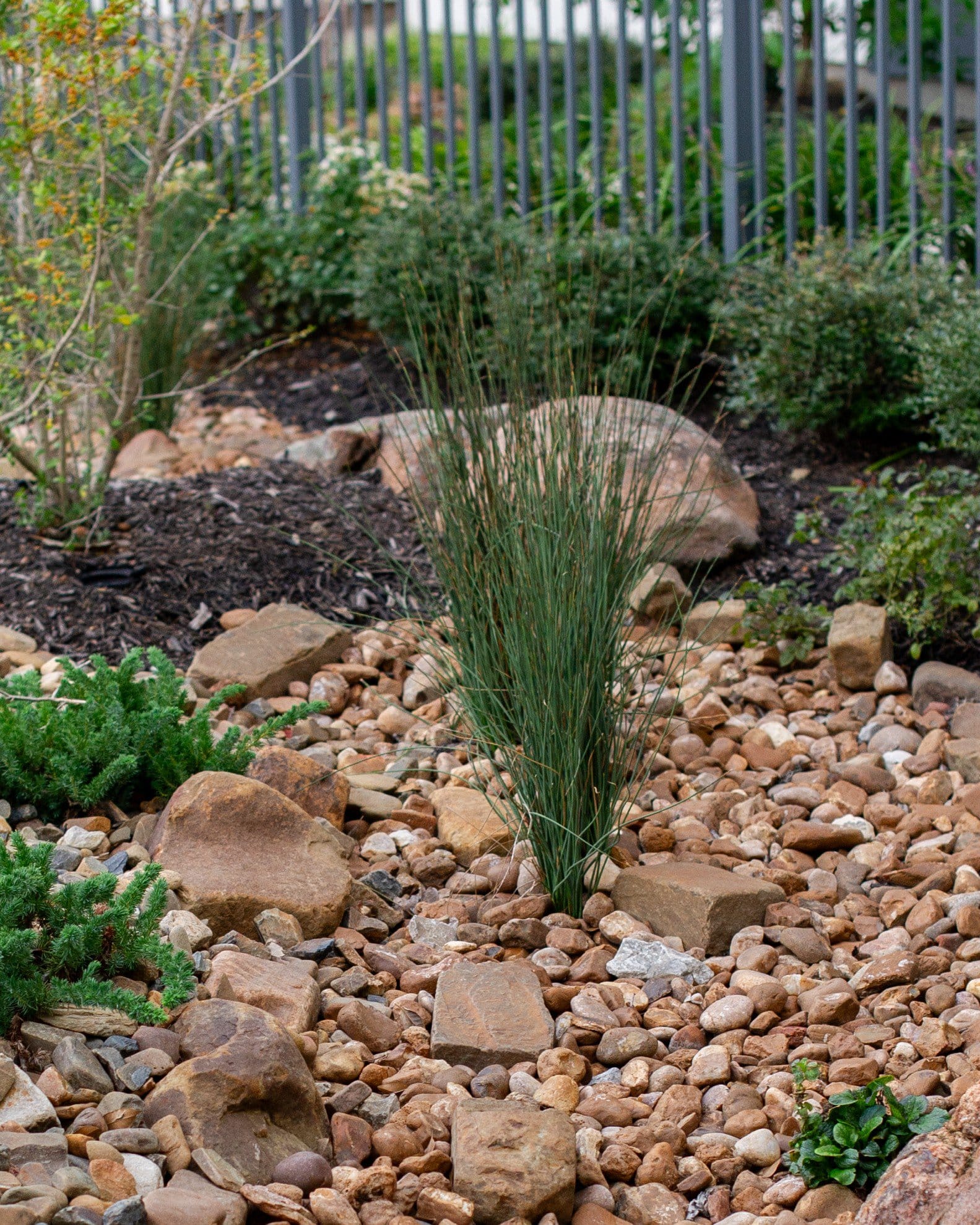
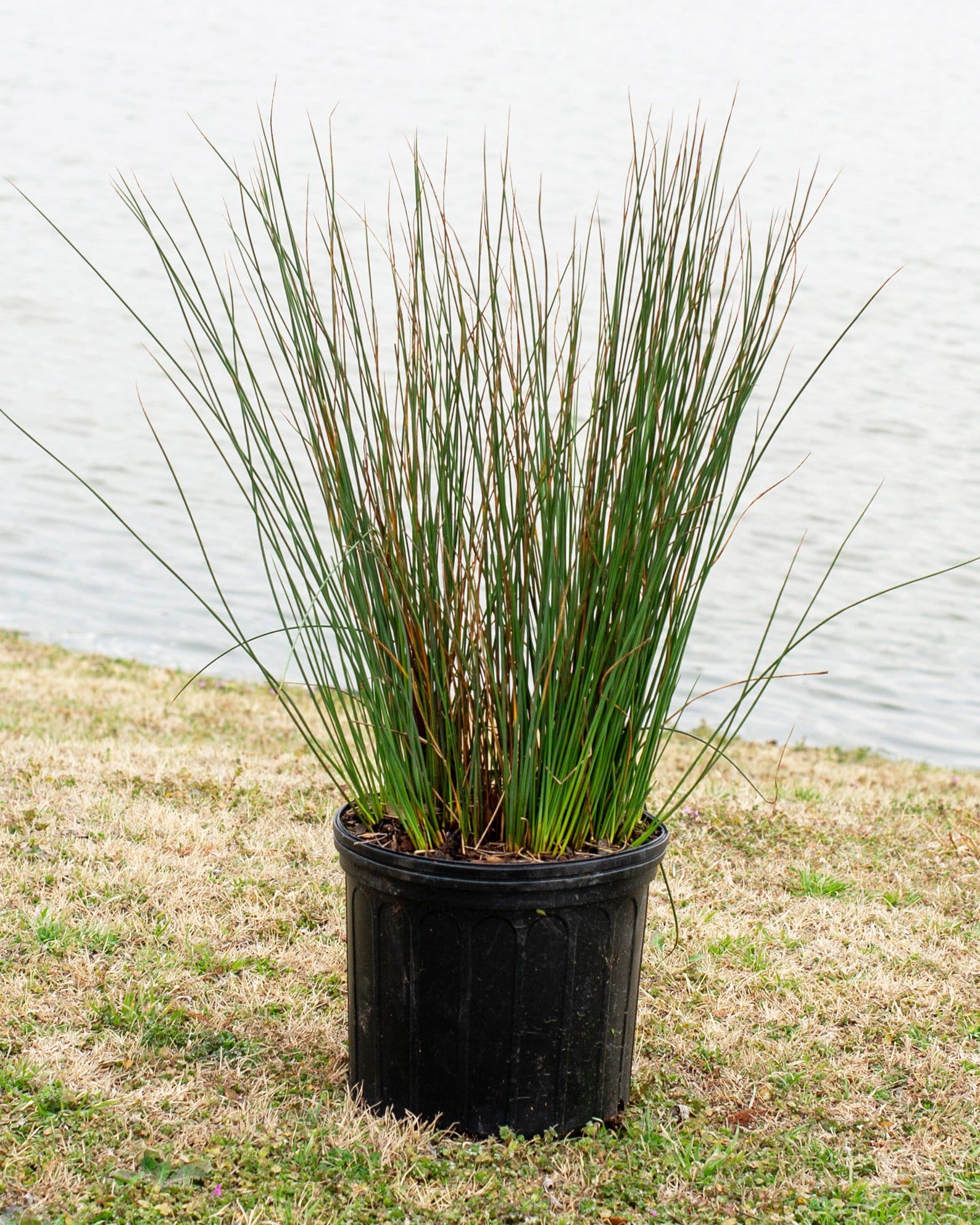
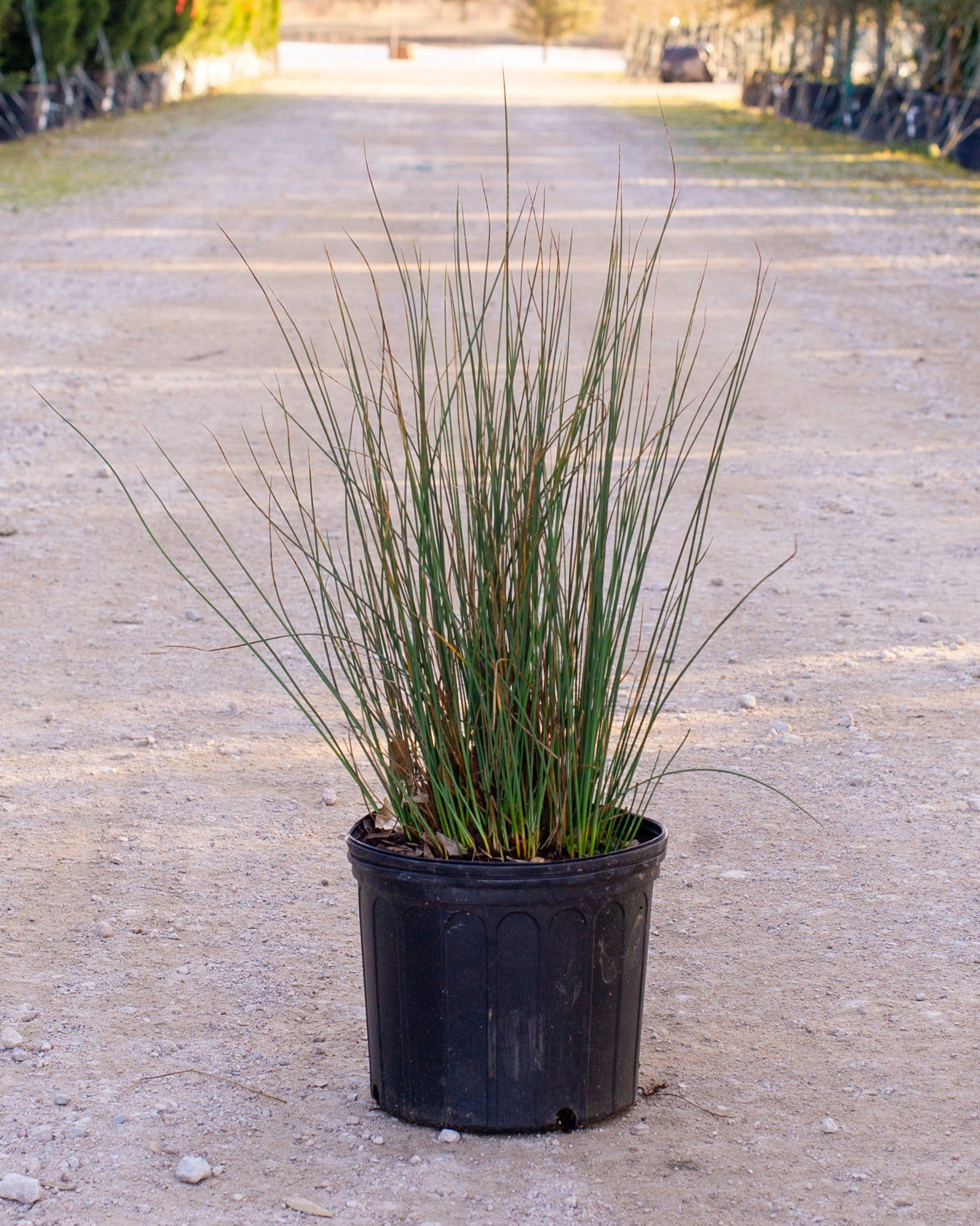
Cassian Fountain Grass
Maturity: 2' H x 2' W
Dwarf Hameln Fountain Grass
Maturity: 2' H x 2' W
Dwarf Little Bunny Fountain Grass
Maturity: 1' H x 1' W
Elijah Blue Fescue
Maturity: 1' H x 1' W
Everest EverColor Carex Sedge
Maturity: 1' H x 1.5' W
Lindheimer Muhly
Maturity: 3' H x 3' W
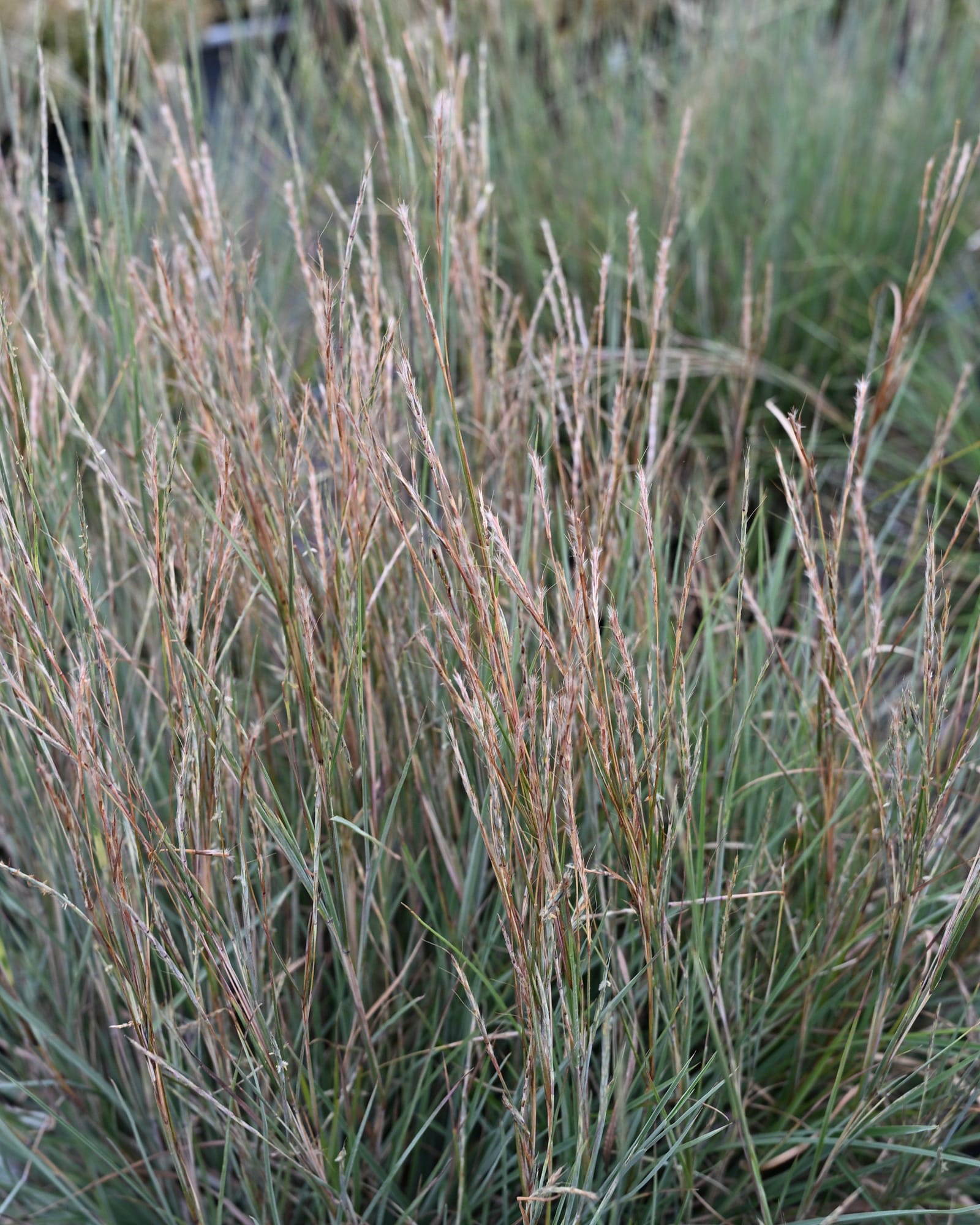
Little Bluestem
Maturity: 2' H x 2' W
Compare Similar Plants
Purple Fountain Grass This plant | ||
|---|---|---|
| Scientific Name | Pennisetum setaceum 'Rubrum' | Carex oshimensis 'Everillo' |
| Size at Maturity | 3' H x 2' W | 1.5' H x 1.5' W |
| Leaf Retention | Herbaceous | Herbaceous |
| Sizes Available | 1, 3 gal | 1 gal |


Our 1-Year Planting Guarantee
We take pride in our plants and installation services. If any plants or trees installed by Treeland fail to thrive within the first year, we'll provide a replacement credit in accordance with our guarantee program.
Learn More About Our Guarantee