
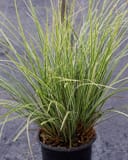
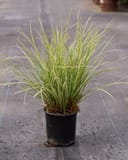
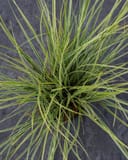
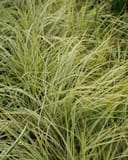
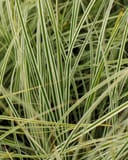
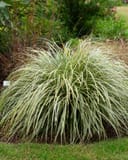
Everest EverColor Carex Sedge
Carex oshimensis 'Carfit01'Local DFW Delivery Only
Product Details
Everest EverColor Carex Sedge
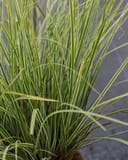
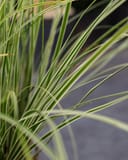
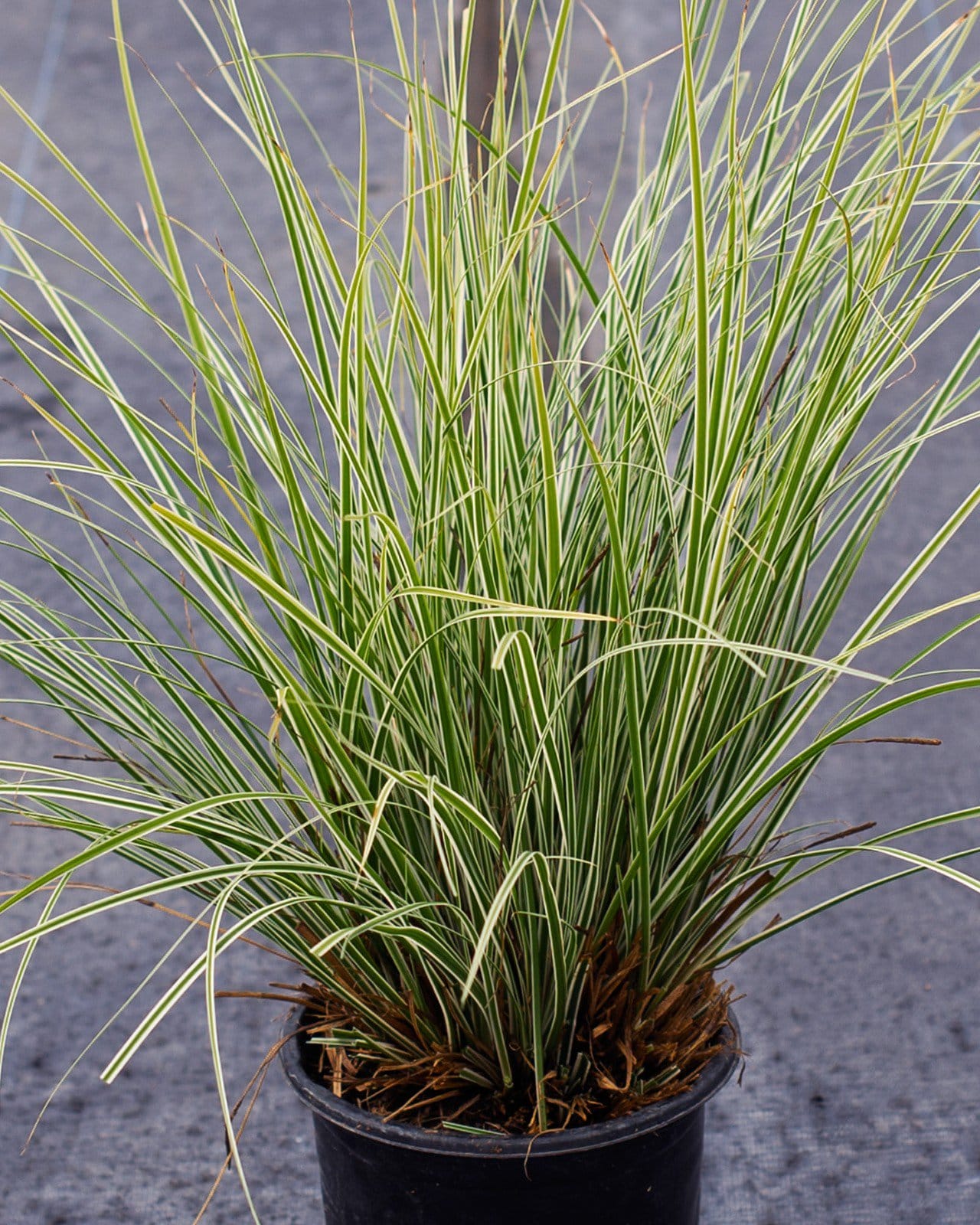
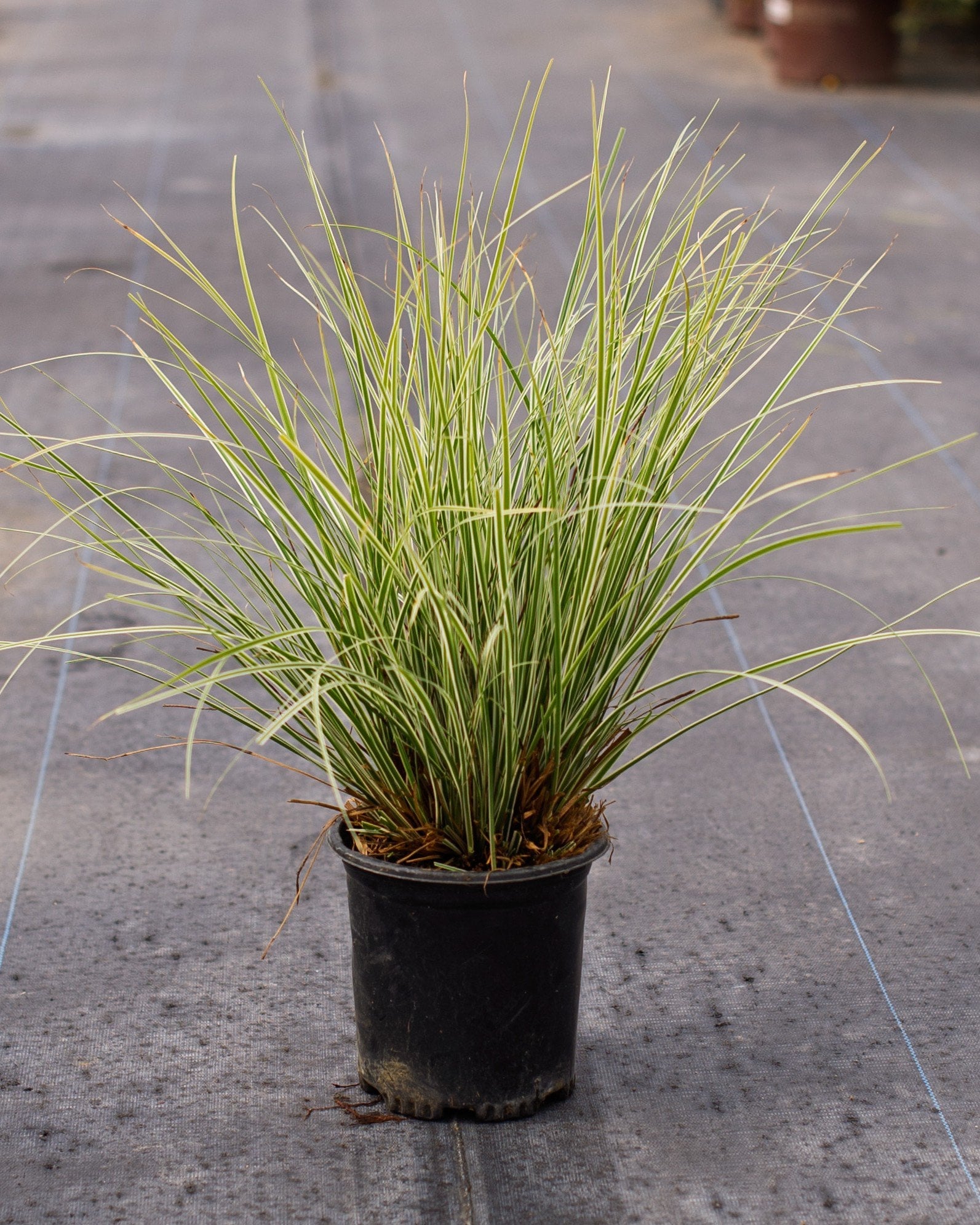
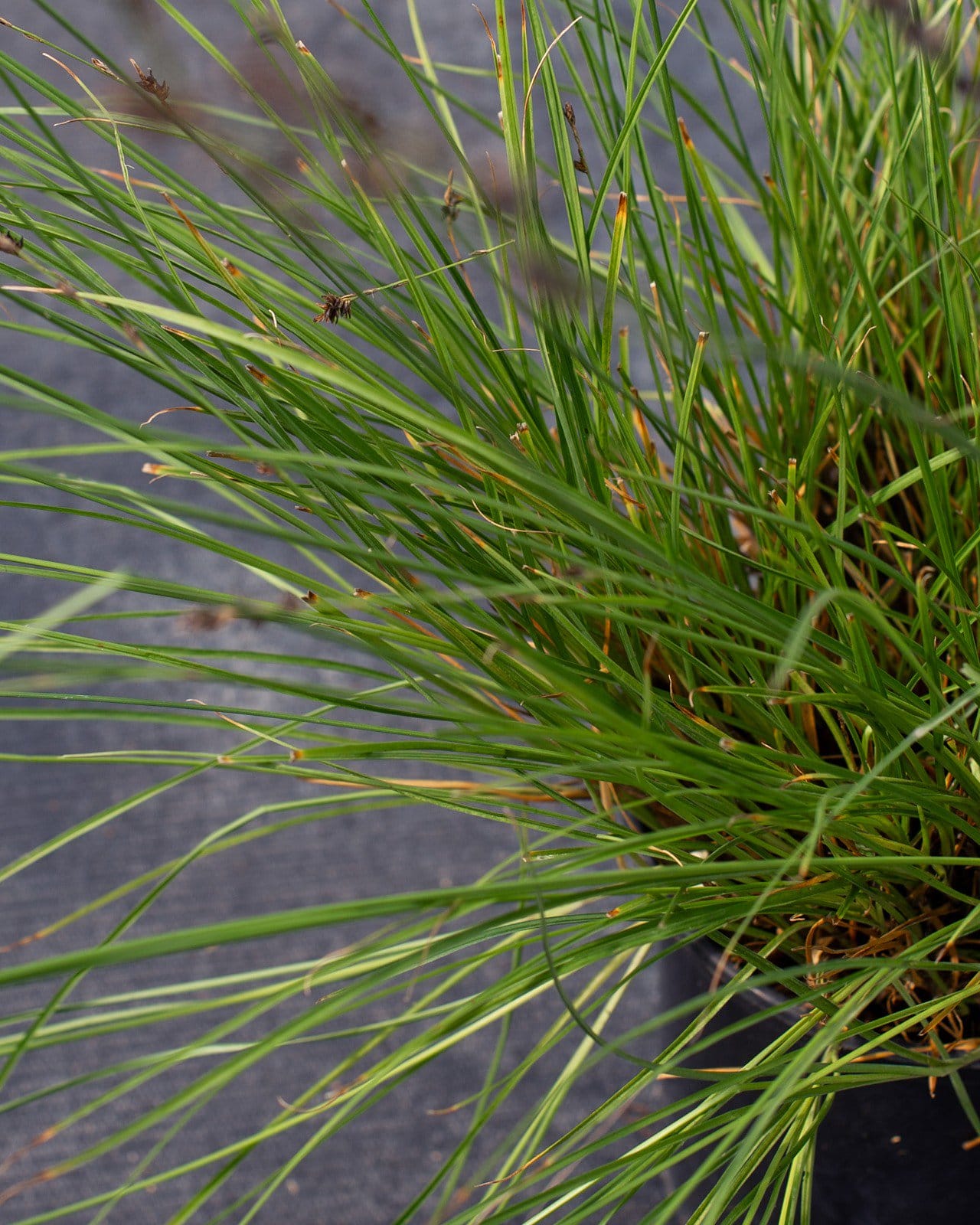
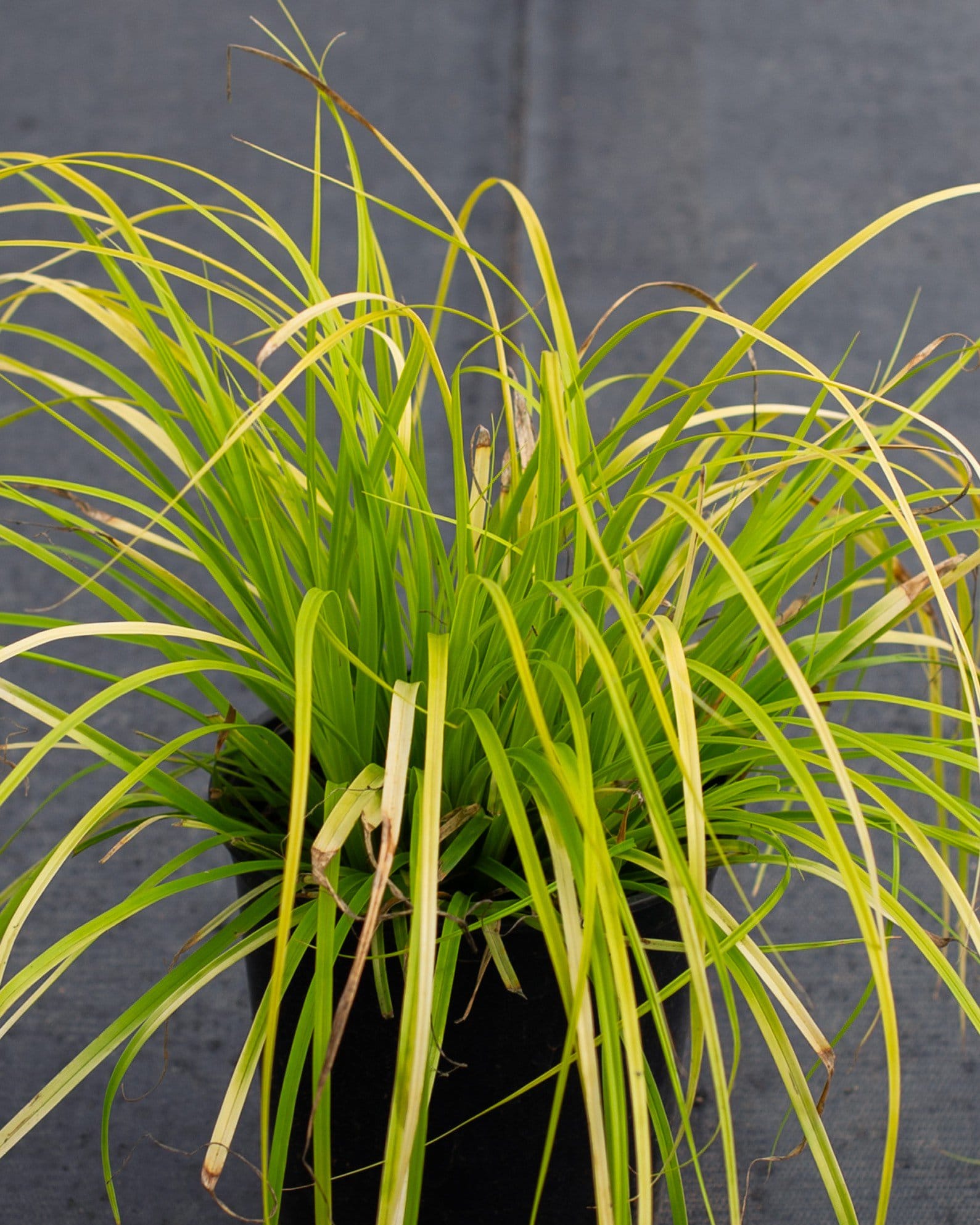
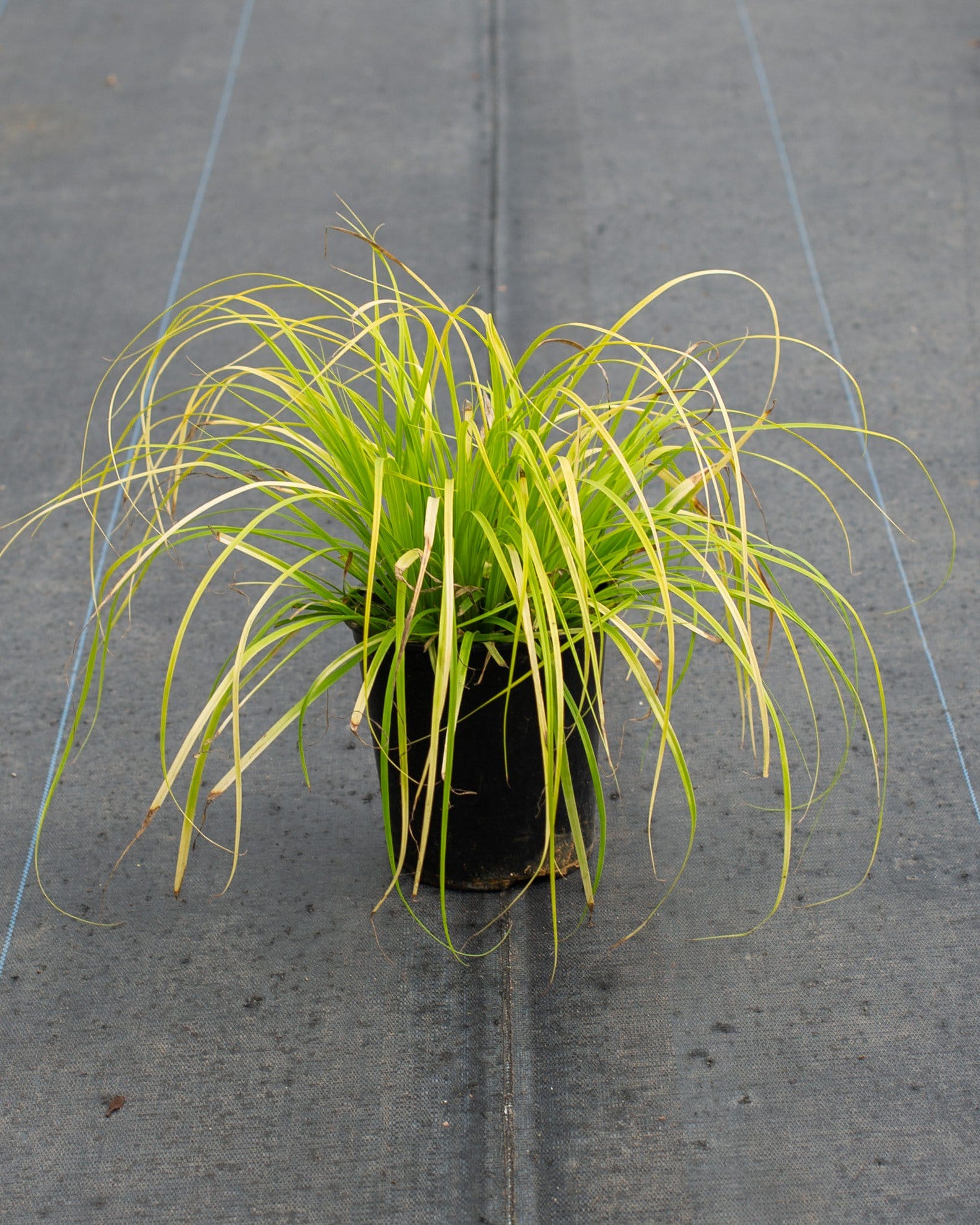
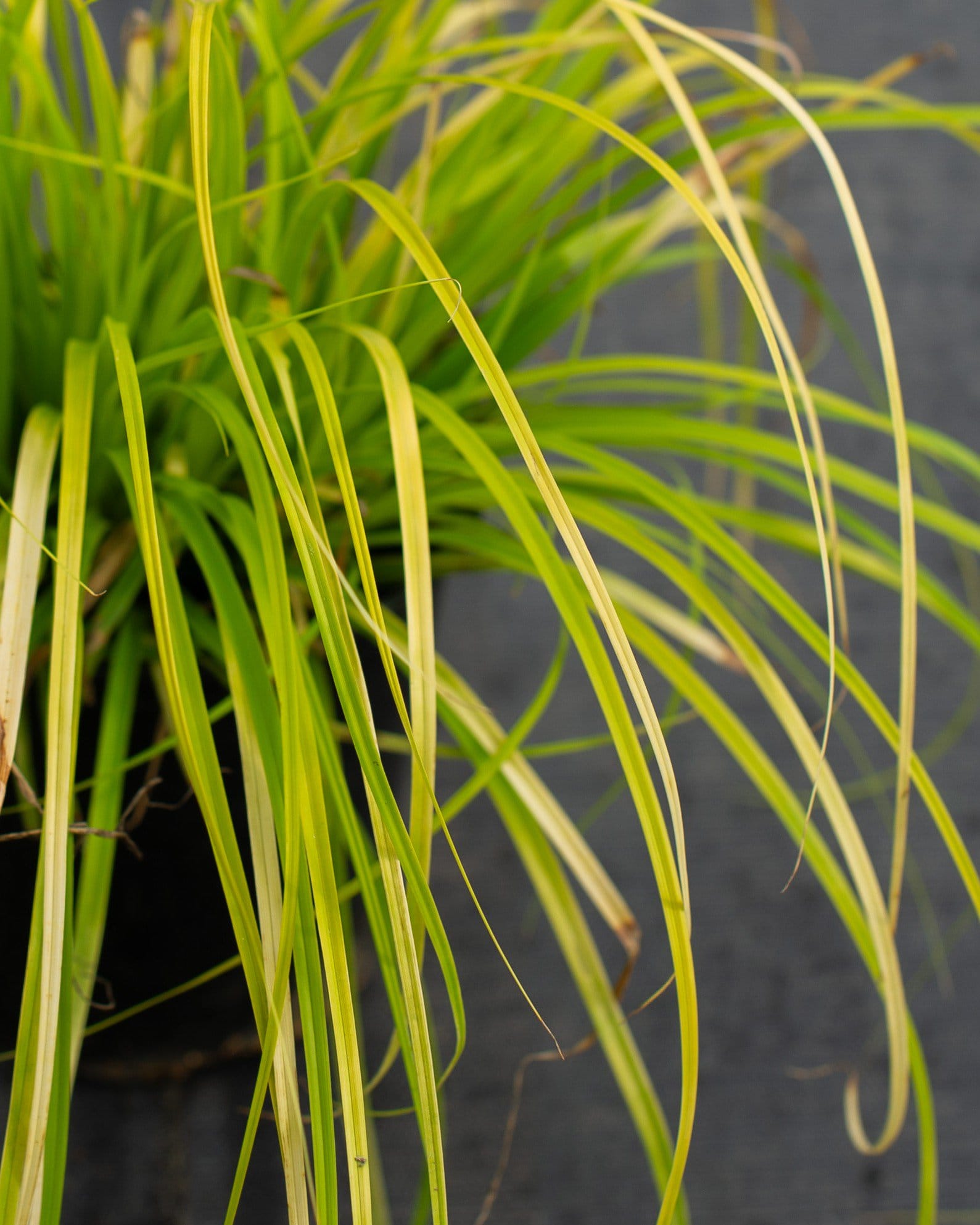
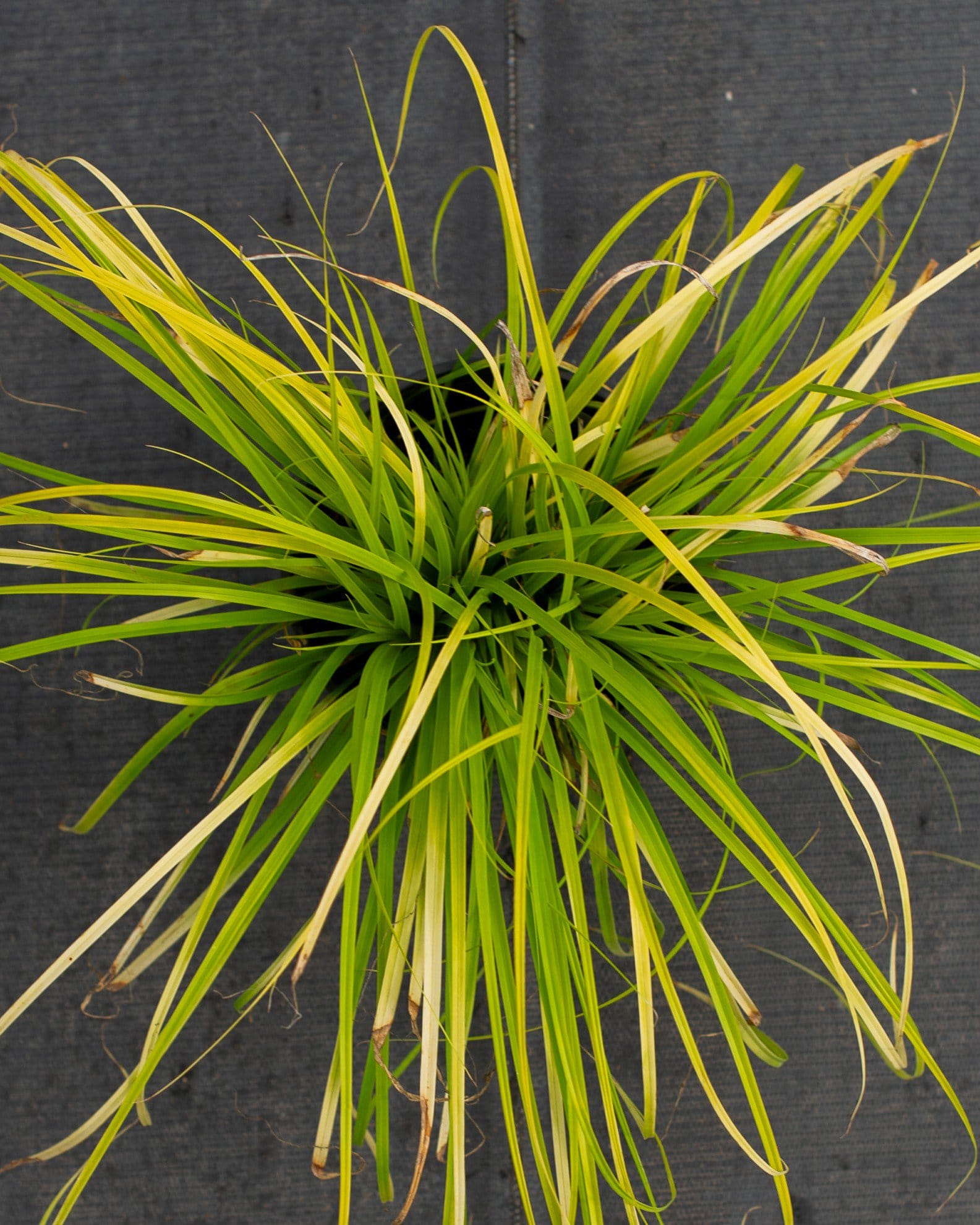
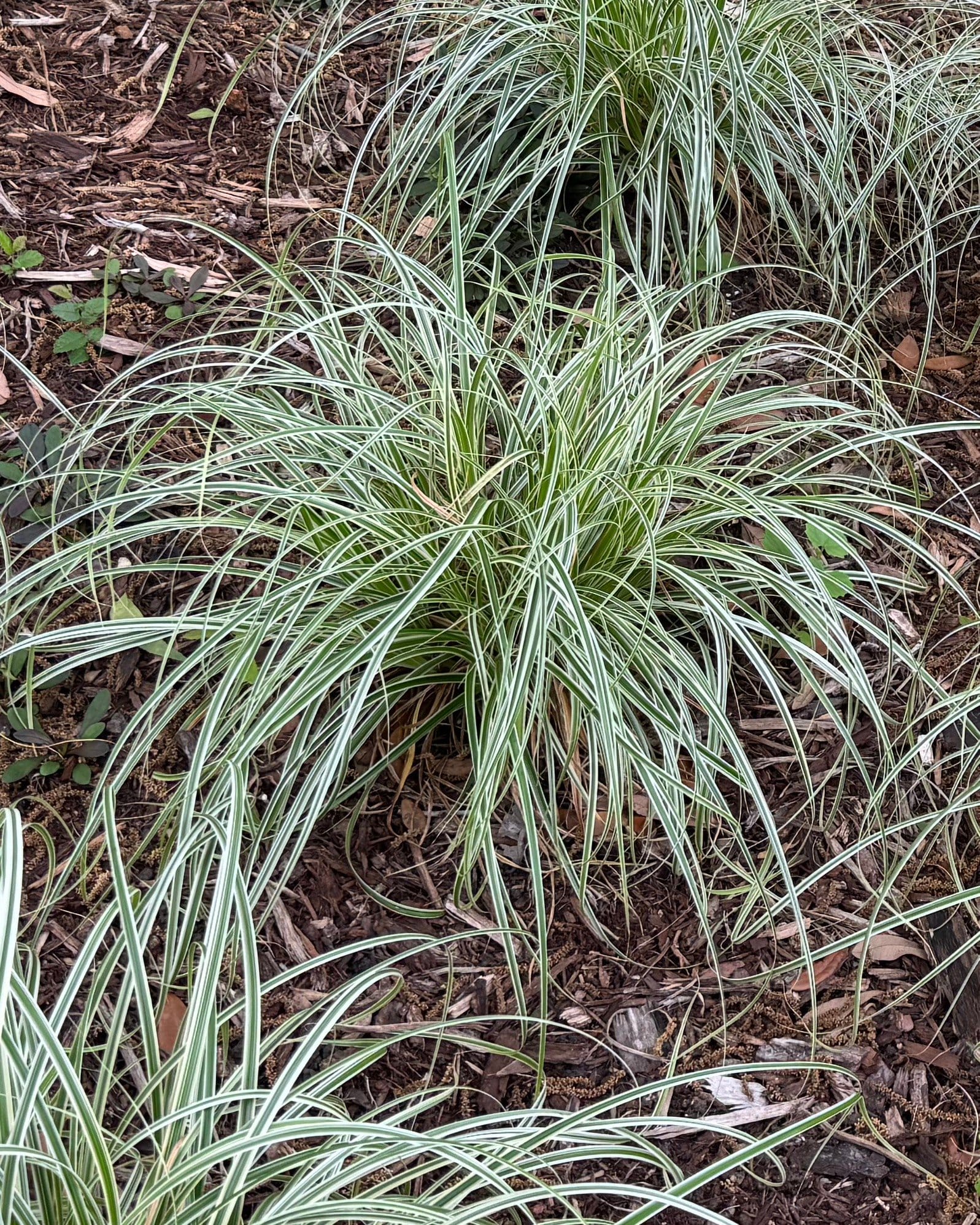
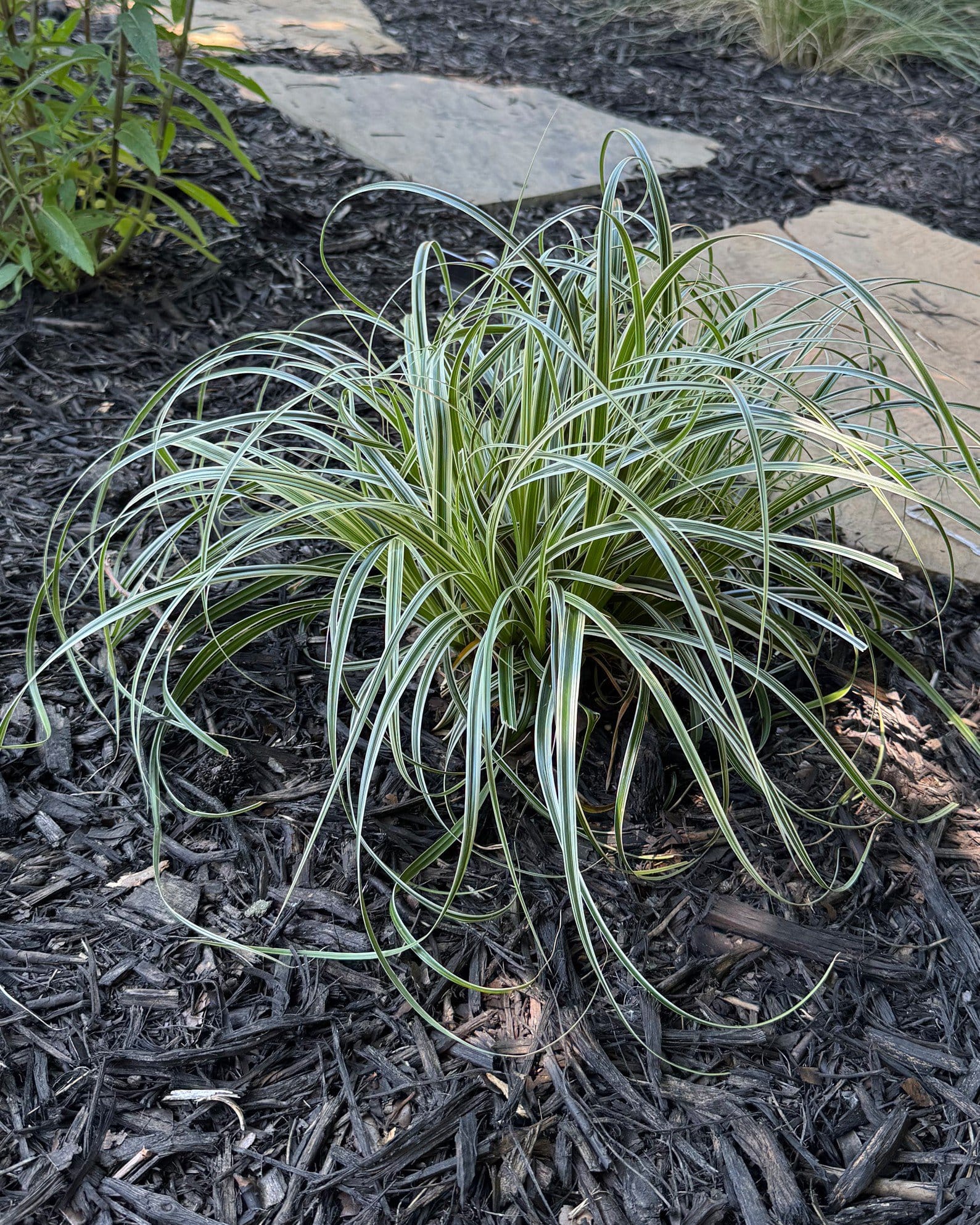
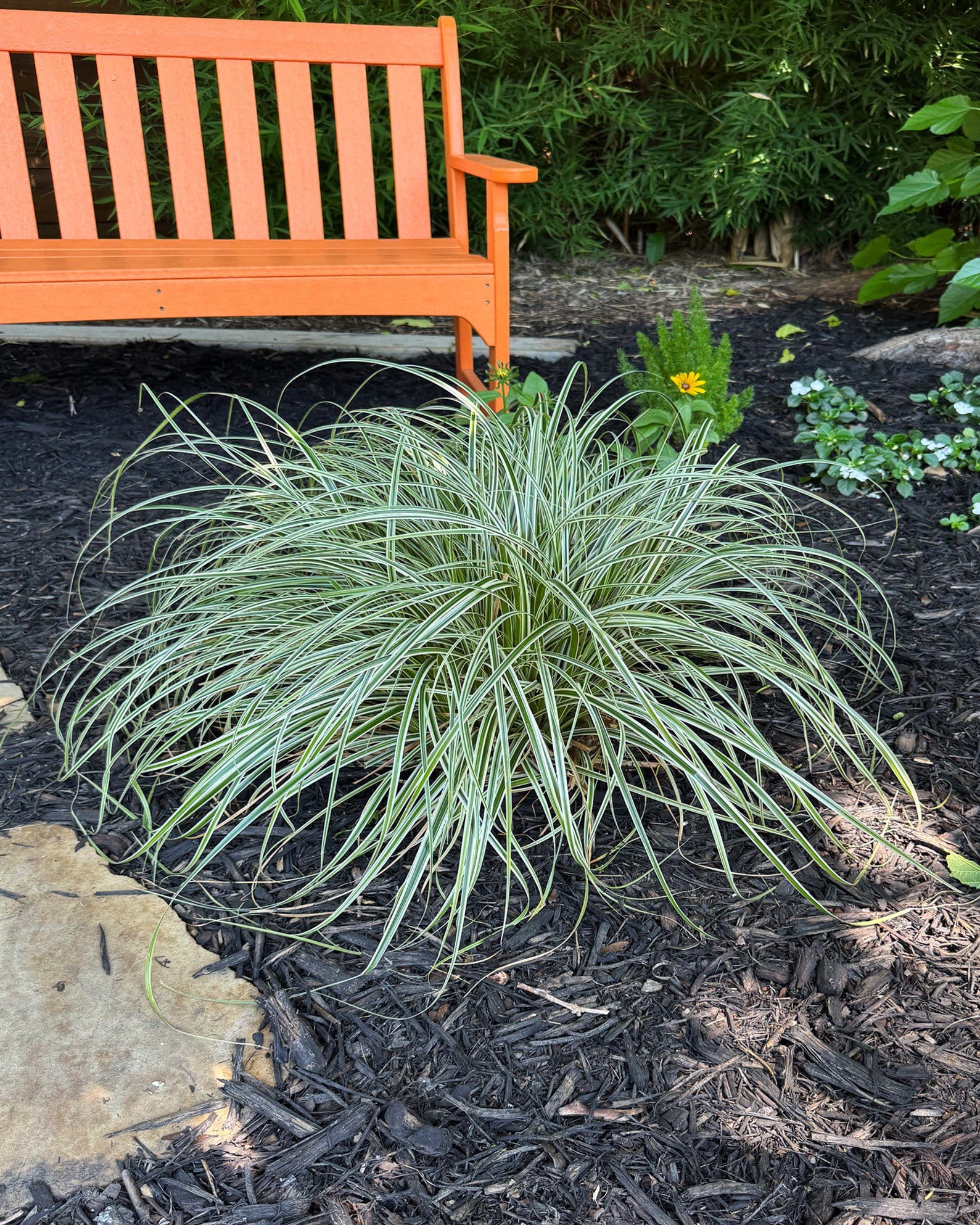
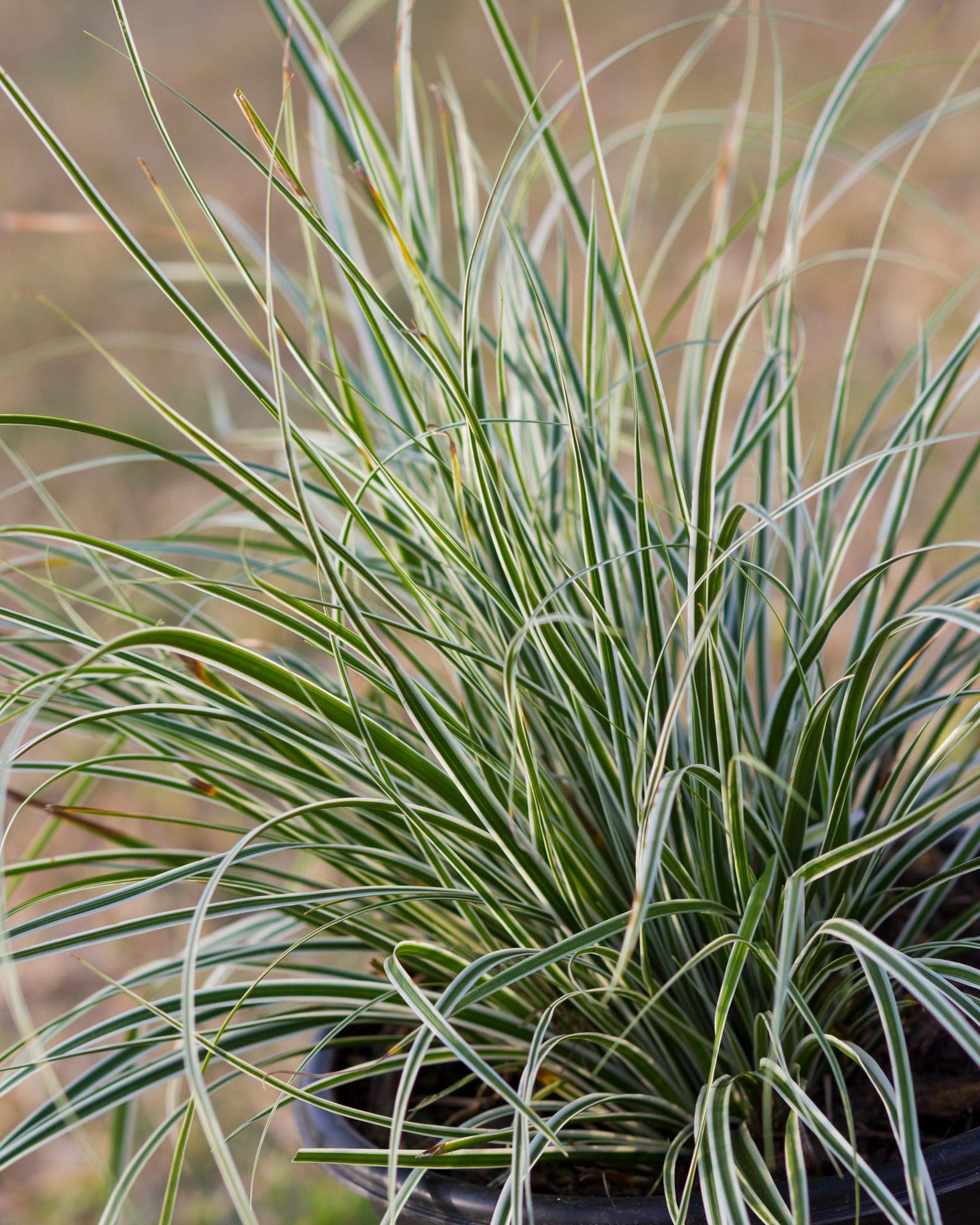
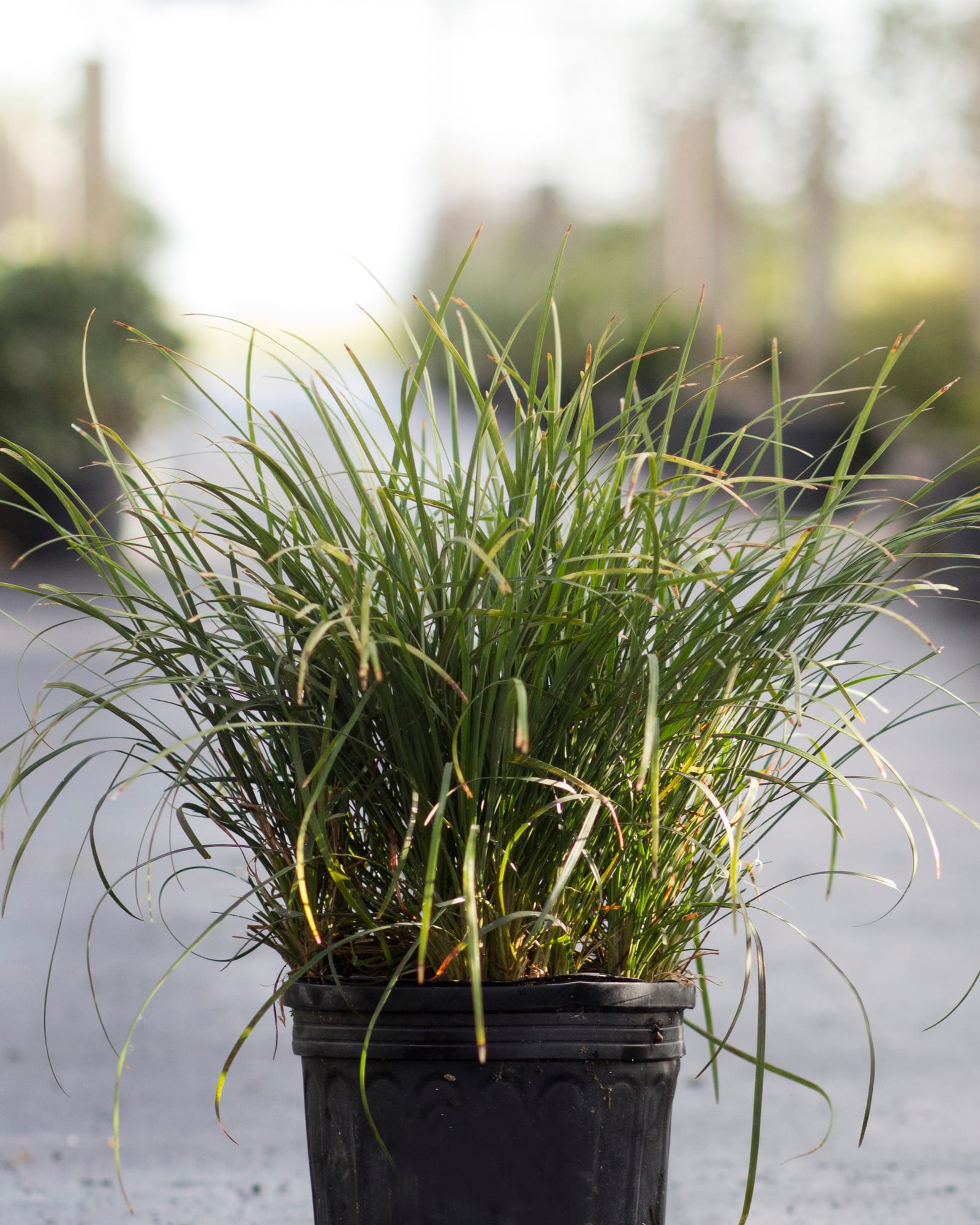
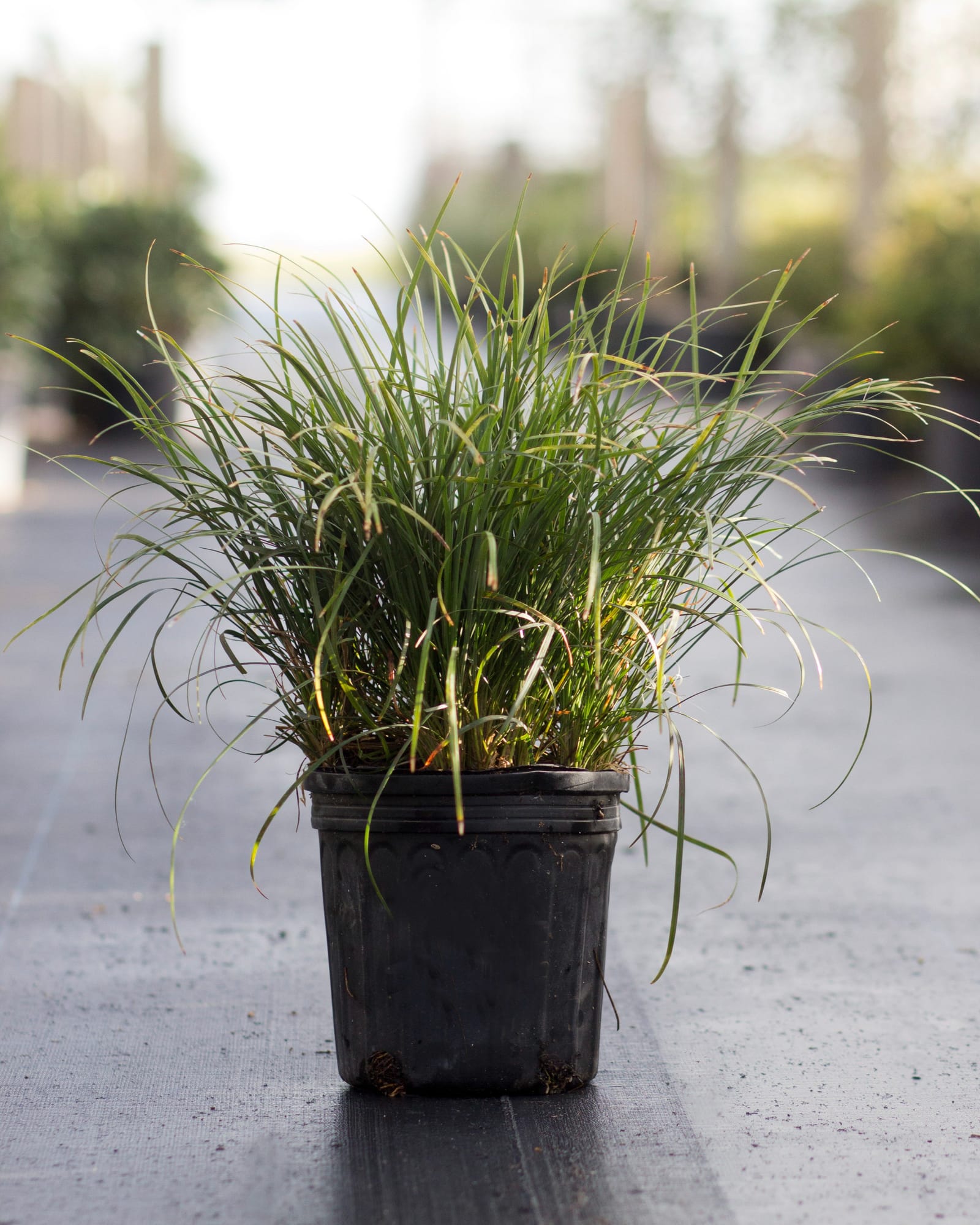
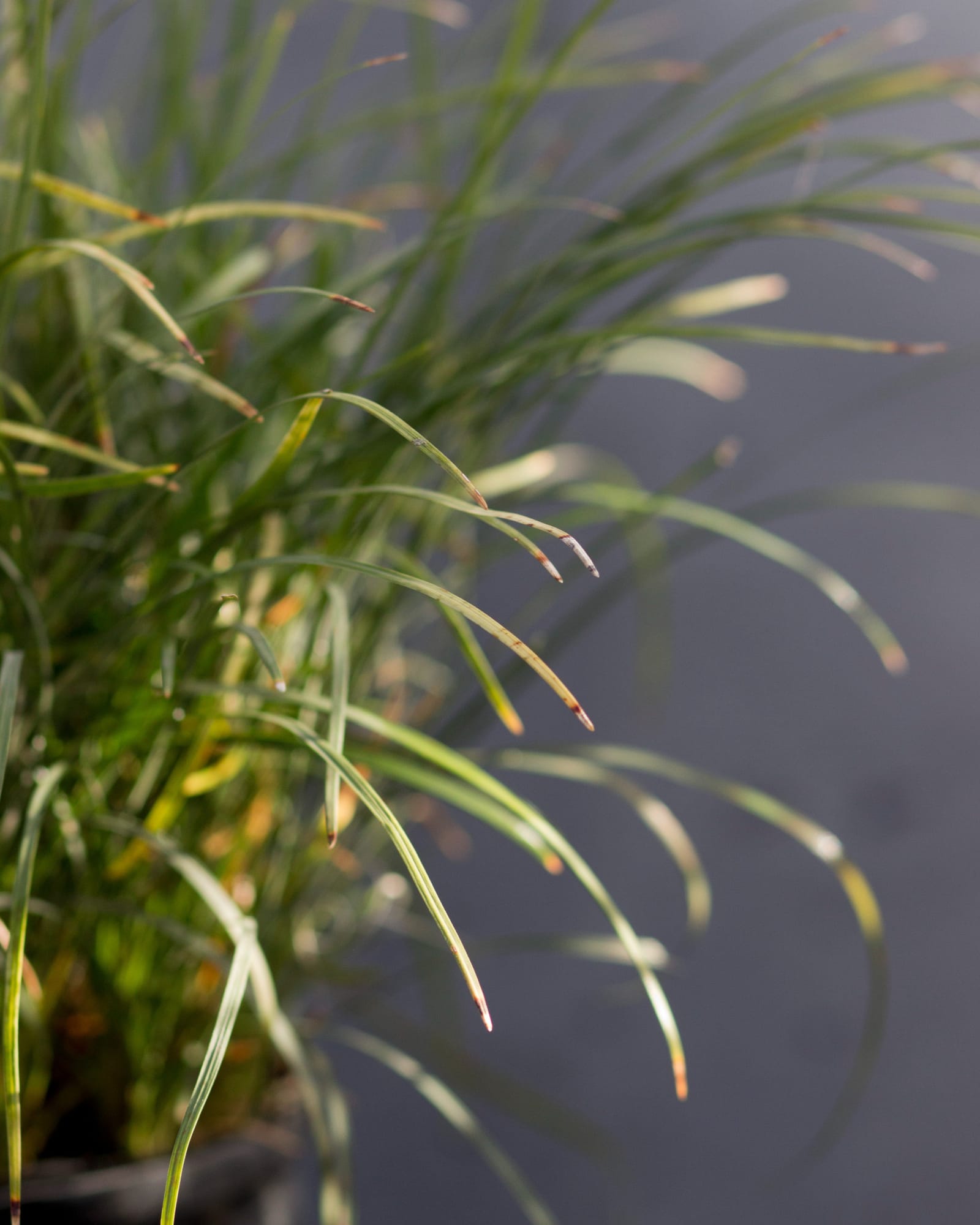
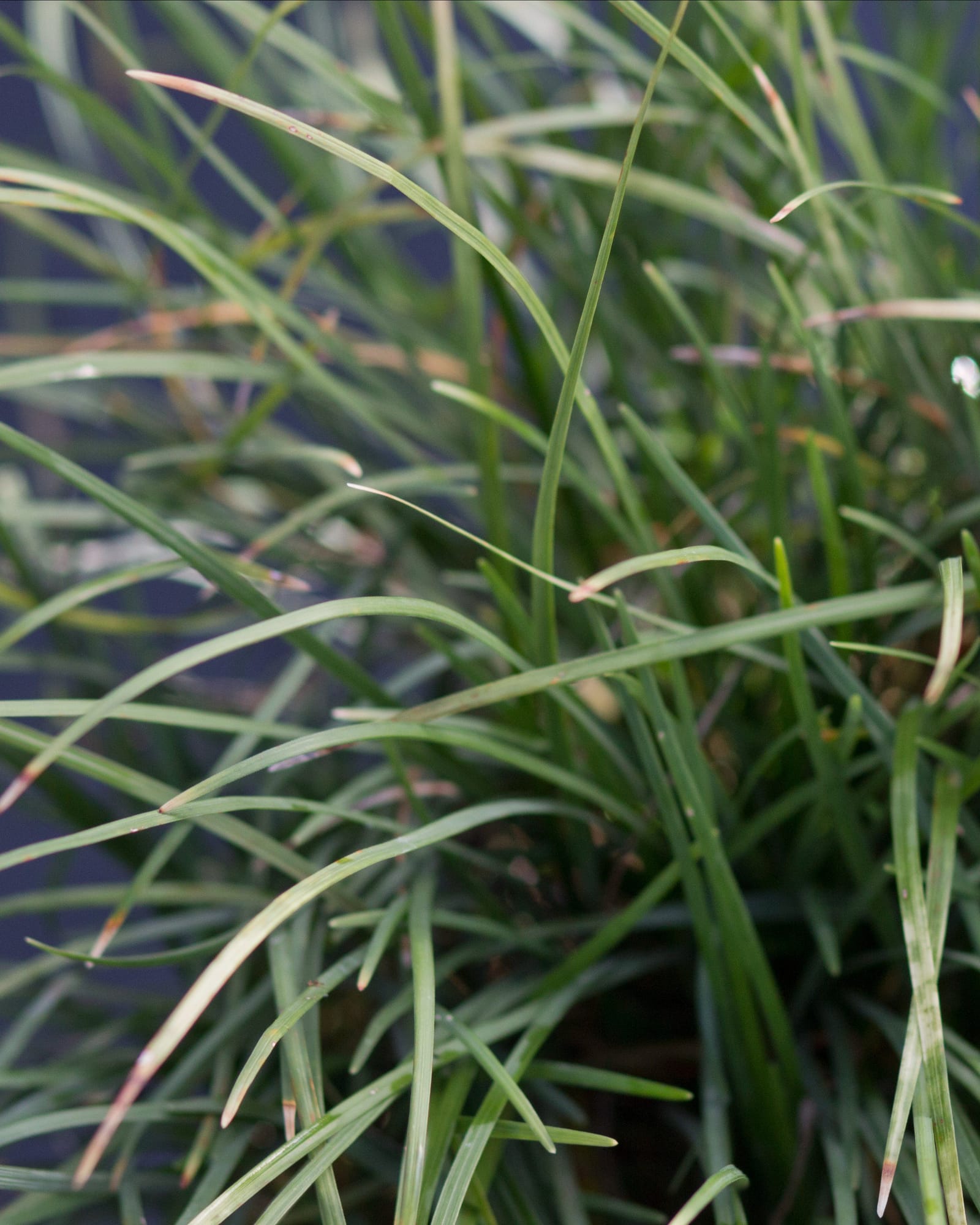
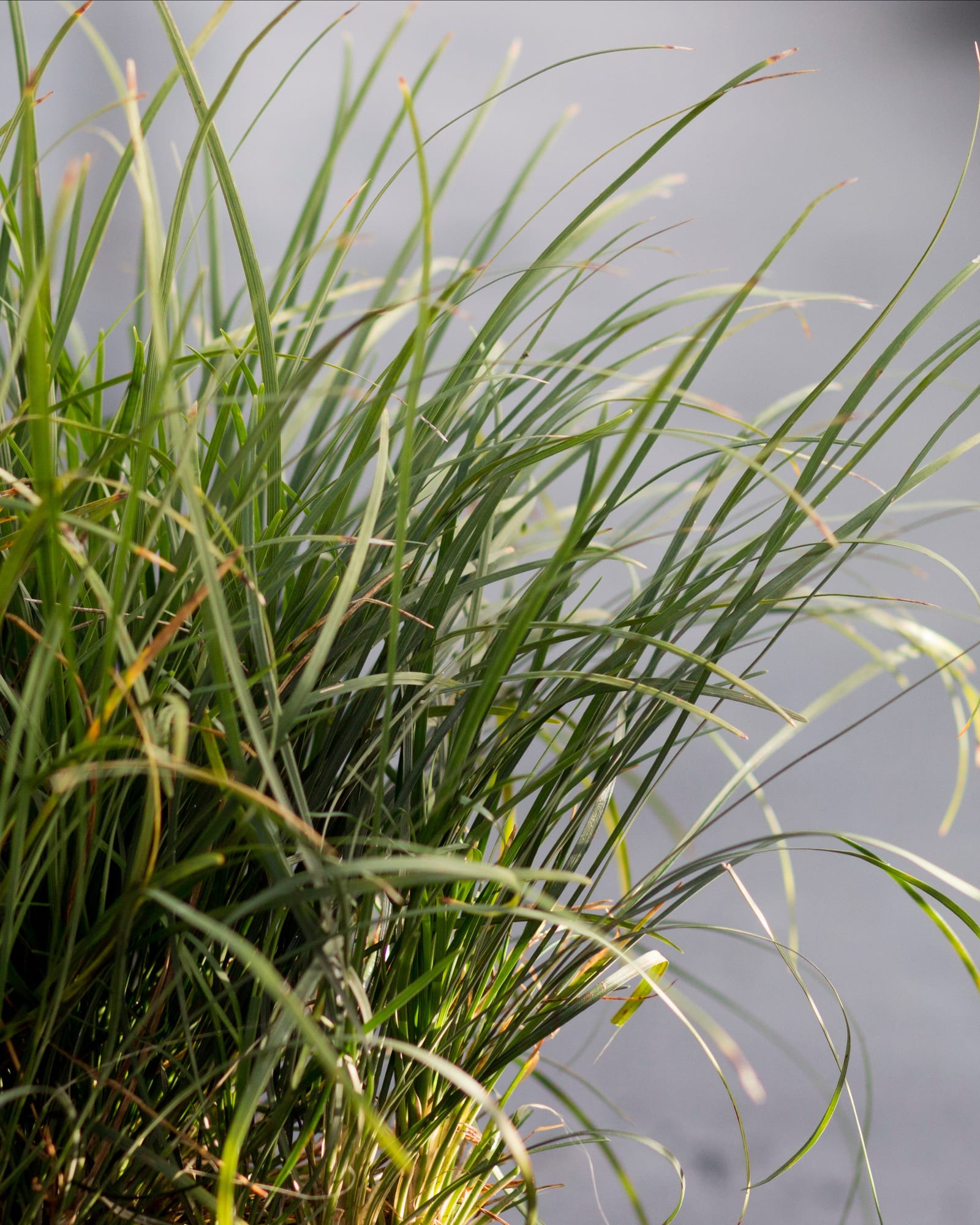
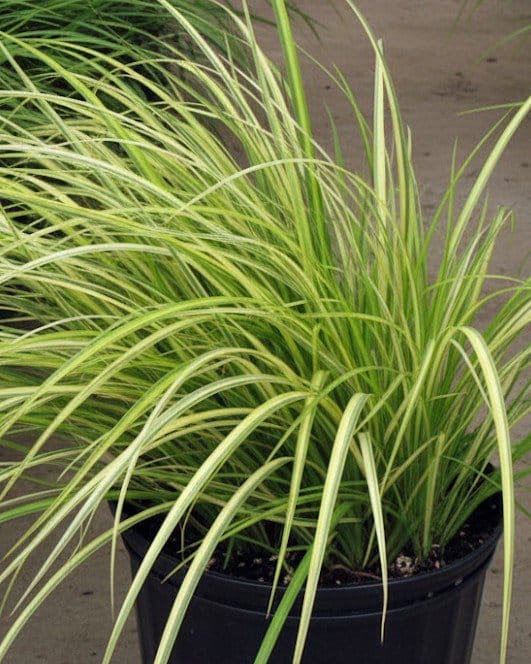
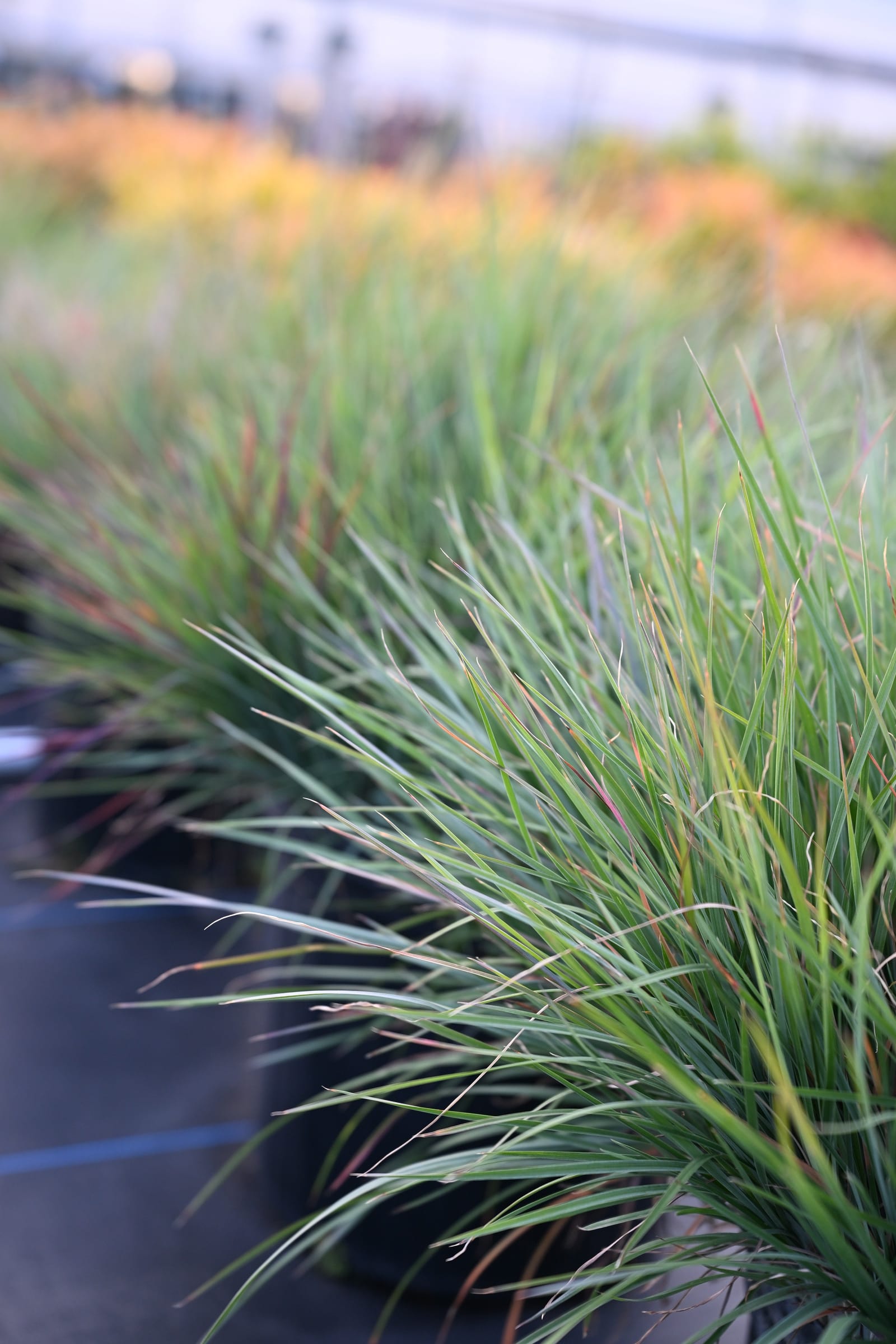
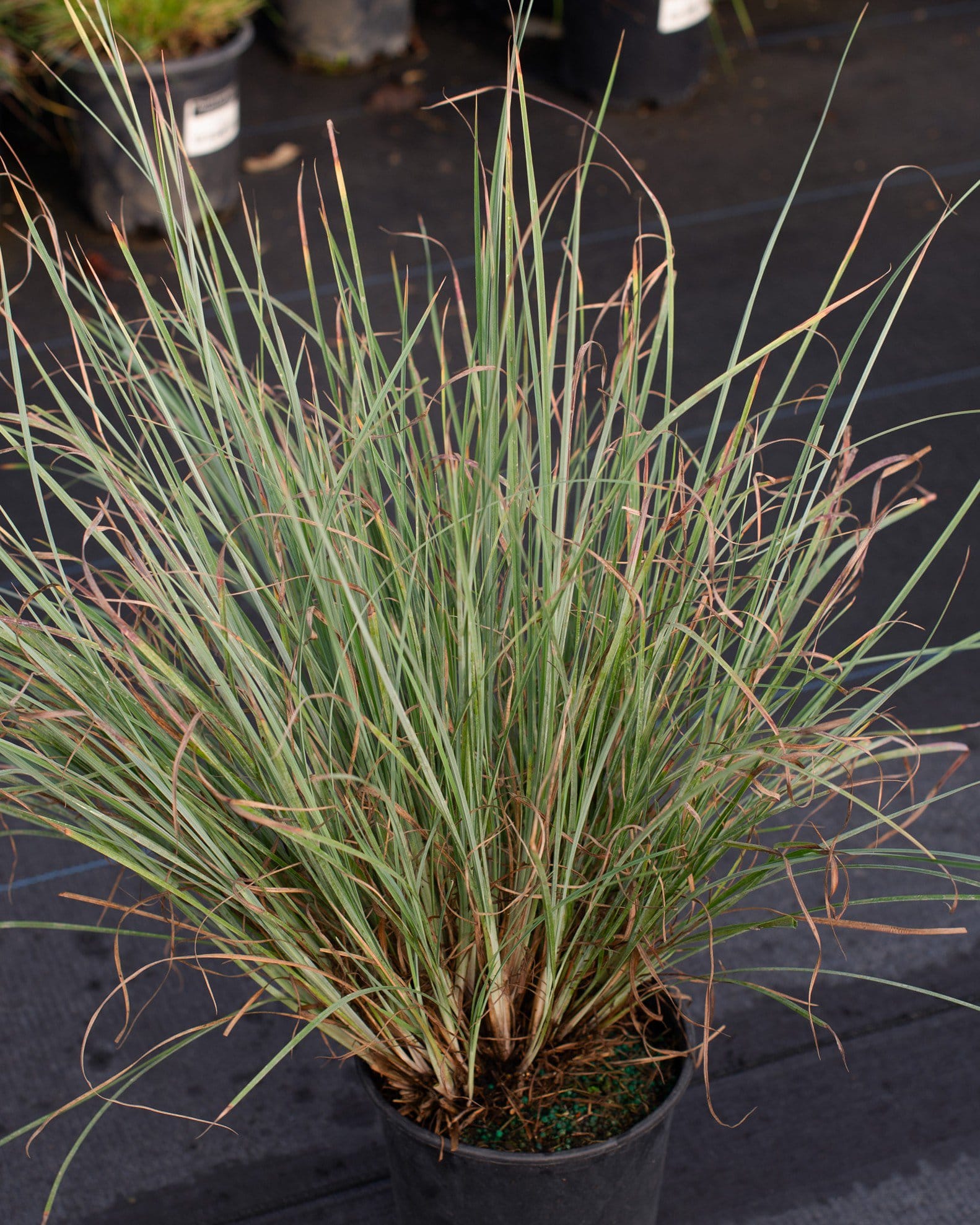
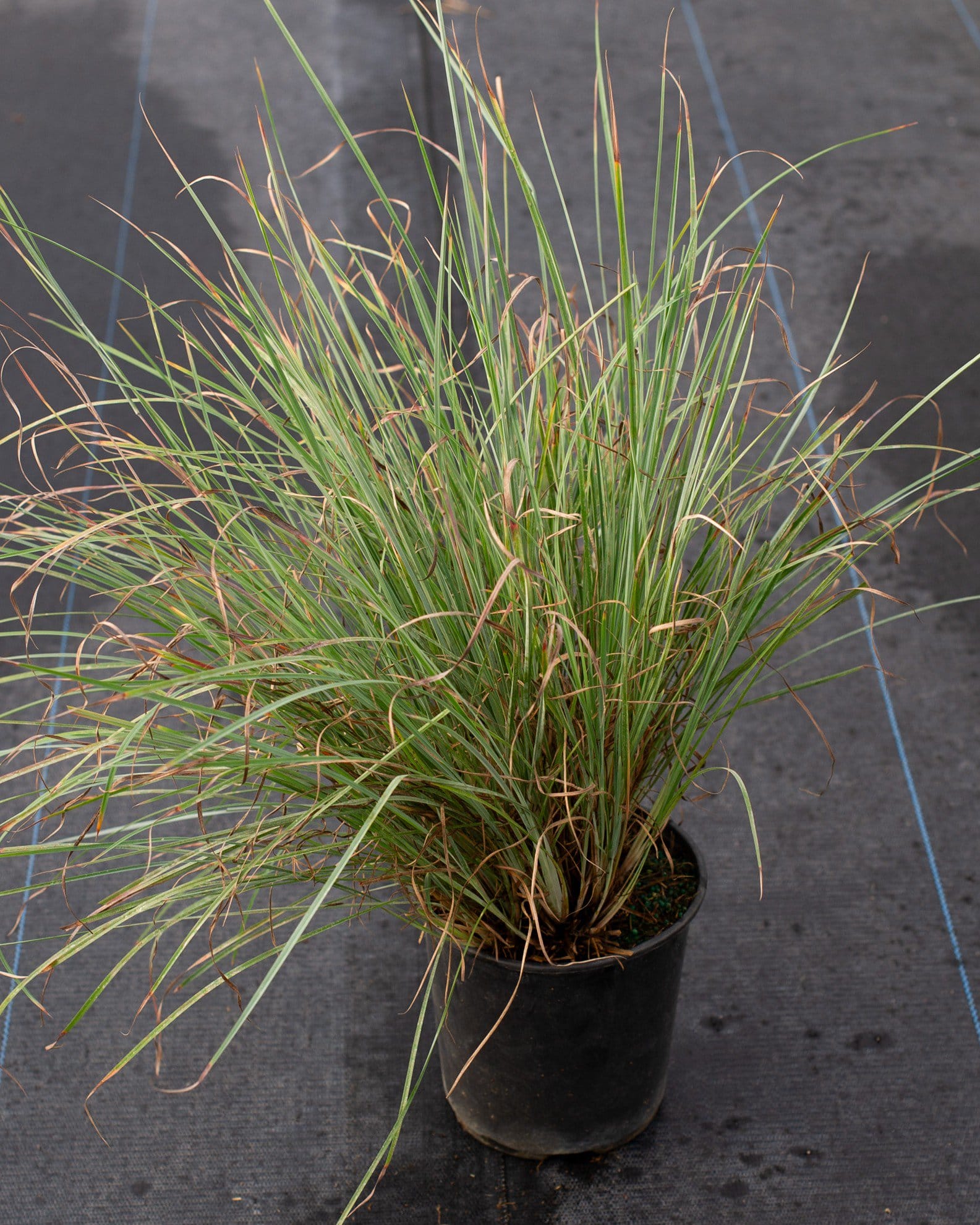
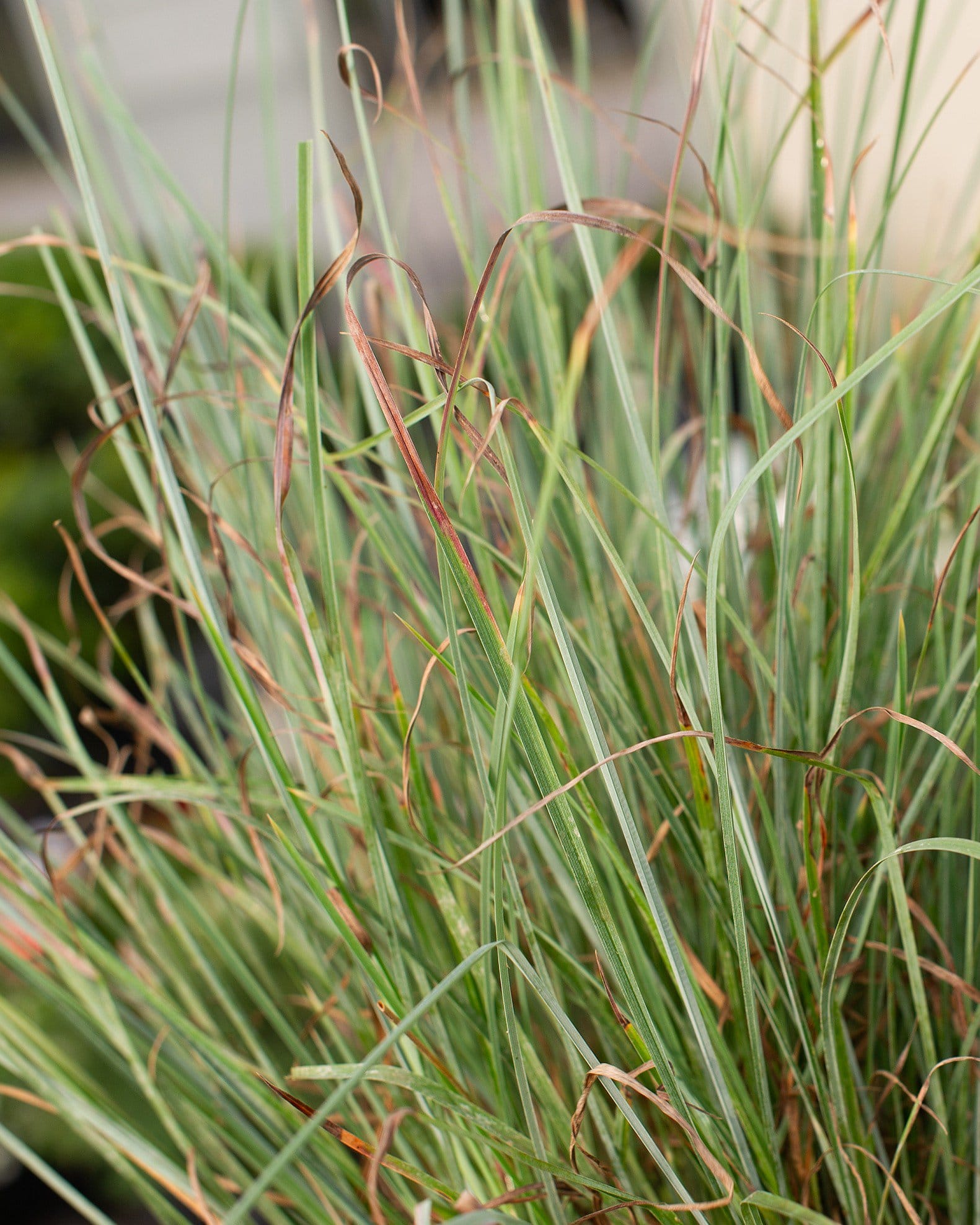
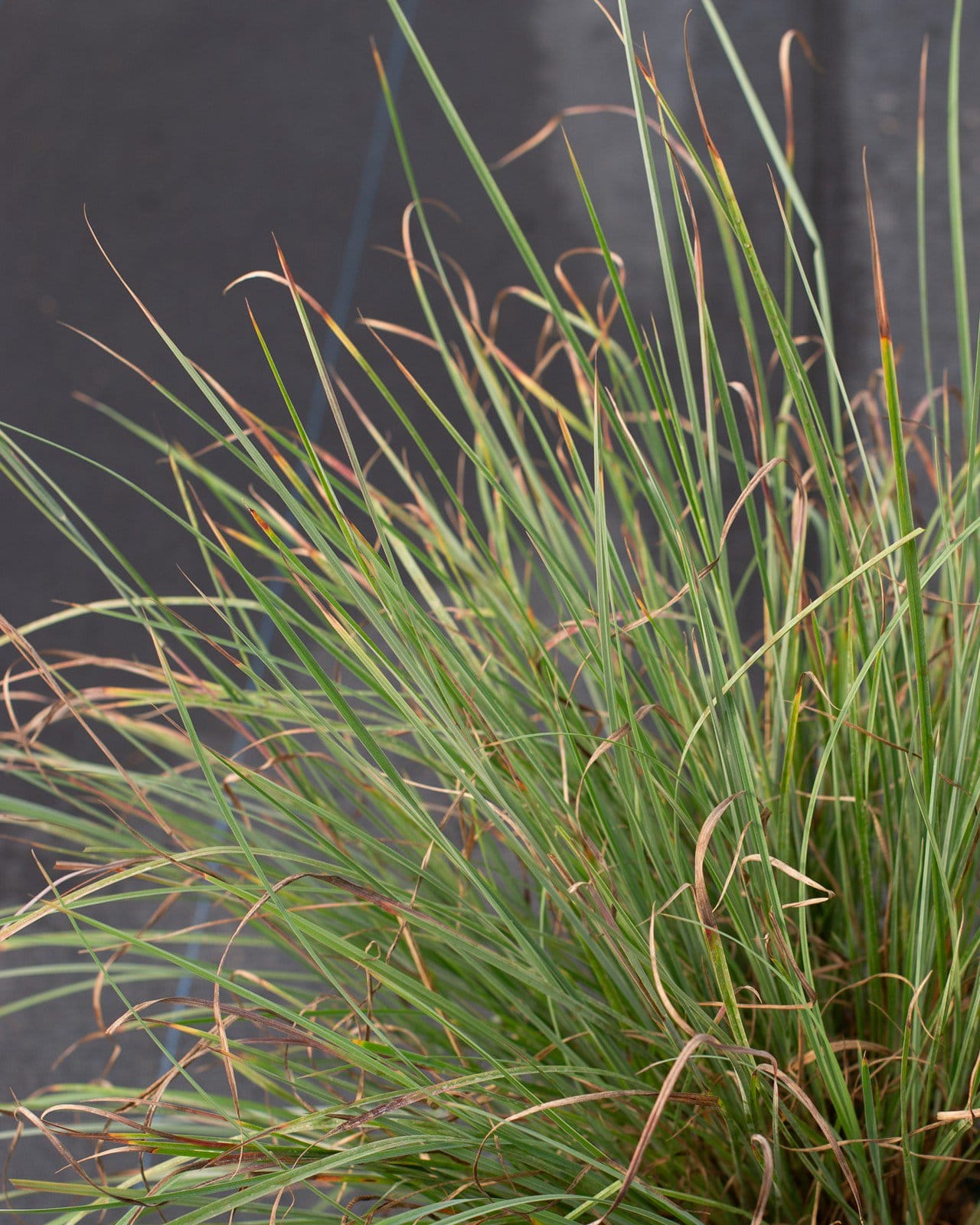
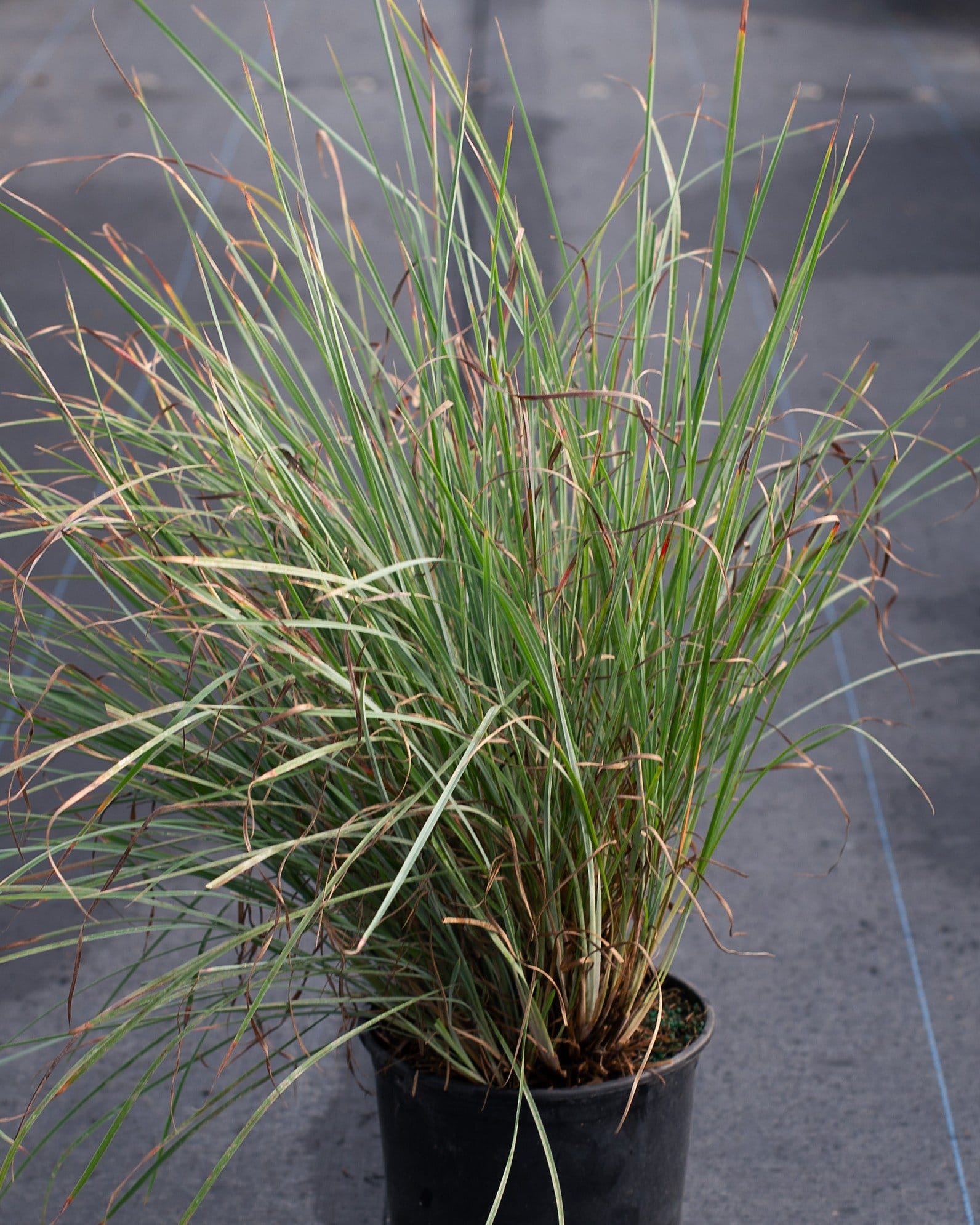
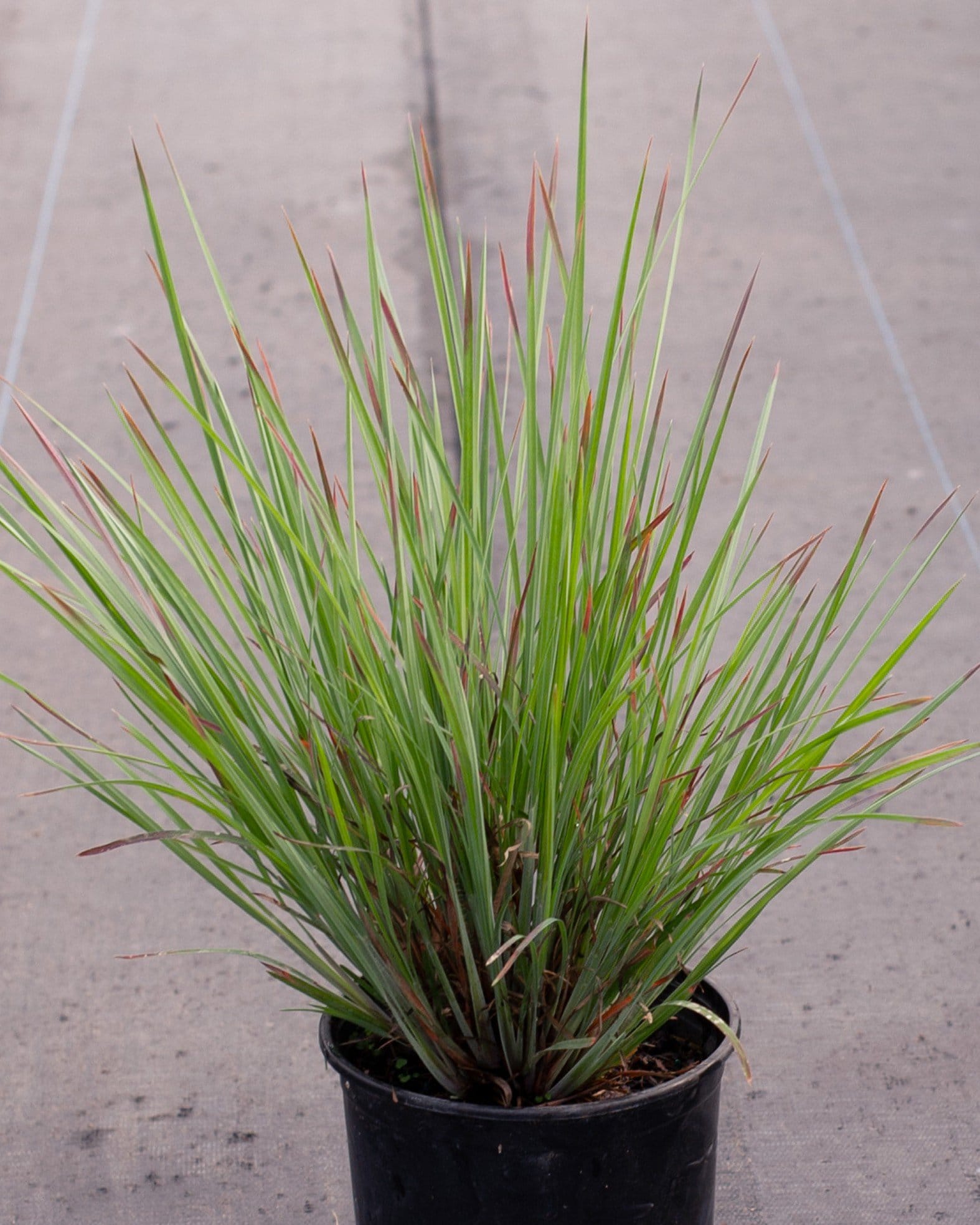
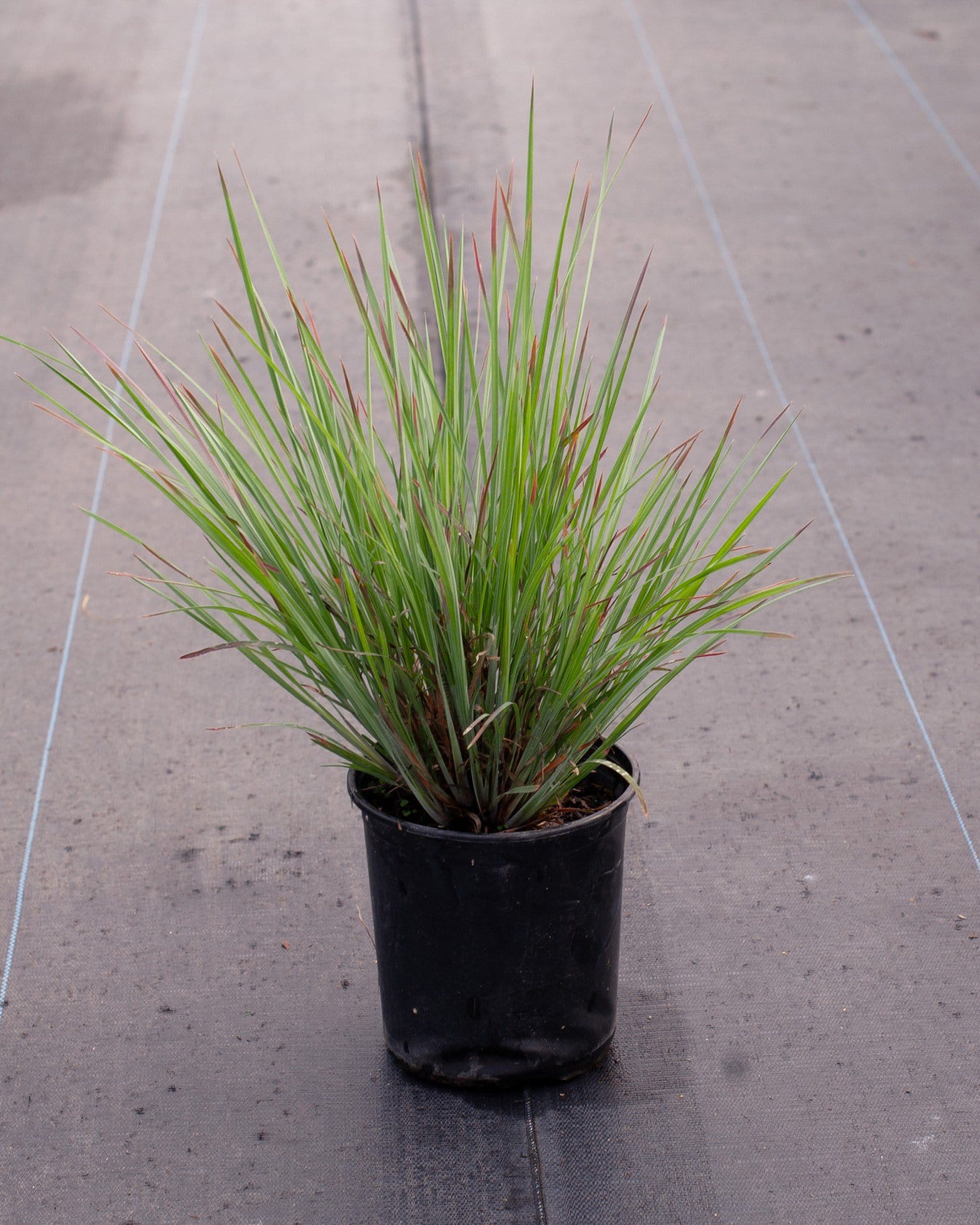
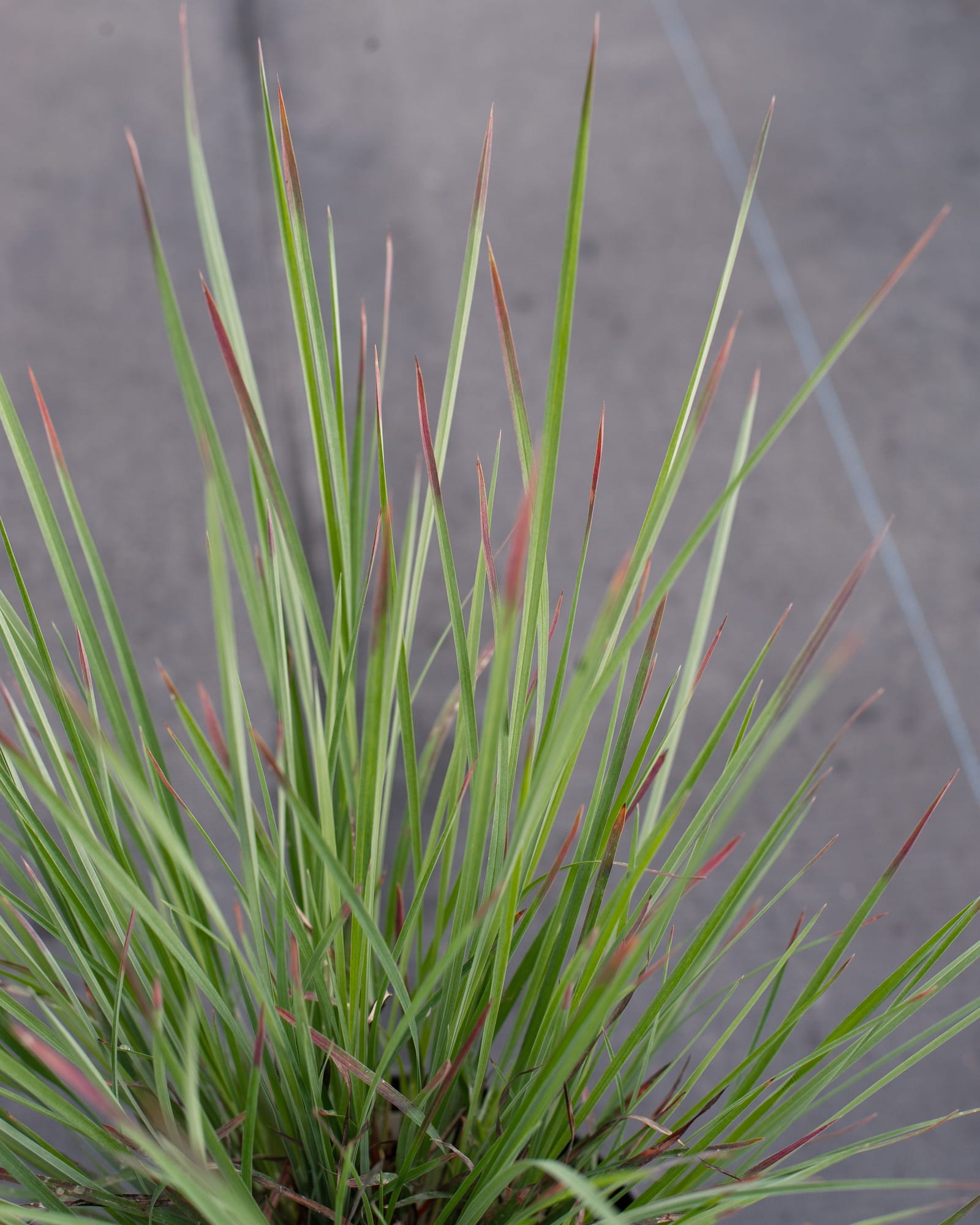
Carex oshimensis 'Carfit01'Everest EverColor Carex is a finely textured, low-growing grass known for its variegated foliage that forms graceful, arching clumps. Each blade features a rich green center with clean white margins, creating a luminous effect in lower light areas. With a mature height and width of around 12 and 18 inches, it’s perfect for edging, underplanting, or massing in shaded to partly shaded beds. Its neat, mounding habit keeps it looking tidy throughout the growing season, and the evergreen foliage offers soft structure even through winter in mild areas.
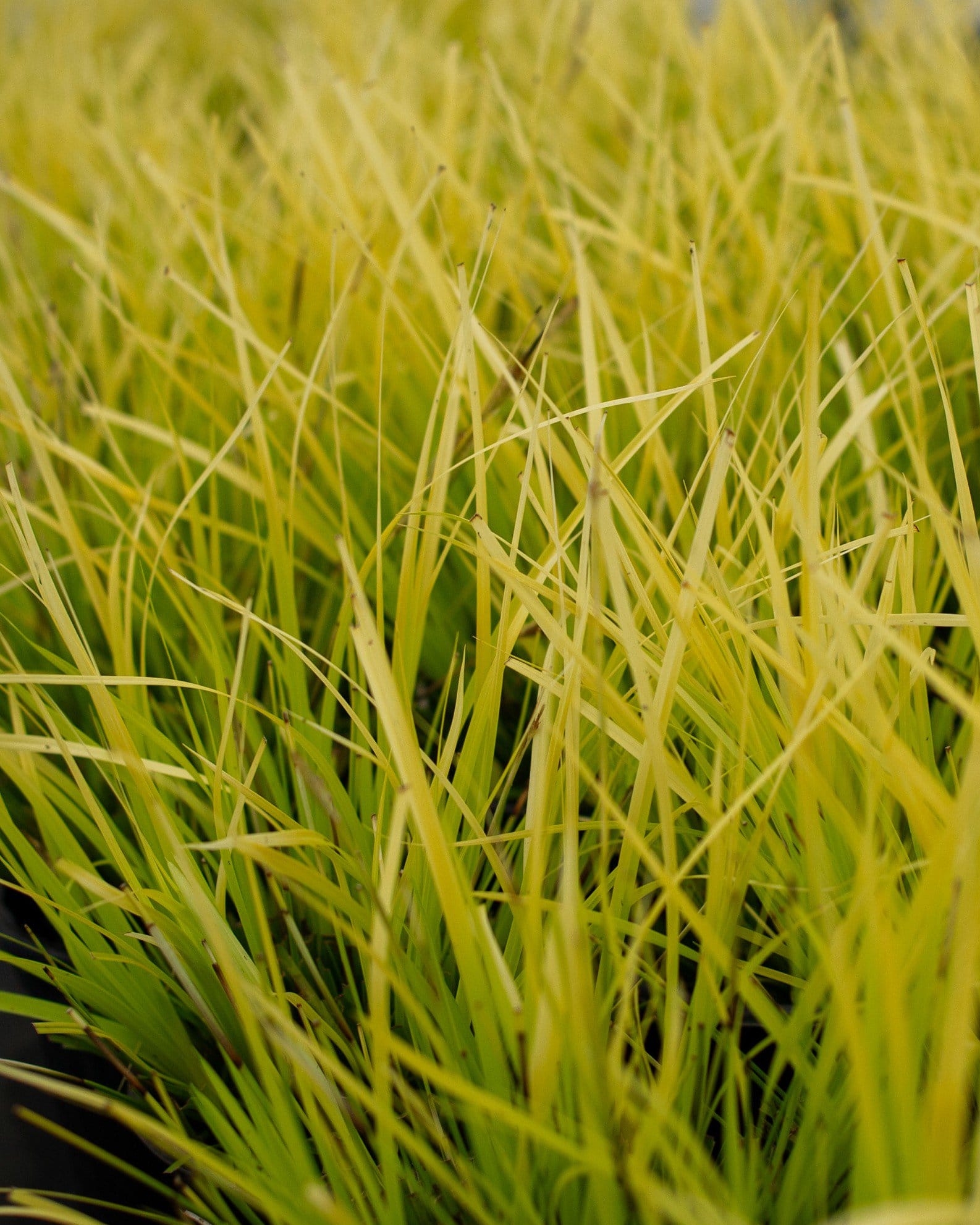
- Green and white variegated foliage
- Mounded, arching form to 12 inches
- Performs well in shade or part sun
- Evergreen in mild winters
- Brightens darker areas with texture and contrast
Plant in shade to part sun with moist, well-drained soil. Remove any damaged foliage in early spring to refresh the clump. This variety is well-suited to North Texas shade flower beds where color and contrast are needed beneath taller plantings or in woodland-style beds.
Everest EverColor Carex Sedge Variegated is the perfect representation of low-maintenance. Here’s how to help it grow beautifully:
- Watering: Water regularly during the first growing season to help roots establish. Once mature, Everest Carex tolerates short dry periods but performs best with consistent moisture, especially in warm climates. Avoid constantly wet soil, as prolonged saturation can cause crown rot.
- Pruning: Trim away old or weathered foliage in late winter or early spring to encourage fresh, bright growth. Use sharp shears to remove any brown tips or damaged leaves during the growing season. Avoid cutting into the crown, as this can delay new growth.
- Fertilizing: Apply a light, balanced, slow-release fertilizer or compost in spring to maintain rich color and healthy foliage. Avoid excessive nitrogen, which can cause overly soft growth and dull the white variegation.
- Mulching: Spread a 2-inch layer of organic mulch or fine gravel around the base to retain moisture and prevent weeds. Keep mulch away from the crown to allow airflow and reduce the risk of rot. Refresh annually for a polished, finished look.
- Winter Care: Everest Carex remains evergreen in mild climates, holding its bright foliage even through light frosts. In colder zones, it may brown slightly - simply trim and clean it in late winter, and vibrant new leaves will emerge with spring warmth.
Everest EverColor Carex is remarkably low-maintenance, but a few issues can arise if conditions are poor:
- Rust: A fungal infection that causes orange or brown specks on leaves, typically in damp weather. Remove affected foliage and apply a copper- or sulfur-based fungicide if symptoms persist.
- Leaf Spot: Appears as dark, irregular patches that may expand in humid conditions. Improve airflow, avoid overhead watering, and prune damaged leaves promptly.
- Aphids: Small, soft-bodied insects that cluster on young leaves and stems. Wash off with water or apply insecticidal soap to keep populations under control.
- Spider Mites: Microscopic pests that cause stippling and dull leaf color in dry, hot weather. Mist foliage occasionally and apply horticultural oil during outbreaks.
- Slugs and Snails: Common in shaded, damp areas and feed on tender leaves. Use organic slug bait or barriers to protect the plant.
With proper care, it can thrive for 10-15 years or longer, remaining evergreen and vibrant year-round. Mature clumps maintain their neat shape for many seasons without losing color or vigor.
It grows moderately, forming a full, arching mound within 2-3 years after planting. Once mature, it continues to expand slowly, making it easy to maintain in borders or pots.
Yes - deer tend to ignore it, as its fibrous leaves and variegated color are unappealing to browsing animals. This natural resistance makes it dependable in woodland or suburban gardens.
Not heavily, but its dense foliage provides shelter for beneficial insects and small ground creatures. Birds may also use its soft, fine leaves for nesting material in spring.
Absolutely. Its tidy, cascading habit makes it perfect for pots, planters, and mixed arrangements. Ensure good drainage and consistent watering to keep its foliage lush and bright.
Yes - it excels in high-traffic and heat-reflective areas like courtyards and city planters. Its clean, variegated look brings contrast and freshness to modern designs year-round.
Yes. Divide every 3-4 years in spring to restore density and maintain color vibrancy. Removing the older central section encourages fresh new growth from the outer portions.
Yes - its fibrous roots grip the soil effectively, helping to stabilize slopes and garden edges. It’s especially useful in decorative rain gardens or along pathways.
Completely safe and non-toxic, making it ideal for family gardens and pet-friendly landscapes. The foliage is soft and flexible, minimizing breakage or injury in active areas.
Its crisp variegation, evergreen habit, and adaptable nature make it one of the most versatile sedges available. Unlike many Carex varieties, Everest holds its color through winter and maintains perfect mounding form with almost no care required.
Special Features
You might also like

Compare Similar Plants
Everest EverColor Carex Sedge This plant | ||
|---|---|---|
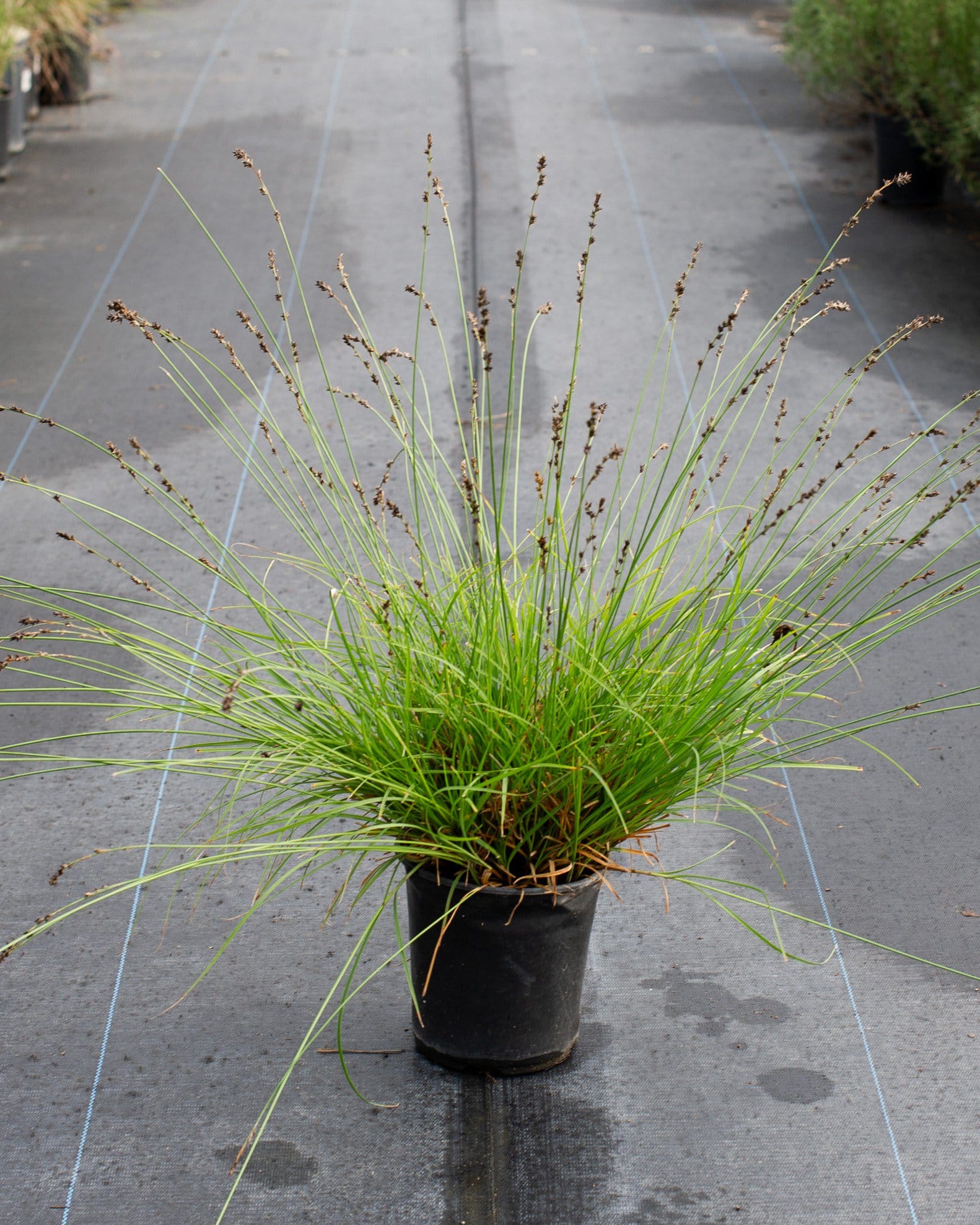
| Scientific Name | Carex oshimensis 'Carfit01' | Carex divulsa |
| Size at Maturity | 1' H x 1.5' W | 1' H x 2' W |
| Leaf Retention | Herbaceous | Herbaceous |
| Sizes Available | 1 gal | 1 gal |


Our 1-Year Planting Guarantee
We take pride in our plants and installation services. If any plants or trees installed by Treeland fail to thrive within the first year, we'll provide a replacement credit in accordance with our guarantee program.
Learn More About Our Guarantee