
 Texas Native
Inland Sea Oates
Chasmanthium latifoliumLocal DFW Delivery Only
Product Details
Inland Sea Oates
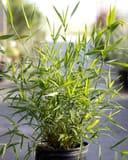
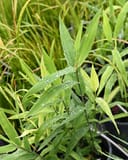
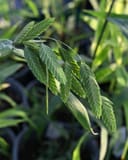
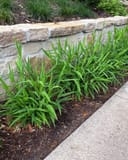
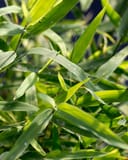
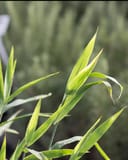
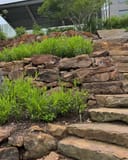
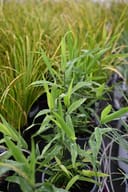
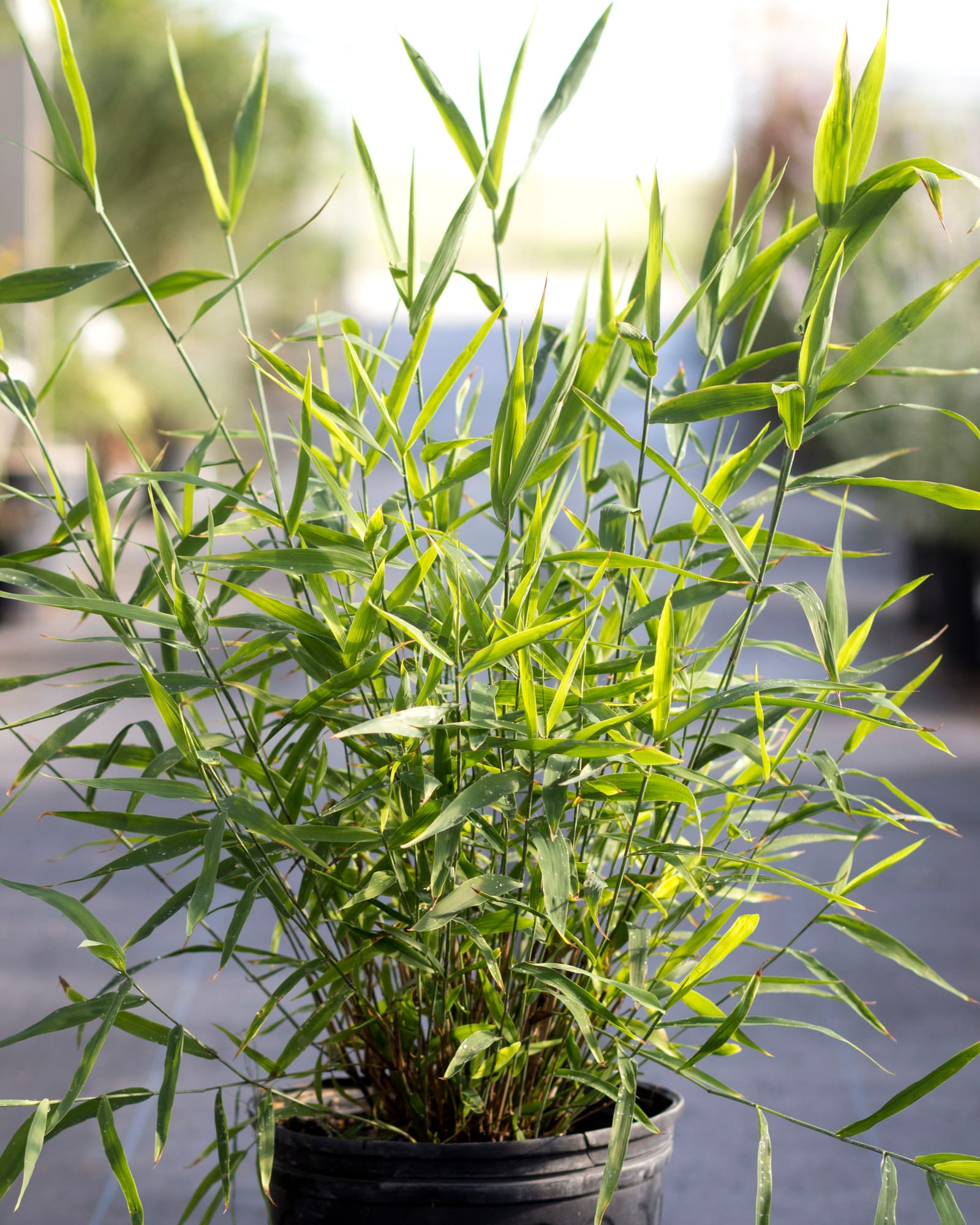
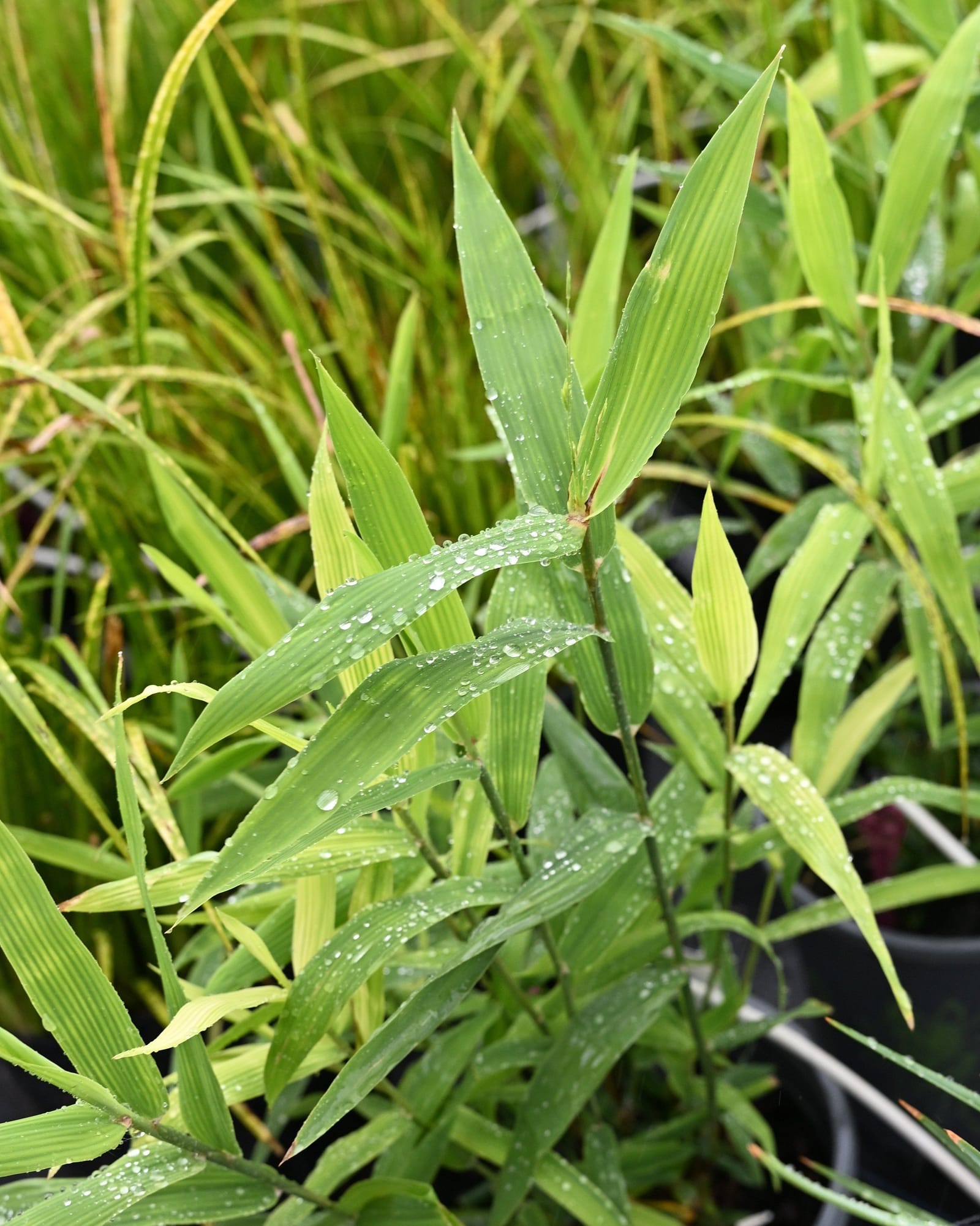
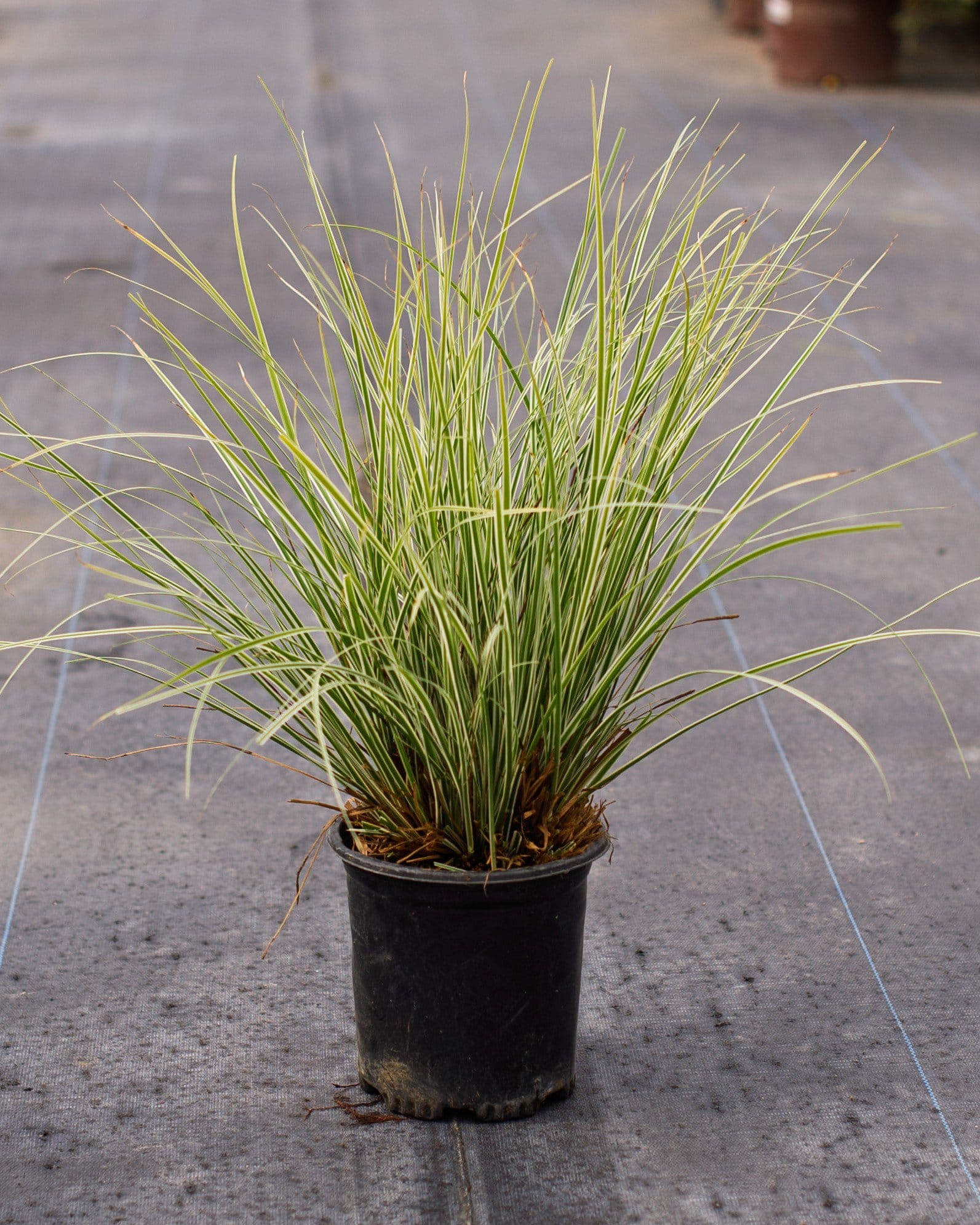
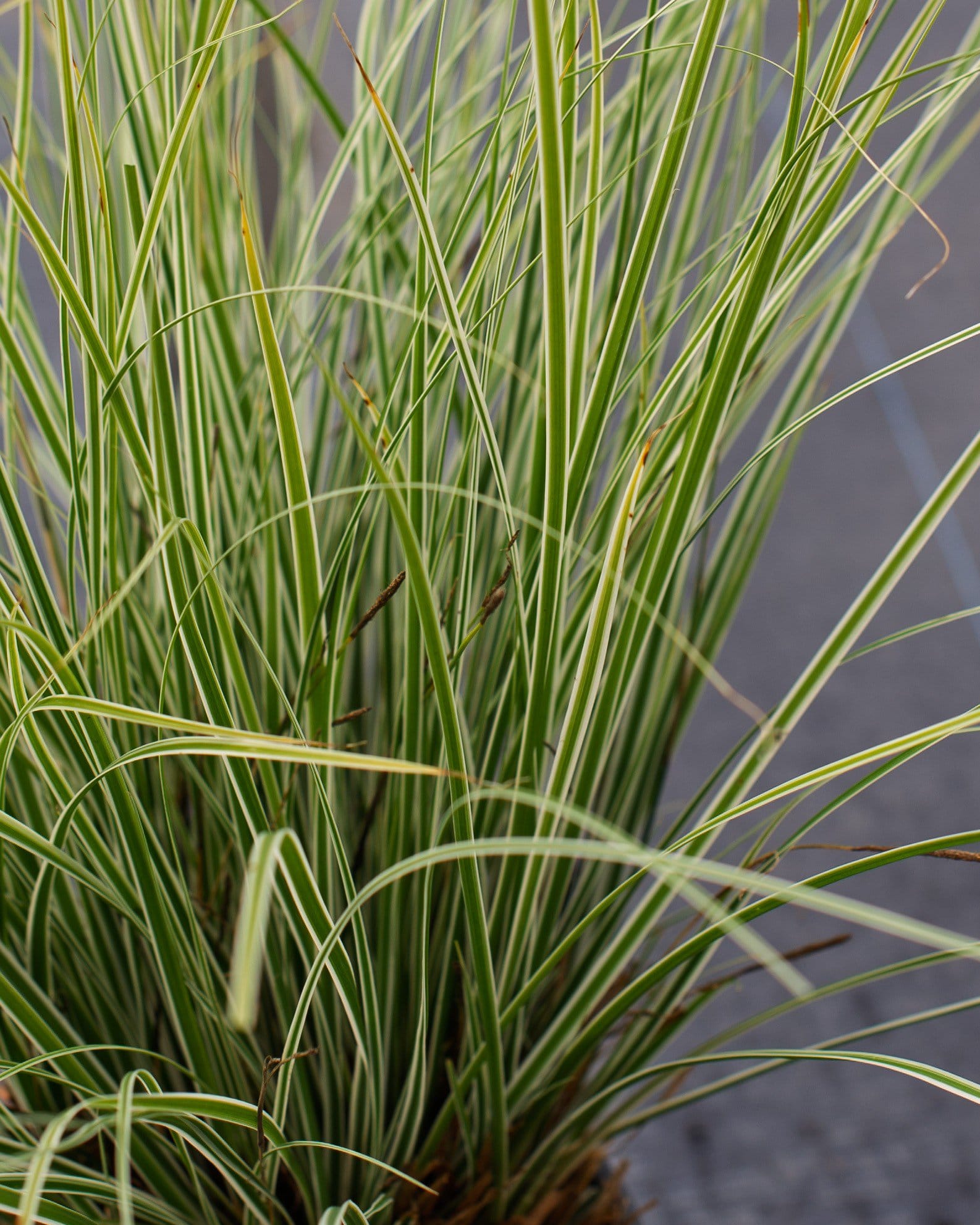
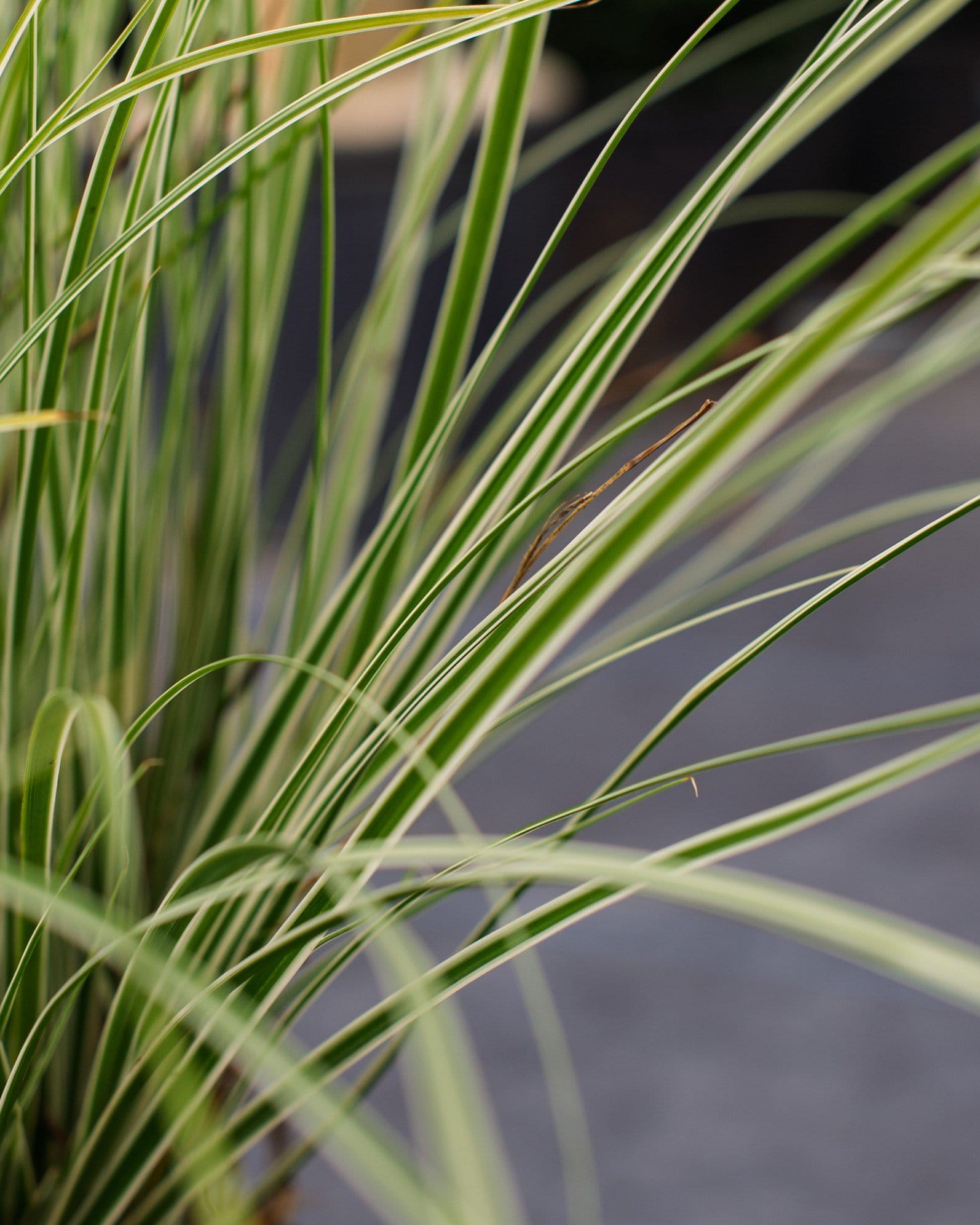
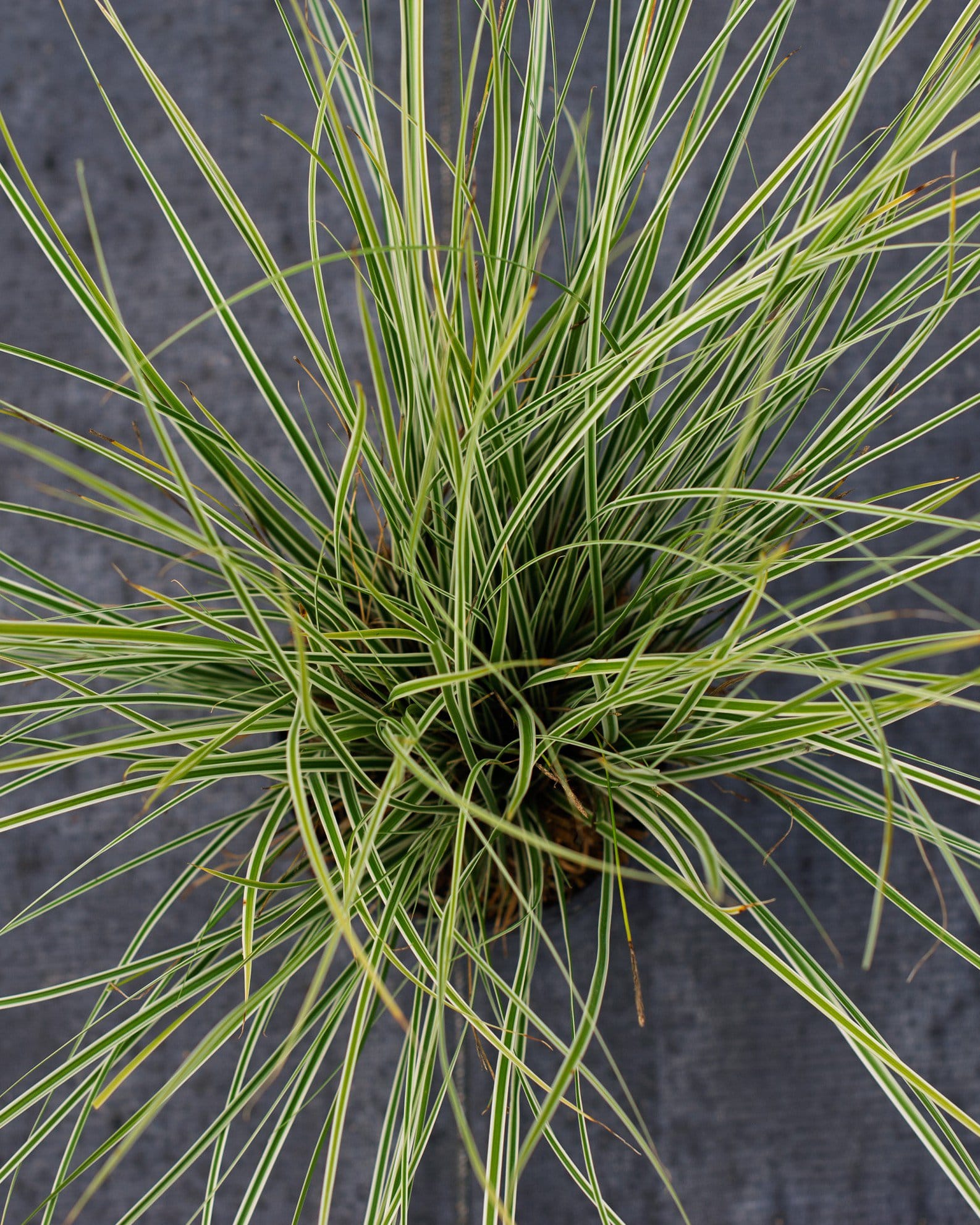
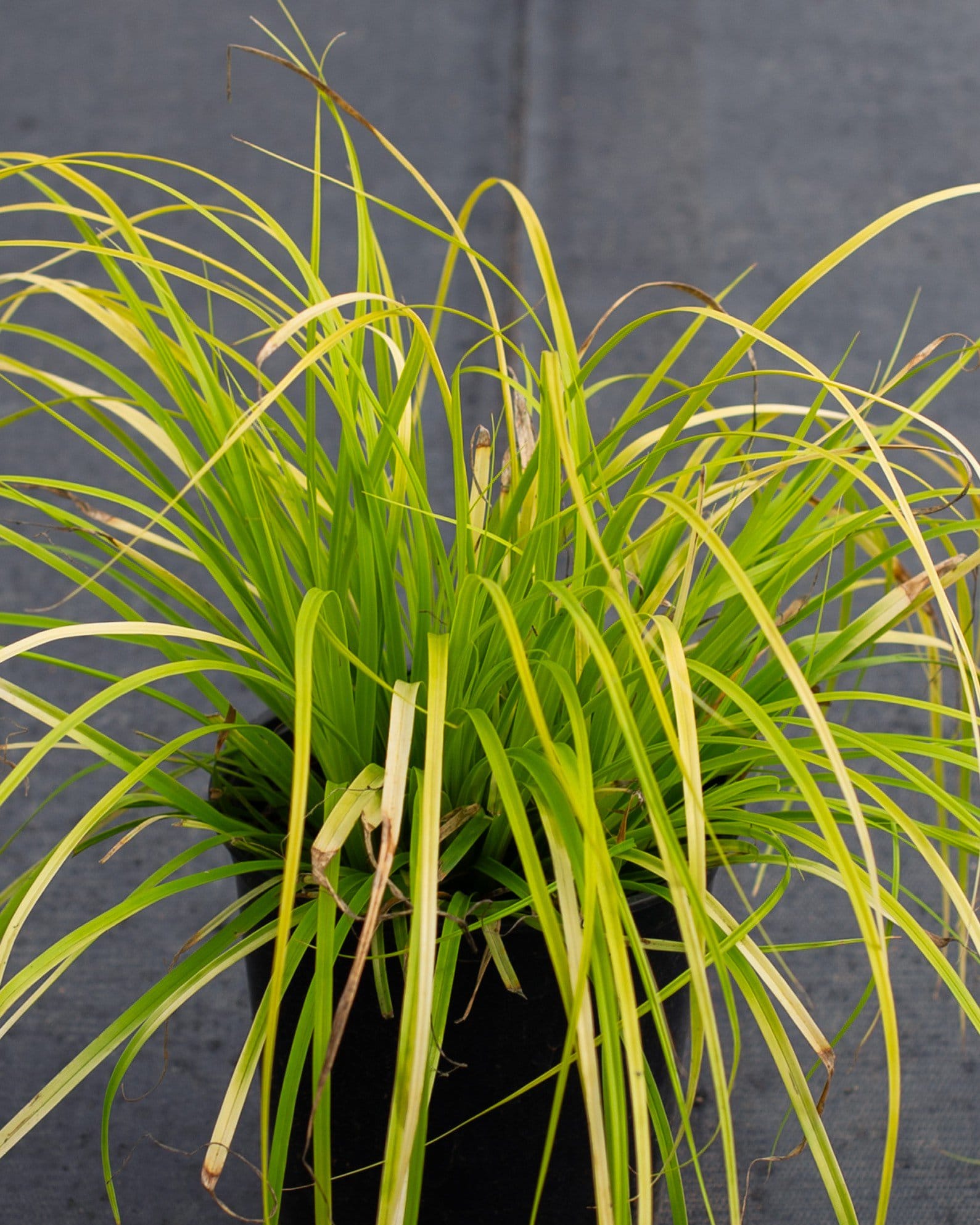
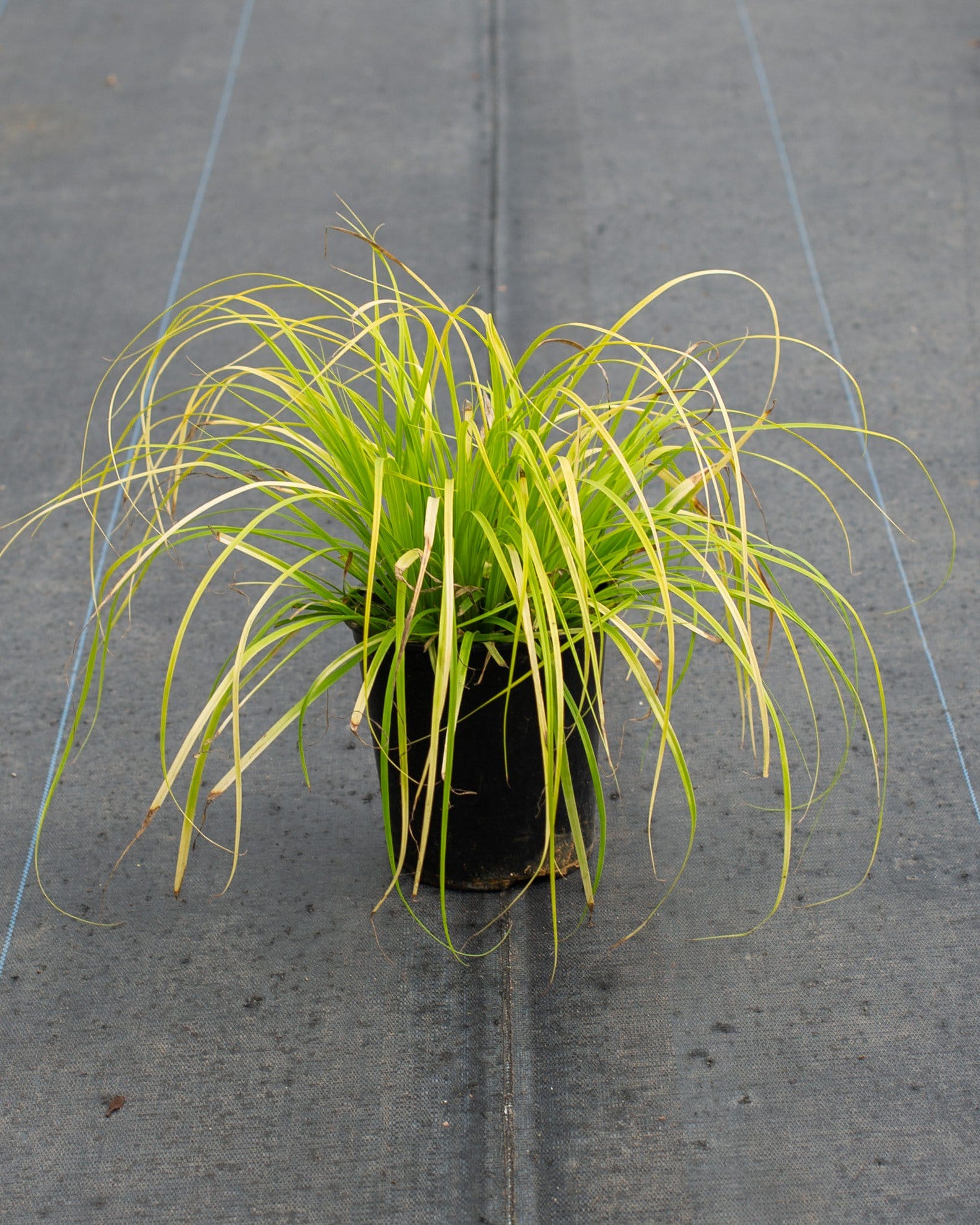
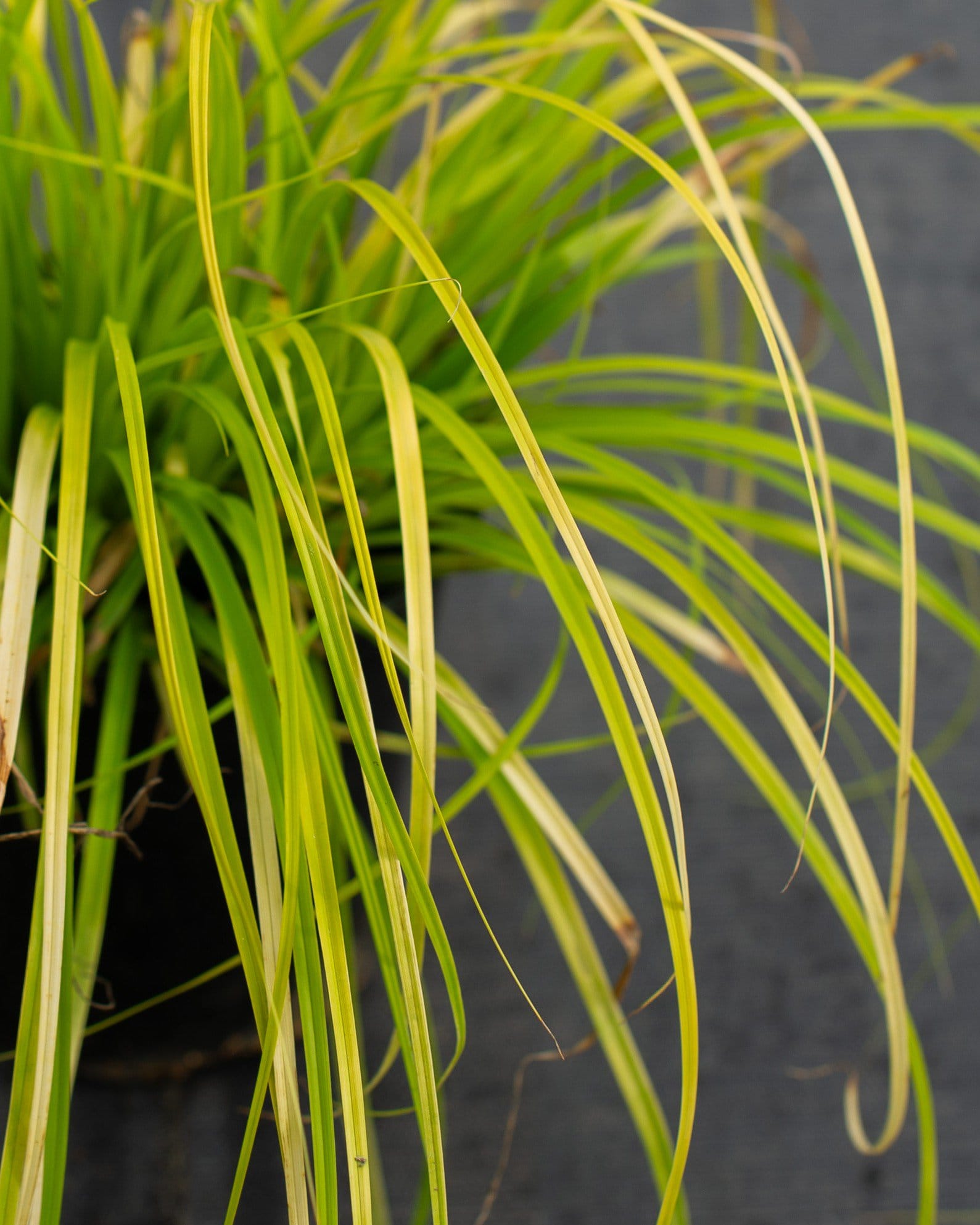
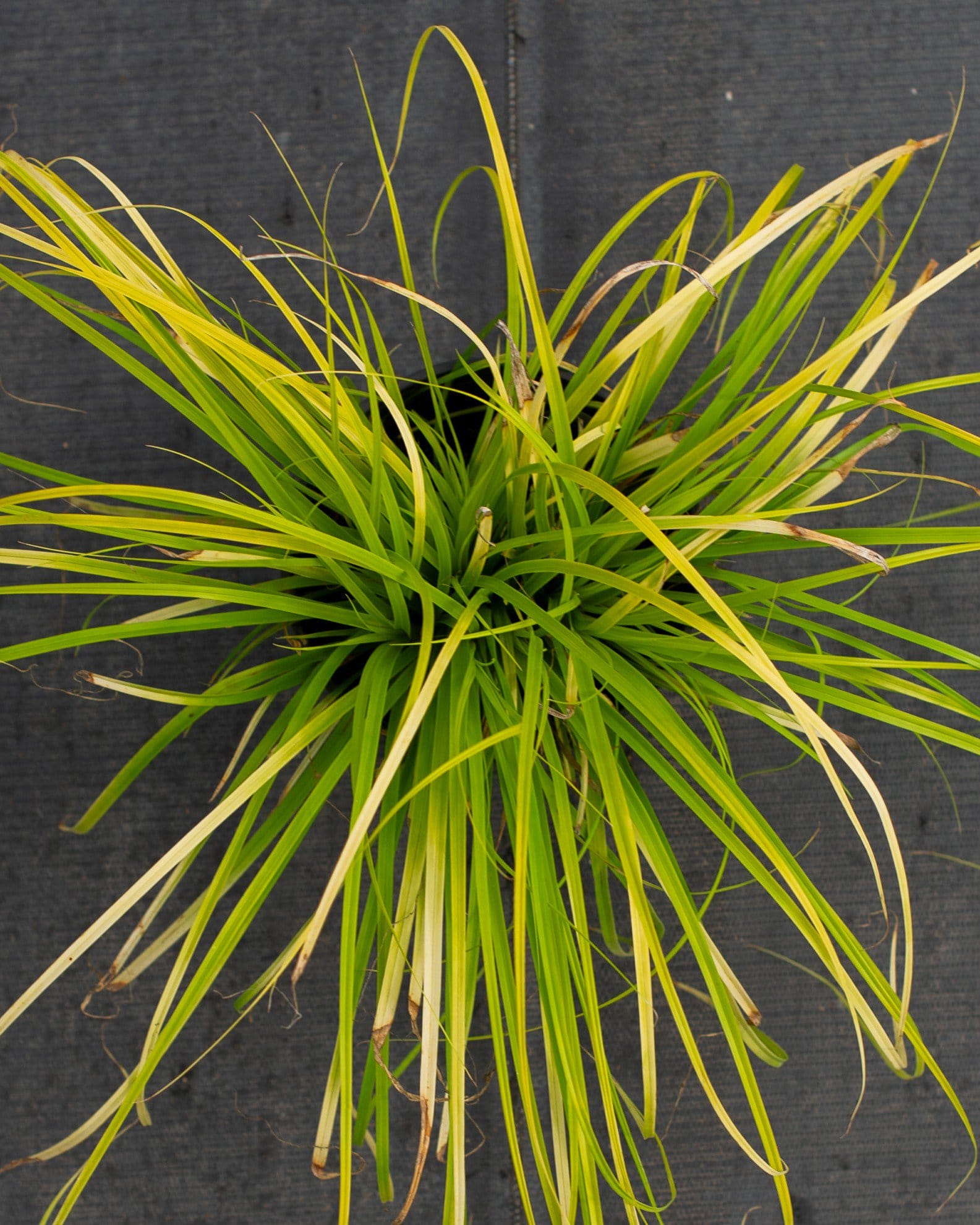
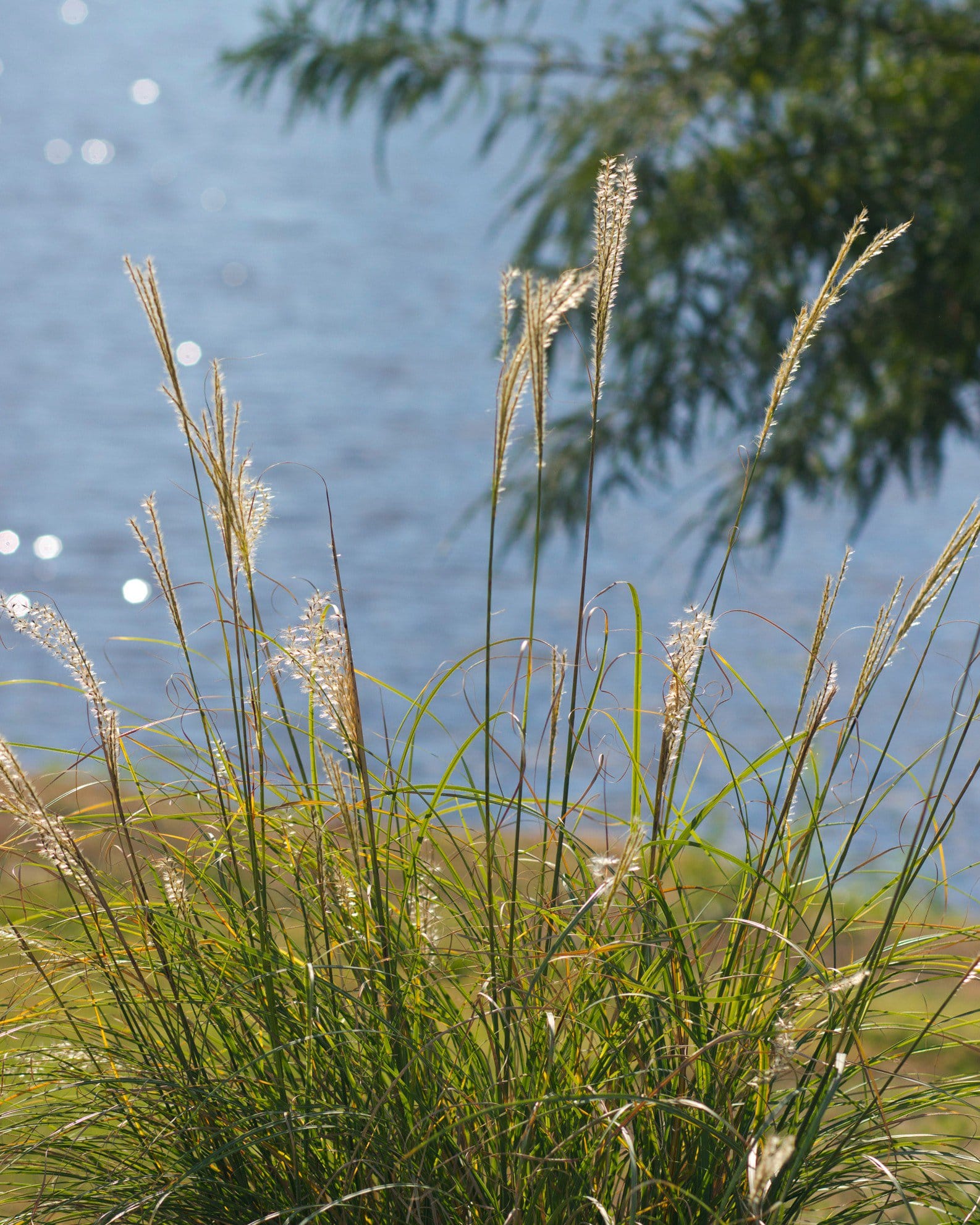
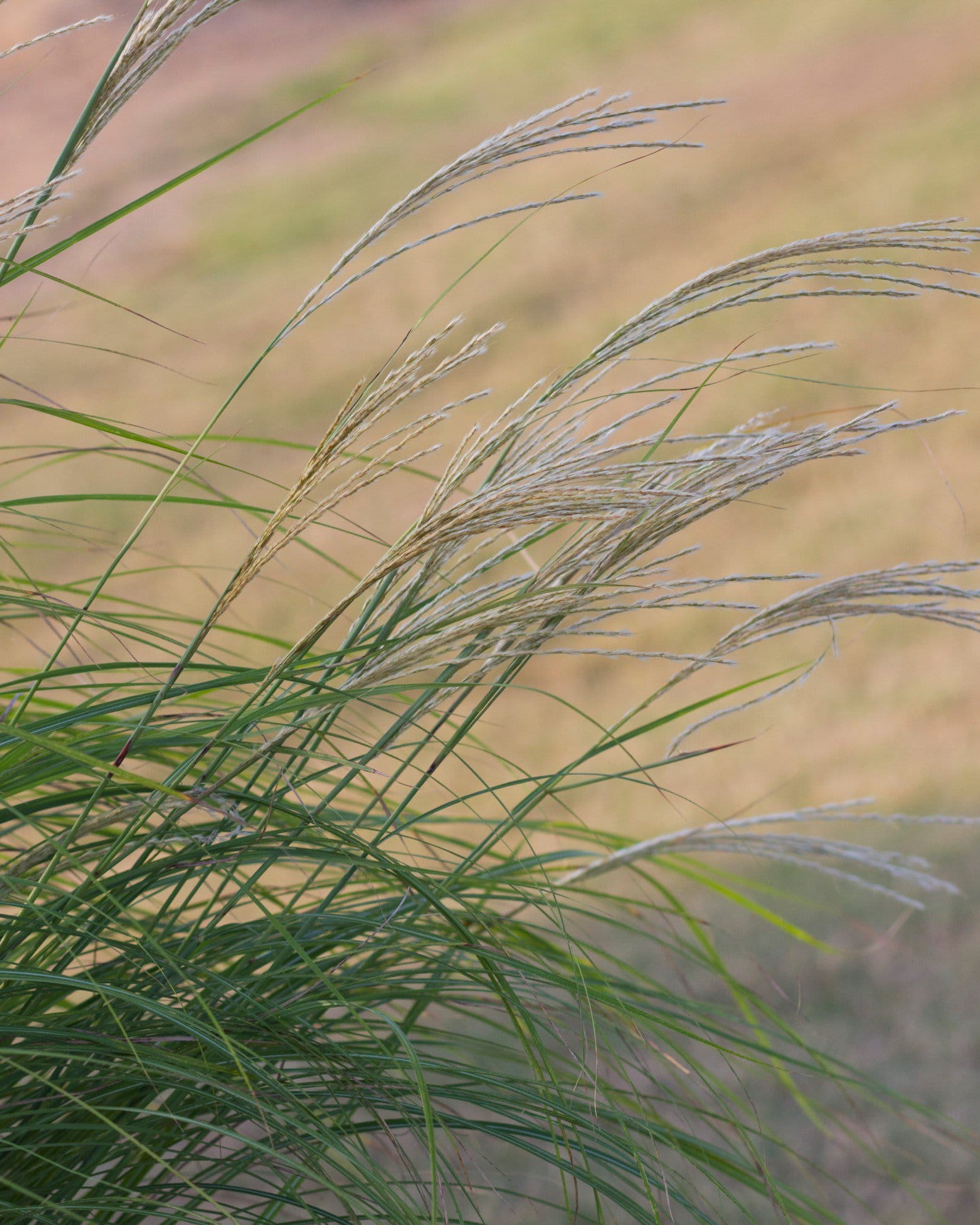
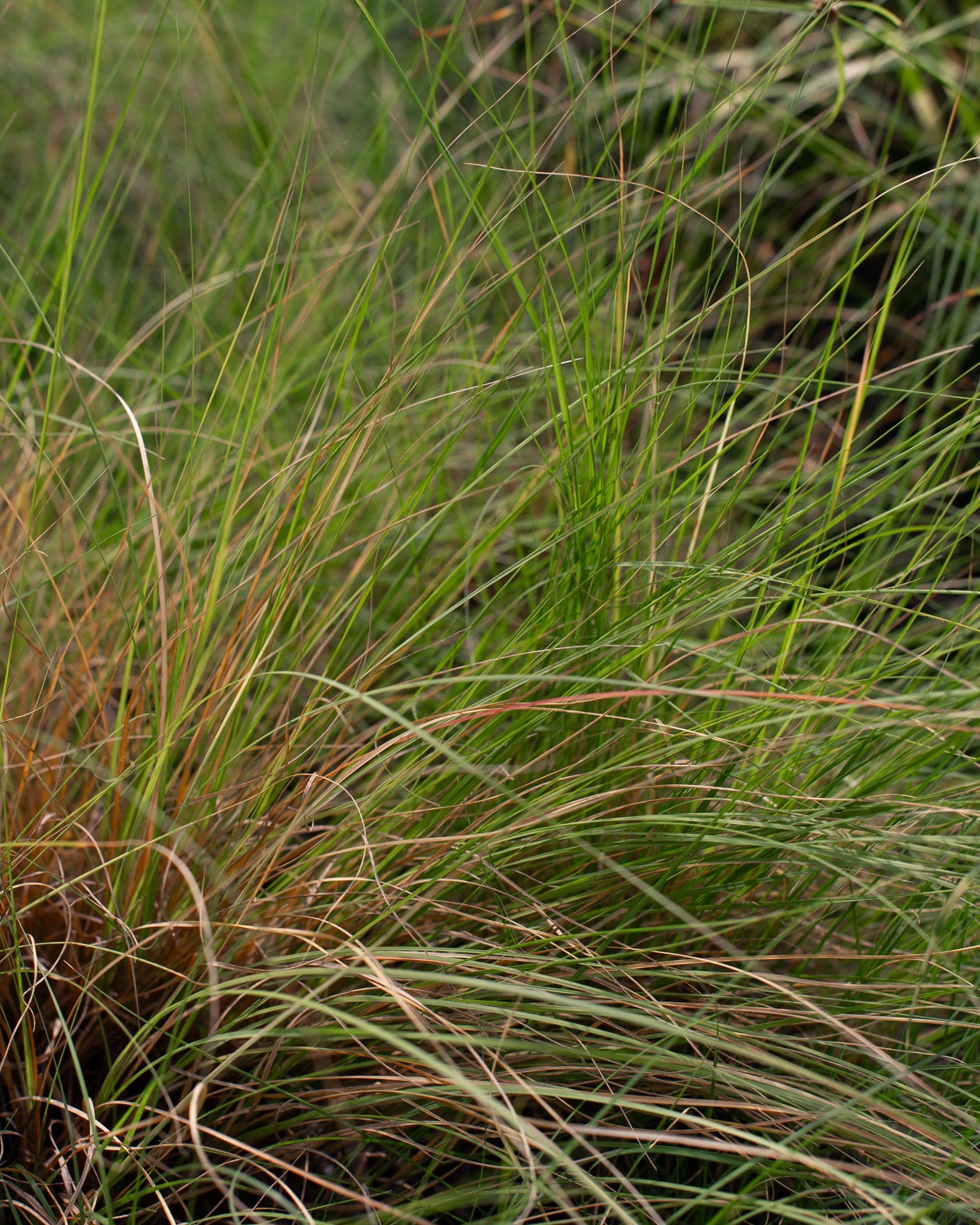
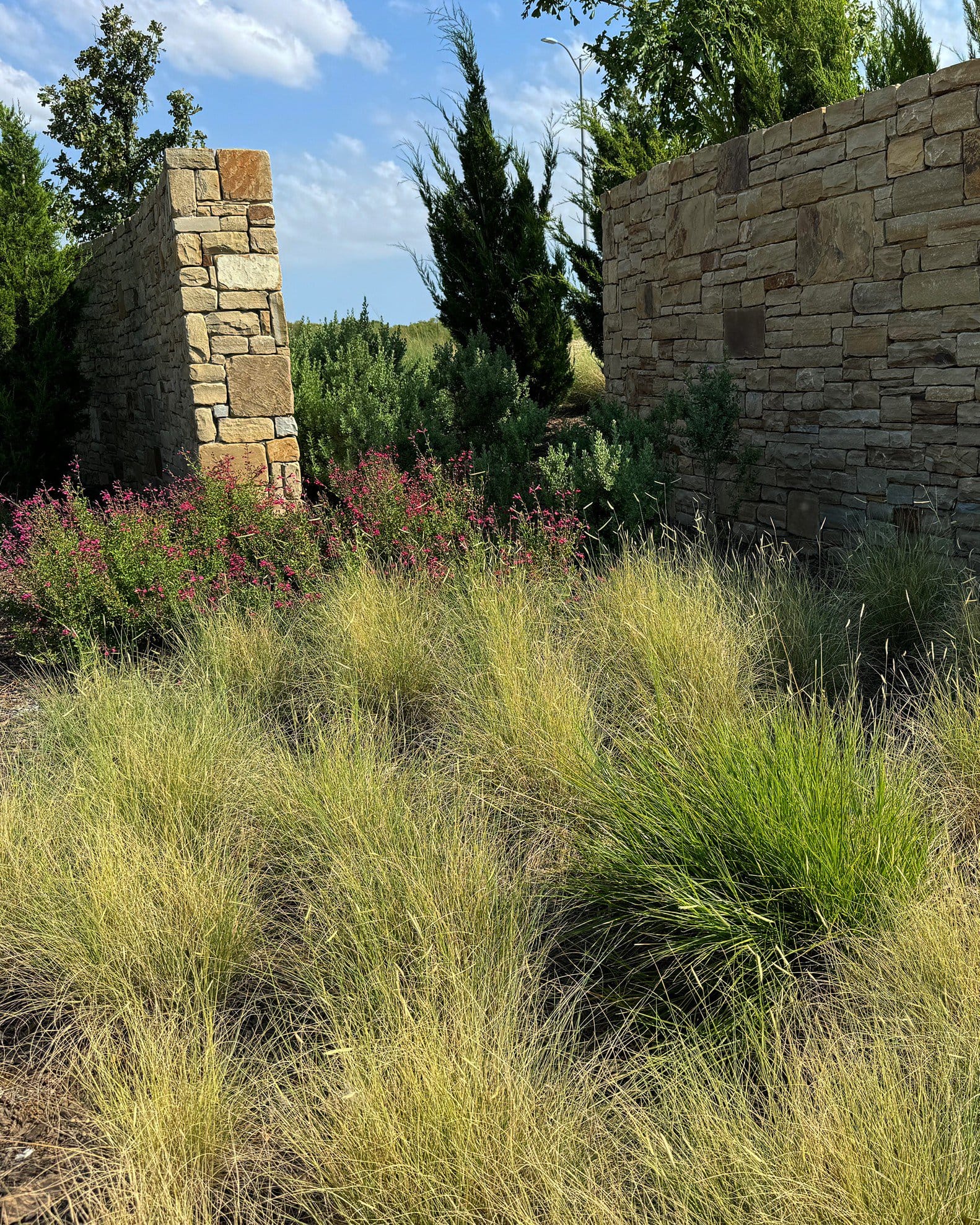
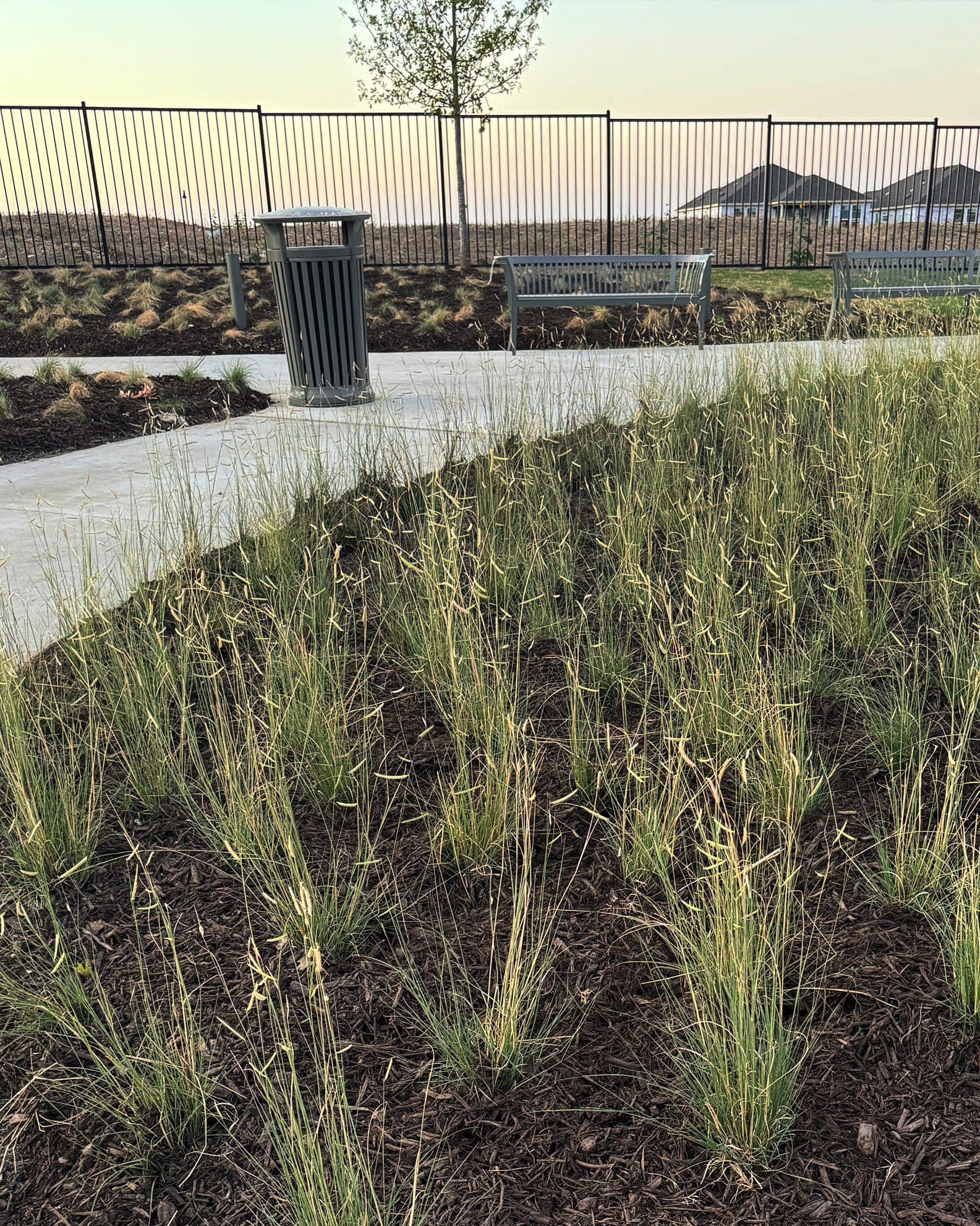
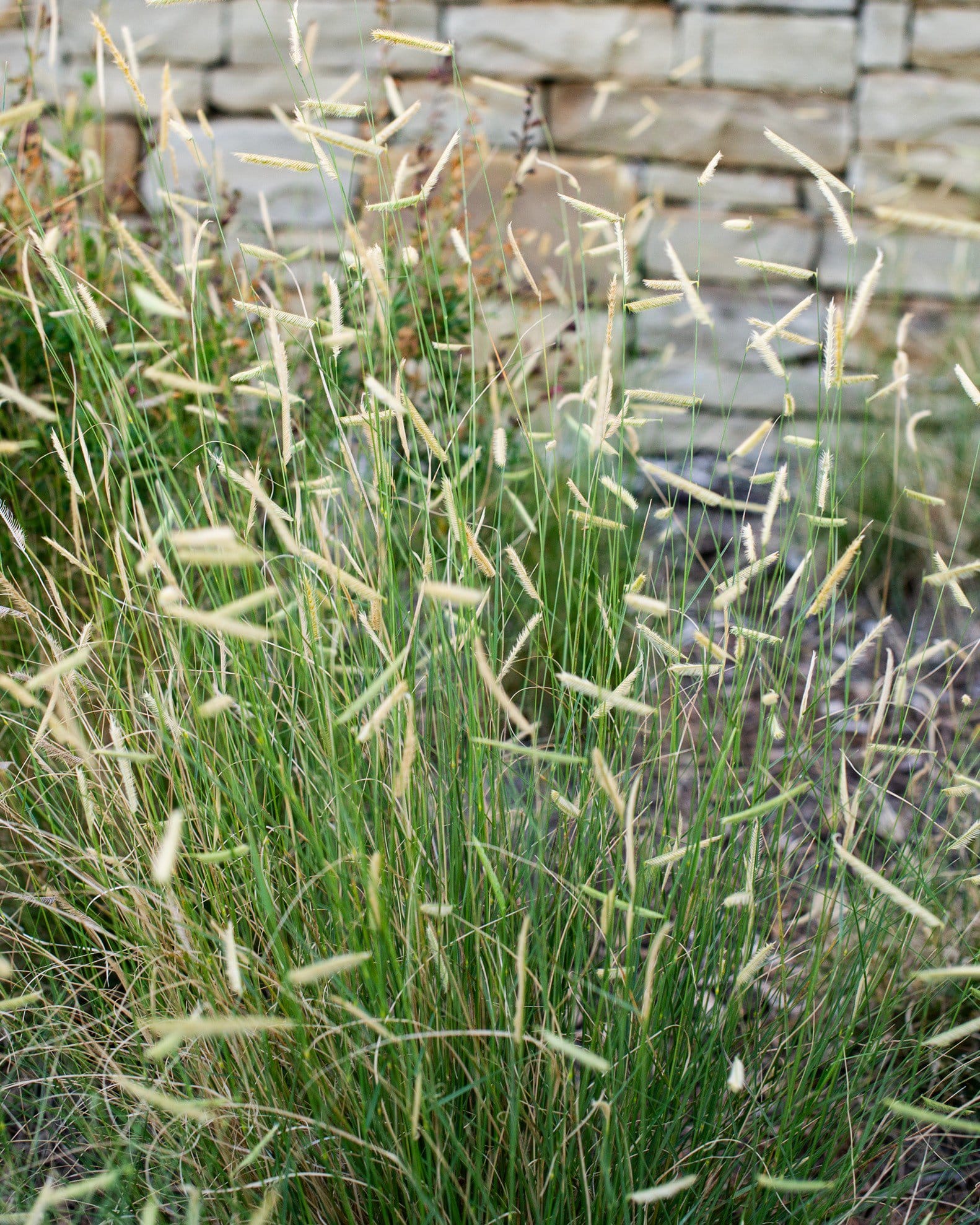
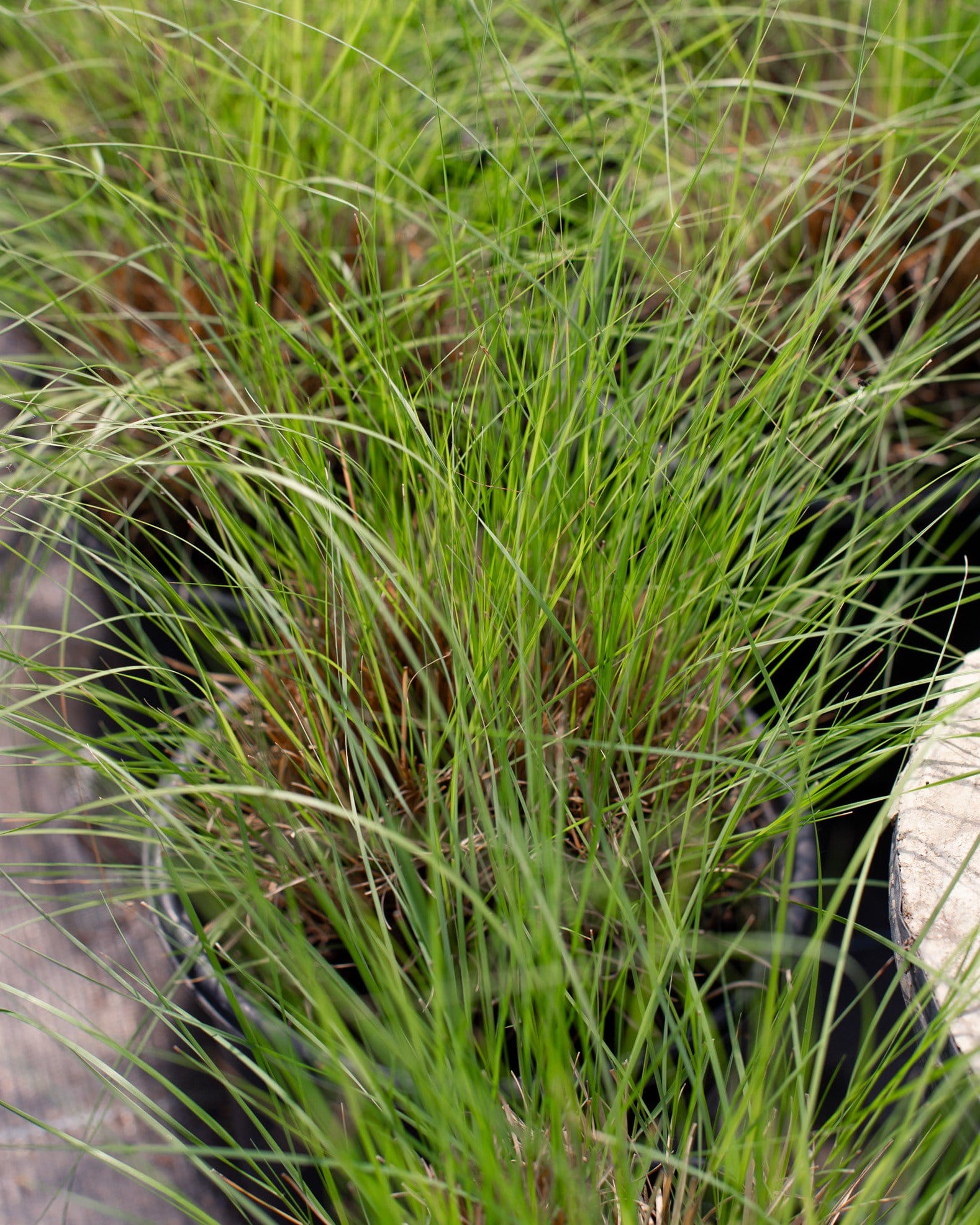
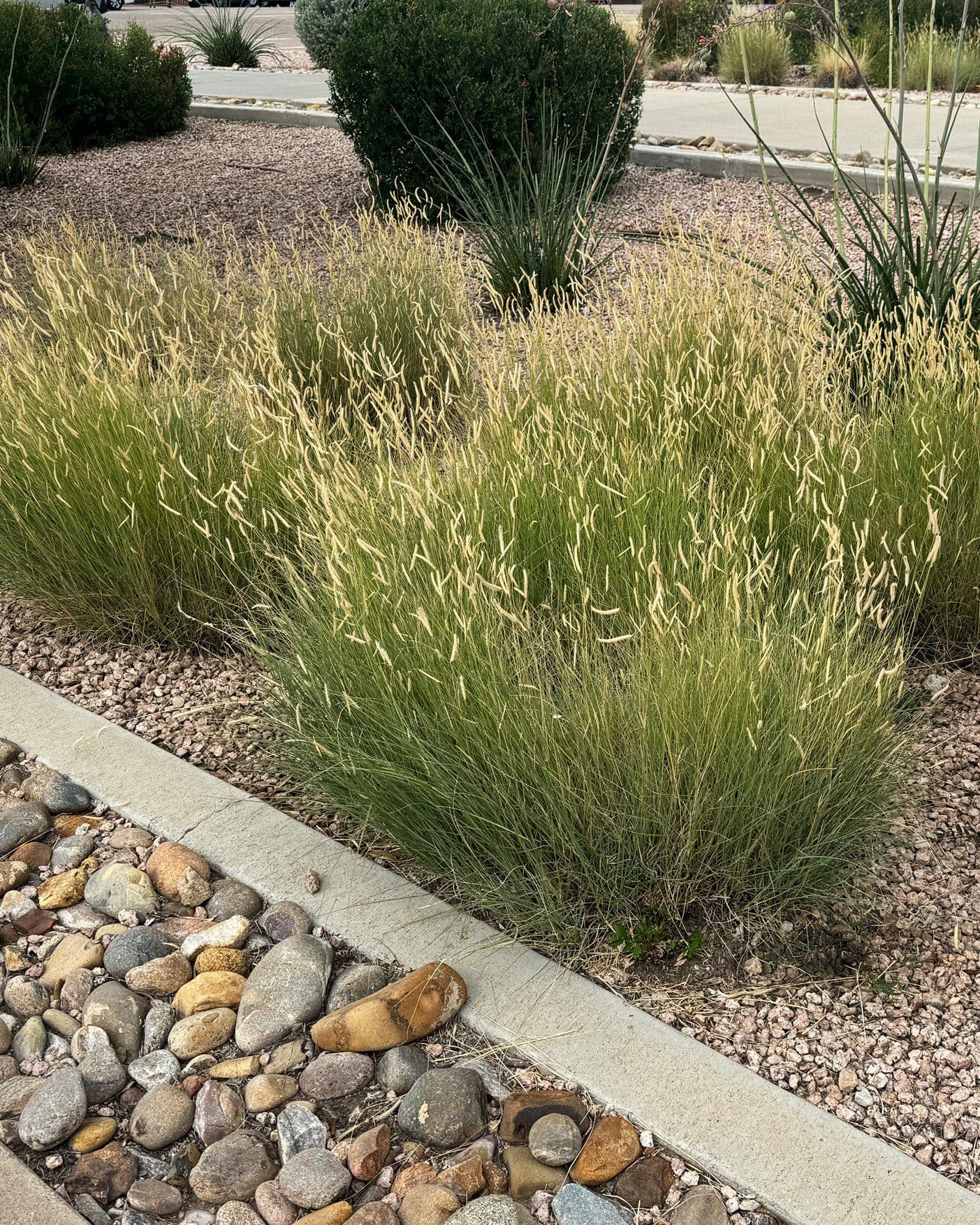
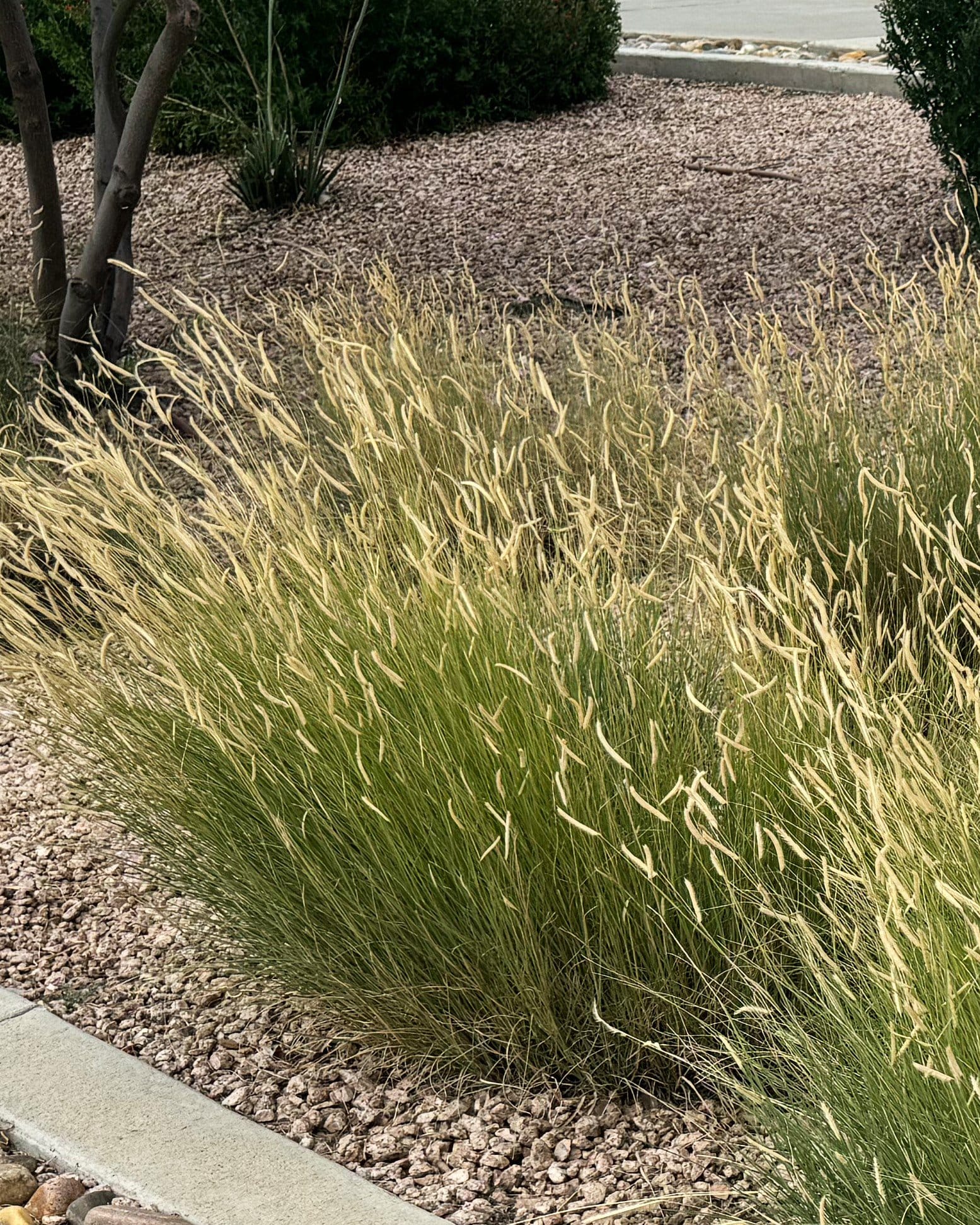
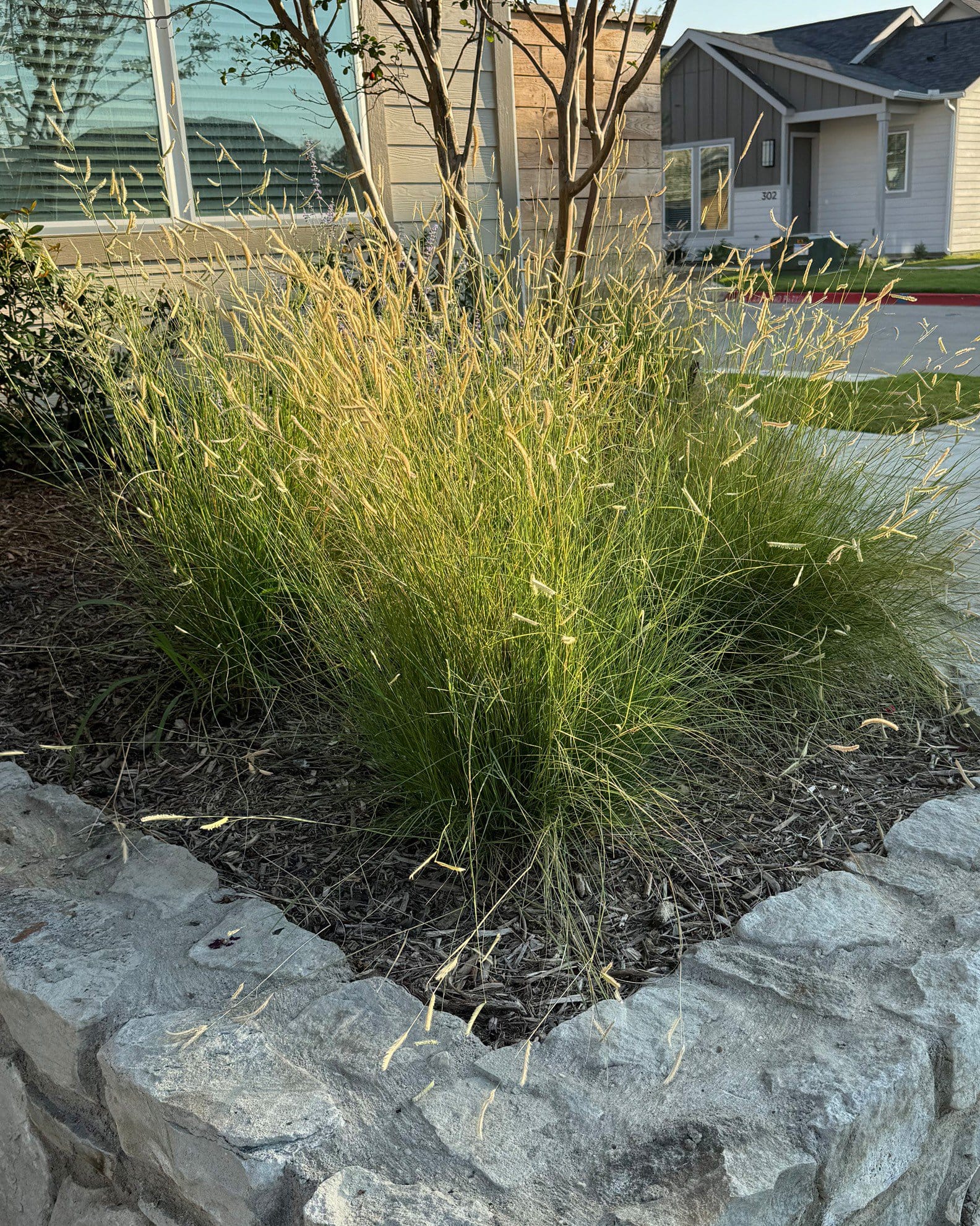
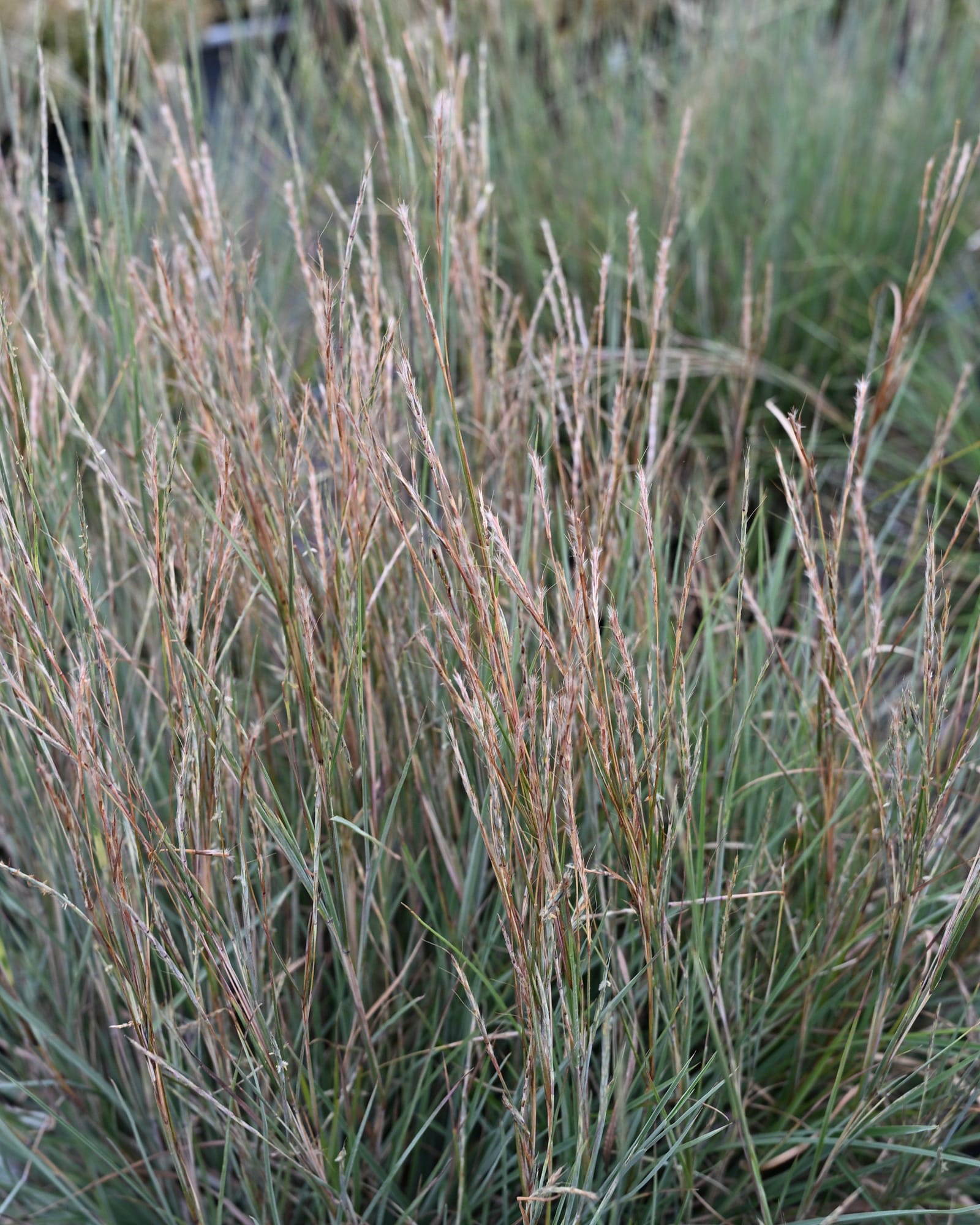
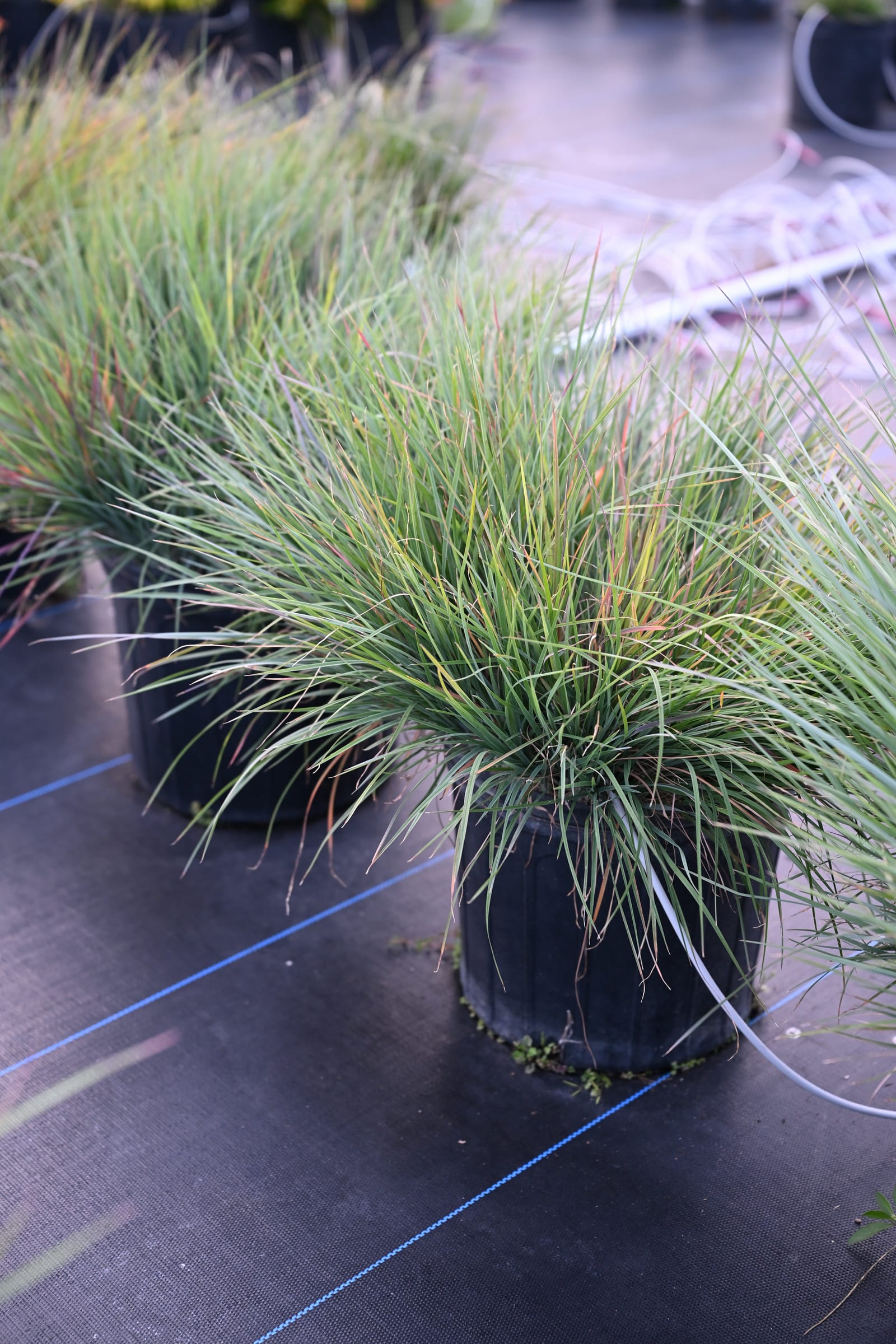
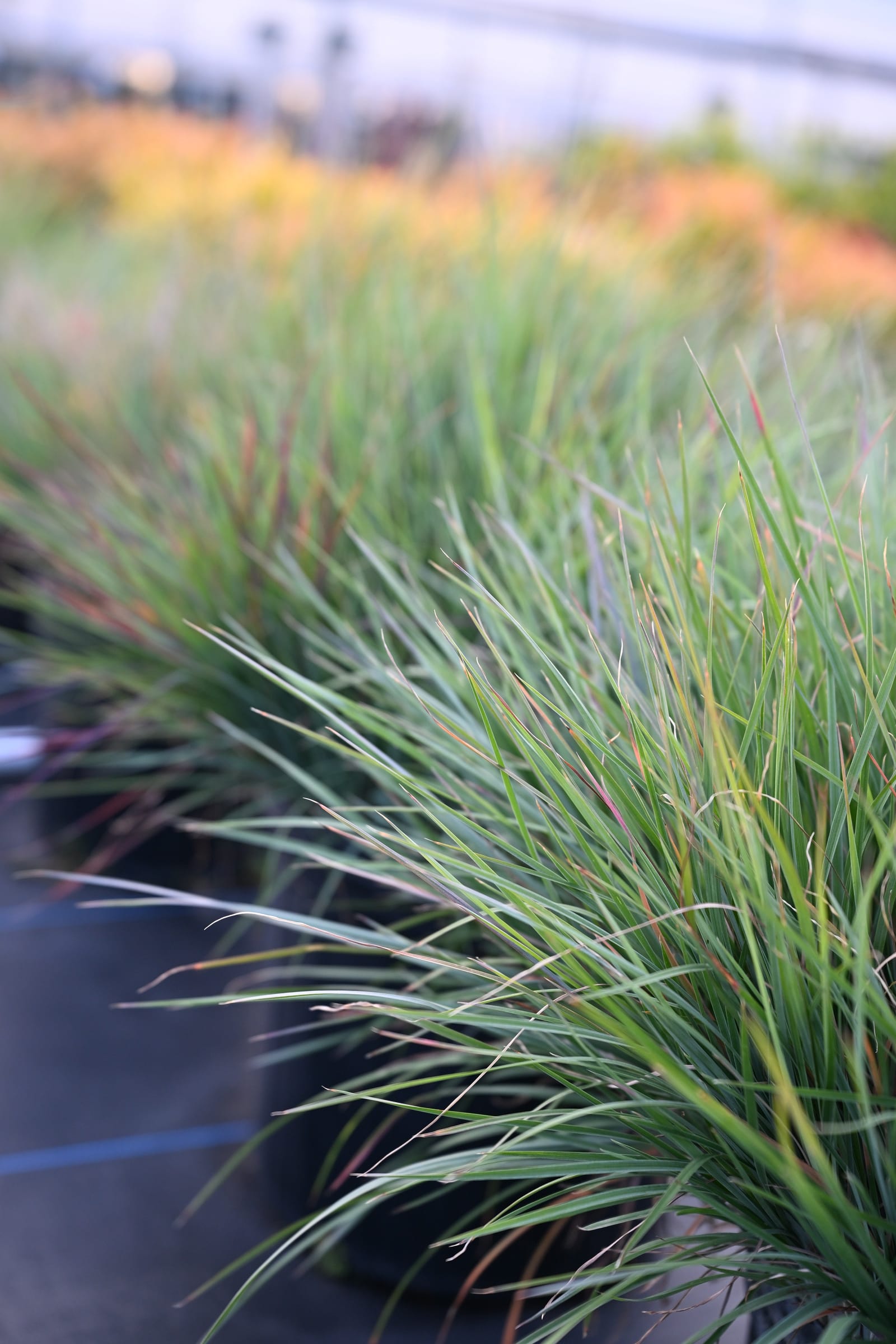
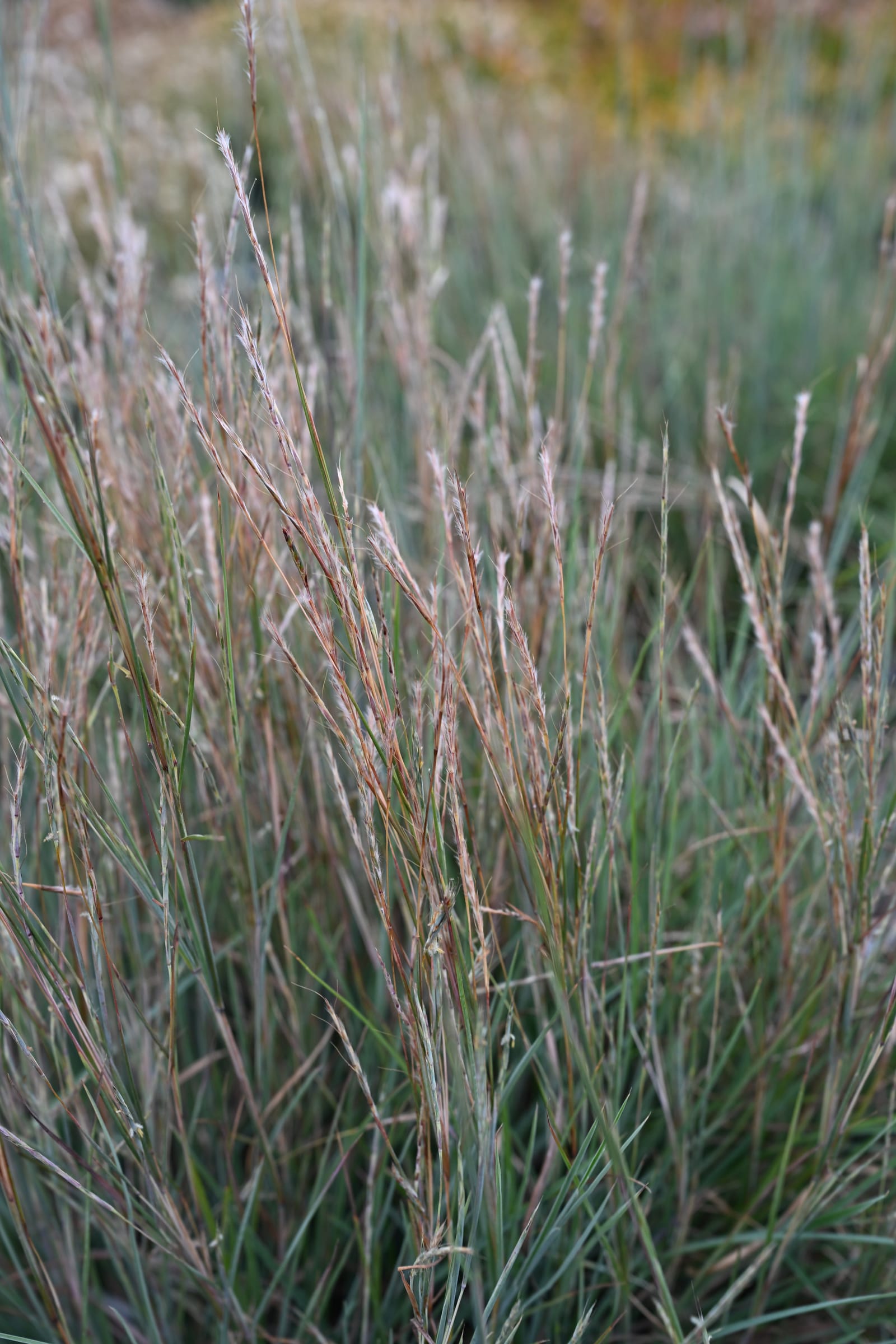
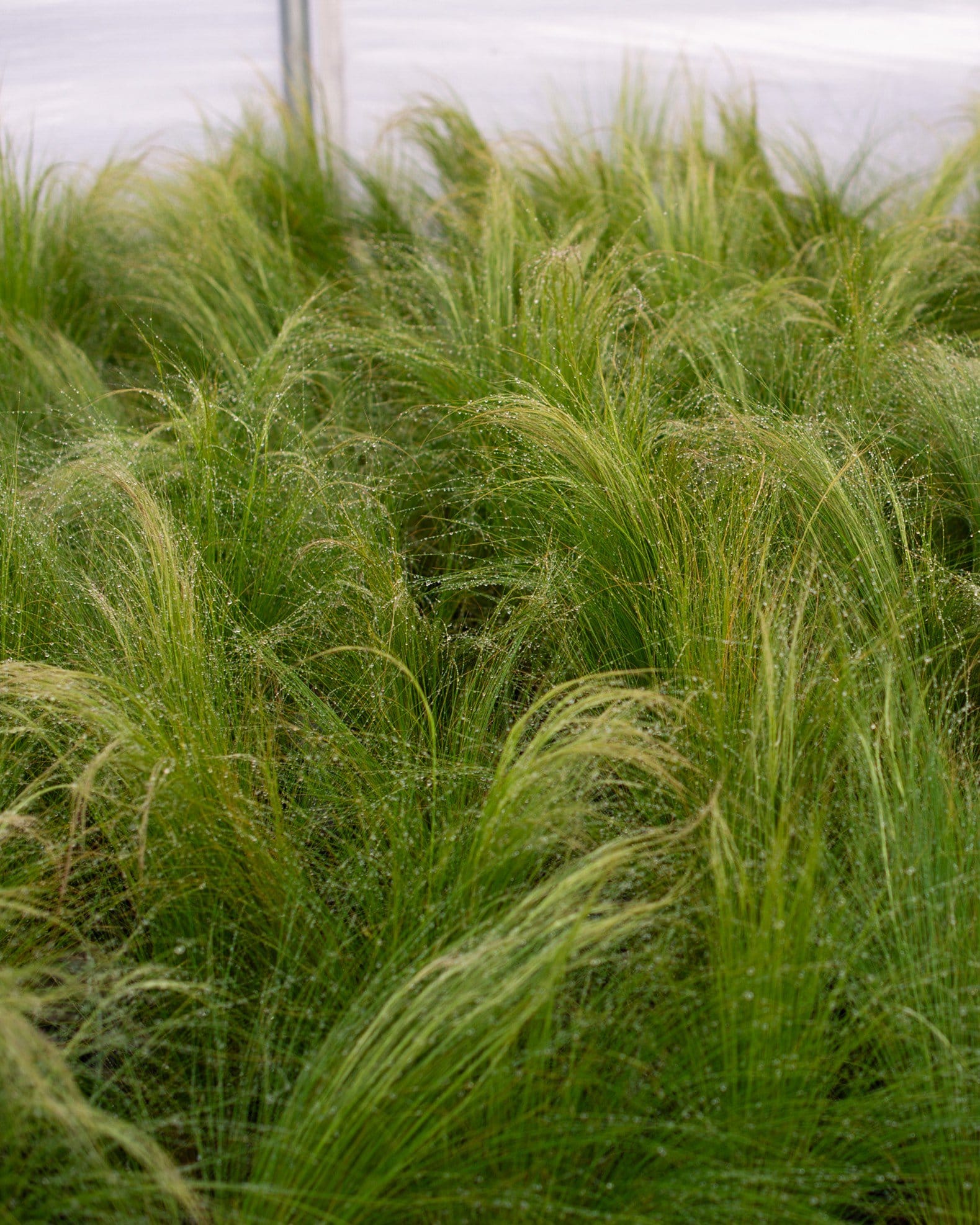
Chasmanthium latifoliumThe Northern Sea Oats is a herbaceous grass variety with a very unique look. It grows only 2 feet in both height and width, and features vivid green clumping foliage with spiky flowers resembling oats. This makes it perfect for mixed plantings, and/or borders. If you'd rather plant the Northern Sea Oats into a container, you can do that too.
- Herbaceous grass type
- Fast growth rate with clumping habits
- Unique, oat-shaped flowers
- Versatile choice for all kinds of beds and plantings
- Quite cold hardy
Even though it blooms in summer, the Northern Sea Oats are not a big lover of full sun, so choose a shaded spot when planting. It's quite tolerant to various soils, growing even in average types, but it prefers moist environments. It establishes beautifully in zones 4-9, making it ideal for most of Texas.
Inland Sea Oats is a versatile ornamental grass that brings graceful movement, delicate texture, and seasonal interest with minimal effort:
- Watering: Water regularly during the first growing season to establish strong roots. Once established, it tolerates moderate drought but performs best with occasional deep watering in prolonged dry periods. Avoid waterlogged soil, which can lead to root rot, especially in heavy clay soils.
- Pruning: Cut back old foliage in late winter or early spring before new shoots emerge. This encourages fresh, vigorous growth and keeps the plant looking tidy. Removing dead or damaged leaves also helps improve airflow and reduces the chance of fungal problems.
- Fertilizing: Feed lightly in early spring with a balanced, slow-release fertilizer if the soil is poor. Over-fertilization can lead to overly lush and floppy growth that diminishes the plant’s natural arching form. A light second feeding after the first flush of growth can help maintain color and vigor.
- Mulching: Apply a 2-inch layer of mulch around the base to conserve moisture, regulate soil temperature, and suppress weeds. Keep mulch a few inches from the crown to prevent rot. Refresh mulch annually for optimal soil health.
- Winter Care: Inland Sea Oats is cold-hardy and retains its seed heads through winter, providing visual interest and habitat for birds. In extremely cold climates, a light mulch layer can protect roots, while leaving seed heads intact offers food and shelter for wildlife.
- Floppy or Leggy Growth: Can occur in low-light conditions or overly fertile soil. Provide full sun to part shade and avoid excessive nitrogen. Dividing dense clumps every 3-4 years also helps maintain structure.
- Pests: Generally pest-free; occasionally, aphids or spider mites may appear. Spray with water or use insecticidal soap if needed, and ensure good airflow to reduce stress on the plant.
- Leaf Spot: A rare fungal disease causing small brown spots on leaves. Remove affected foliage promptly, improve airflow, and avoid overhead watering to prevent recurrence.
- Winter Damage: Prolonged extreme cold may brown leaves. Trim damaged foliage in early spring to encourage fresh growth. The seed heads usually persist and continue providing interest despite minor leaf damage.
It’s a perennial grass that can thrive for 10-15 years with proper care. Over time, it forms dense clumps that provide structure, movement, and multi-season interest to the garden.
It grows moderately, reaching full height in 2-3 years. Mature plants develop elegant arching stems and delicate seed heads that sway gracefully in the wind.
Yes, its dangling seed heads provide shelter and food for birds, while pollinators benefit indirectly by creating habitat in mixed plantings. Butterflies, bees, and small mammals may also use it for shelter or foraging.
Yes, its coarse foliage and upright form are unappealing to deer, making it a reliable option for wildlife-prone areas. Its seeds are also generally ignored by browsing animals.
Yes, Inland Sea Oats grow well in large, well-draining containers. Container plants may require more frequent watering, especially during hot summer months, and benefit from a light annual fertilizer to maintain vigor.
Once established, it tolerates moderate drought and full sun. Its leaves turn a bronze hue in hot, dry periods, adding seasonal color and visual interest even in challenging conditions.
Yes. Cut back old foliage to the ground in late winter to encourage fresh shoots and maintain a tidy, arching form. Dividing clumps every few years also helps maintain vigor and prevents overcrowding.
Yes, it tolerates a range of soil conditions, reflected heat, wind, and light salt exposure, making it suitable for city gardens, patios, and seaside landscapes. Its adaptability makes it a reliable, low-maintenance ornamental grass.
Yes. Arching green leaves in spring and summer turn bronze in fall, and the striking seed heads persist into winter. The movement and texture of its stems and seeds offer visual appeal even when other plants are dormant.
Its unique cascading seed heads, arching foliage, and adaptability make it a standout ornamental grass. It adds vertical movement, soft texture, and multi-season interest with minimal maintenance, and its natural beauty complements both formal and naturalistic landscapes.
Special Features
You might also like
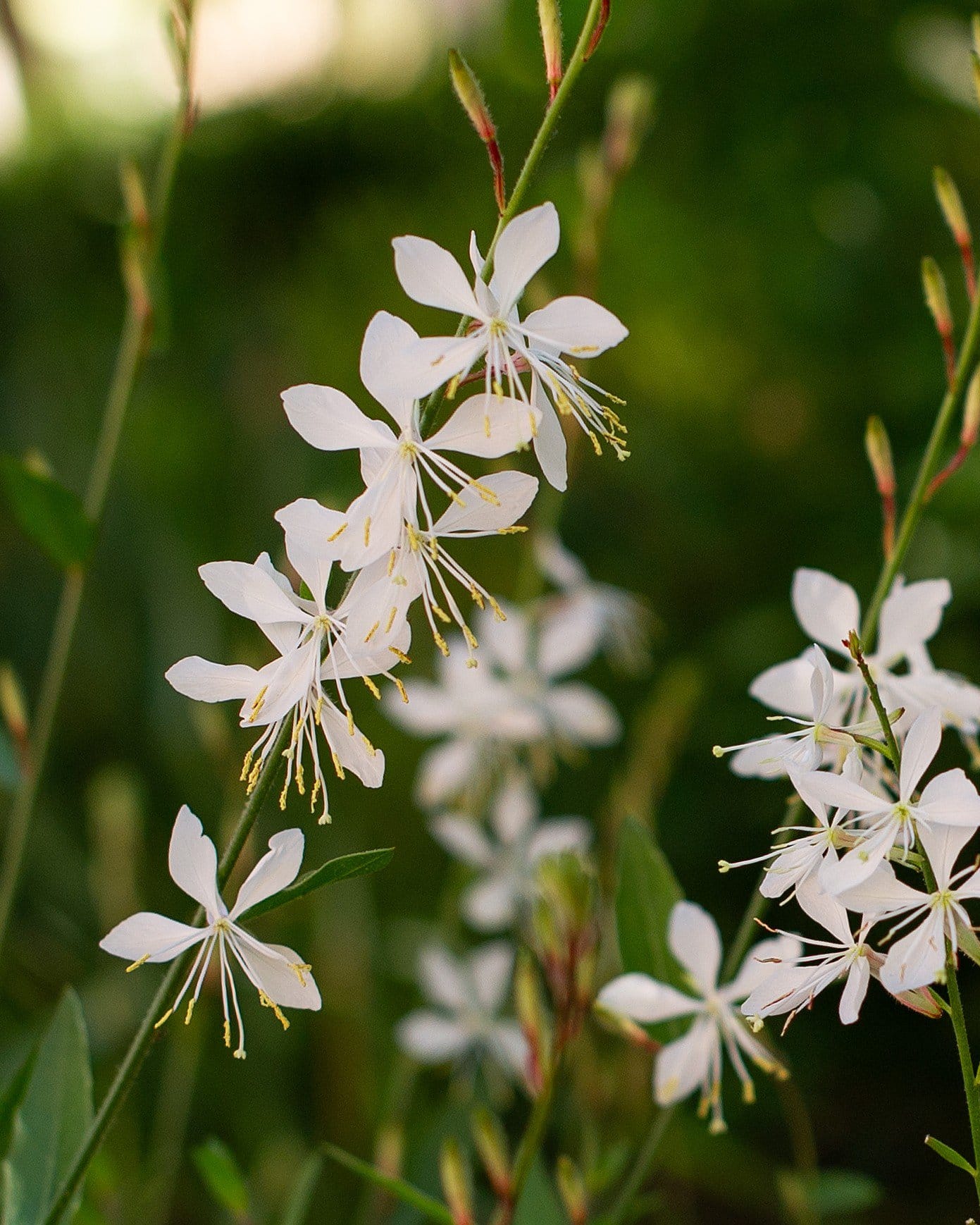
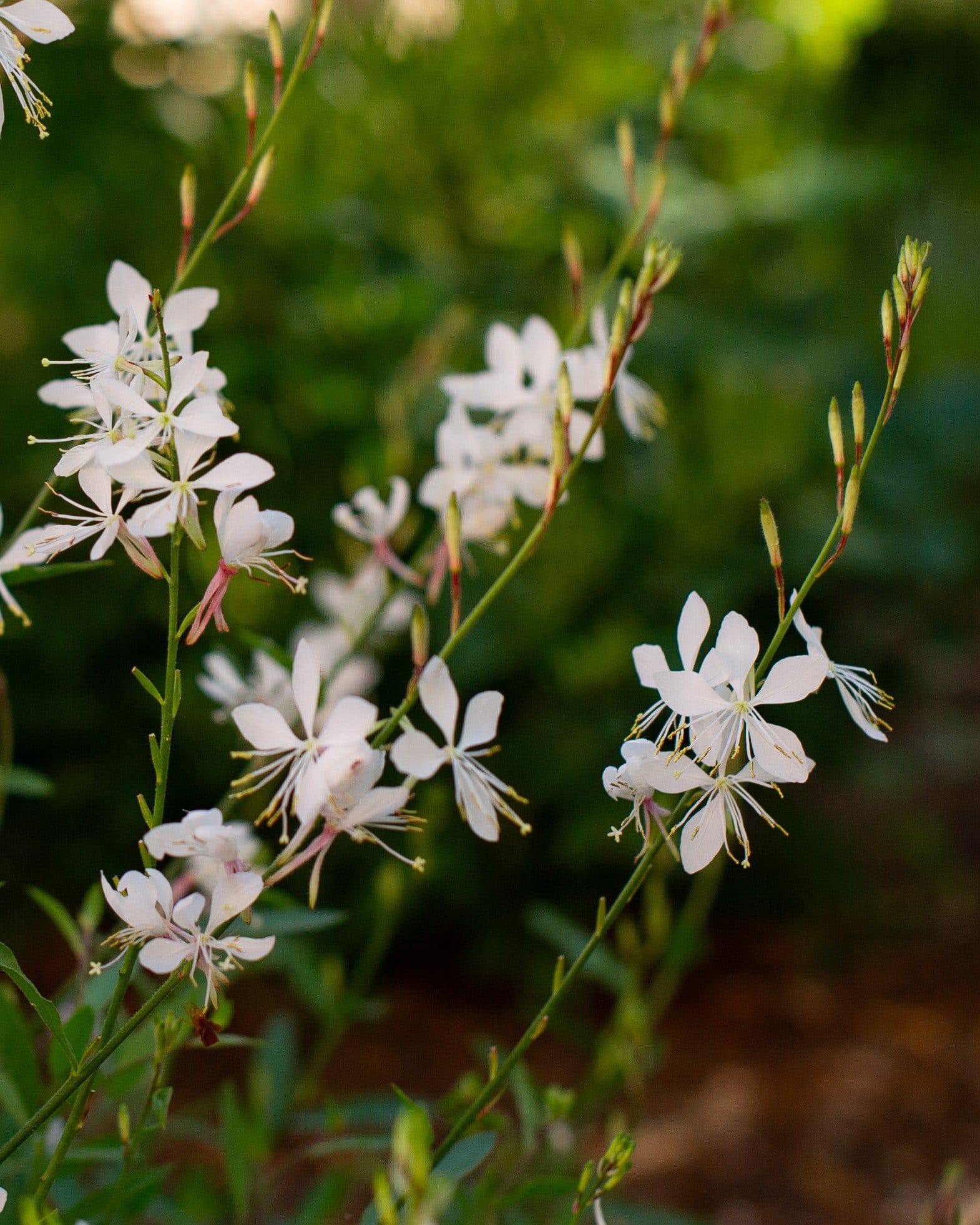
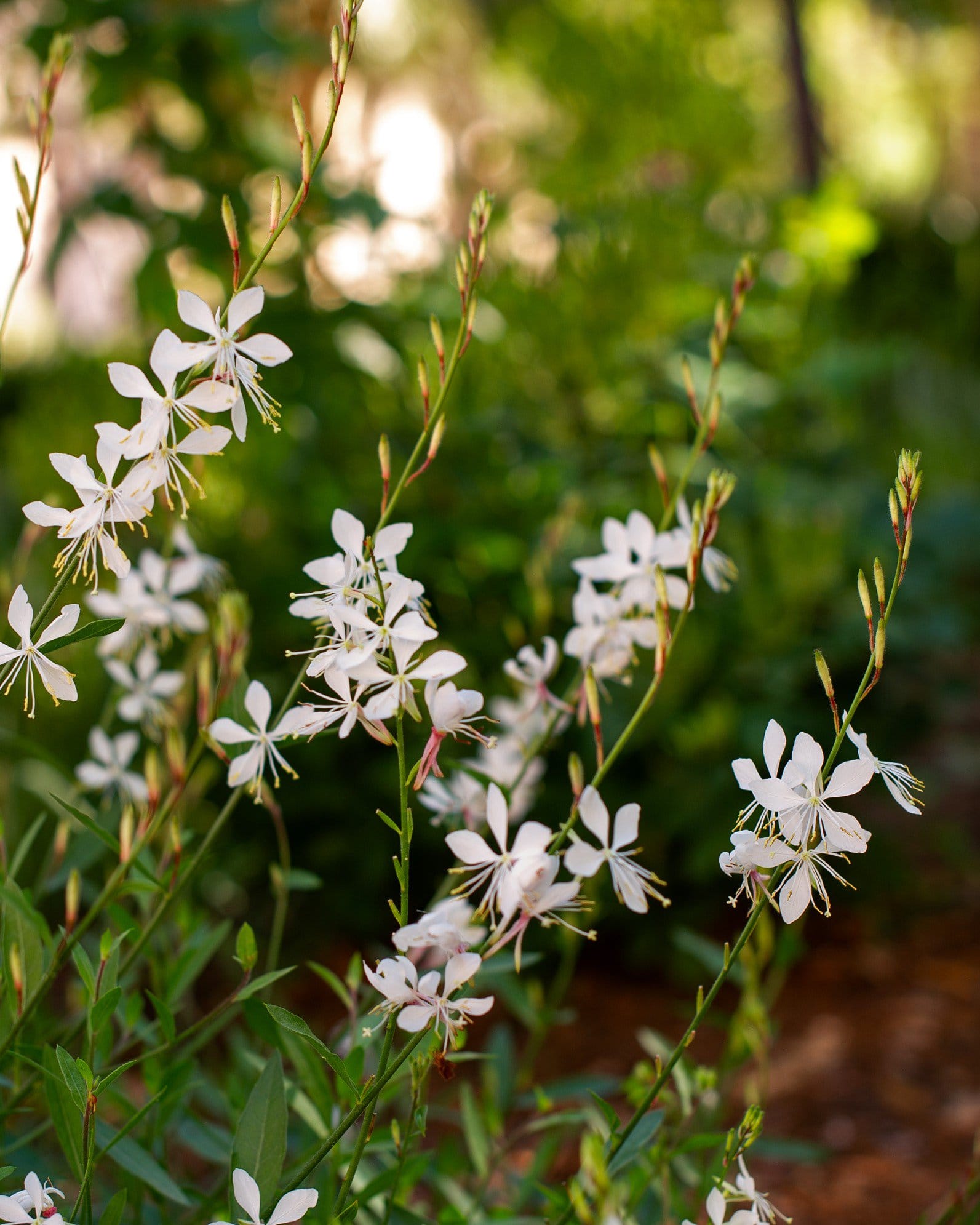
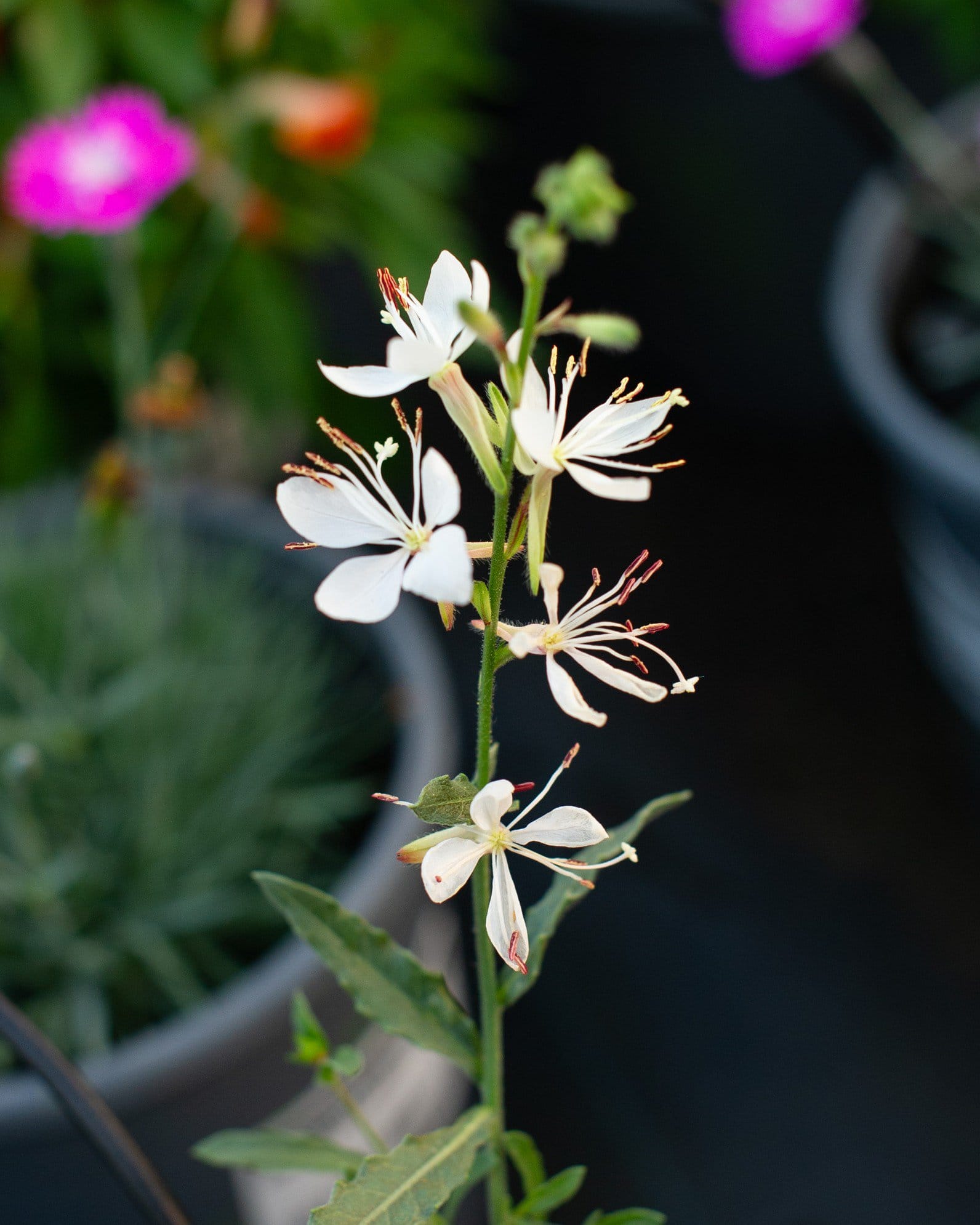
Belleza White Gaura
Maturity: 1' H x 1.5' W
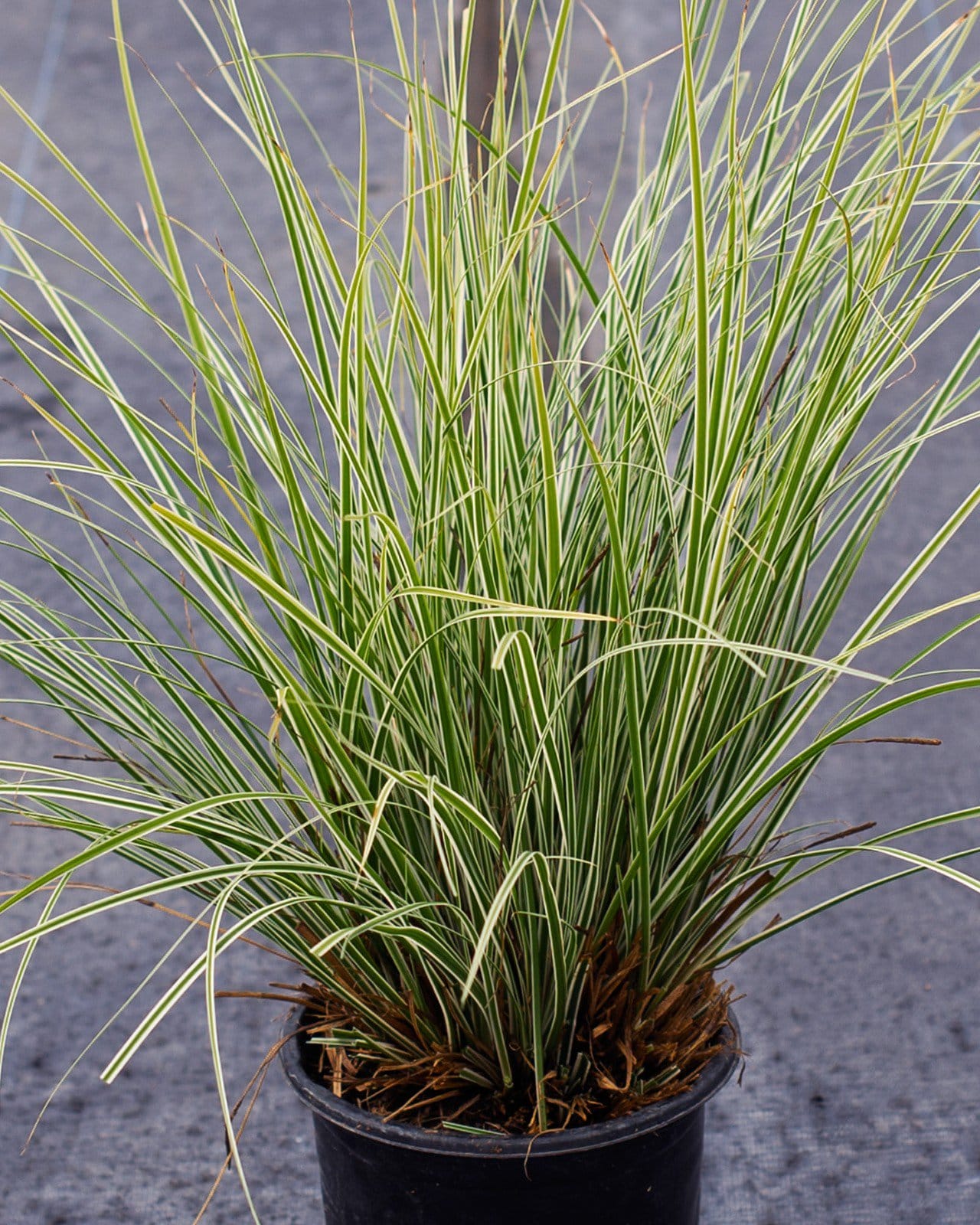
Everest EverColor Carex Sedge
Maturity: 1' H x 1.5' W
Everillo EverColor Carex Sedge
Maturity: 1.5' H x 1.5' W
Feather Falls Carex Sedge
Maturity: 1.5' H x 1.5' W
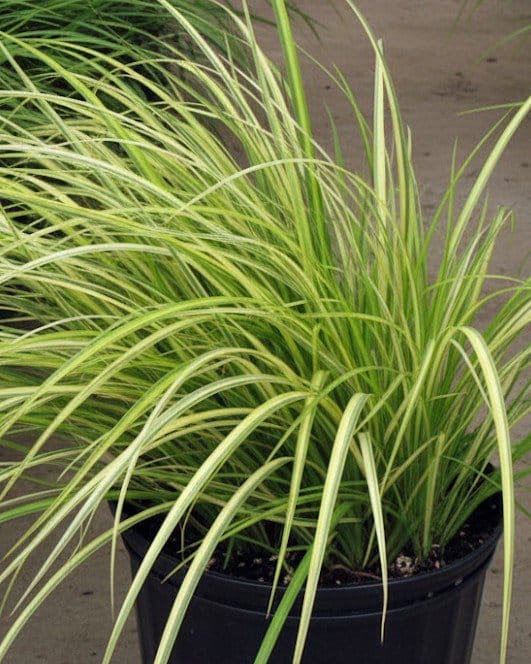
Golden Variegated Sweet Flag
Maturity: 1.5' H x 1' W
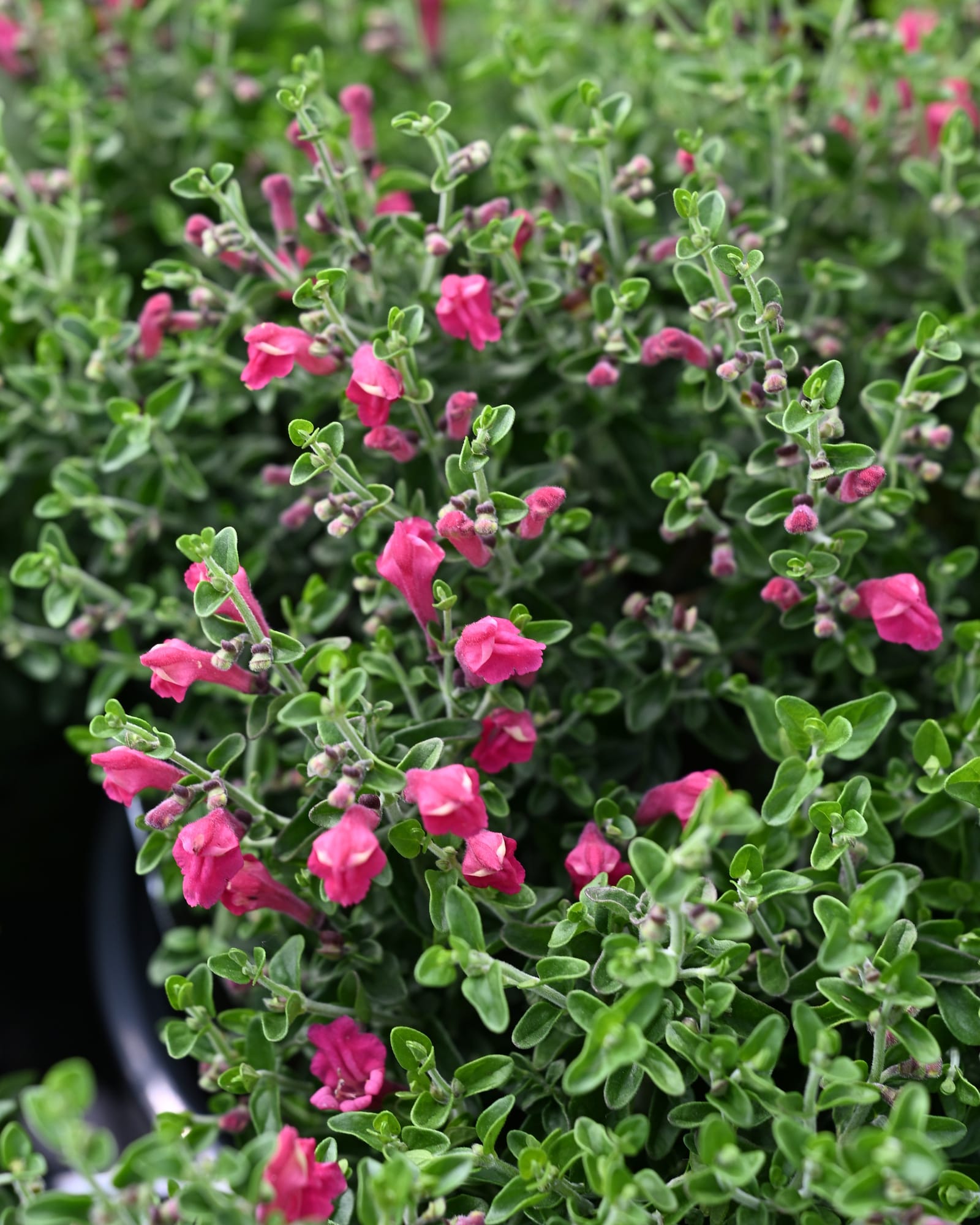
Pink Skullcap
Maturity: 1' H x 2' W
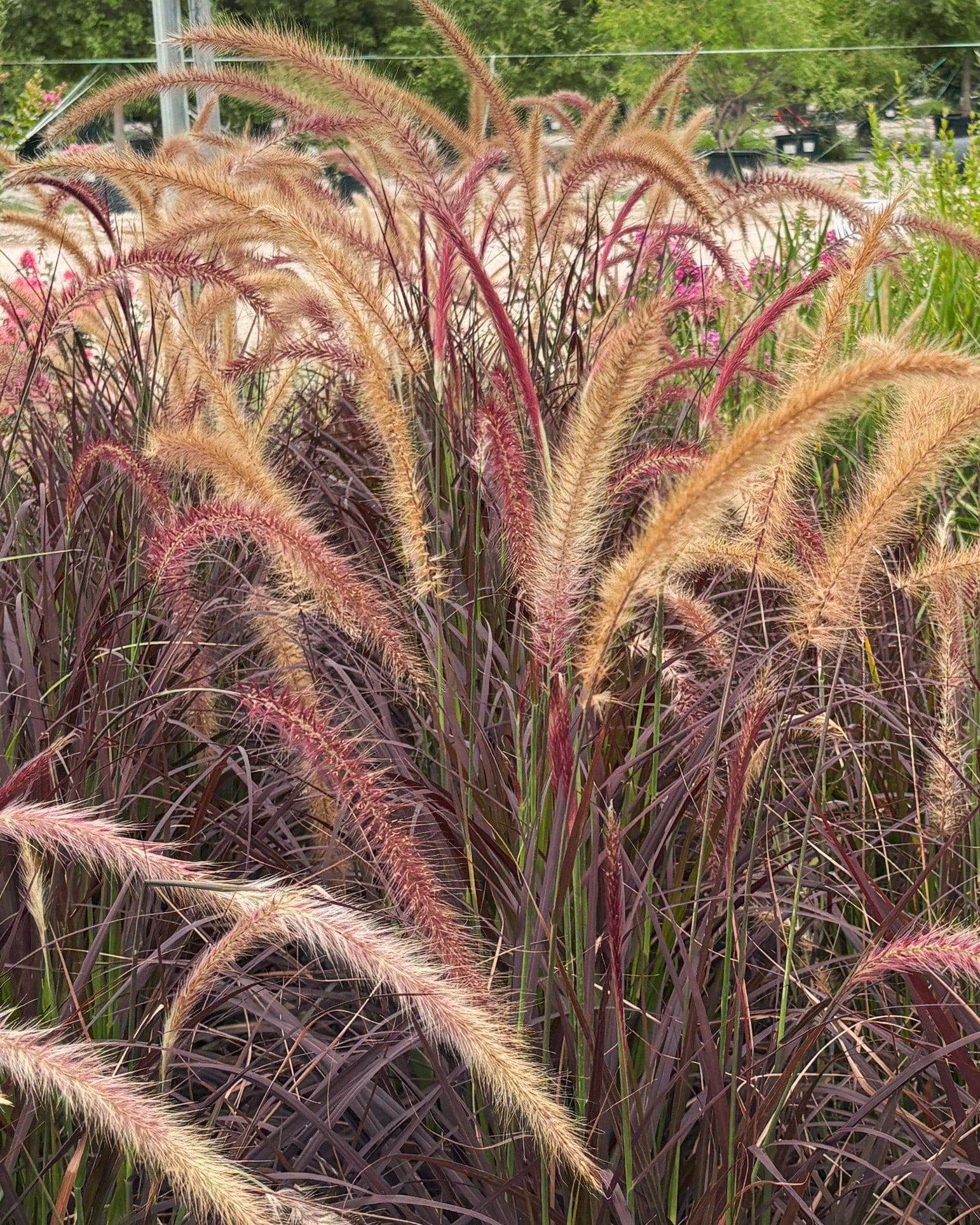
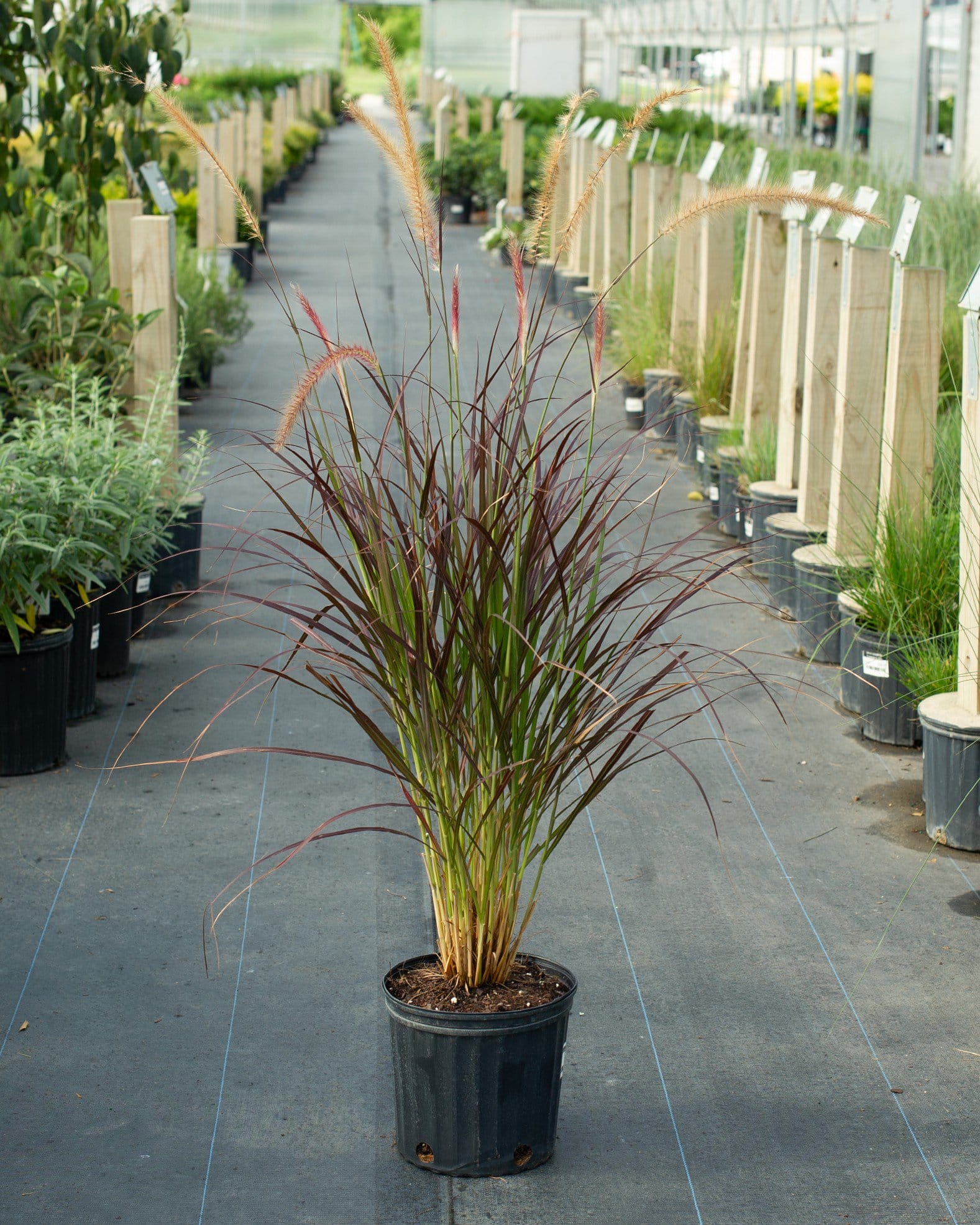
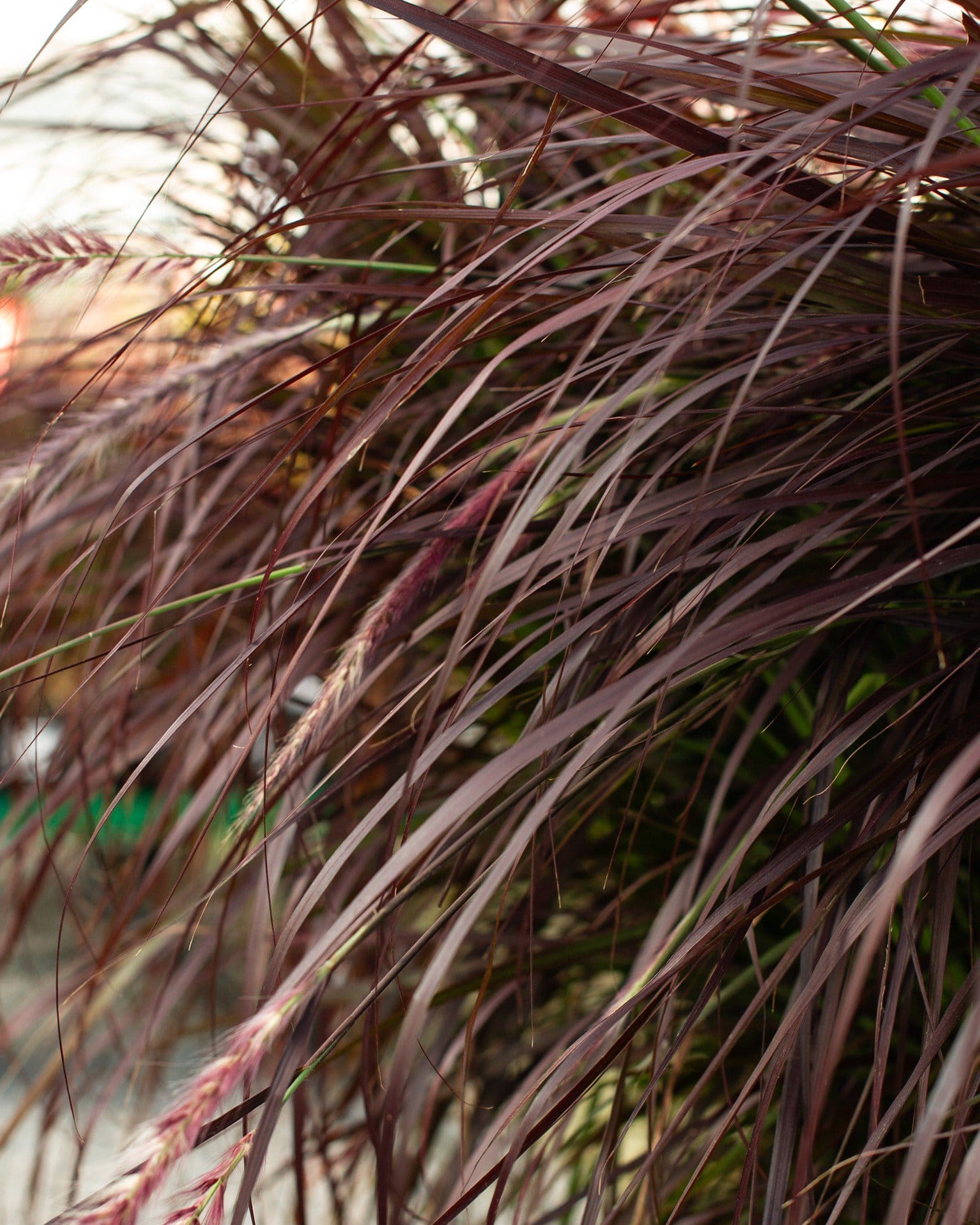
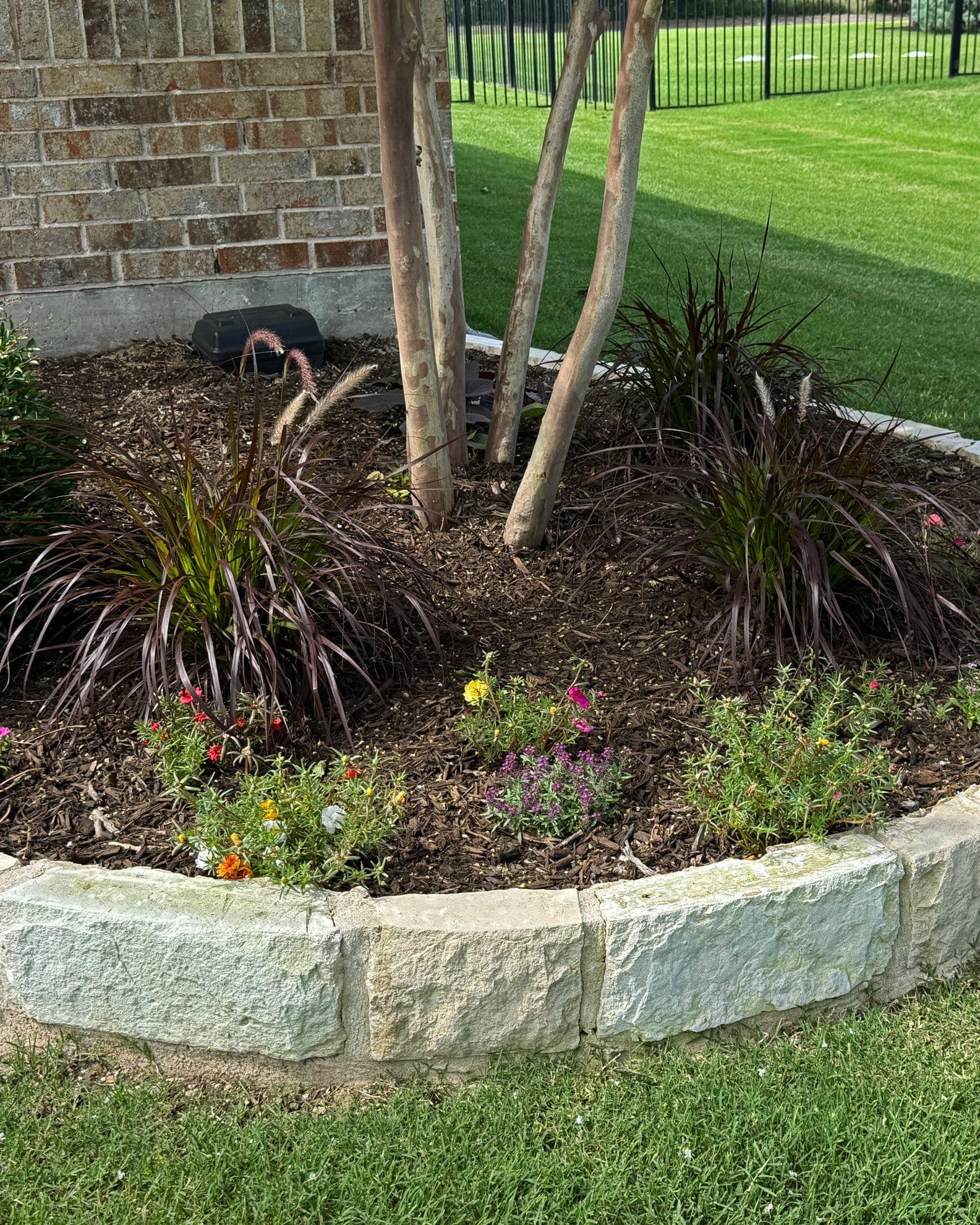
Purple Fountain Grass
Maturity: 3' H x 2' W
Texas Carex Sedge
Maturity: 1' H x 1' W
Adagio Miscanthus
Maturity: 3' H x 3' W
Blue Grama
Maturity: 1.5' H x 2' W
Blue Grama Blonde Ambition
Maturity: 3' H x 3' W
Little Bluestem
Maturity: 2' H x 2' W
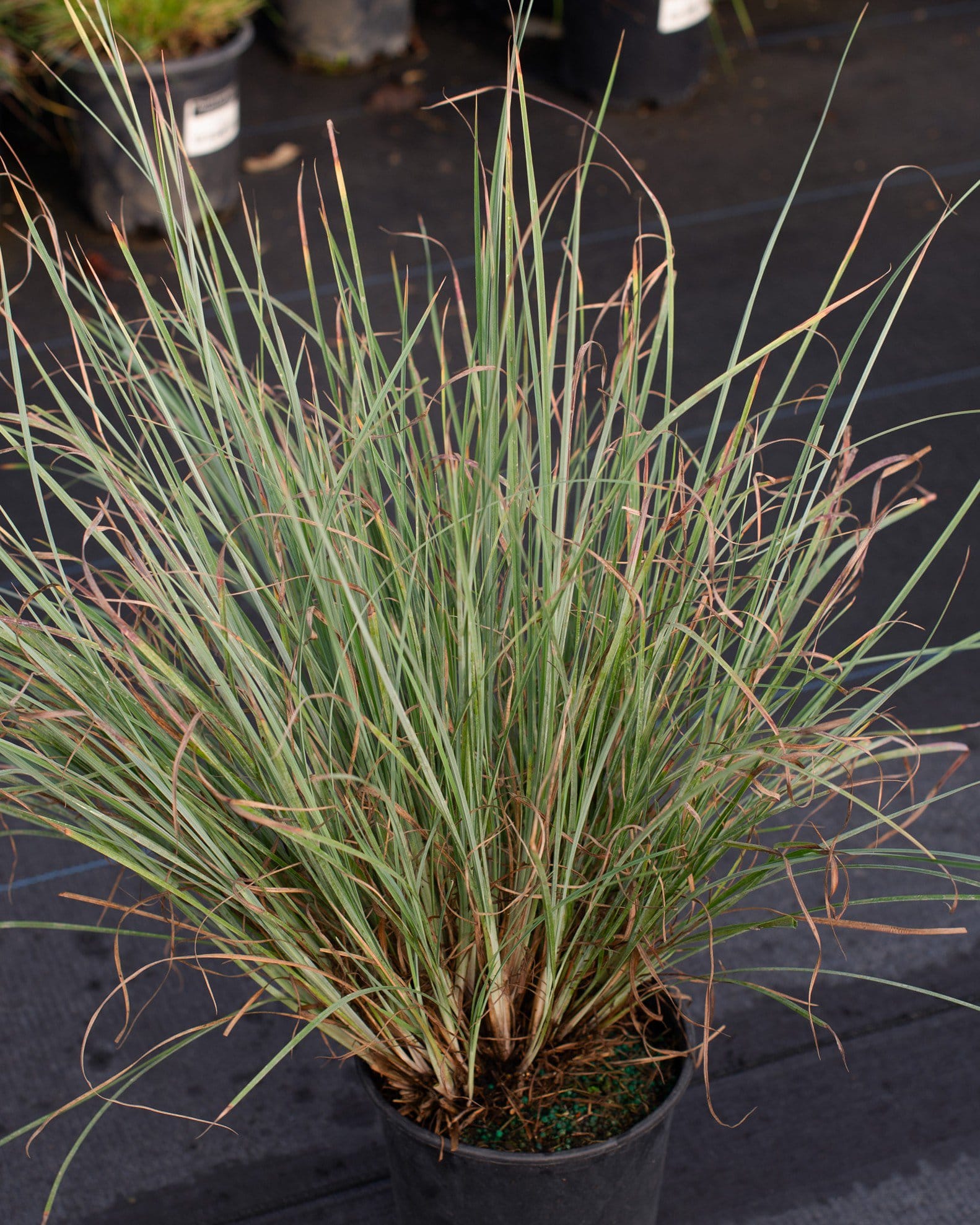
Little Bluestem Prairie Blues
Maturity: 3' H x 2' W
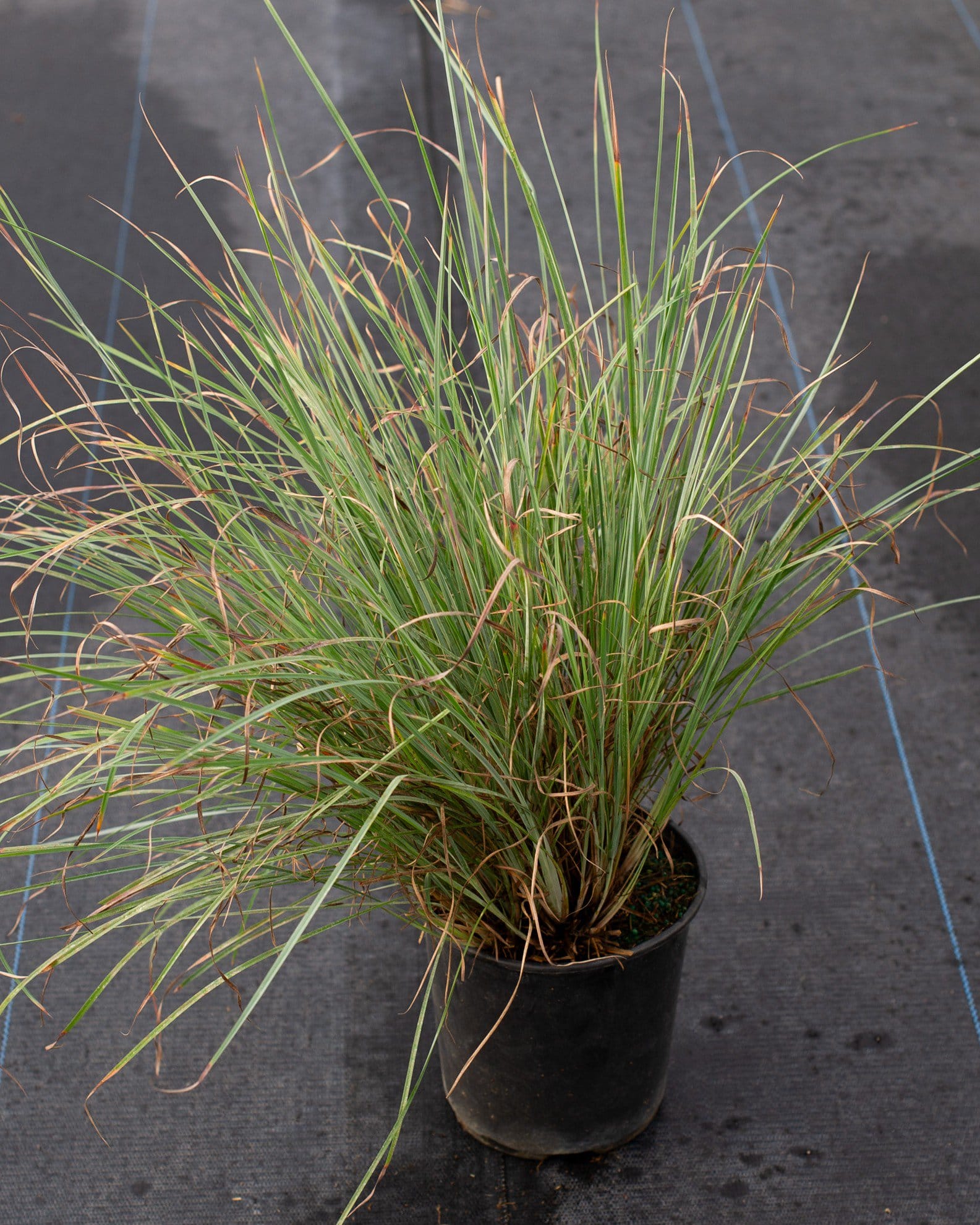
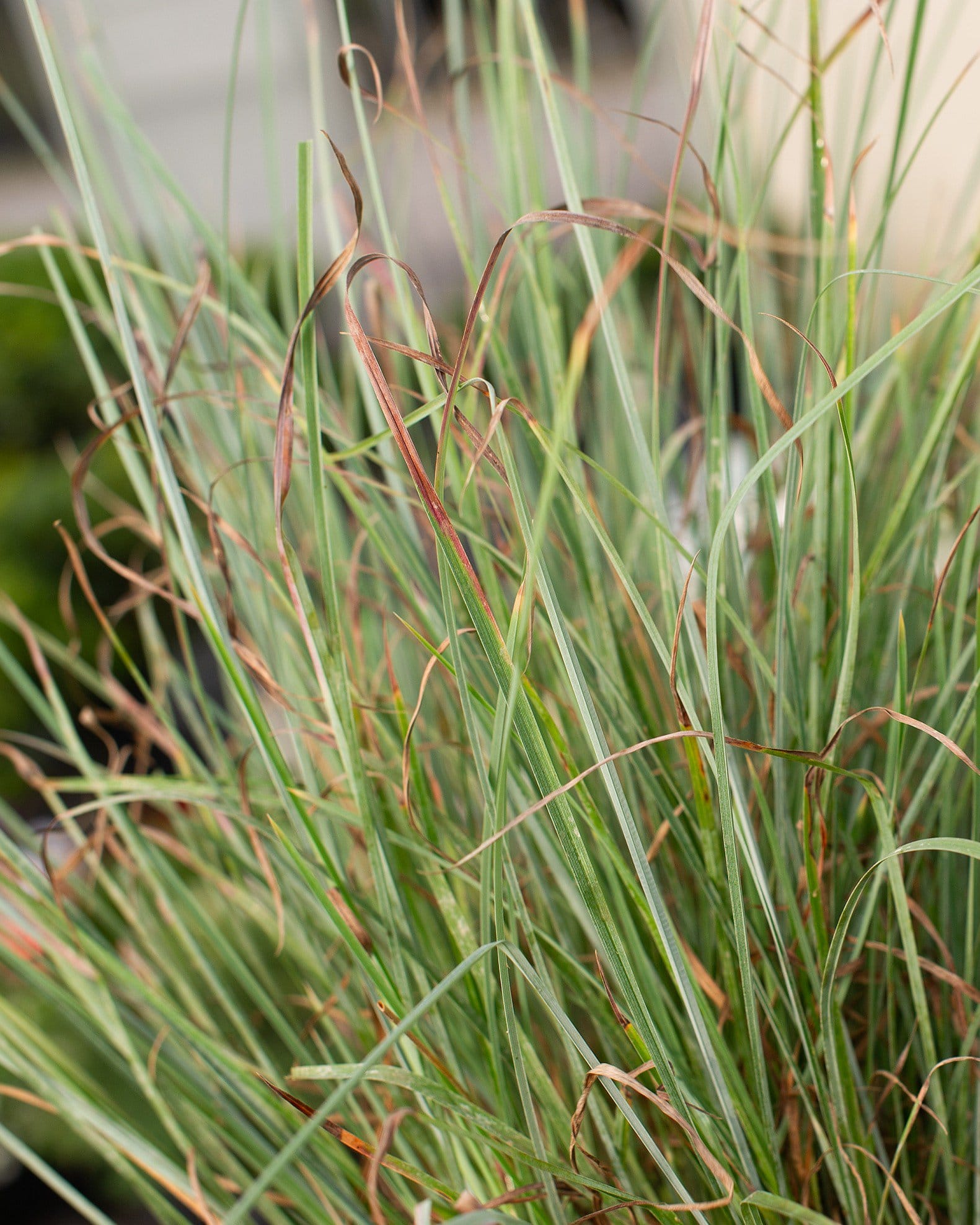
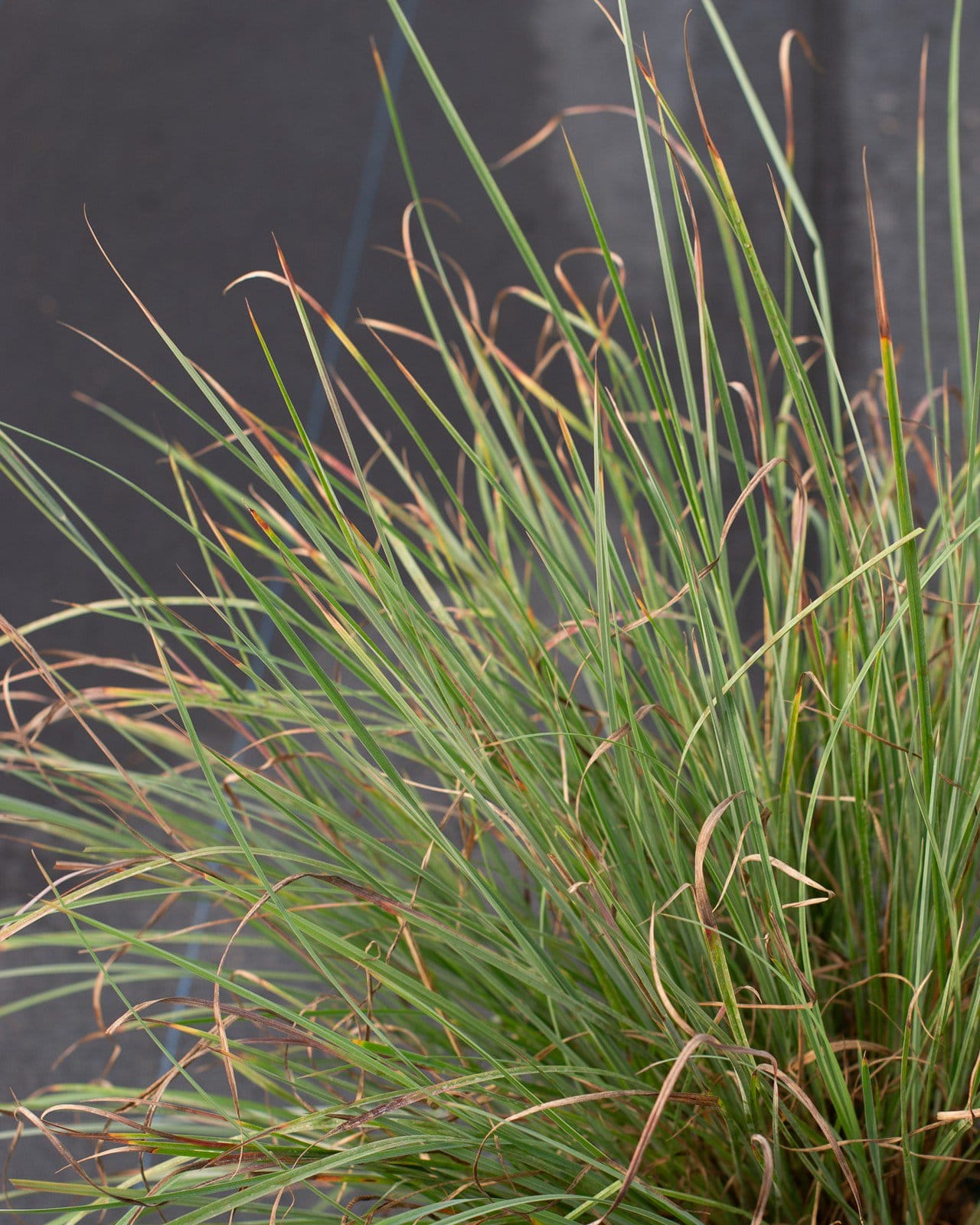
Little Bluestem Standing Ovation
Maturity: 2' H x 1.5' W
Mexican Feather
Maturity: 2' H x 2' W
Compare Similar Plants
Inland Sea Oates This plant | ||
|---|---|---|
| Scientific Name | Chasmanthium latifolium | Oenothera lindheimeri ‘Belleza White’ |
| Size at Maturity | 2' H x 2' W | 1' H x 1.5' W |
| Leaf Retention | Herbaceous | Herbaceous |
| Flower Color | — | White |
| Bloom Times | — | Summer & Fall |
| Sizes Available | 1 gal | 1 gal |


Our 1-Year Planting Guarantee
We take pride in our plants and installation services. If any plants or trees installed by Treeland fail to thrive within the first year, we'll provide a replacement credit in accordance with our guarantee program.
Learn More About Our Guarantee