
Pampas
Cortaderia selloanaProduct Details
Pampas
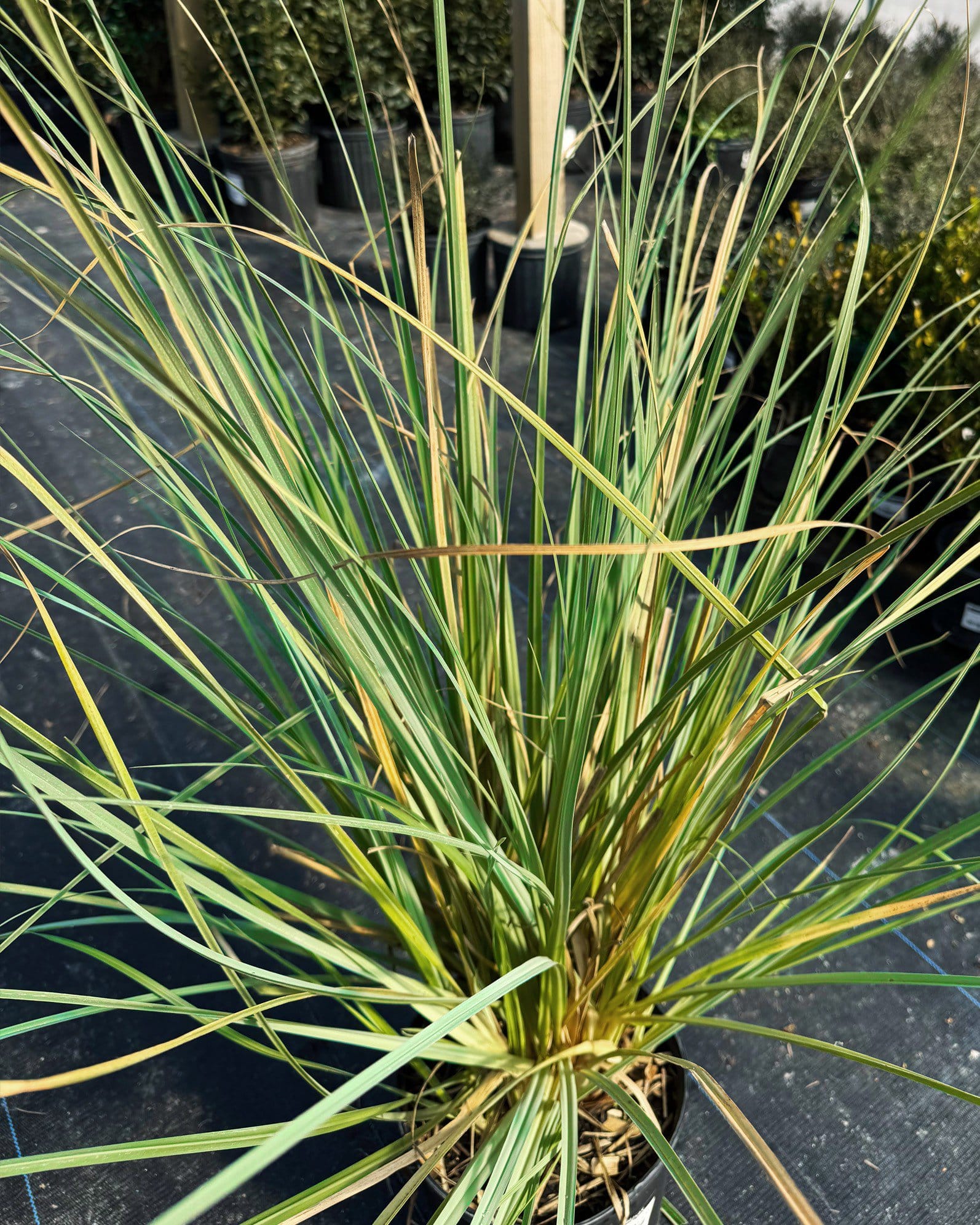
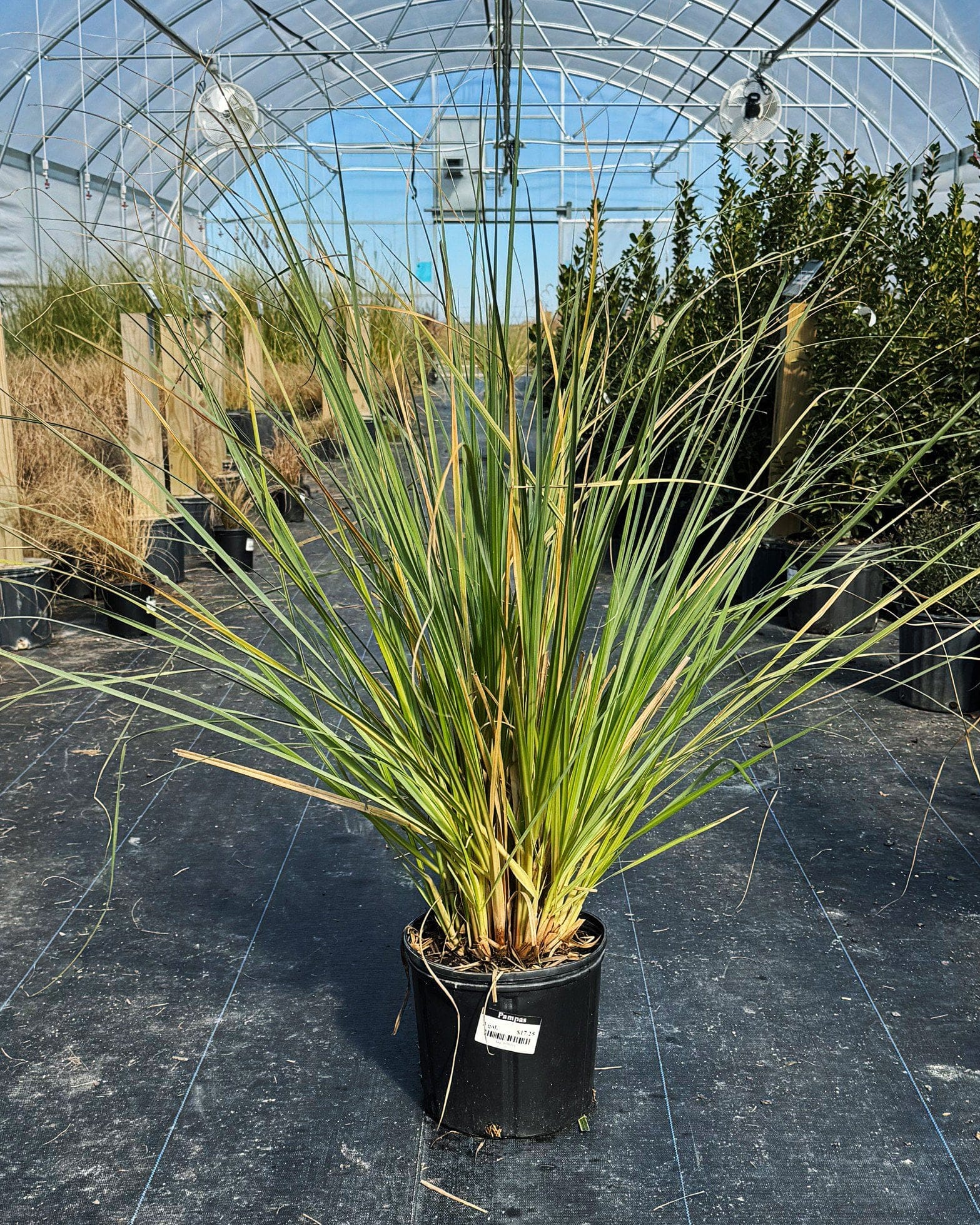
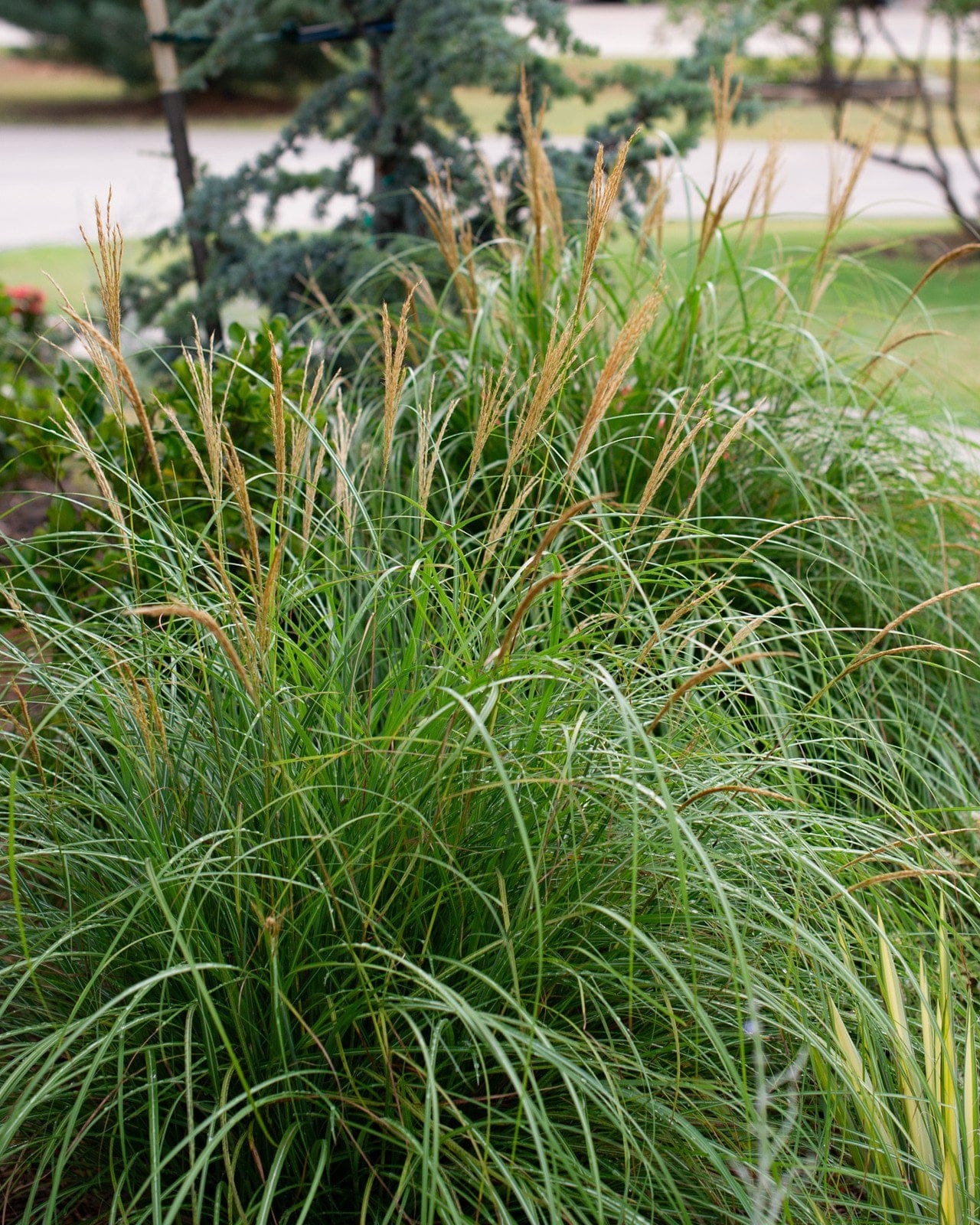
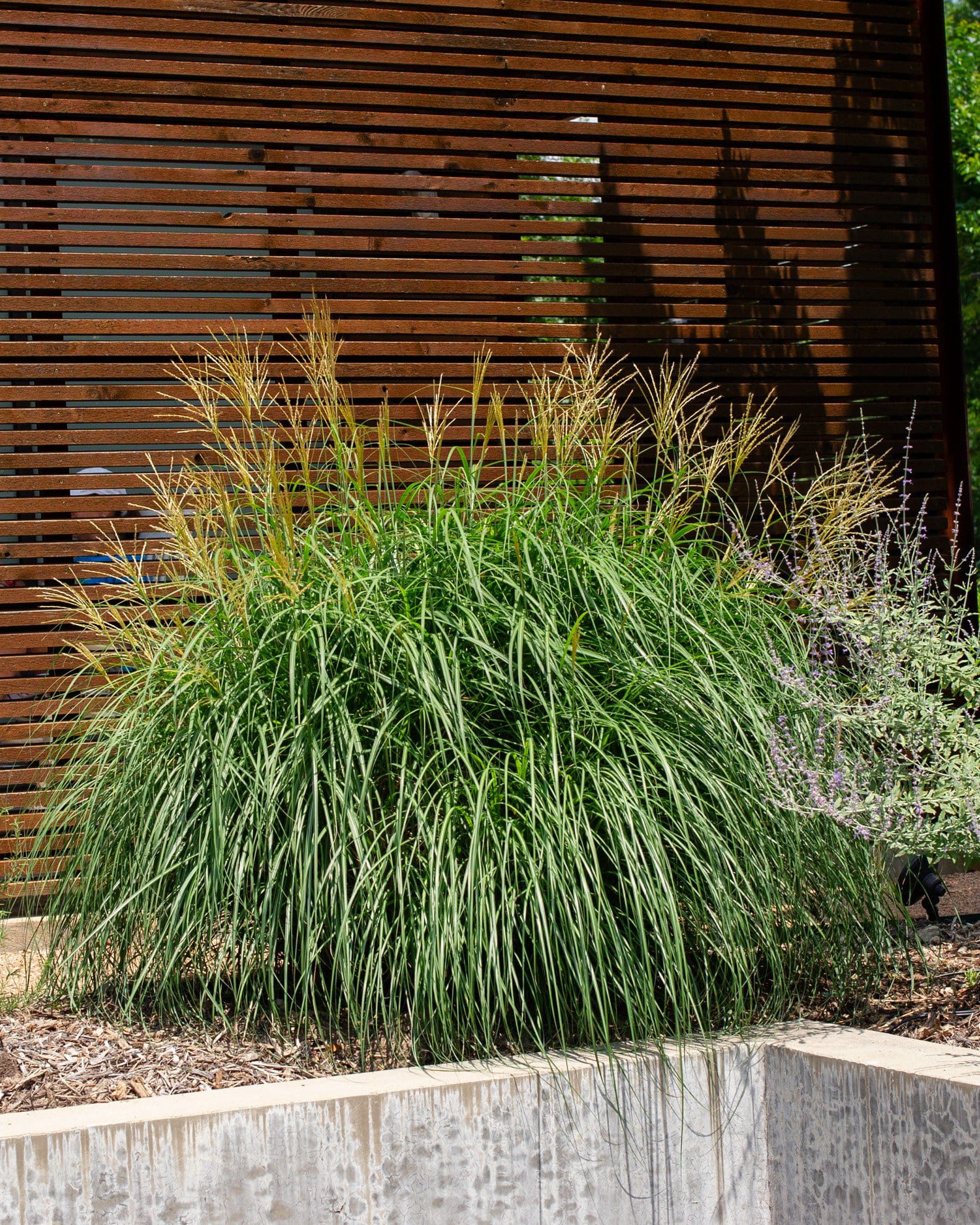
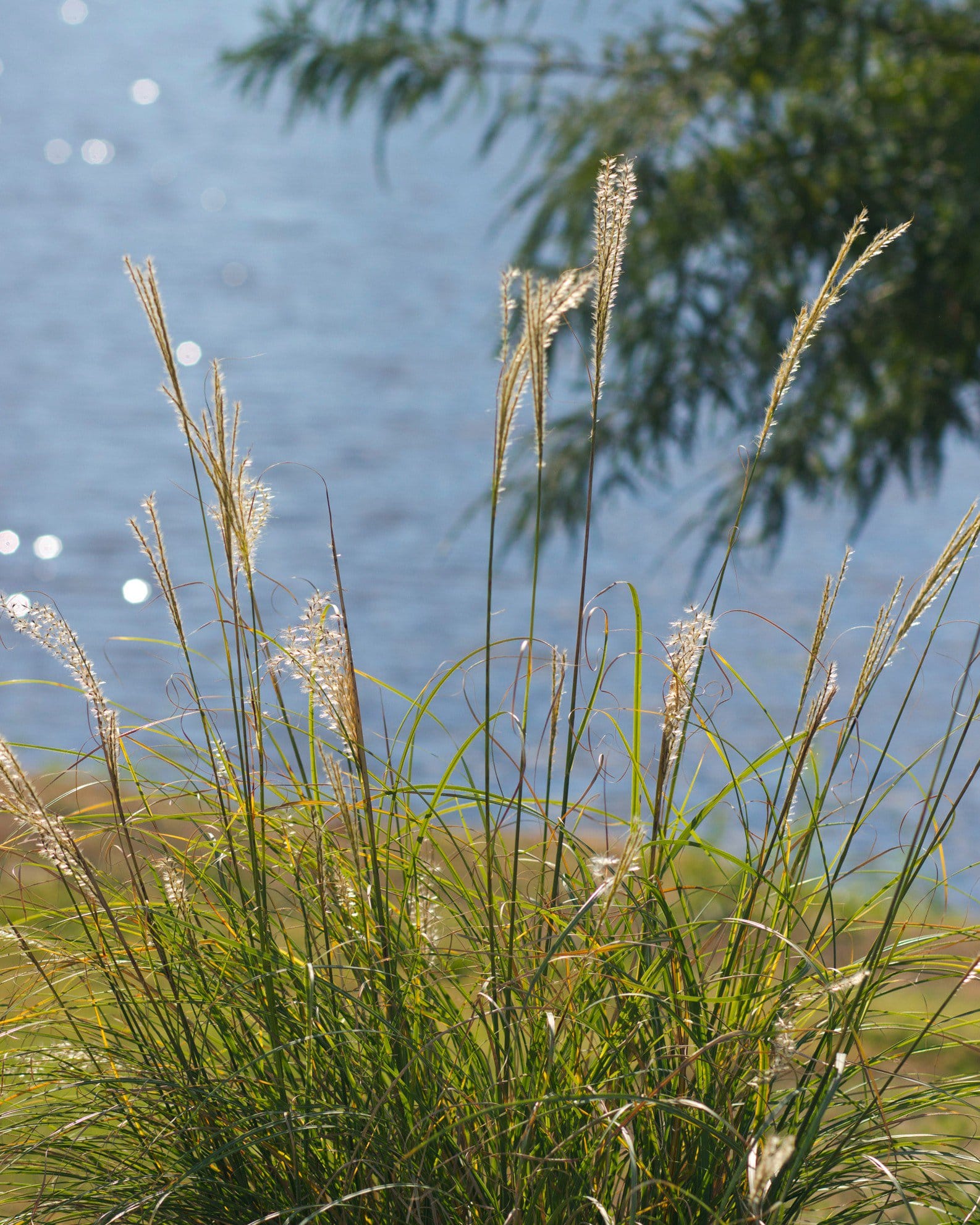
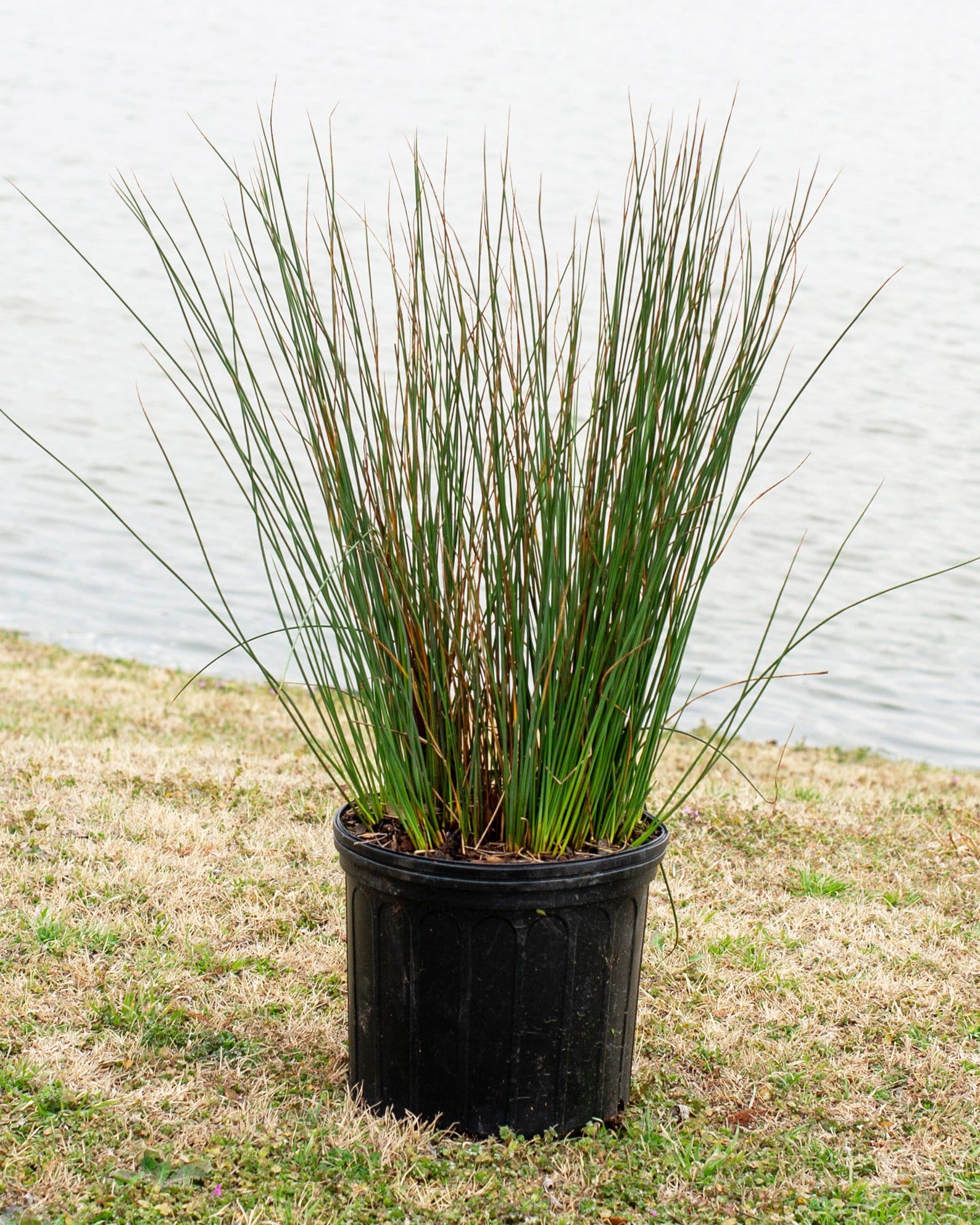
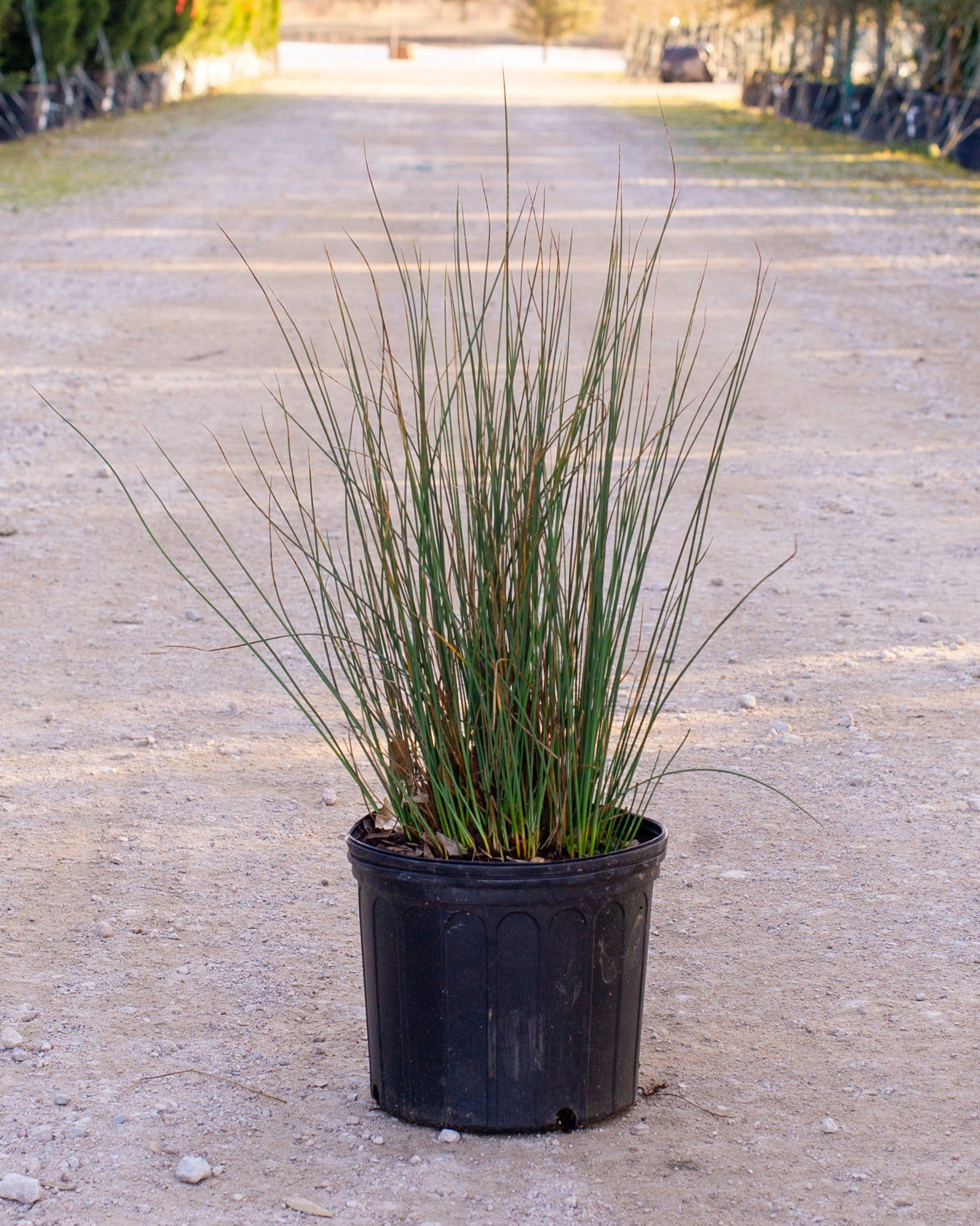
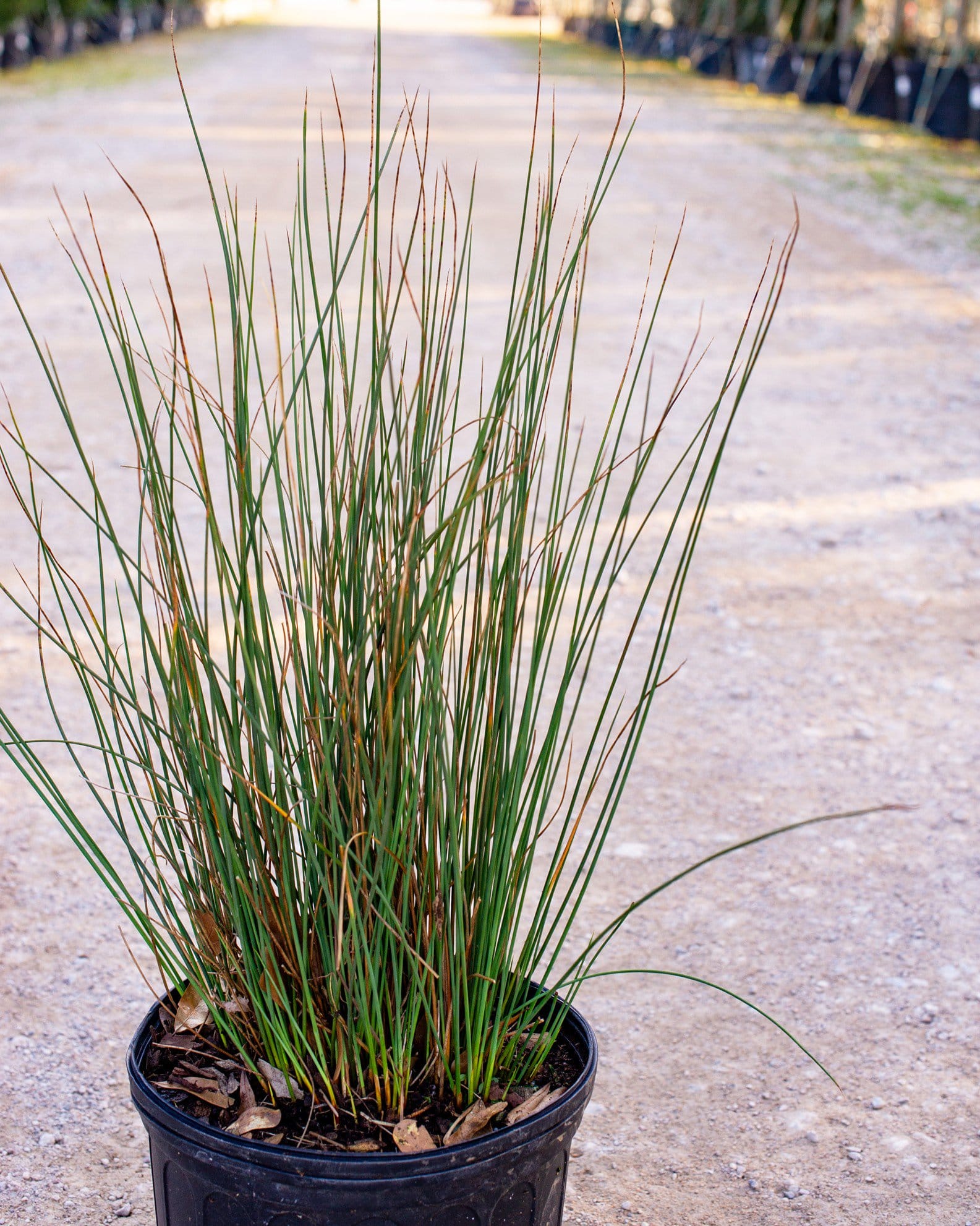
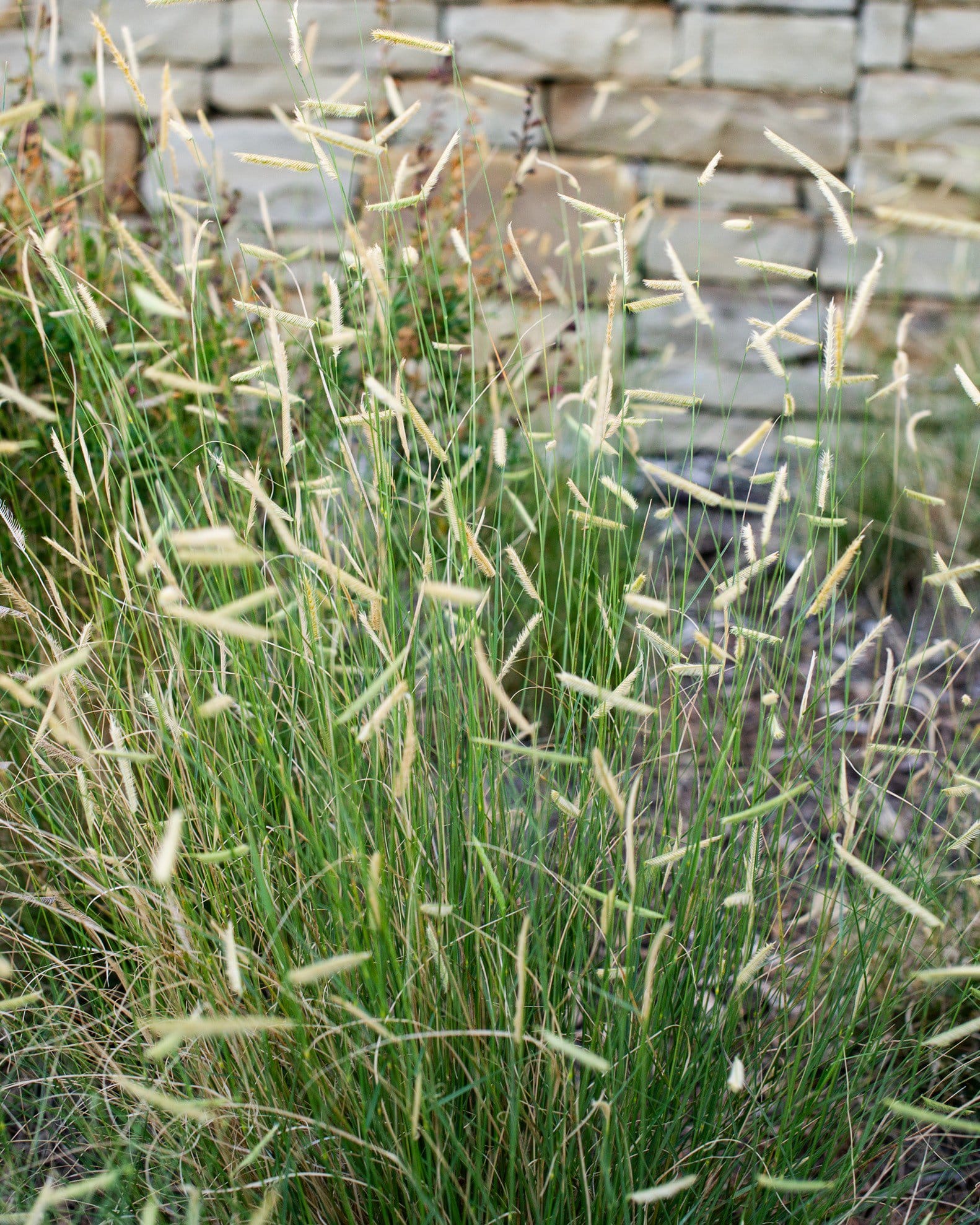
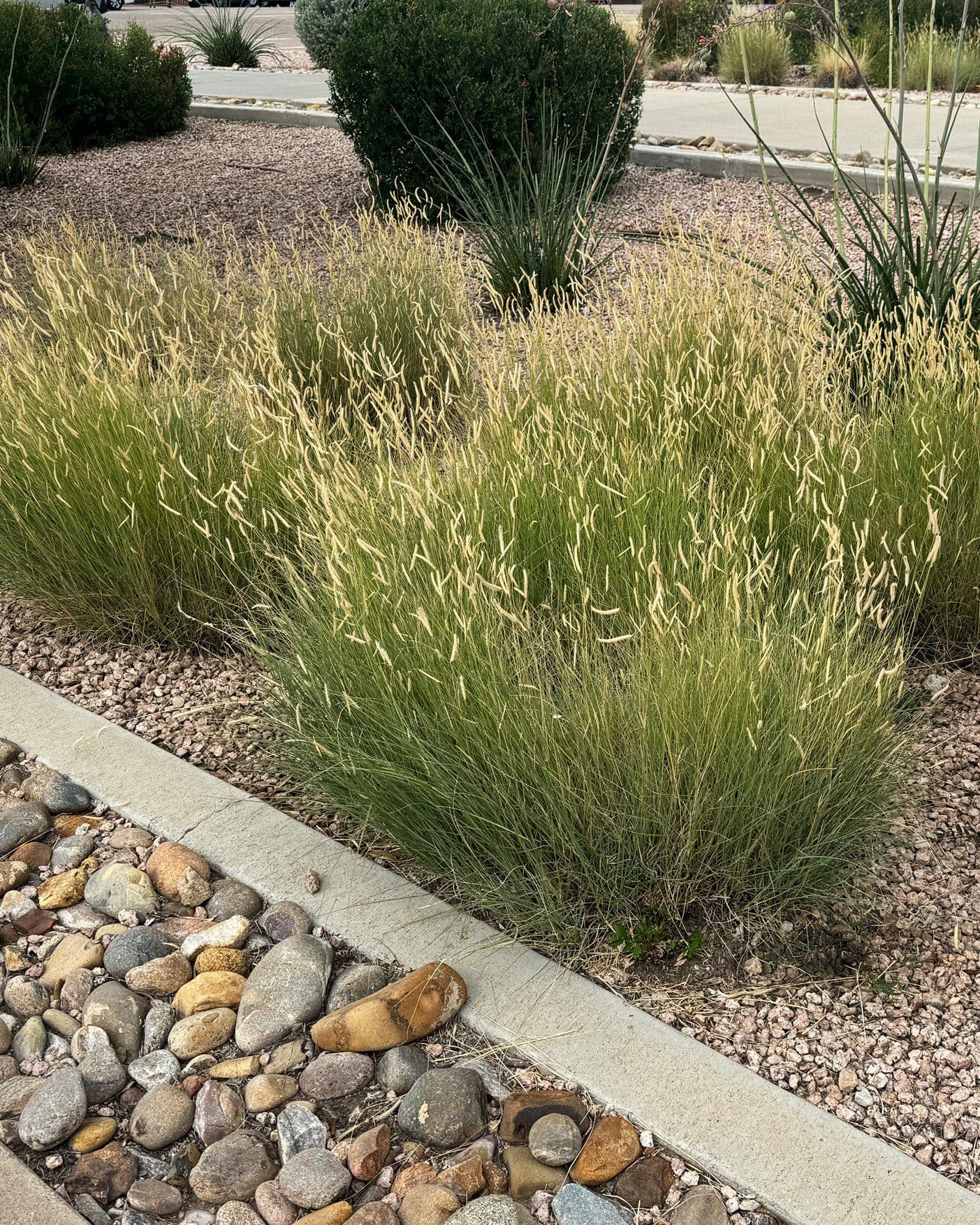
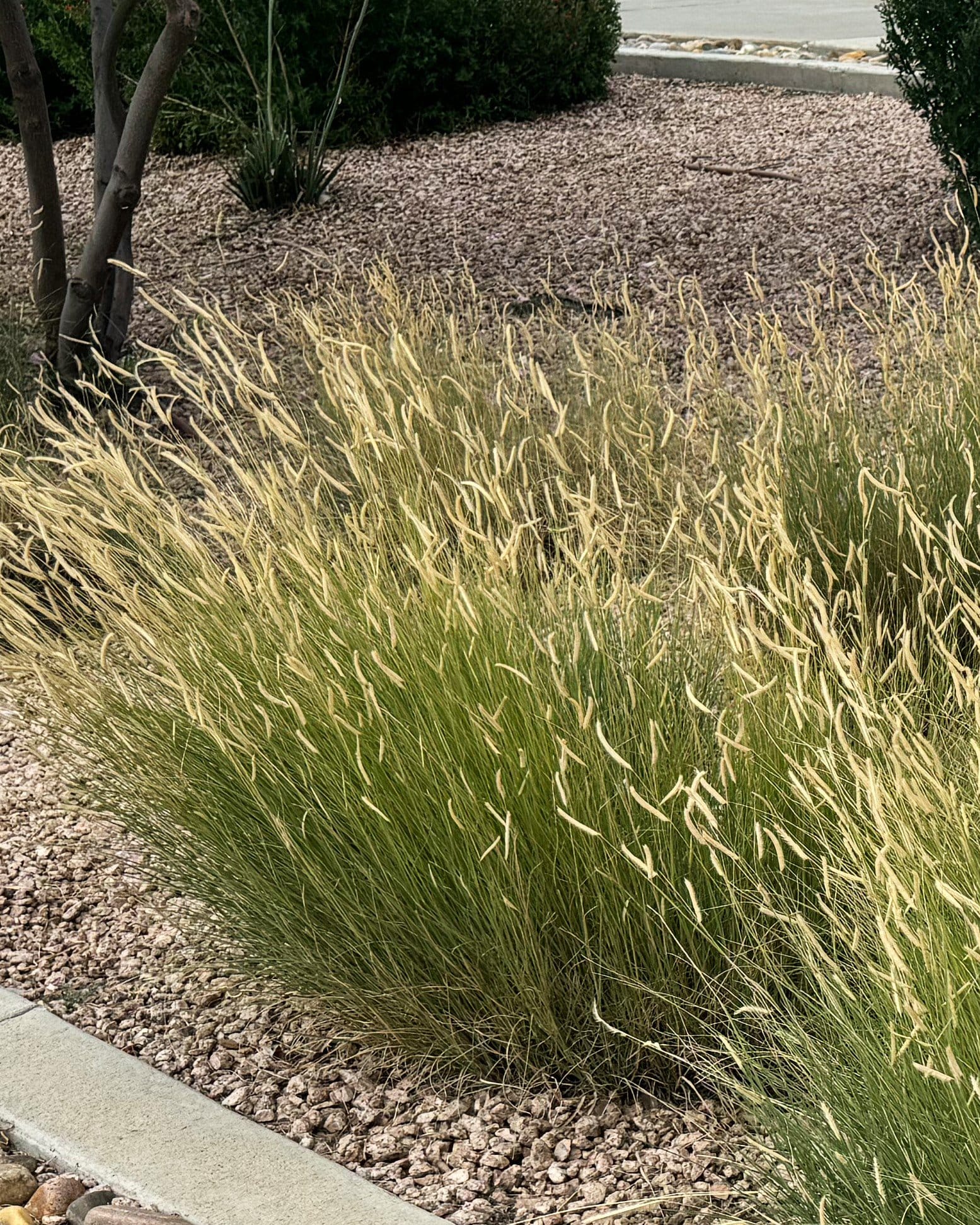
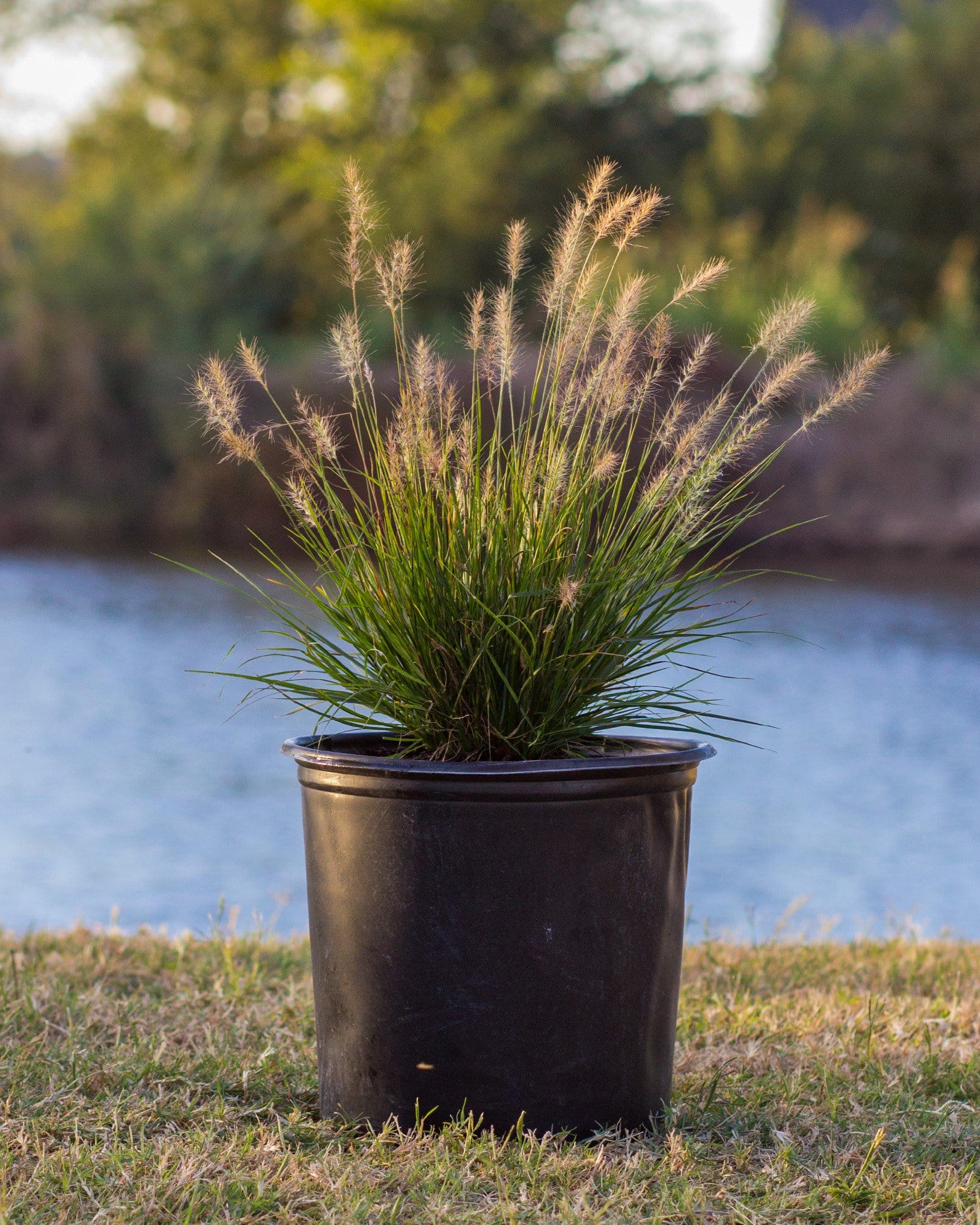
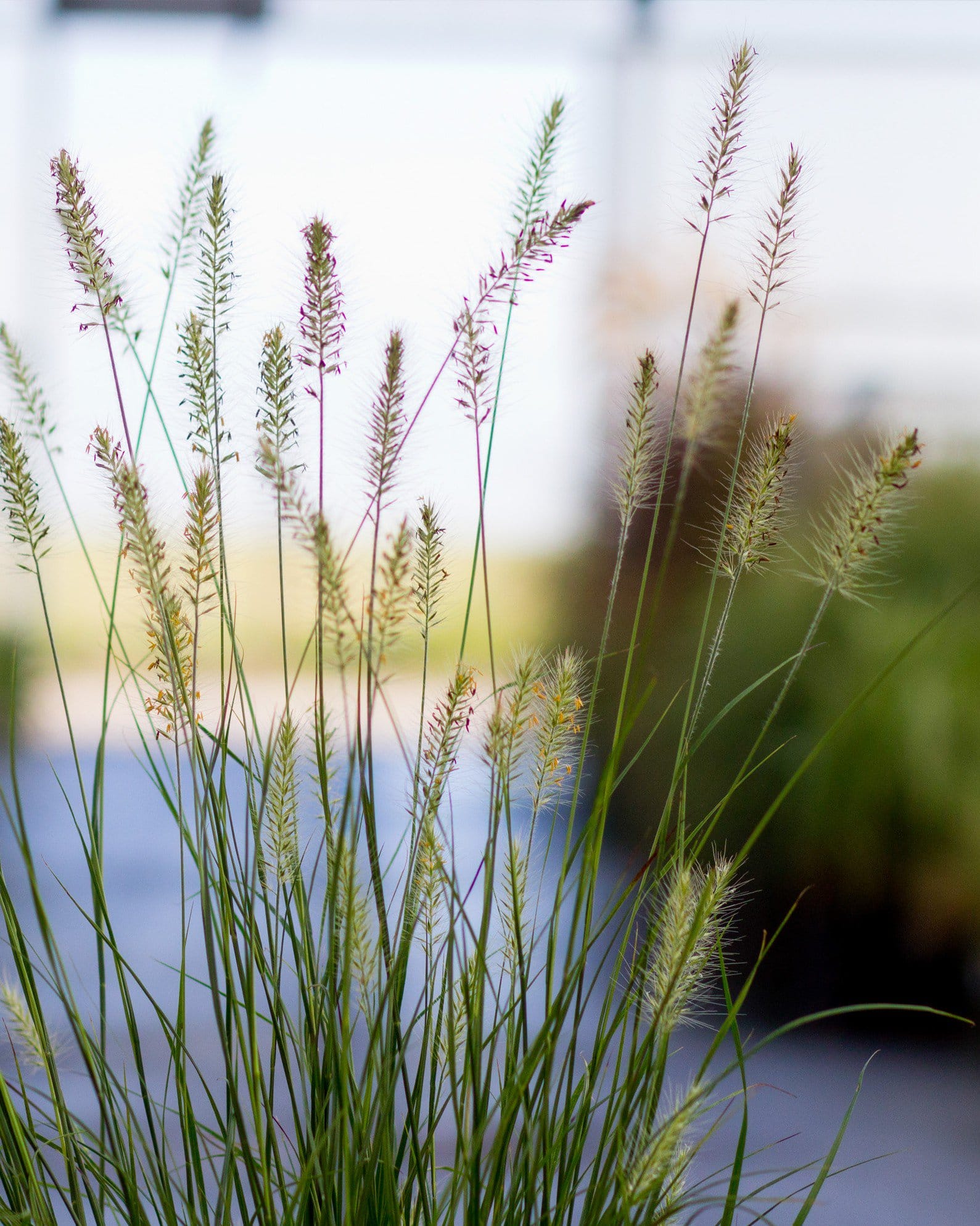
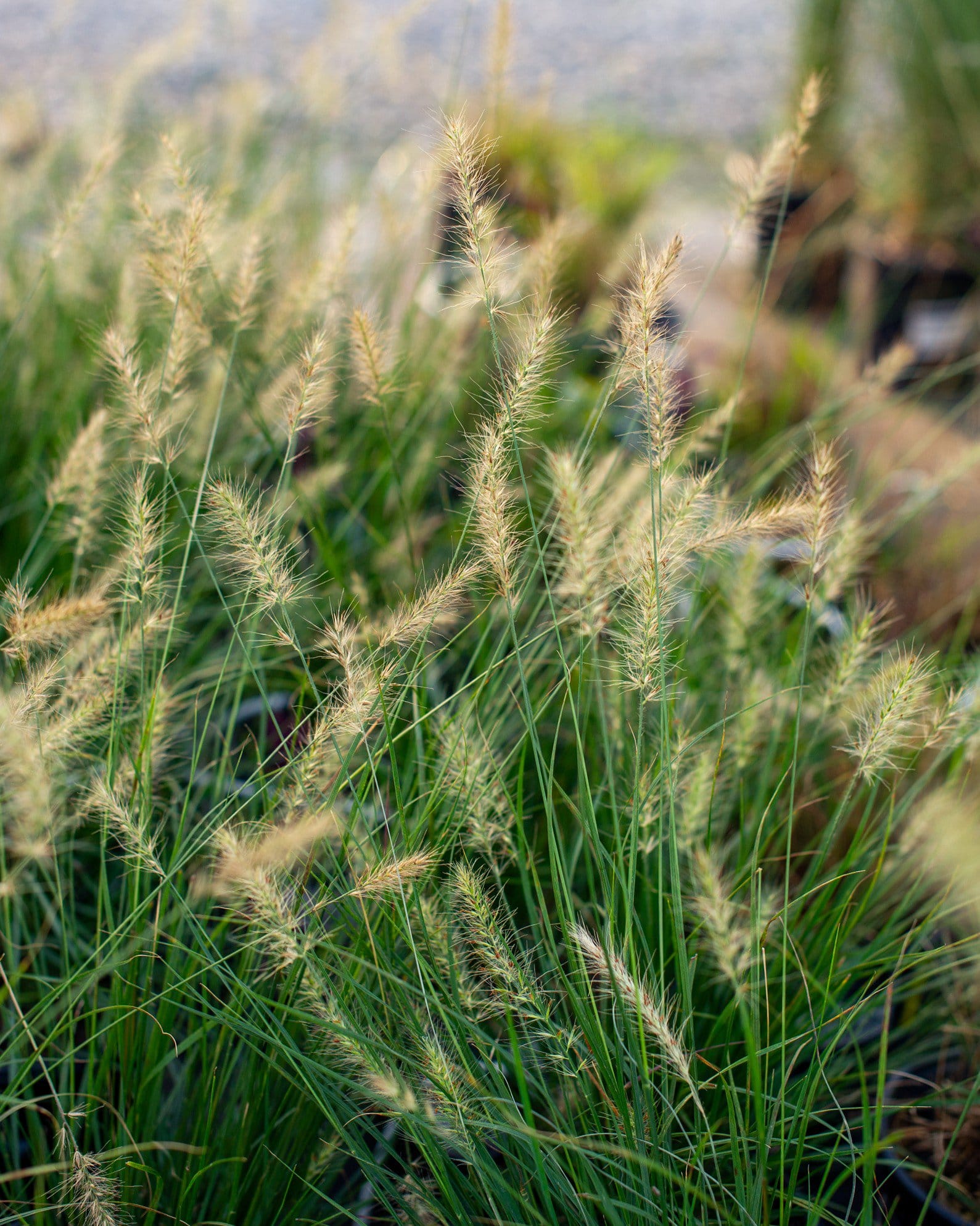
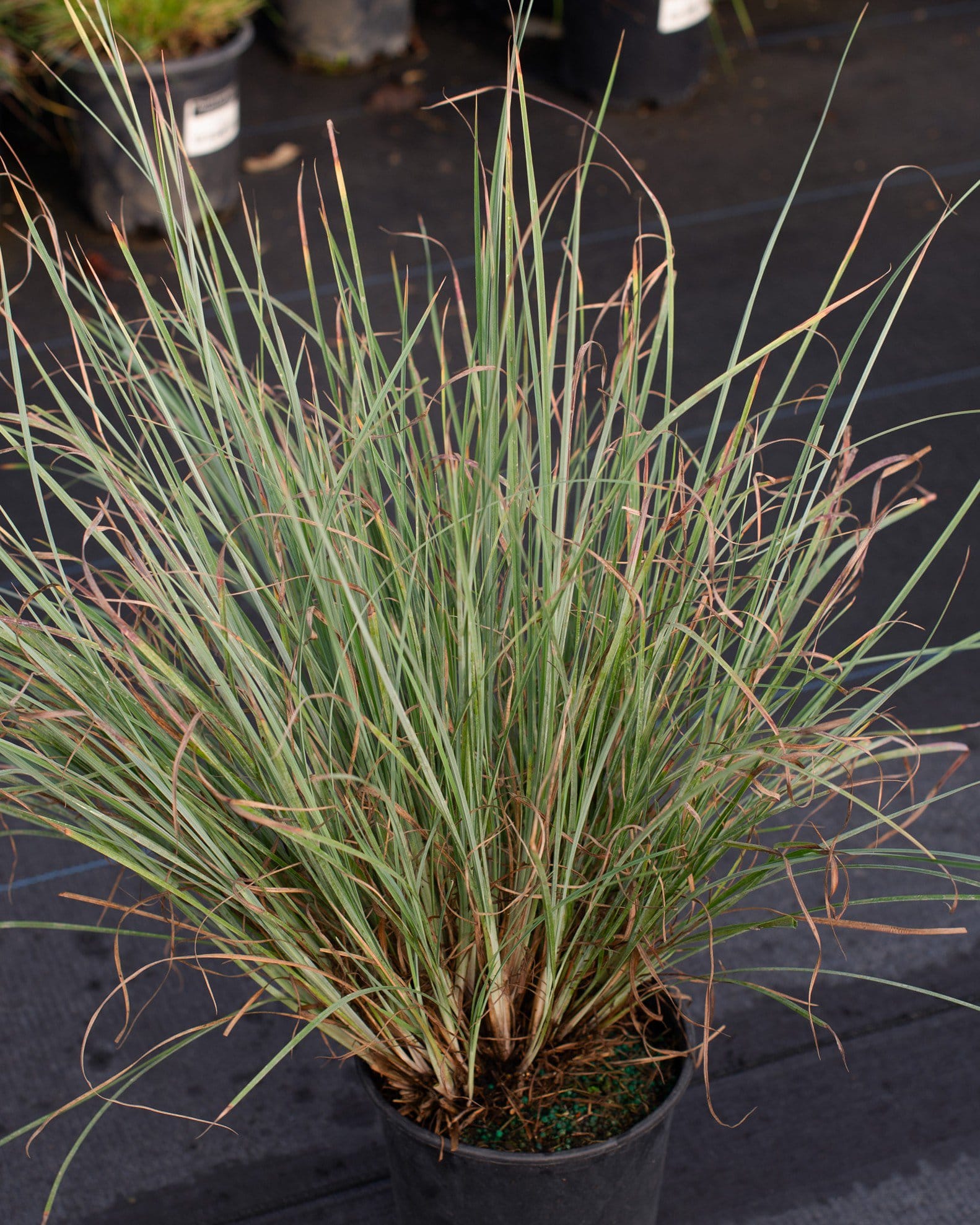
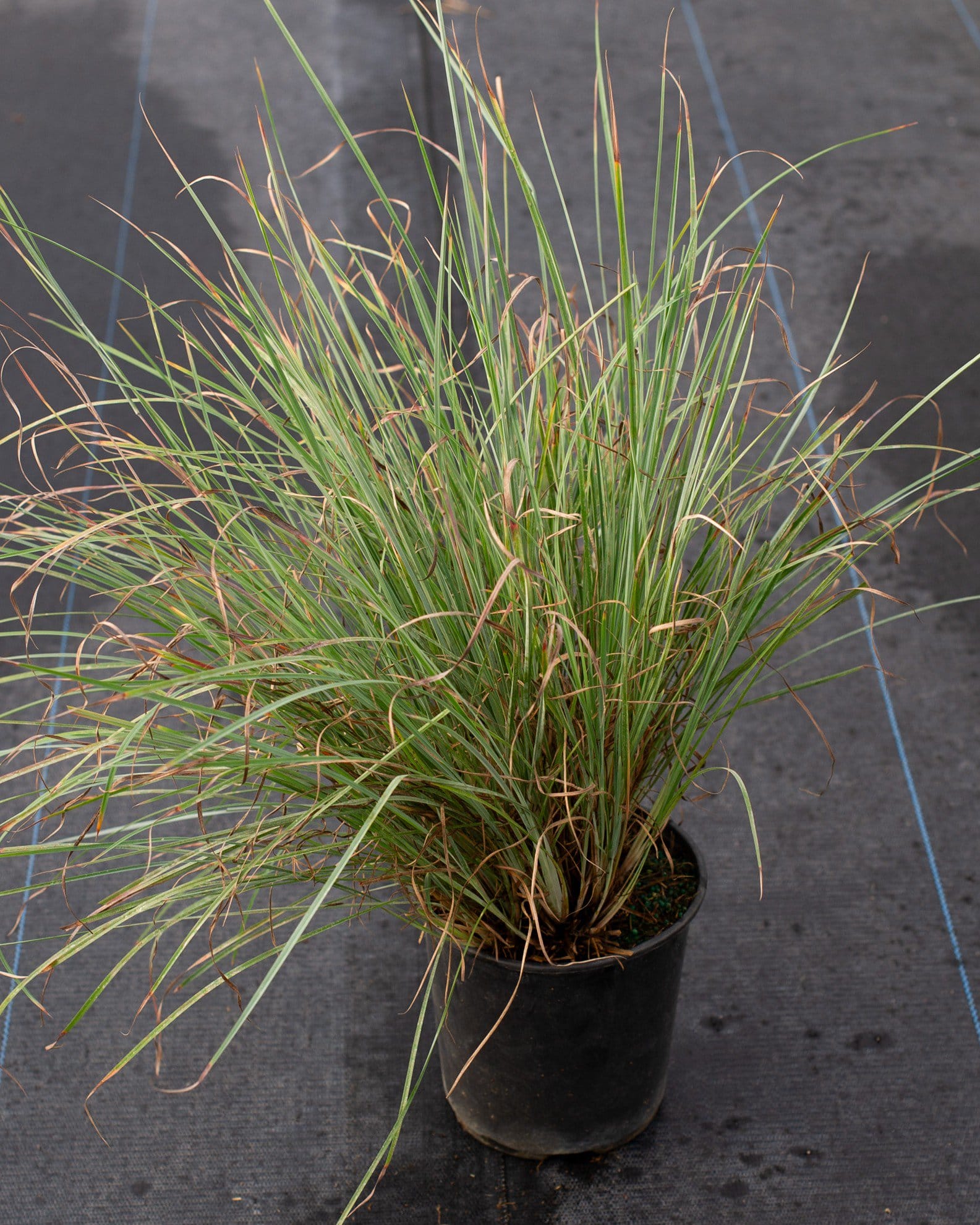
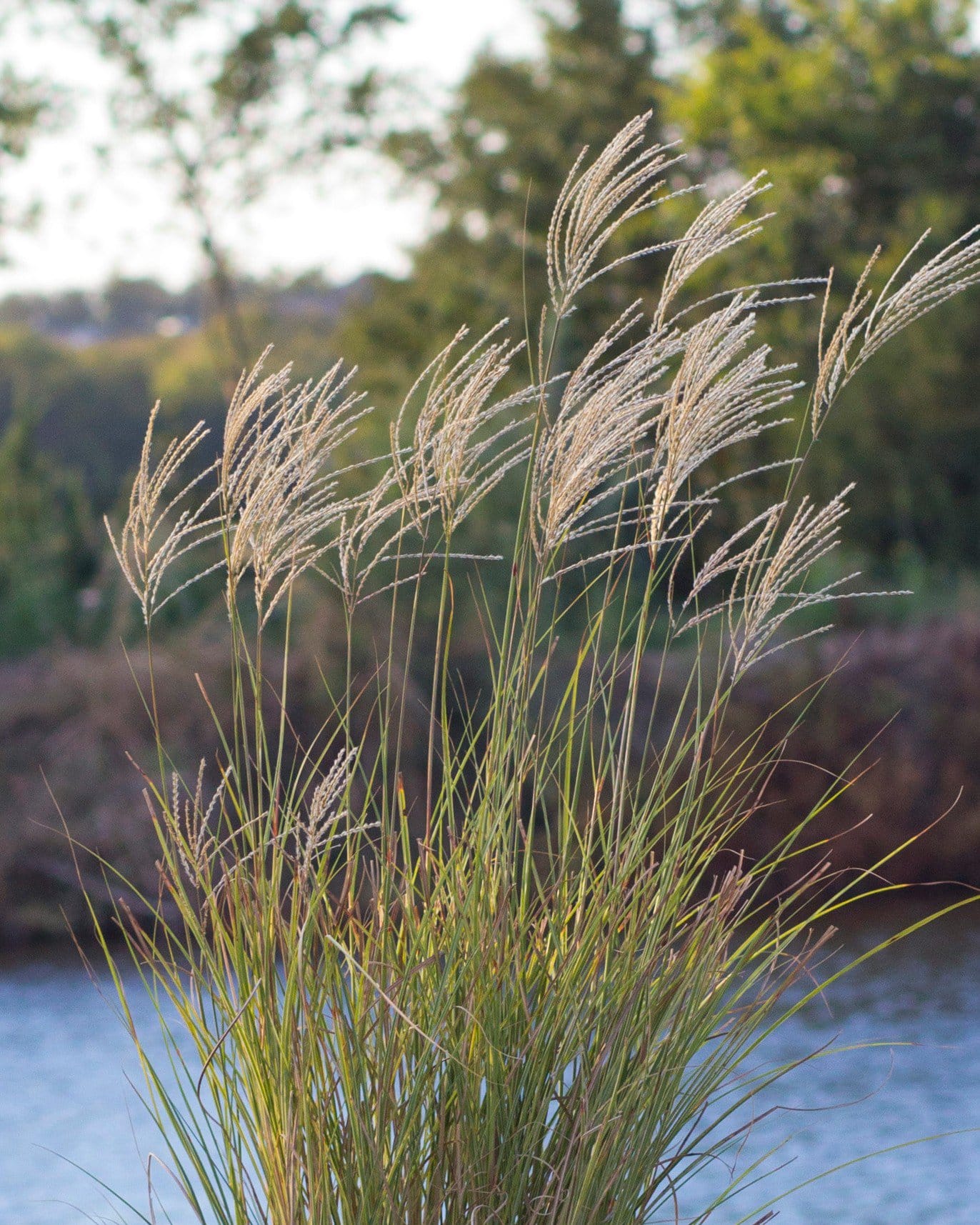
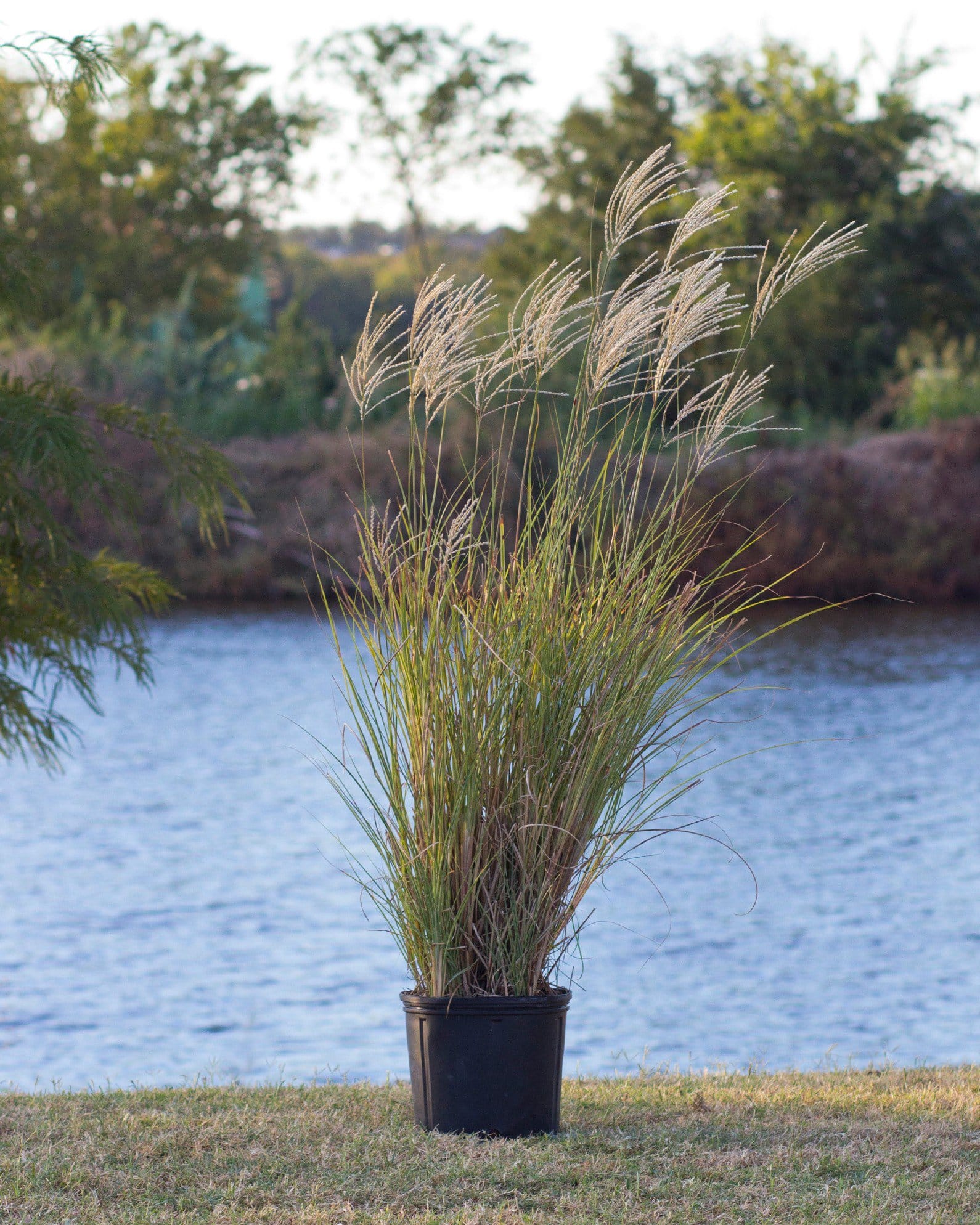
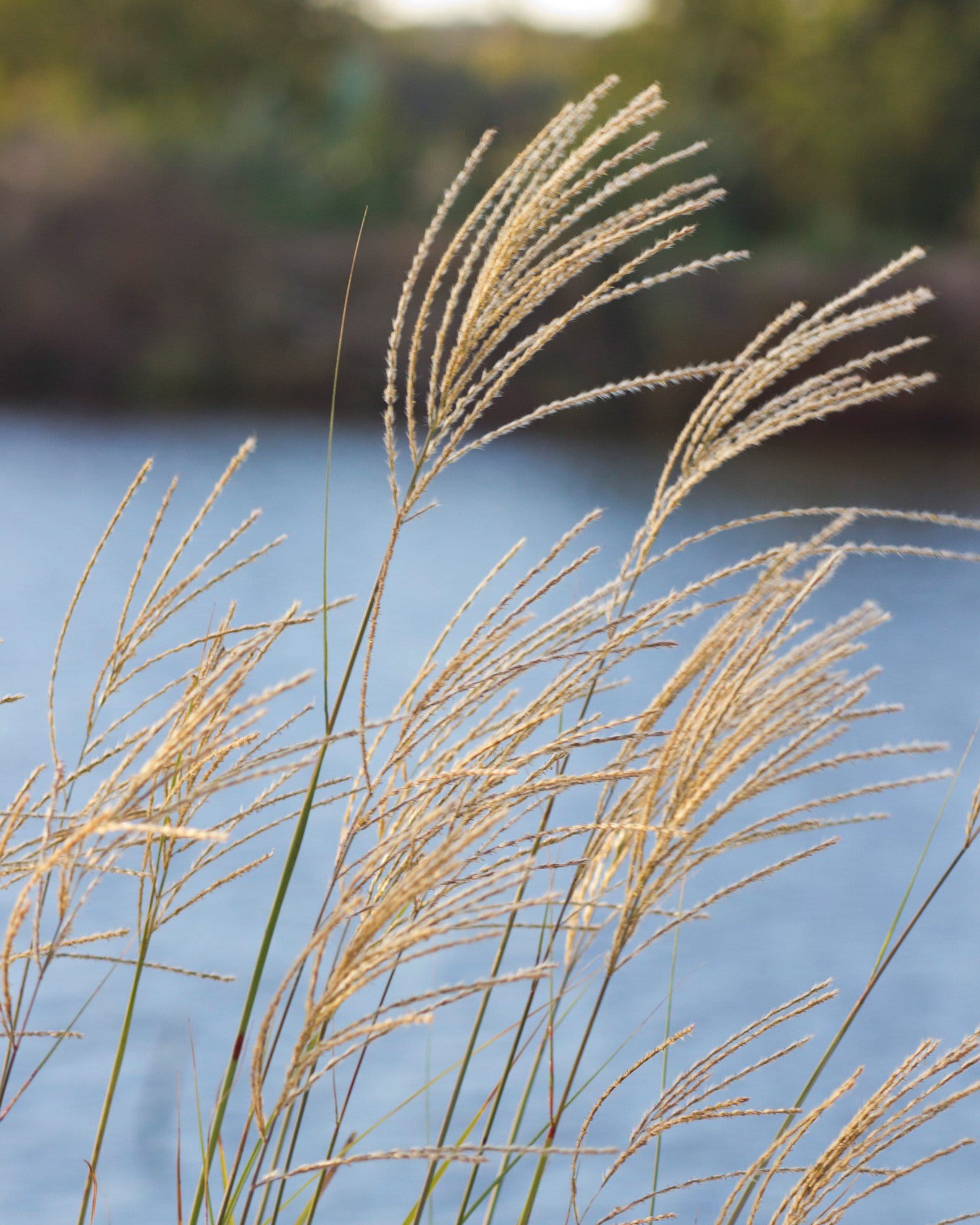
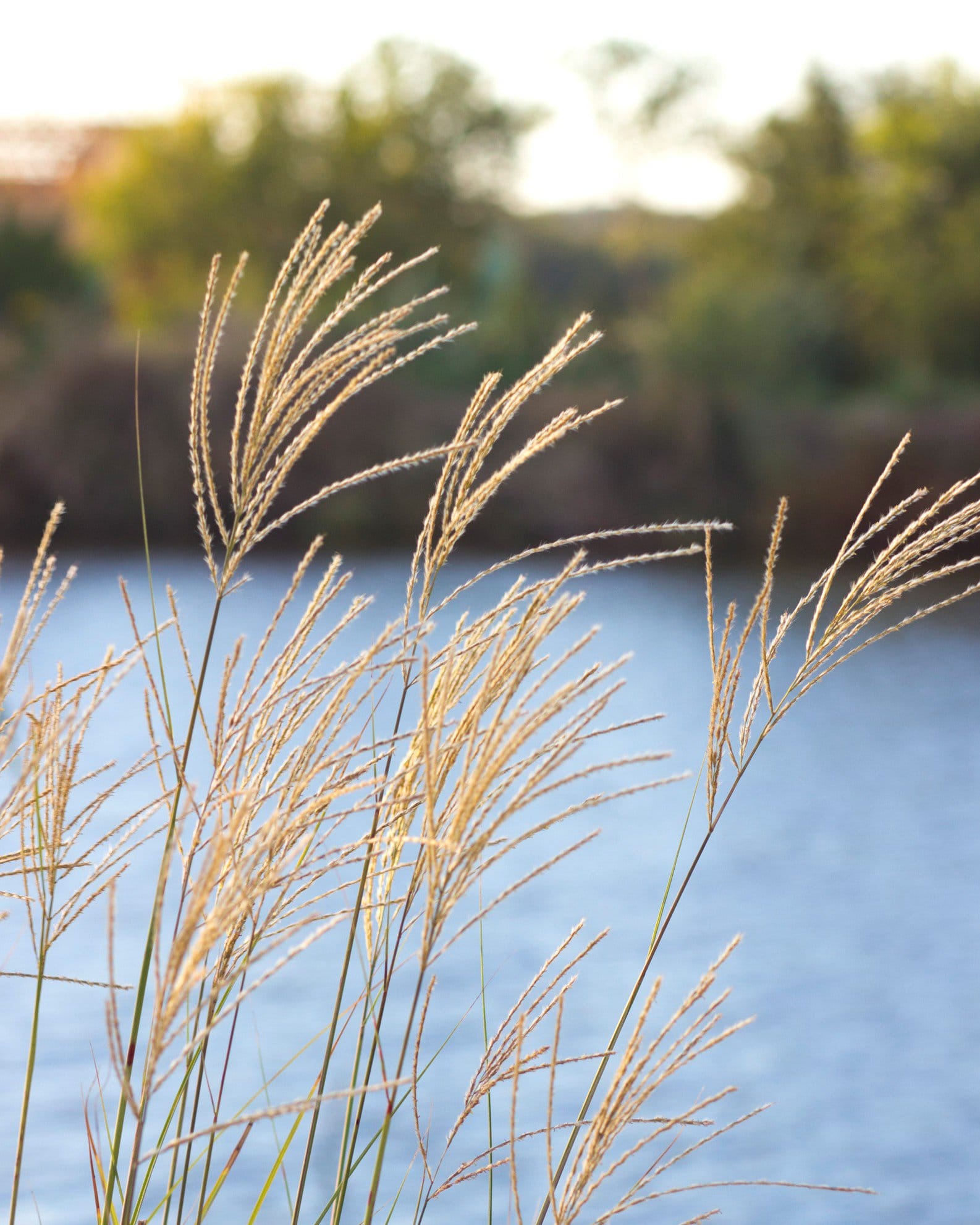
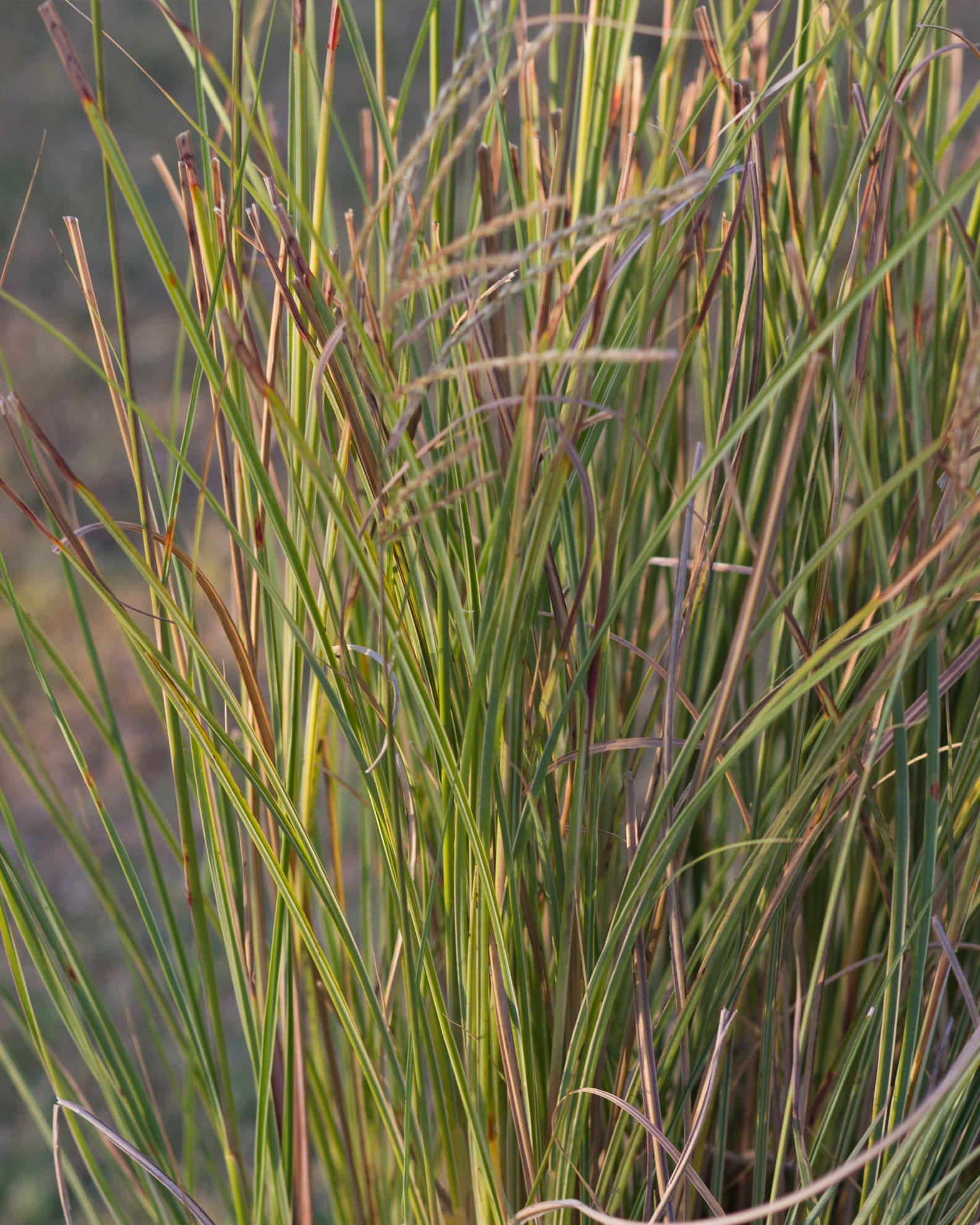
Cortaderia selloanaPampas grass is a beautiful addition to your landscape. This large specimen grows up to 8 feet in height and the same size in width at maturity. It is great for flower beds as it adds texture and movement. It's also useful for floral arrangements, as both fresh and dried flowers add a decorative touch. Pampas grass is very attractive, mainly due to its feathery, yellow-white plumes that emerge in late summer to early fall.
- Clumping growth habit
- Herbaceous grass variety
- Large specimen, great for flower beds
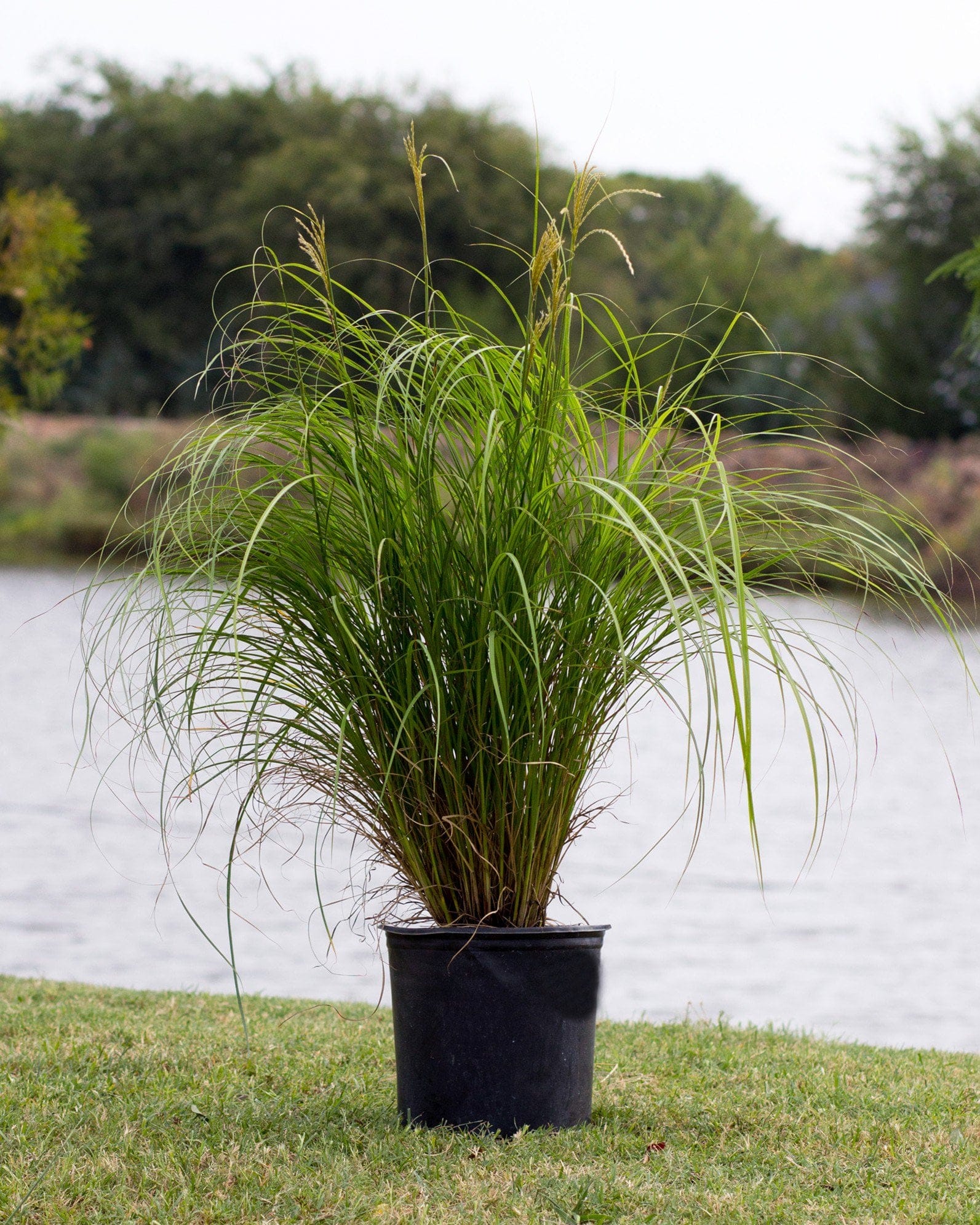
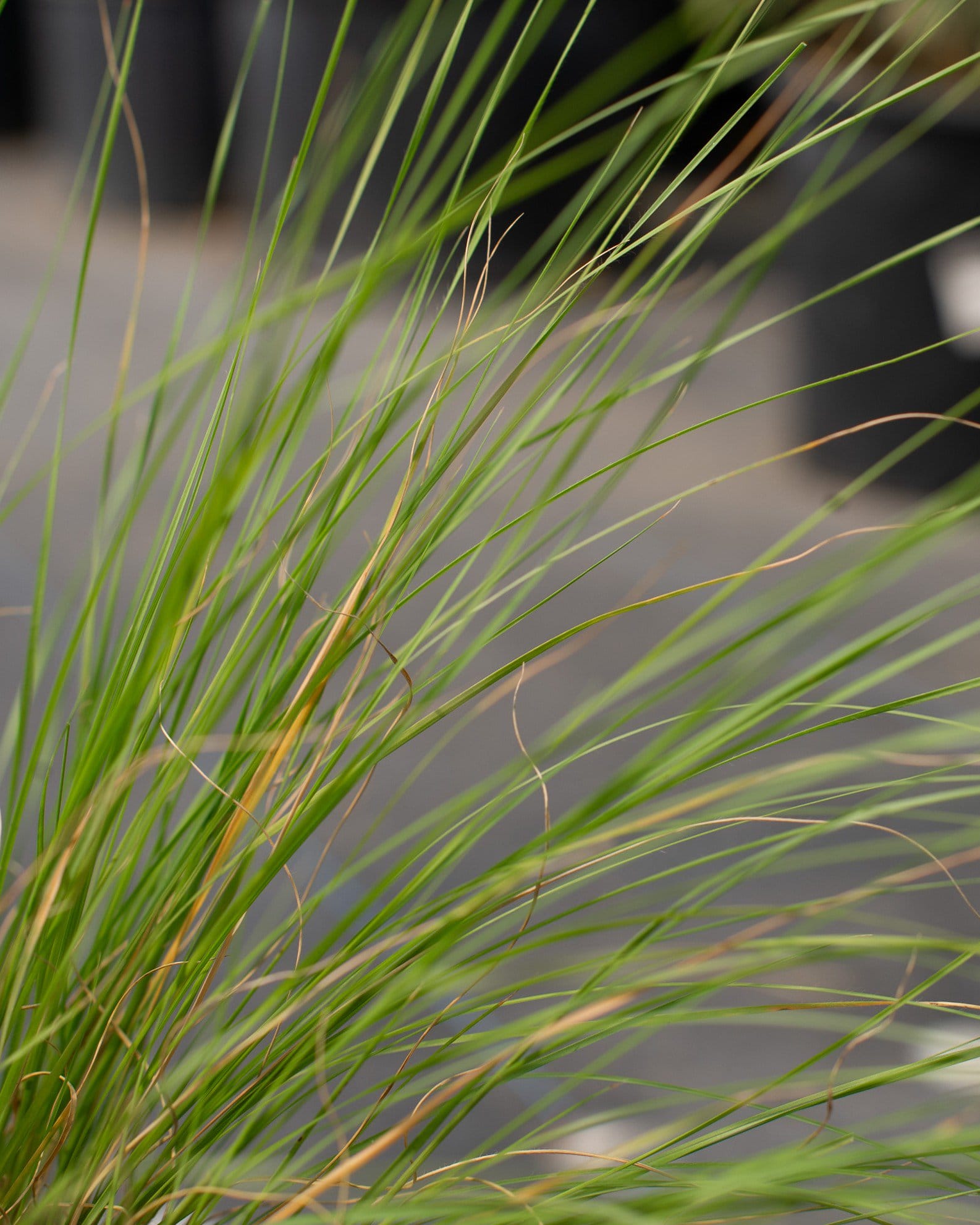
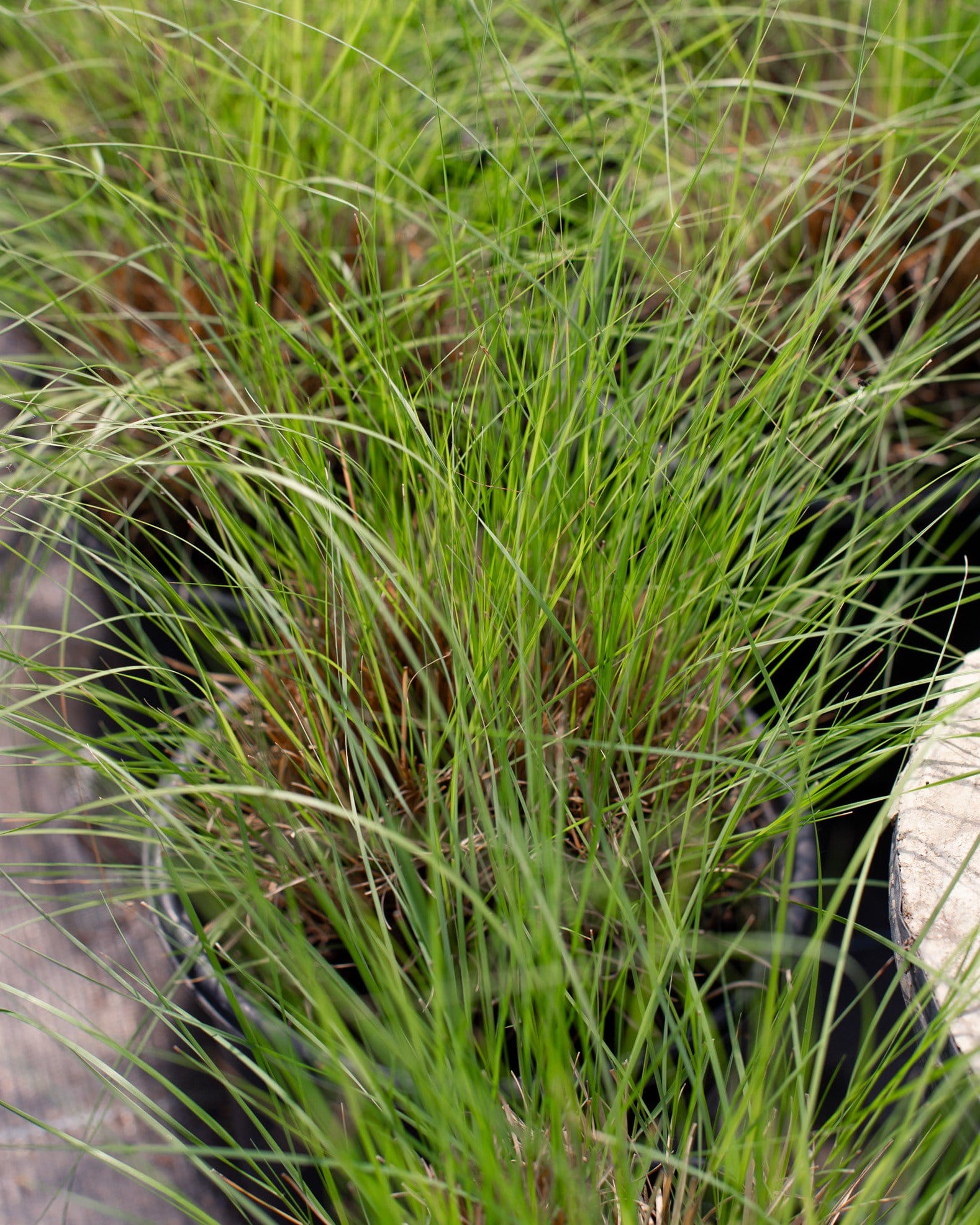
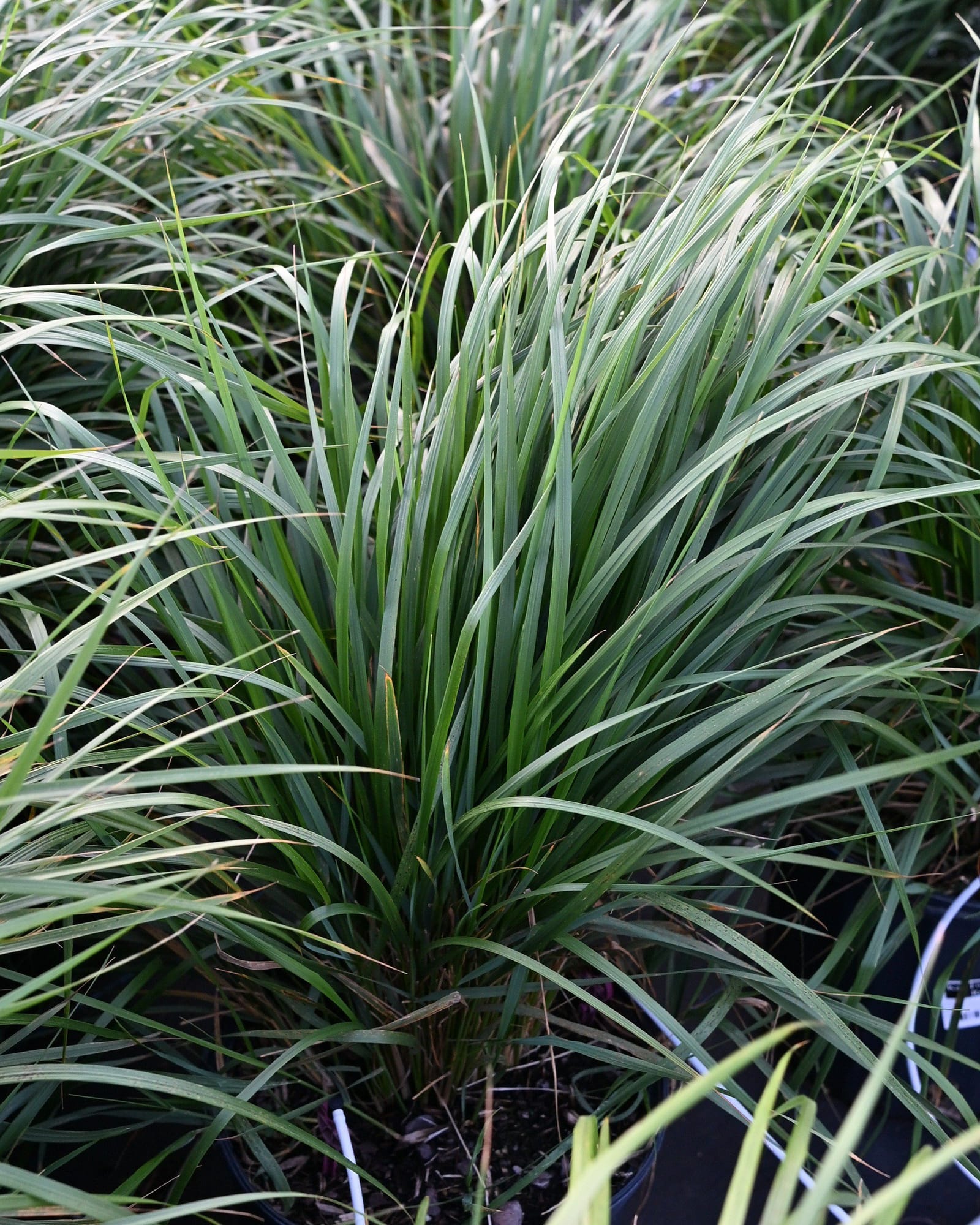
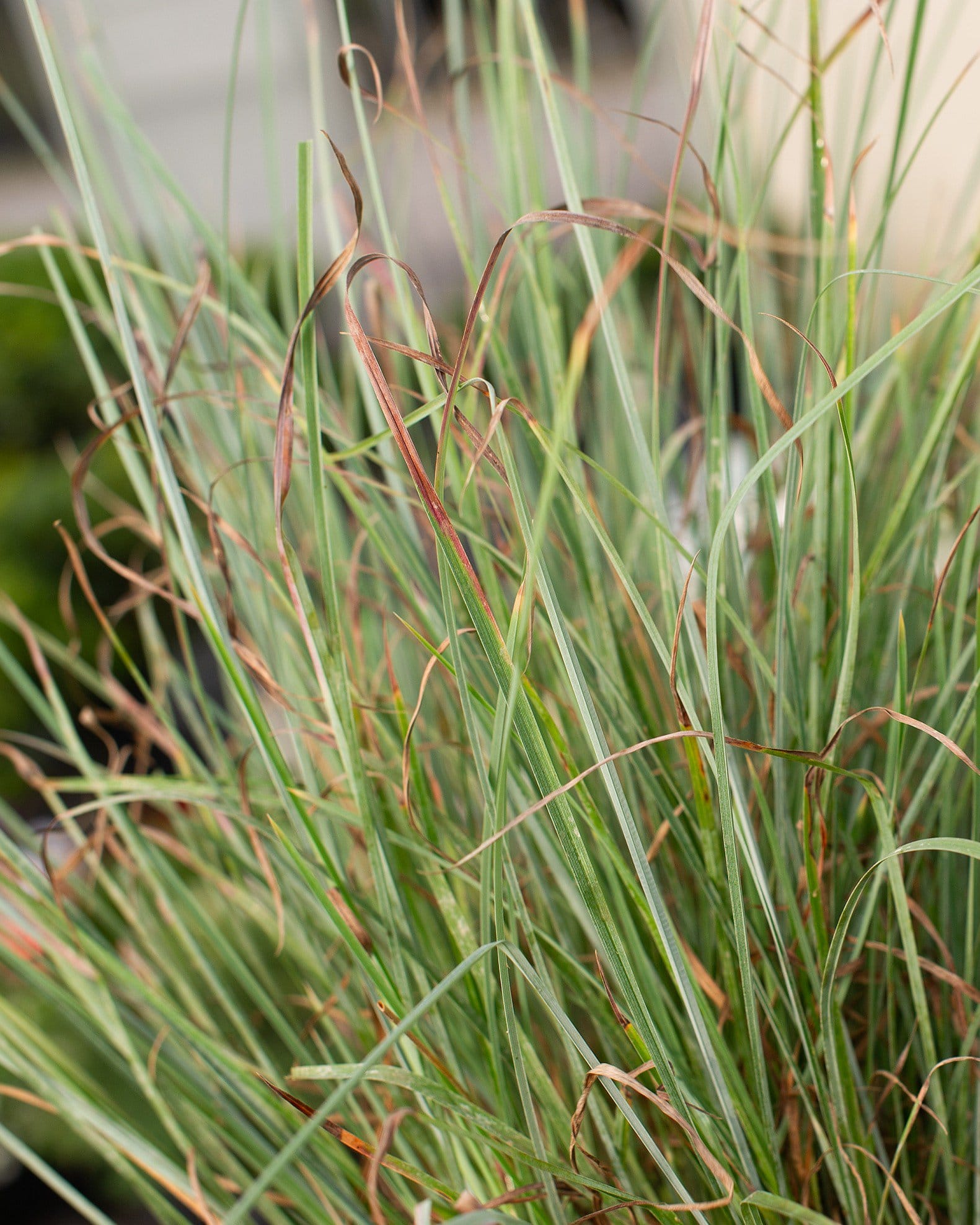
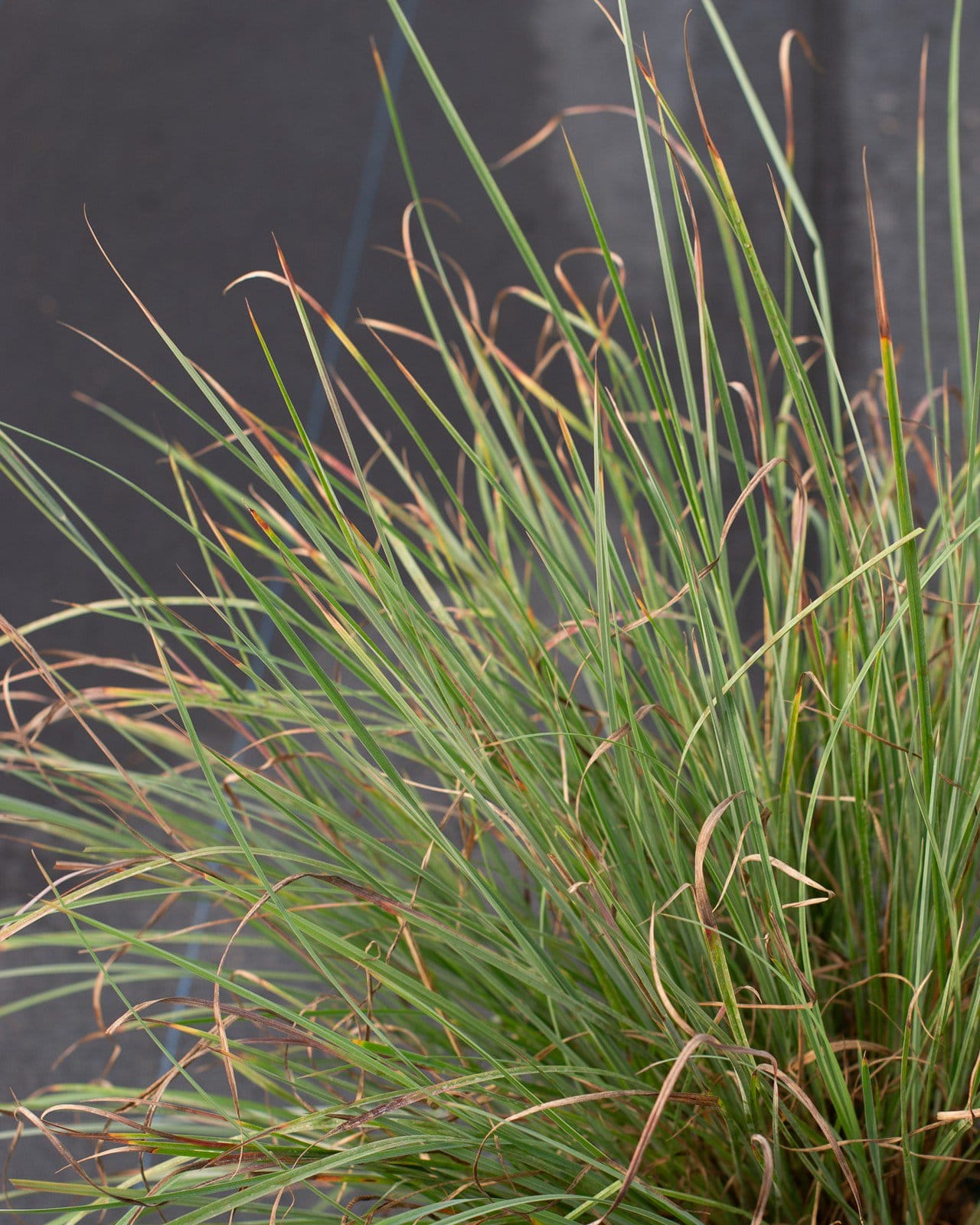
- Long green foliage and delicate-looking plumes
- Thrives in full sun
This wonderful plant thrives in full sun, and it will fare wonderfully in your North Texas landscape. Pampas grass is fast-growing, reaching maturity within 2-3 years. It prospers in well-drained soil and doesn't require too much in order to look stunning.
Pampas Grass is a dramatic, tall ornamental grass prized for its feathery plumes and architectural form. It is low-maintenance once established and thrives in sunny landscapes:
- Watering: Water regularly during the first growing season to encourage deep root development. Once mature, Pampas Grass is moderately drought-tolerant but benefits from occasional deep watering during prolonged dry periods. Avoid overwatering, as soggy soil can lead to root rot.
- Pruning: Cut back the previous year’s growth to about 6-12 inches above the ground in late winter or early spring before new shoots emerge. This refreshes the plant, encourages vigorous growth, and ensures large, healthy plumes. Use caution when pruning; the leaves are sharp and can cut skin.
- Fertilizing: Pampas Grass performs well in most soils and rarely requires heavy fertilization. A light application of balanced, slow-release fertilizer or compost in early spring encourages lush foliage and more abundant flowering. Avoid high-nitrogen fertilizers that may produce excessive leafy growth at the expense of plumes.
- Mulching: Apply a 2-inch layer of mulch around the base to retain moisture, suppress weeds, and regulate soil temperature. Keep mulch slightly away from the crown to prevent rot.
- Winter Care: Pampas Grass is hardy in warmer zones and typically remains evergreen or semi-evergreen. In colder regions, foliage may die back but will regrow in spring. Protect the crown with a light mulch if winter temperatures drop significantly.
Pampas Grass is very hardy but can encounter a few issues under less-than-ideal conditions:
- Root Rot: Usually caused by poorly drained soil or overwatering. Ensure the planting site has excellent drainage to prevent decay.
- Floppy Growth: Can occur in overly fertile soil or excessive moisture. Avoid over-fertilizing and prune annually to maintain a strong, upright form.
- Pests: Rarely affected, but occasional aphids or spider mites may appear. Treat with insecticidal soap or water sprays if needed.
- Leaf Browning: Normal in older foliage or under extreme heat. Remove damaged leaves during pruning to keep the plant tidy.
It grows rapidly, typically 3-6 feet per year under optimal conditions, eventually reaching 8-12 feet tall with an equal spread. New plants may take 2-3 seasons to reach full maturity.
Spring or early fall is ideal, giving roots time to establish before extreme summer heat or winter cold.
Water deeply once or twice a week during the first season. Once established, Pampas Grass only needs occasional deep watering during dry spells.
Yes, mature plants withstand dry periods well. Supplemental watering enhances foliage and plume production.
While possible, Pampas Grass performs best in the ground due to its extensive root system. Large containers must be deep and wide, with well-draining soil.
Yes, deer generally avoid Pampas Grass due to its coarse, fibrous leaves.
Yes, its tall, flexible stems and strong roots allow it to withstand moderate wind. In extremely exposed sites, planting in groups or near a windbreak helps protect young plants.
No, it doesn't. Pampas Grass typically blooms in late summer to fall. Plumes persist for months, providing texture and interest in the landscape. Regular pruning of old plumes encourages fresh growth for the next season.
Yes, its dense, fibrous root system stabilizes soil effectively, making it ideal for slopes, banks, and areas prone to erosion. It’s often used in naturalized landscapes and large-scale plantings for soil retention.
Yes, Pampas Grass is non-toxic, but its leaves have sharp edges. It’s safe to plant around pets and children if pruned carefully and handled with gloves to avoid cuts.
Special Features
You might also like
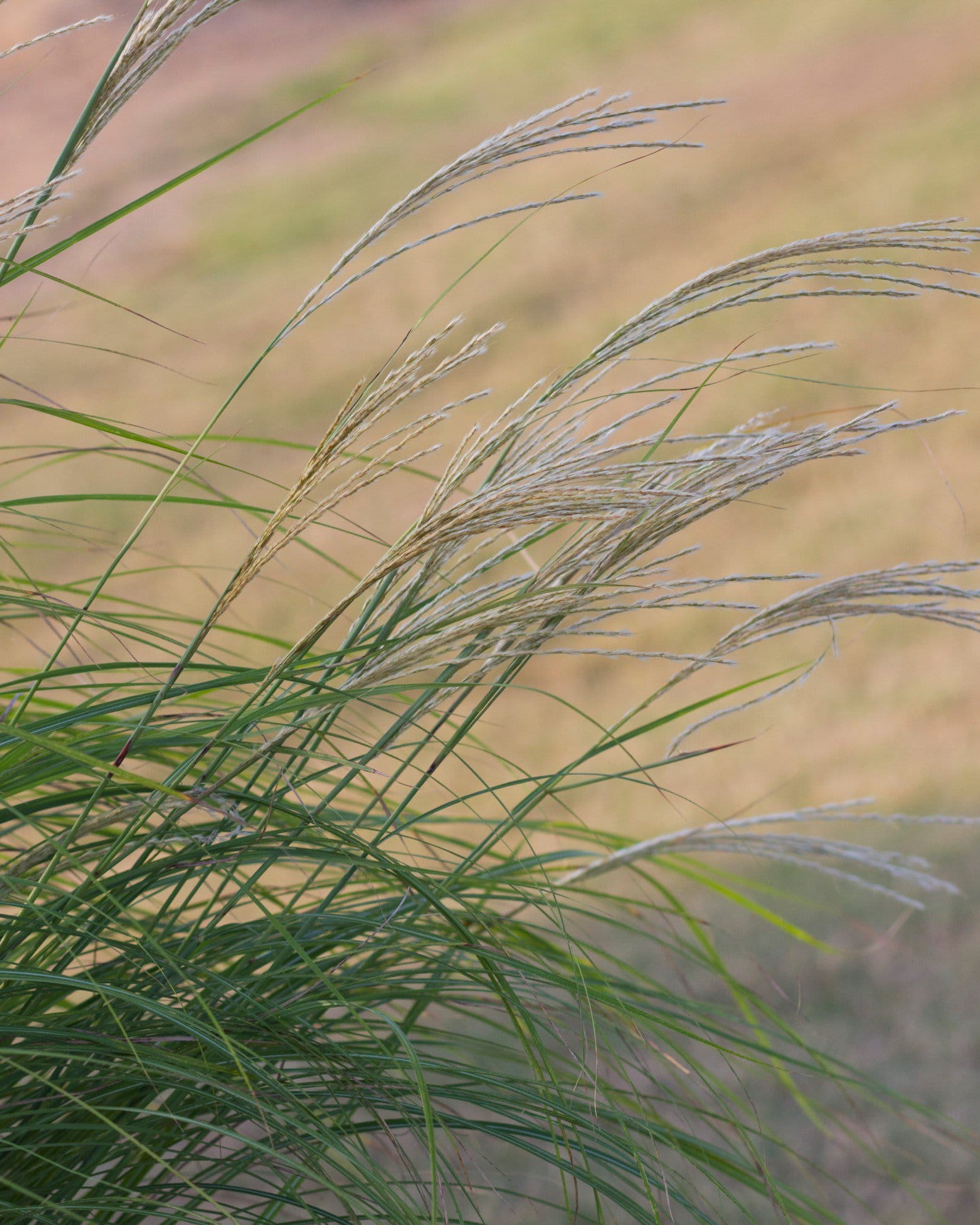
Adagio Miscanthus
Maturity: 3' H x 3' W
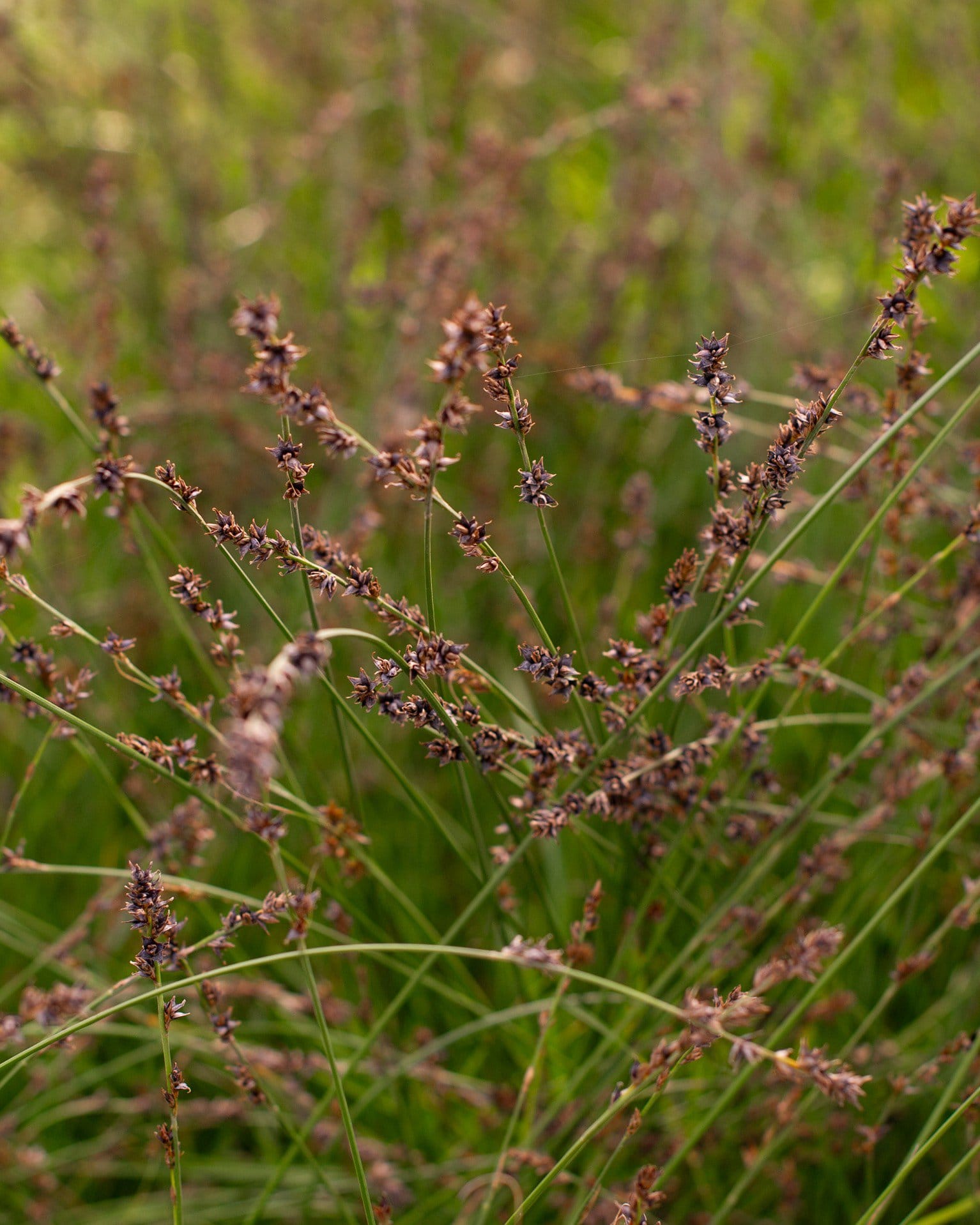
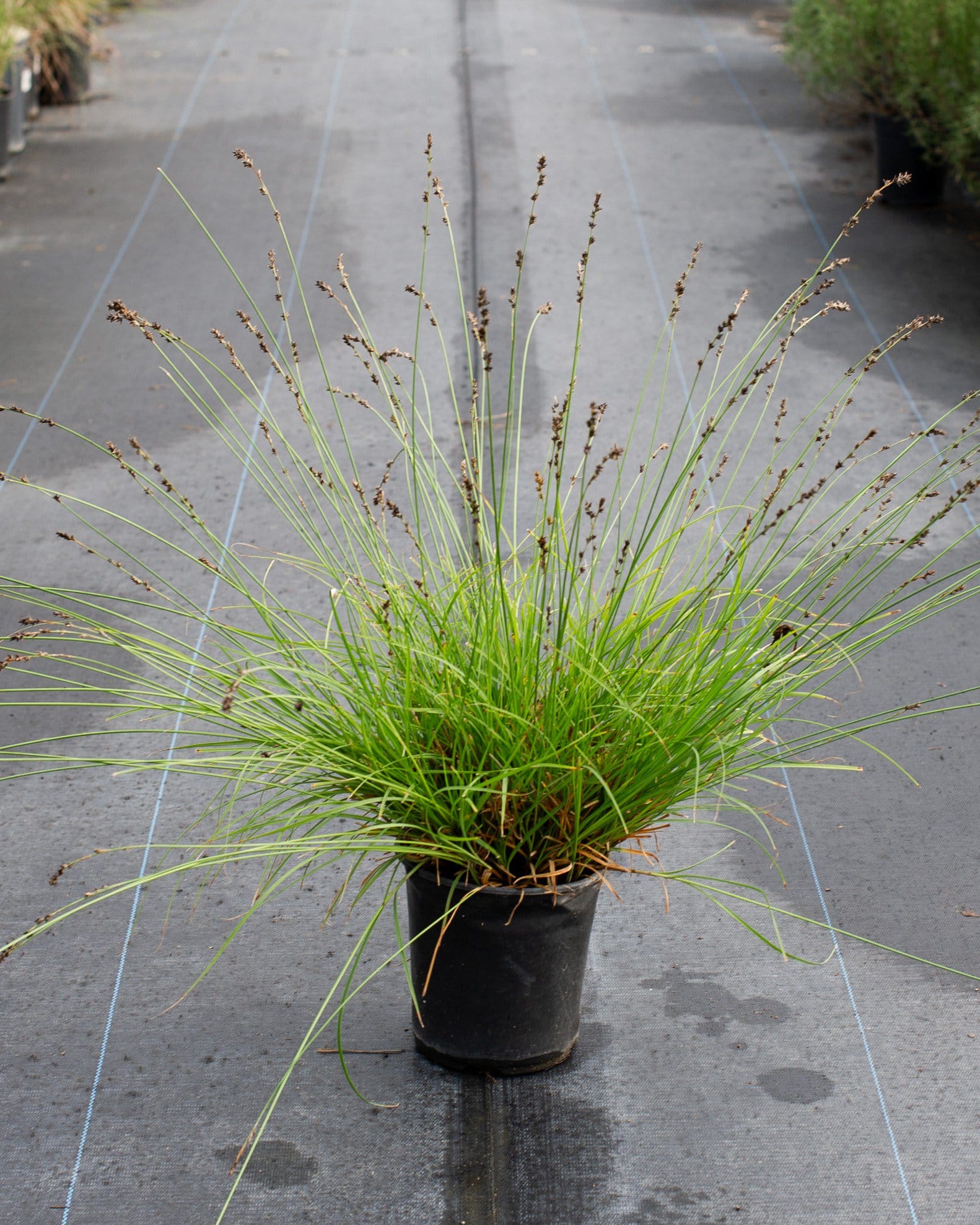
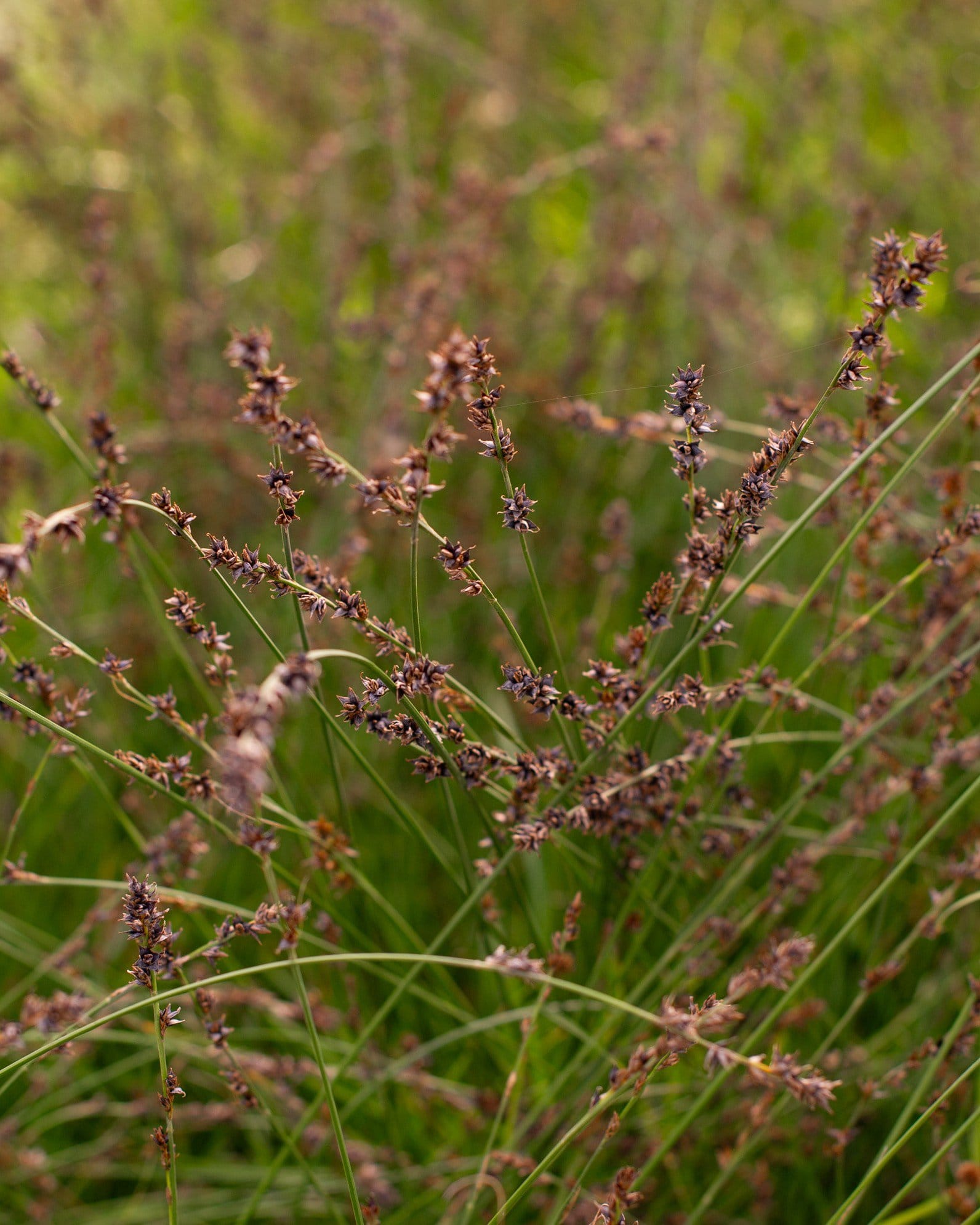
Berkeley Carex Sedge
Maturity: 1' H x 2' W
Blue Arrows Rush
Maturity: 3' H x 1' W
Blue Grama
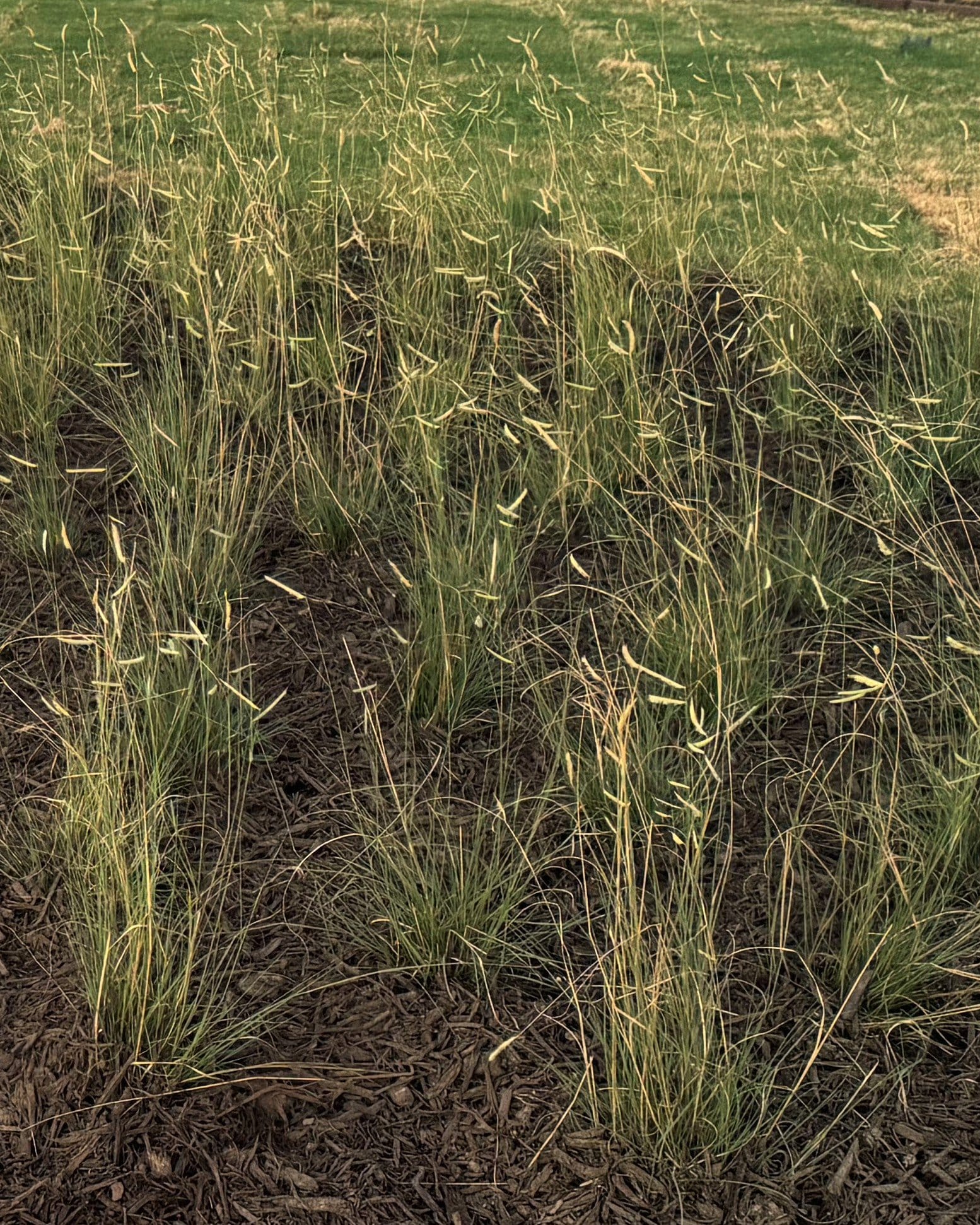
Maturity: 1.5' H x 2' W
Blue Grama Blonde Ambition
Maturity: 3' H x 3' W
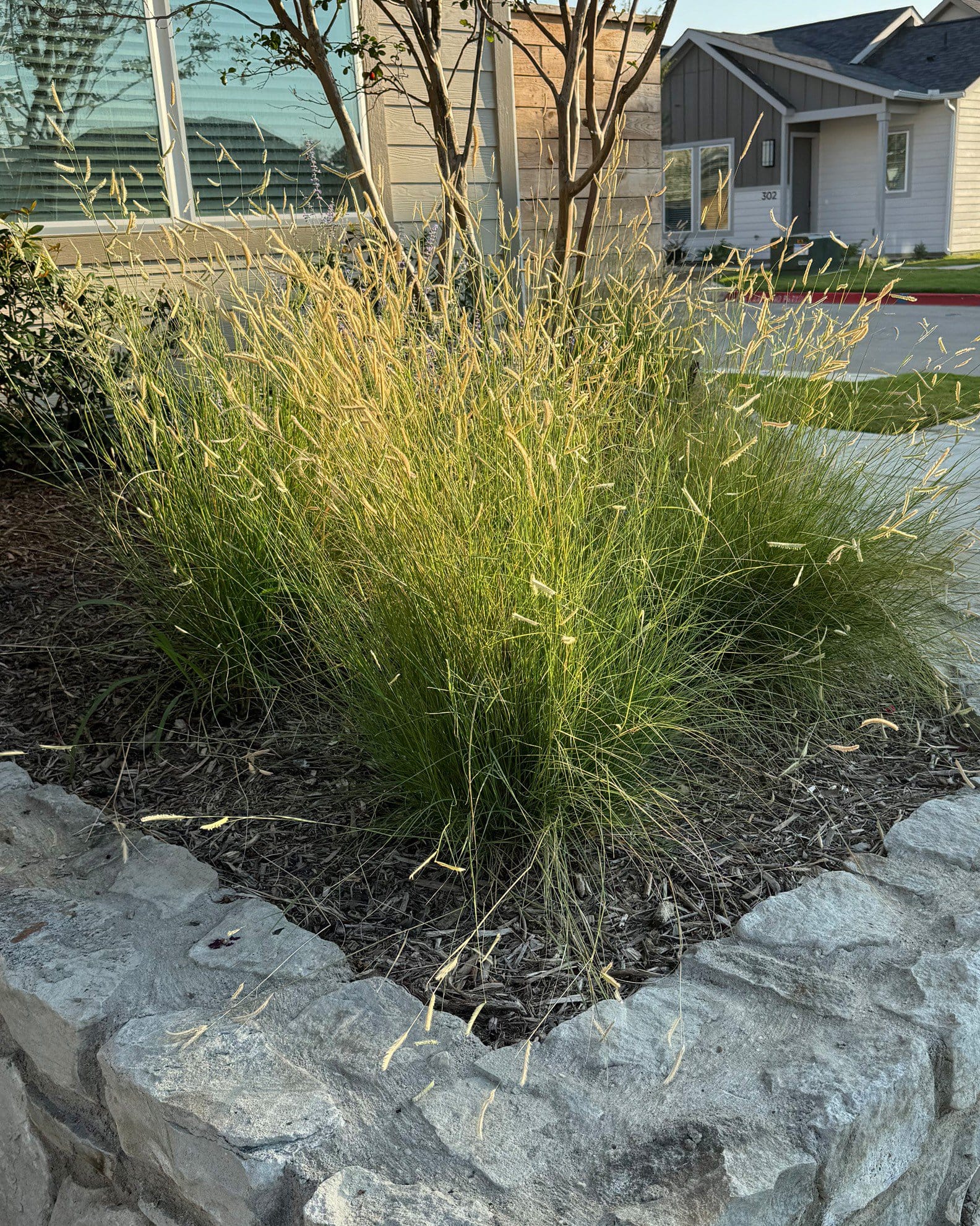
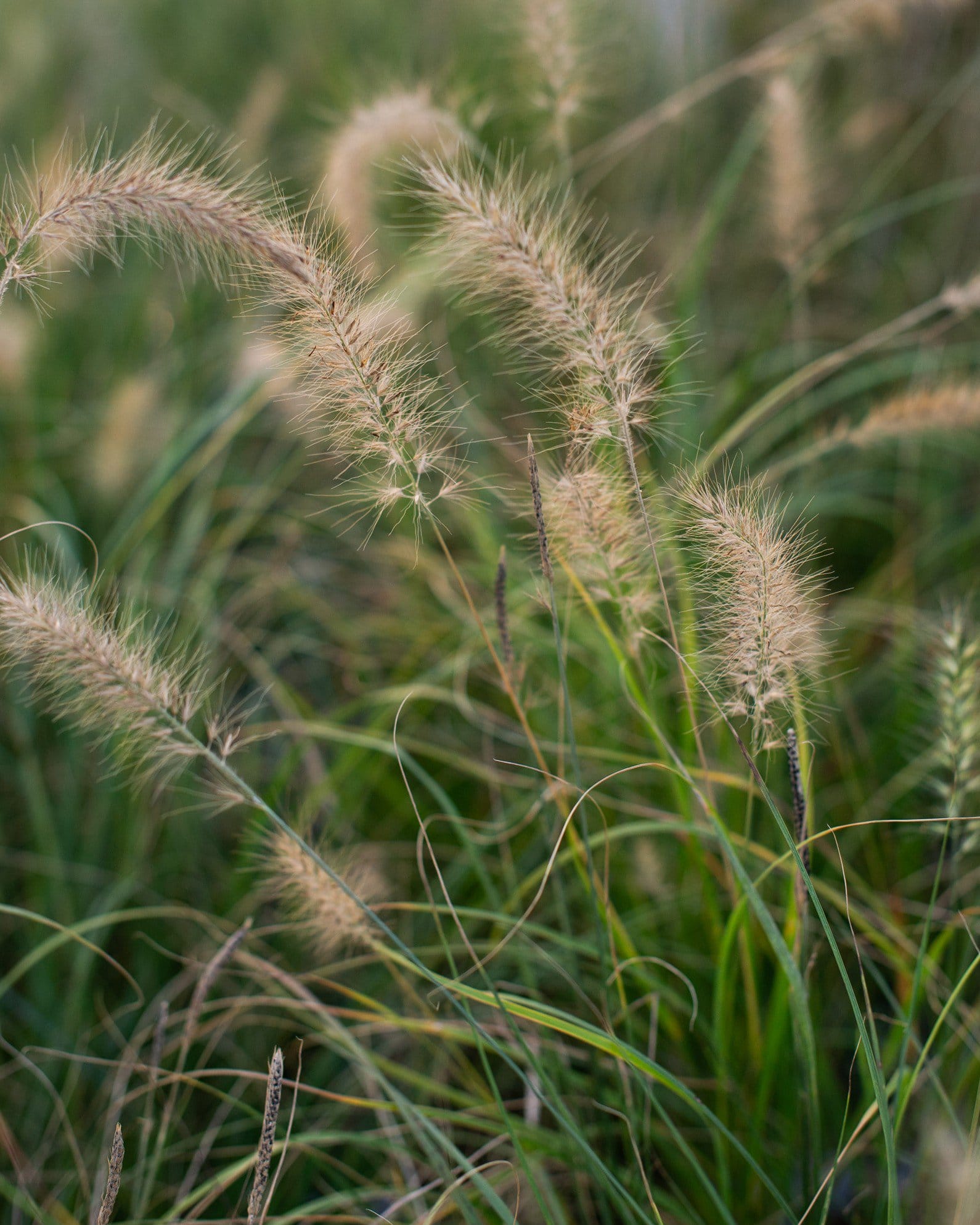
Cassian Fountain Grass
Maturity: 2' H x 2' W
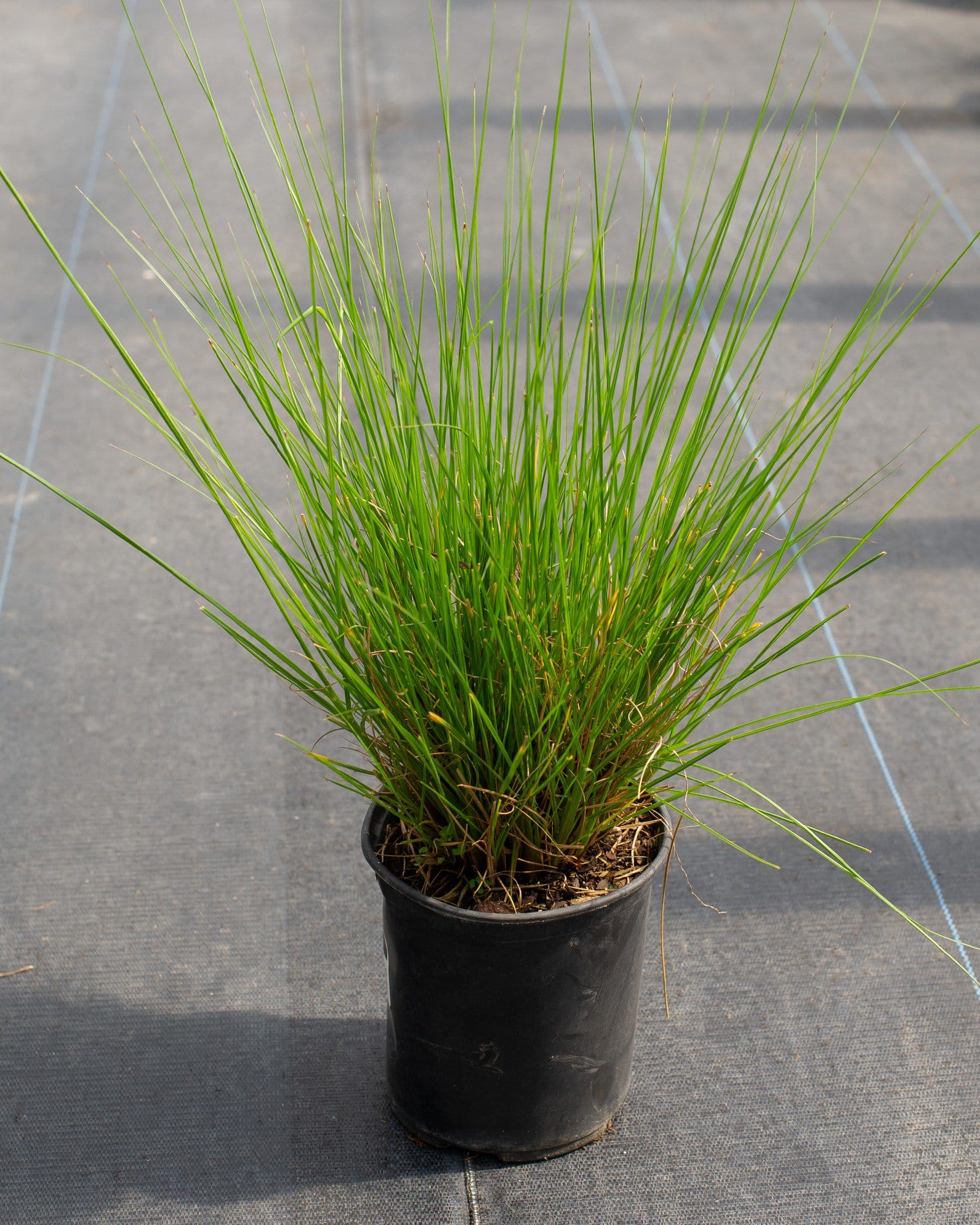
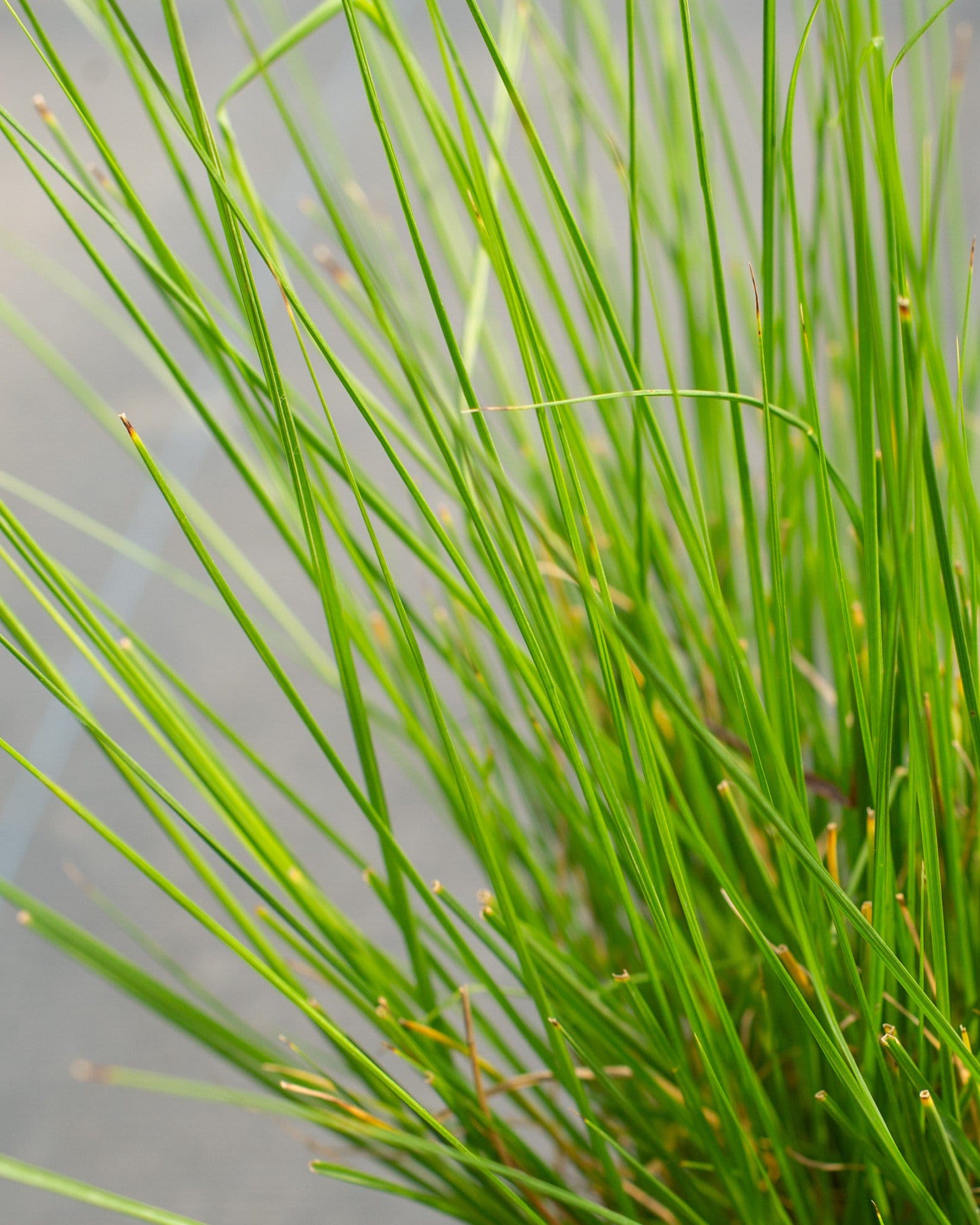
Dwarf Hameln Fountain Grass
Maturity: 2' H x 2' W
Karl Foerster Feather Reed Grass
Maturity: 4' H x 2' W
Lindheimer Muhly
Maturity: 3' H x 3' W
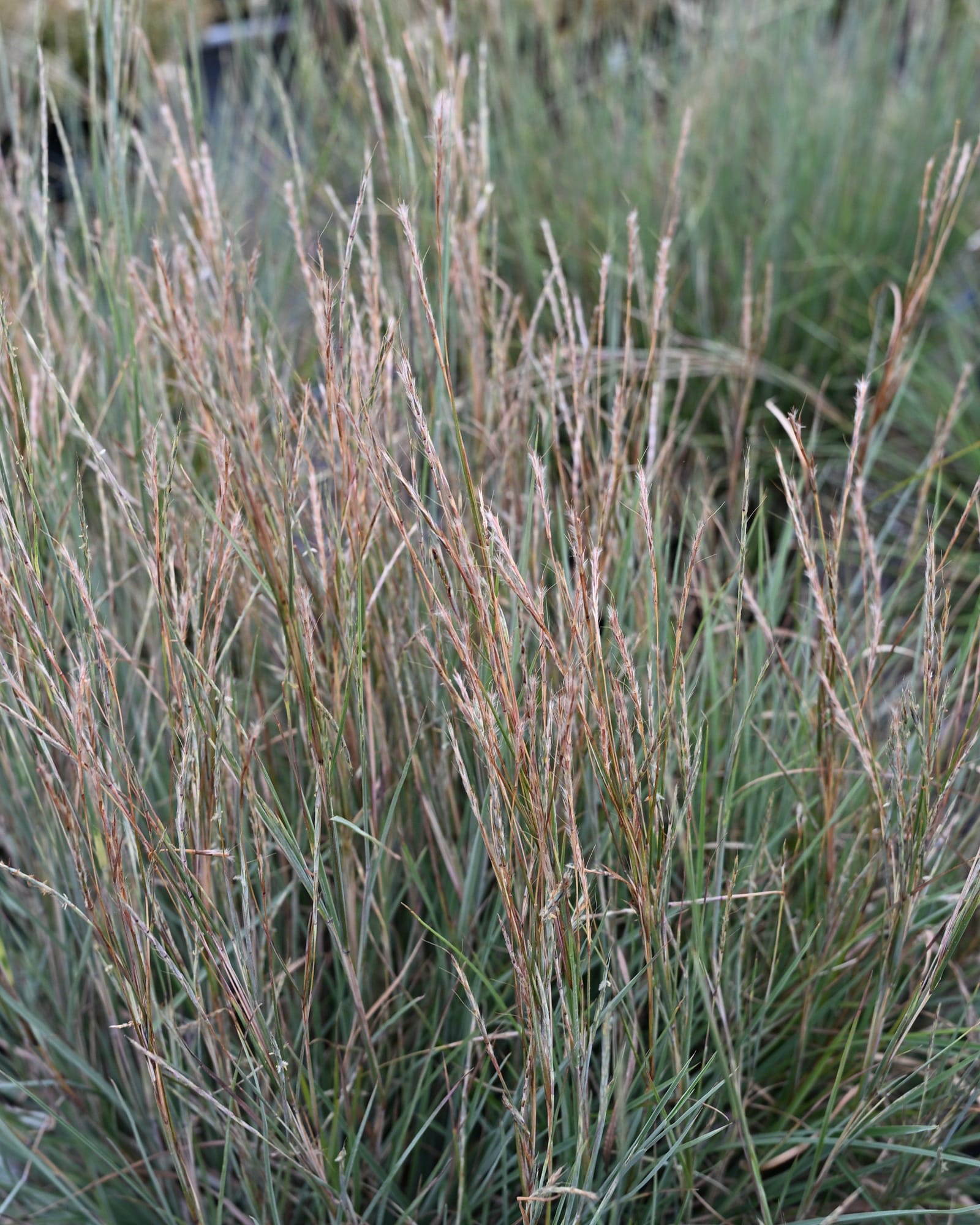
Little Bluestem
Maturity: 2' H x 2' W
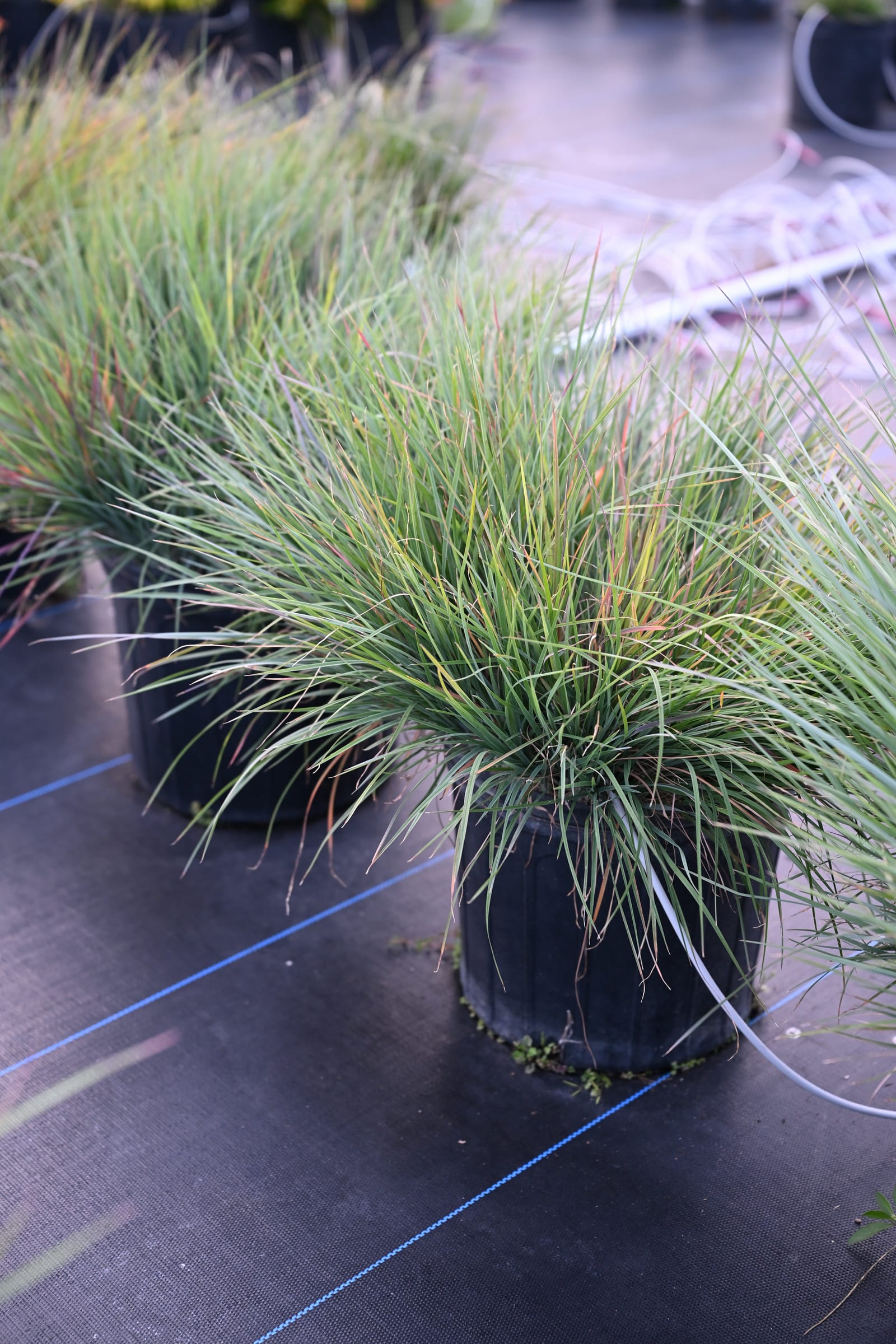
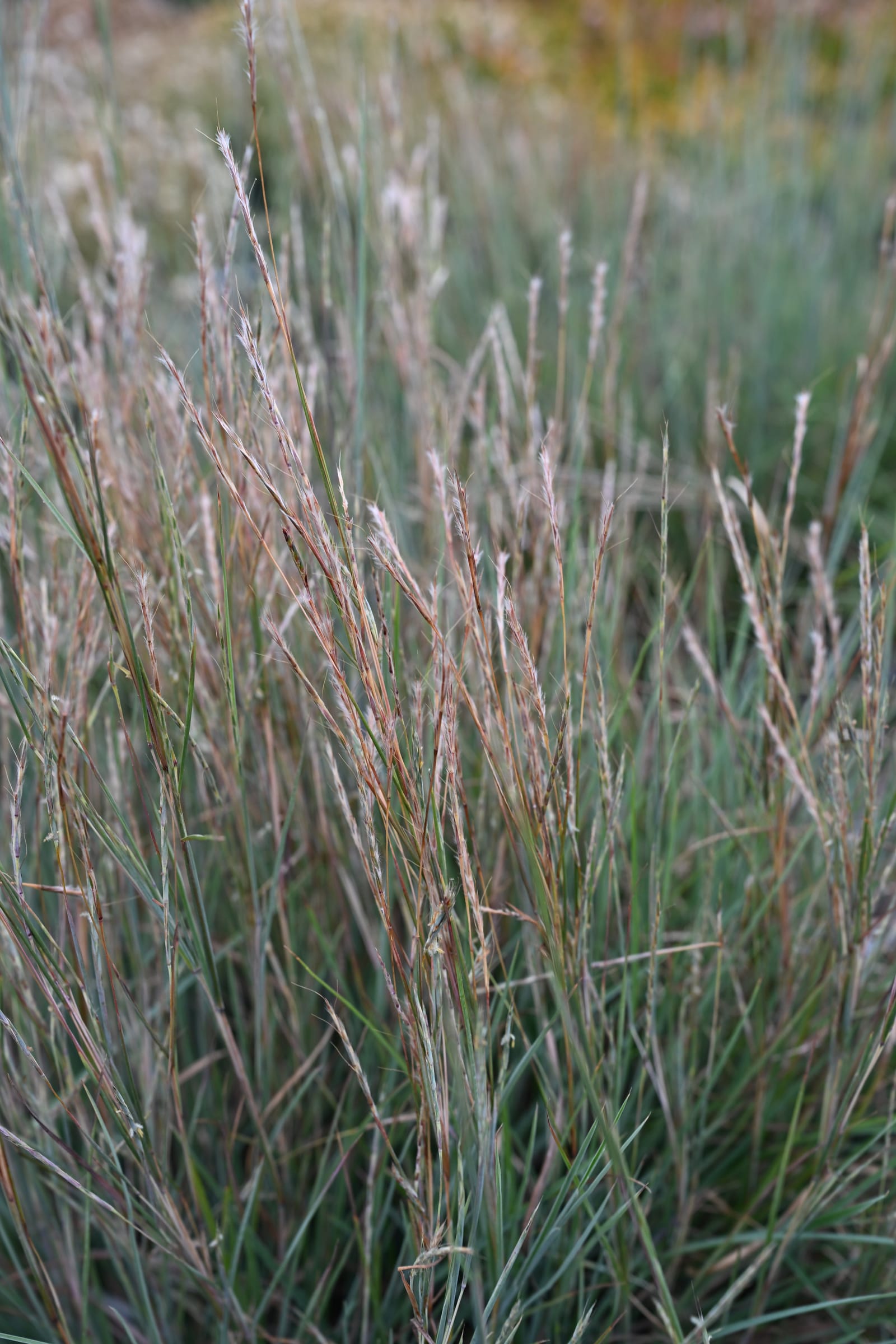
Little Bluestem Prairie Blues
Maturity: 3' H x 2' W
Little Bluestem Standing Ovation
Maturity: 2' H x 1.5' W
Little Kitten Miscanthus
Maturity: 2' H x 1' W
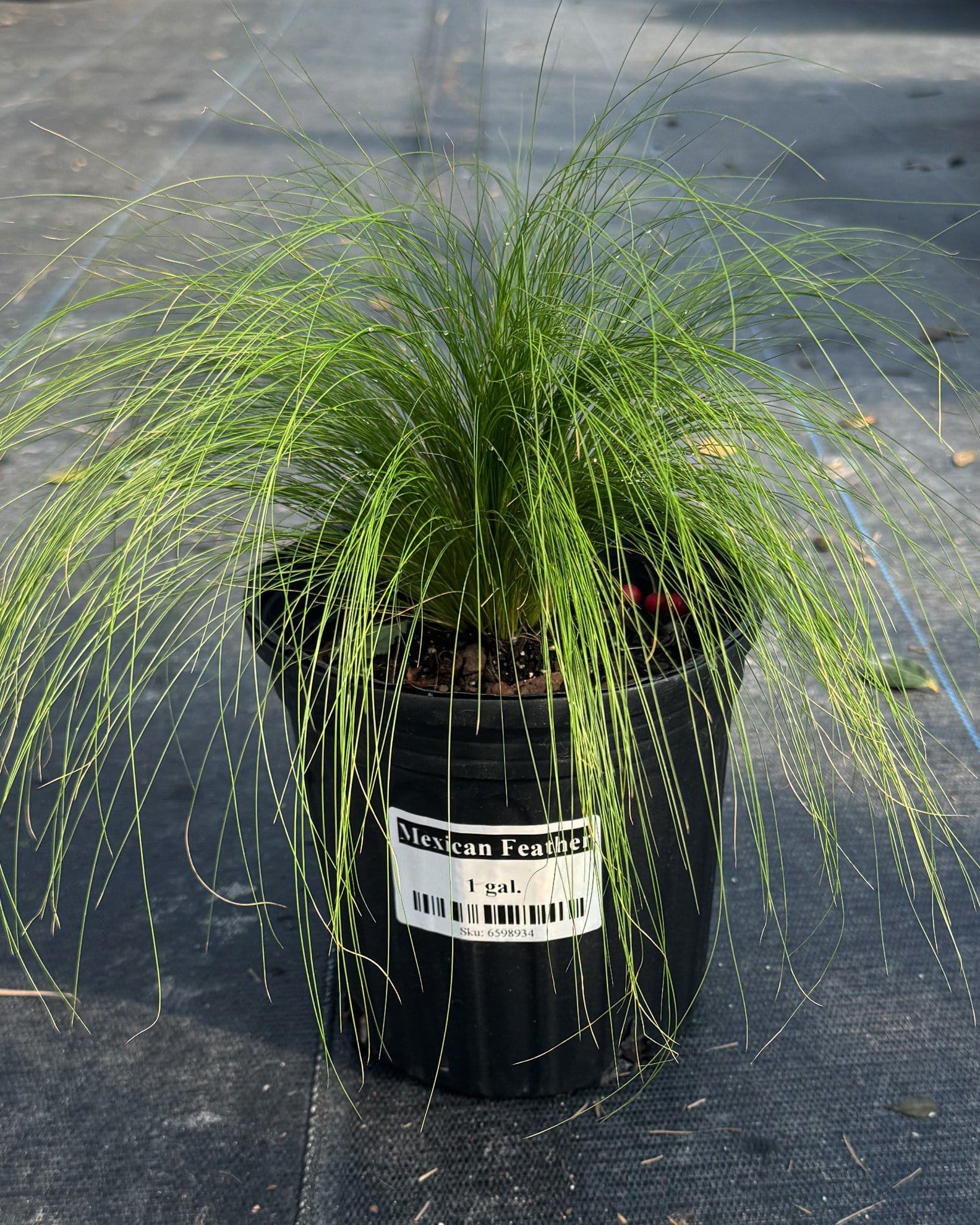
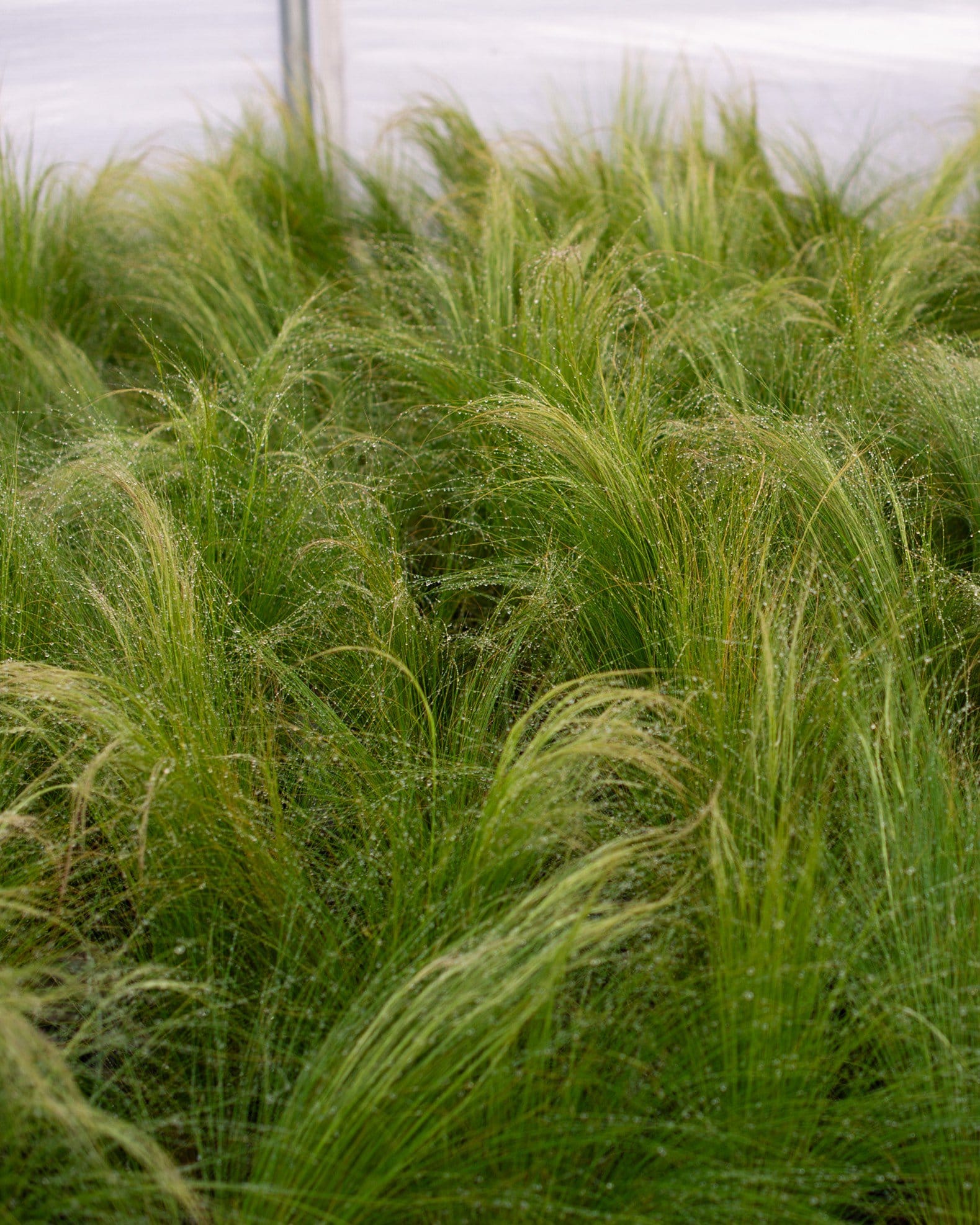
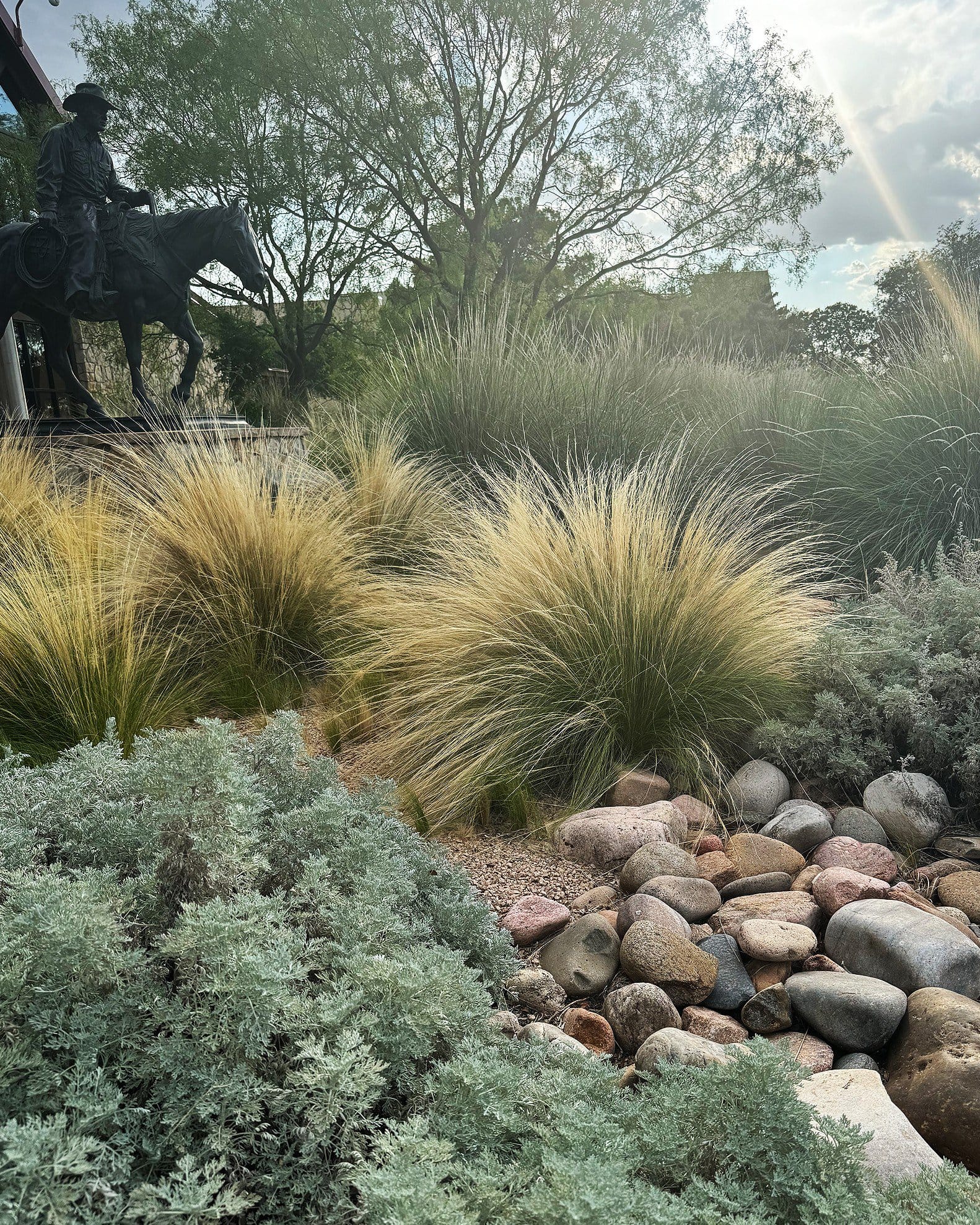
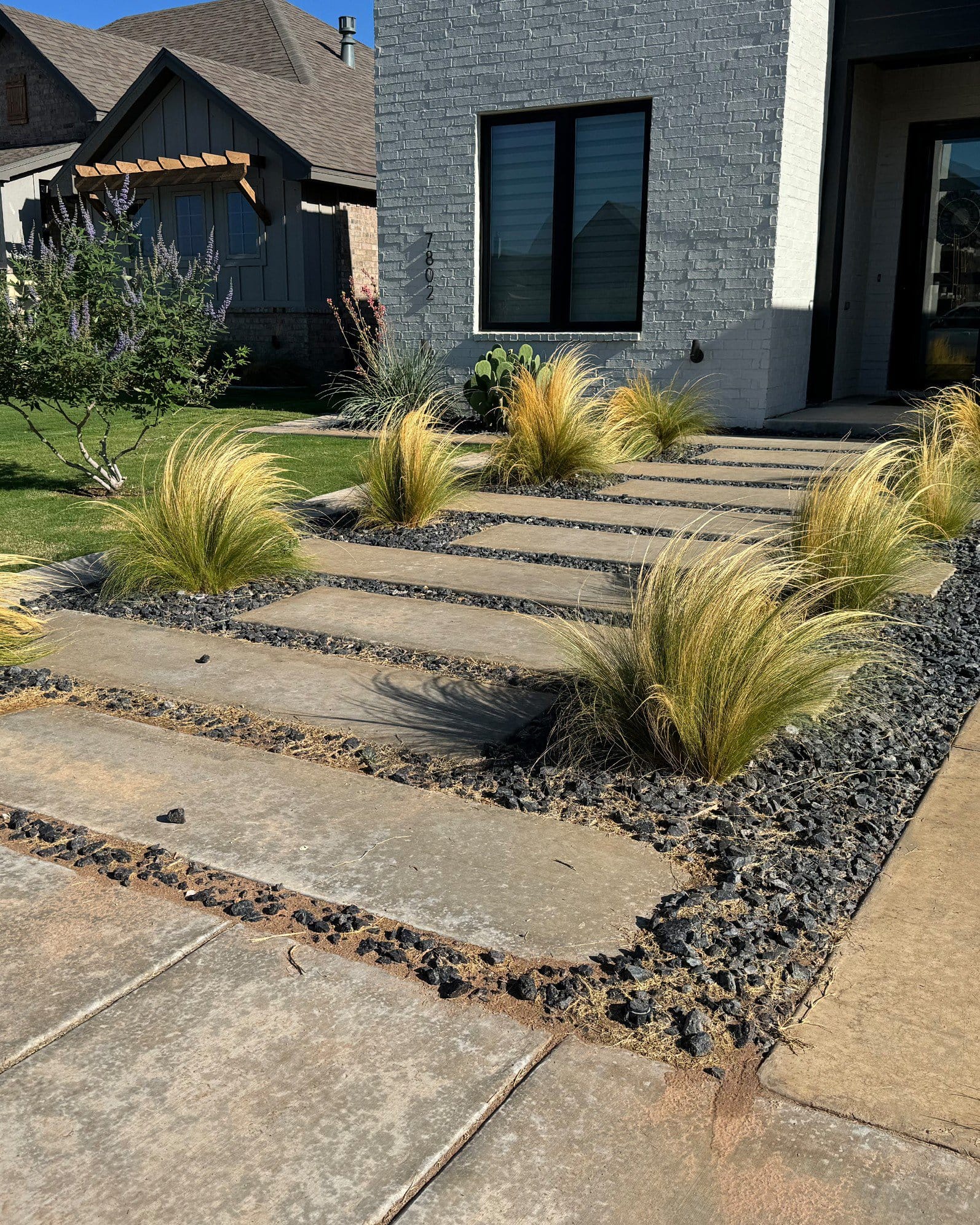
Mexican Feather
Maturity: 2' H x 2' W
Morning Light Miscanthus Maiden Grass
Maturity: 4' H x 3' W
Compare Similar Plants
Pampas This plant | ||
|---|---|---|
| Scientific Name | Cortaderia selloana | Miscanthus Sinensis 'Adagio' |
| Size at Maturity | 8' H x 8' W | 3' H x 3' W |
| Leaf Retention | Herbaceous | Herbaceous |
| Sizes Available | — | 1, 3 gal |


Our 1-Year Planting Guarantee
We take pride in our plants and installation services. If any plants or trees installed by Treeland fail to thrive within the first year, we'll provide a replacement credit in accordance with our guarantee program.
Learn More About Our Guarantee