


Ming Toy Daylily
Hemerocallis ‘Ming Toy’Product Details
Ming Toy Daylily
Hemerocallis ‘Ming Toy’Ming Toy Daylily stands out with its deep crimson-red flowers and bright golden throats, adding vivid contrast to seasonal layouts. This compact perennial grows 18 inches in height and width, offering a balanced, arching form that works well in structured plantings. Blooming begins in early summer and may recur later in the season, with short-lived flowers consistently replaced by new buds. It's great for North Texas landscapes, perennial beds, massed borders, or containers where color clarity and tidy form are a priority.
- A herbaceous perennial
- Moderate to fast growth rate with clumping habits
- Crimson-red blooms with golden-yellow centers
- Summer flowering with potential rebloom
- Effective in borders, beds, and container groupings
Ming Toy Daylily is a hardy little plant, faring wonderfully against the weather conditions in USDA zones 3 through 9. Plant in full sun with well-draining soil. Remove faded flower stalks and clean foliage as needed to preserve shape. Suitable for short-term indoor use in containers placed near bright windows.
Ming Toy Daylily is both a reliable bloomer and a low-maintenance favorite, needing only little consistent care to thrive in Texas landscapes:
- Watering: Water thoroughly and regularly during the first growing season to help roots establish deeply. Once mature, Ming Toy is drought-tolerant and needs only occasional deep watering during prolonged dry periods. Avoid overwatering.
- Pruning: Deadhead daily to keep the plant tidy and encourage fresh flowering. After each bloom cycle, cut spent flower stalks back to the base to direct energy into new buds and foliage. In late fall or early spring, trim all foliage to a few inches to prepare for clean regrowth.
- Fertilizing: Feed in early spring with a slow-release, balanced fertilizer or apply compost around the root zone. A light midsummer feeding after the first bloom flush encourages steady reblooming.
- Mulching: Apply a 2-3 inch layer of mulch or shredded bark around the base to retain soil moisture and suppress weeds. Keep mulch a few inches from the crown to prevent rot and maintain good airflow.
- Winter Care: Ming Toy is hardy and reliable through winter. Once frost has killed back the foliage, trim the plant to the ground and apply a thin protective mulch after the ground freezes. In spring, remove old debris to allow new shoots to emerge strong and clean.
‘Ming Toy’ is resilient and rarely troubled by disease, but occasional issues can appear during humid weather or poor drainage:
- Spider Mites: Tiny pests cause faded leaves and fine webbing in hot, dry weather. Increase humidity and rinse foliage regularly to keep them in check.
- Daylily Rust: Orange or yellow pustules develop on leaf undersides during humid periods. Remove infected leaves and apply a fungicide labeled for rust prevention.
- Leaf Streak: Yellow and brown streaks form along leaves in warm, wet conditions. Remove affected foliage and water at the base to keep leaves dry.
- Slugs and Snails: Ragged holes appear in foliage, especially after rain. Hand-pick or use organic barriers such as copper tape or diatomaceous earth.
- Botrytis Blight: Gray mold appears on petals in cool, damp weather. Remove infected flowers promptly and water early in the day to allow drying.
- Thrips: Tiny insects cause streaks and spots on flower petals. Remove damaged blooms and treat with neem oil or insecticidal soap if needed.
Like most daylilies, Ming Toy is a long-lived perennial, often thriving for decades. Once established, it requires little care beyond periodic division to stay vigorous.
It establishes quickly and usually begins blooming in its first full season. By the second year, it forms a dense, floriferous mound that reblooms reliably through summer.
Yes - its rich, saturated blooms are irresistible to bees, butterflies, and hummingbirds. It brings life and movement to the garden throughout the warm months.
Absolutely. Its compact size and neat form make it ideal for edging paths, planting in tight spaces, or adding splashes of color to rock gardens.
Somewhat - while deer may nibble on young buds, the tough foliage and bitter taste usually discourage repeat browsing. It’s a dependable choice for lightly grazed landscapes.
Yes - it’s one of the best daylilies for pots due to its compact, upright habit. Use a well-draining mix and divide every few years to maintain vigor.
Its blooms carry a very faint, sweet scent, most noticeable in the early morning sun. Though subtle, the aroma enhances its garden appeal.
Yes, it’s a strong rebloomer. Removing spent stalks and providing a light feeding after the first flush often triggers a second bloom cycle later in the season.
Divide every 3-4 years in early spring or fall to prevent crowding and reinvigorate flowering. Replant divisions immediately at the same depth.
Definitely. Its rich red color pairs beautifully with golds, purples, and ornamental grasses, creating bold, balanced compositions.
Special Features
You might also like
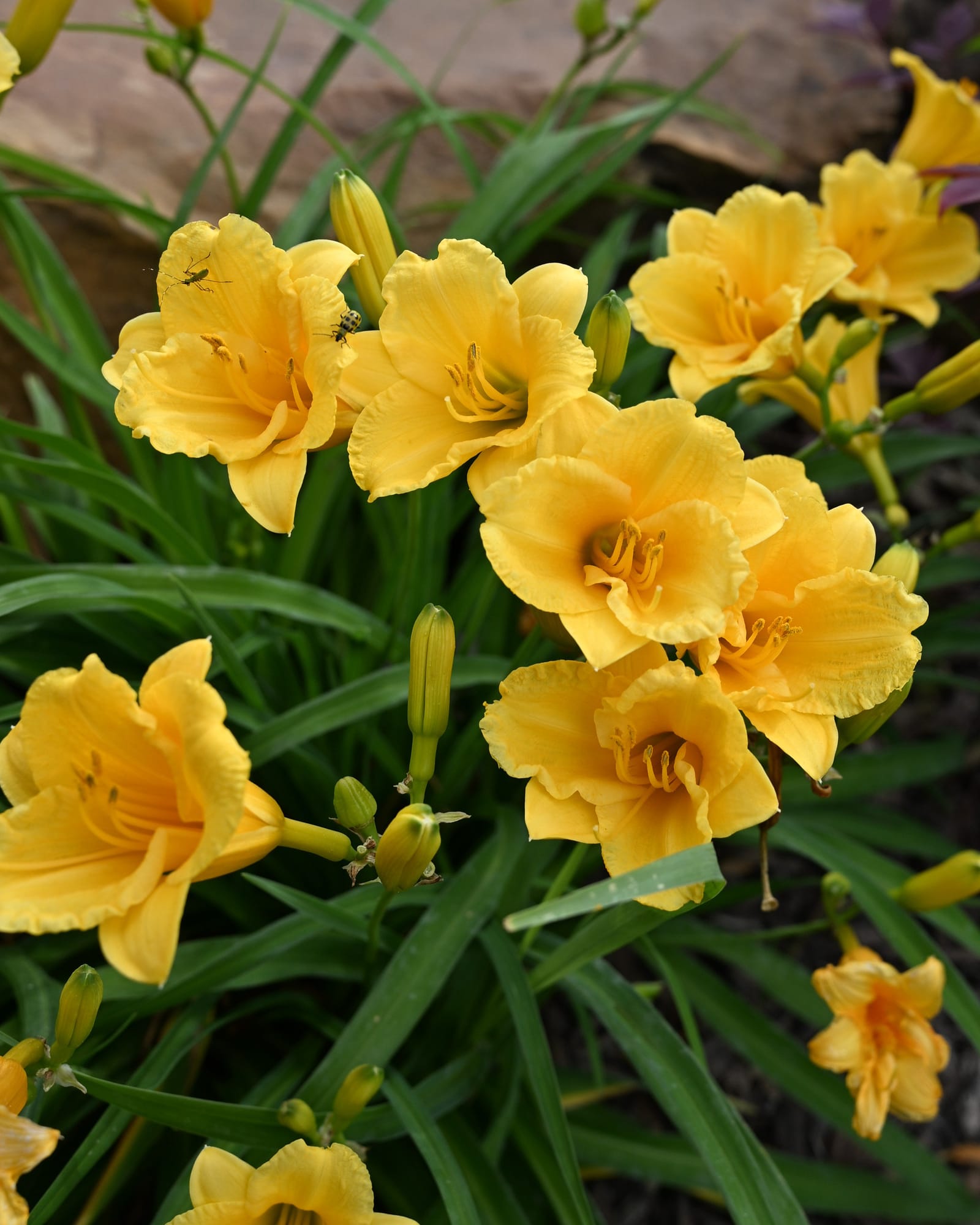
Stella D'Oro Daylily
Maturity: 1.5' H x 1.5' W
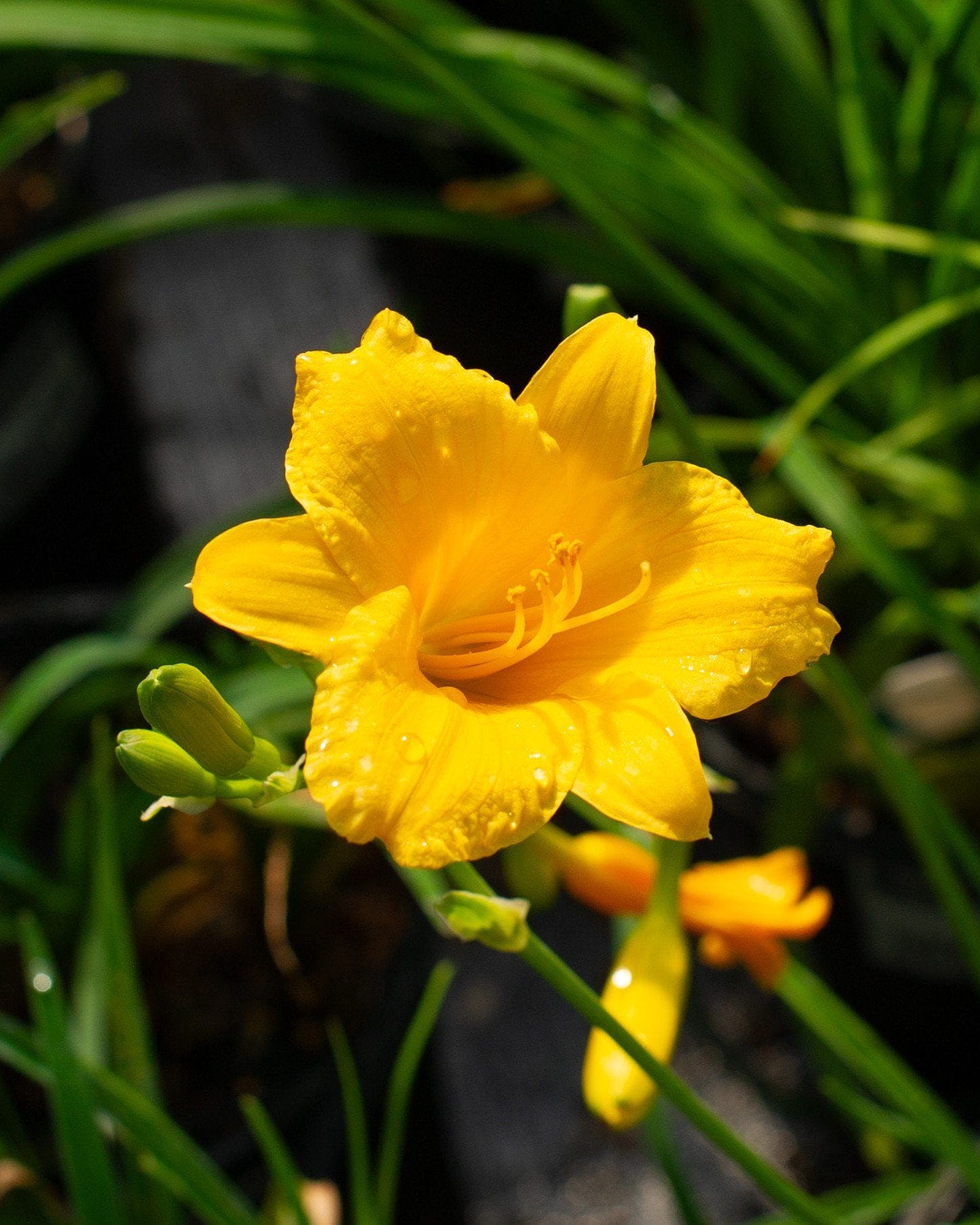
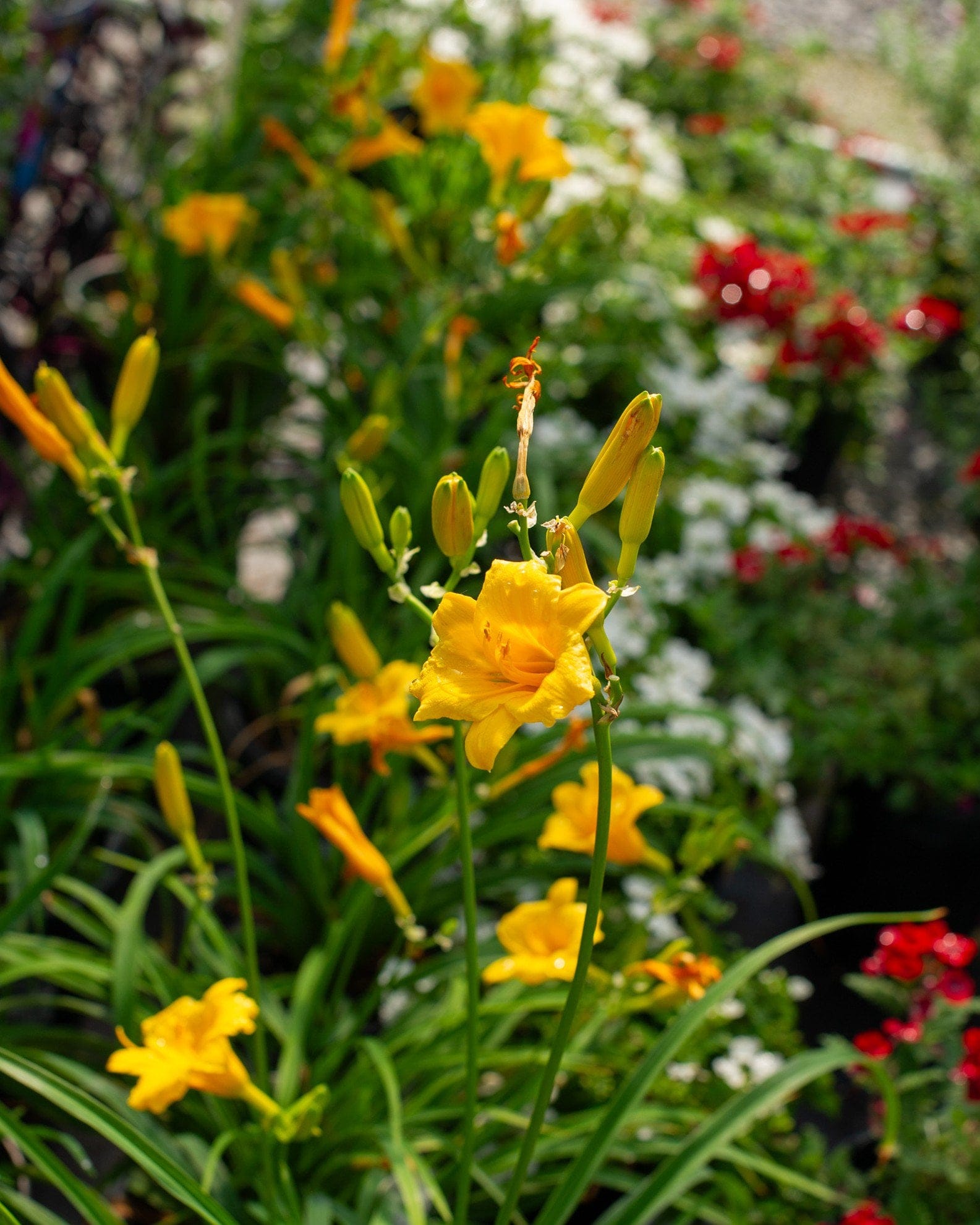
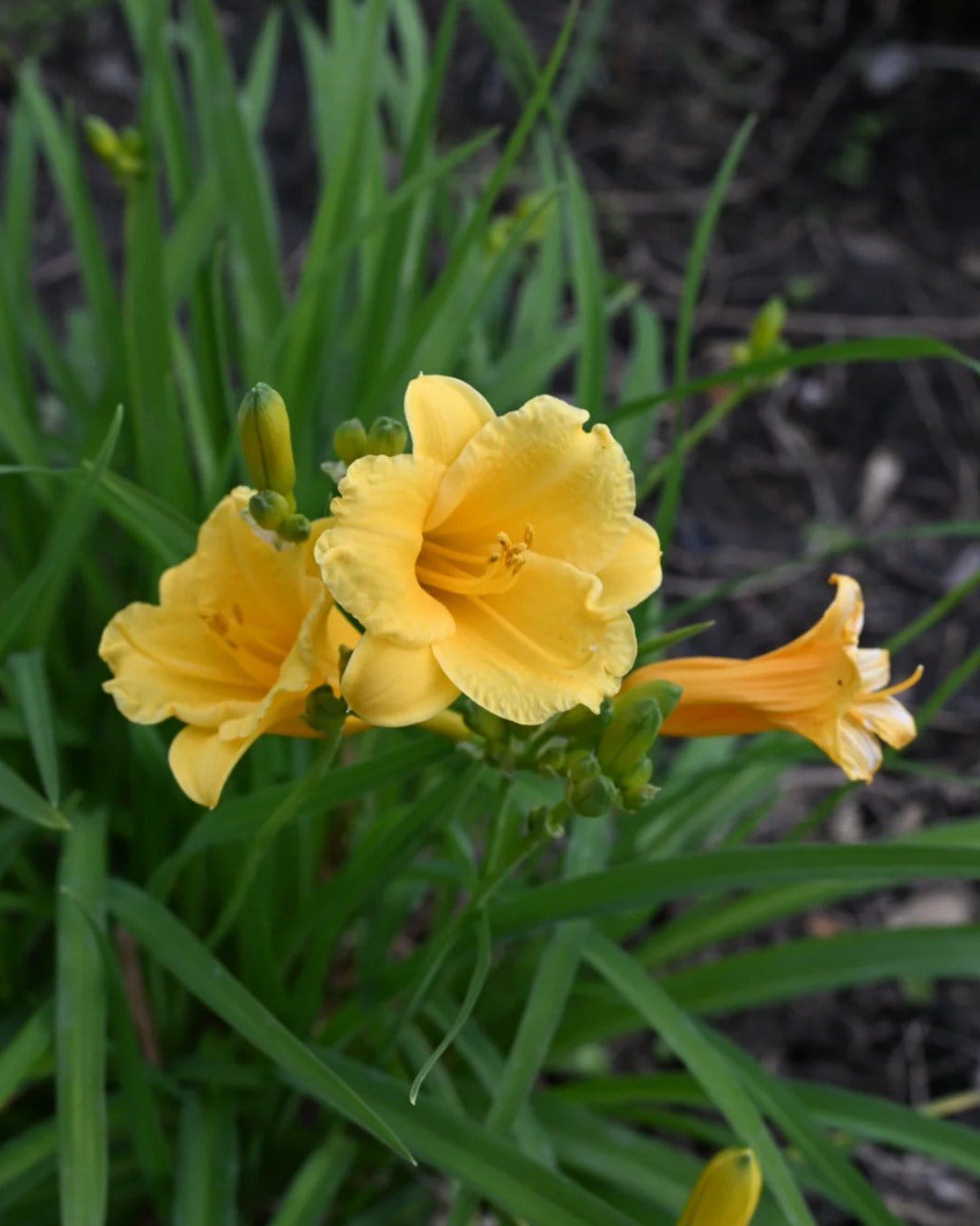
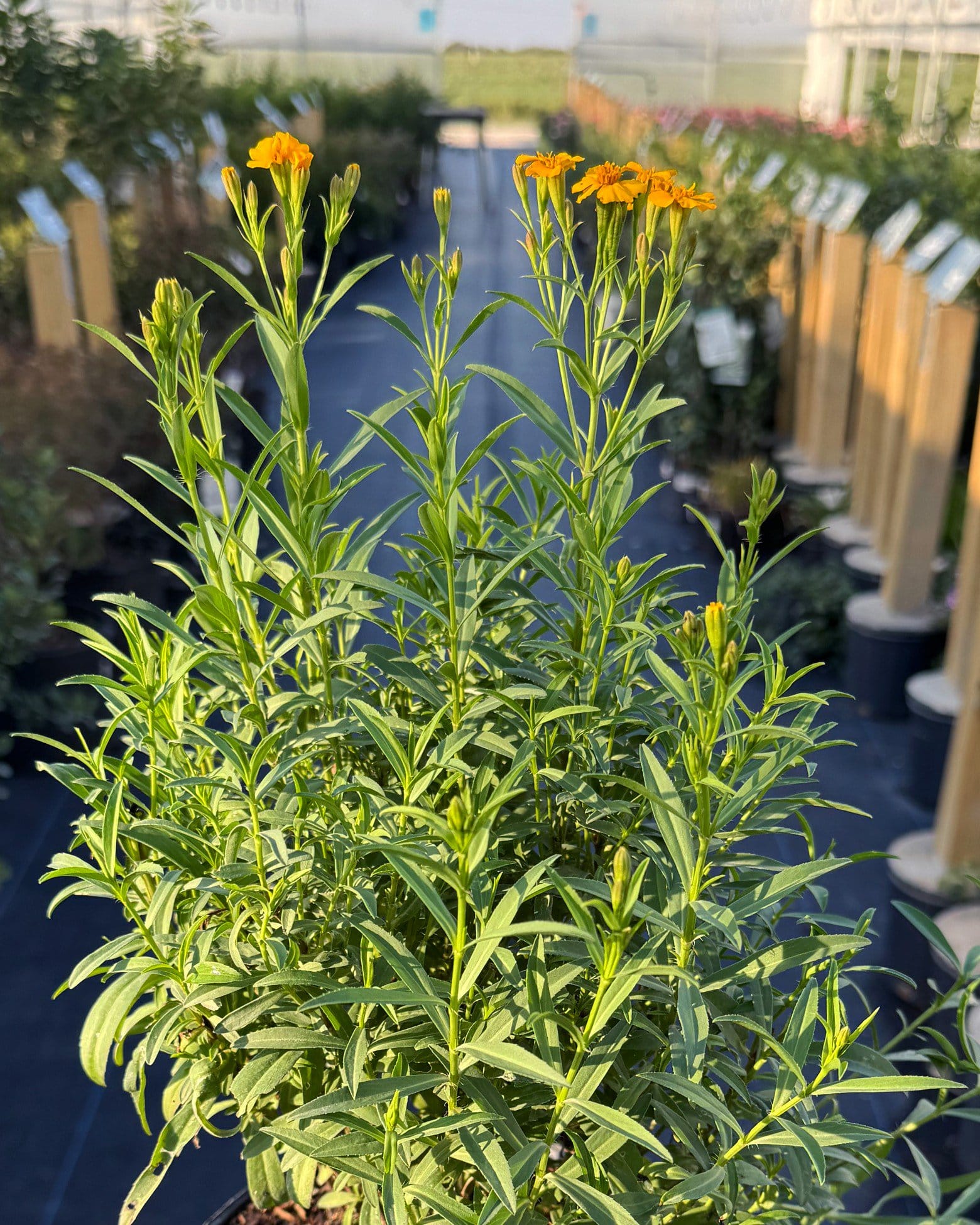
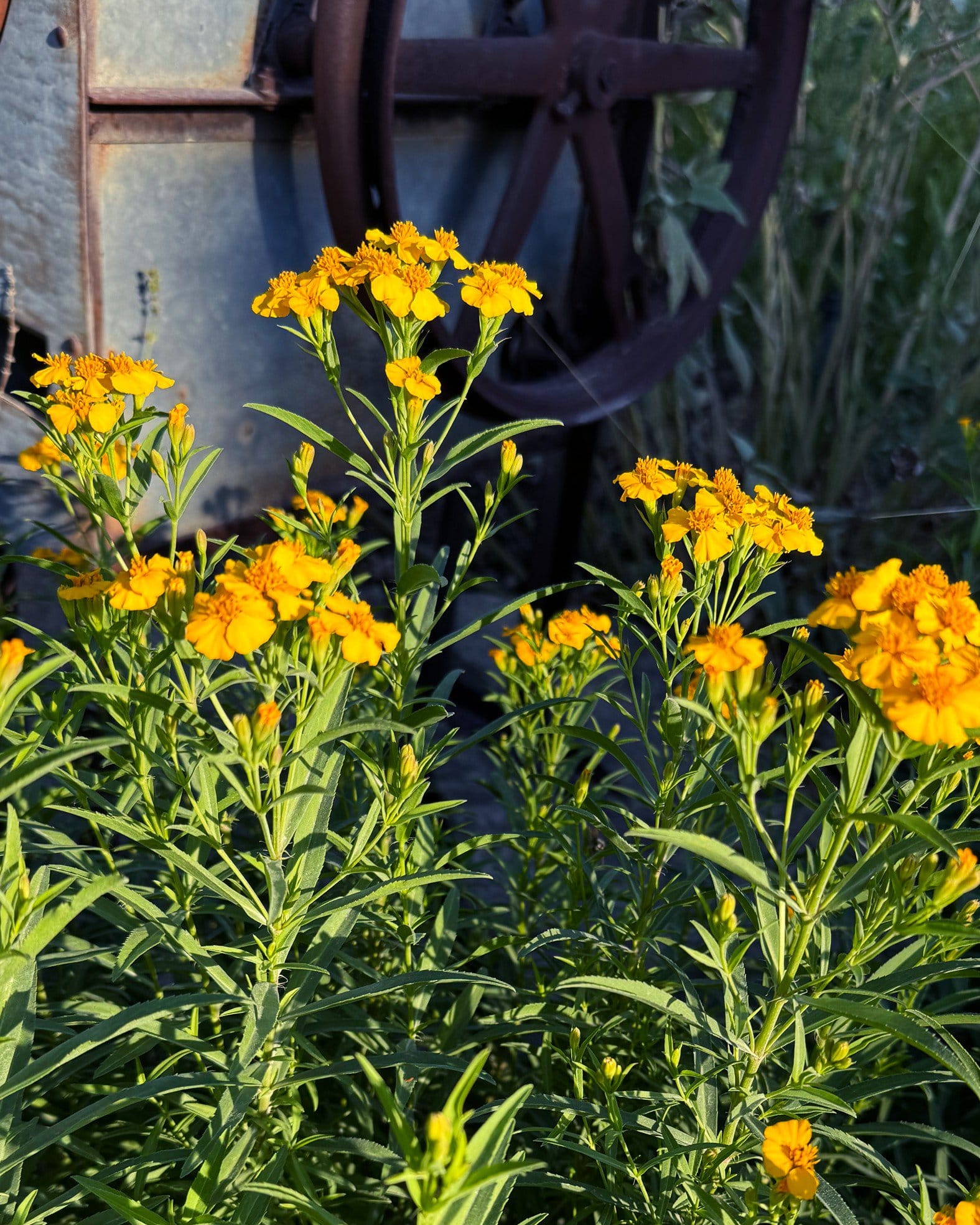
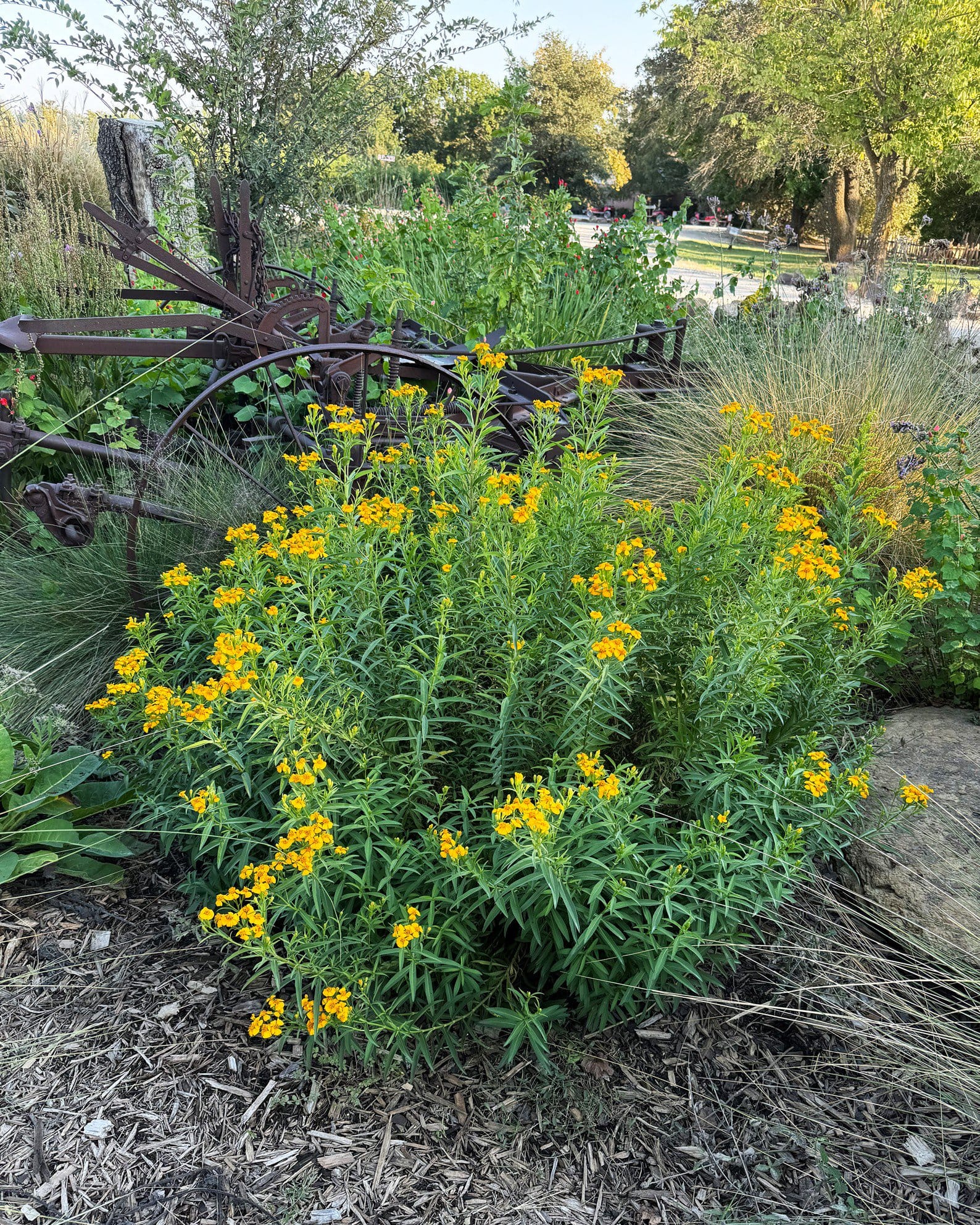
Mexican Mint Marigold
Maturity: 1' H x 1' W
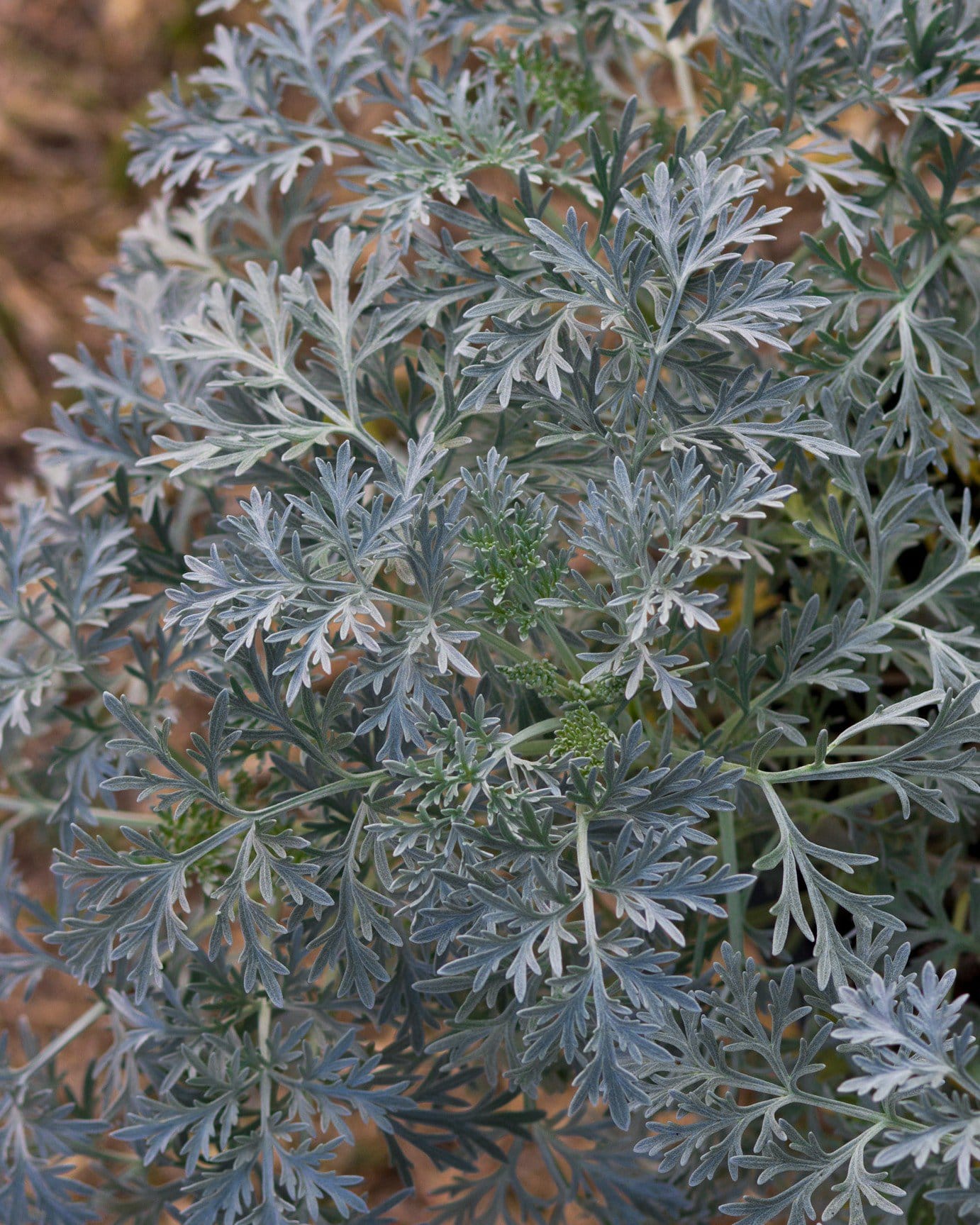
Powis Castle Artemisia
Maturity: 2' H x 3' W
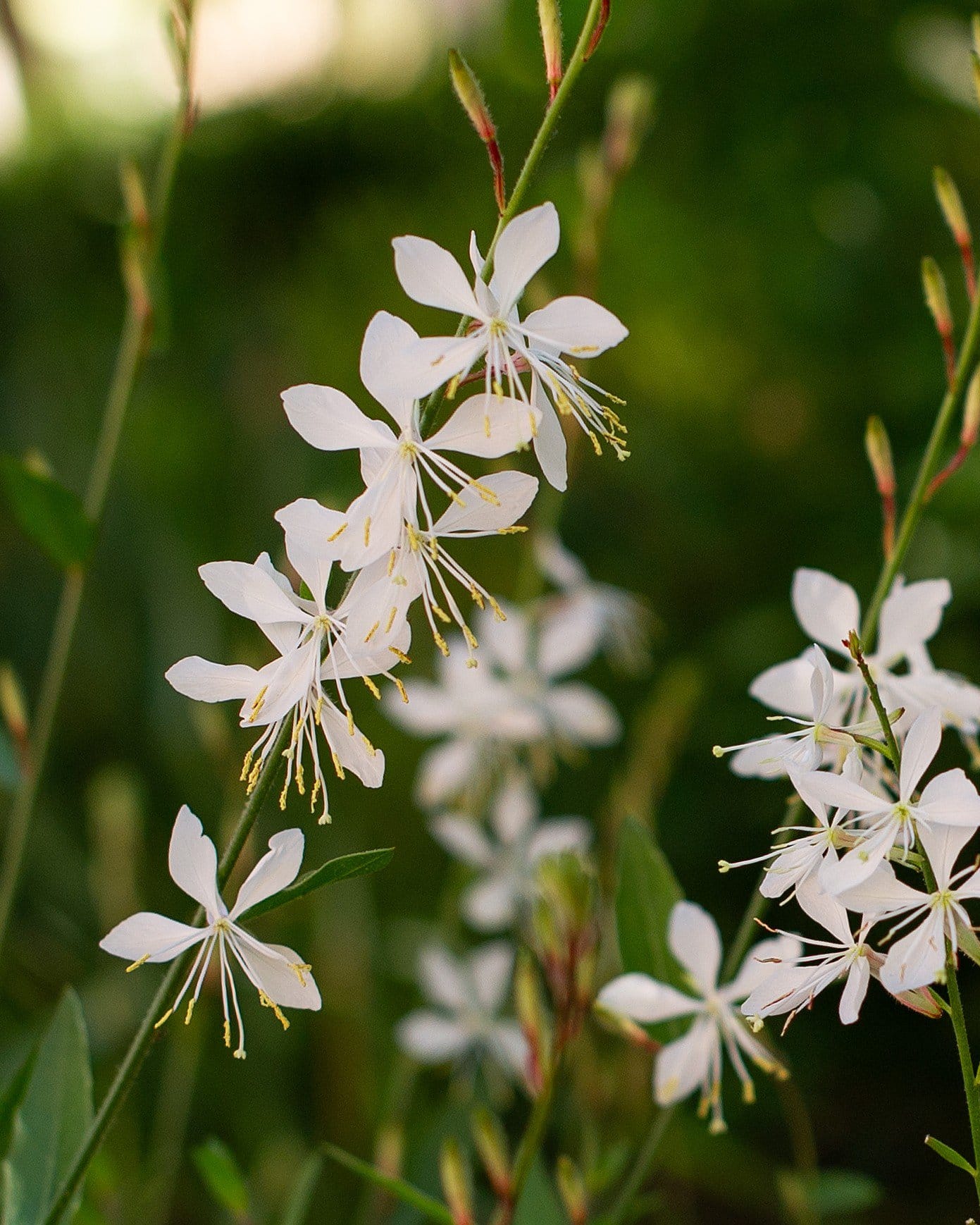
Belleza White Gaura
Maturity: 1' H x 1.5' W
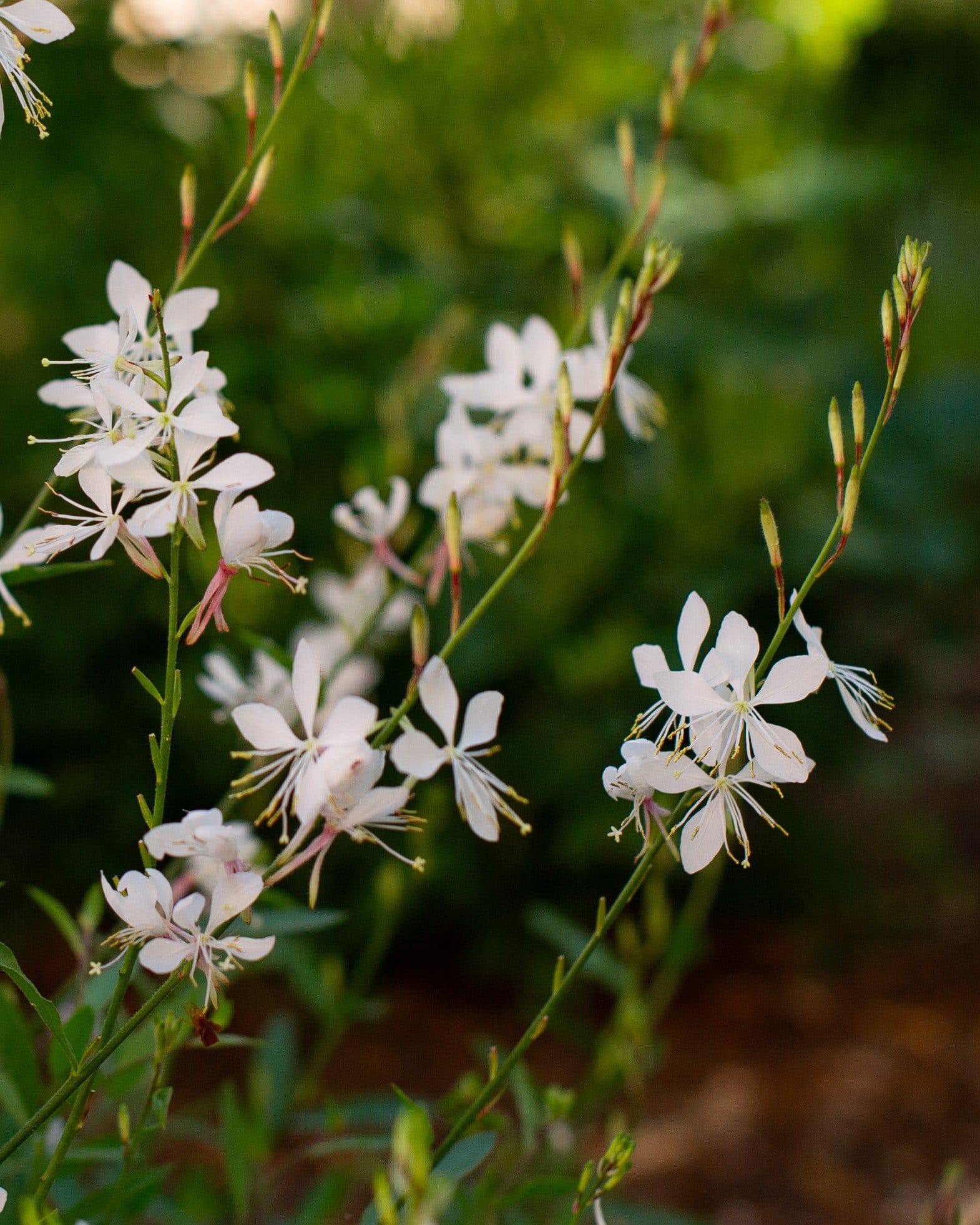
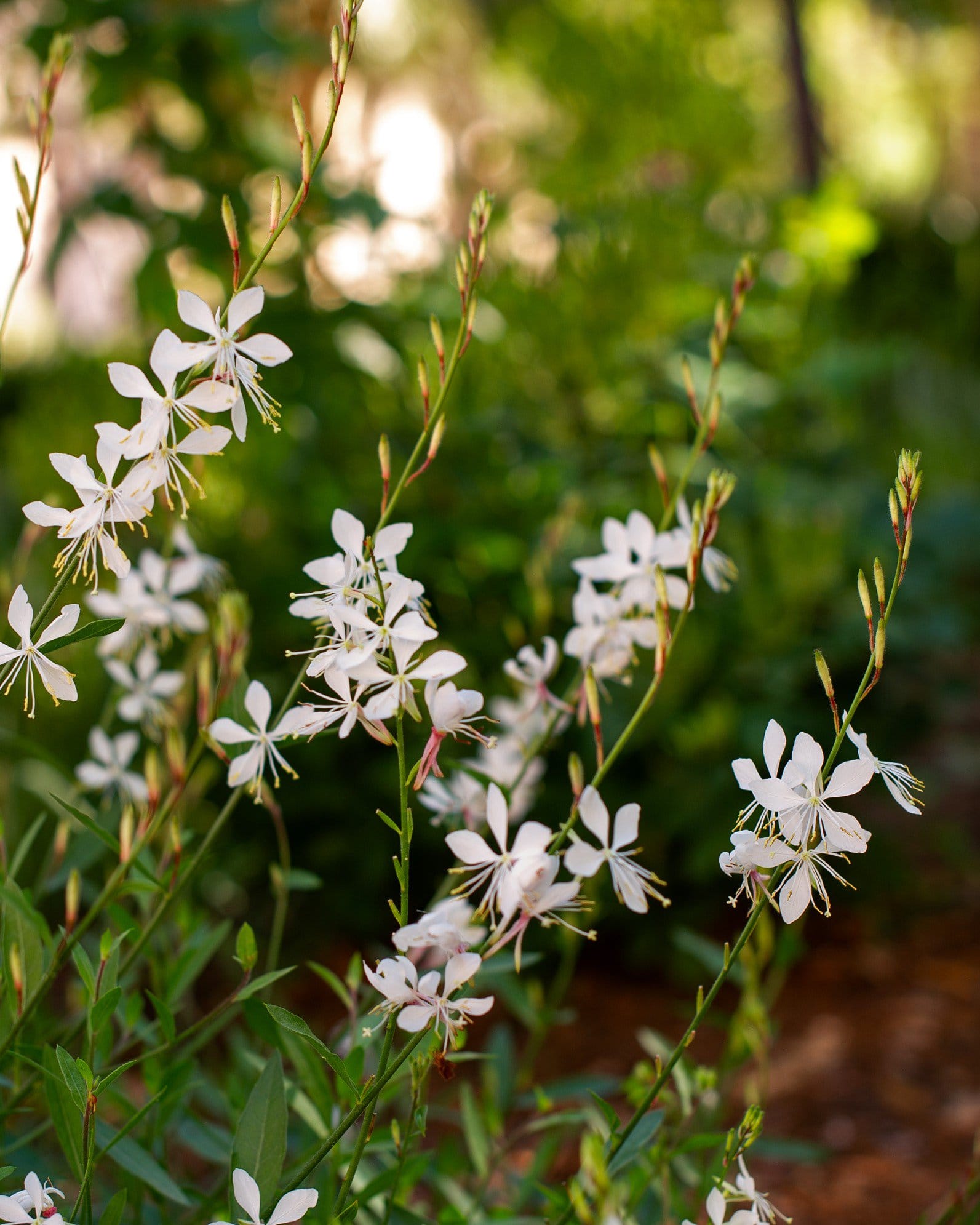
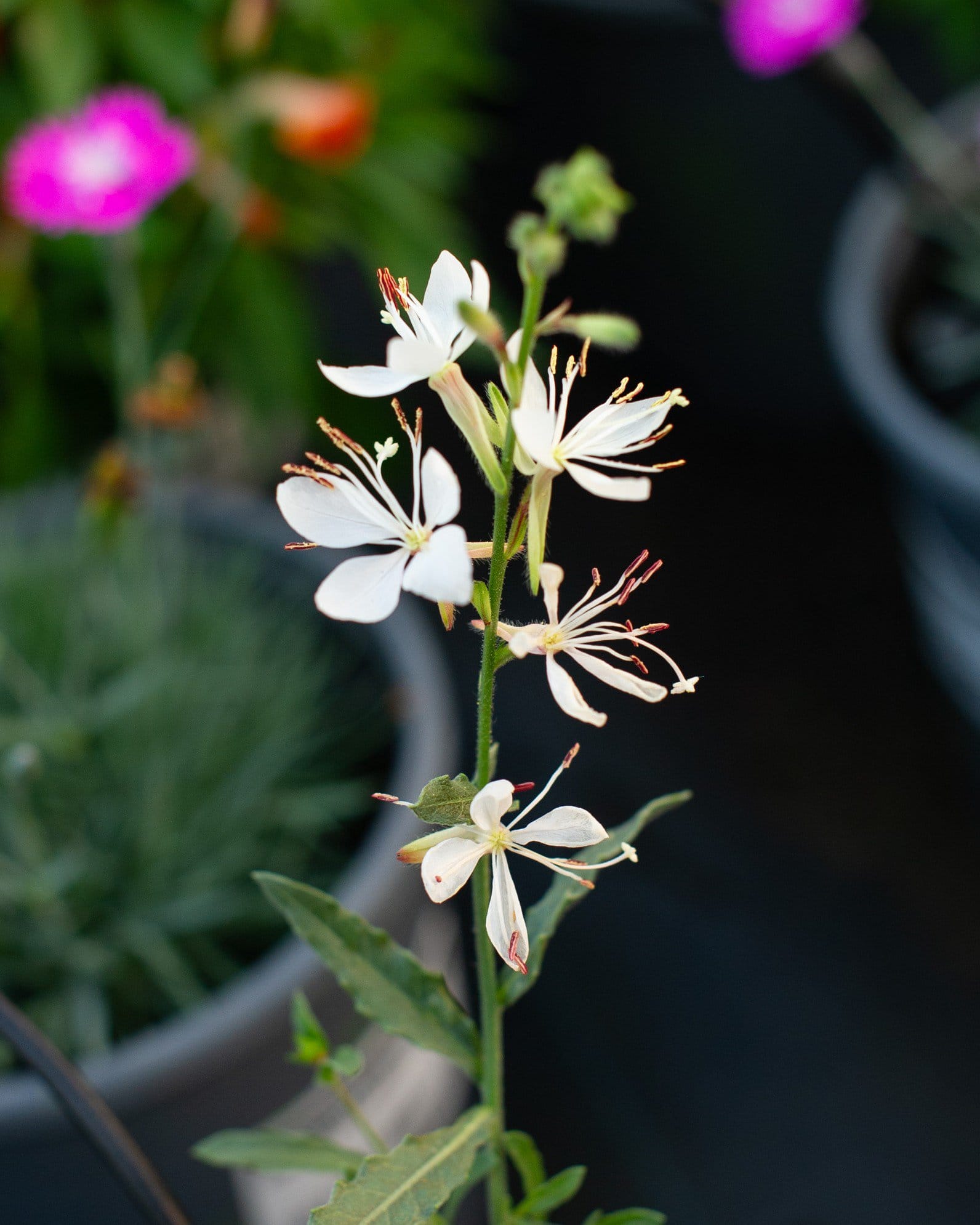
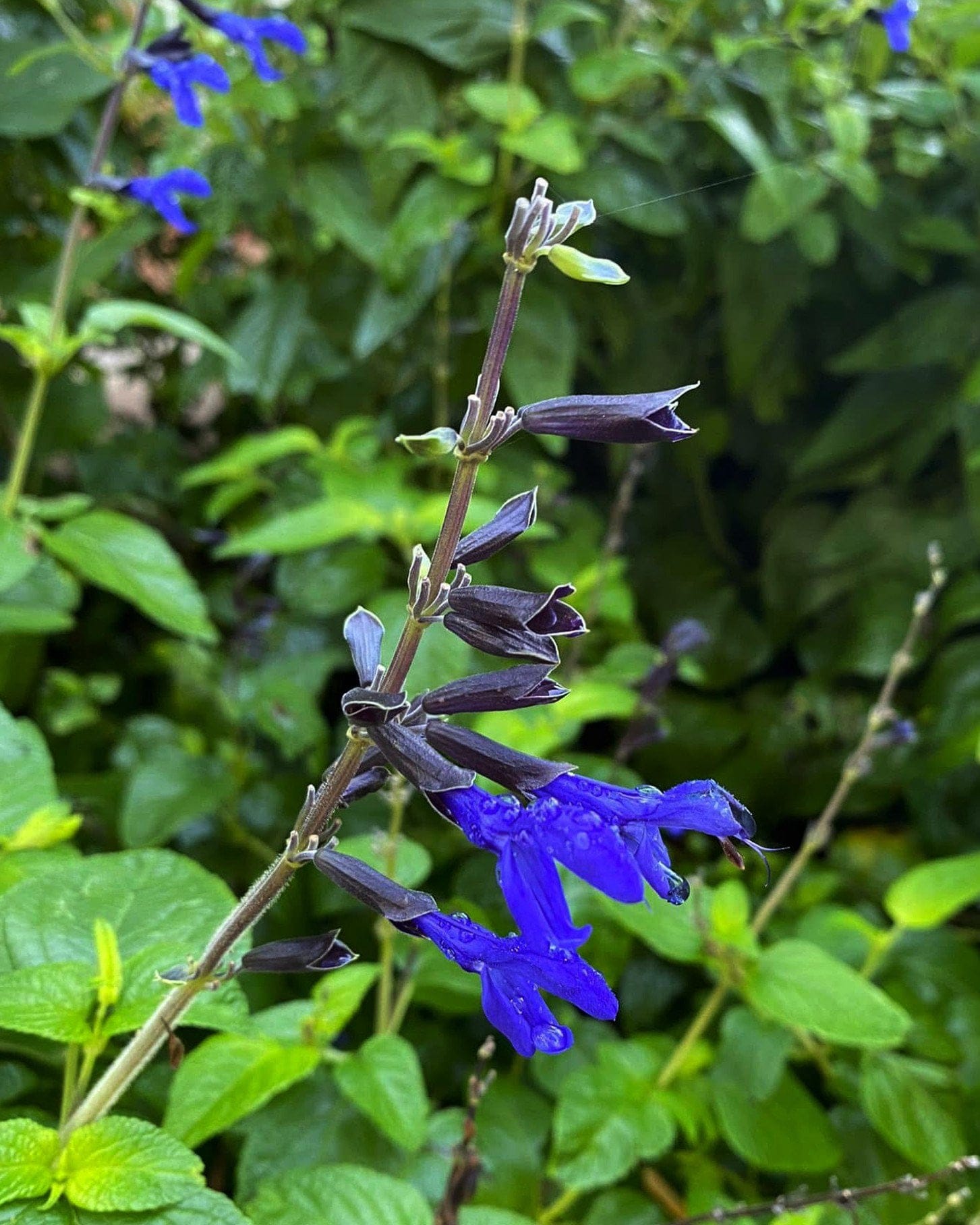
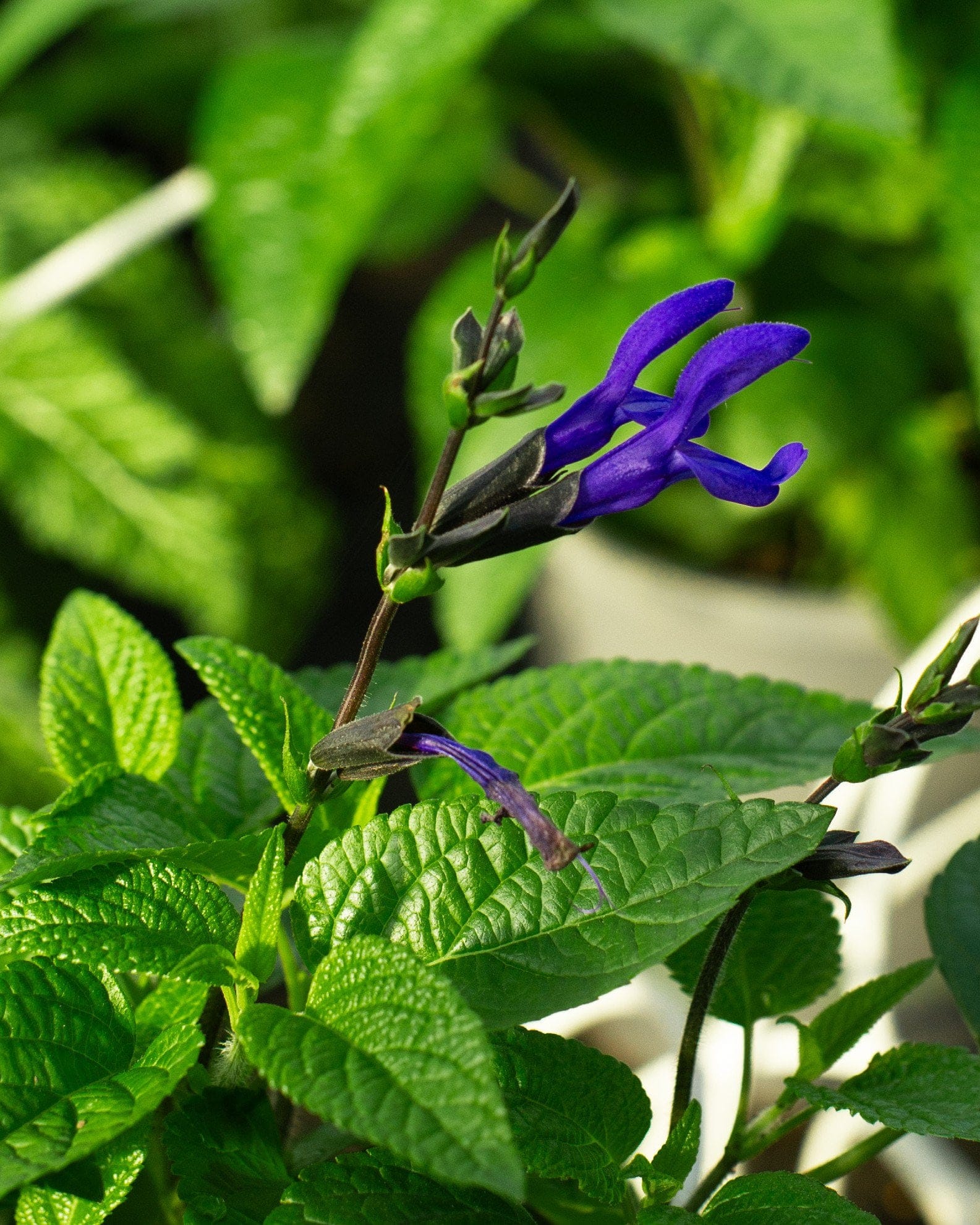
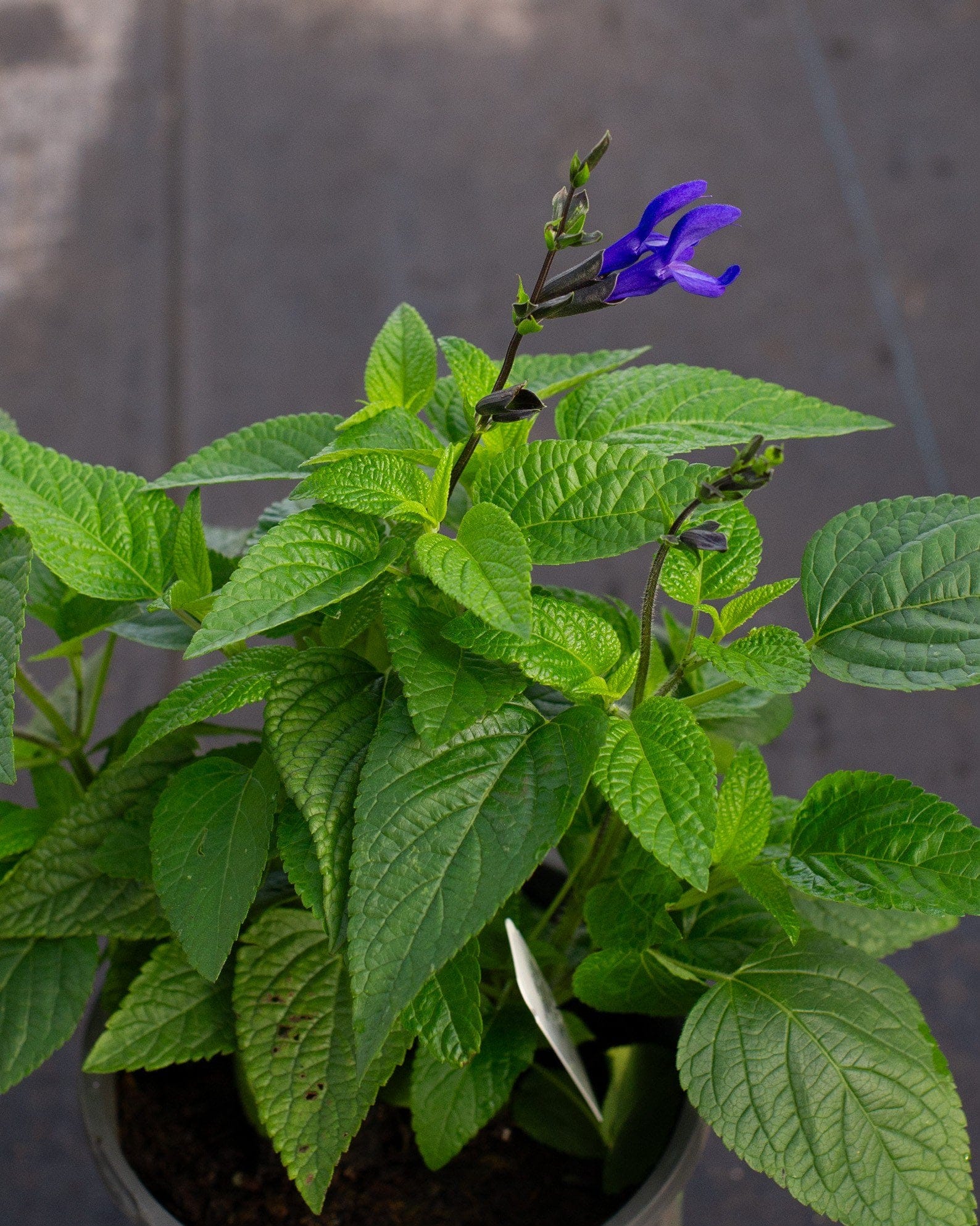
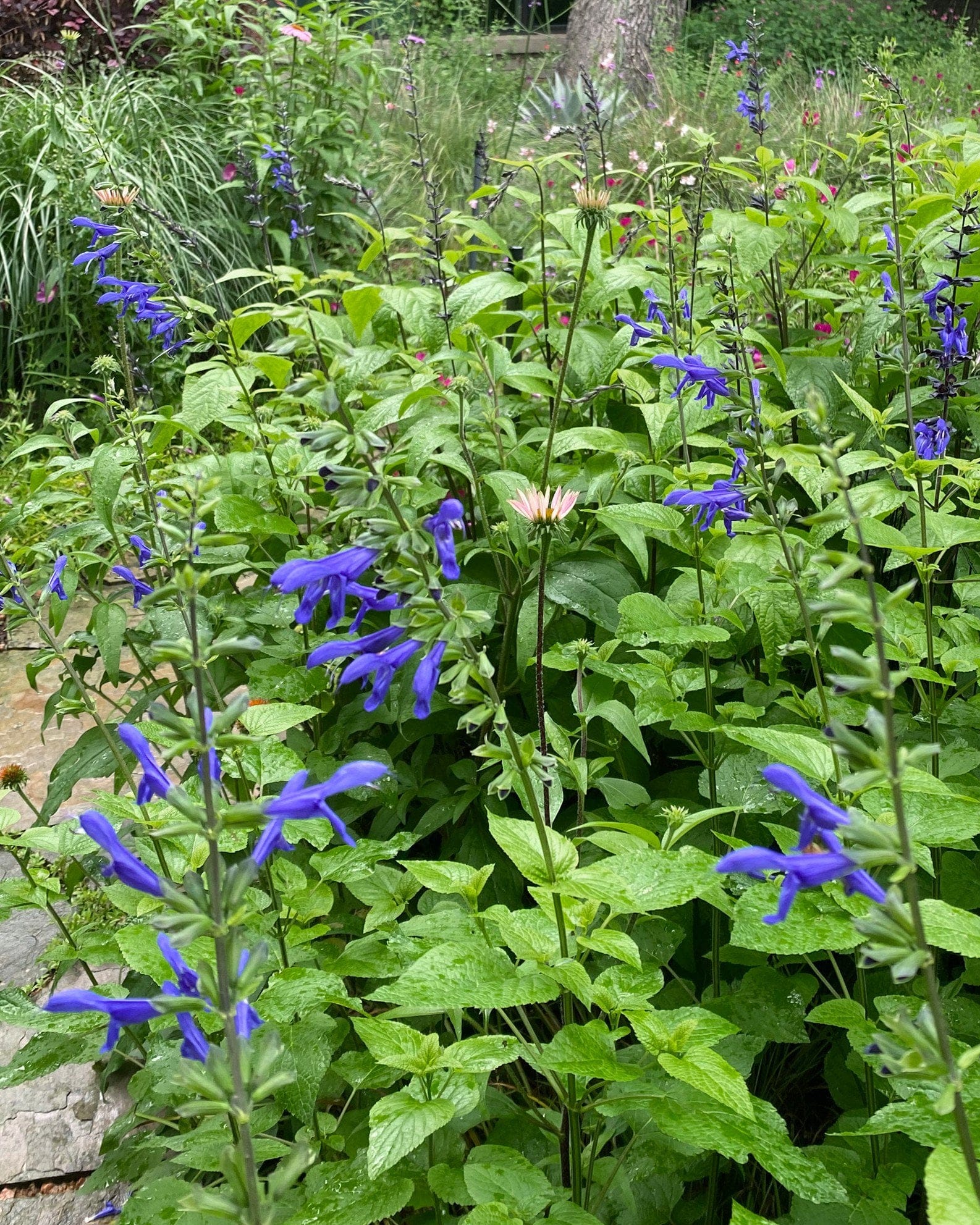
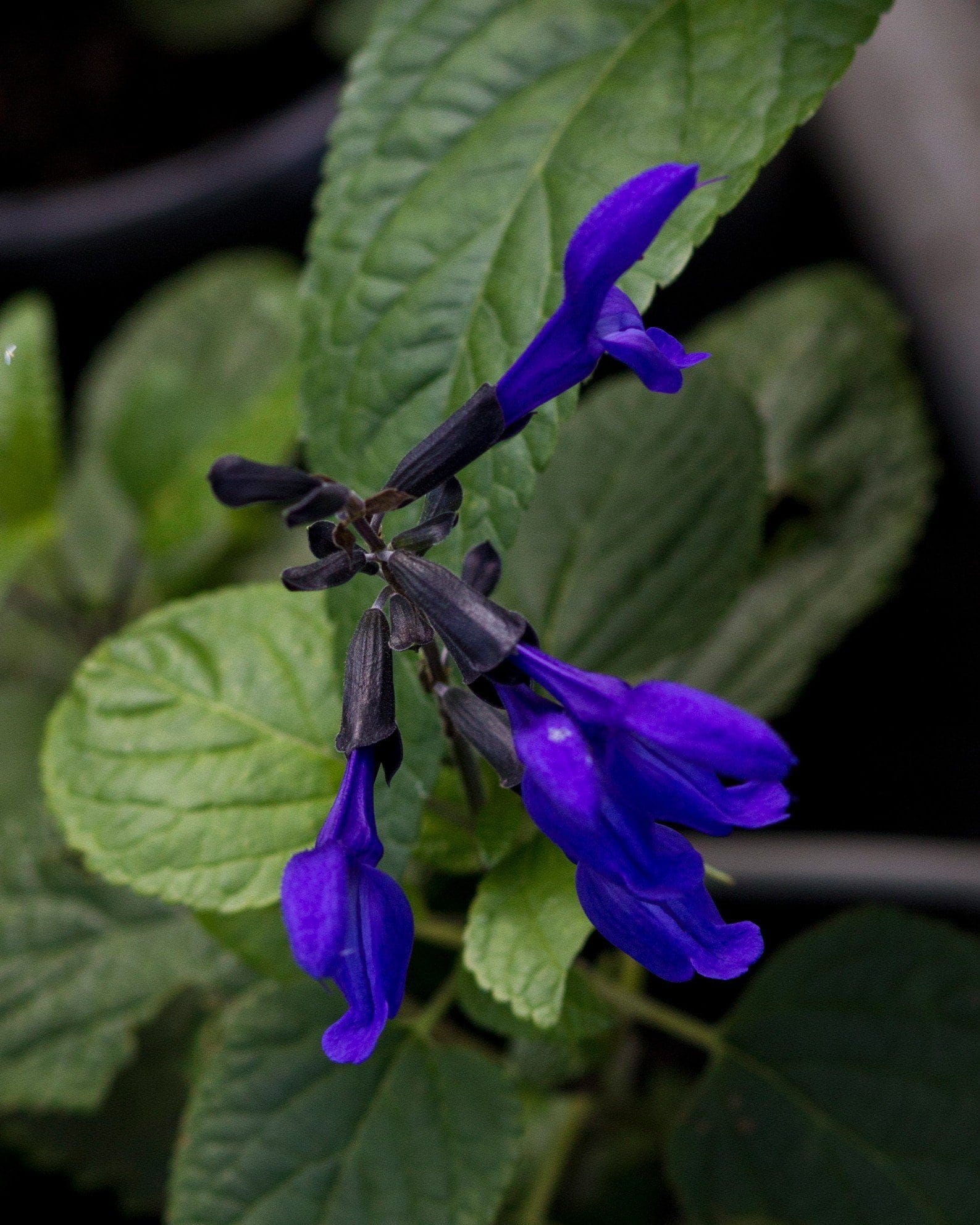
Black & Blue Salvia
Maturity: 3' H x 2' W
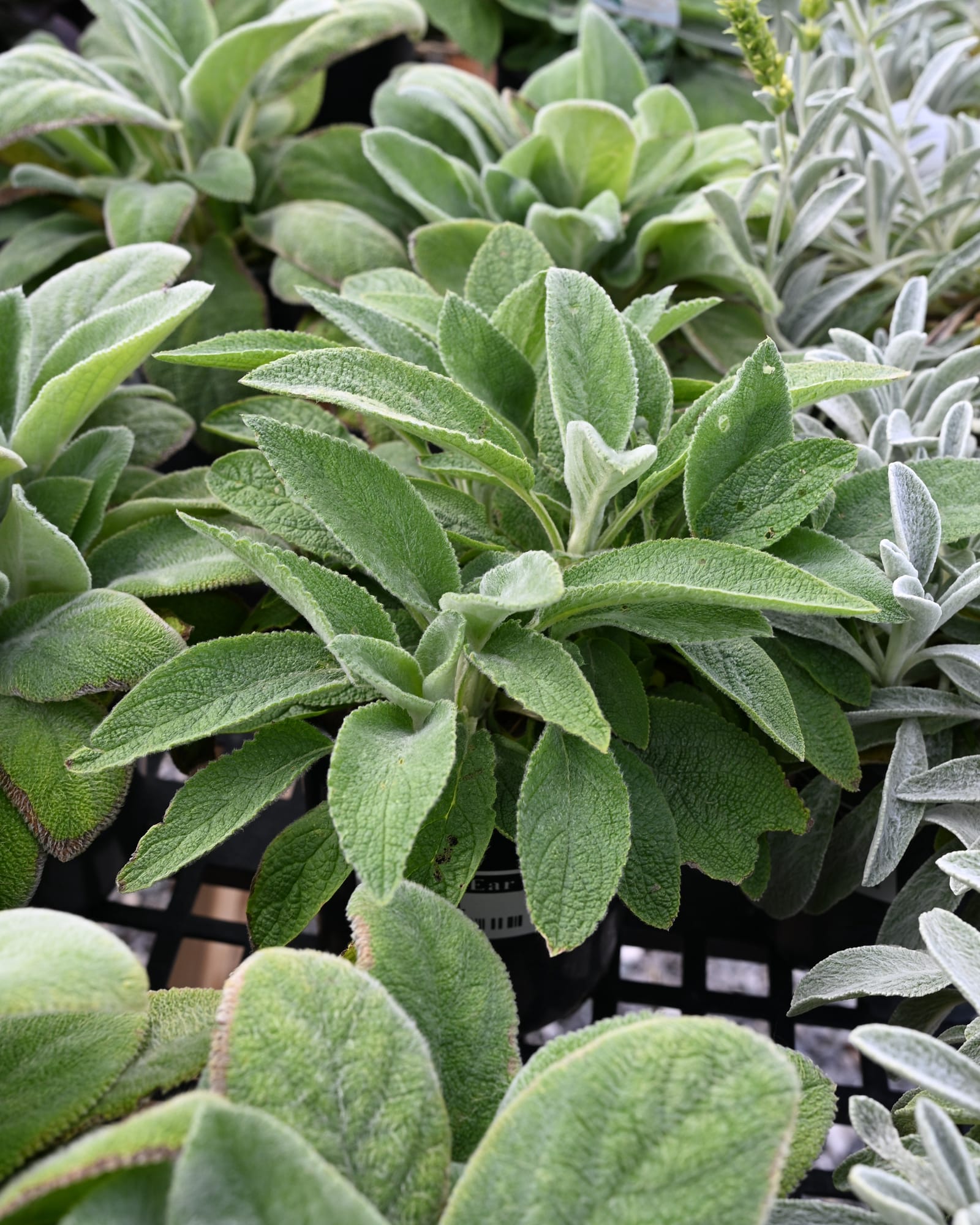
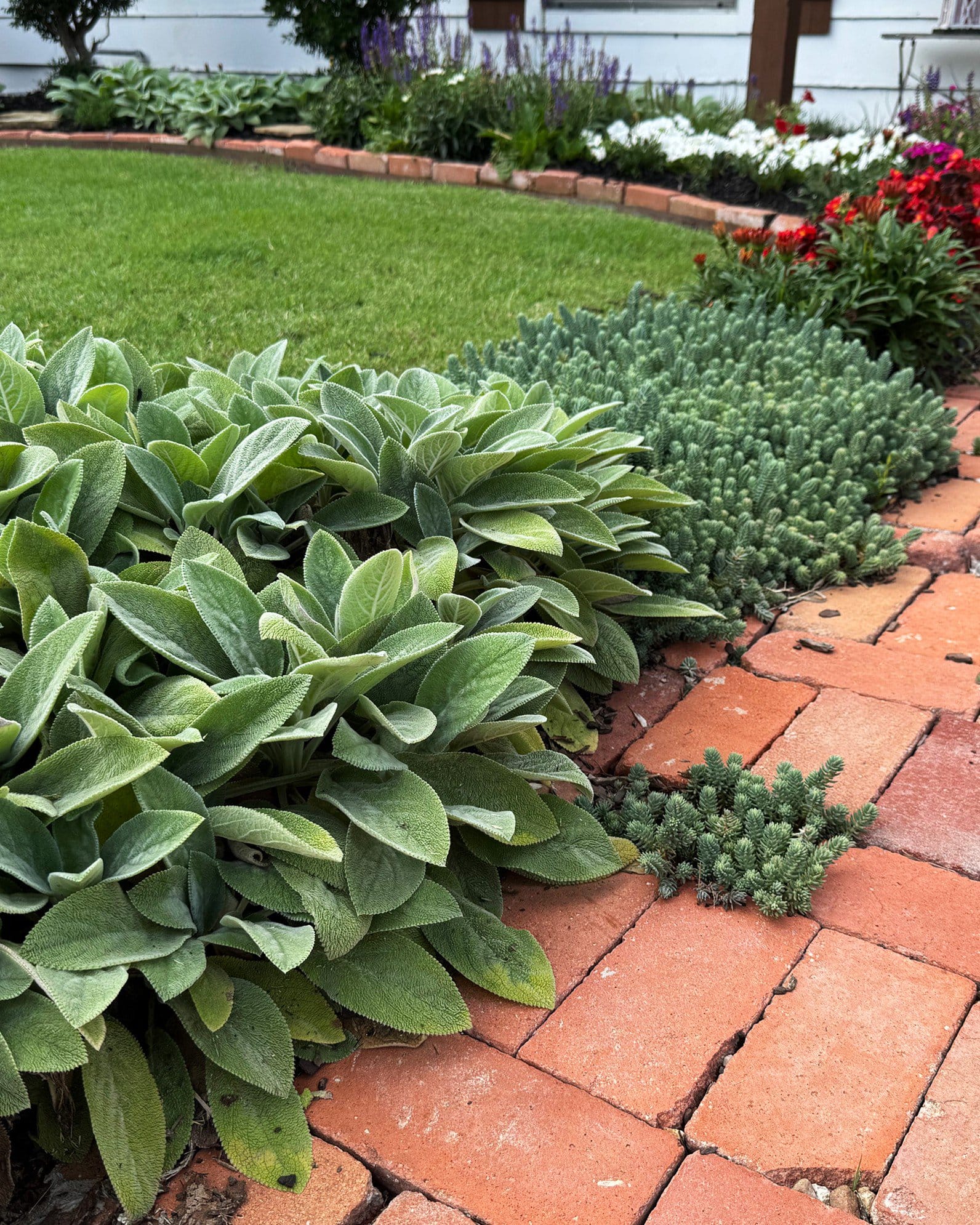
Lamb's Ear
Maturity: 1' H x 1.5' W
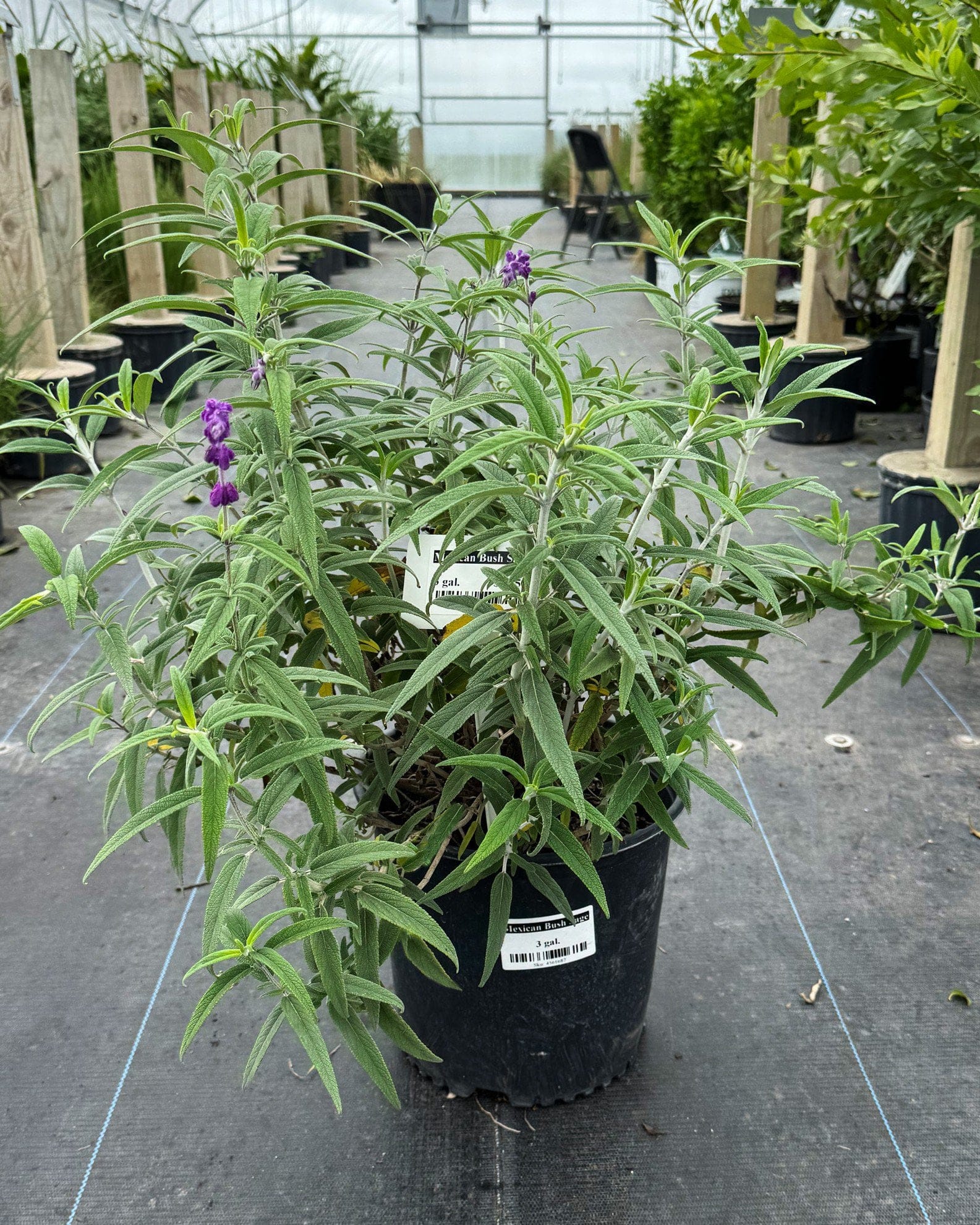
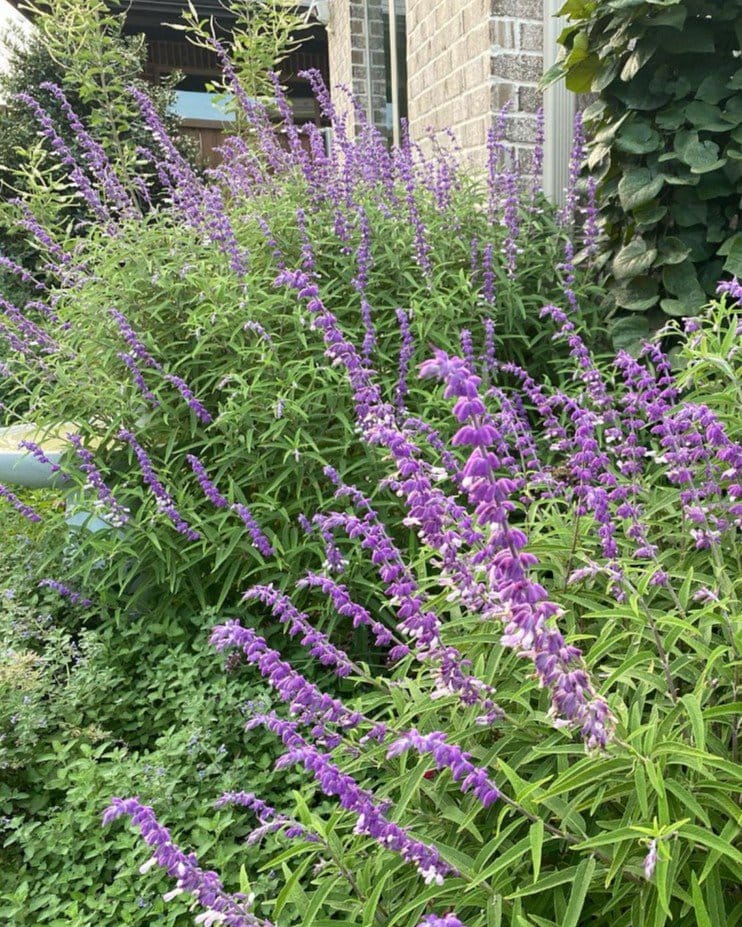
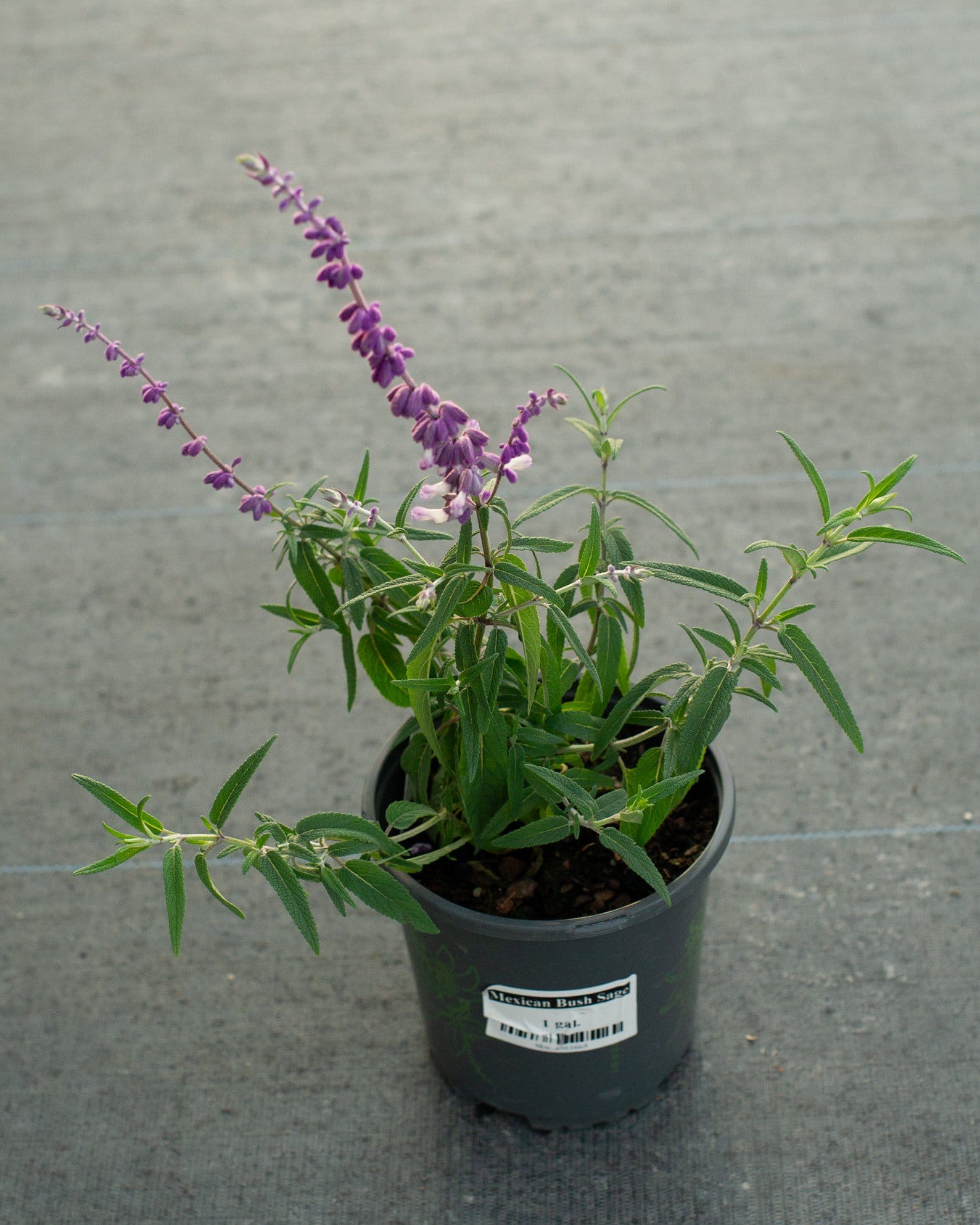
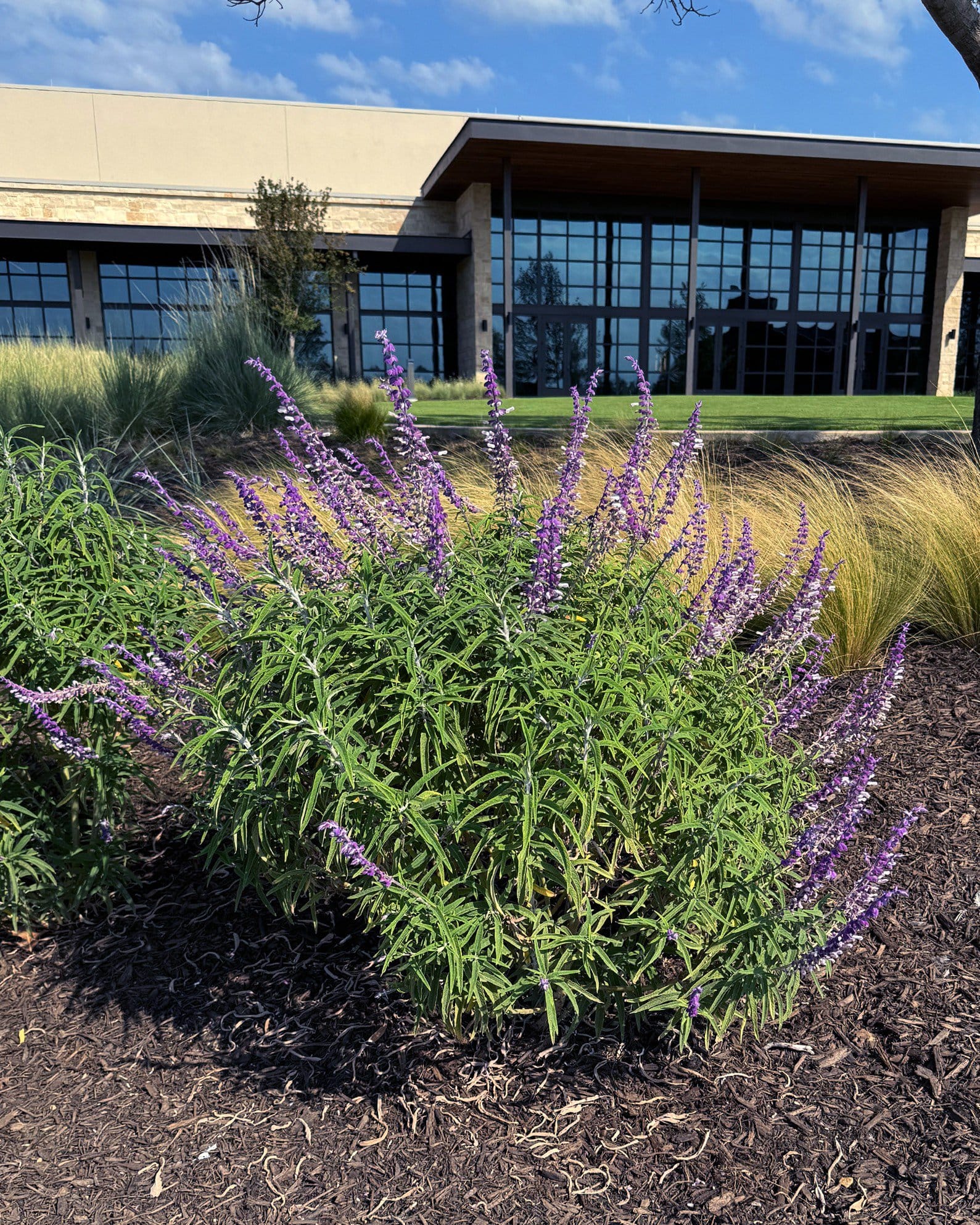
Mexican Bush Sage
Maturity: 3' H x 3' W
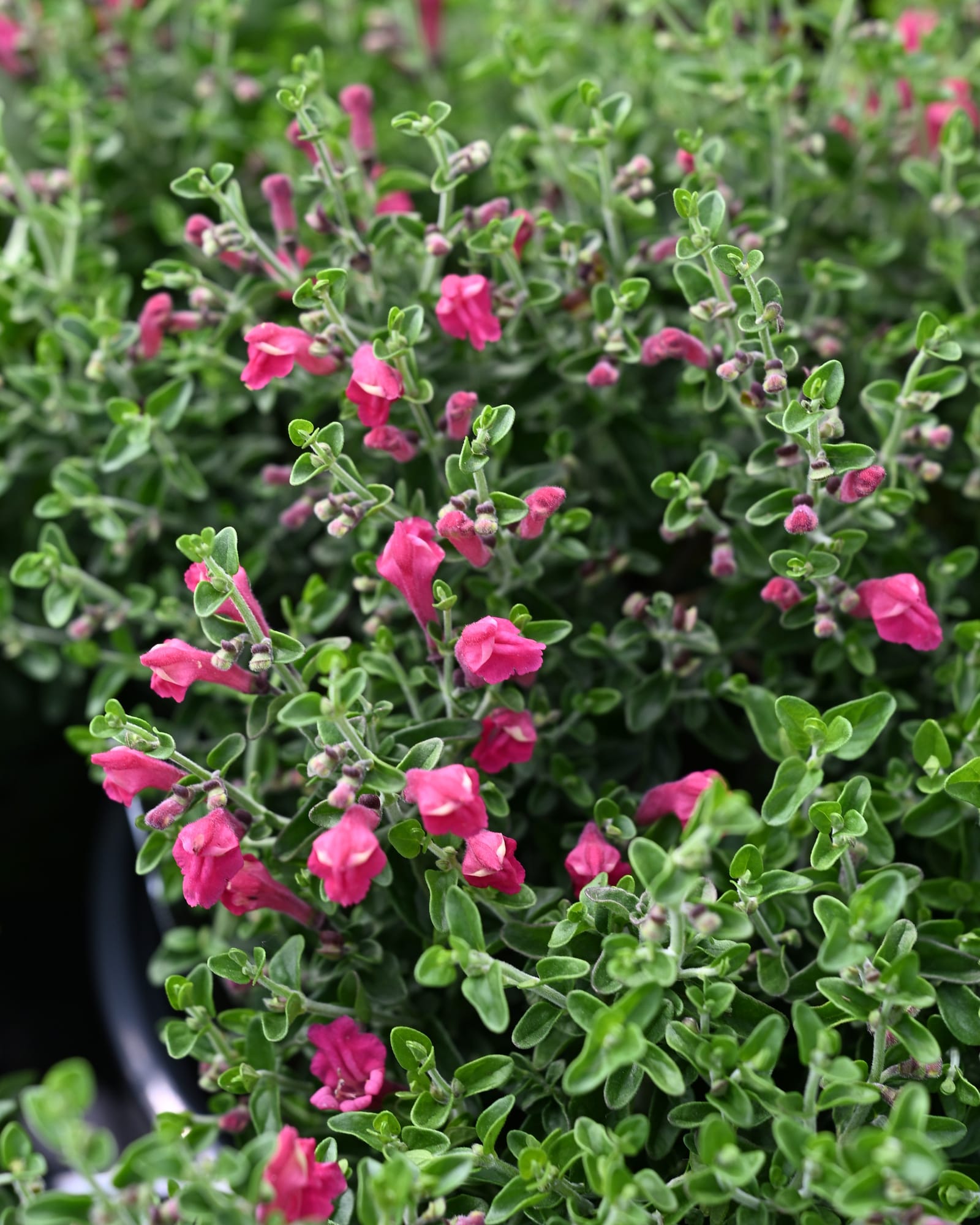
Pink Skullcap
Maturity: 1' H x 2' W
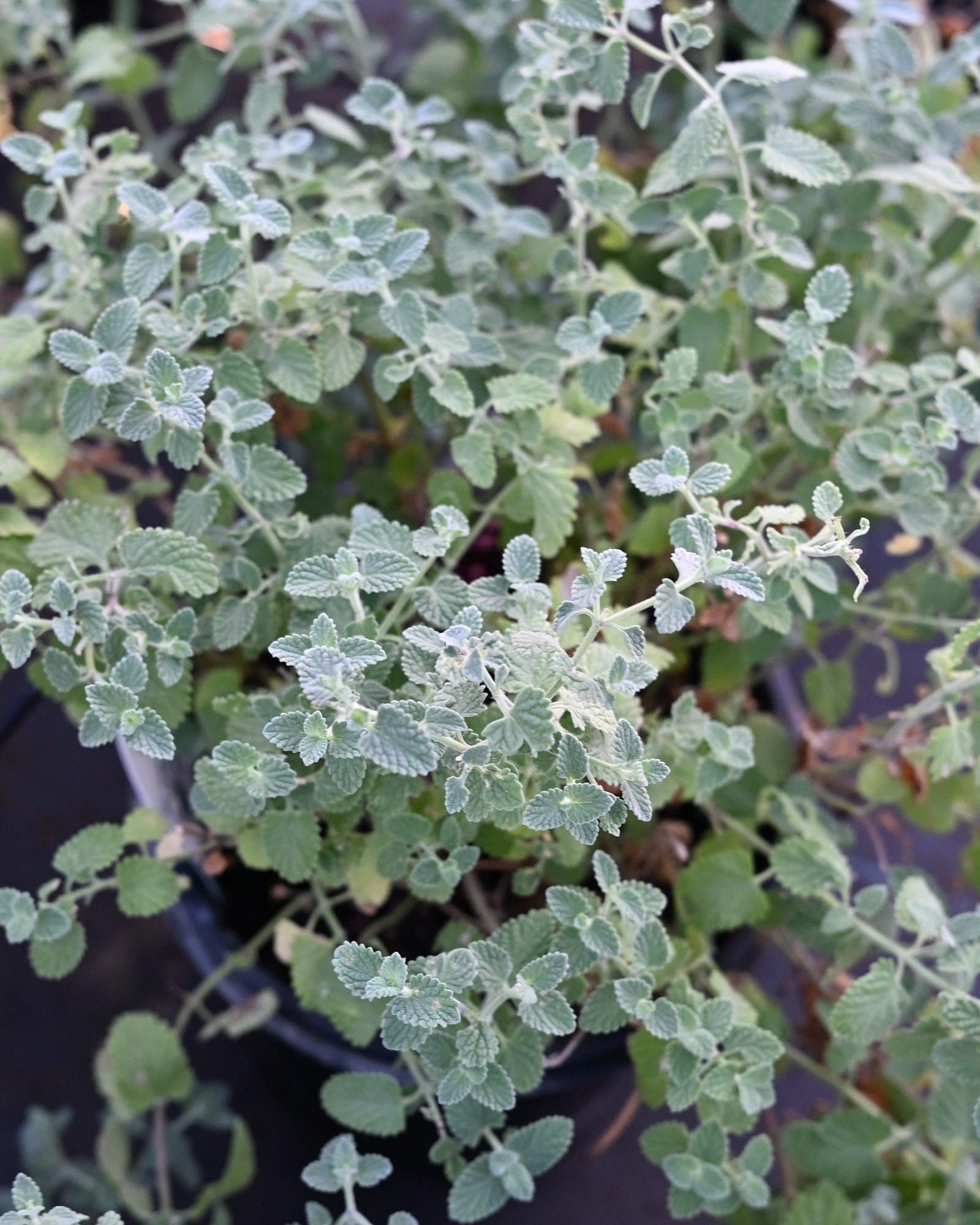
Six Hills Giant Catmint
Maturity: 2' H x 3' W
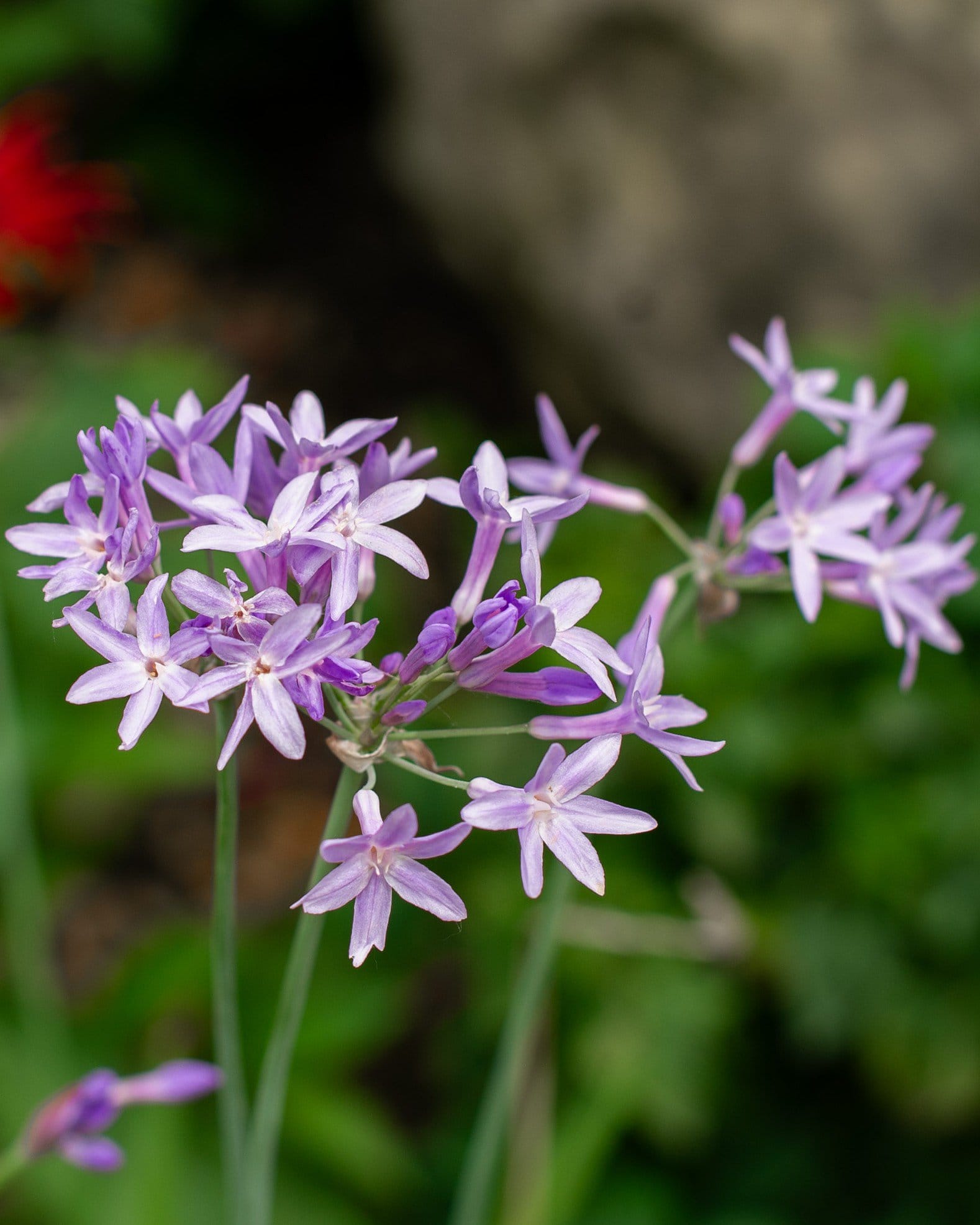
Society Garlic
Maturity: 1' H x 1' W
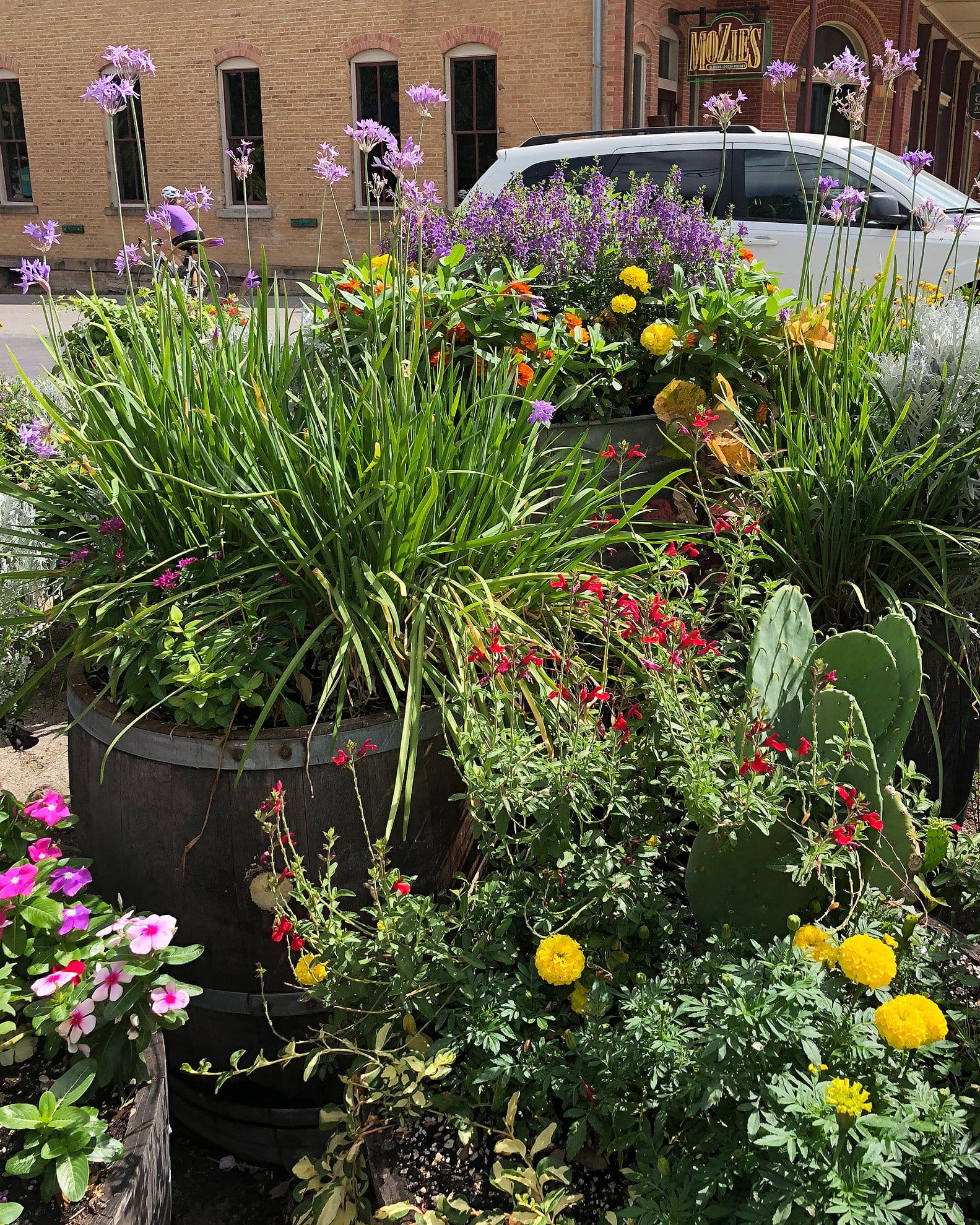
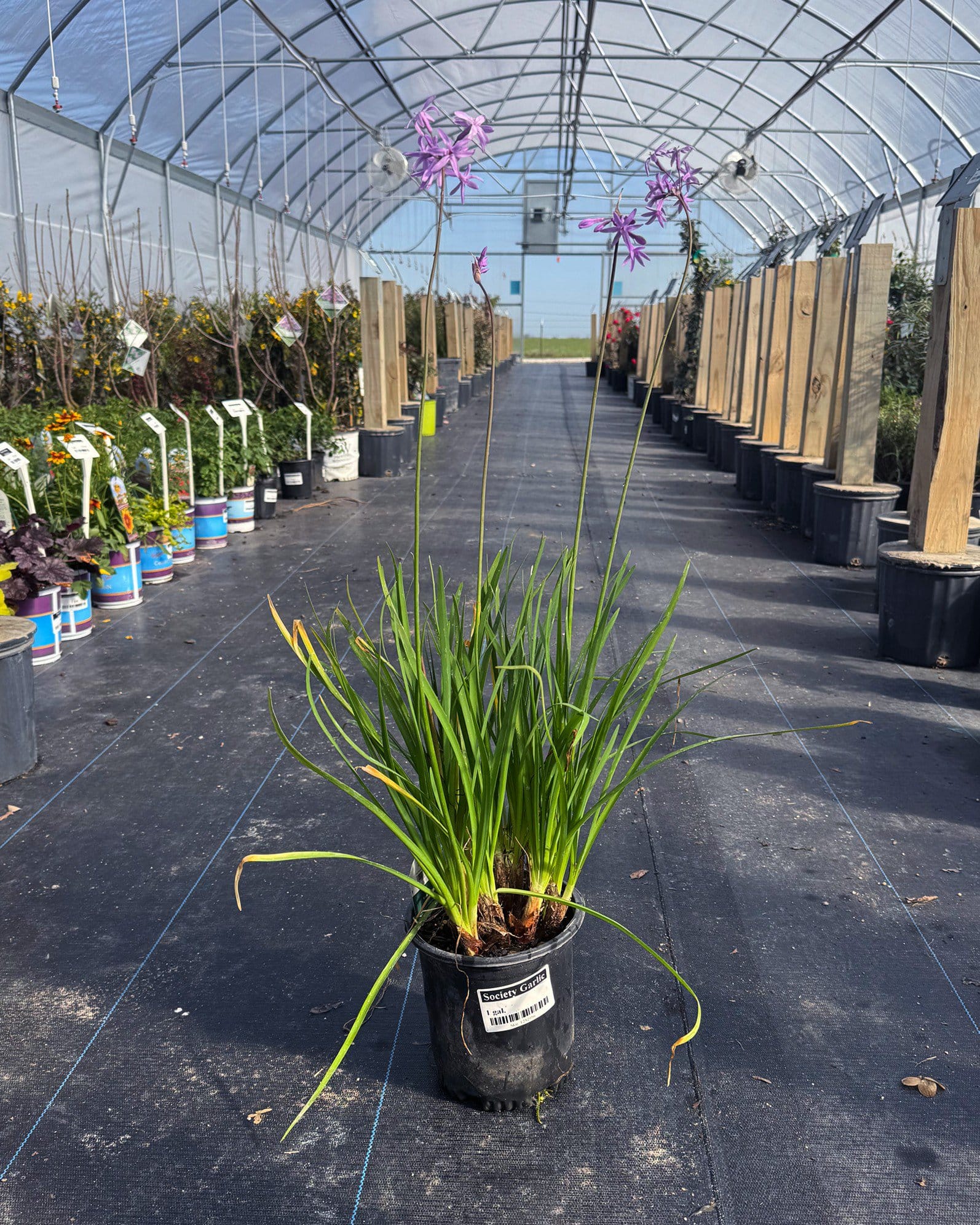
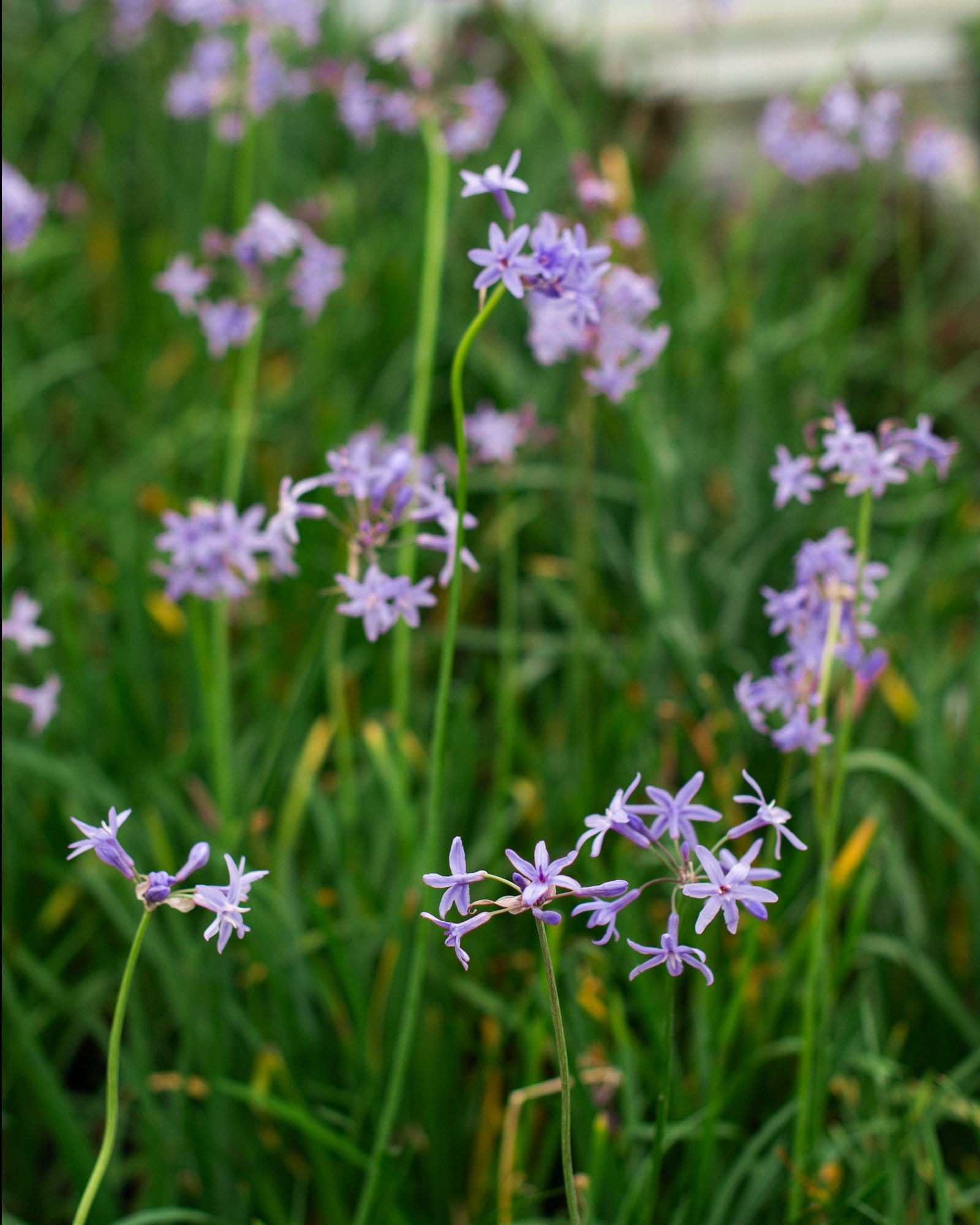
Society Garlic Silver Lace
Maturity: 1' H x 1' W
Walker's Low Catmint
Maturity: 2' H x 3' W
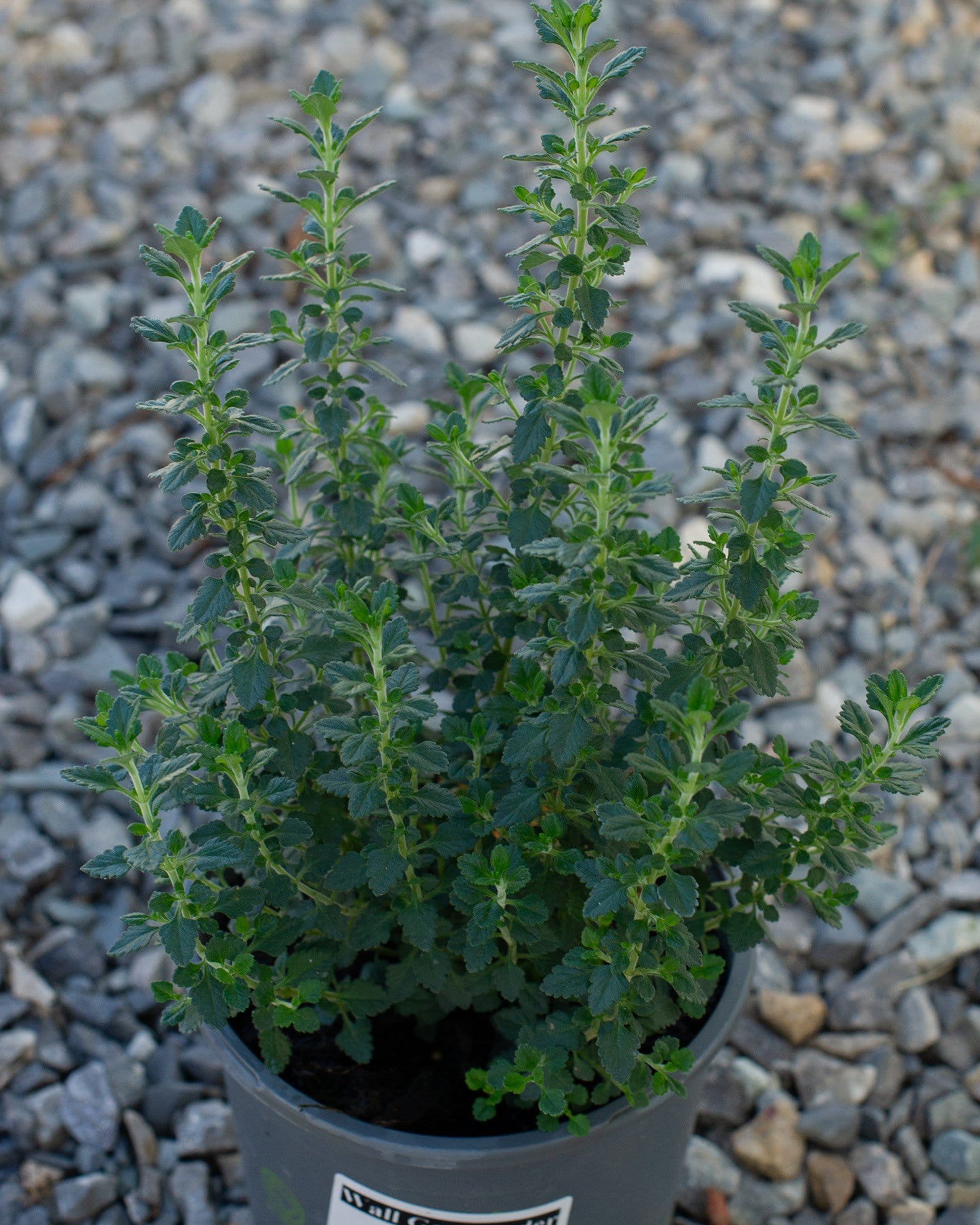
Wall Germander
Maturity: 1' H x 1' W
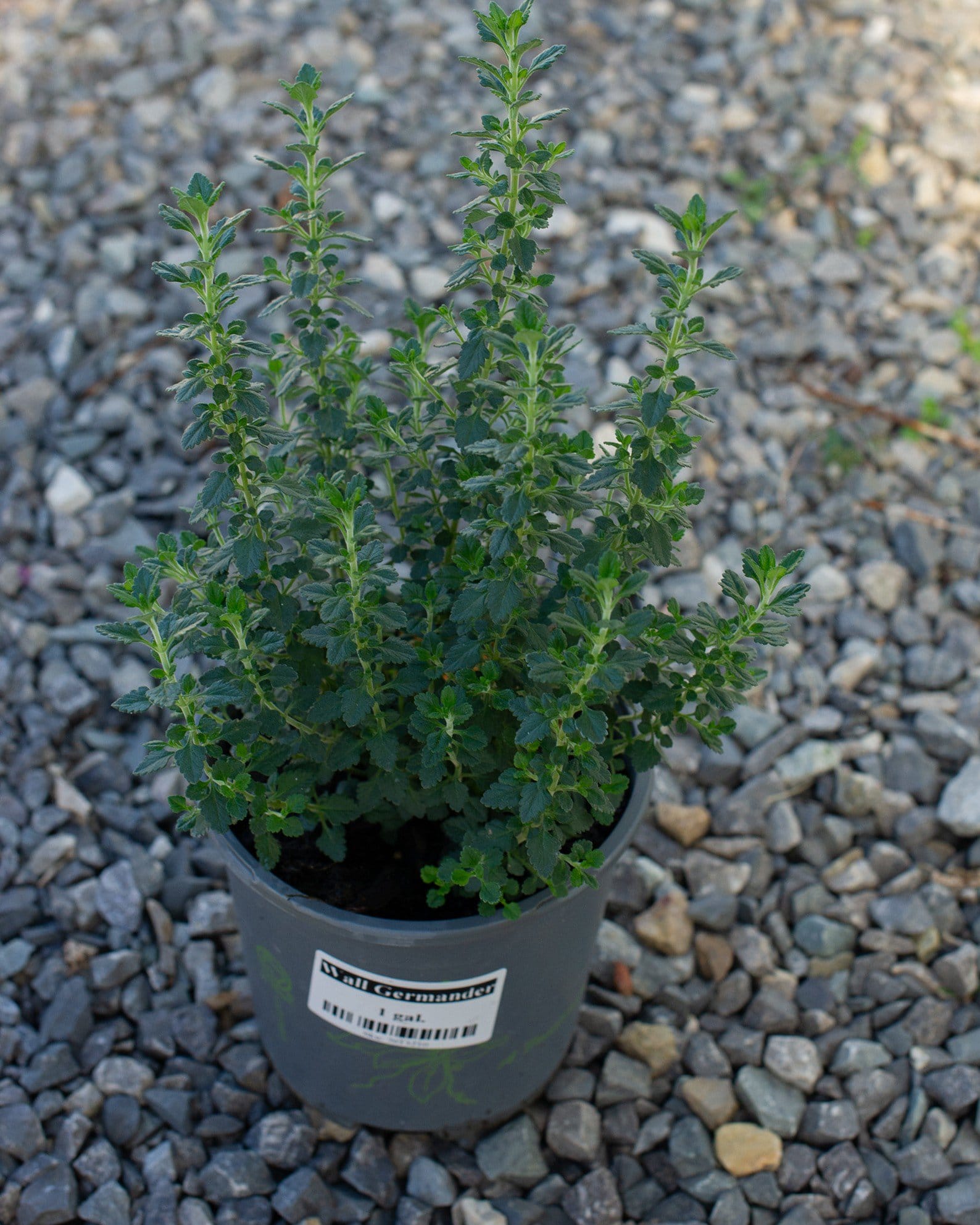
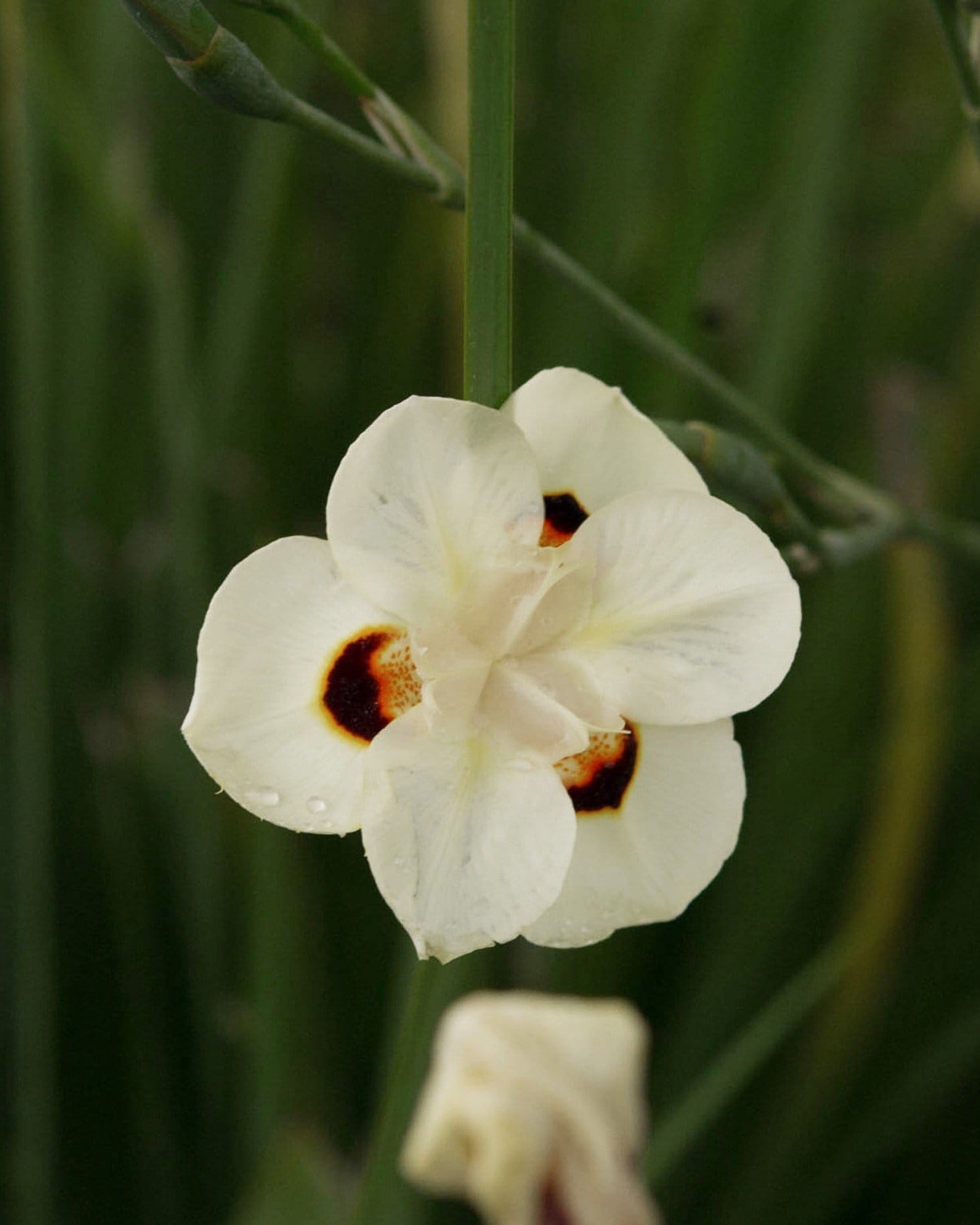
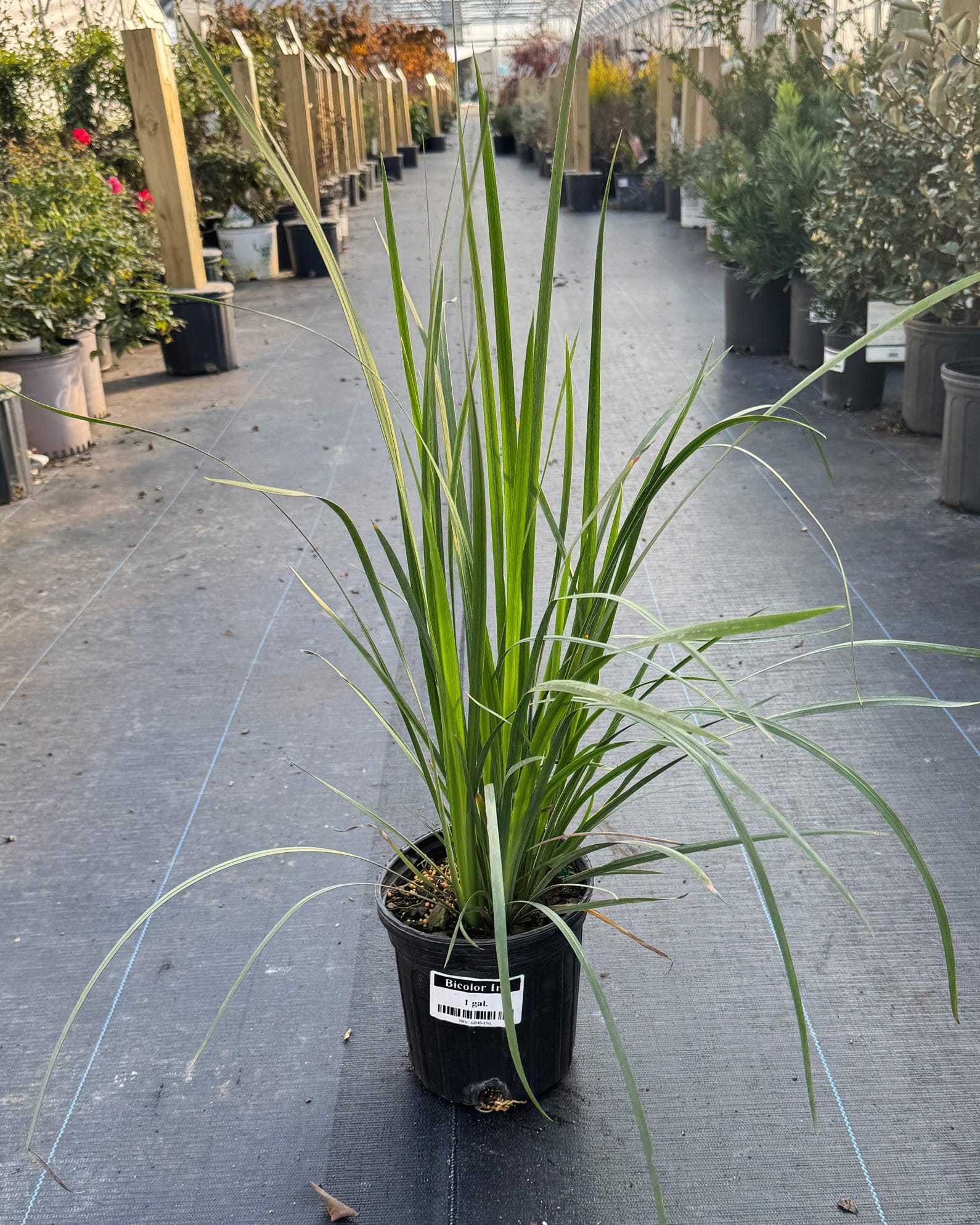
Bicolor Iris
Maturity: 2' H x 2' W
Endlesslily Coral Daylily
Maturity: 2' H x 1.5' W
Compare Similar Plants
Ming Toy Daylily This plant | ||
|---|---|---|
| Scientific Name | Hemerocallis ‘Ming Toy’ | Hemerocallis ‘Stella de Oro’ |
| Size at Maturity | 1.5' H x 1.5' W | 1.5' H x 1.5' W |
| Leaf Retention | Herbaceous | Herbaceous |
| Flower Color | Red & Yellow | Yellow |
| Bloom Times | Summer | Summer |
| Sizes Available | — | 1 gal |


Our 1-Year Planting Guarantee
We take pride in our plants and installation services. If any plants or trees installed by Treeland fail to thrive within the first year, we'll provide a replacement credit in accordance with our guarantee program.
Learn More About Our Guarantee