


Lavender Tutu Daylily
Hemerocallis ‘Lavender Tutu’Product Details
Lavender Tutu Daylily
Hemerocallis ‘Lavender Tutu’Lavender Tutu Daylily produces elegant flowers in reds, oranges, and yellows with lightly ruffled edges. This clump-forming perennial matures at 18 inches in both height and width, offering a well-rounded, arching form. Blooming happens all summer. Each bloom opens for a single day, but the plant blooms multiple times throughout the season. The refined color and clean habit make this variety especially useful in North Texas layered perennial beds, mixed borders, or massed groupings.
- A herbaceous perennial
- Moderate growth rate with clumping habits
- Lavender-pink blooms with soft yellow centers
- Early summer flowering, with repeat potential
- Ideal for beds, borders, and seasonal layouts
The Lavender Tutu Daylily is a hardy plant, faring great in USDA zones 3 through 9. Plant in full sun with well-draining soil. Remove spent flowers and clean foliage periodically to maintain form. Can be displayed short-term indoors in bright-window containers.
Lavender Tutu Daylily needs minimal care to grow beautifully. Here’s all you need to know about its maintenance:
- Watering: Water regularly during the first growing season to establish deep, strong roots. Once established, Lavender Tutu tolerates dry spells well but performs best with occasional deep watering during long periods of heat. Avoid constantly wet soil.
- Pruning: Remove spent flowers daily to keep the plant fresh and to encourage continued blooming. Cut flower stalks down to the base once flowering ends to promote healthy regrowth. In late fall or early spring, trim back old foliage to a few inches to make way for new shoots.
- Fertilizing: Feed in early spring with a balanced, slow-release fertilizer or compost to encourage strong stems and abundant blooms. A second light feeding after the first bloom flush can boost reblooming.
- Mulching: Apply a 2-3 inch layer of mulch around the base to conserve moisture, suppress weeds, and maintain even soil temperature. Keep mulch an inch or two away from the crown to prevent decay.
- Winter Care: Lavender Tutu Daylily is hardy and dependable through cold winters. After frost, cut back the foliage and apply a thin protective mulch once the ground freezes. In spring, remove old debris to allow new growth to emerge cleanly and vigorously.
‘Lavender Tutu’ is tough and easygoing, but like all daylilies, it can experience a few manageable issues under stress or poor conditions:
- Aphids: Small green or black insects gather on new shoots, causing leaf curl or sticky residue. Rinse off with water or treat with insecticidal soap to control outbreaks.
- Spider Mites: Fine webbing and faded leaves appear in hot, dry weather. Increase humidity and rinse the foliage regularly to deter mites.
- Daylily Rust: Orange or rust-colored spots form on the undersides of leaves. Remove affected foliage and treat with a fungicide labeled for rust prevention.
- Leaf Streak: Yellow lines or brown patches appear along the leaves. Remove infected foliage and water at the base to keep leaves dry.
- Thrips: Tiny insects cause streaking or scarring on petals. Remove damaged flowers and use neem oil or insecticidal soap for control.
- Slugs and Snails: Holes in foliage appear after wet nights. Use organic traps, barriers, or evening collection to minimize damage.
Daylilies are famously long-lived - often thriving for decades in the same spot. Once established, Lavender Tutu returns reliably year after year with minimal upkeep.
It grows quickly, forming a healthy clump and blooming within the first or second season. Over time, the clump expands gracefully, producing more blooms each summer.
Yes - its pastel blooms and open form attract bees, butterflies, and hummingbirds. The plant’s gentle fragrance adds an extra layer of charm for both gardeners and pollinators.
Absolutely. Its refined color and ruffled texture blend beautifully in both structured beds and relaxed, naturalistic plantings.
Mostly - while deer may occasionally sample the foliage, it’s not among their preferred plants. Regular browsing is rare once the clump matures.
Yes, it adapts well to pots when given adequate depth and drainage. Container-grown plants may need slightly more frequent watering and dividing every few years.
It carries a faint, sweet scent that’s especially noticeable in the morning sun. The fragrance complements its soft, romantic color palette perfectly.
Yes - after the initial flush, removing spent scapes often triggers additional flowering later in the season. Consistent moisture and light feeding help sustain reblooming.
Divide every 3-5 years in early spring or fall to maintain vigorous growth. Replant divisions 18-24 inches apart in well-drained soil for best results.
Yes - it looks stunning along pond edges or in rain gardens, where it benefits from occasional moisture but not standing water.
Special Features
You might also like
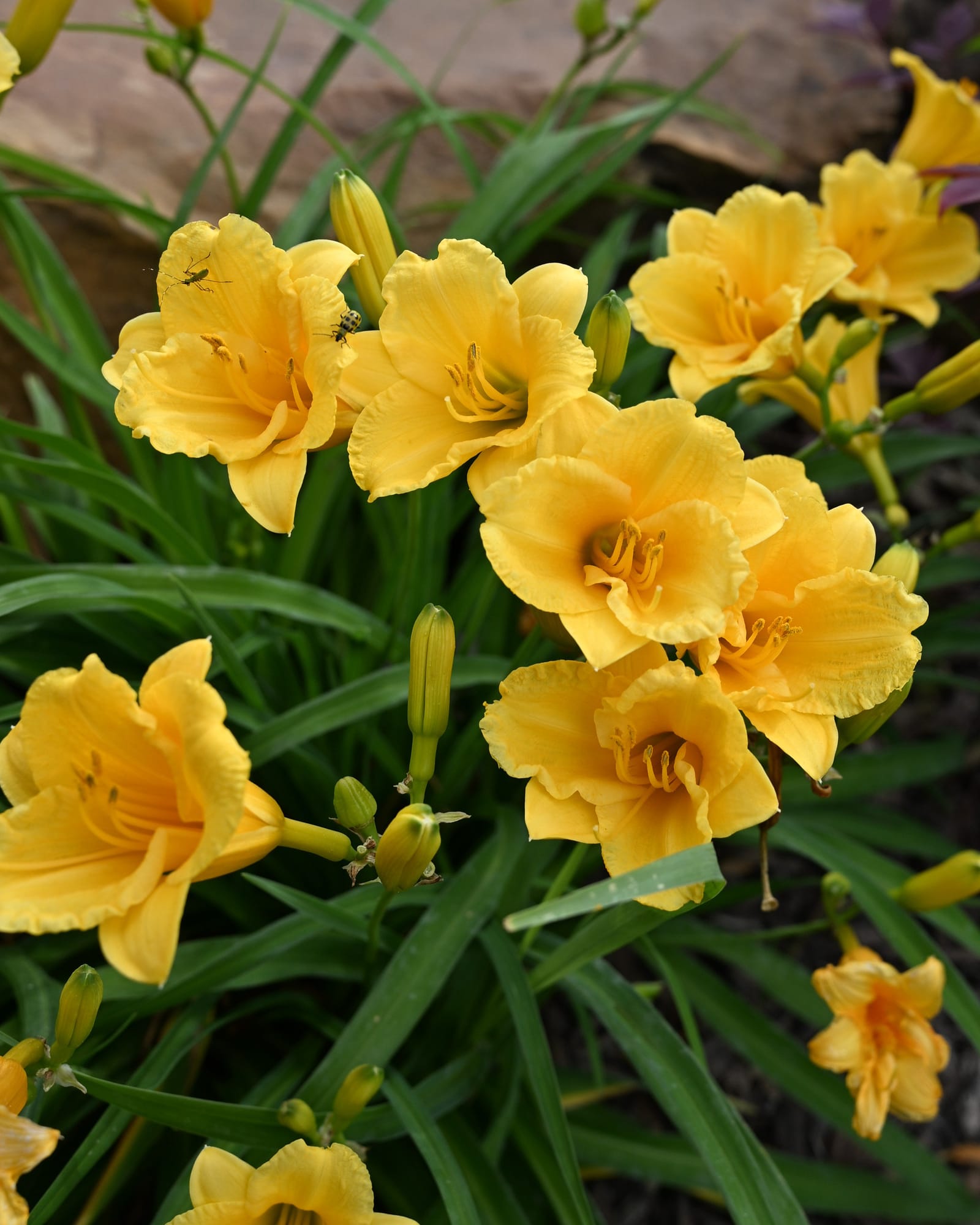
Stella D'Oro Daylily
Maturity: 1.5' H x 1.5' W
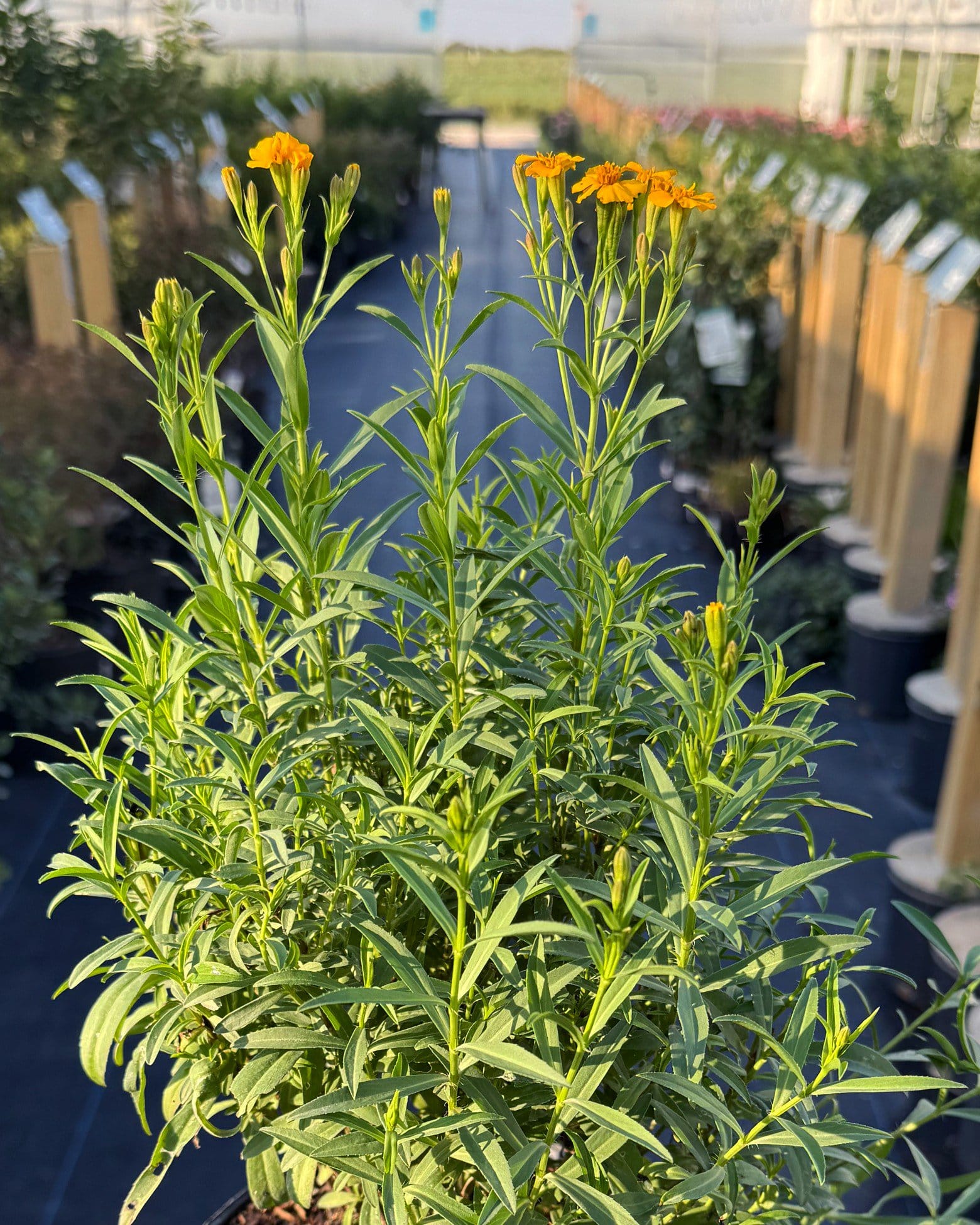
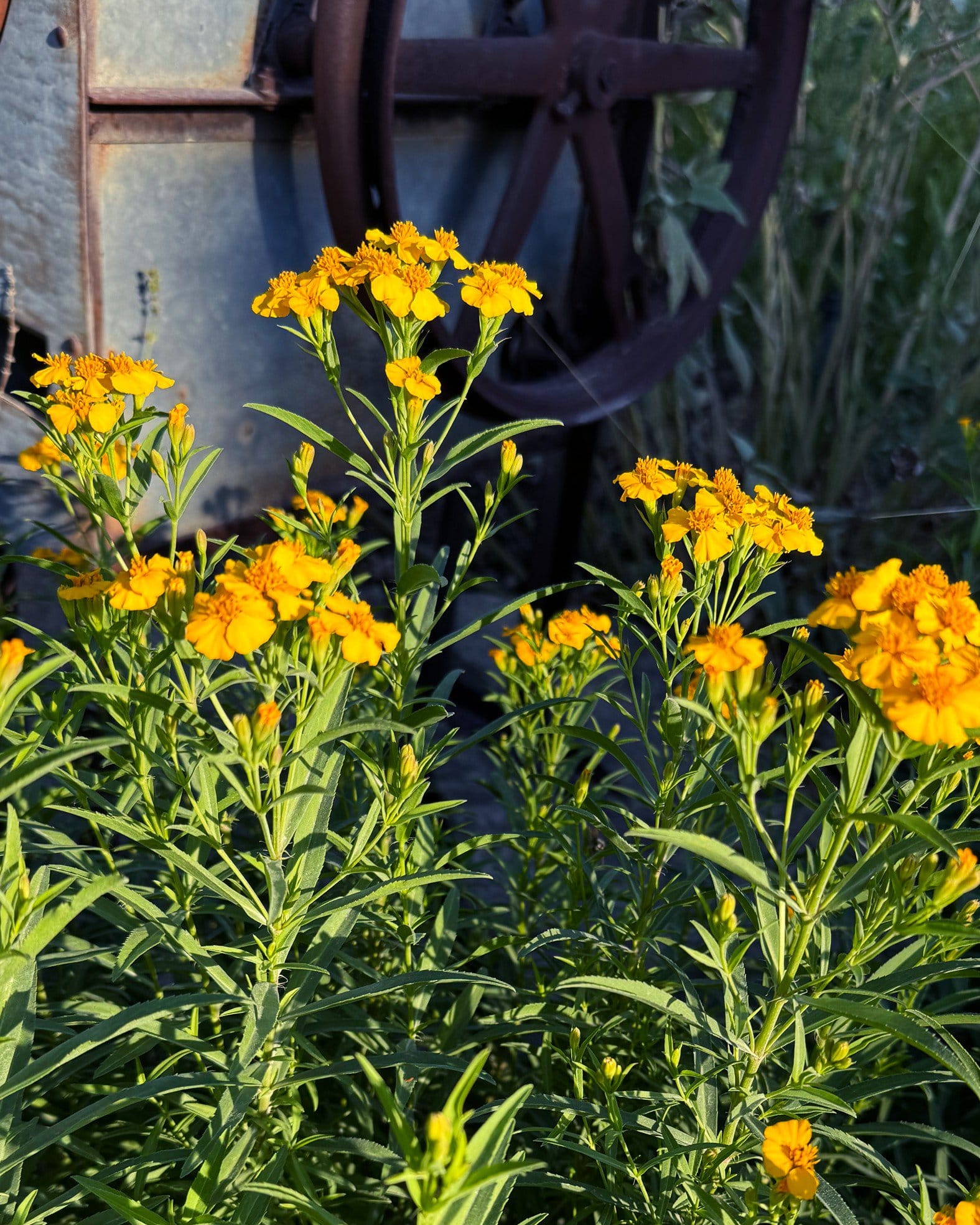
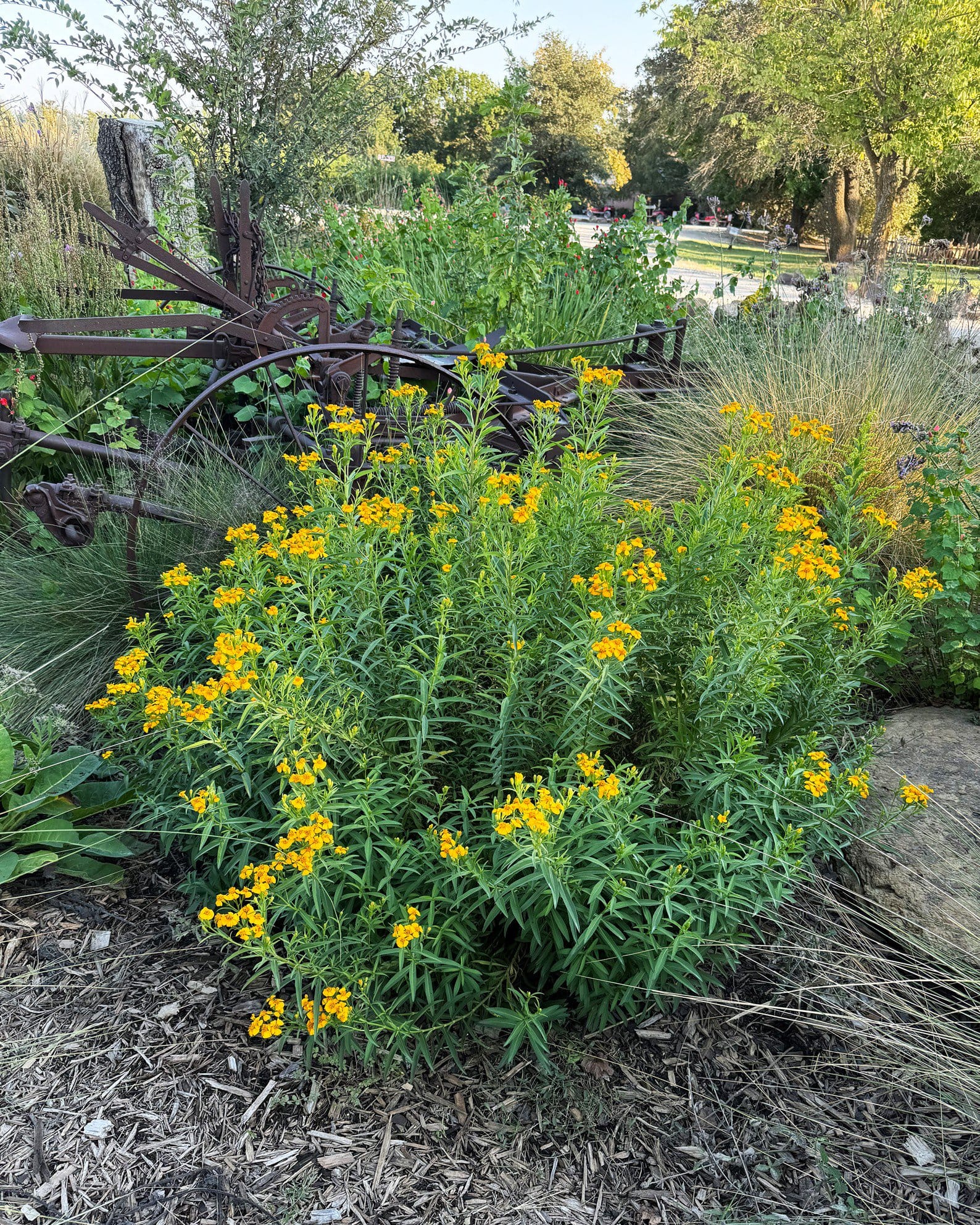
Mexican Mint Marigold
Maturity: 1' H x 1' W
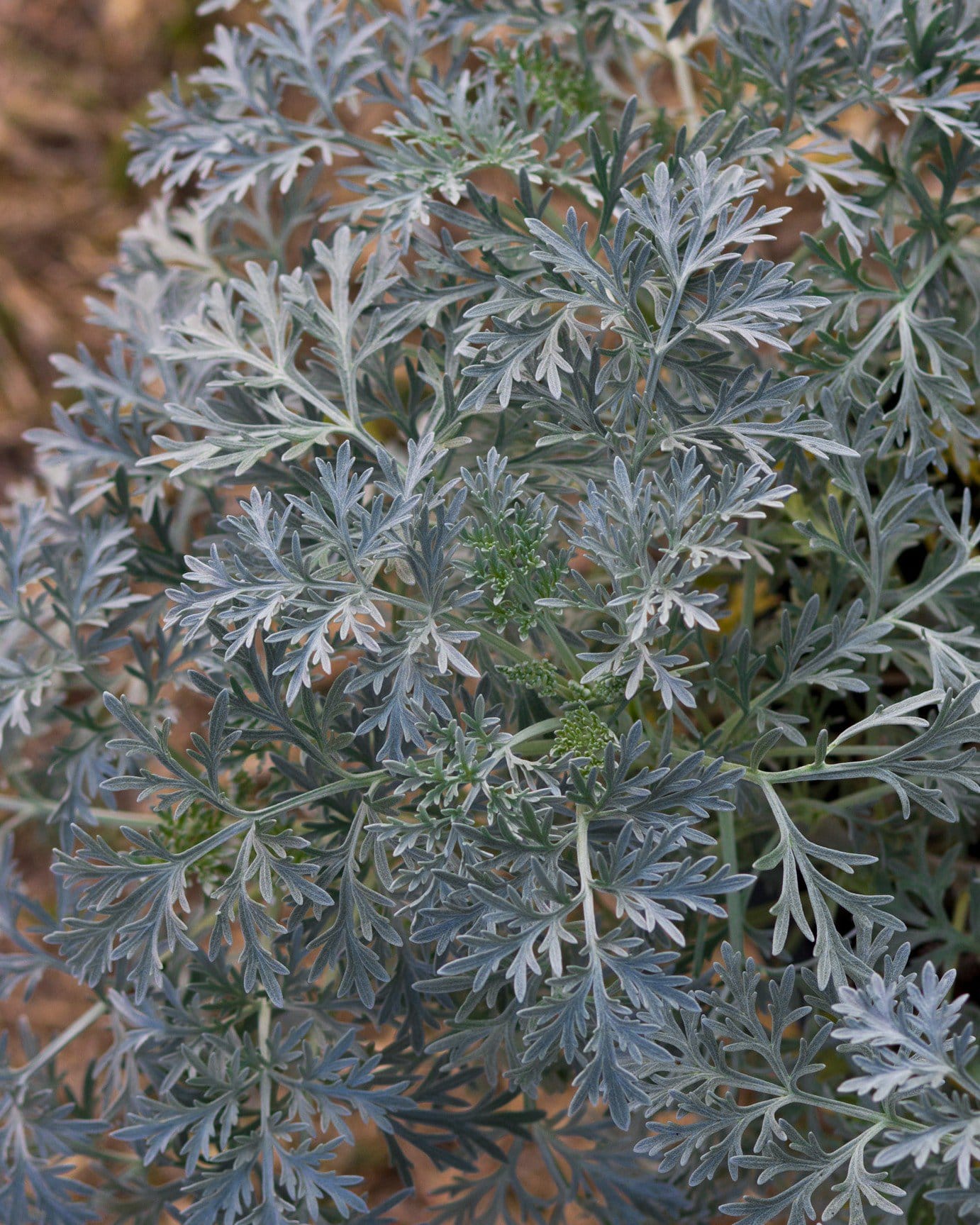
Powis Castle Artemisia
Maturity: 2' H x 3' W
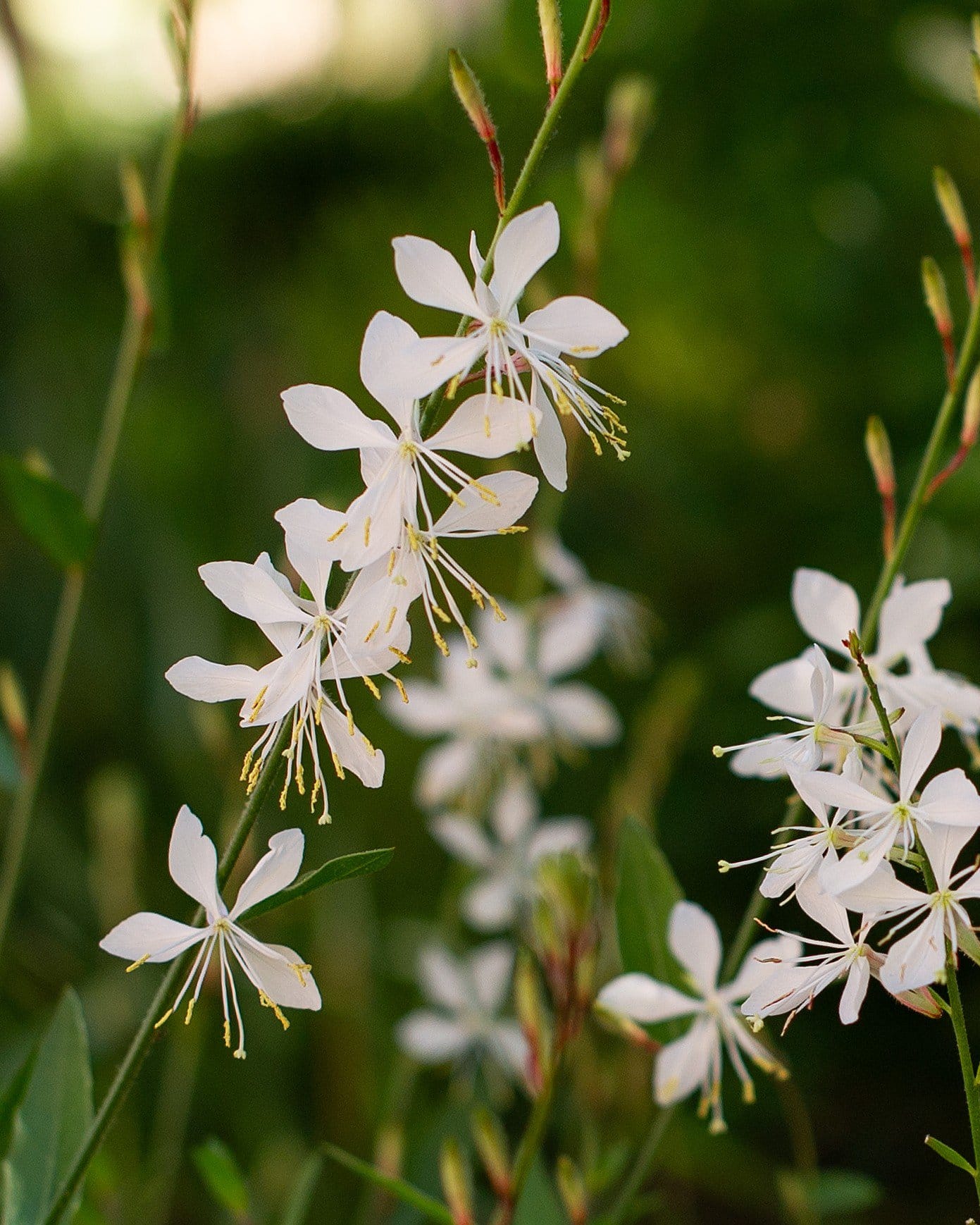
Belleza White Gaura
Maturity: 1' H x 1.5' W
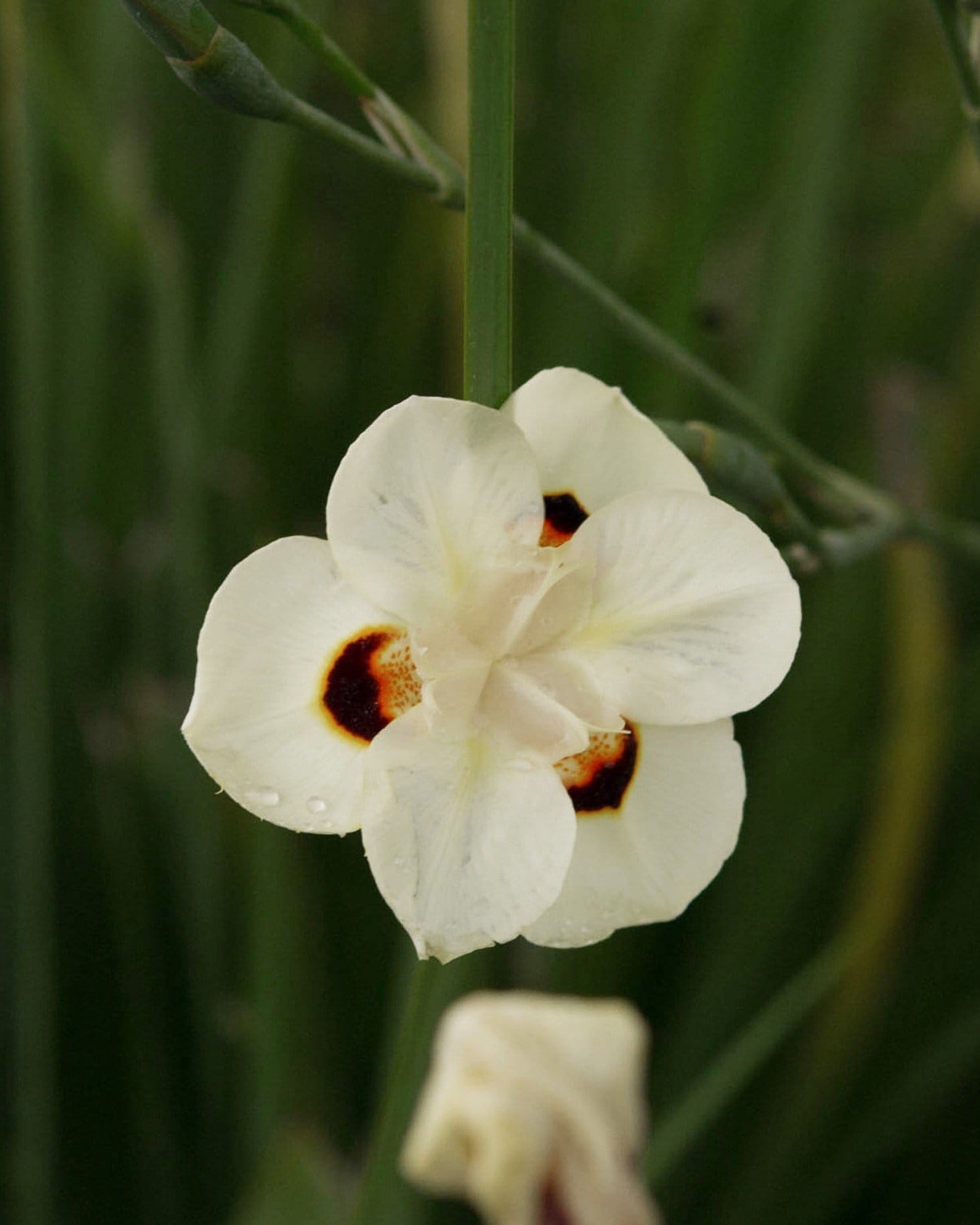
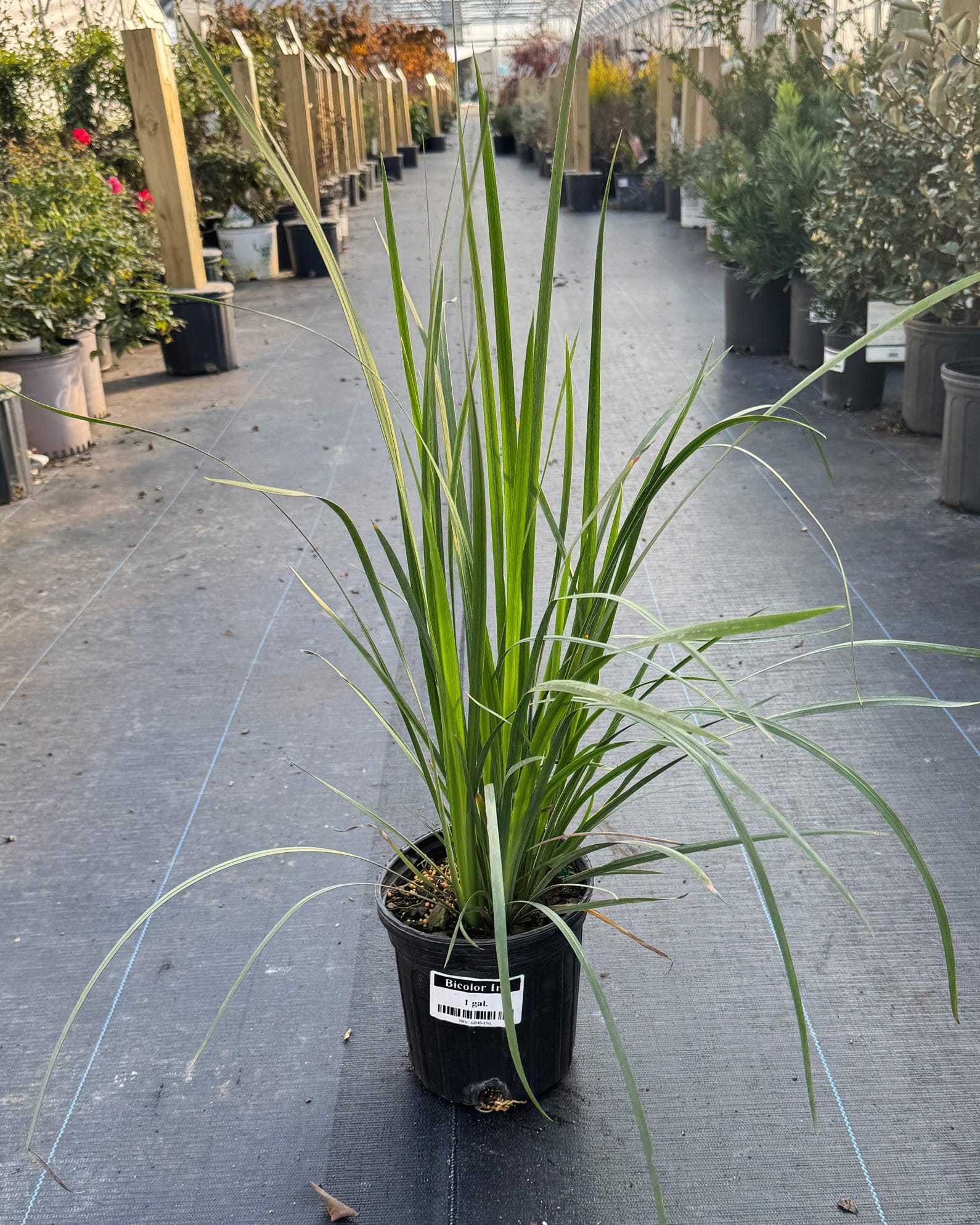
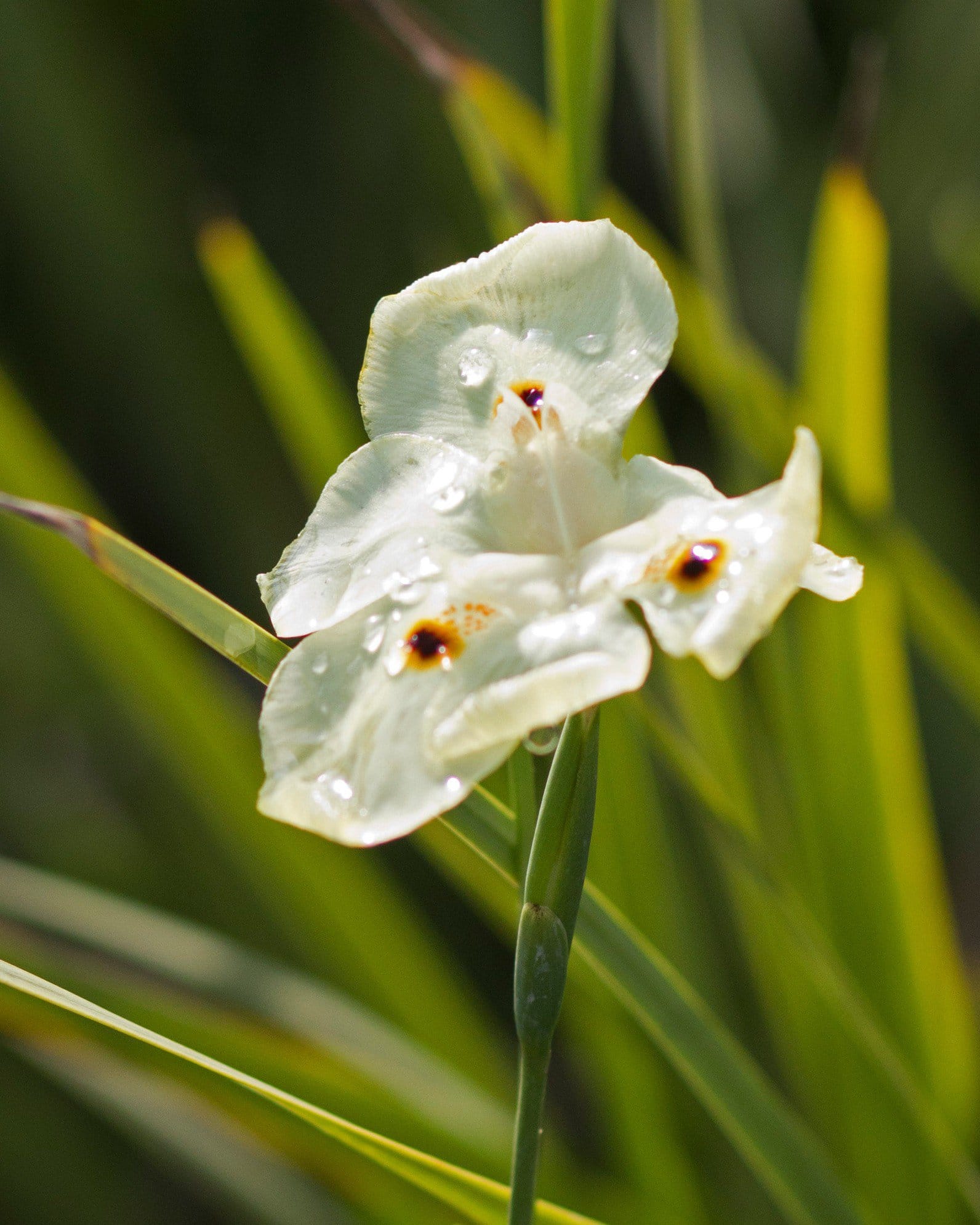
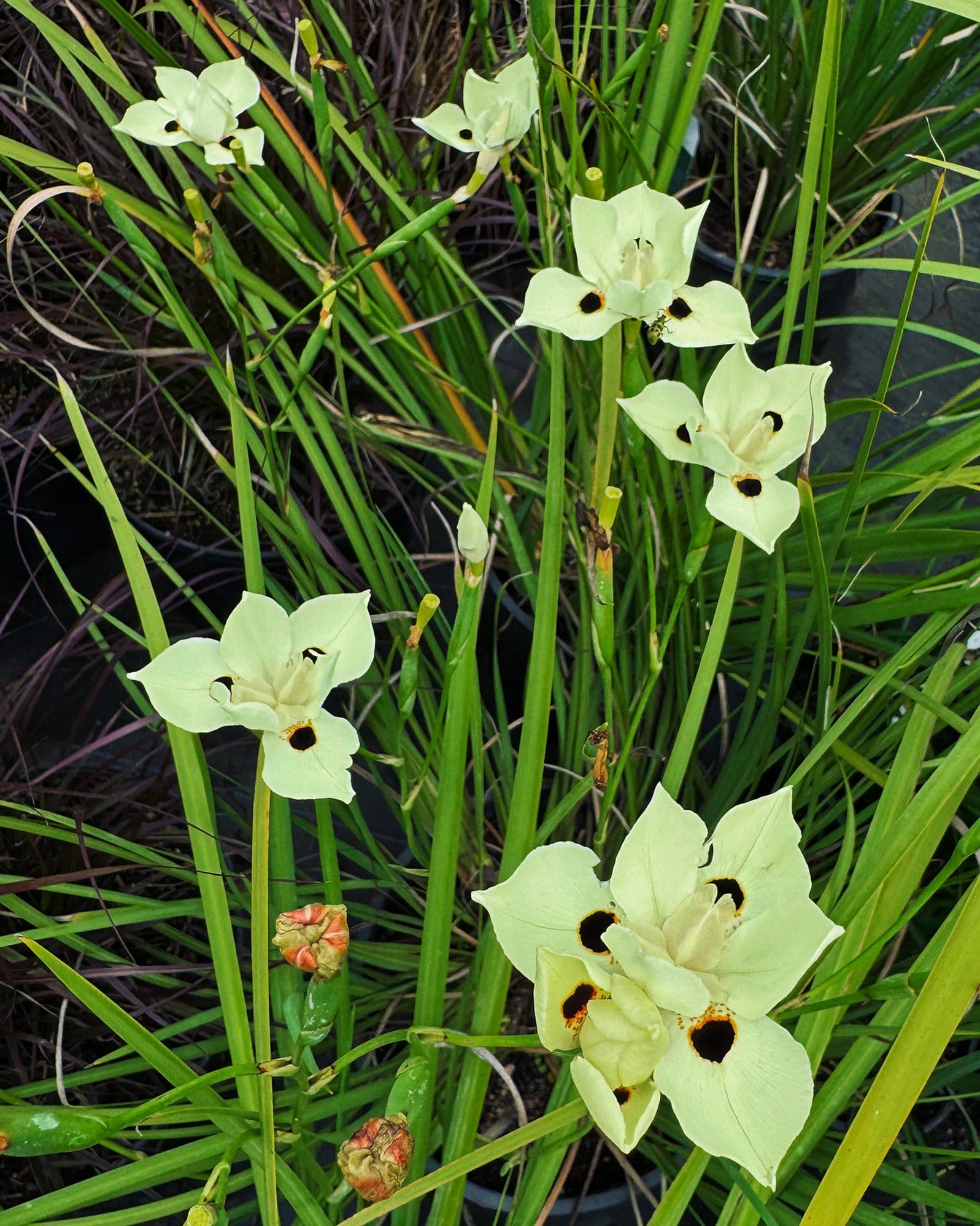
Bicolor Iris
Maturity: 2' H x 2' W
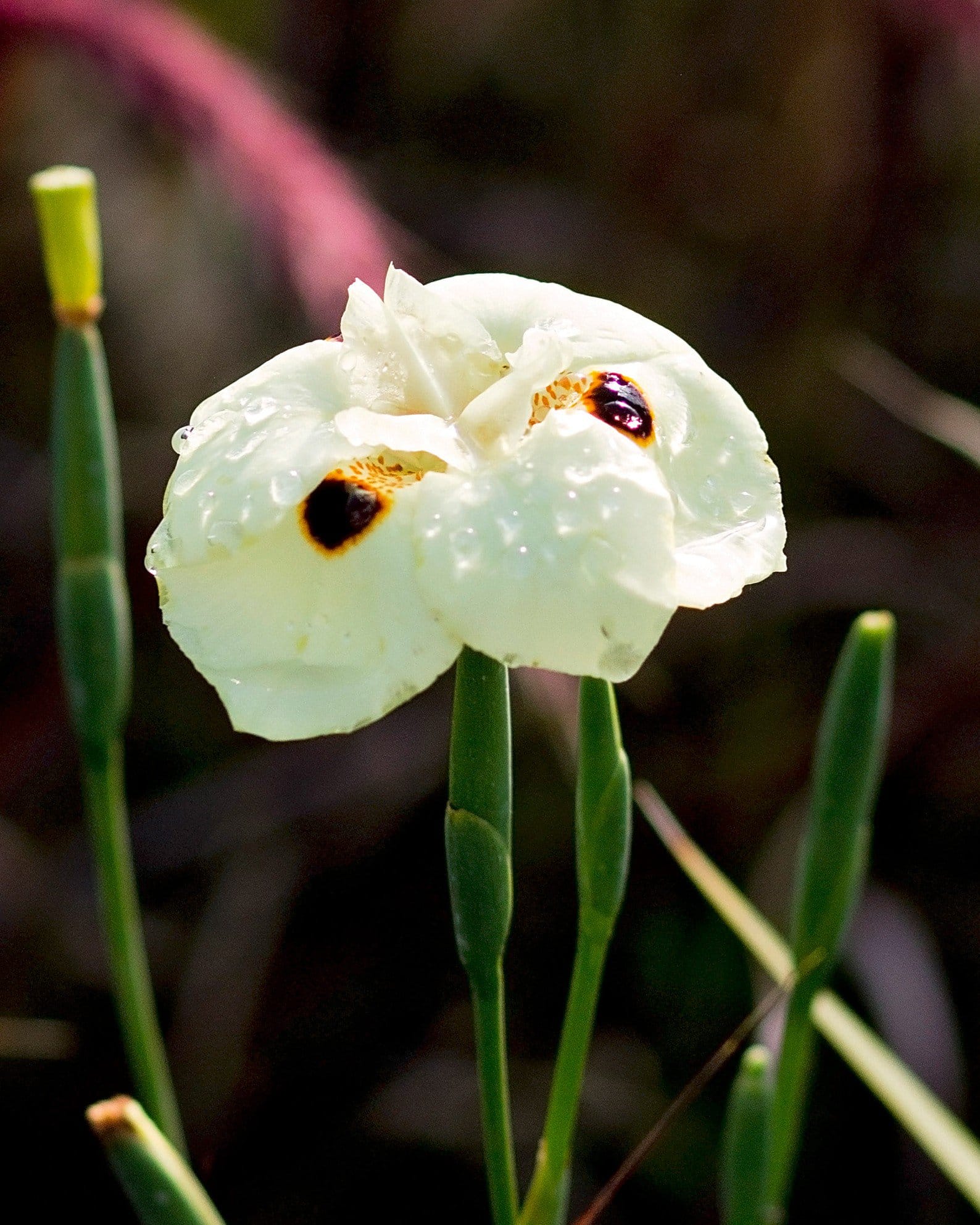
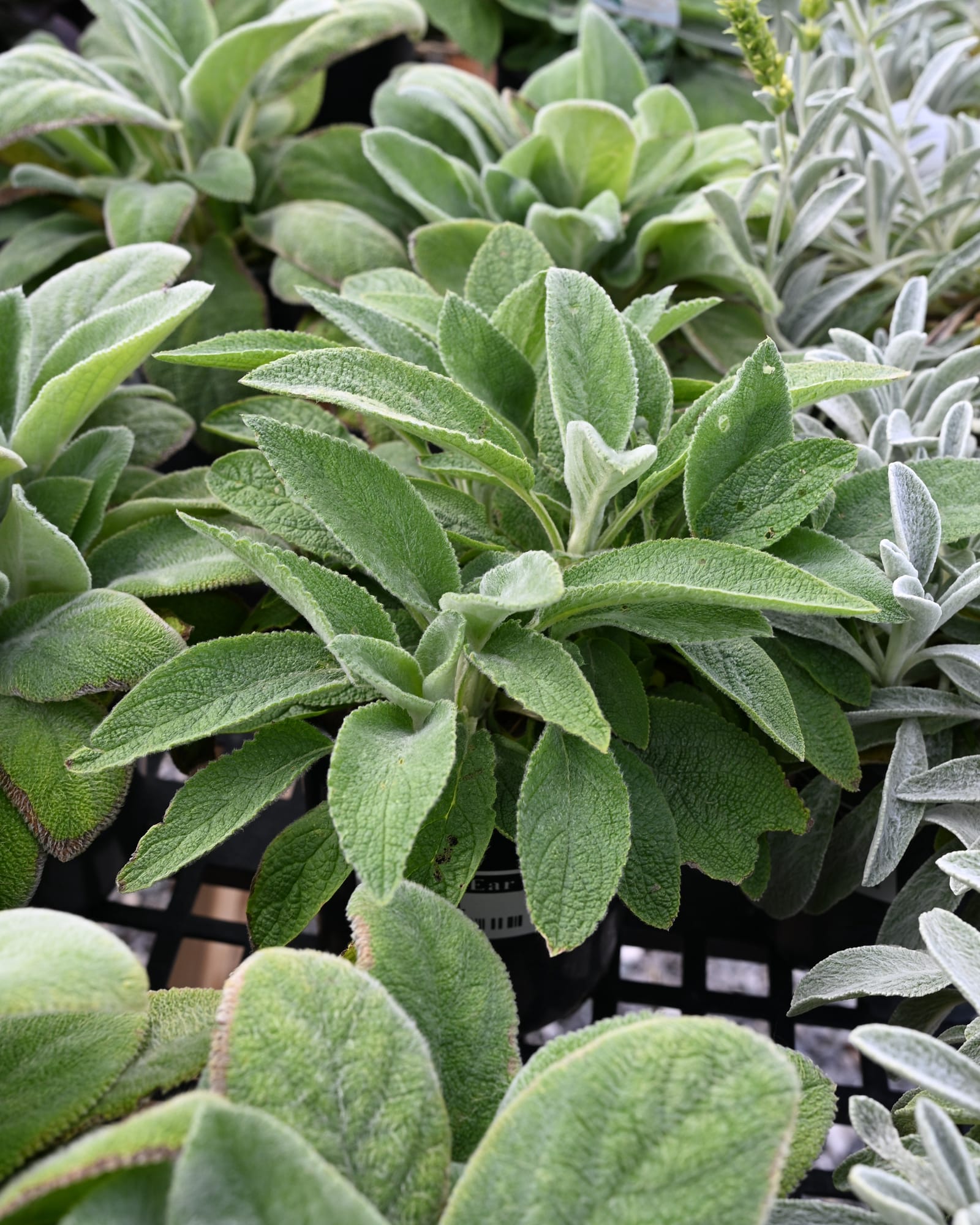
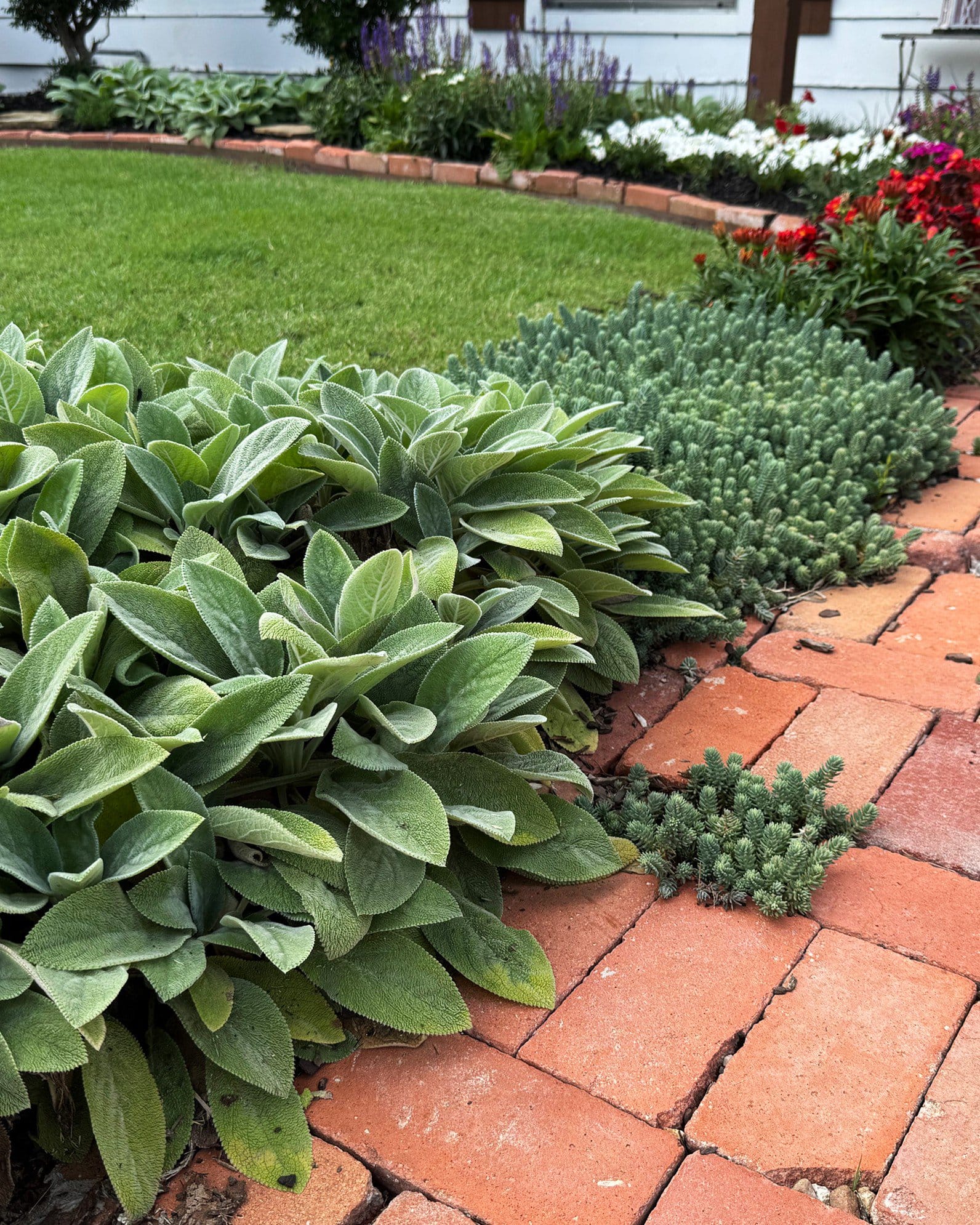
Lamb's Ear
Maturity: 1' H x 1.5' W
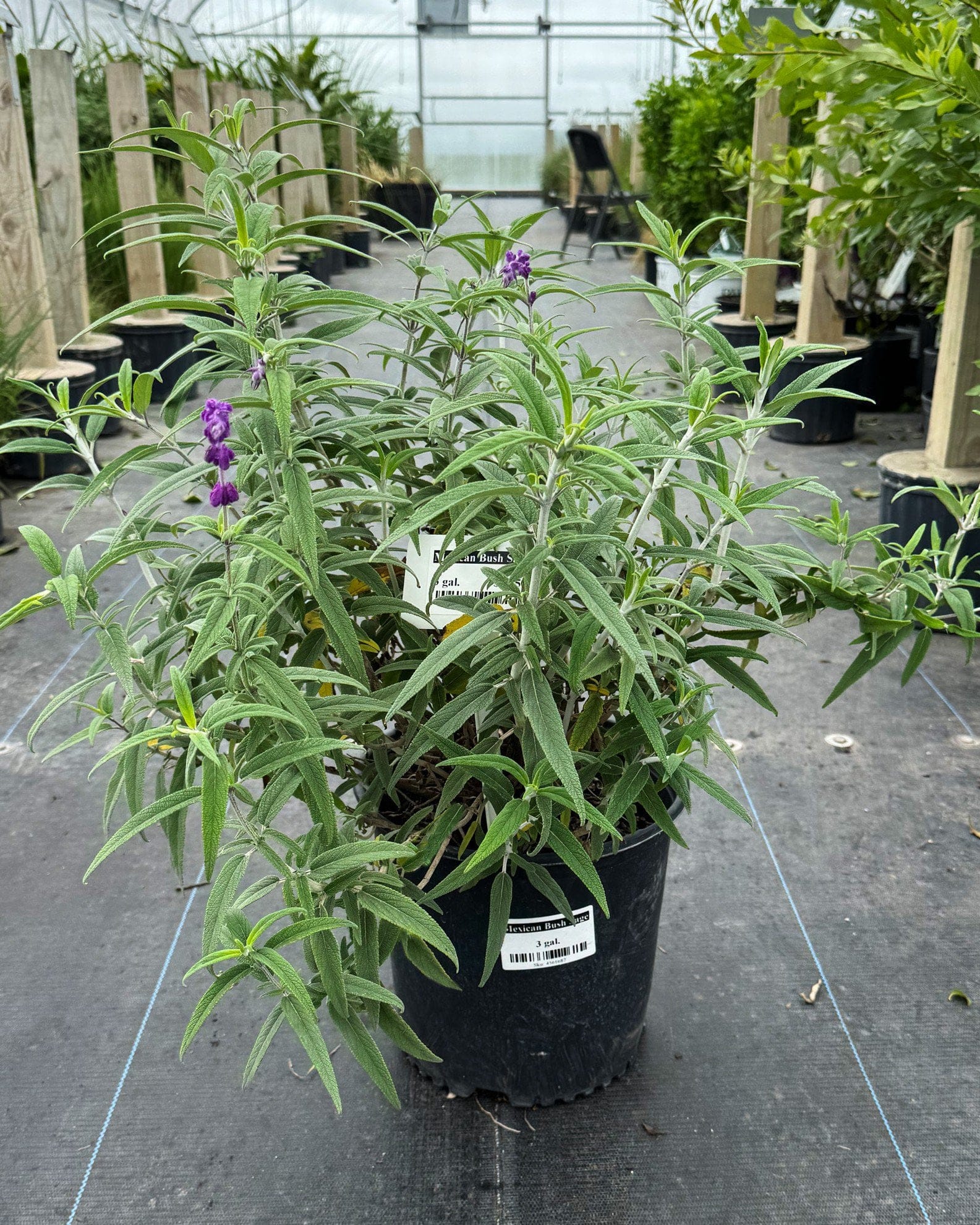
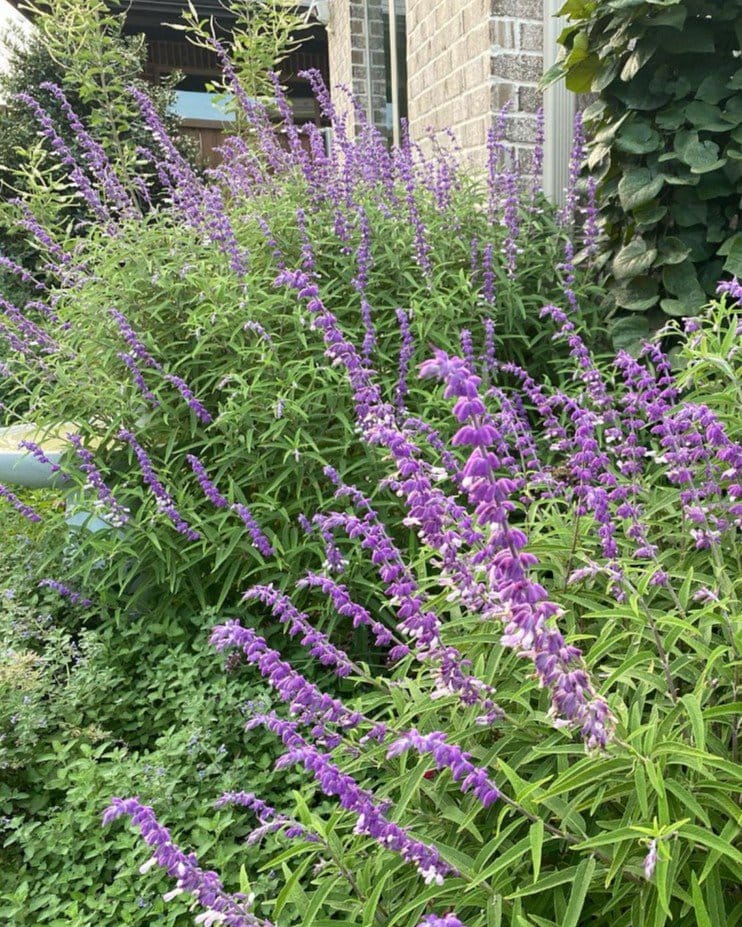
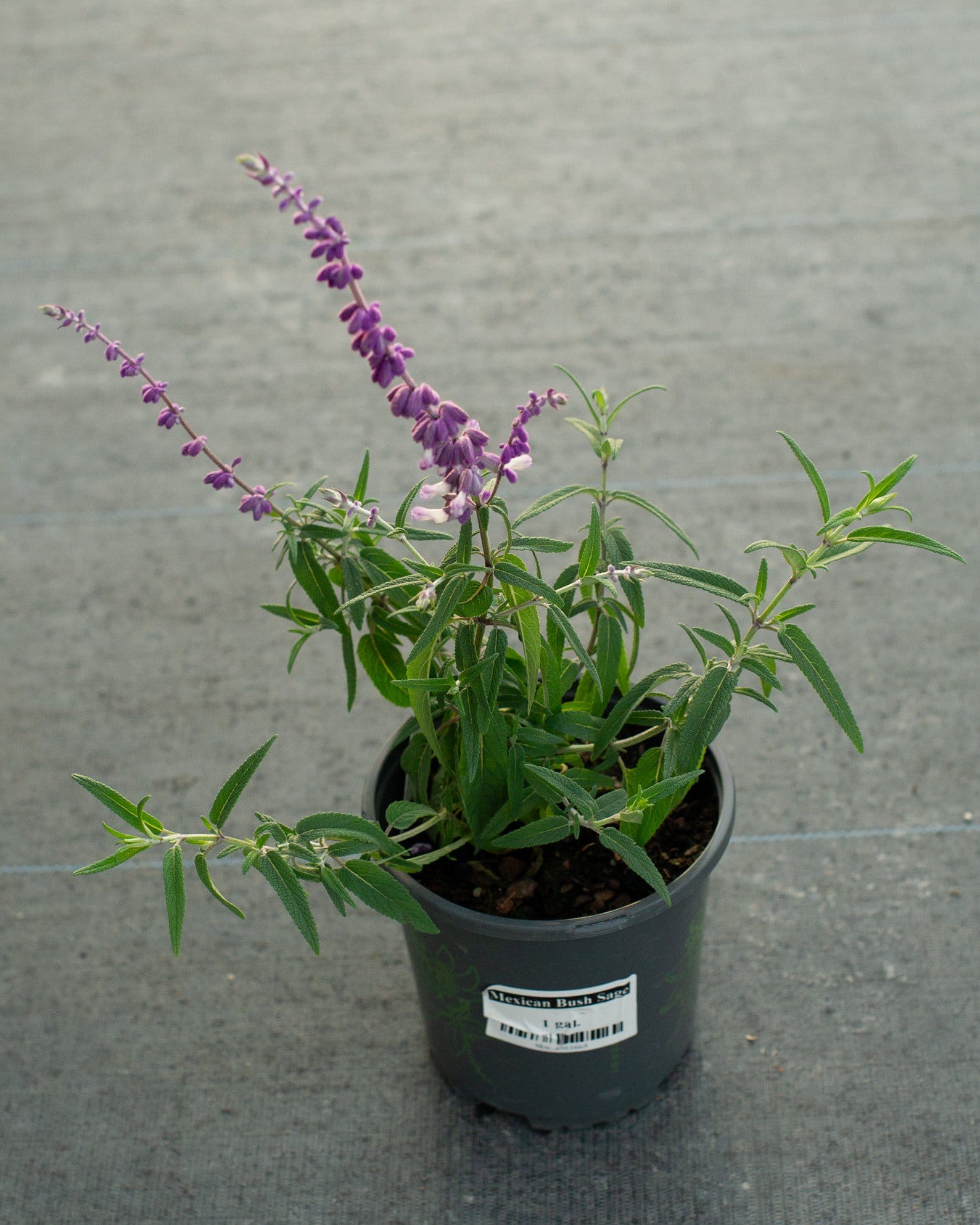
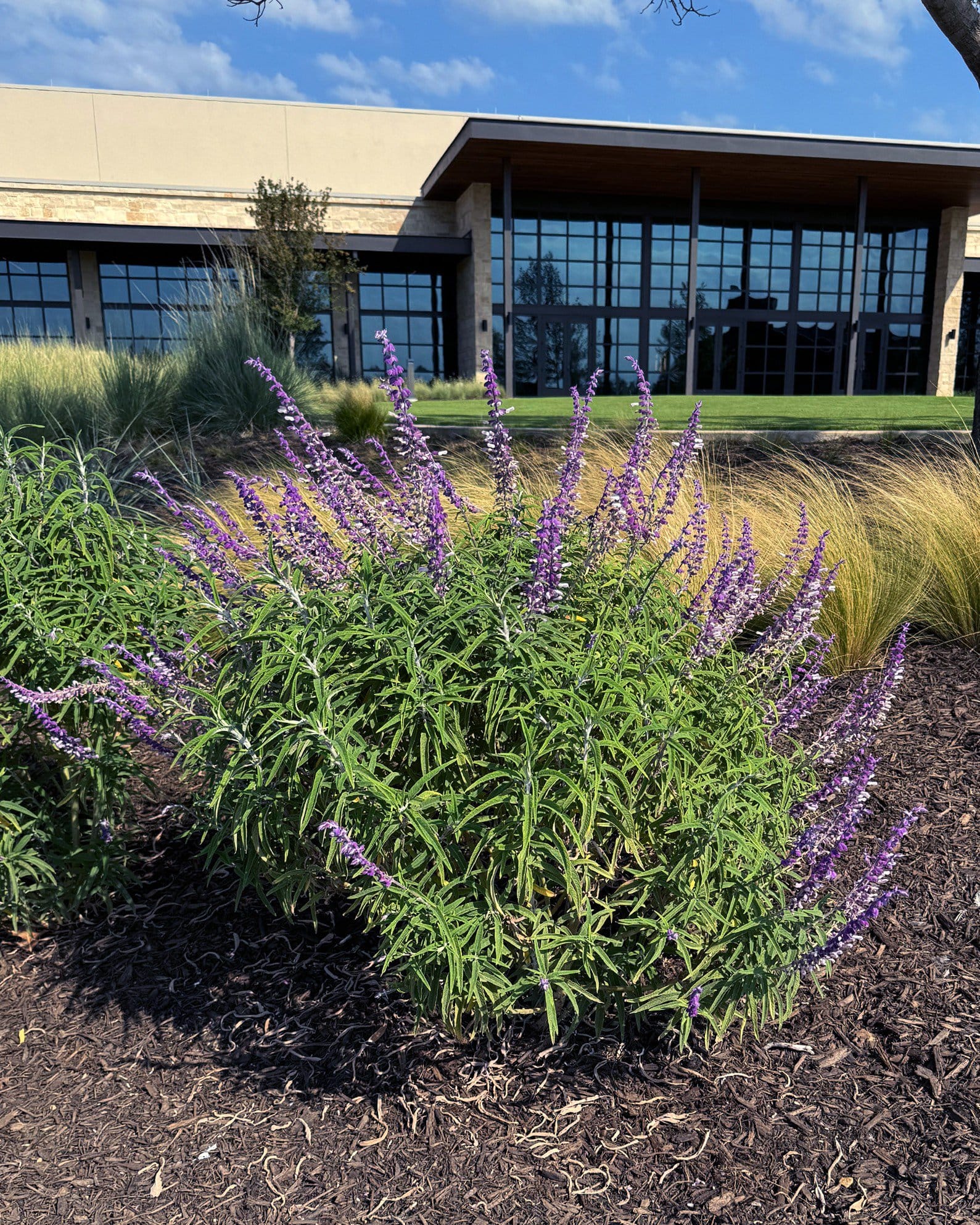
Mexican Bush Sage
Maturity: 3' H x 3' W
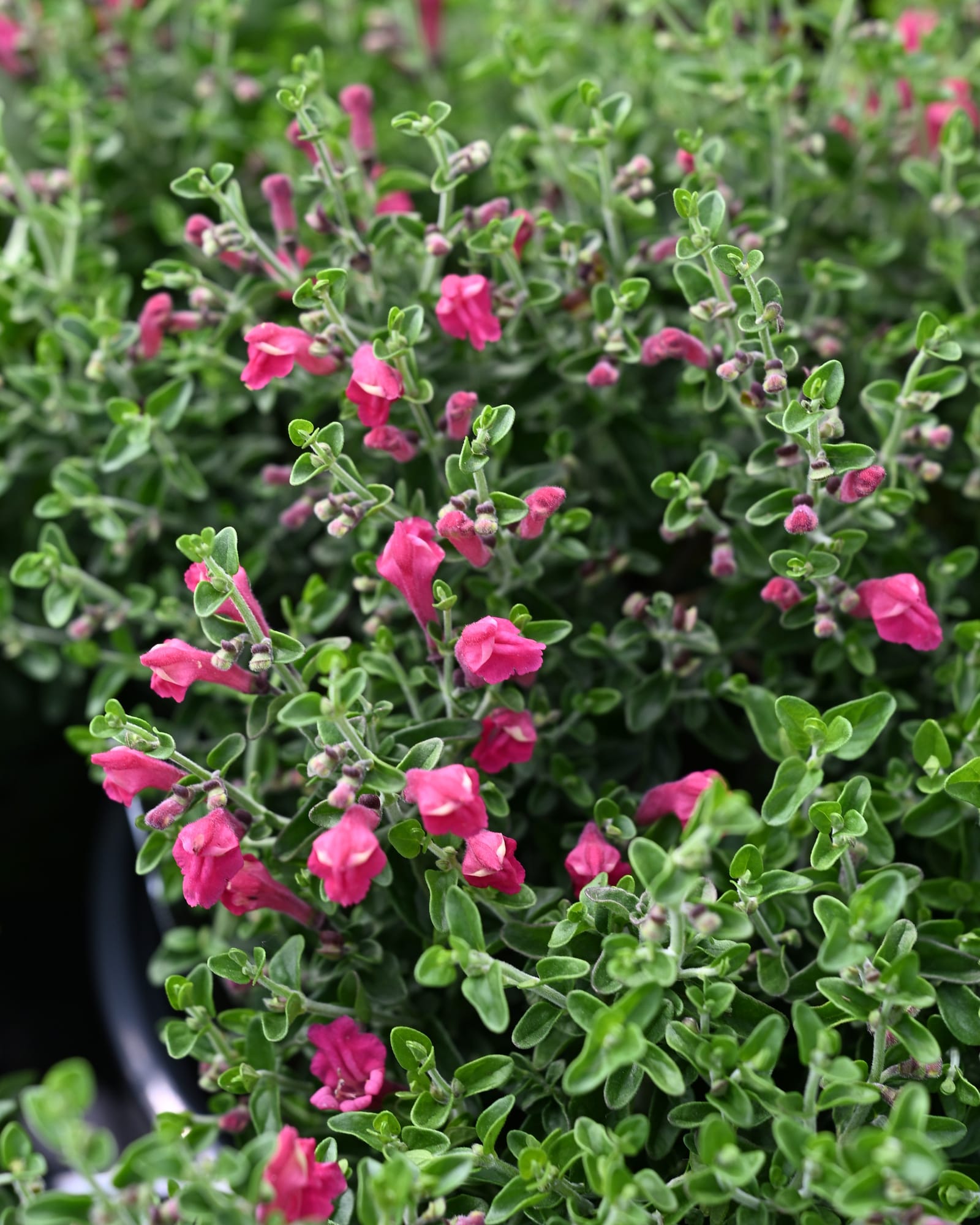
Pink Skullcap
Maturity: 1' H x 2' W
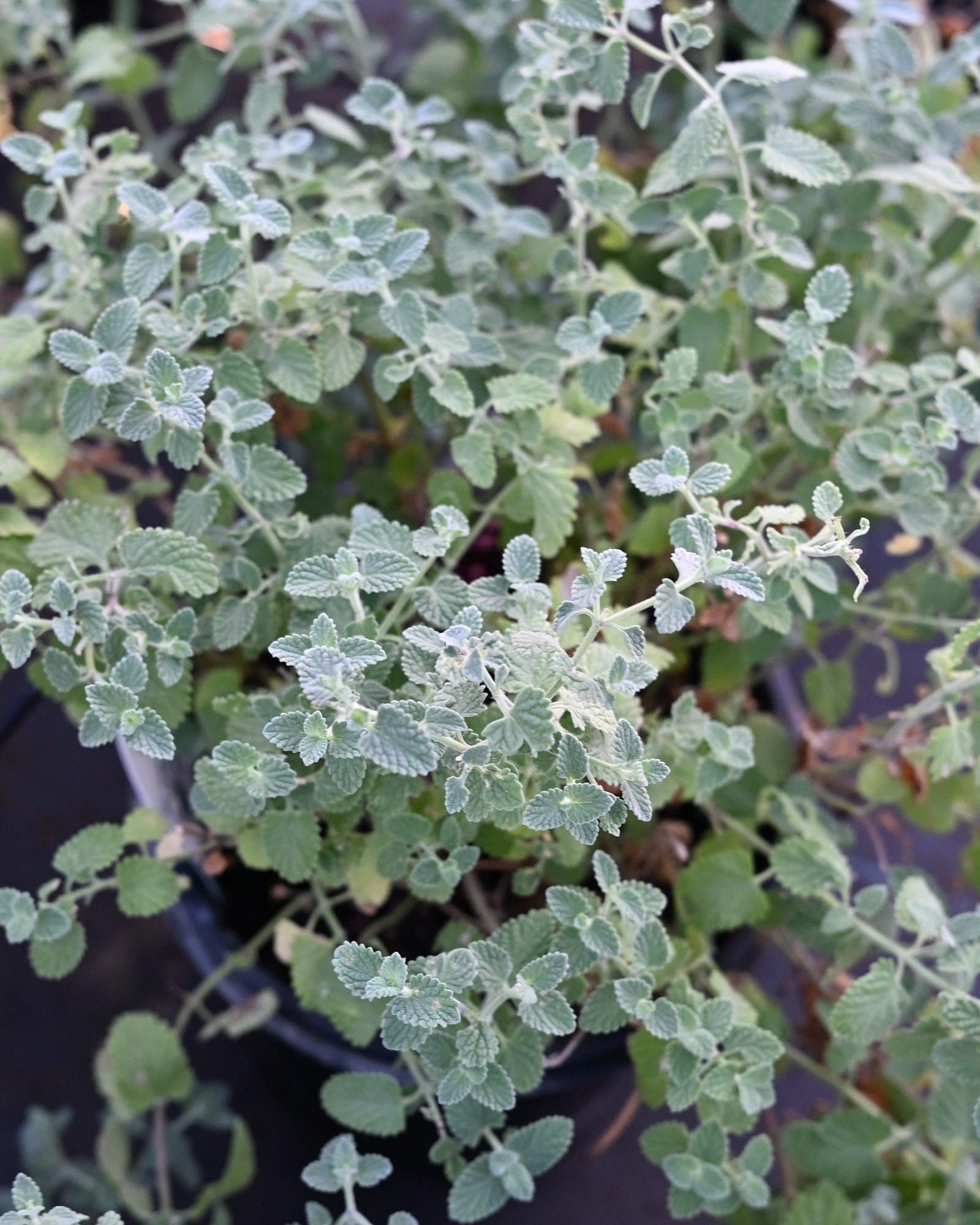
Six Hills Giant Catmint
Maturity: 2' H x 3' W
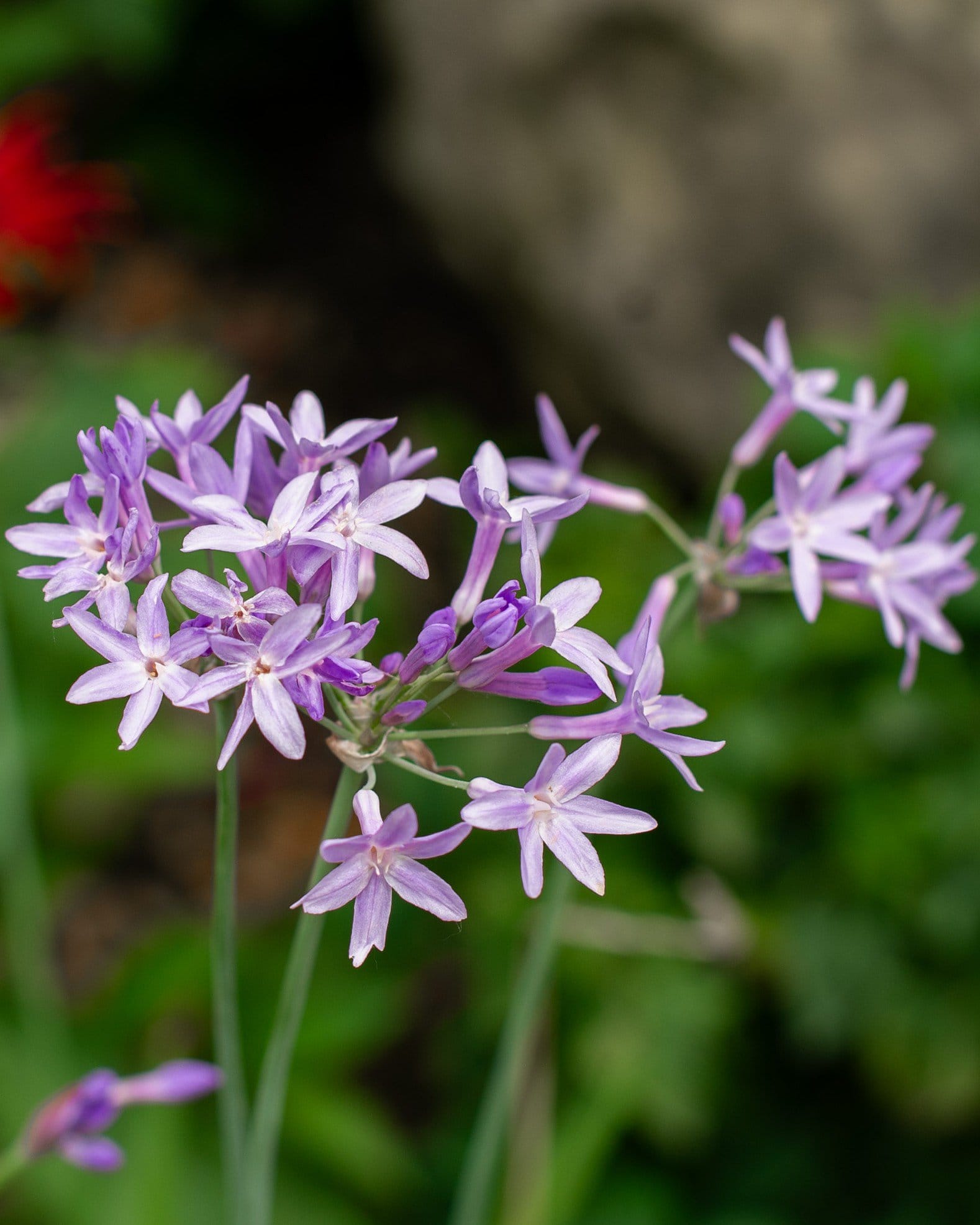
Society Garlic
Maturity: 1' H x 1' W
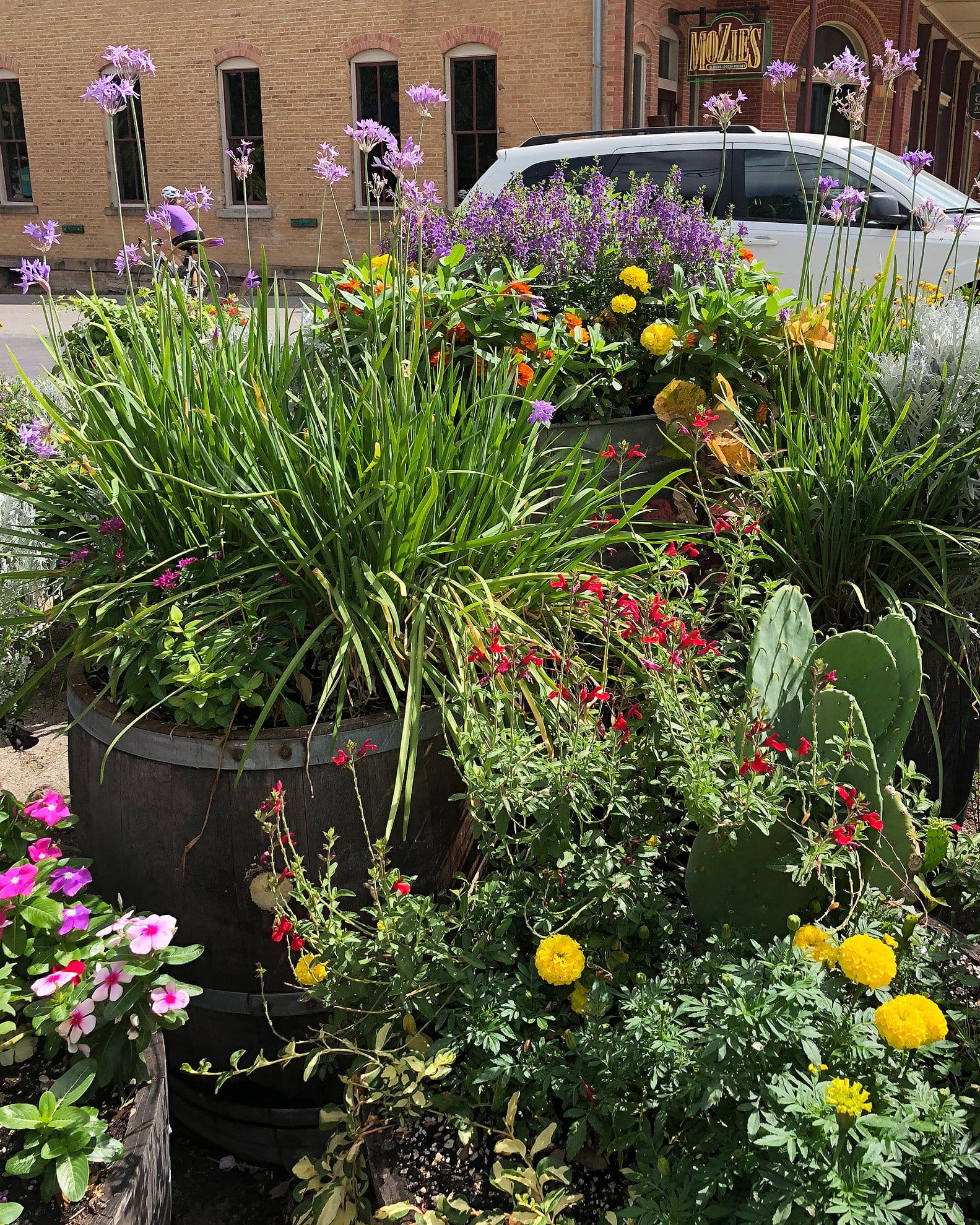
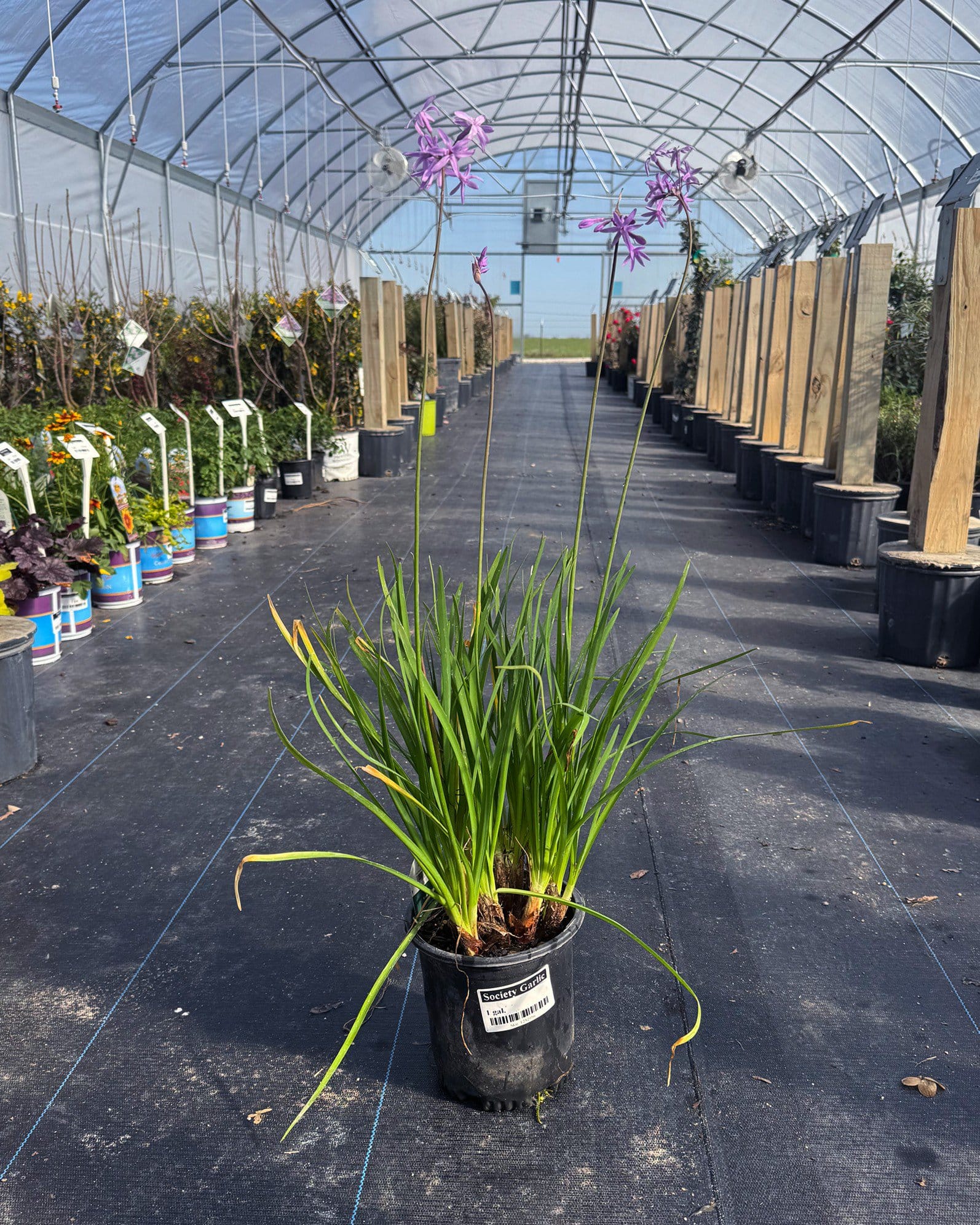
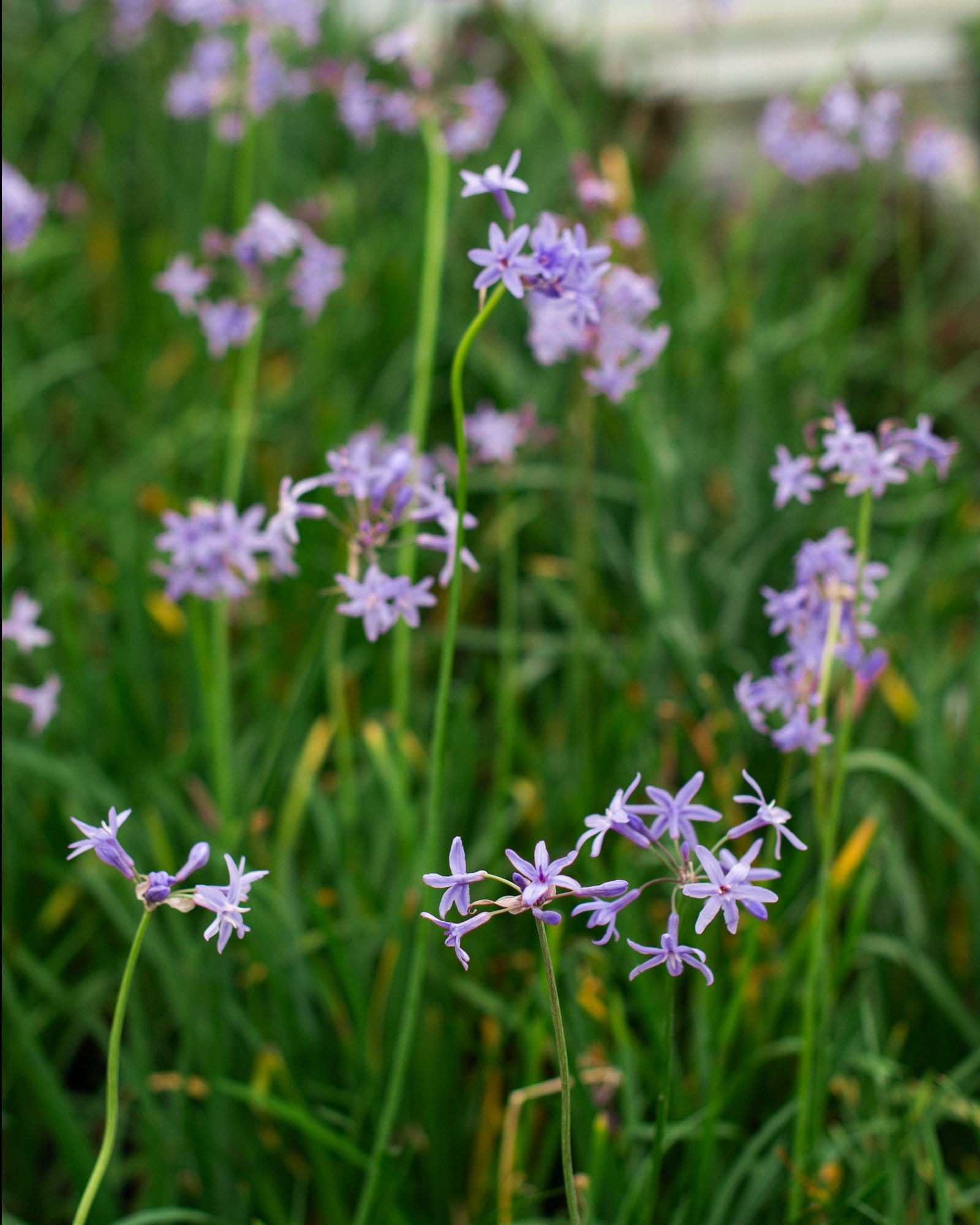
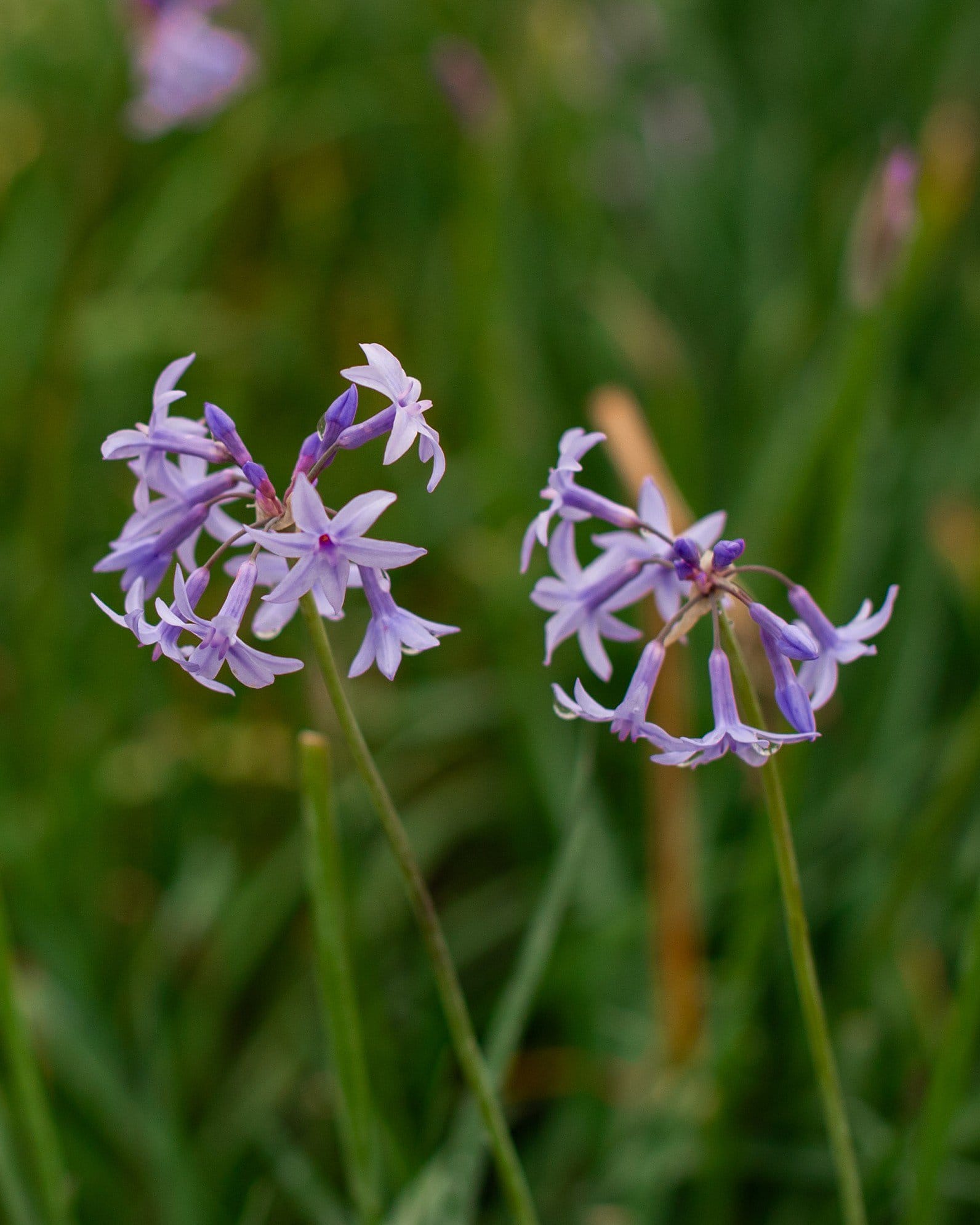
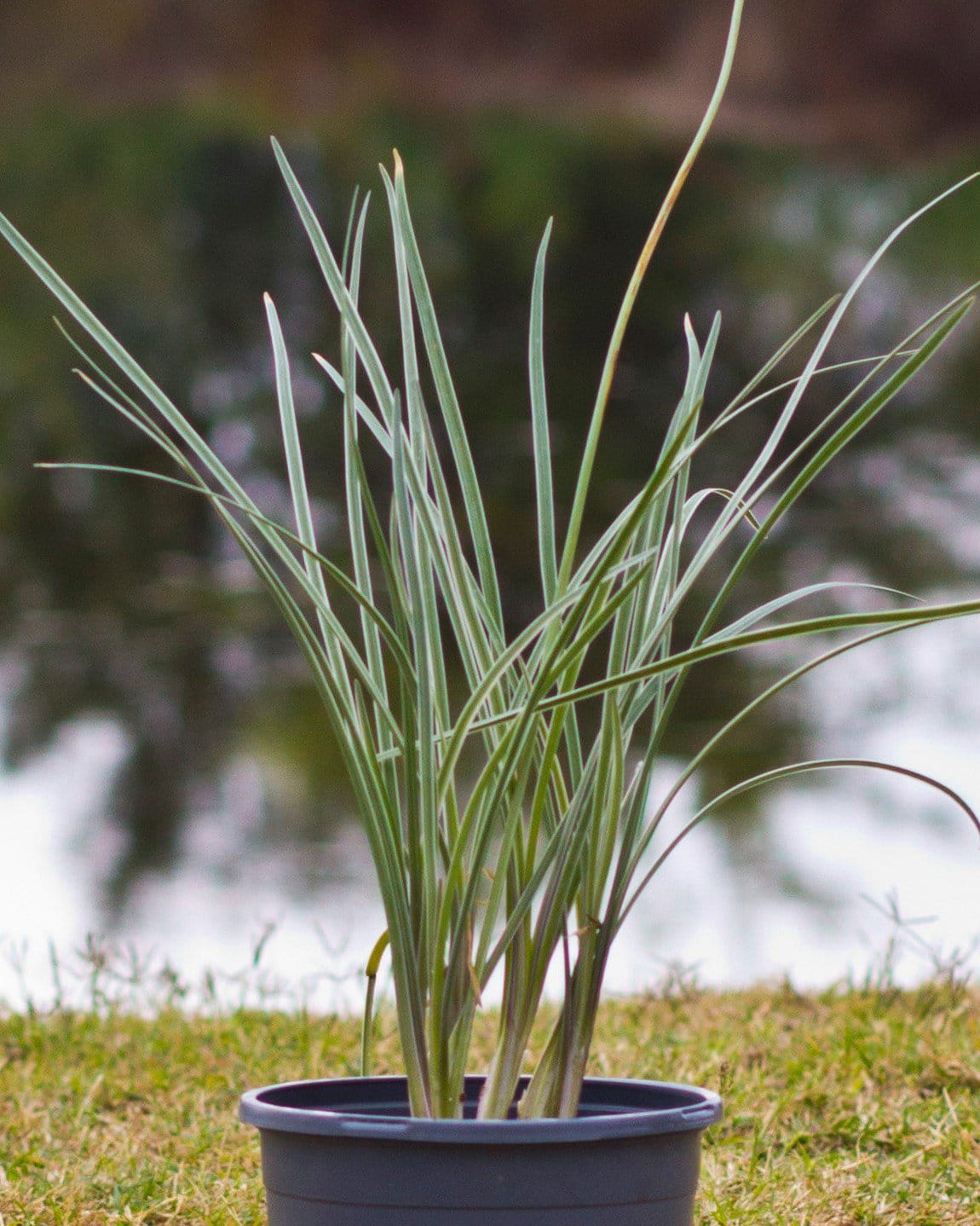
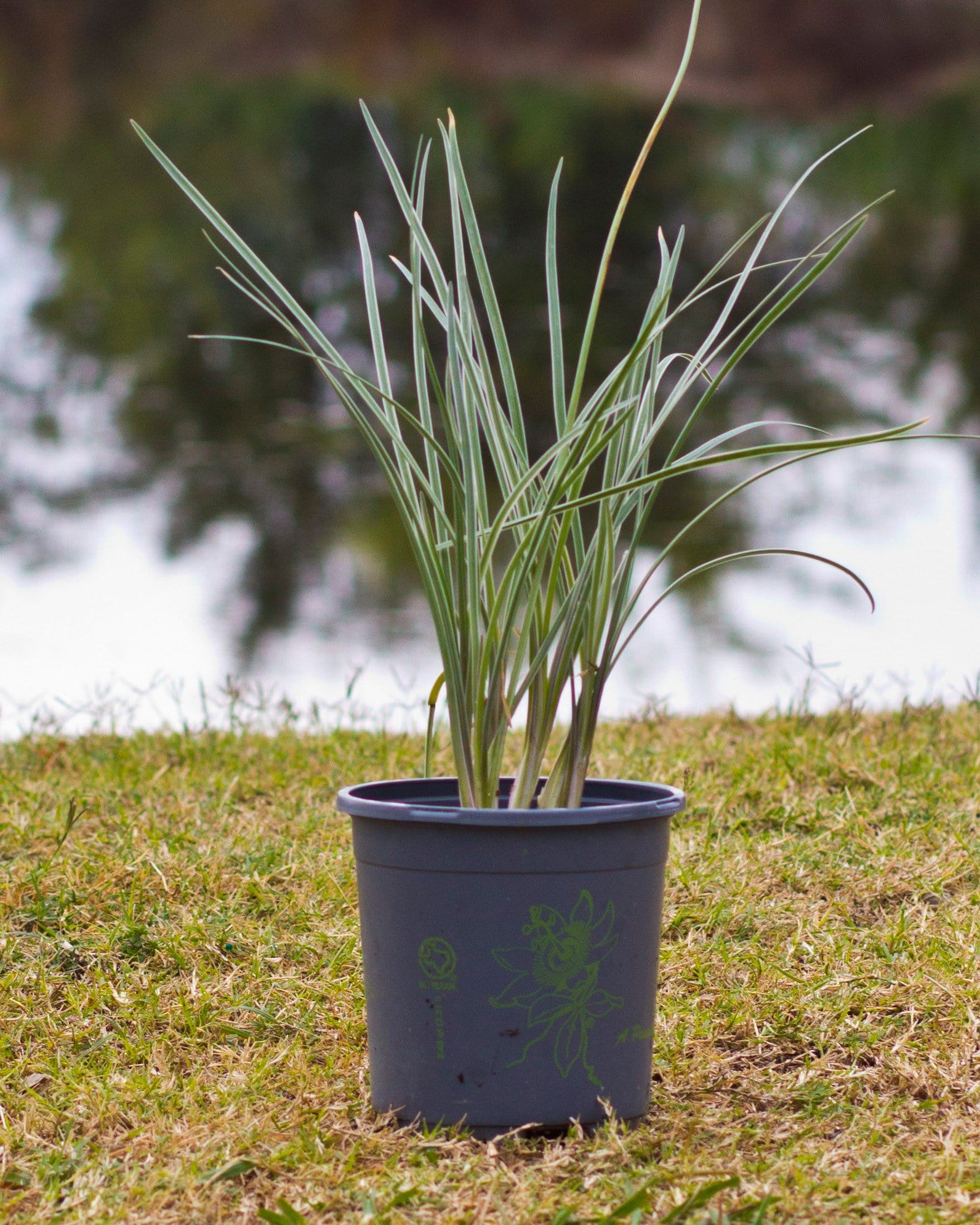
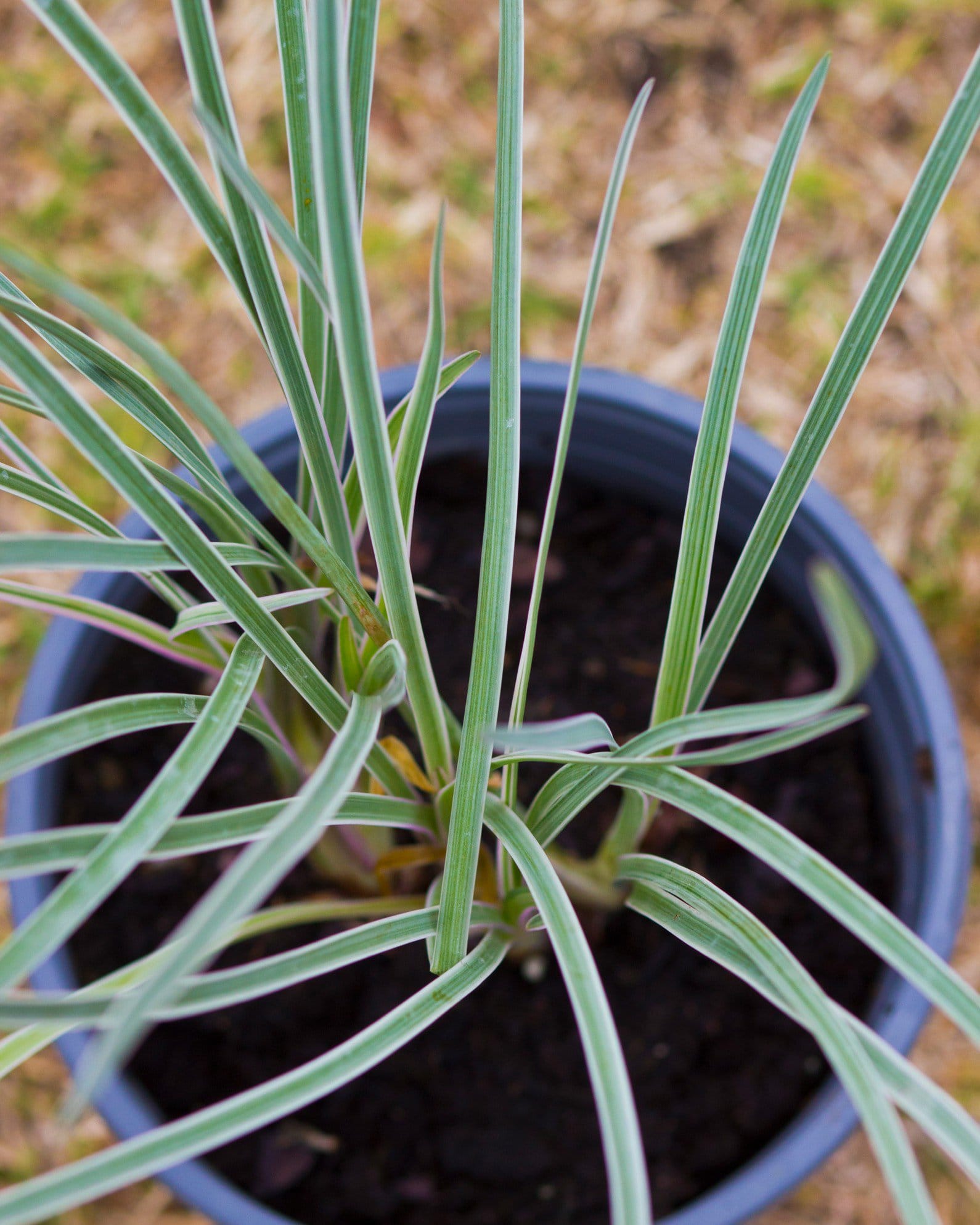
Society Garlic Silver Lace
Maturity: 1' H x 1' W
Walker's Low Catmint
Maturity: 2' H x 3' W
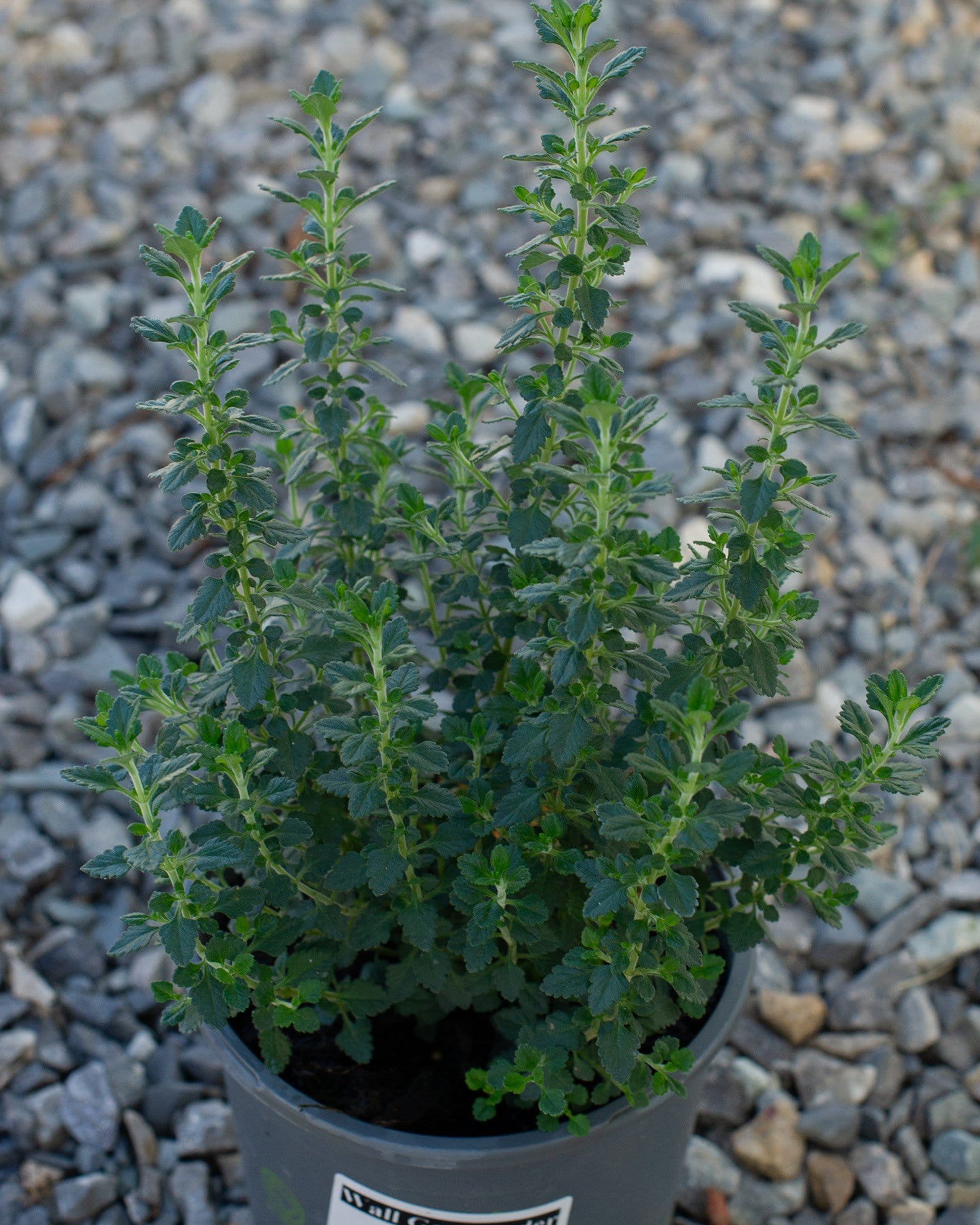
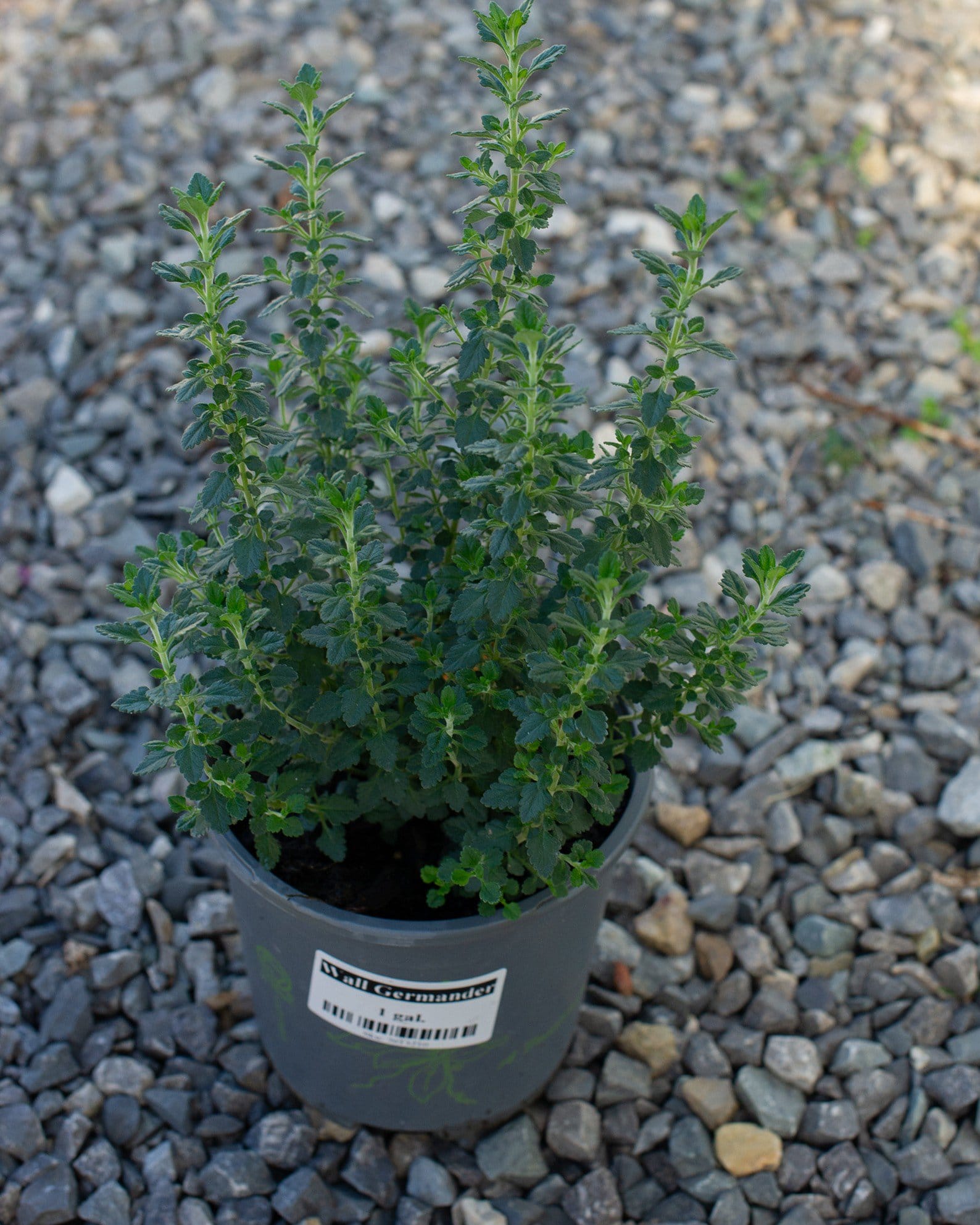
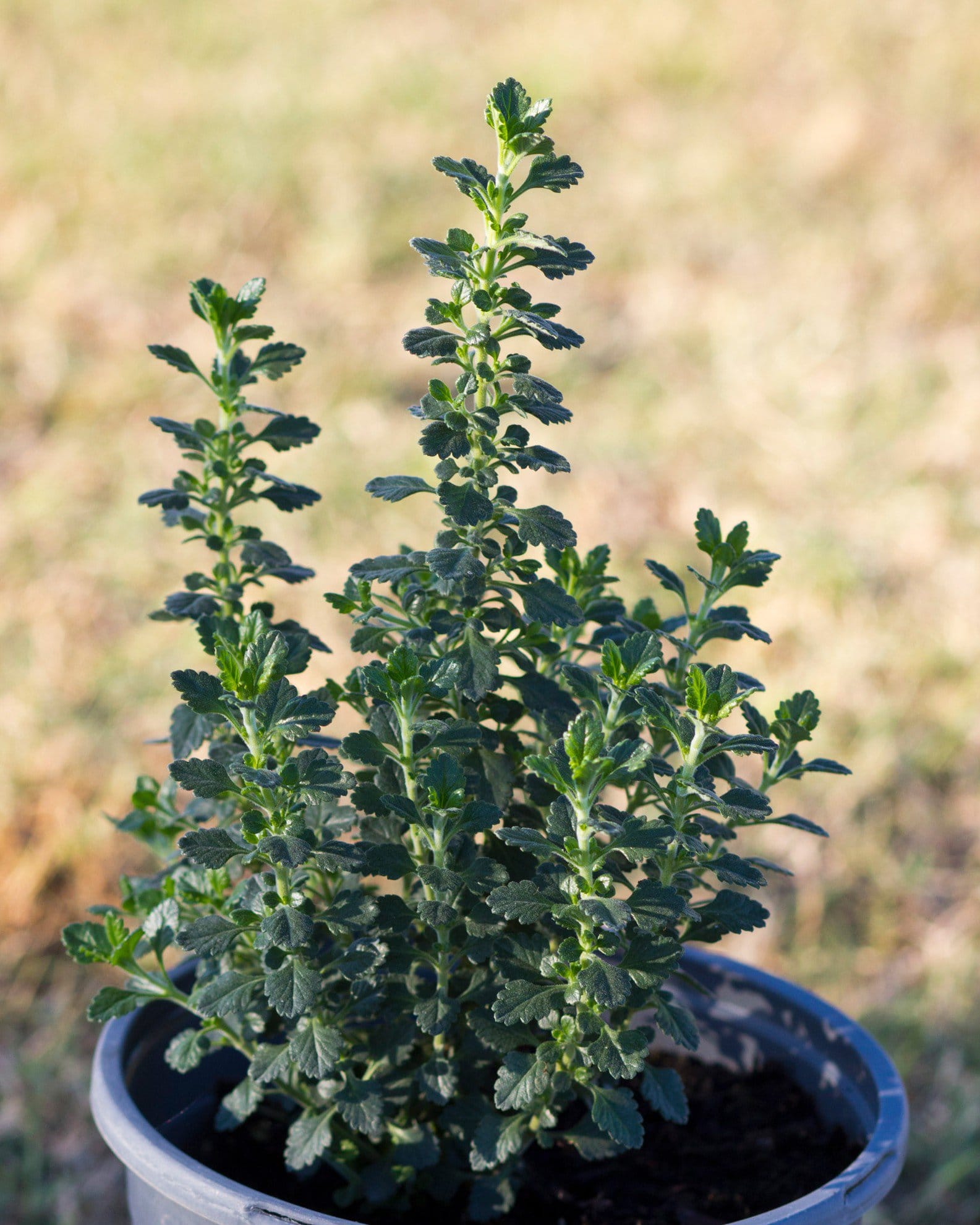
Wall Germander
Maturity: 1' H x 1' W
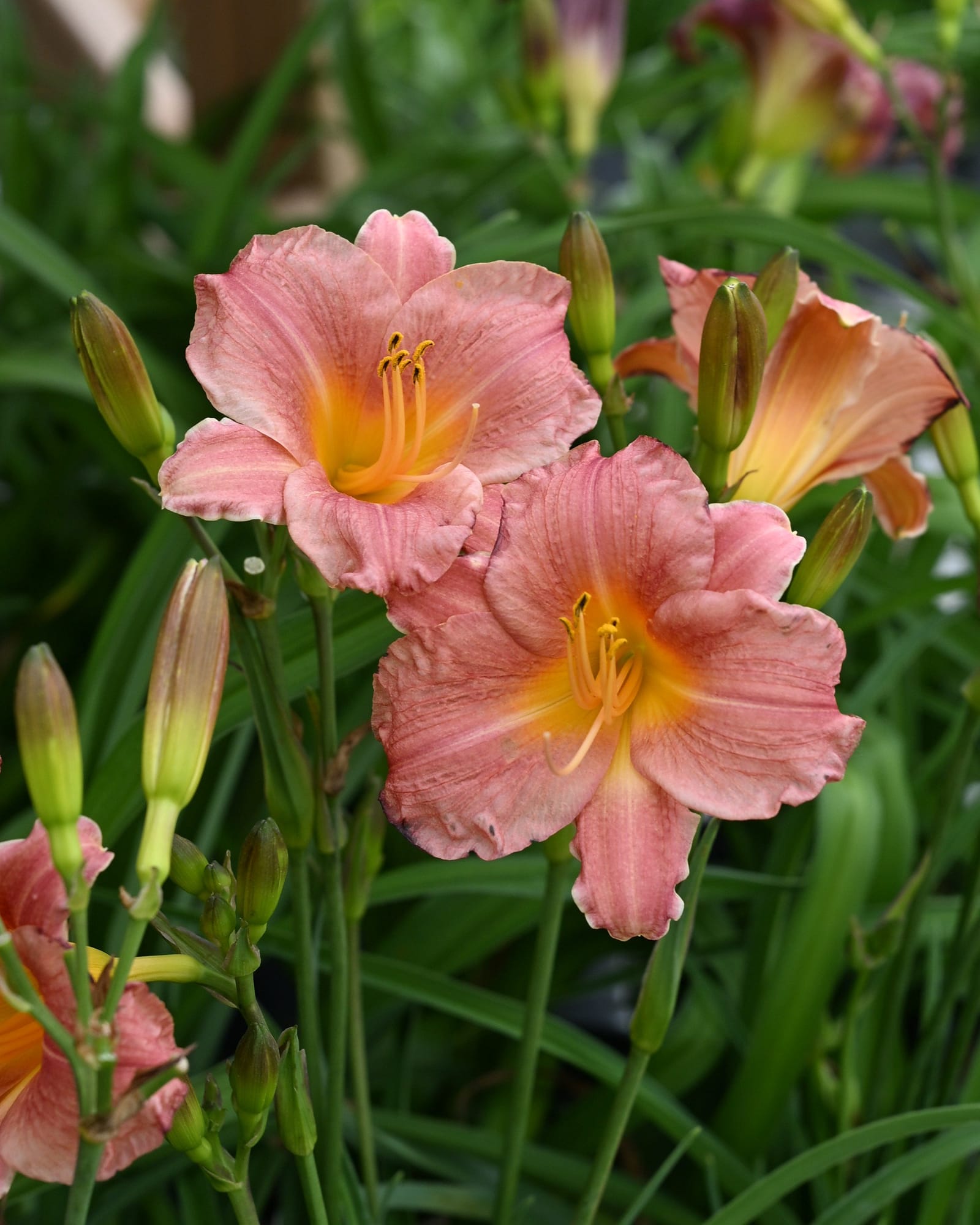
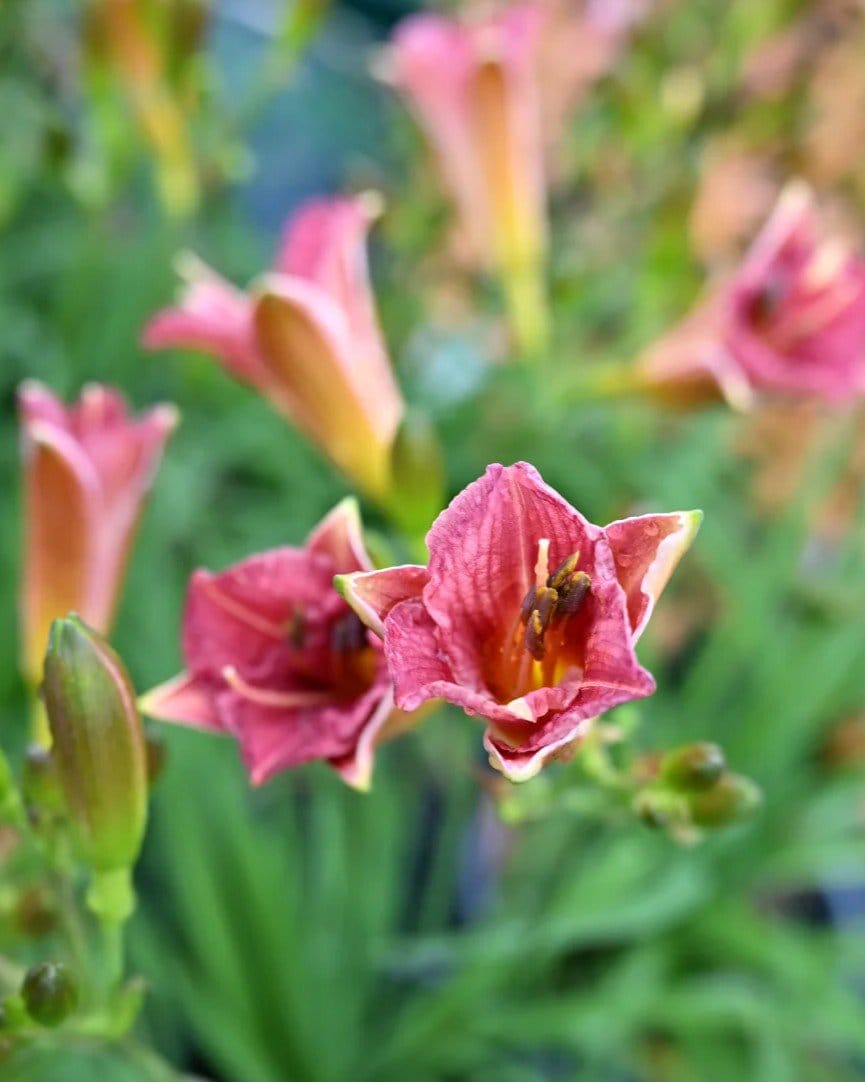
Endlesslily Coral Daylily
Maturity: 2' H x 1.5' W
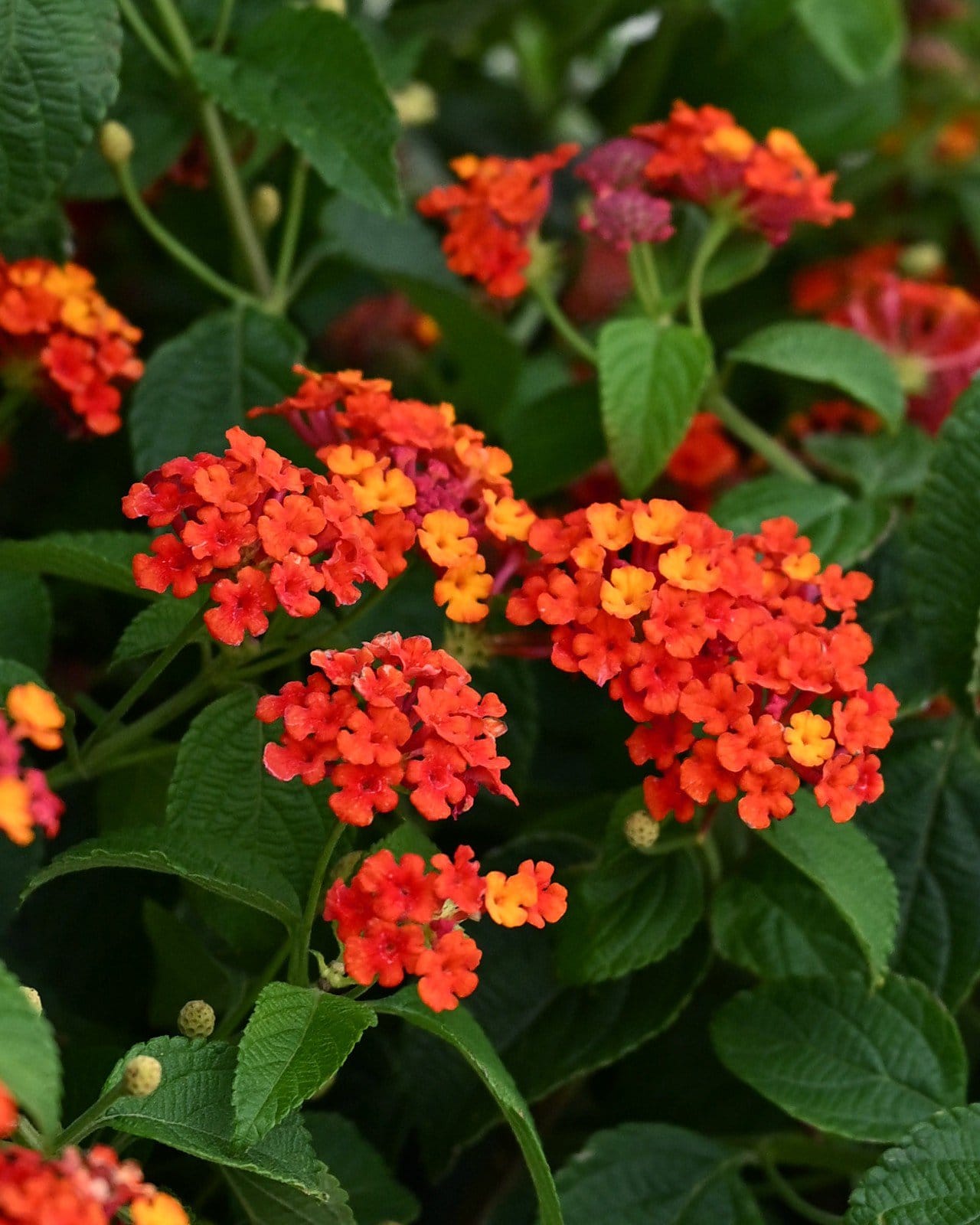
Bandana Red Lantana
Maturity: 1.5' H x 1.5' W
Compare Similar Plants
Lavender Tutu Daylily This plant | ||
|---|---|---|
| Scientific Name | Hemerocallis ‘Lavender Tutu’ | Hemerocallis ‘Stella de Oro’ |
| Size at Maturity | 1.5' H x 1.5' W | 1.5' H x 1.5' W |
| Leaf Retention | Herbaceous | Herbaceous |
| Flower Color | Orange, Red & Yellow | Yellow |
| Bloom Times | Summer | Summer |
| Sizes Available | — | 1 gal |


Our 1-Year Planting Guarantee
We take pride in our plants and installation services. If any plants or trees installed by Treeland fail to thrive within the first year, we'll provide a replacement credit in accordance with our guarantee program.
Learn More About Our Guarantee