
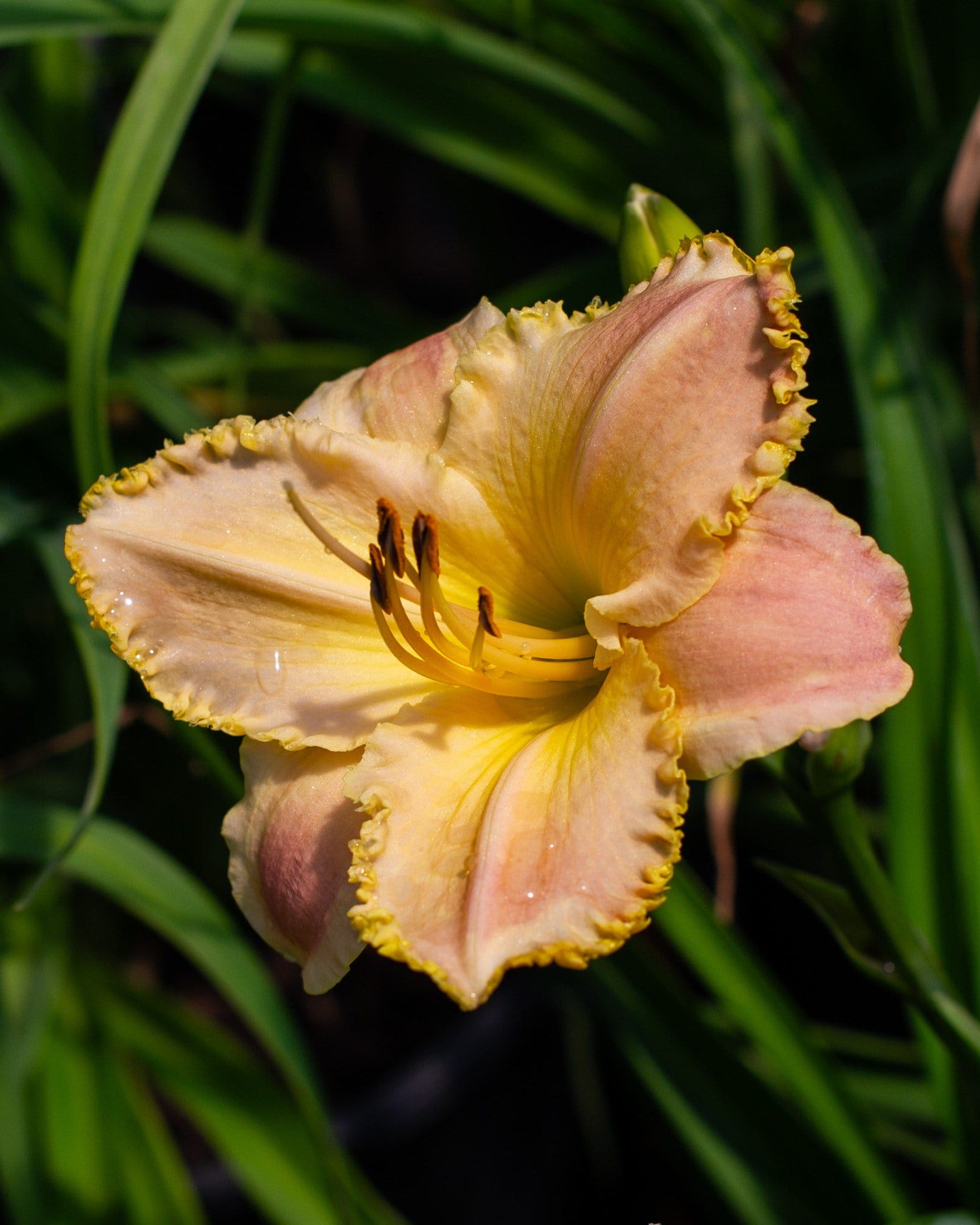
Island Jekyll Daylily
Hemerocallis ‘Island Jekyll’Product Details
Island Jekyll Daylily
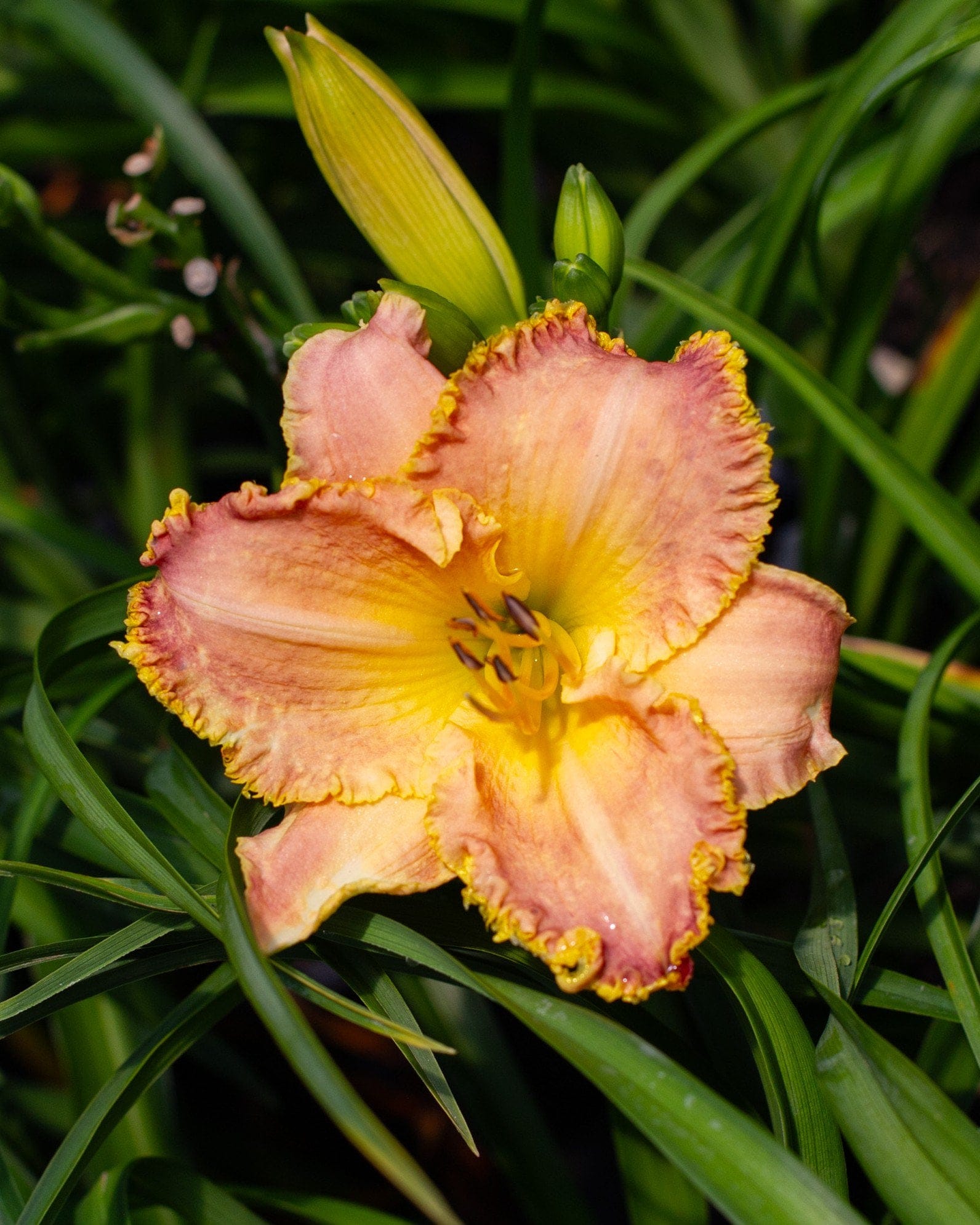
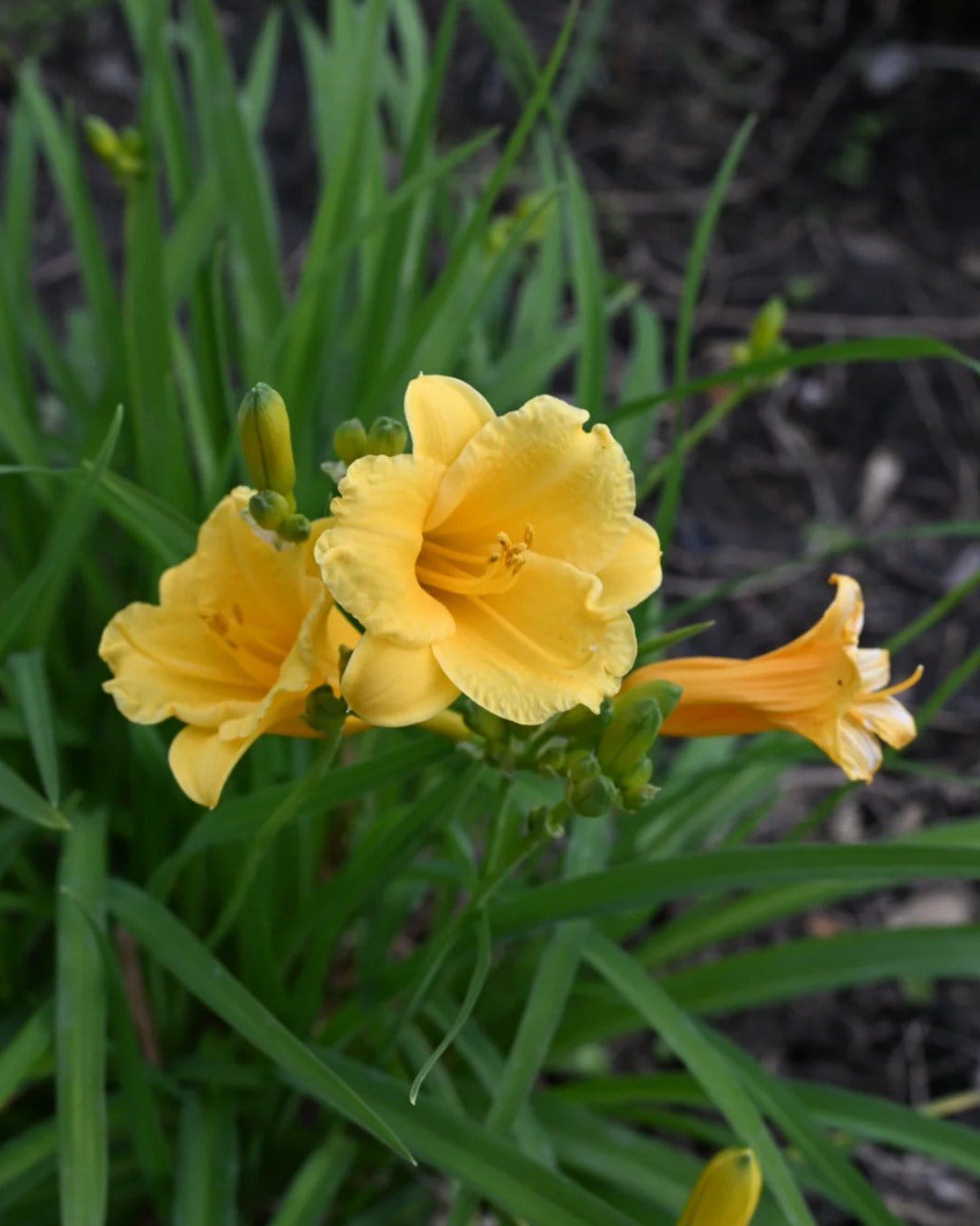
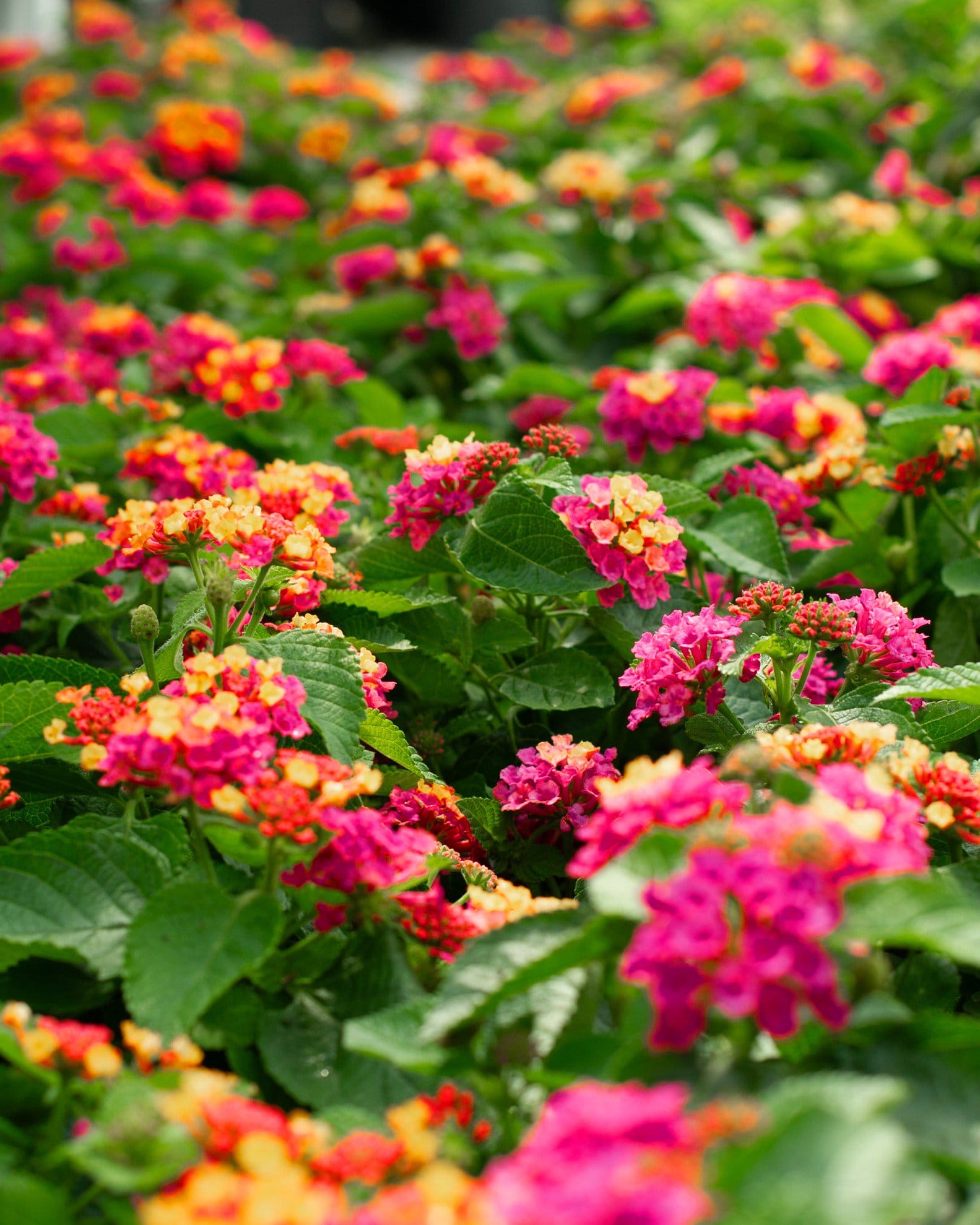
Hemerocallis ‘Island Jekyll’Island Jekyll Daylily features red with yellow blooms with subtle ruffling, held above graceful, arching foliage that adds texture throughout the season. This clump-forming perennial grows 18 inches tall and wide, creating a balanced, fountain-like form. Blooms throughout the summer in multiple cycles. Each flower lasts just one day, but the plant produces a steady stream of buds that keep the display going. Well-suited to North Texas, this variety does great in perennial beds, layered borders, or seasonal displays where reliable color and clean structure are needed.
- A herbaceous perennial
- Moderate growth rate with clumping habits
- Soft yellow blooms with ruffled edges
- Flowers multiple times throughout summer
- Great in borders, beds, and mass plantings
The Island Jekyll Daylily is very hardy, thriving in zones 3 through 9, making it perfect for North Texas weather. Prefers full sun and well-draining soil. Remove spent flower stalks and clean up foliage as needed to maintain appearance. Can be displayed short-term indoors in bright windows using container groupings.
Island Jekyll Daylily is as low-maintenance as it is beautiful, needing minimal care to thrive in Texas landscapes:
- Watering: Water regularly during the first growing season to establish a deep root system. Once mature, Island Jekyll is highly drought-tolerant and requires only occasional deep watering during extended dry spells. Avoid constant surface watering, which encourages shallow roots.
- Pruning: Remove spent blooms daily to extend the flowering period and keep the clump looking fresh. Cut back flower stalks to the base once blooming ends to redirect energy to root and foliage growth. In late fall or early spring, trim away dead leaves to prepare for vigorous new growth.
- Fertilizing: Feed in early spring with a balanced, slow-release fertilizer or compost to encourage healthy foliage and abundant blooms. A second light feeding after the first bloom flush helps promote reblooming later in the summer.
- Mulching: Spread a 2-3 inch layer of mulch around the base to conserve moisture and keep roots cool in summer. Organic mulch, such as shredded bark or leaf compost, also improves soil texture over time.
- Winter Care: Island Jekyll Daylily is hardy and dependable, going dormant in colder regions and resprouting each spring. After frost, cut the foliage back to a few inches and add a light mulch layer for insulation.
‘Island Jekyll’ is exceptionally hardy, but like most daylilies, a few minor pests or fungal problems can appear occasionally:
- Spider Mites: Fine webbing and pale speckling on leaves appear in hot, dry conditions. Increase humidity and rinse foliage to deter them, applying horticultural oil if needed.
- Daylily Rust: Small orange pustules form on the undersides of leaves. Remove infected foliage and apply a fungicide labeled for rust prevention.
- Thrips: These pests cause streaking or deformation on flower petals. Prune damaged blooms and use neem oil to stop the spread.
- Slug Damage: Ragged holes appear in young leaves after rain. Use organic traps or barriers, such as crushed eggshells or diatomaceous earth, to deter feeding.
- Aphid Sooty Mold: Sticky residue on leaves leads to dark mold growth. Rinse foliage regularly and treat aphids promptly to prevent recurrence.
Daylilies are incredibly long-lived, often thriving for decades when well cared for. Once established, Island Jekyll becomes a permanent, low-maintenance part of the landscape.
It grows quickly, typically reaching full size and flowering in its second year. Mature clumps expand each season gracefully, producing more blooms as they age.
Absolutely - bees, butterflies, and hummingbirds all visit its vivid blooms. The nectar-rich flowers are a highlight in any pollinator-friendly planting.
Yes, it performs beautifully in both. Its tolerance to wind, salt spray, and pollution makes it a strong performer in city gardens and coastal landscapes alike.
Partially - while not deer-proof, its thick foliage is less appealing than tender ornamentals. Occasional browsing rarely causes lasting harm.
Yes, though it prefers deep pots with good drainage. Container-grown plants bloom well when watered consistently and divided every few years.
It has a light, sweet scent noticeable on warm days. The fragrance, combined with its tropical color, enhances its charm in garden seating areas.
Yes - cutting spent scapes to the base and lightly feeding can trigger a second bloom cycle in midsummer. Consistent watering encourages even more flowering.
Divide every 3-5 years in early spring or fall to rejuvenate clumps. Replant divisions immediately, spacing them 18-24 inches apart for best performance.
Definitely - its large blooms make excellent short-lived cut flowers. Harvest in the morning just before buds open for the longest vase life.
Special Features
You might also like
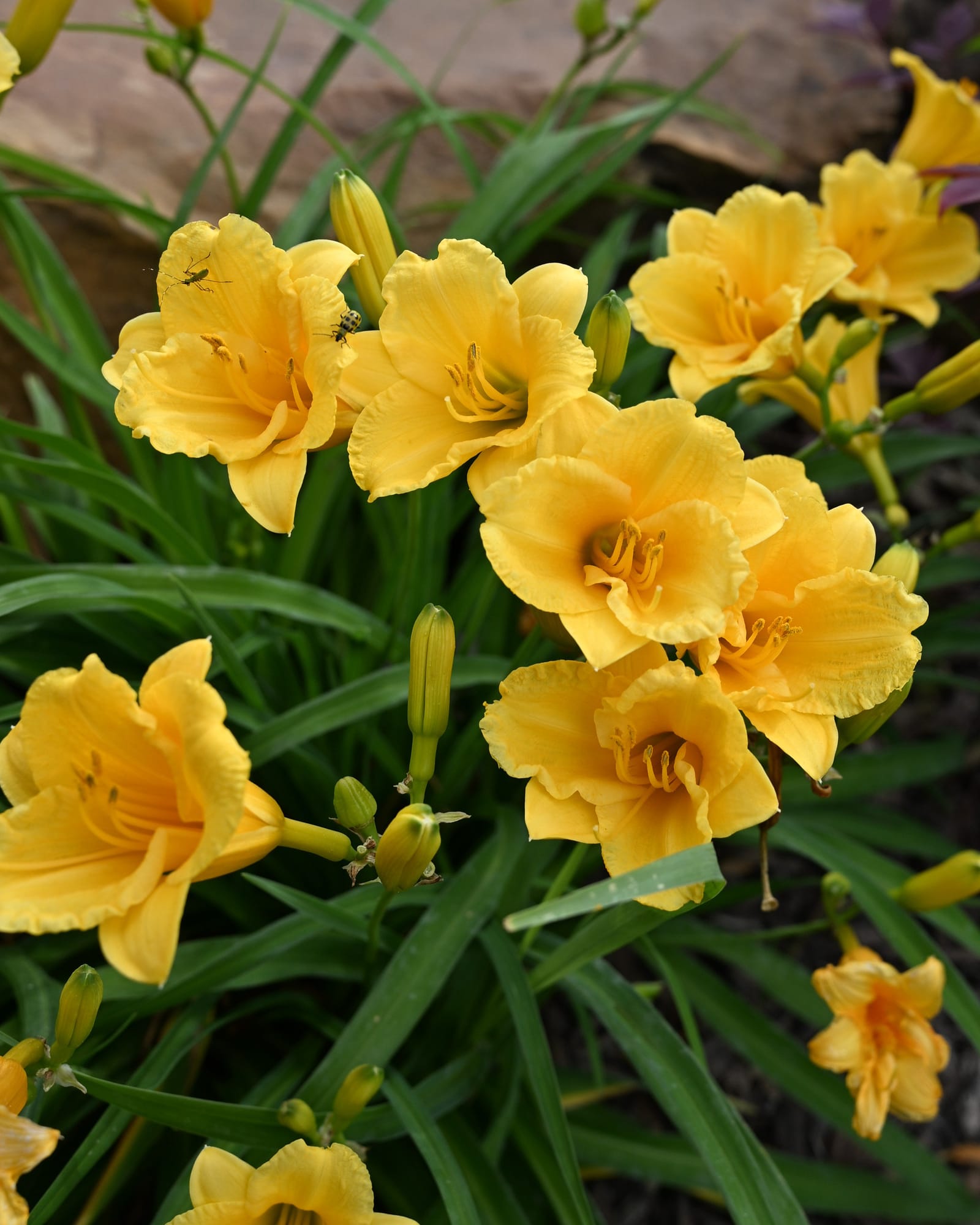
Stella D'Oro Daylily
Maturity: 1.5' H x 1.5' W
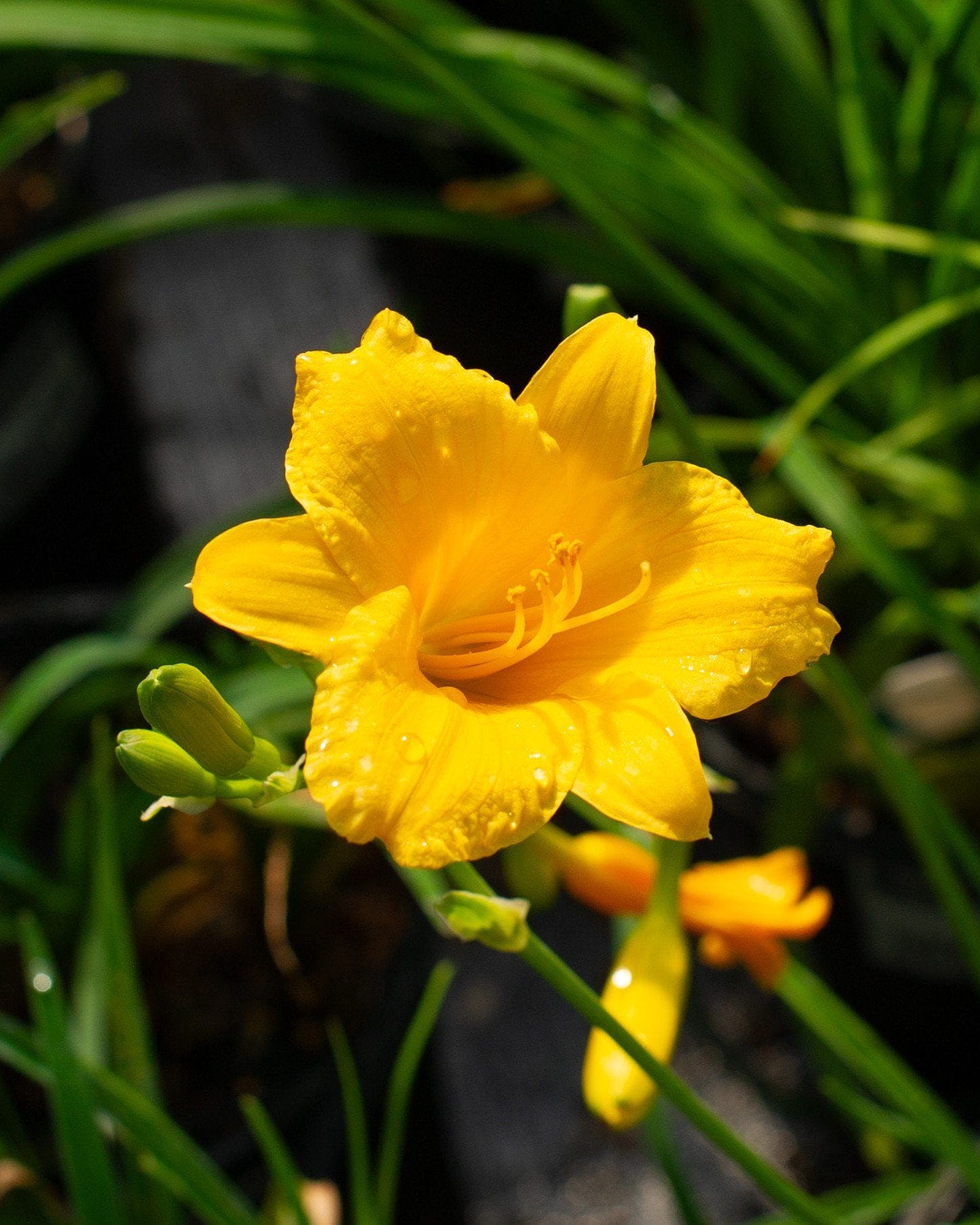
Mexican Mint Marigold
Maturity: 1' H x 1' W
Pink Skullcap
Maturity: 1' H x 2' W
Powis Castle Artemisia
Maturity: 2' H x 3' W
Wall Germander
Maturity: 1' H x 1' W
Belleza White Gaura
Maturity: 1' H x 1.5' W
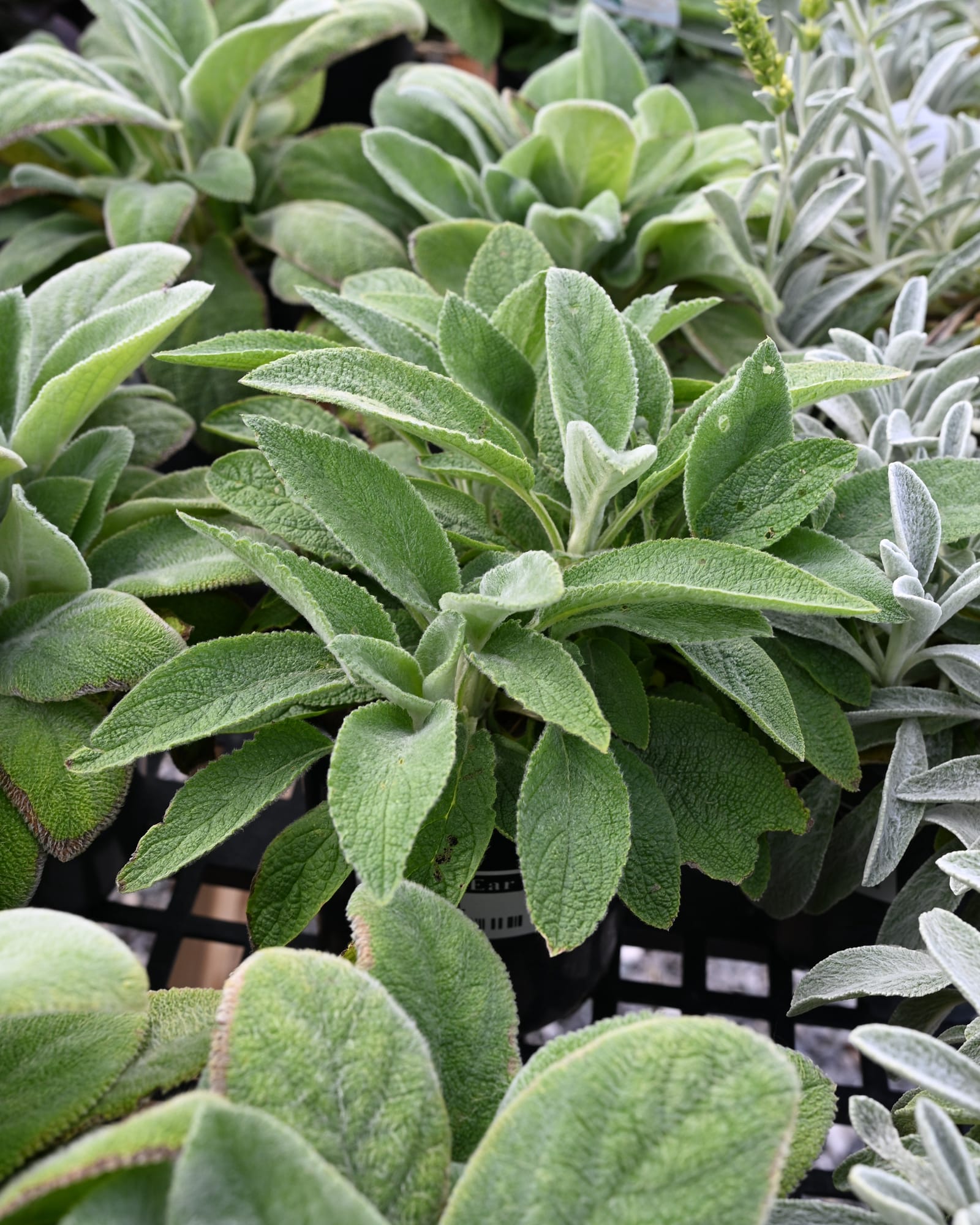
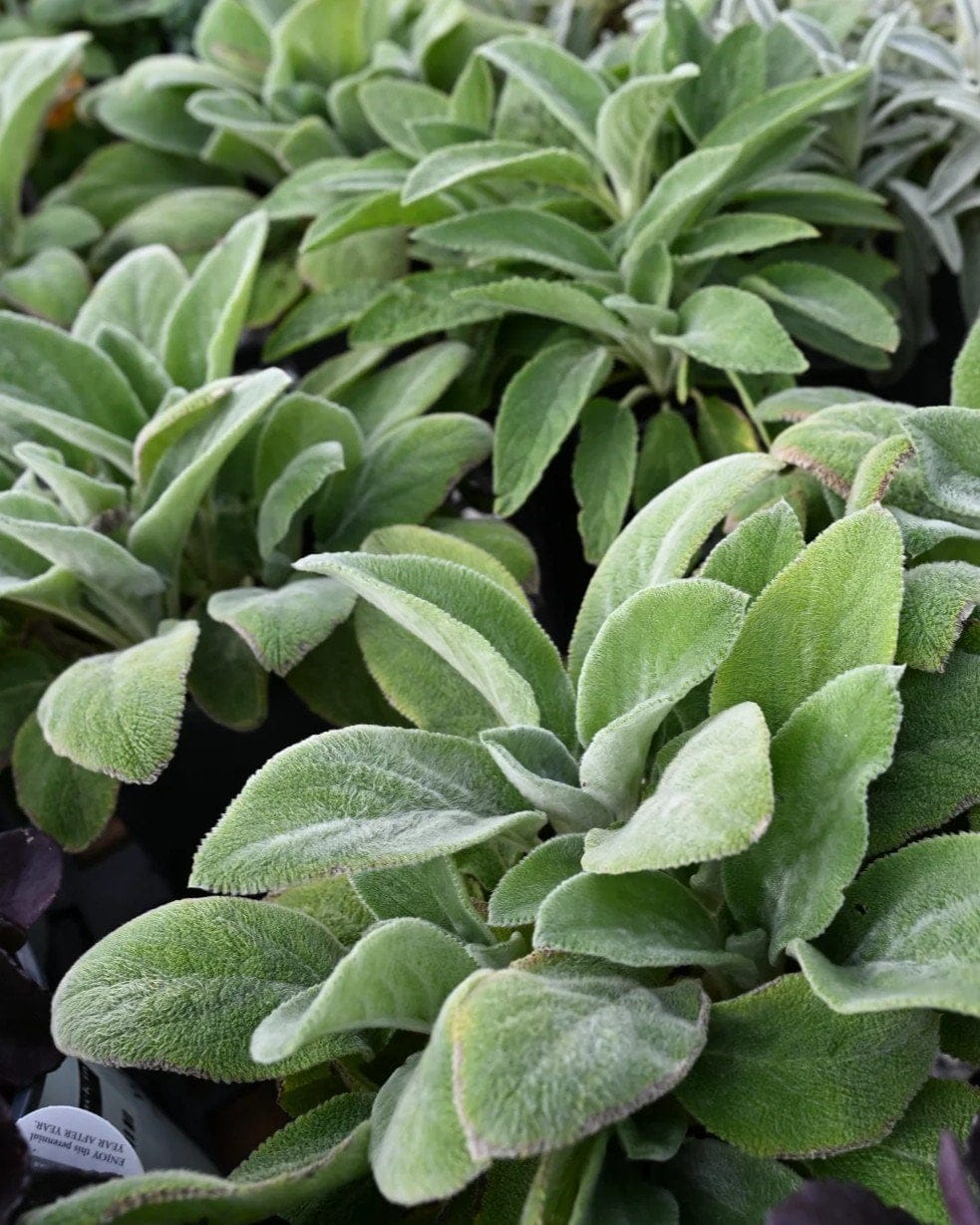
Lamb's Ear
Maturity: 1' H x 1.5' W
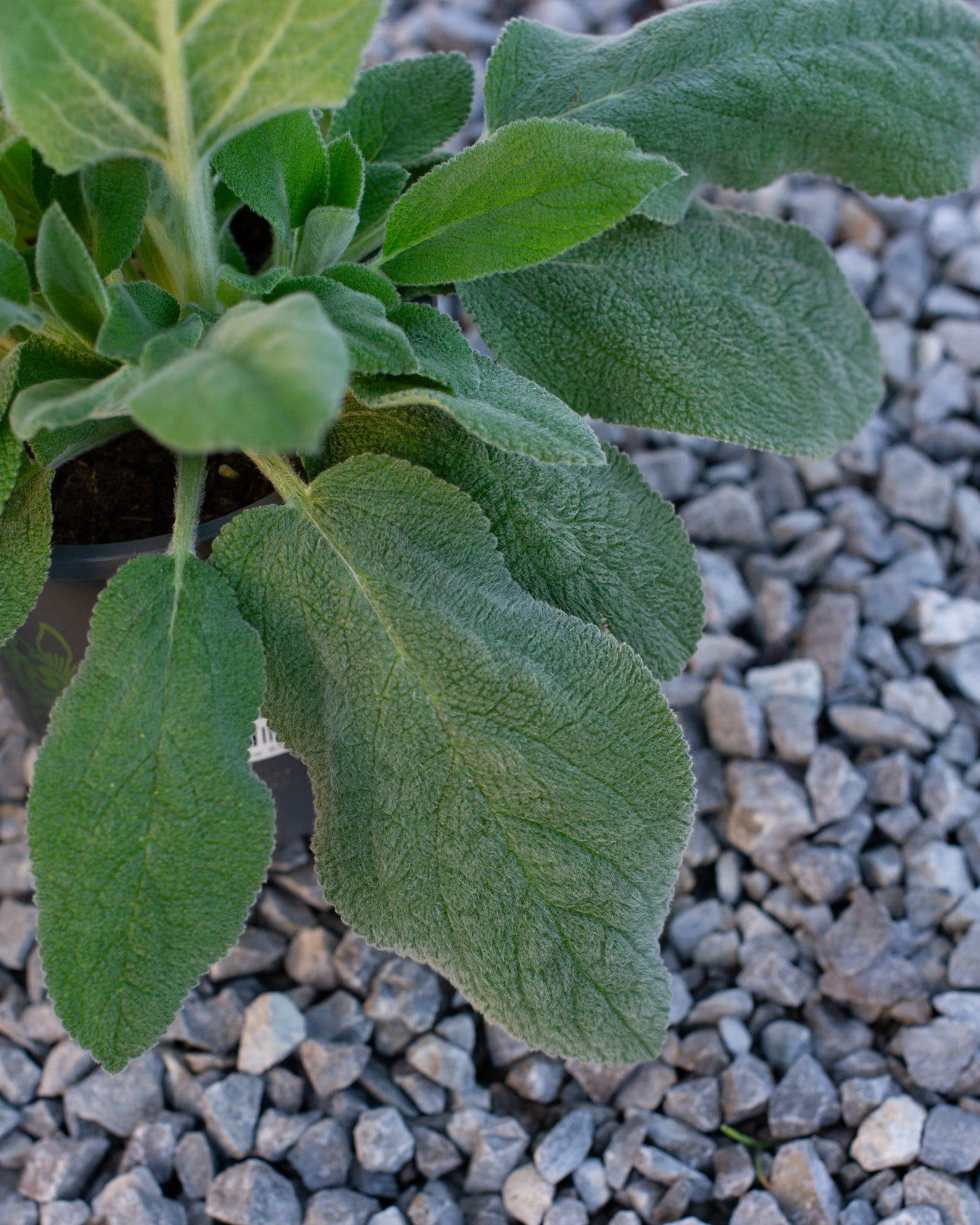
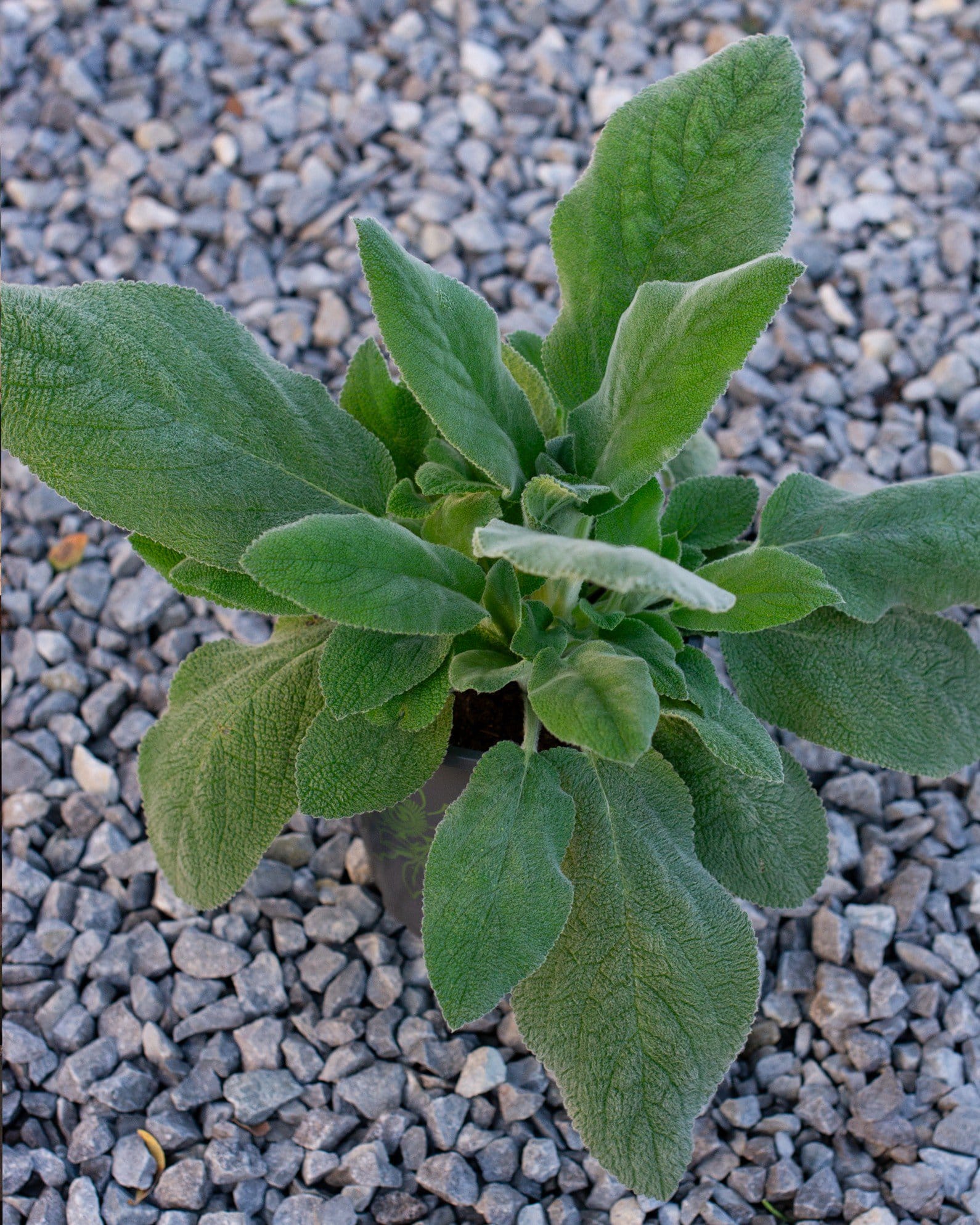
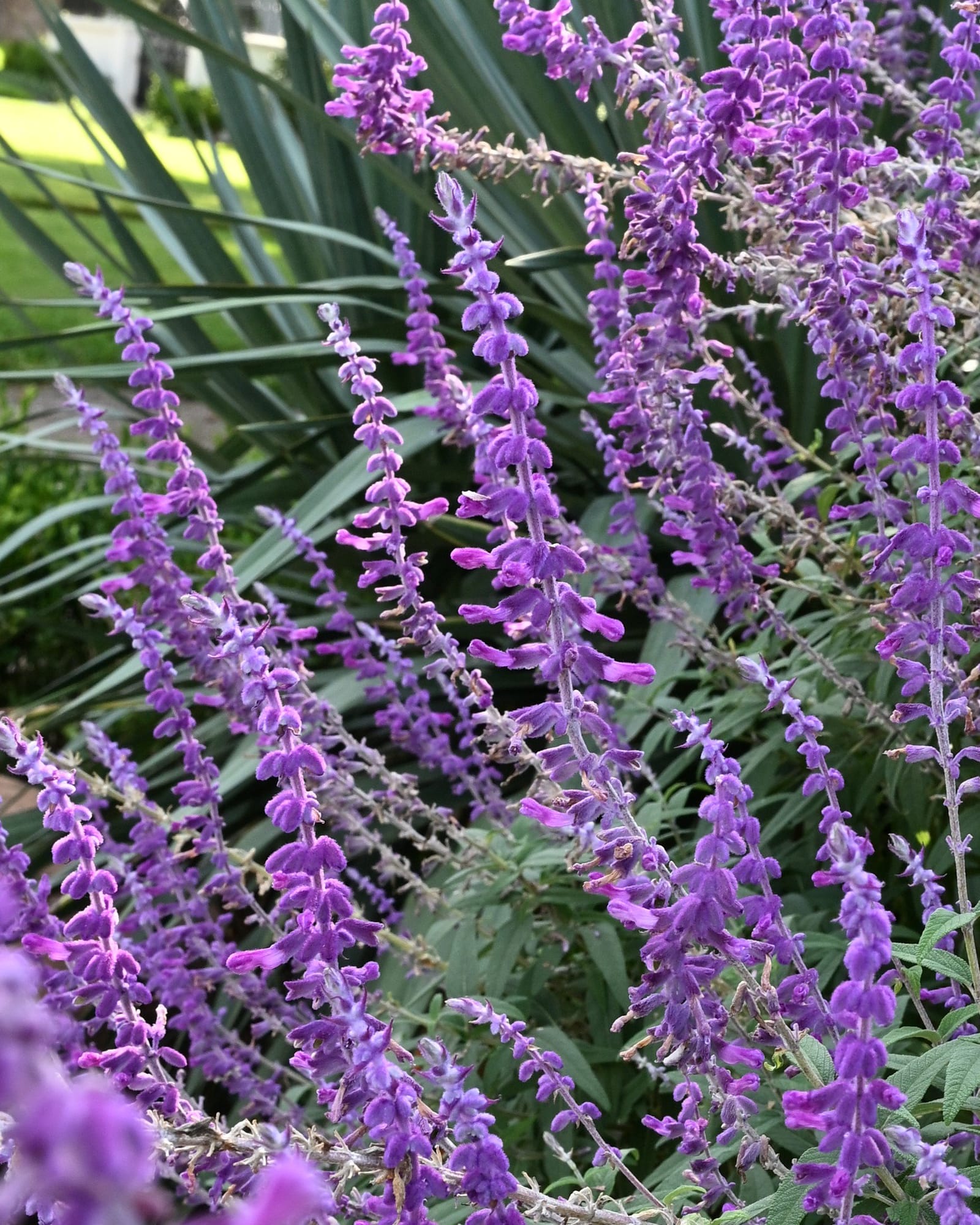
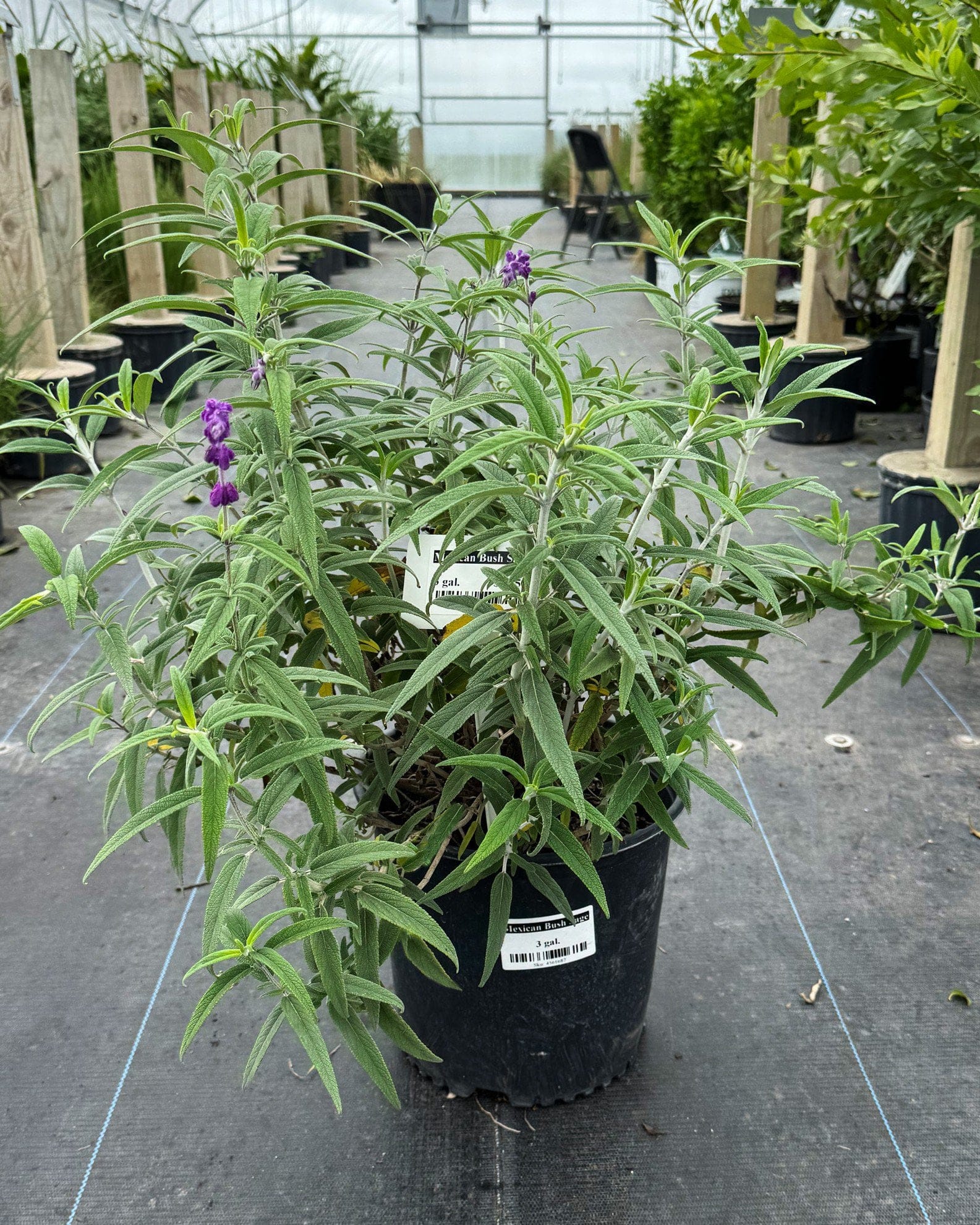
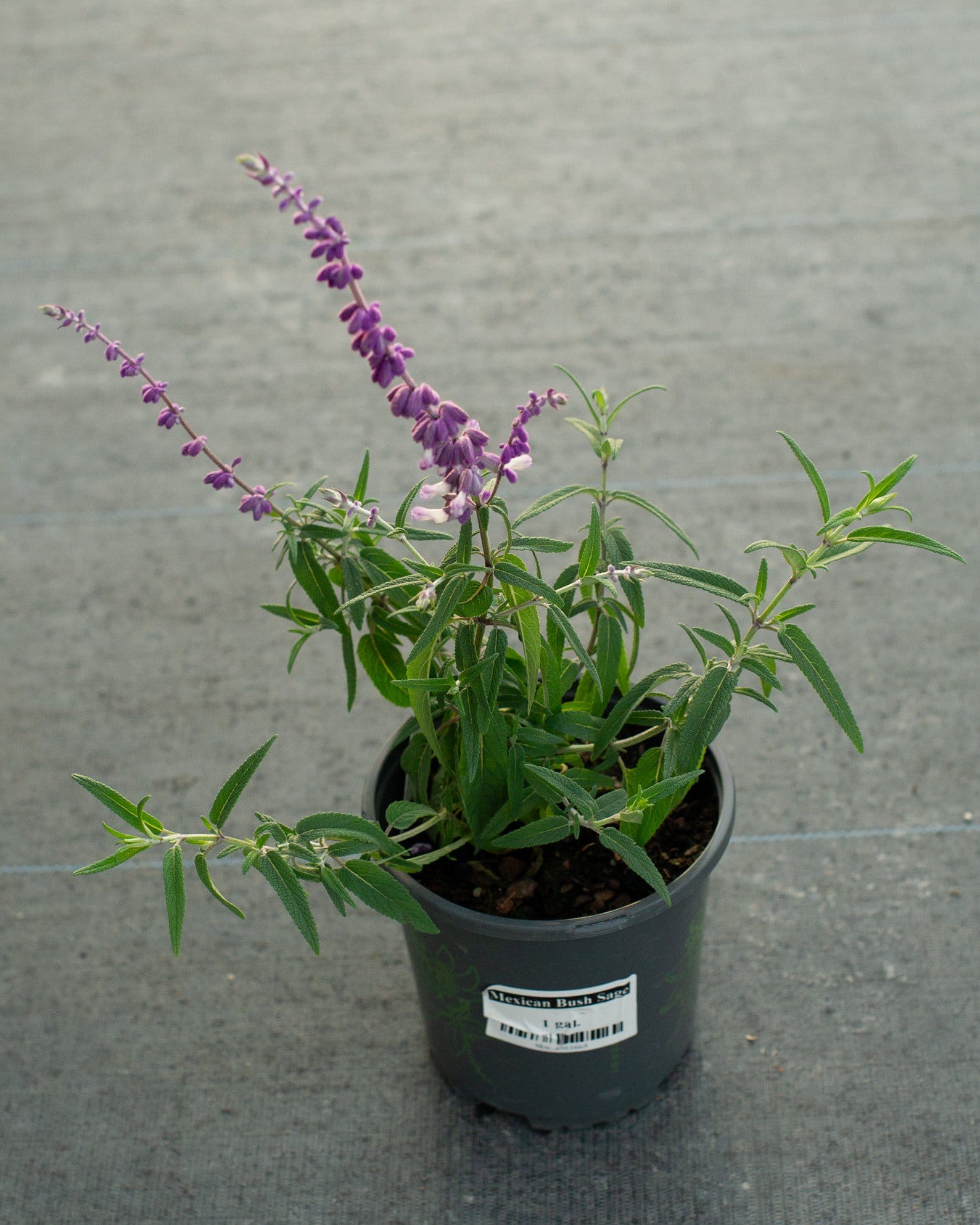
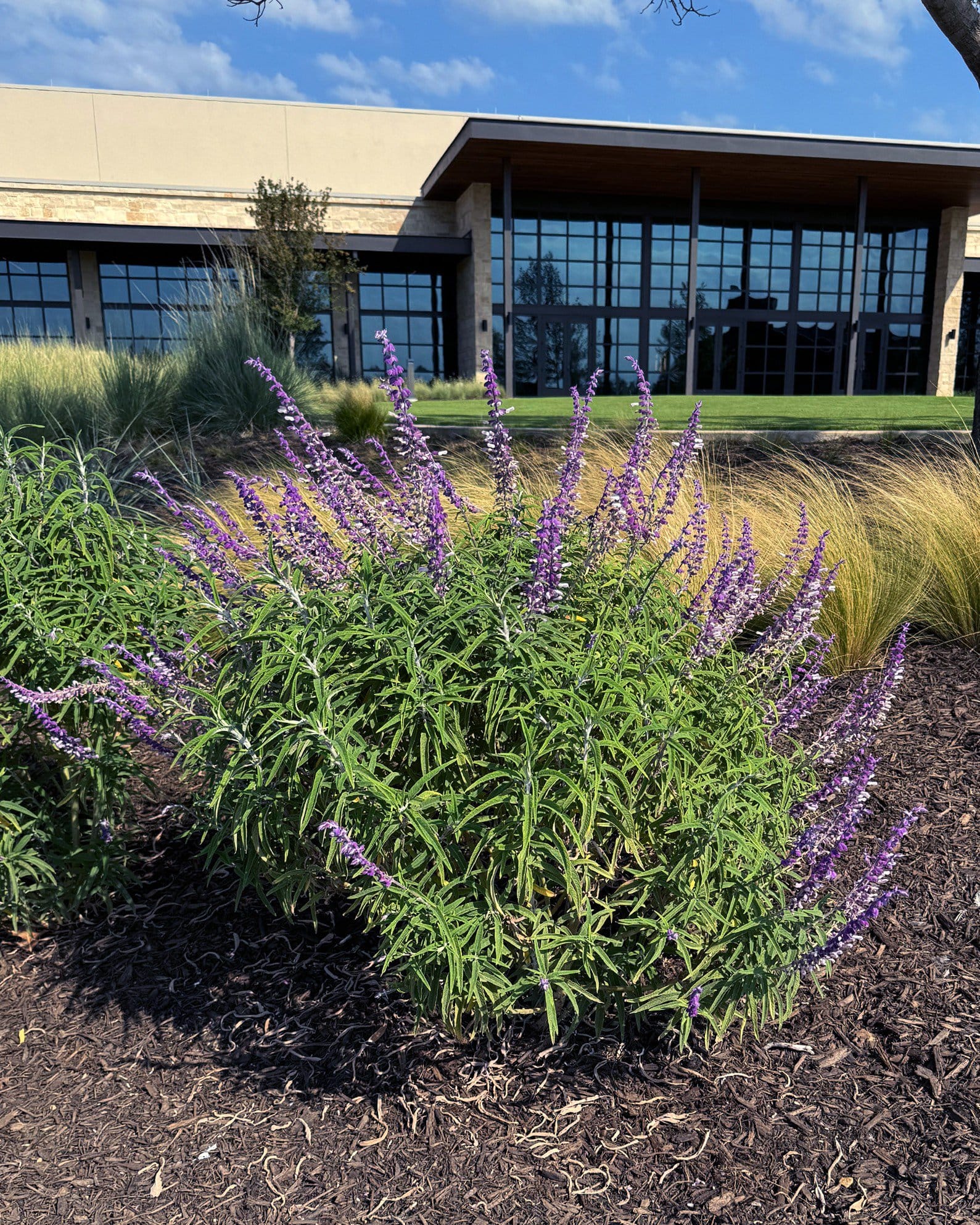
Mexican Bush Sage
Maturity: 3' H x 3' W
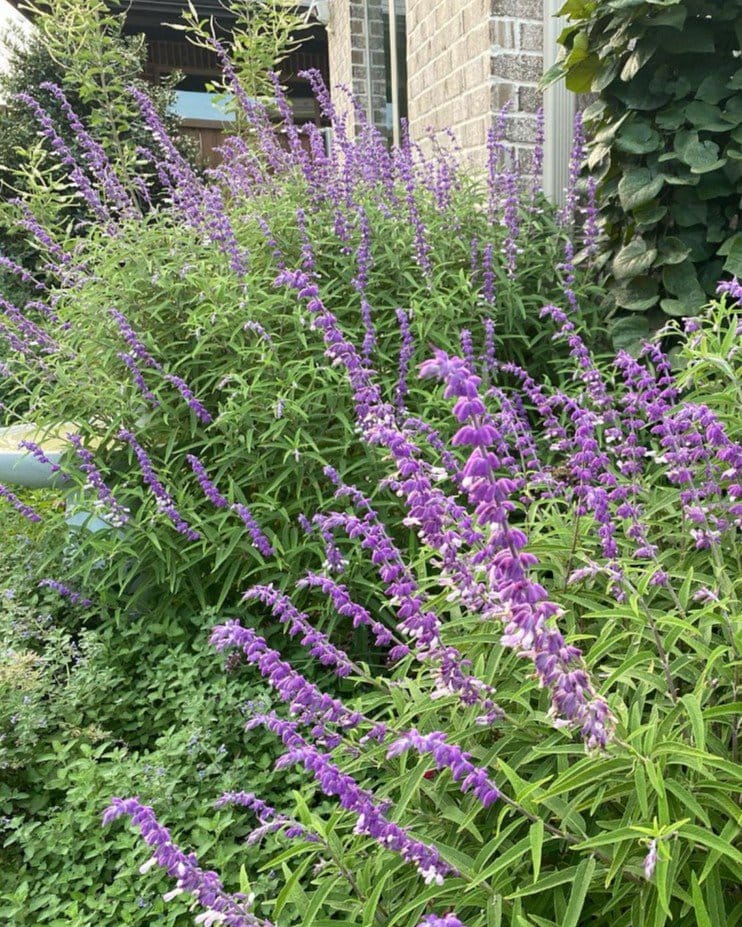
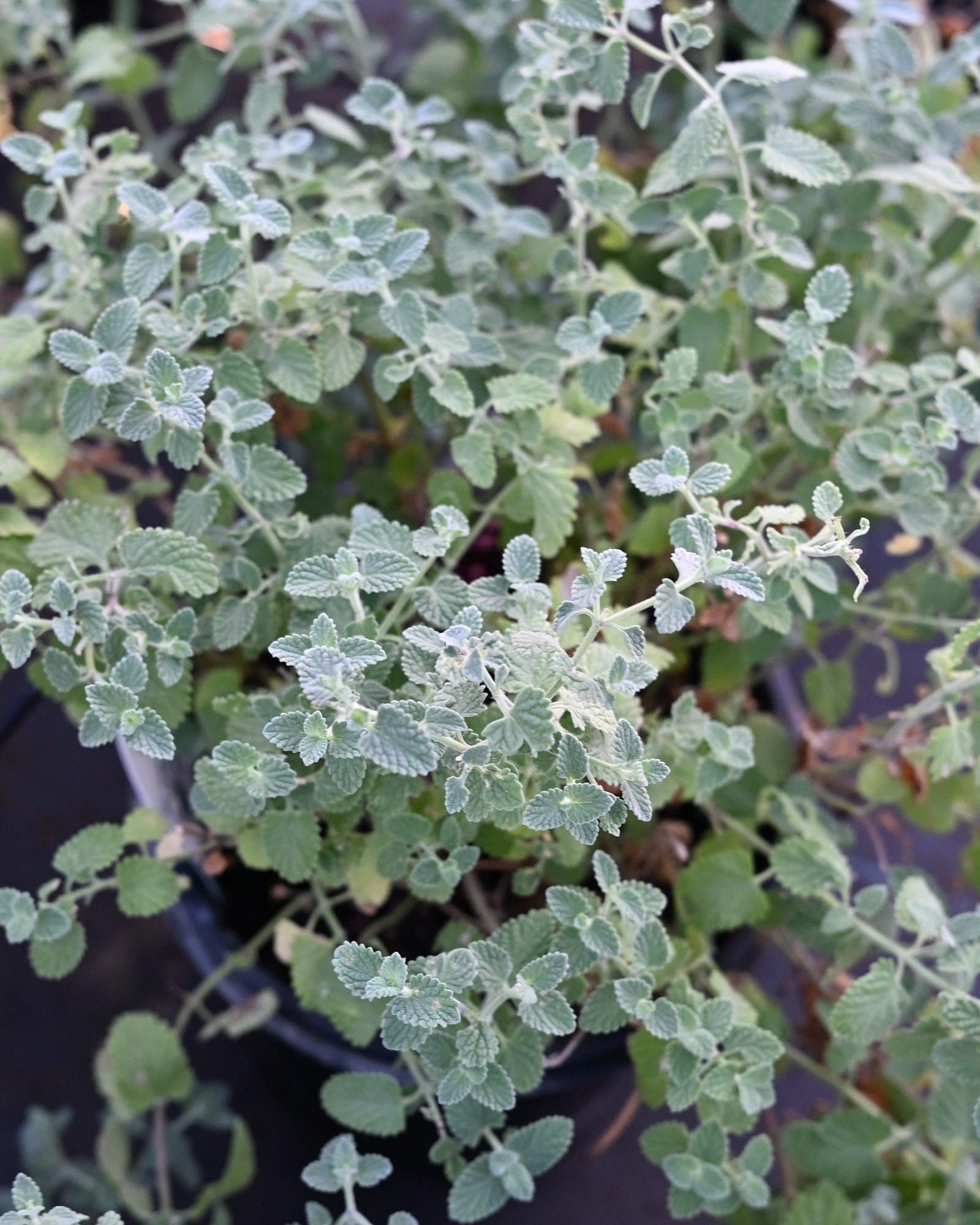
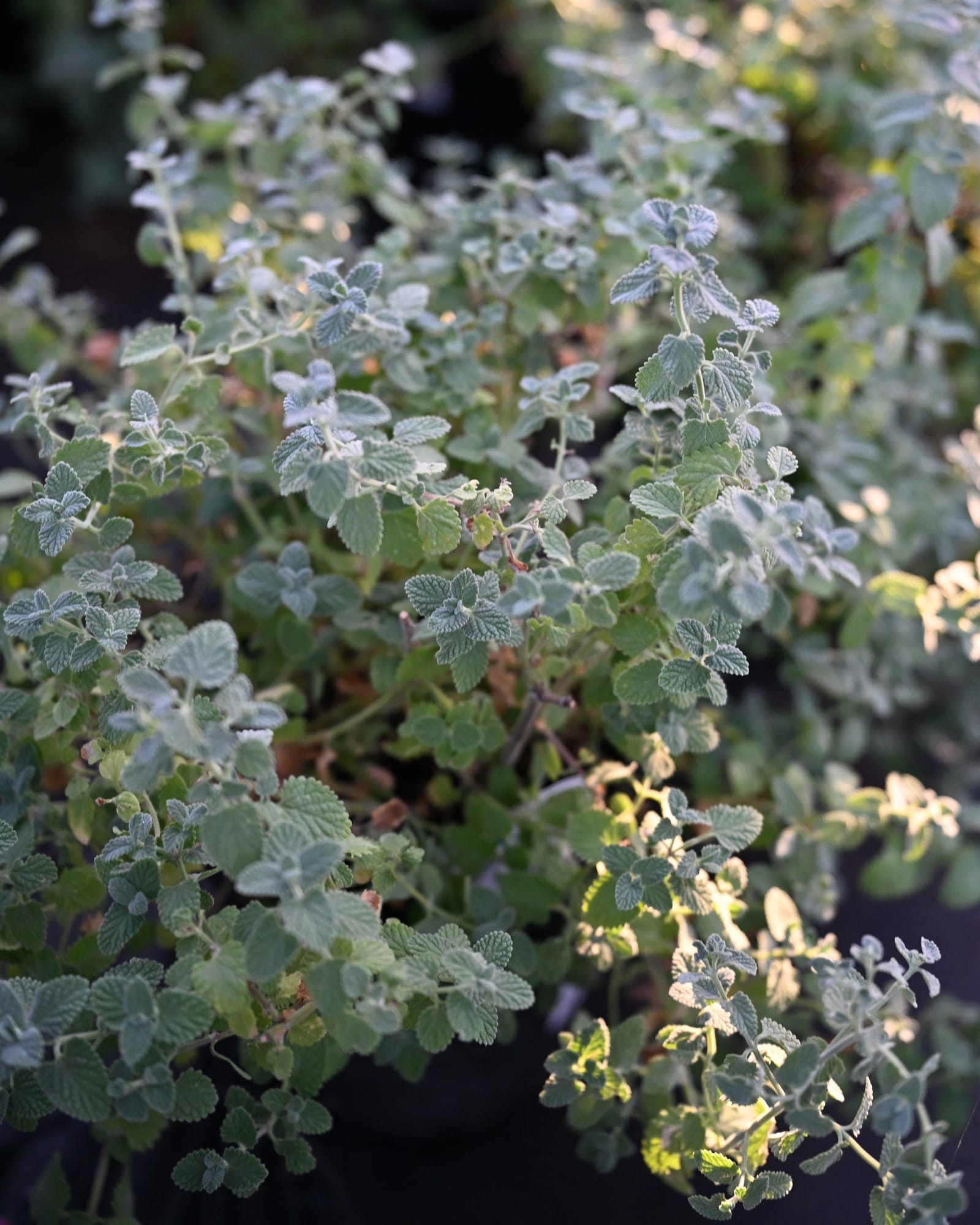
Six Hills Giant Catmint
Maturity: 2' H x 3' W
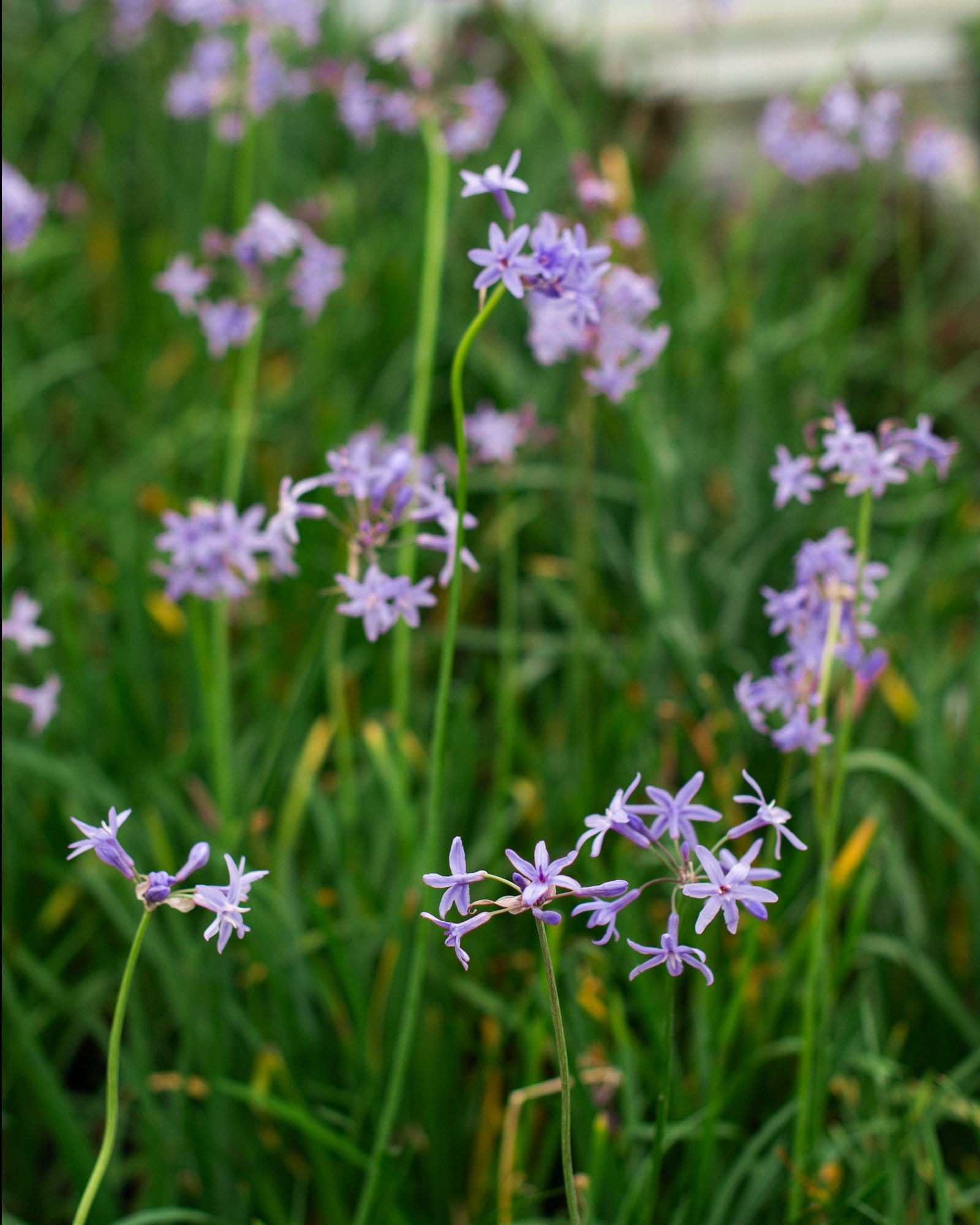
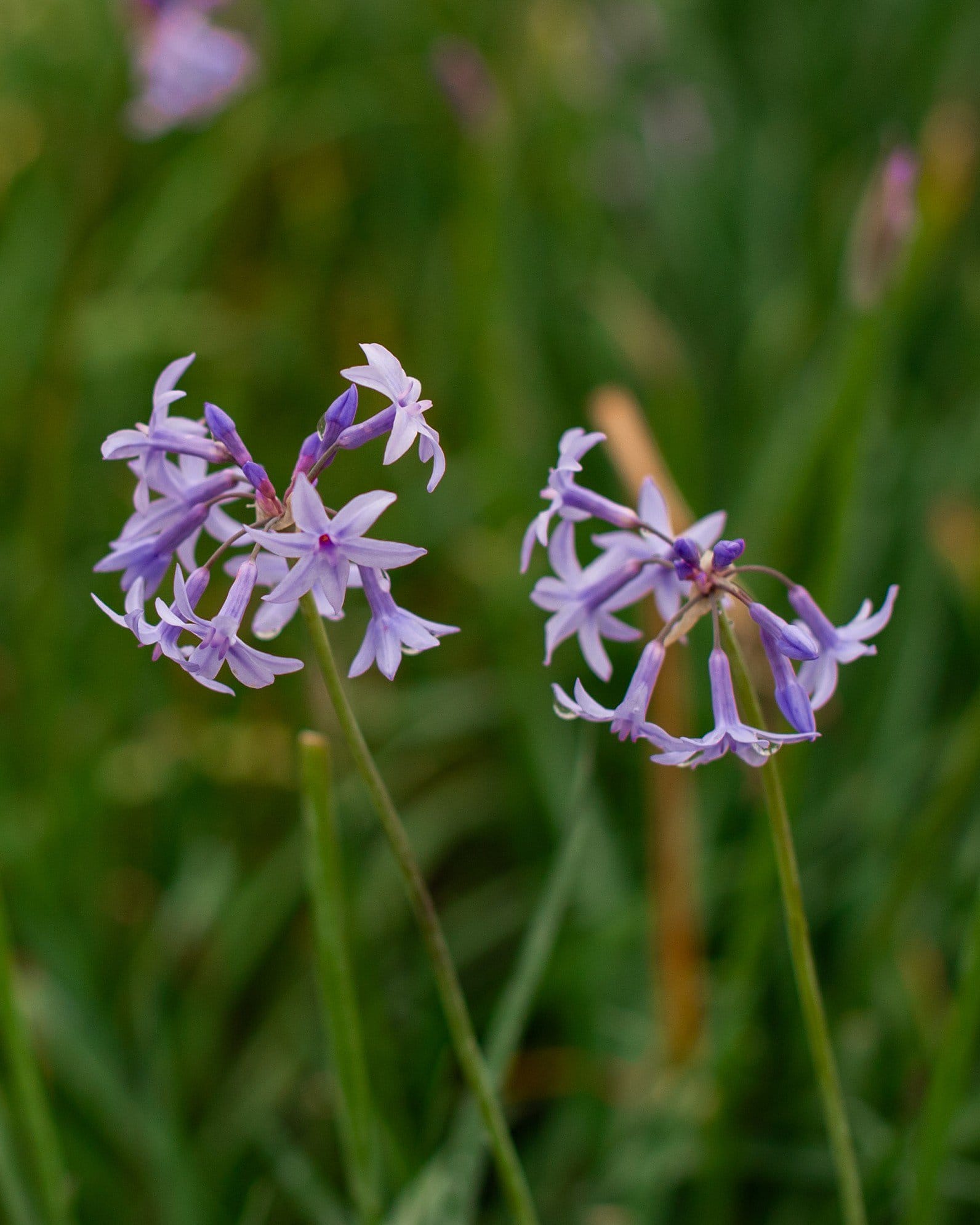
Society Garlic
Maturity: 1' H x 1' W
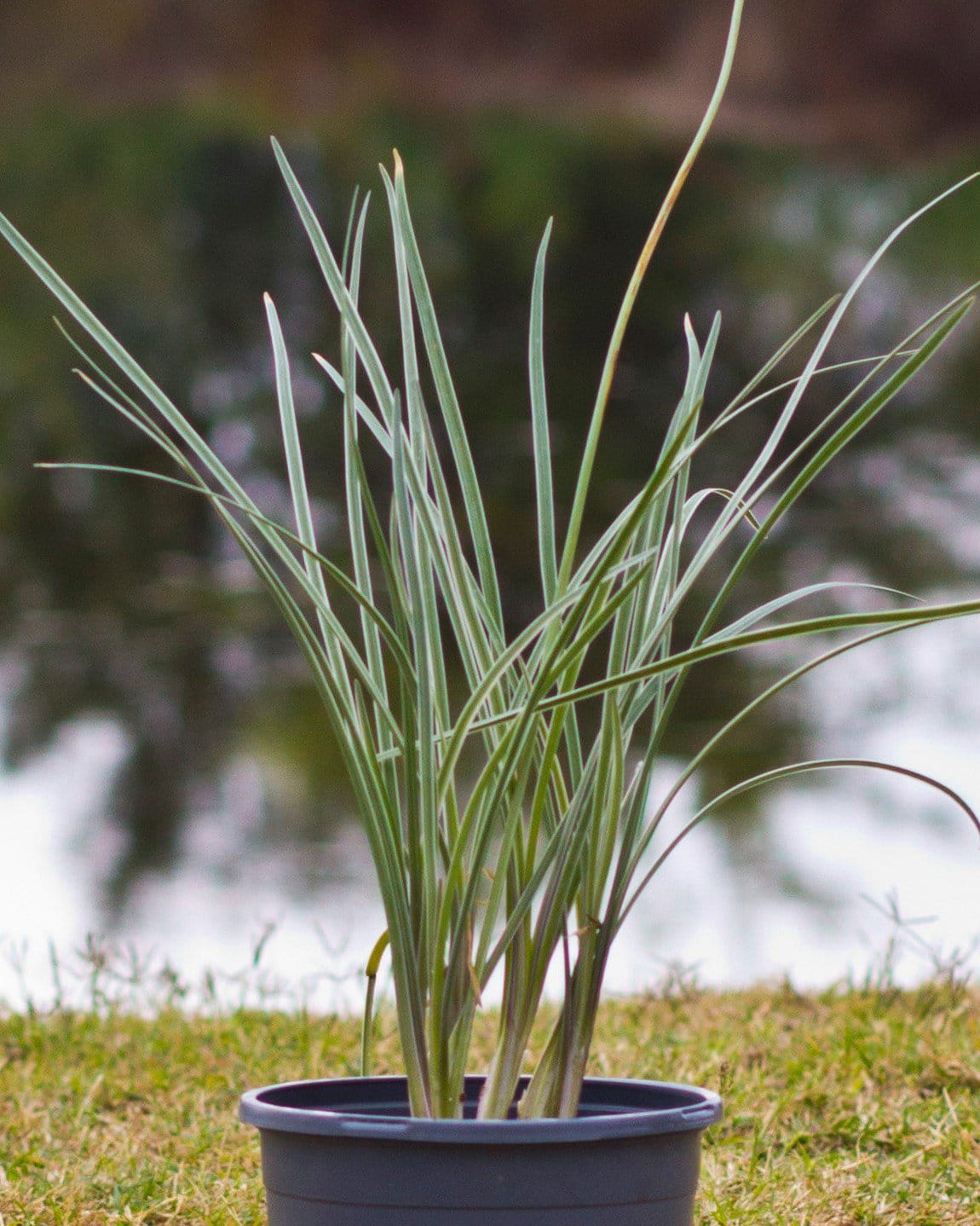
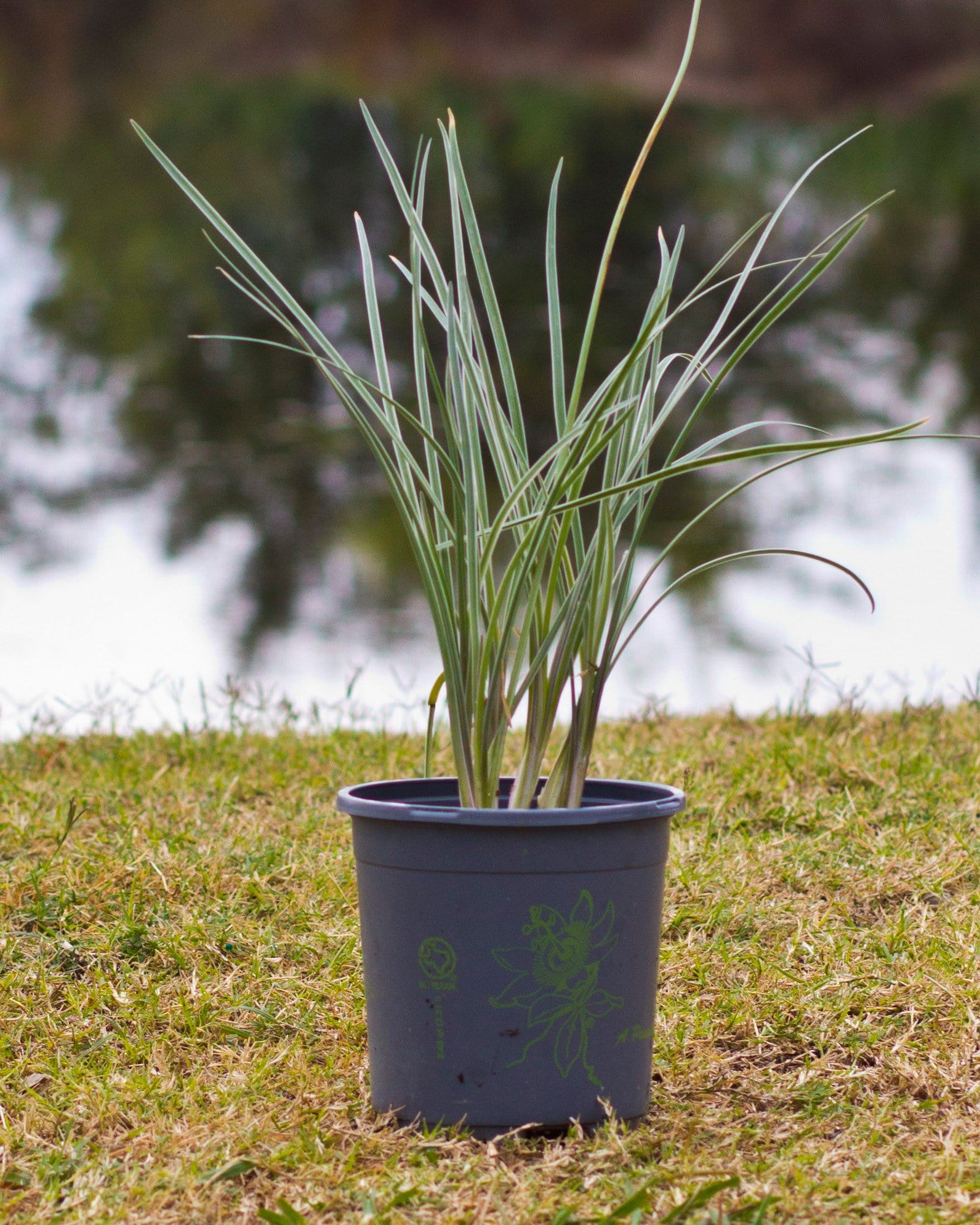
Society Garlic Silver Lace
Maturity: 1' H x 1' W
Walker's Low Catmint
Maturity: 2' H x 3' W
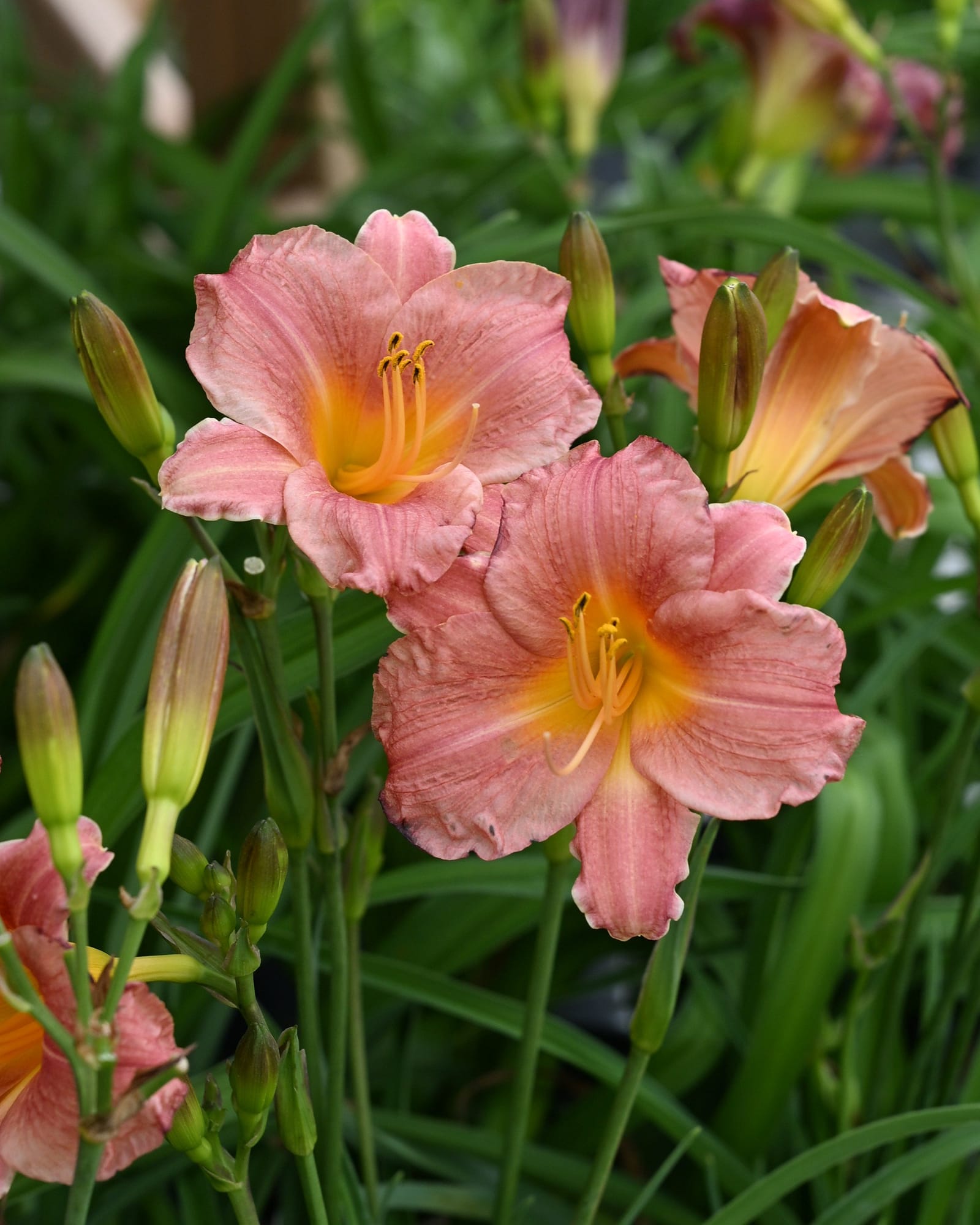
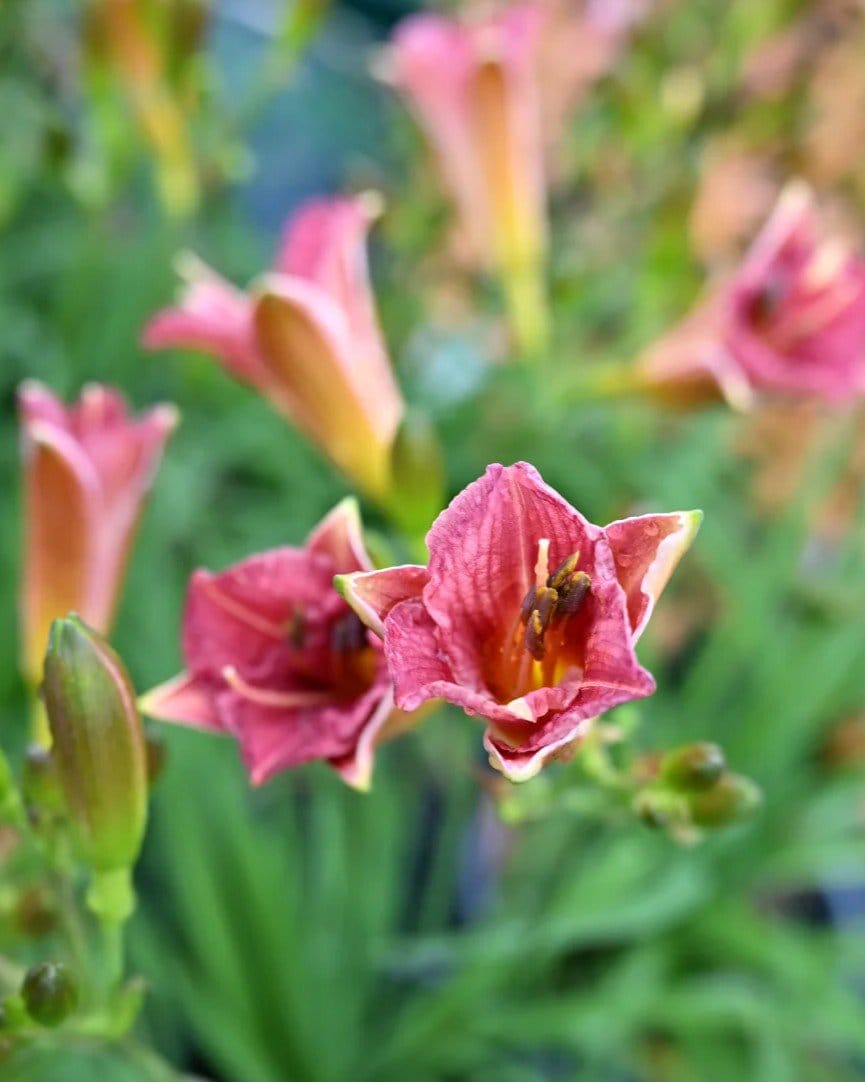
Endlesslily Coral Daylily
Maturity: 2' H x 1.5' W
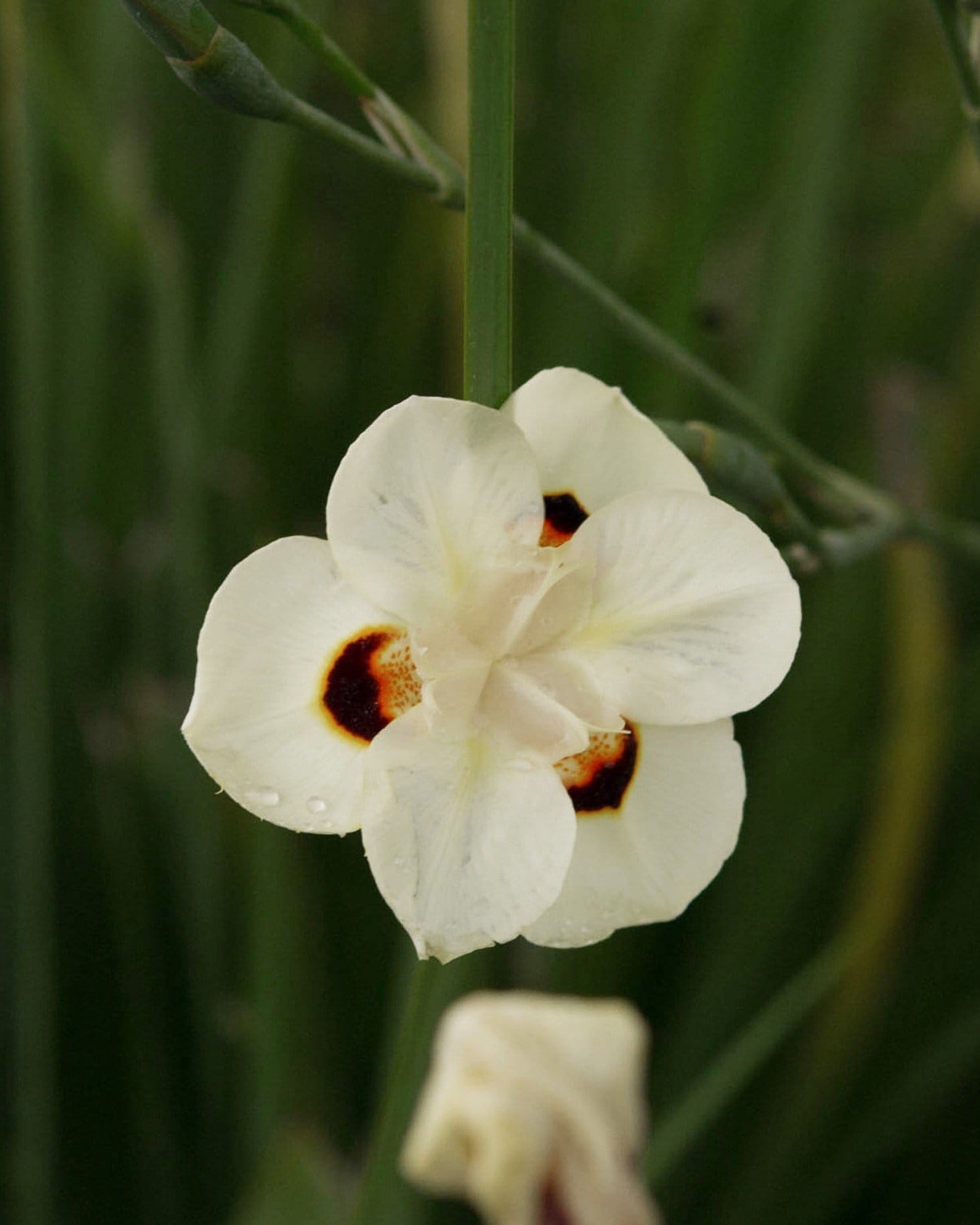
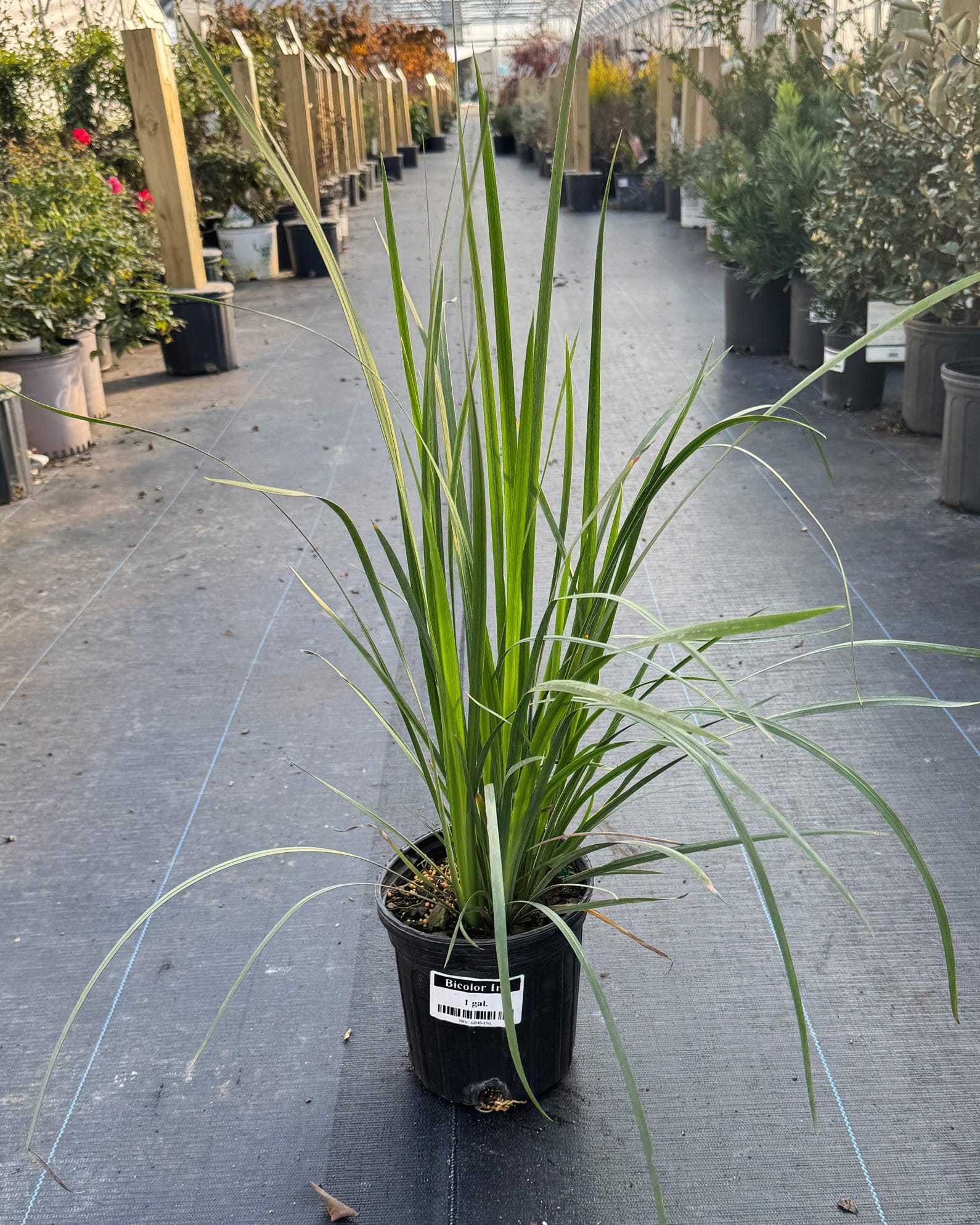
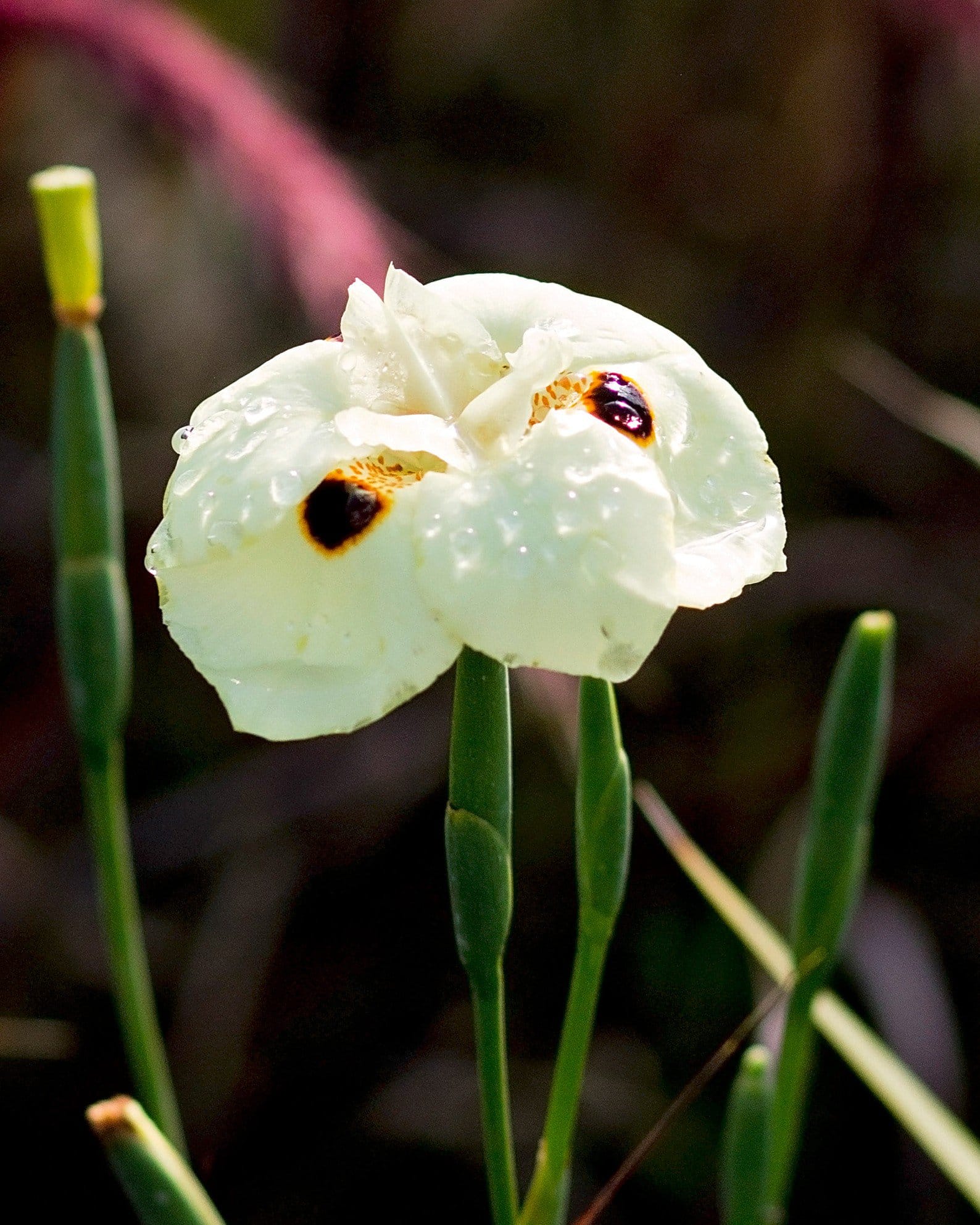
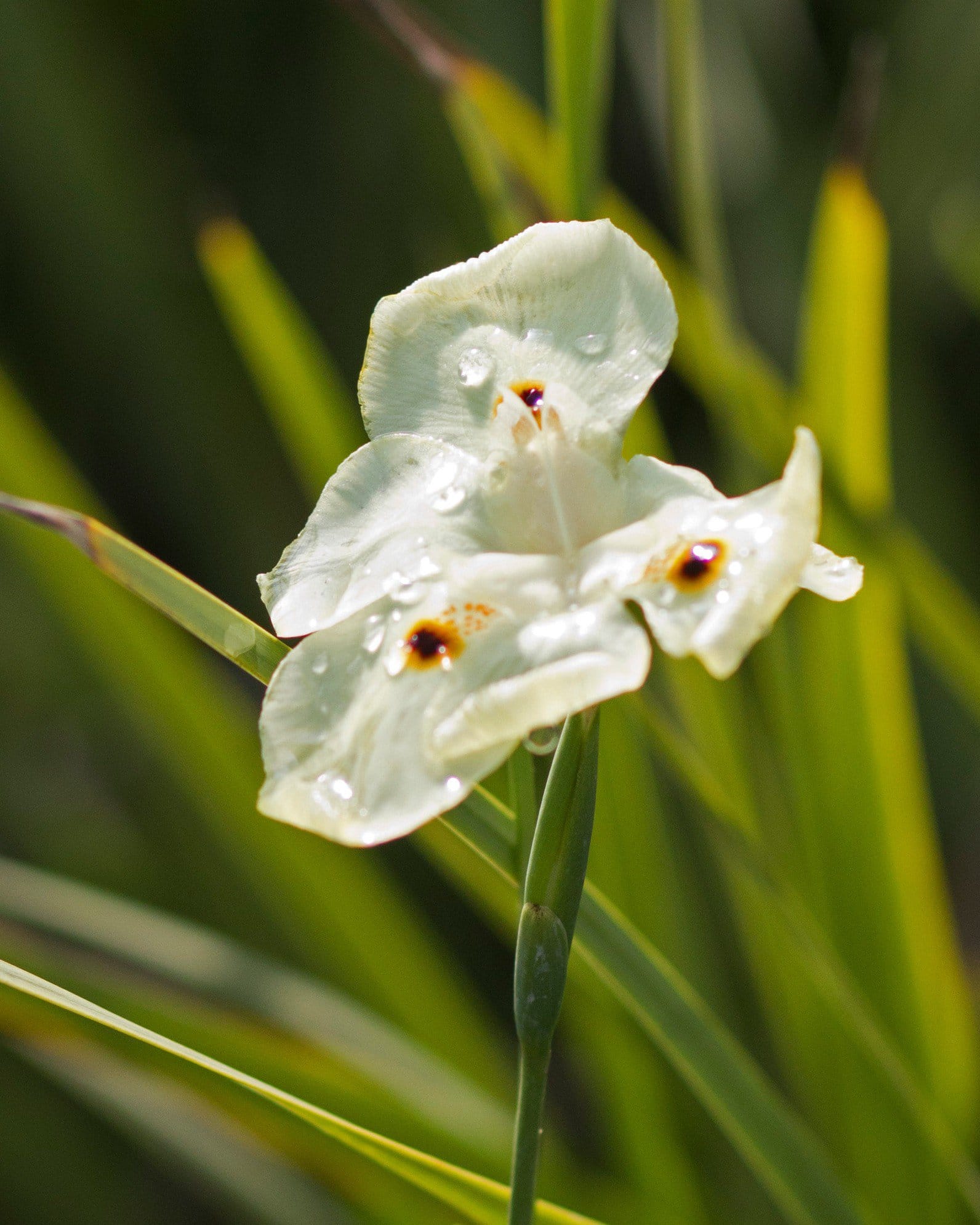
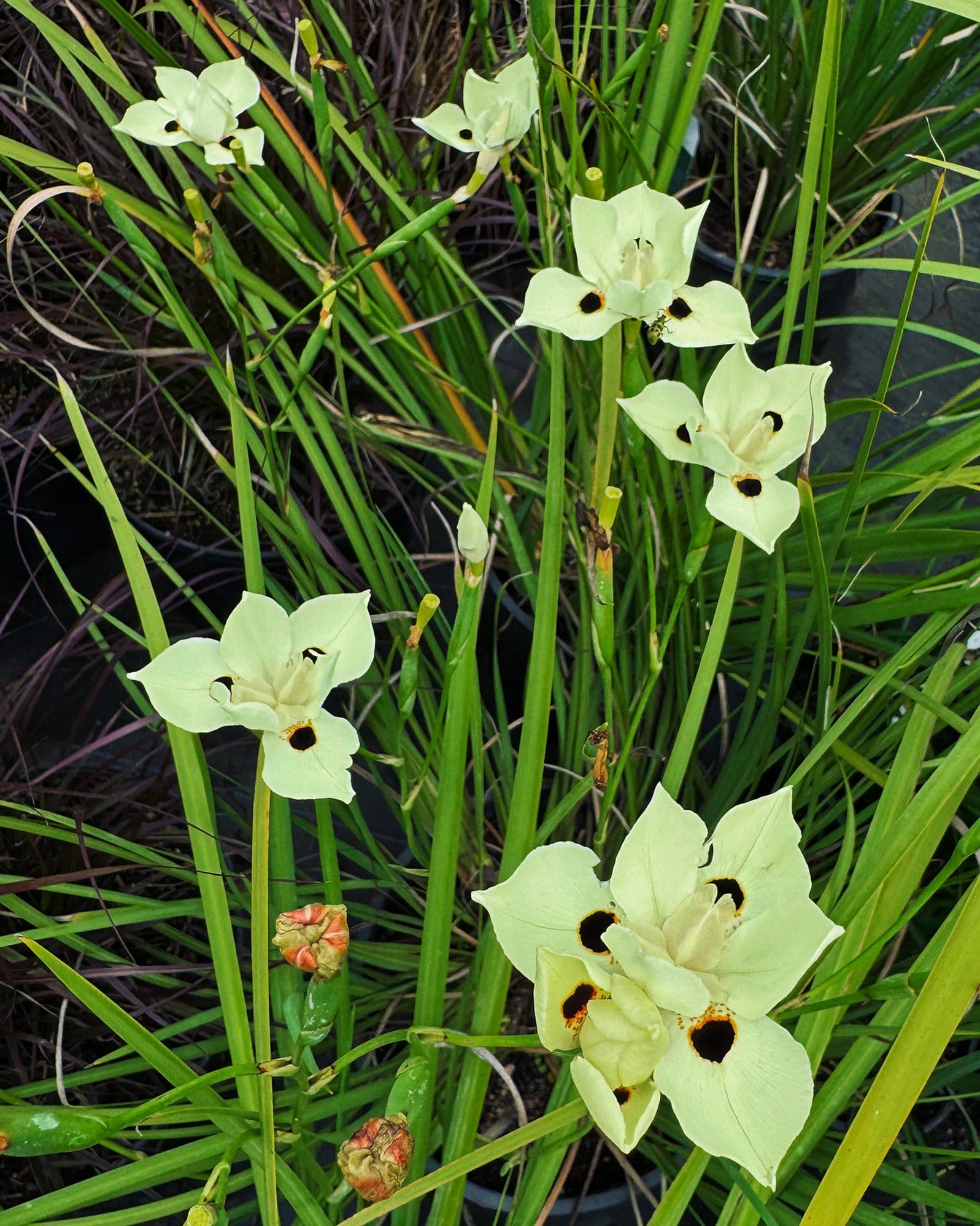
Bicolor Iris
Maturity: 2' H x 2' W
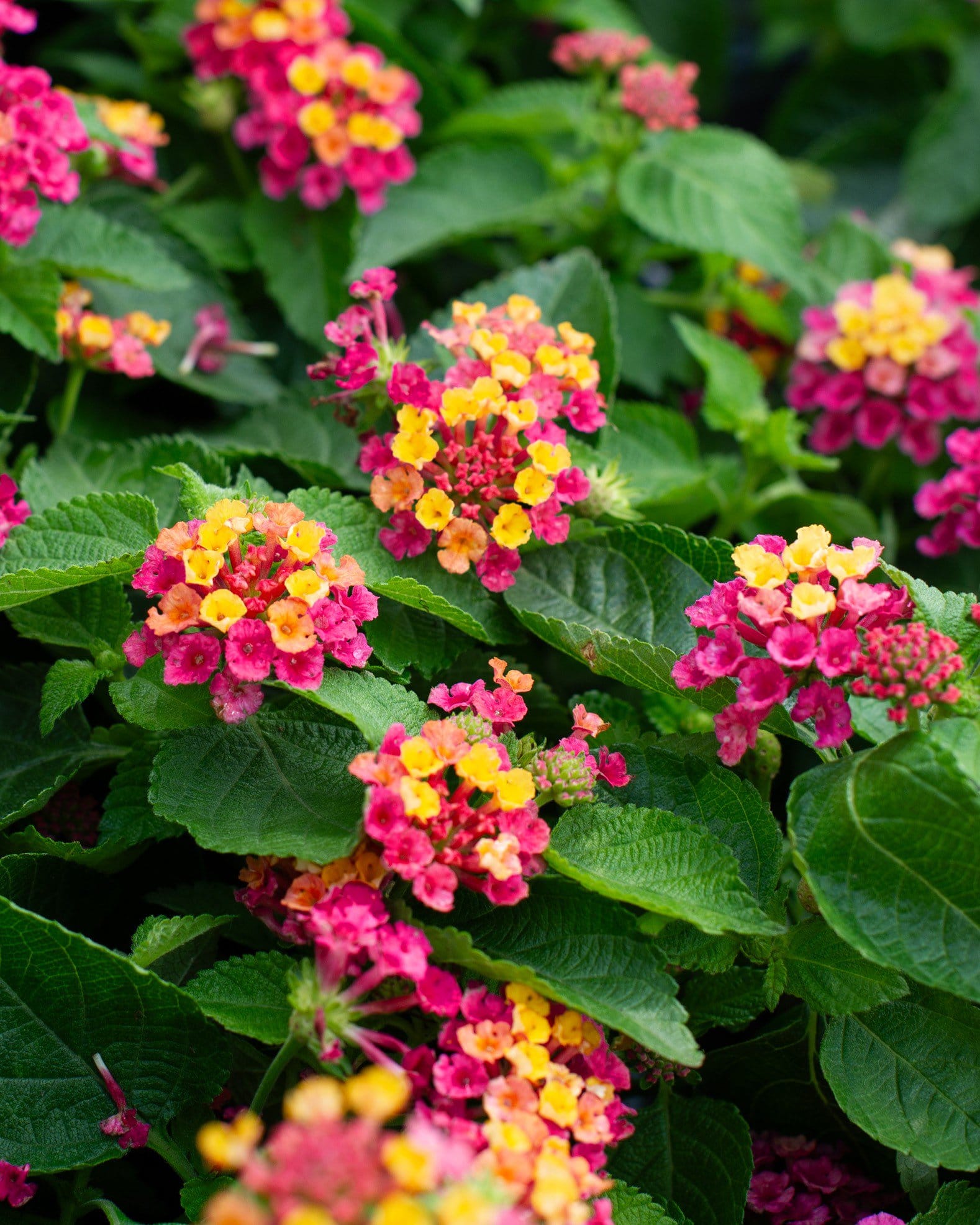
Bandana Cherry Sunrise Lantana
Maturity: 1.5' H x 1.5' W
Compare Similar Plants
Island Jekyll Daylily This plant | ||
|---|---|---|
| Scientific Name | Hemerocallis ‘Island Jekyll’ | Hemerocallis ‘Stella de Oro’ |
| Size at Maturity | 1.5' H x 1.5' W | 1.5' H x 1.5' W |
| Leaf Retention | Herbaceous | Herbaceous |
| Flower Color | Pink & Yellow | Yellow |
| Bloom Times | Summer | Summer |
| Sizes Available | — | 1 gal |


Our 1-Year Planting Guarantee
We take pride in our plants and installation services. If any plants or trees installed by Treeland fail to thrive within the first year, we'll provide a replacement credit in accordance with our guarantee program.
Learn More About Our Guarantee