






 Popular
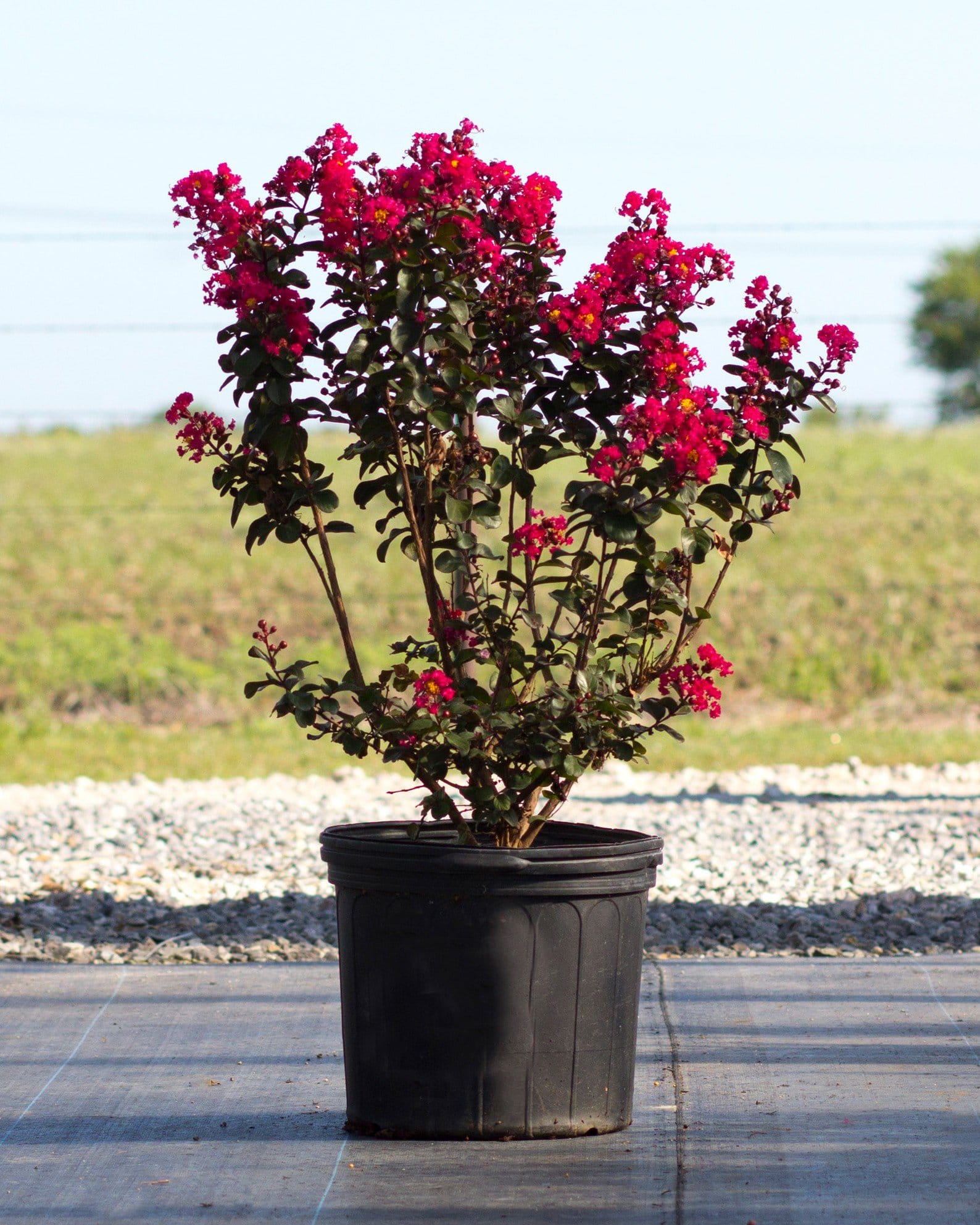
Dark Roast Crape Myrtle
Lagerstroemia indica ‘Dark Roast’Local DFW Delivery Only
Product Details
Dark Roast Crape Myrtle
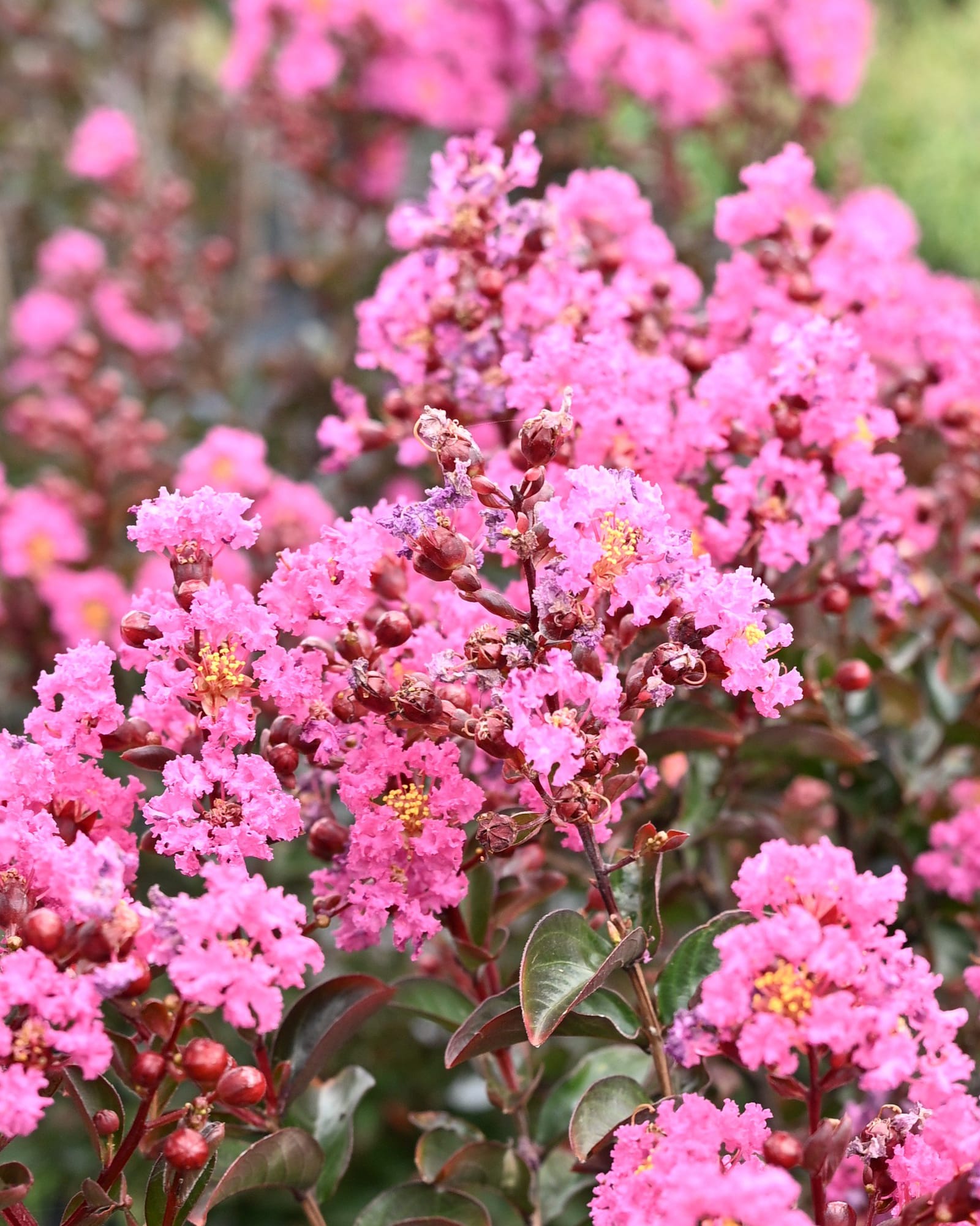
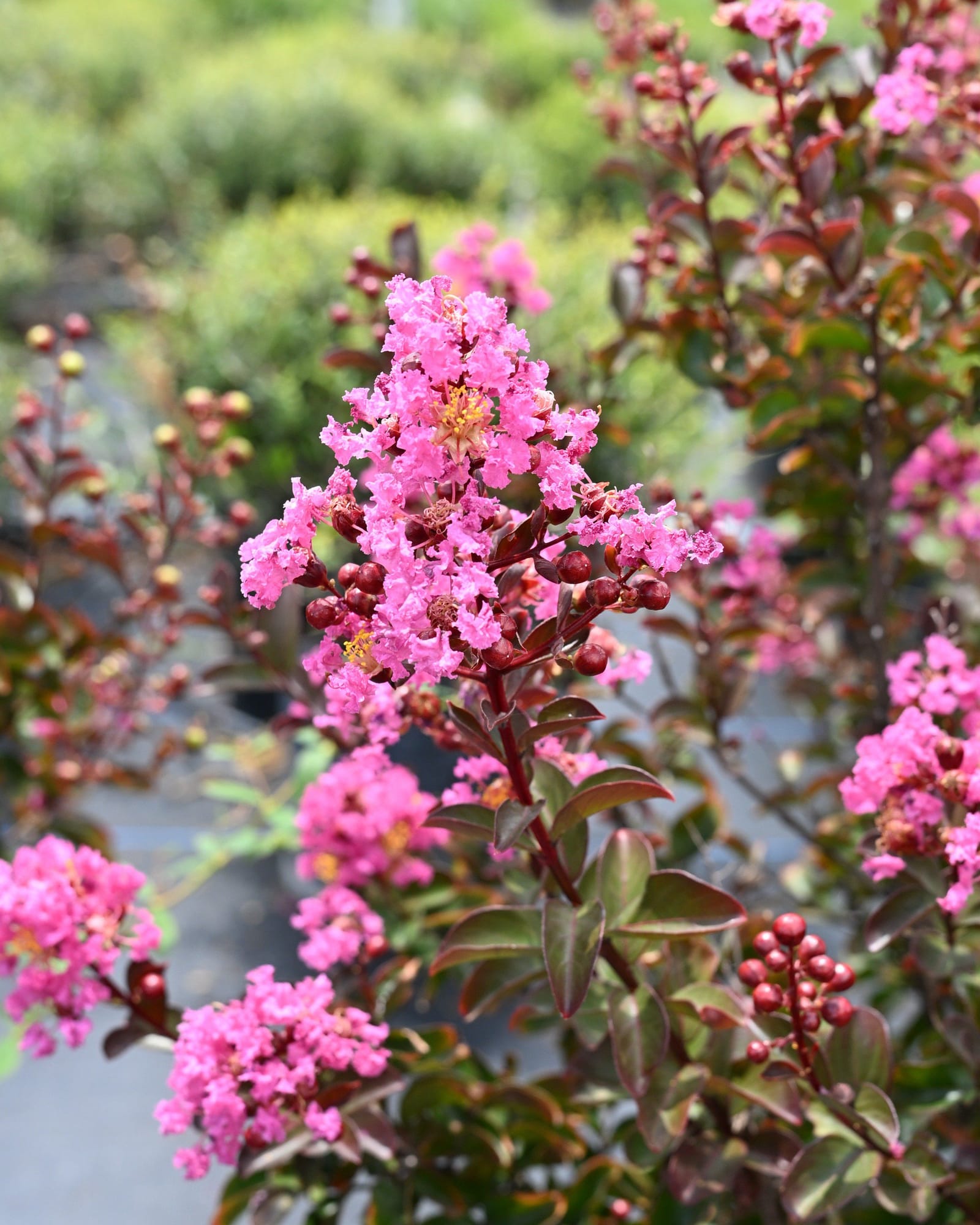
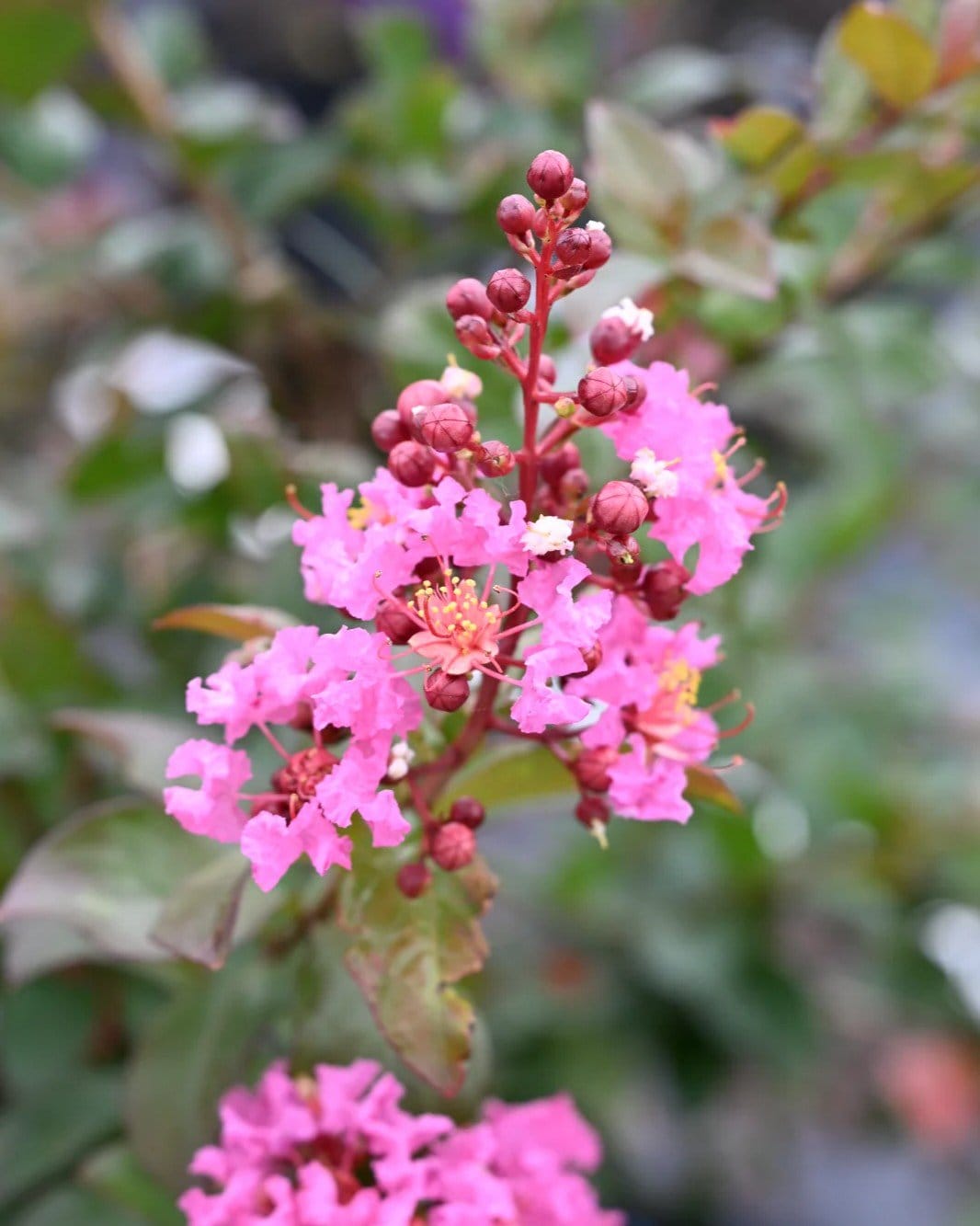
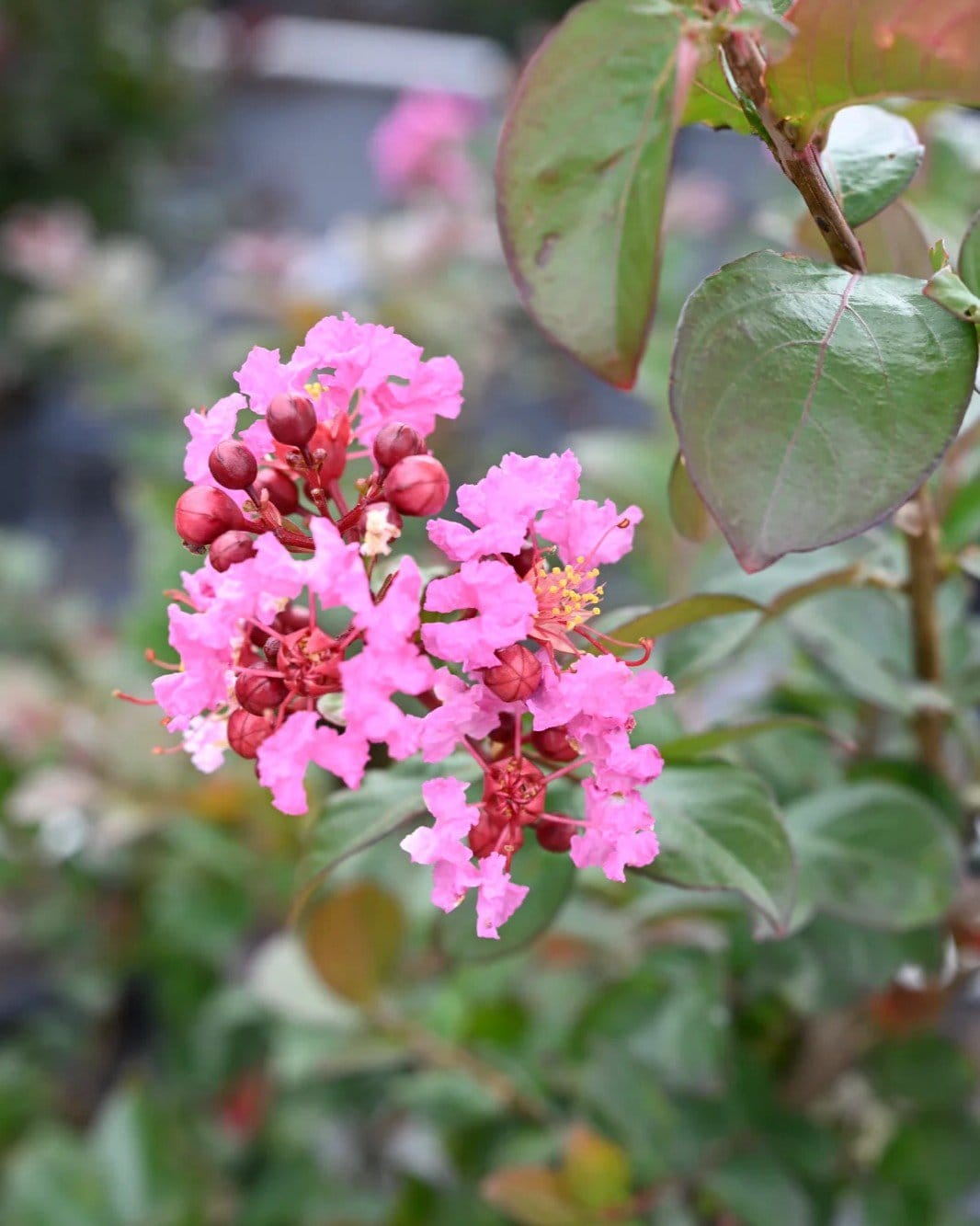
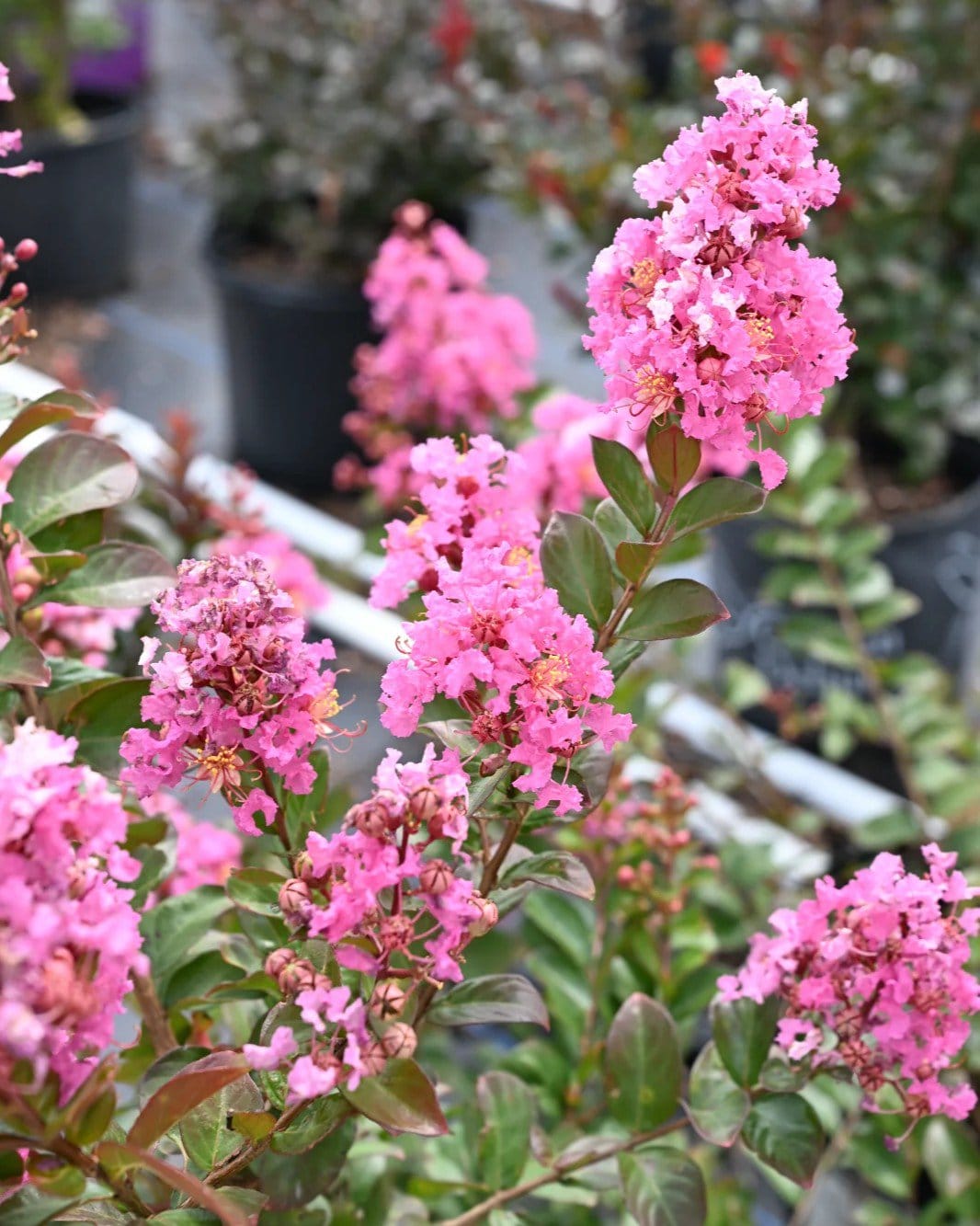
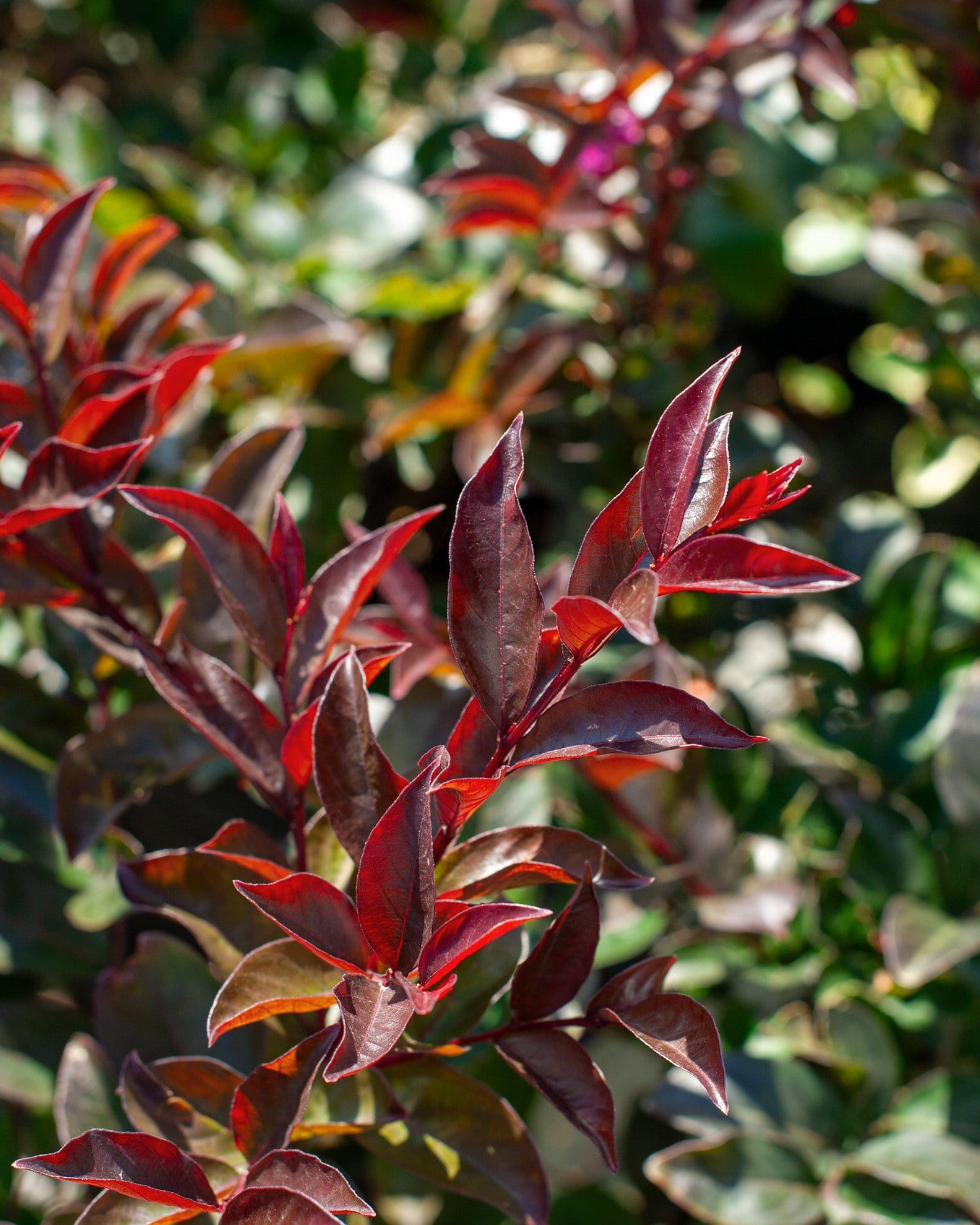
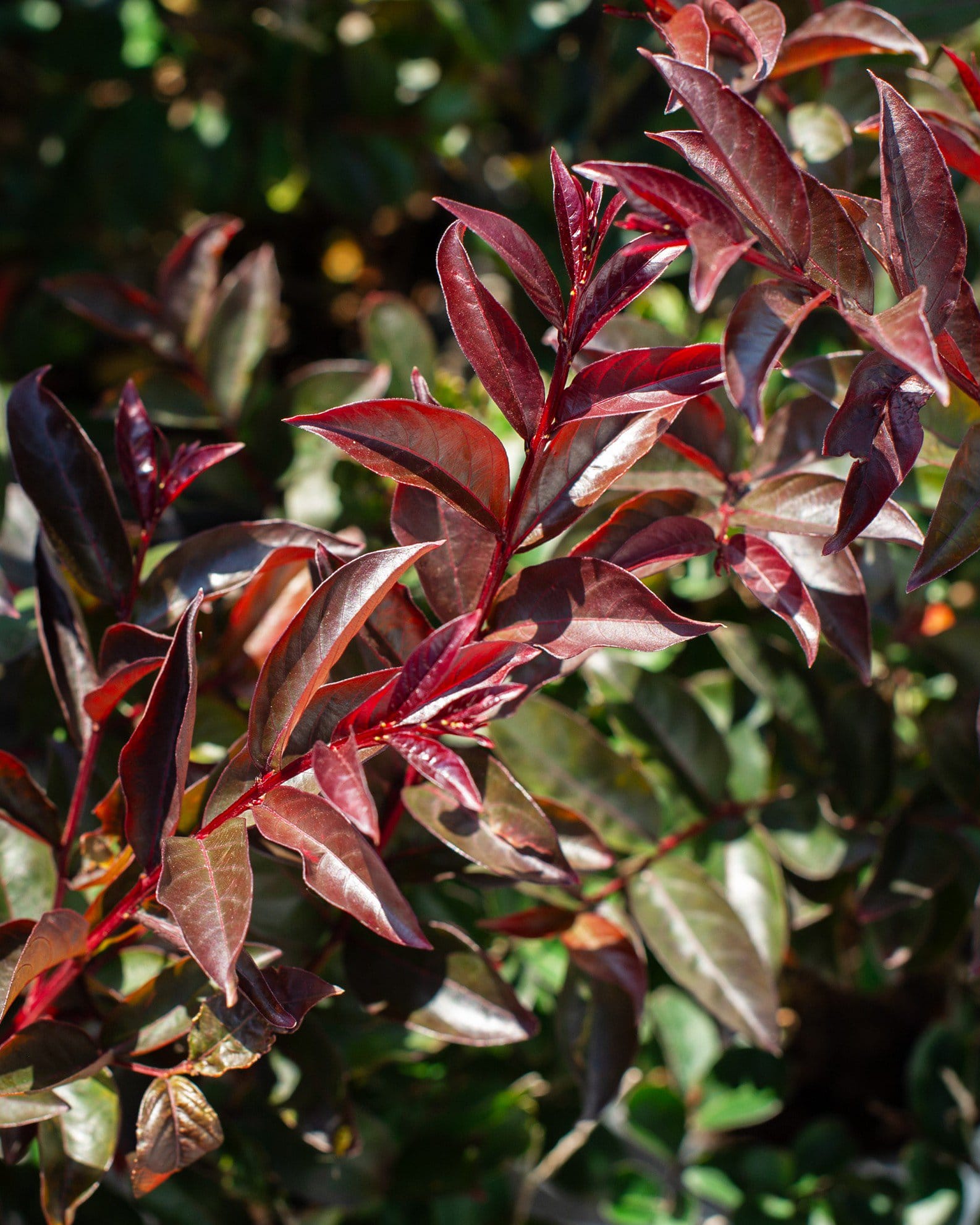
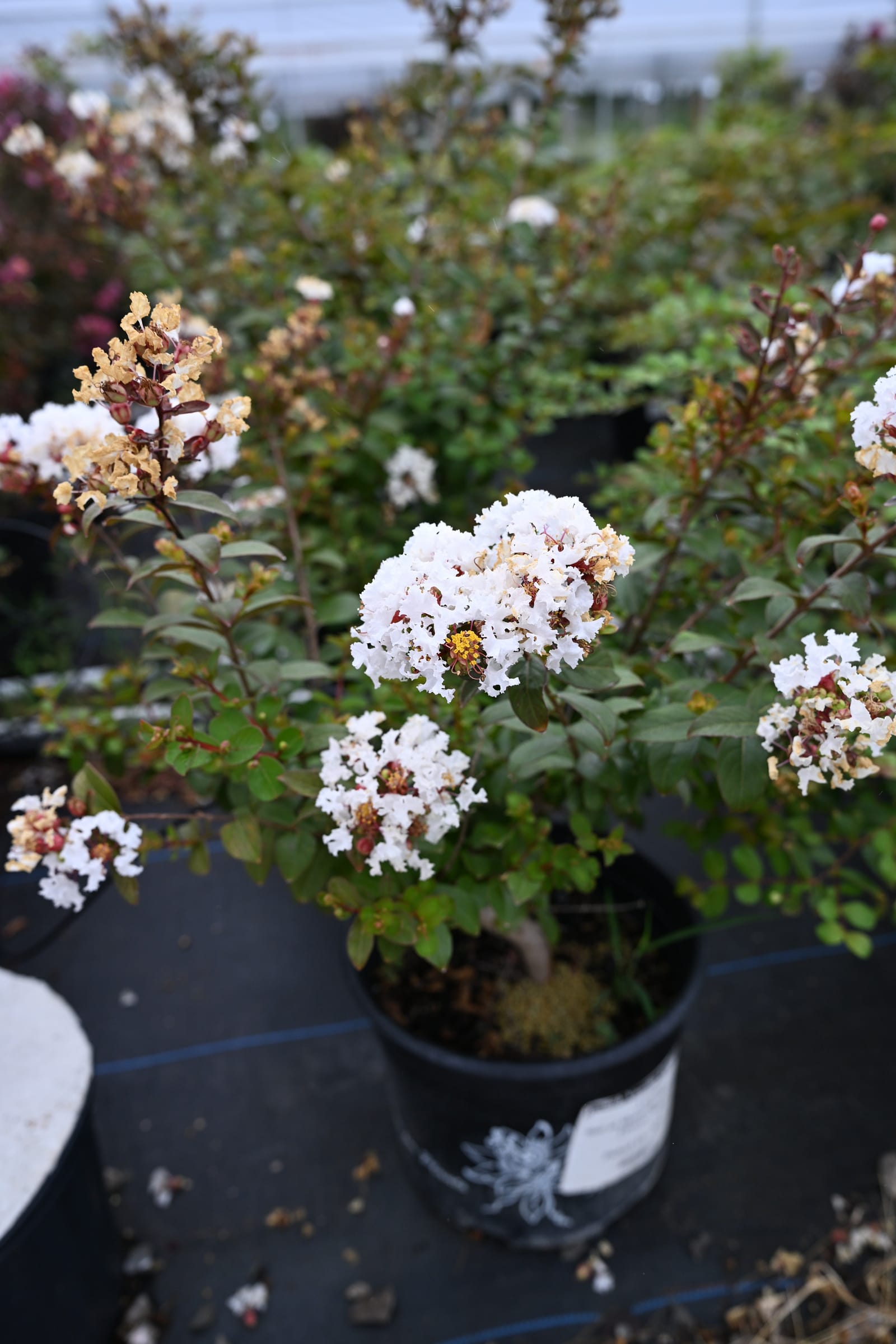
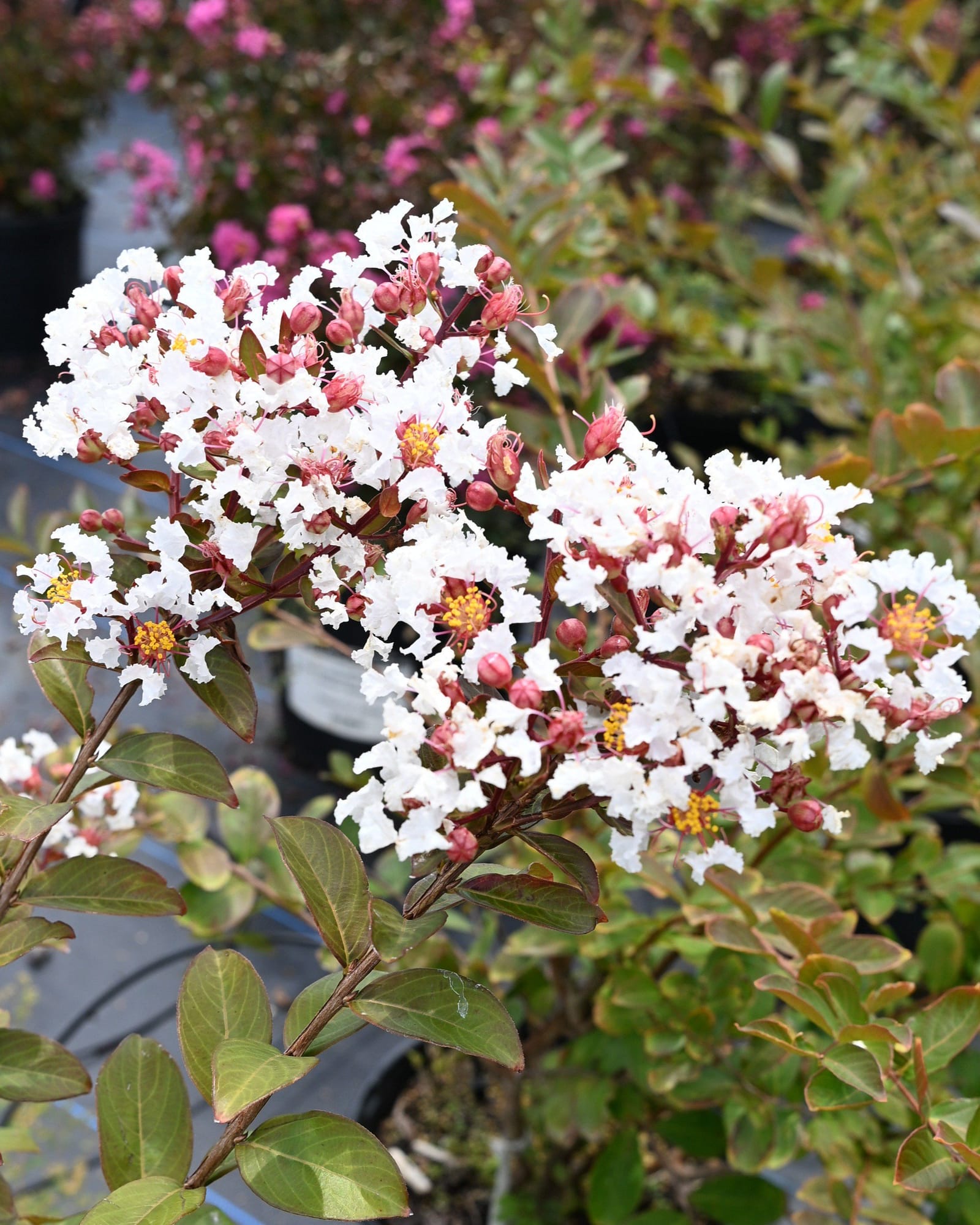
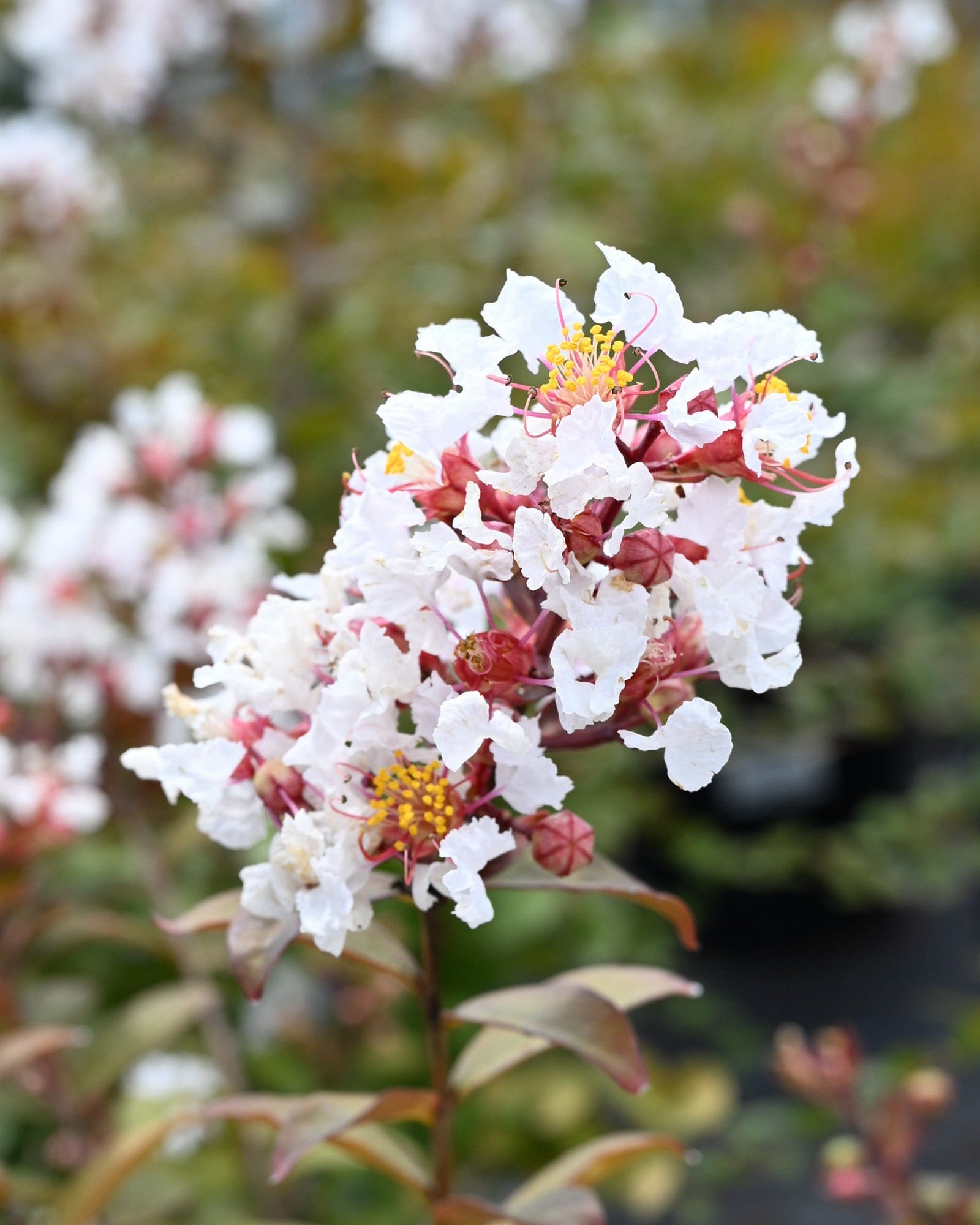
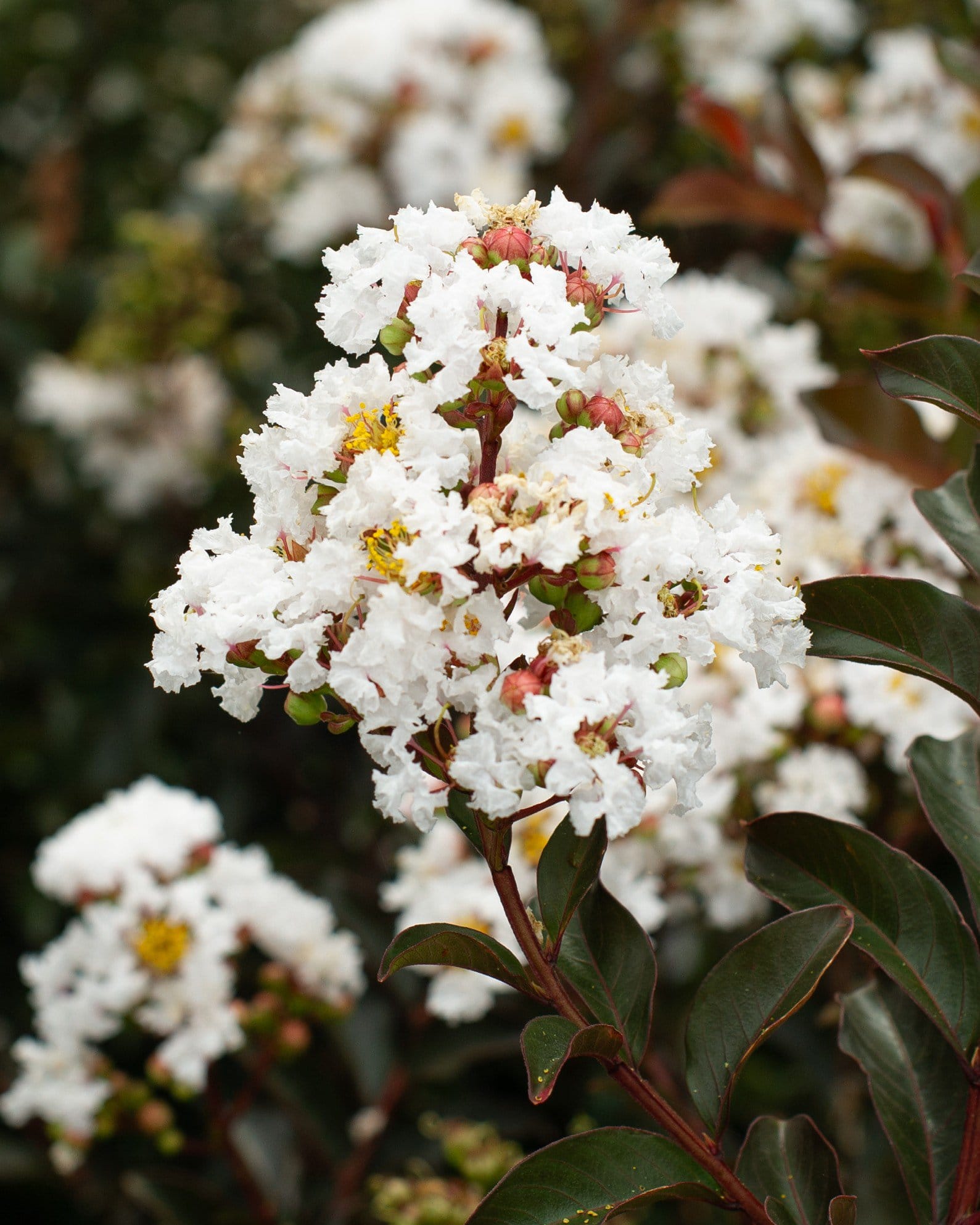
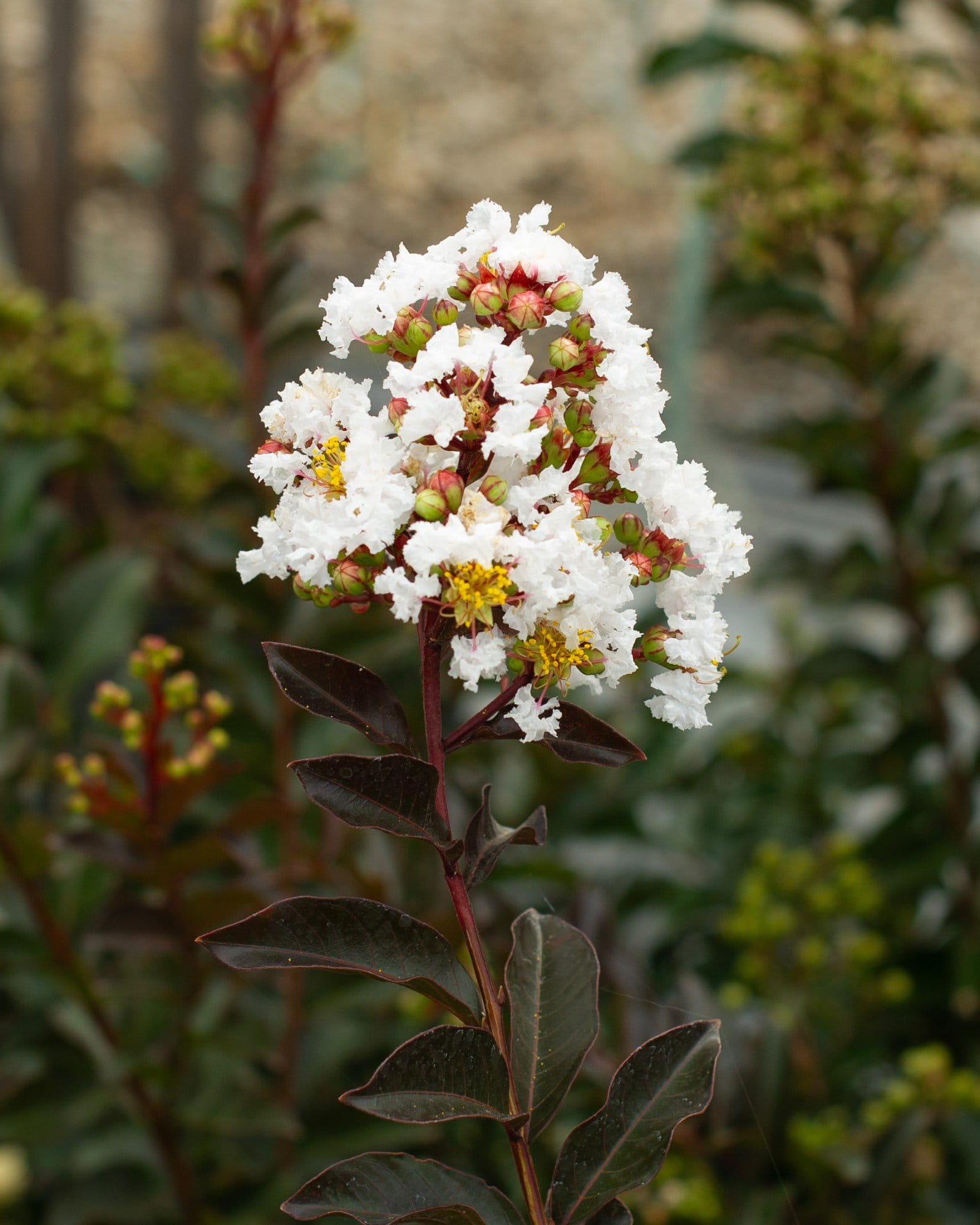
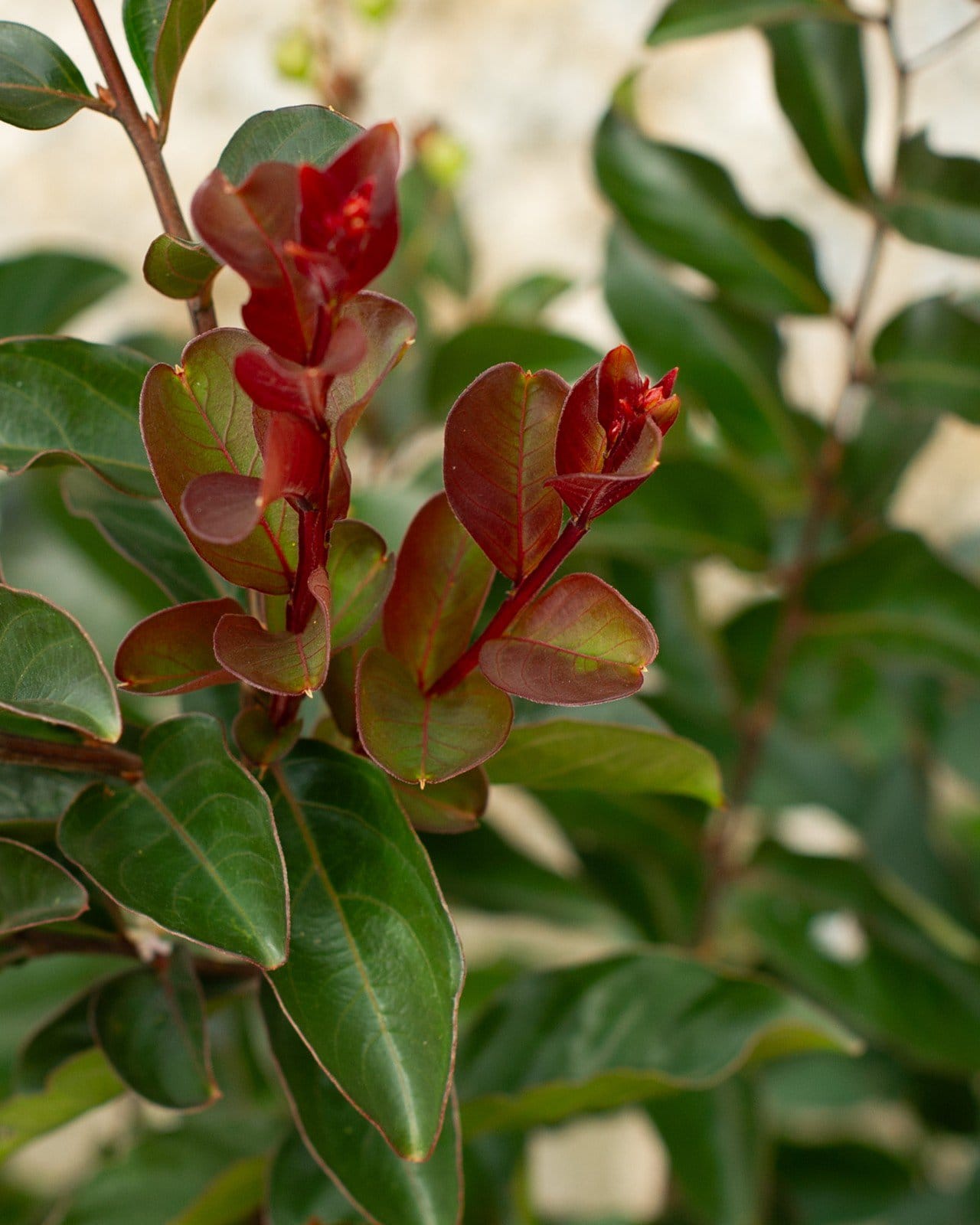
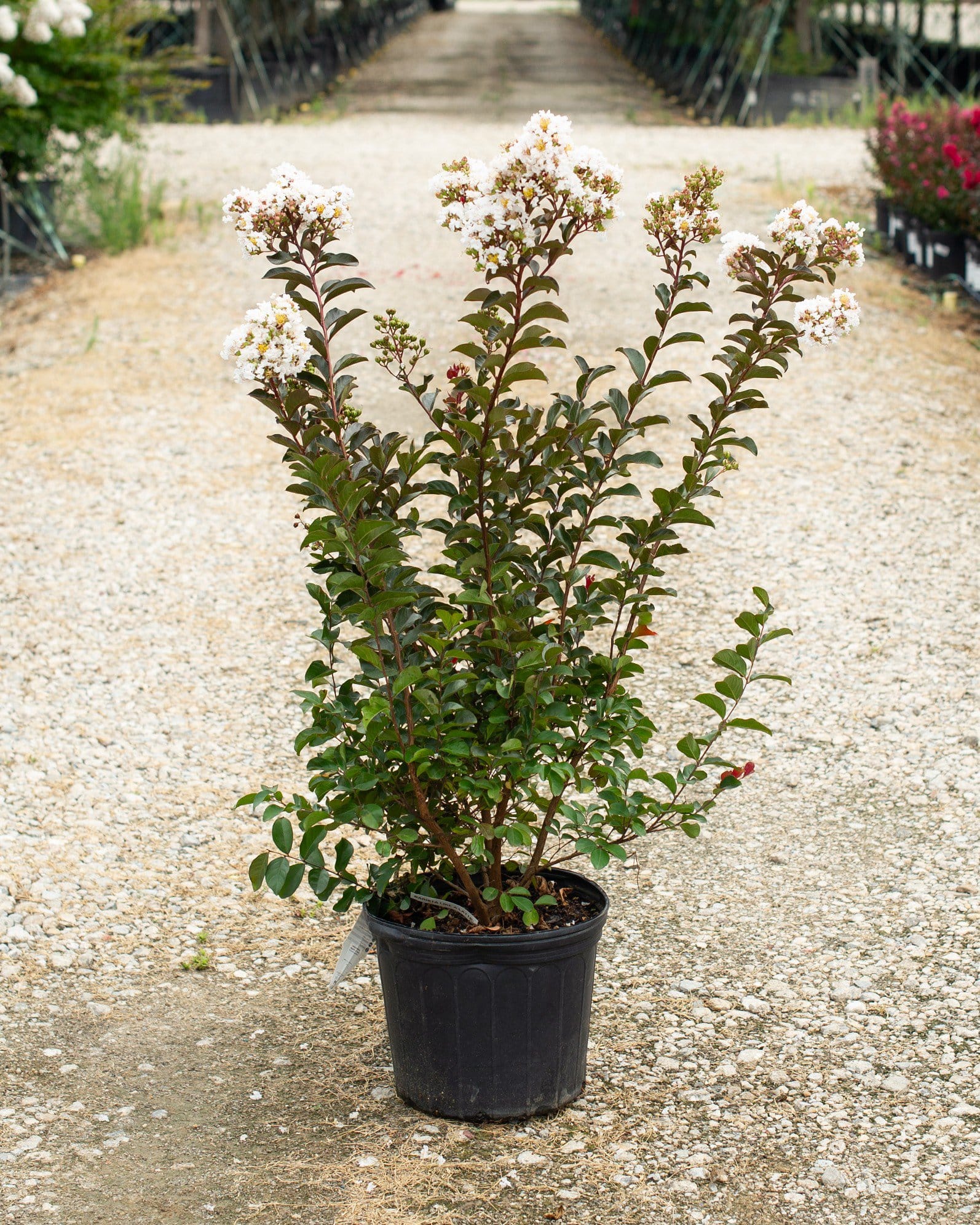
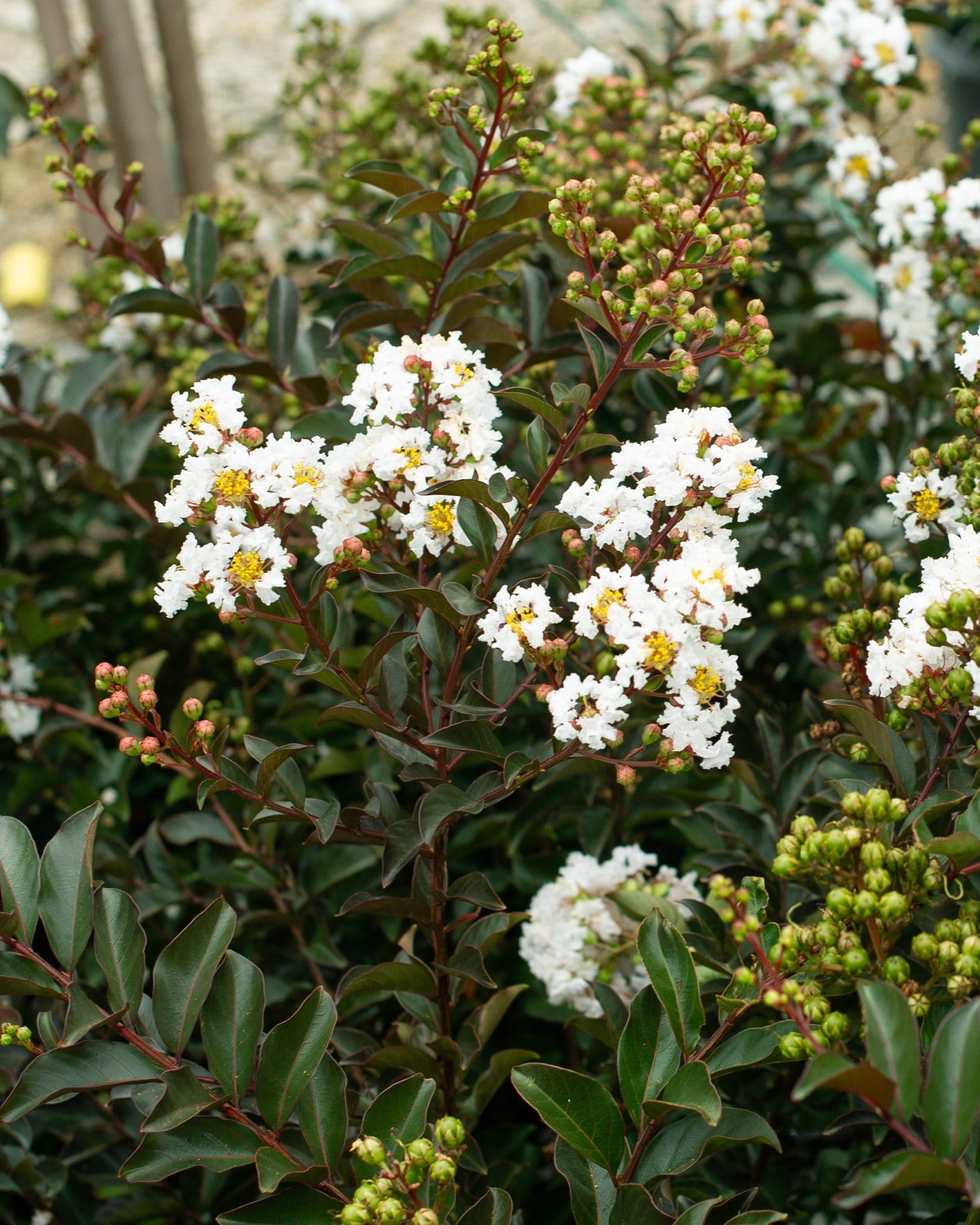
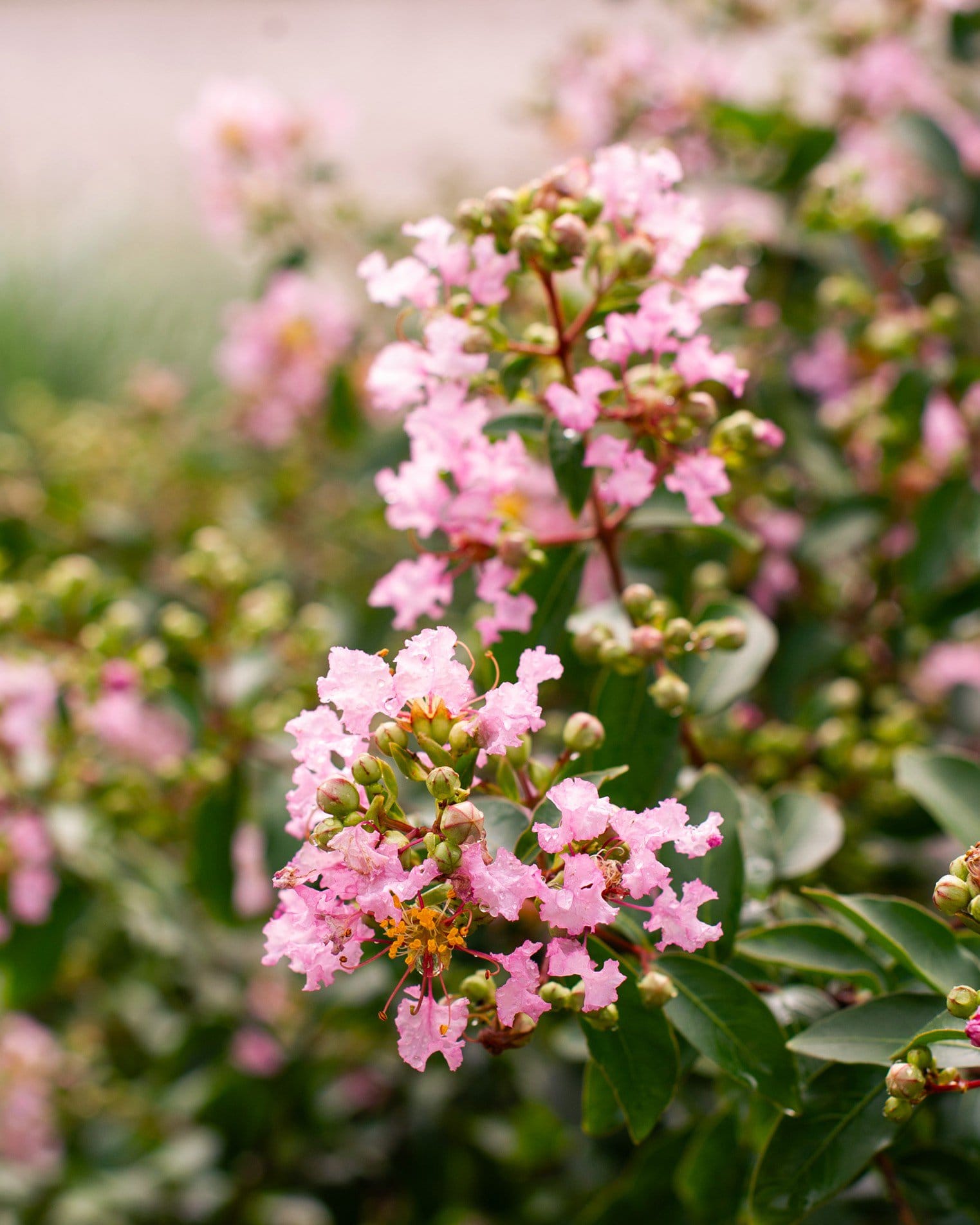
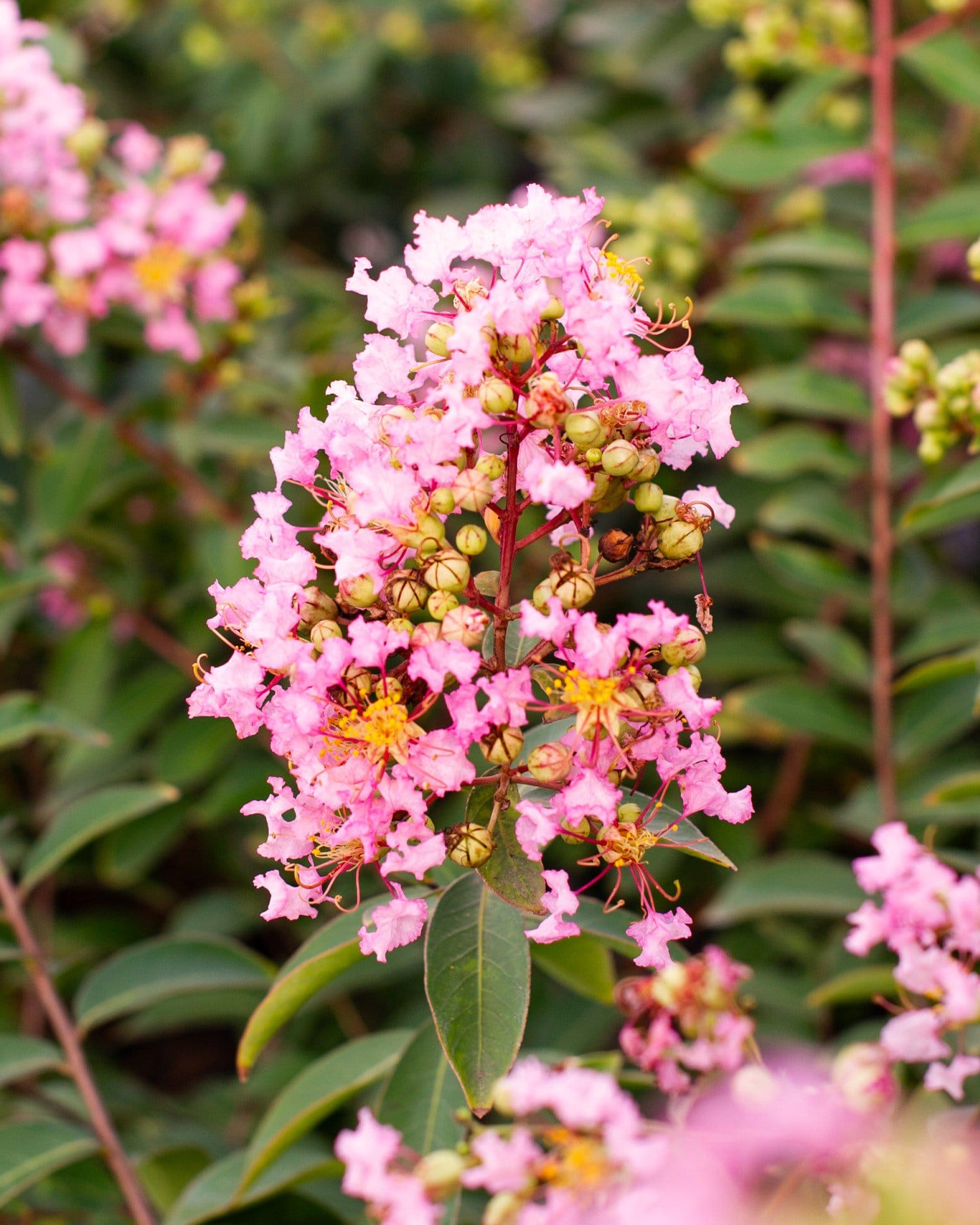
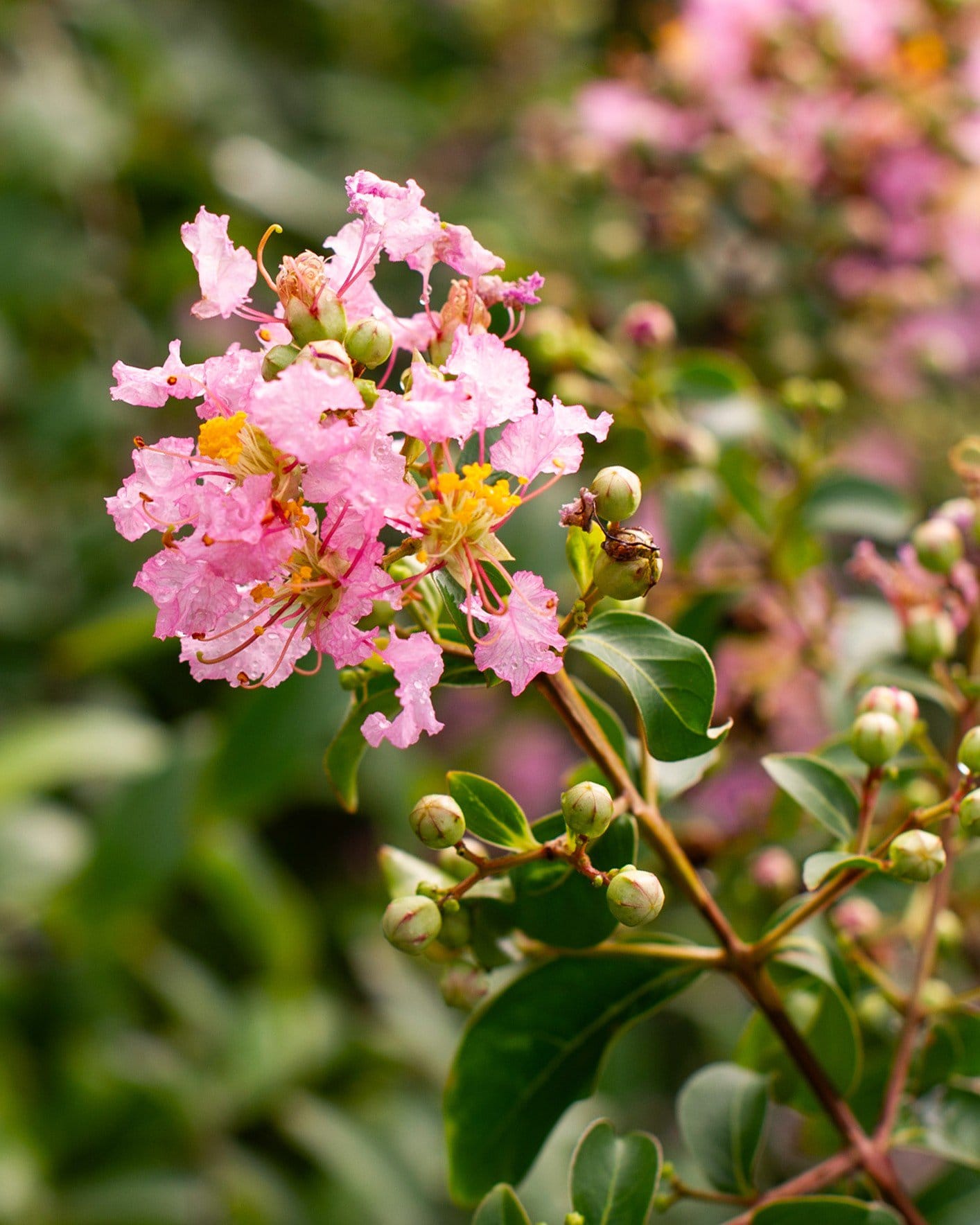
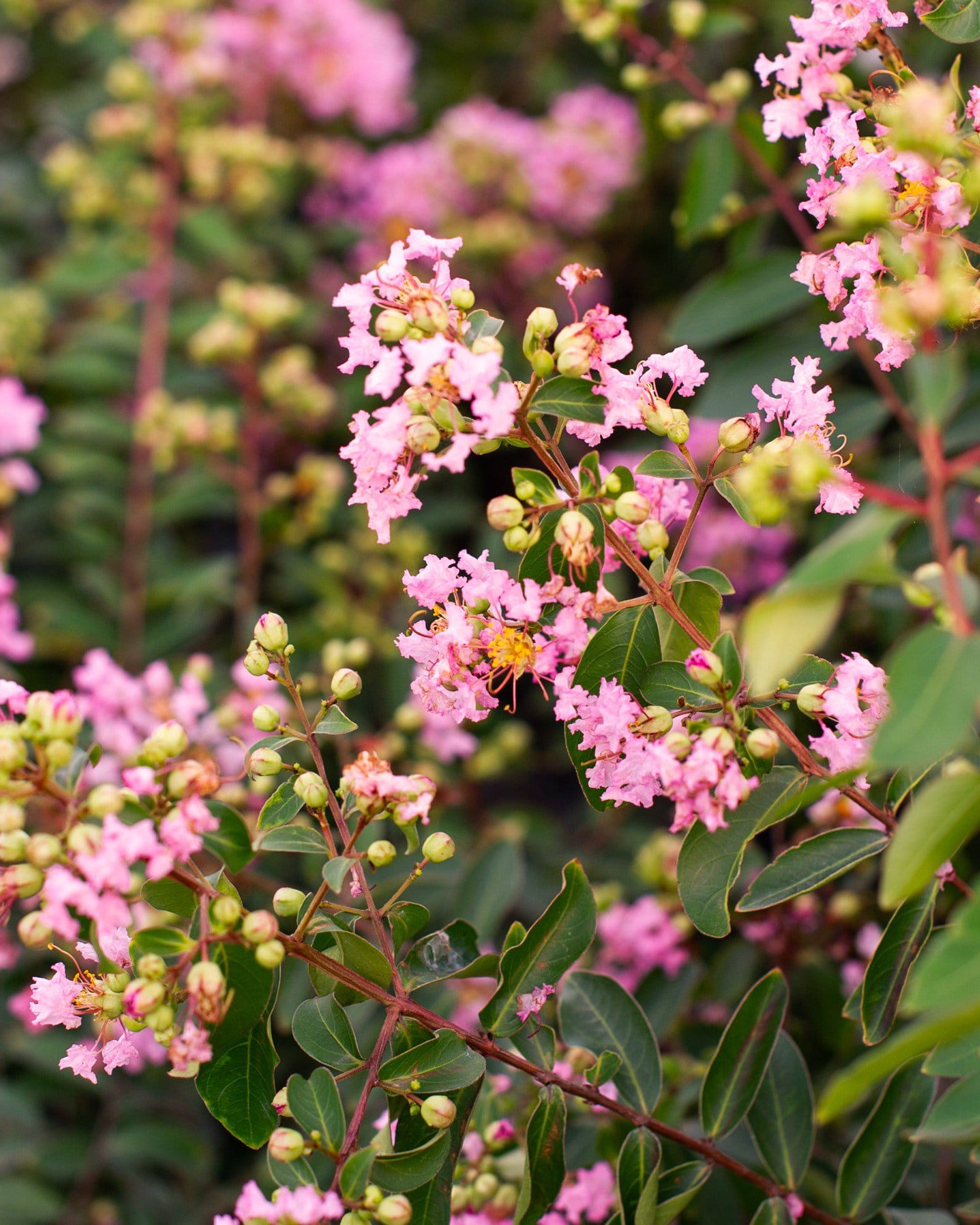
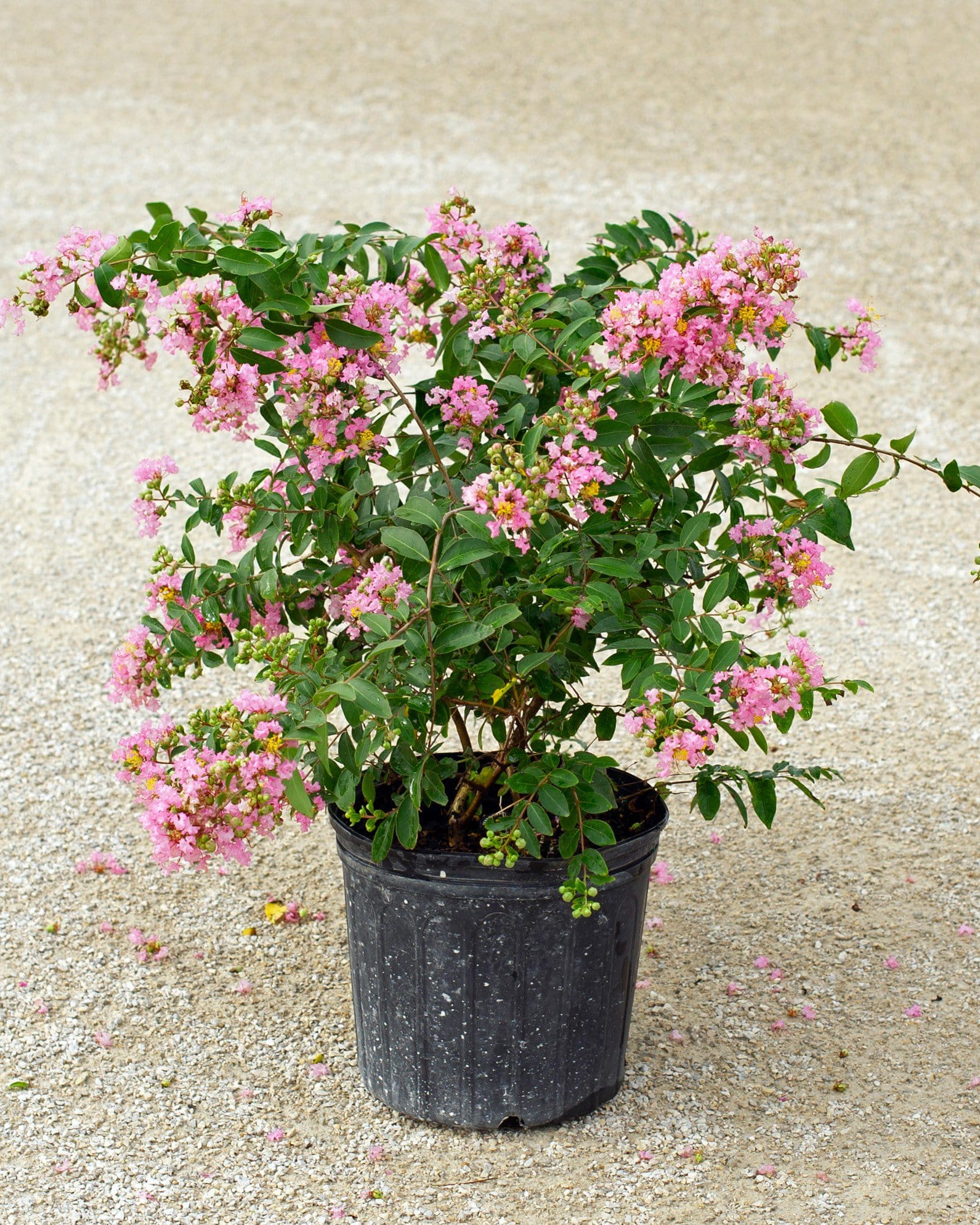
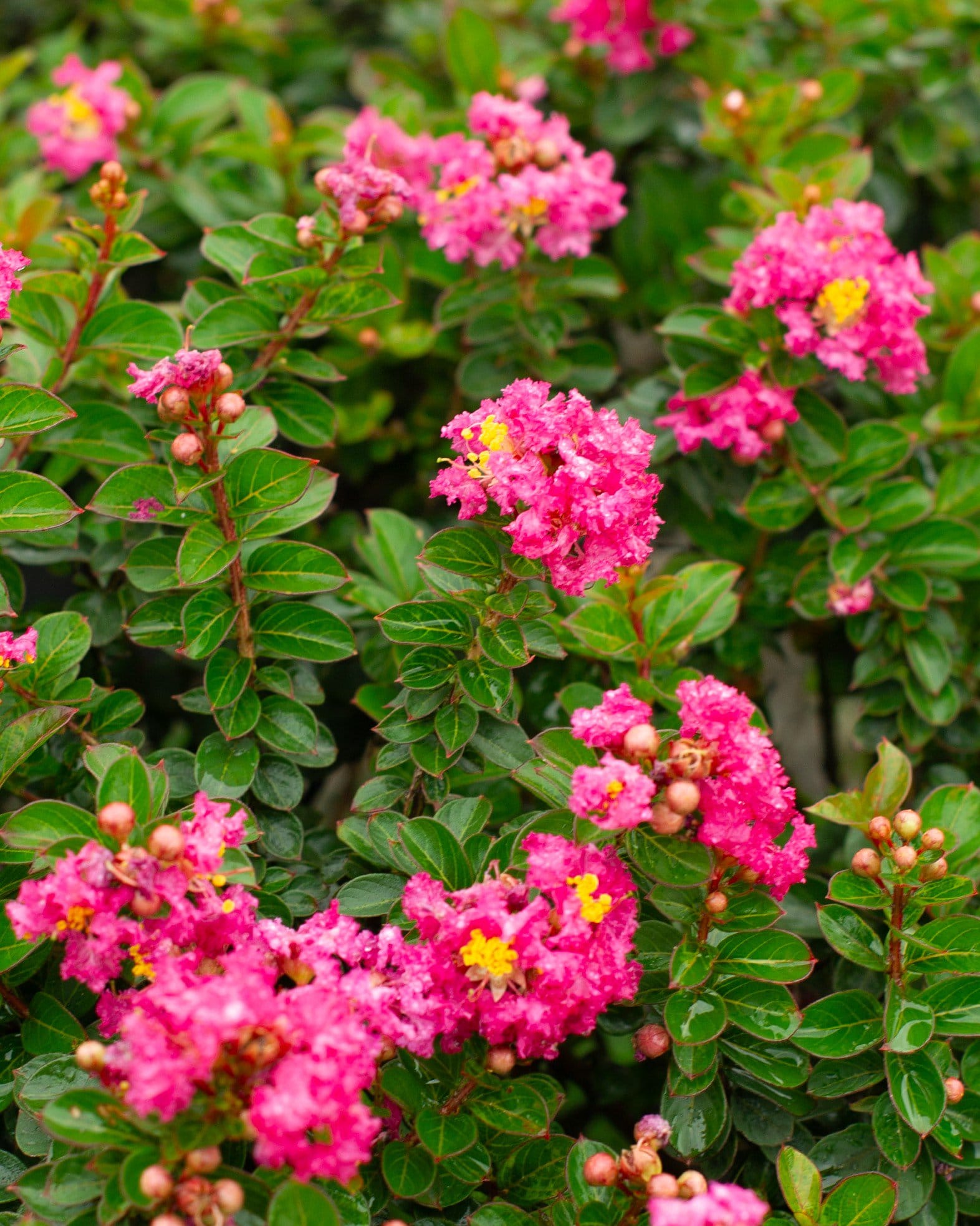
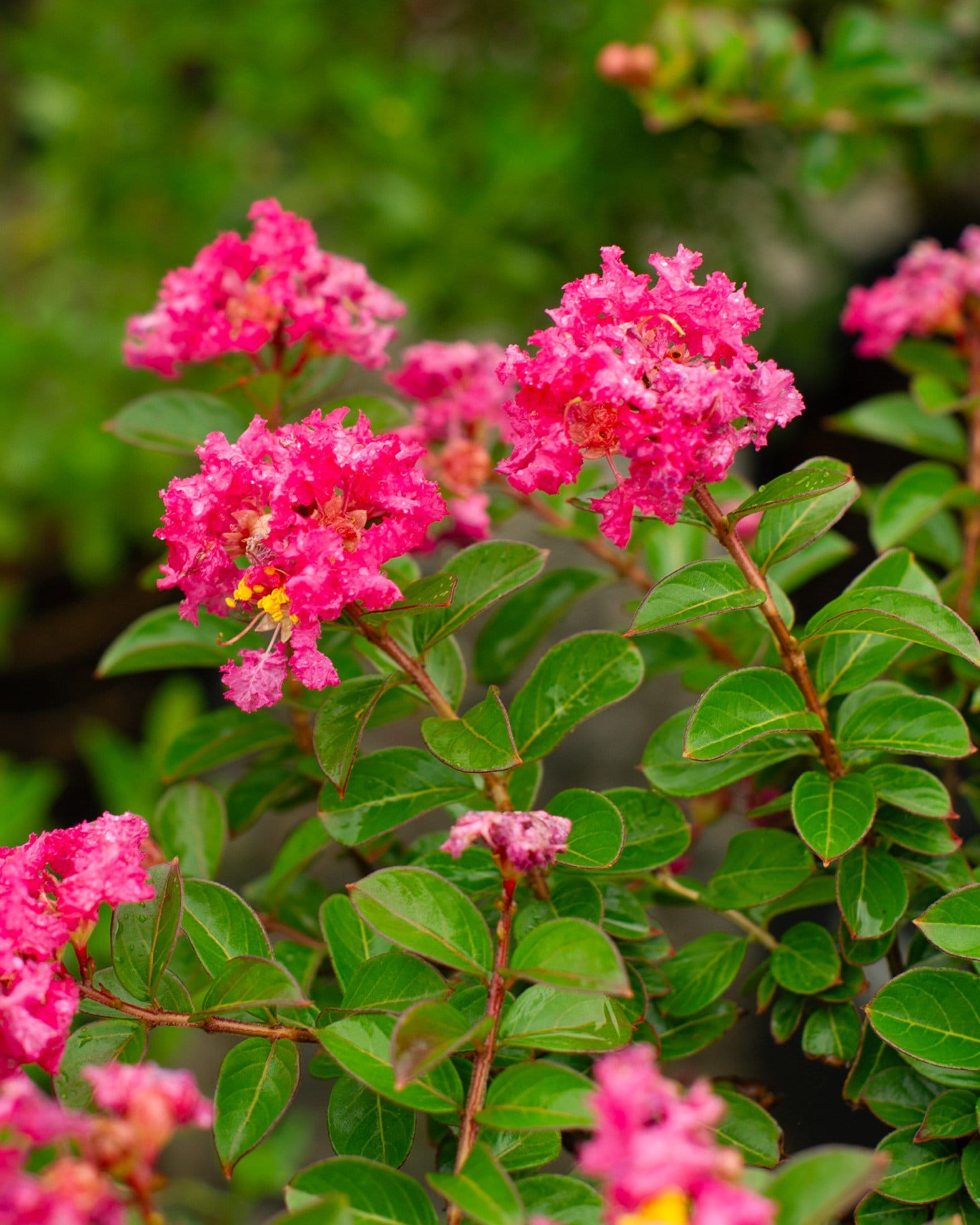
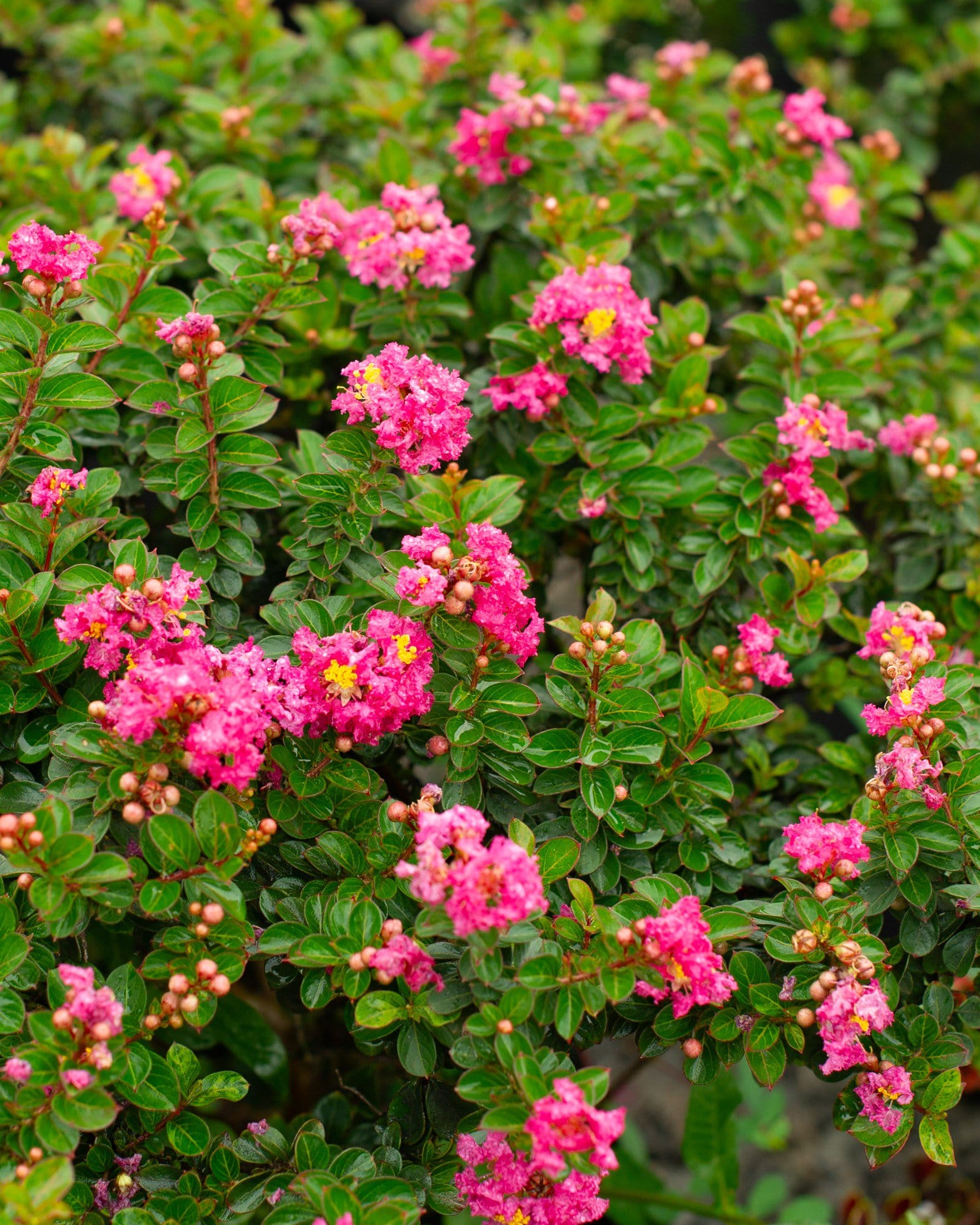
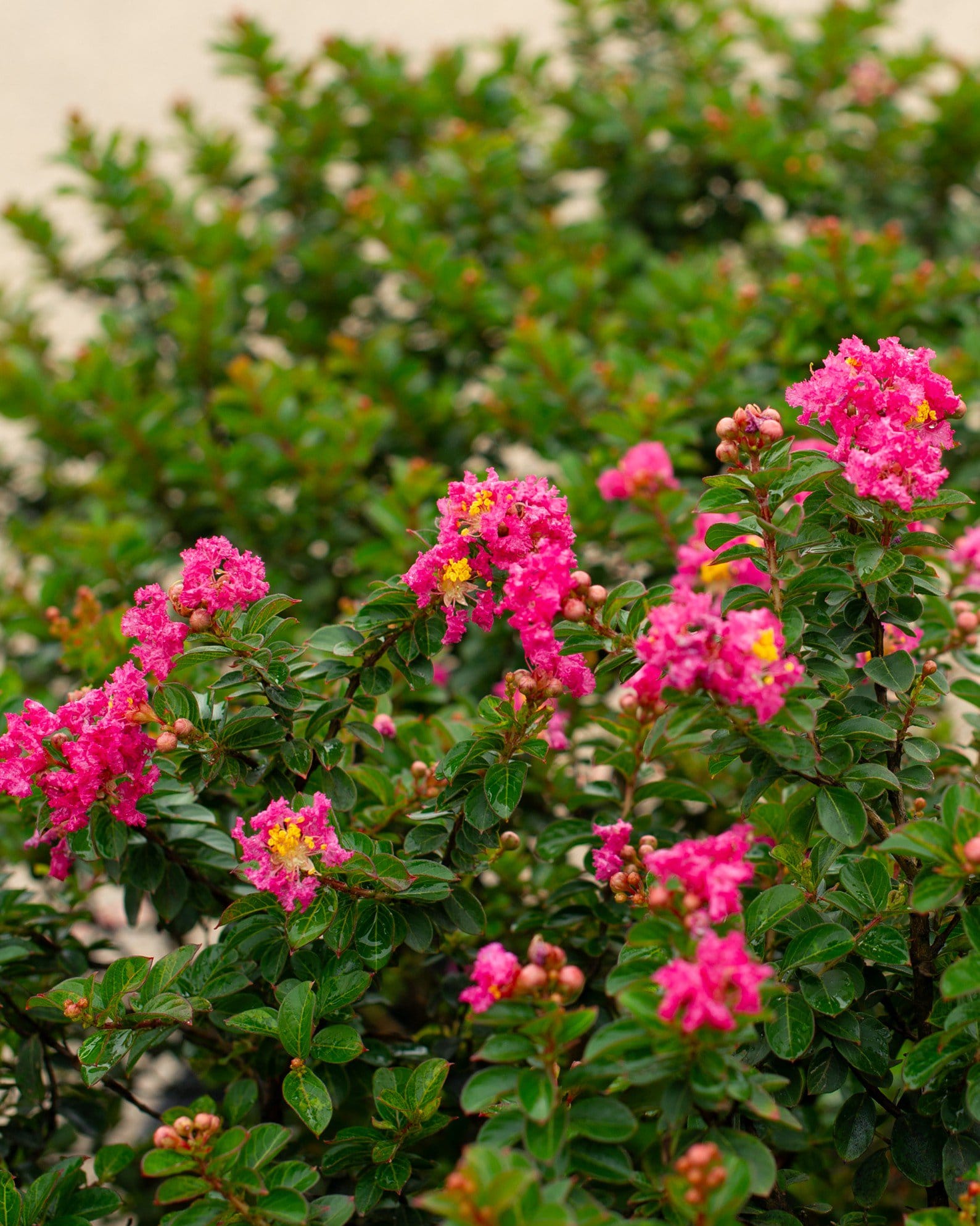
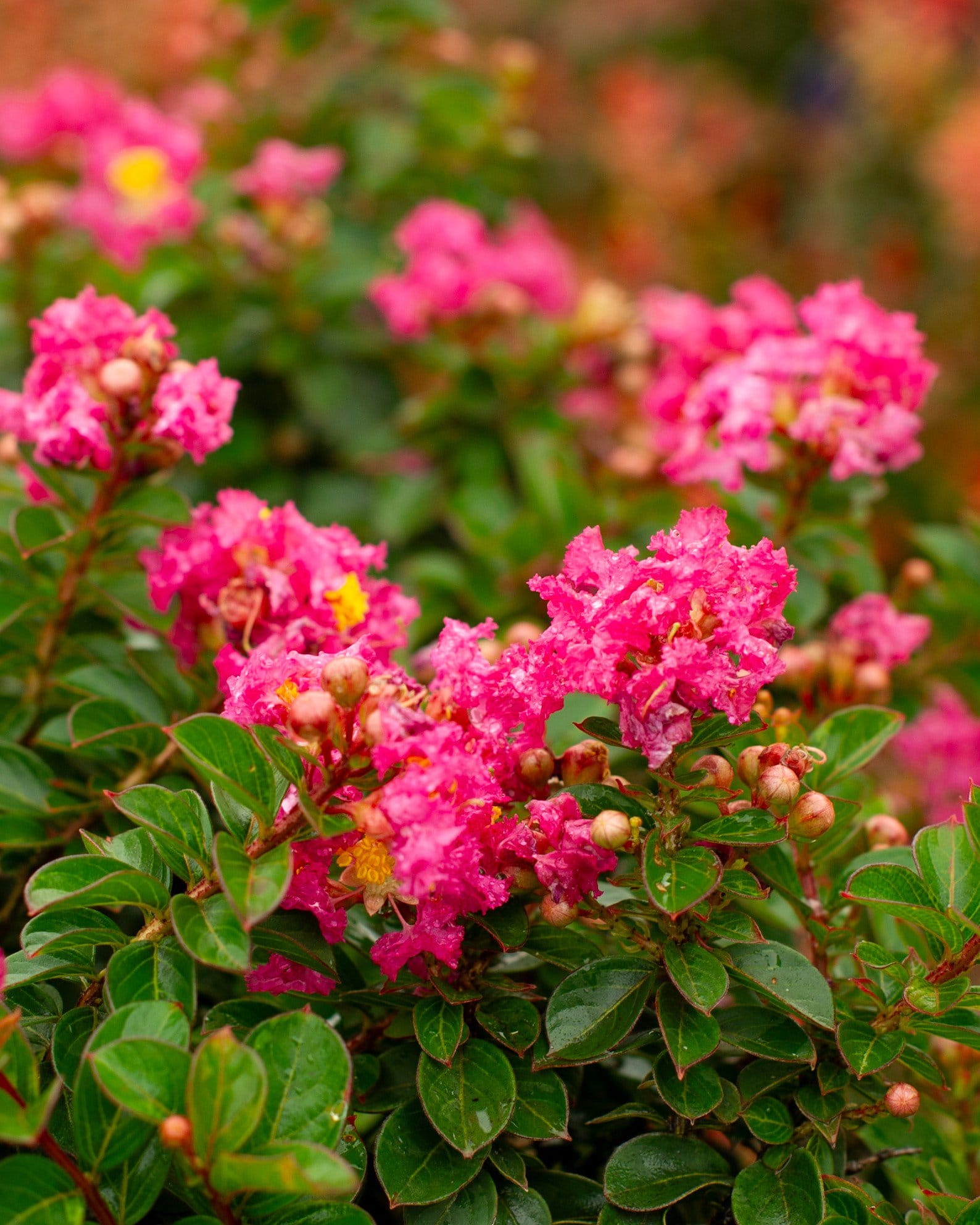
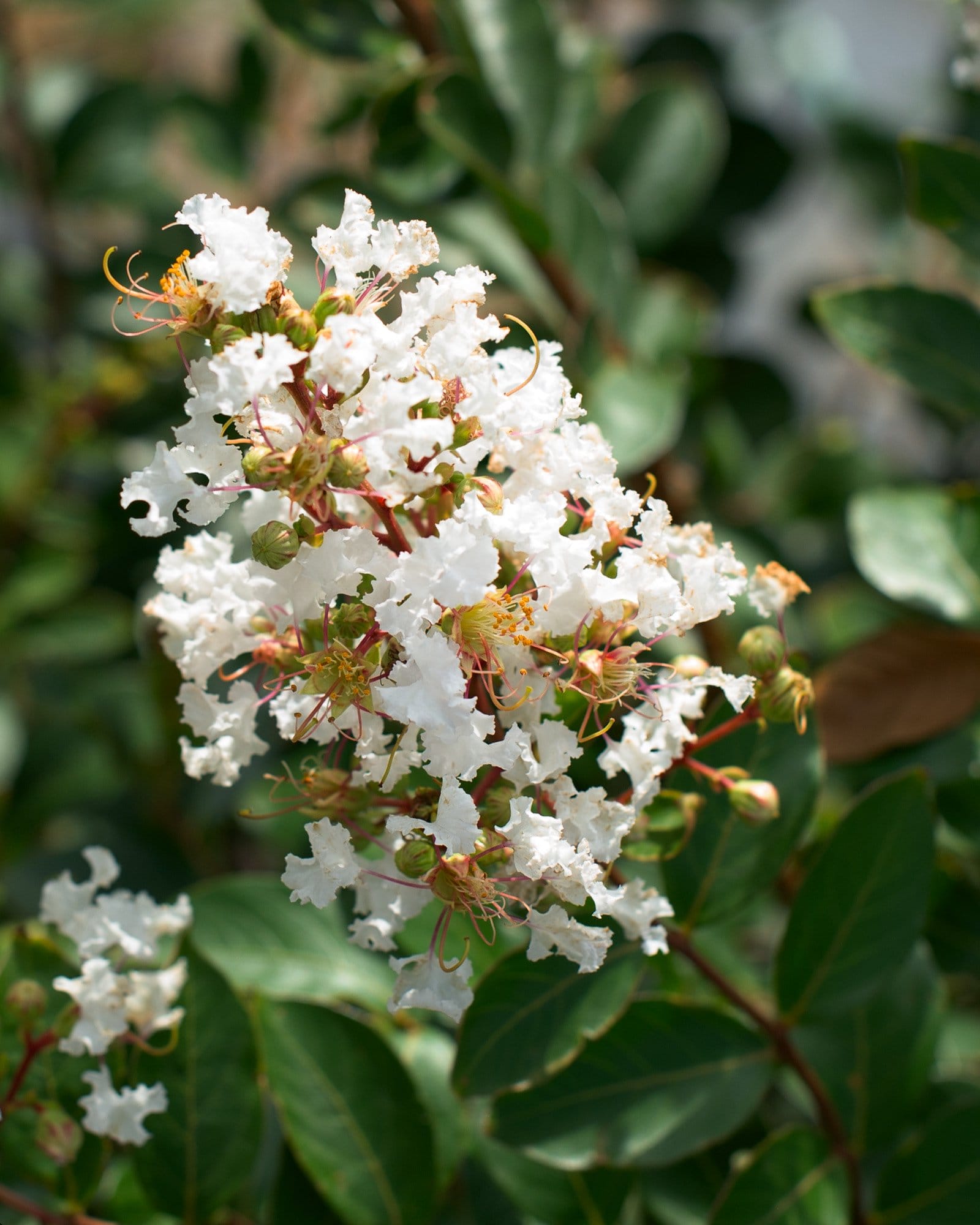
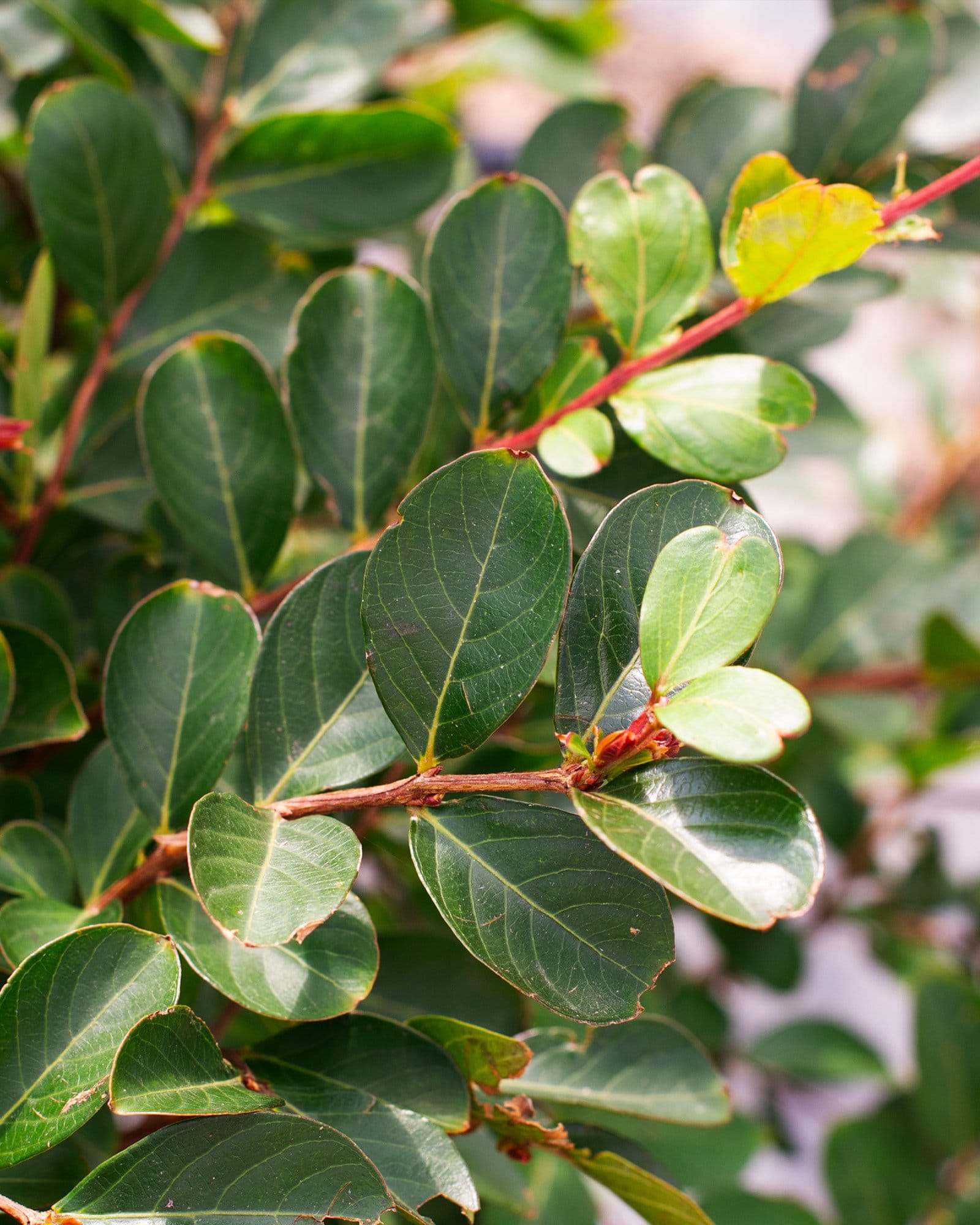
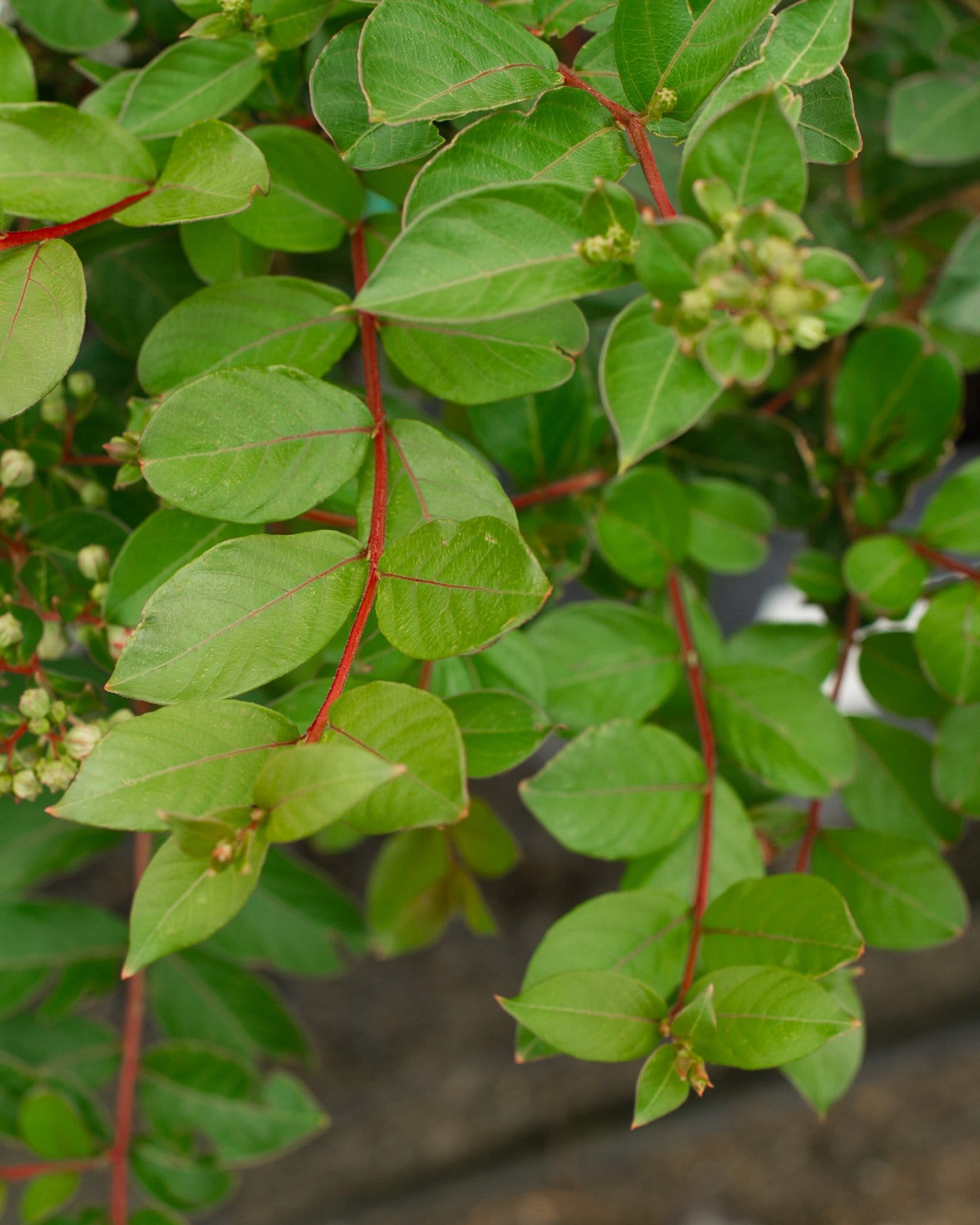
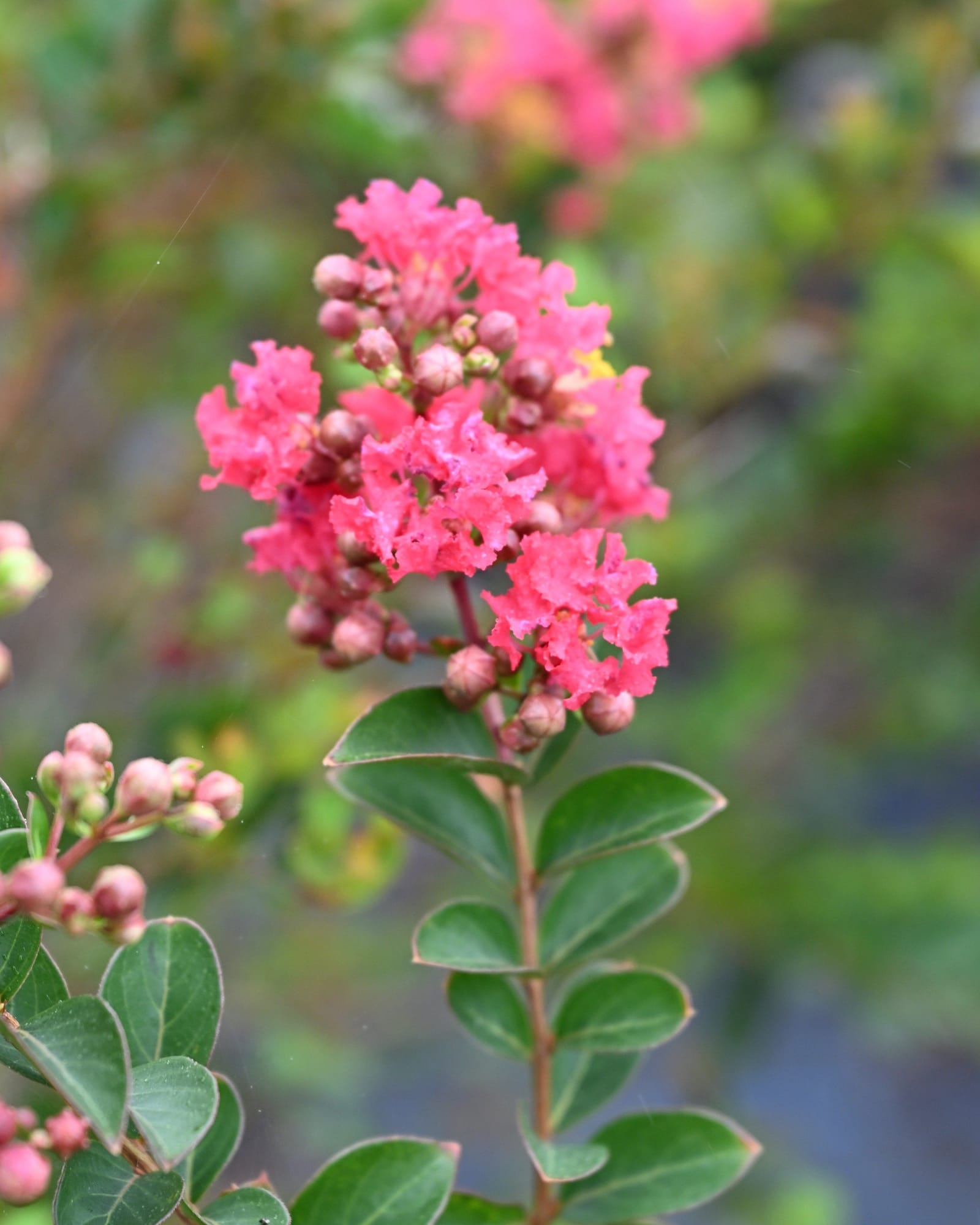
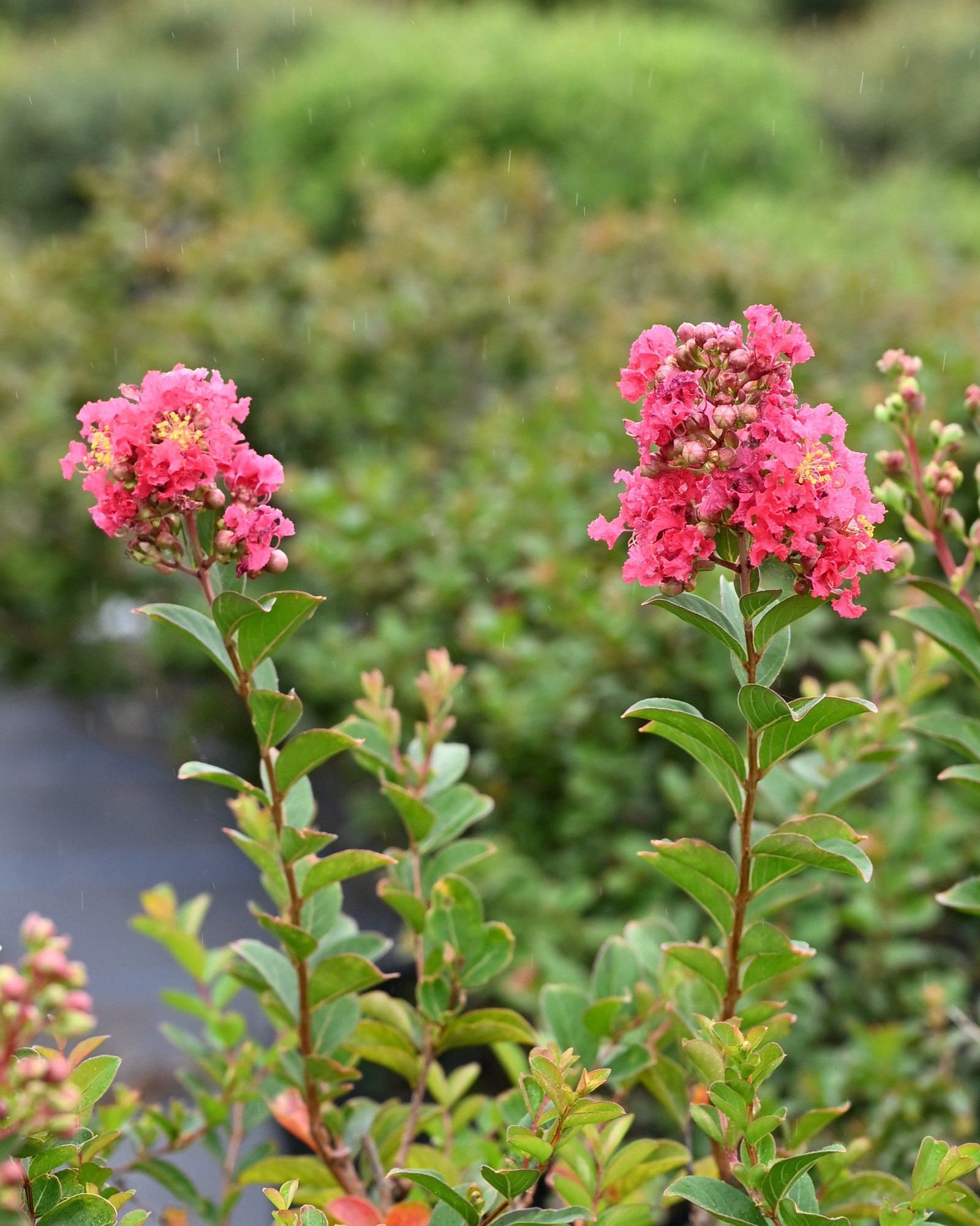
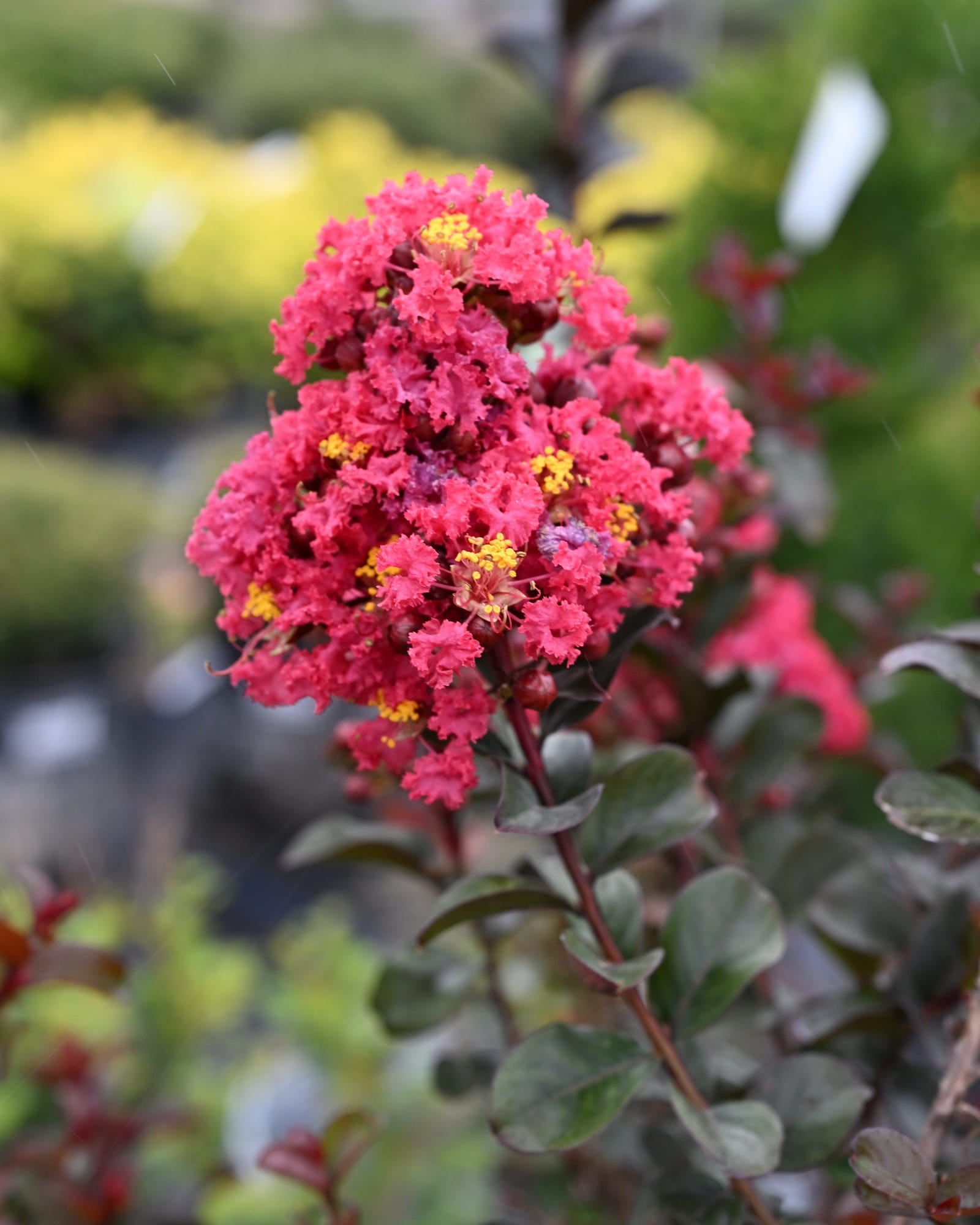
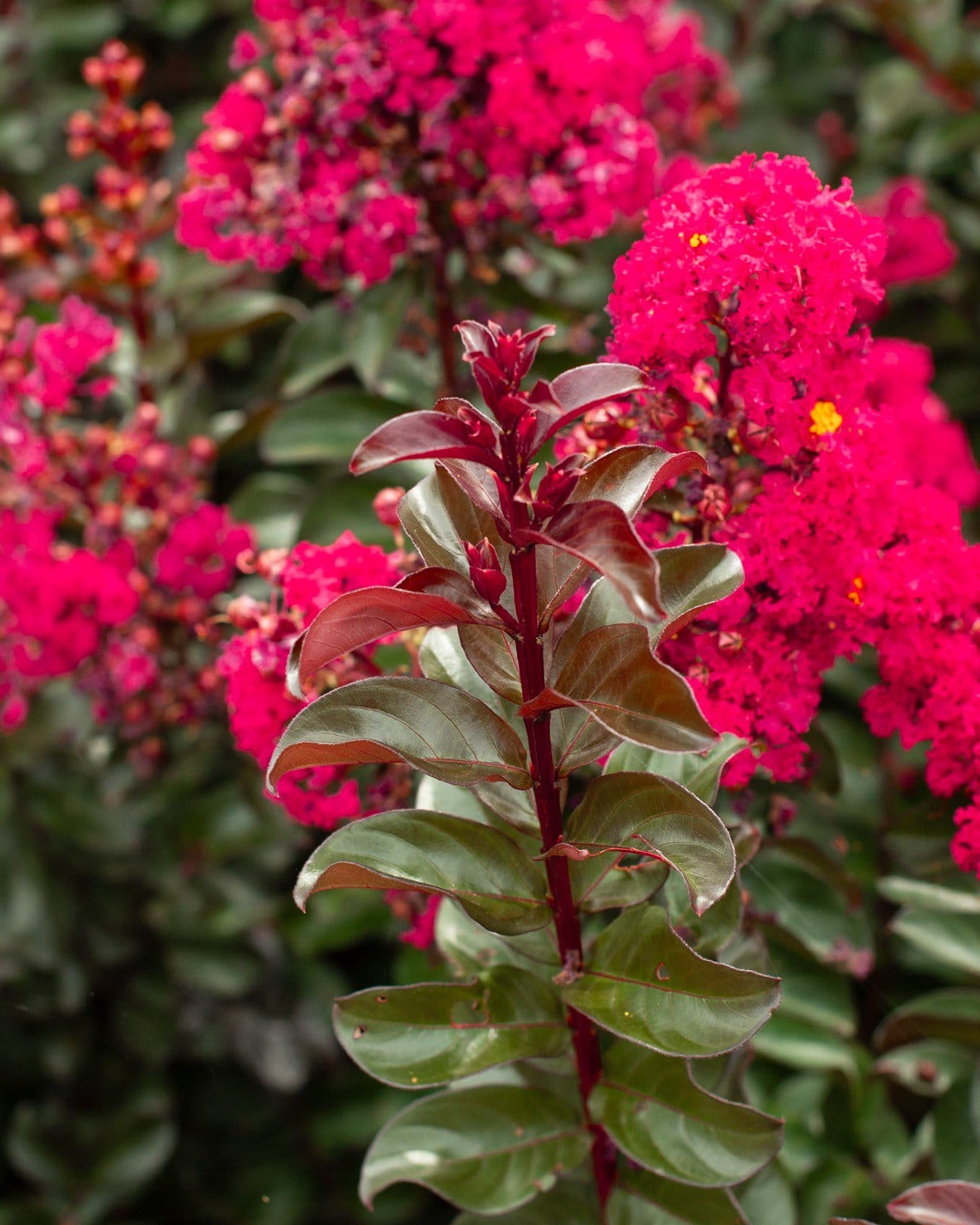
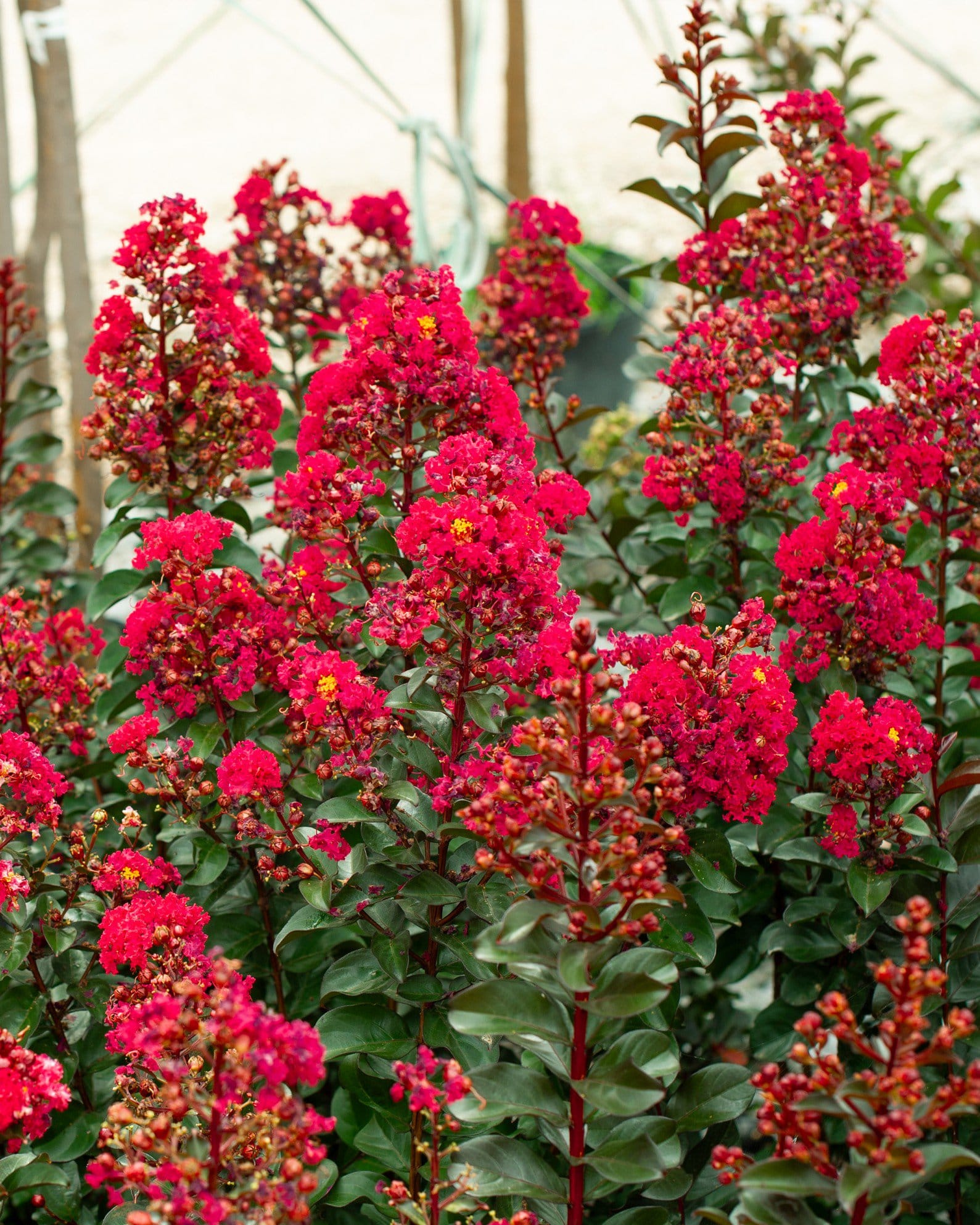
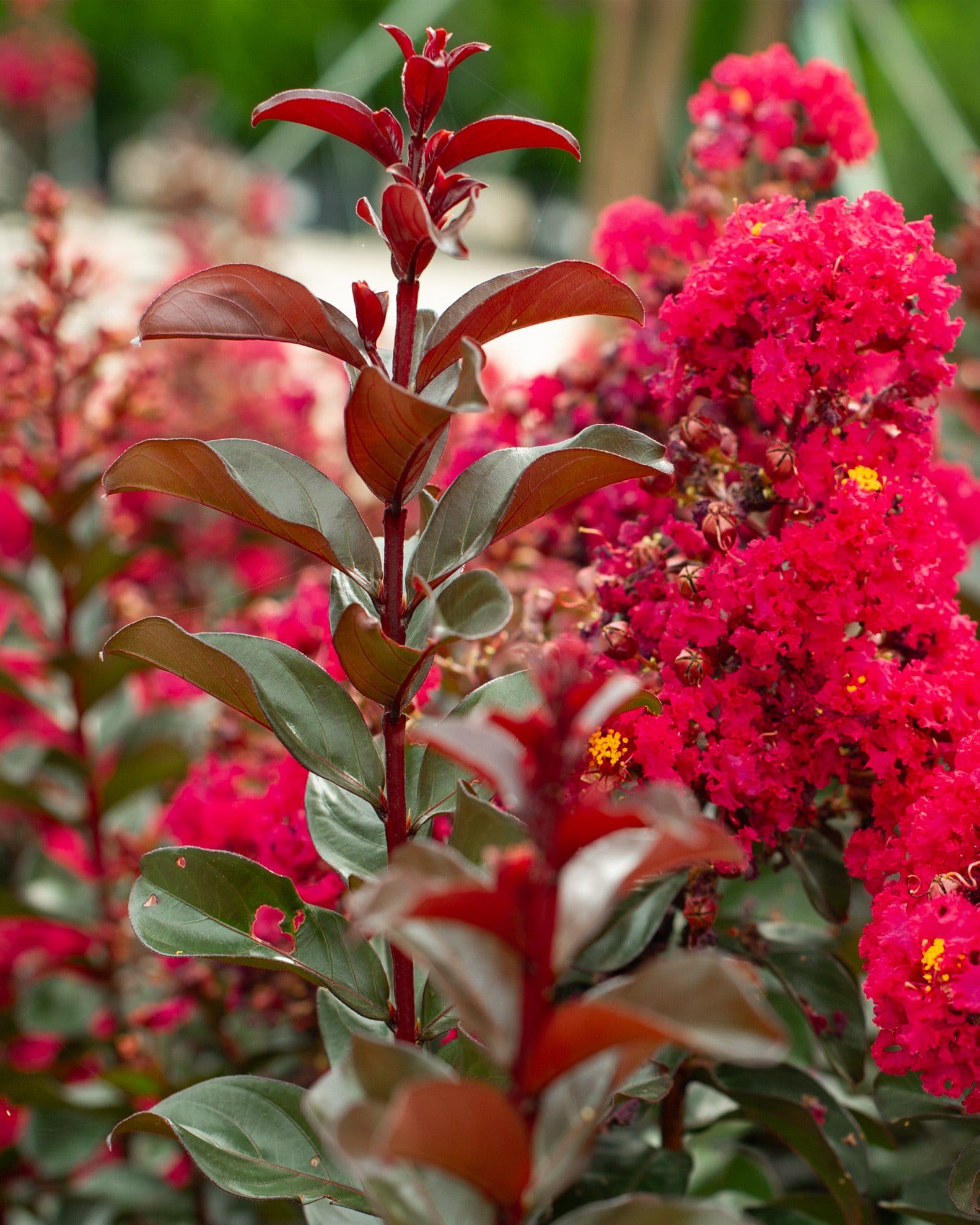
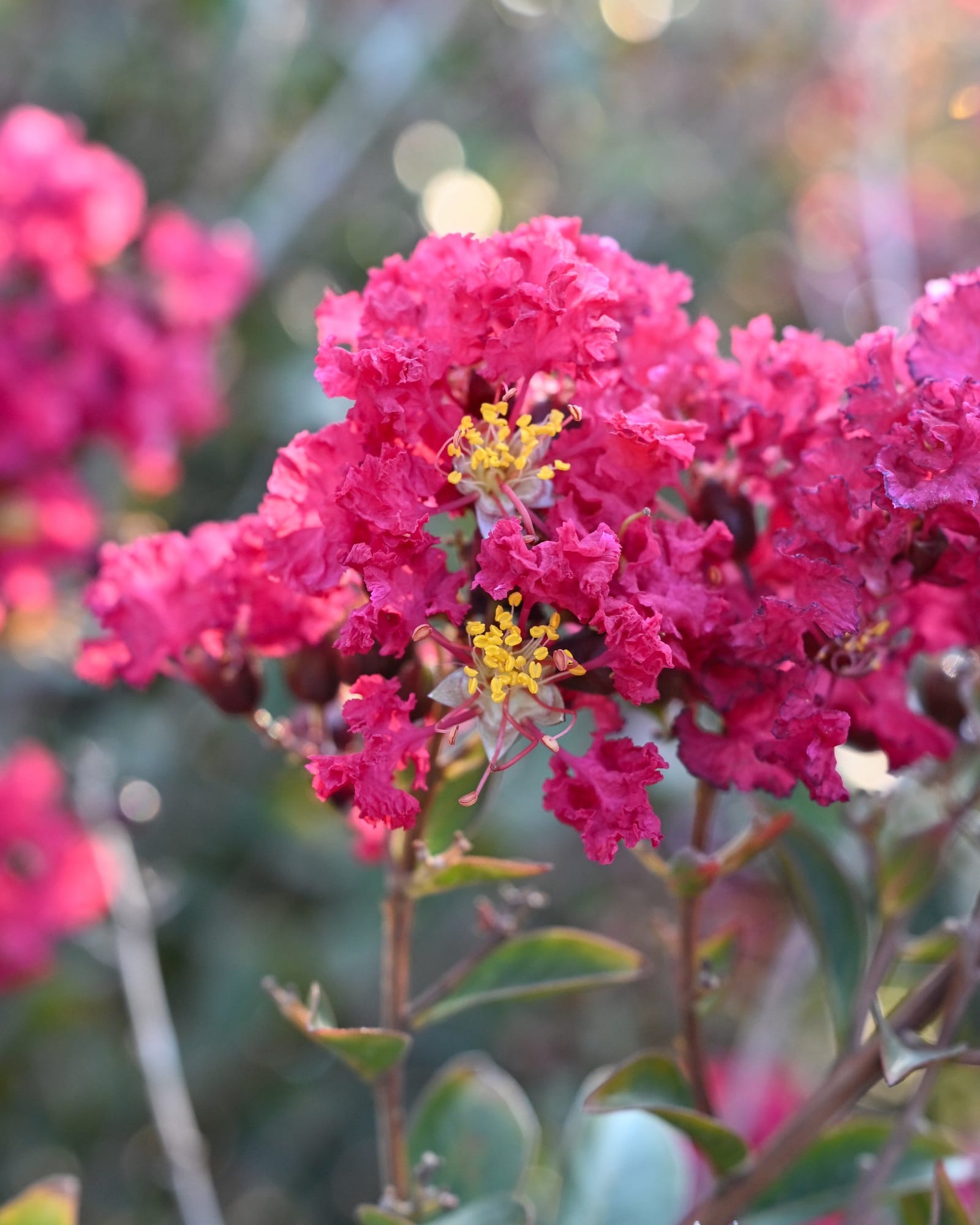
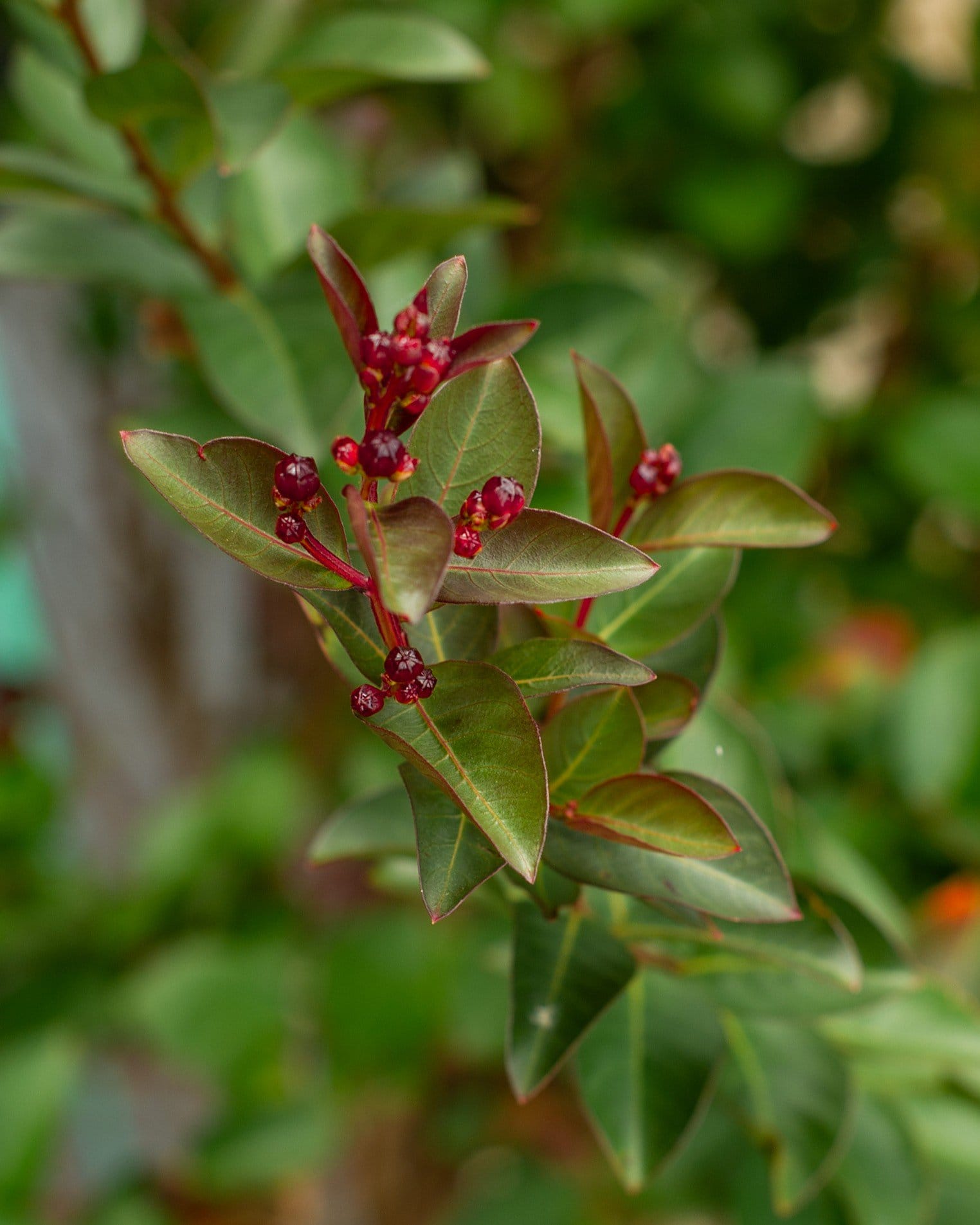
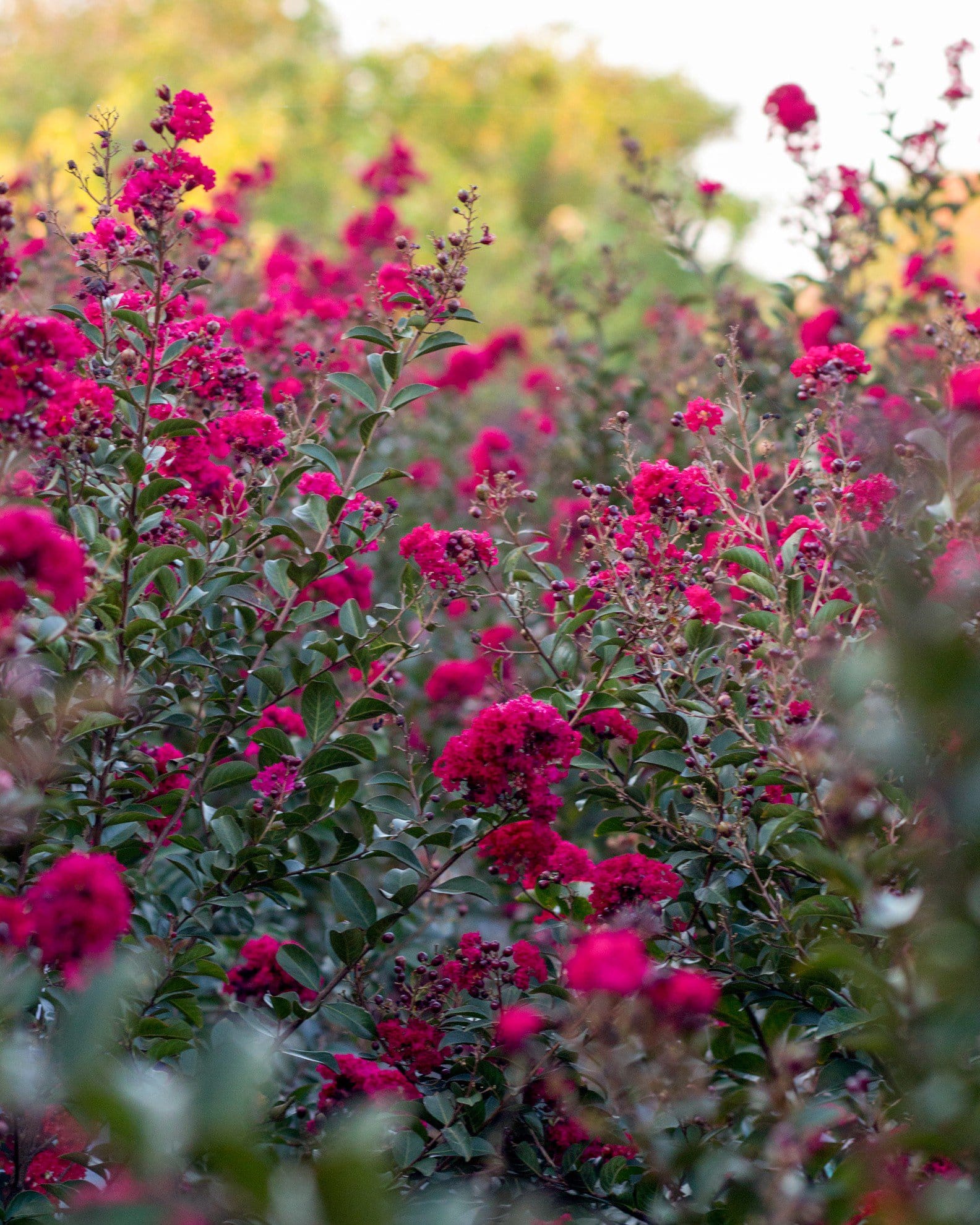
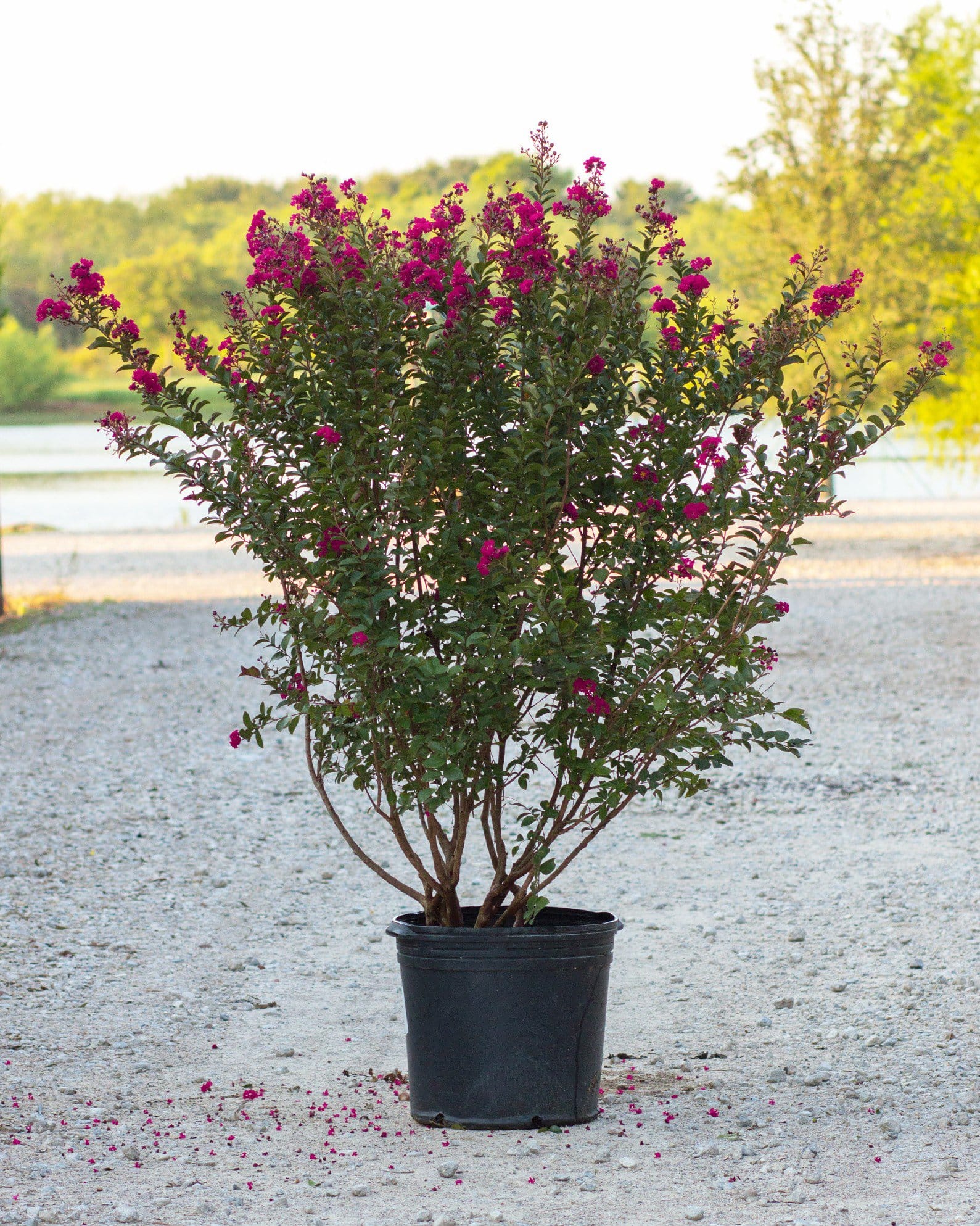
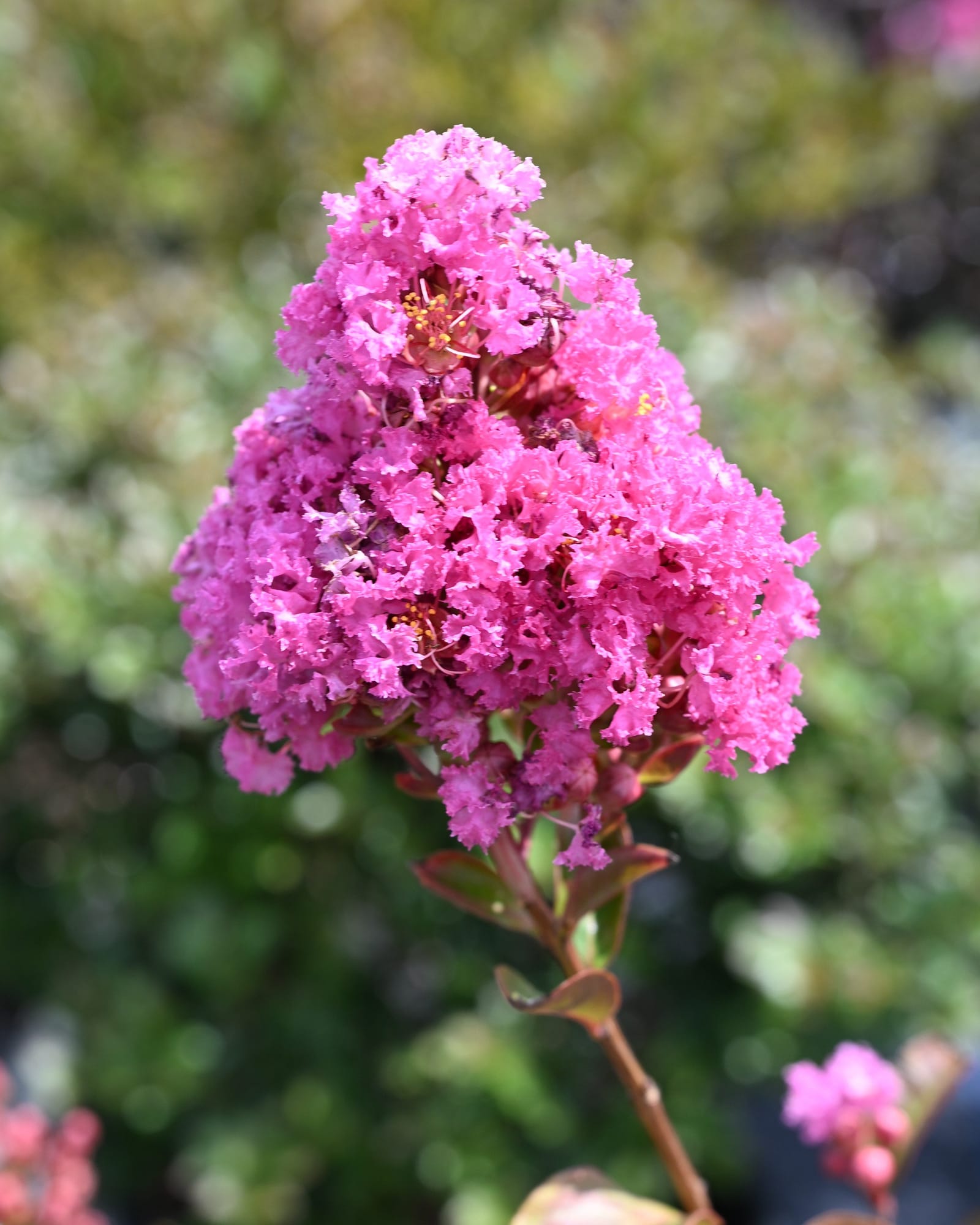
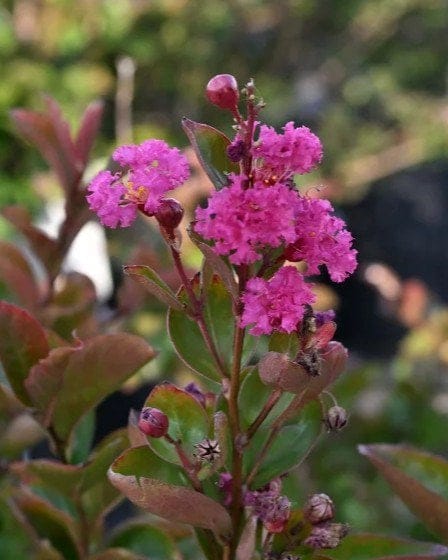
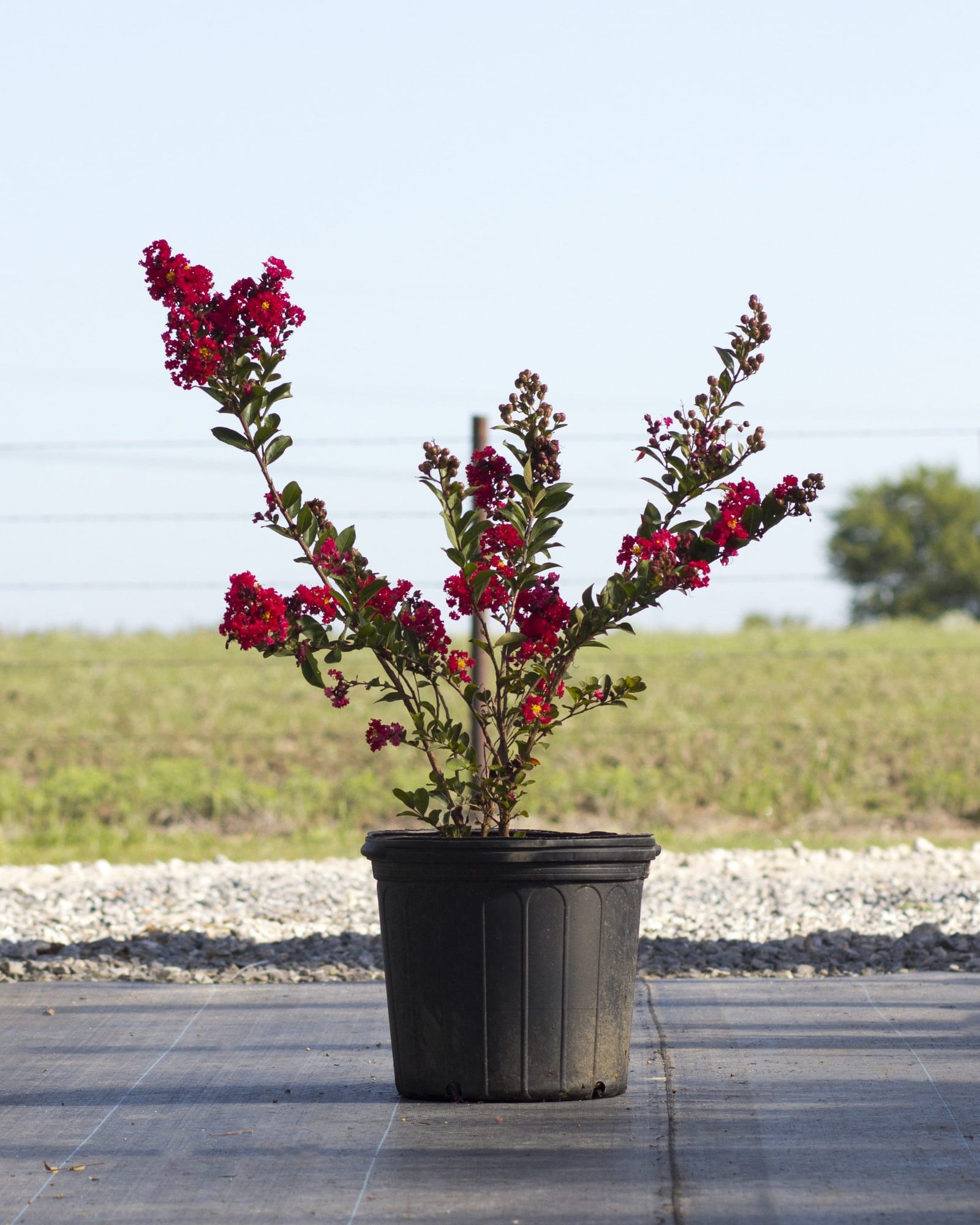
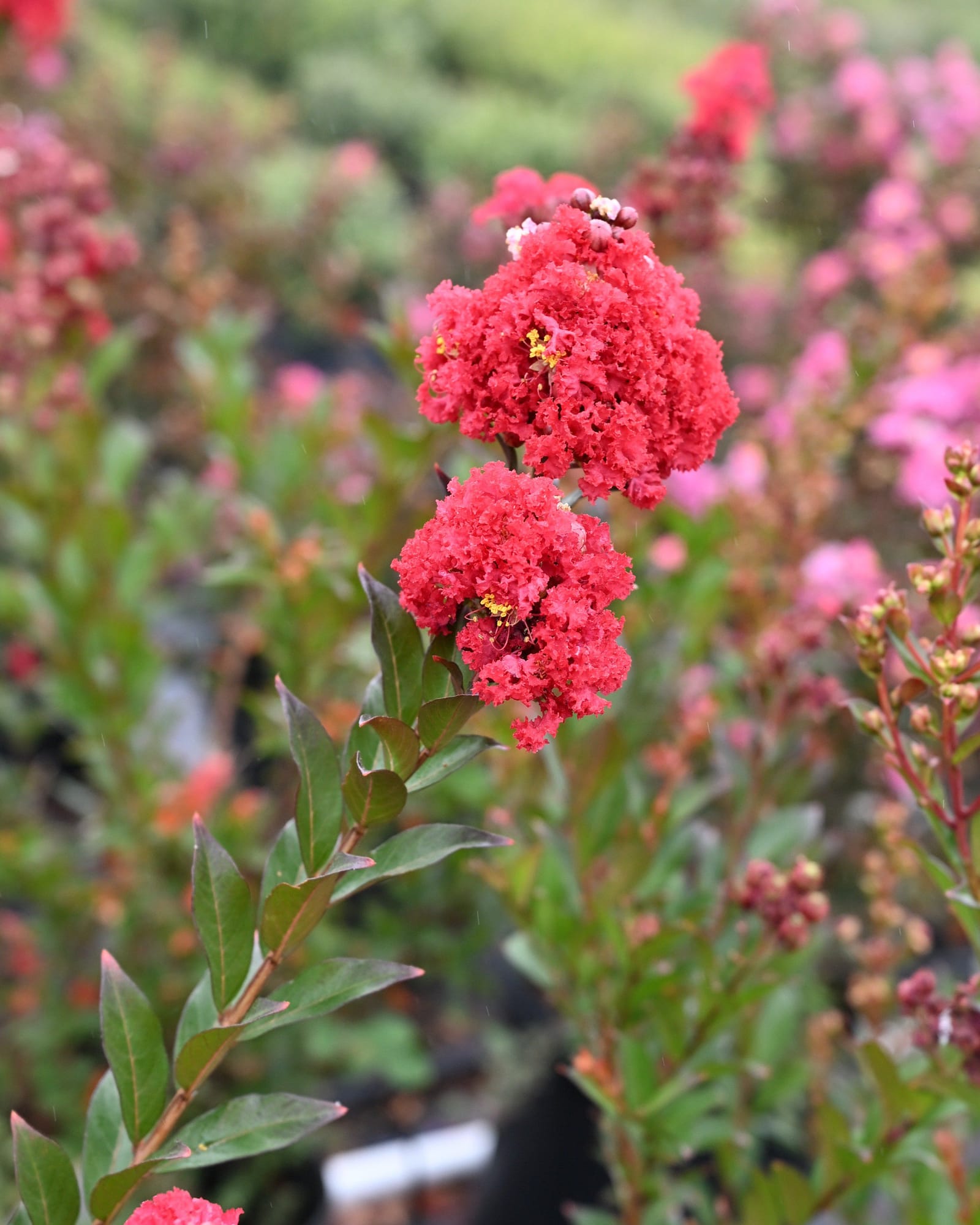
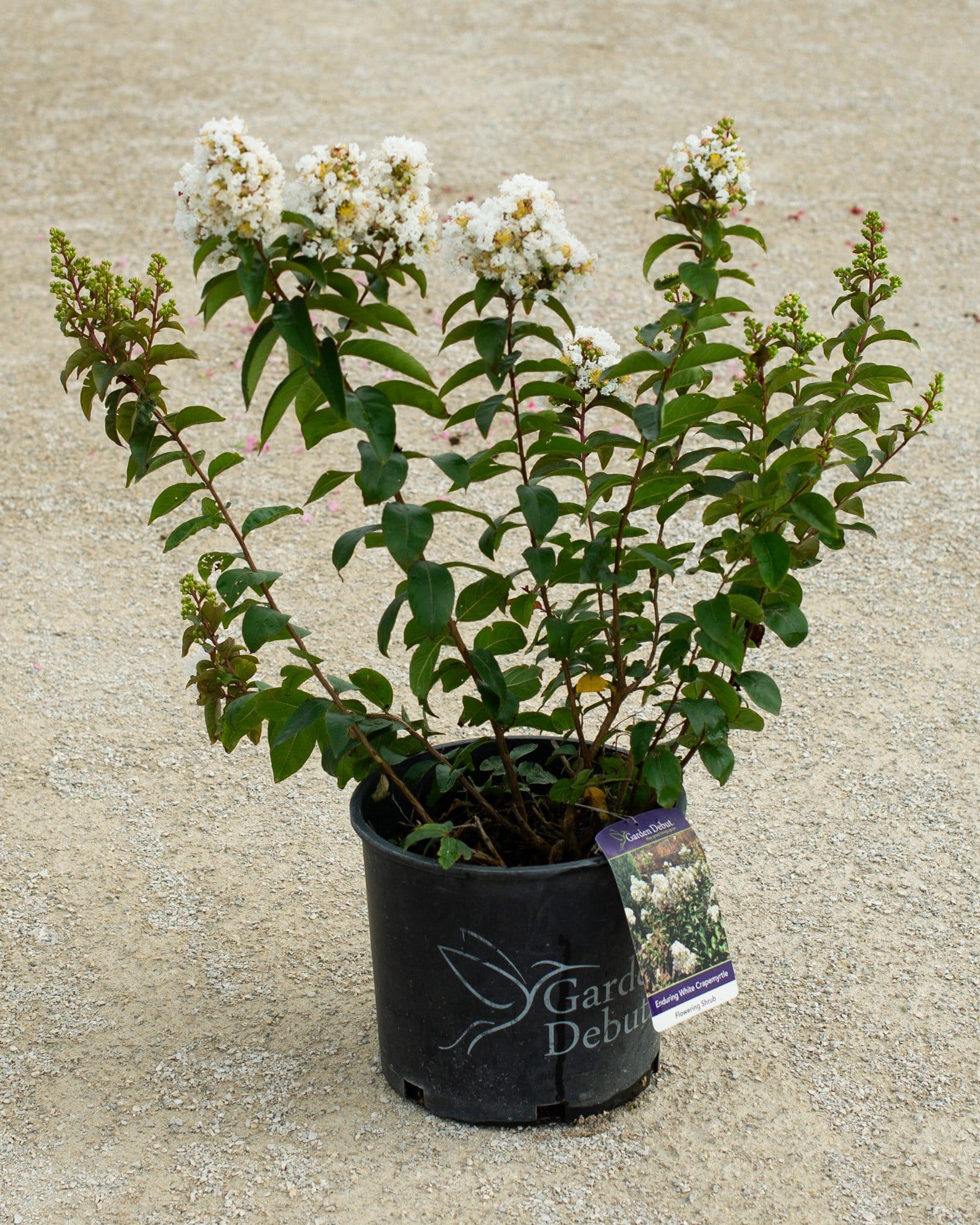
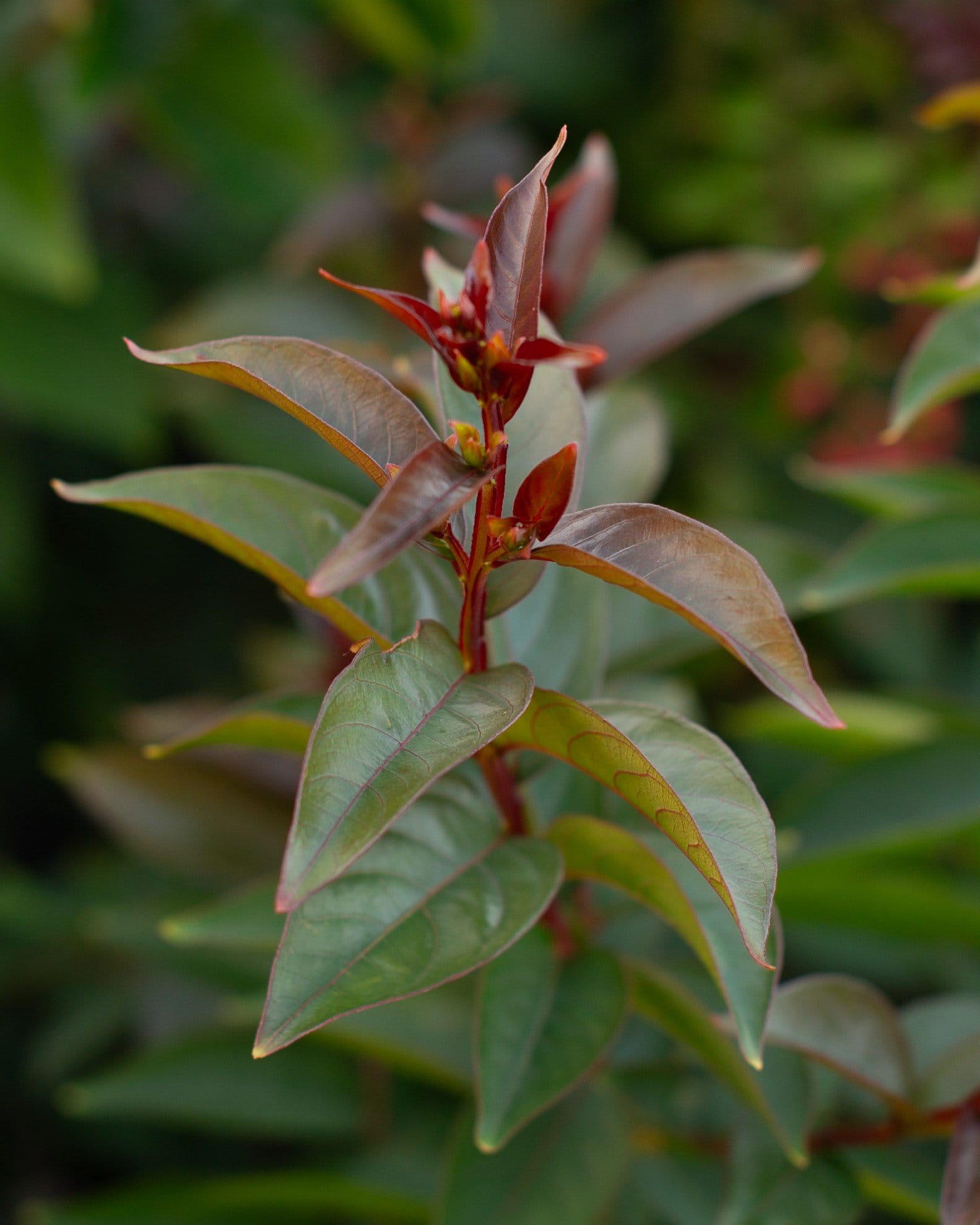
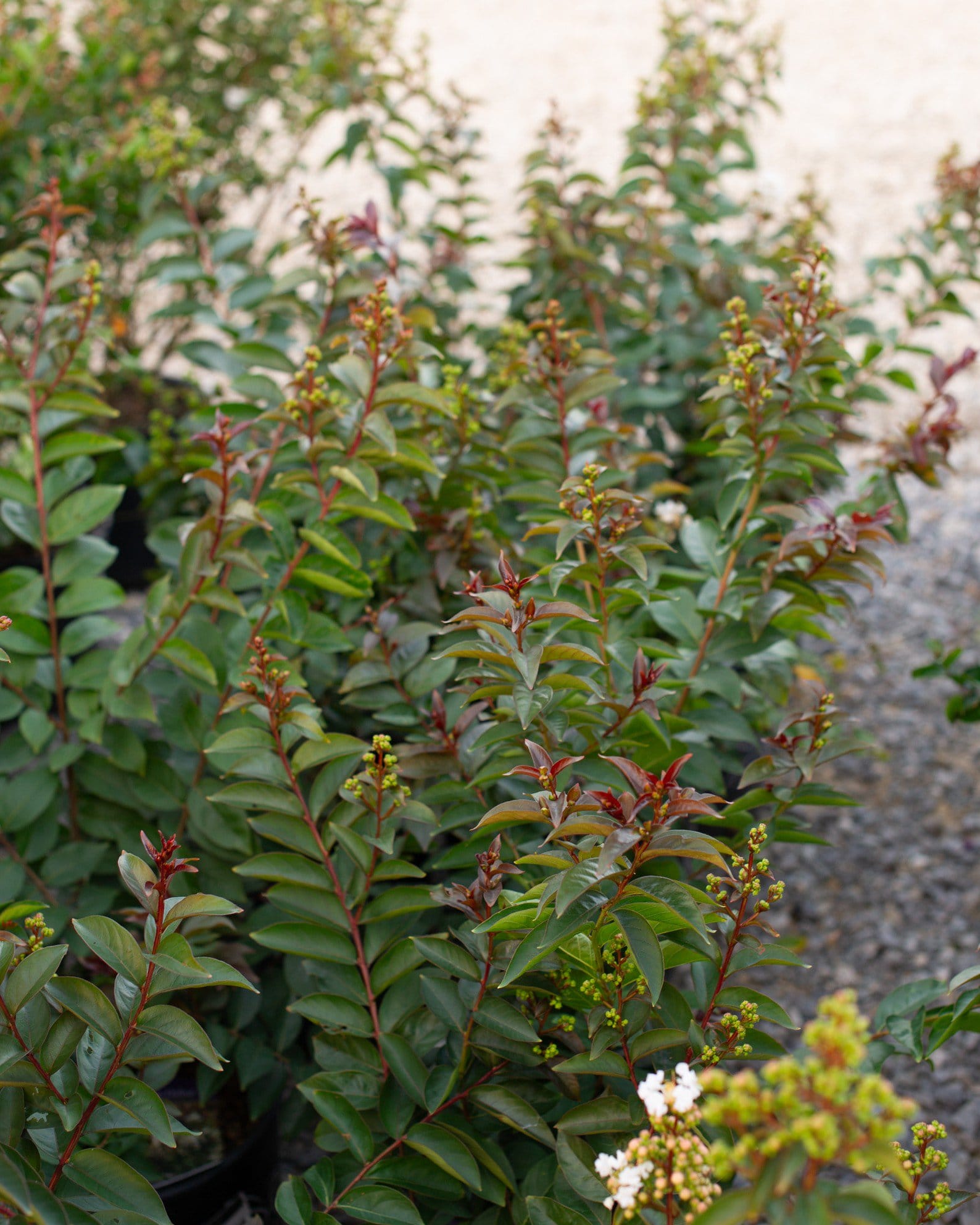
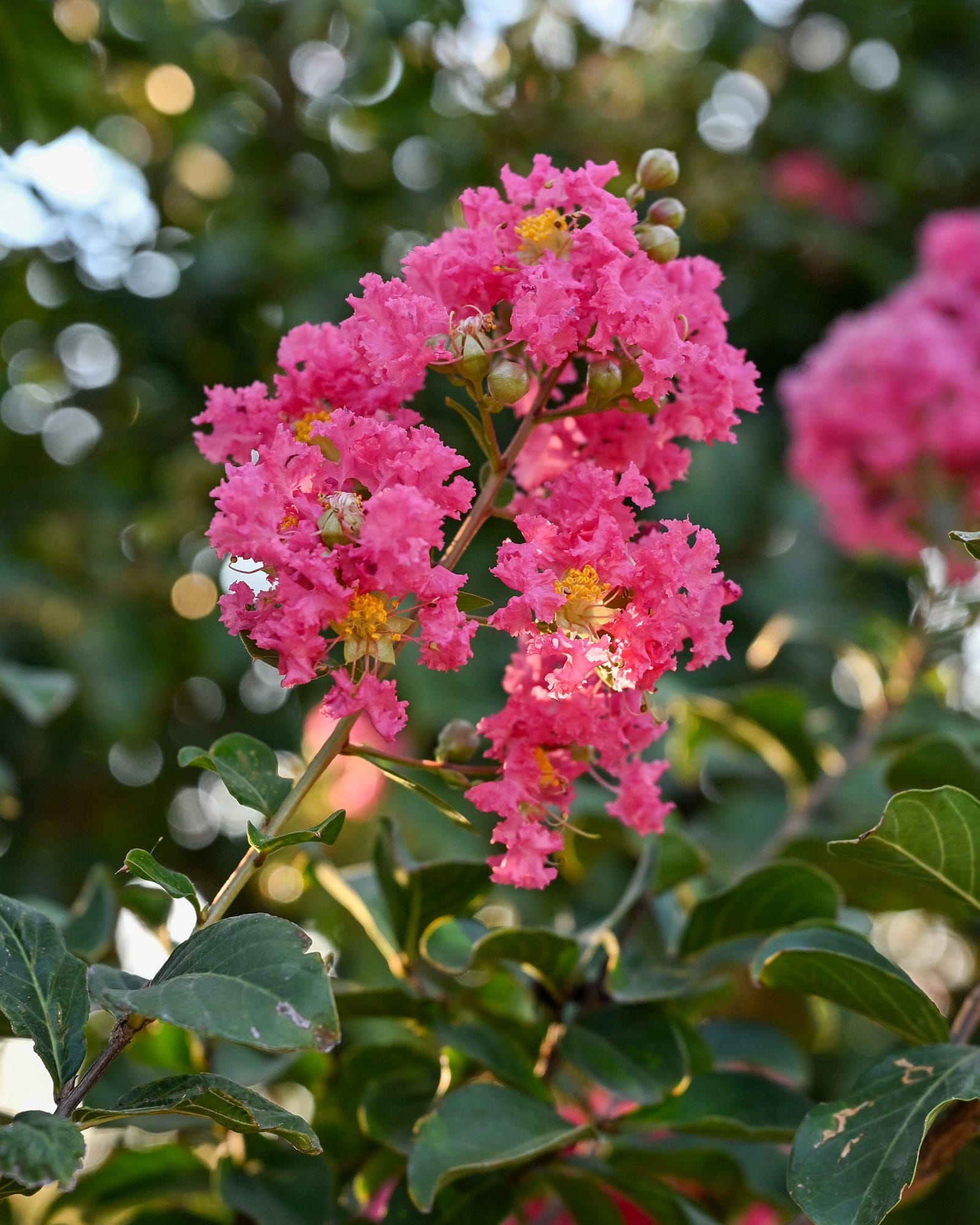
Lagerstroemia indica ‘Dark Roast’Dark Roast Crape Myrtle is a bold and beautiful deciduous variety, known for its rich, dark pink flower clusters that bloom through the summer. Its deep green to nearly black foliage offers stunning contrast, adding dramatic flair to the landscape. Growing 3 feet in both height and in width, this crape myrtle is ideal for standalone planting, border accents, or colorful grouping.
- Deciduous flowering shrub
- Fast growth rate
- Dark pink flowers all throughout summer
- Green foliage that turns yellow in fall, adding seasonal interest
- Excellent for borders, beds, and ornamental focal points
Dark Roast Crape Myrtle thrives in full sun and well-drained soil. It’s heat-tolerant, drought-resistant at maturity - perfect for Texas beds needing bold seasonal color. For best results, trim during late winter to encourage new growth and abundant flowering. Hardy in USDA zones 6 through 9.
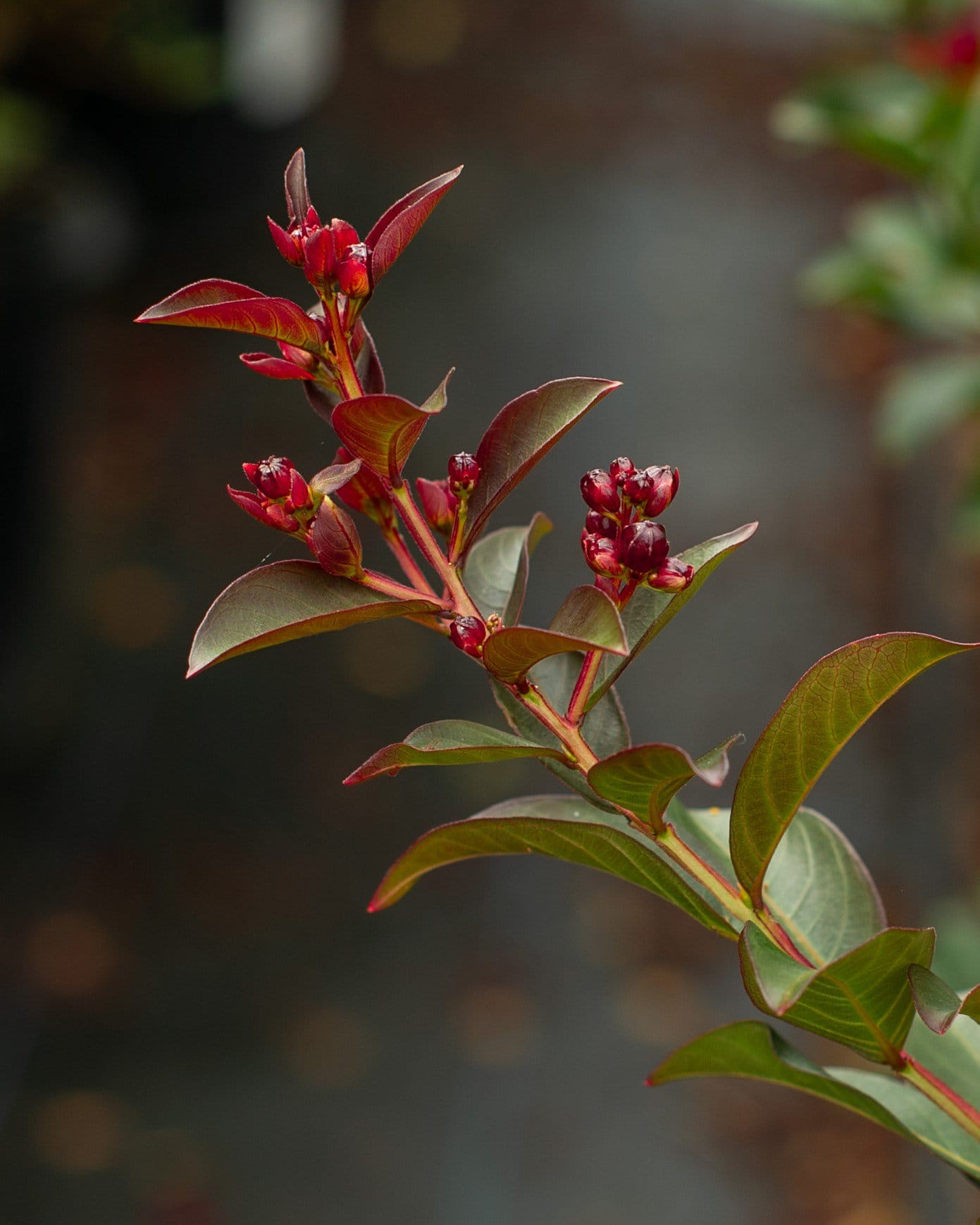
Dark Roast Crape Myrtle delivers rich burgundy foliage and vibrant summer blooms with minimal upkeep. With that in mind, there are certain things you can do to ensure health and longevity.
- Watering: Water regularly during the first growing season to establish a strong root system. Once mature, Dark Roast is drought-tolerant and prefers deep, infrequent watering during prolonged dry spells. Avoid overwatering or soggy soil, which can cause root rot.
- Pruning: Prune in late winter or very early spring before new growth appears. Remove crossing, dead, or weak branches to promote air circulation and maintain shape. Avoid “crape murder” - a heavy topping that ruins structure and weakens the plant. Light shaping after the first flush of blooms can encourage a second round of flowers.
- Fertilizing: Apply a balanced, slow-release fertilizer in early spring as new growth begins. Avoid high-nitrogen fertilizers, which can encourage leafy growth at the expense of blooms. Mature plants often thrive with one annual feeding.
- Mulching: A layer of mulch around the base helps retain moisture, regulate soil temperature, and suppress weeds. Keep mulch a few inches away from the trunk to prevent rot or pest issues.
- Spacing: Space plants 5-6 feet apart when used in groupings to allow for mature spread and airflow.
Common Issues and How to Take Care of Them
Dark Roast Crape Myrtle is hardy and disease-resistant, but a few issues can occasionally appear:
- Powdery Mildew: A white film on leaves or buds, most common in humid weather. Improve airflow, water at the base, and apply a fungicide if needed.
- Aphids: Small insects that cluster on the undersides of leaves, producing sticky honeydew. Rinse them off with a strong jet of water or treat them with insecticidal soap.
- Sooty Mold: A black residue that forms on honeydew from aphids or whiteflies. Address the pest issue first, then wipe or wash affected leaves.
- Cercospora Leaf Spot: Causes premature leaf drop in late summer. Clean up fallen leaves and consider applying a preventive fungicide in humid climates.
- Root Rot: Results from poor drainage or overwatering. Ensure well-drained soil and avoid heavy, compacted planting sites.
With proper sunlight, pruning, and watering practices, Dark Roast Crape Myrtle will stay healthy, blooming profusely year after year.
It grows moderately, typically 1-2 feet per year under ideal conditions.
Early spring or fall is ideal, as it allows roots to establish before temperature extremes.
The best time to prune Dark Roast Crape Myrtle is late winter or early spring, before the new growth emerges.
Yes, it’s generally unappealing to deer, making it an excellent choice for landscapes prone to browsing.
Underwatering, poor drainage, or fungal leaf spot can cause premature leaf drop. Improve soil drainage and maintain airflow around the plant.
Yes, it performs beautifully in large containers with well-draining soil. Keep in mind that you should water it more frequently, especially during hot weather.
With proper care, it can live 30-40 years, continuing to flower beautifully each summer with minimal maintenance. Keep in mind that the exact life span depends on the conditions.
No, it does not have invasive roots that can damage structures.
It prefers neutral to slightly acidic soil. If the soil is too alkaline, this can cause the yellowing of the leaves; adding coffee grounds can help.
Yes, you absolutely can. For the best results, take cuttings from new, semi-hardwood growth during the growing season, such as June, July, and August. Cut the branches into 2-to-6-inch pieces, remove the lower leaves, and plant them in a suitable rooting mix to encourage root development.
Special Features
You might also like
Peppermint Mocha Crape Myrtle
Maturity: 3' H x 3' W
Enduring Lavender Crape Myrtle
Maturity: 4' H x 4' W
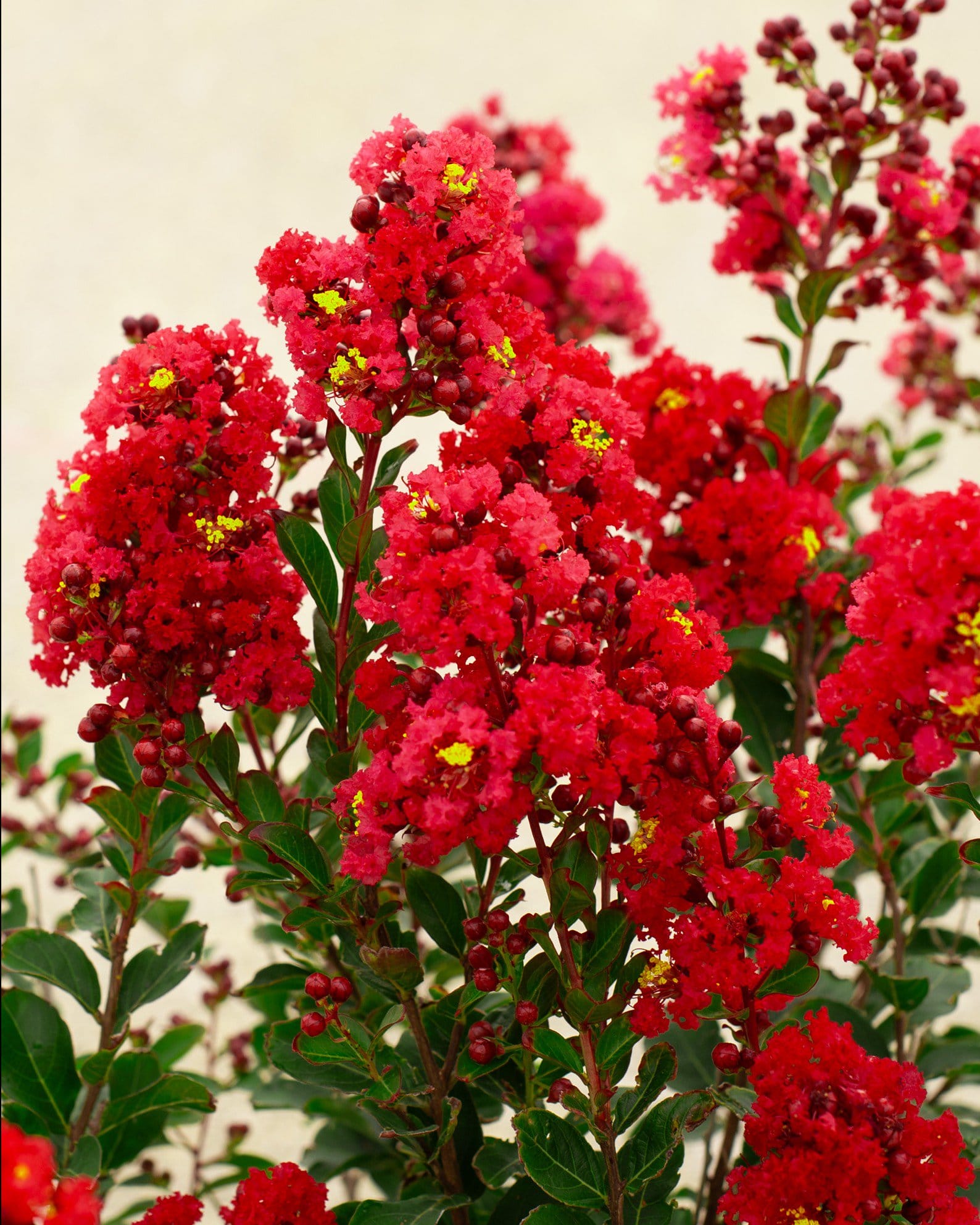
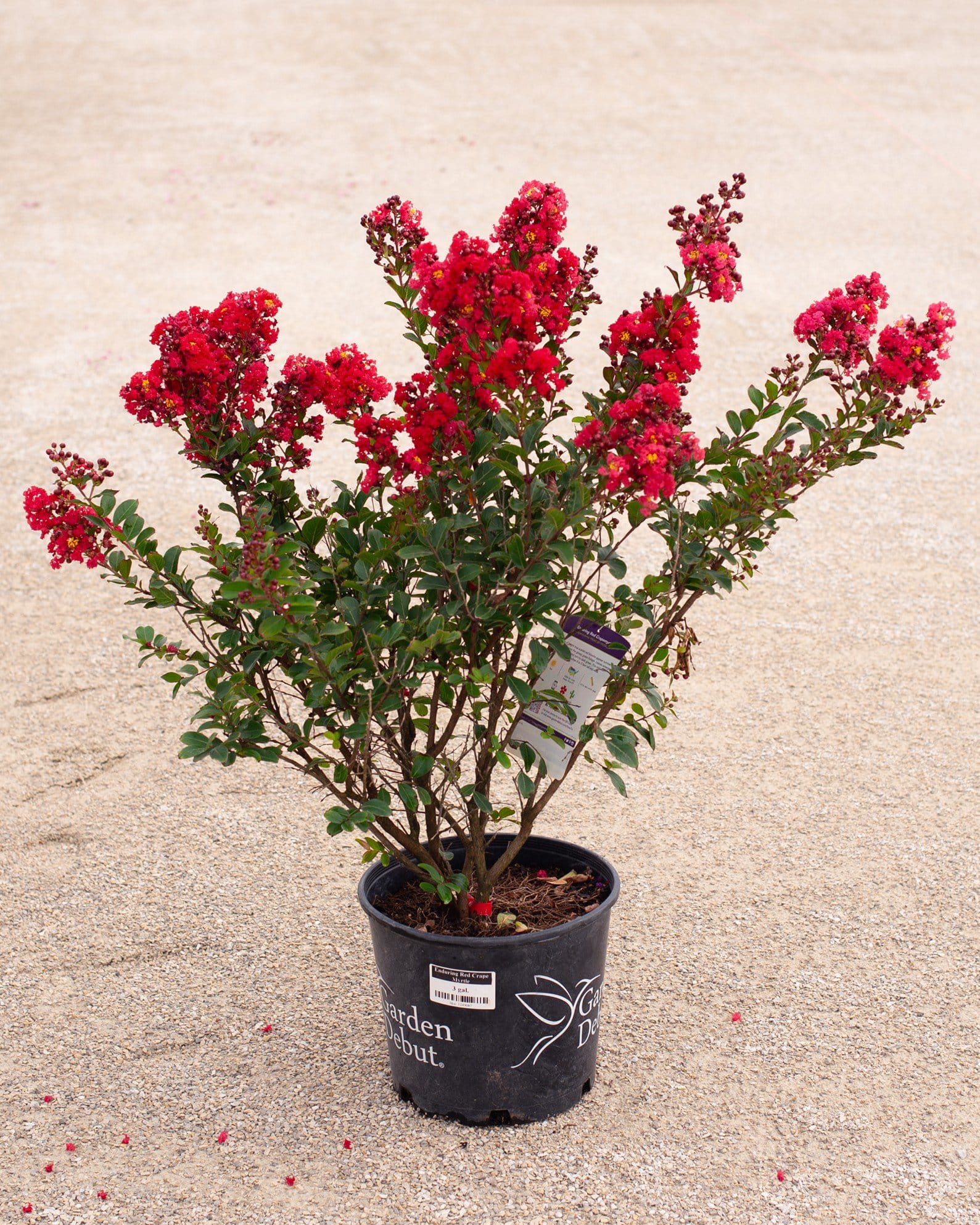
Enduring Red Crape Myrtle
Maturity: 4' H x 4' W
French Vanilla Crape Myrtle
Maturity: 2' H x 2' W
Like a Latte Crape Myrtle
Maturity: 3' H x 3' W
Cotton Candy Crape Myrtle
Maturity: 2' H x 2' W
Pocomoke Crape Myrtle
Maturity: 3' H x 3' W
Acoma Crape Myrtle
Maturity: 7' H x 6' W
Bellini Raspberry Crape Myrtle
Maturity: 3' H x 3' W
Cherry Mocha Crape Myrtle
Maturity: 3' H x 3' W
Double Feature Crape Myrtle
Maturity: 6' H x 6' W
Enduring Fuchsia Crape Myrtle
Maturity: 4' H x 4' W
Enduring Summer Red Crape Myrtle
Maturity: 4' H x 4' W
Enduring White Crape Myrtle
Maturity: 4' H x 4' W
Tuscarora Crape Myrtle
Maturity: 25' H x 20' W
Compare Similar Plants
Dark Roast Crape Myrtle This plant | ||
|---|---|---|
| Scientific Name | Lagerstroemia indica ‘Dark Roast’ | Lagerstroemia ‘Peppermint Mocha’ |
| Size at Maturity | 3' H x 3' W | 3' H x 3' W |
| Leaf Retention | Deciduous | Deciduous |
| Fall Color | Yellow | Yellow |
| Flower Color | Pink | Pink |
| Bloom Times | Summer | Summer |
| Sizes Available | 5 gal | 5 gal |


Our 1-Year Planting Guarantee
We take pride in our plants and installation services. If any plants or trees installed by Treeland fail to thrive within the first year, we'll provide a replacement credit in accordance with our guarantee program.
Learn More About Our Guarantee