
 Popular
Local DFW Delivery Only
Product Details
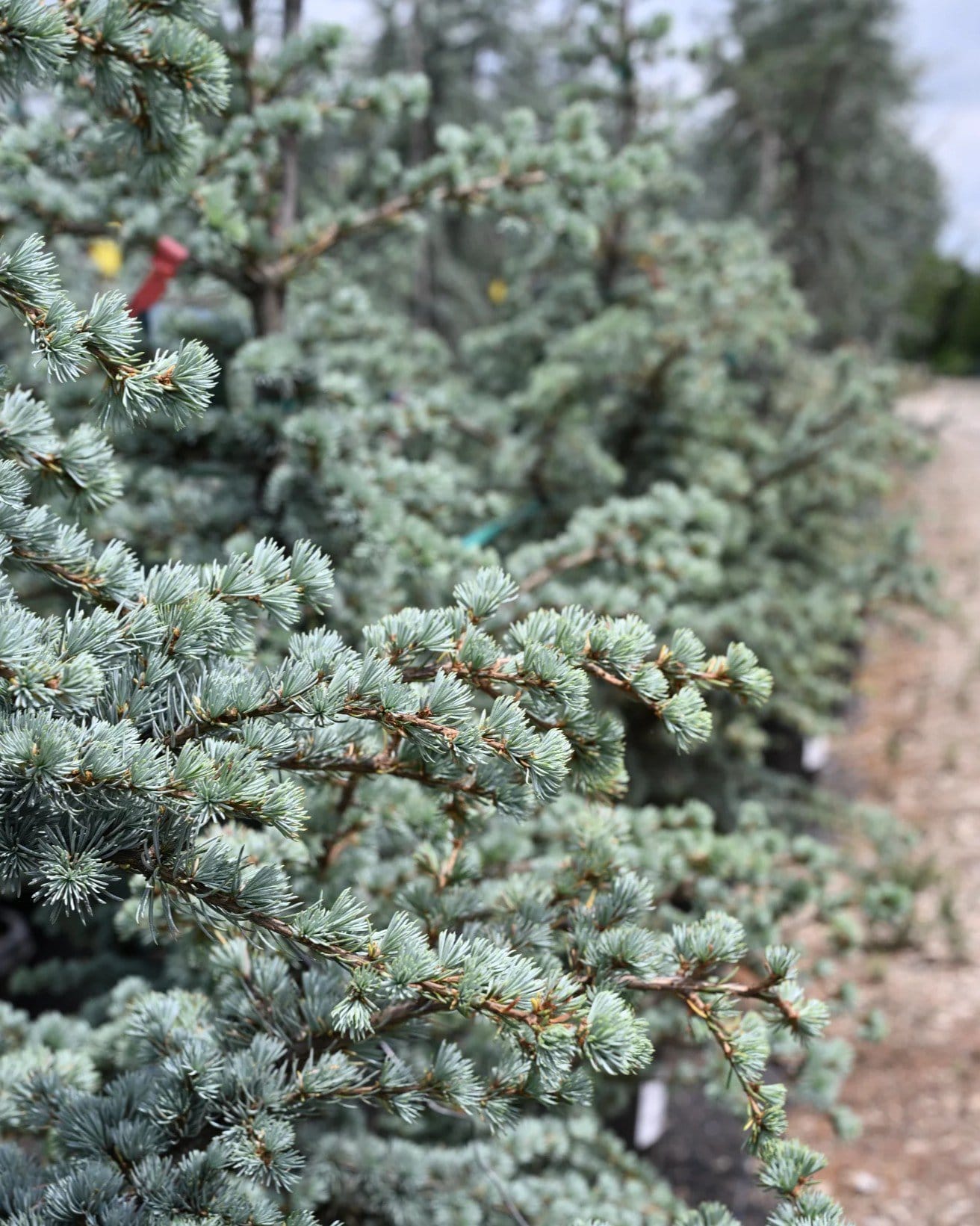
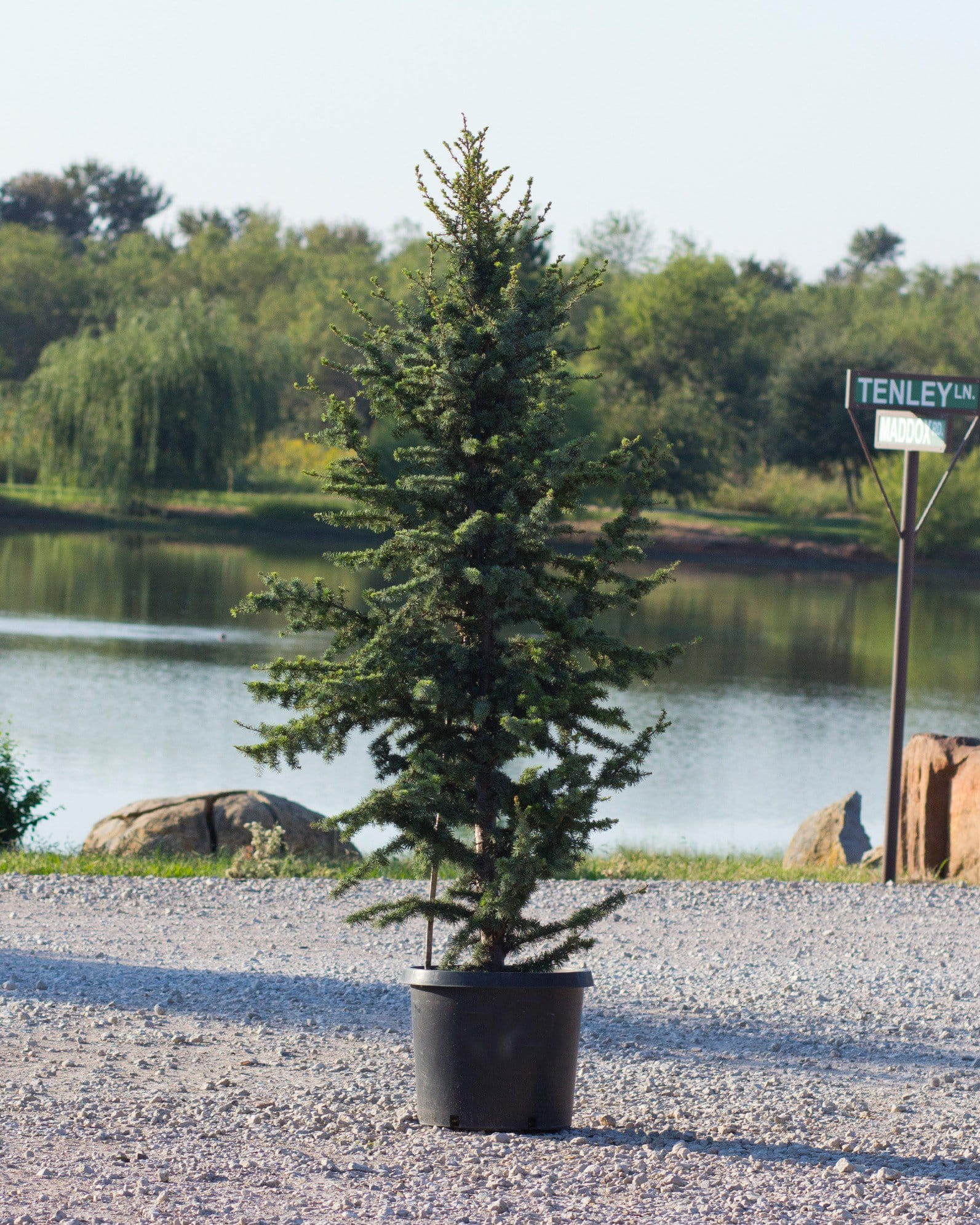
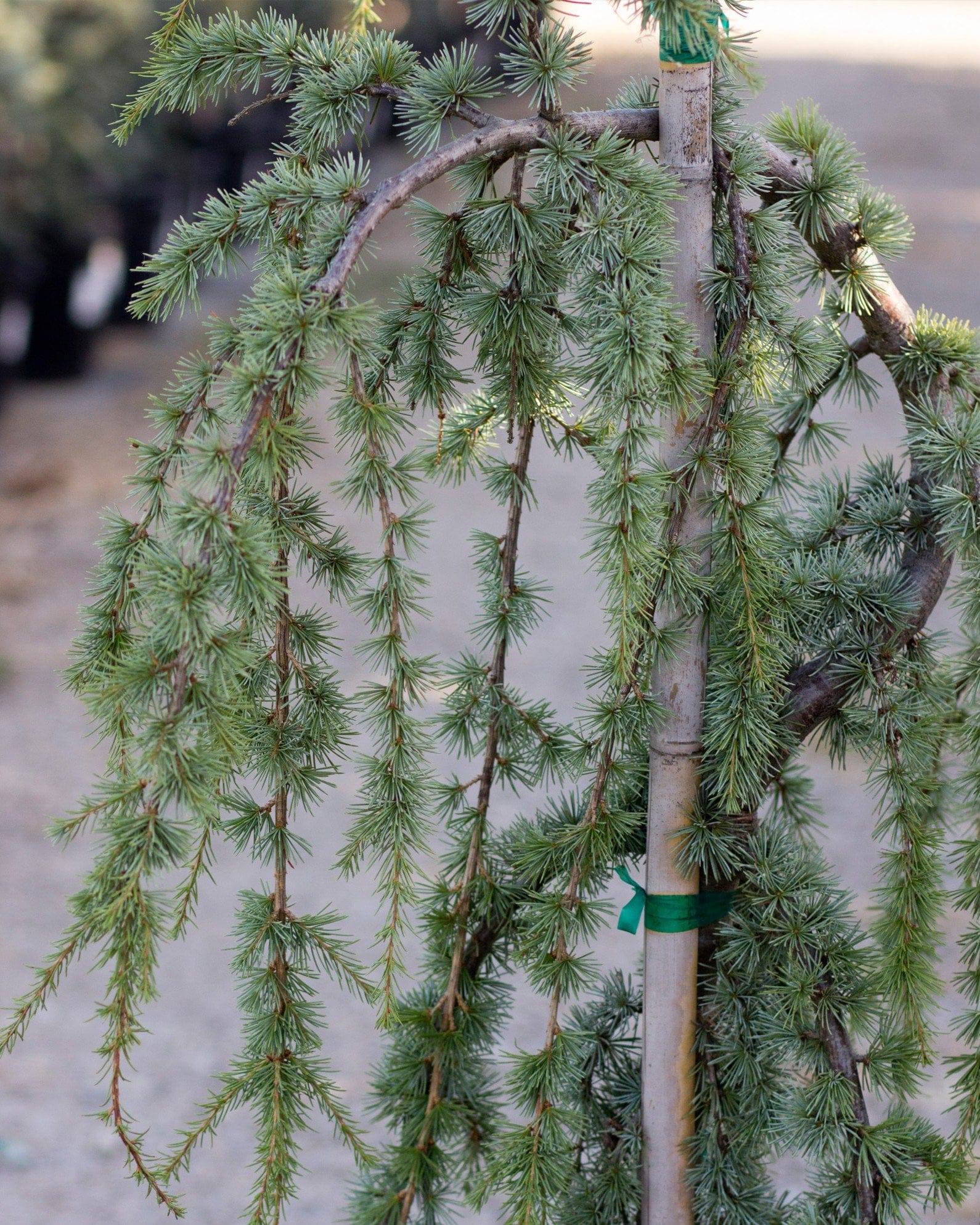
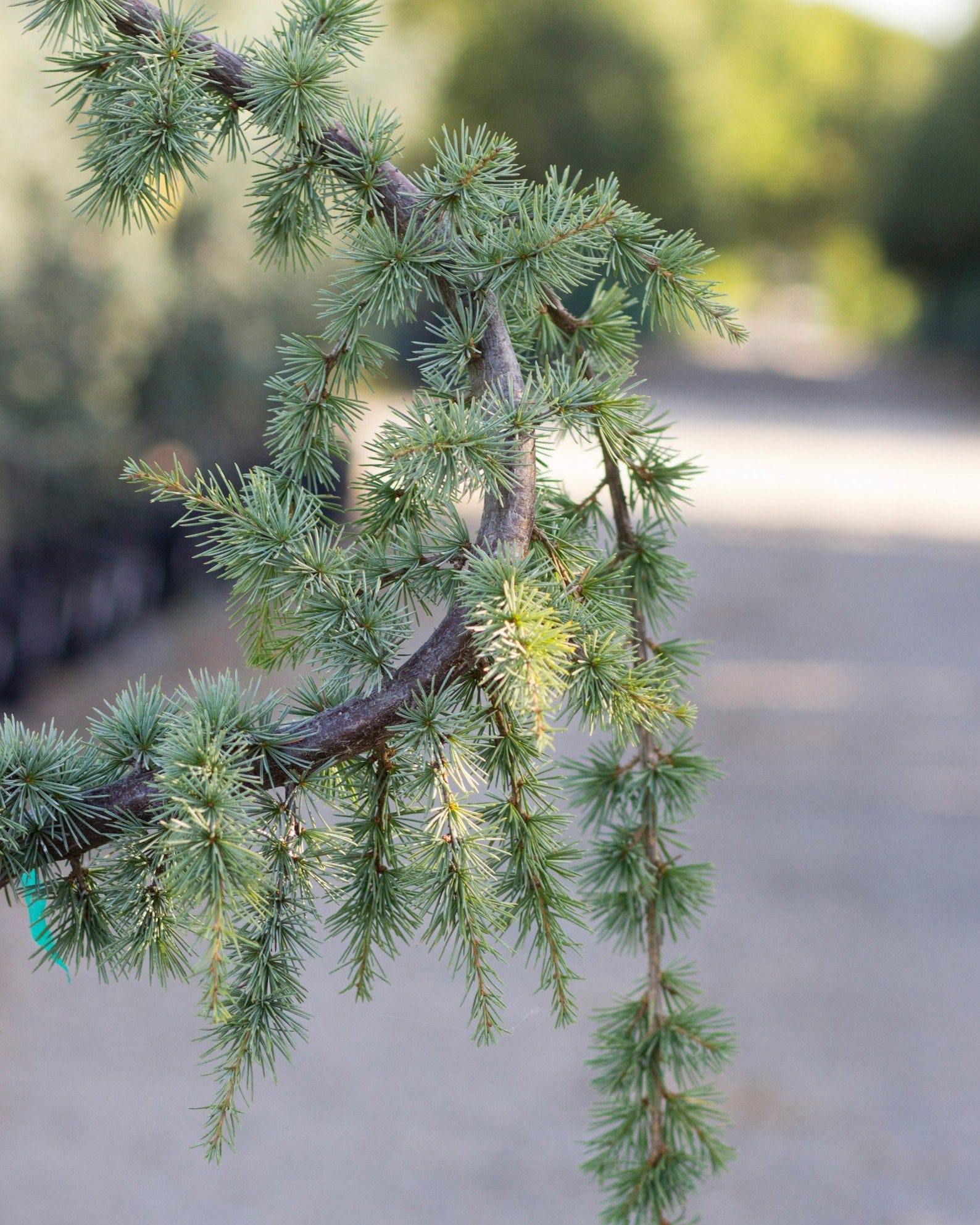
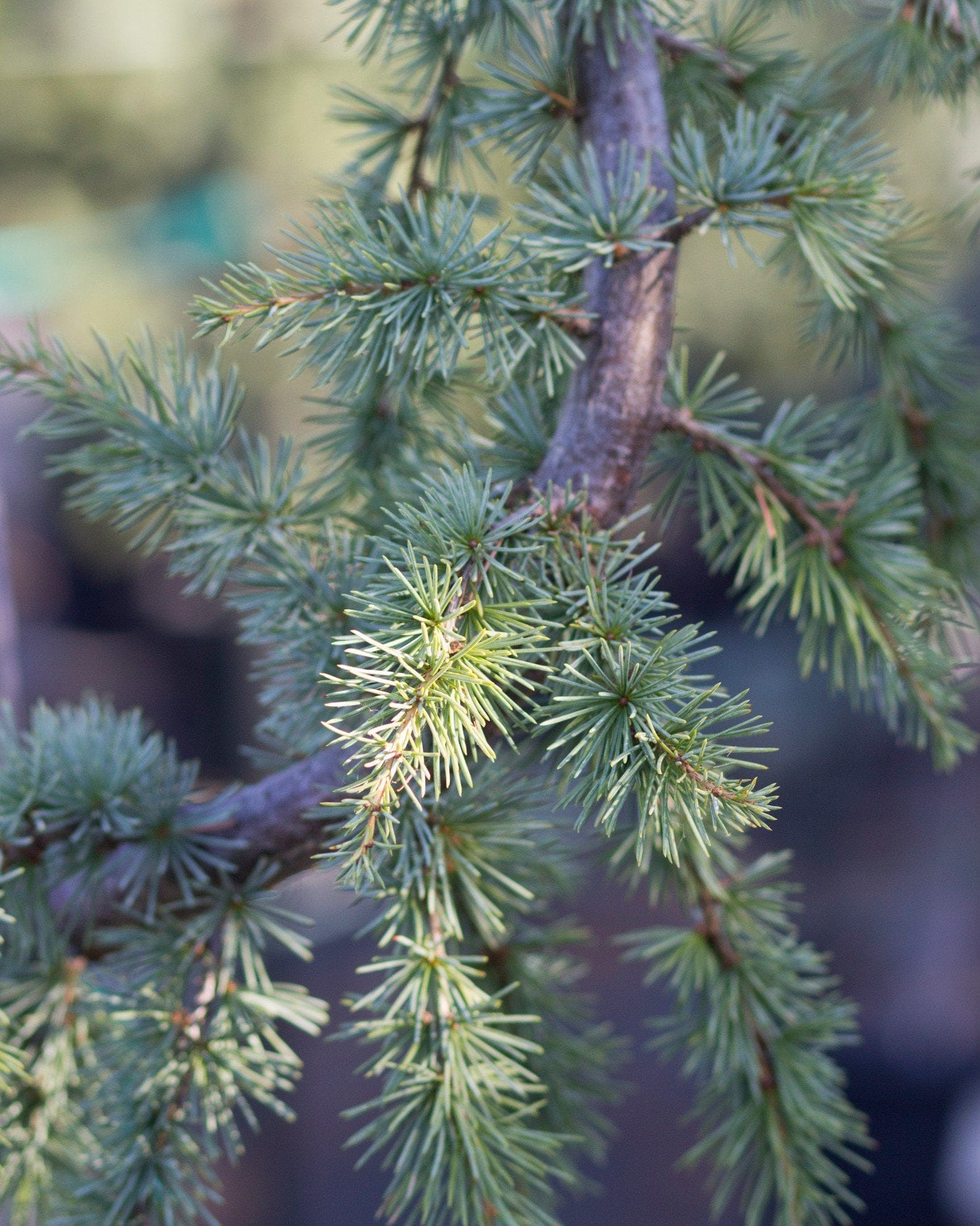
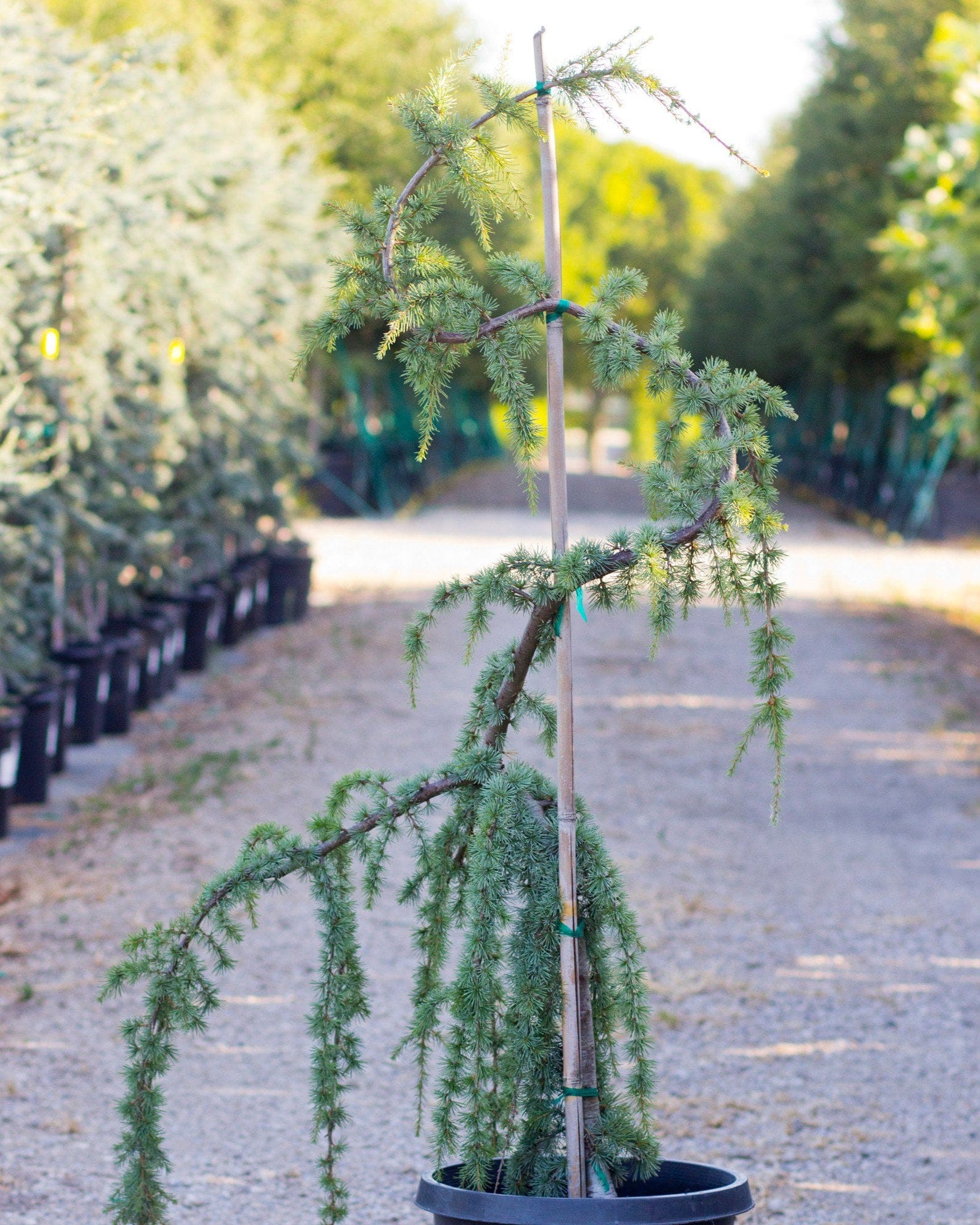
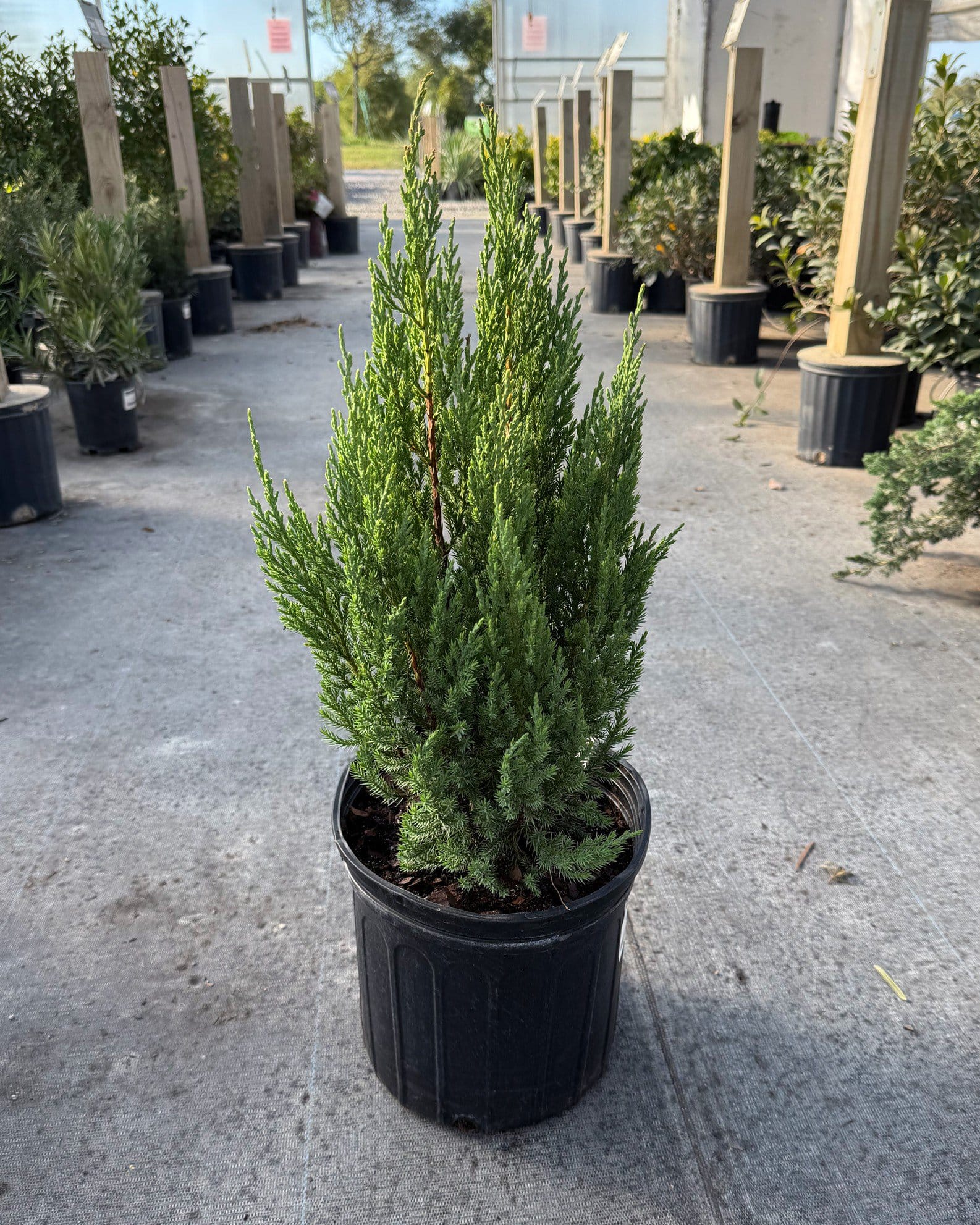
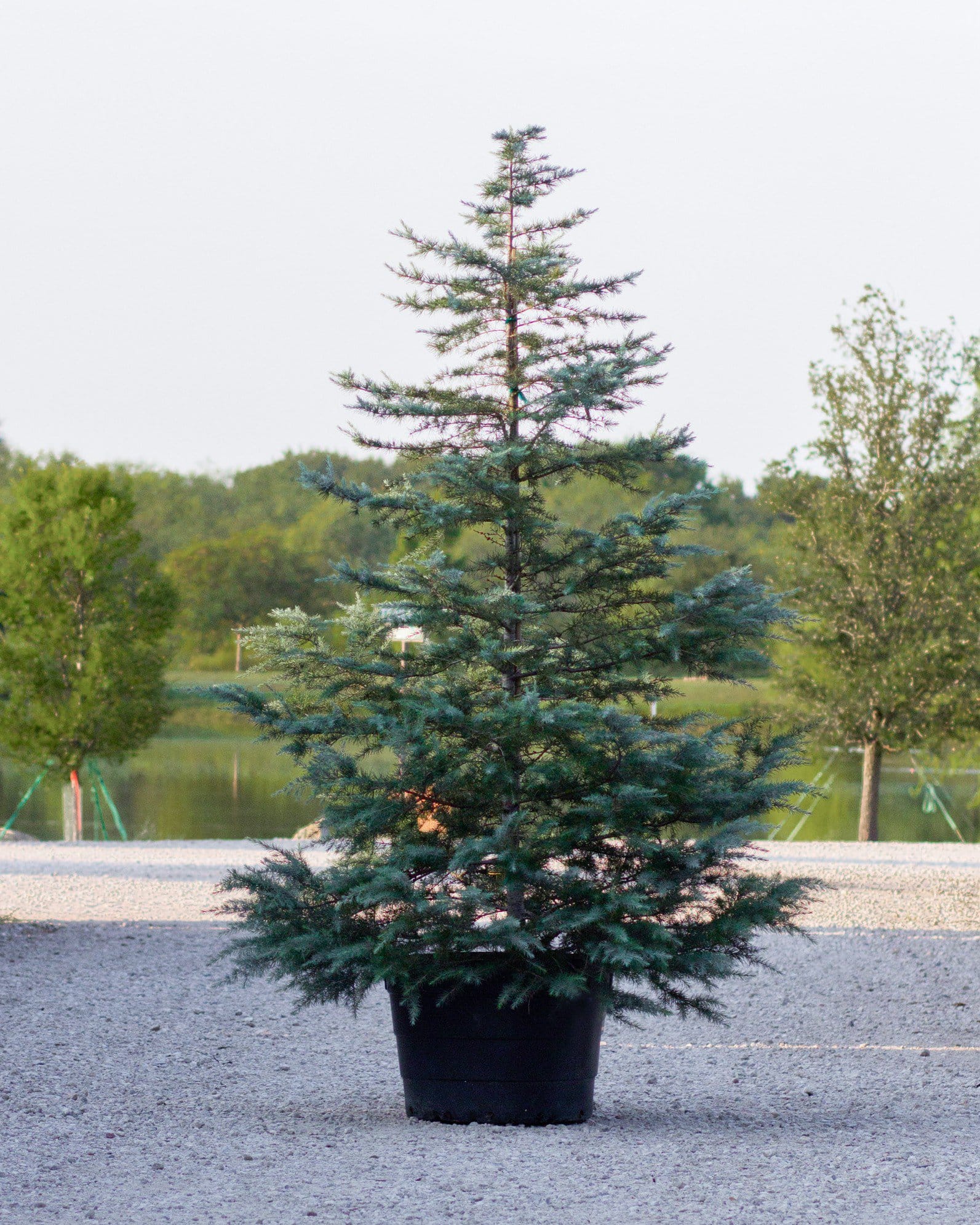
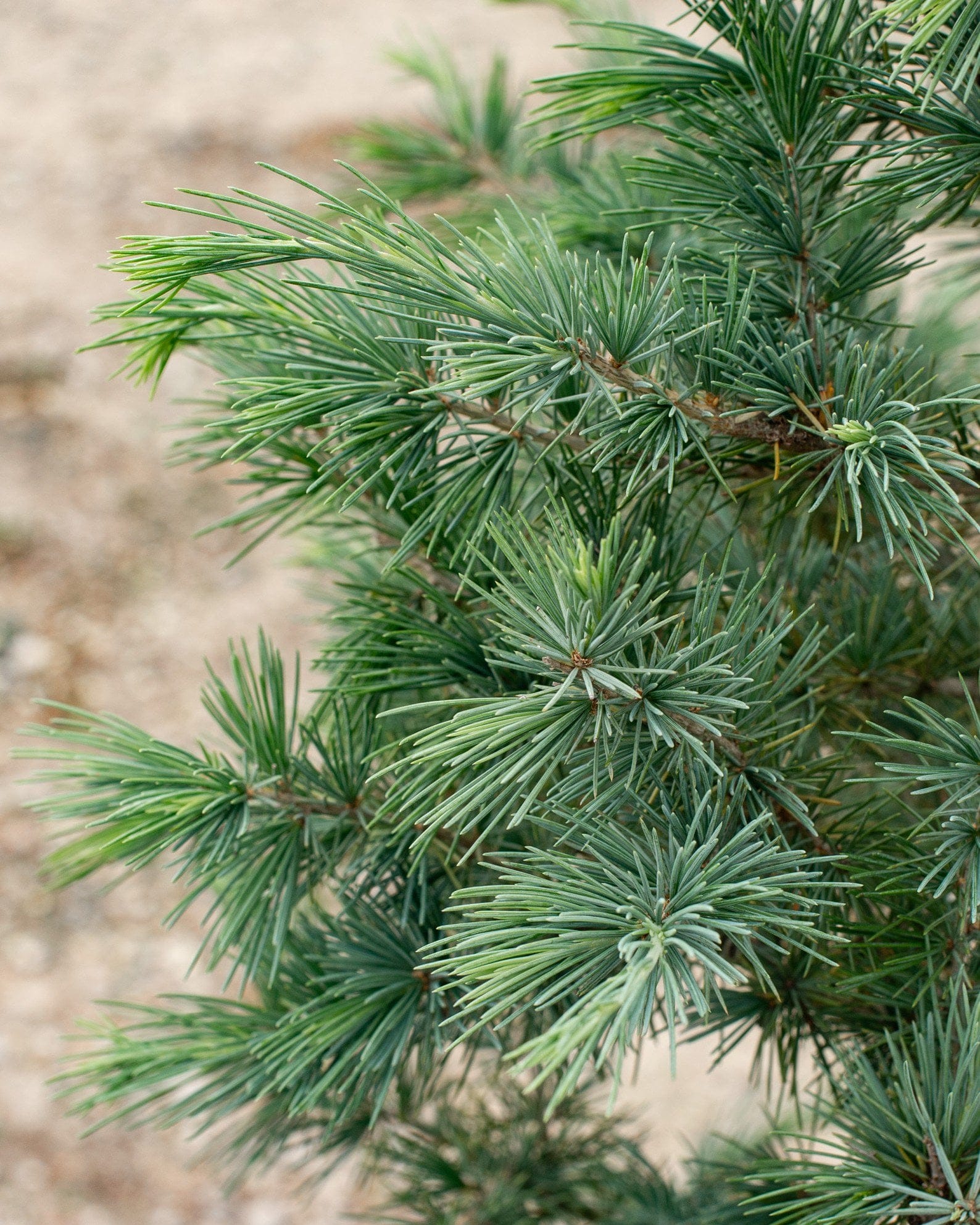
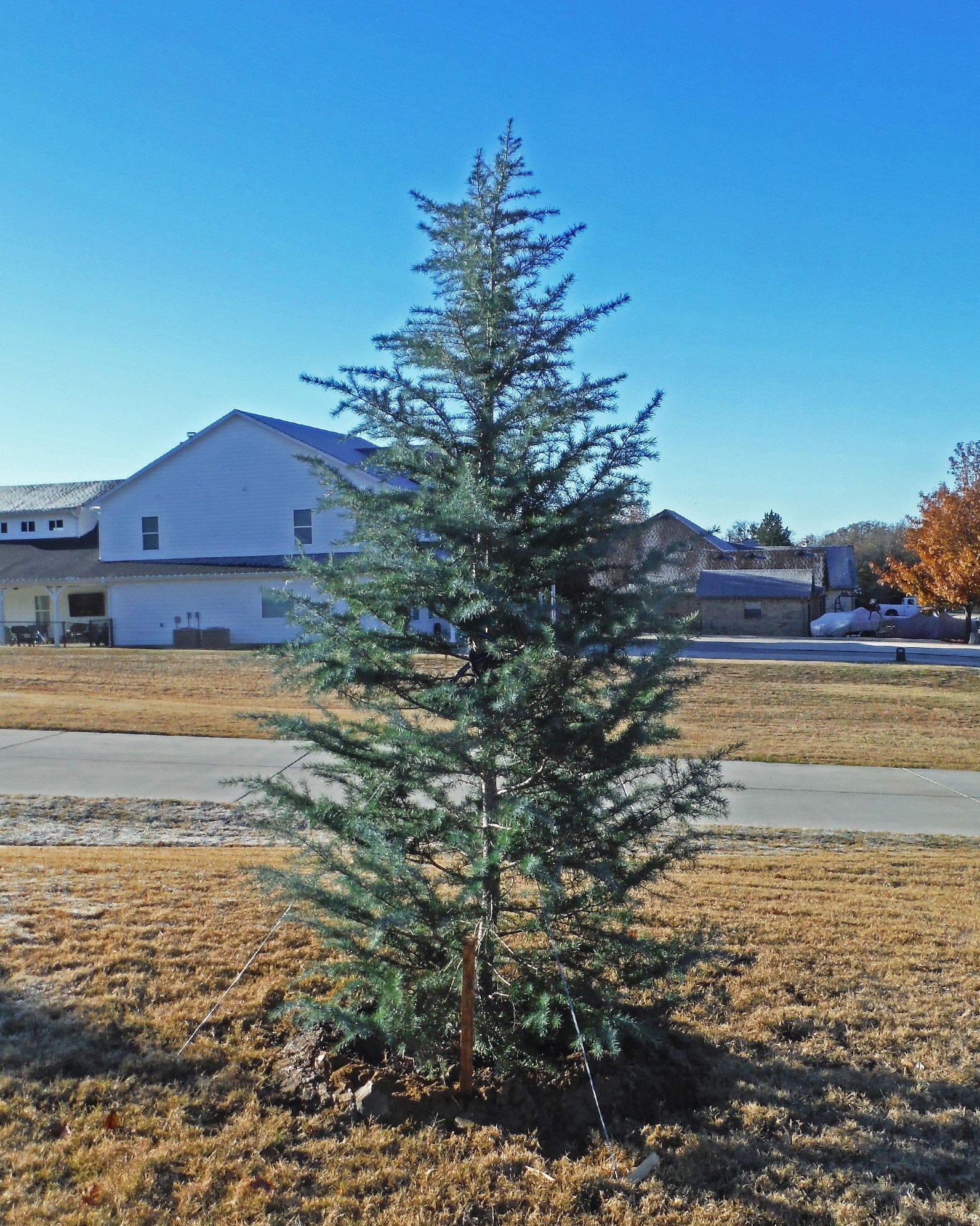
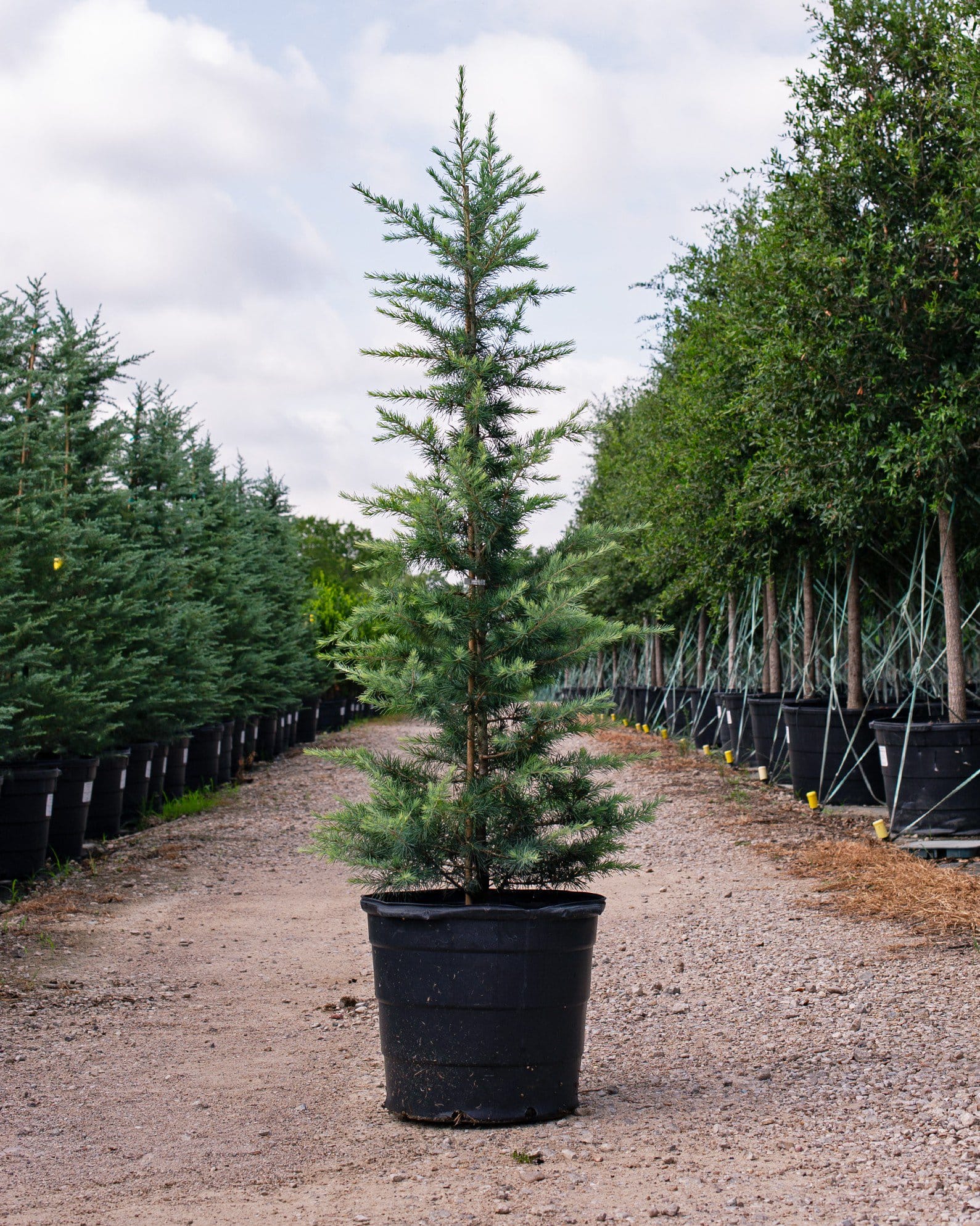
Blue Atlas Cedar Horstmann
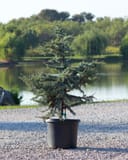
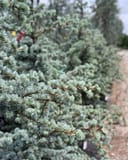
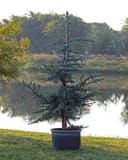
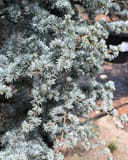
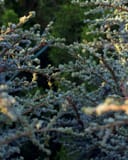
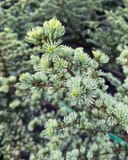
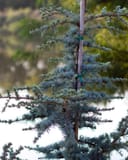
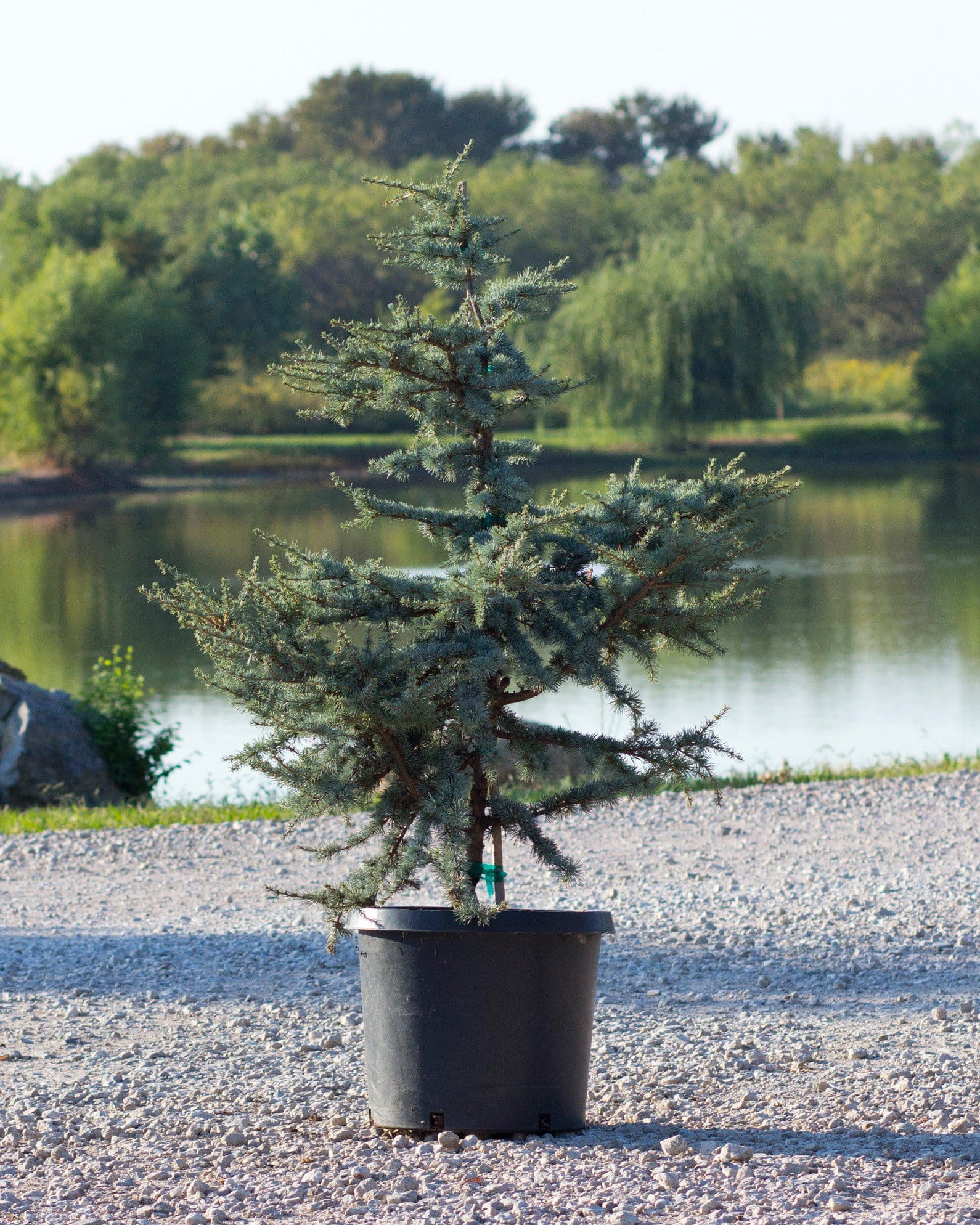
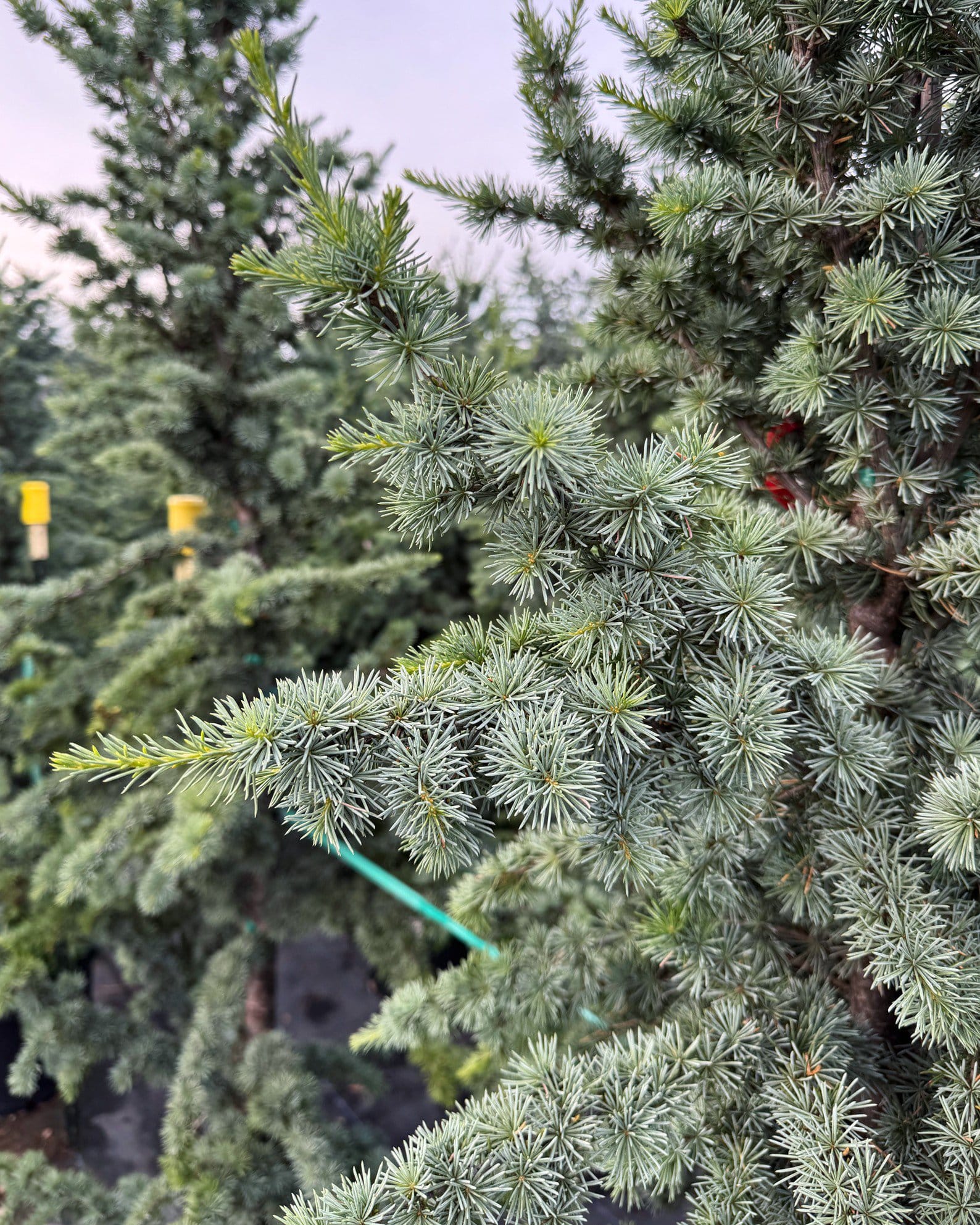
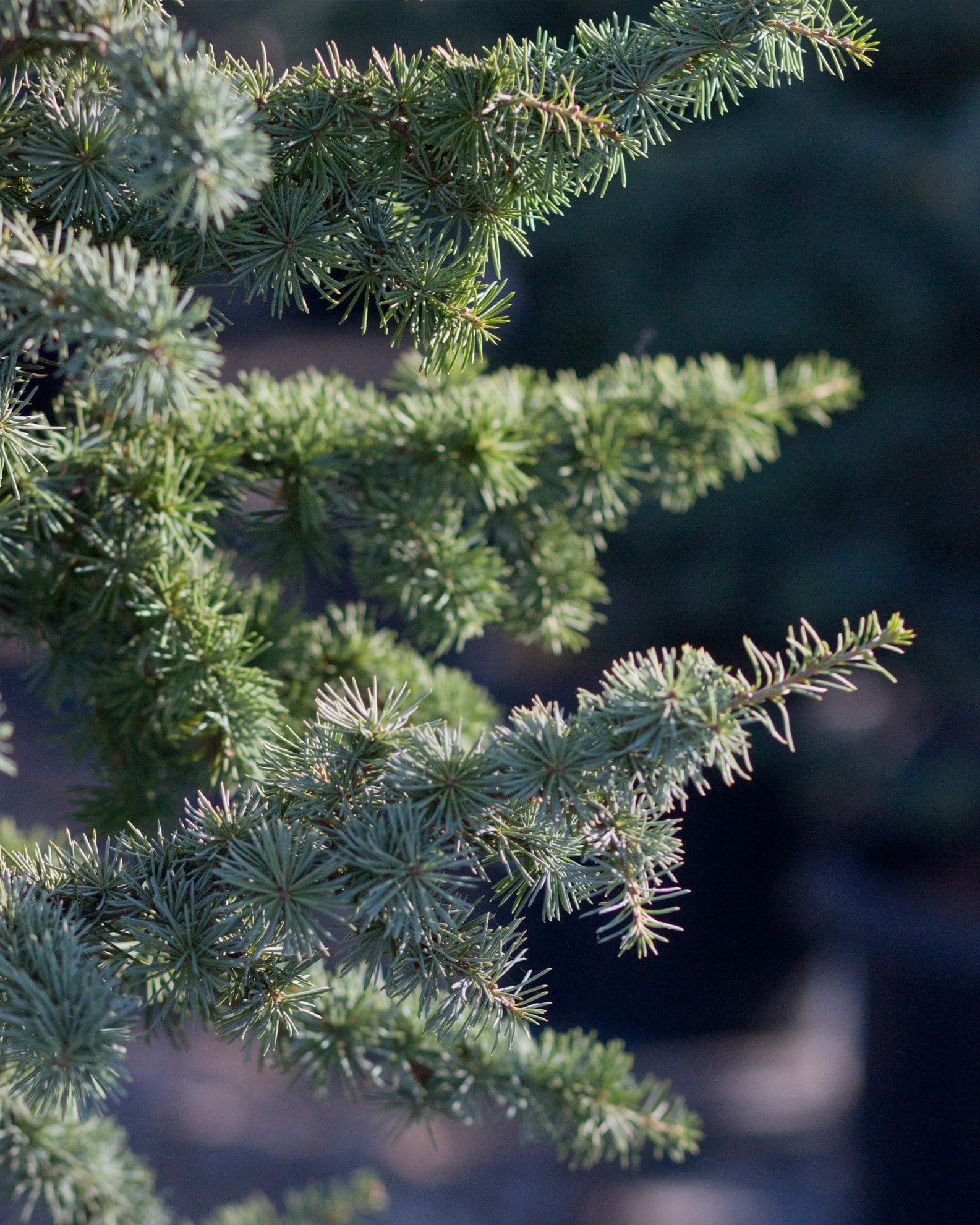
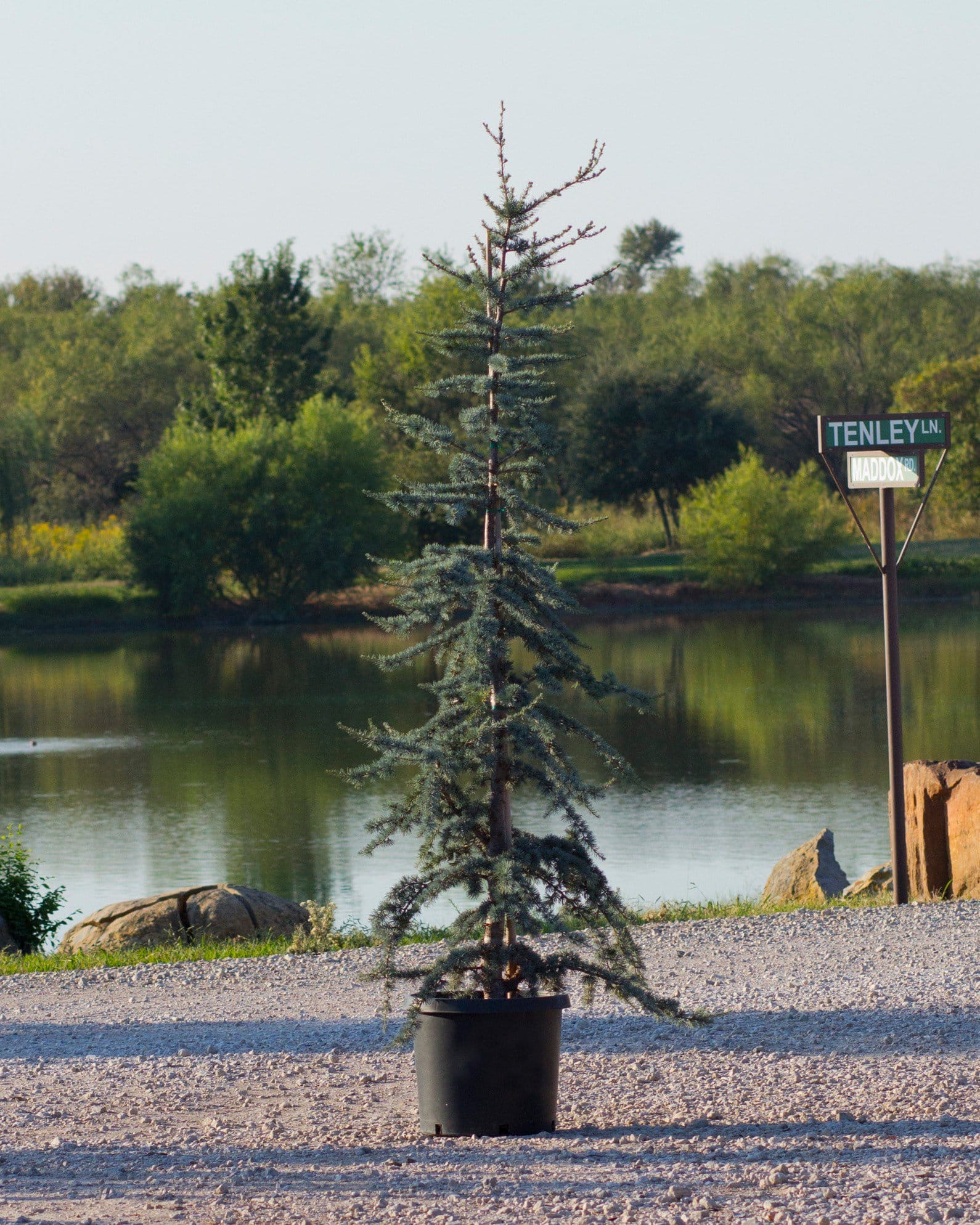
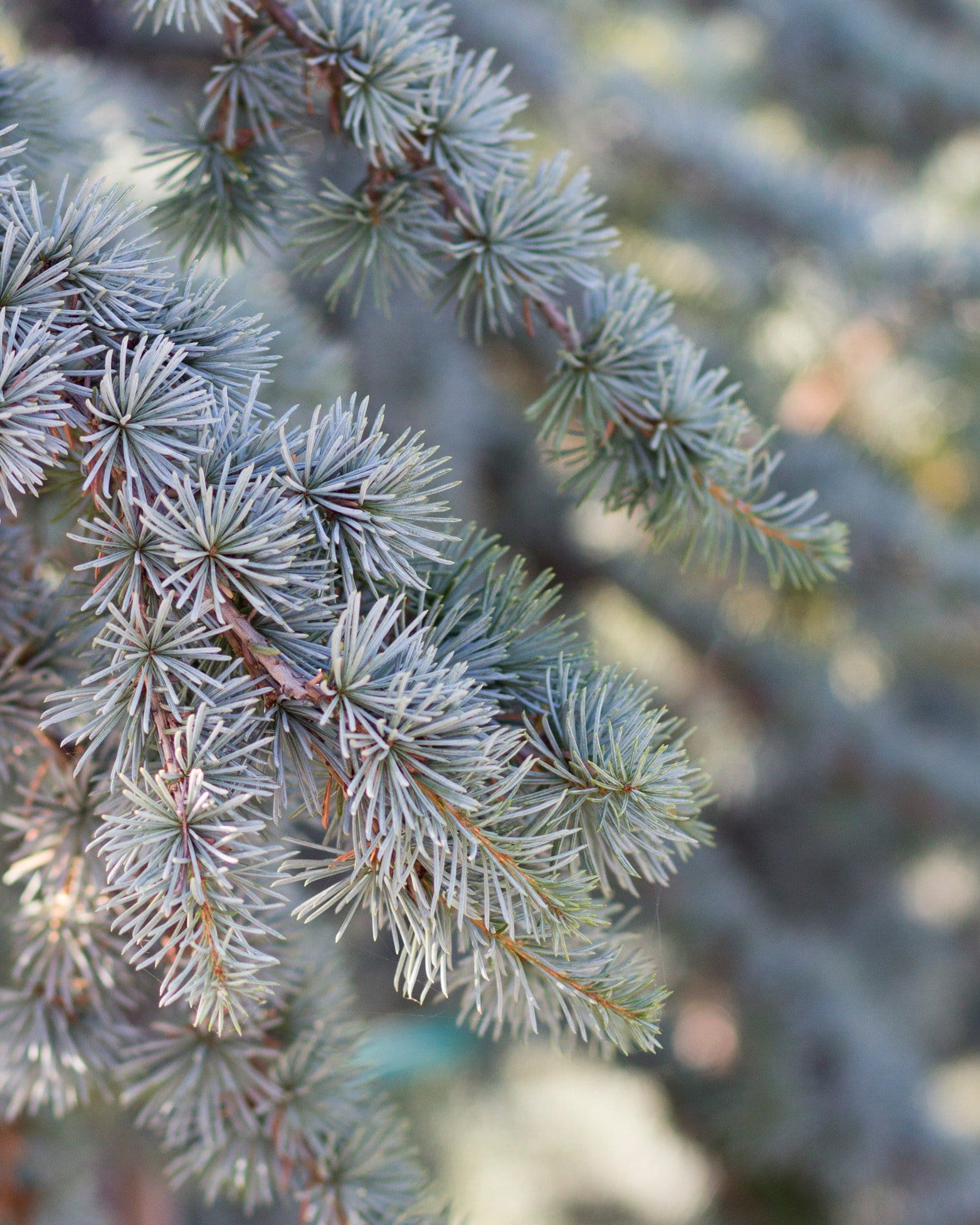
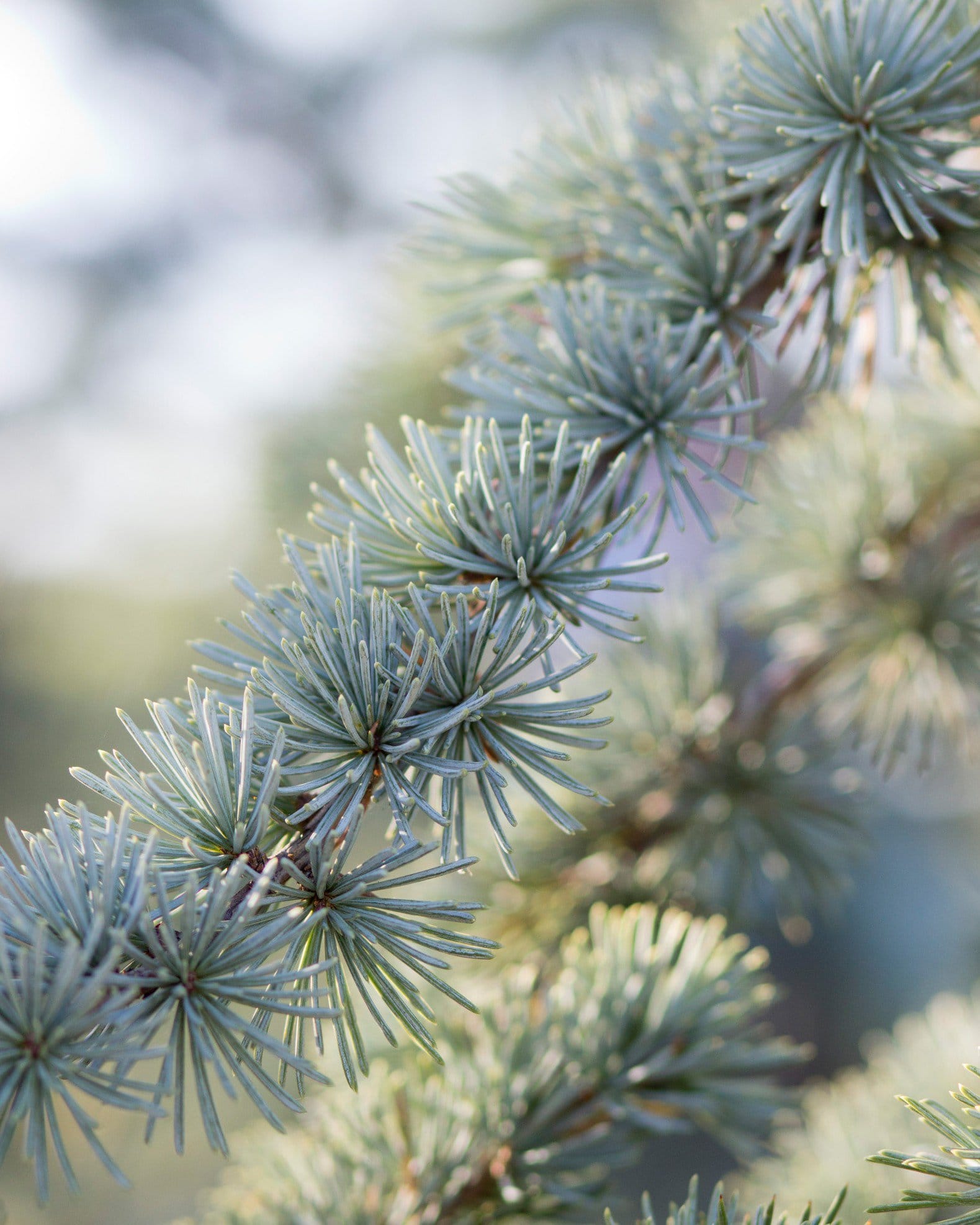
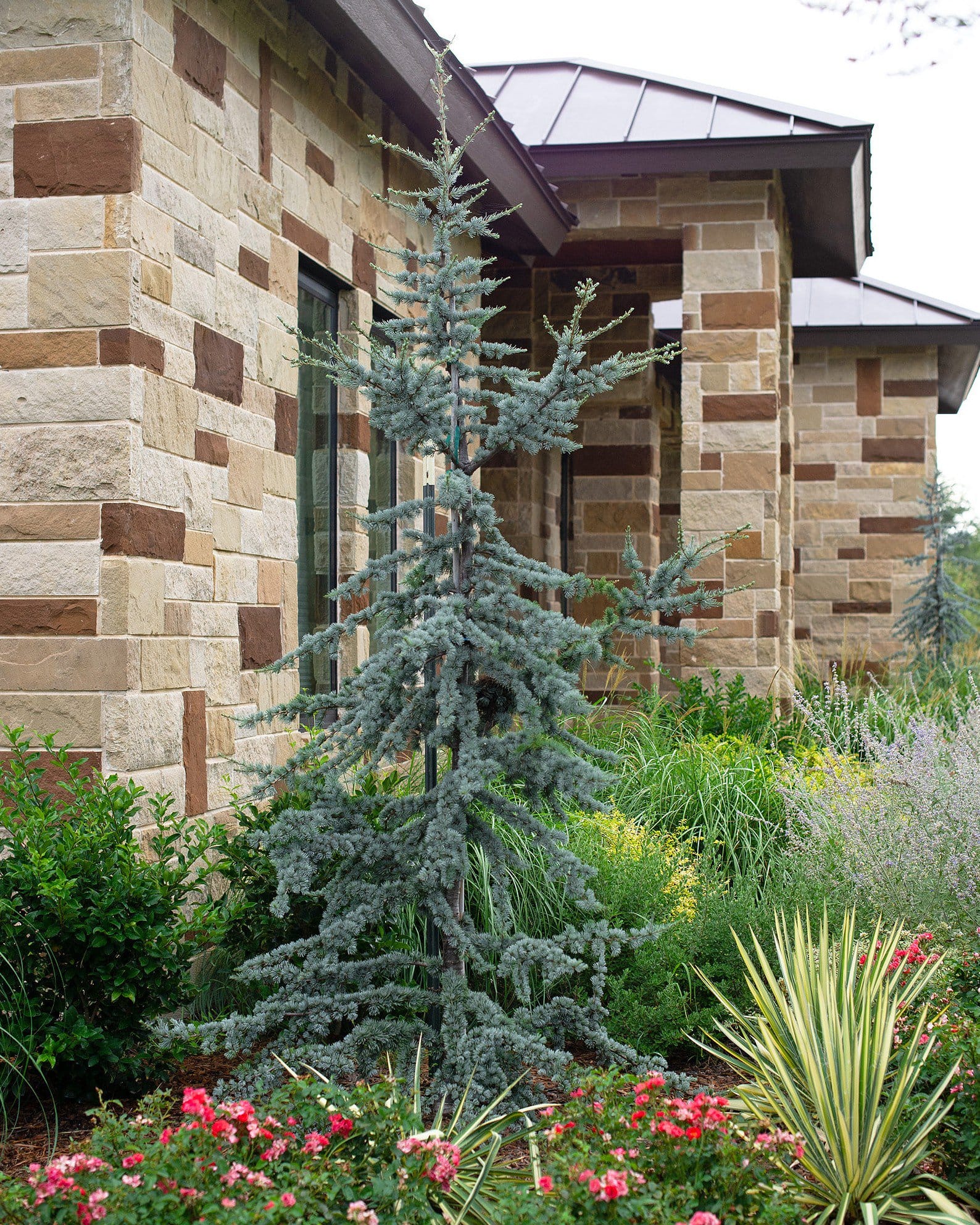
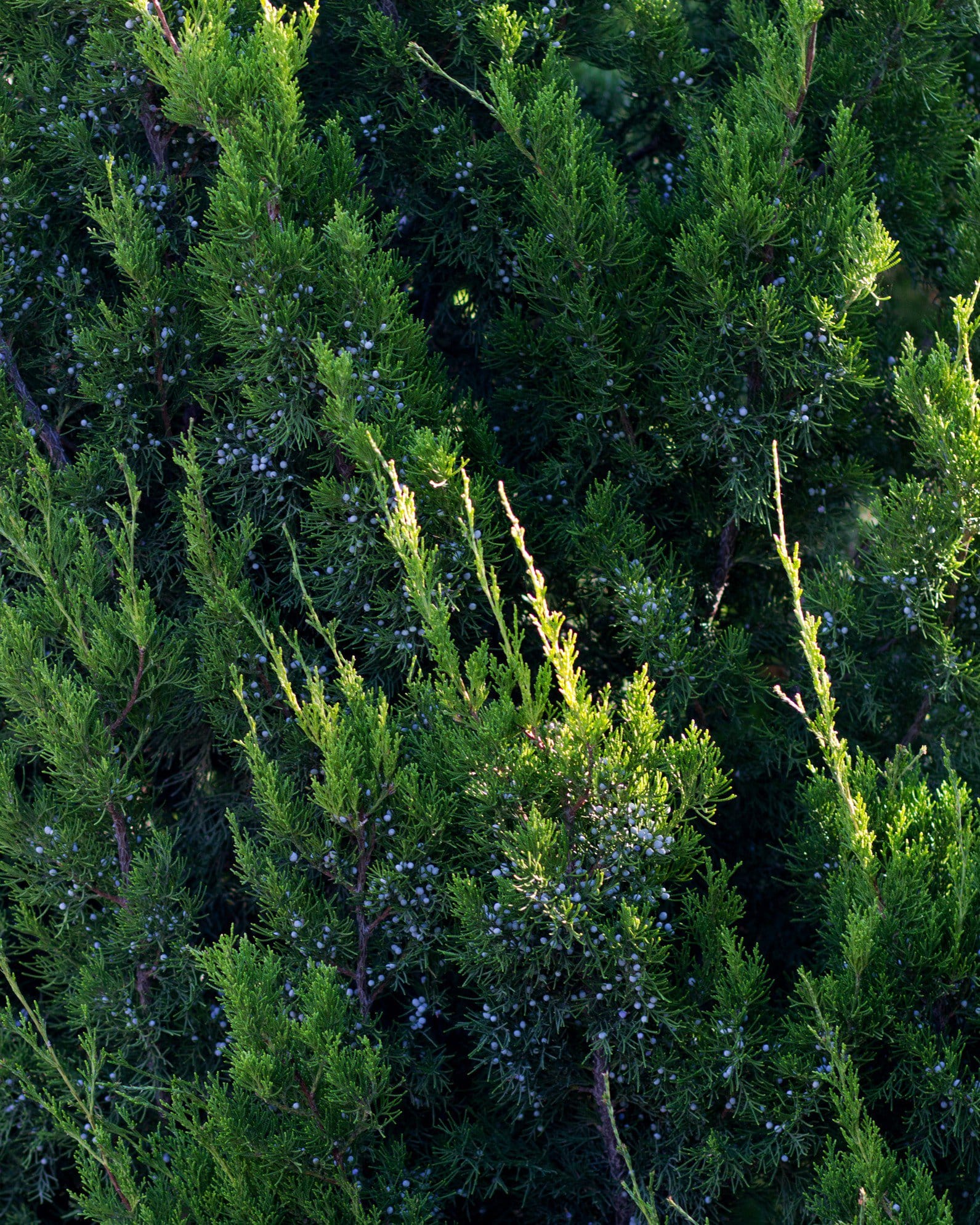
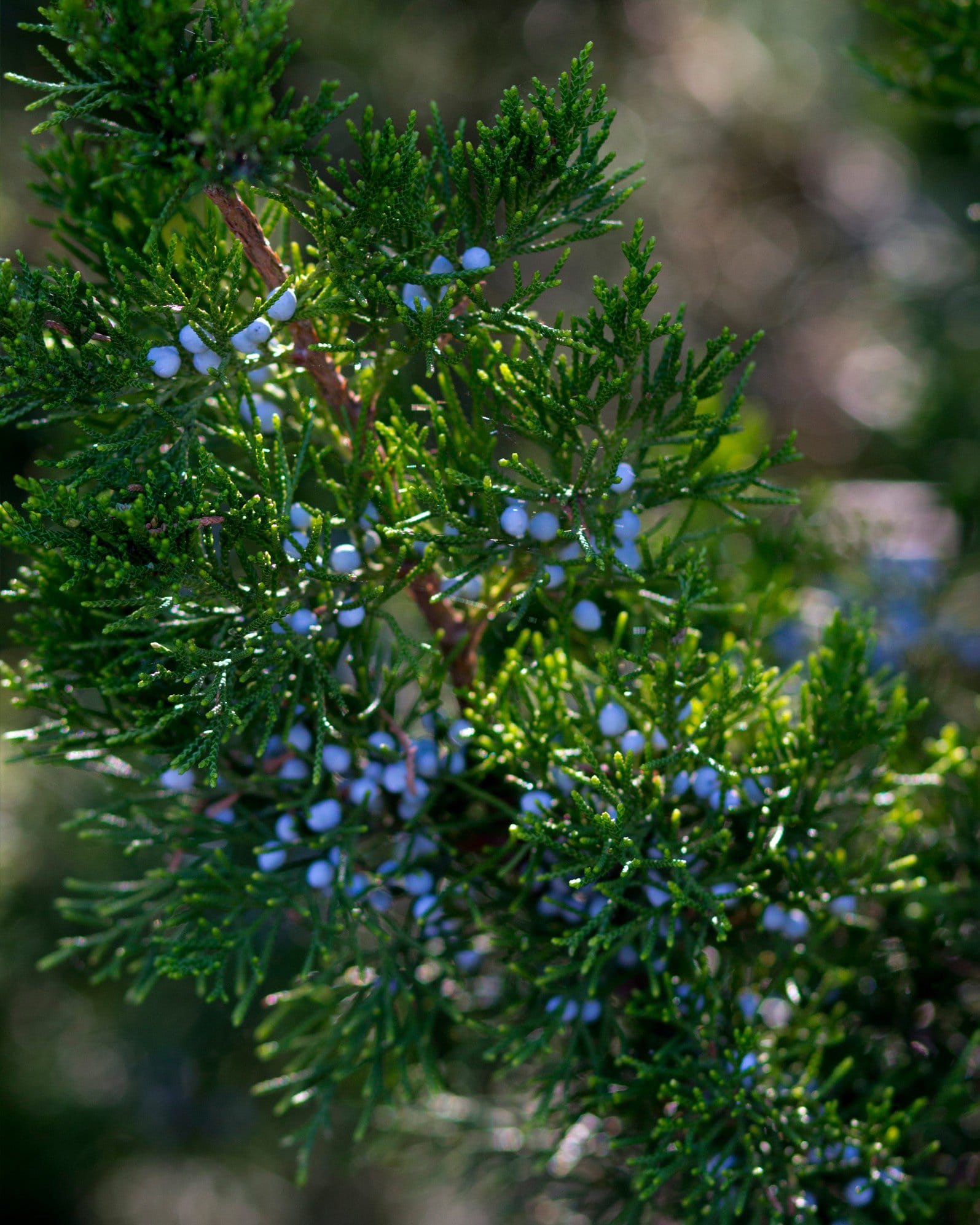
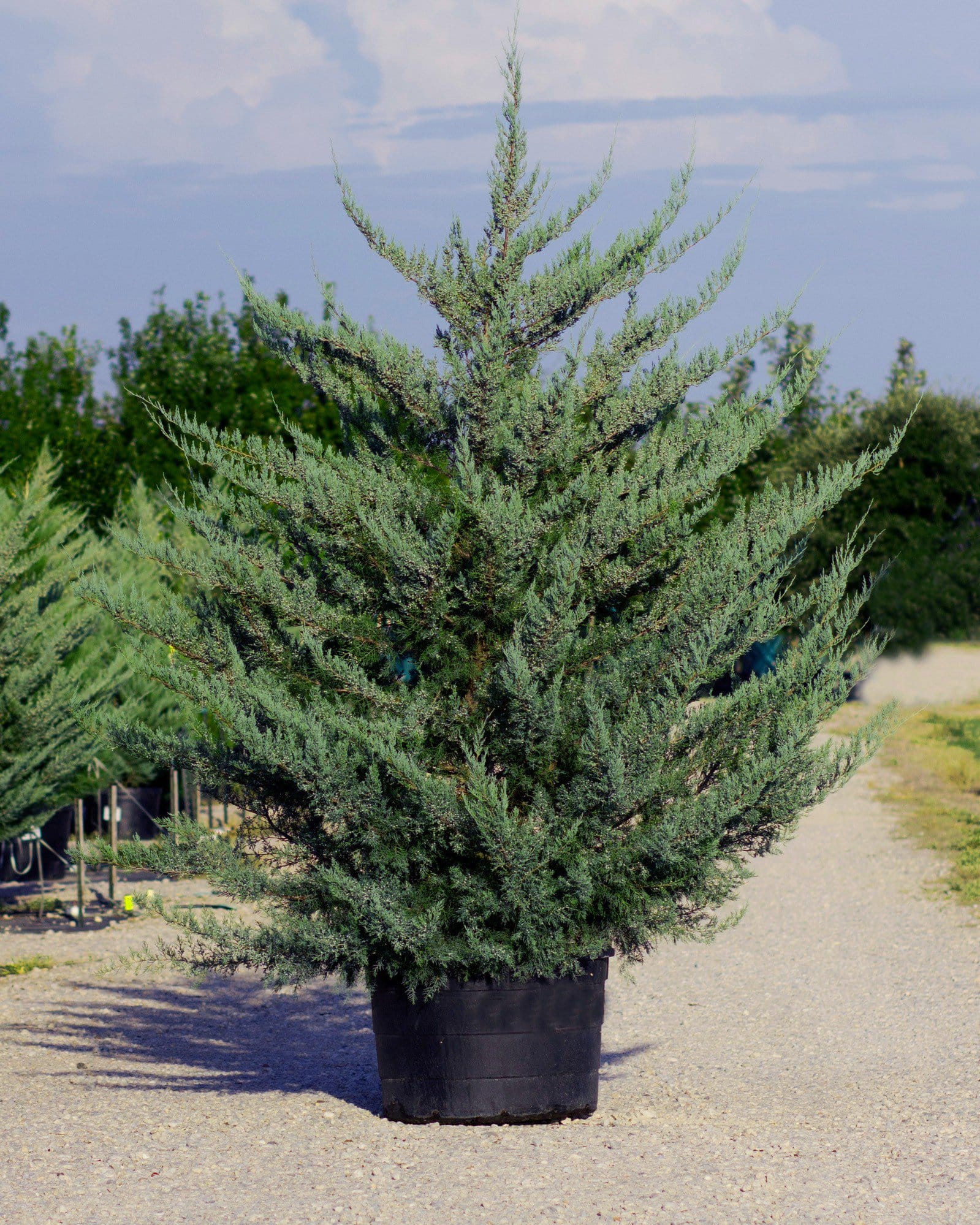
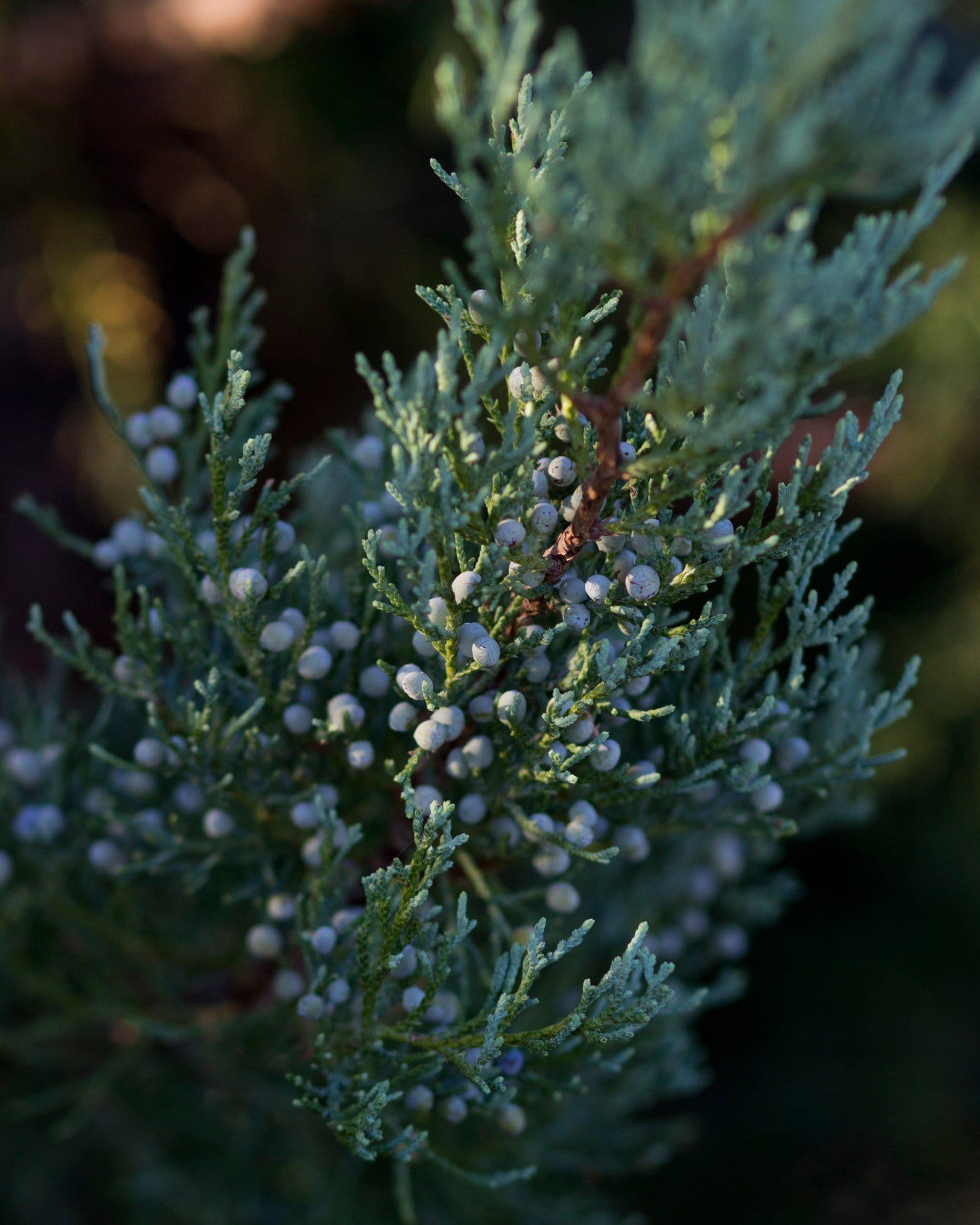
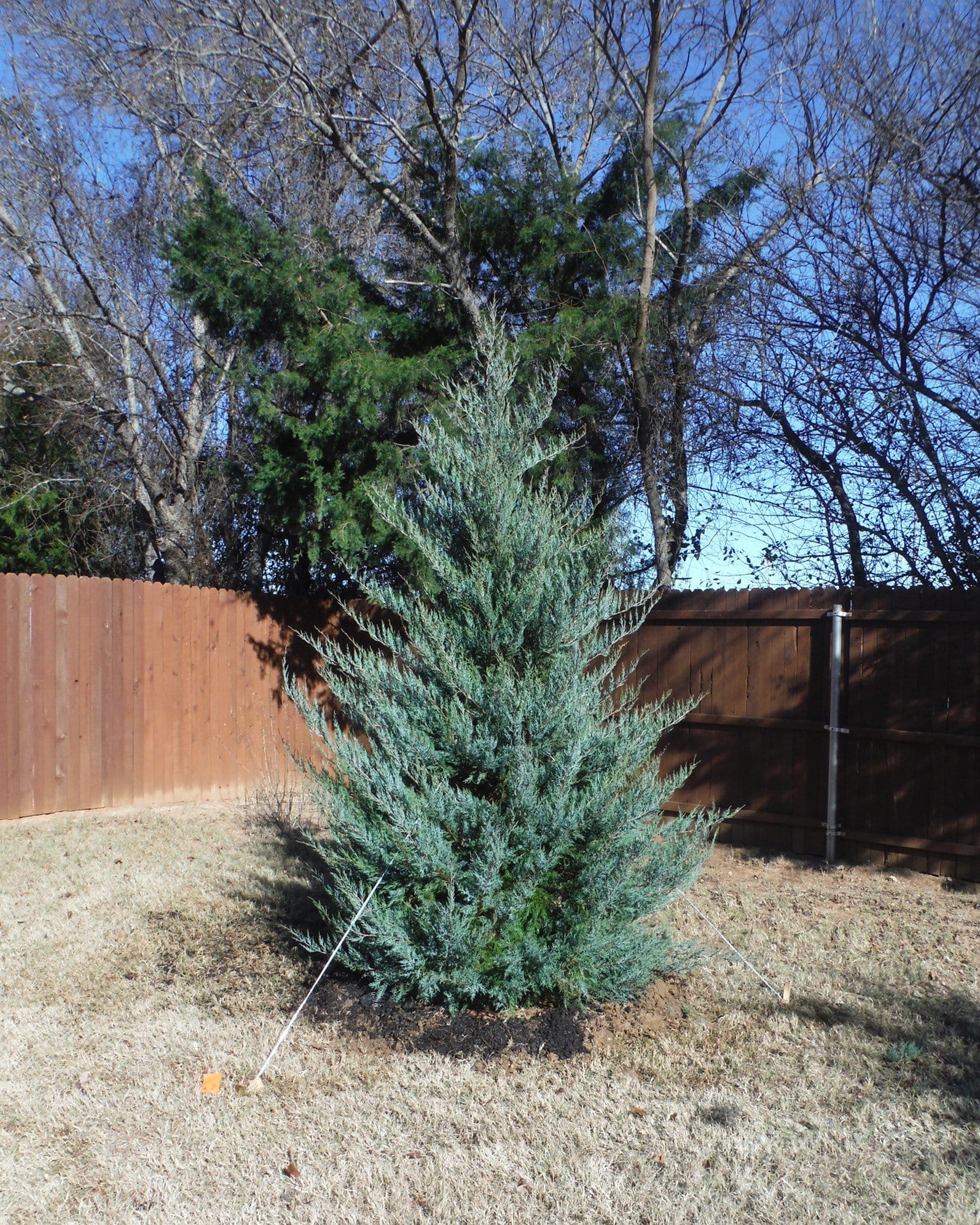
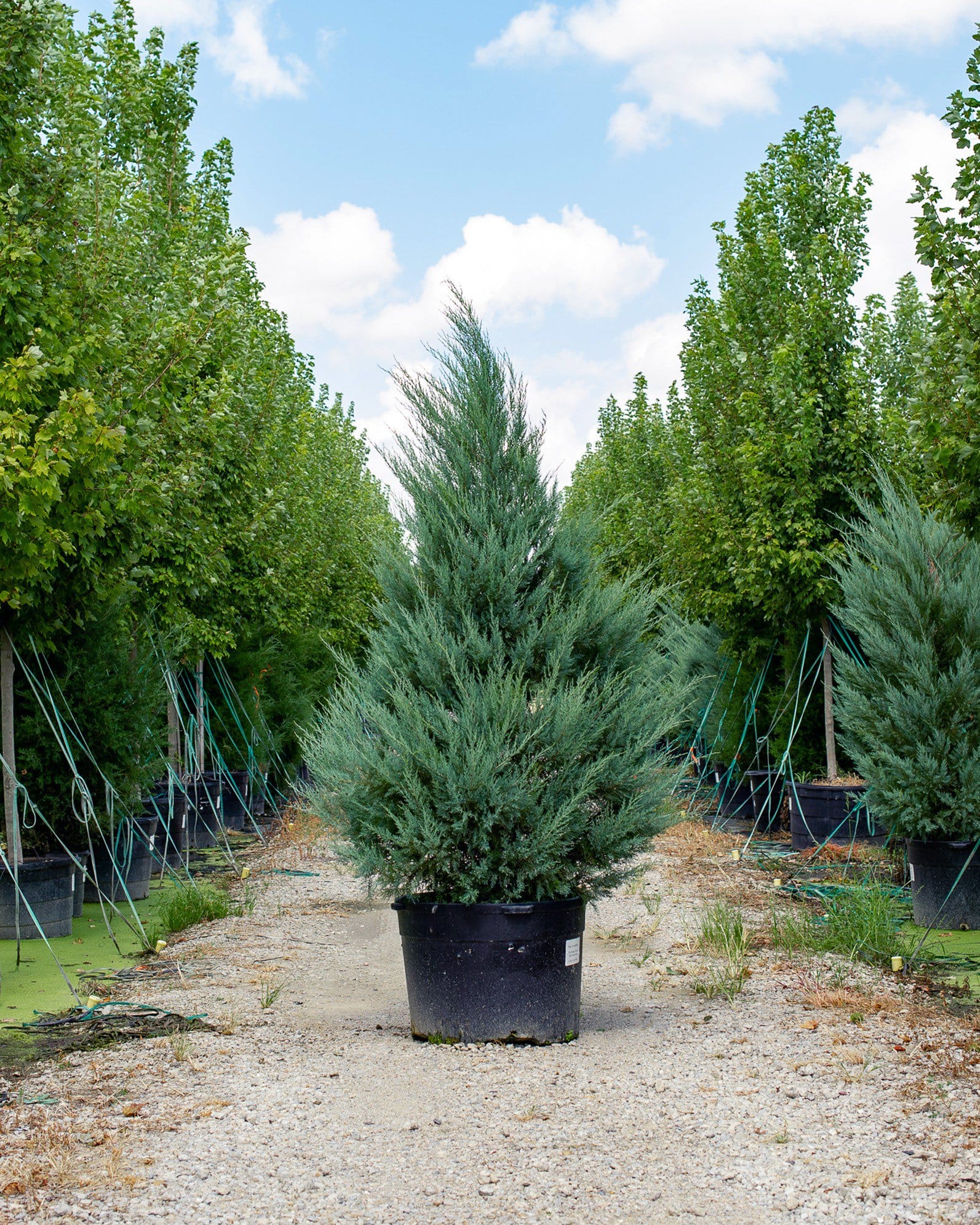
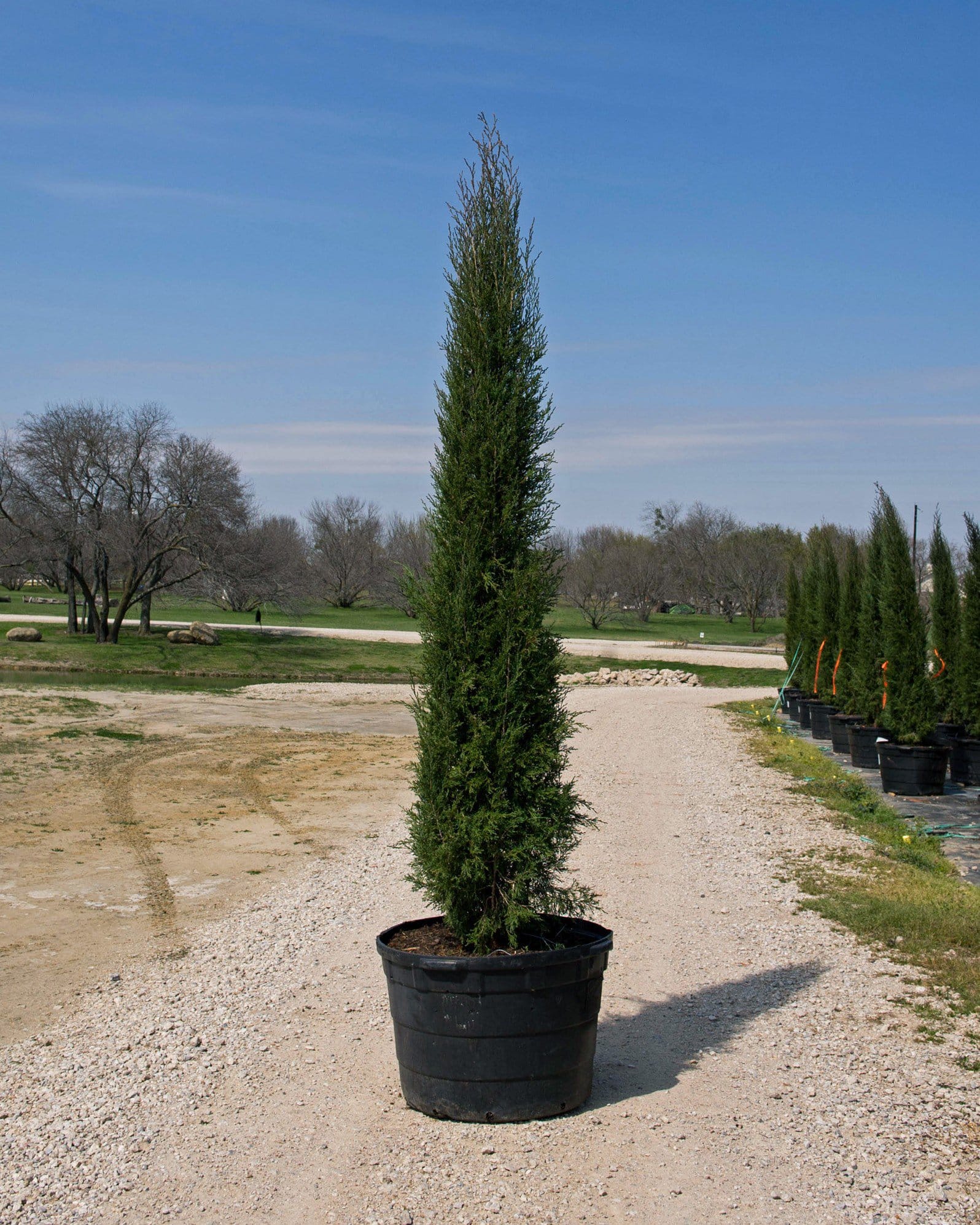
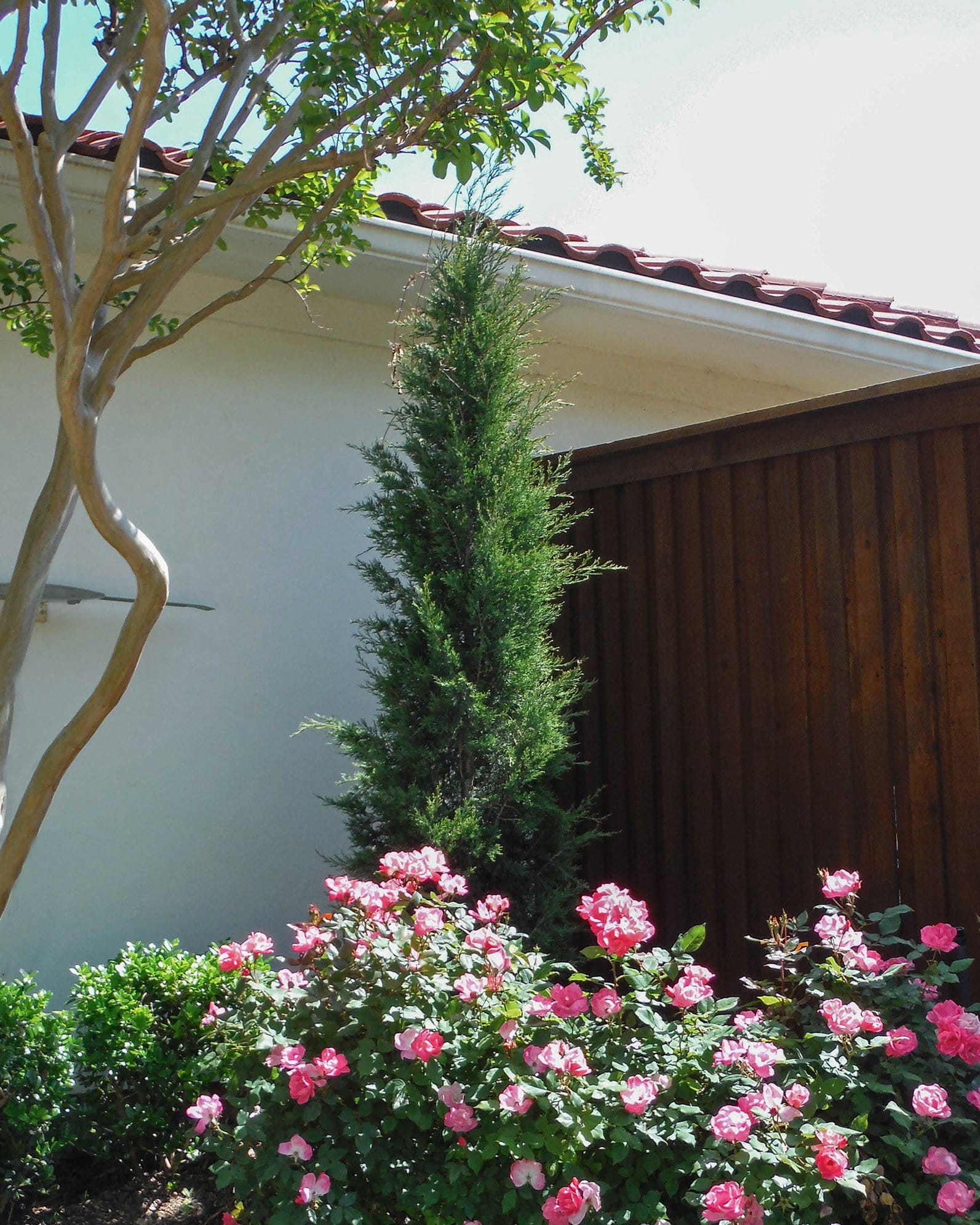
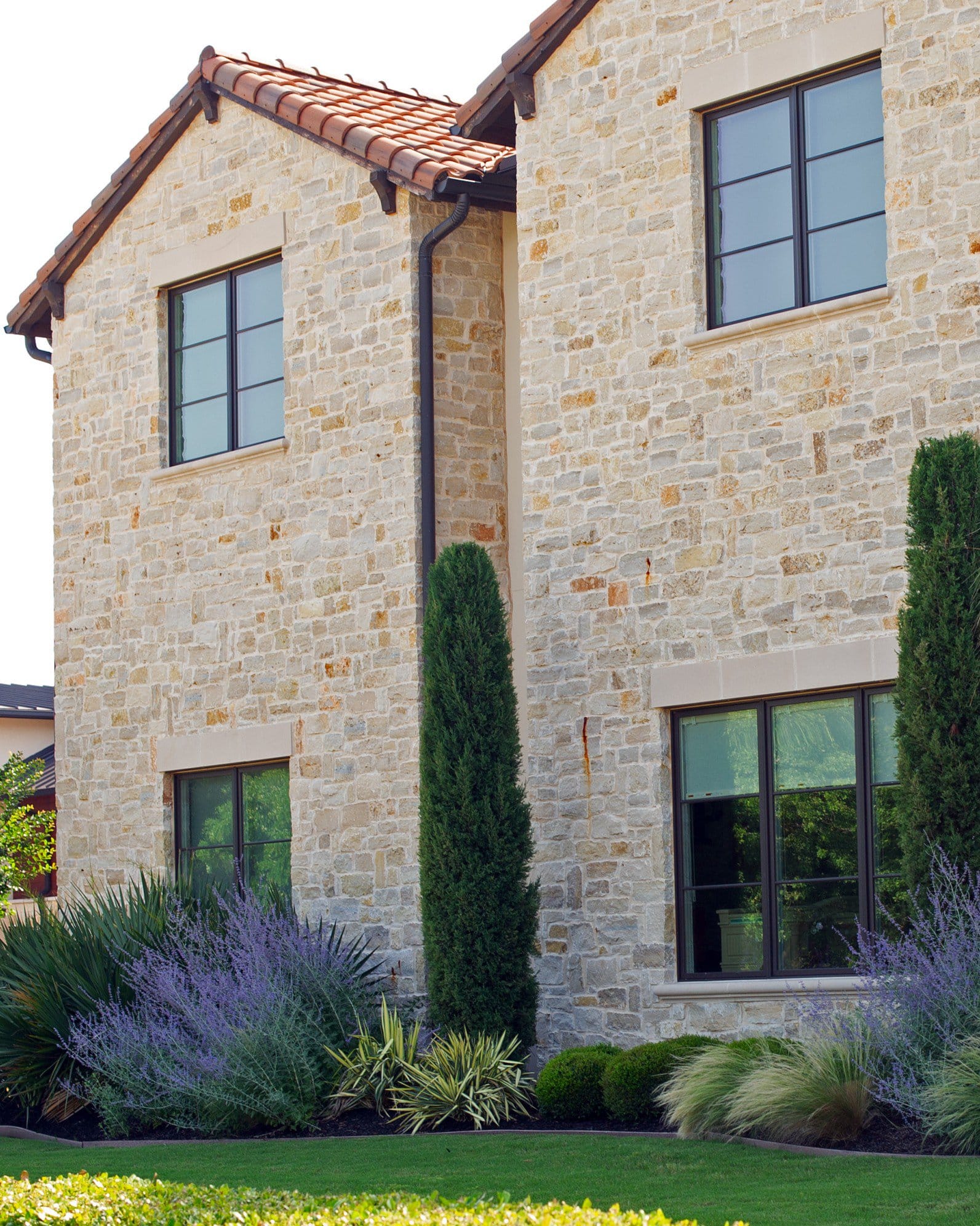
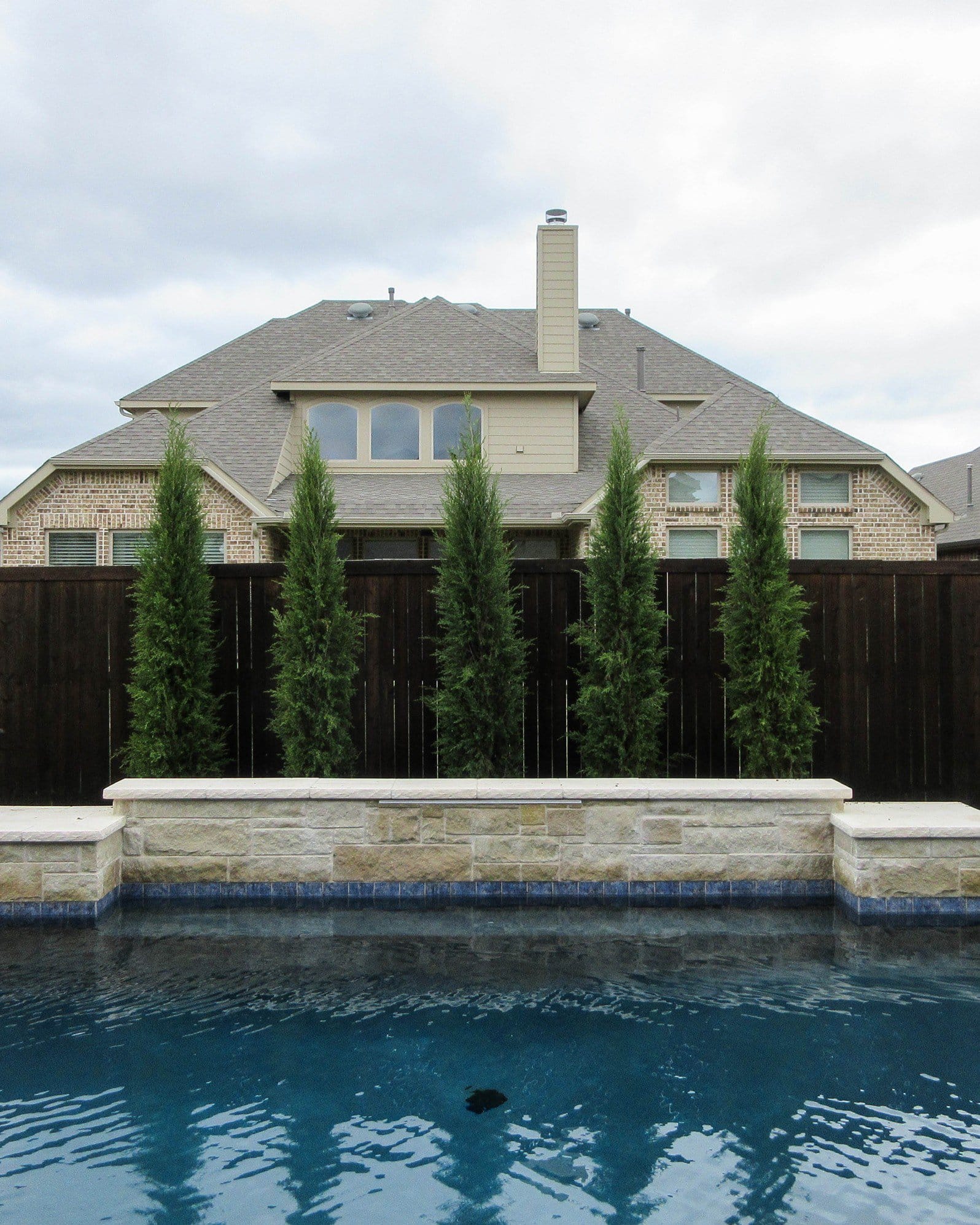
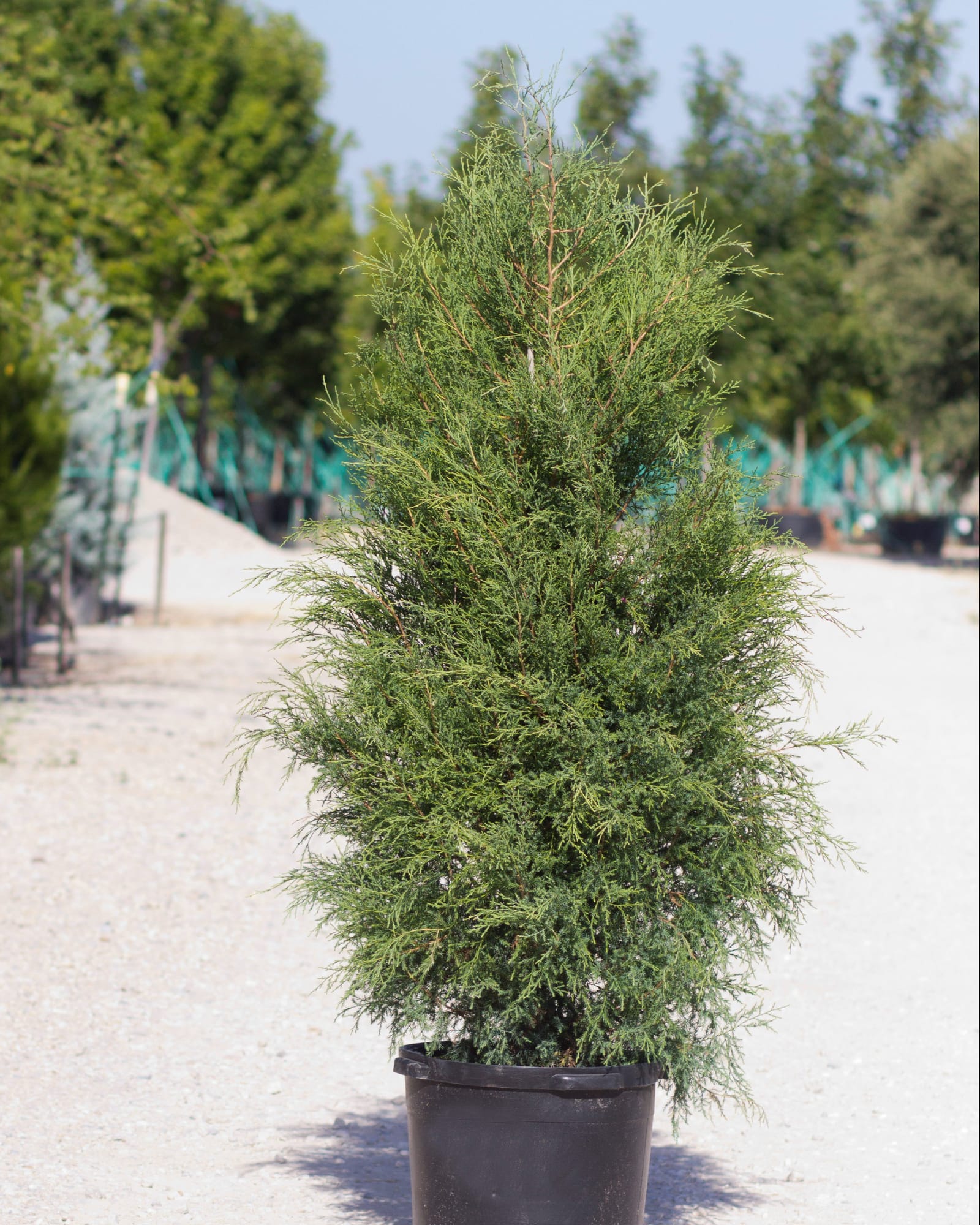
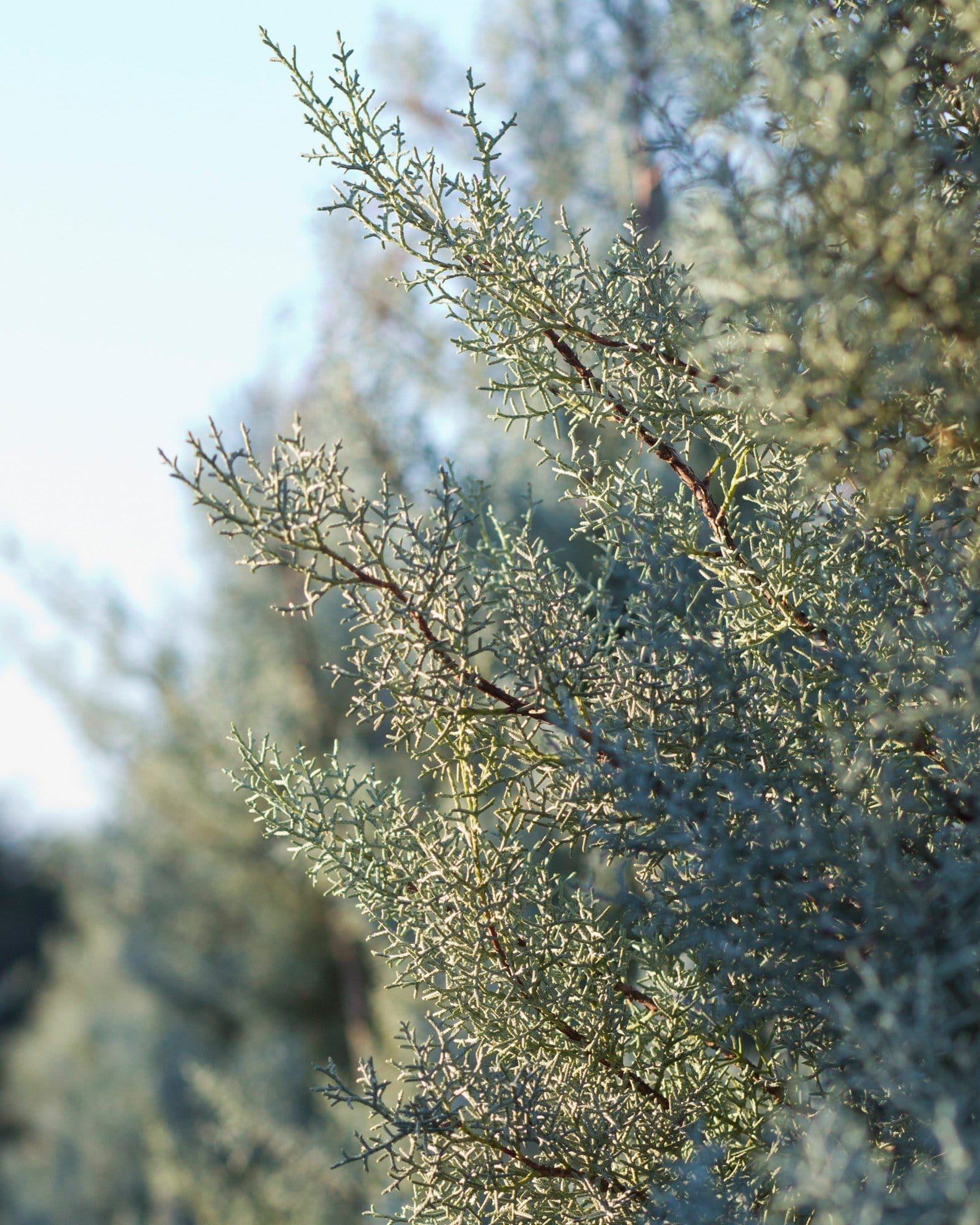
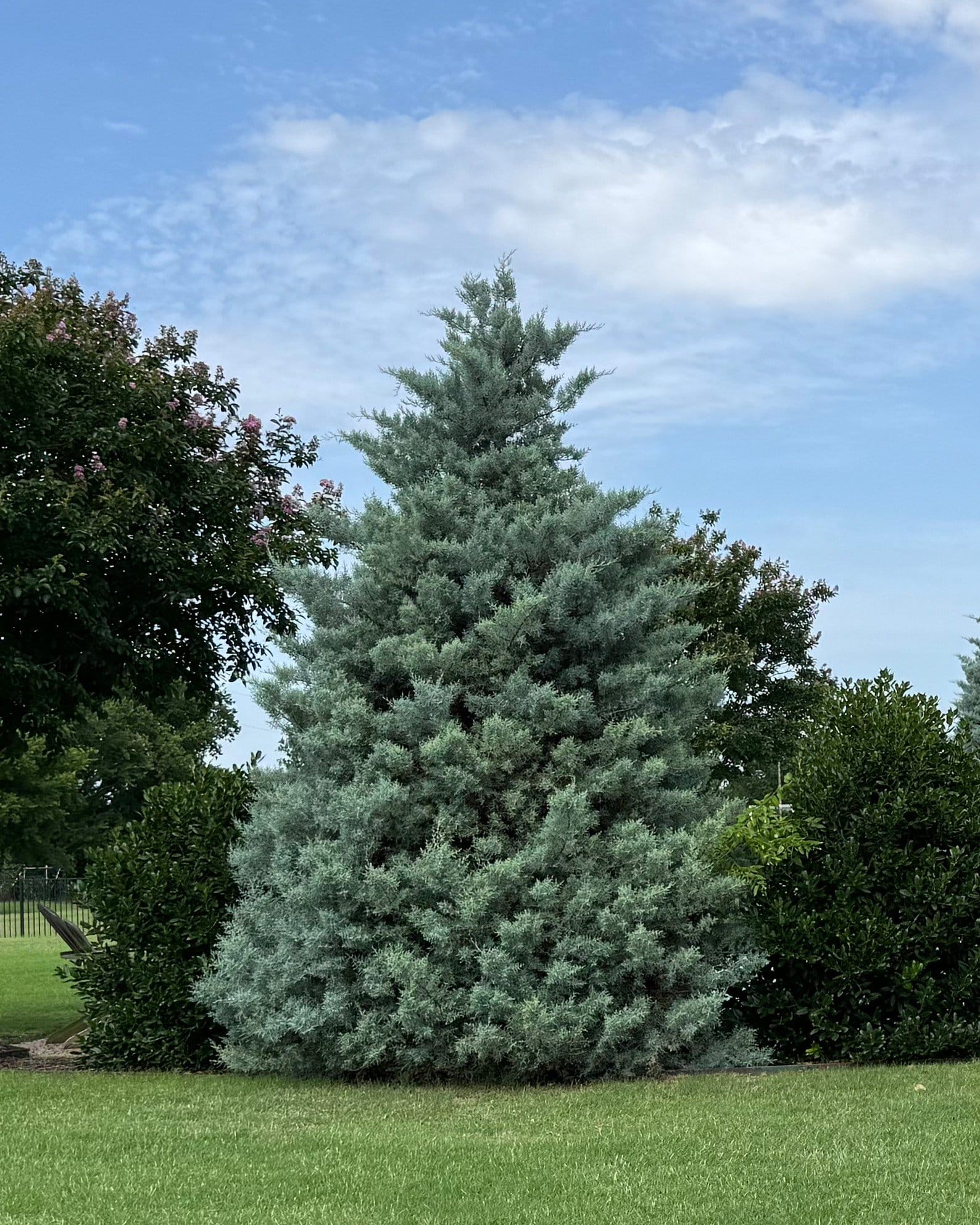
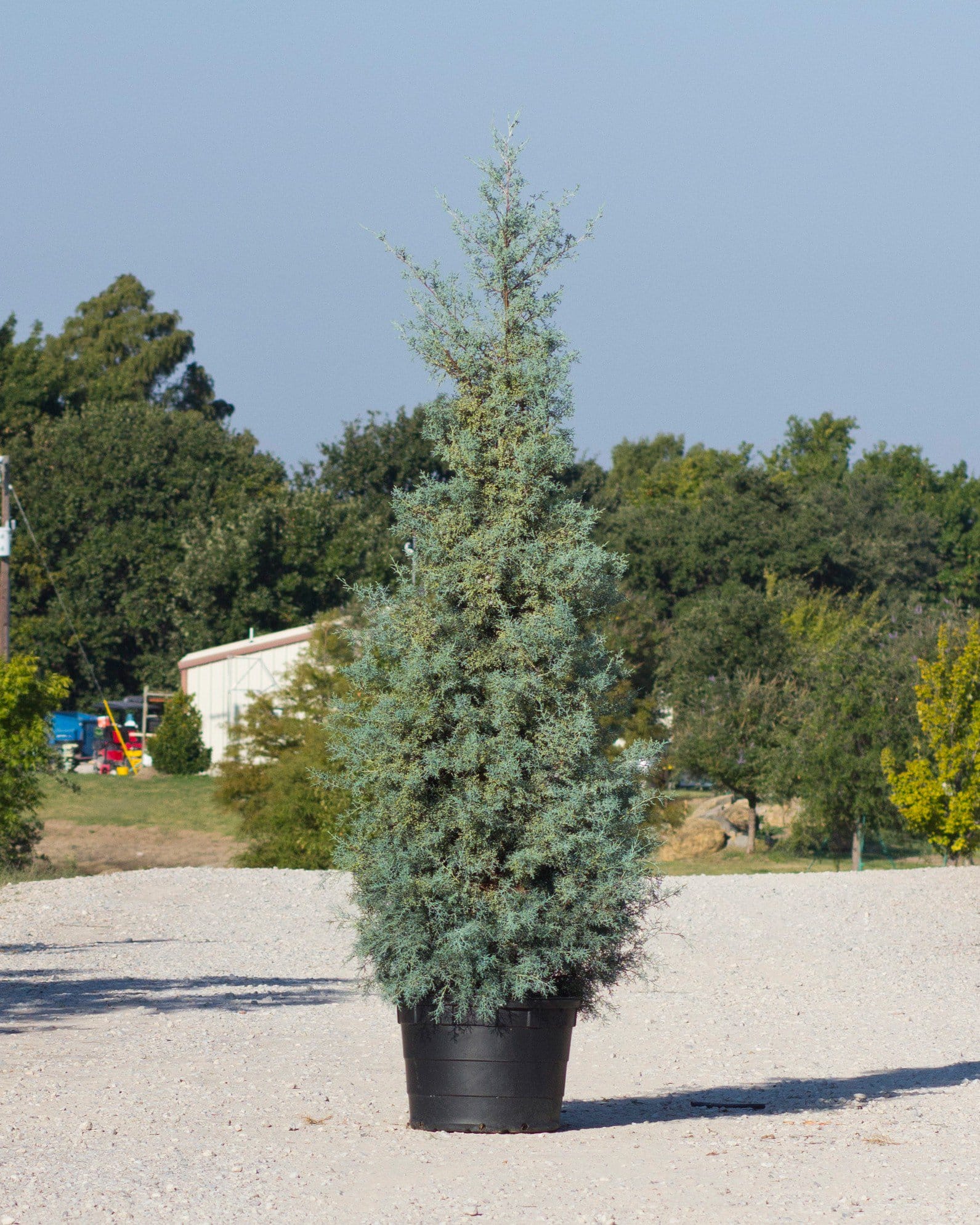
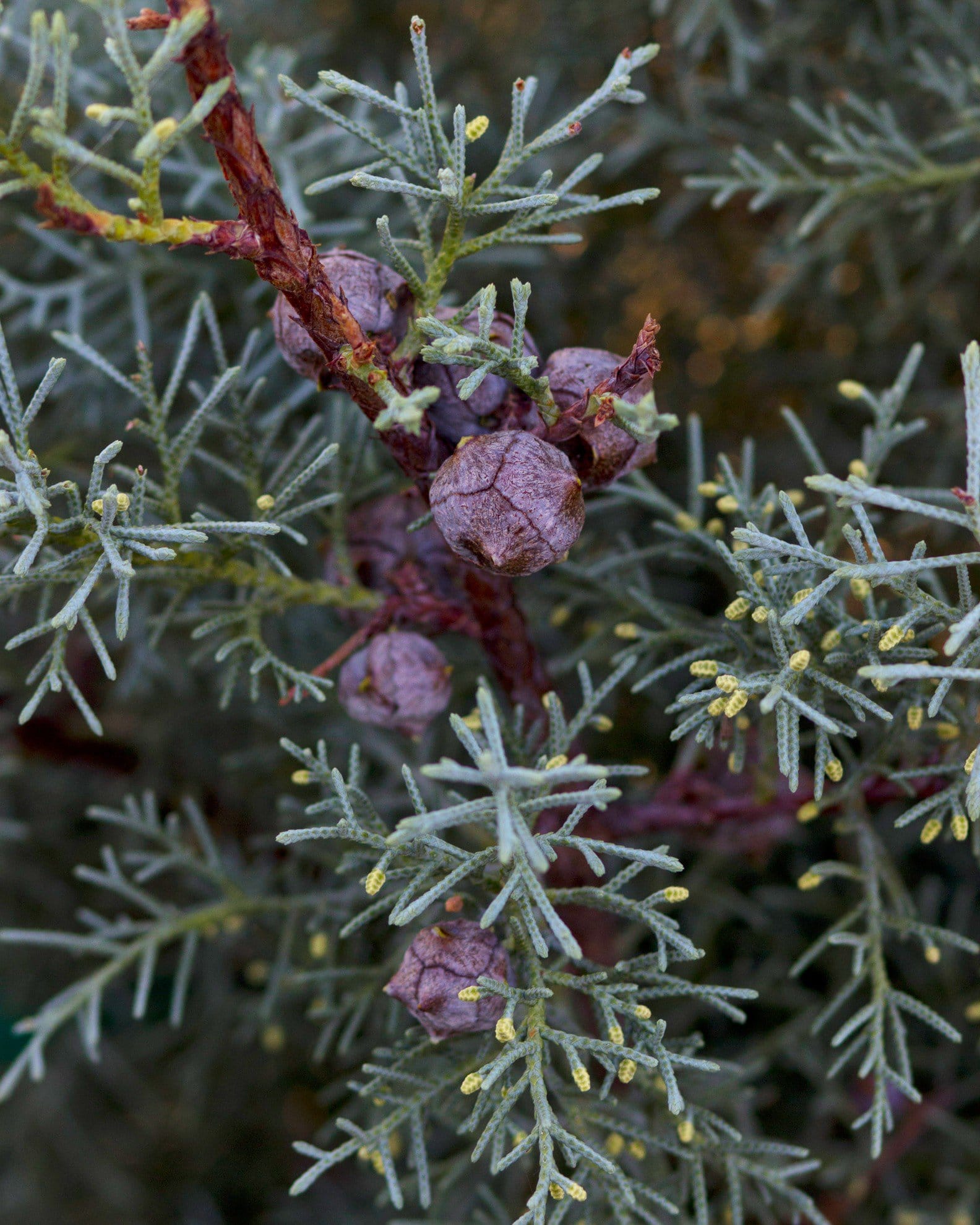
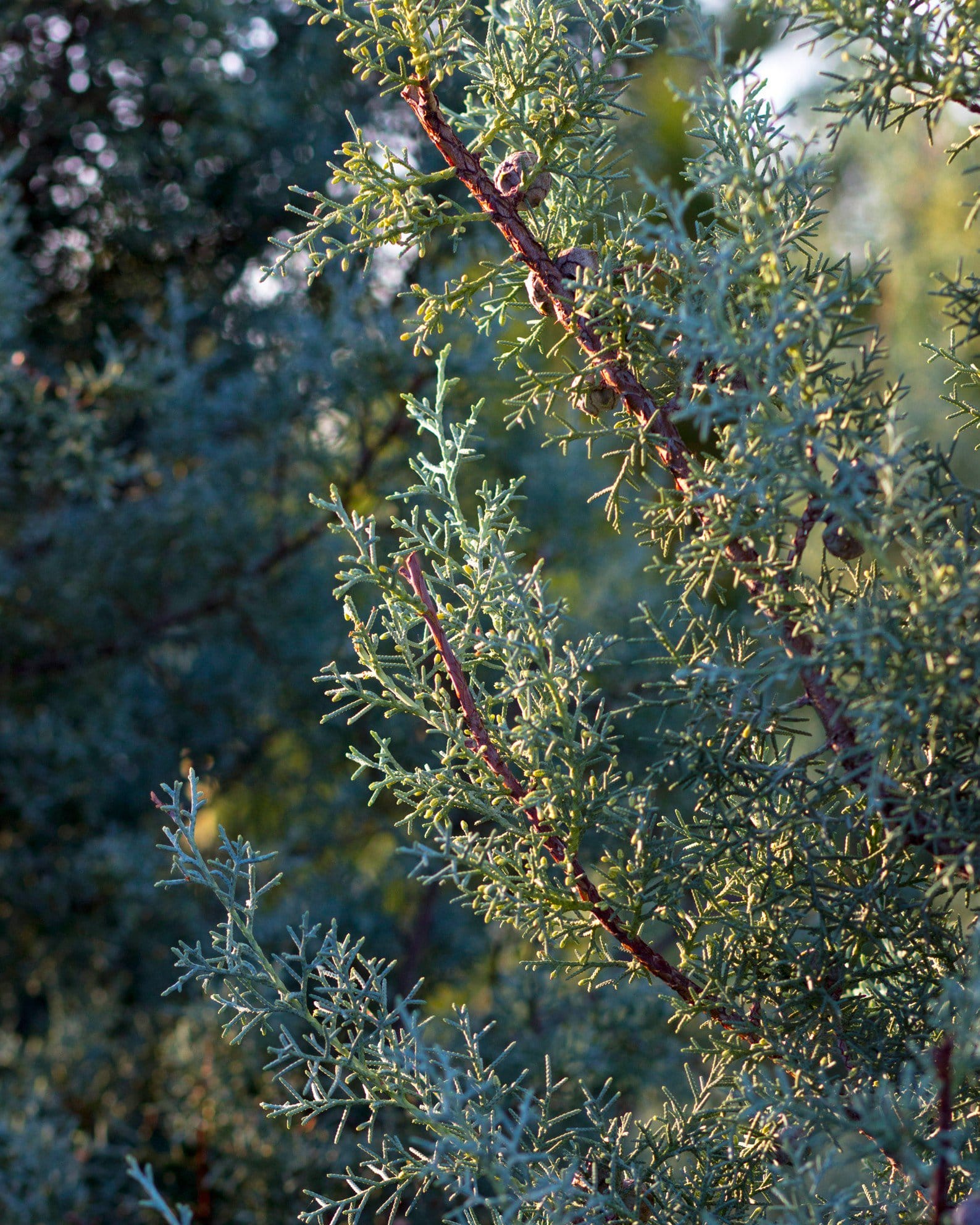
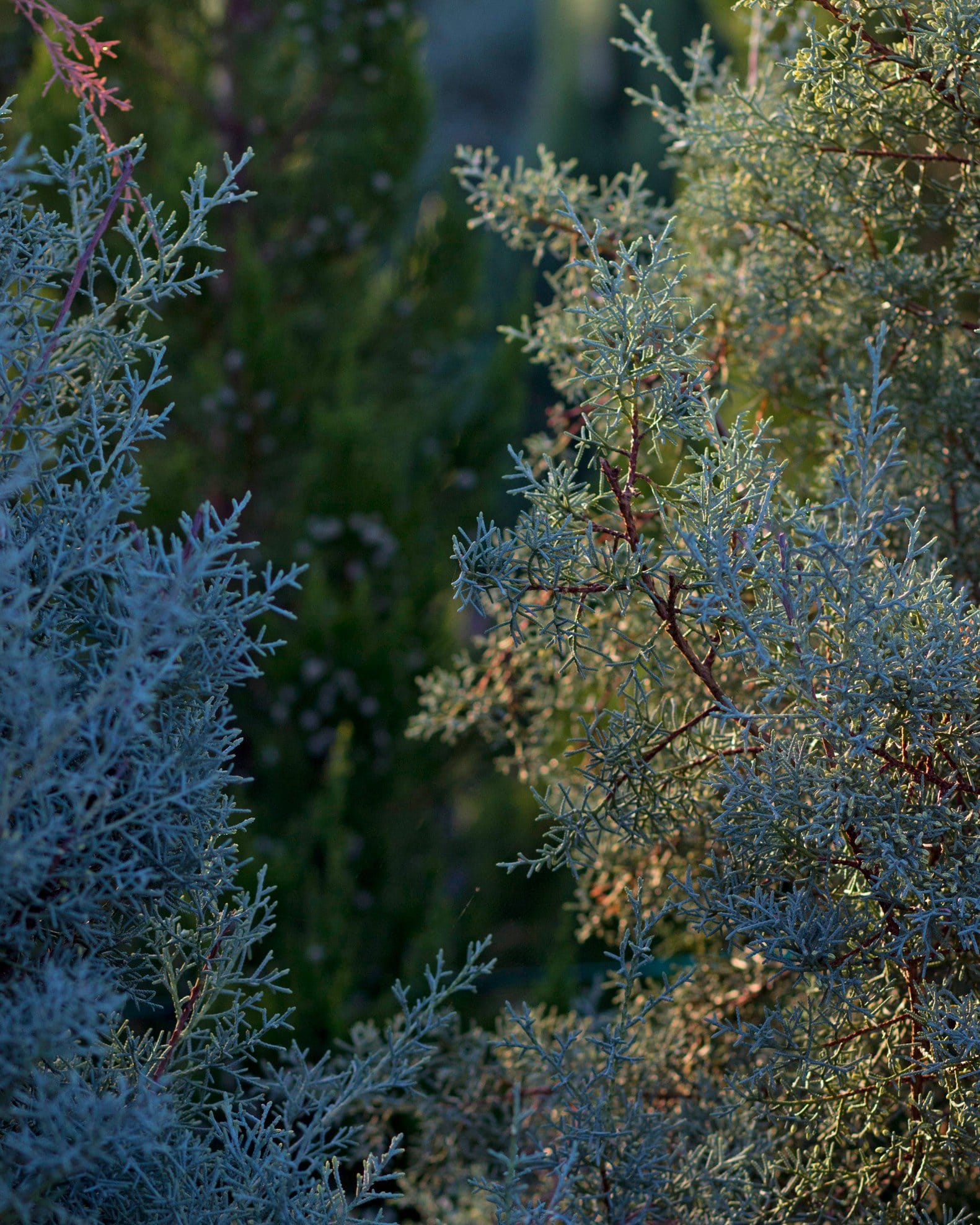
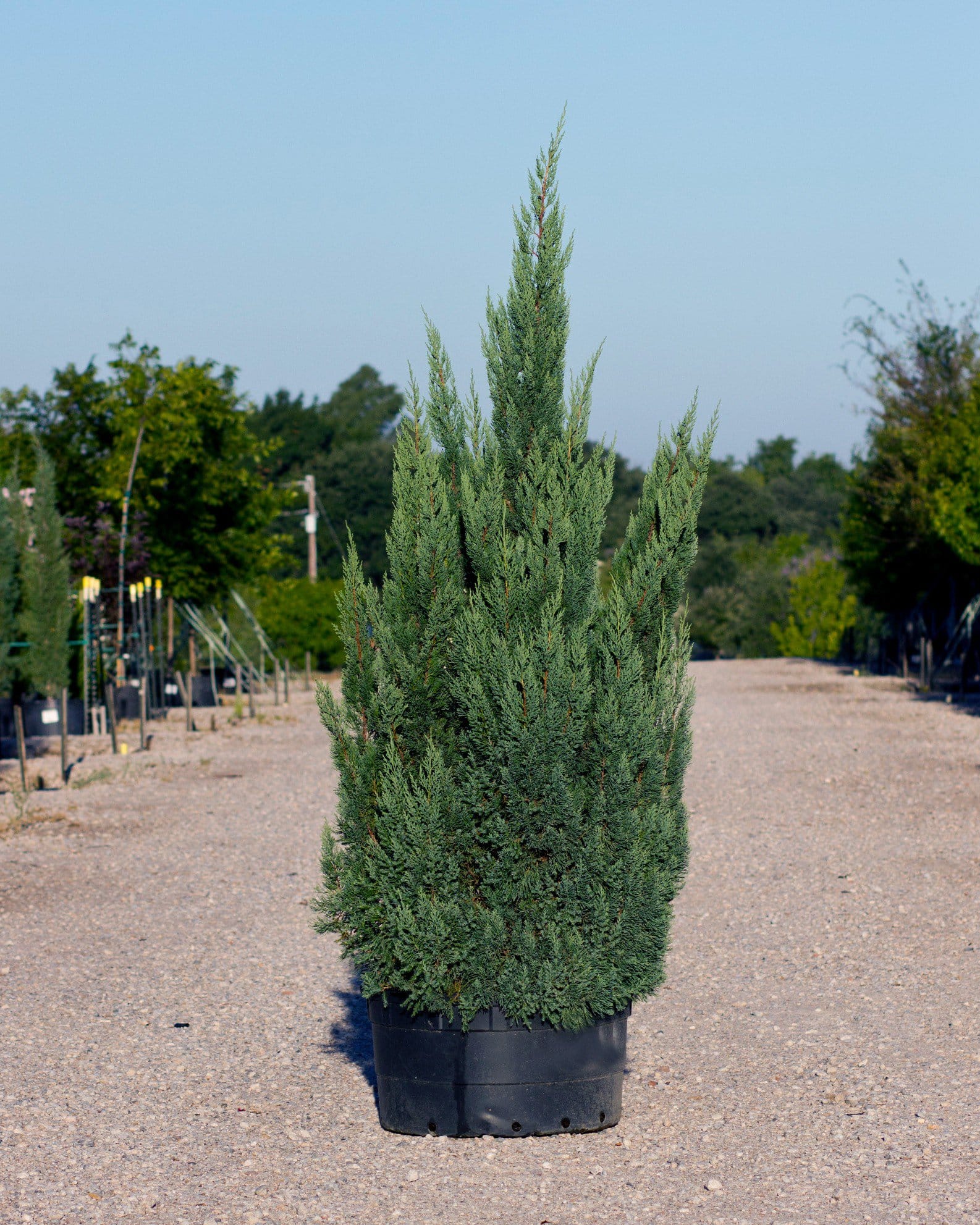
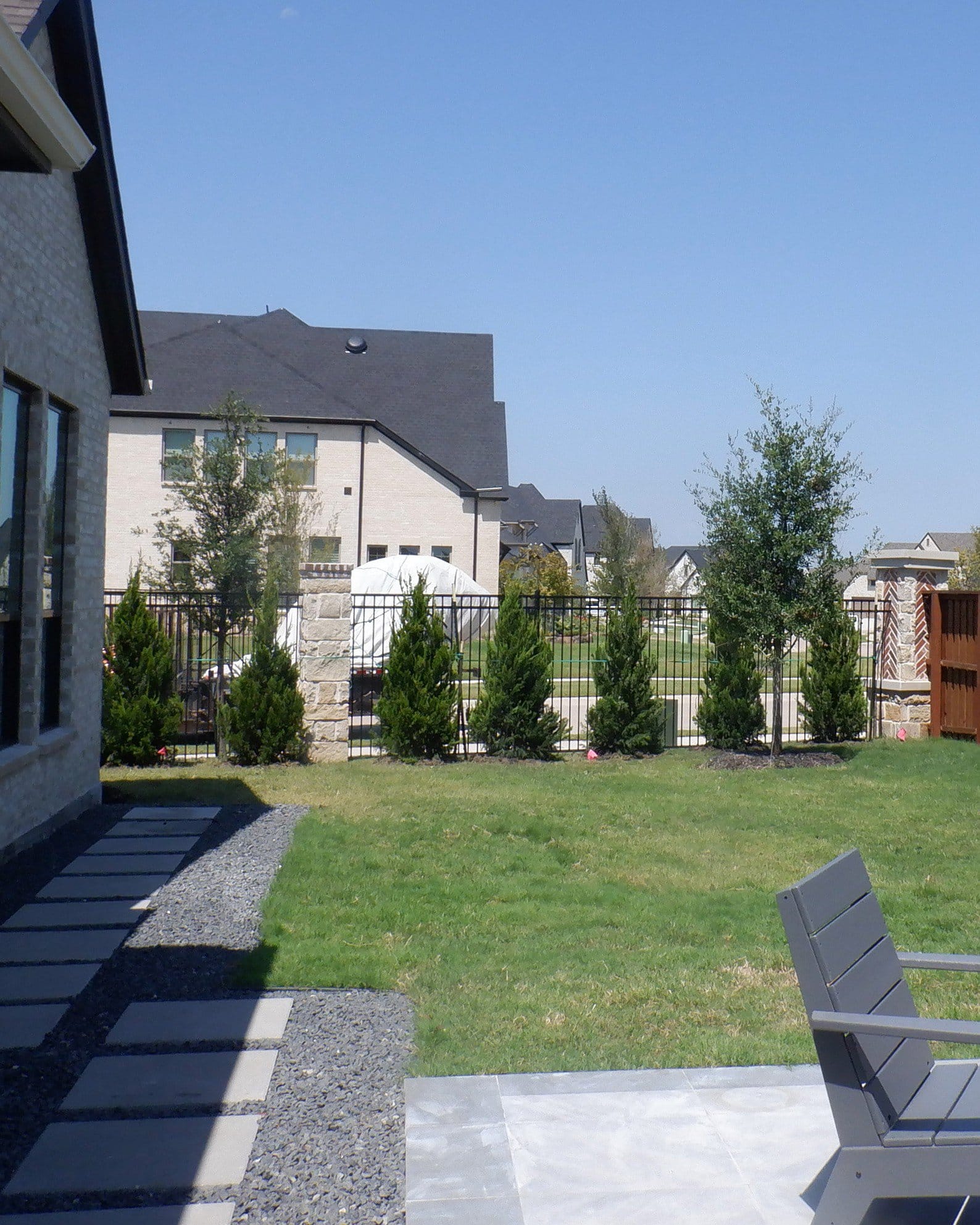
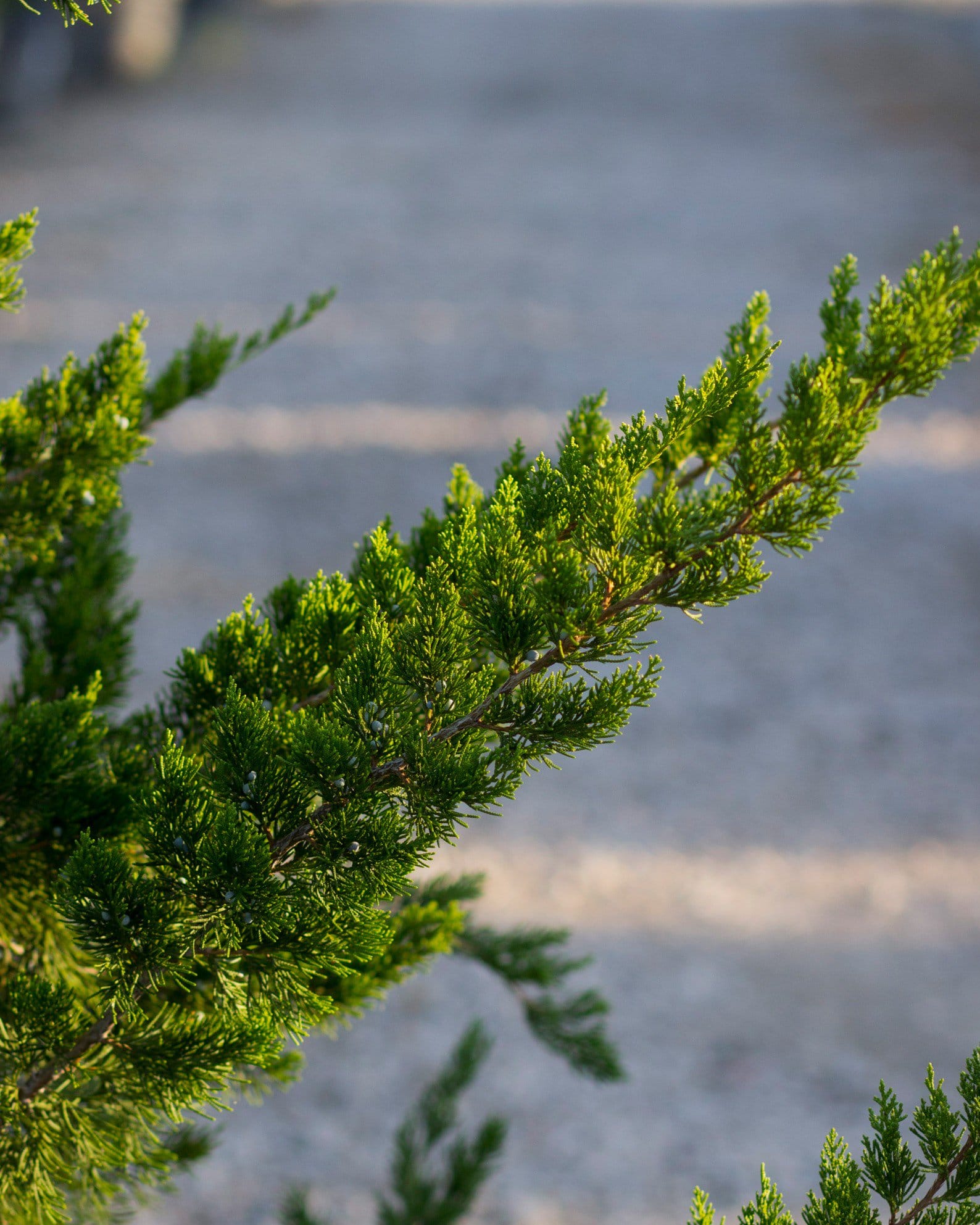
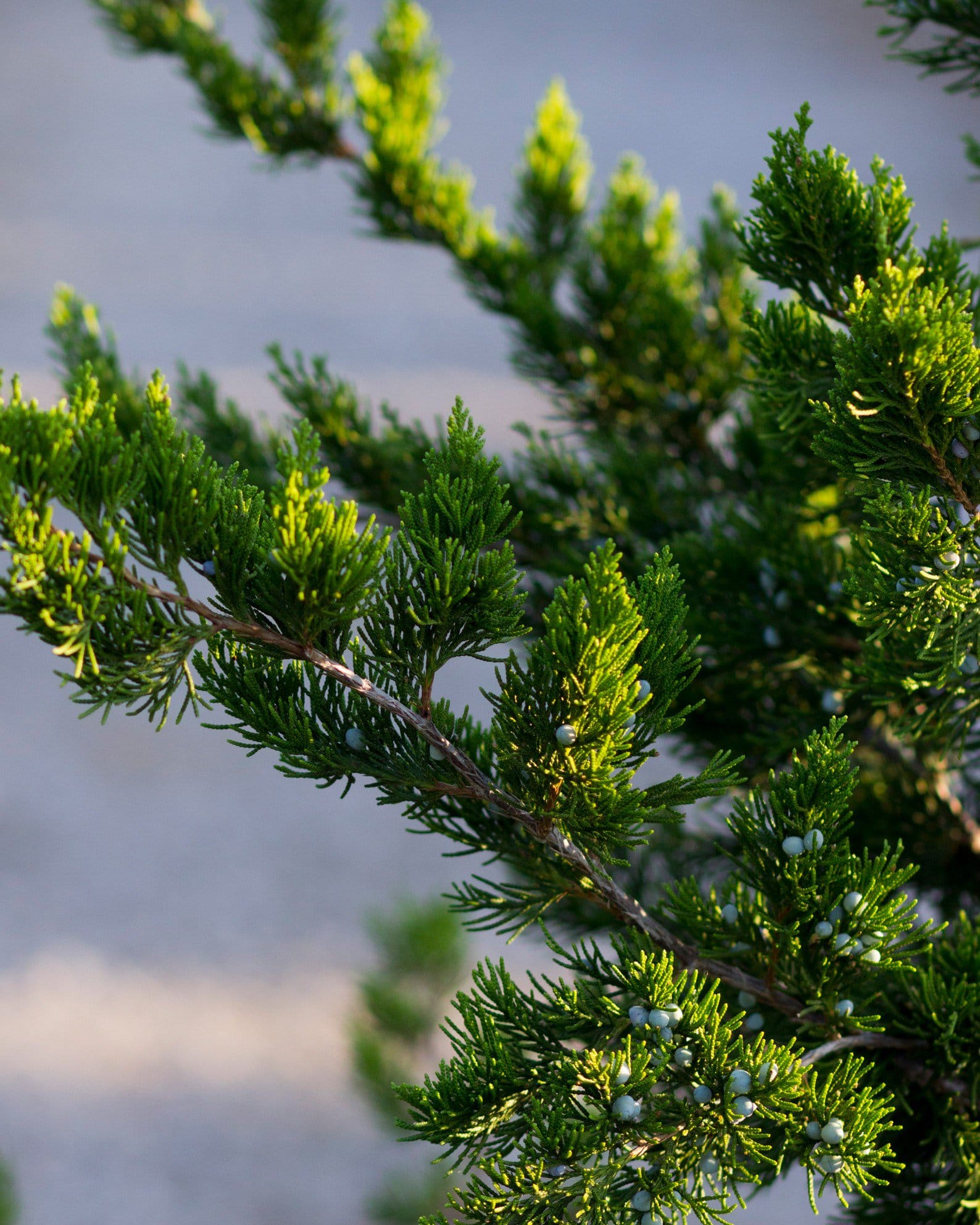
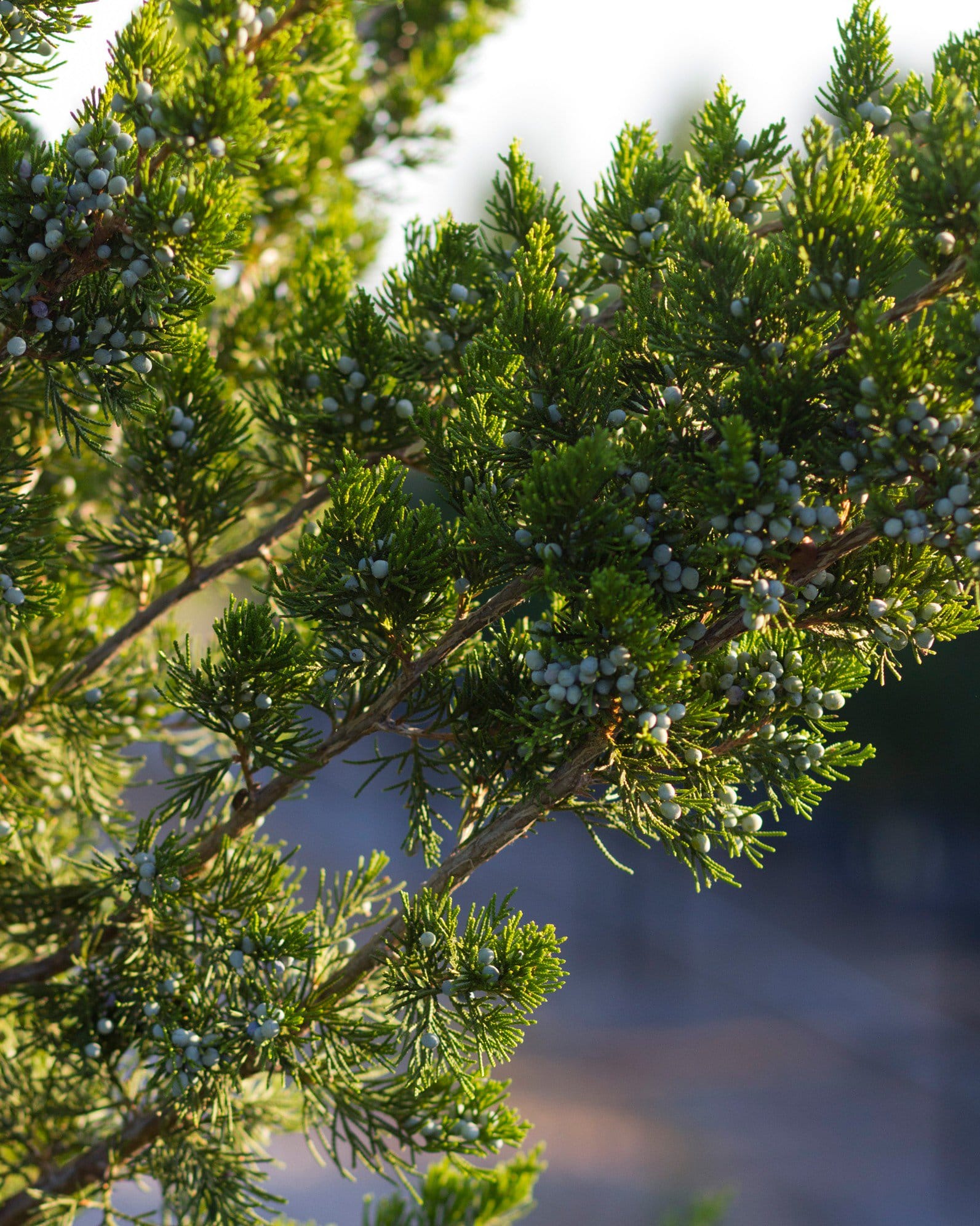
Cedrus atlantica 'Horstmann'The Blue Atlas Cedar Horstmann is an upright cultivar of the iconic Blue Atlas Cedar, prized for its dense branching, tidy form, and silver-blue needles. Reaching a mature height of 10 feet and a width of 6 feet, ‘Horstmann’ adds structure, color, and year-round interest to any landscape. Its slow, upright growth habit makes it ideal for focal points in rock beds, foundation plantings, or even large containers.
- Evergreen tree
- Slow growth rate with compact, upright habit
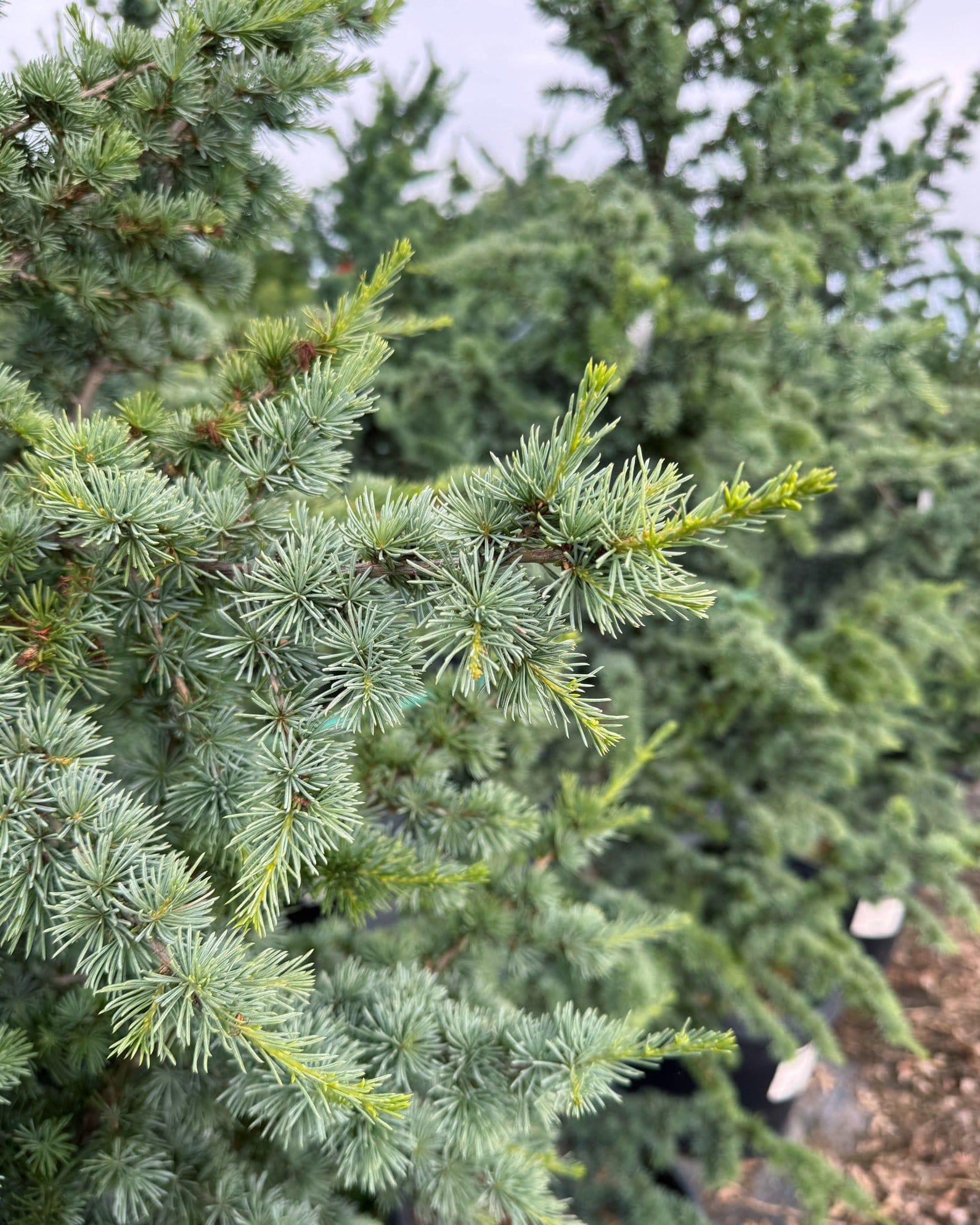
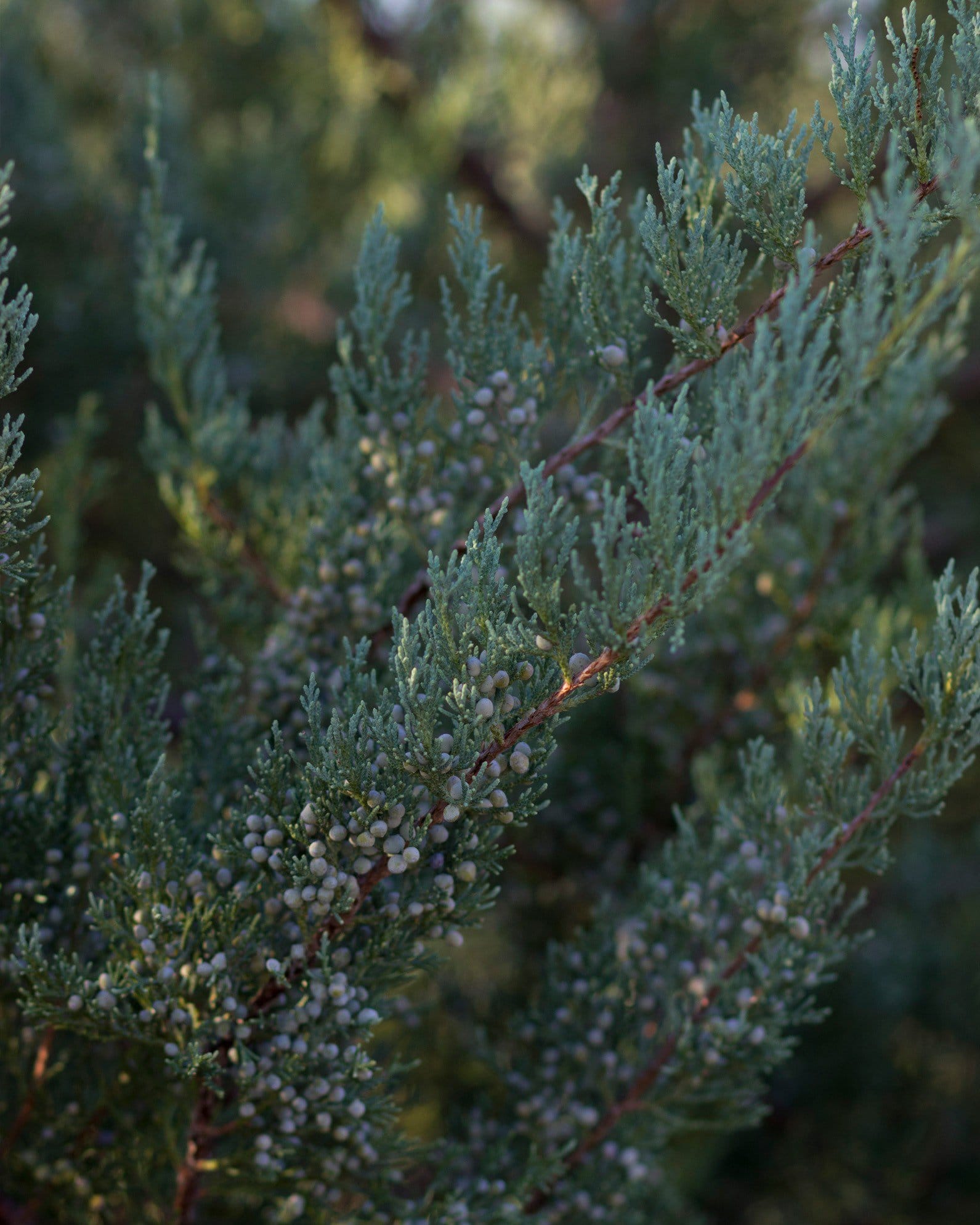
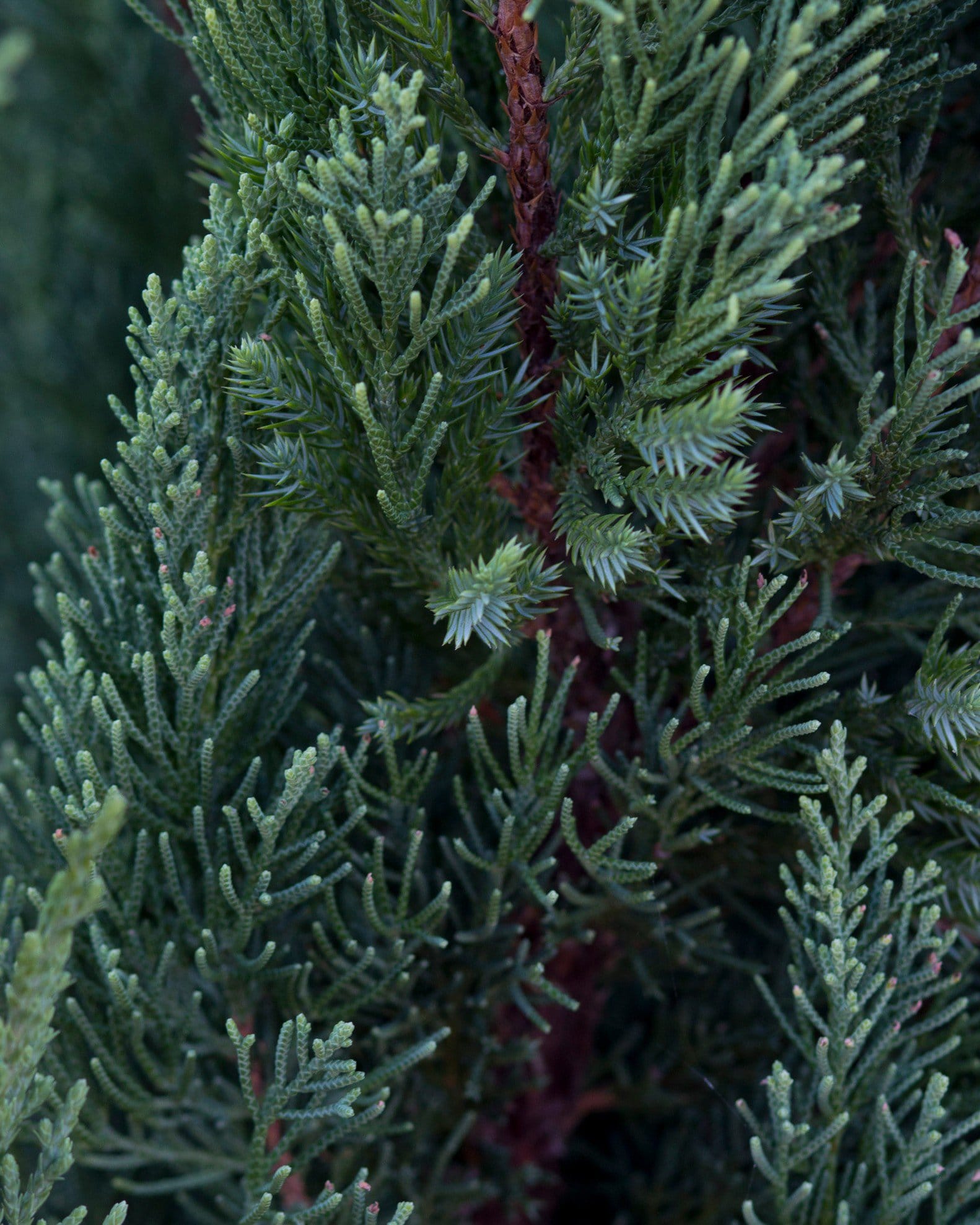
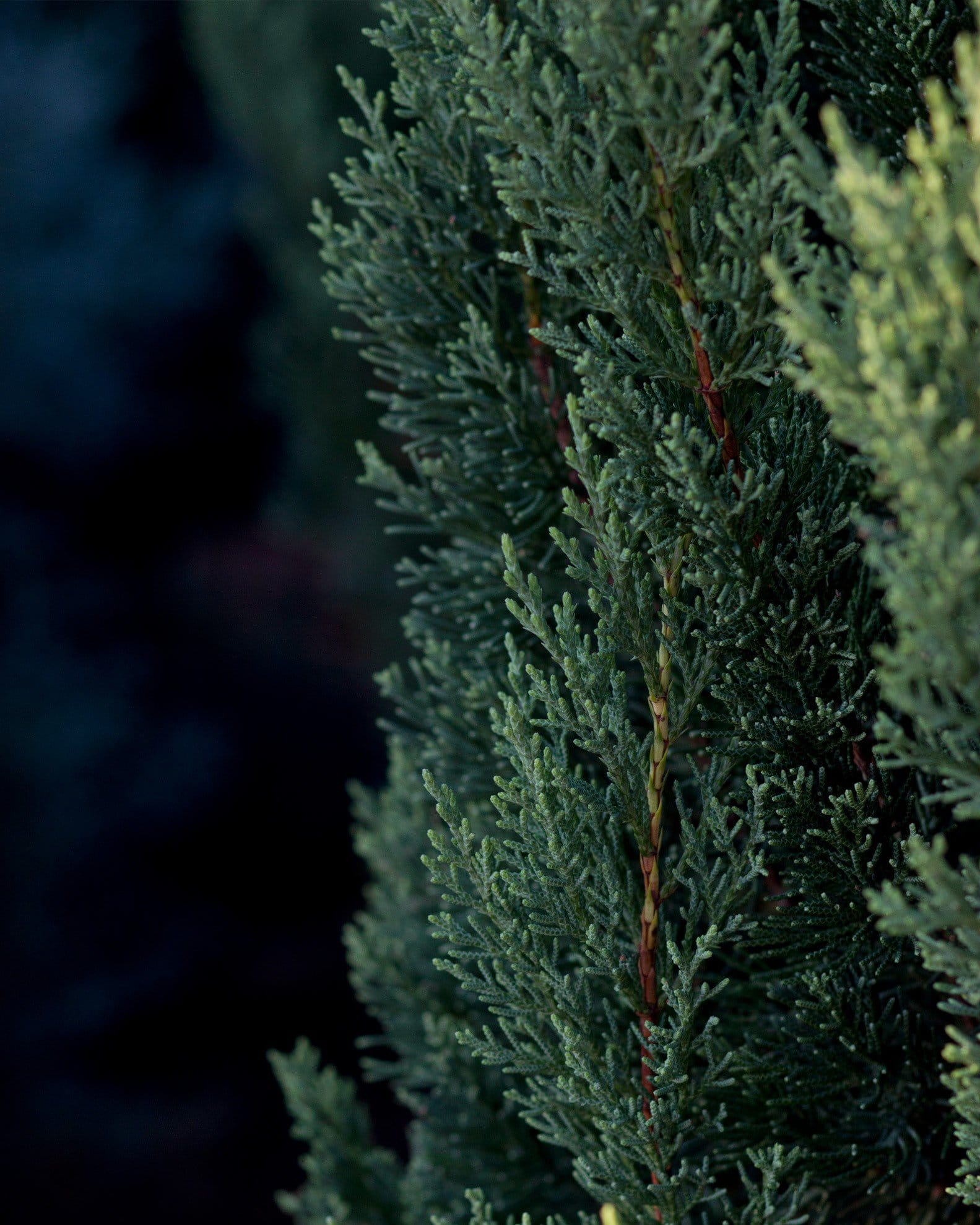
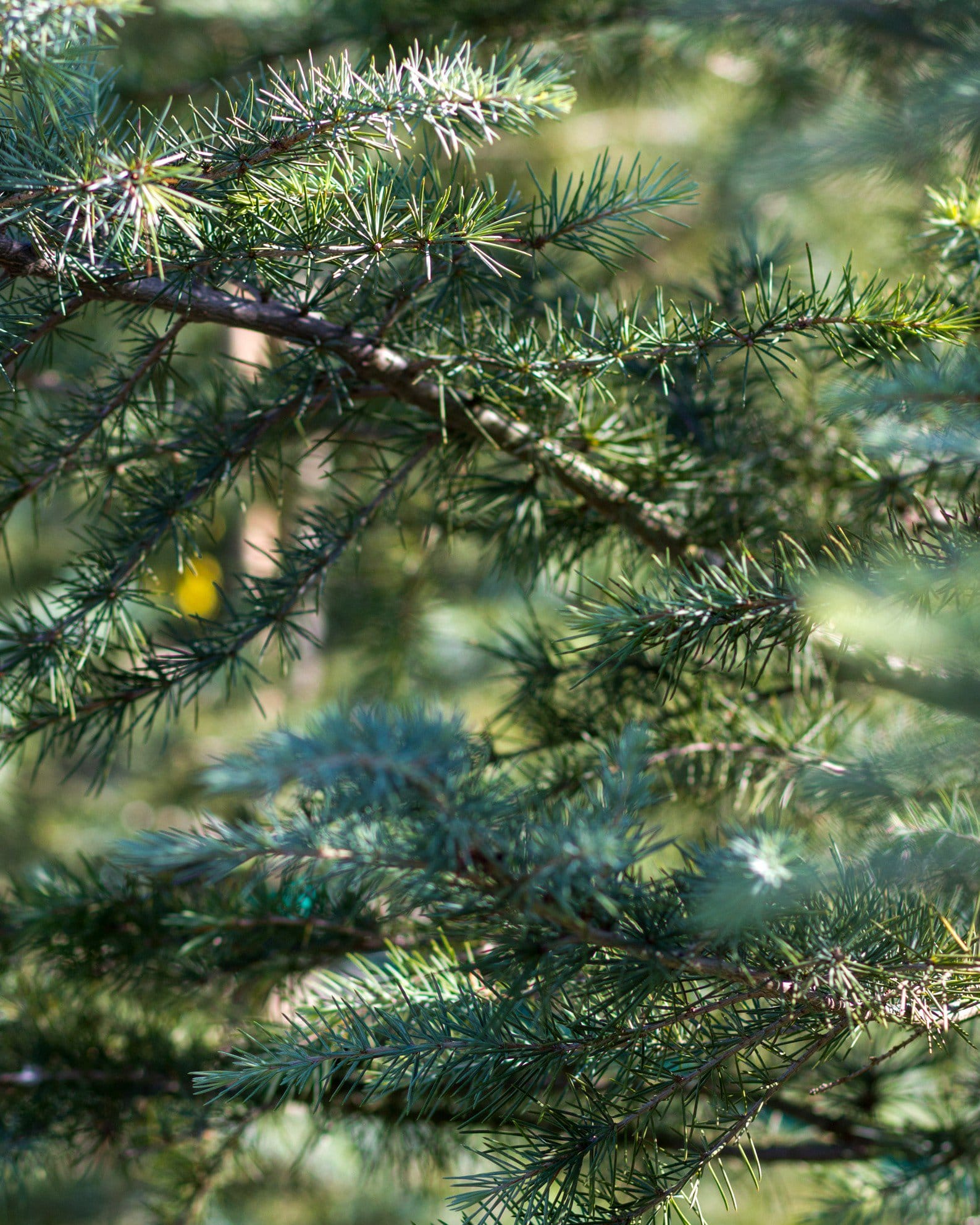
- Silvery-blue needles offer year-round color
- Excellent for small spaces and urban beds
- Drought-tolerant when established
This tree grows beautifully in full sun and well-drained soil, but will tolerate all kinds of soil types as well. Hardy in USDA zones 6 through 9, it's well-suited for most Texas climates, especially the North. Minimal trimming is needed - just shape as desired to maintain its natural elegance. A refined and resilient choice for compact spaces.
Though low-maintenance once established, The Horstmann Blue Atlas Cedar still requires consistent care in order to achieve longevity, vibrant color, and healthy form.
- Watering: Water deeply and regularly during the first 1-2 years after planting to encourage deep root establishment. Once established, Blue Atlas Cedar Horstmann is moderately drought-tolerant, but benefits from periodic deep watering during prolonged heat or dry conditions. Avoid frequent shallow watering, which encourages surface rooting and weakens the tree over time.
- Pruning: Minimal pruning is required, as this variety naturally develops a graceful, irregular shape. If shaping is desired, prune in late winter or early spring before new growth emerges. Remove dead, damaged, or crossing branches to maintain structure and airflow. Avoid heavy pruning or cutting back into old wood, as cedars do not readily produce new shoots from bare branches.
- Fertilizing: Apply a balanced, slow-release fertilizer in early spring to promote steady growth and enhance needle color. Mature trees typically need fertilizing only once a year. For younger trees, a light mid-summer feeding can be beneficial if growth seems a bit slow.
- Mulching: Add a 2-3 inch layer of mulch around the base of the tree to retain moisture and regulate soil temperature. Keep mulch away from the trunk to prevent rot. Refresh mulch annually to maintain good soil health and suppress weeds.
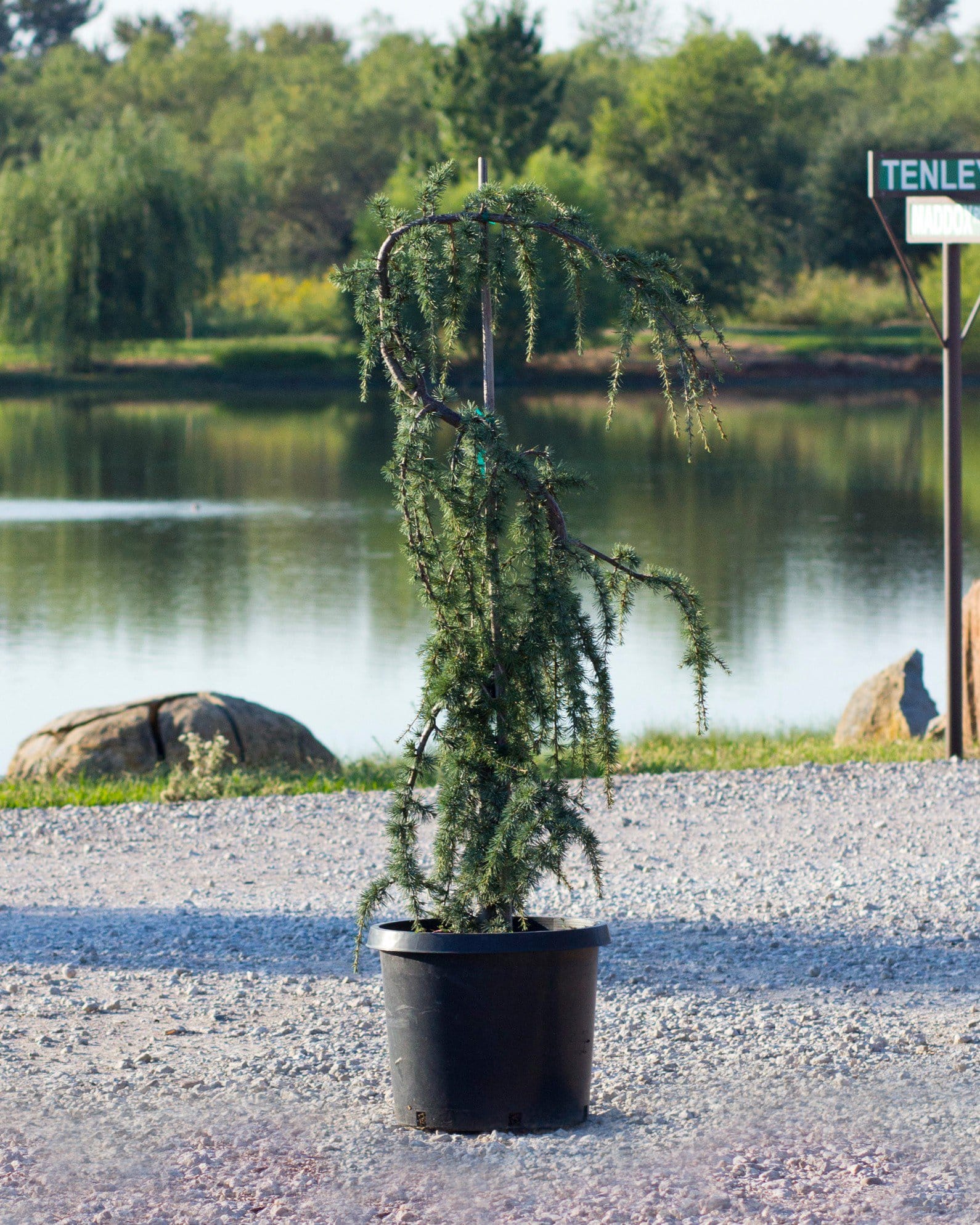
- Staking: Young trees may require staking to maintain an upright form, particularly in windy sites. Remove stakes after one growing season once the tree is stable and self-supporting.
Common Issues and How to Take Care of Them
Blue Atlas Cedar Horstmann is a hardy and resilient tree, but it can occasionally experience a few common problems:
- Needle Drop: While some seasonal shedding of older interior needles is normal, excessive needle loss, however, can indicate drought stress or overwatering. Ensure proper drainage to avoid any issues.
- Root Rot: Overwatering or poorly drained soils can lead to root decay, causing yellowing foliage and dieback. Plant in well-drained soil and avoid standing water.
- Spider Mites: These tiny pests can cause stippling or yellowing of needles. Treat with horticultural oil or insecticidal soap and increase humidity through periodic deep watering.
- Scale Insects: Small, shell-like insects that feed on sap, often leading to weakened growth. Treat infestations early with horticultural oil or systemic insect control if needed.
Ensure proper drainage, avoid overwatering, and prune lightly to maintain form and remove dead wood. Refresh mulch annually, maintain even soil moisture, and watch for spider mites during hot, dry weather.
It has a slow to moderate growth rate, adding about 6-12 inches per year under ideal conditions.
Early spring or fall is ideal, giving roots time to establish before the heat of summer or the winter frost.
Yes you can, with is slow growth rate and small stature it makes a beautiful accent next to a house.
Deeply water every 10-14 days during extended dry periods. Allow the soil to dry slightly between waterings to avoid root rot.
Yes, its compact form makes it suitable for large decorative pots or planters. Use a well-draining soil mix and water consistently, as containers dry faster than garden soil.
Yes, the 'Horstmann' Blue Atlas Cedar is a semi-dwarf conifer.
Not typically. It naturally develops an attractive irregular form. Light shaping in late winter can be done to refine structure or remove stray growth.
Yes, its aromatic needles make it generally unappealing to deer and other browsing animals.
Yes, but in areas with harsh winters, ensure good soil drainage to prevent root damage from freezing and thawing cycles.
With proper care, it can live for approximately 50 years. However, keep in mind that its longevity depends on soil drainage, watering consistency, and protection from root stress.
Special Features
You might also like
Blue Atlas Cedar Fastigiata
Maturity: 40' H x 15' W
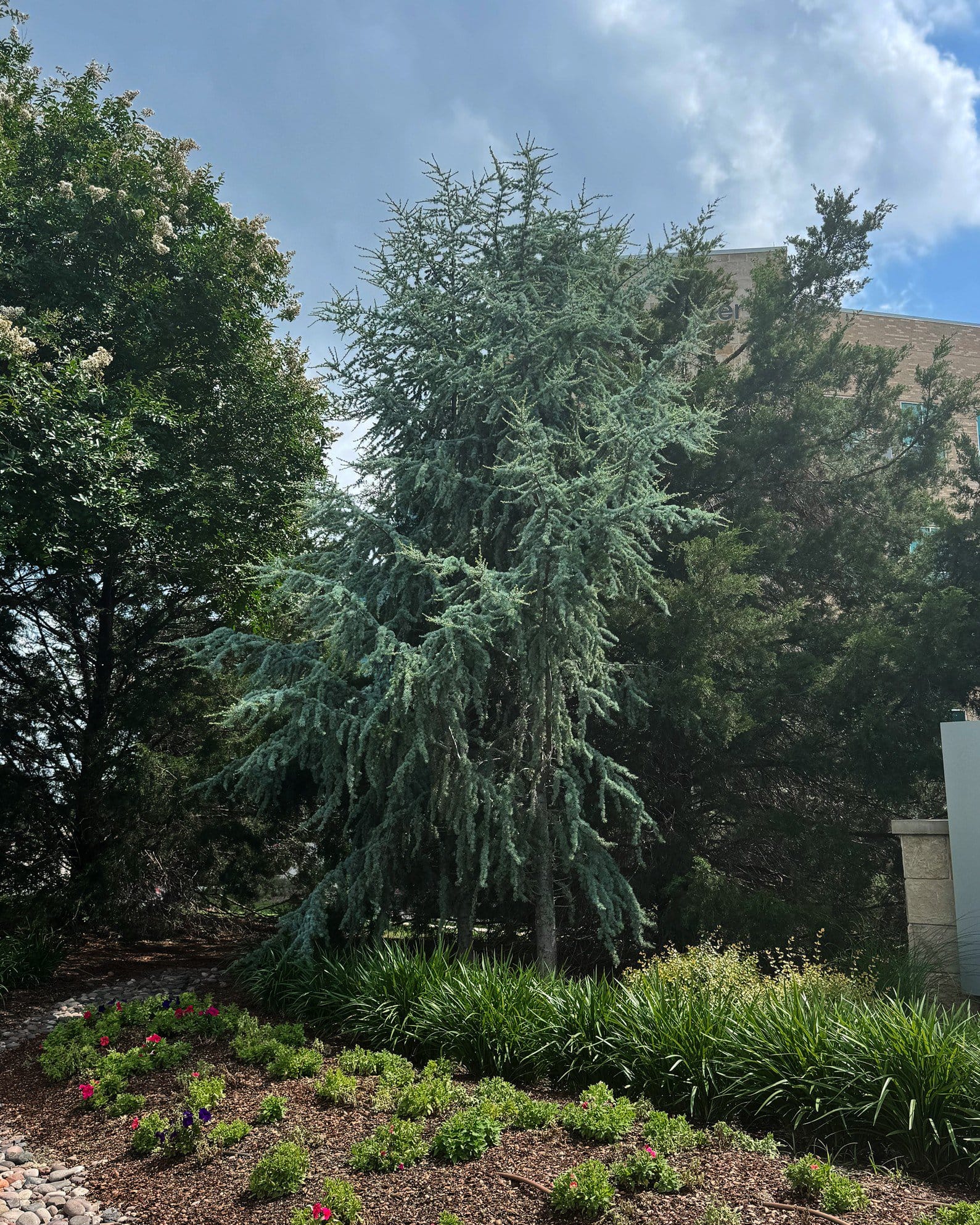
Blue Atlas Cedar Glauca
Maturity: 40' H x 30' W
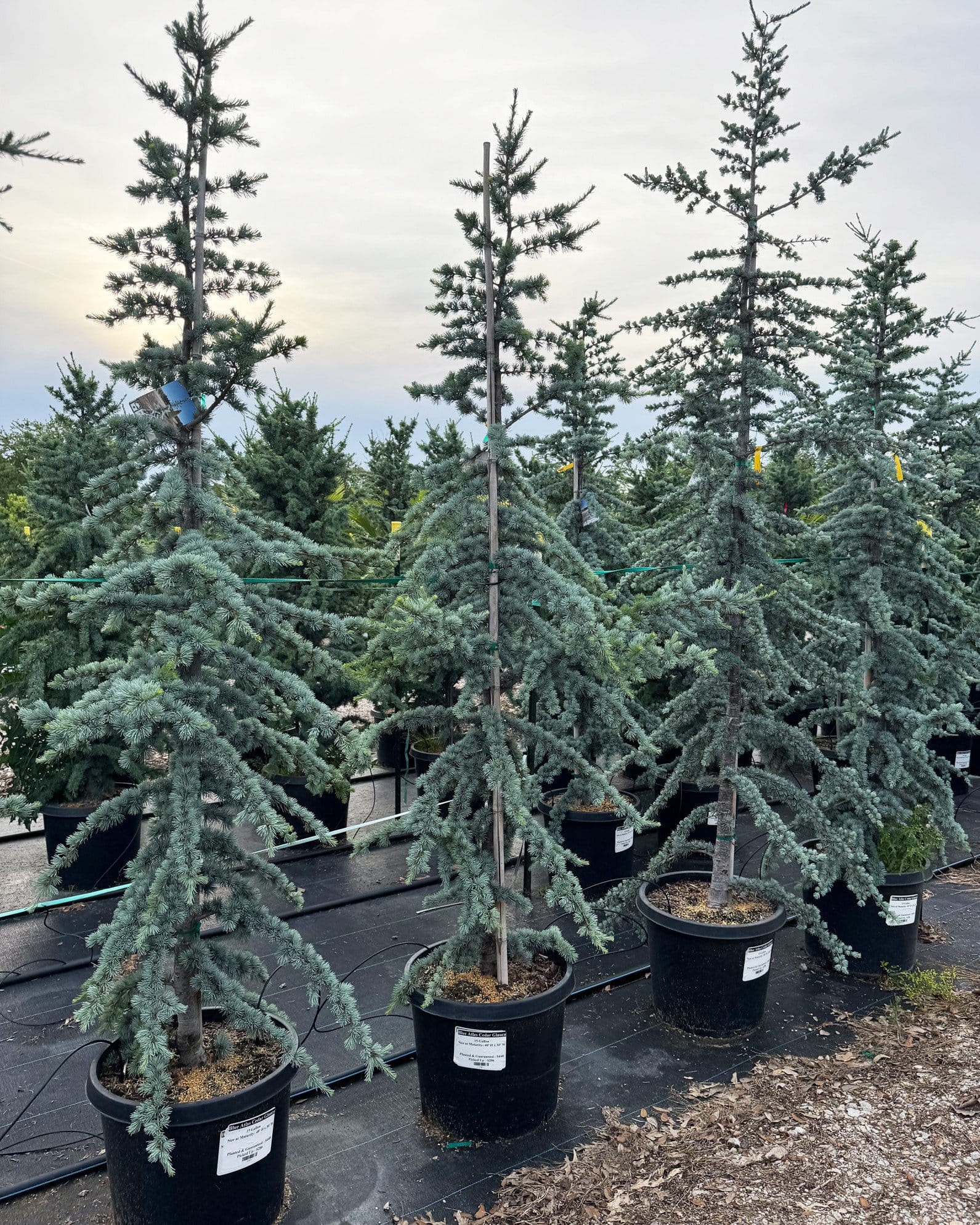
Blue Atlas Cedar Glauca Pendula
Maturity: 10' H x 10' W
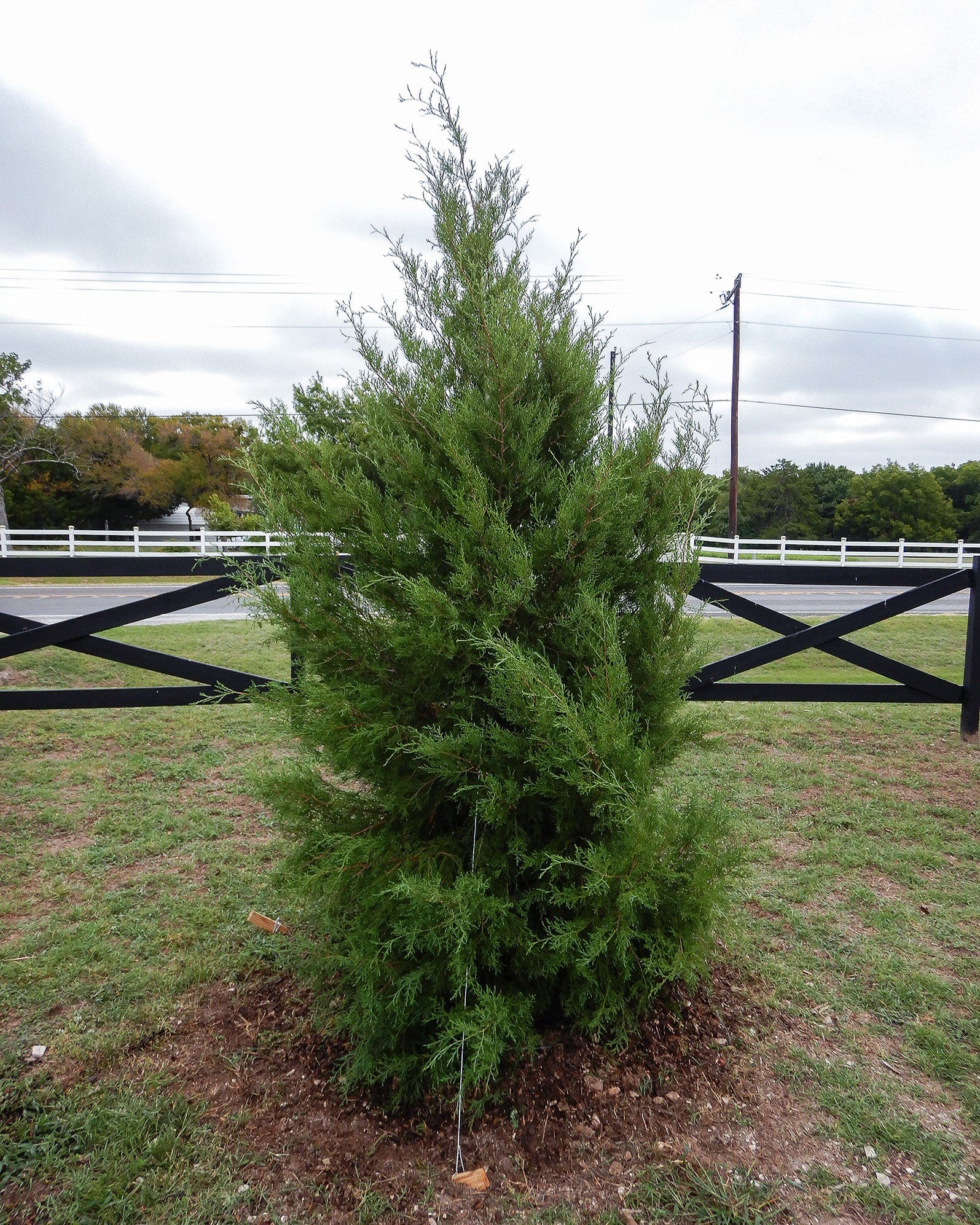
Eastern Red Cedar
Maturity: 30' H x 20' W
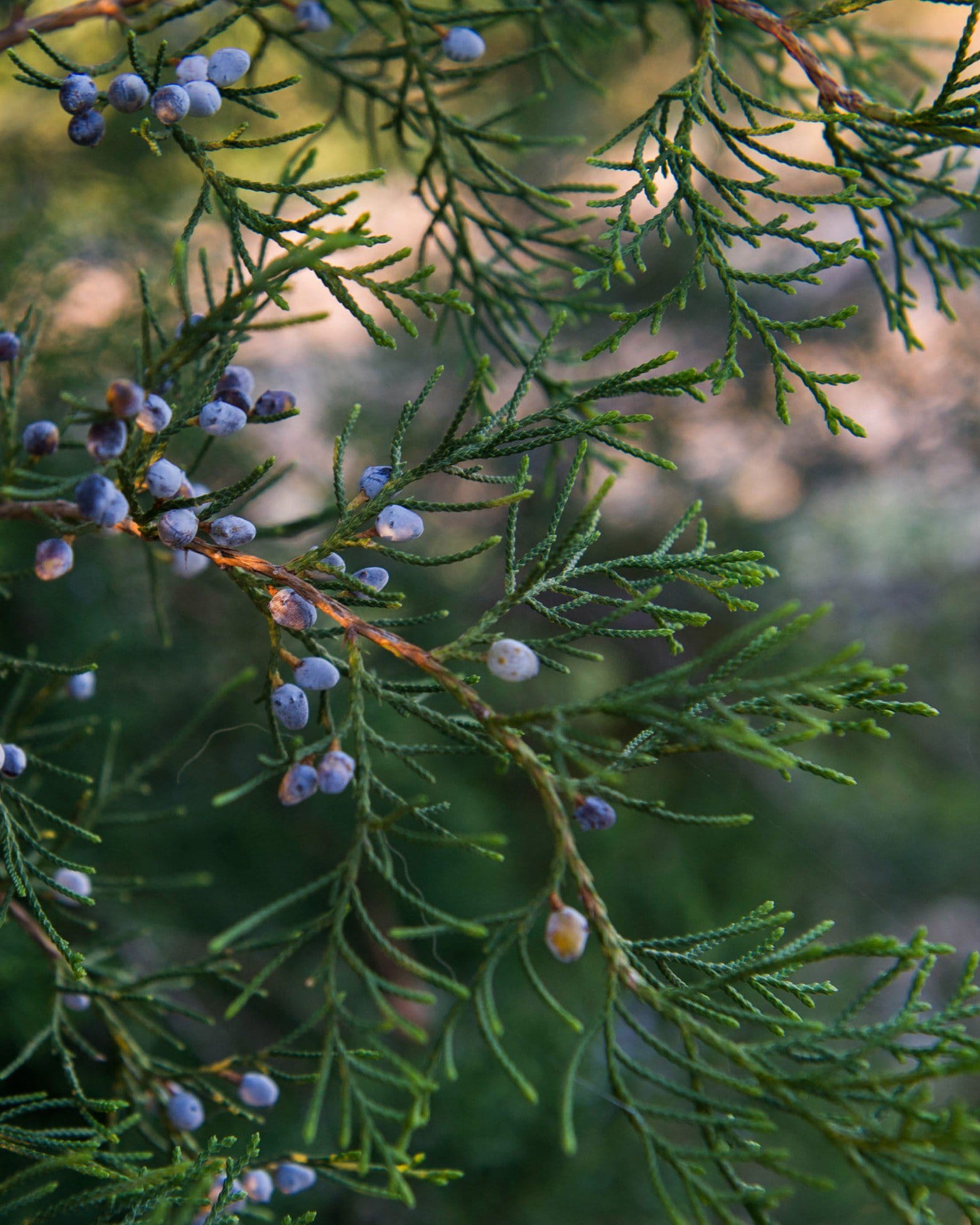
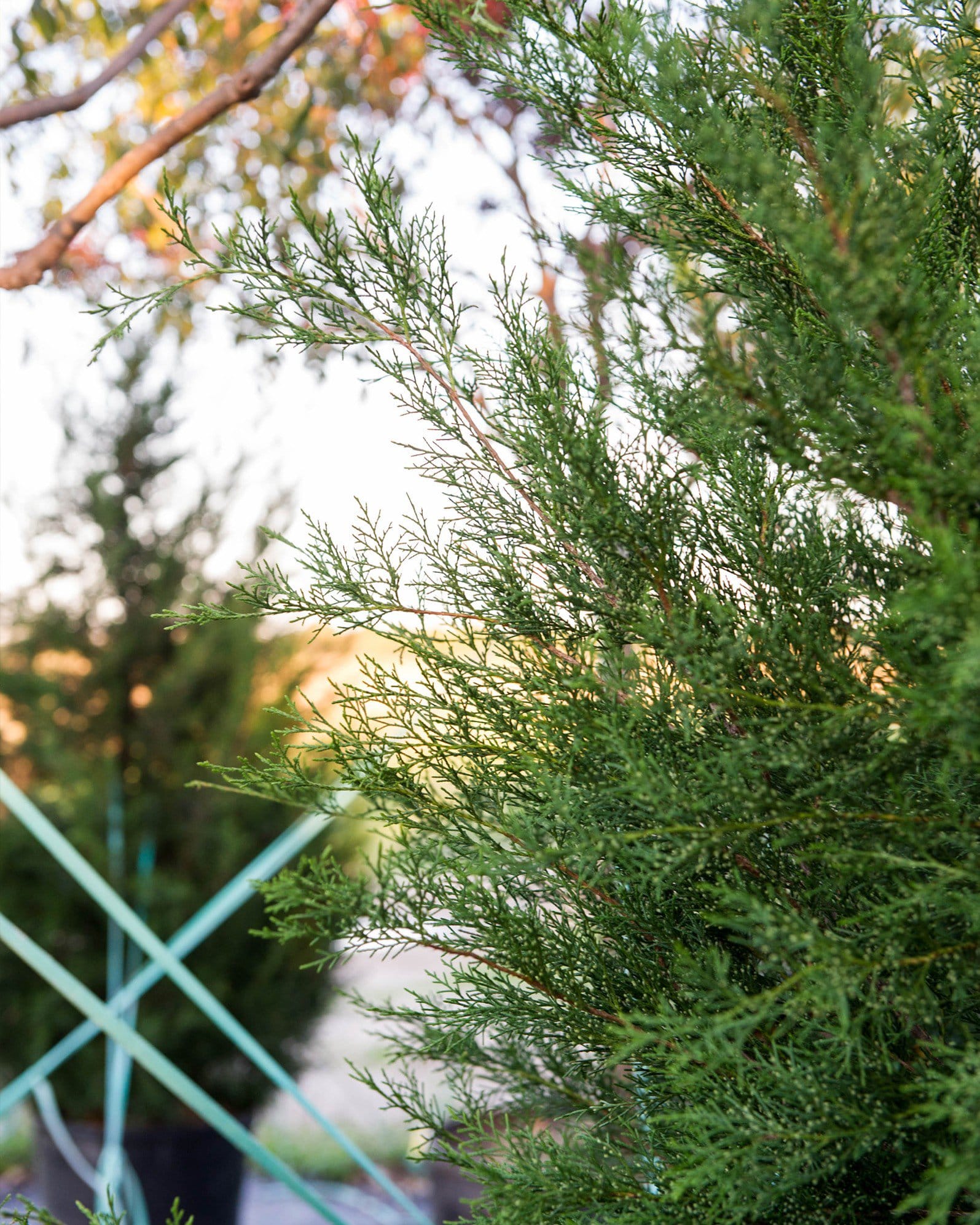
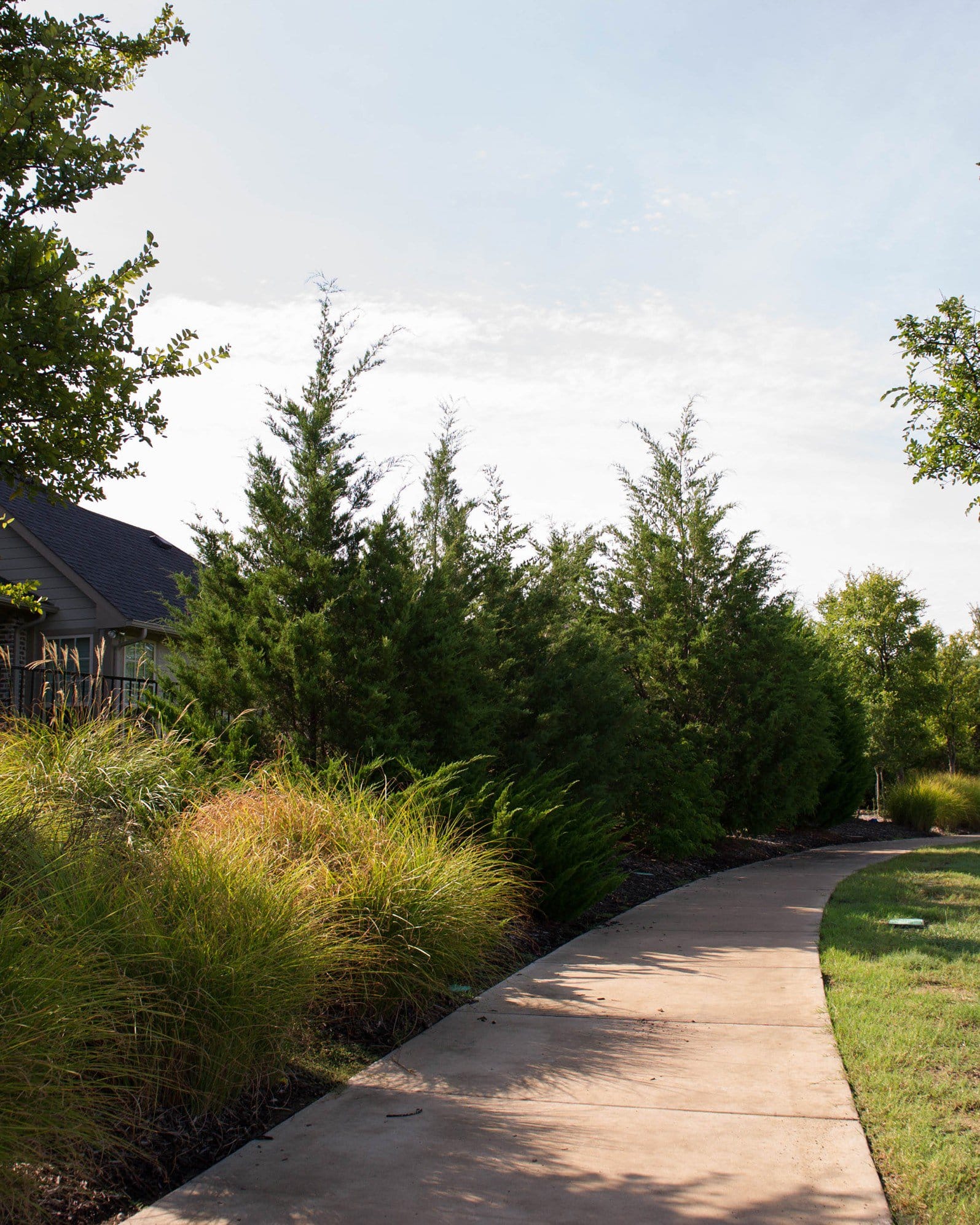
Eastern Red Cedar Brodie
Maturity: 25' H x 12' W
Eastern Red Cedar Burkii
Maturity: 25' H x 20' W
Eastern Red Cedar Taylor
Maturity: 25' H x 4' W

Southern Red Cedar Fuzzy Wuzzy
Maturity: 35' H x 25' W
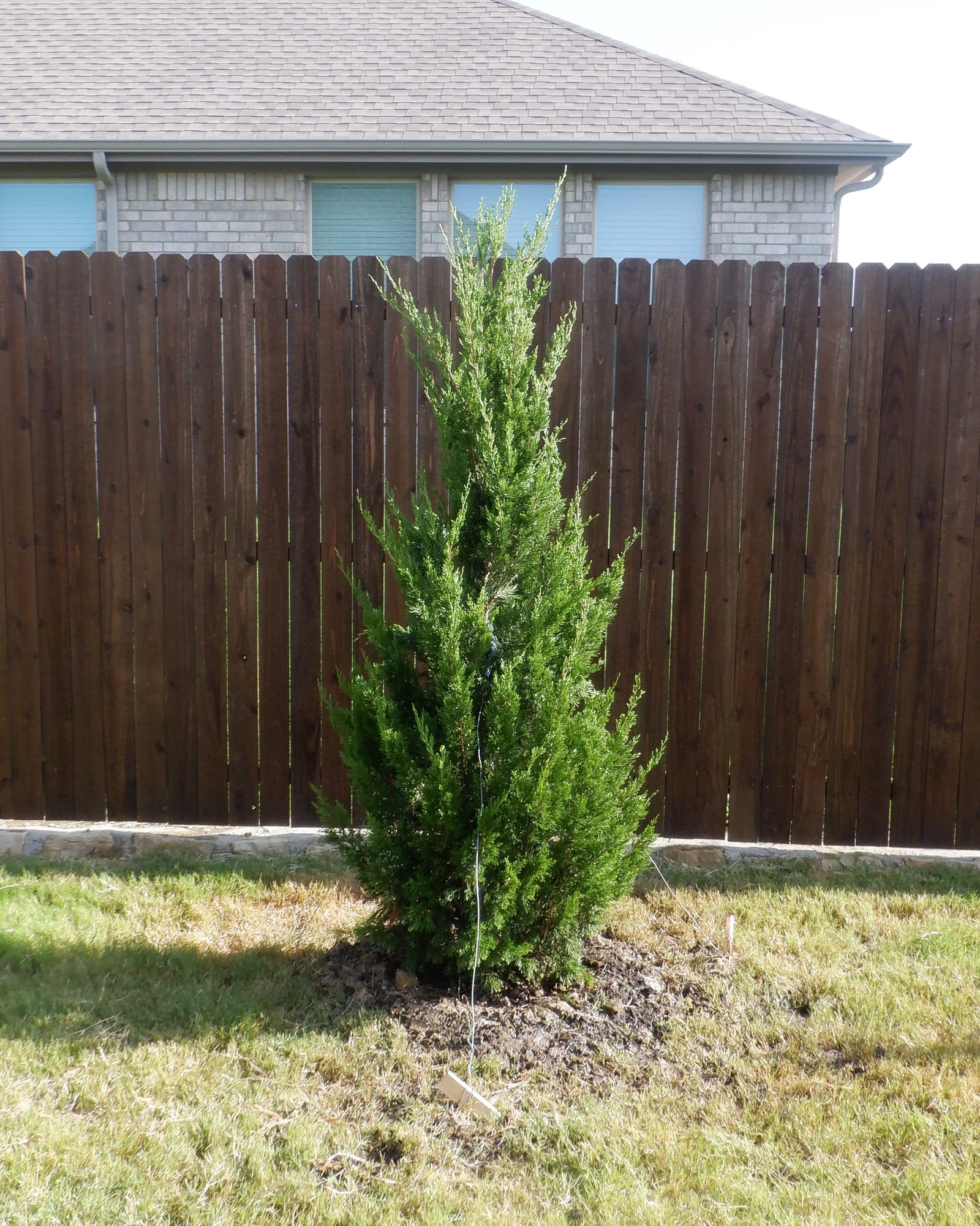
Spartan Juniper
Maturity: 17' H x 7' W
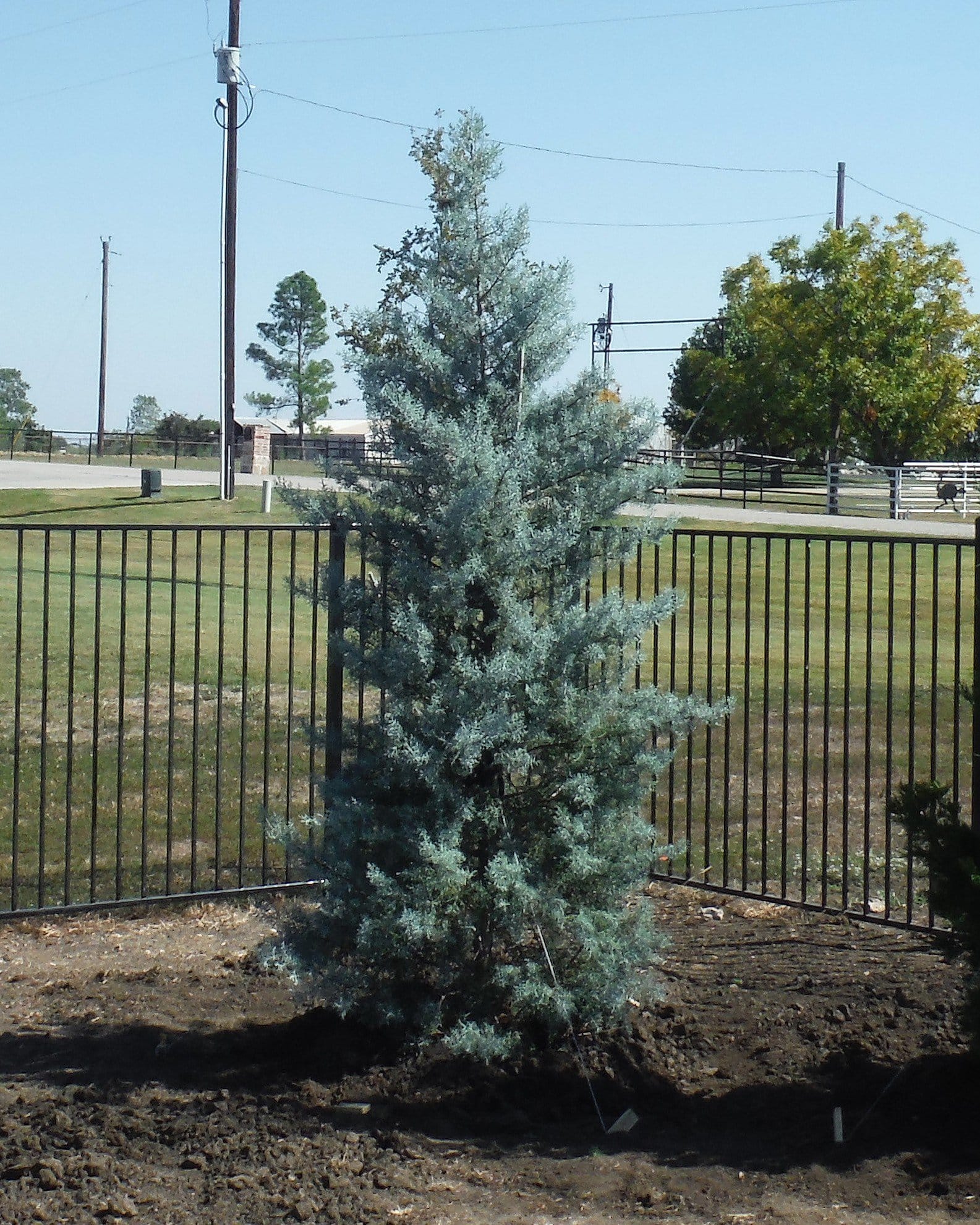
Arizona Cypress Blue Ice
Maturity: 25' H x 15' W
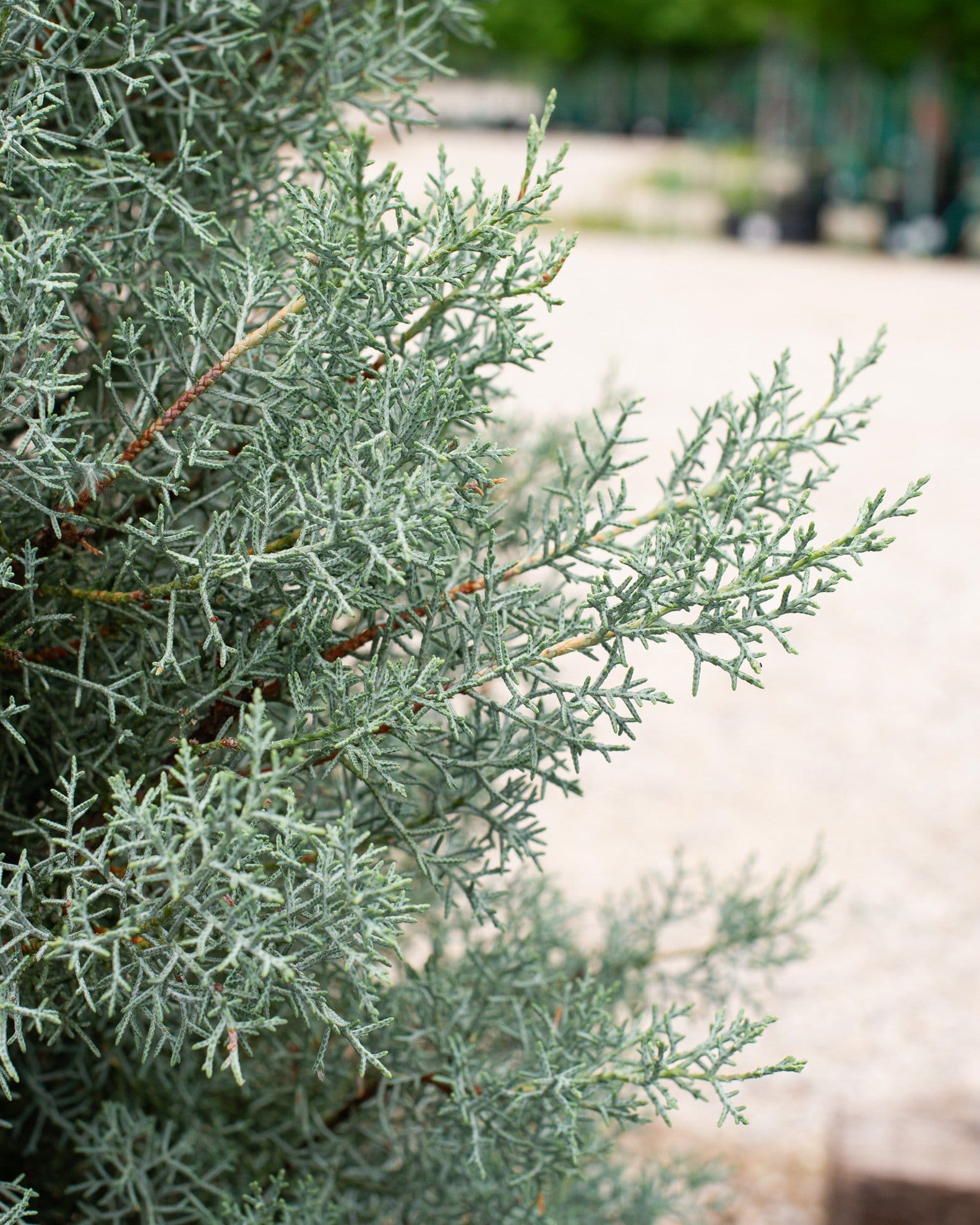
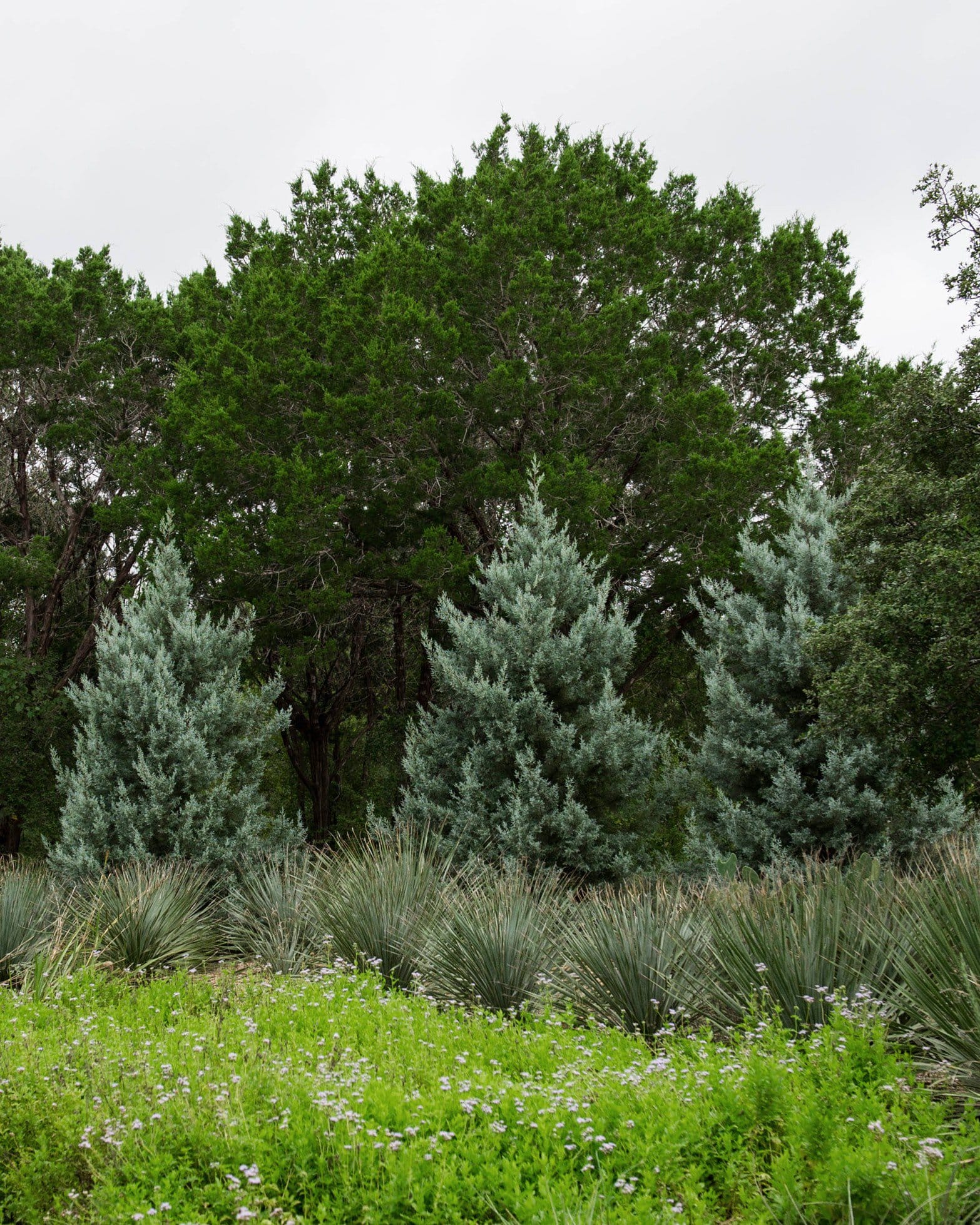
Arizona Cypress Carolina Sapphire
Maturity: 30' H x 20' W
Blue Point Juniper
Maturity: 12' H x 7' W
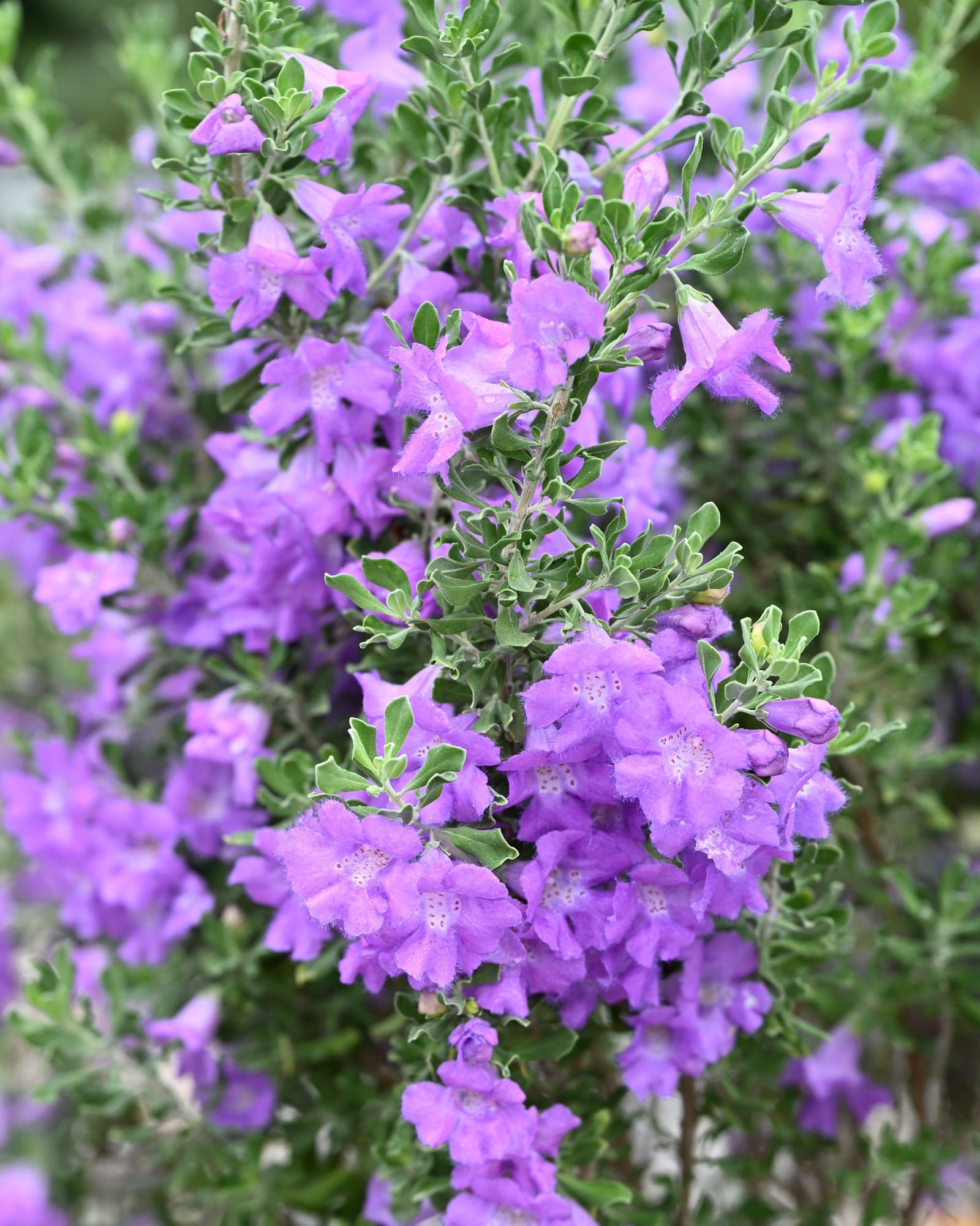
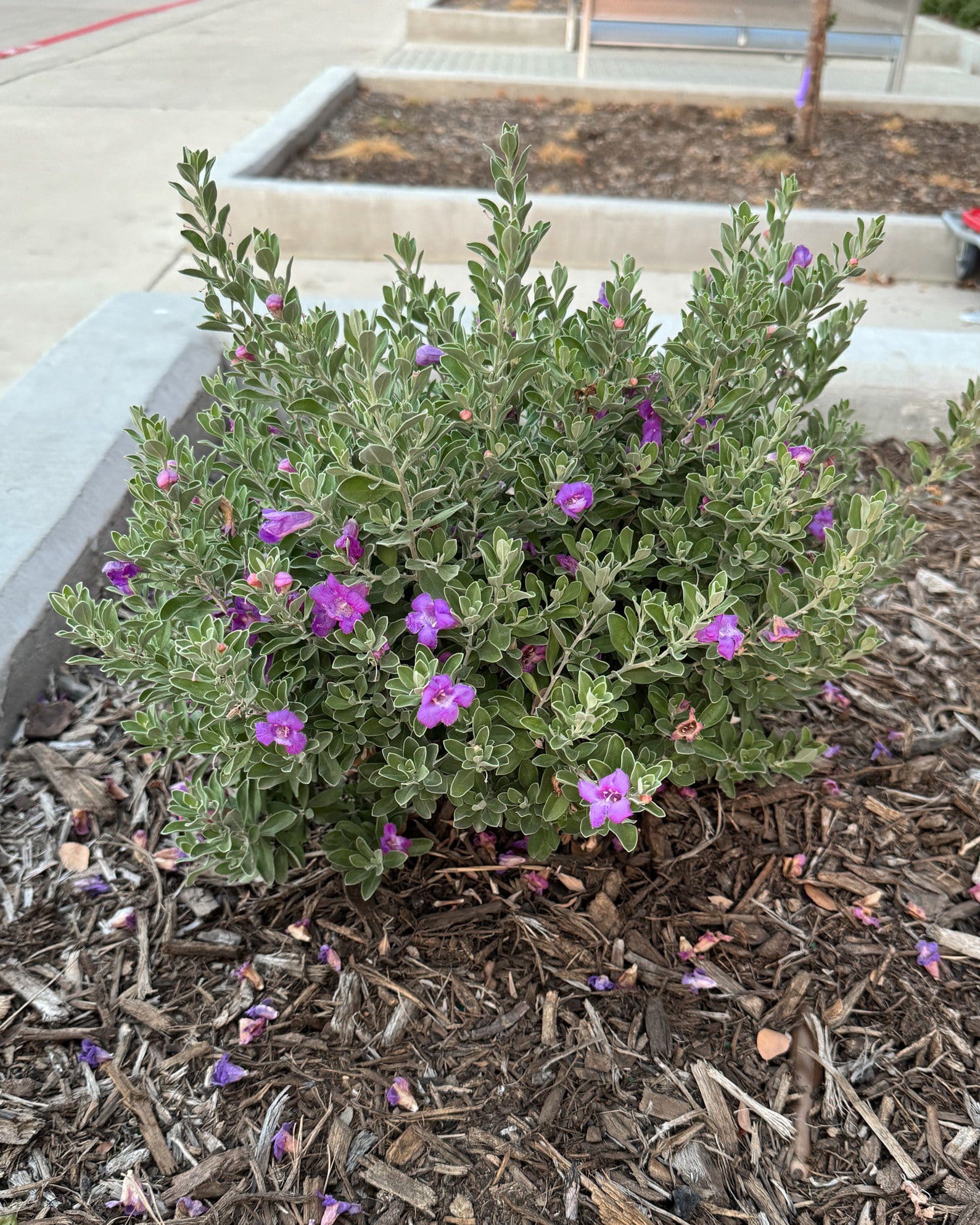
Compacta Texas Sage
Maturity: 3' H x 3' W
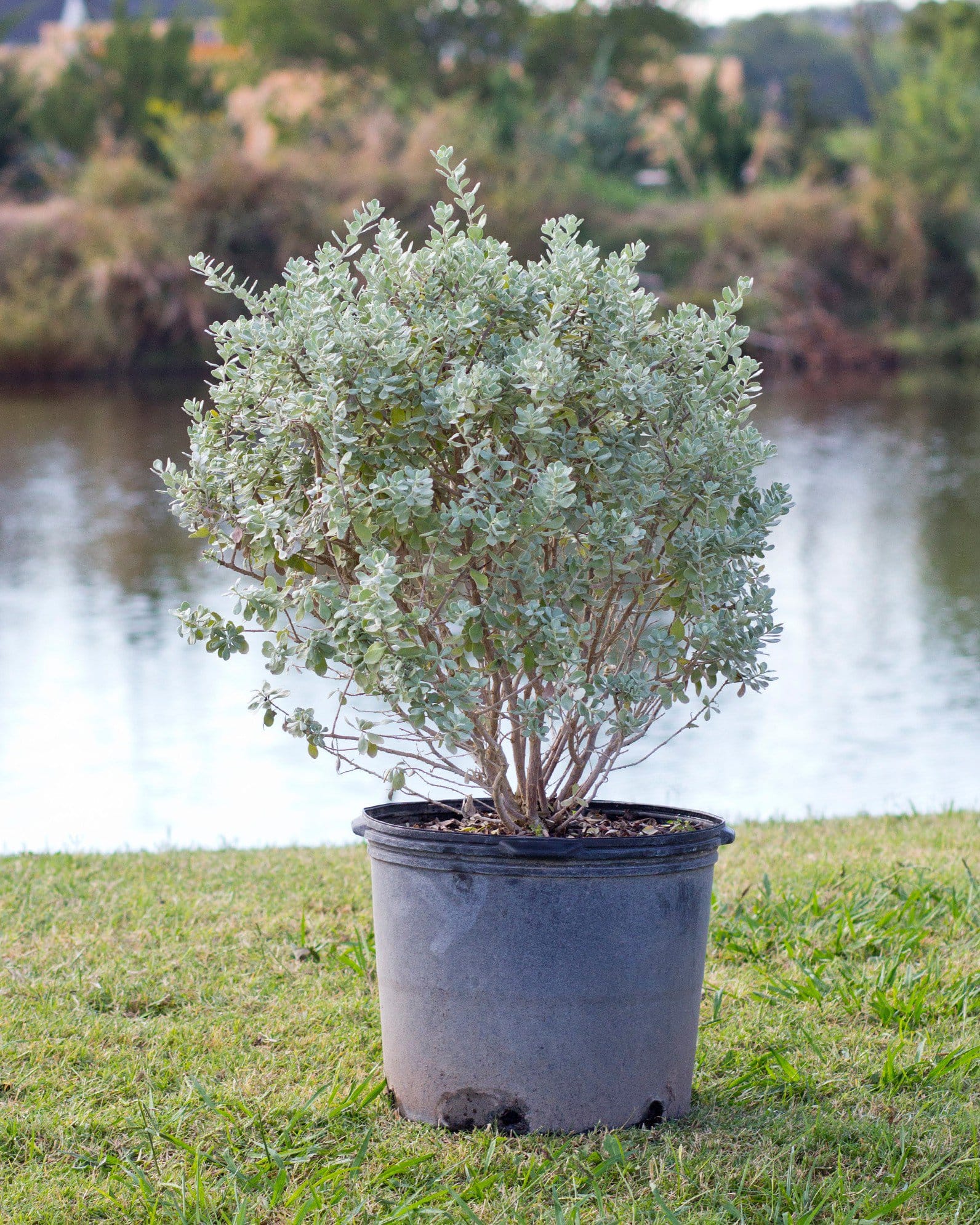
Deodar Cedar Patti Faye
Maturity: 30' H x 25' W
Eastern Red Cedar Canaertii
Maturity: 25' H x 20' W
Compare Similar Plants
Blue Atlas Cedar Horstmann This plant | ||
|---|---|---|
| Scientific Name | Cedrus atlantica 'Horstmann' | Cedrus atlantica ‘Fastigiata’ |
| Size at Maturity | 10' H x 6' W | 40' H x 15' W |
| Leaf Retention | Evergreen | Evergreen |
| Sizes Available | 7, 15 gal | 15 gal |


Our 1-Year Planting Guarantee
We take pride in our plants and installation services. If any plants or trees installed by Treeland fail to thrive within the first year, we'll provide a replacement credit in accordance with our guarantee program.
Learn More About Our Guarantee