
 Popular
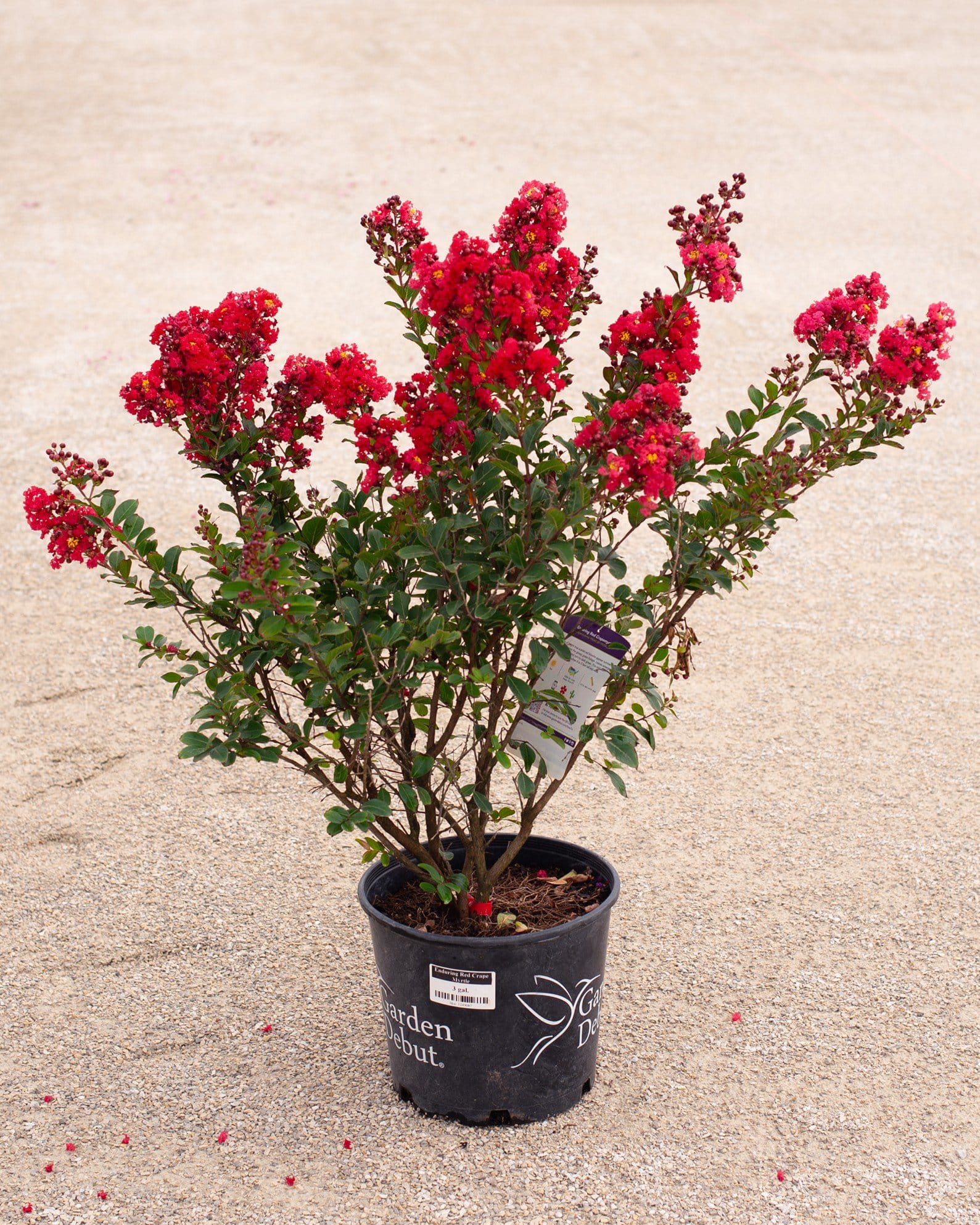
Enduring Red Crape Myrtle
Lagerstroemia ‘PIILAG B2’Local DFW Delivery Only
Product Details
Enduring Red Crape Myrtle
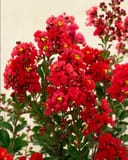
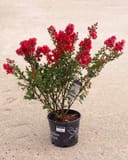
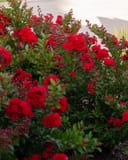
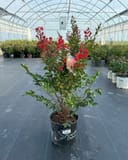
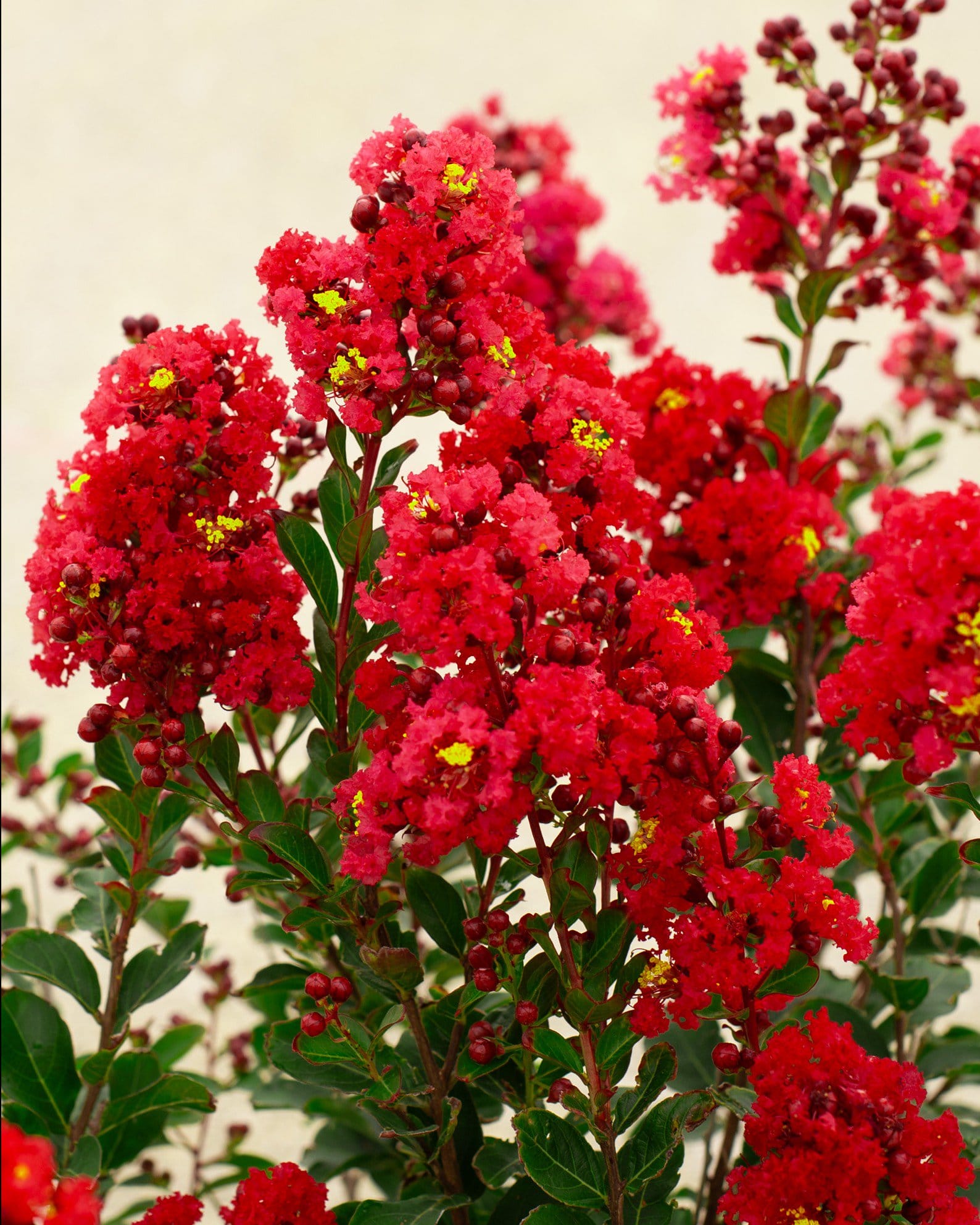
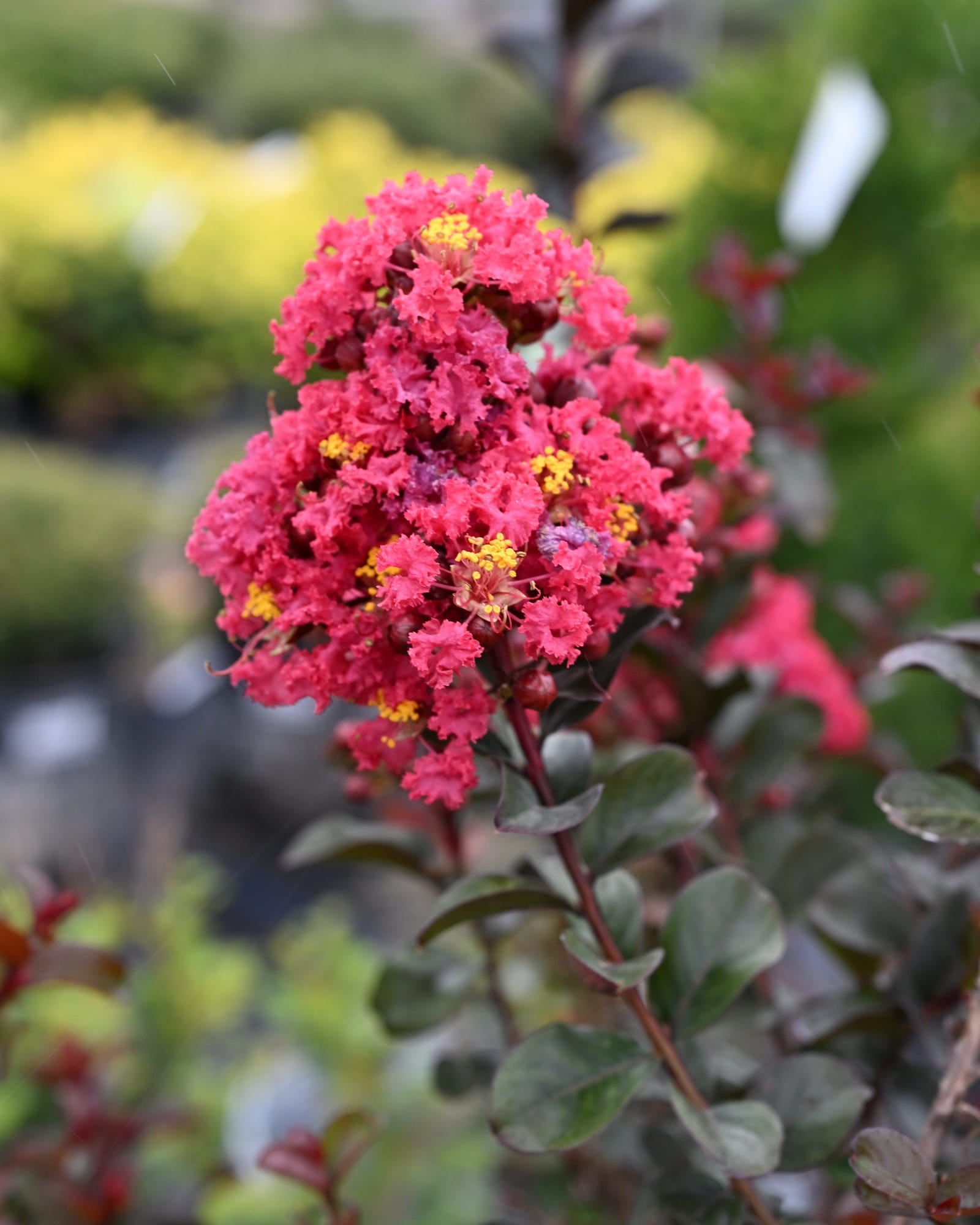
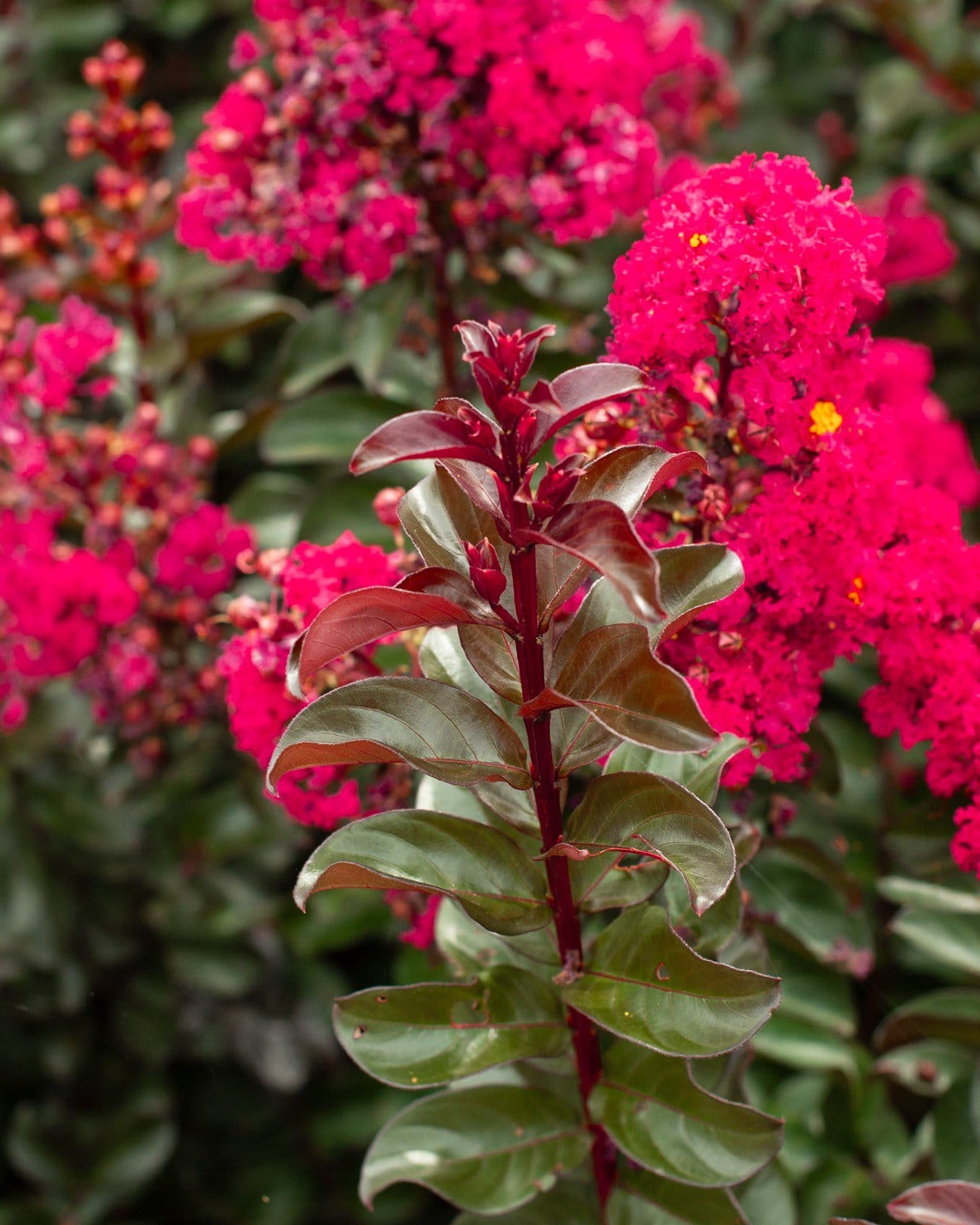
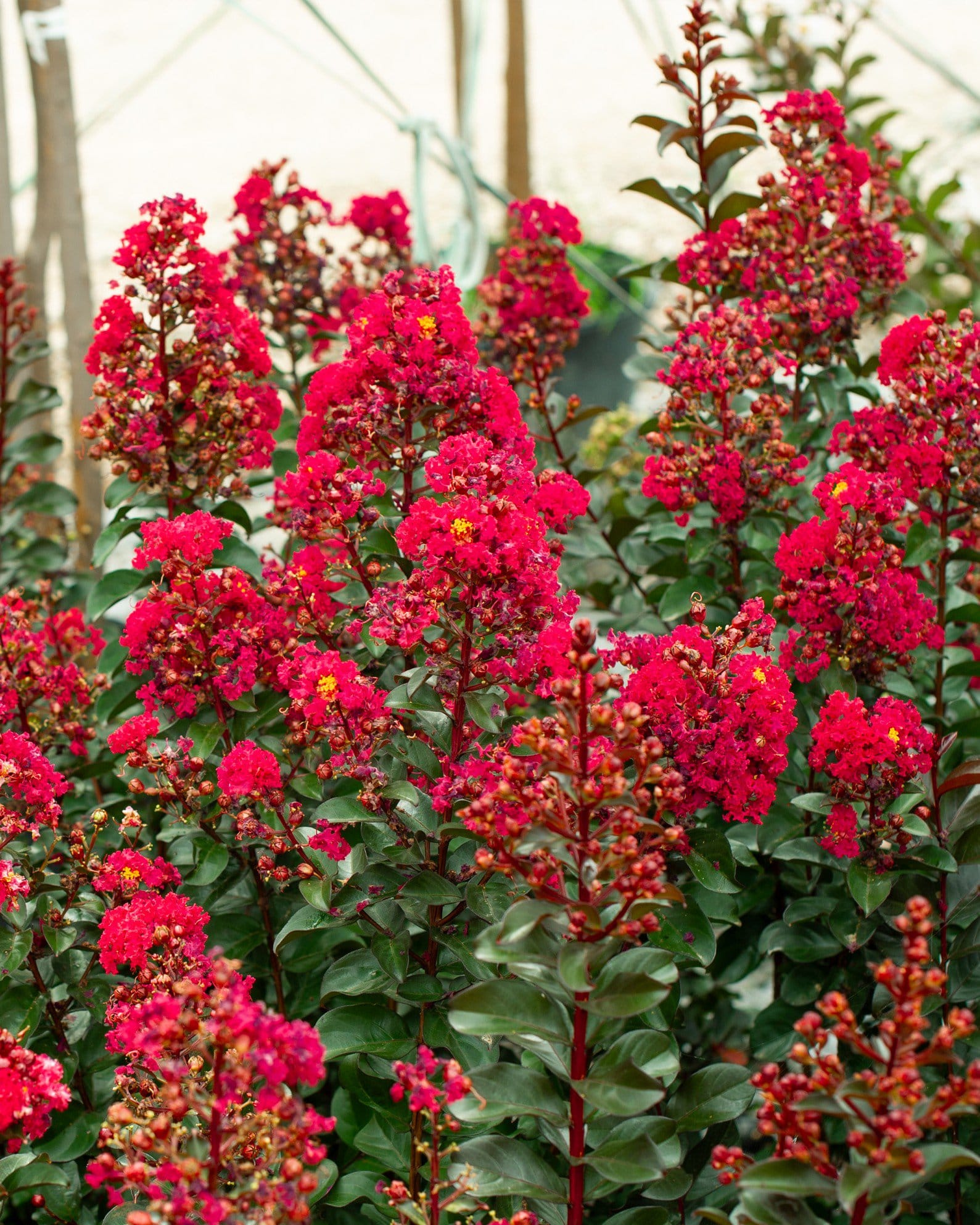
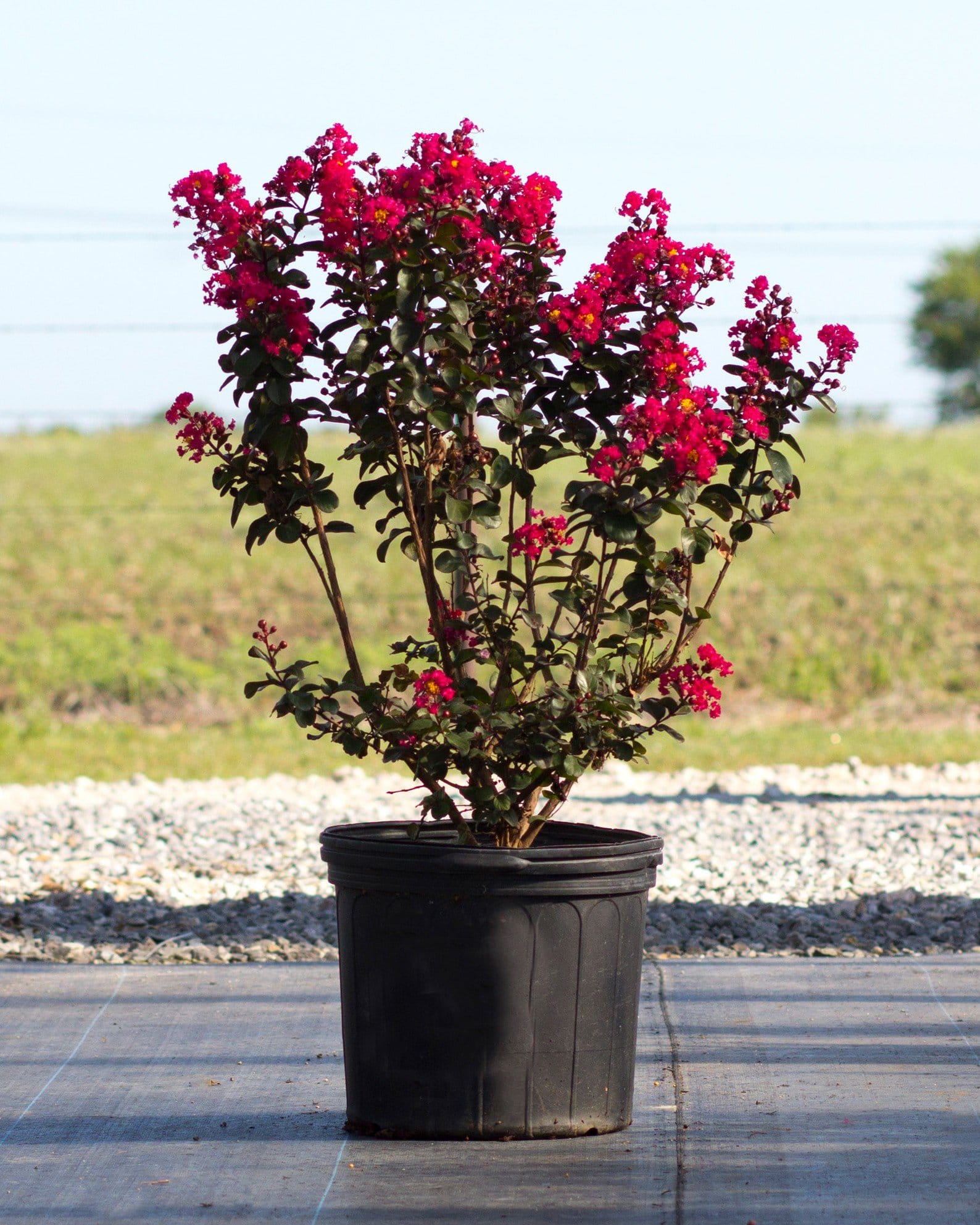
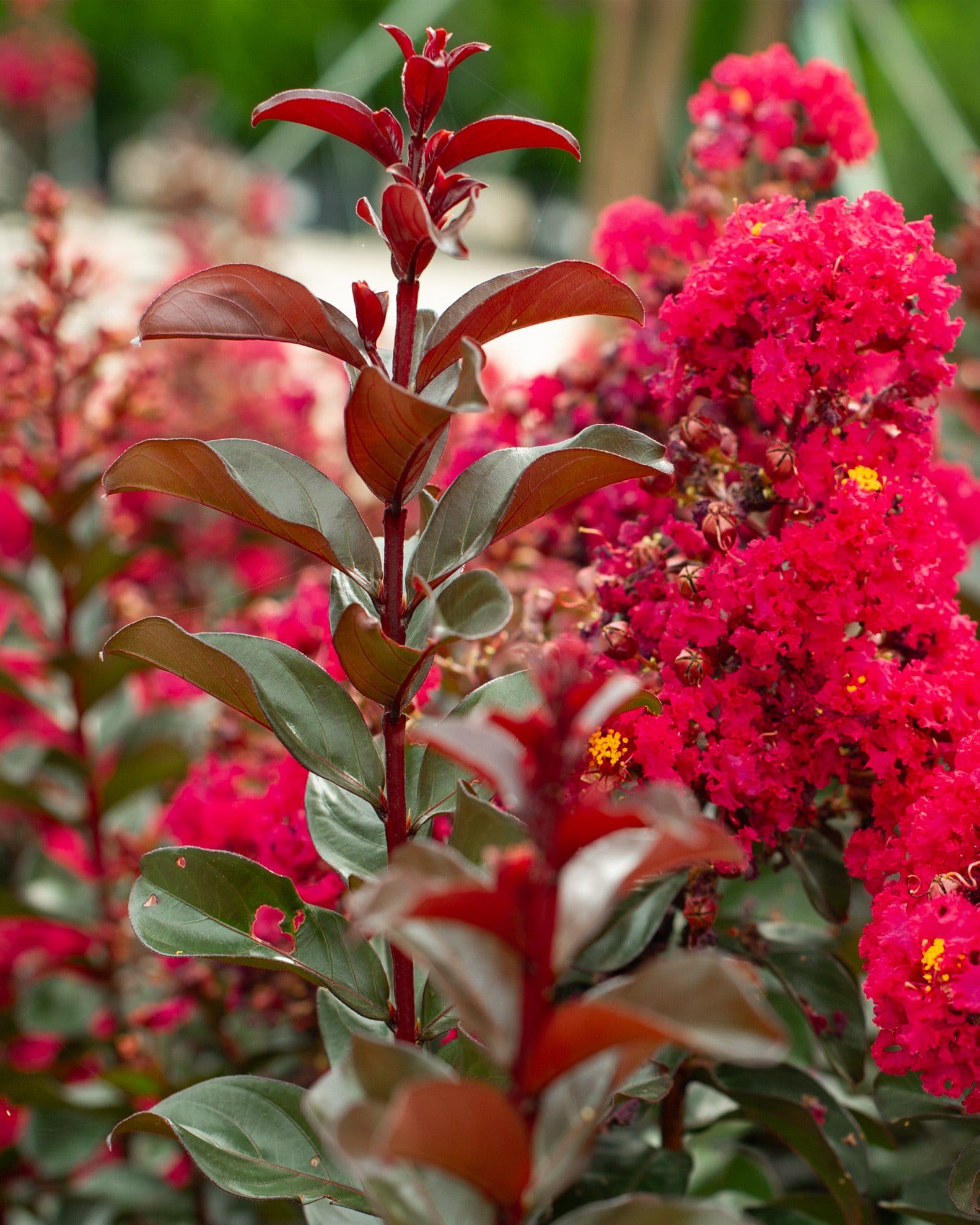
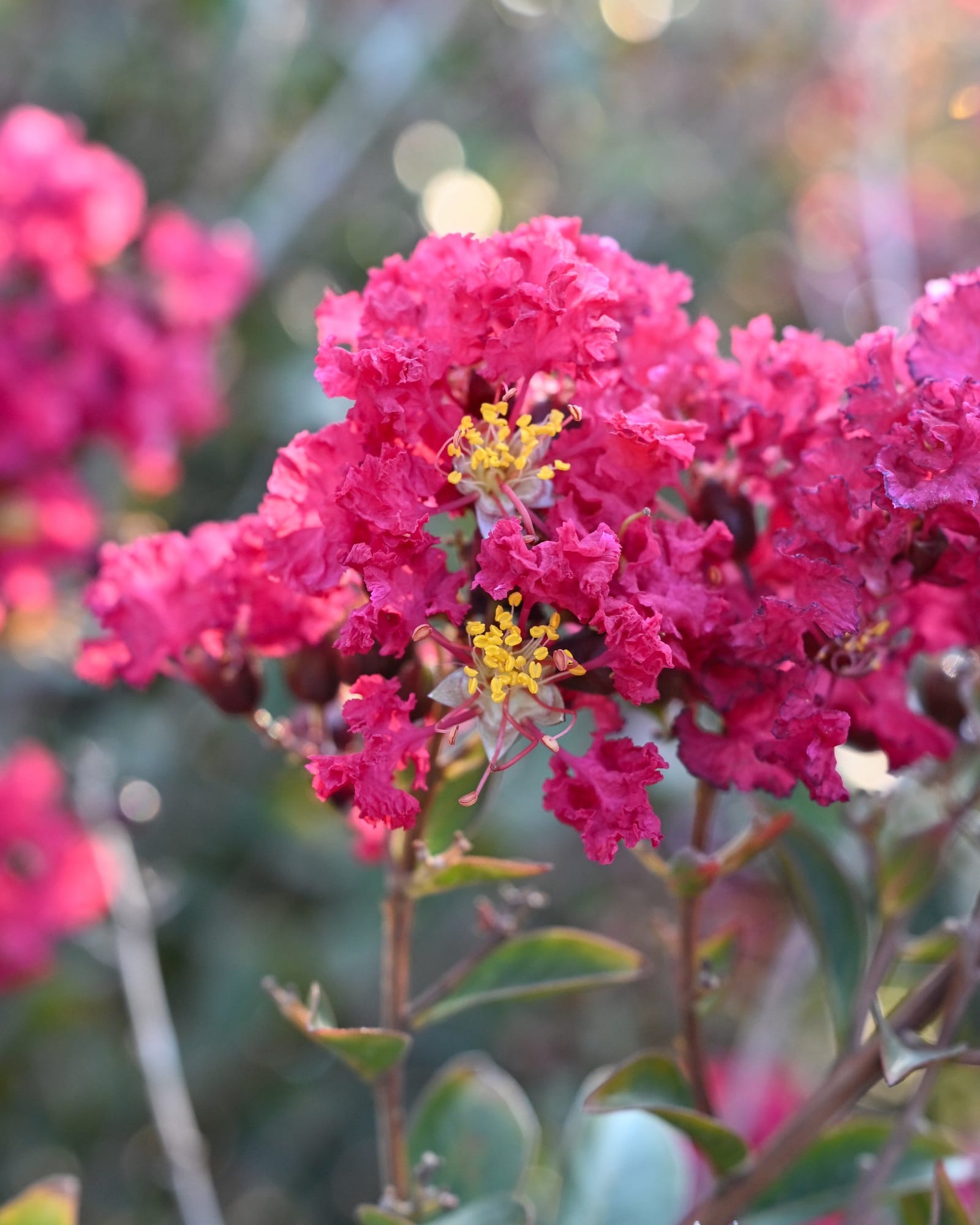
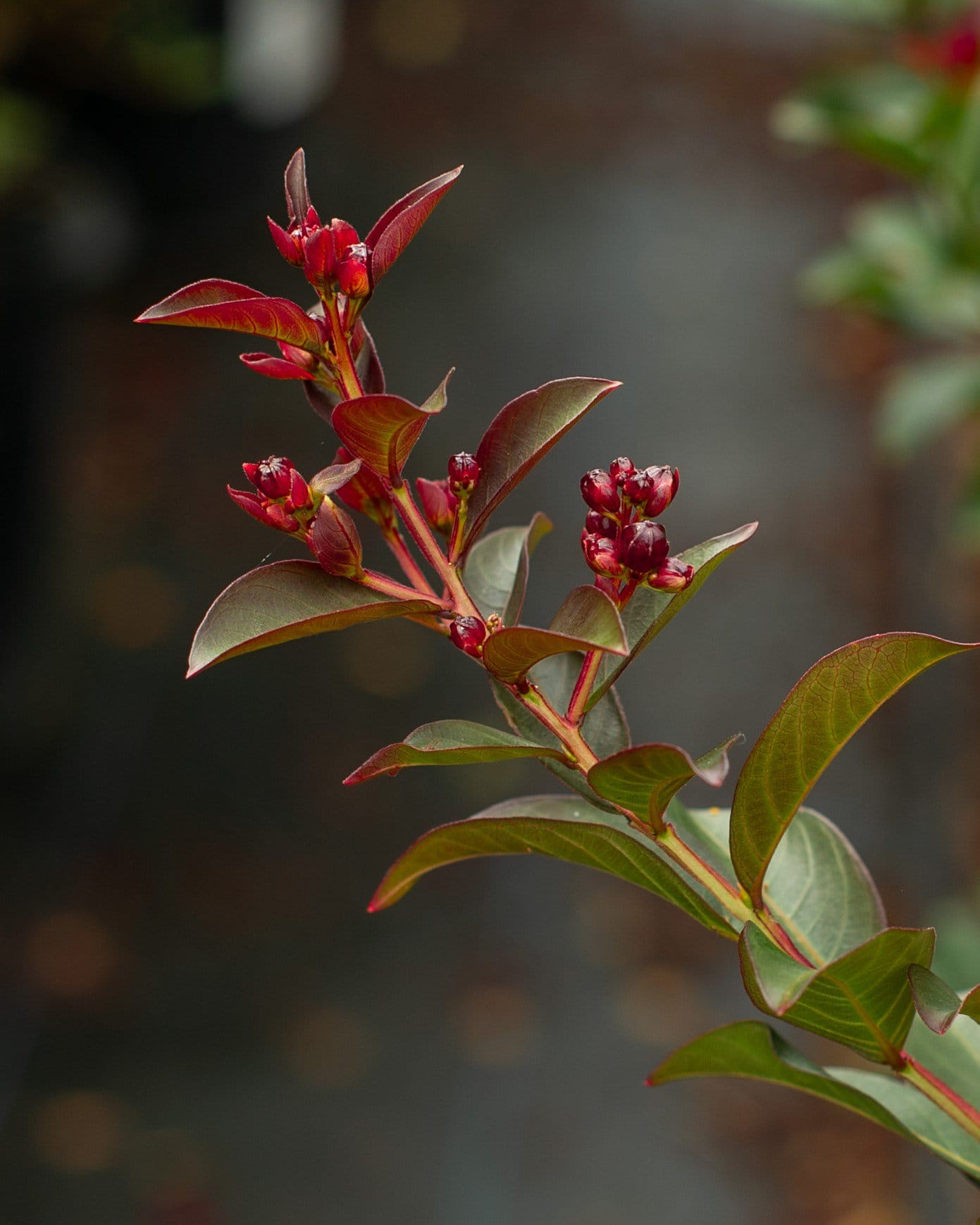
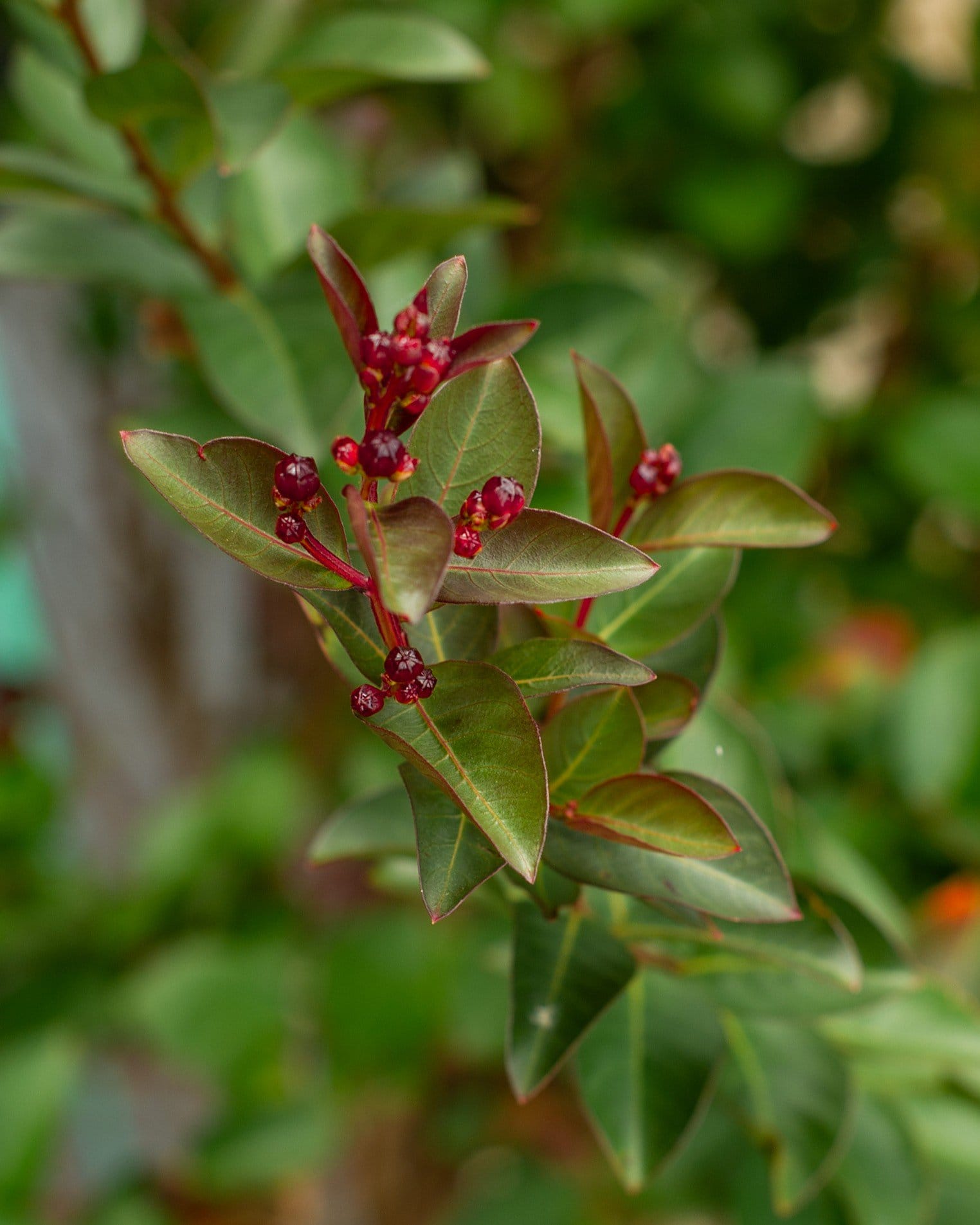
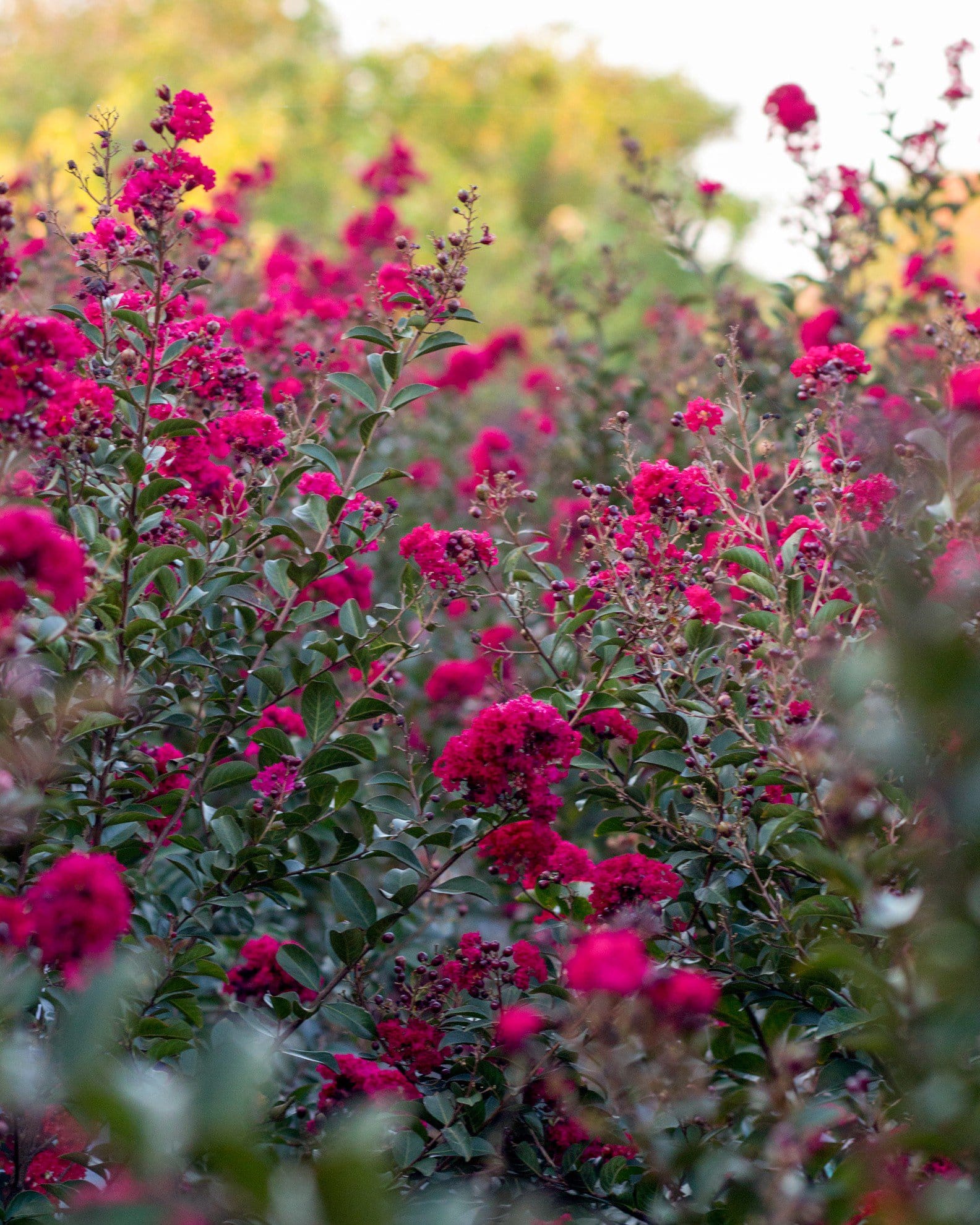
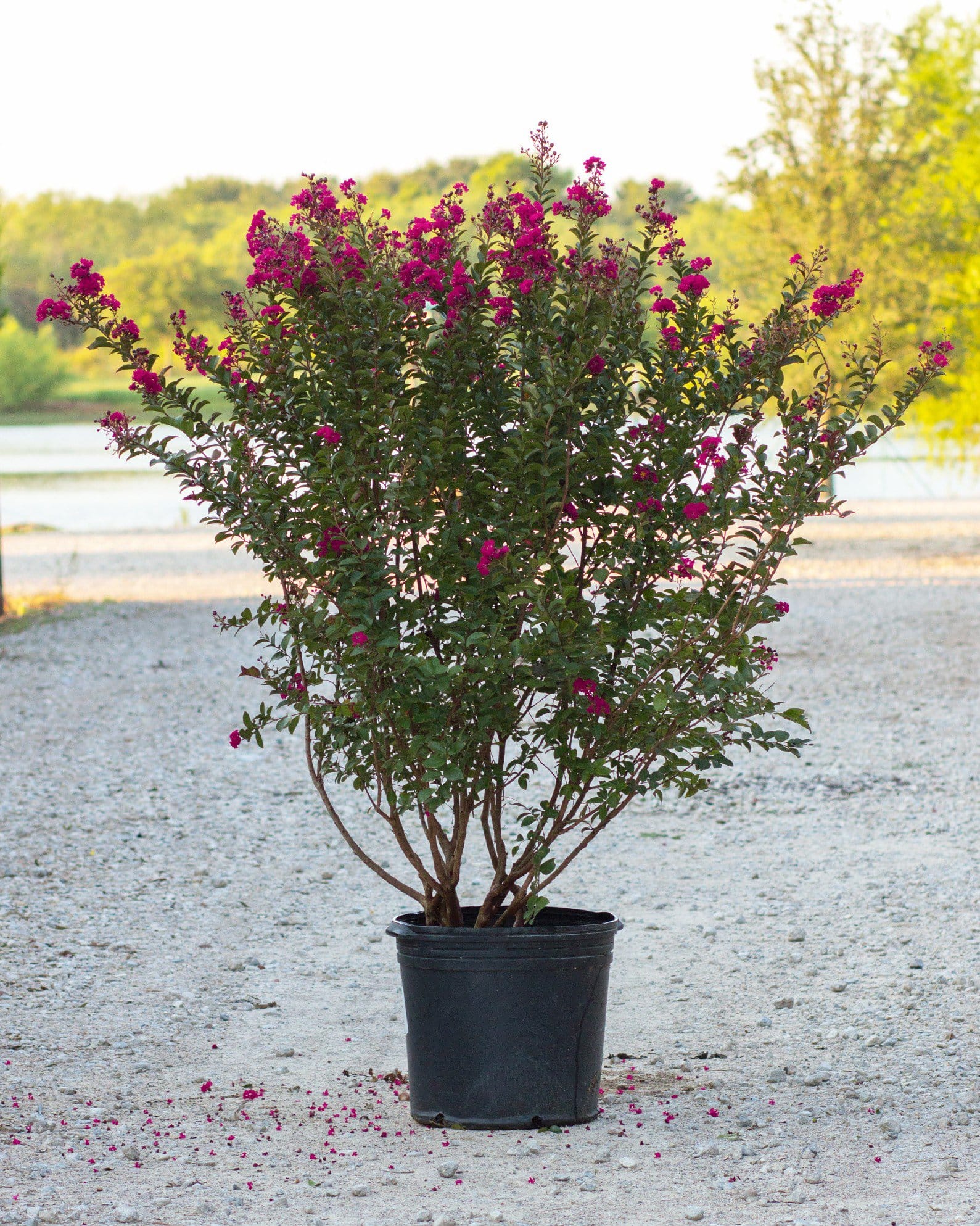
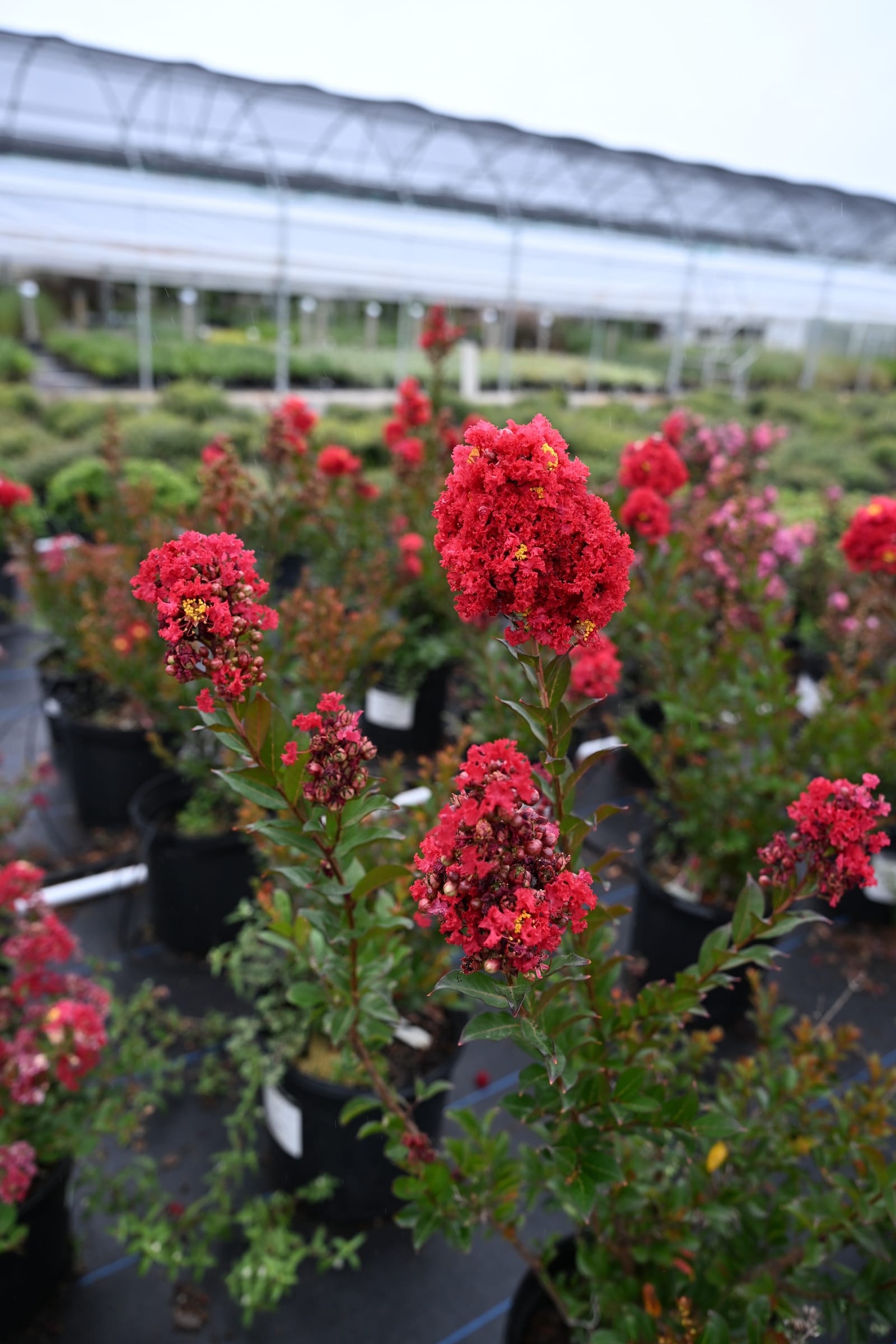
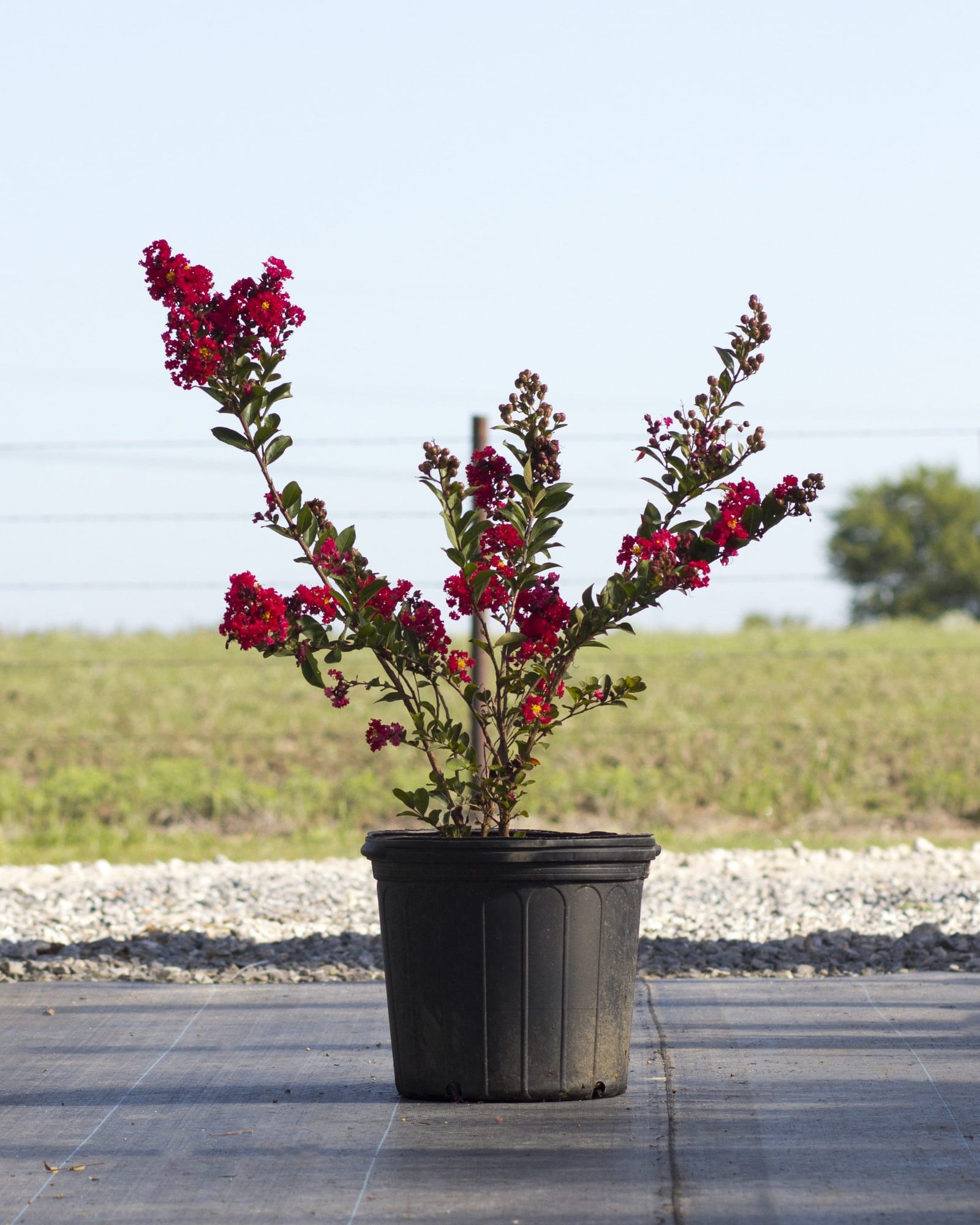
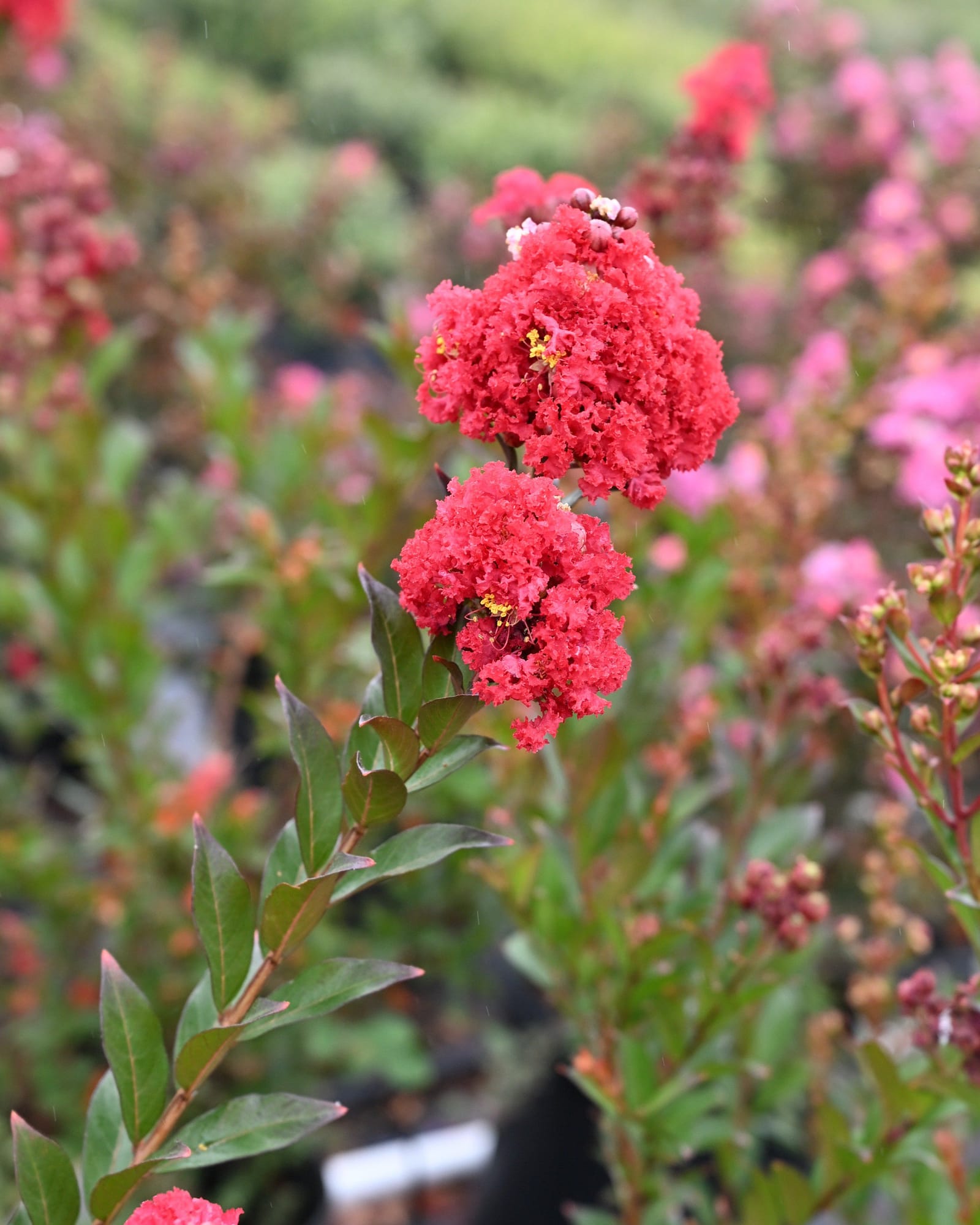
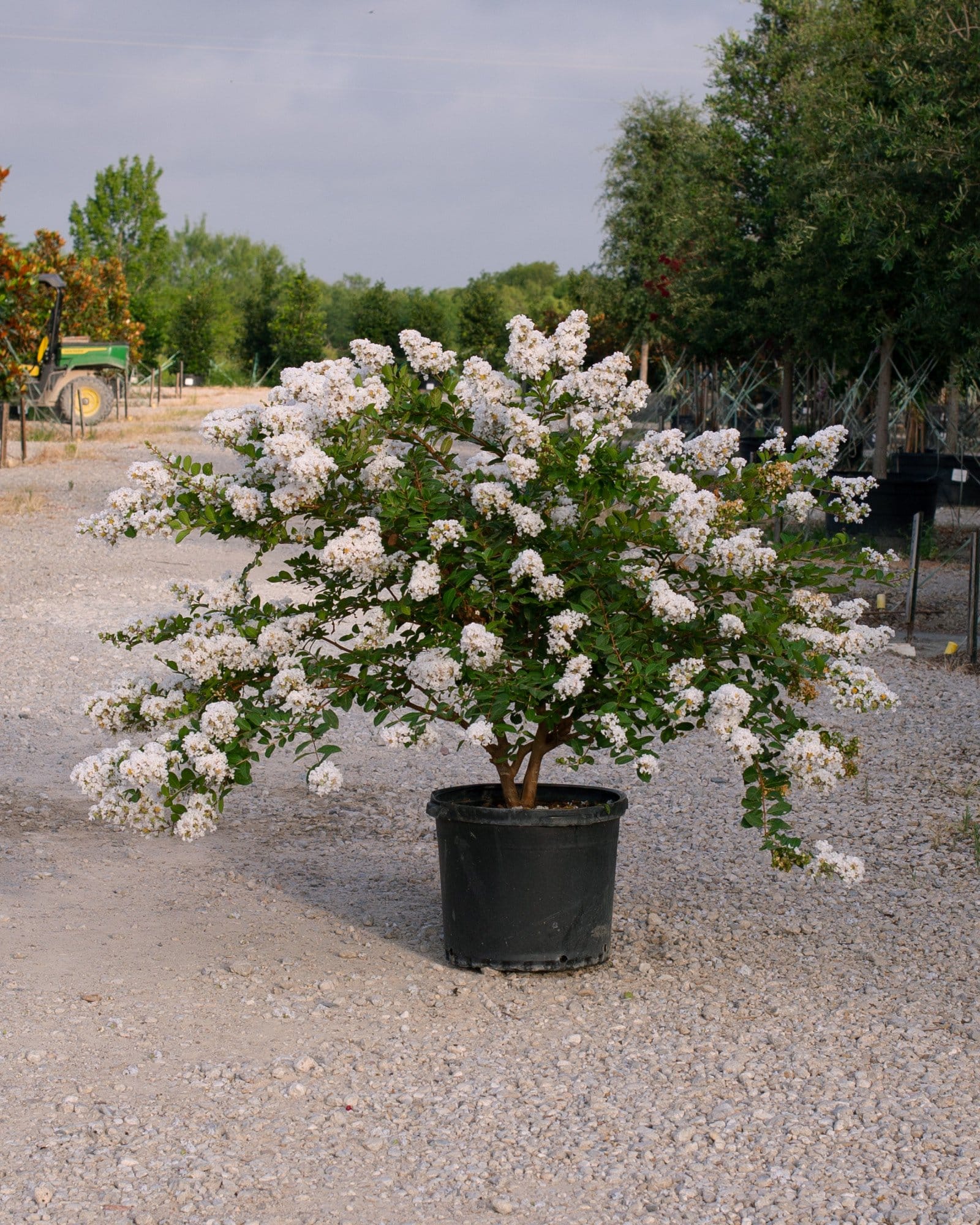
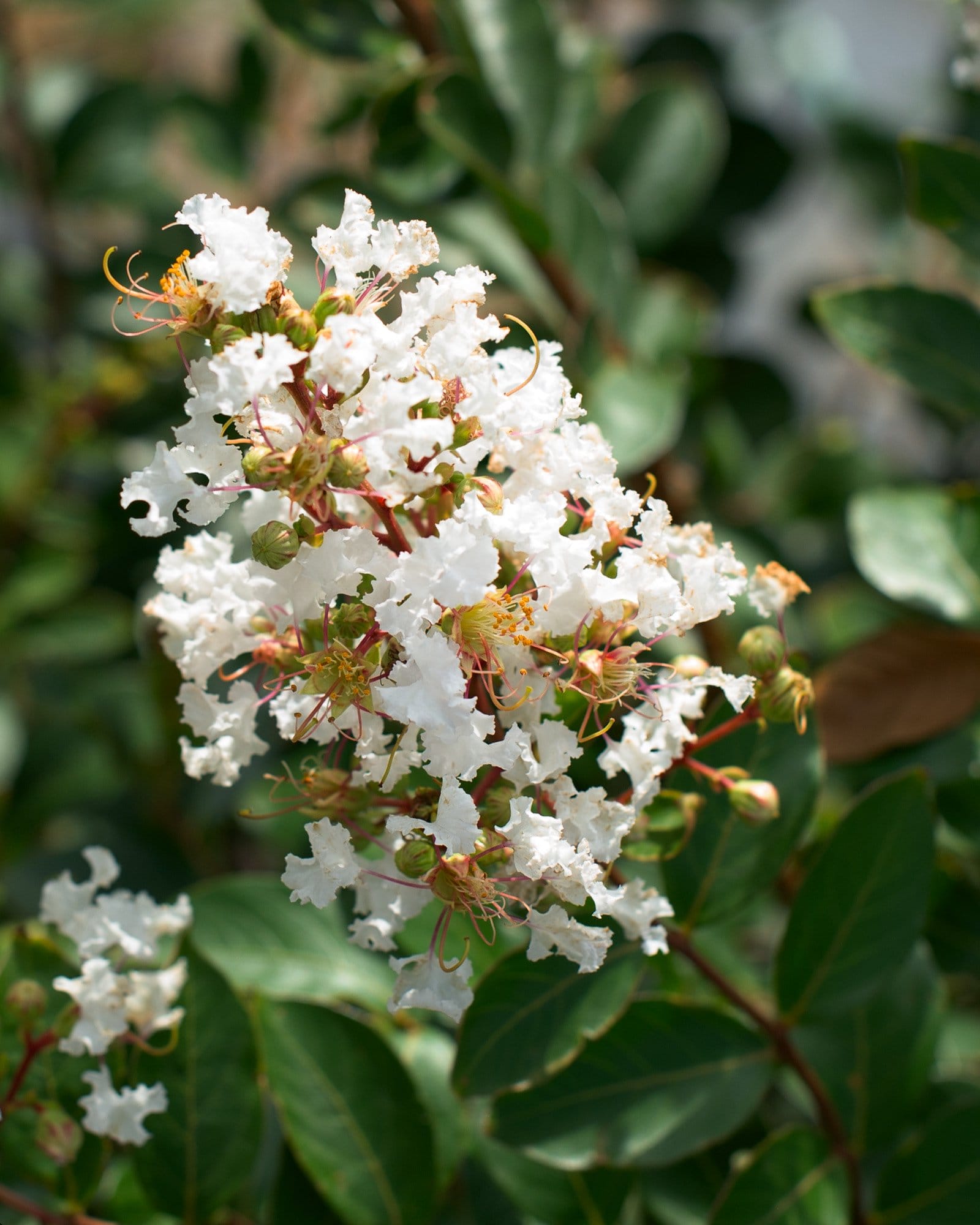
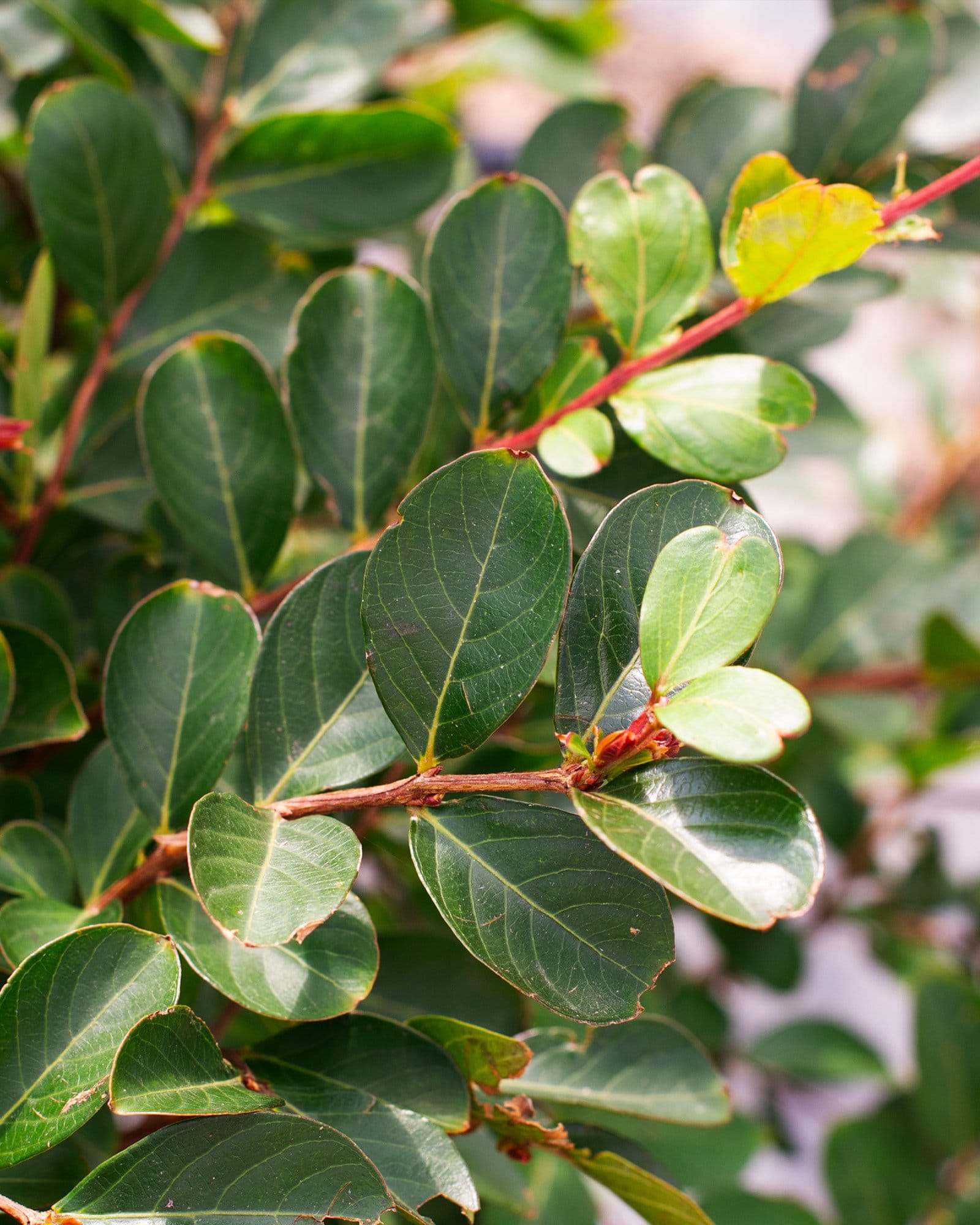
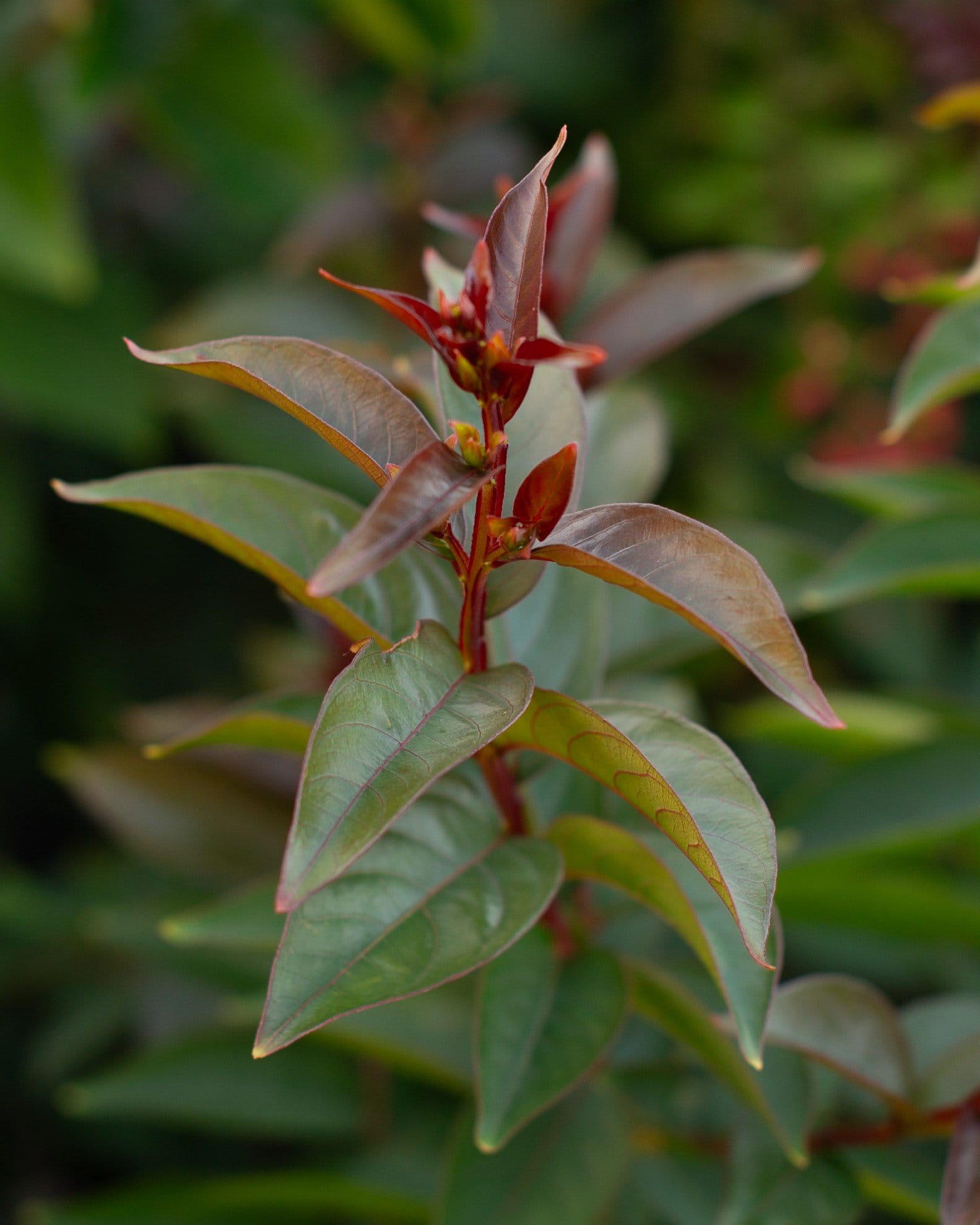
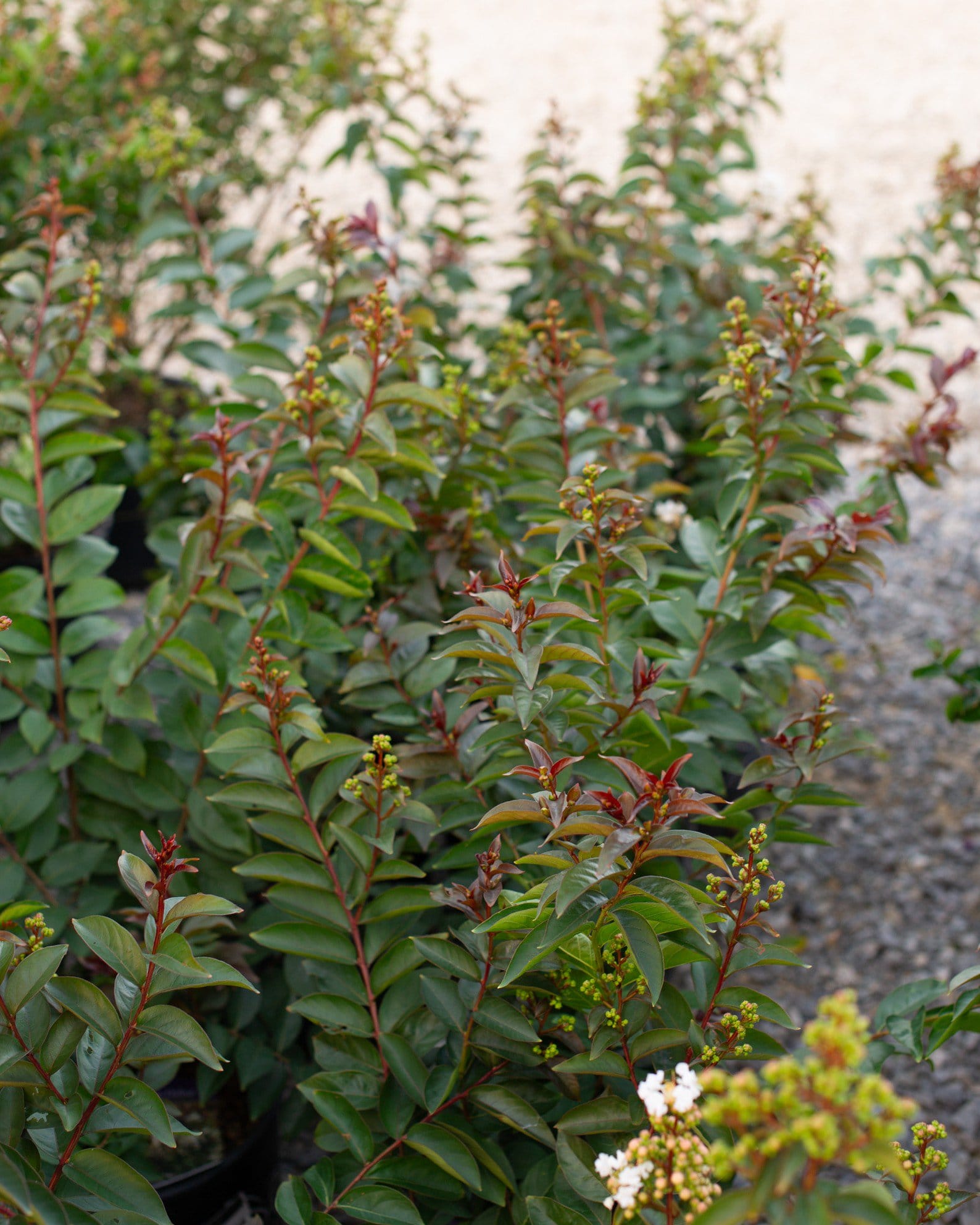
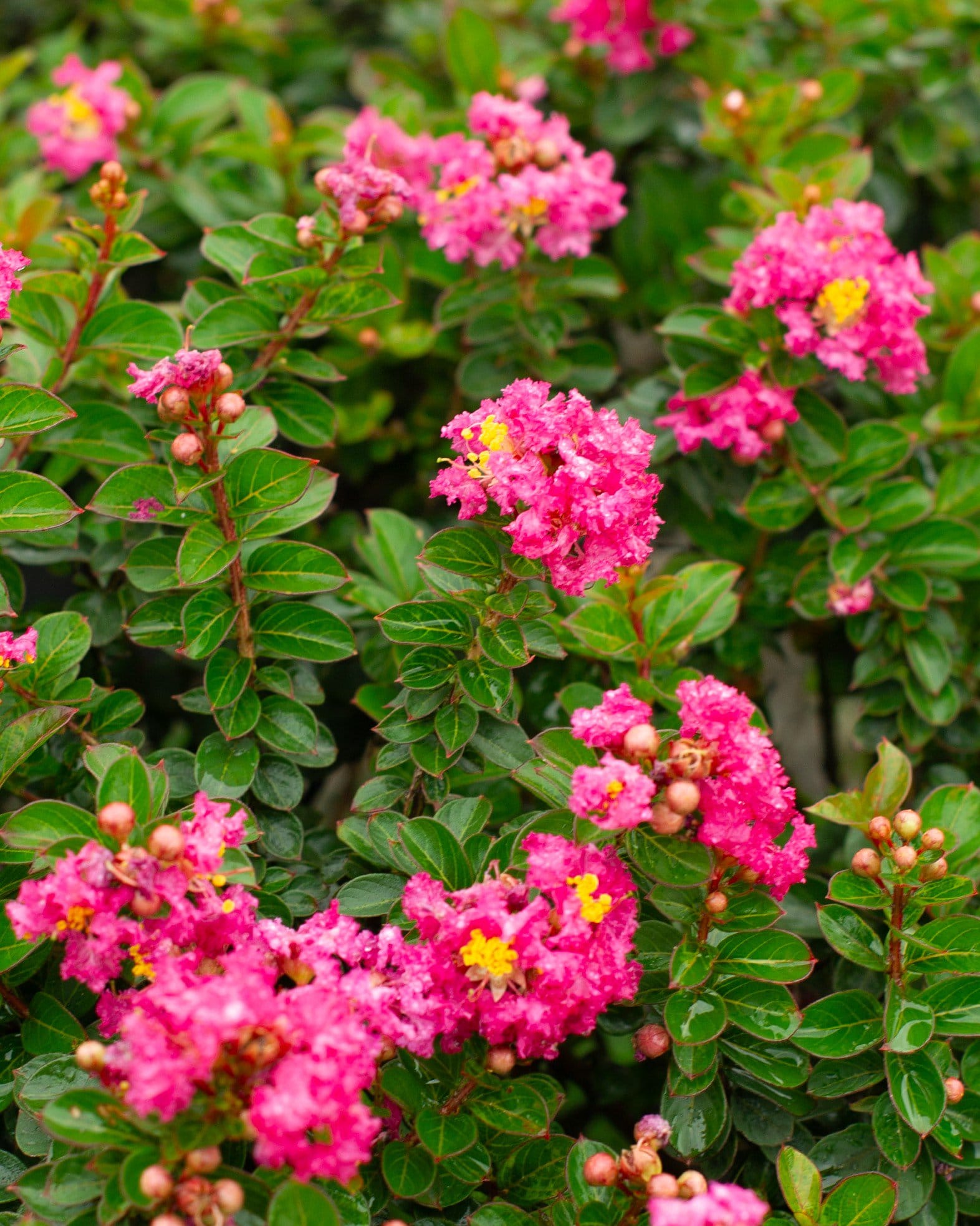
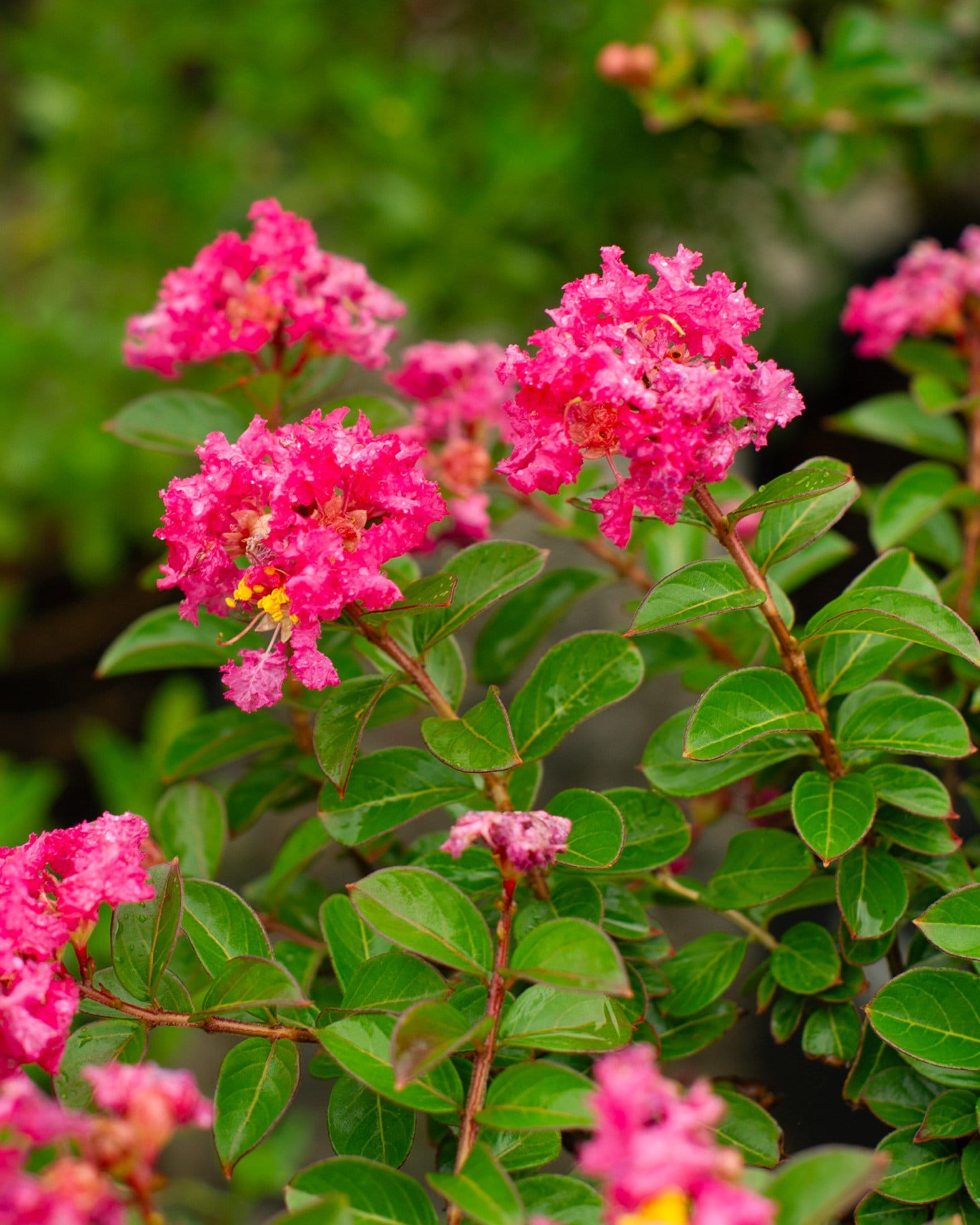
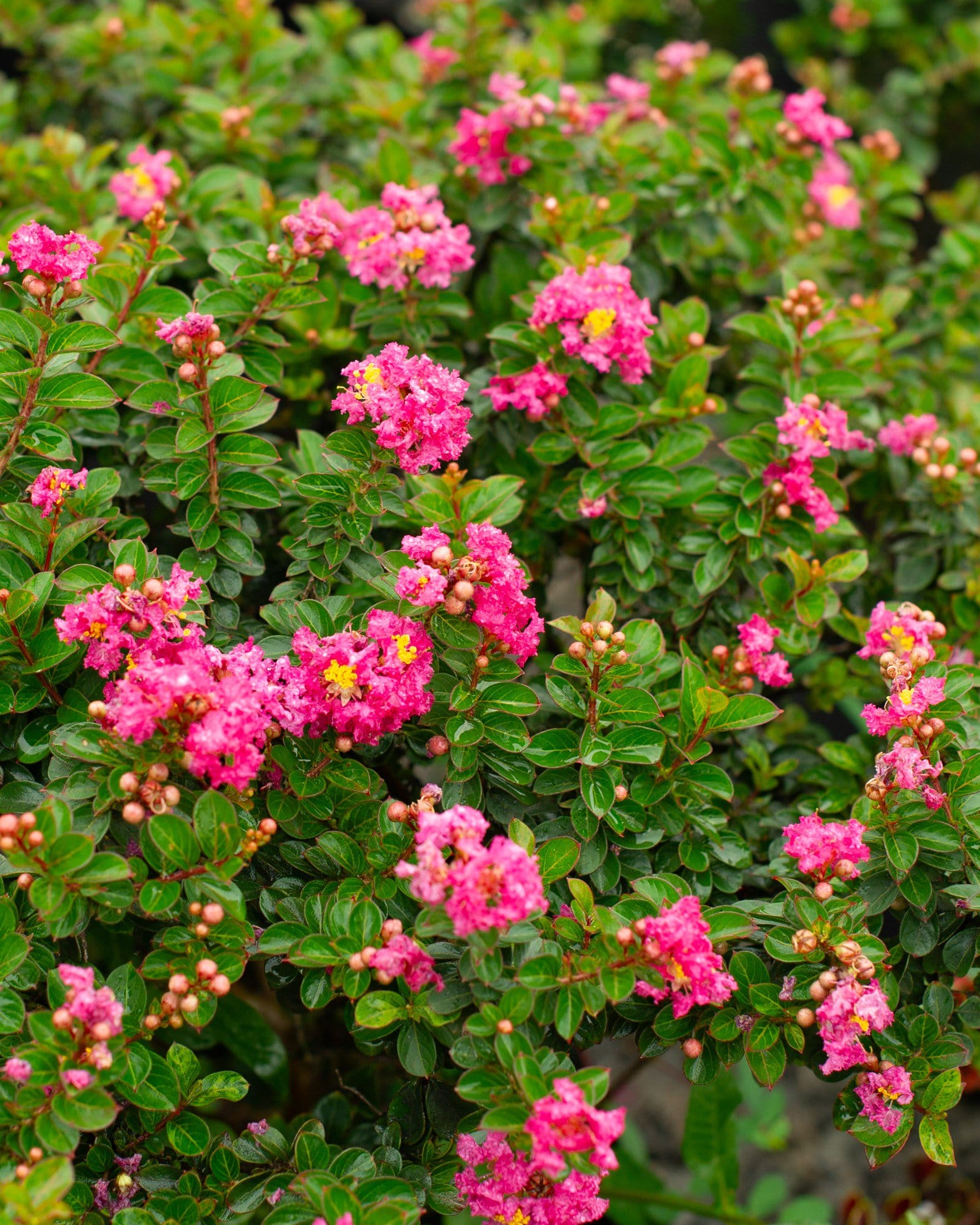
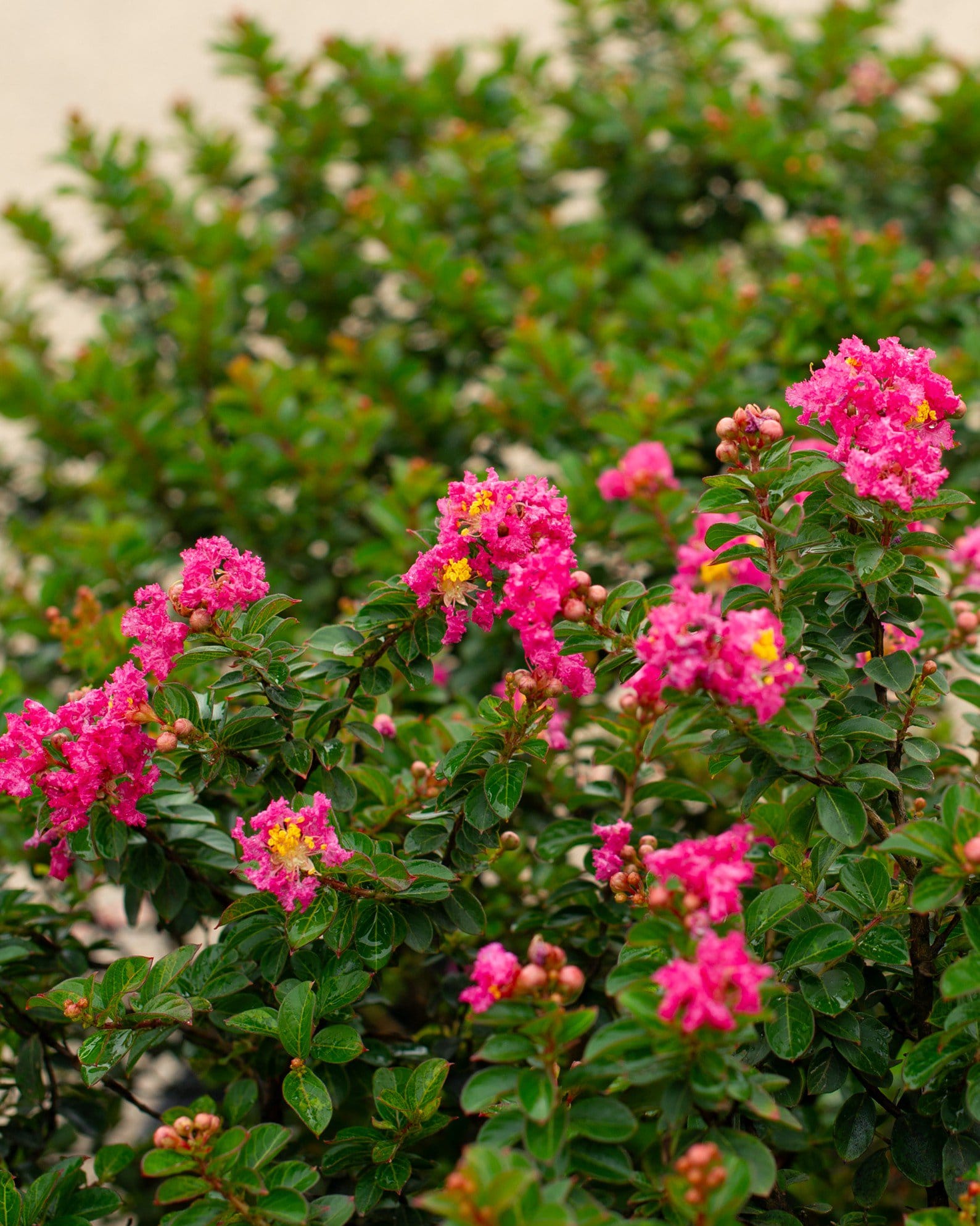
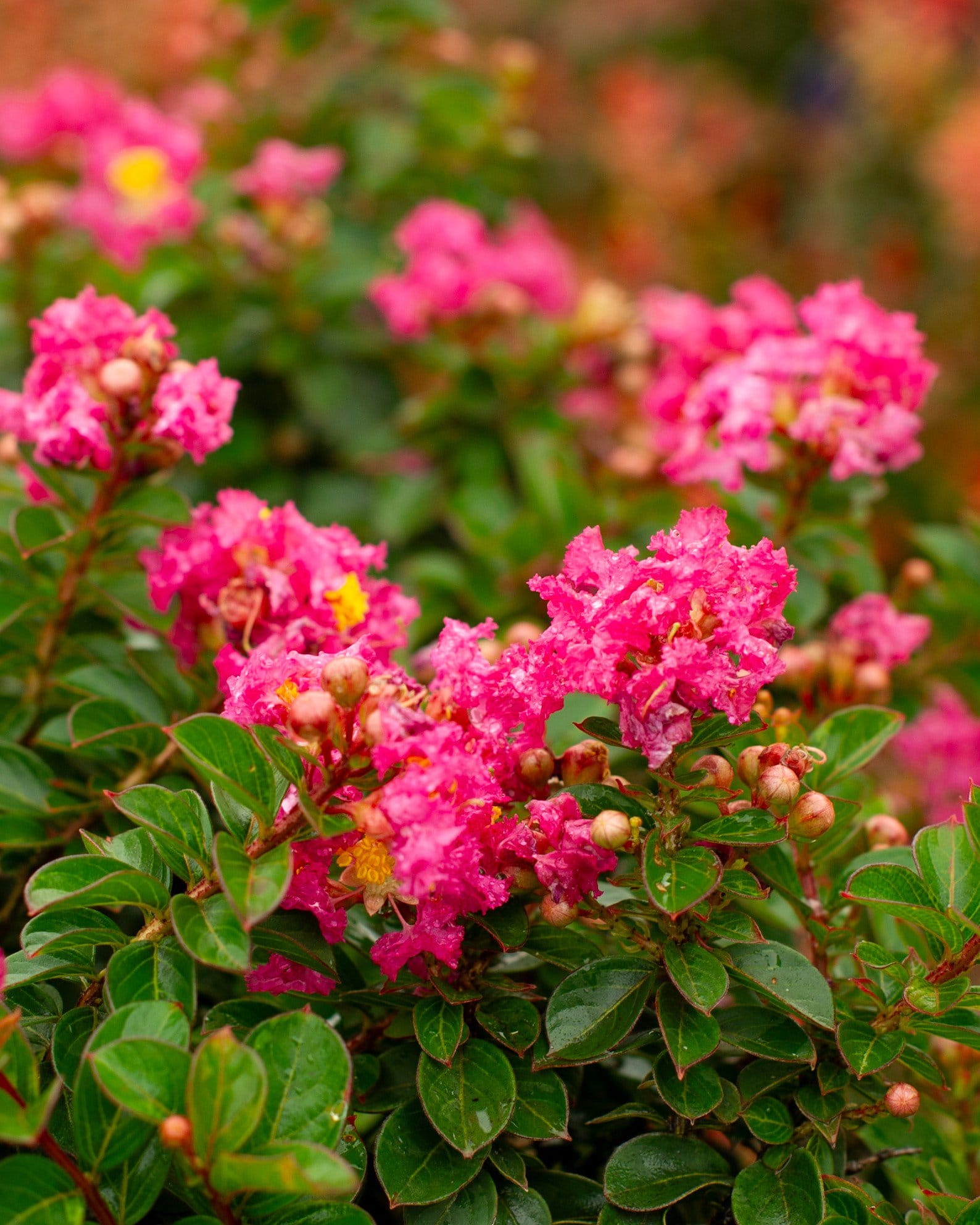
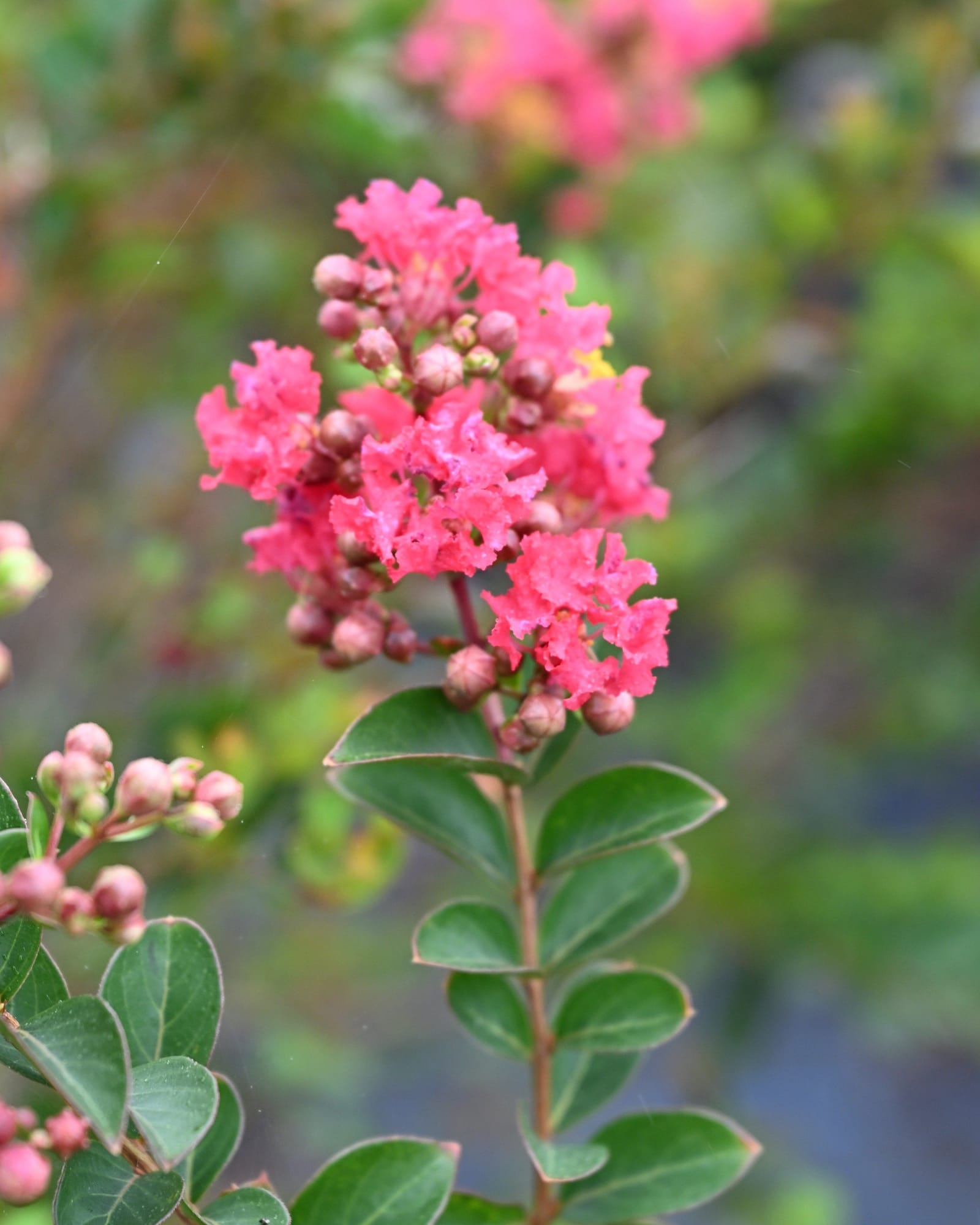
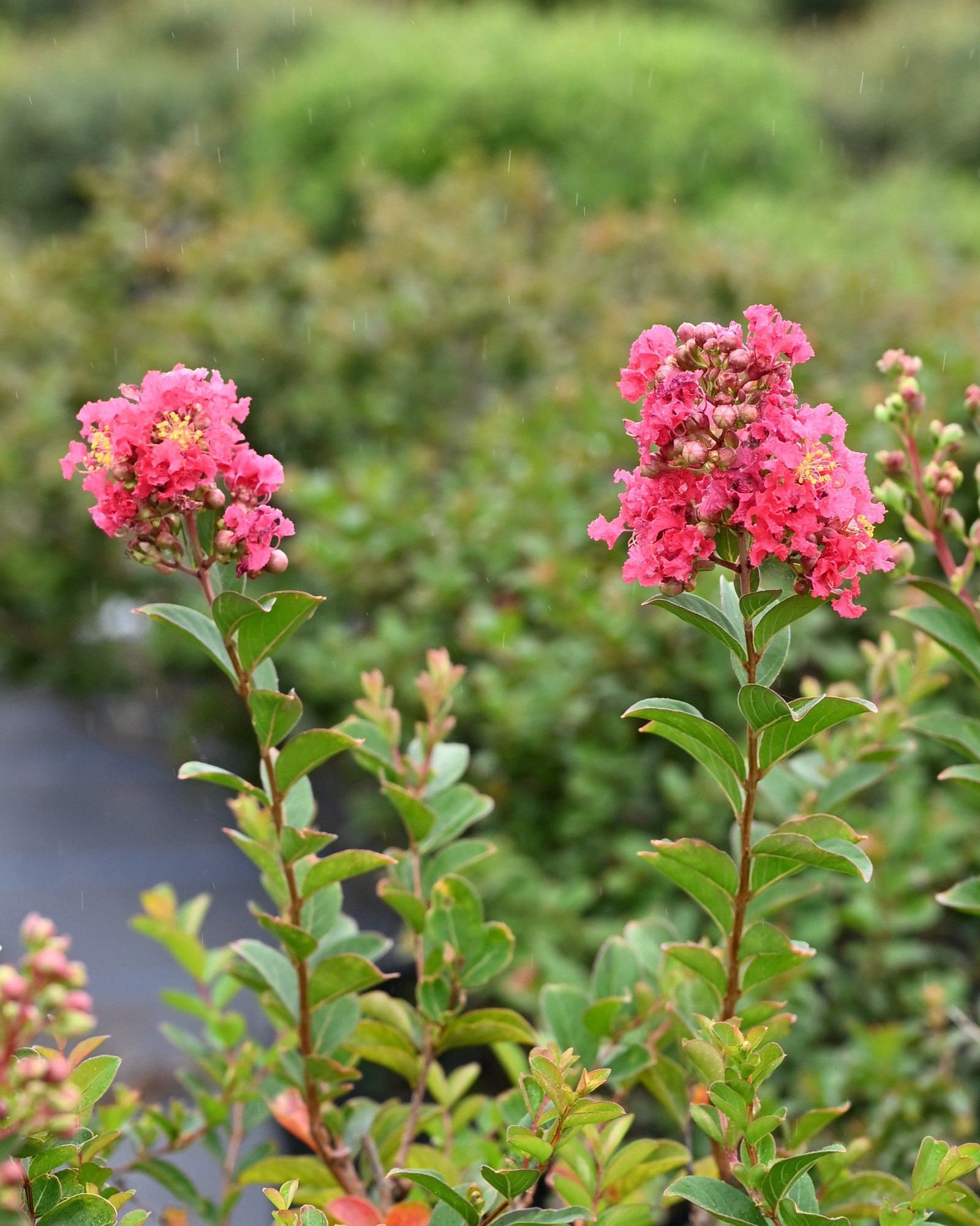
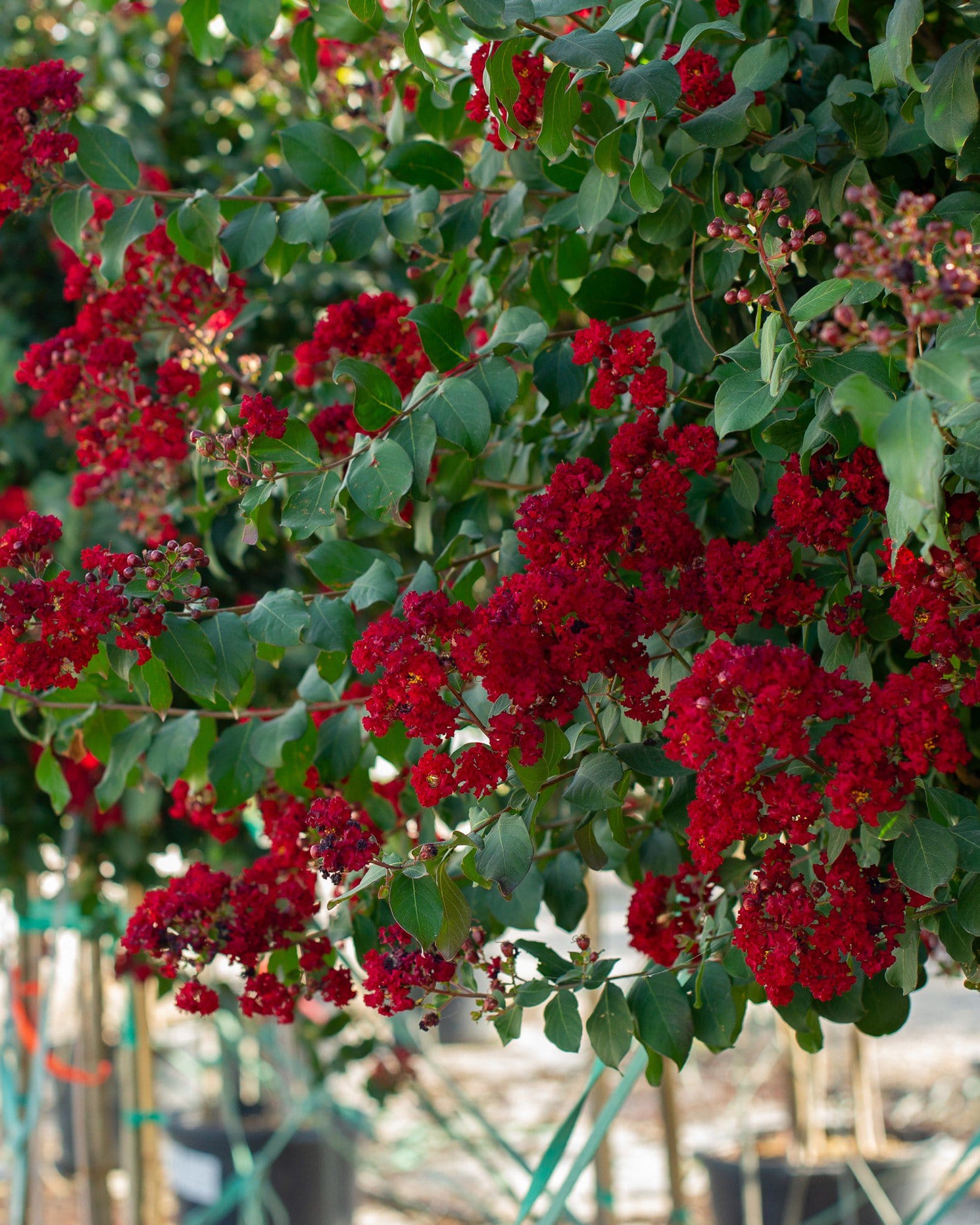
Lagerstroemia ‘PIILAG B2’Enduring Red Crape Myrtle is a striking deciduous shrub known for its intense red flower clusters that bloom throughout summer. Its dense, rounded shape and glossy green leaves make it a standout choice in any landscape. Reaching 4 feet in both height and width at maturity, it’s ideal for small beds, mixed borders, and patio containers.
- Deciduous flowering shrub
- Moderate growth rate with compact, rounded form
- Bright red flowers bloom from summer through fall
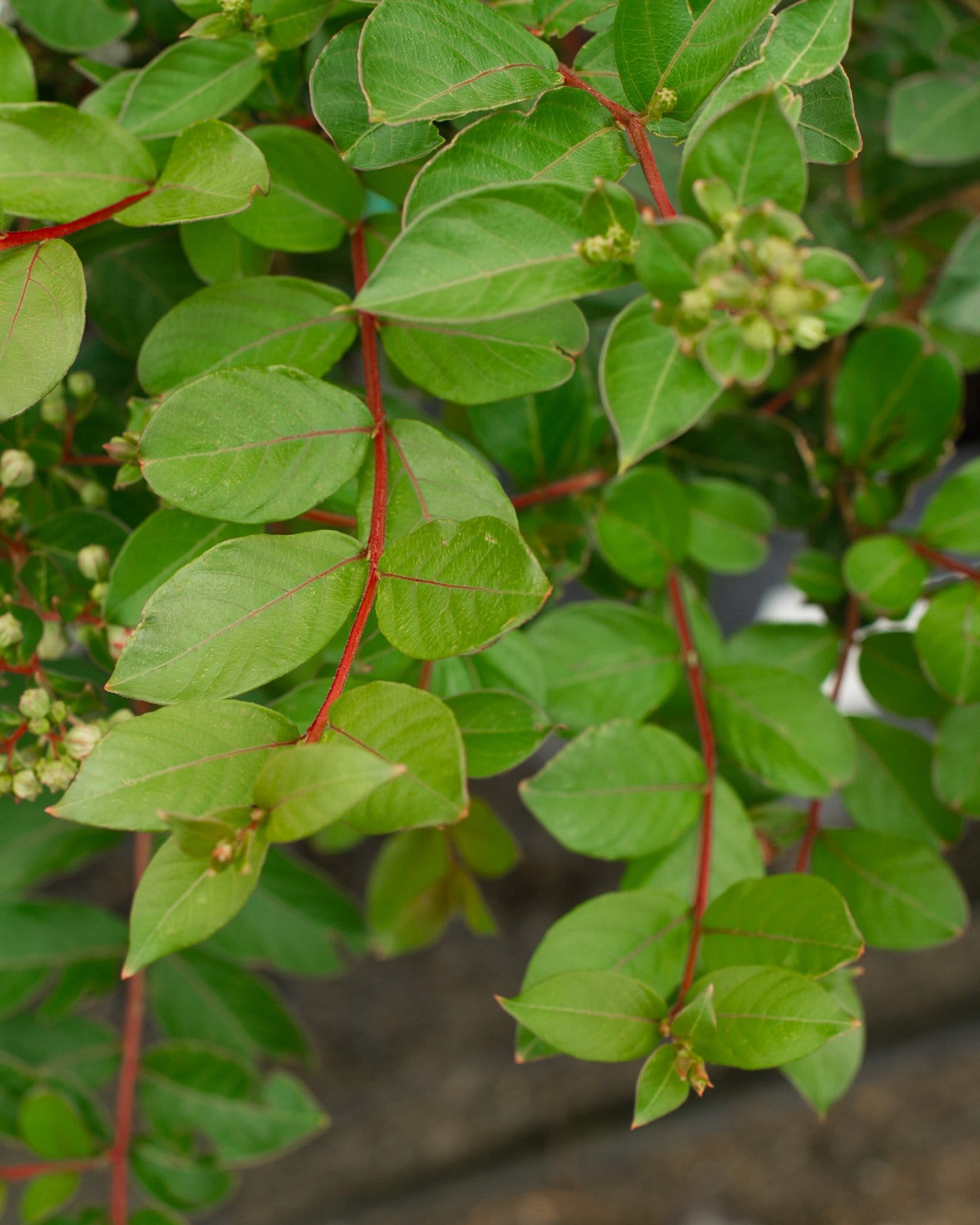
- Rich green foliage provides contrast and structure
- Excellent for beds, borders, and containers
This variety performs best in full sun and well-drained soil. Once established, Enduring Red Crape Myrtle is both heat- and drought-tolerant, thriving in Texas climates. Hardy in USDA zones 6 through 9, it’s a great option for vibrant, low-fuss color. Light trimming in winter helps maintain shape and encourages more blooms in the growing season.
Once established, Enduring Red Crape Myrtles are one of the easiest flowering shrubs to maintain, and here’s what exactly that entails:
- Watering: Water regularly during the first growing season to establish a deep root system. Once mature, water only during extended dry spells. Deep, infrequent watering encourages stronger growth and more abundant blooms.
- Pruning: Minimal pruning is required. Remove spent flower clusters in midsummer to promote a second round of blooms. In late winter or early spring, prune lightly to shape and remove any dead or crossing branches - but avoid “crape murder” (heavy topping), which ruins its natural form and weakens growth.
- Fertilizing: Apply a slow-release fertilizer in early spring as new growth appears. Avoid over-fertilizing, which promotes excessive foliage at the expense of blooms.
- Mulching: Spread a 2-3 inch layer of organic mulch around the base to conserve moisture and regulate soil temperature. Keep mulch a few inches away from the trunk to prevent rot.
- Spacing: Space plants 3-5 feet apart for a dense hedge or 6 feet apart for individual accents. Good spacing promotes airflow, reducing the risk of powdery mildew.
Common Issues and How to Take Care of Them
Enduring Red Crape Myrtle is remarkably resilient, but like all crape myrtles, it benefits from proactive care against common issues:
- Powdery mildew: White, powdery coating on leaves and buds, most common in shaded or humid conditions. Ensure full sun exposure and prune lightly to improve airflow.
- Aphids: Small, soft-bodied insects that feed on new growth, leaving sticky residue. Rinse with water or apply insecticidal soap. Beneficial insects like ladybugs help control them naturally.
- Sooty mold: Black residue on leaves, often caused by aphid honeydew. Address the aphids, and the mold will clear up over time.
- Leaf spot fungus: Brown or purplish spots caused by prolonged moisture. Water at the soil level and avoid overhead watering to reduce spread.
- Bark scale: Appears as white or gray crusty spots on branches. Treat with horticultural oil in winter and apply systemic insecticide in spring if infestations persist.
- Lack of blooms: Usually caused by insufficient sunlight or over-fertilization. Ensure full sun exposure and avoid excessive nitrogen.
With bright sun, good airflow, and light pruning, Enduring Red Crape Myrtle delivers reliable color and near-effortless beauty through every Texas summer.
It blooms profusely from late spring through early fall - often up to 100 days of continuous color. Deadheading spent blooms in midsummer can trigger a strong second wave of flowering.
With proper care, Enduring Red Crape Myrtle can live 40 to 50 years or more. Its woody base and resilient nature make it one of the longest-living flowering shrubs in Southern landscapes.
This variety grows at a moderate rate, typically adding 1 foot per year. It reaches full size in 4 to 6 years. Once mature, it maintains a naturally rounded, dense form.
Absolutely. This variety was bred for southern climates and thrives in hot, sunny, and dry conditions. Once established, it needs very little supplemental water to stay healthy.
Yes, crape myrtles are rarely bothered by deer or rabbits. Their woody stems and mildly bitter taste make them a safe choice for open landscapes.
Only lightly. Remove spent flower clusters and any dead or damaged wood. Heavy topping - often called “crape murder” - should be avoided, as it weakens the structure and reduces blooms.
Yes! Its compact size and rounded habit make it perfect for large decorative pots or patio planters. Use a well-draining mix and water more often in summer.
Very much so. The bright red blooms draw butterflies, bees, and hummingbirds all season long, adding movement and life to the garden.
This is typically due to too much shade, underwatering, insects or powdery mildew. Ensure it receives at least six hours of full sun daily.
It’s more compact and bushy than traditional tree-form varieties, meaning it fits easily into smaller gardens or foundation beds. Its intense, true-red color also holds better in the heat - without fading to pink.
Special Features
You might also like
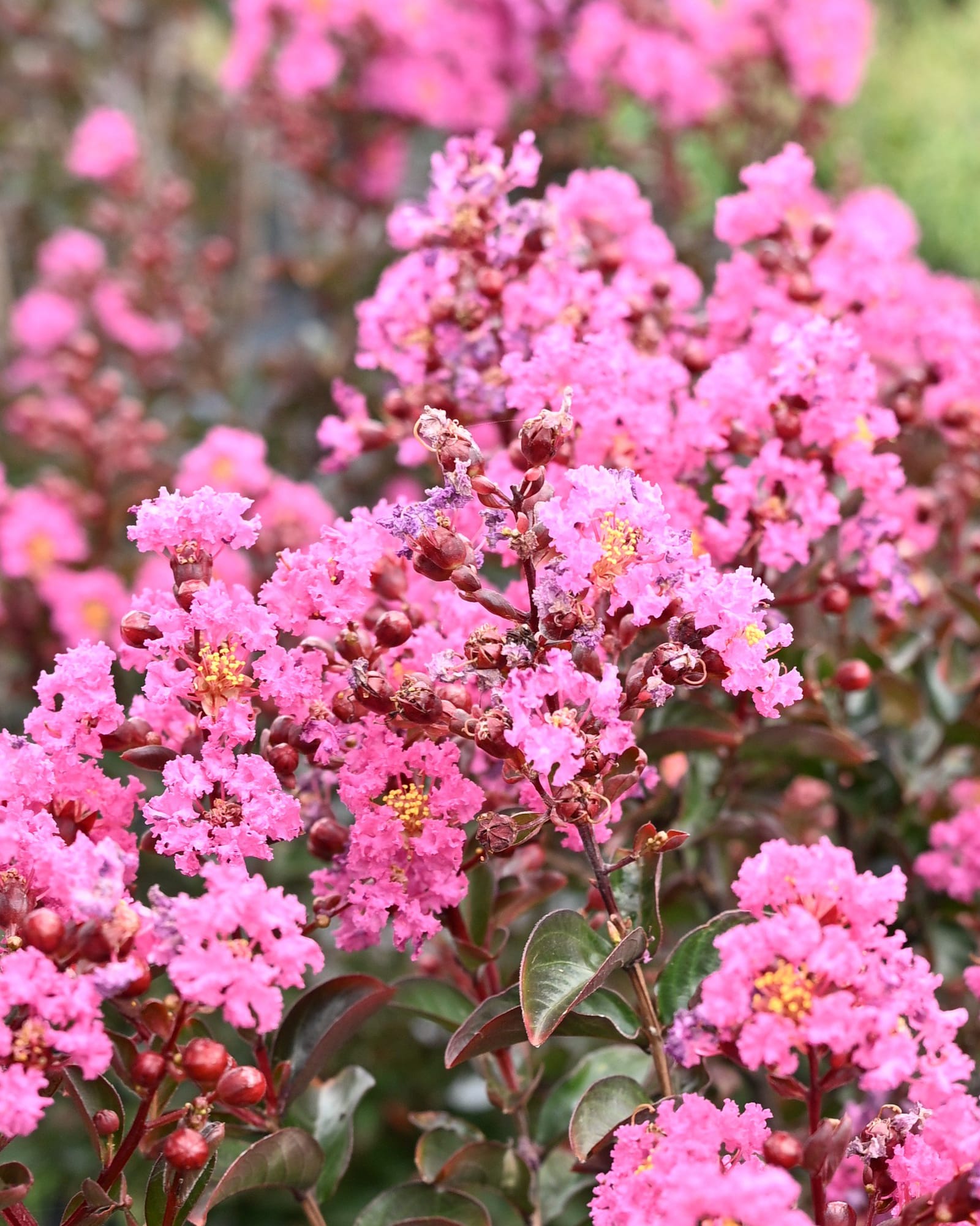
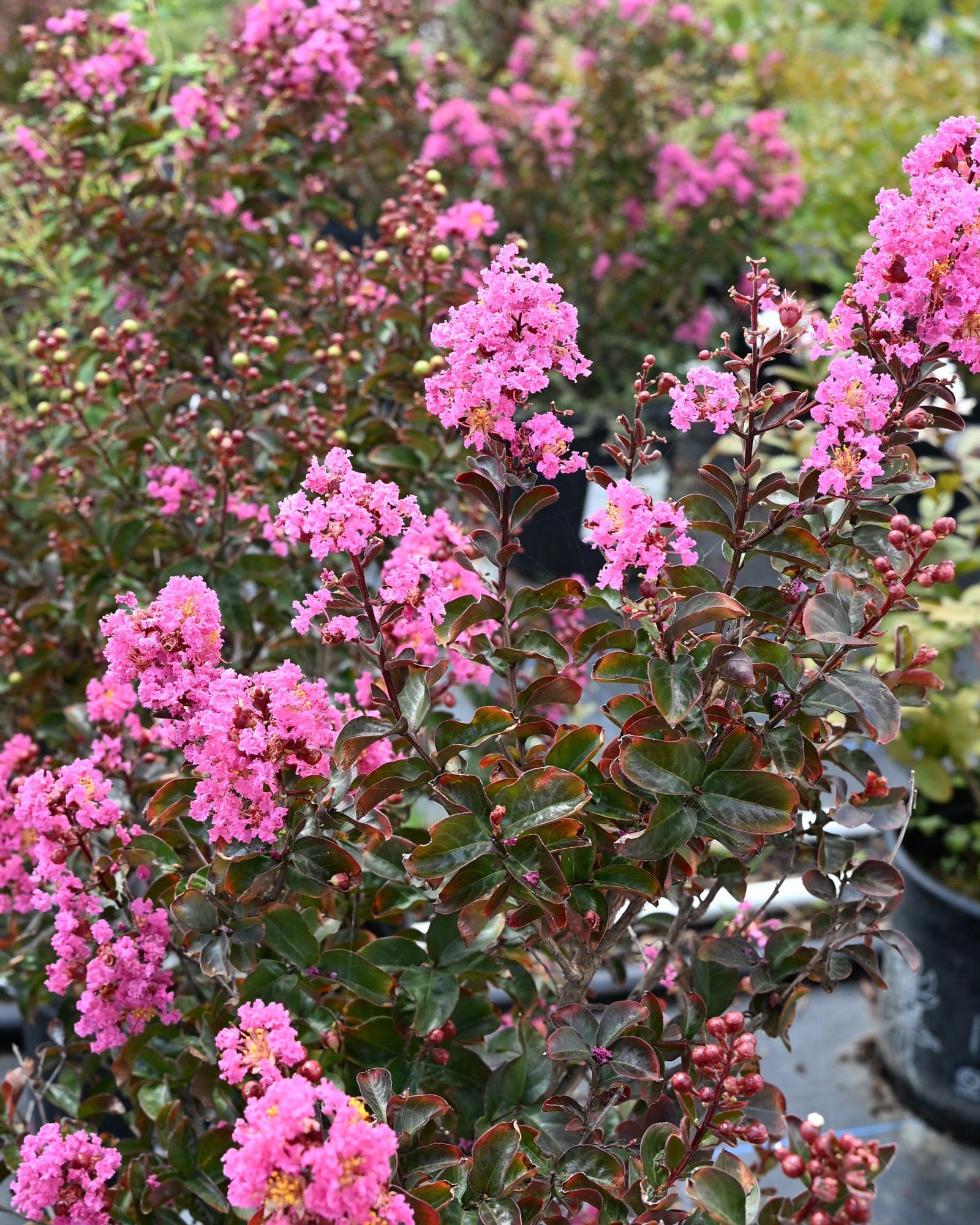
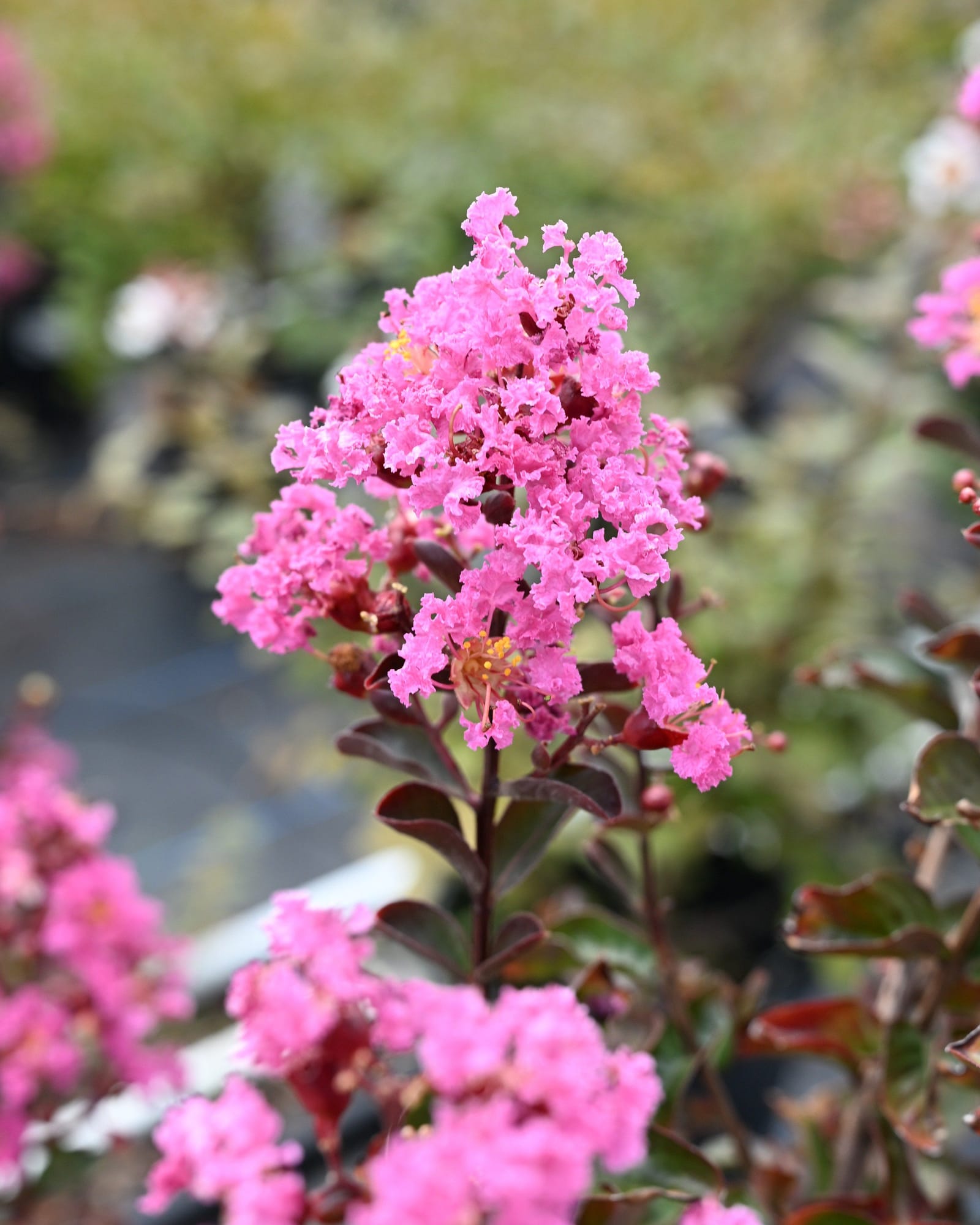
Dark Roast Crape Myrtle
Maturity: 3' H x 3' W
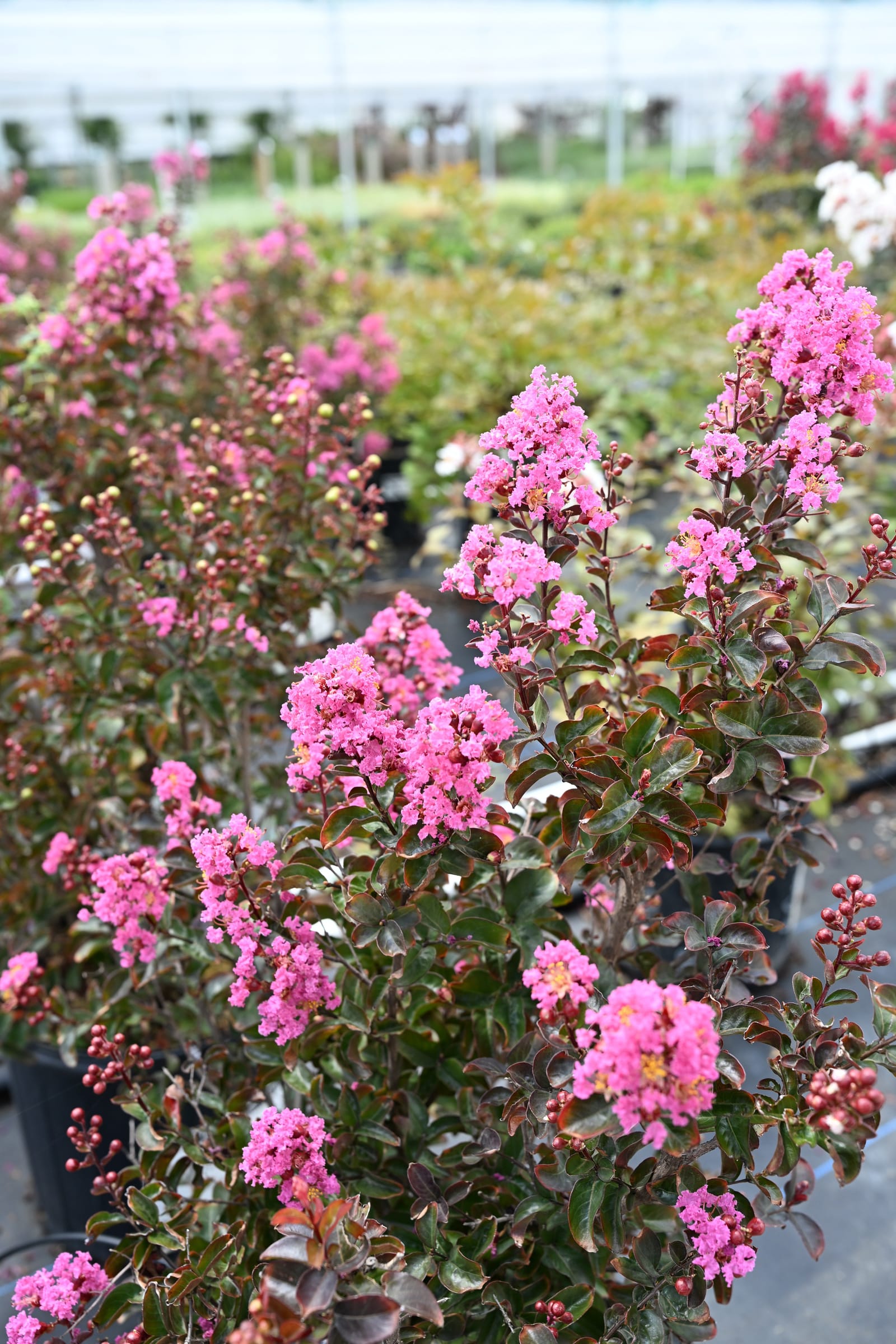
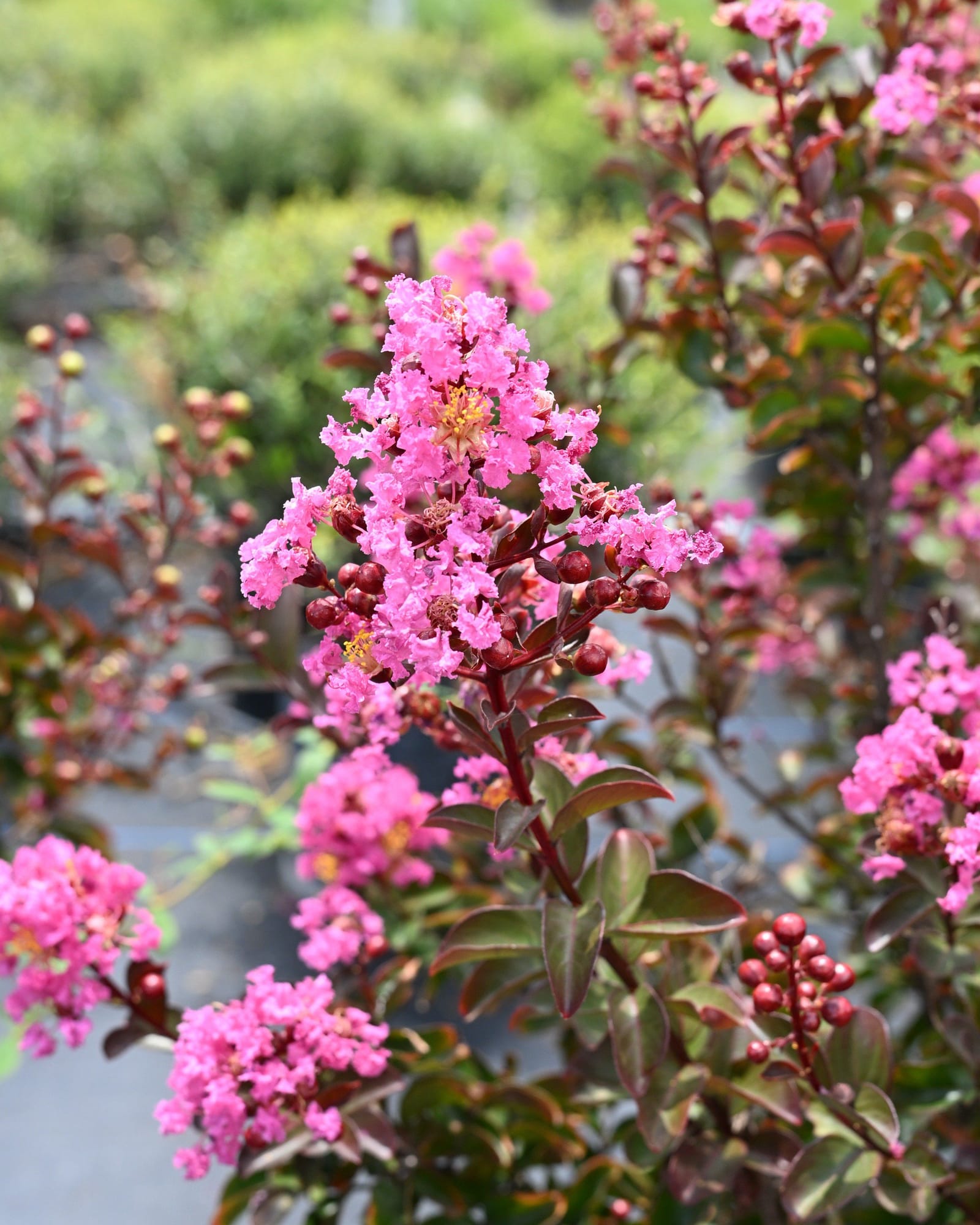
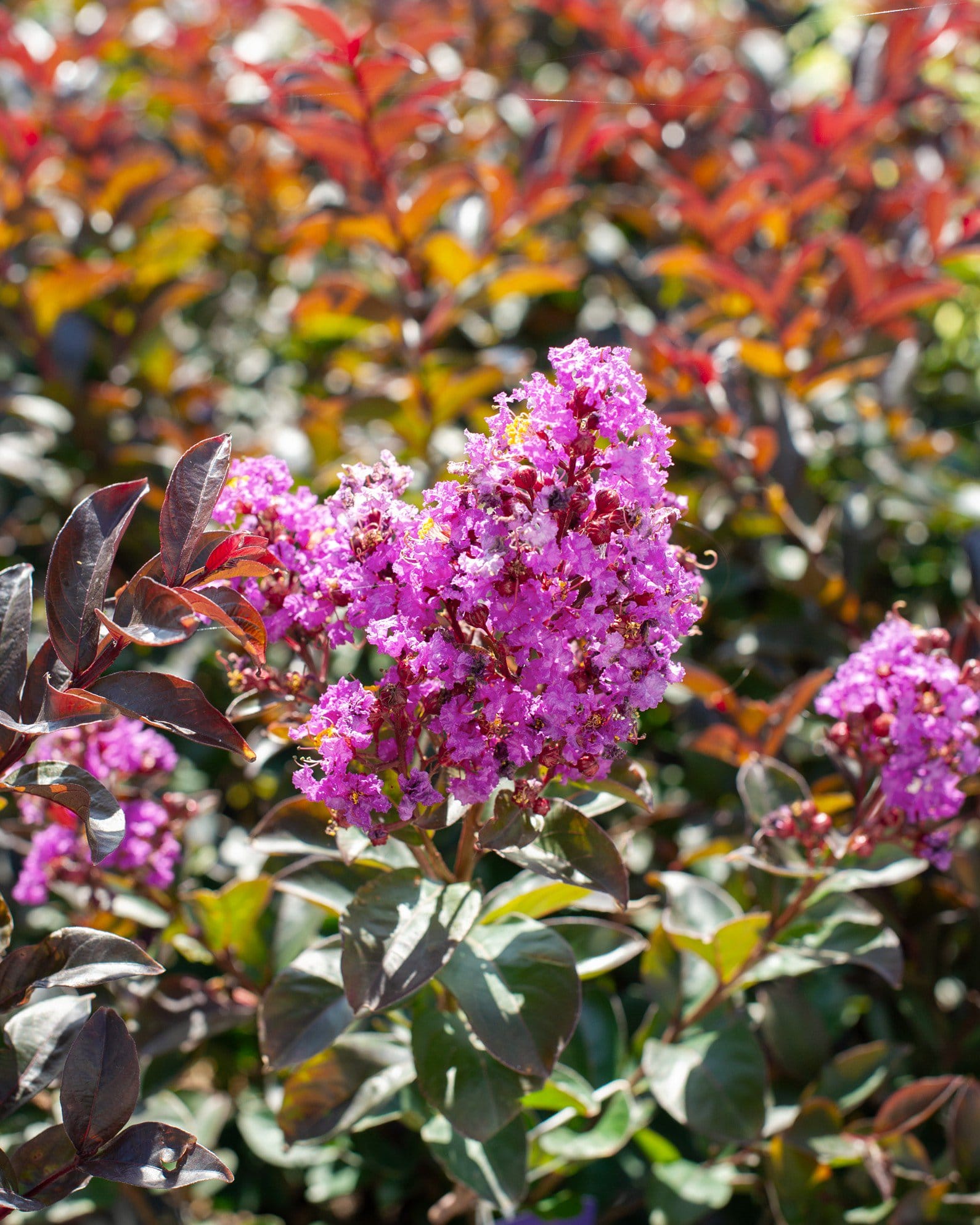
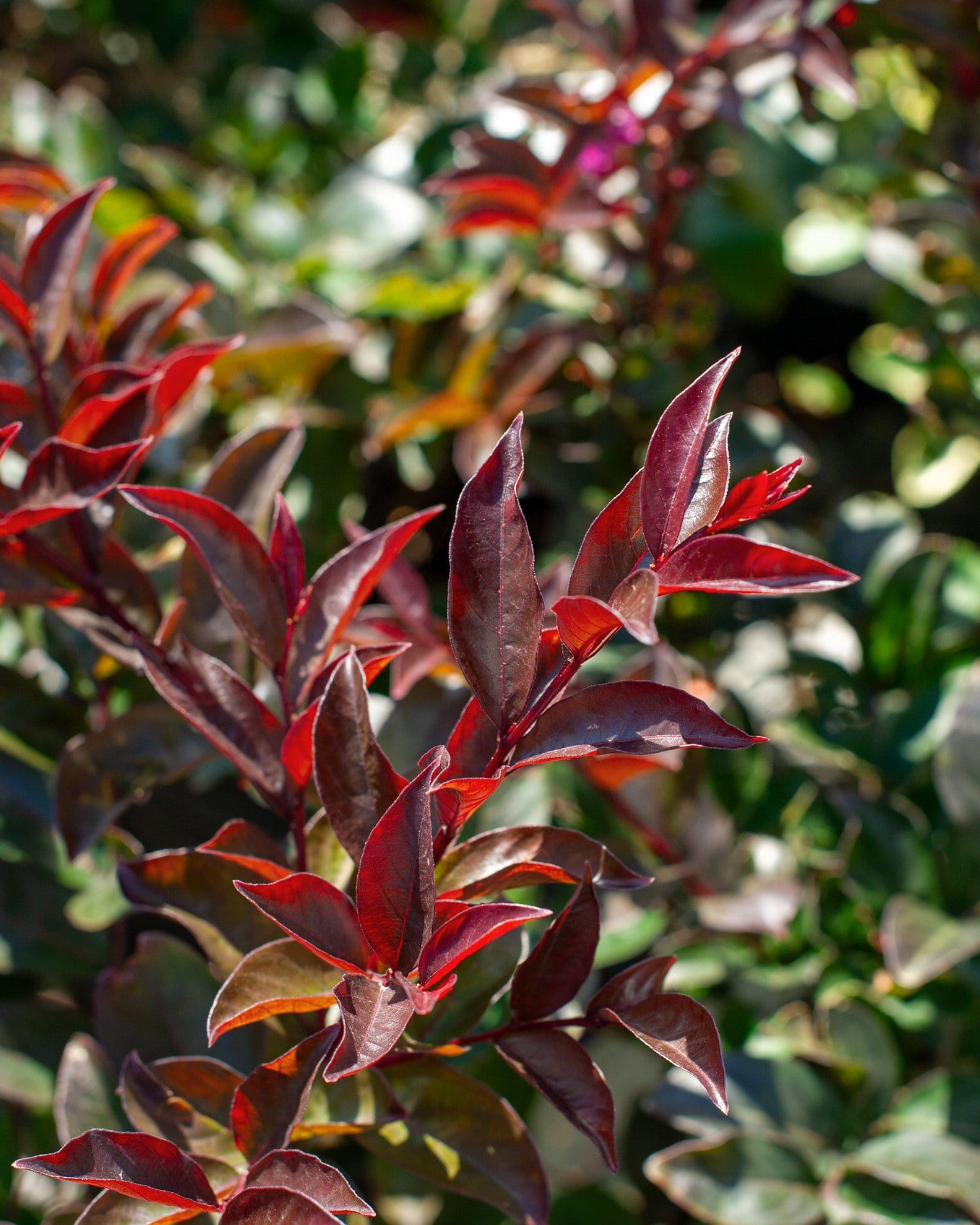
Enduring Lavender Crape Myrtle
Maturity: 4' H x 4' W
French Vanilla Crape Myrtle
Maturity: 2' H x 2' W
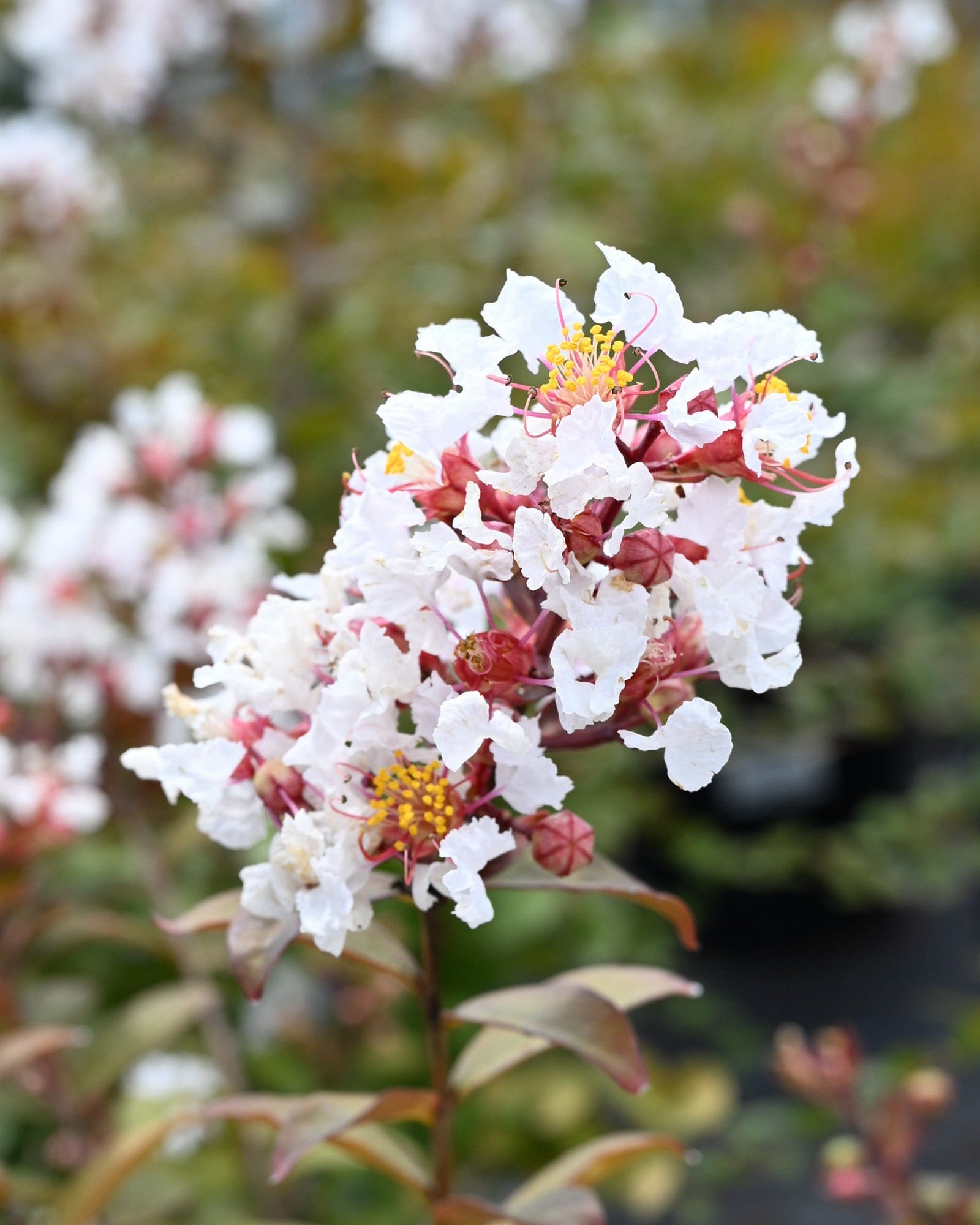
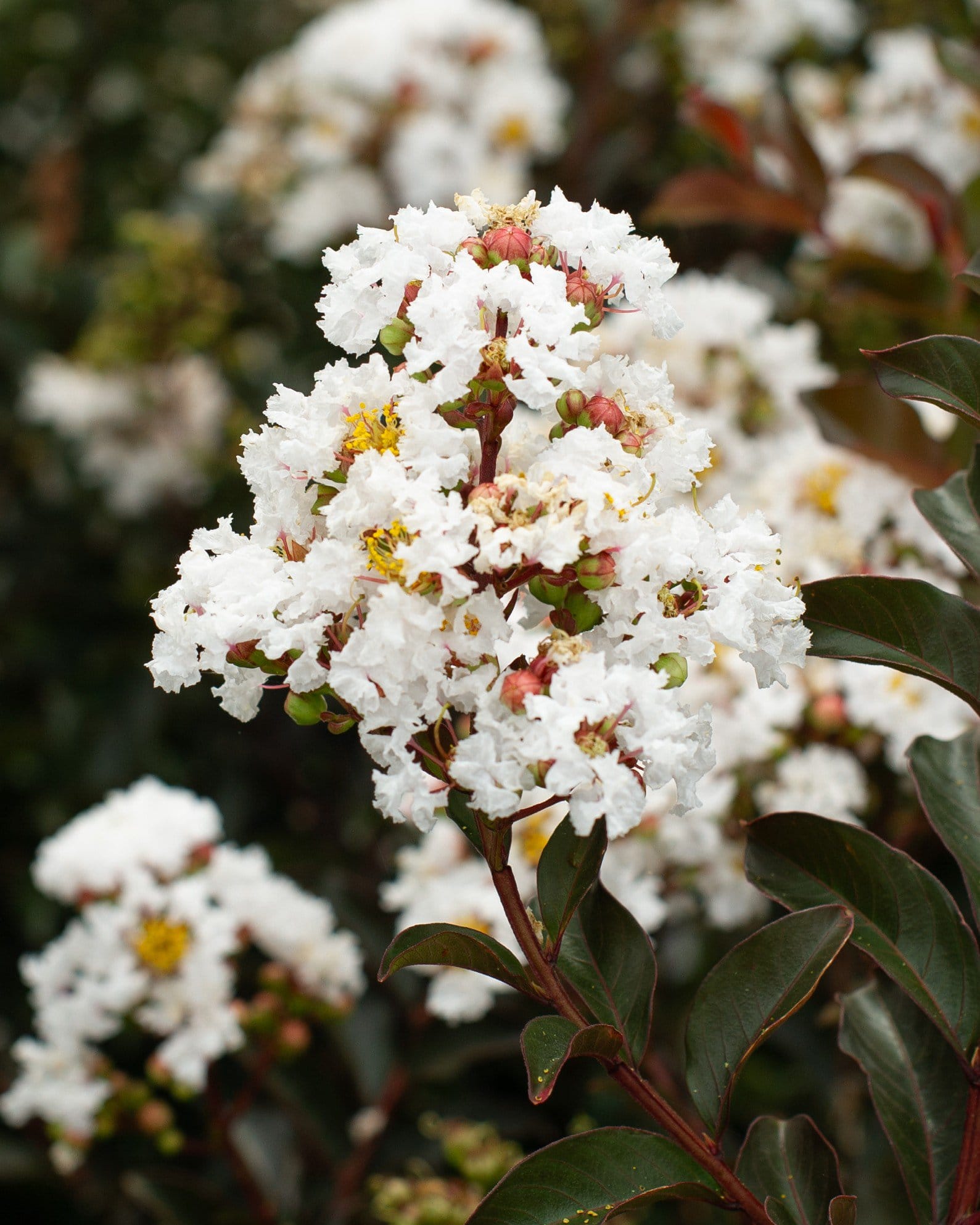
Like a Latte Crape Myrtle
Maturity: 3' H x 3' W
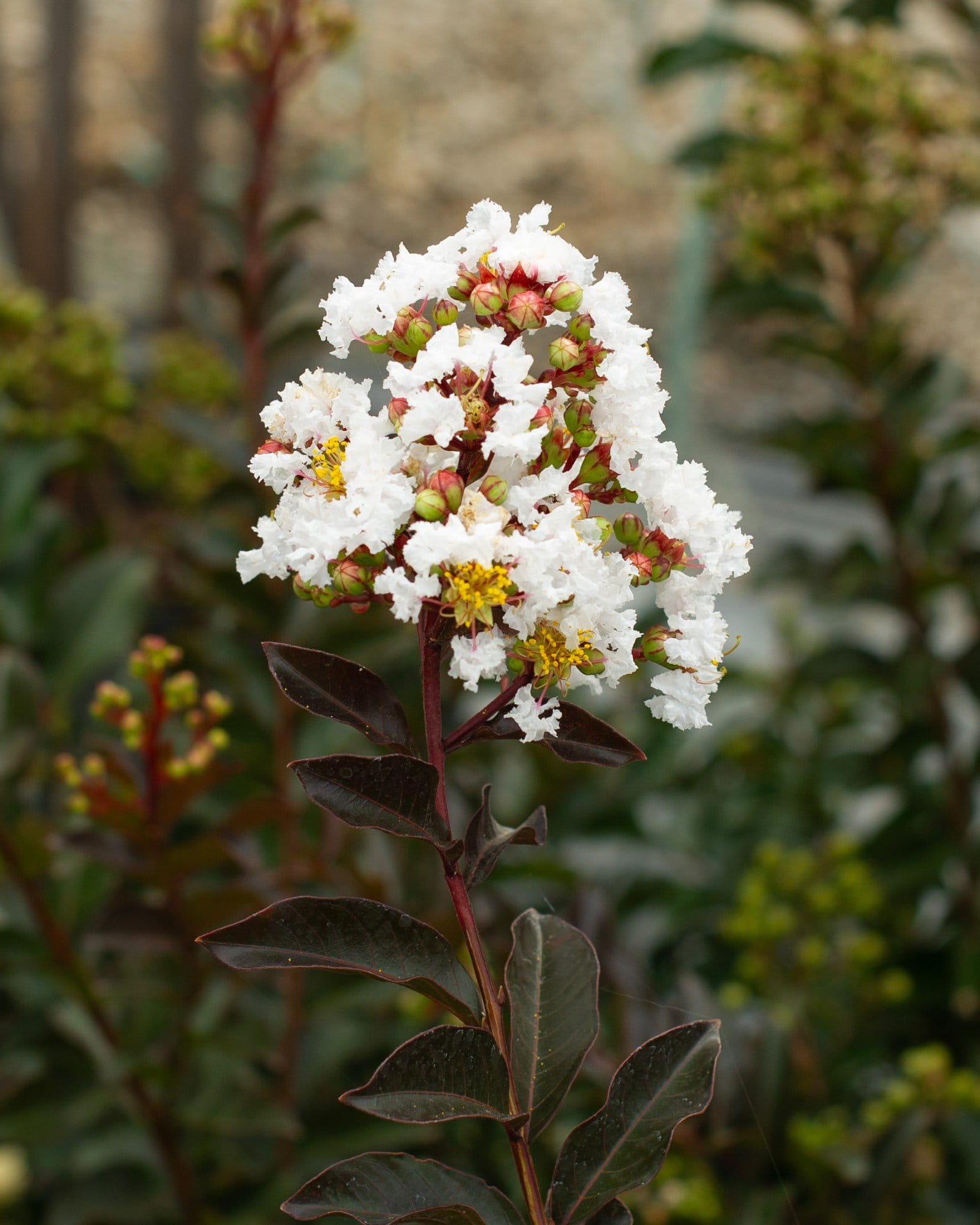
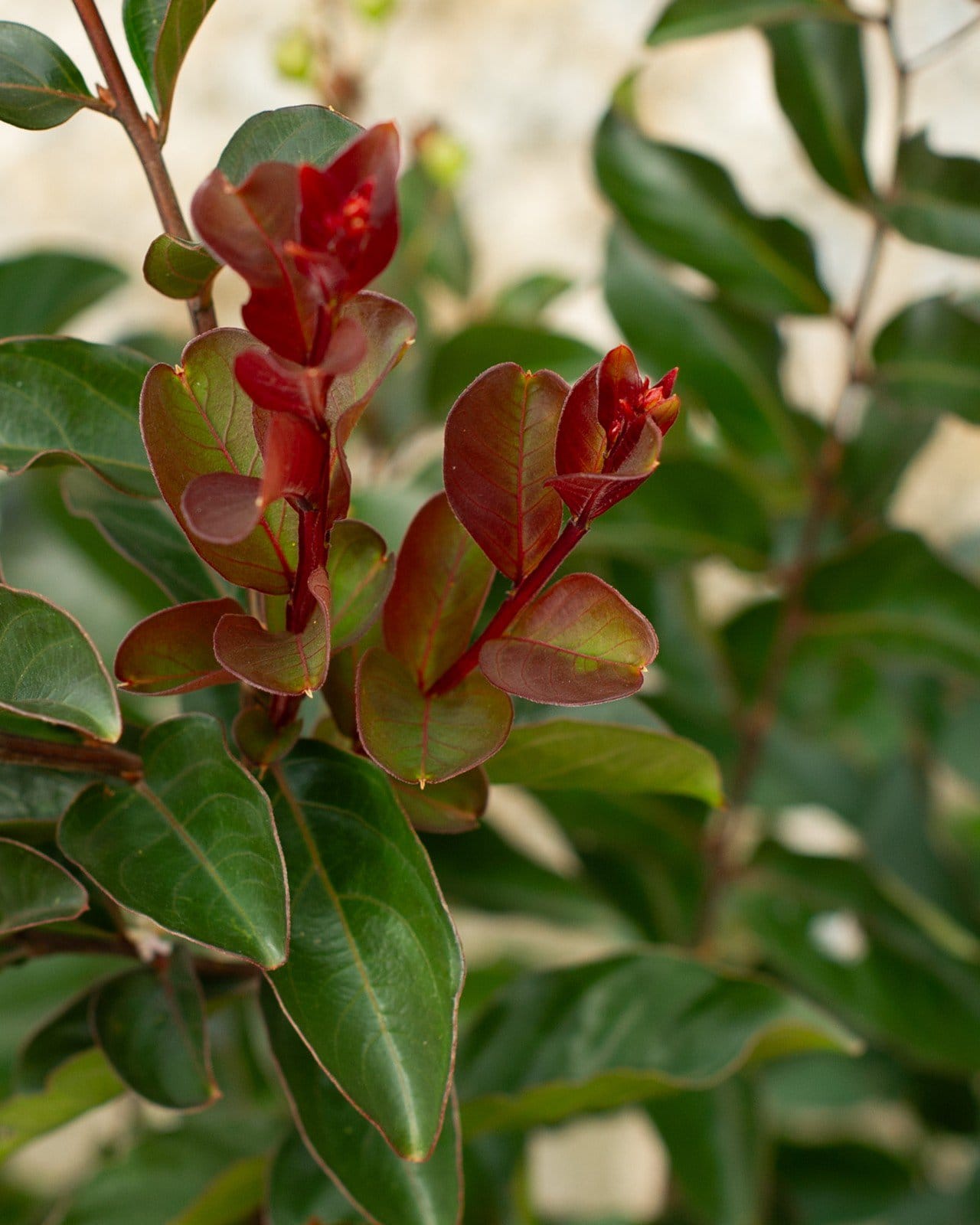
Peppermint Mocha Crape Myrtle
Maturity: 3' H x 3' W
Cherry Mocha Crape Myrtle
Maturity: 3' H x 3' W
Double Feature Crape Myrtle
Maturity: 6' H x 6' W
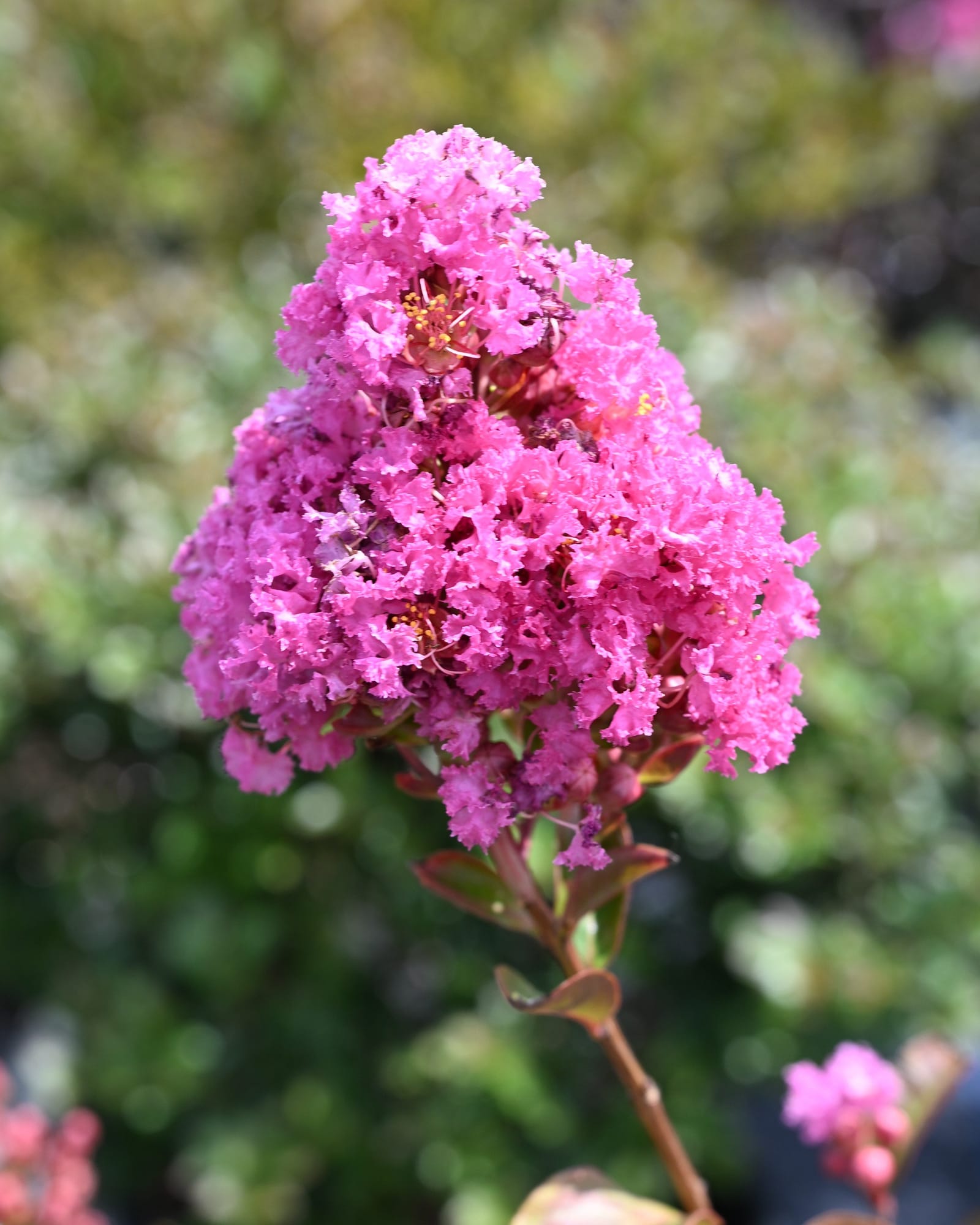
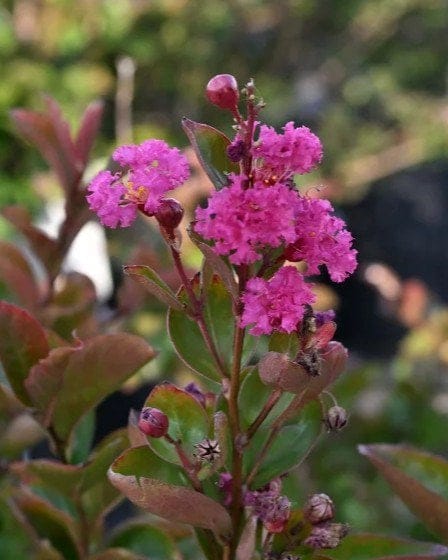
Enduring Fuchsia Crape Myrtle
Maturity: 4' H x 4' W
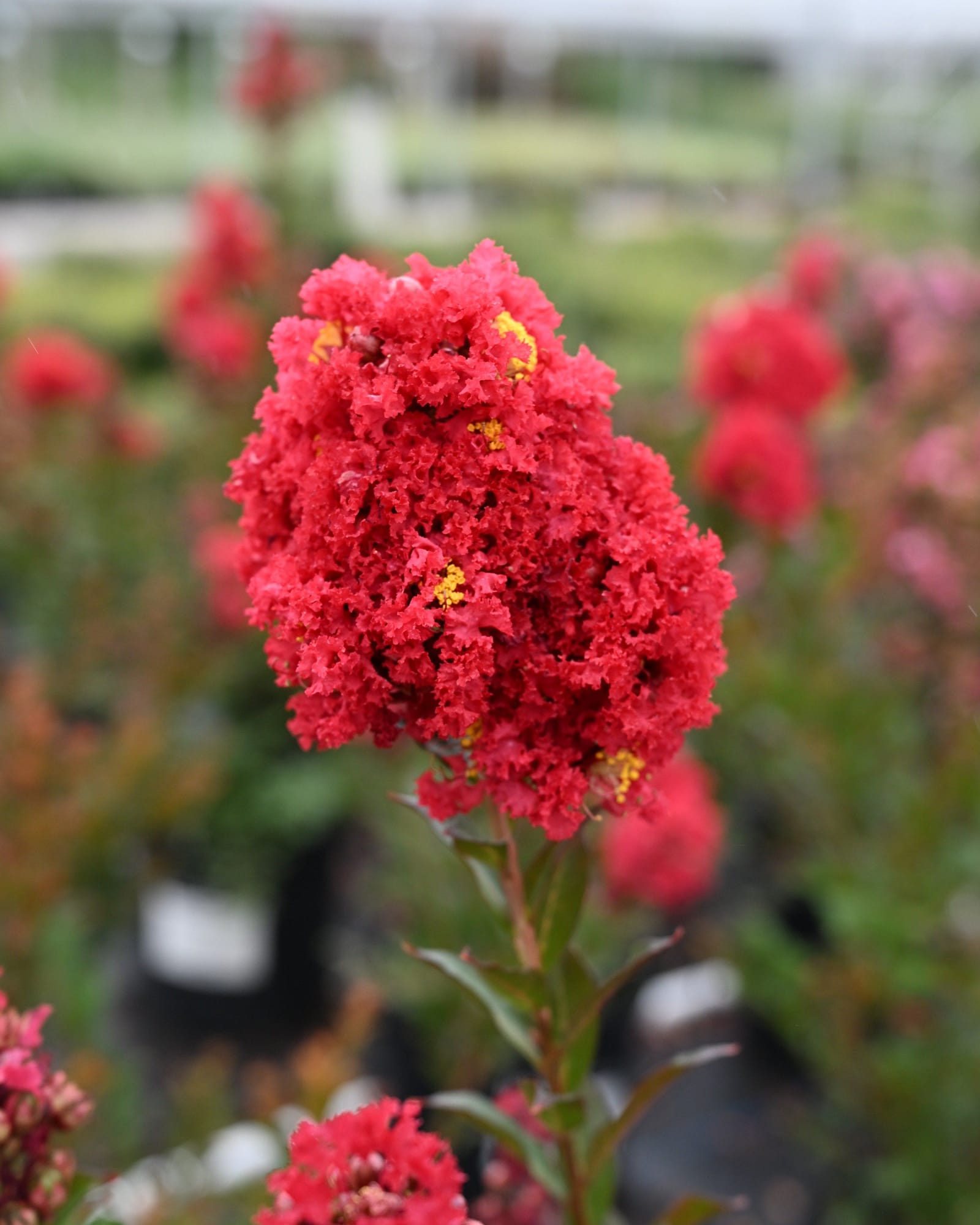
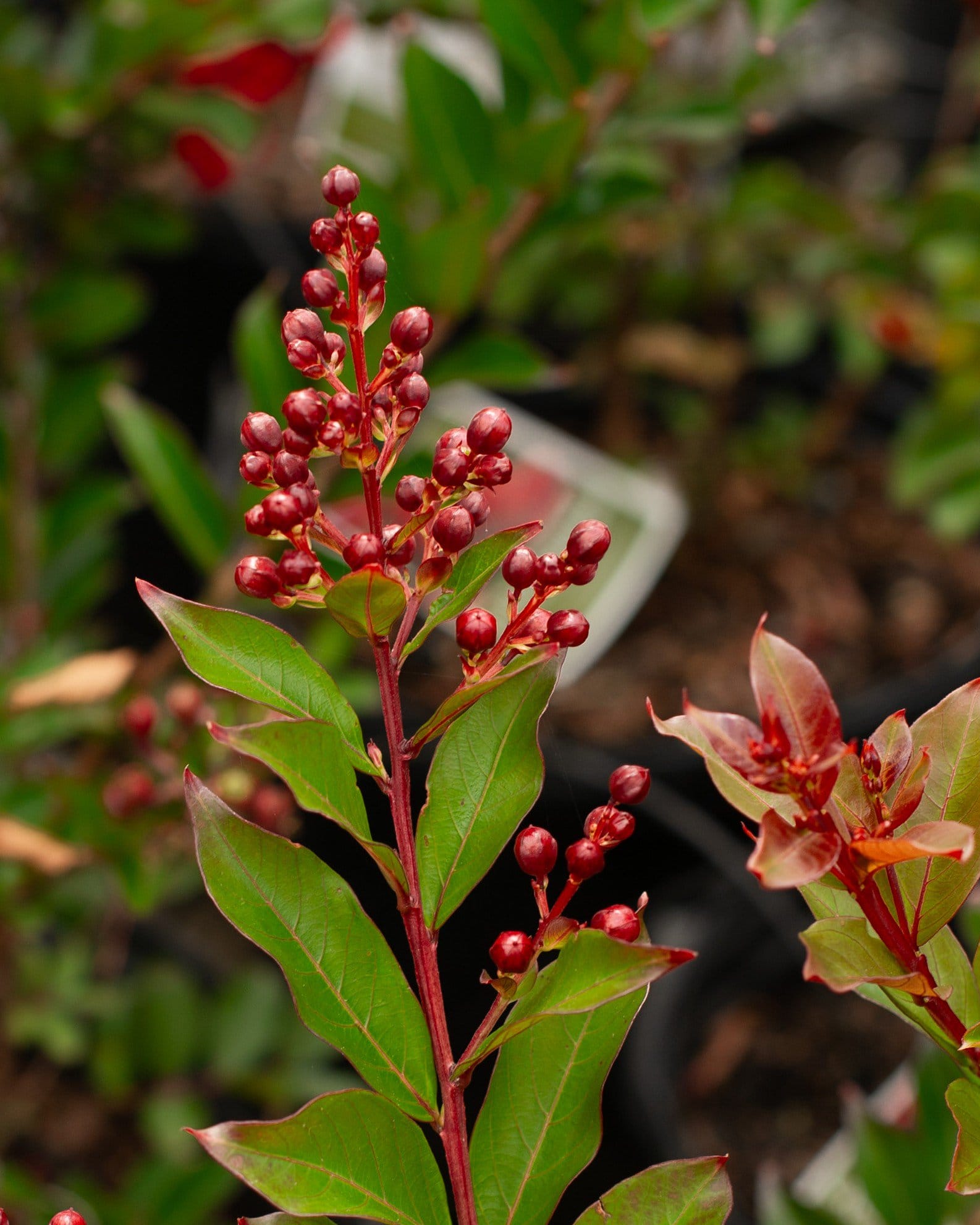
Enduring Summer Red Crape Myrtle
Maturity: 4' H x 4' W
Acoma Crape Myrtle
Maturity: 7' H x 6' W
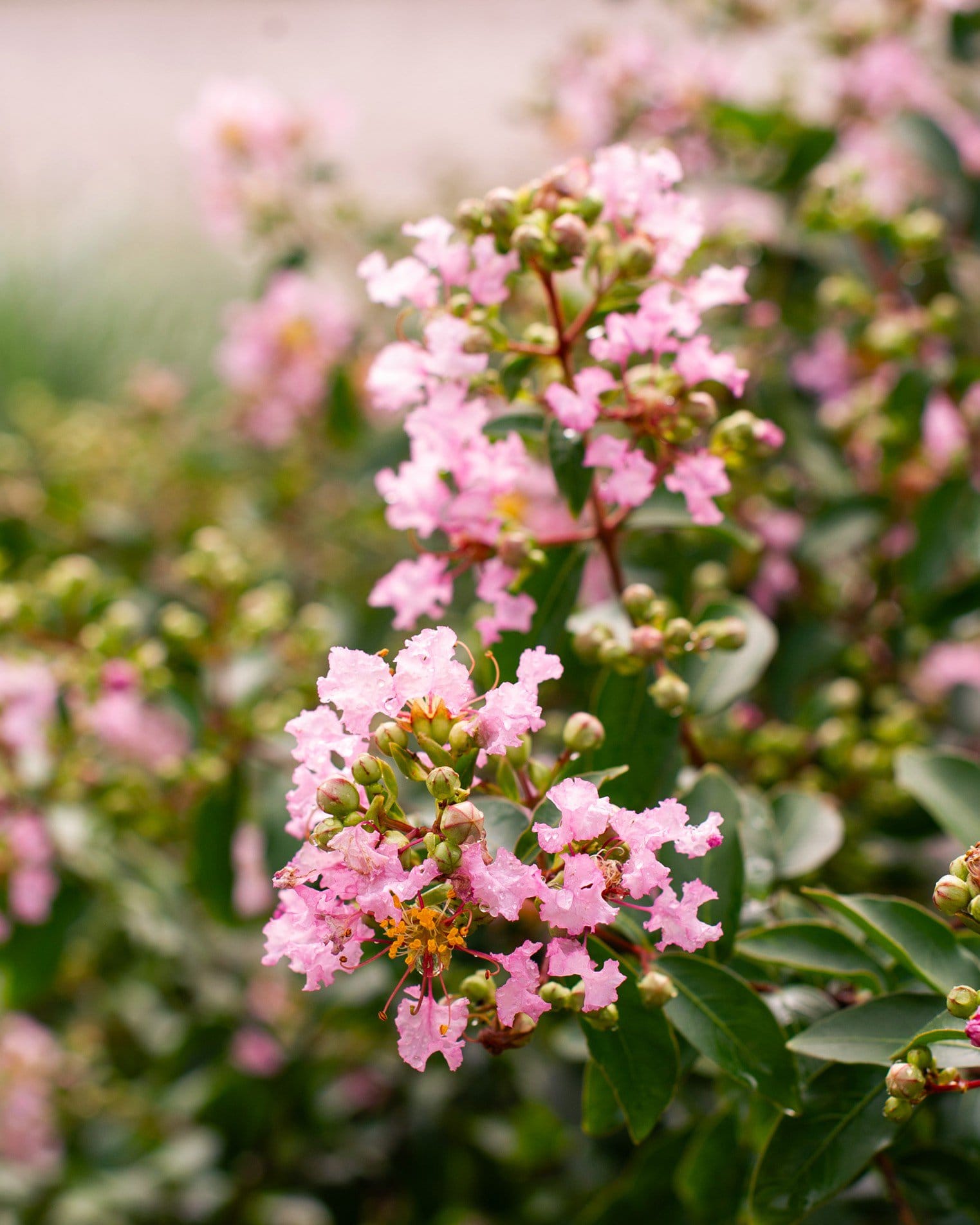
Cotton Candy Crape Myrtle
Maturity: 2' H x 2' W
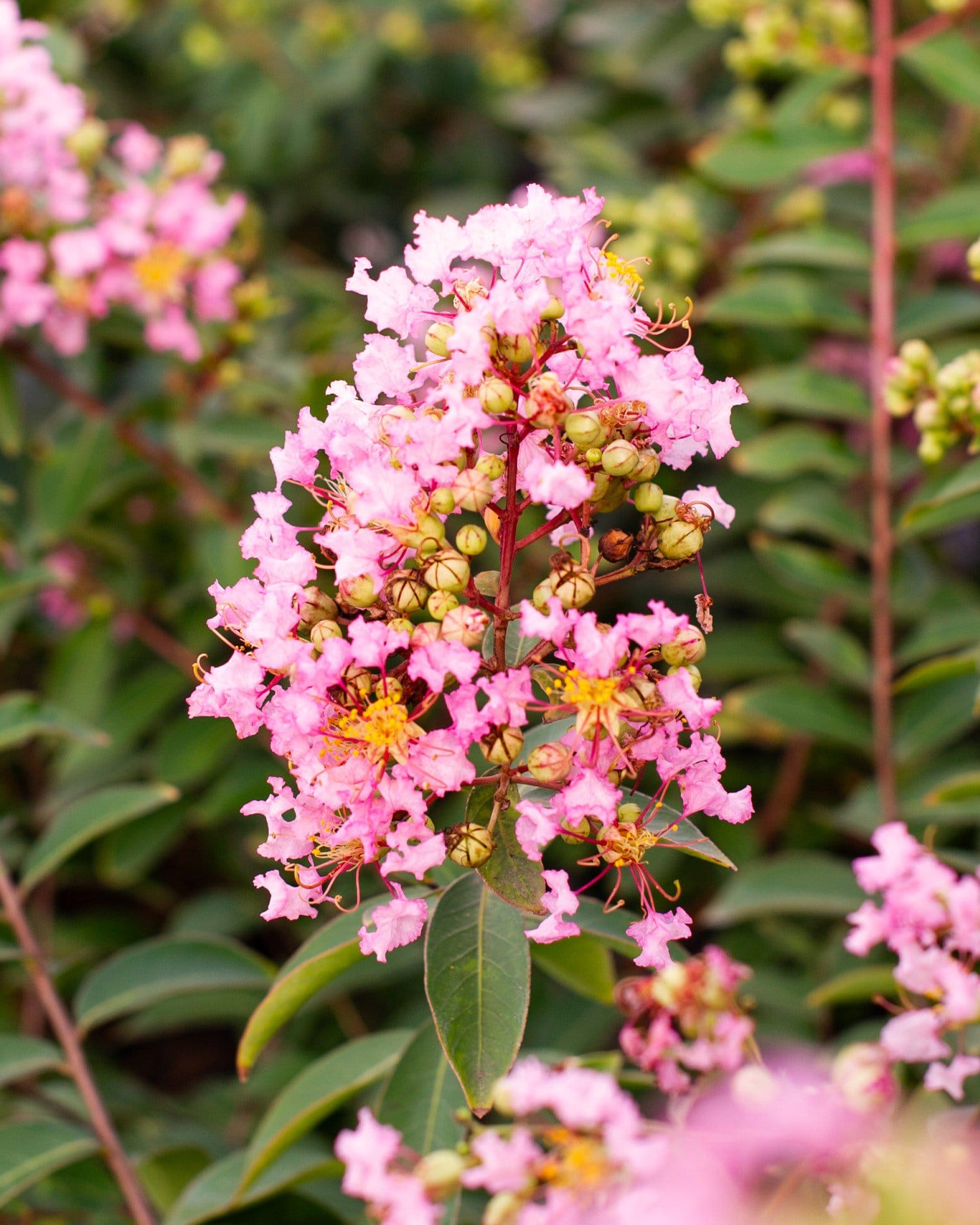
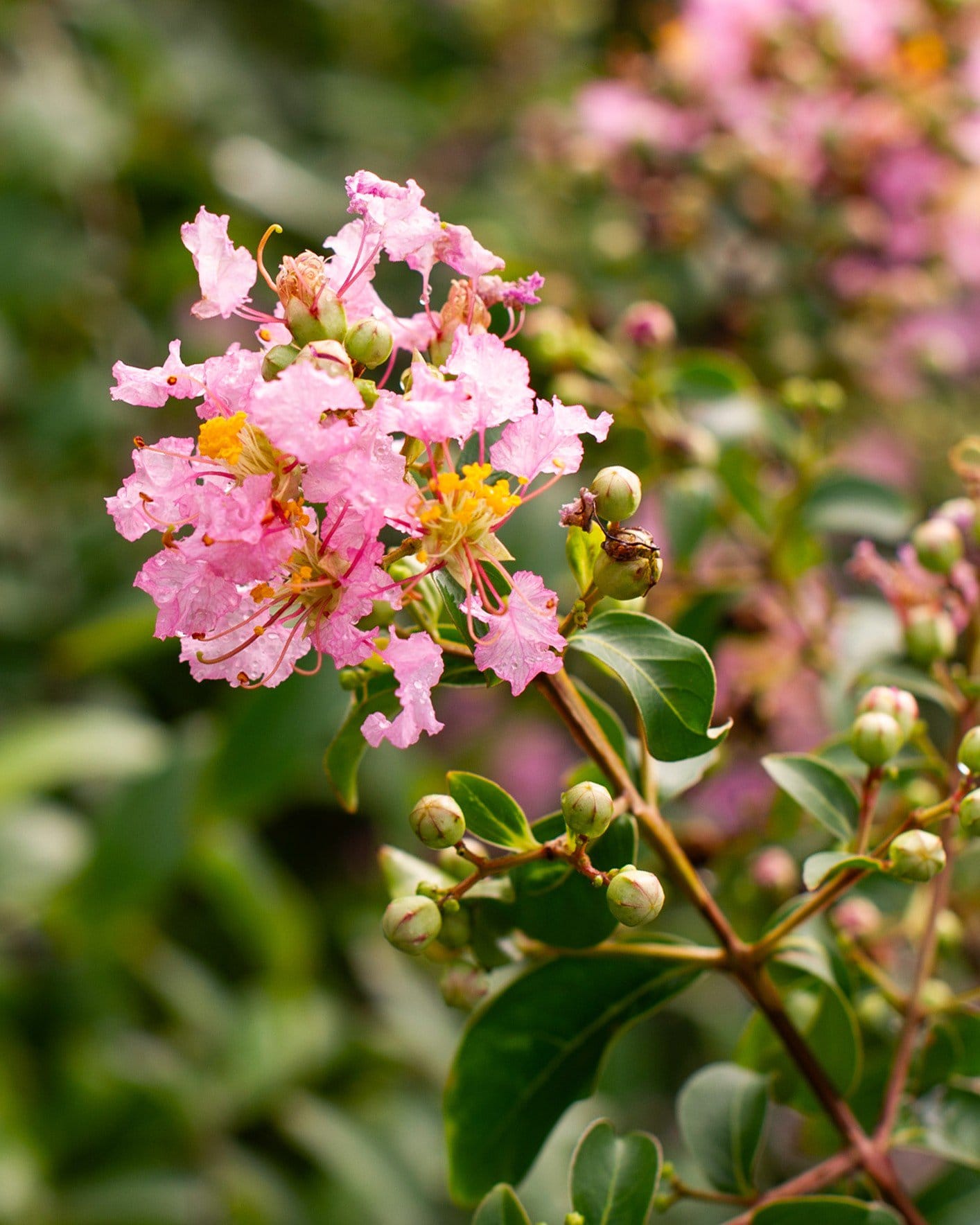
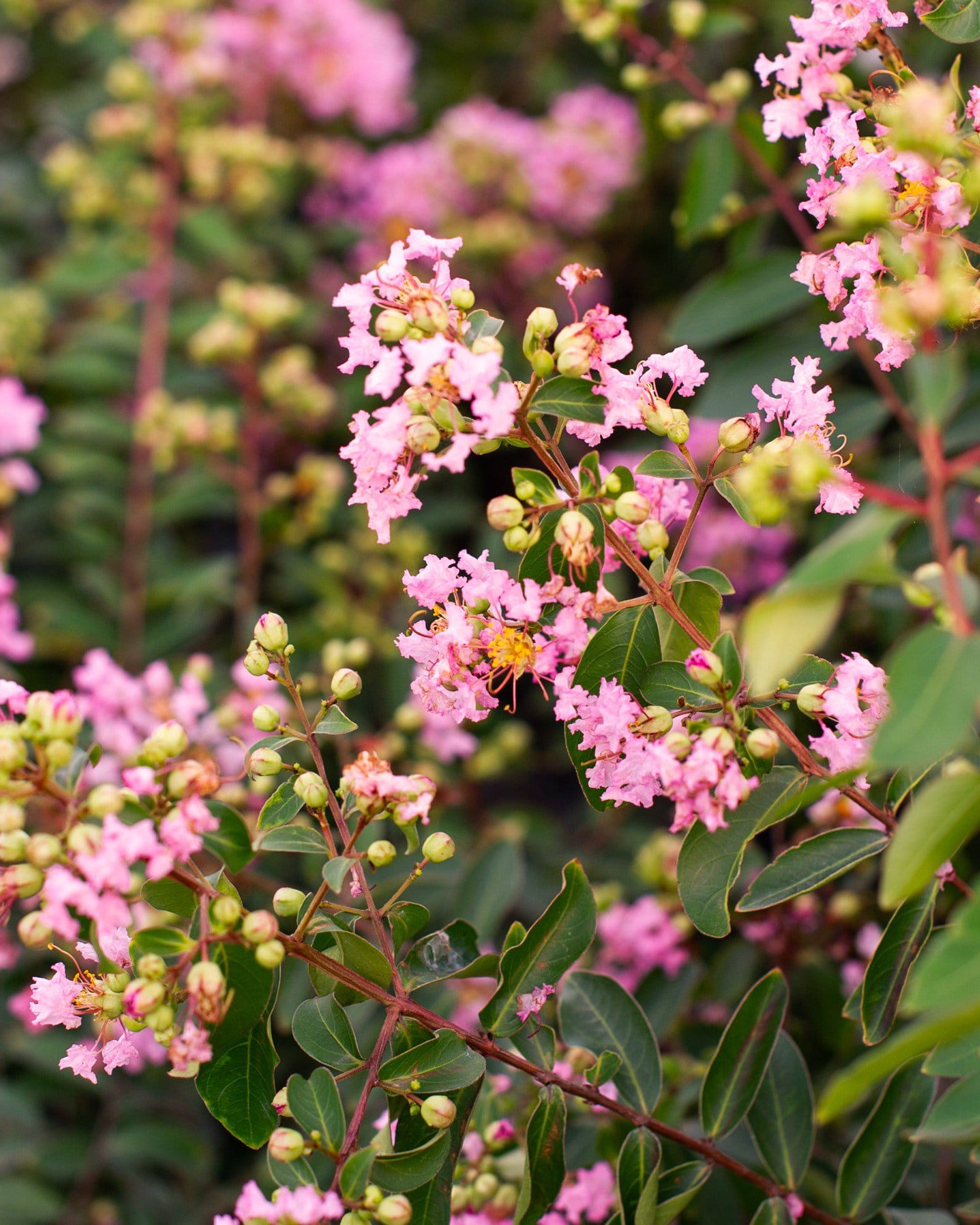
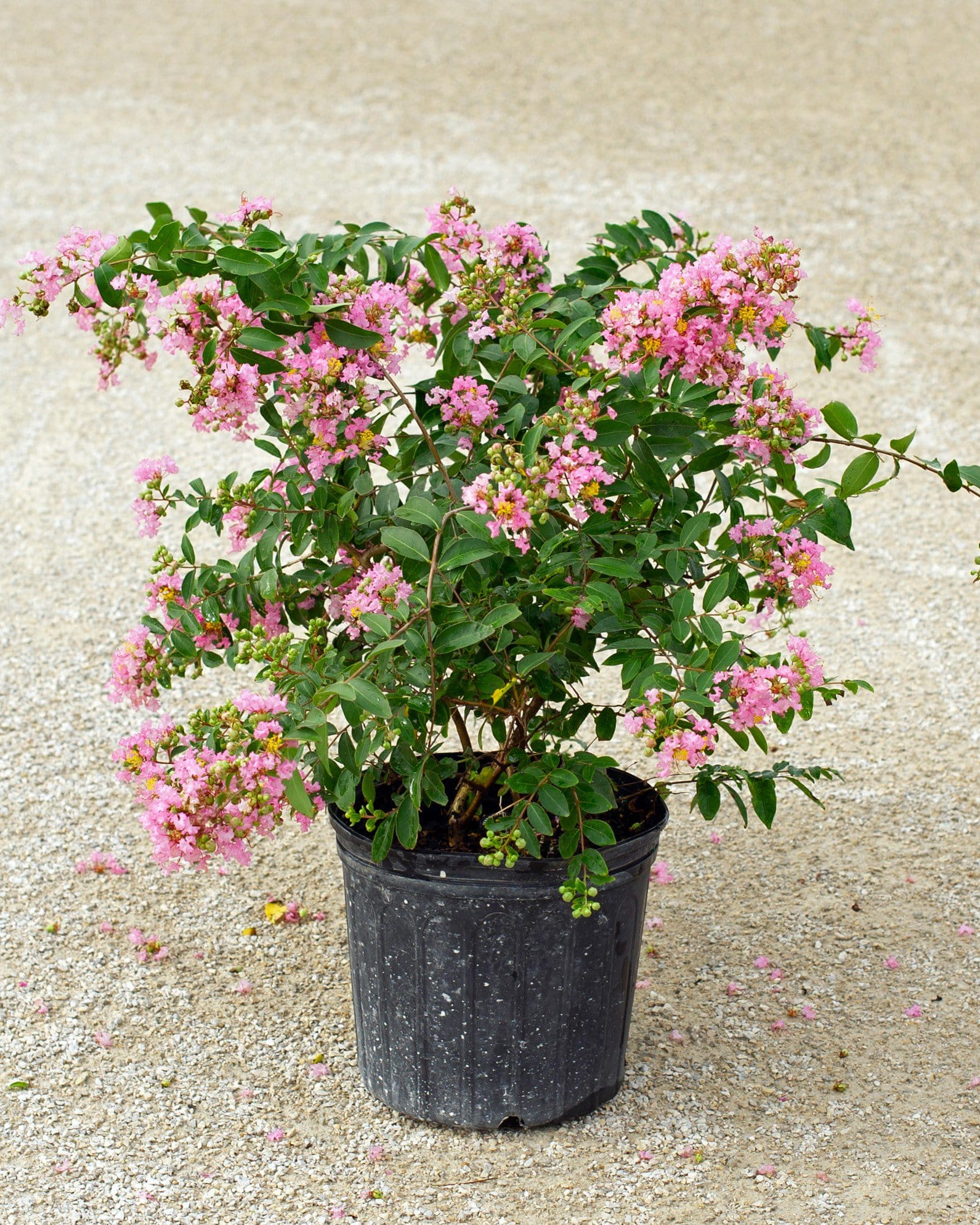
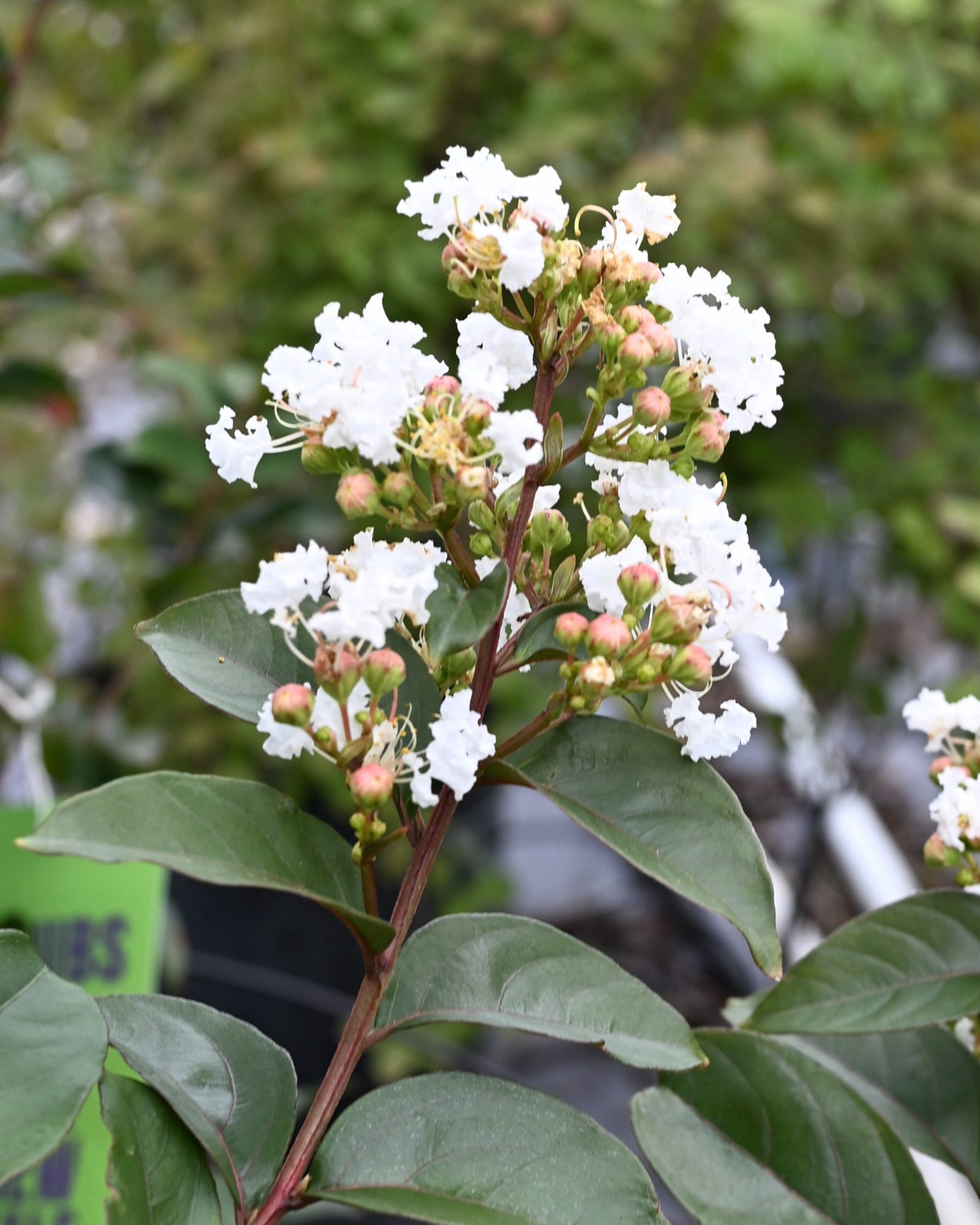
Enduring White Crape Myrtle
Maturity: 4' H x 4' W
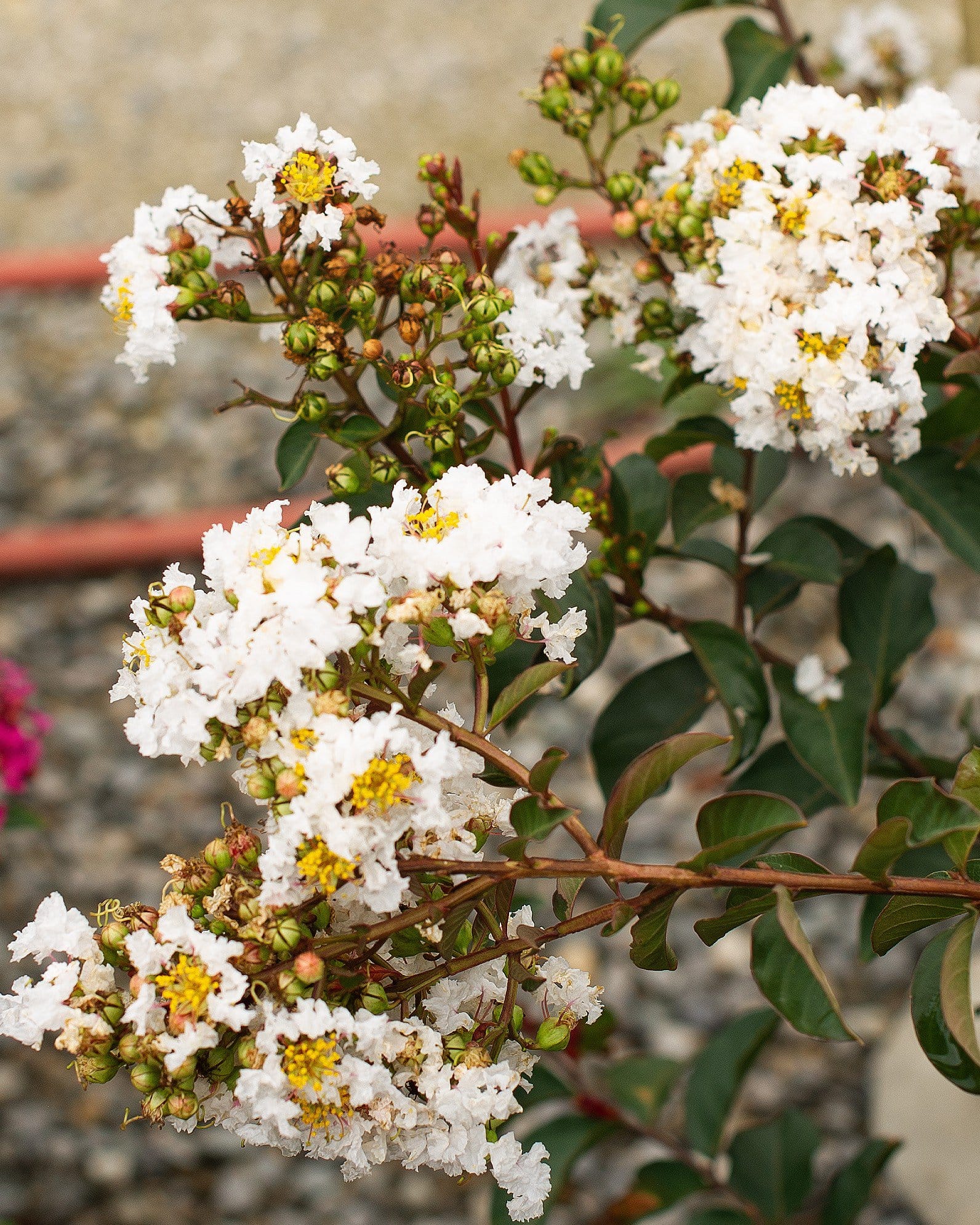
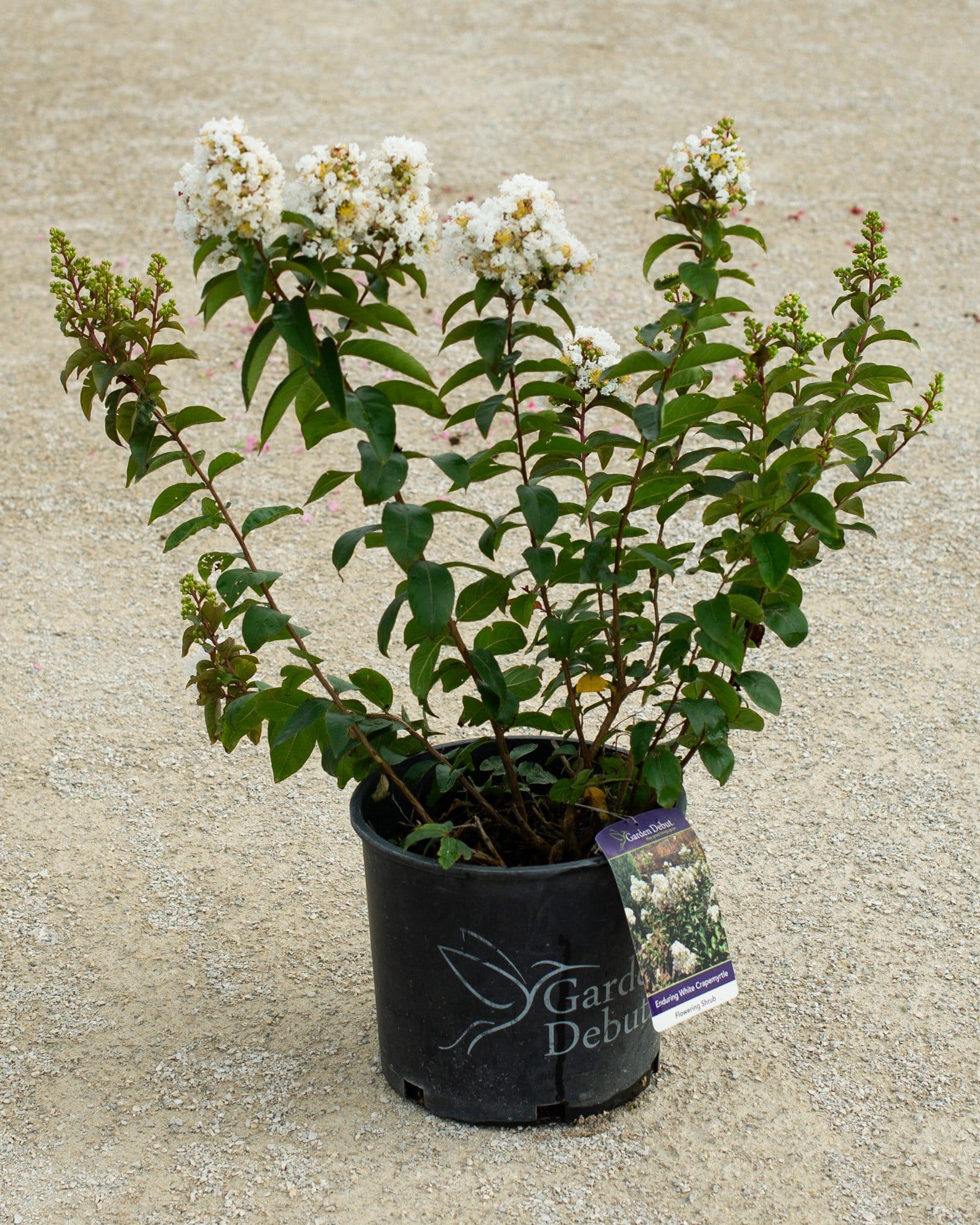
Pocomoke Crape Myrtle
Maturity: 3' H x 3' W
Bellini Raspberry Crape Myrtle
Maturity: 3' H x 3' W
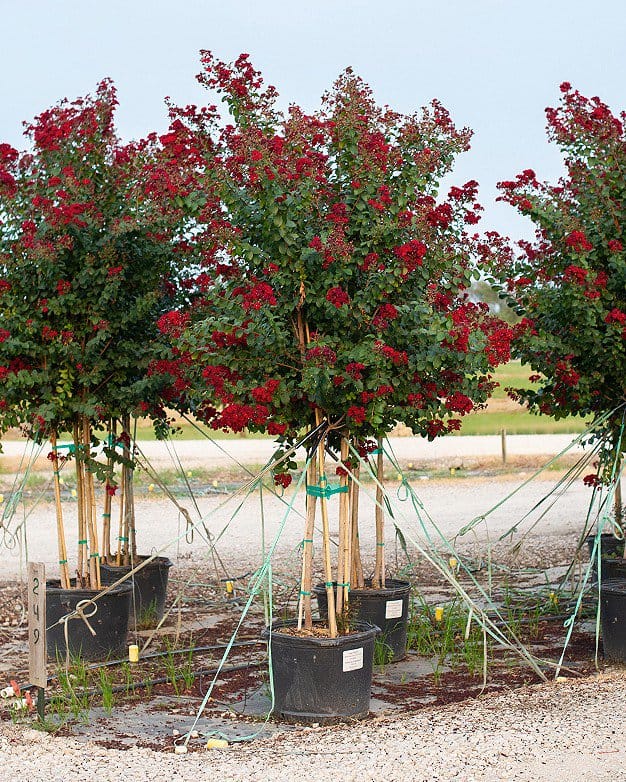
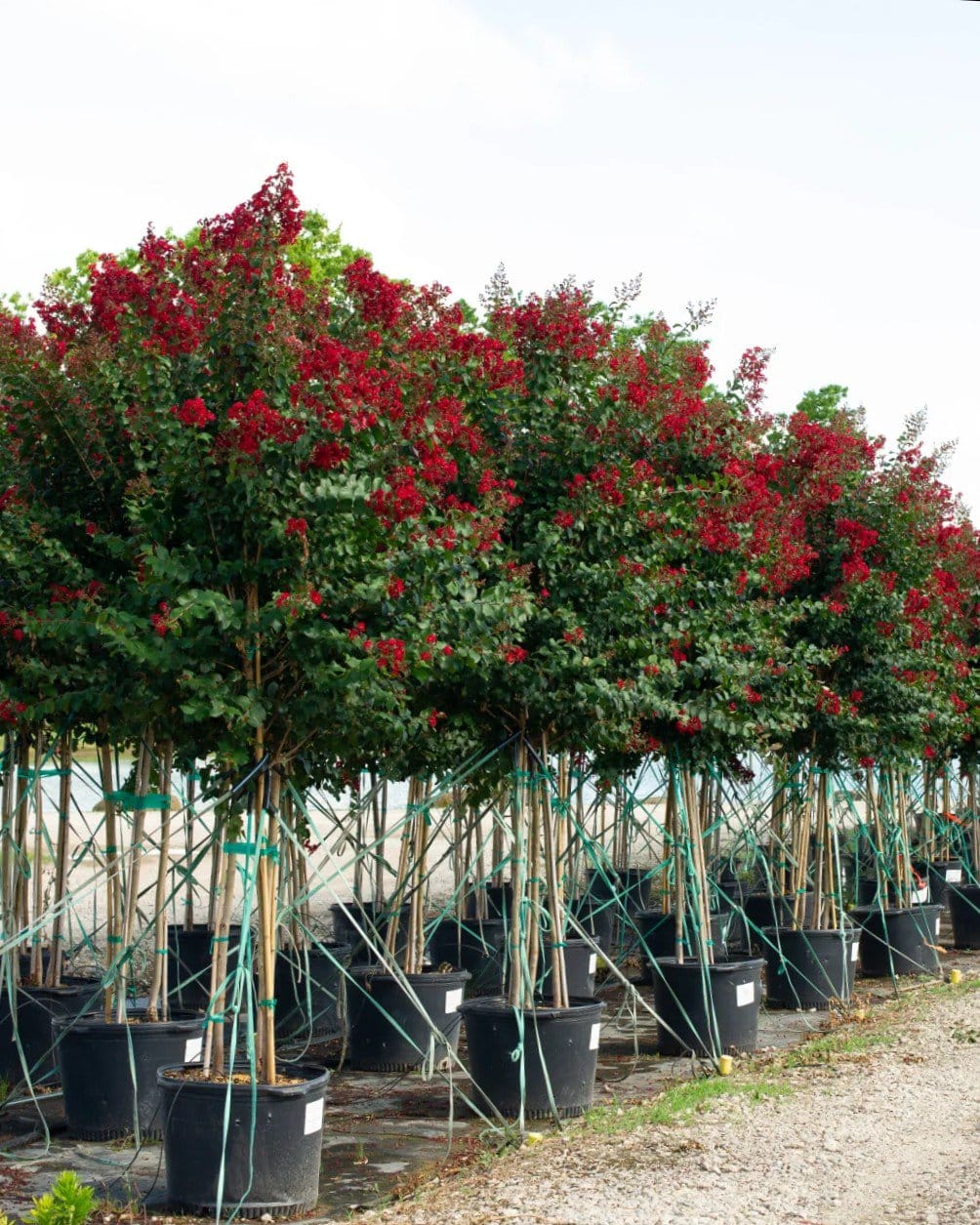
Scarlet Crape Myrtle
Maturity: 20' H x 12' W
Compare Similar Plants
Enduring Red Crape Myrtle This plant | ||
|---|---|---|
| Scientific Name | Lagerstroemia ‘PIILAG B2’ | Lagerstroemia indica ‘Dark Roast’ |
| Size at Maturity | 4' H x 4' W | 3' H x 3' W |
| Leaf Retention | Deciduous | Deciduous |
| Fall Color | Yellow | Yellow |
| Flower Color | Red | Pink |
| Bloom Times | Summer | Summer |
| Sizes Available | 3, 7 gal | 5 gal |


Our 1-Year Planting Guarantee
We take pride in our plants and installation services. If any plants or trees installed by Treeland fail to thrive within the first year, we'll provide a replacement credit in accordance with our guarantee program.
Learn More About Our Guarantee